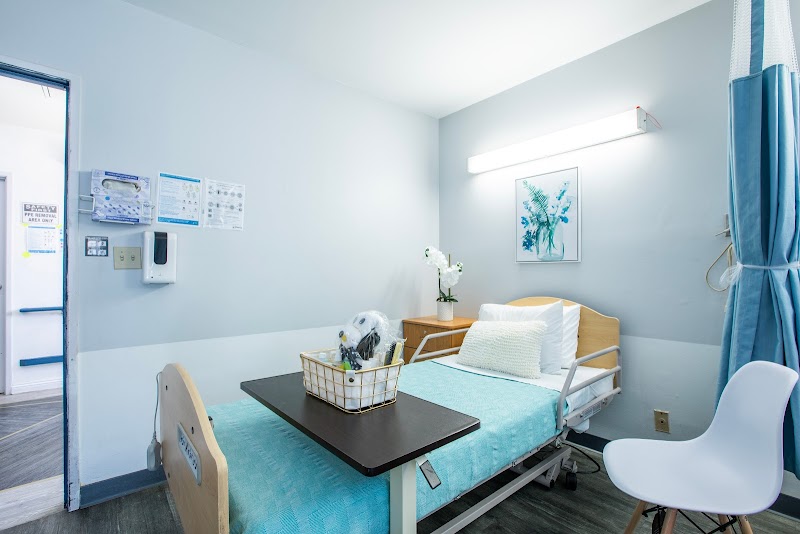

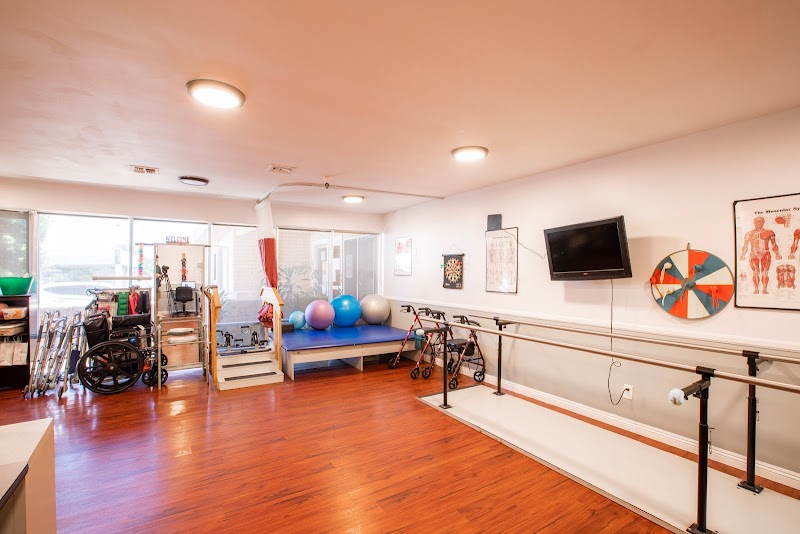
MONROVIA POST ACUTE

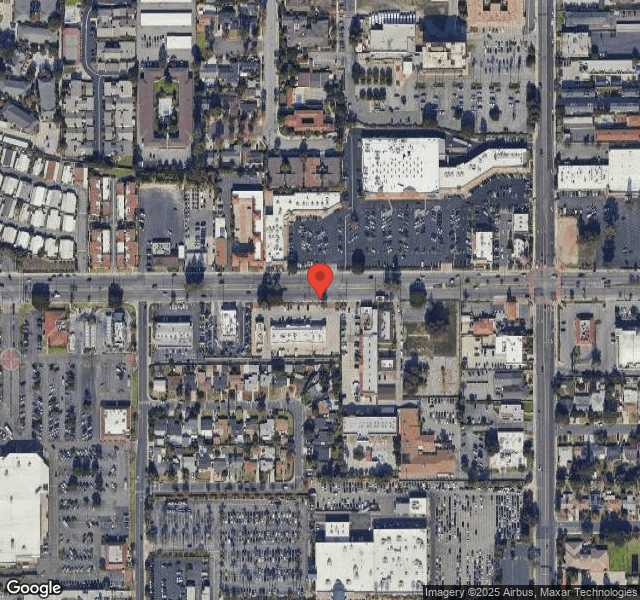
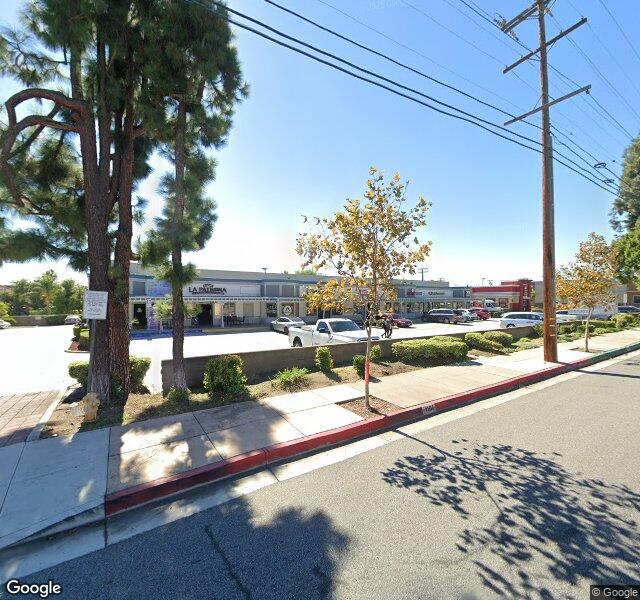
1220 E. HUNTINGTON DRIVE, DUARTE, CA 91010 (626) 359-6618
For profit - Limited Liability company 82 Beds SERRANO GROUP Data: November 2025
Trust Grade
55/100
#632 of 1155 in CA
Last Inspection: February 2025

Within standard 12-15 month inspection cycle. Federal law requires annual inspections.

Overview

Monrovia Post Acute has a Trust Grade of C, which means it is average and in the middle of the pack among nursing homes. It ranks #632 out of 1,155 facilities in California, placing it in the bottom half of the state, and #123 out of 369 in Los Angeles County, indicating that only a few local homes are better. The facility's situation is worsening, with issues increasing from 14 in 2024 to 26 in 2025. Staffing is a strength with a 4 out of 5-star rating and a turnover rate of 40%, which is average, suggesting some consistency among staff. While there are no recorded fines, which is good, there have been serious concerns noted, such as a resident falling twice due to inadequate supervision and failures in pain management for some residents, which raises red flags about the quality of care.

Trust Score
C
55/100
In California
#632/1155
Bottom 46%
Safety Record
Moderate
Needs review
Inspections
Getting Worse
14 → 26 violations
Staff Stability
○ Average
40% turnover. Near California's 48% average. Typical for the industry.
Penalties
✓ Good
No fines on record. Clean compliance history, better than most California facilities.
Skilled Nurses
⚠ Watch
Each resident gets only 28 minutes of Registered Nurse (RN) attention daily — below average for California. Fewer RN minutes means fewer trained eyes watching for problems.
Violations
⚠ Watch
67 deficiencies on record. Higher than average. Multiple issues found across inspections.
★★★☆☆
3.0
Overall Rating
★★★★☆
4.0
Staff Levels
★★★★★
5.0
Care Quality
★★☆☆☆
2.0
Inspection Score
Stable
2024: 14 issues
2025: 26 issues

The Good

  • 4-Star Staffing Rating · Above-average nurse staffing levels
  • 5-Star Quality Measures · Strong clinical quality outcomes
  • Full Sprinkler Coverage · Fire safety systems throughout facility
  • No fines on record
  • Staff turnover below average (40%)

    8 points below California average of 48%

Facility shows strength in staffing levels, quality measures, fire safety.

The Bad

3-Star Overall Rating

Near California average (3.1)

Meets federal standards, typical of most facilities

Staff Turnover: 40%

Near California avg (46%)

Typical for the industry

Chain: SERRANO GROUP

Part of a multi-facility chain

Ask about local staffing decisions and management

The Ugly 67 deficiencies on record

1 actual harm
Aug 2025 8 deficiencies
CONCERN (D) 📢 Someone Reported This

A family member, employee, or ombudsman was alarmed enough to file a formal complaint

Potential for Harm - no one hurt, but risky conditions existed

Notification of Changes (Tag F0580)

Could have caused harm · This affected 1 resident

**NOTE- TERMS IN BRACKETS HAVE BEEN EDITED TO PROTECT CONFIDENTIALITY** Based on interview and record review, the facility failed to notify Resident 1's doctor of Resident 1's refusals of accuchecks (...

Read full inspector narrative →
**NOTE- TERMS IN BRACKETS HAVE BEEN EDITED TO PROTECT CONFIDENTIALITY** Based on interview and record review, the facility failed to notify Resident 1's doctor of Resident 1's refusals of accuchecks (sampling a drop of blood from the finger to determine the blood glucose [sugar] level) and insulin (a hormone that lowers the level of glucose [a type of sugar] or sugar in the blood) injection on 8/3/2025 and 8/4/2025.These failures had the potential to result in Resident 1 to not receive treatment to address Resident 1's risks for hypoglycemia (a condition where the level of glucose in the blood drops below a healthy range) or hyperglycemia (having too much glucose in the blood) which could negatively affect Resident 1's health and wellbeing.(Cross Reference F686 andF755) Findings:During a review of Resident 1's admission Record (AR), the AR indicated Resident 1 was admitted to facility on 4/16/2024 and readmitted to the facility on [DATE] with diagnoses including Parkinson's disease (a brain disorder that causes unintended or uncontrollable movements, such as shaking, stiffness, and difficulty with balance and coordination), dementia (a group of thinking and social symptoms that interferes with daily functioning), and type 2 diabetes mellitus (DM, a chronic condition that affects the way the body processes blood sugar).During a review of Resident 1's Minimum Data Set (MDS, a resident assessment tool), dated 7/15/2025, the MDS indicated Resident 1 was moderately impaired in cognitive skills (ability to make daily decisions). Resident 1 was dependent (helper does all the effort) on staff for bathing, dressing, and toileting, oral, and personal hygiene.During a review of Resident 1's Order Summary Report (OSR), dated 8/18/2025, the OSR indicated a physician order for Resident 1 to receive Insulin Aspart Injection Solution (Insulin as a medication, insulin is any pharmaceutical preparation of the protein hormone insulin that is used to treat high blood glucose) as per a sliding scale (the amount of insulin given is based on Resident 1's blood glucose [sugar] level). The OSR indicated the facility should check Resident 1's blood glucose level, and administer Insulin Aspart if needed, before meals and at bedtime. The OSR also indicated a physician order for Resident 1 to receive Insulin Glargine-yfgn Subcutaneous (injection under the skin) Solution (a long-acting insulin used to treat high blood glucose) 25 units subcutaneously two times a day for DM.During a concurrent interview and record review on 8/14/2025 at 1:56 PM with Registered Nurse (RN) 1, Resident 1's Medication Administration Record (MAR), for August 2025, was reviewed. The MAR indicated Licensed Vocational Nurse (LVN) 1 documented that Resident 1 refused to let LVN 1 check Resident 1's blood sugar with an accucheck on 8/3/2025 at the scheduled times of 4:30 PM and 9 PM. The MAR also indicated Resident 1 refused accuchecks on 8/4/2025 at the scheduled times of 6:30 AM and 11:30 AM. The MAR also indicated Resident 1 refused to receive Resident 1's Insulin Glargine-yfgn Subcutaneous Solution on 8/3/2025 at the scheduled time of 4:30 PM. RN 1 stated if a resident (in general) refused accuchecks, facility staff should attempt two more times and then notify the resident's (in general) doctor of the refusal of treatment. During a phone interview on 8/18/2025 at 9:05 AM with LVN 1, LVN 1 confirmed Resident 1 refused accuchecks on 8/3/2025 at 4:30 PM and 9 PM, and refused Insulin Glargine-yfgn 25 units inject on 8/3/2025 at 4:30 PM. LVN 1 stated LVN 1 did not report Resident 1's refusals of accuchecks and insulin to Resident 1's doctor.During a phone interview on 8/19/2025 at 10:51 AM with Resident 1's Medical Doctor (MD) 1, MD 1 stated MD 1 was not notified about Resident 1's refusal of accucheck on 8/3/2025 at 4:30 PM and 9 PM, and insulin injection on 8/3/2025 at 4:30 PM. During a phone interview on 8/19/2025 at 1:11 PM with Resident 1's Patient Care Coordinator (PCC) 2 from Resident 1's primary medical doctor's (MD 2) office, PCC 2 stated MD 2 was not notified about Resident 1's refusal of accucheck and refusals of Resident 1's scheduled insulin injection on 8/3/2025 and 8/4/2025. During a review of the facility's Policy and Procedure (P&P) titled, Change in a Resident's Condition or Status revised 2/2021, the P&P indicated, .The nurse will notify the resident's attending physician or physician on call when there has been a(an).refusal of treatment or medications two (2) or more consecutive times.
CONCERN (D) 📢 Someone Reported This

A family member, employee, or ombudsman was alarmed enough to file a formal complaint

Potential for Harm - no one hurt, but risky conditions existed

Report Alleged Abuse (Tag F0609)

Could have caused harm · This affected 1 resident

Based on interview and record review, the facility failed to report an allegation of abuse for one of two sampled residents (Resident 8) to the California Department of Public Health (the Department),...

Read full inspector narrative →
Based on interview and record review, the facility failed to report an allegation of abuse for one of two sampled residents (Resident 8) to the California Department of Public Health (the Department), the Ombudsman (an advocate for residents of nursing homes, board and care centers, and assisted living facilities), and to the local law enforcement, within two hours, in accordance with the facility's policy and procedure (P&P), titled Abuse Investigation and Reporting, dated 7/2017.This failure resulted in the delay of notification to the Department and had the potential to result in Resident 8 to be subjected to abuse while at the facilityFindings:During a review of Resident 8's admission Record, the admission Record indicated the facility originally admitted Resident 8 on 7/5/2025, and readmitted the resident on 8/15/2025 with diagnosis that included type 2 diabetes mellitus (DM- a disorder characterized by difficulty in blood sugar control and poor wound healing), chronic pulmonary edema (a long-term condition where fluid accumulates in the lungs), and toxic encephalopathy (a brain disorder caused by exposure to poisonous substances, leading to symptoms such as confusion, memory loss, and changes in personality).During a review of Resident 8's Minimum Data Set (MDS, a resident assessment tool), dated 7/12/2025, the MDS indicated Resident 8 was mild impaired in cognitive skills (ability to make daily decisions). The MDS indicated Resident 8 required substantial/maximal assistance (helper does more than half the effort to lift or hold trunk or limbs and provides more than half the effort) for toileting hygiene, shower/bathe self, upper and lower body dressing, and putting on/taking off footwear. Resident 8 required partial/moderate assistance (helper does less than half the effort. Helper lifts, holds, or supports trunk or limbs, but provides less than half the effort) for personal hygiene.During a review of Resident 8's Progress Notes (PN), dated 8/17/2025, the PN indicated the Social Service Director (SSD) interviewed Resident 8, and Resident 8 stated a CNA wearing green scrubs (CNA 2) told Resident 8 to shut up and hit Resident 8 on the mouth during 8/15/2025 night shift (from 8/15/2025 at 11 p.m. to 8/16/2025 at 7 a.m.). During a phone interview on 8/18/2025 at 1:55 PM with CNA 2, CNA 2 stated CNA 2 did not report when Resident 8 told CNA 2 You are hitting me during 8/15/2025 night shift when CNA 2 was providing care to Resident 8. CNA 2 stated CNA 2 should report to charge nurse, administrator, local law enforcement immediately when an allegation of abuse was made by residents.During an interview on 8/18/2025 at 3:52 PM with the DON, the DON stated the staff should report to California Department of Public Health (CDPH), local law enforcement, and ombudsman within two hours when a resident say's, You tried to hit me.During an interview on 8/19/2025 at 3:35 PM with the Administrator, the Administrator stated, the Administrator, did not receive an allegation of abuse report from CNA 2 during 8/15/2025 night shift (11pm to 7am).During a review of the facility's policy and procedure (P&P) titled, Abuse Investigation and Reporting, dated 7/2017, the P&P indicated, An alleged violation of abuse, neglect, exploitation or mistreatment (including injuries of unknown source and misappropriation of resident property) will be reported immediately, but not later than:a. Two (2) hours if the alleged violation involves abuse OR has resulted in serious bodily injury; ort. Twenty-four (24) hours, if the alleged violation does not involve abuse AND has not resulted in serious bodily injury.
CONCERN (D) 📢 Someone Reported This

A family member, employee, or ombudsman was alarmed enough to file a formal complaint

Potential for Harm - no one hurt, but risky conditions existed

Deficiency F0676 (Tag F0676)

Could have caused harm · This affected 1 resident

**NOTE- TERMS IN BRACKETS HAVE BEEN EDITED TO PROTECT CONFIDENTIALITY** Based on observation, interview and record review, the facility failed to provide treatment and services to improve one of three...

Read full inspector narrative →
**NOTE- TERMS IN BRACKETS HAVE BEEN EDITED TO PROTECT CONFIDENTIALITY** Based on observation, interview and record review, the facility failed to provide treatment and services to improve one of three (3) resident's (Resident 10) ability to carry out activities of daily living (ADL, basic activities such as eating, dressing, toileting) by failing to offer and assist Resident 10 out of bed into a chair for meals as ordered by the physician. This deficient practice placed Resident 10 at risk for a functional decline in physical functioning and mobility, decreased quality of life, pressure sore (injuries to the skin and underlying tissue resulting from prolonged pressure on the skin) development, and feelings of low self-esteem and self-worth. Findings: During a review of Resident 10's admission Record, the admission Record indicated Resident 10 was admitted to the facility on [DATE] with diagnoses including right-sided hemiplegia (weakness to one side of the body) and hemiparesis (inability to move one side of the body) following a cerebral infarction (blockage of the flow of blood brain, causing or resulting in brain tissue death), aphasia (loss of ability to understand or express speech, caused by brain damage), osteoarthritis (loss of protective cartilage that cushions the ends of your bones) of the left hip and knee, and dysphagia (difficulty swallowing). During a review of Resident 10's History & Physical (H&P), dated 10/28/2024, the H&P indicated the plan for Resident 10's care included assistance with ADLs as needed with the goal of keeping Resident 10 as independent as possible. During a review of Resident 10's Order Summary Report, the Order Summary Report indicated a physician's order, dated 7/30/2025, to assist Resident 10 out of bed to a chair with meals, 3 times a day. During a review of Resident 10's Minimum Data Set (MDS, a resident assessment tool), dated 8/1/2025, the MDS indicated Resident 10 had moderate cognitive (mental action or process of acquiring knowledge and understanding) impairment for daily decision making and had unclear speech. The MDS indicated Resident 10 required set up/clean up assistance (helper sets up or cleans up) for eating, supervision or touching assistance (helper provides verbal cues and/or touching/steadying and/or contact guard assistance as resident completes the activity) for oral hygiene, and was dependent (helper does all the effort) for toileting hygiene, bathing, dressing, personal hygiene, rolling to both sides, and standing. The MDS indicated Resident 10 had functional limitations in range of motion (limited ability to move a joint that interferes with daily functioning, including activities of daily living, or places the resident at risk of injury) in one leg (hip, knee, ankle, foot). During an interview and observation on 8/19/2025 at 12:39 pm, while in Resident 10's room, Resident 10 was lying in bed with the head of the bed elevated eating lunch. Resident 10 was non-verbal and communicated by nodding (yes) and shaking head (no) when asked questions. Resident 10 nodded firmly when asked if he wanted to get out of bed into a chair for lunch. Resident 10 shook his head when asked if staff offered to assist him out of bed into a chair for lunch. During an interview on 8/19/2025 at 12:45 pm, Certified Nursing Assistant 3 (CNA 1) stated she set up Resident 10's food tray in bed and did not offer to assist Resident 1 into a chair for lunch. CNA 3 stated she was aware she was supposed to offer and assist Resident 10 into a chair for all meals but did not offer Resident 10 assistance today because Resident 10 usually refused due to pain in the left hip and left knee. CNA 1 stated it was important to offer and assist residents out of bed and into a chair for meals to prevent the residents from becoming weaker. During an interview and record review on 8/19/2025 at 1 pm, Registered Nurse 3 (RN 3) reviewed Resident 10's physician's orders and confirmed Resident 10 had a physician's order for staff to assist Resident 10 into a chair for meals, three times a day. RN 3 stated Resident 10 rarely got out of bed and confirmed he had not seen Resident 10 get out of bed for meals for a long time. RN 3 stated staff was to offer assistance and help Resident 10 out of bed to chair for all meals, three times a day, as ordered by the physician. RN 3 stated it was important for staff to assist Resident 10 out of bed into a chair for meals because it helped prevent deconditioning and improved Resident 10's abilities to socialize, participate in ADLs, and helped prevent pressure sores (injuries to the skin and underlying tissue resulting from prolonged pressure on the skin). During an interview on 8/20/2025 at 3:51 pm, the Director of Nursing (DON) stated staff should always offer to assist and help residents out of bed into a chair for meals as ordered by the physician. The DON stated staff must always offer to assist a resident out of bed to chair for meals if ordered by the physician and if appropriate for out of bed activities despite history of refusals. The DON stated it was important staff assisted residents to a chair for meals because it was an optimal positioning for eating, improved mobility, and improved a resident's level of independence. During a review of the facility's undated Policy and Procedure (P/P) titled Activities of Daily Living (ADLs), Supporting, the P/P indicated residents were provided with care, treatment, and services as appropriate to maintain or improve their ability to carry out ADLs. The P/P indicated appropriate care and services were provided for residents who were unable to carry out ADLs independently, with the consent of the resident, and in according with the plan of care, including appropriate support and assistance with mobility and dining.
CONCERN (D) 📢 Someone Reported This

A family member, employee, or ombudsman was alarmed enough to file a formal complaint

Potential for Harm - no one hurt, but risky conditions existed

Quality of Care (Tag F0684)

Could have caused harm · This affected 1 resident

**NOTE- TERMS IN BRACKETS HAVE BEEN EDITED TO PROTECT CONFIDENTIALITY** Based on observation, interview and record review, the facility failed to ensure one of three sampled residents (Resident 10) re...

Read full inspector narrative →
**NOTE- TERMS IN BRACKETS HAVE BEEN EDITED TO PROTECT CONFIDENTIALITY** Based on observation, interview and record review, the facility failed to ensure one of three sampled residents (Resident 10) received treatment and care in accordance with professional standards of practice by failing to ensure Resident 10's Orthopedic (specialty area in medicine referring to the management of the muscles, bones, and their connective structures) consultation recommendations were implemented. This deficient practice resulted in a delay of care and had the potential for worsening pain and swelling in Resident 10's left hip and left knee and a decline in Resident 10's mobility, range of motion (ROM, full movement potential of a joint), physical comfort and psychosocial well-being. Findings: During a review of Resident 10's admission Record, the admission Record indicated Resident 10 was admitted to the facility on [DATE] with diagnoses including right-sided hemiplegia (weakness to one side of the body) and hemiparesis (inability to move one side of the body) following a cerebral infarction (blockage of the flow of blood brain, causing or resulting in brain tissue death), aphasia (loss of ability to understand or express speech, caused by brain damage), and osteoarthritis (loss of protective cartilage that cushions the ends of your bones) of the left hip and knee. During a review of Resident 10's Order Summary Report, the Order Summary Report indicated a physician's order, dated 12/10/2024, to consult Orthopedics for Resident 10's left hip and left knee pain. During a review of Resident 10's Orthopedic Consultation Office Visit Note (Ortho note), dated 3/20/2025, the Ortho note indicated Resident 10 was diagnosed with severe hip and knee osteoarthritis. The Ortho note indicated physician recommendations for Resident 10 to receive cortisone injections (medication used to reduce pain and inflammation in a certain area of the body) to the left hip and left knee with interventional radiology (IR, medical specialty using imaging techniques to guide minimally invasive procedures for the diagnosis and treatment of various medical conditions), continued pain management and Physical Therapy (PT, profession aimed in the restoration, maintenance, and promotion of optimal physical function) at the facility. During a review of Resident 10's Progress Notes, dated 3/20/2025, the Progress Notes indicated Resident 10 went to an Orthopedic follow appointment and received a recommendation for a cortisone injections to Resident 10's left hip and left knee with IR and required insurance authorization. During a review of Resident 10's Order Summary Report, the Order Summary Report indicated a physician's order, dated 3/20/2025, for a cortisone injection and lidocaine (medication used to relieve pain) to Resident 10's left hip and left knee with IR. During a review of Resident 10's Minimum Data Set (MDS, a resident assessment tool), dated 8/1/2025, the MDS indicated Resident 10 had moderate cognitive (mental action or process of acquiring knowledge and understanding) impairment for daily decision making and had unclear speech. The MDS indicated Resident 10 required set up/clean up assistance (helper sets up or cleans up) for eating, supervision or touching assistance (helper provides verbal cues and/or touching/steadying and/or contact guard assistance as resident completes the activity) for oral hygiene, and was dependent (helper does all the effort) for toileting hygiene, bathing, dressing, personal hygiene, rolling to both sides, and standing. The MDS indicated Resident 10 had functional limitations in range of motion (limited ability to move a joint that interferes with daily functioning, including activities of daily living, or places the resident at risk of injury) in one leg (hip, knee, ankle, foot). During a concurrent telephone interview and record review on 8/19/2025 at 3:03 pm, Medical Assistant 1 (MA 1) at Resident 10's Orthopedic office reviewed Resident 10's clinical record. MA 1 confirmed the Orthopedic physician recommended Resident 10 receive cortisone injections to the left hip and left knee, continued pain management, and PT while in the facility. MA 1 confirmed Resident 10 had not yet received the left hip and left knee cortisone injections and no appointment had been scheduled. MA 1 stated it was the facility's responsibility to follow up with the recommendation and schedule an appointment for Resident 10 to receive the left hip and left hip cortisone injections when ready. During a concurrent interview and record review on 8/20/2025 at 9:31 am, Physical Therapist 1 (PT 1) reviewed Resident 10's clinical record. PT 1 confirmed Resident 10 was discharged from PT services on 11/7/2024 and had not received any PT evaluation orders since then. PT 1 stated Resident 10 would benefit from PT services if recommended by the physician and if Resident 10 was agreeable to participate in PT. During a concurrent interview and record review on 8/20/2025 at 11:53 am, Registered Nurse 3 (RN 3) stated the charge nurse or RN supervisor was responsible for accepting a resident's paperwork, implementing new physician orders and recommendations received, and scheduling any follow up appointments when a resident returned to the facility from a consultation appointment. RN 3 reviewed Resident 10's Ortho note, dated 3/20/2025, and confirmed the physician recommended cortisone injections to the left hip and left knee, continued pain medication, and PT while in house. RN 3 reviewed Resident 10's physician's order and confirmed there was a physician's order, dated 3/20/2025, for Resident 10 to receive cortisone injections to the left hip and left knee with IR. RN 3 stated there was no documented evidence to indicate whether Resident 10 received the cortisone injections to the left hip and left knee with IR as ordered and confirmed no follow up appointment had been scheduled. RN 3 reviewed Resident 10's physician's orders and confirmed PT was not ordered for Resident 10 as recommended by the physician. RN 3 stated staff should have called Resident 10's Orthopedic clinic to schedule a follow up appointment for cortisone injections to Resident 10's left hip and left knee with IR, obtained insurance authorization, and ordered PT per physician recommendations, but did not. RN 3 stated it was important for staff to implement consultation recommendations to ensure the residents received the necessary care and services. During a concurrent interview and record review on 8/20/2025 at 3:51 pm, the Director of Nursing (DON) stated the charge nurse or RN supervisor was responsible for accepting a resident's paperwork, implementing new physician orders and recommendations received, updating the progress notes, scheduling necessary follow up appointments, and informing the resident's primary physician of recommendations and plan of care when a resident returned to the facility from a consultation appointment. The DON reviewed Resident 10's clinical record and confirmed Resident 10 had a physician's order, dated 3/20/2025, for Resident 10 to receive cortisone injections to the left hip and left knee with IR. The DON stated Resident 10 never received cortisone injections to the left hip and left knee as ordered because the RN who entered the order forgot to request insurance authorization. The DON stated Resident 10's follow-up appointment for cortisone injections should have been scheduled, and PT should have been ordered as recommended by the Orthopedic physician but was not. The DON stated it was important for staff to implement consultation recommendations for continuity of care and to ensure the residents received the treatments and services they needed. During a review of the facility's job description titled, RN Supervisor, revised 11/1/2024, the job description indicated duties and responsibilities of the RN Supervisor included ordering diagnostic and therapeutic services and communicating effectively with residents physicians and other healthcare team members regarding care needs, changes in condition, and ongoing treatments. During a review of the facility's job description titled, Charge Nurse - Licensed Vocational Nurse/Licensed Practical Nurse, revised 11/1/2024, the job description indicated duties and responsibilities of the charge nurse included completion of requisitions and arrangement for diagnostic and therapeutic services, as ordered by the physician, and in accordance with the facility's established procedures, and scheduling of tests and preps as needed. During a review of the facility's undated Policy and Procedure (P/P) titled Appointments, the P/P indicated the facility helped residents contact specialty providers as needed based on health recommendations. The P/P indicated the facility would assist in scheduling appointments and arranging necessary transportation for residents to ensure they can attend their appointments.
CONCERN (D) 📢 Someone Reported This

A family member, employee, or ombudsman was alarmed enough to file a formal complaint

Potential for Harm - no one hurt, but risky conditions existed

Pressure Ulcer Prevention (Tag F0686)

Could have caused harm · This affected 1 resident

**NOTE- TERMS IN BRACKETS HAVE BEEN EDITED TO PROTECT CONFIDENTIALITY** Based on interview and record review, the facility failed to document a weekly skin check for one of two sampled residents (Resi...

Read full inspector narrative →
**NOTE- TERMS IN BRACKETS HAVE BEEN EDITED TO PROTECT CONFIDENTIALITY** Based on interview and record review, the facility failed to document a weekly skin check for one of two sampled residents (Resident 1) from 7/5 - 7/18/2025.This failure had the potential for Resident 1's skin wounds to get worse and to not receive timely treatment for the worsening skin wounds.(Cross Reference F580 and F755) Findings:During a review of Resident 1's admission Record (AR), the AR indicated Resident 1 was admitted to the facility on [DATE] and readmitted to the facility on [DATE] with diagnoses including Parkinson's disease (a brain disorder that causes unintended or uncontrollable movements, such as shaking, stiffness, and difficulty with balance and coordination), dementia (a group of thinking and social symptoms that interferes with daily functioning), and type 2 diabetes mellitus (DM, a chronic condition that affects the way the body processes blood sugar). During a review of Resident 1's Minimum Data Set (MDS, a resident assessment tool), dated 7/15/2025, the MDS indicated Resident 1 was moderately impaired in cognitive skills (ability to make daily decisions). Resident 1 was dependent (helper does all the effort) on staff for bathing, dressing, and toileting, oral, and personal hygiene. During a review of Resident 1's Progress Notes (PN), dated 8/19/2025, the PN indicated facility staff failed to document an assessment of Resident 1's skin wounds from 7/5/2025 to 7/18/2025. During a concurrent interview and record review on 8/14/2025, at 2:29 PM with the Treatment Nurse (TN), Resident 1's medical record was reviewed Resident 1's medical record failed to indicate a Weekly Wound Note was documented from 7/5/2025 - 7/18/2025. The TN confirmed Resident 1 was readmitted to the facility on [DATE] with multiple pressure injuries and Moisture-Associated Skin Damage (MASD, a condition where prolonged exposure to moisture, such as urine, sweat, or wound exudate, leads to skin breakdown and irritation) to Resident 1's buttock. The TN stated the TN was responsible for completing a weekly wound note for Resident 1. The TN stated the TN missed documenting Resident 1's weekly wound note. The TN stated the purpose of the weekly wound note was to track the progress or decline of Resident 1's skin conditions. During a review of the facility's undated, policy and procedure (P&P) titled, Wound Prevention, the P&P indicated, .Weekly skin checks will be conducted by the licensed nurse. This will be documented in the resident's Electronic Medical Record (EMR).
CONCERN (D) 📢 Someone Reported This

A family member, employee, or ombudsman was alarmed enough to file a formal complaint

Potential for Harm - no one hurt, but risky conditions existed

Pharmacy Services (Tag F0755)

Could have caused harm · This affected 1 resident

**NOTE- TERMS IN BRACKETS HAVE BEEN EDITED TO PROTECT CONFIDENTIALITY** Based on interview and record review, the facility failed to ensure one of two sampled resident's (Resident 1) supply of Morphin...

Read full inspector narrative →
**NOTE- TERMS IN BRACKETS HAVE BEEN EDITED TO PROTECT CONFIDENTIALITY** Based on interview and record review, the facility failed to ensure one of two sampled resident's (Resident 1) supply of Morphine Sulfate (a medication used to treat pain) was restocked and readily available when the resident needed it. This failure had the potential to result in Resident 1 to experience unrelieved pain.(Cross Reference F580 and F685)Findings:During a review of Resident 1's admission Record (AR), the AR indicated Resident 1 was admitted to facility on 4/16/2024 and readmitted to the facility on [DATE] with diagnoses including Parkinson's disease (a brain disorder that causes unintended or uncontrollable movements, such as shaking, stiffness, and difficulty with balance and coordination), dementia (a group of thinking and social symptoms that interferes with daily functioning), and type 2 diabetes mellitus (DM, a chronic condition that affects the way the body processes blood sugar). During a review of Resident 1's Minimum Data Set (MDS, a resident assessment tool), dated 7/15/2025, the MDS indicated Resident 1 was moderately impaired in cognitive skills (ability to make daily decisions). Resident 1 was dependent (helper does all the effort) on staff for bathing, dressing, and toileting, oral, and personal hygiene. During a review of Resident 1's Order Summary Report (OSR) dated 8/18/2024, the OSR indicated Resident 1 had a medication order for Morphine Sulfate (a medication used to treat pain) Oral Tablet 15 milligram (MG, a unit of measurement) Give 1 tablet by mouth every 12 hours for pain management. The medication order started on 7/4/2025.During a concurrent interview and record review on 8/18/2025 at 11 AM with The Director of Nursing (DON), Resident 1's Medication Administration Record (MAR), for August 2025, was reviewed. The MAR indicated Resident 1 did not receive Resident 1's ordered Morphine Sulfate 15 MG on 8/3/2025 at 6 AM and 6 PM and on 8/4/2025 at 6 AM. The DON confirmed Resident 1 was on Morphine Sulfate for pain management. The DON confirmed Resident 1's Morphine Sulfate supply ran out on 8/2/2025 and that Resident 1 missed her 2 doses on 8/3/2025 and one dose on 8/4/2025. The DON stated the medication ran out because Resident 1's ordering physician had not signed for the morphine.During a telephone interview on 8/18/2025 at 11:20 AM with the facility's contracted Pharmacist (Pharm), the Pharm stated the refill request for Resident 1's Morphine Sulfate 15 mg was not refilled until 8/4/2025. The Pharm stated the pharmacy did not start the process to refill the request for refill until 8/3/2025. The Pharm stated the refill request for Resident 1's Morphine Sulfate should have been refilled two days prior to the supply running out at the facility. During a review of the facility's Policy and Procedure (P&P) titled, Medication Orders and Receipt Record, revised April 2007, the P&P indicated, .Medications should be ordered in advance, based on the dispensing pharmacy's required lead time. During a review of the facility's undated P&P titled, Transmitting Medication Orders the P&P indicated, .Reorder these medications when a three to five-day supply remains in the medication storage.Federal Schedule II controlled substances:a. Inform the pharmacy when a five-day supply remains in the medication storage. There is no authorized automatic refill available for scheduled II controlled substancesb. Upon nurses reorder request, the Pharmacy then is required by law to communicate and obtain a prescription from the physician before any new or reordered Schedule II medication may be dispensed.c. Therefore it is imperative that the facility reorder these medications at least 5 days ahead of running out of medication.d. Nurse must call and speak to a pharmacist if a reorder is urgently needed to expedite the process.
CONCERN (D) 📢 Someone Reported This

A family member, employee, or ombudsman was alarmed enough to file a formal complaint

Potential for Harm - no one hurt, but risky conditions existed

Deficiency F0825 (Tag F0825)

Could have caused harm · This affected 1 resident

**NOTE- TERMS IN BRACKETS HAVE BEEN EDITED TO PROTECT CONFIDENTIALITY** Based on observation, interview, and record review, the facility failed to provide a Speech Therapy (ST, profession aimed in the...

Read full inspector narrative →
**NOTE- TERMS IN BRACKETS HAVE BEEN EDITED TO PROTECT CONFIDENTIALITY** Based on observation, interview, and record review, the facility failed to provide a Speech Therapy (ST, profession aimed in the prevention, assessment, and treatment of speech, language, communicative, and swallowing disorders) evaluation in accordance with the physician's orders for one of three sampled residents (Resident 10) who had swallowing, communication, and cognitive (mental action or process of acquiring knowledge and understanding) concerns.This deficient practice prevented Resident 10 from receiving ST services to potentially improve swallowing, cognitive, and communication abilities and maintain or achieve the highest practicable level of function. Findings: During a review of Resident 10's admission Record, the admission Record indicated Resident 10 was admitted to the facility on [DATE] with diagnoses including right-sided hemiplegia (weakness to one side of the body) and hemiparesis (inability to move one side of the body) following a cerebral infarction (blockage of the flow of blood brain, causing or resulting in brain tissue death), aphasia (loss of ability to understand or express speech, caused by brain damage), and dysphagia (difficulty swallowing). During a review of Resident 10's physician's orders, dated 5/1/2025, the physician's orders indicated two ST evaluation orders: 1) ST to evaluate Resident 10 and 2) ST to evaluate Resident 10 due to Resident 10 refusing chopped food. During a review of Resident 10's physician's orders, dated 7/29/2025, the physician's order indicated Resident 10's diet was for soft and bite sized food. During a review of Resident 10's Minimum Data Set (MDS, a resident assessment tool), dated 8/1/2025, the MDS indicated Resident 10 had moderate cognitive (mental action or process of acquiring knowledge and understanding) impairment for daily decision making. The MDS indicated Resident 10 had unclear speech and was usually able to express ideas and wants and was usually able to understand others. The MDS indicated Resident 10 required set up/clean up assistance (helper sets up or cleans up) for eating, supervision or touching assistance (helper provides verbal cues and/or touching/steadying and/or contact guard assistance as resident completes the activity) for oral hygiene, and was dependent (helper does all the effort) for toileting hygiene, bathing, dressing, personal hygiene, rolling to both sides, and standing. During a concurrent observation and interview on 8/19/2025 at 10:47 am, Resident 10 was lying in bed. Resident 10 was non-verbal and responded yes by nodding head and no by shaking head side to side. Resident 10 appeared to be frustrated when trying to communicate, picked up his personal mobile phone, and gestured to speak with his family member because he was having difficulty answering questions. During a concurrent observation and interview on 8/20/2025 at 10:17 am, Resident 10 was lying in bed. Resident 10 tried texting and typing on his personal mobile phone to communicate but could not. Resident 10 nodded when asked if he was having a difficult time communicating. During an interview and record review on 8/20/2025 at 10:50 am, the interim Director of Rehabilitation (IDOR) reviewed Resident 10's clinical record and confirmed ST did not evaluate Resident 10 as ordered by the physician on or around 5/1/2025. During a telephone interview on 8/20/2025 at 1:10 pm, Speech Therapist 1 (ST 1) stated ST evaluated and treated residents per physician's orders with swallowing, communication, and cognitive disorders. ST 1 stated ST did not always provide ST evaluations when ordered by the physician. ST 1 stated she typically completed an initial therapy screen of the resident, which was a limited, hands off (therapist does not physically touch or formally assess a resident) screen that consisted primarily of a comprehensive (inclusive, including everything necessary) review of the resident's clinical records and interviews with the resident and staff to determine if a formal, skilled rehab evaluation was warranted. ST 1 stated ST only completed a ST evaluation if the resident had a history of a stroke, was on a modified diet (meal plan that is altered in either texture or nutritional content to meet specific needs or health conditions), and/or findings from the screen indicated a need for a formal evaluation despite physician's orders for a formal ST evaluation. ST 1 stated the ST evaluation was a comprehensive assessment of the resident's ST needs which included a physical, hands-on assessment of eating and trialing different food textures, speech, language, and cognition. ST 1 stated a therapy screen and an ST evaluation were different. ST 1 stated it was important residents received ST evaluations per physician's orders to ensure the resident's needs and concerns were met and properly addressed. During an interview and record review on 8/20/2025 at 3:51 pm, the Director of Nursing (DON) stated the facility provided rehabilitation services which included PT, OT, and ST per physician's orders. The DON stated she reviewed Resident 10's clinical record with the Medical Records Department and confirmed they were unable to locate any ST evaluations as ordered by the physician on or around 5/1/2025. The DON stated ST evaluations and therapy screens were not the same. The DON stated ST evaluations, not therapy screens, must be done by ST if ordered by the physician. The DON stated it was important Resident 10 received an ST evaluation as ordered by the physician to ensure Resident 10 received the proper care and services he needed because he had difficulty communicating and was on a modified diet. During a review of the facility's Policy and Procedure (P/P) titled, Specialized Rehabilitative Services, revised 12/2009, the P/P indicated the facility provided specialized rehabilitative services, which included PT, ST, and OT. The P/P indicated therapy services were provided upon the written order of the resident's attending physician. During a review of the facility's Job Description titled Speech Pathologist, revised 11/1/2024, the Job Description indicated the Speech Pathologist was responsible for assessing, diagnosing, and treatment residents with communication, cognitive, and swallowing disorders. The Job Description indicated duties and responsibilities of the Speech Pathologist included evaluating the resident's swallowing, speech, and language difficulties through detailed assessments and diagnostic tools.
CONCERN (D) 📢 Someone Reported This

A family member, employee, or ombudsman was alarmed enough to file a formal complaint

Potential for Harm - no one hurt, but risky conditions existed

Medical Records (Tag F0842)

Could have caused harm · This affected 1 resident

**NOTE- TERMS IN BRACKETS HAVE BEEN EDITED TO PROTECT CONFIDENTIALITY** Based on interview and record review, the facility failed to ensure medical records for one of three sampled residents (Resident...

Read full inspector narrative →
**NOTE- TERMS IN BRACKETS HAVE BEEN EDITED TO PROTECT CONFIDENTIALITY** Based on interview and record review, the facility failed to ensure medical records for one of three sampled residents (Resident 10) were readily accessible by failing to ensure Resident 10's Orthopedic (specialty area in medicine referring to the management of the muscles, bones, and their connective structures) consultation note, dated 3/20/2025, was readily accessible. This deficient practice had the potential to delay and negatively affect the delivery of necessary care and services. Findings: During a review of Resident 10's admission Record, the admission Record indicated Resident 10 was admitted to the facility on [DATE] with diagnoses including right-sided hemiplegia (weakness to one side of the body) and hemiparesis (inability to move one side of the body) following a cerebral infarction (blockage of the flow of blood brain, causing or resulting in brain tissue death), aphasia (loss of ability to understand or express speech, caused by brain damage), and osteoarthritis (loss of protective cartilage that cushions the ends of your bones) of the left hip and knee. During a review of Resident 10's Order Summary Report, the Order Summary Report indicated a physician's order, dated 12/10/2024, to consult Orthopedics for Resident 10's left hip and left knee pain. During a review of Resident 10's Progress Notes, dated 3/20/2025, the Progress Notes indicated Resident 10 went to an Orthopedic follow up appointment and received a recommendation for a cortisone injection to Resident 10's left hip and left knee and required insurance authorization. During a review of Resident 10's electronic medical records, there were no Orthopedic Consultation Notes from 3/20/2025. During a review of Resident 10's Minimum Data Set (MDS, a resident assessment tool), dated 8/1/2025, the MDS indicated Resident 10 had moderate cognitive (mental action or process of acquiring knowledge and understanding) impairment for daily decision making and had unclear speech. The MDS indicated Resident 10 required set up/clean up assistance (helper sets up or cleans up) for eating, supervision or touching assistance (helper provides verbal cues and/or touching/steadying and/or contact guard assistance as resident completes the activity) for oral hygiene, and was dependent (helper does all the effort) for toileting hygiene, bathing, dressing, personal hygiene, rolling to both sides, and standing. The MDS indicated Resident 10 had functional limitations in range of motion (limited ability to move a joint that interferes with daily functioning, including activities of daily living, or places the resident at risk of injury) in one leg (hip, knee, ankle, foot). During a concurrent interview and record review on 8/19/2025 at 1 pm, Registered Nurse 3 (RN 3) stated the facility was transitioning to paperless charting and all medical records were stored electronically. RN 3 stated all consultation notes should be in the electronic medical record under the miscellaneous tab. RN 3 reviewed Resident 10's electronic medical records and confirmed he was unable to find Resident 10's Orthopedic note, dated 3/20/2025. RN 3 stated he did not know what the Orthopedic follow up recommendation for Resident 10's left hip and left knee because he was unable to find the most current Orthopedic note, dated 3/20/2025. RN 3 stated medical records should be readily accessible to ensure staff was aware of a resident's plan of care. During an interview on 8/19/2025 at 2:06 pm, the Director of Nursing (DON) stated the facility was transitioning to paperless medical charting and all medical records were stored electronically. The DON stated she was unable to find Resident 10's Orthopedic note, dated 3/20/2025. The DON stated the Medical Records Department was unable to locate Resident 10's Orthopedic notes and called the Orthopedic clinic to fax Resident 10's office visit notes to the facility since they were unable to find them. During a follow up interview on 8/20/2025 at 3:51 pm, the DON stated all medical records should be readily accessible to all staff to ensure all recommendations were implemented and staff was aware of a resident's plan of care. The DON stated inaccessible medical records could result in a delay in a resident's care and missed interventions. During a review of the facility's P/P titled Location and Storage of Medical Records, revised 12/2006, the P/P indicated the facility must protect and safeguard all medical records. The P/P indicated all current medical records were filed in the Medical Records Department and maintained by the Medical Records Clerk.
Jun 2025 1 deficiency
CONCERN (D) 📢 Someone Reported This

A family member, employee, or ombudsman was alarmed enough to file a formal complaint

Potential for Harm - no one hurt, but risky conditions existed

Notification of Changes (Tag F0580)

Could have caused harm · This affected 1 resident

Based on interview and record review, the facility failed to ensure 1 of 3 sampled resident (Resident 1) was notified of a diagnostic test result that indicated Resident 1 had a mass (a lump) that mea...

Read full inspector narrative →
Based on interview and record review, the facility failed to ensure 1 of 3 sampled resident (Resident 1) was notified of a diagnostic test result that indicated Resident 1 had a mass (a lump) that measured 3.4-centimeter (cm, unit of measurement) on Resident 1's right kidney on 01/29/2025. Additionally, the facility failed to ensure appropriate follow-up was completed by Resident 1's physician (unidentified) to determine whether further interventions were necessary for Resident 1. This failure resulted in a delay in medical treatment and had the potential to result in a physical decline to Resident 1 due to the delayed treatment of a potentially serious medical condition. Findings: During a review of Resident 1's admission Record (AR), the facility initially admitted Resident 1 on 5 /8/2023, and readmitted the resident on 10/6/2024 with diagnoses including diabetes mellitus (DM, long-term disease that results in elevated levels of glucose in the blood), and end stage renal disease (ESRD- a medical condition in which a person's kidneys cease functioning on a permanent basis). During a review of Resident 1's History and Physical (H&P), dated 10/7/2024, the H&P indicated Resident 1 had the capacity to understand and make decisions. During a review of Resident 1's Radiology (medical specialty that uses medical imaging to diagnose diseases and guides treatment within the body) Results Report, the report indicated Resident 1 had a retroperitoneal (having to do with the area outside or behind the peritoneum [the tissue that lines the abdominal wall and covers most of the organs in the abdomen]) ultrasound (an imaging test that uses sound waves to create real-time pictures or video of soft tissues inside the body) report dated 1/29/2025, the report's findings indicated a 3.4 cm hypoechoic (not many echoes) oval mass on the upper inner pole of the right kidney. The report indicated a recommendation for a further evaluation by magnetic resonance imaging (MRI, medical imaging technique used in radiology to generate pictures of inside the body) with and without contrast (agents used to highlight specific parts of the soft tissues) or a contrast-enhanced computed tomography scan (CT, a medical imaging technique used to obtain detailed internal images of the body) to differentiate the mass. During a review of the Progress Notes (PN) dated 01/30/2025, the notes indicated Resident 1 was made aware of the ultrasound results and a nephrology (branch of medicine that deals with the study of the kidneys) referral was made. During a review of Resident 1's Minimum Data Set (MDS - a resident assessment tool), dated 4/3/2025, the MDS indicated Resident 1's cognitive (the ability to think and process information) skills for daily decisions making were intact. The MDS indicated Resident 1 was independent (resident completes the activity by self with no assistance from staff) with activities of daily living (ADL, term used in healthcare that refers to self-care activities). During an interview on 6/10/2025 at 11AM, Resident 1 stated Resident 1 did not know anything was wrong with his kidney until Resident 1 saw the nephrologist (unidentified) in May 2025. Resident 1 stated, the nephrologist told Resident 1 about the mass, and Resident 1 was shocked. Resident 1 stated the delay in communication made Resident 1 experience anxiety and worry about the potential for cancer due to a family history of the disease. During an interview on 6/10/2025 at 3:40 PM, the Nephrology Nurse Practitioner (NNP) stated she was not aware of Resident 1's ultrasound results until Resident 1's appointment on 5/20/2025. The NNP stated the facility faxed Resident 1's results to the NNP the day of the appointment and the facility told the NNP they forgot to fax the results. The NNP stated if the results were sent timely to the NNP, further diagnostic studies could have been initiated sooner. During an interview on 06/10/2025 at 4PM with the Director of Nursing (DON), the DON stated, Licensed Vocational Nurse (LVN) 2 documented LVN 2 informed Resident 1 of the results, but LVN 2 did not indicate in the PNs whether LVN 2 gave Resident 1 a copy of the [test] results. The DON stated there was no follow-up to show whether Resident 1's physician (unidentified) wanted further testing like an MRI. The DON stated there was no documented evidence that indicated Resident 1 understood the significance of the result findings, or whether Resident 1's physician was informed of the recommendation to follow-up with imaging [studies]. During a review of the facility's undated policy and procedure (P&P) titled, Lab and Diagnostic Test Results - Clinical, the P&P's protocol indicated: 1. When test results are reported to the facility, a nurse will first review the results. 2. A nurse will identify the urgency of communicating with the Attending Physician based on physician request, the seriousness of any abnormality, and the individual's current condition. 3. Staff should document information about when, how, and to whom the information was provided and the response. This should be done in the Progress Notes section of the medical record. 4. If the results include new orders from the physician, the nurse verifies the orders with the resident or family and ensures they are carried out accordingly.
May 2025 4 deficiencies
CONCERN (D) 📢 Someone Reported This

A family member, employee, or ombudsman was alarmed enough to file a formal complaint

Potential for Harm - no one hurt, but risky conditions existed

Assessment Accuracy (Tag F0641)

Could have caused harm · This affected 1 resident

**NOTE- TERMS IN BRACKETS HAVE BEEN EDITED TO PROTECT CONFIDENTIALITY** Based on observation, interview, and record review, the facility failed to ensure the assessment entries on the Minimum Data Set...

Read full inspector narrative →
**NOTE- TERMS IN BRACKETS HAVE BEEN EDITED TO PROTECT CONFIDENTIALITY** Based on observation, interview, and record review, the facility failed to ensure the assessment entries on the Minimum Data Set (MDS- a resident assessment tool) related to active diagnoses was accurately documented for one of four sampled residents (Resident 2) when Resident 2's Parkinson's disease (a disorder of the central nervous system [a processing center that manages everything the body does] that affects movement, often including tremors) was not coded (recorded) in Resident 2's MDS. This deficient practice had the potential to negatively affect Resident 2's plan of care and delivery of necessary care and services. Cross Reference F656 Findings: During a review of Resident 2's admission Record (AR), the AR indicated Resident 2 was admitted to the facility on [DATE], with diagnoses that included bipolar disorder (sometimes called manic-depressive disorder; mood swings that range from the lows of depression to elevated periods of emotional highs), and dementia (a progressive state of decline in mental abilities). During a review of Resident 2's History and Physical (H&P) dated 10/22/24, the H&P indicated Resident 2 did not have the capacity to make her own decisions. During a review of Resident 2's Physician Order (PO) dated 1/27/25, the PO indicated Resident 2 had an order for Sinemet (combination drug containing levodopa and carbidopa used to treat symptoms of Parkinson's disease) oral tablet 10-100 milligrams (mg- unit of measurement) give one (1) tablet via gastrostomy tube (G-Tube- a tube inserted through the belly that brings nutrition and medication directly to the stomach) three times a day for Parkinson's disease. During a review of Resident's 2's MDS) dated [DATE], the MDS indicated Resident 2 was cognitively severely impaired (mental action or process of acquiring knowledge and understanding) for daily decision making. During a concurrent observation and interview on 5/12/25 at 11:57 a.m. with Resident 2, Resident 2 was sitting up in bed alert and oriented. When Resident 2 raised Resident 2's arms, noticeable tremors were present in both Resident 2's hands and arms. Resident 2 stated, Excuse me shaking, I have Parkinson's. During a concurrent interview and record review on 5/14/25 at 2:55 p.m. with Licensed Vocational Nurse (LVN) 3, Resident 2's MDS, Section I-Active Diagnoses, dated 4/9/25, and Medication Administration Records (MAR), dated 4/1/25 to 4/30/25, and MAR, dated 5/1/25 to 5/31/25 were reviewed. The MDS indicated Parkinson's Disease was not selected under Section I: Neurological. LVN 3 stated LVN 3 did not know why Parkinson's Disease was not selected. LVN 3 stated LVN 3 would have to check LVN 3's notes. LVN 3 then showed a Neurology (the branch of medicine that deals with diagnosis and treatment of disorder of the nervous system) consultation note for Resident 2 dated 1/27/25. The note indicated Resident 2 was evaluated for concern of Parkinsonism due to recent bilateral upper extremity tremor. The note indicated Resident 2 stated Resident 2 was diagnosed with Parkinson's disease in the past, but Resident 2 was unable to provide details. The note further indicated findings from the evaluation were atypical of Idiopathic (medical condition where the underlying cause is unknown) Parkinson's disease, and after discussion with Resident 2, Resident 2's Neurologist (MD 1- a medical specialist in the diagnosis and treatment of disorders of the nervous system) initiated a Levodopa trial. The note indicated per MD 1, Given that Levodopa may worsen or precipitate behavior disturbances, I discussed with staff to contact me right away if there are any concerns for adverse reactions to Levodopa. During the same concurrent interview and record review on 5/14/25 at 2:55 p.m. with LVN 3, Resident 2's MAR from April 2025 indicated Resident 2 was taking Sinemet from 1/27/25 to 5/7/25 (discontinued) then the MAR from May 2025 indicated Sinemet was restarted on 5/8/25. LVN 3 stated MD 1's note indicated Resident 2's diagnosis of Parkinson's and Resident 2's MDS should reflect that for Resident 2. LVN 3 stated the diagnosis was not coded in Resident 2's MDS dated [DATE], and the MDS was inaccurate. LVN 3 stated the correct resident's diagnosis was important; otherwise, Resident 2 could be taking medication that may result in an adverse medication event. LVN 3 stated proper monitoring of Resident 2's Sinemet medication should be implemented because Sinemet could result in adverse side effects such as dyskinesia (abnormal, involuntary, and often repetitive movements). During an interview on 5/15/25 at 2:10 p.m. with Resident 2's Neurologist (MD 1), MD 1 stated MD 1 only saw Resident 2 one time on 1/27/25, and there was no follow-up by MD 1 because the facility did not contact MD 1 again about Resident 2. MD 1 stated follow-up on Resident 2's Levodopa (Sinemet) trial could be done in a day or two after Resident 2 started taking Sinemet. During a review of the facility's policy and procedure (P&P) titled, Resident Assessments, revised 10/2023, the P&P indicated, A comprehensive assessment of each resident is completed at intervals designated by OBRA (Omnibus Budget Reconciliation Act- nursing home reform act to improve the quality of care in nursing homes) regulations and PPS (Prospective Payment System- healthcare payment system by Centers for Medicare and Medicaid Services [CMS] for reimbursement for services provided) requirements. The P&P indicated, Assessments are completed by staff members who have the skills and qualifications to assess relevant care areas and who are knowledgeable about the resident's strengths and areas of decline . Information in the MDS assessments will consistently reflect information in the progress notes, plans of care and resident observations/interviews.
CONCERN (D) 📢 Someone Reported This

A family member, employee, or ombudsman was alarmed enough to file a formal complaint

Potential for Harm - no one hurt, but risky conditions existed

Comprehensive Care Plan (Tag F0656)

Could have caused harm · This affected 1 resident

**NOTE- TERMS IN BRACKETS HAVE BEEN EDITED TO PROTECT CONFIDENTIALITY** Based on observation, interview, and record review, the facility failed to develop a comprehensive care plan to address medicati...

Read full inspector narrative →
**NOTE- TERMS IN BRACKETS HAVE BEEN EDITED TO PROTECT CONFIDENTIALITY** Based on observation, interview, and record review, the facility failed to develop a comprehensive care plan to address medication administration and side effects of Sinemet (a medication commonly used to manage Parkinson's disease [a disorder of the central nervous system (a processing center that manages everything the body does) that affects movement, often including tremors] symptoms, can cause a range of side effects, both mild and serious) for one of four sampled residents (Resident 2). This deficient practice had the potential to result in medication side effects not being identified and addressed for Resident 2. Cross Reference F641 Findings: During a review of Resident 2's admission Record (AR), the AR indicated Resident 2 was admitted to the facility on [DATE], with diagnoses that included bipolar disorder (sometimes called manic-depressive disorder; mood swings that range from the lows of depression to elevated periods of emotional highs), and dementia (a progressive state of decline in mental abilities). The AR indicated no diagnosis of Parkinson's disease. During a review of Resident 2's History and Physical (H&P) dated 10/22/24, the H&P indicated Resident 2 did not have the capacity to make her own decisions. During a review of Resident 2's Physician Order (PO) dated 1/27/25, the PO indicated Resident 2 had an order for Sinemet (combination drug containing levodopa and carbidopa used to treat symptoms of Parkinson's disease) oral tablet 10-100 milligrams (mg- unit of measurement) give one (1) tablet via gastrostomy tube (G-Tube- a tube inserted through the belly that brings nutrition and medication directly to the stomach) three times a day for Parkinson's disease. During a review of Resident's 2's MDS) dated [DATE], the MDS indicated Resident 2 was cognitively severely impaired (mental action or process of acquiring knowledge and understanding) for daily decision making. During a concurrent observation and interview on 5/12/25 at 11:57 a.m. with Resident 2, Resident 2 was sitting up in bed alert and oriented. When Resident 2 raised Resident 2's arms, noticeable tremors were present in both Resident 2's hands and arms. Resident 2 stated, Excuse me shaking, I have Parkinson's. During a review of Resident 2's medical record on 5/12/25, no care plan for a diagnosis of Parkinson's disease and use of Sinemet was found. During a concurrent interview and record review on 5/14/25 at 2:55 p.m. with Licensed Vocational Nurse (LVN) 3, Resident 2's MDS, Section I-Active Diagnoses, dated 4/9/25, and Medication Administration Records (MAR), dated 4/1/25 to 4/30/25, and MAR, dated 5/1/25 to 5/31/25 were reviewed. The MDS indicated Parkinson's Disease was not selected under Section I: Neurological. LVN 3 stated LVN 3 did not know why Parkinson's Disease was not selected. LVN 3 stated LVN 3 would have to check LVN 3's notes. LVN 3 then showed a Neurology (the branch of medicine that deals with diagnosis and treatment of disorder of the nervous system) consultation note for Resident 2 dated 1/27/25. The note indicated Resident 2 was evaluated for concern of Parkinsonism due to recent bilateral upper extremity tremor. The note indicated Resident 2 stated Resident 2 was diagnosed with Parkinson's disease in the past, but Resident 2 was unable to provide details. The note further indicated findings from the evaluation were atypical of Idiopathic (medical condition where the underlying cause is unknown) Parkinson's disease, and after discussion with Resident 2, Resident 2's Neurologist (MD 1- a medical specialist in the diagnosis and treatment of disorders of the nervous system) initiated a levodopa trial. The note indicated per MD 1, Given that Levodopa may worsen or precipitate behavior disturbances, I discussed with staff to contact me right away if there are any concerns for adverse reactions to Levodopa. During the same concurrent interview and record review on 5/14/25 at 2:55 p.m. with LVN 3, Resident 2's MAR from April 2025 indicated Resident 2 was taking Sinemet from 1/27/25 to 5/7/25 (discontinued) then the MAR from May 2025 indicated Sinemet was restarted on 5/8/25. LVN 3 stated MD 1's note indicated Resident 2's diagnosis of Parkinson's and Resident 2's MDS should reflect that for Resident 2. LVN 3 stated the diagnosis was not coded in Resident 2's MDS dated [DATE], and the MDS was inaccurate. LVN 3 stated the correct resident's diagnosis was important; otherwise, Resident 2 could be taking medication that may result in an adverse medication event. LVN 3 stated proper monitoring of Resident 2's Sinemet medication should be implemented because Sinemet could result in adverse side effects such as dyskinesia (abnormal, involuntary, and often repetitive movements). During a review of the facility's policy and procedure (P&P) titled, Charting and Documentation, revised 7/2017, the P&P indicated, All services provided to the resident, progress toward the care plan goals, or any changes in the resident's medical, physical, functional or psychosocial condition, shall be documented in the resident's medical record. The medical record should facilitate communication between the interdisciplinary team regarding the resident's condition and response to care. The P&P further indicated, Documentation in the medical record will be objective (not opinionated or speculative), complete, and accurate. During a review of the facility's P&P titled, Care Planning -Interdisciplinary Team, revised 3/2022, the P&P indicated, Comprehensive, person-centered care plans are based on resident assessments and developed by an interdisciplinary team (IDT- brings together knowledge from different health care disciplines to help people receive the care they need).
CONCERN (D) 📢 Someone Reported This

A family member, employee, or ombudsman was alarmed enough to file a formal complaint

Potential for Harm - no one hurt, but risky conditions existed

Drug Regimen Review (Tag F0756)

Could have caused harm · This affected 1 resident

**NOTE- TERMS IN BRACKETS HAVE BEEN EDITED TO PROTECT CONFIDENTIALITY** Based on observation, interview, and record review, the facility failed to ensure the facility's consultant pharmacist (PharmD) ...

Read full inspector narrative →
**NOTE- TERMS IN BRACKETS HAVE BEEN EDITED TO PROTECT CONFIDENTIALITY** Based on observation, interview, and record review, the facility failed to ensure the facility's consultant pharmacist (PharmD) identified the irregularities (includes but is not limited to, use of medications without adequate indication, without adequate monitoring, in excessive doses, and/or in the presence of adverse consequences) related to Sinemet use (medication used to manage the symptoms of Parkinson's disease [a disorder of the central nervous system (a processing center that manages everything the body does) that affects movement, often including tremors) during the monthly medication regimen review (MRR- a thorough evaluation of the medication regimen of a resident, with the goal of promoting positive outcomes and minimizing adverse consequences and potential risks associated with medication) for one of four sampled residents (Resident 2). This deficient practice had the potential to result in unnecessary use of Sinemet or potential adverse side effects for Resident 2. Cross Reference F757 Findings: During a review of Resident 2's admission Record (AR), the AR indicated Resident 2 was admitted to the facility on [DATE], and then readmitted on [DATE] and 5/8/25 with diagnoses that included urinary tract infection (UTI- an infection in the bladder/urinary tract), type 2 diabetes (DM-a disorder characterized by difficulty in blood sugar control and poor wound healing), atrial fibrillation (an irregular and often rapid heart rhythm that starts in the heart's upper chambers [atria]), iron deficiency anemia (a condition where the body does not have enough healthy red blood cells), unspecified dementia (a progressive state of decline in mental abilities), hypothyroidism (thyroid gland can't make enough thyroid hormone to keep the body running normally), bipolar disorder (sometimes called manic-depressive disorder; mood swings that range from the lows of depression to elevated periods of emotional highs), acute embolism and thrombosis of veins of right upper extremity (when a blood clot [thrombosis] or a clot traveling through the bloodstream [embolism] blocks a vein in the arm or shoulder), and hypotension (a condition where blood pressure is too low.). During a review of Resident 2's History and Physical (H&P) dated 10/22/24, the H&P indicated Resident 2 did not have the capacity to make own decisions. During a review of Resident 2's Physician Order (PO) dated 1/27/25, the PO indicated Resident 2 had an order for Sinemet (combination drug containing levodopa and carbidopa used to treat symptoms of Parkinson's disease) oral tablet 10-100 milligrams (mg- unit of measurement) give one (1) tablet via gastrostomy tube (G-Tube- a tube inserted through the belly that brings nutrition and medication directly to the stomach) three times a day for Parkinson's disease. During a review of Resident's 2's Minimum Data Set (MDS, a resident assessment tool) dated 4/9/25, the MDS indicated Resident 1 had severely impaired cognition (mental action or process of acquiring knowledge and understanding) for daily decision making. The MDS indicated Resident 2 required substantial/maximal assistance with eating, upper body dressing, and personal hygiene. The MDS further indicated Resident 2 was dependent for oral hygiene, toileting hygiene, showering/bathing self, lower body dressing, and putting on/taking off footwear. During an observation on 5/12/25, at 11:57 a.m., Resident 2 was observed sitting up in bed alert and oriented. Resident 2 had noticeable tremors in both upper extremities when raised. During a concurrent interview and record review on 5/14/25 at 2:55 p.m. with Licensed Vocational Nurse (LVN) 3, Resident 2's MDS, Section I-Active Diagnoses, dated 4/9/25, and Medication Administration Records (MAR), dated 4/1/25 to 4/30/25, and MAR, dated 5/1/25 to 5/31/25 were reviewed. The MDS indicated Parkinson's Disease was not selected under Section I: Neurological. LVN 3 stated LVN 3 did not know why Parkinson's Disease was not selected. LVN 3 stated LVN 3 would have to check LVN 3's notes. LVN 3 then showed a Neurology (the branch of medicine that deals with diagnosis and treatment of disorder of the nervous system) consultation note for Resident 2 dated 1/27/25. The note indicated Resident 2 was evaluated for concern of Parkinsonism due to recent bilateral upper extremity tremor. The note indicated Resident 2 stated Resident 2 was diagnosed with Parkinson's disease in the past, but Resident 2 was unable to provide details. The note further indicated findings from the evaluation were atypical of Idiopathic (medical condition where the underlying cause is unknown) Parkinson's disease, and after discussion with Resident 2, Resident 2's Neurologist (MD 1- a medical specialist in the diagnosis and treatment of disorders of the nervous system) initiated a Levodopa trial. The note indicated per MD 1, Given that Levodopa may worsen or precipitate behavior disturbances, I discussed with staff to contact me right away if there are any concerns for adverse reactions to Levodopa. During the same concurrent interview and record review on 5/14/25 at 2:55 p.m. with LVN 3, Resident 2's MAR from April 2025 indicated Resident 2 was taking Sinemet from 1/27/25 to 5/7/25 (discontinued) then the MAR from May 2025 indicated Sinemet was restarted on 5/8/25. LVN 3 stated MD 1's note indicated Resident 2's diagnosis of Parkinson's and Resident 2's MDS should reflect that for Resident 2. LVN 3 stated the diagnosis was not coded in Resident 2's MDS dated [DATE], and the MDS was inaccurate. LVN 3 stated the correct resident's diagnosis was important; otherwise, Resident 2 could be taking medication that may result in an adverse medication event. LVN 3 stated proper monitoring of Resident 2's Sinemet medication should be implemented because Sinemet could result in adverse side effects such as dyskinesia (abnormal, involuntary, and often repetitive movements). During an interview on 5/15/24 at 2:10 PM with Resident 2's Neurologist (MD 1), MD 1 stated MD 1 only saw Resident 2 one time on 1/27/25, and there was no follow-up by MD 1 because the facility did not contact MD 1 again about Resident 2. MD 1 stated follow-up on Resident 2's Levodopa (Sinemet) trial could be done in a day or two after Resident 2 started taking Sinemet. During a review of Resident 2's Medication Regimen Review (MRR) for January 2025 through April 2025, the MMR indicated there were no identified irregularities and/or recommendations for Resident 2's use of the Sinemet from the facility's consultant pharmacist (PharmD). On 5/15/25 at 2:27 PM and 3:35 PM, attempts were made to contact PharmD, however PharmD did not answer or return the call. During a follow-up interview on 5/16/25 at 2:25 PM with PharmD, PharmD stated PharmD did not have any concerns with Resident 2's use of Sinemet and monitoring of Resident 2 related to Sinemet use. PharmD stated the facility staff did not report any adverse effects to PharmD while Resident 2 was on the medication. During a review of the facility's P&P titled, Medication Regimen Reviews, revised 5/2019, the P&P indicated, The Consultant Pharmacist performs a medication regimen review (MRR) for every resident in the facility receiving medication. The goal of the MRR is to promote positive outcomes while minimizing adverse consequences and potential risks associated with medication. The MRR involves a thorough review of the resident's medical record to prevent, identify, report and resolve medication related problems, medication errors and other irregularities, for example . inadequate monitoring for adverse consequences . potentially significant medication related adverse consequences or actual signs and symptoms that could represent adverse consequences. The P&P further indicated, An irregularity refers to the use of medicine that is inconsistent with accepted pharmaceutical services standards of practice; is not support by medical evidence; and/or impedes or interferes with achieving the intended outcomes of pharmaceutical services. It may also include the use of medication without indication, without adequate monitoring, in excessive doses, and or in the presence of adverse consequences.
CONCERN (D) 📢 Someone Reported This

A family member, employee, or ombudsman was alarmed enough to file a formal complaint

Potential for Harm - no one hurt, but risky conditions existed

Deficiency F0757 (Tag F0757)

Could have caused harm · This affected 1 resident

**NOTE- TERMS IN BRACKETS HAVE BEEN EDITED TO PROTECT CONFIDENTIALITY** Based on observation, interview, and record review, the facility failed to ensure a resident who was receiving Sinemet (medicati...

Read full inspector narrative →
**NOTE- TERMS IN BRACKETS HAVE BEEN EDITED TO PROTECT CONFIDENTIALITY** Based on observation, interview, and record review, the facility failed to ensure a resident who was receiving Sinemet (medication used to manage the symptoms of Parkinson's disease [a disorder of the central nervous system (a processing center that manages everything the body does) that affects movement, often including tremors]) was free from unnecessary medication for one of four sampled residents (Resident 2) by failing to: 1. Ensure there was a documented adequate indication for the use of Sinemet medication. 2. Ensure Resident 2 was monitored for effectiveness and/or any potential adverse side effects of Sinemet. These deficient practices had the potential to result in unnecessary use of Sinemet by not monitoring the effectiveness of Sinemet or potential adverse side effects. Cross Reference F641 and F756 Findings: During a review of Resident 2's admission Record (AR), the AR indicated Resident 2 was admitted to the facility on [DATE], and then readmitted on [DATE] and 5/8/25 with diagnoses that included urinary tract infection (UTI- an infection in the bladder/urinary tract), type 2 diabetes (DM-a disorder characterized by difficulty in blood sugar control and poor wound healing), atrial fibrillation (an irregular and often rapid heart rhythm that starts in the heart's upper chambers [atria]), iron deficiency anemia (a condition where the body does not have enough healthy red blood cells), unspecified dementia (a progressive state of decline in mental abilities), hypothyroidism (thyroid gland can't make enough thyroid hormone to keep the body running normally), bipolar disorder (sometimes called manic-depressive disorder; mood swings that range from the lows of depression to elevated periods of emotional highs), acute embolism and thrombosis of veins of right upper extremity (when a blood clot [thrombosis] or a clot traveling through the bloodstream [embolism] blocks a vein in the arm or shoulder), and hypotension (a condition where blood pressure is too low.). During a review of Resident 2's History and Physical (H&P) dated 10/22/24, the H&P indicated Resident 2 did not have the capacity to make own decisions. During a review of Resident 2's Physician Order (PO) dated 1/27/25, the PO indicated Resident 2 had an order for Sinemet (combination drug containing levodopa and carbidopa used to treat symptoms of Parkinson's disease) oral tablet 10-100 milligrams (mg- unit of measurement) give one (1) tablet via gastrostomy tube (G-Tube- a tube inserted through the belly that brings nutrition and medication directly to the stomach) three times a day for Parkinson's disease. During a review of Resident's 2's Minimum Data Set (MDS, a resident assessment tool) dated 4/9/25, the MDS indicated Resident 1 had severely impaired cognition (mental action or process of acquiring knowledge and understanding) for daily decision making. The MDS indicated Resident 2 required substantial/maximal assistance with eating, upper body dressing, and personal hygiene. The MDS further indicated Resident 2 was dependent for oral hygiene, toileting hygiene, showering/bathing self, lower body dressing, and putting on/taking off footwear. During an observation on 5/12/25 at 11:57 a.m., Resident 2 was observed sitting up in bed alert and oriented. Resident 2 had noticeable tremors in both upper extremities when raised. During a concurrent interview and record review on 5/14/25 at 2:55 p.m. with Licensed Vocational Nurse (LVN) 3, Resident 2's MDS, Section I-Active Diagnoses, dated 4/9/25, and Medication Administration Records (MAR), dated 4/1/25 to 4/30/25, and MAR, dated 5/1/25 to 5/31/25 were reviewed. The MDS indicated Parkinson's Disease was not selected under Section I: Neurological. LVN 3 stated LVN 3 did not know why Parkinson's Disease was not selected. LVN 3 stated LVN 3 would have to check LVN 3's notes. LVN 3 then showed a Neurology (the branch of medicine that deals with diagnosis and treatment of disorder of the nervous system) consultation note for Resident 2 dated 1/27/25. The note indicated Resident 2 was evaluated for concern of Parkinsonism due to recent bilateral upper extremity tremor. The note indicated Resident 2 stated Resident 2 was diagnosed with Parkinson's disease in the past, but Resident 2 was unable to provide details. The note further indicated findings from the evaluation were atypical of Idiopathic (medical condition where the underlying cause is unknown) Parkinson's disease, and after discussion with Resident 2, Resident 2's Neurologist (MD 1- a medical specialist in the diagnosis and treatment of disorders of the nervous system) initiated a Levodopa trial. The note indicated per MD 1, Given that Levodopa may worsen or precipitate behavior disturbances, I discussed with staff to contact me right away if there are any concerns for adverse reactions to Levodopa. During the same concurrent interview and record review on 5/14/25 at 2:55 p.m. with LVN 3, Resident 2's MAR from April 2025 indicated Resident 2 was taking Sinemet from 1/27/25 to 5/7/25 (discontinued) then the MAR from May 2025 indicated Sinemet was restarted on 5/8/25. LVN 3 stated MD 1's note indicated Resident 2's diagnosis of Parkinson's and Resident 2's MDS should reflect that for Resident 2. LVN 3 stated the diagnosis was not coded in Resident 2's MDS dated [DATE], and the MDS was inaccurate. LVN 3 stated the correct resident's diagnosis was important; otherwise, Resident 2 could be taking medication that may result in an adverse medication event. LVN 3 stated proper monitoring of Resident 2's Sinemet medication should be implemented because Sinemet could result in adverse side effects such as dyskinesia (abnormal, involuntary, and often repetitive movements). During an interview on 5/15/24 at 2:10 PM with Resident 2's Neurologist (MD 1), MD 1 stated he only saw Resident 2 one time on 1/27/25, and there was no follow-up by MD 1 because the facility did not contact MD 1 again about Resident 2. MD 1 stated follow-up on Resident 2's Levodopa (Sinemet) trial could be done in a day or two after Resident 2 started taking Sinemet. During a review of Resident 2's Medication Regimen Review (MRR- a thorough evaluation of the medication regimen of a resident, with the goal of promoting positive outcomes and minimizing adverse consequences and potential risks associated with medication) for January 2025 through April 2025, the MMR indicated there were no identitied irregularities and/or recommendations for Resident 2's use of the Sinemet from the facility's consultant pharmacist. During a review of the facility's policy and procedure (P&P) titled, Resident Assessments, revised 10/2023, the P&P indicated, A comprehensive assessment of each resident is completed at intervals designated by OBRA (Omnibus Budget Reconciliation Act- nursing home reform act to improve the quality of care in nursing homes) regulations and PPS (Prospective Payment System- healthcare payment system by Centers for Medicare and Medicaid Services [CMS] for reimbursement for services provided) requirements. The P&P indicated, Assessments are completed by staff members who have the skills and qualifications to assess relevant care areas and who are knowledgeable about the resident's strengths and areas of decline . Information in the MDS assessments will consistently reflect information in the progress notes, plans of care and resident observations/interviews. During a review of the facility's P&P titled, Medication Regimen Reviews, revised 5/2019, the P&P indicated, The Consultant Pharmacist performs a medication regimen review (MRR) for every resident in the facility receiving medication. The goal of the MRR is to promote positive outcomes while minimizing adverse consequences and potential risks associated with medication. The MRR involves a thorough review of the resident's medical record to prevent, identify, report and resolve medication related problems, medication errors and other irregularities, for example . inadequate monitoring for adverse consequences . potentially significant medication related adverse consequences or actual signs and symptoms that could represent adverse consequences. The P&P further indicated, An irregularity refers to the use of medicine that is inconsistent with accepted pharmaceutical services standards of practice; is not support by medical evidence; and/or impedes or interferes with achieving the intended outcomes of pharmaceutical services. It may also include the use of medication without indication, without adequate monitoring, in excessive doses, and or in the presence of adverse consequences.
Mar 2025 2 deficiencies
CONCERN (D) 📢 Someone Reported This

A family member, employee, or ombudsman was alarmed enough to file a formal complaint

Potential for Harm - no one hurt, but risky conditions existed

Deficiency F0557 (Tag F0557)

Could have caused harm · This affected 1 resident

Based on interview and record review, the facility failed for one of four sampled residents (Resident 1) to assist Resident 1in finding her missing personal belongings. This failure had the potential ...

Read full inspector narrative →
Based on interview and record review, the facility failed for one of four sampled residents (Resident 1) to assist Resident 1in finding her missing personal belongings. This failure had the potential for Resident 1 to feel unheard and/or disrespected. (Cross Reference F842) Findings: During a review of Resident 1's admission Record (AR), the AR indicated the facility admitted Resident 1 on 8/19/2024 with diagnoses including acute embolism (a medical condition where a foreign substance, such as a blood clot, air bubble, or tumor, travels through the bloodstream and blocks a blood vessel) and thrombosis (blood clot) of unspecified deep veins of lower extremities, morbid obesity (excessive amount of body weight), and fall. During a review of Resident 1's Minimum Data Set (MDS, a resident assessment tool), dated 2/23/2025, the MDS indicated Resident 1 had no impairments in cognitive skills (ability to make daily decisions). The MDS indicated Resident 9 required substantial/maximal assistance (helper does more than half the effort) from staff for bathing, lower body dressing, and toileting hygiene. During an interview on 3/20/2025 at 10:08 a.m. with Resident 1, Resident 1 stated Resident 1 was missing two cord holders (device used to strap power cords together). Resident 1 stated Resident 1 reported the missing items to Certified Nursing Assistant (CNA) 1. During an interview on 3/20/2025 at 11:50 a.m. with CNA 1, CNA 1 stated Resident 1 informed CNA 1 that Resident 1 was missing two cord holders. CNA 1 stated CNA 1 did not report Resident 1 ' s missing items to CNA 1 ' s supervisors. During a concurrent interview and record review on 3/20/2025 at 1:45 p.m. with the Director of Nursing (DON), the facility ' s Theft and Loss Report Log, dated January 2025 and February 2025, were reviewed. The Theft and Loss Report Log indicated no theft or loss were reported. The DON stated the log should list any reports of missing items. During an interview on 3/20/2025 at 2:55 p.m. with the DON, the DON stated if residents (in general) report missing personal belongings to CNA ' s (in general), the CNA should report the missing items to their immediate supervisor who should in turn report to the facility ' s social services. During a review of the facility ' s Policy and Procedure (P&P) titled, Personal Property, revised August 2022, the P&P indicated, .Resident belongings are treated with respect by facility staff, regardless of perceived value. Based on interview and record review, the facility failed for one of four sampled residents (Resident 1) to assist Resident 1in finding her missing personal belongings. This failure had the potential for Resident 1 to feel unheard and/or disrespected. (Cross Reference F842) Findings: During a review of Resident 1's admission Record (AR), the AR indicated the facility admitted Resident 1 on 8/19/2024 with diagnoses including acute embolism (a medical condition where a foreign substance, such as a blood clot, air bubble, or tumor, travels through the bloodstream and blocks a blood vessel) and thrombosis (blood clot) of unspecified deep veins of lower extremities, morbid obesity (excessive amount of body weight), and fall. During a review of Resident 1's Minimum Data Set (MDS, a resident assessment tool), dated 2/23/2025, the MDS indicated Resident 1 had no impairments in cognitive skills (ability to make daily decisions). The MDS indicated Resident 9 required substantial/maximal assistance (helper does more than half the effort) from staff for bathing, lower body dressing, and toileting hygiene. During an interview on 3/20/2025 at 10:08 a.m. with Resident 1, Resident 1 stated Resident 1 was missing two cord holders (device used to strap power cords together). Resident 1 stated Resident 1 reported the missing items to Certified Nursing Assistant (CNA) 1. During an interview on 3/20/2025 at 11:50 a.m. with CNA 1, CNA 1 stated Resident 1 informed CNA 1 that Resident 1 was missing two cord holders. CNA 1 stated CNA 1 did not report Resident 1's missing items to CNA 1's supervisors. During a concurrent interview and record review on 3/20/2025 at 1:45 p.m. with the Director of Nursing (DON), the facility's Theft and Loss Report Log, dated January 2025 and February 2025, were reviewed. The Theft and Loss Report Log indicated no theft or loss were reported. The DON stated the log should list any reports of missing items. During an interview on 3/20/2025 at 2:55 p.m. with the DON, the DON stated if residents (in general) report missing personal belongings to CNA's (in general), the CNA should report the missing items to their immediate supervisor who should in turn report to the facility's social services. During a review of the facility's Policy and Procedure (P&P) titled, Personal Property, revised August 2022, the P&P indicated, .Resident belongings are treated with respect by facility staff, regardless of perceived value.
CONCERN (D) 📢 Someone Reported This

A family member, employee, or ombudsman was alarmed enough to file a formal complaint

Potential for Harm - no one hurt, but risky conditions existed

Medical Records (Tag F0842)

Could have caused harm · This affected 1 resident

Based on interview and record review, the facility failed to accurately document in one of four sampled residents (Resident 1) medical record the facility staff members who were present at Resident 1 ...

Read full inspector narrative →
Based on interview and record review, the facility failed to accurately document in one of four sampled residents (Resident 1) medical record the facility staff members who were present at Resident 1 ' s quarterly care conference (also known as a care plan meeting, is a scheduled meeting where staff, residents, and family members discuss the resident's care plan, progress, and any concerns) on 2/27/2025. This failure resulted in Resident 1 ' s medical records to contain inaccurate information. (Cross Reference F557) Findings: During a review of Resident 1's admission Record (AR), the AR indicated the facility admitted Resident 1 on 8/19/2024 with diagnoses including acute embolism (a medical condition where a foreign substance, such as a blood clot, air bubble, or tumor, travels through the bloodstream and blocks a blood vessel) and thrombosis (blood clot) of unspecified deep veins of lower extremities, morbid obesity (excessive amount of body weight), and fall. During a review of Resident 1's Minimum Data Set (MDS, a resident assessment tool), dated 2/23/2025, the MDS indicated Resident 1 had no impairments in cognitive skills (ability to make daily decisions). The MDS indicated Resident 9 required substantial/maximal assistance (helper does more than half the effort) from staff for bathing, lower body dressing, and toileting hygiene. During an interview on 3/20/2025 at 10:08 a.m. with Resident 1, Resident 1 stated the facility conducted a care plan meeting with Resident 1 on 2/27/2025 at Resident 1 ' s bedside. Resident 1 stated the facility staff inacuratly documented on Resident 1 ' s medical record that the activities assistant was present at the care plan meeting. During a concurrent interview and record review on 3/20/2025 at 12:49 p.m. with the Activities Assistant (AA), Resident 1 ' s Multidisciplinary Care Conference, dated 2/27/2025, was reviewed. Resident 1 ' s Multidisciplinary Care Conference indicated the AA attended the quarterly care conference on 2/27/2025. The AA stated the AA did not attend the care conference. During a concurrent interview and record review on 3/20/2025 at 2:00 p.m. with the Director of Nursing (DON), Resident 1 ' s Multidisciplinary Care Conference, dated 2/27/2025, was reviewed. Resident 1 ' s Multidisciplinary Care Conference indicated AA attended the quarterly care conference on 2/27/2025 along with Dietary, the MDS nurse, the Social Worker, and Resident 1. The DON stated it was the DON ' s expectation that the different disciplines meet at the same time to be on the same page. During a review of the facility ' s Policy and Procedure (P&P) titled, Charting and Documentation, revised July 2017, the P&P indicated, Documentation in the medical record will be objective (not opinionated or speculative), complete, and accurate. Based on interview and record review, the facility failed to accurately document in one of four sampled residents (Resident 1) medical record the facility staff members who were present at Resident 1's quarterly care conference (also known as a care plan meeting, is a scheduled meeting where staff, residents, and family members discuss the resident's care plan, progress, and any concerns) on 2/27/2025. This failure resulted in Resident 1's medical records to contain inaccurate information. (Cross Reference F557) Findings: During a review of Resident 1's admission Record (AR), the AR indicated the facility admitted Resident 1 on 8/19/2024 with diagnoses including acute embolism (a medical condition where a foreign substance, such as a blood clot, air bubble, or tumor, travels through the bloodstream and blocks a blood vessel) and thrombosis (blood clot) of unspecified deep veins of lower extremities, morbid obesity (excessive amount of body weight), and fall. During a review of Resident 1's Minimum Data Set (MDS, a resident assessment tool), dated 2/23/2025, the MDS indicated Resident 1 had no impairments in cognitive skills (ability to make daily decisions). The MDS indicated Resident 9 required substantial/maximal assistance (helper does more than half the effort) from staff for bathing, lower body dressing, and toileting hygiene. During an interview on 3/20/2025 at 10:08 a.m. with Resident 1, Resident 1 stated the facility conducted a care plan meeting with Resident 1 on 2/27/2025 at Resident 1's bedside. Resident 1 stated the facility staff inacuratly documented on Resident 1's medical record that the activities assistant was present at the care plan meeting. During a concurrent interview and record review on 3/20/2025 at 12:49 p.m. with the Activities Assistant (AA), Resident 1's Multidisciplinary Care Conference, dated 2/27/2025, was reviewed. Resident 1's Multidisciplinary Care Conference indicated the AA attended the quarterly care conference on 2/27/2025. The AA stated the AA did not attend the care conference. During a concurrent interview and record review on 3/20/2025 at 2:00 p.m. with the Director of Nursing (DON), Resident 1's Multidisciplinary Care Conference, dated 2/27/2025, was reviewed. Resident 1's Multidisciplinary Care Conference indicated AA attended the quarterly care conference on 2/27/2025 along with Dietary, the MDS nurse, the Social Worker, and Resident 1. The DON stated it was the DON's expectation that the different disciplines meet at the same time to be on the same page. During a review of the facility's Policy and Procedure (P&P) titled, Charting and Documentation, revised July 2017, the P&P indicated, Documentation in the medical record will be objective (not opinionated or speculative), complete, and accurate.
Mar 2025 5 deficiencies
CONCERN (D) 📢 Someone Reported This

A family member, employee, or ombudsman was alarmed enough to file a formal complaint

Potential for Harm - no one hurt, but risky conditions existed

Assessment Accuracy (Tag F0641)

Could have caused harm · This affected 1 resident

**NOTE- TERMS IN BRACKETS HAVE BEEN EDITED TO PROTECT CONFIDENTIALITY** Based on interview and record review, the facility failed to ensure the assessment entries on the Minimum Data Set (MDS- a resid...

Read full inspector narrative →
**NOTE- TERMS IN BRACKETS HAVE BEEN EDITED TO PROTECT CONFIDENTIALITY** Based on interview and record review, the facility failed to ensure the assessment entries on the Minimum Data Set (MDS- a resident assessment tool) related to active diagnoses was accurately documented to reflect the resident's medical condition for one of nine resident (Resident 2). This failure had the potential to negatively affect Resident 2's plan of care and delivery of necessary care and services. During a review of Resident 2 ' s admission Record (AR), the AR indicated the facility admitted Resident 2 on 8/19/2024 with diagnoses that included squamous cell carcinoma of skin (a type of cancer that starts as a growth on the skin), acute embolism (an obstacle or blockage in a blood vessel) and thrombosis (the formation of a blood clot inside a blood vessel) of unspecified deep veins of lower extremity (refers to the part of the body that includes the legs and feet) and edema (swelling caused by too much fluid trapped in the body ' s tissues). During a review of Resident 2 ' s MDS dated [DATE] the MDS indicated this was the first assessment since the most recent admission. The MDS indicated Resident 2 had an active diagnosis of cancer. The MDS indicated Resident 2 was cognitively (ability to think, remember, and reason) intact. During a review of Resident 2 ' s History and Physical (H&P) dated 8/20/24, the H&P indicated Resident 2 had a past medical history of squamous cell carcinoma. During a review of Resident 2 ' s General Acute Care Hospital (GACH) H&P Report dated 8/14/2024, the GACH H&P indicated Resident 2 had a past medical history of squamous cell carcinoma of the skin. During an interview on 3/5/2025 at 1:12 pm, with Resident 2, Resident 2 stated she was concerned because medical records from the facility indicated Resident 2 had an active diagnosis of cancer. Resident 2 stated she did not have active cancer but a history of skin cancer. During an interview on 3/6/2025 at 3:02 pm, with Resident 2, Resident 2 stated she was last treated for skin cancer around seven to eight years ago. She stated she asked the Nurse Practitioner (NP-a nurse with advanced clinical training who provides direct patient care) about the active diagnosis of cancer on her MDS and the NP told her she did not have skin cancer. During a concurrent interview and record review on 3/6/2025 at 2:35 pm, with the Minimum Data Set Nurse (MDSN) 1, Resident 2 ' s initial MDS dated [DATE], current MDS dated [DATE], and Resident 2 ' s GACH H&P dated 8/14/2024 were reviewed. The initial MDS indicated Resident 2 had active cancer at the time of admission. The current MDS indicated Resident 2 had an active diagnoses of squamous cell carcinoma. The GACH H&P indicated Resident 2 had a past medical history of squamous cell carcinoma. The MDSN 1 stated the facility gets the active diagnoses from the hospital records of the patient upon admission. The MDSN 1 stated when the patient is admitted the supervisor Registered Nurse calls the Doctor to clarify the orders for the patient. The MDSN 1 stated she does not know if Resident 2 has active cancer. The MDSN 1 stated it is important to have the correct information on the MDS so the patient can be treated properly. During an interview on 3/6/2025 at 7:20 pm, with the Director of Nursing (DON), the DON stated when a resident is admitted the diagnoses list from the hospital is used to input the active diagnoses in the MDS. The DON stated Resident 2 had a history of squamous cell carcinoma. The DON stated Resident 2 does not have active cancer. The DON stated the MDS should be accurate so the resident can receive proper care based on the care plan. The DON stated the accuracy of the MDS is important because it is used for monitoring and billing the resident. During a review of the facility ' s Policy and Procedure (P&P) titled, Resident Assessments, (undated), the P&P indicated comprehensive assessments, including the MDS, are completed per federal regulations. The P&P indicated All persons who have completed any portion of the MDS resident assessment form must sign the document attesting to the accuracy of such information.
CONCERN (D) 📢 Someone Reported This

A family member, employee, or ombudsman was alarmed enough to file a formal complaint

Potential for Harm - no one hurt, but risky conditions existed

Medical Records (Tag F0842)

Could have caused harm · This affected 1 resident

**NOTE- TERMS IN BRACKETS HAVE BEEN EDITED TO PROTECT CONFIDENTIALITY** Based on interview and record review, the facility failed to ensure accurate documentation on the medication administration reco...

Read full inspector narrative →
**NOTE- TERMS IN BRACKETS HAVE BEEN EDITED TO PROTECT CONFIDENTIALITY** Based on interview and record review, the facility failed to ensure accurate documentation on the medication administration record (MAR- a report that serves as a legal record of the medications administered to a resident) for one of nine sampled residents (Resident 3), according to the facility's policy and procedure (P&P) titled, Charting and Documentation, by failing to: 1. Ensure Licensed Vocational Nurse (LVN) 4 accurately documented Resident 3's pain score (pain score indicating level of pain with zero being no pain and 10 being the worst pain) when LVN 4 gave Resident 3 Tylenol (acetaminophen- pain medication used to treat mild pain rated one to three out of 10). This failure had the potential to negatively affect Resident 3's plan of care and delivery of necessary care and services for uncontrolled pain management. Cross Reference: F697 Findings: During a review of Resident 3's admission Record (AR), the AR indicated the facility admitted Resident 3 on 4/16/2024 and was readmitted on [DATE] with diagnoses that included type II diabetes mellitus (DM2- A condition that happens because of a problem in the way the body regulates and uses sugar as fuel) with chronic kidney disease (damage to the kidneys so they cannot filter blood the way they should), and hydronephrosis (a condition where urine backs up into the kidneys, causing them to swell, generally caused by infection or obstruction) During a review of Resident 3's Minimum Data Set (MDS- a resident assessment tool), dated 1/13/2025, the MDS indicated Resident 3 had severely impaired cognition (ability to think, remember, and reason). The MDS indicated Resident 3 frequently experienced pain or hurting over the last five days. The MDS indicated Resident 3 experienced seven out of 10 pain over the last five days of the MDS assessment. During a review of Resident 3's medication administration record (MAR- a report that serves as a legal record of the medications administered to a resident) dated 3/6/2025, the MAR indicated Resident 3 received Norco oral table 10-325 mg, one tablet via GT on 3/6/2025 at 10:07 am for seven out of 10 pain. The MAR indicated LVN 4 administered the Norco. During a review of the same MAR, the MAR indicated Resident 3 received Tylenol oral tablet 325 mg, two tablets via GT at 1:50 pm for three out of 10 pain. The MAR indicated LVN 4 administered the Tylenol. During a concurrent observation and interview on 3/6/2025, timed at 2:12 pm, with Resident 3, inside Resident 3's room, Resident 3's pain was observed. Resident 3 had blankets covering Resident 3's head. Resident 3 stated Resident 3 was cold, dizzy, and In so much pain. Resident 3 was shaking and stated Resident 3's Parkinson's disease (a progressive disease of the nervous system marked by tremor, muscular rigidity, and slow imprecise movement) symptoms flared when Resident 3 was stressed. Resident 3 stated Resident 3's feet hurt, so bad, and was in nine out of 10 pain. Resident 3 stated Resident 3 received pain medication not long before the interview but could not remember what Resident 3 received. Resident 3 stated Resident 3's nurse (LVN 4) did not ask how much pain Resident 3 was in before giving Resident 3 pain medication not long ago. Resident 3 stated, I want to die I'm in so much pain. During a concurrent observation and interview on 3/6/2025, timed at 2:20 pm, with LVN 4, inside of Resident 3's room, Resident 3 was observed. Resident 3 told LVN 4 Resident 3 was nine out of 10 pain. LVN 4 informed Resident 3 that Resident 3 received Tylenol at 1:50 pm. LVN 4 stated LVN 4 could not give Resident 3 Norco until 6 pm because it was last given at 10 am and could only be given every eight hours. Resident 3 began crying again. During a concurrent interview and record review on 3/6/2025, timed at 4:37 pm, with LVN 4, Resident 3's MAR for 3/2025 was reviewed. LVN 4 stated LVN 4 gave Resident 3 Tylenol at 1:50 pm, without asking Resident 3 how much pain Resident 3 had because Resident 3 could not receive more Norco until 6 pm. LVN 4 stated, Giving something was better than giving nothing. LVN 4 stated LVN 4 should have asked Resident 3 was Resident 3's pain score was so it could be treated appropriately instead of documenting Resident 3's pain score was 3 out 10. LVN 4 stated Resident 3's pain score was nine out of 10. LVN 4 stated LVN 4 should have asked what Resident 3's pain score was and notified Resident 3's primary care provider (PCP). LVN 4 stated Tylenol is not used to treat severe pain, but mild pain. LVN 4 stated not asking Resident 3 what Resident 3's pain score was and documenting a pain score of 3 out 10 incorrect and inaccurate documentation and put Resident 3 in more pain than Resident 3 need to be and could make Resident 3's pain out of control. LVN 4 stated 9 out 10 pain could be considered uncontrolled pain. During an interview on 3/6/2025, timed at 7:13 pm, with the Director of Nursing (DON), the DON stated (in general) licensed nurses (LN) were supposed to assess residents' pain score before giving pain medication because staff had to give appropriate medication based on the pain score. The DON stated Tylenol generally treated mild pain rated one to three out of 10. The DON stated it was not appropriate to give Tylenol to treat nine out of 10 pain. The DON stated LNs should document resident's pain was not controlled and call the physician to get an appropriate order, if there was nothing appropriate to give already. The DON stated it was not okay to document a pain score if a resident's pain level was not assessed. The DON stated residents could be given inappropriate medication to treat their pain and could end up with more or uncontrolled pain. During a review of the facility's P&P titled, Charting and Documentation, revised 7/2017, the P&P indicated all services provided to the resident, progress toward the care plan goals, or any changes to the resident's medical, physical, functional, or psychosocial condition, shall be documented in the resident's medical record. The P&P indicated the medical should facilitate communication between the interdisciplinary team (IDT- group of health care professionals with various areas of expertise who work together toward goals of their residents) regarding the resident's condition and response to care. The P&P indicated documentation in the medical record would be objective (not opinionated or speculative), complete, and accurate.
CONCERN (E) 📢 Someone Reported This

A family member, employee, or ombudsman was alarmed enough to file a formal complaint

Potential for Harm - no one hurt, but risky conditions existed

Deficiency F0697 (Tag F0697)

Could have caused harm · This affected multiple residents

**NOTE- TERMS IN BRACKETS HAVE BEEN EDITED TO PROTECT CONFIDENTIALITY** Based on observation, interview, and record review, the facility failed to recognize, assess, and provide effective pain managem...

Read full inspector narrative →
**NOTE- TERMS IN BRACKETS HAVE BEEN EDITED TO PROTECT CONFIDENTIALITY** Based on observation, interview, and record review, the facility failed to recognize, assess, and provide effective pain management to two of nine sampled residents (Resident 2 and Resident 3), according to the facility's policies and procedures (P&P) titled, Pain- Clinical Protocol, and Changes in Resident Condition, by failing to: 1. Ensure Resident 2's request to Licensed Vocational Nurse (LVN) 5 to have pain medications of ibuprofen (medication used to treat mild pain rated one to three out of 10) and Tylenol (acetaminophen- pain medication used to treat mild pain rated one to three out of 10) changed from as needed (medication taken when symptoms occur) to scheduled (medication taken at regular intervals) was reported to Resident 2's physician. 2. Ensure LVN 4 accurately documented Resident 3's pain score (pain score indicating level of pain with zero being no pain and 10 being the worst pain) on 3/6/2025 at 1:50 pm when LVN 4 gave Resident 3 Tylenol. 3. Ensure LVN 4 gave the appropriate pain medication to treat Resident 3's pain level of nine out of 10 (severe pain- rated as seven to 10 out of 10 pain) on 3/6/2025 at 1:50 pm, instead of Tylenol. As a result of these failures, Resident 2's pain was not being treated effectively. Resident 3 was in severe pain from 1:50 pm until 5:45 pm when Resident 3 was given Norco (hydrocodone-acetaminophen- pain medication used to treat moderate to severe pain [five to 10 out of 10 pain]). Resident 3 hid under Resident 3's blankets, was shaking, crying, and stated, I want to die I'm in so much pain. These failures had the potential to cause Resident 2 and Resident 3 psychosocial (mental, emotional, social, and spiritual effects) harm, and cause a decline in health. Cross Reference: F842 Findings: a. During a review of Resident 2's admission Record (AR), the AR indicated the facility admitted Resident 2 on 8/19/2024 with diagnoses that included acute embolism (an obstacle or blockage in a blood vessel) and thrombosis (the formation of a blood clot inside a blood vessel) of unspecified deep veins of lower extremity and edema (swelling caused by too much fluid trapped in the body's tissues). During a review of Resident 2's untitled Care Plan (CP), initiated 8/20/2024, the CP indicated Resident 2 was at risk for pain related to limited mobility. The CP goals indicated Resident 2 would verbalize adequate relief of pain or ability to cope with incompletely relieved pain. The CP interventions included to administer Tylenol (a drug used to treat pain), lidocaine (provides numbing relief for pain), and ibuprofen (a drug used to treat pain) as ordered, to evaluate the effectiveness of pain intervention including resident satisfaction with results and the impact on functional ability, and to notify physician if interventions are unsuccessful. During a review of Resident 2's Minimum Data Set (MDS- a resident assessment tool), dated 1/13/2025 dated 2/23/2025, the MDS indicated Resident 2 had intact cognition (ability to think, remember, and function). The MDS indicated Resident 2 was receiving as needed pain medications. During a review of Resident 2's Order Summary Report (OSR), active as of 3/6/2025, the OSR indicated Resident 2 had an order for ibuprofen oral tablet 400 mg, give one tablet by mouth every eight hours as needed for breakthrough pain and Tylenol extra strength oral tablet 500 mg, give two tablets by mouth every eight hours as needed for mild pain. During an interview on 3/5/2025 timed at 1:12 pm, with Resident 2, the resident stated prior to being admitted to the facility the resident was receiving Tylenol and ibuprofen on a scheduled basis instead of as needed. Resident 2 stated during that time the resident's pain was better managed. During an interview on 3/6/2025 timed at 3:02 pm, with Resident 2, Resident 2 stated she had asked the staff multiple times to change the pain medication orders from as needed to routinely scheduled but nothing had been done about it. During an interview on 3/6/2025 timed at 4:27 pm, with LVN 5, LVN 5 stated Resident 2 regularly complained of pain and received Tylenol or ibuprofen as needed. LVN 5 stated Resident 2 asked to have the Tylenol and ibuprofen changed from an as needed medication to scheduled and LVN 5 sent a text to the physician with the resident's request. LVN 5 stated this happened at the end of a shift a few months ago (could not remember the date) and did not hear back from the physician before clocking out. LVN 5 stated this communication was not documented in Resident 2's medical record. LVN 5 stated the request was not followed up because LVN 5 had forgotten about it after being off for the weekend. LVN 5 stated it is important to follow up with the resident's request to ensure the resident's needs are being met and pain management is addressed. b. During a review of Resident 3's AR, the AR indicated the facility initially admitted Resident 3 on 4/16/2024, and was readmitted on [DATE] with diagnoses that included type II diabetes mellitus (DM2- A condition that happens because of a problem in the way the body regulates and uses sugar as fuel) with chronic kidney disease (damage to the kidneys so they cannot filter blood the way they should), and hydronephrosis (a condition where urine backs up into the kidneys, causing them to swell, generally caused by infection or obstruction) During a review of Resident 3's untitled CP, initiated 4/17/2024, the CP indicated Resident 3 was at risk for pain related to disease process. The CP goals indicated Resident 3 would verbalize adequate relief of pain or ability to cope with incompletely relieved pain. The CP interventions included to administer analgesia (pain medication) as ordered and to give a half hour before treatment or care, and to monitor/record pain characteristics and as needed: quality, severity, anatomical location, onset, duration, aggravating factors, and relieving factors. During a review of Resident 3's MDS, the MDS indicated Resident 3 had severely impaired cognition (ability to think, remember, and reason). The MDS indicated Resident 3 frequently experienced pain or hurting over the last five days. The MDS indicated Resident 3 experienced seven out of 10 pain over the last five days of the MDS assessment. During a review of Resident 3's OSR, active as of 3/6/2025, the OSR indicated Resident 3 had the following orders: 1. Norco Oral Tablet 10-325 milligrams (mg- unit of measurement) (hydrocodone-acetaminophen), give one tablet via gastrostomy tube (GT- tube inserted through the belly that brings nutrition directly to the stomach) every eight hours as needed for breakthrough pain (sudden increase in pain that may occur in patients who already have chronic pain from infection, disease, or other conditions) 2. Tylenol oral (mouth) tablet 325 mg (acetaminophen), give 2 tablets via GT every six hours as needed for mild pain (one to three out of 10), not to exceed three grams (g- unit of measurement) per day. During a review of Resident 3's medication administration record (MAR- a report that serves as a legal record of the medications administered to a resident) dated 3/6/2025, the MAR indicated Resident 3 received Norco oral table 10-325 mg, one tablet via GT on 3/6/2025 at 10:07 am for seven out of 10 pain. The MAR indicated LVN 4 administered the Norco. MAR indicated Resident 3 received Tylenol oral tablet 325 mg, two tablets via GT at 1:50 pm for three out of 10 pain. The MAR indicated LVN 4 administered the Tylenol. During a concurrent observation and interview on 3/6/2025, timed at 2:12 pm, with Resident 3, inside Resident 3's room, Resident 3's pain was observed. Resident 3 had blankets covering Resident 3's head. Resident 3 stated Resident 3 was cold, dizzy, and In so much pain. Resident 3 was observed shaking. Resident 3 stated Resident 3's feet hurt, so bad, and was in nine out of 10 pain. Resident 3 stated Resident 3 received pain medication not long before the interview but could not remember what Resident 3 received. Resident 3 stated Resident 3's nurse (LVN 4) did not ask how much pain Resident 3 was in before giving Resident 3 pain medication not long ago. Resident 3 stated, I want to die I'm in so much pain. During a concurrent observation and interview on 3/6/2025, timed at 2:20 pm, with LVN 4, inside of Resident 3's room, Resident 3 was observed. Resident 3 told LVN 4 Resident 3 was in nine out of 10 pain. LVN 4 informed Resident 3 that Resident 3 received Tylenol at 1:50 pm. LVN 4 stated LVN 4 could not give Resident 3 Norco until 6 pm because it was last given at 10 am and could only be given every eight hours. Resident 3 began crying again. During a concurrent interview and record review on 3/6/2025, timed at 4:37 pm, with LVN 4, Resident 3's MAR for 3/2025 was reviewed. LVN 4 stated LVN 4 gave Resident 3 Tylenol at 1:50 pm, without asking Resident 3 how much pain Resident 3 had because Resident 3 could not receive more Norco until 6 pm. LVN 4 stated, Giving something was better than giving nothing. LVN 4 stated LVN 4 should have asked Resident 3's pain score so it could be treated appropriately instead of documenting Resident 3's pain score 3 out 10. LVN 4 stated Resident 3's pain score was nine out of 10. LVN 4 stated LVN 4 should have asked what Resident 3's pain score was and notified Resident 3's primary care provider (PCP). LVN 4 stated Tylenol is not used to treat severe pain, but mild pain. LVN 4 stated not asking Resident 3 what Resident 3's pain score was and documenting a pain score of 3 out 10 incorrect and inaccurate documentation put Resident 3 in more pain than Resident 3 needed to be, resulting in Resident 3's not being managed properly. LVN 4 stated 9 out 10 pain could be considered uncontrolled pain. During an interview on 3/6/2025, timed at 7:13 pm, with the Director of Nursing (DON), the DON stated (in general) when a resident requests a medication change, the assigned licensed nurse (LN) should notify the physician and document in the progress notes (PN), and was important for continuity of care and ensuring the residents' needs were addressed in a timely manner. The DON stated (in general) LNs were supposed to assess residents' pain score before giving pain medication because staff had to give appropriate medication based on the pain score. The DON stated Tylenol generally treated mild pain rated one to three out of 10. The DON stated it was not appropriate to give Tylenol to treat a pain score of nine out of 10. The DON stated LNs are to document the resident's pain was not controlled and call the physician to get an appropriate order, if there was nothing appropriate to give already. The DON stated it was not okay to document a pain score if a resident's pain level was not assessed. The DON stated residents could be given inappropriate medication to treat their pain and could end up with more or uncontrolled pain. During a review of the facility's P&P titled, Pain- Clinical Protocol, revised 10/2022, the P&P indicated the physician, and staff would identify individuals who have pain or are risk for having pain. The P&P indicated nursing staff would assess each individual for pain upon admission to the facility, at the quarterly review, and whenever there was a significant change of condition, and when there was new onset of new pain or worsening of existing pain. The P&P indicated nursing staff would identify any situations or interventions where an increase in the resident's pain would be anticipated, for example with wound care, ambulation (walking), or repositioning. The P&P indicated pain medications should be selected based on pertinent treatment guidelines. The P&P indicated generally, and to the extent possible, an analgesic regiment should utilize the simplest regimen and lowest risk medications before using more problematic or higher risk approaches. The P&P indicated if the resident's pain was complex or not responding to standard interventions, the attending physician may consider additional consultative support. During a review of the facility's P&P titled, Changes in Resident Condition, dated 11/3/2023, the P&P indicated the resident, attending physician, and legal representative were notified when changes in condition or certain events occur. Communication with the interdisciplinary team (IDT- group of health care professionals with various areas of expertise who work together toward goals of their residents) and caregivers was also important to ensure that consistency and continuity were maintained for the resident's benefit. The P&P indicated changes of condition were communicated from shift to shift through the 24-hour report management system and examples of clinical condition changes included onset of new concern/incident. The P&P indicated to document in the resident's medical record the date and time of the change of condition, who was notified regarding the condition change, information communicated, and response and/or orders received.
CONCERN (E) 📢 Someone Reported This

A family member, employee, or ombudsman was alarmed enough to file a formal complaint

Potential for Harm - no one hurt, but risky conditions existed

Pharmacy Services (Tag F0755)

Could have caused harm · This affected multiple residents

Based on observation, interview, and record review, the facility failed to ensure one of nine sampled Residents (Resident 5) received prescribed (ordered by a physician) medications in accordance with...

Read full inspector narrative →
Based on observation, interview, and record review, the facility failed to ensure one of nine sampled Residents (Resident 5) received prescribed (ordered by a physician) medications in accordance with the facility's policy and procedure (P&P) titled, Administering Medications, by failing to: 1. Ensure Licensed Vocational Nurse (LVN) 6 administered Resident 5's medications as ordered for the following medications: a. calcium (medication or mineral in nutritional supplements and multivitamins used to treat or prevent conditions associated with low calcium levels) 600+D3 (fat-soluble vitamin essential for bone health). b. Freshkote (medication used to relieve dry, irritated eyes) ophthalmic (eye) solution. c. glipizide (medication that stimulates the release of insulin from the pancreas [organ that produces insulin- natural substance that is needed to break down sugar in the body] directing your body to store blood sugar helping to lower blood sugar [BS- also known as blood glucose, is the main sugar found in the blood] and restore the way food is used to make energy). d. metoprolol (medication used to treat hypertension [HTN- condition where the force of blood against artery walls is consistently too high and blood pressure [BP- the pressure circulating blood against the walls of blood vessels; abnormal BP was less than 120/80 millimeters of mercury [mmHg- unit of measurement] and above 140/90 mmHg considered high blood pressure] is consistently high]], chest pain and heart failure). e. muro 128 (solution that lowers swelling in eyes by removing extra fluid from the cornea [transparent part of the eye that covers the iris [part of eye that has color] and the pupil [black point of eye] and allows light to enter the inside) ophthalmic solution . As result of this failure, Resident 5 did not received calcium, Freshkate ophthalmic solution, glipizide, metoprolol, and muro 128 ophthalmic solution on time and had the potential for Resident 5 to suffer from high blood sugar, upset stomach, and discomfort to Resident 5's eyes. Findings: During a review of Resident 5's admission Record (AR), the AR indicated the facility admitted Resident 5 on 10/22/2024 with diagnoses that included type II diabetes mellitus (DM2- A condition that happens because of a problem in the way the body regulates and uses sugar as fuel), hypertensive heart disease without heart failure (chronic changes in the left ventricle and atrium, and coronary arteries as a result of chronic raised blood pressure), and ischemic cardiomyopathy (ICM- condition where the heart muscle is damaged due to reduced blood flow leading to heart failure). During a review of Resident 5's minimum data set (MDS- a resident assessment tool), dated 12/30/2024, the MDS indicated Resident 5 had intact cognition (ability to think, remember, and reason). The MDS indicated Resident 5 had active diagnoses of DM2 and HTN. The MDS indicated Resident 2 was on hypoglycemic medication (drugs used to lower blood sugar levels in individuals with diabetes) and antiplatelet medication (prevent platelets [small, colorless cell fragments in the blood that form clots and stop or prevent bleeding] from clumping together and forming blood clots [clumps of blood that have changed from a liquid to a gel that happens to stop damaged blood vessels from leaking blood, either at the skin or inside the body]). During a review of Resident 5's Order Summary Report (OSR), active as of 3/2025, the OSR indicated the following physician orders: a. calcium oral tablet 600-10 milligram (mg- unit of measurement)-micrograms (mcg- unit of measurement), give one tablet by mouth two times a day for supplement. b. Freshkote Ophthalmic Solution 2.7 percent (%) to 2% (Polyvinyl Alcohol-Povidone), instill one drop in both eyes four times a day for dryness. c. glipizide five mg oral (by mouth), give one tablet by mouth two times a day for DM2 before meals. d. metoprolol tartrate oral tablet, 25 mg, give 0.5 tablet by mouth two times a day for HTN, hold if systolic (top number) is less than 110 or heartrate (HR- heart beat) is less than 60 beats per minute (bpm), give with food/snacks. e. muro 128 ophthalmic solution 2% (sodium chloride [salt water] hypertonic [higher concentration of dissolved substances [solutes] compared to a solution or body fluid, causing water to move out of cells and potentially shrink them]), instill one drop in right eye four times a day for swelling reduction after surgery. During a review of Resident 5's MAR for 3/2025, the The MAR indicated Resident 5's glipizide was due at 4:30 pm. The MAR indicated Resident 5's calcium, Freshkote, metoprolol, and muro 128 were due at 5 pm. During an observation on 3/6/2025, timed at 4:57 pm, LVN 6 was preparing medications for residents other than Resident 5. During a concurrent observation and interview on 3/6/2025, timed at 6:13 pm, at the medication cart outside of Resident 5's room, LVN 6 was preparing Resident 5's medications. LVN 6 stated Resident 5 was going to receive calcium, Freshkote, glipizide, metoprolol, and muro 128. LVN 6 stated glipizide was supposed to given before meals. LVN 6 stated metoprolol was supposed to given with a snack or meal. During a concurrent observation and interview on 3/6/2025, timed at 6:20 pm, at the medication cart outside of Resident 5's room, LVN 6 was administering Resident 5's calcium, Freshkote, glipizide, metoprolol, and muro 128 to Resident 5. LVN 6 stated Resident 5 was supposed to receive glipizide at 4:30 pm before meals to help with BS increases. LVN 6 stated Resident 5 had dinner at 5:30 pm. LVN 6 stated taking glipizide one hour after Resident 5's meal could cause Resident 5 to have high BS. LVN 6 stated Resident 5 was supposed to received metoprolol with food or a snack, otherwise the medication absorption could be affected or cause Resident 5 to have a stomachache. LVN 6 stated Freshkote helped with Resident 5's dry eyes and muro 128 helped reduce swelling in the eyes. LVN 6 stated Resident 5 could develop eye dryness or swelling that could cause pain and discomfort because the eye drops were not given on time. LVN 6 stated Resident 5's calcium, Freshkote, glipizide, metoprolol, and muro 128 were due at 5 pm. LVN 6 stated (in general) a resident's medication could be administered one hour before or one hour after the medication due time. During an interview on 3/6/2025, timed at 7:13 pm, with the Director of Nursing (DON), the DON stated licensed nurses (LN) could not give medication on time, there were supposed to ask for help. The DON stated medication should be given to residents in the order they are due, not by room number. The DON stated LNs had one hour before and one hour after the medication due time to administer medications. The DON stated if a medication order indicated to give before meals or with food or snack, the order should be followed. The DON stated glipizide was important to give before meals because it helped regulate BS in residents with DM2. The DON stated if glipizide was given after a meal, a resident's BS may not be controlled, they could become hyperglycemic, which could lead to complications such as headache, dizziness, or even coma (prolonged state of unconsciousness characterized by a lack of responsiveness to the environment). The DON stated if a medication like metoprolol indicated to give with food or a snack, it should be administered as ordered, or it could affect absorption or cause gastrointestinal (stomach) upset. The DON stated not receiving Freshkote or muro 128 on time could lead to eye dryness and swelling, making it very uncomfortable or painful for the resident (Resident 5). During a review of the facility's P&P titled, Administering Medications, revised 4/2019, the P&P indicated medications were administered in a safe and timely manner, and as prescribed. The P&P indicated staffing schedules were arranged to ensure medications were administered without unnecessary interruptions. The P&P indicated medications were administered in accordance with the prescriber orders, including any required time frame. The P&P indicated administration times were determined by need and benefit, not staff convenience with factors considered such as enhancing optimal therapeutic effect of the medication and preventing potential medication or food interactions. The P&P indicated medications were administered with one hour of their prescribed time, unless otherwise specified (for example, before and after meal orders).
CONCERN (E) 📢 Someone Reported This

A family member, employee, or ombudsman was alarmed enough to file a formal complaint

Potential for Harm - no one hurt, but risky conditions existed

Infection Control (Tag F0880)

Could have caused harm · This affected multiple residents

**NOTE- TERMS IN BRACKETS HAVE BEEN EDITED TO PROTECT CONFIDENTIALITY** b. During a review of Resident 10 ' s AR, the AR indicated the facility admitted initially 7/26/2022 and was readmitted on [DATE...

Read full inspector narrative →
**NOTE- TERMS IN BRACKETS HAVE BEEN EDITED TO PROTECT CONFIDENTIALITY** b. During a review of Resident 10 ' s AR, the AR indicated the facility admitted initially 7/26/2022 and was readmitted on [DATE], with the diagnoses including cervical disc degeneration (where the discs in the cervical spine (neck) degenerate and lose their cushioning properties), hypertensive heart disease (a condition where prolonged high blood pressure damages the heart muscle and blood vessels), and hyperlipidemia (a condition characterized by high levels of fats in the blood, including cholesterol and triglycerides). During a review of Resident 10 ' s MDS, dated [DATE], the MDS indicated Resident 10 had intact cognition (ability to think, remember, and function). During an observation on 3/6/2025, timed at 3:30 pm, outside of Resident 10 ' s room, CNA 3 was observed. A sign outside of Resident 10 ' s room to the left of the door indicated EBP, and to perform hand hygiene before entering the room, and upon exiting the room. CNA 3 then entered Resident 10 ' s room without performing hand hygiene. CNA 3 repositioned Resident 10 ' s bedside table closer to the resident and pulled the curtain, CNA 3 exited Resident 10 ' s room without performing hand hygiene. During a concurrent observation and interview on 3/6/2025, timed at 3:31 pm, outside of Resident 10 ' s room, with CNA 3, the EBP sign was observed. CNA 3 stated I should have sanitized my hands for EBP before and after entering Resident 10 ' s room. CNA 3 stated I was in-serviced and did not follow the policy of sanitizing hands to stop the spread of infection. During an interview on 3/6/2025, timed at 7:13 pm, with the Director of Nursing (DON), the DON stated staff were supposed to perform hand hygiene before and after entering a resident ' s room to avoid transmission of organisms. The DON stated if staff were not performing hand hygiene, then they could spread infections and residents would get sick. During a review of the facility ' s policy and Procedure (P&P) titled, Hand Washing/Hand Hygiene, revised October 2023, the P&P indicated, this facility considers hand hygiene the primary means to prevent the spread of healthcare-associated infections. All personnel are expected to adhere to hand hygiene policies and practices to help prevent the spread of infections to other personnel, residents, and visitors. During a review of the P&P Enhanced Barrier Precautions - F880 Infection Control, undated, the P&P indicated, Enhanced barrier precautions (EBPs) are used to reduce the transmission of multi-drug-resistant organisms (MDROs) to residents. Standard precautions apply to the care of all residents regardless of suspected or confirmed infection or colonization status. Based on observation, interview, and record review, the facility failed to follow its policies and procedures titled, Handwashing/Hand Hygiene (procedures that included the use of alcohol-based hand rubs (containing 60%-95% alcohol) and hand washing with soap and water), and Enhanced Barrier Precautions (EBP- set of infection control measures that use personal protective equipment [PPE- equipment worn to minimize exposure to hazards] to reduce the spread of multidrug-resistant organisms [MDRO- organism that is resistant to most antibiotics] by wearing a gown and gloves) by failing to: 1. Ensure Certified Nurse Assistant (CNA) 2 performed hand hygiene before and after providing care to Resident 8. 2. Ensure CNA 3 performed hand hygiene before and after providing care to Resident 10. These failures had the potential to transmit and spread infection from residents to staff that could result in widespread infection in the facility. Findings: a. During a review of Resident 8 ' s admission Record (AR), the AR indicated the facility admitted initially Resident 8 on 10/12/2021 and was readmitted on [DATE], with diagnoses including chronic kidney disease (damage to the kidneys so they cannot filter blood the way they should) and type II diabetes mellitus (DM2- A condition that happens because of a problem in the way the body regulates and uses sugar as fuel). During a review of Resident 8 ' s Minimum Data Set (MDS- a resident assessment tool) dated 1/21/2025, the MDS indicated Resident 8 had intact cognition (ability to think, remember, and function). The MDS indicated Resident 8 had an infection of the foot and a diabetic foot ulcer (an open sore or wound that develops on the feet of people with diabetes). During an observation on 3/6/2025, timed at 3:23 pm, outside of Resident 8 ' s room, CNA 2 was observed. A sign outside of Resident 8 ' s room to the right of the door indicated EBP, and to perform hand hygiene before entering the room, and upon exiting the room. CNA 2 then walked into Resident 8 ' s room without performing hand hygiene, then checked Resident 8 ' s blood pressure (BP- the pressure circulating blood against the walls of blood vessels; abnormal BP was less than 120/80 mmHg and above140/90 mmHg was considered high blood pressure). CNA 2 exited Resident 8 ' s room without performing hand hygiene. During a concurrent observation and interview on 3/6/2025, timed at 3:28 pm, outside of Resident 8 ' s room, with CNA 2, the EBP sign was observed. CNA 2 stated the sign next to the door indicated everyone entering Resident 8 ' s room and when exiting Resident 8 ' s room had to perform hand hygiene. CNA 2 stated CNA 2 did not have to perform hand hygiene before entering the room or checking Resident 8 ' s BP because Resident 8 was not on EBP. CNA 2 stated hand hygiene was important, so infection was not spread.
Feb 2025 6 deficiencies
CONCERN (D)

Potential for Harm - no one hurt, but risky conditions existed

Resident Rights (Tag F0550)

Could have caused harm · This affected 1 resident

Based on interview and record review, the facility failed to ensure a staff member treated one of one sampled resident (Resident 44) with respect and dignity. This deficient practice made Resident 44 ...

Read full inspector narrative →
Based on interview and record review, the facility failed to ensure a staff member treated one of one sampled resident (Resident 44) with respect and dignity. This deficient practice made Resident 44 feel singled out, embarrassed, emotionally distressed, angry, and belittled. Additionally, the deficient practice had the potential to cause psychosocial harm to Resident 44. Findings: During a review of Resident 44's admission Record (AR), the AR indicated the facility admitted Resident 44 on 5/8/2023, and re-admitted the resident on 10/6/2024, with diagnoses including type 2 diabetes mellitus (DM, a disorder characterized by difficulty in blood sugar control and poor wound healing), major depressive disorder (a mood disorder that causes a persistent feeling of sadness and loss of interest), and bipolar disorder (a mental illness that causes extreme mood swings, or shifts from mania [extremely elevated and excitable mood] to depression). During a review of Resident 44's Minimum Data Set (MDS, a resident assessment tool), dated 1/1/2025, the MDS indicated Resident 44's was cognitively (the ability to thin and process information) intact. The MDS indicated Resident 44 required supervision or touching assistance (helper provides verbal cues, touching/steadying, and/or contact guard assistance as resident completes activity) with activities of daily living (ADL, term used in healthcare that refers to self-care activities) and supervision or touching assistance (helper provides verbal cues, touching/steadying, and/or contact guard assistance as resident completes activity) with mobility. During a review of Resident 41's admission Record (AR), the AR indicated the facility admitted Resident 41 on 4/19/2022, and re-admitted the resident on 12/18/2024, with diagnoses including end stage renal disease (ESRD, irreversible kidney failure), type 2 diabetes mellitus (DM, a disorder characterized by difficulty in blood sugar control and poor wound healing) with chronic kidney disease (a condition where the kidneys are damaged and can't filter blood properly), and peripheral vascular disease (PVD, a slow progressive narrowing of the blood flow to the arms and legs). During a review of Resident 41's Minimum Data Set (MDS, a resident assessment tool), dated 2/3/2025, the MDS indicated Resident 41's was cognitively (the ability to thin and process information) intact. The MDS indicated Resident 41 required supervision or touching assistance (helper provides verbal cues, touching/steadying, and/or contact guard assistance as resident completes activity) with activities of daily living (ADL, term used in healthcare that refers to self-care activities) and supervision or touching assistance (helper provides verbal cues, touching/steadying, and/or contact guard assistance as resident completes activity) with mobility. During an interview on 2/18/2025 at 12:43 PM, with Resident 44, Resident 44 stated during a recent power outage due to the California wildfires (no recall of exact date or time) Resident 44 was charging Resident 44's cell phone in an emergency outlet (designed to maintain power during an outage by utilizing backup power sources such as generators or uninterruptible power supplies) located at the entrance of the facility near the Administrator's (ADM) office. Resident 44 stated his phone had no power and Resident 44 wanted to charge his phone for a few minutes to notify his family that he was doing well and was safe. Resident 44 stated multiple residents were also charging their phones and were using other emergency outlets found throughout the unit. Resident 44 stated the Maintenance Supervisor (MS) approached him and yelled at him. Resident 44 stated the MS told him, in a raised and condescending tone, not to charge his phone in the emergency outlet because the outlets were only for emergency purposes. Resident 44 stated that he felt singled out amongst the group of residents who were also charging their phones by using the emergency outlets. Resident 44 stated, he was the only resident who was yelled at for doing so. Resident 44 stated the MS raised his voice and the condescending tone made Resident 44 feel embarrassed, emotionally distressed, angry, and felt belittled. During an interview on 2/20/2025 at 12:21 PM, with Resident 41 (Resident 44's roommate), Resident 41 stated January of 2025, the facility had a power outage due to the recent Los Angeles wildfires. Resident 41 stated he and other residents were charging their cell phones by using the emergency outlets located near the facility entrance door. Resident 41 stated the MS approached Resident 44 and began yelling at him in a very rude and impolite manner telling Resident 44 to stop charging his phone in the emergency outlet immediately. Resident 41 stated the MS did not approach or address anyone else who was charging their phones in the emergency outlets. Resident 41 stated he felt awful and embarrassed for Resident 44, because no one deserved to be treated in that manner. Resident 41 stated the MS could have addressed the situation in a more calm and collective manner without undermining Resident 44's dignity. Resident 41 stated thoughtful communication truly made all the difference. During an interview on 2/21/2025 at 11:53 AM, with the Director of Nursing (DON), the DON stated the expectation and responsibility of staff was to uphold a standard of care that emphasized dignity, respect, and effective communication. The DON stated staff members should understand that the expectation was not to reprimand or raise their voices but to guide, educate, and teach, residents with patience and compassion. During a review of the facility's Policy and Procedure (P&P) titled, Resident Rights undated, the P&P indicated federal and state laws guaranteed certain basic rights to all residents of this facility. These rights include the resident's right to: - A dignified existence - Be treated with respect, kindness, and dignity.
CONCERN (D)

Potential for Harm - no one hurt, but risky conditions existed

Safe Environment (Tag F0584)

Could have caused harm · This affected 1 resident

**NOTE- TERMS IN BRACKETS HAVE BEEN EDITED TO PROTECT CONFIDENTIALITY** Based on observation and interview, the facility failed to ensure a homelike environment for one of one sampled resident (Reside...

Read full inspector narrative →
**NOTE- TERMS IN BRACKETS HAVE BEEN EDITED TO PROTECT CONFIDENTIALITY** Based on observation and interview, the facility failed to ensure a homelike environment for one of one sampled resident (Resident 21) as evidenced by a cracked window in Resident 21's room. This failure resulted in Resident 21 feeling no one cared about the appearance of Resident 21's living space had a cracked window and was described by Resident 21 as ghetto and tacky. Findings: During a review of Resident 21's admission Record (AR), the AR indicated Resident 21 was initially admitted to the facility 10/24/2022 and the resident was readmitted on [DATE] with multiple diagnoses including chronic obstructive pulmonary disease (lung condition that causes long-term breathing difficulties) and depression (feelings of hopelessness, sadness, and a general disinterest in life, which for the most part have no cause and may be the result of a psychiatric illness). During a review of Resident 21's Minimum Data Set (MDS - a resident assessment tool) dated 11/16/2024, the MDS indicated Resident 21 had intact cognition (ability to understand and process information) and required moderate assistance (helper does less than half the effort) for showering and personal hygiene. During a concurrent observation and interview on 2/18/2025 at 11:26 AM with Resident 21 in Resident 21's room, a glass window was noted with peeling blue tape overlaying a crack located on the bottom right corner. Resident 21 stated the window was that way since the last time Resident 21 was admitted to the facility in October 2024. During an interview on 2/20/2025 at 3 PM with Resident 21, Resident 21 stated Resident 21 did not report the broken window to maintenance, but housekeeping staff must have noticed the crack in the window when the windows were occasionally cleaned. Resident 21 stated staff ignored the tape and the crack on the window. During an interview on 2/20/2025 at 3:09 PM with the Housekeeping Supervisor (HKS), the HSK stated no housekeeping staff had reported a cracked window to the HSK. The HSK stated staff could write any maintenance issues that needed fixing in a maintenance logbook but there were no recent entries for a broken or cracked window. During a concurrent observation and interview on 2/20/2025 at 3:56 PM with the Maintenance Supervisor (MS), Resident 21's cracked window was observed. The MS stated the window must have been damaged recently and no staff had reported the cracked window to the MS. The MS stated the MS did not know who could have placed the tape on top of the damaged area and the window should be replaced because the crack made it easier for the window to break. During an interview on 2/21/2025 at 11:58 AM with the Housekeeper (HK), the HK stated residents' (in general) windows were not cleaned regularly and only cleaned when very dirty or when the resident requested window cleaning. The HK stated the HK did not notice the crack on the window of Resident 21's room. The HK stated broken windows were dangerous for the residents. During a review of the facility's policy and procedure (P&P) titled, Homelike Environment, dated 2/2021, the P&P indicated residents are provided with a safe, clean, comfortable, and homelike environment.
CONCERN (D)

Potential for Harm - no one hurt, but risky conditions existed

Comprehensive Care Plan (Tag F0656)

Could have caused harm · This affected 1 resident

Based on interview and record review the facility failed to develop a care plan (CP - document created that outlines the type of care a patient needs) for one of one sampled resident (Resident 3) for ...

Read full inspector narrative →
Based on interview and record review the facility failed to develop a care plan (CP - document created that outlines the type of care a patient needs) for one of one sampled resident (Resident 3) for participating in the facility's bowel and bladder program. This failure had the potential to result in unmet bowel and bladder continence (ability to control movements of the bowel and bladder) needs for Resident 3. Findings: During a review of Resident 3's admission Record (AR), the AR indicated Resident 4 was admitted to the facility 1/18/2025 with multiple diagnoses including cellulitis (a skin infection caused by bacteria that can lead to tissue damage and blood poisoning if left untreated; characterized by fever, chills, heat, tenderness, and redness) of the left lower limb (a leg or arm) and depression (feelings of hopelessness, sadness, and a general disinterest in life, which for the most part have no cause and may be the result of a psychiatric illness). During a review of Resident 3's Minimum Data Set (MDS - a resident assessment tool) dated 1/22/2025, the MDS indicated Resident 3 had intact cognition (ability to understand and process information) and required maximal assistance (helper does more than half the effort) for toileting hygiene and toilet transfers (ability to get on and off toilet). During an interview on 2/21/2025 at 2:19 PM with the MDS Coordinator (MDSC), the MDSC stated Resident 3 did not have a CP that addressed Resident 3's participation in the bladder and bowel retraining program. The MDSC stated a CP was needed so staff knew the plan or interventions for Resident 3 and to have a clear goal in mind such as continence by the time of discharge. During a review of the facility's undated policy and procedure (P&P) titled, Bowel and Bladder Program, the P&P indicated under I. For the 14-Day retraining program: a. Initiate the 14 Day B & B Retraining Program and a care plan.
CONCERN (D)

Potential for Harm - no one hurt, but risky conditions existed

Deficiency F0679 (Tag F0679)

Could have caused harm · This affected 1 resident

Based on observation, interview, and record review, the facility failed to provide an ongoing sensory stimulating activities program designed to meet the interest of Resident 226. This deficient prac...

Read full inspector narrative →
Based on observation, interview, and record review, the facility failed to provide an ongoing sensory stimulating activities program designed to meet the interest of Resident 226. This deficient practice had the potential to result in psychosocial decline and a decreased quality of life to Resident 226 due to boredom and loneliness. Findings: During a review of Resident 226's admission R (AR), the AR indicated Resident 226 was admitted to the facility 2/6/2025 with diagnosis that included periprosthetic left hip joint (a break in the bone around a hip replacement), fracture of left radial styloid process (a break at the end of the forearm) and dysphagia (swallowing difficulty). During a review of Resident 26's Activity Interview for Daily and Activity Preferences (AIDAP), dated 2/8/2025, completed by the Activity Assistant (AA), the record indicated Resident 226's previous work experience included, worked at a bookstore and Resident 226's daily pleasure was reading mystery books and doing work search puzzles. During a review of Resident 226's Minimum data Set (MDS, a resident assessment and care screening tool), dated 2/12/2025, the MDS indicated Resident 226 was cognitively intact, had to ability to usually understand and be understood by others (comprehends most of the conversation). The MDS indicated Resident 226 was dependent on toileting, shower hygiene, and upper and lower body dressing. The MDS indicated Resident 226's evaluation for sit to stand, or transfers from chair to bed did not occur due to medical condition or safety concerns. During a review of Resident 226's care plan (CP), initiated 2/8/2025, the CP indicated Resident 226 was dependent on staff for meeting emotional, intellectual, and social needs. The CP's goal indicated Resident 226 would maintain involvement in cognitive stimulation, social activities as desired. The CP's interventions indicated activity staff was to provide activity materials as desired and to provide Resident 226 with activities of interest and activities that empowered Resident 226 by encouraging/allowing choice, self-expression, and responsibility. During an observation and concurrent interview, on 2/20/2025 at 9:42 AM, in Resident 226's room, Resident 226 was in isolation (staying away/kept away from others) due to Coronavirus-19 (COVID-19, highly contagious virus that can affect lungs and airways and spreads form person to person) alone in Resident 226's room. Resident 226 was sitting in bed looking out the window. Resident 226 stated I don't like to watch television; I only like to read. Resident 226 stated Resident 226 was confined in Resident 226's room and for a while (since 2/11/2025) and no one has asked me or spent time with me since I am on isolation. Resident 226 stated Resident 226 had asked staff for books (specifically mystery books) but only received one book. Resident 226 stated I got a book a few days ago. I only have one so I am reading it slowly to make it last a few days. I cannot wait until I get out of this room and get more items to read. During an interview and concurrent record review of Resident 226's electronic and paper medical record (chart), with the Activities Director (AD), on 2/20/2025 at 11:13 AM, the AD stated Resident 226 was on isolation precautions. The AD stated Resident 226 liked to read and do crossword puzzles. The AD stated for residents who were on isolation precautions, the AD told my staff to provide Resident 226 with books, magazines, and puzzles. The AD stated the AD did not closely monitor the AD's staff. The AD stated residents who were on isolation precautions needed to be visited more often and be given the materials they (residents) preferred. The AD stated isolated residents had a higher chance of depression (causes feelings of sadness and/or a loss of interest in activities once enjoyed) because isolated residents were not able to leave their rooms. During a review of the facility's policy and procedure (P&P), titled Activity Program, revised on 6/2018, the P&P indicated activity programs are designed to meet the interest of and support the physical, mental, and psychosocial well-being of each resident. The activities program is provided to support the well-being of residents and to encourage both independence and community interaction. The P&P indicated activities offered are based on the comprehensive resident-centered assessment and the preferences of each resident. During a review of the facility's P&P, titled, Quality of Life - Dignity, revised 2/2020, the P&P indicated each resident shall be cared for in a manner that promotes and enhances his or her sense of well-being, level of satisfaction with life, feeling of self-worth, and self-esteem.
CONCERN (D)

Potential for Harm - no one hurt, but risky conditions existed

Incontinence Care (Tag F0690)

Could have caused harm · This affected 1 resident

Based on interview and record review the facility failed to follow the steps outlined in the facility's policy and procedure (P&P), titled, Bladder and Bowel Program, for one of one sampled resident (...

Read full inspector narrative →
Based on interview and record review the facility failed to follow the steps outlined in the facility's policy and procedure (P&P), titled, Bladder and Bowel Program, for one of one sampled resident (Resident 3) who was placed in the bladder and bowel program. This failure had the potential to lead Resident 3 being unable to regain bowel and bladder continence. Findings: During a review of Resident 3's admission Record (AR), the AR indicated Resident 4 was admitted to the facility 1/18/2025 with multiple diagnoses including cellulitis (a skin infection caused by bacteria that can lead to tissue damage and blood poisoning if left untreated; characterized by fever, chills, heat, tenderness, and redness) of the left lower limb (a leg or arm) and depression (feelings of hopelessness, sadness, and a general disinterest in life, which for the most part have no cause and may be the result of a psychiatric illness). During a review of Resident 3's Minimum Data Set (MDS - a resident assessment tool) dated 1/22/2025, the MDS indicated Resident 3 had intact cognition (ability to understand and process information) and required maximal assistance (helper does more than half the effort) for toileting hygiene and toilet transfers (ability to get on and off toilet). During a review of Resident 3's Order Summary Report (OSR) with active orders as of 2/21/2025, the OSR indicated a physician order for bowel and bladder retraining for 14 days per family request, start date 2/11/2025. During an interview on 2/21/2025 at 11:56 AM with Resident 3, Resident 3 stated Resident 3 controlled Resident 3's bowels most of the time but had problems with urinary incontinent (lack of voluntary control over urination) for many years and often woke up wet with urine after sleeping. Resident 3 stated Resident 3 needed help to get to the toilet. During an interview on 2/21/2025 at 1:14 PM with Certified Nursing Assistant 1 (CNA) 1, CNA 1 stated most times CNA 1 was called to assist Resident 3 and Resident 3 has already urinated in Resident 3's diaper. CNA 1 stated Resident 3 sometimes made it to the restroom in time to urinate on the toilet. CNA 1 stated CNA 1 made attempts to toilet or assist all assigned residents (including Resident 3) with bowel and bladder incontinence every two hours. CNA 1 stated CNA 1 did not have any specific toileting instructions for Resident 3. During a concurrent interview and record review on 2/21/2025 at 2:19 PM with the MDS Coordinator (MDSC), the facility's policy and procedure (P&P), titled, Bowel and Bladder Program, was reviewed. The P&P indicated under I. For the 14-Day retraining program: a. The MDS nurse will communicate with nursing staff and ensure the 14-Day Re-Training Forms are prepared for Certified Nursing Assistants (CNAs). The P&P further indicated b. CNAs will toilet the resident at the time/hours circled by MDS Nurse on the form. The Resident must be toileted each time at the hour indicated by the MDS Nurse. The MDSC stated the forms referenced by the P&P was a 72-hour diary form that was not completed for Resident 3. The MDSC stated the CNAs did not have specific instructions at which hours to toilet Resident 3 because the 72-hour diary was not completed. The MDSC stated the 72-hour diary was needed to identify which hours Resident 3 would be more likely to use the restroom, which was important help Resident 3 stay clean, dry, and could also prevent skin breakdown and urinary tract infections (infection from bacteria in any of the areas of the urinary system, ureters, bladder or urethra.)
CONCERN (D)

Potential for Harm - no one hurt, but risky conditions existed

Medical Records (Tag F0842)

Could have caused harm · This affected 1 resident

Based on interview, and record review, the facility failed to ensure a code status (an instruction from a patient of the medical team indicating what the medical team should do if the patient has a ca...

Read full inspector narrative →
Based on interview, and record review, the facility failed to ensure a code status (an instruction from a patient of the medical team indicating what the medical team should do if the patient has a cardiac or respiratory arrest) was documented on the admission Record, Electronic Health Record (a digital version of a patient's medical history that can be accessed by authorized healthcare providers) dashboard banner, and the physical medical record for one of one sampled residents (Resident 27). This deficient practice had the potential to lead to negative outcomes with failing to honor resident's wishes and improper end-of-life care in a timely manner. Findings: During a review of Resident 27's admission Record (AR), the AR indicated the facility admitted Resident 27 on 1/30/2025, with diagnoses including acute respiratory failure with hypoxia (a sudden and severe condition where your lungs are unable to provide enough oxygen to your body, leading to a dangerously low level of oxygen in your blood), dementia (a progressive state of decline in mental abilities), and failure to thrive (a state of decline in their overall health, including significant weight loss, decreased appetite, and reduced activity levels, often seen in older people with multiple medical conditions). During a review of Resident 27's Minimum Data Set (MDS, a resident assessment tool), dated 2/3/2024, the MDS indicated Resident 27 was dependent (helper does all the effort) with activities of daily living (ADL, term used in healthcare that refers to self-care activities) and mobility was not attempted due to a medical condition or safety concerns. During a review of Resident 27's Follow Up Visit, dated 2/3/2025, the Follow Up Visit indicated Resident 27 did not possess the general capacity to make his own decisions. During a concurrent interview and record review on 2/20/2025 at 11:44 AM, Resident 27's admission Record was reviewed with Registered Nurse (RN) 2. RN 2 stated Resident 27 did not have a documented code status on the admission Record. During a concurrent interview and record review on 2/20/2025 at 11:44 AM, Resident 27's Electronic Health Record was reviewed with RN 2. RN 2 stated Resident 27 did not have a documented code status in the dashboard banner of the electronic health record. During a concurrent interview and record review on 2/20/2025 at 11:44 AM, Resident 27's physical medical record was reviewed with RN 2. RN 2 stated Resident 27 did not have a documented code status in the physical medical record. RN 2 stated documenting the code status in the resident's AR, on the dashboard banner of EHR, and in the physical record promoted patient centered care, enhanced communication, reduced the risk for errors, promoted quick access, supported emergency preparedness, respected the resident's autonomy, and ultimately improved quality of care. RN 2 stated ensuring the code status was easily accessible ensured staff provided timely, accurate, and respectful care in accordance with the resident's wishes, avoiding confusion and delays during critical situations. During an interview on 2/21/2025 at 11:53 AM, with the Director of Nursing (DON), the DON stated failing to document code status could have serious consequences, including ethical and clinical issues. The DON stated it was important to ensure the code status was completed accurately, consistently, and should be easily accessible to protect residents' rights and ensure delivery of appropriate care. During a review of the facility's Policy and Procedure (P&P) titled, Charting and Documentation revision dated 7/2017, the P&P indicated - All services provided to the resident, progress toward the care plan goals, or any changes in the resident's medical, physical, functional or psychosocial condition, shall be documented in the resident's medical record. The medical record should facilitate communication between the interdisciplinary team regarding the resident's condition and response to care. - Documentation in the medical record will be objective (not opinionated or speculative), complete, and accurate.
Jul 2024 2 deficiencies 1 Harm
SERIOUS (G) 📢 Someone Reported This

A family member, employee, or ombudsman was alarmed enough to file a formal complaint

Actual Harm - a resident was hurt due to facility failures

Accident Prevention (Tag F0689)

A resident was harmed · This affected 1 resident

Based on interview and record review, the facility failed to provide care and services to prevent a fall (move downward, typically rapidly and freely without control, from a higher to a lower level) f...

Read full inspector narrative →
Based on interview and record review, the facility failed to provide care and services to prevent a fall (move downward, typically rapidly and freely without control, from a higher to a lower level) for one of three sampled residents (Resident 1) as indicated in the facility's policies and procedures (P&P) titled, Safety and Supervision of Residents, and Falls and Fall Risk, Managing, by failing to: 1. Ensure Certified Nursing Assistant 1 and/or Licensed Vocational Nurse 1 provided supervision/monitoring when Resident 1, who was assessed as being high risk for falls, had increased agitation and confusion, repeated episodes of getting out of bed, and ambulating in Resident 1's room unassisted. 2. Ensure LVN 1 revised Resident 1's untitled care plan for falls and implemented new interventions after Resident 1 first fell on 6/24/2024 at 1:20 AM to prevent Resident 1 from further falls and injuries. As a result, on 6/24/2024 at 2:15 AM, after the first fall at 1:20 AM, Resident 1 fell to the floor again. Resident 1 sustained a moderately displaced fracture (bone breaks into two or more pieces and move out of alignment) and mildly impacted fracture (occurs when the broken ends of the bone are jammed together by force of the injury) at the neck of the left subcapital femur (neck of the thigh bone). Resident 1 was transferred and admitted to General Acute Care Hospital (GACH) 2 on 6/24/2024 at 3:08 AM for further evaluation and had a left hip hemiarthroplasty (a type of partial hip replacement surgery that involved replacing half of the hip joint) on 7/1/2024. Cross Reference F657 Findings: During a review of Resident 1's admission Record (AR), the AR indicated, the facility admitted Resident 1 to the facility on 6/7/2024, with diagnoses that included traumatic subarachnoid hemorrhage (bleeding in the space between the brain and the tissue covering the brain due to injury) without loss of consciousness, Covid-19 (minor to severe respiratory illness caused by a virus and spread from person to person), fall (on)(from) other stairs and steps, and other abnormalities of gait (manner of walking or moving on foot) and mobility (ability to move). During a review of Resident 1's Fall Risk Evaluation, dated 6/7/2024, the Fall Risk Evaluation indicated, Resident 1 was at high risk for falls. During a review of Resident 1's History and Physical Examination (H&P), dated 6/8/2024, the H&P indicated, Resident 1 did not have the capacity to understand and make decisions. During a review of Resident 1's untitled care plan (CP), initiated on 6/7/2024, and revised on 6/9/2024, the CP indicated, Resident 1 was at high risk for falls due to confusion, gait/balance problems, psychoactive drug (medication that affects behavior, mood, thoughts, or perception) use, unawareness of safety needs, and history of falls. The CP interventions included for staff to anticipate and meet Resident 1's needs, review information on past falls and attempt to determine cause of falls, record possible root causes, and alter/remove any potential causes of falls if possible. During a review of Resident 1's Minimum Data Set (MDS, a standardized resident assessment and care screening tool), dated 6/11/2024, the MDS indicated, Resident 1 had severely impaired cognition (ability to think and process information). The MDS indicated, Resident 1 normally used a walker (a device that gives support to maintain balance or stability while walking) and wheelchair. The MDS indicated, Resident 1 required substantial/maximal assistance (helper did more than half the effort and lifted or held trunk or limbs) for toileting hygiene, showering/bathing self, upper and lower body dressing, putting on/taking off footwear, and personal hygiene. The MDS indicated, Resident 1 required substantial/maximal assistance for rolling left and right on the bed, lying to sitting on side of the bed, sitting to standing, and walking 10 feet. The MDS indicated, Resident 1 had a fall in the last month prior to admission to the facility. During a review of Resident 1's Physical Therapy (PT- therapy used to preserve, enhance, or restore movement and physical function impaired or threatened by disease, injury, or disability) Discharge Summary (PTDS), dated 6/23/2024, the PTDS indicated, Resident 1 required minimal assistance (assisting person performed 25 percent (%) of the task) for transfers and ambulating 150 feet using a two-wheeled walker. During a review of Resident 1's Situation-Background-Assessment-Recommendation Summary for Providers (SBAR Summary), dated 6/24/2024, timed at 1:34 AM, the SBAR Summary indicated, on 6/24/2024, untimed, CNA 1 found Resident 1 sitting on the floor (in Resident 1's room) in an upright position with her back against the wall and her legs straight out. The SBAR Summary indicated, Resident 1 had no injuries and denied any pain. The SBAR Summary indicated, two staff members (unidentified) assisted Resident 1 back to bed. The SBAR Summary indicated, Resident 1's bed remained in the lowest position. The SBAR Summary indicated, Resident 1's primary care provider recommended neurological checks (assesses level of consciousness, movement, hand grasp, pupil [the black opening in the middle of the colored part of the eye) reaction, speech, and vital signs [measurements of the body's most basic functions]) and frequent visual checks. During a review of Resident 1's Nursing Progress Notes (NPN), dated 6/24/2024, timed at 2:43 AM, the NPN indicated, on 6/24/2024, at 1:20 AM, Resident 1 had an unwitnessed fall in Resident 1's room. The NPN indicated, CNA 1 found Resident 1 sitting on the floor in front of Resident 1's bed with Resident 1's back against the wall and near the window. The NPN indicated, Resident 1 could not say what happened. During a review of the same NPN, dated 6/24/2024, timed at 2:43 AM, the NPN indicated, on 6/24/2024, at 2:15 AM, Resident 1 had a second fall. The NPN indicated, Resident 1's roommate (Resident 3) was calling for help. The NPN indicated, CNA 1 found Resident 1 sitting on the floor in an upright position near Resident 3's bed. The NPN indicated, Resident 1 had laceration (a tear, cut, or gash) on the left part of Resident 1's head and blood on her arm and gown. The NPN indicated, Resident 1 stated Resident 1 fell on something but was unsure of what it was. The NPN indicated, Resident 1 did not complaint of any pain or discomfort. The NPN indicated, LVN 1 called for emergency transport due to head injury. During a review of Resident 1's GACH 2 Emergency Medicine Report (EMR), dated 6/24/2024, timed at 3:08 AM, the EMR indicated, Resident 1was brought in by ambulance for contusion (injury to the soft tissue often produced by a blunt force such as a kick, fall, or blow) after falling out of the bed. The EMR indicated, Resident 1 complained of six out of 10 pain (0 = no pain and 10 = the worst pain) to her left hip. The EMR indicated, Resident 1 would be admitted to GACH 2 for further care and evaluation. During a review of Resident 1's GACH 2 Hip and Pelvis X-ray (pictures of the inside of the body) Report of Resident 1's left hip, dated 6/24/2024, timed at 4:15 AM, the X-ray Report indicated, Resident 1 had a moderately displaced left femoral subcapital neck fracture. During a review of Resident 1's GACH 2 Computed Tomography Scan (CT scan, medical imaging technique used to obtain detailed internal images of the body) Report of Resident 2's left hip, dated 6/24/2024, timed at 8:47 AM, the CT scan Report indicated, Resident 1 had a moderately displaced fracture and mildly impacted fracture at the neck of the left subcapital femur. During a review of Resident 1's GACH 2 Discharge Summary (DS), dated 7/9/2024, the DS indicated, Resident 1 had a left hip hemiarthroplasty (a type of partial hip replacement surgery that involved replacing half of the hip joint) for femoral neck fracture on 7/1/2024. During an interview on 7/19/2024 at 12:15 PM with the Director of Rehabilitation (DOR), the DOR stated Resident 1 was unsteady and used a walker for ambulation. The DOR stated Resident 1 required a lot of cueing (to provide a hint or prompt for an action), but able to follow directions. During a telephone interview on 7/19/2024 at 1:07 PM with CNA 1, CNA 1 stated on 6/23/2024, at 11 PM, Resident 1 was very confused and could not sleep. CNA 1 stated on 6/24/2024, unable to recall time, CNA 1 had to sit by Resident 1's room door because Resident 1 kept getting out of bed. CNA 1 stated on 6/24/2024, at around 1:30 AM, CNA 1 found Resident 1 sitting on Resident 1's buttocks on the floor, close to Resident 1's bed. CNA 1 stated on 6/24/2024, after the first fall that occurred at 1:20 AM, unable to recall exact time, CNA 1 was in another resident's room, opposite Resident 1's room, when Resident 1 had a second fall. CNA 1 stated CNA 1 heard a loud sound and before CNA 1 entered Resident 1's room, CNA 1 saw Resident 1 on the floor by Resident 1's room door. CNA 1 stated CNA 1 notified LVN 1. CNA 1 stated LVN 1 did not provide CNA 1 with any specific instructions to increase supervision/monitoring of Resident 1 after Resident 1's first fall (on 6/24/2024 at 1:20 AM). During a follow-up telephone interview on 7/22/2024 at 12:21 PM with CNA 1, CNA 1 stated on 6/23/2024, at 11 PM, CNA 1 found Resident 1 walking unassisted to Resident 1's bathroom. CNA 1 stated CNA 1 assisted Resident 1 to the bathroom then put Resident 1 back to bed. CNA 1 stated a few minutes after, CNA 1 heard Resident 1 getting up from Resident 1's bed. CNA 1 stated CNA 1 asked Resident 1 what Resident 1 needed but Resident 1 did not say anything. CNA 1 stated Resident 1 was confused and CNA 1 redirected Resident 1 back to Resident 1's bed. CNA 1 stated (on 6/24/2024, at 1:20 AM), Resident 1 got up from Resident 1's bed unassisted for the third time and fell. CNA 1 stated CNA 1 was sitting in the hallway monitoring the call lights when Resident 1 fell the first time on 6/24/2024 at 1:20 AM. CNA 1 stated CNA 1 could not see inside Resident 1's room from the hallway where CNA 1 was sitting. CNA 1 stated CNA 1 notified LVN 1 and LVN 1 gave medication to Resident 1. During a review of Resident 1's Medication Administration Record (MAR) for 6/2024, the MAR indicated, no documented evidence that LVN 1 administered medication to Resident 1 from 6/23/2024 to 6/24/2024 during the 11 PM to 7 AM shift. On 7/22/2024 at 10:55 AM and 11:31 AM, attempts were made to contact LVN 1, however LVN 1 did not answer or return the call. During an interview on 7/22/2024 at 2:07 PM with the Director of Nursing (DON), the DON stated (on 6/24/2024), Resident 1 was having increased confusion, agitation, and kept getting out of bed. The DON stated due to Resident 1's agitation and episodes of getting out of bed, the staff (CNA 1 and LVN 1) needed to increase supervision/monitoring of Resident 1 from every two hours to every hour, elevate to every 15 minutes, or have CNA 1 stay with Resident 1 as needed for Resident 1's safety. The DON stated LVN 1 needed to revise Resident 1's care plan and add new interventions after the first fall to help prevent the second fall and injuries. The DON stated CNA 1 needed to notify LVN 1 when CNA 1 had to help another resident so LVN 1 could have monitored Resident 1. On 7/30/2024 at 8:55 AM, an attempt was made to contact LVN 1, however LVN 1 did not answer or return the call. During a review of the facility's P&P titled, Safety and Supervision of Residents, revised 7/2017, the P&P indicated, resident safety, supervision, and assistance to prevent accidents were facility-wide priorities. The P&P indicated, the facility's individualized, resident-centered approach to safety addresses safety and accident hazards for individual residents. The P&P indicated, the facility analyzed information obtained from assessments and observations to identify any specific accident hazards or risks for individual residents. The P&P indicated, the care team targeted interventions to reduce individual risks related to hazards in the environment, including adequate supervision and assistive devices. The P&P indicated, implementing interventions to reduce accident risks and hazards included communicating specific interventions to all relevant staff, assigning responsibility for carrying out interventions, providing training as necessary, and ensuring that interventions were implemented. The P&P indicated, monitoring the effectiveness of interventions shall include ensuring that interventions were implemented correctly and consistently, evaluating the effectiveness of interventions, modifying or replacing interventions as needed and evaluating the effectiveness of new or revised interventions. The P&P indicated, resident supervision was a core component of the systems approach to safety. The type and frequency of supervision may vary among residents and over time for the same residents. The P&P indicated, for example, resident supervision may need to be increased when there was a change in the resident's condition. During a review of the facility's P&P titled, Falls and Fall Risk, Managing, revised 3/2018, the P&P indicated, based on previous evaluations and current data, the staff identified interventions related to the resident's specific risks and causes to try to prevent the resident from falling and to try to minimize complications from falling. The P&P indicated, if the resident continued to fall, staff re-evaluated the situation and whether it was appropriate to continue or change current interventions. The P&P indicated, if falling recurred despite initial interventions, staff implemented additional or different interventions, or indicate why the current approach remained relevant.
CONCERN (D) 📢 Someone Reported This

A family member, employee, or ombudsman was alarmed enough to file a formal complaint

Potential for Harm - no one hurt, but risky conditions existed

Deficiency F0657 (Tag F0657)

Could have caused harm · This affected 1 resident

Based on interview and record review, the facility failed to revise the plan of care and implement new interventions for one of three sampled residents (Resident 1) after Resident 1 first fell on 6/24...

Read full inspector narrative →
Based on interview and record review, the facility failed to revise the plan of care and implement new interventions for one of three sampled residents (Resident 1) after Resident 1 first fell on 6/24/2024 at 1:20 AM to prevent Resident 1 from further falls and injuries. This deficient practice placed Resident 1 at risk for further falls and injuries. Cross Reference F689 Findings: During a review of Resident 1's admission Record (AR), the AR indicated, the facility admitted Resident 1 to the facility on 6/7/2024, with diagnoses that included traumatic subarachnoid hemorrhage (bleeding in the space between the brain and the tissue covering the brain due to injury) without loss of consciousness, Covid-19 (minor to severe respiratory illness caused by a virus and spread from person to person), fall (on)(from) other stairs and steps, and other abnormalities of gait (manner of walking or moving on foot) and mobility (ability to move). During a review of Resident 1's Fall Risk Evaluation, dated 6/7/2024, the Fall Risk Evaluation indicated, Resident 1 was at high risk for falls. During a review of Resident 1's History and Physical Examination (H&P), dated 6/8/2024, the H&P indicated, Resident 1 did not have the capacity to understand and make decisions. During a review of Resident 1's untitled care plan (CP), initiated on 6/7/2024, and revised on 6/9/2024, the CP indicated, Resident 1 was at high risk for falls due to confusion, gait/balance problems, psychoactive drug (medication that affects behavior, mood, thoughts, or perception) use, unawareness of safety needs, and history of falls. The CP interventions included for staff to anticipate and meet Resident 1's needs, review information on past falls and attempt to determine cause of falls, record possible root causes, and alter/remove any potential causes of falls if possible. During a review of Resident 1's Minimum Data Set (MDS, a standardized resident assessment and care screening tool), dated 6/11/2024, the MDS indicated, Resident 1 had severely impaired cognition (ability to think and process information). The MDS indicated, Resident 1 normally used a walker (a device that gives support to maintain balance or stability while walking) and wheelchair. The MDS indicated, Resident 1 required substantial/maximal assistance (helper did more than half the effort and lifted or held trunk or limbs) for toileting hygiene, showering/bathing self, upper and lower body dressing, putting on/taking off footwear, and personal hygiene. The MDS indicated, Resident 1 required substantial/maximal assistance for rolling left and right on the bed, lying to sitting on side of the bed, sitting to standing, and walking 10 feet. The MDS indicated, Resident 1 had a fall in the last month prior to admission to the facility. During a review of Resident 1's Physical Therapy (PT- therapy used to preserve, enhance, or restore movement and physical function impaired or threatened by disease, injury, or disability) Discharge Summary (PTDS), dated 6/23/2024, the PTDS indicated, Resident 1 required minimal assistance (assisting person performed 25 percent (%) of the task) for transfers and ambulating 150 feet using a two-wheeled walker. During a review of Resident 1's Situation-Background-Assessment-Recommendation Summary for Providers (SBAR Summary), dated 6/24/2024, timed at 1:34 AM, the SBAR Summary indicated, on 6/24/2024, untimed, CNA 1 found Resident 1 sitting on the floor (in Resident 1's room) in an upright position with her back against the wall and her legs straight out. The SBAR Summary indicated, Resident 1 had no injuries and denied any pain. The SBAR Summary indicated, two staff members (unidentified) assisted Resident 1 back to bed. The SBAR Summary indicated, Resident 1's bed remained in the lowest position. The SBAR Summary indicated, Resident 1's primary care provider recommended neurological checks (assesses level of consciousness, movement, hand grasp, pupil [the black opening in the middle of the colored part of the eye) reaction, speech, and vital signs [measurements of the body's most basic functions]) and frequent visual checks. During a review of Resident 1's Nursing Progress Notes (NPN), dated 6/24/2024, timed at 2:43 AM, the NPN indicated, on 6/24/2024, at 1:20 AM, Resident 1 had an unwitnessed fall in Resident 1's room. The NPN indicated, CNA 1 found Resident 1 sitting on the floor in front of Resident 1's bed with Resident 1's back against the wall and near the window. The NPN indicated, Resident 1 could not say what happened. During a review of the same NPN, dated 6/24/2024, timed at 2:43 AM, the NPN indicated, on 6/24/2024, at 2:15 AM, Resident 1 had a second fall. The NPN indicated, Resident 1's roommate (Resident 3) was calling for help. The NPN indicated, CNA 1 found Resident 1 sitting on the floor in an upright position near Resident 3's bed. The NPN indicated, Resident 1 had laceration (a tear, cut, or gash) on the left part of Resident 1's head and blood on her arm and gown. The NPN indicated, Resident 1 stated Resident 1 fell on something but was unsure of what it was. The NPN indicated, Resident 1 did not complaint of any pain or discomfort. The NPN indicated, LVN 1 called for emergency transport due to head injury. During an interview on 7/19/2024 at 12:15 PM with the Director of Rehabilitation (DOR), the DOR stated Resident 1 was unsteady and used a walker for ambulation. The DOR stated Resident 1 required a lot of cueing (to provide a hint or prompt for an action), but able to follow directions. During a telephone interview on 7/19/2024 at 1:07 PM with CNA 1, CNA 1 stated on 6/23/2024, at 11 PM, Resident 1 was very confused and could not sleep. CNA 1 stated on 6/24/2024, unable to recall time, CNA 1 had to sit by Resident 1's room door because Resident 1 kept getting out of bed. CNA 1 stated on 6/24/2024, at around 1:30 AM, CNA 1 found Resident 1 sitting on Resident 1's buttocks on the floor, close to Resident 1's bed. CNA 1 stated on 6/24/2024, after the first fall that occurred at 1:20 AM, unable to recall exact time, CNA 1 was in another resident's room, opposite Resident 1's room, when Resident 1 had a second fall. CNA 1 stated CNA 1 heard a loud sound and before CNA 1 entered Resident 1's room, CNA 1 saw Resident 1 on the floor by Resident 1's room door. CNA 1 stated CNA 1 notified LVN 1. CNA 1 stated LVN 1 did not provide CNA 1 with any specific instructions to increase supervision/monitoring of Resident 1 after Resident 1's first fall (on 6/24/2024 at 1:20 AM). During a follow-up telephone interview on 7/22/2024 at 12:21 PM with CNA 1, CNA 1 stated on 6/23/2024, at 11 PM, CNA 1 found Resident 1 walking unassisted to Resident 1's bathroom. CNA 1 stated CNA 1 assisted Resident 1 to the bathroom then put Resident 1 back to bed. CNA 1 stated a few minutes after, CNA 1 heard Resident 1 getting up from Resident 1's bed. CNA 1 stated CNA 1 asked Resident 1 what Resident 1 needed but Resident 1 did not say anything. CNA 1 stated Resident 1 was confused and CNA 1 redirected Resident 1 back to Resident 1's bed. CNA 1 stated (on 6/24/2024, at 1:20 AM), Resident 1 got up from Resident 1's bed unassisted for the third time and fell. CNA 1 stated CNA 1 was sitting in the hallway monitoring the call lights when Resident 1 fell the first time on 6/24/2024 at 1:20 AM. CNA 1 stated CNA 1 could not see inside Resident 1's room from the hallway where CNA 1 was sitting. CNA 1 stated CNA 1 notified LVN 1 and LVN 1 gave medication to Resident 1. During a review of Resident 1's Medication Administration Record (MAR) for 6/2024, the MAR indicated, no documented evidence that LVN 1 administered medication to Resident 1 from 6/23/2024 to 6/24/2024 during the 11 PM to 7 AM shift. On 7/22/2024 at 10:55 AM and 11:31 AM, attempts were made to contact LVN 1, however LVN 1 did not answer or return the call. During an interview on 7/22/2024 at 2:07 PM with the Director of Nursing (DON), the DON stated (on 6/24/2024), Resident 1 was having increased confusion, agitation, and kept getting out of bed. The DON stated due to Resident 1's agitation and episodes of getting out of bed, the staff (CNA 1 and LVN 1) needed to increase supervision/monitoring of Resident 1 from every two hours to every hour, elevate to every 15 minutes, or have CNA 1 stay with Resident 1 as needed for Resident 1's safety. The DON stated LVN 1 needed to revise Resident 1's care plan and add new interventions after the first fall to help prevent the second fall and injuries. On 7/30/2024 at 8:55 AM, an attempt was made to contact LVN 1, however LVN 1 did not answer or return the call. During a review of the facility's P&P titled, Safety and Supervision of Residents, revised 7/2017, the P&P indicated, resident safety, supervision, and assistance to prevent accidents were facility-wide priorities. The P&P indicated, the facility's individualized, resident-centered approach to safety addresses safety and accident hazards for individual residents. The P&P indicated, the facility analyzed information obtained from assessments and observations to identify any specific accident hazards or risks for individual residents. The P&P indicated, the care team targeted interventions to reduce individual risks related to hazards in the environment, including adequate supervision and assistive devices. The P&P indicated, implementing interventions to reduce accident risks and hazards included communicating specific interventions to all relevant staff, assigning responsibility for carrying out interventions, providing training as necessary, and ensuring that interventions were implemented. The P&P indicated, monitoring the effectiveness of interventions shall include ensuring that interventions were implemented correctly and consistently, evaluating the effectiveness of interventions, modifying or replacing interventions as needed and evaluating the effectiveness of new or revised interventions. The P&P indicated, resident supervision was a core component of the systems approach to safety. The type and frequency of supervision may vary among residents and over time for the same residents. The P&P indicated, for example, resident supervision may need to be increased when there was a change in the resident's condition. During a review of the facility's P&P titled, Falls and Fall Risk, Managing, revised 3/2018, the P&P indicated, based on previous evaluations and current data, the staff identified interventions related to the resident's specific risks and causes to try to prevent the resident from falling and to try to minimize complications from falling. The P&P indicated, if the resident continued to fall, staff re-evaluated the situation and whether it was appropriate to continue or change current interventions. The P&P indicated, if falling recurred despite initial interventions, staff implemented additional or different interventions, or indicate why the current approach remained relevant. During a review of the facility's P&P titled, Care Plans, Comprehensive Person-Centered, revised 3/2022, the P&P indicated, care plan interventions were chosen only after data gathering, proper sequencing of events, careful consideration of the relationship between the resident's problem areas and their causes, and relevant clinical decision making. The P&P indicated, when possible, interventions address the underlying source(s) of the problem area(s), not just symptoms or triggers. The P&P indicated, assessments of residents were ongoing and care plans were revised as information about the residents and the residents' conditions change. The P&P indicated, the facility reviewed and updated the care plan when there had been a significant change in the resident's condition and when the desired outcome was not met.
Apr 2024 2 deficiencies
CONCERN (D) 📢 Someone Reported This

A family member, employee, or ombudsman was alarmed enough to file a formal complaint

Potential for Harm - no one hurt, but risky conditions existed

Deficiency F0604 (Tag F0604)

Could have caused harm · This affected 1 resident

Based on interview and record review, the facility failed to ensure one of four sampled residents (Resident 5) was free from physical restraints (any manual method, physical or mechanical device, equi...

Read full inspector narrative →
Based on interview and record review, the facility failed to ensure one of four sampled residents (Resident 5) was free from physical restraints (any manual method, physical or mechanical device, equipment, or material that is attached or adjacent to a resident's body, cannot be easily removed by a resident, and restricts the resident's freedom of movement or access to their body) for use of convenience (the result of any action that has the effect of altering a resident's behavior and requires a lesser amount of care or effort, and is not in a resident's best interest) by failing to ensure Certified Nurse Assistant (CNA) 1 did not tie the bedsheet/fitted sheet to the grab bar and keep Resident 5's arms under the fitted sheet to prevent Resident 5 from moving the resident's arms. This failure violated Resident 5's right and had the potential for Resident 5 to suffer psychosocial (mental, emotional, social, and spiritual effects) harm, and/or physical injury. Findings: During a review of Resident 5's admission Record (AR), the AR indicated the facility admitted Resident 5 on 2/27/24, with diagnoses of Parkinsonism (brain conditions that cause slowed movements, stiffness, and tremors), dementia (loss of memory, language, problem-solving and other thinking abilities that are severe enough to interfere with daily life), and history of falling. During a review of Resident 5's admission Minimum Data Set ([MDS] a standardized assessment and care planning tool), dated 3/2/24, the MDS indicated Resident 5 had severely impaired cognition (ability to think and process information). The MDS indicated Resident 5 required substantial/maximal assistance (helper does more than half the effort or helper lifts or holds trunk or limbs and provided more than half the effort) for eating, oral hygiene, and toileting hygiene. The MDS indicated Resident 5 required substantial/maximal assistance for sitting to standing (the ability to come to a standing position from sitting in a chair, wheelchair, or on the side of the bed). During a review of Resident 5's Physician's Orders (PO), dated 3/19/24, the PO indicated to monitor Resident 5's episodes of anxiety (a feeling of fear, dread, and uneasiness) m/b (manifested by) periods of restlessness and attempting to full out foley catheter (a device that drains urine from the urinary bladder into a collection bag outside of the body) and to tally with hashmarks on the MAR (Medication Administration Record) every shift. During a review of Resident 5's MAR, dated 3/1/24 to 3/31/24, the MAR indicated to monitor Resident 5's episodes of anxiety m/b periods of restlessness and attempting to full out foley catheter and to tally with hashmarks on the MAR every shift. The MAR indicated Resident 5 did not have any episodes of anxiety m/b periods of restlessness and attempting to full out foley catheter on 3/30/24 during 7 am to 3 pm, 3 pm to 11 pm, and 11 pm to 7 am shifts. During a review of Resident 5's Progress Notes (PN), dated on 3/30/24 at 12 pm, written by Licensed Vocational Nurse 5 (LVN 5), the PN indicated CNAs and Charge Nurse reported that a fitted sheet was wrapped into the grab bar causing Resident 5 to have limited movement. The PN indicated CNAs removed the fitted sheet from the grab bar immediately. During a review of Resident 5's PN, dated on 3/30/24 at 2:30 pm, written by Registered Nurse 2 (RN 2), the PN indicated RN 2 received report (shift change report when responsibility and accountability for the care of a patient is transferred from one nurse to another) from the charge nurse and assigned CNA that patient (Resident 5) was noted with limited mobility due to a fitted sheet observed to be wrapped around the grab bars. During a review of Resident 5's Care Plan (CP), titled, Alleged abuse (fitted sheet wrapped on the resident's grab bar causing limited movement) dated 3/30/24, the CP indicated the facility staff would anticipate and meet Resident 5's needs and to keep the call light in reach for assistance at all times. During a review of Resident 5's PN, dated on 3/31/24 at 11:49 am, written by RN 2, the PN indicated RN 2 re-assessed (re-evaluates client functioning, health and psychosocial status; identifies changes since the initial or most recent assessment; and determines new or ongoing needs) Resident 5 due to the being found with a fitted sheet wrapped over him and wrapped around the grab bars suspected to limit Resident 5's mobility due to Resident 5's tendency to become restless. During an interview on 4/5/24 at 11:15 am, CNA 2 stated CNA 2 was walking down the hall towards Station 2 to get coffee for her resident. CNA 2 stated CNA 3 called CNA 2 to come into Resident 5's room. CNA 2 stated Resident 5 was awake and sitting upright with Resident 5's legs elevated. CNA 2 stated Resident 5's arms were by Resident 5's side under the fitted sheet. CNA 2 stated the fitted sheet was tied in a knot on Resident 5's right side grab bar. CNA 2 stated the fitted sheet was wrapped up and over Resident 5's left side grab bar. CNA 2 stated the fitted sheet was fitted over the mattress at the foot of Resident 5's bed. CNA 2 stated there were two blankets on top of Resident 5 over the fitted sheet. CNA 2 stated that the blue blanket was a regular blanket and the white one was a lighter blanket. CNA 2 stated CNA 2 told CNA 3 that it should not be like this and to report the situation. CNA 2 stated CNA 3 reported it to RN 1. CNA 2 called for LVN 6 to come into Resident 5's room. CNA 2 stated while LVN 6 was talking to CNA 2, CNA 2 removed the fitted sheet on Resident 5. During a phone interview on 4/5/25 at 12:13 pm, CNA 3 stated CNA 3 found a fitted sheet on top of Resident 5's grab bar with a blue blanket on top. CNA 3 stated the fitted sheet was tied on Resident 5's right grab bar and wrapped in Resident 5's left grab bar. CNA 3 stated the bottom of the fitted sheet was on Resident 5's bed and covered with a blanket. CNA 3 stated CNA 2 released the fitted sheet on Resident 5's right side and went to call LVN 6. CNA 3 stated LVN 6 and RN 2 came into Resident 5's room and checked Resident 5. During an interview on 4/5/24 at 12:30 pm, LVN 6 stated LVN 6 was alerted by CNA 2 to come into Resident 5's room. LVN 6 stated Resident 5 was sitting up in bed. LVN 6 stated Resident 5's arms were underneath a blanket. LVN 6 stated the top of the fitted sheet was tied onto Resident 5's right railing and wrapped around the left railing. LVN 6 stated the sides of the fitted sheet were tucked in and fitted around the bed on all sides. LVN 6 stated it was a fitted sheet and Resident 5 was inside it. LVN 6 stated as LVN 6 was coming into Resident 5's room, CNA 2 was undoing the knot. LVN 6 stated LVN 6 unwrapped the sheet and uncovered Resident 5 so that he had free movement. LVN 6 stated there were two blankets on top of the fitted sheet. LVN 6 stated Resident 5 was covered by the two blankets exposing the tied blankets to the railing. LVN 6 stated once LVN 6 untied the sheet, Resident 5 was able to move Resident 5's arms about. LVN 6 stated Resident 5 could move Resident 5's arms minimally while Resident 5 was wrapped under the fitted sheet. LVN 6 stated Resident 5 was moving under the sheet but there was resistance when Resident 5 moved Resident 5's arms. During a phone interview with CNA 1 on 4/5/24 at 3 pm, CNA 1 stated at around 1:30 am, Resident 5 was awake and trying to pull Resident 5's catheter out. CNA 1 stated CNA 1 informed Resident 5 not to pull the catheter because Resident 5 was going to hurt himself. CNA 1 stated Resident 5 stopped and CNA 1 covered Resident 5 with a blue blanket and Resident 5 calmed down. CNA 1 stated CNA 1 put the blankets around Resident 5's rails around 4 am. CNA 1 stated CNA 1 did it so that Resident 5 would not hurt himself. CNA 1 stated Resident 5 was trying to get up and CNA 1 put the fitted sheet on the mattress as if Resident 5 was being hugged and that Resident 5 stayed calm. CNA 1 stated CNA 1 was not going to tie the fitted sheet but because Resident 5 was trying to get up, CNA 1 tied it. CNA 1 stated it was a busy period between 4 to 6 am because CNA 1 goes to answer call lights. CNA 1 stated CNA 1 went back to Resident 5's room and Resident 5 was asleep and calm and so CNA 1 went to attend to other residents. CNA 1 stated the facility made CNA 1 aware of the allegations and that CNA 1 was suspended immediately. CNA 1 stated when CNA 1 came in-person to speak to the director of staff development (DSD) and the administrator (ADM), DSD, and ADM asked if CNA 1 knew what CNA 1 did was abuse. CNA 1 stated that CNA 1 regretted doing what CNA 1 did and that was not how CNA 1 worked. CNA 1 stated CNA 1 learned to communicate with the charge nurses and to determine if it was safe to do certain interventions for a resident. During a review of the facility's policy and procedure (PP) titled, Abuse Prevention Program, revised on 12/16, the PP indicated the facility's residents have the right to be free from abuse, neglect, misappropriation of resident property and exploitation. The PP indicated this includes but is not limited to freedom from corporal punishment, involuntary seclusion, verbal, mental, sexual or physical abuse, and physical or chemical restraint not required to treat the resident's symptoms. The PP indicated the administration would protect their residents from abuse by anyone including, but not necessarily limited to: facility staff, other residents, consultants, volunteers, staff from other agencies, family members, legal representatives, friends, visitors, or any other individual. During a review of the facility's PP titled, Use of Restraints, revised on 12/07, the PP indicated physical restraints were defined as any manual method or physical or mechanical device, material or equipment attached or adjacent to the resident's body that the individual cannot remove easily, which restricts freedom of movement or restricts normal access to one's body.
CONCERN (D) 📢 Someone Reported This

A family member, employee, or ombudsman was alarmed enough to file a formal complaint

Potential for Harm - no one hurt, but risky conditions existed

Pressure Ulcer Prevention (Tag F0686)

Could have caused harm · This affected 1 resident

Based on observation, interview, and record review, the facility failed to provide a low air loss mattress (LAL mattress, a type of medical mattress designed to reduce pressure on the skin, which help...

Read full inspector narrative →
Based on observation, interview, and record review, the facility failed to provide a low air loss mattress (LAL mattress, a type of medical mattress designed to reduce pressure on the skin, which helps prevent pressure ulcers ([PU] localized damage to the skin and underlying soft tissue, usually over a bony prominence (areas where bones are close to the surface) or related to a medical or other device, resulting from sustained pressure) as per Physician's Order for one of three sampled residents (Resident 1 This deficient practice had the potential for Resident 1's PU to worsen. Findings: During a review of Resident 1's admission Record (AR), the AR indicated the facility readmitted Resident 1 on 4/2/24, with diagnoses of acute kidney failure (when kidneys suddenly become unable to filter waste products from your blood), pressure ulcer of sacral ([sacrum] a triangular bone at the base of the spine], region, and muscle wasting and atrophy (a weakening, shrinking, and loss of muscle caused by disease or lack of use). During a review of Resident 1's admission Minimum Data Set ([MDS] a standardized assessment and care planning tool), dated 2/25/24, the MDS indicated Resident 1 had severely impaired cognition (ability to think and process information). The MDS indicated Resident 1 was dependent (helper provided all the effort or the assistance of two or more helpers was required for the resident to complete the activity) for toileting hygiene, showering/bathing, and personal hygiene. The MDS indicated Resident 1 required substantial/maximal assistance for rolling left and right (the ability to roll from lying on back to left and right side and return to lying on back on the bed). During a review of Resident 1's Treatment Administration Record (TAR), dated, 4/1/24-4/30/24, the TAR indicated Resident 1's PU included: 1. Left buttock (UTD [Unstageable full thickness skin or tissue loss - depth unknown]) PI ([pressure injury] localized damage to the skin and underlying soft tissue, usually over a bony prominence (areas where bones are close to the surface). 2. Sacroccoccyx (A bone formed by fusion of the sacrum and coccyx [tailbone]) DTI ([Deep Tissue Injury] persistent non-blanchable (discoloration of the skin that does not turn white when pressed) deep red, purple or maroon areas of intact skin, non-intact skin or blood-filled blisters caused by damage to the underlying soft tissues). During a review of Resident 1's Physician Order's, dated 4/4/24, the Physicaion Order's indicated Resident 1 may have LAL mattress for skin maintenance and pressure injury prevention. The Physician's Order indicated to monitor placement and function every shift. During a review of Resident 1's Care Plan titled, re-admitted with UTD PI (4/2/2024), dated 4/4/24, the Care Plan indicated the interventions included to provide a LAL mattress for Resident 1. During an observation on 4/4/24 at 8:54 am, Resident 1 was laying on Resident 1's left side on a regular mattress. During a concurrent observation and interview on 4/4/24 at 11:05 am, with Licensed Vocational Nurse 1 (LVN 1), LVN 1 stated Resident 1 had a LAL mattress before Resident 1 was discharged . LVN 1 stated Resident 1 had a physician's order for the LAL mattress, but they were waiting for an available LAL mattress. During an interview on 4/4/24 at 1:38 pm with LVN 2, LVN 2 stated Resident 1 was on a regular mattress, but should be on a LAL mattress. During an interview on 4/4/24 at 1:58 pm, LVN 1 stated they did not get the mattress the day before because they were waiting for it to be available. LVN 1 stated they have a storage in the facility for in-house mattresses, but there were all being used. LVN 1 stated they would be getting a LAL mattress later that day. LVN 1 stated she did not communicate Resident 1's physician's order for LAL mattress with the Maintenance Supervisor (MS) because she knew the facility did not have any LAL mattresses. LVN 1 stated the importance of a proper mattress was to ensure skin maintenance and used for wound management. LVN 1 stated LAL mattresses help to offload (minimizing or removing any weight or force that could be applied to the tissue) and alleviate pressure. LVN 1 stated a LAL mattress was a helpful tool for wound management. During an interview on 4/4/24 at 3:10 pm with Registered Nurse 1 (RN 1), RN 1 stated the facility would be getting Resident 1's LAL mattress from an outsource. RN 1 stated the importance of the LAL mattress was for wound healing and so that Resident 1 would not have any further complications. During an observation on 4/4/24 at 3:32 pm, a LAL mattress was being inflated in the adjacent (very near or next to) hallway. During a concurrent observation and interview on 4/5/24 at 8:28 am, Resident 1's LAL mattress was still in the hallway. LVN 3 stated she was not sure why Resident 1 did not have the LAL mattress. During a concurrent observation 4/5/24 at 8:29 am, Resident 1 was laying on Resident 1's right side on a regular mattress. LVN 4 stated Resident 1 was laying on a regular bed. LVN 4 stated if Resident had unstageable or Stage 3 (injury extends through the skin into deeper tissue and fat but does not reach muscle, tendon, or bone) PU, Resident 1 should be on a LAL mattres. LVN 4 stated the importance of Resident 1 being on the correct mattress type was to prevent skin breakdown or any further skin breakdown and for pressure relief for Resident 1. LVN 4 stated Resident 1 should be on a LAL matrress and the facility staff was going to change it right away. During a review of the facility's, Treatment Nurse- LVN Job Description, with a revision date of 09/20, indicated the LVN Treatment Nurse should provide treatment and therapeutic services per physician orders. The LVN Treatment Nurse Job Description indicated the LVN Treatment Nurse should ensure that residents with decubitus ulcers (damage to an area of the skin caused by constant pressure on the area for a long time) received appropriate prophylaxis (prevention) and treatment, such as daily inspection, turning and activity, a well-planned diet, and maintenance of clean, dry bed.
Feb 2024 10 deficiencies
CONCERN (D)

Potential for Harm - no one hurt, but risky conditions existed

Deficiency F0553 (Tag F0553)

Could have caused harm · This affected 1 resident

**NOTE- TERMS IN BRACKETS HAVE BEEN EDITED TO PROTECT CONFIDENTIALITY** Based on interview and record review, the facility failed to ensure one of one sampled resident (Resident 56) was included in th...

Read full inspector narrative →
**NOTE- TERMS IN BRACKETS HAVE BEEN EDITED TO PROTECT CONFIDENTIALITY** Based on interview and record review, the facility failed to ensure one of one sampled resident (Resident 56) was included in the resident's discharge planning. This failure resulted in Resident 56 not participating in Resident 56's discharge planning and had the potential to result in Resident 56's personal choices and preferences not included in Resident 56's discharge planning. Findings: During a review of Resident 56's admission Record, (AR), the AR indicated Resident 56 was admitted to the facility on [DATE] with diagnoses that included acute (severe and sudden in onset) and chronic (persistent or long-lasting) respiratory failure (a serious condition that happens when your lungs cannot get enough oxygen into your blood), acute congestive heart failure (CHF, heart doesn't pump enough blood for your body's needs) and generalized muscle weakness. During a review of Resident 56's Social Services Evaluation (SSE) form, completed by the Director of Social Services (DSS), dated 1/10/24 timed at 11:54 am., the SSE indicated Resident 56's was alert, awake, oriented, and was able to make decisions. The SSE indicated Resident 56 was self-responsible. During a review of Resident 56's Minimum Data Set (MDS, a resident assessment and care-screening tool), dated 1/13/24, the MDS indicated Resident 56 had clear speech, had the ability to express ideas and wants and usually understood verbal content. The MDS indicated Resident 56 needed partial to moderate assistance (helper does less than half the effort, lifts hold) with sit to stand (from chair or wheelchair), bed to chair transfers (moving a resident from one flat surface to another) and toilet transfers. During an interview with Resident 56 in Resident 56's room on 2/8/24 at 3:24 pm., Resident 56 stated Resident 56 was being discharged [from the facility] this Saturday [2/10/24] and Resident 56 was requesting to stay at the facility. Resident 56 stated Resident 56 received an update from the Social Worker at the hospital where Resident 56 was informed of Resident 56's discharge. Resident 56 stated, Resident 56 had not spoke with anyone at the facility regarding Resident 56's discharge. Resident 56 stated Resident 56 was to be discharged from facility and Resident 56 was unaware where Resident 56 was being discharged to. Resident 56 stated Resident 56 would like to participate [in Resident 56's discharge planning] and be aware of the plans regarding his discharge. During an interview with the DSS on 2/8/24 at 3:17 pm, the Social Service Director (SSD) stated the SSD was communicating with Resident 56's Family Member 1 (FM 1) regarding Resident 56's discharge. The SSD stated Resident 56 should have participated in Resident 56's discharge planning to ensure Resident 56 's wishes were met, and Resident 56 was aware of the plans pertaining the discharge. During a review of the facility's undated policy and procedure (P&P) titled, Resident Rights, indicated employees shall treat all residents with kindness, respect, and dignity. Federal and state laws guarantee certain basic rights to all residents of this facility. These rights include: a dignified existence be supported by the facility in exercising his or her rights, be informed of, and participate in his or her care planning or treatment. During a review of a facility P&P titled Transfer or Discharge, Preparing a Resident for revised 12/16, the P&P indicated Residents will be prepared in advance for discharge.
CONCERN (D)

Potential for Harm - no one hurt, but risky conditions existed

Notification of Changes (Tag F0580)

Could have caused harm · This affected 1 resident

Based on interview and record review, the facility failed to ensure an abnormal urinalysis (urine test to detect and manage some disorders, such as urinary tract infections [UTI] or kidney problems) r...

Read full inspector narrative →
Based on interview and record review, the facility failed to ensure an abnormal urinalysis (urine test to detect and manage some disorders, such as urinary tract infections [UTI] or kidney problems) result of one of one sampled resident (Resident 132) was reported to the physician timely. This failure had the potential to result in a decline in Resident 132's condition due to a delay in the delivery of treatment and services. Findings: During a review of Resident 132's admission Record (AR), the AR indicated the facility initially admitted Resident 132 on 1/23/2024 with diagnoses including obstructive and reflex uropathy (inability of urine to flow through the ureter, bladder, or urethra due to obstruction and with backflow of urine into the kidney/s), congestive heart failure (inefficient pumping of the blood by the heart caused by a weakened or damaged heart), type 2 diabetes mellitus (chronic condition wherein the body has inability to control blood sugar), and alcoholic cirrhosis of the liver (permanent damage of the liver due to scarring due to drinking high alcohol intake). During a review of Resident 132's History and Physical Examination (H&P), dated 1/24/2024, the H&P indicated Resident 132 did not have the capacity to understand and make decisions. During a review of Resident 132's Minimum Data Set (MDS, a standardized resident assessment and care-planning tool), dated 1/27/2024, the MDS indicated Resident 132 had severe impairment in cognition (ability to acquire knowledge and understand information). The MDS indicated Resident 132 required substantial/maximal assistance with toileting hygiene, showers, upper and lower body dressing, putting on/taking off footwear, and personal hygiene. The MDS indicated Resident 132 had urinary incontinence (loss of bladder control) and an indwelling urinary catheter (flexible tube inserted into the urethra and left in place in the bladder to drain urine into the urinary collection bag). During a review of Resident 132's Laboratory Results Report (LRR), with collection date of 1/31/2024, the LRR indicated a urine culture and sensitivity test (C&S, a urine test to determine the bacteria or yeast causing the UTI and the antibiotics they are sensitive to) was collected on 1/31/2024 and results were reported to the facility on 2/3/2024. The result indicated Resident 132 had Enterobacter cloacae complex (nosocomial [originating in the hospital] pathogens [microorganism that can cause disease] capable of producing a wide variety of infections) in Resident 132's the urine. During a review of Resident 132's Physician Order (MD order), dated 2/3/2024 timed at 5:33 pm., the MD order indicated to administer ciprofloxacin (also known as the brand name Cipro, an antibiotic to treat infections) 500 milligrams (mg, unit of measurement) orally (by mouth) twice a day for 7 days for UTI to Resident 132. During a concurrent interview and record review on 2/7/2024 at 2:30 p.m. with Licensed Vocational Nurse 1 (LVN 1), Resident 132's physician orders, laboratory results, SBAR communication forms, and progress notes were reviewed. LVN 1 stated Resident 132's urine sample was collected on 1/25/2024. LVN 1 stated Resident 132's abnormal urinalysis result was reported to the facility on 1/26/2024, but it was not reviewed and reported to the physician until 1/29/2024. LVN 1 stated the licensed nurse (in general) needed to report any abnormal lab result to the physician within 2 hours upon receipt of the abnormal laboratory result. LVN 1 stated if after 48 hours, the physician has not responded, the licensed nurse needed to call the Medical Director to get an order. LVN 1 stated there was no documented evidence that Resident 132's physician was notified of Resident 132's abnormal urinalysis result in a timely manner. LVN 1 stated the delay in physician notification could lead in a delay in care and treatment, causing discomfort and/or worsened infection to Resident 132. During an interview on 2/8/2024 at 2:45 p.m., Registered Nurse 2 (RN 2) stated the licensed nurse needed to notify the primary care provider immediately, even if the laboratory result was received on a weekend, for any abnormal laboratory result received by the facility. RN 2 stated RN 2 would first call the assigned nurse practitioner, then the primary physician. RN 2 stated if the primary physician did not respond, the licensed nurse needed to notify the Medical Director to ensure no delay in the care and treatment and no decline in the resident's condition. During a review of the facility's Policy and Procedure (P&P), titled Lab and Diagnostic Test Results - Clinical Protocol, dated 11/2018, the P&P indicated the following: 1. When the rest results are reported to the facility, the nurse must first review the results. If the staff who first receive or review lab and diagnostic test results cannot follow the remainder of this procedure for reporting and documenting the results and their implications, another nurse in the facility (supervisor, charge nurse, etc.) must follow or coordinate the procedure. 2. The nursing staff must consider factors such as whether the resident's clinical status is unclear or he/she has signs and symptoms of an acute illness or condition change and is not stable or improving, or there no previous results for comparison to help identify situations requiring prompt physician notification concerning lab or diagnostic test results. 3. A physician must be notified by phone, fax, voicemail, email, mail, pager, or a telephone message to another person acting as the physician's agent. The facility staff must document information about when, how, and to whom the information was provided and the response. This should be done in the Progress Notes section of the medical record and not on the lab results report, because the test results must be correlated with other relevant information such as the individual's overall situation, current symptoms, advance directives, prognosis, etc.
CONCERN (D)

Potential for Harm - no one hurt, but risky conditions existed

Quality of Care (Tag F0684)

Could have caused harm · This affected 1 resident

**NOTE- TERMS IN BRACKETS HAVE BEEN EDITED TO PROTECT CONFIDENTIALITY** Based on interview and record review, the facility failed to provide the necessary care and services for one of one sampled resi...

Read full inspector narrative →
**NOTE- TERMS IN BRACKETS HAVE BEEN EDITED TO PROTECT CONFIDENTIALITY** Based on interview and record review, the facility failed to provide the necessary care and services for one of one sampled resident (Resident 56) by failing to administer four liters per minute (4L/min, Liters, unit of volume, per minute) of continuous (constant, steady, and reliable oxygen flow) oxygen (O2, gas that the body needs to live) through a nasal cannula [NC, a device that gives you additional oxygen through your nose]) as indicated in the physician's order and the facility's policy and procedures (P&P). This failure had the potential to result in Resident 56 to experience shortness of breath, a delay in treatment, and the potential to result in respiratory distress (oxygen deprivation). Findings: During a review of Resident 56's admission Record, (AR), the AR indicated Resident 56 was admitted to the facility on [DATE] with diagnoses that included acute (severe and sudden in onset) and chronic (persistent or long-lasting) respiratory failure (a serious condition that happens when your lungs cannot get enough oxygen into your blood), acute congestive heart failure (CHF, heart doesn't pump enough blood for your body's needs) and generalized muscle weakness. During a review of Resident 56's Order Summary Report (OSR), the OSR included a physician's order dated 1/9/24, the order indicated to administer oxygen at 4L/min of continuous via NC continuously to keep 02 saturation (amount of oxygen in the blood) above 92%. During a review of Resident 56's Minimum Data Set (MDS, a resident assessment and care-screening tool), dated 1/13/24, the MDS indicated Resident 56 had clear speech, had the ability to express ideas and wants and usually understood verbal content. The MDS indicated Resident 56 needed partial to moderate assistance (helper does less than half the effort, lifts hold) with sit to stand (from chair or wheelchair), bed to chair transfers (moving a resident from one flat surface to another) and toilet transfers. During a review of Resident 56's Care Plan (CP) titled, Oxygen therapy related to Respiratory Failure with Hypoxia [not enough oxygen in the body], initiated 1/9/24, the CP indicated Resident 56 had oxygen therapy related to CHF, Resident 56 was dependent on other enabling machine and devices. The CP's interventions indicated to give Resident 56 medications as ordered by the physician. During an observation in Resident 56's room on 2/5/24 at 10:45 am., Resident 56 was observed sitting on Resident 56's wheelchair and Resident 56's NC was attached to an oxygen tank anchored behind Resident 56's wheelchair. The gauge on the oxygen tank indicated the tank was empty (gauge arrow indicated red). During an observation and concurrent interview with Registered Nurse 1 (RN 1) on 2/5/24 at 10:56 am, RN 1 examined Resident 56's 02 tank. RN 1 stated Resident 56's 02 tank is empty, the tank should not be empty. RN 1 stated it was important to check the 02 tank and ensure Resident 56 was receiving [enough] oxygen. RN 1 stated low oxygenation can lead to hypoxia (not enough oxygen in the tissues) and may lead to other (respiratory) complications. RN 1 stated physician orders should be followed for the overall health of the residents (in general). During a review of the facility's P&P, titled Administering Medications, revised 4/2019, the P&P indicated medications are administered in a safe and timely manner, and as prescribed. Medications are administered in accordance with [the] prescriber orders, including any required time frame. During a review of the facility's undated P&P, titled Oxygen Administration, indicated the purpose of this procedure is to provide guidelines for safe oxygen administration. Preparation: [NAME] that there is a physician's order for this procedure. Review the physician's order or facility protocol for oxygen administration. Review the resident's care plan to assess for any special needs of the resident.
CONCERN (D)

Potential for Harm - no one hurt, but risky conditions existed

Deficiency F0685 (Tag F0685)

Could have caused harm · This affected 1 resident

**NOTE- TERMS IN BRACKETS HAVE BEEN EDITED TO PROTECT CONFIDENTIALITY** Based on interview and record review, the facility failed to ensure transportation was provided for a follow up eye (vision) app...

Read full inspector narrative →
**NOTE- TERMS IN BRACKETS HAVE BEEN EDITED TO PROTECT CONFIDENTIALITY** Based on interview and record review, the facility failed to ensure transportation was provided for a follow up eye (vision) appointment for one of one sampled resident (Resident 31), who needed eyeglasses. This failure resulted in a delay of necessary care and services for Residents 31 and had the potential to result in worsening eyesight for Resident 31. Findings: During a review of Resident 31's admission Record (AR), the AR indicated Resident 31 was readmitted to the facility on [DATE] with diagnoses that included chronic (long standing) obstructive pulmonary disease (group of lung diseases that block airflow), open angle glaucoma (chronic, progressive, and irreversible loss of peripheral vision and central visual field), and cachexia (general state of ill health involving great weight loss and muscle loss). During a review of Resident 31's History & Physical (H&P), dated 11/19/23, the H&P indicated Resident 31 had the capacity to understand and make decisions. During a review of Resident 31's Minimum Data Set (MDS, a resident assessment and care screening tool) dated 12/26/23, the MDS indicated Resident 31 had severely impaired cognition (ability to process thoughts). The MDS indicated Resident 31 had no corrective lenses. During a review of Resident 31's care plan (CP) titled, Impaired Visual Function, dated 1/7/21, the CP indicated to arrange consultation, follow up appointments as ordered with eye care practitioners as required. During a review of the Progress Notes, dated 12/26/23, timed at 12 pm., the notes indicated Resident 31 returned from an appointment with orders for [eye] glasses and [follow up] appointment. During a review of the Progress Notes, dated 1/16/24, the notes indicated Resident 31 had a follow up appointment for eyeglasses on 1/23/24 at 9:00 am. During a review of the Progress Notes, dated 1/23/24, the notes indicated Resident 31 had a follow up appointment for eyeglasses on 1/30/24 at 9:00 am. During a concurrent interview and record review, on 2/7/24 at 10:14 am., with Social Services Director (SSD), the Social Services Notes and Nurse Progress Notes, dated 1/23/24 were reviewed. The SSD stated Resident 31 went to an eye appointment on 1/23/24 and Resident 31 was supposed to return on 1/30/24 [to pick up eye] glasses. The SSD stated the SSD didn't know why the appointment for glasses was not rescheduled and the SSD stated the SSD wasn't aware Resident 31 didn't go to his follow up appointment last week on 1/30/23. The SSD stated it was a collaboration between the SSD and the nurses to follow up on resident appointments. During a concurrent interview on 2/7/24 at 10:20 a.m., with Resident 31, Resident 31 stated Resident 31 was waiting for Resident 31's ride to go to Resident 31's eye appointment last week and the transportation never came. Resident 31 stated Resident 31 didn't know why. Resident 31 stated Resident 31's glasses were one of Resident 31's main concerns right now. Resident 31 stated Resident 31 was supposed to get glasses last week but, the transportation was cancelled. Resident 31 stated Resident 31 had difficulty seeing and everything looked hazy. During a concurrent interview on 2/7/24 at 10:40 am., the SSD stated transportation didn't show up to pick up Resident 31 and take to the eye appointment. The SSD stated they [transportation company] did this often. The SSD stated the day came and vendor didn't show up or was too far away and they ended up canceling without notification. The SSD stated residents (in general) needed their glasses to read and see and residents needed these services to maintain quality of life, if a resident liked to read the newspaper, they could become depressed and not have the drive to do much. During an interview, on 2/7/24 at 1 pm., with the Director of Nursing (DON), the DON stated following up on transportation issues and appointments was mostly done by the SSD but, it [transportation] was coordinated through Social Services and Nursing. The DON stated it was important to follow up [on the issue] so there would be continuation of care and treatment [for the residents]. During a review of the facility's undated Policy and Procedure (P&P) titled, Resident Rights, indicated Federal and state laws guarantee certain rights to all resident of this facility. These rights include the resident's right to: communication with and access to people and services, both inside and outside the facility. During a review of the facility's P&P titled, Social Services, revised 10/2010, indicated our facility provides medically related social services to assure that each resident can attain or maintain his/her highest practicable physical, mental, or psychosocial well-being. During a review of the facility's P&P titled, Referrals, Social Services, revised 12/2008, indicated social services personnel shall coordinate most resident referrals with outside agencies.
CONCERN (D)

Potential for Harm - no one hurt, but risky conditions existed

Accident Prevention (Tag F0689)

Could have caused harm · This affected 1 resident

**NOTE- TERMS IN BRACKETS HAVE BEEN EDITED TO PROTECT CONFIDENTIALITY** Based on interview and record review, the facility failed to ensure one of one sampled resident (Resident 46) who was a smoker, ...

Read full inspector narrative →
**NOTE- TERMS IN BRACKETS HAVE BEEN EDITED TO PROTECT CONFIDENTIALITY** Based on interview and record review, the facility failed to ensure one of one sampled resident (Resident 46) who was a smoker, was assessed quarterly on November 2023 for smoking risk factors and resident safety. This failure had the potential to result in Resident 46 to experience complications from smoking and sustain serious injuries. Findings: During a review of an admission Record (AR) indicated Resident 46 was initially admitted to the facility on [DATE] and re-admitted on [DATE] with diagnoses that included muscle atrophy (wasting away of the body tissue) weakness, pylogenic arthritis (an infection in the joint fluid and joint tissues), and difficulty walking. During a review of a Minimum Data Set (MDS, a resident assessment and care-screening tool), dated 11/23/23, the MDS indicated Resident 46 was cognitively (ability to understand and process information) intact, had clear speech, was able to make self-understood, and Resident 46 had the ability to understand others. During a review of Resident 46's Smoking Assessment summary, the summary indicated Resident 46 had an initial smoking assessment completed on 7/29/22. The summary indicated quarterly smoking assessments were competed on: 10/29/22, 1/29/23, 5/30/23, and 8/30/23. The summary indicated, other smoking assessments were completed on 11/30/22, and 1/16/23. The summary did not indicate a quarterly smoking assessment was completed November 2023. During a review of Resident 46's Smoking Assessment, dated 8/30/23, the first box of the assessment indicated smoking assessments were conducted upon: admission, re-admission, quarterly, significant changes of condition, and other. Areas of assessment included: cognition, vision, dexterity (resident [in general] able to hold a cigarette without dropping it), frequency (number of times a resident smoked and the preferred time of day), safety (plan of care is used to assure resident is safe while smoking). The Smoking Assessment's final determination indicated Resident 46 was able to smoke with periodic supervision. During an interview and concurrent record review with Registered Nurse 3 (RN 3), on 2/8/24 at 12:38 pm., Resident 46's paper and electronic medical record was reviewed. RN 3 stated Resident 46 was a smoker. RN 3 stated the last smoking assessment [completed] for Resident 46 was on 8/31/23. RN 3 stated quarterly [smoking] assessments were important because the resident was a current smoker and Resident 46's safety needed to be assessed to evaluate if the resident was compliant with the facility's policy regarding smoking. During a review of Resident 46's Order Summary Report (OSR), with active orders as of 2/1/24, the OSR included a physician's order dated 5/29/23, the order indicated Resident 46 may smoke in the designated smoking area in the facility with supervision during smoking. During an interview with the Director of Nursing (DON) on 2/8/24 at 2:33 pm., the DON stated smoking assessments were needed to [determine if residents were able to] smoke safely, assess Resident 46's vision, and if Resident 46 was able to hold a cigarette with Resident 46's hands. During a review of the facility's policy and procedure (P&P) titled, Safety and Supervision of Residents, dated 7/2017, indicated the facility strives to make the environment a free from accidents hazards as possible. Resident safety and supervision and assistance to prevent accidents are facility-wide priorities. During a review of the facility's P&P titled, Smoking Policy- Resident, dated 12/2011, indicated the facility shall establish and maintain safe resident smoking practices.
CONCERN (D)

Potential for Harm - no one hurt, but risky conditions existed

Medical Records (Tag F0842)

Could have caused harm · This affected 1 resident

Based on interviews and record review, the facility failed to ensure the medical records of one of one sampled resident's administration of wound treatment was accurately documented (Resident 77). Thi...

Read full inspector narrative →
Based on interviews and record review, the facility failed to ensure the medical records of one of one sampled resident's administration of wound treatment was accurately documented (Resident 77). This failure had the potential to result in increased risk for inaccurate treatments being provided to Resident 77. Findings: During a review of Resident 77's admission Record (AR), the AR indicated the facility initially admitted Resident 77 on 1/12/24 with diagnoses including history of benign neoplasm of cerebral meninges (nonmalignant brain tumor) with aftercare following surgery. During a review of Resident 77's History and Physical (H&P), dated 1/13/24, the H&P indicated Resident 77 had the capacity to understand and make decisions. Resident 77 had craniotomy (surgical procedure wherein a part of the skull is temporarily removed to expose the brain and perform a procedure) for tumor resection (tumor removal). During a review of Resident 77's Minimum Data Set (MDS, a standardized resident screening and care-planning tool), dated 1/16/24, the MDS indicated Resident 77 had no impairment in expressing ideas and wants and usually understood others (misses some parts/intent of the message but comprehends most conversation). During an interview on 2/6/24 at 3:47 p.m., Resident 77 stated Treatment Nurse 2 (TN 2) documented TN 2 provided wound care for one day for the month of January 2024 but did not provide the wound care during TN 2's shift. Resident 77 stated TN 1 had to call TN 2 to verify what was documented and TN 1 confirmed TN 2 did not provide the wound care to Resident 77 as ordered by the physician. Resident 77 stated TN 1 proceeded in providing the wound care as ordered by the physician. During an interview on 2/8/24 at 3:11 p.m., TN 1 stated about 3 weeks ago, Resident 77 had asked TN 1 to provide wound care on Resident 77 while TN 1 performed wound care on Resident 77's roommate. TN 1 stated she called TN 2 to verify, because TN 2 documented on the Treatment Administration Record (TAR) that TN 2 performed the wound care on Resident 77. TN 1 stated TN 2 was not able to perform wound care as ordered by the physician but failed to notify TN 1. TN 1 stated TN 2 needed to rush and leave the facility that day (unidentified date). TN 1 stated wound treatments needed to be done first prior to charting in the resident's medical records, because inaccurate documentation could lead to missed, delayed, or inaccurate treatments. During a concurrent interview and record review on 2/8/2024 at 3:24 p.m. with TN 2, Resident 77's wound care physician's orders and Treatment Administration Record (TAR) were reviewed. TN 2 stated on 1/19/2024, he was supposed to clean Resident 77's surgical wound with normal saline (salt solution), pat dry, and apply Bacitracin (antibiotic to prevent infection), but Resident 77 was not available in Resident 77's room. TN 2 stated TN 2 had an appointment that day and had to rush out of the facility. TN 2 stated it was important to ensure accurate documentation to prevent infection and/or worsening of resident's wounds, because incorrect documentation could lead to missed treatments. During a review of the facility's Policy and Procedure (P&P), titled Charting and Documentation, dated 7/2017, the P&P indicated the following: 1. Documentation in the medical record must be objective (not opinionated or speculative), complete, and accurate. 2. Entries may only be recorded in the resident's clinical record by the licensed personnel in accordance with the state law and facility policy. 3. Documentation of procedures and treatments must include care-specific details, including: a. Date and time the procedure/treatment was provided. b. Name and title of the individual/s who provided the care. c. The assessment date and/or any unusual findings obtained during the procedure/treatment. d. How the resident tolerated the procedure/treatment. e. Whether the resident refused the procedure/treatment. f. Notification of family, physician, or other staff, as indicated. g. Signature and title of the individual documenting.
CONCERN (D)

Potential for Harm - no one hurt, but risky conditions existed

Infection Control (Tag F0880)

Could have caused harm · This affected 1 resident

Based on observation, interview, and record review, the facility failed to follow the infection prevention and control practices and implement interventions to prevent and control the spread of infect...

Read full inspector narrative →
Based on observation, interview, and record review, the facility failed to follow the infection prevention and control practices and implement interventions to prevent and control the spread of infections in the facility for one of 5 sampled residents (Resident 53), who had an indwelling medical device (device embedded in the body that provides a direct pathway for pathogens in the environment to enter the body and cause an infection), in accordance with the facility's policy and procedures (P&P) and national health guidelines. On 2/7/2024, Resident 53 was not identified upon assessment as a resident to be placed on Enhanced Barrier Precautions (EBPs, infection control interventions that require gown and glove use during high-contact resident care activities to reduce transmission of multidrug-resistant organisms [MDROs] in nursing homes) in accordance with the facility's P&Ps on EBPs and Centers for Disease Control and Prevention (CDC) guidelines. This failure had the potential to result in the spread of infections thought out the facility. Findings: During a review of Resident 53's admission Record (AR), the AR indicated the facility admitted Resident 53 on 4/21/23 with multiple diagnoses including end-stage renal disease (permanent inability of the kidneys to maintain function) with dependence on renal dialysis (also known as hemodialysis, process of filtering the blood of excess water, toxins, and solutes via an external machine), osteomyelitis (serious bone infection), cardiomyopathy (heart muscle disease), type 2 diabetes mellitus (chronic [long standing] condition wherein the body has the inability to control blood sugar and use it for energy) with diabetic retinopathy (damage to the blood vessels in the eye due to chronic high blood sugar) and macular edema (eye blood vessels leak into the back of the eye, the retina called macula), bilateral glaucoma (damage to the optic nerve leading to vision loss and blindness), and chronic inflammatory demyelinating polyneuritis (autoimmune disorder where the body's own immune system attacks the myelin that insulates and protects the body's nerves). During a review of Resident 53's History and Physical Examination (H&P), dated 4/24/23, the H&P indicated Resident 53 had the capacity to understand and make decisions. During a review of Resident 53's Minimum Data Set (MDS, a standardized resident screening and care-planning tool), dated 4/15/2023, the MDS indicated Resident 53 had no impairment in cognition (ability to acquire knowledge and understand information). The MDS indicated Resident 53 required limited assistance with dressing and one-person physical assist during bathing activity. During a review of Resident 53's Order Summary Report (OSR), with active orders as of 1/1/24, the OSR indicated the following physician's orders: 1. Order Date 4/21/2023: Monitor dialysis access site (Permacath [catheter used for dialysis treatment] on left upper chest) for signs and symptoms of skin infection and bleeding every shift. 2. Order Date 4/21/2023: Docusate sodium (medication to manage bowel movement) 100 milligrams 1 tablet orally twice a day. 3. Order Date 4/21/2023: Dorzolamide hydrochloride - Timolol maleate solution (eye drop medication for glaucoma) 2-0.5% - Instill one drop in both eyes twice a day. 4. Order Date 4/21/2023: Gabapentin (medication to treat nerve pain) 300 milligrams 1 capsule orally twice a day. 5. Order Date 7/27/2023: Insulin aspart (Novolog, medication to treat diabetes mellitus) 100 units/milliliter - Inject subcutaneously (under the skin) before meals and at bedtime for diabetes mellitus as per sliding scale: if 70-140 = 0 unit; 141-180 - 2 units; 181 - 240 = 4 units; 241 - 300 = 6 units; 301 - 350 = 8 units; 351 - 400 = 10 units. Give 12 units if blood glucose is greater than or equal to 401 and call the physician. 6. Order Date 9/8/2023: Two hours post (after)-dialysis - monitor pressure dressing and assess site for bleeding and skin integrity every evening shifts on Tuesdays, Thursdays, and Saturdays. 7. Order Date 9/11/2023: Losartan Potassium (medication to treat high blood pressure) one 25 milligrams tablet orally twice a day every Monday, Wednesday, Friday, and Sunday. 8. Order Date 10/17/2023: Carvedilol (medication to treat high blood pressure) 25 milligrams 1 tablet orally twice a day every Monday, Wednesday, Friday, and Sunday. During an observation on 2/7/24 at 4:14 pm., Infection Preventionist Nurse (IPN) entered Resident 53's room with gloves and no gown. The IPN obtained Resident 53's blood pressure and performed a fingerstick (blood sugar check). During a concurrent observation on 2/7/24 at 4:36 pm., The IPN entered Resident 53's room with gloves and no gown. The IPN administered Resident 53's docusate sodium, gabapentin, losartan, and carvedilol. The IPN administered insulin aspart injection and eye drops on both of Resident 53's eyes as ordered by the physician. During an interview on 2/7/2024 at 5:03 p.m., The IPN stated Resident 53 was not on EBPs. The IPN stated the IPN would need to check if dialysis residents with an indwelling dialysis catheter must be placed on EBP. The IPN stated residents with chronic wounds and indwelling medical devices, who were more susceptible to infections, must be placed on EBPs to prevent the spread of MDROs in the facility. During a review of the facility's undated P&P, titled Enhanced Barrier Precautions, P&P indicated the following: 1. EBPs must be utilized to prevent the spread of MDROs to residents. 2. Gloves and gown must be worn prior to performing high contact resident care activities. 3. EBPs are indicated for residents with wounds and/or indwelling medical devices regardless of MDRO colonization (germs living on or in one's body without getting the person sick). 4. EBPs remain in place for the duration of the resident's stay or until resolution of the wound or discontinuation of the indwelling medical device that places them at increased risk. During a review of the CDC guidelines, titled Healthcare-Associated Infections, last reviewed on 7/27/2022, the CDC guidance indicated the following: 1. An indwelling medical device provides a direct pathway for pathogens in the environment to enter the body and cause infection. Examples of indwelling medical devices include, but are not limited to, central vascular lines (including hemodialysis catheters), indwelling urinary catheters, feeding tubes, and tracheostomy tubes. 2. EBPs are recommended for residents with indwelling medical devices or wounds, even if they have no history of MDRO colonization or infection and regardless of whether others in the facility are known to have MDRO colonization. This is because devices and wounds are risk factors that place the residents at higher risk for carrying or acquiring a MDRO and many residents colonized with the MDRO are asymptomatic or not presently known to be colonized. 3. Indwelling medical devices and wounds are risk factors for colonization with a MDRO. Once colonized, these residents can serve as sources of transmission within the facility. The expansion of EBP for all residents with wounds or indwelling medical devices is intended to protect these high-risk individuals both from acquisition and from serving as a source of transmission if they have already become colonized. Source: https://www.cdc.gov/hai/containment/faqs.html
CONCERN (E)

Potential for Harm - no one hurt, but risky conditions existed

Deficiency F0577 (Tag F0577)

Could have caused harm · This affected multiple residents

**NOTE- TERMS IN BRACKETS HAVE BEEN EDITED TO PROTECT CONFIDENTIALITY** Based on interview and record review, the facility failed to ensure 3 of 3 sampled residents (Residents 14, Resident 61, Residen...

Read full inspector narrative →
**NOTE- TERMS IN BRACKETS HAVE BEEN EDITED TO PROTECT CONFIDENTIALITY** Based on interview and record review, the facility failed to ensure 3 of 3 sampled residents (Residents 14, Resident 61, Resident 67) were made aware of the location of the most recent survey results conducted for resident's review. This failure resulted in violation of resident rights to access the facility's survey results and had the potential to result in the residents not being fully informed about the facility's overall performance and the potential for resident's not being able to make informed choices due to the lack of information. Findings: During a review of Resident 14's admission Record (AR), the AR indicated Resident 14 was readmitted to the facility on [DATE] with diagnoses that included hypertensive heart disease (changes in the left ventricle, left atrium, and coronary arteries as a result of chronic [long standing] high blood pressure), hemiplegia and hemiparesis of left dominant side (one sided paralysis), and chronic pulmonary edema (too much fluid in the lungs). During a review of Resident 14's History & Physical (H&P), dated 6/20/23, the H&P indicated Resident 14 had the capacity to understand and make decisions. During a review of Resident 14's Minimum Data Set (MDS, a resident assessment and care screening tool) dated 1/27/24, the MDS indicated Resident 14 had moderate cognitive impairment (a term referring to an individual's ability to process thoughts). During a review of Resident 61's MDS, dated [DATE], the MDS indicated Resident 61 was cognitively intact. During a review of Resident 61's AR, the AR indicated Resident 61 was readmitted to the facility on [DATE] with diagnoses that included orthopedic (relating to the branch of medicine dealing with the correction of deformities of bones or muscles) aftercare following surgical amputation (to remove all or part of a limb), methicillin resistant staphylococcus aureus infection (a difficult infection to treat), and acute kidney failure (kidneys suddenly can't filter waste from the blood). During a review of Resident 61's H&P, dated 1/31/24, the H&P indicated Resident 61 had the capacity to understand and make decisions. During a review of Resident 67's AR, the AR indicated Resident 67 was admitted to the facility on [DATE] with diagnoses that included cellulitis (potentially serious bacterial skin infection) of right and left lower limb and muscle weakness (decreased strength in muscles). During a review of Resident 67's H&P, dated 10/20/23, the H&P indicated Resident 67 had the capacity to understand and make decisions. During interviews on 2/6/24 at 11:00 am., in the Resident Council meeting, Resident 14, Resident 61, and Resident 67 stated they did not know where to find the survey binder [the binder includes results and plan of corrections] or where the survey results were posted. During an interview on 2/08/24 at 12:41 pm., with the Social Services Director (SSD), the SSD stated the SSD was the one responsible to let the residents (in general) know about the Ombudsman (an advocate that protects the rights of residents and families) and the survey binder, but it was everyone's (staff) responsibility to let residents know [the location] of the survey binder. The SSD stated, it was important for residents to know the results of the survey in the event residents had any questions or concerns and for residents to know what kind of issues or problems the facility had. The SSD stated, based on the survey information, residents could make the decision to either to leave the facility and explore more options [other facilities] if residents preferred. During a review of the facility's Policy and Procedure (P&P) titled, F577, dated 2017, indicated the resident has the right to examine the results of the most recent survey of the facility conducted by Federal or State surveyors and any plan of correction in effect with respect to the facility. During a review of the facility's Policy and Procedure (P&P) titled, Resident Rights, revision date 2021, indicated Federal and state laws guarantee certain rights to all residents of this facility. These rights include the resident's right to: examine survey results.
CONCERN (E)

Potential for Harm - no one hurt, but risky conditions existed

Deficiency F0804 (Tag F0804)

Could have caused harm · This affected multiple residents

**NOTE- TERMS IN BRACKETS HAVE BEEN EDITED TO PROTECT CONFIDENTIALITY** Based on observation and interview the facility failed to ensure resident meals were palatable (refers to the taste and/or flavo...

Read full inspector narrative →
**NOTE- TERMS IN BRACKETS HAVE BEEN EDITED TO PROTECT CONFIDENTIALITY** Based on observation and interview the facility failed to ensure resident meals were palatable (refers to the taste and/or flavor of the food) for 3 of 3 sampled residents (Resident 47, 54 and 56) and the facility failed to taste the food prior to serving to the residents (in general) and as indicated in the facility's policy and procedure (P&P). This failure had the potential to result in unplanned weight loss due to poor food intake for Residents 47, 54 and 56. Findings: During a review of Resident 47's AR, the AR indicated Resident 47 was admitted to the facility on [DATE] with diagnoses that included diabetes and obesity (abnormal or excessive fat accumulation). During a review Resident 47's H&P, dated 9/30/23, the H&P indicated Resident 47 had the capacity to understand and make decisions. During a review of Resident 54's admission Record (AR), the AR indicated Resident 54 was admitted to the facility on [DATE] with diagnoses that included diabetes (elevated blood sugar) and hyperlipidemia (elevated fat in the blood). During a review of Resident 54's History and Physical (H&P), dated 1/9/24, the H&P indicated Resident 54 had the capacity to understand and make decisions. During a review of Resident 56's admission Record, (AR), the AR indicated Resident 56 was admitted to the facility on [DATE] with diagnoses that included acute (severe and sudden in onset) and chronic (persistent or long-lasting) respiratory failure (a serious condition that happens when your lungs cannot get enough oxygen into your blood), acute congestive heart failure (CHF, heart doesn't pump enough blood for your body's needs) and generalized muscle weakness. During a review of Resident 56's Minimum Data Set (MDS, a resident assessment and care-screening tool), dated 1/13/24, the MDS indicated Resident 56 had clear speech, had the ability to express ideas and wants and usually understood verbal content. The MDS indicated Resident 56 needed partial to moderate assistance (helper does less than half the effort, lifts hold) with sit to stand (from chair or wheelchair), bed to chair transfers (moving a resident from one flat surface to another) and toilet transfers. During an interview at the resident council meeting, on 2/6/24 at 11:05 am, Resident 54 and Resident 56 stated the food served by the facility was soggy (toast) and was flavorless. During an interview on 2/6/24 at 2:45pm, Resident 47 stated the food at the facility was not good, had no flavor, and was bland. Resident 47 stated Resident 47 was on a low salt diet, requested but did not receive salt alternative to flavor the food. During an observation of the lunch food serve line and concurrent interview with [NAME] (C1), in the facility kitchen on 2/8/24 at 11:49 am., C1 took food temperatures and started to serve lunch. C1 did not taste the food being served to the residents (in general). During an observation and concurrent interview with Dietary Supervisor 2 (DS 2), on 2/8/24 at 12:05 pm., DS 2 was asked to provide a test tray of both regular and puree diets. Both diet trays consisted of Salisbury steak, scallop potatoes, and mixed vegetables. A taste test was conducted with 3 surveyors and DS 2. DS 2 stated the food was bland and had no flavor. DS 2 stated, the food looked unappealing. DS 2 stated it was important [for the food] to have flavor for residents (in general) not to lose interest [in food] and eventually lose weight. DS 2 stated salt alternative was offered only when requested. During a review of the facility's untitled policy and procedure (P&P) titled, Food Preparation: Tasting Food Prior to Serving, the facility will follow proper techniques when tasting the food that is prepared for the residents/patients. Cooks are required to taste all food prior to serving to ensure adequate seasoning and quality. Proper tasting procedures are followed to avoid contamination of the resident food. After tasting food products, should the food or meal not acceptable or meet facility standards, a correction or substitutions will be immediately made, and the inferior product will not be served to residents.
CONCERN (E)

Potential for Harm - no one hurt, but risky conditions existed

Deficiency F0848 (Tag F0848)

Could have caused harm · This affected multiple residents

**NOTE- TERMS IN BRACKETS HAVE BEEN EDITED TO PROTECT CONFIDENTIALITY** Based on interview and record review, the facility failed to ensure the signed binding arbitration agreement (BAA, contract betw...

Read full inspector narrative →
**NOTE- TERMS IN BRACKETS HAVE BEEN EDITED TO PROTECT CONFIDENTIALITY** Based on interview and record review, the facility failed to ensure the signed binding arbitration agreement (BAA, contract between the facility and resident requiring disputes to be resolved by an arbitrator [third party decision-maker] instead of a judge or jury in court) for three of 18 sampled residents (Residents 74, 130, and 56) was provided for the selection of a neutral arbitrator and a convenient venue (location to carry out arbitration proceedings agreed upon and suitable to both parties). This failure had a potential to result in a decline in the Resident 74, 130 and 56's physical and psychosocial condition due to possible hardships related to arbitration proceedings. Findings: a. During a review of Resident 74's admission Record (AR 1), AR 1 indicated the facility initially admitted Resident 74 to the facility on 1/9/2024 with multiple diagnoses including history of joint replacement surgery and infection and inflammation reaction due to internal joint prosthesis (device placed inside the body to permanently replace a body part). During a review of Resident 74's History and Physical (H&P 1), dated 1/10/2024, H&P 1 indicated Resident 74 was alert and oriented, able to follow simple commands, and had the general capacity to make own decisions. During a review of Resident 74's Minimum Data Set (MDS, a standardized resident screening and care-planning tool), dated 1/13/24, Resident 74s's MDS indicated Resident 74 did not have an impairment in cognition (ability to acquire knowledge and understand information). During an interview on 2/8/2024 at 10:47 a.m., Resident 74 stated she recalled signing the BAA, but she was unable to explain about the procedures regarding the selection of the arbitrator and venue. During a concurrent interview and record review on 2/8/2024 at 10:50 a.m. with Admissions Coordinator 1 (AC 1), Resident 74's signed BAA, dated 1/10/2024, was reviewed. AC 1 stated BAA would be offered and explained to a resident and/or responsible party during a resident's (in general) admission to the facility. AC 1 stated there was no documented evidence that Resident 74's signed BAA provided for the selection of a neutral arbitrator and a convenient venue. During a concurrent interview and record review on 2/8/2024 at 11:12 a.m. with Assistant Admissions Coordinator Assistant 1 (AAC 1), Resident 74's signed BAA, dated 1/10/2024, was reviewed. ACA 1 stated she would offer and explain the BAA upon a resident's (in general) admission to the facility. ACA 1 stated there was no documented evidence that Resident 74's signed BAA provided for the selection of a neutral arbitrator and a convenient venue. ACA 1 stated the facility was in the process of updating the new BAA form. b. During a review of Resident 130's admission Record (AR 2), AR 2 indicated the facility initially admitted Resident 130 on 1/18/2024 with multiple diagnoses including severe chronic kidney disease and dementia (impaired ability to remember, think, or make decisions that interfere with daily activity). During a review of Resident 130's MDS, dated [DATE], Resident 130 had severe impairment in cognition. During a concurrent interview and record review on 2/8/2024 at 10:50 a.m. with Admissions Coordinator 1 (AC 1), Resident 130's signed BAA, dated 1/19/2024 was reviewed. AC 1 stated there was no documented evidence that Resident 130's signed BAA provided for the selection of a neutral arbitrator and a convenient venue. During a concurrent interview and record review on 2/8/2024 at 11:12 a.m. with Assistant Admissions Coordinator Assistant 1 (AAC 1), Resident 130's signed BAA, dated 1/19/2024, was reviewed. ACA 1 stated there was no documented evidence that Resident 130's signed BAA provided for the selection of a neutral arbitrator and a convenient venue. c. During a review of Resident 56's admission Record (AR 3), AR 3 indicated the facility initially admitted Resident 56 on 1/9/2024 with multiple diagnoses including congestive heart failure (inefficient pumping of the blood by the heart caused by a weakened or damaged heart) and chronic kidney disease. During a review of Resident 56's History and Physical Examination (H&P 3), dated 1/10/2024, H&P 3 indicated Resident 56 was alert and oriented, able to follow simple commands, and had the general capacity to make own decisions. During a review of Resident 56's MDS, dated [DATE], Resident 56 had moderate impairment in cognition. During a concurrent interview and record review on 2/8/2024 at 10:50 a.m. with Admissions Coordinator 1 (AC 1), Resident 56's signed BAA, dated 1/19/2024 was reviewed. AC 1 stated there was no documented evidence that Resident 56's signed BAA provided for the selection of a neutral arbitrator and a convenient venue. During a concurrent interview and record review on 2/8/2024 at 11:12 a.m. with Assistant Admissions Coordinator Assistant 1 (AAC 1), Resident 56's signed BAA, dated 1/19/2024, was reviewed. ACA 1 stated there was no documented evidence that Resident 56's signed BAA provided for the selection of a neutral arbitrator and a convenient venue. During an interview on 2/8/2024 at 3:52 p.m., the Administrator stated the facility was in the process of transitioning into the new BAA form to reflect the changes in the federal regulations.
Aug 2023 1 deficiency
CONCERN (E) 📢 Someone Reported This

A family member, employee, or ombudsman was alarmed enough to file a formal complaint

Potential for Harm - no one hurt, but risky conditions existed

Pharmacy Services (Tag F0755)

Could have caused harm · This affected multiple residents

**NOTE- TERMS IN BRACKETS HAVE BEEN EDITED TO PROTECT CONFIDENTIALITY** Based on observation, interview, and record review, the facility failed to ensure safe pharmaceutical services and administratio...

Read full inspector narrative →
**NOTE- TERMS IN BRACKETS HAVE BEEN EDITED TO PROTECT CONFIDENTIALITY** Based on observation, interview, and record review, the facility failed to ensure safe pharmaceutical services and administration of controlled substances (drug or other substance that is tightly controlled by the government because it may be abused or cause addiction), for one of three sampled residents (Residents 1), who received Norco (narcotic, controlled medication used to treat moderate to severe pain and has addiction [physical dependence] properties). On 7/12/2023, Resident 1 did not receive Norco as ordered by her physician. This deficient practice resulted in diversion (theft or illegal distribution of a prescribed drug for purposes not intended by the prescriber) of Norco and had the potential to result in uncontrolled pain to Residents 1. Findings: During a review of Resident 1's admission Record (AR), the AR indicated Resident 1 was admitted to the facility on [DATE] with diagnoses that included aftercare following joint replacement surgery and difficulty walking. During a review of the facility's document titled, Proof of Prescription Delivery, prescription date 7/11/23, indicated 30 tablets of Norco 10-325 milligrams (mg, unit of measurement) for Resident 1 were delivered to the facility on 7/11/23 at 2:20 pm. During a review of Resident 1's Physician Order dated 7/12/23 at 3:19 pm, the Physician Order indicated one Norco tablet 10-325 mg to be given by mouth every six hours as needed for severe pain, pain level 7 to 10 (10 being the strongest pain felt). During a review of Resident 1's Medication Administration Record (MAR) dated July 2023, indicated Resident 1 did not receive the Norco 10/325 mg tablet on 7/12/2023. During a record review of Resident 1's Progress Notes (PN) dated 7/12/23 at 8:00 pm, the PN indicated (Licensed Vocational Nurse 3 (LVN 3) was the author) at 5:00 pm, Resident 1 had facial grimacing and complained of 8 out of 10 pain located on Resident 1's left hip. The PN indicated Resident 1 requested the Norco tablet 10-325 mg. The PN indicated Resident 1's Norco was not in the narcotic drawer and the Registered Nurse (RN) supervisor (unidentified) and LVN 3 called Pharmacy 1 who confirmed Resident 1's Norco was delivered to the facility on 7/11/23 at 1:29 pm. During an interview and concurrent record review on 7/14/23 at 12:31 pm, with Licensed Vocational Nurse 2 (LVN 2), LVN 2 stated on 7/11/23 towards the end of LVN 2 and LVN 1's shift (7 am. to 3 pm.) Resident 1's Norco was received by LVN 1 from the pharmacy. LVN 2 stated, LVN 1 threw the delivered medications on top of the medication cart which included narcotics and LVN 2 separated the medications. LVN 2 stated, when new narcotics were received from the pharmacy, it was facility practice to review and verify the narcotics with another licensed nurse. LVN 2 stated LVN 2 and LVN 1 did not reconcile (process of licensed nurses comparing resident narcotic medications to the narcotic medications inside the medication cart to keep account of narcotics) Resident 1's newly delivered Norco. LVN 2 stated LVN 1 just threw them on top of my [medication] cart and LVN 2 added Resident 1's Norco to the narcotic sheet. During an observation and interview with Resident 1 on 7/14/23 at 1:18 pm, Resident 1 was lying in bed awake, alert, and oriented to person, place, and time. Resident 1 stated Resident 1 never received Resident 1's pain medication, Norco, on 7/12/23. During an interview and concurrent record review on 7/14/23 at 1:30 pm, with LVN 1, LVN 1 stated LVN 1 received Resident 1's Norco medication on 7/11/23 when the medication was delivered by Pharmacy 1. LVN 1 stated LVN 1 handed Resident 1's Norco to LVN 2 but LVN 1 did not reconcile or document the exchange of the narcotic. LVN 1 stated it was important to reconcile narcotics for purposes of accountability and to ensure all medications were accounted for and not lost or stolen. During an interview on 7/14/23 at 1:52 pm. with the Director of Nursing (DON), the DON stated Resident 1's narcotic sheet and Norco were missing (not found) on 7/12/23. The DON stated there should be reconciliation of narcotics between two charge (licensed) nurses to ensure the narcotic is placed inside the medication cart. The DON stated it was important to ensure proof and acknowledgement from two persons. The DON stated the incident involving Resident 1 was unacceptable. The DON stated there was a risk of Resident 1's Norco being misplaced or stolen and Resident 1 could experience pain. During an interview on 7/18/23 at 9:43 am, LVN 4 stated on 7/11/23 at around 3:00 pm, LVN 4 was relieving LVN 2 from LVN 2's shift and LVN 4 was not made aware by LVN 2 of Resident 1's newly delivered Norco medication and the old Norco medication pack located inside the medication cart was empty. During an interview and concurrent record review of a video recording, on 8/4/23 at 3 pm, with the Administrator (ADM), the ADM stated after searching thoroughly, the facility was unable to locate Resident 1's Norco. The ADM stated in the viewed video footage, LVN 1 was seen receiving Resident 1's Norco on 7/11/23 at 1:56 pm from Pharmacy 1. The ADM stated at 2:05 pm, LVN 1 was seen dropping off the narcotic medications to LVN 2's mediation cart but did not endorse or reconcile the medications with LVN 2. The ADM stated at 3:03 pm, LVN 2 was seen holding medication packs within folded sheets of paper, walked towards nursing station 2 and disappeared outside of [NAME] view. The ADM stated at 3:08 pm, LVN 2 was observed walking to the utility room and placed something inside the shredder. The ADM stated, the ADM could not tell what it was, who it belonged to, or if it was a full or empty medication pack. The ADM stated the staff should have followed the controlled medication process of endorsement [reconciliation] to ensure medication deviation did not occur. A review of the facility's Policy and Procedure (P&P), titled Controlled Substance, revised on 12/2012, the P&P indicated the facility shall comply with all laws, regulations, and other requirements related to handling, storage, disposal, and documentation of SII (drugs with a high abuse risk, include certain narcotics, stimulants, and depressant drug) and other controlled substances. An individual resident-controlled substance record (narcotic sheet) must be made for each resident who will be receiving a controlled substance. This record must contain signature of person receiving medication and signature of nurse administering medication. Controlled substances must be stored in the mediation room in a locked container. This container must always remain locked, except when it is necessary to obtain medications for residents. Nursing staff must count controlled medications at the end of each shift. The nurse coming on duty and the nurse [NAME] off duty must make the count together. They must document and report any discrepancies to the Director of Nursing.
Jul 2023 2 deficiencies
CONCERN (D) 📢 Someone Reported This

A family member, employee, or ombudsman was alarmed enough to file a formal complaint

Potential for Harm - no one hurt, but risky conditions existed

Report Alleged Abuse (Tag F0609)

Could have caused harm · This affected 1 resident

**NOTE- TERMS IN BRACKETS HAVE BEEN EDITED TO PROTECT CONFIDENTIALITY** Based on observation, interview, and record the facility failed to investigate and report an incident of alleged inappropriate p...

Read full inspector narrative →
**NOTE- TERMS IN BRACKETS HAVE BEEN EDITED TO PROTECT CONFIDENTIALITY** Based on observation, interview, and record the facility failed to investigate and report an incident of alleged inappropriate physical contact for two of three residents (Resident 1 and Resident 3), which occurred on 6/30/2023. This deficient practice resulted in a delay in reporting to the Department and implementing the facility ' s policy to protect the Resident 1 ' s safety and security. (Cross Reference F689) Findings: a. During a review of Resident 1 ' s admission Record, indicated Resident 1 was originally admitted to the facility on [DATE] and readmitted on [DATE] with diagnoses of diabetes mellitus (DM, a medical condition characterized by the body ' s inability to regulate blood sugar levels) and difficulty walking. During a review of Resident 1 ' s Minimum Data Set (MDS, a standardized care assessment and care planning tool), dated 6/23/2023, indicated Resident 1 ' s cognitive (mental action or process of acquiring knowledge and understanding) skill was moderately intact. The MDS indicated Resident 1 required two-person extensive assistance (resident involved in activity, staff provide weight-bearing support) for bed mobility, transfer, and dressings. The MDS indicated Resident 1 used a wheelchair for mobility. During a review of Resident 1 ' s Nursing Progress Notes, dated 6/30/2023, timed 2:00 a.m., indicated Resident 1 was yelling at another resident. The document indicated Resident 1 was yelling because the other resident touched her feet, and commented that ' s assault and battery. b. During a review of Resident 3 ' s admission Record, indicated Resident 3 was initially admitted to the facility on [DATE] and readmitted on [DATE], with diagnoses of Parkinson ' s Disease (PD, progressive disorder that affect the nervous system and the parts of the body controlled by the nerves manifested by tremor [involuntary shaking], stiffness and slow in movement), psychotic disorder (collection of symptoms that affects the mind, manifested by loss of contact with reality), and history of falling. During a review of Resident 3 ' s general acute care hospital (GACH) History and Physical (H&P) record, authored 5/18/2023, indicated Resident 3 had a history of aggressive behavior and confusion. During a review of Resident 3 ' s MDS, dated [DATE], indicated Resident 3 ' s cognitive skill was severely impaired. Resident 3 required a one-person limited assistance (resident highly involved in activity; staff provide guided maneuvering of limbs or other non-weight-bearing assistance) for bed mobility, transfer, walk in room and corridor. During a review of Resident 3 ' s care plan titled, Resident noted with combative behavior and increase in agitation, and wandering aimlessly, dated 6/17/2023, indicated the intervention to intervene as necessary to protect the rights and safety of others. During a concurrent observation and interview with Resident 1, on 7/5/2023, at 12:50 p.m., Resident 1 stated it was approximately 3:00 a.m. (unknown date) while she was in her bed, a male resident came into her room and touched her. She stated it was assault and battery. Resident 1 stated she pressed her call light button (device used by a resident to signal his or her need for assistance from professional staff) and started screaming. Resident 1 stated a heavy-set unknown staff came in and walked the male resident out of her room and into room [ROOM NUMBER]. Resident 1 stated the incident made her upset and did not feel safe in the facility. During an interview with Certified Nurse Assistant 2 (CNA 2) on 7/5/2023 at 1:46 p.m., CNA 2 stated she was familiar with and cared for both Resident 1 and Resident 3. CNA 2 stated Resident 3 was a wanderer, liked to go to other resident rooms, the patio, activity room and was on one-to-one (1:1- staff immediately at hand to help prevent or redirect residents from engaging in harmful acts) sitter for safety. During an interview with CNA 3 on 7/5/2023 at 3:15 p.m., CNA 3 stated she was familiar with and cared for both Resident 1 and Resident 3. CNA 3 stated Resident 3 was a handful, required a sitter because of his wandering behavior including going to female rooms. During an interview with Licensed Vocational Nurse 1 (LVN 1) on 7/6/2023 at 1:15 p.m., LVN 1 stated he was familiar with and cared for Resident 3. LVN 1 stated Resident 3 wandered and required frequent redirection and a 1:1 sitter. LVN 1 stated he received a report on 6/30/2023 morning shift from the night nurse regarding Resident 3 going into Resident 1 ' s room and touched Resident 1 inappropriately while in her bed. LVN 1 stated he had reported the incident to the Administrator that morning of 6/30/2023. During a telephone interview with LVN 2 on 7/6/2023 at 2:00 p.m., LVN 2 stated she worked 11:00 p.m. to 7:00 a.m. on 6/29/2023 and was familiar with Resident 1 and Resident 3. LVN 2 stated approximately on 6/30/2023 at 2:00 a.m., Resident 1 ' s call light went off and heard someone yelling coming out from what seemed to be from Resident 1 ' s room. LVN 2 stated when she got to Resident 1 ' s room she saw the resident on her bed, Resident 3 and CNA 5 were standing between bed A and B (Bed A was an empty bed and Resident 1 was in bed B). LVN 2 stated Resident 1 continuously yelled at Resident 3 to get out of her room. LVN 2 stated Resident 1 reported that Resident 3 touched her feet. LVN 2 stated she assessed Resident 1 and did not see any redness or injury. LVN 2 stated she sent a message to the Director of Nursing (DON) (unable to recall the time), reported the incident on the incoming shift and to Social Service approximately 8:00 a.m. on 6/30/2023. LVN 2 stated she did not think it was an abuse. LVN 2 stated she was a mandated reporter (people required to by law to report suspected or known instances of abuse or neglect relating to children, elders, or dependent adults). During a telephone conference on 7/11/2023 at 11:32 a.m., with Department Supervisor, Senior Supervisor, Investigating Surveyor, the facility Administrator, DON, and LVN 1, LVN 1 retracted his statement of reporting the 6/30/2023 at 2:00 a.m. incident to his Administrator. LVN 1 also retracted his statement of receiving report from the night shift nurse of Resident 3 inappropriately touched Resident 1. During a review of the facility ' s Policy and Procedure (P&P) titled, Abuse Investigation and Reporting, revised date 7/2017, indicated that all reports of resident abuse, neglect, exploitation, misappropriation of resident property, mistreatment and or injuries of unknown source ( ' abuse) shall be promptly reported to local, state, and federal agencies (as defined by current regulations) and thoroughly investigated by facility management.
CONCERN (D) 📢 Someone Reported This

A family member, employee, or ombudsman was alarmed enough to file a formal complaint

Potential for Harm - no one hurt, but risky conditions existed

Accident Prevention (Tag F0689)

Could have caused harm · This affected 1 resident

**NOTE- TERMS IN BRACKETS HAVE BEEN EDITED TO PROTECT CONFIDENTIALITY** Based on observation, interview, and record review the facility failed to supervise one of three sampled residents (Resident 3) ...

Read full inspector narrative →
**NOTE- TERMS IN BRACKETS HAVE BEEN EDITED TO PROTECT CONFIDENTIALITY** Based on observation, interview, and record review the facility failed to supervise one of three sampled residents (Resident 3) who had history of aggressive behavior. On 6/30/2023 at approximately 2:00 a.m., Resident 3 wandered in Resident 1 ' s room and touched Resident 1 ' s foot. This deficient practice had the potential to place Resident 1 and other residents at risk for their safety and security that would cause potential harm and mental distress (unpleasant emotional feeling or suffering). (Cross reference F609) Findings: a. During a review of Resident 3 ' s general acute care hospital (GACH) History and Physical (H&P) record, authored on 5/18/2023 indicated Resident 3 had a history of aggressive behavior and confusion. During a review of Resident 3 ' s admission Record, indicated Resident 3 was initially admitted to the facility on [DATE] and was readmitted on [DATE] with diagnoses of Parkinson ' s Disease (PD, progressive disorder that affect the nervous system and the parts of the body controlled by the nerves manifested by tremor [involuntary shaking], stiffness and slow in movement), psychotic disorder (collection of symptoms that affects the mind, manifested by loss of contact with reality), and history of falling. During a review of Resident 3 ' s H&P, dated 5/22/2023 indicated Resident 3 does not have the capacity to understand and make decisions. During a review of Resident 3 ' s Minimum Data Set (MDS, a standardized care assessment and care planning tool), dated 5/25/2023, indicated Resident 3 ' s cognitive (mental action or process of acquiring knowledge and understanding) skill was severely impaired. Resident 3 required a one-person limited assistance (resident highly involved in activity; staff provide guided maneuvering of limbs or other non-weight-bearing assistance) for bed mobility, transfer, walk in room and corridor. During a review of Resident 3 ' s care plan titled Resident noted with combative behavior and increase in agitation, and wandering aimlessly, dated 6/17/2023, indicated the intervention to intervene as necessary protect the rights and safety of others. b. During a review of Resident 1 ' s admission Record, indicated Resident 1 was originally admitted to the facility on [DATE] and readmitted on [DATE] with diagnoses of diabetes mellitus (DM, a medical condition characterized by the body ' s inability to regulate blood sugar levels) and difficulty walking. During a review of Resident 1 ' s MDS, dated [DATE], indicated Resident 1 cognitive skill was moderately intact. The MDS indicated Resident 1 required two-person extensive assistance (resident involved in activity, staff provide weight-bearing support) for bed mobility, transfer, and dressings. The MDS indicated Resident 1 used a wheelchair for mobility. During a review of Resident 1 ' s Nursing Progress Notes, dated 6/30/2023, timed 2:00 a.m., indicated Resident 1 was yelling at another resident. The document indicated Resident 1 was yelling because the other resident touched her feet, and commented that ' s assault and battery. c. During a Review of Resident 2 ' s admission Record, indicated Resident 2 was admitted to the facility on [DATE] with diagnoses of osteoarthritis (degenerative disease when the cartilages that cushions the ends of bones in your joints gradually deteriorates) and pneumonia (infections of the air sac and lungs). A review of Resident 2 ' s admission Data Collection (ADC), dated 6/29/2023, indicated Resident 2 was alert to person, place and time and had a clear speech. During an interview with Resident 1 on 7/5/2023 at 12:50 p.m., Resident 1 stated it was approximately 3:00 a.m. (unknown date) while in her bed, a male resident came into her room and touched her. She stated it was assault and battery. Resident 1 stated she pressed her call light button (device used by a resident to signal his or her need for assistance from professional staff) and started screaming. Resident 1 stated a heavy-set unknown staff came in and walked the male resident out of her room and into room [ROOM NUMBER]. Resident 1 stated the incident made her upset and did not feel safe in the facility. During an interview with Resident 2 on 7/5/2023 at 1:20 p.m., Resident 2 stated the other night (unable to recall the date and time) she had used the bathroom. She stated when she got out from the bathroom, she saw an unknown individual sitting on her bed. She stated she was not able to identify that male individual because she was newly admitted and did not know any residents. Resident 2 stated she asked the unknown male individual to get out from her room. She stated an unknown female staff came in and assisted him out of her room. During an interview with Certified Nurse Assistant 2 (CNA 2) on 7/5/2023 at 1:46 p.m., CNA 2 stated she was familiar with and cared for Resident 1, 2, and 3. She stated Resident 2 was alert and abled to walk with a walker. CNA 2 stated Resident 1 was a wanderer, went to other resident rooms, patio, activity room and on one- to-one sitter (1:1- staff immediately at hand to help prevent or redirect residents from engaging in harmful acts) for safety. During an interview with CNA 3 on 7/5/2023 at 3:15 p.m., CNA 3 stated she was familiar with and cared for Resident 1 and Resident 3. CNA 3 stated Resident 3 was a handful, required a sitter because he wanders and goes to other rooms including female rooms. During a concurrent observation and interview on 7/6/2023 at 12:10 p.m., at the patio area, Resident 3 was observed wiping the table where his lunch tray was, disoriented to time and place, confused, and mumbled some words. During an interview with Licensed Vocational Nurse 1 (LVN 1), dated 7/6/2023 at 1:15 p.m., LVN 1 stated he was familiar with and cared for Resident 3. LVN 1 stated Resident 3 wanders and requires frequent redirection and on a 1:1 sitter. LVN 1 stated he received a report on 6/30/2023 morning shift from the night nurse regarding Resident 3 going to Resident 1 ' s room and was touched inappropriately while on her bed. LVN 1 stated he had reported the incident to the Administrator that morning of 6/30/2023. During a telephone interview at the facility with LVN 2 on 7/6/2023 at 2:00 p.m., LVN 2 stated she worked 11:00 to 7:00 a.m. on 6/29/2023 and was familiar with Resident 1, 2 and 3. LVN 2 stated at approximately 6/30/2023 at 2:00 a.m., Resident 1 ' s call light went off and heard someone yelling coming out what seemed to be from Resident 1 ' s room. LVN 2 stated when she got to Resident 1 ' s room she saw Resident 1 in her bed, Resident 3 and CNA 5 were standing between bed A and B (Bed A was an empty bed and Resident 1 was in bed B). LVN 2 stated Resident 1 continuously yelled at Resident 3 to get out from her room. LVN 2 stated Resident 1 reported that Resident 3 touched her feet. During an interview with the DON on 7/6/2023 at 3:00 p.m., the DON stated the facility placed Resident 3 on a 1:1 sitter for approximately a month now because of his balance issue and wandering concern. DON stated on 6/30/2023 approximately 2:30 a.m., she received a message regarding Resident 3 going into Resident 1 ' s room. DON stated she informed the facility staff (unknown name) to closely monitor Resident 3. A review of the facility ' s Policy and Procedure (P&P) titled, Safety and Supervision of Resident, revised dated 12/2007, indicated resident safety and supervision and assistance to prevent accidents are facility-wide priorities. The document indicated monitoring the effectiveness of interventions shall include ensuring that interventions are implemented correctly and consistently.
May 2023 2 deficiencies
CONCERN (D) 📢 Someone Reported This

A family member, employee, or ombudsman was alarmed enough to file a formal complaint

Potential for Harm - no one hurt, but risky conditions existed

Medical Records (Tag F0842)

Could have caused harm · This affected 1 resident

**NOTE- TERMS IN BRACKETS HAVE BEEN EDITED TO PROTECT CONFIDENTIALITY** Based on interview and record review the facility failed to ensure the clinical record was accurately reflected the clinical sta...

Read full inspector narrative →
**NOTE- TERMS IN BRACKETS HAVE BEEN EDITED TO PROTECT CONFIDENTIALITY** Based on interview and record review the facility failed to ensure the clinical record was accurately reflected the clinical status for one of five sampled residents (Resident 1) was accurately reflected the clinical status. This deficient practice placed Resident 1 at risk not to received appropriate treatment that would impact the resident' s physical and psychosocial well-being. Findings: A review of Resident 1 ' s admission Record, indicated the facility admitted Resident 1 was on 6/14/2018 and re-admitted on [DATE] with diagnoses that included diabetes mellitus (DM, a medical condition characterized by the body's inability to regulate blood sugar levels), hyperosmolality (a condition in which the blood has a high concentration of salt [sodium], glucose, and other substance) and hypernatremia (too much salt [sodium] in the blood. A review of Resident 1 ' s Minimum Dated Set (MDS, a resident assessment and care plan screening tool), dated 1/1/2023, indicated Resident 1 had severe impaired cognitive skills (the resident ability to understand, remember, and make decisions). The MDS indicated Resident 1 required one-person extensive assistance (resident involved in activity, staff provide weight-bearing support) from staff with bed mobility, transfer, locomotion (movement) in on and off of the unit, dressing, toilet use and personal hygiene. The resident bowel and bladder assessment indicated incontinence (inability to control the flow of urine and bowel). A review of Resident 1 ' s History and Physical (H&P), dated 1/13/2023, indicated Resident 1 had a fluctuating (shifting back and forth) capacity to understand and make decisions. A review of Resident 1 ' s Skilled Nurses Notes (Daily Medicare/MC (Medicaid) and Discharges), dated from 3/30/23 to 4/1/2023 during the 3-11 shifts, indicated Resident 1 ' s health conditions documentation were all identical including typographical error (a mistake made when typing something). A review of Resident 1 ' s Physician Discharge summary, dated [DATE], indicated Resident 1 was transferred to a general acute care hospital (GACH) due to altered level of consciousness (ALOC, the patient is not as awake, alert, or able to understand or react to the surrounding environment). A review of Resident 1's Medication Administration Report (MAR), dated 4/2023, indicated Resident 1 blood sugar (BS) on 4/2/2023 at 1630 was 200 milligrams (mg, unit of measurement; normal range 70-100 milligrams) per deciliter (dL, unit of measurement). A review of Resident 1 ' s doctor ' s order, dated 4/2/2023 timed 7:16 p.m., indicated Resident 1 was transferred to emergency room for further evaluation through emergency medical services (911) due to ALOC. A review of Resident 1 ' s the EMS record, dated 4/2/2023 timed 17:55, indicated Resident 1 was dispatched for ALOC. A review of Resident 1 ' s the Emergency Department (ED) Provider Note, dated 4/2/2023 timed 18:39, indicated Resident 1 was increasingly ALOC, BS 52. The facility provided glucogel (is used to treat low blood sugar.), and EMS started the Dextrose 10 (D10, an intravenous infusion given through a vein to treat critically low BS). A review of Resident 1's Progress Notes, dated 4/2/2023 timed 10:58 p.m., indicated during dinner time on 4/2/2023 at 5:10 p.m., unknown Certified Nurse Assistant (CNA) reported she could not arouse Resident 1 and found the BS at 68. The notes indicated Resident 1 received Glucagon gel orally (medication used to treat low BS). The emergency medical services (EMS, 911) was also activated and responded. Resident 1 was transported to GACH for further evaluation. During a concurrent record review of Resident 1 ' s Licensed Progress Notes and telephone interview on 5/18/2023 at 1:01 p.m., the Director of Nurses (DON) stated she had no answer of Resident 1 ' s licensed progress note documentation. The DON stated the documentation must include the services and treatment rendered to the resident, any unusual observation, family, and doctor notification. During a telephone interview on 5/8/2023 at 1:43 p.m., with Licensed Vocational Nurse 3 (LVN 3) she stated she could not recall of the exact entry. LVN 3 stated the point click care (PCC, a web-based electronic health record [EHR] and practice management solution for long-term and post-acute care (LTPAC) organizations, including skilled nursing facilities (SNFs) narrative charting did not have a check off choices. LVN 3 stated the narrative charting needed to be individualized on the resident ' s health condition, services and treatment rendered, vital signs and services and treatment rendered to the resident. A review of facility ' s policy and procedures (P&P) titled Charting and Documentation with a revised date of 4/2008, indicated to ensure consistency in charting and document of the resident ' s clinical record, only facility approved abbreviations and symbols may be used when recording entries in the resident ' s clinical records. The documentation of procedures and treatments shall include care-specific details and shall include at a minimum: the assessment data and or any unusual findings obtained during the procedure and treatment. A review of an article from www.nursingworld.org titled American Nurses Association [ANA] Principles for Nursing Documentation: The Uses of Nursing Documentation, published 11/2010, indicated the communication within the Health Care Team, the nurses and other health care providers aim to share information about patients and organizational function that is accurate, timely, contemporaneous (simultaneous), concise (short and clear to the point), thorough, organized, and confidential.
CONCERN (E) 📢 Someone Reported This

A family member, employee, or ombudsman was alarmed enough to file a formal complaint

Potential for Harm - no one hurt, but risky conditions existed

Safe Environment (Tag F0921)

Could have caused harm · This affected multiple residents

**NOTE- TERMS IN BRACKETS HAVE BEEN EDITED TO PROTECT CONFIDENTIALITY** Based on observation, interview, and record review, the facility failed to provide a safe, hazard (refer to elements of the resi...

Read full inspector narrative →
**NOTE- TERMS IN BRACKETS HAVE BEEN EDITED TO PROTECT CONFIDENTIALITY** Based on observation, interview, and record review, the facility failed to provide a safe, hazard (refer to elements of the resident environment that have the potential to cause injury or illness) free, and clean environment for the residents, visitors, and staffs. The facility ' s westside part of the building emergency pathway was used as storage area for wheelchairs, bedside commodes, trash bins, and isolation carts. This deficient practice had the potential to compromise residents, visitors, and staff safety, well-being, and health in the event of an emergency. Findings: During a concurrent observation and interview on 5/10/2023 at 10:15 a.m., with the Infection Preventionist 1 (IP 1, staff responsible for the facility ' s infection control and prevention program), room [ROOM NUMBER] ' s sliding glass door vertical blinds was open, exposing the facility ' s westside part of the building. Continuing with the facility tour on the westside part of the building was an emergency pathway with the following observed: 1. A black trash bin leaking a mixture of water and white sticky material. 2. Piles of approximately 10 wheelchairs on top of each other covered with blue tarp (a large sheet of strong, flexible, water-resistant, or waterproof material). 3. Multiple loose screws approximately two feet away from the concrete wall. 4. Multiple cigarette butts on different locations. 5. Multiple wheelchair footrests situated on different areas on the pathway (concrete wall and the building concrete wall). 6. Approximately ten isolation carts partially covered with a torn transparent trash bag. 7. Two empty bedside commodes. The walkway area of the emergency pathway was approximately three feet wide. IP 1 stated, the residents were not allowed to go to this pathway area. IP 1 stated, the maintenance staff was separating wheelchairs that could be salvaged (saved) and could be thrown away. During a concurrent observation and interview on 5/10/2023 at 3:05 p.m., with Administration (Adm), Director of Nursing (DON) and the Maintenance Supervisor (MS), the MS stated, multiple footrests and/or parts of the wheelchairs were currently being checked if they could be salvaged. The Adm instructed MS to have the area cleaned on and before 5/12/2023 due to fire hazard. A review of facility ' s policies and procedure (P&P), titled Grounds, revised in 5/2008, indicated the facility grounds shall be maintained in a safe and attractive manner. The P&P indicated maintenance shall be responsible for keeping the grounds free of litter. The areas around the buildings (for example: sidewalks, patios, gardens, etc.) shall be maintained in a safe and orderly manner at all times. A review of facility ' s P&P titled, Storage Areas, Maintenance, revised in 12/2009, indicated all storage areas must be kept free from accumulation of trash, rubbish, oily rags, paper, etc., at all times.
Apr 2023 1 deficiency
CONCERN (D) 📢 Someone Reported This

A family member, employee, or ombudsman was alarmed enough to file a formal complaint

Potential for Harm - no one hurt, but risky conditions existed

Deficiency F0658 (Tag F0658)

Could have caused harm · This affected 1 resident

**NOTE- TERMS IN BRACKETS HAVE BEEN EDITED TO PROTECT CONFIDENTIALITY** Based on interview and record review, the facility failed to follow the facility's policy and procedure (P&P) for skin assessmen...

Read full inspector narrative →
**NOTE- TERMS IN BRACKETS HAVE BEEN EDITED TO PROTECT CONFIDENTIALITY** Based on interview and record review, the facility failed to follow the facility's policy and procedure (P&P) for skin assessment that included measuring and describing the wound for one of the three sampled residents (Resident 1). On 4/21/2023, Resident 1 was admitted with deep tissue injury (DTI, a purple or maroon localized area of discolored intact skin due to damage of underlying soft tissue from pressure and or shear [cut]) and a surgical wound (a cut through the skin that is made during surgery) on the right hip. This deficient practice placed Resident 1 at risk for further decline of the fragile (skin that could easily break) skin. Findings: A review of Resident 1's admission Record indicated Resident 1 was admitted on [DATE] with the diagnoses that included senile degeneration of brain (a decrease in cognitive [ability to understand, think and make decision], pressure-induced deep tissue damage of right heel and fracture [broken bone] of right femur [thigh bone]). A review of Resident 1's History and Physical (H&P) dated 4/21/2023, indicated Resident 1 skin had a right hip surgical site with mild redness. A review of Resident 1's Order Summary Report (OSR), dated 4/21/2023, indicated an order for right heel DTI and right hip surgical wound treatment. The OSR document indicated Resident 1 was admitted for palliative care (specialized medical care for people with serious illness focusing to enhanced people's quality of life). A review of Resident 1's record titled, admission Data Collection, dated 4/21/2023, indicated Resident 1 had a right heel DTI and right hip surgical site. The document had no record of the wound description and size. A review of Resident 1's record titled, Comprehensive Nursing Assessment, (Palliative Care Notes), dated 4/21/2023, indicated Resident 1 right hip and thigh dressings was stained with minimal amount of dark red color. The right hip and thigh had a total of 21 staples. The document had no record of the wound description and measurement. The document did not indicate the resident's DTI on the right heel. During an interview on 4/26/2023 at 1:05 p.m., the Treatment Nurse 1 (TN 1) stated, she does not update the charge nurse of the resident's wound condition. TN 1 stated, she would inform the charge nurse if pain medication was needed prior to the treatment. During an interview on 4/26/2023 at 2:50 p.m., the Licensed Vocational Nurse 1 (LVN 1) stated, the facility had the TN to do wound care but did not get report on the resident's wound condition. During an interview on 4/27/2023 at 10:30 a.m., Registered Nurse 1 (RN 1) stated, on 4/21/2023, she assessed and admitted Resident 1 together with the palliative care nurse. RN 1 stated, she did not observe Resident 1's two wounds when palliative care nurse changed the dressings. During an interview on 4/27/2023 at 11:25 a.m., TN 2 stated, he was the relief TN and admitted Resident 1 on 4/21/2023. TN 2 stated, part of his responsibility as the TN was to assess resident's skin including measurement and document wound description. TN 2 stated, he only saw a clean and dry dressings on Resident 1's right hip. During an interview on 4/27/2023 at 1:35 p.m., LVN 3 stated, she took care of Resident 1 on 4/21/2023, during the 3 p.m. to 11 p.m. shift. LVN 3 stated, she did not see Resident 1's right femur because the site was covered. During an interview on 4/27/2023 at 3 p.m., the Director of Nursing (DON) stated, skin assessment included wound measurement and wound description. The DON stated, she was not able to locate the licensed staff wound measurement and description assessment. DON further stated, the palliative care nurse was the one that changed resident wound dressings. A review of facility's P&P titled, Pressure Ulcers and Skin Breakdown - Clinical Protocol, revised 3/2014, indicated that the nurse shall described and document the full assessment of pressure sore including location, stage, length, width, and depth, presence of exudates (a fluid that leaks out from a cut or from a broken skin) or necrotic (dead cells) tissues. A review of facility's P&P titled, Wound Care, revised 10/2010, indicated that all assessment data (example wound bed color, size, drainage, etc.) obtained when inspecting the wound. A review of an article from https://www.ncbi.nlm.gov [National Center for Biotechnology Information (NCBI) is part of the United States National Library of Medicine (NLM), a branch of the National Institutes of Health (NIH)] titled, Wound Assessment, updated 10/19/2022, indicated a universal principle of managing the skin issues included a thorough evaluation. The nurse interventions included evaluation and measure the depth, length, and width of the wound assessed.
Apr 2023 2 deficiencies
CONCERN (D) 📢 Someone Reported This

A family member, employee, or ombudsman was alarmed enough to file a formal complaint

Potential for Harm - no one hurt, but risky conditions existed

Deficiency F0625 (Tag F0625)

Could have caused harm · This affected 1 resident

**NOTE- TERMS IN BRACKETS HAVE BEEN EDITED TO PROTECT CONFIDENTIALITY** Based on interview and record review, the facility failed to provide a written notification of the facility's bed hold policy (a...

Read full inspector narrative →
**NOTE- TERMS IN BRACKETS HAVE BEEN EDITED TO PROTECT CONFIDENTIALITY** Based on interview and record review, the facility failed to provide a written notification of the facility's bed hold policy (a document indicating the resident rights to preserve resident's bed in the event of therapeutic leave and or hospitalization) upon the resident's transfer to an acute hospital to Resident 1. This failure Violated Resident 1's right to know and be provided information of the facility's bed-hold policy at the time of transfer to an acute hospital and placed Resident 1 at risk not to receive the continuum care to achieve the highest practicable well-being. Finding: A review of Resident 1's admission Record, indicated Resident 1 was initially admitted on [DATE] with the diagnoses included diabetes mellitus (DM, a disease that the blood sugar is uncontrolled and high), depressive disorder (a mood disorder), psychosis (a mental condition that affects the thoughts and emotions that causes loss of contact to reality). A review of Resident 1's History and Physical (H&P), dated 8/8/2022, indicated Resident 1 had the capacity to understand and make decisions. A review of Resident 1s Minimum Data Set (MDS, a resident assessment and care plan screening tool), dated 1/26/2023, indicated Resident 1 cognitive skills (resident ability to understand, remember and make decision) was moderately impaired, was independent with bed mobility, toilet use, personal hygiene walking in and off the unit and required supervision on dressing. A review of Resident 1's record titled, Application for Assessment, Evaluation, and Crisis Intervention or Placement for Evaluation and Treatment, (5150, a document for Welfare and Institutions Code [W&I Code], Section 5150 [the number of the section W&I Code, which allows an adult who is experiencing a mental health crisis to be involuntarily detained for a seventy-two hour psychiatric hospitalization when evaluated to a danger to others, or to himself or gravely disabled] (f) and (g), require that each person, when first detained for psychiatric evaluation, be given certain specific information orally and a record be kept of the advertisement by the evaluating facility), dated 4/8/2023, indicated Resident 1 was psychotic and disorganized with assaulting behaviors as evidence by threatening the staff with a stolen screwdriver. The document also indicated Resident 1 was severely paranoid (suspicious) during the time of the evaluation. A review of Resident 1's record titled, Change in Condition (CIC) Evaluation, dated 4/8/2023 timed at 8:15 p.m. indicated Resident 1 possessed a screwdriver, locked the room and the bathroom, cursed and threatened the staff. The resident was transferred out to the hospital through 5150. A review of Resident 1's doctors order, dated 4/8/2023 timed 9:12 p.m., indicated Resident 1 was transferred to the hospital through 5150. A review of Resident 1's Licensed Progress Notes, dated 4/8/2023 timed 11:57 p.m., indicated a report of Resident 1 threatened an unidentified Certified Nurse Assistant with a screwdriver. The notes indicated the psychiatrist (medical doctor specialized in mental health including substance use disorder) ordered Resident 1 transfered through 5150. Additionally, the note indicated the local authority secured the screwdriver away from Resident 1. Resident 1 was then transported via 911 (emergency medical team) to the hospital. A review of Resident 1's General Acute Care Hospital (GACH) Emergency Department (ED) records, dated 4/8/2023, indicated Resident 1 was brought in by ambulance on a 5150 hold for threatening staff with a screwdriver and locking himself in the rest room. A review of Resident 1's GACH records titled, Telepsychiatry Note, (a type of telemedicine or telehealth evaluation from a psychiatrist providing health care from a distance through the use of technology), dated 4/9/2023, indicated that on examination, Resident 1 was somewhat distressed, affectively reactive (body's response to a behavioral challenges), could relate well and was cooperative. The document indicated a recommendation to follow-up with the primary care provider (doctor) including psychiatrist, psychotherapy (treatment of mental conditions by verbal communication and interaction and abstinence (avoiding or not to do) from cannabis (a type of chemical in marijuana that causes drug-like effects all through the body, including the central nervous system and the immune system) or illicit drugs (illegal substance that stimulates central nervous system such Ampthetamines). A review of Resident 1's GACH records titled, H&P, dated 4/11/2023, indicated Resident 1 had psychosis with paranoia and irritability features. The notes indicated Resident 1 had a positive urine test for cannabinoid, opiates (a substances used to treat pain), and amphetamines (a strong central nervous system stimulant that is used in the treatment of attention deficit hyperactivity disorder, narcolepsy, and obesity [overweight]). During an interview on 4/11/2023 at 1:53 p.m., Licensed Vocational Nurse 1 stated, all residents and or family members should be offered bed hold notification before transfer. During an interview on 4/11/2023 at 2:01 p.m., the admission Coordinator (AC) stated, all resident admitted and or family were informed of the facility's bed hold policy. The AC verified and stated, on 4/8/2023 (day of hospital transfer), Resident 1 had no bed hold record on file. During an interview on 4/11/2023, the Administrator stated, Resident 1 was not offered a bed hold notice. A review of the facility's policy and procedure titled, Bed-Holds and Returns, revised date March 2022, indicated residents and or representative are provided written information regarding the facility's bed-hold policies, which address holding or preserving resident's bed during periods of absence. The residents are provided written information at the time of transfer (or, if the transfer was an emergency, within twenty-four hours).
CONCERN (D) 📢 Someone Reported This

A family member, employee, or ombudsman was alarmed enough to file a formal complaint

Potential for Harm - no one hurt, but risky conditions existed

Safe Transfer (Tag F0626)

Could have caused harm · This affected 1 resident

**NOTE- TERMS IN BRACKETS HAVE BEEN EDITED TO PROTECT CONFIDENTIALITY** Based on interview and record review, the facility failed to readmit Resident 1 to the first available male bed appropriate for ...

Read full inspector narrative →
**NOTE- TERMS IN BRACKETS HAVE BEEN EDITED TO PROTECT CONFIDENTIALITY** Based on interview and record review, the facility failed to readmit Resident 1 to the first available male bed appropriate for Resident 1's needs. On 4/8/2023 at 21:03, Resident 1 was placed on 5150 [the number of the section Welfare and Institutions Code, which allows an adult who is experiencing a mental health crisis to be involuntarily detained for a seventy-two hours psychiatric hospitalization when evaluated to be a danger to others, or to himself/herself or gravely disabled) and was transferred to a General Acute Care Hospital (GACH). On 4/9/2023, Resident 1 was released/cleared from the 5150 hold and the facility's Administrtor (ADM) refusesed to accept/readmit Resident 1 back to the facility. This deficient practice violates Resident 1's rights to resume Resident 1's residency in the facility. Resident 1 remained at the GACH longer than necessary and had the potential to affect the Resident 1's psychosocial wellbeing. Cross Reference F625 Findings: A review of Resident 1's admission Record, indicated Resident 1 was initially admitted on [DATE] with the diagnoses included diabetes mellitus (DM, a disease that the blood sugar is uncontrolled and high), depressive disorder (a mood disorder), psychosis (a mental condition that affects the thoughts and emotions that causes loss of contact to reality). A review of Resident 1's History and Physical (H&P), dated 8/8/2022, indicated Resident 1 had the capacity to understand and make decisions. A review of Minimum Data Set (MDS, a resident assessment and care plan screening tool), dated 1/26/2023, indicated Resident 1's cognitive skills (resident ability to understand, remember and make decision) was moderately impaired. The MDS indicated Resident 1 was independent on bed mobility, toilet use, personal hygiene walking in and off the unit and required supervision on dressing. A review of the facility's record titled, Application for Assessment, Evaluation, and Crisis Intervention or Placement for Evaluation and Treatment, dated 4/8/2023, indicated Resident 1 was transferred on 5150 to due to psychotic (severe mental disorder which a person loses the ability to recognize reality or relate to others) and disorganized with assaulting (making physical attack) behavior as evidence by threatening staff with a screwdriver. A review of Resident 1's GACH Emergency Department (ED) records, dated 4/8/2023, indicated Resident 1 was brought in by ambulance (a vehicle equipped with medical devices used to transport sick and or injured people to the hospital) on a 5150 hold for threatening staff with a screwdriver and locking himself in the rest room. A review of Resident 1's GACH records titled Telepsychiatry Note (a type of telemedicine or telehealth evaluation from a psychiatrist providing health care from a distance through the use of technology), dated 4/9/2023, indicated Resident 1 was referred due to 5150 paranoia (a mental illness characterized by irrational and persistent feeling that people are out to get you ). The note indicated during the examination, Resident 1 was distressed (worried or troubled), affectively reactive (body's response to a behavioral challenges), could well relate and cooperative. Additionally, the notes indicated Resident 1 declined further medical management, declined need for help with sleep, mood and or other issues. The note indicated Resident 1 would be appropriate to received outpatient care treatment with a psychiatric (medical doctor specialized in mental health including substance use disorder) follow up within a week. Further review of the notes, Resident 1 medication management included increasing Risperidone (an antipsychotic medication that treats mental health conditions). A review of Resident 1's GACH Progress Notes records, dated 5/3/2023 timed 15:22, indicated Resident 1 was cleared via telepsychiatry consultation for discharge back to the facility and recommended follow-up with psychiatrist. In addition, the notes indicated Resident 1 had an unclear disposition of going back to the facility due to pending court order result. During an interview on 4/11/2023 at 2:01 p.m., the admission Coordinator (AC) stated that over the weekend (4/9/2023), the facility received a call from the hospital informing Resident 1 readmission. She stated she was instructed by the facility's Administrator that Resident 1 was on a 5150 hold and was not safe to return to the facility. The AC stated the facility will assist the hospital for appropriate and suitable placement because Resident 1 posed a danger to himself and to other residents. During an interview on 4/11/2023 at 3:30 p.m., the facility's Administrator stated she decided not to readmit Resident 1 because of Resident 1's continuous aggressive behavior. The ADM stated the facility will assist the hospital for Resident 1's right placement appropriate for Resident 1's needs. The ADM stated the facility did not offer bed-hold notice (a facility document given to the resident and or family representative to retain a bed or room for the resident during the time that the resident is temporarily absent from the facility) to Resident 1 nor Resident 1's family representative. A review of the facility's P&P titled Bed-Hold and Returns, revised date 03/2022, indicated that residents and or representative are informed (in writing) of the facility and the state (applicable) bed-hold policies. The document indicated the resident will be permitted to return to an available bed in the location of the facility that he or she previously resided.
Dec 2022 1 deficiency
CONCERN (E)

Potential for Harm - no one hurt, but risky conditions existed

Infection Control (Tag F0880)

Could have caused harm · This affected multiple residents

Based on observation, interview, and record review, the facility failed to provide a safe and sanitary environment to prevent the spread of infections during the Coronavirus-19 (COVID-19 an illness ca...

Read full inspector narrative →
Based on observation, interview, and record review, the facility failed to provide a safe and sanitary environment to prevent the spread of infections during the Coronavirus-19 (COVID-19 an illness caused by a virus that can spread from person to person) outbreak (the occurrence of disease cases in excess of normal expectancy) by failing to: 1. Ensure one of 11 sampled residents (Resident 1) who had a confirmed positive COVID-19 test result, wore a facemask or a face covering when outside of the Resident 1's room. 2. Ensure one of 35 staff, Certified Nursing Assistant 1, (CNA 1) was screened for signs and symptoms of COVID 19 when she entered the facility on 12/17/2022, 12/18/2022, 12/19/2022, 12/20/2022, and 12/21/2022. 3. Ensure CNA 1 cleaned and disinfected the facility's blood pressure cuff (BP cuff - a medical device to check a person's blood pressure) before and after each resident use. These deficient practices had the potential to spread COVID-19 and or other infections to the residents and staff that could lead to hospitalization and or death. Findings: 1.A review of Resident's 1 admission Record indicated the facility admitted Resident 1 on 7/26/2022 with diagnoses that included confirmed COVID-19 on 12/12/2022 and type II Diabetes Mellitus (a disease that causes high blood sugar). A review of Resident 1's History and Physical dated 7/31/2022, indicated Resident 1 had the capacity to understand and make decisions. During a review of Resident 1's Minimum Data Set (MDS, a standardized assessment and care planning tool), dated 10/29/2022, indicated Resident 1 had moderate cognitive (ability to think and reason) impairment, and required supervision for personal hygiene and dressing. During an observation on 12/21/2022, at 11:30 am, Resident 1 was sitting on a wheelchair in the Red Zone (area for residents who test positive for COVID-19) hallway with his facemask around his chin area, not covering his nose and mouth. Licensed Vocational Nurse 1 (LVN 1) observed Resident 1 with a mask not covering his nose and mouth. LVN 1 did not remind Resident 1 to wear the facemask properly. During another observation on 12/21/2022, at 11:45 am, CNA 2 was in the Red Zone hallway, Resident 1 continued to sit on his wheelchair with his mask at his chin area, not covering his nose and mouth. CNA 2 explained Resident 1 was sitting in the hallway because he was waiting for a nurse (unidentified) to give him a cigarette. While standing next to Resident 1, CNA 2 did not remind Resident 2 to wear his face mask properly until asked by the surveyor if the residents in the red zone needed to wear a facemask. CNA 2 stated, Yeah, he is supposed to have his mask on when leaving their room. CNA 2 stated Resident 1 was not wearing a facemask correctly. A review of the Center for Disease Control and Prevention's (CDC) interim Infection Prevention and Control Recommendation for Healthcare Personnel During the Coronavirus Disease 2019 (Covid 19) Pandemic, indicated duration of Transmission-Based Precautions (a set of practices specific for patients with known or suspected infectious agents that require additional control measures to prevent transmission) for Patients (residents) with COVID-19 infection, residents should continue to wear facemask for source control until symptoms resolve or, for those who never developed symptoms, until they meet the criteria to end isolation. https://www.cdc.gov/coronavirus/2019-ncov/hcp/guidance-risk-assesment-hcp.html A review of the Center for Disease Control and Prevention's (CDC) guidance titled Prevention Actions to Use at All COVID-19 Community Levels, recommends considering in certain circumstances or at medium or high COVID-19 Community Level to wear facemasks or respirators. The CDC indicated facemasks are made to contain droplets (a very small drop) and particles that you breathe, cough, or sneeze out. When wearing a mask, it is most important to choose one that you can wear correctly, that fits closely to your face over your mouth and nose, that provides good protection, and that is comfortable for you. https://www.cdc.gov/coronavirus/2019-ncov/prevent-getting-sick/prevention.html#masks 2. During an interview on 12/21/2022, at 2:45 pm, CNA 1 stated, before starting each shift, she took her (CNA 1) temperature at the lobby, answered the screening questions, and documented it on the facility's Employee and Visitor Screening Log. During a Concurrent record review and interview on 12/21/2022, at 3:05 pm, Receptionist (RCP) stated she came every morning between 8 to 8:30 am and the staff (unidentified) who came early before her would perform self-screening and document it on the Employee and Visitor Screening Log at the lobby desk. RCP stated she did not see any documentation of the entrance screening of CNA 1 on the Employee and Visitor Screening Log dated on 12/21/2022. RCP stated she did not know whether CNA 1 performed the entrance screening this morning. During an interview on 12/21/2022, at 3:08 pm, CNA 1 stated she worked on 12/17/2022, 12/18/2022, 12/19/2022, 12/20/2022, 12/21/2022 am shift. During a record review and concurrent interview on 12/21/2022, at 3:15 pm, with the Infection Preventionist Nurse (IPN, nurse who helps prevent and identify the spread of infectious agents like bacteria and viruses in a healthcare environment) stated there was no documented evidence in the entrance screening on the Employee and Visitor Screening Logs that CNA 1 was screened for COVID 19 signs and symptoms such as fever or chill, cough and fatigue on 12/17/22, 12/18/22, 12/19/22, 12/20/22, and 12/21/22. IPN stated CNA 1 needed to be screened COVID 19 and documented on the log. The IPN stated there was no way of knowing if CNA 1 performed her entrance screening before the shift. A review of the facility's policy and procedure titled, Coronavirus Prevention and Response, dated 11/29/2022, indicated, The facility will establish a process to identify and manage individuals with suspected or confirmed SARS-CoV-2 infection including: b. Establish a process to make everyone entering the facility aware of recommended actions to prevent transmission to others if they have any of the following three criteria .The facility will instruct HCP to report any of the 3 above criteria to the infection preventionist or designee for proper management. 3. During an interview on 12/21/2022, at 2:45 pm, CNA 1 stated she (CNA 1) cleaned the BP cuff with alcohol wipes and cleaned the top and outside of the BP cuff, but she did not clean the inside of the BP cuff because it was made of cloth. During an interview on 12/21/2022 at 3:20 pm, the IP stated the BP cuffs were reusable and should be cleaned inside and outside with Sani-cloth (sanitizing cloth that kills germs) before and after each resident use to prevent the spread of infections. A review of the facility's policy and procedure titled, Cleaning and Disinfection of Resident-Care Items and Equipment, dated 10/2018, indicated Reusable items are cleaned and disinfected or sterilized between residents.
Nov 2022 2 deficiencies
CONCERN (D) 📢 Someone Reported This

A family member, employee, or ombudsman was alarmed enough to file a formal complaint

Potential for Harm - no one hurt, but risky conditions existed

Accident Prevention (Tag F0689)

Could have caused harm · This affected 1 resident

**NOTE- TERMS IN BRACKETS HAVE BEEN EDITED TO PROTECT CONFIDENTIALITY** Based on observation, interview, and record review, the facility failed to follow its policy on Safety and Supervision of Reside...

Read full inspector narrative →
**NOTE- TERMS IN BRACKETS HAVE BEEN EDITED TO PROTECT CONFIDENTIALITY** Based on observation, interview, and record review, the facility failed to follow its policy on Safety and Supervision of Residents for two of two sampled residents (Residents 1 and 2) by failing to: 1. provide supervision at the facility ' s patio for Residents 1 and 2 who had a history of mental illness and behavioral problems to prevent Residents 1 and 2 from physically assaulting each other with an approximated nine-inch metal object used as a deadly weapon on 9/25/2022 at 10 pm. As a result of these deficient practices, on 9/25/2022 at 10 pm, Residents 1 and 2 stabbed each other with the same object causing puncture wounds (an injury that causes a deep wound or cut) on both of Residents 1 and 2 ' s bodies. Cross Reference F740 Findings: a. A review of Resident 1's admission Record indicated the facility admitted the resident on 4/28/2022, with diagnoses including chronic pulmonary edema (a condition caused by too much fluid in the lungs), other abnormalities of gait and mobility, generalized muscle weakness, and bipolar disorder (a disorder associated with episodes of mood swings ranging from depressive lows to manic highs). A review of Resident 1's undated Initial History and Physical, indicated the resident had the capacity to understand and make decisions. A review of Resident 1's Minimum Data Set (MDS, a standardized assessment and care planning tool), dated 8/5/2022, indicated the resident was able to make his needs known and had moderately impaired cognition (appropriate thinking and understanding, ability to make decisions). The MDS indicated the resident required supervision in walking in the corridor, locomotion off the unit (how the resident moves to and returns from off-unit locations), dressing, toilet use, personal hygiene, and bathing. The MDS indicated the resident received antipsychotic (drug to treat psychosis [a mental disorder characterized by a disconnection from reality]) medication during the last seven days. A review of Resident 1's untitled Care Plan, undated, indicated the resident had limited physical mobility related to weakness. The care plan interventions included staff to provide extensive assistance to walk daily as needed and supervision for locomotion using wheelchair. A review of Resident 1's untitled Care Plan, undated, indicated the resident had impaired cognitive function or impaired thought process related to short term memory loss and forgetfulness. The care plan interventions included to cue, orient, and supervise the resident as needed. A review of Resident 1's Change in Condition (COC) Evaluation, dated 9/25/2022, timed at 10 pm, indicated Resident 1 had physical altercation with another resident (Resident 2). The COC evaluation indicated Resident 1 sustained an abrasion on the mid-chest area. A review of Resident 1's Licensed Progress Note, dated 9/26/2022, timed at 1 am, indicated Registered Nurse 1 (RN 1) witnessed Resident 1 pushed Resident 2 due to Resident 2 trying to stab Resident 1 with no provocation. The notes indicated RN 1 and Licensed Vocational Nurse 3 (LVN 3) intervened to deescalate the situation. The note indicated Resident 1's responsible party and physician were notified and pending response from the physician for further orders. A review of Resident 1's Police Incident Report dated 9/26/2022, indicated on 9/25/2022, at approximately 11 pm, Resident 1 was sitting outside the patio area when Resident 2 approached him in an aggressive manner and began to stab him approximately four times. The report indicated Resident 1's statement indicated Resident 2 was holding an approximated 10-inch metal pick with a sharp pointed tip on his right hand. Resident 1's statement indicated Resident 2 made stabbing motion towards him by holding the metal pick in his right hand and thrusted it forward. Resident 1's statement indicated Resident 2 was able to stab him once on the chest area. The report indicated Resident 1 was able to protect himself by blocking Resident 2's attempts to stab him further by using his arms. The report indicated Resident 1 grabbed the metal pick from Resident 2 and threw it over a fence located north of the resident's position. The report indicated Resident 2 grabbed a cigarette disposal container located in the patio, swung it at him, and struck his shoulder approximately four times. The report indicated Resident 2 dropped the cigarette disposal container and proceeded to grab his wheelchair. The report indicated Resident 2 began to push the wheelchair towards Resident 1 in an attempt to assault Resident 1 with it. The report indicated Resident 1's statement indicated at this point facility staff walked in and separated them. b. A review of Resident 2's admission Record indicated the facility admitted the resident on 7/16/2020 with diagnoses including sepsis (the body's extreme response to an infection), major depressive disorder (a mood disorder that causes a persistent feeling of sadness and loss of interest and can interfere with your daily life), and unspecified psychosis not due to substance or known physiological (consistent with the normal functioning) condition. A review of Resident 2's MDS dated [DATE], indicated the resident was able to make his needs known and had moderately impaired cognition. The MDS indicated the resident had inattention, disorganized thinking, altered level of consciousness (not as awake, alert, or able to understand or react as you are normally) and mood symptoms. The MDS indicated the resident required supervision with transfers, walking in the room, locomotion on and off the unit and personal hygiene. The MDS indicated, the resident normally used a walker (device that gives additional support to maintain balance or stability while walking), and wheelchair for mobility. A review of Resident 2' untitled Care Plan, dated 10/29/2020, indicated the resident was at risk for fracture (broken bone) injury due to disease process. The care plan interventions included to assist the resident with activities of daily living and always monitor resident safety. A review of Resident 2's Initial History and Physical dated 8/9/2021, indicated the resident had the capacity to understand and make decisions. A review of Resident 2's untitled Care Plan dated 5/5/2022, indicated the resident had the potential to be verbally aggressive toward staff, residents, and visitors related to poor impulse control, fabricating (to produce something false) stories, and delusions (false belief) of working with the Department of Justice (the United States federal department responsible for enforcing federal laws) and everyone was after him to kill him because of that. The care plan interventions included for the nursing staff to intervene when the resident becameagitated, guide away from source of distress, and monitor behavior and document observed behavior and attempted interventions. A review of Resident 2's Licensed Progress Note dated 9/25/2022, timed at 9:50 pm, indicated at 9:30 pm (on 9/25/2022), LVN 4 noticed Resident 2 was walking around the hallway, talking to himself regarding medical fraud and that something big was going to happen because he was a cop and involved in a department. The notes indicated LVN 4 asked Resident 2 what he meant but the resident refused to answer and kept walking in the hallway. The note indicated the resident was not using his wheelchair like usual. The note indicated the resident stated, I don't need that right now. A review of Resident 2's Licensed Progress Note, dated 9/25/2022, timed at 9:50 pm, indicated at approximately 9:50 pm (on 9/25/2022), RN 1 heard a commotion and decided to check the patio. The notes indicated RN 1 went outside the patio and saw Resident 1 pushed Resident 2 to the ground facing up. The notes indicated RN 1 got in between the residents to deescalate the situation. RN 1 saw LVN 3 and told LVN 3 to help Resident 2. The notes indicated Residents 1 and 2 were separated. RN 1 asked Resident 1 what happened. The notes indicated Resident 1 stated Resident 2 tried to stab him. The note indicated Resident 1's shirt had a hole, and the resident had a red non-bleeding puncture site on the abdomen. The notes indicated Resident 2 had two wounds on both arms and were cleaned per facility protocol. The notes indicated at 10 pm, the Administrator (ADM), Director of Nursing (DON), Ombudsman (an official appointed to investigate individuals' complaints against maladministration), Department of Public Health, Sheriff's Department, and the residents' physician were notified. The notes indicated at 10:30 pm, the Sheriff's Department came and conducted its investigation. A review of Resident 2's Police Incident Report dated 9/26/2022, indicated (on 9/25/2022) Resident 2 went outside the patio area with his wheelchair. The report indicated Resident 1 approached him and shouted, You're dead I'm going to kill you. The report indicated Resident 2 stood up from his wheelchair and Resident 1 walked up to him. The report indicated Resident 1 pushed him with his right hand. The report indicated Resident 2 was able to maintain his balance and walked behind his wheelchair to protect himself from Resident 1's attack. The report Resident 1 then grabbed the wheelchair and threw it to the side and said, You got nothing. The report indicated Resident 1 began to poke him with an approximated eight-inch long and quarter inch thick shiny metal object. The report indicated Resident 1 stabbed him approximately four times on the left side of his body. The report Resident 2 then grabbed the cigarette dispense container in the patio like a baseball bat and used it to defend himself by striking Resident 1 approximately four times on his left shoulder. The report Resident 2's statement indicated, Resident 1 then pushed Resident 2 on his chest with both hands causing Resident 2 to lose balance and fall backwards onto the ground facing up. The report as Resident 2 was on the ground, Resident 1 stood approximately seven feet away at this point, two nurses arrived at their location and kept them separated from each other. A review of RN 1's statement from the Police Report dated 9/26/2022, indicated RN 1 was walking near the door that led to the outside patio when she heard a commotion coming from the outdoor patio. RN 1 went to check what was going on and saw Residents 1 and 2 standing and facing each other. RN 1's statement indicated Resident 1 pushed Resident 2 in an aggressive manner with both his hands on the chest area. RN 1's statement indicated, she saw Resident 2 fall backwards onto the ground on his back, facing up. RN 1 statement indicated, she stepped in between the residents and was able to keep them separated. RN 1 instructed another staff (LVN 3) to come to the patio and assist with the incident. RN 1's statement indicated, she evaluated Resident 1 and saw a circular wound on the center of the resident's chest. LVN 3 assisted RN 1 and evaluated Resident 2 who was still on the ground. RN 1 statement indicated after the incident, she checked the immediate area of the incident and located a metal pick and wooden cross on the floor. A review of the Police Incident Report dated 9/26/2022, indicated Resident 2 sustained a circular puncture wound on the left and right forearms, redness and a bruise on the left elbow, four puncture wounds on the left side of the torso, puncture wound on the left middle finger, and a scratch on the center of the chest. The report indicated the facility staff treated Resident 2 for his injuries. The report indicated Resident 1 was determined to be the dominant aggressor in the assault based on Resident 2's statements coupled with his visible injuries and RN 1's statements. Resident 1 was placed under arrest for assault with a deadly weapon and was transported to the police station. A review of the facility's conclusion of investigation dated 9/28/2022, indicated the facility determined that the incident happened, and Resident 1 was taken into custody by the Sheriff's Department. The facility's investigation indicated due to conflicting stories and lack of witnesses, the facility was unable to determine who initiated the incident and how the event transpired. The facility provided separation of residents along with treatment and increased supervision of the residents. During an observation and concurrent interview on 10/5/2022 at 11:31 am, Resident 2 was sitting in his wheelchair inside his room. Resident 2 did not allow Surveyor 1 to enter his room and preferred not to answer any questions. Resident 2 yelled, cursed, and stated, I don't want to talk to you, you [derogatory] -. Go away from me and never come back. During an interview on 10/5/2022 at 12:26 pm, LVN 2 stated Resident 2 was verbally aggressive to the staff, but never struck the staff. LVN 2 stated Resident 2 was delusional and believed that the government was after him. LVN 2 stated, Resident 2's physician ordered a psychiatry consult, but Resident 2 refused and stated he was not crazy. LVN 2 stated Resident 2 had a physician's order to go to the hospital for evaluation after the incident, but he refused to go. LVN 2 stated the facility allowed ambulatory alert and oriented residents to go out in the patio at night. During a telephone interview on 10/5/2022 at 2:07 pm, LVN 3 stated she was passing medications when she heard the commotion in the patio on 9/25/2022. LVN 3 stated she saw RN 1 in the patio separating Residents 1 and 2 and Resident 2 was on the floor. LVN 3 stated she assisted Resident 2 and took the resident in the nursing station. LVN 3 stated per Resident 2, he followed Resident 1 in the patio. LVN 3 stated Resident 2 claimed he was a police officer and was checking on Resident 1. LVN 3 stated RN 1 assessed both residents and provided first aid. Resident 1 had a tear on his shirt by the mid chest and sustained redness on his mid-chest. LVN 3 stated Resident 2 sustained an abrasion (cut) on the right arm. LVN 3 stated, Resident 1 had an order to go to the hospital for evaluation, but he refused. During an interview on 10/5/2022 at 3 pm, the DON stated, Residents 1 and 2 were separated immediately after the incident on 9/25/2022. The DON stated Resident 2 mentioned about Resident 1 having a metal object, but the facility staff looked around the patio and parking lot and did not find any metal object or weapon. During a telephone interview on 10/28/2022 at 4:01 pm, RN 1 stated around 10 pm (on 9/25/2022), she heard a noise and checked to see what it was. RN 1 stated she went outside the patio and saw Resident 1 pushing Resident 2 to the ground. RN 1 stated she immediately got in between Residents 1 and 2. RN 1 called LVN 3 who was in another resident's room with a sliding door that led to the patio. RN 1 stated LVN 3 came and helped Resident 2 and took him inside the facility. RN 1 stated when she asked Resident 1 what happened, Resident 1 stated that Resident 2 went outside and started telling him stuff. Resident 1 told RN 1 that Resident 2 came at him and tried to stab him. RN 1 stated Resident 1 showed her the hole on his shirt. Resident 1 then lifted his shirt and showed RN 1 a small puncture wound on his abdomen that was not bleeding. RN 1 stated, she found a metal object in the patio area that looked like a very thin silver rod and a cross. RN 1 stated she was not certain if the metal object and the cross were supposed to be attached together. RN 1 stated she had never seen Resident 1 or Resident 2 with that metal object and cross prior to the incident. RN 1 stated she checked on Resident 2 and asked him what happened. Resident 2 told RN 1 that he was with the Department of Justice and caught Resident 1 doing medical fraud. RN 1 stated per Resident 2, Resident 1 attacked him and stabbed him with something. RN 1 stated Resident 2 had a dime-sized bleeding wound on both of his arms. RN 1 stated the night of the incident, Resident 2 seemed off. Resident 2 was going around the whole facility, asking for a certain person who we did not know about. RN 1 stated Resident 2 seemed like he was going around the facility looking for that person. RN 1 stated, Resident 1 had episodes of being verbally aggressive to the staff and other residents when the restroom was dirty but was not physically aggressive. RN 1 stated, Resident 2 had episodes of cussing at the staff and other residents, but no physical aggression. RN 1 stated, Residents 1 and 2 had no previous altercation. RN 1 stated residents were allowed to go to the patio at any time with or without supervision. RN 1 stated supervision and monitoring was mainly for residents who smoke in the patio. During a telephone interview on 10/31/22 at 3:29 pm, LVN 4 stated on the night of the incident, she noticed that Resident 2 kept walking in the hallway and around the facility. LVN 4 stated, she asked Resident 2 if he needed help. Resident 2 told LVN 4 that he had a position in the government and was talking about medical fraud. LVN 4 stated, Resident 2 usually used a wheelchair for mobility but was ambulating at that time with steady gait. LVN 4 stated, RN 1 notified her of the incident. LVN 4 stated, she checked Resident 2 and saw two abrasions on each of the resident's arm. LVN 4 stated, she cleaned the abrasions per facility protocol. LVN 4 stated, he tried to obtain statements from Resident 2 and Resident 1, but both residents refused. LVN 4 stated, Resident 2 refused to be evaluated in the hospital. LVN 4 stated, Resident 2 had episodes of being verbally aggressive to the staff and visitors. LVN 4 stated, Resident 1 had episodes of being verbally aggressive to the staff. LVN 4 stated, she was unaware of any previous altercation between Resident 1 and Resident 2. LVN 4 stated, alert residents were allowed to go outside the patio without a staff. LVN 4 stated, there was no assigned staff to monitor the patio when the residents were there. LVN 4 stated staff would monitor and check on the residents in the patio from time to time. During a telephone interview on 11/2/2022 at 3:13 pm, the DON stated alert residents were allowed to go to the patio by themselves any time as long as the staff was aware. The DON stated unless the residents were smoking in the patio then the residents needed to follow the smoking schedule and be monitored. The DON stated the staff would try their best to monitor the residents and know each residents whereabouts. A review of the facility's policy and procedures titled, Safety and Supervision of Residents, revised in 7/2017, indicated resident safety and supervision and assistance to prevent accidents are facility-wide priorities. The policy indicated resident supervision was a core component of the systems approach to safety. The type and frequency of resident supervision was determined by the individual resident's assessed needs and identified hazards in the environment. The policy indicated the type and frequency of resident supervision would vary among residents and over time for the same resident. For example, resident supervision would need to be increased when there was a change in the resident's condition.
CONCERN (D) 📢 Someone Reported This

A family member, employee, or ombudsman was alarmed enough to file a formal complaint

Potential for Harm - no one hurt, but risky conditions existed

Deficiency F0740 (Tag F0740)

Could have caused harm · This affected 1 resident

**NOTE- TERMS IN BRACKETS HAVE BEEN EDITED TO PROTECT CONFIDENTIALITY** Based on observation, interview, and record review, the facility failed to ensure one of two sampled residents (Resident 2) with...

Read full inspector narrative →
**NOTE- TERMS IN BRACKETS HAVE BEEN EDITED TO PROTECT CONFIDENTIALITY** Based on observation, interview, and record review, the facility failed to ensure one of two sampled residents (Resident 2) with diagnosis of depression and psychosis (a mental disorder characterized by a disconnection from reality) received the necessary behavioral health care and services in accordance with the resident's plan of care and facility's policy and procedures. This deficient practice had the potential to negatively affect the physical, emotional, and/or mental well-being of Resident 2 and put other residents' safety at risk. Cross reference F689 Findings: A review of Resident 2's admission Record indicated the resident was admitted to the facility on [DATE], with diagnoses including sepsis (the body's extreme response to an infection), major depressive disorder, and unspecified psychosis not due to substance or known physiological (consistent with the normal functioning) condition. A review of Resident 2's Initial History and Physical, dated 8/9/2021, indicated the resident had the capacity to understand and make decisions. A review of Resident 2's MDS (MDS, a standardized assessment and care planning tool), dated 7/26/2022, indicated the resident was able to make his needs known and had moderately impaired cognition (appropriate thinking and understanding, ability to make decisions). The MDS indicated, the resident had inattention, disorganized thinking, altered level of consciousness, and mood symptoms. The MDS indicated, the resident required supervision with transfers, walking in the room, locomotion on and off the unit and personal hygiene, and required limited assistance with dressing and bathing. The MDS indicated the resident's active diagnoses included depression and psychotic disorder. A review of Resident 2's Physician Progress Note, dated 1/31/2022, indicated the resident was alert with psychosis. The note indicated a psychiatric consultation (a comprehensive evaluation of the psychological, biological, medical and social causes of emotional and mental distress). A review of Resident 2's untitled Care Plan undated, indicated the resident had non-compliance problem: screaming/yelling behavior towards staff, using inappropriate language, throwing items on the floor and being verbally aggressive toward staff and resident visitor. The interventions included to assist the resident to develop more appropriate methods of coping and interacting and encourage to express feelings appropriately. A review of Resident 2's untitled Care Plan, dated 5/5/2022, indicated the resident had the potential to be verbally aggressive toward staff, resident, and visitors related to poor impulse control, fabricating (to produce something false) stories, and delusions (false belief) of working with the Department of Justice and everyone was after him to kill him because of that. The interventions included to intervene when the resident becomes agitated, guide away from source of distress, monitor behavior and document observed behavior and attempted interventions, and refer to psychiatric/psychogeriatric (a branch of healthcare concerned with behavioral and emotional disorders among the elderly) consult as indicated. A review of Resident 2's untitled Care Plan, dated 7/6/2022, indicated the resident had the potential to be verbally aggressive with new roommates and staff related to anger. The care plan indicated Resident 2 did not want any roommates and requested a private room. The interventions included a psychiatric/psychogeriatric consult as indicated. A review of Resident 2's untitled Care Plan, dated 7/6/2022, indicated the resident was resistive to care with ancillary services provided by the facility. The care plan interventions indicated educate the resident of the possible outcome of not complying with treatment of care and praise the resident when the behavior was appropriate. A review of Resident 2's Licensed Progress Note, dated 9/25/2022, timed at 9:50 pm, indicated at 9:30 pm (on 9/25/2022), LVN 4 noticed that Resident 2 was walking around the hallway, talking to himself regarding medical fraud and that something big was going to happen because he was a cop and involved in a department. LVN 4 asked Resident 2 what he meant, but the resident refused to answer and kept walking in the hallway. The note indicated, the resident was not using his wheelchair like usual. The note indicated, the resident stated, I don't need that right now. A review of Resident 2's Licensed Progress Note, dated 9/25/2022, timed at 9:50 pm, indicated at approximately 9:50 pm (on 9/25/2022), RN 1 heard a commotion and decided to check the patio. RN 1 went outside the patio and saw Resident 1 pushed Resident 2 to the ground facing up. RN 1 got in between the residents to deescalate the situation. RN 1 saw LVN 3 and told LVN 3 to help Resident 2. Resident 1 and Resident 2 were separated. RN 1 asked Resident 1 what happened. Resident 1 stated Resident 2 tried to stabbed him. The note indicated, Resident 1's shirt had a hole and the resident had a red non-bleeding puncture site on the abdomen. Resident 2 had two wounds on both arms and were cleaned per facility protocol. The note indicated, at 10 pm, the Administrator, Director of Nursing, Ombudsman, Department of Public Health, Sheriff's Department, and the residents' physician were notified. At 10:30 pm, the Sheriff's Department came and conducted its investigation. A review of Resident 2's physician order, dated 9/26/2022, timed at 2:06 pm, indicated to transfer the resident to General Acute Care Hospital 1 (GACH 1) for further evaluation and management due to physical altercation with another resident and aggressive behavior to resident and staff. A review of Resident 2's Licensed Progress Note, dated 9/26/2022, timed at 8:14 pm, indicated the resident refused to go to the hospital for further evaluation per the physician's order. LVN 4 offered three times, explained the risks and benefits, but the resident still refused. The note did not have documentation that Resident 2's physician was notified of the resident's refusal to be evaluated at GACH 1. A review of Resident 2' Licensed Progress Note, dated 9/27/2022, timed at 11:15 am, indicated the resident was educated on order for transfer to GACH 1 for further evaluation. Risks and benefits were explained to the resident. The note indicated, the resident stated he would consider it, but felt that everything was fine. Resident 2 refused at this time. The note indicated, the resident refused to go to two other GACH due to past history of stay. The note did not have documentation that Resident 2's physician was notified of the resident's refusal. A review of Resident 2's Interdisciplinary Team (IDT, a group of diverse health care professionals from different fields) Review Note, dated 9/28/2022, timed at 4:09 pm, indicated the resident's care plan showed that the resident had episodes of being verbally aggressive, with interventions of de-escalation and redirection. The note indicated, there was no physical aggression previously noted from the hospital or while in the facility. The note indicated, Resident 2 refused to be seen by a psychiatrist and refused to go to the hospital because he did not want to go out on a 5150 (refers to the California law code allowing a person with a mental illness to be involuntarily detained for a 72-hour psychiatric hospitalization). Resident 2 refused to go to another behavioral unit. The note indicated, the resident continued to rant obsessively about his job with the Department of Justice (DOJ) and his time being abducted and held for two weeks at a camp. Resident 2 stated, he had many people after him and felt that the Cartel had a, hit, out on him. The note indicated, Resident 2 stated, he had been jumped by 20 or more men several times in his life which has caused his back injuries. The note indicated, IDT will continue with plan of care and provide continued services and support including monitoring behaviors and de-escalation. The physician was scheduled to visit Resident 2 with orders to continue to see a psychiatrist and continue with psychology and psychiatry follow-up for possible medication orders. The note indicated, the Social Services Director will follow-up with the resident for 72 hours and staff will continue to monitor the resident for emotional distress or behavioral changes and report to the physician when noted. A review of Resident 2's physician order, dated 9/29/2022, timed at 9:34 am, indicated that the resident may have a psychiatric evaluation and treatment as indicated. During an observation and concurrent interview on 10/5/2022 at 11:31 am, Resident 2 was sitting in his wheelchair inside his room. Resident 2 did not allow Surveyor 1 to enter his room and refused to answer any questions. Resident 2 yelled, cursed, and stated, I don't want to talk to you, you bit_ _. Go away from me and never come back. During an interview on 10/5/2022 at 12 pm, Certified Nursing Assistant 1 (CNA 1) stated, Resident 2 had a lot of behavior issues. CNA 1 stated Resident 2 had episodes of screaming and yelling very bad words and cursing loudly at the nurses. During an interview on 10/5/2022 at 12:36 pm, LVN 2 stated, Resident 2 was verbally aggressive to the staff, but never struck the staff. LVN 2 stated, Resident 2 was delusional and believed that the government was after him. LVN 2 stated, Resident 2's physician ordered a psychiatry consult, but Resident 2 refused and stated he was not crazy. LVN 2 stated, Resident 2 had a physician's order to go to the hospital for evaluation after the incident, but he refused to go. During an interview on 10/5/2022 at 12:49 pm, the Social Services Director (SSD) stated, Resident 2 had a lot of confabulated (a filling in of gaps in memory through the creation of false memories) stories and wanted only American doctors. The SSD stated, Resident 2 believed that he worked for the DOJ and was overseeing the facility due to fraud. The SSD stated, Resident 2 believed that there were agents in the facility pretending to be residents with a purpose to get rid of him. The SSD stated, Resident 2 believed Resident 1 was an agent and wanted to get rid of him. The SSD stated, Resident 2 made his past roommates uncomfortable by calling them, bit_ _ and crazies, and had three roommate changes in the past. The SSD stated, Resident 2 was referred to a psychiatrist for consultation but he refused because the resident said he was not crazy. During an interview on 10/5/2022 at 3 pm, the Director of Nursing (DON) stated, Resident 2 had a lot of moods and never had a roommate who lasted. The DON stated, Resident 2 did not stop complaining until he got rid of his roommate. During a telephone interview on 10/28/2022 at 4:01 pm, RN 1 stated, Resident 2 had episodes of cussing at the staff and other residents, but no physical aggression. During an interview and concurrent review of Resident 2's medical record on 10/31/22 at 3:29 pm, LVN 4 stated, Resident 2 was alert, oriented and was able to verbalize his needs. LVN 4 stated, Resident 2 had a behavior of being verbally abusive to the staff and visitors. LVN 4 stated, Resident 2 was seen by a psychiatrist in 2020 because he was on psychotropic (a drug that affects behavior, mood, thoughts, or perception) medications at that time. LVN 4 stated, Resident 2 was no longer on any psychotropic medications. LVN 4 stated, she did not find any physician order for a psychiatric evaluation or documentation that Resident 2 refused any psychiatric evaluation prior to the resident-to-resident altercation on 9/25/2022. LVN 4 stated, Resident 2 refused to be evaluated at the hospital after the altercation. LVN 4 stated, the resident's physician was notified of the resident's refusal and did not give any new orders. LVN 4 was unable to find documentation of the physician notification about the resident's refusal and physician response. During an interview and concurrent review of Resident 2's medical record on 11/2/2022 at 3:13 pm, the DON stated, the facility attempted a few times to refer Resident 2 for psychiatric consultation and transfer him to GACH for evaluation, but the resident kept refusing. The DON stated, the resident's physician was notified of the resident's refusals and was aware. The DON however, could not provide documentation of the physician notification and response. The DON stated, she could not find documentation of any psychiatric referral and resident's refusal prior to the incident on 9/25/2022. The DON stated, the facility was still waiting on the authorization from Resident 2's insurance for psychiatric evaluation and treatment. During a follow-up interview and concurrent review of Resident 2's medical record on 11/4/2022 at 10:18 am, the SSD stated, she could not find documentation of any psychiatric consultation or behavioral health services referral to evaluate and address the resident's behavior before the incident on 9/25/2022. The SSD stated, Resident 2 was still waiting to be seen by a psychiatrist pending authorization from insurance. A review of the facility's policy and procedures titled, Behavioral Assessment, Intervention and Monitoring, revised in 3/2019, indicated behavioral health services will be provided by qualified staff who have the competencies and skills necessary to provide appropriate services to the residents. The policy indicated, the nursing staff will identify, document, and inform the physician about specific details regarding changes in an individual's mental status, behavior, cognition, including: onset, duration, intensity and frequency of behavioral symptoms and appearance and alertness of the resident and related observations. New onset or changes in behavior will be documented regardless of the degree of risk to the resident or others.
Jul 2021 16 deficiencies
CONCERN (D)

Potential for Harm - no one hurt, but risky conditions existed

Deficiency F0558 (Tag F0558)

Could have caused harm · This affected 1 resident

**NOTE- TERMS IN BRACKETS HAVE BEEN EDITED TO PROTECT CONFIDENTIALITY** Based on observation, interview and record review, the facility failed to ensure call light was within reach for one of 21 sampl...

Read full inspector narrative →
**NOTE- TERMS IN BRACKETS HAVE BEEN EDITED TO PROTECT CONFIDENTIALITY** Based on observation, interview and record review, the facility failed to ensure call light was within reach for one of 21 sampled residents in accordance with the facility's Policy and Procedure and resident's plan of care ( Resident 12). This deficient practice had the potential for the resident not to be able to call staff if care or assistance is needed. Findings: A review of Resident 12's facesheet indicated the resident was admitted to the facility on [DATE], with diagnoses that included aphasia (loss of language or speech) and Huntington's disease (a brain disorder in which brain cells break down that leads to emotional disturbance, loss of intellect and uncontrolled movements). A review of Resident 12's Minimum Data Set (MDS - a standardized assessment and screening tool) dated 3/28/21, indicated the resident was severely impaired with making decisions regarding daily life tasks. The MDS indicated Resident 12 required extensive assistance with all activities of daily living and totally dependent with eating and toilet use. During a concurrent observation and interview on 6/29/21 at 1:17 pm, Resident 12 tried to reach the call light while he was sitting on a wheelchair. The wheelchair was next to the bed and the call light was in the middle of the bed. Quality Assurance Nurse (QAN) stated the call bell needed to be closer to the resident so he can reach it when needed. During a concurrent observation and interview on 6/30/21 at 7:10 am, Resident 12 was lying on his back in bed and the call light was hidden on the side of the bed in between the mattress and the padding on the siderail. Resident 12 pointed at the television and grabbed the headboard. Certified Nursing Assistant 3 (CNA3) searched for the resident's call light and found it stuck between the mattress and the siderail padding. CNA 3 stated the call light needed to be clipped on to something so the call light would stay in place and within reach of the resident. CNA 3 placed the call light on top of Resident 12 abdomen area and clipped it to his clothes. A review of Resident 12's Care Plan for Fall and Injury initiated on 6/28/18, indicated to ensure the call light is within reach and encourage the resident to use it for assistance as needed. A review of the facility's Policy and Procedure titled Accommodation of Needs dated January 2020, indicated in order to accommodate individual needs and preferences, staff attitudes and behaviors must be directed toward assisting the residents in maintaining independence, dignity and well-being to the extent possible and in accordance with the resident's wishes. Staff will arrange toiletries and personal items so that they are in easy reach of the resident.
CONCERN (D)

Potential for Harm - no one hurt, but risky conditions existed

Deficiency F0578 (Tag F0578)

Could have caused harm · This affected 1 resident

**NOTE- TERMS IN BRACKETS HAVE BEEN EDITED TO PROTECT CONFIDENTIALITY** Based on interview and record review, the facility failed to follow its policy and procedure to offer an advance directive (a wr...

Read full inspector narrative →
**NOTE- TERMS IN BRACKETS HAVE BEEN EDITED TO PROTECT CONFIDENTIALITY** Based on interview and record review, the facility failed to follow its policy and procedure to offer an advance directive (a written instruction, recognized under State law relating to the provision of health care when the individual is incapacitated [lacking the ability to meet essential requirements for physical health, safety, or self-care] ) at the time of admission for one of six sampled residents (Resident 21). This deficient practice had the potential to violate the resident's right to treatment and implement preferred medical interventions. Findings: A review of Resident 21's Record Of admission indicated the resident was admitted to the facility on [DATE] and readmitted on [DATE], with diagnoses that included dependence on supplemental oxygen and hypertension (high blood pressure). A review of Resident 21's Minimum Data Set (MDS), a resident assessment and care screening tool, dated [DATE] indicated the resident's cognitive skills ( ability to understand) was intact. The MDS indicated Resident 21 required total dependence with one to two persons physical assistance for bed mobility, transfers and personal hygiene. A review of Resident 21's History And Physical Examination, dated [DATE], indicated the resident has fluctuating capacity to understand and make decisions. A review of Resident 21's POLST (Physician Orders for Life-Sustaining Treatment), dated [DATE] indicated full treatment. The section for Information and Signatures indicated No Advance Directive. During a record review with MDS Coordinator (MDS1), on [DATE], at 10:37 am, MDS 1 stated Resident 21's POLST dated [DATE], indicated Cardiopulmonary Resuscitation (CPR) if patient has no pulse and is not breathing; if patient is not in cardiopulmonary arrest, full treatment with long term artificial nutrition will be provided. There was no advance directive acknowledgement in Resident 21's chart. During an interview and concurrent record review with Social Services Designee (SSD), on [DATE], at 8:15 a.m., SSD stated there was no Advance Directive Acknowledgement in Resident 21's chart. SSD stated the social worker will discuss the advance directive in the care plan conferences. SSD stated Resident 21's IDT (interdisciplinary team) conference dated [DATE], indicated the resident's responsible party (RP) was not in the care conference. SSD stated the facility needed to follow up with the resident's RP about Advance Directive. A review of the facility's Policy and Procedure, titled Advanced Directives, revised 12/2016, indicated Advance Directive will be respected in accordance with state law and facility policy. If the resident is incapacitated and unable to receive information about his or her right to formulate an advance directive, the information may be provided to the resident's legal representative. Prior to or upon admission of a resident, the social services director or designee will inquire of the resident, his/her family members and/or his or her legal representative, about the existence of any written advance directives. Information about whether or not the resident has executed an advance directive shall be displayed prominently in the medical record.
CONCERN (D)

Potential for Harm - no one hurt, but risky conditions existed

Deficiency F0583 (Tag F0583)

Could have caused harm · This affected 1 resident

**NOTE- TERMS IN BRACKETS HAVE BEEN EDITED TO PROTECT CONFIDENTIALITY** Based on observation, interview, and record review, the facility failed to ensure confidentiality of medical records for one of ...

Read full inspector narrative →
**NOTE- TERMS IN BRACKETS HAVE BEEN EDITED TO PROTECT CONFIDENTIALITY** Based on observation, interview, and record review, the facility failed to ensure confidentiality of medical records for one of 21 sampled residents (Resident 23). This deficient practice violated Resident 23's right to confidentiality of her medical records. Findings: A review of Resident 23's admission Record indicated, the resident was admitted to the facility on [DATE] with diagnoses that included dementia (loss of memory, language, problem-solving and other thinking abilities that are severe enough to interfere with daily life). Resident 23's daughter was listed on the admission Record as the resident's representative. A review of Resident 23's Minimum Data Set (MDS - a standardized assessment and care planning tool) dated 5/9/21, indicated, the resident required extensive assistance with activities of daily living (ADLs). During an observation on 6/29/21 at 1:57 pm, Resident 23's electronic medical record was up on the computer screen in Station 2 Nurse's Desk. The computer was unattended and there was no staff around in the Nurse's Desk. The Nurse's Desk did not have a secured door and can be accessed by non-clinical staff and visitors by walking behind the counter. During an observation on 6/29/21 at 2:00 pm, the Medical Records Director (MRD) went behind the counter of Station 2 Nurse's Desk and saw Resident 23's unattended electronic medical record up on the computer screen. The MRD closed Resident 23's electronic medical record and logged the computer user off. During an interview with the MRD on 6/29/21 at 2:01 pm, the MRD stated staff were supposed to not leave any resident information unattended. The MRD said, Licensed Vocational Nurse 4 (LVN 4) was the one who was logged on. She stated LVN 4 was supposed to log off before leaving the computer. During an interview with LVN 4 on 6/29/21 at 2:02 pm, he stated he was not supposed to leave any resident information unattended. He said he was supposed to minimize the screen or log off before leaving the computer. A review of the facility's policy and procedure titled, Confidentiality of Information and Personal Privacy, dated 10/17, indicated the facility will safeguard the personal privacy and confidentiality of all resident personal and medical records. Access to resident personal and medical records will be limited to authorized staff and business associates.
CONCERN (D)

Potential for Harm - no one hurt, but risky conditions existed

Transfer Notice (Tag F0623)

Could have caused harm · This affected 1 resident

**NOTE- TERMS IN BRACKETS HAVE BEEN EDITED TO PROTECT CONFIDENTIALITY** Based on interview and record review, the facility failed to ensure one of three sampled residents and his representative, recei...

Read full inspector narrative →
**NOTE- TERMS IN BRACKETS HAVE BEEN EDITED TO PROTECT CONFIDENTIALITY** Based on interview and record review, the facility failed to ensure one of three sampled residents and his representative, received a written Transfer/Discharge Notice of a facility-initiated transfer as soon as it was practicable (Resident 57). This deficient practice had the potential for Resident 57 and his representative to not become aware of the resident's right to appeal the facility-initiated transfer and the appeal process, and to be transferred or discharged inappropriately. Findings: A review of Resident 57's admission Record indicated the resident was admitted to the facility on [DATE] with diagnoses that included psychosis (a mental disorder characterized by a disconnection from reality). A review of Resident 57's clinical record indicated, the resident was combative upon arrival to the facility from a general acute care hospital (GACH) on 5/13/21 at 12 a.m. Resident 57 was placed on one-to-one monitoring by a Certified Nurse Assistant (CNA) upon admission, due to anxiety and for striking out. Resident 57 was given Ativan tablet (antianxiety drug) 1 milligram (mg-measure of weight) at 12 a.m. and at 6 a.m. Resident 57 was given Haloperidol tablet (antipsychotic) 1 mg for striking out at 12:30 a.m. A review of Resident 57's Physician's Order dated 5/13/21 at 5:12 pm, indicated, for Resident 57 to transfer to a GACH for further evaluation of uncontrolled behavior. A review of the Notice of Proposed Transfer/Discharge to the GACH dated 5/13/21, indicated Resident 57 and/or his representative did not sign the form. During an interview with the Medical Records Director on 7/1/21 at 11:00 am, she reviewed Resident 57's clinical record and was unable to find evidence a copy of the Notice of Proposed Transfer/Discharge was sent to Resident 57 and his representative. During an interview with Registered Nurse 1 (RN 1) on 7/1/21 at 12 pm , she reviewed Resident 57's clinical record and was unable to find evidence that Resident 57 and/or his representative were made aware of the transfer, reason for transfer, their appeal rights, and the appeal rights process. During an interview with the Director of Nursing (DON) on 7/1/21 at 12:20 pm, she stated Resident 57's representative was notified of the transfer over the phone. The DON reviewed Resident 57's clinical record and was unable to find evidence Resident 57 and/or his representative were made aware of the transfer, reason for transfer, their appeal rights, and the appeal rights process. There was no evidence a written copy of the Notice of Proposed Transfer/Discharge was sent to Resident 57 and his representative. A review of the facility's policy and procedure titled, Transfer or Discharge Notice, dated 12/16, indicated, the resident and/or representative will be notified in writing of the reason for the transfer or discharge, the effective date of the transfer or discharge, the location to which the resident is being transferred or discharged , a statement of the resident's right to appeal that transfer or discharge, how to make an appeal, the facility bed-hold policy, the contact information for the State Long-term Care Ombudsman, the contact information for the agency responsible for the protection and advocacy of residents with a mental disorder or related disabilities, and the contact information for the state health department agency designated to handle appeals of transfers and discharge notices.
CONCERN (D)

Potential for Harm - no one hurt, but risky conditions existed

ADL Care (Tag F0677)

Could have caused harm · This affected 1 resident

**NOTE- TERMS IN BRACKETS HAVE BEEN EDITED TO PROTECT CONFIDENTIALITY** Based on observation, interview and record review, the facility staff failed to provide nail care to one of 21 sampled residents...

Read full inspector narrative →
**NOTE- TERMS IN BRACKETS HAVE BEEN EDITED TO PROTECT CONFIDENTIALITY** Based on observation, interview and record review, the facility staff failed to provide nail care to one of 21 sampled residents who required assistance from staff to carry out activities of daily living, including grooming and personal hygiene (Resident 47) . This deficient practice resulted in Resident 47's discomfort and potential risk of infection from scratching his fragile skin with long and fingernails with dirt underneath . Findings: A review of Resident 47's admission Record indicated the resident was admitted to the facility on [DATE] and readmitted on [DATE], with the diagnoses that included diabetes mellitus (a chronic condition that affects the way the body processes blood sugar), mild protein-calorie malnutrition (lack of proper nutrition) and unspecified liver cirrhosis (impaired liver functioning). A review of Resident 47's Minimum Data Set (MDS, a standardized assessment and care screening tool) dated 6/26/21 indicated the resident was able to understand and express ideas and wants. The MDS indicated Resident 47 required extensive assistance with toilet use and dressing and limited assistance with bed mobility and personal hygiene. The MDS indicated Resident 47 had skin tear(s) and open lesions. During an observation on 6/28/21 at 9:05 am, Resident 47 was sitting on his wheelchair in the hallway by Nursing Station 2. Resident 47 was scratching his right upper arm. There was a small open area bleeding on the right upper arm. Resident 47's fingernails were long and there was blood on his finger from scratching. During an observation on 6/28/21 at 10:25 a.m., Resident 47 was scratching his right arm. During an observation on 6/28/21 at 10:34 am, the resident's nails were long and there was black colored substance underneath the nails. In a concurrent interview, Resident 47 stated he wanted his nails to be cut but there was no nail clipper available. Resident 47 stated he asked the nurses for nail clipper eight days ago but he could not recall who he spoke to. During an interview on 6/29/21 at 8:50 am, Certified Nurse Assistant 1 (CNA 1) stated she assisted Resident 47 with his personal hygiene and grooming by assisting him with showers, helping him get dressed, combing his hair, and checking his nails. CNA 1 looked at Resident 47's nails and she stated his nails needed to be cleaned and cut. CNA 1 stated there was black dirt under his fingernails and the fingernails were long. During an interview on 7/1/21 at 3:55 pm with the Director of Staff Development, she stated the personal grooming for dependent residents would include nail care, shaving, oral hygiene, and showers. A review of Resident 47's care plan on risk for skin breakdown due to fragile skin initiated on 5/11/21 indicated that Resident 47 had ecchymosis (bruising) which was at risk to open. The care plan indicated the resident had episodes of occasional scratching and picking of skin. The care plan had interventions added on 6/28/21 to keep the nails short to reduce the risk of scratching or injury from picking at the skin. A review of Resident 47's care plan on activities of daily living (ADL) dated 5/14/21, indicated the resident was not able to independently perform his activities of daily living due to lack of balance and limited mobility. The care plan indicated the resident required extensive assistance by staff for personal hygiene. A Review of the facility's Policy and Procedure titled Activities of Daily Living (ADLs), Supporting, revised March 2018, indicated residents who are unable to carry out activities of daily living independently will receive the services necessary to maintain good nutrition, grooming, personal and oral hygiene.
CONCERN (D)

Potential for Harm - no one hurt, but risky conditions existed

Quality of Care (Tag F0684)

Could have caused harm · This affected 1 resident

**NOTE- TERMS IN BRACKETS HAVE BEEN EDITED TO PROTECT CONFIDENTIALITY** Based on observation, interview and record review, the facility staff failed to reassess effectiveness of care and treatment pro...

Read full inspector narrative →
**NOTE- TERMS IN BRACKETS HAVE BEEN EDITED TO PROTECT CONFIDENTIALITY** Based on observation, interview and record review, the facility staff failed to reassess effectiveness of care and treatment provided to manage itching on 6/28/21 and 6/29/21 for one of one sampled resident (Resident 47). This deficient practice had the potential to affect Resident 47's physical comfort and psychosocial well-being. Findings: A review of Resident 47's admission Record indicated the resident was admitted to the facility on [DATE] and readmitted on [DATE], with the diagnoses that included diabetes mellitus (a chronic condition that affects the way the body processes blood sugar), mild protein-calorie malnutrition (lack of proper nutrition) and unspecified liver cirrhosis (impaired liver functioning). A review of Resident 47's Minimum Data Set (MDS, a standardized assessment and care screening tool) dated 6/26/21 indicated the resident was able to understand and express ideas and wants. The MDS indicated Resident 47 required extensive assistance with toilet use and dressing and limited assistance with bed mobility and personal hygiene. The MDS indicated Resident 47 had skin tear(s) and open lesions. A review of Resident 47's readmission skin assessment completed on 6/22/21 indicated Resident 47 had multiple scattered discoloration on bilateral (both) upper extremities, fragile skin, multiple scattered superficial scratches on back, and multiple scattered scratches on bilateral lower extremities. The skin assessment indicated Resident 47 was at risk for skin breakdown due to fragile skin. A review of Resident 47's care plan for risk of skin breakdown due to fragile skin initiated on 5/11/21, indicated Resident 47 had episodes of occasional scratching and picking of skin. Interventions were added on 6/28/21 to use lotion on dry scaly skin and keep nails short to reduce risk of scratching or injury from picking at skin. A review of Resident 47's Medication Administration Record from 6/1/21 to 6/29/21 did not indicate any medication/treatment for the resident's itching to both arms. During a concurrent observation and interview on 6/28/21 at 10:25 am, Resident 47 was scratching his right arm. Resident 47 had multiple scabbed (crusted) areas from itching to both of his arms. Resident 47 stated he had been itching on his arms, shoulders and back. The resident stated sometimes he was unable to sleep because of the itching. He stated that he did not get treatment for the itching and felt frustrated. During an interview on 6/29/21 at 8:50 a.m., Certified Nursing Assistant 1 (CNA 1) stated she had seen Resident 47 scratching his arms and back but was not sure how long the resident had it. CNA 1 stated Resident 47 told her on 6/28/21 that his arms were itching, and it bothered him. CNA 1 stated she reported the resident's complaint of itching to the arms to the Treatment Nurse (TX) on 6/28/21. During an observation and interview on 6/29/21 at 8:44 a.m., Resident 47 was sitting on a wheelchair by the nurses' station. Resident 47 stated that he did not sleep well last night, and he was still itching on his back and arms, and he was not getting treatment for it. During an interview on 6/29/21 at 3:09 pm, The TX stated Resident 47 had multiple scattered scratch marks on the back and bilateral (both) lower extremities. The TX stated A&D ointment was ordered by the Nurse Practitioner for dry skin on the back and bilateral lower extremities. The TX stated Resident 47 complained of itching on 6/28/21 and she observed the scabs on both arms on 6/28/21 when she applied A&D ointment to the back and to both legs per order but not to the resident's arms. During an interview on 6/30/21 at 6:52 am, CNA 4 stated, she worked the night shift and stated Resident 47 complained of itching at around 3:00 am. During an interview on 7/1/21 at 3:00 p.m., LVN 3 stated, on 6/28/21, Resident 47 reported to her that he was itching and she informed the Director of Staff Development (DSD) of the resident's complaint. During an interview on 7/1/21 at 3:03 pm, DSD stated she informed the TX on Monday morning, 6/28/21 that Resident 47 had a Change of Condition (COC) and was itching. The DSD did not recall the time she reported it to the TX. During an interview on 7/1/21 at 3:32 p.m., the TX stated the DSD did not report the COC to her. The TX stated any COC is documented in a communication book. During an interview on 7/1/21 at 3:44 p.m., DSD stated the process for a Change of Condition (COC) reporting is to log it into a communication book located at each nurses' station. DSD stated, the purpose of the logbook is to communicate with the licensed staff any COC and it is the responsibility of the charge nurses, licensed vocational nurses, and treatment nurses to log any COC in the communication book. DSD stated that she can also log in the communication book a COC. The DSD stated she did not enter the change of condition in the communication book on Monday, 6/28/21, but she had notified the TX. The DSD stated it was important to log any COC in the communication book to prevent delays in care that can lead to harm and/or suffering of the resident. A review of the facility's Policy & Procedure (P&P) titled Change in a Resident's Condition or Status, revised May 2017, indicated the facility shall promptly notify the Attending Physician of changes in the resident's medical/mental condition and/or status. The P&P indicated the nurse will notify the resident's Attending Physician or physician on call when there has been a significant change in the resident's physical/emotional/mental condition. The P&P indicated a significant change of condition will not resolve itself without intervention by staff and requires interdisciplinary review and/or revision to the care plan. The P&P indicated except in medical emergencies, notifications will be made within 24 hours of a change occurring in the resident's medical/mental condition or status. A review of the facility Policy and Procedure (P&P) titled Charting and Documentation, revised July 2017, indicated any changes in the resident's medical, physical, functional, or psychosocial condition shall be documented in the resident's medical record. The P&P indicated the medical record should facilitate communication between the interdisciplinary team regarding the resident's condition and response to care.
CONCERN (D)

Potential for Harm - no one hurt, but risky conditions existed

Pressure Ulcer Prevention (Tag F0686)

Could have caused harm · This affected 1 resident

**NOTE- TERMS IN BRACKETS HAVE BEEN EDITED TO PROTECT CONFIDENTIALITY** Based on observation, interview, and record review, the facility failed to ensure one of six sampled residents was turned and re...

Read full inspector narrative →
**NOTE- TERMS IN BRACKETS HAVE BEEN EDITED TO PROTECT CONFIDENTIALITY** Based on observation, interview, and record review, the facility failed to ensure one of six sampled residents was turned and repositioned in accordance with the resident's plan of care (Resident 40). This deficient practice had the potential for the development of pressure ulcer (wound caused by unrelieved pressure that results in damage of underlying tissue). Findings: A review of Resident 40's admission Record indicated the resident was readmitted to the facility on [DATE], with diagnoses that included cerebral infarction (stroke) and diabetes mellitus (a chronic condition that affects the way the body processes blood sugar). A review of Resident 40's Minimum Data Set (MDS - a standardized assessment and care planning tool) dated 4/4/21, indicated the resident had severe cognitive ( ability to understand) impairment and the resident required extensive assistance (staff provides weight-bearing support) with all activities of daily living. During an observation on 6/30/21 at 9:20 am, Resident 40 was lying on her back, with a pillow on the left upper back. During an observation on 6/30/21 at 11:24 am, Resident 40 was lying on her back, with a pillow on left upper shoulder. During an observation on 6/30/21 at 1:16 pm, Resident 40 was lying on her back with a pillow on her right upper shoulder. During a concurrent observation and interview on 6/30/21 at 1:33 pm with Registered Nurse 2 (RN 2), Resident 40 was lying on her back with a pillow on her right upper shoulder. RN 2 stated that the way the pillow is positioned on the right shoulder is not sufficient to offload the sacral area. RN 2 stated Resident 40 was still lying on her back and the sacral area was not offloaded. RN 2 stated the pillow should be positioned under the back so the resident will be slightly off the sacral pressure area. RN 2 checked Resident 40's sacroccyx area and it was reddened. RN 2 stated Resident 40's skin was reddened due to moisture. RN 2 stated Moisture Associated Skin Damage (MASD) was identified on 6/7/2021 and a care plan on MASD was initiated on that date. A review of Resident 40's care plan for potential for pressure ulcer development indicated to follow policies/protocols for the prevention/treatment of skin breakdown. During an interview with RN 2 on 6/30/21 at 3:10 pm, he stated Resident 40 was totally dependent with repositioning and turning in bed. During an interview with the Director of Staff Development (DSD) on 7/1/21 at 4:11 pm, she stated residents who are dependent needed to be repositioned off the pressure area every 2 hours to prevent the development of pressure ulcers. A review of the facility's Policy and Procedure titled Prevention of Pressure Injuries dated April 2020, indicated to reposition all residents with or at risk of pressure injuries on an individualized schedule. Teach residents who can change positions independently the importance of repositioning and provide support devices and assistance as needed.
CONCERN (D)

Potential for Harm - no one hurt, but risky conditions existed

Accident Prevention (Tag F0689)

Could have caused harm · This affected 1 resident

**NOTE- TERMS IN BRACKETS HAVE BEEN EDITED TO PROTECT CONFIDENTIALITY** Based on observation, interview, and record review, the facility failed to provide floor mat in accordance with the physician's ...

Read full inspector narrative →
**NOTE- TERMS IN BRACKETS HAVE BEEN EDITED TO PROTECT CONFIDENTIALITY** Based on observation, interview, and record review, the facility failed to provide floor mat in accordance with the physician's order for one of three sampled residents (Resident 49). This deficient practice had the potential for injury. Findings: A review of Resident 49's admission Record indicated the resident was initially admitted to the facility on [DATE] and readmitted on [DATE] with diagnoses that included syncope (fainting) and epilepsy (a brain disorder marked by sudden recurrent episodes of sensory disturbance, loss of consciousness or convulsions). A review of Resident 49's Change of Condition (COC) report dated 6/11/21, indicated Resident 49 had an assisted fall. The COC indicated Resident 49 was doing therapy and when the resident was being assisted to sit on the bed, the bed moved back and the resident was assisted to sit on the floor. A review of Resident 49's recapped Physician's Orders from 6/1/21 to 7/1/21 indicated bilateral (both sides) beveled floor mats for resident's safety every shift; check for placement. The order was dated 6/9/21. A review of Resident 49's care plan for high risk for falls related to gait and balance problems initiated on 5/4/21 indicated to follow facility fall protocol. During an observation on 6/30/21 at 12:03 pm, there was no fall mat on both sides of Resident 49's bed. In a concurrent interview, Licensed Vocational Nurse 2 (LVN 2) stated Resident 49 needed floor mat because of a recent fall on 6/11/21. A review of the facility's Policy and Procedure titled Falls, Clinical Protocol, dated March 2018, indicated staff and physician will identify pertinent interventions to try to prevent subsequent falls and to address the risks of clinically significant consequences of falling.
CONCERN (D)

Potential for Harm - no one hurt, but risky conditions existed

Incontinence Care (Tag F0690)

Could have caused harm · This affected 1 resident

Based on observation, interview and record review, the facility failed to ensure the urine catheter (tube placed in the body to drain and collect urine from the bladder) for one of one sampled residen...

Read full inspector narrative →
Based on observation, interview and record review, the facility failed to ensure the urine catheter (tube placed in the body to drain and collect urine from the bladder) for one of one sampled resident (Resident 37) remained secure with a leg strap per facility's policy and procedure. This deficient practice had the potential to result in Resident 37's urine catheter tubing and bag pulling pressure on the resident's bladder and cause discomfort to the resident. Findings: During a concurrent observation and interview on 6/29/21 at 8:58 am, Resident 37's urinary (relating to urine) catheter was not secured with a leg strap. Treatment Nurse 1(TX 1) stated the urinary catheter need to be secured with a leg strap to prevent injury by getting pulled. During a review of Resident 37's admission Record, it indicated the resident had history of hemiplegia (paralysis of one side of the body), cognitive communication deficit, presence of urogenital (relating to urinary and genital organs) implants, neuromuscular (relating to nerves and muscle) dysfunction of bladder (hollow organ in lower abdomen that stores urine), and dementia (group of thinking and social symptoms that interferes with daily functioning). During a review of Resident 37's Physician Orders, dated 3/17/21, it indicated may apply leg strap to prevent pulling of the catheter tubing and to monitor for placement. During a review of the facility's policy titled Catheter Care, Urinary, dated 9/2014, it indicated to ensure the catheter remain secured with a leg strap to reduce friction and movement at the insertion site. The policy indicated the catheter tubing should be strapped to the resident's inner thigh.
CONCERN (D)

Potential for Harm - no one hurt, but risky conditions existed

Tube Feeding (Tag F0693)

Could have caused harm · This affected 1 resident

Based on observation, interview and record review, the facility failed to ensure the head of bed was elevated at 30 degrees or higher at all times during tube feeding for one of four sampled residents...

Read full inspector narrative →
Based on observation, interview and record review, the facility failed to ensure the head of bed was elevated at 30 degrees or higher at all times during tube feeding for one of four sampled residents (Resident 37). This deficient practice placed Resident 37 at risk in developing aspiration pneumonia (aspiration pneumonia occurs when food, saliva, liquids, or vomit is breathed into the lungs or airways leading to the lungs, instead of being swallowed into the esophagus and stomach). Findings: During a concurrent observation and interview on 6/30/21 at 8:50 am, Resident 37's head of bed was flat during wound care treatment and tube feeding was not turned off. Treatment Nurse 1 (TX 1) stated the tube feeding should be turned off when head of bed is flat. TX 1 stated since the tube feeding was on during wound care, it placed the resident at risk for pulmonary aspiration (inhaling fluid into windpipe and lungs). During a review of Resident 37's admission record, it indicated the resident has history of dysphagia (difficulty swallowing), gastrostomy (surgical opening into the stomach for nutrition), hemiplegia (paralysis of one side of the body), cognitive communication deficit, epilepsy (disorder resulting in abnormal electrical activity in the brain), and dementia (group of thinking and social symptoms that interferes with daily functioning). During a review of Resident 37's Physician Orders dated 4/21/21, it indicated an enteral feeding order for Diabetisource (a tube feeding formula made with a unique blend of carbohydrates that includes pureed fruits and vegetables) 1.2 kilocalorie/milliliter (kg/ml) at 75 ml per hour. During a review of Resident 37's Physician Order dated 3/4/21, it indicated to elevate the head of bed 30 degrees or higher at all times during feeding and for 1 hour after feeding has stopped. During a review of the facility's policy titled Enteral Nutrition, dated 11/2018, it indicated for nursing staff to assess the residents for risk of aspiration due to improper position of the resident during enteral feeding.
CONCERN (D)

Potential for Harm - no one hurt, but risky conditions existed

Respiratory Care (Tag F0695)

Could have caused harm · This affected 1 resident

**NOTE- TERMS IN BRACKETS HAVE BEEN EDITED TO PROTECT CONFIDENTIALITY** Based on observation, interview and record review, the facility failed to follow the physician's order and the facility's policy...

Read full inspector narrative →
**NOTE- TERMS IN BRACKETS HAVE BEEN EDITED TO PROTECT CONFIDENTIALITY** Based on observation, interview and record review, the facility failed to follow the physician's order and the facility's policy and procedure on safe oxygen administration for one of two sampled residents (Resident 21). This deficient practice resulted in Resident 21 receive more oxygen than the resident's needs and placed the resident at risk for complications from receiving more oxygen. Findings: A review of Resident 21's admission Record (facesheet) indicated the resident was admitted to the facility on [DATE], and readmitted on [DATE], with diagnoses that included Anemia (lack of red blood cells or dysfunctional red blood cells in the body. This leads to reduced oxygen flow to the body's organs. May include fatigue, skin pallor, shortness of breath, lightheadedness, dizziness, or a fast heartbeat), dependence on supplement oxygen, and hypertension (high blood pressure). A review of Resident 1's Minimum Data Set (MDS, a resident assessment and care screening tool), date 5/7/21, indicated Resident 21's cognitive skills was intact. The resident required total dependence by one to two persons physical assistance for bed mobility, transfers and personal hygiene. The MDS indicated resident 21 received oxygen therapy. A review of Resident 21's History And Physical Examination, dated 5/5/21, indicated Resident 21 has fluctuating capacity to understand and make decisions. A review of Resident 21's Physician Orders, dated 3/31/21, indicated to administer oxygen at 2 liter per minute (L/min) via nasal cannula (a small, flexible tube that contains two open prongs intended to sit just inside your nostrils) to keep oxygen saturation at or above 92 percents (%), for diagnoses dependence on supplemental oxygen, continuous every shift. Monitor oxygen saturation every shift and keep oxygen saturation at 92%, every shift. During an observation, and a concurrent interview with Licensed Vocational Nurse 1 (LVN 1), on 6/28/21, at 12:27 p.m., Resident nasal cannula was off nostrils. LVN 1 stated resident 21 received oxygen via nasal cannula at 3 L/min. LVN 1 stated the humidifier move up the liter itself think that the machine malfunction. LVN 1 and Registered Nurse 1 (RN 1) verified the oxygen for Resident 21 was at 3 L/min. During a record review with MDS Nurse 1 (MDS 1), on 6/30/21, at 10:37 a.m., MDS 1 stated Resident 21's Physician Order, dated 3/21/21, indicated to administer oxygen at 2 L/min via nasal cannula to keep oxygen saturation at or above 92%. MDS 1 stated it is not alright to have the nasal cannula off the resident's nostrils. A review of the facility's policy and procedure, titled Oxygen Administration, revised in 10/2010, indicated for staff to provide guidelines for safe oxygen administration, verify that there is a physician's orders and review the physician's orders or facility protocol for oxygen administration. The policy indicated the nasal cannula is a tube that placed approximately one-half inch into the resident's nostrils.
CONCERN (D)

Potential for Harm - no one hurt, but risky conditions existed

Pharmacy Services (Tag F0755)

Could have caused harm · This affected 1 resident

Based on observation, interview and record review, the facility failed to properly destroyed discontinued, outdated and deteriorated medications in one of two Nursing Stations (Station 1). This defici...

Read full inspector narrative →
Based on observation, interview and record review, the facility failed to properly destroyed discontinued, outdated and deteriorated medications in one of two Nursing Stations (Station 1). This deficient practice increased the potential risk for diversion (the transfer of a controlled substance or other medication from a lawful to an unlawful channel of distribution or use) and/or inappropriate use of medications that could potentially cause harm to the residents. Findings: During an inspection of Station 1 medication destruction area on 6/30/21 at 1:37 pm, the medications in the destruction bins are stored in their original containers. During an interview on 6/30/21 at 1:38 pm, Registered Nurse 1 (RN 1) acknowledged the potential for diversion of the medications and inappropriate use of the medications as they are currently stored. During an interview on 6/30/21 at 1:45 pm, Director of Nursing (DON) was informed that medications to be destroyed were stored in the original containers, in a manner that increases the potential for diversion and/or improper use of medications. The DON stated it is important to prevent these medications from being used in a harmful way. Review of facility's undated policy, titled Discarding and Destroying of Medications, indicated medications will be disposed of in accordance with federal, state, and local regulations governing management of non-hazardous pharmaceuticals, hazardous waste, and controlled substances. The policy indicated non-controlled and Schedule V (non-hazardous) controlled substances will be disposed of in accordance with state regulations and federal guidelines regarding disposition of non-hazardous medications. The policy indicated for unused, or non-hazardous controlled substances that are not disposed of by an authorized collector, the United States Environmental Protection Agency (EPA) recommends destruction and disposal of the substance with other solid waste following the these steps: Take the medication out of the original containers. Mix medication, either liquid or solid, with an undesirable substance. Undesirable substances include sand, coffee grounds, kitty litter, or other absorbent materials. Place the waste mixture in a sealable bag, empty can, or other container to prevent leakage. A review of facility's undated policy, titled Storage of Medications, indicated the facility stores all drugs and biologicals in a safe, secure, and orderly manner. The policy indicated that discontinued, outdated, or deteriorated drugs or biologicals are returned to the dispensing pharmacy or destroyed.
CONCERN (D)

Potential for Harm - no one hurt, but risky conditions existed

Deficiency F0761 (Tag F0761)

Could have caused harm · This affected 1 resident

Based on observation, interview and record review the facility failed to store one vial of unopened insulin (medication used to regulate blood sugar levels) in the refrigerator for one of two sampled ...

Read full inspector narrative →
Based on observation, interview and record review the facility failed to store one vial of unopened insulin (medication used to regulate blood sugar levels) in the refrigerator for one of two sampled residents (Resident 14) in accordance with the facility's policy and procedures. This deficient practice placed Resident 14 at risk for receiving insulin that may have become ineffective or toxic due to improper storage. Findings: During an inspection of Medication Cart 1, on 06/30/21 at 12:33 pm, one unopened vial of Humulin R (a type of insulin used to control blood sugar levels) was found stored in the medication cart at room temperature. During an interview on 6/30/21 at 12:49 pm, Licensed Vocational Nurse 1 (LVN 1) stated the vial of Humulin R is unopened and need be stored in the refrigerator. During an interview on 6/30/21 at 1:06 pm, LVN 1 stated that when the insulin is received from the pharmacy, the used insulin vial in the medication cart is removed and the new insulin vial is opened and labeled with the date it was opened. LVN 1 stated the Humulin R is stored at room temperature once it has been opened and is good for 28 days from the open date. LVN 1 stated that insulin that is stored improperly should not be administered because its potency and effectiveness are lost and can lead to adverse effects. LVN 1 stated that using improperly stored insulin can lead to health complications like hypoglycemia (a condition that leads to low blood sugars) or hyperglycemia (a condition that leads to high blood sugars) and could harm the resident by causing abnormal levels of blood sugars. During an interview on 06/30/21 at 1:45 p.m., the Director of Nursing (DON) stated the insulin vial was unopened and should have been stored in the refrigerator per facility's policy. The DON stated improper storage of insulin can potentially cause harm to the resident if used. Review of facility's undated policy, titled Cart Compliance & Maintenance, indicated that a date open sticker must be placed and notation of when it was opened on all multi-dose medication packages, including over-the-counter and prescription vials, bottles, boxes, bags, containers, etc. The policy indicated all insulins expire 28 days after opening and that all unopened insulins must be refrigerated. The policy indicated to keep insulin vials in the refrigerator when it is not in use and to remove from the refrigerator 30 minutes prior to administration. Review of facility's undated policy, titled Storage of Medications, indicated that the facility shall store all drugs and biological in a safe, secure, and orderly manner. The policy indicated nursing staff is responsible for maintaining medication storage and preparation areas in a clean, safe, and sanitary manner. The policy indicated that medications requiring refrigeration are stored in a refrigerator located in the drug room at the Nurses' Station or other secured location. Review of facility's undated policy, titled Temperature Control, indicated drugs requiring refrigeration shall be stored in a refrigerator between 2 degrees Celsius (36 degrees Fahrenheit) and 8 degrees Celsius (46 degrees Fahrenheit).
CONCERN (D)

Potential for Harm - no one hurt, but risky conditions existed

Deficiency F0805 (Tag F0805)

Could have caused harm · This affected 1 resident

**NOTE- TERMS IN BRACKETS HAVE BEEN EDITED TO PROTECT CONFIDENTIALITY** Based on observation, interview and record review, the facility failed to provide food in a form that meet the needs for one of ...

Read full inspector narrative →
**NOTE- TERMS IN BRACKETS HAVE BEEN EDITED TO PROTECT CONFIDENTIALITY** Based on observation, interview and record review, the facility failed to provide food in a form that meet the needs for one of two sampled residents (Resident 49). This deficient practice resulted in Resident 49 could not chew her food had the potential for the resident to have an unplanned weight loss. Findings: A review of Resident 49's admission Record indicated the resident was initially admitted to the facility on [DATE] and readmitted on [DATE] with diagnoses that included syncope (fainting), epilepsy (a brain disorder marked by sudden recurrent episodes of sensory disturbance, loss of consciousness or convulsions). A review of Resident 49's Minimum Data Set (MDS - a standardized assessment and care planning tool) dated 5/11/21, indicated the resident had no cognitive impairment and required extensive assistance with activities of daily living and supervision with eating. During a concurrent observation and interview on 6/28/21, at 11:42 am, Resident 49 did not have teeth, she stated she had no dentures. Resident 49 stated she get regular food for meals. Resident 49 stated the facility offers alternative menu options such as quesadilla, peanut butter sandwich, hamburgers but hamburgers are difficult to eat. During an interview on 6/30/21 at 1:12 pm, Resident 49 stated she had peanut butter sandwich for lunch because she did not eat the steak. Resident 49 stated she did not eat the steak because it would be hard for her eat, just like before. During an interview and record review of Social Services Notes on 7/1/21 at 11:07 am, the Social Services Director (SSD) stated Resident 49 did not have teeth. The SSD stated the process for getting dentures would take time and the resident had been discharged three times to the general acute hospital (GACH) since her admission on [DATE]. A review of Resident 49's Nutrition Screening dated 6/26/21, indicated the resident was assessed as having both upper and lower teeth. A review of the recapped Physician Orders indicated Resident 49 was on a carbohydrate controlled diet ( a diet in which carbohydrate intake is limited), regular texture, regular consistency, no added salt and renal diet. A review of the facility's Policy and Procedure, titled Food and Nutrition Services, dated October 2017, indicated the multidisciplinary staff, including nursing staff, the attending physician and the dietitian will assess each resident's nutritional needs, food likes, dislikes and eating habits, as well as physical, functional, and psychosocial factors that affect eating and nutritional intake and utilization. The policy indicated that a resident-centered diet and nutrition plan will be based on this assessment.
CONCERN (E)

Potential for Harm - no one hurt, but risky conditions existed

Staffing Information (Tag F0732)

Could have caused harm · This affected multiple residents

Based on observation, interview and record review, the facility failed to follow its policy and procedures on posting direct care daily staffing numbers for 19 of 30 days (from 6/11/21 to 6/29/21). T...

Read full inspector narrative →
Based on observation, interview and record review, the facility failed to follow its policy and procedures on posting direct care daily staffing numbers for 19 of 30 days (from 6/11/21 to 6/29/21). This deficient practice violated the residents' and the visitors' right to receive staffing information and had the potential for nursing staff shortages go unnoticed. Finding: During a concurrent observation of the daily posting and a review of the Census and Direct Care Service Hours Per Patient Day (DHPPD), on 07/01/21, at 02:29 p.m., the posting for 7/1/2021 was posted at the front lobby. A review of the Census and Direct Care Service Hours Per Patient Day (DHPPD) for the month of June 2021 indicated, from 6/11/21 to 6/29/21, the actual DHPPD were blank, the actual total DHPPD were blank, the actual Certified Nurse Assistant (CNA) DHPPD were blank and the actual total CNA DHPPD were blank. During a review of the census and the DHPPD dated 6/11/21 to 6/29/21 and a concurrent interview with the Director of Staff Development (DSD), on 7/1/21, at 2:36 p.m., the DSD stated for the Census and DHPPD, she calculated the actual hours herself. The DSD stated from 6/11/21 to 6/29/21, she did not calculate the actual Direct Care Service Hours and DHPPD for a total of 19 days. The DSD stated the staffing information section must be completed at the end of each 24 hours patient day. The DSD stated the sections for the actual total Direct Care Service Hours, actual total of CNA DHPPD, Actual DHPPD, and Actual CNA DHPPD were blank. A review of the facility's policy and procedure, titled Post Direct Care Daily Staffing Numbers, revised in July 2016, indicated for staff to complete the actual time worked during that shift for each category and type of nursing staff so that staffing data can be easily seen and read by residents, staff, visitors or others who are interested in our facility's daily staffing information.
CONCERN (E)

Potential for Harm - no one hurt, but risky conditions existed

Infection Control (Tag F0880)

Could have caused harm · This affected multiple residents

**NOTE- TERMS IN BRACKETS HAVE BEEN EDITED TO PROTECT CONFIDENTIALITY** 2. A review of Resident 209's admission Record indicated the resident was admitted to the facility on [DATE] with diagnoses that...

Read full inspector narrative →
**NOTE- TERMS IN BRACKETS HAVE BEEN EDITED TO PROTECT CONFIDENTIALITY** 2. A review of Resident 209's admission Record indicated the resident was admitted to the facility on [DATE] with diagnoses that included aftercare following joint replacement surgery, muscle weakness. A review of Resident 209's Minimum Data Set (MDS - a standardized assessment and care planning tool) dated 6/23/21, indicated had severe cognitive impairment and required extensive assistance with activities of daily living. During an observation on 6/29/21 at 9:34 am, Certified Nursing Assistant 5 (CNA 5) brought a Resident 209 outside the room by pushing the wheeled shower chair. During an observation on 6/29/21 at 9:55 am, CNA 5 brought Resident 209 back to her room after a shower by pushing the wheeled shower chair. During an observation on 6/29/21 at 10:07 am, CNA 5 pushed the shower chair back inside the bathroom which was located inside the room and immediately came out of the bathroom. CNA 5 left the room and proceeded to another room. During an interview on 6/29/21 at 10:16 am, CNA 5 stated she need to disinfect the shower chair before and after use. CNA 5 pointed to the disinfectant (bleach) wipes that was on top of the PPE cart outside the room and stated that was what she used to disinfect before use and she used the cleansing body wipes which was on top of Resident 209's table to disinfect the shower chair after use. CNA 5 stated that she should have used the disinfectant wipes before and after using the shower chair to prevent the spread of germs. During an interview on 7/1/21 at 2:57 pm, the Infection Prevention Nurse (IPN) stated that every room was not equipped with shower chairs and were being shared among residents. The IPN stated that staff needed to disinfect the shower chairs in between resident use using disinfectant wipes and not the periwipes or the cleansing wipes. A review of the facility's Policy and Procedure, titled Cleaning and Disinfection of Resident Care Items and Equipment, dated October 2018, indicated that reusable items are cleaned and disinfected between residents. Based on observation, interview and record review, the facility failed to implement its infection control and prevention policy and procedures for three of three sampled residents (Residents 19, 20, and 209) when: 1. Certified Nurse Assistant 2 (CNA 2) did not perform hand hygiene according to the facility's policy and procedures for two of two residents (Residents 19 and 20). 2. CNA 5 did not disinfect the shower chair with the disinfectant (bleach) wipe after Resident 209 used the shower chair. These deficient practices had the potential to spread infection among residents in the facility. Findings: 1. During an observation on 6/28/21 at 8:58 a.m., Resident 20 and Resident 19 were both sleeping in their bed in the same room. CNA 2 picked up a piece of plastic from Resident 20's bed and threw it in the trash. CNA 2 removed her gloves and did not sanitize or wash her hands. CNA 2 went outside the room and got some clean linens from the linen closet down the hall. CNA 2 went back inside the room and put the linens on top of Resident 19's bed. CNA 2 donned on a pair of gloves without performing hand hygiene and approached Resident 19 who was in bed. CNA 2 told Resident 19 she was going to get him up. During an interview with CNA 2 on 6/28/21 at 9 a.m., she stated she was supposed to wash her hands or use hand sanitizer every time she enters and exits a resident room, and after she removes her gloves. During an interview with the Infection Prevention Nurse (IPN) on 7/1/21 at 3:30 p.m., she stated hand hygiene was an important aspect of infection control and prevention. The IPN said hand hygiene is supposed to be performed before and after care of a resident, and before and after donning and doffing gloves or any personal protective equipment (PPE). The IPN stated CNA 2 was supposed to perform hand hygiene upon entering the room, before donning gloves, after doffing gloves, before leaving the room, after entering the room, and before donning gloves again. A review of the facility's policy and procedure, titled Handwashing/Hand Hygiene, dated 8/19, indicated the facility considers hand hygiene the primary means to prevent the spread of infection. Staff are supposed to use an alcohol-based hand rub containing at least 62% alcohol or soap and water before and after contact with residents, after contact with objects in the immediate vicinity of the resident, and after removing gloves. Hand hygiene is the final step after removing and disposing of personal protective equipment.
Understanding Severity Codes (click to expand)
Life-Threatening (Immediate Jeopardy)
J - Isolated K - Pattern L - Widespread
Actual Harm
G - Isolated H - Pattern I - Widespread
Potential for Harm
D - Isolated E - Pattern F - Widespread
No Harm (Minor)
A - Isolated B - Pattern C - Widespread

Questions to Ask on Your Visit

  • "Can I speak with families of current residents?"
  • "What's your RN coverage like on weekends and overnight?"

Our Honest Assessment

Strengths
  • • No fines on record. Clean compliance history, better than most California facilities.
  • • 40% turnover. Below California's 48% average. Good staff retention means consistent care.
Concerns
  • • 67 deficiencies on record, including 1 serious (caused harm) violation. Ask about corrective actions taken.
  • • Grade C (55/100). Below average facility with significant concerns.
Bottom line: Mixed indicators with Trust Score of 55/100. Visit in person and ask pointed questions.

About This Facility

What is Monrovia Post Acute's CMS Rating?

CMS assigns MONROVIA POST ACUTE an overall rating of 3 out of 5 stars, which is considered average nationally. Within California, this rating places the facility higher than 0% of the state's 100 nursing homes. This mid-range rating indicates the facility meets federal standards but may have areas for improvement.

How is Monrovia Post Acute Staffed?

CMS rates MONROVIA POST ACUTE's staffing level at 4 out of 5 stars, which is above average compared to other nursing homes. Staff turnover is 40%, compared to the California average of 46%. This relatively stable workforce can support continuity of care.

What Have Inspectors Found at Monrovia Post Acute?

State health inspectors documented 67 deficiencies at MONROVIA POST ACUTE during 2021 to 2025. These included: 1 that caused actual resident harm and 66 with potential for harm. Deficiencies causing actual harm indicate documented cases where residents experienced negative health consequences.

Who Owns and Operates Monrovia Post Acute?

MONROVIA POST ACUTE is owned by a for-profit company. For-profit facilities operate as businesses with obligations to shareholders or private owners. The facility is operated by SERRANO GROUP, a chain that manages multiple nursing homes. With 82 certified beds and approximately 77 residents (about 94% occupancy), it is a smaller facility located in DUARTE, California.

How Does Monrovia Post Acute Compare to Other California Nursing Homes?

Compared to the 100 nursing homes in California, MONROVIA POST ACUTE's overall rating (3 stars) is below the state average of 3.1, staff turnover (40%) is near the state average of 46%, and health inspection rating (2 stars) is below the national benchmark.

What Should Families Ask When Visiting Monrovia Post Acute?

Based on this facility's data, families visiting should ask: "Can I visit during a mealtime to observe dining assistance and food quality?" "How do you handle medical emergencies, and what is your hospital transfer rate?" "Can I speak with family members of current residents about their experience?"

Is Monrovia Post Acute Safe?

Based on CMS inspection data, MONROVIA POST ACUTE has a clean safety record: no substantiated abuse findings (meaning no confirmed cases of resident harm), no Immediate Jeopardy citations (the most serious violation level indicating risk of serious injury or death), and is not on the Special Focus Facility watch list (a federal program monitoring the lowest-performing 1% of nursing homes). The facility has a 3-star overall rating and ranks #100 of 100 nursing homes in California. While no facility is perfect, families should still ask about staff-to-resident ratios and recent inspection results during their visit.

Do Nurses at Monrovia Post Acute Stick Around?

MONROVIA POST ACUTE has a staff turnover rate of 40%, which is about average for California nursing homes (state average: 46%). Moderate turnover is common in nursing homes, but families should still ask about staff tenure and how the facility maintains care continuity when employees leave.

Was Monrovia Post Acute Ever Fined?

MONROVIA POST ACUTE has no federal fines on record. CMS issues fines when nursing homes fail to meet care standards or don't correct problems found during inspections. The absence of fines suggests the facility has either maintained compliance or corrected any issues before penalties were assessed. This is a positive indicator, though families should still review recent inspection reports for the full picture.

Is Monrovia Post Acute on Any Federal Watch List?

MONROVIA POST ACUTE is not on any federal watch list. The most significant is the Special Focus Facility (SFF) program, which identifies the bottom 1% of nursing homes nationally based on persistent, serious quality problems. Not being on this list means the facility has avoided the pattern of deficiencies that triggers enhanced federal oversight. This is a positive indicator, though families should still review the facility's inspection history directly.