MONTE VISTA HEALTHCARE CENTER
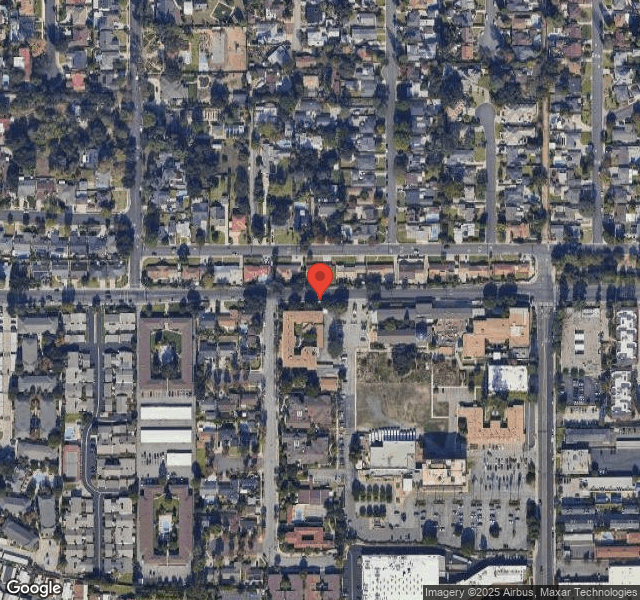
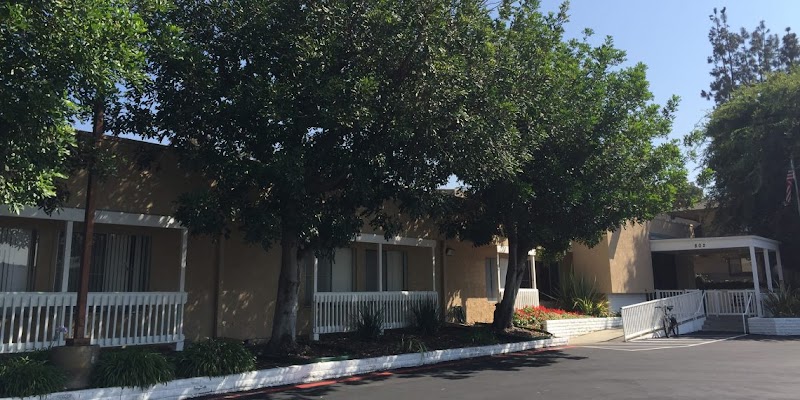
802 BUENA VISTA STREET, DUARTE, CA 91010 (626) 359-8141
For profit - Corporation 69 Beds CAMBRIDGE HEALTHCARE SERVICES Data: November 2025 1 Immediate Jeopardy citation
Trust Grade
31/100
#856 of 1155 in CA
Last Inspection: February 2025

Within standard 12-15 month inspection cycle. Federal law requires annual inspections.

Overview

Monte Vista Healthcare Center has received a Trust Grade of F, indicating significant concerns about the quality of care provided. This places the facility at #856 out of 1155 nursing homes in California, meaning it falls in the bottom half of facilities statewide, and #212 out of 369 in Los Angeles County, suggesting that only a few local options are better. The facility has a worsening trend, with issues increasing from 7 in 2024 to 19 in 2025. While staffing is rated average with a 3/5, the turnover rate of 44% is concerning, and there is less RN coverage than 82% of California facilities, which may impact the quality of care. Specific incidents include a resident falling and fracturing a hip due to inadequate monitoring, and several bathrooms and resident rooms were found to be unsanitary, posing health risks. Overall, families should weigh these significant weaknesses against the facility's average staffing levels.

Trust Score
F
31/100
In California
#856/1155
Bottom 26%
Safety Record
High Risk
Review needed
Inspections
Getting Worse
7 → 19 violations
Staff Stability
○ Average
44% turnover. Near California's 48% average. Typical for the industry.
Penalties
✓ Good
$10,488 in fines. Lower than most California facilities. Relatively clean record.
Skilled Nurses
⚠ Watch
Each resident gets only 18 minutes of Registered Nurse (RN) attention daily — below average for California. Fewer RN minutes means fewer trained eyes watching for problems.
Violations
⚠ Watch
41 deficiencies on record. Higher than average. Multiple issues found across inspections.
★★☆☆☆
2.0
Overall Rating
★★★☆☆
3.0
Staff Levels
★★☆☆☆
2.0
Care Quality
★★☆☆☆
2.0
Inspection Score
Stable
2024: 7 issues
2025: 19 issues

The Good

  • Full Sprinkler Coverage · Fire safety systems throughout facility
  • No fines on record
  • Staff turnover below average (44%)

    4 points below California average of 48%

Facility shows strength in fire safety.

The Bad

2-Star Overall Rating

Below California average (3.1)

Below average - review inspection findings carefully

Staff Turnover: 44%

Near California avg (46%)

Typical for the industry

Federal Fines: $10,488

Below median ($33,413)

Minor penalties assessed

Chain: CAMBRIDGE HEALTHCARE SERVICES

Part of a multi-facility chain

Ask about local staffing decisions and management

The Ugly 41 deficiencies on record

1 life-threatening 1 actual harm
Feb 2025 19 deficiencies
CONCERN (D)

Potential for Harm - no one hurt, but risky conditions existed

Resident Rights (Tag F0550)

Could have caused harm · This affected 1 resident

Based on observation, interview and record review, the facility failed to promote dignity and privacy during patient care for one of one sampled resident (Resident 22). This deficient practice had the...

Read full inspector narrative →
Based on observation, interview and record review, the facility failed to promote dignity and privacy during patient care for one of one sampled resident (Resident 22). This deficient practice had the potential to affect Resident 22's psychosocial wellbeing. Findings: During a review of Resident 22's admission Record (AR), the AR indicated the facility admitted Resident 22 on 7/30/2019, with diagnoses that included malignant neoplasm of the left lung (lung cancer) and retention of urine (is a condition in which your bladder doesn't empty completely even if it's full). During a review of Resident 22's Minimum Data Set (MDS - a federally mandated resident assessment tool) dated 10/31/2024, the MDS indicated Resident 22 had severe cognitive impairment and sometimes understands verbal content and sometimes able to express ideas and wants. The MDS indicated Resident 22 was dependent in toileting hygiene, shower/bathe self and required maximum assistance (helper does more than half the effort) with personal hygiene. During an observation on 2/21/2025 at 9 AM while in Resident 22's room, Certified Nursing Assistant 4 (CNA 4) removed Resident 22's sheet that was covering Resident 22's body. Resident 22 had a diaper on. CNA 4 washed Resident 22's face and neck while the resident's lower body was exposed. During an interview on 2/21/2025 at 9:24 AM with CNA 4, CNA 4 stated when providing care, CNA 4 needed to wash the resident's body by area so the other areas of the body would be covered. CNA 4 stated this would be done to ensure Resident 22 would not be exposed. During a review of the facility's Policy and Procedure (P&P) titled Dignity dated February 2021, the P&P indicated staff promote, maintain and protect resident privacy, including bodily privacy during assistance with personal care and during treatment procedures.
CONCERN (D)

Potential for Harm - no one hurt, but risky conditions existed

Deficiency F0554 (Tag F0554)

Could have caused harm · This affected 1 resident

**NOTE- TERMS IN BRACKETS HAVE BEEN EDITED TO PROTECT CONFIDENTIALITY** Based on observation, interview, and record review, the facility failed to ensure a proper assessment was conducted for the self...

Read full inspector narrative →
**NOTE- TERMS IN BRACKETS HAVE BEEN EDITED TO PROTECT CONFIDENTIALITY** Based on observation, interview, and record review, the facility failed to ensure a proper assessment was conducted for the self-administration (take or do something for yourself that would normally be done by someone else) of Pepto Bismol Ultra (medication used to treat occasional upset stomach, heartburn, and nausea), for one of one sampled resident (Resident 53). On 2/18/2025, there was an almost empty bottle of Pepto Bismol Ultra in Resident 53's room. The facility failed to obtain a consent (voluntary agreement to accept treatment and/or procedures after receiving education regarding the risks, benefits, and alternatives offered) from Resident 53 and a physician's order for the self-administration of the medication as indicated in the facility's policy and procedures (P&P), titled, Administering Medications and Self-Administration of Medications. This deficient practice had the potential to harm Resident 53 as a result of overmedicating, improper medication dosage, and a adverse drug event (injuries resulting from medication use including physical and mental harm, or loss of function). Findings: During a review of Resident 53's admission Record (AR), the AR indicated, Resident 53 was admitted to the facility on [DATE] with multiple diagnoses including end stage renal disease (ESRD - irreversible kidney failure) and type 2 diabetes mellitus (DM2- adult-onset disorder characterized by difficulty in blood sugar control and poor wound healing) with diabetic polyneuropathy (a condition that affects multiple peripheral nerves outside of the brain and spinal cord). During a review of Resident 53's Minimum Data Set (MDS - a federally mandated resident assessment tool), dated 1/1/2025, the MDS indicated, Resident 53's cognition (ability to think and make decisions) was moderately impaired. During a review of Resident 53's Order Summary Report (OSR), active orders dated as of 2/21/2025, the OSR did not indicate an order for Pepto Bismol Ultra medication or an order for Resident 53 to self-administer the medication. During an observation on 2/18/2025 at 2:50 PM in Resident 53's room, there was an almost empty 12 fl oz (fluid ounce - a unit of volume, typically used for measuring liquids) bottle of Pepto Bismol Ultra on top of the dresser located by Resident 53's foot of the bed. During an interview on 2/20/2025 at 2:20 PM with Resident 53, Resident 53 stated Resident 53 bought the Pepto Bismol Ultra for Resident 53 because the resident had bad indigestion (pain, general discomfort, or burning feeling in your upper belly). Resident 53 stated Resident 53 had the Pepto Bismol Ultra, for a while. Resident 53 stated, Resident 53 notified staff and staff did not say anything. During a concurrent interview and record review on 2/20/2025 at 2:56 PM with the Registered Nurse Supervisor (RNS), Resident 53's medical record was reviewed. The RNS stated, there was no order or consent for Resident 53 to self-administer Pepto Bismol Ultra. The RNS stated [facility practice for self-administration of medications included] assessing the resident's [ability] to self-administer the medication [to ensure safe administration]. The RNS stated, if the resident was able to self-administer [safely], the facility proceeded and obtained a physician's order for the self-administration. The RNS stated, residents (in general) were not allowed to keep Pepto Bismol Ultra at the bedside, that's not even our brand. The RNS stated, Resident 53 needed to be watched for self-administration of the medication because Resident 53 was a dialysis (a treatment to cleanse the blood of wastes and extra fluids artificially through a machine when the kidney[s] have failed) patient and for contraindication (a condition that serves as a reason not to take a certain medical treatment or medication due to the harm that can be caused), and for the safety of Resident 53. During a review of the facility's P&P, titled, Administering Medications, date revised 4/2019, the P&P indicated, residents may self-administer their own medications only if the attending physician, in conjunction with the interdisciplinary care planning team (IDT- a group of health care professionals who work together to coordinate care for a resident), has determined that they have the decision-making capacity to do so safely. During a review of the facility's P&P titled, Self-Administration of Medications, revised 2/2021, the P&P indicated, residents had the right to self-administer medications if IDT assessed each resident's cognitive (relating to thinking, learning, and understanding) and physical abilities to determine whether self-administering medications was safe and clinically appropriate for the resident. The P&P indicated, self-administered medications were stored in a safe and secure place, which was not accessible by other residents. Any medications found at the bedside that were not authorized for self-administration were turned over to the nurse in charge for return to the family or responsible party.
CONCERN (D)

Potential for Harm - no one hurt, but risky conditions existed

Comprehensive Care Plan (Tag F0656)

Could have caused harm · This affected 1 resident

**NOTE- TERMS IN BRACKETS HAVE BEEN EDITED TO PROTECT CONFIDENTIALITY** Based on interview and record review, the facility failed to develop a care plan for one of one sampled resident (Resident 32) a...

Read full inspector narrative →
**NOTE- TERMS IN BRACKETS HAVE BEEN EDITED TO PROTECT CONFIDENTIALITY** Based on interview and record review, the facility failed to develop a care plan for one of one sampled resident (Resident 32) after receiving positive lab results for clostridium difficile (C. diff- a highly contagious bacteria that causes severe diarrhea). This deficient practice had the potential to negatively affect the provision of care and services for Resident 32. Findings: During a review of Resident 32's admission Record (AR), the AR indicated, Resident 32 was admitted to the facility on [DATE] with diagnoses that included atherosclerotic heart disease (plaque buildup in artery walls), type 2 diabetes mellitus (DM-a disorder characterized by difficulty in blood sugar control and poor wound healing), gastro-esophageal reflux disease (stomach acid repeatedly flows back up into the tube connecting the mouth and stomach), and dependence on renal dialysis (a treatment to cleanse the blood of wastes and extra fluids artificially through a machine when the kidney(s) have failed). During a review of Resident 32's Laboratory Results Report with a report date to the facility on 2/2/25 at 7:42 p.m., the report indicated C.diff antigen (testing evaluates the potential presence of Clostridium difficile bacteria in stool) detected. During a review of Resident 32's Nursing Progress Note, dated 2/2/25 at 8:46 p.m., the note indicated, Resident's stool result came, positive for C-DIFF. Notified Primary Physician (MD 1) regarding positive result. During a review of Resident 32's Nursing Progress Note, dated 2/2/25 at 10:51 p.m., the note indicated, Received call back from MD 1 with orders to start Vancomycin (Vancocine, antibiotic) 250 mg QID x 7 days starting at 9:00 a.m. on 2/3/25. Order faxed to pharmacy. During a review of Resident 32's Nursing Progress Note, dated 2/3/25 at 4:47 a.m., the note indicated, Resident on monitoring status post positive for C-Diff. PM shift charge nurse received ordered from MD 1 to start vancomycin. Resident has not yet started the medication. During a review of Resident 32's Nursing Progress Note, dated 2/3/25 at 10:40 a.m., the note indicated, Vancocin Oral Capsule 250 mg, give 1 capsule by mouth four times a day for C-DIFF for 7 days. 2 capsules from e-kit. Approved by pharmacist. During a review of Resident 32's Advance Practice Registered Nurse 1 (APRN 1) Note, dated 2/3/25 at 12:20 p.m., the note indicated, The patient is on contact isolation [isolation involved stricter isolation measures like a private room and dedicated equipment to prevent transmission of infectious agents spread through direct or indirect contact, often requiring more extensive personal protective equipment (PPE, including gloves, masks, eye protection) use and activity restrictions for the patient.] for testing positive for C-diff and has been put on oral Vancomycin with end date 2/10. During a review of Resident 32's Advance Practice Registered Nurse 2 (APRN 2) Note, dated 2/13/25, the note indicated, Interval History: Today visit, patient is seen at bedside. Alert and oriented x 3-4, completed course of Vaco for C-diff. Diarrhea improved. Assessment/Plan: Entercolitis [an inflammation that occurs in a person's digestive tract] due to Clostridium difficile, Vancocin 250 mg QID x 7 days until 2/10 completed, Diarrhea improved. During a review of Resident 32's Medication Administration Record (MAR), dated February 2025, the MAR indicated, Resident 32 received Vancocin Oral Capsule 250 mg (Vancomycin HCI) for C-DIFF from 2/3/25 to 2/9/25. During a review of Resident 32's care plans dated 2/2/25 to 2/10/25, there were no care plans indicating Resident 32 has antibiotic therapy related to C. diff or Resident 32 has C.diff with active symptoms. During an observation of Resident 32's room on 2/18/25 at 8:22 a.m., Resident 32's room was observed to have signage outside of the room for Enhanced Barrier Precautions (precautions that focus on using gowns and gloves only during high-contact care activities to reduce the spread of multidrug-resistant organisms). No contact isolation signage was observed. During a concurrent electronic record review and interview on 2/19/25 at 4:13 p.m. with Registered Nurse Supervisor (RNS), RNS confirmed there was no care plan created for Resident 32 from 2/2/25 to 2/10/25 after the facility was notified of the positive C. diff lab result for Resident 32. RNS stated a care plan for active C. diff was initiated on 2/19/25 for Resident 32 after Resident 32 reported having diarrhea on 2/16/25. During an observation of Resident 32's room on 2/19/25 at 4:45 p.m., Resident 32's room was observed to have signage outside of the room for Enhanced Barrier Precautions and contact isolation. During a review of the facility's policy and procedure (P&P) titled, Care Plans, Comprehensive Person-Centered, revised March 2022, the P&P indicated, Policy Statement: A comprehensive, person-centered care plan that includes measurable objectives and timetables to meet the resident's physical, psychosocial and functional needs is developed and implemented for each resident. The P&P further indicated, Assessments of residents are ongoing and care plans are revised as information about the residents and the resident's conditions change.
CONCERN (D)

Potential for Harm - no one hurt, but risky conditions existed

Accident Prevention (Tag F0689)

Could have caused harm · This affected 1 resident

**NOTE- TERMS IN BRACKETS HAVE BEEN EDITED TO PROTECT CONFIDENTIALITY** Based on observation, interview, and record review, the facility failed to ensure toileting was offered to one of one sampled re...

Read full inspector narrative →
**NOTE- TERMS IN BRACKETS HAVE BEEN EDITED TO PROTECT CONFIDENTIALITY** Based on observation, interview, and record review, the facility failed to ensure toileting was offered to one of one sampled resident (Resident 14) every two hours as indicated in Resident 14's care plan (CP), titled, At Risk for Falls. This deficient practice had the potential to result in falls and injury to Resident 14. Findings: During a review of Resident 14's admission Record (AR), the AR indicated the facility admitted Resident 14 on 9/15/2023, with diagnoses that included dementia (a progressive state of decline in mental abilities), repeated falls. During a review of Resident 14's CP, titled At Risk for Falls, initiated on 7/14/2024, the CP included an intervention to meet Resident 14's toileting needs every two hours. During a review of Resident 14's Minimum Data Set (MDS - a resident assessment tool) dated 12/2/2024, the MDS indicated Resident 14 had a memory problem and had severely impaired cognitive skills for daily decision making. The MDS indicated Resident 14 required moderate assistance (helper does less than half the effort) with toileting hygiene, toilet transfers, walking 10 feet, walking 50 feet and make two turns. The MDS dated [DATE] indicated Resident 14 had falls since admission or prior assessment. During an observation on 2/18/2025 at 4:40 PM, Resident 14 got up from Resident 14's bed by himself, walked slowly toward the foot of Resident 14's bed and held on to the top of the bed. Resident 14 stated Resident 14 felt dizzy. During a review of a change of condition (COC) dated 2/15/2025, the COC indicated Charge nurse was in front of Station 1 nurse's station during medication pass, resident noted to enter wrong room, ambulating via wheelchair. Charge nurse approached room and witnessed resident in middle of the room standing in front of wheelchair attempting to pick up pants then lost his balance and fell back. Patient fell onto wheelchair in sitting position then the ground, remaining in the sitting position. During a concurrent interview and observation on 2/21/2025 at 1:30 PM, Certified Nursing Assistant 4 (CNA 4) stated Resident 14 had a bedside commode at the bedside the resident can use. CNA 4 stated Resident 14 was at times both continent (ability to control urination) and incontinent (loss of bladder control, varying from a slight loss of urine after sneezing, coughing, or laughing to complete inability to control urination). CNA 4 stated Resident 14 did not have a toileting schedule [to assist Resident 14 every two hours]. There were items stored on top of the bedside commode and the rolling bedside table was in front of the bedside commode. During a concurrent record review of Resident 14's CP and interview, the Director of Nursing (DON) stated one of the interventions was to meet Resident 14's toileting needs every two hours. The DON stated a toileting schedule could help prevent falls because Resident 14 did not have to get up to the toilet by himself when his needs were met. During a review of the facility's Policy and Procedure (P&P) titled Falls - Clinical Protocol dated March 2018, the P&P indicated staff will try various relevant interventions based on assessment of the nature or category of falling, until falling reduces or stops or until a reason is identified for its continuation (for example, if the individual continues to try to get up and walk without waiting for assistance).
CONCERN (D)

Potential for Harm - no one hurt, but risky conditions existed

Incontinence Care (Tag F0690)

Could have caused harm · This affected 1 resident

Based on observation, interview and record review, the facility failed to ensure the licensed nurse followed the physician's order for indwelling catheter care for one of one resident (Resident 22). T...

Read full inspector narrative →
Based on observation, interview and record review, the facility failed to ensure the licensed nurse followed the physician's order for indwelling catheter care for one of one resident (Resident 22). This deficient practice had the potential to result in Resident 22 experiencing complications with the use of an indwelling catheter and to affect Resident 22's physical wellbeing. Findings: During a review of Resident 22's admission Record (AR), the AR indicated the facility admitted Resident 22 on 7/30/2019, with diagnoses that included malignant neoplasm of the left lung (lung cancer) and retention of urine (is a condition in which your bladder doesn't empty completely even if it's full). During a review of Resident 22's Minimum Data Set (MDS - a federally mandated resident assessment tool) dated 10/31/2024, the MDS indicated Resident 22 had severe cognitive impairment and sometimes understands verbal content and sometimes able to express ideas and wants. The MDS indicated Resident 22 was depended in toileting hygiene, shower/bathe self and required maximum assistance (helper does more than half the effort) with personal hygiene. During an observation on 2/18/2025 at 11:30 AM, there were brown sediments on the foley catheter tubing. During an interview on 2/20/2025 at 2:37 PM, the RN Supervisor stated when a resident (in general) had a foley catheter, the licensed nurses needed to monitor for placement and monitor for cloudiness of the urine. During an observation on 2/20/2025 at 2:43 PM with the Registered Nurse Supervisor (RN Supervisor), the RN Supervisor stated there were light colored sediments on the foley catheter tubing. During a concurrent observation and interview on 2/20/2025 at 2:53 PM, Treatment Nurse 1(TN 1) stated the sediments inside the foley catheter tubing were light yellow in color. TN 1 stated there was an order to flush the foley catheter with acetic acid one time a day for foley catheter maintenance. During a concurrent interview and record review on 2/20/2025 at 3:31 PM, TN 1 stated the foley catheter needed to be checked daily and according to the physician's order to irrigate the foley catheter as needed to prevent obstruction of the foley catheter. TN 1 reviewed the Treatment Administration Record and stated the last time the foley catheter was irrigated was on 2/16/2025. TN 1 stated Resident 22 had chronic sediments on the foley catheter tubing and had recurrent urinary tract infections. TN 1 stated he would notify the physician Resident 22 continued to have sediments on his foley catheter. During a review of Resident 22's care plan The resident has bladder incontinence r/t Active infections with symptoms of UTI, Disease Process, Impaired Mobility admitted with ESBL urine At risk for recurrent UTI indicated to monitor signs and symptoms of UTI including cloudiness of the urine. During a review of Resident 22's Medication Administration Record (MAR) dated February 2025, the MAR indicated Resident 22 was on Ciprofloxacin 250 milligrams two times a day for UTI for 7 days from 2/4/2025 to 2/10/2024. During a review of the facility's Policy and Procedure (P&P) titled Catheter Care, Urinary dated August 2022, the P&P indicated observe the resident for complications associated with urinary catheters. Report unusual findings to the physician or supervisor immediately. During a review of the facility's Policy and Procedure (P&P), titled, urinary Tract Infection/Bacteriuria - Clinical Protocol dated April 2018, the P&P indicated when a resident has persistent or recurrent urinary tract infection after treatment with antibiotics, the physician will review the situation carefully with the nursing staff and consider other or additional issues (such as urinary obstruction or indwelling catheter change or removal) before prescribing additional course of antibiotics).
CONCERN (D)

Potential for Harm - no one hurt, but risky conditions existed

Tube Feeding (Tag F0693)

Could have caused harm · This affected 1 resident

**NOTE- TERMS IN BRACKETS HAVE BEEN EDITED TO PROTECT CONFIDENTIALITY** Based on observation, interview, and record review, the facility failed to ensure one of one sampled resident (Resident 28), rec...

Read full inspector narrative →
**NOTE- TERMS IN BRACKETS HAVE BEEN EDITED TO PROTECT CONFIDENTIALITY** Based on observation, interview, and record review, the facility failed to ensure one of one sampled resident (Resident 28), received appropriate care and services during gastrostomy tube (G-Tube - tube that is placed directly into the stomach through an abdominal wall incision for administration of food, fluids, and medications) medication administration. On 2/20/2025, Licensed Vocational Nurse (LVN) 1 used apple sauce to mix Resident 28's medications during administration via Resident 28's G-Tube. This deficient practice had the potential to cause tube-associated complications such as feeding tube occlusions (risk of clogging) to Resident 28's G-Tube. Findings: During a review of Resident 28's admission Record (AR), the AR indicated, Resident 28 was admitted to the facility on [DATE] with multiple diagnoses including encounter for attention to gastrostomy and type 2 diabetes mellitus (DM2- adult-onset disorder characterized by difficulty in blood sugar control and poor wound healing) with diabetic polyneuropathy (a condition that affects multiple peripheral nerves outside your brain and spinal cord). During a review of Resident 28's Care Plan (CP), titled The resident requires tube feeding r/t [related to] dysphagia [difficulty swallowing], date initiated 2/12/2021, the CP indicated, one of the goals was for Resident 28 to remain free of side effects [adverse effects (unwanted, uncomfortable, or dangerous effects that a resident may have due to a medication)]or complications to tube feeding. During a review of Resident 28's History and Physical Examination (H&P), dated 10/21/2024, the H&P indicated, Resident 28 did not have the capacity to understand and make decisions. During a review of Resident 28's Minimum Data Set (MDS - a federally mandated resident assessment tool), dated 1/31/2025, the MDS indicated, Resident 28's cognition (ability to understand and process information) was severely impaired. The MDS indicated, Resident 28 had a feeding tube (e.g., nasogastric or abdominal [PEG]) while a resident. During a review of Resident 28's Order Summary Report (OSR), active orders dated as of 2/21/2025, the OSR indicated, multiple medications to be given via G-Tube included: 1. Bactrim DS (a combination of two antibiotics used to treat a wide variety of infections [the invasion and growth of germs in the body]) tablet 800-160 mg, give 1 tablet, via G-Tube, one time a day for UTI (urinary track infection - an infection in the bladder/urinary tract) PPX (prophylactically, to prevent), order start date: 2/12/2024. 2. Bupropion (medication used to treat depression) HCL (hydrochloride, unit of measurement) tablet 100 mg, give 300 mg one time a day for major depressive disorder (a mood disorder that causes a persistent feeling of sadness and loss of interest), order start date: 12/31/2021. 3. Docusate Sodium (medication used to prevent and treat occasional constipation) tablet, give 100 mg via G-Tube two times a day for bowel management, order start date: 3/19/2021. The order did not indicate to use apple sauce to mix the medications when administering medications via G-Tube. During a review of Resident 28's Medication Administration Record (MAR), dated 2/1/2025 - 2/28/2025, the MAR indicated, the medications Bactrim DS, Bupropion HCL and Docusate Sodium were administered via G-Tube on 2/21/2025. During a concurrent medication administration observation and interview on 2/20/2025 at 9:26 AM, with LVN 1. LVN 1 prepared Resident 28's medications by crushing the tablets separately and putting the tablets separately into a 30 ml medicine cup and mixed the crushed medication with water to dissolve the medication. LVN 1 did not crush the Bactrim DS, Bupropion HCL, or the Docusate Sodium tablets and put the tablets separately into a 30 ml medicine cup and added apple sauce. LVN 1 stated, LVN 1 did not crush the tablets because they were coated. LVN 1 stated, that is how LVN 1 was taught and LVN 1 had been a nurse for 10 years. LVN 1 encountered some slight resistance when checking Resident 28's G-Tube patency (the condition of not being blocked or obstructed), used a 60 ml piston syringe (a medical device) and slowly pushed some air into the GT to check for tube for patency. LVN 1 administered the crushed medications first via Resident 28's G-Tube. LVN 1 added water to the medications and dissolved in apple sauce prior to administering the medications. During an interview on 2/20/2025 at 2:56 PM with the Registered Nurse Supervisor (RNS), the RNS stated a physician's order was required to mix medications in apple sauce for G-Tube administration. During an interview on 2/21/25 at 3:18 p.m. with the Director of Staff Development (DSD), the DSD stated, staff was not supposed to use apple sauce to mix medications for G-Tube administration to prevent clogging the G-Tube and could decrease the potency (strength and effectiveness) of the medication. During a review of the facility's policy and procedure P&P titled, Administering Medications, revised date 4/2019, the P&P indicated, medications were administered in a safe and timely manner, and as prescribed. During a review of the facility's policy and procedure (P&P) titled, Administering Medications through an Enteral Tube, date revised 11/2018, the P&P indicated, the procedure to provide guidelines for the safe administration of medications through an enteral tube. The P&P indicated, to use warm, purified water for diluting medications and for flushing. The P&P did not indicate to use apple sauce to dilute medications.
CONCERN (D)

Potential for Harm - no one hurt, but risky conditions existed

Deficiency F0804 (Tag F0804)

Could have caused harm · This affected 1 resident

Based on observation, interview, and record review the facility failed to ensure food served to the residents was served at a temperature that was safe and appetizing. This deficient practice had the...

Read full inspector narrative →
Based on observation, interview, and record review the facility failed to ensure food served to the residents was served at a temperature that was safe and appetizing. This deficient practice had the potential to result in food that was not appetizing or palatable to the residents consuming the food and result in resident caloric goals not met. Findings: During an observation on 2/20/2025 at 1:15 PM, the licensed nurses and the certified nursing assistants (CNA's) were distributing food trays to the residents, the last cart sent out from the kitchen was sampled. During a review of th e facility's Cycle 1 2025 Winter Menu, last approved 5/11/2025, the menu indicated on Thursday, 2/20/2025, the following food items would be served for lunch: baked chicken, mashed potatoes/gravy, green beans, bread/margarine, snickerdoodle, cake/icing, and water. During a review of the facility's Resident Council Minutes, dated 12/2024 and 1/2025, the Resident Council Minutes indicated in December 2024, a resident complained food was always cold by the time food was received. The January 2025, minutes indicated residents mentioned residents received cold food at times. During a concurrent observation and interview on 2/20/2025 at 1:23 PM, the Dietary Supervisor (DS) checked the temperature of the following food items on the test tray of the last sampled kitchen cart. Chicken was, 103 degrees Fahrenheit F. Green Beans, 104 F Mashed Potato, 134 F The DS stated the chicken was not cold but not warm either. The DS stated If the food was cold, it would not be appetizing [to the residents], the residents might not eat the food and not eating the food served could lead to weight loss. During a review of the facility's Policy and Procedure (P&P) titled Food Preparation and Service dated 10/2017. The P&P indicated the danger zone for food temperatures was between 41 F (Fahrenheit, unit of measurement) and 135 F. This temperature range promotes the rapid growth of pathogenic microorganisms that cause foodborne illness.
CONCERN (D)

Potential for Harm - no one hurt, but risky conditions existed

Deficiency F0919 (Tag F0919)

Could have caused harm · This affected 1 resident

**NOTE- TERMS IN BRACKETS HAVE BEEN EDITED TO PROTECT CONFIDENTIALITY** Based on observation, interview, and record review, the facility failed to provide a functioning call light for one of one sampl...

Read full inspector narrative →
**NOTE- TERMS IN BRACKETS HAVE BEEN EDITED TO PROTECT CONFIDENTIALITY** Based on observation, interview, and record review, the facility failed to provide a functioning call light for one of one sampled resident (Resident 7). This deficient practice had the potential for delay in care and services to meet Resident 7's needs for hydration, toileting, and activities of daily living. Findings: During a review of Resident 7's admission Record (AR), the AR indicated, Resident 7 was admitted to the facility on [DATE] with diagnoses that included hemiplegia (paralysis on one side of the body) and hemiparesis (weakness on one side) following cerebral infarction (disrupted blood flow to the brain due to problems with the blood vessels that supply it), epilepsy (a chronic brain disorder in which groups of nerve cells, or neurons, in the brain sometimes send the wrong signals and cause seizures), and muscle weakness (lack of muscle strength). During an interview on 2/18/25 at 12:50 p.m. with Resident 7, Resident 7 stated his call light was not working since last night (2/17/25). Resident 7 stated he was told by the night shift Certified Nursing Assistant (no name given) to Yell for me. Resident 7 stated he was upset that he would have to yell for help, and Resident 7 stated he wanted his call light fixed on 2/18/25. During a concurrent observation and interview on 2/18/25 at 12:55 p.m. with Certified Nursing Assistant 6 (CNA 6), CNA 6 was observed pushing the button on the call light, and the light inside Resident 7's room and above the door did not turn on. CNA 6 stated, The call light does not work now, the light does not turn on. CNA 6 stated, It is important for the call light to work. CNA 6 stated Resident 7 could not call for help with his needs, especially in an emergency when the call light did not work. CNA 6 stated she would inform the maintenance director about the call light not working. During an observation on 2/18/25 at 1:00 p.m. in front of Resident 7's room, CNA 6 was seen entering the room with a bell to give to Resident 7 to use to call for help. During a review of the facility's policy and procedure (P&P) titled, Answering the Call Light, revised September 2022, the P&P indicated, The purpose of this procedure is to ensure timely responses to the resident's requests and needs. General Guidelines: Be sure that the call light is plugged in and functioning at all times. Report all defective call lights to the nurse supervisor promptly.
CONCERN (D)

Potential for Harm - no one hurt, but risky conditions existed

Deficiency F0925 (Tag F0925)

Could have caused harm · This affected 1 resident

Based on observation, interview, and record review, the facility failed to ensure one of one kitchen (Kitchen 1) area was kept free of pest. On 2/18/2025, two dead cockroaches were found in Kitchen 1....

Read full inspector narrative →
Based on observation, interview, and record review, the facility failed to ensure one of one kitchen (Kitchen 1) area was kept free of pest. On 2/18/2025, two dead cockroaches were found in Kitchen 1. This deficient practice had the potential to result in food-borne illnesses (illness caused by food contaminated with infectious organisms) due to harboring of pest. Findings: During a tour of the Kitchen 1 on 2/18/2025 at 8:45 AM, there were two dead cockroaches at the back of the walk-in freezer, the roaches were visible when checking the 3- inch gap located between the walk-in freezer and the wall. The Dietary Aide (DA) used a broom to sweep the cockroaches from the back wall. The broom used had dust and green beans that were swept together with the dead roaches. During an interview on 2/18/2025 at 8:47 AM, with the DA, the DA stated it was dead cockroaches. During an interview on 2/18/2025 at 2:40 PM, with the Dietary Supervisor (DS), the DS stated the cockroaches could have come out of hiding after the monthly pest control visit more than a week ago. The DS stated kitchen staff needed to clean all areas of Kitchen 1. During a review of the facility's Policy and Procedure (P&P) titled Sanitization dated 10/2008, the P&P indicated all kitchen, kitchen areas, and dining areas shall be kept clean, free from litter and rubbish and protected from rodents, roaches, flies, and other insects.
CONCERN (E)

Potential for Harm - no one hurt, but risky conditions existed

Safe Environment (Tag F0584)

Could have caused harm · This affected multiple residents

**NOTE- TERMS IN BRACKETS HAVE BEEN EDITED TO PROTECT CONFIDENTIALITY** Based on observation, interview, and record review, the facility failed to maintain a clean, safe, sanitary, and homelike enviro...

Read full inspector narrative →
**NOTE- TERMS IN BRACKETS HAVE BEEN EDITED TO PROTECT CONFIDENTIALITY** Based on observation, interview, and record review, the facility failed to maintain a clean, safe, sanitary, and homelike environment for the following by failing to: a) One of one sampled resident's bathroom (Resident 29) did not have a clogged toilet. b) Maintain Seven of Seven resident bathrooms (Bathrooms 1, 2, 3, 4, 5, 6, and 7) affecting 18 residents (Resident 3, Resident 4, Resident 5, Resident 7, Resident 8, Resident 11, Resident 15, Resident 20, Resident 24, Resident 27, Resident 30, Resident 31, Resident 32, Resident 33, Resident 36, Resident 39, Resident 49, and Resident 211). c) Maintain Four of Four resident rooms (Rooms A, B, C and D) affecting six residents (Resident 3, Resident 4, Resident 5, Resident 8, Resident 20, and Resident 36). These deficient practices had the potential for Residents 3, 4, 5, 7, 8, 11, 15, 20, 24, 27, 30, 31, 32, 33, 36, 39, 49, and 211 to be exposed to dirt, mold, rust and drywall dust, which can lead to a decline in the residents' health and result in irritation of the eyes, skin, nose, throat, and lungs. Additionally, prolonged exposure can cause serious problems such as acute (sudden) respiratory illness, persistent coughing, and asthma (narrowed airways in the lungs that make it difficult to breath). The clogged toilet led to Resident 29 being unable to use the toilet for toileting hygiene for the past two days. Findings: a. During a review of Resident 29's admission Record, (AR), the AR indicated the facility admitted Resident 29 on 1/19/2022, with diagnoses that included cerebral infarction (stroke - occurs when blood flow to a part of the brain stops. The brain cannot get nutrients and oxygen. Brain cells can die, causing lasting damage), \ hemiplegia and hemiparesis (weakness and paralysis to one side of the body). During a review of Resident 29's MDS, the MDS indicated Resident 29 had intact cognition. The MDS indicated Resident 29 required supervision or touching assistance (helper provides verbal cues and/or touching/steadying and/or contact guard assistance as resident completes activity) with toileting hygiene and personal hygiene. During an interview on 2/18/2025 at 11:50 AM, Resident 29 stated Resident 29 would use the toilet if it was not broken. The toilet had been broken for two days. Resident 29 stated the resident had reported the clogged toilet to both the nurses and the certified nursing assistants assigned to Resident 29 the past two days. During an interview on 2/18/2025 at 11:55 AM, Certified Nursing Assistant 5 (CNA 5) stated CNA 5 thought the clogged toilet was already fixed. CNA 5 stated CNA 5 called the MTD when the toilet was clogged over the weekend. During an observation on 2/18/2025 at 11:57 AM, Resident 29's toilet had unflushed brown stool inside the toilet. During an interview on 2/18/2025 2:50 PM, Resident 29 stated Resident 29 had two watery bouts of diarrhea in the morning. During an interview on 2/18/2025 at 4:20 PM, the Maintenance Director (MTD) stated the problem was just reported to the MTD that day on 2/18/2025. During an interview on 2/21/2025 at 9:32 AM, the MTD stated the facility's process for any repairs and maintenance issues, is that the staff needed to contact the MTD and write the request on the Maintenance Log because the MTD would check the log multiple times a day. The MTD stated the problem with just a verbal notification of the maintenance issue or problem, would be the likelihood the problem would be missed because the MTD had other work he would be attending to. b) During an observation on 2/18/25 at 9:18 a.m. in Bathroom [ROOM NUMBER] (Resident 33's bathroom) the following were observed: 1) Unpainted plaster above the wall baseboard (covers the lowest part of an interior wall) on the left and right side of the toilet. 2) Cracked/missing caulking where floor meets the wall on the left and right side of the toilet. 3) Chipped paint, scratches on door (exposing wood) and on right/left door frames. 4) Unpainted plaster on the wall to the left of the soap dispenser. 5) Unpainted wall area under the paper towel dispenser. 6) Cracked/peeling caulking where the countertop meets wall (below paper towel dispenser). 7) Cracked/peeling caulking where the countertop meets the door frame. During an observation on 2/18/25 at 9:33 a.m. in Bathroom [ROOM NUMBER] (Resident 32's bathroom) the following were observed: 1) Unpainted wall area under bathroom sink. 2) Corner of right wall above vinyl baseboard, unpainted, and wall with peeling/bubbling paint, and at bottom of baseboard where it meets the floor, brown stains were present. 3) On the left side of the toilet where the shut-off water valve is located, unpainted plaster and brown color substance on wall near pipe with shut-off valve. 4) Below paper towel dispenser, cracked caulking, peeling paint where countertop meets right wall. 5) To the left of the paper towel dispenser, a GFCI outlet (an electrical outlet that shuts off power in the event of a ground fault; designed to protect people from electrical shocks and fires outlet) switch with a Test Button hanging from outlet). During an observation on 2/18/25 at 10:13 a.m. in Bathroom [ROOM NUMBER] (Resident 3's bathroom) the following were observed: 1) Unpainted plaster on wall to left of soap dispenser. 2) Peeling paint exposing wood on the left and right door frames, and door. 3) Peeling caulking and black marks on right door frame. 4) Peeling paint along wall above vinyl baseboard exposing dark brown color underneath the paint. 5) Unpainted plaster underneath the paper towel dispenser. 6) Cracked and peeling caulking where the countertop meets the wall in the corner to the right side of the bathroom sink. 7) Corner of countertop where the countertop meets the wall and adjacent to the door frame, caulking is peeling and there are reddish/brownish marks present along the corner. During an observation on 2/18/25 at 10:43 a.m. in Bathroom [ROOM NUMBER], (shared bathroom between Resident 31, Resident 36, Resident 39 and Resident 49) the following were observed: 1) Unpainted plaster on wall to left side of soap dispenser. 2) Above paper towel dispenser located on right side of bathroom sink, unpainted wall (from bottom of paper towel dispenser to 4 from top of paper towel dispenser). 3) Below paper towel dispenser, cracked and peeling caulking (20 inches in length) where countertop meets wall. 4) Peeling and chipped paint on left and right door frames, and on both doors that lead to shared bathroom. During an observation on 2/18/25 at 11:27 a.m. in Bathroom [ROOM NUMBER], (shared bathroom between Resident 4, Resident 8, and Resident 11) the following were observed: 1) [NAME] color on 2 chrome toilet paper dispensers, toilet safety rail (free standing toilet grab bar and rail that assists in the transfer on and off the toilet), right corner where countertop meets wall, and underneath sink on pipes. 2) Unpainted plaster on wall to left side of soap dispenser. 3) Unpainted plaster above baseboard (3 inches in height) and runs entire length of wall on all sides under sink. 5) Chipped paint on door frames on both doors that lead to shared bathroom. 4) Bottom of both doors that lead to shared bathroom with black marks and chipped paint. 5) Cracked caulking on right side of sink where countertop meets wall, and underneath sink around pipe that enters wall. 6) Pipe under sink that enters wall is missing escutcheon (metal plate that hides hole in wall). During an observation on 2/18/25 at 1:16 p.m. in Bathroom [ROOM NUMBER], (shared bathroom between Resident 5, Resident 20, Resident 24, and Resident 30) the following were observed: 1) Unpainted plaster (20 inches in width x 18 inches in height) on back wall next to left and right sides of toilet. 2) Unpainted plaster (6 inches in height) along base of wall extending from right wall to back wall to left wall. 3) Chipped paint and scratches on door and left and right door frames. 4) Peeling paint, cracked caulking along corner where countertop meets wall adjacent to door frame. 5) Paper towel dispenser unpainted underneath; now in higher position and exposed plaster patched screw hole and other unpainted screw hole. 6) Unpainted plaster on wall left of soap dispenser. 7) Unpainted plaster (6 inches in height) underneath sink at base of wall that extends from right wall, back wall and to the left wall. During an observation on 2/18/25 at 3:47 p.m. in Bathroom [ROOM NUMBER], (shared bathroom between Resident 7, Resident 15, Resident 27 and Resident 211) the following were observed: 1) Unpainted plaster below light switch. 2) Unpainted plaster above paper towel dispenser. 3) Unpainted plaster above and to the left of the soap dispenser. 4) Chipped paint, black marks, and scratches on both doors and door frames that lead to the shared bathroom. 5) Cracked caulking along where countertop meets wall on right side of bathroom sink. c) During an observation on 2/18/25 at 10:15 a.m. in Room A (Resident 3's room) the following were observed: 1) In between the window and the electrical outlet, unpainted plastered area (15 x 8 wide) above baseboard at bottom of the wall. 2) Black mark (one half inch by 4 feet wide) across the bottom of the wall, to the left of the unpainted plastered area. During an observation on 2/18/25 at 10:59 a.m. in Room B (Resident 36's room) the following were observed: 1) At the head of the bed on the left side, and adjacent to an electrical plug, there was unpainted plaster. 2) On left side of the bed, 2 feet from the edge of the room doorway; cracked, unpainted plaster located 6 inches above the floor. During an observation on 2/18/25 at 11:28 a.m. and 3:11 p.m. in Room C (Resident 4 and Resident 8's room) the following were observed: 1) On the left side of the wall near Resident 4's bed along the baseboard, there was unpainted plastered (30 inches in length). 2) Across from Resident 4's foot of the bed, and adjacent to the bathroom door (on both sides), there was unpainted plaster at the base of the wall. 3) Chipped paint on the edge of the closet wall where it meets the 4-drawer dresser. 4) At the entrance of the doorway to the room, chipped paint on the left side of the door. 5) Black markings on the lower part of the door. 6) The door frame had multiple chipped paint and black markings. 7) The door has a brownish colored hinge, scratches, and dents with exposed and unpainted wood. During an observation on 2/18/25 at 1:18 p.m. in Room D (Resident 5 and Resident 20's room) the following were observed. 1) At the base of the wall in the corner of the room, adjacent to the left side of the bathroom door, unpainted plaster (4 inches in height by 24 inches in width). 2) At the base of the wall, adjacent to the right side of bathroom door, unpainted plaster (4 inches in height by 18 inches in width). During an interview with the Maintenance Director (MTD) on 2/21/25, the MTD stated Bathrooms 1, 2, 3, 4, 5, 6, 7 and Rooms A, B, C, D needed to be repaired. The MTD stated has informed staff to report maintenance issues by using the binder with log, but some staff failed to report the issues to him. The MTD stated these bathrooms and rooms condition could pose a risk to the residents' health.
CONCERN (E)

Potential for Harm - no one hurt, but risky conditions existed

Quality of Care (Tag F0684)

Could have caused harm · This affected multiple residents

**NOTE- TERMS IN BRACKETS HAVE BEEN EDITED TO PROTECT CONFIDENTIALITY** Based on interview and record review, the facility failed to ensure, one of one sampled resident (Resident 25), received proper ...

Read full inspector narrative →
**NOTE- TERMS IN BRACKETS HAVE BEEN EDITED TO PROTECT CONFIDENTIALITY** Based on interview and record review, the facility failed to ensure, one of one sampled resident (Resident 25), received proper care by failing to follow Resident 25's physician's order that included parameters (specific instructions that can be measured) indicating when to hold (not give) the administration of Losartan Potassium (medication used to treat high blood pressure [hypertension]) for) as indicated in the facility's policy and procedure (P&P), titled, Administering Medications. This deficient practice could potentially result in Resident 25's blood pressure to drop too low (hypotension) and result in a medical emergency due to not enough oxygen (02 - colorless, odorless, tasteless gas essential for life) and nutrients to Resident 25's vital organs. Findings: During a review of Resident 25's admission Record (AR), the AR indicated, Resident 25 was admitted to the facility on [DATE] with multiple diagnoses including acute respiratory failure (when the lungs can't release enough oxygen into your blood) with hypoxia (low levels of 02 in your body tissues) and essential (primary) hypertension (high blood pressure). During a review of Resident 25's Minimum Data Set (MDS, a resident assessment tool), dated 3/10/2024, the MDS indicated, Resident 25's cognition (ability to think and make decisions) was intact. During a review of Resident 25's History and Physical (H&P), dated 11/18/2024, the H&P indicated Resident 25 did not have the capacity to understand and make decisions. During a review of Resident 25's Physician's Order (PO), dated 11/25/2024, timed at 9:53 AM, the PO indicated Losartan Potassium oral tablet 25 mg (milligrams - metric unit of measurement), give 1 tablet by mouth one time a day for hypertension HOLD [if] SBP (systolic blood pressure - the upper number in a blood pressure reading) < (less than) 140 mmhg (millimeters of mercury, unit of measurement) or HR (heart rate) < 85. During a review of Resident 25's undated Care Plan (CP), titled, The resident has hypertension, the CP's interventions indicated to give antihypertensive medications as ordered. During a review of Resident 25's Medication Administration Record (MAR), dated 1/1/2025 - 1/31/2025, the MAR indicated, Losartan Potassium oral (by mouth) tablet 25 mg, the following dates indicated Resident 25's SBP and HR readings: -On 1/5/2025 with SBP=122/82 and HR=68 -On 1/6/2025 with SBP=122/75 and HR=69 -On 1/7/2025 with SBP=115/61 and HR=71 -On 1/8/2025 with SBP=132/70 and HR=66 -On 1/25/2025 with SBP=122/78 and HR=72. The MAR indicated Losartan Potassium oral tablet 25 mg was administered on those dates. During a concurrent interview and record review on 2/20/2025 at 12:40 PM with Licensed Vocational Nurse (LVN) 1, Resident 25's MAR dated 2/1/2025 - 2/28/2025, was reviewed. The MAR indicated, Losartan Potassium oral tablet 25 mg, the following dates indicated Resident 25's SBP and HR readings: -On 2/5/2025 with SBP=122/80 and HR=72 -On 2/8/2025 with SBP=120/70 and HR=65 -On 2/13/2025 with SBP=138/74 and HR=66 -On 2/14/2025 with SBP=124/69 and HR=77 -On 2/15/2025 with SBP=120/72 and HR=70 -On 2/16/2025 with SBP=108/58 and HR=66 -On 2/17/2025 with SBP=127/78 and HR=70 -On 2/19/2025 with SBP=126/72 and HR=70 -On 2/20/2025 with SBP=122/84 and HR=84. LVN 1 stated, on those dates, Losartan Potassium was administered. LVN 1 stated, Losartan Potassium was for hypertension and the physician's parameter in the order indicated to hold the medication if Resident 25's SBP was less than 140 or the HR was less than 85. LVN 1 stated, LVN 1 did not follow the physician's parameter and it was important to follow the parameter for the administration of Losartan to avoid hypotension episodes. LVN 1 stated, LVN 1 was not paying attention to the parameters, I guess. During a concurrent interview and record review on 2/20/2025 at 2:56 PM with the Registered Nurse Supervisor (RNS), Resident 25's MAR dated 2/1/2025 - 2/28/2025, was reviewed. The RNS stated, staff needed to check doctor's orders including medication parameters. The RNS stated Resident 25's Losartan should have been held on those dates. The RNS stated, Resident 25's Losartan Potassium parameters were not followed, and they were important to follow because if they were not followed, can cause side effects, hypotension. During a review of the facility's P&P titled, Administering Medications, date revised 4/2019, the P&P indicated, medications were administered in a safe and timely manner, and as prescribed.
CONCERN (E)

Potential for Harm - no one hurt, but risky conditions existed

Pressure Ulcer Prevention (Tag F0686)

Could have caused harm · This affected multiple residents

**NOTE- TERMS IN BRACKETS HAVE BEEN EDITED TO PROTECT CONFIDENTIALITY** b. During a review of Resident 22's AR, the AR indicated the facility admitted Resident 22 on 7/30/2019, with diagnoses that inc...

Read full inspector narrative →
**NOTE- TERMS IN BRACKETS HAVE BEEN EDITED TO PROTECT CONFIDENTIALITY** b. During a review of Resident 22's AR, the AR indicated the facility admitted Resident 22 on 7/30/2019, with diagnoses that included malignant neoplasm of the left lung (lung cancer) and retention of urine (is a condition in which your bladder doesn't empty completely even if it's full). During a review of Resident 22's MDS, dated [DATE], the MDS indicated Resident 22 had severe cognitive impairment and sometimes understands verbal content and sometimes able to express ideas and wants. The MDS indicated Resident 22 was dependent with toileting hygiene, shower/bathe self and required maximum assistance (helper does more than half the effort) with personal hygiene and bed mobility such as rolling left and right, sit to lying, lying to sitting and sit to stand. During a review of Resident 22's CP titled At risk for impaired skin integrity as evidence by easy skin bruising/skin discoloration, skin tears/abrasions including pressure skin injury, initiated on 11/9/2023, the care plan indicated to assist Resident 22 in turning and repositioning at least every 2 hours. During a review of Resident 22's CP titled non-compliance with care manifested by refusing repositioning while in bed, removing positioning pillows, adjusts himself back to prior position, initiated on 2/4/2025, the care plan indicated to provide education on the importance of repositioning to prevent skin breakdown and to provide frequent encouragement and education with risks and benefits and to include family education to assist with compliance. During an observation on 2/21/2025 at 9 AM, Certified Nursing Assistant 4 (CNA 4) was providing morning care to Resident 22 by washing his face and neck and changing the incontinent pad. During this observation, there were two open areas on the right buttocks. CNA 4 stated CNA 4 would notify the Treatment Nurse. CNA 4 positioned Resident 22 on the resident's back after the morning care was provided. During an observation on 2/21/2025 at 11:08 AM, Resident 22 was lying on his back. During a concurrent observation and interview on 2/21/2025 at 1:55 PM, Resident 22 was lying on his back. CNA 4 stated CNA 4 had not attempted to reposition Resident 22 on to his side because CNA 4 knew from history Resident 22 will just move back. CNA 4 stated Resident 22 would just tell me to remove the pillow. During a wound observation with 2/21/25 2 PM with TN 1, Resident 22 was lying on his back, there were no extra pillows except for the pillow under Resident 22's head. Resident 22 had open scratch marks on the right and left buttocks and small scabs from the midback to the upper back. TN 1 stated the open areas looked like scratch marks. TN 1 stated when Resident 22 would refuse, the CNA's (in general) would still need to offer and assist Resident 22 to reposition. During a review of Resident 22's CP titled non-compliance with care manifested by refusing repositioning while in bed, removing positioning pillows, adjusts himself back to prior position, initiated on 2/4/2025, the care plan indicated to provide education on the importance of repositioning to prevent skin breakdown and to provide frequent encouragement and education with risks and benefits and to include family education to assist with compliance. During a review of the facility's P&P titled Prevention of Pressure Injuries dated February 2024, the P&P indicated to reposition all residents with or at risk of pressure injuries. Based on observation, interview, and record review, the facility failed to ensure two of four sampled residents (Resident 41 and Resident 22), were provided treatment consistent with professional standards of practice to promote the healing of Resident 41's existing pressure ulcer/injury (PI - localized, pressure related damage to the skin and/or underlying tissue usually over a bony prominence) and to prevent the development of PI to Resident 22 by failing to ensure: a. Resident 41's low air loss mattress (LAL - a mattress attached to a blower pump designed to circulate a constant flow of air to remove excess moisture and regulate the pressure levels, thereby improving blood flow to the wound site) was set correctly on 2/19/2025. b. Resident 22 was turned and repositioned in accordance with Resident 22's care plan (CP). These deficient practices could potentially result in delayed healing of Resident 41's existing PI and the potential for development of a new PI to Resident 22. Findings: a. During a review of Resident 41's admission Record (AR), the AR indicated, Resident 41 was admitted to the facility on [DATE] with multiple diagnoses including pressure ulcer on the right buttock, stage 4 (full-thickness skin and tissue loss with exposed muscle, tendon, ligament, cartilage, or bone), and paraplegia (loss of movement and/or sensation, to some degree, of the legs). During a review of Resident 41's History and Physical Examination (H&P), dated 2/14/2024, the H&P indicated, Resident 41 had the capacity to understand and make decisions. During a review of Resident 41's CP, titled, The resident is at risk for unavoidable PI or the potential for PI development r/t (related to) dehydration, date initiated 3/7/2024, the CP's interventions included to administer treatments as ordered .and follow facility policies/protocols for the prevention/treatment of skin breakdown. During a review of Resident 41's CP, titled, pressure injury stage 4 right ischium (the large bone in the lower part of the hip), date initiated 1/7/2025, the CP's interventions indicated, an LAL mattress related to multiple PI. During a review of Resident 41's Minimum Data Set (MDS - a federally mandated resident assessment tool), dated 2/4/2025, the MDS indicated, Resident 41's cognition (ability to understand and process information) was intact. The MDS indicated, Resident 41 had a PI and Resident 41 was at risk of developing PIs. The MDS indicated, Resident 41 had one stage 4 PI that was present upon admission. The MDS indicated, Resident 41 had a pressure reducing device for bed. During a review of Resident 41's Order Summary Report (OSR), active orders dated as of 2/21/2025, the OSR indicated, a physician's order, dated 2/16/2024, for LAL mattress for wound care, monitor placement and range (light#3) every shift. During an interview on 2/19/2025 at 8 AM with Resident 41, Resident 41 was lying in bed on a LAL mattress. The LAL mattress pump had a Patient Weight Settings (PWS) sticker. The PWS indicated, the weight range with the corresponding setting by number of light bars. Resident 41's LAL mattress pump had 2 lights on. Resident 41 stated, Resident 41 had a small PI and still have a problem with it. Resident 41 stated, the LAL mattress was supposed to be by weight and Resident 41 weighed about 167 pounds. The PWS indicated, for weight ranging from 145 - 175 (pounds), the setting was 3 light bars. During a concurrent observation and interview on 2/19/2025 at 8:16 AM with Treatment Nurse (TN) 1 and Resident 41, Resident 41 was lying in bed on a LAL mattress. The LAL mattress pump had 2 lights on. TN 1 stated, the mattress setting should indicate 3 lights, based on the weight indicated on the sticker. TN 1 stated, it was important for the LAL mattress to be set correctly for Resident 41's comfort and for Resident 41's treatment to not be delayed. Resident 41 stated, Resident 41 felt better after TN 1 corrected the LAL to the right setting. During an interview on 2/19/2025 at 8:52 AM with the Registered Nurse Supervisor (RNS), the RNS stated, the LAL mattress was for pressure sore wound management and set according to resident's (in general) weight. The RNS stated, TN 1 put a sticker on the LAL pump to indicate number of lights on based on resident's weight. The RNS stated, it was important to have the correct LAL mattress setting to provide the correct pressure and benefits of the LAL mattress. During a review of the facility's policy and procedure (P&P) titled, Support Surface Guidelines revised date 2/7/2024, the P&P indicated, to follow any air support surface mattress (i.e. LAL) manufacturer guidelines in conducting safety operations and use during care and or transfers. During a review of the facility's P&P titled, Prevention of Pressure Injuries revised date 2/2024, the P&P indicated, select appropriate support surfaces based on the resident's risk factors, in accordance with current clinical practice. During a review of the undated facility's LAL mattress User Manual (UM), titled, Power Pro Elite Mattress System, the UM indicated, the intended use of the LAL system was to help and reduce the incidence of PI while optimizing patient's comfort. The UM indicated, the weight and comfort level reference for weight 120-175 was 3 lights on a 36 (inches, unit of length) mattress.
CONCERN (E)

Potential for Harm - no one hurt, but risky conditions existed

Respiratory Care (Tag F0695)

Could have caused harm · This affected multiple residents

**NOTE- TERMS IN BRACKETS HAVE BEEN EDITED TO PROTECT CONFIDENTIALITY** b). During a review of Resident 52's AR, the AR indicated the facility admitted Resident 52 on 6/22/2024, with diagnoses that in...

Read full inspector narrative →
**NOTE- TERMS IN BRACKETS HAVE BEEN EDITED TO PROTECT CONFIDENTIALITY** b). During a review of Resident 52's AR, the AR indicated the facility admitted Resident 52 on 6/22/2024, with diagnoses that included malignant neoplasm of the bone (bone cancer) and a history of antineoplastic chemotherapy (drugs used to treat cancer). During a review of Resident 52's MDS, dated [DATE], the MDS indicated Resident 52 had intact cognition. The MDS indicated Resident 52 required supervision or touching assistance (helper provides verbal cues and/or touching/steadying and/or contact guard assistance as resident completes activity) with oral hygiene and setup or clean-up assistance (helper sets up or cleans up; resident completes activity) with eating. The MDS indicated respiratory treatments included oxygen therapy. During a review of Resident 52's Order Recap Report (ORR), dated 2/21/2025, the ORR did not have an order indicating to infuse oxygen. During an observation on 2/18/2025 at 11:02 AM with the Registered Nurse Supervisor (RNS), Resident 52 had oxygen infusing via nasal cannula ([NC] a device-lightweight flexible plastic tubing used to deliver supplemental oxygen, tubing ending is placed in the nostrils and is fitted over the patient's ears). Additionally, the oxygen tubing did not have a label to indicate a date and when the tubing was last changed. During a review of Resident 111's AR, the AR indicated the facility admitted Resident 111 on 2/1/2025, with diagnoses that included pneumonia (lung infection), and acute respiratory failure with hypoxia (when your lungs cannot release enough oxygen into your blood, which prevents your organs from properly functioning). During a review of Resident 111's ORR, dated 2/21/2025, the ORR indicated the following physician orders, - dated 2/12/2025, to infuse oxygen at 4-5 liter per minute via nasal canula continuously. - dated 2/14/2025, to change the nasal cannula every week on Monday and prn along with the label date. During an interview on 2/18/2025 at 10:40 AM, with the RNS, the RNS stated the nasal cannula tubing, humidifier and breathing treatment tubing and mask needed to be labeled with the date because that would be the process for staff to know when the oxygen tubing, breathing treatment tubing and humidier was changed. During an observation on 2/18/2025 at 11:01 AM with the RNS, Resident 111 had oxygen infusing via a nasal cannula that was attached to the humidifier and the humidifier was attached to the oxygen concentrator (take air from your surroundings, extract oxygen and filter it into purified oxygen for you to breathe). The nasal cannula tubing was not labeled with a date. During a review of the facility's P&P titled Oxygen Administration dated October 2010, the P&P indicated to verify that there is a physician's order for oxygen administration. The P&P did not indicate infection control measures during use, cleaning, storage including infection control measure during the use of humidifiers. Based on observation, interview, and record review, the facility failed to ensure, three of three sampled residents (Resident 21, 52, and 111), were provided appropriate respiratory care and services in accordance with the facility's policy and procedures (P&P) by failing to ensure: a. One of three sampled resident's (Resident 21) nebulizer (a medical device that turns liquid medications into a mist, which is then inhaled through a mouthpiece or a mask) was changed timely. b. Two of three sampled resident's (Resident 52 and 111) oxygen (02 - colorless, odorless, tasteless gas essential for life) tubing and breathing treatment's humidifier (a device that adds moisture to the air to prevent dryness) were labeled with a date to ensure the equipment was changed timely. Additionally, the facility failed to ensure there was a physician's order for the administration of oxygen for one of two sampled residents (Resident 52). These deficient practices could potentially result in the growth of harmful bacteria (living organism that can cause an infection) or fungus prone to grow in a constantly moist environment and the potential for physical declines to Resident 21, 52, and 111. Findings: a. During a review of Resident 21's admission Record (AR), the AR indicated, Resident 21 was admitted to the facility on [DATE] with multiple diagnoses including type 2 diabetes mellitus (DM2- adult onset disorder characterized by difficulty in blood sugar control and poor wound healing) with diabetic neuropathy (nerve damage that is caused by diabetes), and chronic obstructive pulmonary disease (COPD - a chronic lung disease causing difficulty in breathing). During a review of Resident 21's History and Physical Examination (H&P), dated 8/31/2024, the H&P indicated, Resident 21 could make needs known but could not make medical decisions. During a review of Resident 21's Minimum Data Set (MDS - a federally mandated resident assessment tool), dated 1/6/2025, the MDS indicated, Resident 21's cognition (ability to think and make decisions) was severely impaired. During a review of Resident 21's Order Summary Report (OSR), active orders dated as of 2/21/2025, the OSR indicated, an order dated 2/13/2025 for Ipratropium Albuterol (a combination medication used to treat COPD) inhalation solution 0.5-2.5 (3) mg/3ml (milligrams per milliliters - metric unit of measurement used for medication dosage and/or amount) (Ipratropium Albuterol) 1 vial inhale orally every 6 hours for wheezing (a high-pitched sound made when breathing is restricted/obstructed in the lungs/SOB [short of breath]). During a current observation and interview on 2/18/2025 at 11:41 AM with the Director of Staff Development (DSD), in Resident 21's room. There was an unlabeled and unwrapped handheld nebulizer dated 2/6/2025 hooked up to a Salter AIRE Elite compressor (pressurized gas source). The unwrapped handheld nebulizer was inside a plastic wrapped wash basin on top of Resident 21's bedside table. The DSD stated, nebulizers (in general) were changed every week and Resident 21's nebulizer should have been changed, last Sunday, labeled, and stored inside a bag, that's the protocol, especially because Resident 21 was in contact isolation (measures that are intended to prevent transmission of infectious agents which are spread by direct or indirect contact with the resident or the resident's environment) and for infection control [purposes]. During a review of the facility's P&P titled, Administering Medications through a Small Volume (Handheld) Nebulizer, revised date 10/2010, the P&P indicated, equipment was to be stored in a plastic bag with the resident's name and the date on it. The P&P indicated, to change the equipment and tubing every seven days, or according to facility protocol.
CONCERN (E)

Potential for Harm - no one hurt, but risky conditions existed

Unnecessary Medications (Tag F0759)

Could have caused harm · This affected multiple residents

**NOTE- TERMS IN BRACKETS HAVE BEEN EDITED TO PROTECT CONFIDENTIALITY** Based on observation, interview, and record review, the facility failed to ensure the facility medication error rate was not 5 p...

Read full inspector narrative →
**NOTE- TERMS IN BRACKETS HAVE BEEN EDITED TO PROTECT CONFIDENTIALITY** Based on observation, interview, and record review, the facility failed to ensure the facility medication error rate was not 5 percent or greater for one of three sampled residents (Resident 28). There were 3 errors observed during medication administration with 31 opportunities for errors which yielded a 9.68 % error rate. On 2/20/2025, the facility failed to administer the full dose of 3 out of 13 medications for Resident 28 via Resident 28's gastrostomy tube (G-Tube - tube that is placed directly into the stomach through an abdominal wall incision for the administration of food, fluids, and medications). This deficient practice could potentially result in Resident 28 not getting the full efficacy (the ability to produce a desired or intended result) and benefits of the medications. Findings: During a review of Resident 28's admission Record (AR), the AR indicated, Resident 28 was admitted to the facility on [DATE] with multiple diagnoses including encounter for attention to gastrostomy and type 2 diabetes mellitus (DM2- adult-onset disorder characterized by difficulty in blood sugar control and poor wound healing) with diabetic polyneuropathy (a condition that affects multiple peripheral nerves outside your brain and spinal cord). During a review of Resident 28's History and Physical Examination (H&P), dated 10/21/2024, the H&P indicated, Resident 28 did not have the capacity to understand and make decisions. During a review of Resident 28's Minimum Data Set (MDS - a federally mandated resident assessment tool), dated 1/31/2025, the MDS indicated, Resident 28's cognition (ability to understand and process information) was severely impaired. The MDS indicated, Resident 28 had a feeding tube (e.g., nasogastric or abdominal [PEG]). During a review of Resident 28's Order Summary Report (OSR), active orders dated as of 2/21/2025, the OSR indicated, multiple medications to be given via G-Tube included: 1. Pro-Stat Sugar Free one time a day for increase protein/albumin (most abundant circulating protein) level administer 30 cc (cubic centimeter, [ml] - a measurement of volume, most often for the dosing of medications), order date: 8/31/2023. 2. Ascorbic Acid tablet give 500 mg (milligrams - metric unit of measurement, used for medication dosage and/or amount) one time a day for supplement, order date: 2/12/2021. 3. Bupropion HCL (hydrochloride, unit of measurement) tablet 100 mg, give 300 mg one time a day for major depressive disorder (a mood disorder that causes a persistent feeling of sadness and loss of interest), order date: 12/30/2021. 4. Glipizide tablet give 2.5 mg two times a day for DM, order date: 3/1/2021. 5. Metformin HCL 500 mg, give 500 mg one time a day for DM, order date: 3/1/2021. 6. Bactrim DS (a combination of two antibiotics used to treat a wide variety of infections [the invasion and growth of germs in the body]) tablet 800-160 mg, give 1 tablet one time a day for UTI (urinary track infection - an infection in the bladder/urinary tract) PPX (prophylactically, to prevent), order date: 2/11/2024. 7. Multivitamin-Minerals oral tablet give 1 tab one time a day for supplement, order date: 11/18/2023. 8. Carbidopa-Levodopa oral tablet 25-100 mg, give 2.5 tablet four times a day for idiopathic Parkinson's (a progressive disease of the nervous system where the underlying cause is unknown marked by tremor, muscular rigidity, and slow, imprecise movements) every four hours during waking hours, order date: 10/10/2023. 9. Miralax oral powder 17 gm/scoop give 1 scoop one time a day every other day for constipation, order date: 2/13/2023. 10. Entacapone oral tablet 200 mg give 200 mg four times a day for Parkinson's [Disease], order date: 10/10/2023. 11. Senna Tablet 8.6 mg give 1 tab two times a day for bowel management, order date: 3/18/2021. 12. Docusate Sodium tablet, give 100 mg two times a day for bowel management, order date: 3/18/2021. 13. Cholecalciferol Tablet give 4000 unit[s] one time a day for supplement, order date: 5/5/2021. During a review of Resident 28's Medication Administration Record (MAR), dated 2/1/2025 - 2/28/2025, the MAR indicated, the 12 medications (except Docusate Sodium) administration time was scheduled at 9 AM, the administration scheduled time for Docusate Sodium was 10 AM. During a concurrent medication administration observation and interview on 2/20/2025 at 9:26 AM, with LVN 1. LVN 1 prepared Resident 28's medications by crushing the tablets separately and putting the tablets separately into a 30 ml medicine cup and mixed the crushed medication with water to dissolve the medication. LVN 1 threw away the medicine cups each time into the trash can after administering the medications. There were 3 medicine cups thrown away with leftover medication residue in the medicine cups. LVN 1 stated, LVN 1 was not able to identify which medications were in the medicine cups and LVN 1 could probably tell by the color of the medication. LVN 1 stated, the medicine cup with a golden yellow colored liquid was the Pro-Stat and the medicine cup with a dark brown liquid w/ grainy, crusty looking material residue was the Senna. LVN 1 could not identify the medicine cup that had a white, thick, grainy, pasty consistency and small pill fragments, I wouldn't know cuz she [Resident 28] has a few white ones. LVN 1 stated, LVN 1 should have added more water to mix the medication (for administration) so Resident 28 would get the full dose. LVN 1 stated, it was important for Resident 28 to get the full dose of the medication as ordered [by the physician] for therapeutic (having a healing effect) level. During an interview on 2/20/2025 at 2:56 PM with the Registered Nurse Supervisor (RNS), the RNS was shown a photo of the 3 medicine cups discarded. The RNS stated, the leftover medication residue left in the medicine cups was a significant amount. The RNS stated, Resident 28 did not get the full dose and LVN 1 could have added more water to mix the medications [to prevent from settling at the bottom]. The RNS stated, Resident 28 did not get the full effectiveness and benefits of the medications. During a review of the facility's policy and procedure P&P titled, Administering Medications, revised date 4/2019, the P&P indicated, medications were administered in a safe and timely manner, and as prescribed.
CONCERN (E)

Potential for Harm - no one hurt, but risky conditions existed

Deficiency F0761 (Tag F0761)

Could have caused harm · This affected multiple residents

**NOTE- TERMS IN BRACKETS HAVE BEEN EDITED TO PROTECT CONFIDENTIALITY** Based on observation, interview, and record review, the facility failed to ensure two of two medications (Senna and Docusate Sod...

Read full inspector narrative →
**NOTE- TERMS IN BRACKETS HAVE BEEN EDITED TO PROTECT CONFIDENTIALITY** Based on observation, interview, and record review, the facility failed to ensure two of two medications (Senna and Docusate Sodium [medications used to treat constipation and were labeled properly in one of two sampled medication carts (Med Cart 2) in accordance with the facility's policy and procedure (P&P), titled, Administering Medications. This deficient practice had the potential for residents to be administered ineffective and contaminated medications and the potential to compromise the health, safety, and well-being of the residents. Findings: During an observation and interview on [DATE] at 9:26 AM with Licensed Vocational Nurse (LVN) 1, during the medication administration, an opened bottle of Senna and an opened bottle of Docusate Sodium did not have an opened date label and were stored inside Med Cart 2. LVN 1 stated, the bottles of Senna and Docusate Sodium were the facility's house supply (medications stocked at the facility). LVN 1 stated, the house supply medications should be dated once opened because, they expire after 28 days after opening. LVN 1 stated, once expired, the medication would not have a strong effect as before. LVN 1 stated, LVN 1 would discard the unlabeled Senna and Docusate Sodium. During an interview on [DATE] at 2:56 PM with the Registered Nurse Supervisor (RNS), the RNS stated, once opened, staff needed to label house supply medications with opened dates to maintain the potency (strength and effectiveness) of the medication. During a review of the facility's P&P, titled, Administering Medications, revised date 4/2019, the P&P indicated, the expiration/beyond date use date on the medication label is checked prior to administering. The P&P indicated, when opening a multi-dose container, the date opened is recorded on the container.
CONCERN (E)

Potential for Harm - no one hurt, but risky conditions existed

Menu Adequacy (Tag F0803)

Could have caused harm · This affected multiple residents

**NOTE- TERMS IN BRACKETS HAVE BEEN EDITED TO PROTECT CONFIDENTIALITY** Based on observation, interview, and record review, the facility failed to ensure fortified diets were provided for two of two s...

Read full inspector narrative →
**NOTE- TERMS IN BRACKETS HAVE BEEN EDITED TO PROTECT CONFIDENTIALITY** Based on observation, interview, and record review, the facility failed to ensure fortified diets were provided for two of two sampled residents (Resident 29 and Resident 112). This deficient practice had the potential for Residents 29 and 112 not to get the caloric intake ordered by the physician. Findings: During a review of Resident 29's admission Record, (AR), the AR indicated the facility admitted Resident 29 on 1/19/2022 with diagnoses that included cerebral infarction (stroke - occurs when blood flow to a part of the brain stops, the brain cannot get nutrients and oxygen. Brain cells can die, causing lasting damage), hemiplegia and hemiparesis (weakness and paralysis to one side of the body). During a review of Resident 29's Minimum Data Set (MDS - a federally mandated resident assessment tool), dated 10/9/2024, the MDS indicated Resident 29 had intact cognition. The MDS indicated Resident 29 required supervision or touching assistance (helper provides verbal cues and/or touching/steadying and/or contact guard assistance as resident completes activity) with toileting hygiene, and personal hygiene. During a review of Resident 112's AR, the AR indicated the facility admitted Resident 112 on 2/3/2025, with diagnoses that included metabolic encephalopathy (occurs when problems with your metabolism cause brain dysfunction) and type 2 diabetes mellitus (a disease in which the body's ability to produce or respond to the hormone insulin is impaired, resulting in elevated levels of glucose/sugar in the blood and urine). During a review of Resident 112's MDS dated [DATE], the MDS indicated Resident 112 sometimes understood others and sometimes was able to express ideas and wants. The MDS indicated Resident 112 required supervision or touching assistance with eating. The MDS indicated Resident 112's cognition (ability to understand and process information) was severely impaired. During a review of the facility's Diet Roster dated 2/19/2025, the diet roster indicated Resident 29 required a fortified/high protein diet with aspiration (condition in which food, liquids, saliva, or vomit is breathed into the airways) precautions and Resident 112 required fortified/high protein diet. During a review of th e facility's Cycle 1 2025 Winter Menu, last approved 5/11/2025, the menu for Thursday, 2/20/2025, indicated residents with physician orders for fortified diets/high protein diets included 6 ounces (oz.) of super soup. During an observation on 2/20/2025 at 1:15 PM, the licensed nurses and the certified nursing assistants (CNA's) were distributing meal trays, there were no super soups on Resident 29's or Resident 112's lunch trays. During an interview on 2/20/2025 at 1:26 PM, with the Dietary Supervisor (DS), the DS stated fortified diet provided extra calories, the DS stated Resident 29 and 112's diet orders needed to be followed. During a review of the facility's Policy and Procedure (P&P) titled Therapeutic Diets dated 10/2017, the P&P indicated a therapeutic a diet is considered a diet ordered by a physician, practitioner or dietitian as part of treatment for a disease or clinical condition, to modify nutrients in the diet or alter the texture of a diet.
CONCERN (E)

Potential for Harm - no one hurt, but risky conditions existed

Food Safety (Tag F0812)

Could have caused harm · This affected multiple residents

Based on observation, interview, and record review, the facility failed to ensure there were no expired items, in one of one kitchen's (Kitchen 1) storage. This deficient practice had the potential to...

Read full inspector narrative →
Based on observation, interview, and record review, the facility failed to ensure there were no expired items, in one of one kitchen's (Kitchen 1) storage. This deficient practice had the potential to cause food-borne illnesses (illness caused by food contaminated with infectious organisms) among the residents consuming food at the facility. Findings: During a concurrent observation and interview on 2/18/2025 at 8:22 AM, with the Dietary Aide (DA), the following items were expired and still kept in Kitchen 1's dry storage. 1. 1 open package of corn meal, a quarter full had an expiration date of 9/2024. 2. 1 open package of baking powder, half full had an expiration date of 7/2023. The DA stated the expired items needed to be discarded right away. During an interview on 2/18/2025 at 2:30 PM, with the Dietary Supervisor (DS), the DS stated expired food items needed to be discarded right away so kitchen staff did not use it. The DS stated every kitchen staff member was responsible for checking if any food items were expired. The DS did not answer when asked for the reason why there were expired items if everyone in the kitchen were responsible for checking for expired items. The DS stated there was no specific Policy and Procedure regarding expired food items, the DS stated staff just needed to discard the expired food items due to the risk for foodborne illness if the expired items were used. The DS stated kitchen staff followed the Produce Storage Guidelines, Refrigerated Storge Guidelines, Freezer Storage Guidelines, and Dry Storage Guidelines. During a review of the facility's undated Dry Goods Storage Guidelines, the guidelines indicated corn meal could be stored for 1 year once opened on the shelf and baking powder can be stored 3 months once opened on the shelf. The guidelines indicated to check expiration dates on boxes of foods to be sure the length of time is correct.
CONCERN (E)

Potential for Harm - no one hurt, but risky conditions existed

Infection Control (Tag F0880)

Could have caused harm · This affected multiple residents

**NOTE- TERMS IN BRACKETS HAVE BEEN EDITED TO PROTECT CONFIDENTIALITY** Based on observation, interview and record review, the facility failed to follow infection control practices for 20 of 20 sample...

Read full inspector narrative →
**NOTE- TERMS IN BRACKETS HAVE BEEN EDITED TO PROTECT CONFIDENTIALITY** Based on observation, interview and record review, the facility failed to follow infection control practices for 20 of 20 sampled residents (Residents 112, 13, 17, 42, 25, 9, 10, 21, 40, 162, 6, 35, 161, 50, 56, 53, 111, 29, 30, and 114) by failing to ensure, a.&b. two of eight sampled residents (Residents 29 and 30) who exhibited signs and symptoms of norovirus (a highly contagious virus that can cause vomiting, diarrhea and dehydration) were asymptomatic (did not have signs and symptoms [S/S]) prior to discontinuing contact (microorganisms spread through the direct and indirect contact) isolation (staying away/kept away from others) precautions. c. Ensure staff were wearing appropriate personal protective equipment (PPE - protective items or garments worn to protect the body or clothing from hazards that can cause injury and to protect residents from cross-transmission) during contact with residents and/or the resident's environment who were on transmission-based precautions (infection control precautions in health care, used in addition to standard precautions-isolation precautions). d.Ensure personal toiletries and resident care items were labeled and not stored inside the [NAME] n' [NAME] restroom (a restroom that has two doors and is sandwiched between two bedrooms and is accessible by both bedrooms) of the residents. These deficient practices had the potential to result in cross contamination (process by which bacteria can be transferred from one area to another) and/or the development and transmission of communicable diseases (an illness or sickness) for Residents 112, 13, 17, 42, 25, 9, 10, 21, 40, 162, 6, 35, 161, 50, 56, 53, 111, 29, 30, and 114 and facility staff and could increase the incidence of the facility's Norovirus (stomach flu) outbreak (a sudden increase in occurrences of a disease). Findings: a. During a review of Resident 29's admission Record, (AR), the AR indicated the facility admitted Resident 29 on 1/19/2022, with diagnoses that included cerebral infarction (stroke - occurs when blood flow to a part of the brain stops. the brain cannot get nutrients and oxygen. Brain cells can die, causing lasting damage), and hemiplegia and hemiparesis (weakness and paralysis to one side of the body). During a review of Resident 29's Minimum Data Set (MDS - a resident assessment tool), dated 1/6/2025, the MDS indicated Resident 29 had intact cognition. The MDS indicated Resident 29 required supervision or touching assistance (helper provides verbal cues and/or touching/steadying and/or contact guard assistance as resident completes activity) with toileting hygiene and personal hygiene. b. During a review of Resident 30's AR, the AR indicated the facility admitted Resident 30 on 9/13/2021, with diagnoses that included type 2 diabetes mellitus (a disease in which the body's ability to produce or respond to the hormone insulin is impaired, resulting in elevated levels of glucose/sugar in the blood and urine), and chronic kidney disease (a long-term condition where the kidneys do not work as well as they should). During an observation on 2/18/2025 from 9:26 AM to 10:30 AM, multiple rooms had contact isolation precaution signage posted. During a concurrent observation and interview on 2/18/2025 at 10:30 AM, Infection Prevention Nurse (IPN) removed contact precaution signs from multiple rooms. The IPN stated the IPN was discontinuing the contact isolation precaution signs because the IPN received a recommendation from the Public Health Nurse (PHN) to discontinue isolation precautions if affected residents did not exhibit any signs and symptoms of norovirus. During a review of the document titled Gastrointestinal Illness/Norovirus Outbreak Line List indicated 13 residents were listed as exhibiting signs and symptoms of norovirus. During a review of an e-mail communication from the PHN to the facility dated 2/14/25, the e-mail communication indicated a recommendation that symptomatic residents should remain in contact isolation until 48 hours free of symptoms. During an interview on 2/18/2025 at 4:34 PM, the IPN stated prior to discontinuing contact isolation precautions in the morning, the IPN reviewed the progress notes and other documentation if the residents involved continued to have signs and symptoms of norovirus. The IPN stated if there were no S/S, the IPN then removed the contact isolation precaution signs. During an interview 2/18/2025 at 4:50 PM with the Director of Nursing (DON), Resident 29 stated the resident had two watery diarrheas that morning. During an interview on 2/18/2025 at 4:55 PM, Resident 30 stated the resident had been feeling nauseous all day. During an interview on 2/18/2025 at 5 PM, the DON stated since Resident 29 and Resident 30 continued to exhibit S/S of norovirus, the contact isolation needed to be continued to prevent further spread of the norovirus. During a review of the document titled Gastrointestinal Illness/Norovirus Outbreak Line List the line list indicated Resident 29 was exhibiting watery diarrhea since 2/10/2025. The line list indicated Resident 30 exhibited nausea and vomiting since 2/14/2025. During a review of the facility's Policy and Procedure (P&P) titled, Surveillance for Infections dated 09/2017, the P&P indicated the infection preventionist will conduct ongoing surveillance for healthcare-associated infections and other epidemiologically significant infections that have substantial impact on potential resident outcome and that may require transmission-based precautions and other preventive interventions. The P&P indicated the surveillance should include review of any or all of the following information to help identify possible indicators of infections including infection documentation records, infection control rounds or interviews. During a review of Center for Disease Control (CDC, national public health agency of the United States), facts and stats regarding Norovirus dated 4/24/2024, the CDC indicated most people with norovirus illness get better within 1 to 3 days; but they can still spread the virus for a few days after. The CDC fact sheet indicated the most common symptoms of norovirus are diarrhea, vomiting, nausea and stomach pain. These symptoms could lead to dehydration (loss of body fluids) especially in young children, older adults and people with other illnesses. c. During a review of Resident 112's admission Record (AR), the AR indicated, Resident 112 was admitted to the facility on [DATE] with multiple diagnoses including hemiplegia (total paralysis of the arm, leg, and trunk on the same side of the body) and hemiparesis (weakness or the inability to move on one side of the body) following cerebral infarction (a condition where blood flow to the brain is interrupted, causing brain tissue to die) affecting right dominant side and personal history of COVID-19 (coronavirus - a mild to severe respiratory illness that spread from person to person). During a review of Resident 112's History and Physical Examination (H&P), dated 2/5/2025, the H&P indicated, Resident 112 did not have the capacity to understand and make decisions. During a review of Resident 112's Minimum Data Set (MDS - a federally mandated resident assessment tool), dated 2/8/2025, the MDS indicated, Resident 112's cognitive skills (ability to think and process information) for daily decision making was severely impaired (never/rarely made decisions). During a review of Resident 13's AR, the AR indicated, Resident 13 was admitted to the facility on [DATE] with multiple diagnoses including hemiplegia and hemiparesis following cerebral infarction affecting left non-dominant side and type 2 diabetes mellitus (DM2- adult-onset disorder characterized by difficulty in blood sugar control and poor wound healing) with other specified complication. During a review of Resident 13's H&P, dated 10/10/2024, the H&P indicated, Resident 13 did not have the capacity to understand and make decisions. During a review of Resident 13's MDS, dated 1/9/2025, the MDS indicated, Resident 13's cognition (ability to understand and process information) was moderately impaired. During a review of Resident 17's AR, the AR indicated, Resident 17 was admitted to the facility on [DATE] with multiple diagnoses including type 2 diabetes mellitus without complications and personal history of COVID-19. During a review of Resident 17's H&P, dated 2/3/2024, the H&P indicated, Resident 17 was only able to make decisions for basic needs. During a review of Resident 17's MDS, dated 1/25/2025, the MDS indicated, Resident 17's cognitive skills for daily decision making was severely impaired. During a review of Resident 25's AR, the AR indicated, Resident 25 was admitted to the facility on [DATE] with multiple diagnoses including acute respiratory failure (when the lungs can't release enough oxygen into your blood) with hypoxia (low levels of 02 in your body tissues) and essential (primary) hypertension. During a review of Resident 25's MDS, dated 3/10/2024, the MDS indicated, Resident 25's cognition was intact. During a review of Resident 25's H&P, dated 11/18/2024, the H&P indicated, Resident 25 did not have the capacity to understand and make decisions. During an observation on 2/18/2025 at 9:10 AM in the shared room of Resident 112 and Resident 13, there were Contact Precaution (a precaution with measures that are intended to help prevent transmission of infectious agents which are spread by direct or indirect contact with the resident or the resident's environment), Droplet Precaution (a precaution with measures used to prevent the spread of germs that are spread through the air when someone with a respiratory infection coughs, sneezes, or talks), and a sequence for donning (putting on) PPE signages posted on the room's door. Additionally, there was a PPE cart was outside the room. Certified Nursing Assistant (CNA) 1 was inside the room transporting Resident 112 and assisting Resident 112 from the wheelchair back to bed, CNA 1 was only wearing a surgical mask. During an interview on 2/18/2025 at 9:16 AM with the Director of Nursing (DON), the DON stated, to wear gloves, gown, and a mask for contact precautions because potentially get it (infection) through contact to prevent spread of infection and for infection control [purposes]. During an interview on 2/18/2025 at 9:28 AM with the Infection Preventionist (IP - a healthcare professional who specializes in preventing the spread of infections in healthcare settings), the IP stated, there were contact precaution signages posted because the facility currently had a norovirus outbreak. The IP stated, it was important to wear the proper PPE for contact precautions, because in general, it's easily transmissible through contact and for the prevention of spread of infection. During an observation on 2/18/2025 at 9:47 AM in the shared room of Resident 17 and Resident 25, a Contact Precautions, and a sequence for donning PPE signages were posted on the room's door and a PPE cart was outside of the room. During a concurrent observation and interview on 2/18/2025 at 10:05 AM inside Resident 17 and Resident 25's room, CNA 2 was inside the room, only wearing a surgical mask, and picked up Resident 25's breakfast tray and carried the breakfast tray up against CNA 2's abdomen (belly) touching CNA 2's uniform. CNA 2 stated, CNA 2 was aware Resident 17 was in contact precautions and CNA 2 should have worn [the appropriate] PPE. During a concurrent observation and interview on 2/18/2025 at 10:10 AM with the Director of Staff Development (DSD), the Central Supply (CS) was wearing a surgical mask only, was carrying a package of clean diapers, and entered Resident 17 and 25's room. The CS placed the package of clean diapers on top of the counter below the tv located across from Residents 17 and 25's beds. The CS was observed touching doors of Resident 17 and 25's shared closet that had a partition in the middle inside and the CS stocked the closet with diapers. The DSD stated, the DSD notified the CS to put on PPE. d. During a review of Resident 9's AR, the AR indicated, Resident 9 was originally admitted to the facility on [DATE] and readmitted the resident on 11/20/2024 with multiple diagnoses including other specified sepsis (a life-threatening blood infection) and other pneumonia (an infection/inflammation in the lungs). During a review of Resident 9's H&P, dated 11/20/2024, the H&P indicated, Resident 9 could make needs known but could not make medical decisions. During a review of Resident 9's MDS, dated 12/9/2024, the MDS indicated, Resident 9's cognition was moderately impaired. During a review of Resident 42's AR, the AR indicated, Resident 42 was originally admitted to the facility on [DATE] and readmitted the resident on 2/3/2025 with multiple diagnoses including other specified sepsis and other infectious disease. During a review of Resident 42's H&P, dated 1/29/2025, the H&P indicated, Resident 42 could make needs known but could not make medical decisions. During a review of Resident 42's MDS, dated 2/9/2025, the MDS indicated, Resident 42's cognition was severely impaired. During a review of Resident 10's AR, the AR indicated, Resident 10 was originally admitted to the facility on [DATE] and was readmitted on [DATE] with multiple diagnoses including essential (primary) hypertension (high blood pressure) and unspecified atrial fibrillation (an irregular, often rapid heart rate that commonly causes poor blood flow). During a review of Resident 10's H&P, dated 4/18/2024, the H&P indicated, Resident 10 did not have the capacity to understand and make decisions. During a review of Resident 10's MDS, dated 2/4/2025, the MDS indicated, Resident 10's cognition was severely impaired. During a review of Resident 21's AR, the AR indicated, Resident 21 was admitted to the facility on [DATE] with multiple diagnoses including type 2 diabetes mellitus (DM2- adult onset disorder characterized by difficulty in blood sugar control and poor wound healing) with diabetic neuropathy (nerve damage that is caused by diabetes), and chronic obstructive pulmonary disease (COPD - a chronic lung disease causing difficulty in breathing). During a review of Resident 21's History and Physical Examination (H&P), dated 8/31/2024, the H&P indicated, Resident 21 could make needs known but could not make medical decisions. During a review of Resident 21's MDS, dated [DATE], the MDS indicated, Resident 21's cognition was severely impaired. During a review of Resident 161's AR, the AR indicated, Resident 161 was admitted to the facility on [DATE] with multiple diagnoses including type 2 diabetes mellitus with other specified complication and chronic systolic (congestive) heart failure. During a review of Resident 161's H&P, dated 2/10/2025, the H&P indicated, Resident 161 had the capacity to understand and make decisions. During a review of Resident 161's MDS, dated 2/14/2025, the MDS indicated, Resident 161's cognition was intact. During a review of Resident 50's AR, the AR indicated, Resident 50 was admitted to the facility on [DATE] with multiple diagnoses including other bacterial infections of unspecified site and COVID-19. During a review of Resident 50's H&P, dated 1/1/2025, the H&P indicated, Resident 50 had the capacity to understand and make decisions. During a review of Resident 50's MDS, dated 1/6/25, the MDS indicated, Resident 50's BIMS Summary Score was intact. During a review of Resident 56's AR, the AR indicated, Resident 56 was admitted to the facility on [DATE] with multiple diagnoses including type 2 diabetes mellitus with other specified complication and hemiplegia and hemiparesis following cerebral infarction affecting right dominant side. During a review of Resident 56's H&P, dated 1/25/2025, the H&P indicated, Resident 56 could make needs known but could not make medical decisions. During a review of Resident 56's MDS, dated 1/26/2025, the MDS indicated, Resident 56's cognitive skills for daily decision making were severely impaired. During a review of Resident 53's AR, the AR indicated, Resident 53 was admitted to the facility on [DATE] with multiple diagnoses including end stage renal disease (ESRD - irreversible kidney failure) and type 2 diabetes mellitus with diabetic polyneuropathy (a condition that affects multiple peripheral nerves outside your brain and spinal cord). During a review of Resident 53's MDS, dated 1/1/2025, the MDS indicated, Resident 53's cognition was moderately impaired. During a review of Resident 6's AR, the AR indicated, Resident 6 was originally admitted to the facility on [DATE] and last readmitted on [DATE] with multiple diagnoses including personal history of COVID-19 and essential (primary) hypertension. During a review of Resident 6's H&P, dated 1/7/2024, the H&P indicated, Resident 6 had the capacity to understand and make decisions. During a review of Resident 6's MDS, dated 12/2/2024, the MDS indicated, Resident 6's cognition was intact. During a review of Resident 35's AR, the AR indicated, Resident 35 was admitted to the facility on [DATE] with multiple diagnoses including hemiplegia and hemiparesis following cerebral infarction affecting left non-dominant side and personal history of COVID-19. During a review of Resident 35's H&P, dated 1/16/2024, the H&P indicated, Resident 35 did not have the capacity to understand and make decisions. During a review of Resident 35's MDS, dated 11/13/2024, the MDS indicated, Resident 35's cognitive skills for daily decision making were severely impaired. During a review of Resident 40's AR, the AR indicated, Resident 40 was admitted to the facility on [DATE] with multiple diagnoses including type 2 diabetes mellitus with diabetic chronic kidney disease and heart failure, unspecified. During a review of Resident 40's H&P, dated 9/11/2023, the H&P indicated, Resident 40 had the capacity to understand and make decisions. During a review of Resident 40's MDS, dated 11/30/2024, the MDS indicated, Resident 40's cognition was severely impaired. During a review of Resident 162's AR, the AR indicated, Resident 162 was admitted to the facility on [DATE] with multiple diagnoses including hemiplegia and hemiparesis following cerebral infarction affecting left non-dominant side and syphilis (a bacterial infection that's usually spread through sexual contact), unspecified. During a review of Resident 162's H&P, dated 11/20/2024, the H&P indicated, Resident 162 was not having memory loss. During a review of Resident 162's MDS, dated 2/10/2025, the MDS indicated, Resident 162's cognition was intact. During a concurrent observation and interview on 2/18/2025 at 10:37 AM with CNA 3, inside the shared restroom of Residents 17, 25 and 9, there were an unlabeled gray colored wash basin, and an opened unlabeled bottle of peri cleanser stored on top of the sink. CNA 3 stated, the wash basin and peri cleanser should have been labeled with the resident's names and room number so staff knew who the wash basin and peri cleanser belonged to, and the items should be kept in the resident's bedside drawer for infection control [purposes]. During a concurrent observation and interview on 2/18/2025 at 11:03 AM with the DSD, inside the shared restroom of Resident 42, 10 and 21, there were an unlabeled emesis (vomiting) basin, and a drinking cup stored on top of the sink. The DSD stated, the emesis basin and drinking cup should be labeled [with the resident's name] and kept at the bedside for infection control, especially that (room of Resident 10 and Resident 21) is in contact isolation. During an observation on 2/18/2025 at 11:27 AM, in the shared room of Resident 10 and Resident 21, a Contact Precautions, and a sequence for donning PPE signages were posted and a PPE cart was outside the room. During an observation on 2/18/2025 at 11:50 AM, in the shared room of Residents 161 and Resident 50, an Enhanced Barrier Precaution (a set of infection control practices that use gowns and gloves to reduce the spread of multidrug-resistant organisms [MDROs]) and sequence for donning PPE signages were posted on the door and a PPE cart was outside of the room. Inside the shared restroom of Residents 161, 50, 56 and 53, there were three opened unlabeled tubes of toothpaste and 3 unlabeled used toothbrushes inside an unlabeled emesis basin, two unlabeled opened shaving creams and one unlabeled used roll-on anti-perspirant stored on top of the sink and an unlabeled cannister stored on top of the toilet tank. During an observation on 2/18/2025 at 12:14 PM, in the shared room of Resident 6 and Resident 35, an Enhanced Barrier Precautions, and a sequence for donning PPE signages were posted on the room's door and a PPE cart was located outside the room. Inside the shared restroom of Residents 6, 35, 40 and 162, there was a wash basin labeled with Resident 35's name that was stored on top of the toilet tank and an unlabeled emesis basin with a used unlabeled toothbrush inside, stored on top of the wall mounted soap dispenser of the sink. During a review of the facility's undated Line List (LL - a table that organizes information about each case of a disease or outbreak), titled, Gastrointestinal Illness/Norovirus Outbreak Line List, the LL indicated, thirteen residents on the list included Resident 17 and Resident 40 as having signs and symptoms of the norovirus. During a review of the facility's policy and procedure (P&P) titled, Norovirus Prevention and Control, revised 10/2011, the P&P indicated, the facility would implement strict infection control measures to prevent the transmission of norovirus infection. During a review of the facility's P&P titled, Infection Control Guidelines for All Nursing Procedures, revised 8/2012, the P&P indicated, guidelines for general infection control while caring for residents included to wear PPE as necessary to prevent exposure to spills or splashes of blood or body fluids or other potentially infectious materials and in addition to the general guidelines, to refer to procedures for any specific infection control precautions that may be warranted.
CONCERN (E)

Potential for Harm - no one hurt, but risky conditions existed

Safe Environment (Tag F0921)

Could have caused harm · This affected multiple residents

**NOTE- TERMS IN BRACKETS HAVE BEEN EDITED TO PROTECT CONFIDENTIALITY** 3) During a review of Resident 13's admission Record (AR), the AR indicated the facility admitted Resident 13 on 10/8/2024, with...

Read full inspector narrative →
**NOTE- TERMS IN BRACKETS HAVE BEEN EDITED TO PROTECT CONFIDENTIALITY** 3) During a review of Resident 13's admission Record (AR), the AR indicated the facility admitted Resident 13 on 10/8/2024, with diagnoses that included cerebral infarction (stroke - sudden death of brain cells in a localized area due to inadequate blood flow), type 2 diabetes mellitus (a disease in which the body's ability to produce or respond to the hormone insulin is impaired, resulting in elevated levels of glucose/sugar in the blood and urine). During a review of Resident 13's Minimum Data Set (MDS - a federally mandated resident assessment tool) dated 1/9/2025, the MDS indicated Resident 13 understood verbal content and was able to express ideas and wants. The MDS indicated Resident 13 had moderate cognitive impairment. The MDS indicated Resident 13 required supervision or touching assistance (helper provides verbal cues and/or touching/steadying and/or contact guard assistance as resident completes activity) with eating and oral hygiene. During a concurrent observation and interview on 2/19/2025 at 9:37 AM, in Resident 13's room, with Resident 13. Resident 13 stated the resident's bed control was not working. Resident 13 stated the resident ended up in a certain position for an extended period of time and ended up having pain in the legs. Resident 13 stated Resident 13 had informed almost all the certified nursing assistants (CNA's) assigned to Resident 13 and the CNA's informed Resident 13 they would notify the maintenance staff but maintenance staff never came to fix the bed control. Resident 13 pressed the bed control and the head of the bed (HOB) moved up then Resident 13 pressed the bed control to move the head of the bed down and the HOB stayed in the up position. Resident 13 was stuck sitting up, approximately close to a 90 degree angle. During a concurrent observation and interview on 2/19/2025 at 9:42 AM, Resident 13 pressed the bed control for the HOB to go down and the HOB went down. Resident 13 stated that's the problem with the bed control, sometimes it works and sometimes it does not work. During an interview on 2/19/2025 at 3:50 PM, Licensed Vocational Nurse 2 (LVN 2) stated Resident 13's bed control issue was not reported because Resident 13's bed control eventually worked. LVN 2 stated when equipment or a device was not working, staff needed to report the issue to maintenance and write the request on the Maintenance log so the request for repair could be tracked. LVN 2 stated Resident 13 could get stuck in one position if the bed control did not work and Resident 13 could get stuck in one position could cause Resident 13 to experience discomfort. During an interview on 2/21/2025 at 9:32 AM, with the Maintenance Director (MTD), the MTD stated the MTD fixed Resident 13's bed control two days ago on 2/19/2025 when it was reported to the MTD, the MTD stated the MTD replaced the bed control and the bed control was working. The MTD stated Resident 13 reported to the MTD on 2/19/2025 that Resident 13 had reported the issue to the CNA's. The MTD stated the staff needed to write request for repairs in the Maintenance Log because the MTD checked the Maintenance Log multiple times a day. The MTD stated if the request for repair was verbally reported to the MTD, the repair could get missed because the MTD had a lot of other things to do. During a review of the facility's undated, Maintenance Log, the log indicated there was no request for Resident 13's bed control repair. During a review of the facility's P&P titled Maintenance Service dated 12/2009, the P&P indicated Maintenance service shall be provided to all areas of the building, grounds, and equipment. The P&P indicated the functions of maintenance personnel include other maintenance that may become necessary or appropriate. During a review of the facility's P&P, titled, Work Orders, Maintenance dated 4/2010, the P&P indicated in order to establish a priority of maintenance service, work orders must be filled out and forwarded to the maintenance director. Based on observation, interview, and record review, the facility failed to ensure: 1) A call light was functional for 1 of 1 sampled resident (Resident 7). 2) 7 out of 7 bathrooms were in good repair. 3) 1 of 1 sampled resident's (Resident 13) bed control was functional. These deficient practices had the potential for Residents 7, 13, and residents in Rooms A-D to be placed at risk for injury, a decline in the resident's health, and a delay in meeting the resident's needs for toileting and assistance. Cross Reference F584 and F919. Findings: 1) During an interview on 2/18/25 at 12:50 p.m. with Resident 7, Resident 7 stated Resident 7's call light was not working since last night (2/17/25). Resident 7 stated he was told by the night shift Certified Nursing Assistant (no name given) to Yell for me. Resident 7 stated he was upset that he would have to yell for help. Resident 7 stated he requested staff to fix his call light on 2/18/25. During a concurrent observation and interview on 2/18/25 at 12:55 p.m. with Certified Nursing Assistant 6 (CNA 6), CNA 6 was observed pushing the button on the call light, and the light inside Resident 7's room and above the door did not turn on. CNA 6 stated, The call light does not work now, the light does not turn on. 2) During a concurrent observation and interview on 2/21/25 at 10:40 a.m. in Bathrooms 1-7 and Rooms A-D with the Maintenance Director (MTD), MTD acknowledged all bathrooms and rooms reviewed need repairs, and the bathroom conditions and room conditions can pose a risk to the resident's health. Bathroom [ROOM NUMBER]-7 and Rooms A-D had multiples issues such as chipped paint, scratches on the doors, unpainted [NAME], unpainted walls, cracked/peeling caulking on the floors. The MTD stated he would immediately fix all areas reviewed. During a review of the facility's policy and procedure (P&P) titled, Answering the Call Light, revised September 2022, the P&P indicated, The purpose of this procedure is to ensure timely responses to the resident's requests and needs. General Guidelines: Be sure that the call light is plugged in and functioning at all times. Report all defective call lights to the nurse supervisor promptly. During a review of the facility's policy and procedure (P&P) titled, Homelike Environment, revised February 2021, the P&P indicated, Policy Statement: Residents are provided with a safe, clean, comfortable and homelike environment and encouraged to use their personal belongings to the extent possible. Policy Interpretation and Implementation: The facility staff and management maximize, to the extent possible, the characteristics of the facility that reflect a personalized, homelike setting. These characteristics include clean, sanitary and orderly environment. During a review of the facility's policy and procedure (P&P) titled, Maintenance Service, revised December 2009, the P&P indicated, Policy Statement: Maintenance service shall be provided to all areas of the building, grounds, and equipment. Policy Interpretation and Implementation: The maintenance department is responsible for maintaining the buildings, grounds, and equipment in a safe and operable manner at all times. Functions of maintenance personal include but are not limited to: Maintaining the building in good repair and free from hazards. Providing routinely scheduled maintenance service to all areas.
Feb 2024 7 deficiencies
CONCERN (D)

Potential for Harm - no one hurt, but risky conditions existed

Assessment Accuracy (Tag F0641)

Could have caused harm · This affected 1 resident

Based on interview and record review, the facility failed to ensure a Minimum Data Set (MDS, a standardized assessment and care-screening tool) was accurate for one of one sampled resident (Residents ...

Read full inspector narrative →
Based on interview and record review, the facility failed to ensure a Minimum Data Set (MDS, a standardized assessment and care-screening tool) was accurate for one of one sampled resident (Residents 54). Resident 54's MDS incorrectly indicated Resident 54 was dehydrated (a dangerous loss of body fluid caused by illness, sweating, or inadequate intake). This failure had the potential to result with inadequate treatments and/or services to Resident 54. Findings: During a review of Resident 54's admission Record (AR), the AR indicated Resident 54 was admitted to facility on 1/12/24 with multiple diagnoses including acute respiratory failure (when the lungs can't get enough oxygen into the blood, sudden) with hypoxia (low levels of oxygen in your body tissues), epilepsy (a disorder in which nerve cell activity in the brain is disturbed, causing seizures), and cerebral palsy (a group of disorders that affect a person's ability to move and maintain balance and posture). During a review of Resident 54's MDS, dated 1/18/24, the MDS indicated Resident 54 was severely (never/rarely made decisions) impaired with cognitive skills (the ability to make daily decisions) and Resident 54 was dependent (helper does all the effort) on staff for dressing, bathing, and toileting hygiene. The MDS indicated Resident 54 was dehydrated. During a concurrent interview and record review on 2/11/24 at 8 a.m. with the MDS Nurse (MDSN), Resident 54's MDS, dated 1/18/24 was reviewed. Resident 54's MDS indicated Resident 54 was dehydrated. The MDSN stated, based on the Resident Assessment Instrument (RAI) Manual, Resident 54 should be assessed as being dehydrated if Resident 54 had two of the listed indicators for dehydration. The MDSN stated one of the indicators for dehydration was if Resident 54 received less than 1,500 milliliters (ml, unit of measurement) of fluid daily. The MDSN stated Resident 54 received 1,600 ml of fluid daily. The MDSN stated the Resident 54's MDS was inaccurate indicating Resident 54 was dehydrated. The MDSN stated the facility should ensure the MDS assessment was accurate to reflect an accurate picture of Resident 54's medical condition. During a review of the facility's manual titled, CMS's RAI Version 3.0 Manual, dated October 2023, the manual indicated, Dehydrated: Check this item if the resident [in general] presents with two or more of the following potential indicators for dehydration: 1. Resident takes in less than the recommended 1,500 ml of fluids daily (water or liquids in beverages and water in foods with high fluid content, such as gelatin and soups). Note: The recommended intake level has been changed from 2,500 ml to 1,500 ml to reflect current practice standards. 2. Resident has one or more potential clinical signs (indicators) of dehydration, including but not limited to dry mucous membranes, poor skin turgor, cracked lips, thirst, sunken eyes, dark urine, new onset or increased confusion, fever, or abnormal laboratory values ( e.g., elevated hemoglobin and hematocrit, potassium chloride, sodium, albumin, blood urea nitrogen, or urine specific gravity). 3. Resident's fluid loss exceeds the amount of fluids they take in (e.g., loss from vomiting, fever, diarrhea that exceeds fluid replacement).
CONCERN (D)

Potential for Harm - no one hurt, but risky conditions existed

Staffing Information (Tag F0732)

Could have caused harm · This affected 1 resident

Based on interview and record review, the facility failed to post actual worked nursing hours at the start of each shift in one of one Nursing Stations (Nursing Station 1) as indicated in the facility...

Read full inspector narrative →
Based on interview and record review, the facility failed to post actual worked nursing hours at the start of each shift in one of one Nursing Stations (Nursing Station 1) as indicated in the facility's Policy and Procedure (P&P) titled, Posting Direct Care Daily Staffing Numbers, revised August 2022. This failure had the potential to result inaccurately reflecting the actual nurses providing direct care to the residents. Findings: During a concurrent interview and record review on 2/10/24 at 4:44 p.m. with the Director of Staff Development (DSD), the facility's Daily Direct Care Staffing, dated 2/10/24 was reviewed. The DSD stated a Daily Direct Care Staffing was posted at Nurses Station 1. The DSD stated a Licensed Vocational Nurse (LVN) from the night shift, or the Director of Nursing (DON) posted the document in Nurses Station 1. The DSD stated the Daily Direct Care Staffing only indicated the projected staffing level and did not reflect accurate staffing levels if a staff person called off. During a review of the facility's P&P titled, Posting Direct Care Daily Staffing Numbers, revised August 2022, the P&P indicated, Our facility will post on a daily basis for each shift nurse staffing data, including the number of nursing personnel responsible for providing direct care to residents. The P&P indicated, Within two (2) hours of the beginning of each shift, the number of licensed nurses (RNs, LPNs, and LVNs) and the number of unlicensed nursing personnel (CNAs and NAs) directly responsible for resident care is posted in a prominent location (accessible to residents and visitors) and in a clear and readable format.
CONCERN (D)

Potential for Harm - no one hurt, but risky conditions existed

Infection Control (Tag F0880)

Could have caused harm · This affected 1 resident

**NOTE- TERMS IN BRACKETS HAVE BEEN EDITED TO PROTECT CONFIDENTIALITY** Based on interview and record review, the facility failed to ensure infection prevention and control practices were included in ...

Read full inspector narrative →
**NOTE- TERMS IN BRACKETS HAVE BEEN EDITED TO PROTECT CONFIDENTIALITY** Based on interview and record review, the facility failed to ensure infection prevention and control practices were included in the facility's, Water Management Program (WMP, a program develop to identify hazardous conditions and taking steps to minimize the growth and transmission of Legionella [bacteria that causes severe lung inflammation called Legionnaires' disease, LD]) and other waterborne pathogens [living thing that causes disease]) by failing to: Develop specific control measures per facility risk area used to control the introduction and/or spread of Legionella. These failures could potentially result in the growth of Legionella and other opportunistic waterborne pathogens and had the potential to result in the development and transmission of LD which could compromise the health and safety of all residents residing at the facility. Findings: During a concurrent interview and record review on 2/11/24 at 12:51 pm, with the Maintenance Supervisor (MS), the facility's, Water Management Program (WMP), was reviewed. The MS stated Legionella could grow and spread in sinks, showers, ice machines, water heaters, and kitchen appliances. The MS stated the facility's control measure to decrease the risk of Legionella growth was to maintain the water temperatures at 118 degrees Fahrenheit (unit of measurement). The MS stated control measures included testing the water temperatures and ensuring water flow. During a concurrent interview and record review on 2/11/24 at 1:05 pm, with the MS, the facility's, WMP, was reviewed. The MS stated there were no control measures in the facility's WMP, in place for each specific at-risk area within the facility for Legionella growth. During a review of the Center for Clinical Standards and Quality/Survey & Certification Group, dated 6/2/2017, revised 6/9/2017, from the Department of Health & Human Services-Centers for Medicare& Medicaid Services (CMS), the document indicated Legionella Infections can cause a serious type of pneumonia (infection that inflames the air sacs of the lungs) called LD in persons at risk. Those at risk include persons who are at least [AGE] years old, smokers, or those with underlying medical conditions such as chronic [long standing] lung disease or immunocompromised (suppressed immune system, defenses). Outbreaks have been linked to poorly maintained water systems in buildings with large or complex water systems including hospitals and long-term care facilities. Transmission can occur via aerosols from devices such as showerheads, cooling towers, hot tubs. Facilities must develop and adhere to policies and procedures that inhibit microbial growth in building water systems that reduce the risk of growth and spread of legionella and other opportunistic pathogens in water. The skilled nursing facility must establish and maintain an infection prevention and control program designed to provide a safe, sanitary, and comfortable environment and to help prevent the development and transmission of communicable diseases and infections. The expectations for health care facilities included, CMS expects Medicare certified healthcare facilities to have water management policies and procedures to reduce the risk of growth and spread of Legionella and other opportunistic pathogens in building water systems. During a review of the facility's policy and procedure (P&P) titled, Legionella WMP, revised 9/2022, the P&P indicated the facility was committed to the prevention, detection, and control of waterborne contaminants, including Legionella. The P&P indicated the purposes of the WMP were to identify areas in the water system where Legionella bacteria could grow and spread, and to reduce the risk of Legionnaire's disease. The P&P indicated specific measures used to control the introduction and/or spread of Legionella (like temperature, disinfectants) were to: 1. The control limits or parameters that are acceptable and that are monitored; 2. A diagram of where control measures are applied; 3. A system to monitor control limits and the effectiveness of control measures; 4. A plan for when control limits are not met and/or control measures were not effective; and 5. Documentation of the program The P&P indicated, the identification of areas in the water system that could encourage the growth and spread of Legionella or other waterborne bacteria, including the following: storage tanks, water heaters, filters, aerators, showerheads and hoses, misters, atomizers, air washers and humidifiers, hot tubs, fountains, and medical devices such as CPAP machines, hydrotherapy equipment, etc. The P&P indicated, specific measures were used to control the introduction and /or spread of LD.
CONCERN (E)

Potential for Harm - no one hurt, but risky conditions existed

Comprehensive Care Plan (Tag F0656)

Could have caused harm · This affected multiple residents

**NOTE- TERMS IN BRACKETS HAVE BEEN EDITED TO PROTECT CONFIDENTIALITY** b.During a review of Resident 35's admission Record (AR), the AR indicated Resident 35 was initially admitted to the facility on...

Read full inspector narrative →
**NOTE- TERMS IN BRACKETS HAVE BEEN EDITED TO PROTECT CONFIDENTIALITY** b.During a review of Resident 35's admission Record (AR), the AR indicated Resident 35 was initially admitted to the facility on [DATE] and readmitted on [DATE], with diagnoses that included immunodeficiency (failure of the immune system to protect the body from infection), polyneuropathies (simultaneous malfunction of many peripheral [away from the center] nerves throughout the body), and type two diabetes (DM2- a condition that happens because of a problem in the way the body regulates and uses sugar as fuel). During a review of Resident 35's Minimum Data Set (MDS- a standardized resident assessment and care screening tool), dated 12/24/2023, the MDS indicated Resident 35 had moderately impaired cognition (ability to think, remember, and function). The MDS indicated Resident 35 was dependent (helper does all the effort and the resident [in general] does none of the effort to complete the activity, or the assistance of two or more helpers is required for the resident to complete the activity) with toileting hygiene, showering/bathing self, lower body dressing, and putting on/taking off footwear. The MDS indicated Resident 35 required substantial/maximal assistance (helper does more than half the effort. Helper lifts or holds trunk or limbs [arms or legs] and provides more than half effort) with upper body dressing and personal hygiene. During a review of Resident 35's care plan initiated 11/10/21 and revised 1/18/24, the care plan indicated Resident 35 had a functional ability performance deficit related to polyneuropathy, impaired balance, history of falling, antidepressant (medication used to treat depression) use, and history of fibula (shin bone) fracture (break in bone). The care plan indicated Resident 35 would maintain current level of function that included personal hygiene. The care plan included interventions, to check Resident 35's nail length, trim, and clean on bath day and as necessary. During an observation on 2/9/24 at 6:48 pm., Resident 35 was lying in bed and Resident 25's nails on both hands were long, overgrowth, and had dark dirt-like particles underneath. During a concurrent observation and interview on 2/10/24 at 1:27 pm., with CNA 4, Resident 35's fingernails were observed. CNA 4 stated Resident 35's fingernails were long and had dirt underneath the nails. CNA 4 stated resident (in general) were supposed to be trimmed every Wednesday. CNA 4 stated fingernails were supposed to be kept trimmed and clean, so they don't hold bacteria and spread infections [to the residents]. c.During a review of Resident 38's AR, the AR indicated Resident 38 was initially admitted to the facility on [DATE] and readmitted on [DATE], with diagnoses that included hemiplegia (paralysis of one side of the body) and hemiparesis (one-sided muscle weakness caused by a disruption of the brain, spinal cord, or nerves connected to the affected muscles) following cerebral infarct (disruption of blood flow to the brain due to problematic vessels that cause lack of blood supply and oxygen to the brain) of the right side, and DM 2. During a review of Resident 38's MDS, dated [DATE], the MDS indicated Resident 38 had severe impaired cognition. The MDS indicated Resident 38 was dependent with eating, oral hygiene, toileting hygiene, showering/bathing self, upper and lower body dressing, putting on/taking off footwear, and personal hygiene. During a review of Resident 38's care plan initiated 9/15/22, revised 1/17/24, the care plan indicated Resident 38 had a functional ability deficit due to confusion, hemiplegia, impaired balance, and contracture (condition of shortening and hardening of muscles, tendons, or other tissues, often leading to deformity and rigidity of joints) on the right hand. The care plan indicated interventions, to check Resident 38's nail length, trim, and clean on bath day and as necessary. During an observation on 2/9/2024 at 6:48 pm, Resident 38's fingernails were long, overgrown, and dirt-like particles were underneath Resident 38's fingernails. During a concurrent observation and interview on 2/10/24 at 1:14 pm, with CNA 2, Resident 38's fingernails were observed. CNA 2 stated Resident 38's left fingernails were long and dirty. CNA 2 stated Resident 38's right fingernails were long, but clean. During an interview on 2/10/24 at 2:33 pm, with the Director of Staffing Development (DSD), the DSD stated fingernails and toenails needed to be kept clean and trimmed to prevent alterations in skin integrity (skin being a sound and complete structure, unimpaired condition), skin tears (a wound that happens when the layers of skin separate or peel back), and skin infections. The DSD stated if residents' (in general) fingernails were long and dirty, residents could potentially be introducing infections into their mouths. The DSD stated if residents developed infections from dirty nails, residents could get sepsis (the body's extreme response to infection, a life-threatening medical emergency) and need hospitalization. During an interview on 2/10/24 at 4:48 pm, with the Director of Nursing (DON), the DON stated CNAs cut residents' fingernails and podiatry (medical professional who specializes to the treatment of the foot, ankle, and related structures of the leg) cut residents' toenails. The DON stated nail care was to be performed every Wednesday. The DON stated if fingernails and toenails were not kept cleaned and trimmed, there was a potential for residents to develop skin breakdown, fungal infections, and injuries. The DON stated it was important to follow a resident's care plan because it was a pathway for treatment. The DON stated if a care plan's interventions were not followed, it could lead to negative resident outcomes. During a review of the facility's policy and procedure (PP) titled, Care Plans, Comprehensive Person-Centered, revised 3/2022, the PP indicated a comprehensive, person-centered care plan that included measurable objectives and timetables to meet the resident's physical, psychosocial (mental, emotional, social, and spiritual effects), and functional needs was developed and implemented for each resident. The PP indicated the care plan interventions were derived from a thorough analysis of the information gathered as part of the comprehensive assessment. The PP indicated residents had the right to receive the services and/or items included in the plan of care. During a review of the facility's PP titled, Fingernails/Toenails, Care of, revised 2/2018, the PP indicated the purpose of the PP was to ensure clean nail beds, to keep nails trimmed, and to prevent infections. The PP indicated nail care included daily cleaning and regular trimming. The PP indicated proper nail care aided in the prevention of skin problems around the nail bed. The PP indicated trimmed and smooth nails prevented residents from accidentally scratching and injuring his or her skin. The PP indicated the date, time, and name and title of the individual who performed the nail care should be recorded in the residents' medical record. Based on observation, interview, and record review, the facility failed to develop and implement person-centered care-plans for 3 of 3 (Resident 46, Resident 35 and Resident 38) sampled residents when: a. There was no care plan created for Resident 46 who was diagnosed with abdominal distension (swollen belly, enlarged). b-c. For Resident 35 and Resident 38, the facility did not follow an existing care plan's intervention to trim, and clean Resident 35's and Resident 38's nails on bath day and as necessary. These failures had the potential to result in inconsistent implementation of care and had the potential to result in physical declines to Residents 46, 35, and 38 and result in infections to Residents 35 and 38. Cross Reference: F677 Findings: a.During a review of Resident 46's admission Record (AR), the AR indicated Resident 46 was re-admitted to the facility on [DATE] with diagnoses that included end stage renal disease (last stage of kidney loss) and hypertension (high blood pressure). During a review of Resident 43's Minimum Data Set (MDS, a resident assessment and care-screening tool), dated 12/11/23, the MDS indicated Resident 43 had clear speech and had moderate cognitive (ability to understand and process information) impairment. During a review of Resident 46's Progress Notes, dated 1/23/24 timed at 10:26 pm., the PNs indicated Resident 46 was being monitored for abdominal distention. During a review of Resident 46's Ultrasound of the Abdomen (USA), dated 1/23/24, The USA's indication was distention. During an interview and concurrent record review of Resident 46's paper and electronic medical record, with Licensed Vocational Nurse 1 (LVN 1) on 2/10/24 at 2:37 pm, LVN 1 stated Resident 46 did not have a care plan regarding abdominal distension or ascites (swelling of the abdomen caused by fluid buildup). LVN1 stated care plans were important to show what the facility did, the goals in place, and what needed to be addressed. During an interview with Registered Nurse 1 (RN 1) on 2/10/24 at 2:38 pm, RN 1 stated starting and implementation of care plans was important to determine what interventions were done and what else needed to be followed for the safety of the residents (in general).
CONCERN (E)

Potential for Harm - no one hurt, but risky conditions existed

ADL Care (Tag F0677)

Could have caused harm · This affected multiple residents

**NOTE- TERMS IN BRACKETS HAVE BEEN EDITED TO PROTECT CONFIDENTIALITY** Based on observation, interview, and record review, the facility failed to ensure necessary grooming services were provided for ...

Read full inspector narrative →
**NOTE- TERMS IN BRACKETS HAVE BEEN EDITED TO PROTECT CONFIDENTIALITY** Based on observation, interview, and record review, the facility failed to ensure necessary grooming services were provided for three of six sampled Residents (Residents 3, 35, and 38) as indicated in the facility's policy and procedure (P&P) titled Fingernails/Toenails, Care of, by failing to: 1. Ensure Resident 3, who had a left contracted (condition of shortening and hardening of muscles, tendons, or other tissues, often leading to deformity and rigidity of joints) hand, had trimmed and clean fingernails. 2. Ensure Resident 35's fingernails and toenails (hard, smooth covering that protects the upper part of the end of a toe) were kept trimmed and clean. 3. Ensure Resident 38's fingernails were kept trimmed and clean. The failures resulted in Resident 3's fingernails pressing into Resident 3's left palm (part of hand between the bases of the fingers and the wrist), causing pain and discomfort to Resident 3. The failures had the potential to result in the development of infections and injuries to Resident's 3, 35, and 38 Cross Reference: F656 Findings: 1. During a review of Resident 3's admission Record (AR), the AR indicated Resident 3 was initially admitted to the facility on [DATE], and readmitted on [DATE], with diagnoses that included unspecified (born with condition) deformities (body part not in the normal shape due to injury, illness, or being born with) of left fingers, lack of coordination (uncoordinated movement due to muscle control that causes an inability to coordinate movements), and abnormalities of gait (walk) and mobility (inability to walk normally due to injuries or underlying conditions). During a review of Resident 3's Minimum Data Set (MDS- a standardized resident assessment and care screening tool), dated 1/27/2024, the MDS indicated Resident 3 had intact cognition (ability to think, remember, and function) and required substantial/maximal assistance (helper does more than half the effort. Helper lifts or holds trunk or limbs and provides more than half effort) with personal hygiene, putting on/taking off footwear, upper and lower body dressing, and showering/bathing self. The MDS indicated Resident 3 required partial/moderate assistance (helper does less than half the effort and lifts or holds trunk or limbs but provides less than half the effort) with toileting hygiene and oral hygiene. The MDS indicated Resident 3 required supervision or touching assistance (helper provides verbal cues and/or touching/steadying and/or contact guard assistance as resident completes the activity and may be provided throughout the activity or intermittently) with eating. During a concurrent observation and interview on 2/9/24 at 4:35 pm, with Resident 3, Resident 3's left fingernails were long, overgrown, and pressing into the left palm of Resident 3's hand. Resident 3 stated it [the overgrown nails] were bothering Resident 3 and the left fingernails were pressing into Resident 3's palm. During an observation on 2/10/24 at 10:27 am, Resident 3's fingernails on the left hand were long and overgrown. During a concurrent observation and interview on 2/10/2024 at 11:14 am, with Certified Nurse Assistant (CNA) 3, Resident 3's fingernails on the left hand were observed. CNA 3 stated Resident 3's fingernails on the left hand were long and were pressing into Resident 3's palm. CNA 3 stated Resident 3's palm was red. CNA 3 stated Resident 3's left fingernails had not been cut in several weeks. CNA 3 stated, in general, CNAs cut resident fingernails. During a concurrent observation and interview on 2/10/2024 at 11:22 am, with Treatment Nurse (TN) 1, Resident 3's fingernails on the left hand were observed. TN 1 stated Resident 3's left fingernails were long and dirty. TN 1 stated the first, (thumb), second (index), fourth (ring), and fifth (pinky) fingernails were pressing into the palm. TN 1 stated the top layer of Resident 3's skin on Resident 3's palm was broken. TN 1 stated Resident 3's palm was reddened from the nails pressing into the skin. TN 1 stated fingernails needed to be kept clean and short because Resident 3 was at risk for infection. TN 1 stated TN 1 did not know when Resident 3's left fingernails were last cut. TN 1 stated fingernails were supposed to be cut weekly. During an interview on 2/10/2024 at 11:16 am, Resident 3 stated Resident 3's left palm hurt. 2. During a review of Resident 35's admission Record (AR), the AR indicated Resident 35 was initially admitted to the facility on [DATE] and readmitted on [DATE], with diagnoses that included immunodeficiency (failure of the immune system to protect the body from infection), polyneuropathies (simultaneous malfunction of many peripheral [away from the center] nerves throughout the body), and type two diabetes (DM2- a condition that happens because of a problem in the way the body regulates and uses sugar as fuel). During a review of Resident 35's Minimum Data Set (MDS- a standardized resident assessment and care screening tool), dated 12/24/2023, the MDS indicated Resident 35 had moderately impaired cognition (ability to think, remember, and function). The MDS indicated Resident 35 was dependent (helper does all the effort and the resident [in general] does none of the effort to complete the activity, or the assistance of two or more helpers is required for the resident to complete the activity) with toileting hygiene, showering/bathing self, lower body dressing, and putting on/taking off footwear. The MDS indicated Resident 35 required substantial/maximal assistance (helper does more than half the effort. Helper lifts or holds trunk or limbs [arms or legs] and provides more than half effort) with upper body dressing and personal hygiene. During a review of Resident 35's care plan initiated 11/10/21 and revised 1/18/24, the care plan indicated Resident 35 had a functional ability performance deficit related to polyneuropathy, impaired balance, history of falling, antidepressant (medication used to treat depression) use, and history of fibula (shin bone) fracture (break in bone). The care plan indicated Resident 35 would maintain current level of function that included personal hygiene. The care plan included interventions, to check Resident 35's nail length, trim, and clean on bath day and as necessary. During an observation on 2/9/24 at 6:48 pm., Resident 35 was lying in bed and Resident 35's nails on both hands and toenails were long, overgrown, and had dark dirt-like particles underneath. During a concurrent observation and interview on 2/10/24 at 1:27 pm., with CNA 4, Resident 35's fingernails were observed. CNA 4 stated Resident 35's fingernails were long and had dirt underneath the nails. CNA 4 stated resident (in general) were supposed to be trimmed every Wednesday. CNA 4 stated fingernails were supposed to be kept trimmed and clean, so they don't hold bacteria and spread infections [to the residents]. During a concurrent interview and record review on 2/10/2024 at 1:43 pm, with Licensed Vocational Nurse (LVN) 1, Resident 35's progress note from podiatry (foot physician) was reviewed. LVN 1 stated the last time Resident 35's toenails were trimmed by the podiatrist (medical professional who specializes to the treatment of the foot, ankle, and related structures of the leg) was on 8/28/23. 3. During a review of Resident 38's AR, the AR indicated Resident 38 was initially admitted to the facility on [DATE] and readmitted on [DATE], with diagnoses that included hemiplegia (paralysis of one side of the body) and hemiparesis (one-sided muscle weakness caused by a disruption of the brain, spinal cord, or nerves connected to the affected muscles) following cerebral infarct (disruption of blood flow to the brain due to problematic vessels that cause lack of blood supply and oxygen to the brain) of the right side, and DM 2. During a review of Resident 38's MDS, dated [DATE], the MDS indicated Resident 38 had severe impaired cognition. The MDS indicated Resident 38 was dependent with eating, oral hygiene, toileting hygiene, showering/bathing self, upper and lower body dressing, putting on/taking off footwear, and personal hygiene. During a review of Resident 38's care plan initiated 9/15/22, revised 1/17/24, the care plan indicated Resident 38 had a functional ability deficit due to confusion, hemiplegia, impaired balance, and contracture (condition of shortening and hardening of muscles, tendons, or other tissues, often leading to deformity and rigidity of joints) on the right hand. The care plan indicated interventions, to check Resident 38's nail length, trim, and clean on bath day and as necessary. During an observation on 2/9/24 at 5:03 pm, Resident 38's fingernails were observed to be long, overgrown, and dark dirt-like particles were underneath Resident 38's fingernails. During an observation on 2/9/24 at 6:48 pm, Resident 38's fingernails were long, overgrown, and dark dirt-like particles were underneath Resident 38's fingernails. During a concurrent observation and interview on 2/10/24 at 1:14 pm, with CNA 2, Resident 38's fingernails were observed. CNA 2 stated Resident 38's fingernails on the left hand were long and dirty. CNA 2 stated Resident 38's fingernails on the right hand were long, but clean. During an interview on 2/10/24 at 2:33 pm, with the Director of Staffing Development (DSD), the DSD stated fingernails and toenails needed to be kept clean and trimmed to prevent alterations in skin integrity (skin being a sound and complete structure, unimpaired condition), skin tears (a wound that happens when the layers of skin separate or peel back), and skin infections. The DSD stated if residents' (in general) fingernails were long and dirty, residents could potentially be introducing infections into their mouths. The DSD stated if residents developed infections from dirty nails, residents could get sepsis (the body's extreme response to infection, a life-threatening medical emergency) and need hospitalization. During an interview on 2/10/24 at 4:48 pm, with the Director of Nursing (DON), the DON stated CNAs cut residents' fingernails and podiatry cut residents' toenails. The DON stated nail care was to be performed every Wednesday. The DON stated if fingernails and toenails were not kept cleaned and trimmed, there was a potential for residents to develop skin breakdown, fungal infections, and injuries. The DON stated it was important to follow a resident's care plan because it was a pathway for treatment. The DON stated if a care plan's interventions were not followed, it could lead to negative resident outcomes. During a review of the facility's P&P titled, Fingernails/Toenails, Care of, revised 2/2018, the P&P indicated the purpose of the P&P was to ensure clean nail beds, to keep nails trimmed, and to prevent infections. The P&P indicated nail care included daily cleaning and regular trimming. The P&P indicated proper nail care aided in the prevention of skin problems around the nail bed. The P&P indicated trimmed and smooth nails prevented residents from accidentally scratching and injuring his or her skin. The P&P indicated the date, time, and name and title of the individual who performed the nail care should be recorded in the residents' medical record. During a review of the P&P titled, Activities of Daily Living (ADL- the tasks of everyday life fundamental to caring for oneself, revised 3/2018, the P&P indicated residents who were unable to carry out ADLs independently would be provided with care, treatment, and services as appropriate to maintain good nutrition, grooming, and personal and oral hygiene. The P&P indicated appropriate care and services included support and assistance with hygiene (bathing, dressing, grooming, and oral care).
CONCERN (E)

Potential for Harm - no one hurt, but risky conditions existed

Deficiency F0685 (Tag F0685)

Could have caused harm · This affected multiple residents

**NOTE- TERMS IN BRACKETS HAVE BEEN EDITED TO PROTECT CONFIDENTIALITY** Based on observation, interview, and record review, the facility failed to ensure assistive hearing devices were available for o...

Read full inspector narrative →
**NOTE- TERMS IN BRACKETS HAVE BEEN EDITED TO PROTECT CONFIDENTIALITY** Based on observation, interview, and record review, the facility failed to ensure assistive hearing devices were available for one of one sampled resident (Resident 15) who was hard of hearing (HOH). Resident 15 was not provided with audiology (health care professionals who identify, assess, and manage disorders of hearing, balance, and other neural systems) services to address Resident 15's hearing impairment. This failure had the potential to result in further hearing loss and a psychosocial decline to Resident 35 and the potential to affect Resident 15's quality of life. Findings: During a review of Resident 15's admission Record (AR), the AR indicated Resident 15 was admitted to the facility on [DATE] with diagnoses that included hearing loss of unspecified ear, subsequent (occurring) falls, and dementia (a decline in mental ability severe enough to interfere with daily life). During a review of Resident 15's Admission/readmission Data Tool (ARDT), dated 9/15/23, the tool indicated Resident 15's ability to hear (with hearing aid or hearing appliances if normally used) was moderately difficult. The tool indicated Resident 15 used hearing aids on Resident 15's left and right ears. During a review of Resident 15's Minimum Data Set (MDS, a resident assessment and care-screening tool), dated 12/18/23, the MDS indicated Resident 15 had clear speech, and sometimes made self-understood (ability to make request) and sometimes understood others (responds adequately to simple direction.) During a review of Resident 15's Care Plan (CP a summary of health conditions, specific care needs and current treatments), initiated on 10/4/23, the CP indicated Resident 15 had a communication problem due to a hearing deficit, the CP's interventions indicated to anticipate and meet Resident 15's needs and discuss with resident/family concerns or feelings regarding communication difficulty. During an observation on 2/10/24 at 9:26 am., Resident 15 was sitting at the side of Resident 15's bed, asked the surveyor to move closer to Resident 15, and stated, what did you say? During an interview and concurrent review of Resident 15's paper and electronic medical record, with Registered Nurse 1 (RN 1) on 2/10/24 at 2:07 pm, RN 1 stated Resident 15 had trouble hearing others. RN 1 stated Resident 15 had a known issue and was hard of hearing. RN 1 stated, we (the facility) needed to address that issue right away and [currently] there were no physician orders for Resident 15 to be assessed by an Ear Nose and Throat (ENT, a healthcare specialist who treats conditions affecting your ears, nose and throat) doctor. An ENT order should have been obtained so Resident 15 could be assessed for the need of hearing aids to better communicate with the staff. During an interview with Licensed Vocational Nurse 1 (LVN 1) on 2/10/24 at 2:16 pm, LVN 1 stated when communicating with Resident 15, [staff] needed to raise your voice and stand directly in front of Resident 15 for Resident 15 to hear you. LVN 1 stated Resident 15's physician should have been informed Resident 15 was HOH and inquire if an ENT consultation for hearing aids was needed. During an observation and concurrent interview with Resident 15, in Resident 15's room, on 2/10/24 at 4:34 pm, Resident 15 gestured for surveyor to come closer to the Resident 15 and stated in a loud voice What did you say? Resident 15 asked surveyor to repeat the question and raised Resident 15's voice and stated, I would like to have hearing aids! So, I can hear! During an interview with Resident 34 (Resident 15's wife and roommate), in Resident 15 and 34's room on 2/10/24 at 4:35 pm, Resident 34 stated Resident 15 had hearing aids at home and will use the hearing aids if he had them here (facility). He [Resident 15] used to use them at home. During an interview with RN 1, on 2/10/24 at 4:54 pm, RN 1 stated it was important to address Resident 15's HOH for [Resident 15 to have a] better quality of life because hearing was the one of the things we (in general) enjoy in life. During an observation on 2/10/24 at 5:09 pm., in the hallway outside Resident 15's room, Resident 15's volume on Resident 15's television could be heard across the hallway. During an interview with Licensed Vocational Nurse 2 (LVN 2) on 2/10/24 at 6:59 pm, LVN 2 stated Resident 15 was HOH and did not have hearing aids. LVN 2 stated when attempting to communicate with Resident 15, LVN 2 needed to raise LVN 2's voice and speak louder for the Resident 15 to hear. A review of the facility's undated policy, titled Hearing Impaired Residents, Care of indicated staff will assist hearing impaired residents to maintain effective communication with clinicians, caregivers, other resident and visitors. Staff will assist the resident (or representative) with locating available resources, scheduling appointments, and arranging transportation to obtain needed services. Staff will assist resident with care and maintenance of hearing devices. Staff will help residents who have lost, or damaged [NAME] devised in obtaining services to replace the devices. A review of the facility's policy titled Accommodation of Needs, revised on 3/2021, indicated the facility's environment and staff behaviors are directed toward assisting the resident in maintaining and/or achieving safe independent functioning, dignity and well-being.
CONCERN (E)

Potential for Harm - no one hurt, but risky conditions existed

Unnecessary Medications (Tag F0759)

Could have caused harm · This affected multiple residents

**NOTE- TERMS IN BRACKETS HAVE BEEN EDITED TO PROTECT CONFIDENTIALITY** b. During a review of Resident 4's admission Record (AR), the AR indicated Resident 4 was readmitted to the facility on [DATE] w...

Read full inspector narrative →
**NOTE- TERMS IN BRACKETS HAVE BEEN EDITED TO PROTECT CONFIDENTIALITY** b. During a review of Resident 4's admission Record (AR), the AR indicated Resident 4 was readmitted to the facility on [DATE] with diagnoses that included diabetes (elevated blood sugar) and morbid obesity (excessive accumulation of fat). During a review of Resident 4's History and Physical (H&P), dated 8/30/21, the H&P indicated Resident 4 had the capacity to understand and make decisions. During a review of Resident 4's Order Summary Report with active orders as of 2/11/24, the report included a physician's order, dated 9/6/23, the order indicated Peridex Solution .12%, give 15 milliliters (ml, unit of measurement) by mouth every morning and at bedtime for gingivitis (gum disease, causes inflamed gums), the order indicated to rinse and spit. During medication observation, with Licensed Vocational Nurse 1 (LVN 1) on 2/11/24 at 9:11 am, LVN 1 prepared 15 ml's of Peridex (cholorhexidine cluconae oral rinse usp, 0.12%) for and this was Resident 4's last medication to be administered. LVN 1 instructed Resident 4 to rinse Resident 4's mouth with Peridex for 15 seconds and spit out the medication. LVN 1 was observed feeding apple sauce to Resident 4 and Resident 4 drank a glass of water immediately after spitting out Peridex. During a review of Resident 4's Peridex medication label, the label indicated Caution read warning: do not eat, drink or rinse mouth for at least 30 minutes after use. During an observation and concurrent interview with LVN 1, in front of LVN 1's medication cart on 2/11/24 at 10:49 am, LVN 1 read the facility pharmacy recommendation on Resident 4's Peridex bottle and stated the apple sauce and water should have been held for at least 30 minutes after [administration of] Peridex. LVN 1 stated pharmacy recommendations should be followed so Resident 4 could get the full effect of the medication. During an interview with Registered Nurse 1 (RN 1) on 2/11/24 at 3:07 pm, RN 1 stated pharmacy recommendations should be followed to prevent possible side effects and to ensure effectiveness of the medication [was achieved]. During a review of the facility's policy and procedure (P&P) titled Administering Medications, dated 4/2019, the P&P indicated medications are administered in a safe and timely manner, and as prescribed. The P&P indicated if a dosage if believed to be inappropriate or excessive for a resident, or a medication had been identified as having potential adverse consequences for the resident or is suspected of being associated with adverse consequences, the person preparing or administering the medication will contact the prescriber, the resident's attending physician or the facility's medical director to discuss the concerns. The P&P indicated the individual administering the medications checks the label three times to verify the right resident, right medication, right dosage, right time, and right method (route) of administration before giving the medication. The P&P indicated as required or indicated for a medication, the individual administering the medication records in the resident's medical record: the route of administration. Based on observation, interview, and record review, the facility failed to ensure the medication error rate was not 5 percent (%) or greater during medication administration observation. The facility had 25 medication administration opportunities observed and two of the 25 medications administered resulted in a medication error rate of 8%. The errors consisted of: a. For Resident 33, who had a gastrostomy tube (GT- tube inserted through the belly that brings nutrition directly to the stomach) and who could not receive solid textures by mouth, the facility failed to ensure the physician's order indicated administration of Bactrim by GT, the order indicated an incorrect route to administer by mouth to Resident 33. b. For Resident 4, the facility failed to administer Peridex (a medication that treats gum disease) as indicated by pharmacy recommendations to Resident 4. These failures had the potential to result in adverse drug events (injuries resulting from medication use including physical and mental harm, or loss of function) and physical declines to Residents 33 and 4. Findings: a. During a review of Resident 33's admission Record (AR), the AR indicated Resident 33 was admitted to the facility on [DATE], with diagnoses of dysphagia (difficulty swallowing foods or liquids), oropharyngeal phase (difficulty with or inability to swallow), functional quadriplegia (the complete inability to move due to severe disability frailty caused by another medical condition without physical injury or damage to the spinal cord), and gastrostomy (a surgical opening into the stomach for feeding) status. During a review of Resident 33's Minimum Data Set (MDS- a standardized resident assessment and care screening tool), dated 11/15/23, the MDS indicated Resident 33 had severe impaired cognition (ability to think, remember, and function). The MDS indicated Resident 33 had a swallowing disorder that caused coughing or choking during meals or when swallowing medications, and Resident 33 complained of difficulty or pain with swallowing. During a review of Resident 33's Order Summary Report (OSR), active orders as of 2/11/24. The OSR included a physician's order, dated 1/30/24 that indicated Bactrim DS (antibiotic) oral (by mouth) tablet (pill) 800-160 milligram (mg- unit of measurement), give 1 tablet by mouth one time a day for urinary tract infection (UTI- infection of the urine tract) prophylaxis (PPX- for prevention) and an order, dated 9/27/23 that indicated no solid textures (edible items) for Resident 33. During a concurrent interview and observation on 2/11/24 at 9:41 am, of Resident 33's medication administration with Licensed Vocational Nurse (LVN) 3, Resident 33's medication administration was observed. LVN 3 showed the label of Bactrim DS. The label indicated to give Bactrim DS by mouth and to take the medication with plenty of water. LVN 3 crushed the Bactrim DS, mixed it with water, and administered Bactrim to Resident 33 by GT. During a concurrent interview and record review on 2/11/24 at 10:57 am, with LVN 3, Resident 33's Bactrim DS medication order was reviewed. LVN 3 stated Resident 33's Bactrim DS order indicated to give the medication by mouth. LVN 3 stated all of Resident 33's medications were supposed to be given by GT. LVN 3 stated it was important to ensure the medication orders and route (way a resident takes medication) were correct to ensure medication and patient safety. LVN 3 stated if Resident 33 was given Bactrim DS by mouth, as ordered, Resident 33 could get hurt. LVN 3 stated Resident 33 could have aspirated (when something enters the airway or lungs by accident) the pill and [this could have] caused aspiration pneumonia (infection that inflames the air sacs of the lungs). During an interview on 2/11/2024 at 3:01 pm, with Registered Nurse 1 (RN 1), RN 1 stated it was important to check medication orders before administering medications to ensure accuracy with medication administration. RN 1 stated nurses were supposed to check the medication orders to ensure the route was correct to prevent medication errors. RN 1 stated if a medication indicated to give by mouth, but a resident received medications by GT, the order needed to be clarified by a physician and a new order should be written. RN 1 stated Resident 33 was not supposed to [receive] medications by mouth and it was ordered by mouth, they [Resident 33] was at risk for aspiration.
May 2023 1 deficiency
CONCERN (D) 📢 Someone Reported This

A family member, employee, or ombudsman was alarmed enough to file a formal complaint

Potential for Harm - no one hurt, but risky conditions existed

Infection Control (Tag F0880)

Could have caused harm · This affected 1 resident

Based on observation, interview, and record review, the facility failed to ensure a staff (Activity Assistant [AA]) properly wore a face mask that covered the nose and mouth while in the activity room...

Read full inspector narrative →
Based on observation, interview, and record review, the facility failed to ensure a staff (Activity Assistant [AA]) properly wore a face mask that covered the nose and mouth while in the activity room with multiple residents. This deficient practice had the potential to increase the risk of spreading infection among residents and staff. Findings: During an observation on 5/25/23 at 11:40 am, the AA was observed in the activity room with her mask down to her chin, exposing her nose and mouth. The AA was calling out numbers during an activity with multiple residents in the activity room. During a concurrent observation and interview, on 5/25/23 at 11:50 am, in the presence of the Infection Preventionist (IP, staff responsible for the facility's infection prevention and control program), IP instructed the AA to pull her mask up to cover her nose and mouth. The IP stated, the AA's mask should have covered her nose and mouth. During an interview on 5/26/23 at 12:29 pm, the AA stated, her mask was too big and kept falling off. The AA stated, she should have worn a properly fitting mask and the mask should have covered her nose and mouth. During a review of the facility's undated policy and procedure titled, COVID-19 (Corona virus 2019, a contagious virus that causes mild to severe upper respiratory infection) Mitigation Plan/Policies and Procedures, indicated all staff, regardless of vaccination status, must wear a medical-grade surgical/procedure mask or N95 (a respiratory protective device designed to achieve a very close facial fit and very efficient filtration of airborne particles) respirator for universal source control at all times while they are in the facility. During a review of a guidance from the Los Angeles Department of Public Health (DPH) titled, Skilled Nursing Facilities B73 COVID-19 Procedural Guidance for DPH Staff, updated on 2/1/23, indicated as per the Los Angeles County Department of Public Health, Masking in Healthcare and Direct Care Settings, Health Officer Order, all staff must wear a surgical/procedure mask or higher (e.g., N95 respirator) for source control when they are providing resident care, working with a resident in-person, or in resident care areas in the facility when a resident is present. Since it is difficult to safely restrict residents to their rooms at all times in SNFs, common areas like the hallways, nursing stations, communal activity areas, etc. should be considered a part of this masking requirement.
Jan 2023 2 deficiencies 1 Harm
SERIOUS (G) 📢 Someone Reported This

A family member, employee, or ombudsman was alarmed enough to file a formal complaint

Actual Harm - a resident was hurt due to facility failures

Deficiency F0744 (Tag F0744)

A resident was harmed · This affected 1 resident

Based on interview and record review, the facility failed to ensure one of three sampled residents (Resident 1) who had a diagnosis of dementia (loss of memory and other mental abilities severe enough...

Read full inspector narrative →
Based on interview and record review, the facility failed to ensure one of three sampled residents (Resident 1) who had a diagnosis of dementia (loss of memory and other mental abilities severe enough to interfere with daily life), received care and services to prevent a fall by failing to: Assess and monitor Resident 1 for causes leading to episodes of restlessness (the inability to rest or relax) and constantly trying to climb out of Resident 1's bed. As a result, on 1/20/2022, at 4:35 am, Resident 1 climbed out of her bed unnoticed by Certified Nurse Assistant 1 (CNA 1), fell, and sustained a fracture (broken bone) on the right hip. Resident 1 required transfer to a General Acute Care Hospital (GACH) via 911 (emergency services) where Resident 1 had a surgery on 1/22/2022 to repair the hip fracture. Cross reference F689 Findings: A review of Resident 1's admission Record indicated the facility admitted Resident 1 on 12/26/2021, with diagnoses that included dementia, schizoaffective disorder (a mental disorder), syncope (fainting resulting from certain stressful triggers), abnormalities of gait (the way a person walks), and mobility (how a person moves). A review of Resident 1's Fall Risk Assessment, dated 12/26/2021, indicated Resident 1 had a history of falls and was at risk for falls. A review of Resident 1's Medication Administration Record (MAR), dated 12/26/2021 to 12/31/2021, indicated Resident 1 had 14 episodes of constantly trying to get out of bed from 12/29/2021 to 12/31/2021. A review of Resident 1's History and Physical Examination, dated 12/29/2021, indicated Resident 1 did not have the capacity to understand and make decisions. A review of Resident 1's Minimum Data Set (MDS, a standardized comprehensive assessment and care screening tool), dated 12/31/2021, indicated Resident 1 had severe impaired cognition (when a person has very hard time remembering things, making decisions, concentrating, or learning). The MDS indicated Resident 1 required extensive assistance (resident involved in activity, staff provide weight- bearing support) from staff with two plus person physical assist for bed mobility (how resident moves to and from lying position, turns to side to side, and positions body while in bed) and transfers. A review of Resident 1's MAR, dated 1/1/2022 to 1/31/2022, indicated Resident 1 had 45 episodes of constantly trying to climb out of bed from 1/1/2022 to 1/4/2022. A review of Resident 1's untitled Care Plan, dated 1/5/2022, indicated Resident 1 had the potential to demonstrate physical behaviors of getting out of bed unassisted, related to dementia. The care plan indicated the nursing interventions included to assess and anticipate Resident 1's needs, food, thirst, toileting needs, comfort level, body positioning, and pain. The care plan indicated the nursing interventions also included to analyze key times, places, circumstances, triggers, what deescalates Resident 1's behavior, and document the nursing interventions. A review of Resident 1's Change of Condition (COC, a sudden clinically important deviation from a patient's baseline in physical, cognitive, behavioral, or functional domains), dated 1/20/2022, timed at 4:35 am, indicated Resident 1 had an unwitnessed fall and Licensed Vocational Nurse 1 (LVN 1) observed Resident 1 lying on the floor. The COC indicated LVN 1 noted Resident 1's right thigh swollen, and Resident 1 had pain. The COC indicated LVN 1 notified Resident 1's physician and sent Resident 1 to the GACH for evaluation of Resident 1's right thigh. A review of Resident 1's Progress Notes, dated 1/20/2022, timed at 7:30 am, indicated LVN 1 observed Resident 1 awake in bed on 1/20/2022 at 2 am. The notes indicated Resident 1 removed her adult brief (disposable adult underwear) and tried to get out of her (Resident 1's) bed unassisted. The notes indicated CNA 1 assisted Resident 1 by putting Resident 1's brief on, and as CNA 1 turned her back, Resident 1 removed her brief once again. The notes indicated, LVN 1 saw Resident 1 at 3 am, awake with continued episodes of trying to climb out of Resident 1's bed on both sides. LVN 1 noted Resident 1 agitated (feeling or appearing troubled or nervous). The notes indicated LVN 1 encouraged (gave support and advice), CNA 1 to monitor Resident 1 closely (close surveillance or supervision, especially of people liable to suffer a sudden and dangerous deterioration in health). The notes indicated at 4:35 am, LVN 1 saw Resident 1 lying down on the floor mat (used to reduce force and reduce injury), and Resident 1's head was next to the foot of Resident 1's bed. The notes indicated LVN 1 observed Resident 1 awake with Resident 1's right lower extremity (lower leg) swollen and painful to touch. The notes indicated Resident 1's physician ordered to transfer Resident 1 to the GACH via 911 at 4:55 am. The notes indicated LVN 1 called 911 at 5 am. and the paramedics (emergency staff) transferred Resident 1 to the GACH on 1/20/2022, at 5:25 am. A review of Resident 1's GACH Progress Notes, dated 1/20/2022, timed at 9:55 pm, indicated Resident 1 was confused, had a past medical history of dementia, and had a fall from her bed. The notes indicated the GACH admitted Resident 1 with a diagnosis of a right femoral trochanteric (one of the bony prominences toward the near end of the thighbone/the femur) fracture (broken hip bone). A review of Resident 1's GACH Progress notes, dated 1/22/2022, timed at 3:48 pm, indicated Resident 1 underwent surgery that involved GACH to intubate (insertion of a tube either through the mouth or nose and into the airway to aid with breathing) Resident 1, antegrade (moving or extending forward) nailing of the right intertrochanteric (between the bone bumps at the top of the thigh bone) hip fracture. During a telephone interview on 7/13/2022 at 9:16 am, CNA 1 stated she was assigned to Resident 1 on 1/20/2022, the date when Resident 1 fell. CNA 1 stated she reported to LVN 1, more than once, that Resident 1 was restless and tried to climb out of Resident 1's bed. CNA 1 stated LVN 1 told CNA 1 to get a chair and sit outside of Resident 1's room. CNA 1 stated she explained to LVN 1 that she could not sit outside of Resident 1's room because she was assigned to care for 15 other residents. CNA 1 stated she told LVN 1 that she would continue to visually check on Resident 1. CNA 1 stated she was in another resident's room (unidentified) when she heard LVN 1 call for her help. CNA 1 stated LVN 1 found Resident 1 on the floor, inside Resident 1's room, next to Resident 1's bed. During a telephone interview on 7/21/2022 at 10:16 am, LVN 1 stated at the start of her shift (11pm-7am) on 1/19/2022, Resident 1 was sitting in a wheelchair at the nursing station. LVN 1 stated she received report from the previous shift (3 pm - 11 pm) nurse (unidentified) that Resident 1 had been having episodes of trying to get out of Resident 1's bed and chair; therefore, the nurse (unidentified) placed Resident 1 by the nursing station to monitor and prevent Resident 1 from falling. LVN 1 stated she could not remember if there was a method used to ensure close monitoring was being done by CNA 1 for Resident 1 who was agitated and restless. LVN 1 stated she observed CNA 1 outside of Resident 1's room, but she did not know if CNA 1 was outside Resident 1's room the entire shift. LVN 1 stated CNAs (in general) during the 11pm - 7am shift were assigned to care for 13-14 residents. LVN 1 stated she herself was also responsible for monitoring Resident 1. LVN 1 stated when she returned from her break, she observed Resident 1 lying on the floor mat in Resident 1's room next to the bed. During a telephone interview on 7/29/2022 at 9:47 am, Director of Nursing 2 (DON 2) stated it was the responsibility of LVNs and CNAs to divide their time amongst each other and monitor Resident 1 who was showing signs of agitation and restlessness. DON 2 stated staff (CNA 1 and LVN 1) needed to monitor Resident 1. DON 2 stated an option would have been for LVN 1 to sit outside Resident 1's room and complete her charting while monitoring Resident 1. DON 2 stated it was the responsibility of the LVN 1 to document behaviors and possible triggers that may be affecting Resident 1 who was exhibiting signs of restlessness and agitation. During an interview on 11/3/2022, at 3:46 pm and a record review of Resident 1's MAR dated 12/26/2021 to 12/31/2021, DON 2 stated Resident 1 had 14 episodes of trying to get out of bed from 12/29/2021 to 12/31/2021. DON 2 stated there was no evidence at the time of the interview that an interdisciplinary meeting (IDT, a group of diverse health care professionals from different fields) was done to analyze Resident 1's behaviors of trying to get out of bed. DON 2 stated there was no documented evidence of any nursing interventions done regarding Resident 1's behaviors of trying to get out of bed. DON 2 stated the residents (in general) with diagnosis of dementia, could not verbalize their needs and stated something was bothering Resident 1. DON 2 stated it was a way for Resident 1 to communicate her needs to nursing staff by attempting to get out of bed. A review of the facility's Dementia-Clinical Protocol, dated November 2018, indicated facility's staff would review the current physical, functional, and psychosocial status of individuals with dementia, and would summarize the individual's condition, related complications, and functional abilities and impairments. The policy indicated the staff would monitor the individual with dementia for changes in condition and declining function and would report these findings to the physician. A review of the facility's policy titled, Routine Resident Checks, dated July 2013, indicated staff shall make routine resident checks to help maintain resident safety and well-being. The Policy indicated routine resident checks involve entering the resident's room and/or identifying the resident elsewhere in the unit to determine if the resident's needs are being met, identify any change in the resident's condition, identify whether the resident has any concerns, and see if the resident is sleeping, needs toileting assistance. the policy indicated the person conducting routine check shall report promptly to the nurse supervisor/charge nurse any changes in the resident's condition and medical needs. The policy indicated the nursing supervisor/charge nurse shall keep documentation related to these routine checks, including the time, identity of the person making checks, and any outcomes of each check. A review of the policy titled, Falls and Fall Risk Managing, dated December 2007, indicated the staff with the input of the attending physician, would identify appropriate interventions to reduce the risk of falls. If a systemic evaluation of a resident's fall risk identifies several possible interventions, that staff may choose to prioritize interventions. The policy indicated the staff would monitor and document each resident's response to interventions intended to reduce falling or the risks for falling.
CONCERN (D) 📢 Someone Reported This

A family member, employee, or ombudsman was alarmed enough to file a formal complaint

Potential for Harm - no one hurt, but risky conditions existed

Accident Prevention (Tag F0689)

Could have caused harm · This affected 1 resident

Based on observation, interview, and record review, the facility failed to provide care and services to prevent falls for one of three sampled residents (Resident 1) by failing to: 1. Provide supervis...

Read full inspector narrative →
Based on observation, interview, and record review, the facility failed to provide care and services to prevent falls for one of three sampled residents (Resident 1) by failing to: 1. Provide supervision for Resident 1 and identify appropriate interventions to reduce the risk of falls. Resident 1 was at risk for falls and had episodes of restlessness (the inability to rest or relax) and constantly trying to climb out of Resident 1's bed. As a result, on 1/20/2022, at 4:35 am, Resident 1 climbed out of her bed unnoticed by Certified Nurse Assistant 1 (CNA 1), fell, and sustained a fracture (broken bone) on the right hip. Resident 1 required transfer to a General Acute Care Hospital (GACH) via 911 (emergency services) where Resident 1 had a surgery on 1/22/2022 to repair the hip fracture. Cross reference F744 Findings: A review of Resident 1's admission Record indicated the facility admitted Resident 1 on 12/26/2021, with diagnoses that included dementia (loss of memory and other mental abilities severe enough to interfere with daily life), schizoaffective disorder (a mental disorder), syncope (fainting resulting from certain stressful triggers), abnormalities of gait (the way a person walks), and mobility (how a person moves). A review of Resident 1's Fall Risk Assessment, dated 12/26/2021, indicated Resident 1 had a history of falls and was at risk for falls. A review of Resident 1's Medication Administration Record (MAR), dated 12/26/2021 to 12/31/2021, indicated Resident 1 had 14 episodes of constantly trying to get out of bed from 12/29/2021 to 12/31/2021. A review of Resident 1's History and Physical Examination, dated 12/29/2021, indicated Resident 1 did not have the capacity to understand and make decisions. A review of Resident 1's Minimum Data Set (MDS, a standardized comprehensive assessment and care screening tool), dated 12/31/2021, indicated Resident 1 had severe impaired cognition (when a person has very hard time remembering things, making decisions, concentrating, or learning). The MDS indicated Resident 1 required extensive assistance (resident involved in activity, staff provide weight- bearing support) from staff with two plus person physical assist for bed mobility (how resident moves to and from lying position, turns to side to side, and positions body while in bed) and transfers. A review of Resident 1's MAR, dated 1/1/2022 to 1/31/2022, indicated Resident 1 had 45 episodes of constantly trying to climb out of bed from 1/1/2022 to 1/4/2022. A review of Resident 1's untitled Care Plan, dated 1/5/2022, indicated Resident 1 had the potential to demonstrate physical behaviors of getting out of bed unassisted, related to dementia. The care plan indicated the nursing interventions included to assess and anticipate Resident 1's needs, food, thirst, toileting needs, comfort level, body positioning, and pain. The care plan indicated the nursing interventions also included to analyze key times, places, circumstances, triggers, what deescalates Resident 1's behavior, and document the nursing interventions. A review of Resident 1's Change of Condition (COC, a sudden clinically important deviation from a patient's baseline in physical, cognitive, behavioral, or functional domains), dated 1/20/2022, timed at 4:35 am, indicated Resident 1 had an unwitnessed fall and Licensed Vocational Nurse 1 (LVN 1) observed Resident 1 lying on the floor. The COC indicated LVN 1 noted Resident 1's right thigh swollen, and Resident 1 had pain. The COC indicated LVN 1 notified Resident 1's physician and sent Resident 1 to the GACH for evaluation of Resident 1's right thigh. A review of Resident 1's Progress Notes, dated 1/20/2022, timed at 7:30 am, indicated LVN 1 observed Resident 1 awake in bed on 1/20/2022 at 2 am. The notes indicated Resident 1 removed her adult brief (disposable adult underwear) and tried to get out of her (Resident 1's) bed unassisted. The notes indicated CNA 1 assisted Resident 1 by putting Resident 1's brief on, and as CNA 1 turned her back, Resident 1 removed her brief once again. The notes indicated, LVN 1 saw Resident 1 at 3 am, awake with continued episodes of trying to climb out of Resident 1's bed on both sides. LVN 1 noted Resident 1 agitated (feeling or appearing troubled or nervous). The notes indicated LVN 1 encouraged (gave support and advice), CNA 1 to monitor Resident 1 closely (close surveillance or supervision, especially of people liable to suffer a sudden and dangerous deterioration in health). The notes indicated at 4:35 am, LVN 1 saw Resident 1 lying down on the floor mat (used to reduce force and reduce injury), and Resident 1's head was next to the foot of Resident 1's bed. The notes indicated LVN 1 observed Resident 1 awake with Resident 1's right lower extremity (lower leg) swollen and painful to touch. The notes indicated Resident 1's physician ordered to transfer Resident 1 to the GACH via 911 at 4:55 am. The notes indicated LVN 1 called 911 at 5 am. and the paramedics (emergency staff) transferred Resident 1 to the GACH on 1/20/2022, at 5:25 am. A review of Resident 1's GACH Progress Notes, dated 1/20/2022, timed at 9:55 pm, indicated Resident 1 was confused, had a past medical history of dementia, and had a fall from her bed. The notes indicated the GACH admitted Resident 1 with a diagnosis of a right femoral trochanteric (one of the bony prominences toward the near end of the thighbone/the femur) fracture (broken hip bone). A review of Resident 1's GACH Progress notes, dated 1/22/2022, timed at 3:48 pm, indicated Resident 1 underwent surgery that involved GACH to intubate (insertion of a tube either through the mouth or nose and into the airway to aid with breathing) Resident 1, antegrade (moving or extending forward) nailing of the right intertrochanteric (between the bone bumps at the top of the thigh bone) hip fracture. During a telephone interview on 7/13/2022 at 9:16 am, CNA 1 stated she was assigned to Resident 1 on 1/20/2022, the date when Resident 1 fell. CNA 1 stated she reported to LVN 1, more than once, that Resident 1 was restless and tried to climb out of Resident 1's bed. CNA 1 stated LVN 1 told CNA 1 to get a chair and sit outside of Resident 1's room. CNA 1 stated she explained to LVN 1 that she could not sit outside of Resident 1's room because she was assigned to care for 15 other residents. CNA 1 stated she told LVN 1 that she would continue to visually check on Resident 1. CNA 1 stated she was in another resident's room (unidentified) when she heard LVN 1 call for her help. CNA 1 stated LVN 1 found Resident 1 on the floor, inside Resident 1's room, next to Resident 1's bed. During a telephone interview on 7/21/2022 at 10:16 am, LVN 1 stated at the start of her shift (11pm-7am) on 1/19/2022, Resident 1 was sitting in a wheelchair at the nursing station. LVN 1 stated she received report from the previous shift (3 pm - 11 pm) nurse (unidentified) that Resident 1 had been having episodes of trying to get out of Resident 1's bed and chair; therefore, the nurse (unidentified) placed Resident 1 by the nursing station to monitor and prevent Resident 1 from falling. LVN 1 stated she could not remember if there was a method used to ensure close monitoring was being done by CNA 1 for Resident 1 who was agitated and restless. LVN 1 stated she observed CNA 1 outside of Resident 1's room, but she did not know if CNA 1 was outside Resident 1's room the entire shift. LVN 1 stated CNAs (in general) during the 11pm - 7am shift were assigned to care for 13-14 residents. LVN 1 stated she herself was also responsible for monitoring Resident 1. LVN 1 stated when she returned from her break, she observed Resident 1 lying on the floor mat in Resident 1's room next to the bed. During a telephone interview on 7/29/2022 at 9:47 am, Director of Nursing 2 (DON 2) stated it was the responsibility of LVNs and CNAs to divide their time amongst each other and monitor Resident 1 who was showing signs of agitation and restlessness. DON 2 stated staff (CNA 1 and LVN 1) needed to monitor Resident 1. DON 2 stated an option would have been for LVN 1 to sit outside Resident 1's room and complete her charting while monitoring Resident 1. DON 2 stated it was the responsibility of the LVN 1 to document behaviors and possible triggers that may be affecting Resident 1 who was exhibiting signs of restlessness and agitation. During an interview on 11/3/2022, at 3:46 pm and a record review of Resident 1's MAR dated 12/26/2021 to 12/31/2021, DON 2 stated Resident 1 had 14 episodes of trying to get out of bed from 12/29/2021 to 12/31/2021. DON 2 stated there was no evidence at the time of the interview that an interdisciplinary meeting (IDT, a group of diverse health care professionals from different fields) was done to analyze Resident 1's behaviors of trying to get out of bed. DON 2 stated there was no documented evidence of any nursing interventions done regarding Resident 1's behaviors of trying to get out of bed. DON 2 stated the residents (in general) with diagnosis of dementia, could not verbalize their needs and stated something was bothering Resident 1. DON 2 stated it was a way for Resident 1 to communicate her needs to nursing staff by attempting to get out of bed. A review of the facility's Dementia-Clinical Protocol, dated November 2018, indicated facility's staff would review the current physical, functional, and psychosocial status of individuals with dementia, and would summarize the individual's condition, related complications, and functional abilities and impairments. The policy indicated the staff would monitor the individual with dementia for changes in condition and declining function and would report these findings to the physician. A review of the facility's policy titled, Routine Resident Checks, dated July 2013, indicated staff shall make routine resident checks to help maintain resident safety and well-being. The Policy indicated routine resident checks involve entering the resident's room and/or identifying the resident elsewhere in the unit to determine if the resident's needs are being met, identify any change in the resident's condition, identify whether the resident has any concerns, and see if the resident is sleeping, needs toileting assistance. the policy indicated the person conducting routine check shall report promptly to the nurse supervisor/charge nurse any changes in the resident's condition and medical needs. The policy indicated the nursing supervisor/charge nurse shall keep documentation related to these routine checks, including the time, identity of the person making checks, and any outcomes of each check. A review of the policy titled, Falls and Fall Risk Managing, dated December 2007, indicated the staff with the input of the attending physician, would identify appropriate interventions to reduce the risk of falls. If a systemic evaluation of a resident's fall risk identifies several possible interventions, that staff may choose to prioritize interventions. The policy indicated the staff would monitor and document each resident's response to interventions intended to reduce falling or the risks for falling.
Nov 2022 1 deficiency
CONCERN (E) 📢 Someone Reported This

A family member, employee, or ombudsman was alarmed enough to file a formal complaint

Potential for Harm - no one hurt, but risky conditions existed

Investigate Abuse (Tag F0610)

Could have caused harm · This affected multiple residents

On 3/29/2022, Resident 1 reported to Licensed Vocational Nurse 1 (LVN 1) that Certified Nursing Assistant 1 (CNA 1), a male nursing assistant, touched her inappropriately by tapping her butt, rubbing ...

Read full inspector narrative →
On 3/29/2022, Resident 1 reported to Licensed Vocational Nurse 1 (LVN 1) that Certified Nursing Assistant 1 (CNA 1), a male nursing assistant, touched her inappropriately by tapping her butt, rubbing her stomach, and rubbing her right thigh. Based on interviews and record review, the facility failed to implement appropriate interventions for an abuse allegation for one of three sampled residents (Resident 1) as indicated in the facility ' s abuse policy and procedures by failing to: 1. Thoroughly investigate the allegation of abuse. 2. Remove CNA 1 from the facility premise to prevent further potential abuse. 3. Report the abuse allegation to the California Department of Public Health (The Department) within two hours. 4. Assign female staff to provide Activities of Daily Livings (ADL, include bathing, toileting, and getting dressed) for Resident 1. These deficient practices resulted in emotional distress, fear, and anguish for Resident 1. Findings: A review of Resident 1 ' s admission Record indicated the facility admitted the resident on 1/15/2019 with diagnoses that included mood disorder (a mental health problem that primarily affects a person ' s emotional state) and major depressive disorder (less interest in usual activities, feeling sad or hopeless). A review of Resident 1 ' s Social Service Progress Notes dated 9/24/2020, timed at 3:42 pm., indicated the resident requested to only have female nurses for showers. A review of the facility ' s CNA Room Assignment, dated 3/29/2022, indicated that CNA 1 was assigned to care for Resident 1. A review of the facility ' s Concern/Grievance Log for March 2022, indicated on 3/29/2022 Resident 1 verbalized concern with assigned CNA during ADL care and it made her feel uncomfortable. The grievance log indicated the facility ' s response was to reassign the resident a new CNA to provide care for her. Resident 1 was appreciative, and her concern was resolved. A review of the facility ' s Concern/Grievance Report, dated 3/29/2022, indicated Resident 1 verbalized concerns regarding CNA 1 caring for her on 3/29/2022 and indicated when provided ADL care on her knees and torso resident felt uncomfortable. The report indicated the steps taken by the facility to investigate the concern included, resident was assigned with a new female CNA and the Director of Staff Development (DSD), and Director of Nursing (DON) were informed. The report indicated the findings of the investigation were Resident was satisfied with the intervention that was done and was appreciative of the change of CNA. A review of the facility ' s CNA Room Assignments dated 3/29/2022, 3/30/2022, 4/1/2022, 4/2/2022, 4/17/2022 to 4/22/2022, indicated that male CNAs cared for Resident 1. A review of Resident 1 ' s Psychology Progress Note, dated 03/30/2022 (no time), indicated that Resident 1 was examined by Psychologist 1 (Psych 1) and the resident complained of a male CNA touching her inappropriately. The note indicated the resident has a history of sexual/verbal abuse and was molested. A review of Resident 1 ' s Minimum Data Sheet (MDS, a standardized assessment and care planning tool), dated 4/11/2022, indicated the resident had intact cognition (how you process information) and required extensive assistance (resident involved in activity) for personal hygiene. A review of a facility Concern/Grievance Report, dated 4/26/2022, indicated Resident 1 verbalized concerns regarding CNA 1 who cared for the resident on 3/29/2022 (originally reported to the facility on 3/29/2022). The report indicated Resident 1 felt uncomfortable while being cleaned by CNA 1. The report indicated steps taken by the facility to investigate the concern voiced on 4/26/2022 During her original concerns, resident[s] CNA was immediately changed to a female nurse and resident was satisfied and appreciative with immediate the intervention. The report indicated the findings of the intervention were the same as the steps taken to investigate. A review of Resident 1 ' s Progress Notes-Social Service Note, dated 04/26/2022, at 3:38 PM, indicated the resident was provided one to one (1:1, one staff supervise one resident) psychosocial (having to do with mental, emotional, social, and spiritual aspects) supportive intervention due to Resident 1 ' s verbalized abuse allegation that involved CNA 1 who was assigned to the resident on 03/29/2022. The note indicated that on 03/29/2022 the response to Resident 1 ' s concern was to file a concern and grievance and reassign CNA 1 to a different resident. CNA 1 remained working at the facility. A review of Resident 1 ' s IDT meeting notes, dated 04/27/2022 at 9:40 AM, indicated a session with Psych 1. Resident 1 talked to Psych 1 about an event [that occurred] about a month ago when the resident felt that a CNA inappropriately touched her on the knee, feet, torso, and shoulder (the exact date of the event or the date of session were not indicated). Per the notes, this incident brought back Resident 1 ' s feelings from the previous experience she had. The notes indicated Resident 1 requested a female psychologist which was arranged by the SSD. During an interview on 04/28/2022, at 9:00 AM, the Administrator stated that on 04/26/2022 Resident 1 had a visit from the ombudsman and the resident said that the incident that occurred on 03/29/2022 triggered past experiences of abuse. The Administrator stated that she was informed on 03/29/2022, by Resident 1, about feeling uncomfortable with how CNA 1 touched the resident while providing care. The administrator stated that she did not feel the incident had to be reported or investigated because Resident 1 was assigned a new CNA, CNA 1 was reassigned to another room to care for other residents, and Resident 1 was happy with the resolution. The administrator stated after speaking with the ombudsman on 04/26/2022 Resident 1 felt the incident on 03/29/2022 with CNA 1 needed to be reported and requested a female psychologist. During an interview on 04/28/2022, at 10:23 AM, Resident 1 stated that on 03/29/2022, CNA 1 began to rub the resident ' s stomach and stated, cute tummy. Resident 1 then told CNA 1 don ' t do that, I don ' t like that. Resident 1 stated CNA 1 then rubbed the resident ' s right thigh and the Resident told CNA 1 don ' t do it, I don ' t like it. Resident 1 stated CNA 1 proceeded to change the resident and kept tapping my butt, Resident 1 stated CNA 1 turned the resident and began to rub the resident ' s stomach again and began to move his hand up towards the resident ' s breasts. Resident 1 stated she told CNA 1 to stop. Resident 1 was then placed in a wheelchair by CNA 1 and CNA 1 left the room. Resident 1 stated she felt dirty and nasty. Resident 1 stated that immediately after CNA 1 left the room she and told LVN 1 to remove CNA 1 as her assigned CNA. LVN 1 had the Social Services Director (SSD) speak with Resident 1. Resident 1 stated the SSD was informed of what happened, I don ' t like how he kept eyeballing me, like he wanted to do something else. Resident 1 also told the SSD that CNA 1 invaded her privacy and SSD informed her that CNA 1 was reassigned, and the situation was handled. Resident 1 stated the Administrator also spoke with her and was made aware that CNA 1 touched the resident in an inappropriate manner. Resident stated that the facility did not take her concern seriously and no follow up was done after her report to make sure she was okay. Resident 1 stated the incident brought back memories and emotions from past sexual abuse, this brought it all back. The Resident stated, I was sexually abused by my mother ' s boyfriend and by my grandfather. The resident stated, I couldn ' t sleep the first week after it happened and stated that since the incident, she was very leery whenever someone new [nurse] was assigned to care for her. Resident 1 randomly remembered the incident and felt uncomfortable and dirty and stated the facility kept giving me male nurses. The resident began to recall the incident more often and the resident felt overwhelmed with fear. On 04/26/2022, Resident 1 asked the facility not to let CNA 1 back in the facility and per the resident, that was the day when the facility filed the abuse report. During an interview on 04/28/2022 at 10:45 AM, CNA 1 stated that he was assigned to Resident 1 on 03/29/2022 and provided the resident ADL care. CNA 1 stated the ADL care consisted of helping the resident get cleaned up, dressing the resident, and putting the resident into a chair. CNA 1 stated on 03/29/2022 after care had been provided, the DSD told CNA 1 the resident did not like male nurses in her room. CNA 1 stated the facility then assigned another male nurse to the resident. CNA 1 was never informed that Resident 1 felt uncomfortable by the care CNA 1 provided. CNA 1 stated that the last day he worked at the facility was on 4/20/2022. During an interview on 04/28/2022 at 11:17 AM, the SSD stated that on 03/29/2022, Resident 1 stated she did not like CNA 1 and felt uncomfortable how CNA 1 was rubbing her torso and cleaned her knee. The SSD stated that she immediately informed the Administrator and the charge nurse (no name recollection) upon Resident 1 ' s request. The SSD confirmed that she did not conduct an assessment or any follow ups following Resident 1 ' s allegation. The SSD confirmed a grievance form was the only documentation done by her. When asked if the SSD considered inappropriate touch a form of sexual abuse the SSD stated that she, didn ' t really explore that part, because she [Resident 1] was satisfied with the intervention. The SSD stated that psychological assessment and interventions should have been documented in Resident 1 ' s medical record, did not talk to her about it. The SSD stated that on 04/26/2022, she was informed by the Administrator that Resident 1 verbalized inappropriate touching during the incident that occurred on 3/29/2022. The SSD stated that on 4/26/2022, the facility started an investigation for the abuse allegation, followed up with Resident 1, and attempted to get a psychologist to see Resident 1 but the scheduled psychologist did not show up. The SSD stated that when inappropriate touch was reported, and to determine if the resident was harmed, an assessment should be done to find out what happened and why the resident felt it was inappropriate. During an interview on 04/28/2022 at 12:00 PM, LVN 1 stated that he was the nurse assigned to Resident 1 on 03/29/2022. LVN 1 distinctly remembered 03/29/2022 and stated that after lunch, Resident 1 requested another CNA. LVN 1 stated that he asked Resident 1 what happened? And Resident 1 said, she did not want CNA 1. LVN 1 stated that he, did not investigate because she does that quite often. LVN 1 stated that another male CNA was assigned, and no further questions were asked to Resident 1. LVN 1 stated that the facility protocol was to ask the resident what happened but, didn ' t dig deeper. LVN 1 stated if she had told me I felt he touched me inappropriately, then I would get more in detail [information] on why and immediately thought sexual abuse. LVN 1 stated Resident 1 doesn ' t like new people caring for her and doesn ' t like males. LVN 1 confirmed a care plan for Resident 1 ' s preference was not created and stated that one should be in place to ensure Resident 1 ' s preferences were respected. During an interview on 04/28/2020 at 6:45 PM, the Director of Staff Development (DSD) gave examples of sexual abuse which included providing peri-care - cleaning them can make them feel uncomfortable and that can be sexual abuse. The DSD also stated, doesn ' t have to be vagina, can be any part of the body. The DSD stated that on 03/29/2022 around noon, Resident 1 told the DSD that she was uncomfortable with the CNA 1. The DSD then asked CNA 2, a male CNA, to assume the care of Resident 1. During an interview on 05/02/2022 at 7:30 AM, CNA 2 (male) worked with CNA 1 at the facility on 03/29/2022. CNA 2 stated the DSD asked CNA 2 to take over the care for Resident 1 because the resident did not like CNA 1. CNA 2 stated CNA 1 had already given the resident a bath and placed the resident in a chair prior to CNA 2 assuming care for the resident. CNA 2 denied being informed of any allegations made by the resident against CNA 1. During an interview on 05/02/2022 at 10:00 AM, LVN 2 stated that when a resident requested a certain gender for a CNA or nurse, the residents ' request needed to be requested and a care plan with the preference needed to be created. LVN 2 stated that this situation warranted a notation in the medical record. LVN 2 stated that it was important to know resident preferences regarding care givers to ensure the correct staff was assigned. LVN 2 was not aware of Resident 1 ' s preference for female caregivers and confirmed that Resident 1 ' s preference was not care planned. During a telephone interview on 05/04/2022 at 9:22 AM, Psych 1 stated that on 03/30/2022 Resident 1 informed Psych 1 that a CNA touched the resident inappropriately and that event would trigger an old memory. Psych 1 stated that if Resident 1 stated that she was inappropriately touched during the session, he would report it to the nursing staff. Psych 1 stated statements of inappropriate touch, Should never be minimalized, error on the side of caution, even if she has a tendency to catastrophize things. Psych 1 stated regarding the validity of Resident 1 ' s abuse allegation, I am sure she is being accurate about that, that ' s probably legit, probably something that did happen to her. During a concurrent interview and record review on 05/04/2022, at 10:20 AM, the DON stated that if a resident requested a specific gender caregiver the facility would try to accommodate them. The DON stated it was important to respect resident preferences to maintain dignity. The DON stated she reviewed Resident 1 ' s care plans on 05/03/2022 and stated that a care plan that addressed Resident 1 ' s preference for female CNAs was not created. The DON stated that she created such care plan on 05/03/2022. The DON reviewed Resident 1 ' s social service note dated 09/24/2020 and stated the note indicated nursing was made aware of Resident 1 ' s preference for a female caregiver during showers, the DON confirmed a care plan was not created for this preference. The DON stated inappropriate touching needed to be reported and investigated right then and there. The DON stated if left uninvestigated that means the resident is not being protected. The DON stated if a resident used the words I don ' t like the way he touched me, that warranted further investigation. The DON reviewed Resident 1 ' s psychology progress note dated 03/30/2022, and stated it was the first time she had seen the note. The DON denied being aware Resident 1 reported inappropriate touching to her and stated the allegation should have been reported and investigated immediately as sexual abuse on 3/30/2022. The DON stated that it was the nurses and SSD ' s responsibility to review psychology notes. During an interview on 05/04/2022 at 11:10 AM, the Administrator reviewed Resident 1 ' s grievance forms and confirmed a male CNA was assigned to replace CNA 1 and not a female CNA as indicated on the grievance forms. The Administrator stated that on 03/29/2022, the resident didn ' t feel she was abused and was okay with the reassignment therefore nothing else was done. The Administrator denied being informed of the psychologist note dated 03/30/2022 and stated that if she was notified about the inappropriate touching, this would have triggered an investigation. A review of the facility ' s policy and procedure, titled Resident Rights, dated August 2009, indicated Federal and state laws guarantee certain basic rights to all residents of this facility. These rights include the resident's right to: c. Choose a physician and treatment and participate in decisions and care planning; e. Voice grievances and have the facility respond to those grievances. A review of the facility ' s policy and procedure, titled Abuse Prevention Program, dated August 2006, indicated, our facility is committed to protecting our residents from abuse by anyone including, but not necessarily limited to facility staff. Our abuse prevention program provides policies and procedures that govern, as a minimum: identification of occurrences and patterns of potential abuse, the protection of residents during abuse investigations, timely and thorough investigation of all reports and allegations of abuse, and the implementation of changes to prevent future occurrences of abuse. A review of the facility ' s policy and procedure, titled ' Reporting Abuse to Facility Management, dated December 2013, defined sexual abuse and neglect as: Sexual abuse is defined as, but is not limited to, sexual harassment, sexual coercion, or sexual assault. The policy indicated Any staff member or person affiliated with this facility who has witnessed or who believes that a resident has been a victim of mistreatment, abuse, neglect, or any other criminal offense shall immediately report, or cause a report to be made of, the mistreatment or offense. Failure to report such an incident may result in legal/criminal action being filed against the individual(s) withholding such information. The policy indicated Staff members and persons affiliated with this facility shall not knowingly: Fail to report an incident of mistreatment or other offense. The policy indicated Upon receiving reports of physical or sexual abuse, a licensed nurse or physician shall immediately examine the resident. Findings of the examination must be recorded in the resident's medical record. (Note: If sexual abuse is suspected, DO NOT bathe the resident or wash the resident's clothing or linen. Do not take items from the area in which the incident occurred. Call the police immediately.). The policy also indicated Upon receiving information concerning a report of abuse, the Director of Nursing Services will request that a representative of the Social Services Department monitor the resident's reactions to and statements regarding the incident and his/her involvement in the investigation. A review of the facility ' s policy and procedure, titled Care Plans - Comprehensive, dated September 2010, indicated Each resident's comprehensive care plan is designed to: d. Reflect the resident's expressed wishes regarding care and treatment goals. A review of the facility ' s policy and procedure, titled Abuse Investigations, revised April 2014, indicated that should an incident or suspected incident or resident abuse be reported, the Administrator will appoint a member of management to investigate the alleged incident. Employees of this facility who have been accused of resident abuse will be suspended immediately pending the outcome of the investigation.
Nov 2021 11 deficiencies 1 IJ (1 affecting multiple)
CRITICAL (K)

Immediate Jeopardy (IJ) - the most serious Medicare violation

Infection Control (Tag F0880)

Someone could have died · This affected multiple residents

**NOTE- TERMS IN BRACKETS HAVE BEEN EDITED TO PROTECT CONFIDENTIALITY** A review of Resident 47's admission Record indicated Resident 47 was admitted to the facility with diagnoses that included heart...

Read full inspector narrative →
**NOTE- TERMS IN BRACKETS HAVE BEEN EDITED TO PROTECT CONFIDENTIALITY** A review of Resident 47's admission Record indicated Resident 47 was admitted to the facility with diagnoses that included heart failure (failure of the heart to function properly), fluid overload (condition where there is too much fluid in the body), and asthma (a condition in which lung airways narrow and swell and may produce extra mucus). A review of Resident 47's Minimum Data Set (MDS, a standardized resident assessment and care screening tool), dated 10/17/2021, indicated Resident 47 had the cognitive skills (ability to perceive and react, process and understand, store and retrieve information, make decisions and produce appropriate responses) for decision making. A review of Resident 47's Change of Condition dated 11/10/2021, timed at 11:30 am, indicated Resident 47 had cough and was transferred to the hospital via paramedics for shortness of breath. During an observation and interview on 11/9/2021 at 9:58 am, in the facility's green zone, no PPE signage, inside Resident 47's room, Resident 47 was sitting on the side of her bed receiving a breathing treatment and was coughing. Resident 47 is in a room with a roommate without any isolation precautions in place. Resident 47 stated she was receiving the breathing treatment for her cough that made her chest hurt. During an observation on 11/9/2021 at 10:21 am in Resident 47's room, Licensed Vocational Nurse (LVN) 3, LVN 3 entered Resident 47's room to administer breathing treatment and medications. LVN 3 was not wearing an N95 and no gown. During an observation on 11/10/2021 at 9:18 am in Resident 47's room, Certified Nurse Assistant 2 (CNA) 2 was assisting Resident 47's roommate to the restroom. CNA 2 was not wearing gown and N95. During a concurrent observation and interview on 11/10/2021 at 9:21 am with Resident 47, in Resident 47's room, Resident 47 was sitting on the side of her bed asking for her medication and breathing treatment. Resident 47 was heard coughing. Resident 47 was still in a room with a roommate without any isolation precautions in place. Resident 47 stated she was not feeling well and stated she wanted her medication so she could feel better. During an interview on 11/10/2021 at 4:30 pm, IPN stated Resident 47 was transferred to the hospital for episode of shortness of breath earlier on 11/10/2021. During an observation on 11/10/2021, at 2:55 pm, Resident 209 was coughing productively with her room door open. A review of Resident 209's admission Record indicated the facility admitted Resident 209 on 10/29/2021 with diagnoses that included infection to right hip and joint prosthesis (artificial device). A review of Resident 209's History and Physical dated 10/30/2021, indicated Resident 209 had the capacity to understand and make decisions. During an interview on 11/10/2021 at 4:35 pm, the IPN stated Influenza virus could be transmitted by droplets (such as a particle of moisture discharged from the mouth during coughing, sneezing, or speaking; these may transmit infections while airborne to others). The IPN stated the staff (unidentified) were not required to wear a gown and N95 mask because the residents with cough were not on isolation or quarantined. A review of the facility's policy and procedure, titled Prevention and Control of Seasonal Influenza indicated, traditionally, influenza viruses have been thought to spread from person to person primarily through large-particle respiratory droplet transmission (e.g., when an infected person coughs or sneezes near a susceptible (at risk) person (approximately six (6) feet or less) through the air. Indirect contact transmission via hand transfer of influenza virus from virus-contaminated surfaces or objects to mucosa (surfaces of the face (e.g., nose, mouth) may also occur. All respiratory secretions and bodily fluids, including diarrheal stools, of residents with influenza are considered to be potentially infectious; however, the risk may vary by strain. A review of the facility's policy and of the Department of Public Health, Guidelines for Preventing and Managing COVID-19 in Skilled Nursing Facilities, dated 10/21/2021, indicated every staff member or resident with symptoms of COVID-19 (fever, cough, dyspnea [difficulty breathing], new loss of taste or smell, chills/rigors [tremor], myalgias (muscle pain), (rhinorrhea (runny nose), vomiting or diarrhea, sore throat, fatigue, headache, and confusion) should be tested as soon as possible, regardless of vaccination status. The guideline indicated all symptomatic residents should be presumed infectious pending test results and should be in quarantine in a private room in the Yellow Cohort (mixed quarantine and symptomatic residents), if possible. The guideline also indicated during the influenza season, residents with acute respiratory symptoms should also be tested for influenza. http://publichealth.lacounty.gov/acd/ncorona2019/healthfacilities/snf/prevention/#cohorting A review of Interim Guideline for COVID-19 Antigen Testing in Skilled Nursing facilities, dated 10/20/2020, indicated symptomatic residents tested for point of care Antigen test with negative results should be confirmed with COVID-19 Polymerase Chain Reaction (PCR) test. The guideline also indicated residents to be quarantined in the Yellow Cohort pending PCR confirmation and when PCR results are confirmed negative, residents can be moved to the green cohort with droplet precautions until after the resident is clinically improved and 24 hours after resolution of fever. http://publichealth.lacounty.gov/acd/ncorona2019/healthfacilities/snf/antigen/ A review of the facility's policy and procedure titled, Influenza, Prevention and Control of Seasonal, dated Revised August 2014, indicated Policy Interpretation and Implementation, Influenza Modes of Transmission, 1. Traditionally, influenza viruses have been thought to spread from person to person primarily through large-particle respiratory droplet transmission (e.g., when an infected person coughs or sneezes near a susceptible person). a. Transmission via large-particle droplets requires close contact between source and recipient persons because droplets generally travel only short distances (approximately six (6) feet or less) through the air. 2. Indirect contact transmission via hand transfer of influenza virus from virus-contaminated surfaces or objects to mucosal surfaces of the face (e.g., nose, mouth) may also occur. Under Infected Residents and Visitors-3e. During periods of increased community influenza activity, rapid screening of residents for symptoms of influenza and separation from other residents during screening may be necessary. A review of the facility's policy and procedure, titled Isolation-Initiating Transmission Based Precautions revised January 2012, indicated if the resident had symptoms of respiratory infection during the Influenza season, the resident should be tested for Influenza. A review of the admission Record indicated Resident 53 was admitted to the facility on [DATE] with diagnoses of benign prostatic hyperplasia ( BPH - a condition in which an overgrowth prostate tissue pushes against the urethra and the bladder, blocking the flow of the urine), dementia (long term and often gradual decrease in the ability to think and remember severe enough to affect a person's daily functioning). A review of Resident 53's MDS dated [DATE], indicated the resident was severely impaired with cognitive skills for daily decision making. During an observation on 11/09/2021 at 9:45 am, together with IPN, observed IPN touched the resident's urinary drainage bag without performing hand hygiene, not wearing gloves, before and after manipulating the resient's urinary tube and drainage bag. IPN stated it was important to don gloves before handling the FC drainage bag to avoid infection to the resident. During an interview on 11/10/2021 at 9:11 am, the DON stated staff were encouraged to wear gloves and perform handwashing before and after touching the residents' urinary bag to prevent infection. A review of the Policy and Procedure (P&P), titled, Urinary Catheter Care, dated 09/2014, P&P indicated to maintain clean technique when handling or manipulating the catheter, tubing or drainage bag. Based on observation, interview and record review the facility failed to implement interventions to prevent and control the spread of respiratory diseases such as Coronavirus 19 (COVID-19, a severe respiratory illness caused by virus and spread from person to person) and Influenza virus (a contagious respiratory illness caused by influenza viruses that infect the nose, throat, and sometimes the lungs) for 13 of 13 sampled residents (Resident 5, 7, 15, 18, 20, 24, 29, 36, 46, 47, 54, 56 and 209) by failing to: a. Quarantine (separate and restrict the movement of people who were exposed to a contagious disease to see if they become sick) Resident 5, 7, 15, 18, 20, 24, 29, 36, 46, 47, 54, 56 and 209) who had symptoms of cough into a Yellow Zone (an area in the facility where residents suspected, had contact with or with symptoms of respiratory infection were confined). b. Ensure staff (in general) who had close resident contact with Resident 5, 7, 15, 18, 20, 24, 29, 36, 46, 47, 54, 56 and 209) donned (put on) full protective personal equipment (PPE, protective clothing, gloves, face shields, goggles, facemasks and/or respirators or other equipment designed to protect the wearer from the spread of infection or illness). c. Test Resident 5, 7, 15, 18, 20, 24, 29, 36, 46, 47, 54, 56 and 209 for COVID-19 and for Influenza virus. d. Ensure staff perform hand hygiene after contact with the residents and equipment. These deficient practices had the potential to spread COVID-19 and or influenza virus to residents, staff, and visitors that could lead to severe respiratory illness, hospitalization, and/or death. On 11/10/2021 at 7:39 pm, the Department of Public Health (DPH) called an Immediate Jeopardy situation (IJ, a situation in which the facility's noncompliance with one or more requirements of participation has caused, or is likely to cause, serious injury, harm, impairment, or death to a resident) with regards to the facility's failure to implement infection control practices according to the local DPH guidelines and the facility's policies and procedures for infection control in the presence of the facility's Director of Nursing (DON), the Administrator (ADM) and the Infection Prevention Nurse (IPN, nurse who helps prevent and identify the spread of infectious agents like bacteria and viruses in a healthcare environment). On 11/11/2020 at 4:44 pm, while onsite and after confirming the facility's implementation of the immediate corrective actions, DPH accepted the Plan of Action (POA, interventions to correct the deficient practices) and removed the IJ in the presence of the DON and ADM. The acceptable POA was as follows: 1. On 11/10/2021, the facility placed all residents into quarantine in the facility's Yellow Zone. 2. On 11/10/2021, the facility tested all residents in the facility. 3. On 11/10/2021 and on 11/11/2021, the facility tested all staff for COVID-19. 4. The facility completed testing all the residents in the facility for influenza on 11/10/2021. 5. On 11/10/2021, all staff was provided with proper PPE and provided in-services on proper PPE use and hand hygiene. 6. On 11/10/2021, the facility placed additional signages for donning (put on) and doffing (remove) PPEs and had isolation carts (store and organize all the supplies required to mitigate the risk of transmitting infection) in front of every residents' rooms. 7. On 11/11/2021 the facility's Infection Prevention/DSD Consultant provided an in-service education to the facility's IPN regarding the DPH, CDC, and California Department of Public Health (CDPH) infection control guidelines regarding residents with respiratory infection symptoms such as cough. Findings: A review of the facility's untimed Long Term Care Surveillance Line List for Respiratory Infection (a table that summarizes information about person(s) who may be associated with an outbreak), dated 11/9/2021, indicated Residents 5, 7, 15, 18, 20, 24, 29, 36, 46, 47, 54, and 56 had symptoms of cough. The Line List indicated Resident 56's cough symptoms started on 10/29/2021, Resident 15 and Resident 5's cough symptoms started on 11/6/2021, Resident 24, 7, and 36's cough symptoms started on 11/7/2021, Resident 47, 29, 20, 54's symptoms of cough started on 11/8/2021, Resident 18's symptoms of cough started on 11/9/2021, and Resident 46's symptoms of cough started on 11/10/2021. A review of the LTC Surveillance Line List for Respiratory Infection, dated 11/11/2021 provided by the IPN indicated one additional resident, Resident 209 had symptoms of cough. During an entrance conference interview on 11/9/2021 at 8:45 am, the IPN stated Residents 5, 7, 15, 18, 20, 24, 29, 46, 47, and 54 had symptoms of cough and were not quarantined or isolated and remained in the facility's [NAME] Zone (an area in the facility where residents without symptoms of respiratory infection such as cough were placed) with other residents who did not have any respiratory symptoms. The IPN stated the facility transferred Resident 56 to a general acute care hospital (GACH) on 11/5/2021 due to cough. A review of Resident 18's admission Record indicated the resident was admitted to the facility on [DATE] with diagnoses that included CVA and renal insufficiency (failure of the kidney to filter out extra fluid and toxins in the blood). A review of Resident 18's MDS dated [DATE], indicated Resident 18 had no impairment in memory and cognition, and required extensive assistance with one person on activity of daily living. During an observation and interview on 11/10/2021 at 12:48 pm, Resident 18 was observed coughing while sitting on a wheelchair at the doorway of his room in the facility's [NAME] Zone. Resident 18 stated he started feeling congested and began coughing on 11/9/2021. A review of Resident 24's admission Record indicated the resident was readmitted on [DATE] with diagnoses that included chronic ischemic heart disease (chest pain or discomfort that occurs when blood flow to heart is reduced, preventing heart from receiving enough oxygen). A review of Resident 24's Minimum Data Set (MDS, a standardized resident assessment and care screening tool), dated 9/1/2021 indicated Resident 24 had severely impaired memory and cognition (ability to think and reason), and required extensive assistance with one person on activity of daily living. During an observation on 11/9/2021, at 9:42 am, in the facility's [NAME] Zone, no PPE or signage, Resident 24 was inside her room sitting in a wheelchair and repeatedly coughing. The curtain between Resident 24 and her roommate Resident 42, was opened. During an interview on 11/9/2021, at 9:44 am, Certified Nursing Assistant 3 (CNA 3) stated Resident 24 was coughing all night on 11/8/2021. During an interview on 11/9/2021, at 9:49 am, Resident 42 was awake stated she told the DON (unidentified date and time) about Resident 24 coughing. Resident 42 stated she was concerned because she has asthma (a condition that cause the lungs inflammation that cause difficulty breathing) and stated Resident 24's cough got worse over the weekend (11/6/2021 to 11/7/2021). During an observation and interview on 11/10/2021 at 11:30 am, Resident 24 was observed sitting in a wheelchair going back to her room in the hallway (Green Zone) and was coughing productively (mucus). Resident 24 stated she returned to her room from the rehabilitation room (exercise treatment room) because she was coughing too much. Resident 24 stated she had been coughing a lot, since 11/7/2021. During an interview with on 11/10/2021 at 12:45 pm, the IPN stated the residents (unidentified) with new or worsened cough were not tested for Pneumonia (lung inflammation caused by bacterial or viral infection) and or Influenza infection because most of the residents (unidentified) with cough received pneumonia, influenza and COVID-19 vaccines. A review of Resident 29's admission Record indicated Resident 29 was admitted to the facility on [DATE] with diagnoses that included myasthenia gravis (autoimmune disorder resulting in weakness in arm and leg muscles, double vision, and difficulties with speech and chewing). A review of Resident 29's MDS dated [DATE], indicated Resident 29 was cognitively intact in memory and cognition and required extensive with activities of daily living. During an observation and interview on 11/10/2021 at 8:44 am, inside Resident 29's room, in the facility's [NAME] Zone without PPE signage, Resident 29 was awake coughing lying in bed under the covers. Resident 29 stated he was trying to cough the phlegm, (thick mucus) out. Resident 29's door was opened, and Resident 29 was coughing. During a telephone interview on 11/10/2021 at 4:48 pm during a telephone interview with the Public Health Nurse (PHN) stated she provided the IPN via email a list of reportable conditions. The PHN stated the IPN informed her that there were residents (unidentified) with cough. The PHN stated she did not inform the IPN not to isolate the residents with cough because she could not make any comments or suggestions because she was not present in the facility. During an interview on 11/10/2021 at 6:05 pm, the IPN stated not all residents (unidentified) with symptoms of cough were tested for COVID-19. The IPN stated he was aware of the DPH infection control guidance to isolate or quarantine the residents with cough and aware respiratory virus could spread through droplets. During an interview on 11/10/2021, at 6:11 pm, the ADM stated there was confusion with taking care of residents who had a cough. ADM stated the residents with cough should be isolated, quarantined away from residents who did not have symptoms and the whole facility should be in a yellow zone. A review of Resident 36's admission Record indicated the facility admitted Resident 36 on 9/22/2021 with diagnoses of heart failure (condition where the heart cannot pump enough blood to meet the body's needs) and chronic obstructive pulmonary disease (COPD, a condition in which lung airways narrow and cause difficulty or discomfort in breathing). A review of Resident 36's MDS, dated [DATE], indicated Resident 36 had no cognitive and memory impairment, that required extensive assistance with activities of daily living. During an observation and interview on 11/9/2021, at 10:28 am, Resident 36 was observed touching his chest while coughing in the hallway in the facility's [NAME] Zone. Resident 36 stated his cough made it harder for him to breathe. During an interview on 11/9/2021, at 11:57 am, the IPN stated the residents (unidentified) who had cough were not isolated from other residents without cough. The IPN stated cough was a sign and symptom of respiratory infection such as COVID 19 and influenza. A review of Resident 42's admission Record indicated the resident was admitted to the facility on [DATE] with diagnoses that included asthma. A review of Resident 42's MDS, dated [DATE] indicated Resident 42 was able to express her ideas and wants and had no impaired memory and cognition. A review of the admission Record, Resident 46 was admitted to the facility on [DATE], with diagnosis of cerebrovascular accident (CVA, or stroke a blockage of blood flow to the brain). A review of the MDS, dated [DATE], indicated Resident 46 had severely impaired memory and cognition (ability to think and reason) and required total assistance with one person assistance on activities of daily living. During a medication administration observation on 11/10/2021 at 9:05 am, inside Resident 46's room, Licensed Vocational Nurse 4 (LVN 4) was not wearing an N95 mask (a respiratory protective device designed to achieve a very close facial fit and very efficient filtration of airborne particles) and not wearing a gown while administering medication to Resident 46 who was observed with productive cough. LVN 4 stated she had not previously heard or was reported to her by the other staffs that Resident 46 had productive cough. LVN 4 stated she was not informed to isolate the staff with cough or to wear gown or N95 mask when taking care of the residents with productive cough. A review of Resident 56's admission Record indicated the facility admitted Resident 56 on 12/17/2018 and readmitted the resident on 10/22/2021 with diagnosis of chronic pulmonary edema (fluid in the lungs). A review of Resident 56's physician order dated 11/5/2021, timed at 10:45 pm, indicated to transfer Resident 56 to the GACH for evaluation of cough. During an interview on 11/9/2021 at 12:30 pm, the DON stated a new onset cough or worsened cough was a symptom of respiratory infection such as influenza virus. The DON stated the facility did not perform influenza virus test to the residents (unidentified) with new onset or worsened cough. The DON stated the residents (unidentified) should had been tested because of the current flu season as indicated in the facility's policy and procedure.
CONCERN (D)

Potential for Harm - no one hurt, but risky conditions existed

Deficiency F0552 (Tag F0552)

Could have caused harm · This affected 1 resident

**NOTE- TERMS IN BRACKETS HAVE BEEN EDITED TO PROTECT CONFIDENTIALITY** Based on interview and record review, the facility failed to obtain written informed consent for one of one sampled residents (R...

Read full inspector narrative →
**NOTE- TERMS IN BRACKETS HAVE BEEN EDITED TO PROTECT CONFIDENTIALITY** Based on interview and record review, the facility failed to obtain written informed consent for one of one sampled residents (Resident 13) for the use of Remeron (used to treat depression) as indicated on the facility policy and procedure. This deficient practice had a potential to violate the resident's rights to be informed and to choose the type of care or treatment to be received, or alternatives the resident or responsible party preferred. Findings: A review of the admission Record indicated Resident 13 was admitted to the facility on [DATE] with diagnoses of major depressive disorder (mood disorder that causes a persistent feeling of sadness and loss of interest) and dysphagia (difficulty swallowing). admission Record also indicated that Resident 13 was self responsible. A review of Resident 13's History and Physical (H&P), dated 2/24/2021, indicated Resident 13 did not have the capacity to understand and make decisions. A review of Resident 13's Physician Order, dated 4/15/2021, indicated to give Remeron tablet 15 milligram (mg) one tablet by mouth at bedtime for depression manifested by poor appetite. A review of Resident 13's Minimum Data Set (MDS, a comprehensive standardized assessment and care-screening tool), dated 8/27/2021, indicated Resident 13's brief interview of mental status (BIMS, screening that aids in detecting cognitive impairment) score was four (a score of zero to seven represents severely impaired cognition [mental action or process of acquiring knowledge and understanding]). The MDS also indicated Resident 13 required extensive assistance for bed mobility, transfer, dressing, eating, toilet use and personal hygiene. A review of Resident 13's undated acility Verification of Informed Consent, indicated that it was not signed by Resident 13 or Responsible Party. During a concurrent record review and interview with Registered Nurse 1 (RN 1) on 11/10/2021, at 9:47 am, she stated Resident 13's Facility Verification of Informed Consent for the use of Remeron was not obtained from Resident 13. RN 1 also stated the consent was undated. RN 1 stated it was important to obtain the consent to administer the medication because resident can get adverse side effects from it. During an interview on 11/11/2021 at 12:36 pm, Director of Nursing (DON) stated, it was important to obtain an informed consent for the use of psychotropic medication from the resident or responsible party because they have the right to be involved in the care and since medication might cause an adverse effect to the resident. DON also stated consent was not valid if it was not signed and dated as indicated in the facility's policy and procedure. A review of the undated Policy and Procedure (P&P) titled, Informed Consent, indicated that the facility staff is responsible to verify that the physician has obtained consent. P&P also indicated that the facility is responsible to assure that consent was obtained.
CONCERN (D)

Potential for Harm - no one hurt, but risky conditions existed

Deficiency F0698 (Tag F0698)

Could have caused harm · This affected 1 resident

Based on interview and record review the facility failed to assess and document for one of three sampled residents (Resident 56) receiving hemodialysis (a process of removing toxins and excess fluid i...

Read full inspector narrative →
Based on interview and record review the facility failed to assess and document for one of three sampled residents (Resident 56) receiving hemodialysis (a process of removing toxins and excess fluid in the blood using a machine) on 10/27/2021, 10/29/2021, 11/3/2021 and 11/5/2021 on the Dialysis Communication Record included: a. vital signs (measurement of the blood pressure, heart rate, respiratory rate, temperature) b. mental status and pain c. dialysis access site pain, redness, swelling, bleeding, presence of bruit (an audible vascular sound associated with turbulent blood flow) and thrill (vibration felt with the finger to indicate blood flowing through your dialysis site) This deficient practice had the potential to result in infection, bleeding and pain that is not identified timely which could result in delayed care and interventions and a decline in the resident's well-being. Findings: A review of the admission Record indicated Resident 56 was admitted to the facility with diagnoses that included end stage renal disease (ESRD), failure of the kidney to filter out extra fluids and toxins from the body. A review of the MDS (Minimum Data Set, a resident assessment and care screening tool), dated 10/29/2021, indicated Resident 56 had no cognitive (ability to think and reason) impairment and required extensive assistance with one-person physical assist on transfer, toilet use and personal hygiene. A review of the physician order, dated 10/22/21, indicated Resident 56 was to receive hemodialysis Monday, Wednesday, and Friday at 2pm. During a concurrent record review of Resident 56's Dialysis Communication Record (DCR) and interview with Registered Nurse Supervisor (RN 1) on 11/10/21 at 2:23 pm, RN1 stated Resident 56's DCR did not indicate Resident 56 was assessed prior to going to the hemodialysis center (a place outside of the facility where residents received hemodialysis) : 1. On 10/27/21, there was no documented evidence Resident 56 was assessed for cognitive status, vital signs, catheter site condition such as redness, swelling, drainage or pain prior to going to the hemodialysis center. 2 On 10/29/21, there was no documented evidence Resident 56 was assessed for cognitive status, catheter site condition such as redness, swelling, drainage or pain, and presence of bruit and thrill prior to going to the hemodialysis center. 3. On 11/3/21, there was no documented evidence Resident 56 was assessed for vital signs, cognitive status, catheter site condition such as redness, swelling, drainage or pain, prior to going to the hemodialysis center 4. On 11/5/21, there was no documented evidence Resident 56 was assessed for vital signs, cognitive status, catheter site condition such as redness, swelling, drainage or pain, and presence of bruit and thrill prior to going to the hemodialysis center. During an interview with RN 1 on 11/10/21 at 2:23 pm, RN 1 stated, Resident 56 should had been assessed for vital signs, condition of the catheter site and any change of condition prior to and after the hemodialysis. RN 1 stated the assessment should be documented in the Dialysis Communication Record so that the staff in the dialysis center could determine if the hemodialysis should be done or not. A review of the plan of care for Resident 56, revised on 11/5/2021, indicated to monitor and document for signs and symptoms of infection such as redness, swelling and bleeding.
CONCERN (D)

Potential for Harm - no one hurt, but risky conditions existed

Drug Regimen Review (Tag F0756)

Could have caused harm · This affected 1 resident

**NOTE- TERMS IN BRACKETS HAVE BEEN EDITED TO PROTECT CONFIDENTIALITY** b. A review of Resident 44's admission Record dated on 11/9/2021, indicated the facility admitted Resident 44 on 7/5/2021 with d...

Read full inspector narrative →
**NOTE- TERMS IN BRACKETS HAVE BEEN EDITED TO PROTECT CONFIDENTIALITY** b. A review of Resident 44's admission Record dated on 11/9/2021, indicated the facility admitted Resident 44 on 7/5/2021 with diagnoses of congestive heart failure (condition where the heart cannot pump enough blood to meet the body's needs), asthma (condition in which the airways narrow and swell and may produce extra mucus), and diabetes (chronic (long-lasting) health condition that affects how your body turns food into energy). A review of Resident 44's MDS dated [DATE] indicated Resident 44 was cognitively intact in memory and cognition (ability to think and reason), and required extensive assistance with one person assist with bed mobility, transfer, dressing, toilet use and personal hygiene. A review of Resident 44's Consultant Pharmacists Medication Regimen Review for Resident 44, dated 8/19/2021, indicated to update Lovenox (Enoxaparin) order to read rotate injection site, and to add a stop date or term of therapy. A review of the Consultant Pharmacist's Medication Regimen Review for Resident 44, dated 10/26/2021, indicated to specify type of severe pain that is requiring routine use of Methadone (a pain medication) do not use pain management as diagnosis. A review of Resident 44's Physician Order Summary Report, dated 10/30/2021, indicated to administer Enoxaparin Sodium Solution 40 milligrams (mg)/ 0.4 milliliters (mL) subcutaneously (under the skin) one time a day for deep vein thrombosis (DVT, blood clot) prophylaxis (prevention) rotate injection site with start date of 9/16/2021. The physician order did not indicate the stop date or term of therapy. A review of Resident 44's Medication Administration Record (MAR), for the month of November 2021, did not indicate the injection site of Enoxaparin Sodium subcutaneously to determine if the injection site was rotated. A review of Resident 44's MAR for the month of November 2021, indicated Methadone Hydrochloride (medication to relieve pain) tablet 5 mg, give one tablet by mouth every 8 hours for pain management severe (7-10). The MAR indicated Resident 44 continued to receive Methadone without indication of what type of severe pain the resident had that required the administration of Methadone. During an interview on 11/11/2021 at 3:50 pm, the Director of Nursing (DON) stated it was important to review the Medication Regimen Review (MRR) every month so changes could be addressed for any medications related to possible interactions, adverse effects, doses that could not be appropriate, and labs that needed to be checked for certain medications. During an interview on 11/12/2021 at 10:47 am, the DON stated she reviewed the MRR with the pharmacist but missed August 2021 because the facility's resident pharmacist was on paternity leave and the MRR was performed off-site by another pharmacist. The DON stated that MMR recommendations should be acted upon within five days of receipt. A review of the Facility's Medication Regimen Review (Monthly Review) Policy and Procedure, revised August 2014, indicated pharmacy recommendations were acted upon and documented by the facility staff and or the prescriber. The policy indicated the Physician accepted and acted upon suggestion or rejected and provided an explanation for disagreeing. The policy indicated the DON or designated licensed nurse addressed and documented recommendations that did not require a physician intervention such as monitor blood pressure. c. A review of Resident 29's admission Record dated on 11/9/2021, indicated the facility admitted Resident 29 on 9/12/2021 with diagnoses of myasthenia gravis (autoimmune disorder resulting in weakness in arm and leg muscles, double vision, and difficulties with speech and chewing), cellulitis (bacterial skin infection) of the left upper limb, type 2 diabetes (body unable to maintain blood sugar at normal levels). A review of Resident 29's MDS dated [DATE], indicated Resident 29 was cognitively intact in memory and cognition (ability to think and reason). Resident 29 was extensive assistance with one person assist with bed mobility and personal hygiene, and two-person assist with transfer, dressing, and toilet use. Resident's 29 MDS indicated that Resident 44 was frequently incontinent of bowel movements. A review of Resident 29's Medication Administration Record (MAR) for the month of November 2021, indicated Resident 29 received Prednisone 20 mg (two tablets) one time a day daily without food or with a snack as recommended by the pharmacist. A review of Resident 29's Consultant Pharmacist's Medication Regimen Review dated 10/26/2021, indicated to comply with CMS (Center for Medicare and Medicaid services) guidelines regarding the administration of prednisone and update the order to read with food or with snack. Based on interview and record review the failed to report the pharmacist's recommendations regarding the drug regimen review (is a thorough evaluation of the medication regimen of a resident, with the goal of promoting positive outcomes and minimizing adverse consequences and potential risks associated with medication) for three of 19 sampled residents (Residents 59, 44 and 29) to the residents' attending physician, the facility's medical director, and Director of Nursing (DON). a. For Resident 59, the facility failed to address the pharmacist's recommendation to administer Tamsulosin (used to treat enlarged prostate) at hour of sleep (HS at night) or at dinner to avoid postural hypotension (drop of blood pressure from sudden change of position from lying to siting). b. For Resident 44, the facility failed to address the pharmacist's recommendation to rotate and document the injection site for Lovenox (medication use as blood thinner) and stop date or term of therapy and specify the type of pain that required the pain medication for the month of October 2021. c. For Resident 29, the facility failed to address the pharmacist's recommendation to administer Prednisone (medication used to reduce inflammation) with food or snack. Findings: a. A review of Resident 59's admission Record indicated the facility admitted the resident on 7/30/2021 with diagnoses that included, sepsis (a severe life-threatening infection in the blood) and unspecified hypotension (low blood pressure). A review of Resident 59's physician order dated 7/30/2021, indicated to administer Tamsulosin HCL (Hydrochloride) capsule 0.4 milligrams (mg, a unit of measurment) by mouth one time a day for benign prostate hyperplasia, (BPH an enlargement of the prostate). A review of Resident 59's Minimum Data Set (MDS, a resident assessment and care screening tool), dated 8/5/2021, indicated Resident 59 was sometimes able to understand others and able to express her ideas and wants. A review of the Consultant Pharmacist Medication Review, dated 8/1/2021 to 8/19/2021, indicated the pharmacist (unidentified) recommended to administer Resident 59 Tamsulosin at HS or at dinner to avoid postural hypotension. During an interview and record on 11/12/2021 at 10:50 am, DON stated she did not review the pharmacist's recommendations on August 2021 to ensure the resident received Flomax at HS to prevent postural hypotension.
CONCERN (D)

Potential for Harm - no one hurt, but risky conditions existed

Medication Errors (Tag F0758)

Could have caused harm · This affected 1 resident

Based on interview, and record review, the facility failed to address the indication for the use of antipsychotic medication (are a group of medicines that are mainly used to treat mental health illne...

Read full inspector narrative →
Based on interview, and record review, the facility failed to address the indication for the use of antipsychotic medication (are a group of medicines that are mainly used to treat mental health illnesses) for one of one sampled resident (Resident 15). Resident 15 received Zoloft (Sertraline HCL, antipsychotic medication) and Quetiapine Fumarate (Seroquel, antipsychotic medication) without a psychiatric evaluation. This deficient practice had the potential for Resident 15 to experience adverse reaction (undesired harmful effect) or side effects (undesired effect) to the medications that could lead to a decline in the resident's quality of life and wellbeing. Findings: A review of Resident 15's admission Record indicated the facility admitted Resident 15 on 8/22/2021 with diagnoses of history of falling, dementia (impaired ability to remember, think, or make decisions that interferes with doing everyday activities) in other diseases classified elsewhere without behavioral disturbance, unspecified psychosis (an impaired relationship with reality) not due to a substance or known physiological condition, anxiety (a feeling of worry, nervousness, or unease) disorder, Alzheimer's disease (a disease of the brain that results in the gradual loss of memory, speech, movement, and the ability to think clearly), and auditory hallucinations (hearing noises without an external stimulus). A review of Resident 15's Minimum Data Set (MDS, a standardized resident assessment and care screening tool), dated 8/28/2021, indicated Resident 15 did not have the cognitive skills (ability to perceive and react, process and understand, store and retrieve information, make decisions and produce appropriate responses) for decision making. The MDS Section E - Behavior indicated Resident 15 did not exhibit potential indicators of psychosis and Resident 15 did not exhibit any behavioral symptoms such as hitting, kicking, screaming at others, or verbal/vocal symptoms like screaming directed towards others or not directed towards others. The MDS indicated Resident 15 did not exhibit any behavior rejecting the evaluation of care necessary to achieve the resident's goals for health and well-being. The MDS indicated Resident 15 required extensive assistance with dressing, eating, toilet use, and personal hygiene. A review of Resident 15's Medication Administration Record (MAR), dated August 2021, indicated Resident 15 received Zoloft (Sertraline HCL) Tablet 50 milligrams (mg, a unit of measurement) by mouth one time a day for Anti-Depressant ordered on 8/22/2021 at 4:58 pm and Quetiapine Fumarate (Seroquel) Tablet 25 mg by mouth two times a day for Anti-Psychotic ordered on 8/22/2021 at 4:58 pm. The MAR for September 2021, October 2021 and November 2021 indicated Resident 15 received Seroquel and Zoloft since admission. During an interview on 11/10/2021 at 1:27 pm Certified Nurse Assistant (CNA) 2, CNA 2 stated Resident 15 was forgetful and has observed the resident talking to someone who was not there. CNA 2 stated resident was a happy resident but would get sad when the resident talked about her son. During a concurrent interview and record review on 11/12/2021 at 2:49 pm Licensed Vocational Nurse 1 (LVN) stated when a resident was admitted with an antipsychotic medication, an order for a psychiatric evaluation was obtained and the doctor verified the order and obtained an informed consent for the medication. In review of Resident 15's medical chart, LVN 1 was unable to find the psychiatric evaluation for Resident 15. LVN 1 stated the psychiatric evaluation report should be in the chart but if was not, it probably was not done. LVN 1 stated she observed Resident 15 talking to herself when no one was there. LVN 1 stated when Resident 15 was admitted to the facility. During an interview on 11/12/2021 at 3:01 pm the Director of Nursing (DON), stated upon admission of a resident, nurses would verify the order of the antipsychotic medication with the attending physician, the attending physician obtained an informed consent from the resident if the resident could consent for themselves or if they could not, it was obtained from the resident's responsible party. The DON stated the Interdisciplinary Team (IDT) would conduct a care plan meeting with resident's responsible party and discuss current medication use and if needed, make a referral to psychiatrist for a psychiatric evaluation if the IDT decided one was needed. During an interview on 11/12/2021 at 4:14 pm DON stated a psychiatric evaluation must be performed before starting Zoloft for Resident 15. DON stated a new resident had a psychiatric evaluation before starting any antipsychotic medication. DON stated a psychiatric evaluation for the antidepressant and antipsychotic for Resident 15 was not done. A review of the facility's policy and procedure titled, Antipsychotic Medication Use, dated Revised December 2016, indicated Policy Statement - Antipsychotic medications may be considered for residents with dementia but only after medical, physical, functional, psychological, emotional psychiatric, social and environmental causes of behavioral symptoms have been identified and addressed. Under Policy Interpretation and Implementation - 5. Residents who are admitted from the community or transferred from a hospital and who are already receiving antipsychotic medications will be evaluated for the appropriateness and indications for use, 8. Diagnoses alone do not warrant the use of antipsychotic medication. In addition to the above criteria, antipsychotic medications will generally only be considered if the following conditions are also met: a. The behavioral symptoms present a danger to the resident or others; AND: (1) The behavioral symptoms are identified as being due to mania or psychosis (such as auditory, visual, or other hallucinations; delusions, paranoia or grandiosity; or (2) behavioral interventions have been attempted and included in the plan of care, except in an emergency, 10. For enduring psychiatric conditions, antipsychotic medications will not be used unless behavioral symptoms are: c. not sufficiently relieved by non-pharmacological interventions, d. not due to environmental stressors (e.g., alteration in the resident's customary location or daily routine, unfamiliar care provider, hunger or thirst, excessive noise for that individual, inadequate or inappropriate staff response, physical barriers) that can be addressed to improve the psychotic symptoms or maintain safety; and e. not due to psychological stressors (e.g., loneliness, taunting, abuse), or anxiety or fear stemming from misunderstanding related to his or her cognitive impairment (e.g., the mistaken belief that this is not where he/she lives or inability to find his or her clothes or glasses) that can be expected to improve or resolve as the situation is addressed.
CONCERN (E)

Potential for Harm - no one hurt, but risky conditions existed

Incontinence Care (Tag F0690)

Could have caused harm · This affected multiple residents

**NOTE- TERMS IN BRACKETS HAVE BEEN EDITED TO PROTECT CONFIDENTIALITY** Based on observation, interview and record review, the facility failed to assess and provide the necessary services and interven...

Read full inspector narrative →
**NOTE- TERMS IN BRACKETS HAVE BEEN EDITED TO PROTECT CONFIDENTIALITY** Based on observation, interview and record review, the facility failed to assess and provide the necessary services and interventions for two of three residents (Resident 20 and 53) with an indwelling urinary catheter (known as Foley catheter, a tube that allows urine to drain from the bladder into a bag that is usually attached to the thigh) as indicated in the facility policy. a. For Resident 20, the facility failed to assess and provide interventions for the presence of sediments in the resident's indwelling urinary catheter tubing. b. For Resident 53, the facility failed to ensure the urinary catheter tube was not touching the floor. These deficient practices had the potential for the residents to develop urinary tract infection (UTI, condition in which bacteria invade and grow in any part the urinary system which includes the kidneys, bladder, ureters that carries urine from the kidney to the urinary bladder], and urethra [canal from the bladder]). Findings: a. A review of the admission Record indicated Resident 20 was admitted to the facility on [DATE]. Resident 20's diagnoses included spinal stenosis (narrowing of the spaces within your spine which can put pressure on the nerves that run through it), quadriplegia (paralysis [loss of voluntary movement] of all four arms and legs), and neuromuscular dysfunction of bladder (when a person lacks bladder control due to brain, spinal cord or nerve problems). A review of Resident 20's Minimum Data Set (MDS, a standardized resident assessment and care screening tool), dated 8/31/2021, indicated Resident 20 does not have the cognitive skills (ability to perceive and react, process and understand, store and retrieve information, make decisions and produce appropriate responses) for daily decision making. The MDS indicated Resident 20 was totally dependent on staff for bed mobility, transfer, managing urinary catheter and personal hygiene. The MDS indicated Resident 20 has an indwelling catheter in place. A review of Resident 20's physician order, dated 8/26/2021, indicated to change Foley catheter French (Fr) 16/10 cubic centimeters (cc) and bag as needed if leaking, plugged or pulled out, obstruction, excessive sedimentation or when the closed system is compromised. During an observation on 11/9/2021 at 9:13 am in Resident 20's room, Resident 20's catheter tube was hanging on the side of the bed. Resident 20's catheter tubing was noted with urine, yellow in color with sediments. During an observation on 11/10/2021 at 8:46 am in Resident 20's room, Resident 20's indwelling urinary catheter tube with sediments. During a concurrent observation and interview on 11/10/2021 at 1:01 pm with Licensed Vocational Nurse 1 (LVN 1) in Resident 20's room, LVN 1 stated Resident 20's indwelling urinary catheter tube had sediments. LVN 1 stated complications from failure to address the sediment in the indwelling urinary catheter tubing can lead to a UTI. During an interview on 11/10/2021 at 3:39 pm with Registered Nurse Supervisor 1 (RN 1), RN 1 stated to monitor urine for cloudiness, hematuria (blood in the urine), and presence of sediments every shift when caring for a resident with an indwelling urinary catheter. RN 1 stated frequent checks are important to prevent an episode of UTI. A review of Resident 20's care plan titled, Alteration in Bowel and Bladder System Related to Urinary/Bowel Incontinence, dated 8/25/2021, indicated interventions included were to check Resident 20 at least every two hours, provide incontinent care, observe for signs and symptoms (s/s) of UTI such as foul smelling urine, hematuria, and to refer to MD accordingly. During a review of the facility's policy and procedure (P&P) titled, Urinary Catheter Care, revised September 2014, indicated the purpose of the procedure was to prevent catheter-associated urinary tract infections. The P&P indicated to observe the resident for complications associated with urinary catheters, check the urine for unusual appearance (i.e. color, blood, etc.), observe for other signs and symptoms of urinary tract infection or urinary retention and to report findings to the physician or supervisor immediately. P&P also indicated the following information should be recorded in the resident's medical record: 4. Character of urine such as color (straw-colored, dark, or red), clarity (cloudy, solid particles, or blood), and odor. b. A review of the admission Record indicated Resident 53 was admitted to the facility on [DATE]. Resident 53's diagnoses included benign prostatic hyperplasia ( BPH, a condition in which an overgrowth prostate tissue pushes against the urethra and the bladder, blocking the flow of the urine), dementia (long term and often gradual decrease in the ability to think and remember severe enough to affect a person's daily functioning). A review of Resident 53's Minimum Data Set (MDS, a standardized assessment and care screening tool), dated 10/22/2021, indicated cognitive (mental action or process of acquiring knowledge and understanding) skills for daily decision making was severely impaired. The MDS also indicated Resident 53 required total dependence from staff for transfer, toilet use and personal hygiene. During a concurrent observation in Resident 53's room and interview with Infection Prevention Nurse (IPN, nurse who helps prevent and identify the spread of infectious agents like bacteria and viruses in a healthcare environment) on 11/9/2021 at 9:43 am, Resident 53's foley catheter (FC) tubing was touching the floor. IPN stated, FC tubing should not be touching the floor because the floor was dirty. IPN stated, it was important that the FC tubing should not be touching the floor because it might introduce the bacteria to the resident. During an interview on 11/10/2021 at 9:11 am, the Director of Nursing (DON) stated FC tubing should not be touching the floor to prevent any kind of infection. A review of the Policy and Procedure (P&P) titled, Urinary Catheter Care, dated 9/2014, P&P indicated to be sure the catheter tubing and drainage are kept off the floor.
CONCERN (E)

Potential for Harm - no one hurt, but risky conditions existed

Deficiency F0726 (Tag F0726)

Could have caused harm · This affected multiple residents

Based on observation, interview, and record review, the facility failed to ensure one of one Infection Preventionist Nurse (IPN, in charge of infection control) had the competency and skill set to ide...

Read full inspector narrative →
Based on observation, interview, and record review, the facility failed to ensure one of one Infection Preventionist Nurse (IPN, in charge of infection control) had the competency and skill set to identify and address residents with symptoms of respiratory infection (cough, runny nose, fever). This failure had the potential to the spread respiratory infection associated with Coronavirus 19 (COVID-19, a respiratory viral infection that affects primarily the lungs and result in cough and difficulty breathing), influenza, and pneumonia to already vulnerable residents leading to complications related to the virus, including hospitalization and death. Findings: During an observation on 11/9/2021, at 9:42 am, Resident 24's was overheard coughing outside from the hallway. The door to Resident 24's room was open and there was no curtain barrier between Resident 24 and her roommate, Resident 42. Resident 24 was in her wheelchair inside her room with a wet cough and coughing uncontrollably. There was no signage posted indicating these residents were in quarantine. During an observation on 11/9/2021, at 10:28 am, Resident 36 was overheard coughing from the hallway. The door to Resident 36's room was open and there was no signage posted indicating these residents were in quarantine. Resident 36 had a wet cough. During an interview on 11/9/2021, at 11:57 am, IPN stated the residents who were identified with a cough were not isolated from other asymptomatic residents because the identified residents' rapid antigen tests for Covid-19 came out negative. IPN stated residents with coughing symptoms were not isolated. IPN stated, If everyone coughs here, do you want me to isolate them? During an interview on 11/9/2021, at 12:34 pm, IPN stated residents with cough were tested for COVID-19 using the Rapid Antigen test. IPN stated that the coughing residents were not tested for influenza or pneumonia. IPN further stated x-rays were done for the residents. During an interview on 11/10/2021 at 4:30 pm, IPN stated Resident 47 was transferred to the hospital for shortness of breath and was diagnosed with pneumonia. IPN stated pneumonia was not a condition that requires isolation, even though the resident has signs and symptoms of respiratory disease such as coughing. IPN further stated staff use standard precautions for all residents, which is gloves and mask. During an interview on 11/10/2021 at 6:03 pm, Administrator (ADM) stated everyone who is symptomatic should be in isolation (quarantine). During an interview on 11/10/2021, at 6:09 pm, IPN stated coughing is a symptom of COVID-19. IPN stated he tested all residents who were symptomatic with a Covid-19 rapid antigen test so facility would know who to quarantine. IPN stated facility staff were not gowning when providing care to residents who were coughing because residents were not in isolation. During an interview on 11/10/2021, at 6:11 pm, ADM stated residents with cough should be isolated, quarantined for 10 days and the whole facility would be in a yellow zone. During a review of the facility's LTC Respiratory Surveillance Line List, dated 11/9/2021, the line list indicated Resident 24's onset of cough was identified on 11/7/2021, Resident 36's onset of cough was identified on 11/7/2021, and Resident 29's onset of cough was identified on 11/8/2021. Influenza tests were performed two days later, on 11/9/2021, for Residents 24, 29, and 36. A review of the Facility's undated Infection Preventionist (IP) Job Description, indicated essential duties and responsibilities of the IPN included 1) oversee the operations of the infection prevention, epidemiology and relevant safety programs and 2) leads facility hygiene program to anticipate, recognize, evaluate, mitigate and control workplace conditions related to infection control and prevention. A review of the Department of Public Health, Guidelines for Preventing and Managing COVID-19 in Skilled Nursing Facilities, dated 10/21/2021, indicated every staff member or resident with symptoms of COVID-19 (fever, cough, dyspnea, new loss of taste or smell, chills/rigors, myalgias, rhinorrhea, vomiting or diarrhea, sore throat, fatigue, headache, and confusion) should be tested as soon as possible, regardless of vaccination status. The guideline indicated all symptomatic residents should be presumed infectious pending test results and should be in quarantine in a private room in the Yellow Cohort (mixed quarantine and symptomatic residents), if possible. The guideline also indicated during the influenza season, residents with acute respiratory symptoms should also be tested for influenza. http://publichealth.lacounty.gov/acd/ncorona2019/healthfacilities/snf/prevention/#cohorting A review of Interim Guideline for COVID-19 Antigen Testing in Skilled Nursing facilities, dated 10/20/2020, indicated symptomatic residents tested for point of care Antigen test with negative results should be confirmed with COVID-19 Polymerase Chain Reaction (PCR) test. The guideline also indicated residents be quarantined in the Yellow Cohort pending PCR confirmation and when PCR results are confirmed negative, residents can be moved to the [NAME] cohort with droplet precautions until after the resident is clinically improved and 24 hours after resolution of fever. http://publichealth.lacounty.gov/acd/ncorona2019/healthfacilities/snf/antigen/
CONCERN (E)

Potential for Harm - no one hurt, but risky conditions existed

Food Safety (Tag F0812)

Could have caused harm · This affected multiple residents

Based on observation, interview, and record review, the facility failed to ensure food items were stored under sanitary conditions as indicated on the facility policy by failing to: a. Ensure not to s...

Read full inspector narrative →
Based on observation, interview, and record review, the facility failed to ensure food items were stored under sanitary conditions as indicated on the facility policy by failing to: a. Ensure not to store a dented food can in the pantry. b. Ensure food items were dated once opened. c. Ensure there was no food contamination coming from the debris of the cracked ceiling above the steam table. These deficient practices had the potential for food contamination and for the residents to be at risk for contracting food borne illnesses. Findings: a. During an initial tour observation of the kitchen and on 11/9/2021 at 8:55 am, together with the Dietary Supervisor (DS), observed there was a 289 kilogram (kg, unit of weight) enchilada sauce dented can stored with other non-dented cans on the rack. DS stated the product was damaged and should not be there. A review of the Policy and Procedure (P&P), titled, Food Storage, revised on 2017, P&P indicated all opened and partially used foods shall be dated, labeled and sealed before being returned to the storage area. b.During an observation on 11/09/2021 at 8:59 am, together with the DS, observed lime gelatin inside a ziplock bag and was not dated. DS stated food items should be dated the first time it would be opened. During an observation on 11/12/2021 at 12:04 pm, together with the DS, observed several spices including whole thyme, seasoning salt, and imitation vanilla flavor were not dated to indicate when the spices were opened. DS stated she did not check if it was labeled when the date was opened. A review of the P&P, titled, Receiving, revised on 2017, P&P indicated food and supplies would be received according to facility approved standards and practices to ensure quality of products received. The policy indicated unacceptable products (dented cans) would be rejected.
CONCERN (E)

Potential for Harm - no one hurt, but risky conditions existed

QAPI Program (Tag F0867)

Could have caused harm · This affected multiple residents

**NOTE- TERMS IN BRACKETS HAVE BEEN EDITED TO PROTECT CONFIDENTIALITY** Based on observation, interview, and record review the facility failed to ensure the Quality Assurance Committee (QA is the spec...

Read full inspector narrative →
**NOTE- TERMS IN BRACKETS HAVE BEEN EDITED TO PROTECT CONFIDENTIALITY** Based on observation, interview, and record review the facility failed to ensure the Quality Assurance Committee (QA is the specification of standards for quality of care, service and outcomes, and systems throughout the facility for assuring that care is maintained at acceptable levels in relation to those standards) developed and implemented appropriate plan of action to identify and adress residents with symptoms of respiratory infection such as stuffy nose (congestion), headache, new and increased cough for 13 of 13 sampled residents (Resident 5, 7, 15, 18, 20, 24, 29, 36, 46, 47, 54, 56 and 209) by failing to: a. Immediately isolate or quarantine (separate someone exposed to infectious and contagious disease) Resident 5, 7, 15, 18, 20, 24, 29, 36, 46, 47, 54, 56 and 209 to the Yellow Zone (an area in the facility in which residents with symptoms of Coronavirus-19 [COVID-19, a respiratory illness that can spread from person to person] or respiratory infection or had contact with someone with respiratory infection were placed). b. Ensure the staff wore appropriate personal protective equipment (PPE, protective clothing, gloves, face shields, goggles, facemasks and/or respirators or other equipment designed to protect the wearer from the spread of infection or illness) such as gown and N95 (respirator is a respiratory protective device designed to achieve a very close facial fit and very efficient filtration of airborne particles) mask when providing care to residents with respiratory infections. b. Ensure the residents were tested for Influenza Virus (highly contagious, easily transmitted respiratory infection) during the Influenza season. c. Develop a line listing (a table in which important information is recorded on each person during an outbreak [sudden rise in the incidence of a disease]) of residents to determine the number of residents affected and what area of the facility the residents resided that was the most affected. d. Provide other diagnostic tests to determine the probable source or cause of the respiratory infections. e. Investigate the probable cause respiratory infection and determine if there was a non-compliance with the infection control practices in the facility. These deficient practices lead to an Influenza Virus outbreak in the facility for Residents 18, 24, 36 and 46, infected with Influenza Virus RSV (respiratory syncytial virus) and one resident (Resident 209) infected with Influenza A and B, and had the potential to spread the infection to residents, staff, and visitors. Cross Reference to F880 Findings: During a facility tour on 11/9/2021 and on 11/10/21, the residents (unidentified) were observed with cough and were not isolated or quarantined, the facility staff did not wear PPE such as gown and N95 mask when providing close care for the residents. During an entrance conference on 11/9/2021 at 8:45 am conducted with the Administrator (ADM) and the Infection Preventionist Nurse (IPN, nurse who helps prevent and identify the spread of infectious agents like bacteria and viruses in a healthcare environment) stated Resident 56 was transferred to the hospital on [DATE] due to cough and tested negative of COVID 19 rapid test (antigen test). The IPN stated on 11/6/2021 and 11/7/2021, Residents 5,6,7,15 and 24 were observed coughing. The IPN stated today (11/9/21) four (4) more residents were observed coughing and all nine residents tested negative of COVID 19. During an interview on 11/9/2021 at 12:30 pm the Director of Nursing (DON) stated the residents (unidentified) observed with new onset cough were not tested for Influenza Virus.The DON stated the residents should had been tested for Influenza Virus during the Flu season as indicated in the facility's policy and procedure. During an interview on 11/9/2021, at 11:57 am, the IPN was asked if the identified nine residents with cough were quarantined or isolated until the cause of the resident's cough were determined. The IPN replied If everyone coughs here, do you want me to isolate them? The IPN explained all the residents with cough were not quarantined or isolated and remained in the [NAME] Zone (an area in the facility where residents without contact with or signs and symptoms of respiratory infection are located) because of negative COVID 19 test. During an interview on 11/9/2021 at 12:16 pm, the IPN and the DON stated there was no line listing or surveillance listed documented because there was no outbreak that was identified. During an interview on 11/10/2021 at 11:47 am, the IPN was asked if there were other tests besides COVID 19 that were conducted to determine the cause of residents' cough or identify other possible respiratory infection such as Influenza or pneumonia (lung inflammation caused by bacterial or viral infection). The IPN stated Residents 5, 7, 15, 20, 24, 29, 36, 47, 54, and 56 were not tested for pneumonia and Influenza infection because most of the residents with cough received pneumonia and influenza and COVID 19 vaccines. A review of the letter from the Department of Public Health Nurse (PHN), dated 9/2/2021, indicated the facility had been cleared to reopen for admissions and transfers. The letter indicated the PHN recommended all individuals continue to enforce respiratory etiquette and strict hand washing for the staff, residents, and visitors. During an interview related to the QAPI with the ADM and the DON on 11/12/2021 at 11:16 am stated the facility recently had an outbreak of COVID 19 that closed on 9/2/21. The ADM stated the residents identified with cough were not viewed as a possible respiratory outbreak but rather a common cold, because the residents tested negative for COVID 19 and the other possible cause of respiratory was not investigated. During an interview on 11/12/2021 at 11:21 am, the DON stated the facility should have identified the residents with signs and symptoms of cough and respiratory infection as a possible infection outbreak and the Infection Control Committee should had implemented interventions to mitigate the possible spread of the infection. A review of the facility's 2021 QAPI Plan, indicated the purpose of the facility's QAPI was to take a proactive approach to continually improve the way the facility care for and engage with the residents, caregivers, and other partners so the facility could realize its vision to provide the highest Quality of Care, the organization used quality assurance(QAA) and performance improvement to make decisions and guide the faciltiy's day-to-day operations.
CONCERN (E)

Potential for Harm - no one hurt, but risky conditions existed

Safe Environment (Tag F0921)

Could have caused harm · This affected multiple residents

Based on observation, interview, and record review, the facility failed to ensure the swamp cooler (pulls in warm surrounding air and pass it to wet media to remove heat and blow the cooler air into t...

Read full inspector narrative →
Based on observation, interview, and record review, the facility failed to ensure the swamp cooler (pulls in warm surrounding air and pass it to wet media to remove heat and blow the cooler air into the attached duct, at the end of the cooling season this could be drained and their media [evaporative pads] can be dried out for long term storage) located above the kitchen ceiling was in functional condition. This deficient practice resulted in the water to overflow on the facility's kitchen ceiling that dripped near and above the steam table which was used to serve meals for the residents which had the potential for food contamination and mold (a fungus) accumulation on the ceiling. Findings: During an interview on 11/9/2021 at 8:20 am, the facility's Administrator (ADM) stated she was not aware of the crack in the kitchen ceiling. ADM stated if she was informed, she had addressed it right away because it might contaminate the food. During an initial tour observation of the kitchen and an interview, on 11/9/2021 at 9:04 am, the Dietary Supervisor (DS) stated the ceiling had a crack in the ceiling measuring three feet (a unit of length) next to the fluorescent light, with a piece of dry wall hanging above the steam table. Observed the plastic covered of the fluorescent light with yellowish discoloration. DS stated the ceiling started hanging down on 11/7/2021. DS stated there was water that started to drip on 11/3/2021 and she stated she notified the Maintenance Supervisor (MS) on the same day. During an interview on 11/09/2021 at 9:31 am, DS stated she continued to use the steam table while serving food and there was a possibility the debris would contaminate the food during food preparation. DS stated she did not inform the ADM regarding the crack in the ceiling and water leakage. During an interview on 11/9/2021 at 3:37 pm, MS stated on 11/7/2021 at 9:30 pm the water was leaking and dripping in the kitchen ceiling. MS stated the water pump was broken and he just turned off the water system. MS stated he put a two centimeter (cm a unit of measurement) hole in the ceiling and did not open the ceiling to assess the extent of the water damage. MS stated he was not sure if there was molds in the dry wall. MS stated he did not fix it because it was still wet and needed to be dry up. MS stated on 11/8/2021 he placed a bucket to catch the water dripping from the ceiling but did not do anything to fix the crack and leak until 11/9/2021. During an interview on 11/10/2021 at 8:01 am,MS stated he was first informed by the DS on 11/7/2021 and did not inform him prior to that date. MS stated he did not notify the ADM regarding the water leak in the ceiling. A review of the facility's Invoice dated 11/11/2021, indicated the swamp float got stuck and rusted out that caused the water to drip. A review of facility's policy and procedure (P&P) General Safety Precautions dated 12/2009, P&P indicated to follow established safety precautions as well as those that may become necessary or appropriate. P&P indicated to report all unsafe conditions to the supervisor as soon as practical. A review of facility's P&P Maintenance service, dated 12/2009, indicated maintenance service should be provided to all areas of the building. P&P indicated the functions of maintenance personnel included to maintain the building in good repair and free from hazards.
MINOR (B)

Minor Issue - procedural, no safety impact

Staffing Information (Tag F0732)

Minor procedural issue · This affected multiple residents

Based on observation, interview, and record review, the facility failed to ensure the nurse staffing information posted reflected the actual hours worked and the total number of staff on 11/9/2021 and...

Read full inspector narrative →
Based on observation, interview, and record review, the facility failed to ensure the nurse staffing information posted reflected the actual hours worked and the total number of staff on 11/9/2021 and 11/10/2021 was accurate. This deficient practice had the potential to result in misinformation to the residents and the public of the facility's nursing staffing data. Findings: During an observation on 11/9/2021 at 11:53 am, a daily nurse staffing information was posted by the nursing station three. During a concurrent record review and interview on 11/10/2021, at 2:53 am with Director of Staff Development (DSD), the nurse staffing information and the actual staffing sign in sheet for the staff reflected the following: 1. On 11/09/2021 for the 7 am to 3 pm shift, there were four Licensed Vocational Nurse (LVN (unidentified) on the nursing staffing posting while the sign in sheet reflected three LVNs (unidentified). 2. On 11/09/2021 for the 11 pm to 7am shift, there were no Certified Nursing Assistants CNAs listed on the nursing staffing posting while the sign in sheet reflected four CNAs (unidentified). 3. On 11/10/2021 for the 7 am to 3 pm shift, there were four LVNs on the nursing staffing posting while the sign in sheet reflected three LVNs (unidentified). During an interview, on 11/10/2021 at 2:59 am, DSD, stated the daily staff posting on 11/09/2021, 11/10/2021 must be correct and updated for the visitors and family members to know exactly how many employees provided care to the residents. During an interview, on 11/11/2021 at 12:35 am, the Director of Nursing (DON), stated daily staffing posting must be updated and current for the visitors and staff to know how many nurses were working on that day. DON stated for the residents to know if they were getting enough care. A review of the facility's policy and procedure (P&P) titled, Posting Direct Care Daily Staffing Numbers, revised date 07/2016, P&P indicated that within two (2) hours of the beginning of each shift, the number of licensed nurses (RNs, LPNs, and LVNs) and the number of unlicensed nursing personnel (CNAs) directly responsible for resident care will be posted in a prominent location and in a clear readable format. The information recorded on the form shall include total number of licensed and non licensed staff working for the posted shift.
Understanding Severity Codes (click to expand)
Life-Threatening (Immediate Jeopardy)
J - Isolated K - Pattern L - Widespread
Actual Harm
G - Isolated H - Pattern I - Widespread
Potential for Harm
D - Isolated E - Pattern F - Widespread
No Harm (Minor)
A - Isolated B - Pattern C - Widespread

Questions to Ask on Your Visit

  • "What changes have you made since the serious inspection findings?"
  • "Can I speak with families of current residents?"
  • "What's your RN coverage like on weekends and overnight?"

Our Honest Assessment

Strengths
  • • 44% turnover. Below California's 48% average. Good staff retention means consistent care.
Concerns
  • • Multiple safety concerns identified: 1 life-threatening violation(s), 1 harm violation(s). Review inspection reports carefully.
  • • 41 deficiencies on record, including 1 critical (life-threatening) violation. These warrant careful review before choosing this facility.
  • • $10,488 in fines. Above average for California. Some compliance problems on record.
  • • Grade F (31/100). Below average facility with significant concerns.
Bottom line: Trust Score of 31/100 indicates significant concerns. Thoroughly evaluate alternatives.

About This Facility

What is Monte Vista Healthcare Center's CMS Rating?

CMS assigns MONTE VISTA HEALTHCARE CENTER an overall rating of 2 out of 5 stars, which is considered below average nationally. Within California, this rating places the facility higher than 0% of the state's 100 nursing homes. A rating at this level reflects concerns identified through health inspections, staffing assessments, or quality measures that families should carefully consider.
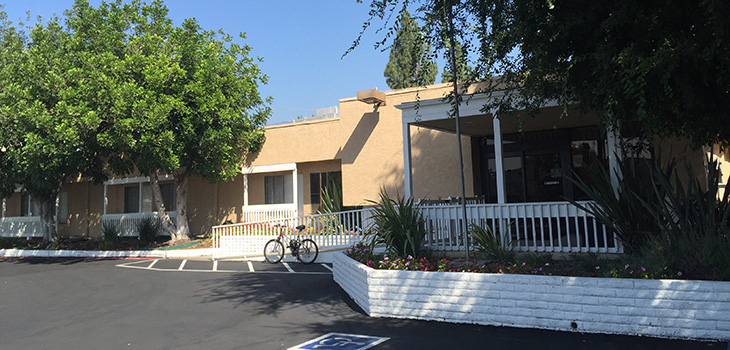
How is Monte Vista Healthcare Center Staffed?

CMS rates MONTE VISTA HEALTHCARE CENTER's staffing level at 3 out of 5 stars, which is average compared to other nursing homes. Staff turnover is 44%, compared to the California average of 46%. This relatively stable workforce can support continuity of care.

What Have Inspectors Found at Monte Vista Healthcare Center?

State health inspectors documented 41 deficiencies at MONTE VISTA HEALTHCARE CENTER during 2021 to 2025. These included: 1 Immediate Jeopardy (the most serious level, indicating potential for serious harm or death), 1 that caused actual resident harm, 38 with potential for harm, and 1 minor or isolated issues. Immediate Jeopardy findings are rare and represent the most serious regulatory concerns. They require immediate corrective action.
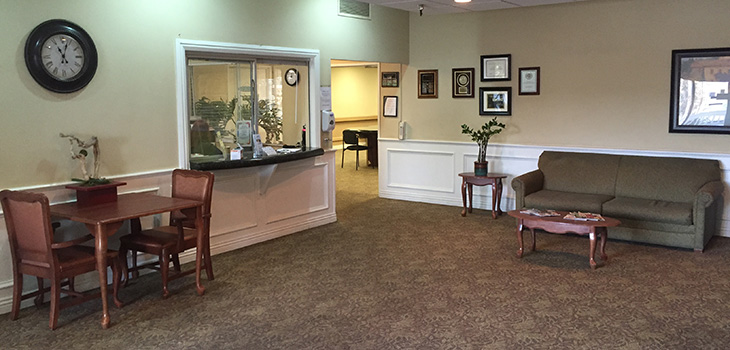
Who Owns and Operates Monte Vista Healthcare Center?

MONTE VISTA HEALTHCARE CENTER is owned by a for-profit company. For-profit facilities operate as businesses with obligations to shareholders or private owners. The facility is operated by CAMBRIDGE HEALTHCARE SERVICES, a chain that manages multiple nursing homes. With 69 certified beds and approximately 61 residents (about 88% occupancy), it is a smaller facility located in DUARTE, California.

How Does Monte Vista Healthcare Center Compare to Other California Nursing Homes?

Compared to the 100 nursing homes in California, MONTE VISTA HEALTHCARE CENTER's overall rating (2 stars) is below the state average of 3.1, staff turnover (44%) is near the state average of 46%, and health inspection rating (2 stars) is below the national benchmark.

What Should Families Ask When Visiting Monte Vista Healthcare Center?

Based on this facility's data, families visiting should ask: "What changes have been made since the serious inspection findings, and how are you preventing similar issues?" "Can I visit during a mealtime to observe dining assistance and food quality?" "How do you handle medical emergencies, and what is your hospital transfer rate?" "Can I speak with family members of current residents about their experience?" These questions are particularly relevant given the facility's Immediate Jeopardy citations.

Is Monte Vista Healthcare Center Safe?

Based on CMS inspection data, MONTE VISTA HEALTHCARE CENTER has documented safety concerns. Inspectors have issued 1 Immediate Jeopardy citation (the most serious violation level indicating risk of serious injury or death). The facility has a 2-star overall rating and ranks #100 of 100 nursing homes in California. Families considering this facility should ask detailed questions about what corrective actions have been taken since these incidents.

Do Nurses at Monte Vista Healthcare Center Stick Around?

MONTE VISTA HEALTHCARE CENTER has a staff turnover rate of 44%, which is about average for California nursing homes (state average: 46%). Moderate turnover is common in nursing homes, but families should still ask about staff tenure and how the facility maintains care continuity when employees leave.

Was Monte Vista Healthcare Center Ever Fined?

MONTE VISTA HEALTHCARE CENTER has been fined $10,488 across 3 penalty actions. This is below the California average of $33,184. While any fine indicates a compliance issue, fines under $50,000 are relatively common and typically reflect isolated problems that were subsequently corrected. Families should ask what specific issues led to these fines and confirm they've been resolved.

Is Monte Vista Healthcare Center on Any Federal Watch List?

MONTE VISTA HEALTHCARE CENTER is not on any federal watch list. The most significant is the Special Focus Facility (SFF) program, which identifies the bottom 1% of nursing homes nationally based on persistent, serious quality problems. Not being on this list means the facility has avoided the pattern of deficiencies that triggers enhanced federal oversight. This is a positive indicator, though families should still review the facility's inspection history directly.