ROYAL OAKS MANOR-BRADBURY OAKS
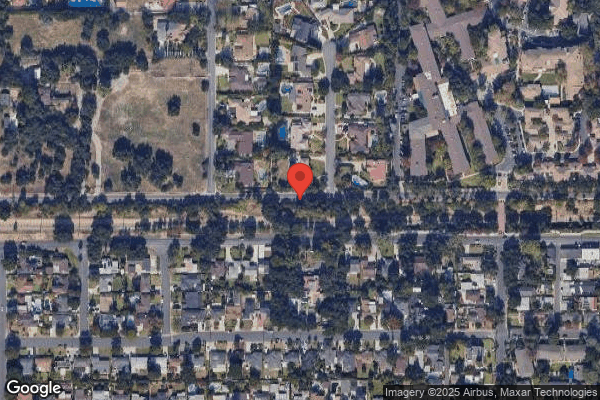
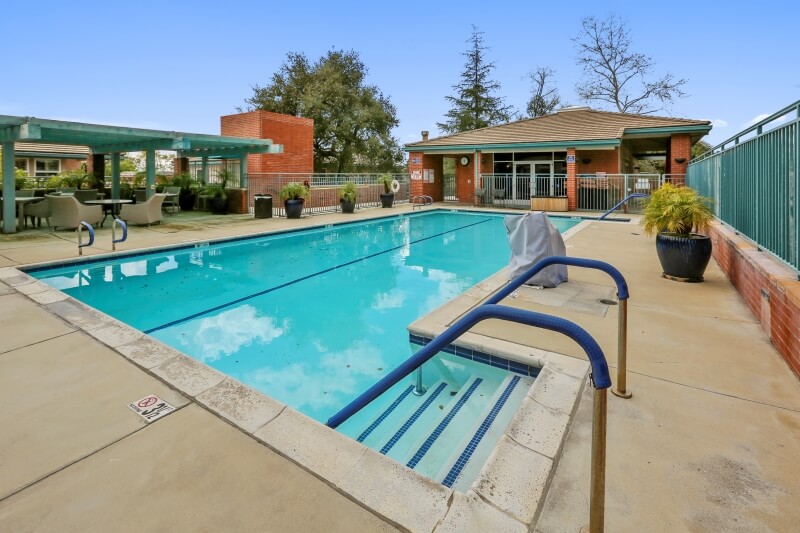
1763 ROYAL OAKS DRIVE, DUARTE, CA 91010 (626) 359-9371
Non profit - Corporation 48 Beds HUMANGOOD Data: November 2025
Trust Grade
53/100
#675 of 1155 in CA
Last Inspection: November 2024

Within standard 12-15 month inspection cycle. Federal law requires annual inspections.

Overview

Royal Oaks Manor-Bradbury Oaks has a Trust Grade of C, which means it is average and in the middle of the pack among nursing homes. It ranks #675 out of 1,155 facilities in California, placing it in the bottom half of the state, and #139 out of 369 in Los Angeles County, indicating that there are better local options available. The facility's trend is stable, with 16 issues reported consistently in both 2023 and 2024. Staffing is a relative strength, with a 4 out of 5 rating and a turnover rate of 26% which is below the state average, suggesting that staff members tend to stay and build relationships with residents. However, there have been serious incidents, including a fall involving a resident who was not provided the required two-person assistance during a transfer, resulting in significant pain, and failures to implement care plans for residents with dementia, which could lead to unsafe wandering. While there are strengths in staffing and no fines on record, families should be aware of these concerning incidents when considering this facility.

Trust Score
C
53/100
In California
#675/1155
Bottom 42%
Safety Record
Moderate
Needs review
Inspections
Holding Steady
16 → 16 violations
Staff Stability
✓ Good
26% annual turnover. Excellent stability, 22 points below California's 48% average. Staff who stay learn residents' needs.
Penalties
✓ Good
No fines on record. Clean compliance history, better than most California facilities.
Skilled Nurses
○ Average
Each resident gets 40 minutes of Registered Nurse (RN) attention daily — about average for California. RNs are the most trained staff who monitor for health changes.
Violations
⚠ Watch
41 deficiencies on record. Higher than average. Multiple issues found across inspections.
★★★☆☆
3.0
Overall Rating
★★★★☆
4.0
Staff Levels
★★★★☆
4.0
Care Quality
★★★☆☆
3.0
Inspection Score
Stable
2023: 16 issues
2024: 16 issues

The Good

  • 4-Star Staffing Rating · Above-average nurse staffing levels
  • 4-Star Quality Measures · Strong clinical quality outcomes
  • Low Staff Turnover (26%) · Staff stability means consistent care
  • Full Sprinkler Coverage · Fire safety systems throughout facility
  • No fines on record
  • Staff turnover is low (26%)

    22 points below California average of 48%

Facility shows strength in staffing levels, quality measures, staff retention, fire safety.

The Bad

3-Star Overall Rating

Near California average (3.1)

Meets federal standards, typical of most facilities

Chain: HUMANGOOD

Part of a multi-facility chain

Ask about local staffing decisions and management

The Ugly 41 deficiencies on record

2 actual harm
Nov 2024 13 deficiencies
CONCERN (D)

Potential for Harm - no one hurt, but risky conditions existed

ADL Care (Tag F0677)

Could have caused harm · This affected 1 resident

Based on observation, interview, and record review, the facility failed to ensure grooming was provided to one of two sampled resident (Resident 18) who had dark brown substance under three fingernail...

Read full inspector narrative →
Based on observation, interview, and record review, the facility failed to ensure grooming was provided to one of two sampled resident (Resident 18) who had dark brown substance under three fingernails of the left hand. This deficient practice had the potential to affect Resident 18's wellbeing and the potential to contaminate Resident 18's environment. Findings: During a review of Resident 18's admission Record, the admission Record indicated the facility admitted the resident on 6/19/2021, with diagnoses that included anxiety (emotion characterized by an unpleasant state of inner turmoil,) osteoarthritis (a progressive disorder of the joints, caused by a gradual loss of cartilage.) During a review of Resident 18's Minimum Data Set (MDS - a federally mandated resident assessment tool) dated 8/15/2024, the MDS indicated Resident 18's cognitive (ability to understand and process information) skills for daily decision making were severely impaired. The MDS indicated Resident 18 sometimes understood verbal content and rarely was able to express ideas and wants. The MDS indicated Resident 18 was dependent with all activities of daily living. During an observation on 11/12/2024 at 10:01 AM, Resident 18 had dark brown substance under 3 fingernails of the left hand. During a concurrent observation and interview on 11/14/2024 at 09:30 AM, Resident 18 had dark brown substance under Resident 18's left three fingernails. Certified Nursing Assistant 1 (CNA 1) stated the dark brown substance under the fingernails could be because Resident 18 scratched staff. During an interview on 11/15/2024 at 03:30 PM, the Director of Staff Development (DSD) stated daily activities of daily living (ADL, term used in healthcare that refers to self-care activities) care included providing showers or bed baths, incontinent care, nail care, shaving and oral care. During a review of the facility's Policy and Procedure (P&P) titled Activities of Daily Living, Supporting dated March 2018, the P&P indicated residents who were unable to carry out activities of daily living independently would receive the services necessary to maintain good nutrition, grooming, and personal and oral hygiene.
CONCERN (D)

Potential for Harm - no one hurt, but risky conditions existed

Deficiency F0679 (Tag F0679)

Could have caused harm · This affected 1 resident

**NOTE- TERMS IN BRACKETS HAVE BEEN EDITED TO PROTECT CONFIDENTIALITY** Based on observation, interview and record review, the facility failed to ensure activities were provided to one of three reside...

Read full inspector narrative →
**NOTE- TERMS IN BRACKETS HAVE BEEN EDITED TO PROTECT CONFIDENTIALITY** Based on observation, interview and record review, the facility failed to ensure activities were provided to one of three residents (Resident 23). This deficient practice had the potential to affect Resident 23's emotional and psychosocial wellbeing. Findings: During a review of Resident 23's admission Record (AR), the AR indicated, Resident 23 was admitted to the facility on [DATE] with multiple diagnoses including shortness of breath, anxiety disorder (a mental health disorder of persistent and excessive feelings of worry or fear that interferes with daily activities), and psychosis not due to a substance or known physiological condition (a severe mental condition in which thought and emotions are so affected that contact with reality is lost). During a review of Resident 23's Minimum Data Set (MDS - a federally mandated resident assessment tool), dated 9/16/2024, the MDS indicated, Resident 23's cognition (ability to think and process information) status was moderately impaired. The MDS indicated, Resident 23 usually understood verbal content and usually was able to express ideas and wants. The MDS indicated Resident 23 required moderate assistance (helper does less than half the effort) with toileting hygiene, and bed mobility. The MDS indicated Resident 23 considered the following activity preferences as highly important: listening to music, go outside to get fresh air, participate in religious services or practices. During multiple observations from 11/12/2024 to 11/14/2024, Resident 13 was observed lying in bed. During an observation on 11/12/2024 at 9:33 AM, Resident 23 was asleep, lying in bed with the head of the bed up 45 degrees, daily chronicle was on top of the table, TV was on. During an observation on 11/13/2024 at 11:29 AM, Resident 23 was lying in bed. During an observation on 11/13/2024 at 1:35 PM, Resident 23 awake, was lying in bed, and watching TV. During an observation on 11/14/24 at 9:19 AM to 9:21 AM Resident Assistant 1 (RA 1) was passing out daily chronicles to 4 residents (unidentified). RA 1 left the chronicles on top of resident table and in 3 minutes completed room visits for 4 residents. RA 1 stated RA 1 was doing room visits by handing out chronicles and turned-on TVs if the residents wanted to watch TV. During a review of Resident 23's Activity Assessment with the Activities Staff (AS) AS stated the assessment indicated Resident 23 considered the following activity preference as highly important: listen to music, to go outside to get fresh air, and participating in religious services or practices. During a review of Resident 23's Activity Program Attendance (APA) 11/1/2024 to 11/12/2024 and a concurrent interview with the Activity Staff (AS). The APA indicated there were no activities provided to Resident 23 from 11/1/2024 to 11/9/2024. The AS stated Activities needed to be provided at least three times a week. The AS stated when the Activities Director was working, the AS was responsible for visiting residents who did not attend group activities. The AS stated the AS was responsible for group activities while the Activities Director was off work. The AS stated, RA 1 was assisting with room visits such as passing out chronicles and providing social interaction. The AS stated when activities were not provided for an extended period [of time], Resident 23 could feel bored and unengaged. During a review of the Policies and Procedures (P&P) titled New Activity Program Introduction dated 8/6/2003, the P&P indicated it was the policy of the facility to ask residents what they enjoyed participating in and for the new activity program to reflect resident interest.
CONCERN (D)

Potential for Harm - no one hurt, but risky conditions existed

Quality of Care (Tag F0684)

Could have caused harm · This affected 1 resident

**NOTE- TERMS IN BRACKETS HAVE BEEN EDITED TO PROTECT CONFIDENTIALITY** Based on observation, interview and record review, the facility failed to ensure one of one sampled resident (Resident 6) receiv...

Read full inspector narrative →
**NOTE- TERMS IN BRACKETS HAVE BEEN EDITED TO PROTECT CONFIDENTIALITY** Based on observation, interview and record review, the facility failed to ensure one of one sampled resident (Resident 6) received treatment and care in accordance with the physician's order by failing to ensure Resident 6's edema (swelling caused by too much fluid trapped in the body's tissues) was cared for adequately. This deficient practice had the potential to result in Resident 6's edema not improving and had the potential to cause pain and further complications to Resident 6. Cross Reference F656 Findings: During a review of Resident 6's admission Record (AR), the AR indicated, Resident 6 was admitted to the facility on [DATE] with multiple diagnoses including displaced intertrochanteric fracture of left femur (a type of broken hip in the [femur] thigh bone), subsequent encounter for closed fracture with routine healing, essential primary hypertension (high blood pressure) and pain, unspecified. During a review of Resident 6's History and Physical (H&P), dated 9/25/2024, the H&P indicated, Resident 6 had trace edema (swelling caused by too much fluid trapped in the body's tissues) in the ankles. The H&P indicated, Resident 6 had the capacity to understand and/or sign any form. During a review of Resident 6's Minimum Data Set (MDS - a federally mandated resident assessment tool) dated 9/27/2024, the MDS indicated, Resident 6's cognition (ability to think and process information) status was severely impaired. The MDS indicated, Resident 6 had impairment on one side in the lower extremity (hip, knees, ankle, foot) and was dependent to requiring setup or clean-up assistance (helper sets up or cleans up) with Activities of Daily Living (ADL, term used in healthcare that refers to self-care activities). During a review of Resident 6's Order Summary Report (OSR), dated active as of 11/15/2024, the OSR indicated, a physician order dated 10/11/2024 to apply elastic stocking (TED Hose, a compressive stocking applied to the legs to help prevent swelling) to BLE (bilateral [both] lower extremities [legs]) one time a day for compression (thigh high) apply to BLE in the AM [morning] and remove at HS [before bedtime] and remove per schedule. During a concurrent observation and interview on 11/12/2024 at 10:20 AM with Resident 6 inside Resident 6's room, Resident 6 was awake and alert, had regular socks on, and was sitting up in the wheelchair. Resident 6's both legs were swollen and dependent (hanging down, below the mean level of the body). Resident 6 stated, Resident 6 broke her left femur. Resident 6 stated, the facility had not talked to Resident 6 about Resident 6's swollen legs and Resident 6 had to ask staff to place Resident 6's legs up on pillows when Resident 6 was in bed. During an observation on 11/13/2024 at 8:59 AM inside Resident 6's room, Physical Therapist (unnamed) was working with Resident 6. Resident 6 had regular socks on. During a concurrent observation and interview on 11/13/2024 at 1:14 PM with Licensed Vocational Nurse (LVN) 3, inside Resident 6's room, Resident 6 was sitting up in the wheelchair with both legs swollen and dependent. LVN 3 stated, Resident 6 was at the facility for left lower extremity swelling and Resident 6 was at risk for developing edema because of the surgery. LVN 3 measured Resident 6's edema and Resident 6 had pitting edema of 2+ (determined by applying pressure on the affected area and then measuring the depth of the pit, or depression, and how long it lasts, also known as a rebound time). LVN 3 stated, Resident 6 should have Resident 6's legs elevated and the physician's order for Resident 6 to have elastic stockings on was not followed. During an interview on 11/15/2024 at 1:36 PM with the Director of Nursing (DON), the DON stated, one of the interventions for edema was to elevate the [Resident 6's] extremities and follow the physician's orders. During a review of the facility's policy and procedure (P&P) titled, Applying Anti-Emboli Stockings (TED Hose), revision date October 2020, the P&P indicated, the purpose of the P&P procedure was to improve venous return to the heart, to improve arterial circulation to the feet, to minimize edema to the legs and feet.
CONCERN (D)

Potential for Harm - no one hurt, but risky conditions existed

Accident Prevention (Tag F0689)

Could have caused harm · This affected 1 resident

**NOTE- TERMS IN BRACKETS HAVE BEEN EDITED TO PROTECT CONFIDENTIALITY** Based on observation, interview, and record review, the facility failed to ensure floor mats were in place for one of one sample...

Read full inspector narrative →
**NOTE- TERMS IN BRACKETS HAVE BEEN EDITED TO PROTECT CONFIDENTIALITY** Based on observation, interview, and record review, the facility failed to ensure floor mats were in place for one of one sampled resident (Resident 8), who was identified as high risk for falls and as indicated in Resident 8's physician's order, Plan of Care (CP) for at risk for falls, and the facility's policy and procedure (P&P) titled Falls and Fall Risk, Managing. This deficient practice had the potential to result in falls and serious injuries leading to fractures (break in the bone) and bleeding to Resident 8. Findings: During a review of Resident 8's admission Record (AR), the AR indicated the facility admitted Resident 8 on 3/14/2024, and re-admitted on [DATE], with diagnoses including malignant neoplasm of ascending colon (a cancerous growth in the colon [large intestine or large bowel]), difficulty walking, and muscle weakness. During a review of Resident 8's Minimum Data Set (MDS, a federally mandated resident assessment tool), dated 10/15/2024, the MDS indicated Resident 8's cognition (ability to understand and process information) was intact. The MDS indicated Resident 8 required setup or clean-up assistance (helper sets up or cleans up and resident completes activity; helper assists only prior to or following the activity) with activities of daily living (ADL, term used in healthcare that refers to self-care activities) and supervision or touching assistance (helper provides verbal cues and/or touching/steadying and/or contact guard assistance as resident completes activity; assistance may be provided throughout the activity or intermittently) with mobility. During an observation on 11/12/2024 at 09:15 AM, Resident 8 was in Resident 8's room and was sitting on Resident 8's wheelchair. There were no floor mats in Resident 8's room. During an interview on 11/13/2024 at 1:35 PM, with Certified Nursing Assistant (CNA) 3, CNA 3 stated Resident 8 was at high risk for falls. CNA 3 stated interventions in Resident 8's plan of care (CP) for falls included floor mats to ensuring Resident 8's safety. CNA 3 stated Resident 8 should have had floor mats in place. During an interview on 11/14/2024 at 1:31 PM, with the DON, the DON stated staff should be following physician orders regarding medical equipment such as safety [floor] mats. The DON stated this ensured Resident 8's safety and the potential to reduce fall?related trauma if Resident 8 got up from bed, lost balance, and fell to the floor. During a review of Resident 8's admission Fall Risk Assessment, dated 7/9/2024, the assessment indicated Resident 8 was a high risk for falls. During a review of Resident 8's Order Summary Report (OSR), dated active as of 11/13/2024, the report included a physician's order, dated 10/11/2024, that indicated to keep Resident 8's bed low with floor mats every shift. During a review of Resident 8's CP, revision dated 10/26/2024, the CP indicated Resident 8 was at risk for falls due to impaired mobility and history of falling. The CP's interventions indicated to utilize devices as appropriate to ensure safety (i.e. bed mats, sensor alarms, etc). During a review of the facility's P&P titled Falls and Fall Risk, Managing, revision dated 3/2018, indicated based on the facility's previous evaluations and current data, the staff will identify interventions related to the resident's specific risks and causes to try to prevent the resident from falling and to try to minimize complications from falling. The P&P indicated the staff, with the input of the attending physician, will implement a resident-centered fall prevention plan to reduce the specific risk factor(s) of falls for each resident at risk or with history of falls.
CONCERN (D)

Potential for Harm - no one hurt, but risky conditions existed

Medication Errors (Tag F0758)

Could have caused harm · This affected 1 resident

Based on observation, interview and record review, the facility failed to follow Pharmacist's recommendation to perform a gradual dose reduction (GDR, the stepwise tapering [to reduce dose over time] ...

Read full inspector narrative →
Based on observation, interview and record review, the facility failed to follow Pharmacist's recommendation to perform a gradual dose reduction (GDR, the stepwise tapering [to reduce dose over time] of a dose to determine if symptoms, conditions, or risks can be managed by use of a lower dose or determination of whether the dose or medication can be discontinued) for Seroquel, an antipsychotic medication (main class of drugs used to treat people that have mental disorders like schizophrenia [mental disorder characterized by loss of contact with the environment]), for one of one sampled resident (Resident 12). This deficient practice had the potential to result in unnecessary use of Seroquel and could potentially lead lethargy and adverse side effects (unwanted, undesired effect of a medication) to Resident 12. Findings: During a review of Resident 12's admission Record, the admission Record indicated the facility admitted the resident on 5/10/2024, with diagnoses that included dementia (a progressive state of decline in mental abilities,) muscle weakness, and difficulty in walking. During a review of Resident 12's Minimum Data Set (MDS - a federally mandated resident assessment tool) dated 8/15/2024, the MDS indicated Resident 3's cognitive (ability to understand and process information) for daily decision making were severely impaired. The MDS indicated Resident 3 was unable to express ideas and wants and unable to understand verbal content. During multiple observations on the following dates and times, Resident 12 was asleep in bed. On 11/12/2024 at 10:35 AM, Resident 12 was asleep in bed. Resident 12's roommate stated I don't think you will get any response from Resident 12. On 11/13/2024 at 11:22 AM, Resident 12 was asleep in bed. On 11/13/2024 at 1:15 PM, Resident 12 was asleep in bed. On 11/13/2024 at 3:05 PM, Resident 12 was asleep in bed. During an observation on 11/15/2024 at 8:39 AM, the Treatment Nurse (TN) checked and repositioned Resident 12, Resident 12 was calm and cooperative. The TN stated Resident 12 was always compliant with turning and repositioning, Resident 12 was nice, and cooperative and was never combative. During an interview on 11/15/2024 at 11:17 AM, with Restorative Nurse Assistant 1 (RNA 1) stated when RNA 1 got Resident 12 up on the chair, Resident 12 slept. RNA 1 stated Resident 12 slept all the time. During a review of Resident 12's Order Summary Report (OSR), active as of 11/15/2024, the report indicated a physician's order for Seroquel 25 MG (milligram, unit of measurement), to take one tablet by mouth at bedtime for Psychosis (a collection of symptoms that affect the mind, where there has been some loss of contact with reality) manifested by pulling staff member's hair. During a review of Resident 12's Medication Regimen Review (MRR), recommendations created between 9/1/2024 to 9/17/2024 and a concurrent interview with the Infection Prevention Nurse (IPN). The MRR indicated a recommendation to evaluate Resident 12's current dose and consider a dose reduction, the MRR indicated Resident 12 had been taking Seroquel 25 mg since 6/17/2024 and had dementia. The MRR's physician/prescriber response was blank and had no documentation from the physician. The IPN stated the Director of Nursing was responsible for following up on the recommendations indicated on the MRR but the IPN stated the IPN could not see any documentation that the physician was notified of the recommendation or the physician's response to the recommendation. During a review of Resident 12's care plan for behavior related to psychosis, date initiated 10/8/2024, the care plan indicated the last GDR was on 6/17/2024, Seroquel was decreased from 37.5 mg to 25 mg. The care plan indicated to observe closely for side effects of antipsychotic medication including lethargy. During a review of the facility's Policy and Procedure (P&P) titled Psychotropic Medication Use dated July 2022, the P&P indicated residents on psychotropic medications receive gradual dose reductions (coupled with non pharmacological interventions), unless clinically contraindicated, in an effort to discontinue these medications.
CONCERN (D)

Potential for Harm - no one hurt, but risky conditions existed

Deficiency F0760 (Tag F0760)

Could have caused harm · This affected 1 resident

**NOTE- TERMS IN BRACKETS HAVE BEEN EDITED TO PROTECT CONFIDENTIALITY** Based on observation, interview, and record review, the facility failed to ensure one of two sampled residents' (Resident 20) me...

Read full inspector narrative →
**NOTE- TERMS IN BRACKETS HAVE BEEN EDITED TO PROTECT CONFIDENTIALITY** Based on observation, interview, and record review, the facility failed to ensure one of two sampled residents' (Resident 20) medication, Potassium Chloride (a mineral supplement used to treat or prevent low amounts of potassium in the blood to maintain the health of your kidneys, heart, muscles, and nervous system) ER (Extended Release, designed to release the medication at delayed or slower rates) was administered correctly as indicated in the facility's policy and procedure (P&P) titled, Administering Medications. This failure had the potential for Resident 20 to develop gastric (of the stomach) upset and irritation and possibly lead to further harm and discomfort to Resident 20. Findings: During a review of Resident 20's admission Record (AR), the AR indicated, Resident 20 was originally admitted to the facility on [DATE] and readmitted on [DATE] with multiple diagnoses including anemia (blood disorder that occurs when your body doesn't produce enough healthy red blood cells, or when the red blood cells aren't functioning properly), unspecified, essential (primary) hypertension (low blood pressure) and gastro-esophageal reflux disease (GERD, a common condition, digestive disorder that occurs when acidic stomach juices, or food and fluids back up from the stomach into the esophagus [muscular tube through which food passes from the throat to the stomach]) without esophagitis (inflammation of the esophagus). During a review of Resident 20's History and Physical (H&P), dated 8/28/2024, the H&P indicated, Resident 20 was alert and oriented x 3 (awake and oriented to person, place, and time). During a review of Resident 20's Minimum Data Set (MDS - a federally mandated resident assessment tool), dated 10/24/2024, the MDS indicated, Resident 20's cognition (ability to think and process information) status was intact. The MDS indicated, Resident 20 required supervision or touching assistance (helper provides verbal cues and/or touching/steadying and/or contact guard assistance as resident completes activity). During a review of the facility's Consultant Pharmacist's Medication Regimen Review (MRR), dated 10/1/2024 -10/15/2024, the MRR indicated, a recommendation for the potassium supplement to be best administered with food or after meals and with a full glass (4 to 8ozs [ounce, unit of weight) of water or fruit juice to minimize the possibility of GI (gastrointestinal, refers collectively to the organs of the body that play a part in food digestion) upset and irritation. During a review of Resident 20's Order Summary Report (OSR), dated active as of 11/15/2024, the OSR included an order dated 8/31/2024 with a start date of 10/1/2024 for Potassium Chloride ER Tablet Extended Release 10 MEQ (milliequivalent, unit of measure), give 1 tablet by mouth one time a day and taken with food or after meals with a full glass of water [4 to 8 oz] or fruit juice. During a review of Resident 20's Medication Administration Record (MAR), dated 11/1/2024 - 11/30/2024, the MAR indicated one 10 MEQ Potassium Chloride ER Tablet was administered one time a day at 9 a.m. to Resident 20 from 11/1/2024 to 11/14/2024. During a concurrent observation and interview on 11/14/2024 at 8:19 AM with Licensed Vocational Nurse (LVN) 1 during medication administration, Resident 20 was lying in bed, watching tv, and a breakfast tray (appeared untouched) was on top of Resident 20's beside table. Resident 20 stated Resident 20 had not eaten breakfast. LVN 1 did not provide instructions to Resident 20 about when Potassium Chloride ER tablet was best taken and LVN 1 administered Resident 20's 9 a.m. medication tablets in a single medicine cup including Potassium Chloride ER. LVN 1 stated, Potassium Chloride ER was to be administered with food and LVN 1 should have waited to give Resident 20's Potassium Chloride ER medication until Resident 20 ate [because Potassium Chloride], could irritate [Resident 20's] stomach. During an interview on 11/15/2024 at 4:14 PM with the Director of Nursing (DON), the DON stated, medications should be administered correctly and followed as ordered [by the physician], to make sure the correct way, for the effectiveness of the medication. During a review of the facility's P&P titled, Administering Medications, revised April 2019, the P&P indicated, medications are administered in a safe and timely manner, and as prescribed. The P&P indicated, medications are administered in accordance with prescriber orders, including any required time frame.
CONCERN (D)

Potential for Harm - no one hurt, but risky conditions existed

Deficiency F0761 (Tag F0761)

Could have caused harm · This affected 1 resident

**NOTE- TERMS IN BRACKETS HAVE BEEN EDITED TO PROTECT CONFIDENTIALITY** Based on observation, interview, and record review, the facility failed to ensure the drugs and biologicals used in the facility...

Read full inspector narrative →
**NOTE- TERMS IN BRACKETS HAVE BEEN EDITED TO PROTECT CONFIDENTIALITY** Based on observation, interview, and record review, the facility failed to ensure the drugs and biologicals used in the facility were stored properly in one of two sampled medication carts (Med Cart 2). This failure had the potential to impact the effectiveness of the medications located in Med Cart 2 and decrease the efficacy (the ability to produce a desired or intended result) of the drugs. The failure had the potential to compromise the health and safety of Resident 33 and the residents who received medication from Med Cart 2 due to administration of the drugs. Findings: During a review of Resident 33's admission Record (AR), the AR indicated, Resident 33 was originally admitted to the facility on [DATE] and readmitted on [DATE] with multiple diagnoses including type 2 diabetes mellitus (adult onset high blood sugar) with diabetic polyneuropathy (when multiple peripheral [relating to the edge of something] nerves become damaged), chronic obstructive pulmonary disease (COPD, a group of [long standing] lung diseases that block airflow and make it difficult to breathe), unspecified and unspecified dementia (a general term to describe a group of symptoms related to loss of memory, judgment, language, complex motor skills, and other intellectual function), unspecified severity, with other behavioral disturbance. During a review of Resident 33's History and Physical (H&P), dated 6/20/2024, the H&P indicated, Resident 33 did not have the capacity to understand and/or sign any form due to dementia. During a review of Resident 33's Minimum Data Set (MDS - a federally mandated resident assessment tool), dated 9/16/2024, the MDS indicated, Resident 33's cognitive (ability to think and process information) skills for daily decision making were moderately impaired (decisions poor; cues/supervision required). The MDS indicated, Resident 33 was taking hypoglycemic (including insulin [controls or lowers levels of blood sugar]) medication. During a review of Resident 33's Order Summary Report (OSR), dated active as of 11/15/2024, the OSR indicated a physician's order dated 6/16/2024 for Insulin Aspart (rapid-acting insulin taken before meals that works quickly to prevent blood sugar from getting too high after carbohydrates intake) injection and an order dated 10/6/2024 for One Touch Ultra 2 (a brand name) test strips for blood glucose (blood sugar) monitoring TID (three times a day). During a review of Resident 33's Medication Administration Record (MAR), dated 11/1/2024 - 11/30/2024, the MAR, indicated, Resident 33 was administered (given) Insulin Aspart on 11/3/2024, 11/4/2024, 11/10/2024, 11/11/2024, 11/13/2024 and on 11/14/2024. During a concurrent observation and interview on 11/14/2024 at 2:06 PM with Licensed Vocation Nurse (LVN) 1 during medication storage and labeling task, Med Cart 2 was observed to have the following: 1. An opened/used Magnesium Citrate (a mineral supplement, house supply once opened only good for one year), 400 mg (milligrams, a unit of measurement) 60 tablet bottle, marked with an opened date of 4/3/2023 and with a manufacturer's expiration date of 09/2025. 2. An opened/used PreserVision Eye Vitamin & Mineral (a supplement, house supply once opened only good for one year), bottle, marked with an opened date of 9/21/2023 and with a manufacturer's expiration date of 2025/06. 3. 2 unopened Insulin Aspart 100 unit/ml injection Flexpen (a pen prefilled with insulin) inside a ziploc bag with a yellow-colored sticker indicating REFRIGERATE for Resident 33. 4. 2 opened/used containers of test strips for glucometer (a small, portable medical device that lets you check your blood glucose [sugar] level) True Metrix Pro, (brand name) and a Glucose Control solution with no opened dates labeled. 5. An opened/used container of OneTouch Ultra, (brand name) test strips for blood glucose testing with no open date. The container had manufacturer's instructions to Discard 6 months after opening. LVN 1 stated, it was important to label drugs and biological with the opened date because everything had an expiration date. LVN 1 stated, LVN 1 did not know how long the 2 insulin flexpens had been inside Med Cart 2. LVN 1 stated, the insulin flexpens should have been stored in the refrigerator to keep the insulin from becoming ineffective and could potentially give Resident 33 faulty insulin [administration]. LVN 1 stated, staff would not know when to discard (medications and biologicals) if there was no opened date label. During an interview on 11/15/2024 at 1:36 PM with the Director of Nursing (DON), the DON stated, it was important to store medications properly for the effectivity of the medication so the medication is potent (strong effect) and not ruin the ingredients of the medication. During a review of the facility's policy and procedure (P&P) titled, House Supplied (Floor Stock) Medications, dated 2007, the P&P indicated, floor stock [house supply] medications kept in the original manufacturer's container must have expiration date and lot numbers clearly visible. Unless otherwise specified, the expiration date was limited to the expiration date on the original container or one year's time from date of opening, whichever comes first. During a review of the facility's P&P titled, Obtaining a Fingerstick Glucose Level, revised October 2011, the P&P indicated, if using the blood glucose monitoring system (blood glucose meter with test strips), use test strips before their expiration date. During a review of the facility's P&P titled, Labeling of Medication Containers, revised April 2019, the P&P indicated, all medications maintained in the facility were properly labeled in accordance with current state and federal guidelines and regulations. During a review of the facility's P&P titled, Medication Labeling and Storage, revision date February 2023, the P&P indicated, medications requiring refrigeration were stored in a refrigerator located in the medication room at the nurses' station or other secured location
CONCERN (D)

Potential for Harm - no one hurt, but risky conditions existed

Deficiency F0883 (Tag F0883)

Could have caused harm · This affected 1 resident

**NOTE- TERMS IN BRACKETS HAVE BEEN EDITED TO PROTECT CONFIDENTIALITY** Based on interview and record review, the facility failed to ensure administration of the Influenza ([flu] a common, sometimes d...

Read full inspector narrative →
**NOTE- TERMS IN BRACKETS HAVE BEEN EDITED TO PROTECT CONFIDENTIALITY** Based on interview and record review, the facility failed to ensure administration of the Influenza ([flu] a common, sometimes deadly infection of the nose, throat and lungs) vaccine (are injections [shots], liquids, pills, or nasal sprays you receive to protect you against harmful diseases, before you come into contact with them) for one of five sampled residents (Resident 23), who was eligible and consented to receive the flu vaccine. This deficient practice placed Resident 23 at greater risk for acquiring, transmitting, or experiencing complications from the flu and had the potential to result in a physical decline to Resident 23. Findings: During a review of Resident 23's admission Record (AR), the AR indicated, Resident 23 was admitted to the facility on [DATE] with multiple diagnoses including shortness of breath, anxiety disorder (a mental health disorder of persistent and excessive feelings of worry or fear that interferes with daily activities), and fever, unspecified. During a review of Resident 23's History and Physical (H&P), dated 9/11/2024, the H&P indicated, Resident 23 had the capacity to understand and/or sign any form. During a review of Resident 23's Minimum Data Set (MDS - a federally mandated resident assessment tool), dated 9/16/2024, the MDS indicated, Resident 23's cognition (ability to think and process information) status was moderately impaired. The MDS indicated, Resident 23 did not receive the influenza vaccine in the facility. During a review of Resident 23's Order Summary Report (OSR), dated active as of 11/15/2024, the OSR included a physician's order, dated 9/27/2024, that indicated Resident 23 may receive the annual influenza vaccine. During a concurrent interview and record review on 11/15/2024 at 10:01 AM with the Infection Prevention Nurse (IPN), Resident 23's Resident Immunization Consent or Refusal Form (RICRF), and the facility's Resident Vaccination Log (RVL), were reviewed. The RICRF indicated, Resident 23 signed the consent to receive the flu vaccine on 9/9/2024. The RVL indicated, Resident 23 did not receive the flu vaccine. The IPN stated flu vaccine administration started in September. The IPN stated, Resident 23 should have received the flu vaccine to protect Resident 23 from getting the flu, from getting sick, and if Resident 23 got the flu, the flu would not be worse. During a review of the facility's policy and procedure (P&P), titled Vaccination of Residents, revised October 2019, the P&P indicated, all residents would be offered vaccines that aid in preventing infectious diseases unless the vaccine was medically contraindicated, or the resident had already been vaccinated. The P&P indicated, certain vaccines (e.g., influenza and pneumococcal vaccines) may be administered per the physician-approved facility protocol (standing orders) after the resident has been assessed by the physician for medical contraindications for each vaccine. During a review of the facility's P&P) titled Influenza, Prevention and Control of Seasonal, revised October 2019, the P&P indicated, the facility followed current guidelines and recommendations for the prevention and control of seasonal influenza.
CONCERN (E)

Potential for Harm - no one hurt, but risky conditions existed

Comprehensive Care Plan (Tag F0656)

Could have caused harm · This affected multiple residents

**NOTE- TERMS IN BRACKETS HAVE BEEN EDITED TO PROTECT CONFIDENTIALITY** Based on observation, interview, and record review, the facility failed to ensure comprehensive person-centered care plans (CP, ...

Read full inspector narrative →
**NOTE- TERMS IN BRACKETS HAVE BEEN EDITED TO PROTECT CONFIDENTIALITY** Based on observation, interview, and record review, the facility failed to ensure comprehensive person-centered care plans (CP, provides direction on the type of nursing care an individual needs that includes goals of treatment, specific nursing interventions [actions, treatments, procedures, or activities designed to meet an objective], and an evaluation plan) was developed and implemented for two of two sampled resident (Resident 6 and Resident 23) in accordance with the facility's policy and procedure (P&P), titled, Care Plans, Comprehensive Person-Centered. This failure had the potential to result in Resident 6 and Resident 23 not to receive the necessary care and services in accordance with their specific needs and had the potential to cause Resident 6 pain and further complications. Cross Reference F684 Findings: A. During a review of Resident 6's admission Record (AR), the AR indicated, Resident 6 was admitted to the facility on [DATE] with multiple diagnoses including displaced intertrochanteric fracture of left femur (a type of broken hip in the [femur] thigh bone), subsequent encounter for closed fracture with routine healing, essential primary hypertension (high blood pressure) and pain, unspecified. During a review of Resident 6's History and Physical (H&P), dated 9/25/2024, the H&P indicated, Resident 6 had trace edema (swelling caused by too much fluid trapped in the body's tissues) in the ankles. The H&P indicated, Resident 6 had the capacity to understand and/or sign any form. During a review of Resident 6's Minimum Data Set (MDS - a federally mandated resident assessment tool) dated 9/27/2024, the MDS indicated, Resident 6's cognition (ability to think and process information) status was severely impaired. The MDS indicated, Resident 6 had impairment on one side in the lower extremity (hip, knees, ankle, foot) and was dependent to requiring setup or clean-up assistance (helper sets up or cleans up) with Activities of Daily Living (ADL, term used in healthcare that refers to self-care activities). During a review of Resident 6's Order Summary Report (OSR), dated active as of 11/15/2024, the OSR indicated, a physician order dated 10/11/2024 to apply elastic stocking (TED Hose, a compressive stocking applied to the legs to help prevent swelling) to BLE (bilateral [both] lower extremities [legs]) one time a day for compression (thigh high) apply to BLE in the AM [morning] and remove at HS [before bedtime] and remove per schedule. During a concurrent observation and interview on 11/12/2024 at 10:20 AM with Resident 6 inside Resident 6's room, Resident 6 was awake and alert, had regular socks on, and was sitting up in the wheelchair. Resident 6's both legs were swollen and dependent (hanging down, below the mean level of the body). During a concurrent observation and interview on 11/13/2024 at 1:14 PM with Licensed Vocational Nurse (LVN) 3, inside Resident 6's room, Resident 6 was sitting up in the wheelchair with both legs swollen and dependent. LVN 3 stated, Resident 6 was at the facility for left lower extremity swelling and Resident 6 was at risk for developing edema because of the surgery. LVN 3 stated, Resident 6 was not care planned and there should be a care plan that addressed Resident 6's edema. LVN 3 stated, a CP basically tells us [nursing staff] for what we should be doing for Resident 6's care including Resident 6's problem (edema). LVN 3 stated, all licensed nurses were responsible for creating a CP as soon as residents (in general) were admitted to the facility. LVN 3 stated, a CP was important, so staff knew how to address Resident 6's edema. During an interview on 11/15/2024 at 1:36 PM with the Director of Nursing (DON), the DON stated, a CP was a plan of care that included the problem, goal, and interventions, and a CP should have been created to address Resident 6's edema. B. During a review of Resident 23's AR, the AR indicated, Resident 23 was admitted to the facility on [DATE] with multiple diagnoses including shortness of breath, anxiety disorder (a mental health disorder of persistent and excessive feelings of worry or fear that interferes with daily activities), and fever, unspecified. During a review of Resident 23's H&P, dated 9/11/2024, the H&P indicated, Resident 23 had the capacity to understand and/or sign any form. During a review of Resident 23's MDS, dated [DATE], the MDS indicated, Resident 23's cognition (ability to think and process information) status was moderately impaired. The MDS indicated, Resident 23 did not receive the influenza vaccine in the facility. During a concurrent review of the activities CP with the Activities Staff (AS) on 11/14/2024 at 2:46 PM, the AS stated there was no activities CP developed for Resident 23. The AS stated the activities CP would guide the AS on what activities should be provided to Resident 23. During a review of the facility's policy and procedure (P&P) titled, Care Plans, Comprehensive Person-Centered, revised March 2022, the P&P indicated, a comprehensive, person-centered care plan that includes measurable objectives and timetables to meet the resident's physical, psychosocial and functional needs is developed and implemented for each resident. The P&P indicated assessments of residents are ongoing and care plans are revised as information about the residents and the residents' conditions change. The P&P indicated, the comprehensive, person-centered care plan was developed within seven (7) days of the completion of the required MDS assessment (Admission, Annual or Significant Change in Status), and no more than 21 days after admission.
CONCERN (E)

Potential for Harm - no one hurt, but risky conditions existed

Deficiency F0700 (Tag F0700)

Could have caused harm · This affected multiple residents

**NOTE- TERMS IN BRACKETS HAVE BEEN EDITED TO PROTECT CONFIDENTIALITY** Based on observation, interview, and record review, the facility failed to use appropriate alternatives prior to the use of bedr...

Read full inspector narrative →
**NOTE- TERMS IN BRACKETS HAVE BEEN EDITED TO PROTECT CONFIDENTIALITY** Based on observation, interview, and record review, the facility failed to use appropriate alternatives prior to the use of bedrails for two of two sampled residents (Resident 12 and Resident 23.) This deficient practice had the potential to result in accidents for Resident 12 and Resident 23 due to the use of bedrails. Findings: A. During a review of Resident 12's admission Record (AR), the AR indicated the facility admitted Resident 12 on 5/10/2024, with diagnoses that included dementia (a progressive state of decline in mental abilities,) muscle weakness, and difficulty with walking. During a review of Resident 12's Minimum Data Set (MDS - a federally mandated resident assessment tool) dated 8/15/2024, the MDS indicated Resident 3 was unable to express ideas and wants and was unable to understand verbal content. During an observation on 11/12/2024 at 10:35 AM, Resident 12 was asleep in bed, lying on her back. A quarter siderails was up on both sides of the bed. B. During a review of Resident 23's AR, the AR indicated Resident 23 was admitted to the facility on [DATE] with multiple diagnoses including shortness of breath, anxiety disorder (a mental health disorder of persistent and excessive feelings of worry or fear that interferes with daily activities), and psychosis not due to a substance or known physiological condition (a severe mental condition in which thought and emotions are so affected that contact with reality is lost). During a review of Resident 23's MDS, dated [DATE], the MDS indicated, Resident 23's cognition (ability to think and process information) status was moderately impaired. The MDS indicated, Resident 23 usually understood verbal content and usually was able to express ideas and wants. The MDS indicated Resident 23 required moderate assistance (helper does less than half the effort) with toileting hygiene, and bed mobility. The MDS indicated Resident 23 considered the following activity preferences as highly important: listening to music, go outside to get fresh air, participate in religious services or practices. During an observation on 11/12/2024 at 9:33 AM, Resident 23 was asleep in bed, the upper side rails were up on both sides of the bed. During a concurrent review of Resident 12 and Resident 23's Siderail Evaluations and interview on 11/14/2024 at 4:19 PM, the Siderail Evaluation forms indicated alternatives to attempt prior to the use of siderails was the use of a low bed. The Minimum Data Set Nurse (MDS Nurse) stated there was no clear documentation how the use of a low bed was not effective for Resident 12 and Resident 23, and there were no other alternatives attempted prior to the use of siderails. The MDS Nurse stated siderails were potential hazards especially for residents who had dementia because it could put residents (in general) at risk for entrapment. The MDS Nurse stated other alternatives included the use of pillows, foam bumpers or bolsters. During a review of the facility's undated Policy and Procedure (P&P) titled Bed Safety and Bedrails the P&P indicated the use of bed rails or side rails (including temporarily raising the side rails for episodic use during care) is prohibited unless the criteria for use of bed rails have been met, including attempts to use alternatives, interdisciplinary evaluation, resident assessment, and informed consent. The P&P indicated prior to the installation or use of a side or bed rail, alternatives to the use of side or bed rails are attempted. Alternatives may include: roll guards; foam bumpers; lowering the bed; and/or use of concave mattresses to reduce rolling off the bed. The P&P indicated if attempted alternatives do not adequately meet the resident's needs the resident may be evaluated for the use of bed rails. This interdisciplinary evaluation includes: an evaluation of the alternatives to bed rails that were attempted and how these alternatives failed to meet the resident's needs; the resident's risk associated with the use of bed rails; input from the resident and/or representative; and consultation with the attending physician.
CONCERN (E)

Potential for Harm - no one hurt, but risky conditions existed

Medical Records (Tag F0842)

Could have caused harm · This affected multiple residents

**NOTE- TERMS IN BRACKETS HAVE BEEN EDITED TO PROTECT CONFIDENTIALITY** Based on interview and record review, the facility failed to ensure accuracy of medical records for one of one sampled resident ...

Read full inspector narrative →
**NOTE- TERMS IN BRACKETS HAVE BEEN EDITED TO PROTECT CONFIDENTIALITY** Based on interview and record review, the facility failed to ensure accuracy of medical records for one of one sampled resident (Resident 23) by failing to: A. Ensure Resident 23's Medication Administration Record (MAR, a log initialed and/or signed by the nurse with the date and time each time a medication is administered to a resident) was complete when on 9/21/2024, 9/25/2024, and 9/28/2024, the facility's Controlled Drug Record for Hydrocodone-Acetaminophen (pain medication used to relieve moderate to severe pain, works in the brain to change how your body feels and responds to pain) 5-325 mg (milligram, unit of measurement) indicated Hydrocodone-Acetaminophen 5-325 mg was removed and Resident 23's MAR did not reflect administration of Hydrocodone-Acetaminophen 5-325 mg. B. Ensure Resident 23's change of condition for the development of a skin rash was documented in Resident 23's medical record. These deficient practices resulted in an inaccurate MAR and had the potential to result in a medication error for Resident 23. Additionally, there was a potential for Resident 23 not to receive the necessary care and treatment for Resident 23's skin rash. Findings: A. During a review of Resident 23's admission Record (AR), the AR indicated, Resident 23 was admitted to the facility on [DATE] with multiple diagnoses including shortness of breath, anxiety disorder (a mental health disorder of persistent and excessive feelings of worry or fear that interferes with daily activities), and psychosis not due to a substance or known physiological condition (a severe mental condition in which thought and emotions are so affected that contact with reality is lost). During a review of Resident 23's History and Physical (H&P), dated 9/11/2024, the H&P indicated, Resident 23 had the capacity to understand and/or sign any form. During a review of Resident 23's Minimum Data Set (MDS - a federally mandated resident assessment tool), dated 9/16/2024, the MDS indicated, Resident 23's cognition (ability to think and process information) status was moderately impaired. The MDS indicated, Resident 23 usually understood verbal content and usually was able to express ideas and wants. The MDS indicated Resident 23 required moderate assistance (helper does less than half the effort) with toileting hygiene, and bed mobility. During a review of Resident 23's Controlled Drug Record for Hydrocodone-Acetaminophen 5-325 mg., dated 9/9/2024, the Controlled Drug Record indicated the medication was removed on the following dates: 9/21/24 at 6 PM, 2 tablets were removed. 9/22/24 at 9 PM , 2 tablets removed. 9/23/24 at 2:15 AM, 2 tablets removed. 9/23/24 at 7 PM, 2 tablets removed. 9/24/24 at 11:42 AM, 2 tablets removed. 9/25/24 at 6:15 PM, 2 tablets removed. 9/28/24 at 11:20 AM, 2 tablets removed. 9/29/24 at 10:30 AM, 2 tablets removed. During a review of Resident 23's Medication Record (MAR) dated September 2024, the MAR indicated one tablet of Hydrocodone-Acetaminophen 10 mg-325 mg. was administered for moderate to severe pain on the following dates, 9/22/2024, 9/23/2024, 9/24/2024, and on 9/29/2024. Resident 23's September 2024 MAR indicated there was one more order for Hydrocodone-Acetaminophen 5-325 mg tablet, two tablets taken by mouth every 4 hours by mouth as needed for pain. The MAR was blank and did not indicate administration of Hydrocodone-Acetaminophen 5-325 mg from 9/1/24 to 9/30/24. During a concurrent interview 11/15/2024 at 4:46 PM and review of the MAR dated September 2024, with the Director of Nursing (DON), the DON stated on 9/2024, the facility used a different computer system to document in the MAR and if there was a computer issue, the licensed nurses would document on the paper MAR. Reviewed the paper MAR with the DON, there was written documentation on 9/24/24 at 11:50 am and on 9/29/24 at 10:30 am. During a concurrent review of Resident 23's Controlled Drug Record for Hydrocodone-Acetaminophen 5-325 mg and concurrent interview on 11/15/2024 at 5:05 PM, the DON stated there were days hydrocodone-acetaminophen was removed and not documented in Resident 23's MAR, the dates were 9/21/24, 9/25/24, and on 9/28/24. The DON stated licensed nurses needed to document on the MAR when hydrocodone-acetaminophen was removed from the supply and administered to Resident 23. During a review of the facility's Policy and Procedure (P&P) titled Administering Medications dated April 2019, the P&P indicated the director of nursing services supervises and directs all personnel who administer medications and/or have related functions and medication errors are documented, reported, and reviewed by the QAPI committee to inform process changes and or the need for additional staff training. The P&P indicated the individual administering the medication initials the resident's MAR on the appropriate line after giving each medication and before administering the next ones and as required or indicated for a medication, the individual administering the medication records in the resident's medical record: a. the date and time the medication was administered; b. the dosage; c. the route of administration; d. the injection site (if applicable); e. any complaints or symptoms for which the drug was administered; f. any results achieved and when those results were observed; and g. the signature and title of the person administering the drug. During a review of the facility's P&P, titled Charting and Documentation, dated July 2017, the P&P indicated information documented in the resident medical record included, medications administered. The P&P indicated documentation in the medical record will be objective (not opinionated or speculative), complete, and accurate. B. During a review of Resident 23's AR), the AR indicated, Resident 23 was admitted to the facility on [DATE] with multiple diagnoses including shortness of breath, anxiety disorder (a mental health disorder of persistent and excessive feelings of worry or fear that interferes with daily activities), and psychosis not due to a substance or known physiological condition (a severe mental condition in which thought and emotions are so affected that contact with reality is lost). During a review of Resident 23's H&P), dated 9/11/2024, the H&P indicated, Resident 23 had the capacity to understand and/or sign any form. During a review of Resident 23's MDS, dated [DATE], the MDS indicated, Resident 23's cognition (ability to think and process information) status was moderately impaired. The MDS indicated, Resident 23 usually understood verbal content and usually was able to express ideas and wants. The MDS indicated Resident 23 required moderate assistance (helper does less than half the effort) with toileting hygiene, and bed mobility. During a concurrent observation and interview on 11/12/2024 at 9:45 AM, Resident 23 had a red scabbed rash on the right arm and elbow. Resident 23 stated the rash was itchy Resident 23 tried not to scratch the area. During a follow-up interview on 11/13/2024 at 2:30 PM, Resident 23 stated Resident 23 did not know how long Resident 23 had the rash and stated maybe since last week. During a review of Resident 23's medical record, there was no change of condition evaluation (COC, a for indicating a sudden clinically important deviation from a resident's baseline in physical, cognitive, behavioral, or functional domains) form. During a review of Resident 23's Long Term Evaluation Progress Notes dated 11/5/2024, 11/7/2024, 11/8/2024, the notes did not indicate Resident 23 had a skin rash or skin issues. During an interview on 11/14/2024 at 3:15 PM, the Treatment Nurse (TN) stated if a resident (in general) developed a new rash, the nurse needed to assess the rash and notify the physician. The nurse also needed to notify the Infection Prevention Nurse (IPN) since it was possible the rash could be infectious. The TN stated the rash was documented on the progress notes but the licensed nurse that discovered the rash needed to complete a COC form so staff would be able to monitor the rash, the area affected, and whether the rash had spread to other parts of the body. The TN stated the rash had spread from the elbow to the lower arm. During a review of the facility's Policy and Procedure (P&P) Charting and Documentation dated July 2017, the P&P indicated all services provided to the resident, progress toward the care plan goals, or any changes in the resident's medical, physical, functional, or psychosocial condition, shall be documented in the resident's medical record.
CONCERN (E)

Potential for Harm - no one hurt, but risky conditions existed

Infection Control (Tag F0880)

Could have caused harm · This affected multiple residents

**NOTE- TERMS IN BRACKETS HAVE BEEN EDITED TO PROTECT CONFIDENTIALITY** Based on observation, interview, and record review, the facility failed to maintain its infection prevention and control program...

Read full inspector narrative →
**NOTE- TERMS IN BRACKETS HAVE BEEN EDITED TO PROTECT CONFIDENTIALITY** Based on observation, interview, and record review, the facility failed to maintain its infection prevention and control program for four of seven sampled residents (Resident 2, 26, 41, and 40) by failing to: A. Ensure enhanced barrier precautions (EBP, an infection control intervention designed to reduce transmission of multidrug-resistant organisms [MDROs, bacteria that have become resistant to certain antibiotics] in nursing homes) were followed and hand hygiene was performed when entering and exiting Room A. B. Ensure the toilet seat was clean in the shared restroom of Resident 2 and Resident 26. C. Ensure an open and unlabeled personal toiletry was not stored inside the shared restroom of Residents 41 and 40 D. Ensure the clean linen was handled properly in the laundry room. These deficient practices had the potential to result in transmission of infectious microorganisms (an organism that can be seen only through a microscope) and cross contamination (process by which bacteria can be transferred from one area to another) among Residents 2, 26, 41 and 40 and throughout the facility and result in infections. Findings: A. During an observation on 11/12/2024 at 10:43 AM, Room A had signage indicating EBP located on the wall next to Room A's door. Maintenance Technician (MT) 1 and MT 2 entered Room A without personal protective equipment (PPE, clothing or equipment that protects workers from injury or illness in the workplace) or without performing hand hygiene. While inside of Room A, MT 1 adjusted Resident 41's bed, per family member's request. MT 1 touched Resident 41's bed and MT 1's shirt came into direct contact with the bed linens. MT 1 and MT 2 exited Room A without performing hand hygiene. During a joint interview on 11/12/2024 at 10:50 AM, with MT 1 and MT 2, MT 1 stated MT 1 should have gowned up properly prior to entering Room A which was on EBP. MT 1 stated this helped prevent contamination of clothing, gowns, and protected both healthcare workers from potential infections and residents (in general) from acquiring infections. MT 1 stated MT 1 forgot to perform hand hygiene before and after entering Room A. MT 1 stated hand hygiene reduced the risk of spreading harmful germs between patients and healthcare workers, prevented the transmission of infections, and protected the patient's health. During a joint interview on 11/12/2024 at 10:50 AM, with MT 2 and MT 1, MT 2 stated MT 2 forgot to gown up (to wear a gown) before entering Room A and forgot to perform hand hygiene before and after entering the room. MT 2 stated any break in infection control was a problem because this could directly lead to the transmission of infectious diseases between patients and healthcare workers. During an interview on 11/14/2024 at 4:30 PM, with the Infection Preventionist (IP), the IP stated hand hygiene should be performed before and after entering residents' rooms. The IP stated hand hygiene significantly reduced the risk of spreading harmful germs between patients and healthcare workers, effectively preventing the transmission of infections and other potentially dangerous microorganisms that could be easily transferred through contaminated hands. The IP stated staff expectations with residents on EBP was to properly gown up when staff performed high-contact resident care activities (any medical procedure or task that involved a healthcare worker having close, direct physical contact with a patient's body). The IP stated staff should gown up [to follow] EBP if their clothing was likely to come into direct contact with [resident] bed linens. During a review of the facility's P&P titled, Handwashing/Hand Hygiene revised dated 8/2019, the P&P indicated: 1. The facility considers hand hygiene the primary means to prevent the spread of infections. 2. All personnel shall follow the handwashing/hand hygiene procedures to help prevent the spread of infections to other personnel, residents, and visitors. 3. Use an alcohol-based hand rub containing at least 62% alcohol; or alternatively, soap (antimicrobial or non-antimicrobial) and water for the following situations: 4. After contact with objects (e.g. medical equipment) in the immediate vicinity of the resident. During a review of the facility's P&P titled, Enhanced Barrier Precautions revised dated 3/2024, the P&P indicated enhanced barrier precautions are used as an infection prevention and control intervention to reduce the transmission of multi-drug resistant organisms (MDROs, [microorganisms that are resistant to one or more classes of antimicrobial agents like antibiotics and antifungals]) to residents. B. During a review of Resident 2's admission Record (AR), the AR indicated, Resident 2 was originally admitted to the facility on [DATE] and readmitted on [DATE] with multiple diagnoses including other seizures (a sudden burst of electrical activity in the brain), chronic atrial fibrillation (long standing, rapid, irregular heart beat) and essential (primary) hypertension (high blood pressure). During a review of Resident 2's Minimum Data Set (MDS - a federally mandated resident assessment tool), dated 8/2/2024, the MDS indicated, Resident 2's cognition (ability to think and process information) status was severely impaired and used a wheelchair. The MDS indicated, Resident 2 was dependent (helper does all of the effort) with toileting. During a review of Resident 2's History and Physical (H&P), dated 9/20/2024, the H&P indicated, Resident 2 did not have the capacity to understand and/or sign any form. During a review of Resident 26's AR, the AR indicated, Resident 26 was admitted to the facility on [DATE] with multiple diagnoses including unspecified atrial fibrillation, essential (primary) hypertension and unspecified dementia (a general term to describe a group of symptoms related to loss of memory, judgment, language, complex motor skills, and other intellectual function), unspecified severity, without behavioral disturbance, psychotic (a mental disorder characterized by disconnection from reality) disturbance, mood disturbance, and anxiety (intense, excessive, and persistent worry and fear about everyday situations). During a review of Resident 26's History and Physical, dated 6/9/2024, the H&P indicated, Resident 26 did not have the capacity to understand and/or sign any form. During a review of Resident 26's MDS, dated [DATE], the MDS indicated, Resident 26's cognitive status was severely impaired and Resident 26 used the walker or wheelchair. The MDS indicated, Resident 26 required substantial/maximal assistance (helper does more than half the effort) with toileting. During a concurrent observation and interview on 11/12/2024 at 9:04 AM with Certified Nursing Assistant (CNA) 2 inside the shared restroom of Resident 2 and Resident 26, the toilet seat had a large brownish colored fecal (poop) smear. CNA 2 stated, the smear should not be there, not even at home because it was a health risk and cross contamination concern. CNA 2 stated, the toilet seat should have been cleaned. During an interview on 11/12/2024 at 9:12 AM with CNA 4, CNA 4 stated, staff needed to check, and the facility liked to clean up as much as possible and would call maintenance to sanitize Resident 2 and Resident 26's shared toilet seat for sanitary purposes. C.During a review of Resident 41's AR, the AR indicated, Resident 41 was admitted to the facility on [DATE] with multiple diagnoses including traumatic subdural hemorrhage (significant bleeding inside the skull) with loss of consciousness of unspecified duration, subsequent encounter, type 2 diabetes mellitus (adult-onset high blood sugar level) without complications, essential (primary) hypertension (low blood pressure). During a review of Resident 41's H&P, dated 8/28/2024, the H&P indicated, Resident 41 was minimally verbal and not able to follow commands. During a review of Resident 41's MDS, dated [DATE], the MDS indicated, Resident 41's cognitive (ability to think and process information) skills for daily decision making were severely impaired (never/rarely made decisions). The MDS indicated, Resident 41 was dependent for activities of daily living (ADL, term used in healthcare that refers to self-care activities). During a review of Resident 40's AR, the AR indicated, Resident 40 was admitted to the facility on [DATE] with multiple diagnoses including hypotension (low blood pressure), unspecified, down syndrome (a genetic chromosome 21 disorder causing developmental and intellectual delays) and cachexia (a general state of ill health involving great weight loss and muscle loss). During a review of Resident 40's H&P, dated 10/4/2024, the H&P indicated, Resident 40 did not have the capacity to understand and/or sign any form. During a review of Resident 40's MDS, dated [DATE], the MDS indicated, Resident 40's cognitive status was moderately impaired. The MDS indicated, Resident 40 was dependent to requiring substantial/maximal assistance with ADLs. During a concurrent observation and interview on 11/12/2024 at 10:48 AM with Licensed Vocational Nurse (LVN) 2, inside the shared restroom of Resident 41 and Resident 40, on top of the sink there was an unlabeled 33.8 fl. oz (fluid ounce, a unit of measurement) bottle of Tena (name brand) cleansing cream. LVN 2 stated, the cleansing cream was used to clean the private areas of the body. LVN 2 stated, the cleansing cream should have been labeled with a resident's name to avoid cross contamination. D. During a concurrent observation and interview on 11/15/2024 at 11:45 AM with the Housekeeping/Laundry Supervisor (HLS) and the Building and Grounds Director (BGD) inside the laundry room, Laundry Aide (LA) 1 and LA 2 were removing dried laundry from the dryers and putting the dried laundry into a hamper. LA 2 was grabbing dried linens from the hamper to be sorted out/folded and in the process while LA 2 was handling the linen, the bottom of the linen was touching and dragging on the floor. LA 1 stated, the linen should not be touching the floor since the floor was dirty, affects the patients and for infection control purposes. During an interview on 11/15/2024 at 1:22 PM with the Infection Preventionist (IP), the IP stated, the toilet seat should not be left with fecal smear absolutely not for infection control [purposes]. The IP stated, personal toiletry should be labeled with resident's name to prevent cross contamination. During a review of the facility's P&P titled, Departmental (Environmental Services) - Laundry and Linen, revised January 2014, the P&P indicated, clean linen will remain hygienically clean (free of pathogens in sufficient numbers to cause human illness) through measures designed to protect it from environmental contamination. During a review of the facility's P&P titled, Handling Clean Linen, revision date 11/14/23, the P&P indicated, after washing, cleaned/dried textiles, fabrics and clothing shall be pressed, folded and packaged for transport, distribution and storage by methods that ensure their cleanliness until used.
CONCERN (E)

Potential for Harm - no one hurt, but risky conditions existed

Deficiency F0919 (Tag F0919)

Could have caused harm · This affected multiple residents

**NOTE- TERMS IN BRACKETS HAVE BEEN EDITED TO PROTECT CONFIDENTIALITY** Based on observation, interview, and record review, the facility failed to ensure call lights were within reach for two of two s...

Read full inspector narrative →
**NOTE- TERMS IN BRACKETS HAVE BEEN EDITED TO PROTECT CONFIDENTIALITY** Based on observation, interview, and record review, the facility failed to ensure call lights were within reach for two of two sampled residents (Resident 300 and 39) as indicated in the facility's policy and procedure (P&P) titled Answering Call Light. This deficient practice had the potential to result in a delay or the inability for Residents 300 and 39 to obtain necessary care and services. Findings: A. During a review of Resident 300's admission Record (AR), the AR indicated the facility admitted Resident 300 on 11/6/2024, with diagnosis including, encephalopathy (a serious health problem that affects brain function or structure), muscle weakness, and cellulitis (a bacterial [living organism that can cause an infection] infection that affects the skin and tissues below). During a review of Resident 300's Minimum Data Set (MDS, a federally mandated resident assessment tool), dated 11/12/2024, the MDS indicated Resident 300 had severe cognitive (the ability to understand and process information) impairment. The MDS indicated Resident 300 required substantial/maximal assistance (helper does more than half the effort and helper lifts or holds trunk or limbs and provides more than half the effort) with activities of daily living (ADL, term used in healthcare that refers to self-care activities) and required substantial/maximal assistance (helper does all the effort) with mobility. During an observation on 11/12/2024 at 10:21 AM, Resident 300 was lying in bed and Resident 300's call light was observed hanging from the upper bed rail tucked between the wall and Resident 300's bed mattress. During an interview on 11/12/2024 at 10:21 AM, with Resident 300, Resident 300 stated that Resident 300 did not know where Resident 300's call light was located. Resident 300 stated Resident 300 was admitted to the facility about a week ago and Resident 300 was unaware of the facility's call light system and waited for staff to enter the room [to ask] for assistance. During an interview on 11/12/2024 at 10:49 AM, with Certified Nursing Assistant (CNA) 2, CNA 2 stated Resident 300's call light was not within Resident 300's reach and the call light should have been placed where it was easily accessible to Resident 300 in case Resident 300 required assistance. CNA 2 stated resident (in general) call lights must always be within reach [because] this allowed the residents to quickly request assistance and improved communication between patients and staff. CNA 2 stated this ensured patients connected with staff and [call lights within reach were] important for patient safety and satisfaction. CNA 2 stated residents should be educated and on the call light system upon admission and frequently reminded on the importance of using the call light system. During an interview on 11/14/2024 at 1:31 PM, with the DON, the DON stated call lights were important as they provided residents with a direct means to communicate their needs to staff. The DON stated call lights ensured patient safety and satisfaction. The DON stated residents should be educated on call lights because they served as a critical communication tool between patients and staff. During a review of the facility's P&P titled Answering Call Light, dated revised 9/2022, indicated that the facility will: 1. Upon admission and periodically as needed, explain, and demonstrate use of the call light to the resident. 2. Ask the resident to return the demonstration. 3. Ensure that the call light is accessible to the resident when in bed, from the toilet, from the shower or bathing facility and from the floor. B. During a review of Resident 39's AR, the AR indicated, Resident 39 was originally admitted to the facility on [DATE] with multiple diagnoses including anxiety disorder (a mental health disorder of persistent and excessive feelings of worry or fear that interferes with daily activities), encounter for attention to gastrostomy (a surgical procedure used to insert a tube often referred to as a G-tube through the abdomen and into the stomach for feeding and medications) and need for assistance with personal care. During a review of Resident 39's History and Physical, dated 10/16/2024, the H&P indicated, Resident 39 was in NAD (no acute distress) and was awake, alert, and oriented x 3 (to person, place, and time). During a review of Resident 39's MDS, dated [DATE], the MDS indicated, Resident 39's cognition (ability to think and process information) status was moderately impaired. The MDS indicated, Resident 39 was dependent (helper does all the effort, resident does none of the effort to complete the activity, or the assistance of two or more helpers is required for the resident to complete the activity) to requiring substantial/maximal assistance (helper does more than half of the effort) for all activities of daily living. The MDS indicated, Resident 39 had a feeding tube (e.g. nasogastric [a thin, soft tube that is inserted through the nose and into the stomach to deliver food, liquids, or medicine] or abdominal [PEG]). During a concurrent observation and interview on 11/12/2024 at 9:46 a.m. with the Director of Staff Development (DSD) inside Resident 39's room, Resident 39 was asleep in bed and the call light was not within sight. The DSD looked for Resident 39's call light and found the call light looped around Resident 39's G-tube feeding pump, located in the back and on the left side of Resident 39's head of bed. The DSD stated Resident 39's call light should be within Resident 39's reach so Resident 39 could call for help when needed. During an interview on 11/14/2024 at 9:31 a.m. with the Director of Nursing (DON), the DON stated it was important of course for the call light to always be within the reach of residents (in general) for residents to use and to call in case residents needed help and assistance. The DON stated the call light was part of communicating their [residents] needs. During a review of Resident 39's Care Plan (CP, provides direction on the type of nursing care an individual needs that include goals of treatment, specific nursing interventions [actions, treatments, procedures, or activities designed to meet an objective] and an evaluation plan]), titled, Resident 39 uses quarter side rails to enhance functional independence & promote skin integrity, date initiated 10/28/2024, the CP indicated, one of the interventions was to place the call light cord within easy reach.
Oct 2024 1 deficiency
CONCERN (D) 📢 Someone Reported This

A family member, employee, or ombudsman was alarmed enough to file a formal complaint

Potential for Harm - no one hurt, but risky conditions existed

Deficiency F0697 (Tag F0697)

Could have caused harm · This affected 1 resident

Based on observation, interview, and record review, the facility failed to provide pain management to one of one sampled resident (Resident 1) who was experiencing pain, in accordance with Resident 1'...

Read full inspector narrative →
Based on observation, interview, and record review, the facility failed to provide pain management to one of one sampled resident (Resident 1) who was experiencing pain, in accordance with Resident 1's goals for care and preferences. This deficient practice had the potential to result in Resident 1 to continue to experience pain and affect the resident's sense of comfort and wellbeing. Findings: During a review of Resident 1's Detailed Summary, the Detailed Summary indicated the facility admitted Resident 1 on 9/9/24, with diagnoses that included displaced intertrochanteric fracture (broken bone) of the right femur (thigh bone,) dementia (long term and often gradual decrease in the ability to think and remember severe enough to affect a person's daily functioning. During a review of Resident 1's Minimum Data Set (MDS - a standardized assessment and care planning tool) dated 9/16/24, the MDS indicated Resident 1 had moderate cognitive impairment, the resident usually understands (comprehends most conversation) and usually makes self-understood (able to express ideas and wants if prompted or given time). The MDS indicated Resident 1 required moderate assistance with bed mobility, toilet transfers and toileting hygiene. During an observation on 10/5/24 at 8:37 am, Resident 1 was heard crying out Aaahhh and a few seconds later, Resident 1 stated the resident needed a bedpan. Certified Nursing Assistant 1 (CNA 1) and Treatment Nurse (TN 1) entered Resident 1's room and overheard CNA 1 and TN 1 asked Resident 1 how they could assist Resident 1. During an interview on 10/5/24 at 9:04 am, Resident 1 was overheard crying out Aaahhh from inside her room, heard from the hallway two rooms away from Resident 1's room. Resident 1's door was open. During a concurrent observation and interview on 10/5/24 at 9:20 am, Resident 1 was laying on her right side holding on to the bedrails. Resident 1 was crying out it hurts, Resident 1 stated my back hurts. Resident 1 rated the pain as 10 over 10. During an observation on 10/5/24 at 9:23 am, the CNA 1 approached Resident 1 and offered to assist Resident 1 up to the wheelchair. Resident 1 stated Resident 1 still had a lot of pain and did not want to get up. The CNA 1 assisted Resident 1 to reposition, and Resident 1 continued to cry out in pain. During an interview on 10/5/24 at 9:35 am, Resident 1's chart was reviewed with the Licensed Vocational Nurse (LVN) 1 (LVN 1), the LVN 1 stated Resident 1 was on hospice care and the LVN 1 had not administered pain medication to Resident 1. The LVN 1 stated the LVN 1 was not aware Resident 1 was in pain and no one had reported to LVN 1 that Resident 1 was in pain. LVN 1 stated LVN 1 would need to assess Resident 1's pain so LVN 1 could offer ways to address the pain because pain could affect Resident 1's comfort. During an observation on 10/5/24 at 9:40 am, the LVN 1 asked Resident 1 if Resident 1 had pain and to rate the pain. Resident 1 stated Resident 1's pain was a 7 over 10 pain. LVN 1 informed Resident 1 that LVN 1 would give the resident morphine (narcotic pain medication) under the tongue for pain. LVN 1 administered morphine sublingually. During an interview on 10/5/24 at 9:45 am, LVN 1 stated LVN 1 forgot to assess the location of the pain and it was important to know the location of the pain to find out the possible cause of the pain, and If the pain was related to the disease process, or to find out if the pain was a new onset of pain that could be caused by other reasons. During an interview on 10/5/24 at 9:49 am, CNA 1 stated CNA 1 did not inform the nurse about Resident 1 complaining of pain because Resident 1 had told CNA 1 Resident 1 did not want pain medication. During an interview on 10/5/24 at 10:45 am, the Director of Nursing (DON) stated CNA 1 needed to inform the licensed nurse because the nurse needed to assess Resident 1's pain. The DON stated pain needed to take priority, when a resident would complain of pain, the nurse needs to stop their medication pass and assess and address the resident's pain. During a review of the facility's Policy and Procedure (P&P) titled Administering Pain Medication the P&P indicated the pain management program is based on a facility-wide commitment to appropriate assessment and treatment of pain, based on professional standards of practice, the comprehensive care plan, and the resident's choices related to pain management. The P&P indicated pain management is a multidisciplinary care process that includes the following: .recognizing the presence of pain, identifying the characteristics of pain, addressing the underlying causes of the pain.
May 2024 1 deficiency 1 Harm
SERIOUS (G) 📢 Someone Reported This

A family member, employee, or ombudsman was alarmed enough to file a formal complaint

Actual Harm - a resident was hurt due to facility failures

Accident Prevention (Tag F0689)

A resident was harmed · This affected 1 resident

**NOTE- TERMS IN BRACKETS HAVE BEEN EDITED TO PROTECT CONFIDENTIALITY** Based on observation, interview, and record review, the facility failed to provide care and services to prevent a fall for one o...

Read full inspector narrative →
**NOTE- TERMS IN BRACKETS HAVE BEEN EDITED TO PROTECT CONFIDENTIALITY** Based on observation, interview, and record review, the facility failed to provide care and services to prevent a fall for one of three sampled residents (Resident 1) by failing to: 1. Ensure Certified Nursing Assistant 1 (CNA 1) provided two-person physical assistance (help from two persons) to transfer (moving a resident from one place to another) Resident 1 from the toilet to the wheelchair when CNA 1 used the Sara lift (mechanical lift, a device used by staff to transfer residents from one location to another e.g., a bed to a chair). 2. Ensure CNA 1 followed the facility's Policy and Procedures (P&P) titled, Lifting Machine, Using a Mechanical, and Fall & Fall Risk, Managing. As a result, on 4/23/2024, at 3 p.m., Resident 1 fell forward from the Sara lift. Resident 1 experienced 7 out of 10 pain (on a pain scale from 0 to 10, 0 means no pain and 10 means the worst possible pain felt, severe/intense pain) on Resident 1's left shoulder. The X-ray (imaging study that takes pictures of bones and soft tissues) results indicated Resident 1 had a fracture in the neck of the humerus (long bone that runs from the shoulder and shoulder blade to the elbow), and Resident 1 was transferred to the General Acute Care Hospital 1's (GACH 1's) Emergency Department (ED). Findings: During a review of Resident 1's admission Record (AR), the AR indicated Resident 1 was originally admitted to the facility on [DATE] and readmitted on [DATE] with diagnoses including seizures (sudden, uncontrolled electrical disturbance in the brain which can cause changes in behavior, movements, feelings, and consciousness), and chronic (long-standing) atrial fibrillation (irregular rapid heart rate). A review of Resident 1's care plan (CP) titled, Falls, dated 8/15/2022, the CP indicated Resident 1 had risk factors that required monitoring and intervention to reduce the potential for self-injury associated with possible occurrence of falls. The CP indicated to consider Resident 1's medical conditions including, sensory alterations (sensory impairment, sensory overload, and sensory deprivation), balance, gait (walk), assistive devices, cognition (ability to understand and process information), mood/behavior, safety awareness, compliance, medications, and restrictions. The CP indicated Resident 1's risk factors included decreased functional mobility, wheelchair-bound, impaired ability to balance self with transfers, and needed assistance to maintain posture and safety. The CP indicated Resident 1 required extensive assistance [from staff] with bed mobility and transfers. The CP interventions indicated to observe Resident 1 for unsteady/unsafe transfers or positioning ability and to provide balance support and physical assistance to Resident 1 as needed. During a review of Resident 1's Fall Risk Assessment (FRA) dated, 10/3/2023, timed at 7:01 p.m., the FRA indicated Resident 1 was chair bound and required assistance with toileting. The FRA indicated Resident 1 required assistance (person, furniture/walls, or device) when Resident 1 stood on both feet. During a review of Resident 1's Minimum Data Set (MDS, a standardized assessment and care planning tool), dated 2/1/2024, indicated Resident 1's cognition was severely impaired. The MDS indicated Resident 1 was dependent (helper [staff] does all the effort and the resident does none of the effort to complete the activity, or the assistance of two or more helpers was required for the resident to complete the activity) on staff for transfers from chair/chair-to-bed and toilet transfers. During a review of Resident 1's Interdisciplinary (related to more than one branch of knowledge) Notes-Change in Condition Evaluation (COC, a sudden clinically important deviation from a resident's baseline in physical, cognitive, behavioral, or functional domains), dated 4/23/2024, timed at 5:47 p.m., the COC indicated on 4/23/2024, at 3 p.m., while Resident 1 was being transferred from the toilet to the chair using the Sara lift Resident 1's knees buckled (lost the ability to support the weight and gave out), and Resident 1 was supporting herself [by grabbing the] Sara lift's handlebars.The COC indicated Resident 1 was in stable condition and was conversing with staff. The COC indicated Resident 1 was brought back to the nurse's station by staff (unidentified), and Resident 1 verbalized Resident 1 had 7 out of 10 pain on Resident 1's left shoulder. During a review of Resident 1's stat (immediately, without delay) Radiology 1 (a branch of medicine that uses imaging technology to diagnose and treat disease) X-ray Report, dated 4/23/2024, at 7:02 p.m., the X-ray report indicated Resident 1 had an acute (sudden) fracture involving the left humerus. During a review of the Interdisciplinary Notes dated 4/24/2024, at 7:50 a.m., the notes indicated Resident 1 woke up at around 3:10 a.m., complained of 8 out of 10 pain on Resident 1's left shoulder, and requested for pain medication. The notes indicated Resident 1 stated Resident 1 could not fall asleep due to the pain on the left shoulder. The notes indicated Resident 1 had bruising on the left wrist, and Resident 1 did not want anyone [staff] to move or change her. The notes indicated Resident 1 needed assistance from two CNAs (any two CNAs) for bed repositioning. A review of the Interdisciplinary Notes, dated 4/24/2024, timed at 11:48 a.m., the notes indicated Medical Doctor (MD) 1 was notified Resident 1 continued to have extreme pain and an inquiry to send Resident 1 to GACH's ED for further evaluation. The notes indicated MD 1 requested a call to MD 2 (orthopedic physician, a branch of medicine that focuses on the correction of deformities of bones and muscles) to see (check) Resident 1 on 4/24/24 and to change pain medication (Norco 325 milligram (mg), pain medication for moderate to severe pain) administration to every 4 hours as needed. The notes indicated MD 2 was unable to see Resident 1, and at 11 a.m., the ambulance arrived at the facility to transfer Resident 1 to GACH 1 due to Resident 1's fracture on the left upper extremity (arm). During a review of Resident 1's Orthopedic Group Report (OGR), encounter date 4/26/2024, the report indicated Resident 1 presented with a complaint of left shoulder pain and indicated Resident 1 stated Resident 1 was in the bathroom and fell forward onto Resident 1's left shoulder. The report indicated Resident 1 was diagnosed with a fracture in the neck of the left humerus. The report indicated Resident 1's left humerus fracture was a surgical neck fracture and typically would require surgery, however, due to Resident 1's relative lack of function, her age, her mentation (the process of using your mind to consider something carefully), Resident 1's family members and Resident 1 refused surgery. During a concurrent observation and interview on 5/9/2024, at 2 p.m., Resident 1 was wearing a black sling (a device used to support and keep still [immobilize] an injured part of the body) on Resident 1's left arm and Resident 1 had facial grimacing when being moved by staff. Resident 1 stated the girl (unidentified staff) did something that caused me to slip and fall. Resident 1 stated due to the fall, Resident 1 developed a fear of the machine (Sara lift). Resident 1 stated after the fall, Resident 1 experienced bad pain (unrated) on the left shoulder. Resident 1 stated after Resident 1 fell, Resident 1 went to the dining-activity room to play a game of volleyball but Resident 1 could not play due to the pain. Resident 1 stated Resident 1's current pain level was a 6 out of 10 pain and Resident 1 asked LVN 2 for pain medication. During an interview on 5/9/2024, at 3 p.m., CNA 2 stated CNA 2 had worked at the facility for 31 years. CNA 2 stated CNA 2 had, in the past, used the [NAME] mechanical lift to take Resident 1 to the bathroom. CNA 2 stated CNA 2 and all new CNAs received training on how to use the Sara lift. CNA 2 stated the Sara lift was always used with two staff and the staff would push the lift to the bathroom while Resident 1 stood on the lift's foot support. CNA 2 stated, [usual facility practice included] one CNA was positioned in the front of the lift and another CNA was positioned behind the resident. During an interview with CNA 1, on 5/10/2024, at 12:41 p.m., CNA 1 stated CNA 1 used the Sara lift more than ten times in the past (prior to the incident with Resident 1's fall on 4/23/24) including using the lift to assist Resident 1. CNA 1 stated, on 4/23/24, (did not remember exact time) CNA 1 came into Resident 1's room to assist Resident 1 to the bathroom located inside Resident 1's room. CNA 1 stated CNA 1 was assisting Resident 1 from the wheelchair to the bathroom and used the Sara lift by herself. CNA 1 stated when transferring Resident 1 from the wheelchair to the Sara lift, CNA 1 made sure Resident 1's wheelchair wheels were locked, Resident 1 was strapped to the Sara lift's belt, and clipped the Sara lift sling onto Resident 1. CNA 1 stated CNA 1 made sure Resident 1 was holding the handles on the Sara lift while Resident 1 stood (after being lifted) on the Sara lift's foot support (affixed to the Sara lift). CNA 1 stated CNA 1 pushed the button on the Sara lift and Resident 1 was lifted off the wheelchair to the Sara lift's foot support and CNA 1 [pushed the Sara lift] and took Resident 1 to the bathroom. CNA 1 stated CNA 1 lowered the Sara lift and Resident 1 sat comfortably on the toilet [Resident 1 remained strapped on the Sara lift]. CNA 1 stated CNA 1 stepped outside of the bathroom to provide privacy to Resident 1 and left the bathroom door open. CNA 1 stated Resident 1 made CNA 1 aware Resident 1 was ready. CNA 1 stated CNA 1 entered the bathroom, pushed the button on the Sara lift and lifted Resident 1 up while Resident 1 held onto the Sara lift bars. CNA 1 stated CNA 1 transferred Resident 1 from the toilet to the Sara lift by herself. CNA 1 stated CNA 1 noticed Resident 1's knees buckled (knee instability, when the knees bend and give out), and Resident 1 fell forward. CNA 1 stated CNA 1 and Resident 1 started yelling help. CNA 1 stated CNA 1 was the only staff present while CNA 1 assisted Resident 1 to the bathroom using the Sara lift. CNA 1 stated CNA 1 normally transferred residents (in general) and Resident 1 alone using the Sara lift. CNA 1 stated Sara lift transfers were always done by one staff, and this was how CNA 1 was taught. CNA 1 stated 'this was normal practice. During an interview, on 5/10/2024, at 2:57 p.m., with Licensed Vocational Nurse (LVN) 1, LVN 1 stated LVN 1 worked at facility for a total of 5 years and stated the Sara lift was used when a resident (in general) had some movement and was able to stand up but did not have the balance or the strength to transfer out of the bed to the toilet. LVN 1 stated LVN 1 was taught to use the Sara lift with two staff for resident transfers and this was the facility's policy. LVN 1 stated it was not safe to use the Sara lift with one person because the resident's knees can fail (buckle) LVN 1 stated two staff positioned one on each side when using the Sara lift and one staff stood in front [of the lift] and the other staff stood behind the resident. LVN 1 stated using the Sara lift with two staff helped [staff] intervene if something happened to the resident. LVN 1 stated this was important [to follow] for the safety of the resident and for staff safety. LVN stated this prevented injuries for CNAs, and the residents. LVN 1 stated Resident 1 was able to follow directions but needed to have assistance from two staff because Resident 1 was very scared of the Sara lift. LVN 1 stated when Resident 1 was on the Sara lift, she would start shaking and stated hurry up. LVN 1 stated Resident 1 was on the heavy side (large frame), so it was hard to maneuver the Sara lift in a safe way and it was hard to maneuver the resident and the Sara lift with only one person (staff). During a phone interview, on 5/10/2024, at 4:51 p.m., with CNA 3, CNA 3 stated CNA 3 worked at the facility for 3.5 years. CNA 3 stated the Sara lift should be used with two staff. During an interview, on 5/10/2024, at 5:18 p.m., with the Director of Nursing (DON), the DON stated for safety [purposes] it was the policy of the facility to use the Sara lift with two staff. The DON stated using the Sara lift with two staff was important in case there was a malfunction or in the event the resident got spooked (frighten/scare) by the lift. A review of the facility's P&P titled, Lifting Machine, Using a Mechanical, revised in July 2017, the P&P indicated the purpose of this procedure is to establish principles of safe lifting using a mechanical lifting device and it is not a substitute for [the device's] manufacturer's training or instructions. The P&P indicated At least two nursing assistants are needed to safely move a resident with a mechanical lift. A review of the facility's P&P titled, Fall & Fall Risk, Managing, revised in March 2018, the P&P indicated Based on previous evaluations and current data [of the resident] the staff will identify interventions related to the resident's specific risks and causes to try to prevent the resident from falling and to try to minimize complications from falling.
Apr 2024 1 deficiency 1 Harm
SERIOUS (G) 📢 Someone Reported This

A family member, employee, or ombudsman was alarmed enough to file a formal complaint

Actual Harm - a resident was hurt due to facility failures

Deficiency F0744 (Tag F0744)

A resident was harmed · This affected 1 resident

Based on observation, interview and record review, the facility failed to ensure one of three sampled residents (Resident 1) who had a diagnosis of dementia (loss of memory and other mental abilities ...

Read full inspector narrative →
Based on observation, interview and record review, the facility failed to ensure one of three sampled residents (Resident 1) who had a diagnosis of dementia (loss of memory and other mental abilities severe enough to interfere with daily life), was assessed at high risk for falls, and elopement (a resident who's incapable of protecting himself/herself adequately and who departed the health care facility unsupervised and undetected) received care and services to prevent a fall by failing to: 1. Implement Resident 1's Care Plan (CP, a form where one can summarize a person's health conditions, specific care need, and current treatments) interventions related to repetitive wandering (moving from place to place without a fixed plan) behavior and attempts to leave the facility unattended. 2. Update Resident 1's CP interventions titled, Cognitive Loss/Dementia, and Activities, when Certified Nurse Assistant (CNA 2) recognized that Resident 1 needed a one-to-one supervision (one staff supervising one resident), and when the Social Services Director (SSD) recognized that Resident 1 made frequent elopement attempts and stated the facility was fearful that Resident 1 might leave the facility without staff noticing. As a result, on 3/29/2024, Resident 1 fell while running toward the front lobby and attempting to leave the facility. Resident 1 sustained a left distal radius (one of two large bones of the forearm) fracture (broken left wrist) and right humerus (long bone that runs from the shoulder and shoulder blade to the elbow) fracture. The facility transferred Resident 1 to the General Acute Care Hospital (GACH) where Resident 1 was put on a cast (a protective shell of fiberglass [a textile fabric made from woven glass filaments], plastic, or plaster [substance that becomes hard as it dries], and bandage that was molded to protect broken or fractured limb(s) as the broken bone(s) healed) on Resident 1's left arm and a sling (a device used to support and keep still (immobilize) an injured part of the body) on Resident 1's right arm. Findings: During a review of Resident 1's admission Record, (AR) the AR indicated the facility admitted Resident 1 on 2/6/2024 with diagnoses that included dementia, muscle weakness (a lack of muscle strength), and encephalopathy (a group of conditions that cause brain dysfunction). During a review of Resident 1's Falls Risk Assessment, (FA) dated 2/6/2024, the FA indicated Resident 1 had a total score of 11 (a score of 10 or more indicated high risk for falls). The FA indicated Resident 1 was a high risk for falls due to Resident 1 had gait (manner of walking) and balance problems, needed assistant from staff with toileting and received multiple medications. During a review of Resident 1's Minimum Data Set, (MDS, a resident assessment and care screening tool) dated 2/12/2024, the MDS indicated Resident 1 was moderately impaired with cognitive skills (thinking, reasoning, remembering). The MDS indicated Resident 1 required substantial/ maximal assistance (helper provided more than half the effort) for eating and personal hygiene. During a review of Resident 1's CP, titled Cognitive Loss/Dementia, related to Resident 1 had impaired cognition related to Dementia which resulted in repetitive wandering, dated 3/8/2024, the CP indicated, Resident 1 walked aimlessly along hallways towards the front lobby, unassisted and without sense of direction. The CP's goal indicated Resident 1's safety would be maintained daily, and Resident 1 would fulfill the need to walk about in safety without distracting others. The CP's intervention indicated for staff to provide Resident 1 regular opportunities to go outdoors with supervision and assist the resident as needed. During a review of Resident 1's Elopement Risk Assessment, (EA) dated 3/11/2024, the EA indicated Resident 1's total score was a 29 (a score of 10 or more indicated at risk for elopement). The EA indicated Resident 1 was at high risk for elopement due to Resident 1 made attempts to get out of the facility (elope) and Resident 1 stated Resident 1 wanted to get out of the facility but Resident 1 did not know where Resident 1 would go. During a review of Resident 1's CP titled, Activities, related to Resident 1 attempted to leave the facility unattended, dated 3/25/2024, the CP's goal indicated Resident 1 would not try to leave the facility unattended. The CP's intervention indicated Resident 1 would walk two to three times a week. During a review of Resident 1's Interdisciplinary (IDT, a group of dedicated healthcare professionals who work together to provide personalized health care for the resident/patient) Notes, dated 3/29/2024, the IDT notes indicated Resident 1 was sent to the GACH after sustaining a fall and the hospital Registered Nurse (RN) reported to the facility that Resident 1 had a left distal radius fracture and right humerus fracture. The IDT notes indicated Resident 1 returned to the facility on the same day (3/29/24) with a sling on Resident 1's right arm and cast on Resident 1's left arm. During a review of Resident 1's Fall Situation, Background, Assessment and Recommendation (SBAR, structured communication framework that helps teams share information about the condition of a resident), dated 3/30/2024, timed at 8:08 a.m., late entry for 3/29/2024, the SBAR indicated Resident 1 had a witnessed fall to the floor. The SBAR indicated Resident 1 was found flat on the resident's back and was transferred to the emergency room (GACH) for further evaluation. The SBAR indicated Resident 1 was taken to the nurse's station for close monitoring, and Resident 1 kept getting up and going to other resident's rooms. The SBAR indicated re-direction did not work and Resident 1 was seen by staff running down the main hall around 9:30 a.m. and at 9:35 a.m., Resident 1 had an unwitnessed fall. The SBAR indicated Resident 1 had a knot on top of Resident 1's right temple (the side of the head behind the eyes) and Resident 1 mentioned she had pain (unrated) on the right shoulder shooting down to Resident 1's arm. The SBAR indicated Resident 1 had swelling on the right arm and right wrist. During a concurrent observation and interview on 4/15/2024 at 9:30 a.m., Resident 1 had a sling on the right arm and a cast on the left wrist/arm. Resident 1 stated [the day of the fall (3/29/24)] Resident 1 was running with Resident 1's daughter at the park and Resident 1 fell. During an interview on 4/15/2024 at 10:18 a.m. with Licensed Vocational Nurse (LVN) 1, LVN 1 stated the interventions implemented for Resident 1 included frequent visual checks every one to two hours due to Resident 1's high risk for elopement and falls. During an interview on 4/15/2024 at 10:27 a.m. with the Activities Coordinator (AC), the AC stated prior to Resident 1's fall (3/29/2024), Resident 1 was always saying, I have to go, I have to go, and tried to leave the facility. The AC stated, before the fall, Resident 1 used to walk up and down the hallways all the time. During an interview on 4/15/2024 at 11:48 a.m. with Certified Nursing Assistant (CNA) 2, CNA 2 stated prior to Resident 1's fall (3/29/24), Resident 1 was known to be very confused and known to wander. CNA 2 stated despite attempts at keeping Resident 1 near the nursing station, it was difficult to monitor (watch) Resident 1 when the staff were busy with other tasks. CNA 2 stated the morning when Resident 1 fell, Resident 1 had verbalized wanting to leave the facility and tried wandering toward the front lobby. CNA 2 stated no staff was specifically designated to watch Resident 1when the residents were at the nursing station. CNA 2 stated a staff should be at the nursing station watching the residents. CNA 2 stated Resident 1 wandered frequently, and it ultimately led to Resident 1 falling and sustaining a fracture on Resident 1's arm. CNA 2 stated CNA 2 reported to a charged nurse (unable to identify)) that Resident 1 required one to one staff monitoring (one staff monitor one resident) because Resident 1 had unpredictable behavior when some days, Resident 1 sat and did nothing and other days, Resident 1 walked around the facility and tried to leave. During an interview on 4/15/2024 at 2:36 p.m. with the Director of Nursing (DON), the DON stated on day Resident 1 fell (3/29/2024, unable to recall the time). Resident 1 was sitting down in the hallway with other residents. The DON stated a resident (unidentified) yelled out, she's running, and CNA 3 came around the nurse's station and saw Resident 1 running down the hall toward the front lobby and CNA 3 started running after Resident 1. The DON stated she saw the Administrator (ADM) got up, ran to the front lobby and she followed the ADM. The DON stated, she saw Resident 1 was on the floor of the front lobby, rolled on Resident 1's back. The DON stated interventions that were implemented for Resident 1 who was high fall risk included frequent rounds (visual checks). The DON stated frequent rounds meant monitoring Resident 1 more frequently than every two hours. The DON stated prior to Resident 1's fall on 3/29/2024, Resident 1 was taken outside for walks only when someone had time because this [activity] was not a regular part of Resident 1's care. During an interview on 4/15/2024 at 4:33 p.m. with the Social Services Director (SSD), the SSD stated the SSD had contacted Resident 1's family prior to Resident 1's fall (2/26/24) due to the SSD recognized Resident 1 made frequent elopement attempts and stated the facility was fearful Resident 1 might leave without staff noticing. During a concurrent interview and record review on 4/15/2024 at 4:50 p.m. with the DON, Resident 1's CP titled Cognitive Loss/Dementia, dated 3/8/2024 and CP titled Activities dated 3/25/24 were reviewed, the DON stated there were no documentations indicated Resident 1's CP interventions were implemented by facility's staff for these CPs. During a review of the facility's policy and procedure (P&P) titled, Safety and Supervision of Residents, dated 7/2017 the P&P indicated implementing interventions to reduce accident risks and hazards shall include ensuring that the interventions are implemented and documented. During a review of the facility's P&P titled, Dementia - Clinical Protocol, dated 11/2018, the P&P indicated the IDT will identify a resident-centered care plan to maximize remaining function and quality of life, direct care staff will support the resident in initiating and completing activities and tasks of daily living. The P&P indicated the staff will monitor the individual with dementia for changes in condition and decline in function and will report these findings to the physician, the IDT will adjust interventions and the overall plan depending on the individual's responses to those interventions, progression of dementia. The P&P indicated the IDT will identify and document the resident's condition and level of support needed during care planning and review changing needs as they arise.
Nov 2023 1 deficiency
CONCERN (D) 📢 Someone Reported This

A family member, employee, or ombudsman was alarmed enough to file a formal complaint

Potential for Harm - no one hurt, but risky conditions existed

Infection Control (Tag F0880)

Could have caused harm · This affected 1 resident

Based on observation, interview, and record review, the facility failed to implement interventions to prevent and control the spread of COVID-19 (Coronavirus disease, a severe respiratory illness caus...

Read full inspector narrative →
Based on observation, interview, and record review, the facility failed to implement interventions to prevent and control the spread of COVID-19 (Coronavirus disease, a severe respiratory illness caused by virus and spread from person to person) in accordance with the facility ' s COVID-19 Mitigation Plan (facility ' s plan to minimize the effect of COVID-19 and to reduce loss of life) guidelines by failing to ensure: Licensed Vocational Nurse 1 (LVN 1) wore a fitted (fit test - a test to determine how effectively a mask or respirator will protect the wearer) N95 mask or respirator (a respiratory protective device designed to achieve a very close facial fit and efficient filtration of airborne particles) in the facility during a COVID-19 outbreak. This deficient practice had the potential to result in the spread of COVID-19 to other residents and staff in the facility. Findings: During a concurrent observation and interview on 11/28/23 at 3:10 PM LVN 1 was observed wearing a Direct Supply 84A-7638 model (a specific model of N95 mask) N95 mask. LVN 1 stated, she had been working in the facility for one month and was not fit tested for the Direct Supply 84A-7638 model N95 mask. LVN 1 stated, the Direct Supply N95 mask was given to her to wear because it was the only N95 mask the facility had. During a concurrent interview and record review on 11/28/23 at 3:20 PM the Infection Prevention Nurse (IPN, nurse who helps prevent and identify the spread of infectious agents like bacteria and viruses in a healthcare environment) stated, there was a COVID-19 outbreak in the facility which started on11/9/2023. During a reviewed of facility ' s document titled, Respiratory Fit Test Record, for the month of September, October and November 2023, did not indicate LVN 1 was fit tested for any N95 mask. The IPN stated, the facility staff should be fit tested for N95 mask upon hired and annually. IPN stated, I missed it, and did not do N95 fit test for LVN 1. IPN stated, it was important for the staff to wear a fitted N95 mask to prevent the spread of airborne particles which can lead to infection and possible death. During a review of the facility ' s COVID-19 Mitigation Plan, revised on 8/25/23, indicated, Initial and annual N95 respiratory fit testing is required for all staff per California Division of Occupational Safety and Health (Cal-OSHA). During a review of the Los Angeles County Department of Public Health's guideline titled, Guidelines for Preventing and Managing COVID-19, updated 8/11/23, indicated N95 respirators should be worn in the COVID-19 free area, in quarantine areas, and in isolation areas if the facility has an active outbreak. The Guideline indicated, Initial and annual N95 respiratory fit testing is required for all staff per California Division of Occupational Safety and Health (Cal-OSHA). During a review of Cal/OSHA ' s, Respiratory Protection in the Workplace – A Guide for Employers, revised April 2021, indicated, fit testing is required before the initial use of a respirator, whenever a different respirator is used, at least annually, and whenever the employee reports changes or whenever the employer observes changes in the employee ' s physical condition that could affect the respirator fit.
Nov 2023 15 deficiencies
CONCERN (D)

Potential for Harm - no one hurt, but risky conditions existed

Deficiency F0554 (Tag F0554)

Could have caused harm · This affected 1 resident

**NOTE- TERMS IN BRACKETS HAVE BEEN EDITED TO PROTECT CONFIDENTIALITY** Based on observation, interview, and record review the facility failed to ensure an assessment was conducted to self-administer ...

Read full inspector narrative →
**NOTE- TERMS IN BRACKETS HAVE BEEN EDITED TO PROTECT CONFIDENTIALITY** Based on observation, interview, and record review the facility failed to ensure an assessment was conducted to self-administer medications for one of one sampled resident (Resident 27). This failure had the potential to result in a decline for Resident 27's physical well-being. Cross Reference F760 Findings: During a review of Resident 27's Detail Summary (DS, admission record) indicated Resident 27 was readmitted to the facility on [DATE] with diagnoses that included transient cerebral ischemic attack (a stroke-like attack), diffuse large B-cell lymphoma (a type of cancer), atherosclerotic heart disease (damage or disease in the heart's major blood vessels), and gastroesophageal reflux (stomach acid or bile irritates food pipe lining). During a review of Resident 27's History & Physical (H&P), dated 10/13/23, the H&P indicated Resident 27 did not have the capacity to understand and/or sign any forms. During a review of Resident 27's Minimum Data Set (MDS, a resident assessment and care screening tool) dated 10/18/23, the MDS indicated Resident 27 had moderate impaired cognition (ability to understand and process information) and required set up and clean-up assistance with eating and oral hygiene and partial/moderate assistance with sit to stand and chair/bed to chair transfers, and toilet transfers. During an observation and concurrent interview on 10/31/23 at 10:41a.m., Resident 27 was lying in bed in Resident 27's room. Seven pills were observed inside a clear medication cup and were on top of Resident 27's bedside table. Resident 27 stated the nurse (unidentified) brought the medication cup with the pills inside the cup this morning and placed the cup on top of Resident 27's bedside table. Resident 27 stated he was sitting on the wheelchair when the nurse left the cup with pills and left. Resident 27 stated Resident 27 did not take the pills because Resident 27 didn't know if Resident 27's physician prescribed them. During an interview, on 10/31/23, at 10:58 a.m., with Licensed Vocational Nurse (LVN 1), LVN 1 stated LVN 1 was new at the facility and was on orientation. LVN 1 stated LVN 1 thought Resident 27 took the seven pills because LVN 1 looked at Resident 27's throat and it looked like Resident 27 swallowed the pills. LVN 1 stated in the future LVN 1 could look inside a residen'ts mouth. During an observation, interview, and concurrent record review on 10/31/23, at 11:05 a.m., LVN 2 stated medications were not to be left at a resident's bedside or left for resident self-administration. The Medication Administration Record (MAR) dated 10/31/23 was reviewed with LVN 2 and observation of the 7 pills in the cup was conducted. The MAR indicated, 1)Carvedilol (treats high blood pressure) 6.25 milligrams (mg, unit of measurement) one tablet, twice a day (BID). This pill was identified in the cup. 2) Plavix (can prevent stroke and heart attack) 75mg once daily, one tablet. This pill was identified in the cup. 3) Losartan (treats high blood pressure) 50mg once daily. This pill was identified in the cup. 4) Mucinex (temporary coughs and other breathing illnesses) 600mg one tablet. This pill was identified in the cup. 5) Pantoprazole (treats gastroesophageal reflux-GERD) 40mg one tablet, once daily. This pill was identified in the cup. 6) One orange circular pill could not be identified by LVN 1 and LVN 2. 7) One white circular pill that could not be identified by LVN 1 and LVN 2. During an interview on 10/31/23 at 3:39 p.m., with LVN 1, LVN 1 stated it was important to ensure Resident 27 took the medication before leaving Resident 27's room. During an interview, on 10/31/23, at 4:19 p.m., with the Director of Nursing (DON), the DON stated nurses are supposed to stand in front of a resident and watch the resident take the medications. The DON stated the nurse should take the medication cup after the resident has swallowed the medication and toss the medication cup. The DON stated the nurse could place the pills on a spoon and watch the resident swallow. The DON stated for residents that were more alert the nurse should take the medication cup after resident takes the medication. During an interview on 10/31/23 at 4:48 p.m., with the DON, the DON stated all residents were not evaluated for self-administration of medications. The DON stated if a resident (in general) was alert and wanted to self-administer an inhaler or eye drops they must be evaluated first. The DON stated Resident 27 did not have a self-administration of medication assessment and had not been assessed to self-administer medications. A review of the facility's policy and procedure (P&P), titled, Administering Medications, dated April 2019, indicated, residents may self-administer their own medications only if the attending physician, in conjunction with the interdisciplinary care planning team, has determined that they have the decision-making capacity to do so safely. New personnel authorized to administer medications are not permitted to prepare or administer medications until they have been oriented to the medication administration system used by the facility.
CONCERN (D)

Potential for Harm - no one hurt, but risky conditions existed

Deficiency F0573 (Tag F0573)

Could have caused harm · This affected 1 resident

**NOTE- TERMS IN BRACKETS HAVE BEEN EDITED TO PROTECT CONFIDENTIALITY** Based on interview and record review, the facility failed to provide copies of medical records within two working days in accord...

Read full inspector narrative →
**NOTE- TERMS IN BRACKETS HAVE BEEN EDITED TO PROTECT CONFIDENTIALITY** Based on interview and record review, the facility failed to provide copies of medical records within two working days in accordance with the facility's Policy and Procedure (P&P) on Medical Records Requests for one of one sampled resident (Resident 3). This deficient practice had the potential to violate resident's right to have access to own medical records in a timely manner. Findings: During a review of Resident 3's detailed summary (admission record), the admission record indicated Resident 3 was re-admitted to the facility on [DATE] with diagnoses that included major depressive disorder (persistent feelings of sadness and worthlessness and a lack of desire to engage in formerly pleasurable activities) and hypertension (elevated blood pressure). During a review of Resident 3's History and Physical (H&P), dated 2/16/23, the H&P indicated Resident 3 had the capacity to understand and/or sign any form. During a review of Resident 3's Minimum Data Set (MDS, a resident assessment and care-screening form), dated 10/19/23, the MDS indicated Resident 3 was cognitively intact and was independent with dressing and personal hygiene. During an interview with Resident 3 on 11/2/23 at 2:48 pm, Resident 3 stated she requested a copy of her medical records a month ago. Resident 3 stated she had followed up with her request and had not received a copy of her medical records as of interview date. During a review of Resident 3's Authorization to Release Protected Health Information, dated 10/2/23, the authorization indicated Resident 3 requested and signed the release of her medical records to herself. During an interview with the Administrator (ADM) on 11/2/23 at 4:48 pm, the ADM stated Resident 3 requested the release of her medical records on 10/2/23, however, a copy of her requested medical records had not been obtained by Resident 3. The ADM stated Resident 3's medical records should have been given to the resident within 24 hours of request because it was her right to have her medical records, as requested. During a review of the facility's P&P titled Medical Records Requests, revised 11/29/22, the P&P indicated the facility team members only release medical records when required or permitted by law or with the written authorization of the individual who is the subject of the records . The copy of records must be made available within two (2) working days of the request.
CONCERN (D)

Potential for Harm - no one hurt, but risky conditions existed

Assessment Accuracy (Tag F0641)

Could have caused harm · This affected 1 resident

**NOTE- TERMS IN BRACKETS HAVE BEEN EDITED TO PROTECT CONFIDENTIALITY** Based on interview and record review, the facility failed to accurately code fall incidents on two Minimum Data Sets (MDS, an as...

Read full inspector narrative →
**NOTE- TERMS IN BRACKETS HAVE BEEN EDITED TO PROTECT CONFIDENTIALITY** Based on interview and record review, the facility failed to accurately code fall incidents on two Minimum Data Sets (MDS, an assessment and screening tool) for one of one sampled resident (Resident 19). This failure resulted in an inaccurate assessment of Resident 94 and had the potential to affect Resident 19's physical well-being. Cross Reference F689 Findings: During a review of Resident 19's Detailed Summary (DS, admission record), the DS indicated Resident 19 was originally admitted to the facility on [DATE] and readmitted on [DATE] with diagnoses that included unsteadiness of feet, hearing loss to both ears, and muscle wasting and atrophy (decrease in size and wasting of muscle tissue). During a review of Resident 19's MDS, dated [DATE], indicated Resident 19 had moderate impaired cognition (ability to understand and process information) and required partial/moderate assistance with going from sitting to standing and substantial/maximum assistance when going from chair/bed to chair transfers. The MDS indicate Resident 19 used a manual wheelchair. During an interview and concurrent record review of Resident 19's quarterly MDS, dated [DATE] and 7/18/23, on 11/1/23 at 11:12 a.m., with the MDS Coordinator (MDS RN), the MDS RN stated the MDS RN missed and did not include Resident 19's falls that occurred on 1/2/23 and 7/2/23 on the MDS dated [DATE] and the MDS dated [DATE]. the MDS RN stated it was the MDS RN's fault. the MDS RN confirmed by review of Resident 19's clinical record that Resident 19 fell on 1/2/23 and a zero to indicate no falls was recorded on MDS dated [DATE]. The MDS RN stated there were zero falls recorded on the MDS dated [DATE]. The MDS RN stated the MDS RN had no idea why the MDS RN missed this. During a review of Resident 19's MDS dated [DATE] and 7/18/23, the MDS indicated a zero under any falls since Admission/Entry or Reentry or Prior Assessment or whichever was more recent. During a review of the facility's Policy and Procedure (P&P), titled, Comprehensive Assessments, dated March 2022, indicated, comprehensive assessments are conducted in accordance with criteria and timeframes established in the Resident Assessment Instrument (RAI) User Manual. A significant error is an error in an assessment where: a. the resident's overall clinical status is not accurately represented (i.e., miscoded) on the erroneous assessment and/or results in an inappropriate plan of care; and the error has not been corrected via submission of a more recent assessment.
CONCERN (D)

Potential for Harm - no one hurt, but risky conditions existed

Deficiency F0657 (Tag F0657)

Could have caused harm · This affected 1 resident

**NOTE- TERMS IN BRACKETS HAVE BEEN EDITED TO PROTECT CONFIDENTIALITY** Based on interview and record review, the facility failed to revise a comprehensive Care Plan (CP) for one of one sampled reside...

Read full inspector narrative →
**NOTE- TERMS IN BRACKETS HAVE BEEN EDITED TO PROTECT CONFIDENTIALITY** Based on interview and record review, the facility failed to revise a comprehensive Care Plan (CP) for one of one sampled resident (Resident 19) following fall incidents on 7/2/23, 8/23/23, and on 10/29/23. This failure had the potential to result in major injury and a physical decline to Resident 19. Cross Reference F689 Findings: a. During a review of Resident 19's Detailed Summary (DS, admission record), the Detailed Summary indicated Resident 19 was readmitted to the facility on [DATE] with diagnoses that included chronic obstructive pulmonary disease (COPD, a group of lung diseases that block airflow and make it difficult to breathe), unsteadiness of feet, and muscle wasting and atrophy (decrease in size and wasting of muscle tissue). During a review of the Risk Management Interdisciplinary (IDT) notes dated 7/2/23, 8/23/23, and 10/29/23 indicated Resident 19 was found on the floor in Resident 19's room. During a review of Resident 19's Minimum Data Set (MDS, a resident assessment and care screening tool) dated 10/17/23 indicated Resident 19 had moderate impaired cognition (ability to understand and process information) and required partial/moderate assistance with sit to stand and substantial/maximal assistance with chair/bed to chair transfers. During an interview on 10/30/23 at 10:45 a.m., Resident 19 stated Resident 19 fell forward out of Resident 19's wheelchair last night (10/29/23) trying to pick up a piece of paper from the floor. During an interview and concurrent record review of Resident 19's Fall Care Plan (CP) on 11/02/23, at 3:28 p.m., with Licensed Vocational Nurse (LVN 3), LVN 3 stated Resident 19 had falls on 7/2/23, 8/23/23, and on 10/29/23. LVN 3 stated a Fall CP for Resident 19 was initiated on 7/20/21 and was revised on 11/1/23. LVN 3 stated LVN 3's the Fall CP needed to be revised after every fall. During a review of the facility's Policy and Procedure (P&P), titled, Care Plans, Comprehensive Person-Centered, dated December 2016 indicated assessments of residents are ongoing and care plans are revised as information about the residents and the residents' conditions change. The Interdisciplinary Team must review and update the care plan: a. When there has been a significant change in the resident's condition; b. When the desired outcome is not met; c. When the resident has been readmitted to the facility from a hospital stay; and d. At least quarterly, in conjunction with the required quarterly MDS assessment.
CONCERN (D)

Potential for Harm - no one hurt, but risky conditions existed

Drug Regimen Review (Tag F0756)

Could have caused harm · This affected 1 resident

**NOTE- TERMS IN BRACKETS HAVE BEEN EDITED TO PROTECT CONFIDENTIALITY** Based on interview and record review, the facility failed to ensure irregularities identified from the monthly drug regimen revi...

Read full inspector narrative →
**NOTE- TERMS IN BRACKETS HAVE BEEN EDITED TO PROTECT CONFIDENTIALITY** Based on interview and record review, the facility failed to ensure irregularities identified from the monthly drug regimen review reported by the facility's pharmacist on the use of Remeron (a medication to treat depression [feelings of sadness and/or a loss]) were acted upon for one of five sampled residents (Resident 22) in accordance with the facility's Policy and Procedure (P&P) on Pharmacist Medication Regimen Review and Reporting. This deficient practice had the potential to result in unnecessary medication administration and potentially cause harm to Resident 22. Findings: During a review of Resident 22's Detailed Summary (admission record), the admission record indicated Resident 22 was admitted to the facility on [DATE] with diagnoses that included dementia (long term and often gradual decrease in the ability to think and remember severe enough to affect a person's daily functioning), psychotic disorder (severe mental disorder in which thoughts and emotions are so impaired that contact is lost with external reality) and depression. During a review of Resident 22's Physician Orders dated 8/28/22, the physician's order indicated to give Resident 22 Remeron 7.5 milligrams (mg- unit of measurement) by mouth (PO) at bedtime (HS). During a review of the Consultant Pharmacist's Medication Regimen Review (MRR) dated 8/1/23 and 8/23/23, the MRR indicated Resident 22's Remeron carried higher sedative properties and risk of drowsiness and falls and to comment on the risk benefit of continued use - whether to discontinue or decrease the dose of Remeron to 3.75 mg HS. During a review of Resident 22's Minimum Data Set (MDS, a standardized assessment and care-screening tool) dated 8/17/23, the MDS indicated Resident 22 required extensive assistance (resident involved in activity, staff provided weight-bearing support) from staff for bed mobility (moved to and from lying position), dressing and eating. During a review of Resident 22's History and Physical (H&P), dated 10/5/23, the H&P indicated Resident 22 did not have the capacity to understand and/or sign any form. During a review of Resident 22's Medication Record (MAR, medication administration record) for October 2023, the MAR indicated Resident 22 received Remeron 7.5 mg PO HS from 10/1/23 to 10/30/23. During an interview and concurrent record review with the Director of Nursing (DON), of Resident 22's electronic and paper chart on 11/1/23 at 5:12 pm, the DON stated Remeron 7.5 mg PO HS was ordered on 7/1/23 and discontinued on 8/23/23. The DON stated the same dose and duration of Remeron 7.5 mg PO HS was re-ordered on 8/24/23 and discontinued on 8/28/23. The DON stated Resident 22's current order of Remeron 7.5 mg PO HS was reordered on 8/28/23. The DON stated Resident 22 had been receiving Remeron 7.5 mg PO HS since 7/1/23. The DON stated the Pharmacist's recommendations should be followed because pharmacist reviewed Resident 22's medications and make suggestions to better care for the resident. The DON stated Resident 22's physician needed to be informed of the pharmacist recommendations for the use of Remeron on Resident 22. A review of the facility's Policy and Procedure, titled Pharmacist Medication Regimen Review and Reporting, dated 9/2008, the P&P indicated MRR is defined as the systematic evaluation of medication therapy viewed within the context of resident-specific data. Findings and recommendations are communicated to those with authority and/or responsibility to implement the recommendations and respond to in an appropriate and timely fashion. Resident specific MRR recommendations and findings are documented and acted upon by the nursing care center and/or physician. The consultant pharmacist and the nursing care center follows up on the recommendation to verify that appropriate action has been taken.
CONCERN (D)

Potential for Harm - no one hurt, but risky conditions existed

Medication Errors (Tag F0758)

Could have caused harm · This affected 1 resident

**NOTE- TERMS IN BRACKETS HAVE BEEN EDITED TO PROTECT CONFIDENTIALITY** Based on interview and record review, the facility failed to ensure one of five sampled residents (Resident 22) who was on Seroq...

Read full inspector narrative →
**NOTE- TERMS IN BRACKETS HAVE BEEN EDITED TO PROTECT CONFIDENTIALITY** Based on interview and record review, the facility failed to ensure one of five sampled residents (Resident 22) who was on Seroquel (medication used to treat mental health condition), received a Gradual Dose Reduction (GDR- tapering a dose of medication) as indicated in the facility's Pharmacist's Recommendation and facility's Policy and Procedure (P&P) on Medication Management. This deficient practice had the potential for Resident 22 to receive unnecessary psychotropic medication (any medicine that affects behavior, mood, or thoughts) and be at risk for harm/injury. Findings: During a review of Resident 22's Detailed Summary (admission record), the admission record indicated Resident 22 was admitted to the facility on [DATE] with diagnoses that included dementia (long term and often gradual decrease in the ability to think and remember severe enough to affect a person's daily functioning), psychotic disorder (severe mental disorder in which thoughts and emotions are so impaired that contact is lost with external reality) and depression. During a review of Resident 22's Physician's Orders, the physician's order indicated for Resident 22 to receive Seroquel 12.5 milligrams (mg) daily by mouth (PO), ordered on 2/23/22 and Seroquel 25 mg PO at hour sleep (HS) ordered on 4/4/22. During a review of Resident 22's Minimum Data Set (MDS, a standardized assessment and care-screening tool) dated 8/17/23, the MDS indicated Resident 22 required extensive assistance (resident involved in activity, staff provided weight-bearing support) from staff for bed mobility (moved to and from lying position), dressing and eating. During a review of Resident 22's Medication Administration Record (MAR) for October 2023, the MAR indicated Seroquel 12.5 mg was administered to Resident 22 daily from 10/1/23 to 10/31/23 and Seroquel 25 mg PO at HS was administered to Resident 22 from 10/1/23 to 10/31/23. During a review of Resident 22's Consultant Pharmacist Medication Regimen Review (CPMRR), entered between 8/1/23 to 8/23/23, by the facility's pharmacist, the CPMRR indicated to follow up with Resident 22's physician and recommend trial GDR for Seroquel to 12.5 mg twice a day. During a review of Resident 22's CPMRR entered between 9/1/23 to 9/18/23, by the facility's pharmacist, the CPMRR indicated to consider a GDR for Resident 22 who was taking Seroquel 12.5 mg daily and 25 mg at hours sleep. During a review of Resident 22's Pharmacist Note (PN), printed on 9/18/23, the note indicated to consider a gradual dose reduction of Seroquel 12.5mg daily and 25 mg at hours of sleep for Resident 22. The PN indicated if a GDR was not appropriate, document a rationale for contraindication. The PN note did not indicate any documentation from the Resident 22's physician whether he agreed or disagreed with the GDR. During an interview and concurrent record review of Resident 22's medical record with the Director of Nursing (DON), on 11/2/23 at 10:34 am, the DON stated the facility pharmacist requested for a GDR for Seroquel for Resident 22 on 9/2023 and 10/2023. The DON stated the PN dated 9/18/23 requesting for a GDR or a rationale to continue the current dose of Seroquel was blank. The DON stated GDR was important for residents on a psychotropic medication to be on the lowest dose possible to address their specific behaviors. During a review of the facility's P&P titled, Medication Management, dated 9/2010, the P&P indicated to optimize the therapeutic benefit of medication therapy and minimize or prevent potential adverse consequences, facility staff, the attending physician/prescriber, and the consultant pharmacist perform ongoing monitoring for appropriate, effective and safe medication use. Tapering (gradual reduce) of a medication dose/gradual dose reduction (GDR): Within the first year in which a resident is admitted on an antipsychotic medication or after the nursing care center has initiated an antipsychotic mediation the nursing care center must attempt a GDR in two separate quarters (with at least one month between the attempts), unless clinically contraindicated. After the first year, a GDR must be attempted annually, unless clinically indicated. The physician has documented the clinical rationale for why any additional attempted dose reduction at the tie would likely to impair the resident's function or increase distressed behavior.
CONCERN (D)

Potential for Harm - no one hurt, but risky conditions existed

Unnecessary Medications (Tag F0759)

Could have caused harm · This affected 1 resident

**NOTE- TERMS IN BRACKETS HAVE BEEN EDITED TO PROTECT CONFIDENTIALITY** Based on observation, interview and record review, the facility failed to ensure the facility's medication error rate was not at...

Read full inspector narrative →
**NOTE- TERMS IN BRACKETS HAVE BEEN EDITED TO PROTECT CONFIDENTIALITY** Based on observation, interview and record review, the facility failed to ensure the facility's medication error rate was not at five percents (%) or greater. The facility had two errors in 28 opportunities during medication pass which yielded a 7.14% medication error rate for one of three sampled residents (Resident 1). For Resident 1, two medications were crushed, combined, and administered at once via the gastrostomy feeding tube (G-tube or GT, a tube inserted through the belly that brings nutrition directly to the stomach). This failure had the potential to cause chemical incompatibility and incomplete dosage for Resident 1's medications and could cause GT complications such clogging up the tube. Findings: During a review of Resident 1's Detailed Summary (DS), the DS indicated, Resident 1 was originally admitted to the facility on [DATE] and readmitted on [DATE] with multiple diagnoses including unspecified atrial flutter (a type of abnormal heart rhythm when the heart beats faster than normal and not always in coordination) and encounter for attention to gastrostomy. During a review of Resident 1's History and Physical Examination (H&P), dated 8/27/23, the H&P indicated, Resident 1 did not have the capacity to understand and/or sign any form (reasons not indicated). During a review of Resident 1's Minimum Data Set (MDS, an assessment and screening tool), dated 9/13/23, the MDS indicated, Resident 194's cognitive (ability to think and process information) status was severely impaired. The MDS indicated, Resident 1 was totally dependent for intake of nourishment by other means such as tube feeding. During a review of Resident 1's Physician Orders (POS), summary, dated 11/2/23, the POS indicated to administer Famotidine (a medication used to treat and prevent ulcers in the stomach and intestines) 20 mg (milligrams, a unit of measurement) tablet G-tube once daily (ordered on 7/27/22), and Metoprolol tartrate (a medication that lowers your blood pressure and heart rate) 75 mg via G-tube every twelve hours (ordered on 7/14/23). During a review of Resident 1's Medication Record (MAR), dated 11/2023, the MAR indicated, the medications Famotidine and Metoprolol were administered via GT on 11/1/23. During an concurrent observation and interview on 11/1/23 at 9:45 a.m. with Licensed Vocational Nurse (LVN) 2, during medication pass, LVN 2 combined, crushed and administered Resident 1's Famotidine and Metoprolol via the GT at once. LVN 2 stated, the pills should have been crushed individually and administered individually via the GT to avoid contraindications when medications are mixed together. During a review of the facility's policy and procedure (P&P) titled, Administering Medications, revised 4/2018, the P&P indicated medications are administered in a safe and timely manner, and as prescribed. The P&P indicated factors that are considered during medication administration included preventing potential medication or food interactions. During a review of the facility's P&P titled, Administering Medications through an Enteral Tube, revised 11/2018, the P&P indicated for staff to administer each medication separately and flush between medications.
CONCERN (E)

Potential for Harm - no one hurt, but risky conditions existed

Resident Rights (Tag F0550)

Could have caused harm · This affected multiple residents

**NOTE- TERMS IN BRACKETS HAVE BEEN EDITED TO PROTECT CONFIDENTIALITY** Based on observation, interview, and record review, the facility failed to ensure two of two sampled residents (Resident 1 and R...

Read full inspector narrative →
**NOTE- TERMS IN BRACKETS HAVE BEEN EDITED TO PROTECT CONFIDENTIALITY** Based on observation, interview, and record review, the facility failed to ensure two of two sampled residents (Resident 1 and Resident 20) were treated with dignity by failing to provide privacy during medication administration. This deficient practice resulted in exposure to Resident 1 and Resident 20's abdomens (belly) and could have resulted in a psychosocial decline to Resident 1 and Resident 20 due to feelings of humiliation, embarrassment, and being ashamed. Findings: During a review of Resident 1's Detailed Summary (DS, admission record), the DS indicated, Resident 1 was originally admitted on [DATE] and readmitted on [DATE] with multiple diagnoses including unspecified atrial flutter (a type of abnormal heart rhythm when the heart beats faster than normal and not always in coordination), encounter for attention to gastrostomy (a surgical opening into the stomach for feeding through a tube) and dysphagia (swallowing difficulties). During a review of Resident 1's History and Physical Examination (H&P), dated 8/27/23, the H&P indicated, Resident 1 did not have the capacity to understand and/or sign forms. During a review of Resident 1's Minimum Data Set (MDS, an assessment and screening tool), dated 9/13/23, the MDS indicated Resident 1's cognitive (ability to think and process information) status was severely impaired. The MDS indicated Resident 1 was totally dependent for intake of nourishment by other means such as tube feeding. During a review of Resident 1's Physician Orders (PO), dated 11/2/23, the PO indicated, current orders that included famotidine (a medication used to treat and prevent ulcers in the stomach and intestines) 20 mg (milligrams, unit of measurement) tablet administered through the gastrostomy tube (G-tube) once daily ordered, dated 7/27/22 and Metoprolol tartrate (a medication that lowers the blood pressure and heart rate) 75 mg by G-tube every twelve hours, dated 7/14/23. During a review of Resident 1's Medication Record (MAR), dated 11/2023, the MAR indicated, the medications Famotidine and Metoprolol were administered via G-tube on 11/1/23. During a review of Resident 20's DS, the DS indicated, Resident 20 was admitted on [DATE] with multiple diagnoses including unspecified atrial fibrillation (an irregular and often very rapid heart rhythm), type 2 diabetes mellitus (a disease in which your blood glucose or blood sugar levels are too high) and essential hypertension (high blood pressure). During a review of Resident 20's MDS, dated 8/4/23, the MDS indicated, Resident 20's cognitive status was intact. During a review of Resident 20's H&P, dated 8/29/23, the H&P indicated, Resident 20 had the capacity to understand and/or sign forms. During a review of Resident 20's PO, dated 11/2/23, the PO included an order dated 6/28/23, Victoza (an injectable prescription medicine that may improve blood sugar levels in adults with type 2 diabetes) 1.2 mg subcutaneous (administered under the skin) once daily for type 2 diabetes mellitus. During a review of Resident 1's MAR, dated 11/2023, the MAR indicated, the medication Victoza was administered on the left quadrant on 11/1/23 at 9 a.m. During a concurrent observation and interview on 11/1/23 at 8:34 a.m. with Licensed Vocational Nurse (LVN) 2, during medication administration, LVN 2 did not close Resident 20's privacy curtain located around Resident 20's bed and lifted Resident 20's gown. Resident 20's abdomen was exposed during administration of Victoza in the left quadrant of the abdomen (belly). LVN 2 stated, LVN 2 should have drawn the curtain for privacy, we get stuck in the routine. During a concurrent medication administration observation on 11/1/23 at 9:45 a.m. with LVN 2, LVN 2 did not close the curtain around Resident 1's bed and lifted Resident 1's gown to access Resident 1's G-tube. Resident 1's roommate (Resident 20) was sitting up in Resident 1's wheelchair that was positioned facing Resident 1. During a review of the facility's Policy and Procedure (P&P) titled, Resident Rights Guidelines for All Nursing Procedures, revised 10/2010, the P&P indicated, prior to having direct-care responsibilities for residents, staff must have appropriate in-service training on resident rights, including resident dignity and respect. The P&P indicated, for any procedure that involved direct resident care, one of the steps to follow was to close the room entrance door and provide privacy to the resident. During a review of the facility's P&P titled, Dignity, revised 2/2021, the P&P indicated, each resident shall be cared for in a manner that promotes and enhances his or her sense of well-being, level of satisfaction with life, and feelings of self-worth and self-esteem. The P&P indicated, residents are treated with dignity and respect at all times and staff were to promote, maintain, and protect resident privacy including bodily privacy during assistance with personal care and during treatment procedures.
CONCERN (E)

Potential for Harm - no one hurt, but risky conditions existed

Deficiency F0655 (Tag F0655)

Could have caused harm · This affected multiple residents

**NOTE- TERMS IN BRACKETS HAVE BEEN EDITED TO PROTECT CONFIDENTIALITY** Based on observation, interview, and record review, the facility failed to ensure two of two sampled residents (Resident 194 and...

Read full inspector narrative →
**NOTE- TERMS IN BRACKETS HAVE BEEN EDITED TO PROTECT CONFIDENTIALITY** Based on observation, interview, and record review, the facility failed to ensure two of two sampled residents (Resident 194 and Resident 195) had a baseline (initial) care plan (CP provides direction on the type of nursing care an individual needs that include goals of treatment, specific nursing interventions [actions, treatments, procedures, or activities designed to meet an objective] and an evaluation plan]) developed and implemented within forty-eight hours of admission to the facility. This failure had the potential to result in lack of communication among staff members, specific care needs and current treatments not implemented, and a decline in Residents 194 and 195's physical well-being Findings: During a review of Resident 194's Detailed Summary (DS, admission record), the DS indicated, Resident 194 was admitted on [DATE] with multiple diagnoses including chronic obstructive pulmonary disease (COPD, a group of lung diseases that block airflow and make it difficult to breathe), elevated white blood cell count (typically reflects the normal response of bone marrow to an infectious or inflammatory process) and pressure injury (PI, localized damage to the skin and underlying tissue, primarily caused by prolonged pressure on the skin, shear (mechanical force that causes skin to break of), or friction [surfaces rub against each other]) of the sacral (a triangular bone located at the base of the spine) region stage 2 (open wound). During a review of Resident 194's History and Physical Examination (H&P), dated 10/14/23, the H&P indicated, Resident 194 had the capacity to understand and/or sign any forms. During a review of Resident 194's Physician Orders (PO), the PO indicated, an order dated 10/14/23 for indwelling catheter (a type of flexible tube used to empty the bladder and collect urine in a drainage bag) for urinary retention (a condition in which you cannot empty all the urine from your bladder). During a review of Resident 194's Minimum Data Set (MDS, an assessment and screening tool), dated 10/17/23, the MDS indicated Resident 194's cognitive (ability to think and process information) status was intact. The MDS indicated, Resident 194 had an indwelling catheter. During a review of Resident 195's DS, the DS indicated, Resident 195 was originally admitted on [DATE] and readmitted on [DATE] with multiple diagnoses including benign paroxysmal vertigo (a common inner ear disorder of a spinning sensation or dizziness whenever you move your head) unspecified ear, unspecified atrial fibrillation (an irregular and often very rapid heart rhythm) and essential hypertension (high blood pressure). During a review of Resident 195's H&P, dated 10/18/23, the H&P indicated, Resident 194 had the capacity to understand and/or sign any forms. During a review of Resident 195's MDS, dated 10/23/23, the MDS indicated, Resident 195's cognitive status was intact. The MDS indicated, Resident 195 was adequately able to hear with the use of hearing aids or other hearing appliances. During an observation on 10/30/23 at 10:42 a.m. Resident 194 was asleep, lying in bed, and easily arousable. Resident 194 had an indwelling catheter draining yellow colored urine with the urinary collection bag inside a black (used to preserve dignity) bag. During a concurrent observation and interview on 10/31/23 at 7:24 a.m. with Resident 195, Resident 195 was awake in bed, looked frustrated, and had trouble hearing. Resident 195 stated, he did not know where his hearing aids were. During an interview on 11/1/23 at 2:05 p.m. with the Social Services Director (SSD), the SSD stated the facility was aware of Resident 195's missing hearing aids. The SSD stated this concern was not care planned and it was important to care plan Resident 195's missing hearing aids for facility to know the plan and execute how to communicate with Resident 195. During a concurrent interview and record review on 11/2/23 at 8:35 a.m. with the Director of Nursing (DON), Resident 194's medical records were reviewed. The medical records did not indicate a baseline care plan to address Resident 194's indwelling catheter. The DON stated a baseline care plan should have been created within forty-eight hours and upon admission to know the baseline of care Resident 194 had to receive, so same sheet of music meaning everyone knows what she [Resident 194] needs. During a review of the facility's Policy and Procedure (P&P) titled, Care Plans - Baseline, revised 12/2016, the P&P indicated, a baseline plan of care to meet the resident's immediate needs shall be developed for each resident within forty-eight (48) hours of admission. The P&P indicated, to assure that the resident's immediate care needs are met and maintained, a baseline care plan will be developed within forty-eight (48) hours of the resident's admission.
CONCERN (E)

Potential for Harm - no one hurt, but risky conditions existed

Comprehensive Care Plan (Tag F0656)

Could have caused harm · This affected multiple residents

**NOTE- TERMS IN BRACKETS HAVE BEEN EDITED TO PROTECT CONFIDENTIALITY** Based on observation, interview, and record review, the facility failed to develop and/or implement an individualized person-cen...

Read full inspector narrative →
**NOTE- TERMS IN BRACKETS HAVE BEEN EDITED TO PROTECT CONFIDENTIALITY** Based on observation, interview, and record review, the facility failed to develop and/or implement an individualized person-centered care plan for three of three sampled residents (Residents 11, 94 and145). a. For Resident 11, there was no care plan developed to address Resident 11's retention of urine. b. For Resident 145, there was no care plan developed to address Resident 145's aggressive behavior. c. For Resident 94, there was no care plan developed to address Resident 94's constipation. These deficiencies had the potential to result in inconsistent implementation of care and services and/or missed opportunities in identifying risk for Residents 11, 94 and 145. Findings: a. During a review of Resident 11's Detailed Summary (DS, admission record), the DS indicated Resident 11 was re-admitted to the facility on [DATE] with diagnoses that included polyosteoarthritis (joint pain or stiffness) and spinal stenosis (narrowing of space within the spine). During a review of Resident 11's History and Physical (H&P) dated 9/24/23, the H&P indicated, Resident 11 had the capacity to understand and/or sign any form. During a review of Resident 11's Minimum Data Set (MDS, a resident assessment and care-screening tool), dated 9/28/23, the MDS indicated Resident 11 required extensive assistance (staff provide weight-bearing support) with one person assist with bed mobility (how resident moves to and from lying position), transfers (to and from bed, chair), toilet use and personal hygiene. During an interview with Resident 11 on 10/31/23 at 9 :00 am, Resident 11 was alert and oriented, Resident 11 stated the previous night (10/30/23), her stomach was big, and she was unable to urinate. During a review of Resident 11's Physician Orders, dated 10/30/23, the physician's order indicated to give Resident 11 Lasix (a medication to induce urination) 40 milligrams (mg- unit of measurement) once daily for retention of urine. During a review of Resident 11's Medication Record for 10/2023 (MR, medication administration record) and MR for 11/2023, the MR indicated Lasix 40 mg was administered to Resident 11 on 10/31/23, 11/1/23 and 11/2/23 for retention of urine. During a concurrent interview and record review on 11/2/23 at 2:20 pm, with the Minimum Data Set Coordinator (MDSC), Resident 11's electronic chart (EC) and paper chart were reviewed. The MDSC stated, there was no care plan developed to address Resident 11's retention of urine in the resident's charts. The MDSC stated a care plan needed to be developed to address Resident 11's retention of urine because care plans were important to plan approaches or interventions to resolve resident's care issues. b. During a review of Resident 145's DS, the DS indicated Resident 145 was admitted to the facility on [DATE] with diagnoses that included psychosis (severe mental disorder in which thought and emotions are so impaired that contact is lost with external reality) and dementia (long term and often gradual decrease in the ability to think and remember severe enough to affect a person's daily functioning). During a review of Resident 145's History and Physical (H&P), dated 10/28/23, the H&P indicated Resident 145 did not have the capacity to understand and/or sign forms due to dementia. During a review of Resident 145's Minimum Data Set (MDS, a resident assessment and care-screening tool), dated 10/30/23, the MDS indicated Resident 145 did not speak and rarely/never had the ability to understand others. During a record review of Resident 145's Physician's Order, dated 10/23/23, the physician's order indicated for staff to monitor Resident 145's aggression manifested by striking out, hitting, and scratching others. During a record review of Resident 145's Interdisciplinary Notes, dated 10/26/23, the notes indicated Resident 145 became combative with daily care. During an observation and concurrent interview with Certified Nurse Assistant 1 (CNA 1), on 10/30/23 at 11:02 am, Resident 145 was observed in bed. CNA 1 stated to keep distance from Resident 145 because Resident 145 can be combative at times. During a concurrent interview and record review on 10/31/23 at 10:36 am, with the Minimum Data Set Coordinator (MDSC) of Resident 145's electronic chart (EC) and paper chart, MDSC stated, Resident 145 had behavioral issues and was aggressive with staff. The MDSC stated there was no care plan developed to address Resident 145's aggressive behavior in the resident's chart. MDSC stated, any licensed staff can initiate a care plan for the resident. MDSC stated if Resident 145 had a particular behavioral issue, a care plan should be developed immediately because care plans were important to manage Resident 145's behavior for staff to be aware of the interventions to implement to minimize Resident 145's aggressive behavior. During a review of the facility's Policy and Procedure (P&P) titled, Goals and Objectives, Care Plans, revised 4/2009, the P&P indicated, Care plans shall incorporate goals and objective that lead to the residents' highest obtainable level of independence. Care plan goals and objectives are defined as the desired outcome for a specific resident problem. Goals and objectives ae entered on the resident's care plan so that all disciplines have access to such information and are able to report whether or not the desired outcomes are being achieved. c. During a review of Resident 94's DS, the DS indicated Resident 94 was admitted to the facility on [DATE] with diagnoses that included fracture of the pelvis (damage to the hip bones, sacral, (a triangular shaped bone at the bottom of the spine), coccyx (tailbone), rheumatic mitral stenosis (commonly caused by rheumatic fever), and pain. During a review of Resident 94's Minimum Data Set (MDS, a resident assessment and care screening tool) dated 10/26/23, the MDS indicated Resident 94 had intact cognition (ability to understand and process information) and was always bowel incontinent (having no or no voluntary control over defecation [discharge of feces from the body]), was dependent for toileting hygiene, and lying to sitting on side of bed. During a review of Resident 94's History & Physical (H&P), dated 10/21/23, indicated Resident 94 had the capacity to understand and/or sign any forms. During an observation and concurrent interview on 11/02/23, at 9:31 a.m., Resident 94 was heard moaning upon entering Resident 94's room. Resident 94 stated Resident 94 had to have a defecate but it hurt so bad. Resident 94 stated Resident 94 could feel the feces was right there but would not come out. During an interview, on 11/02/23, at 11:20 a.m., Resident 94 stated Resident 94 had one bowel movement (BM) since admission to the facility. During an interview and concurrent record review on 11/2/23, at 2:13 p.m., with Licensed Vocational Nurse (LVN 3), LVN 3 stated Resident 94 had taken medications that caused constipation. During a concurrent review of Resident 94's clinical record, LVN 3 stated a Care Pan for constipation was initiated 10/20/23 but the Care Plan (CP) was not completed. LVN 3 stated the incomplete CP had a problem and a goal but did not include interventions that addressed Resident 94's constipation. LVN 3 stated the CP needed to have interventions because if Resident 94 was constipated, Resident 94 might have a bowel obstruction (partial or complete blockage of the bowels) that could cause illness and death. During an interview on 11/02/23, at 6:22 p.m., the Director of Nursing (DON) stated Resident 94 did not have a CP in Resident 94's clinical record for constipation. The DON stated a CP was important so that everybody [staff] knew how to manage Resident 94's constipation. The DON stated constipation would not affect Resident 94 in a positive way and could affect Resident 94 psychosocially. During an interview, on 11/02/23, at 6:55 p.m., Resident 94 stated Resident 94 had told the nurse Resident 94 had pain from constipation. Resident 94 stated Resident 94 could not remember if Resident 94 told a nurse (unknown) today or a couple of days ago. During a review of the facility's Policy and Procedure (P&P), titled, Goals and Objectives, Care Plans, dated April 2009, indicated, Care Plans shall incorporate goals ad objectives that lead to the resident's highest obtainable level of independence. Care plan goals and objectives are defined as the desired outcome for a specific resident problem. Goals and objectives are entered on the resident's care plan so that all disciplines have access to such information and are able to report whether or not desired outcomes are being achieved.
CONCERN (E)

Potential for Harm - no one hurt, but risky conditions existed

Quality of Care (Tag F0684)

Could have caused harm · This affected multiple residents

**NOTE- TERMS IN BRACKETS HAVE BEEN EDITED TO PROTECT CONFIDENTIALITY** Based on observation, interview, and record review, the facility failed to ensure one of two sampled residents (Resident 27) rec...

Read full inspector narrative →
**NOTE- TERMS IN BRACKETS HAVE BEEN EDITED TO PROTECT CONFIDENTIALITY** Based on observation, interview, and record review, the facility failed to ensure one of two sampled residents (Resident 27) received treatment and care in accordance with facility's Policies and Procedures (P&P) by failing to notify Resident's 27 physician regarding Resident 27's refusal to take a prescribed medication, Mucinex (helps loosen congestion [an abnormal or excessive accumulation of a body fluid] in your chest and throat, making it easier to cough out through your mouth) on October and November 2023. This deficient practice had the potential to result in the development of chest congestion and difficulty breathing for Resident 27. Findings: During a review of Resident 27's Detailed Summary (DS, admission record), the DS indicated, Resident 27 was originally admitted on [DATE] and readmitted on [DATE] with multiple diagnoses including transient cerebral ischemic attack (TIA, a temporary blockage of blood flow to the brain), dementia (a general term for loss of memory, language, problem-solving, and other thinking abilities that are severe enough to interfere with daily life) and essential hypertension (high blood pressure). During a review of Resident 27's History and Physical Examination (H&P), dated 10/13/23, the H&P indicated, Resident 27 did not have the capacity to understand and/or sign any forms. During a review of Resident 27's Medication Record (MAR), dated 10/2023, the MAR indicated Resident 27 refused (documented as R) the 9 a.m., dose of Mucinex medication on 10/29/23 and 10/31/23. During a review of Resident 27's MAR, dated 11/2023, the MAR indicated, Resident 1 refused (R) the 9 a.m., dose of Mucinex medication on 11/1/23. During a concurrent observation and interview on 11/1/23 at 8:52 a.m. with Licensed Vocational Nurse (LVN) 2, during medication administration, LVN 2 was preparing Resident 27's 9 a.m., medications. LVN 2 did not prepare the medication Mucinex and stated Resident 27 had refused. LVN 2 stated Resident 27 refused Mucinex and said, it does not work, doctor don't know what they're talking about. LVN 2 stated, the physician was not notified about Resident 27 refusing Mucinex and a physician was usually notified the first time a resident refused a medication. LVN 2 stated it was important to notify the physician right away so there will be no lapse of care. During a review of the facility's P&P titled, Change in a Resident's Condition or Status, revised 5/2017, the P&P indicated the facility shall promptly notify the resident, his or her Attending Physician, and representative (sponsor) of changes in the resident's medical/mental condition and/or status (e.g., changes in level of care, billling/payments, resident rights, etc.). During a review of the facility's P&P titled, Administering Medications, revised 4/2019, the P&P indicated, medications are administered in a safe and timely manner, and as prescribed. The P&P indicated, if a drug is withheld, refused, or given at a time other than the scheduled time, the individual administering the medication shall initial and circle the MAR space provided for that drug and dose.
CONCERN (E)

Potential for Harm - no one hurt, but risky conditions existed

Accident Prevention (Tag F0689)

Could have caused harm · This affected multiple residents

**NOTE- TERMS IN BRACKETS HAVE BEEN EDITED TO PROTECT CONFIDENTIALITY** Based on observation, interview, and record review, the facility failed to prevent falls and ensure a safe environment for one o...

Read full inspector narrative →
**NOTE- TERMS IN BRACKETS HAVE BEEN EDITED TO PROTECT CONFIDENTIALITY** Based on observation, interview, and record review, the facility failed to prevent falls and ensure a safe environment for one of one sampled resident (Resident 19). Resident 19 fell on 7/2/23, 8/23/23, and on 10/29/23 and the facility failed to revise Resident 19's Fall Care Plan (CP) after every fall. This failure resulted in multiple falls and had the potential to result in major injuries, hospitalization, and a decline in Resident 19's physical well-being. Cross Reference F657 Findings: During a review of Resident 19's Detailed Summary (DS, admission record), the DS indicated Resident 19 was originally admitted to the facility on [DATE] and readmitted on [DATE] with diagnoses that included chronic obstructive pulmonary disease (COPD, a group of lung diseases that block airflow and make it difficult to breathe), urinary tract infections (an infection in any part of the urinary system: kidneys, bladder, or urethra [tube through which the urine leaves the body]), unsteadiness of feet, hearing loss to both ears, and muscle wasting and atrophy (decrease in size and wasting of muscle tissue). During a review of Resident 19's Minimum Data Set (MDS, a resident assessment and care screening tool) dated 10/17/23, indicated Resident 19 had moderate impaired cognition (ability to understand and process information) and required partial/moderate assistance with going from sitting to standing and substantial/maximum assistance when going from chair/bed to chair transfers. The MDS indicate Resident 19 used a manual wheelchair. During an interview on 10/30/23 at 10:45 a.m., Resident 19 stated Resident 19 fell forward out of Resident 19's wheelchair last night (10/29/23) trying to pick up a piece of paper from the floor. During an interview and concurrent record review of Resident 19's Fall Care Plan (CP) and clinical record review on 11/02/23 at 3:28 p.m., with Licensed Vocational Nurse (LVN 3), LVN 3 stated Resident 19 had falls on 7/2/23, 8/23/23, and on 10/29/23. LVN 3 stated a Fall CP for Resident 19 was initiated on 7/20/21 and was revised on 11/1/23. The CP was not revised after every fall. LVN 3 stated Resident 19's Fall CP needed to be revised to include interventions like wheelchair alarm, bed alarm, and bed maintained in a low position. LVN 3 stated the facility should revise CPs to maintain a safe environment and the falling does not happen again. LVN 3 stated to prevent falls from recurring the facility should have had meetings to discuss Resident 19's falls, with charge nurses, certified nursing assistants present, and Resident 19's family should have been involved. LVN 3 stated it was necessary to know the cause of Resident 19's falls. LVN 3 stated visual monitoring and asking Resident 19 if Resident 19 needed to go to the bathroom and aid Resident 19 to avoid Resident 19 going by herself. LVN 3 stated sometimes Resident 19 got confused and tried to get up from the wheelchair by herself, bend over to pick things up, and fall. During a review of Resident 19's Falls CP, initiated 7/20/23, indicated Resident 19 had a history of a fall that occurred on 2/18/20 (no others falls mentioned) and required monitoring and intervention to reduce the potential for self-injury. The CP's interventions included non-skid footwear, observe non-verbal signs of restlessness, anticipating needs, and Interdisciplinary Team (IDT, a team of health care professions who work together to establish plans of care for residents) to review Activity of Daily Living (ADL, term used in healthcare that refers to self-care activities) status and fall potential. The CP did not indicate revisions or new interventions after the falls that occurred on 7/2/23, 8/23/23, and on 10/29/23. During a review of the Risk Management Interdisciplinary (IDT) notes dated 7/2/23, 8/23/23, and 10/29/23 indicated Resident 19 was found on the floor in Resident 19's room. During a review of Resident 19's post fall Fall Risk Assessment, dated 7/5/23, the Fall Risk Assessment indicated a total score of 10. The assessment indicated Resident 19 was at high risk for falls with a score of 10 or more. The assessment indicated with a score of 10 or more, a Fall Risk Algorhythm had to be completed. A review of the facility's Policy and Procedure, revised March 2018, indicated the staff would evaluate and document falls that occur while the individual is in the facility, begin to try to identify possible causes within 24 hours of the fall. If the fall is unclear or the resident continues to fall despite attempted interventions, a physician will review the situation and help further identify causes and contributing factors. After a fall, the physician should review the resident gait, balance, and current medications that may be associated with dizziness or falling. The staff and physician will continue to collect and evaluate information until either the cause of the falling is identified, or it is determined that the cause cannot be found or is correctable. Based on the assessment, the staff and physician will identify pertinent interventions to try to prevent falls, staff will try the relevant interventions based on the assessment of the nature of category of the fall and until falling reduces or stops or until a reason is identified. The staff and physician will monitor and document the individual's response to the interventions intended to reduce falling.
CONCERN (E)

Potential for Harm - no one hurt, but risky conditions existed

Deficiency F0760 (Tag F0760)

Could have caused harm · This affected multiple residents

**NOTE- TERMS IN BRACKETS HAVE BEEN EDITED TO PROTECT CONFIDENTIALITY** Based on observation, interview, and record review, the facility failed to ensure that the residents were free from any signific...

Read full inspector narrative →
**NOTE- TERMS IN BRACKETS HAVE BEEN EDITED TO PROTECT CONFIDENTIALITY** Based on observation, interview, and record review, the facility failed to ensure that the residents were free from any significant medication error for one out of 16 residents (Resident 27). This failure resulted in a decreased medication efficacy (ability to produce a desired or intended result) for Resident 27 and Resident 27 may have experienced health complications related to incorrect medication administration which could have negatively impacted his health and well-being. Findings: During a review of Resident 27's admission Record indicated he was readmitted to the facility on [DATE] with diagnoses that included transient cerebral ischemic attack (a stroke-like attack), diffuse large B-cell lymphoma (a type of cancer), atherosclerotic heart disease (damage or disease in the heart's major blood vessels, and gastroesophageal reflux (stomach acid or bile irritates food pipe lining. During a review of Resident 27's Minimum Data Set (MDS, a resident assessment and care screening tool) dated 10/18/23, indicated Resident 27 was moderately cognitively impaired (a term referring to an individual's ability to process thoughts and the ability of an individual to perform the various mental activities) and required set up and clean-up assistance with eating and oral hygiene and partial/moderate assistance with sit to stand and chair/bed to chair transfer and toilet transfers. During a review of Resident 27's History & Physical (H&P), dated 10/13/23, the H&P indicated Resident 27 does not have the capacity to understand and/or sign any form. During an observation and concurrent interview, on 10/31/23, at 10:41a.m., with Resident 27, in resident's room, seven pills were observed in a clear medication cup shown by Resident 27 after retrieving the cup from his table/desk. Resident 27 stated, the nurse brought the medication cup in with seven pills this morning and placed the cup with the pills on his bedside table/desk and left medication cup with medicine on bedside table/desk. Resident 27 stated he was up in the chair when the nurse left the seven pills on his table/desk in the medicine cup. He stated he did not take the pills because he didn't know if his regular physician prescribed them. He stated he cannot remember his physician's name because since the stroke he forgets quickly. He stated the pills gives him a headache, although does not know which one and he does not know if all the pills are necessary. He stated he has not taken the pills three to four times but, has taken the medication at a later time. He stated he does not throw away the medication. But, if his daughter says take them, he'll take them. During an interview, on 10/31/23, at 10:58 a.m., with Licensed Vocational Nurse (LVN 1), LVN 1 stated, she was on orientation. LVN 1 stated she thought Resident 27 took them because she saw his throat and it looked like he swallowed them. She stated in the in the future she can make him open his mouth. LVN 1 stated she is new and didn't know he had that behavior. She thought she saw him take the pills and he did not refuse. LVN 1 stated the nurse has to make sure that they take the medication. During a concurrent interview with LVN 2, LVN 2 stated, we do not leave medication for them to take on their own. During an interview and concurrent record review, on 10/31/23, at 11:05 a.m., with LVN 2, the Medication Administration Record (MAR), dated 10/31/23, found in the Electronic Health Record (EHR) was reviewed. The MAR indicated Resident 27 was given: 1)Carvedilol (treats high blood pressure) 6.25 milligrams (mg) one tablet, twice a day (BID) 2) Plavix (can prevent stroke and heart attack) 75mg once daily, one tablet 3) Losartan (treats high blood pressure) 50mg once daily, 4) Mucinex (temporary coughs and other breathing illnesses) 600mg one tablet BID 5) Pantoprazole (treats gastroesophageal reflux-GERD) 40mg one tablet, once daily 6) Orange circular pill- LVN 1 or LVN 2 was not able to identify the pill. LVN 2 stated thinks it is a multivitamin. 7) [NAME] circular pill- LVN 1 or LVN 2 did not identify pill. During an interview, on 10/31/23, at 11:05 a.m., LVN 2 stated she thinks one of the pills is a Vitamin C. LVN 2 stated a multivitamin and Vitamin C are not a part of Resident 27's medication regimen so he shouldn't be taking something that is not on his list. She stated this is important because Resident 27 could be allergic and have adverse effects to the medication. LVN 2 stated it is definitely not the proper protocol of the facility to give medication that is not prescribed by the resident's physician, and she is not sure what happened. LVN 2 stated five Resident Rights are right patient, right time, right medication, right dose, and right route and medications given twice a day are given at 9:00 a.m. and 5:00 p.m. During an interview with, on 10/31/23, at 11:30 a.m., with LVN 2, LVN 2 stated, giving medication not prescribed is not following patient rights- it is the wrong medication and wrong patient. LVN 2 confirmed on the MAR five medications were given and she stated they were not. During an interview, on 10/31/23, at 3:39 p.m., with LVN 1, LVN 1 stated, it is important to ensure the resident has taken the medication before she leaves the resident's room because as a result of not taking the medication the patient could have a change in condition or his blood pressure (BP). During an interview, on 10/31/23, at 4:19 p.m., with the Director of Nursing (DON), the DON stated nurses are supposed to prepare the medications, identify the resident (picture on MAR), if no picture ask resident their name, administer the medications, if there is a blood pressure medication put in a separate cup (if there are parameters for BP medication), and stand there and watch the resident take the medication. The DON stated nurse stands there and watches the resident take the medication and takes the medication cup after the resident has taken the medication and tosses the medication cup. She stated spoon it and watch them swallow and for a more alert resident the nurse can take the cup after resident takes the medication. The DON stated the nurse can watch the resident take the medication with some kind of fluid and watch him swallow. She stated if we know the resident pockets the medication (gets in mouth and puts on side of cheek or keeps on the tongue) in his mouth or keeps medications at the back of his throat, then the nurse can ask the resident to open their mouth so she can visually check resident's mouth. The DON stated the nurse should do everything she can to ensure the resident has taken the medication. She stated it is important to ensure the resident has taken the medication because it is ordered from the physician for a particular reason and the nurse needs to know if the resident has been taking the medication, and if the resident has not been taking the medication, in the event there is a change in condition, we can assess it properly. The DON stated an example of a BP or a diabetic medication. She stated BID meds are given at 9:00 a.m. and 5:00 a.m. The DON stated it is important for residents to take medications on time because if the resident is used getting their medication and 9:00 a.m. and 5:00 p.m. that's what their body is used to and let's say he took it at 1:00 p.m. and ten he took the 5:00 p.m., that would have an effect on his blood pressure, it could bottom out (get too low). During an interview on, 10/31/23, at 4:48 p.m., with the DON, the DON stated all residents are not evaluated for self-administration of medication. She stated if the resident is alert and has inhaler or eye drops, they may be evaluated to self-administer. The DON stated Resident 27 does not have a self-administration of medication assessment and had not been assessed to self-administer medication. During an interview, 11/01/23, at 4:43 p.m., with the DON, the DON stated it is unacceptable to administer medication that is not on the resident's MAR or on the Physician's Order. She stated if he's supposed to be getting five pills and he's getting seven, he's getting two more pills than he is supposed to. She stated the nurse should not administer a medication that is not on resident's MAR and ordered by the physician. She stated we as nurses, we are not pharmacists, and we don' know how these medications can affect the resident. The DON stated we work off of a Physician's Order and we should not administer a medication to a resident without a Physician's Order. During a review Resident 27's Physician's Orders, dated 11/2/23, the Physician's Orders indicated Resident 27 was given five daily medications at 9:00 a.m. The medications given to Resident 27 were Carvedilol 6.25 milligrams (mg), Plavix 75mg, Losartan 50mg, Mucinex 600mg, Pantoprazole 40mg, and the Physician's Orders did not indicate Resident 27 was taking a multivitamin or Vitamin C. During a review of Resident 27's MAR, dated, 10/31/23, indicated Resident 27 was given five daily medications at 9:00 a.m. The medications given to Resident 27 were Carvedilol 6.25 milligrams (mg), Plavix 75mg, Losartan 50mg, Mucinex 600mg, Pantoprazole 40mg, and the MAR did not indicate Resident 27 was given a multivitamin or Vitamin C. A review of Resident 27's clinical record did not show any evidence that Resident 27 had been evaluated and approved for self-administration of medication. A review of the facility's policy and procedure (P&P), titled, Administering Medications, dated April 2019, indicated, only persons licensed or permitted by the state to prepare, administer, and document the administration of medications may do so. Medications are administered in accordance with prescriber orders, including any required time frame.
CONCERN (E)

Potential for Harm - no one hurt, but risky conditions existed

Food Safety (Tag F0812)

Could have caused harm · This affected multiple residents

Based on observation, interview, and record review, the facility failed to ensure sanitary conditions were maintained when, a. the liquid, in one of three red buckets (Bucket 1), used to sanitize con...

Read full inspector narrative →
Based on observation, interview, and record review, the facility failed to ensure sanitary conditions were maintained when, a. the liquid, in one of three red buckets (Bucket 1), used to sanitize contact surface areas in the kitchen was maintained at the correct concentration of 200-400 parts per million (ppm, unit of measurement). b. foods in one of one nourishment room refrigerator (Refrigerator 1) were not covered or labeled. These failures had the potential to result in cross contamination (process by which bacteria can be transferred from one area to another) and the spread of food borne illnesses (food poisoning) amongst the residents residing at the facility. Findings: a.During an observation of the facility kitchen and interview on 10/31/23 at 10:20 a.m., with the Director of Dining Services (DDS), the sanitation (J-512 ) liquid inside three red buckets were checked for proper concentration. Bucket 1 was tested with a test strip (indicated concentration in ppm) and indicated 0 ppm and orange in color. Bucket 1's concentration was checked a second time (different test strip) and indicated 0 ppm and orange in color. The DDS stated the correct concentration for the liquid in the red buckets was 200 ppm. The DDS stated red buckets were to be checked, dumped, and refilled every two-hours or checked as needed. The DDS stated a concentration of 0 ppm indicated the liquid was not strong enough to sanitize [kitchen counter] surfaces. During a review of the Red Bucket Log dated October 2023, the Red Bucket Log indicated red buckets were checked and 10 a.m. by Kitchen Staff 2 (KS 2) and at 12 p.m. by KS 1. During an interview on 10/31/23 at 10:30 a.m., KS 2 was asked the reason why the Red Bucket Log indicated the sanitizing liquid was checked on 10/31/23 at 12:00 p.m. when the current time was 10:30 a.m. KS 2 did not respond, shook KS 2's head left to right to indicate no, and shrugged KS 2's shoulders. During an interview on 10/31/23 at 10:32 a.m., KS 1 stated KS 1 usually tested the liquid for one red bucket only and refilled all three buckets because it was the same chemical going in all the buckets. KS 1 stated KS 1 checked the liquid in one red bucket at about 9:55 a.m., and KS 1 did not remember the concentration but recalled it was within normal limits. A review of the facility's Policy and Procedure (P&P), titled, Sanitation and Infection Prevention/Control- Sanitizing Food Contact Surfaces, dated January 2023, indicated a concentration of 200-400 ppm for J-512 sanitizer and a minimum temperature of 75 degrees Fahrenheit. b.During an observation of Refrigerator 1 and concurrent interview on 11/1/23 at 5:05 p.m., with Registered Nurse 1 (RN 1), Refrigerator 1 contained a plastic clear bowl of sliced apples and oranges were uncovered and unlabeled. RN 1 stated the items inside Refrigerator 1 should be covered and labeled to avoid infection [food borne illness], cross contamination, and for the facility to know if the food was still good. A review of the facility's P&P, titled, Production, Purchasing, and Storage- Food and Supply Storage, dated January 2023 indicated all food, non-food items and supplies used in food preparation areas shall be stored in such a manner as to prevent contamination to maintain the safety and wholesomeness of the food for human consumption. Cover, label, and date unused portions and open packages.
CONCERN (E)

Potential for Harm - no one hurt, but risky conditions existed

Infection Control (Tag F0880)

Could have caused harm · This affected multiple residents

**NOTE- TERMS IN BRACKETS HAVE BEEN EDITED TO PROTECT CONFIDENTIALITY** Based on observation, interview and record review, the facility failed to ensure two of two sampled residents (Residents 194 and...

Read full inspector narrative →
**NOTE- TERMS IN BRACKETS HAVE BEEN EDITED TO PROTECT CONFIDENTIALITY** Based on observation, interview and record review, the facility failed to ensure two of two sampled residents (Residents 194 and 196) were provided a sanitary environment to help prevent the development and transmission of infection (the establishment of an infective agent in or on a suitable host, producing clinical signs and symptoms e.g., fever, redness, heat, purulent exudates, etc.) by failing to properly discard and store the resident's care items. For Residents 194 and 196, the residents shared the same restroom but nursing staff failed to discard the white top hat specimen collector after one use and failed to rinse and store the used graduated cylinder in the drawer located at the bottom of Resident 164's closet. This failure had the potential to result in cross contamination and the transfer of an infectious agent which could compromise Resident 194 and Resident 196's health. Findings: a. During a review of Resident 194's Detailed Summary (DS), the DS indicated, Resident 194 was admitted to the facility on [DATE] with multiple diagnoses including chronic obstructive pulmonary disease (COPD, a group of lung diseases that block airflow and make it difficult to breathe), elevated white blood cell count (typically reflects the normal response of bone marrow to an infectious or inflammatory process) and pressure ulcer (localized damage to the skin and/or underlying tissue that usually occur over a bony prominence as a result of usually long-term pressure, or pressure in combination with shear or friction) of sacral (a triangular bone located at the base of the spine) region, stage 2 (open wound). During a review of Resident 194's History and Physical Examination (H&P), dated 10/14/23, the H&P indicated, Resident 194 had the capacity to understand and/or sign any form. During a review of Resident 194's Physician Orders (PO), dated 10/14/23, the PO indicated, an order to monitor Foley catheter (a type of flexible tube used to empty the bladder and collect urine in a drainage bag) output every shift. During a review of Resident 194's Minimum Data Set (MDS, an assessment and screening tool), dated 10/17/23, the MDS indicated, Resident 194's cognitive (ability to think and process information) status was intact. The MDS indicated, Resident 194 had an indwelling catheter. b. During a review of Resident 196's DS, the DS indicated, Resident 196 was originally admitted to the facility on [DATE] and readmitted on [DATE] with multiple diagnoses including chronic obstructive pulmonary disease (COPD, a group of lung diseases that block airflow and make it difficult to breathe), essential (primary) hypertension (high blood pressure) and anemia (a condition in which the body does not have enough healthy red blood cells that provide oxygen to body tissues). During a review of Resident 196's H&P, dated 10/24/23, the H&P indicated, Resident 196 did not have the capacity to understand and/or sign any form due to acute (severe and sudden in onset) illness. During a review of Resident 196's MDS, dated 10/27/23, the MDS indicated, Resident 196's cognitive status was intact. During a review of Resident 196's PO, dated 11/2023, the PO indicated, no order for a urine specimen (a sample for medical testing, especially of urine). During an observation on 10/30/23 at 10:42 a.m. Resident 196 was observed asleep in bed and arousable. Resident 196 had an indwelling Foley catheter draining yellow colored urine and with the urinary collection bag inside a dignity bag. Resident 196 was observed awake in bed. During a concurrent observation and interview on 10/30/23 at 10:59 a.m. with Certified Nursing Assistant (CNA) 1, Resident 194 and Resident 196 shared the same restroom. A white top hat specimen collector next to a used urine stained graduated cylinder labeled with Resident 194's room/bed number and name were stored on top of the toilet tank. CNA 1 stated, the white top hat specimen collector was used to collect specimen and since it was not labeled, facility did not know who it belonged to and should have been discarded. CNA 1 stated, Resident 196 was able to get up and use the restroom. CNA 1 stated, the graduated cylinder was used to empty the urine from the Foley catheter. During an interview on 11/1/23 at 2:32 p.m. with the Infection Preventionist (IP), the IP stated, the used graduated cylinder should have been rinsed and stored in the designated separate drawer located at the bottom of resident's closet. The IP stated, the used white hat specimen collector should have been thrown away since it was a single use. The IP stated, clean supplies or resident care items were stored in the Supply Room across from the nursing station. The IP stated, the resident care items should not be kept on top of the toilet since it was cross contamination and for infection control. During a review of the facility's P&P titled, Infection Control Guidelines for All Nursing Procedures, revised 8/2014, the P&P indicated, Standard Precautions will be used in the care of all residents in all situations regardless of suspected or confirmed presence of infectious diseases. Standard Precautions apply to blood, body fluids, secretions, and excretions regardless of whether or not they contain visible blood, non-intact skin, and/or mucous membranes. During review of the facility's P&P titled, Blood or Body Fluids Exposure, revised 7/2016, the P&P indicated, all blood or body fluids should be considered potentially infectious at all times. During a review of the facility's policy and procedure (P&P) titled, Standard Precautions, revised 10/2018, the P&P indicated, Standard Precautions are used in the care of all residents regardless of their diagnoses, or suspected or confirmed infection status. Standard Precautions presume that all blood, body fluids, secretions, and excretions (except sweat), non-intact skin and mucous membranes may contain transmissible infectious agents. During a review of the facility's P&P titled, Cleaning and Disinfection of Resident-Care Items and Equipment, revised 10/2018, the P&P indicated, single resident-use items are cleaned/disinfected between uses by a single resident and disposed of afterwards (e.g., bedpans, urinals). Single use items will be discarded after a single use.
Nov 2022 9 deficiencies
CONCERN (D)

Potential for Harm - no one hurt, but risky conditions existed

Safe Environment (Tag F0584)

Could have caused harm · This affected 1 resident

Based on observation, interview and record review, the facility failed to label residents' personal items such as toothbrushes for two of two sampled residents (Residents 14 and 28). This deficient p...

Read full inspector narrative →
Based on observation, interview and record review, the facility failed to label residents' personal items such as toothbrushes for two of two sampled residents (Residents 14 and 28). This deficient practice created an unclean environment for Residents 14 and 28 with the potential for the spread of infection. Findings: During an observation in Residents 14's and 28's Room, on 11/1/22, at 1:51 pm., four unlabeled toothbrushes were laying on a bathroom sink counter and one unlabeled toothbrush inside a cup. A concurrent interview was conducted with Licensed Vocational Nurse (LVN) 1, he checked the toothbrushes and stated, theses toothbrushes were not labeled . LVN 1 stated toothbrushes need to be labeled with with the residents' names. During an interview with Certified Nurse Assistant (CNA) 1 on 11/01/22, at 2:45 pm, she stated that she gives the toothbrush to Resident 14, who brushes her teeth in the bathroom. CNA 1 could not identify which toothbrush belonged to which resident in the room. CNA 1 stated she will replace the toothbrushes and label them with each resident's names. An interview was conducted with Residents 14 and 28 on 11/1/22, at 2:55 pm. Residents 14 stated she could not identify which toothbrush she had used to brush her teeth and clean her mouth. Resident 28 was unable to participate with the interview. During an interview with the Infection Prevention Nurse (IPN) on 11/1/22, at 3:00 pm, IPN stated that each personal item need to be clearly labeled with the resident's name to prevent spread of infection. The IPN stated keeping toothbrushes labeled/cleaned could protect residents against the spread of infection. A review of the facility's Policies and Procedures indicated there was no policy and procedure that address the labeling of the resident's personal items.
CONCERN (D)

Potential for Harm - no one hurt, but risky conditions existed

Assessment Accuracy (Tag F0641)

Could have caused harm · This affected 1 resident

**NOTE- TERMS IN BRACKETS HAVE BEEN EDITED TO PROTECT CONFIDENTIALITY** Based on interview and record review, the facility failed to ensure the Minimum Data Set (MDS, a resident assessment and care sc...

Read full inspector narrative →
**NOTE- TERMS IN BRACKETS HAVE BEEN EDITED TO PROTECT CONFIDENTIALITY** Based on interview and record review, the facility failed to ensure the Minimum Data Set (MDS, a resident assessment and care screening tool), was correctly coded for two of two sampled residents (Residents 8 and 23). For Residents 8 and 23 who did not have a diagnosis of post-traumatic stress disorder (PTSD, a mental health condition that is triggered by a terrifying event either experiencing it or witnessing it), the MDS was coded with PTSD as an active diagnosis. This deficient practice did not assure Residents 8 and 23 received an accurate assessment, reflective of the residents' status at the time of the assessment and had the potential for the residents not to receive proper treatment and care. Findings: a. A review of the facility' Detailed Summary indicated the facility admitted Resident 8 on 4/29/2022. Resident 8's Detailed Summary did not indicate Resident 8 had a diagnosis of PTSD. A review of Resident 8's History and Physical (H&P) dated 4/30/2022 did not indicate Resident 8 had current diagnoses of PTSD. A review of Resident 8's MDS dated [DATE], section I-active diagnoses, indicated Resident 8 was coded PTSD. b. A review of the facility's Detailed Summary indicated the facility admitted Resident 23 on 2/28/2022. Resident 23's Detailed Summary did not indicate Resident 23 had diagnosis of PTSD. A review of Resident 23's MDS dated [DATE], section I-active diagnoses, indicated Resident was coded with PTSD. A review of the facility's patient referral dated 10/11/2022, signed by physician, did not indicate Resident 23 had a diagnosis of PTSD. During an interview and concurrent record review on 11/2/2022 at 2:59pm, MDS coordinator (MDS 1) stated Resident 8 and 23's MDS section I-active diagnoses coding needed to be based on the residents' H&P or diagnoses that was written in their medical record. MDS 1 stated Resident 8 and 23's medical record did not indicate a diagnosis of PTSD. MDS 1 stated it was a mistake that was entered PTSD in Resident 8 and 23's diagnoses section. MDS 1 stated it was important to code correctly in MDS for the residents to receive proper care and avoid wrong treatment that might cause harm to them. A review of the facility's policy and procedure titled Comprehensive Assessments, revised March 2022, indicated comprehensive assessments were conducted to assist in developing person-centered care plans. A significant error is an error in an assessment where: a. the resident's overall clinical status is not accurately represented (i.e., miscoded) on the erroneous assessment and/or results in an inappropriate plan of care and b. the error has not been corrected via submission of a more recent assessment.
CONCERN (D)

Potential for Harm - no one hurt, but risky conditions existed

PASARR Coordination (Tag F0644)

Could have caused harm · This affected 1 resident

**NOTE- TERMS IN BRACKETS HAVE BEEN EDITED TO PROTECT CONFIDENTIALITY** Based on interview and record review, the facility failed to accurately screen one of two sampled residents (Resident 30) for a ...

Read full inspector narrative →
**NOTE- TERMS IN BRACKETS HAVE BEEN EDITED TO PROTECT CONFIDENTIALITY** Based on interview and record review, the facility failed to accurately screen one of two sampled residents (Resident 30) for a mental disorder (mental illness, conditions that affect mood, thinking, and behavior). The facility also failed to refer Resident 30 to the state designated authority for evaluation to determine appropriate placement and need for specialized services/treatment by failing to: 1. Include Resident 30's diagnosis of anxiety disorder (feelings of worry, anxiety, or fear that interfere with daily life) on the Level I (screening portion of the Preadmission Screening and Resident Review, completed by the facility) of the Initial Preadmission Screening and Resident Review (PASARR/PASRR, a preliminary assessment completed prior to admission to prevent individuals with mental illness, intellectual/developmental disability, or related conditions from being inappropriately placed in a nursing facility for long-term care). 2. Complete another PASRR Level I screening for Resident 30 after Resident 30 was diagnosed with psychosis (a mental disorder that causes people to perceive or interpret things differently from those around them) and was prescribed psychotropic medications (medications that affect behavior, mood, and thoughts) after admission to the facility. These deficient practices had the potential for Resident 30 to not receive necessary and appropriate care to achieve the resident's highest potential and prevent a decline in the resident's quality of life. Findings: 1. A review of Resident 30's admission Record indicated Resident 30 was admitted to the facility on [DATE] with diagnoses which included anxiety disorder and generalized muscle weakness. A review of Resident 30's Initial PASRR Level I Screening, dated 10/8/2022, indicated Resident 30 was not diagnosed with anxiety disorder, depression, or psychosis. The PASRR indicated Resident 30 was not prescribed psychotropic medications for mental illness. The PASRR indicated Level I Screening was negative and did not require Level II Evaluation (if Level I Screening is positive for possible serious mental illness, intellectual/developmental disability, or related conditions, then Level II Evaluation will be performed by the state designated authority). A review of Resident 30's Care Plan, dated 10/8/2022, indicated Resident 30 used clonazepam (drug used to treat anxiety) for anxiety as evidenced by verbalization of feeling anxious. The Care Plan indicated Resident 30 used quetiapine (drug used to treat psychosis and depression) for psychosis as evidenced by seeing people that were not there. A review of Resident 30's Physician's Order, dated 10/9/2022, indicated Resident 30 was prescribed quetiapine 300 milligrams (mg, unit to measure weight) by mouth once daily for depression and clonazepam 6 mg by mouth at bedtime as needed for anxiety disorder. A review of Resident 30's Physician's Order, dated 10/11/2022, indicated for Resident 30 to take quetiapine 300 mg by mouth once daily for psychosis instead of for depression. The Physician's Order indicated Resident 30's psychosis was manifested by visual hallucinations as evidenced by seeing people that were not there. A review of Resident 30's Medication Record for 10/2022 indicated Resident 30 was on quetiapine 300 mg by mouth once daily and clonazepam 6 mg by mouth at bedtime as needed for anxiety. A review of Resident 30's Minimum Data Set (MDS, a standardized assessment and care planning tool), dated 10/13/2022, indicated Resident 30's cognitive (ability to think and process information) status was intact. The MDS indicated Resident 30 understood and verbalized their needs. The MDS indicated Resident 30 required extensive assistance of one person to complete activities of daily living (ADLs). The MDS indicated Resident 30 had hallucinations (seeing, hearing, smelling, tasting, or feeling something that was not actually there) and was diagnosed with anxiety disorder and psychotic disorder. The MDS indicated Resident 30 received antipsychotic medications for five days since admission. During an interview with the facility's MDS Coordinator 1 (MDS 1) on 11/2/2022 at 12:53 pm, MDS 1 reviewed Resident 30's MDS, dated [DATE]. MDS 1 stated Resident 30's MDS indicated Resident 30 was diagnosed with psychotic disorder because the physician started Resident 30 on quetiapine 300 mg for psychosis on 10/11/2022. MDS 1 reviewed Resident 30's Initial PASRR Level I Screening, dated 10/8/2022. MDS 1 stated the PASRR Level I Screening needed to indicate Resident 30 was diagnosed with anxiety and psychosis. During an interview with the Medical Record Director (MRD) on 11/3/2022 at 9:34 am, the MRD reviewed Resident 30's Initial PASRR Level I Screening, dated 10/8/2022. The MRD stated she completed Resident 30's Initial PASRR Level I Screening, dated 10/8/2022, using the information provided by either the Director of Nursing (DON) or MDS 1. The MRD stated for a resident with a negative Initial PASRR Level I Screening and later diagnosed with anxiety or psychosis, another PASRR Level I Screening should be completed. The MRD stated, [MDS 1] would most likely catch that [change in diagnosis]. The MRD reviewed Resident 30's clinical record and was unable to find another PASRR Level I Screening. During an interview with the DON on 11/3/2022 at 9:51 am, she reviewed Resident 30's Initial PASRR Level I Screening, dated 10/8/2022, and Resident 30's Physician's Orders, dated 10/9/2022 and 10/11/2022. The DON stated, The IDT (Interdisciplinary Team, a team of professionals from various disciplines who work in collaboration to address the resident's care) should have caught that [change in diagnosis and medications]. The DON stated, We should have done another [Level I] PASRR for [Resident 30] so [their] diagnosis and medications could be updated and [Resident 30] referred for services and Level II evaluation. The DON reviewed Resident 30's clinical record and was unable to find another PASRR Level I Screening. A review of the facility's policy and procedure, titled admission Criteria, dated 3/2019, indicated, All new admissions and readmissions are screened for mental disorders (MD), intellectual disabilities (ID), or related disorders (RD) per the Medicaid Pre-admission Screening and Resident Review (PASARR) process. The facility conducts a Level I PASARR screen for all potential admissions, regardless of payer source, to determine if the individual meets the criteria for a MD, ID, or RD. If the level I screen indicates that the individual may meet the criteria for a MD, ID, or RD, he or she is referred to the state PASARR representative for the Level II (evaluation and determination) screening process. The admitting nurse notifies the social services department when a resident is identified as having a possible (or evident) MD, ID, or RD. The social worker is responsible for making referrals to the appropriate state-designated authority. Upon completion of the Level II evaluation, the state PASARR representative determines if the individual has a physical or mental condition, what specialized or rehabilitative services he or she needs, and whether placement in the facility is appropriate. The state PASARR representative provides a copy of the report to the facility. The interdisciplinary team determines whether the facility is capable of meeting the needs and services of the potential resident that are outlined in the evaluation. Once a decision is made, the state PASARR representative, the potential resident and his or her representative are notified.
CONCERN (D)

Potential for Harm - no one hurt, but risky conditions existed

Quality of Care (Tag F0684)

Could have caused harm · This affected 1 resident

Based on observation, interview, and record review, the facility failed to assess the skin of one of 16 sampled residents (Resident 1) by observation and physical assessment. Resident 1 had red rashes...

Read full inspector narrative →
Based on observation, interview, and record review, the facility failed to assess the skin of one of 16 sampled residents (Resident 1) by observation and physical assessment. Resident 1 had red rashes on her face with skin peeling off on some areas. The resident's skin condition was not documented in Resident 1's medical record and not reported to the physician. This deficient practice had the potential for Resdient 1 not to be treated in a timely manner which could cause the resident's skin condition to worsen. Findings: A review of the facility's Detailed Summary indicated the facility readmitted Resident 1 on 7/25/2022 with diagnoses that included peripheral neuropathy (a result of damage to the nerves located outside of the brain and spinal cord -peripheral nerves, often causes weakness, numbness and pain, usually in the hands and feet. It can also affect other areas and body functions including digestion, urination and circulation) and dyspepsia (a term for recurring signs and symptoms of indigestion that have no obvious cause). A review of Resident 1's Minimum Data Set (MDS, a resident assessment and care screening tool), indicated Resident 1 had clear speech, had ability to make self understood and had ability to understand others. The MDS indicated Resident 1 required extensive assistance (resident involved in activity, staff provide weight-bearing support) with one-person physical assist for bed mobility, transfer and personal hygiene. Resident 1 required total dependence (full staff performance every time during entire 7-day period) with one-person physical assist for eating and toilet use. During an observation and an interview on 11/1/2022 at 2:30 pm, Resident 1 was lying in bed awake. Resident 1 had several red rash patches on her face, some areas were peeling off. Resident 1 used her fingers to remove skin that was peeling off. Resident 1 stated she experienced itchiness on face. During an interview on 11/2/2022 at 10:30am, Licensed Vocational Nurse 1 (LVN 1) stated he did not see Resident 1's face rashes yesterday 11/1/2022. LVN 1 stated he normally did a visual assessment when passing medications to residents daily. LVN 1 stated Resident 1 had face skin problems from today's assessment and Resident 1's face had red rashes with skin peeling off. LVN 1 stated Resident 1's skin condition needed to be reported to the physician right away and the nurses in general needed to document as a change of condition. LVN 1 stated it was important to monitor the resident's condition so the nurses can care plan the issues identified to prevent the condition to worsen for quality of care to the resident. During an interview on 11/2/2022 at 10:41am, Treatment Nurse (TN) stated she did treatment for Resident 1 yesterday and did not notice Resident 1's face rashes. TN stated she normally did a visual assessment when performing dressing change for Resident 1. During a concurrent interview at same time, Resident 1 stated not so good, when asking about her feelings regarding face rashes. TN stated she needed to call the physician to report as change of condition. During an interview on 11/3/2022 at 1:47pm, Director of Nursing (DON) stated whenever staff see a change of skin condition, they needed to reassess, call the doctor to get treatment order and needed to document in the resident's medical record, so the resident could get treated right away without delay before condition worsen which in Resident 1's case, it may cause large areas of infection. DON stated it was regarding quality of care for residents. A review of the facility's policy and procedure titled Comprehensive Assessment and the Care Delivery Process, revised December 2016, indicated comprehensive assessment will be conducted to assist in developing person-centered care plan; comprehensive assessments, care planning and the care delivery process involve collecting and analyzing information, choosing and initiating interventions and then monitoring results and adjusting interventions; gather relevant information from multiple sources, including: observation, physical assessment and symptom or condition -related assessments.
CONCERN (D)

Potential for Harm - no one hurt, but risky conditions existed

Pharmacy Services (Tag F0755)

Could have caused harm · This affected 1 resident

Based on observation, interview, and record review, the facility failed to verify the resident's identity before medication administration for one of three sampled residents (Resident 27). This defic...

Read full inspector narrative →
Based on observation, interview, and record review, the facility failed to verify the resident's identity before medication administration for one of three sampled residents (Resident 27). This deficient practice had the potential for Licensed Vocational Nurse 2 (LVN 2) to give the wrong medications to Resident 27. Findings: A review of the Resident 27's Detailed Summary indicated the facility readmitted the resident on 11/18/2021 with diagnoses that included cerebral infarction (also known as stroke, brain cell death due to prolonged ischemia) and dementia (impaired ability to remember, think, or make decisions that interferes with doing everyday activities). A review of Resident 27's Minimum Data Set (MDS), a resident screening and assessment tool), dated 8/23/2022, indicated Resident 27 had clear speech, had ability to make self understood, and usually understood others. The MDS indicated Resident 27 had impaired cognitive (a person has trouble remembering, learning new things, concentrating, or making decisions that affect their everyday life) status. During a medication administration observation on 11/3/2022, at 8:16am, LVN 2 prepared morning medications for Resident 27 in the hallway. Resident 27 was in a wheelchair wheeling himself around. LVN 2 pushed Resident 27 to the resident's room and gave him medications in a small medication cup. Resident 27 took the medications. Resident 27 did not have an identification band (ID band) on the wrist and there was no photo in Resident 27's eMAR (electronic Medication Administration Record). During a concurrent interview LVN 2 stated normally the facility needed two identifiers to identify a resident: name, birthday, ID band or photo in eMAR. LVN 2 stated the facility did not use an ID wrist band for the residents. LVN 2 stated she needed to ask Resident 27's name and his birthday or other information to identify he was the correct resident before giving medications to ensure he was the right resident. LVN 2 stated it was very important to verify Resident 17's identity to avoid the risk of administering the wrong medications and to avoid harm. During an interview on 11/3/2022, at 8:46am, the Director of Nursing (DON) stated the facility normally used two identifiers to identify a resident as a professional standard of practice. DON stated LVN 2 needed to ask Resident 27's name birthday, check photo in eMAR or ask other staff who knew the resident to make sure the resident was the right resident. DON stated verification of the resident's identity was very important for the resident's safety. A review of the facility's policy and procedure titled Administering Medications, revised April 2019, indicated medications were administered in a safe and timely manner, and as prescribed. The individual administering medications verified the resident's identity before giving the resident his/her medications. Methods of identifying the resident included a. checking identification band; b. checking photograph attached to medical record; and c. if necessary, verifying resident identification with other facility personnel.
CONCERN (D)

Potential for Harm - no one hurt, but risky conditions existed

Deficiency F0757 (Tag F0757)

Could have caused harm · This affected 1 resident

**NOTE- TERMS IN BRACKETS HAVE BEEN EDITED TO PROTECT CONFIDENTIALITY** Based on observation, interview and record review, the facility failed to ensure that one of 6 sample residents (Resident 27) wa...

Read full inspector narrative →
**NOTE- TERMS IN BRACKETS HAVE BEEN EDITED TO PROTECT CONFIDENTIALITY** Based on observation, interview and record review, the facility failed to ensure that one of 6 sample residents (Resident 27) was adequately monitored for the use of antibiotic (medication that kills bacteria) for urinary tract infection (UTI). This deficient practice placed Resident 27 at risk for receiving unnecessary medication and side effects from the antibiotic. Findings: A review of Resident 27's admission Record indicated the resident was initially admitted to the facility on [DATE], and re-admitted on [DATE] with diagnoses that included cerebral infarction (stroke, refers to damage to tissues in the brain due to a loss of oxygen to the area), Parkinson's Disease (a brain disorder that causes unintended or uncontrollable movements, such as shaking, stiffness, and difficulty with balance and coordination), kidney failure, and dementia (loss of cognitive functioning, thinking, remembering, and reasoning to such an extent it interferes with daily life and activities). A review of Resident 27's Minimum Data Set (MDS), a standardized assessment and care screening tool, dated 8/23/22, indicated the resident had severe cognitive (ability to make decisions, understand, learn) impairment. The MDS indicated the resident required extensive assistance for activities of daily living (ADL) bed mobility, transfer, locomotion on unit and off unit, dressing, eating, toileting and personal hygiene. A review of Resident 27's Physician Orders, dated 2/11/22, indicated an order for Methenamine Hippurate (antibiotic), 1 gram tablet, by mouth twice (2 times) daily for UTI. A review of Resident 27's Care Plan, on 11/3/22, at 9:59 a.m., indicated there was no care plan for the use of antibiotic. A concurrent interview was conducted, the IPN stated a care plan for the use of the antibiotic was not developed to address the use of this medication. The IPN stated there was no intervention for staff to identify and monitor the side effects of this medication.
CONCERN (D)

Potential for Harm - no one hurt, but risky conditions existed

Medication Errors (Tag F0758)

Could have caused harm · This affected 1 resident

**NOTE- TERMS IN BRACKETS HAVE BEEN EDITED TO PROTECT CONFIDENTIALITY** Based on observation, interview, and record review, the facility failed to ensure behavioral interventions were attempted prior ...

Read full inspector narrative →
**NOTE- TERMS IN BRACKETS HAVE BEEN EDITED TO PROTECT CONFIDENTIALITY** Based on observation, interview, and record review, the facility failed to ensure behavioral interventions were attempted prior to the administration of Olanzapine (medication used to manage symptoms of mental health conditions) and Remeron (medication used to treat depression) for one of 16 sampled residents (Resident 195). These deficient practices placed Resident 195 at risk for receiving unnecessary mediations and side effects such as sedation (sleepiness caused by certain medications). Findings: A review of Resident 195's admission Record indicated the resident was admitted on [DATE], with diagnoses that included dementia (loss of brain function that occurs with certain diseases and affects memory, thinking, language, judgment, and behavior), hypertension, (elevated blood pressure), depression and anxiety disorder (symptoms of intense anxiety or panic that are directly caused by a physical health problem). A review of Resident 195's Minimum Data Set (MDS, a standardized assessment and care screening tool), dated 10/31/22, indicated the resident required extensive assistance from staff for activities of daily living. The MDS also indicated the resident had a score of six (severe cognitive impairment) during the Brief Interview for Mental Status (BIMS, a brief screener that aids in detecting cognitive impairment. A score of 0-7 suggests severe impairment, 8-12 suggests moderately impaired, and 13-15 suggests cognitively intact). The MDS indicated the resident was receiving an antipsychotic and antidepressant medications for seven days during the seven-day observation or assessment period. During the initial tour on 11/1/22, at 1:51 pm, Resident 195 was observed asleep in bed with a Family Member (FM) at the bedside. During a wound care observation on 11/2/22, at 10 a.m., in the presence of Resident 195's FM, the resident was sleeping in her wheelchair. Resident 195 did not open her eyes or responded during the entire procedure. A concurrent interview was conducted with Resident 195's FM, FM stated the resident was always tired and does not participate with any activities and at times would not attend therapy. A review of Resident 195's Physician Order dated 10/25/22, indicated to administer Remeron 15 milligrams (mg) once daily for depression and Olanzapine 2.5 mg by mouth once daily for restlessness and agitation. During a concurrent review of Resident 195's Clinical Record and interview with the Director of Nursing (DON) on 11/3/22, at 10:30 am, the director of nursing (DON) stated the resident was administered to the facility with the same psychotherapeutic medications. Further review of the clinical record indicated there was no assessment for possible causes of restlessness and agitation. There was no documented evidence non-pharmacological interventions were attempted prior to administering Remeron and Olanzapine. A review of Resident 195's Psychotherapeutic Drug Summary for the month of October, 2022 indicated Resident 195 had two episodes of aggression during patient care and zero episode for verbalization of sadness. A review of the facility's policy and procedure, titled Medication Monitoring, dated 2007, indicated, Non-pharmacological interventions such as behavior modification or social services and their effects are documented as a part of the care planning process and are utilized by the prescriber in assessing the continued need of the medication.
CONCERN (E)

Potential for Harm - no one hurt, but risky conditions existed

Deficiency F0688 (Tag F0688)

Could have caused harm · This affected multiple residents

**NOTE- TERMS IN BRACKETS HAVE BEEN EDITED TO PROTECT CONFIDENTIALITY** Based on observation, interview, and record review, the facility failed to follow physician's order to perform passive rang of m...

Read full inspector narrative →
**NOTE- TERMS IN BRACKETS HAVE BEEN EDITED TO PROTECT CONFIDENTIALITY** Based on observation, interview, and record review, the facility failed to follow physician's order to perform passive rang of motion (PROM, the range of motion that is achieved when an outside force, such as a therapist, causes movement of a joint and is usually the maximum range of motion that a joint can move) for 100 days for one of three sampled residents (Resident 1). Resident 1's physician ordered PROM on 7/26/2022 for Resident 1. This order had not been carried out until 11/4/2022. This deficient practice did not provide needed care and services in accordance with the Resident 1's goal for care and had the potential impact of the physical, mental, and/or psychosocial aspects of the resident's ability to maintain, improve or prevent avoidable decline in ROM and mobility. Findings: A review of the facility's Detailed Summary indicated the facility readmitted Resident 1 on 7/25/2022 with diagnoses that included peripheral neuropathy (a result of damage to the nerves located outside of the brain and spinal cord -peripheral nerves, often causes weakness, numbness and pain, usually in the hands and feet. It can also affect other areas and body functions including digestion, urination and circulation) and dyspepsia (a term for recurring signs and symptoms of indigestion that have no obvious cause). A review of Resident 1's Minimum Data Set (MDS, a resident assessment and care screening tool), indicated Resident 1 had clear speech, had ability to make self understood and had ability to understand others. The MDS indicated Resident 1 required extensive assistance (resident involved in activity, staff provide weight-bearing support) with one-person physical assist for bed mobility, transfer and personal hygiene. Resident 1 required total dependence (full staff performance every time during entire 7-day period) with one-person physical assist for eating and toilet use. A review of Resident 1's Restorative ROM/Ambulation Report dated 7/26/2022, indicated Resident 1 had minimum limitations for hand/finger. A review of Resident 1's physician order for 11/2022, indicated: OT (occupational therapy, a form of therapy for those recuperating from physical or mental illness that encourages rehabilitation through the performance of activities required in daily life) screen completed, not a candidate for skilled OT at this time. RNA (Restorative Nurse Assistant, healthcare professionals who are responsible for providing restorative and rehabilitation care for residents/patients to maintain or regain physical, mental and emotional well-being) program for PROM of BUE (bilateral upper extremities) daily for 5 times a week as tolerated. During an observation and interview on 11/1/2022 at 2:30pm, Resident 1 was lying in bed awake. Resident 1's both hands were contracted (limited movement of a joint), not able to fully extend. Resident 1 stated she had arthritis (the swelling and tenderness of one or more joints). When asking Resident 1 if staff performed range of motion to her fingers, Resident 1 stated they did not provide exercise. During an interview on 11/4/2022 at 9:05am, Director of Nursing (DON) stated Resident 1 readmitted back from the hospital on 7/26/2022 and physician ordered RNA program. DON admitted that the RNA program for Resident 1 never carried out. DON stated the facility failed to follow physician's order. During an interview and concurrent record review on 11/4/2022 at 10:35am, RNA 1 stated there was no RNA order for Resident 1 in RNA charting system after her readmission on [DATE]. RNA 1 stated licensed nurses were responsible for entering physician RNA program into system so RNA can see the order details and carry out accordingly. RNA 1 stated she did not see an RNA order in the facility's system so she did not perform PROM to Resident 1. During an interview on 11/4/2022 at 11:37am, Registered Occupational Therapist 1 (ROT 1) stated Resident 1 had minimum contracture of 25% (percent) for both hands/fingers as reassessed today. ROT 1 stated there was no change since last assessment performed on 7/26/2022. ROT 1 stated Resident 1 needed to have resting hands splint (a firm material used for supporting and immobilizing) and PROM for finger exercise to prevent worsen of the resident's finger contractures, improve finger functionality, and quality of life. During an interview on 11/4/2022 at 11:43am, DON stated licensed nurse did not ensure Resident 1's RNA order was transcribed into RNA's computer system causing failure for the order to carry out. DON stated Resident 1 did not receive RNA program PROM for more than 3 months, it might cause Resident 1 experiences decline of function of joints and movement, and decline of quality of life. A review of the facility's policy and procedure titled Restorative Nursing Services, revised July 2017, indicated resident would receive restorative nursing care as needed to help promote optimal safety and independence.
CONCERN (E)

Potential for Harm - no one hurt, but risky conditions existed

Deficiency F0761 (Tag F0761)

Could have caused harm · This affected multiple residents

**NOTE- TERMS IN BRACKETS HAVE BEEN EDITED TO PROTECT CONFIDENTIALITY** Based on observation, interview, and record review, the facility failed to: 1. ensure Resident 95's opened bottle of calcium (m...

Read full inspector narrative →
**NOTE- TERMS IN BRACKETS HAVE BEEN EDITED TO PROTECT CONFIDENTIALITY** Based on observation, interview, and record review, the facility failed to: 1. ensure Resident 95's opened bottle of calcium (mineral) was not stored next to other residents' medications in a locked cabinet in the facility's medication storage room. Resident 95 passed away on [DATE], 2. ensure to remove Resident 1's discontinued eye lubricant drops from a medication cart. These deficient practices had the potential for the residents to use medications that were not prescribed to them or discontinued causing medication error and harm to the residents. Findings: a. During an inspection of the facility's medication storage room on [DATE], at 10:57am, an opened bottle of calcium 500mg(milligram, a unit of measurment)+vit(vitamin)-D10 mcg(microgram) tagged with Resident 95's information, was found on a shelf of a locked cabinet in the medication room. The bottle was placed with other unopened over the counter (OTC) medications. During a concurrent interview, Licensed Vocational Nurse 3 (LVN 3) stated this cabinet needed to be used for storage for unused or unopened OTC medications. LVN 3 stated opened or used medication should not store there. LVN 3 stated Resident 95 passed away on [DATE], and his medication needed to be discarded immediately. LVN 3 stated the facility needed to do monthly checks for medications to ensure the licensed nurses (in general) would not give expired medication to the residents for resident's safety. A review of Resident 95's Detailed Summary indicated the facility readmitted the resident on [DATE]. A review of Resident 95's Interdisciplinary Notes dated [DATE], timed 8:47am, indicated Resident 95 passed away on [DATE]. b. During an inspection of medication cart 2 on [DATE], at 12:06pm, a bottle of an eye lubricant was found in the first drawer of the medication cart mixed with other OTC medications. The bottle had a hand written name sticker with Resident 1's name on it which covered the expired date. During a concurrent interview, LVN 1 stated the licensed nurses (in general) were not supposed to cover medication expiration date so that the licensed nurses did not give expired medication to the residents for their safety. LVN 1 stated Resident 1's current medications order did not include an eye lubricant. LVN 1 stated the eye lubricant bottle was probably from Resident 1's previous admission order or discontinued. LVN 1 stated staff needed to remove discontinued medications from the medication cart immediately. A review of Resident 1's physician's order for 11/2022 indicated Resident 1 did not have a current physician order for an eye lubricant. During an interview on [DATE] at 12:41pm, Director of Nursing (DON) stated opened medication bottle for specific resident should not store together with unopened/unused medications. DON stated discontinued medication should be removed right away from mediation cart. DON stated the facility did not have a system in place for medication storage and medication cart check. DON stated this was a resident safety issue. A review of the facility's undated policy and procedure titled Storage of Medication, indicated: outdated, contaminated, discontinued or deteriorated medications and those in containers that are cracked, soiled, or without secure closures are immediately removed from stock.
Understanding Severity Codes (click to expand)
Life-Threatening (Immediate Jeopardy)
J - Isolated K - Pattern L - Widespread
Actual Harm
G - Isolated H - Pattern I - Widespread
Potential for Harm
D - Isolated E - Pattern F - Widespread
No Harm (Minor)
A - Isolated B - Pattern C - Widespread

Questions to Ask on Your Visit

  • "Can I speak with families of current residents?"
  • "What's your RN coverage like on weekends and overnight?"

Our Honest Assessment

Strengths
  • • No fines on record. Clean compliance history, better than most California facilities.
  • • 26% annual turnover. Excellent stability, 22 points below California's 48% average. Staff who stay learn residents' needs.
Concerns
  • • Multiple safety concerns identified: 2 harm violation(s), Payment denial on record. Review inspection reports carefully.
  • • 41 deficiencies on record, including 2 serious (caused harm) violations. Ask about corrective actions taken.
  • • Grade C (53/100). Below average facility with significant concerns.
Bottom line: Mixed indicators with Trust Score of 53/100. Visit in person and ask pointed questions.

About This Facility

What is Royal Oaks Manor-Bradbury Oaks's CMS Rating?

CMS assigns ROYAL OAKS MANOR-BRADBURY OAKS an overall rating of 3 out of 5 stars, which is considered average nationally. Within California, this rating places the facility higher than 0% of the state's 100 nursing homes. This mid-range rating indicates the facility meets federal standards but may have areas for improvement.

How is Royal Oaks Manor-Bradbury Oaks Staffed?

CMS rates ROYAL OAKS MANOR-BRADBURY OAKS's staffing level at 4 out of 5 stars, which is above average compared to other nursing homes. Staff turnover is 26%, compared to the California average of 46%. This relatively stable workforce can support continuity of care. RN turnover specifically is 57%, which is notably high. RNs provide skilled clinical oversight, so turnover in this role can affect medical care quality.

What Have Inspectors Found at Royal Oaks Manor-Bradbury Oaks?

State health inspectors documented 41 deficiencies at ROYAL OAKS MANOR-BRADBURY OAKS during 2022 to 2024. These included: 2 that caused actual resident harm and 39 with potential for harm. Deficiencies causing actual harm indicate documented cases where residents experienced negative health consequences.

Who Owns and Operates Royal Oaks Manor-Bradbury Oaks?

ROYAL OAKS MANOR-BRADBURY OAKS is owned by a non-profit organization. Non-profit facilities reinvest revenue into operations rather than distributing to shareholders. The facility is operated by HUMANGOOD, a chain that manages multiple nursing homes. With 48 certified beds and approximately 42 residents (about 88% occupancy), it is a smaller facility located in DUARTE, California.

How Does Royal Oaks Manor-Bradbury Oaks Compare to Other California Nursing Homes?

Compared to the 100 nursing homes in California, ROYAL OAKS MANOR-BRADBURY OAKS's overall rating (3 stars) is below the state average of 3.1, staff turnover (26%) is significantly lower than the state average of 46%, and health inspection rating (3 stars) is at the national benchmark.

What Should Families Ask When Visiting Royal Oaks Manor-Bradbury Oaks?

Based on this facility's data, families visiting should ask: "Can I visit during a mealtime to observe dining assistance and food quality?" "How do you handle medical emergencies, and what is your hospital transfer rate?" "Can I speak with family members of current residents about their experience?"

Is Royal Oaks Manor-Bradbury Oaks Safe?

Based on CMS inspection data, ROYAL OAKS MANOR-BRADBURY OAKS has a clean safety record: no substantiated abuse findings (meaning no confirmed cases of resident harm), no Immediate Jeopardy citations (the most serious violation level indicating risk of serious injury or death), and is not on the Special Focus Facility watch list (a federal program monitoring the lowest-performing 1% of nursing homes). The facility has a 3-star overall rating and ranks #100 of 100 nursing homes in California. While no facility is perfect, families should still ask about staff-to-resident ratios and recent inspection results during their visit.

Do Nurses at Royal Oaks Manor-Bradbury Oaks Stick Around?

Staff at ROYAL OAKS MANOR-BRADBURY OAKS tend to stick around. With a turnover rate of 26%, the facility is 20 percentage points below the California average of 46%. Low turnover is a positive sign. It means caregivers have time to learn each resident's needs, medications, and personal preferences. Consistent staff also notice subtle changes in a resident's condition more quickly.

Was Royal Oaks Manor-Bradbury Oaks Ever Fined?

ROYAL OAKS MANOR-BRADBURY OAKS has no federal fines on record. CMS issues fines when nursing homes fail to meet care standards or don't correct problems found during inspections. The absence of fines suggests the facility has either maintained compliance or corrected any issues before penalties were assessed. This is a positive indicator, though families should still review recent inspection reports for the full picture.

Is Royal Oaks Manor-Bradbury Oaks on Any Federal Watch List?

ROYAL OAKS MANOR-BRADBURY OAKS is not on any federal watch list. The most significant is the Special Focus Facility (SFF) program, which identifies the bottom 1% of nursing homes nationally based on persistent, serious quality problems. Not being on this list means the facility has avoided the pattern of deficiencies that triggers enhanced federal oversight. This is a positive indicator, though families should still review the facility's inspection history directly.