ROYAL TERRACE HEALTHCARE
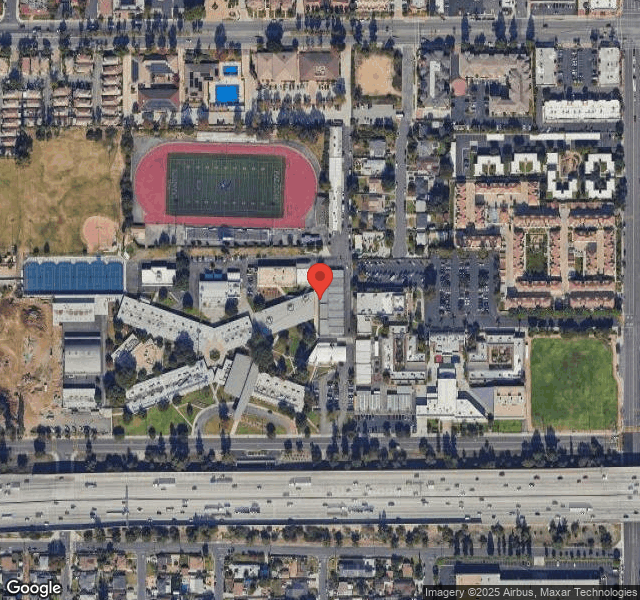

1340 HIGHLAND AVE., DUARTE, CA 91010 (626) 256-4654
For profit - Limited Liability company 58 Beds SERRANO GROUP Data: November 2025
Trust Grade
80/100
#184 of 1155 in CA
Last Inspection: May 2025

Inspected within the last 6 months. Data reflects current conditions.

Overview

Royal Terrace Healthcare in Duarte, California, has a Trust Grade of B+, which means it is recommended and above average compared to other facilities. It ranks #184 out of 1,155 facilities in California, placing it in the top half overall, and it is #34 out of 369 in Los Angeles County, indicating that only a few local options are better. The facility is improving, with a decrease in issues from 13 in 2024 to 12 in 2025. Staffing is a concern with a turnover rate of 51%, higher than the state average of 38%, but the facility has no fines on record, which is a positive sign. However, there have been specific concerns noted, such as the failure to ensure safe food storage, which could lead to foodborne illness, and a lack of proper assistance for residents with significant care needs, which could impact their well-being. Overall, while the facility has strengths like its high overall star rating, these weaknesses warrant careful consideration.

Trust Score
B+
80/100
In California
#184/1155
Top 15%
Safety Record
Low Risk
No red flags
Inspections
Getting Better
13 → 12 violations
Staff Stability
⚠ Watch
51% turnover. Above average. Higher turnover means staff may not know residents' routines.
Penalties
✓ Good
No fines on record. Clean compliance history, better than most California facilities.
Skilled Nurses
⚠ Watch
Each resident gets only 29 minutes of Registered Nurse (RN) attention daily — below average for California. Fewer RN minutes means fewer trained eyes watching for problems.
Violations
⚠ Watch
35 deficiencies on record. Higher than average. Multiple issues found across inspections.
★★★★★
5.0
Overall Rating
★★★☆☆
3.0
Staff Levels
★★★★★
5.0
Care Quality
★★★★☆
4.0
Inspection Score
Stable
2024: 13 issues
2025: 12 issues

The Good

  • 5-Star Quality Measures · Strong clinical quality outcomes
  • Full Sprinkler Coverage · Fire safety systems throughout facility
  • No fines on record

Facility shows strength in quality measures, fire safety.

The Bad

Staff Turnover: 51%

Near California avg (46%)

Higher turnover may affect care consistency

Chain: SERRANO GROUP

Part of a multi-facility chain

Ask about local staffing decisions and management

The Ugly 35 deficiencies on record

Sept 2025 1 deficiency
CONCERN (D) 📢 Someone Reported This

A family member, employee, or ombudsman was alarmed enough to file a formal complaint

Potential for Harm - no one hurt, but risky conditions existed

Accident Prevention (Tag F0689)

Could have caused harm · This affected 1 resident

Based on interview and record review, the facility failed to ensure one of two sampled residents (Resident 1), received interventions for the risk of elopement (a resident leaves the premises or a saf...

Read full inspector narrative →
Based on interview and record review, the facility failed to ensure one of two sampled residents (Resident 1), received interventions for the risk of elopement (a resident leaves the premises or a safe area without the facility's knowledge) when Resident 1 expressed to RN 1 that Resident 1 wanted to leave the facility. This failure resulted in Resident 1 leaving the facility unsupervised on 9/7/2025 and had the potential for Resident 1 to be injured. Findings:During a review of Resident 1's admission Record (AR), the AR indicated the facility admitted Resident 1 on 5/21/2025 with diagnoses including cirrhosis of liver (chronic liver damage), chronic congestive heart failure (a condition in which the heart cannot pump enough blood to all parts of the body), and hepatic encephalopathy (brain disease that alters brain function or structure). During a review of Resident 1's History and Physical (H&P), dated 5/23/2025, the H&P indicated Resident 1 had the capacity to understand and make own medical decisions. During a review of Resident 1's Progress Notes (PN), dated 9/9/2025, The PN indicated that RN 1 documented the following on 9/7/2025 at 10:20 AM: Activity staff was looking for resident (Resident 1), resident (Resident 1) was not in his room, staff immediately started looking for resident (Resident 1) every where in side and outside the facility, resident was no where to be found, drove around the community looking for him. Per staff resident (Resident 1) was last seen around 9:45am. Around 7:20 am resident (Resident 1) verbalized wanting to leave the facility . Resident (Resident 1) was asked where are you going? Resident (Resident 1) unable to provide us with an address stated going to a friend house. During a telephone interview on 9/9/2025, at 1:33 PM with RN 1, RN 1 stated RN 1 was the supervisor on 9/7/2025 when Resident 1 left the facility. RN 1 stated Resident 1 came to the nurses' station around 9:00 AM on 9/7/2025 and told RN 1 that Resident 1 wanted to leave the facility and go home. RN 1 stated RN 1 explained to Resident 1 the risks of leaving against medical advice (AMA) and RN 1 did notify Resident 1's doctor that Resident 1 wanted to leave. RN 1 stated that at 10:20 AM, the facility discovered Resident 1 was missing from the facility. RN 1 stated Resident 1 did not notify anyone that he was leaving the facility. During a concurrent interview and record review on 9/9/2025 at 3:16 PM with the Director of Nursing (DON), Resident 1's Wander/Elopement Risk Evaluation (EE), dated 5/21/2025 was reviewed. The EE indicated, the EE would be completed by a member of the interdisciplinary team (IDT, a group of health care professionals with various areas of expertise who work together toward the goals of the resident) upon admission, quarterly and with a significant change. The EE indicated that one of the questions used to determine if Resident 1was at risk for eloping was, Verbalization of leaving the facility? This question was checked no. The EE indicated Resident 1 was not an elopement risk on 5/21/2025. The DON stated if Resident 1 verbalized he wanted to leave the facility at any point, Resident 1 would be considered an elopement risk. The DON stated if Resident 1 said Resident 1 wanted to leave the facility, then facility staff (in general) should fill out another EE. The DON stated RN 1 did not complete an EE on 9/7/2025, after Resident 1 told RN 1 that Resident 1 wanted to leave the facility and go home. The DON stated Resident 1 would be considered an elopement risk after expressing Resident 1 wanted to leave the facility. The DON stated the facility staff (in general) should monitor Resident 1 closely and make sure Resident 1 was not packing his belongings to leave the facility. During a review of the facility's policy and procedure (P&P) titled, Elopement & Wandering, undated, the P&P indicated, A Wander/Elopement assessment will be completed on all residents upon admission to the facility. The elopement risk is assessed quarterly or as needed with change of condition.
Jul 2025 1 deficiency
CONCERN (D) 📢 Someone Reported This

A family member, employee, or ombudsman was alarmed enough to file a formal complaint

Potential for Harm - no one hurt, but risky conditions existed

Quality of Care (Tag F0684)

Could have caused harm · This affected 1 resident

Based on interview and record review, the facility failed to provide necessary (needed) care and services to one of three sampled residents (Resident 1) in accordance with the facility's policy and pr...

Read full inspector narrative →
Based on interview and record review, the facility failed to provide necessary (needed) care and services to one of three sampled residents (Resident 1) in accordance with the facility's policy and procedure (P&P) titled, Changes in Resident Condition, when:a. Registered Nurse (RN) 3 and LVN 1 did not notify Resident 1's physician regarding Resident 1's complaint of pain and not feeling well, and Resident 1's request to be transferred to a General Acute Care Hospital (GACH) on 7/20/2025 during the 3-11 shift (3 PM to 11:30 PM).b. Registered Nurse (RN) 3 and LVN 1 did not document Resident 1's complaint of pain and not feeling well, and Resident 1's request to be transferred to a GACH in Resident 1's medical record on 7/20/2025.c. RN 1 did not notify a physician regarding Resident 1's complaint of pain and Resident 1's and Resident 1's Representative's (RR 1 - someone authorized to make healthcare decisions on behalf of another person) request for Resident 1 to be transferred to a GACH on 7/21/2025 at 2 AM.d. RN 1 did not document in Resident 1's medical record regarding Resident 1's complaint of pain and Resident 1's and RR 1's request for Resident 1 to be transferred to a GACH on 7/21/2025 at 2 AM.These failures resulted in delaying Resident 1's treatment and care for Resident 1's complaint of pain and not feeling well and had the potential for Resident 1 to experience a decline in health and wellbeing.During a review of Resident 1's admission Record (AR), the AR indicated the facility admitted Resident 1 on 4/23/2025 and readmitted Resident 1 on 5/14/2025 with diagnoses including type 2 diabetes mellitus (a chronic condition that affects the way the body processes blood sugar), hypertension (high blood pressure), and hemiplegia (muscle weakness or partial paralysis on one side of the body that can affect the arms, legs, and facial muscles).During a review of Resident 1's History and Physical (H&P), dated 4/25/2025, the H&P indicated Resident 1 had the capacity to understand and make his own decisions.During a review of Resident 1's Minimum Data Set (MDS, a resident assessment tool), dated 7/22/2025, the MDS indicated Resident had no impairment in cognitive skills (ability to make daily decisions). The MDS indicated Resident 1 required partial/moderate (helper does less than half the effort) assistance from staff for dressing, bathing, and personal hygiene.During a review of Resident 1's GACH H&P, dated 7/23/2025 and timed 10:58 AM, the H&P indicated Resident 1 was admitted to GACH 1 Emergency Department on 7/22/2025 at 12:18 PM with complaint of shortness of breath, cough, and chest pain. The H&P indicated Resident 1 was admitted to GACH 1 for aspiration (when something you swallow enters your lungs) pneumonia (an infection/inflammation in the lungs).During an interview on 7/30/2025 at 10:17 AM with RR 1, RR 1 stated Resident 1 called RR 1 on 7/21/2025 at 2 AM and informed RR 1 that Resident 1 was waiting to go to the hospital because Resident 1 had chest pain and was coughing. RR 1 stated RR 1called and spoke to the Social Services Director (SSD) on 7/21/2025 at 9:45 AM. RR 1 stated RR 1 asked the SSD when Resident 1 would be sent to the hospital. RR 1 stated the SSD informed RR 1 the SSD would speak to the Director of Nursing (DON) about Resident 1 being sent to the hospital. RR 1 stated RR 1 called again at 1:45 PM and was able to speak with the DON. RR 1stated the DON was not aware of Resident 1's complaint of chest pain or that Resident 1 was requesting to be sent to the hospital. RR 1 stated RR 1 called later at 10:30 PM and spoke to Registered Nurse (RN) 1. RR 1 stated RN 1 informed RR 1 that RN 1 was waiting for the doctor to determine which hospital the facility would send Resident 1 to on 7/21/2025 at 2 AM. RR 1 stated RR 1 spoke to another unidentified nurse during the night of 7/21/2025 and was informed the facility would notify RR 1 when the doctor called back. RR 1 stated RR 1 called the facility early in the morning of 7/22/2025 and spoke to RN 2 about Resident 1's complaint of chest pain and asked about the transfer to the hospital. RR 1 stated RN 2 called RR 1 back in 1/2 hour and informed RR 1 that Resident 1 would be transferred to the hospital at 10:30 AM on 7/22/2025.During an interview on 7/30/2025 at 10:55 AM with Resident 1, Resident 1 stated Resident 1 started to feel ill with a cough on 7/20/2025. Resident 1 stated Resident 1 informed the staff (unidentified) the evening of 7/20/2025 that Resident 1 had a cough. Resident 1 stated Resident 1 informed the nurse (unidentified) on 7/21/2025 at around 2 AM that Resident 1 was short of breath (SOB) and that Resident 1's chest hurt whenever Resident 1 took a breath. Resident 1 stated the facility staff (unidentified) just wanted to give Resident 1 medicine for the cough but Resident 1 informed the facility staff (unidentified) Resident 1 needed to go to the hospital. Resident 1 stated Resident 1 felt upset because the facility waited over 24 hours before listening to Resident 1 and before sending Resident 1 to the hospital. Resident 1 stated Resident 1 knew something was wrong. Resident 1 stated Resident 1 knew Resident 1's body. Resident 1 stated Resident 1 spent 7 days at GACH 1 with pneumonia in both lungs.During a concurrent interview and record review on 7/30/2025 at 12:10 PM with RN 2, Resident 1's Change in Condition Evaluation (CIC), dated 7/22/2025 and timed 8:14 AM, was reviewed. The CIC indicated Resident 1 had, Elevated BP (blood pressure), cough and chest tightness. The CIC indicated Resident 1's doctor ordered for Resident 1 to be sent to GACH 1. RN 2 stated Resident 1 had been pushing to go to the hospital for the last two days.During an interview on 7/30/2025 at 12:51 PM with the SSD, the SSD stated RR 1 called the SSD on 7/21/2025 during the day (time unknown) and wanted to speak to the SSD about Resident 1 being transferred to a hospital. The SSD stated RR 1 informed the SSD Resident 1 had a cough and was having pain. The SSD stated RR 1 wanted Resident 1 to be transferred to the hospital. The SSD stated the SSD directed RR 1 to talk to the nursing staff (in general).During an interview on 7/31/2025 at 10:53 AM with Licensed Vocational Nurse (LVN) 1, LVN 1 stated Resident 1 complained of having back pain and requested to go to the hospital on 7/20/2025 during the evening time (exact time unknown). LVN 1 stated LVN 1 texted Resident 1's doctor but that the doctor did not reply. LVN 1 stated LVN 1 did not try to call the doctor when the doctor did not respond to the text message.During an interview on 7/31/2025 at 2:24 PM with RN 3, RN 3 stated RN 3 was the supervisor on the 3-11 shift on 7/20/2025. RN 3 stated RN 3 was notified by LVN 1 that Resident 1 wanted to go to the hospital. RN 3 stated Resident 1 told RN 3 that Resident 1 was in pain and wanted to go to the hospital. RN 3 stated Resident 1 claimed Resident 1 did not feel good. RN 3 stated LVN 1 notified Resident 1's doctor. RN 3 stated RN 3 was under the impression LVN 1 spoke to Resident 1's doctor about Resident 1's complaint of pain and wanting to be transferred to a hospital. RN 3 stated LVN 1 should have spoken to Resident 1's doctor and completed a CIC in Resident 1's medical record.During a concurrent interview and record review on 7/31/2025 at 2:38 PM with the DON, the facility's 24-hour communication log, undated, was reviewed. The 24-hour communication log indicated RN 1 made an entry regarding Resident 1on 7/21/2025 at 4:39 PM which indicated, Paged (Resident 1's doctor) regarding resident (Resident 1) and (RR 1) requesting to be transferred to (GACH 1) d/t uncontrollable pain. Paged MD twice on our shift. Awaiting for response. The DON confirmed Resident 1's medical record did not contain documentation regarding Resident 1's complaints of pain and requests to go to the hospital until 7/22/2025. The DON stated RN 1 should have filled out a CIC on 7/21/2025 when Resident 1 had uncontrolled pain. The DON stated the DON was not made aware of Resident 1's complaints of pain or request to be transferred to the hospital until 7/21/2025 while the DON was driving home in the evening. The DON stated the DON instructed the facility staff (unidentified) to call Resident 1's doctor. The DON stated the facility staff should have called the DON if they were unable to reach Resident 1's doctor. The DON confirmed the facility staff did not get a hold of Resident 1's doctor until 7/22/2205 at 8:14 AM.During a review of the P&P titled, Changes in Resident Condition, undated, the P&P indicated, A facility must immediately. consult with the resident's physician.when there is: .A significant change in the resident's physical, mental, or psychosocial status (i.e., a deterioration in health, mental, or psychosocial status in either life - threatening conditions or clinical). The P&P indicated, Document in the resident's medical record: Date and time of change of condition - Who (physician/family member/responsible party) was notified regarding the condition change, information communicated, response and/or orders received, assessment of resident condition and ongoing monitoring of resident condition, care provided, document the time emergency personnel arrived and took over the care of the resident, if applicable, and update the care plan as needed.
May 2025 10 deficiencies
CONCERN (D)

Potential for Harm - no one hurt, but risky conditions existed

Resident Rights (Tag F0550)

Could have caused harm · This affected 1 resident

**NOTE- TERMS IN BRACKETS HAVE BEEN EDITED TO PROTECT CONFIDENTIALITY** Based on observation, interview, and record review, the facility failed to provide privacy for one of one sampled resident (Resi...

Read full inspector narrative →
**NOTE- TERMS IN BRACKETS HAVE BEEN EDITED TO PROTECT CONFIDENTIALITY** Based on observation, interview, and record review, the facility failed to provide privacy for one of one sampled resident (Resident 30) when staff did not close the privacy curtain while checking Resident 30's Gastrostomy tube (G-tube, feeding tube that is surgically placed through an opening into the stomach from the abdominal wall) site. This deficient practice violated Resident 30's right to bodily privacy and resulted in unnecessary exposure of Resident 30's abdominal area and lower extremities. This deficient practice had the potential to affect Resident 30's psychosocial (mental and emotional) well-being, self-esteem, and self-worth. Findings: During a review of Resident 30's admission Record (AR), the AR indicated Resident 30 was admitted to the facility on [DATE], with diagnoses that included encounter for attention to gastrostomy (creation of an artificial external opening into the stomach for nutritional support) and dysphagia (difficulty swallowing). During a review of Resident 30's Physician Order (PO) dated 3/20/2025, the PO indicated for staff to administer Nutren 2.0 (liquid formula used for G-tube feeding) at 60 cubic centimeters per hour (cc/hr.- unit of measurement) for 20 hours to provide 1,200 cc per 2,400 kilo calories (kcal, unit of energy) in 24 hours turn on at 2 p.m., turn off at 10 am or until total volume is infuse via pump (medical device used to deliver tube feeding). During a review of Resident 30's Minimum Data Set (MDS - a federally mandated resident assessment tool) dated 4/24/2025, the MDS indicated Resident 30 had severely impaired cognition (mental action or process of acquiring knowledge and understanding) for daily decision making. The MDS indicated Resident 630 was dependent (helper does all of the effort) on staff for oral hygiene, toileting, showering/bathing self, upper and lower body dressing, putting on/taking off footwear, and personal hygiene. During an observation on 5/27/2025 at 8:40 a.m. with the Director of Staff Development (DSD), in Resident 30's room, Resident 30 was awake, lying in bed. The DSD pulled up Resident 30's gown and checked Resident 30's G-tube site. The DSD did not close Resident 30's privacy curtain to provide Resident 30 privacy, exposing Resident 30's abdominal area and lower extremities to Resident 30's roommate and hallway. During an interview on 5/27/2025 at 8:42 a.m. with the DSD, the DSD stated the DSD pulled up Resident 30's gown to check Resident 30's G-tube site and did not close the privacy curtain to provide Resident 30 privacy, exposing Resident 30's abdomen and lower extremities. The DSD stated privacy curtain needed to be closed during ADLs to provide privacy. During an interview on 5/28/2025 at 1:55 p.m. with the Director of Nursing (DON), the DON stated Resident 30s' privacy curtain needed to be closed during care and ADLs to provide dignity by not exposing Resident 30's body parts. During a review of the facility's policy and procedure (P&P) titled, Quality of Life-Dignity, revised 2/2020, the P&P indicated, staff promote, maintain and protect resident privacy, including privacy during assistance with personal care and during treatment procedures.
CONCERN (D)

Potential for Harm - no one hurt, but risky conditions existed

Deficiency F0558 (Tag F0558)

Could have caused harm · This affected 1 resident

**NOTE- TERMS IN BRACKETS HAVE BEEN EDITED TO PROTECT CONFIDENTIALITY** Based on observation, interview, and record review, the facility failed to ensure the call light (an alerting device for nurses ...

Read full inspector narrative →
**NOTE- TERMS IN BRACKETS HAVE BEEN EDITED TO PROTECT CONFIDENTIALITY** Based on observation, interview, and record review, the facility failed to ensure the call light (an alerting device for nurses or other nursing personnel to assist a patient when needed) was within reach and appropriate to the patient's physical ability for one of one sampled resident (Resident 29). This failure had the potential to result in a delay in meeting Resident 29's needs for assistance and could have led to a fall or accident. Findings: During a review of Resident 29's admission Record (AR), the AR indicated Resident 29 was admitted to the facility on [DATE] with diagnoses that included muscle weakness and contractures of both hips, both knees and the left elbow. During a review of Resident 29's History & Physical (H&P), dated 10/17/2024, the H&P indicated the resident had the capacity to understand and make decisions. During a review of Resident 29's Minimum Data Set (MDS, a resident assessment tool), dated 4/12/2025, the MDS indicated Resident 29 had intact cognition (ability to understand), had upper extremity (shoulder, elbow, wrist, hand) impairment on one side, and required partial/moderate assistance (helper does less than half the effort. Helper lifts or holds, or supports trunk or limbs, but provides less than half the effort) to roll left and right (roll from lying on back to left and right side and return to lying on back on the bed). During a review of Resident 29's Care Plan, dated 4/27/2025, the Care Plan indicated Resident 29 had limited physical mobility related to generalized weakness and contractures. During a review of Resident 29's Occupational Therapy Evaluation and Plan of Treatment (OTE), dated 4/30/2025, the OTE indicated Resident 29 demonstrated decreased strength, balance, activity tolerance, and safety and Activities of Daily Living (ADLs- routine tasks/activities such as bathing, dressing and toileting a person performs daily to care for themselves). During a concurrent observation and interview on 5/27/2025 at 9:59 a.m. while in Resident 29's room, Resident 29 was lying on his left side and was unable to locate his call light. Certified Nurse Assistant 1 (CNA 1) stated it was behind the resident's right backside and handed it to the resident. The resident stated, he was unable to reach the call light. During an interview on 5/27/2025 at 10:03 a.m. with Licensed Vocational Nurse 1 (LVN 1) at Resident 29's bedside, LVN 1 stated the call light should be within the resident's reach to allow the resident to get help if needed. LVN 1 stated, if Resident 29 couldn't get help when needed he will scream, but stated he should not have to do that. During an interview on 5/30/2025 at 10:02 a.m. with the Director of Nursing (DON), the DON stated Resident 29 had a limited range of motion and the call light should have been within reach to accommodate his call light use. The DON further stated, the call light should be within reach of the resident, on the bed or wherever they prefer within their reach. The DON stated, if the call light was on the ground they may reach for it and fall or won't get assistance when needed because they wouldn't have the call light to use. During a review of the facility's policy and procedure (P&P) titled, Answering the Call Light, dated 2001, the P&P indicated, the purpose of the call light procedure is to respond to the resident's requests and needs and ensure the call light is accessible to the resident when in bed.
CONCERN (D)

Potential for Harm - no one hurt, but risky conditions existed

Comprehensive Care Plan (Tag F0656)

Could have caused harm · This affected 1 resident

**NOTE- TERMS IN BRACKETS HAVE BEEN EDITED TO PROTECT CONFIDENTIALITY** Based on interview and record review, the facility failed to develop an individualized and comprehensive hospice plan of care fo...

Read full inspector narrative →
**NOTE- TERMS IN BRACKETS HAVE BEEN EDITED TO PROTECT CONFIDENTIALITY** Based on interview and record review, the facility failed to develop an individualized and comprehensive hospice plan of care for one of two sampled residents (Resident 95). This failure had the potential for Resident 95 to not receive the necessary care, treatment, and services. Findings: During a review of Resident 95's admission Record (AR), the AR indicated Resident 95 was admitted to the facility on [DATE] with diagnoses that included cirrhosis (a condition in which the liver is scarred and permanently damaged), hepatic encephalopathy (loss of brain function when a damaged liver doesn't remove toxins from the blood) and congestive heart failure (CHF, a heart disorder which causes the heart to not pump the blood efficiently, sometimes resulting in leg swelling). During a review of Resident 95's Order Summary Report (OSR), dated 5/22/2025, the OSR indicated Resident 95 was admitted to the facility on hospice. During a concurrent interview and record review on 5/28/2025 at 11:19 a.m. with the Social Services Director (SSD), Resident 95's hospice medical record (chart) and electronic medical record (EMR) were reviewed. The SSD stated Resident 95 did not have a hospice care plan developed and initiated by the hospice provider and the facility. The SSD stated all residents on hospice should have a comprehensive, individualized and coordinated care plan developed and initiated upon admission to determine and address Resident 95's care needs, goals and interventions. During an interview on 5/28/2025 at 1:53 p.m. with the Director of Nursing (DON), the DON stated all residents on hospice should have a hospice care plan developed by both the hospice provider and the facility to address in a coordinated manner the specific needs of the resident to promote physical and psychosocial well-being. During a review of the facility's undated Policy and Procedures (P&P) titled, Hospice Care, the P&P indicated, When a facility resident elects to have hospice care, the facility staff communicates with the hospice agency to establish and agree upon a coordinated plan of care that is based upon an assessment of the resident's needs and living situation in the facility. Develop a plan of care that reflects the participation of the hospice agency and the facility, and the resident and family to the extent possible.
CONCERN (D)

Potential for Harm - no one hurt, but risky conditions existed

Pressure Ulcer Prevention (Tag F0686)

Could have caused harm · This affected 1 resident

**NOTE- TERMS IN BRACKETS HAVE BEEN EDITED TO PROTECT CONFIDENTIALITY** Based on observation, interview and record review, the facility failed to ensure the Low Air Loss (LAL) mattress (Alternating Pr...

Read full inspector narrative →
**NOTE- TERMS IN BRACKETS HAVE BEEN EDITED TO PROTECT CONFIDENTIALITY** Based on observation, interview and record review, the facility failed to ensure the Low Air Loss (LAL) mattress (Alternating Pressure Mattress which provides alternating pressure and is designed to be used in the prevention, treatment and management of pressure injury which is a localized damage to the skin and underlying soft tissue usually over a bony prominence and maybe caused by intense or prolonged pressure over the site) was set up accurately according to manufacturer's instruction for one of two sampled residents (Resident 6). This deficient practice had the potential to result in the risk of reoccurring of pressure injury for Resident 6. Findings: During a review of Resident 6's admission Record (AR), the AR indicated Resident 6 was initially admitted to the facility on [DATE] and readmitted on [DATE] with diagnoses that included pressure ulcer (lesion/wound caused by unrelieved pressure that results in damage of underlying tissue) of sacral (large, triangular bone at the base of the spine) region Stage 4 (ulcer that extends into the muscle and bone and causing extensive damage) and morbid (severe) obesity (condition in which the body mass index [BMI, scale that helps medical professionals determine if a person is within a healthy weight range] is over 40 or is 100 pounds over their ideal body weight which is a serious health condition that can interfere with basic physical functions such as breathing or walking) due to excess calories (a standard unit of measuring energy). During a review of Resident 6's untitled CP initiated on 2/25/2025, the CP indicated Resident 6 had impaired skin integrity related to a sacral coccyx (the fused sacrum and coccyx [the triangular arrangement of bone that makes up the very bottom portion of the spine below the sacrum]) Stage 4 pressure injury. The CP interventions included that Resident 6 would have a low air loss mattress for wound management and for staff to monitor for function and placement, and the low air loss mattress settings to be according to the residents' weight/personal preference. During a review of Resident 6's Minimum Data Set (MDS - a federally mandated resident assessment tool) dated 3/7/2025, the MDS indicated Resident 6 had intact cognition (mental action or process of acquiring knowledge and understanding) for daily decision making. The MDS indicated Resident 6 was dependent (helper does all of the effort) to staff for eating, oral hygiene, toileting hygiene, shower, lower body dressing, putting on/off footwear and personal hygiene. During a review of Resident 6's Monthly Weight and Vitals Summary, it indicated Resident 6 was 144 lbs. on 5/19/2025. During a review of Resident 6's Order Summary Report (OSR) dated 5/27/2025, the OSR indicated Resident 6 may have a low air loss mattress for wound management. The OSR indicated to monitor for function and placement, and the LAL mattress settings are to be according to residents' weight/personal preference. During an observation and concurrent interview on 5/27/2025 at 8:29 a.m., with the Director of Staff and Development (DSD), Resident 6 was observed awake and lying on a LAL mattress. Resident 6's LAL mattress was set between 350 pounds (lbs., unit of measurement) to firm. The DSD stated the LAL mattress was on the wrong setting. The DSD stated, the weight setting should be set up by Resident 6's actual weight. During an observation and concurrent interview on 5/27/2025 at 8:32 a.m., with the Infection Prevention Nurse (IPN), the IPN stated, the setting should be in between 150 lbs. to 180 lbs. The IPN stated, the LAL mattress should be set up according to Resident 6's weight. During an interview on 5/27/2025 at 8:38 a.m. with Resident 6, Resident 6 stated The bed was not firm anymore as compared before. During an interview on 5/28/2025 at 1:57 p.m. with the facility's Director of Nursing (DON), the DON stated, the LAL mattress needed to be set up based on the residents' weight and preference comfort level or it would defeat the purpose which is to prevent deterioration of wounds and/or to prevent from developing pressure injury if not set up based on the residents' weight. During a review of the undated user manual titled, DynaRest Airfloat 100 Air Mattress with Pump, the user manual indicated to turn the pressure adjust knob (adjustable by patient's weight) to set a comfortable pressure level by using the weight scale as a guide.
CONCERN (D)

Potential for Harm - no one hurt, but risky conditions existed

Deficiency F0698 (Tag F0698)

Could have caused harm · This affected 1 resident

**NOTE- TERMS IN BRACKETS HAVE BEEN EDITED TO PROTECT CONFIDENTIALITY** Based on observation, interview, and record review, the facility failed to ensure dialysis (a treatment to cleanse the blood of ...

Read full inspector narrative →
**NOTE- TERMS IN BRACKETS HAVE BEEN EDITED TO PROTECT CONFIDENTIALITY** Based on observation, interview, and record review, the facility failed to ensure dialysis (a treatment to cleanse the blood of wastes and extra fluids artificially through a machine when the kidney(s) have failed) residents had a dialysis emergency kit (E-kit, contains the main items needed in an emergency) at the bedside for one of three sampled residents (Resident 93). This failure had the potential to result in Resident 93 to not receive or to receive delayed care and emergency treatment from complications caused by unexpected bleeding from the hemodialysis access site. Findings: During a review of Resident 93's admission Record (AR), the AR indicated Resident 93 was initially admitted to the facility on [DATE] and readmitted on [DATE] with diagnoses that included end stage renal disease (irreversible kidney failure), hydronephrosis (a condition characterized by excess fluid in a kidney due to a backup of urine) and dependence on hemodialysis (a treatment to cleanse the blood of wastes and extra fluids artificially through a machine when the kidney(s) have failed). During a review of Resident 93's Care Plan (CP), dated 12/23/2024, the CP indicated Resident 93 needed hemodialysis related to acute renal failure (ARF, a condition in which the kidneys suddenly can't filter waste from the blood). The CP goals indicated Resident 93 would have immediate intervention should any signs and symptoms of complications from dialysis occur. During a review of Resident 93's Minimum Data Set (MDS, a resident assessment tool), dated 4/10/2025, the MDS indicated Resident 93 had moderately impaired cognition (ability to understand and process information). The MDS indicated Resident 93 required partial/moderate assistance (helper did less than half the effort) with oral hygiene, upper body dressing and personal hygiene. The MDS indicated Resident 93 required substantial/maximal assistance (helper did more than half of the effort) with toileting and shower. During a concurrent observation and interview while inside Resident 93's room on 5/27/2025 at 9:03 a.m. with Certified Nurse Assistant 2 (CNA 2), Resident 93 was in bed, on his back with an hemodialysis access site on Resident 93's left upper chest. CNA 2 stated Resident 93 did not have an E-kit at the bedside. CNA 2 stated Resident 93 should have an E-kit at the bedside for use in case of bleeding from the dialysis access site. During an interview on 5/28/2025 at 2:02 p.m. with the Director of Nursing (DON), the DON stated all dialysis residents needed to have an E-kit at the bedside with supplies readily available and accessible in an emergency like bleeding from the dialysis access site. During a review of the facility's Policy and Procedures titled, Hemodialysis Access Care, revised September 2010, the P&P indicated, Mild bleeding from site (post-dialysis) can be expected. Apply pressure to insertion site and contact dialysis center for instructions. If there is major bleeding from the site (post-dialysis), apply pressure to the insertion site and contact emergency services and dialysis center. Verify that clamps are closed on lumens. This is a medical emergency. Do not leave resident alone until emergency services arrive.
CONCERN (D)

Potential for Harm - no one hurt, but risky conditions existed

Pharmacy Services (Tag F0755)

Could have caused harm · This affected 1 resident

**NOTE- TERMS IN BRACKETS HAVE BEEN EDITED TO PROTECT CONFIDENTIALITY** Based on observation, interview, and record review, the facility failed to administer Dilaudid (a controlled pain medication) wi...

Read full inspector narrative →
**NOTE- TERMS IN BRACKETS HAVE BEEN EDITED TO PROTECT CONFIDENTIALITY** Based on observation, interview, and record review, the facility failed to administer Dilaudid (a controlled pain medication) within ordered parameters for one of four sampled residents (Resident 193). This failure resulted in professional standards of practice not being followed and had the potential to ineffectively manage Resident 193's pain. Findings: During a review of Resident 193's admission Record (AR), the AR indicated Resident 193 was admitted to the facility on [DATE] with diagnoses that included multiple left-sided rib fractures and high blood pressure. During a review of Resident 193's History & Physical (H&P), dated 5/14/2025, the H&P indicated the resident had the capacity to understand and make decisions. During a review of Resident 193's Minimum Data Set (MDS, a resident assessment tool), dated 5/19/2025, the MDS indicated Resident 193 had intact cognition (ability to understand). During a review of Resident 193's Order Summary Report, the report indicated Resident 193 had an active order for Dilaudid oral tablet 2 milligram (mg) (Hydromorphone HCl) -give one (1) mg. by mouth every four hours, as needed for moderate pain (4-6) on the pain scale (a pain rating scale of zero being no pain, and 10 being the worst possible pain, severe pain is rated as 7-10 on a 1-10 scale) and was ordered on 5/12/2025. During a review of Resident 193's Care Plan, dated 5/27/2025, the care plan indicated Resident 193 was receiving Dilaudid for pain medication therapy and should be administered as ordered by the physician. During a medication administration observation on 5/29/2025 at 8:12 a.m. with Licensed Vocational Nurse 2 (LVN 2), LVN 2 administered 1 mg of Dilaudid for moderate pain (4-6) to Resident 193 after assessing Resident 193's pain to be a seven out of 10 on the pain scale. LVN 2 stated, the Dilaudid was indicated for moderate pain at the level of four to six. LVN 2 stated, pain medication for severe pain was unavailable for Resident 193 and would re-assess Resident 193's pain then contact the physician for another order. During a concurrent observation and interview on 5/29/2025 at 10:18 a.m. with Resident 193 in Resident 193's room, Resident 193 was sitting calmly on his bed. Resident 193 stated he had several broken ribs for which he received the Dilaudid and a lidocaine patch (patch used to reduce pain). Resident 193 stated, if he needed more pain medication he would request it from the nurses. During an interview on 5/30/2025 at 10:04 a.m. with the Director of Nursing (DON), the DON stated the physician should have been notified by the charge or desk nurse to get the appropriate orders and address Resident 193's pain level. DON stated, the physician's ordered parameters were not followed, the pain medication given should have been for the treatment of severe pain. DON further stated, this could have led to ineffective pain management for Resident 193. DON further stated, not following the parameters of physician orders for other medications could lead to more severe consequences on the resident. During a review of the facility's policy and procedure (P&P) titled, Administering Medications, revised 4/2019, the P&P indicated, medications are administered in accordance with prescriber orders. During a review of the facility's policy and procedure (P&P) titled, Adverse Consequences and Medication Errors, revised 4/2014, the P&P indicated, a medication error is defined as the preparation for administration of drugs or biological which is not in accordance with physician's orders .or accepted professional standards and principles of the professional(s) providing services.
CONCERN (D)

Potential for Harm - no one hurt, but risky conditions existed

Deficiency F0761 (Tag F0761)

Could have caused harm · This affected 1 resident

Based on observation, interview, and record review, the facility failed to ensure the medication refrigerator (MR) was maintained at a temperature between 36 degrees Fahrenheit (F, unit of measurement...

Read full inspector narrative →
Based on observation, interview, and record review, the facility failed to ensure the medication refrigerator (MR) was maintained at a temperature between 36 degrees Fahrenheit (F, unit of measurement for temperature) to 46 degrees F for one of one sampled medication refrigerator. This failure had the potential to result in medications stored in the medication refrigerator to become unstable and ineffective. Findings: During a review of the Medication Refrigerator MR temperature recording log, dated 5/2025, the MR temperature recording log indicated, the MR had a temperature recorded at 48 degrees F on 5/23/2025 and 5/24/2025. During a concurrent observation and interview while inside the facility's medication room on 5/29/2025 at 11:22 a.m. with Licensed Vocational Nurse 3 (LVN 3), the MR's temperature was 34 degrees F. LVN 3 stated the MR's temperature should always be kept between 36 to 46 degrees F. LVN 3 stated not keeping the temperature of MR between 36 to 46 degrees F might reduce the medications efficacy and effectiveness. During an interview on 5/29/2025 at 12:50 p.m. with the Director of Nursing (DON), the DON stated keeping the MR out of the recommended temperature range might affect and alter the stability, effectiveness and efficacy of the medications stored. During a review of the facility's undated Policy and Procedure (P&P) titled, Temperature Control, the P&P indicated, Drugs requiring refrigeration shall be stored in a refrigerator between two degrees Celsius (C, unit of measurement for temperature based on water) or 36 degrees°F and 8 \degrees°C or 46 degrees°F. A Daily Medication Refrigerator Temperature log will be kept to assure that the temperature is maintained. Adjustments are made to the thermostat control as needed.
CONCERN (E)

Potential for Harm - no one hurt, but risky conditions existed

Deficiency F0578 (Tag F0578)

Could have caused harm · This affected multiple residents

**NOTE- TERMS IN BRACKETS HAVE BEEN EDITED TO PROTECT CONFIDENTIALITY** b. During a review of Resident 93's AR, the AR indicated Resident 93 was initially admitted to the facility on [DATE] and readmi...

Read full inspector narrative →
**NOTE- TERMS IN BRACKETS HAVE BEEN EDITED TO PROTECT CONFIDENTIALITY** b. During a review of Resident 93's AR, the AR indicated Resident 93 was initially admitted to the facility on [DATE] and readmitted on [DATE] with diagnoses that included end stage renal disease (irreversible kidney failure), hydronephrosis (a condition characterized by excess fluid in a kidney due to a backup of urine) and dependence on hemodialysis (a treatment to cleanse the blood of wastes and extra fluids artificially through a machine when the kidney(s) have failed). During a review of Resident 93's MDS, dated [DATE], the MDS indicated Resident 93 had moderately impaired cognition (ability to understand and process information). The MDS indicated Resident 93 required partial/moderate assistance (helper did less than half the effort) with oral hygiene, upper body dressing and personal hygiene. The MDS indicated Resident 93 required substantial/maximal assistance (helper did more than half the effort) with toileting and shower. During a concurrent interview and record review on 5/27/2025 at 10:18 a.m. with the Social Services Director (SSD), Resident 93's medical record (chart) and electronic medical record (EMR) were reviewed. SSD stated there was no copy of an AD or AD acknowledgement form in Resident 93's chart or EMR. The SSD stated a copy of an AD and ADA form should be updated and, in the chart, and/or uploaded into the EMR of the resident with each admission or readmission and accessible for the staff to know the resident's wishes and preferences in case of an emergency and how to care for the resident while residing in the facility. During an interview on 5/28/2025 at 1:54 p.m. with the DON, the DON stated, all residents should have an updated copy of their AD and ADA form in the chart and/or uploaded in the EMR indicating residents and/or the resident's representative were provided with information on their rights to refuse or receive medical treatment and how to formulate an AD upon admission or readmission. The DON stated the AD and ADA forms needed to be filled out completely and signed with each admission and readmission to honor the resident's wishes, preferences and changes in the plan of care while in the facility. During a review of the facility's P&P titled Advance Directives dated 9/2022, the P&P indicated prior to, or upon admission of a resident, the social services director or designee inquires of the resident, his/her family members and/or his or her legal representative, about the existence of any written advance directives. The P&P indicated the resident, or representative will be provided with written information concerning the resident's right to refuse or accept medical or surgical treatment and to formulate an advance directive if he or chooses to do so. Based on interview and record review, the facility failed to ensure Advance Directives (AD, a legal document indicating resident preference on end-of-life treatment decisions) and AD Acknowledgement Forms were filled out completely and correctly and added to the resident's medical record for two of three sampled residents (Residents 3 and 93) in accordance to the facility's policy and procedure (P&P) titled Advance Directives. This deficient practice had the potential to cause confusion among the healthcare workers in the event Residents 3 and 93 required immediate medical care and/treatment and had the potential for the residents to receive inadequate or medically unnecessary care and/or treatment or services regarding life-sustaining treatment. Findings: a. During a review of Resident 3's admission Record (AR), the AR indicated Resident 3 was admitted to the facility on [DATE] with diagnoses that included type 2 diabetes mellitus (a disease in which the body's ability to produce or respond to the hormone insulin is impaired, resulting in elevated levels of glucose/sugar in the blood and urine) and unspecified dementia (long term and often gradual decrease in the ability to think and remember severe enough to affect a person's daily functioning). During a review of Resident 3's AD Acknowledgement Form dated 4/29/2025, Resident 3's AD Acknowledgment Form was not filled out completely. During a review of Resident 3's Minimum Data Set (MDS - a federally mandated resident assessment tool) dated 5/1/2025, the MDS indicated Resident 3 had moderately impaired cognition (mental action or process of acquiring knowledge and understanding) for daily decision making. The MDS indicated Resident 3 was dependent (helper does all of the effort) to staff for toileting hygiene and shower. The MDS indicated, Resident 3 required partial/moderate (helper does less than half the effort) from staff for oral hygiene and personal hygiene. During an interview with the Social Worker (SW), and concurrent record review of Resident 3's AD Acknowledgement Form on 5/27/2025 at 10:49 a.m., the SW stated, the AD Acknowledgement Form was not filled out completely. The SW stated, the AD Form needed to be filled out completely and accurately because it indicated the residents' medical wants and wishes. During an interview on 5/28/2025 at 1:53 p.m. with the facility's Director of Nursing (DON), the DON stated, the AD Acknowledgement Form needed to be discussed by the SW with the RP and/or resident and completely filled out upon admission. The DON stated the AD Acknowledgement Form needed to be filled out accurately and completely in cases of emergency, it was the residents' right for the facility staff to follow the residents' wants and wishes.
CONCERN (E)

Potential for Harm - no one hurt, but risky conditions existed

Food Safety (Tag F0812)

Could have caused harm · This affected multiple residents

**NOTE- TERMS IN BRACKETS HAVE BEEN EDITED TO PROTECT CONFIDENTIALITY** Based on observation, interview, and record review, the facility failed to ensure safe and sanitary food storage in one of one f...

Read full inspector narrative →
**NOTE- TERMS IN BRACKETS HAVE BEEN EDITED TO PROTECT CONFIDENTIALITY** Based on observation, interview, and record review, the facility failed to ensure safe and sanitary food storage in one of one facility's kitchen by failing to: a. Ensure leftover food from outside the facility was not stored in the kitchen refrigerator. b. Label food items and supplies in the dry storage area with a date open receipt, opened and used/best by date. c. Discard expired food items in the dry storage area. These failures had the potential to result in harmful bacteria growth and cross-contamination (transfer of harmful bacteria from one place to another) that would lead to foodborne illness (an illness caused by eating contaminated food). Findings: a. During a concurrent observation and interview on 5/27/2025 at 8:11 a.m. with the Lead [NAME] (LC) in the facility's kitchen refrigerator there were two (2) to-go boxes inside a white plastic bag with leftover beef, chicken, macaroni salad and rice in the refrigerator which were not labeled and dated. These were stored together with food for the residents in the facility. The LC stated all food items in the kitchen refrigerator should be labeled with the date received, opened and used by date to make sure the food served in the facility was at the highest quality. LC stated leftover food from outside the facility should not be stored in the kitchen refrigerator for infection control purposes. b. During a concurrent observation and interview on 5/27/2025 at 8:40 a.m., with the Dietary Supervisor while inside the facility's dry storage area, the following food items did not have a delivery date, opened date and used by date: b1. One (1) box of open Nestle Rich Chocolate powder b2. Five (5) boxes of unopened [NAME] Ready Care (Thickened Lemon Flavored Water) b3. One (1) bag of hotdog buns b4. Two (2) cans of Real Fresh Ready to Serve Chocolate Pudding c. During a concurrent observation and interview on 5/27/2025 at 8:54 a.m. with the DS inside the facility's dry storage area, a gallon of opened Teriyaki sauce with use by date of 5/2/2025 was in the rack. The DS stated all food items stored in the kitchen refrigerator, freezer, and dry storage area should be labeled with the delivery date, opened date and used by date to make sure food stored was within the recommended shelf-life. The DS stated all expired food items should be discarded to make sure food served to the residents was maintained at its best quality. The DS stated food from outside the facility should not be stored inside the kitchen refrigerator, freezer and dry storage area to prevent cross-contamination. During a review of the facility's undated Policy and Procedures (P&P) titled, Refrigerators and Freezers, the P&P indicated, All food shall be appropriately dated to ensure proper rotation by expiration dates. Received dates (dates of delivery) will be marked on cases and on individual items removed from cases for storage. Use by dates will be completed with expiration dates on all prepared food in refrigerators. Expiration dates on unopened food will be observed and use by dates indicated once food is opened. Supervisors will be responsible for ensuring food items in the pantry, refrigerators, and freezers are not expired or past perish dates. Supervisors should contact vendors or manufacturers when expiration dates are in question or to decipher codes. During a review of the facility's undated P&P titled, Food Receiving and Storage, the P&P indicated, All foods stored in the refrigerator or freezer are covered, labeled and dated (use by date). Partially eaten food is not kept in the refrigerator.
MINOR (B)

Minor Issue - procedural, no safety impact

Deficiency F0912 (Tag F0912)

Minor procedural issue · This affected multiple residents

**NOTE- TERMS IN BRACKETS HAVE BEEN EDITED TO PROTECT CONFIDENTIALITY** Based on observation, interview and record review, the facility failed to provide a minimum of 80 square feet (sq. ft., unit of ...

Read full inspector narrative →
**NOTE- TERMS IN BRACKETS HAVE BEEN EDITED TO PROTECT CONFIDENTIALITY** Based on observation, interview and record review, the facility failed to provide a minimum of 80 square feet (sq. ft., unit of measurement) per resident area for two out of twenty-three resident rooms (rooms [ROOM NUMBERS]). This deficient practice had the potential to impact the ability to provide safe nursing care and privacy to the residents. Findings: During a review of the Client Accommodations Analysis (CAA), dated 5/27/2025, the CAA indicated rooms [ROOM NUMBERS] had a 156 square feet of floor area and two beds. During a review of the facility's letter to request for room waiver dated 5/27/2025, the letter indicated the facility was requesting a waiver be granted on the condition that the request did not adversely affect any residents or any resident's special needs. The waiver indicated all proposed rooms provided ample space for safe resident mobility and accessibility and would not impede the ability of any residents in the room to attain their highest practical well-being. During the Health Recertification Survey, from 5/27/2025 to 5/30/2025, rooms [ROOM NUMBERS] had adequate space, nursing care, comfort, and privacy was provided to the residents. There was adequate room for the operation and use of the wheelchairs (a chair fitted with wheels for use as a means of transport by a person who is unable to walk as a result of illness, injury, or disability), walkers (is a device that gives additional support to maintain balance or stability while walking,) and Hoyer lift (a mechanical device used to lift and/or transfer a person from place to place). The residents were observed to have enough space to move freely inside the rooms. Each resident inside the affected rooms had beds and bedside tables with drawers. The room size did not affect the care and services provided by the staff to the residents when staff were observed providing care to the residents. There were no residents who expressed any concerns about the room sizes. During an interview on 5/30/2025 at 9:19 a.m. with Certified Nurse Assistant 3 (CNA 3), CNA 3 stated room [ROOM NUMBER] had adequate space to provide care to the resident. CNA 3 stated, she was able to use the Hoyer lift and other equipment while inside the room without any issues and the resident was able to use their walkers comfortably. During an interview on 5/30/2025 at 9:24 a.m. with Licensed Vocational Nurse 1 (LVN 1), LVN 1 stated room [ROOM NUMBER] had enough space to comfortably provide care and treatment to the resident and could transfer the resident with the Hoyer Lift while inside the room without issue. During an interview with the Facility Administrator (ADM) on 5/30/2025 at 2:50 p.m., the ADM stated the facility was requesting a room waiver (a document recording the waiving of a right or claim) this year for rooms [ROOM NUMBERS]. The ADM stated nothing was changed with the bed occupancy number in either of the two rooms.
Jun 2024 8 deficiencies
CONCERN (D)

Potential for Harm - no one hurt, but risky conditions existed

Comprehensive Care Plan (Tag F0656)

Could have caused harm · This affected 1 resident

Based on interview and record review the facility failed to develop and implement an individualized person-centered plan of care (details why a person is receiving care, assessed health or care needs,...

Read full inspector narrative →
Based on interview and record review the facility failed to develop and implement an individualized person-centered plan of care (details why a person is receiving care, assessed health or care needs, medical history, personal details, expected and aimed outcomes) with measurable objectives, timeframe, and interventions to meet the residents' needs for one of one sampled resident (Resident 19) who had a diagnoses of Cystitis (inflammation of the bladder) and on Bactrim ([sulfamethoxazole/trimethoprim] medication that treat infection) as indicated in the facility's policy and procedure, titled Care Plans, Comprehensive Person-Centered. This deficient practice had the potential for Resident 19 to not receive necessary care, treatment and/or services. Findings: During a review of Resident 19's admission Record (AR), the AR indicated the facility admitted Resident 19 on 5/8/2023 with diagnoses that included chronic cystitis (inflammation of the bladder) without hematuria (blood in the urine) and overactive bladder (sudden urges to urinate that may be hard to control). During a review of Resident 19's History and Physical (H&P), dated 5/9/2023, the H&P indicated Resident 19 did not have the capacity to understand and make decisions. During a review of Resident 19's Physician Orders (PO), dated 10/17/2023, the PO indicated for licensed staff to administer Bactrim Oral Tablet one tablet 400-80 milligrams (mg, unit of measurement) by mouth daily at bedtime for chronic cystitis without hematuria; to continue indefinitely per Urology (medical doctor who specializes in the diagnosis and treatment of diseases and conditions of the kidneys, ureters, bladder, and urethra). During a review of Resident 19's Minimum Data Set (MDS, a standardized assessment and care planning tool), dated 4/14/2024, the MDS indicated, Resident 19 's cognition (mental action or process of acquiring knowledge and understanding) for daily decision making was moderately impaired. The MDS indicated Resident 19 was dependent to staff with toileting, shower, lower body dressing and putting on/taking off footwear. During a concurrent interview and record review on 6/15/2024 at 11:26 am with Registered Nurse Supervisor 2 (RN Sup 2), Resident 19's medical record was reviewed. The RN Sup 2 stated there was no clinical documentation that a CP was developed for Resident 19 to address the resident's Cystitis and CP to address the use of antibiotic Bactrim. The RN Sup 2 stated CP for Resident 19 should have been initiated to provide guidance to staff on how to provide treatment to Resident 19 with Cystitis and was on Bactrim. During a concurrent interview and record review on 6/15/2024 at 11:38 am with the facility's Director of Nursing (DON), the DON stated CP should have been developed to ensure Resident 19 received necessary care and treatment to address Resident 19's specific needs. During a review of the facility's P&P titled, Care Plans - Comprehensive Person-Centered, revised 3/2022, the P&P indicated the comprehensive, person-centered care plan needed to be developed within seven (7) days of the completion of the required MDS assessment (Admission, Annual or Significant Change in Status), and no more than 21 days after admission.
CONCERN (D)

Potential for Harm - no one hurt, but risky conditions existed

Accident Prevention (Tag F0689)

Could have caused harm · This affected 1 resident

**NOTE- TERMS IN BRACKETS HAVE BEEN EDITED TO PROTECT CONFIDENTIALITY** Based on observation, interview and record review, the facility failed to perform a smoking assessment (an assessment that helps...

Read full inspector narrative →
**NOTE- TERMS IN BRACKETS HAVE BEEN EDITED TO PROTECT CONFIDENTIALITY** Based on observation, interview and record review, the facility failed to perform a smoking assessment (an assessment that helps to determine how can help a patient who smokes) upon admission for one of two sampled residents (Resident 100). This failure had the potential to result in unsafe smoking behaviors causing harm to residents. Findings: During a review of Resident 100's admission Record (AR), the AR indicated Resident 100 was admitted to the facility on [DATE] with diagnoses that included acute respiratory failure (sudden condition when the lungs cannot get enough oxygen into the blood) and hypertension (increased blood pressure). During an observation on 6/15/2024 at 3:48 pm, in the facility's designated smoking area, Resident 100 was observed smoking together with one of Resident 100's visitors. During a concurrent interview, Resident 100 stated Resident 100 was newly admitted to the facility and had a smoking history of more than 40 years. During a review of Resident 100's History and Physical (H&P) dated 6/15/2024, the H&P indicated Resident 100 had the capacity to understand and make decisions. During a review of Resident 100's Medical Record (MR), there was no smoking assessment performed for Resident 100. During an interview and concurrent record review on 6/15/2024 at 4:01 pm with Licensed Vocational Nurse 5 (LVN 5), LVN 5 stated, Resident 100 was admitted on [DATE] and the facility did not know Resident 100 was a smoker. LVN 5 stated there was no smoking assessment performed upon admission of Resident 100. LVN 5 stated, upon admission, the admitting staff needed to ask the resident's smoking history and smoking assessment should be performed for residents who smoke. LVN 5 stated, the purpose of smoking assessment was to evaluate safe resident smoking practices. During a review of the facility's Policy and Procedure (P&P) titled Smoking Policy-Residents, revised 10/2023, the P&P indicated prior to, and upon admission, residents are informed of the facility smoking policy, including designated smoking areas, and the extent to which the facility can accommodate their smoking or non-smoking preferences. Resident smoking status is evaluated upon admission.
CONCERN (D)

Potential for Harm - no one hurt, but risky conditions existed

Deficiency F0810 (Tag F0810)

Could have caused harm · This affected 1 resident

**NOTE- TERMS IN BRACKETS HAVE BEEN EDITED TO PROTECT CONFIDENTIALITY** Based on observation, interview, and record review, the facility failed to provide supervision to a resident who used a plate gu...

Read full inspector narrative →
**NOTE- TERMS IN BRACKETS HAVE BEEN EDITED TO PROTECT CONFIDENTIALITY** Based on observation, interview, and record review, the facility failed to provide supervision to a resident who used a plate guard (a dining aid that can help people with limited hand control, grip, or dexterity eat with one hand and reduce the risk of spills) during meals for one of two sampled residents (Resident 1). This deficient practice had the potential to result in Resident 1's decline in nutritional status and inability to maintain independence during mealtime. Findings: During a review of Resident 1's admission Records (AR), the AR indicated Resident 1 was admitted to the facility on [DATE] with diagnoses that included hemiplegia (muscle weakness on one side of the body that can affect the arms, legs, and facial muscles) and hemiparesis (a condition that causes weakness or inability to move on one side of the body). During a review of Resident 1's Order Summary Report (OSR), dated 7/24/2015, the OSR indicated Resident 1 had an order for plate guard at mealtime. During a review of Resident 1's untitled Care Plan (CP), dated 3/12/2021, the CP indicated Resident 1 was at risk for swallowing problem. The CP indicated Resident 1 was unable to use utensils and plate guard was provided with meals. The CP interventions included to inform all staff of resident's special dietary and safety needs, to provide plate guard at mealtime, and Resident 1 to eat only with supervision. During a review of Resident 1's OSR dated 4/24/2024, Resident 1 had an order for staff to provide feeding assistance to Resident 1 during meals. During a review of Resident 1's Minimum Data Set (MDS, a standardized assessment and care planning tool) dated 5/3/2024, the MDS indicated Resident 1 had moderately impaired cognition (ability to understand). The MDS indicated Resident 1 required supervision or touching assistance (helper provides verbal cues and/or touching /steadying and/or contact guard assistance as resident completes activity, assistance may be provided throughout the activity or intermittently) with eating and Resident 1 was dependent (helper does all of the effort, resident does none of the effort to complete the activity) with oral and toileting hygiene, shower, upper and lower body dressing and personal hygiene. During a review of Resident 1's Mini Nutritional Evaluation (MNE) dated 5/27/2024, the MNE indicated Resident 1 had a score of 11. A score of 11 indicated Resident 1 was at risk for malnutrition (lack of proper nutrition). During a review of Resident 1's Food Preference List (FPL) dated 6/13/2024, the FPL indicated Resident 1 was on mechanical soft (texture modified diet), chopped texture diet and Resident 1 preferred to use plate guard with meals. During a concurrent observation and interview on 6/14/2024 at 6:11 pm inside Resident 1's room with the Director of Nursing (DON), Resident 1 was eating dinner by himself using a plate guard. The plate guard opening was facing away from Resident 1. There was moderate amount of food spilled on Resident 1's tray. The DON stated Resident 1 needed assistance to use the plate guard with meals to improve Resident 1's ability to eat on his own. During a concurrent observation and interview on 6/15/2024 at 8:20 am inside Resident 1's room with Certified Nurse Assistant 1 (CNA 1), CNA 1 assisted Resident 1 during breakfast. Resident 1 was using a plate guard with opening facing the resident. Resident 1 was eating, and food spilled in front of the tray and on Resident 1's bib. CNA 1 stated Resident 1 was right-handed. During an interview on 6/15/2024 at 9:48 am with the Dietary Supervisor (DS), DS stated Resident 1 preferred to use a plate guard with meals. DS stated the opening of the plate guard should be positioned on the resident's dominant hand or arm for the hand to have access on the plate guard and the hand could push food on the wall toward the plate guard to keep the food on the plate and off the table. During an interview on 6/16/2024 at 9:58 am with the DON, the DON stated plate guard opening should be positioned on the resident's stronger hand and arm to have access on the plate guard, scoop food better and minimized food spilling on the tray and clothes to maintain the resident's independence during mealtime. The DON stated, the opening of the plate guard could be adjusted depending on the resident's stronger hand and arm. During a review of the facility's policy and procedure (P&P) titled, Assistive Devices and Equipment, dated January 2020, the P&P indicated, The facility maintains and supervises the use of assistive devices and equipment for residents. Certain devices and equipment that assist with resident mobility, safety and independence are provided for residents that may include specialized eating utensils and equipment. Recommendations for the use of assistive devices and equipment are based on the comprehensive assessment and documented in the resident care plan.
CONCERN (D)

Potential for Harm - no one hurt, but risky conditions existed

Medical Records (Tag F0842)

Could have caused harm · This affected 1 resident

**NOTE- TERMS IN BRACKETS HAVE BEEN EDITED TO PROTECT CONFIDENTIALITY** Based on interview and record review, the facility failed to ensure Physician Orders for Life-Sustaining Treatment (POLST, a for...

Read full inspector narrative →
**NOTE- TERMS IN BRACKETS HAVE BEEN EDITED TO PROTECT CONFIDENTIALITY** Based on interview and record review, the facility failed to ensure Physician Orders for Life-Sustaining Treatment (POLST, a form designed to improve patient care by creating a portable medical order form that records patient's treatment wishes so that emergency personnel know what treatments the patient wants in the event of a medical emergency) was accurately documented for one of three sampled residents (Resident 25). This failure had the potential to result in miscommunication among health care providers, resulting in inconsistent care for the resident. Findings: During a review of Resident 25's admission Record (AR), the AR indicated Resident 25 was admitted to the facility on [DATE], with diagnoses that included hydrocephalus (abnormal buildup of cerebrospinal fluid [fluid found within the tissues surrounding the brain] in the ventricles [cavities] within the brain) and hypertension (increased blood pressure). During a review of Resident 25's MDS dated [DATE], the MDS indicated Resident 25 had unclear speech, usually understood others, and sometimes made self understood. The MDS indicated Resident 25 required substantial/maximal assistance (helper does more than half the effort, helper lifts or holds trunk or limbs and provides more than half the effort) for personal hygiene, sit to stand and bed to chair transfers. During a review of Resident 25's POLST dated 10/31/2023, the POLST indicated Resident 25 had an Advance Directive (AD-a written instruction, recognized under State law relating to the provision of health care when the individual is incapacitated [lacking the ability to meet essential requirements for physical health, safety, or self-care]). During a review of Resident 25's AD acknowledgement form dated 4/1/2024, the AD acknowledgement form indicated Resident 25 did not execute an AD. During an interview and a concurrent record review on 6/15/2024 at 9:56 am, the Social Service Director (SSD) stated Resident 25 did not execute an AD. The SSD stated the SSD did an incorrect documentation on Resident 25's POLST indicating Resident 25 had an AD. The SSD stated there was inconsistency between Resident 25's POLST and AD acknowledgement form. The SSD stated it was important to document accurately in the resident's POLST because it would cause miscommunication among staff regarding resident's care and the resident would receive treatment against the resident's will in an emergency situation. During a review of the facility's Policy and Procedure (P&P) titled Charting and Documentation revised 7/2017, the P&P indicated Documentation in the medical record will be objective (not opinionated or speculative), complete and accurate.
CONCERN (E)

Potential for Harm - no one hurt, but risky conditions existed

Deficiency F0578 (Tag F0578)

Could have caused harm · This affected multiple residents

**NOTE- TERMS IN BRACKETS HAVE BEEN EDITED TO PROTECT CONFIDENTIALITY** b. During a review of Resident 9's AR, the AR indicated Resident 9 was admitted to the facility on [DATE] with diagnoses that in...

Read full inspector narrative →
**NOTE- TERMS IN BRACKETS HAVE BEEN EDITED TO PROTECT CONFIDENTIALITY** b. During a review of Resident 9's AR, the AR indicated Resident 9 was admitted to the facility on [DATE] with diagnoses that included type 2 diabetes mellitus (a disease in which the body's ability to produce or respond to the hormone insulin was impaired, resulting in elevated levels of glucose/sugar in the blood and urine) with hyperglycemia (high blood sugar). During a review of Resident 9's History and Physical (H&P), dated 12/6/2023, the H&P indicated Resident 9 had the capacity to understand and make decisions. During a review of Resident 9's Physician Orders for Life-Sustaining Treatment (POLST) dated 12/20/2022, the POLST indicated Resident 9 did not have an AD. During a review of Resident 9's Minimum Data Set (MDS, a standardized assessment and care planning tool) dated 3/22/2024, the MDS indicated Resident 9 had intact cognition (mental action or process of acquiring knowledge and understanding) for daily decision making. The MDS indicated Resident 9 was dependent with toileting hygiene, shower, lower body dressing and putting on or taking off footwear. During a review of Resident 9's AD Acknowledgement form, dated 6/14/2024, the AD Acknowledgement form was not filled out completely. The two boxes to determine if the resident had executed an AD or not were left unchecked. During an interview and concurrent record review of Resident 9's MR on 6/15/2024 at 9:59 am, with the Social Service Director (SSD), the SSD stated Resident 9's AD Acknowledgement Form needed to be filled out completely. The SSD stated it was Resident 9's right to formulate AD for the facility to provide care and treatment to follow Resident 9's wishes. During an interview on 6/15/2024 at 11:41 am, with the facility's Director of Nursing (DON), the DON stated, Resident 9's Acknowledgement Form needed to be filled out completely by SSD. During a review of the facility's Policy and Procedure (P&P) titled, Advance Directives, revised 9/2022, the P&P indicated prior to or upon admission of a resident, the social service director or designee inquires of the resident, his/her family members and/or his or her legal representative, about the existence of any written advance directives. If the resident or the resident's representative has executed one or more advance directives, or executes one upon admission, copies of these documents are obtained and maintained in the same section of the resident's medical record and are readily retrievable by any facility staff. Based on interview and record review, the facility failed to ensure for two of three sampled residents (Resident 9 and 99): a. To perform a screening for Advance Directive (AD, a written instruction, recognized under State law relating to the provision of health care when the individual became incapacitated [lacking the ability to meet essential requirements for physical health, safety, or self-care]) upon admission and to obtain a copy of AD to keep/maintain in Resident 99's medical record (MR). b. To ensure Resident 9's AD acknowledgement form was filled out completely. These failures had the potential for the facility staff to provide treatment against the resident's will. Findings: During a review of Resident 99's admission Record (AR), the AR indicated Resident 99 was admitted to the facility on [DATE], with diagnoses that included sepsis (a serious infection affecting the entire body) and dehydration (body does not have enough water and fluids to carry out its function). During a review of Resident 99's MR, the MR indicated there was no Advance Directive Acknowledgement (ADA) form in Resident 99's medical record. During an interview with Social Service Director (SSD) on 6/15/2024 at 9:31 am, the SSD stated, the SSD did not perform a screening for AD for Resident 99 upon admission. The SSD stated, upon admission, the facility should provide an ADA form to the resident or their family member to determine if the resident had an AD, and if the resident had an AD, a copy of AD needed to be obtained and filed in the resident's medical record. The SSD stated AD screening was part of the facility's admission process. The SSD stated, it was important to check if the resident had an AD and obtain a copy to keep in the resident's medical record because the AD reflected the resident's treatment options and wishes, so the facility would not treat the resident against their will. During an interview with Resident 99's Family Member 1 (FM 1) on 6/15/2024 at 10:26 am, FM 1 stated Resident 99 had an AD, and the facility did not ask for a copy to be kept in Resident 99's MR.
CONCERN (E)

Potential for Harm - no one hurt, but risky conditions existed

Deficiency F0694 (Tag F0694)

Could have caused harm · This affected multiple residents

**NOTE- TERMS IN BRACKETS HAVE BEEN EDITED TO PROTECT CONFIDENTIALITY** b. During a review of Resident 200's AR, the AR indicated Resident 200 was admitted to the facility on [DATE] with diagnoses tha...

Read full inspector narrative →
**NOTE- TERMS IN BRACKETS HAVE BEEN EDITED TO PROTECT CONFIDENTIALITY** b. During a review of Resident 200's AR, the AR indicated Resident 200 was admitted to the facility on [DATE] with diagnoses that included cellulitis on right lower limb. During a review of Resident 200's Physicians Order (PO), dated 6/14/2024, the PO indicated for licensed staff to change the peripheral site dressing for Resident 200 every 72 hours and as needed. During a concurrent observation and interview on 6/14/2024 at 6:16 pm with Licensed Vocational Nurse 1 (LVN 1), Resident 200 was awake lying in bed with peripheral IV site on the left hand. The peripheral IV site was not dated when it was changed. LVN 1 stated Resident 200's IV site was not labeled with date to identify when it was inserted by the licensed nurse (in general). During a concurrent observation and interview on 6/14/2024 at 7:03 pm with Registered Nurse Supervisor 1 (RN Sup 1) Resident 200's peripheral IV site was inspected. The RN Sup 1 stated, Resident 200's peripheral IV site was not labeled with date when it was inserted. RN Sup 1 stated Resident 200's peripheral IV site needed to be labeled with date, time and with the licensed nurse's initial to determine when it was changed to prevent infection. During an interview on 6/15/2024 at 11:44 am with the facility's Director of Nursing (DON), the DON stated Resident 200's IV site needed to be labeled with date and licensed nurse's initial every 72 hours to know when it was changed to prevent infection. During a review of the facility's P&P titled, Peripheral IV Dressing Changes, dated 4/2016, the P&P indicated to label the IV dressing with date, time and initials. Based on observation, interview, and record review, the facility failed to provide appropriate care and services for peripherally inserted central catheter (PICC, a thin, flexible tube that is inserted into a vein in the upper arm and guided into a large vein above the right side of the heart called the superior vena cava) line and peripheral intravenous (PIV, a short , flexible plastic tube that is inserted into a vein through the skin) line for three of three sampled residents (Residents 43, 46 and 200) by failing to : a. Ensure the PICC line port was covered with a cap and not left open and exposed to the air, when not in use in accordance with the facility's Policy and Procedure (P&P) on Guidelines for Preventing Intravenous Catheter-Related Infections. b. Label and date the PIV for Resident 200) in accordance with the facility's P&P titled Peripheral IV Dressing Changes. c. Label the PICC line dressing with date of insertion and/or change of dressing. These deficient practices had the potential to result in infection and complications and worsen the health condition for Residents 43, 46 and 200. Findings: a. During a review of Resident 46's admission Records (AR), the AR indicated Resident 46 was admitted to the facility on [DATE] with diagnoses that included sepsis (a life-threatening generalized infection of the body) and cellulitis (bacterial infection involving the inner layers of the skin) of the right lower limb. During a review of Resident 46's Minimum Data Set (MDS, a standardized assessment and care planning tool), dated 5/27/2024, the MDS indicated Resident 46 had intact cognition (ability to understand) and required moderate assistance (helper does more than half the effort) with toileting, shower, and lower body dressing. During a review of Resident 46's Care Plan (CP), dated 5/21/2024, the CP indicated Resident 46 was on intravenous (IV) medications via (through) PICC line on the right upper arm. The CP had a goal for Resident 46 not to have any complications related to IV therapy. During an observation on 6/14/2024 at 6:26 pm inside Resident 46's room, Resident 46 had a PICC line with 2 ports. One of the PICC line ports was exposed and not covered with a cap. During an interview on 6/14/2024 at 6:44 pm with the Infection Preventionist Nurse (IPN), IPN stated all PICC line ports should be covered with a cap and should not be left open to the air when not in use to prevent infection. During an interview on 6/16/2024 at 9:58 am with the Director of Nursing (DON), the DON stated, all PICC line, central line and peripheral ports should be covered and capped at all times when not in use to prevent access of bacteria and dirt on the ports and cause infection to the residents. During a review of the facility's undated P&P titled, Guideline for Preventing Intravenous Catheter-Related Infections, the P&P indicated, Any time that dressing is not intact or end caps are missing, the catheter has potential for contamination. c. During a review of Resident 43' AR, the AR indicated Resident 43 was admitted to the facility on [DATE], with diagnoses that included acute osteomyelitis (bone infection) of the right ankle and foot and anemia (a condition in which the body does not have enough healthy red blood cells). During a review of Resident 43's MDS dated [DATE], the MDS indicated Resident 43 had clear speech, had the ability to understand others and made self understood. The MDS indicated Resident 43 required partial/moderate assistance (helper does less than half the effort, helper lifts, holds or supports trunk or limbs, but provides less than half the effort) for personal hygiene and chair/bed-to-chair transfers. During an observation on 6/14/2024 at 6:16 pm, Resident 43 was lying in bed. Resident 43 had a PICC line on the right upper arm. Resident 43's PICC line's insertion site was covered with dressing and the dressing was not labeled with date of insertion or change. During a concurrent interview with the Infection Preventionist Nurse (IPN- a nurse who helps prevent and identify the spread of infectious disease in the healthcare environment), the IPN stated Resident 43's PICC dressing should be labeled with the date the dressing was changed so that the staff knew when to change the dressing. The IPN stated, PICC line dressing needed to be changed every seven days to prevent accumulation of bacteria causing infection. During a review of the facility's P&P titled Guidelines for Preventing Intravenous Catheter-Related Infections, revised 8/2014,the P&P indicated change transparent, semi permeable membrane (TSM) dressing on central venous access devices (CVD), catheters inserted into peripheral veins or central veins in the chest, neck or groin, which travel through the venous system every 5-7 days or as needed (PRN) if damp, loosened, or visibly soiled.
CONCERN (E)

Potential for Harm - no one hurt, but risky conditions existed

Respiratory Care (Tag F0695)

Could have caused harm · This affected multiple residents

**NOTE- TERMS IN BRACKETS HAVE BEEN EDITED TO PROTECT CONFIDENTIALITY** d. During a review of Resident 199's AR, the AR indicated Resident 199 was admitted to the facility on [DATE] with diagnoses tha...

Read full inspector narrative →
**NOTE- TERMS IN BRACKETS HAVE BEEN EDITED TO PROTECT CONFIDENTIALITY** d. During a review of Resident 199's AR, the AR indicated Resident 199 was admitted to the facility on [DATE] with diagnoses that included pulmonary hypertension (a type of high blood pressure that affects the arteries in the lungs and the right side of the heart). During a review of Resident 199's History and Physical (H&P), dated 6/10/2024, the H&P indicated Resident 199 was alert and oriented. During a review of Resident 199's Physician Order's (PO), dated 6/7/2024, the PO indicated for Resident 199 to receive oxygen at 2 liters per minute (L/min) via NC continuously for hypoxia (low levels of oxygen in the body tissues) to keep oxygen above 92%. During an observation on 6/14/2024, at 6:28 pm in Resident 199's room, together with Licensed Vocational Nurse 5 (LVN 5), Resident 199 was lying in bed and Resident 199's oxygen tubing was touching the trash bin. LVN 5 stated Resident 199's oxygen tubing should not be touching the trash bin because the trash bin was dirty and would cause infection to Resident 199. During an interview on 6/14/2024, at 7:15 pm with Registered Nurse Supervisor 1 (RN Sup 1), RN Sup 1 stated Resident 199's oxygen tubing should not be touching the trash bin for infection control. During an interview on 6/15/2024, at 11:45 am with the facility's Director of Nurses (DON), the DON stated Resident 199's oxygen tubing should not be touching the trash bin to prevent cross contamination (the process by which bacteria or other microorganisms were transferred from one substance or object to another) resulting in respiratory infection. During a review of the facility's P&P titled, Respiratory Therapy - Prevention of Infection, dated November 2011, the P&P indicated, Mark bottle with date and initials upon opening and discard after 7 days or as needed. Change the oxygen cannula and tubing every 7 days, or as needed. Keep the oxygen cannula and tubing used PRN in a plastic bag when not in use. The P&P further indicated, Infection control consideration related to medication nebulizers/continuous aerosol included to store the circuit in a plastic bag, marked with date and resident's name, in between uses. The P&P indicated to discard the administration set-up every seven (7) days. Based on observation, interview and record review, the facility failed to ensure residents receiving oxygen therapy (a treatment that provides with extra oxygen to breathe in) were provided necessary respiratory care and services for four of four sampled residents (Residents 25, 27, 151 and 199) in accordance with the facility's Policy and Procedure (P&P) on Respiratory Therapy - Prevention of Infection. These failures had the potential to result in respiratory complications and infection for Residents 25, 27, 151 and 199. Findings: a. During a review of Resident 151's admission Records (AR), the AR indicated Resident 151 was admitted to the facility on [DATE] with diagnoses that included hemiplegia (muscle weakness on one side of the body), hemiparesis (a condition that causes weakness or inability to move on one side of the body) and pneumonitis (inflammation of the lungs). During a review of Resident 151's Order Summary Report (OSR), dated 6/7/2024, the OSR indicated Resident 151 had an order for oxygen to run at two (2) liters per (through) nasal cannula (L/NC, amount of oxygen delivered by nasal cannula [ NC- tube which on one end splits into two prongs which are placed in the nostrils to deliver oxygen] to keep oxygen saturation ( a measure of how much oxygen the blood is carrying as a percentage of the maximum it could carry) above 92 percent (%). During a review of Resident 151's untitled Care Plan (CP), dated 6/7/2024, the CP indicated, Resident 151 was on oxygen at 2 L/NC to keep oxygen saturation above 92% related to aspiration pneumonia (a lung infection that occurs when a person breathes in bacteria-rich fluids, food particles, or other substances into their lower respiratory tract instead of swallowing them). During a review of Resident 151's Minimum Data Set (MDS, a standardized assessment and care planning tool) dated 6/11/2024, the MDS indicated Resident 151 had intact cognition (ability to understand). The MDS indicated Resident 151 required supervision or touching assistance (helper provides verbal cues and/or touching /steadying and/or contact guard assistance as resident completes activity, assistance may be provided throughout the activity or intermittently) with oral hygiene, upper body dressing and personal hygiene. The MDS indicated Resident 151 required moderate assistance (helper does less than half the effort) with toileting and lower body dressing. During an observation on 6/14/2024 at 5:58 pm inside Resident 151's room, Resident 151 was coughing. Resident 151 was not using oxygen. Resident 151's oxygen tubing was on the floor. During an interview on 6/15/2024 at 11:32 am with Licensed Vocational Nurse 2 (LVN 2), LVN 2 stated when not in use, Resident 151's oxygen tubing should be placed inside the transparent bag intended for oxygen tubing and oxygen masks to prevent contamination and infection. During an interview on 6/15/2024 at 2:57 pm with the Infection Preventionist Nurse (IPN- a nurse who helps prevent and identify the spread of infectious disease in the healthcare environment), the IPN stated, when not in use, oxygen tubing should be placed inside the transparent bag to prevent contamination and respiratory infection to the resident (in general). During an interview on 6/16/2024 at 9:58 am with the Director of Nursing (DON), DON stated, Resident 151's oxygen tubing found on the floor needed to be replaced. The DON stated resident's (in general) oxygen tubing and tubing used for nebulization should be inside the transparent bag at bedside when not in use to prevent contamination of the tubing and to prevent infection. b. During a review of Resident 27's AR, the AR indicated Resident 27 was initially admitted to the facility on [DATE] and readmitted on [DATE] with diagnoses that included acute respiratory failure (sudden condition when the lungs cannot get enough oxygen into the blood) and pneumonitis. During a review of Resident 27's untitled CP, dated 3/28/2024, the CP indicated Resident 27 was on oxygen at two (2) L/NC to keep oxygen saturation above 92% related respiratory failure. During a review of Resident 27's MDS, dated [DATE], the MDS indicated, Resident 27 had intact cognition. The MDS indicated Resident 27 required maximal assistance (helper does more than half the effort) with oral hygiene, upper body dressing and personal hygiene. The MDS indicated Resident 27 was dependent (helper does all the effort, resident does none of the effort to complete the activity) with toileting, shower, and lower body dressing. During a review of Resident 27's OSR, dated 5/22/2024, the OSR indicated Resident 27 had an order for oxygen at 2L/NC, and for licensed staff to change oxygen tubing and oxygen humidifier bottle every Sunday and as needed. During an observation on 6/14/2024 at 6:39 pm inside Resident 27's room, Resident 27 was on oxygen at 2L/NC. Resident 27's oxygen tubing and oxygen humidifier bottle was not labeled with the date it was changed. Resident 27 did not remember when Resident 27's oxygen tubing and oxygen humidifier was changed. During an interview on 6/14/2024 at 6:43 pm with the IPN, the IPN stated Resident 27's oxygen tubing and oxygen humidifier needed to be labeled with the date it was changed to ensure it was changed timely and as needed for infection control. During an interview on 6/14/2024 at 7:13 pm with Registered Nurse Supervisor 2(RN Sup 2), RN Sup 2 stated, oxygen tubing and oxygen humidifier bottle were changed every Sunday and as needed to prevent respiratory infection. During an interview on 6/16/2024 at 9:58 am with the DON, the DON stated, Resident 27's oxygen tubing and oxygen humidifier bottle should be labeled with the date it was changed to ensure it was changed as scheduled to prevent infection. c. During a review of Resident 25's AR, the AR indicated Resident 25 was admitted to the facility on [DATE], with diagnoses that included hydrocephalus (abnormal buildup of cerebrospinal fluid [fluid found within the tissues surrounding the brain] in the ventricles [cavities] within the brain) and hypertension (increased blood pressure). During a review of Resident 25's OSR dated 4/24/2024, the OSR indicated Resident 25 was prescribed Ipratropium-Albuterol (medicine used for breathing treatment) Inhalation orally every two hours as needed for shortness of breath/wheezing (abnormal lung sound) via (through) handheld nebulizer (HHN- a machine that deliver medicines in the form of aerosols) for 15 minutes or until the dose was completed. During a review of Resident 25's MDS dated [DATE], the MDS indicated Resident 25 had unclear speech, usually understood others, and sometimes made self understood. The MDS indicated Resident 25 required substantial/maximal assistance (helper does more than half the effort, helper lifts or holds trunk or limbs and provides more than half the effort) for personal hygiene, sit to stand and bed to chair transfers. During an observation on 6/14/2024 at 6:23 pm, in Resident 25's room and concurrent interview, Resident 25's facemask was placed in a plastic bag, and the facemask was not labeled with date of use. Resident 25 stated Resident 25 used the facemask for breathing therapy as needed. The IPN stated, Resident 25 used the facemask for breathing treatment as needed, as ordered by the physician. The IPN stated, Resident 25's facemask should be labeled with the date applied to Resident 25 and the mask needed to be changed every seven days or as needed. The IPN stated, this was to prevent accumulation of bacteria on the facemask that would cause health problems/complications to Resident 25.
MINOR (B)

Minor Issue - procedural, no safety impact

Deficiency F0912 (Tag F0912)

Minor procedural issue · This affected multiple residents

**NOTE- TERMS IN BRACKETS HAVE BEEN EDITED TO PROTECT CONFIDENTIALITY** Based on observation, interview, and record review, the facility failed to ensure two of 23 rooms (rooms [ROOM NUMBERS]) met the...

Read full inspector narrative →
**NOTE- TERMS IN BRACKETS HAVE BEEN EDITED TO PROTECT CONFIDENTIALITY** Based on observation, interview, and record review, the facility failed to ensure two of 23 rooms (rooms [ROOM NUMBERS]) met the square footage requirement of 80 square feet (sq. ft.) per resident in multiple resident rooms. This deficient practice had the potential to cause the residents in these rooms not to have enough room for activities of daily living and hinder staff from providing care to the residents. Findings: During an observation on 6/16/2024, from 9 am to 10:05 am, rooms [ROOM NUMBERS] did not meet the minimum requirement of 80 sq. ft. per resident. The residents in these rooms were able to ambulate freely and/or maneuver in their wheelchairs freely. Nursing staff had enough space to provide care to these residents with dignity and privacy. There was space for beds, side tables, dressers, and other medical equipment. During an interview with the Administrator (ADM) on 6/16/2024 at 11:02 am, regarding rooms [ROOM NUMBERS] that did not meet the minimum requirement of 80 sq. ft. per resident in multiple resident rooms, the ADM stated the ADM would submit a room waiver request for rooms [ROOM NUMBERS]. During a review of the facility's room waiver request letter dated 6/16/2024, the letter indicated there was ample room to accommodate wheelchairs and other medial equipment, as well as space for mobility and movement of ambulatory residents in rooms [ROOM NUMBERS]. The letter indicated there was adequate space for nursing care, and the health and safety of residents occupying rooms [ROOM NUMBERS] were not in jeopardy. The letter indicated rooms [ROOM NUMBERS] were in accordance with the special needs of the residents, and do not have an adverse effect on the resident's health and safety or impede the ability of any resident to attain his or her highest practicable well-being. The room waiver showed the following: Room Sq. Ft. Beds 12 156 2 32 156 2 The minimum square footage for 2-bed rooms is 160 sq ft. During interviews with residents both individually and collectively, the residents did not express any concerns regarding the size of their rooms.
Apr 2024 5 deficiencies
CONCERN (E) 📢 Someone Reported This

A family member, employee, or ombudsman was alarmed enough to file a formal complaint

Potential for Harm - no one hurt, but risky conditions existed

Deficiency F0558 (Tag F0558)

Could have caused harm · This affected multiple residents

Based on interviews and record review, the facility failed to accommodate the needs and preferences of one of four sampled residents (Resident 1) by failing to: 1. Ensure Resident 1's call light (devi...

Read full inspector narrative →
Based on interviews and record review, the facility failed to accommodate the needs and preferences of one of four sampled residents (Resident 1) by failing to: 1. Ensure Resident 1's call light (device used by a resident to signal his need for assistance from the facility staff) was answered in a timely manner. 2. Ensure Certified Nursing Assistants (CNAs) assisted Resident 1 with Activities of Daily Living (ADL) in accordance with the resident assessment and care plan, including to assist when getting out of bed (OOB). 3. Ensure Resident 1 was not left soiled in urine for prolonged periods of time. These failures had the potential to result in a decline in Resident 1's physical and psychosocial well-being due to possible skin breakdown, loss of dignity, and loss of a homelike environment. (Cross Reference with F725) Findings: During a review of Resident 1's admission Record (AR 1), AR 1 indicated the facility initially admitted Resident 1 on 9/29/2023 with multiple diagnoses including a history of stroke (brain damage due to blocked blood supply to the brain), left shoulder osteoarthritis (degenerative joint disease), epilepsy (brain disorder causing seizures), abnormalities of gait (manner of walking) and mobility, and lack of coordination. During a review of Resident 1's Initial History and Physical (H&P 1), dated 9/29/2023, H&P 1 indicated Resident 1 had fluctuating capacity to understand and make decisions. During a review of Resident 1's care plan (CP) on ADL self-care performance deficit, dated 10/11/2023, the CP indicated Resident 1 was totally dependent on staff for personal and toileting hygiene and lower body dressing. The CP indicated Resident 1 required substantial/maximal assistance with lying to sitting on one side of the bed. The CP indicated the intervention to Encourage the resident to use [the] bell to call for assistance. During a review of Resident 1's Minimum Data Set (MDS 1, a standardized resident assessment and care-planning tool), dated 4/5/2024, MDS 1 indicated Resident 1 did not have an impairment in cognition (ability to think, remember, and reason). MDS 1 indicated Resident 1 had an impairment on one side of Resident 1's upper extremities and an impairment on both sides of Resident 1's lower extremities. MDS 1 indicated Resident 1 was frequently incontinent of urine (loss of bladder control). MDS 1 indicated Resident 1 was dependent on staff for most self-care activities and required maximal/substantial assistance with mobility and transfers. During an interview on 4/26/2024 at 11:04 AM, Resident 1 stated he wanted to get OOB earlier that day, but he had to wait until 10 AM because there was no staff to assist him. Resident 1 stated he has verbalized his concerns to the staff before. Resident 1 stated, They don't have enough staff. CNAs are overworked. During an interview on 4/26/2024 at 11:49 AM, CNA 4 stated due to the staffing shortage, CNA 4 was able to change the residents' incontinence brief twice per shift-one in the morning and one in the afternoon. CNA 4 stated changing and turning/repositioning of residents must be done every two hours and as needed for all residents. CNA 4 stated when answering call lights, some residents would get mad because of waiting for a long time because CNA 4 was busy with providing care to another resident. During an interview on 4/26/2024 at 1:09 PM, CNA 6 stated due to the staffing shortage, CNA 6 could not answer the call lights in a timely manner. CNA 6 stated CNA 6 would change the residents' incontinence brief twice per shift-in the morning and after lunch. CNA 6 stated CNA 6 could go not back to the resident room to change and reposition/turn the resident at least every two hours as required. CNA 6 stated some staff are not able to take their breaks due to the busy workload. During an interview on 4/26/2024 at 1:28 PM, CNA 7 stated due to the staffing shortage, call lights were not answered because CNAs were busy providing care to the other residents. CNA 7 stated CNA 7 would change residents' incontinence brief twice per shift and turning/repositioning was done only for the people who really needed it. CNA 7 stated all residents must be changed and turned/repositioned at least every two hours and as needed. During a review of the facility's policy and procedure (P&P 1), titled Answering the Call Light (undated), P&P 1 indicated the facility must ensure timely responses to the resident's requests and needs when answering the call light. P&P 1 indicated the staff must answer the resident call system immediately. P&P 1 indicated if the resident's request could be fulfilled, the task must be completed within 5 minutes, if possible. P&P 1 indicated if it was uncertain whether or not the request could be fulfilled, the nurse supervisor must be asked for assistance. During a review of the facility's policy and procedure (P&P 2), titled Activities of Daily Living, Supporting, dated 2018, P&P 2 indicated the following: 1. Residents must be provided with care, treatment, and services as appropriate and in accordance with the plan of care to maintain or improve their ability to carry out ADLs. 2. Residents who are unable to carry out ADLs independently must receive the services necessary to maintain good nutrition, grooming, and personal hygiene.
CONCERN (E) 📢 Someone Reported This

A family member, employee, or ombudsman was alarmed enough to file a formal complaint

Potential for Harm - no one hurt, but risky conditions existed

Comprehensive Care Plan (Tag F0656)

Could have caused harm · This affected multiple residents

Based on interviews and record review, the facility failed to develop and implement an individualized care plan for six of 15 sampled residents (Residents 7, 9, 10, 11, 13, & 14) in accordance with th...

Read full inspector narrative →
Based on interviews and record review, the facility failed to develop and implement an individualized care plan for six of 15 sampled residents (Residents 7, 9, 10, 11, 13, & 14) in accordance with the physician's orders by failing to: A. Ensure there was a physician's order for the intervention Assisted Active Range of Motion (AAROM, joint receives partial assistance from an outside force) exercises to both lower extremities (BLEs) in Resident 7's care plan. B. Perform Passive ROM (PROM, outside force exclusively causes joint movement) exercises to Resident 9's right upper extremity (RUE) as indicated in the care plan. C. Perform PROM exercises to Resident 10's BLEs and RUE as indicated in the care plan. D. Perform PROM exercises to Resident 11's BLEs as indicated in the care plan. E. Perform Active ROM (AROM, effort to move the body part without outside help or force) exercises to Resident 13's BLEs as indicated in the care plan. F. Apply Resident 14's left elbow splint (device applied to support the extremity in the best position while resting) and perform PROM exercises to Resident 14's LUE as indicated in the care plan. These failures had the potential to diminish the residents' quality of life related to a further decline in the residents' physical and psychosocial well-being. (Cross reference with F688) Findings: A. During a review of Resident 7's AR (AR 7), AR 7 indicated the facility initially admitted Resident 7 on 10/18/2021 with multiple diagnoses including dementia (impaired ability to remember, think, or make decisions that interfere with daily activities) and morbid obesity (severely overweight). During a review of Resident 7's H&P (H&P 7), dated 10/19/2023, H&P 7 indicated Resident 7 had worsening confusion. H&P 7 indicated Resident 7 did not have the capacity to understand and make decisions. H&P 7 indicated Resident 7 required assistance with mobility and personal care. During a review of Resident 7's MDS (MDS 7, standardized resident assessment and care-planning tool), dated 1/19/2024, MDS 7 indicated Resident 7 had moderate impairment in cognition (ability to think, remember, and reason). MDS 7 indicated Resident 7 had an impairment in both lower extremities. MDS 7 indicated Resident 7 was dependent on staff for most self-care activities and transfers. During a review of Resident 7's care plan (CP 7) for Resident 7's risk for falls related to the lack of coordination (initiated on 10/15/2018), CP 7 indicated the following interventions were added on 1/30/2024: 1) RNA Program; AAROM exercises on BLEs every day five times a week or as tolerated every day shift every Monday, Tuesday, Wednesday, Thursday, and Friday for 90 days. During a review of Resident 7's Order Summary Report (OSR 7) for 4/2024, OSR 7 indicated the following active physician's order for RNA services: 1) Order Date: 3/1/2024 - RNA Program: Apply multi-podus boot (device used to eliminate pressure or friction on the heel to prevent sores) to left and right feet 4-6 hours as tolerated with skin checks every 2-3 hours every day shift every Monday, Tuesday, Wednesday, Thursday, and Friday for 90 days. During an interview on 4/30/2024 at 3:44 PM, the Director of Nursing (DON) stated the residents' care plans must be developed and revised to reflect the RNA orders to ensure all staff implement the care plan and provide the RNA services consistently. B. During a review of Resident 9's AR (AR 9), AR 9 indicated the facility initially admitted Resident 9 on 3/17/2021 with multiple diagnoses that included a history of cerebral infarction (stroke, brain damage due to blocked blood supply to the brain), type 2 diabetes mellitus (disorder causing elevated sugar level in the blood), and dementia. During a review of Resident 9's H&P (H&P 9), dated 8/13/2023, H&P 9 indicated Resident 9 had fluctuating capacity to understand and make decisions. During a review of Resident 9's MDS (MDS 9), dated 3/21/2024, MDS 9 indicated Resident 9 had severe impairment in cognition. MDS 9 indicated Resident 9 was dependent on staff for most self-care activities and mobility. During a review of Resident 9's OSR (OSR 9) for 4/2024, OSR 9 indicated the following active physician's order: 1) Order Date: 3/1/2024 - RNA Program: PROM exercises to right upper extremity five times per week as tolerated every day shift every Monday, Tuesday, Wednesday, Thursday, and Friday for 90 days. During a review of Resident 9's care plan (CP 9) regarding ADL self-care performance deficit (initiated on 5/9/2019), CP 9 indicated the following intervention was initiated on 3/1/2024: 1) RNA Program: PROM exercises to RUE five times a week as tolerated. During a concurrent interview and record review on 4/30/2024 at 12:17 PM with RNA 3, Resident 9's DSR for 4/2024 was reviewed. RNA 3 stated there was no documented evidence that RNA services were provided to Resident 9 as ordered by the physician on 4/8, 4/9, 4/12, and 4/17. C. During a review of Resident 10's AR (AR 10), AR 10 indicated the facility initially admitted Resident 10 on 11/7/2020 with multiple diagnoses including hemiplegia (paralysis of one side of the body) and hemiparesis (muscle weakness or partial paralysis on one side of the body) following cerebrovascular disease affecting the right dominant side. During a review of Resident 10's H&P (H&P 10), dated 6/29/2023, H&P 10 indicated Resident 10 had the capacity to understand and make decisions. During a review of Resident 10's care plan (CP 10) regarding Resident 10's risk for falls related to a balance problem (initiated on 11/15/2018), CP 10 indicated the following interventions were initiated on 1/30/2024: 1) RNA Program PROM exercises to BLEs and RUE daily fivetimes a week as tolerated every day shift every Monday, Tuesday, Wednesday, Thursday, and Friday for 90 days. During a review of Resident 10's MDS (MDS 10), dated 2/2/2024, MDS 10 indicated Resident 10 had no impairment in cognition. MDS 10 indicated Resident 10 was dependent on staff with toileting hygiene, showering/bathing, and mobility. During a review of Resident 10's OSR (OSR 10) for 4/2024, OSR 10 indicated the following active physician's orders: 1) Order Date: 3/1/2024 - RNA Program: RNA for right resting hand splint (device applied to support the extremity in the best position while resting daily 4-6 hours as tolerated with skin checks. Release every two hours for skin check every day shift every Monday, Tuesday, Wednesday, Thursday, and Friday for 90 days. 2) Order Date: 3/1/2024 - RNA Program: PROM exercises to both lower extremities and right upper extremity daily five times per week as tolerated every day shift every Monday, Tuesday, Wednesday, Thursday, and Friday for 90 days. During a concurrent interview and record review on 4/30/2024 at 12:17 PM with RNA 3, Resident 10's DSR for 4/2024 was reviewed. RNA 3 stated there was no documented evidence that RNA services were provided to Resident 10 as ordered by the physician on 4/9, 4/15, 4/16, 4/19, 4/22, and 4/23. D. During a review of Resident 11's AR (AR 11), AR 11 indicated the facility initially admitted Resident 11 on 8/11/2023 with multiple diagnoses including history of falling and displaced bimalleolar fracture (broken ankle) of right lower leg. During a review of Resident 11's care plan (CP 11) regarding ADL self-care performance deficit (initiated on 8/22/2023), CP 11 indicated the following interventions were initiated on 10/24/2023: 1) RNA Program: PROM exercises to left and right lower extremities five times per week as tolerated. During a review of Resident 11's H&P (H&P 11), dated 1/3/2024, H&P 11 indicated Resident 11 had fluctuating capacity to understand and make decisions. During a review of Resident 11's MDS (MDS 11), dated 1/16/2024, MDS 11 indicated Resident 11 had severe impaired cognitive skills for daily decision-making. MDS 11 indicated Resident 11 was dependent on staff for all self-care activities and mobility. During a review of Resident 11's OSR (OSR 11) for 4/2024, OSR 11 indicated the following active physician's orders: 1) Order Date: 2/15/2024 - RNA Program: PROM exercises to left and right lower extremities five times per week as tolerated every day shift every Monday, Tuesday, Wednesday, Thursday, and Friday for 90 days. During a concurrent interview and record review on 4/30/2024 at 12:17 PM with RNA 3, Resident 11's DSR for 4/2024 was reviewed. RNA 3 stated there was no documented evidence that RNA services were provided to Resident 11 as ordered by the physician on 4/9, 4/17, and 4/19. E. During a review of Resident 13's AR (AR 13), AR 13 indicated the facility initially admitted Resident 13 on 3/20/2024 with multiple diagnoses including right femoral neck fracture (broken hip), gait (manner of walking) and mobility abnormalities, general muscle weakness, liver cirrhosis (severe scarring of the liver), and heart failure. During a review of Resident 13's H&P (H&P 13), dated 3/21/2024, H&P 13 indicated Resident 13 had the capacity to understand and make decisions. During a review of Resident 13's care plan (CP 13) regarding ADL self-care performance deficit (initiated on 3/21/2024), CP 13 indicated the following interventions were initiated on 4/15/2024: 1) RNA Program: AROM exercises to left and right lower extremities five times a week as tolerated. During a review of Resident 13's MDS (MDS 13), dated 3/27/2024, MDS 13 indicated Resident 13 had no impairment in cognition. MDS 13 indicated Resident 13 had impairment in both lower extremities. MDS 13 indicated Resident 13 was dependent on staff for showering/bathing and transfers, required substantial/maximal assistance with toileting hygiene and lower body dressing, and required partial/moderate assistance with upper body dressing, putting on/taking off footwear, and personal hygiene. During a review of Resident 13's OSR (OSR 13) for 4/2024, OSR 13 indicated the following active physician's orders: 1) Order Date: 4/15/2024 - RNA Program: Active ROM (AROM, effort to move the body part without outside help or force) exercises to left and right lower extremities fivetimes per week as tolerated every day shift every Monday, Tuesday, Wednesday, Thursday, and Friday for 90 days. During a concurrent interview and record review on 4/30/2024 at 12:17 PM with RNA 3, Resident 13's DSR for 4/2024 was reviewed. RNA 3 stated there was no documented evidence that RNA services were provided to Resident 13 as ordered by the physician on 4/16, 4/17, and 4/19. F. During a review of Resident 14's AR (AR 14), AR 14 indicated the facility initially admitted Resident 14 on 3/27/2014 with multiple diagnoses including hemiplegia and hemiparesis following cerebral infarction and contractures (shortening of muscles, tendons, ligaments, and joints causing a deformity) of both ankles, left hand, and left elbow. During a review of Resident 14's MDS (MDS 14), dated 2/2/2024, MDS 14 indicated Resident 14 had no impairment in cognition. MDS 14 indicated Resident 14 was dependent on staff for most self-care activities and mobility. During a review of Resident 14's care plan (CP 14) regarding ADL self-care performance deficit (initiated on 8/13/2020), CP 14 indicated the following interventions were initiated on 3/5/2024: 1) RNA for left elbow splint everyday 4-6 hours as tolerated with skin check every 2-3 hours every day shift every Monday, Tuesday, Wednesday, Thursday, & Friday for 90 days. 2) RNA Program: PROM exercises to LUE everyday five times a week or as tolerated. During a review of Resident 14's H&P (H&P 14), dated 3/31/2024, H&P 14 indicated Resident 14 had joint pain and tenderness and increased weakness. H&P 14 indicated Resident 14 had the capacity to understand and make decisions. During a review of Resident 14's OSR (OSR 14) for 4/2024, OSR 14 indicated the following active physician's orders: 1) Order Date: 3/5/2024 - RNA for left elbow splint daily 4-6 hours as tolerated with skin checks every 2-3 hours every day shift every Monday, Tuesday, Wednesday, Thursday, and Friday for 90 days. 2) Order Date: 3/5/2024 - RNA Program: PROM exercises on left upper extremity five times per week as tolerated every day shift every Monday, Tuesday, Wednesday, Thursday, and Friday for 90 days. During a concurrent interview and record review on 4/30/2024 at 12:17 PM with RNA 3, Resident 14's DSR for 4/2024 was reviewed. RNA 3 stated there was no documented evidence that RNA services were provided to Resident 14 as ordered by the physician on 4/8, 4/9, 4/16, and 4/19. RNA 3 stated it was important to consistently provide RNA services to the residents as ordered by physician to prevent contractures or further decline in ROM and mobility, which could lead to increased risks of skin breakdown and pain. During a review of the facility's policy and procedure (P&P), titled Care Plans, Comprehensive Person-Centered, dated 12/2016, the P&P indicated the following: 1. The comprehensive, person-centered care plan must describe the services that are to be furnished to attain or maintain the resident's highest practicable physical, mental, and psychosocial well-being. 2. The comprehensive care plan must aid in preventing or reducing decline in the resident's functional status and/or functional levels. 3. Assessments of residents are ongoing and care plans must be revised as information about the residents and the residents' conditions change. 4. The Interdisciplinary Team (group of professionals from different disciplines) must review and update the care plan at least quarterly, when the desired outcome is not met, or when there has been a significant change in the resident's condition.
CONCERN (E) 📢 Someone Reported This

A family member, employee, or ombudsman was alarmed enough to file a formal complaint

Potential for Harm - no one hurt, but risky conditions existed

Deficiency F0688 (Tag F0688)

Could have caused harm · This affected multiple residents

Based on interviews and record review, the facility failed to provide restorative nursing services (RNS, services provided to help residents maintain their function and joint mobility) as ordered by t...

Read full inspector narrative →
Based on interviews and record review, the facility failed to provide restorative nursing services (RNS, services provided to help residents maintain their function and joint mobility) as ordered by the physician for six of 15 sampled residents (Residents 7, 9, 10, 11, 13, & 14). A. For Resident 7, Restorative Nursing Aide (RNA) services were not provided for 5 days in 4/2024. B. For Resident 9, RNA services were not provided for 4 days in 4/2024. C. For Resident 10, RNA services were not provided for 6 days in 4/2024. D. For Resident 11, RNA services were not provided for 3 days in 4/2024. E. For Resident 13, RNA services were not provided for 3 days in 4/2024. F. For Resident 14, RNA services were not provided for 4 days in 4/2024. These failures had the potential to cause a decline/further decline in the residents' range of motion (ROM, measurement of the amount of movement around a specific joint or body part) with increased risks for pain and skin breakdown. (Cross Reference with F725 and F656) Findings: A. During a review of Resident 7's AR (AR 7), AR 7 indicated the facility initially admitted Resident 7 on 10/18/2021 with multiple diagnoses including dementia (impaired ability to remember, think, or make decisions that interfere with daily activities) and morbid obesity (severely overweight). During a review of Resident 7's H&P (H&P 7), dated 10/19/2023, H&P 7 indicated Resident 7 had worsening confusion. H&P 7 indicated Resident 7 did not have the capacity to understand and make decisions. H&P 7 indicated Resident 7 required assistance with mobility and personal care. During a review of Resident 7's MDS (MDS 7, standardized resident assessment and care-planning tool), dated 1/19/2024, MDS 7 indicated Resident 7 had moderate impairment in cognition (ability to think, remember, and reason). MDS 7 indicated Resident 7 had an impairment in both lower extremities. MDS 7 indicated Resident 7 was dependent on staff for most self-care activities and transfers. During a review of Resident 7's Order Summary Report (OSR 7) for 4/2024, OSR 7 indicated the following active physician's order: 1) Order Date: 3/1/2024 - RNA Program: Apply multi-podus boot (device used to eliminate pressure or friction on the heel to prevent sores) to left and right feet 4-6 hours as tolerated with skin checks every 2-3 hours every day shift every Mondays, Tuesdays, Wednesdays, Thursdays, and Fridays for 90 days. During an interview on 4/26/2024 at 10:22 AM, RNA 3 stated due to the shortage of Certified Nursing Assistants (CNAs) on some days, the RNAs were tasked to do CNA duties and were assigned their own residents. RNA 3 stated there was no staff replacement to provide RNA services. RNA 3 stated when there was only 1 RNA assigned for the day, there was not enough time to provide RNA services, including ROM exercises, splinting, and ambulation, to more than 30 residents in the facility with RNA orders. During a concurrent interview and record review on 4/30/2024 at 12:17 PM with RNA 3, Resident 7's Documentation Survey Report (DSR) for 4/2024 was reviewed. RNA 3 stated there was no documented evidence that RNA services were provided to Resident 7 as ordered by the physician on 4/8, 4/9, 4/12, 4/16, and 4/19. B. During a review of Resident 9's AR (AR 9), AR 9 indicated the facility initially admitted Resident 9 on 3/17/2021 with multiple diagnoses including history of cerebral infarction (stroke, brain damage due to blocked blood supply to the brain), type 2 diabetes mellitus (disorder causing elevated sugar level in the blood), and dementia. During a review of Resident 9's H&P (H&P 9), dated 8/13/2023, H&P 9 indicated Resident 9 had fluctuating capacity to understand and make decisions. During a review of Resident 9's MDS (MDS 9), dated 3/21/2024, MDS 9 indicated Resident 9 had severe impairment in cognition. MDS 9 indicated Resident 9 was dependent on staff for most self-care activities and mobility. During a review of the Resident 9's OSR (OSR 9) for 4/2024, OSR 9 indicated the following active physician's order: 1) Order Date: 3/1/2024 - RNA Program: Passive ROM (PROM, outside force exclusively causes movement of a joint) exercises to right upper extremity 5 times per week as tolerated every day shift every Mondays, Tuesdays, Wednesdays, Thursdays, and Fridays for 90 days. During a concurrent interview and record review on 4/30/2024 at 12:17 PM with RNA 3, Resident 9's DSR for 4/2024 was reviewed. RNA 3 stated there was no documented evidence that RNA services were provided to Resident 9 as ordered by the physician on 4/8, 4/9, 4/12, and 4/17. C. During a review of Resident 10's AR (AR 10), AR 10 indicated the facility initially admitted Resident 10 on 11/7/2020 with multiple diagnoses including hemiplegia (paralysis of one side of the body) and hemiparesis (muscle weakness or partial paralysis on one side of the body) following cerebrovascular disease affecting the right dominant side. During a review of Resident 10's H&P (H&P 10), dated 6/29/2023, H&P 10 indicated Resident 10 had the capacity to understand and make decisions. During a review of Resident 10's MDS (MDS 10), dated 2/2/2024, MDS 10 indicated Resident 10 had no impairment in cognition. MDS 10 indicated Resident 10 was dependent on staff with toileting hygiene, showering/bathing, and mobility. During a review of Resident 10's OSR (OSR 10) for 4/2024, OSR 10 indicated the following active physician's orders: 1) Order Date: 3/1/2024 - RNA Program: RNA for right resting hand splint (device applied to support the extremity in the best position while resting daily 4-6 hours as tolerated with skin checks. Release every 2 hours for skin check every day shift every Mondays, Tuesdays, Wednesdays, Thursdays, and Fridays for 90 days. 2) Order Date: 3/1/2024 - RNA Program: PROM exercises to both lower extremities and right upper extremity daily 5 times per week as tolerated every day shift every Mondays, Tuesdays, Wednesdays, Thursdays, and Fridays for 90 days. During a concurrent interview and record review on 4/30/2024 at 12:17 PM with RNA 3, Resident 10's DSR for 4/2024 was reviewed. RNA 3 stated there was no documented evidence that RNA services were provided to Resident 10 as ordered by the physician on 4/9, 4/15, 4/16, 4/19, 4/22, and 4/23. D. During a review of Resident 11's AR (AR 11), AR 11 indicated the facility recently readmitted Resident 11 on 1/3/2024 with multiple diagnoses including history of falling and displaced bimalleolar fracture (broken ankle) of right lower leg. During a review of Resident 11's H&P (H&P 11), dated 1/3/2024, H&P 11 indicated Resident 11 had fluctuating capacity to understand and make decisions. During a review of Resident 11's MDS (MDS 11), dated 1/16/2024, MDS 11 indicated Resident 11 had severe impaired cognitive skills for daily decision-making. MDS 11 indicated Resident 11 was dependent on staff for all self-care activities and mobility. During a review of Resident 11's OSR (OSR 11) for 4/2024, OSR 11 indicated the following active physician's orders: 1) Order Date: 2/15/2024 - RNA Program: PROM exercises to left and right lower extremities 5 times per week as tolerated every day shift every Mondays, Tuesdays, Wednesdays, Thursdays, and Fridays for 90 days. During a concurrent interview and record review on 4/30/2024 at 12:17 PM with RNA 3, Resident 11's DSR for 4/2024 was reviewed. RNA 3 stated there was no documented evidence that RNA services were provided to Resident 11 as ordered by the physician on 4/9, 4/17, and 4/19. E. During a review of Resident 13's AR (AR 13), AR 13 indicated the facility initially admitted Resident 13 on 3/20/2024 with multiple diagnoses including right femoral neck fracture (broken hip), gait (manner of walking) and mobility abnormalities, general muscle weakness, liver cirrhosis (severe scarring of the liver), and heart failure. During a review of Resident 13's H&P (H&P 13), dated 3/21/2024, H&P 13 indicated Resident 13 had the capacity to understand and make decisions. During a review of Resident 13's MDS (MDS 13), dated 3/27/2024, MDS 13 indicated Resident 13 had no impairment in cognition. MDS 13 indicated Resident 13 had impairment in both lower extremities. MDS 13 indicated Resident 13 was dependent on staff for showering/bathing and transfers, required substantial/maximal assistance with toileting hygiene and lower body dressing, and required partial/moderate assistance with upper body dressing, putting on/taking off footwear, and personal hygiene. During a review of Resident 13's OSR (OSR 13) for 4/2024, OSR 13 indicated the following active physician's orders: 1) Order Date: 4/15/2024 - RNA Program: Active ROM (AROM, effort to move the body part without outside help or force) exercises to left and right lower extremities 5 times per week as tolerated every day shift every Mondays, Tuesdays, Wednesdays, Thursdays, and Fridays for 90 days. During a concurrent interview and record review on 4/30/2024 at 12:17 PM with RNA 3, Resident 13's DSR for 4/2024 was reviewed. RNA 3 stated there was no documented evidence that RNA services were provided to Resident 13 as ordered by the physician on 4/16, 4/17, and 4/19. F. During a review of Resident 14's AR (AR 14), AR 14 indicated the facility initially admitted Resident 14 on 3/27/2014 with multiple diagnoses including hemiplegia and hemiparesis following cerebral infarction and contractures (shortening of muscles, tendons, ligaments, and joints causing a deformity) of both ankles, left hand, and left elbow. During a review of Resident 14's MDS (MDS 14), dated 2/2/2024, MDS 14 indicated Resident 14 had no impairment in cognition. MDS 14 indicated Resident 14 was dependent on staff for most self-care activities and mobility. During a review of Resident 14's H&P (H&P 14), dated 3/31/2024, H&P 14 indicated Resident 14 had joint pain and tenderness and increased weakness. H&P 14 indicated Resident 14 had the capacity to understand and make decisions. During a review of Resident 14's OSR (OSR 14) for 4/2024, OSR 14 indicated the following active physician's orders: 1) Order Date: 3/5/2024 - RNA for left elbow splint daily 4-6 hours as tolerated with skin checks every 2-3 hours every day shift every Mondays, Tuesdays, Wednesdays, Thursdays, and Fridays for 90 days. 2) Order Date: 3/5/2024 - RNA Program: PROM exercises on left upper extremity 5 times per week as tolerated every day shift every Mondays, Tuesdays, Wednesdays, Thursdays, and Fridays for 90 days. During a concurrent interview and record review on 4/30/2024 at 12:17 PM with RNA 3, Resident 14's DSR for 4/2024 was reviewed. RNA 3 stated there was no documented evidence that RNA services were provided to Resident 14 as ordered by the physician on 4/8, 4/9, 4/16, and 4/19. RNA 3 stated it was important to consistently provide RNA services to the residents as ordered by physician to prevent contractures or further decline in ROM and mobility, which could lead to increased risks of skin breakdown and pain. During an interview on 4/30/2024 at 3:44 PM, the Director of Nursing (DON) stated RNA services must be provided consistently to the residents as ordered by the physician to prevent the further decline of the residents' ROM and mobility. The DON stated it was not possible to provide RNA services consistently as ordered by the physician if the RNAs are reassigned to perform CNA duties for the shift. During a review of the facility's policy and procedure (P&P), titled Restorative Nursing Services, dated 2001, the P&P indicated the following: 1. Residents must receive restorative nursing care as needed to help promote optimal safety and independence. 2. Restorative goals and objectives are individualized and resident-centered and must be outlined in the resident's plan of care. 3. Restorative goals might include, but not limited to supporting and assisting the resident in a. Adjusting or adapting to changing abilities, b. Developing, maintaining or strengthening his/her physiological and psychological resources, c. Maintaining his/her dignity, independence and self-esteem, and d. Participating in the development and implementation of his/her plan of care.
CONCERN (E) 📢 Someone Reported This

A family member, employee, or ombudsman was alarmed enough to file a formal complaint

Potential for Harm - no one hurt, but risky conditions existed

Deficiency F0725 (Tag F0725)

Could have caused harm · This affected multiple residents

Based on interviews and record review, the facility failed to ensure sufficient nursing staff, including certified nursing assistants (CNAs, staff to provide care to residents and assist with mobility...

Read full inspector narrative →
Based on interviews and record review, the facility failed to ensure sufficient nursing staff, including certified nursing assistants (CNAs, staff to provide care to residents and assist with mobility ) and restorative nursing aides (RNAs, staff to help improve and/or maintain residents' function and joint mobility), were assigned to provide care for seven of 15 sampled residents (Residents 1, 7, 9, 10, 11, 13, & 14) in accordance with the residents' needs and preferences, physician's orders, and/or residents' care plans by failing to: A. Accommodate Resident 1's needs and preferences regarding the call light response time, getting out of bed (OOB), and incontinence brief changes. B. Provide Restorative Nursing Aide (RNA) services to Resident 7 as ordered by the physician in 4/2024. C. Provide RNA services to Resident 9 as ordered by the physician in 4/2024. D. Provide RNA services to Resident 10 as ordered by the physician in 4/2024. E. Provide RNA services to Resident 11 as ordered by the physician in 4/2024. F. Provide RNA services to Resident 13 as ordered by the physician in 4/2024. G. Provide RNA services to Resident 14 as ordered by the physician in 4/2024. These failures had the potential to result in a decline in the residents' physical and psychosocial well-being due to reduced quality of care related to staff burnout and/or inconsistent RNA services provided. (Cross Reference with F558 and F688) Findings: A. During a review of Resident 1's admission Record (AR 1), AR 1 indicated the facility initially admitted Resident 1 on 9/29/2023 with multiple diagnoses including a history of stroke (brain damage due to blocked blood supply to the brain), left shoulder osteoarthritis (degenerative joint disease), epilepsy (brain disorder causing seizures), abnormalities of gait (manner of walking) and mobility, and lack of coordination. During a review of Resident 1's Initial History and Physical (H&P 1), dated 9/29/2023, H&P 1 indicated Resident 1 had fluctuating capacity to understand and make decisions. During a review of Resident 1's Minimum Data Set (MDS 1, a standardized resident assessment and care-planning tool), dated 4/5/2024, MDS 1 indicated Resident 1 did not have an impairment in cognition (ability to think, remember, and reason). MDS 1 indicated Resident 1 had an impairment on one side of Resident 1's upper extremities and an impairment on both sides of Resident 1's lower extremities. MDS 1 indicated Resident 1 was frequently incontinent of urine (loss of bladder control). MDS 1 indicated Resident 1 was dependent on staff for most self-care activities and required maximal/substantial assistance with mobility and transfers. During a review of Resident 1's care plan (CP) on ADL self-care performance deficit, dated 10/11/2023, the CP indicated Resident 1 was totally dependent on staff for personal and toileting hygiene and lower body dressing. The CP indicated Resident 1 required substantial/maximal assistance with lying to sitting on one side of the bed. The CP indicated the intervention to Encourage the resident to use [the] bell to call for assistance. During an interview on 4/26/2024 at 11:04 AM, Resident 1 stated he wanted to get OOB earlier that day, but he had to wait until 10 AM because there was no staff to assist him. Resident 1 stated he has verbalized his concerns to the staff before. Resident 1 stated, They don't have enough staff. CNAs are overworked. During an interview on 4/26/2024 at 11:49 AM, CNA 4 stated due to the staffing shortage, CNA 4 was able to change the residents' incontinence brief twice per shift-one in the morning and one in the afternoon. CNA 4 stated changing and turning/repositioning of residents must be done every two hours and as needed for all residents. CNA 4 stated when answering call lights, some residents would get mad because of waiting for a long time because CNA 4 was busy with providing care to another resident. CNA 4 stated Director of Staff Development 1 (DSD 1) would get mad at the staff or give the staff a hard time when the staff member would bring up the staffing shortage problem. CNA 4 stated DSD 1 did not call the Registry for assistance with staffing when short-staffed. CNA 4 stated DSD 1 would not answer the staff phone calls to request for assistance with staffing when short-staffed. CNA 4 stated it was difficult to provide good care when assigned with 11 or 12 residents during the 7 AM - 3 PM shift. During an interview on 4/26/2024 at 12:49 PM, CNA 5 stated in 3/2024, each 7 AM - 3 PM shift CNA was assigned 14 residents each. CNA 5 stated when staff verbalized to DSD 1 that It was too much for them, DSD 1 stated, They have to do it. CNA 5 stated each CNA was regularly getting assigned 12, 13, or 14 residents. CNA 5 stated DSD 1 would not call the other regular staff to inquire if available to help. CNA 5 stated Registry staff was requested to come in 4/2024 but the facility was still short-staffed, because the Registry staff would not show up. During an interview on 4/26/2024 at 1:09 PM, CNA 6 stated due to the staffing shortage, CNA 6 could not answer the call lights in a timely manner. CNA 6 stated CNA 6 would change the residents' incontinence brief twice per shift-in the morning and after lunch. CNA 6 stated CNA 6 could go not back to the resident room to change and reposition/turn the resident at least every two hours as required. CNA 6 stated some staff are not able to take their breaks due to the busy workload. During an interview on 4/26/2024 at 1:28 PM, CNA 7 stated due to the staffing shortage, call lights were not answered because CNAs were busy providing care to the other residents. CNA 7 stated CNA 7 would change residents' incontinence brief twice per shift and turning/repositioning was done only for the people who really needed it. CNA 7 stated all residents must be changed and turned/repositioned at least every two hours and as needed. CNA 7 stated when CNA 7 talked to DSD 1 regarding the staffing shortage, DSD 1 did not offer solutions and only stated, You have to do your job. During an interview on 4/26/2024 at 3:30 PM, Licensed Vocational Nurse 1 (LVN 1) stated the facility has staffing shortage for CNAs. LVN 1 stated when LVN 1 called DSD 1 for assistance with staffing, DSD 1 did not answer the phone call most of the time. During a telephone interview on 4/29/2024 at 12:34 PM, Registered Nurse 1 (RN 1) stated there was a staffing shortage for both CNAs and LVNs in the facility. RN 1 stated a lot of staff were quitting or calling off a lot, because they get overwhelmed with the workload. RN 1 stated RNAs were being reassigned to help on the floor with CNA duties. During a telephone interview on 4/29/2024 at 1:06 PM, DSD 1 stated when DSD 1 first started, the facility's Direct Care Service Hours Per Patient Day (DHPPD, system developed to provide the facilities a tool to assess the value nursing staff provides around resident safety and care quality) was very high and the goal was to stay in compliance and not go over the labor expense. DSD 1 stated the company did not want us to use Registry. During an interview on 4/30/2024 at 2:07 PM, DSD 2 stated the facility did not pressure DSD 2 not to go over the numbers (DHPPD). DSD 2 stated the staff assignment was based on the acuity of residents. DSD 2 stated if RNAs were reassigned to do CNA duties, the on-call RNA was called or the RNA was asked to stay over to provide RNA services as ordered by the physician. DSD 2 stated it was the DSD's responsibility to ensure sufficient staffing. DSD 2 stated if short-staffed, residents could develop skin breakdown, have a decline in ROM or mobility, and fall and sustain injuries. B. During a review of Resident 7's AR (AR 7), AR 7 indicated the facility initially admitted Resident 7 on 10/18/2021 with multiple diagnoses including dementia (impaired ability to remember, think, or make decisions that interfere with daily activities) and morbid obesity (severely overweight). During a review of Resident 7's H&P (H&P 7), dated 10/19/2023, H&P 7 indicated Resident 7 had worsening confusion. H&P 7 indicated Resident 7 did not have the capacity to understand and make decisions. H&P 7 indicated Resident 7 required assistance with mobility and personal care. During a review of Resident 7's MDS (MDS 7), dated 1/19/2024, MDS 7 indicated Resident 7 had moderate impairment in cognition. MDS 7 indicated Resident 7 had an impairment in both lower extremities. MDS 7 indicated Resident 7 was dependent on staff for most self-care activities and transfers. During a review of Resident 7's Order Summary Report (OSR 7) for 4/2024, OSR 7 indicated the following active physician's order: 1) Order Date: 3/1/2024 - RNA Program: Apply multi-podus boot (device used to eliminate pressure or friction on the heel to prevent sores) to left and right feet 4-6 hours as tolerated with skin checks every 2-3 hours every day shift every Monday, Tuesday, Wednesday, Thursday, and Friday for 90 days. During an interview on 4/26/2024 at 10:22 AM, RNA 3 stated due to the shortage of CNAs on some days, the RNAs were tasked to do CNA duties and were assigned their own residents. RNA 3 stated there was no staff replacement to provide RNA services. RNA 3 stated when there was only 1 RNA assigned for the day, there was not enough time to provide RNA services, including ROM exercises, splinting (application of a device called a splint to support the extremity in the best position while resting), and ambulation, to more than 30 residents in the facility with RNA orders. During a concurrent interview and record review on 4/30/2024 at 12:17 PM with RNA 3, Resident 7's Documentation Survey Report (DSR) for 4/2024 was reviewed. RNA 3 stated there was no documented evidence that RNA services were provided to Resident 7 as ordered by the physician on 4/8, 4/9, 4/12, 4/16, and 4/19. C. During a review of Resident 9's AR (AR 9), AR 9 indicated the facility initially admitted Resident 9 on 3/17/2021 with multiple diagnoses including history of cerebral infarction (stroke, brain damage due to blocked blood supply to the brain), type 2 diabetes mellitus (disorder causing elevated sugar level in the blood), and dementia. During a review of Resident 9's H&P (H&P 9), dated 8/13/2023, H&P 9 indicated Resident 9 had fluctuating capacity to understand and make decisions. During a review of Resident 9's MDS (MDS 9), dated 3/21/2024, MDS 9 indicated Resident 9 had severe impairment in cognition. MDS 9 indicated Resident 9 was dependent on staff for most self-care activities and mobility. During a review of the Resident 9's OSR (OSR 9) for 4/2024, OSR 9 indicated the following active physician's order: 1) Order Date: 3/1/2024 - RNA Program: Passive ROM (PROM, outside force exclusively causes movement of a joint) exercises to right upper extremity five times per week as tolerated every day shift every Monday, Tuesday, Wednesday, Thursday, and Friday for 90 days. During a concurrent interview and record review on 4/30/2024 at 12:17 PM with RNA 3, Resident 9's DSR for 4/2024 was reviewed. RNA 3 stated there was no documented evidence that RNA services were provided to Resident 9 as ordered by the physician on 4/8, 4/9, 4/12, and 4/17. D. During a review of Resident 10's AR (AR 10), AR 10 indicated the facility initially admitted Resident 10 on 11/7/2020 with multiple diagnoses including hemiplegia (paralysis of one side of the body) and hemiparesis (muscle weakness or partial paralysis on one side of the body) following cerebrovascular disease affecting the right dominant side. During a review of Resident 10's H&P (H&P 10), dated 6/29/2023, H&P 10 indicated Resident 10 had the capacity to understand and make decisions. During a review of Resident 10's MDS (MDS 10), dated 2/2/2024, MDS 10 indicated Resident 10 had no impairment in cognition. MDS 10 indicated Resident 10 was dependent on staff with toileting hygiene, showering/bathing, and mobility. During a review of Resident 10's OSR (OSR 10) for 4/2024, OSR 10 indicated the following active physician's orders: 1) Order Date: 3/1/2024 - RNA Program: RNA for right resting hand splint daily 4-6 hours as tolerated with skin checks. Release every 2 hours for skin check every day shift every Monday, Tuesday, Wednesday, Thursday, and Friday for 90 days. 2) Order Date: 3/1/2024 - RNA Program: PROM exercises to both lower extremities and right upper extremity daily five times per week as tolerated every day shift every Monday, Tuesday, Wednesday, Thursday, and Friday for 90 days. During a concurrent interview and record review on 4/30/2024 at 12:17 PM with RNA 3, Resident 10's DSR for 4/2024 was reviewed. RNA 3 stated there was no documented evidence that RNA services were provided to Resident 10 as ordered by the physician on 4/9, 4/15, 4/16, 4/19, 4/22, and 4/23. E. During a review of Resident 11's AR (AR 11), AR 11 indicated the facility recently readmitted Resident 11 on 1/3/2024 with multiple diagnoses including history of falling and displaced bimalleolar fracture (broken ankle) of right lower leg. During a review of Resident 11's H&P (H&P 11), dated 1/3/2024, H&P 11 indicated Resident 11 had fluctuating capacity to understand and make decisions. During a review of Resident 11's MDS (MDS 11), dated 1/16/2024, MDS 11 indicated Resident 11 had severe impaired cognitive skills for daily decision-making. MDS 11 indicated Resident 11 was dependent on staff for all self-care activities and mobility. During a review of Resident 11's OSR (OSR 11) for 4/2024, OSR 11 indicated the following active physician's orders: 1) Order Date: 2/15/2024 - RNA Program: PROM exercises to left and right lower extremities five times per week as tolerated every day shift every Monday, Tuesday, Wednesday, Thursday, and Friday for 90 days. During a concurrent interview and record review on 4/30/2024 at 12:17 PM with RNA 3, Resident 11's DSR for 4/2024 was reviewed. RNA 3 stated there was no documented evidence that RNA services were provided to Resident 11 as ordered by the physician on 4/9, 4/17, and 4/19. F. During a review of Resident 13's AR (AR 13), AR 13 indicated the facility initially admitted Resident 13 on 3/20/2024 with multiple diagnoses including right femoral neck fracture (broken hip), gait (manner of walking) and mobility abnormalities, general muscle weakness, liver cirrhosis (severe scarring of the liver), and heart failure. During a review of Resident 13's H&P (H&P 13), dated 3/21/2024, H&P 13 indicated Resident 13 had the capacity to understand and make decisions. During a review of Resident 13's MDS (MDS 13), dated 3/27/2024, MDS 13 indicated Resident 13 had no impairment in cognition. MDS 13 indicated Resident 13 had impairment in both lower extremities. MDS 13 indicated Resident 13 was dependent on staff for showering/bathing and transfers, required substantial/maximal assistance with toileting hygiene and lower body dressing, and required partial/moderate assistance with upper body dressing, putting on/taking off footwear, and personal hygiene. During a review of Resident 13's OSR (OSR 13) for 4/2024, OSR 13 indicated the following active physician's orders: 1) Order Date: 4/15/2024 - RNA Program: Active ROM (AROM, effort to move the body part without outside help or force) exercises to left and right lower extremities five times per week as tolerated every day shift every Monday, Tuesday, Wednesday, Thursday, and Friday for 90 days. During a concurrent interview and record review on 4/30/2024 at 12:17 PM with RNA 3, Resident 13's DSR for 4/2024 was reviewed. RNA 3 stated there was no documented evidence that RNA services were provided to Resident 13 as ordered by the physician on 4/16, 4/17, and 4/19. G. During a review of Resident 14's AR (AR 14), AR 14 indicated the facility initially admitted Resident 14 on 3/27/2014 with multiple diagnoses including hemiplegia and hemiparesis following cerebral infarction and contractures (shortening of muscles, tendons, ligaments, and joints causing a deformity) of both ankles, left hand, and left elbow. During a review of Resident 14's MDS (MDS 14), dated 2/2/2024, MDS 14 indicated Resident 14 had no impairment in cognition. MDS 14 indicated Resident 14 was dependent on staff for most self-care activities and mobility. During a review of Resident 14's H&P (H&P 14), dated 3/31/2024, H&P 14 indicated Resident 14 had joint pain and tenderness and increased weakness. H&P 14 indicated Resident 14 had the capacity to understand and make decisions. During a review of Resident 14's OSR (OSR 14) for 4/2024, OSR 14 indicated the following active physician's orders: 1) Order Date: 3/5/2024 - RNA for left elbow splint daily 4-6 hours as tolerated with skin checks every 2-3 hours every day shift every Monday, Tuesday, Wednesday, Thursday, and Friday for 90 days. 2) Order Date: 3/5/2024 - RNA Program: PROM exercises on left upper extremity five times per week as tolerated every day shift every Monday, Tuesday, Wednesday, Thursday, and Friday for 90 days. During a concurrent interview and record review on 4/30/2024 at 12:17 PM with RNA 3, Resident 14's DSR for 4/2024 was reviewed. RNA 3 stated there was no documented evidence that RNA services were provided to Resident 14 as ordered by the physician on 4/8, 4/9, 4/16, and 4/19. During an interview on 4/30/2024 at 3:44 PM, the Director of Nursing (DON) stated RNA services must be provided consistently to the residents as ordered by the physician to prevent the further decline of the residents' ROM and mobility. The DON stated it was not possible to provide RNA services consistently as ordered by the physician if the RNAs are reassigned to perform CNA duties for the shift. The DON stated DSD 1 did not schedule enough CNAs in advance. The DON stated the licensed nurses would call DSD 1 to request for staffing assistance, but DSD 1 would not respond. During a review of the facility's policy and procedure (P&P), titled Staffing, dated 2001, the P&P indicated the following: 1. The facility must provide sufficient numbers of staff with the skills and competency necessary to provide care and services for all residents in accordance with resident care plans and the facility assessment. 2. Staffing numbers and the skill requirements of direct care staff must be determined by the needs of the residents based on each resident's plan of care. 3. Licensed nurses and certified nursing assistants must be available 24 hours a day to provide direct resident care services.
CONCERN (E) 📢 Someone Reported This

A family member, employee, or ombudsman was alarmed enough to file a formal complaint

Potential for Harm - no one hurt, but risky conditions existed

Deficiency F0726 (Tag F0726)

Could have caused harm · This affected multiple residents

**NOTE- TERMS IN BRACKETS HAVE BEEN EDITED TO PROTECT CONFIDENTIALITY** Based on interviews and record review, the facility failed to verify the competencies and skills sets of the nursing staff to en...

Read full inspector narrative →
**NOTE- TERMS IN BRACKETS HAVE BEEN EDITED TO PROTECT CONFIDENTIALITY** Based on interviews and record review, the facility failed to verify the competencies and skills sets of the nursing staff to ensure appropriate nursing care and services were provided to the residents by failing to: A. Ensure three of nine sampled Certified Nursing Assistants (CNAs) had an active CNA certification. B. Ensure Director of Staff Development 1 (DSD 1) conducted a Skills Competency test for two of three sampled newly hired CNAs prior to working independently as a CNA. C. Ensure DSD 1 identified the learning needs of four of 27 sampled nursing staff and determine there was no documented evidence on file of a current Cardiopulmonary Resuscitation training (CPR, basic training on life-saving actions during cardiac emergencies) or Basic Life Support training (BLS, CPR training with additional life-saving techniques for those experiencing respiratory distress or an obstructed airway). D. Ensure DSD 1 addressed the staffing shortage brought up by the nursing staff that affected the quality of care provided to the residents. These failures had the potential for all residents to receive incorrect and/or delayed treatments and services related to lack of staff competence. (Cross Reference with F725) Findings: A. During an interview on [DATE] at 1:09 PM, CNA 6 stated there were CNAs working in the facility with expired CNA certifications. During a telephone interview on [DATE] at 1:06 PM, DSD 1 stated the DSD must verify an active CNA certification upon hiring a new CNA. During an interview on [DATE] at 1:52 PM, CNA 8 stated CNA 8's CNA certification expired on [DATE], so CNA 8 was not currently assigned any resident care tasks. CNA 8 stated DSD 1 had errors in filling out the CNA certification renewal paperwork and providing the required in-services, which delayed the CNA certification renewal process. During an interview on [DATE] at 1:51 PM, DSD 2 stated DSD 2 kept a log of CNA certifications and assisted with the CNA certification renewals within 2-3 months prior to the CNA certifications' expiration date. DSD 2 stated this was to ensure all staff provide quality care to all the residents at all times. DSD 2 stated when CNA 8's CNA certification expired, CNA 8 was not allowed to perform CNA duties, but CNA 8 continued to work in the facility. DSD 2 stated the facility required a staff for non-resident care-related duties, such as escorts for residents' medical appointments, a staff to clean and organize the closets and label some personal items. During a concurrent interview and record review on [DATE] at 3:04 PM with the Director of Nursing (DON), the employee files and timecards for 4/2024 of sampled nursing staff were reviewed. The DON stated CNA 10 and CNA 11 had no active CNA certification when CNA 10 and CNA 11 performed CNA duties in the facility in 4/2024. During a review of the facility's policy and procedure (P&P), titled Staffing, dated 2001, the P&P indicated the facility must provide sufficient numbers of staff with the skills and competency necessary to provide care and services for all residents in accordance with resident care plans and the facility assessment. During a review of the facility's DSD Job Description (JD 1, undated), JD 1 indicated the DSD must maintain employee files and health records of nursing staff. During a review of the facility's CNA Job Description (JD 2, undated), JD 2 indicated the CNAs were required to complete a certification program for Nursing Assistants and to maintain a current CNA certification. B. During a telephone interview on [DATE] at 1:06 PM, DSD 1 stated performance evaluations and Skills Competency tests of all staff must be conducted upon hire, annually, and as needed if there were any concerns with the staff competencies. During an interview on [DATE] at 1:51 PM, DSD 2 stated CNA Skills Competency tests must be conducted within 7 days upon hire and annually thereafter to determine the CNA readiness to perform CNA duties. During a concurrent interview and record review on [DATE] at 3:04 PM with the Director of Nursing (DON), the employee files of sampled nursing staff were reviewed. The DON stated there was no documented evidence that DSD 1 conducted a CNA Skills Competency test for CNA 10 and CNA 11. The DON stated CNA 11's Pre-Employment Reference Verification Checklist (reference check to verify previous work history) was questionable. During a review of the facility's DSD Job Description (JD 1, undated), JD 1 indicated the following: 1. The DSD must assess the learning needs of personnel in order to meet the needs of the resident, organization, and employee. 2. The DSD must direct and deliver orientation programs for all personnel in accordance with established policies and procedures including new hire paperwork. 3. The DSD must monitor and supervise continuity between classroom and clinical application by skills checks and individual training. During a review of the facility's Job Description (JD 2, undated) for the Certified Nursing Assistant (CNA), JD 2 indicated CNAs must be knowledgeable of nursing/medical practices and procedures, and/or terminology, laws, regulations, and the guidelines that pertain to long-term care. C. During a concurrent interview and record review on [DATE] at 1:22 PM with DSD 2, the CPR/BLS certifications of the sampled staff were reviewed. DSD 2 stated there was no documented evidence of a current CPR/BLS certification for CNA 11, CNA 12, CNA 13, and CNA 15, who worked in 4/2024. During a telephone interview on [DATE] at 1:06 PM, DSD 1 stated DSD must verify a current CPR/BLS certification upon hiring a new CNA. DSD 1 stated the goal was to keep a current CPR/BLS certification for all staff. During an interview on [DATE] at 1:51 PM, DSD 2 stated CPR/BLS certifications must be kept current and if CNAs would need to renew their CPR/BLS certifications, the DSD could organize the BLS/CPR class and have an instructor come to the facility to conduct the CPR/BLS training. During a review of the facility's DSD Job Description (JD 1, undated), JD 1 indicated the DSD must assess the learning needs of personnel in order to meet the needs of the resident, organization, and employee. During a review of the facility's CNA Job Description (JD 2, undated), JD 2 indicated in terms of CNA knowledge, skills, abilities, and qualifications, a current valid CPR certification was strongly preferred. D. During an interview on [DATE] at 11:49 AM, CNA 4 stated due to the staffing shortage, CNA 4 stated DSD 1 would get mad at the staff or give the staff a hard time when the staff member would bring up the staffing shortage problem. CNA 4 stated DSD 1 did not call the Registry (contracted company to provide emergency staffing) for assistance with staffing when the facility was short-staffed. CNA 4 stated DSD 1 would not answer the staff phone calls to request for assistance with staffing when short-staffed. CNA 4 stated it was difficult to provide good care when assigned with 11 or 12 residents during the 7 AM - 3 PM shift. During an interview on [DATE] at 12:49 PM, CNA 5 stated in 3/2024, each 7 AM - 3 PM shift CNA was assigned 14 residents each. CNA 5 stated when staff verbalized to DSD 1 that It was too much for them, DSD 1 stated, They (CNAs) have to do it. CNA 5 stated each CNA was regularly getting assigned 12, 13, or 14 residents. CNA 5 stated DSD 1 would not call the other regular staff to inquire if available to help. CNA 5 stated Registry staff was requested to come in 4/2024 but the facility was still short-staffed, because the Registry staff would not show up. During an interview on [DATE] at 1:09 PM, CNA 6 stated some staff are not able to take their breaks due to the busy workload. During an interview on [DATE] at 1:28 PM, CNA 7 stated due to the staffing shortage, call lights were not answered because CNAs were busy providing care to the other residents. CNA 7 stated CNA 7 would change residents' incontinence brief twice per shift and turning/repositioning was done only for the people who really needed it. CNA 7 stated all residents must be changed and turned/repositioned at least every 2 hours and as needed. CNA 7 stated when CNA 7 talked to DSD 1 regarding the staffing shortage, DSD 1 did not offer solutions and only stated, You have to do your job. During an interview on [DATE] at 3:30 PM, Licensed Vocational Nurse 1 (LVN 1) stated the facility has staffing shortage for CNAs. LVN 1 stated when LVN 1 called DSD 1 for assistance with staffing, DSD 1 did not answer the phone calls most of the time. During a telephone interview on [DATE] at 12:34 PM, Registered Nurse 1 (RN 1) stated there was a staffing shortage for both CNAs and LVNs in the facility. RN 1 stated a lot of staff were quitting or calling off a lot, because they got overwhelmed with the workload. RN 1 stated RNAs were being reassigned to help on the floor with CNA duties. During a telephone interview on [DATE] at 1:06 PM, DSD 1 stated when DSD 1 first started, the facility's Direct Care Service Hours Per Patient Day (DHPPD, system developed to provide the facilities a tool to assess the value nursing staff provides around resident safety and care quality) was very high and the goal was to stay in compliance and not go over the labor expense. DSD 1 stated the company did not want us to use Registry. During an interview on [DATE] at 2:07 PM, DSD 2 stated the facility did not pressure DSD 2 not to go over the numbers (DHPPD). DSD 2 stated the staff assignment was based on the acuity of residents. DSD 2 stated if RNAs were reassigned to do CNA duties, the on-call RNA was called or the RNA was asked to stay over to provide RNA services as ordered by the physician. DSD 2 stated it was the DSD's responsibility to ensure sufficient staffing. DSD 2 stated if short-staffed, residents could develop skin breakdown, have a decline in range of motion or mobility, and fall and sustain injuries. During a review of the facility's policy and procedure (P&P), titled Staffing, dated 2001, the P&P indicated the following: 1. The facility must provide sufficient numbers of staff with the skills and competency necessary to provide care and services for all residents in accordance with resident care plans and the facility assessment. 2. Staffing numbers and the skill requirements of direct care staff must be determined by the needs of the residents based on each resident's plan of care. During a review of the facility's DSD Job Description (JD 1, undated), JD 1 indicated the following: 1. The DSD must monitor the activities of nursing personnel to ensure quality care complies with the state, federal, and corporate standards. 2. The DSD must serve in mentoring capacity to CNAs and RNAs.
Jan 2022 10 deficiencies
CONCERN (D)

Potential for Harm - no one hurt, but risky conditions existed

Notification of Changes (Tag F0580)

Could have caused harm · This affected 1 resident

Based on observation, interview, and record review, the facility failed to notify the physician of a significant change of condition for one of 14 sampled residents (Resident 15) when the resident dev...

Read full inspector narrative →
Based on observation, interview, and record review, the facility failed to notify the physician of a significant change of condition for one of 14 sampled residents (Resident 15) when the resident developed congestion and a cough in accordance to Resident 15's care plan and facility policy. This deficient practice had the potential to lead to further decline of Resident 15's health condition. Findings: A review of the admission Record indicated Resident 15 was readmitted to the facility was on 11/7/2020. Resident 15's diagnosis included transient cerebral ischemic attack (a blockage of blood flow to the brain), hemiplegia (loss of muscle movement on one side of the body) and hemiparesis (weakness of one side of the body). A review of Resident 15's Minimum Data Set (MDS, a standardized assessment and care screening tool), dated 11/9/2021, indicated Resident 15 had an intact cognitive (thinking and memory) skills for daily decision . The MDS also indicated Resident 15 required extensive assistance for bed mobility, dressing, and toilet use. A review of Resident 15's Care Plan titled, Resident was Potentially Exposed to Covid-19, initiated 12/31/2021, indicated the interventions included were to monitor the resident for signs and symptoms of Covid-19 and report to physician: fever of more than 100 degrees Fahrenheit (temperature scale), shortness of breath, productive cough, weakness, altered level of consciousness. (Any staff who reviewed/verify this cp with you?) During a concurrent observation and interview on 1/18/2022 at 3:37 pm, in Resident 15's room, Resident 15 was observed to have a cough with congestion. Resident 15 stated his cough and congestion started on 1/17/2022. During a concurrent observation and interview on 1/19/2022 at 12:51 pm, in Resident 15's room, Resident 15 was observed to have a cough and congestion. Resident 15's untouched lunch tray was observed on bedside table. Resident 15 stated he did not want to eat his lunch because he was not feeling well. During an interview on 1/19/2022 at 12:55 pm, Certified Nurse Assistant 2 (CNA 2) stated she did notice Resident 15 had a cough and congestion on 1/18/2022. CNA 2 stated she did not report it until the morning of 1/19/2022 when she noted Resident 15 still experiencing productive cough. CNA 2 stated she reported this finding to the Director of Staff Development (DSD). During an interview on 1/19/2022 at 1:03 pm, Licensed Vocational Nurse 1 (LVN 1) stated she noticed Resident 15 had a cough and congestion on 1/19/2022. LVN 1 sated she was so busy and has not notified Resident 15's physician yet. During an interview on 1/19/2022 at 1:17 pm, facility's Infection Preventionist (IP) stated she received a report of Resident 15's cough on 1/19/2022. During an interview on 1/20/2022 at 3:30 pm, Case Manager (CM) stated she received a report from CNA 2 about Resident 15's cough and congestion on 1/19/2022. CM stated she assessed Resident 15's condition and notified Resident 15's physician on 1/19/2022 at approximately 1:20 pm by telephone. CM stated the facility staff screen residents for any Coronavirus Disease 19 (Covid-19, a respiratory viral infection that affects primarily the lungs and result in cough and difficulty breathing) symptoms every four hours and the Covid Assessment every shift. CM stated it was important to report any infection symptoms to catch the infection early before it could worsen. CM also stated, this could prevent further exposure to other residents and facility staff. A review of Resident 15's Order Summary Report, dated 1/1/2022, indicated an order dated 7/19/2021 to monitor signs and symptoms of Covid-19 and vital signs every shift. A review of Resident 15's Covid 19 Resident Assessment, dated 1/19/2022 at 4:06 pm, it indicated resident did not have a cough, congestion or runny nose. A review of the facility policy and procedure titled, Change in a Resident's Condition or Status, revised May 2017, indicated the facility shall promptly notify the resident, his or her Attending Physician, and representative of changes in the resident's medical/mental condition and/or status.
CONCERN (D)

Potential for Harm - no one hurt, but risky conditions existed

Pressure Ulcer Prevention (Tag F0686)

Could have caused harm · This affected 1 resident

**NOTE- TERMS IN BRACKETS HAVE BEEN EDITED TO PROTECT CONFIDENTIALITY** Based on observation, interview and record review, the facility failed to ensure the low air loss mattress (LALM, mattress that ...

Read full inspector narrative →
**NOTE- TERMS IN BRACKETS HAVE BEEN EDITED TO PROTECT CONFIDENTIALITY** Based on observation, interview and record review, the facility failed to ensure the low air loss mattress (LALM, mattress that operates using a blower based pump that was designed to circulate a constant flow of air) was set at the correct setting for one of one sampled resident (Resident 16) as indicated on the facility policy. This deficient practice had the potential to the worsening of Resident 16's pressure ulcer (localized injury to the skin and or underlying tissue usually over a bony prominence as a result of pressure or pressure in combination with shear and/or friction) and complications, which could affect resident's total well-being. Findings: A review of the admission Record indicated Resident 16 was admitted to the facility on [DATE]. Resident 16's diagnosis included diabetes mellitus (a disease in which blood sugar levels are too high) and stage four (4) pressure ulcer (full thickness tissue loss with exposed bone, tendon or muscle) of the sacral (bone below the spine and above the tailbone) region. A review of Resident 16's History and Physical (H&P, the initial clinical evaluation and examination of the resident), dated 8/10/2021, indicated Resident 16 had the capacity to understand and make decisions. A review of Resident 16's Physician's order, dated on 8/10/2021, indicated monitor function and use of a low air loss mattress for wound and skin management. A review of Resident 16's Minimum Data Set (MDS, a standardized assessment and care screening tool), dated 11/12/2021, indicated intact cognitive (thinking and memory) skills for daily decision making. The MDS also indicated Resident 16 required extensive assistance for bed mobility, transfer, dressing, toilet use, and personal hygiene. Resident 16 was totally dependent on staff for eating and bathing. Resident 16 was assessed as always incontinent of bowel and bladder (no episodes of continent voiding of bowel movements). Resident was also assessed as at risk for developing pressure ulcers. Resident 16 had a stage 4 pressure ulcer with treatments that included pressure reducing device fot bed, pressure ulcer care, application of non surgical dressing and ointments/medications. Resident 16's weight was 88 pounds (lbs). During a concurrent observation and interview with Licensed Vocational Nurse 1 (LVN 1) on 1/18/2022 at 11:48 am, in Resident 16's room, Resident 16's LALM was set to normal pressure setting and weight setting was at maximum of 400 lbs. LVN 1 stated the LALM should be set according to resident's weight. LVN 1 stated she was not familiar with the settings on the LALM. LVN 1 stated the treatment nurse usually sets the LALM settings. A review of Resident 16's electronic medical record, dated 1/5/2022, indicated Resident 16's weight was 85 pounds. A review of Resident 16's care plan titled, The Resident has Pressure Ulcer (Sacral coccyx stage 4) or Potential for Pressure Ulcer Development ., revised 11/15/2021, indicated staff interventions included were to provide treatments as ordered, assess/record/monitor wound healing, monitor for function and use of LALM for wound and skin management. A review of the facility's Policy and Procedure (P&P) titled, Support Surface Guidelines, dated September 2013, indicated any individual at risk for developing pressure ulcers should be placed on a redistribution support surface, such as foam, gel, static air, alternating air, or air loss or gel when lying in bed. P&P indicated redistributing support surfaces are to promote comfort for all bed - or chairbound residents, to prevent skin breakdown, promote circulation and provide pressure relief or reduction.
CONCERN (D)

Potential for Harm - no one hurt, but risky conditions existed

Respiratory Care (Tag F0695)

Could have caused harm · This affected 1 resident

**NOTE- TERMS IN BRACKETS HAVE BEEN EDITED TO PROTECT CONFIDENTIALITY** Based on observation, interview and record review the facility failed to administer the correct oxygen level via nasal cannula (...

Read full inspector narrative →
**NOTE- TERMS IN BRACKETS HAVE BEEN EDITED TO PROTECT CONFIDENTIALITY** Based on observation, interview and record review the facility failed to administer the correct oxygen level via nasal cannula ( a plastic tube inserted to the nostril to deliver oxygen) and provide humidifier (medical devices used to humidify supplemental oxygen that provides moisture and comfort during oxygen therapy) for one of one sampled resident ( Resident 7 ) as indicated on the physician's order. Resident 7 was observed receiving four (4) liters of oxygen per minute via nasal cannula with an empty bottle of humidifier. This deficient practice had the potential to result in dryness of the nostrils and excess oxygen level had the potential to result in oxygen toxicity (oxygen poisoning that damage lung from breathing in too much extra [supplemental] oxygen). Findings: A review of the admission Record indicated Resident 7 was admitted to the facility on [DATE] and readmitted on [DATE] with diagnoses that included chronic obstructive pulmonary disease (COPD, a progressive lung disease that results in airflow blockage and breathing-related problems). A review of the Minimum Data Set (MDS, a resident assessment and care screening tool), dated 10/25/2021, indicated Resident 7 had memory impairment and moderate cognitive (thought process) skills for daily decision making. Resident 7 required extensive one or two persons assistance (resident involved in activity-staff provide weight bearing support) with bed mobility, transfer and personal hygiene. A review of Resident 7's Care Plan, revised on 9/10/2021, indicated Resident 7 received oxygen therapy due to COPD. The facility indicated to ensure Resident 7 will have no signs and symptoms of poor oxygen, the facility will monitor for signs and symptoms of respiratory distress, administer oxygen at two (2) liters per minute via nasal cannula to keep the oxygen at above 92% (percent of oxygen in the blood-normal range 90-100%) and change the humidifier bottle and fill with water as needed (PRN). A review of the Resident 7's Physician Order, dated 10/18/2021, indicated to administer oxygen at 2 liters per minute via nasal cannula to keep the oxygen at above 92% and change humidifier PRN. During a concurrent observation and interview with Certified Nursing Assistant 3 (CNA 3) on 1/19/2022 at 9:06 am, Resident 7 was observed receiving oxygen at 4 liters per minute via nasal cannula. Resident 7's humidifier bottle was also observed empty. CNA 3 stated the humidifier bottle should have been replaced. During an interview with the Director of Nursing (DON) on 1/19/2021 at 9:10 am, DON stated Resident 7 should receive oxygen according to the physician's order and the humidifier bottle should be changed when empty to prevent dryness in the airways. A review of the policy and procedure (P&P), dated 10/2020, titled Oxygen Administration, indicated to provide safe administration of oxygen, the facility will review the physician's orders or facility protocol for oxygen administration and review the resident's care plan to assess for any special needs of the resident. P&P indicated to turn on oxygen. Unless otherwise ordered, start the flow of oxygen at the rate of 2 to three (3) liters per minute.
CONCERN (D)

Potential for Harm - no one hurt, but risky conditions existed

Antibiotic Stewardship (Tag F0881)

Could have caused harm · This affected 1 resident

Based on observation, interview, and record review, the facility failed to ensure one of one sampled residents (Resident 14) had adequate indication for use of antibiotic therapy. This deficient pract...

Read full inspector narrative →
Based on observation, interview, and record review, the facility failed to ensure one of one sampled residents (Resident 14) had adequate indication for use of antibiotic therapy. This deficient practice had the potential for Resident 14 to experience adverse events (undesired harmful effects), including the development of antibiotic-resistant organisms (bacteria that are not controlled or killed by antibiotics), from unnecessary or inappropriate antibiotic. Findings: A review of Resident 14's admission Record indicated the facility admitted Resident 14 on 11/1/2021 with diagnoses that included hemiplegia (paralysis of the right side of body), chronic obstructive pulmonary disease (COPD, a lung disease that blocks airflow and makes it difficult to breathe), and diabetes (a disease in which blood glucose, or blood sugar, levels are too high). A review of the Minimum Data Set (MDS, a resident assessment and care screening tool), dated 11/8/2021, indicated Resident 14 had severe cognitive (ability to think and reason) impairment and required extensive assistance with two person physical assist with bed mobility and was total dependence with one person assist with dressing, toilet use, personal hygiene and bathing. A review of Resident 14's Situation, Background, Assessment, Recommendation (SBAR)/ Change of Condition (COC), dated 1/15/2022 indicated Resident 14 received a positive Covid-19 test result. The SBAR/COC indicated Resident 14's temperature, pulse, respiration, and blood pressure within normal limits. The SBAR/COC indicated Resident 14 had no symptoms of Influenza (fever, chills, headache, muscles aches, sore throat or dry cough) or Covid-19 (fever, chills, cough, shortness of breath, new loss of taste or smell, muscle or body aches, headache, sore throat, congestion or running nose, nausea or vomiting, diarrhea). A review of Resident 24's Care Plan for Testing Positive for Covid-19 initiated on 1/16/2022, indicated Zithromax tablet 250 milligrams (Axithromycin), Give 250 mg by mouth one time a day for Covid Positive until 1/21/2022 11:59 pm. The care plan indicated to given two tablets first does, then one tablets for five days. During an observation on 1/18/2022 at 12:20 pm, Resident 14 was observed laying comfortably in his bed. Resident 14 was observed with no cough or shortness of breath. During an interview and record review on 1/20/2022 at 12:35 pm, with the Infection Prevention Nurse (IPN, nurse who helps prevent and identify the spread of infectious agents like bacteria and viruses in a healthcare environment), the Antibiotic Screening (list of residents on antibiotics in facility), dated 1/19/2022, was reviewed. The IPN stated Resident 14 did not meet the McGeer's Criteria (infection surveillance [investigation]) definitions for the administration of Azithromycin (medication to treat certain bacterial infections) for treatment of Covid-19 (coronavirus-a respiratory illness that can spread from person to person) and discussed this with Resident 14's primary physician who wanted to continue the medication. The IPN stated the concern about Azithromycin was not discussed with the Infection Control Committee. A review of Resident 14's Medication Administration Record (MAR) indicated Zithromax tablet 250 milligram (mg) (Azithromycin), give 250 mg by mouth one time a day for Covid Positive until 1/21/2022, give 2 tabs first dose, and then 1 tab daily for 5 days, was ordered on 1/15/2022. The MAR indicated Resident 14 was given the doses on 1/16/2022, 1/17/2022, and 1/18/2022. The MAR indicated this order was discontinued on 1/18/2022 at 6:26 pm. Covid-19 infection was not an indication of Zithromax (azithromycin) use. A review of Resident 14's Medication Administration Record (MAR) indicated Zithromax tablet 250 milligram (mg) (Azithromycin), give 250 mg by mouth one time a day for prophylaxis until 1/21/2022, give two tablets first dose, and then one tablet daily for five days, was ordered on 1/18/2022 at 6:26 pm. A review of A review of the Facility's Antibiotic Stewardship policy and procedure, revised 2016, indicated if an antibiotic is indicated, prescribers will provide complete antibiotic orders which includes indications for use.
CONCERN (E)

Potential for Harm - no one hurt, but risky conditions existed

Accident Prevention (Tag F0689)

Could have caused harm · This affected multiple residents

**NOTE- TERMS IN BRACKETS HAVE BEEN EDITED TO PROTECT CONFIDENTIALITY** Based on interview and record review, the facility failed to ensure two of three sampled residents were monitored and supervised...

Read full inspector narrative →
**NOTE- TERMS IN BRACKETS HAVE BEEN EDITED TO PROTECT CONFIDENTIALITY** Based on interview and record review, the facility failed to ensure two of three sampled residents were monitored and supervised to prevent accident, hazard and injuries in accordance to the facility policy and care plan: a. Resident 44 with history of elopement (leaving the facility without permission) on 10/27/2021 from the facility had a repeat episode of elopement on 11/15/2021. b. Resident 93 who required supervision with smoking was observed alone smoking in the patio. This deficient practices had the potential for the residents to sustain injury that could lead to a decline in the residents' well being. Findings: a. A review of the admission Record indicated Resident 44 was admitted to the facility on [DATE] and with diagnoses that included fracture of the right rib and sternum due to pedestrian on foot injured in collision. Resident 44 was discharged from the facility on 11/15/2021. A review of the Minimum Data Set (MDS, a resident assessment and care screening tool), dated 9/7/2021, indicated Resident 44 had no cognitive (ability to think and reason) or memory impairment. Resident 44 required supervision with mobility, transfer, walk in room and corridor. A review of Resident 44's care plan titled, Elopement, dated 10/27/2021, indicated to keep Resident 44 free from elopment, the facility will provide redirection and education as needed. The plan of care did not indicate how Resident 44 will be monitored or supervised to prevent elopement. A review of the Progress Notes indicated the following: 1. On 10/27/2021 at 7:50 pm, Resident 44 unlocked and slapped the front door and stepped out of the building. It indicated CN (charge nurse) was unable to redirect Resident 44. CN called code [NAME] and reported the situation to the Director of Nursing (DON) and administrator. Progress notes indicated around 9pm on 10/27/2021, Resident 44 was back at the facility. 2. On 11/15/2021 at 12:30 pm, the Maintenance staff reported seeing Resident 44 walked up and crossed the street and met with unknown person. Progress notes indicated CN checked Resident 44's room and discovered the screens were off with both windows wide open. CN immediately paged Code [NAME] to let all staff know Resident 44 was missing. Staff started looking for Resident 44. Resident 44 came back to facility 30 minutes later and was notified by two nurses he had been discharged AMA (against medical advise). Resident 44 was seen pacing back and forth then grabbed all his belongings and left the facility. During an interview on 1/21/2022 at 2:05 pm, DON stated Resident 44 should had been supervised to prevent elopement, performed body check and called the police when he returned to the facility after meeting an unknown person from the street. DON stated Resident 44 leaving the facility on 11/15/2021 should have been considered as an elopement and should not have been discharged AMA. A review of the policy and procedure titled, Safety and Supervision, dated July 2017, indicated the facility will provide supervision type and frequency according to the resident's assessed needs and identified hazards in the environment. b. A review of the admission Record indicated Resident 93 was admitted to the facility on [DATE] and readmitted on [DATE] with diagnoses that included cellulitis (infection of the skin) of the right upper limb. A review of the Minimum Data Set (MDS, a resident assessment and care screening tool), dated 11/23/2021, indicated Resident 93 had no cognitive (ability to think and reason) or memory impairment. Resident 93 required extensive assistance with one person physical assistance with mobility, transfer and dressing. A review of the Resident 93's Care Plan, dated 11/24/2021, indicated Resident 93 was a smoker and required smoking apron and supervision while smoking. During a concurrent observation and interview on 1/18/2022 at 11:36 am, Resident 93 was observed sitting in the wheelchair smoking in the patio alone. Resident 93 stated the staff who was supervising him just left. During an interview on 1/18/2022 at 11:38 am, MDS Nurse stated does not know why Resident 44 was not being supervised while smoking. MDS nurse stated does not know who and where was the staff who was supposed to monitor Resident 44. During an interview on 1/19/2022 at 3:22 pm, MDS Nurse stated Resident 93's smoking assessment indicated he should be monitored and supervised when smoking to prevent accidents or injury.
CONCERN (E)

Potential for Harm - no one hurt, but risky conditions existed

Deficiency F0698 (Tag F0698)

Could have caused harm · This affected multiple residents

**NOTE- TERMS IN BRACKETS HAVE BEEN EDITED TO PROTECT CONFIDENTIALITY** Based on interview and record review, the facility failed to provide hemodialysis (a process of removing toxins and excess fluid...

Read full inspector narrative →
**NOTE- TERMS IN BRACKETS HAVE BEEN EDITED TO PROTECT CONFIDENTIALITY** Based on interview and record review, the facility failed to provide hemodialysis (a process of removing toxins and excess fluid in the blood using a machine) care for one (1) of two (2) sampled residents (Resident 4) in accordance with the facility policy. Resident 4 was not provided hemodialysis as ordered on 11/27/2021, 12/7/2021, 12/11/2022, 1/4/2022, 1/5/2022, 1/12/2022 and 1/19/2022. This deficient practice had the potential to result in severe compilations of fluid and toxin overload, hospitalization, and death. Findings: A review of the admission Record indicated Resident 4 was admitted to the facility on [DATE] and readmitted on [DATE] with diagnoses that included end stage renal disease (ESRD), failure of the kidney to filter out extra fluids and toxins from the body. A review of the Minimum Data Set (MDS, a resident assessment and care screening tool), dated 10/20/21, indicated Resident 4 had no cognitive (ability to think and reason) impairment. Resident 4 required extensive assistance with two-person physical assist on bed mobility and was totally dependent with one-person for dressing, toilet use and bathing, and total dependence with two-person assist with transfer. A review of Resident 4's Physician Order Summary order, dated 11/18/2021, indicated Resident 4's dialysis scheduled days were Tuesday, Thursday, Saturday at 1:00 pm with a pick-up time of 12:00 pm. A review of Resident 4's Physician Order Summary order, dated 11/30/2021, indicated Resident 4's dialysis scheduled days were Tuesday, Thursday, Saturday at 1:45 pm with a pick-up time of 12:00-12:30 pm. During a concurrent record review and interview with the Social Services Director (SSD) on 1/21/2022 at 9:49 am, the SSD confirmed the following Social Services notes: 1. On 11/29/2021 at 11:58 am, Charge Nurse notified SSD that transportation did not arrive for Resident's 4 dialysis on 11/27/2021. 2. On 12/7/2022 at 17:48 pm, Resident 4 missed dialysis due to no transportation. 3. On 12/13/2021 at 10:06 am, Resident 4 missed dialysis on 12/11/2021 due to no transportation per Charge Nurse. 4. On 1/4/2022 at 1:16 pm, Resident 4 missed dialysis today due to no transportation. Dialysis rescheduled for 1/5/2021 at 1:30 pm and pick up time at 12:15 pm. 5. On 1/5/2022 at 2:21 pm, SSD was notified by Charge Nurse that transportation had not arrived. 6. On 1/12/2022 at 11:14 am, Resident 4 was scheduled for dialysis appointment on 1/12/2022 at 12:00 pm chair time and pick up time at 10:45 am. The SS notes did not indicate that transportation did not pick up Resident for scheduled appointment. 7. On 1/12/2022 at 11:14 am, Resident 4 was scheduled for dialysis appointment on 1/19/2022. The SS note did not indicate Resident 4 did not receive dialysis on 1/19/2022 because the schedule dialysis location was changed. A review of SSD notes, dated 1/5/2022 at 3:10 pm, indicated Resident 4 verbalized she wanted to be transferred to another skilled nursing facility (SNF) because it was closer to her dialysis and her transportation was always on time. A review of the Situation, Background, Assessment, Recommendation (SBAR)/ Change of Condition (COC), dated 1/12/2022, indicated Resident 4 missed dialysis due to transportation issues. A review of Nurses notes, dated 1/19/2022 at 12:35 pm, indicated Resident 4 was brought back to facility from dialysis center without being dialyzed. During an interview on 1/21/2022 at 9:49 am, SSD stated Resident 4 did miss dialysis appointments due to transportation issues. SSD stated Resident 4 missed her dialysis appointment on 1/12/2022 because the resident was Covid-19 positive and had to go to a Coronavirus Disease 19 (Covid-19, a respiratory viral infection that affects primarily the lungs and result in cough and difficulty breathing) Cohort at another dialysis center location. SSD stated Resident 4 missed her dialysis appointment on 1/19/2022 because her original dialysis center resumed her appointment. SSD stated Resident 4's missed dialysis appointments were not brought up in the Interdisciplinary Team meeting to be discussed. During an interview on 1/21/2022 at 1:29 pm, the Director of Nursing (DON) and Administrator (ADM) stated they were not aware Resident 4 had missed so many dialysis appointments. ADM stated if the health plan was not able to provide timely transportation for the resident to get to their scheduled dialysis appointment, the facility was able to set up private transportation. A review of the Facility's policy and procedure titled, Care of a Resident with End-Stage Renal Disease, revised September 2010, indicated residents with end-stage renal disease (ESRD) will be cared for according to currently recognized standards of care.
CONCERN (E)

Potential for Harm - no one hurt, but risky conditions existed

QAPI Program (Tag F0867)

Could have caused harm · This affected multiple residents

Based on interview and record review, the facility failed to identify and include concerns related to Infection Control in the facility's Quality Assessment and Assurance plan (QAA, is the specificati...

Read full inspector narrative →
Based on interview and record review, the facility failed to identify and include concerns related to Infection Control in the facility's Quality Assessment and Assurance plan (QAA, is the specification of standards for quality of care, service and outcomes, and systems throughout the facility for assuring that care is maintained at acceptable levels in relation to those standards). This deficient practice had the potential to lead to further infection control outbreaks in the facility placing the residents at further risk of infections. Findings: During an interview on 1/21/2022 at 11:59 am with the Administrator (ADM), Director of Nursing (DON), and Infection Preventionist (IPN, nurse who helps prevent and identify the spread of infectious agents like bacteria and viruses in a healthcare environment), ADM stated Infection Control is currently not part of the facility's QAA program even though the facility was currently in the middle of an outbreak for Coronavirus Disease 19 (COVID-19, a respiratory viral infection that affects primarily the lungs and result in cough and difficulty breathing). ADM stated the importance to include Infection Control in the facility's current Quality Assurance and Performance Improvement (QAPI) program. IPN stated the importance for the QAPI committee to meet regarding Infection Control during the facility's outbreak status. ADM, DON, and IP were unable to provide any documentation of infection control concerns since the facility's Covid-19 outbreak began. A review of the facility's Policy and Procedure (P&P) titled Quality Assurance and Performance Improvement (QAPI) Committee, dated July 2016, the P&P indicated Goals of the Committee: The primary goals of the QAPI Committee are to: 3. Help identify actual and potential negative outcomes relative to resident care and resolve them appropriately; 4. Support the use of root cause analysis to help identify where patterns of negative outcomes point to underlying systematic problems;
CONCERN (E)

Potential for Harm - no one hurt, but risky conditions existed

Infection Control (Tag F0880)

Could have caused harm · This affected multiple residents

e. During a concurrent observation and interview on 1/18/2022 at 3 pm, Physician Assistant (PA) was observed entering a resident's room in the Yellow zone without donning (putting on) a gown or gloves...

Read full inspector narrative →
e. During a concurrent observation and interview on 1/18/2022 at 3 pm, Physician Assistant (PA) was observed entering a resident's room in the Yellow zone without donning (putting on) a gown or gloves. PA was wearing an N-95 mask (a type of disposable mask or device worn over the mouth and nose to protect the respiratory system by filtering out dangerous substances) and a face-shield. PA's N-95 mask's bottom strap was not in place but dangling from the mask. PA stated when entering a resident's room in the Yellow zone, he should put on a gown, N-95 mask, and face-shield. PA stated the use of gloves were necessary when he was going to examine the resident. PA stated gloves were necessary after looking at the signs posted outside the resident's rooms indicating what PPE was necessary when entering the resident's room. PA stated this was for the protection of both himself and the resident to avoid transmission of COVID-19 or any other types of infections. PA stated the importance of properly wearing an N-95 mask is to protect himself from transmission of infections. A review of the facility's COVID-19 Mitigation Plan (MP), dated 1/17/2022, indicated Procedures for the Yellow Cohort: Staff will perform proper PPE Donning and Doffing in between each patient and proper care. f. A review of Resident 15's admission Record indicated Resident 15's most recent admission to the facility was on 11/7/2020. Resident 15's diagnosis included Transient Cerebral Ischemic Attack (a blockage of blood flow to the brain), Hemiplegia (paralysis of one side of the body) and Hemiparesis (another term for hemiplegia). A review of Resident 15's Minimum Data Set (MDS, a standardized assessment and care screening tool), dated 11/9/2021, indicated cognitive (thinking and memory) skills for daily decision making was not impaired. The MDS also indicated Resident 15 required extensive assistance for bed mobility, dressing, and toilet use. A review of Resident 15's care plan titled, 12/30/2021-Resident was potentially exposed to Covid-19, created 12/31/2021, indicated the interventions were to monitor the resident for signs and symptoms of COVID-19 and report to physician: fever of more than 100 degrees Fahrenheit (temperature scale), shortness of breath, productive cough, weakness, altered level of consciousness. A review of Resident 15's Order Summary Report, dated 1/1/2022, indicated an order dated 7/19/2021 to Monitor Signs and Symptoms of Covid-19 and vital signs every shift. A review of Resident 15's COVID 19 Resident Assessment, dated 1/18/2022, timed at 2:31 pm, indicated resident did not have a cough, congestion, or runny nose. During a concurrent observation and interview on 1/18/2022 at 3:37 pm, with Resident 15, in Resident 15's room, Resident 15 was observed to have a cough with congestion. Resident 15's stated his cough and congestion started on 1/17/2022. During a concurrent observation and interview on 1/19/2022 at 12:51 pm with Resident 15 in Resident 15's room, Resident still had a cough and congestion. Resident 15's lunch tray was on bedside table. Resident 15 stated he did not want to eat his lunch because he was not feeling well. During an interview on 1/19/2022 at 12:55 pm, Certified Nurse Assistant (CNA 2) stated she did notice Resident 15 had a cough and congestion on 1/18/2022. CNA 2 stated she did not report it until the morning of 1/19/2022 when she noted Resident 15 still had the productive cough. CNA 2 stated she reported this finding to the Director of Staff Development (DSD). During an interview on 1/19/2022 at 1:03 pm, Licensed Vocational Nurse (LVN 1) stated she noticed Resident 15 on 1/19/2022, and stated she was so busy, she had not notified Resident 15's physician yet. During an interview on 1/19/2022 at 1:17 pm the IPN stated she received a report of Resident 15's cough on 1/19/2022. During an interview on 1/20/2022 at 3:30 pm, Case Manager (CM) stated she received report from CNA 2 about Resident 15's cough and congestion on 1/19/2022. CM stated she assessed Resident 15's condition and notified Resident 15's physician on 1/19/2022 at approximately 1:20 pm by telephone. CM stated the facility staff screen residents for any COVID-19 symptoms every four hours and the Covid Assessment every shift. CM stated the importance for reporting any infection symptoms was to catch the infection early before it worsens and can prevent further exposure to other residents and facility staff. A review of the facility's Covid-19 Mitigation Plan (MP), dated 1/17/2022, the MP indicated 3.1 Covid-19 Prevention: 2. Conduct symptom and temperature screening for all staff and residents. o. All asymptomatic residents are to be assessed for symptoms and have their temperature checked at least every eight hours, with closer monitoring recommended for symptomatic residents under investigation . g. During a concurrent observation and interview on 1/19/2022 at 12:38 pm with HK 2 outside the Red zone entrance/exit, HK 2 was observed pushing the Red zone trash bin to the trash dumpster outside the facility without wearing any gloves or protective gown. Once HK 2 arrived at the trash dumpster, she touched her clothes pockets and her shirt. HK 2 stated she touched her clothes because she was looking for gloves she thought she had brought with her but she did not have any gloves with her. HK 2 stated she was supposed to wear a gown and gloves when transporting trash from the Red zone to the dumpster. h. During a concurrent observation and interview on 1/19/2022 at 12:43 pm, CNA 1 was observed entering a resident's room in the Yellow zone to deliver a meal tray without wearing any gloves. CNA 1 stated he should have worn gloves when entering a resident's room in the Yellow zone to deliver a meal tray. A review of the facility's Coronavirus Disease 19 (Covid-19, a respiratory viral infection that affects primarily the lungs and result in cough and difficulty breathing) Mitigation Plan (MP), dated 1/17/2022, the MP indicated Procedures for the Yellow Cohort: Staff will perform proper PPE Donning and Doffing in between each patient and proper care. Based on observation, interview, and record review, the facility failed to implement infection control practices by failing to: a. Provide appropriate signage designating the Red Zone, (an isolation area for residents who have laboratory-confirmed Coronavirus Disease 19 (COVID-19, a respiratory viral infection that affects primarily the lungs and result in cough and difficulty breathing) with or without symptoms such as fever, chills, cough, shortness of breath, new loss of taste or smell, muscle or body aches, headache, sore throat, congestion or running nose, nausea or vomiting, diarrhea). b. Ensure the housekeeping staff (HK 1) handled the dirty trash in the Yellow Zone (an area in the facility where residents suspected of or exposure to COVID-19 were confined) and Red Zone with proper protective personal equipment (PPE, protective clothing, gloves, face shields, goggles, facemasks and/or respirators or other equipment designed to protect the wearer from the spread of infection or illness). c. Ensure to screen all visitors, staff, contract workers, and vendors entering the facility or had contact with the residents regardless of vaccination status, for signs and symptoms of COVID-19 infection, including a temperature check and verify documentation of COVID 19 immunization or COVID-19 negative test result. d. Ensure to have a plan in place for tracking verified visitors/vendors/staff/contract professionals of the vaccination status and documentation of a FDA (Food and Drug Administration) approved SARS-CoC-2 (stands for severe acute respiratory syndrome coronavirus 2) test negative COVID 19 test. e. Ensure Physician Assistant (PA) wore proper PPE when entering a resident's room in the Yellow zone. f. Identify Resident 15's cough and congestion as a potential COVID-19 symptom. g. Ensure Housekeeping (HK 2) wore the proper PPE when transporting and handling trash from the Red zone. h. Ensure Certified Nursing Assistant 1 (CNA 1) wore PPE (gloves) when delivering a meal tray to a resident in the Yellow zone. These deficient practices had the potential to spread infection to the already compromised residents that could result in severe complications, hospitalization, and death. Findings: a. During an observation and interview with the Minimum Data Set Nurse (MDS 1) on 1/18/2022 at 9:08 am, a red taped line was observed on the floor of the hallway in the front of the facility. The tape had no label indicating its purpose and was observed only when looking down at the floor. The red tape divided the offices of the Social Services Director, the Director of Nursing, and the Administrator from the facility's dining room and residents' rooms. MDS 1 stated the Red Zone started at the red taped line. During an interview on 1/18/2022 at 10:15 am with the Infection Preventionist Nurse (IPN, nurse who helps prevent and identify the spread of infectious agents like bacteria and viruses in a healthcare environment), IPN stated it was important to have visible and clear signs designating the Red Zone to make sure visitors, residents, and staff were aware of where they were going. The IPN stated residents infected with COVID-19 were highly contagious and people who went into the Red Zone must have the right PPE. A review of the Facility's Covid-19 Mitigation Plan dated 1/17/2022 indicated the Red zone was designated for symptomatic or asymptomatic residents with confirmed positive lab result. The Facility's Covid-19 Mitigation Plan indicated red spaces would be designated with signage or barriers without compromising egress or life safety. b. During an observation on 1/18/2022 10:50 AM, Housekeeping Staff (HK 1) was observed coming out of the resident's room in the Yellow Zone and emptied a trash from the resident's room and pushed the cleaning cart holding the rim of the trash bin with no gloves and no gown. During a concurrent interview the HK 1 stated she was not required to use gown or gloves when handling the trash in the Yellow Zone. During an interview on 1/18/2022 10:55 am, the Maintenance Service Supervisor (MSM) stated he was not sure of the facility's policy and procedure about handling trash in the Yellow Zone but he would speak with the IPN about the proper procedure to handle the cleaning cart and trash. During an interview on 1/18/2022 at 11:11 am, the IPN stated the staff should wear gloves when handling trash and a gown if there was a risk the that contaminated trash could touch the clothing of the HK 1 in all any all areas in the facility especially the Yellow or Red Zones. c. During an observation on 1/20/2022 at 12:15 PM, a vendor from a transportation company opened the entry door and asked Staff Screener 1 (the staff that screens staff/visitors and vendors for COVID 19) to call Resident 93 because he was going to take the resident to a dialysis center (center where the resident receive dialysis [a process of removing toxins in the blood and extra fluid in the body] center). Resident 93 was observed leaving the facility with the vendor. The vendor was not observed screened or verified if he tested negative of COVID 19 or if vaccinated. In an interview, Staff 1 stated she did not screen or verify if the vendor tested negative of COVID 19 because he did not enter the facility. d. During an observation on 1/20/2022 at 12:20 am, a visitor (Visitor 1) was asked by the Staff 1 if she had signs and symptoms of COVID 19 and if she was fully vaccinated to which Visitor 1 responded Yes. Staff 1 did not request for Visitor 1's immunization record or record that she tested negative of COVID 19. During an interview on 1/20/2022 at 12:21 pm, Staff 1 stated should have requested for the copy or a card to verify if Visitor 1 was fully vaccinated or tested negative for COVID 19. During an interview on 1/20/2022 at 12:22 pm, Visitor 1 stated she worked for a hospice agency (an agency that attends to the care of residents with terminal illness). Visitor 1 stated she was not asked for her vaccination record. Visitor 1 verified a copy of her immunization card that suggested she was fully vaccinated and admitted that she was tested negative of COVID 19. During an interview on 1/20/2022 at 12:45 pm, the IPN stated Staff 1 should always screen visitors/vendors and all persons entering or have contact with the residents for signs and symptoms of COVID 19 and request for documentation of COVID 19 immunization and proof of COVID 19 negative test result to prevent the further spread of COVID 19 in the facility. The IPN stated there were no documented evidence that the facility tracked and verified documentation of visitors/vendors/staffs/contract professionals of the vaccination status and documentation of a FDA approved SARS-CoC-2 test negative test. A review of the local agency guidelines titled, Guidance for Preventing and Managing COVID 19 in Skilled Nursing Facilities, updated on 1/7/2022, indicated the following: (a) Conduct entry screening. All persons, regardless of vaccination status, should be screened for signs and symptoms of COVID-19 infection, including a temperature check. Additionally, all persons who are partially vaccinated or unvaccinated should be screened for any recent travel outside of California in the past 14 days. Persons requiring symptom and travel screening include facility staff, essential visitors, and general visitors. Symptoms include but are not limited to the following: fever, chills, cough, shortness of breath, new loss of taste or smell, muscle or body aches, headache, sore throat, congestion or runny nose, nausea or vomiting, diarrhea, or not feeling well. Anyone with fever or signs or symptoms of COVID-19 infection is prohibited from entry. All visitors (general and essential) must be screened prior to entry for any history of close contact to a COVID-19 case within the past 14 days. (b) Between January 7, 2022 and February 7, 2022, prior to visitation in the facility for both indoor and outdoor visits regardless of vaccination or booster status, must provided the facility their proof of the following: -a negative PCR (PCR or reverse transcription-polymerase chain reaction tests detects small amounts of the coronavirus' genetic material in a specimen collected from a human) test result taken 48 hours prior to entry or -a negative FDA approved antigen test (less sensitive test than PCR commonly used in the diagnosis of respiratory infections), result taken 24 hours prior to entry -additionally, for indoor visits, all visitors who are five years or age or older, must provide the facility with their proof of recommended doses including the primary series and if booster eligible. (c) The facility must have a plan in place for tracking verified visitor vaccination status and documentation of negative FDA approved SARS-CoC-2 test. These records must be made available, upon request, to the Public Health for purposes of case investigation.
CONCERN (E)

Potential for Harm - no one hurt, but risky conditions existed

Safe Environment (Tag F0921)

Could have caused harm · This affected multiple residents

Based on observation, interview, and record review, the facility failed to store four wheelchairs in a clean, dry, and sanitary environment. This deficient practice had the risk of spread infection by...

Read full inspector narrative →
Based on observation, interview, and record review, the facility failed to store four wheelchairs in a clean, dry, and sanitary environment. This deficient practice had the risk of spread infection by exposing residents' devices and equipment to pests and outside weather conditions. Findings: During an observation on 1/18/2022 at 8:49 am, four wheelchairs were observed in the back patio area uncovered and wet. During an observation and interview on 1/18/2022 at 9 am, the Minimum Data Set Nurse (MDS 1) stated the wheelchairs were not in use. During an observation on 1/18/2022 at 4:38 pm, the wheelchairs and other equipment were stored behind the large trash containers in back of the facility. During an interview on 1/20/2022 at 8:35 am, the Maintenance Service Manager stated the wheelchairs were stored in the patio overnight. MSM stated it rained on 1/17/2022 and the wheelchairs were not covered or kept in an enclosed area. MSM stated he stored the wheelchairs back behind the trash cans in the back of the facility because they did not have any space. MSM stated he washed the wheelchairs on 1/18/2022 in the evening and stored them in another place. MSM stated the equipment were stored in the basement, but because there was no space, he stored it outside and planned to take it to another facility. During an interview on 1/20/2022 at 11:25 am, the Infection Preventionist Nurse (IPN) stated resident devices and equipment such as wheelchairs or smoking bibs, should not be stored outside in the rain because it could get dirty and grow mold. A review of the Facility's policy and procedure, Storage Areas (Revised 2009) indicated maintenance storage areas shall be maintained in a clean and safe manner. The policy and procedure further indicated all storage areas must be kept free from accumulation of trash, rubbish, oily rags, paper, etc., at all times.
MINOR (B)

Minor Issue - procedural, no safety impact

Deficiency F0912 (Tag F0912)

Minor procedural issue · This affected multiple residents

**NOTE- TERMS IN BRACKETS HAVE BEEN EDITED TO PROTECT CONFIDENTIALITY** Based on observation, interview, and record review, the facility failed to ensure residents' bedrooms measured at least 80 squar...

Read full inspector narrative →
**NOTE- TERMS IN BRACKETS HAVE BEEN EDITED TO PROTECT CONFIDENTIALITY** Based on observation, interview, and record review, the facility failed to ensure residents' bedrooms measured at least 80 square feet (sq. ft.-unit of measurement) per resident for four of four sampled residents (Residents 13, 14, 17, and 39). rooms [ROOM NUMBERS] measured 156 sq. ft., each which is below the required 160 sq. ft. a. room [ROOM NUMBER] (Residents 13 and 14) measured 156 sq. ft., which is less than the required 160 sq. ft. b. room [ROOM NUMBER] (Residents 17 and 39) measured 156 sq. ft. which is less than the required 160 sq. ft. This deficient practice had the potential to affect the delivery of everyday resident care and in emergency situations. Findings: During the Entrance Conference on 1/18/2022 at 9:28 am, Administrator (ADM) stated the facility requested room waivers for residents' rooms [ROOM NUMBERS]. ADM stated the facility would continue to request room waivers. a. During an observation on 1/18/2022 at 12:20 pm, of room [ROOM NUMBER], a privacy curtain separated Resident 13's and Resident 14's beds. Resident 14's wheelchair was kept to the side of the closet at the left side of the room. During an observation on 1/18/2022 at 12:22 pm, in room [ROOM NUMBER], Certified Nursing Assistant 4 (CNA 4) drew the curtain and provided care to Resident 13. During an observation on 1/18/2022 at 12:48 pm, in room [ROOM NUMBER], Licensed Vocational Nurse 2 (LVN 2) walked to the foot of Resident 14's bed and checked the low air loss mattress (LAL, mattress that operates using a blower based pump that was designed to circulate a constant flow of air) machine. During an interview on 1/21/2022 at 9:31 am, LVN 2 stated room [ROOM NUMBER] was not crowded or tight and had enough room to provide care for Residents 13 and 14. A review of Resident 14's admission Record indicated the facility admitted Resident 14 on 11/1/2021 with diagnoses including hemiplegia (paralysis of the right side of body), Chronic Obstructive Pulmonary Disease (COPD, a lung disease that blocks airflow and makes it difficult to breathe), and Diabetes (a disease in which blood glucose, or blood sugar, levels are too high). A review of the Minimum Data Set (MDS, a resident assessment and care screening tool), dated 11/8/2021, indicated Resident 14 had severe cognitive (ability to think and reason) impairment and required extensive assistance with two-person physical assist with bed mobility and was total dependence with one person assist with dressing, toilet use, personal hygiene and bathing. A review of Resident 13's admission Record indicated the facility initially admitted Resident 13 on 5/13/2021 and readmitted on [DATE] with diagnoses of pressure ulcer (injuries to skin and underlying tissue resulting from prolonged pressure on the skin) to the sacrum (bone below the spine and above the tailbone), end stage renal disease (ESRD, failure of the kidney to filter out extra fluids and toxins from the body), and paraplegia (paralysis of the legs and lower body). A review of the MDS, dated [DATE], indicated Resident 13 had no cognitive impairment and required extensive assistance with two-person physical assist for bed mobility, required extensive assist with one person assist for dressing and personal hygiene, and was total dependence with two person assist with transfer, toilet use, and bathing. A review of the facility's room waiver request letter, dated 1/18/2022, indicated rooms [ROOM NUMBERS] each had two beds, the rooms both measured 12 x 13 equaling 156 sq. ft each room which equals to 78 sq. ft. per bed in each room. The letter indicated Although the space does not meet the 80 sq. ft./resident minimum, the nursing care, health and safety of the residents occupying these rooms are not in jeopardy. These rooms are in accordance with the special needs of the residents, and do not have any adverse effect on the residents' health and safety or prevents the ability of any resident in the rooms to maintain and/or attain his or her highest practical well-being. A review of the facility's Client Accommodations Analysis, dated 1/21/2022, indicated rooms [ROOM NUMBERS] were below 80 sq. ft., per resident. It further indicated room [ROOM NUMBER] with the approved capacity of two measures 156 sq. ft. and room [ROOM NUMBER] with the approved capacity of two measures 156 sq. ft. b. During multiple observations on 1/18/2022 at 10:40 am, 12:30 pm, on 1/20/2022 at 9:55 am and 2:55 pm, in room [ROOM NUMBER], the residents were being provided with care to go to the bathroom, assisted with getting out of bed to the bathroom and dining. During an observation, Residents 17 and 39, and the staff were able to mobilize using a wheelchair in the room and the staff provided care with adequate space to move around from one bed to the other bed. A review of the admission Record indicated Resident 17 was admitted to the facility on [DATE] with diagnoses that included End Stage Renal Disease (ESRD, a failure of the kidney to filter out toxins and excess fluid in the blood). During an interview on 1/20/2022, at 2:55 pm, Resident 17 in room [ROOM NUMBER], he stated, they had enough space in the room, to move around and the staff had adequate space when providing care. A review of the admission Record indicated Resident 39 was admitted to the facility on [DATE] and readmitted on [DATE] with diagnoses that included polyneuropathy (group of disorders caused by damage to peripheral nerves) and muscle weakness. During an observation on 1/20/2022 at 9:55 am, Resident 39 was observed sitting in the wheelchair by the doorway of his room. In a concurrent interview Resident 39 stated he could move around the room with the wheelchair in and out of the bed space area with no problem.
Understanding Severity Codes (click to expand)
Life-Threatening (Immediate Jeopardy)
J - Isolated K - Pattern L - Widespread
Actual Harm
G - Isolated H - Pattern I - Widespread
Potential for Harm
D - Isolated E - Pattern F - Widespread
No Harm (Minor)
A - Isolated B - Pattern C - Widespread

Questions to Ask on Your Visit

  • "Can I speak with families of current residents?"
  • "What's your RN coverage like on weekends and overnight?"

Our Honest Assessment

Strengths
  • • Grade B+ (80/100). Above average facility, better than most options in California.
  • • No major safety red flags. No abuse findings, life-threatening violations, or SFF status.
  • • No fines on record. Clean compliance history, better than most California facilities.
Concerns
  • • 35 deficiencies on record. Higher than average. Multiple issues found across inspections.
Bottom line: Generally positive indicators. Standard due diligence and a personal visit recommended.

About This Facility

What is Royal Terrace Healthcare's CMS Rating?

CMS assigns ROYAL TERRACE HEALTHCARE an overall rating of 5 out of 5 stars, which is considered much above average nationally. Within California, this rating places the facility higher than 99% of the state's 100 nursing homes. This rating reflects solid performance across the metrics CMS uses to evaluate nursing home quality.

How is Royal Terrace Healthcare Staffed?

CMS rates ROYAL TERRACE HEALTHCARE's staffing level at 3 out of 5 stars, which is average compared to other nursing homes. Staff turnover is 51%, compared to the California average of 46%. RN turnover specifically is 57%, which is notably high. RNs provide skilled clinical oversight, so turnover in this role can affect medical care quality.

What Have Inspectors Found at Royal Terrace Healthcare?

State health inspectors documented 35 deficiencies at ROYAL TERRACE HEALTHCARE during 2022 to 2025. These included: 32 with potential for harm and 3 minor or isolated issues.
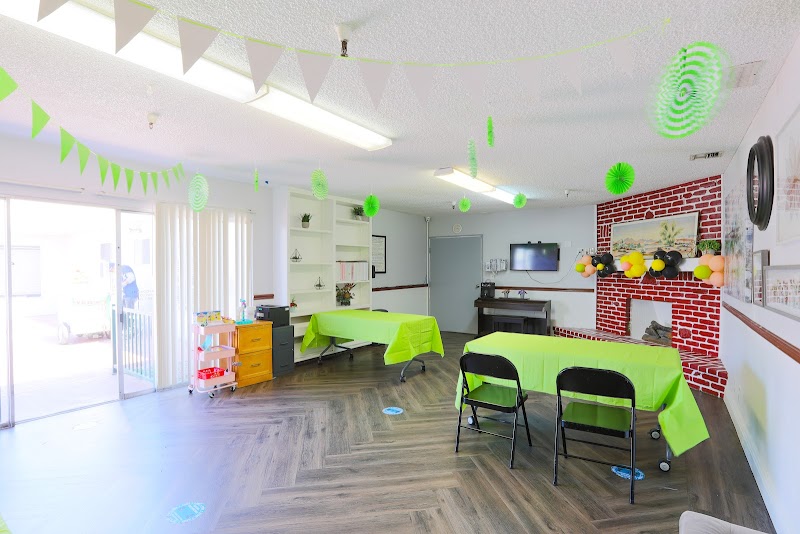
Who Owns and Operates Royal Terrace Healthcare?

ROYAL TERRACE HEALTHCARE is owned by a for-profit company. For-profit facilities operate as businesses with obligations to shareholders or private owners. The facility is operated by SERRANO GROUP, a chain that manages multiple nursing homes. With 58 certified beds and approximately 48 residents (about 83% occupancy), it is a smaller facility located in DUARTE, California.
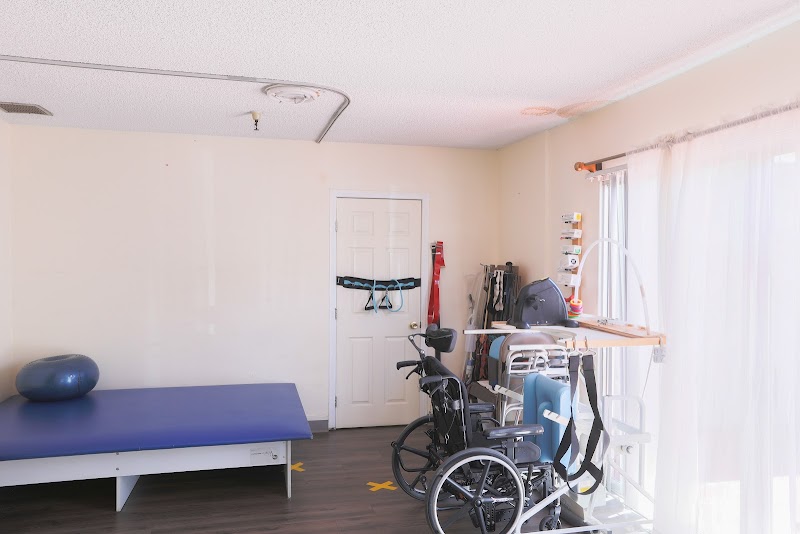
How Does Royal Terrace Healthcare Compare to Other California Nursing Homes?

Compared to the 100 nursing homes in California, ROYAL TERRACE HEALTHCARE's overall rating (5 stars) is above the state average of 3.2, staff turnover (51%) is near the state average of 46%, and health inspection rating (4 stars) is above the national benchmark.

What Should Families Ask When Visiting Royal Terrace Healthcare?

Based on this facility's data, families visiting should ask: "Can I visit during a mealtime to observe dining assistance and food quality?" "How do you handle medical emergencies, and what is your hospital transfer rate?" "Can I speak with family members of current residents about their experience?"

Is Royal Terrace Healthcare Safe?

Based on CMS inspection data, ROYAL TERRACE HEALTHCARE has a clean safety record: no substantiated abuse findings (meaning no confirmed cases of resident harm), no Immediate Jeopardy citations (the most serious violation level indicating risk of serious injury or death), and is not on the Special Focus Facility watch list (a federal program monitoring the lowest-performing 1% of nursing homes). The facility has a 5-star overall rating and ranks #1 of 100 nursing homes in California. While no facility is perfect, families should still ask about staff-to-resident ratios and recent inspection results during their visit.

Do Nurses at Royal Terrace Healthcare Stick Around?

ROYAL TERRACE HEALTHCARE has a staff turnover rate of 51%, which is about average for California nursing homes (state average: 46%). Moderate turnover is common in nursing homes, but families should still ask about staff tenure and how the facility maintains care continuity when employees leave.

Was Royal Terrace Healthcare Ever Fined?

ROYAL TERRACE HEALTHCARE has no federal fines on record. CMS issues fines when nursing homes fail to meet care standards or don't correct problems found during inspections. The absence of fines suggests the facility has either maintained compliance or corrected any issues before penalties were assessed. This is a positive indicator, though families should still review recent inspection reports for the full picture.

Is Royal Terrace Healthcare on Any Federal Watch List?

ROYAL TERRACE HEALTHCARE is not on any federal watch list. The most significant is the Special Focus Facility (SFF) program, which identifies the bottom 1% of nursing homes nationally based on persistent, serious quality problems. Not being on this list means the facility has avoided the pattern of deficiencies that triggers enhanced federal oversight. This is a positive indicator, though families should still review the facility's inspection history directly.