EASTLAND SUBACUTE AND REHABILITATION CENTER
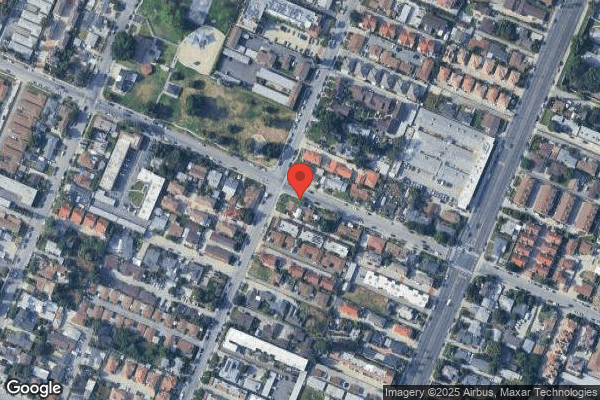
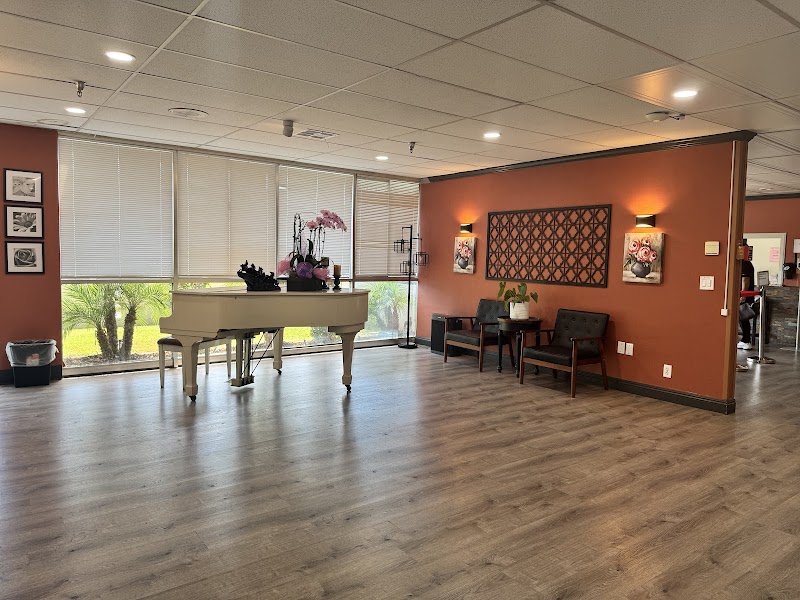
3825 DURFEE AVE, EL MONTE, CA 91732 (626) 444-2535
For profit - Limited Liability company 139 Beds LONGWOOD MANAGEMENT CORPORATION Data: November 2025 1 Immediate Jeopardy citation
Trust Grade
38/100
#572 of 1155 in CA
Last Inspection: July 2025

Inspected within the last 6 months. Data reflects current conditions.

Overview

Eastland Subacute and Rehabilitation Center has a Trust Grade of F, indicating significant concerns about the facility's quality of care. It ranks #572 out of 1155 facilities in California, placing it in the top half, but the low trust grade raises red flags. The facility is currently improving, having reduced the number of issues from 17 to 15 over the past year. Staffing is a relative strength, with a 4 out of 5-star rating and a turnover rate of 39%, which is about average for California. However, the facility has incurred $56,394 in fines, which is higher than 78% of California facilities, suggesting ongoing compliance problems. Specific incidents noted during inspections include a critical failure to provide CPR to a resident who had a full code status, which is alarming. Additionally, two residents did not have their call lights within reach, potentially delaying necessary assistance. There were also concerns about improperly labeled and expired medications, which could lead to serious health risks. While the facility shows some strengths in staffing and is on an upward trend, these significant weaknesses cannot be overlooked.

Trust Score
F
38/100
In California
#572/1155
Top 49%
Safety Record
High Risk
Review needed
Inspections
Getting Better
17 → 15 violations
Staff Stability
○ Average
39% turnover. Near California's 48% average. Typical for the industry.
Penalties
○ Average
$56,394 in fines. Higher than 52% of California facilities. Some compliance issues.
Skilled Nurses
○ Average
Each resident gets 34 minutes of Registered Nurse (RN) attention daily — about average for California. RNs are the most trained staff who monitor for health changes.
Violations
⚠ Watch
56 deficiencies on record. Higher than average. Multiple issues found across inspections.
★★★☆☆
3.0
Overall Rating
★★★★☆
4.0
Staff Levels
★★★★☆
4.0
Care Quality
★★★☆☆
3.0
Inspection Score
Stable
2024: 17 issues
2025: 15 issues

The Good

  • 4-Star Staffing Rating · Above-average nurse staffing levels
  • 4-Star Quality Measures · Strong clinical quality outcomes
  • Full Sprinkler Coverage · Fire safety systems throughout facility
  • No fines on record
  • Staff turnover below average (39%)

    9 points below California average of 48%

Facility shows strength in staffing levels, quality measures, fire safety.

The Bad

3-Star Overall Rating

Near California average (3.1)

Meets federal standards, typical of most facilities

Staff Turnover: 39%

Near California avg (46%)

Typical for the industry

Federal Fines: $56,394

Above median ($33,413)

Moderate penalties - review what triggered them

Chain: LONGWOOD MANAGEMENT CORPORATION

Part of a multi-facility chain

Ask about local staffing decisions and management

The Ugly 56 deficiencies on record

1 life-threatening
Aug 2025 1 deficiency
CONCERN (D) 📢 Someone Reported This

A family member, employee, or ombudsman was alarmed enough to file a formal complaint

Potential for Harm - no one hurt, but risky conditions existed

Deficiency F0573 (Tag F0573)

Could have caused harm · This affected 1 resident

**NOTE- TERMS IN BRACKETS HAVE BEEN EDITED TO PROTECT CONFIDENTIALITY** Based on interview and record review, the facility failed to provide a copy of the medical records upon written request for one ...

Read full inspector narrative →
**NOTE- TERMS IN BRACKETS HAVE BEEN EDITED TO PROTECT CONFIDENTIALITY** Based on interview and record review, the facility failed to provide a copy of the medical records upon written request for one of three sampled residents (Resident 1).This deficient practice violated Resident 1's right to obtain a copy and Resident 1's representative to obtain a copy of Resident 1's medical records.Findings: During a review of Resident 1's admission Record (AR), the AR indicated Resident 1 was admitted to the facility on [DATE] with diagnoses that included hemiplegia (total paralysis of the arm, leg, and trunk on the same side of the body) and hemiparesis (weakness in the arm, leg, and face on one side of the body) following cerebral infarction (damage to tissues in the brain which occurs because of disrupted blood flow to the brain). During a review of Resident 1's Discharge summary, dated [DATE], the summary indicated Resident 1 was discharged on 6/16/23 to Facility #2 at the request of Resident 1's family, so Resident would be closer to home. The summary indicated the final diagnoses during the stay were altered level of consciousness (ALOC- a change in a person's mental state, affecting their awareness, alertness, and responsiveness to their environment), hypertension (high blood pressure), diabetes mellitus (DM-a disorder characterized by difficulty in blood sugar control and poor wound healing), and stroke (damage to the brain from interruption of its blood supply). During a review of the e-mail from the complainant, dated 8/19/25, the complainant stated the Medical Records Director (MRD) was personally served a medical records request for Resident 1's medical records on 7/31/25. During an interview on 8/19/25 at 9:38 a.m. with the Medical Records Director (MRD), the MRD stated once the requester completes the medical records request form, the facility has 24 to 48 hours to provide records. During an interview on 8/19/25 at 2:52 p.m. with the MRD, the MRD stated the medical records log sheet only tracked the resident and family medical records requests. MRD stated hospital requests for records are faxed to the facility and do not appear on the log. MRD stated attorney letters requesting medical records are sent to the facility's attorney's office for review before the release of information. MRD stated the facility has a week to process the request. MRD stated once the facility's attorney gives the approval to release the information, then the facility also checks with the Director of Nursing (DON) before the final release of the information. During an interview on 8/20/25 at 4:26 p.m. with the MRD, the MRD stated the MRD received the medical records request for Resident 1's medical records from [name of legal services] on 7/31/25 and the MRD sent the medical records request the MRD received from [name of legal services company] to the facility's attorney for review on 8/5/25. During an interview on 8/20/25 at 4:50 p.m. with the complainant, the complainant stated as of 8/20/25, the complainant has not received any of Resident 1's records from the facility. During a review of the facility's current Policy & Procedure (P&P) titled, Release of Information, revised November 2009, the P&P indicated All information contained in the resident's medical record is confidential and may only be released by the written consent of the resident or his/her legal representative (sponsor), consistent with state laws and regulations; A resident may obtain photocopies of his or her records by providing the facility with at least a forty-eight (48) hour (excluding weekends and holidays) advance notice of such request. During a review of the facility's current Policy & Procedure (P&P) titled, Resident Rights, revised February 2021, the P&P indicated Policy Interpretation and Implementation: Federal and state laws guarantee certain basic rights to all residents of this facility. These rights include the resident's right to appoint a legal representative, in accordance with state law; access to personal and medical records pertaining to him or herself.
Jul 2025 14 deficiencies
CONCERN (D)

Potential for Harm - no one hurt, but risky conditions existed

Safe Environment (Tag F0584)

Could have caused harm · This affected 1 resident

**NOTE- TERMS IN BRACKETS HAVE BEEN EDITED TO PROTECT CONFIDENTIALITY** Based on observation, interview, and record review, the facility failed to ensure one of six sampled residents (Resident 40's) r...

Read full inspector narrative →
**NOTE- TERMS IN BRACKETS HAVE BEEN EDITED TO PROTECT CONFIDENTIALITY** Based on observation, interview, and record review, the facility failed to ensure one of six sampled residents (Resident 40's) right to a clean homelike environment. Resident 40's room had peeling paint on the walls and closet.This deficient practice caused an increased risk for Resident 40's psychosocial environment and comfort in accordance with resident preferences.Findings:During a review of Resident 40's admission Record, the admission Record indicated Resident 40 was admitted to the facility on [DATE] and was readmitted on [DATE] with diagnoses including dementia (a progressive state of decline in mental abilities), schizoaffective disorder (a chronic mental illness that affects a person's thinking, behavior, and perception of reality), and gastro-esophageal reflux disease([GERD]- stomach acids flow back up into esophagus and causes heartburn).During a review of Resident 40's Minimum Data Set (MDS - a resident assessment tool), dated 4/15/2025, the MDS indicated Resident 40 had severe cognitive impairment (ability to reason, remember, and make decisions), and required substantial/maximal assistance (helper does more than half the effort. Helper lifts or holds trunk or limbs but provides more than half the effort) from staff for showering, toileting hygiene, and dressing.During a review of Resident 40's History and Physical (H&P), dated 7/8/2024, the H&P indicated Resident 40 did not have the capacity to understand and make decisions. During an observation on 7/22/2025 at 11:39 a.m., in Resident 40's room, there was paint chipping off the wall and closet door. During a concurrent interview, Resident 40 stated he had been in the facility for four months and the paint had been like this ever since. Resident 40 stated, Yes, I would want my room to be neat and clean. During a concurrent observation and interview on 7/23/2025 at 1:05 p.m. with Certified Nursing Assistant (CNA) 2, in Resident 40's room, there was chip paint on the walls and the closet. CNA 2 stated Resident 40's room should look nice. CNA 2 stated the room that did not look nice could make the resident feel sad, looking at the chip paint daily.During a concurrent observation and interview on 7/23/2025 at 1:20 p.m. with Maintenance Assistant 1, in Resident 40's room, there was chip paint on the walls and the closet. Maintenance Assistant 1 stated, I check the rooms daily and this room is not a homelike environment for Resident 40. Maintenance Assistant 1 stated Resident 40's room should be prioritized to have the room area painted and that looking at the chip paint could make Resident 40 and visitors feel mad.During a review of the facility's policy and procedure (P&P) titled, Homelike Environment, dated 2/2021, the P&P indicated residents were provided with a safe, clean, comfortable, and homelike environment. The P&P indicated the facility staff and management maximize the characteristics of the facility that reflect a personalized, homelike setting. The P&P indicated homelike setting includes clean, sanitary, orderly environment, and inviting colors and decor.
CONCERN (D)

Potential for Harm - no one hurt, but risky conditions existed

Free from Abuse/Neglect (Tag F0600)

Could have caused harm · This affected 1 resident

**NOTE- TERMS IN BRACKETS HAVE BEEN EDITED TO PROTECT CONFIDENTIALITY** Based on observation, interview, and record review the facility failed to ensure one of six sampled residents (Resident 28) was ...

Read full inspector narrative →
**NOTE- TERMS IN BRACKETS HAVE BEEN EDITED TO PROTECT CONFIDENTIALITY** Based on observation, interview, and record review the facility failed to ensure one of six sampled residents (Resident 28) was free from physical abuse when Resident 78 had become anxious (experiencing worry, unease, or nervousness) and failed to monitor Resident 78's whereabouts. This deficient practice of not monitoring Resident 78's whereabouts after he felt anxious caused Resident 28 to be physically abused by Resident 78. Findings: a. During a review of Resident 28's admission Record, the admission Record indicated Resident 28 was admitted to the facility on [DATE] with diagnoses of fracture of fourth lumbar vertebra (a break in the bone in the lower back), syncope (a temporary loss of consciousness), and osteoporosis (a weak and brittle bones due to lack of calcium and Vitamin D). During a review of Resident 28's History and Physical (H&P), dated 9/8/2024 the H&P indicated, Resident 28 had the capacity to understand and make decisions. During a review of Resident 28's Minimum Data Sheet ([MDS]- a resident assessment tool), dated 6/4/2025, the MDS indicated Resident 28's cognition (ability to learn, reason, remember, understand, and make decisions) was moderately impaired. The MDS indicated Resident 28 required partial/moderate assistance (helper does less than half the effort. Helper lifts or hold trunk or limbs and provides more than half the effort) for toileting hygiene, showers, and dressing. During an interview on 7/24/2025 at 1:25 p.m. with family member for Resident 28, the family member stated, I took her home (Resident 28) on 7/22/2025 for a therapeutic leave (a temporary absence of a resident from the facility), because she was crying and stressed about being hit by Resident 78. During review of Resident 28's Change of Condition (COC) Assessment, dated 7/21/2025, the COC indicated Licensed Vocational Nurse (LVN) 4, heard a noise from Resident 28's room. The COC indicated LVN 4 had observed Resident 78 had tap Resident 28 on her right shoulder and she was upset. The COC indicated a translator was paged to speak with Resident 28. During an interview on 7/24/2025 at 2:19 p.m. with Social Service Assistant/Interpreter (SSA) 1, SSA 1 stated Resident 28 spoke Mandarin, and she had translated what had happened to Resident 28. SSA 1 stated Resident 78 went into her room, he hit her right shoulder four to five times, and she yelled for the nurse. SSA 1 stated Resident 28 was upset and scared. During an interview on 7/24/2025 at 2:39 p.m. with Director of Nursing (DON), the DON stated Resident 28 was hit by Resident 78. The DON stated Resident 28 had a startled reaction when Resident 78 entered her room, she was emotional and upset. b. During a review of Resident 78's admission Record, the admission Record indicated Resident 78 was initially admitted to the facility on [DATE] and was readmitted on [DATE]. Resident 78's diagnoses bipolar disorder (mood swings that range from the lows of depression to elevated periods of emotional highs), schizophrenia (a mental illness that can affect thoughts, mood, and behavior), dementia (a progress state of decline in mental abilities), and anxiety (a state emotional state characterized by feelings of unease, worry, or apprehension). During a review of Resident 78's H&P, dated 7/5/2025 the H&P indicated, Resident 78 had the capacity to make needs known but could not make medical decisions. During a review of Resident 78's MDS, dated [DATE], the MDS indicated Resident 78 cognition (ability to learn, reason, remember, understand, and make decisions) was moderately impaired. The MDS indicated Resident 78 required supervision or touching assistance (helper provides verbal cues for touching/steadying, contact guard assistance as resident completes activity) for toileting hygiene, personal hygiene, and dressing. The MDS indicated Resident 78 had psychiatric mood disorders of anxiety, depression (persistent feelings of sadness and a loss of interest in activities), bipolar disorder, and schizophrenia. During a concurrent observation and interview on 7/22/2025 at 4:15 p.m. with the Administrator (ADM), the facility's video footage dated 7/21/2025 at 1:53 p.m., was reviewed. The ADM stated Resident 78 walked out of his room (Room A), crossed the hallway and entered Resident 28's room (Room B) on 7/21/2025 at 1:53 p.m.,. The ADM stated Resident 78 was no longer visible after he entered Room B. The ADM stated LVN 4 walked Resident 78 back to his room at 1:54 p.m. During a review of Resident 78's COC, dated 6/24/2025, the COC indicated Resident 78 had exhibited increased anxiety and restlessness. The COC indicated Resident 78 stated I feel like I can't relax, and was pacing in the hallway and in his room. During a review of Resident 78's Medication Administration Record (MAR), dated 7/4/2025, the MAR indicated to monitor episodes of anxiety manifested by verbalization of feeling anxious and tally by hashmarks for Ativan use every shift. During a review of Resident 78's Order Summary Report, dated 7/4/2025, the Order Summary Report indicated to monitor for anxiety manifested by verbalization of feeling anxious, and tally by hashmarks. During a review of Resident 78's Order Summary Report, dated 7/21/2025, the order summary indicated on 7/21/2025 to administer Ativan (to treat anxiety) 1 milligram ([mg] - a unit of measurement) one tablet every six hours as needed for anxiety manifested by restlessness/verbalization of feeling anxious. During a review of Resident 78's COC, dated 7/21/2025, the COC indicated Resident 78 reported on 7/21/2025 at 12:20 p.m. he was feeling anxious, and the Certified Nursing Assistants (CNAs) were aware Resident 78 was having an episode of feeling anxious and to closely monitor resident. The COC indicated on 7/21/2025 at 13:55 p.m. a noise was heard by LVN 4, Resident 78 was in Resident 28's room, and LVN 4 observed Resident 78 had tapped Resident 28 on the right shoulder with his hand half open with a light touch. During a concurrent interview and record review on 7/24/2025 at 1:50 p.m. with Director of Nursing (DON), Resident 78's MAR, dated 7/4/2025 was reviewed. The MAR indicated to monitor episodes of anxiety manifested by verbalization of feeling anxious and tally by hashmarks for Ativan use every shift. The DON stated once Resident 78 had manifested the anxious behavior frequent visual checks needed to be put in place and the nurse was to mark on the MAR he was feeling anxious. The DON stated the benefit of marking the MAR and close monitoring of Resident 78 was to prevent escalation of him feeling anxious and to prevent physical abuse. During a telephone interview on 7/24/2025 at 2:00 p.m. with LVN 4, LVN 4 stated I heard screaming from Resident 28's room and Resident 78 had his hand open in the air while Resident 28 was screaming. LVN 4 stated Resident 78 had expressed he was feeling anxious on 7/21/2025 at 12:20 p.m. and Ativan was given at 1 p.m. LVN stated it was important to know Resident 78's whereabouts due to him feeling anxious to prevent him from going into another resident's room. During an interview on 7/25/2025 at 1:04 p.m. with CNA 1, CNA 1 stated Resident 78 was feeling anxious on 7/21/2025 at 12 p.m. and she was to keep a close watch on the resident. CNA 1 stated she did not report to the charge nurse when she went to attend to another resident. CAN 1 stated she should have let someone know the whereabouts of Resident 78. CNA. 1stated if she reported it could have prevented Resident 78 from entering Resident 28's room. During a telephone interview on 7/25/2025 at 1:29 p.m. with Registered Nurse (RN) 1, RN 1 stated the residents were separated and Resident 28 was crying saying Resident 78 had hit her right shoulder. RN 1 stated Resident 78 stated he hit Resident 28 with the palm of his hand, while calling himself a bad boy. RN 1 stated when Resident 78 became anxious it was important to monitor him closely to make sure he was safe and the other residents. During a review of facility's undated policy and procedure (P&P) titled, Abuse & Mistreatment of Residents, the P&P indicated to uphold a resident's right to be free from physical, verbal, sexual, mental, involuntary seclusion, neglect, and misappropriation abuse. The P&P indicated prevention guidelines to identify of residents with potential for behavior symptoms and manifestations that may lead to conflict through comprehensive assessment, care planning, and monitoring. The P&P indicated resident identified to have behavioral symptoms with a potential for conflict shall be monitored and is the responsibility of, but not limited to, direct caregivers, Charge Nurses, Nursing Supervisors, and members of the interdisciplinary team.
CONCERN (D)

Potential for Harm - no one hurt, but risky conditions existed

MDS Data Transmission (Tag F0640)

Could have caused harm · This affected 1 resident

**NOTE- TERMS IN BRACKETS HAVE BEEN EDITED TO PROTECT CONFIDENTIALITY** Based on interview and record review, the facility failed to transmit the Minimum Data Set (MDS - a resident assessment tool) to...

Read full inspector narrative →
**NOTE- TERMS IN BRACKETS HAVE BEEN EDITED TO PROTECT CONFIDENTIALITY** Based on interview and record review, the facility failed to transmit the Minimum Data Set (MDS - a resident assessment tool) to the Centers for Medicare and Medicaid Services (CMS) system for two of four sampled residents (Resident 39, and Resident 85).This deficient practice resulted in CMS not having accurate information for Resident 39 and Resident 85.Findings:a. During a review of Resident 39's Face Sheet, the Face Sheet indicated Resident 39 was originally admitted to the facility on [DATE] with diagnoses including Alzheimer's disease (characterized by a progressive decline in mental abilities), arthritis (a disease characterized by joint pain and inflammation), and anemia (a condition where the body does not have enough healthy red blood cells).During a review of Resident 39's MDS, dated [DATE], the MDS indicated Resident 39 had severe cognitive impairment (problems with ability to reason, understand, or remember) and did not have limitations in movement of the upper and lower extremities (related to the arms and legs).During a review of Resident 39's History and Physical (H&P) dated 5/23/2025, the H&P indicated Resident 39 did not have the ability to understand and make medical decisions. During a review of the CMS MDS 3.0 Nursing Home (NH) Validation Report, the CMS MDS 3.0 NH Validation Report indicated Resident 39's MDS assessment was submitted late on 9/13/2024, which was more than 14 days after the completion date.b. During a review of Resident 85's Face Sheet, the Face Sheet indicated Resident 85 was originally admitted to the facility on [DATE] and readmitted on [DATE] with diagnoses including hemiplegia (total paralysis of the arm, leg, and trunk on the same side of the body), sepsis (a life-threatening blood infection), and pneumonia (an infection / inflammation in the lungs leads to the accumulation of fluid and pus in the lungs, making it difficult to breathe). During a review of Resident 85's MDS, dated [DATE], the MDS indicated Resident 85 had severe cognitive impairment, and had limitations in movement to the upper and lower extremities. During a review of Resident 85's History and Physical (H&P) dated 7/11/2025, the H&P indicated Resident 85 had the capacity to understand and make medical decisions. During a review of the CMS MDS 3.0 NH Validation Report, the CMS MDS 3.0 NH Validation Report indicated Resident 85's MDS assessment was submitted late on 3/25/2025, more than 14 days after the completion date of 2/25/2025. During an interview on 7/25/2025 at 1:38 p.m., the Minimum Data Set Coordinator (MDSC) stated the facility had 14 days after completion of the assessment to submit the MDS to CMS. The MDSC stated Resident 39 and Resident 132 was submitted late, and it was important to submit the MDS assessment to CMS in a timely manner to ensure CMS had the most up to date information for each resident. During a review of the facility's policy & procedures (P&P) titled, Resident Assessments, dated 3/2022, the P&P indicated the Resident Assessment Instrument (RAI) User's Manual, Chapter 2 provided detailed information on timing and submission of assessments, including 14 days after completion of the assessment.
CONCERN (D)

Potential for Harm - no one hurt, but risky conditions existed

Deficiency F0676 (Tag F0676)

Could have caused harm · This affected 1 resident

**NOTE- TERMS IN BRACKETS HAVE BEEN EDITED TO PROTECT CONFIDENTIALITY** Based on observation, interview, and record review, the facility failed to ensure one of six sampled residents (Resident 44) rec...

Read full inspector narrative →
**NOTE- TERMS IN BRACKETS HAVE BEEN EDITED TO PROTECT CONFIDENTIALITY** Based on observation, interview, and record review, the facility failed to ensure one of six sampled residents (Resident 44) received necessary care and services to ensure resident's abilities to perform activities of daily living (ADL -routine tasks to perform daily care for themselves) do not diminish. Resident 44 was observed in bed for three days during the day shift and was not out of bed per physician's order. This deficient practice caused an increased risk in Resident 44's mental and physical abilities. Findings:During a review of Resident 44's admission Record, the admission Record indicated Resident 44 was admitted to the facility on [DATE] with diagnoses including peripheral vascular disease (a group of conditions affecting the circulatory system that can impair blood flow), chronic kidney disease (damaged kidneys cannot filter blood as needed causes risks of high blood pressure and heart disease), and diabetes mellitus (DM - a disorder characterized by difficulty in blood sugar control and poor wound healing). During a review of the Physician's Order Summary Report dated 3/17/2025, the Order Summary Report indicated Resident 40 may be out of bed per schedule. During a review of Resident 44's Minimum Data Set (MDS- a resident assessment tool), dated 6/23/2025, the MDS indicated Resident 44's rarely had the ability to understand others. The MDS indicated Resident 44's activity preferences were participating in favorite activities and spending time outdoors. The MDS indicated Resident 44 was dependent (helper does all the effort and the resident does none of the effort to complete the activity) on staff for personal hygiene, showering, and dressing.During an observation 7/22 and 7/23/2025, Resident 40 was lying in bed from 8 a.m. to 4:30 p.m. During a telephone interview on 7/23/2025 at 1:46 p.m., Case Worker 1 stated when he visited Resident 40 (at least three times a month) she (Resident 40) was in bed. During an observation on 7/24/2025 Resident 40 continued to lie in bed from 8 a.m.-4:30 p.m. During a concurrent interview and record review on 7/24/2025 at 10 a.m. with Licensed Vocational Nurse (LVN) 3, Resident 40's Order Summary Report dated 3/17/2025 was reviewed. The Order Summary Report indicated Resident 40 may be out of bed per schedule. LVN 3 stated Resident 40 had not been taken out of the bed on 7/22, 7/23, or 7/24/2025, and that there was no specific schedule to take the resident out of the bed. LVN 3 stated not taking Resident 40 out of the bed could cause the resident to feel isolated, decrease body movement, and decrease circulation for the resident. During a review of facility's policy and procedure (P&P) titled, Activities of Daily Living (ADLs), Supporting, dated 3/2023, the P&P indicated residents would be provided with care, treatment, and services as appropriate to maintain or improve their ability to carry out of ADLs. The P&P indicated care, and services would be provided for residents who were unable to carry out ADLs independently to prevent or minimize functional decline.
CONCERN (D)

Potential for Harm - no one hurt, but risky conditions existed

Deficiency F0688 (Tag F0688)

Could have caused harm · This affected 1 resident

**NOTE- TERMS IN BRACKETS HAVE BEEN EDITED TO PROTECT CONFIDENTIALITY** Based on observation, interview, and record review, the facility failed to ensure one of six sampled residents (Resident 32), wh...

Read full inspector narrative →
**NOTE- TERMS IN BRACKETS HAVE BEEN EDITED TO PROTECT CONFIDENTIALITY** Based on observation, interview, and record review, the facility failed to ensure one of six sampled residents (Resident 32), who had a shoulder injury, received care and equipment assistance. Resident 32's splints (a medical device used to stabilize and support a body part), were not applied per physician's order. This deficient practice caused an increased risk in contractures (a stiffening/shortening at any joint, that reduces the join's range of motion) for Resident 32. Findings:During a review of Resident 32's admission Record, the admission Record indicated Resident 32 was admitted to the facility on [DATE] with diagnoses including respiratory failure (a condition where there's not enough oxygen or too much carbon dioxide in the body) and a dislocated right shoulder (injury in which the upper arm bone popped out that's part of the shoulder blade).During a review of Resident 32's History and Physical (H&P), dated 2/6/2025, the H&P indicated Resident 32 was able to make decisions for activities of daily living.During a review of Resident 32's Minimum Data Set (MDS- a resident assessment tool), dated 5/12/2025, the MDS indicated Resident 32 was dependent (helper does all the effort and the resident does one of the efforts to complete the activity) on staff personal hygiene, showering, and dressing. The MDS indicated Resident 32 had limited range of motion (a joint or body part cannot move as far) to the upper and lower extremities. During a review of the Physician's Order Summary Report dated 5/14/2025, the Order Summary Report indicated for Resident 32 the Restorative Nurse Assistant (RNA) was to apply bilateral hand splint, right elbow splint, and bilateral ankle-foot orthosis (AFO) boots daily, six days a week.During an observation on 7/22/2025 at 10 a.m.-4 p.m., Resident 32 did not have splints on as ordered by physician.During a concurrent observation and interview on 7/23/2025 at 12 p.m. with RNA 1, in Resident 32's room, Resident 32 did not have a full set of splints on her extremities as ordered by physician. RNA 1 stated my role was to place the splints on Resident 32's extremities daily. RNA 1 stated Resident 32 was missing her left-hand splint and right elbow splint. RNA 1 stated, I did not place all the splints on the resident. RNA 1 stated not being consistent with placing the full set of splints daily could cause Resident 32 to have a decline or develop contractures.During a concurrent observation and interview on 7/23/2025 at 1:38 p.m., Licensed Vocational Nurse (LVN) 3 stated Resident 32 did not have the full set of splints on, and she was missing the left hand and the right elbow splint. LVN 3 stated the RNAs were to report when the resident when there were missing devices. LVN 3 stated Resident 32 should be wearing the full set of splints to prevent contractures.During a review of facility's policy and procedures (P&P) titled, Assistive Devices and Equipment, date unknown, the P&P indicated the facility maintains and supervises the use of assistive devices and equipment for residents. The P&P indicated devices and equipment that assist with resident mobility, safety, and independence were provided for residents.During a review of facility's P&P titled, Restorative Nursing [NAME], dated 7/2017, the P&P indicated residents would receive restorative nursing care as needed to help promote optimal safety and independence. The P&P indicated restorative goals included supporting and assisting the resident to adjusting, adapting to changing abilities.
CONCERN (D)

Potential for Harm - no one hurt, but risky conditions existed

Accident Prevention (Tag F0689)

Could have caused harm · This affected 1 resident

**NOTE- TERMS IN BRACKETS HAVE BEEN EDITED TO PROTECT CONFIDENTIALITY** Based on observation, interview, and record review, the facility failed to ensure one of six sampled residents (Resident 101), w...

Read full inspector narrative →
**NOTE- TERMS IN BRACKETS HAVE BEEN EDITED TO PROTECT CONFIDENTIALITY** Based on observation, interview, and record review, the facility failed to ensure one of six sampled residents (Resident 101), who had history of falls, had a fall mat at the bedside per the physician's order to prevent injury. This deficient practice caused an increased risk in Resident 101 being injured. During a review of Resident 101's admission Record, the admission Record indicated Resident 101 was admitted to the facility on [DATE] and readmitted on [DATE] with diagnoses including lack of coordination, history of falling, and schizophrenia (a mental illness that is characterized by disturbances in thought).During a review of the Physician's Order Summary, dated 6/9/2025, the summary indicated Resident 101 was ordered for the bed at lowest position and a floor mat to prevent injury.During a review of Resident 101's History and Physical (H&P), dated 6/10/2025, the H&P indicated Resident 101 did not have the capacity to understand and make decisions.During a review of Resident 101's Minimum Data Set (MDS - a resident assessment tool), dated 6/13/2025, the MDS indicated Resident 101 was not able to stand, transfer to toilet, or walk 10 feet.During a review of Resident 101's Fall Risk Evaluation, dated 7/5/2025, the evaluation indicated Resident 101 was at risk for falls due to an actual fall.During a review of Resident 101's High Risk for Falls care plan, dated 7/17/2025, the care plan indicated the facility would keep the bed at the lowest position and use a floor mat to prevent injury.During a concurrent observation and interview on 7/23/2025 at 1:45 p.m. with Certified Nursing Assistant (CNA) 3 at the bedside of Resident 101, there was no floor mat observed. CNA3 stated Resident 101 was supposed to have a floor mat because the resident climbed out of bed. CNA3 stated Resident 101 has fallen before and because there was no floor mat if Resident 101 fell, she may be injured.During a review of the facility's policy and procedure (P&P) titled, Falls and Fall Risk, Managing, dated March 2018, the P&P indicated staff would identify interventions related to the resident's specific risks and try to minimize complications from falling.
CONCERN (D)

Potential for Harm - no one hurt, but risky conditions existed

Respiratory Care (Tag F0695)

Could have caused harm · This affected 1 resident

**NOTE- TERMS IN BRACKETS HAVE BEEN EDITED TO PROTECT CONFIDENTIALITY** Based on observation, interview, and record review, the facility failed to label the nasal cannula (NC, a small plastic tube, wh...

Read full inspector narrative →
**NOTE- TERMS IN BRACKETS HAVE BEEN EDITED TO PROTECT CONFIDENTIALITY** Based on observation, interview, and record review, the facility failed to label the nasal cannula (NC, a small plastic tube, which fits into the person's nostrils for providing supplemental oxygen) tubing of a resident on oxygen therapy (treatment that provides supplemental oxygen, or extra oxygen) consistent with the facility's policy and procedure (P&P) for one of two sampled residents (Resident 75). This failure caused an increased risk for infection to Resident 75. Findings:During a review of Resident 75's admission Record (AR), the AR indicated Resident 75 was initially admitted to the facility on [DATE] and readmitted on [DATE] with diagnoses including chronic respiratory failure (CRF, a condition where the lungs could not adequately exchange oxygen and carbon dioxide over an extended period), tracheostomy (a surgical procedure that creates an opening in the front of the neck, known as the trachea, or windpipe), acute embolism (the blockage of a blood vessel by a substance that has traveled through the bloodstream from another part of the body) and thrombosis (formation of a blood clot inside a blood vessel, obstructing the flow of blood).During a review of the Physician's Order Summary Report (OSR), dated 4/1/2025, the OSR indicated to place Resident 75 on oxygen through the NC at 2 liters per minute (LPM, the volume of oxygen delivered per minute).During a review of Resident 75's Minimum Data Set (MDS, a resident assessment tool), dated 7/11/2025, the MDS indicated Resident 75 had severely impaired cognition (ability to understand and process information) and was dependent (helper did all the effort, resident did none of the effort to complete the activity) on staff with oral hygiene, toileting, shower, upper and lower body dressing and personal hygiene. The MDS indicated Resident 75 was on oxygen therapy.During an observation, inside Resident 75's room, on 7/22/2025 at 8:23 a.m., with the infection prevention nurse (IPN), Resident 75 was in bed, on his back with oxygen through the NC at 2 LPM. During a concurrent interview, the IPN stated the NC was not labeled with the date when it was changed, nor initialed with the name of the staff who changed the oxygen tubing. The IPN stated nasal cannula and other oxygen therapy equipment should be changed every week and dated when it was changed to determine when the last time the oxygen tubing was changed for infection control purposes. During an interview on 7/24/2025 at 10:30 a.m., the Director of Nursing (DON) stated oxygen tubing and other respiratory supplies should be labeled with a date when the oxygen tubing was changed to prevent the spread of infection. During a review of the facility's undated policy and procedure (P&P) titled, Oxygen Administration, the P&P indicated The date, time, and initials should be noted on oxygen equipment when it is initially used and when changed.
CONCERN (D)

Potential for Harm - no one hurt, but risky conditions existed

Laboratory Services (Tag F0770)

Could have caused harm · This affected 1 resident

**NOTE- TERMS IN BRACKETS HAVE BEEN EDITED TO PROTECT CONFIDENTIALITY** Based on interview and record review, the facility failed to ensure Resident 25 had a Total T3 level (a lab test that measures t...

Read full inspector narrative →
**NOTE- TERMS IN BRACKETS HAVE BEEN EDITED TO PROTECT CONFIDENTIALITY** Based on interview and record review, the facility failed to ensure Resident 25 had a Total T3 level (a lab test that measures the amount of thyroid hormone in the blood) completed every two weeks per physician's order for 4/2025. This deficient practice resulted in a lack of monitoring of Resident 25's thyroid function (crucial for regulating metabolism, growth and development in the body).During a review of Resident 25's admission Record, the admission Record indicated Resident 25 was admitted to the facility on [DATE] with diagnoses including thyrotoxicosis (excess of thyroid hormones in the blood) and hypertension (HTN - high blood pressure).During a review of Resident 25's Hyperthyroidism care plan, dated 2/20/2025, the care plan goal indicated Resident 25 would not experience avoidable symptoms of hyperthyroidism and the care plan interventions indicated the facility would complete labs if ordered by the physician.During a review of Resident 25's History and Physical (H&P), dated 3/14/2025, the H&P indicated Resident 25 had the capacity to understand and make decisions.During a review of the Physician's Order Summary, dated 3/17/2025, the summary indicated Resident 25 was to receive a routine Total T3 level every two weeks due to abnormal results of thyroid function studies.During a review of Resident 25's Minimum Data Set (MDS - a resident assessment tool), dated 5/23/2025, the MDS indicated Resident 25 had a diagnosis of thyrotoxicosis. During a concurrent interview and record review on 7/24/2025 at 2:45 p.m. with Licensed Vocational Nurse (LVN) 3, Resident 25's lab results were reviewed. The results indicated the Total T3 level was completed on 3/24/2025 and there was no further testing for 4/2025. LVN 3 stated the T3 level was not completed every two weeks, and the purpose of the lab test was to monitor Resident 25's thyroid levels. LVN 3 stated, because the test was not completed as ordered, the resident could have had a change of condition.During a review of the facility's policy and procedure (P&P) titled, Lab and Diagnostic Test Results - Clinical Protocol, dated March 2023 the P&P indicated staff would process test requisitions and arrange for tests.
CONCERN (D)

Potential for Harm - no one hurt, but risky conditions existed

Deficiency F0813 (Tag F0813)

Could have caused harm · This affected 1 resident

**NOTE- TERMS IN BRACKETS HAVE BEEN EDITED TO PROTECT CONFIDENTIALITY** Based on observation, interview, and record review, the facility failed to ensure one sampled resident (Resident 63) had a bottl...

Read full inspector narrative →
**NOTE- TERMS IN BRACKETS HAVE BEEN EDITED TO PROTECT CONFIDENTIALITY** Based on observation, interview, and record review, the facility failed to ensure one sampled resident (Resident 63) had a bottle of opened prune juice refrigerated as indicated on the product label.This deficient practice had the potential for Resident 63 to experience foodborne illness (diseases caused by contamination of food and occur at any stage in food production, delivery and consumption).Findings:During an observation on 7/22/2025 at 11:03 a.m., a bottle of opened and half consumed prune juice was seen on Resident 63's nightstand. The label on the bottle indicated to refrigerate after opening.During an observation on 7/22/2025 at 2:33 p.m., the bottle of the opened prune juice remained on Resident 63's nightstand. During a review of Resident 63's Face Sheet, the Face Sheet indicated Resident 63 was readmitted to the facility on [DATE] with diagnoses including diverticulosis (a condition where small pouches form in the lining of the colon and push outward through weak spots in the intestinal wall), and paraplegia (loss of movement and/or sensation, to some degree, of the legs).During a review of Resident 63's History and Physical (H&P) dated 4/16/2025, the H&P indicated Resident 63 did not have the ability to understand and make decisions.During a review of Resident 63's Minimum Data Set (MDS - a resident assessment tool) dated 6/4/2025, the MDS indicated Resident 63 was cognitively intact (ability to understand, remember, and learn) and did not have impaired movement of the upper and lower body (related to the arms and legs).During an interview on 7/24/2025 at 3:23 p.m., the Activities Director (AD) stated the facility had a refrigerator to store residents' food. The AD stated the nursing and activities staff provided education on storing personal food items in the refrigerator because sometimes the residents did not want their food items to be stored in the refrigerator or did not want their perishable food items to be thrown away. The AD stated it was important to store perishable food items in the refrigerator for the residents to avoid residents from getting sick. During a concurrent observation and interview on 7/24/2025 at 3:40 p.m. with the AD and Resident 63, the AD looked at the bottle of prune juice on Resident 63's nightstand and stated the label on it indicated to refrigerate the bottle after opening. Resident 63 stated his family brought that in for him and the bottle had been there for almost two weeks now. The AD stated it was important to store the bottle as labeled by the manufacturer to avoid illness caused by the food going bad.During a review of the facility's policy and procedure (P&P) titled, Foods Brought by Family/Visitors, dated 3/2022, the P&P indicated perishable foods were stored in re-sealable containers with tightly fitting lids in a refrigerator and potentially hazardous foods that were left out for the resident without a source of heat or refrigeration longer than two hours were thrown away.
CONCERN (E)

Potential for Harm - no one hurt, but risky conditions existed

Deficiency F0558 (Tag F0558)

Could have caused harm · This affected multiple residents

**NOTE- TERMS IN BRACKETS HAVE BEEN EDITED TO PROTECT CONFIDENTIALITY** Based on observation, interview, and record review, the facility failed to ensure call lights/pad sensors (a communication devic...

Read full inspector narrative →
**NOTE- TERMS IN BRACKETS HAVE BEEN EDITED TO PROTECT CONFIDENTIALITY** Based on observation, interview, and record review, the facility failed to ensure call lights/pad sensors (a communication device used by residents in healthcare facilities to signal for assistance from nursing staff) were within reach for two of two sampled residents (Residents 46 and 32).These failures had the potential for Residents 46 and 32 not to receive necessary care or receive delayed services.Findings: a. During a review of Resident 46’s admission Record (AR), the AR indicated Resident 46 was readmitted to the facility on [DATE] with diagnoses including contracture (a stiffening/shortening at any point, that reduces the joint’s range of motion) of the right hand and elbow, quadriplegia (paralysis from the neck down, including legs, and arms, usually due to a spinal cord injury), and history of falling. During a review of Resident 46’s Minimum Data Set (MDS, a resident assessment tool), dated 5/15/2025, the MDS indicated Resident 46 had severely impaired cognition (ability to understand and process information) and was dependent (helper did all the effort, resident did none of the effort to complete the activity) on staff with oral hygiene, toileting, shower, upper and lower body dressing and personal hygiene. During a review of Resident 46’s Care Plan (CP), dated 5/14/2025, the CP indicated Resident 46 was at risk for falls / injury related to generalized weakness, impaired cognition, impaired vision, poor balance and safety awareness / judgement. The CP interventions included keeping the pad / call light within easy reach and close to the resident. During an observation, inside Resident 46’s room on 7/22/2025 at 8:40 a.m., with the Infection Prevention Nurse (IPN), Resident 46 was in bed, and on her back with the pad sensor above and on the right upper part of the bed, next to Resident 46’s pillow. Resident 46 could move Resident 46’s left arm and hand up and down. Resident 46’s right arm and hand were contracted. During a concurrent interview, the IPN stated Resident 46 could not move her right arm and hand and could not reach the pad sensor call light. The IPN stated the pad sensor call light should be placed close or next to Resident 46’s left arm and hand for Resident 46 to use when needed. During an interview on 7/24/2025 at 10:36 a.m., the Director of Nursing (DON) stated all pad sensors and call lights should be placed on the strong arm / hand of the resident to call for assistance and for staff to address the resident’s needs timely. During a review of the facility’s policy and procedures (P&P) titled, “Call System, Resident,” dated March 2023, the P&P indicated, “Each resident is provided with a means to call staff directly for assistance from his/her bed, from toileting/bathing facilities and from the floor. Call system communication may be audible or visual. The system may be wired or wireless. If the resident has a disability that prevents him/her from making use of the call system, an alternative means of communication that is usable for the resident is provided and documented in the care plan.” b. During a review of Resident 32’s admission Record, the admission Record indicated Resident 32 was admitted to the facility on [DATE] with diagnoses including respiratory failure (a condition where there’s not enough oxygen or too much carbon dioxide in the body), gastro-esophageal reflux disease(GERD- stomach acids flow back up into esophagus and causes heartburn), and dysphagia (difficulty swallowing). During a review of Resident 32’s History and Physical (H&P), dated 2/6/2025, the H&P indicated Resident 32 was able to make decisions for activities of daily living. During a review of Resident 32’s Minimum Data Set (MDS- a resident assessment tool), dated 5/12/2025, the MDS indicated Resident 32 rarely had the ability to understand and was dependent (helper does all of the effort and the resident does one of the efforts to complete the activity) on staff for personal hygiene, showering, and dressing. During an observation on 7/22/2025 at 12:22 p.m., in Resident 32’ s room, Resident 32 was lying in the bed. The call light was in the bedside table drawer, and not within reach of Resident 32. During an observation on 7/22/2025 at 1:49 p.m., in Resident 32’s room, Resident 32 was lying in the bed, the call light was in the bedside table drawer, and not within reach of Resident 32. During a concurrent interview and record review on 7/23/2025 at 1 p.m. with Certified Nursing Assistant (CNA) 2, a picture of Resident 32’s call light taken on 7/22/2025 at 12:22 p.m. was reviewed. CNA 2 stated the call light should be within reach next to Resident 32. CNA 2 stated if Resident 32 needed to call for help she would not be able to call and could fall. During a concurrent interview and record review on 7/23/2025 at 1:30 p.m. with Licensed Vocational Nurse (LVN) 3, the same picture was reviewed. LVN 3 stated Resident 32’s call light was not within reach so the resident could have access if she wanted to be changed or needed assistance. During a review of the facility’s policy and procedure (P&P) titled, “Answering the Call Light,” dated 3/2023, the P&P indicated the purpose was to ensure timely responses to the resident’s requests and needs. The P&P indicated to ensure the call light was accessible to the resident when in bed or wheelchair in room.
CONCERN (E)

Potential for Harm - no one hurt, but risky conditions existed

Deficiency F0761 (Tag F0761)

Could have caused harm · This affected multiple residents

**NOTE- TERMS IN BRACKETS HAVE BEEN EDITED TO PROTECT CONFIDENTIALITY** Based on observation, interview, and record review, the facility failed to ensure three of three sampled residents (Resident 2, ...

Read full inspector narrative →
**NOTE- TERMS IN BRACKETS HAVE BEEN EDITED TO PROTECT CONFIDENTIALITY** Based on observation, interview, and record review, the facility failed to ensure three of three sampled residents (Resident 2, Resident 38 and Resident 83) medications were properly labeled and stored in accordance with the current accepted professional standards of practice.a. Resident 2's bottle of Gabapentin (an anticonvulsant medication used for nerve pain and seizures) stored in the refrigerator was not labeled with the residents' identifying information, drug information, or drug instructions. b. Resident 38's package of Sinemet (Carbidopa- Levodopa, used to treat tremors, stiffness and slow movement) medication was not removed from the medication cart once it had expired; andc. Resident 83's package of carvedilol (Coreg, used to manage heart conditions) medication was not removed from the medication cart once it had expired. These deficient practices caused an increased risk in residents receiving the wrong medication or ineffective medications leading to health complications, hospitalization or death.Findings:a. During a review of Resident 2's Face Sheet, the Face Sheet indicated Resident 2 was readmitted to the facility on [DATE] with diagnoses including neuropathy (disease or dysfunction of one or more nerves, typically causing numbness or weakness in the hands and feet), and osteoarthritis (a progressive disorder of the joints, caused by a gradual loss of cartilage). During a review of Resident 2's History and Physical (H&P) dated [DATE], the H&P indicated Resident 2 did not have the capacity to understand and make decisions. During a review of Resident 2's Minimum Data Set (MDS - a resident assessment tool) dated [DATE], the MDS indicated Resident 2 had problems with short-term and long-term memory. The MDS indicated Resident 2 had limitations in movement on both sides of the upper and lower extremities (pertaining to the arms and legs).During a review of the Physician's Order Summary Report dated [DATE], the Order Summary Report indicated for Resident 2 to receive Gabapentin 2 milliliters (ml., unit of measurement) every eight hours for neuropathy. During an observation [DATE] at 7:30 a.m., inside the Station 3 medication room refrigerator, an orange clear bottle was seen with a medication label that had Resident 2's name on it, Gabapentin 250mg, and an open date of [DATE]. During a concurrent observation and interview on [DATE] at 7:50 a.m. with Licensed Vocational Nurse (LVN) 1, LVN 1 stated the medication label should have the expiration date on it, medication information including instructions, and the expiration date on it. LVN 1 stated Resident 2's bottle of Gabapentin was missing information on it because it was faded. LVN 1 stated you could not see the instructions for taking the medication, the concentration of the medication, or the expiration date. LVN 1 stated it was important to have all the information on the medication label because a nurse would not know all the information regarding the medication. b. During a review of Resident 38's Face Sheet, the Face Sheet indicated Resident 38 was admitted to the facility on [DATE] with diagnoses including Parkinsonism (a progressive disease of the nervous system marked by tremors, muscular rigidity, and slow, imprecise movements), and dementia (a progressive state of decline in mental abilities). During a review of Resident 38's H&P dated [DATE], the H&P indicated Resident 38 did not have the capacity to understand and make decisions. During a review of Resident 38's MDS dated [DATE], the MDS indicated Resident 38 had short-term and long-term memory problems and had impairments in movement on both sides of the upper and lower extremities.During a review of the Physician's Order Summary Report, the Order Summary Report indicated Resident 38 was prescribed carbidopa-levodopa 25-100mg to be given one tablet a day for Parkinson's disease.c. During a review of Resident 83's Face Sheet, the Face Sheet indicated Resident 83 was originally admitted on [DATE] and readmitted on [DATE] with diagnoses including hypertension (high blood pressure). During a review of Resident 83's H&P dated [DATE], the H&P indicated Resident 83 did not have the capacity to understand and make decisions. During a review of Resident 83's MDS dated [DATE], the MDS indicated Resident 83 had short-term and long-term memory problems and had impairments in movement on both sides of the upper and lower extremities. During a review of the Physician's Order Summary Report, the Order Summary Report indicated Resident 83 was prescribed carvedilol 12.5mg three times a day and was discontinued on [DATE]. During a concurrent observation and interview on [DATE] at 1:11 p.m. with LVN 5, the bottom of medication cart 1, in hallway 2, there was a package of carbidopa-levodopa with an expiration date of [DATE] for Resident 38 and a package of carvedilol was seen with an expiration date of [DATE] for Resident 83. LVN 5 stated Resident 38's package of carbidopa-levodopa was expired and the package of carvedilol for Resident 83 was discontinued and expired. LVN 5 stated expired and discontinued medications need to be removed from the medication cart and disposed of properly to avoid being given to someone. During a review of the facility's policy and procedure (P&P) titled, Administering Medications, revised 11/2020, the P&P indicated drug containers that have missing, incomplete, improper or incorrect labels were returned to the pharmacy for proper labeling before storage. The P&P indicated discontinued, outdated, or deteriorated drugs were returned to the dispensing pharmacy or destroyed.
CONCERN (E)

Potential for Harm - no one hurt, but risky conditions existed

Food Safety (Tag F0812)

Could have caused harm · This affected multiple residents

Based on observation, interview, and record review, the facility failed ensure proper sanitation and safe handling practices in the kitchen in accordance with professional standards for food service s...

Read full inspector narrative →
Based on observation, interview, and record review, the facility failed ensure proper sanitation and safe handling practices in the kitchen in accordance with professional standards for food service safety. The site glass tube (transparent area that allows you to check the level of a liquid) on the coffee maker and the ice machine were both observed with brown substances.This deficient practice caused an increased risk in mold and bacteria, leading to contamination and residents having foodborne illness. Findings:a. During a concurrent observation and interview on 7/22/2025 at 8:27 a.m. with the Dietary Supervisor (DS) in the kitchen, the coffee machine site glass tube was noted to have thick, brown build-up. The DS stated the build-up could contain bacteria which could make you sick. The DS stated she did not know when the coffee machine was last cleaned and that the machine should be deep cleaned every week.b. During a concurrent observation and interview on 7/22/2025 at 8:29 a.m. with DS in the kitchen, the ice machine was noted to contain a light brown slimy substance when it was wiped with a clean towel. The DS could not state what the substance was. The DS stated the light brown slimy substance should not be there. The DS further stated the substance can contaminate the ice and make someone sick. During a review of the Dietary Supervisor's Job Description, dated January 2022, the description indicated the dietary supervisor would make sure food service equipment was clean at all times.
MINOR (B)

Minor Issue - procedural, no safety impact

Staffing Information (Tag F0732)

Minor procedural issue · This affected multiple residents

Based on observation, interview and record review, the facility failed to ensure the shift nurse staffing information was completed and posted in accordance with the facility's policy and procedures (...

Read full inspector narrative →
Based on observation, interview and record review, the facility failed to ensure the shift nurse staffing information was completed and posted in accordance with the facility's policy and procedures (P&P) for three of three recertification days inspected (7/22, 7/23, and 7/24/2025) by failing to:-Ensure to post the actual nurse staffing information for the skilled nursing and sub-acute stations at the beginning of each shift in a prominent location readily accessible to residents, visitors, and staff for viewing.-Ensure the nurse staffing information for the three to eleven post meridiem (PM, indicate hours from 12 noon to 11:59 pm at night) shifts indicated the number of licensed and unlicensed staff working for the skilled nursing (SNF, referred as nursing home) and sub-acute (level of medical care less intensive but more specialized than typical skilled nursing care) stations.These failures had the potential to mislead the residents, visitors, and staff of the actual staffing in the facility that may affect the quality of nursing care provided to the residents.Findings:During an observation in the skilled nursing stations 1, 2, and 3 and concurrent interview on 7/22/2025 at 10:20 am with the Director of Staff Development (DSD), there was no staffing information posted in nursing stations 1, 2, and 3. The DSD stated staff information was posted only in the sub-acute station and for the SNF station, it was on the side wall of the hallway close to the front office.During a review on of the facility's daily shift nurse staffing information for the skilled nursing (stations 1, 2, and 3) and sub-acute stations, dated 7/22, 7/23, and 7/24/2025, the daily shift nurse staffing information for the 3-11 pm shifts did not indicate the number of working licensed and unlicensed nursing staff directly responsible for the care of the residents.During an interview on 7/25/2025 at 11:46 pm, the DSD stated the current location of the staffing information was not visible and not accessible (can be easily reached or obtained without effort) to the visitors, residents and staff. The DSD stated the staffing information should be filled out within two hours of the beginning of the shift and posted in a prominent and visible location for the visitors, residents, and staff to know the facility had enough staffing to provide appropriate care to the residents. During an interview on 7/25/2025 at 11:56 am, the Director of Nursing (DON) stated staffing information should be posted on a prominent, visible and accessible location like the nursing stations and the lobby for the visitors, residents, and staff and staffing information should be updated to reflect the actual hours of the licensed and unlicensed staff working within two hours after a shift began, for accurate reporting to the Centers for Medicare and Medicaid Services (CMS, a federal agency responsible for administering the Medicare and Medicaid programs) and to know the facility had sufficient staff to care for the residents in the facility. During a review of the facility's policy and procedures (P&P) titled, Posting Direct Crae Daily Staffing Numbers, revised August 2022, the P&P indicated Within two hours of the beginning of each shift, the number of licensed nurses (RNs, LPNs, and LVNs) and unlicensed nursing personnel (CNAs and NAs) directly responsible for resident care is posted in a prominent location (accessible to residents and visitors) and in clear a clear and readable format.
MINOR (B)

Minor Issue - procedural, no safety impact

Deficiency F0912 (Tag F0912)

Minor procedural issue · This affected multiple residents

Based on observation, interview, and record review, the facility failed to ensure seven of 63 resident rooms (Rooms 114, 115, 116, 117, 119, 121, and 123) met the square footage requirement of 80 squa...

Read full inspector narrative →
Based on observation, interview, and record review, the facility failed to ensure seven of 63 resident rooms (Rooms 114, 115, 116, 117, 119, 121, and 123) met the square footage requirement of 80 square feet (sq. ft. - unit of measurement) per resident in multiple resident rooms. This deficient practice had the potential for the residents not have enough space for activities of daily living (ADL- routine tasks/activities such as bathing, dressing, and toileting a person performs daily to care for themselves) and hinder staff from providing nursing care to the residents. Findings: During an observation on 7/22-7/25/2025, during the Recertification Survey, Rooms 114, 115, 116, 117, 119, 121, and 123 had adequate space, nursing, care, comfort, and privacy for the residents. The residents were observed to have enough space to move freely inside the rooms and staff had adequate space to provide care for the residents. During an interview with the facility Administrator (ADM) on 7/22/2025 at 2 p.m., the ADM stated the facility requested a room wavier this year for Rooms 114, 115, 116, 117, 119, 121, and 123. The ADM stated nothing had changed, including the number of bed occupancy to the rooms.During a review of the facility's letter to request a room wavier dated 7/22/2025, the letter indicated there was reasonable privacy, closet and storage space provided in each room. The letter indicated there was sufficient room to provide nursing care and resident equipment. The letter indicated the rooms were in accordance with the special needs of all the residents as necessary. The letter indicated that all rooms had windows, and no rooms were below ground level. The letter indicated that the health and safety of each resident would not be jeopardized by the waiver. The letter indicated the room waiver would not adversely affect the resident's health and safety. The room waiver letter dated 7/22/2025 and Client Accommodation Analysis dated 7/22/2025 indicated the following:Room Sq. ft. Beds114 300 4115 300 4116 300 4117 300 4 119 300 4121 300 4123 300 2.
Aug 2024 13 deficiencies
CONCERN (D)

Potential for Harm - no one hurt, but risky conditions existed

Quality of Care (Tag F0684)

Could have caused harm · This affected 1 resident

**NOTE- TERMS IN BRACKETS HAVE BEEN EDITED TO PROTECT CONFIDENTIALITY** Based on observation, interview and record review, the facility failed to follow physician's order to apply heel protector (a de...

Read full inspector narrative →
**NOTE- TERMS IN BRACKETS HAVE BEEN EDITED TO PROTECT CONFIDENTIALITY** Based on observation, interview and record review, the facility failed to follow physician's order to apply heel protector (a device designed to minimize the risk of pressure injuries [pressure ulcer, lesion/wound caused by unrelieved pressure that results in damage of underlying tissue]) for one of two sampled residents (Resident 33). This failure had the potential risk for Resident 33 to develop pressure injuries. Findings: During a review of Resident 33's admission Record (AR), the AR indicated Resident 33 was readmitted to the facility on [DATE], with diagnoses that including type 2 diabetes mellitus (elevated blood sugar level) and dysphagia (difficulty swallowing) During a review of Resident 33's Minimum Data Set (MDS, a resident assessment and care screening tool), dated 7/26/2024, the MDS indicated Resident 33 had clear speech, did not have the ability to make self-understood and understood others. Resident 33 was dependent (helper does all of the effort, resident does none of the effort to complete the activity) for personal hygiene and substantial/maximal assistance (helper does more than half the effort) for chair/bed-to-chair transfer. During a review of Resident 33's Order Summary Report (OSR) dated 8/1/2024, the OSR indicated an order for staff to apply heel protector to Resident 33 for skin integrity. During an observation and concurrent interview on 8/13/2024 at 10:45 am, in Resident 33's room, Resident 33 was lying in bed with eyes closed. Resident 33 did not have heel protector on Resident 33's feet as ordered by the physician. Licensed Vocational Nurse 3 (LVN 3) stated, Resident 33 had a history of skin breakdown and staff should apply heel protectors on Resident 33 to prevent recurrent pressure injury. LVN 3 stated, licensed nurses needed to follow the physician's orders, and if the order was no longer needed by the resident, licensed nurses should call the physician to reevaluate or discontinue the order. During a review of the facility's Policy and Procedure (P&P) titled Prevention of Pressure Injuries, revised 3/2023, the P&P indicated, Support Surfaces and pressure redistribution, select appropriate support surfaces based the resident's risk factors, in accordance with current clinical practice. Review the interventions and strategies for effectiveness on an ongoing basis.
CONCERN (D)

Potential for Harm - no one hurt, but risky conditions existed

Incontinence Care (Tag F0690)

Could have caused harm · This affected 1 resident

**NOTE- TERMS IN BRACKETS HAVE BEEN EDITED TO PROTECT CONFIDENTIALITY** Based on observation, interview and record review, the facility failed to provide necessary care and services for the resident's...

Read full inspector narrative →
**NOTE- TERMS IN BRACKETS HAVE BEEN EDITED TO PROTECT CONFIDENTIALITY** Based on observation, interview and record review, the facility failed to provide necessary care and services for the resident's Foley catheter (a medical device that helps drain urine from the bladder) in accordance with the facility's Policy and Procedure (P&P) on Indwelling Catheter Urinary Drainage Bag Maintenance for one of one sampled resident (Resident 88). This deficient practice had the potential to result in catheter-related complications. Findings: During a review of Resident 88's admission Records (AR), the AR indicated Resident 88 was admitted to the facility on [DATE] with the diagnoses that included obstructive (a condition in which the flow of urine is blocked) and reflux (a condition that occurs when urine flows back up the ureters and into the kidneys) uropathy (urine flow obstructed) and acute kidney failure (a condition in which the kidneys suddenly could not filter waste from the blood). During a review of Resident 88's untitled Care Plan (CP) dated 1/30/2023, the CP indicated Resident 88 had alteration in urinary elimination and at risk for urinary tract infection (UTI) secondary to use of Foley catheter due to obstructive uropathy. The CP interventions included to maintain proper alignment of foley catheter to promote proper drainage. During a review of Resident 88's Minimum Data Sheet (MDS, a resident assessment and care screening tool), dated 7/26/2024, the MDS indicated Resident 88 had moderately impaired cognitive (ability to understand) skills and required supervision or touching assistance (helper provided verbal cues and/or touching/steadying and/or contact guard assistance as resident completes activity) with oral hygiene, moderate assistance (helper did less than half the effort) with toileting hygiene, upper body dressing and personal hygiene and maximal assistance (helper did more than half the effort) with shower and lower body dressing. The MDS indicated Resident 88 had an indwelling catheter (thin, sterile tube inserted into the bladder to drain urine into a bag outside the body). During a concurrent observation and interview on 8/13/2024 at 9:55 am with Certified Nurse Assistant 2 (CNA 2) inside Resident 88's room, Resident 88 was lying in bed with Foley catheter hanging on the metal frame of a wheelchair next to the resident's bed. CNA 2 stated the Foley catheter collection bag was at the same level with Resident 88's bed. CNA 2 stated Foley catheter collection bag should be placed below the bladder for urine to flow by gravity and to prevent urine from flowing back to the resident. During an interview on 8/13/2024 at 10:22 am with the Infection Preventionist Nurse (IPN - a nurse who helps prevent and identify the spread of infectious disease in the healthcare environment) the IPN stated all indwelling catheters should be placed on the frame of the bed below the bladder and not on the same level of the resident to prevent backflow of the urine which would cause Urinary Tract Infection (UTI) to the resident. During an interview on 8/13/2024 at 10:27 am with Licensed Vocational Nurse 1 (LVN 1), LVN 1 stated Foley catheter should be placed below the resident's bladder and not touching the floor to prevent urinary tract infection to the resident. During an interview on 8/14/2024 at 2:59 pm with the facility's Director of Nursing (DON), the DON stated all indwelling catheters should be positioned below the resident's pelvic area (hip bone) to facilitate draining and to prevent backflow of urine which might cause infection to the resident. During a review of the facility's P&P titled, Indwelling Catheter Urinary Drainage Bag Maintenance, revised April 2024, the P&P indicated, Place the urinary collection bag at level that is below the bladder. Ensure that urine moves through tubing based on gravity, i.e., from a higher to a lower level. Connect urinary collection bag to the metal bed frame in position that is above the floor and is within siderails, not over siderails. Metal portion of lower seat level if wheelchair is used, again ensuring that urine flows from higher to lower level, i.e., a level lower than bladder.
CONCERN (D)

Potential for Harm - no one hurt, but risky conditions existed

Tube Feeding (Tag F0693)

Could have caused harm · This affected 1 resident

**NOTE- TERMS IN BRACKETS HAVE BEEN EDITED TO PROTECT CONFIDENTIALITY** Based on observation, interview, and record review, the facility failed to ensure the head of bed was elevated at 30 to 45 degre...

Read full inspector narrative →
**NOTE- TERMS IN BRACKETS HAVE BEEN EDITED TO PROTECT CONFIDENTIALITY** Based on observation, interview, and record review, the facility failed to ensure the head of bed was elevated at 30 to 45 degrees for a resident with G-tube (GT, a tube inserted through the abdomen that delivers nutrition directly to the stomach) in accordance with the facility's Policy and Procedure (P&P) titled Enteral Feedings for one of two sampled residents (Resident 36). This failure had the potential risk for aspiration (food, drink, or foreign objects accidentally entered the lungs), resulting to a decline in Resident 36's health. Findings: During a review of Resident 36's admission Record (AR), the AR indicated Resident 36 was readmitted to the facility on [DATE], with diagnoses including Chronic Obstructive Pulmonary Disease (COPD, a lung disease characterized by chronic obstruction of lung airflow that interferes with normal breathing) and gastrostomy (an artificial external opening into the stomach for nutritional support). During a review of Resident 36's Minimum Data Set (MDS- a resident assessment and care screening tool) dated 7/22/2024, the MDS indicated Resident 36 had no speech, rarely/never made self-understood and rarely/never understood others. Resident 36 was dependent (helper does all of the effort) for personal hygiene and rolling from left and right. During a review of Resident 36's Order Summary Report (OSR) for 8/2024, the OSR indicated an order for staff to elevate Resident 36's HOB (head of bed) at 30-45 degrees at all times during GT feeding. During an observation on 8/13/2024 at 10:13 am, in Resident 36's room, Resident 36 was lying in bed with eyes opened. Resident 36 had an ongoing GT feeding through a GT pump/machine. Resident 36's HOB was slightly elevated. Resident 36 slid down in bed and almost laid flat in bed. During an interview on 8/13/2024 at 10:22 am, Licensed Vocational Nurse 3 (LVN 3) stated, Resident 36's head of bed should be elevated at least 30 degree while GT feeding was on, to prevent Resident 36 from aspiration which could lead to aspiration pneumonia (lung infection) causing a decline in health conditions. During a review of the facility's P&P titled Enteral Feedings, revised 3/2023, the P&P indicated, elevate the head of the bed (HOB) at least 30 degree if the feeding is on.
CONCERN (D)

Potential for Harm - no one hurt, but risky conditions existed

Deficiency F0698 (Tag F0698)

Could have caused harm · This affected 1 resident

**NOTE- TERMS IN BRACKETS HAVE BEEN EDITED TO PROTECT CONFIDENTIALITY** Based on interview and record review, the facility failed to perform post (after) hemodialysis (HD, a life-support treatment tha...

Read full inspector narrative →
**NOTE- TERMS IN BRACKETS HAVE BEEN EDITED TO PROTECT CONFIDENTIALITY** Based on interview and record review, the facility failed to perform post (after) hemodialysis (HD, a life-support treatment that uses a special machine to filter harmful wastes, salt, and excess fluid from your blood) assessment on 7/4/2024, 7/30/2024 and 8/10/2024 for one of one sampled resident (Resident 24). This failure had the potential risk for complications caused by unexpected and excessive bleeding from the hemodialysis site. Findings: During a review of Resident 24's admission Record (AR), the AR indicated the resident was admitted on [DATE], with diagnoses that included End Stage Renal Disease (ESRD, a medical condition where a person's kidneys permanently stop functioning and require dialysis or a kidney transplant to survive), dependence on renal dialysis (HD- procedure to remove wastes or toxins from the blood and adjust fluid and electrolyte imbalances) and hypotension (low blood pressure). During a review of Resident 24's untitled Care Plan (CP) dated 11/6/2023, the CP indicated Resident 24 was on HD due to ESRD. The CP interventions indicated for post dialysis, nursing staff needed to document the date, time, and condition of the resident when he/she comes back from HD. The DON stated, a resident could die from bleeding from the HD access site. During a review of Resident 24's Dialysis Communication Record (DCR, a medical record used to document a patient's status between the facility and dialysis center including patient information, treatment information, vital signs before, during and after HD), the DCR indicated there was no post dialysis assessment for Resident 24 on 7/4/2024, 7/30/2024 and 8/10/2024. The post assessments for these three days were left blank. During a review of Resident 24's Minimum Data Set (MDS- a standardized resident assessment and care screening tool), dated 7/31/2024, the MDS indicated Resident 24 had clear speech, understood others, and made self-understood. Resident 24 required supervision or touching assistance (helper provides verbal cues and /or touching/steadying and/or contact guard assistance as resident competes activity) for eating. Resident 24 was dependent (helper does all of the effort; resident does none of the effort to complete the activity) for personal hygiene and chair/bed-to-chair transfer. During an interview and concurrent interview on 8/15/2024 at 1:37 pm, Licensed Vocational Nurse 3 (LVN 3) stated, post HD assessment for Resident 24 was missing for 7/4/2024, 7/30/2024 and 8/10/2024. LVN 3 stated, all residents on HD should be assessed upon return to the facility from the HD center. LVN 3 stated, the post HD assessment included skin check, assessment of HD access site for bleeding and vital signs to ensure the resident did not have any change of condition after HD, and the access site was intact without bleeding. During an interview on 8/15/2024 at 2:11 pm, the Director of Nursing (DON) stated, post HD assessment should be completed when the resident returns from HD center. The DON stated post HD assessment should include checking the resident's vital signs and HD access site for bleeding, to ensure the resident had no change of condition. During a review of the facility's Policy and Procedure (P&P) titled Hemodialysis Access Care, revised 9/2010, the P&P indicated, The general medical nurse should document in the resident's medical record as follows: 5. Observations post-dialysis.
CONCERN (D)

Potential for Harm - no one hurt, but risky conditions existed

Deficiency F0848 (Tag F0848)

Could have caused harm · This affected 1 resident

**NOTE- TERMS IN BRACKETS HAVE BEEN EDITED TO PROTECT CONFIDENTIALITY** Based on observation, interview, and record review, the facility failed to ensure its binding arbitration agreement included sel...

Read full inspector narrative →
**NOTE- TERMS IN BRACKETS HAVE BEEN EDITED TO PROTECT CONFIDENTIALITY** Based on observation, interview, and record review, the facility failed to ensure its binding arbitration agreement included selection of a venue convenient to both facility and resident/resident responsible party (RP) for one of three sampled residents (Residents 13). This deficient practice placed Resident 13 at risk for an unjust arbitration and delayed arbitration hearing in an event of an arbitration dispute. Findings: During a review of Resident 13's AR, the AR indicated the facility admitted Resident 13 on 9/4/2022 with diagnoses that included unspecified dementia (long term and often gradual decrease in the ability to think and remember severe enough to affect a person's daily functioning), epilepsy (a neurological disorder marked by sudden recurrent episodes of sensory disturbance, loss of consciousness, or convulsions, associated with abnormal electrical activity in the brain) and encounter for attention to gastrostomy. During a review of Resident 13's History and Physical (H&P) dated 10/28/2023, the H&P indicated Resident 13 did not have the capacity to understand and make decisions. During a review of Resident 13's MDS dated [DATE], the MDS indicated Resident 13 had severely impaired cognition for daily decision making. The MDS indicated Resident 13 was dependent for with eating, oral, toileting hygiene, shower/bathe self, upper and lower body dressing, putting on/taking off footwear and personal hygiene. During a concurrent observation and interview on 8/13/2024 at 10:07 am, Resident 13 was in the room awake, lying in bed. During a concurrent interview and record review on 8/15/2024 at 10:42 pm, with the admission Coordinator (AC), the binding arbitration agreement for Resident 13 was reviewed. The facility's arbitration agreement form titled Resident-Facility Arbitration Agreement indicated the agreement was signed by Resident 13's responsible party on 2/16/2016. The signed Arbitration Agreement of Resident 13 did not include information regarding selection of a venue convenient to both facility and resident/resident responsible party. The AC stated it was an old Arbitration Agreement form that was used by the previous admission Coordinator. The AC stated, it was important for both facility and resident/resident's representative to have a convenient location for both parties to be able to attend the hearing.
CONCERN (E)

Potential for Harm - no one hurt, but risky conditions existed

Resident Rights (Tag F0550)

Could have caused harm · This affected multiple residents

**NOTE- TERMS IN BRACKETS HAVE BEEN EDITED TO PROTECT CONFIDENTIALITY** Based on observation, interview, and record review the facility failed to provide dignity for two of two sampled residents (Resi...

Read full inspector narrative →
**NOTE- TERMS IN BRACKETS HAVE BEEN EDITED TO PROTECT CONFIDENTIALITY** Based on observation, interview, and record review the facility failed to provide dignity for two of two sampled residents (Residents 13 and 55) by failing to: a. Completely close the privacy curtain when Resident 55's back and buttocks were exposed while Certified Nursing Assistant 3 (CNA 3) changed Resident 55's gown and linen. b. Close the privacy curtain when Resident 13's abdominal area was exposed while Registered Nurse 1 (RN 1) checked the resident's gastrostomy tube (GT, surgically placed devised used to deliver supplemental feeding to the stomach) site. This failure had the potential to cause psychosocial (mental and emotional well-being) decline for Residents 13 and 55. Findings: a. During a review of Resident 55's admission Record (AR), the AR indicated Resident 55 was originally admitted to the facility on [DATE] and readmitted on [DATE] with diagnoses that included respiratory failure (condition when the body does not have enough oxygen in the blood) and use of a tracheostomy tube (a tube placed through a surgical opening in the neck to allow air to fill the lungs). During a review of Resident 55's untitled care plan (CP) dated 8/28/2023, the CP indicated for staff to treat the resident with respect and dignity. During a review of Resident 55's Minimum Data Set (MDS, a standardized assessment and care planning tool) dated 6/1/2024, the MDS indicated Resident 55's cognitive (ability to understand) abilities were severely impaired. The MDS indicated Resident 55 was dependent (resident does none of the effort to complete the activity) with showering and bathing. During an observation on 8/13/2024 at 10:18 AM in Resident 55's room, Resident 55's curtain was not closed completely, and CNA 3 was changing Resident 55's gown and linen. The gap in the curtain was observed to expose Resident 55's back and buttocks to Resident 55's roommate's family members. During an interview on 8/13/2024 at 10:25 AM with CNA 3, CNA 3 stated the privacy curtain was not closed completely and the roommate's family members could see through the opening. CNA 3 stated it was important to ensure the privacy curtain was closed completely to respect the resident's dignity and privacy when the resident was exposed when changing gowns or linen. During an interview on 8/16/2024 at 9:26 AM with the Director of Nursing (DON), the DON stated staff should close the curtain completely when providing resident care, especially if the resident was exposed. The DON stated, not closing the curtain completely would compromise the privacy of the resident. b. During a review of Resident 13's AR, the AR indicated the facility admitted Resident 13 on 9/4/2022 with diagnoses that included unspecified dementia (long term and often gradual decrease in the ability to think and remember severe enough to affect a person's daily functioning), epilepsy (a neurological disorder marked by sudden recurrent episodes of sensory disturbance, loss of consciousness, or convulsions, associated with abnormal electrical activity in the brain) and encounter for attention to gastrostomy. During a review of Resident 13's History and Physical (H&P) dated 10/28/2023, the H&P indicated Resident 13 did not have the capacity to understand and make decisions. During a review of Resident 13's MDS dated [DATE], the MDS indicated Resident 13 had severely impaired cognition for daily decision making. The MDS indicated Resident 13 was dependent for with eating, oral, toileting hygiene, shower/bathe self, upper and lower body dressing, putting on/taking off footwear and personal hygiene. During a concurrent observation and interview on 8/13/2024 at 10:07 am, Resident 13 was in the room awake, lying in bed. RN1 opened Resident 13's gown and checked Resident 13's GT site. RN 1 did not close the privacy curtain to provide Resident 13 privacy exposing Resident 13's abdominal area. The RN 1 stated privacy curtain needed to be closed to provide dignity and privacy to the resident. During an interview on 8/16/2024 at 9:39 am, the facility's DON, the DON stated the privacy curtain needed to be closed to maintain Resident 13's privacy. During a record review of the facility's Policy and Procedure (P&P) titled, Dignity revised on 2/2021, the P&P indicated, staff promote, maintain, and protect resident privacy, including bodily privacy during assistance with personal care and during treatment procedures.
CONCERN (E)

Potential for Harm - no one hurt, but risky conditions existed

Deficiency F0558 (Tag F0558)

Could have caused harm · This affected multiple residents

**NOTE- TERMS IN BRACKETS HAVE BEEN EDITED TO PROTECT CONFIDENTIALITY** c.During a review of Resident 5's AR, the AR indicated Resident 5 was initially admitted to the facility on [DATE] and readmitte...

Read full inspector narrative →
**NOTE- TERMS IN BRACKETS HAVE BEEN EDITED TO PROTECT CONFIDENTIALITY** c.During a review of Resident 5's AR, the AR indicated Resident 5 was initially admitted to the facility on [DATE] and readmitted on [DATE] with diagnoses that included difficulty in walking and lack of coordination. During a review of Resident 5's untitled CP, revised 2/19/2023, the CP indicated Resident 5 was as risk for falls/injury related to arthritis (inflammation of joints), difficulty walking, general weakness, impaired cognition, and poor safety awareness/judgement. The CP interventions indicated for nursing staff to keep the resident's call light within easy reach and encourage the resident to use the call light to get assistance. During a review Resident 5's History and Physical (H&P), dated 3/8/2024, the H&P indicated Resident 5 did not have the capacity to understand and make decisions. During a review of Resident 5's MDS dated [DATE], the MDS indicated Resident 5 had moderately impaired cognition. The MDS indicated, Resident 5 required partial/moderate assistance (helper did less than half the effort and lifted or held trunk or limbs) oral hygiene, toileting hygiene, shower, upper/lower body dressing, putting on/taking off footwear and personal hygiene. During a review of Resident 5's Fall Risk Assessment (FRA- method of assessing a patient's likelihood of falling) dated 6/13/2024, the FRA indicated Resident 5 was assessed as high risk for fall due to intermittent confusion or poor safety awareness/noncompliance, with current fall or with history of fall in the last six months, unable to stand without assistance/unsteady gait/poor sitting or standing balance, on three to four medications currently and the presence of predisposing disease condition. During an observation on 8/13/2024 at 10:16 am, Resident 5 was lying in bed. Resident 5's call light was not accessible to the resident and was clipped on the curtain on the left side of the bed. During a concurrent observation and interview on 8/13/2024 at 10:18 am, with Registered Nurse 1 (RN 1), RN 1 stated, Resident 5 was unable to reach the call light because it was clipped on the curtain. RN 1 stated, Resident 5's call light needed to be within reach for Resident 5 to use in order to call staff if Resident 5 needed help or assistance. d. During a review of Resident 21's AR, the AR indicated Resident 21 was initially admitted to the facility on [DATE] and readmitted on [DATE] with diagnoses that included difficulty in walking and muscle wasting and atrophy (decrease in size or wasting away of a body part or tissue). During a review of Resident 21's untitled CP, revised 4/4/2022, the CP indicated Resident 21 was as risk for falls/injury related to dementia, general weakness, impaired cognition, poor body balance/control, poor safety awareness/judgement. The CP interventions indicated for nursing staff to keep the residents call light within easy reach and encourage the resident to use the call light to get assistance. During a review of Resident 21's MDS dated [DATE], the MDS indicated Resident 21 had moderately impaired cognition for daily decision making. The MDS indicated Resident 21 required partial/moderate assistance (helper did less than half the effort and lifted or held trunk or limbs) with shower and putting on/taking off footwear. During an observation and interview on 8/13/2024 at 10:39 am, together with RN 1, Resident 21 was lying in bed. Resident 21's call light was dangling on the left upper side of the resident's bed. Resident 21 tried reaching her call light but unable to reach. RN 1 stated, Resident 21 was unable to reach her call light. The RN 1 stated the call light was needed to be within reach to maintain Resident 21's safety. During an interview on 8/16/2024 at 9:40 am, with the DON, the DON stated the call light needed to be within reach at all times for the residents to get assistance in a timely manner and to maintain resident's safety. During a review of the facility's Policy and Procedure (P&P) titled, Call Lights revised on 4/2024, the P&P indicated, to ensure that the call light was within the resident's reach when in his/her room or when on the toilet. b. During a review of Resident 99's AR, the AR indicated Resident 99 was admitted to the facility on [DATE] with diagnoses that included functional quadriplegia (complete immobility due to disability from a medical condition without physical injury or damage to the spinal cord or brain), ankylosing spondylitis (an inflammatory arthritis [joint inflammation] affecting the spine and large joints), and blindness (unable to see) to one eye. During a review of Resident 99's untitled Care Plan (CP), dated 10/22/2023, the CP indicated Resident 99 was at risk for falls/injury related to generalized weakness, impaired cognition, poor body balance/control, poor safety awareness/judgement, and use of medications. The CP interventions included to keep the call light within easy reach of the resident and encourage the resident to use it to get assistance. During a review of Resident 99's MDS dated [DATE], the MDS indicated Resident 99 had modified independence (some difficulty in new situations only) for cognitive skills for daily decision making. The MDS indicated Resident 99 was dependent (helper did all of the effort, resident did none of the effort to complete the activity) with eating, oral and toileting hygiene, shower, upper and lower body dressing, and personal hygiene. During a concurrent observation and interview on 8/13/2024 at 10:05 am with Certified Nursing Assistant 2 (CNA 2) inside Resident 99's room, Resident 99 was lying perpendicular on the bed on his back with a pad call light located on the head part of the bed. CNA 2 stated Resident 99 had bilateral contracted upper and lower extremities. CNA 2 stated Resident 99 could not extend his arms and could not reach the call light. CNA 2 stated the pad call light should be positioned next to the resident where the resident could reach and call when help or assistance was needed. During an interview on 8/14/2024 on 2:52 pm with the DON, the DON stated, call light should be placed next and close to the residents so they could call for help, communicate their needs and staff could assist and address the resident's needs timely and promptly. Based on observation, interview and record review, the facility failed to provide reasonable accommodation of need for four of four sampled residents (Resident 5, 21, 24 and 99) by failing to ensure the residents' call light was within reach. These failures had the potential for the residents not to receive or received delayed care that could result in a fall or accident. Findings: a. During a review of Resident 24's admission Record (AR), the AR indicated the resident was admitted to the facility on [DATE], with diagnoses that included End Stage Renal Disease (ESRD, a medical condition where a person's kidneys permanently stop functioning), dependence on renal dialysis (HD- procedure to remove wastes or toxins from the blood and adjust fluid and electrolyte imbalances) and hypotension (low blood pressure). During a review of Resident 24's Minimum Data Set (MDS- a standardized resident assessment and care screening tool), dated 7/31/2024, the MDS indicated Resident 24 had clear speech, understood others, and made self-understood. Resident 24 required supervision or touching assistance (helper provides verbal cues and /or touching/steadying and/or contact guard assistance as resident competes activity) for eating. Resident 24 was dependent (helper does all of the effort. Resident does none of the effort to complete the activity) for personal hygiene and chair/bed-to-chair transfer. During an observation on 8/13/2024 at 11:18 am, in Resident 24's room, Resident 24 was lying in bed awake. Resident 24's call light was hanging on the headboard of the bed with button (call end) behind the headboard. During a concurrent interview, Resident 24 looked around the bed and stated Resident 24 did not know where the call light was, and Resident 24 was not able to reach the call light. During an interview at the same time with the Director of Nursing (DON), the DON stated, resident's call light should be within reach of Resident 24 for the resident to call help when there was a need, and to prevent potential falls.
CONCERN (E)

Potential for Harm - no one hurt, but risky conditions existed

Deficiency F0578 (Tag F0578)

Could have caused harm · This affected multiple residents

**NOTE- TERMS IN BRACKETS HAVE BEEN EDITED TO PROTECT CONFIDENTIALITY** b. During a review of Resident 65's AR, the AR indicated Resident 65 was originally admitted to the facility on [DATE] and readm...

Read full inspector narrative →
**NOTE- TERMS IN BRACKETS HAVE BEEN EDITED TO PROTECT CONFIDENTIALITY** b. During a review of Resident 65's AR, the AR indicated Resident 65 was originally admitted to the facility on [DATE] and readmitted on [DATE] with diagnoses that included respiratory failure (condition when the body does not have enough oxygen in the blood) and use of a tracheostomy (tube that is surgically placed through the neck to provide an airway to the lungs) tube. During a review of Resident 65's MDS dated [DATE], the MDS indicated Resident 65's cognitive abilities were severely impaired. During a concurrent interview and record review on 8/14/2024 at 1:04 PM with the SSD, Resident 65's undated ADA form was reviewed. The SSD stated Resident 65's ADA form was not filled out and SSD was unsure why it was not filled out. The SSD stated it was important the ADA form was filled out to ensure staff follow the wishes of the resident if the resident was unable to speak for self. The SSD stated a copy of the AD should be in the chart and stated there should be documentation on why the AD is not in the resident's chart. During an interview on 8/16/2024 at 9:27 AM with the DON, the DON stated the ADA form should have been filled when Resident 65 was admitted or shortly after admission. The DON stated the risk of not filling out the ADA form was that the residents AD's preference would not be followed or indicate if education was provided to the resident or representative party on how to formulate an AD. During a review of the facility's P&P titled, Advanced Directives revised September 2022, the P&P indicated prior to or upon admission of a resident, the SSD or designee will inquire if the resident, and the legal representative or resident is provided with written information about the right to refuse or accept medical or surgical treatment and to formulate an AD. Based on interview and record review, the facility failed to provide information regarding Advance Directive (AD, a written preferences regarding treatment options, a process of communication between individuals and their healthcare agents to understand, reflect on, discuss, and plan for future healthcare decisions for a time when individuals are not able to make their own healthcare decisions) to two of five sampled residents (Residents 23 and 65) in accordance to the facility's policy and procedure (P&P) titled, Advance Directives. This deficient practice had the potential for facility staff to provide treatment and services against Residents 23 and 65's will. Findings: a. During a review of Resident 23's admission Records (AR), the AR indicated, Resident 23 was initially admitted to the facility on [DATE] and was readmitted on [DATE] with diagnoses that included Alzheimer's disease (a progressive disease that destroys memory and other important mental functions) and dementia (a group of thinking and social symptoms that interfere with daily functioning). During a review of Resident 23's Advance Directive Acknowledgement (ADA) form signed on 2/25/2018, the ADA form was not filled out completely. During a review of Resident 23's History and Physical (H&P), dated 10/26/2023, the H&P indicated Resident 23 did not have the capacity to make decision due to dementia. During a review of Resident 23's Minimum Data Set (MDS, a standardized assessment and care planning tool), dated 5/3/2024, the MDS indicated Resident 23 had severely impaired cognition (ability to understand) and totally dependent (helper did all of the effort, resident did none of the effort to complete the activity) with eating, oral and personal hygiene, shower, upper and lower body dressing, and personal hygiene. During a concurrent interview and record review on 8/14/2024 at 11:44 am with the Social Services Director (SSD), Resident 23's Advance Directive Acknowledgement (ADA) form was reviewed. SSD stated the ADA form was not filled out completely to indicate Resident 23 was given written materials, and information about his rights to accept or refuse treatments and formulate an AD. During an interview on 8/14/2024 at 3:01 pm with the facility's Director of Nursing (DON), the DON stated AD should be filled out completely to ensure the resident or responsible party were informed of the resident's rights to formulate an AD and received information about an AD to determine the resident's preferences and wishes regarding care in the facility. The DON stated an AD was important for the facility to be aware of the resident's preferences and wishes in case of an emergency. During a review of the facility's Policy and Procedure (P&P) titled, Advance Directives, revised September 2022, the P&P indicated, the resident or representative is provided with written information concerning the right to refuse or accept medical or surgical treatment and to formulate an advance directive if he or she chooses to do so.
CONCERN (E)

Potential for Harm - no one hurt, but risky conditions existed

Respiratory Care (Tag F0695)

Could have caused harm · This affected multiple residents

**NOTE- TERMS IN BRACKETS HAVE BEEN EDITED TO PROTECT CONFIDENTIALITY** d. During a review of Resident 65's AR, the AR indicated Resident 65 was originally admitted to the facility on [DATE] and readm...

Read full inspector narrative →
**NOTE- TERMS IN BRACKETS HAVE BEEN EDITED TO PROTECT CONFIDENTIALITY** d. During a review of Resident 65's AR, the AR indicated Resident 65 was originally admitted to the facility on [DATE] and readmitted on [DATE] with diagnoses that included chronic respiratory failure (condition when the body does not have enough oxygen in the blood) and use of a tracheostomy (a tube placed through a surgical opening in the neck to allow air to fill the lungs) tube. During a review of Resident 65's untitled CP dated 9/27/2021, the CP interventions included to keep an extra tracheostomy tube the same size or smaller at the bedside with other tracheostomy supplies. During a review of Resident 65's MDS dated [DATE], the MDS indicated Resident 65's cognition was severely impaired. During a concurrent observation and interview on 8/13/2024 at 11:09 AM in Resident 65's room, there was no extra tracheostomy tube at Resident 65's bedside. Respiratory Therapist 1 (RT 1) stated there was no extra tracheostomy tube at the bedside. RT 1 stated there should always be an extra tracheostomy tube next to the artificial manual breathing unit (Ambu, handheld device used in emergencies to provide ventilation to people who are not breathing) bag. RT 1 stated the risk of not having an extra tracheostomy tube at the bedside was that Resident 65 would not have a patent airway if there was an accidental decannulation (process to remove the tracheostomy tube). During an interview with the DON on 8/16/2024 at 9:33 AM, the DON stated Resident 65 should have a spare tracheostomy tube at the bedside if it was listed in the resident's CP. The DON stated, not having an extra tracheostomy tube at bed side would result in complications during accidental decannulation. During a review of the facility's policy and procedure (P&P) titled, Tracheostomy Care revised 8/2013, the P&P indicated a replacement tracheostomy tube must be available at the bedside at all times. Based on observation, interview, and record review, the facility failed to provide necessary care and services for residents on oxygen therapy (treatment that provides supplemental, or extra oxygen) in accordance with professional standards of practice for four of five sampled residents (Residents 7, 65,113 and 321) by failing to: a. Ensure Resident 321's nasal cannula (tube which on one end splits into two prongs which are placed in the nostrils to deliver oxygen) tubing was not touching the floor. b. Ensure Resident 113 receive continuous oxygen therapy as ordered by the physician. Resident 113's oxygen nasal cannula tubing was left hanging on a wheelchair metal frame. c. Ensure Resident 7 received oxygen inhalation via nasal cannula as ordered by the physician. d. Ensure Resident 65's spare tracheostomy (surgical opening in the throat in which a tube is placed for the resident's breathing) tube was at Resident 65' s bedside. These deficient practices placed Residents 7, 65 and 113 at risk for shortness of breath and/or hypoxia (low levels of oxygen in the body tissues) and the risk of the spread of infection to Resident 321 which could lead to serious respiratory complications. Findings: a. During a review of Resident 321's admission Record (AR), the AR indicated the facility admitted Resident 321 on 8/1/2024 with diagnoses that included Parkinson's Disease (disease that affects the nerve cells in the brain that produces symptoms that include muscle rigidity, tremors, and changes in speech and gait) and diabetes mellitus (elevated blood sugar level). During a review of Resident 321's Minimum Data Set (MDS, a standardized assessment and care planning tool), dated 7/4/2024, the MDS indicated, Resident 321 had severely impaired cognition (mental action or process of acquiring knowledge and understanding) for daily decision making. The MDS indicated Resident 321 was dependent with oral hygiene, toileting hygiene, shower, lower body dressing, putting on/taking off footwear and personal hygiene. During a review of Resident 321's Order Summary Report (OSR), dated 8/1/2024, the OSR indicated for licensed staff to administer oxygen to Resident 321 at two (2) liters per minute (L/min) via nasal cannula, may titrate (increase) up to five (5) L/min for oxygen saturation (a measure of how much oxygen the blood is carrying as a percentage of the maximum it could carry) less than 94% every shift. During a review of Resident 321's OSR dated 8/3/2024, the OSR indicated to change oxygen tubing every Sunday at night shift. During a review of Resident 321's OSR dated 8/3/2024, the OSR indicated to change oxygen tubing as needed. During an observation on 8/13/2024, at 9:57 am, Resident 321 was awake, lying in bed with oxygen tubing touching the floor. During an observation on 8/13/2024 at 10:11 am together with Registered Nurse 1 (RN 1), Resident 321 was awake, lying in bed with oxygen tubing touching the floor. RN 1 stated oxygen tubing should be off the floor because the floor was dirty and can cause cross contamination (the process by which bacteria or other microorganisms are unintentionally transferred from one substance or object to another, with harmful effect). During an interview on 8/16/2024 at 9:37 am with the facility's Director of Nurses (DON), the DON stated oxygen tubing should not be touching the floor for infection control. During a review of the facility's Policy and Procedure (P&P) titled, Oxygen Administration dated 4/2024, the P&P indicated, oxygen tubing should be used in a manner that prevents it from touching the floor. b. During a review of Resident 113's AR, the AR indicated Resident 113 was admitted to the facility on [DATE] with diagnoses that included Chronic Obstructive Pulmonary Disease (COPD, a group of lung diseases that block airflow and make it difficult to breathe), pneumonia (infection that inflames air sacs in one or both lungs) and acute bronchitis (inflammation of the bronchi of the lungs). During a review of Resident 113's OSR dated 5/22/2024, the OSR indicated Resident 113 had an order for licensed staff to administer oxygen at 3 liters per minute (l/min) via (through) nasal cannula every shift for COPD. During a review of Resident 113's Care Plan (CP) dated 5/24/2024, the CP indicated Resident 113 was receiving oxygen therapy due to COPD. The CP interventions included to provide oxygen to Resident 113 as ordered. During a review of Resident 113's MDS dated [DATE], the MDS indicated Resident 113 had intact cognition. The MDS indicated Resident 113 required maximal assistance (helper did more than half the effort) with shower and lower body dressing and dependent (helper did all of the effort, resident did none of the effort to complete the activity) with toileting. During a concurrent observation and interview on 8/13/024 at 10:18 am with Certified Nurse Assistant 2 (CNA 2) inside Resident 113's room, Resident 113's oxygen was off and not connected to the resident. CNA 2 stated Resident 113's nasal cannula was hanging on the wheelchair's metal frame and was not in a transparent bag. During an interview on 8/13/2024 at 10:22 am with the Infection Preventionist Nurse (IPN - nurse who helps prevent and identify the spread of infectious disease in the healthcare environment), the IPN stated nasal cannula tubing should be placed inside a transparent bag when not in use to prevent infection. During an interview on 8/13/2024 at 10:27 am with the Licensed Vocational Nurse 1 (LVN 1), LVN 1 stated the attending physician needed to be notified and the physician's order should be clarified before any orders could be discontinued. During an interview on 8/14/2024 at 2:54 pm with the DON, the DON stated orders could not be discontinued without the physician's order. The DON stated orders should be clarified with the attending physician if the resident did not have a need for it. The DON stated nasal canula tubing should be placed inside a transparent bag when not in use to prevent contamination and risk of infection. During a review of the facility's Policy and Procedure (P& P) titled, Oxygen Administration, revised April 2024, the P&P indicated, Review physician's order(s) for oxygen use. The oxygen tubing should be changed weekly and as needed, including changing the mask, cannula, nebulizer equipment, etc. When not in use oxygen tubing should be stored in a clean bag, for example, a Ziplock bag, etc. c. During a review of Resident 7's AR, the AR indicated the facility readmitted the resident on 2/25/2022, with diagnoses that included COPD and diabetes mellitus (a condition that happens when the blood sugar [glucose] is too high). During a review of Resident 7's OSR dated 2/25/2022, the OSR indicated an order for licensed staff to provide Resident 7 up to two liters (unit of measurement) per minute of oxygen continuously through nasal cannula for oxygen saturation (amount of oxygen circulating in the blood) less than 92 percent (%) every shift for diagnosis of COPD. During a review of Resident 7's CP for oxygen therapy dated 2/15/2024, the CP indicated Resident 7 will be free of adverse effects (undesirable or harmful result) related to use of oxygen by providing oxygen at two liters per minute through nasal cannula as ordered by the physician. During a review of Resident 7's Medication Administration Record (MAR) dated 8/13/2024, the MAR indicated Resident 7's oxygen saturation was at 96 percent. During an observation on 8/13/2024 at 11:33 a.m., Resident 7 was lying on her back in bed, alert and coherent. Resident 7 had an ongoing oxygen inhalation at four liters per minute through nasal cannula. During an observation and concurrent interview on 8/13/2024 at 12:10 p.m., Resident 7 was lying on her back in bed. Resident 7's oxygen inhalation was flowing at four liters per minute through nasal cannula. Licensed Vocational Nurse 4 (LVN 4) was in Resident 7's room and LVN 4 observed Resident 7's oxygen level was at four liters per minute. LVN 4 stated she only checked Resident 7's oxygen saturation rate but not the oxygen level at around 8 a.m. today (8/13/24). LVN 4 thought Resident 7's oxygen level was at the correct level of two liters per minute from the previous night shift (11 p.m.-7 a.m.). LVN 4 stated too much oxygen could cause oxygen toxicity (lung damage that happens from breathing in too much extra [supplemental] oxygen) to a resident. During a review of the facility's Policy and Procedure (P&P) titled, Oxygen Administration dated October 2010, the P&P indicated oxygen therapy was to be administered as ordered by the physician for safe oxygen administration.
CONCERN (E)

Potential for Harm - no one hurt, but risky conditions existed

Deficiency F0700 (Tag F0700)

Could have caused harm · This affected multiple residents

**NOTE- TERMS IN BRACKETS HAVE BEEN EDITED TO PROTECT CONFIDENTIALITY** Based on observation, interview, and record review, the facility failed to attempt to use appropriate alternative interventions ...

Read full inspector narrative →
**NOTE- TERMS IN BRACKETS HAVE BEEN EDITED TO PROTECT CONFIDENTIALITY** Based on observation, interview, and record review, the facility failed to attempt to use appropriate alternative interventions before installation of bilateral (both sides) bedrails for five of five sampled residents (Residents 14, 24 78, 101, and 373). These failures placed Residents 14, 24, 78, 101, and 373 at risk for entrapment (when a resident can get caught by the head, neck, chest, or other body parts in the tight spaces around the bedrail) and physical injuries. Findings: a. During a review of Resident 373's admission Record (AR), the AR indicated Resident 373 was admitted to the facility on [DATE] with diagnoses that included respiratory failure (when the body does not have enough oxygen) and use of tracheostomy tube (tube surgical inserted in the neck to provide an airway to the lungs). During a review of Resident 373's History and Physical (H&P) dated 8/12/2024, the H&P indicated Resident 373 was able to make decisions for activities and daily living. During a review of Resident 373's admission Assessment (AA) dated 8/12/2024, the AA indicated bilateral side rails were up for increased security for Resident 373. During a review of Resident 373's Order Summary Report (OSR) dated 8/12/2024, the OSR indicated the Medical Doctor (MD) ordered for Resident 373 to have bilateral upper half side rails up and locked for resident's safety, activities of daily living changes, mobility, and positioning. During a review of Resident 373's untitled care plan (CP) for both half siderails up for positioning and ease in mobility and as enabler when in bed, dated 8/15/2024, the CP indicated an intervention for staff to attempt to use less restrictive devices on an ongoing basis. During an observation on 8/13/2024 in Resident 373's room, Resident 373 was lying in bed with bilateral side rails installed on Resident 373's bed. During an interview on 8/15/2024 at 11:22 AM with Registered Nurse 2 (RN 2), RN 2 stated the use of the bedrails for Resident 373 was for mobility and stated there was no documentation for the use of appropriate alternative interventions prior to installing bedrails on 8/12/2024. RN 2 stated appropriate interventions should have been attempted and documented in Resident 373's medical record. RN 2 stated, not applying appropriate alternative interventions before installing bedrails could put the resident at risk of unnecessary bedrail use. During an interview on 8/16/2024 at 9:02 AM with the Director of Nursing (DON), the DON stated appropriate alternatives needed to be documented prior to installing bedrails. The DON stated staff needed to evaluate if the alternative intervention was working and document the reason why the intervention was not successful. The DON stated the risk of not implementing appropriate interventions prior to installing bedrails was that immediate use of bedrails could cause entrapment. d. During a review of Resident 14's AR, the AR indicated Resident 14 was initially admitted to the facility on [DATE] and readmitted on [DATE] with diagnoses that included dementia (a group of thinking and social symptoms that interfere with daily functioning) and Alzheimer's (a progressive disease that destroys memory and other important mental functions). During a review of Resident 14's MDS dated [DATE], the MDS indicated Resident 14 had severely impaired cognition, required moderate assistance (helper did less than half the effort the effort) with oral hygiene, and required maximal assistance (helper did more than half the effort) with toileting hygiene, shower, upper body dressing and personal hygiene. During a review of Resident 14's OSR dated 6/24/2024, the OSR indicated an order for bilateral upper half side rails up and locked when in bed for activities of daily living (ADL) changes, mobility, positioning, and as enabler. The OSR indicated to monitor placement of alternative devices every shift. During a concurrent observation and interview on 8/15/2024 at 2:19 pm with LVN 2 inside Resident 14's room, Resident 14 was lying in bed on his back with bilateral half-length bedrails up. Resident 14's bed was not in its lowest position. LVN 2 stated Resident 14 was confused. During a concurrent interview and record review on 8/15/2024 at 2:27 pm with LVN 2, Resident 14's Medication Administration Record (MAR) and progress notes were reviewed. LVN 2 stated there was no documentation that placement of alternatives devices were monitored nor appropriate alternatives were used prior to the installation of Resident 14's bedrails. LVN 2 stated the use of appropriate alternatives to bedrails were important to prevent entrapment and injury to the resident. During an interview on 8/16/2024 at 9:13 am with the DON, the DON stated, using bedrails placed the resident at risk of entrapment or injury. The DON stated the facility should have exhausted appropriate alternatives prior to installation of bedrails for Resident 14. e. During a review of Resident 24's AR, the AR indicated the resident was admitted to the facility on [DATE], with diagnoses that included End Stage Renal Disease (ESRD, a medical condition where a person's kidneys permanently stop functioning), dependence on renal dialysis (H- procedure to remove wastes or toxins from the blood and adjust fluid and electrolyte imbalances) and hypotension (low blood pressure). During a review of Resident 24's MDS dated [DATE], the MDS indicated Resident 24 had clear speech, understood others, and made self-understood. Resident 24 required supervision or touching assistance (helper provides verbal cues and /or touching/steadying and/or contact guard assistance as resident competes activity) for eating. Resident 24 was dependent (helper does all of the effort. Resident does none of the effort to complete the activity) for personal hygiene and chair/bed-to-chair transfer. During an observation on 8/13/2024 at 11:18 am, in Resident 24's room, Resident 24 was lying in bed, awake. Resident 24's bedrails were up in the middle part of the bed, on both sides of the bed. During a concurrent interview, the DON stated, there was no physician's order, no consent, and no bedrail assessment for Resident 24's use of bedrails. The DON stated, Resident 24 did not need to have bedrails, and it was inappropriate to have bedrails installed on Resident 24's bed. The DON stated, it was dangerous to have bedrails without proper assessment and placed Resident 24 at risk for fall and injuries. During a review of the facility's Policy and Procedure titled Bed Safety and Bed Rails, revised 8/2022, the P&P indicated, The use of bed rails or side rails (including temporarily raising the side rails for episodic use during care) is prohibited unless the criteria for use of bed rails have been met, including attempts to use alternatives, interdisciplinary evaluation, resident assessment, and informed consent. Before using bed rails for any reason, the staff shall inform the resident or representative about the benefits and potential hazards associated with bed rails and obtain informed consent. b. During a review of Resident 101's AR, the AR indicated the facility admitted the resident on 11/2/2023, with diagnoses that included diabetes mellitus (a condition that happens when the blood sugar [glucose] is too high) and hypertension (high or raised blood pressure). During an observation and concurrent interview on 8/13/2024 at 11:40 a.m., Resident 101 was lying on her back in bed with one fourth length bed rails up on both sides. Resident 101 had left sided weakness, alert and coherent. Resident 101 stated her bed rails were up since the staff (unidentified) transferred her to her room. Resident 101 stated she did know why her bed rails were always up. During a concurrent interview and record review on 8/14/2024 at 3:05 p.m., the Assistant Director of Nursing (ADON) stated Resident 101's medical record had no documented evidence of appropriate alternatives attempted before bed rails were applied for Resident 101. The ADON stated appropriate alternatives to bed rails such as concave mattress would prevent the resident from rolling off the bed and low bed would prevent the resident from getting out of bed unassisted. The facility had no available appropriate alternatives to bed rails other than the low bed that could be utilized by the staff before the bed rails was to be applied for the resident. The ADON stated bed rails would prevent the resident to safely get out of bed when the resident would attempt to climb over the bed rails or foot board that could cause serious injury and /or death of the resident. c. During a review of Resident 78's AR, the AR indicated the facility admitted the resident on 8/22/2023, with diagnoses that included epilepsy (a brain condition that causes recurring seizures) and hypertensive heart disease (a long-term condition that develops over years in people who have high blood pressure). During an observation and concurrent interview on 8/13/2024 at 11:22 a.m., Resident 78 was lying on his back in bed with one fourth length bed rails up on both sides. Resident 78 was alert with periods of confusion. Resident 78 stated his bed rails were always up. Resident 78 did not know why staff had to raise his bed rails. During a concurrent interview and record review on 8/14/24 at 3 p.m., the ADON stated Registered Nurse (RN) Supervisor was responsible to ensure bed rails were not installed for resident's use until appropriate alternatives were attempted and appropriate alternatives were evaluated why it did not meet the needs of the resident. The ADON stated bed rails were a accident hazard when the resident's head or limb was entrapped in between the open space of the mattress or bed rails that could cause serious injury and/or death of the resident. Resident 78's medical record did not contain information that appropriate alternatives were attempted before the bed rails were used for Resident 78.
CONCERN (E)

Potential for Harm - no one hurt, but risky conditions existed

Food Safety (Tag F0812)

Could have caused harm · This affected multiple residents

Based on observation, interview and record review, the facility failed to maintain safe food handling practices by failing to: 1. Discard one bowl of leftover egg salad in one of one facility walk-in ...

Read full inspector narrative →
Based on observation, interview and record review, the facility failed to maintain safe food handling practices by failing to: 1. Discard one bowl of leftover egg salad in one of one facility walk-in refrigerator, stored for more than three days which exceeded food storage time limit in accordance with the facility's policy on Left Over Food. 2. Store one of one ice scoop in a sanitary condition. The ice scoop was stored in the ice scoop container that had some brown stains at the bottom. These deficient practices placed the residents at risk for food borne illnesses (illness caused by consuming contaminated food or beverages) Findings: During an observation and concurrent interview on 8/13/2024 at 9:23 am, in the facility's kitchen, with the Dietary Supervisor (DS), there was one bowl of egg salad dated 8/9/2024 in the facility's walk-in refrigerator. The DS stated the bowl of egg salad was the leftover food from 8/9/2024. The DS stated, leftover food had three days storage limit and should be removed from the refrigerator and discarded by 8/12/2024. During another observation, there were brown stains at the bottom of the ice scoop container. The DS stated, kitchen staff cleaned the ice scoop container and washed the ice scoop daily. The DS stated, the facility should keep ice scoop and its container in a sanitary condition to prevent water-borne illness that would affect residents' health and result in illnesses. During an interview on 8/15/2024 at 10:15 am, Dietary Aid 1 (DA 1) stated, kitchen staff cleaned the ice scoop and washed the ice scoop container daily. DA 1 stated, the last time DA 1 washed the ice scoop container was on 8/12/2024. DA 1 stated, DA 1 probably missed cleaning the inner side of the scoop container. DA 1 stated, the inside and outside of the ice scoop container needed to be cleaned and sanitized thoroughly. During a review of the facility's undated Policy and Procedure (P&P) titled Left-over Food, the P&P indicated, Leftover meat, casseroles, and similar items should be cooled down, refrigerated, and used within 72 hours or frozen for later use. During a review of the facility's P&P titled Ice Machine Cleaning, revised on 4/2024, the P&P indicated, The scoop and container will be cleaned and sanitized daily.
MINOR (B)

Minor Issue - procedural, no safety impact

Staffing Information (Tag F0732)

Minor procedural issue · This affected multiple residents

Based on observation, interview and record review, the facility failed to post nurse staffing information of the total number and actual hours worked by the licensed and unlicensed nursing staff direc...

Read full inspector narrative →
Based on observation, interview and record review, the facility failed to post nurse staffing information of the total number and actual hours worked by the licensed and unlicensed nursing staff directly responsible for resident care per shift daily for two of two recertification survey days inspected. This deficient practice misleads the residents and visitors and had the potential to affect the quality of nursing care provided to the residents. Findings: During observations on 8/13/24 at 11 a.m., and 8/14/24 at 9 a.m., the facility's staffing information titled, Census and Direct Care Service Hours Per Patient Day (DHPPD) was posted on the front counter of Stations 1, 2, 3 and consumer board. The DHPPD did not have staffing information of the total number and actual hours worked by the licensed and unlicensed nursing staff directly responsible for resident care per shift daily. During a concurrent interview and record review on 8/15/24 at 3 p.m., the Director of Staff Development (DSD) stated she posted the DHPPD as the facility's staffing information every day. The DSD stated DHPPD was the minimum hours required for each resident care per day based on residents' census. The DSD did not know that posting facility's staffing information in accordance with Federal regulation was different from the State required DHPPD posting daily. The DSD stated DHPPD did not have information of the total number of staff and actual hours worked by the licensed and unlicensed nursing staff responsible for resident care per shift. The DSD stated accurate and specific facility's staffing information was important for the resident and/or family to know the facility had enough staff to provide quality of care for each resident. During a review of the facility's Policy and Procedures (P&P) titled, Posting Direct Care Daily Staffing Numbers dated August 2022, the P&P indicated staffing information recorded on the form should include the following: a. The type (RN, LPN, LVN, or CNA) and category (licensed or non-licensed) of nursing staff working during that shift who are paid by the facility including contract staff. b. The actual time worked during that shift for each category and type of nursing staff. c. Total number of licensed and non-licensed nursing staff working for the posted shift.
MINOR (B)

Minor Issue - procedural, no safety impact

Deficiency F0912 (Tag F0912)

Minor procedural issue · This affected multiple residents

**NOTE- TERMS IN BRACKETS HAVE BEEN EDITED TO PROTECT CONFIDENTIALITY** Based on observation, interview and record review, the facility failed to ensure seven of 63 resident rooms (Rooms 114, 115, 116...

Read full inspector narrative →
**NOTE- TERMS IN BRACKETS HAVE BEEN EDITED TO PROTECT CONFIDENTIALITY** Based on observation, interview and record review, the facility failed to ensure seven of 63 resident rooms (Rooms 114, 115, 116, 117, 119, 121 and 123) met the square footage requirement of 80 square feet (sq. ft., unit of measurement) per resident in multiple resident rooms. This deficient practice had the potential for the residents not to have enough space for activities of daily living and hinder staff from providing nursing care to the residents. Findings: During an interview with the facility Administrator (ADM) on 8/13/2024 at 9:44 am, the ADM stated the facility would like to request a room waiver (a document recording the waiving of a right or claim) this year for Rooms 114, 115, 116, 117, 119, 121 and 123. The ADM stated nothing was changed and the number of bed occupancy in Rooms 114, 115, 116, 117, 119, 121 and 123. During a review of the facility's letter to request for room waiver dated 8/13/2024, the letter indicated there was reasonable privacy, closet, and storage space provided in each room. The letter indicated there was sufficient room to provide nursing care and resident equipment. The waiver indicated, the rooms were in accordance with the special needs of all the residents, as necessary. The letter indicated all rooms have windows, and no rooms are below ground level. The letter indicated the health and safety of each resident will not be jeopardized by the waiver. The letter indicated the room waiver will not adversely affect the resident's health and safety. The room waiver letter dated 8/13/2024 and Client Accommodation Analysis dated 8/14/2024 indicated the following: Room Sq. Ft. Beds 114 300 4 115 300 4 116 300 4 117 300 4 119 300 4 121 300 4 123 159 2 During an observation during the Health Recertification Survey from 8/13/2024 to 8/16/2024, Rooms 114, 115, 116, 117, 119, 121 and 123 had adequate space, nursing care, comfort, and privacy to the residents. The residents were observed to have enough space to move freely inside the rooms. Each resident inside the affected rooms had beds and bedside tables with drawers. There was adequate room for the operation and use of the wheelchairs (a chair fitted with wheels for use as a means of transport by a person who is unable to walk as a result of illness, injury, or disability) and walkers (a device that gives additional support to maintain balance or stability while walking). The room size did not affect the care and services provided to the residents when nursing staff were observed providing care to the residents. During an interview on 8/15/2024 at 12:08 pm with Resident 113, Resident 113 was sitting on his bed in room [ROOM NUMBER]. Resident 113 stated, Resident 113 was able to move himself in and out of room [ROOM NUMBER] with no concerns or issues. Resident 113 stated, room [ROOM NUMBER]'s space was enough for him. During an interview on 8/15/2024 at 12:10 pm with Certified Nurse Assistant 1 (CNA 1), CNA 1 stated there was enough space in Rooms 114, 115, 116, 117, 119, 121 and 123 and staff were able to provide care to the residents.
May 2024 1 deficiency
CONCERN (D) 📢 Someone Reported This

A family member, employee, or ombudsman was alarmed enough to file a formal complaint

Potential for Harm - no one hurt, but risky conditions existed

Safe Environment (Tag F0921)

Could have caused harm · This affected 1 resident

Based on observation, interview, and record review, the facility failed to ensure the voice messaging system (voicemail) for one of one Director of Social Service (DSS 1) staff was functioning in the ...

Read full inspector narrative →
Based on observation, interview, and record review, the facility failed to ensure the voice messaging system (voicemail) for one of one Director of Social Service (DSS 1) staff was functioning in the facility's social services department (SSD - the staff in this department perform several duties beginning with assisting residents and families by providing information and helping them find placement). This deficient practice had the potential to result in missed information regarding residents or inability for family members to address important resident concerns between DSS 1 and the Case Manager (CM) due to the messaging system's malfunction. Findings: During a concurrent observation and interview on 5/20/2024 at 3:03 pm, in the presence of the Social Services Assistant (SSA) and Receptionist Staff 1 (RS 1), a phone call was placed to the facility to test the phone line. RS 1 received the phone call and transferred it to the DSS's extension. The DSS's phone line kept ringing and after multiple rings, there was a silent pause. There was no voicemail greeting that prompted the caller to leave a voice message. A second phone call was attempted, RS 1 received the phone call and transferred the call to the SSA's extension. After multiple rings, there was a silent pause and there was no voicemail greeting prompting the caller to leave a message. The SSA acknowledged the voicemail for the SSD was not functioning. The SSA stated the SSA had not received any voicemails recently and did not receive any voicemails the week prior. The SSA stated the SSA was not sure who fixed the phone lines when voicemails were not functioning. During an interview on 5/20/2024 at 4:05 pm, with the Maintenance Assistant (MA), the MA stated if there was a problem or complaint regarding the phones, the MA would call the technician from the corporate office to get it fixed. During a review of the facility's policy and procedure (P&P) titled, Resident Rights, revised February 2021, the P&P stated federal and state laws guarantee certain basic rights to all residents of the facility. These rights include the resident's right to communication with and access to people and services, both inside and outside of the facility.
Feb 2024 3 deficiencies
CONCERN (D) 📢 Someone Reported This

A family member, employee, or ombudsman was alarmed enough to file a formal complaint

Potential for Harm - no one hurt, but risky conditions existed

Report Alleged Abuse (Tag F0609)

Could have caused harm · This affected 1 resident

**NOTE- TERMS IN BRACKETS HAVE BEEN EDITED TO PROTECT CONFIDENTIALITY** Based on interview and record review, the facility failed to follow the facility's policy and procedure (P&P) titled, Abuse, Neg...

Read full inspector narrative →
**NOTE- TERMS IN BRACKETS HAVE BEEN EDITED TO PROTECT CONFIDENTIALITY** Based on interview and record review, the facility failed to follow the facility's policy and procedure (P&P) titled, Abuse, Neglect, Exploitation or Misappropriation - Reporting and Investigating and protect one of three sampled residents (Resident 1) from physical abuse by failing to:Ensure Licensed Vocational Nurse (LVN) 1 reported the alleged abuse to the Administrator (ADM), State Survey Agency, Law Enforcement, and Ombudsman when Resident 1's Family Member (FM 2) reported to LVN 1 that Resident 1 told FM 2 that a male staff member (Registered Nurse [RN] 1) slapped Resident 1 on the face on 1/20/2024 at around 1:30 PM. This deficient practice violated the Federal mandated reporting timeframe. This had the potential to result in psychological (mental or emotional) and physical harm or injury, and placed Resident 1 at risk for further abuse from RN 1. Cross Reference- F610Findings:During a review of Resident 1's admission Record (AR), the AR indicated, the facility admitted Resident 1 to the facility on 9/16/2022 with diagnoses that included Down Syndrome (genetic condition caused by having an extra chromosome [structures that carry genetic information] which was presented by growth, developmental, and learning delays that vary from mild to severe), contracture (fixed tightening of muscles, tendons, ligaments, or skin) of muscles, and pressure-induced deep tissue damage of the sacral (triangular shaped bone at end of the spine) region. During a review of Resident 1's History and Physical (H&P) dated 9/20/2023, the H&P indicated, Resident 1 did not have the capacity to understand and make decisions.During a review of Resident 1's MDS dated [DATE], the MDS indicated, Resident 1 had moderately impaired cognitive skills (ability to think, learn, and process information). The MDS indicated, Resident 1 depended on the staff for chair/bed-to-chair transfers.During a review of Resident 1's Nursing Notes (NN) dated 1/20/2024, timed at 2:00 PM, the NN indicated, (on 1/20/2024) at around 1:30 PM, FM 2 reported to LVN 1 that Resident 1 stated a male nurse slapped Resident 1 on Resident 1's face during transfer from bed to wheelchair on 1/20/2024 (untimed). The NN indicated, Resident 1 had a female Certified Nursing Assistant (CNA, unidentified) on 1/20/2024 and no male CNAs touched Resident 1 during the 7:00 AM to 3:00 PM shift. The NN indicated, Resident 1 had no signs and symptoms of acute distress and was smiling at LVN 1 and the CNA (unidentified).During a review of the facility's Monthly (Staffing) Schedule (MS) from 1/20/2024 to 2/17/2024, the MS indicated, RN 1 continued to work at the facility on 1/20/2024, 1/22/2024, 1/23/2024, 1/27/2024, 1/29/2024, 1/30/2024, 2/3/2024, 2/5/2024, 2/6/2024, 2/10/2024, 2/12/2024, 2/13/2024, and 2/17/2024 (total of 13 days).During an interview on 2/17/2024 at 10:30 AM with Resident 1 in Resident 1's room, Resident 1 stated a tall, male staff member (RN 1) slapped Resident 1 in the face during transfer from bed to wheelchair (unable to recall date and time). Resident 1 further stated Resident 1 was worried that RN 1 might hit Resident 1 again. During an interview on 2/17/2024 at 1:50 PM with another Family Member of Resident 1 (FM 1) in Resident 1's room, FM 1 stated Resident 1 told FM 2 that a male staff member slapped Resident 1 on the face on 1/20/2024 (during the 7:00 AM to 3:00 PM shift). FM 1 stated, FM 2 reported the alleged incident to LVN 1 on 1/20/2024 (untimed), and LVN 1 stated to FM 2 that Resident 1 probably had a bad nightmare.During a concurrent interview and record review on 2/17/2024 at 2:59 PM with LVN 1, Resident 1's Nursing Note (NN) dated 1/20/2024, timed at 2:00 PM, was reviewed. LVN 1 stated Resident 1 stated RN 1 slapped Resident 1 on the face (on 1/20/2024 at around 1:30 PM). LVN 1 stated LVN 1 informed RN 1 of Resident 1's alleged physical abuse. LVN 1 stated LVN 1 and RN 1 assessed Resident 1 with no physical injuries. LVN 1 stated facility staff were required to protect Resident 1 by thoroughly investigating and reporting allegations of abuse to the ADM immediately. LVN 1 stated LVN 1 did not thoroughly investigate and report the allegation of abuse to the ADM nor sent RN 1 home. LVN 1 stated LVN 1 did not follow the facility's Abuse P&P. LVN 1 stated not reporting the alleged physical abuse and not removing the alleged abuse perpetrator (RN 1) from Resident 1 put Resident 1 at risk for the abuse to happen again. During an interview on 2/17/2024 at 4:48 PM with RN 1, RN 1 stated LVN 1 notified RN 1 of Resident 1's allegation of physical abuse. RN 1 stated RN 1 did not think Resident 1's allegation of physical abuse was legitimate (legal/lawful/allowable). RN 1 stated he did not slap Resident 1. RN 1 stated RN 1 did not report the alleged physical abuse to the ADM and did not follow the facility's Abuse P&P to protect Resident 1.During an interview on 2/17/2024 at 4:36 PM with the DON, the DON stated LVN 1, and RN 1 did not inform the DON of Resident 1's physical abuse allegation. The DON stated LVN 1 informed the ADON of the alleged physical abuse on 2/17/2024 (untimed, unable to recall the time), after the survey team identified the IJ situation. The DON stated the DON followed up with RN 1 on 2/17/2024 (untimed) and confirmed that RN 1 was aware of Resident 1's alleged physical abuse and did not report the alleged physical abuse to the DON or the ADM. The DON stated there were no other male CNAs who worked on 1/20/2024 and RN 1 was the only male nurse who worked on 1/20/2024. The DON stated the DON notified the local police department on 2/17/2024 (untimed) of the alleged physical abuse that occurred on 1/20/2024. The DON stated RN 1 did not report the incident of alleged physical abuse to the ADM and did not follow the facility's P&P titled, Abuse, Neglect, Exploitation or Misappropriation-Reporting and Investigating. During an interview on 2/17/2024 at 5:53 PM with the ADON, the ADON stated Resident 1 had Down Syndrome, but could make some of Resident 1's needs known. The ADON stated Resident 1 was alert, awake, engaged, and knew what was going on Resident 1's environment. During a review of the facility's Nursing Staffing Assignment and Sign-In Sheet, (NSA Sign-In Sheet) dated 1/20/2024, for 7:00 AM to 3:00 PM shift, the NSA Sign-In Sheet indicated, RN 1 was the only male nurse who worked on 1/20/2024 from 7:00 AM to 3:00 PM. During a review of the facility's P&P titled, Abuse, Neglect, Exploitation of Misappropriation-Reporting and Investigation, revised in 9/2022, the P&P indicated, all reports of resident abuse were reported to local, state, and federal agencies (as required by current regulations) and thoroughly investigated by facility management. The P&P indicated, if resident abuse was suspected, the suspicion must be reported immediately to the administrator and to other officials according to state law. The P&P indicated, immediately was defined as within two hours of an allegation involving abuse. The P&P indicated, any employee who had been accused of resident abuse was placed on leave with no resident contact until the investigation was complete.
CONCERN (D) 📢 Someone Reported This

A family member, employee, or ombudsman was alarmed enough to file a formal complaint

Potential for Harm - no one hurt, but risky conditions existed

Investigate Abuse (Tag F0610)

Could have caused harm · This affected 1 resident

**NOTE- TERMS IN BRACKETS HAVE BEEN EDITED TO PROTECT CONFIDENTIALITY** Based on interview and record review, the facility failed to follow the facility's policy and procedure (P&P) titled, Abuse, Neg...

Read full inspector narrative →
**NOTE- TERMS IN BRACKETS HAVE BEEN EDITED TO PROTECT CONFIDENTIALITY** Based on interview and record review, the facility failed to follow the facility's policy and procedure (P&P) titled, Abuse, Neglect, Exploitation or Misappropriation - Reporting and Investigating and protect one of three sampled residents (Resident 1) from physical abuse by failing to:1. Ensure Registered Nurse (RN) 1, who was the alleged perpetrator (the person identified in the initial report or during the investigation as the person suspected of committing an act of abuse), was placed on leave of absence (authorized absence from work for a certain period of time) and did not have contact with Resident 1 and other residents in the facility from 1/20/2024 to 2/17/2024.2. Ensure Licensed Vocational Nurse (LVN) 1 thoroughly investigated the alleged abuse when Resident 1's Family Member (FM 2) reported to LVN 1 that Resident 1 told FM 2 that a male staff member (RN 1) slapped Resident 1 on the face on 1/20/2024 at around 1:30 PM. These deficient practices resulted in Resident 1 feeling worried that RN 1 might slap Resident 1 again. This had the potential to result in psychological (mental or emotional) and physical harm or injury, and placed Resident 1 at risk for further abuse from RN 1. Cross Reference - F609Findings:During a review of Resident 1's admission Record (AR), the AR indicated, the facility admitted Resident 1 to the facility on 9/16/2022 with diagnoses that included Down Syndrome (genetic condition caused by having an extra chromosome [structures that carry genetic information] which was presented by growth, developmental, and learning delays that vary from mild to severe), contracture (fixed tightening of muscles, tendons, ligaments, or skin) of muscles, and pressure-induced deep tissue damage of the sacral (triangular shaped bone at end of the spine) region. During a review of Resident 1's History and Physical (H&P) dated 9/20/2023, the H&P indicated, Resident 1 did not have the capacity to understand and make decisions.During a review of Resident 1's MDS dated [DATE], the MDS indicated, Resident 1 had moderately impaired cognitive skills (ability to think, learn, and process information). The MDS indicated, Resident 1 depended on the staff for chair/bed-to-chair transfers.During a review of Resident 1's Nursing Notes (NN) dated 1/20/2024, timed at 2:00 PM, the NN indicated, (on 1/20/2024) at around 1:30 PM, FM 2 reported to LVN 1 that Resident 1 stated a male nurse slapped Resident 1 on Resident 1's face during transfer from bed to wheelchair on 1/20/2024 (untimed). The NN indicated, Resident 1 had a female Certified Nursing Assistant (CNA, unidentified) on 1/20/2024 and no male CNAs touched Resident 1 during the 7:00 AM to 3:00 PM shift. The NN indicated, Resident 1 had no signs and symptoms of acute distress and was smiling at LVN 1 and the CNA (unidentified).During a review of the facility's Monthly (Staffing) Schedule (MS) from 1/20/2024 to 2/17/2024, the MS indicated, RN 1 continued to work at the facility on 1/20/2024, 1/22/2024, 1/23/2024, 1/27/2024, 1/29/2024, 1/30/2024, 2/3/2024, 2/5/2024, 2/6/2024, 2/10/2024, 2/12/2024, 2/13/2024, and 2/17/2024 (total of 13 days).During an interview on 2/17/2024 at 10:30 AM with Resident 1 in Resident 1's room, Resident 1 stated a tall, male staff member (RN 1) slapped Resident 1 in the face during transfer from bed to wheelchair (unable to recall date and time). Resident 1 further stated Resident 1 was worried that RN 1 might hit Resident 1 again. During an interview on 2/17/2024 at 1:50 PM with another Family Member of Resident 1 (FM 1) in Resident 1's room, FM 1 stated Resident 1 told FM 2 that a male staff member slapped Resident 1 on the face on 1/20/2024 (during the 7:00 AM to 3:00 PM shift). FM 1 stated, FM 2 reported the alleged incident to LVN 1 on 1/20/2024 (untimed), and LVN 1 stated to FM 2 that Resident 1 probably had a bad nightmare.During a concurrent interview and record review on 2/17/2024 at 2:59 PM with LVN 1, Resident 1's Nursing Note (NN) dated 1/20/2024, timed at 2:00 PM, was reviewed. LVN 1 stated Resident 1 stated RN 1 slapped Resident 1 on the face (on 1/20/2024 at around 1:30 PM). LVN 1 stated LVN 1 informed RN 1 of Resident 1's alleged physical abuse. LVN 1 stated LVN 1 and RN 1 assessed Resident 1 with no physical injuries. LVN 1 stated facility staff were required to protect Resident 1 by thoroughly investigating and reporting allegations of abuse to the ADM immediately. LVN 1 stated LVN 1 did not thoroughly investigate and report the allegation of abuse to the ADM nor sent RN 1 home. LVN 1 stated LVN 1 did not follow the facility's Abuse P&P. LVN 1 stated not reporting the alleged physical abuse and not removing the alleged abuse perpetrator (RN 1) from Resident 1 put Resident 1 at risk for the abuse to happen again. During an interview on 2/17/2024 at 4:48 PM with RN 1, RN 1 stated LVN 1 notified RN 1 of Resident 1's allegation of physical abuse. RN 1 stated RN 1 did not think Resident 1's allegation of physical abuse was legitimate (legal/lawful/allowable). RN 1 stated he did not slap Resident 1. RN 1 stated RN 1 did not report the alleged physical abuse to the ADM and did not follow the facility's Abuse P&P to protect Resident 1.During an interview on 2/17/2024 at 4:36 PM with the DON, the DON stated LVN 1, and RN 1 did not inform the DON of Resident 1's physical abuse allegation. The DON stated LVN 1 informed the ADON of the alleged physical abuse on 2/17/2024 (untimed, unable to recall the time), after the survey team identified the IJ situation. The DON stated the DON followed up with RN 1 on 2/17/2024 (untimed) and confirmed that RN 1 was aware of Resident 1's alleged physical abuse and did not report the alleged physical abuse to the DON or the ADM. The DON stated there were no other male CNAs who worked on 1/20/2024 and RN 1 was the only male nurse who worked on 1/20/2024. The DON stated the DON notified the local police department on 2/17/2024 (untimed) of the alleged physical abuse that occurred on 1/20/2024. The DON stated RN 1 did not report the incident of alleged physical abuse to the ADM and did not follow the facility's P&P titled, Abuse, Neglect, Exploitation or Misappropriation-Reporting and Investigating. During an interview on 2/17/2024 at 5:53 PM with the ADON, the ADON stated Resident 1 had Down Syndrome, but could make some of Resident 1's needs known. The ADON stated Resident 1 was alert, awake, engaged, and knew what was going on Resident 1's environment. During a review of the facility's Nursing Staffing Assignment and Sign-In Sheet, (NSA Sign-In Sheet) dated 1/20/2024, for 7:00 AM to 3:00 PM shift, the NSA Sign-In Sheet indicated, RN 1 was the only male nurse who worked on 1/20/2024 from 7:00 AM to 3:00 PM. During a review of the facility's P&P titled, Abuse, Neglect, Exploitation of Misappropriation-Reporting and Investigation, revised in 9/2022, the P&P indicated, all reports of resident abuse were reported to local, state, and federal agencies (as required by current regulations) and thoroughly investigated by facility management. The P&P indicated, if resident abuse was suspected, the suspicion must be reported immediately to the administrator and to other officials according to state law. The P&P indicated, immediately was defined as within two hours of an allegation involving abuse. The P&P indicated, any employee who had been accused of resident abuse was placed on leave with no resident contact until the investigation was complete.
CONCERN (D) 📢 Someone Reported This

A family member, employee, or ombudsman was alarmed enough to file a formal complaint

Potential for Harm - no one hurt, but risky conditions existed

Pressure Ulcer Prevention (Tag F0686)

Could have caused harm · This affected 1 resident

Based on observation, interview, and record, review, the facility failed to provide care and services for one of three sampled residents (Resident 1), to prevent the development of pressure ulcers (lo...

Read full inspector narrative →
Based on observation, interview, and record, review, the facility failed to provide care and services for one of three sampled residents (Resident 1), to prevent the development of pressure ulcers (localized damage to the skin and/or underlying tissue usually over a bony prominence as a result of pressure) and promote healing by failing to: 1. Ensure facility staff applied bilateral heel protectors (padding to protect the back of heels and feet from pressure injuries) on Resident 1's heels as ordered by the physician. 2. Ensure the Wound Care Nurse (WCN, treatment nurse) accurately set Resident 1's low air loss mattress (LAL, mattress designed to distribute resident's body weight and help prevent skin breakdown) according to Resident 1's current weight. These deficient practices resulted in Resident 1 developing Stage 1 pressure ulcer (intact skin with localized area of non-blanchable [skin discoloration that did not turn white when pressed] redness) on Resident 1's right medial (towards the middle/center) foot and right buttocks. This had the potential to result in worsening or delayed healing of Resident 1's Stage 4 pressure ulcer (full-thickness skin loss, muscles, tendons, and/or bones may be visible) on the sacrococcyx (both the sacrum [triangle-shaped bone in the lower spine] and coccyx [tailbone]). Findings: During a review of Resident 1's admission Record (AR), the AR indicated, the facility admitted Resident 1 to the facility on 9/16/2022 with diagnoses that included Down Syndrome (genetic condition caused by having an extra chromosome [structures that carry genetic information] which was presented by growth, developmental, and learning delays that vary from mild to severe), contracture (fixed tightening of muscles, tendons, ligaments, or skin) of muscles, and pressure-induced deep tissue damage of the sacral (triangular shaped bone at end of the spine) region. During a review of Resident 1's Skin Progress Report, dated 11/03/2023, Resident 1 developed a Stage 4 pressure ulcer on the sacrococcyx on 11/03/2023. During a review of Resident 1's Minimum Data Set (MDS, a standardized assessment and care planning tool) dated 12/24/2023, the MDS indicated, Resident 1 required cues/supervision in making daily decisions. The MDS indicated, Resident 1 depended on the staff for chair/bed-to-chair transfers, rolling left and right, and transferring from tub/shower. The MDS indicated, Resident 1 was at risk for developing pressure ulcers/injuries and had one Stage 4 pressure ulcer present upon admission/entry or reentry. During a review of Resident 1's Care Plan (CP), untitled, revised on 1/3/2024, the CP indicated, Resident 1 with reopened Stage 4 pressure ulcer on the coccyx. The CP indicated, to provide LAL mattress as ordered. During a review of Resident 1's CP, untitled, revised on 2/12/2024, the CP indicated, Resident 1 had unavoidable/further skin breakdown. The CP indicated, to provide pressure relieving devices as appropriate and/or as ordered. During a review of Resident 1's CP, untitled, revised on 2/17/2024, the CP indicated, Resident 1 was at risk for developing pressure ulcers and other types of skin breakdown. The CP indicated, Resident 1 may have heel protectors. During a review of Resident 1's Order Summary Report (OSR) dated 2/17/2024, the OSR indicated, a physician order dated 9/16/2022 for heel protectors every shift. During a review of Resident 1's OSR dated 2/17/2024, the OSR indicated, a physician order dated 12/16/2022 for a LAL mattress for wound care and management every shift for pressure ulcer and for staff to reposition Resident 1 every two hours. During a review of Resident 1's Weight and Vitals Summary (WVS) dated 2/17/2024, the WVS indicated, Resident 1 weighed 76 pounds (lbs.) on 2/5/2024. During an interview on 2/17/2024 at 8:45 AM with the Wound Care Nurse, WCN stated WCN provided all wound care treatments for residents with pressure ulcers or wounds. WCN stated Resident 1's LAL mattress was based off Resident 1's weight and the WCN was responsible for checking the settings and function of the LAL mattress. During a concurrent observation and interview on 2/17/2024 at 10:49 AM with the WCN, Resident 1 did not have the bilateral heel protectors in place. Resident 1 was observed with redness on Resident 1's right medial foot. WCN stated the heel protectors were not on Resident 1, and that the heel protectors needed to be applied on Resident 1. WCN nurse stated Resident 1 had a Stage 1 pressure ulcer on Resident 1's right medial foot. WCN stated Resident 1's Stage 1 pressure ulcer on the right medial foot was avoidable as the bilateral heel protectors were not in place and the resident was contracted with both feet laying on top of each other. WCN stated not having the bilateral heel protectors put the resident at risk of developing a pressure ulcer. WCN stated there was no excuse to not have the bilateral heel protectors on Resident 1. During a concurrent observation and interview on 2/18/2024 at 9:28 AM with WCN, in Resident 1's room, Resident 1's LAL mattress was observed to be programmed at 120 lbs. WCN stated the LAL was not on the right setting as Resident 1 currently weighed 76 lbs. WCN stated having the LAL mattress on the wrong setting could worsen Resident 1's current Stage 4 pressure ulcer as the mattress may be too firm. During a concurrent observation and interview on 2/18/2024 at 11:10 AM with WCN, in Resident 1's room, Resident 1 had redness on Resident 1's right buttocks. WCN stated the redness was non-blanchable and stated it was a Stage 1 pressure ulcer. WCN stated the Stage 1 pressure ulcer could be caused from laying on one side for too long and/or the LAL mattress being too firm. During an interview on 2/18/2024 at 1:45 PM with the Director of Nurses (DON), the DON stated if the LAL mattress was not on the correct setting, the resident would be at risk for skin breakdown, developing new pressures ulcers, or delay or impaired healing of a current pressure ulcer. The DON stated if heel protectors were ordered and not implemented, it would put the resident at risk for skin breakdown and development of new pressure ulcers. During a review of the facility's Proactive Medical Products Operation Manual (PMP OM), undated, the PMP OM indicated, users could adjust the LAL mattress to a desired firmness according to the resident's weight or the suggestion from a health care professional. During a review of the facility's policy and procedure (P&P) titled, Alteration in Skin Integrity, undated, the P&P indicated, implementation of treatment protocol to be based on the physician's orders.
Dec 2023 1 deficiency
CONCERN (D) 📢 Someone Reported This

A family member, employee, or ombudsman was alarmed enough to file a formal complaint

Potential for Harm - no one hurt, but risky conditions existed

Infection Control (Tag F0880)

Could have caused harm · This affected 1 resident

Based on observation, interview, and record review, the facility failed to implement interventions to prevent and control the spread of COVID-19 (Coronavirus disease, a severe respiratory illness caus...

Read full inspector narrative →
Based on observation, interview, and record review, the facility failed to implement interventions to prevent and control the spread of COVID-19 (Coronavirus disease, a severe respiratory illness caused by virus and spread from person to person) in accordance with the facility's policy and procedures (P&P) titled, Policy Respiratory Protection Program and the Department of Public Health (DPH) guidelines by failing to: Conduct an N95 mask or respirator (a respiratory protective device designed to achieve a very close facial fit and efficient filtration of airborne particles) fit testing (a test to evaluate the fit and determine how effectively a mask or respirator will protect the wearer) upon hire for one of three sampled staff (Certified Nursing Assistant 1) during a COVID-19 outbreak. This deficient practice had the potential to result in the spread of COVID-19 to other residents and staff in the facility. Findings: During a concurrent observation and interview on 12/12/23 at 10:07 AM with CNA 1, CNA 1 was observed wearing a BYD DE2322 model N95 mask. CNA 1 stated, she had been working in the facility for three weeks and had not received a fit tested N95 mask. CNA 1 stated, the facility provided her with BYD DE2322 model N95 mask to wear but was not fit tested for it. CNA 1 stated, she did not know that she must be fit tested for N95 mask. During a concurrent interview and record review on 12/12/23 at 1:50 PM with the Infection Prevention Nurse 1 (IPN 1), the facility's document titled, N95 Respiratory Fit Test Record, for the month of November and December of 2023 was reviewed. IPN 1 stated, the N95 Respiratory Fit Test Record did not indicate CNA 1 was fit tested for N95 upon hire. IPN 1 stated, there was a COVID-19 outbreak in the facility that started on 11/24/23. IPN 1 stated, the staff must be fit tested for N95 upon hire and annually. IPN 1 stated, the Director of Staff Development (DSD) usually conducted the N95 fit testing, but the DSD missed and did not conduct the N95 fit testing for CNA 1. IPN 1 stated, the facility just conducted CNA 1's N95 fit testing on 12/12/23. IPN 1 stated, it was important for staff to wear fitted N95 mask to prevent the spread of airborne particles which can lead to infection and possible death. During a review of the facility's P&P titled, Policy Respiratory Protection Program, (undated), the P&P indicated fit tests will be provided at the time of initial assignment and annually thereafter. The P&P indicated annual respirator training will be provided for all employees covered by the program. The training will be conducted by the designated trained trainer and will include general requirements of the California Division of Occupational Safety and Health (Cal-OSHA) Respiratory Protection Standard. During a review of the local Department of Public Health's Guidelines for Preventing and Managing COVID-19 in Skilled Nursing Facilities, updated on 8/11/23, the guidelines indicated N95 respirators should be worn in the COVID-19 free area, in quarantine areas, and in isolation areas if the facility has an active outbreak. The guidelines indicated initial and annual N95 respiratory fit testing is required for all staff per Cal-OSHA. During a review of Cal/OSHA's Respiratory Protection in the Workplace - A Guide for Employers, revised in April 2021, indicated fit testing is required before the initial use of a respirator, whenever a different respirator is used, at least annually, and whenever the employee reports changes or whenever the employer observes changes in the employee ' s physical condition that could affect the respirator fit.
Dec 2023 3 deficiencies 1 IJ
CRITICAL (J) 📢 Someone Reported This

A family member, employee, or ombudsman was alarmed enough to file a formal complaint

Immediate Jeopardy (IJ) - the most serious Medicare violation

Deficiency F0678 (Tag F0678)

Someone could have died · This affected 1 resident

**NOTE- TERMS IN BRACKETS HAVE BEEN EDITED TO PROTECT CONFIDENTIALITY** Based on observation, interview, and record review, the facility failed to provide immediate and continuous cardiopulmonary resu...

Read full inspector narrative →
**NOTE- TERMS IN BRACKETS HAVE BEEN EDITED TO PROTECT CONFIDENTIALITY** Based on observation, interview, and record review, the facility failed to provide immediate and continuous cardiopulmonary resuscitation (CPR, emergency lifesaving procedure, consisting of a combination of chest compressions, mouth-to-mouth, or mechanical breathing [using a device to help someone breaths], performed when the heart stops beating or beats ineffectively and/or to restore breathing) to one of three sampled residents (Resident 1) who had a full code status (resident ' s heart stopped beating and/or the resident stopped breathing, the resident or their representative wishes for all lifesaving procedures to be provided to keep them alive) by failing to ensure: 1. On [DATE] at 5:45 am (as indicated in the facility video recording), Registered Nurse Supervisor 1 (RNS 1) and Certified Nursing Assistant 1 (CNA 1) did not start CPR after RNS 1 and CNA 1 found Resident 1 on the floor, in Resident 1 ' s room, unresponsive (not reacting to anything) with a weak pulse (movement of blood caused by the beating of the heart and that can be felt by touching certain parts of the body) and not breathing. 2. Licensed Vocational Nurse 1 (LVN 1), CNA 1, and CNA 2 started CPR on [DATE], after LVN 1, CNA 1, and CNA 2 put Resident 1 in bed, and found Resident 1 without a pulse and not breathing. 3. Nine of 61 CNAs (CNA 1, CNA 5, CNA 6, CNA 7, CNA 8, CNA 9, CNA 10, CNA 11, and CNA 12) and three of 35 LVNs (LVN 3, LVN 4, and LVN 5) did not have current CPR certification cards. As a result, on [DATE] at 6:30 am, Resident 1 was pronounced (noticeable or certain) dead after the Paramedics (emergency medical technicians [EMT] who provide emergency medical services) provided unsuccessful CPR to Resident 1 in Resident 1 ' s room. On [DATE] at 5:35 pm, while onsite at the facility, an Immediate Jeopardy situation (IJ, a situation in which the facility ' s noncompliance with one or more requirements of participation has caused, or is likely to cause, serious injury, harm, impairment, or death to a resident) was identified. The surveyor notified the Administrator (ADM) regarding the facility ' s failure to provide immediate and continuous CPR to Resident 1 who had full code status on [DATE] at 5:45 am, and the risk for 87 other residents who were residing in the facility with full code status not receiving CPR when those residents ' hearts stopped beating and/or when they stopped breathing. The IJ was called in the presence of the facility ' s Administrator (ADM). On [DATE] at 3:47 pm, the facility submitted an acceptable Plan of Action (POA, a list of steps taken to correct the deficient practices). While onsite at the facility, the surveyor verified and confirmed the facility ' s implementations of the POA through observation, interview, and record review. The surveyor removed the IJ on [DATE] at 4:10 pm in the presence of the ADM, the Director of Nursing (DON), and the Quality Assurance Consultant (QAC). The IJ Removal Plan, dated [DATE] included the following: a. On [DATE], the DON gave in-services and educated the facility ' s staff (in general) on indications for CPR and the importance of performing CPR immediately to residents who required CPR until the paramedics took over. The in-services included: calling for assistance, activating the facility ' s emergency response system by paging Code Blue (an emergency code that used to indicate a patient/resident requiring immediate cardiopulmonary resuscitation), retrieving the emergency cart [a cart stocked with emergency medical equipment, supplies, and drugs for use by medical personnel especially during efforts to resuscitate (to revive from apparent death or from unconsciousness) a patient experiencing cardiac arrest], initiating CPR, and continuing CPR until relieved by the paramedics or when the resident (in general) demonstrated obvious signs of life. b. On [DATE], the ADM contacted a certified Basic Life Support (BLS, certified to teach adult and child CPR, automated external defibrillator [AED, delivers an electric shock through the chest to the heart when it detected an abnormal rhythm and changed the rhythm back to normal], and First Aid classes) instructor to provide CPR reeducation to nursing staff including all CNAs, LVNs, and Registered Nurses (RN)s. c. On [DATE], the facility checked CPR certification cards for all nursing staff and identified eight of 61 CNAs and three of 35 LVNs did not have current CPR certification cards. d. On [DATE], the DON and the RNS 3 identified 87 of 123 residents had full code status. e. On [DATE], the certified BLS instructor conducted CPR training to nursing staff. f. On [DATE], CNA 2, LVN 1, and RNS 1 attended the CPR training provided by the certified BLS instructor. The facility scheduled a one-to-one CPR training for CNA 1 as soon as CNA 1 was available to attend (unspecified date). g. On [DATE], after the CPR classes were completed, the facility checked CPR certification cards (successfully completion of a designated first aid course in an authorized hospital, health, or training organization) for all 110-nursing staff and identified four of 61 CNAs (CNA 1, CNA 7, CNA 10, and CNA 12) did not have a current CPR card. h. On [DATE], the four CNAs without a current CPR card, which included CNA 1, were removed from the work schedule (include the hours of a day and the days of a work week that an employee is required to work) until the CNAs attended the next CPR training scheduled on [DATE]. i. On [DATE], the Assistant Director of Nursing (ADON) and the Social Services Director (SSD) updated the code status for all 123 residents and posted the list in each medication cart (MC, used to transport medications from patient room to patient room) for easy identification of code statuses. j. The DON and/or designee will conduct Mock Codes (pretend emergency situations in which a pretend patient has no pulse and/or not breathing and had to be provided CPR) twice a year and as needed. k. The Assistant Director of Staff Development (ADSD) would check CPR certification cards for employees upon hire, yearly, and as needed to ensure employees had their current CPR cards. Any nursing staff without a current CPR certification card would be removed from the work schedule until their CPR certification cards was renewed. Cross reference F726 Findings: During a review of Resident 1 ' s admission Record, the admission Record indicated the facility initially admitted Resident 1 to the facility on [DATE] and readmitted Resident 1 on [DATE] with diagnoses which included end stage renal disease (ESRD, a medical condition in which a person ' s kidneys permanently stop working and can no longer clean waste products from the blood and send waste products out of the body in urine). During a review of Resident 1 ' s Physician Orders for Life-Sustaining Treatment (POLST, a written medical order from a physician, nurse practitioner, or a physician assistant which specifies what a patient ' s lifesaving treatment wishes are), dated [DATE], the POLST indicated Resident 1 had full code status and wanted all lifesaving procedures to be provided to Resident 1 if Resident 1 ' s heart stopped and/or if Resident 1 stopped breathing. During a review of Resident 1 ' s History and Physical (H&P, physician ' s clinical evaluation and examination of the resident), dated [DATE], the H&P indicated Resident 1 had the capacity to understand and make decisions. During a review of Resident 1 ' s Minimum Data Set (MDS, a standardized assessment and care planning tool), dated [DATE], the MDS indicated Resident 1 required touching or steadying assistance with toileting, dressing and personal hygiene (includes combing hair, shaving, washing/drying face and hands). The MDS also indicated Resident 1 required partial assistance to transfer to and from bed to chair/wheelchair, and to get on and off a toilet. During a review of Resident 1 ' s EMTs run report (a standard document used by emergency medical service care providers), dated [DATE] and timed 5:59 am, the report indicated EMTs arrived at the facility on [DATE] at 6:07 am and was at Resident 1 ' s bedside to evaluate Resident 1 at 6:08 am. The report indicated the EMTs found Resident 1 in bed, unresponsive and pulseless (without a pulse), and the EMTs started CPR on Resident 1 on [DATE] at 6:10 am. The report indicated Resident 1 ' s first monitored heart rhythm (electrical activity of the heart seen on a screen) was asystole (no heartbeat) and Resident 1 remained with no heartbeat after 20 minutes of CPR. The report indicated the time of Resident 1 ' s death was [DATE] at 6:30 am. During a review of Resident 1 ' s Situation, Background, Appearance, Review (SBAR, a standardized communication tool between healthcare providers) form signed by LVN 1, dated [DATE] and timed 6:30 am, the SBAR indicated Resident 1 had a change of condition identified on [DATE] at 5:55 am. The SBAR indicated Resident fell, had a change in level of consciousness (LOC, a medical term that describes a person ' s stated of awareness, alertness, and wakefulness), and had full code status with a blood oxygen level of zero (0, healthy blood oxygen level is 75–100 millimeters of mercury [mm Hg, unit of pressure] or 95–100 percent [%, number of ratio expressed as a fraction of 100]). The SBAR indicated Resident 1 fell, had a change in level of consciousness (LOC, a medical term that describes a person ' s stated of awareness, alertness, and wakefulness), and had full code status. The SBAR indicated at 5:55 am, CNA 1 reported to RNS 1 Resident 1 was on the floor. Resident 1 was assessed by RNS 1, noted unresponsive, with initial vital signs of: blood pressure (BP, ideal BP is considered to be between 90/60 mm Hg, unit of and 120/80mmHg) of 46/26 mmHg, pulse at 39 (normal resting heart rate is from 60 to 100 beats per minute [BPM]), blood sugar at 222 milligrams per deciliter (mg/dl – units of measurement, normal fasting blood glucose concentration are between 70 mg/dL and 100 mg/dL). The SBAR indicated RNS 1 rechecked Resident 1 ' s vital signs (heart rate/HR, respiration rate/RR and BP) and Resident 1 had no pulse or zero (0 breaths per minute, normal RR for adults at rest is 12 to 18 breaths per minute) signs of breathing noted. The SBAR indicated CPR was initiated (unspecified person), 911 (emergency number for police, fire, paramedics) was called and the paramedics arrived at 6:07 am. The SBAR indicated the paramedics took over care, however, Resident 1 was unable to be revived (restore to life or consciousness) and pronounced dead by the paramedics at 6:30 am. During a review of Resident 1 ' s Licensed Nursing Note written by RNS 1, dated [DATE] and timed 6:50 am, the Nursing Note indicated at 5:55 am, (nurse assigned to Resident 1, CNA 1) reported to supervisor (RNS 1) that resident was on the floor. The note indicated RNS 1 got to Resident 1 ' s room immediately and Resident 1 was on the floor. The note indicated RNS 1 assessed Resident 1, pat Resident 1 ' s shoulder, but Resident 1 was not responsive (state of being responsive). The note indicated Resident 1 ' s pulse can hardly be appreciated (palpable, felt by touch) by RNS 1 and rise and fall (describes the physical action of breathing) of Resident 1 ' s chest was absent. The note indicated Resident 1 ' s BP was 46/26 mm Hg, the HR was 39 BPM. The note indicated (unspecified person) started CPR, called 911, the paramedics arrived at 6:07 am and took over care. The noted indicated the paramedic started IV (intravenous line - a soft, flexible tube placed inside a vein, usually in the hand or arm, used by health care providers to give a person medicine or fluids), but unable to revive Resident 1. Resident 1 was pronounced dead at 6:30 AM and Resident 1 ' s primary care physician (PCP) 1 and Family (FAM) 1 were notified by leaving a message. During a phone interview on [DATE] at 4:20 pm with LVN 1, LVN 1 stated on [DATE], between 5 am to 6 am (unable to recall the exact time), RNS 1 told LVN 1 to go to Resident 1 ' s room. LVN 1 stated when LVN 1 got to Resident 1 ' s room, LVN 1 found Resident 1 was lying on the floor and CNA 1 was standing around inside the room and CNA 1 was not performing CPR. LVN 1 stated LVN 1 did not start CPR after LVN 1 found Resident 1 on the floor because LVN 1 left Resident 1 ' s room to ask RNS 1 what LVN 1 was supposed to do. LVN 1 stated LVN 1 went back inside Resident 1 ' s room with CNA 2, and LVN 1, CNA 1, and CNA 2 put Resident 1 back in bed. LVN 1 stated LVN 1 realized Resident 1 did not have a pulse after Resident 1 was in bed. LVN 1 stated LVN 1 started chest compressions on Resident 1 until the paramedics arrived and the EMTs told LVN 1 to stop CPR. LVN 1 stated from what LVN 1 remembered from CPR training, chest compressions had to be performed immediately once a person stopped breathing and had no pulse. During a phone interview on [DATE] at 7:19 pm with RNS 1, RNS 1 stated on [DATE] at 5:55 am, CNA 1 notified RNS 1 Resident 1 was lying on the floor. RNS 1 stated RNS 1 went to Resident 1 ' s room with CNA 1 and found Resident 1 lying on the floor. RNS 1 stated RNS 1 checked for Resident 1 ' s pulse, on Resident 1 ' s neck and wrist (press with two [2] to three [3] fingers and feel for a pulse on the side of the neck closer to the rescuer). RNS 1 stated Resident 1 ' s pulse was weak and the rise and fall (describes the physical action of breathing) of Resident 1 ' s chest was hard to notice. RNS 1 stated Resident 1 did not respond nor say anything when RNS 1 spoke to or shook Resident 1 and Resident 1 ' s eyes remained closed. RNS 1 stated RNS 1 left CNA 1 in the room with Resident 1, and RNS 1 left Resident 1 ' s room to called 911. RNS 1 stated RNS 1 called a code blue and found LVN 1 and told LVN 1 to provide CPR to Resident 1. RNS 1 stated, RNS 1 did not start CPR because Resident 1 was still warm and RNS 1 was able to feel a faint (weak) pulse. RNS 1 stated, Resident 1 was yawning (uncontrolled opening of the mouth and taking a long, deep breath of air), meaning Resident 1 was still alive. RNS 1 stated when RNS 1 went back to Resident 1 ' s room, Resident 1 was in bed and LVN 1 was performing compressions on Resident 1 ' s chest. RNS 1 stated It was important to start CPR right away to save the patient. During a phone interview on [DATE] at 9:45 am with CNA 1, CNA 1 stated when CNA 1 walked inside Resident 1 ' s room to answer Resident 1 ' s call light (device used by a resident to signal their need for assistance), on [DATE] between 5 am to 6 am (unable to recall the exact time), CNA 1 found Resident 1 sliding out of the bed. CNA 1 stated CNA 1 turned Resident 1 ' s overbed light on and when CNA 1 turned around, Resident 1 was lying on Resident 1 ' s back on the floor. CNA 1 stated Resident 1 ' s eyes were closed, and Resident 1 was unresponsive. CNA 1 stated CNA 1 left Resident 1 ' s room to get help and informed RNS 1 Resident 1 fell and was unresponsive. CNA 1 stated, when RNS 1 and CNA 1 went back into Resident 1 ' s room, RNS 1 and CNA 1 could not find Resident 1 ' s pulse and Resident 1 started gasping for air three (3) to four (4) times. CNA 1 stated neither RNS 1 nor CNA 1 started CPR on Resident 1. CNA 1 stated RNS 1 left Resident 1 ' s room to call 911 and CNA 1 left Resident 1 ' s room to get LVN 1. CNA 1 stated LVN 1, CNA 1, and CNA 2 put disposable isolation gowns (one-use gown used by health care personnel to protect the wearer from coming in contact with blood, body fluids, and other infectious material) on and put Resident 1 back to bed. CNA 1 stated Resident 1 remained unresponsive while LVN 1, CNA 1, and CNA 2 put Resident 1 to bed. CNA 1 stated once in bed, LVN 1, CNA 1, and CNA 2 did not see Resident 1 ' s chest rise and fall. CNA 1 stated LVN 1 did not start CPR as soon as Resident 1 was put back to bed. CNA 1 stated LVN 1 provided Resident 1 with two one and two compressions, (thirty [30] chest compressions, followed by two rescue breaths are considered one cycle), immediately before EMTs arrived. During a phone interview on [DATE] at 12:48 pm with CNA 2, CNA 2 stated on [DATE], between 5:30 am to 6 am, LVN 1 asked CNA 2 to help put Resident 1 in bed. CNA 2 stated once CNA 2, CNA 1, and LVN 1 put Resident 1 in bed, CNA 2, CNA 1, and LVN 1 did not see Resident 1 ' s chest rise for breaths. CNA 2 stated CNA 2 and LVN 1 checked Resident 1 ' s neck and wrist for a pulse, and CNA 2 stated CNA 2 could not find Resident 1 ' s pulse. CNA 2 stated CNA 2 did not know if LVN 1 found Resident 1 ' s pulse. CNA 2 stated LVN 1 left the room after they put Resident 1 to bed. CNA 2 stated, In CPR class, if unable to find pulse, begin chest compressions right away. CNA 2 stated CNA 2 did not start CPR. CNA 2 stated Resident 1 ' s room did not have an oxygen tank (a container with oxygen inside it, used for helping people to breathe) and neither LVN 1, CNA 1, nor CNA 2 provided Resident 1 with mouth-to-mouth resuscitation (to revive from apparent death or from unconsciousness). CNA 2 stated LVN 1 returned to Resident 1 ' s room and started CPR on Resident 1 only for a few seconds, no more than a minute. During a concurrent observation and interview on [DATE] at 2:10 pm with the ADON and the Medical Records Director (MRD), in the front office of the facility, the ADON and the MRD watched the video recording, dated [DATE] between 5:42 am to 6:09 am, from Station 1 ' s security camera (a camera used to monitor activity in Nursing Station (NS) 1 ' s hallway, hallway where Resident 1 ' s room was located). The video showed the following on [DATE]: 1. At 5:42:14 am, Resident 1 ' s call light turned on. 2. At 5:44:26 am, CNA 1 went inside Resident 1 ' s room. 3. At 5:44:46 am, CNA 1 was seen in Resident 1 ' s doorway, looking out towards the nurses ' station. 4. At 5:44:50 am, CNA 1 went inside Resident 1 ' s room. 5. At 5:45:42 am, CNA 1 walked out of Resident 1 ' s room and walked towards Nursing Station (NS) 1. 6. At 5:45:42 am, CNA 1 went back inside Resident 1 ' s room. 7. At 5:45:48 am, RNS 1 went inside Resident 1 ' s room. 8. At 5:47:41 am, RNS 1 walked out of Resident 1 ' s room and opened the Medication Cart (MC) 1 located in the hallway, against the wall to the right side of Resident 1 ' s room doorway. 9. At 5:48:24 am, RNS 1 went back inside Resident 1 ' s room. 10. At 5:49:13 am, RNS 1 walked out of Resident 1 ' s room and went to MC 1. 11. At 5:50:05 am, RNS 1 walked towards NS 1 and walked back towards Resident 1 ' s room with a blood pressure machine (device that automatically measures a person ' s blood pressure at set times and records the readings). 12. At 5:50:30 am, RNS 1 went inside Resident 1 ' s room with a BP machine. 13. At 5:52:48 am, RNS 1 walked out of Resident 1 ' s room with BP machine and went to MC 1. 14. At 5:52:56 am, CNA 1 walked out of Resident 1 ' s room and walked towards the NS 1. 15. At 5:53:25 am, RNS 1 left MC 1 and walked towards the NS 1. 16. At 5:54:39 am, LVN 1 and CNA 1 went inside Resident 1 ' s room. 17. At 5:55:52 am, LVN 1 walked out of Resident 1 ' s room and walked towards NS 1. 18. At 5:57:08 am, LVN 1 went inside Resident 1 ' s room with CNA 2. 19. At 5:58:01 am, CNA 2 walked out of Resident 1 ' s room to don (put on) a yellow disposable isolation gown. 20. At 5:58:17 am, LVN 1 walked out of Resident 1 ' s room to don a yellow disposable isolation gown. 21. At 5:58:42 am, CNA 2 went inside Resident 1 ' s room. 22. At 5:58:58 am, CNA 1 walked out of Resident 1 ' s room to don a yellow disposable isolation gown. 23. At 5:59:37 am, CNA 1 went inside Resident 1 ' s room. 24. At 5:59:40 am, LVN 1 went inside Resident 1 ' s room. 25. At 6:02:36 am, RNS 1 walked in through the front door of Station 1 which led to the front lobby. 26. At 6:02:51 am, LVN 1 walked out of Resident 1 ' s room and grabbed an item (unidentified) from MC 1. 27.At 6:02:52 am, LVN 1 went inside Resident 1 ' s room. 28. At 6:02:55 am, LVN 1 walked out of Resident 1 ' s room and went to MC 1. 29. At 6:03:23 am, RNS 1 went inside Resident 1 ' s room, walked out of Resident 1 ' s room, and stopped to talk to LVN 1 who was in front of MC 1. 30. At 6:03:53 am, RNS 1 walked toward NS 1. 31. At 6:04:09 am, LVN 1 went inside Resident 1 ' s room. 32. At 6:04:30 am, RNS 1 went inside Resident 1 ' s room. 33. At 6:05:21 am, CNA 2 walked out of Resident 1 ' s room. 34. At 6:05:25 am, RNS 1 walked out of Resident 1 ' s room with a BP machine and CNA 2 went inside Resident 1 ' s room. 35. At 6:05:31 am, RNS 1 opened MC 1. 36. At 6:05:37 am, LVN 1 walked out of Resident 1 ' s room and went to MC 1 where RNS 1 was. 37. At6:05:44 am, RNS 1 walked towards NS 1. 38. At 6:05:46 am, LVN 1 went inside Resident 1 ' s room with a BP machine. 39. At 6:05:55 am, CNA 2 walked out of Resident 1 ' s room and walked towards NS 1. 40. At 6:06:03 am, LVN 1 walked towards NS 1 then went to MC 1. 41. At 6:06:20 am, CNA 2 went inside Resident 1 ' s room. 42. At 6:07:10 am, LVN 1 walked towards NS 1. 43. At 6:07:44 am, a paramedic (EMT 1) walked through the front door of Station 1. 44. At 6:07:51 am, EMT 2 walked through the front door at Station 1. 45. At 6:08:00 am, EMT 1 went inside Resident 1 ' s room. 46. At 6:08:04 am, LVN 1 went inside Resident 1 ' s room. 47. At 6:08:06 am, EMT 2 went inside Resident 1 ' s room. 48. At 6:08:12 am, an unidentified staff seen with an emergency cart headed towards Resident 1 ' s room. 49. At 6:08:19 am, an unidentified staff went inside Resident 1 ' s room and left the emergency cart outside the room. 50. At 6:08:30 am, EMT 3 walked in through Station 1 ' s front door. 51. At 6:08:37 am, EMT 4 and EMT 5 walked in through Station 1 ' s front door. 52. At 6:09:06 am, LVN 1 walked out of Resident 1 ' s room and the video ended. During an interview on [DATE] at 4:40 pm with the DON, the DON stated the DON expected nursing staff (in general) to immediately assess an unresponsive resident and request for additional help as needed. The DON stated when Resident 1 was on the floor, unresponsive and not breathing, staff (in general) needed to provide Resident 1 with oxygen. The DON stated once Resident 1 no longer had a pulse, then CPR needed to be started right away. The DON stated once CPR started, chest compressions needed to be continued until the EMTs, or another person(s) took over. The DON stated it was important to start CPR immediately to increase a resident ' s chances of recovery. The DON stated all nursing staff were required to have a current CPR certification card. During a review of the facility ' s CPR list of nursing staff without current CPR certification cards, dated [DATE], the list indicated ten of 61 CNAs (CNA 1, CNA 5, CNA 6, CNA 7, CNA 8, CNA 9, CNA 10, CNA 12, and CNA 13) and three of 35 LVNs (LVN 3, LVN 4, and LVN 5) did not have current CPR certification cards. During a review of the facility ' s policy and procedure (P&P) titled, Emergency Procedure – Cardiopulmonary Resuscitation, dated [DATE], the P&P indicated, If an individual (resident, visitor, or staff member) is found unresponsive and not breathing normally, a licensed staff member who is certified in CPR/BLS shall initiate CPR unless it is known that a Do Not Resuscitate (DNR) order that specifically prohibits CPR and/or external defibrillation exists for that individual, or there are obvious signs of irreversible death. The P&P indicated the facility will provide periodic Mock Codes (simulations of an actual cardiac arrest) for training purposes. The P&P indicated, If an individual is found unresponsive, briefly assess for abnormal or absence of breathing. If sudden cardiac arrest is likely, begin CPR: a. Instruct a staff member to activate the emergency response system (code) and call 911; b. Verify or instruct a staff member to verify the DNR or code status of the individual; c. Initiate the basic life support (BLS) sequence of events. The BLS sequence of events is referred to as ' C-A-B ' (chest compressions, airway, breathing). Chest compressions: a. Following initial assessment, begin CPR with chest compressions. Minimize interruptions in chest compressions. All rescuers trained or not, should provide chest compressions to victims of cardiac arrest. Trained rescuers should also provide ventilations (to supply oxygen to the patient's lungs). Continue with CPR/BLS until emergency medical personnel arrive. A review of the American Heart Association CRP & First Aid Emergency Cardiovascular Care website titled, Algorithms, dated 2023, the website indicated for adults, verify scene safety, check for responsiveness, shoutout for nearby help, activate emergency response system via mobile device (if appropriate), get AED and emergency equipment (or send someone to do so). The website indicated, look for no breathing or only gasping and check pulse (simultaneously) and if pulse is felt within 10 seconds with no normal breathing, then to provide rescue breathing, one (1) breath every six (6) seconds or 10 breaths per minute, check pulse every two (2) minutes and if no pulse, start CPR. The website indicated, when CPR is started, perform cycles of 30 chest compressions and two (2) breaths and use an AED as soon as it is available. The website indicated if it is determined a heart rhythm cannot be checked with an AED, resume CPR cycles until an ALS (advances life support) provider takes over or the victim starts to move. [https://cpr.heart.org/en/resuscitation-science/cpr-and-ecc-guidelines/algorithms#adult]
CONCERN (D) 📢 Someone Reported This

A family member, employee, or ombudsman was alarmed enough to file a formal complaint

Potential for Harm - no one hurt, but risky conditions existed

Medical Records (Tag F0842)

Could have caused harm · This affected 1 resident

**NOTE- TERMS IN BRACKETS HAVE BEEN EDITED TO PROTECT CONFIDENTIALITY** Based on interview and record review, the facility failed to ensure the clinical record for one of three sampled residents (Resi...

Read full inspector narrative →
**NOTE- TERMS IN BRACKETS HAVE BEEN EDITED TO PROTECT CONFIDENTIALITY** Based on interview and record review, the facility failed to ensure the clinical record for one of three sampled residents (Resident 1) was complete and accurate when Resident 1 ' s clinical record did not indicate there was blood on the back of Resident 1 ' s head after a fall on [DATE]. This failure had the potential for Resident 1 to not get the appropriate care and treatment. Findings: During a review of Resident 1 ' s admission Record, the admission Record indicated the facility readmitted Resident 1 on [DATE] with diagnoses which included end stage renal disease (ESRD, a medical condition in which a person ' s kidneys permanently stop working and can no longer clean waste products from the blood and send waste products out of the body in urine). During a review of Resident 1 ' s History and Physical (H&P, physician ' s clinical evaluation and examination of the resident), dated [DATE], the H&P indicated Resident 1 had the capacity to understand and make decisions. During a review of Resident 1 ' s Minimum Data Set (MDS, a standardized assessment and care planning tool), dated [DATE], the MDS indicated Resident 1 required touching or steadying assistance with toileting, dressing and personal hygiene (includes combing hair, shaving, washing/drying face and hands). The MDS also indicated Resident 1 required partial assistance to transfer to and from bed to chair/wheelchair, and to get on and off a toilet. During a review of Resident 1 ' s Situation, Background, Appearance, Review (SBAR, a standardized communication tool between healthcare providers) form signed by Licensed Vocational Nurse 1 (LVN 1), dated [DATE] and timed 6:30 am, the SBAR indicated on [DATE] at 5:55 am, Resident 1 was found on the floor unresponsive (not reacting to anything) with no pulse and not breathing. The SBAR indicated CPR was provided to Resident 1. The SBAR indicated 911 (emergency number for police, fire, paramedics [emergency medical technicians (EMT) who provide emergency medical services]) was called and the paramedics came and was unable to revive Resident 1. The SBAR did not indicate there was blood on the back of Resident 1 ' s head. During a review of Resident 1 ' s clinical record, there was no documented evidence found there was blood in the back of Resident 1 ' s head after a fall on [DATE]. During an interview on [DATE] at 3:05 pm with Resident 1 ' s primary care physician (PCP) 1, PCP 1 stated the nurse (unidentified) PCP 1 talked to on the phone on [DATE] told PCP 1 Resident 1 fell and had blood in back of his head. PCP 1 stated for falls and head injuries, PCP 1 would tell the licensed nurse to do a neurological examination (an evaluation of a person ' s nervous system [includes the brain, the spinal cord, and the nerves) on the resident, refer the resident to a neurosurgeon (a medical doctor who diagnoses and treats conditions that affect the nervous system), and order a computed tomography scan (CT, a test that takes detailed pictures of the inside of the body) of the resident ' s head. During a phone interview on [DATE] at 4:20 pm with LVN 1, LVN 1 stated after LVN 1, Certified Nursing Assistant 1 (CNA 1), and CNA 2 put Resident 1 back in bed after Resident 1 fell, LVN 1 saw blood on the floor by the foot of Resident 1 ' s bed. During a phone interview on [DATE] at 7:19 pm with Registered Nurse Supervisor 1 (RNS 1), RNS 1 stated on [DATE] at 5:55 am, RNS 1 found Resident 1 on the floor, lying on Resident 1 ' s back, parallel to Resident 1 ' s bed. RNS 1 stated Resident 1 ' s head was by the foot (end of bed or near to the end of the bed) of Resident 1 ' s bed. RNS 1 stated Resident 1 had blood on the back of Resident 1 ' s head when RNS 1 and CNA 1 found Resident 1 unresponsive with a weak pulse and not breathing on the floor in Resident 1 ' s room. During a phone interview on [DATE] at 9:54 am with CNA 1, CNA 1 stated CNA 1 noticed blood on Resident 1 ' s gown when CNA 1 and RNS 1 found Resident 1 on the floor on [DATE]. CNA 1 stated CNA 1 could not tell Resident 1 was bleeding from the back of Resident 1 ' s head until CNA 1, CNA 2, and LVN 1 put Resident 1 back to bed. During an interview on [DATE] at 3:46 pm with the Director of Nursing (DON), the DON stated the DON did not know Resident 1 was bleeding from the head. The DON stated Resident 1 ' s SBAR, dated [DATE] and timed 6:30 am, did not indicate Resident 1 was bleeding from the head. During an interview on [DATE] at 4:21 pm with the DON, the DON stated the DON reviewed Resident 1 ' s clinical record and did not find documented evidence Resident 1 was bleeding from the head. The DON stated it was important to document correct information in the resident ' s clinical record so health care providers could provide appropriate care and treatment to the resident. During a review of the facility ' s policy and procedure (P&P) titled, Incidents/Accidents, undated, the P&P indicated incidents/accidents will be reported to the charge nurse and documented on the accident/incident report as soon as they occur. Charge nurse initiating the report will be responsible for the completeness and accuracy of the information contained in the report [ .] The P&P indicated Nursing assessment and documentation of incident [ .] to include complete body check [ .].
CONCERN (E) 📢 Someone Reported This

A family member, employee, or ombudsman was alarmed enough to file a formal complaint

Potential for Harm - no one hurt, but risky conditions existed

Deficiency F0726 (Tag F0726)

Could have caused harm · This affected multiple residents

**NOTE- TERMS IN BRACKETS HAVE BEEN EDITED TO PROTECT CONFIDENTIALITY** Based on observation, interview, and record review, the facility failed to ensure Registered Nurse Supervisor 1 (RNS 1), License...

Read full inspector narrative →
**NOTE- TERMS IN BRACKETS HAVE BEEN EDITED TO PROTECT CONFIDENTIALITY** Based on observation, interview, and record review, the facility failed to ensure Registered Nurse Supervisor 1 (RNS 1), Licensed Vocational Nurse 1 (LVN 1), Certified Nursing Assistant 1 (CNA 1), and CNA 2 had the competency (the capability to apply or use the knowledge, skills, and abilities required to successfully perform tasks in the work setting) to provide cardiopulmonary resuscitation (CPR, emergency lifesaving procedure, consisting of chest compressions and mouth-to-mouth or mechanical breaths, performed when the heart stops beating or beats ineffectively and/or to restore breathing) and to recognize when to provide CPR when: 1. On [DATE] at 5:45 am (as indicated in the video recording), Registered Nurse Supervisor 1 (RNS 1) and Certified Nursing Assistant 1 (CNA 1) did not start CPR after RNS 1 and CNA 1 found Resident 1 on the floor, in Resident 1 ' s room, unresponsive (not reacting to anything) with a weak pulse (movement of blood caused by the beating of the heart and that can be felt by touching certain parts of the body) and not breathing. 2. On [DATE], Licensed Vocational Nurse 1 (LVN 1), CNA 1, and CNA 2 did not start CPR after LVN 1, CNA 1, and CNA 2 put Resident 1 in bed, and found Resident 1 without a pulse and not breathing. 3. RNS 1 ' s, LVN 1 ' s, CNA 1 ' s, and CNA 2 ' s competency to provide CPR and to recognize when to provide CPR was not evaluated upon hire and/or yearly. These failures resulted in Resident 1, who had full code status (means if the resident ' s heart stopped beating and/or the resident stopped breathing, the resident or their representative wishes for all lifesaving procedures to be provided to keep them alive), to die on [DATE] at 6:30 am, after unsuccessful CPR was provided by paramedics (emergency medical technicians [EMT] who provide emergency medical services) in Resident 1 ' s room. These failures also had the potential to result in 87 residents in the facility with full code status to not be provided CPR if their heart stopped beating and/or if they stopped breathing. Cross-reference F678 Findings: During a review of Resident 1 ' s admission Record, the admission Record indicated the facility readmitted Resident 1 on [DATE] with diagnoses which included end stage renal disease (ESRD, a medical condition in which a person ' s kidneys permanently stop working and can no longer clean waste products from the blood and send waste products out of the body in urine). During a review of Resident 1 ' s History and Physical (H&P, physician ' s clinical evaluation and examination of the resident), dated [DATE], the H&P indicated Resident 1 had the capacity to understand and make decisions. During a review of Resident 1 ' s Minimum Data Set (MDS, a standardized assessment and care planning tool), dated [DATE], the MDS indicated Resident 1 required touching or steadying assistance with toileting, dressing and personal hygiene (includes combing hair, shaving, washing/drying face and hands). The MDS also indicated Resident 1 required partial assistance to transfer to and from bed to chair/wheelchair, and to get on and off a toilet. During a review of Resident 1 ' s Physician Orders for Life-Sustaining Treatment (POLST, a written medical order from a physician, nurse practitioner, or a physician assistant which specifies what a patient ' s lifesaving treatment wishes are), dated [DATE], the POLST indicated Resident 1 had full code status and wanted all lifesaving procedures to be provided to him if his heart stopped and/or if he stopped breathing. During a review of Resident 1 ' s EMTs run report (a standard document used by emergency medical service care providers), dated [DATE] and timed 5:59 am, the report indicated EMTs arrived at the facility on [DATE] at 6:07 am and was at Resident 1 ' s bedside to evaluate Resident 1 at 6:08 am. The report indicated the EMTs found Resident 1 in bed, unresponsive and pulseless (without a pulse), and the EMTs started CPR on Resident 1 on [DATE] at 6:10 am. The report indicated Resident 1 ' s first monitored heart rhythm (electrical activity of the heart seen on a screen) was asystole (no heartbeat) and Resident 1 remained with no heartbeat after 20 minutes of CPR. The report indicated the time of Resident 1 ' s death was [DATE] at 6:30 am. During a review of Resident 1 ' s Situation, Background, Appearance, Review (SBAR, a standardized communication tool between healthcare providers) form signed by LVN 1, dated [DATE] and timed 6:30 am, the SBAR indicated Resident 1 had a change of condition identified on [DATE] at 5:55 am. The SBAR indicated Resident fell, had a change in level of consciousness (LOC, a medical term that describes a person ' s stated of awareness, alertness, and wakefulness), and had full code status with a blood oxygen level of zero (0, healthy blood oxygen level is 75–100 millimeters of mercury [mm Hg, unit of pressure] or 95–100 percent [%, number of ratio expressed as a fraction of 100]). The SBAR indicated Resident 1 fell, had a change in level of consciousness (LOC, a medical term that describes a person ' s stated of awareness, alertness, and wakefulness), and had full code status. The SBAR indicated at 5:55 am, CNA 1 reported to RNS 1 Resident 1 was on the floor. Resident 1 was assessed by RNS 1, noted unresponsive, with initial vital signs of: blood pressure (BP, ideal BP is considered to be between 90/60 mm Hg, unit of and 120/80mmHg) of 46/26 mmHg, pulse at 39 (normal resting heart rate is from 60 to 100 beats per minute [BPM]), blood sugar at 222 milligrams per deciliter (mg/dl – units of measurement, normal fasting blood glucose concentration are between 70 mg/dL and 100 mg/dL). The SBAR indicated RNS 1 rechecked Resident 1 ' s vital signs (heart rate/HR, respiration rate/RR and BP) and Resident 1 had no pulse or zero (0 breaths per minute, normal RR for adults at rest is 12 to 18 breaths per minute) signs of breathing noted. The SBAR indicated CPR was initiated (unspecified person), 911 (emergency number for police, fire, paramedics) was called and the paramedics arrived at 6:07 am. The SBAR indicated the paramedics took over care, however, Resident 1 was unable to be revived (restore to life or consciousness) and pronounced dead by the paramedics at 6:30 am. During a review of Resident 1 ' s Licensed Nursing Note written by RNS 1, dated [DATE] and timed 6:50 am, the Nursing Note indicated at 5:55 am, (nurse assigned to Resident 1, CNA 1) reported to supervisor (RNS 1) that resident was on the floor. The note indicated RNS 1 got to Resident 1 ' s room immediately and Resident 1 was on the floor. The note indicated RNS 1 assessed (Resident 1), pat Resident 1 ' s shoulder, but Resident 1 was not responsive (state of being responsive). The note indicated Resident 1 ' s pulse can hardly be appreciated (palpable, felt by touch) by RNS 1 and rise and fall (describes the physical action of breathing) of Resident 1 ' s chest was absent. The note indicated Resident 1 ' s BP was 46/26 mm Hg, the HR was 39 BPM. The note indicated (unspecified person) started CPR, called 911, the paramedics arrived at 6:07 am and took over care. The noted indicated the paramedic started IV (intravenous line - a soft, flexible tube placed inside a vein, usually in the hand or arm, used by health care providers to give a person medicine or fluids), but unable to revive Resident 1. Resident 1 was pronounced dead at 6:30 AM and Resident 1 ' s primary care physician (PCP) 1 and Family (FAM) 1 were notified by leaving a message. During a phone interview on [DATE] at 4:20 pm with LVN 1, LVN 1 stated on [DATE], between 5 am to 6 am (unable to recall the exact time), RNS 1 told LVN 1 to go to Resident 1 ' s room. LVN 1 stated when LVN 1 got to Resident 1 ' s room, LVN 1 found Resident 1 was lying on the floor and CNA 1 was standing around inside the room and CNA 1 was not performing CPR. LVN 1 stated LVN 1 did not start CPR after LVN 1 found Resident 1 on the floor because LVN 1 left Resident 1 ' s room to ask RNS 1 what LVN 1 was supposed to do. LVN 1 stated LVN 1 went back inside Resident 1 ' s room with CNA 2, and LVN 1, CNA 1, and CNA 2 put Resident 1 back in bed. LVN 1 stated LVN 1 realized Resident 1 did not have a pulse after Resident 1 was in bed. LVN 1 stated LVN 1 started chest compressions on Resident 1 until the paramedics arrived and the EMTs told LVN 1 to stop CPR. LVN 1 stated from what LVN 1 remembered from CPR training, chest compressions had to be performed immediately once a person stopped breathing and had no pulse. During a phone interview on [DATE] at 7:19 pm with RNS 1, RNS 1 stated on [DATE] at 5:55 am, CNA 1 notified RNS 1 Resident 1 was lying on the floor. RNS 1 stated RNS 1 went to Resident 1 ' s room with CNA 1 and found Resident 1 lying on the floor. RNS 1 stated RNS 1 checked for Resident 1 ' s pulse, on Resident 1 ' s neck and wrist (press with two [2] to three [3] fingers and feel for a pulse on the side of the neck closer to the rescuer). RNS 1 stated Resident 1 ' s pulse was weak and the rise and fall (describes the physical action of breathing) of Resident 1 ' s chest was hard to notice. RNS 1 stated Resident 1 did not respond nor say anything when RNS 1 spoke to or shook Resident 1 and Resident 1 ' s eyes remained closed. RNS 1 stated RNS 1 left CNA 1 in the room with Resident 1, and RNS 1 left Resident 1 ' s room to called 911. RNS 1 stated RNS 1 called a code blue and found LVN 1 and told LVN 1 to provide CPR to Resident 1. RNS 1 stated, RNS 1 did not start CPR because Resident 1 was still warm and RNS 1 was ablet to feel a faint (weak) pulse. RNS 1 stated, Resident 1 was yawning (uncontrolled opening of the mouth and taking a long, deep breath of air), meaning Resident 1 was still alive. RNS 1 stated when RNS 1 went back to Resident 1 ' s room, Resident 1 was in bed and LVN 1 was performing compressions on Resident 1 ' s chest. RNS 1 stated It was important to start CPR right away to save the patient. During a phone interview on [DATE] at 9:45 am with CNA 1, CNA 1 stated when CNA 1 walked inside Resident 1 ' s room to answer Resident 1 ' s call light (device used by a resident to signal their need for assistance), on [DATE] between 5 am to 6 am (unable to recall the exact time), CNA 1 found Resident 1 sliding out of the bed. CNA 1 stated CNA 1 turned Resident 1 ' s overbed light on and when CNA 1 turned around, Resident 1 was lying on Resident 1 ' s back on the floor. CNA 1 stated Resident 1 ' s eyes were closed, and Resident 1 was unresponsive. CNA 1 stated CNA 1 left Resident 1 ' s room to get help and informed RNS 1 Resident 1 fell and was unresponsive. CNA 1 stated, when RNS 1 and CNA 1 went back into Resident 1 ' s room, RNS 1 and CNA 1 could not find Resident 1 ' s pulse and Resident 1 started gasping for air three (3) to four (4) times. CNA 1 stated neither RNS 1 nor CNA 1 started CPR on Resident 1. CNA 1 stated RNS 1 left Resident 1 ' s room to call 911 and CNA 1 left Resident 1 ' s room to get LVN 1. CNA 1 stated LVN 1, CNA 1, and CNA 2 put disposable isolation gowns (one-use gown used by health care personnel to protect the wearer from coming in contact with blood, body fluids, and other infectious material) on and put Resident 1 back to bed. CNA 1 stated Resident 1 remained unresponsive while LVN 1, CNA 1, and CNA 2 put Resident 1 to bed. CNA 1 stated once in bed, LVN 1, CNA 1, and CNA 2 did not see Resident 1 ' s chest rise and fall. CNA 1 stated LVN 1 did not start CPR as soon as Resident 1 was put back to bed. CNA 1 stated LVN 1 provided Resident 1 with two one and two compressions, (thirty [30] chest compressions, followed by two rescue breaths are considered one cycle), and then the EMTs arrived. During a phone interview on [DATE] at 12:48 pm with CNA 2, CNA 2 stated on [DATE], between 5:30 am to 6 am, LVN 1 asked CNA 2 to help put Resident 1 in bed. CNA 2 stated once CNA 2, CNA 1, and LVN 1 put Resident 1 in bed, CNA 2, CNA 1, and LVN 1 did not see Resident 1 ' s chest rise for breaths. CNA 2 stated CNA 2 and LVN 1 checked Resident 1 ' s neck and wrist for a pulse, and CNA 2 stated CNA 2 could not find Resident 1 ' s pulse. CNA 2 stated CNA 2 did not know if LVN 1 found Resident 1 ' s pulse. CNA 2 stated LVN 1 left the room after they put Resident 1 to bed. CNA 2 stated, In CPR class, if unable to find pulse, begin chest compressions right away. CNA 2 stated CNA 2 did not start CPR. CNA 2 stated Resident 1 ' s room did not have an oxygen tank and LVN 1, CNA 1, nor CNA 2 provided Resident 1 with mouth-to-mouth resuscitation (to revive from apparent death or from unconsciousness). CNA 2 stated LVN 1 returned to Resident 1 ' s room and started CPR on Resident 1 only for a few seconds, no more than a minute. During a concurrent observation and interview on [DATE] at 2:10 pm with the ADON and the Medical Records Director (MRD), in the front office of the facility, the ADON and the MRD watched the video recording, dated [DATE] between 5:42 am to 6:09 am, from Station 1 ' s security camera (a camera used to monitor activity in Nursing Station (NS) 1 ' s hallway, hallway where Resident 1 ' s room was located). The video showed the following on [DATE]: 1. At 5:42:14 am, Resident 1 ' s call light turned on. 2. At 5:44:26 am, CNA 1 went inside Resident 1 ' s room. 3. At 5:44:46 am, CNA 1 was seen in Resident 1 ' s doorway, looking out towards the nurses ' station. 4. At 5:44:50 am, CNA 1 went inside Resident 1 ' s room. 5. At 5:45:42 am, CNA 1 walked out of Resident 1 ' s room and walked towards Nursing Station (NS) 1. 6. At 5:45:42 am, CNA 1 went back inside Resident 1 ' s room. 7. At 5:45:48 am, RNS 1 went inside Resident 1 ' s room. 8. At 5:47:41 am, RNS 1 walked out of Resident 1 ' s room and opened the Medication Cart (MC) 1 located in the hallway, against the wall to the right side of Resident 1 ' s room doorway. 9. At 5:48:24 am, RNS 1 went back inside Resident 1 ' s room. 10. At 5:49:13 am, RNS 1 walked out of Resident 1 ' s room and went to MC 1. 11. At 5:50:05 am, RNS 1 walked towards NS 1 and walked back towards Resident 1 ' s room with a blood pressure machine (device that automatically measures a person ' s blood pressure at set times and records the readings). 12. At 5:50:30 am, RNS 1 went inside Resident 1 ' s room with a BP machine. 1313. At 5:52:48 am, RNS 1 walked out of Resident 1 ' s room with BP machine and went to MC 1. 14. At 5:52:56 am, CNA 1 walked out of Resident 1 ' s room and walked towards the NS 1. 15. At 5:53:25 am, RNS 1 left MC 1 and walked towards the NS 1. 16. At 5:54:39 am, LVN 1 and CNA 1 went inside Resident 1 ' s room. 17. At 5:55:52 am, LVN 1 walked out of Resident 1 ' s room and walked towards NS 1. 18. At 5:57:08 am, LVN 1 went inside Resident 1 ' s room with CNA 2. 19. At 5:58:01 am, CNA 2 walked out of Resident 1 ' s room to don (put on) a yellow disposable isolation gown. 20. At 5:58:17 am, LVN 1 walked out of Resident 1 ' s room to don a yellow disposable isolation gown. 21. At 5:58:42 am, CNA 2 went inside Resident 1 ' s room. 22. At 5:58:58 am, CNA 1 walked out of Resident 1 ' s room to don a yellow disposable isolation gown. 23. At 5:59:37 am, CNA 1 went inside Resident 1 ' s room. 24. At 5:59:40 am, LVN 1 went inside Resident 1 ' s room. 25. At 6:02:36 am, RNS 1 walked in through the front door of Station 1 which led to the front lobby. 26. At 6:02:51 am, LVN 1 walked out of Resident 1 ' s room and grabbed an item (unidentified) from MC 1. 27.At 6:02:52 am, LVN 1 went inside Resident 1 ' s room. 28. At 6:02:55 am, LVN 1 walked out of Resident 1 ' s room and went to MC 1. 29. At 6:03:23 am, RNS 1 went inside Resident 1 ' s room, walked out of Resident 1 ' s room, and stopped to talk to LVN 1 who was in front of MC 1. 30. At 6:03:53 am, RNS 1 walked toward NS 1. 31. At 6:04:09 am, LVN 1 went inside Resident 1 ' s room. 32. At 6:04:30 am, RNS 1 went inside Resident 1 ' s room. 33. At 6:05:21 am, CNA 2 walked out of Resident 1 ' s room. 34. At 6:05:25 am, RNS 1 walked out of Resident 1 ' s room with a BP machine and CNA 2 went inside Resident 1 ' s room. 35. At 6:05:31 am, RNS 1 opened MC 1. 36. At 6:05:37 am, LVN 1 walked out of Resident 1 ' s room and went to MC 1 where RNS 1 was. 37. At6:05:44 am, RNS 1 walked towards NS 1. 38. At 6:05:46 am, LVN 1 went inside Resident 1 ' s room with a BP machine. 39. At 6:05:55 am, CNA 2 walked out of Resident 1 ' s room and walked towards NS 1. 40. At 6:06:03 am, LVN 1 walked towards NS 1 then went to MC 1. 41. At 6:06:20 am, CNA 2 went inside Resident 1 ' s room. 42. At 6:07:10 am, LVN 1 walked towards NS 1. 43. At 6:07:44 am, a paramedic (EMT 1) walked through the front door of Station 1. 44. At 6:07:51 am, EMT 2 walked through the front door at Station 1. 45. At 6:08:00 am, EMT 1 went inside Resident 1 ' s room. 46. At 6:08:04 am, LVN 1 went inside Resident 1 ' s room. 47. At 6:08:06 am, EMT 2 went inside Resident 1 ' s room. 48. At 6:08:12 am, an unidentified staff seen with an emergency cart [a cart stocked with emergency medical equipment, supplies, and drugs for use by medical personnel especially during efforts to resuscitate (to revive from apparent death or from unconsciousness) a patient experiencing cardiac arrest] headed towards Resident 1 ' s room. 49. At 6:08:19 am, an unidentified staff went inside Resident 1 ' s room and left the emergency cart outside the room. 50. At 6:08:30 am, EMT 3 walked in through Station 1 ' s front door. 51. At 6:08:37 am, EMT 4 and EMT 5 walked in through Station 1 ' s front door. 52. At 6:09:06 am, LVN 1 walked out of Resident 1 ' s and the video ended. During an interview on [DATE] at 4:40 pm with the DON, the DON stated the DON expected nursing staff (in general) to immediately assess an unresponsive resident and request for additional help as needed. The DON stated when Resident 1 was on the floor, unresponsive and not breathing, staff (in general) needed to provide Resident 1 with oxygen. The DON stated once Resident 1 no longer had a pulse, then CPR needed to be started right away. The DON stated once CPR started, chest compressions needed to be continued until the EMTs, or another person(s) took over. The DON stated it was important to start CPR immediately to increase a resident ' s chances of recovery. During a review of RNS 1 ' s Basic Life Support (BLS, medical care which is used for victims of life-threatening illnesses or injuries until they can be given full medical care at a hospital, and may include recognition of sudden cardiac arrest [when the heart stops beating suddenly], activation of the emergency response system, early cardiopulmonary resuscitation, and rapid defibrillation [stopping the uncontrolled twitching of the heart] with an automated external defibrillator [portable electronic device that analyzes the heart ' s rhythm and, if necessary, deliver an electrical shock], if available) Provider Certificate, the certificate indicated RNS 1 was certified on [DATE] and had to recertify by 02/2024. During a review of CNA 1 ' s BLS Provider Certificate, the certificate indicated CNA 1 was certified on [DATE] and had to recertify on 5/2023. During a review of LVN 1 ' s BLS Provider Certificate, the certificate indicated LVN 1 was certified on [DATE] and had to recertify by 02/2024. During a review of CNA 2 ' s BLS Provider Certificate, the certificate indicated CNA 2 was certified on [DATE] and had to recertify by 11/2024. During a review of RNS 1 ' s Competency Check Lists, dated [DATE] and [DATE], the checklist indicated RNS 1 ' s competency to provide CPR and to recognize when to provide CPR was not evaluated yearly. During a review of LVN 1 ' s Competency Check Lists, dated [DATE] and [DATE], the checklist indicated LVN 1 ' s competency to provide CPR and to recognize when to provide CPR was not evaluated yearly. During a review of CNA 1 ' s Competency Check List, dated [DATE], the checklist indicated CNA 1 ' s competency to provide CPR and to recognize when to provide CPR was not evaluated upon hire. During a review of CNA 2 ' s Competency Check List, dated [DATE], the checklist indicated CNA 2 ' s competency to provide CPR and to recognize when to provide CPR was not evaluated upon hire. During a review of the facility ' s policy and procedure (P&P) titled, Emergency Procedure – Cardiopulmonary Resuscitation, dated [DATE], the P&P indicated, If an individual (resident, visitor, or staff member) is found unresponsive and not breathing normally, a licensed staff member who is certified in CPR/BLS shall initiate CPR unless it is known that a Do Not Resuscitate (DNR) order that specifically prohibits CPR and/or external defibrillation exists for that individual, or there are obvious signs of irreversible death. The P&P indicated the facility will provide periodic Mock Codes (simulations of an actual cardiac arrest) for training purposes. The P&P indicated, If an individual is found unresponsive, briefly assess for abnormal or absence of breathing. If sudden cardiac arrest is likely, begin CPR: a. Instruct a staff member to activate the emergency response system (code) and call 911; b. Verify or instruct a staff member to verify the DNR or code status of the individual; c. Initiate the basic life support (BLS) sequence of events. The BLS sequence of events is referred to as ' C-A-B ' (chest compressions, airway, breathing). Chest compressions: a. Following initial assessment, begin CPR with chest compressions .d. Minimize interruptions in chest compressions .All rescuers trained or not, should provide chest compressions to victims of cardiac arrest. Trained rescuers should also provide ventilations .Continue with CPR/BLS until emergency medical personnel arrive. During a review of the American Heart Association ' s 2020 Adult Basic Life Support Algorithm (a list of steps to take when responding to a situation that may require basic life support) for Healthcare Providers, the algorithm indicated upon finding an unconscious person with a pulse and who was gasping or not breathing normally, provide 1 breath every 6 seconds, check pulse every 2 minutes, and if they have no pulse, start CPR. The algorithm indicated upon finding an unconscious person who was not breathing or gasping and had no pulse, start CPR, and continue CPR until the paramedics take over or the victim starts to move. During a review of the facility ' s policy and procedure (P&P) titled, Competency Assessment, undated, the P&P indicated, Employees will be assessed for competency upon hire and annually (yearly). The P&P indicated, 1. Each department will have its own competency assessment form to be utilized for new employees during the initial orientation period. 2. Subsequent (following) competencies will be completed annually for employees by department heads. 3. Competencies will be utilized to identify areas that need to be incorporated in the in-service education for each department.
Oct 2023 1 deficiency
CONCERN (D) 📢 Someone Reported This

A family member, employee, or ombudsman was alarmed enough to file a formal complaint

Potential for Harm - no one hurt, but risky conditions existed

Deficiency F0729 (Tag F0729)

Could have caused harm · This affected 1 resident

**NOTE- TERMS IN BRACKETS HAVE BEEN EDITED TO PROTECT CONFIDENTIALITY** Based on observation, interview and record review, the facility failed to ensure competency evaluation for one of one Certified ...

Read full inspector narrative →
**NOTE- TERMS IN BRACKETS HAVE BEEN EDITED TO PROTECT CONFIDENTIALITY** Based on observation, interview and record review, the facility failed to ensure competency evaluation for one of one Certified Nursing Assistants (CNA) was obtained from the Nurse Aide Registry before working in the facility on 10/2/23. This deficient practice placed Resident 1 at risk of not receiving needed care and possible injury of Resident 1. Findings: During a review of Resident 1 ' s admission Record, the admission Record indicated Resident 1 was admitted on [DATE], with diagnoses that included tracheostomy (an opening surgically created through the neck into the trachea (windpipe) to allow air to fill the lungs), restless leg syndrome (a common condition of the nervous system that causes overwhelming, irresistible urge to move the legs) and generalized muscle weakness. During an observation on 10/5/23 at 2:20 p.m., Resident 1 was lying on her back in bed with tracheostomy tube connected to oxygen concentrator machine at five liters per minute. Resident 1 had an ongoing gastrostomy tube feeding (a surgical placement of a feeding tube through the abdomen and into the stomach for nutritional support) of Glucerna 1.2 calorie at 55 cubic centimeter (cc) through an enteral feeding pump machine. The resident ' s indwelling catheter was attached to urine collection bag draining moderate amount of yellow urine output. Resident 1 was alert, had difficulty of hearing in both ears, speech was unclear, and she was mouthing words. Resident 1 was unable to communicate in writing. During an interview and concurrent record review on 10/5/23 at 4:25 p.m., the Director of Staff Development (DSD) stated Resident 1 was assigned to a registry Certified Nursing Assistant 1 (CNA 1) on 11-7 shift per nursing assignment sheet dated 10/2/23. The employee file of CNA 1 did not have documented evidence the facility received verification from the Nurse Aide Registry that CNA1 met the competency evaluation requirements before working in the facility on 10/2/23. DSD stated she did not ask nor request for CNA 1 ' s competency evaluation from the Nurse Aide Registry because she did not know it was required before allowing CNA 1 to work in the facility. DSD stated competency evaluation was necessary to ensure CNA 1 was competent to provide proper resident care to keep the resident safe and prevent injury.
Sept 2023 1 deficiency
CONCERN (D) 📢 Someone Reported This

A family member, employee, or ombudsman was alarmed enough to file a formal complaint

Potential for Harm - no one hurt, but risky conditions existed

Quality of Care (Tag F0684)

Could have caused harm · This affected 1 resident

**NOTE- TERMS IN BRACKETS HAVE BEEN EDITED TO PROTECT CONFIDENTIALITY** Based on observation, interview, and record review, the facility failed to notify the physician of a change of condition to one ...

Read full inspector narrative →
**NOTE- TERMS IN BRACKETS HAVE BEEN EDITED TO PROTECT CONFIDENTIALITY** Based on observation, interview, and record review, the facility failed to notify the physician of a change of condition to one of four sampled residents (Resident 1) in accordance with the facility ' s policy and procedure. This deficient practice had the potential to negatively affect the delivery of care and services necessary for Resident 1. Findings: During a review of Resident 1's admission Record indicated Resident 1 was initially admitted to the facility on [DATE]. Resident 1's diagnoses included Alzheimer ' s disease (a progressive disease that destroys memory and other important mental functions) and osteoarthritis (most common form of arthritis mainly affects joints in your hands, knees, hips and spine). During a review of Resident 1's care plan titled, At risk for: sudden acute pain to any extremity .related to osteoarthritis. initiated on 1/3/2023, indicated for the nursing staff to observe for sudden acute pain, redness/discoloration, swelling/tenderness, guarded movement of extremity and to inform the physician promptly. The care plan also indicated for the nursing staff to notify the physician of a change of condition. During a review of Resident 1's Minimum Data Set (MDS, a standardized assessment and care planning tool), dated 6/15/2023, indicated Resident 1 required total dependence with one-person physical assistance for bed mobility (how resident moves to and from lying position, turns to side and positions body while in bed), dressing, and toilet use . During a review of Resident 1's History and Physical (H&P) dated 6/18/2023, indicated, Resident 1 did not have the capacity to understand and make decisions. During a review of Resident 1's Situation, Background, Appearance, Review (SBAR, a standardized communication tool between healthcare providers) Communication form, dated 9/12/2023, timed 11:27 am, indicated on 9/12/2023, at 8:30 a.m., Resident 1 complained of pain to the right shoulder. During a review of Resident 1's Radiology Results Report, examination date, 9/12/2023, at 6:53 p.m., indicated, Resident 1 had an acute oblique proximal (straight line that's angled across the width of the bone) humeral shaft fracture. During a review of Resident 1's Physicians Order Notes, dated 9/12/2023, indicated to transfer Resident to a General Acute Care Hospital 1 (GACH 1) for humural shaft fracture (break of the upper arm bone). During an observation on 9/14/2023 at 11:12 a.m., Resident 1 was lying on bed, with an immobilizer (device used to keep your arm from moving while your shoulder heals) at right arm. During an interview on 9/14/2023 at 12:26 p.m., Certified Nurse Assistant 1 (CNA 1) stated, on 9/11/2023, Resident 1 complained of shoulder pain when touched and Licensed Vocational Nurse 1 (LVN 1) was notified. During an interview on 9/14/2023 at 1:49 p.m., LVN 1 stated, the physician should have been notified and the SBAR initiated on 9/11/2023, when Resident 1 complained of right shoulder pain. LVN 1 stated, there was no other documented evidenced that SBAR was initiated and physician was notified of Resident 1's change of condition on 9/11/2023. During a concurrent interview and record review of Resident 1's clinical record on 9/14/2023 at 1:20 p.m., the Director of Nurses (DON) stated, she could not find any documented evidenced that the SBAR was initiated and that the physician was notified by the license staff on 9/11/2023 when Resident 1 complained of right arm pain. The DON stated, for every residents change of condition, the SBAR should be initiated and physician should be notified immediately to managed Resident 1's pain and not to delay treatment. During a review of the facility ' s policy and procedure (P&P) titled, Change in a Resident ' s Condition or Status, revised on March 2023, indicated, the nurse will notify the resident ' s attending physician or physician on call when there has been a . significant change in the resident ' s physical/emotional/mental condition. The P&P indicated, prior to notifying the physician, the nurse will make a detailed observation and gather relevant and pertinent information for the provider including information prompted by the Interact SBAR Communication Form. During a review of the facility's undated P&P titled, Notification of Physician, indicated when there is a change of condition the attending physician or designee/alternate will be notified promptly.
Aug 2023 1 deficiency
CONCERN (D) 📢 Someone Reported This

A family member, employee, or ombudsman was alarmed enough to file a formal complaint

Potential for Harm - no one hurt, but risky conditions existed

Accident Prevention (Tag F0689)

Could have caused harm · This affected 1 resident

Based on observation, interview, and record review, the facility failed to follow safe resident smoking practices for one of three sampled residents (Resident 1). This deficient practice had the poten...

Read full inspector narrative →
Based on observation, interview, and record review, the facility failed to follow safe resident smoking practices for one of three sampled residents (Resident 1). This deficient practice had the potential for accidents. Findings: During a review of Resident 1 ' s admission Record indicated the facility admitted Resident 1 on 10/16/2022, with diagnoses that included mood disorder (bipolar - a mental health condition that primarily affects the emotional state in which a person experiences long periods of extreme happiness, extreme sadness or both) and anxiety disorder (a mental health condition where a person has feelings of nervousness, panic and fear as well as sweating and a rapid heartbeat.). During a review of Resident 1 ' s Minimum Data Set (MDS – an assessment and care planning tool) dated 7/23/2023, indicated Resident 1 had no cognitive impairment (the ability to think and reason). The MDS indicated Resident 1 required limited assistance with one-person physical assistance for transfers, walking, dressing and personal hygiene and required supervision for locomotion (how a resident moves between locations.) During a review of Resident 1 ' s Psychiatrist Notes dated 12/5/2022, indicated Resident 1 had a diagnoses of schizophrenia (a serious mental health disorder that may disrupt how the brain works, interfering with thing like thoughts, memory, senses and behaviors), bipolar and anxiety disorder. The notes indicated Resident 1 denied having thoughts of hurting himself or others but does hear voices telling him negative thoughts. During a concurrent observation and interview, on 8/30/2023 at 2 pm, Resident 3 was sitting at the patio and there was the smell of cigarette smoke. Resident 3 stated, he just finished smoking and there was a cigarette butt on the table in front of him. Resident 3 stated, he was independent with smoking and he was allowed to carry his own cigarettes and lighter. During an interview on 8/30/2023 at 3:14 pm, the Director of Nursing stated, Resident 3 was assessed as independent with smoking and was allowed to carry his own cigarettes and lighter. The DON stated, Resident 1 was also assessed as independent with smoking and also carried his own lighter. His cigarettes were kept by Social Services after the resident to resident altercation so the facility would be able to monitor when he would go to the smoking patio. During a concurrent interview and review of Resident 1 ' s record, on 8/30/2023 at 3:37 pm, the DON stated, Resident 1 had a diagnoses of mood disorders and anxiety disorder. The DON stated, with Resident 1 ' s psychiatric diagnoses, the facility would need to consult with Resident 1's physician to assess if Resident 1 was safe to smoke independently and if it was safe to carry his own lighter. The DON stated, there was no documented evidence that would indicate the facility had consulted with Resident 1's physician regarding safety restrictions. A review of Resident 1's IDT (interdisciplianary team-a group of health care professionals with various areas of expertise who work together toward the goals of their clients) Educate Regarding Smoking Policy and need for supervision meeting notes dated 4/30/2023 and 8/18/2023, did not indicate Resident 1's physician had attended the meeting. During a review of the facility ' s policy and procedure titled, Smoking Policy – Residents, dated March 2023, indicated the facility has established and maintains safe resident smoking practices. The P&P indicated the staff consults with the attending physician and the director of nursing services to determine if safety restrictions need to be placed on a resident ' s smoking privileges based on the Safe Smoking Evaluation. The P&P indicated residents who have independent smoking privileges are permitted to keep cigarettes, electronic-cigarettes, pipes, tobacco, and other smoking items in their possession. Only disposable safety lighters are permitted.
May 2023 2 deficiencies
CONCERN (D) 📢 Someone Reported This

A family member, employee, or ombudsman was alarmed enough to file a formal complaint

Potential for Harm - no one hurt, but risky conditions existed

Deficiency F0676 (Tag F0676)

Could have caused harm · This affected 1 resident

**NOTE- TERMS IN BRACKETS HAVE BEEN EDITED TO PROTECT CONFIDENTIALITY** Based on observation, interview, and record review, the facility failed to provide a functional communication system for one of ...

Read full inspector narrative →
**NOTE- TERMS IN BRACKETS HAVE BEEN EDITED TO PROTECT CONFIDENTIALITY** Based on observation, interview, and record review, the facility failed to provide a functional communication system for one of three sampled residents (Resident 1) by failing to: 1. Use or provide a Mandarin (type of language) interpreter or other communication devices (i.e. a communication board-a board with common phrases translated from English to the resident's language) when communicating with Resident 1. 2. Use or provide a Mandarin interpreter when communicating with Resident 1's responsible party (RP 1) regarding Resident 1. These failures had the potential to cause Resident 1 and RP 1 not to be understood and not to understand what was being communicated to them and could result in a negative impact on Resident 1's psychosocial well-being. This deficient practice caused RP 1 to feel sad and stressed when RP 1 was not updated promptly in a language she understood regarding Resident 1's condition after Resident 1 was involved in an altercation with Resident 2. Findings: During a review of Resident 1's admission Record, indicated the facility initially admitted Resident 1 on 3/31/2022, and readmitted on [DATE], with diagnoses including dementia (progressive impaired ability to think, remember or make decisions that interferes with doing everyday activities), muscle wasting and atrophy (thinning of muscle mass caused by disuse of the muscles or neurogenic conditions) and schizophrenia (a serious mental illness in which people interpret reality abnormally). The admission Record indicated Resident 1's primary language was Chinese. During a review of Resident 1's care plan (untitled) dated 4/4/2022, indicated Resident 1 had cognitive and communication deficits. The interventions included translator/communication devices as indicated. During a review of Resident 1's Minimum Data Set (MDS, a standardized resident assessment and care screening tool), dated 4/8/2023, indicated Resident 1 had moderately impaired cognition (the ability to think, remember and reason), required supervision (oversight, encouragement, or cueing) with bed mobility, transfers, walking in room and corridor, locomotion on unit and off unit, and required limited assistance with dressing, toilet use, and personal hygiene. During a telephone interview on 5/11/2023, at 12:52 PM, with RP 1 and a Mandarin interpreter, RP 1 stated, on 5/10/2023 at 7 AM, RP 1 received a phone call from the facility from an unidentified male staff. RP 1 stated, the male staff did not speak Mandarin and informed RP 1 there were no Mandarin interpreter services available at the time of the call. RP 1 stated, RP 1 was worried about Resident 1 and called the facility at 8 AM to get more information about what happened with Resident 1. RP 1 stated, an unidentified staff member told RP 1 someone would call her at 9 AM. RP 1 stated, RP 1 called the facility back around 9:10 AM and was put on hold for a long time. RP 1 stated, RP 1 was then told no one would be available to interpret in Mandarin until 10 AM. RP 1 stated, RP 1 was so worried and stressed about Resident 1 at that point. RP 1 stated, at 9:40 AM, a female staff (unidentified) who spoke Mandarin called RP 1 back and explained that Resident 1 had not been sleeping and went into another resident's room where Resident 1 hit another resident (Resident 2). Resident 2 then hit Resident 1 back. RP 1 stated, RP 1 saw Resident 1's face later that day on 5/10/2023 and was shocked and upset. RP 1 stated, the facility could not explain why no one was watching Resident 1. RP 1 stated, RP 1 told the facility about Resident 1's wandering (moving from place to place without a fixed plan) habit when Resident 1 was initially admitted to the facility. RP 1 stated, there was no Mandarin interpreter available at that time, so RP 1 had to explain Resident 1's condition in English. RP 1 stated, RP 1 was not sure if the facility staff understood RP 1. RP 1 stated, she rarely called the facility now because she was always put on hold for a very long time. RP 1 stated, the facility rarely had a Mandarin interpreter available when she called for an update regarding Resident 1 and the facility made RP 1 felt like an inconvenience when she would call. During a concurrent observation and interview on 5/11/2023 at 1:51 PM, with Charge Nurse 1 (CN 1), CN 1 stated, social services staff assisted with translation services, but when no one was available CN 1 will use, Google Translate, (internet-based translation service) on CN 1's phone if needed. CN 1 showed Resident 1's communication board from Resident 1's room and explained how to use it. CN 1 stated, he spoke Mandarin, so CN 1 was able to communicate with Resident 1 without the use of the communication board. During a concurrent interview and record review on 5/11/2023, at 2:21 PM, with the MDS Nurse (MDSN), Resident 1's care plan (untitled) revised on 4/13/2022 was reviewed. The care plan indicated Resident 1 had cognitive and communication deficit as manifested by short-term and long-term memory problems, moderately impaired decision-making related to the aging process, and Resident 1 did not speak the dominant language of the facility. MDSN stated the dominant language of the facility was English. The care plan interventions included for the staff to speak clearly and slowly to Resident 1 and maintain eye contact, explain all procedures and reasons prior to initiating care and treatment, and to use a translator/communication device as indicated. MDSN stated a communication device was a board with words with the resident's (in general) language and English so the resident could point to a word or body part to tell staff what the resident needed or what was wrong. During an interview on 5/12/2023, at 8:53 AM, with a Mandarin interpreter, RP 1 stated, she felt so sad because she felt Resident 1 was not safe at the facility and felt like Resident 1 was not accepted because of Resident 1's language and medical conditions. RP 1 stated, Resident 1 spoke Fujian dialect (language used in Fujian [NAME] in China) and could understand and speak Mandarin and Cantonese. RP 1 stated, Resident 1 did not speak enough English to understand it and got confused when people spoke to Resident 1 in English. RP 1 stated, when visiting Resident 1 at the facility, staff did not communicate with RP 1. RP 1 stated, when she picked up Resident 1 at the facility for doctor appointments, the facility did not have a Mandarin interpreter to explain what needed to be done at the appointment or if RP 1 needed to ask the doctor anything. RP 1 stated, the facility staff (unidentified) gave RP 1 a packet of documents, but the documents were in English, so RP 1 did not understand what the documents were about. During an observation on 5/12/2023, at 9:56 AM, Resident 1 was observed in the dining, in a wheelchair, watching television. Three unidentified staff, including Resident 1's Certified Nurse Assistant 4 (CNA 4), were observed talking to Resident 1 in English, asking the Resident 1, Are you okay? Do you need anything? and, How are you? CNA 4 did not get down to Resident 1's eye level and stood over Resident 1's side. During an interview on 5/12/2023, at 10:09 AM, CNA 4 stated, she spoke to Resident 1 in English, and Resident 1 would nod his head at CNA 4. CNA 4 stated, she was aware that English was not Resident 1's primary language. CNA 4 stated, she used hand signals or gestures if no one was around to translate Mandarin when communicating with Resident 1. CNA 4 stated, Resident 1 had a communication board but it was easier for CNA 4 to use hand gestures when communicating with Resident 1. CNA 4 stated, it was important to effectively communicate with Resident 1 to keep him happy, comfortable, and safe. During an interview on 5/12/2023 at 11:45 AM, the Director of Staff Development (DSD) stated, there were Mandarin/Cantonese interpreters available at the facility daily from 8 AM to 5 PM. DSD stated, there was no dedicated Mandarin/Cantonese interpreter daily between 5 PM and 8 AM, unless the on-duty staff spoke the language. DSD stated, staff did not have to get interpreters all the time when communicating with residents who did not speak English. DSD stated, using English with hand gestures was an acceptable form of communication for residents who did not speak English. The DSD stated, if Resident 1 was following the staff member's hand gesture, it was safe to assume that Resident 1 understood and comprehended what was going on and what the staff was trying to communicate with Resident 1. During a concurrent interview and record review on 5/12/2023, at 12:23 PM, with the DSD, the facility's undated policy and procedures (P&P) titled, Policy- Accommodation of Needs Related to Communication Deficits, was reviewed. The P&P indicated to identify a resident's spoken language. The DSD reviewed Resident 1's admission Record and stated, Resident 1's primary language was Chinese. The DSD then stated, it was not acceptable for any staff to speak English to Resident 1 or use hand gestures to communicate with Resident 1. The DSD stated, the facility needed to provide Resident 1 with a Mandarin interpreter and/or communication board. The DSD stated, she was not sure if Resident 1 understood or comprehended what the staff were trying to communicate to Resident 1 if the staff were not communicating with Resident 1 in Mandarin. During an interview on 5/12/2023, at 12:37 PM, the Director of Nursing (DON) stated, if staff were not speaking Resident 1's primary language by getting an interpreter or staff who spoke Mandarin, Resident 1 may not comprehend what was going and what was being communicated to Resident 1. The DON stated, it could be scary for Resident 1 to have someone waving his or her arms around when making gestures and speaking to Resident 1 in a language he was not familiar with. During a review of the facility's undated P&P titled, Policy- Accommodation of Needs Related to Communication Deficits, indicated communication needs will be identified and appropriate interventions, including care planning, will be developed to accommodate the needs of the resident. The P&P indicated the facility assess communication needs by identifying the language spoken of the resident, and a care plan would be developed, updated quarterly and as indicated to reflect accurate, current assessments related to communication needs.
CONCERN (D) 📢 Someone Reported This

A family member, employee, or ombudsman was alarmed enough to file a formal complaint

Potential for Harm - no one hurt, but risky conditions existed

Accident Prevention (Tag F0689)

Could have caused harm · This affected 1 resident

**NOTE- TERMS IN BRACKETS HAVE BEEN EDITED TO PROTECT CONFIDENTIALITY** Based on observation, interview, record review, and video surveillance review, the facility failed to provide adequate supervisi...

Read full inspector narrative →
**NOTE- TERMS IN BRACKETS HAVE BEEN EDITED TO PROTECT CONFIDENTIALITY** Based on observation, interview, record review, and video surveillance review, the facility failed to provide adequate supervision to one of three sampled residents (Resident 1) by failing to: 1. Ensure that Charge Nurse 3 (CN 3) accurately documented and monitored Resident 1's hourly whereabouts between the hours of 1 AM and 2 AM on 5/10/2023. 2. Stop Resident 1 from wandering (moving from place to place without a fixed plan) into Resident 2's room during the nightshift (11 PM to 7 AM) on 5/10/2023, when Resident 1 exited his room and went into Resident 2's room. These deficient practices enabled Resident 1 to wander into Resident 2's room, where an altercation between Resident 1 and 2 took place. Resident 1 sustained a closed head injury (any injury to the head, in which the skull and dura mater [tough outer layer of tissue that covers and protects the brain] remain intact). Findings: During a review of Resident 1's admission Record, indicated the facility initially admitted Resident 1 on 3/31/2022, and readmitted on [DATE], with diagnoses including dementia (progressive impaired ability to think, remember or make decisions that interferes with doing everyday activities), muscle wasting and atrophy (thinning of muscle mass caused by disuse of the muscles or neurogenic conditions) and schizophrenia (a serious mental illness in which people interpret reality abnormally). During a review of Resident 1's Minimum Data Set (MDS, a standardized resident assessment and care screening tool), dated 4/8/2023, indicated Resident 1 was had moderately impaired cognition (the ability to think, remember and reason), required supervision (oversight, encouragement, or cueing) with bed mobility, transfers, walking in room and corridor, locomotion on unit and off unit, and required limited assistance with dressing, toilet use, and personal hygiene. During a review of Resident 1's care plan for dementia/behavioral or psychosocial symptoms of dementia (BPSD) manifested by restlessness, uncooperativeness, tendency for wandering aimlessly or for unexplained behavior, initiated on 4/4/2022 and revised on 5/10/2023. Interventions included to monitor the resident's whereabouts every hour as directed and redirect resident as needed, and notification of physician/responsible party of change in condition (COC). During a review of Resident 1's care plan for pad alarm (a sensor pad device placed under a resident's bottom containing sensors that trigger an alarm when it detects a change in pressure, used as early alert that a resident is trying to get out of bed or a wheelchair). The care plan indicated Resident 1 required a pad alarm when in wheelchair and bed due to spontaneous act or behavior of trying to get up unassisted then wandering aimlessly. Alarm alerts staff of any unsafe mobility, initiated on 2/26/2023 and revised on 5/10/2023. Interventions included: Apply pad alarm as ordered. Keep Resident 1 within visual field. Monitor the alarm for good working condition and proper placement as needed. Staff will respond promptly to resident once alarm was activated. During a review of Resident 2's admission Record indicated Resident 2 was initially admitted to the facility on [DATE] and readmitted on [DATE], with diagnoses that included functional quadriplegia (the complete inability to move due to severe disability or frailty, not due to spinal cord damage or stroke) and anxiety disorder (persistent feeling of dread or panic that can interfere with daily life). During a review of Resident 2's MDS dated [DATE], indicated the resident had intact cognition. The resident required supervision with bed mobility and locomotion on and off unit. The resident required limited assistance with transfers, walking in room and corridor, dressing and personal hygiene. During an interview, on 5/11/2023 at 11:23 AM, Resident 2 stated, Resident 1 came into Resident 2's room and started rummaging through Resident 2's dresser. When Resident 1 was going through Resident 2's belongings, Resident 2 called for a nurse for about two minutes, but no one came. Resident 2 told Resident 1 to get out of his room multiple times. Resident 2 stated, Resident 1 then hit him in the chin. Resident 2 then immediately hit Resident 1 back, more than once. Resident 2 stated, the nurse was still being called for. Resident 2 stated, a male staff member (name unknown) came into Resident 2's room. Resident 2 stated, the staff separated Resident 1 and 2. Resident 2 explained he was scolded for hitting Resident 1, even though Resident 2 explained to staff that Resident 1 came into Resident 2's room and hit Resident 2 first. Resident 2 felt like his space was being invaded when Resident 1 came into the room and felt like Resident 1 was rude by hitting Resident 2 for no reason. Resident 2 stated, Resident 1 did not talk to Resident 2 before the altercation took place. During an interview on 5/11/2023 at 11:53 AM, Certified Nurse Assistant 1 (CNA 1) stated, staff are supposed to round (observe where the residents are) on the residents and check on them very often. CNA 1 stated, he uses all his free time to monitor the residents. CNA 1 stated, in Station 2, ambulatory residents will wander into other residents' rooms every two to three hours, so staff are redirecting the residents a lot. CNA 1 stated, he had to stop Resident 1 from wandering the halls at least twice a shift and Resident 1 wanders into other resident's room three times a week. During an interview on 5/11/2023 at 12:52 PM, with a Mandarin translator, Resident Representative (RP) 1 stated she was told by the facility that Resident 1 was not sleeping, so Resident 1 went into another resident's room and initiated a fight and the other resident hit Resident 1 back. RP 1 had asked where staff were since Resident 1 was not in Resident 1's room and the staff would not answer her question. RP 1 was told by facility staff that Resident 1 likes to go into other residents' rooms in the mornings. RP 1 tried to ask Resident 1 what happened but because of the dementia diagnosis, Resident 1 could not recall. RP 1 stated, it was shocking to see Resident 1's face blue and swollen and upsetting because the facility would not explain to RP 1 why no one was watching Resident 1. During an interview on 5/11/2023 at 1:51 PM, Charge Nurse 1 (CN 1) stated, staff are supposed to round on the residents every two hours and as needed. CN 1 stated, it was everyone's responsibility to check on the residents to ensure they are safe. CN 1 stated, he was told by CN 3 that Resident 1 had wandered into Resident 2's room and was injured by Resident 2. CN 1 stated, CN 3 did not provide details as to when or why Resident 1 wandered into Resident 2's room. CN 1 stated, Resident 1 would wander about once during each of his shifts. CN 1 shared there are times that Resident 1 stays in bed all day during his shift (7 AM to 3 PM) and that the physician ordered Ativan (medication used to treat anxiety, insomnia, or sleep difficulty due to anxiety and stress) for Resident 1 because Resident 1 can be restless at night. During a concurrent interview and record review, on 5/11/2023 at 2:21 PM, with the MDS Nurse (MDSN), the MDSN stated Resident 1's physician ordered an alarm pad for Resident 1, starting 3/10/2023, and another order dated 10/23/2022, to monitor Resident 1's whereabouts every hour for possible elopement by visual monitoring, B = bedroom. T = toilet. H = hallway. P = patio. D = dining area. The MDSN reviewed Resident 1's Medication Administration Record (MAR- a report that serves as a legal record of the medications administered to a resident) for May 2023. The MAR indicated on 5/10/2023 at 1 AM, Resident 1 was in his bedroom. The MAR indicated on 5/10/2023 at 2 AM, Resident 1 in his bedroom. The MAR indicated the resident's pad alarm was applied to Resident 1's bed during the nightshift. The MDSN stated, if staff check marked the box for pad alarm that means the pad alarm was under the resident and was functioning correctly. Meaning the pad alarm would alert staff if the resident got up. During an interview, on 5/12/2023 at 6:22 AM, CNA 2 stated, Resident 1 had been aggressive with the CNAs in the past because Resident 1 does not like anyone in his room. CNA 2 stated, Resident 1 had tried to hit her before but was not successful. CNA 2 stated, Resident 1 wanders about two times, every other shift she worked. CNA 2 stated, there was usually a chair placed outside of Resident 1's room, in the hallway, and when the resident sees the chair, he would sit down. CNA 2 does not remember if the chair was in the hallway during her shift on 5/9/2023. CNA 2 stated, she did not remember if Resident 1's bed pad alarm went off around 2 AM when they found Resident 1 inside of Resident 2's room. CNA 2 stated, the altercation between Resident 1 and 2 could have been avoided if someone had been monitoring the hallways while she was in a different resident's room. During an interview, on 5/12/2023 at 6:45 AM, CNA 3 stated, someone was always supposed to watching the hallways to keep the residents safe and to help with their needs. During his shift on 5/9/2023, CNA 3 stated, he heard Resident 2 yelling for a nurse, so he went into Resident 2's room. CNA 3 stated, he found Resident 1 inside of Resident 2's room, sitting in chair. CNA 3 noticed swelling to Resident 1's right eye. Resident 2 stated, Resident 1 hit him, so he hit Resident 1 back. CNA 3 stated, he called for CN 3 right away. When CNA 3 took Resident 1 back to his assigned room, CNA 3 stated, Resident 3's bed pad alarm was not alarming. CNA 3 stated, what happened could have been avoided had there been staff assisting in monitoring so Resident 1 could have been watched better. During an observation, on 5/12/2023 at 7:17 AM, Resident 1 was in bed with his eyes closed. There was obvious right periorbital (involves the area from the skin of the eyelid to the bony area that encloses the eye) swelling and discoloration indicating bruising (mark on the skin caused by blood trapped under the surface as a result of injury to small blood vessels but does not break the skin). During an interview, on 5/12/2023 at 8:04 AM, Registered Nurse Supervisor (RNS) stated, Resident 1 gets up out his room to wander once or twice a shift. Staff are supposed to redirect Resident 1 back to his room. RNS stated, when supervising residents, there was always supposed to be one staff member monitoring the hallways on each unit at all times. If staff are not monitoring the halls, resident could get up and wander and it could be a safety issue. During the night shift of 5/9/2023, RNS stated, no one was watching the hallways when Resident 1 entered Resident 2's room. If someone had been monitoring the hallway, Resident 1 would have never walked into Resident 2's room and Resident 1's injury, and the altercation between the two residents could have been avoided. During a concurrent interview and observation, of the facility's video footage on 5/12/2023 at 10:28 AM, the Director of Nursing (DON) stated, the camera footage started on 5/10/2023 at 12:59 AM and 59 seconds. The DON stated, the camera was located at the front entrance of Station 2 and showed the main hallways of Station 2 looking towards the nurses' station. At 1 AM and two seconds, Resident 1 was observed exiting his bedroom. Resident 1 walked down the hallway towards the camera and the entrance of Station 2. Resident 1 then turned around and walked back towards the direction of his room. At the time Resident 1 exited his room, CN 3, was seen in the hallway in between the nurses' station and Resident 1 and 2's rooms, at a medication cart. CN 3 was facing adjacent to Resident 1 while at the medication cart. When Resident 1 walked back towards his room, CN 3 was seen still adjacent to Resident 1 at the medication cart, bent over. At 1:01 AM and 42 seconds, Resident 1 was observed walking into Resident 2's room. At the time Resident 1 walked into Resident 2's room, CN 3's back was to the doorway of Resident 1 and 2's rooms. From 1:02 AM and 30 seconds to 1:58 AM and 51 seconds, different staff were seen in and out of the hallway. At 1:58 AM and 52 seconds, CNA 3 was seen entering Resident 2's room. At that time, CN 3 walked by Resident 3's room and went into a different room towards the entrance of Station 2. At 1:59 AM and 55 seconds, RNS entered Resident 2's room. At 2 AM and 23 seconds, CN 3 was seen exiting a different room and walked towards Resident 2's room. At 2:04 AM and one second, CNA 3, was seen walking Resident 1 back to his room. During a concurrent interview and record review, on 5/12/2023 at 11:10 AM, with the DON, the DON stated, according to Resident 1's Situation-Background-Assessment-Recommendation (SBAR- a written communication tool that helps provide essential, concise information, usually during crucial situations) and MAR, it was documented that Resident 1 was in his bedroom at 1 AM on 5/10/2023. The DON stated, that based on the video footage, CN 3 did not see Resident 1 exit his room at 1 AM and enter Resident 2's room. The DON stated, that no one checked on Resident 1's whereabouts per the physician orders at 1 AM, even though it was documented Resident 1 was in his bedroom. The DON stated, that when doing rounds, staff must go inside a resident's bedroom to their bedside and make their observation of them before documenting on their whereabouts or condition. During an interview, on 5/12/2023 at 11:45 AM, the Director of Staffing Development (DSD) stated, the facility's policy was for staff to be in the hallways at all times to monitor and ensure the residents' safety, and should not be performing other tasks, such working at a medication cart. The DSD stated, if staff were not monitoring the hallways at all times, they were not providing adequate monitoring and supervision. The residents who wander are at risk for falls, injury, and altercations with other residents. The DSD stated, in a safe environment, staff would stop Resident 1 from wandering. During an interview, on 5/12/2023 at 12:37 PM, the DON stated, providing adequate supervision was a practice at the facility where someone was always in the hallway or at the nurse's station to monitor the hallway and observe for call lights. The DON stated, staff did not provide adequate supervision for Resident 1 when he wandered out of his room and into Resident 2's room. The altercation between Resident 1 and 2, and Resident 1's injury could have been avoided if staff had been adequately monitoring the resident during the night shift on 5/9/2023. If staff had followed the physician order and care plan to monitor Resident 1's whereabouts every hour, the incident could have been avoided. During an interview, on 5/16/2023 at 1:25 PM, CN 3 stated, during the night shift on 5/9/2023, she checked on Resident 1 at 1 AM by standing at the doorway of Resident 1's room. CN 3 stated, the privacy curtain was covering the head of the resident's bed, and only exposed the foot section of Resident 1's bed. CN 3 stated, she thought Resident 1 was in bed because it appeared like Resident 1 was in bed based off the way the foot of the bed and the covers looked. CN 3 stated, she did not walk into Resident 1's room and observe the resident from the resident's bedside or see his face. CN 3 did not hear a pad alarm alarming at 1 AM or 2 AM. CN 3 stated, she assumed the resident was in bed and had a functioning pad alarm because CNA 3 had been in the room just before 1 AM. CN 3 stated, she was in the hallway around 1 AM getting syringes out of the medication cart and was going back and forth between the medication cart and different resident's rooms. CN 3 did know what time Resident 1 exited his room before going into Resident 2's room. CN 3 stated, when she does rounds on the residents, she goes inside their rooms make sure they are safe, breathing, and to check if they are awake. CN 3 stated, she did not do the same for Resident 1 on 5/10/2023 during the 1 AM rounds. CN 3 stated, it was important to make sure she goes inside the resident's room to their bedside and lay eyes on the resident during rounds to ensure they are actually there. CN 3 stated, Resident 1 did have a history of wandering but declined to state how often the resident wanders or attempts to wander. During a review of Resident 1's General Acute Care Hospital (GACH) Emergency Department Patient Discharge Instruction, dated 5/10/2023 at 1:58 PM, indicated the resident was diagnosed with a closed head injury. During a review of the facility's undated policy and procedure (P&P) titled, Monitoring Residents, indicated the purpose was to identify ways in which the facility monitors residents and resident care. The P&P indicated resident identified to have behavioral symptoms, potential for conflict, and anger shall be monitored in accordance with plans of care developed to address such problems. Monitoring of such residents shall be the responsibility of, but not limited to direct caregivers, charge nurses, nursing supervisors, and members of the interdisciplinary team. During a review of the facility's undated P&P titled, Use of Sensor Pad Alarm, indicated the facility will use a sensor pad alarm that conveniently sounds an audible alarm when sensor detects as a resident rising out of wheelchair/bed, reminding the resident return to a safe position while alerting staff to a potential fall. The P&P indicated licensed nurses and therapist will assess the resident for potential safety issues. Resident at risk will demonstrate neuromuscular impairment/weakness, decreased mobility, poor safety and judgement, and frequent falls. The P&P indicated to check the alarm system every day for proper functioning, and that charge nurses will monitor proper functioning and positioning of chair/bed sensor.
May 2023 1 deficiency
CONCERN (E) 📢 Someone Reported This

A family member, employee, or ombudsman was alarmed enough to file a formal complaint

Potential for Harm - no one hurt, but risky conditions existed

Infection Control (Tag F0880)

Could have caused harm · This affected multiple residents

Based on observation, interview, and record review, the facility failed to implement interventions to prevent and control the spread of multidrug-resistant organisms (MDROs, microorganisms—mostl...

Read full inspector narrative →
Based on observation, interview, and record review, the facility failed to implement interventions to prevent and control the spread of multidrug-resistant organisms (MDROs, microorganisms—mostly bacteria—resistant to one or more classes of antimicrobial agents) in the facility in accordance with the public health guidelines and the facility ' s policies and procedures by failing to: a. Ensure one of 11 sampled staff (Certified Nursing Assistant 1, CNA 1) observed the required transmission-based precautions (Enhanced Standard Precautions, ESP, precautions implemented to prevent transmission of MDROs) posted by the Resident 1 ' s door. b. Ensure one of 11 sampled staff (CNA 1) properly transported and disposed of Resident 1 ' s soiled linens. These deficient practices had the potential to cause the spread of MDROs in the facility. Findings: a. During a review of Resident 1 ' s History & Physical, dated 1/10/2023, indicated the resident did not have the capacity to understand and make decisions. During a review of Resident 1 ' s admission Record, it indicated the facility readmitted the resident on 1/14/2023 with multiple diagnoses including Alzheimer ' s disease (progressive disease that destroys memory and other mental functions), type 2 diabetes mellitus (chronic condition in which body does not produce enough or resists insulin) with long-term insulin use (use of synthetic hormone to regulate blood sugar levels), presence of gastrostomy (surgical opening into the stomach from the abdominal wall to provide nutrition), severe sepsis with septic shock (severe infection that led to low blood pressure and damage to multiple organs), enterocolitis due to Clostridium difficile (serious inflammation and infection of the small intestine and the colon due to bacteria), and Methicillin-resistant Staphylococcus aureus (MRSA) infection (bacterial infection resistant to many antibiotics). During a review of Resident 1 ' s Minimum Data Set (MDS, a standardized resident screening and care-planning tool), dated 2/9/2023, indicated Resident 1 had severe impairment in cognition (mental action or process of acquiring knowledge and understanding). The MDS indicated Resident 1 was totally dependent on staff with bed mobility, transfers, locomotion on unit, dressing, eating, toilet use, personal hygiene, and bathing. The MDS indicated Resident 1 had a feeding tube (providing nutrition, fluids, and medications through a gastrostomy tube due to the inability to swallow safely). The MDS indicated Resident 1 was incontinent of urine and bowel movements (no voluntary control over urination or defecation) and had an indwelling urinary catheter (flexible tubing into the urinary bladder through the urethra to drain urine into a collection bag). During a concurrent observation and interview with MDS nurse (MDSN) on 5/15/2023 at 11:47 a.m., CNA 1 was observed standing at Resident 1 ' s doorway without any gown. CNA 1 stated she was getting Resident 1 ready to get out of the room. CNA 1 was then observed going back inside Resident 1 ' s room to continue providing resident care without donning a gown. MDSN stated Resident 1 was placed on ESP to prevent possible transmission of infection in the facility related to her indwelling urinary catheter and gastrostomy tube. During a concurrent observation and interview with Infection Preventionist 1 (IP 1, nurse who helps prevent and identify the spread of infectious agents like bacteria and viruses in a healthcare environment) on 5/15/2023 at 11:53 a.m., CNA 1 was observed providing care to Resident 1 inside the resident ' s room. IP 1 stated she had in-serviced the staff that morning regarding wearing a gown and gloves before entering the residents ' room on ESP to prevent the transmission of MDROs in the facility. During an interview on 5/15/2023 at 12:58 p.m., CNA 1 stated she had the in-service that morning regarding ESP, but she did not retain the information until she was in-serviced again after being observed not wearing the required PPE (protective personal equipment, protective clothing, gloves, face shields, goggles, facemasks and/or respirators or other equipment designed to protect the wearer from the spread of infection or illness) while providing resident care. CNA 1 stated ESP were implemented to prevent the transmission of infections. During a review of the facility ' s policy and procedures, titled Enhanced Standard Precaution (undated), it indicated the following: 1. ESP was designed to reduce transmission of MDROs. 2. ESP involved gown and glove use during high-contact resident care activities for residents known to be colonized or infected with a MDRO and those at increased risk of MDRO acquisition, such as those with incontinence, urinary catheter, feeding tube, or are totally dependent on others for assistance with activities of daily living. 3. The tasks associated with the greatest risk for MDRO contamination of healthcare provider hands, clothes, and environment included morning and evening care, device care, bathing, peri-care, assisting with toileting, changing incontinence briefs, transferring, and changing bed linens. During a review of the local public health department ' s guidance, titled Transmission-Based Precautions, it included a poster, revised on 9/8/2021, for use in the facility for residents with high-risk characteristics for MDRO colonization and transmission (functional disability, incontinence, presence of indwelling devices, ventilator-dependence, wounds and unhealed pressure ulcers). The poster indicated the following 6 Moments of Enhanced Standard Precautions: 1. Activities of Daily Living (dressing, grooming, bathing, changing bed linens, feeding) 2. Toileting & changing incontinence briefs 3. Caring for devices and giving medical treatments 4. Wound care 5. Mobility assistance and preparing to leave room 6. Cleaning the environment [Source: http://publichealth.lacounty.gov/acd/SNFTransmissionBasedPrecautions.htm] During a review of the Centers for Disease Control and Prevention (CDC) guidance, titled Implementation of Personal Protective Equipment (PPE) Use in Nursing Homes to Prevent Spread of Multidrug-resistant Organisms (MDROs), updated on 7/12/2022, indicated the following: 1. Enhanced Barrier Precautions (EBP) must be applied to any resident at increased risk of MDRO acquisition (i.e., residents with an indwelling medical device or wound, regardless of MDRO colonization and infection status) or any resident known to be colonized or infected with a MDRO. 2. EBP are infection control intervention designed to reduce transmission of resistant organisms that employs targeted gown and glove use during high-contact resident care activities. 3. EBP must be continued for the duration of a resident ' s admission in the majority of situations. 4. Staff training on the proper use of PPE and the availability of PPE and hand hygiene supplies at the point of care is required to ensure effective implementation of EBP. [Source: https://www.cdc.gov/hai/containment/PPE-Nursing-Homes.html] b. During a concurrent observation with MDSN on 5/15/2023 at 11:50 a.m., CNA 1 was observed coming out of Resident 1 ' s room with rolled up soiled linens and walking in the hallway towards the shower room to dispose of the soiled linens. During an interview on 5/15/2023 at 11:53 a.m., IP 1 stated dirty linens should not be brought outside the resident ' s room due to possible cross-contamination and spread of infection. IP 1 stated soiled linens barrel must be ready before entering the resident ' s room and changing linens. During an interview on 5/15/2023 at 12:58 p.m., CNA 1 stated she placed the soiled linen barrel outside Resident 1 ' s room but it disappeared when she was about to dispose of the linens she changed. CNA 1 stated she went to the shower room close-by to place the soiled linens in the soiled linens barrel. CNA 1 stated gloves must not be worn and exposed soiled linens must not be transported in the hallway for infection control. During a review of the facility ' s policy and procedures, titled Enhanced Standard Precaution (undated), it indicated gown and gloves must always be removed in the room and hand hygiene performed when the care activity is completed. Gown and gloves must not be worn outside of the room and shared equipment must be disinfected after use and before removal from the room. In addition, during a review of the facility ' s policies and procedures related to processing of linens (undated) indicated the following: 1. Maximum precautions when handling, transporting, or processing linens must be used in isolation rooms. All required safety and infection control techniques must be used to prevent cross-contamination of linen that could harbor pathogenic microorganisms and to protect against the spread of infection. 2. Per Laundry Route and Process: CNAs must place soiled linens in laundry hampers/barrels or soiled laundry chute. 3. Per Linen Supply, Soiled and Clean Linen Storage: Soiled linens must be stored in covered containers and transported in covered, designated hampers/barrels to laundry. During a review of the CDC guidance, titled Environmental Infection Control Guidelines, reviewed on 7/23/2019, it indicated the following: 1. Contaminated textiles and fabrics must be handled with minimum agitation to avoid contamination of air, surfaces, and persons. 2. Contaminated textiles and fabrics must be bagged or otherwise contained at the point of use. 3. Bags or containers for contaminated textiles must be identified with labels, color coding, or other alternative means of communication as appropriate. [Source: https://www.cdc.gov/infectioncontrol/guidelines/environmental/index.html#g] In addition, during a review of the local public health department ' s guidance, titled Transforming Nursing Home Care Together (TNT) Program: Week 3 Questions and Answers, dated 2/3/2023, it indicated the following: Staff should not use gloves in hallways when transporting trash and soiled linen carts in hallways. Personal protective equipment (PPE) should not be worn in hallways. The concern with wearing gloves in the hallway, even when transporting contaminated/soiled materials, is that staff often inappropriately continue wearing gloves when they are supposed to doff gloves and perform hand hygiene, e.g., before touching a clean surface/materials (opening/closing doors). In other words, the practice of wearing gloves or gowns in hallways while transporting trash or soiled linen carts only help to protect the staff doing the transporting but has a high risk for harming others by contaminating clean surfaces. Instead, performing hand hygiene before and after contact with soiled or contaminated surfaces/materials is a more effective way to not only protect yourself but others as well. *Exception: PPE that is worn as universal source control, e.g., face masks. [Source: http://publichealth.lacounty.gov/acd/docs/TNT_Q&AS3U3.pdf]
Jan 2023 2 deficiencies
CONCERN (D) 📢 Someone Reported This

A family member, employee, or ombudsman was alarmed enough to file a formal complaint

Potential for Harm - no one hurt, but risky conditions existed

Comprehensive Care Plan (Tag F0656)

Could have caused harm · This affected 1 resident

**NOTE- TERMS IN BRACKETS HAVE BEEN EDITED TO PROTECT CONFIDENTIALITY** Based on interview and record review the facility failed to develop and implement a resident centered care plan for one of three...

Read full inspector narrative →
**NOTE- TERMS IN BRACKETS HAVE BEEN EDITED TO PROTECT CONFIDENTIALITY** Based on interview and record review the facility failed to develop and implement a resident centered care plan for one of three sampled residents (Resident 1) who had a gastrostomy tube (GT, a tube inserted to the abdomen into the stomach for feeding, hydration [body fluid replacement lost through sweating, exhaling and eliminating waste] and medication purposes). The facility failed to conduct an Interdisciplinary Team (IDT, a group of healthcare professionals with various expertise working together to attain common goal for each residents) meeting and develop a care plan for Resident 1 who had a behavior of pulling out her GT or had her GT become dislodged. These deficient practice had the potential risk for harm to Resident 1. Cross reference F773 Finding: A review of Resident 1's admission Record indicated Resident 1's was originally admitted on [DATE] with diagnoses that included dementia (group of symptoms affecting memory, thinking and social abilities severely enough to interfere with your daily life) and malnutrition (lack of sufficient nutrients in the body). A review of Resident 1's Minimum Data Set (MDS, standardized assessment and care screening tool) dated 11/10/2022, indicated Resident 1's had severe cognitive impairment (the resident ability to remember, understand, and make decisions), required extensive assistance for bed mobility, transfer, toilet use, personal hygiene and was totally dependent on staff for eating. A review of Resident 1's Change on Condition (COC) documentation from 8/2022 to 1/2023, indicated Resident 1's had pulled out her GT on 8/18/2022 and her GT had been dislodged on 10/13/2022.her GT two times on 8/18/2022 and 10/13/2022. A review of Resident 1's IDT meetings documentation from 8/2022 to 12/2022, no evidence of Resident 1 behavioral issues of pulling out her GT was discussed. A review of Resident 1's care plans indicated no care plans were developed regarding Resident 1 pulling out her GT or the dislodgement of her GT. A review of Resident 1's Registered Dietician (RD) Notes dated 11/4/2022, indicated a dietary consult for transition from continuous feeding (a type of GT feeding given for extended periods of time) to bolus feedings (a type of feeding given intermittently using a syringe with no needle to deliver formula through a feeding tube). The notes did not mention the reason for the feeding transition other than Resident 1 tolerating tube feeding well. A review of Resident 1's untitled care plan, dated 11/08/2022, indicated Resident 1 transition of continuous GT feeding to bolus per family request because of resident's pulling out of GT pole and machine. The care plan did not address intervention to prevent resident pulling out her GT or the dislodgement of her GT. A review of Resident 1's COC documentation dated 1/10/2023 at 9 a.m., Resident 1 had pulled out her GT. During an interview on 1/10/2023 at 1:10 p.m., the Director of Nursing (DON) stated Resident 1 was on a bolus feeding. A review of Resident 1's care plans indicated on 1/11/2023, a care plan was initiated regarding, resident requires to have an abdominal binder (a wide compression belt that encircles your abdomen) due to tendency of pulling out GT. During a concurrent interview and record review of Resident 1's untitled care plans and IDT meetings notes on 1/13/2023 at 10:33 a.m., the DON verified and stated, no care plans were developed to prevent Resident 1 from pulling out or dislodgement of her GT prior to 1/11/2023, and the IDT meeting notes had no evidence that the RD recommendations were discussed. A review of the facility's undated policies and procedure (P&P) titled, The Resident Care Plan, indicated the resident care plan shall be implemented and developed throughout the assessment process. It was the responsibility of the DON to ensure that each professional involved in the care of the resident was aware of the written plan of care, including its location, the current problems of the resident, and the goals or objectives of the plan. A review of the facility's undated P&P titled, Review and Update at IDT Conferences, indicated the purpose to provide appropriate review of resident plan of care on a regular basis.
CONCERN (D) 📢 Someone Reported This

A family member, employee, or ombudsman was alarmed enough to file a formal complaint

Potential for Harm - no one hurt, but risky conditions existed

Deficiency F0773 (Tag F0773)

Could have caused harm · This affected 1 resident

**NOTE- TERMS IN BRACKETS HAVE BEEN EDITED TO PROTECT CONFIDENTIALITY** Based on interview and record review the facility failed to ensure laboratory results of Blood Urea Nitrogen (BUN, blood test fo...

Read full inspector narrative →
**NOTE- TERMS IN BRACKETS HAVE BEEN EDITED TO PROTECT CONFIDENTIALITY** Based on interview and record review the facility failed to ensure laboratory results of Blood Urea Nitrogen (BUN, blood test for kidney function) was monitored and reported to physician promptly and documented in the clinical records for one of the three sampled residents (Resident 1). This deficient practice placed Resident 1 at risk not to receive immediate care and services that may lead to dehydration (absence of sufficient amount of water in your body). Findings: A review of Resident 1's admission Record indicated Resident 1's was originally admitted on [DATE] with diagnoses that included dementia (group of symptoms affecting memory, thinking and social abilities severely enough to interfere with your daily life) and malnutrition (lack of sufficient nutrients in the body). A review of Resident 1's Minimum Data Set (MDS, standardized assessment and care screening tool) dated 11/10/22, indicated Resident 1's had severe cognitive impairment (the resident ability to remember, understand, and make decisions), required extensive assistance for bed mobility, transfer, toilet use, personal hygiene and was totally dependent on staff for eating. A review of Resident 1's untitled care plan dated 5/11/2022, indicated Resident 1 was at risk for dehydration. The interventions included observing signs and symptoms of dehydration, observe for decreased urine output and notifying the doctor for laboratory report. A review of Change on Condition (COC) from 8/2022 to 1/2023, indicated Resident 1's had pulled out and or had dislodged her gastrostomy tube (GT, a tube inserted to the abdomen into the stomach for feeding, hydration [body fluid replacement lost through sweating, exhaling and eliminating waste] and medication purposes) three times on 8/18/2022, 10/13/2022 and 1/10/2023. A review of Resident 1's laboratory report dated 12/10/2022, indicated Resident 1 BUN level was 44 milligrams per deciliter (mg/dL, unit of measurement; high [normal range 9 to 23]). A review of Resident 1's licensed progress notes dated 12/10/22 to 1/02/2023, indicated no evidence Resident 1's physician was notified of the abnormal BUN level. A review of Resident 1's COC dated 1/2/2023 timed 2:47 p.m., indicated Resident 1 threw up a coffee ground color emesis (vomits, forcefully expelling stomach contents out of the mouth) and became non-responsive. The resident was transferred out to General Acute Care Hospital 1 (GACH 1). A review of Resident 1's GACH 1 record dated 1/2/2023 timed 3:47 p.m., indicated Resident 1 was admitted with the diagnoses including septic shock (a widespread infection causing organ failure and dangerously low blood pressure (BP, low 40's [normal BP 90-60 to 120/80]), severe dehydration and acute renal failure (a condition when kidneys suddenly become unable to filter waste products from your blood). Resident 1's BUN was 240 mg/dL and creatinine (blood test for kidney function) was 5.10 mg/dL (critically high, normal 0.5 to 1.04 mg/dL). Resident 1 was given intravenous hydration (fluid given through the vein). Resident 1 was transfered back to the facility on 1/9/2023. During an interview on 1/10/2023 at 12 p.m., Licensed Vocational Nurse 1 (LVN 1) stated Resident 1 was on a bolus feeding every six hours and flush with water 150 millimeter (ml, unit of measurement) every six hours. LVN 1 stated, Resident 1 was readmitted to the facility last night (1/9/2023). LVN 1 stated, Resident 1 pulled out her GT this morning and the physician ordered Resident 1 to be transfered to the GACH for evaluation. A review of Resident 1's COC dated 1/10/2023 timed 8:45 a.m. during shower, indicated Resident 1 had a large amount of vomits of what looked like a feeding formula. At 9 a.m., Resident 1 pulled out her GT. At 10:30 a.m., the document indicated the doctor ordered Resident 1 transfer to GACH for evaluation. While waiting for transport, at 1 p.m., the GT was reinserted and bolus feeding and water was given. Further review of the document, at 1:30 p.m., indicated an unidentified staff was not able to get a blood pressure (BP) reading multiple times. An unidentified Registered Nurse (RN) activated the emergency team (911). At 2:15 p.m., Resident 1 was transferred to GACH 2. A review of Resident 1's GACH 2 records dated 1/10/2023 timed 6:16 p.m., indicated Resident 1 was admitted for sepsis. The emergency room (ER) Physician Notes indicated Resident 1 was sent from the facility for hypotension (critically low BP). Resident 1's blood results were BUN 56 mg/dL (high) and creatinine of 1.54 mg/dL (high). The note indicated Resident 1 was given an intravenous fluid (hydration given through the vein). During a concurrent interview and record review of licensed nurse progress report on 1/13/2023 at 10:33 a.m., the Director of Nursing (DON) verified and stated the notes did not indicate Resident 1's physician was notified of the laboratory reports drawn 12/10/2022. A review of the facility's undated policy and procedures (P&P) titled, Laboratory Test, indicated abnormal laboratory results will be communicated with the attending physician in a timely manner. A review of the facility's undated P&P titled, Reporting Critical Laboratory Values, indicated laboratory values, as requested by the attending physician will be reported promptly.
Jan 2022 12 deficiencies
CONCERN (D)

Potential for Harm - no one hurt, but risky conditions existed

Deficiency F0578 (Tag F0578)

Could have caused harm · This affected 1 resident

**NOTE- TERMS IN BRACKETS HAVE BEEN EDITED TO PROTECT CONFIDENTIALITY** Based on observation, interview and record review, the facility failed to assist resident formulate an advance directive and/or ...

Read full inspector narrative →
**NOTE- TERMS IN BRACKETS HAVE BEEN EDITED TO PROTECT CONFIDENTIALITY** Based on observation, interview and record review, the facility failed to assist resident formulate an advance directive and/or obtain copies of the existing advance directive from the responsible party for two of 12 sampled residents (Residents 68 and 80). This deficient practice had the potential for the staff to violate the resident's right to refuse treatment and implement the preferred medical interventions. Findings: a. A review of Resident 80's admission Record indicated the resident was readmitted on [DATE], with diagnoses that included diabetes mellitus (high blood sugar) with diabetic chronic kidney disease (decrease in kidney function that occurs in some people with diabetes) and heart failure (a chronic condition in which the heart doesn't pump blood as well as it should). A review of Resident 80's Minimum Data Set ([MDS] a standardized assessment and care planning tool) dated 11/30/21, indicated the resident was assessed with good short and long term memory recall ability. Resident 80 required extensive assistance (staff provide weight-bearing support) in most levels of activities of daily living with one to two person physical assist. During an observation on 1/10/22 at 4:05 p.m., Resident 80 was sitting in the wheelchair in his room. Resident 80 had right sided weakness due to stroke (caused by a blockage in blood flow to the brain). The resident was alert and coherent. During an interview and concurrent record review on 1/13/22 at 4:35 p.m., the Social Service Director (SSD) stated she was responsible to ask the resident and/or responsible party for the completion of advance directive acknowledgement form within five days of resident admission to the facility. The SSD stated copies of the existing advance directive was to be placed in the resident's chart and those alert resident without an advance directive will be informed of the resident's right to formulate one. The SSD stated there was no documented evidence in the medical record that she made a follow up to Resident 80 regarding his desire to formulate an advance directive since admitted on [DATE]. The SSD stated Resident 80 was alert and has the capacity to understand and make decision. The SSD stated she was responsible to contact the Ombudsman for evaluation of Resident 80's mental capacity to formulate an advance directive but failed to do so. b. A review of Resident 68's admission Record indicated the resident was readmitted on [DATE], with diagnoses that included chronic obstructive pulmonary disease ([COPD] a group of lung diseases that block airflow and make it difficult to breathe) and hypertension ( high blood pressure). A review of Resident 68's MDS dated [DATE], indicated the resident was assessed with short and long- term memory problems. Resident 56 required total dependence (full staff performance every time during entire 7-day period) in all levels of activities of daily living with one to two person physical assist. During an observation on 1/10/21 at 9:55 a.m., Resident 68 was lying on his back in bed and non-communicative. During an interview and concurrent record review on 1/13/22 at 4:45 p.m., the SSD stated there was no documented evidence in the medical record that she contacted Resident 68's responsible party to inquire regarding an existing advance directive. The SSD stated it is important to know if Resident 68 had an advance directive to appropriately implement the resident's preferred medical interventions regarding care and in case of an emergency.
CONCERN (D)

Potential for Harm - no one hurt, but risky conditions existed

Quality of Care (Tag F0684)

Could have caused harm · This affected 1 resident

**NOTE- TERMS IN BRACKETS HAVE BEEN EDITED TO PROTECT CONFIDENTIALITY** Based on interview and record review, the facility failed to ensure one of 26 sampled residents (Resident 97) received treatment...

Read full inspector narrative →
**NOTE- TERMS IN BRACKETS HAVE BEEN EDITED TO PROTECT CONFIDENTIALITY** Based on interview and record review, the facility failed to ensure one of 26 sampled residents (Resident 97) received treatment and care in accordance with professional standards of practice by failing to verify the physician's order of metoprolol succinate extended release (ER) 25 milligram (mg) tab when the actual medication administered to Resident 97 was metoprolol tartrate, immediate release 25 mg tab for hypertension (high blood pressure) and atrial fibrillation (irregular heartbeat). This deficient practice had the potential to result in medication error from not checking the physician order with the actual medication on hand. Findings: A review of Resident 97's admission Record indicated resident was admitted to the facility on [DATE], with diagnoses that included atrial fibrillation, hypertension, dysphagia (difficulty swallowing), gastrostomy (an opening into the stomach from the abdominal wall, made surgically for the introduction of food), and tracheostomy (an opening surgically created through the neck into the trachea (windpipe) to allow direct access to the breathing tube). A review of Resident 97's Minimum Data Set (MDS, a standardized assessment and care planning tool), dated 12/22/21, indicated the resident was severely impaired in daily decision making. Resident 97 required total dependence on staff members for bed mobility (moving in bed), dressing, eating, toilet use, personal hygiene, and bathing. During a review of Resident 97's Consultant Pharmacist's Medication Regimen Review (MRR), dated 12/19/21, it indicated that metoprolol succinate ER should not be crushed for gastrostomy tube (GT/G-tube: a tube inserted through the belly that brings nutrition directly to the stomach). The MRR indicated, Please be sure that metoprolol tartrate (immediate release) is being used/crushed for GT Administration. During a review of Resident 97's Medication Administration Record (MAR) from 1/1/22 to 1/14/22, it indicated metoprolol succinate extended release, 25 mg was administered via G-tube. Resident 97's pill pack was reviewed, and it was labeled as metoprolol tartrate 25 mg tab, to give via G-tube one time a day for hypertension and atrial fibrillation. During a concurrent interview and record review on 1/14/22, at 9:09 a.m., with Assistant Director of Nursing (ADON), Resident 97's physician order, dated 1/5/22 was reviewed. The physician order indicated, Toprol XL tablet extended release 24 hour (metoprolol succinate ER), give 25 mg via G-tube one time a day for HTN (hypertension) and atrial fibrillation, hold if SBP (systolic blood pressure) <110 or HR (heart rate) <60. ADON stated the Resident 97 received metoprolol tartrate (immediate release) 25 mg via G-tube, and not the metoprolol succinate extended release 25 mg. The ADON stated there was an error in nursing staff checking off the medication when physician order and medication on hand was different. The ADON was unable to answer how the medication was updated and stated the nurse did not input the updated order correctly. During a review of Licensed Nurse note by Registered Nurse (RN) 2, dated 1/5/22, at 1:30 p.m., the note indicated Physician Assistant covering for the Resident 97's Medical Doctor (MD) was in to see the resident, and Toprol XL (metoprolol succinate ER) parameter and diagnosis was clarified. However, the note did not indicate about the clarification of order between metoprolol succinate (extended release) 25 mg to metoprolol tartrate (immediate release) 25 mg. During an interview on 1/14/22, at 10:20 a.m., with RN 2, she stated that she updated the order to add the parameter, but she did not update the order to be changed from metoprolol succinate extended release 25 mg to metoprolol tartrate immediate release 25 mg via G-tube. During an interview on 1/14/22, at 10:37 a.m., with Facility's pharmacist, she stated the review of the medications for Resident 97 was done upon admission and facility was advised that metoprolol tartrate immediate release should be used for G-tube administration, and not metoprolol succinate extended release. During a review of the facility's undated policy and procedure (P&P) titled, Med Pass, it indicated a discrepancy in the med sheet is a discrepancy between the supply of a medication available and the amount of medication required by the resident's chart. The P&P further indicated, discrepancies in the med sheet are to be handled accordingly: 1. Double-check the chart as to be handled accordingly 2. Make appropriate corrections to med sheet 3. Make appropriate correction to MD orders in chart and/or recap page or write a clarification order.
CONCERN (D)

Potential for Harm - no one hurt, but risky conditions existed

Deficiency F0700 (Tag F0700)

Could have caused harm · This affected 1 resident

**NOTE- TERMS IN BRACKETS HAVE BEEN EDITED TO PROTECT CONFIDENTIALITY** Based on observation, interview and record review, the facility failed to attempt the use of appropriate alternatives to bed rai...

Read full inspector narrative →
**NOTE- TERMS IN BRACKETS HAVE BEEN EDITED TO PROTECT CONFIDENTIALITY** Based on observation, interview and record review, the facility failed to attempt the use of appropriate alternatives to bed rails before its installation for one of one sampled resident (Resident 112). This deficient practice placed Resident 112 at risk for entrapment and injury from the use of bed rails. Findings: A review of Resident 112's admission Record indicated the resident was admitted on [DATE], with diagnoses that included Parkinson's disease (a disorder of the central nervous system that affects movement, often including tremors) and hypertension (high blood pressure). A review of Resident 112's MDS dated [DATE], indicated the resident was assessed with short and long- term memory problems. Resident 112 required extensive assistance (staff provide weight- bearing support) in bed mobility and transfer with one-person physical assist. A review of Resident 112's Physician Order Sheet dated 6/19/21, indicated an order for low bed with bilateral quarter length bed rails with bed alarm and floor mat to decrease potential injury. During an observation on 1/10/22 at 4:12 p.m., Resident 112 was lying on his back in low bed with bed alarm and non skid mattress on the floor. The resident's bilateral quarter length bed rails were up. Resident 112 was confused. During an interview and concurrent record review on 1/14/22 at 12:35 p.m., the Registered Nurse (RN3) stated there was no documented evidence that appropriate alternatives were used for Resident 112 on 6/19/21, before his bed rails were installed. RN 3 stated the use of appropriate alternatives to bed rails were necessary to prevent entrapment, injury and/or death of the resident. RN 3 stated Resident 112 would still be safe in bed when appropriate alternatives to bed rails were used. A review of the facility's undated policy titled, Resident's Bed Entrapment indicated facility will conduct inspections of all bed frames, mattresses, and bed rails to identify areas of entrapment to ensure safety. However, the facility's policy did not indicate the use of appropriate alternatives to bed rails before its installation to prevent serious injury and/or death from bed entrapment of the resident.
CONCERN (D)

Potential for Harm - no one hurt, but risky conditions existed

Pharmacy Services (Tag F0755)

Could have caused harm · This affected 1 resident

Based on interview and record review, the facility failed to ensure narcotic (a kind of controlled drugs that produces pain relief, state of sleep and physical dependence on the drug) and hypnotic (sl...

Read full inspector narrative →
Based on interview and record review, the facility failed to ensure narcotic (a kind of controlled drugs that produces pain relief, state of sleep and physical dependence on the drug) and hypnotic (sleeping pills) count sheet was signed in/out by licensed nurse during shift change for 2 of 14 days (1/2/2022 and 1/3/2022). This deficient practice had the potential risk for controlled medications get lost, diverted or accidental exposed. Findings: During an inspection of the facility's medication cart 1 for nursing station 2 on 1/14/2022 at 10:24 am, Narcotic Count Sheet for the month of January 2022 did not have sign in/out signature for 1/3/2022 from 3-11(pm) shift. Narcotic Count Sheet/PO E-kit (oral medication emergency kit), Narcotic Count Sheet/IM E-kit (intramuscular emergency kit), Narcotic Count Sheet/IV E-kit (intravenous emergency kit) and Narcotic Count Sheet/refrigerator E-kit (emergency kit inside refrigerator) did not have sign in/out signature for 1/2/2022 from 3-11 pm shift and 1/3/2022 for 3-11 pm shift. During an concurrent interview, Licensed Vocational Nurse 2 (LVN 2) stated Narcotic Count Sheet should be signed by outgoing licensed nurse and incoming licensed nurse after counting medications making sure actual medications match with the numbers on count sheet during shift change. LVN 2 stated these were controlled medication and it is important to keep track of the medications to prevent lost of control medication and or abuse of control medication. During an interview on 1/14/2022 at 10:53 am, Director of Nursing (DON) stated outgoing licensed nurse and incoming licensed nurse should check medication against Narcotic Count Sheet together, if count was correct, outgoing nurse should release key for medication cart to incoming nurse. The DON stated it is important to make sure narcotic medication was not missing, nobody took it and not giving to any resident by mistake. The DON stated it is for residents safety. A review of the facility's policy and procedure, titled Controlled Medication-Accountability, not dated, indicated for the oncoming and off-going nurses to count the Schedule II, III, and IV (drug classification for controlled medications) medications to ensure accountability. The policy indicated the charge nurse will verify that the controlled medication count is correct by acknowledgement with his/her initials, both at the beginning of the shift and at the end of the shift.
CONCERN (D)

Potential for Harm - no one hurt, but risky conditions existed

Drug Regimen Review (Tag F0756)

Could have caused harm · This affected 1 resident

**NOTE- TERMS IN BRACKETS HAVE BEEN EDITED TO PROTECT CONFIDENTIALITY** Based on observation, interview and record review, the facility failed to notify the physician of the pharmacist's recommendatio...

Read full inspector narrative →
**NOTE- TERMS IN BRACKETS HAVE BEEN EDITED TO PROTECT CONFIDENTIALITY** Based on observation, interview and record review, the facility failed to notify the physician of the pharmacist's recommendation for one of three sampled residents (Resident 57). Resident 57's physician was not notified of the pharmacist's recommendation for TSH (thyroid stimulating hormone) blood test since 12/19/2021. This deficient practice placed Resident 57 at risk for delayed care and appropriate treatment. Findings: A review of Resident 57's admission Record indicated the resident was readmitted to the facility on [DATE], with diagnoses including diabetes mellitus (high blood sugar) with diabetic neuropathy (a type of nerve damage that can occur with diabetes), obstructive sleep apnea (intermittent airflow blockage during sleep) and hypothyroidism (underactive thyroid). A review of Resident 57's Minimum Data Set ([MDS] a standardized assessment and care planning tool) dated 12/2/2021, indicated the resident had good short-and long-term memory recall ability. Resident 57 required total dependence (full staff performance every time during entire 7- day period) in all levels of activities of daily living with one to two person physical assist. A review of Resident 57's Physician Order Sheet dated 11/27/2021, indicated an order to give Levothyroxine Sodium (a thyroid hormone)175 microgram (unit of measurement) one table in the morning for diagnosis of hypothyroidism. A review of the Consultant Pharmacist's Medication Regimen Review (MRR) dated 12/19/2021, indicated a recommendation for Resident 57 to have a TSH blood test due to Levothyroxine medication. During an observation on 1/10/2021 at 10 a.m., Resident 57 was observed lying on his back in a bariatric bed (an extra heavy- duty and extra wide bed with a higher weight capacity than a regular bed). Resident 57 was on continuous oxygen inhalation through a BiPAP machine ([Bilevel positive airway pressure] machine that increases the pressure upon breathing in to keep the airways in the nose and throat from closing while sleeping and provide a lower pressure upon breathing out to maintain an open airway). The resident was alert and coherent. During an interview and concurrent record review on 1/12/2021 at 4:17 p.m., the Assistant Director of Nursing (ADON) stated she was responsible for checking if the physician was notified of the pharmacist's recommendations within 72 hours by the Registered Nurse (RN) supervisor. The ADON stated she did not receive the pharmacist's reports for December 2021, from the Director of Nursing (DON). The ADON stated there was no documented evidence that Resident 57's physician was notified of the pharmacist's recommendation for TSH level since 12/19/2021. During an interview and concurrent record review on 1/14/2021 at 8 a.m., the DON stated she forgot to give the copies of the pharmacist's reports for December 2021, to ADON and RN supervisors. The DON stated she got busy due to shortage of staff in the facility (several staff were sick due to Covid-19 infection). The DON stated the facility's policy did not indicate a specific period of time when the physician should be notified of the pharmacist recommendations, but the licensed staff were used to do it within 72 hours upon receipt of the pharmacist's reports from the DON. The DON stated it was important that the physician should be immediately notified of the pharmacist's recommendations to prevent delay of care and appropriate treatment.
CONCERN (D)

Potential for Harm - no one hurt, but risky conditions existed

Unnecessary Medications (Tag F0759)

Could have caused harm · This affected 1 resident

**NOTE- TERMS IN BRACKETS HAVE BEEN EDITED TO PROTECT CONFIDENTIALITY** Based on observation, interview, and record review, the facility failed to ensure that it was free of medication error rate of f...

Read full inspector narrative →
**NOTE- TERMS IN BRACKETS HAVE BEEN EDITED TO PROTECT CONFIDENTIALITY** Based on observation, interview, and record review, the facility failed to ensure that it was free of medication error rate of five percent or greater, as evidenced by the identification of two medication errors out of 26 opportunities for error. This yielded a medication error rate of 7.69 percent. These deficient practices had the potential to cause harm to the resident. Findings: A review of the facility's admission record indicated Resident 42 was readmitted to the facility on [DATE] with diagnoses including nontraumatic intracerebral hemorrhage (bleeding into the brain tissue), congenital malformations of heart and circulatory system (one or more problems with the heart structure that are present at birth) and hypertension (elevated blood pressure). A review of Resident 42's Physician's Order Summary for January 2022 indicated to give: - Metoprolol tartrate tablet 75 mg (milligram- unit of measurement), one tablet by mouth two times a day for hypertension/tachycardia (heart rate more than 100 beats per minute), hold if Systolic Blood Pressure (SBP- pressure the blood is exerting against artery walls when the heart beats) is less than 100 mm hg, (millimeters of mercury- unit of measurement) or Heart Rate (HR) less than 60 beats per minute. - Potassium (an essential mineral) tablet, give 10 mEq (milli equivalents- unit of measurement) by mouth once a day for low potassium. During a medication administration observation on 1/12/2022 at 9:40 a.m., Licensed Vocational Nurse 3 (LVN 3) did not 1. Check Resident 42's heart rate as ordered by physician before administering metoprolol. Surveyor had to stop LVN 3 right before giving to Resident 42 the medication. When asked by the surveyor if the resident's heart rate was checked, LVN 3 answered No. When surveyor asked LVN 3 if she knew which medication needed to have the resident's heart rate checked before giving the medication, LVN 3 answered metoprolol. LVN 3 stated she forgot to check the resident's heart rate as ordered by physician. LVN 3 stated she should check the resident's heart rate to see if metoprolol needed to be held or administered, as ordered. LVN 3 stated it was very important to check the resident's heart rate for the resident's safety. LVN 3 stated if metoprolol was given and the resident's heart rate was already low, it can lower the resident's heart rate even more, which can cause cardiac arrest (sudden cessation of function of the heart) or death. 2. Follow the physician's order to give Resident 42's medication accurately as ordered. Resident 42's Medication Administration Record (MAR) indicated Potassium tablet give 10 mEq by mouth one time a day for low Potassium. Resident 42's medication package indicated Potassium Chloride ER (extended release) 10mEq. During an interview on 1/12/2022 at 10:48 a.m., LVN 3 stated she did not check the medication pack against the MAR and gave Potassium Chloride ER instead of Potassium. LVN 3 stated the physician ordered Potassium but the medication package was labeled Potassium Chloride ER. LVN 3 admitted she did not give the correct medication as ordered by physician. LVN 3 stated Potassium ER means the medication will be slowly released to the body for absorption. LVN 3 stated she should have checked the medication against the MAR/MD order before giving to Resident 42, as a professional standard of practice. LVN 3 stated if there was a discrepancy between the medication and MAR, she would hold the medication and call the pharmacy and physician to clarify the medication order. LVN 3 stated it was important to give the right medication to meet the resident's need and safety. A review of the facility's undated Policy and Procedure titled Med Pass, indicated to prepare the medication correctly, administer the medication correctly and chart the medication pass correctly. The medication level is compared against the medication book. Make sure that medications are administered according to the right resident, right medication, right dose, right route/method, right time.
CONCERN (D)

Potential for Harm - no one hurt, but risky conditions existed

Deficiency F0760 (Tag F0760)

Could have caused harm · This affected 1 resident

**NOTE- TERMS IN BRACKETS HAVE BEEN EDITED TO PROTECT CONFIDENTIALITY** Based on observation, interview, and record review, the facility failed to ensure one of four sampled residents (Resident 42) wa...

Read full inspector narrative →
**NOTE- TERMS IN BRACKETS HAVE BEEN EDITED TO PROTECT CONFIDENTIALITY** Based on observation, interview, and record review, the facility failed to ensure one of four sampled residents (Resident 42) was free from significant medication errors (causes the resident discomfort or jeopardizes his or her health and safety) by failing to follow physician's order to check the resident's heart rate before administering metoprolol tartrate (medicine used to treat high blood pressure). This deficient practice had the potential to result in serious harm to Resident 42. Findings: A review of the facility's admission record indicated Resident 42 was readmitted to the facility on [DATE] with diagnoses including nontraumatic intracerebral hemorrhage (bleeding into the brain tissue), congenital malformations of heart and circulatory system (one or more problems with the heart structure that are present at birth) and hypertension (elevated blood pressure). A review of Resident 42's Physician's Order Summary for January 2022 indicated to give metoprolol tartrate tablet 75 mg (milligram- unit of measurement), one tablet by mouth two times a day for hypertension/tachycardia (heart rate more than 100 beats per minute), hold if Systolic Blood Pressure (SBP- pressure the blood is exerting against artery walls when the heart beats) is less than 100 mm hg, (millimeters of mercury- unit of measurement) or Heart Rate (HR) less than 60 beats per minute. During a medication administration observation on 1/12/2022 at 9:40 a.m., Licensed Vocational Nurse 3 (LVN 3) did not check Resident 42's heart rate as ordered by physician before administering metoprolol. Surveyor had to stop LVN 3 right before giving to Resident 42 the medication. When asked by the surveyor if the resident's heart rate was checked, LVN 3 answered No. When surveyor asked LVN 3 if she knew which medication needed to have the resident's heart rate checked before giving the medication, LVN 3 answered metoprolol. LVN 3 stated she forgot to check the resident's heart rate as ordered by physician. LVN 3 stated she should check the resident's heart rate to see if metoprolol needed to be held or administered, as ordered. LVN 3 stated it was very important to check the resident's heart rate for the resident's safety. LVN 3 stated if metoprolol was given and the resident's heart rate was already low, it can lower the resident's heart rate even more, which can cause cardiac arrest (sudden cessation of function of the heart) or death. During an interview on 1/12/2022 at 11:13 a.m., the Director of Nursing (DON) stated the licensed nurse should check the blood pressure and heart rate before giving metoprolol to Resident 42 as ordered by the physician. DON stated metoprolol could drop the blood pressure and heart rate and if given without checking blood pressure and heart rate, the medication could cause hypotension (low blood pressure) and bradycardia (low heart rate) resulting to death. A review of the facility's undated Policy and Procedure titled Med Pass, indicated to prepare the med correctly, administer the med correctly, and chart the med pass correctly. Ensure that medications were administered according to right resident, right medication, right dose, right route/method, right time; a significant med error is any med error that has the potential to cause harm to the resident.
CONCERN (E)

Potential for Harm - no one hurt, but risky conditions existed

Accident Prevention (Tag F0689)

Could have caused harm · This affected multiple residents

**NOTE- TERMS IN BRACKETS HAVE BEEN EDITED TO PROTECT CONFIDENTIALITY** Based on observation, interview and record review, the facility failed to ensure an environment free of accident and hazard for ...

Read full inspector narrative →
**NOTE- TERMS IN BRACKETS HAVE BEEN EDITED TO PROTECT CONFIDENTIALITY** Based on observation, interview and record review, the facility failed to ensure an environment free of accident and hazard for two of three sampled residents (Resident 8 and Resident 64). 1. For Resident 8, call light was not within reach while Resident 8 was sitting in wheelchair at foot of the bed. 2. For Resident 64, padded side rails for seizure (a neurological disorder marked by sudden recurrent episodes of sensory disturbance, loss of consciousness, or convulsions, associated with abnormal electrical activity in the brain) precaution was torn off leaving metal side rails to the resident. These deficiencies had the potential risk for injury to Residents 8 and 64. Findings: a. A review of the facility's admission Record indicated Resident 8 was admitted on [DATE] with diagnoses included: Multiple Sclerosis (MS, affects the brain and spinal cord, symptoms include weakness, tingling, numbness, and blurred vision) and dystonia (a state of abnormal muscle tone resulting in muscular spasm and abnormal posture, typically due to neurological disease or a side effect of drug therapy). A review of Minimum Data Set (MDS), a resident assessment and care screening tool, indicated Resident 8 had no speech, had ability to understand others and usually made self understood. Resident 8 required extensive assistance (resident involved in activity, staff provide weight-bearing support with one person physical assist for transfer, toilet use and personal hygiene. During an observation and concurrent interview on 1/10/2022 at 10:10 am, Resident 8 was sitting in wheelchair at foot of her bed trying to brush her teeth. Call light string was at head of bed. Resident 8 gestured to surveyor asking for help. When asking Resident 8 if she can reach call light, she shake head and stated no. When the surveyor asked Resident 8 if she needs help, she nodded and stated yes. Certified Nursing Assistant 1 (CNA 1) was called into Resident 8's room and stated she forgot to put call light within reach for Resident 8 after set her up in wheelchair. CNA 1 stated call light is for communication between resident and staff when the resident need help. CNA 1 stated it is important to have call light within reach of resident to avoid potential fall causing injury to resident. CNA 1 stated Resident 8 might try to reach call light or get up herself when she needs staff assistance. CNA 1 stated there was a risk for falls and causing injury if the Resident 8's call light was not in reach for the resident to call for staff assistance. A review of the facility's policy and procedure, titled Call Light, undated, indicated for staff to ensure the call light is within the resident's reach when in his/her room or when on the toilet. b. A review of the facility's admission Record indicated Resident 64 was admitted on [DATE] with diagnoses included: cerebral infarction (ischemic stroke, a cerebral infarction occurs as a result of disrupted blood flow to the brain due to problems with the blood vessels that supply it, a lack of adequate blood supply to brain cells deprives them of oxygen and vital nutrients which can cause parts of the brain to die off) and seizure disorder. A review of Minimum Data Set (MDS), a resident assessment and care screening tool, indicated Resident 64 had clear speech, usually understood others and usually made self understood. Resident 64 required extensive assistance (resident involved in activity, staff provide weight-bearing support with one person physical assist for bed mobility and dressing. Resident 64 required total dependence (full staff performance every times during entire 7-day period) with one person physical assist for toilet use and personal hygiene. During an observation on 1/10/2022 at 11:30 am, Resident 64 was lying in her bed with half of side rails up bilaterally. The foam pad around side rails was torn off/broken, the side rail metal was exposed. During an interview on 1/11/2022 at 10:20 am, Licensed Vocational Nurse 1 (LVN 1) stated Resident 64's bed side rails should have foam covered for seizure precaution to protect the resident from injuries when she had seizure activities. LVN 1 stated side rail foam pad should be in good condition and covered the whole metal part so resident will not get injuries if she has seizure activity and hit the side rails. A review of Resident 64's Order Summary Report for January 2022, indicated: padded bilateral ½ side rails up for seizure precaution every shift. A review of the facility's police and procedure, titled Accident/Incident Prevention, undated, indicated for staff to check and repair defective side rails that could cause injuries.
CONCERN (E)

Potential for Harm - no one hurt, but risky conditions existed

Respiratory Care (Tag F0695)

Could have caused harm · This affected multiple residents

**NOTE- TERMS IN BRACKETS HAVE BEEN EDITED TO PROTECT CONFIDENTIALITY** Based on observation, interview, and record review, the facility failed to provide respiratory care services for two of four sam...

Read full inspector narrative →
**NOTE- TERMS IN BRACKETS HAVE BEEN EDITED TO PROTECT CONFIDENTIALITY** Based on observation, interview, and record review, the facility failed to provide respiratory care services for two of four sampled residents (Resident 14 and Resident 47). 1. For Resident 14, the facility failed to change the oxygen tubing and the oxygen humidifier (a device used to make supplemental oxygen moist) in accordance with the facility's policy and procedure. This deficient practice had the potential for the resident to develop respiratory infection. 2. For Resident 47, the facility failed to ensure that resident received continuous oxygen as ordered by the physician. This deficient practice had the potential to result in respiratory distress. Findings: a. A review of Resident 14's admission Record indicated the resident was admitted on [DATE], with diagnoses of chronic respiratory failure and sepsis (body's life-threatening response to infection that can lead to tissue damage, organ failure, and death). A review of Resident 14's Minimum Data Set (MDS, a standardized assessment and care planning tool), dated 10/14/21, indicated Resident 14 was cognitively intact and required total dependence from staff with activities of daily living (ADLs). During a concurrent observation and interview on 1/10/22, at 11:05 a.m., with Certified Nursing Assistant (CNA) 4, in the Resident 14's room, Resident 14 was observed receiving 2.5 Liters per minute (L/min) of oxygen via nasal cannula (small, flexible tube that contains two open prongs intended to sit just inside the nostrils for oxygen delivery). The oxygen tubing was observed with no date or label on the tubing and oxygen humidifier was dated 12/27/21. CNA 4 stated that there was no date noted on Resident 14's oxygen tubing and could not tell when oxygen tubing was changed. During an interview on 1/14/22, at 11:00 am with Registered Nurse (RN) 2, RN 2 stated the humidifier should be changed every seven days and oxygen tubing should be dated and labeled when changed. RN 2 stated the nurses were responsible for changing the oxygen tubing and the humidifier for residents in skilled nursing facility side. A review of Resident 14's order summary report, with physician order dated 10/7/21, indicated to change the oxygen tubing every night shift, every Sunday. A review of the facility's undated policy and procedure (P&P) titled, Oxygen Administration, it indicated the oxygen tubing should be changed weekly and as needed and oxygen humidifier should also be changed weekly and as needed. b. A review of Resident 47's admission Record indicated the resident was originally admitted to the facility on [DATE] and readmitted on [DATE] with diagnoses that included pneumonia (infection in one or both of the lungs), respiratory failure, and chronic ischemic (condition in which the blood flow is restricted or reduced in a part of the body) heart disease. A review of Resident 47's MDS, dated [DATE], indicated Resident 47 was severely impaired in cognitive skills for daily decision making and required total dependence from staff for ADLs. During an observation on 1/10/22, at 12:40 p.m., in the resident's room, Resident 47 was observed with nasal cannula situated on top of the nose, between the inner canthus of both eyes, and the prongs were not situated on the nostrils. During an interview on 1/10/22, at 12:45 pm, with Licensed Vocational Nurse (LVN) 4, LVN 4 stated the nasal cannula was not on properly for Resident 47, and it would result in Resident 47 not receiving oxygen as ordered by the physician. During a concurrent observation and interview on 1/13/22, at 1:38 p.m., with LVN 5, Resident 47 was observed with nasal cannula off from the nostrils and it was situated on top of the resident's neck area. LVN 5 stated the Resident 47 needed to wear the nasal cannula properly to receive oxygen, and Resident 47's last oxygen saturation (the amount of hemoglobin, protein in red blood cells that carry oxygen from lungs to the body) recorded was 98 percent with 2 L/min oxygen via nasal cannula. A review of Resident 47's order summary report, with physician order dated 11/2/21, it indicated to administer oxygen at 2 L/min via nasal cannula and may titrate up to 5 L/min for oxygen saturation less than 92 percent every shift. A review of care plan dated 12/12/21, indicated the resident was at risk for cardiac distress, and shortness of breath. The intervention included oxygen inhalation as ordered, and to monitor oxygen saturation as needed/as ordered with the goal of no unrecognized signs and symptoms of cardiac distress daily. A review of facility's undated P&P titled, Oxygen Administration, indicated to administer oxygen as per physician's orders.
CONCERN (E)

Potential for Harm - no one hurt, but risky conditions existed

Food Safety (Tag F0812)

Could have caused harm · This affected multiple residents

Based on observation, interview and record review, the facility failed to store food in accordance with professional standards of food service safety by failing to: a. Label and date food in the freez...

Read full inspector narrative →
Based on observation, interview and record review, the facility failed to store food in accordance with professional standards of food service safety by failing to: a. Label and date food in the freezer b. Discard freezer-burnt (discoloration or damage to frozen food due to inadequate packaging or storage condition in the freezer) food c. Store food 12 inches off the floor in accordance with the facility's policy and procedure. These deficient food practices had the potential to result in food borne illnesses (disease caused by ingesting contaminated food) for the residents. Findings: a. During an observation of Freezer Two in the facility's kitchen with Dietary Supervisor (DS) on 1/10/2022 at 9:20 a.m., one large clear bag of bacon taken from its original packaging was not labeled with the food item name and was dated 12/17/2021. One pack of beef patty in its original bag was not dated with an expiration date. In a concurrent interview, DS stated the bacon was opened on 12/17/2021 but staff did not write an expiration date on the bag. DS stated the bacon should have an expiration date written on the bag so that staff would know when the bacon will expire. DS stated the beef patty does not have an expiration date. DS stated if expired foods are served to the residents it can expose them to food borne illnesses. b. During an observation of Freezer One in the facility's kitchen with the Dietary Supervisor (DS) on 1/10/2022 at 9:20 a.m., three bags of waffles were not labeled with the food item name, was dated 1/6/2022 and were frezeer- burnt. In a concurrent interview, DS stated the waffles had frost on it and it might not be good to be eaten. DS stated staff did not label the bag with food item name and did not put an expiration date on the waffles. DS stated the waffles should be thrown away. c. During a concurrent interview with the DS and observation of the walk-in pantry on 1/10/2021 at 9:30 a.m., one can of six pounds-seven ounces salsa, one can of six pounds- ten ounces whole kernel corn and one can of seven pounds- five ounces cranberry sauce were stored closed to floor. DS stated the cans were about five inches off the ground. DS stated the cans should be 12 inches off the ground. DS stated the cans should not be closed to the floor to prevent damage and to avoid contamination of the cans. During a concurrent interview with the Dietician (DT) and observation of the kitchen on 1/10/2022 at 9:50 a.m., one large clear storage box with potatoes, one large clear storage box with bananas and one large clear storage box with onions, were on the bottom shelf of a metal table. DT stated the items were not 12 inches off the floor. DT stated the items should be 12 inches off the floor. DT stated foods should be at least 12 inches off the floor to avoid pest, for general cleanliness, decrease risk for infection, and infection control according to their policy and procedure. During a concurrent observation of the kitchen and the pantry with the DS on 1/13/2021 at 10:00 a.m., a measurement was taken of the three cans of salsa, corn and cranberry and these items were four inches from the ground and the DS confirmed the finding. A measurement was taken of the table where the three clear storage boxes of potatoes, bananas, and onion were placed. The boxes were eight inches from the ground and the DS confirmed the finding. DS stated food should be stored 12 inches off the ground. A review of the facility's Policy and Procedure titled, Refrigerator/Freezer Storage revised 2019, indicated frozen food taken from the original packaging should be labeled and dated and freezer burnt food should be discarded. A review of the facility's Policy and Procedure titled, Storage of Canned and Dry Goods revised 2019, indicated food and supplies will be stored 12 inches off the floor to prevent contamination and allow thorough cleaning.
CONCERN (E)

Potential for Harm - no one hurt, but risky conditions existed

Infection Control (Tag F0880)

Could have caused harm · This affected multiple residents

**NOTE- TERMS IN BRACKETS HAVE BEEN EDITED TO PROTECT CONFIDENTIALITY** Based on observation, interview and record review, the facility failed to practice infection control measures for three of 26 to...

Read full inspector narrative →
**NOTE- TERMS IN BRACKETS HAVE BEEN EDITED TO PROTECT CONFIDENTIALITY** Based on observation, interview and record review, the facility failed to practice infection control measures for three of 26 total sampled residents (Resident 14, 85, and 368) by failing to: 1. Ensure staff wore required personal protective equipment (PPE- equipment worn to minimize exposure to hazards that cause serious workplace injuries and illnesses) and perform hand hygiene when entering a Yellow Zone Room (designated area for residents in isolation for exposure or suspected of COVID-19 [Coronavirus disease, a mild to severe respiratory illness that spread from person to person]) for Residents 14 and 368. 2. Ensure Resident 85's oxygen humidifier (used to prevent airways from getting too dry while breathing air directly from the concentrator of supplemental oxygen) was changed weekly as ordered by the physician. These deficient practices had the potential to result in infection and spread of disease. Findings: a. A review of Resident 14's admission Record indicated the resident was admitted to the facility on [DATE], with diagnoses including chronic respiratory failure (a condition when the lungs cannot get enough oxygen into the blood) and sepsis (life-threatening condition that arises when the body's response to infection injures its own tissues and organs). A review of Resident 14's Minimum Data Set (MDS, a standardized assessment and care planning tool), dated 10/14/2021, indicated the resident's cognition (ability to understand) was intact and required total dependence from staff with activities of daily living (ADLs). During an observation in the Yellow Zone on 1/13/2022 at 9:20 a.m., Certified Nursing Assistant 2 (CNA 2) did not perform hand hygiene and did not wear isolation gown when she entered Resident 14's room. CNA 2 did not perform hand hygiene when she exited out of Resident 14's room and she immediately assisted another resident who was in the hallway. In a concurrent interview, CNA 2 stated she forgot to do hand hygiene and wear isolation gown because she was rushing to answer the call light. b. During on observation in the Yellow Zone on 1/11/2022 at 3:32 p.m., CNA 3 entered Resident 368's room without wearing isolation gown and gloves and went to the resident's bedside. CNA 3 walked out of Resident 368's room and admitted she did not wear the required PPE. CNA 3 stated staff needed to wear PPE when entering Yellow Zone rooms and rooms with contact precautions to prevent the spread of infection. During an interview on 1/14/2022 at 8:42 a.m. with the Infection Prevention Nurse (IP), IP stated when staff are in the Yellow Zone rooms, staff should wear PPE which included gown, gloves, face mask, and face shield. The IP stated staff need to wear PPE for infection control prevention. IP stated the residents in the Yellow Zone are Persons Under Investigation (PUI) for possible exposure to Covid-19. The IP stated staff need to wear PPE when entering a resident's room in the Yellow Zone to protect the patients and protect the staff from Covid-19. IP stated if proper PPE is not worn this could lead to possible exposure of Covid-19 to staff and staff can spread the disease to residents. A review of the facility's undated Policy and Procedure titled, Infection Control indicated the Infection Control Program will implement measures to prevent the development and transmission of disease and infection. A review of the facility's Covid-19 Mitigation Plan dated 9/7/2021 indicated health care professionals are provided and should wear the recommended PPE for care of all residents, in line with the local PPE guidance. A review of the local Public Health Guidelines titled, Coronavirus Disease 2019: Guidelines for Preventing and Managing COVID-19 in Skilled Nursing Facilities updated on 1/2/2022 indicated in the Yellow Cohorts, health care professionals should wear N95 respirators, eye protection, gowns and gloves while providing resident care/within six feet of the resident. The local Public Health Guidelines also indicated gowns and gloves should be changed between every patient, including those in multi-occupancy rooms, regardless of the cohort. c. A review of the facility's admission Record indicated Resident 85 was readmitted to the facility on [DATE] with diagnoses including diseases of respiratory system and hypertension (increased blood pressure). A review of Resident 85's Minimum Data Set (MDS) dated [DATE] indicated the resident had clear speech, usually understood others and made self-understood to others. The MDS indicated Resident 85 required limited assistance (resident highly involved in activity, staff provide guided maneuvering) with one person assist for dressing and personal hygiene. During an observation on 1/10/2022 at 11:11 a.m., Resident 85 was lying in bed with ongoing oxygen at 2L (liter) per minute, via (through) nasal cannula (NC- tube which on one end splits into two prongs which are placed in the nostrils to deliver oxygen). The nasal cannula was connected to a humidifier with water in bottle and the humidifier bottle had a label date of 1/3/2022. The nasal cannula had a label date of 1/10/2022. In a concurrent interview, Licensed Vocational Nurse 2 (LVN 2) confirmed the finding and stated the humidifier should be changed weekly together with the nasal cannula. LVN 2 stated the humidifier was normally changed every Sunday by the night shift staff. LVN 2 stated Resident 85's physician ordered to change the humidifier every Sunday on the night shift. LVN 2 stated it was important to change the humidifier weekly or as needed to prevent bacteria to accumulate on the device for infection control. A review of Resident 85's Order Summary Report for January 2022 indicated an order to administer oxygen at 2L/min via nasal cannula, PRN (as needed); change humidifier every night shift every Sunday. A review of the facility's undated Policy and Procedure titled Oxygen Administration indicated, the oxygen tubing should be changed weekly and as needed, including changing the mask, cannula, nebulizer equipment, etc.; the oxygen humidifier should also be changed weekly and as needed.
MINOR (B)

Minor Issue - procedural, no safety impact

Deficiency F0912 (Tag F0912)

Minor procedural issue · This affected multiple residents

Based on observation, interview and record review, the facility failed to ensure seven of 63 resident rooms (Rooms 114, 115, 116, 117, 119, 121, 123) met the square footage requirement of 80 square fe...

Read full inspector narrative →
Based on observation, interview and record review, the facility failed to ensure seven of 63 resident rooms (Rooms 114, 115, 116, 117, 119, 121, 123) met the square footage requirement of 80 square feet (sq. ft.) per resident in multiple resident rooms. This deficient practice had the potential for the residents not to have enough space for activities of daily living and hinder staff from providing nursing care to the residents. Findings: During an interview with the Administrator (ADM) on 1/10/2022, at 8:58 a.m., he stated the facility will submit a room waiver request for the seven resident rooms that did not meet the minimum requirement of 80 sq. ft. per resident in multiple resident rooms, During an observation on 1/11/2022, at 3:00 p.m., Rooms 114, 115, 116, 117, 119, 121 and 123 did not meet the minimum requirement of 80 sq. ft. per resident. The residents in these rooms were able to move freely and/or maneuver in their wheelchairs without restrictions. Nursing staff had enough space to provide care to these residents with dignity and privacy. There was enough space for beds, side tables, dressers and other medical equipment. During interviews with residents both individually and collectively during the entire recertification survey, the residents did not express any concerns regarding the size of their rooms. A review of the facility's room waiver request dated 1/10/2022 indicated there was reasonable privacy, closet, and storage space provided in each room. The waiver indicated there was sufficient room to provide nursing care and resident equipment. The rooms were in accordance with the special needs of all the residents, as necessary. All rooms have windows, and no rooms are below ground level. The health and safety of each resident will not be jeopardized by the waiver. The room waiver will not adversely affect the resident's health and safety. The room waiver indicated the following: Room Sq. Ft. Beds 114 300 4 115 300 4 116 300 4 117 300 4 119 300 4 121 300 4 123 159 2 The minimum square footage for 2-bed rooms is 160 sq. ft. The minimum square footage for 4-bed rooms is 320 sq. ft. The Department is recommending the room waiver for Rooms 114, 115, 116, 117, 119, 121 and 123, as requested by the facility.
Understanding Severity Codes (click to expand)
Life-Threatening (Immediate Jeopardy)
J - Isolated K - Pattern L - Widespread
Actual Harm
G - Isolated H - Pattern I - Widespread
Potential for Harm
D - Isolated E - Pattern F - Widespread
No Harm (Minor)
A - Isolated B - Pattern C - Widespread

Questions to Ask on Your Visit

  • "What changes have you made since the serious inspection findings?"
  • "Can I speak with families of current residents?"
  • "What's your RN coverage like on weekends and overnight?"

Our Honest Assessment

Strengths
  • • 39% turnover. Below California's 48% average. Good staff retention means consistent care.
Concerns
  • • Multiple safety concerns identified: 1 life-threatening violation(s), $56,394 in fines. Review inspection reports carefully.
  • • 56 deficiencies on record, including 1 critical (life-threatening) violation. These warrant careful review before choosing this facility.
  • • $56,394 in fines. Extremely high, among the most fined facilities in California. Major compliance failures.
  • • Grade F (38/100). Below average facility with significant concerns.
Bottom line: Trust Score of 38/100 indicates significant concerns. Thoroughly evaluate alternatives.

About This Facility

What is Eastland Subacute And Rehabilitation Center's CMS Rating?

CMS assigns EASTLAND SUBACUTE AND REHABILITATION CENTER an overall rating of 3 out of 5 stars, which is considered average nationally. Within California, this rating places the facility higher than 0% of the state's 100 nursing homes. This mid-range rating indicates the facility meets federal standards but may have areas for improvement.

How is Eastland Subacute And Rehabilitation Center Staffed?

CMS rates EASTLAND SUBACUTE AND REHABILITATION CENTER's staffing level at 4 out of 5 stars, which is above average compared to other nursing homes. Staff turnover is 39%, compared to the California average of 46%. This relatively stable workforce can support continuity of care.

What Have Inspectors Found at Eastland Subacute And Rehabilitation Center?

State health inspectors documented 56 deficiencies at EASTLAND SUBACUTE AND REHABILITATION CENTER during 2022 to 2025. These included: 1 Immediate Jeopardy (the most serious level, indicating potential for serious harm or death), 50 with potential for harm, and 5 minor or isolated issues. Immediate Jeopardy findings are rare and represent the most serious regulatory concerns. They require immediate corrective action.

Who Owns and Operates Eastland Subacute And Rehabilitation Center?

EASTLAND SUBACUTE AND REHABILITATION CENTER is owned by a for-profit company. For-profit facilities operate as businesses with obligations to shareholders or private owners. The facility is operated by LONGWOOD MANAGEMENT CORPORATION, a chain that manages multiple nursing homes. With 139 certified beds and approximately 125 residents (about 90% occupancy), it is a mid-sized facility located in EL MONTE, California.

How Does Eastland Subacute And Rehabilitation Center Compare to Other California Nursing Homes?

Compared to the 100 nursing homes in California, EASTLAND SUBACUTE AND REHABILITATION CENTER's overall rating (3 stars) is below the state average of 3.1, staff turnover (39%) is near the state average of 46%, and health inspection rating (3 stars) is at the national benchmark.

What Should Families Ask When Visiting Eastland Subacute And Rehabilitation Center?

Based on this facility's data, families visiting should ask: "What changes have been made since the serious inspection findings, and how are you preventing similar issues?" "Can I visit during a mealtime to observe dining assistance and food quality?" "How do you handle medical emergencies, and what is your hospital transfer rate?" "Can I speak with family members of current residents about their experience?" These questions are particularly relevant given the facility's Immediate Jeopardy citations.

Is Eastland Subacute And Rehabilitation Center Safe?

Based on CMS inspection data, EASTLAND SUBACUTE AND REHABILITATION CENTER has documented safety concerns. Inspectors have issued 1 Immediate Jeopardy citation (the most serious violation level indicating risk of serious injury or death). The facility has a 3-star overall rating and ranks #100 of 100 nursing homes in California. Families considering this facility should ask detailed questions about what corrective actions have been taken since these incidents.

Do Nurses at Eastland Subacute And Rehabilitation Center Stick Around?

EASTLAND SUBACUTE AND REHABILITATION CENTER has a staff turnover rate of 39%, which is about average for California nursing homes (state average: 46%). Moderate turnover is common in nursing homes, but families should still ask about staff tenure and how the facility maintains care continuity when employees leave.

Was Eastland Subacute And Rehabilitation Center Ever Fined?

EASTLAND SUBACUTE AND REHABILITATION CENTER has been fined $56,394 across 2 penalty actions. This is above the California average of $33,643. Fines in this range indicate compliance issues significant enough for CMS to impose meaningful financial consequences. Common causes include delayed correction of deficiencies, repeat violations, or care failures affecting resident safety. Families should ask facility leadership what changes have been made since these penalties.

Is Eastland Subacute And Rehabilitation Center on Any Federal Watch List?

EASTLAND SUBACUTE AND REHABILITATION CENTER is not on any federal watch list. The most significant is the Special Focus Facility (SFF) program, which identifies the bottom 1% of nursing homes nationally based on persistent, serious quality problems. Not being on this list means the facility has avoided the pattern of deficiencies that triggers enhanced federal oversight. This is a positive indicator, though families should still review the facility's inspection history directly.