FIDELITY HEALTH CARE
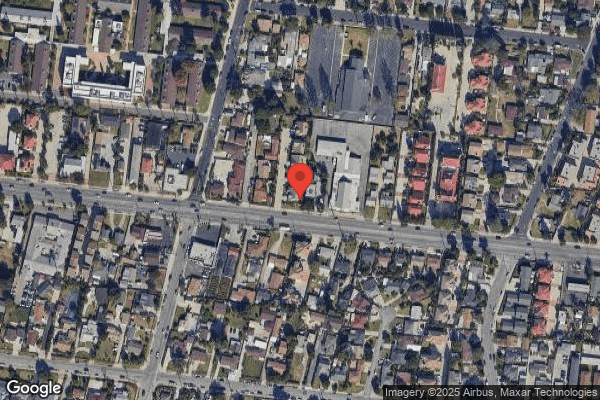
11210 LOWER AZUSA RD., EL MONTE, CA 91731 (626) 442-6863
For profit - Limited Liability company 90 Beds IL & JOAN LEE Data: November 2025
Trust Grade
85/100
#74 of 1155 in CA
Last Inspection: April 2025

Within standard 12-15 month inspection cycle. Federal law requires annual inspections.

Overview

Fidelity Health Care in El Monte, California, has a Trust Grade of B+, indicating it is above average and recommended for families seeking care. Ranking #74 out of 1,155 facilities in California places it in the top half, while its #15 ranking out of 369 in Los Angeles County suggests it is one of the better options available locally. The facility is showing improvement, with the number of issues decreasing from 13 in 2024 to 11 in 2025. Staffing is a strong point, with a 5/5 rating and only a 21% turnover rate, which is significantly lower than the state average. However, there have been some concerns, such as the failure to submit required staffing data to Medicare, which could impact care quality, and issues with food safety practices in the kitchen that could lead to foodborne illnesses. Additionally, a resident with severe cognitive impairment was observed needing assistance, highlighting potential gaps in support for individuals with significant care needs. Overall, while Fidelity Health Care has many strengths, families should remain aware of these specific concerns when considering this facility.

Trust Score
B+
85/100
In California
#74/1155
Top 6%
Safety Record
Low Risk
No red flags
Inspections
Getting Better
13 → 11 violations
Staff Stability
✓ Good
21% annual turnover. Excellent stability, 27 points below California's 48% average. Staff who stay learn residents' needs.
Penalties
✓ Good
No fines on record. Clean compliance history, better than most California facilities.
Skilled Nurses
⚠ Watch
Each resident gets only 25 minutes of Registered Nurse (RN) attention daily — below average for California. Fewer RN minutes means fewer trained eyes watching for problems.
Violations
⚠ Watch
42 deficiencies on record. Higher than average. Multiple issues found across inspections.
★★★★★
5.0
Overall Rating
★★★★★
5.0
Staff Levels
★★★★★
5.0
Care Quality
★★★★☆
4.0
Inspection Score
Stable
2024: 13 issues
2025: 11 issues

The Good

  • 5-Star Staffing Rating · Excellent nurse staffing levels
  • 5-Star Quality Measures · Strong clinical quality outcomes
  • Low Staff Turnover (21%) · Staff stability means consistent care
  • Full Sprinkler Coverage · Fire safety systems throughout facility
  • No fines on record
  • Staff turnover is low (21%)

    27 points below California average of 48%

Facility shows strength in staffing levels, quality measures, staff retention, fire safety.

The Bad

Chain: IL & JOAN LEE

Part of a multi-facility chain

Ask about local staffing decisions and management

The Ugly 42 deficiencies on record

Sept 2025 1 deficiency
CONCERN (D) 📢 Someone Reported This

A family member, employee, or ombudsman was alarmed enough to file a formal complaint

Potential for Harm - no one hurt, but risky conditions existed

Free from Abuse/Neglect (Tag F0600)

Could have caused harm · This affected 1 resident

**NOTE- TERMS IN BRACKETS HAVE BEEN EDITED TO PROTECT CONFIDENTIALITY** Based on observation, interview, and record review, the facility failed to protect the residents' right to be free from verbal, ...

Read full inspector narrative →
**NOTE- TERMS IN BRACKETS HAVE BEEN EDITED TO PROTECT CONFIDENTIALITY** Based on observation, interview, and record review, the facility failed to protect the residents' right to be free from verbal, mental(emotional) and physical abuse for two of three sampled residents (Residents 1 and 2).This deficient practice resulted in Resident 1 being subjected to physical abuse and Resident 2 being subjected to verbal and mental abuse. Findings: During a review of Resident 1's admission Record (AR), the AR indicated Resident 1 was admitted to the facility on [DATE] with diagnoses that included chronic obstructive pulmonary disease (COPD-a chronic lung disease causing difficulty in breathing), Chronic atrial fibrillation (AFib- a condition where the upper chambers of the heart (atria) beat irregularly and rapidly ), and diabetes mellitus (DM-a disorder characterized by difficulty in blood sugar control). During a review of Resident 1's Nursing admission Assessment (NAA) dated 1/17/25, the NAA indicated Resident 1had clear speech, normal hearing, and level of consciousness was oriented, awake/alert and confused. During a review of Resident 1's History and Physical (H&P) dated 1/18/25, the H&P indicated Resident 1 had the capacity to understand and make medical decisions. During a review of Resident 1's Minimum Data Set (MDS, a standardized assessment and care planning tool) dated 7/28/25, the MDS indicated Resident 1 had intact cognition (mental action or process of acquiring knowledge and understanding) for daily decision making. The MDS indicated Resident 1 was independent in eating, oral hygiene, toileting hygiene, shower/bathe self, upper/lower body dressing, putting on/taking off footwear and personal hygiene. During a review of Resident 1's Physician Orders (POs), the POs indicated the following orders:1. Monitor behavior manifested by verbally abusive to staff every shift and tally by hashmark (Order date: 4/8/25).2. Monitor any signs of emotional or psychological distress every shift (Start date: 9/5/25).3. Scratch on neck - Cleanse with Normal Saline. Pat dry, apply bacitracin ointment every day shift for 14 days (Start date: 9/5/25). During a review of Resident 2's AR, the AR indicated Resident 2 was admitted to the facility on [DATE] and readmitted on [DATE] with diagnoses that included other intervertebral disc degeneration, thoracic region and primary osteoarthritis, right hand (two separate conditions: degenerative disc disease in the mid-back (thoracic region) and primary osteoarthritis in the right hand which are both age-related wear and tear conditions), COPD and DM. During a review of Resident 2's NAA dated 3/9/23, the NAA indicated Resident 2 had clear speech, normal hearing, and level of consciousness was oriented, and awake/alert. During a review of Resident 2's H&P dated 2/28/25, the H&P indicated Resident 2 had the capacity to understand and make medical decisions. During a review of Resident 2's MDS dated [DATE], the MDS indicated Resident 2 had intact cognition for daily decision making. The MDS indicated Resident 2 was independent with eating and required set-up or clean-up assistance with oral hygiene, toileting hygiene, upper/lower body dressing, putting on/taking off footwear and personal hygiene; supervision was required for shower/bathe self. During a review of Resident 2's Physician Orders (POs), the POs indicated the following orders:1. Monitor behavior manifested by verbally abusive to staff every shift, tally by hash marks (Start date: 12/1/24).2. Monitor episodes of hallucination (seeing, hearing, smelling, tasting, feeling things that are not present), memory loss, aggressiveness, violent behavior, dizziness, headache, shortness of breath, restlessness every shift, tally by hash marks (Start date: 12/1/24).3. Monitor episodes of hitting another resident every shift, tally by hash marks (Start date: 12/1/24).4. Monitor behavior m/b yelling and screaming at staff every shift Tally by hash marks (Start date: 12/1/24). During a review of Resident 1's Change of Condition (COC)/Interact Assessment Form (SBAR, a sudden clinically important deviation from a resident's baseline in physical, cognitive, behavioral, or functional domains) dated 9/5/25, the COC indicated on 9/5/25 Resident 1 stated, I was leaving Nursing Station 2 from signing out for OOP (temporarily absent from the facility, or Out on Pass), then I was coming back to my room down the hallway, I saw [former resident's name], the ex-patient, was in Resident 2's room when he exited, I said, Hello [former resident's name] , how are you doing? and then Resident 2 stated, He needs to put some [f-king] socks in his mouth so he can shut up. Resident 2 was in the wheelchair, in the middle of the hallway with [former resident's name], so I passed her [Resident 2] up cause she was cursing me out and taking long to move out of the way, so I turned around and she [Resident 2] got up from her wheelchair, and put both hands behind my back and she [Resident 2] grabbed by my neck and choked me, and then she socked me on the right cheek, and she punched me in my stomach too. She [Resident 2] then said, I don't give a damn. then I walked away towards my room. The COC further indicated the charge nurse (CN) was sitting at Nursing Station 2 and heard yelling down the hallway and CN immediately went towards room [number] & saw that Resident 2 was standing up from Resident 2's wheelchair and had Resident 2's left hand on Resident 1's neck, choking Resident 1. During a review of Resident 2's Nursing Progress Notes (NPN) dated 9/5/25, the NPN indicated, Resident to resident physical altercation: Resident 2 stated Resident 1 said to her, You need to wash that a_ _, that stinky a_ _, crack head. Resident 2 stated, And I just wanted him [Resident 1] to get away from me, and I said, Somebody come over here please quickly before I kill him. Then I put my left hand around his neck and then I squeezed it, and then I stopped doing it to him [Resident 1], and then I punched him in the stomach. During a review of Resident 1's Social Services Note dated 9/5/25, the note indicated Resident 1 stated to the Social Services Director (SSD), while Resident 1 was on Resident 1's way to Nursing Station 2 to sign for out on pass, Resident 1 saw [former resident's name] at the facility's lobby and greeted [former resident's name] and said Hello, Hi and without a warning Resident 2 stood up from Resident 2's wheelchair and said profanity words and continued cursing at Resident 1. Resident 2 stood up from Resident 2's wheelchair and placed Resident 2's hand on Resident 1's neck trying to choke Resident 1 and when Resident 2 removed Resident 2's hand from Resident 1's neck there was a scratch mark on Resident 1's neck. Resident 1 stated he did not retaliate or hit Resident 2 back because Resident 1 said, I don't hit women. During a review of Resident 2's Social Services Note dated 9/5/25, the note indicated Resident 2 stated to the SSD, while Resident 2 and [former resident's name] were walking towards the smoking patio, Resident 1 greeted [former resident's name], then Resident 1 claimed and told Resident 2 that Resident 2 was an addict and crack head and Resident 2 used drugs. Resident 2 stated Resident 1 provoked Resident 2 and that Resident 2 was tired of being called a crack head. During an interview on 9/11/25 at 2:13 p.m. with Licensed Vocational Nurse 2 (LVN 2), LVN 2 stated Resident 2 was often loud and yelling and confrontational with staff. During an interview on 9/11/25 at 3:35 p.m. with Resident 2, Resident 2 stated Resident 1 called Resident 2 crack head many times over the course of a year. Resident 2 stated she told Resident 1 to stop calling Resident 2 crack head because it was insulting and not true. Resident 2 stated Social Services had talked to Resident 1 at least 3 times about Resident 1's behavior and the inappropriate language Resident 1 used against Resident 2. Resident 2 stated being called crack head all the time and taken off medications so quickly were contributing factors why Resident 2 attacked and hit Resident 1. Resident 2 stated, On Friday [9/5/25], I heard cussing at Station 2, and it was Resident 1 yelling at the staff. Resident 2 stated the staff didn't do anything to Resident 1. Resident 2 stated as Resident 1 walked down the hall from the Nursing station towards Resident 2, Resident 2 said to Resident 1, Somebody should wash your mouth out with soap. Resident 2 stated Resident 1 started to speak friendly with [former resident's name, who is Resident 2's boyfriend]. Resident 2 stated, There you go talking to [former resident's name] again like you know him. Resident 2 stated Resident 1 called Resident 2 a fatso and crack head, and then got up close to Resident 2's personal space. Resident 2 stated, I told him to move out of my personal space. Resident 2 stated when Resident 1 didn't move, Resident 2 stood up from Resident 2'swheel chair and grabbed Resident 1's neck then punched Resident 1 in the stomach. Resident 2 stated staff heard what was happening then Resident 2 was separated from Resident 1. Resident 2 stated several incidents happened prior to this most recent incident and this has been ongoing, well over a year to 1 1/2 years. During an interview on 9/11/25 at 3:54 p.m. with Certified Nursing Assistant 2 (CNA 2), CNA 2 stated, Resident 1 liked to tease other residents and bother them. CNA 2 stated CNA 2 told Resident 1 to stop with his inappropriate language towards residents, but Resident 1 would do it again to other residents. During an interview on 9/11/25 at 4:02 p.m. with Social Services Director (SSD), SSD stated Resident 1 loved to tease the residents. SSD stated, Some [residents] will respond to him others will be quiet. SSD stated, I was there that day [incident between Resident 1 and Resident 2], went out to see, and asked Resident 1 what happened. SSD stated Resident 1 told SSD Resident 1 did nothing to Resident 2. During an interview on 9/11/25 at 4:45 p.m. with Registered Nurse 2 (RN 2), RN 2 stated yelling at someone and saying hurtful and cruel things and teasing someone and calling the person a crack head is a form of verbal abuse. RN 2 stated, name calling was a form of abuse if the resident verbalized that he or she was not comfortable about it. During an interview with the facility's Director of Staff Development (DSD), the DSD stated, Verbal abuse is not acceptable. It falls under abuse. Verbal can mentally hurt and damage the resident's morale. Physical abuse, it hurts, damages you mentally and physically. During a review of the facility's current Policy & Procedure (P&P) titled, Abuse Prevention and Response Policy, revised 3/21/25, the P&P indicated the facility would ensure the safety and well-being of all residents by preventing, identifying, reporting, and responding to any form of abuse, neglect, or exploitation. The P&P indicated abuse is not limited to physical, emotional, sexual, and financial abuse, as well as neglect and exploitation. Each type of abuse is defined as follows:Verbal Abuse: any use of oral, written or gestured language that willfully includes disparaging and derogatory terms to residents or their families, or within their hearing distance, regardless of their age, ability to comprehend, or disability.Emotional Abuse: Verbal or non-verbal actions causing emotional pain or distress.
Apr 2025 7 deficiencies
CONCERN (D)

Potential for Harm - no one hurt, but risky conditions existed

Deficiency F0558 (Tag F0558)

Could have caused harm · This affected 1 resident

**NOTE- TERMS IN BRACKETS HAVE BEEN EDITED TO PROTECT CONFIDENTIALITY** Based on observation, interview, and record review, the facility failed to ensure the call light was within reach for one of thr...

Read full inspector narrative →
**NOTE- TERMS IN BRACKETS HAVE BEEN EDITED TO PROTECT CONFIDENTIALITY** Based on observation, interview, and record review, the facility failed to ensure the call light was within reach for one of three sampled residents (Resident 47). This failure had the potential for Resident 47 not to receive necessary care or receive delayed services, placing the resident at risk for falls or injury. Findings: During a review of Resident 47's admission Record (AR), the AR indicated Resident 47 was initially admitted to the facility on [DATE] and readmitted on [DATE] with diagnoses that included osteoarthritis (a progressive disorder of the joints, caused by a gradual loss of cartilage), dementia (a progressive state of decline of mental abilities), and schizophrenia (a mental illness that is characterized by disturbances in thought). During a review of Resident 47's Fall Risk Assessment (FRA) dated 1/31/2025, the FRA indicated Resident 47 was assessed as high risk for fall. During a review of Resident 47's Minimum Data Set (MDS, a resident assessment tool) dated 2/26/2025, the MDS indicated Resident 47 had severely impaired cognition (ability to understand and process information). The MDS indicated Resident 47 required supervision or touching assistance (helper provided verbal cues and/or touching/steadying and/or contact guard assistance as resident completes activity) with oral hygiene and lower body dressing and substantial/maximal assistance (helper did more than half the effort) with shower. During a review of Resident 47's untitled Care Plan (CP), dated 2/25/2025, the CP indicated, Resident 47 was high risk for injury /accident and falls related to episode of getting out of bed unassisted. The CP interventions included for staff to ensure the call light was within reach and to answer promptly. During a concurrent observation inside Resident 47's room and interview on 4/1/2025 at 11:17 am with Certified Nurse Assistant 3 (CNA 3), Resident 47 was in bed on her back with call light stuck behind Resident 47's personal belongings. CNA 3 stated Resident 47 would not be able to find and reach the call light. CNA 3 stated the resident's call light should be placed next to the resident and within the reach of the resident to be able to call staff when help was needed. During an interview on 4/4/2025 at 9:53 am with the Director of Nursing (DON), the DON stated the resident's call light should be placed next to the resident's strong arm and hand so that the resident could call for assistance and staff could address the resident's needs timely. During a review of the facility's Policy and Procedure (P&P) titled, Call Lights and Use of the Call Cord System, dated 8/2005, the P&P indicated, Assure that the call light is within the resident's reach when in their room or on the toilet. Placement of the call cord within the resident's reach.
CONCERN (D)

Potential for Harm - no one hurt, but risky conditions existed

Deficiency F0578 (Tag F0578)

Could have caused harm · This affected 1 resident

**NOTE- TERMS IN BRACKETS HAVE BEEN EDITED TO PROTECT CONFIDENTIALITY** Based on interview and record review, the facility failed to implement its Policy and Procedure (P&P) on Advance Directives (AD,...

Read full inspector narrative →
**NOTE- TERMS IN BRACKETS HAVE BEEN EDITED TO PROTECT CONFIDENTIALITY** Based on interview and record review, the facility failed to implement its Policy and Procedure (P&P) on Advance Directives (AD, a legal document indicating resident preference on end-of-life treatment decisions) for one of one sampled resident (Resident 76) by failing to ensure the Advance Directive Acknowledge (ADA) Form was completed on admission for Resident 76. This failure had the potential risk for facility staff to provide medical treatment and services against the will of Resident 76. Findings: During a review of Resident 76's admission Record (AR), the AR indicated Resident 76 was admitted to the facility on [DATE] with diagnoses that included chronic obstructive pulmonary disease (COPD, a chronic lung disease causing difficulty in breathing) and Diabetes Mellitus (DM, a disorder characterized by difficulty in blood sugar control). During a review of Resident 76's Minimum Data Set (MDS, a resident assessment tool) dated 1/29/2025, the MDS indicated Resident 76 had an intact cognition (ability to understand) and required setup or clean-up assistance (helper sets up or clean up, resident completes activity) with toileting hygiene and upper and lower body dressing. During a review of Resident 76's ADA, the ADA did not indicate if Resident 76 had or had not executed an ADA. The ADA was not dated when it was signed by Resident 76. The ADA had missing signature from the facility. During an interview on 4/1/2025 at 1:03 pm with Social Service Director (SSD), the SSD stated Resident 76's ADA form was considered incomplete because there was no indication if Resident 76 executed an AD. The SSD stated Resident 76 did not execute an AD. The SSD stated, an AD indicated the resident's care and treatment choices, and it was important to follow the residents' wishes. The SSD stated, if the ADA form was incorrectly completed, the nurses would not know the resident's choices during an emergency. During a review of the facility's undated P&P titled Advanced Directives Policy and Procedure, the P&P indicated Advanced Directive acknowledgement forms must be completed within 7 days from admission by Social Services director or designee.
CONCERN (D)

Potential for Harm - no one hurt, but risky conditions existed

Deficiency F0849 (Tag F0849)

Could have caused harm · This affected 1 resident

**NOTE- TERMS IN BRACKETS HAVE BEEN EDITED TO PROTECT CONFIDENTIALITY** Based on interview and record review, the facility failed to designate a member of the facility's Interdisciplinary Team (IDT- a...

Read full inspector narrative →
**NOTE- TERMS IN BRACKETS HAVE BEEN EDITED TO PROTECT CONFIDENTIALITY** Based on interview and record review, the facility failed to designate a member of the facility's Interdisciplinary Team (IDT- a group of health care professionals who work together toward the goals of their patients) who was responsible for working with Hospice (a program designed to provide comfort care and emotional support to the terminally ill) representatives to coordinate care for one of one sampled resident (Resident 3). This deficient practice had the potential to affect Resident 3's quality of while on Hospice Care. Findings: During a review of Resident 3's admission Record (AR), the AR indicated Resident 3 was readmitted to the facility on [DATE] with diagnoses including adult failure to thrive (a decline in physical and cognitive function) and rhabdomyolysis (a medical condition characterized by the breakdown of muscle tissue, leading to the release of harmful substances into the bloodstream). During a review of Resident 3's active Physician Order (PO) dated 3/19/2025, the PO indicated Resident 3 was admitted under Hospice Service (H 1). During a review of Resident 3's Minimum Data Set (MDS, a resident assessment tool) dated 3/30/2025, the MDS indicated Resident 3 had unclear speech, rarely/never understood others and made self-understood. The MDS indicated Resident 3 required substantial/maximal assistance (helper does more than half the effort, helper lifts or holds trunk or limbs and provides more than half the effort) for personal hygiene and upper and lower body dressing. During a review of H1's visitation calendar for 3/2025, the visitation calendar indicated H1's Certified Home Health Aid (CHHA) was scheduled to visit Resident 3 on 3/26/2025 and 4/2/2025. During a review of H1's Staff Sign in Log (SSIL) from 3/19/2025 to 4/2/2025, the sign in log indicated there was no CHHA who signed in on 3/26/2025 and 4/2/2025. During an interview and concurrent record review on 4/2/2025 at 3:10 pm with the Director of Nursing (DON), the DON stated the facility did not have a designated staff who was responsible to work with H1 and coordinate care to Resident 3, provided by the facility staff and H1 staff. The DON stated, the facility had a binder for H1 for Resident 3. The DON stated there was monthly calendar in hospice binder with H1's visitation schedules. The DON stated CHHA was scheduled to visit Resident 3 on 3/26/2025 and 4/2/2025 according to H1's March 2025 schedule. The DON stated hospice staff should sign in on the SSIL every time they come and provide care to Resident 3. The DON stated there was no sign in by CHHA for 3/26/2025 and 4/2/2025. The DON stated the facility cannot verify if CHHA came on 3/26/2025 and 4/2/2025 to provide necessary care to Resident 3 because the facility did not have a designated person to monitor and follow up with H1's scheduled visit. The DON stated it was important to have a designated staff for hospice residents to ensure no missed visitations from hospice staff and ensure Resident 3's hospice care was provided in order to maintain Resident 3's quality of life. During an interview with the DON on 4/3/2025 at 10:55 am, the DON stated the facility did not have a policy and procedure indicating the facility assigning a designated staff to coordinate with hospice services.
CONCERN (D)

Potential for Harm - no one hurt, but risky conditions existed

Safe Environment (Tag F0921)

Could have caused harm · This affected 1 resident

**NOTE- TERMS IN BRACKETS HAVE BEEN EDITED TO PROTECT CONFIDENTIALITY** Based on observation, interview, and record review, the facility failed to keep an electric fan (a powered machine used to creat...

Read full inspector narrative →
**NOTE- TERMS IN BRACKETS HAVE BEEN EDITED TO PROTECT CONFIDENTIALITY** Based on observation, interview, and record review, the facility failed to keep an electric fan (a powered machine used to create a flow of air to cool and ventilate rooms and control humidity) in a safe, operating, and sanitary condition for one of one sampled resident (Resident 17). This failure had the potential to affect Resident 17's quality of life and health. Findings: During a review of Resident 17's admission Record (AR), the AR indicated Resident 17 was initially admitted to the facility on [DATE] and readmitted on [DATE] with diagnoses that included hypertension (HTN, high blood pressure), anxiety (intense, excessive, and persistent worry and fear), and osteoarthritis (a progressive disorder of the joints). During a review of Resident 17's Minimum Data Set (MDS, a resident assessment tool) dated 2/5/2025, the MDS indicated Resident 17 had moderately impaired cognition (ability to understand and process information). The MDS indicated Resident 17 required setup or clean-up assistance (helper sets up or cleans up; resident completes the activity) with shower and personal hygiene. During a concurrent observation inside Resident 17's room and interview on 4/1/2025 at 10:22 am with Licensed Vocational Nurse 2 (LVN 2), a black standing fan was at Resident 17's bedside. LVN 2 stated the electric fan blades had dust, and the cover was full of lint. LVN 2 stated Resident 17 could inhale the dust and the lint and cause respiratory problems. During an interview on 4/4/2025 at 9:51 am with the Director of Nursing (DON), the DON stated, the housekeeping staff should keep all equipment in the resident's room clean and in good working condition to prevent respiratory related illnesses. During a review of the facility's Policy and Procedure (P&P) titled, Homelike Environment Policy, dated 4/2018, the P&P indicated, Regular housekeeping and maintenance will be provided while preserving resident's personal touches.
CONCERN (E)

Potential for Harm - no one hurt, but risky conditions existed

Resident Rights (Tag F0550)

Could have caused harm · This affected multiple residents

**NOTE- TERMS IN BRACKETS HAVE BEEN EDITED TO PROTECT CONFIDENTIALITY** b. During a review of Resident 34's AR, the AR indicated Resident 34 was initially admitted to the facility on [DATE] and readmi...

Read full inspector narrative →
**NOTE- TERMS IN BRACKETS HAVE BEEN EDITED TO PROTECT CONFIDENTIALITY** b. During a review of Resident 34's AR, the AR indicated Resident 34 was initially admitted to the facility on [DATE] and readmitted on [DATE] with diagnoses that included dementia (a progressive state of decline in mental abilities), hemiplegia (total paralysis of the arm, leg, and trunk on the same side of the body) and hemiparesis (partial weakness on one side of the body). During a review of Resident 34's MDS dated [DATE], the MDS indicated Resident 34 had severely impaired cognition. The MDS indicated Resident 34 required partial/moderate assistance (helper did less than half the effort) with eating and dependent (helper did all of the effort, resident did none of the effort to complete the activity) with oral and toileting hygiene, shower, upper and lower body dressing and personal hygiene. During an observation inside Resident 34's room on 4/1/2025 at 10:41 am, Resident 34 was in bed on her back and the head of the bed was elevated. CNA 4 was standing on the left side of Resident 34. CNA 4 was feeding Resident 34 with vanilla pudding. During an interview on 4/2/2025 ay 9:53 am with CNA 2, CNA 2 stated residents should be fed with the staff sitting next to resident and at eye level of the resident for the resident be able to eat comfortably and in a relaxed pace. During an interview on 4/4/2025 at 9:44 am with the Director of Nursing (DON), the DON stated, staff feeding a resident should be sitting at an eye level of the resident for the health, safety and dignity of the resident. During a review of the facility's policy and procedure (P&P) titled, Feeding Assistance Procedures, dated 5/2017, the P&P indicated, Sit at eye level with the resident to encourage engagement. Avoid rushing and maintain a calm, pleasant dining environment. Based on observation, interview, and record review, the facility failed to ensure two of two sampled residents (Residents 4 and 34) were treated with dignity when Certified Nursing Assistant 2 (CNA 2) and CNA 4 stood over Residents 4 and 34 while assisting Residents 4 and 34 to eat. This deficient practice had the potential to result in psychosocial (mental and emotional well-being) decline and lowered self-esteem and self-worth for Residents 4 and 34. Findings: a. During a review of Resident 4's admission Record (AR), the AR indicated Resident 4 was originally admitted to the facility on [DATE] and readmitted on [DATE] with diagnoses including Parkinson's disease (a progressive disease of the nervous system marked by tremor, muscular rigidity, and slow, imprecise movements) without dyskinesia (uncontrolled, involuntary muscle movement), without mention of fluctuations and unspecified dementia (a progressive state of decline in mental abilities), mild, without behavioral disturbance, psychotic disturbance (a mental health condition characterized by a loss of contact with reality), mood disturbance (a significant change in a person's emotional state that persists for an extended period), and anxiety (a mental health condition characterized by persistent, excessive fear or worry that significantly interferes with daily life). During a review of Resident 4's History and Physical Examinations (H&P) dated 7/24/24, the H&P indicated Resident 4 did not have the capacity to understand and make decisions. During a review of Resident 4's Care Plan (CP, provides direction on the type of nursing care an individual needs that include goals of treatment, specific nursing interventions and evaluation plan), titled, Weight (Wt.) loss of 7 pounds (lbs.) for 30 days, dated 9/15/24, the CP interventions included for staff to provide assistance with meals as needed. During a review of Resident 4's Minimum Data Set (MDS, a resident assessment tool) dated 2/18/25, the MDS indicated Resident 4's cognitive skills (ability to think and process information) for daily decision making was severely impaired. The MDS indicated Resident 4 required set up or clean-up assistance (helper sets up or cleans up) with eating (the ability to use suitable utensils to bring food and/or liquid to the mouth and swallow food and/or liquid once the meal is placed before the resident). During a concurrent observation in Resident 4's room and interview on 4/1/25 at 12:16 p.m. with Certified Nursing Assistant (CNA) 7, Resident 4 was in bed at a high fowler's position (bed is elevated 60-90 degrees) while being fed lunch by CNA 2. CNA 2 was feeding Resident 4 while CNA 2 was standing over Resident 4 on the left side of Resident 4's bed. Resident 4's head was at CNA 2's waist level. CNA 7 stated staff needed to sit down while feeding residents (in general) at eye level of the resident for staff to be engaging and make residents feel comfortable. During an interview on 4/2/25 at 8:08 a.m. with the Director of Nursing (DON), the DON stated, staff should be sitting down when feeding residents for body mechanics (coordinated movement to maintain balance and posture) for the staff and to be able to feed the residents correctly. During a review of the facility's Policy and Procedure (P&P) titled, Feeding Program Policy, effective 2/2018, the P&P indicated the purpose of the policy was to establish guidelines for the feeding program at the facility to ensure that all residents received proper nutrition, hydration, and individualized feeding assistance in a safe and dignified manner. The P&P indicated, proper feeding assistance should be provided to residents who required help with eating and drinking to maintain their health and quality of life. The P&P indicated, staff should assist residents who required help with feeding in a patient, respectful, and dignified manner.
CONCERN (E)

Potential for Harm - no one hurt, but risky conditions existed

Food Safety (Tag F0812)

Could have caused harm · This affected multiple residents

Based on observation, interview, and record review, the facility failed to follow safe food handling and proper storage practices for one of one facility kitchen in accordance with professional standa...

Read full inspector narrative →
Based on observation, interview, and record review, the facility failed to follow safe food handling and proper storage practices for one of one facility kitchen in accordance with professional standards of food service safety and the facility's Policy and Procedure (P&P) by failing to: 1. Label/date food items. 2. Store dishware and kitchenware under sanitary conditions. 3. Wear hair restraints in the kitchen food preparation area. These deficient practices could result in a risk for serious complications from food borne illness (illness caused by the ingestion of contaminated food or beverage) and/or affect the quality and palatability (taste) of food for the residents. Findings: During a concurrent observation and interview on 4/1/25 at 9:22 a.m. with the Dietary Supervisor (DS), during the initial tour of the kitchen, Freezer 2 had a signage posted on the door indicating a Reminder: . Observed inside Freezer 2 were: 1. One opened box of 24 count of individual three oz (ounce, a unit of weight) cups of frozen pineapple sherbet and one three oz cup of frozen pineapple sherbet outside of the box on the shelf. The box was marked with a black marker indicating, R 3.24.25 and was not labeled with an opened date. 2. One opened box of 24 count of individual three oz cups of frozen strawberry ice cream. The box was marked with a black marker indicating, R 3.31.25 and was not labeled with an opened date The DS stated, the R on the boxes meant received. The DS stated the boxes should have been labeled with an opened date. During a concurrent observation inside the walk-in refrigerator and interview on 4/1/25 at 9:40 a.m. with the DS and [NAME] 1 (CK 1), CK 1 was asked what kind of eggs to use if a resident wanted either a soft boiled egg or over easy, CK 1 showed a 36-count of white eggs stored on top of a box of 150 count of eggs that had no indication or label that the eggs were pasteurized. The DS stated, staff should use pasteurized eggs to prevent food borne illness. The DS stated, the facility catered to the elderly who were easy to get infection (the invasion and growth of germs in the body) and bacteria. During a concurrent observation in the kitchen and interview with the DS on 4/1/25 at 9:42 a.m. the following were observed: 1. Three stacks of clean white colored dinner plates stored on the shelf above the tray line 2. Six stacks of clean maroon colored and clean blue colored plastic plate covers stored on the shelf above the tray line 3. Three stacks of clean cream colored plastic compartment plates stored on the shelf above the tray line 4. One stack of clean stainless steel colander and two stainless steel mixing bowls stored on the bottom shelf of a utility cart. The dishware and kitchenware were stored face up and not covered. The DS stated, dishware and kitchenware should be stored upside down to avoid contamination that could cause food borne illness. During an observation in the kitchen and interview on 4/4/25 at 7:34 a.m. with CK 1, CK 1 was inside the kitchen without a hair restraint. CK 1 stated, it was important to wear a hairnet for sanitization and to maintain cleanliness. CK 1 stated, a hair could fall into the food and contaminate the food and could get the residents sick. During a concurrent observation in the kitchen and interview on 4/4/25 at 10:20 a.m. with the DS, the Dishwasher (DW) was in the dishwashing station without a hair restraint and was tossing and fixing her long, thick hair. The DS stated, staff should wear a hair restraint once staff entered the kitchen to prevent contamination. The DS stated, the facility provided staff with hair net located by the kitchen door. During a record review of the facility's signage posted (SP) on the door of Freezer 2 titled, Reminder:, the SP indicated, to label with the date the package or container was opened. During a record review of the facility's P&P titled, Food Storage, Handling, Dishwashing, Shelf Life, and Hair Restraint Policy, dated 4/16, the P&P indicated, the P&P ensured all food stored, handled, prepared, and served within the facility was safe and sanitary and included measures to prevent contamination, including proper use of hairnets and other restraints in food service areas. The P&P indicated, the P&P applied to all employees involved in food service operations, including procurement, preparation, dishwashing, serving, and storage. The P&P indicated, the facility would enforce hygiene standards, including the mandatory use of hairnet or head coverings to prevent hair contamination in food preparation and storage areas. Staff would follow food safety procedures and maintained a clean, safe environment. The P&P indicated, one of the procedures was to label and seal opened packages and use the FIFO (first-in, first-out) method. The P&P indicated, all staff must wear hairnets or approved hair restraints (e.g., caps) when in food prep, dishwashing, or storage areas. The P&P indicated, under the Kitchenware Storage section, to store clean dishes in dry, covered, clean areas. During a record review of the facility's P&P titled, Policy on Pasteurized Eggs, dated 3/17, the P&P indicated, to minimize the risk of Salmonella (type of bacteria) and other foodborne illnesses, the facility should only use pasteurized eggs or pasteurized egg products in any dish requiring raw or undercooked eggs. The P&P indicated, only commercially pasteurized eggs or egg products should be purchased and stored in the facility.
CONCERN (E)

Potential for Harm - no one hurt, but risky conditions existed

Infection Control (Tag F0880)

Could have caused harm · This affected multiple residents

**NOTE- TERMS IN BRACKETS HAVE BEEN EDITED TO PROTECT CONFIDENTIALITY** Based on observation, interview, and record review, the facility failed to implement infection control guidelines by failing to:...

Read full inspector narrative →
**NOTE- TERMS IN BRACKETS HAVE BEEN EDITED TO PROTECT CONFIDENTIALITY** Based on observation, interview, and record review, the facility failed to implement infection control guidelines by failing to: a. Ensure to change the nasal canula (NC, a small plastic tube, which fits into the person's nostrils for providing supplemental oxygen) weekly for one of one sampled resident (Resident 76). b. Ensure personal toiletry was labeled and not stored inside the [NAME] and [NAME] restroom (a restroom that has two doors and is sandwiched between two bedrooms and is accessible by both bedrooms) of Residents 65, 48, 30, 78, 43 and 23. These failures had the potential to result in the spread of infection in the facility. Findings: a. During a review of Resident 76's admission Record (AR), the AR indicated Resident 76 was admitted to the facility on [DATE] with diagnoses that included chronic obstructive pulmonary disease (COPD, a chronic lung disease causing difficulty in breathing) and Diabetes Mellitus (DM, a disorder characterized by difficulty in blood sugar control). During a review of Resident 76's Minimum Data Set (MDS, a resident assessment tool) dated 1/29/2025, the MDS indicated Resident 76 had an intact cognition (ability to understand) and required setup or clean-up assistance (helper sets up or clean up, resident completes activity) with toileting hygiene and upper and lower body dressing. During an observation on 4/1/2025 at 10:45 am, in Resident 76's room, Resident 76 was sitting at bedside. Resident 76 had NC in the nostrils, receiving 2 liters of oxygen per minute. Resident 76's NC bag was dated 3/8/2025. During a concurrent interview, Licensed Vocational Nurse 3 (LVN 3) stated, resident's NC should be changed weekly and as needed for infection control purposes. During an interview on 4/2/2025 at 9:33 am with the Infection Preventionist Nurse (IPN), the IPN stated the resident's NC should be changed weekly to prevent bacteria accumulating and for infection control. During a review of Resident 76's Order Summary Report (OSR) dated 4/1/2025, the OSR indicated Resident 76 had an active order for oxygen inhalation 2 liters per minute via (through) NC as needed for shortness of breath (SOB), congestion (an excessive accumulation of blood or mucus), wheezing (abnormal lung sound) and comfort needs. During a review of the facility's Policy and Procedure tilted Oxygen Use of, dated 8/2025, the P&P indicated Oxygen equipment will be maintained in the following manner: humidifier bottle will be changed every 7 days (s) and PRN. Equipment will be changed as needed. b. During a review of Resident 65's AR, the AR indicated Resident 65 was originally admitted to the facility on [DATE] and readmitted on [DATE] with diagnoses including unspecified dementia (a progressive state of decline in mental abilities), mild, without behavioral disturbance, psychotic disturbance (a mental health condition characterized by a loss of contact with reality, leading to distorted perceptions, thoughts, and behaviors), mood disturbance (a significant change in a person's emotional state that persists for an extended period), and anxiety (persistent, excessive fear or worry that significantly interferes with daily life) and personal history of urinary (tract) infections (UTI, an infection in the bladder/urinary tract). During a review of Resident 65's History and Physical (H&P) dated 12/25/24, the H&P indicated Resident 65 did not have the capacity to understand and make decisions. During a review of Resident 65's MDS dated [DATE], the MDS indicated, Resident 65 had severely impaired cognition. The MDS indicated Resident 65 required substantial/maximal assistance (helper does more than half the effort) with toileting hygiene, shower/bathe self and personal hygiene. During a review of Resident 48's AR, the AR indicated Resident 48 was originally admitted to the facility on [DATE] and readmitted on [DATE] with diagnoses including COPD, unspecified and schizophrenia (a mental illness that is characterized by disturbances in thought), unspecified. During a review of Resident 48's H&P dated 10/20/24, the H&P indicated Resident 48 could make needs known but could not make medical decisions. During a review of Resident 48's MDS dated [DATE], the MDS indicated Resident 48's had severely impaired cognition. The MDS indicated Resident 48 required substantial/maximal assistance with toileting hygiene and shower/bathe self. During a review of Resident 30's AR, the AR indicated Resident 30 was originally admitted to the facility on [DATE] with diagnoses including schizoaffective disorder (a mental health condition including schizophrenia and mood disorder symptoms), bipolar type (mood swings that range from the lows of depression to elevated periods of emotional highs). During a review of Resident 30's H&P dated 11/28/24, the H&P indicated Resident 30 had the capacity to understand and make decisions. During a review of Resident 30's MDS dated [DATE], the MDS indicated Resident 30's had intact condition. The MDS indicated Resident 30 required setup or clean-up assistance with toileting hygiene and shower/bathe self. During a review of Resident 78's AR, the AR indicated Resident 78 was originally admitted to the facility on [DATE] and readmitted on [DATE] with diagnoses including metabolic encephalopathy (a brain dysfunction leading to symptoms like confusion, altered consciousness) and type 2 diabetes mellitus (DM) with diabetic neuropathy (a type of nerve damage that can occur with DM), unspecified. During a review of Resident 78's H&P dated 2/17/25, the H&P indicated Resident 78 had the capacity to understand and make decisions. During a review of Resident 78's MDS dated [DATE], the MDS indicated Resident 78 had intact cognition. The MDS indicated Resident 78 required substantial/maximal assistance with toileting hygiene and shower/bathe self. During a review of Resident 43's AR, the AR indicated Resident 43 was originally admitted to the facility on [DATE] and readmitted on [DATE] with diagnoses including unspecified dementia, mild, without behavioral disturbance, psychotic disturbance, mood disturbance, and anxiety disorder, unspecified. During a review of Resident 43's H&P dated 11/12/24, the H&P indicated Resident 43 had the capacity to understand and make decisions. During a review of Resident 43's MDS dated [DATE], the MDS indicated Resident 43 had intact cognition. The MDS indicated Resident 43 required substantial/maximal assistance with toileting hygiene and shower/bathe self. During a review of Resident 23's AR, the AR indicated Resident 23 was originally admitted to the facility on [DATE] and readmitted on [DATE] with diagnoses including essential (primary) hypertension (HTN, high blood pressure) and anxiety disorder, unspecified. During a review of Resident 23's H&P dated 1/7/25, the H&P indicated Resident 23 did not have the capacity to understand and make decisions. During a review of Resident 23's MDS dated [DATE], the MDS indicated Resident 23 had moderately impaired cognition. The MDS indicated Resident 23 required partial/moderate assistance (helper does less than half the effort) with toileting hygiene and shower/bathe self. During a concurrent observation and interview on 4/1/25 at 11:20 a.m. with Certified Nursing Assistant 7 (CNA 7), inside the [NAME] and [NAME] restroom shared by Residents 65, 48, 30, 78,43 and 23, there was an opened, unlabeled 8 fl. oz. (fluid ounce, a unit of volume) of moisturizing shampoo & body wash stored on the window sill. CNA 7 stated, resident's personal toiletries should not be stored inside the restroom and should be labeled with the resident's name and kept at the bedside for resident's personal use. CNA 7 stated the moisturizing shampoo & body wash shouldn't be in the restroom for safety reasons and to prevent cross contamination among residents. During an interview on 4/1/25 at 11:29 a.m. with the Infection Preventionist Nurse (IPN), the IPN stated personal toiletries were supposed to be labeled with resident's name and stored in the resident's drawer because other residents might use it (personal toiletry) to prevent cross contamination, for infection control. During a record review of the facility's Policy and Procedure (P&P) titled, Personal Hygiene Items, dated 4/16, the P&P indicated each resident would have their own toothbrush, toothpaste, comb, and other personal hygiene items to prevent cross-contamination. During a record review of the facility's undated P&P titled, Infection Control Program, the P&P indicated the facility should establish an infection control program designed to provide a safe, sanitary and comfortable environment for residents and staff to help prevent the development and transmission of disease and infection.
Mar 2025 3 deficiencies
CONCERN (D) 📢 Someone Reported This

A family member, employee, or ombudsman was alarmed enough to file a formal complaint

Potential for Harm - no one hurt, but risky conditions existed

Free from Abuse/Neglect (Tag F0600)

Could have caused harm · This affected 1 resident

**NOTE- TERMS IN BRACKETS HAVE BEEN EDITED TO PROTECT CONFIDENTIALITY** Based on observation, interview, and record review, the facility failed to ensure one of nine sampled residents (Resident 1) was...

Read full inspector narrative →
**NOTE- TERMS IN BRACKETS HAVE BEEN EDITED TO PROTECT CONFIDENTIALITY** Based on observation, interview, and record review, the facility failed to ensure one of nine sampled residents (Resident 1) was free from verbal and physical abuse (willful infliction of injury, unreasonable confinement, intimidation, or punishment with resulting physical harm, pain or mental anguish) according to the facility's policy and procedure (P&P) titled, Abuse Prevention. Resident 1 was yelled and scratched on the right hand by Resident 2, resulting in an open cut on Resident 1's right hand. This deficient practice resulted in Residents 1 to experience physical and verbal abuse from Resident 2. Findings: a. During a review of Resident 1's admission Record (AR), the AR indicated Resident 1 was re-admitted to facility on 4/25/2024, with multiple diagnoses including osteoarthritis (joint disease) of both knees and anxiety (a feeling of worry, nervousness, or unease). During a review of Resident 1's History and Physical (H&P), dated 1/7/2025, the H&P indicated Resident 1 did not have the capacity to understand and make decisions. During a review of Resident 1's Minimum Data Set (MDS, a resident assessment tool) dated 1/29/2025, the MDS indicated Resident 1 was moderate cognitive impairment (noticeable decline in thinking) and needed moderate assistance (helper did half the work) wit toilet and personal hygiene, upper and lower body dressing and transfer from chair/bed-to-chair. A review of Resident 1's Care Plan (CP) titled, Resident Care Plan, dated 3/4/2025, the CP indicated Resident 1 had an Allegation of Resident-to-Resident Altercation (with Resident 2). During a review of Resident 1's Physician Order (PO), dated 3/4/2025 at 9 am, the PO indicated to cleanse Resident 1's right hand with normal saline, pat dry, apply bacitracin (an antibiotic) ointment, cover with dry dressing every shift for 21 days. During a review of Resident 1's Progress Notes (PN), dated 3/4/2025 at 3:47 pm, the PN indicated Resident 1 was noted with 0.1 centimeter (cm- unit of measurement) by 0.1 cm scratch on Resident 1's right hand. During a concurrent observation and interview on 3/6/2025 at 12:15 pm, with Resident 1, Resident 1 had an open wound with exposed pink tissue on the top portion of Resident 1's right hand. Resident 1 stated on 3/4/2025, at around 3 am (could not remember exact time), Resident 1 and Resident 2 had a verbal disagreement regarding having the room light on. Resident 1 stated later that day at around 8 am, while the housekeeper was cleaning the room, Resident 2 approached Resident 1. Resident 1 stated Resident 2 screamed and yelled and hit me on the hand. b. During a review of Resident 2's AR, the AR indicated Resident 2 was admitted to the facility on [DATE], and was readmitted on [DATE], with diagnoses that included schizophrenia (a disorder that affects a person's ability to think, feel, and behave clearly) and depression (causes feelings of sadness and/or a loss of interest in activities once enjoyed). During a review of Resident 2's physician order (PO), dated 2/2/2025, the PO indicated for staff to monitor Resident 2 for aggressive behavior manifested by hitting and pinching staff. During a review of another PO for Resident 2, dated 2/2/2025, the PO indicated for staff to place Resident 2 on one-to-one (1:1 - one staff member continuously observes and is immediately available to one patient) monitoring (indication not specified). During a review of Resident 2's MDS, dated 2/9/2025, the MDS indicated the resident was cognitively intact, had clear speech, and the ability to understand and be understood. The MDS indicated Resident 2 needed maximal assistance with chair/bed- to- chair transfers. During a review of Resident 2's H&P, dated 2/27/2025, indicated Resident 2 had the capacity to make medical decisions. A review of Resident 2's CP titled, Resident Care Plan, dated 3/4/2025, the CP indicated the resident had an Allegation of resident (Resident 2) scratching another resident (Resident 1). During a review of Resident 2's 1:1 Monitoring Log (ML), dated 3/4/2025, indicated at 8 am, Resident 2's observation on resident's activity indicated Resident 2 went to the room, having conservation with Resident 1. The ML indicated no nurses initial was documented between the hours of 7:30 am to 8 am. During a concurrent observation and interview on 3/6/2025 at 12:32 pm, with Resident 2, Resident 2 was sitting in Resident 2's wheelchair, moving around the room independently. Resident 2 stated on 3/4/2024 at around 8 am while housekeeping was cleaning the room, Resident 2 told Resident 1 to stay in bed and (Resident 1) cannot use the restroom because the lady was cleaning. Resident 2 stated Resident 1 was sitting in the wheelchair next to her (Resident 2's) bed. Resident 2 stated Resident 2 told Resident 1 to move because they are going to mop the room. Resident 2 stated Resident 1 went to the restroom. Resident 2 stated Resident 2 did not touch Resident 1. During an interview on 3/6/2025 at 12:49 pm, with Resident 3, Resident 3 stated on 3/4/2025 (unable to recall time), while waiting for housekeeping to finish cleaning the room, Resident 3 was in the hallway and heard Resident 2 yell at Resident 1 inside the room. Resident 3 stated no staff was around to monitor the residents. During an interview on 3/6/2025 at 1:39 pm with CNA 3, CNA 3 stated CNA 3 was responsible for the one-to-one monitoring of Resident 2. CNA 3 stated on 3/4/2025, around 8 am, CNA 3 went and used the restroom without informing another staff member. CNA 3 stated CNA 3 should have informed the nurse in charge that CNA 3 had to use the restroom and not leave Resident 2 unattended. During an interview on 3/6/2025 at 2 pm with the Director of Nursing (DON), the DON stated Resident 1 had orders for one-to-one monitoring. The DON stated CNA 3 was the staff member assigned to (1:1) monitor Resident 2 and needed to inform another staff member prior to leaving Resident 2 unattended for safety concerns. During a review of the facility's P&P titled, Abuse Prevention, revised on 3/15/2018, the P&P indicated the facility shall upload resident rights to be free from verbal, sexual, physical and mental abuse, corporal punishment, and involuntarily seclusion. During a review of the facility's P&P titled, One-on-One Monitoring Policy, dated 3/2018, the P&P indicated, the policy aims to ensure the safety, well-being, and quality of care for residents requiring individualized monitoring within the facility. The P&P indicated, Assigned staff: Designated staff members such as CNAs, shall be assigned to provide one-on-one monitoring to residents as ordered by healthcare providers . Continuous Supervision: Staff providing one-on-one monitoring shall maintain continuous visual supervision of the resident, remaining within close proximity to intervene promptly in the event of a safe concern or medical emergency.
CONCERN (D) 📢 Someone Reported This

A family member, employee, or ombudsman was alarmed enough to file a formal complaint

Potential for Harm - no one hurt, but risky conditions existed

Report Alleged Abuse (Tag F0609)

Could have caused harm · This affected 1 resident

**NOTE- TERMS IN BRACKETS HAVE BEEN EDITED TO PROTECT CONFIDENTIALITY** Based on observation, interview, and record review, the facility failed to report an allegation of abuse to the California Depar...

Read full inspector narrative →
**NOTE- TERMS IN BRACKETS HAVE BEEN EDITED TO PROTECT CONFIDENTIALITY** Based on observation, interview, and record review, the facility failed to report an allegation of abuse to the California Department of Public Health (CDPH- a government agency that promotes and protects the health of all people and their communities), the police department and the Ombudsman (advocates for residents of nursing homes) within the two-hour time frame as indicated in the facility's policy and procedure (P&P) titled, Abuse Prevention. On 3/6/2025, Resident 5 reported to the Social Services Assistant (SSA) that Resident 6 hit Resident 5. This deficient practice had the potential to compromise the safety of Resident 5 and exposed Resident 5 to further physical, mental, and emotional abuse. Findings: a. During a review of Resident 5's admission Record (AR), the AR indicated Resident 5 was re-admitted to the facility on [DATE], with diagnoses that included diabetes (elevated blood sugar in the blood), hypertension (elevated blood pressure), and abnormalities in gait and mobility (walking). During a review of Resident 5's History and Physical (H&P), dated 2/10/2025, the H&P indicated Resident 5 had the capacity to understand and make decisions. During a review of Resident 5's Minimum Data Set (MDS, a resident assessment tool), dated 2/6/2025, the MDS indicated Resident 5 was cognitively (intellectual activity such as thinking, reasoning, or remembering) intact, had clear speech, had the ability to express ideas and wants, and had the ability to understand others. The MDS indicated Resident 5 required partial/moderate assistance (helper does less than half the effort) with oral, toileting, and personal hygiene, lower/upper body dressing, and putting on/taking off footwear. The MDS indicated Resident 5 required supervision/touching assistance with walking. b. During a review of Resident 6's AR, the AR indicated Resident 6 was re-admitted to the facility on [DATE], with diagnoses that included schizophrenia (a mental disorder effecting how a person thinks and feels) and diabetes (elevated blood sugar). During a review of Resident 6's H&P, dated 11/11/2024, the H&P indicated Resident 6 had the capacity to make medical decisions. During a review of Resident 6's MDS, dated [DATE], the MDS indicated Resident 2 was moderately cognitively impaired, had clear speech, usually had the ability to express ideas and wants and usually had the ability to understand others. The MDS indicated Resident 6 was independent (no assistance) with eating, toileting hygiene, dressing, transfers (ability to get in and out of a chair), and walking. During an interview on 3/6/2025 at 1:10 pm with Resident 5, Resident 5 stated about two to three weeks ago, Resident 6 hit Resident 5 in the arm. Resident 5 stated she reported the incident to the Social Services Assistant (SSA). During an interview with the on 3/7/2025 at 1:22 pm with the SSA, the SSA stated on 3/6/225 in the morning (could not remember exact time), Resident 5 was screaming, Get away from me! to Resident 6. Resident 5 was yelling, I don't like to see him (Resident 6) because he hit me 2-3 weeks ago. The SSA stated Resident 6 often swung Resident 6's arms when walking and Resident 6 did not intentionally hit Resident 5. The SSA stated Resident 5 often overreacts and calls 911 for every little thing. The SSA stated the SSA did not tell anyone about Resident 5's allegation of Resident 6 hitting Resident 5. The SSA stated it was important to report any alleged abuse to determine what really happened and for it (abuse) not to happen again and to find a solution to not to let it happen again. During an interview on 3/7/2025 at 3:37 pm, with the Director of Staff Development (DSD), the DSD stated reporting allegations of abuse was very important because it could help the resident and could further prevent abuse. The DSD stated abuse did not have to be witnessed and could be alleged (hear say). The DSD stated reporting abuse to the Administrator (ADM, the facility's abuse coordinator) within two hours was important because we were all (staff) mandated (legally required to report suspected or known cases of abuse) reporters. During an interview on 3/6/2025 at 4:49 pm with Licensed Vocational Nurse (LVN) 1, LVN 1 stated abuse needed to be reported within two hours to the physician and the ADM to prevent further abuse. During an interview on 3/6/2025 at 5:25 pm with the ADM, the ADM stated all staff were mandated reporters and any allegation of abuse needed to be reported within two hours. The ADM stated it was the facility's policy and the law (custom or practice of a community) to report any allegation of abuse to protect the residents. During a review of the facility's P&P titled, Abuse Prevention, revised on 3/15/2018, the P&P indicated, The facility shall upload resident rights to be free from verbal, sexual, physical and mental abuse, corporal punishment, and involuntarily seclusion. The P&P indicated, Facility shall ensure reporting of all alleged and/or substantiated violation to the stated agency and all other agencies as required necessary corrective actions based on the result of the investigation. The facility shall report the incident by following the mandated reporter grid. The Administrator and Director of Nurses, in the order written, shall report incidents of suspected abuse to the following agencies within two (2) hours of occurrence: - Department of Health - Licensing and Certification - LTC (Long-Term Care) Ombudsman or designee . During a review of the facility's Lesson Plan (LP) titled Reporting Abuse - Altercation Resident to Resident, an in-service attended by SSA, dated 3/4/2025, the LP indicated all staff were mandated reporters and to report abuse right away- within two hours.
CONCERN (E) 📢 Someone Reported This

A family member, employee, or ombudsman was alarmed enough to file a formal complaint

Potential for Harm - no one hurt, but risky conditions existed

Abuse Prevention Policies (Tag F0607)

Could have caused harm · This affected multiple residents

Based on interview and record review, the facility failed to implement its written policies and procedures for screening potential employees for a history of abuse, neglect, exploitation or misappropr...

Read full inspector narrative →
Based on interview and record review, the facility failed to implement its written policies and procedures for screening potential employees for a history of abuse, neglect, exploitation or misappropriation of property by failing to: 1. Obtain information from previous employers and/or current employers for four out of four sampled employees (Certified Nursing Assistants [CNA] 1, 2, 3, and 4). 2. Inform the previous employer and/or current employer of facility's intention to make reasonable efforts to uncover information about any past criminal prosecutions, allegations of abuse, etc. These deficient practices had the potential for residents to be exposed to abuse, neglect, exploitation or misappropriation of property from staff. Findings: During an interview on 3/7/2025 at 10:03 AM, with the Director of Staff Development (DSD), the DSD stated when completing reference checks, the DSD would ask the previous employer of the applicant/potential employee if the potential employee would be hirable or not and the DSD would write hirable or not hirable on the applicant's reference checks. During a concurrent interview and record review on 3/7/25 from 9:52 AM to 2:30 PM, with the DSD, five (5) employee files were reviewed. The employee files indicated the following: a. Certified Nursing Assistant (CNA) 1 had one (1) reference check from the most current employer and the DSD had written on the Telephone Reference Check Form (TRCF) the DSD's name as the second reference. The DSD stated the DSD would only usually call for reference from the most recent employer. The DSD stated the DSD was the second reference because the DSD worked briefly with CNA 1 and CNA 1 had no performance issues at that time. b. CNA 2 had one reference check from Facility 1. The DSD stated the DSD would be the second reference because the DSD used to work with CNA 2 from Facility 1. The DSD did not call the past employer where CNA 2 worked from 2020 to 2021. CNA 2's TRCF did not indicate CNA 2's reason for separation from Facility 1, the most recent employer and did not indicate if CNA 2 was eligible for rehire. c. CNA 3 had one reference check. CNA 3's TRCF only had a written note hire. CNA 3's TRCF did not indicate if the second reference was contacted. The DSD stated the DSD wrote hire on one of the references and did not remember if the DSD called the second reference. d. CNA 4 had one reference check. The DSD stated CNA 4's TRCF only had a written note hire from one reference check. There was no second reference documented. The DSD stated the DSD wrote hire on one of the references and could not remember if she called the second reference. The DSD stated it was important to document any attempts to contact references for it would be hard to remember a few weeks or few months after. During an interview on 3/7/2025 at 2:40 PM with the DSD, the DSD stated the facility needed more than one reference to verify and to find out how the potential employee performed as a CNA. During a concurrent interview and record review on 3/7/2025 at 3 PM, with the Administrator, the facility's policy and procedure (P&P) titled, Patient Abuse and Prevention was reviewed. The Administrator stated based on the facility's P&P, there needed to be at least two reference checks from the current and from the previous employer. The Administrator stated the DSD was responsible for screening potential employees. The Administrator stated the DSD needed to ask the previous employer for any allegations of abuse while working at the previous employer/facility. During a review of the facility's P&P titled Patient Abuse Prevention, dated 3/15/2018, the P&P indicated, it is the responsibility of the facility staff (i.e. Administrator, Department Supervisors, etc.) to call at least one of the previous employers and current employers and inform them of the potential hiring of the employee. The P&P indicated, .c. Inform the previous employer and/or current employer of facility's intention to make reasonable efforts to uncover information about any past criminal prosecutions, allegations of abuse, etc .
Apr 2024 13 deficiencies
CONCERN (D)

Potential for Harm - no one hurt, but risky conditions existed

Resident Rights (Tag F0550)

Could have caused harm · This affected 1 resident

**NOTE- TERMS IN BRACKETS HAVE BEEN EDITED TO PROTECT CONFIDENTIALITY** Based on observation, interview, and record review, the facility failed to ensure privacy curtain was drawn close to provide pri...

Read full inspector narrative →
**NOTE- TERMS IN BRACKETS HAVE BEEN EDITED TO PROTECT CONFIDENTIALITY** Based on observation, interview, and record review, the facility failed to ensure privacy curtain was drawn close to provide privacy while checking gastrostomy tube (G-tube, feeding tube that is surgically placed through an opening into the stomach from the abdominal wall) site for one of one resident (Resident 42) in accordance with the facility's policy titled Privacy During Activities of Daily Living (ADL) Policy, and resident's plan of care. This deficient practice had the potential to cause psychosocial (mental and emotional well-being) decline in Resident 42's self-esteem and self-worth. Findings: During a review of Resident 42's admission Record (AR), the AR indicated the facility admitted Resident 42 on 8/28/2017 and readmitted on [DATE] with diagnoses that included chronic obstructive disease (COPD- a long-term exposure to irritants that damage the lungs and airways), epilepsy (a neurological disorder marked by sudden recurrent episodes of sensory disturbance, loss of consciousness, or convulsions, associated with abnormal electrical activity in the brain) and encounter for attention to gastrostomy. During a review of Resident 42's History and Physical (H&P) dated 6/6/2023, the H&P indicated Resident 42 did not have the capacity to understand and make decisions. During a review of Resident 42's care plan titled, ADL Maintenance/Pattern, initiated on 3/31/2024, the care plan indicated Resident 42 had muscular weakness and dementia (long term and often gradual decrease in the ability to think and remember severe enough to affect a person's daily functioning). The care plan interventions included for nursing staff to provide Resident 42 privacy at all times. During a review of Resident 42's Minimum Data Set (MDS, a standardized assessment and care planning tool) dated 4/17/2024, the MDS indicated Resident 42 required maximum assistance with eating, oral and toileting hygiene, shower/bathe self, upper and lower body dressing, putting on/taking off footwear and personal hygiene. During a concurrent observation and interview on 4/23/2024 at 9:50 am, Resident 42 was in the room lying in bed. Licensed Vocational Nurse 1 (LVN 1) opened resident's gown and checked Resident 42's GT site and did not close the privacy curtain to provide Resident 42 privacy exposing Resident 42's abdominal area. LVN 1 stated privacy curtain needed to be closed to provide resident dignity and privacy. During an interview on 4/23/2024 at 11:35 am, the Director of Nursing (DON) stated the privacy curtain needed to be closed to maintain Resident 42 privacy and to provide dignity to resident. During a record review of the facility's Policy and Procedure (P&P) titled, Privacy During Activities of Daily Living (ADL) Policy, reviewed on 5/2018, the P&P indicated, residents shall be treated with dignity, respect and sensitivity with consideration given to their individual needs, preferences, and cultural background. The P&P indicated nursing staff shall use closed doors, curtains, or partitions to provide privacy during ADL's, minimizing exposure to other residents, visitors or staff members.
CONCERN (D)

Potential for Harm - no one hurt, but risky conditions existed

Comprehensive Care Plan (Tag F0656)

Could have caused harm · This affected 1 resident

**NOTE- TERMS IN BRACKETS HAVE BEEN EDITED TO PROTECT CONFIDENTIALITY** Based on observation, interview, and record review, the facility failed to develop a care plan for one of one sampled resident (...

Read full inspector narrative →
**NOTE- TERMS IN BRACKETS HAVE BEEN EDITED TO PROTECT CONFIDENTIALITY** Based on observation, interview, and record review, the facility failed to develop a care plan for one of one sampled resident (Resident 67) when Resident 67 wandered into other residents' rooms. This failure had the potential to result in unmet individualized needs for Resident 67 and the potential to affect the resident's physical and psychosocial well-being. Cross Reference F689 Findings: During a review of Resident 67's admission Record (AR), the AR indicated Resident 67 was originally admitted to the facility on [DATE] and readmitted on [DATE] with diagnoses that included but were not limited to dementia (impaired ability to remember, think, or make decisions that interfere with doing everyday tasks), schizophrenia (serious mental disorder in which people interpret reality abnormally), and anxiety. During a review of Resident 67's Minimum Data Set (MDS, a standardized comprehensive assessment of each resident's functional capabilities and identifies health problems) dated 3/25/2024, the MDS indicated Resident 67's cognitive abilities (ability to think, learn, and process information) were severely impaired and indicated Resident 67 was independent in walking. During a concurrent observation and interview on 4/23/2024 at 10:33 AM in Resident 80's room, Resident 67 was observed to be alone, wandering in the hallways and looking into Resident 80's room from the doorway. Resident 80 stated Resident 67 kept wandering into Resident 80's room. Resident 80's roommate stated she witnessed Resident 67 wandering into their room every day. Resident 80 stated Resident 80 saw Resident 67 wander into Resident 80's room at night or in the early morning and stated Resident 80 told Resident 67 to get out of Resident 80's room. Resident 80 stated Resident 80 reported Resident 67's wandering behavior to the Social Services Director (SSD) and stated the SSD would look into it. During an interview on 4/23/2024 at 10:35 AM in Resident 17's room, Resident 17 stated Resident 67 wandered into Resident 17's room. Resident 17 stated Resident 67 walked into Resident 17's room a couple of weeks ago in the middle of the night and tried to steal Resident 17's cigarettes. Resident 17's roommate stated Resident 17 witnessed Resident 67 wander into their room and tried to take something from Resident 17's bedstand. Resident 17 stated Resident 17 told Resident 67 to get out of Resident 17's room and stated Resident 67 should not be going into other residents' rooms. During a concurrent observation and interview on 4/24/2024 at 10:15 AM with Licensed Vocational Nurse (LVN) 1, Resident 67's name was observed printed in bolded oversized font placed on the wall above Resident 67's name plate. LVN 1 stated it was on the wall because Resident 67 wandered and Resident 67 got confused. During a review of Resident 67's Interdisciplinary Team (IDT, team that comprises of professionals from various disciplines who work in collaboration to address a residents multiple physical and psychological needs) note dated 12/8/2023, the IDT note indicated the SSD reminded Resident 67 to not go into other residents' rooms but Resident 67 was unable to comprehend what the IDT was telling Resident 67. The IDT note indicated Resident 67 had periods of confusion and forgetfulness. During a concurrent interview and record review on 4/24/2024 at 1:39 PM with LVN 2, Resident 67's care plans (CP) and IDT note were reviewed. LVN 2 stated residents had complained that Resident 67 went into other residents' rooms. LVN 2 stated Resident 67 walked around the hallways and wandered all day. LVN 2 stated Resident 67 had a Wander guard (bracelet that a resident wear that alarms if a resident leaves the facility) which alarmed if Resident 67 left the building. LVN 2 stated Resident 67 always had wandering behavior. LVN 2 stated there was no CP [that addressed] Resident 67 wandering behavior where Resident 67 walked into other residents' rooms. LVN 2 stated the purpose of a CP was for staff to follow the plan on care, guidelines, goals, and interventions. During an interview on 4/24/2024 at 1:56 PM with the SSD, the SSD stated if a resident wandered, we [the facility] redirected them to an activity and notified the family know. The SSD stated we communicate [the behavior] to other staff members, especially the nurses. The SSD stated Resident 67 wandered into other residents' rooms to get cigarettes. The SSD stated Resident 67 mostly wandered at night and sometimes looked for cigarettes nonstop. The SSD stated the CP should be updated [created] based on specific behavior. During an interview on 4/24/2024 at 3:22 PM with the Director of Nursing (DON), the DON stated if residents wandered into other residents' rooms staff were to assist and redirect the resident's attention to activities. The DON stated the purpose of CPs was to guide staff on what to do for the resident and the CP needed to be specific for each behavior. The DON stated Resident 67's [existing] CPs did not indicate Resident 67's wandering behavior or Resident 67 wandering into other resident's rooms. During a review of the facility's policy and procedure (P&P) titled Care Plan Revision, dated 8/2005, the P&P indicated the CP is developed and revised by the IDT and included measurable objectives and timetables to meet the resident's medical, nursing, mental, and psycho-social needs. The P&P indicated the CP was to be updated as the resident conditions changed and as revisions were needed.
CONCERN (D)

Potential for Harm - no one hurt, but risky conditions existed

Deficiency F0657 (Tag F0657)

Could have caused harm · This affected 1 resident

**NOTE- TERMS IN BRACKETS HAVE BEEN EDITED TO PROTECT CONFIDENTIALITY** Based on interview and record review, the facility failed to conduct an Interdisciplinary Team (IDT, a team brings together know...

Read full inspector narrative →
**NOTE- TERMS IN BRACKETS HAVE BEEN EDITED TO PROTECT CONFIDENTIALITY** Based on interview and record review, the facility failed to conduct an Interdisciplinary Team (IDT, a team brings together knowledge from different health care disciplines to help the residents receive the care they need) care planning (a conversation between the person and the healthcare practitioner about the impact their condition has on their life, and how they can be supported to best meet their health and wellbeing needs) conference for one of one sampled resident (Resident 184) in accordance with the facility's Policy and Procedure (P&P) titled Care Planning Interdisciplinary Team. This failure had the potential for Resident 184 not to receive the necessary person-centered care, treatment, and services. Findings: During a review of Resident 184's admission Record (AR), the AR indicated Resident 184 was admitted to the facility on [DATE], with diagnoses that included type 2 diabetes mellitus (elevated blood sugar level) and anemia (not having enough healthy red blood cells to carry oxygen to the body's tissues). During a review of Resident 184' Minimum Data Set (MDS, a resident assessment and care screening tool) dated 4/20/2024, the MDS indicated Resident 184 had clear speech and had the ability to understand others and make self-understood. During an interview and concurrent record review on 4/23/2024 at 10:29 am, with the Director of Nursing (DON), the DON stated Resident 184 did not have an IDT care planning conference with the facility. There was an empty form titled admission / 72 hours IDT Conference in Resident 184's medical record that was left blank. The DON stated, IDT conference needed to be done within 72 hours after admission. The DON stated, Resident 184 was newly admitted on [DATE] and Resident 184's IDT care planning conference needed to be completed before 4/16/2024. The DON stated, the facility missed and was late performing the IDT for Resident 184. The DON stated, the IDT conference needed to include multiple departments together with the resident or responsible party so the team would create a person-centered plan of care for the resident regarding treatment, care and needs. The DON stated, the resident would not receive appropriate care and treatment promptly if the IDT care planning conference was delayed. During a review of the facility's undated P&P titled, Care Planning Interdisciplinary Team, the P&P indicated, The facility's interdisciplinary team is responsible for the development of an individualized comprehensive care plan. A comprehensive care plan for each resident is developed within seven days of completion of the resident assessment. Every effort will be made to schedule care plan meetings at the best time of the day for the resident and family.
CONCERN (D)

Potential for Harm - no one hurt, but risky conditions existed

Deficiency F0676 (Tag F0676)

Could have caused harm · This affected 1 resident

**NOTE- TERMS IN BRACKETS HAVE BEEN EDITED TO PROTECT CONFIDENTIALITY** Based on observation, interview, and record review, the facility failed to ensure one of three sampled residents (Resident 5) se...

Read full inspector narrative →
**NOTE- TERMS IN BRACKETS HAVE BEEN EDITED TO PROTECT CONFIDENTIALITY** Based on observation, interview, and record review, the facility failed to ensure one of three sampled residents (Resident 5) selected for activities of daily living (ADL) was assessed and monitored during mealtime as indicated in the resident's care plan (CP). This failure had the potential to result in Resident 5 not to receive necessary care and treatment services. Findings: During a review of Resident 5's admission Records (AR), the AR indicated, the facility initially admitted Resident 5 to the facility on 6/4/2018, and readmitted on [DATE], with diagnoses that included Parkinson's disease (a disorder of the central nervous system that affects movement often including tremors) and osteoarthritis (occurs when the flexible, protective tissue at the ends of bones wears down). During a review of Resident 5's untitled CP dated 8/4/2023, the CP indicated Resident 5 had a potential for injury from tremors and involuntary movements due to Parkinson's disease. The CP interventions included to assure the resident was monitored during mealtime. During a review of Resident 5's untitled CP, dated 8/4/2023, the CP indicated Resident 5 had a potential for decreased ADLs with functional mobility related to osteoarthritis. The CP interventions included to observe the resident for decline with mobility and function and notify medical doctor (MD) promptly. During a review of Resident 5's Minimum Data Set (MDS, a standardized assessment and care planning tool), dated 2/22/2024, the MDS indicated Resident 5 had severely impaired cognitive skills (ability to understand) for daily decision making. Resident 5 needed setup or clean-up assistance (helper sets up or cleans up, resident completes activity) with eating, partial/moderate assistance (helper does less than half the effort) with oral and toileting hygiene and substantial/maximal assistance (helper does more than half the effort, helper lifts or holds trunk or limbs and provides more than half the effort) with shower, upper and lower body dressing, and personal hygiene. During an observation on 4/23/2024 at 12:33 pm inside Resident 5's room, Resident 5 was eating by herself. Resident 5's right hand was shaking, and food were spilling on the tray while the resident was eating. There was no staff providing supervision while Resident 5 was eating. During an interview on 4/24/2024 at 3:16 pm with the Dietary Supervisor (DS), the DS stated, she observed Resident 5 had increased hand tremors and some foods were spilling on her tray. DS stated spilling food meant Resident 5 was not getting the full nutrients and minerals which might lead to weight loss for not eating sufficiently and not getting proper nutrition. During an interview on 4/24/2024 at 3:27 pm with the Registered Nurse Supervisor (RN Sup), RN Sup stated, Resident 5's daughter brought to her attention about the resident's shaky hands two months ago. RN Sup stated she observed Resident 5's hands were not as coordinated as it used to. During a concurrent interview and record review on 4/24/2024 at 3:36 pm with the RN Sup, changes of condition and progress notes from January to April 2024 for Resident 5 were reviewed. RN Sup stated there were no records indicating Resident 5 was assessed and monitored during mealtime and no records that MD or OT were notified of Resident 5's increased hand tremors. RN Sup stated assessment and monitoring were important to meet and address the care the resident needs. During an interview on 4/24/2024 at 4:23 pm with the Director of Nursing, the DON stated mobility assessments were done annually, quarterly, and as needed to determine if the resident had improved or declined functional capacity and mobility to provide proper care and needs of the resident. During a review of the facility's policy and procedure (P&P) titled, Assistance with Meals, revised on July 2017, the P&P indicated, Residents shall receive assistance with meals in a manner that meets the individual needs of each resident.
CONCERN (D)

Potential for Harm - no one hurt, but risky conditions existed

Quality of Care (Tag F0684)

Could have caused harm · This affected 1 resident

**NOTE- TERMS IN BRACKETS HAVE BEEN EDITED TO PROTECT CONFIDENTIALITY** Based on observation, interview, and record review, the facility failed to implement intervention on the resident's care plan (C...

Read full inspector narrative →
**NOTE- TERMS IN BRACKETS HAVE BEEN EDITED TO PROTECT CONFIDENTIALITY** Based on observation, interview, and record review, the facility failed to implement intervention on the resident's care plan (CP) for one of two sampled residents (Resident 23) selected for position/mobility (ability to move freely) care area. This failure placed Resident 23 at risk to develop skin breakdown (damage to the skin's surface). Findings: During a review of Resident 23's admission Records (AR), the AR indicated, Resident 23 was initially admitted to the facility on [DATE] and readmitted on [DATE] with diagnoses that included cerebral infarction (type of ischemic [deficient supply of blood] stroke [sudden death of brain cells in a localized area due to inadequate blood flow] resulting from a blockage in the blood vessels supplying blood to the brain), hemiplegia (paralysis that affects one side of the body) and hemiparesis (loss of strength on one side of the body). During a review of Resident 23's untitled CP dated 3/26/2024, the CP indicated Resident 23 was at risk for alteration in skin integrity related to impaired mobility and incontinence. The CP interventions included turning and repositioning (shifting weight to enhance circulation) at least every 2 hours. During a review of Resident 23's Minimum Data Set (MDS, a standardized assessment and care planning tool), dated 4/16/2024, the MDS indicated Resident 23 had severely impaired cognitive skills (ability to understand) for daily decision making and needed substantial or maximal assistance (helper does more than half the effort, helper lifts or holds trunk or limbs and provides more than half the effort) with eating, oral and toileting hygiene, shower, upper and lower body dressing, and personal hygiene. The MDS indicated Resident 23 had urinary and bowel incontinence (inability to control). During a review of Resident 23's Resident Positioning Log, the log indicated resident turning was scheduled for 12:00 am, 2:00 am, 4:00 am, 6:00 am, 8:00 am, 10:00 am, 12:00 pm, 2:00 pm, 4:00 pm, 6:00 pm, 8:00 pm and 10:00 pm. During an observation on 4/24/2024 at 9:07 am, Resident 23 was positioned on her left side, facing the door. During an observation on 4/24/2024 at 10:30 am, Resident 23 was positioned on her left side, facing the door. During an observation on 4/24/2024 at 11:26 am, Resident 23 was positioned on her left side, facing the door. During an observation on 4/24/2024 at 1:37 pm, Resident 23 was positioned on her left side, facing the door. During an observation on 4/24/2024 at 2:08 pm, Resident 23 was positioned on her left side, facing the door. During an observation on 4/24/2024 at 2:52 pm, Resident 23 was positioned on her back. During an interview on 4/24/2024 at 2:56 pm with Certified Nursing Assistant 3 (CNA 3), CNA 3 stated, turning and repositioning needed to be done every 2 hours to prevent the development of injury to the skin due to pressure. During an interview on 4/24/2024 at 4:19 pm with the Director of Nursing (DON), the DON stated turning and repositioning every 2 hours were important to prevent the development of skin breakdown for residents with poor mobility and at risk for skin breakdown. The DON stated, Resident 23 had poor mobility and was at risk for skin breakdown. The DON stated, Resident 23 needed to be turned and repositioned at least every 2 hours. During a review of Resident 23's Resident Positioning Log (RPL), dated 4/24/2024, the RPL indicated staff turned and repositioned Resident 23 every 2 hours from 12:00 am to 10:00 pm. During a review of the facility's Policy and Procedure (P&P) titled, Turning and Repositioning, dated 5/2018, the P&P indicated, Regular turning and repositioning are recognized as essential components of pressure ulcer prevention and management, with the goal of reducing the risk of tissue ischemia, promoting circulation, and relieving pressure on vulnerable at areas of the body. Residents shall be turned and repositioned at regular intervals based on their assessed risk level, with higher risk residents requiring more frequent repositioning to prevent pressure injuries.
CONCERN (D)

Potential for Harm - no one hurt, but risky conditions existed

Respiratory Care (Tag F0695)

Could have caused harm · This affected 1 resident

**NOTE- TERMS IN BRACKETS HAVE BEEN EDITED TO PROTECT CONFIDENTIALITY** Based on observation, interview, and record review, the facility failed to ensure one of one sampled resident (Resident 13)'s na...

Read full inspector narrative →
**NOTE- TERMS IN BRACKETS HAVE BEEN EDITED TO PROTECT CONFIDENTIALITY** Based on observation, interview, and record review, the facility failed to ensure one of one sampled resident (Resident 13)'s nasal cannula tubing (flexible plastic tubing used to deliver oxygen through the nostrils) was not touching the trash bin, in accordance with professional standards of practice and the facility's policy and procedure titled Infection Control Policy: Oxygen Use. This deficient practice had the potential to increase the risk of infection to Resident 13. Findings: During a review of Resident 13's admission Record (AR), the AR indicated the facility admitted Resident 13 on 4/7/2017 and readmitted on [DATE] with diagnoses that included chronic obstructive pulmonary disease (COPD, disease that causes blockage of airflow in the lungs) and heart failure (condition when the heart is unable to pump sufficiently to maintain blood flow to meet the body's needs) During a review of Resident 13's Minimum Data Set (MDS, a standardized assessment and care planning tool) dated 4/3/2024, the MDS indicated Resident 13 had intact cognition (mental action or process of acquiring knowledge and understanding) for daily decision making. The MDS indicated Resident 13 required maximum assistance with oral hygiene, toileting hygiene, shower, upper/lower body dressing and putting on or taking off footwear. During a review of Resident 13's Physician's Orders dated 3/27/2024, the order indicated for Resident 13 to receive oxygen at two (2) liters per minute (L/min) via nasal cannula as needed for shortness of breath, wheezing (a high-pitched whistling sound made while breathing) and congestion. During an observation on 4/23/2024, at 9:31 am, with Licensed Vocational Nurse 1 (LVN 1), Resident 13 was eating breakfast and Resident 13's oxygen tubing was touching the trash bin. LVN 2 stated oxygen tubing should not be touching the trash bin because the bin is dirty and can cause infection. During an interview on 4/23/2024 at 11:49 am with the facility's Director of Nurses (DON), the DON stated oxygen tubing should not be touching the trash bin to prevent infection and cross contamination (the process by which bacteria or other microorganisms are unintentionally transferred from one substance or object to another, with harmful effect). During a review of the facility's Policy and Procedure (P&P) titled, Infection Control Policy: Oxygen Use, dated 4/2018, P&P indicated, oxygen equipment should be inspected regularly for signs of damage, wear, or contamination, with damaged or contaminated equipment replaced or repaired promptly.
CONCERN (E)

Potential for Harm - no one hurt, but risky conditions existed

Deficiency F0558 (Tag F0558)

Could have caused harm · This affected multiple residents

**NOTE- TERMS IN BRACKETS HAVE BEEN EDITED TO PROTECT CONFIDENTIALITY** Based on observation, interview, and record review, the facility failed to ensure the resident's call light was within reach for...

Read full inspector narrative →
**NOTE- TERMS IN BRACKETS HAVE BEEN EDITED TO PROTECT CONFIDENTIALITY** Based on observation, interview, and record review, the facility failed to ensure the resident's call light was within reach for two of two sampled residents (Resident 7 and 31) when: a. Resident 31's bathroom did not have a call light cord. b. Resident 7's call light was not within reach for Resident 7 and the call light was stuck behind Resident 7's roommate's walker. These deficient practices had the potential for Resident 7 and Resident 31 not to receive or received delayed care to meet the resident's needs and could result in a fall or accident. Findings: a. During a review of Resident 31's admission Record (AR), the AR indicated Resident 31 was originally admitted to the facility on [DATE] and readmitted on [DATE] with diagnoses that included but are not limited to syncope (passing out) and collapse, chronic pain syndrome (pain lasting three to six months or more), and generalized anxiety disorder (persistent feelings of anxiety that can interfere with daily life). During a review of Resident 31's History and Physical (H&P, a formal document of a medical provider's examination of a patient), dated 9/30/2023, the H&P indicated Resident 31's cognitive abilities (ability to think, learn, and process information) were intact. During a review of Resident 31's untitled care plan (CP) dated 7/5/2023, the CP indicated Resident 31 was at risk for fall or injury due to impaired vision and Resident 31 was a high risk for compromised health condition, fall, and or injury related to syncope episode. The CP indicated for the call light to be within reach and for staff to answer the call light promptly. During a concurrent observation and interview on 4/23/2024 at 11:06 AM in room [ROOM NUMBER], the cord for the call light switch was observed to be tied to a pipe and not attached to the call light switch in Resident 31's bathroom. Resident 31 stated the cord for the call light in the bathroom has been broken for the longest time (unable to remember the date). During a concurrent observation and interview on 4/23/2024 at 2:56 PM with Licensed Vocational Nurse (LVN) 3, rooms [ROOM NUMBERS] did not have a call light cord in the bathrooms. LVN 3 stated there was a cord in some of the bathrooms. LVN 3 stated the call light in the bathroom was a switch that flips up and down. LVN 3 stated the call lights need to be answered right away in case the resident is having an emergency. LVN 3 stated the risk of not having the cord on the call light put the resident at risk for fall due to the resident would not be able to pull the cord from the call light to alert staff when needed. During an interview on 4/24/2024 at 3:32 PM with the Director of Nursing (DON), DON stated bathrooms must have call light cords. DON stated rooms [ROOM NUMBERS] did not have a call light cords in the restrooms. The DON stated the risk of not having the call light cords was that the resident would not be able to reach the call light switch when needed due to the resident's limited mobility. The DON stated not able to reach the call light when needed put the resident at risk for fall. During a review of the facility's policy and procedure (P&P) titled, Call Lights and the use of the Call Cord System, dated 8/2005, the P&P indicated for staff to assure that the call light was within the resident's reach when in the room or on the toilet. The P&P indicated placement of the call cord to be within resident's reach. b. During a review of Resident 7's admission Record (AR), the admission record indicated the facility admitted Resident 7 on 7/23/2021 with diagnoses that included Parkinson's disease (progressive disorder of the nervous system that affects movement) and schizophrenia (mental disorder characterized by abnormal social behavior and failure to understand what is real). During a review of Resident 7's care plan titled High Risk for Falls, dated 6/5/2023, the care plan indicated Resident 7 had unsteady gait and poor balance. The care plan interventions included for nursing staff to keep Resident 7's call light within reach and answer promptly. During a review of Resident 7's Minimum Data Set (MDS, a standardized assessment and care planning tool) dated 2/28/2024, the MDS indicated Resident 7 's cognition (mental action or process of acquiring knowledge and understanding) for daily decision making was severely impaired. The MDS indicated Resident 7 required supervision with toileting, upper or lower body dressing and putting on/taking off footwear. During a review of Resident 7's Fall Risk Assessment (method of assessing a patient's likelihood of falling) Evaluation dated 3/2/2024, the evaluation indicated Resident 7 was assessed as high risk for fall due to balance problem while standing and walking, decreased muscular coordination, required the use of assistive device such as wheelchair and chairbound (dependent on a wheelchair for mobility). During an observation on 4/23/2024 at 9:36 am, Resident 7 was sitting in his wheelchair. Resident 7's call light was stuck at the back of Resident 7 roommates walker. During a concurrent observation and interview on 4/23/2024 at 9:37 am with Licensed Vocational Nurse 1 (LVN 1), LVN 1 pulled Resident 7's call light from the back of Resident 7's roommate's walker. LVN 1 stated, Resident 7's call light needed to be close to Resident 7 to use for Resident 7's safety. During an interview on 4/23/2024 at 11:11 am with the Director of Nursing (DON), the DON stated, resident's call light needed to be within reach for the resident to call for help if assistance was needed and use to communicate with the staff for resident's safety. During a record review of the facility's Policy and Procedure (P&P) titled, Call Lights and Use of the Call Cord System dated 8/2005, the P&P indicated to ensure the call light was within resident's reach when in their room or on the toilet.
CONCERN (E)

Potential for Harm - no one hurt, but risky conditions existed

Accident Prevention (Tag F0689)

Could have caused harm · This affected multiple residents

**NOTE- TERMS IN BRACKETS HAVE BEEN EDITED TO PROTECT CONFIDENTIALITY** Based on observation, interview, and record review, the facility failed to supervise two of five sampled residents (Resident 67 ...

Read full inspector narrative →
**NOTE- TERMS IN BRACKETS HAVE BEEN EDITED TO PROTECT CONFIDENTIALITY** Based on observation, interview, and record review, the facility failed to supervise two of five sampled residents (Resident 67 and 70) when: a. Resident 67 had a history of wandering into other resident rooms to look for cigarettes since 12/8/2023, the facility failed to implement specific interventions that addressed this behavior and Resident 67 continued to wander into other resident rooms. b. Resident 70 who was assessed as high risk for falls was not provided continuous one to one monitoring (continuous visual supervision) in accordance with the resident's plan of care. These failures had the potential to result in serious injuries to Resident 67 and Resident 70. Cross reference F656 Findings: a. During a review of Resident 67's admission Record (AR), the AR indicated Resident 67 was originally admitted to the facility on [DATE] and readmitted on [DATE] with diagnoses that included but were not limited to dementia (impaired ability to remember, think, or make decisions that interfere with doing everyday tasks), schizophrenia (serious mental disorder in which people interpret reality abnormally), and anxiety. During a review of Resident 67's Minimum Data Set (MDS, a standardized comprehensive assessment of each resident's functional capabilities and identifies health problems) dated 3/25/2024, the MDS indicated Resident 67's cognitive abilities (ability to think, learn, and process information) were severely impaired and indicated Resident 67 was independent in walking. During a review of Resident 67's care plan (CP) titled, Wanderguard, dated 4/13/2024, the CP indicated Resident 67 was at risk for wandering and had a Wanderguard (bracelet that a resident wear that alarms if a resident leaves the facility) due to confusion, dementia, and history of leaving the facility unattended. The CP's goals indicated Resident 67 would remain safe in the facility and the CP's approach plan indicated for staff to do frequent monitoring as needed. During a concurrent observation and interview on 4/23/2024 at 10:33 AM in Resident 80's room, Resident 67 was observed to be alone, wandering in the hallways and looking into Resident 80's room from the doorway. Resident 80 stated Resident 67 kept wandering into Resident 80's room. Resident 80's roommate stated she witnessed Resident 67 wandering into their room every day. Resident 80 stated Resident 80 saw Resident 67 wander into Resident 80's room at night or in the early morning and stated Resident 80 told Resident 67 to get out of Resident 80's room. Resident 80 stated Resident 80 did not see staff around when Resident 67 wandered alone in the hallway. Resident 80 stated Resident 80 reported Resident 67's wandering behavior to the Social Services Director (SSD) and stated the SSD would look into it. Resident 80 stated, Resident 67 wandering into Resident 80's room, made her feel uneasy. During an interview on 4/23/2024 at 10:35 AM in Resident 17's room, Resident 17 stated Resident 67 wandered into Resident 17's room. Resident 17 stated Resident 67 walked into Resident 17's room a couple of weeks ago in the middle of the night and tried to steal Resident 17's cigarettes. Resident 17's roommate stated Resident 17 witnessed Resident 67 wander into their room and tried to take something from Resident 17's bedstand. Resident 17 stated Resident 17 told Resident 67 to get out of Resident 17's room and stated Resident 67 should not be going into other residents' rooms. During a concurrent observation and interview on 4/24/2024 at 10:15 AM with Licensed Vocational Nurse (LVN) 1, Resident 67's name was observed printed in bolded oversized font placed on the wall above Resident 67's name plate. LVN 1 stated it was on the wall because Resident 67 wandered and Resident 67 got confused. During a review of Resident 67's Interdisciplinary Team (IDT, team that comprises of professionals from various disciplines who work in collaboration to address a residents multiple physical and psychological needs) note dated 12/8/2023, the IDT note indicated the SSD reminded Resident 67 to not go into other residents' rooms but Resident 67 was unable to comprehend what the IDT was telling Resident 67. The IDT note indicated Resident 67 had periods of confusion and forgetfulness. During a concurrent interview and record review on 4/24/2024 at 1:39 PM with LVN 2, Resident 67's care plans (CP) and IDT note were reviewed. LVN 2 stated residents had complained that Resident 67 went into other residents' rooms. LVN 2 stated Resident 67 walked around the hallways and wandered all day. LVN 2 stated Resident 67 had a Wander guard (bracelet that a residents wear that alarm if a resident leaves the facility) which alarmed if Resident 67 left the building. LVN 2 stated Resident 67 always had wandering behavior. LVN 2 stated there was no CP [that addressed] Resident 67 wandering behavior where Resident 67 walked into other residents' rooms. LVN 2 stated not having a CP for wandering behavior could put Resident 67 and other residents at risk for an injury. During an interview on 4/24/2024 at 1:56 PM with the SSD, the SSD stated if a resident wandered, we [the facility] redirected them to an activity and notified the family know. The SSD stated we communicate [the behavior] to other staff members, especially the nurses. The SSD stated the risk of a resident wandering into other resident's rooms was that the alert resident (in general) might hurt the wandering resident (Resident 67) and the wandering resident could get hurt. The SSD stated if redirecting did not work, then the resident [who wandered] required more supervision. The SSD stated Resident 67 was addicted to cigarettes and wandered into other residents' rooms to get cigarettes. The SSD stated [the facility] was monitoring Resident 67 and provided Resident 67 cigarettes if Resident 67 requested them. The SSD stated if the current interventions were not working, the facility had to find new interventions. The SSD stated Resident 67 mostly wandered at night and sometimes looked for cigarettes nonstop. During an interview on 4/24/2024 at 3:22 PM with the Director of Nursing (DON), the DON stated if residents wandered into other resident rooms staff were to assist and redirect the resident's attention toward activities. The DON stated Resident 67's [existing] CPs did not indicate Resident 67's wandering behavior or Resident 67 wandering into other resident's rooms. The DON stated this placed Resident 67 at risk for injury. During a review of the facility's policy and procedure (P&P) titled Supervision Policy reviewed on 5/2018, the P&P indicated residents may require varying levels of supervision ranging from minimal oversight to continuous monitoring, depending on factors such as cognitive function, mobility, and medical conditions. The P&P indicated staff members should be attentive and vigilant while supervising residents, anticipating, and addressing potential safety concerns or emergencies promptly. b. During a review of Resident 70's Record of admission (AR), the AR indicated Resident 70 was admitted to the facility on [DATE] and readmitted on [DATE] with diagnoses that included schizophrenia (a mental disorder characterized by disruptions in thought processes, perceptions, emotional responsiveness, and social interactions), muscle wasting and atrophy (muscle weakness) and abnormalities of gait (manner of walking) and mobility (ability to move). During a review of Resident 70's untitled care plan dated 11/6/2023, the care plan indicated Resident 70 had an actual fall in Resident 70's room. One of the interventions was to provide 1:1 monitoring to Resident 70. During a review of Resident 70's MDS dated [DATE], the MDS indicated Resident 70 had clear speech, had the ability to understand others and make self-understood. Resident 70 required partial/moderate assistance (helper dose less than half the effort, helper lifts, holds or supports trunk or limbs, but provide less than half the effort) for personal hygiene, sit to stand, walking 50 feet with two turns and toilet transfer. During an observation and concurrent interview on 4/23/2024 at 10:38 am, in Resident 70's room, Certified Nursing Assistant 4 (CNA 4) was sitting inside the room. CNA 4 stated CNA 4 was assigned to do one to one monitoring for Resident 70 because Resident 70 experienced multiple falls in the past. During an observation on 4/23/2024 from 12:30 pm to 12:32 pm, in Resident 70's room, Resident 70 was sitting in front of a bedside table having lunch. There was no staff inside the room monitoring Resident 70. During a concurrent interview, CNA 3 stated CNA 3 was assigned to do 1:1 monitoring for Resident 70 to prevent possible falls. CNA 3 stated CNA 3 walked out of Resident 70's room to get something for Resident 70. CNA 3 stated CNA 3 should not leave Resident 70 alone in the room unattended because Resident 70 could fall again if unsupervised. During a review of the facility's Rotation 1:1 Monitoring Log dated 4/23/2024, the log indicated CNA 3 was assigned 1:1 monitoring for Resident 70 from 12:00 pm to 1:00 pm. During an observation on 4/23/2024 from 2:55 pm to 3:00 pm, in Resident 70's room, Resident 70 was lying in bed with eyes closed. There was no staff inside the room to monitor Resident 70. During a concurrent interview, CNA 1 stated CNA1 was assigned to do 1:1 monitoring for Resident 70 from 2:00 pm to 2:30 pm to prevent falls and CNA 3 needed to relieve CNA 1 at 2:30 pm but CNA 3 did not show up. CNA 1 stated CNA1 walked out of Resident 70's room to get something. CNA 1 stated CNA 1 needed to ask another staff to monitor Resident 70 if CNA 1 needed to leave Resident 70's room. CNA 1 stated CNA 1 should not leave Resident 70 unattended because Resident 70 could fall again and get injured if unsupervised. During a review of the facility's Rotation1:1 Monitoring Log, dated 4/23/2024, the log indicated CNA 1 was assigned 1:1 monitoring for Resident 70 from 2:00 pm to 2:30 pm in Resident 70's room, and CNA 3 was assigned from 2:30 pm to 3:00 pm. During an interview on 4/24/2024 on 2:24 pm with the Director of Nursing (DON), the DON stated, Resident 70 was on 1:1 monitoring because Resident 70 had history of falls. The DON stated 1:1 monitoring meant continuous monitoring, and while on 1:1 monitoring, staff should not leave the resident unsupervised at any time for resident's safety. During a review of the facility's P& P titled, One-on-One Monitoring Policy, dated 1/2018, the P&P indicated, Staff providing one-on-one monitoring shall maintain continuous visual supervision of the resident, remaining within close proximity to intervene promptly in the event of a safety concern of medical emergency.
CONCERN (E)

Potential for Harm - no one hurt, but risky conditions existed

Pharmacy Services (Tag F0755)

Could have caused harm · This affected multiple residents

**NOTE- TERMS IN BRACKETS HAVE BEEN EDITED TO PROTECT CONFIDENTIALITY** Based on observation, interview, and record review, the facility failed to ensure medications were administered and disposed acc...

Read full inspector narrative →
**NOTE- TERMS IN BRACKETS HAVE BEEN EDITED TO PROTECT CONFIDENTIALITY** Based on observation, interview, and record review, the facility failed to ensure medications were administered and disposed according to the facility's policy and procedure (P&P) by failing to: a. Administer Depakote (medication used to treat seizure disorder [sudden burst of uncontrolled electrical activity in the brain]) Extended Release (ER) as ordered during medication pass observation for one of one sampled resident (Resident 6). Licensed Vocational Nurse 2 (LVN 2) split Depakote Extended Release 500 milligram (mg) tablet in half and administered to Resident 6 on 4/25/2024. This failure had the potential to result in Resident 6 to not receive full effect of the medication. b. Ensure two licensed nurses witnessed the disposition of discontinued medication as indicated in the facility policy and procedure titled Medication Destruction for one of one Medication Storage Room (MS room [ROOM NUMBER]). This failure had the potential risk for medication diversion (illegal distribution or abuse of prescription drugs for their unintended purposes). Findings: a. During a review of Resident 6's admission Record (AR), the AR indicated Resident 6 was originally admitted to the facility on [DATE] and readmitted on [DATE] with diagnoses that included convulsions (rapid involuntary muscle contractions), hypertension (high blood pressure), and atrial fibrillation (fast and irregular heartbeats). During a review of Resident 6's untitled care plan (CP) dated 11/25/2023, the CP indicated Resident 6 was at risk for injury related to seizure disorder. The CP indicated for staff to administer medication as ordered. During a review of Resident 6's History and Physical (H&P) dated 11/26/2023, the H&P indicated Resident 6 does not have the capacity to understand and make decisions. During a review of Resident 6's Physician Orders (PO) dated 4/1/2024 to 4/30/2024, the PO indicated Resident 6 had an active PO dated 11/24/2023 for Depakote ER 500 mg tablet orally twice a day for seizure disorder. During a medication pass observation on 4/25/2024 at 9:14 AM, outside of Resident 6's door, LVN 2 prepared Resident 6's medications. LVN 2 split Depakote ER in half. LVN 2 stated the Depakote ER pill was too big for Resident 6 to swallow, so LVN 2 broke the pill in half. LVN 2 administered the split Depakote ER medication to Resident 6. During an interview on 4/25/2024 at 11:16 AM with LVN 2, LVN 2 stated the purpose of Depakote ER for Resident 6 was for management of seizures. LVN 2 stated Extended-Release medications were released slowly in the body. LVN 2 stated there was no PO to break Depakote ER in half. LVN 2 stated the risk of not administering medications per PO is that Resident 6 could get another seizure. During an interview on 4/25/2024 at 11:50 AM with the Director of Nursing (DON), the DON stated the purpose of Depakote ER was to treat seizures for Resident 6. The DON stated, licensed nurses had a standing order to crush crushable medications and stated Depakote is a non-crushable medication. During an interview on 4/25/2024 at 2:08 PM with the facility's Pharmacy Consultant (PC), PC stated the release of Depakote ER was controlled and over 24 hours. PC stated Depakote ER should not be chewed, cut, or crushed because it would modify the way the medication was being released. PC stated if the medication was altered, it would drop the amount of medication the resident would receive at an hourly rate because of the disruption of how it was administered. PC stated if the resident was unable to swallow the medication in whole, PC stated PC would recommend switching to a capsule or liquid form. During a review of the facility's undated P&P titled Specific Medication Administration Procedures, the P&P indicated medications are administered as prescribed in accordance with good nursing principles and practices. b. During a medication storage observation on 4/25/2024 at 11:04 am with Registered Nurse 1 (RN 1), RN 1 stated, Activity Assistant 1 (AA 1) was tasked by himself to discard the non narcotic medications (medication that affects mood or behavior) from residents who were discharged from the facility. RN 1 stated licensed nurses needed to dispose the medications. During an interview on 4/25/2024 at 1:59 pm, the DON stated she instructed AA1 to help dispose the medications. The DON stated, licensed nurses needed to dispose the medications and not AA 1. During an interview on 4/25/2024 at 2:01 pm, AA 1 stated, the facility's Director of Nursing (DON) requested him to help discard the medications with the supervision of one licensed nurse. The AA 1 stated, there was only one licensed nurse witnessing the destruction of medications with AA1 and the other licensed nurse was administering medication to the residents. During a record review of the undated facility's Policy and Procedure (P&P) titled, Medication Destruction, the P&P indicated, medication destruction occurs only in the presence of two licensed people for example facility administrator, licensed nurses, or a pharmacist. The P&P indicated the administrator nurse and/or pharmacist witnessing the destruction ensures that the following information is entered on the medication disposition form for individual resident medications such as date of destruction, residents name, name and strength of medication, quantity of medication destroyed and signatures of witnesses.
CONCERN (E)

Potential for Harm - no one hurt, but risky conditions existed

Medication Errors (Tag F0758)

Could have caused harm · This affected multiple residents

**NOTE- TERMS IN BRACKETS HAVE BEEN EDITED TO PROTECT CONFIDENTIALITY** Based on interview and record review, the facility failed to monitor and provide a Gradual Dose Reduction (GDR, tapering of a do...

Read full inspector narrative →
**NOTE- TERMS IN BRACKETS HAVE BEEN EDITED TO PROTECT CONFIDENTIALITY** Based on interview and record review, the facility failed to monitor and provide a Gradual Dose Reduction (GDR, tapering of a dose for psychotropic medications [used to treat mental health disorders, alter neurotransmitters (transmit messages from neurons to muscles) in the brain] to determine if symptoms, conditions, or risks can be managed by a lower dose or if the medication can be discontinued altogether) for two of five sampled residents (Resident 67 and 7) when: a. For Resident 67, a GDR was not completed on 3/2/2024 for the use of Trazodone (medication used to treat depression) 100 milligrams (mg, unit of measurement) and a clinical rationale was not indicated in Resident 67's clinical record. b. For Resident 7, behaviors were not monitored from 4/2/2024 to 4/6/2024 during 11 pm to 7 am shift and from 4/9/2024 to 4/13/2024 during 11 pm to 7 am shift for the use of Zyprexa (medication to treat schizophrenia [mental illness that affects how a person thinks, feels, and behaves]). These failures had the potential to result in the use of unnecessary medications for Residents 67 and 7. Findings: a. During a review of Resident 67's admission Record (AR), the AR indicated Resident 67 was originally admitted to the facility on [DATE] and readmitted on [DATE] with diagnoses that included but were not limited to dementia (impaired ability to remember, think, or make decisions that interfere with doing everyday tasks), schizophrenia (serious mental disorder in which people interpret reality abnormally), and anxiety. During a review of Resident 67's Minimum Data Set (MDS, a standardized comprehensive assessment of each resident's functional capabilities and identifies health problems) dated 3/25/2024, the MDS indicated Resident 67's cognitive abilities (ability to think, learn, and process information) were severely impaired and indicated Resident 67 was independent in walking. During a review of Resident 67's Psychiatric Progress Note (PPN) dated 3/2/2024, the PPN indicated benefits outweigh the risk for Trazodone administration. The PPN did not indicate a rationale for the continued use of the medication. During a review of Resident 67's Note to the Attending Physician/Prescriber dated 3/2/2024, the note indicated Resident 67 was currently on Trazodone 100 mg every night routinely for insomnia since 2/8/2023. The note indicated Pharmacist Consultant (PC) asked, Can a GDR be tried as i.e [for example] 75 mg or to give 1 to 2 nights off per week if clinically indicated? The note indicated the Nurse Practioner (NP) disagreed and indicated Resident 67 continued to benefit from medication. The note did not indicate a rationale for the continued use of the Trazodone. During a review of Resident 67's Physicain Order (PO), dated 4/13/2024, the PO indicated Trazodone Hydrochloride 100 mg orally (by mouth), every night, for insomnia manifested by inability to sleep. During a review of Resident 67's Medication Record (MAR) dated 4/2024, the MAR indicated Resident 67 was administered Trazodone 100 mg every night at 9 PM from 4/13/2024 to 4/23/2024 and had six to seven hours of sleep nightly. During a concurrent interview and record review on 4/24/2024 at 2:58 PM with the Registered Nurse Supervisor (RN Sup), Resident 67's Treatment Administration Record (TAR) for January 2024 to April 2024 and Note to the Attending Physician/Prescriber dated 3/2/2024 was reviewed. The TAR indicated Resident 67 was averaging six to seven hours of sleep. RN Sup stated Resident 67 was having consistent hours of sleep. RN Sup stated RN Sup informed the NP about any side effects during monitoring for psychotropic medications. RN Sup stated the note did not indicate a clinical rationale [that explained] why a GDR was not performed. During an interview on 4/24/2024 at 3:19 PM with the Director of Nursing (DON), the DON stated the purpose of a GDR was to slowly titrate medications down for the goal of eventually discontinuing the medication. The DON stated the risks of not doing a GDR was that staff would not know if the resident responded well to the lower dose and to eventually discontinue the medication. The DON stated this GDR [request] was missed stated the DON did not notify the NP about Resident 67's consistent hours of sleep. During an interview on 4/24/2024 at 5:34 PM with the Nurse Practioner (NP), the NP stated Trazodone was increased a few months prior when staff reported Resident 67 was pacing at night and was not sleeping. The NP stated a GDR is attempted every three months and it was based on reports by staff and Resident 67's behavior. The NP stated a more detailed response for not doing a GDR should have been completed [because Resident 67's clinical records] did not indicate specific benefits to the dose or the medication. During an interview on 4/26/2024 at 9:24 AM with the PC, the PC stated the purpose of a GDR was for residents (in general) to have less potential negative outcomes, like falls. The PC stated if a GDR failed, this needed to be documented and followed up. During a review of the facility's policy and procedure (P&P) titled Psychotropic Medication Use Policy revised 11/2/2018, the P&P indicated evidence of behavior assessment and attempts at gradual dose reduction will be documented in the medical record. b. During a review of Resident 7's admission Record (AR), the admission record indicated the facility admitted Resident 7 on 7/23/2021 with diagnoses that included Parkinson's disease (progressive disorder of the nervous system that affects movement) and schizophrenia. During a review of Resident 7's care plan titled, Antipsychotic Medication, initiated on 6/5/2023, the care plan indicated Resident 7 was on Zyprexa, an antipsychotic medication, used for schizophrenia. The care plan interventions included for nursing staff to evaluate effectiveness of Zyprexa medication. During a review of Resident 7's Physician's Order dated 9/15/2023, the order indicated for licensed staff to administer Zyprexa tablet 5 milligrams (mg) one tablet by mouth at bedtime for paranoid delusion (profound fear and anxiety along with loss of ability to identify what is not real) of people doing bad things to him. During a review of Resident 7's Physician's Order dated 9/15/2023, the order indicated for staff to monitor Resident 7 every shift for episodes of paranoid delusion of people doing bad things to him and tally by hash marks. During a review of Resident 7's Minimum Data Set (MDS, a standardized assessment and care planning tool) dated 2/28/2024, the MDS indicated Resident 7 's cognition (mental action or process of acquiring knowledge and understanding) for daily decision making was severely impaired. The MDS indicated Resident 7 required supervision with toileting, upper or lower body dressing and putting on/taking off footwear. During a concurrent interview and record review on 4/4/2024 at 2:34 pm with Registered Nurse 1 (RN 1), Resident 7's medical record was reviewed. RN 1 stated there was no documented monitoring for Resident 7's target behavior for paranoid delusion of people doing bad things to him for the use of Zyprexa for the following dates: 1. 4/2/2024 to 4/6/2024 during 11 pm to 7 am shift 2. 4/9/2024 to 4/13/2024 during 11 pm to 7 am shift RN 1 stated, Resident 7's target behavior needed to be monitored to determine if Zyprexa was effective. RN 1 stated there were no other clinical documentation that the target behavior for paranoid delusion of people doing bad things to Resident 7 were monitored on 4/2/2024 to 4/6/2024 during 11 pm to 7 am shift and on 4/9/2024 to 4/13/2024 during 11 pm to 7 am shift. During a concurrent interview and record review on 4/24/2024 at 3:09 pm with the facility's Director of Nurses (DON) of Resident 7's medical record, the DON stated there was no monitoring done for Resident 7's target behavior for paranoid delusion of people doing bad things to him on 4/2/2024 to 4/6/2024 during 11 pm to 7 am shift and on 4/9/2024 to 4/13/2024 during 11 pm to 7 am shift. The DON stated, Resident 7's target behavior for the use of Zyprexa needed to be monitored to determine if the medication was effective or not. During a review of the facility's Policy and Procedure (P&P) titled, Psychotropic Medication Use Policy, revised 11/2/2018, the P&P indicated, all residents receiving medications prescribed for control of a specific behavior or manifestation of a disordered thought process shall be monitored for effectiveness of the medication and for adverse drug reaction. The P&P indicated, the number of behavior episodes will be collected on the medication sheet and a summary of behavior episodes and presence of side effects will be compiled for the prescriber on a monthly basis.
CONCERN (E)

Potential for Harm - no one hurt, but risky conditions existed

Food Safety (Tag F0812)

Could have caused harm · This affected multiple residents

Based on observation, interview and record review, the facility failed to follow required food sanitation and handling practices by failing to discard six glasses of expired milk inside one of one kit...

Read full inspector narrative →
Based on observation, interview and record review, the facility failed to follow required food sanitation and handling practices by failing to discard six glasses of expired milk inside one of one kitchen refrigerator. This deficient practice had the potential to result in food-borne illnesses (illness caused by consuming contaminated food or beverages) to the residents. Findings: During an initial kitchen tour on 4/23/2024 at 9:14 am, with the Dietary Supervisor (DS), there were six glasses of milk in the facility's refrigerator dated 4/21/2024-4/22/2024. The DS stated the milk was outdated/expired and should not be left inside the refrigerator after the expiration date. The DS stated, consuming expired milk could cause food borne illness like diarrhea and vomiting. The DS stated expired food inside the refrigerator needed to be removed and discarded by the end of the expiry date. During a review of the facility's Policy and Procedure (P&P) titled, Food Receiving and Storage of Cold Foods, dated 2018, the P&P indicated, Poured beverages such as milk or juice, should be labeled and dated to assure use for the following meal, then discarded at the end of the day.
CONCERN (E)

Potential for Harm - no one hurt, but risky conditions existed

Infection Control (Tag F0880)

Could have caused harm · This affected multiple residents

**NOTE- TERMS IN BRACKETS HAVE BEEN EDITED TO PROTECT CONFIDENTIALITY** b. During a medication storage observation on 4/25/2024 at 10:46 am with Registered Nurse 1 (RN 1), one box of doughnut was plac...

Read full inspector narrative →
**NOTE- TERMS IN BRACKETS HAVE BEEN EDITED TO PROTECT CONFIDENTIALITY** b. During a medication storage observation on 4/25/2024 at 10:46 am with Registered Nurse 1 (RN 1), one box of doughnut was placed on top of the medication cabinet. RN 1 stated, the box of doughnut should not be stored in the medication room for infection control. RN 1 stated, food should be stored in the employee break room and not in the medication storage room. During an interview on 4/25/2024 at 11:26 am, the Director of Nursing (DON) stated, no food was allowed in the medication room and all food needed to be kept or stored at the employee's breakroom. During an interview on 4/25/2024 at 11:50 am, the Infection Prevention Nurse (IPN) stated, food needed to be stored at the employee lounge and not in the medication room to prevent the spread of infection. During a record review of the facility's Policy and Procedure (P&P) titled, Food Storage Policy, reviewed 6/2016, the P&P indicated the policy establishes guidelines and procedures for the proper storage of food items to maintain food safety, prevent contamination and ensure compliance with regulatory standards. Based on observation, interview, and record review, the facility failed to follow infection control policy and procedures (P&P) by failing to: a. Ensure Certified Nursing Assistant 1 (CNA1) wore the required personal protective equipment (PPE, equipment worn to minimize exposure to hazards that cause serious workplace injuries and illnesses) prior to entering a Contact Isolation (used for residents with diseases caused by bacteria and viruses that are spread through direct and indirect contact) room for one of one sampled resident (Resident 54). b. Ensure staff did not store food in one of one sampled Medication Storage Room (MS room [ROOM NUMBER]). There was one box of doughnut in MS room [ROOM NUMBER]. These failures had the potential to result in the spread of infection and cross contamination (transfer of harmful bacteria from one object or place to another). Findings: a. During a review of Resident 54's Record of admission (AR), the AR indicated Resident 54 was readmitted to the facility on [DATE] with diagnoses that included respiratory failure (a serious condition that makes it difficult to breathe on your own) and dysphagia (difficult swallowing). During a review of Resident 54's Minimum Data Set (MDS, a resident assessment and care screening tool), dated 3/5/2024, the MDS indicated Resident 54 had clear speech, rarely/never understood others, and rarely/never made self-understood. The MDS indicated Resident 54 required substantial/maximal assistance (helper does more than half the effort; helper lifts or holds truck or limbs and provide more than half the effort) for eating, personal hygiene and rolling left and right. During an observation on 4/23/2024 at 10:10 am, outside Resident 54's room, the contact isolation sign was posted outside the door. Certified Nursing Assistant 1 (CNA1) was observed coming inside Resident 54's room, picked up Resident 54's call light (a device for nurses or other nursing personnel to assist a patient when in need) that was on the floor, placed the call light back and clipped it to Resident 54's bed linen. CNA 1 did not wear PPE while CNA 1 touched Resident 54's call light and bed linen. During a concurrent interview with CNA 1, CNA 1 stated Resident 54 was on contact isolation for MRSA (a type of contagious bacterial infection). CNA 1 stated CNA 1 needed to wear gloves before touching Resident 54's call light and linen for infection control purposes, so that CNA1 would not spread bacterial to self and other residents in the facility. During a review of Resident 54's untitled care plan dated 4/17/2024, the care plan indicated Resident 54 was on isolation precaution for MRSA of blood, and staff should give instructions to family/visitors and staff on proper gears/materials needed when handling/in contact with the resident. During an interview on 4/23/2024 at 11:07 am, Infection Preventionist Nurse (IPN) stated, Resident 54 was on contact isolation and staff needed to wear required PPE when in contact with the resident and the resident's belongings to prevent transmission of the infection and protect other residents from infections. During a review of the facility's Policy and Procedure (P&P) titled, Infection Control in Contact Isolation, effective 10/2019, the P&P indicated, Resident identified with contagious infections requiring contact isolation will receive appropriate care and infection control measures to prevent the spread of infection within the nursing home. All staff entering the resident's room must wear appropriate PPE, including gown and gloves.
CONCERN (F)

Potential for Harm - no one hurt, but risky conditions existed

Staffing Data (Tag F0851)

Could have caused harm · This affected most or all residents

Based on interview and record review, the facility failed to ensure Payroll Based Journal (PBJ, a nurse staffing and non-nurse staffing data sets that provide information submitted by nursing homes in...

Read full inspector narrative →
Based on interview and record review, the facility failed to ensure Payroll Based Journal (PBJ, a nurse staffing and non-nurse staffing data sets that provide information submitted by nursing homes including rehabilitation services on a quarterly basis) staffing data report was submitted quarterly as required by the Centers for Medicare and Medicaid Services (CMS, a federal agency within the United States Department of Health and Human Services that administer Medicaid, the Children's Health Insurance Program, and health insurance portability standards) for quarter one of year 2023, from 10/1/2023 to 12/31/23. This failure had the potential to result in CMS not receiving accurate and timely staffing data which could negatively affect the quality of care in the facility. Findings: During a review of the facility's Certification and Survey Provider Enhanced Reports (CASPER) 1705D (PBJ Staffing Data Report), for quarter one of year 2023, the CASPER PBJ Staffing Data Report indicated the result was triggered for failing to submit data and one star staffing rating. During an interview on 4/25/2025 at 11:22 am with Payroll Human Resources (PHR), PHR stated, the facility's current Business Office Manager (BOM) was newly hired. PHR stated she could not find any record of proof indicating the previous BOM submitted the PBJ data for quarter one of year 2023, from 10/1/2023 to 12/31/23. During a concurrent interview and record review on 4/25/2024 at 11:35 am with the BOM, PBJ records from 10/1/2023 to 12/31/23 were reviewed. The PBJ records indicated, handwritten notes of submitted. BOM stated there were no records of data submitted to CMS or data received by CMS. During an interview on 4/25/2024 at 11:56 am with the Administrator (ADM), the ADM stated the facility had no records of proof of submission of PBJ data and no records that CMS received them for quarter one of year 2023, from 10/1/2023 to 12/31/23. The ADM stated handwritten notes on PBJ were not official. The ADM stated, accurate PBJ report should be reported to CMS before the deadline to maintain compliance with federal regulations. The ADM stated, if CMS did not receive the PBJ report on time, it would affect the facility's star rating and would indicate a staffing concern for the facility. During a review of the facility's Policy and Procedure (P&P) titled, Payroll-Based Journal (PBJ) Reporting Policy, dated 5/2017, the P&P indicated, The primary purpose of PBJ reporting is to provide CMS with accurate and timely data on staffing levels and employee turnover in nursing homes. PBJ data is used to calculate and publicly report staffing measures on the nursing home compare website to help consumers make informed decisions about nursing home care. The human resources department is responsible for overseeing PBJ reporting and ensuring compliance with federal regulations. PBJ data must be reported electronically to CMS on a quarterly basis in alignment with federal reporting deadlines.
Jun 2021 18 deficiencies
CONCERN (D)

Potential for Harm - no one hurt, but risky conditions existed

Resident Rights (Tag F0550)

Could have caused harm · This affected 1 resident

**NOTE- TERMS IN BRACKETS HAVE BEEN EDITED TO PROTECT CONFIDENTIALITY** Based on observation, interview and record review, the facility failed to ensure two of 20 sampled residents (Resident 26 and Re...

Read full inspector narrative →
**NOTE- TERMS IN BRACKETS HAVE BEEN EDITED TO PROTECT CONFIDENTIALITY** Based on observation, interview and record review, the facility failed to ensure two of 20 sampled residents (Resident 26 and Resident 55) were treated with dignity and respect when: 1. Certified Nurse Assistant 1 (CNA 1) stood over Resident 26 while assisting the resident to eat lunch. 2. Licensed Vocational Nurse 1 (LVN 1) stood over Resident 55 while assisting the resident to eat lunch. These deficient practices had the potential to negatively affect the emotional well-being of Resident 26 and Resident 55. Findings: 1. A review of Resident 26's admission record indicated, the resident was admitted to the facility with diagnoses that included dementia (loss of memory, language, problem-solving and other thinking abilities that are severe enough to interfere with daily life). A review of Resident 26's Minimum Data Set (MDS - standardized assessment and care planning tool), dated 4/14/21, indicated, the resident required staff assistance with activities of daily living (ADLs). During a concurrent observation in the resident's room and interview with CNA 1 on 6/1/21 at 12:19 p.m., CNA 1 was observed assisting Resident 26 to eat lunch. CNA 1 was standing over Resident 26 while the resident was sitting up in bed. CNA 1 stated she was supposed to sit down when assisting residents with their meals. 2. A review of Resident 55's admission record indicated, the resident was admitted with diagnoses that included dementia. A review of Resident 55's MDS, dated [DATE], indicated, the resident required staff assistance with ADLs. During a concurrent observation in the resident's room and interview with LVN 1 on 6/1/21 at 12:19 p.m., LVN 1 was observed assisting Resident 55 to eat lunch. LVN 1 was standing over Resident 55 while the resident was sitting up in bed. LVN 1 stated she usually stands and assists both residents in the room with their meals. During an interview with the Director of Staff Development (DSD) on 6/3/21 at 1:00 p.m., she stated staff were supposed to sit down and not stand over residents when assisting with meals. A review of the facility's Policy and Procedure (P&P) titled, Assistance with Meals, dated 6/17, indicated residents who cannot feed themselves will be fed with attention to safety, comfort, and dignity. Staff should not be standing over residents while assisting them with meals.
CONCERN (D)

Potential for Harm - no one hurt, but risky conditions existed

Deficiency F0578 (Tag F0578)

Could have caused harm · This affected 1 resident

**NOTE- TERMS IN BRACKETS HAVE BEEN EDITED TO PROTECT CONFIDENTIALITY** Based on observation, interview and record review, the facility failed to follow its policy and procedure and/or obtain at the t...

Read full inspector narrative →
**NOTE- TERMS IN BRACKETS HAVE BEEN EDITED TO PROTECT CONFIDENTIALITY** Based on observation, interview and record review, the facility failed to follow its policy and procedure and/or obtain at the time of admission an advance directive ( a written instruction, recognized under State law relating to the provision of health care when the individual is incapacitated [lacking the ability to meet essential requirements for physical health, safety, or self-care] ) for one of 20 sampled residents (Resident 12). This deficient practice had the potential to violate the resident's right to implement preferred medical interventions or to refuse treatment. Findings: A review of Resident 12's Record Of admission (face sheet) indicated the resident was admitted to the facility on [DATE] and readmitted on [DATE] with diagnoses that included type II diabetes mellitus (high blood sugar), and hypertension (high blood pressure). A review of Resident 12's Minimum Data Set (MDS), a resident assessment and care screening tool, dated 3/18/21 indicated Resident 12's cognitive (mental) skill was intact. The MDS indicated the resident was independent with bed mobility and eating, required limited assistance with dressing, toilet use and personal hygiene and extensive assistance with walking. A review of Resident 12's History and Physical Examination, dated 2/8/21, indicated the resident had the capacity to understand and make decisions. A review of Resident 12's POLST (Physician Orders for Life-Sustaining Treatment), dated 4/13/17, indicated full treatment. The POLST indicated the form was discussed with Resident 12 and an advanced directive was available. A review of the facility's form titled Advance Directive Acknowledgment dated 4/7/17 indicated the Resident 12 had executed an advanced directive. During an interview with the facility's Director of Nursing (DON), on 6/4/21 at 8:21 a.m., she stated advance directive is a legal document and Resident 12's advance directive is with the Social Service Director (SSD). During an interview and concurrent record review with SSD, on 6/4/21, at 9:08 a.m., and 10:18 a.m., he stated upon admission of the resident to the facility, he would ask the resident and/or the responsible party for the completion of the advance directive checklist. The SSD stated he was responsible to obtain Resident 12's advance directive within 72 hours, after the history of physical examination was completed by the attending physician to determine if the resident had the capacity to make own decision. Per SSD, there was no copy of Resident 12's advance directive in the resident's chart. SSD stated he missed to follow up with the Resident 12's daughter when the resident told him she had an advance directive with her daughter. SSD stated he was aware Resident 12 had an Advance Directive, but he did not obtain a copy to be filed in the resident's chart. A review of the facility's Policy and Procedure titled Resident Right-Advanced Directives Tracking Program , dated 8/2005, indicated if they are in the possession of a third party, get contact information for that party and contact him/her as quickly as possible to get a copy.
CONCERN (D)

Potential for Harm - no one hurt, but risky conditions existed

Deficiency F0583 (Tag F0583)

Could have caused harm · This affected 1 resident

Based on observation, interview and record review, the facility failed to provide privacy during personal care for one of 20 sampled residents (Resident 51). This deficient practice had the potential ...

Read full inspector narrative →
Based on observation, interview and record review, the facility failed to provide privacy during personal care for one of 20 sampled residents (Resident 51). This deficient practice had the potential to negatively affect the emotional well-being of Resident 51. Findings: A review of Resident 51's admission record indicated the resident was admitted with diagnoses that included Alzheimer's Disease (irreversible, progressive brain disorder that slowly destroys memory and thinking skills, and eventually the ability to carry out the simplest tasks). A review of Resident 51's Minimum Data Set (MDS), a resident assessment and care screening tool dated 5/5/21, indicated Resident 51 required staff assistance with activities of daily living (ADLs). During an observation on 6/4/21 at 8:28 a.m., Certified Nurse Assistant 2 (CNA 2) was observed getting Resident 51 dressed. Resident 51 was in bed with no pants on, and CNA 2 was standing on the right side of the bed, getting the resident dressed. The privacy curtain was open and the room door was open. During an interview with CNA 2 on 6/4/21 at 8:30 a.m., CNA 2 stated she was supposed to pull the privacy curtain closed while providing care to the resident. CNA 2 said, Sometimes, I forget. A review of the facility's undated Policy and Procedure titled Quality of Life-Dignity indicated it is the policy of the facility to ensure that the resident is cared for in a manner that promotes and enhances quality of life, dignity, respect and individuality.
CONCERN (D)

Potential for Harm - no one hurt, but risky conditions existed

PASARR Coordination (Tag F0644)

Could have caused harm · This affected 1 resident

**NOTE- TERMS IN BRACKETS HAVE BEEN EDITED TO PROTECT CONFIDENTIALITY** Based on interview and record review, the facility failed to refer the resident to Preadmission Screening and Resident Review (P...

Read full inspector narrative →
**NOTE- TERMS IN BRACKETS HAVE BEEN EDITED TO PROTECT CONFIDENTIALITY** Based on interview and record review, the facility failed to refer the resident to Preadmission Screening and Resident Review (PASRR - federal requirement to help ensure that individuals who have a mental disorder or intellectual disabilities are not inappropriately placed in nursing homes for long term care) Level II at the time of admission for one of 20 sampled residents (Resident 21). This failure had the potential for Resident 21 not to be screened or receive services related to mental illness. Findings: A review of Resident 21's Record Of admission (face sheet) indicated the resident was admitted to the facility on [DATE] and readmitted on [DATE] with diagnoses that included Alzheimer's disease (irreversible, progressive brain disorder that slowly destroys memory and thinking skills, and eventually the ability to carry out the simplest tasks) and schizophrenia (mental disorder characterized by abnormal social behavior and failure to understand what is real). A review of Resident 21's Minimum Data Set (MDS), a resident assessment and care screening tool, dated 4/8/21, indicated Resident 21's cognitive (mental) skill was moderately impaired. The MDS indicated Resident 21 required limited assistance with one-person assistance for transfers, dressing, toilet use and personal hygiene. MDS Section N indicated Resident 21 received antipsychotic medications (medications for mental illness) during the last seven days on a routine basis. MDS Section O indicated Resident 21 was on hospice care (medical service designed to give supportive care to people in the final phase of a terminal illness and focus on comfort and quality of life). A review of Resident 21' s History and Physical Examination dated 2/12/21 indicated the resident does not have the capacity to understand and make decisions. A review of Resident 21's PASRR Level I Screening Document dated 8/4/20, indicated Level I - Positive. During a record review and interview with Registered Nurse 1 (RN 1) on 6/4/21, at 9:59 a.m., she stated she's responsible for the completion of PASRR for residents. RN 1 stated, for Resident 21, RN 4 did the resident's PASRR and RN 4 resigned in November 2020. During an interview with the facility's Director of Nursing (DON) On 6/4/21, at 10:49 a.m., she stated the PASRR should be done after admission. The DON stated the PASRR is done by the 3-11 shift RN. The DON stated she doesn't know that if a resident was assessed as PASRR Level 1 positive, the resident needed to be referred to Level 11. The DON was unable to provide a policy and procedure for PASSR to the survey team.
CONCERN (D)

Potential for Harm - no one hurt, but risky conditions existed

Comprehensive Care Plan (Tag F0656)

Could have caused harm · This affected 1 resident

**NOTE- TERMS IN BRACKETS HAVE BEEN EDITED TO PROTECT CONFIDENTIALITY** Based on interview and record review, the facility failed to develop a comprehensive plan of care for activities for one of 20 s...

Read full inspector narrative →
**NOTE- TERMS IN BRACKETS HAVE BEEN EDITED TO PROTECT CONFIDENTIALITY** Based on interview and record review, the facility failed to develop a comprehensive plan of care for activities for one of 20 sampled residents (Resident 20). This deficient practice had the potential for Resident 20 not to receive the necessary care and services needed. Findings: A review of Resident 20's Record Of admission (face sheet) indicated the resident was admitted to the facility on [DATE] and readmitted on [DATE], with diagnoses that included Alzheimer's disease (irreversible, progressive brain disorder that slowly destroys memory and thinking skills, and eventually the ability to carry out the simplest tasks) and hypertension (high blood pressure). A review of Resident 20's Minimum Data Set (MDS), a resident assessment and care screening tool, dated 4/7/21 indicated the resident's cognitive skills was severely impaired. The MDS indicated the resident required limited to extensive assistance with one-person physical assistance for bed mobility, transfers, dressing, eating, toilet use, and personal hygiene. A review of Resident 20' s History and Physical Examination dated 1/2/21, indicated the resident does not have the capacity to understand and make decisions. During a record review and interview with MDS Coordinator (MDSC) on 6/2/21, at 4:13 p.m., she stated there was no care plan for activities for Resident 20. MDSC stated the Activities Director (AD) should develop the care plan for activity for the residents. During a record review and an interview with AD on 6/2/21, at 4:21 p.m., he stated he did not develop care plan for activities for Resident 20. During an interview with the facility's Director of Nursing (DON) on 6/2/21, at 4:31 p.m., she stated Activities Director must develop care plan to address activities for Resident 20. A review of the facility's Policy and Procedure, titled Care Plan Revision dated 8/2005, indicated comprehensive care plan is initiated on admission to sufficiently meet the needs of newly admitted residents. Comprehensive Care Plan is completed within 7 days after the completion of the comprehensive assessment.
CONCERN (D)

Potential for Harm - no one hurt, but risky conditions existed

Deficiency F0685 (Tag F0685)

Could have caused harm · This affected 1 resident

**NOTE- TERMS IN BRACKETS HAVE BEEN EDITED TO PROTECT CONFIDENTIALITY** Based on observation, interview and record review, the facility failed to provide an assistive communication device for one of o...

Read full inspector narrative →
**NOTE- TERMS IN BRACKETS HAVE BEEN EDITED TO PROTECT CONFIDENTIALITY** Based on observation, interview and record review, the facility failed to provide an assistive communication device for one of one sampled resident (Resident 42) with difficulty of hearing in both ears. This deficient practice placed Resident 42 at risk for miscommunication and delayed care. Findings: A review of Resident 42's admission Record (face sheet) indicated the resident was readmitted on [DATE] with diagnoses that included dependence on renal dialysis (a treatment for kidney failure that removes unwanted toxins, and waste products of the body and excess fluids by filtering the blood). A review of Resident 42's Minimum Data Set (MDS- a standardized assessment and care planning tool) dated 4/11/21, indicated the resident was assessed with moderate difficulty of hearing in both ears (speaker has to increase volume and speak distinctly). Resident 42 had short and long term memory problems. A review of Resident 42's Care Plan dated 1/15/21, indicated the resident had hearing problem. The nursing interventions included staff to provide communication device for Resident 42 to communicate his needs every day. During an observation 6/1/21 at 9:08 a.m., Resident 42 was lying on his back in bed. Resident 42 stated he had difficulty of hearing in both ears. Resident 42 stated he would like to hear better when communicating with other people. Certified Nursing Assistant 3 (CNA 3) stated he has to raise his voice when giving care to Resident 42 because there was no assistive listening device or writing pad available in the resident's room or bedside drawer. During an interview and concurrent record review on 6/3/21 at 8:24 a.m., Social Service Director (SSD) stated Resident 42's hearing aids got lost when the resident forgot where he placed them. SSD stated per interdisciplinary notes dated 9/30/20, the resident's niece was notified of the lost hearing aids and resident's refusal to wear them. SSD stated assistive communication device other than hearing aids should be provided to a resident with difficulty of hearing to appropriately communicate and evaluate the care needs of the resident. SSD stated he did not know that personal sound amplifier with headphone or earphone could be used as an assistive communication device during care for Resident 42. A review of the facility's Policy and Procedure (P&P) titled Communication Barriers, Reduction Of, revised 2/2014 indicated alternative methods are provided to ensure resident communication is effective, as able, in a language they understood. The P&P indicated the facility will provide communication devices or alternative according to resident's needs.
CONCERN (D)

Potential for Harm - no one hurt, but risky conditions existed

Deficiency F0698 (Tag F0698)

Could have caused harm · This affected 1 resident

**NOTE- TERMS IN BRACKETS HAVE BEEN EDITED TO PROTECT CONFIDENTIALITY** Based on observation, interview and record review, the facility failed to provide resident on dialysis (a treatment for kidney f...

Read full inspector narrative →
**NOTE- TERMS IN BRACKETS HAVE BEEN EDITED TO PROTECT CONFIDENTIALITY** Based on observation, interview and record review, the facility failed to provide resident on dialysis (a treatment for kidney failure that removes unwanted toxins, waste products and excess fluids in the body by filtering blood) with calibrated cup (cup designed to measure) to ensure accurate monitoring of fluid intake for one of three sampled residents (Resident 39). This deficient practice placed Resident 39 at risk for fluid retention. Findings: A review of Resident 39's admission Record (face sheet) indicated the resident was readmitted to the facility on [DATE] with diagnoses that included dependence on renal dialysis. A review of Resident 39's Physician Order Sheet dated 1/15/21, indicated an order of 1,500 milliliter (ml) fluid restriction per day for Resident 39. During an observation on 6/3/21 at 12:24 p.m., Resident 39 was drinking cranberry juice during lunch while in bed. Resident 39 stated he is on fluid restriction but he did not know how much fluid he drank because the cup was not calibrated. Resident 39 stated his meal tray did not have calibrated cups for all meals. During an interview on 6/3/21 at 12:32 p.m., Certified Nursing Assistant 3 (CNA 3) stated he usually document the approximate amount of fluid Resident 39 had consumed for his meal. CNA 3 stated he could not accurately measure how much fluid Resident 39 had consumed because the cup was not calibrated. During an interview on 6/3/21 at 4:00 p.m., Dietary [NAME] (DC) stated he is in charge of the kitchen while the Dietary Supervisor is on vacation. DC stated nobody told him that Resident 39 should have a calibrated cup for accurate monitoring of intake and output for all his meals. DC stated too much fluid would cause fluid retention for a dialysis resident. A review of the facility's Policy and Procedure (P&P) titled Care of Resident Receiving Renal Dialysis, dated 8/05 indicated the objective of the policy is for staff to be aware of special care and needs of the resident receiving renal dialysis. One of the identified steps in the P&P was to follow fluid restriction.
CONCERN (D)

Potential for Harm - no one hurt, but risky conditions existed

Medication Errors (Tag F0758)

Could have caused harm · This affected 1 resident

**NOTE- TERMS IN BRACKETS HAVE BEEN EDITED TO PROTECT CONFIDENTIALITY** Based on observation, interview and record review, the facility failed to ensure one of five sampled residents (Resident 8) who ...

Read full inspector narrative →
**NOTE- TERMS IN BRACKETS HAVE BEEN EDITED TO PROTECT CONFIDENTIALITY** Based on observation, interview and record review, the facility failed to ensure one of five sampled residents (Resident 8) who was on psychotropic medications (any medication capable of affecting the mood, emotions and behavior) were free from unnecessary psychotropic medication by failing to adequately monitor Resident 8's specific behavior target symptom for the use of Escitalopram (antidepressant medication). This deficient practice placed Resident 8 at risk for adverse medication reaction. Findings: A review of the Resident 8's admission Record (face sheet) indicated the resident was readmitted on [DATE], with diagnoses that included hypertension (high blood pressure) and diabetes mellitus (high blood sugar). A review of Resident 8's Minimum Data Set ([MDS] a standardized assessment and care planning tool) dated 3/4/21, indicated the resident was assessed with short and long term memory problems. Resident 8 required limited assistance (staff provided guided maneuvering of limbs or other non-weight bearing assistance) in most levels of activities of daily living with one-person physical assist. A review of the Physician Order Sheet dated 7/10/18, indicated for staff to administer Resident 8 Escitalopram 5 milligram (mg), one tablet, by mouth every day for diagnosis of depression as manifested by feeling of sadness. During an observation on 6/1/21 at 9:08 a.m., Resident 8 was quietly sitting in the wheelchair in front of the Nurses' Station. Resident 8 stated he sometimes feel sad because there is nothing to do but he is not depressed. During an interview and concurrent record review on 6/4/21 at 11:54 a.m., Licensed Vocational Nurse 5 (LVN 5) stated resident's verbalization of feeling of sadness could be due to many reasons but it is not a specific target symptom of depression. LVN 5 stated it is important to monitor the specific behavior target symptom to appropriately evaluate if Resident 8's behavior is improving or getting worse from the current dosage of psychotropic drug. LVN 5 stated adequate monitoring of specific target symptom is necessary to determine if the resident may benefit from gradual dosage reduction.
CONCERN (D)

Potential for Harm - no one hurt, but risky conditions existed

Deficiency F0883 (Tag F0883)

Could have caused harm · This affected 1 resident

**NOTE- TERMS IN BRACKETS HAVE BEEN EDITED TO PROTECT CONFIDENTIALITY** Based on observation, interview and record review, the facility failed to complete the Pneumonia Vaccination Record for one of f...

Read full inspector narrative →
**NOTE- TERMS IN BRACKETS HAVE BEEN EDITED TO PROTECT CONFIDENTIALITY** Based on observation, interview and record review, the facility failed to complete the Pneumonia Vaccination Record for one of five sample Residents (Resident 21). This deficient practice resulted in inaccurate medical record for Resident 21 and the resident's pneumonia vaccine record was not available for medical providers and family's members. Findings A review of Resident 21's admission Record (facesheet) indicated the Resident was initially admitted to the facility on [DATE], and readmitted on [DATE], with diagnoses that included Alzheimer's disease (a condition that affects memory, thinking and behavior. Symptoms eventually grow severe enough to interfere with daily tasks), and schizophrenia (a disorder that affects a person's ability to think, feel, and behave clearly). A review of the Minimum Data Set (MDS), a resident assessment and care screening tool, date 4/8/21, indicated Resident 21's cognitive skills was moderately impaired, required independent to limited assistance by one person physical assistance in bed mobility, transfers, dressing, eating, and personal hygiene. The MDS indicated Resident 21 received 7 days of antipsychotic on a routine basis. The resident received special treatment, procedures, and programs. The MDS indicated Resident 21 was admitted to hospice care, and received Pneumococcal Vaccine. A review of Resident 21's History And Physical Examination, dated 2/12/21, indicated the resident does not have the capacity to understand and make decisions. On 6/2/21, at 12:12 p.m., A review of Resident 21's Pneumonia Vaccination Record, dated 1/14/20, indicated the Pneumonia Vaccine Administration Record was blank. The manufacturer name, lot number, expiration date, date and time when the pneumonia vaccine was administered, the injection site and name of the nurse who administer the pneumonia vaccine were not on the Pneumonia Vaccine Administration Record. During an interview with the Director of Nursing (DON) on 6/4/21, at 12:30 p.m., the DON stated the Pneumonia Vaccine Administrator Record was blank. The DON stated the Director of Staff Development (DSD) administered the pneumonia vaccine to Resident 21, but the DSD did not fill out the Pneumonia Vaccination Record.
CONCERN (D)

Potential for Harm - no one hurt, but risky conditions existed

Deficiency F0923 (Tag F0923)

Could have caused harm · This affected 1 resident

Based on observation, interview, and record review, the facility failed to provide adequate ventilation in the kitchen for two of two kitchen staff (Dietary [NAME] 1 and Dietary Aid 1). This deficient...

Read full inspector narrative →
Based on observation, interview, and record review, the facility failed to provide adequate ventilation in the kitchen for two of two kitchen staff (Dietary [NAME] 1 and Dietary Aid 1). This deficient practice resulted in uncomfortable work environment for Dietary [NAME] 1 and Dietary Aid 1. Findings: During a follow up kitchen observation and inspection with Dietary [NAME] 1 (DC 1) and Maintenance Supervisor (MS) on 6/3/21, at 6:16 a.m., the kitchen was warm with high humidity. The ventilation fan (mechanical ventilation) for the kitchen was not on and the kitchen did not have a thermostat. The MS use his thermometer to check the kitchen's temperature and the kitchen's temperature was ranging between 82.4 to 83.8 degrees Fahrenheit. A concurrent interview was conducted; DC 1 stated the Dietary Supervisor is not in the facility today so he does not know why the ventilation fan was not on and why the kitchen does not have a thermostat. During an interview on 6/3/21, at 9:48 a.m., DA 1 stated the temperature was hot in the early morning. During an interview on 6/3/21, at 9:52 a.m., DC 1 stated, the temperature was warm in the early morning. A review of the facility's policy and procedure, titled Maintenance Service, undated, indicated the Maintenance Department is responsible for maintaining the buildings, grounds, and equipment in a safe and operable manner at all time. A review of the facility's policy and procedure, titled Quality of Life - Homelike Environment, undated, indicated comfortable and safe temperature is between 71 to 81 degree Fahrenheit.
CONCERN (D)

Potential for Harm - no one hurt, but risky conditions existed

Deficiency F0924 (Tag F0924)

Could have caused harm · This affected 1 resident

**NOTE- TERMS IN BRACKETS HAVE BEEN EDITED TO PROTECT CONFIDENTIALITY** Based on observation, interview, and record review, the facility failed to ensure one of two hallway handrail between room [ROOM...

Read full inspector narrative →
**NOTE- TERMS IN BRACKETS HAVE BEEN EDITED TO PROTECT CONFIDENTIALITY** Based on observation, interview, and record review, the facility failed to ensure one of two hallway handrail between room [ROOM NUMBER] and the Record Room (handrail 1) was not loose and falling off the wall. This deficient practices placed the residents, visitors, and staff at risks for accidents and injuries. Findings: During a concurrent observation and interview with Licensed Vocational Nurse 4 (LVN 4), on 6/3/21, at 11:00 a.m., the handrail between room [ROOM NUMBER] and the Record Room was loose and falling off the wall. LVN 4 stated the handrail was loose and it was moving between room [ROOM NUMBER] and the Record Room. During an interview on 6/3/21, at 11:05 a.m., the Administrator stated he will call maintenance to fix the handrail. During an interview on 6/3/21, at 11:30 a.m., the Maintenance Supervisor (MS) stated he forgot to fix the handrail. A review of the facility's policy and procedure, titled Maintenance Service, undated, indicated the Maintenance Department is responsible for maintaining the buildings, grounds, and equipment in a safe, operable manner at all time and free from hazards.
CONCERN (E)

Potential for Harm - no one hurt, but risky conditions existed

Deficiency F0692 (Tag F0692)

Could have caused harm · This affected multiple residents

**NOTE- TERMS IN BRACKETS HAVE BEEN EDITED TO PROTECT CONFIDENTIALITY** Based on observation, interview and record review, the facility failed for two of thee sampled residents (Resident 20 and Reside...

Read full inspector narrative →
**NOTE- TERMS IN BRACKETS HAVE BEEN EDITED TO PROTECT CONFIDENTIALITY** Based on observation, interview and record review, the facility failed for two of thee sampled residents (Resident 20 and Resident 26), to: a. Ensure Certified Nurse Assistant 4 (CNA 4) completed the Nursing Assistant Daily Flow Sheet -Day Shift on 6/1/21 for Resident 20. This deficient practice had the potential to negatively affect the resident's nutritional status. b. Follow the physician's order to give nectar thick liquid to Resident 26. This deficient practice placed the resident at risk for choking or aspiration (when food or drink are breathed into the lungs). Findings: A review of Resident 20's Record Of admission (face sheet) indicated the resident was admitted to the facility on [DATE] and readmitted on [DATE], with diagnoses that included Alzheimer's disease (irreversible, progressive brain disorder that slowly destroys memory and thinking skills, and eventually the ability to carry out the simplest tasks) and hypertension (high blood pressure). A review of Resident 20's Minimum Data Set (MDS), a resident assessment and care screening tool, dated 4/7/21 indicated the resident's cognitive skills was severely impaired. The MDS indicated the resident required limited to extensive assistance with one-person physical assistance for bed mobility, transfers, dressing, eating, toilet use, and personal hygiene. MDS Section I, Active Diagnoses, indicated Alzheimer's Disease and adult failure to thrive (symptoms in adults include weight loss, decreased appetite, poor nutrition and inactivity). MDS Section O, Special Treatment, Procedures, and Program, indicated Resident 20's is on Hospice care. A review of Resident 20' s History and Physical Examination dated 1/2/21, indicated the resident does not have the capacity to understand and make decisions. During a record review and interview with the facility's Director of Nursing (DON) on 6/3/21 at 9:05 a.m., she stated there was no documentation of Resident 20's meal percentage in the Daily Flow Sheet -Day Shift on 6/1/21. DON stated the Daily Flow Sheet -Day Shift for 6/1/21 was blank. DON stated staff has to document on the same day the task was performed. During an interview with Certified Nurse Assistant 4 (CNA 4) on 6/3/21 at 9:23 a.m., he stated he forgot to chart in Resident 20's Daily Flow Sheet-Day Shift on 6/1/21. A review of the facility's job description for Certified Nursing Assistant dated 2003, indicated to record the resident's food/fluid intake and report changes in the resident's eating habits. b. A review of Resident 26's Record Of admission (face sheet) indicated the resident was admitted to the facility on [DATE] and readmitted on [DATE], with diagnoses that included cerebral infarction (type of ischemic [deficient supply of blood] stroke [sudden death of brain cells in a localized area due to inadequate blood flow] resulting from a blockage in the blood vessels supplying blood to the brain)stroke) and hypertension (high blood pressure). A review of Resident 26's Minimum Data Set (MDS), a resident assessment and care screening tool, dated 4/14/21, indicated Resident 26's cognitive (mental) skill was severely impaired and the resident required extensive assistance with transfers, dressing, toilet use and personal hygiene. The MDS indicated Resident 26 required supervision with eating. A review of Resident 26's History and Physical Examination dated 3/14/21 indicated the resident does not have the capacity to understand and make decisions. A review of Resident 26's Physician's Orders recapitulated for the month of June indicated a diet order for double portion, puree with fortified foods with nectar thick liquid, dated 2/3/21. During an observation on 6/1/21 at 12:30 p.m., Certified Nursing Assistant 1 (CNA 1) assisted Resident 26 with breakfast. The diet card in Resident 26's breakfast tray indicated Puree Diet, double portion, sugar substitute, no salt packet. The order for nectar thick liquid was not written in the diet card. Resident 26 experienced coughing while being fed by CNA 1. During an observation and concurrent interview with Licensed Vocational Nurse 1 (LVN 1) on 6/1/21 at 12:39 p.m., LVN 1 stated the breakfast tray of Resident 26 had thin liquid apple juice and regular milk and the diet card in the resident's tray did not indicate nectar thick liquids. During a record review and interview with Registered Nurse 3 (RN 3) on 6/3/21 at 10:50 a.m. she stated the diet card in the resident's tray should be updated due to the resident's risk for aspiration and harm from not being able to tolerate the meal. A review of the facility's job description for Licensed Vocational Nurse dated 2003, indicated to report all discrepancies noted concerning physician's orders, diet change, charting error, etc. to the Nurse Supervisor.
CONCERN (E)

Potential for Harm - no one hurt, but risky conditions existed

Deficiency F0700 (Tag F0700)

Could have caused harm · This affected multiple residents

**NOTE- TERMS IN BRACKETS HAVE BEEN EDITED TO PROTECT CONFIDENTIALITY** Based on observation, interview and record review, the facility failed to attempt the use of appropriate alternatives to bed rai...

Read full inspector narrative →
**NOTE- TERMS IN BRACKETS HAVE BEEN EDITED TO PROTECT CONFIDENTIALITY** Based on observation, interview and record review, the facility failed to attempt the use of appropriate alternatives to bed rails before its installation for three of three sampled residents (Residents 7, 42 and 110). This deficient practice placed Residents 7, 42 and 110 at risk for entrapment and injury from the use of bed rails. Findings: a. A review of Resident 7's admission Record (face sheet) indicated the resident was readmitted on [DATE], with diagnoses that included convulsion (rigidity and uncontrolled muscle spasms along with altered consciousness) and cardiomegaly (abnormal enlargement of the heart). A review of Resident 7's Minimum Data Set ([MDS] a standardized assessment and care planning tool) dated 3/12/21, indicated the resident was assessed with short and long term memory problems. Resident 7 required extensive assistance (staff provide weight-bearing support) in most levels of activities of daily living with one-person physical assist. During an observation on 6/1/21 at 10:45 a.m., Resident 7 was observed lying in bed with bilateral quarter length bed rails up. Resident 7 stated he did not know why his bed rails were up at all times. During an interview and concurrent record review on 6/2/21 at 3:20 p.m., Registered Nurse 3 (RN 3) stated there was no documented evidence appropriate alternatives to bed rails were tried before its installation for Resident 7. RN 3 stated there is a potential risk of entrapment from bed rails that can result to serious injury or death of a resident. b. A review of Resident 42's admission Record indicated the resident was readmitted on [DATE], with diagnoses that included dependence on renal dialysis (a treatment for kidney failure that rids your body of unwanted toxins, waste products and excess fluids by filtering your blood). A review of Resident 42's MDS dated [DATE], indicated the resident was assessed with short and long term memory problems. Resident 42 required extensive assistance in most levels of activities of daily living with one-person physical assist. During an observation on 6/1/21 at 9:08 a.m., Resident 42 was lying in bed with bilateral quarter length bed rails up. During an interview and concurrent record review on 6/3/21 at 3 p.m., the Director of Nursing (DON) stated appropriate alternatives for bed rails included low bed, foam bumpers, roll guards and concave mattress to prevent the resident from rolling out of bed. The DON stated there was no documented evidence that appropriate alternatives to bed rails were attempted before its use for Resident 42. The DON stated the facility's policy for the use of side rails dated 8/05, indicated to document less restrictive measures attempted. The DON stated staff did not follow the facility's policy for bed rails. c. A review of Resident 110's admission Record indicated the resident was admitted on [DATE], with diagnoses that included hypertension (high blood pressure) and cardiomegaly. During an observation on 6/1/21 at 9:29 a.m., Resident 110 was lying in bed with bilateral quarter length bed rails up. During an interview and concurrent record review on 6/2/21 at 3:30 p.m., RN 3 stated she did not know that appropriate alternatives to bed rails were to be attempted before its use for Resident 110. RN 3 stated the facility's bed have an attached bed rails when they were bought. A review of the facility's policy, titled Side Rails, dated 8/05, indicated for staff to assess the need for side rails, and document less restrictive measures attempted.
CONCERN (E)

Potential for Harm - no one hurt, but risky conditions existed

Deficiency F0726 (Tag F0726)

Could have caused harm · This affected multiple residents

Based on observation, interview, and record review, the facility failed to ensure staff knew fire emergency procedure to help the smokers in the smoking area for 7 of 7 sampled Residents (Residents 17...

Read full inspector narrative →
Based on observation, interview, and record review, the facility failed to ensure staff knew fire emergency procedure to help the smokers in the smoking area for 7 of 7 sampled Residents (Residents 17, 28, 36, 39, 53, 57, and 211). This deficient practice had the potential to put Residents 17, 28, 36, 39, 53, 57, and 211 at risk for harm or death during a fire emergency in the smoking area. Findings: During a concurrent observation and interview in the outdoor smoking area on 6/3/21 at 8:35 a.m., Restorative Nurse Assistant 1 (RNA 1) and RNA 2 were in the smoking area to supervise three residents (Residents 28, 36, and 53) while they were smoking. A fire extinguisher and a fire blanket were available and easily accessible for staff to use in the smoking area. RNA 1 and RNA 2 stated they did not know what the fire blanket was for. When asked what to do if a resident's clothing caught on fire while smoking, RNA 1 and RNA 2 stated they would grab a sheet from inside the facility and come back to the smoking area to wrap the resident up. RNA 2 stated he had no training on what to do during a fire emergency in the smoking area. During an interview on 6/3/21 at 12:16 p.m., the Director of Staff Development (DSD) stated she did not provide staff in-service on accident and injury prevention in the smoking area in 2020. The DSD stated the last staff in-service on accident and injury prevention in the smoking area was on 4/2/19. When asked what is the emergency procedure for a resident's clothing caught on fire while smoking, the DSD said she would grab a wet sheet from inside the facility and put it on the resident. The DSD did not mention the fire blanket located in the smoking area. During an interview with the Director of Nursing (DON) on 6/3/21 at 3:30 p.m., she stated staff need to know what to do if a resident's clothing caught on fire while smoking. The DON stated the DSD need to provide staff training on accident prevention in the smoking area. The DON stated the Fire Marshal usually comes in to the facility to provide staff training on fire emergency procedures. A review of the facility's policy and procedure, titled Fire Safety and Prevention, revised on 5/2011, indicated all personnel must learn methods of fire prevention and must report conditions that could result in a potential fire hazard.
CONCERN (E)

Potential for Harm - no one hurt, but risky conditions existed

Pharmacy Services (Tag F0755)

Could have caused harm · This affected multiple residents

Based on observation, interview, and record review, the facility failed to administer and store medications and biological accurately and safely for two of two sampled residents (Residents 40 and 17)....

Read full inspector narrative →
Based on observation, interview, and record review, the facility failed to administer and store medications and biological accurately and safely for two of two sampled residents (Residents 40 and 17). 1. Licensed Vocational Nurse 3 (LVN 3) did not administer chewable aspirin (a painkiller and blood thinner) 81 milligrams (mg, unit of weight measurement) to Resident 40 according to the physician's order. This deficient practice had the potential for Resident 40 to absorb aspirin slowly and to receive a less effective dose of the aspirin. 2. Resident 40's diltiazem (a drug to treat high blood pressure) was held 15 times in a month, and valsartan (a drug to treat high blood pressure) was held four times consecutively in a month, and the physician was not notified. This deficient practice had the potential for Resident 40 to develop undesired effects from the missing dosages of diltiazem without the knowledge of the physician. 3. LVN 4 administered Lorazepam (an anti-anxiety drug) 1 mg to Resident 17 but did not document on the Medication Administration Record (MAR). This deficient practice had the potential for Resident 17 to receive a duplicate dose of the same medication. 4. Two expired unopened and three expired opened multi-dose vials of influenza vaccine were found in Station 1's medication refrigerator inside the medication room. This deficient practice had the potential to place Station 1 residents at risk for receiving ineffective influenza vaccine. Findings: 1. A review of Resident 40's admission record indicated the resident was admitted to the facility with diagnoses which included atherosclerotic heart disease (thickening and hardening of the blood vessels of the heart). A review of the Physician's Order, dated 2/10/21, indicated for Resident 40 to take chewable aspirin tablet 81 mg daily with food. During a Medication Administration observation on 6/3/21 at 9 a.m., LVN 3 administered medications to Resident 40. LVN 3 gave Resident 40 some crackers, and then handed her a small cup which contained her medications, including the chewable aspirin 81 mg. Resident 40 swallowed the medications whole. During an interview with the Director of Nursing (DON) on 6/3/21 at 10:58 a.m., she stated LVN 3 need to tell the resident to not swallow the chewable aspirin whole, but to chew it, as ordered by the physician. A review of the facility's policy and procedure (P&P) titled, Physician Services, dated 8/15, indicated, all physician orders will be followed as prescribed. 2. A review of Resident 40's admission record indicated, Resident 40 was admitted with diagnoses which included high blood pressure. A review of the Physician's Order, dated 3/10/21, indicated for Resident 40 to take the following medications for high blood pressure: a. Diltiazem 60 mg twice a day, hold (do not administer) if systolic (top) blood pressure (BP) is less than 110 or if heart rate (HR) is below 60. b. Valsartan (a drug to treat high blood pressure) 40 mg twice a day, hold if diastolic (bottom) BP is less than 60. A review of Resident 40's Medication Administration Record (MAR) for May 2021 indicated the following: a. Diltiazem 60 mg was held on the following dates and times because of low BP or slow HR: 1) 5/2/21 at 9 a.m. for BP of 107/68. 2) 5/5/21 at 9 a.m. for BP of 100/78 and at 5 p.m. for BP of 102/72. 3) 5/12/21 at 9 a.m. for BP of 100/58. 4) 5/13/21 at 9 a.m. for BP of 100/53. 5) 5/14/21 at 9 a.m. for BP of 107/58 and at 5 p.m. for BP of 108/68. 6) 5/15/21 at 9 a.m. for BP of 104/59. 7) 5/18/21 at 5 p.m. for BP of 99/67. 8) 5/22/21 at 5 p.m. for BP of 108/74. 9) 5/23/21 at 9 a.m. for BP of 107/81. 10) 5/24/21 at 5 p.m. for BP of 96/65. 11) 5/27/21 at 9 a.m. for BP of 101/58. 12) 5/28/21 at 9 a.m. for BP of 104/62. 13) 5/29/21 at 9 a.m. for HR of 54. b. Valsartan 40 mg was held on the following dates and times because of low BP: 1) 5/12/21 at 9 a.m. for BP of 108/58. 2) 5/13/21 at 9 a.m. for BP of 100/53. 3) 5/14/21 at 9 a.m. for BP of 101/58. 4) 5/15/21 at 9 a.m. for BP of 104/59. A review of Resident 40's MAR for June 2021 indicated the following: a. Diltiazem 60 mg was held on the following dates and times because of low BP: 1) 6/1/21 at 9 a.m. for BP of 99/59. 2) 6/4/21 at 9 a.m. for BP of 107/62. b. Valsartan 40 mg was held on the following date and time because of low BP: 1) 6/1/21 at 9 a.m. for BP of 99/59. There was no evidence found in Resident 40's clinical record to indicate that the physician was notified regarding Resident 40's low blood pressure, and when the diltiazem and valsartan were withheld multiple times in May 2021. During an interview with the DON on 6/4/21 at 10:10 a.m., she stated licensed nurses (in general) are supposed to notify the physician when a medication is held multiple times due to low blood pressure. A review of the facility's undated policy and procedure (P&P) titled, Standing Orders For Routine Medication Therapy Monitoring, indicated to contact the physician if three consecutive blood pressure readings are low. 3. A review of Resident 17's admission Record, indicated the resident was admitted with diagnoses which included schizophrenia (a serious mental illness that affects how a person thinks, feels, and behaves). A review of the Physician's Order, dated 6/3/21, indicated for Resident 17 to take Lorazepam, 1 mg, three times a day as needed for anxiety. During a concurrent observation and interview with LVN 4 on 6/4/21 at 1:55 p.m., the Medication Card supply for Resident 17's brand name lorazepam 1 mg was inspected. The Medication Card was compared to the Controlled Drug Log. The Controlled Drug Log indicated, LVN 4 administered a dose of Lorazepam 1 mg to Resident 17 on 6/4/21 at 9 a.m. During a concurrent interview and record review with LVN 4 on 6/4/21 at 1:58 p.m., Resident 17's MAR was reviewed. LVN 4 was unable to find evidence that she documented the brand name lorazepam 1 mg dose she gave Resident 17 on 6/4/21 at 9 a.m. LVN 4 stated she was supposed to sign the MAR immediately after she administered the medication to Resident 17. A review of the facility's undated P&P titled, General Procedures to Follow for All Medications, indicated for the licensed nurse to return to the medication cart and document administration in the MAR, after medication administration. 4. During a concurrent observation and interview with the DON on 6/4/21 at 1:17 p.m., the medication refrigerator in Station 1's medication room was inspected. Two unopened and three opened multi-dose vials of influenza vaccine were found inside the refrigerator. The five vials of influenza vaccine had an expiration date of 5/19/21. The DON stated the expired influenza vaccine vials were supposed to be discarded after the expiration date. A review of the facility's P&P titled, Storage of Medications, dated 11/20, indicated outdated drugs/medications and biological are returned to the dispensing pharmacy or destroyed.
CONCERN (E)

Potential for Harm - no one hurt, but risky conditions existed

Drug Regimen Review (Tag F0756)

Could have caused harm · This affected multiple residents

**NOTE- TERMS IN BRACKETS HAVE BEEN EDITED TO PROTECT CONFIDENTIALITY** Based on interview and record review, the facility failed to accurately review one of five sampled residents' (Resident 40's) me...

Read full inspector narrative →
**NOTE- TERMS IN BRACKETS HAVE BEEN EDITED TO PROTECT CONFIDENTIALITY** Based on interview and record review, the facility failed to accurately review one of five sampled residents' (Resident 40's) medication regimen for irregularities when: 1. Resident 40's diltiazem (a drug to treat high blood pressure) was held 15 times in a month, and valsartan (a drug to treat high blood pressure) was held four times consecutively in a month, and the physician was not notified. This deficient practice had the potential for Resident 40 to develop undesired effects from her medications without the knowledge of the physician. 2. Resident 40 has not had blood work since 1/15/21 and continued to have unstable blood sugar levels despite taking glipizide (a drug to control blood sugar), metformin (a drug to control blood sugar), and insulin (a hormone injection used to control blood sugar). This deficient practice had the potential for Resident 40 to receive inappropriate medications and treatment. Findings: 1. A review of Resident 40's admission record indicated, Resident 40 was admitted with diagnoses which included high blood pressure. A review of the Physician's Order, dated 3/10/21, indicated for Resident 40 to take the following medications for high blood pressure: a. Diltiazem 60 mg twice a day, hold (do not administer) if systolic (top) blood pressure (BP) is less than 110 or if heart rate (HR) is below 60. b. Valsartan (a drug to treat high blood pressure) 40 mg twice a day, hold if diastolic (bottom) BP is less than 60. A review of Resident 40's MAR for May 2021 indicated the following: a. Diltiazem 60 mg was held on the following dates and times because of low BP or slow HR: 1) 5/2/21 at 9 a.m. for BP of 107/68. 2) 5/5/21 at 9 a.m. for BP of 100/78 and at 5 p.m. for BP of 102/72. 3) 5/12/21 at 9 a.m. for BP of 100/58. 4) 5/13/21 at 9 a.m. for BP of 100/53. 5) 5/14/21 at 9 a.m. for BP of 107/58 and at 5 p.m. for BP of 108/68. 6) 5/15/21 at 9 a.m. for BP of 104/59. 7) 5/18/21 at 5 p.m. for BP of 99/67. 8) 5/22/21 at 5 p.m. for BP of 108/74. 9) 5/23/21 at 9 a.m. for BP of 107/81. 10) 5/24/21 at 5 p.m. for BP of 96/65. 11) 5/27/21 at 9 a.m. for BP of 101/58. 12) 5/28/21 at 9 a.m. for BP of 104/62. 13) 5/29/21 at 9 a.m. for HR of 54. b. Valsartan 40 mg was held on the following dates and times because of low BP: 1) 5/12/21 at 9 a.m. for BP of 108/58. 2) 5/13/21 at 9 a.m. for BP of 100/53. 3) 5/14/21 at 9 a.m. for BP of 101/58. 4) 5/15/21 at 9 a.m. for BP of 104/59. A review of Resident 40's MAR for June 2021 indicated the following: a. Diltiazem 60 mg was held on the following dates and times because of low BP: 1) 6/1/21 at 9 a.m. for BP of 99/59. 2) 6/4/21 at 9 a.m. for BP of 107/62. b. Valsartan 40 mg was held on the following date and time because of low BP: 1) 6/1/21 at 9 a.m. for BP of 99/59. A review of the Consultant Pharmacist's Medication Regimen Review, dated 5/28/21, indicated, Resident 40's medication regimen was reviewed during the visit, and the consultant pharmacist did not have any recommendations. There was no evidence found in Resident 40's clinical record that the physician was notified about Resident 40's low blood pressure, and about holding the diltiazem and valsartan multiple times in May 2021. During an interview with the DON on 6/4/21 at 10:10 a.m., she stated licensed nurses are supposed to notify the physician when a medication is held multiple times due to low blood pressure. A review of the facility's undated policy and procedure (P&P) titled, Standing Orders for Routine Medication Therapy Monitoring, indicated to contact the physician if three consecutive blood pressure readings are low. 2. A review of Resident 40's admission record indicated, Resident 40 was admitted with diagnoses which included diabetes (a disease that causes high blood sugar). A review of the Physician's Orders for Resident 40 indicated the following: a. The order, dated 1/15/21, indicated for the resident to take glipizide 10 milligrams (mg, a weight measurement) twice a day before meals. b. The order, dated 1/15/21, indicated for the resident to take metformin 1000 mg twice a day with meals. c. The order, dated 2/2/21, indicated for the resident to receive 40 units of brand name insulin injection 100 unit per milliliter (ml, volume measurement) subcutaneously (SQ, injected into the fat tissue under the skin) at bedtime. d. The order dated, 2/7/21, indicated for the resident's blood sugar level to be checked before meals and at bedtime, and to receive brand name short-acting insulin injection SQ according to the resident's blood sugar level. A review of Resident 40's MAR for May 2021 indicated, Resident 40's blood sugar level ranged from 92 to 387. A review of Resident 40's MAR for June 2021 indicated, Resident 40's blood sugar level ranged from 99 to 375. A review of Resident 40's clinical record indicated, the resident has not had blood work done since admission on [DATE]. During an interview with the Director of Nursing (DON) on 6/4/21 at 9:55 a.m., the DON stated, It's been six months since admission, she (Resident 40) should have her labs (laboratory blood test) drawn. A review of the Consultant Pharmacist's Medication Regimen Review, dated 5/28/21, indicated, Resident 40's medication regimen was reviewed during the visit, and the consultant pharmacist did not have any recommendations. During a subsequent interview with the DON on 6/4/21 at 10:10 a.m., she stated her expectation is for the Pharmacist to catch medication regimen irregularities and notify the physician. During a phone interview with the Pharmacy Consultant (PC 1) on 6/4/21 at 11:15 a.m., he said, Normally I recommend Hemoglobin A1C (a blood test done to measure blood sugar level control) every three months for diabetics. PC 1 stated if medications are being held due to low blood pressure or heart rate, he recommends notifying the physician after three consecutive doses are held. A review of the facility's undated P&P, titled Drug Regimen Review (Monthly Report), indicated, the consultant pharmacist reviews the medication regimen of each resident at least monthly. Drug regimen review includes evaluating the resident's response to drug therapy to assure that each resident receives optimal drug therapy. The resident's response to drug therapy is evaluated with the use of laboratory data, physical assessment, medication administration record, and other data to determine if therapeutic goals are achieved.
CONCERN (E)

Potential for Harm - no one hurt, but risky conditions existed

Deficiency F0849 (Tag F0849)

Could have caused harm · This affected multiple residents

**NOTE- TERMS IN BRACKETS HAVE BEEN EDITED TO PROTECT CONFIDENTIALITY** Based on interview, and record review, the facility failed to ensure that the hospice (care designed to give supportive care to ...

Read full inspector narrative →
**NOTE- TERMS IN BRACKETS HAVE BEEN EDITED TO PROTECT CONFIDENTIALITY** Based on interview, and record review, the facility failed to ensure that the hospice (care designed to give supportive care to people in the final phase of a terminal illness and focus on comfort and quality of life, rather than cure) services meet professional standards for 2 of 2 sampled residents who received hospice care (Residents 20 and 21). a. For Resident 20, Hospice 1' Sign in Log had missing signatures for 4/8/21, 5/20/21 and 5/27/21. In addition, there were missing Registered Nurse (RN) notes on 4/29/21 and 5/13/21. b. For Resident 21 there were missing Visit Notes for 5/18/21, 5/20/21, 5/25/21, 5/27/21, 6/1/21 and 6/3/21. In addition, there were missing signatures in Hospice 2's Sign in Log for 5/4/21, 5/18/21, 5/20/21, 5/25/21, 5/27/21, 6/1/21 and 6/3/21. These failures had the potential to result in a delay or lack of coordination in the delivery of hospice services to Residents 20 and 21. Findings: a. A review of Resident 20's Record Of admission (face sheet) indicated the resident was admitted to the facility on [DATE] and readmitted on [DATE], with diagnoses that included Alzheimer's disease (irreversible, progressive brain disorder that slowly destroys memory and thinking skills, and eventually the ability to carry out the simplest tasks) and hypertension (high blood pressure). A review of Resident 20's Minimum Data Set (MDS), a resident assessment and care screening tool, dated 4/7/21 indicated the resident's cognitive skills was severely impaired. The MDS indicated the resident required limited to extensive assistance with one-person physical assistance for bed mobility, transfers, dressing, eating, toilet use, and personal hygiene. The MDS Section I, Active Diagnoses, indicated Alzheimer's Disease, and adult failure to thrive (symptoms in adults include weight loss, decreased appetite, poor nutrition, and inactivity). The MDS Section O, Special Treatment, Procedures, and Program, indicated Resident 20 is under Hospice care (medical service designed to give supportive care to people in the final phase of a terminal illness and focus on comfort and quality of life). A review of Resident 20's History and Physical Examination, dated 1/2/21, indicated the resident does not have the capacity to understand and make decisions. A review of Resident 20's clinical record indicated a Physician's Certification for Hospice Benefit covering 3/26/21 to 6/23/21. Resident 20 is under the care of Hospice 1. A review of Hospice 1's Monthly Schedule for Resident 20 indicated Registered Nurse 4 (RN 4) visited Resident 20 on 3/26/21, 4/1/21, 4/8/21, 4/15/21, 4/22/21, 4/29/21, 5/6/21, 5/13/21, 5/20/21 and 5/27/21. Hospice 1' Sign In Log had missing signatures for 4/8/21, 5/20/21 and 5/27/21. A review of Resident 20's Hospice 1 RN Visit Note indicated RN visited on 4/1/21, 4/8/21, 4/15/21, 4/22/21, 5/6/21, 5/20/21 and 5/27/21. There were missing RN notes on 4/29 and 5/13. During a record review and a concurrent interview with MDSC on 6/2/21 at 4:40 p.m., she stated there were no Sign in Log on 4/8/21, 5/20/21 and 5/27/21 and there were no RN 4 visit notes on 4/29/21 and 5/13/21. A review of Hospice 1's agreement contract titled Hospice and Skilled Nursing Facility Services Agreement dated 8/5/20, indicated a clinical record is an individual, comprehensive compilation of information established and maintained by Hospice for each person receiving care or services from hospice. The clinical record contains complete documentation of all services and events including but not limited to, evaluation, treatment, and progress notes. The agreement indicated the hospice and facility shall each make such records available to and readily accessible by the other party b. A review of Resident 21's Record Of admission (face sheet) indicated the resident was admitted to the facility on [DATE] and readmitted on [DATE] with diagnoses that included Alzheimer's disease (irreversible, progressive brain disorder that slowly destroys memory and thinking skills, and eventually the ability to carry out the simplest tasks) and schizophrenia (mental disorder characterized by abnormal social behavior and failure to understand what is real). A review of Resident 21's Minimum Data Set (MDS), a resident assessment and care screening tool, dated 4/8/21, indicated Resident 21's cognitive (mental) skill was moderately impaired. The MDS indicated Resident 21 required limited assistance with one-person assistance for transfers, dressing, toilet use and personal hygiene. MDS Section N indicated Resident 21 received antipsychotic medications (medications for mental illness) during the last seven days on a routine basis. MDS Section O indicated Resident 21 was on hospice care (medical service designed to give supportive care to people in the final phase of a terminal illness and focus on comfort and quality of life). A review of Resident 21' s History and Physical Examination dated 2/12/21 indicated the resident does not have the capacity to understand and make decisions. A review of Resident 21's clinical record indicated the initial certificate of hospice was on 7/2/20 and recertified from 4/28/21 to 6/26/21. A review of Hospice 2's Monthly Schedule for Resident 21 indicated for the month of May 2021 and June 2021, the visits will be done every Tuesday and Thursday. A review of Hospice 2' Sign In Log had missing signatures for 5/4/21, 5/18/21, 5/20/21, 5/25/21, 5/27/21, 6/1/21, and 6/3/21. RN 1 stated she has never met the hospice nurse. A review of Resident 21's clinical record indicated there were missing Hospice Visit Notes on 5/18/21, 5/20/21, 5/25/21, 5/27/21 and 6/1/21. During a record review and a concurrent interview with RN 1 on 6/4/21 at 10:10 a.m., she stated Resident 21 is on hospice care under the service of Hospice 2. During an interview with the facility's Director of Nursing (DON) on 6/4/21 at 11:00 a.m., she stated the Medical Record's Director audits the hospice notes. During an interview with Medical Record Director on 6/4/21, at 11:28 a.m., she stated the hospice nurse was not consistent with submitting notes and that she had to call the hospice nurse to get the notes from him and file in the resident's chart.
CONCERN (E)

Potential for Harm - no one hurt, but risky conditions existed

Infection Control (Tag F0880)

Could have caused harm · This affected multiple residents

Based on observation, interview, and record review, the facility failed to implement its infection prevention and control policy and procedure for one of one sampled residents (Resident 45) when: 1. T...

Read full inspector narrative →
Based on observation, interview, and record review, the facility failed to implement its infection prevention and control policy and procedure for one of one sampled residents (Resident 45) when: 1. Two staff, who worked in both units of the facility, were not screened for COVID-19 (Coronavirus disease, a severe respiratory illness caused by virus and spread from person to person) before the start of their work shift. This deficient practice had the potential for infectious staff to not be monitored, continue to work, and spread COVID-19 to residents and to other staff in the facility. 2. A glucometer (a device used to determine the approximate concentration of sugar in the blood) found in the top drawer of Medication Cart 1B was not cleaned after use. This deficient practice had the potential to spread infection residents who need to use the glucometer in Station 1. 3. Licensed Vocational Nurse 4 (LVN 4) continued to spike a tube feeding formula bag for Resident 45, with a tubing that touched the floor. This deficient practice had the potential to put Resident 45 at risk for infection. Findings: 1. During a concurrent interview and record review with the Infection Control Nurse (ICN) on 6/4/21 at 12:23 p.m., the ICN reviewed the Staff COVID-19 screening log. The ICN was asked to review the log for the names of two randomly selected staff (LVN 2 and Restorative Nurse Assistant 1 [RNA 1]) who worked on 6/1/21. The ICN was unable to find LVN 2 and RNA 1 on the 6/1/21 screening log. The ICN stated LVN 2 and RNA 1 worked on 6/1/21 and were supposed to be screened before the start of their work shift. During an interview with LVN 2 on 6/4/21 at 1:10 p.m., LVN 2 stated he worked on 6/1/21. LVN 2 stated he was supposed to be screened for COVID-19 upon entry to the facility and before the start of his work shift. A review of the facility's policy and procedure (P&P) titled, Employee Screening and Management for COVID-19 Virus, dated 3/20, indicated, staff will be screened daily for any signs and symptoms of respiratory infection. A review of the local health department's guideline, titled Guidelines for Preventing and Managing COVID-19, updated on 4/11/21, indicated all persons should be screened for signs and symptoms of COVID-19 infection, including a temperature check. Anyone with fever or signs or symptoms of COVID-19 infection is prohibited from entry into the facility. All staff should be checked for symptoms and fever at least once per shift, including at the beginning of shifts. 2. During a concurrent observation and interview with LVN 4, on 6/4/21 at 1:50 p.m., a glucometer stained with a dried substance was found in the top drawer of Medication Cart 1B. The glucometer was on top of a white tissue with a dried red stain on it. LVN 4 wiped the glucometer with disinfecting wipes and the dried substance came off. LVN 4 stated she was supposed to clean the glucometer after each use. During an interview with the ICN on 6/4/21 at 2 p.m., she stated staff are supposed to clean the glucometer after each use. A review of the facility's P&P titled, Cleaning and Disinfecting of Glucometer, dated 5/12, indicated to disinfect the glucometer after each use with a cloth/wipe with an Environmental Protection Agency (EPA)-registered detergent/germicide with a tuberculocidal and HBV/HIV label claim. 3. A review of Resident 45's admission record indicated, Resident 45 was admitted with a gastrostomy tube (G-tube, which is surgically placed through the abdomen to deliver nutrition directly to the stomach). A review of Resident 45's Minimum Data Set (MDS - standardized assessment and care planning tool), dated 4/26/21, indicated, Resident 45 required staff assistance with activities of daily living (ADLs) and received nourishment through a G-tube. During an observation on 6/3/21 at 11:49 a.m., LVN 4 prepared tube feeding for Resident 45. LVN 4 took a tube feeding tubing out of the bag and the end of the tubing dropped and touched the floor. LVN 4 continued to spike the tube feeding formula bag with the contaminated tubing until she was stopped by the surveyor. During an interview with LVN 4 on 6/3/21 at 12:05 p.m., LVN 4 said she knew the tubing touched the floor but was nervous. LVN 4 stated she was supposed to replace the tubing once it touched the floor. During an interview with the Director of Nursing (DON) on 6/3/21 at 12:10 p.m., she stated the licensed nurse is supposed to replace the tubing once it touched the floor. A review of the facility's P&P titled, Enteral Feedings - Safety Precautions, dated 11/18, indicated, to maintain strict aseptic technique (using practices and procedures to prevent contamination from disease-causing organisms) at all times when working with enteral nutrition (administration of food through the stomach and the intestines) systems and formulas.
Understanding Severity Codes (click to expand)
Life-Threatening (Immediate Jeopardy)
J - Isolated K - Pattern L - Widespread
Actual Harm
G - Isolated H - Pattern I - Widespread
Potential for Harm
D - Isolated E - Pattern F - Widespread
No Harm (Minor)
A - Isolated B - Pattern C - Widespread

Questions to Ask on Your Visit

  • "Can I speak with families of current residents?"
  • "What's your RN coverage like on weekends and overnight?"

Our Honest Assessment

Strengths
  • • Grade B+ (85/100). Above average facility, better than most options in California.
  • • No major safety red flags. No abuse findings, life-threatening violations, or SFF status.
  • • No fines on record. Clean compliance history, better than most California facilities.
  • • 21% annual turnover. Excellent stability, 27 points below California's 48% average. Staff who stay learn residents' needs.
Concerns
  • • 42 deficiencies on record. Higher than average. Multiple issues found across inspections.
Bottom line: Generally positive indicators. Standard due diligence and a personal visit recommended.

About This Facility

What is Fidelity Health Care's CMS Rating?

CMS assigns FIDELITY HEALTH CARE an overall rating of 5 out of 5 stars, which is considered much above average nationally. Within California, this rating places the facility higher than 99% of the state's 100 nursing homes. This rating reflects solid performance across the metrics CMS uses to evaluate nursing home quality.

How is Fidelity Health Care Staffed?

CMS rates FIDELITY HEALTH CARE's staffing level at 5 out of 5 stars, which is much above average compared to other nursing homes. Staff turnover is 21%, compared to the California average of 46%. This relatively stable workforce can support continuity of care.

What Have Inspectors Found at Fidelity Health Care?

State health inspectors documented 42 deficiencies at FIDELITY HEALTH CARE during 2021 to 2025. These included: 42 with potential for harm.

Who Owns and Operates Fidelity Health Care?

FIDELITY HEALTH CARE is owned by a for-profit company. For-profit facilities operate as businesses with obligations to shareholders or private owners. The facility is operated by IL & JOAN LEE, a chain that manages multiple nursing homes. With 90 certified beds and approximately 77 residents (about 86% occupancy), it is a smaller facility located in EL MONTE, California.

How Does Fidelity Health Care Compare to Other California Nursing Homes?

Compared to the 100 nursing homes in California, FIDELITY HEALTH CARE's overall rating (5 stars) is above the state average of 3.2, staff turnover (21%) is significantly lower than the state average of 46%, and health inspection rating (4 stars) is above the national benchmark.

What Should Families Ask When Visiting Fidelity Health Care?

Based on this facility's data, families visiting should ask: "Can I visit during a mealtime to observe dining assistance and food quality?" "How do you handle medical emergencies, and what is your hospital transfer rate?" "Can I speak with family members of current residents about their experience?"

Is Fidelity Health Care Safe?

Based on CMS inspection data, FIDELITY HEALTH CARE has a clean safety record: no substantiated abuse findings (meaning no confirmed cases of resident harm), no Immediate Jeopardy citations (the most serious violation level indicating risk of serious injury or death), and is not on the Special Focus Facility watch list (a federal program monitoring the lowest-performing 1% of nursing homes). The facility has a 5-star overall rating and ranks #1 of 100 nursing homes in California. While no facility is perfect, families should still ask about staff-to-resident ratios and recent inspection results during their visit.

Do Nurses at Fidelity Health Care Stick Around?

Staff at FIDELITY HEALTH CARE tend to stick around. With a turnover rate of 21%, the facility is 25 percentage points below the California average of 46%. Low turnover is a positive sign. It means caregivers have time to learn each resident's needs, medications, and personal preferences. Consistent staff also notice subtle changes in a resident's condition more quickly.

Was Fidelity Health Care Ever Fined?

FIDELITY HEALTH CARE has no federal fines on record. CMS issues fines when nursing homes fail to meet care standards or don't correct problems found during inspections. The absence of fines suggests the facility has either maintained compliance or corrected any issues before penalties were assessed. This is a positive indicator, though families should still review recent inspection reports for the full picture.

Is Fidelity Health Care on Any Federal Watch List?

FIDELITY HEALTH CARE is not on any federal watch list. The most significant is the Special Focus Facility (SFF) program, which identifies the bottom 1% of nursing homes nationally based on persistent, serious quality problems. Not being on this list means the facility has avoided the pattern of deficiencies that triggers enhanced federal oversight. This is a positive indicator, though families should still review the facility's inspection history directly.