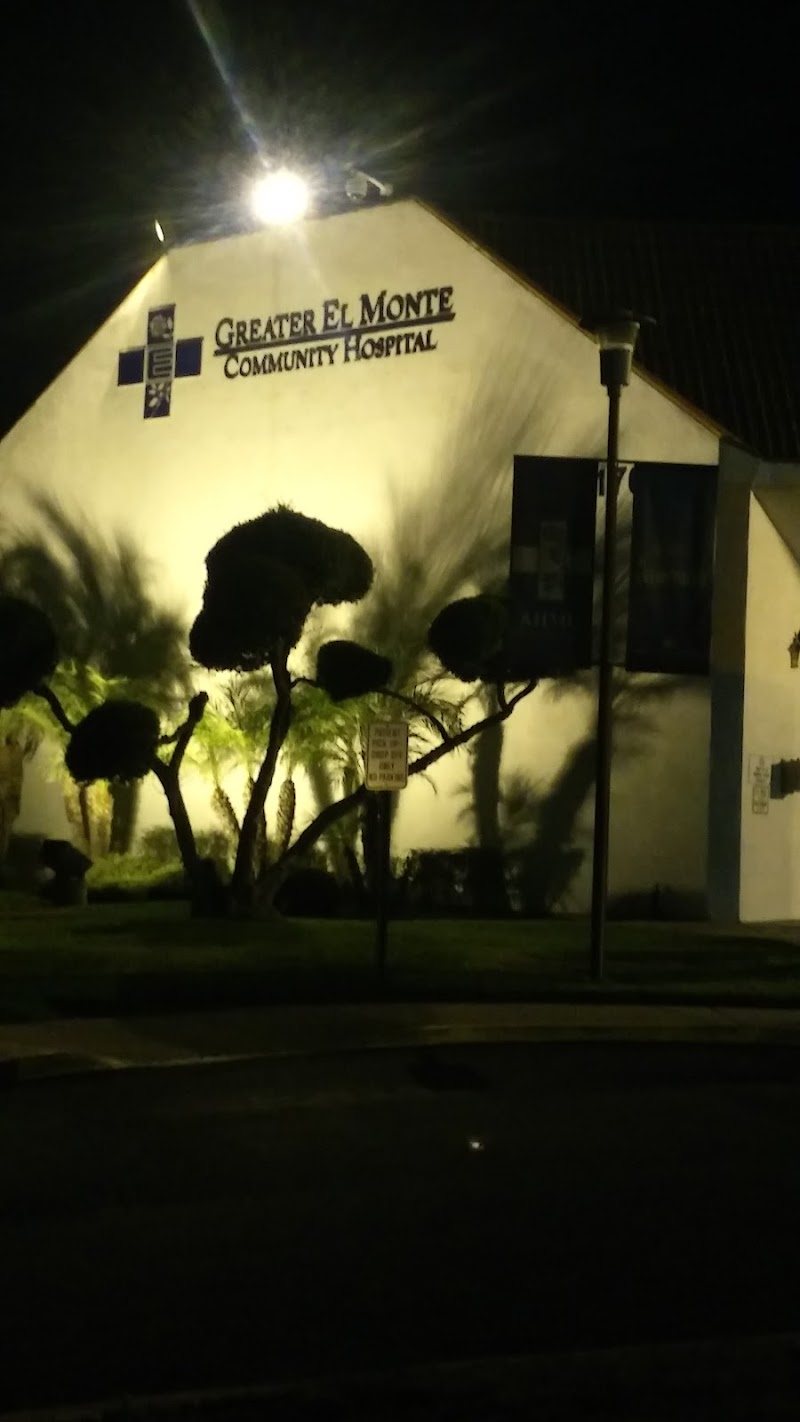
GREATER EL MONTE COMMUNITY HOS
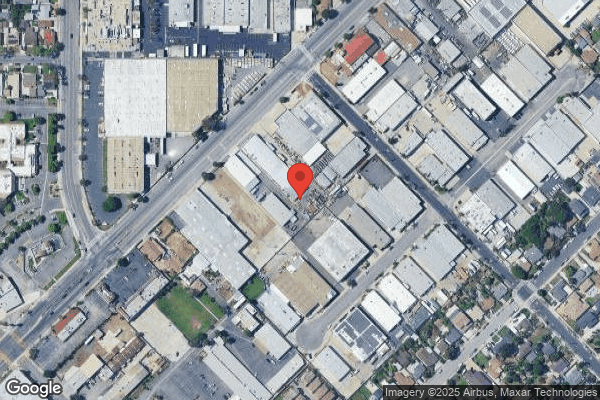
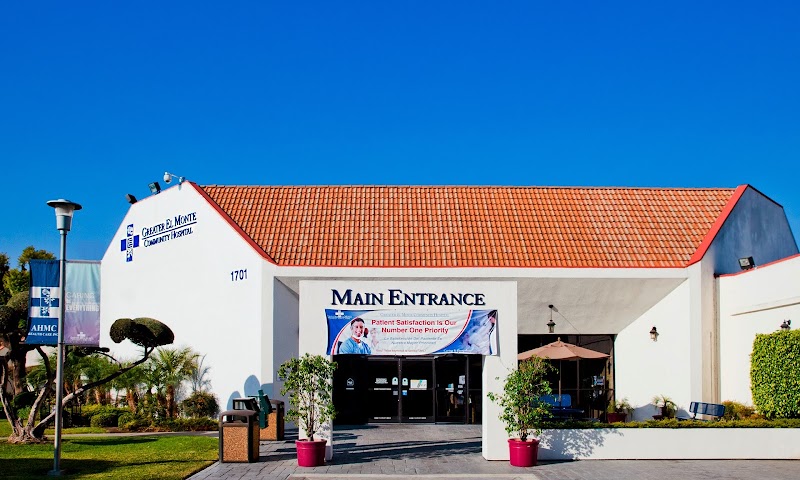
1701 SANTA ANITA AVENUE, EL MONTE, CA 91733 (626) 579-7777
For profit - Corporation 13 Beds AHMC HEALTHCARE Data: November 2025
Trust Grade
83/100
#362 of 1155 in CA
Last Inspection: October 2024

Within standard 12-15 month inspection cycle. Federal law requires annual inspections.

Overview

Greater El Monte Community Hospital has a Trust Grade of B+, which means it is above average and generally recommended for care. It ranks #362 out of 1,155 facilities in California, placing it in the top half of nursing homes statewide, and #55 out of 369 in Los Angeles County, indicating that only a few local options are better. Unfortunately, the facility is experiencing a worsening trend, with issues increasing from 4 in 2023 to 5 in 2024. While staffing turnover is low at 10%, significantly better than the state average, the facility has received $5,698 in fines, which is concerning as it is higher than 79% of California facilities. The nursing home boasts excellent RN coverage, providing more than 99% of state facilities, but there are serious concerns regarding cleanliness and infection control. Inspectors found that six residents lived in unsanitary conditions, with issues like dirt and mold present, and that infection control protocols were not properly followed for several residents with medical devices, creating a risk for infection. Overall, while there are notable strengths such as good RN coverage and low turnover, families should be mindful of the cleanliness issues and recent fines when considering this facility for their loved ones.

Trust Score
B+
83/100
In California
#362/1155
Top 31%
Safety Record
Low Risk
No red flags
Inspections
Getting Worse
4 → 5 violations
Staff Stability
✓ Good
10% annual turnover. Excellent stability, 38 points below California's 48% average. Staff who stay learn residents' needs.
Penalties
⚠ Watch
$5,698 in fines. Higher than 83% of California facilities, suggesting repeated compliance issues.
Skilled Nurses
✓ Good
Each resident gets 193 minutes of Registered Nurse (RN) attention daily — more than 97% of California nursing homes. RNs are the most trained staff who catch health problems before they become serious.
Violations
⚠ Watch
12 deficiencies on record. Higher than average. Multiple issues found across inspections.
★★★★☆
4.0
Overall Rating
★☆☆☆☆
1.0
Staff Levels
★★★★☆
4.0
Care Quality
★★★★★
5.0
Inspection Score
Stable
2023: 4 issues
2024: 5 issues

The Good

  • 4-Star Quality Measures · Strong clinical quality outcomes
  • Low Staff Turnover (10%) · Staff stability means consistent care
  • Full Sprinkler Coverage · Fire safety systems throughout facility
  • No fines on record
  • Staff turnover is low (10%)

    38 points below California average of 48%

Facility shows strength in quality measures, staff retention, fire safety.

The Bad

Federal Fines: $5,698

Below median ($33,413)

Minor penalties assessed

Chain: AHMC HEALTHCARE

Part of a multi-facility chain

Ask about local staffing decisions and management

The Ugly 12 deficiencies on record

Oct 2024 5 deficiencies
CONCERN (D)

Potential for Harm - no one hurt, but risky conditions existed

Resident Rights (Tag F0550)

Could have caused harm · This affected 1 resident

**NOTE- TERMS IN BRACKETS HAVE BEEN EDITED TO PROTECT CONFIDENTIALITY** Based on observation, interview and record review, the facility failed to ensure one of one sampled resident (Resident 8) was tr...

Read full inspector narrative →
**NOTE- TERMS IN BRACKETS HAVE BEEN EDITED TO PROTECT CONFIDENTIALITY** Based on observation, interview and record review, the facility failed to ensure one of one sampled resident (Resident 8) was treated with dignity by failing to provide privacy while accessing Resident 8's PEG tube (G-tube, a tube inserted through the belly to bring nutrition and/or medications directly to the stomach) during medication administration. This deficient practice resulted in exposure of Resident 8's portion of the abdomen (belly) and had the potential to result in Resident 8's value as human being not respected. Findings: During a review of Resident 8's History and Physical (H&P), dated 12/8/2023, the H&P indicated, Resident 8 had a medical history including +trach (tracheostomy, a surgically created hole [stoma] in your windpipe [trachea] that provides an alternative airway for breathing) to Tbar (a device used in respiratory therapy for weaning a patient from a ventilator) and PEG. During a review of Resident 8's admission Record (AR), the AR indicated, Resident 8 was admitted on [DATE] with chief complaint of pneumonia (a lung infection [refers to an invasion of the body by harmful microorganisms]), UTI (urinary tract infection), and sepsis (serious condition in which the body responds improperly to an infection). During a review of Resident 8's Minimum Data Set (MDS, a federally mandated resident assessment tool), dated 10/2/2024, the MDS indicated, Resident 8's cognitive (ability to think and process information) skills were severely impaired (never/rarely made decisions). The MDS indicated, Resident 8 was dependent (helper does all the effort, resident does none of the effort to complete the activity, or the assistance of 2 or more helpers is required for the resident to complete the activity) for all activities of daily living. The MDS indicated, Resident 8 had a feeding. During a concurrent observation and interview on 10/2/2024 at 9:07 a.m. with Registered Nurse (RN) 1, during medication administration, Resident 8 was in a semi-private room with a roommate. RN 1 drew the privacy curtain between Resident 8's bed and the roommate's bed, RN 1 did not draw the curtain completely and around Resident 8's bed. RN 1 lifted Resident 8's gown and exposed a portion of Resident 8's abdomen. RN 1 accessed Resident 8's G-tube to administer Resident 8's medications. RN 1 stated, RN 1 exposed Resident 8's tummy, stomach, and RN 1 should have pulled the curtain all the way for privacy and to protect Resident 8. During an interview on 10/2/2024 at 11:57 a.m. with the Director of Nursing (DON), the DON stated, when [staff] accessed a resident's (in general) G-tube, staff had to make sure residents were provided with privacy by pulling the curtain all around the resident and closing the window blinds. The DON stated, residents had a right to privacy and to be provided with dignity. During a review of the facility's policy and procedure (P&P) titled, Gastrostomy & Jejunostomy Site Care, last revised 9/2024, the P&P indicated tube site care would be given daily .the procedures included to provide privacy. During a review of the facility's undated P&P titled, Patient Rights and Responsibilities, included in the facility's admission packet titled Patient Guide, the P&P indicated, patient rights included considerate and respectful care, and to be made comfortable. The P&P indicated residents had the right to respect for their personal values and beliefs. The P&P indicated, having personal privacy respected, case discussion, consultation, examination, and treatment were confidential and should be conducted discreetly. The P&P indicated privacy curtains would be used in semi-private room.
CONCERN (D)

Potential for Harm - no one hurt, but risky conditions existed

Notification of Changes (Tag F0580)

Could have caused harm · This affected 1 resident

**NOTE- TERMS IN BRACKETS HAVE BEEN EDITED TO PROTECT CONFIDENTIALITY** Based on interview and record review, the facility staff failed to notify the physician for one of three sampled residents (Resi...

Read full inspector narrative →
**NOTE- TERMS IN BRACKETS HAVE BEEN EDITED TO PROTECT CONFIDENTIALITY** Based on interview and record review, the facility staff failed to notify the physician for one of three sampled residents (Resident 3) when Resident 3's Gastrostomy-Tube (G-Tube, a tube that is inserted through the abdominal wall and into the stomach to provide nutrition and medication) leaked. This deficient practice resulted in delayed provision of necessary care and services to Resident 3. Findings: During a review of Resident 3's admission Record (AR), the AR indicated the facility admitted Resident 3 on 7/1/2024, with diagnosis including, chronic respiratory failure (long standing condition that occurs when the lungs cannot get enough oxygen into the blood or eliminate enough carbon dioxide [a colorless, odorless gas that's naturally present in the air, essentially a waste product that we breathe out when we exhale] from the body), anoxic brain damage (a complete lack of oxygen to the brain, which results in the death of brain cells after prolonged oxygen deprivation), and ventilator dependent (a serious medical condition that occurs when a patient requires a ventilator [a machine that helps people breathe when they can't breathe on their own] to breathe for all or part of the day and is unable to wean [gradually reduce] off it). During a review of Resident 3's RD [Registered Dietician]-Nutritional assessment dated [DATE], timed 11:23 AM, the assessment indicated Resident 3 had experienced, Wt. [weight] loss in the last month possibly due to leaky GTF [G-tube feeding]. During a review of Resident 3's Minimum Data Set (MDS, a federally mandated resident assessment tool), dated 10/2/2024, the MDS indicated Resident 3's cognition (ability to understand and process information) was severely impaired and Resident 3 was dependent with activities of daily living (ADL, term used in healthcare that refers to self-care activities) and was unable to ambulate (to walk or move without any kind of assistance) due to illness. During an interview and concurrent record review on 10/1/2024 at 3:34 PM, with the Registered Dietician (RD), Resident 3's Patient Progress Notes (PPN) dated 9/3/2024 and amended on 9/7/2024, timed 12:07 PM were reviewed. The RD stated Resident 3's progress notes, dated 9/3/2024 did not indicate the physician was notified about Resident 3's G-tube leakage. The RD stated the expectation was for staff to always report imperative information to the physician accurately and in a timely manner. The RD stated staff should notify the physician when weight loss was related or associated to possible G-tube leakage. Resident 3's Monthly Interdisciplinary Team Conference report was reviewed with the RD, date of review 9/18/2024. The RD stated Resident 3's weight loss was a result of a G-tube leakage and Resident 3's G-tube was changed to a bigger size and the leakage improved. During an interview and concurrent record review on 10/2/2024 at 12:14 PM, with the Director of Staff Development (DSD), Resident 3's PPNs dated 9/3/2024 and amended on 9/7/2024, timed 12:07 PM were reviewed. The DSD stated the DSD's expectation was for staff to report [resident] change in conditions with as much detail as possible to give an accurate report to the physician to avoid serious outcomes and complications to the residents (in general). The DSD stated based on the licensed nurse progress notes the physician was not notified of Resident 3's G-tube leakage when significant weight loss was reported to the physician. The DSD stated the importance of reporting G-tube leakage in a timely manner was to prevent loss of nutrients and resident decline, especially when there was significant weight loss. During a review of the facility's P&P titled, Change in Resident Condition/Notification of Changes, approved date 9/2022, the P&P indicated any sudden or serious change in a resident's condition manifested by a marked change in physical, mental, or psychosocial status. a. The licensed nurse in charge will notify the Physician at once with a request for physician visit, recommendations, and/or evaluation. b. If unable to contact the attending physician or alternate physician timely, notify medical director for follow-up to change in resident condition. c. All nursing actions will be documented in the licensed progress notes as soon as possible, including assessment, notifications, actions taken and resident's response.
CONCERN (D)

Potential for Harm - no one hurt, but risky conditions existed

Respiratory Care (Tag F0695)

Could have caused harm · This affected 1 resident

**NOTE- TERMS IN BRACKETS HAVE BEEN EDITED TO PROTECT CONFIDENTIALITY** Based on observation, interview and record review, the facility failed to ensure one of ten sampled residents (Resident 9), rece...

Read full inspector narrative →
**NOTE- TERMS IN BRACKETS HAVE BEEN EDITED TO PROTECT CONFIDENTIALITY** Based on observation, interview and record review, the facility failed to ensure one of ten sampled residents (Resident 9), received proper respiratory (relating to breathing) care such as oxygen (02 [a colorless, odorless, tasteless gas essential for living]) therapy to meet Resident 9's needs in accordance with the physician's order and the facility's policy and procedure (P&P) titled, Oxygen Therapy,. This failure resulted in a lower level of 02 therapy delivered to Resident 9 and had the potential to result in hypoxia (low levels of 02 in your body) and the potential to compromise Resident 9's respiratory status and result in respiratory distress. Findings: During a review of Resident 9's History and Physical (H&P), dated 12/8/2023, the H&P indicated, Resident 9's assessment included respiratory failure on trach (tracheostomy, a surgically created hole [stoma] in your windpipe [trachea] that provides an alternative airway for breathing) to vent (ventilator, a machine that helps you breathe or breathes for you). The H&P indicated Resident 9 was alert and able to communicate by nodding/shaking head. During a review of Resident 9's admission Record (AR), the AR indicated, Resident 9 was admitted to the facility on [DATE] with chief complaints that included chronic (persisting for a long time) respiratory failure and severe cervical myelophathy (the spinal cord in the neck is compressed). During a review of Resident 9's Physician's Nursing Orders (PNO), dated 9/30/2024, the PNO indicated, an order to wean (gradual process of decreasing) per protocol c/o RT as tolerated. During a review of Resident 9's Cardiopulmonary Patient Progress Notes, (PNC, Respiratory Therapist's [RT] notes), dated 9/30/2024 timed at 3:41 p.m., the PNC indicated, Resident 9 was placed on a t-bar (a device used in respiratory therapy for weaning a patient from a ventilator) on 8L/min (liters per minute, 02 flow rate) and 35% Fi02 (fraction of inspired oxygen, 02 percentage, an estimation of the oxygen content a person inhales). During a review of Resident 9's PNC dated 10/1/2024 timed at 3:23 a.m., the PNC indicated, Resident 9 was on 35% Fi02. The note did not indicate how many L/min. During a review of Resident 9's PNC dated 10/1/2024 timed at 7:38 a.m., the PNC indicated, Resident 9 was on 35% Fi02 and did not indicate how many L/min. The PNC indicated, Resident 9 stated it was too much air from the cool aerosol and the RT wanted to increase the liters to 8L but Resident 9 stated, no. During a review of Resident 9's Minimum Data Set (MDS, a federally mandated resident assessment tool), dated 10/2/2024, the MDS indicated, Resident 9's cognitive (ability to think and process information) status was moderately impaired. The MDS indicated, Resident 9 was dependent (helper does all the effort, resident does none of the effort to complete the activity, or the assistance of 2 or more helpers is required for the resident to complete the activity) for all activities of daily living. The MDS indicated, Resident 9 was received oxygen while a resident at the facility. During a review of Resident 9's PNO, dated 10/2/2024, the PNO indicated, an order, T-Bar 28% at night. During a concurrent observation, interview, and record review on 10/1/2024 at 8:17 a.m. with Registered Nurse (RN) 1, Resident 9 was asleep with Resident 9's t-bar was connected to Aquapak (brand name) nebulizer (small machine that turns liquid medicine into a mist that can be easily inhaled) with the adaptor set at 35% Fi02 oxygen concentration and the flowmeter set at 5L/min. The adaptor set indicated the different 02 flow rate with the corresponding 02 percentage. The adapter set indicated 8 LPM for 35 (%). RN 1 stated, RN 1 did not know why the flowmeter was set at 5 and stated the flowmeter should be set at 8. RN 1 stated RN 1 thought the RT (unnamed) titrated (adjusted the amount of 02 a patient receives) the 02. During a concurrent observation and interview on 10/1/2024 at 8:30 a.m. with the RT, Resident 9 was asleep with Resident 9's t-bar connected to the Aquapak nebulizer with the adaptor set at 35% Fi02 and the flowmeter set at 5L. The RT stated the 02 flowmeter was at 5L and the flowmeter was supposed to be set at 8L. The RT stated, the RT who worked last night (unnamed) decreased the 02 flowmeter from 8L to 5L because Resident 9 said it was too much. The RT stated the RT knew the [physician's] order was for 35% (Fi02). The RT stated it was important to have the right oxygen liter flow rate for Resident 9 to get the full 35% (Fi02) and the RT would get a doctor's order to titrate the O2 flowmeter to 28% (Fi02). During a review of the nebulizer adaptor instruction sheet IS, manufacture date 4/4/2024, and the nebulizer adaptor enclosed in the packet, the IS indicated, instructions included setting to the desired oxygen concentration and turning flowmeter on to desired setting. The nebulizer adaptor indicated arrow set to 35 with 8 LPM. During a review of the facility's P&P titled, Oxygen Therapy, revised 3/2009, the P&P indicated, it was the policy of the facility for oxygen therapy to be administered as ordered by the physician. The P&P indicated to set oxygen flow rate as ordered or oxygen percentage (if trach) as ordered.
CONCERN (E)

Potential for Harm - no one hurt, but risky conditions existed

Safe Environment (Tag F0584)

Could have caused harm · This affected multiple residents

Based on observation, interview, and record review, the facility failed to maintain a clean, sanitary, and homelike environment for six of six sampled residents' (Resident 3, 4, 5, 7, 8, and 9) rooms....

Read full inspector narrative →
Based on observation, interview, and record review, the facility failed to maintain a clean, sanitary, and homelike environment for six of six sampled residents' (Resident 3, 4, 5, 7, 8, and 9) rooms. This deficient practice had the potential for residents to be exposed to dirt, mold, and drywall dust, which can lead to a decline in the resident's health and result in irritation of the eyes, skin, nose, throat, and lungs. Additionally, prolonged exposure can cause serious problems such as acute (sudden) respiratory illness, persistent coughing, and asthma (narrowed airways in the lungs that make it difficult to breath). Findings: During an observation on 10/2/2024 at 8:41 a.m. in Resident 4 and Resident 8's bathroom, a cracked floor where the floor meets the wall near the toilet and a right-side wall was observed with scraped and chipped paint. During an observation on 10/2/2024 at 8:55 a.m. in Resident 3 and Resident 5's bathroom, behind a round light above the mirror, the wall had missing plaster and paint where a previous light fixture had been removed. Resident 3 and Resident 5's bathroom had chipped paint and scratch marks on adjacent walls and on the door frame casings. During an observation on 10/2/2024 at 8:57 a.m. in Resident 9's bathroom, three walls were observed with multiple peeling paint spots and one wall was observed with a horizontal scratch mark line (over 18 inches in length) near the light switch. During an observation on 10/2/2024 at 8:58 a.m. in Resident 7's bathroom, the following were present: a) a cracked floor near the corner of the wall and to the left side of the bathroom sink. b) underneath the bathroom sink and, on the floor, there was a brown/reddish rust stain. c) above on the ceiling, there was missing plaster and paint where a previous larger light fixture had been removed and a smaller light fixture had been installed. During a concurrent observation and interview on 10/2/2024 at 9:17 a.m., with Certified Nursing Assistant 3 (CNA 3), in Resident 3, 5, 7 and 9's bathroom, CNA 3 stated CNA 3 would report to the charge nurse (unidentified) and the Director of Nursing (DON) any maintenance issues. CNA 3 stated the charge nurse or DON would place an order in the computer to notify the engineering department, responsible for [facility] repairs, plaster, and painting. CNA 3 stated CNA 3 did not know if the repairs needed in bathrooms of Residents 3, 5, 7 and 9, were reported by housekeeping or any other staff. CNA 3 stated CNA 3 did not report any maintenance issues for Residents 3, 5, 7 and 9. During a concurrent observation and interview on 10/2/2024 at 9:34 a.m., with Housekeeping (HK), in Resident 7's bathroom, the HK stated cracked floors and overhead light repairs were done by engineering [department]. The HK stated another housekeeper who worked at night, waxed the floor last week. The HK stated the HK did not know when someone reported maintenance issues, but any staff member could report maintenance issues. The HK stated the HK did not report the cracked floor or overhead light repair maintenance issue. The HK stated when a resident's (in general) bathroom had floor cracks, chipped paint, or wall damage, it should be repaired because it could gather dirt or debris and it was not safe for residents. During a concurrent observation and interview on 10/2/2024 at 10:02 a.m., with Environmental Services Manager (EM), in Resident 3, 5, 7 and 9's bathroom, the EM stated the EM rounded daily and asked the manager or charge nurse for any issues in the unit that needed to be addressed. The EM stated the EM did not keep a log or track daily rounds; the EM let Engineering know right away so it could be corrected on the spot. The EM stated in Resident 7's bathroom there was a brown/reddish rust stain on the floor underneath the sink. The EM stated the rust stain on the floor was darker and the EM cleaned it in March of this year, but the stain only faded to light brown/reddish. The EM stated the bathroom floor needed to be redone because it was not clean. The EM stated the EM was unsure if the floor crack was reported to Engineering, and the crack should be fixed because it would accumulate a lot of dirt in the crack and was a safety risk to the residents. During a concurrent interview and record review on 10/2/2024 at 10:38 a.m., with the Facilities Manager (FM), the Engineering Department's Work Order Submission, dated June to September 2024 was reviewed. The FM stated subacute staff was usually good at reporting all issues that needed to be addressed by Engineering. The FM stated there were no work order requests for repair work in Residents 3, 4, 5, 7, 8, and 9's bathrooms. The FM stated maintenance issues such as cracked flooring, patching, and painting were issues that should be addressed because a cracked floor could cause a resident to slip and fall. The FM stated chipped or peeling paint on the walls could cause breathing problems for the residents. During a review of the facility's policy and procedure (P&P) titled, Work Orders -ENG 1.01, dated May 2022, the P&P indicated, Scope: It is the policy of [the facility] to maintain the [facility] in a safe operating condition. The P&P further indicated, It is the responsibility of the Engineering Department to keep the [facility] in a safe and efficient operating condition at all times . During a review of the facility's undated Mission Statement (included in the admission packet given to the resident/family members), the statement indicated, Our mission is to provide quality healthcare in a safe environment that is sensitive and supportive to the physical, emotional, spiritual, and diverse multicultural needs of our patients and their loved ones. The statement indicated [the facility] would advocate the preservation of human dignity in the delivery of services and programs.
CONCERN (E)

Potential for Harm - no one hurt, but risky conditions existed

Infection Control (Tag F0880)

Could have caused harm · This affected multiple residents

**NOTE- TERMS IN BRACKETS HAVE BEEN EDITED TO PROTECT CONFIDENTIALITY** Based on observation, interview, and record review, the facility failed to implement infection control protocols for 8 of eleven...

Read full inspector narrative →
**NOTE- TERMS IN BRACKETS HAVE BEEN EDITED TO PROTECT CONFIDENTIALITY** Based on observation, interview, and record review, the facility failed to implement infection control protocols for 8 of eleven sampled residents (Resident 1, 2, 3, 5, 7, 9, 10, and 11) by failing to: a. Ensure that Enhanced Barrier Precautions (EBP, gown and glove use during high-contact resident care activities for residents known to be colonized or infected with a MDRO [a germ resistant to many antibiotics] as well as those at increased risk of MDRO acquisition, e.g., residents with wounds or indwelling [inside your body] medical devices) were implemented and applied for Residents (2, 3, 5, 7, and 11) who had indwelling medical devices (a medical device that remains inside the body and provides a direct path for pathogens [any organism that causes disease] to enter the body and cause infection) and who were at risk for acquiring Multi-Drug Resistant Organisms (MDRO, bacteria that have become resistant to certain antibiotics). b. Resident 9 and Resident 10's restroom had IV (intravenous, within a vein) poles (devices that keep IV bags full of medicine or fluid in place) stored inside Resident 10's restroom. c. Resident 1 and Resident 2's shared restroom had a red trash can with a label that indicated Biohazard (substance that poses a threat [or is a hazard] to the health of living organisms, primarily humans) that was full, and the lid was not closed. These failures had the potential to spread pathogens (any organism that causes disease) and result in cross contamination (process by which bacteria can be transferred from one area to another) among healthcare workers and residents and compromise Residents 1, 2, 3, 5, 7, 9, 10, and 11's well-being. Findings: a. During an observation on 10/2/2024 at 8 AM, Licensed Vocational Nurse 2 (LVN 2) administered medications for Resident 3 via Gastrostomy-Tube (G-tube, a tube that is inserted through the abdominal wall and into the stomach to provide nutrition and medication) without donning a gown. During an observation on 10/2/2024 at 08:35 AM, LVN 2 administered medications for Resident 7 via G-tube without donning a gown. During an observation on 10/2/2024 at 08:49 AM, LVN 2 administered medications for Resident 5 medications via G-tube without donning gown. During an observation on 10/2/2024 at 09:04 AM, LVN 2 administered medications for Resident 11 via G-tube without donning a gown. During an observation on 10/22/2024 at 09:15 AM, LVN 2 administered medications for Resident 2 via G-tube without donning a gown. During an observation on 10/22/2024 at 10:30 AM, the facility had no EBP signs posted on resident's room doors or the perimeter. During an interview on 10/2/2024 at 11:10 AM, the Infection Preventionist (IP) Nurse stated the IP's expectation was for all staff to wear proper PPE, such as a gown, during medication administration via G-tube due to the high potential risk of bodily fluid exposure. The IP Nurse stated all residents on the unit have indwelling medical devices. The IP Nurse stated the facility should have implemented EBP standards across the unit. The IP Nurse stated EBP ensures staff reduce the risk of MDRO transmission. The IP nurse stated visitors and family members should follow EBP when participating in high-contact care activities for residents on EBP. The IP Nurse stated the facility should have ensured that all staff members have a clear knowledge of EBP practices and are in accordance with the Center for Disease Control and Prevention (CDC) EBP guidelines. The IP nurse stated the facility tries to keep up with CDC guidelines and always seek guidance from the Los Angeles County Department of Public Health regarding changes in Infection Prevention and Control practices and guidelines. During a review of Centers for Disease Control and Prevention (CDC, national public health agency of the United States), guidelines titled, Implementation of Personal Protective Equipment (PPE, protective clothing or equipment, designed to protect the wearer from injury or the spread of infection or illness) Use in Nursing Homes to Prevent Spread of Multidrug-resistant Organisms (MDROs),dated 4/2/2024, the guideline's key points indicated, multidrug-resistant organism transmission is common in skilled nursing facilities, contributing to substantial resident morbidity and mortality, EBP may be indicated (when Contact Precautions do not otherwise apply) for residents with any of the following: wounds or indwelling medical devices, regardless of MDRO colonization status, and effective implementation of EBP requires staff training on the proper use of personal protective equipment (PPE) and the availability of PPE. The guideline indicated expand the use of PPE and refer to the use of gown and gloves during high-contact resident care activities that provide opportunities for transfer of MDROs to staff hands and clothing. b.During a review of Resident 9's History and Physical (H&P), dated 12/8/2023, the H&P indicated, Resident 9's assessment included respiratory failure on trach (tracheostomy, a surgically created hole [stoma] in your windpipe [trachea] that provides an alternative airway for breathing) to vent (ventilator, a machine that helps you breathe or breathes for you). The H&P indicated Resident 9 was alert and able to communicate by nodding/shaking head. During a review of Resident 9's admission Record (AR), the AR indicated, Resident 9 was admitted to the facility on [DATE] with chief complaints that included chronic (persisting for a long time) respiratory failure and severe cervical myelophathy (the spinal cord in the neck is compressed). During a review of Resident 9's Minimum Data Set (MDS, a federally mandated resident assessment tool), dated 10/2/2024, the MDS indicated, Resident 9's cognitive (ability to think and process information) status was moderately impaired. The MDS indicated, Resident 9 was dependent (helper does all the effort, resident does none of the effort to complete the activity, or the assistance of 2 or more helpers is required for the resident to complete the activity) for all activities of daily living. The MDS indicated, Resident 9 was received oxygen while a resident at the facility. During a review of Resident 10's H&P, dated 3/16/2024, the H&P indicated, Resident 10 had a medical history including asthma, COPD and ventilator (a machine that helps you breathe or breathes for you) dependency. The H&P indicated, Resident 10 had developmental delay and did not follow commands. During a review of Resident 10's AR, the AR indicated Resident 10 was admitted to the facility on [DATE] with chief complaint that included respiratory failure, COPD (chronic obstructive pulmonary disease, a group of lung diseases that block airflow and make it difficult to breathe), asthma (a condition in which a person's airways become inflamed, narrow and swell, and produce extra mucus, which makes it difficult to breathe), seizure (a sudden, uncontrolled burst of electrical activity in the brain) and septic shock (a widespread infection causing organ failure and dangerously low blood pressure). During a review of Resident 10's MDS, dated 10/2/2024, the MDS indicated, Resident 10's cognitive (ability to think and process information) skills for daily decision making were severely impaired (never/rarely made decisions.) The MDS indicated, Resident 10 was dependent for all activities of daily living. c. During a review of Resident 1's H&P, dated 12/7/2023, the H&P indicated, Resident 1's assessment included chronic (long standing) respiratory failure, leukocytosis (a high level of white blood cells in the blood), rule out sepsis (serious condition in which the body responds improperly to an infection), and multiple pneumonias. During a review of Resident 1's AR, the AR indicated, Resident 1 was admitted to the facility on [DATE] with chief complaints of respiratory failure, cerebral palsy (a congenital disorder of movement, muscle tone, or posture caused by damage that occurs to the developing brain), HTN (hypertension, high blood pressure) and GERD (gastroesophageal reflux disease, acid reflux, digestive disorder that occurs when acidic stomach juices, or food and fluids back up from the stomach into the esophagus [muscular tube through which food passes from the throat to the stomach]). During a review of Resident 1's MDS, dated 10/2/2024, the MDS indicated, Resident 1's cognitive (ability to think and process information) skills for daily decision making were severely impaired. The MDS indicated, Resident 10 was dependent for all activities of daily living. During a review of Resident 2's H&P, dated 12/8/2023, the H&P indicated, Resident 2's assessment included sepsis, multiple pneumonias and tracheostomy status. During a review of Resident 2's AR, the AR indicated, Resident 2 was admitted to the facility on [DATE] with chief complaints of anoxic encephalopathy (brain damage from a lack of oxygen to the brain). During a review of Resident 2's MDS, dated 10/2/2024, the MDS indicated, Resident 1's cognitive (ability to think and process information) status was not completed. The MDS indicated, Resident 2 was dependent for all activities of daily living. During an observation on 9/30/2024 at 9:03 a.m. in Resident 9's room, an IV pole was stored inside Resident 9's restroom. During a concurrent observation and interview on 9/30/2024 at 9:12 a.m. with the Registered Nurse Supervisor (RNS), Resident 1 and 2's restroom had a red trash can with a label that indicated Biohazard kept inside. The trash can was full, and the lid not closed. The RNS stated, the trash can was full. The RNS stated, the trash can was used for dirty canisters, Foley (a tube that helps drain urine from the bladder into a collection bag), you don't know what kind of virus (infectious agent), germs [are] inside and stated this was a safety issue. The RNS stated, the trash can should be kept closed for the safety of the staff and the RNS would call housekeeping right away to change the trash can. During a concurrent observation and interview on 9/30/2024 at 9:36 a.m. with the RNS, there were two IV poles stored inside Resident 10's restroom. The RNS stated, IV poles should not be stored inside the restroom and should be kept in the storage room inside the nursing station for infection control [purposes]. During an interview on 9/30/2024 at 12:10 p.m. with the Housekeeping (HK), the HK stated, the red biohazard trash cans were kept in the restroom's and should always be closed because it (red trash biohazard can) was a dirty thing, sometimes there's blood, canisters and should be changed when full. The HK stated, IV poles were supposed to be clean and placed in the utility room and it was not okay to leave it (IV pole) inside the resident's restroom when they not in used, for infection control. During an interview on 10/2/2024 at 3:02 p.m. with the Infection Preventionist (IP), the IP stated, all medical equipment device including IV poles were stored in the facility's central medical device storage and it was not okay to store them in the resident's restroom for infection control. The IP stated, the biohazard trash cans had potential contagious or infectious materials and should always be closed for infection control and safety [purposes]. During a review of the facility's policy and procedure (P&P) titled, Equipment Supplies and Space, last reviewed 9/2022, the P&P indicated, a storage space for equipment and supplies where they can be maintained in a secured, clean, and orderly fashion were essential to maintaining the goal of improving the quality of life for each resident. During a review of the facility's P&P titled, Biohazard Waste Removal, revised 9/2022, the P&P indicated, to keep the interior of the hospital as free of this material as possible, thereby minimizing the potential for cross contamination. The P&P indicated, biohazard waste collection vehicles shall be labeled as such, be rigid containers with tight fitting lids and full biohazard waste collection vehicles are removed and transported to an approved storage area and a clean empty container is replaced. During a review of the facility's P&P titled, Infection Prevention & Control, latest revised date 7/2024, the P&P indicated, some of the goals were limiting unprotected exposure to pathogens throughout the hospital, minimizing the risk of transmitting infections with the use of procedures, medical equipment and medical devices and maintaining a sanitary environment to avoid sources and transmission of infections and communicable diseases.
Oct 2023 4 deficiencies
CONCERN (D)

Potential for Harm - no one hurt, but risky conditions existed

Deficiency F0676 (Tag F0676)

Could have caused harm · This affected 1 resident

**NOTE- TERMS IN BRACKETS HAVE BEEN EDITED TO PROTECT CONFIDENTIALITY** Based on observation, interview, and record review, the facility failed to ensure an adequate communication device was provided ...

Read full inspector narrative →
**NOTE- TERMS IN BRACKETS HAVE BEEN EDITED TO PROTECT CONFIDENTIALITY** Based on observation, interview, and record review, the facility failed to ensure an adequate communication device was provided for one of one sampled resident (Resident 8), who was ventilated (a machine to provide breathing for a patient who is physically unable to breathe) and understood primarily Vietnamese. This failure had the potential to result in a physical and psychosocial decline for Resident 8 due to the inability to express specific needs. Findings: During a review of the admission Record (AR), the AR indicated Resident 8 was originally admitted to the facility on [DATE]. During a review of Resident 8's Initial Assessment/Screening, dated, 1/17/23, indicated Resident 8's primary and preferred language was Vietnamese. During a review of a History and Physical (H&P), dated 7/5/23, indicated Resident 8 diagnosis included acute (sudden) on chronic (long standing) respiratory failure (too little oxygen passes from your lungs to your blood) with hypoxia (not enough oxygen in the body), ventilator dependent, post tracheostomy (an incision in the windpipe made to relieve an obstruction to breathing) and anxiety (a feeling of worry, nervousness, or unease). During a review of a Minimum Data Set (MDS, a resident assessment and care-screening tool, dated 8/29/23, indicated Resident 8 had moderate impaired cognition (ability to understand and process information). Resident 8 was totally dependent (staff provided weight-bearing support) and required two-persons to assist with bed mobility (resident moves from lying to sitting; moves side to side), transfers (moved between bed to chair), dressing, toilet use, and personal hygiene (combing hair, brushing teeth, shaving). During an observation and concurrent interview on 9/29/23 at 4:34 p.m., with Certified Nursing Assistant 1 (CNA 1) and CNA 2, in Resident 8's room, Resident 8 was observed lying in bed, connected to a ventilator through a tracheostomy tube, Resident 8 was moving the right hand and right foot. CNA 2 asked if, in English, Resident 8 was all right and Resident 8 moved Resident 8's head side to side to indicate, no. CNA 1 and CNA 2 repositioned Resident 8 in bed and asked Resident 8 if Resident 8 was all right a second time. Resident 8 shock Resident 8's head from side to side. CNA 1 and CNA 2 stated they were not sure if Resident 8 understood English. At 4:41 pm, Registered Nurse (RN) 2 entered Resident 8's room. RN 2 asked Resident 8, in English, if Resident 8 wanted to be repositioned. Resident 8 gestured by moving his right hand and attempted to move his legs. During room observation, there was no communication board in Resident 8's room or located anywhere next to the resident's bed. At 4:48 p.m., RN 2, CNA 1, and CNA 2 attempted to communicate with Resident 8, in English, asked if Resident 8 needed to be repositioned and pointed to Resident 8's legs, body, and head. Resident 8 continued to move his head side to side. At 4:50 p.m., RN 2, CNA 1, and CNA 2 pulled Resident 8 up in bed, turned the resident to the other side, and adjusted Resident 8's legs by using two pillows. The staff did not use a communication tool or board to communicate with Resident 8. During an interview with CNA 1, on 9/29/23 at 4:51 p.m., CNA 1 stated CNA 1 communicated with Resident 8 by reading his lips and by using hand gestures. CNA 1 stated there were no communication tools used to communicate with Resident 8. CNA 1 stated if there were a communication tool, Resident 8 could point and let staff know exactly what he needed or wanted. During an interview on 9/29/23 at 4:52 p.m., CNA 2 stated there was no tool used to communicate with Resident 8. CNA 2 stated if Resident 8 had a communication tool, he would let CNA 2 know what Resident 8 needed, e.g., if he had pain or needed to be suctioned. During an interview on 9/29/23 at 4:55 p.m., with RN 2 stated Resident 8 spoke Vietnamese. RN 2 stated Resident 8 communicated by making facial expressions, hand gestures, or mouthed words in Vietnamese. RN 2 stated it was important for Resident 8 to communicate with the staff to express his concerns, his likes/dislikes, and Resident 8's needs. During an interview with the Director of Nursing (DON) on 9/29/23 at 7:53 p.m., the DON stated for Resident 8 to communicate with the staff, communication tools that included Resident 8's primary language should be readily available and at Resident 8's bedside. During a review of Resident 8's care plan for resident needs and Individualized visits, dated 1/22/23, indicted communication tools such as pictures and google translator was part of the facility's approach plan. During a review of the facility's Policy and Procedure (P & P), titled, Communication Barriers, Reduction of, reviewed on 11/2016, indicated the purpose of the policy was to assist residents in communicating their needs. The resident would be provided methods of communication to assure adequate communication between the resident and staff. The facility would make arrangements for interpreters of alternate means or alternate means of communication, such as pictures, sign language, Braille, etc., to enhance communication between the resident and staff.
CONCERN (D)

Potential for Harm - no one hurt, but risky conditions existed

Medication Errors (Tag F0758)

Could have caused harm · This affected 1 resident

**NOTE- TERMS IN BRACKETS HAVE BEEN EDITED TO PROTECT CONFIDENTIALITY** Based on interview and record review the facility failed to ensure one of five sampled residents (Resident 8) was adequately mon...

Read full inspector narrative →
**NOTE- TERMS IN BRACKETS HAVE BEEN EDITED TO PROTECT CONFIDENTIALITY** Based on interview and record review the facility failed to ensure one of five sampled residents (Resident 8) was adequately monitored for behaviors to evaluate the effectiveness psychotropic (medication that change the function of the nervous system and result in alterations of perception, mood, cognition, and behavior) medications. These failures had the potential to result in unnecessary administration of medications to Resident 8 and possible side effects of the medication. Findings: During a review of the admission Record (AR), the AR indicated Resident 8 was originally admitted to the facility on [DATE]. During a review of a History and Physical (H&P), dated 7/5/23, indicated Resident 8 diagnosis included acute (sudden) on chronic (long standing) respiratory failure (too little oxygen passes from your lungs to your blood) with hypoxia (not enough oxygen in the body), ventilator dependent, post tracheostomy (an incision in the windpipe made to relieve an obstruction to breathing) and anxiety (a feeling of worry, nervousness, or unease). During a review of a Minimum Data Set (MDS, a resident assessment and care-screening tool, dated 8/29/23, indicated Resident 8 had moderate impaired cognition (ability to understand and process information). Resident 8 was totally dependent (staff provided weight-bearing support) and required two-persons to assist with bed mobility (resident moves from lying to sitting; moves side to side), transfers (moved between bed to chair), dressing, toilet use, and personal hygiene (combing hair, brushing teeth, shaving). During a review of a physician's order, dated 7/1/23, indicated Xanax (medication used to treat anxiety and panic disorders) 0.5 milligrams (mg, unit of measurement) one tablet every eight hours for hyperventilation was ordered for Resident 8. During a review of Resident 8's Medication Administration Record (MAR), dated 7/19/23, indicated alprazolam (Xanax) 0.5 milligrams (mg) every eight hours, was ordered on 7/1/23 for hyperventilation manifested by shortness of breath. A review of Resident 8's Subacute Medication Regimen Review (SMRR), dated 8/19/23, indicated pharmacy recommendations for Xanax that included nursing to document behavior post (after) a dose assessment in Resident 8's MAR. During a review of Resident 8's Medication Administration Record, dated 9/15/23 - 9/30/23, indicated Resident 8 was administered Xanax, every 8 hours, from 9/17/23 to 9/30/23 (total of 40 times). The MAR indicated Resident 8's behavior was monitored and documented four times, on 9/17/23 at 1: 42 p.m., on 9/21/23 at 3:00 p.m., on 9/25/23 at 2:30 p.m., and on 9/26/23 at 2:30 p.m. During a review of a care plan titled Has episodes of being sad or anxious as manifested by hyperventilation - patient currently taking Xanax, dated 4/12/23, indicated to monitor frequency, duration, and causative factors that triggered target behavior and documenting in the medical record. During a review of a physician's order, dated 7/1/23, indicated Seroquil (medication to treat depression [serious illness that negatively affects how one feels, thinks and acts]) 25 mg one tablet twice a day for psychosis (a collection of symptoms that affect the mind, where there has been some loss of contact with reality) related to fear of death manifested by constant yelling was ordered for Resident 8. During a review of Resident 8's Medication Administration Record (MAR), dated 7/19/23, indicated quetianpine (seroquel) 25 milligrams mg twice a day ordered on 7/1/23 for psychosis related to fear of death manifested by constant yelling. A review of Resident 8's Subacute Medication Regimen Review (SMRR), dated 8/17/23, indicated pharmacy recommendations for Seroquel included monitoring for adverse side effects (ASE) and documenting for behaviors every shift. During a review of Resident 8's Medication Administration Record, dated 9/17/23 to 9/30/23, indicated Resident 8 was administered seroquel, twice a day, from 9/17/23 to 9/30/23 (a total of 27 times). The MAR indicated Resident 8's behavior was monitored and documented three out of 27 times (on 9/17/23 at 9:00 a.m., on 9/26/23 at 9:00 a.m., and on 9/30/23 at 11:45 a.m. During a review of a care plan titled Resident receiving antipsychotic medications Seroquel - Psychosis due to fear of death as manifested by shortness of breath, dated 4/19/22, indicated daily assessment for behaviors manifested, monitoring for drug effectiveness, and documenting in the medical record. The CP indicated, monitoring for side effects and reporting to the physician promptly. During an interview and concurrent record review of Resident 8's MARs, on 9/30/23 at 11:13 a.m., with RN 1, RN 1 stated behavioral monitoring for xanax and seroqual was not done daily as recommended by the SMRR. RN 1 stated behavioral monitoring was important because we [the facility] needed to know if the medications were effective or not. RN 1 stated monitoring determined if the medication needed to be adjusted or discontinued. During an interview and concurrent record review of Resident 8's electronic MAR, with RN 3, on 9/30/23 at 4:12 p.m., RN 3 stated it is important to document monitoring to ensure the medications were effective to determine trends and to adjust/increase/decrease medication dosage. During an interview and concurrent record review of Resident 8's SMRR, on 10/1/23 at 8:38 a.m., with the Director of Pharmacy (RX) 2, RX 2 stated pharmacy recommendations should be followed, and monitoring should be done, especially for psychotropic medications. RX 2 stated, this was important for pharmacist can make informed recommendations regarding dose adjustments. During a revie of the facility's Policy and Procedure (P & P), titled, Subacute Clinical Services - Pharmacy, revised on 9/2011, indicated assessment of appropriateness of indication for the use of each medication administered: expected outcome of therapy . appropriateness of dosing parameters. The P & P indicated, identification of goals for each patient that reflect the patient's unique needs and goals should be specific and measurable. The monitoring plan should state what to monitor for and how frequently monitoring is done.
CONCERN (E)

Potential for Harm - no one hurt, but risky conditions existed

Deficiency F0578 (Tag F0578)

Could have caused harm · This affected multiple residents

**NOTE- TERMS IN BRACKETS HAVE BEEN EDITED TO PROTECT CONFIDENTIALITY** Based on interview and record review, the facility failed to ensure four of five sampled resident's (Residents 1, 5, 8, and 9) r...

Read full inspector narrative →
**NOTE- TERMS IN BRACKETS HAVE BEEN EDITED TO PROTECT CONFIDENTIALITY** Based on interview and record review, the facility failed to ensure four of five sampled resident's (Residents 1, 5, 8, and 9) responsible parties were provided with information regarding formulating advanced directives (legal documents that allow you to spell out your decisions about end-of-life care ahead of time). This failure had the potential to result in violation of Residents 1, 5, 8, and 9's rights to make informed decisions regarding advance directives. Findings: a. During a review of Resident 1's admission Record (AR), the AR indicated Resident 1 was admitted to facility on 6/7/23 and readmitted to the facility on [DATE]. During a review of Resident 1's Initial Assessment/Screening, dated 6/7/23, the Initial Assessment/Screening indicated Resident 1 did not have an advanced directive. The Initial Assessment/Screening did not indicate Resident 1 was offered information that included rights to formulate an advanced directive. During a review of Resident 1's History and Physical (H&P), dated 6/8/23, the H&P indicated, Resident 1 had multiple diagnosis including tracheostomy (a surgically created hole in the windpipe that provides an alternative airway for breathing), cerebral palsy (a group of disorders that affect a person's ability to move and maintain balance and posture), and quadriplegia (the condition in which both the arms and legs are paralyzed). During a review of Resident 1's Subacute Psychosocial Assessment and Annual Reassessment, dated 6/29/23, the Subacute Psychosocial Assessment and Annual Reassessment indicated Resident 1 did not have an advanced directive. The form indicated Resident 1 was not provided information regarding the right to formulate an advanced directive. During a review of Resident 1's Minimum Data Set (MDS, a standardized assessment and care screening tool), dated 9/26/23, the MDS indicated Resident 1 was severely impaired in cognitive skills (the ability to make daily decisions). Resident 1 was totally dependent on staff for transfers, dressing, personal hygiene, and toilet use. b. During a review of Resident 5's AR, dated 9/29/23, the AR indicated Resident 5 was admitted to facility on 7/1/23. During a review of Resident 5's Initial Assessment/Screening, dated 6/14/22, the Initial Assessment/Screening indicated Resident 5 did not have an advanced directive. The Initial Assessment/Screening did not indicate Resident 5 was offered information that included rights to formulate an advanced directive. During a review of Resident 5's Subacute Psychosocial Assessment and Annual Reassessment, dated 6/24/22, the Subacute Psychosocial Assessment and Annual Reassessment indicated Resident 5 did not have an advanced directive. The form indicated Resident 5 was not provided information regarding the right to formulate an advanced directive. During a review of Resident 5's MDS, dated 6/29/23, the MDS indicated Resident 1 was severely impaired in cognitive skills. Resident 1 was totally dependent on staff for transfers, dressing, personal hygiene, and toilet use. During a review of Resident 5's H&P, dated 7/5/23, the H&P indicated, Resident 5 had multiple diagnosis including tracheostomy, ventilator (a type of breathing apparatus that moves air into and out of the lungs) dependent respiratory failure (when the lungs can't get enough oxygen into the blood), and hypertension (high blood pressure). c. During a review of Resident 8's AR, the AR indicated Resident 8 was admitted to facility on 2/14/23 and readmitted to the facility on [DATE] with the diagnosis of encounter for attention to tracheostomy. During a review of Resident 8's Initial Assessment/Screening, dated 1/17/23, the Initial Assessment/Screening indicated Resident 8 did not have an advanced directive. The form did not indicate Resident 8 was offered information that included rights to formulate an advanced directive. During a review of Resident 8's Subacute Psychosocial Assessment and Annual Reassessment, dated 1/27/23, the Subacute Psychosocial Assessment and Annual Reassessment indicated Resident 8 did not have an advanced directive. The form indicated Resident 8 was not provided information regarding the right to formulate an advanced directive. d. During a review of Resident 9's AR, dated 9/29/23, the AR indicated Resident 9 was admitted to facility on 7/1/23. During a review of Resident 9's Initial Assessment/Screening, dated 4/11/23, the Initial Assessment/Screening indicated Resident 9 did not have an advanced directive. The form did not indicate Resident 9 was offered information that included rights to formulate an advanced directive. During a review of Resident 9's H&P, dated 4/12/23, the H&P indicated, Resident 9 had multiple diagnosis including tracheostomy, ventilator dependent, and quadriplegia. During a review of Resident 9's Subacute Psychosocial Assessment and Annual Reassessment, dated 4/28/23, the Subacute Psychosocial Assessment and Annual Reassessment did not indicate if Resident 9 had advanced directives. The form indicated Resident 9 was not provided information regarding the right to formulate an advanced directive. During a review of Resident 9's MDS, dated 7/31/23, the MDS indicated Resident 9 was severely impaired in cognitive skills. Resident 9 was totally dependent on staff for transfers, dressing, personal hygiene, and toilet use. During an interview on 9/29/23 at 7:48 p.m. with Registered Nurse (RN) 1, RN 1 stated nurses did not offer advance directives [to residents or responsible parties]. RN 1 stated it was the responsibility of the Interdisciplinary Team (IDT, a team of health care professions who work together to establish plans of care for residents) to check if residents (in general) had advanced directives. During an interview on 9/29/23 at 7:53 p.m. with the Director of Nursing (DON), the DON stated the admitting nurse was responsible for collecting information regarding resident advanced directives. The DON stated the nurse asked about advanced directives upon resident admission. The DON stated advanced directives should be offered to newly admitted residents to know what residents wanted regarding their medical care. During an interview on 9/30/23 at 11:02 a.m. with the DON, the DON stated residents admitted to the facility were not informed of their right to formulate advanced directives. The DON indicated, per the facility's Policy and Procedure (P&P) on advanced directives, the facility shall provide written information describing the right to formulate an advanced directive. During an interview on 10/1/23 at 10:47 a.m. with the Chief Nursing Officer (CNO), the CNO stated the facility needed to inform residents [or responsible parties] of their right to formulate advanced directives to ensure rights of the residents and family members were protected. The CNO stated it was important to offer advanced directives so residents could make informed decisions. During a review of the facility's P&P titled, Advanced Directives, reviewed 6/22/22, the P&P indicated, the facility shall provide to each adult individual and or emancipated minor at the time of his or her admission as an inpatient, written information describing: an individual's right . to formulate advanced directives; and the facilities policies regarding these rights to make healthcare decisions and to formulate advanced directives, and regarding the way such decisions and directives will be implemented in the facility.
CONCERN (E)

Potential for Harm - no one hurt, but risky conditions existed

Food Safety (Tag F0812)

Could have caused harm · This affected multiple residents

Based on observation, interview, and record review, the facility failed to ensure safe and sanitary conditions were maintained in one of one kitchen, when, 1.The dietary cook (DC), who had a beard, wa...

Read full inspector narrative →
Based on observation, interview, and record review, the facility failed to ensure safe and sanitary conditions were maintained in one of one kitchen, when, 1.The dietary cook (DC), who had a beard, was observed without a beard cover while in the food preparation area. 2. The door gaskets (a rubber seal around the door to insulate refrigeration to maintain desired temperature) on Refrigerator 3 was observed torn. The door gasket located on the left had a tear of 9 inches long and the door gasket located on the right had a tear of ¾ of an inch long. 3. The ice machine drainpipe was not located above the water drain. Liquid waste was observed discharging on the kitchen floor. These failures had the potential to result in cross contamination (process by which bacteria can be transferred from one area to another) and unsanitary food conditions and could potentially result in foodborne illnesses (illness caused by food contaminated with bacteria). Findings: 1.During an initial walkthrough of the kitchen, on 9/29/23 at 3:23 p.m., and concurrent interview with the DC, the DC had a beard and was [standing] in the food preparation area located in the kitchen. The DC was not wearing a mask or a beard cover. The DC stated the DC should have worn a mask of beard cover to prevent facial hair from falling onto the food [served to the residents], I'm sorry. During an interview with the Dietary Supervisor (DS) on 9/29/23 at 3:28 p.m., the DS stated face masks or beard covers should be worn [when in the food preparation area] to prevent hair from getting into the resident's food. During a review of the facility Policy and Procedure (P&P) titled Infection Control - Food and Nutrition Services, revised on 4/2021, indicated to prevent the spread of pathogens (any organism that can produce a disease) by way of food handling. Cleanliness, all staff working in direct contact with food, food-contact surfaces, and food-packaging materials shall conform to hygienic practices while on duty to the extent necessary to protect against contaminating food. Wearing, where appropriate, in an effective manner, hair nets, headbands, caps, beard covers, or other effective hair restraints. 2.During a follow up walkthrough of the kitchen on 10/1/23 at 9:29 a.m., with the maintenance supervisor (MS), the MS stated the gasket on the left side of Refrigerator 3 had a nine-inch tear and the gasket on the right side of the door had a ¾ of an inch tear. During an interview with MS on 10/1/23. At 9:33 a.m., the MS stated, to ensure the temperature is contained within the refrigerator, gaskets should not have any tears. During an interview with the DS, on 10/1/23 at 9:36 a.m., the DS stated refrigerator gaskets should not have any tears, this was important to ensure the coldness was sealed and the temperature remained cold. A review of the facility's P & P, titled, Equipment Preventative Maintenance, reviewed on 6/2022, indicated preventative maintenance will be performed on all equipment to prolong equipment life and to ensure efficient operation and reliability of the equipment. To manifest a notable efficiency of equipment and operator by its appearance. 3.During an observation and concurrent interview, with the MS on 10/1/23 at 9:31 a.m., the drain from the ice machine was dripping water and the water was spilling onto the kitchen floor. The MS stated water from the ice machine should be draining directly into the floor drain (the distance between the ice machine drain and floor drain creates an air gap) to avoid mildew or contamination [in the kitchen]. During an interview with the Maintenance Manager (MM) on 10/1/23 at 2:28 pm, stated the facility did not have a policy pertaining to air gaps for ice machines.
Oct 2022 3 deficiencies
CONCERN (D)

Potential for Harm - no one hurt, but risky conditions existed

Safe Environment (Tag F0584)

Could have caused harm · This affected 1 resident

Based on observation, interview and record review, the facility failed to provide a clean environment for one out of one sampled resident (Resident 8). This deficient practice resulted for Resident 8'...

Read full inspector narrative →
Based on observation, interview and record review, the facility failed to provide a clean environment for one out of one sampled resident (Resident 8). This deficient practice resulted for Resident 8's environment not to be cleaned. Findings: A review of the facility's admission record indicated the facility admitted Resident 8 on 2/8/2022. A review of Resident 8's history and physical (H&P), dated 2/8/2022, indicated Resident 8 had diagnoses included acute on chronic respiratory failure (acute deterioration in a patient with chronic respiratory insufficiency), tracheostomy (an incision in the windpipe made to relieve an obstruction to breathing) and gastrostomy (an open into the stomach from the abdominal wall, made surgical for the introduction of food). A review of Minimum Data Set (MDS, an assessment and care screening tool), dated 9/7/2022, indicated Resident 8 had unclear speech, rarely/never made self understood and sometimes understands others. The MDS indicated Resident 8 was total dependence (full staff performance every time during entire 7-day period) and required two persons physical assist for bed mobility, transfer, dressing, toilet use and personal hygiene. During an observation on 10/5/2022 at 9:36 am, Resident 8 was lying in bed with eyes closed. Resident 8's had an oximeter (equipment to check person's blood oxygen level) on stand next to her bed with a line connecting oximeter to Resident 8. The line's distal detecting sensor was wrap tied to her left toe. Resident 8's oximeter line was tangled on the ground and part of the line was looped under the wheels of the oximeter stand. There was a snap clip attached in middle of the line which was on the ground. During an interview on 10/5/2022 at 9:48 am, Registered Nurse 1 (RN 1) stated Resident 8's oximeter sensor line should not be on the ground. RN 1 stated the snap clip attached to the line should be clipped to Resident 8's bed linen to keep the line off the floor. RN 1 stated the line will get dirty on ground. RN 1 stated staff needed to keep the medical device and the resident's room clean. During an interview on 10/6/2022 at 1:40 pm, Infection Control Preventionist (ICP) stated Resident 8's oximeter and the resident's floor should be cleaned. The ICP stated all equipment used on the resident and the resident's environment should be clean.
CONCERN (D)

Potential for Harm - no one hurt, but risky conditions existed

Pressure Ulcer Prevention (Tag F0686)

Could have caused harm · This affected 1 resident

**NOTE- TERMS IN BRACKETS HAVE BEEN EDITED TO PROTECT CONFIDENTIALITY** Based on observation, interview, and record review, the facility failed to provide the necessary treatment and services to promo...

Read full inspector narrative →
**NOTE- TERMS IN BRACKETS HAVE BEEN EDITED TO PROTECT CONFIDENTIALITY** Based on observation, interview, and record review, the facility failed to provide the necessary treatment and services to promote healing and prevent development of pressure ulcer/ injury (refers to localized damage to the skin and/or underlying soft tissue usually over a bony prominence or related to a medical or other device) for one of two sampled residents (Resident 3) by failing to: 1. Follow the facility's policy to turn and reposition Resident 3 a minimum of every two hours routinely and as needed. 2. Implement the plan of care to turn and reposition Resident 3 at least every two hours in bed. 3. Avoid positioning Resident 3 on his back, directly on the resident's right buttock pressure ulcer. These failures resulted in Resident 3's developing Stage 2 pressure ulcer (partial-thickness skin loss with exposed dermis[middle layer of skin]) to his right buttock (bottom) and placed the resident at risk for delayed wound healing and/or worsening of the existing pressure ulcer. Findings: A review of Resident 3's admission Record indicated the resident was admitted on [DATE], with diagnoses that included pneumonia (infection that inflames air sacs in one or both lungs, which may fill with fluid), urinary tract infection ( an infection in any part of the urinary system) and sepsis( a life -threatening complication of an infection). A review of the Patient Progress Notes dated 8/2/2022, indicated Resident 3 was admitted with Stage 1 pressure injury ( intact skin with a localized area of non-blanchable erythema (redness) of the coccyx (tailbone). A review of the Braden Scale Assessment (a nursing tool which uses a scoring system to evaluate resident's risk of developing a pressure ulcer) dated 8/2/2022, indicated Resident 3 scored 10 ( a total score 10 represents high risk for developing pressure ulcer). A review of Patient Progress Notes dated 8/9/2022, indicated Resident 3 had developed a Stage 2 pressure ulcer in his right buttock. The notes indicated Resident 3's pressure ulcer measured 5 centimeter (cm) in length x (by) 4.5 cm in width, no depth and undermining and wound bed was red in color. A review of Resident 3's plan of care for Stage 2 right buttock pressure ulcer dated 8/9/2022, indicated the resident was to be turned and repositioned in bed at least every two hours. A review of Resident 3's Minimum Data Set ([MDS] a standardized assessment and care planning tool dated 8/12/2022, indicated the resident was assessed with short and long term memory recall problems, totally dependent in bed mobility ( full staff performance every time in during entire 7-day period) and was incontinent of bowel and bladder (lack of voluntary control over urination or defecation). During observations on 10/5/2022 at 10:02 am, 11:32 am, 1:17 pm, 2:10 pm, 3:15 pm, 4:17 pm; 10/6/22 at 8:07 am, 9:32 am, Resident 3 was lying on his back in bed. The resident's tracheostomy (opening surgically created through the neck) was attached to aerosol mist via T piece (tubing used to deliver oxygen), and with gastrostomy tube (G-tube, a tube that is placed directly into the stomach through an abdominal wall incision for administration of food, fluids, and medications) feeding of Glucerna (feeding formula), at 70 milliliter per hour. Resident 3 was non-interviewable. During the treatment observation on 10/6/2022 at 10:55 am, Resident 3 was observed with a Stage 2 pressure ulcer of the right buttock. The Registered Nurse 1 (RN 1) measured the pressure ulcer as 2 cm (L) x 1.5 cm (W), wound bed red in color, no depth and undermining. RN 1 cleansed the right buttock pressure ulcer with Betadine solution ([antiseptic] used to kill or slow the growth of bacteria causing the infection), applied Hydrogel ointment (hydrate wounds and remove dead tissue from the wound bed) and was covered with optifoam dressing (waterproof adhesive dressing). During an interview on 10/6/2022 at 9:32 am, Certified Nursing Assistants (CNAs 1 and 2) both stated they were assigned to Resident 3 and were aware of Resident 3's Stage 2 pressure ulcer of the right buttock. CNAs 1 and 2 stated Resident 3 was not turned and repositioned on his side because the resident's tracheostomy tube would get disconnected. CNAs 1 and 2 stated they placed one pillow under Resident 3's shoulder which they thought was enough to reposition the resident even though the resident's right buttock pressure ulcer was still on contact with the mattress. CNA 1 and 2 stated the facility had a written schedule for turning and repositioning residents in bed which was not followed because they were busy changing other residents. CNAs 1 and 2 stated the pressure ulcer would not heal and would get worse due to pressure when Resident 3 was directly lying on right buttock pressure ulcer. A review of the facility's SubAcute Program Policies and Procedures titled, Skin Care, Turning, dated 4/94, indicated all dependent residents should be turned and repositioned in bed a minimum of every two hours routinely, and as needed.
CONCERN (D)

Potential for Harm - no one hurt, but risky conditions existed

Tube Feeding (Tag F0693)

Could have caused harm · This affected 1 resident

**NOTE- TERMS IN BRACKETS HAVE BEEN EDITED TO PROTECT CONFIDENTIALITY** Based on observation, interview, and record review, the facility failed to provide appropriate care and services to residents re...

Read full inspector narrative →
**NOTE- TERMS IN BRACKETS HAVE BEEN EDITED TO PROTECT CONFIDENTIALITY** Based on observation, interview, and record review, the facility failed to provide appropriate care and services to residents receiving tube feedings for one of 11 sampled residents (Resident 2). Resident 2's gastrostomy tube (G-tube is a tube that is placed directly into the stomach through an abdominal wall incision for administration of food, fluids, and medications) feeding bags were not labeled with the resident's name, time, and the date the bags were hung. This deficient practice had the potential to cause bacterial contamination during enteral (a way of delivering nutrition directly to the stomach or small intestine) nutrition administration. Findings A review of Resident 2's clinical record indicated the resident was admitted to the facility on [DATE] with diagnoses that included tracheostomy (surgically created opening through the neck into the trachea [windpipe] to allow direct access to the breathing tube), cerebral infarction (occurs as a result of disrupted blood flow to the brain due to problems with blood vessels that supply it), hypertension (high blood pressure) and gastrostomy tube. A review of Resident 2's Minimum Data Set (MDS, a standardized assessment and care planning tool), dated 6/15/2022, indicated the resident was unable to complete the brief mental status interview, severely impaired in cognitive (mental) skills for daily decision making, and was totally dependent on the staff for most activities of daily living. Review of Resident 2's current physician's orders indicated a physician's order dated 7/1/2022, for Suplena oral liquid (specialized nutrition designed to help meet the nutrient needs) 240 milliliters (ml, a unit of measurement) at a rate of 50 ml/hour times twenty (20) hours per day to provide 1980 kcal (unit for calorie intake). During an observation of Resident 2 on 9/5/2022, at 9:33 am, the resident was observed lying in bed with his eyes closed. An unidentified bag of tube feeding formula, and a second bag of clear liquid, were observed at bedside, attached to a feeding pump. Further review indicated the feeding bag, the clear liquid bag and tubing were not labeled with the time or date that they were opened and hung at the Resident 2's bedside. There was no identifying label on either bag to identify the contents, to include, resident's name, formula name, date the bags were hung, directions for infusion rate, or expiration date. During an interview with the Director of Nursing (DON) on 9/5/2022, at 11:01 am, DON visualized Resident 2's feeding system at the bedside and stated there was no labeling or identifying information to verify for accuracy of Resident 2's physician's orders. During an interview on 10/5/2022, at 2:13 pm, Registered Nurse 1 (RN 1) stated that it was the responsibility of all licensed nurses who hung the feeding tube system to label them with the resident's name, formula name, date, and time the bags were hung. RN 1 stated that Suplena formula had to be poured into bags and the water flush that was attached into the infusion pump (medical device that delivers fluids, such as nutrients and medications, into a patient's body in controlled amounts). RN 1 stated that if different nurses cared for Resident 2, they would know what type of formula was in the bag. RN 1 stated the G tube bags and the tubings were to be changed every twenty-four (24) hours. A review of the facility policy's Administration of Formula via Feeding Tube, Gravity, Bolus Pump, dated 4/2022, indicated Pump bags, syringe and tubing are to be changed every 24 hours and properly labeled with date, time and nurse's initials.
Understanding Severity Codes (click to expand)
Life-Threatening (Immediate Jeopardy)
J - Isolated K - Pattern L - Widespread
Actual Harm
G - Isolated H - Pattern I - Widespread
Potential for Harm
D - Isolated E - Pattern F - Widespread
No Harm (Minor)
A - Isolated B - Pattern C - Widespread

Questions to Ask on Your Visit

  • "Can I speak with families of current residents?"
  • "What's your RN coverage like on weekends and overnight?"

Our Honest Assessment

Strengths
  • • Grade B+ (83/100). Above average facility, better than most options in California.
  • • No major safety red flags. No abuse findings, life-threatening violations, or SFF status.
  • • 10% annual turnover. Excellent stability, 38 points below California's 48% average. Staff who stay learn residents' needs.
Concerns
  • • 12 deficiencies on record. Higher than average. Multiple issues found across inspections.
Bottom line: Generally positive indicators. Standard due diligence and a personal visit recommended.

About This Facility

What is Greater El Monte Community Hos's CMS Rating?

CMS assigns GREATER EL MONTE COMMUNITY HOS an overall rating of 4 out of 5 stars, which is considered above average nationally. Within California, this rating places the facility higher than 99% of the state's 100 nursing homes. This rating reflects solid performance across the metrics CMS uses to evaluate nursing home quality.
How is Greater El Monte Community Hos Staffed?

CMS rates GREATER EL MONTE COMMUNITY HOS's staffing level at 1 out of 5 stars, which is much below average compared to other nursing homes. Staff turnover is 10%, compared to the California average of 46%. This relatively stable workforce can support continuity of care.

What Have Inspectors Found at Greater El Monte Community Hos?

State health inspectors documented 12 deficiencies at GREATER EL MONTE COMMUNITY HOS during 2022 to 2024. These included: 12 with potential for harm.
Who Owns and Operates Greater El Monte Community Hos?

GREATER EL MONTE COMMUNITY HOS is owned by a for-profit company. For-profit facilities operate as businesses with obligations to shareholders or private owners. The facility is operated by AHMC HEALTHCARE, a chain that manages multiple nursing homes. With 13 certified beds and approximately 10 residents (about 77% occupancy), it is a smaller facility located in EL MONTE, California.
How Does Greater El Monte Community Hos Compare to Other California Nursing Homes?

Compared to the 100 nursing homes in California, GREATER EL MONTE COMMUNITY HOS's overall rating (4 stars) is above the state average of 3.2, staff turnover (10%) is significantly lower than the state average of 46%, and health inspection rating (5 stars) is much above the national benchmark.

What Should Families Ask When Visiting Greater El Monte Community Hos?

Based on this facility's data, families visiting should ask: "Can you walk me through typical staffing levels on day, evening, and night shifts?" "Can I visit during a mealtime to observe dining assistance and food quality?" "How do you handle medical emergencies, and what is your hospital transfer rate?" "Can I speak with family members of current residents about their experience?" These questions are particularly relevant given the below-average staffing rating.

Is Greater El Monte Community Hos Safe?

Based on CMS inspection data, GREATER EL MONTE COMMUNITY HOS has a clean safety record: no substantiated abuse findings (meaning no confirmed cases of resident harm), no Immediate Jeopardy citations (the most serious violation level indicating risk of serious injury or death), and is not on the Special Focus Facility watch list (a federal program monitoring the lowest-performing 1% of nursing homes). The facility has a 4-star overall rating and ranks #1 of 100 nursing homes in California. While no facility is perfect, families should still ask about staff-to-resident ratios and recent inspection results during their visit.

Do Nurses at Greater El Monte Community Hos Stick Around?

Staff at GREATER EL MONTE COMMUNITY HOS tend to stick around. With a turnover rate of 10%, the facility is 36 percentage points below the California average of 46%. Low turnover is a positive sign. It means caregivers have time to learn each resident's needs, medications, and personal preferences. Consistent staff also notice subtle changes in a resident's condition more quickly. Registered Nurse turnover is also low at 22%, meaning experienced RNs are available to handle complex medical needs.

Was Greater El Monte Community Hos Ever Fined?

GREATER EL MONTE COMMUNITY HOS has been fined $5,698 across 1 penalty action. This is below the California average of $33,136. While any fine indicates a compliance issue, fines under $50,000 are relatively common and typically reflect isolated problems that were subsequently corrected. Families should ask what specific issues led to these fines and confirm they've been resolved.

Is Greater El Monte Community Hos on Any Federal Watch List?

GREATER EL MONTE COMMUNITY HOS is not on any federal watch list. The most significant is the Special Focus Facility (SFF) program, which identifies the bottom 1% of nursing homes nationally based on persistent, serious quality problems. Not being on this list means the facility has avoided the pattern of deficiencies that triggers enhanced federal oversight. This is a positive indicator, though families should still review the facility's inspection history directly.