MAYFLOWER CARE CENTER
5043 PECK RD, EL MONTE, CA 91732 (626) 579-1602
For profit - Limited Liability company 59 Beds LONGWOOD MANAGEMENT CORPORATION Data: November 2025
Trust Grade
53/100
#626 of 1155 in CA
Last Inspection: June 2025

Inspected within the last 6 months. Data reflects current conditions.

Overview

Mayflower Care Center holds a Trust Grade of C, indicating it is average and positioned in the middle of the pack among nursing homes. It ranks #626 out of 1,155 facilities in California, placing it in the bottom half, and #122 out of 369 in Los Angeles County, suggesting that there are only a few local options that are better. The facility is on an improving trend, with issues decreasing from 17 in 2024 to 11 in 2025. Staffing is rated average with a turnover rate of 48%, which is about the state average of 38%. However, it has concerning RN coverage, being lower than 90% of California facilities, meaning there may be less oversight from registered nurses. The facility has faced some critical issues. For instance, there was a serious incident where a resident, at high risk for falls, was not monitored properly, leading to a fall due to a malfunctioning alarm system. Additionally, call lights were found to be out of reach for two residents, posing a risk for delayed care. While there are strengths, such as a decent quality measure rating of 4 out of 5, these incidents highlight areas where improvements are urgently needed.

Trust Score
C
53/100
In California
#626/1155
Bottom 46%
Safety Record
Moderate
Needs review
Inspections
Getting Better
17 → 11 violations
Staff Stability
⚠ Watch
48% turnover. Above average. Higher turnover means staff may not know residents' routines.
Penalties
○ Average
$8,190 in fines. Higher than 72% of California facilities. Some compliance issues.
Skilled Nurses
⚠ Watch
Each resident gets only 15 minutes of Registered Nurse (RN) attention daily — below average for California. Fewer RN minutes means fewer trained eyes watching for problems.
Violations
⚠ Watch
39 deficiencies on record. Higher than average. Multiple issues found across inspections.
★★★☆☆
3.0
Overall Rating
★★★☆☆
3.0
Staff Levels
★★★★☆
4.0
Care Quality
★★★☆☆
3.0
Inspection Score
Stable
2024: 17 issues
2025: 11 issues

The Good

  • 4-Star Quality Measures · Strong clinical quality outcomes
  • Full Sprinkler Coverage · Fire safety systems throughout facility
  • No fines on record

Facility shows strength in quality measures, fire safety.

The Bad

3-Star Overall Rating

Near California average (3.1)

Meets federal standards, typical of most facilities

Staff Turnover: 48%

Near California avg (46%)

Higher turnover may affect care consistency

Federal Fines: $8,190

Below median ($33,413)

Minor penalties assessed

Chain: LONGWOOD MANAGEMENT CORPORATION

Part of a multi-facility chain

Ask about local staffing decisions and management

The Ugly 39 deficiencies on record

1 actual harm
Jun 2025 11 deficiencies
CONCERN (D)

Potential for Harm - no one hurt, but risky conditions existed

Deficiency F0583 (Tag F0583)

Could have caused harm · This affected 1 resident

**NOTE- TERMS IN BRACKETS HAVE BEEN EDITED TO PROTECT CONFIDENTIALITY** Based on observation, interview, and record review, the facility failed to provide privacy for one of one sampled resident (Resi...

Read full inspector narrative →
**NOTE- TERMS IN BRACKETS HAVE BEEN EDITED TO PROTECT CONFIDENTIALITY** Based on observation, interview, and record review, the facility failed to provide privacy for one of one sampled resident (Resident 10) when staff did not close the privacy curtain while changing Resident 10's clothes. This deficient practice violated Resident 10's right to bodily privacy and resulted in unnecessary exposure of Resident 10's upper chest area. This deficient practice had the potential to affect Resident 10's psychosocial (mental and emotional) well-being, self-esteem, and self-worth. Findings: During a review of Resident 10's admission Record (AR), the AR indicated Resident 10 was admitted to the facility on [DATE], with diagnoses that included encounter for attention to gastrostomy (creation of an artificial external opening into the stomach for nutritional support) and dysphagia (difficulty swallowing). During a review of Resident 10's Minimum Data Set (MDS - a federally mandated resident assessment tool) dated 4/4/2025, the MDS indicated Resident 10 had severely impaired cognition (mental action or process of acquiring knowledge and understanding) for daily decision making. The MDS indicated Resident 10 was dependent (helper does all of the effort) on staff for oral hygiene, toileting, showering/bathing self, upper and lower body dressing, putting on/taking off footwear, and personal hygiene. During a review of Resident 10's Order Summary Report (O) dated 5/8/2025, the OSR indicated for staff to administer Glucerna 1.2 (liquid formula used for G-tube feeding) at 50 cubic centimeters per hour (cc/hr.- unit of measurement) for 20 hours via pump (medical device used to deliver tube feeding) to provide 1,100 cc per 1,320 kilo calories (kcal, unit of energy) per day. During a review of Resident 10's Care Plan (CP) initiated on 4/22/2022, the CP indicated Resident 10 required assistance with activities of daily living (ADL) as needed. The CP interventions indicated for staff to maintain Resident 10's privacy and respect Resident 10's rights. During a concurrent observation and interview on 6/24/2025 at 8:45 a.m. with the Certified Nurse Assistant 4 (CNA 4, while in Resident 10's room, Resident 10 was awake, sitting in shower chair with upper chest exposing to roommate and possible the hallway. The CNA 3 stated, privacy curtain needed to be closed while doing ADLs to provide resident privacy. During an interview on 6/24/2025 at 8:47 a.m. with the Director of Staff and Development (DSD), the DSD stated the privacy curtain was not closed while the CNA was proving care to Resident 10 and exposing Resident 10's upper chest area. The DS stated staff needed to pull the curtain close to provide privacy while giving care and treatment to residents. During an interview on 6/27/2025 at 10:27 a.m. with the Director of Nursing (DON), the DON stated Resident 10's privacy curtain needed to be closed during care and ADL's to maintain Resident 10's dignity and privacy and not exposing residents body parts. During a review of the facility's policy and procedure (P&P) titled, Dignity, revised 2/2021, the P&P indicated each resident shall be cared for in a manner that promotes and enhances his or her sense of well-being, level of satisfaction with life, and feelings of self-worth and self-esteem. The P&P indicated staff would promote, maintain, and protect resident privacy, including bodily privacy during assistance with personal care and during treatment procedures.
CONCERN (D)

Potential for Harm - no one hurt, but risky conditions existed

Assessment Accuracy (Tag F0641)

Could have caused harm · This affected 1 resident

**NOTE- TERMS IN BRACKETS HAVE BEEN EDITED TO PROTECT CONFIDENTIALITY** Based on observation, interview, and record review, the facility failed to ensure one of one sampled resident (Resident 46), Min...

Read full inspector narrative →
**NOTE- TERMS IN BRACKETS HAVE BEEN EDITED TO PROTECT CONFIDENTIALITY** Based on observation, interview, and record review, the facility failed to ensure one of one sampled resident (Resident 46), Minimum Data Set (MDS - a federally mandated resident assessment tool) assessment related to respiratory treatments - oxygen therapy was accurately documented to reflect the resident's use of oxygen. This failure had the potential to negatively affect Resident 46's plan of care and delivery of necessary care and services. Findings: During a review of Resident 46's admission Record (AR), the admission Record indicated Resident 46 was admitted on [DATE] with diagnoses that included dementia (a progressive state of decline in mental abilities) and anemia (a condition where the body does not have enough healthy red blood cells). During a review of Resident 46's History & Physical (H&P), dated 2/25/2024, the H&P indicated the resident did not have the capacity to understand and make decisions. During a review of Resident 46's Minimum Data Set assessment, dated 5/16/2025, the MDS indicated Resident 46 was rarely or never understood and no oxygen therapy was indicated for continuous or intermittent. During a review of Resident 46's Order Summary Report, dated 6/27/2025, the Order Summary indicated Resident 46 had active orders to administer oxygen at two liters per minute via nasal cannula for shortness of breath -with titration up to five liters per minute for oxygen saturation less than 91% as needed for shortness of breath, ordered 3/12/2025 and to monitor oxygen saturation every shift, ordered on 11/13/2024. During an observation on 6/24/2025 at 9:55 a.m. in Resident 46's room, Resident 46 was observed awake in bed receiving oxygen via nasal cannula. During an interview on 6/26/2025 at 10:56 a.m. with Minimum Data Set Coordinator (MDSC), MDSC stated Resident 46 was not on oxygen at the time of assessment and did not see any documentation showing Resident 46 used oxygen during that time and within the seven-day look back period. During an interview on 6/26/2025 at 11:16 a.m. with Licensed Vocational Nurse 2 (LVN 2), LVN 2 stated Resident 46 used oxygen as needed for shortness of breath, and it was only removed for showers. LVN 2 stated Resident 46 used oxygen every day, consistently ever since a desaturation (a decrease in oxygen) episode that occurred in March 2025. During a review of Resident 46's Weights and Vitals Summary (summary of resident weights and vital signs) for May 2025, the summary indicated oxygen use for Resident 46 every day from 5/2/2025 to 5/31/2025. During a concurrent interview and record review on 6/26/2025 at 3:04 p.m. with MDSC, Resident 46's Weights and Vitals Summary showed Resident 46 utilized oxygen via nasal cannula every day during the assessment period. MDSC stated that the oxygen saturations showed she used oxygen via nasal cannula, and he failed to review the oxygen saturation summary data. The MDSC stated, the MDS was used to provide better care for the residents and when submitted to The Centers for Medicare and Medicaid Services (CMS) should be coded as accurately as possible. During an interview on 6/27/2025 at 10:10 a.m. with Certified Nurse Assistant 5 (CNA 5), CNA 5 stated Resident 46 was always on oxygen when seen by her and did not utilize it during shower time. During an interview on 6/27/2025 at 11:26 a.m. with the Director of Nursing (DON), the DON stated, Resident 46 received oxygen as needed. The DON stated residents need to be assessed properly and when data is submitted to CMS it should be coded accurately and properly. During a review of the facility's policy and procedure (P&P) titled, Resident Assessments, last revised March 2022, the P&P indicated anyone who completed any portion of the MDS resident assessment form must sign the document attesting to the accuracy of such information.
CONCERN (D)

Potential for Harm - no one hurt, but risky conditions existed

Deficiency F0676 (Tag F0676)

Could have caused harm · This affected 1 resident

**NOTE- TERMS IN BRACKETS HAVE BEEN EDITED TO PROTECT CONFIDENTIALITY** Based on observation, interview, and record review, the facility failed to ensure residents were provided with a communication d...

Read full inspector narrative →
**NOTE- TERMS IN BRACKETS HAVE BEEN EDITED TO PROTECT CONFIDENTIALITY** Based on observation, interview, and record review, the facility failed to ensure residents were provided with a communication device in a language that the resident understood for one of one sampled resident (Resident 30). This failure had the potential to affect Resident 30's communication with the staff and had the potential to result in a delay in the provision of care, treatment, and services to the residents. Findings: During a review of Resident 30's admission Record (AR), the AR indicated Resident 30 was initially admitted to the facility on [DATE] and readmitted on [DATE] with diagnoses that included dementia (a progressive state of decline in mental abilities), bipolar disorder (sometimes called manic-depressive disorder; mood swings that range from the lows of depression to elevated periods of emotional highs) and anxiety (characterized by excessive, persistent worry and fear that can interfere with daily life). During a review of Resident 30's Care Plan (CP), dated 3/22/2023, the CP indicated Resident 30 had a cognitive and communication deficit related to Resident 30 speaks Cantonese. The CP indicated Resident 30 needed translator/communication devices. During a review of Resident 30's Minimum Data Set (MDS, a resident assessment tool), dated 3/24/2025, the MDS indicated Resident 30's preferred language was Cantonese (a form of Chinese spoken mainly in southeastern China) and needed or wanted an interpreter to communicate with a doctor or healthcare staff. The MDS indicated Resident 30 had severely impaired cognition (ability to understand and process information). The MDS indicated Resident 30 needed setup or clean-up assistance (helper sets up or cleans up, resident completes the activity) with eating, oral hygiene, upper and lower body dressing and personal hygiene. During a concurrent observation and interview while inside Resident 30's room on 6/24/2025 at 9:16 a.m. with Licensed Vocational Nurse 2 (LVN 2), Resident 30 was lying in bed and on her back. Resident 30 was responding in Chinese language when asked. LVN 2 stated Resident 30 did not have a communication board inside the room. LVN 2 stated Cantonese speaking staff were not always available in the facility. LVN 2 stated all non-English speaking residents should have a communication board to be able to communicate their needs better to the staff. During an interview on 6/27/2025 at 10:01 a.m. with the Director of Nursing (DON), the DON stated staff identified the language spoken by the residents and provide a communication board to be able to communicate and express their needs and staff address the residents' needs appropriately. During a review of the facility's policy and procedure (P&P) titled, Accommodation of Needs Related to Communication, revised May 2023, the P&P indicated, The facility will take reasonable steps to ensure that the staff will communicate with residents to accommodate residents with limited English proficiency and disabilities. Provide communication board with written translation as indicated.
CONCERN (D)

Potential for Harm - no one hurt, but risky conditions existed

Deficiency F0810 (Tag F0810)

Could have caused harm · This affected 1 resident

**NOTE- TERMS IN BRACKETS HAVE BEEN EDITED TO PROTECT CONFIDENTIALITY** Based on observation, interview, and record review, the facility failed to provide supervision to a resident who used a plate gu...

Read full inspector narrative →
**NOTE- TERMS IN BRACKETS HAVE BEEN EDITED TO PROTECT CONFIDENTIALITY** Based on observation, interview, and record review, the facility failed to provide supervision to a resident who used a plate guard (a dining aid that can help people with limited control, grip, or dexterity eat with one hand and reduce the risk of spills) during meals for one of one sampled resident (Resident 39). This failure had the potential to result in Resident 39's decline in nutritional status and inability to maintain independence during mealtimes. Findings: During a review of Resident 39's admission Record (AR), the AR indicated Resident 39 was initially admitted to the facility on [DATE] and readmitted on [DATE] with diagnoses that included muscle weakness (lack of muscle strength), osteoarthritis (OA, a progressive disorder of the joints, caused by a gradual loss of cartilage) and Alzheimer's disease (a disease characterized by a progressive decline in mental abilities). During a review of Resident 39's Care Plan (CP), dated 8/19/2022, the CP indicated Resident 39 had an alteration in nutritional status. The CP interventions indicated for Resident 39 to have a plate guard and two (2) handled cup to prevent spillage while eating. During a review of Resident 39's Minimum Data Set (MDS, a resident assessment tool), dated 4/30/2025, the MDS indicated Resident 39 had impaired cognition (ability to understand and process information). The MDS indicated Resident 39 required setup or clean-up assistance (helper sets up or cleans up, resident completes the activity) with eating and substantial/maximal assistance (helper did more than half the effort) with oral hygiene, toileting, shower, upper and lower body dressing and personal hygiene. During a concurrent observation while inside the dining room and interview on 6/24/2025 at 12:51 p.m. with Assistant Director of Staff Development (ADSD), Resident 39 was eating lunch by himself using a plate guard. The plate guard opening was in the front and facing Resident 39. There was a moderate amount of food spilled in front of Resident 39's tray and clothes. ADSD stated Resident 39 was right-handed. The ADSD stated the opening of the plate guard should be positioned on Resident 39's dominant hand and arm for the hand to have access on the plate guard, push food on the wall of the plate guard which served as guard when scooping food and keep the food on the plate and off the table and Resident 39's clothes. During an interview on 6/27/2025 at 10:33 a.m. with the Director of Nursing (DON), the DON stated the opening of the plate guard should be positioned on the strong arm/hand of the resident to have access on the plate guard, scoop food better and minimize spilling of food on the tray and clothes to maintain the resident's independence during mealtime. During a review of the facility's undated policy and procedure (P&P) titled, Adaptive Equipment, the P&P indicated, Resident will have the adaptive equipment as indicated to maintain/improve their functional level. A specific Medical/Adaptive Device shall be obtained such as splint, brace, plate guard, sippy cup, Rocker knife, sling, etc. The staff will observe resident tolerance /effectiveness and notify the physician if there are any signs/symptoms of complications. Provide training on the proper use of equipment as needed.
CONCERN (D)

Potential for Harm - no one hurt, but risky conditions existed

Infection Control (Tag F0880)

Could have caused harm · This affected 1 resident

**NOTE- TERMS IN BRACKETS HAVE BEEN EDITED TO PROTECT CONFIDENTIALITY** Based on observation, interview, and record review, the facility failed to ensure Certified Nurse Assistants 1 and 2 (CNA 1 and ...

Read full inspector narrative →
**NOTE- TERMS IN BRACKETS HAVE BEEN EDITED TO PROTECT CONFIDENTIALITY** Based on observation, interview, and record review, the facility failed to ensure Certified Nurse Assistants 1 and 2 (CNA 1 and CNA 2) donned (put on) the required personal protective equipment (PPE - clothing and equipment that is worn or used to provide protection against hazardous substances and/or environments) while providing care to one of one sampled resident (Resident 10) who was on Enhanced Barrier Precaution (EBP, an approach for the use of PPE to reduce transmission of multidrug-resistant organisms [MDRO] between residents in skilled nursing facilities). This deficient practice had the potential to transmit infectious microorganisms and increase the risk of infection for the residents and the staff that could result in a widespread infection in the facility. Findings: During a review of Resident 10's admission Record (AR), the AR indicated Resident 10 was admitted to the facility on [DATE], with diagnoses that included encounter for attention to gastrostomy (creation of an artificial external opening into the stomach for nutritional support) and dysphagia (difficulty swallowing). During a review of Resident 10's Care Plan (CP) titled Enhanced Standard Precaution, initiated on 12/4/2024, the CP indicated Resident 10 was at high risk for infection due to feeding tubes. The CP interventions indicated for staff to provide enhance standard precaution such as gloves, gown and masks. During a review of Resident 10's Order Summary Report (OSR) dated 12/16/2024, the OSR indicated for staff to place Resident 10 on EBP every shift. During a review of Resident 10's Minimum Data Set (MDS - a federally mandated resident assessment tool) dated 4/4/2025, the MDS indicated Resident 10 had severely impaired cognition (mental action or process of acquiring knowledge and understanding) for daily decision making. The MDS indicated Resident 10 was dependent (helper does all of the effort) on staff for oral hygiene, toileting, showering/bathing self, upper and lower body dressing, putting on/taking off footwear, and personal hygiene. During a review of Resident 10's OSR dated 5/8/2025, the OSR indicated for staff to administer Glucerna 1.2 (liquid formula used for G-tube feeding) at 50 cubic centimeters per hour (cc/hr.- unit of measurement) for 20 hours via pump (medical device used to deliver tube feeding) to provide 1,100 cc per 1,320 kilo calories (kcal, unit of energy) per day. During an observation on 6/25/2025 at 8:32 a.m. while inside Resident 10's room, CNA 1 and CNA 2 were cleaning and changing Resident 10. CNA 1 and CNA 2 were only wearing gloves and did not wear a gown while handling Resident 10. During an interview on 6/25/2025 at 8:36 a.m. with CNA 1, CNA 1 stated, I did not wear a gown while doing resident care for Resident 10, it completely slipped my mind. CNA 1 stated, she needed to wear a gown to protect the residents and staff from spreading infection. During an interview on 6/27/2025 at 9:45 a.m. with the Infection Prevention Nurse (IPN, a healthcare professional who specializes in preventing the spread of infections in healthcare settings), the IP stated Resident 10 was placed on EBP and staff needed to wear gloves and gowns while providing care especially for resident's who had a gastrostomy tube (a tube that is placed directly into the stomach through an abdominal wall incision for administration of food, fluids, and medications). During an interview on 6/27/2025 at 11:04 a.m. the facility Director of Nursing (DON), the facility DON stated staff needed to wear gowns and gloves when providing care to residents who are on EBP to prevent the spread of infection and to avoid cross contamination (the process by which bacteria or other microorganisms are unintentionally transferred from one substance or object to another, with harmful effect.) During a review of the facility's undated policy and procedure (P&P) titled, Enhanced Barrier Precautions, the P&P indicated, Enhanced Barrier Precautions involve gown and glove use during high contact resident care activities for residents known to be infected or colonized with a MDRO as well as those at increased risk of MDRO acquisition. The P&P indicated to perform hand hygiene, wear gowns and gloves while performing the following tasks associated with residents who require EBP: device care for example . feeding tube and any care activity where close contact with the resident is expected to occur such as bathing, peri-care, assisting with toileting, changing incontinence briefs, transferring, respiratory care.
CONCERN (D)

Potential for Harm - no one hurt, but risky conditions existed

Room Equipment (Tag F0908)

Could have caused harm · This affected 1 resident

**NOTE- TERMS IN BRACKETS HAVE BEEN EDITED TO PROTECT CONFIDENTIALITY** Based on observation, interview, and record review, the facility failed to ensure the wheelchair pad alarm was functional to ale...

Read full inspector narrative →
**NOTE- TERMS IN BRACKETS HAVE BEEN EDITED TO PROTECT CONFIDENTIALITY** Based on observation, interview, and record review, the facility failed to ensure the wheelchair pad alarm was functional to alert the staff for one of one sampled resident (Resident 51) as indicated in the facility's policy titled Alarm Monitor and plan of care. This failure had the potential to result in Resident 51 not receiving care or receiving delayed services to meet the residents' needs and had the potential to result in a fall or injury. Findings: During a review of Resident 51's admission Record (AR), the AR indicated Resident 51 was originally admitted to the facility on [DATE], and readmitted to the facility on [DATE] with diagnoses that included unspecified dementia (long term and often gradual decrease in the ability to think and remember severe enough to affect a person's daily functioning) and Alzheimer's disease (irreversible, progressive brain disorder that slowly destroys memory and thinking skills, and eventually the ability to carry out the simplest tasks). During a review of Resident 51's Care Plan (CP) revised 3/21/2024, the Care Plan indicated Resident 51 was at risk for falls/injury related to dementia, unstable balance, and unsteady gait. The CP intervention indicated for the nursing staff to provide Resident 51's safety instruction regarding ambulation, transfers and activities of daily living's when appropriate. The CP interventions indicated to provide Resident 51 a safety device pad alarm when up in wheelchair or bed. During a review of Resident 51's Fall Risk Assessment (FRA- method of assessing a patient's likelihood of falling) dated 5/30/2025, the FRA indicated Resident 51 was assessed as a high risk for falls due to intermittent confusion, incontinent (involuntary loss of bladder or bowel control), unable to stand without assistance, took three or more medications and the presence of predisposing disease condition. During a review of Resident 51's Minimum Data Set (MDS - a federally mandated resident assessment tool) dated 6/5/2025, the MDS indicated Resident 1 had severely impaired cognition (mental action or process of acquiring knowledge and understanding) for daily decision making. The MDS indicated Resident 1 needed set up pr clean-up assistance (helper sets up or cleans up) from staff for shower, upper/lower body dressing and putting on/off footwear. During a review of Resident 51's Restraint - Physical Assessment (RPA)) dated 6/18/2025, the RPA indicated Resident 51 had unsteady gait, attempted to transfer and had poor safety awareness. The RPA indicated Resident 51 had episodes of attempts to self-transfer from the bed and wheelchair. During a concurrent observation and interview on 6/24/2025 at 9:11 a.m. with the Director of Staff and Development (DSD), Resident 51 was in the activity room, sitting in his wheelchair. Resident 51's wheelchair pad alarm was disconnected. The facility DSD stated the cable was not connected because it was broken. The DSD stated Resident 51 had a high risk for falls, and the purpose of the wheelchair pad alarm was to alert staff if Resident 51 tried to get up from wheelchair. During an interview on 6/27/2025 at 11:04 a.m. with the facility's Director of Nursing (DON), the facility's DON stated Resident 51's wheelchair pad alarm needed to be working and functioning properly. The DON stated the wheelchair pad alarm needed to be working properly to alert staff if Resident 51 tried to get up from the wheelchair. The facility DON stated Resident 51 was at a high risk of falls. During a review of the undated facility's Policy and Procedure (P&P) titled, Alarm Monitor, the P&P indicated the facility may use an alarm monitor as one of the less restrictive measures to alert staff members and provide immediate assist as needed. The P&P indicated the staff will apply the alarm to the resident, following the manufacturers instruction, to ensure its functionality.
CONCERN (E)

Potential for Harm - no one hurt, but risky conditions existed

Deficiency F0558 (Tag F0558)

Could have caused harm · This affected multiple residents

**NOTE- TERMS IN BRACKETS HAVE BEEN EDITED TO PROTECT CONFIDENTIALITY** Based on observation, interview, and record review, the facility failed to ensure call lights were within reach for two of two s...

Read full inspector narrative →
**NOTE- TERMS IN BRACKETS HAVE BEEN EDITED TO PROTECT CONFIDENTIALITY** Based on observation, interview, and record review, the facility failed to ensure call lights were within reach for two of two sampled residents (Residents 24 and 1). These failures had the potential to result in Residents 24 and 1 to not receive necessary care or receive delayed services. Findings: a. During a review of Resident 24's admission Record (AR), the AR indicated Resident 24 was admitted to the facility on [DATE] with diagnoses that included dementia (a progressive state of decline in mental abilities), chronic obstructive pulmonary disease (COPD, a chronic lung disease causing difficulty in breathing) and osteoarthritis (OA, a progressive disorder of the joints, caused by gradual loss of cartilage). During a review of Resident 24's Minimum Data Set (MDS, a resident assessment tool), dated 5/4/2025, the MDS indicated, Resident 24 had severely impaired cognition (ability to understand and process information). The MDS indicated Resident 24 was dependent (helper did all the effort, resident did none of the effort to complete the activity) with eating, oral hygiene, toileting, shower, upper and lower body dressing and personal hygiene. During a review of Resident 24's Care Plan (CP), dated 6/26/2025, the CP indicated Resident 24 was at risk for falls and injury related to generalized weakness, impaired cognition and poor safety awareness and judgement. The CP interventions included keeping the call light within easy reach and encouraging the resident to use the call light to receive assistance. During a concurrent observation while inside Resident 24's room and during an interview on 6/24/2025 at 9:05 a.m. with Certified Nurse Assistant 3 (CNA 3), Resident 24 was lying in bed, on Resident 24's back and the call light was tucked under the pillow. CNA 3 stated Resident 24 was confused and disoriented. CNA 3 stated Resident 24 did not know where Resident 24's call light was. CNA 3 stated the call light should be placed next to Resident 24 and Resident 24 should be aware of the call light's location to use and be able to call for help when needed. During an interview on 6/27/2025 at 10:30 a.m. with the Director of Nursing (DON), the DON stated the call light should be placed where the resident could see it, access it and reach it. The DON further started the call light should be placed on the strong arm and hand of the resident to use and call for help every time assistance was needed. b. During a review of Resident 1's admission Record (AR), the AR indicated Resident 1 was initially admitted to the facility on [DATE] and readmitted on [DATE] with diagnoses that included muscle weakness, lack of coordination and parkinsonism (a progressive disease marked by tremor, muscular rigidity, and slow, imprecise movements). During a review of Resident 1's untitled Care Plan (CP) dated 12/7/2023, the CP indicated Resident 1 had scheduled toileting plan to prevent falls related to attempts to go to bathroom secondary to incontinence (involuntary loss of bladder or bowel control) related to dementia ( long term and often gradual decrease in the ability to think and remember severe enough to affect a person's daily functioning). The CP intervention indicated for the nursing staff have Resident 1's call light within reach. During a review of Resident 1's Minimum Data Set (MDS - a federally mandated resident assessment tool) dated 6/5/2025, the MDS indicated Resident 1 had severely impaired cognition (mental action or process of acquiring knowledge and understanding) for daily decision making. The MDS indicated Resident 1 needed set up pr clean-up assistance (helper sets up or cleans up) on staff for shower, upper/lower body dressing and putting on/off footwear. During a review of Resident 1's Fall Risk Assessment (FRA- method of assessing a patient's likelihood of falling) dated 6/13/2025, the FRA indicated Resident 1 was assessed as high risk for falls due to intermittent confusion, history of falls in the last 12 months, unable to stand without assistance and presence of predisposing disease condition. During an observation on 6/24/2025 at 8:58 am, Resident 1 was awake, sitting in bed with the call light hanging on the wall. Resident 1 stated Resident 1 cannot find Resident 1's call light. During an interview on 6/25/2025 at 12:45 pm with Licensed Vocational Nurse 1 (LVN 1), LVN 1 stated resident's call light needed to be within reach at all times to call staff for help or assistance. LVN 1 stated Resident 1 was high risk for fall. During an interview on 6/27/2025 at 10:31 am with the facility's Director of Nursing (DON), the DON stated, a residents' call light needed to be within reach at all times and easily accessible for residents to use to call for assistance from staff and to keep residents safe. During a review of the facility's undated Policy and Procedure (P&P) titled, Call Light, the P&P indicated to ensure that the call light was within the resident's reach when in his/her room or when on the toilet.
CONCERN (E)

Potential for Harm - no one hurt, but risky conditions existed

Deficiency F0578 (Tag F0578)

Could have caused harm · This affected multiple residents

**NOTE- TERMS IN BRACKETS HAVE BEEN EDITED TO PROTECT CONFIDENTIALITY** c. During a review of Resident 24's admission Record (AR), the AR indicated Resident 24 was admitted to the facility on [DATE] w...

Read full inspector narrative →
**NOTE- TERMS IN BRACKETS HAVE BEEN EDITED TO PROTECT CONFIDENTIALITY** c. During a review of Resident 24's admission Record (AR), the AR indicated Resident 24 was admitted to the facility on [DATE] with diagnoses that included dementia (a progressive state of decline in mental abilities), chronic obstructive pulmonary disease (COPD, a chronic lung disease causing difficulty in breathing) and osteoarthritis (OA, a progressive disorder of the joints, caused by gradual loss of cartilage). During a review of Resident 24's Minimum Data Set (MDS, a resident assessment tool), dated 5/4/2025, the MDS indicated, Resident 24 had severely impaired cognition (ability to understand and process information). The MDS indicated Resident 24 was dependent (helper did all the effort, resident did none of the effort to complete the activity) with eating, oral hygiene, toileting, shower, upper and lower body dressing and personal hygiene. During a concurrent interview and record review on 6/24/2025 at 1:08 p.m. with Medical Records (MR), Resident 24's chart, EMR and AD Acknowledgement form, dated 8/16/2024, were reviewed. MR stated Resident 24's AD Acknowledgement form indicated Resident 24 had executed an AD. MR stated there was no copy of the AD found in Resident 24's chart and/or uploaded in Resident 24's EMR. During an interview on 6/27/2025 at 10:03 p.m. with the Director of Nursing (DON), the DON stated a copy of the AD should be in the chart and/or EMR and accessible to the staff to address and identify the resident's end-of-life wishes and preferences. During a review of the facility's policy and procedure (P&P) titled, Advance Directives, last revised September 2022, the policy and procedure indicated prior to or upon admission of a resident, the social services director or designee inquires of the resident, his/her family members and/or his or her legal representative, about the existence of any written advance directives. The P&P indicated information about whether or not the resident has executed an advance directive is displayed prominently in the medical record in a section of the record that is retrievable by any staff. b. During a review of Resident 57's admission Record (AR), the AR indicated Resident 57 was admitted to the facility on [DATE] with diagnoses that included muscle weakness and abnormalities of (a person's manner of walking) and mobility (the ability to move.) During a review of Resident 57's Minimum Data Set (MDS - a federally mandated resident assessment tool) dated 3/29/2025, the MDS indicated Resident 57 had intact cognition (mental action or process of acquiring knowledge and understanding) for daily decision making. The MDS indicated Resident 57 needed set up or clean-up assistance (helper sets up or cleans up) on staff for shower, upper/lower body dressing and putting on/off footwear. During an interview and concurrent record review on 6/24/2025 at 11:07 p.m., with the Licensed Vocational Nurse 1 (LVN 1) of Resident 57's medical records (PointClickCare - PCC, a cloud-based software used in long-term and post-acute care facilities and chart), LVN 1 stated the AD Acknowledgement Form needed to be signed and initialed completely to follow the residents wishes and wants and needed to be discussed with the resident or responsible party upon admission. During an interview on 6/27/2025 at 11:29 a.m., with the facility's Director of Nursing (DON), the DON stated the AD Acknowledgement Form needed to be filled out completely upon admission by Social Services to assess if the resident executed an AD or wanted to execute. The facility's DON stated there was no clinical documentation that Social Services attempted to reach out to the responsible party or Resident 57 to offer information regarding an AD. During a review of the facility's Policy and Procedure (P&P) titled, Advance Directives, dated 9/2022, the P&P indicated the resident has the right to formulate an advance directive including the right to accept or refuse medical or surgical treatment. The P&P indicated advance directives are honored in accordance with state law and facility policy. The P&P indicated prior to or upon admission of a resident, the social services director or designee inquires of the resident, his/her family members and/or his or her legal representative, about the existence of any written advance directives. The P&P indicated the resident, or representative is provided with written information . to formulate an advance directive if he or she chooses to do so. The P&P indicated information about whether or not the resident has executed an advance directive is displayed prominently in the medical record that is retrievable by any staff.Based on interview and record review, the facility failed to ensure policies and procedures (P&P) regarding Advance Directive (AD, a legal document indicating resident preference on end-of-life treatment decisions) were implemented for three of three sampled residents (Residents 24, 46 and 57) by failing to: a. Ensure Resident 46's medical record had information about whether or not the resident executed an AD displayed prominently in the medical record. b. Ensure Resident 57 was provided with information regarding an AD and a copy was in the resident's medical record (chart) and/or uploaded to the resident's electronic medical record (EMR). c. Ensure Resident 24's copy of AD was in the resident's chart and/or uploaded in the resident's EMR. These failures had the potential to result in the facility staff to provide medical treatment and services against the will of the residents. Findings: a. During a review of Resident 46's admission Record (AR), the admission Record indicated Resident 46 was admitted on [DATE] with diagnoses that included dementia (a progressive state of decline in mental abilities) and anemia (a condition where the body does not have enough healthy red blood cells). During a review of Resident 46's History & Physical (H&P), dated 2/25/2024, the H&P indicated the resident did not have the capacity to understand and make decisions. During a review of Resident 46's Minimum Data Set assessment, dated 5/16/2025, the MDS indicated Resident 46 was rarely or never understood. During a review of Resident 46's Medical Record, there was no record of a Physician Orders for Life-Sustaining Treatment (POLST - a form that contains written medical orders for healthcare professionals regarding specific medical treatments that can or cannot be done at the end-of life) or Advance Directive Acknowledgement Form within the chart to indicate if Resident 46 had an Advance Directive. During a review of Resident 46's Progress Notes, dated 6/24/2025 to 6/25/2025, the progress notes indicated nursing staff attempted to call family regarding Resident 46's AD and POLST. During a concurrent interview and record review on 6/26/2025 at 2:56 p.m. with Licensed Vocational Nurse 2 (LVN 2), Resident 46's Advance Healthcare Directive Acknowledgment (ADA) form was reviewed. The ADA Form was not completed and indicated that Resident 46's doctor and family member were contacted on 6/24/2025. LVN 2 stated that the Resident was admitted to the facility on [DATE] and the ADA form should have been completed already. LVN 2 stated, this information was important for nursing to have during an emergency to allow them to know what treatment the resident should have, whether a full code or if they should not attempt to resuscitate. During an interview on 6/27/2025 at 11:21 a.m. with the Director of Nursing (DON), the DON stated the ADA form allowed them to know the resident's wishes and provide the resident with the desired care. The DON stated that the ADA form was completed by Social Services and should have been followed up on, but did not find any documentation of previous follow-up attempts prior to this week. The DON stated Resident 46 was not clinically stable and it was very important to have the ADA and POLST forms completed to allow nursing staff to provide the proper emergency care for her.
CONCERN (E)

Potential for Harm - no one hurt, but risky conditions existed

Respiratory Care (Tag F0695)

Could have caused harm · This affected multiple residents

**NOTE- TERMS IN BRACKETS HAVE BEEN EDITED TO PROTECT CONFIDENTIALITY** Based on observation, interview, and record review, the facility failed to ensure policies and procedures for oxygen administrat...

Read full inspector narrative →
**NOTE- TERMS IN BRACKETS HAVE BEEN EDITED TO PROTECT CONFIDENTIALITY** Based on observation, interview, and record review, the facility failed to ensure policies and procedures for oxygen administration were implemented for two of two sampled residents (Resident 49 and Resident 46) by failing to: a. Ensure Resident 49's nasal cannula tubing was not touching the floor when in use. b. Ensure Resident 46's nasal cannula tubing was labeled and was receiving oxygen according to physician's order. These failures had the potential to result in contamination of Resident 49's and Resident 46's care equipment, placing the residents at risk for infection and could have caused complications associated with oxygen therapy for Resident 46. Findings: a. During a review of Resident 49's admission Record (AR), the admission Record indicated Resident 49 was admitted on [DATE] with diagnoses that included chronic obstructive pulmonary disease (COPD-a chronic lung disease causing difficulty in breathing) and heart failure. During a review of Resident 49's History & Physical (H&P), dated 10/2/2024, the H&P indicated the resident did not have the capacity to understand and make decisions. During a review of Resident 49's Minimum Data Set (MDS - a federally mandated resident assessment tool) assessment, dated 4/10/2025, the MDS indicated Resident 49 was cognitively intact. During a review of Resident 49's Order Summary Report, dated 6/26/2025, the Order Summary indicated Resident 49 had an active order for oxygen to be administered at two liters per minute (L/min) via nasal cannula (may titrate to five L) as needed for shortness of breath or wheezing, ordered on 10/1/2024. During a concurrent observation and interview on 06/24/2025 at 11:14 a.m. with Licensed Vocational Nurse 2 (LVN 2) while in Resident 49's room, Resident 49 was receiving oxygen through a nasal cannula and the oxygen tubing was touching the floor. LVN 2 stated Resident 49 was on continuous oxygen and the oxygen tubing should not be touching the floor because the resident could acquire an infection. During an interview on 6/27/2025 at 11:13 am with the Director of Nursing (DON), the DON stated, Resident 49 received oxygen continuously for COPD and his heart failure. The DON stated oxygen tubing touching the floor while in use was an infection control risk for the residents. During a review of the facility's policy and procedure (P&P) titled, Oxygen Administration, last revised March 2022, the P&P indicated oxygen tubing should be used in a manner that prevents it from touching the floor. b. During a review of Resident 46's admission Record (AR), the admission Record indicated Resident 46 was admitted on [DATE] with diagnoses that included dementia (a progressive state of decline in mental abilities) and anemia (a condition where the body does not have enough healthy red blood cells). During a review of Resident 46's History & Physical (H&P), dated 2/25/2024, the H&P indicated the resident did not have the capacity to understand and make decisions. During a review of Resident 46's Minimum Data Set (MDS - a federally mandated resident assessment tool) assessment, dated 5/16/2025, the MDS indicated Resident 46 was rarely or never understood. During a review of Resident 46's Order Summary Report, dated 6/27/2025, the Order Summary indicated Resident 46 had an active order to administer oxygen at two L/min via nasal cannula for shortness of breath -with titration up to five L/min for oxygen saturation less than 91% as needed for shortness of breath, ordered on 3/12/2025. The Order Summary also indicated an active order to monitor Resident 46's oxygen saturation every shift, ordered on 11/13/2024. During a concurrent observation and interview on 6/24/2025 at 10:14 a.m. with Licensed Vocational Nurse 2 (LVN 2) while in Resident 46's room, Resident 46 was receiving oxygen through a nasal cannula that was unlabeled and set at 1.5 L of oxygen. LVN 2 stated, Resident 46's tubing should have been labeled for infection control, stating if it was old, it could accumulate moisture and build bacteria. LVN 2 further stated, the physician's order was for 2 L of oxygen and changed the oxygen concentration. During an interview on 6/27/2025 at 11:14 a.m. with the Director of Nursing (DON), the DON stated, Resident 46 received oxygen as needed. The DON stated that oxygen tubing should be labeled to prevent the risk of infection. The DON stated, oxygen requires a physician's order and if the oxygen is not at the correct setting the nurses are not following the physician's order. During a review of the facility's policy and procedure (P&P) titled, Oxygen Administration, last revised March 2022, the P&P indicated oxygen tubing should be changed weekly and as needed with a date, time and initials noted on the oxygen equipment when initially used and when changed. The P&P indicated, oxygen should be administered as ordered by the physician.
CONCERN (E)

Potential for Harm - no one hurt, but risky conditions existed

Deficiency F0700 (Tag F0700)

Could have caused harm · This affected multiple residents

**NOTE- TERMS IN BRACKETS HAVE BEEN EDITED TO PROTECT CONFIDENTIALITY** Based on observation, interview, and record review, the facility failed to implement its policy and procedures (P&P) titled, Phy...

Read full inspector narrative →
**NOTE- TERMS IN BRACKETS HAVE BEEN EDITED TO PROTECT CONFIDENTIALITY** Based on observation, interview, and record review, the facility failed to implement its policy and procedures (P&P) titled, Physical Restraint, for four of four sampled residents (Residents 29, 57, 7 and 49) by failing to: a. Ensure to obtain an informed consent (voluntary agreement to accept treatment and/or procedures after receiving education regarding the risks, benefits, and alternatives offered) before the installation of side rails. b. Ensure appropriate alternative interventions to side rails/bed rails (adjustable metal or rigid plastic bars attached to the bed) were attempted and did not meet the needs of Resident 57 and ensure the side rails/bed rails pads for Resident 57 were free from damage and wear and tear. c. Ensure Resident 7 had padded bedside rails for seizures as ordered by the physician. d. Ensure Resident 49 had padded bedside rails for seizures as ordered by the physician These failures placed Residents 29, 57, 7, and 49 at risk for entrapment (an event in which residents were caught, trapped, or entangled in a tight space around the bed) and injury from the use of side rails. Findings: a.During a review of Resident 29's admission Record (AR), the AR indicated Resident 29 was initially admitted to the facility on [DATE] and readmitted on [DATE] with diagnoses that included hemiplegia (total paralysis of the arm, leg, and trunk on the same side of the body), hemiparesis (weakness on one side of the body) and muscle weakness (lack of muscle strength). During a review of Resident 29's Minimum Data Set (MDS, a resident assessment tool), dated 5/14/2025, the MDS indicated Resident 29 had severely impaired cognition (ability to understand and process information). The MDS indicated Resident 29 was dependent (helper did all the effort, resident did none of the effort to complete the activity) with eating, oral hygiene, toileting, shower, upper and lower body dressing and personal hygiene. During a review of Resident 29's Order Summary Report (OSR), dated 6/9/2025, the OSR indicated Resident 29 had an order for bilateral upper half side rails up and locked up when in bed for activities of daily living (ADLs, activities such as bathing, dressing, and toileting a person performs daily) changes, mobility, positioning, and as enabler. During a concurrent observation while inside Resident 29's room and interview on 6/24/2025 at 9:14 a.m. with Certified Nurse Assistant 3 (CNA 3), Resident 29 was lying in bed and on her back with side rails up on both sides of the bed. CNA 3 stated Resident 29 was confused. During a concurrent interview and record review on 6/25/2025 at 1:59 p.m. with Licensed Vocational Nurse 2 (LVN 2), Resident 29's medical record (chart) and electronic medical record (EMR) were reviewed. LVN 2 stated there was no informed consent obtained and signed for the use of bilateral upper half side rails in Resident 29's chart and EMR. LVN 2 stated staff need to obtain an informed consent from Resident 29 or Resident 29's responsible party (RP) to make sure Resident 29 and/or RP understood and educated on the risks and benefits of using side rails/bed rails. During an interview on 6/27/2025 at 10:05 a.m. with the Director of Nursing (DON), the DON stated signed informed consent should be obtained and a copy retained in the chart before the use and installation of side rails/bed rails indicating the risks and benefits were explained and understood. b. During a review of Resident 57's admission Record (AR), the AR indicated Resident 57 was admitted to the facility on [DATE] with diagnoses that included muscle weakness and abnormalities of (a person's manner of walking) and mobility (the ability to move). During a review of Resident 57's Order Summary Report (OSR) dated 12/20/2024, the OSR indicated an order for staff to apply bilateral upper side rails up and lock when in bed for ADL changes, mobility, positioning and as enabler. During a review of Resident 57's Minimum Data Set (MDS - a federally mandated resident assessment tool) dated 3/29/2025, the MDS indicated Resident 57 had intact cognition (mental action or process of acquiring knowledge and understanding) for daily decision making. The MDS indicated Resident 57 needed set up or clean-up assistance (helper sets up or cleans up) by staff for showers, upper/lower body dressing and putting on/off footwear. The MDS indicated Resident 57 was independent (resident completes the activity by himself with no assistance from a helper) to roll left and right (ability to roll from lying on back to left and right side and return to lying on back on the bed), sitting to lying, and lying on side of bed. During a concurrent observation and interview on 6/24/2025 at 10:57 a.m., while in Resident 57's room, Resident 57 was sitting up on the side of the bed and the bilateral side rails were observed to be ripped and damaged. The damaged padded bilateral side rails on the bed were up. Resident 57 stated I do not use the rails (referring to side rails). I do not need it. During a concurrent observation and interview on 6/24/2025 at 9:04 a.m. with the Director of Staff and Development (DSD), the DSD stated the padded side rails were ripped and damaged. The DSD stated the pads needed to be replaced to prevent Resident 57 from injury. During a concurrent interview and observation on 6/25/2025 at 11:04 a.m. while inside Resident 57's room, together with the Director of Nursing (DON), Resident 57 stated I want the side rails out. During a concurrent interview and record review on 6/27/2025 at 10:06 a.m.) with the DON, Resident 57's medical records (PointClickCare - PCC, a cloud-based software used in long-term and post-acute care facilities and chart) was reviewed. The DON stated there was no clinical documentation that appropriate alternatives were attempted before bedrail/siderails were used on Resident 57. The DON stated appropriate alternatives needed to be attempted before installation of side rails. The DON stated, padded side rails needed not to be ripped or damaged for the Residents safety and dignity. The DON stated padded side rails needed to be presentable. During a review of the facility's Policy and Procedure (P&P) titled, Homelike Environment, dated 2/2021, the P&P indicated residents are provided with a safe, clean, comfortable and homelike environment. During a review of the facility's Policy and Procedure (P&P) titled, Physical Restraint, revised 3/2022, the P&P indicated siderails are an enabler to assist with repositioning, transfers or safety. The P&P indicated side rail padding is used to protect the resident from potential injuries due to involuntary movements, fragile skins, osteoporosis (a condition that causes bones to become less solid and less dense which gradually makes them weaker and more brittle) /degenerative joint disease (also known as osteoarthritis, type of joint disease that results from breakdown of joint cartilage [connective tissue] and underlying bone), striking out behavior, etc. The P&P indicated if other interventions such as lowering bed using pillows, alarms, wedge cushions, etc. did not work, a physical restraint assessment shall be completed by the licensed nurse with input from the interdisciplinary team (IDT). The P&P indicated, during an observation period, one or many less restrictive measures shall be attempted such as lowering the bed, using pillows alarms, trapeze, verbal cueing, non-skid mat, wedge cushion, etc. the duration of application, residents' response and effectiveness of less these restrictive measures is to be documented. The P&P indicated informed consent is to be obtained from resident or from surrogate decision maker. c. During a review of Resident 7's admission Record (AR), the admission Record indicated Resident 7 was admitted on [DATE] with diagnoses that included diabetes mellitus (DM-a disorder characterized by difficulty in blood sugar control and poor wound healing) and convulsions (involuntary, rapid muscle spasms that cause uncontrollable shaking and limb movements). During a review of Resident 7's History & Physical (H&P), dated 2/25/2024, the H&P indicated the resident did not have the capacity to understand and make decisions. During a review of Resident 7's Minimum Data Set (MDS - a federally mandated resident assessment tool) assessment, dated 4/7/2025, the MDS indicated Resident 7 was severely cognitively impaired (ability to think). During a review of Resident 7's Order Summary Report, dated 6/27/2025, the Order Summary indicated Resident 7 had an active order for foam circle padded side rails for safety precautions due to diagnosis of a seizure disorder, ordered on 11/7/2021. The Order Summary also indicated an active order to monitor for seizure activity, ordered on 11/18/2021. During a concurrent observation and interview on 06/24/2025 at 10:56 a.m. with Licensed Vocational Nurse 2 (LVN 2) in Resident 7's room, both of Resident 7's bedside rails lacked any foam padding. LVN 2 stated, he had an order for the foam circle padded rails which were not present on both rails. LVN 2 stated, Resident 7 had a history of seizures and needed the padding for safety to protect his head and prevent any injuries if a seizure occurred. During an interview on 6/27/2025 at 11:10 a.m. with the Director of Nursing (DON), the DON stated, Resident 7 had a convulsion disorder, and it was important to pad the resident's bedside rails to prevent further injury during seizures. During a review of the facility's policy and procedure (P&P) titled, Seizure Management and Prevention, last revised March 2023, indicated, its purpose is to ensure residents with seizure diagnosis will receive proper care. The P&P indicated, to follow physician orders and pad the side rails if the physician orders. d. During a review of Resident 49's admission Record (AR), the admission Record indicated Resident 49 was admitted on [DATE] with diagnoses that included chronic obstructive pulmonary disease (COPD-a chronic lung disease causing difficulty in breathing) and seizures. During a review of Resident 49's History & Physical (H&P), dated 10/2/2024, the H&P indicated the resident did not have the capacity to understand and make decisions. During a review of Resident 49's Minimum Data Set (MDS - a federally mandated resident assessment tool) assessment, dated 4/10/2025, the MDS indicated Resident 49 was cognitively intact and had an active diagnosis (in the last seven days) of a seizure disorder or epilepsy. During a review of Resident 49's Care Plan (CP), last revised on 6/23/2025, the CP indicated Resident 49 had a seizure disorder with an intervention for padded side rails if indicated. During a review of Resident 49's Order Summary Report, dated 6/26/2025, the Order Summary indicated Resident 49 had an active order for levetiracetam (a medication used to treat certain types of seizures) oral tablet 1000 milligrams (mg) and was to receive 1.5 tablets by mouth every 12 hours for seizures, ordered on 10/1/2024. The order summary indicated Resident 49 also had an active order for foam circle padded side rails for safety precautions due to a seizure diagnosis, ordered on 10/8/2024. During a concurrent observation and interview on 06/24/2025 at 11:10 am with Licensed Vocational Nurse 2 (LVN 2) while in Resident 49's room, both of Resident 49's bedside rails lacked any foam padding. LVN 2 stated that the bedside rails would be padded by maintenance for the resident's seizures and were needed as a preventative measure for his safety during a seizure. During an interview on 6/27/2025 at 11:07 a.m. with the Director of Nursing (DON), the DON stated, Resident 49 had a history of seizures and one of the interventions used was padded side rails. The DON stated that the bedside rails should have been padded to prevent any injury to the resident from seizures. During a review of the facility's policy and procedure (P&P) titled, Seizure Management and Prevention, last revised March 2023, indicated, its purpose is to ensure residents with seizure diagnosis will receive proper care. The P&P indicated, to follow physician orders and pad the side rails if the physician orders.
CONCERN (E)

Potential for Harm - no one hurt, but risky conditions existed

Food Safety (Tag F0812)

Could have caused harm · This affected multiple residents

Based on observation, interview, and record review, the facility failed to follow proper food storage and sanitation standards by failing to: a. Ensure there were no expired items stored in the refri...

Read full inspector narrative →
Based on observation, interview, and record review, the facility failed to follow proper food storage and sanitation standards by failing to: a. Ensure there were no expired items stored in the refrigerator: one bag of tortillas, four cheese sandwiches, and seven peanut butter and jelly sandwiches. b. Ensure one tray of apple sauce (20 individual serving containers), and one tray of fruit cocktail (26 individual serving containers) were stored with a preparation date label. c. Ensure monitoring and documenting logs for the Dish machine temperature log, Quat Sanitizer log, and the Refrigerator & Freezer temperature logs for June 2025 were completed. These failures had the potential to result in foodborne illness (illness caused by consuming contaminated food or beverages). Findings: a. During a concurrent observation and interview of the initial kitchen tour on 6/24/2025 at 8:47 a.m. with the Dietary Supervisor (DS) while in the walk-in refrigerator, one bag of tortillas in a clear storage bag had a past best buy date of 6/18/2025, four cheese sandwiches had a past best buy date of 6/18/2025, and seven peanut butter and jelly sandwiches had a best buy date of 6/21/2025. DS stated that the refrigerator was checked by the cooks for expired food items and if a resident received expired food, it could make them ill. b. During a concurrent observation and interview of the initial kitchen tour on 6/24/2025 at 8:47 am with the Dietary Supervisor (DS) while in the walk-in refrigerator, one tray of apple sauce (20 individual serving containers) and one tray of fruit cocktail (26 individual serving containers) were stored without a preparation date label. The DS stated the trays should have been labeled when made, otherwise kitchen staff wouldn't know when they were produced for the residents. c. During a concurrent interview and record review 6/24/2025 at 9:09 a.m. with the Dietary Supervisor (DS) the Dish Machine Temperature Log dated June 2025 was reviewed. The Dish Machine Temperature Log indicated there was missing data on 6/20/2025, 6/21/2025 and 6/22/2025. The DS stated the log was completed by the dishwasher and should have been done to ensure the dishes were coming out sanitized for the residents. During a concurrent interview and record review 6/24/2025 at 9:13 a.m. with the Dietary Supervisor (DS) the Quat Sanitizer (quaternary sanitizer-disinfectant used to sanitize surfaces) Log dated June 2025 was reviewed. The Quat Sanitizer Log indicated, missing data on 6/19/2025, 6/21/2025, 6/22/2025, and 6/23/2025. The DS stated the log was his responsibility and should have been completed to ensure the sanitizer was disinfecting the kitchen appropriately. During a concurrent interview and record review 6/24/2025 at 9:13 a.m. with the Dietary Supervisor (DS) the Refrigerator & Freezer Temperature Log dated June 2025 was reviewed. The Refrigerator & Freezer Temperature Log indicated, missing data on 6/21/2025 and 6/22/2025. The DS stated that the cook should have checked the temperatures. The DS stated, the temperature checks needed to be done to confirm food stayed at the proper temperatures to prevent bacteria growth. During a review of the facility's undated policy and procedure (P&P) titled, Refrigerator/Freezer Storage, indicated no food item that is expired or beyond the best buy date are in stock. The P&P indicated, leftover food or unused portions of packaged foods should be covered, dated, and labeled to ensure they will be used first. The P&P indicated, dietary staff will check and record temperatures of all refrigerators and freezers to ensure the equipment is within appropriate temperatures for food storage and handling and record and initial the temperature log at the beginning of the shift. During a review of the facility's undated policy and procedure (P&P) titled, Dish Washing Procedures-Dish Machine, indicated, a temperature and chlorine log will be kept and maintained by the dish washer to ensure that the dish machine is working properly. During a review of the facility's undated policy and procedure (P&P) titled, Sanitizing Equipment and Surfaces, indicated sanitizing solution will be used to sanitize equipment and surfaces after each use or as often as needed. The P&P indicated, sanitizer levels will be checked and recorded at least once per shift to ensure equipment and surfaces are sanitized appropriately and dietary staff are to record PPM (parts per million) at least once per shift.
Dec 2024 1 deficiency
CONCERN (E) 📢 Someone Reported This

A family member, employee, or ombudsman was alarmed enough to file a formal complaint

Potential for Harm - no one hurt, but risky conditions existed

Deficiency F0679 (Tag F0679)

Could have caused harm · This affected multiple residents

Based on observation, interview, and record review, the facility failed to ensure 12 of 28 residents (12 residents) in the dining room were encouraged to engage in activities of their choice and/or en...

Read full inspector narrative →
Based on observation, interview, and record review, the facility failed to ensure 12 of 28 residents (12 residents) in the dining room were encouraged to engage in activities of their choice and/or encouraged to participate in the activity program. This failure had the potential to negatively impact the residents' physical, mental, and psychosocial well-being. Findings: During an observation in the dining room on 12/18/24 at 11:03 am, the Activity Director (AD) was exercising with the residents. The AD was standing in the middle of the dining room and was facing the table located next to the right wall of the dining room. There were 15 residents who faced the AD while doing exercises. The 12 residents sitting behind the AD were just sitting and looking around, and some residents were sleeping in their wheelchair. No one encouraged the 12 residents behind the AD to participate in the exercise program and/or encouraged them to engage in any activity of their choice. One resident was getting a haircut in the right corner of the dining room next to the entrance to the dining room. During an observation in the dining room on 12/18/24 at 11:15 am, Activity Assistant (AA) 2 was exercising with 15 residents who faced AA 2. There were 12 residents sitting behind AA 2 looking around, and some residents were sleeping in their wheelchair. No one encouraged these 12 residents who were sitting behind AA 2 to participate in the exercise program and/or encouraged them to engage in any activity of their choice. AA 1 was in the dining room, looking over the haircut schedule with the AD. During an interview on 12/18/24 at 11:23 am with AA 1, AA 1 stated Activity Assistants must interact with the residents to stimulate and entertain the residents. AA 1 stated the Activity Assistants were also supposed to monitor and assist the residents as needed to prevent falls. During an interview on 12/18/24 at 11:32 am with AA 2, AA 2 stated Activity Assistants were supposed to talk to the residents and perform activities with the residents. During an interview on 12/18/24 at 11:40 am with the AD, the AD stated the activity department tried to meet the residents' need. The AD stated some residents wants to color, play games, and/or get hand massages. The AD stated activity staff must encourage residents to participate in activities and wake the residents up when the residents fall asleep in the dining room during an activity program. During an interview on 12/18/24 at 12:19 pm with the AD, the AD stated it was important to encourage the residents to get involved in activities to ensure the residents maintain whatever ability they have and to enhance their quality of life. During an interview on 12/18/24 at 1:36 pm with the Director of Nursing (DON), the DON stated it was important to provide activities because we (facility) want to keep them (residents) engaged and keep them socialized with other residents to keep their minds thinking. During a review of the facility's policy and procedure (P&P) titled, Daily Programming, undated, the P&P indicated, It is the policy of this facility to provide meaningful activities appropriate to the residents' cognitive, physical, and social abilities on a regular basis, to enhance their quality of life .The Activity Supervisor/Staff will .enhance each resident's physical and mental status and promote each resident's self-respect by providing activities that allow for self-expression, personal responsibility, and choice .
Aug 2024 2 deficiencies
CONCERN (E) 📢 Someone Reported This

A family member, employee, or ombudsman was alarmed enough to file a formal complaint

Potential for Harm - no one hurt, but risky conditions existed

Accident Prevention (Tag F0689)

Could have caused harm · This affected multiple residents

**NOTE- TERMS IN BRACKETS HAVE BEEN EDITED TO PROTECT CONFIDENTIALITY** Based on observation, interview, and record review, the facility failed to ensure resident environment remained as free of accid...

Read full inspector narrative →
**NOTE- TERMS IN BRACKETS HAVE BEEN EDITED TO PROTECT CONFIDENTIALITY** Based on observation, interview, and record review, the facility failed to ensure resident environment remained as free of accident hazards as is possible as indicated in the facility's policies and procedures (P&P) titled, Policy & Procedure: Accident/Incident Prevention, and Policy: Call Lights, by failing to: 1. Ensure call light was within reach for two of 11 sampled residents (Residents 1 and 2) in the resident's room. 2. Ensure call light pull cords were within reach for 10 of 11 sampled residents (Residents 1, 2, 4, 5, 6, 7, 8, 9, 10, and 11) when using the bathroom. 3. Ensure call lights were functioning for three of 11 sampled residents (Residents 2, 6, and 7) when using the bathroom. These deficient practices increased the potential for an accident and/or a delay in care due to the inability to call for help because the call lights did not flash above the room door and/or the pull cords were too short to reach from the toilet. Cross Reference F919 Findings: 1. During a review of Resident 1's admission Record (AR), the AR indicated, the facility initially admitted Resident 1 to the facility on [DATE], and readmitted Resident 1 on 7/27/24, with diagnoses that included encephalopathy (a group of conditions that causes brain dysfunction which alters brain function or structure), dementia without behavioral, psychotic or mood disturbance and anxiety (a group of symptoms affecting memory, thinking and social abilities); schizoaffective disorder (a mental health problem where you experience psychosis as well as mood symptoms), history of falling, other abnormalities of gait (pattern of walking/running) and mobility (the ability to move joints and use muscles easily and comfortably), generalized muscle weakness (sudden difficulty moving your limbs, walking, standing, or sitting upright). During a review of Resident 1's Minimum Data Set (MDS, a standardized resident assessment and care screening tool), dated 5/11/24, the MDS indicated, Resident 1 had moderately impaired cognition (ability to think and process information). The MDS indicated, Resident 1 required partial/moderate assistance with bathing, oral/personal hygiene, and supervision or touching assistance with toilet use, and upper/lower body dressing. During a review of Resident 1's Licensed Nurses Note (LNN), dated 7/28/24, the LNN indicated Resident 1 was alert and oriented with periods of confusion and disorientation. The LNN indicated, Resident 1 has impaired decision making. During a review of Resident 1's care plan for at risk for falls/injury related to dementia, general weakness, history of falls, impaired cognition, and history of myocardial infarction, the care plan goal indicated, reduce risk of falls and injury daily until the next assessment. The care plan interventions indicated, provide resident with a safe and clutter-free environment; keep call light within easy reach and encourage resident to use it to get assistance. 2. During a review of Resident 2's AR, the AR indicated, the facility initially admitted Resident 2 to the facility on 4/20/24, and readmitted Resident 2 on 5/4/24, with diagnoses that included urinary tract infection (an infection in any part of your urinary system: kidneys, bladder, ureters, and urethra), encephalopathy, dementia without behavioral, psychotic or mood disturbance and anxiety, schizoaffective disorder, history of falling, other abnormalities of gait and mobility, and generalized muscle weakness. During a review of Resident 2's History and Physical (H&P), dated 3/9/24, the H&P indicated, Resident 1 was able to make decisions for activities of daily living. During a review of Resident 2's LNN, dated 4/21/24, the LNN indicated, Resident 2 was alert and oriented with periods of confusion and disorientation. The LNN indicated, Resident 2 had impaired decision making. During a review of Resident 2's MDS, dated [DATE], the MDS indicated, Resident 2 had severely impaired cognition. The MDS indicated, Resident 2 required partial/moderate assistance with bathing, personal hygiene, upper/lower body dressing, and toilet use. During a review of Resident 2's care plan for at risk for falls/injury related to dementia, general weakness, impaired cognition, use of medications such as antihypertensive, psychotropic, hypoglycemic agents, and analgesic; the care plan goal indicated, reduce risk of falls and injury daily until the next assessment. The care plan interventions indicated, provide resident with a safe and clutter-free environment; keep call light within easy reach and encourage resident to use it to get assistance. 3. During a review of Resident 4's AR, the AR indicated, the facility initially admitted Resident 4 to the facility on 6/27/22, and readmitted Resident 4 on 7/24/24, with diagnoses that included encephalopathy, schizophrenia (a mental health condition that affects how people think, feel and behave), history of falling; other abnormalities of gait and mobility, generalized muscle weakness, and other lack of coordination. During a review of Resident 4's H&P, dated 9/1/22, the H&P indicated, Resident 4 did not have capacity to understand and make decisions. During a review of Resident 4's MDS, dated [DATE], the MDS indicated, Resident 4 had severely impaired cognition. During a review of Resident 4's CP for at risk for falls/injury related to arthritis, general weakness, history of falls, impaired cognition, impaired vision, seizure, schizophrenia and taking antipsychotic medications, revised on 4/4/23, the care plan goal indicated, reduce risk of falls and injury daily. The care plan interventions indicated, provide resident with a safe and clutter-free environment; keep call light within easy reach and encourage resident to use it to get assistance. 4. During a review of Resident 5's AR, the AR indicated, the facility initially admitted Resident 5 to the facility on 5/24/16, and readmitted Resident 5 on 4/12/22, with diagnoses that included dementia without behavioral, psychotic or mood disturbance and anxiety, benign prostatic hyperplasia without lower urinary tract symptoms (a condition that occurs when the prostate gland enlarges, potentially slowing or blocking the urine stream), transient ischemic attack (TIA- a temporary blockage of blood flow to the brain), anemia (a condition of not having enough healthy red blood cells or hemoglobin to carry oxygen to the body's tissues), and acute kidney failure (a condition that slows blood flow to your kidneys). During a review of Resident 5's H&P, dated 6/30/24, the H&P indicated, Resident 5 did not have capacity to understand and make decisions. During a review of Resident 5's MDS, dated [DATE], the MDS indicated, Resident 5 had severely impaired cognition. During a review of Resident 5's FRA, dated 3/4/24, the FRA indicated, Resident 5 was at high risk for fall. During a review of Resident 5's care plan for at risk for falls/injury related to CVA/TIA, dementia, difficulty walking, general weakness, history of falls, impaired cognition, initiated on 8/5/24, the care plan goal indicated, reduce risk of falls and injury daily until next assessment. The care plan interventions indicated, provide resident with a safe and clutter-free environment; keep call light within easy reach and encourage resident to use it to get assistance. 5. During a review of Resident 6's AR, the AR indicated, the facility initially admitted Resident 6 to the facility on [DATE], and readmitted Resident 6 on 3/13/24, with diagnoses that included anemia, other abnormalities of gait and mobility, generalized muscle weakness, other lack of coordination, and schizophrenia. During a review of Resident 6's H&P, dated 3/13/24, the H&P indicated, Resident 6 did not have capacity to understand and make decisions. During a review of Resident 6's MDS, dated [DATE], the MDS indicated, Resident 6 had severely impaired cognition. 6. During a review of Resident 7's AR, the AR indicated, the facility initially admitted Resident 7 to the facility on 2/1/18, and readmitted Resident 7 on 6/19/20, with diagnoses that included generalized (osteo- relating to the bones) arthritis (a condition that affects your joints: spine, knees, hips, base of the thumb, tips of the fingers, and big toe), epilepsy (a brain disorder in which groups of nerve cells, or neurons, in the brain sometimes send the wrong signals and cause seizures), overactive bladder (a problem with bladder function that causes the sudden need to urinate), insomnia (a common sleep disorder where you may have trouble falling asleep, staying asleep, or getting good quality sleep), major depressive disorder (a mental health disorder characterized by persistently depressed mood or loss of interest in activities, causing significant impairment in daily life), and schizophrenia. During a review of Resident 7's H&P, dated 5/28/24, the H&P indicated, Resident 7 did not have capacity to understand and make decisions. During a review of Resident 7's MDS, dated [DATE], the MDS indicated, Resident 7 had moderately impaired cognition. During a review of Resident 7's care plan for at risk for falls/injury because of seizure disorder, osteoarthritis, use of medications such as antihypertensive, antipsychotic, antianxiety, and hypnotic, revised on 6/27/20, the care plan goal indicated, will reduce risk of falls and injury through appropriate interventions. The care plan interventions indicated, place call light within easy reach; staff will provide a safe and clutter-free environment. 7. During a review of Resident 8's AR, the AR indicated, the facility initially admitted Resident 8 to the facility on 5/6/21 with diagnoses that included senile degeneration of brain (a decrease in the ability to think, concentrate, or remember), other idiopathic peripheral autonomic neuropathy (damage of the peripheral nerves where cause could be determined), insomnia, unspecified psychosis not due to a substance or known physiological condition (a mental state characterized by a loss of touch with reality and may involve hallucinations, delusions, disordered thinking, and behavioral changes). During a review of Resident 8's H&P, dated 5/28/24, the H&P indicated, Resident 8 did not have capacity to make decisions due to current mental stage. During a review of Resident 8's MDS, dated [DATE], the MDS indicated, Resident 8 had severely impaired cognition. During a review of Resident 8's FRA, dated 6/7/24, the FRA indicated, Resident 8 was at high risk for falls. During a review of Resident 8's care plan for at risk for falls/injury related to general weakness, history of falls, impaired cognition, and impaired vision, revised on 8/5/24, the care plan goal indicated, reduce risk of falls and injury daily. The care plan interventions indicated, keep call light within easy reach and encourage resident to use it to get assistance; provide resident with a safe and clutter-free environment. 8. During a review of Resident 9's AR, the AR indicated, the facility initially admitted Resident 8 to the facility on 8/18/22, and readmitted Resident 9 on 11/22/23, with diagnoses that included unspecified psychosis not due to a substance or known physiological, chronic kidney disease (longstanding disease of the kidneys leading to renal failure), schizophrenia, insomnia, and anxiety disorder (a mental health disorder characterized by feelings of worry, anxiety, or fear that are strong enough to interfere with one's daily activities). During a review of Resident 9's H&P, dated 3/25/24, the H&P indicated, Resident 9 did not have capacity to understand and make decisions. During a review of Resident 9's MDS, dated [DATE], the MDS indicated, Resident 9 had severely impaired cognition. During a review of Resident 9's care plan for at risk for falls/injury related to history of fall, psychosis, chronic kidney disease, schizophrenia, borderline personality disorder [a mental illness that severely impacts a person's ability to manage their emotions], generalized anxiety disorder, insomnia, use of psychotropic medications, poor safety awareness, and unstable gait, revised on 11/22/23, the care plan goal indicated, reduce risk of falls and injury daily until the next assessment. The care plan interventions indicated, keep call light within easy reach and encourage resident to use it to get assistance; provide resident with a safe and clutter-free environment. 9. During a review of Resident 10's AR, the AR indicated, the facility initially admitted Resident 10 to the facility on 6/2/16, and readmitted Resident 10 on 5/27/24, with diagnoses that included acute kidney failure, syncope and collapse (a temporary drop in the amount of blood that flows to the brain and results in fainting or passing out), other abnormalities of gait and mobility, generalized muscle weakness, other lack of coordination, dysphagia, oropharyngeal phase (swallowing problems occurring in the mouth and/or the throat), unspecified dementia (a person's mild cognitive impairment has yet to be diagnosed as a specific type of dementia), schizoaffective disorder, and anxiety disorder. During a review of Resident 10's H&P, dated 5/28/24, the H&P indicated, Resident 10 did not have capacity to understand and make decisions. During a review of Resident 5's MDS, dated [DATE], the MDS indicated, Resident 10 had severely impaired cognition. During a review of Resident 10's FRA, dated 6/27/24, the FRA indicated, Resident 5 was at high risk for falls. 10. During a review of Resident 11's AR, the AR indicated, the facility initially admitted Resident 11 to the facility on 9/20/22, and readmitted Resident 11 on 5/7/24, with diagnoses that included urinary tract infection, encephalopathy, other abnormalities of gait and mobility, generalized muscle weakness, other lack of coordination, dysphagia oropharyngeal phase, anxiety disorder, Alzheimer's disease (a progressive disease that destroys memory and other important mental functions), and persistent mood (affective) disorder (a continuous, long-term form of depression). During a review of Resident 11's H&P, dated 5/8/24, the H&P indicated, Resident 11 was able to make decisions for activities of daily living. During a review of Resident 11's MDS, dated [DATE], the MDS indicated, Resident 11 had severely impaired cognition. During a review of Resident 11's FRA, dated 6/14/24, the FRA indicated, Resident 11 was at high risk for falls. During a review of Resident 11's care plan for at risk for unavoidable falls/injury related to general weakness, impaired cognition, taking hypertension, diabetes and anti-psychosis medications, history of fall, and other commodities, revised on 4/24/24, the care plan goal indicated, reduce risk of falls and injury daily. The care plan interventions indicated, keep call light within easy reach and encourage resident to use it to get assistance; provide resident with a safe and clutter-free environment. During an observation and concurrent interview with Resident 1 on 8/1/24 at 8:35 a.m., in Resident 1's room, Resident 1's call light cord was observed to be wrapped around the frame of the bed and dangling a few inches from the floor. Resident 1 stated she did not know where her call light was located. Resident 1 was informed her call light was wrapped around the bed frame. Resident 1 stated she could not reach the call light button in that position. Resident 1 stated she had a fall on her right side in the bathroom, and she thinks it happened a month ago, but she was not sure. The bathroom was observed to be a shared bathroom with a closed door from the adjacent resident's room. During an observation and concurrent interview with Resident 2 on 8/1/24 at 9:12 a.m., in Resident 2's room, Resident 2 was wearing a pink sweater top and pants with grey slippers. Resident 2 was sitting up on the side of the bed. Resident 2's call light cord was observed to be wrapped around the right siderail of the bed and dangling a few inches from the floor. The bed was in a low position. Resident 2 stated she did not know where her call light was located. Resident 2 was informed her call light was wrapped around the right siderail of the bed. Resident 2 stated she did not use the call light button. Resident 2 was asked if she use the call light for assistance in the bathroom and Resident 2 stated she did not because the cord was too short to reach when sitting on the toilet. Resident 2's bathroom was observed to be a shared bathroom with a closed door from the adjacent resident's room. The pull cord for the call light was observed to be less than 15 inches in length. During an observation and concurrent interview with Resident 1 on 8/1/24 at 2:43 p.m., in Resident 1's room, Resident 1's call light cord was observed to be in the same position as observed earlier in the morning, wrapped around the frame of the bed, and dangling a few inches from the floor. Resident 1 stated she did not have any way to call for help when she used the bathroom. Resident 1's bathroom was observed with no pull cord for the call light. When Resident 1 was asked about the pull cord to call for assistance, Resident 1 stated the cord was missing for quite some time (she could not remember how long), and she did inform the nurses about it, but nothing was done. During an interview on 8/1/24 at 2:47 p.m. with Certified Nursing Assistant (CNA) 1, in Resident 1's room, CNA 1 was informed that Resident 1's call light was wrapped around the bed rail on the lower part of the bed. CNA 1 stated, It should not be wrapped around the bed rail like that because Resident 1 will not be able to reach the call light. CNA 1 unwrapped the call light cord from the bed rail and pinned the call light to the bed blanket (at the head of bed) where it would be in Resident 1's reach to use to call for assistance. CNA 1 stated, It is important to have the call light be visible and within reach for Resident 1 to use to call for help if we are not around. CNA 1 was informed that Resident 1's bathroom was missing the red call light cord. CNA 1 checked the bathroom and when CNA 1 saw there was no red cord for the call light, CNA 1 stated, Should be there, don't know why it is not there. If an emergency occurred in the bathroom or if Resident 1 needed assistance, then Resident 1 would not be able to call for help. CNA 1 tried to flip the red button up on the silver plate call light switch, but it did not light up initially, then it flashed slightly. During a concurrent observation and interview with on 8/1/24 at 2:55 p.m. with CNA 2, in Resident 2's room, CNA 2 was informed that Resident 2's call light was wrapped around the right bed rail and dangling a few inches from the floor. CNA 2 removed the call light from the right side of the bedrail and clipped the call light to the bed sheet at the head of the bed near the pillow. CNA 2 stated, The call light should be in reach in case Resident 2 needs to call for help. CNA 2 was asked about Resident 2's shared bathroom with the adjacent resident's room (who is on enhanced precautions). CNA 2 stated, The resident is not mobile, so she does not use the bathroom. CNA 2 was informed Resident 2's bathroom cord is short. CNA 2 went to look in Resident 2's bathroom. CNA 2 stated the call light cord was too short for Resident 2 to reach. CNA 2 stated, Resident 2 would struggle to call for help if on the toilet and she wouldn't be able to reach a short cord. During an interview on 8/1/24 at 3:30 p.m. with Registered Nurse (RN) 2, at Nursing Station 2, RN 2 was informed about Resident 2's call light cord in the bathroom. RN 2 stated, The Maintenance Supervisor (MS 1) is on medical leave. RN 2 stated she would inform the administrator about the call light cord issue. During a random tour observation of Resident 4, Resident 5, Resident 6, Resident 7, Resident 8, Resident 9, Resident 10, and Resident 11's bathrooms on 8/1/24 at 3:40 p.m., the pull cords for the bathroom call lights were observed to be 15 inches or less in length and not within reach from the bathroom toilet or the bathroom floor when help was needed. The light did not flash above Resident 6, Resident 7, Resident 10, and Resident 11's room door when the call light pull cord was tested for functionality. During an observation of Resident 1, Resident 2, Resident 4, Resident 5, Resident 6, Resident 7, Resident 8, Resident 9, Resident 10, and Resident 11's bathrooms on 8/1/24 at 4:20 p.m. with the Director of Nursing (DON), the following were observed: a. For Resident 1's bathroom, when the DON switched the red button in the upward position because there was no pull cord for the call light, the light flashed outside the adjacent room above the door but did not flash for Resident 1's room. b. For Resident 2's bathroom, the DON stated, Resident 2's cord was too short, and Resident 2 would not be able to call for help. The DON stated she would notify the administrator about the call light cord issue. c. For Resident 4 and Resident 5's bathroom, when the DON pulled the short white call light cord, the light did not flash outside above the room door. d. For Resident 6 and Resident 7's bathroom, when the DON pulled the short white call light cord, the light did not flash outside above the room door. During a review of the facility's P&P titled, Policy & Procedure: Accident/Incident Prevention, undated, the P&P indicated, This facility strives to prevent accidents by providing an environment that is free from accident hazards over which the facility has control, as well as identification of each resident at risk for accidents/incidents and the provision of adequate care plans with procedures to prevent accidents. The P&P indicated, Repair equipment to prevent defective equipment . The P&P indicated, monitor accidents or injuries that include falls, skin injuries, etc., and assessment/reassessment of residents who have had accidents/falls. During a review of the facility's P&P titled, Policy: Call Lights, revised 3/2023, the P&P indicated, Purpose: To assure residents receive prompt assistance. The P&P indicated, nursing care and duties included ensuring that the call light was within the resident's reach when in his/her room or when on the toilet.
CONCERN (E) 📢 Someone Reported This

A family member, employee, or ombudsman was alarmed enough to file a formal complaint

Potential for Harm - no one hurt, but risky conditions existed

Deficiency F0919 (Tag F0919)

Could have caused harm · This affected multiple residents

**NOTE- TERMS IN BRACKETS HAVE BEEN EDITED TO PROTECT CONFIDENTIALITY** Based on observation, interview, and record review, the facility failed to provide a functioning and accessible call light syste...

Read full inspector narrative →
**NOTE- TERMS IN BRACKETS HAVE BEEN EDITED TO PROTECT CONFIDENTIALITY** Based on observation, interview, and record review, the facility failed to provide a functioning and accessible call light system as indicated in the facility's policy and procedure titled, Policy: Call Lights, by failing to: 1. Ensure call light was within reach for two of 11 sampled residents (Residents 1 and 2) in the resident's room. 2. Ensure call light pull cords were within reach for ten of 11 sampled residents (Residents 1, 2, 4, 5, 6, 7, 8, 9, 10, and 11) when using the bathroom. 3. Ensure call lights were functioning for three of 11 sampled residents (Residents 2, 6, and 7) when using the bathroom. These deficient practices had the potential to delay the provision of care for Residents 1, 2, 4, 5, 6, 7, 8, 9, 10, and 11 and negatively affect the residents' well-being when the residents were unable to call staff for assistance. Cross Reference F689 Findings: 1. During a review of Resident 1's admission Record (AR), the AR indicated, the facility initially admitted Resident 1 to the facility on [DATE], and readmitted Resident 1 on 7/27/24, with diagnoses that included encephalopathy (a group of conditions that causes brain dysfunction which alters brain function or structure), dementia without behavioral, psychotic or mood disturbance and anxiety (a group of symptoms affecting memory, thinking and social abilities); schizoaffective disorder (a mental health problem where you experience psychosis as well as mood symptoms), history of falling, other abnormalities of gait (pattern of walking/running) and mobility (the ability to move joints and use muscles easily and comfortably), generalized muscle weakness (sudden difficulty moving your limbs, walking, standing, or sitting upright). During a review of Resident 1's Minimum Data Set (MDS, a standardized resident assessment and care screening tool), dated 5/11/24, the MDS indicated, Resident 1 had moderately impaired cognition (ability to think and process information). The MDS indicated, Resident 1 required partial/moderate assistance with bathing, oral/personal hygiene, and supervision or touching assistance with toilet use, and upper/lower body dressing. 2. During a review of Resident 2's AR, the AR indicated, the facility initially admitted Resident 2 to the facility on 4/20/24, and readmitted Resident 2 on 5/4/24, with diagnoses that included urinary tract infection (an infection in any part of your urinary system: kidneys, bladder, ureters, and urethra), encephalopathy, dementia without behavioral, psychotic or mood disturbance and anxiety, schizoaffective disorder, history of falling, other abnormalities of gait and mobility, and generalized muscle weakness. During a review of Resident 2's History and Physical (H&P), dated 3/9/24, the H&P indicated, Resident 1 was able to make decisions for activities of daily living. During a review of Resident 2's MDS, dated [DATE], the MDS indicated, Resident 2 had severely impaired cognition. The MDS indicated, Resident 2 required partial/moderate assistance with bathing, personal hygiene, upper/lower body dressing, and toilet use. 3. During a review of Resident 4's AR, the AR indicated, the facility initially admitted Resident 4 to the facility on 6/27/22, and readmitted Resident 4 on 7/24/24, with diagnoses that included encephalopathy, schizophrenia (a mental health condition that affects how people think, feel and behave), history of falling; other abnormalities of gait and mobility, generalized muscle weakness, and other lack of coordination. During a review of Resident 4's H&P, dated 9/1/22, the H&P indicated, Resident 4 did not have capacity to understand and make decisions. During a review of Resident 4's MDS, dated [DATE], the MDS indicated, Resident 4 had severely impaired cognition. 4. During a review of Resident 5's AR, the AR indicated, the facility initially admitted Resident 5 to the facility on 5/24/16, and readmitted Resident 5 on 4/12/22, with diagnoses that included dementia without behavioral, psychotic or mood disturbance and anxiety, benign prostatic hyperplasia without lower urinary tract symptoms (a condition that occurs when the prostate gland enlarges, potentially slowing or blocking the urine stream), transient ischemic attack (TIA- a temporary blockage of blood flow to the brain), anemia (a condition of not having enough healthy red blood cells or hemoglobin to carry oxygen to the body's tissues), and acute kidney failure (a condition that slows blood flow to your kidneys). During a review of Resident 5's H&P, dated 6/30/24, the H&P indicated, Resident 5 did not have capacity to understand and make decisions. During a review of Resident 5's MDS, dated [DATE], the MDS indicated, Resident 5 had severely impaired cognition. 5. During a review of Resident 6's AR, the AR indicated, the facility initially admitted Resident 6 to the facility on [DATE], and readmitted Resident 6 on 3/13/24, with diagnoses that included anemia, other abnormalities of gait and mobility, generalized muscle weakness, other lack of coordination, and schizophrenia. During a review of Resident 6's H&P, dated 3/13/24, the H&P indicated, Resident 6 did not have capacity to understand and make decisions. During a review of Resident 6's MDS, dated [DATE], the MDS indicated, Resident 6 had severely impaired cognition. 6. During a review of Resident 7's AR, the AR indicated, the facility initially admitted Resident 7 to the facility on 2/1/18, and readmitted Resident 7 on 6/19/20, with diagnoses that included generalized (osteo- relating to the bones) arthritis (a condition that affects your joints: spine, knees, hips, base of the thumb, tips of the fingers, and big toe), epilepsy (a brain disorder in which groups of nerve cells, or neurons, in the brain sometimes send the wrong signals and cause seizures), overactive bladder (a problem with bladder function that causes the sudden need to urinate), insomnia (a common sleep disorder where you may have trouble falling asleep, staying asleep, or getting good quality sleep), major depressive disorder (a mental health disorder characterized by persistently depressed mood or loss of interest in activities, causing significant impairment in daily life), and schizophrenia. During a review of Resident 7's H&P, dated 5/28/24, the H&P indicated, Resident 7 did not have capacity to understand and make decisions. During a review of Resident 7's MDS, dated [DATE], the MDS indicated, Resident 7 had moderately impaired cognition. 7. During a review of Resident 8's AR, the AR indicated, the facility initially admitted Resident 8 to the facility on 5/6/21 with diagnoses that included senile degeneration of brain (a decrease in the ability to think, concentrate, or remember), other idiopathic peripheral autonomic neuropathy (damage of the peripheral nerves where cause could be determined), insomnia, unspecified psychosis not due to a substance or known physiological condition (a mental state characterized by a loss of touch with reality and may involve hallucinations, delusions, disordered thinking, and behavioral changes). During a review of Resident 8's H&P, dated 5/28/24, the H&P indicated, Resident 8 did not have capacity to make decisions due to current mental stage. During a review of Resident 8's MDS, dated [DATE], the MDS indicated, Resident 8 had severely impaired cognition. 8. During a review of Resident 9's AR, the AR indicated, the facility initially admitted Resident 8 to the facility on 8/18/22, and readmitted Resident 9 on 11/22/23, with diagnoses that included unspecified psychosis not due to a substance or known physiological, chronic kidney disease (longstanding disease of the kidneys leading to renal failure), schizophrenia, insomnia, and anxiety disorder (a mental health disorder characterized by feelings of worry, anxiety, or fear that are strong enough to interfere with one's daily activities). During a review of Resident 9's H&P, dated 3/25/24, the H&P indicated, Resident 9 did not have capacity to understand and make decisions. During a review of Resident 9's MDS, dated [DATE], the MDS indicated, Resident 9 had severely impaired cognition. 9. During a review of Resident 10's AR, the AR indicated, the facility initially admitted Resident 10 to the facility on 6/2/16, and readmitted Resident 10 on 5/27/24, with diagnoses that included acute kidney failure, syncope and collapse (a temporary drop in the amount of blood that flows to the brain and results in fainting or passing out), other abnormalities of gait and mobility, generalized muscle weakness, other lack of coordination, dysphagia, oropharyngeal phase (swallowing problems occurring in the mouth and/or the throat), unspecified dementia (a person's mild cognitive impairment has yet to be diagnosed as a specific type of dementia), schizoaffective disorder, and anxiety disorder. During a review of Resident 10's H&P, dated 5/28/24, the H&P indicated, Resident 10 did not have capacity to understand and make decisions. During a review of Resident 5's MDS, dated [DATE], the MDS indicated, Resident 10 had severely impaired cognition. 10. During a review of Resident 11's AR, the AR indicated, the facility initially admitted Resident 11 to the facility on 9/20/22, and readmitted Resident 11 on 5/7/24, with diagnoses that included urinary tract infection, encephalopathy, other abnormalities of gait and mobility, generalized muscle weakness, other lack of coordination, dysphagia oropharyngeal phase, anxiety disorder, Alzheimer's disease (a progressive disease that destroys memory and other important mental functions), and persistent mood (affective) disorder (a continuous, long-term form of depression). During a review of Resident 11's H&P, dated 5/8/24, the H&P indicated, Resident 11 was able to make decisions for activities of daily living. During a review of Resident 11's MDS, dated [DATE], the MDS indicated, Resident 11 had severely impaired cognition. During an observation and concurrent interview with Resident 1 on 8/1/24 at 8:35 a.m., in Resident 1's room, Resident 1's call light cord was observed to be wrapped around the frame of the bed and dangling a few inches from the floor. Resident 1 stated she did not know where her call light was located. Resident 1 was informed her call light was wrapped around the bed frame. Resident 1 stated she could not reach the call light button in that position. Resident 1 stated she had a fall on her right side in the bathroom, and she thinks it happened a month ago, but she was not sure. The bathroom was observed to be a shared bathroom with a closed door from the adjacent resident's room. During an observation and concurrent interview with Resident 2 on 8/1/24 at 9:12 a.m., in Resident 2's room, Resident 2 was wearing a pink sweater top and pants with grey slippers. Resident 2 was sitting up on the side of the bed. Resident 2's call light cord was observed to be wrapped around the right siderail of the bed and dangling a few inches from the floor. The bed was in a low position. Resident 1 stated she did not know where her call light was located. Resident 2 was informed her call light was wrapped around the right siderail of the bed. Resident 2 stated she did not use the call light button. Resident 2 was asked if she use the call light for assistance in the bathroom and Resident 2 stated she did not because the cord is too short to reach when sitting on the toilet. Resident 2's bathroom was observed to be a shared bathroom with a closed door from the adjacent resident's room. The pull cord for the call light was observed to be less than 15 inches in length. During an observation and concurrent interview with Resident 1 on 8/1/24 at 2:43 p.m., in Resident 1's room, Resident 1's call light cord was observed to be in the same position as observed earlier in the morning, wrapped around the frame of the bed, and dangling a few inches from the floor. Resident 1 stated she did not have any way to call for help when she used the bathroom. Resident 1's bathroom was observed with no pull cord for the call light. When Resident 1 was asked about the pull cord to call for assistance, Resident 1 stated the cord was missing for quite some time (she could not remember how long), and she did inform the nurses about it, but nothing was done. During an interview on 8/1/24 at 2:47 p.m. with Certified Nursing Assistant (CNA) 1, in Resident 1's room, CNA 1 was informed that Resident 1's call light was wrapped around the bed rail on the lower part of the bed. CNA 1 stated, It should not be wrapped around the bed rail like that because Resident 1 will not be able to reach the call light. CNA 1 unwrapped the call light cord from the bed rail and pinned the call light to the bed blanket (at the head of bed) where it would be in Resident 1's reach to use to call for assistance. CNA 1 stated, It is important to have the call light be visible and within reach for Resident 1 to use to call for help if we are not around. CNA 1 was informed that Resident 1's bathroom was missing the red call light cord. CNA 1 checked the bathroom and when CNA 1 saw there was no red cord for the call light, CNA 1 stated, Should be there, don't know why it is not there. If an emergency occurred in the bathroom or if Resident 1 needed assistance, then Resident 1 would not be able to call for help. CNA 1 tried to flip the red button up on the silver plate call light switch, but it did not light up initially, then it flashed slightly. During a concurrent observation and interview with on 8/1/24 at 2:55 p.m. with CNA 2, in Resident 2's room, CNA 2 was informed that Resident 2's call light was wrapped around the right bed rail and dangling a few inches from the floor. CNA 2 removed the call light from the right side of the bedrail and clipped the call light to the bed sheet at the head of the bed near the pillow. CNA 2 stated, The call light should be in reach in case Resident 2 needs to call for help. CNA 2 was asked about Resident 2's shared bathroom with the adjacent resident's room (who is on enhanced precautions). CNA 2 stated, The resident is not mobile, so she does not use the bathroom. CNA 2 was informed Resident 2's bathroom cord is short. CNA 2 went to look in Resident 2's bathroom. CNA 2 stated the call light cord was too short for Resident 2 to reach. CNA 2 stated, Resident 2 would struggle to call for help if on the toilet and she wouldn't be able to reach a short cord. During an interview on 8/1/24 at 3:30 p.m. with Registered Nurse (RN) 2, at Nursing Station 2, RN 2 was informed about Resident 2's call light cord in the bathroom. RN 2 stated, The Maintenance Supervisor (MS 1) is on medical leave. RN 2 stated she would inform the administrator about the call light cord issue. During a random tour observation of Resident 4, Resident 5, Resident 6, Resident 7, Resident 8, Resident 9, Resident 10, and Resident 11's bathrooms on 8/1/24 at 3:40 p.m., the pull cords for the bathroom call lights were observed to be 15 inches or less in length and not within reach from the bathroom toilet or the bathroom floor when help was needed. The light did not flash above Resident 6, Resident 7, Resident 10, and Resident 11's room door when the call light pull cord was tested for functionality. During an observation of Resident 1, Resident 2, Resident 4, Resident 5, Resident 6, Resident 7, Resident 8, Resident 9, Resident 10, and Resident 11's bathrooms on 8/1/24 at 4:20 p.m. with the Director of Nursing (DON), the following were observed: a. For Resident 1's bathroom, when the DON switched the red button in the upward position because there was no pull cord for the call light, the light flashed outside the adjacent room above the door but did not flash for Resident 1's room. b. For Resident 2's bathroom, the DON stated, Resident 2's cord was too short, and Resident 2 would not be able to call for help. The DON stated she would notify the administrator about the call light cord issue. c. For Resident 4 and Resident 5's bathroom, when the DON pulled the short white call light cord, the light did not flash outside above the room door. d. For Resident 6 and Resident 7's bathroom, when the DON pulled the short white call light cord, the light did not flash outside above the room door. During a review of the facility's P&P titled, Policy: Call Lights, revised 3/2023, the P&P indicated, Purpose: To assure residents receive prompt assistance. The P&P indicated, nursing care and duties included ensuring that the call light was within the resident's reach when in his/her room or when on the toilet.
Jul 2024 12 deficiencies
CONCERN (D)

Potential for Harm - no one hurt, but risky conditions existed

Deficiency F0558 (Tag F0558)

Could have caused harm · This affected 1 resident

**NOTE- TERMS IN BRACKETS HAVE BEEN EDITED TO PROTECT CONFIDENTIALITY** Based on observation, interview, and record review, the facility failed to ensure the resident's call light was within reach for...

Read full inspector narrative →
**NOTE- TERMS IN BRACKETS HAVE BEEN EDITED TO PROTECT CONFIDENTIALITY** Based on observation, interview, and record review, the facility failed to ensure the resident's call light was within reach for one of one sampled resident (Resident 38). This deficient practice had the potential for Residents 38 not to receive or received delayed care to meet the resident's needs. Findings: During a review of Resident 38's admission Records (AR), the AR indicated Resident 38 was admitted to the facility on [DATE] with diagnoses that included dementia ( long term and often gradual decrease in the ability to think and remember severe enough to affect a person's daily functioning) and Alzheimer's disease (irreversible, progressive brain disorder that slowly destroys memory and thinking skills, and eventually the ability to carry out the simplest tasks). During a review of Resident 38's Minimum Data Set (MDS, a standardized assessment and care planning tool), dated 5/26/2024, the MDS indicated, Resident 38 had severely impaired cognition (ability to understand) and required moderate assistance (helper does less than half the effort) with oral and toileting hygiene, upper and lower body dressing, and personal hygiene. During a review of Resident 38's untitled Care Plan (CP) revised 6/12/2024, the CP indicated Resident 38 had self-care deficits related to anxiety. The CP interventions included for staff to keep the call light within reach and attend to the resident's needs promptly. During a review of Resident 38's untitled CP, revised 6/12/2024, the CP indicated Resident 38 was at risk for decline in psychosocial well-being related to Alzheimer's disease. The CP interventions included for staff to answer call light in a timely manner. During an observation on 7/2/2024 at 9:41 am inside Resident 38's room, Resident 38 could not find her call light. Resident 38 could not call the nurse. Resident 38's call light cord was caught in between the bed and the bedrails. Resident 38 could not pull her call light. During an interview on 7/3/2024 at 9:06 am with Certified Nurse Assistant 2 (CNA 2), CNA 2 stated, Resident 38's call light needed to be positioned where the resident could reach it. CNA 2 stated the resident's call light needed to be clipped on the resident's pillow or bed linen to prevent it from falling or getting displaced and aid the resident when help was needed. During an interview on 7/3/2024 at 9:08 am with the Director of Nursing (DON), the DON stated Resident 38's call light cord should not be stuck between the bed and the bedrails. The DON stated, residents needed to be able to reach the call light to call for help so that staff would be able to assist the residents. During a review of the facility's Policy and Procedure (P&P) titled, Call lights, revised March 2023, the P&P indicated, All staff shall know how to place the call light for a resident and how to use the call light system. Insuring that the call light is within the resident's reach when his/her room or when on the toilet.
CONCERN (D)

Potential for Harm - no one hurt, but risky conditions existed

Transfer Notice (Tag F0623)

Could have caused harm · This affected 1 resident

**NOTE- TERMS IN BRACKETS HAVE BEEN EDITED TO PROTECT CONFIDENTIALITY** Based on interview and record review, the facility failed to provide notification to the Long-term care Ombudsman (agency who ad...

Read full inspector narrative →
**NOTE- TERMS IN BRACKETS HAVE BEEN EDITED TO PROTECT CONFIDENTIALITY** Based on interview and record review, the facility failed to provide notification to the Long-term care Ombudsman (agency who advocates for residents) of a facility-initiated discharge for one of one sampled resident (Resident 29). This failure had the potential risk to result in inappropriate discharge of Resident 29 without the protection from the Ombudsman. Findings: During a review of Resident 29's admission Record (AR), the AR indicated Resident 29 was admitted to the facility on [DATE] and readmitted on [DATE] with diagnoses that included heart failure (heart muscle can't pump enough blood to meet the body's needs) and dysphagia (difficult swallowing). During a review of Resident 29's Change of Condition (COC) Form dated 4/22/2024 timed at 9 pm, the COC form indicated Resident 29 was transferred to General Acute Care Hospital 1 (GACH 1) due to chest pain on 4/22/2024 During a review of Resident 29's Minimum Data Set (MDS, a resident assessment and care screening tool) dated 6/20/2024, the MDS indicated Resident 29 had severely impaired cognition (ability to understand). The MDS indicated Resident 29 was dependent (helper does all of the effort) for personal hygiene and required substantial/maximal assistance (helper does more than half the effort) for chair/bed-to chair transfers. During an interview and concurrent record review on 7/3/2024 at 3:25 pm, Social Service Assistant (SSA) stated, Resident 29 was transferred to GACH 1 on 4/22/2024 and there was no evidence that the notification of transfer was sent to the Ombudsman. The SSA stated, the notice of transfer to GACH 1 needed to be sent to the Ombudsman each time a resident was transferred to an acute hospital because the Ombudsman would advocate for the residents and so that the Ombudsman would know if the transfer was appropriate. During a review of the facility's Policy and Procedure (P&P) titled Transfer or Discharge Notice, revised 3/2021, the P&P indicated A copy of the notice is sent to the Office of the Stated Long-Term Ombudsman: the copy of notice can be sent via fax or email; the copy of the notice can be sent at the time of the transfer, monthly or as instructed by the Ombudsman.
CONCERN (D)

Potential for Harm - no one hurt, but risky conditions existed

Accident Prevention (Tag F0689)

Could have caused harm · This affected 1 resident

**NOTE- TERMS IN BRACKETS HAVE BEEN EDITED TO PROTECT CONFIDENTIALITY** Based on observation, interview and record review, the facility failed to ensure the care plan (CP) intervention to provide nigh...

Read full inspector narrative →
**NOTE- TERMS IN BRACKETS HAVE BEEN EDITED TO PROTECT CONFIDENTIALITY** Based on observation, interview and record review, the facility failed to ensure the care plan (CP) intervention to provide night light was implemented for one of two sampled residents (Resident 36) who had a history of falls. This failure had the potential risk for Resident 36 to experience repeated falls. Findings: During a review of Resident 36's admission Record (AR), the AR indicated Resident 36 was readmitted to the facility on [DATE], with diagnoses that included dementia (impaired ability to remember, think and make decisions) and seizures (a sudden, uncontrolled burst of electrical activity in the brain that may cause changes in behavior, movements, feelings, and levels of consciousness). During a review of Resident 36's Change of Condition (COC) form completed on 2/13/2024, the COC form indicated Resident 36 had a fall on 2/12/2024 around 10:10 pm, in Resident 36's room, resulting to a bump in Resident 36's forehead, skin tear on left forearm and discoloration on the right knee. Resident 36 was transferred to a general acute care hospital for further evaluation on 2/12/2024 after the fall. During a review of Resident 36's CP revised on 2/14/2024, the CP indicated Resident 36 had an actual fall on 2/12/2024 and history of falls and the CP interventions included to provide night light to the resident. During a review of Resident 36's Minimum Data Set (MDS, a resident assessment and care screening tool) dated 5/27/2024, the MDS indicated Resident 36 had severely impaired cognition (ability to understand). The MDS indicated Resident 36 was dependent (helper does all the effort) for personal hygiene and required partial /moderate assistance (helper does less than half the effort) for toilet transfer and sit to stand. During a review of Resident 36's COC completed on 6/14/2024, the COC indicated Resident 36 had a fall on 6/14/2024 around 7 pm, in the resident's room, with no injury. During an observation and concurrent interview on 7/3/2024 at 10:25 am, in Resident 36's room, there was no night light in Resident 36's room. Licensed Vocational Nurse 1 (LVN 1) stated, Resident 36 had history of falls and the CP indicated to provide night light to Resident 36, LVN 1 stated, the CP to provide night light was not implemented. LVN 1 stated, Resident 36's CP intervention for night light needed to be implemented to prevent future or repeated falls. During an interview on 7/3/2024 at 11:56 am, the Director of Nursing (DON) stated, there was a built-in night light in Resident 36's room, but the night light was not functioning. The DON stated, Resident 36 had a fall during the night on 2/12/2024. The DON stated the CP intervention to provide night light to Resident 36 should be implemented to prevent future falls which could cause injuries to the resident. During a review of the facility's Policy and Procedure (P&P) titled Promoting Safety, Reducing Falls, revised 3/2023, the P&P indicated By simply focusing on fall preventions, caregivers can enhance the quality of life for residents, promote their independence and maintain their highest practicable level of functioning. During a review of the facility's P&P titled The Resident Care Plan revised 3/2023, the P&P indicated The resident care plan shall be implemented for each resident on admission and developed throughout the assessment process. Healthcare professional involved in the care of the resident shall contribute to the resident's written care plan.
CONCERN (D)

Potential for Harm - no one hurt, but risky conditions existed

Respiratory Care (Tag F0695)

Could have caused harm · This affected 1 resident

**NOTE- TERMS IN BRACKETS HAVE BEEN EDITED TO PROTECT CONFIDENTIALITY** Based on observation, interview, and record review, the facility failed to administer oxygen therapy (treatment that provides su...

Read full inspector narrative →
**NOTE- TERMS IN BRACKETS HAVE BEEN EDITED TO PROTECT CONFIDENTIALITY** Based on observation, interview, and record review, the facility failed to administer oxygen therapy (treatment that provides supplemental oxygen) in accordance with the physician's order for one of one sampled resident (Resident 10). This deficient practice placed Resident 10 at risk for shortness of breath and/or hypoxia (low levels of oxygen in the body tissues) which could lead to serious complications. Findings: During a review of Resident 10's admission Record (AR), the AR indicated Resident 10 was initially admitted to the facility on [DATE] and readmitted on [DATE] with diagnoses that included heart failure (condition in which the heart doesn't pump enough blood) and hypertension (high blood pressure). During a review of Resident 10's Minimum Data Set (MDS, a standardized assessment and care planning tool), dated 4/5/2024, the MDS indicated Resident 10 had severely impaired cognition (ability to understand) and totally dependent (helper did all of the effort, resident did none of the effort to complete the activity) with oral and toileting hygiene, shower, upper and lower body dressing, and personal hygiene. During a review of Resident 10's Order Summary Report (OSR) dated 5/31/2024, the OSR indicated for licensed staff to administer to Resident 10 oxygen at 2 liters/ minute via nasal cannula (NC-tube which on one end splits into two prongs which are placed in the nostrils to deliver oxygen); may titrate (adjust) up to 5 liters/minute for oxygen saturation (the measure of how much oxygen the blood is carrying as a percentage of the maximum it could carry) less than 92%, every shift. During an observation on 7/2/2024 at 10:07 am inside Resident 10's room, Resident 10 was lying in bed. Resident 10 was not using oxygen. Resident 10 did not have oxygen set up at bedside. Resident 10 did not have oxygen machine at bedside. During an interview on 7/3/2024 at 11:12 am with Licensed Vocational Nurse 4 (LVN 4), LVN 4 stated, the order for oxygen needed to be clarified with the ordering physician if Resident 10 did not have a need for it. LVN 4 stated, any order could not be discontinued without a physician's order. LVN 4 stated licensed nurses could not discontinue orders or treatment without a physician's order. During an interview on 7/3/2024 at 11:18 am with the Director of Nursing (DON), the DON stated licensed staff needed to call the physician and update the physician with the resident's condition. The DON stated a physician's order stands until discontinued by the physician. The DON stated, licensed staff should not discontinue any treatment to Resident 10 without the doctor's order for the safety of the resident. During a review of the facility's Policy and Procedure (P&P) titled, Oxygen Administration, revised March 2023, the P&P indicated, Identify resident's need for oxygen. Review physician's order(s) for oxygen use. Notify attending physician as needed based on oxygen saturation findings. Since oxygen is based on a physician's order, it is considered a licensed staff procedure.
CONCERN (D)

Potential for Harm - no one hurt, but risky conditions existed

Garbage Disposal (Tag F0814)

Could have caused harm · This affected 1 resident

Based on observation, interview, and record review, the facility failed to ensure proper waste disposal in one of two trash (garbage) bins. This deficient practice had the potential to harbor pests an...

Read full inspector narrative →
Based on observation, interview, and record review, the facility failed to ensure proper waste disposal in one of two trash (garbage) bins. This deficient practice had the potential to harbor pests and placed the facility at risk for diseases and infection. Findings: During a concurrent observation and interview on 7/2/2024 at 9:47 am, there were two trash bins in the facility. Trash Bin 1 was left open because trash from the inside was filled up the brim. Trash Bin 2 had enough space for trash. In an interview, the Dietary Services Supervisor (DSS) stated the facility staff needed to ensure not to overfill trash bins so that the trash bin lid would be closed. The DSS stated when the trash bin was open, it would attract pests, insects, flies, and rodents (rats). During an interview on 7/3/2024 at 4:34 pm, the facility Administrator stated the facility would need to use a third trash bin to prevent overfilling of garbage and ensure proper waste disposal. The Administrator stated an open trash bin would attract pests. During a review of the facility's Policy and Procedure (P&P) titled Pest Control revised May 2008, the P&P indicated garbage and trash are not permitted to accumulate and are removed from the facility daily.
CONCERN (D)

Potential for Harm - no one hurt, but risky conditions existed

Infection Control (Tag F0880)

Could have caused harm · This affected 1 resident

**NOTE- TERMS IN BRACKETS HAVE BEEN EDITED TO PROTECT CONFIDENTIALITY** Based on observation, interview, and record review, the facility failed to follow its Policy and Procedures (P&P) titled Hand Wa...

Read full inspector narrative →
**NOTE- TERMS IN BRACKETS HAVE BEEN EDITED TO PROTECT CONFIDENTIALITY** Based on observation, interview, and record review, the facility failed to follow its Policy and Procedures (P&P) titled Hand Washing and Enhanced Barrier Precaution (EBP, infection control intervention designed to reduce transmission of multidrug-resistant organisms [MDRO, bacteria that are resistant to one or more classes of antibiotics] ) for one of one sampled resident (Resident 44) when Licensed Vocational Nurse 1 (LVN 1) did not wear gloves before touching Resident 44's indwelling Foley catheter (FC - thin, sterile tube inserted into the bladder to drain urine into a bag outside the body) and did not perform hand hygiene before touching Resident 44's Gastrostomy Tube (GT, surgical insertion of a tube, creating an artificial external opening into the stomach for nutritional support) feeding. These failures had the potential for infection for Resident 44 and other residents in the facility. Findings: During a review of Resident 44's admission Record (AR), the AR indicated Resident 44 was admitted to the facility on [DATE] with diagnoses that included retention of urine and encounter for attention to gastrostomy (creation of an artificial external opening into the stomach for medication/ nutritional support). During a review of Resident 44's History and Physical (H&P), dated 5/5/2024, the H&P indicated Resident 44 did not have the capacity to make decisions. During a review of Resident 44's Minimum Data Set (MDS- a standardized assessment and care planning tool) dated 5/22/2024, the MDS indicated Resident 44's cognition (ability to understand) for daily decision making was severely impaired. The MDS indicated Resident 44 was dependent for staff assistance with oral hygiene, toileting hygiene, shower, upper or lower body dressing and putting on or taking off footwear and personal hygiene. During a review of Resident 44's untitled care plan initiated on 6/20/2024, the care plan indicated Resident 44 was on EBP and was at high risk for infection secondary to GT feeding and FC. The care plan interventions included for staff to perform hand hygiene during any direct contact and care and provide EBP such as gloves, gowns and masks. During an observation on 7/2/2024 at 9:46 am, Resident 44 was asleep lying in bed. During a concurrent observation and interview on 7/2/2024 at 9:47 am with LVN 1, LVN 1 touched Resident 44's FC with bare hands and did not perform hand hygiene before touching Resident 44's GT feeding. LVN 1 stated LVN1 needed to wear gloves before touching Resident 44's FC and perform hand washing before touching Resident 44's GT feeding to prevent the spread of infection and cross contamination (the process by which bacteria or other microorganisms are unintentionally transferred from one substance or object to another, with harmful effect). During an interview on 7/3/2024 at 3:21 pm with Registered Nurse Supervisor 1 (RN Sup 1), RN Sup 1 stated, staff needed to wear gloves before touching resident's FC and perform hand hygiene before touching resident's GT feeding to avoid the spread of infection. During an interview on 7/5/2024 at 10:46 am with the facility's Director of Nursing (DON), the DON stated staff needed to wear gloves and perform hand hygiene before and after touching the FC and GT feeding to prevent cross contamination. During a review of the facility's P&P titled, Hand Washing, dated 3/2023, the P&P indicated handwashing must be performed in between performance of routine procedures such as handling urinals, bed pans, and catheters. During a review of the facility's P&P titled, Enhanced Barrier Precaution dated 6/5/2024, the P&P indicated gloves and gown are applied prior to performing high contact resident care activity (as opposed to before entering the room). The P&P indicated examples of high contact resident care activities requiring the use of gown and gloves for EBP's include devise care or use (urinary catheter, feeding tube).
CONCERN (E)

Potential for Harm - no one hurt, but risky conditions existed

Deficiency F0578 (Tag F0578)

Could have caused harm · This affected multiple residents

**NOTE- TERMS IN BRACKETS HAVE BEEN EDITED TO PROTECT CONFIDENTIALITY** Based on interview and record review the facility failed to implement its policy on Advance Directive (AD, a written preferences...

Read full inspector narrative →
**NOTE- TERMS IN BRACKETS HAVE BEEN EDITED TO PROTECT CONFIDENTIALITY** Based on interview and record review the facility failed to implement its policy on Advance Directive (AD, a written preferences regarding treatment options, a process of communication between individuals and their healthcare agents to understand and plan for future healthcare decisions when individuals were no longer able to make their own healthcare decisions) for five of five sampled residents (Residents 14, 26, 36, 44, 48). These failures had the potential for the facility staff to provide medical care and services against the resident's will. Findings: a. During a review of Resident 14's admission Record (AR), the AR indicated Resident 14 was admitted to the facility on [DATE] with diagnoses that included anemia (decrease in the total amount of red blood cells in the blood) and dementia (long term and often gradual decrease in the ability to think and remember severe enough to affect a person's daily functioning). During a review of Resident 14's Minimum Data Set (MDS- a standardized assessment and care planning tool) dated 4/19/2024, the MDS indicated Resident 14's cognition (mental action or process of acquiring knowledge and understanding) for daily decision making was severely impaired. The MDS indicated Resident 14 required moderate assistance with oral hygiene, toileting hygiene, shower, and personal hygiene. During a review of Resident 14's clinical record on 7/2/2024 at 2:39 pm, Resident 14's AD Acknowledgement Form was not in the clinical record. During a concurrent interview and record review of Resident 14's clinical record on 7/2/2024 at 2:40 pm with Social Services Assistant (SSA), SSA stated she was unable to find Resident 14's AD Acknowledgement Form in the resident's clinical record. The SSA stated, upon admission, Resident 14 or the resident's representative should be informed of the option to formulate an AD. The SSD stated, Resident 14's AD Acknowledgement Form needed to be filled out and needed to be in the resident's clinical record for accessibility and to honor Resident 14's wants and wishes. b. During a review of Resident 44's AR, the AR indicated Resident 44 was admitted to the facility on [DATE] with diagnoses that included retention of urine and benign prostatic hyperplasia (enlargement of the prostate gland [located just below the bladder in men and surrounds the top portion of the tube that drains urine from the bladder). During a review of Resident 44's History and Physical (H&P), dated 5/5/2024, the H&P indicated Resident 44 did not have the capacity to make decisions. During a review of Resident 44's MDS dated [DATE], the MDS indicated Resident 44's cognition for daily decision making was severely impaired. The MDS indicated, Resident 44 was dependent on staff with oral hygiene, toileting hygiene, shower, upper or lower body dressing and putting on or taking off footwear and personal hygiene. During a review of Resident 44's clinical record on 7/2/2024 at 2:52 pm, Resident 44's AD acknowledgement form was not in the clinical record. During a concurrent interview and record review of Resident 44's clinical record on 7/2/2024 at 2:53 pm with SSA, SSA stated, she was unable to find Resident 44's AD Acknowledgement Form in the resident's clinical record. The SSA stated, upon admission, Resident 44 or the resident's representative should be informed of the option to formulate an AD. The SSD stated, Resident 44's AD Acknowledgement Form needed to be filled out and needed to be in the resident's clinical record for accessibility and to honor Resident 14's wants and wishes. During an interview on 7/5/2024 at 10:43 am with the facility's Director of Nursing (DON), the DON stated Social Services was responsible to offer AD to residents or their responsible party. The DON stated, the AD Acknowledgement form needed to be in the resident's clinical record. c. During a review of Resident 48's AR, the AR indicated Resident 48 was admitted to the facility on [DATE] with diagnoses that included psychosis (severe mental disorder in which thoughts and emotions are so impaired that contact is lost with external reality) and major depressive disorder (persistent feelings of sadness and worthlessness and a lack of desire to engage in formerly pleasurable activities). During a review of Resident 48's H&P dated 5/5/2024, the H&P indicated Resident 48 was able to make decisions for activities of daily living. During a review of Resident 48's MDS dated [DATE], the MDS indicated Resident 48's cognition for daily decision making was severely impaired. The MDS indicated, Resident 48 required moderate assistance with toileting hygiene, shower, upper or lower body dressing and putting on or taking off footwear and personal hygiene. During a review of Resident 48's clinical record on 7/2/2024 at 2:42 pm, Resident 48's AD acknowledgement form was not filled out completely. During an interview and concurrent record review of Resident 48's clinical record on 7/2/2024 at 2:44 pm, with the Social Services Assistant (SSA), SSA stated Resident 48's AD Acknowledgement Form was not filled out. SSA stated, Resident 48's AD Acknowledgement Form needed to be filled out and needed to be in the resident's clinical record for accessibility and to honor Resident 48's wants and wishes. d. During a review of Resident 26's AR, the AR indicated Resident 26 was admitted to the facility on [DATE] with diagnoses that included dementia and hypertension (also known as high blood pressure). During a review of Resident 26's MDS dated [DATE], the MDS indicated Resident 26 had severely impaired cognition and totally dependent (helper did all of the effort, resident did none of the effort to complete the activity) with oral and toileting hygiene, shower, upper and lower body dressing, and personal hygiene. During a review of Resident 26's clinical record on 7/2/2024 at 2:16 pm, Resident 26's AD acknowledgement form was not in the resident's clinical record. Resident 26's Physician Orders for Life-sustaining Treatment (POLST, a written medical order that helps seriously ill patients, or those with chronic health conditions, have more control over their end-of-life care) was not filled out. During a concurrent interview and record review of Resident 26's clinical record on 7/2/2024 at 3:00 pm with SSA, the SSA stated, she could not find Resident 26's AD Acknowledgement Form in the resident's clinical record. The SSA stated, upon admission, Resident 26 or the resident's representative should be offered of the option to formulate an AD. SSA stated, a copy of the AD should be accessible in the resident's clinical record to know the resident's wishes and wants during a medical emergency and/or when the resident becomes incapacitated to make a medical decision. e. During a review of Resident 36's AR, the AR indicated Resident 36 was readmitted to the facility on [DATE] with diagnoses that included dementia and seizures (a sudden, uncontrolled burst of electrical activity in the brain that may cause changes in behavior, movements, feelings, and levels of consciousness). During a review of Resident 36's MDS dated [DATE], the MDS indicated Resident 36 had clear speech, usually understood others, and usually made self-understood. The MDS indicated Resident 36 had severe cognitive impairment. The MDS indicated Resident 36 was dependent for personal hygiene and required partial /moderate assistance for toilet transfer and sit to stand. During a review of Resident 36's clinical record on 7/2/2024 at 2:51 pm, there was no AD in Resident 36's clinical record. During an interview on 7/2/2024 at 2:51 pm, the SSA stated, there was no AD acknowledgment form in Resident 36's medical record. The SSA stated, AD should be placed in the resident's clinical record for staff to honor the resident's wishes in case of an emergency situation. During a review of the facility's Policy and Procedure (P&P) titled, Advance Directives, revised 9/2022, the P&P indicated, on admission, the resident has the right to formulate an advance directive. The P&P indicated, prior to or upon admission of a resident, the social services director or designee inquires of the resident his/her family member and/or his or legal representative, about the existence of any written advance directives. The P&P indicated information about whether or not the resident has executed an advance directive is displayed prominently in the medical record in a section if the record retrievable by any staff.
CONCERN (E)

Potential for Harm - no one hurt, but risky conditions existed

Comprehensive Care Plan (Tag F0656)

Could have caused harm · This affected multiple residents

**NOTE- TERMS IN BRACKETS HAVE BEEN EDITED TO PROTECT CONFIDENTIALITY** Based on interview and record review the facility failed to develop and implement an individualized person-centered care plan (C...

Read full inspector narrative →
**NOTE- TERMS IN BRACKETS HAVE BEEN EDITED TO PROTECT CONFIDENTIALITY** Based on interview and record review the facility failed to develop and implement an individualized person-centered care plan (CP) to meet the residents' specific needs for two of two sampled residents (Residents 10 and 48 ) by failing to: a. Develop an individualized and person- centered care plan for Resident 48 who had a diagnosis of psychosis (severe mental disorder in which thought and emotions are so impaired that contact is lost with external reality) and major depressive disorder (persistent feelings of sadness and worthlessness and a lack of desire to engage in formerly pleasurable activities). b. Develop an individualized and person- centered care plan for Resident 10 who was on oxygen therapy (supplemental oxygen, a treatment that provides people with breathing problems. These deficient practices had the potential for Residents 10 and 48 to not receive necessary care and/or services. Findings: a. During a review of Resident 48's admission Record (AR), the AR indicated Resident 48 was admitted to the facility on [DATE] with diagnoses that included psychosis and major depressive disorder. During a review of Resident 48's Order Summary Report (OSR) dated 5/4/2024, the OSR indicated for licensed staff to administer Quetiapine Fumarate 12.5 milligrams (mg) tablet by mouth at bedtime for psychosis and Sertraline Hydrochloride 50 mg tablet by mouth at bedtime for depression manifested by extreme sadness causing social withdraw affecting daily living activities. During a review of Resident 48's Minimum Data Set (MDS- a standardized assessment and care planning tool) dated 5/8/2024, the MDS indicated Resident 48's cognition (mental action or process of acquiring knowledge and understanding) for daily decision making was severely impaired. The MDS indicated Resident 48 required moderate assistance with toileting hygiene, shower, upper or lower body dressing and putting on or taking off footwear and personal hygiene. During a concurrent interview and record review on 7/2/2024 at 3:07 pm with Registered Nurse Supervisor 1 (RN Sup 1), Resident 48's medical record was reviewed. RN Sup 1 stated there was no clinical documentations that a CP was developed for Resident 48 to address Quetiapine and Sertraline use. RN Sup 1 stated a care plan should have been developed and implemented for Resident 48 for the use of Quetiapine and Sertraline, to ensure Resident 48 receive necessary care and effective interventions. During an interview on 7/3/2024 at 11:40 pm with the facility's MDS Coordinator (MDSC), the MDSC stated a comprehensive care plan needed to be developed and implemented to provide proper intervention specific to the resident. During a review of the facility's Policy and Procedure (P&P) titled, The Resident Care Plan, revised 3/2023, the P&P indicated the resident care plan shall be implemented for each resident on admission, and developed throughout the assessment process. The P&P indicated the care plan is updated at the first meeting of the health team. The P&P indicated the first meeting is to be held within 14 days of admission. The P&P indicated an interdisciplinary care plan will be completed within 14 days of admission. b. During a review of Resident 10's AR, the AR indicated Resident 10 was initially admitted to the facility on [DATE] and readmitted on [DATE] with diagnoses that included heart failure (condition in which the heart doesn't pump enough blood) and hypertension (high blood pressure). During a review of Resident 10's MDS dated [DATE], the MDS indicated Resident 10 had severely impaired cognition and totally dependent (helper did all of the effort, resident did none of the effort to complete the activity) with oral and toileting hygiene, shower, upper and lower body dressing, and personal hygiene. During a review of Resident 10's Order Summary Report (OSR) dated 5/31/2024, the OSR indicated for licensed staff to administer to Resident 10 oxygen at 2 liters/ minute via nasal cannula (NC-tube which on one end splits into two prongs which are placed in the nostrils to deliver oxygen); may titrate (adjust) up to 5 liters/minute for oxygen saturation (the measure of how much oxygen the blood is carrying as a percentage of the maximum it could carry) less than 92%, every shift. During an interview on 7/3/2024 at 11:39 am with the Minimum Data Set Coordinator (MDS C), MDS C stated, a care plan should be developed on admission, quarterly, annually and revised or updated as needed during significant changes or changes of condition. MDS C stated a care plan needed to be developed for any concerns, and problems triggered during MDS assessment. MDS C stated Resident 10 was on oxygen therapy and needed to have a care plan to address oxygen use and to monitor the resident's response to the treatment. During a concurrent interview and record review on 7/3/2024 at 12:23 pm with Registered Nurse Supervisor (RN Sup), Resident 10's care plans were reviewed. RN Sup stated Resident 10 did not have a care plan to address oxygen therapy. During an interview on 7/3/2024 at 12:40 pm with the Director of Nursing (DON), the DON stated a care plan needed to have interventions and assessments specific to the resident to monitor and determine if interventions developed were effective. During a review of the facility's P&P titled, The Resident Care Plan, revised 3/2023, the P&P indicated, The nursing care plan acts as a communication instrument between nurses and other disciplines. It contains information of importance for all nurses concerning nursing approach and problem solving. Care plan records procedures directly ordered by the physician; procedures associated with specific resident teaching; and care necessitated by the resident's individual needs.
CONCERN (E)

Potential for Harm - no one hurt, but risky conditions existed

Deficiency F0657 (Tag F0657)

Could have caused harm · This affected multiple residents

**NOTE- TERMS IN BRACKETS HAVE BEEN EDITED TO PROTECT CONFIDENTIALITY** b. During a review of Resident 10's AR, the AR indicated Resident 10 was initially admitted to the facility on [DATE] and readmi...

Read full inspector narrative →
**NOTE- TERMS IN BRACKETS HAVE BEEN EDITED TO PROTECT CONFIDENTIALITY** b. During a review of Resident 10's AR, the AR indicated Resident 10 was initially admitted to the facility on [DATE] and readmitted on [DATE] with diagnoses that included heart failure (condition in which the heart doesn't pump enough blood), hypertension (high blood pressure) and gastrostomy (an opening into the stomach from the abdominal wall made surgically for the introduction of food or medication). During a review of Resident 10's CP revised on 10/19/2023, the CP indicated Resident 10 was on gastrostomy tube (GT, a tube inserted through the wall of the abdomen directly into the stomach) feeding with Glucerna 1.2 at 45 cubic centimeter/hour (cc/hr., unit of measurement). The CP indicated Resident 10 was at risk for aspiration. During a review of Resident 10's MDS dated [DATE], the MDS indicated Resident 10 had severely impaired cognition and totally dependent (helper did all of the effort, resident did none of the effort to complete the activity) with oral and toileting hygiene, shower, upper and lower body dressing, and personal hygiene. The MDS indicated Resident 10 was on feeding tube for nutrition. During a review of Resident 10's Order Summary Report (OSR) dated 7/2/2024, the OSR indicated Resident 10 had an order of Glucerna 1.5 at 55 cc/hr for 20 hours via pump. During an interview on 7/3/2024 at 11:39 am with the Minimum Data Set Coordinator (MDS C), MDS C stated, a CP needed to be developed on admission, quarterly, annually and revised or updated as needed during significant changes or changes of condition. During a concurrent interview and record review on 7/3/2024 at 12:23 pm with Registered Nurse Supervisor (RN Sup), RN Sup stated Resident 10's CP was not revised and updated with the most current enteral nutrition formula ordered on 7/2/2024. RN Sup stated updating/revising the CP was important to ensure interventions were effective for the resident. During an interview on 7/3/2024 at 12:40 pm with the Director of Nursing (DON), the DON stated, a CP needed to have interventions and assessments specific for the residents to monitor and determine if interventions were effective. The DON stated, the resident's CP needed to be revised quarterly, annually and during significant changes or changes of condition including changes in diet or changes in enteral feeding formula. During a review of the facility's Policy and Procedure (P&P) titled, The Resident Care Plan, revised on March 2023, the P&P indicated, To provide an individualized nursing care plan and to promote continuity of resident care. Care plan includes procedures directly ordered by the physician, procedures associated with specific resident teaching and care necessitated by the resident's individual needs. Based on observation, interview and record review, the facility failed to ensure the resident's care plans (CP) were revised according to the resident's needs for two of two sampled residents (Residents 10 and 36). These failures had the potential risks for Resident's 10 and 36 not to receive interventions specific to the residents' needs. Findings: a. During a review of Resident 36's admission Record (AR), the AR indicated Resident 36 was readmitted to the facility on [DATE] with diagnoses that included dementia (impaired ability to remember, think and make decisions) and seizures (a sudden, uncontrolled burst of electrical activity in the brain that may cause changes in behavior, movements, feelings, and levels of consciousness). During a review of Resident 36's CP revised on 2/14/2024, the CP indicated Resident 36 was at risk for falls and had history of falls. The CP interventions included for staff to place a pad alarm in bed (device that contain sensors that trigger an alarm to detect a change in pressure). During a review of Resident 36's Minimum Data Set (MDS, a resident assessment and care screening tool) dated 5/27/2024, the MDS indicated Resident 36's cognition (ability to understand) was severely impaired. The MDS indicated Resident 36 was dependent (helper does all the effort) for personal hygiene and required partial /moderate assistance (helper does less than half the effort) for toilet transfer and sit to stand. During an observation and concurrent interview on 7/3/2024 at 10:25 am in Resident 36's room, there was no pad alarm placed in Resident 36's bed. Licensed Vocational Nurse 1 (LVN 1) stated, Resident 36 had a history of falls and the current CP indicated to place a pad alarm in Resident 36's bed. LVN 1 stated there was no pad alarm in Resident 36's bed. LVN 1 stated the CP intervention to place pad alarm in Resident 36's bed was not implemented. During an interview on 7/3/2024 at 11:56 am, Register Nurse Supervisor 1 (RN Sup 1) stated Resident 36's physician order for pad alarm was discontinued on 6/21/2024. RN Sup 1 stated Resident 36's CP for pad alarm needed to be updated or revised to reflect the most recent interventions to ensure staff would be aware of the changes in order to provide care accordingly. During a review of Resident 36's Physician Order (PO) dated 6/21/2024, the PO indicated bed pad alarm secondary to unassisted transfer for safety awareness was discontinued on 6/21/2024. During a review the facility's Policy and Procedure (P&P) titled The Resident Care Plan revised 3/2023, the P&P indicated The resident care plan shall be implemented for each resident on admission and developed throughout the assessment process. Healthcare professional involved in the care of the resident shall contribute to the resident's written care plan. Reassessment and change as needed to reflect current status. The nursing care plan acts as a communication instrument between nurses and other disciplines. it contains information of importance for all nurses concerning nursing approach and problem solving.
CONCERN (E)

Potential for Harm - no one hurt, but risky conditions existed

Deficiency F0676 (Tag F0676)

Could have caused harm · This affected multiple residents

**NOTE- TERMS IN BRACKETS HAVE BEEN EDITED TO PROTECT CONFIDENTIALITY** Based observation, interview, and record review the facility failed to ensure the resident was provided with communication devic...

Read full inspector narrative →
**NOTE- TERMS IN BRACKETS HAVE BEEN EDITED TO PROTECT CONFIDENTIALITY** Based observation, interview, and record review the facility failed to ensure the resident was provided with communication device with the language that the resident understood in accordance to facility's policy titled Accommodation of Needs Related to Communication and the residents plan of care for two of two sampled residents (Residents 19 and 52). These deficient practices had the potential for Residents 19 and 52 to not be able to express their needs and receive necessary care and services. Findings: a. During a review of Resident 19's admission Record (AR), the AR indicated Resident 19 was admitted to the facility on [DATE] and readmitted on [DATE] with diagnoses that included type 2 diabetes mellitus (elevated levels of glucose/sugar in the blood and urine), dementia (long term and often gradual decrease in the ability to think and remember severe enough to affect a person's daily functioning) and hypertension (high blood pressure). During a review of Resident 19's untitled care plan initiated on 2/4/2022, the care plan indicated Resident 19 was at high risk for unmet needs related to difficulty in communication secondary to non-English speaking. The care plan interventions included for staff to use the communication board in Chinese and staff member to translate in Mandarin language as needed. During a review of Resident 19's History and Physical (H&P), dated 3/10/2024, the H&P indicated, Resident 19 did not have the capacity to understand and make decisions. During a review of Resident 19's Minimum Data Set (MDS) dated [DATE], the MDS indicated Resident 19's preferred language was Mandarin and needed an interpreter to communicate with the physician or health care staff. The MDS indicated Resident 19's cognition (mental action or process of acquiring knowledge and understanding) for daily decision making was severely impaired. The MDS indicated Resident 19 was dependent for staff assistance with oral hygiene, toileting hygiene, shower, upper or lower body dressing and putting on or taking off footwear and personal hygiene. During an observation on 7/2/2024 at 9:34 am, Resident 19 was awake lying in bed, talking in Mandarin language. During a concurrent observation and interview on 7/2/2024 at 9:40 am with Licensed Vocational Nurse 1 (LVN 1), LVN 1 was unable to find the communication tool Resident 19 used. LVN 1 stated the communication tool needed to be at Resident 19's bedside and should be accessible for Resident 19 to use to communicate with the staff. b. During a review of Resident 52's AR, the AR indicated Resident 52 was admitted to the facility on [DATE] and readmitted on [DATE] with diagnoses that included dementia and hyperlipidemia (high level of fats in the blood). During a review of Resident 52's untitled care plan initiated on 2/28/2024, the care plan indicated Resident 52 was at high risk for unmet needs related to difficulty in communication secondary to limited use of the English language. The care plan interventions included for staff to use the communication board in Cantonese and staff member to translate in Cantonese language as needed. During a review of Resident 52's H&P dated 5/27/2024, the H&P indicated, Resident 52 did not have the capacity to understand and make decisions. During a review of Resident 52's MDS dated [DATE], the MDS indicated Resident 52 preferred to use Chinese language and needed an interpreter to communicate with the physician or health care staff. The MDS indicated Resident 52's cognition for daily decision making was severely impaired. The MDS indicated Resident 52 was dependent for staff assistance with eating, oral hygiene, toileting hygiene, shower, upper or lower body dressing and putting on or taking off footwear and personal hygiene. During an observation on 7/2/2024 at 9:57 am, Resident 52 was awake lying in bed, with no communication board at bedside. During a concurrent observation and interview on 7/2/2024 at 9:59 am with LVN 1, LVN 1 stated there was no communication tool at bedside for Resident 52. LVN 1 stated, communication tool was needed to be at Resident 52's bedside and should be accessible for Resident 52 to use to communicate with the staff. During an interview on 7/5/2024 at 10:46 am with facility's Director of Nursing (DON), the DON stated the communication tool needed to be at bedside for the residents to be able to express themselves and inform staff of their needs. During a review of the facility's Policy and Procedure (P&P) titled, Accommodation of Needs Related to Communication dated 6/20/2023, the P&P indicated to provide communication board with written translation as indicated.
CONCERN (E)

Potential for Harm - no one hurt, but risky conditions existed

Quality of Care (Tag F0684)

Could have caused harm · This affected multiple residents

**NOTE- TERMS IN BRACKETS HAVE BEEN EDITED TO PROTECT CONFIDENTIALITY** Based on interview and record review, the facility failed to notify the resident's physician of a resident's refusal to follow t...

Read full inspector narrative →
**NOTE- TERMS IN BRACKETS HAVE BEEN EDITED TO PROTECT CONFIDENTIALITY** Based on interview and record review, the facility failed to notify the resident's physician of a resident's refusal to follow the physician's order for fasting blood sugar (FBS, measures blood glucose after fasting) test on 6/5/24, 6/14/24, 6/17/24, 6/18/24, 6/19/24, 6/21/24, 6/22/24, 6/24/24, 6/25/24, 6/26/24, 6/27/24, 6/28/24 and 6/30/24 for one of one sampled resident (Resident 1). This failure had the potential for Resident 1 not to receive necessary treatment and services that would result to adverse consequences for Resident 1. Findings: During a review of Resident 1's admission Record (AR), the AR indicated Resident 1 was admitted to the facility on [DATE] with diagnoses that included type 2 diabetes mellitus ( elevated blood sugar level) and muscle weakness. During a review of Resident 1's Order Summary Report (OSR) dated 12/13/2023, the OSR indicated Resident 1 had an order for FBS daily before breakfast and to notify the physician if the blood sugar level was above 300 milligrams (mg)/ deciliter (dl) or below 60 mg/dl. During a review of Resident 1's Minimum Data Set (MDS, a resident assessment and care screening tool) dated 6/13/2024, the MDS indicated Resident 1 had severely impaired cognition (ability to understand). The MDS indicated Resident 1 required supervision or touching assistance (helper provides verbal cues and/or touching/steadying and/or contact guard assistance as resident completes activity) for personal hygiene and setup or clean-up assistance (helper sets up or cleans up, resident completes activity) for chair/bed-to-chair transfer. During a review of Resident 1's Medication Administration Record (MAR) for 6/2024, the MAR indicated Resident 1 refused FBS test on 6/5/24, 6/14/24, 6/17/24, 6/18/24, 6/19/24, 6/21/24, 6/22/24, 6/24/24, 6/25/24, 6/26/24, 6/27/24, 6/28/24 and 6/30/24. During an interview and concurrent record review on 7/3/2024 at 10:53 am, Licensed Vocational Nurse 1 (LVN 1) stated there was no documentation in Resident 1's clinical record that licensed nurses notified Resident 1's physician when Resident 1 refused FBS test for multiple days in 6/2024. LVN 1 stated licensed nurses needed to notify the resident's physician if the resident refused medication or procedure as ordered so that the physician would reassess the resident and/or change the order as needed. During an interview on 7/3/2024 at 11:16 am, the Director of Nursing (DON) stated, licensed staff needed to notify the physician if the resident refused the physician's order for three consecutive days, so that the physician would reassess the resident for possible change in the physician's order. During a review of the facility's Policy and Procedure (P&P) titled Administering Medications, revised 3/2023, the P&P indicated If a drug is withheld or refused, the individual administering the medication shall initial and document the reason. The licensed nurse will notify the physician/resident's responsible party as indicated.
CONCERN (E)

Potential for Harm - no one hurt, but risky conditions existed

Food Safety (Tag F0812)

Could have caused harm · This affected multiple residents

Based on observation, interview and record review, the facility failed to : a. Ensure one of one walk-in freezer used for food storage was kept clean and sanitary. b. Ensure one fly and two gnats were...

Read full inspector narrative →
Based on observation, interview and record review, the facility failed to : a. Ensure one of one walk-in freezer used for food storage was kept clean and sanitary. b. Ensure one fly and two gnats were not found in the kitchen area. These deficient practices had the potential for cross contamination that could lead to foodborne illnesses (illness caused by consuming contaminated food or beverages). Findings: a. During an observation on 7/2/24 at 9:30 am, the walk-in freezer had a mat on the floor. The mat had round holes and the holes were filled with brown, black and dry substance. During an interview on 7/2/24 at 9:31 am, the Dietary Services Supervisor (DSS) stated staff needed to clean the walk-in freezer once a week on weekends. The DSS stated the area under the mat needed to be cleaned. b. During an observation on 7/2/24 at 9:32 am, the dry storage area was located inside the kitchen with the door open. There was one fly inside the storage area. During an observation on 7/2/24 at 9:45 am, there was an open closet space located inside the kitchen where the mops and mop buckets were stored. There were two gnats flying around, inside the open closet space. During an interview on 7/2/24 at 9:55 am, the DSS stated the fly might have entered through the door. The DSS stated there was a fan installed that would activate when the door was opened to prevent insects from entering the kitchen but the kitchen staff would turn it off because it would blow off the items on the trays inside the cart when the fan was on. The DSS stated the kitchen staff needed to keep the fan on because the fan was intended to keep the flies from entering the kitchen area. During a concurrent observation and interview on 7/2/24 at 12:31 pm, there was one fly in the kitchen during tray line. The DSS stated the facility would install fly traps inside the kitchen. During a review of the facility's Policy and Procedure (P&P) titled Cleaning Schedule revised in 2019, the P&P indicated all areas and equipment in the kitchen will be cleaned and sanitized on a daily or weekly basis. The P&P indicated the Dietary Service Supervisor will monitor daily or as needed. During a review of the facility's P&P titled Pest Control revised May 2008, the P&P indicated the facility maintains an on-going pest control program to ensure the building is kept free of insects and rodents.
May 2024 2 deficiencies
CONCERN (D) 📢 Someone Reported This

A family member, employee, or ombudsman was alarmed enough to file a formal complaint

Potential for Harm - no one hurt, but risky conditions existed

Deficiency F0558 (Tag F0558)

Could have caused harm · This affected 1 resident

**NOTE- TERMS IN BRACKETS HAVE BEEN EDITED TO PROTECT CONFIDENTIALITY** Based on observation, interview, and record review, the facility failed to accommodate the needs and preferences of one of 22 sa...

Read full inspector narrative →
**NOTE- TERMS IN BRACKETS HAVE BEEN EDITED TO PROTECT CONFIDENTIALITY** Based on observation, interview, and record review, the facility failed to accommodate the needs and preferences of one of 22 sampled residents (Resident 1) by failing to ensure Resident 1's bedside tray was within reach and not broken for Resident 1 to use. This deficient practice had the potential to result in a decline in Resident 1's psychosocial well-being due to possible loss of homelike environment and maintaining independence to the extent possible. Findings: During a review of Resident 1's admission Record (AR), the AR indicated the facility initially admitted Resident 1 to the facility on [DATE], and readmitted Resident 1 on 1/2/2024, with diagnoses that included generalized muscle weakness (weakness of muscles caused by lack of exercise, ageing, injury, or disease), glaucoma (group of eye diseases that could affect vision and cause blindness by damaging the optic nerve), and unqualified visual loss, both eyes (decrease in vision and/or visual field that spanned from mild blurriness to complete blindness). During a review of Resident 1's Minimum Data Set (MDS- a standardized resident assessment and care screening tool), dated 4/19/2024, the MDS indicated Resident 1 had severely impaired cognition (ability to think, remember, and reason). The MDS indicated Resident 1 required supervision (oversight, encouragement, or cueing) with eating. The MDS indicated Resident 1 required partial/moderate assistance (helper did less than half the effort and lifted or held trunk or limbs, but provided less than half the effort) from staff for oral hygiene, toileting hygiene, showering/bathing self, personal hygiene, rolling left to right, sitting to lying, lying to sitting on side of bed, sitting to standing, chair/bed to chair transfer, tub transfers, and walking 10, 50, and 150 feet . The MDS indicated Resident 1 was dependent (helper did ALL the effort or the assistance of 2 or more helpers was required for the resident to complete the activity) with upper and lower body dressing and putting on and taking off footwear. During a concurrent observation and interview on 5/14/2024 at 10:30 am with Resident 1, in Resident 1's room, Resident 1's bedside tray was observed across from Resident 1's foot of the bed, against the parallel wall. Resident 1 had to get out of the bed to walk to the tray to reach it. Resident 1 stated Resident 1 did not have water and could not reach Resident 1's tray. Resident 1 stated staff (unidentified) always kept Resident 1's tray away from Resident 1's reach. Resident 1 stated Resident 1 could not keep personal items on the tray because the tray was slanted down at an angle, and no one would fix it. Resident 1 stated it was really hard to eat off the tray and keep things on the tray. During a concurrent observation and interview on 5/14/2024 at 10:34 am with Certified Nurse Assistant (CNA) 1, in Resident 1's room, Resident 1's bedside was observed. CNA 1 stated Resident 1 ate breakfast on Resident 1's bedside tray the morning of the interview. CNA 1 stated Resident 1's bedside tray was slanted down, and CNA 1 would not want to eat off the tray if that was CNA 1's bedside tray. CNA 1 stated Resident 1's bedside tray was not within reach, and Resident 1 could not reach for things like water or Resident 1's personal items. During an interview on 5/14/2024 at 10:39 am with Licensed Vocational Nurse (LVN) 1, LVN 1 stated Resident 1 was blind and therefore everything, including the bedside tray needed to be within reach of Resident 1 for Resident 1's safety. LVN 1 stated if Resident 1's bedside tray was not within reach, Resident 1 could fall and get hurt trying to reach for things. During a concurrent observation and interview on 5/14/2024 at 11:10 am with the Maintenance Director (MD), inside of Resident 1's room, Resident 1's bedside tray was observed. The MD stated the arm of Resident 1's bedside tray was bent and that the tray was not in functional condition. The MD stated residents' furniture needed to be functional, so residents could use the furniture and would not get hurt trying to use a broken furniture The MD stated if furniture was missing or not functional it did not promote a homelike environment for residents. During a review of the facility's policy and procedure (PP) titled, Accommodation of Needs, revised in 3/2021, the PP indicated the resident's individual needs and preferences were accommodated to the extent possible, except when the health and safety of the individual or other residents would be endangered. The PP indicated in order to accommodate individual needs and preferences, staff attitude and behaviors were directed towards assisting the residents in maintaining independence, dignity, and well-being to the extent possible and in accordance with the residents' wishes. For example: arranging toiletries and personal items so that they were in easy reach of the resident.
CONCERN (E) 📢 Someone Reported This

A family member, employee, or ombudsman was alarmed enough to file a formal complaint

Potential for Harm - no one hurt, but risky conditions existed

Deficiency F0917 (Tag F0917)

Could have caused harm · This affected multiple residents

Based on observation, interview, and record review, the facility failed to follow its policy and procedure (PP) titled, Homelike Environment, for 19 of 22 sampled residents (Residents 2, 3, 4, 5, 7, 8...

Read full inspector narrative →
Based on observation, interview, and record review, the facility failed to follow its policy and procedure (PP) titled, Homelike Environment, for 19 of 22 sampled residents (Residents 2, 3, 4, 5, 7, 8, 9, 10, 11, 12, 13, 14, 15, 17, 18, 19, 20, 21, and 22) by failing to: Ensure Residents 2, 3, 4, 5, 7, 8, 9, 10, 11, 12, 13, 14, 15, 17, 18, 19, 20, 21, and 22 were provided bedside tables (adjustable table on wheel that can fit over a resident's bed used for eating, personal items and a table for treatment by nursing staff) to use according to each resident's needs. This deficient practice could result in a decline in Residents 2, 3, 4, 5, 7, 8, 9, 10, 11, 12, 13, 14, 15, 17, 18, 19, 20, 21 and 22's well-being due to failure to promote a homelike environment. Findings: During a review of Resident 2's admission Record (AR), the AR indicated the facility admitted Resident 2 to the facility initially on 1/20/2021, and readmitted Resident 2 on 12/28/2023, with diagnoses that included dementia (impaired ability to think, remember or make decisions that interfered with doing everyday activities) and anxiety disorder (persistent feeling of dread or panic that could interfere with daily life). During a review of Resident 2's Minimum Data Set (MDS- a standardized assessment and care planning tool), dated 4/1/2024, the MDS indicated Resident 2 had severely impaired cognition. The MDS indicated Resident 2 required setup or clean-up assistance (helper set up or cleaned up while the resident completed the activity and helper assisted only prior to or following the activity) with eating, showering/bathing self, sitting to standing, chair/bed to chair transfers, toilet transfers, and tub/shower transfers. The MDS indicated Resident 2 required supervision or touching assistance with oral hygiene, toileting hygiene, upper and lower body dressing, putting on and taking off footwear, personal hygiene, rolling left and right, sitting to lying, and walking 10, 50, and 150 feet. During a concurrent observation and interview on 5/14/2024 at 10:12 am with Resident 2, inside of Resident 2's room, Resident 2's room furniture was observed. Resident 2 stated staff (unidentified) took Resident 2's bedside table away and Resident 2 did not know why. Resident 2 stated staff (unidentified) had not brought back the resident's bedside table. Resident 2 stated Resident 2 did not understand why Resident 2's roommate had a bedside table but Resident 2 did not. During a concurrent observation and interview on 5/14/2024 at 10:59 am with Certified Nursing Assistant (CNA) 2, inside Resident 2's room, Resident 2's room furniture was observed. CNA 2 stated both Resident 2 and Resident 2's roommate shared a bedside table because Resident 2 ate in the dining room. CNA 2 stated CNA 2 did not think all residents needed to have a bedside table. During a concurrent observation and interview on 5/14/2024 at 11:02 am with Licensed Vocational Nurse (LVN) 2, inside Resident 2's room, Resident 2's room furniture was observed. LVN 2 stated every resident needed to have his or her own bedside table. LVN 2 stated all residents needed to have a bedside table regardless of dining status. During a concurrent observation and interview on 5/14/2024 at 11 am with the Maintenance Director (MD), the MD stated the MD was not aware that there were missing bedside table in resident rooms. The MD stated there were missing bedside table for Residents 2, 3, 4, 5, 7, 8, 9, 10, 11, 12, 13, 14, 15, 17, 18, 19, 20, 21, and 22. During an interview on 5/14/2024 at 11:31 am with the Director of Staffing Development (DSD), the DSD stated furniture requirements for resident rooms were a bed, bedside table, and nightstand. The DSD stated those items were required so residents could store personal belongings and the bedside table for meals, drinks, and/or for nurses to do medication pass or treatment, and so residents could do activities on the bedside table. The DSD stated the DSD noticed the bedside table had been missing for approximately one month. The DSD stated missing furniture did not promote a homelike environment and could make the residents feel depressed. During an interview on 5/14/2024 at 11:43 am with the Director of Nursing (DON), the DON stated the DON did not check to see if any furniture such as a bedside table was missing from residents' rooms while doing daily rounds. The DON stated residents needed to have bedside table because it was a room requirement. The DON stated residents should be able to place items and do activities on their bedside table. The DON stated the DON noticed that bedside tables were missing from residents' rooms but did not ask to order more. During a concurrent interview and record review on 5/14/2024 at 1:04 pm with the Administrator (ADM), the facility's PP titled, Homelike Environment, undated, was reviewed. The PP indicated the facility provided a safe, clean, comfortable, and homelike environment, allowing residents to use their personal belongings to the extent possible. The ADM stated the bedside table was listed in the PP and was something all residents needed to have in their rooms.
Jun 2023 1 deficiency
CONCERN (D) 📢 Someone Reported This

A family member, employee, or ombudsman was alarmed enough to file a formal complaint

Potential for Harm - no one hurt, but risky conditions existed

Quality of Care (Tag F0684)

Could have caused harm · This affected 1 resident

**NOTE- TERMS IN BRACKETS HAVE BEEN EDITED TO PROTECT CONFIDENTIALITY** Based on interview and record review, the facility failed to ensure one of four sampled residents (Resident 1) received prompt t...

Read full inspector narrative →
**NOTE- TERMS IN BRACKETS HAVE BEEN EDITED TO PROTECT CONFIDENTIALITY** Based on interview and record review, the facility failed to ensure one of four sampled residents (Resident 1) received prompt treatment and care as indicated in Resident 1's physician orders to transfer Resident 1 to General Acute Care Hospital 1 (GACH 1). Resident 1 had a fall on 6/20/2023 at 1:15 p.m., requiring computerized tomography scan (CT scan, a series of x-ray images taken from different angles around the body using computer processing to provide more detail information than a plain x-ray). Resident 1 was transferred to GACH 1 on 6/21/2023 at 7:33 a.m., eighteen hours after the fall. This deficient practice resulted for Resident 1 to receive a delay in services. Findings: During a review of Resident 1 ' s admission Record, indicated Resident 1 was initially admitted on [DATE] with the diagnoses included dementia (loss of memory, language, problem-solving and other thinking abilities that interfere with daily life), history of transient ischemia attack (TIA, temporary period of symptoms similar to stroke (blood flow to the brain is blocked) and cerebral infarction (disrupted blood flow to the brain due to problems with the blood vessels that supplies it). During a review of Resident 1's History and Physical (H&P), dated 8/21/2022, indicated Resident 1 did not have the capacity to make decision due to dementia. During a review of Resident 1 ' s Minimum Data Set (MDS, a standardized assessment and care planning tool), dated 3/27/2023, the MDS indicated Resident 1 ' s cognitive (ability to think and process information) status was moderately impaired (decisions was poor; cues and supervision required). The MDS indicated Resident 1 required extensive assistance (resident involved in activity, staff provide weight-bearing support) on one staff to transfer to and from the bed, chair, wheelchair, and to a standing position. The MDS indicated Resident 1 had urinary and bowel incontinence (inability to control urine and stool). During a review of Resident 1's Fall Risk Assessment, dated 3/30/2023, indicated Resident 1 was at risk for falls due to the resident's disorientation, fall history, incontinence, balance, and gait (ability to walk) concern, and on psychotropic medication (medication that affects behavior, mood, thoughts, or perception). During a review of Resident 1 ' s Change on Condition (COC), dated 6/20/2023 timed 2:14 p.m., the COC indicated Resident 1 had a witness fall at 1:15 p.m., from a wheelchair in front of the nursing station in the hallway. The document indicated Resident 1 fell off from her wheelchair and hitting her right forehead on the floor. Resident 1 sustained redness of her right forehead and was moaning (a long and low sound expressing pain, suffering and or emotion). During a review of Resident 1's Order Summary (physician orders), dated 6/20/2023, timed 2:57 p.m., the physician orders indicated an order to transfer Resident 1 to GACH 1 for a CT scan for status post (s/p, after) fall. During a review of Resident 1's Progress Notes, dated from 6/20/2023 to 6/23/2023 indicated the following: 1. On 6/20/2023 at 2:19 p.m., Resident 1 was administered Tylenol Extra Strength (pain relief medication) 500 milligrams (mg, unit of measurement) two tablets for pain (pain scale was at 4 to 6). 2. On 6/20/2023 at 5:00 p.m., Resident 1 was waiting for transport to GACH 1. 3. On 6/20/2023 at 9:20 p.m., Resident 1 refused dinner, played with her food, redness on the forehead, and was still waiting for GACH 1 transfer. 4. On 6/21/2023 at 12:30 a.m., Resident 1 remained at the facility waiting for GACH 1 transfer and CT scan. 5. On 6/21/2023 at 7:33 a.m., Resident 1 was transferred out to GACH 1. No records on file that the doctor was notified of the delayed of transfer. 6. On 6/21/2023 at 2:41 p.m., Resident 1 was readmitted back to the facility with orthopedic (a doctor specialized to treat musculoskeletal [referred to muscle, bone, tendons, ligaments, and soft tissue] trauma and diseases) consultation. 7. On 6/21/2023 at 3:00 p.m., Resident 1 was on monitoring for T3 fracture. During a review of Resident1's GACH 1 records titled Emergency Department H&P, dated 6/21/2023, timed at 8:05 am, indicated Resident 1 was brought in for a head injury status post fall. The document indicated Resident 1 was in no acute distress but intermittently moaning. Resident 1's CT scan of the head indicated a chronic (persistent) left parietal lobe (part of the brain) based left Middle Cerebral Artery (MCA, critical artery that supply oxygenated blood to specific regions of the brain) territory infarct (stroke). An acute infarct may be evaluated with magnetic resonance imaging (MRI, a medical imaging technique that uses a magnetic field and computer-generated radio waves to create detailed images of the organs and tissues in your body). The document indicated Resident 1's CT scan of Cervical spine (C-spine, a part of vertebral bone), indicated Resident 1 sustained an acute thoracic 3 (T3, middle section of the spine) vertebral body superior endplate compression fracture (occurs when the bony block or vertebral body in the spine collapses leading to severe pain, deformity [malformation] and loss of height).with moderate loss of vertebral bodies height. Further review of the document, Resident 1's disposition was to discharged back to the facility and a primary physician follow up in one to two days. During an interview on 6/27/2023, at 12:05 p.m., with Certified Nurse Assistant 2 (CNA 2), CNA 2 stated Resident 1 had lost her balance and fell forward from her wheelchair to the floor on 6/20/2023. During an interview on 6/27/2023 at 12:45 p.m. with CNA 3, CNA 3 stated Resident 1 was propped up properly from her wheelchair when she fell forward hitting her face first to the ground on 6/20/2023. During an interview on 6/27/2023 at 2:40 p.m., with Licensed Vocational Nurse 1 (LVN 1), LVN 1 stated Resident 1 was for transfer to GACH 1 for evaluation, CT scan and ambulance estimated time for pick-up was on 6/20/2023 at 5 p.m. LVN 1 stated Resident 1 was not picked up until 6/21/2023 at 7:33 a.m. LVN 1 stated she did not call other ambulances because she was busy at that time (6/20/23 during her 3 to 11 p.m. shift). LVN 1 stated she did not call the physician regarding the delay of transfer. During an interview on 6/27/2023 at 3:20 p.m., LVN 2 stated Resident 1 was moaning after the fall on 6/20/2023 and had administered Tylenol (pain relief medication). LVN 2 stated she called the physician and ordered transfer to the hospital for evaluation and CT scan. LVN 2 stated she called one ambulance and was given an estimated time of arrival (ETA) of 5 p.m. LVN 2 stated she did not attempt calling another ambulance and did not call the physician but unable to state her reason. During an interview on 6/27/2023 at 4:40 p.m., the Director of Nurses (DON) stated she was not aware of Resident 1's delay on transfer on 6/20/2023 until the following day 6/21/2023 at 9:30 a.m. Stated the licensed staff should have called another ambulance and or could have called 911 (emergency telephone medical assistance) if regular transport was not available. During a telephone interview on 6/28/2023 at 2:25 p.m., LVN 3 stated LVN 1 informed her about Resident 1's fall during the 7 to 3 shift on 6/20/23. LVN 3 stated Resident 1 was for transfer to the hospital for CT scan and medical transport was arranged. During a review of the facility's Policy and Procedures (P&P) titled Change in a Resident's Condition or Status, revised date 2/2021, indicated the nurse will notify the resident's attending physician or physician on call when there has been a need to transfer the resident to a hospital and or treatment center. The document indicated that regardless of the resident current or physical condition, a nurse or healthcare provider will inform the resident of any changes in his or her medical care or nursing treatment.
Mar 2023 1 deficiency 1 Harm
SERIOUS (G) 📢 Someone Reported This

A family member, employee, or ombudsman was alarmed enough to file a formal complaint

Actual Harm - a resident was hurt due to facility failures

Accident Prevention (Tag F0689)

A resident was harmed · This affected 1 resident

Based on observation, interview, and record review, the facility failed to provide supervision and a functioning sensor pad alarm (an assistive electronic device that makes a loud sound to warn caregi...

Read full inspector narrative →
Based on observation, interview, and record review, the facility failed to provide supervision and a functioning sensor pad alarm (an assistive electronic device that makes a loud sound to warn caregivers when the resident tries to get up from the bed or the wheelchair) to prevent a fall (move downward, typically rapidly and freely without control, from a higher to a lower level) for one of three sampled residents (Resident 1) who was assessed at high risk for falls, by failing to: 1. Ensure Licensed Vocational Nurse 1 (LVN 1) and Certified Nursing Assistant 1 (CNA 1) monitored the working condition of Resident 1's sensor pad alarm on 1/22/2023 while Resident 1 was sitting on the wheelchair per the facility's policy on Personal Alarm, and Resident 1's nursing intervention in the Care Plan for Fall. 2. Ensure CNA 1 kept Resident 1 within her visual field (area of space that you can see) on 1/22/2023 per Resident 1's nursing intervention in Resident 1's Care Plan for Fall. As a result, on 1/22/2023, at 1:55 pm, Resident 1 got up from the wheelchair unnoticed by staff, fell from the wheelchair and sustained a fracture (broken bone) on the left hip. Resident 1 required transfer to a General Acute Care Hospital (GACH) via emergency services where Resident 1 had a surgery on 1/23/2023 to repair a left hip fracture. Findings: A review of Resident 1's admission Record indicated the facility admitted Resident 1 on 11/1/2016 and readmitted the resident on 9/12/2022, with diagnoses that included dementia (loss of memory and other mental abilities severe enough to interfere with daily life), and hypertension (the force of blood flowing through the blood vessels, is consistently too high). A review of Resident 1's Care Plan for Fall, dated 10/5/21, indicated Resident 1 required the use of a sensor pad alarm when Resident 1 was sitting in a wheelchair and in bed to alert staff (unidentified) of unassisted (not helped by anyone) transfer (moves between surfaces including to or from bed, chair, wheelchair) to prevent a fall incident. The nursing interventions included to use a sensor pad alarm, keep Resident 1 within visual field, monitor the alarm for good working condition, proper placement, and to respond promptly (unidentified time) to Resident 1 once the alarm activated. A review of Resident 1's Fall Risk Assessments, dated 9/12/2022 and 12/15/2022, indicated Resident 1 was at high risk for fall due to Resident 1 had history of fall in the last twelve months, unsteady gait, poor sitting or standing balance, and unable to stand without assistance. A review of Resident 1's Physician Orders, dated 10/13/2022, timed 10:05 am, indicated to apply a pad alarm when Resident 1 was on a wheelchair and in bed to alert staff of unassisted transfers. A review of Resident 1's Minimum Data Set (MDS, a standardized assessment and care planning tool), dated 12/15/2022, indicated Resident 1 had severely (very seriously) impaired cognition (ability to think and reason). The MDS indicated Resident 1 required extensive assistance (staff provide weight bearing support) in transfer, and with locomotion on unit (how the resident moves between locations in his/her room and adjacent corridor on the same floor) with one-person physical assist. A review of Resident 1's Change of Condition (COC, a sudden clinically important deviation from a patient's baseline in physical, cognitive, behavioral, or functional domains) Assessment notes, dated 1/22/2023, at 1:55 pm, indicated a Certified Nursing Assistant (unidentified) reported Resident 1 fell out of the wheelchair onto the floor in the hallway. The notes indicated Resident 1 cried out in pain (unidentified pain level) of the left hip. The notes indicated LVN 2 notified Resident 1's physician (Doctor of Medicine, MD 1) of Resident 1's fall incident. The notes indicated MD 1 ordered a STAT (immediately) x-ray (a test that produces images of the structures inside the body such as the bones) of the left femur (thigh bone) and left hip. A review of Resident 1's Radiology Results Report (official record of medical images that contains the interpretations and images), dated 1/22/2023, timed 8:15 pm, indicated Resident 1 had left femoral intertrochanteric fracture (broken thigh bone). A review of Resident 1's Licensed Nurse Progress Notes, dated 1/22/2023, timed 9:28 pm, indicated the facility transferred Resident 1 via 911, (paramedic transport) to a GACH due to left femur fracture and pain (unidentified level). A review of Resident 1's Orthopedic Operative Report from GACH, dated 1/23/2023, indicated Resident 1 sustained a ground level fall (begins when a person has his or her feet on the ground) and was found to have an intertrochanteric left hip fracture. The report indicated Resident 1's operative limb (leg) was slightly abducted (away from the midline) and internally rotated (rotation towards the center of the body) and had longitudinal traction (leg by contact between the skin and adhesive tape, to maintain the proper alignment of a leg fracture) placed to achieve a satisfactory reduction (surgery of the bone). The report indicated Resident 1 underwent a general endotracheal anesthesia (introduction of a gaseous mixture to keep the resident from felling pain through a tube inserted into the trachea [windpipe]) for intramedullary nailing (a metal rod is inserted into the innermost part of the bone) of left intertrochanteric hip fracture operation on 1/23/2023. During an observation and interview on 2/3/2023 at 2:35 pm, Resident 1 was awake and had difficulty standing up. Resident 1 stated she did not remember how she sustained a fractured left hip. During an interview on 2/3/2023 at 3:32 pm and a concurrent review of the facility's Investigation of Incident/Accident, dated 1/26/2023, the Director of Nursing (DON) stated she conducted the investigation of Resident 1's fall incident on 1/22/2023. The DON stated CNA 1 reported Resident 1 had a sensor pad alarm in the wheelchair, but the sensor pad alarm did not go off when Resident 1 stood up then fell on the floor in the hallway. The DON stated there was no documented evidence that facility's nursing staff (in general) monitored and checked Resident 1's sensor pad alarm for proper functioning every day and on 1/22/2023. During an interview on 2/3/2023 at 3:40 pm, LVN 1 stated on 1/22/2023, at 1:55 pm, CNA 1 reported to her that Resident 1 fell out of the wheelchair in the hallway. LVN 1 stated CNA 1 informed LVN 1 Resident 1's sensor pad alarm did not go off when Resident 1 attempted to stand up unassisted from the wheelchair. LVN 1 stated CNA 1 told LVN 1 that her (CNA 1's) back was turned away from Resident 1 since she was monitoring other residents (unidentified). LVN 1 stated she did not check Resident 1's sensor pad alarm for proper functioning on 1/22/2023. During a telephone interview on 2/3/2023 at 4:25 pm, CNA 1 stated on 1/22/2023 from 1:45 pm through 2 pm, she was assigned to monitor ten residents (unidentified) including Resident 1. CNA 1 stated Resident 1 was sitting in the wheelchair in the hallway. CNA 1 stated after she checked Resident 1's sitting position, she turned her back and walked away from Resident 1 to check other residents (unidentified). CNA 1 stated while she was walking towards another resident (unidentified) who was sitting in the wheelchair across the nursing station, five feet away from Resident 1, she heard a loud yelling and groaning sound of pain. CNA 1 stated when she turned around, she saw Resident 1 was already down on the floor. CNA 1 stated she was not aware Resident 1 had attempted to stand up from the wheelchair because Resident 1's sensor pad alarm did not go off. CNA 1 stated she did not check Resident 1's sensor pad alarm for proper functioning on 1/22/2023. CNA 1 stated, I should be looking at the residents the whole time to prevent a fall from the wheelchair. A review of the facility's undated policy and procedure titled, Personal Alarm, indicated nursing staff will monitor proper functioning and positioning of personal alarm and check the alarm system every day for proper functioning. The policy indicated the facility would use a sensor pad alarm that would sound an audible alarm when the sensor detects a resident was rising out of the bed or wheelchair reminding the resident to return to a safe position while alerting staff to a potential fall.
Dec 2021 9 deficiencies
CONCERN (D)

Potential for Harm - no one hurt, but risky conditions existed

Resident Rights (Tag F0550)

Could have caused harm · This affected 1 resident

**NOTE- TERMS IN BRACKETS HAVE BEEN EDITED TO PROTECT CONFIDENTIALITY** Based on observation, interview, and record review, the facility failed to ensure staff treated residents with dignity and respe...

Read full inspector narrative →
**NOTE- TERMS IN BRACKETS HAVE BEEN EDITED TO PROTECT CONFIDENTIALITY** Based on observation, interview, and record review, the facility failed to ensure staff treated residents with dignity and respect while assisting with meals for two of 15 sampled residents ( Resident 19 and Resident 52). This deficient practice had the potential to negatively affect the residents' well being. Findings: a. A review of the admission Record (face sheet) indicated Resident 19 was admitted to the facility on [DATE] and readmitted on [DATE] with diagnoses including anemia (decrease in the total amount of red blood cells in the blood) and Alzheimer's Disease (irreversible, progressive brain disorder that slowly destroys memory and thinking skills, and eventually the ability to carry out the simplest tasks). A review of Resident 19's Minimum Data Set (MDS), a resident assessment and care screening tool dated 9/21/2021, indicated the resident's cognitive (ability to understand) skills for daily decision making was severely impaired and the resident required extensive assistance to total dependence with one to two persons physical assistance for bed mobility, transfers, eating and personal hygiene. A review of Resident 19's History and Physical Examination dated 11/1/2021, indicated Resident 19 does not have the capacity to understand and make decisions. A review of Resident 19's Physician Order for the month of December 2021, indicated the resident will have regular diet pureed (soft consistency) texture, daily. The order was dated 3/4/2021. During an observation on 12/14/2021, at 8:12 a.m., nursing aide 1 was standing and feeding Resident 19 in the resident's room. a. A review of the admission Record indicated Resident 52 was admitted to the facility on [DATE] with diagnoses including pneumonia (infection that inflames the lungs) and hypertension (high blood pressure). A review of Resident 52's Minimum Data Set (MDS), a resident assessment and care screening tool, dated 11/22/2021, indicated the resident's cognitive skills for daily decision making was severely impaired and the resident required extensive assistance to total dependence with one person physical assistance for bed mobility, transfers, eating and personal hygiene. A review of Resident 52's History and Physical Examination dated 11/15/2021, indicated the resident does not have the capacity to understand and make decisions. A review of Resident 52's Physician's Order for the month of December 2021 indicated the resident will have regular diet no added salt, minced and moist texture, thin consistency. The order was dated 11/16/2021. During an observation on 12/14/2021, at 8:05 a.m., nursing aide 1 was standing and feeding Resident 52 in the resident's room. During an interview with the Director of Staff Development (DSS) on 12/16/2021, at 9:37 a.m., she stated, during feeding, staff wash hands, sit the resident upright and staff would normally sit down at eye level with the resident . DSD stated staff should not stand to assist and feed the resident due to dignity issue by leaning over the resident and invading the resident's personal space. A review of the facility's undated Policy and Procedure titled Feeding Residents indicated staff should be sitting down within eye level of resident.
CONCERN (D)

Potential for Harm - no one hurt, but risky conditions existed

Deficiency F0657 (Tag F0657)

Could have caused harm · This affected 1 resident

**NOTE- TERMS IN BRACKETS HAVE BEEN EDITED TO PROTECT CONFIDENTIALITY** Based on observation, interview, and record review, the facility failed to ensure a care plan for fall was revised after the res...

Read full inspector narrative →
**NOTE- TERMS IN BRACKETS HAVE BEEN EDITED TO PROTECT CONFIDENTIALITY** Based on observation, interview, and record review, the facility failed to ensure a care plan for fall was revised after the resident fell and hit the back of his head on 11/4/2021, for one of 15 sampled residents (Resident 57). This deficient practice had the potential to place the resident at risk for future falls. Findings: A review of the facility's admission Record indicated Resident 57 was readmitted on [DATE] with diagnoses including, muscle weakness, abnormalities of gait and mobility (ability to move) and dementia (long term and often gradual decrease in the ability to think and remember severe enough to affect a person's daily functioning). A review of Resident 57's Minimum Data Set (MDS), a resident assessment and care screening tool, dated 9/1/2021 indicated the resident had clear speech, sometimes understood others and sometimes made self understood. The MDS indicated, Resident 57 required extensive assistance (resident involved in activity, staff provide weight-bearing support) with one person physical assist for toilet use and personal hygiene and required limited assistance (resident highly involved in activity, staff provide guided maneuvering of limbs or other non-weight bearing assistance) with one person physical assist for transfer. During an observation on 12/13/2021 at 11:47 am, Resident 57 was sitting on a wheelchair in the hallway by Nursing Station 1. Resident 57 was not able to answer questions related to incidents of falls. A review of Resident 57's Change of Condition (COC) form dated 11/4/2021 indicated the resident had a fall on 11/4/2021. Resident 57 had a bump on the posterior (back) side of his head based on initial body assessment. Resident 57 was sent to General Acute Care Hospital (GACH) for further evaluation. A review of Resident 57's plan of care for fall initiated on 2/9/2021 and resolved on 11/20/2021 indicated Resident 57 had a fall on 2/9/2021. During an interview and concurrent record review on 12/14/2021 at 12:25 pm, Registered Nurse 1 (RN 1) stated Resident 57 fell resulting to a bump at the back of his head on 11/4/2021. RN 1 stated Resident 57 also had a fall on 2/9/2021. RN 1 stated for each fall incident, the facility should initiate a short term care plan indicating interventions and preventive measure that can be used to prevent future falls. RN 1 stated the facility had a short term care plan for Resident 57 for the 2/9/2021 fall and the facility should also initiate a short term care plan for Resident 57's fall on 11/4/2021. After reviewing Resident 57's medical record, RN 1 verified there was no short term care plan for fall for Resident 57 for his fall incident on 11/4/2021. RN 1 stated it was important to formulate a plan of care for fall to prevent further incidents and to protect the resident from injuries. During an interview on 12/15/2021 at 2:10 pm, the Director of Nursing (DON) stated the facility should have a short term care plan for Resident 57's repeated fall on 11/4/2021. The DON stated it was important that in short term care plan, the facility may implement new interventions to prevent or minimize future or further injuries from falls. A review of the facility's undated Policy and Procedure titled The Resident Care Plan indicated the nursing section of the care plan must indicate long and short-term goals, with plans for restorative and rehabilitative nursing care and reassessed and changed as needed to reflect current status. It is the responsibility of the Licensed Nurse to ensure that the plan of care is initiated and evaluated.
CONCERN (D)

Potential for Harm - no one hurt, but risky conditions existed

Deficiency F0808 (Tag F0808)

Could have caused harm · This affected 1 resident

**NOTE- TERMS IN BRACKETS HAVE BEEN EDITED TO PROTECT CONFIDENTIALITY** Based on observation, interview and record review, the facility failed to provide nutritional supplement as ordered by the physi...

Read full inspector narrative →
**NOTE- TERMS IN BRACKETS HAVE BEEN EDITED TO PROTECT CONFIDENTIALITY** Based on observation, interview and record review, the facility failed to provide nutritional supplement as ordered by the physician for Urinary Tract Infection (UTI-infection that affects part of the urinary tract) prophylaxis (prevention) for one of 15 sampled residents (Resident 12). This deficient practice resulted for Resident 12 not to receive meal as ordered by the physician and placed the resident at risk for infection. Findings: A review of the facility's admission Record indicated Resident 12 was readmitted to the facility on [DATE] with diagnoses including metabolic encephalopathy (alteration in consciousness caused by brain dysfunction) and epileptic seizure (tremors, shaking movements, twitching or jerking movements for body parts or whole body that cannot be controlled). A review of Resident 12's Minimum Data Set (MDS), a resident assessment and care screening tool, dated 9/19/2021, indicated the resident had clear speech, sometimes understood others and sometimes made self understood. The MDS indicated Resident 12 required extensive assistance (resident involved in activity, staff provide weight-bearing support) with one person physical assist for transfer, dressing and personal hygiene. Resident 12 required limited assistance (resident highly involved in activity; staff provide guided maneuvering of limbs or other non-weight-bearing assistance) with one person physical assist for bed mobility and eating. A review of Resident 12's Physician Order Summary as of 12/1/2021 indicated to give cranberry juice with meals for Urinary Tract Infection (UTI-infection that affects part of the urinary tract) prophylaxis (prevention). During an observation on 12/14/2021 at 12:50 pm in Resident 12's room, the resident's lunch tray was placed on her night stand table. The lunch tray had a glass of milk and a glass of water for liquid intake. Resident 12's tray card did not indicate cranberry juice. During an interview on 12/14/2021 12:55 pm, Dietary Supervisor (DS) confirmed Resident 12's lunch tray did not have cranberry juice. DSD stated cranberry juice should be given to Resident 12 as ordered for UTI prevention.
CONCERN (D)

Potential for Harm - no one hurt, but risky conditions existed

Infection Control (Tag F0880)

Could have caused harm · This affected 1 resident

**NOTE- TERMS IN BRACKETS HAVE BEEN EDITED TO PROTECT CONFIDENTIALITY** Based on observation, interview, and record review, the facility failed to ensure oxygen tubing was dated and was not on the flo...

Read full inspector narrative →
**NOTE- TERMS IN BRACKETS HAVE BEEN EDITED TO PROTECT CONFIDENTIALITY** Based on observation, interview, and record review, the facility failed to ensure oxygen tubing was dated and was not on the floor for one of two sampled residents (Resident 50). This deficient practice had the potential to contaminate the oxygen tubing placing the resident at risk for infection. Findings: A review of Resident 50's admission Record (face sheet) indicated the resident was admitted to facility on 8/1/2021 and was re-admitted on [DATE] with diagnoses including encephalopathy (disease that affects the function or structure of the brain) and G-tube (creation of an artificial external opening into the stomach for medication / nutritional support). A review of Resident 50's Minimum Data Set (MDS, a standardized assessment and care planning tool) dated 11/4/2021 indicated the resident had severely impaired cognition ( ability to understand). The MDS indicated the resident required total dependence from staff for her activities of daily living with one person assist for bed mobility and transfer. The MDS indicated the resident was always incontinent. A review of Resident 50's Physician Orders dated 11/20/21 indicated to give the resident oxygen two liters per minutes (2 L/min) via nasal canula (n/c-tube which on one end splits into two prongs which are placed in the nostrils to deliver oxygen) as needed (prn) may titrate (adjust) up to 5 L/min for oxygen saturation (a measure of how much oxygen the blood is carrying as a percentage of the maximum it could carry) less than 92%, prn for shortness of breath (SOB); change nasal cannula/mask as needed, change oxygen tubing prn when soiled; change oxygen tubing every night shift every Sunday and monitor oxygen saturation every shift. The order was dated 11/20/21. During an observation on 12/13/2021 at 11:58 a.m. and 12:13 p.m., Resident 50 had ongoing oxygen through nasal cannula at 2L/min. The oxygen tubing was not dated. During an observation on 12/14/2021 at 8:30 a.m., Resident 50 had ongoing oxygen through nasal cannula at 2L/min. The oxygen tubing was not dated and was touching the floor. During an interview with Licensed Vocational Nurse 2 (LVN 2) on 12/14/2021 at 8:47 a.m., she confirmed the finding and stated Resident 50's oxygen tubing was touching the floor. During an interview with Director of Staff Development (DSD) on 12/14/2021 at 8:55 a.m.,she confirmed the finding and stated the oxygen tubing was not dated. During an interview with LVN 2 on 12/14/2021 at 9:35 a.m., she stated the oxygen tubing for Resident 50 was not dated. LVN 2 stated the oxygen tubing should be dated for infection control. A review of the facility's undated Policy and Procedure titled Oxygen Administration indicated oxygen will be administered to residents as needed per attending physician's orders by licensed personnel. The date, time and initials should be noted on oxygen when it is initially used and when changed.
CONCERN (D)

Potential for Harm - no one hurt, but risky conditions existed

Safe Environment (Tag F0921)

Could have caused harm · This affected 1 resident

Based on observation, interview and record review, the facility staff failed to follow their policy and procedure to sign or initial the maintenance log at the time it was checked. The facility staff ...

Read full inspector narrative →
Based on observation, interview and record review, the facility staff failed to follow their policy and procedure to sign or initial the maintenance log at the time it was checked. The facility staff signed/initialed the laundry water temperature log and lint cleaning schedule log for future days. This deficient practice had the potential for the laundry washer and dryer not maintained in a timely manner causing potential spread of infection and a potential fire hazard. Findings: During a tour of the laundry area on 12/15/2021 at 3:52 pm, the facility's laundry washer water temperature log and lint cleaning schedule-daily log was posted on a board in the facility's laundry room. A review of the facility's maintenance log titled Facility Washer Water Temperature Log/Temperature must be 160 (F)(Fahrenheit) or Above, dated December 2021 indicated on 12/16/2021 at 11 am, washer #2's temperature was documented at 160 and on 12/16/2021 at 4 am, 11 am and 6 pm, washer #3's temperature was documented at 160. A review of the facility's maintenance log titled Lint Cleaning Schedule-Daily dated December 2021, indicated initials were already signed for 12/16/2021 and 12/17/2021 at 12 pm, 2 pm, 4 pm and 6 pm. During an interview and concurrent maintenance log review on 12/15/2021 at 4:17 pm, Maintenance Supervisor (MS) verified findings that the washer water temperature log was pre-signed/initialed for 12/16/2021 with water temperature for washer #2 for 11 am and pm and washer #3 and lint cleaning log was pre-signed/initialed for 12/16/2021 and 12/17/2021 for 12 pm, 2 pm, 4 pm and 6 pm. MS identified that the initial was signed by Laundry Staff 1 (LS 1). MS stated LS 1 should not sign a day ahead for washer water temperature log. MS stated it was important to check water temperature regularly to make sure water is hot enough to kill bacteria for infection control. MS stated LS 1 should check lint first as scheduled every 2 hours, then initial the lint cleaning log. MS stated LS 1 should not sign ahead of time. MS stated it is important to check and clean lint regularly to prevent accumulation of debris which are potential fire hazard. During an interview on 12/16/2021 at 10:43 am, LS 1 admitted she signed for future days. LS 1 stated she was not supposed to sign in ahead of time and should only sign right after checking and cleaning. A review of the facility's undated Policy and Procedure titled Laundry Water Temperature indicated the maintenance supervisor will maintain laundry temperatures of the water at a minimum of 140 degrees Fahrenheit; the laundry personnel will maintain a log of daily laundry water temperatures to ensure that water is maintained at the appropriate temperature to provide proper disinfection of soiled linen. A review of the facility's undated Policy and Procedure titled Maintenance of the Laundry Room and Laundry Equipment, indicated to clean lint filters after each use of washer or dryer every three hours.
CONCERN (E)

Potential for Harm - no one hurt, but risky conditions existed

Transfer Notice (Tag F0623)

Could have caused harm · This affected multiple residents

**NOTE- TERMS IN BRACKETS HAVE BEEN EDITED TO PROTECT CONFIDENTIALITY** Based on interview and record review, the facility failed to ensure resident's notice of transfer was sent to the State Long-Ter...

Read full inspector narrative →
**NOTE- TERMS IN BRACKETS HAVE BEEN EDITED TO PROTECT CONFIDENTIALITY** Based on interview and record review, the facility failed to ensure resident's notice of transfer was sent to the State Long-Term Care (LTC) Ombudsman (public advocate) for three of 15 sampled residents (Resident 5, Resident 37, and Resident 46) by: 1. Failing to send a copy of the transfer/discharge to the Office of the State LTC Ombudsman before or as close as possible to the actual time of a facility-initiated transfer or discharge. 2. Failing to ensure the medical record contained evidence that the notice of transfer was sent to the Ombudsman. These deficient practices had the potential for Residents 5, 37, and 46 to be at risk of an inappropriate transfer due to lack of Ombudsman representation. Findings: a. A review of Resident 5's admission Record (face sheet) indicated the resident was admitted to the facility on [DATE] with diagnoses including bronchitis (inflammation of the airways that carry air to the lungs) and atrial fibrillation (irregular heartbeat). A review of Resident 5's Minimum Data Set (MDS - a standardized assessment and care planning tool) dated 9/11/2021, indicated Resident 5 had moderately impaired cognition (ability to understand) and required total dependence with activities of daily living (ADLs). A review of Resident 5's physician's telephone order, dated 10/12/2021 at 3:45 p.m., indicated for Resident 5 to be transferred via 911 (emergency medical response) for cough, congestion, and low oxygen saturation (amount of oxygen traveling through the body with red blood cells). During an interview on 12/15/21 at 11:23 a.m., with Resident 5's representative, he stated he did receive an update through a phone call regarding resident's discharge from the facility but stated he did not receive any written notice of discharge in the mail. b. A review of Resident 37's admission Record indicated the resident was initially admitted to the facility on [DATE] and readmitted on [DATE] with diagnoses including urinary tract infection ( UTI- infection that affects part of the urinary tract) and Alzheimer's disease (irreversible, progressive brain disorder that slowly destroys memory and thinking skills, and eventually the ability to carry out the simplest tasks). A review of Resident 37's MDS dated [DATE], indicated Resident 37 had moderately impaired cognition and required extensive assistance with ADLs. A review of Resident 37's physician's telephone order, dated 10/4/2021, at 11:19 a.m., indicated for Resident 37 to be transferred to General Acute Care Hospital (GACH) emergency room for evaluation of dysuria (painful urination), increase confusion, and increase in swelling and pain to bilateral (both) feet. c. A review of Resident 46's admission Record indicated the resident was initially admitted to the facility on [DATE] and readmitted on [DATE] with diagnoses including pneumonia (lung infection), dysphagia (difficulty swallowing), and gastrostomy (opening into the stomach, made surgically for the introduction of food or medicine) status. A review of Resident 46's MDS dated [DATE], indicated Resident 46 had moderately impaired cognition and needed total dependence on ADLs. A review of Resident 46's Change of Condition (COC) form, dated 9/29/2021 at 5:28 p.m., indicated the resident had elevated temperature, increased heart rate and decreased oxygen saturation. A review of Resident 46's physician's telephone order, dated 9/29/2021 at 6:40 p.m., indicated for Resident 46 to be transferred to GACH emergency room for evaluation. During a review of the medical records of Residents 5, 37, and 46 on 12/15/2021 at 11:10 a.m., there was no documented evidence that the notice of transfer was sent to the Ombudsman before or as close as possible to the actual time of the discharge. During an interview on 12/15/2021 at 11:15 a.m., Social Service Director (SSD) stated, when residents are transferred or discharged , she sent the notice of transfer to the family by mail. SSD stated the facility does not send the notice of transfer or discharge to the Ombudsman prior to the discharge. SSD stated she sent the list of the discharged /transferred residents to the Ombudsman office every month. She stated this practice was done since 2018 because the Ombudsman told her it was too much paperwork and wanted the list on a monthly basis. During a phone interview on 12/16/2021 at 10:55 a.m., Ombudsman 1 stated the notice of transfer/discharge should be sent to the Office of the State LTC Ombudsman for each resident and as close as possible to the actual time of discharge. During a concurrent interview with SSD and record review on 12/16/2021 at 11:45 a.m., the facility's Discharge/Transfers form for September and October 2021 contained handwritten list of resident's name, hospital, and date of transfer or discharge for the month. SSD stated this was the only form that was sent to the Office of the State LTC Ombudsman every month for transfer/discharge residents. The list for September and October 2021 did not include Resident 5 and Resident 46. SSD stated she must have missed writing down for Resident 5 and Resident 46 for the discharge on September and October 2021. A review of the facility's undated Policy and Procedure (P&P) titled, Transfer/Discharge, indicated to notify the family and/or surrogate decision-maker of the reason and location and complete the lower portion of bed hold notification and send a copy of the notice with papers that accompany resident to the hospital. The P&P did not indicate the facility is to notify the Ombudsman prior to the resident's transfer/discharge from the facility.
CONCERN (E)

Potential for Harm - no one hurt, but risky conditions existed

Accident Prevention (Tag F0689)

Could have caused harm · This affected multiple residents

**NOTE- TERMS IN BRACKETS HAVE BEEN EDITED TO PROTECT CONFIDENTIALITY** Based on observation, interview, and record review, the facility failed to provide padded side rails as ordered for two of four ...

Read full inspector narrative →
**NOTE- TERMS IN BRACKETS HAVE BEEN EDITED TO PROTECT CONFIDENTIALITY** Based on observation, interview, and record review, the facility failed to provide padded side rails as ordered for two of four sampled residents (Resident 12 and Resident 20). These deficient practices had the potential to result in accidents and injury to the residents. Findings: a. A review of the facility's admission Record indicated Resident 12 was readmitted to the facility on [DATE] with diagnoses including metabolic encephalopathy (alteration in consciousness caused by brain dysfunction) and epileptic seizure (tremors, shaking movements, twitching or jerking movements for body parts or whole body that cannot be controlled). A review of Resident 12's Minimum Data Set (MDS), a resident assessment and care screening tool, dated 9/19/2021, indicated the resident had clear speech, sometimes understood others and sometimes made self understood. The MDS indicated Resident 12 required extensive assistance (resident involved in activity, staff provide weight-bearing support) with one person physical assist for transfer, dressing and personal hygiene. Resident 12 required limited assistance (resident highly involved in activity; staff provide guided maneuvering of limbs or other non-weight-bearing assistance) with one person physical assist for bed mobility and eating. A review of Resident 12's Physician Order Summary as of 12/1/2021 indicated to provide foam circle padded side rails to the resident for safety due to diagnosis of seizure. During an observation on 12/13/2021 at 11:07 am, Resident 12 was in bed sleeping. Resident 12 had both side rails up. The left side rail was padded with foam but the top foam cover was ripped off. The right side rail was not padded. During an interview on 12/14/2021 at 11:08 am, the Director of Nursing (DON) stated Resident 12 was on seizure precaution and both side rails should be padded as ordered by the physician to prevent injury. The DON stated it was important to pad both side rails with foam because Resident 12 may have sudden seizure activities and hit her head or other body parts on the metal causing harm to the resident. b. A review of the facility's admission record indicated Resident 20 was admitted to the facility on [DATE] with diagnoses including epilepsy (brain disorder in which a person has repeated seizures (convulsions) over time and syncope (sudden fainting) and collapse. A review of Resident 20's Minimum Data Set (MDS), a resident assessment and care screening tool, dated 9/21/2021, indicated the resident had clear speech, usually understood others and usually made self understood. The MDS indicated Resident 20 required supervision (oversight, encouragement or cueing) with no setup or physical help from staff for bed mobility, transfer and toilet use. A review of Resident 20's Physician Order Summary as of 12/1/2021 indicated to provide low bed with bilateral upper half side rails with foam padded when in bed as safety precaution due to diagnosis of seizure disorder. During an observation an concurrent interview on 12/14/2021, Resident 20's side rails were up and only the top bars were padded. Licensed Vocational Nurse 1 (LVN 1) stated Resident 20 had unpredictable sudden movements. LVN 1 stated Resident 20 was on seizure precautions. LVN 1 stated Resident 20's side rails should be fully padded, not just the top bars. LVN 1 stated it was dangerous if Resident 20 had seizure activities and hit her head on the unpadded part of side rails. LVN 1 stated it might cause injury to Resident 20. A review of the facility's undated Policy and Procedure titled, Accident/Incident Prevention indicated to check and repair defective side rails that could cause injuries. A review of the facility's undated Policy and Procedure titled, Accident Reduction indicated useful intervention will be utilized to reduce accidents and injuries such as padding to prevent injuries.
CONCERN (E)

Potential for Harm - no one hurt, but risky conditions existed

Staffing Information (Tag F0732)

Could have caused harm · This affected multiple residents

Based on observation, interview, and record review, the facility failed to ensure, a. Staffing information was posted in a prominent place readily accessible to residents and visitors b. Staffing inf...

Read full inspector narrative →
Based on observation, interview, and record review, the facility failed to ensure, a. Staffing information was posted in a prominent place readily accessible to residents and visitors b. Staffing information was accurate and current, and c. Staffing information was complete and did not have missing information for 12/11/2021, 12/13/2021, 12/14/2021, and 12/15/2021 as required. This deficient practice had the potential to result in misinformation to the residents and the public of the facility's nursing staffing data. Findings: During an observation of the facility with Director of Staff Development (DSD) on 12/16/2021 at 10:34 a.m. , the Census and Direct Care Service Hours Per Patient Day (DHPPD) staffing information was posted in Nursing Station 1. In a concurrent interview, DSD stated DHPPD should be posted in front, by the lobby and easily accessible to residents, family, and visitors. DSD stated the staffing information was only posted inside Nurse Station 1. A review of the Census and Direct Care Service Hours Per Patient Day (DHPPD) with DSD on 12/16/2021 at 11:49 a.m., she stated it was not completed on 12/11/2021, 12/13/2021, 12/14/2021, and 12/15/2021. During an interview with Payroll Staff (PS) on 12/16/2021 at 11:53 a.m., he stated he would run the report based on the clock in and out of staff and calculate the DHPPD. He stated the projected staffing form (Form CDHP 612) was incomplete for Saturday 12/11/2021 and the DHPPD was not posted. PS stated on 12/13/2021, 12/14/2021, and 12/15/2021 the DHPPD was incomplete. A review of the facility's undated Policy and Procedure, titled Post Nursing Staffing Information indicated the facility will post nurse staffing information in a prominent place to ensure that the nurse staffing information is accessible to all residents and visitors on a daily basis. The Posted nurse staffing information will include: Facility name, Current Date, Resident Census, Total numbers of staff and actual hours worked per shift for Registered Nursed, Licensed Nurse and Certified Nurse Aids.
CONCERN (E)

Potential for Harm - no one hurt, but risky conditions existed

Food Safety (Tag F0812)

Could have caused harm · This affected multiple residents

Based on observation, interview, and record review, the facility failed to ensure foods thawed (process of warming food that has been frozen) were labeled and dated in the walk-in refrigerator. This ...

Read full inspector narrative →
Based on observation, interview, and record review, the facility failed to ensure foods thawed (process of warming food that has been frozen) were labeled and dated in the walk-in refrigerator. This deficient practice had the potential to result in food contamination and/or foodborne illness (illness caused by consuming contaminated food or beverages). Findings: During an observation of the the kitchen on 12/13/2021 at 10:13 a.m. in the presence of the Dietary Supervisor (DS), four packaged bags of chicken legs (about 15 pounds total) in a tray and one packaged bag of pork leg (5 pounds) in a tray were thawed in the bottom shelf of the walk-in refrigerator without a label and without a date. During an interview with DS on 12/13/2021 at 10:15 a.m., she stated the cook should have labeled and dated the food at the start of the thawing process. A review of the facility's Policy and Procedure titled, Thawing Food, revised 2019, indicated all food will be thawed in a safe and sanitary manner, in a refrigerator at 40 degrees Fahrenheit (F) or colder. Allow 2 to 3 days to defrost, depending on the quantity and weight of the product. All defrosted items must indicate product name and thaw date.
Understanding Severity Codes (click to expand)
Life-Threatening (Immediate Jeopardy)
J - Isolated K - Pattern L - Widespread
Actual Harm
G - Isolated H - Pattern I - Widespread
Potential for Harm
D - Isolated E - Pattern F - Widespread
No Harm (Minor)
A - Isolated B - Pattern C - Widespread

Questions to Ask on Your Visit

  • "Can I speak with families of current residents?"
  • "What's your RN coverage like on weekends and overnight?"

Our Honest Assessment

Strengths
  • • Licensed and certified facility. Meets minimum state requirements.
Concerns
  • • 39 deficiencies on record, including 1 serious (caused harm) violation. Ask about corrective actions taken.
  • • Grade C (53/100). Below average facility with significant concerns.
Bottom line: Mixed indicators with Trust Score of 53/100. Visit in person and ask pointed questions.

About This Facility

What is Mayflower's CMS Rating?

CMS assigns MAYFLOWER CARE CENTER an overall rating of 3 out of 5 stars, which is considered average nationally. Within California, this rating places the facility higher than 0% of the state's 100 nursing homes. This mid-range rating indicates the facility meets federal standards but may have areas for improvement.
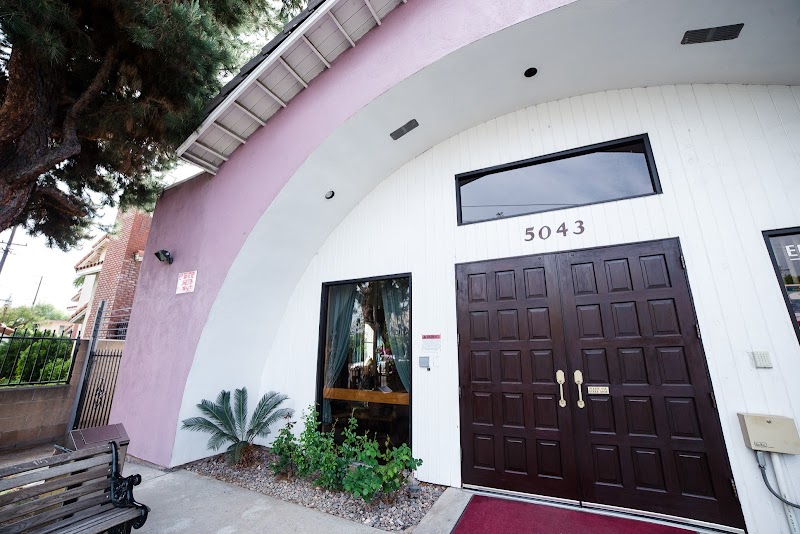
How is Mayflower Staffed?

CMS rates MAYFLOWER CARE CENTER's staffing level at 3 out of 5 stars, which is average compared to other nursing homes. Staff turnover is 48%, compared to the California average of 46%.

What Have Inspectors Found at Mayflower?

State health inspectors documented 39 deficiencies at MAYFLOWER CARE CENTER during 2021 to 2025. These included: 1 that caused actual resident harm and 38 with potential for harm. Deficiencies causing actual harm indicate documented cases where residents experienced negative health consequences.

Who Owns and Operates Mayflower?

MAYFLOWER CARE CENTER is owned by a for-profit company. For-profit facilities operate as businesses with obligations to shareholders or private owners. The facility is operated by LONGWOOD MANAGEMENT CORPORATION, a chain that manages multiple nursing homes. With 59 certified beds and approximately 57 residents (about 97% occupancy), it is a smaller facility located in EL MONTE, California.
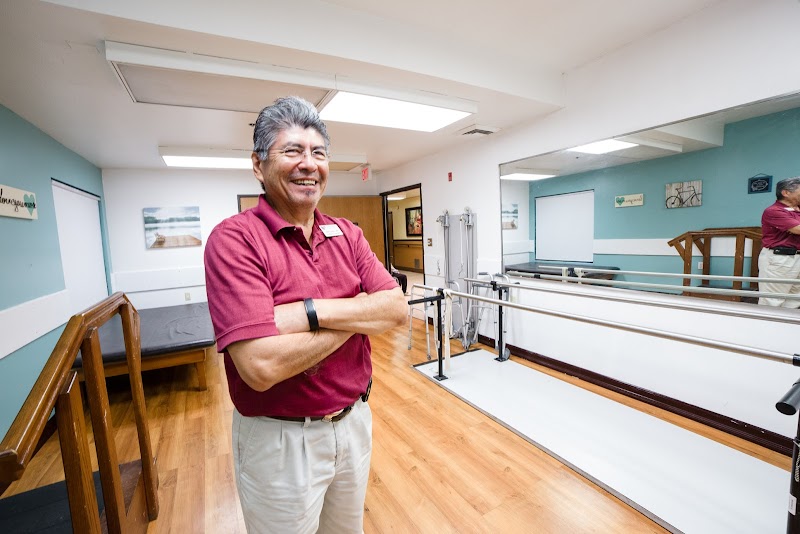
How Does Mayflower Compare to Other California Nursing Homes?

Compared to the 100 nursing homes in California, MAYFLOWER CARE CENTER's overall rating (3 stars) is below the state average of 3.1, staff turnover (48%) is near the state average of 46%, and health inspection rating (3 stars) is at the national benchmark.

What Should Families Ask When Visiting Mayflower?

Based on this facility's data, families visiting should ask: "Can I visit during a mealtime to observe dining assistance and food quality?" "How do you handle medical emergencies, and what is your hospital transfer rate?" "Can I speak with family members of current residents about their experience?"

Is Mayflower Safe?

Based on CMS inspection data, MAYFLOWER CARE CENTER has a clean safety record: no substantiated abuse findings (meaning no confirmed cases of resident harm), no Immediate Jeopardy citations (the most serious violation level indicating risk of serious injury or death), and is not on the Special Focus Facility watch list (a federal program monitoring the lowest-performing 1% of nursing homes). The facility has a 3-star overall rating and ranks #100 of 100 nursing homes in California. While no facility is perfect, families should still ask about staff-to-resident ratios and recent inspection results during their visit.

Do Nurses at Mayflower Stick Around?

MAYFLOWER CARE CENTER has a staff turnover rate of 48%, which is about average for California nursing homes (state average: 46%). Moderate turnover is common in nursing homes, but families should still ask about staff tenure and how the facility maintains care continuity when employees leave.

Was Mayflower Ever Fined?

MAYFLOWER CARE CENTER has been fined $8,190 across 1 penalty action. This is below the California average of $33,161. While any fine indicates a compliance issue, fines under $50,000 are relatively common and typically reflect isolated problems that were subsequently corrected. Families should ask what specific issues led to these fines and confirm they've been resolved.

Is Mayflower on Any Federal Watch List?

MAYFLOWER CARE CENTER is not on any federal watch list. The most significant is the Special Focus Facility (SFF) program, which identifies the bottom 1% of nursing homes nationally based on persistent, serious quality problems. Not being on this list means the facility has avoided the pattern of deficiencies that triggers enhanced federal oversight. This is a positive indicator, though families should still review the facility's inspection history directly.