PENN MAR HEALTHCARE CENTER
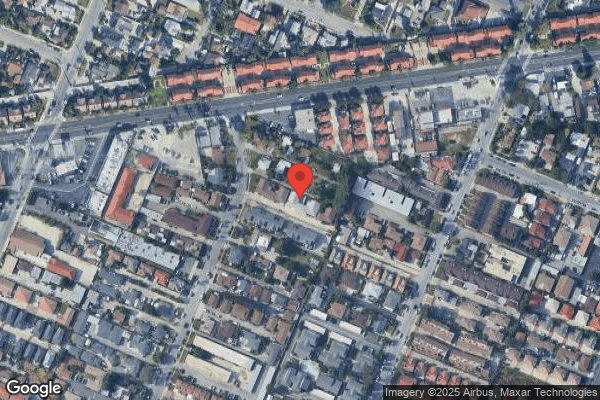
3938 COGSWELL ROAD, EL MONTE, CA 91732 (626) 401-1557
For profit - Limited Liability company 45 Beds Independent Data: November 2025
Trust Grade
23/100
#878 of 1155 in CA
Last Inspection: December 2024

Within standard 12-15 month inspection cycle. Federal law requires annual inspections.

Overview

Penn Mar Healthcare Center has received a Trust Grade of F, indicating poor performance with significant concerns about care quality. They rank #878 out of 1155 facilities in California, placing them in the bottom half, and #226 out of 369 in Los Angeles County, meaning that only a few local options are better. Although the facility is showing signs of improvement, reducing reported issues from 29 in 2024 to 9 in 2025, the staffing situation is troubling with a low rating of 1 out of 5 stars and a high turnover rate of 58%, which is above the California average. Additionally, the facility has been cited for serious issues, such as failing to protect residents from emotional and physical abuse and not ensuring that staff had current certifications, which raises concerns about safety and quality of care. While the facility has excellent quality measures with a 5 out of 5 star rating, the overall low staffing and troubling incidents highlight significant weaknesses. Families should weigh these factors carefully when considering care for their loved ones.

Trust Score
F
23/100
In California
#878/1155
Bottom 24%
Safety Record
High Risk
Review needed
Inspections
Getting Better
29 → 9 violations
Staff Stability
⚠ Watch
58% turnover. Above average. Higher turnover means staff may not know residents' routines.
Penalties
○ Average
$4,893 in fines. Higher than 55% of California facilities. Some compliance issues.
Skilled Nurses
⚠ Watch
Each resident gets only 10 minutes of Registered Nurse (RN) attention daily — below average for California. Fewer RN minutes means fewer trained eyes watching for problems.
Violations
⚠ Watch
67 deficiencies on record. Higher than average. Multiple issues found across inspections.
★★☆☆☆
2.0
Overall Rating
★☆☆☆☆
1.0
Staff Levels
★★★★★
5.0
Care Quality
★★☆☆☆
2.0
Inspection Score
Stable
2024: 29 issues
2025: 9 issues

The Good

  • 5-Star Quality Measures · Strong clinical quality outcomes
  • Full Sprinkler Coverage · Fire safety systems throughout facility
  • No fines on record

Facility shows strength in quality measures, fire safety.

The Bad

2-Star Overall Rating

Below California average (3.1)

Below average - review inspection findings carefully

Staff Turnover: 58%

12pts above California avg (46%)

Frequent staff changes - ask about care continuity

Federal Fines: $4,893

Below median ($33,413)

Minor penalties assessed

Staff turnover is elevated (58%)

10 points above California average of 48%

The Ugly 67 deficiencies on record

1 actual harm
Jul 2025 1 deficiency
CONCERN (D) 📢 Someone Reported This

A family member, employee, or ombudsman was alarmed enough to file a formal complaint

Potential for Harm - no one hurt, but risky conditions existed

Free from Abuse/Neglect (Tag F0600)

Could have caused harm · This affected 1 resident

**NOTE- TERMS IN BRACKETS HAVE BEEN EDITED TO PROTECT CONFIDENTIALITY** Based on interview and record review, the facility failed to protect one of three sampled residents (Resident 1) from physical a...

Read full inspector narrative →
**NOTE- TERMS IN BRACKETS HAVE BEEN EDITED TO PROTECT CONFIDENTIALITY** Based on interview and record review, the facility failed to protect one of three sampled residents (Resident 1) from physical abuse (aggressive or violent behavior with the intention to cause physical harm) as indicated in the facility's policy and procedure (P&P) titled, Abuse Prevention and Prohibition Program.This failure resulted in Resident 2 hitting Resident 1 on 3/1/25, 4/12/25, 5/7/25, and on 6/27/25 and resulted in Resident 1 feeling unsafe in the facility.A. During a review of Resident 1's admission Record (AR), the AR indicated Resident 1 was admitted to the facility on [DATE] with diagnoses which included schizophrenia (a mental illness that is characterized by disturbances in thought).During a review of Resident 1's MDS, dated [DATE], the MDS indicated Resident 1's cognition (mental action or process of acquiring knowledge and understanding through thought, experience, and the senses) was intact and was independent with activities of daily living (ADLs) and with walking.During a review of Resident 1's Change in Condition (CIC) Evaluation, dated 4/12/25 and timed at 1:10 pm, the CIC indicated Resident 1 was hit once in the face by another resident.During a review of Resident 1's Nurses Notes (NN), dated 4/12/25 and timed at 4:16 pm, the NN indicated Resident 1 informed the charge nurse (unknown) that another resident hit Resident 1 on the patio on 4/11/25.During a review of Resident 1's IDT note, dated 4/15/25 and timed at 10:39 am, the IDT note indicated Resident 2 hit Resident 1 in the face during supervised patio activities.During a review of Resident 1's CIC, dated 5/7/25 and timed at 12:35 pm, the CIC indicated Resident 1 came out of Resident 1's room and stated another resident came to Resident 1's room and hit Resident 1 once in the face.During a review of Resident 1's IDT note, dated 6/27/25 and timed at 9 pm, the IDT note indicated Resident 1 was struck by a male peer who was experiencing a psychotic break (a period where a person loses touch with reality). The IDT note indicated the incident was unprovoked by Resident 1.During a review of Resident 1's Physician's Progress Note (PPN), dated 6/27/25 and timed at 11:57 pm, the PPN indicated Nurse Practitioner (NP) 1 received a report from nursing staff (unknown) that Resident 2 hit Resident 1 while Resident 1 was in bed.During a review of Resident 1's Census List (CL), the CL indicated Resident 2 had been in room [ROOM NUMBER]-C since 3/18/25.B. During a review of Resident 2's admission Record (AR), the AR indicated Resident 2 was admitted to the facility on [DATE] with diagnoses which included schizoaffective disorder (a mental illness that can affect thoughts, mood, and behavior).During a review of Resident 2's MDS, dated [DATE], the MDS indicated Resident 2's cognition (mental action or process of acquiring knowledge and understanding through thought, experience, and the senses) was intact and was independent with activities of daily living (ADLs) and with walking.During a review of Resident 2's untitled Care Plan (CP) Report, initiated on 3/1/25 and revised on 4/12/25 and revised on 5/7/25, the CP indicated Resident 2 punched a male peer in the nose on 3/1/25, punched a male peer in the face on 4/1/25, and punched a peer on the face on 5/7/25. The CP indicated the CP interventions were not revised after Resident 2 punched a male peer in the face on 4/12/25.During a review of Resident 2's untitled CP Report, initiated on 5/7/25 and revised on 6/7/25, the CP indicated Resident 2 hears voices which contributes to Resident 2's physical aggression. The CP indicated Resident 2 heard voices that peer had urinated in Resident 2's food so Resident 2 went to male peer's room and struck male peer. The CP indicated Resident 2 heard voices which led to an unprovoked assault on a male peer on 6/27/25. The CP interventions indicated Resident 2 was placed on one-to-one supervision for 24 hours on 5/8/25.During a review of Resident 2's IDT note, dated 5/7/25 and timed at 4 pm, the IDT indicated, on 5/7/25, Resident 2 heard voices that peer had urinated in Resident 2's food so Resident 2 went to male peer's room and struck male peer. The IDT indicated Resident 2 was placed on one-to-one supervision for 24 hours.During a review of Resident 2's Interdisciplinary Team (IDT, a team of professionals from various disciplines who work in collaboration to address the resident's care) note, dated 6/27/25 and timed at 9 pm, the IDT note indicated Resident 2 had an episode of physical aggression towards a male peer and Resident 2 was placed on one-to-one (1:1, one staff supervising 1 resident) supervision to ensure the safety of other residents.During a review of Resident 2's Change in Condition (CIC) Evaluation, dated 6/27/25 and timed at 11:45 pm, the CIC indicated Resident 2 was physically aggressive to Resident 1 while inside Resident 1's room.During a review of Resident 2's Nurses Notes (NN), dated 6/27/25 and timed at 11:57 pm, the NN indicated, on 6/27/25, Resident 2 was witnessed by Licensed Vocational Nurse (LVN) 2 inside Resident 1's room holding on to Resident 1's back while Resident 1 was in bed. The NN indicated Resident 2 was restraining Resident 1 and was not allowing (Resident 1) to move or get away.During a review of Resident 2's Physician's Progress Note (PPN), dated 6/27/25 and timed at 11:57 pm, the PPN indicated Nurse Practitioner (NP) 1 received a report from the nursing staff (unidentified) that Resident 2 hit Resident 1 while Resident 1 was in bed. The PPN indicated NP 1 ordered an antipsychotic (used to treat symptoms of psychosis, such as hallucinations, delusions, and disorganized thinking) medication to be given to Resident 2 every bedtime and for Resident 2 to be on one-to-one supervision. The PPN also indicated NP 1 ordered an emergency antipsychotic injection to be given to Resident 2 due to Resident 2's aggression and Resident 2 being a danger to others. During a review of Resident 2's Census List (CL), the CL indicated Resident 2 had been in room [ROOM NUMBER]-A since admission. During an interview on 7/8/25 at 1:45 pm with Resident 1, Resident 1 stated Resident 2 had hit Resident 1 two times prior to 6/27/25. Resident 1 stated on 6/27/25, Resident 1 was asleep in bed when Resident 2 hit Resident 1 for no reason. Resident 1 stated there was another incident which happened on another day (date unknown) when Resident 2 went inside Resident 1's room and hit Resident 1. Resident 1 stated there was another incident which happened two months ago (date unknown) when Resident 1 was watching television in the patio and Resident 2 hit Resident 1 unprovoked. Resident 1 stated Resident 1 did not feel safe in the facility and did not want to be in the facility. During an interview on 7/8/25 at 3:15 pm with the Director of Staff Development (DSD), the DSD stated there had been no room changes for Resident 1 and Resident 2 as indicated on the Census List. The DSD reviewed Resident 2's care plans which addressed Resident 2's incidences of physical aggression towards Resident 1 on 3/1/25, on 4/12/25, on 5/7/25, and on 6/27/25. The DSD stated the CP interventions did not include room changes and only placed Resident 2 on one-to-one supervision 24 hours after each incident. The DSD stated the CP interventions were not revised after Resident 2 punched a male peer in the face on 4/12/25. During an interview on 7/9/25 at 12:02 pm with Licensed Vocational Nurse (LVN) 1, LVN 1 stated staff (in general) redirect residents and try to keep Resident 1 and Resident 2 away from each other but the facility only has one hallway. LVN 1 stated if Resident 1 and or Resident 2 were on one-to-one supervision, it would be easier to keep the residents from each other.During an interview on 7/9/25 at 1 pm with the Director of Nursing (DON), the DON stated Resident 2 was not on one-to-one supervision before Resident 2 hit Resident 1 on 6/27/25. The DON reviewed Resident 2's care plans which addressed Resident 2's incidences of physical aggression towards Resident 1 and stated the facility should have implemented other interventions like removing Resident 1 from Resident 2's line of sight. The DON reviewed the facility's P&P titled, Abuse Prevention and Prohibition Program, dated 7/9/24. The DON stated the facility did not keep Resident 2 from hitting Resident 1 and should have placed Resident 2 on one-to-one supervision indefinitely to prevent Resident 2 from hitting others. The DON stated Resident 2 also refuses to take Resident 2's antipsychotic medication and Resident 2's responsible party (RP) did not give consent for Resident 2 to receive the antipsychotic medication as an injection which made it difficult to manage Resident 2's behavior. The DON stated the facility will now place Resident 2 on one-to-one supervision until the facility finds another solution to Resident 2's physical aggression towards Resident 1.During a review of the facility's P&P titled, Abuse Prevention and Prohibition Program, dated 7/9/24, the P&P indicated each resident has the right to be free from abuse and the facility is committed to protecting the residents from abuse by anyone. The P&P indicated, The facility conducts an ongoing review and analysis of abuse incidents and implements corrective actions to prevent future occurrences of abuse. Resident assessments and care planning are performed to monitor resident needs and address behaviors that may lead to conflict.
May 2025 3 deficiencies
CONCERN (D) 📢 Someone Reported This

A family member, employee, or ombudsman was alarmed enough to file a formal complaint

Potential for Harm - no one hurt, but risky conditions existed

Quality of Care (Tag F0684)

Could have caused harm · This affected 1 resident

**NOTE- TERMS IN BRACKETS HAVE BEEN EDITED TO PROTECT CONFIDENTIALITY** Based on observation, interview, and record review, the facility failed to perform neurological (of, relating to, or affecting t...

Read full inspector narrative →
**NOTE- TERMS IN BRACKETS HAVE BEEN EDITED TO PROTECT CONFIDENTIALITY** Based on observation, interview, and record review, the facility failed to perform neurological (of, relating to, or affecting the functioning of the brain, spine or nerves) assessments for two of three sampled residents (Residents 5 and 6) following an incident with potential head trauma per facility's policy and procedure (P&P) titled, Neurological Assessments. This failure had the potential to result in delayed identification and treatment of neurological changes, placing Resident 5 and Resident 6 at risk for harm. Findings: 1. During a review of Resident 5's admission Record (AR), the AR indicated the facility admitted Resident 5 on 3/28/2025, with diagnoses including Schizophrenia (chronic mental health condition characterized primarily by symptoms of hallucinations or delusions, and symptoms of a mood disorder, such as mania and depression) and seizures (a sudden, temporary disturbance of the brain's electrical activity, leading to involuntary movements, changes in awareness, or sensory experiences). During a review of Resident 5's History and Physical (H&P), dated 3/29/2025, the H&P indicated Resident 5 had the mental capacity to make medical decisions. During a review of Resident 5's Minimum Data Set (MDS- a resident assessment tool), dated 4/4/2025, the MDS indicated Resident 5's cognitive (the ability to think and process information) skills for daily decisions making was intact. The MDS indicated Resident 5 was independent with activities of daily living. During a review of Resident 5's Progress Notes (PN) dated 5/12/2025, timed at 8 PM, the PN indicated at about 7:30 PM, on 5/12/2025, Resident 5 had a physical altercation with Resident 6 on the facility patio. The PN indicated Resident 5 and Resident 6 were in fist fight after verbal confrontation. The PN indicated Resident 5 was noted with minor cuts on the right hand and bruised right cheek. The PN indicated both parties were separated immediately. During a review of Resident 5's medical record on 5/14/2025, there was no documentation of neurological checks (neuro checks- evaluates brain and nervous system [network of cells, tissues, and organs that controls and coordinates bodily functions]) performed every 15 minutes for the first hour as required by the facility's policy. Resident 5's medical record indicated neuro checks were performed every hour for the 72 hours post incident. 2. During a review of Resident 6's AR, the AR indicated the facility admitted Resident 6 on 12/27/2024, with diagnoses including Schizophrenia (and insomnia (having trouble sleeping at night, staying asleep, or both). During a review of Resident 6's H&P, dated 12/28/2024, the H&P indicated Resident 6 lacked the mental capacity to make medical decisions. During a review of Resident 6's MDS, dated [DATE], the MDS indicated Resident 6's cognitive kills for daily decisions making was intact. The MDS indicated Resident 6 was independent with activities of daily living. During a review of Resident 6's PN dated 5/12/2025, timed at 8 PM, the PN indicated at about 7:30 PM, on 5/12/2025, Resident 6 had a physical altercation with Resident 5 on the facility patio. The PN indicated Resident 5 and Resident 6 were in fist fight after verbal confrontation. The PN indicated Resident 6 had no physical marks. The PN indicated both parties were separated immediately. During a review of Resident 6's medical chart on 5/14/2025, there was no documentation of neuro checks performed every 15 minutes for the first hour as required by the facility's policy. Resident 6's medical record indicated neuro checks were performed every hour for the 72 hours post incident. During a concurrent interview and record review on 05/14/2025 at 2:45 PM with the Director of Nursing (DON), Resident 5's and Resident 6's medical records were reviewed. The DON stated that neurological checks should be completed per facility policy when there was potential for head injury. The DON stated that neuro checks for both residents were done every 1 hour instead of every 15 minutes during the first hour, which did not meet the facility's policy requirements. During a review of the facility's P&P titled, Neurological Assessments, revised August 1, 2014, the P&P indicated, Neurological checks will be performed as follows or as otherwise ordered by the Attending Physician: a. Every 15 minutes for 1 hour, then; b. Every 30 minutes for 1 hour, then; c. Every hour for 2 hours, then; d. Every 4 hours for a total of 72 hours.
CONCERN (E) 📢 Someone Reported This

A family member, employee, or ombudsman was alarmed enough to file a formal complaint

Potential for Harm - no one hurt, but risky conditions existed

Deficiency F0730 (Tag F0730)

Could have caused harm · This affected multiple residents

Based on interview and record review, the facility failed to ensure annual performance evaluations were completed for three of four Certified Nursing Assistants (CNAs) as indicated in the facility's p...

Read full inspector narrative →
Based on interview and record review, the facility failed to ensure annual performance evaluations were completed for three of four Certified Nursing Assistants (CNAs) as indicated in the facility's policy and procedure (P&P) titled, Performance Evaluations. This failure had the potential to result in unrecognized skill deficiencies, placing residents at risk for receiving subpar care from staff. Findings: During an interview on 5/14/2025 at 2:20 PM with the Director of Staff Development (DSD), the DSD stated that CNA skills evaluations had not been completed consecutively or annually as required. The DSD stated, I just started last week and haven't had a chance to review everyone's (performance) evaluations. I know they haven't been done consistently. The DSD stated that performance evaluations were essential to identify gaps in understanding and ensure staff were competent to provide quality care. During a review of the personnel files for the following CNAs on 5/14/2025 indicated: 1. CNA 2 had no performance evaluation completed or 2024. 2. CNA 4 had no performance evaluations completed for 2022, 2023, and 2024. 3. CNA 5 had no performance evaluations completed for 2023 and 2024. During a review of the facility's P&P titled, Performance Evaluations, revised August 2010, the P&P indicated, The job performance of each employee shall be reviewed and evaluated at least annually.
MINOR (B) 📢 Someone Reported This

A family member, employee, or ombudsman was alarmed enough to file a formal complaint

Minor Issue - procedural, no safety impact

Staffing Information (Tag F0732)

Minor procedural issue · This affected multiple residents

Based on observation, interview, and record review, the facility failed to post daily nurse staffing information in a prominent and accessible location as indicated in the facility's policy and proced...

Read full inspector narrative →
Based on observation, interview, and record review, the facility failed to post daily nurse staffing information in a prominent and accessible location as indicated in the facility's policy and procedure (P&P) titled, Nursing Department - Staffing, Scheduling & Postings. This failure had the potential to result in a lack of transparency regarding nurse staffing levels, affecting residents, families, and regulatory oversight. Findings: During an observation on 5/14/2025, at 9:45 AM, the daily nurse staffing posting was not posted outside the nursing station or anywhere in the facility. During an interview on 5/14/2025 at 2:20 PM with the Director of Staff Development (DSD), the DSD stated the DSD had not updated the required nurse staffing information since 5/1/2025. The DSD stated, I overlooked it. I just started last week and didn't realize it hadn't been updated. It should be posted daily. The DSD acknowledged that the lack of nurse staffing information posting reflected poorly on the facility's compliance and that posting daily Nursing Hours Per Patient Day (NHPPD- refers to the actual hours of work performed per patient day by a direct caregiver) was necessary for transparency and to demonstrate quality of care. During a review of the facility's nurse staffing posting log on 5/14/2025, no updates were documented after 5/1/2025. The facility's nurse staffing posting log confirmed that staffing data had not been posted for 13 consecutive days. During a review of the facility's P&P titled, Nursing Department - Staffing, Scheduling & Postings, dated October 1 2023, the P&P indicated, The Facility will post the nurse staffing data . on a daily basis at the beginning of each shift. Data must be posted in a clear and readable format and in a prominent place readily accessible to residents and visitors.
May 2025 1 deficiency
CONCERN (D) 📢 Someone Reported This

A family member, employee, or ombudsman was alarmed enough to file a formal complaint

Potential for Harm - no one hurt, but risky conditions existed

Comprehensive Care Plan (Tag F0656)

Could have caused harm · This affected 1 resident

**NOTE- TERMS IN BRACKETS HAVE BEEN EDITED TO PROTECT CONFIDENTIALITY** Based on interview and record review, the facility failed to develop a complete, individualized, and comprehensive plan of care ...

Read full inspector narrative →
**NOTE- TERMS IN BRACKETS HAVE BEEN EDITED TO PROTECT CONFIDENTIALITY** Based on interview and record review, the facility failed to develop a complete, individualized, and comprehensive plan of care (outlines specific care needs, preferences, and goals for individuals receiving care) for one of four sampled residents (Resident 1). This failure resulted in Resident 1 not receiving individualized care and had the potential to affect Resident 1's quality of life. Findings: During a review of Resident 1's admission Record (AR), the AR indicated Resident 1 was admitted to the facility on [DATE] with diagnoses that included paranoid schizophrenia (a type of mental disorder associated with feelings of being persecuted or plotted against) and insomnia (difficult to fall asleep). During a review of Resident 1's History & Physical (H&P) dated 2/19/25, the H&P indicated Resident 1 did not have the capacity to make medical decisions. During a review of Resident 1's Minimum Data Set (MDS, a resident assessment tool) dated 3/11/25, the MDS indicated Resident 1 was cognitively intact (ability to understand and process thoughts), and ambulated independently. During a record review of Resident 1's Behavior Care Plan dated 5/1/25, the Behavior Care Plan indicated Resident 1 was at risk of inappropriate social behavior as evidenced by touching/scratching himself in common areas. The Behavior Care Plan did not indicate a goal and did not indicate interventions to be implemented (specific actions or strategies used by nurses to address identified patient's needs and promote desired outcomes) to address Resident 1's behavior of touching/scratching himself in common areas. During a concurrent record review and interview on 5/7/25 at 11:50 a.m., with the Acting Director of Nursing (ADON), Resident 1's Behavior Care Plan was reviewed. The ADON stated a complete/comprehensive care plan was important to ensure proper care for Resident 1. The ADON stated the facility staff would not know the plan of care for the resident if the care plan was incomplete. The ADON stated, if the care plan was incomplete, staff would not know what to do with resident, what interventions to implement and what goals to meet. The ADON stated Resident 1's Behavior Care Plan was incomplete. During a concurrent record review and interview on 5/7/25 at 11:53 a.m., with the Program Director (PD), Resident 1's Behavior Care Plan was reviewed. The PD stated Resident 1's Behavior Care Plan was not complete. The PD stated a complete care plan was important to keep everyone informed of what were the interventions to address the problem, monitoring the resident's behavior and addressing the problem appropriately. During a record review of the facility's Policy and Procedure (P&P) titled, Care Planning, dated October 2023, the P&P indicated a comprehensive care plan will be developed for each resident. The care plan will include measurable objectives and timetables to meet the resident's medical, nursing, mental, and psychosocial needs.
Apr 2025 1 deficiency
CONCERN (D) 📢 Someone Reported This

A family member, employee, or ombudsman was alarmed enough to file a formal complaint

Potential for Harm - no one hurt, but risky conditions existed

Quality of Care (Tag F0684)

Could have caused harm · This affected 1 resident

**NOTE- TERMS IN BRACKETS HAVE BEEN EDITED TO PROTECT CONFIDENTIALITY** Based on interview and record review, the facility failed to ensure one of seven sampled residents (Residents 1) had a complete ...

Read full inspector narrative →
**NOTE- TERMS IN BRACKETS HAVE BEEN EDITED TO PROTECT CONFIDENTIALITY** Based on interview and record review, the facility failed to ensure one of seven sampled residents (Residents 1) had a complete neurological (of, relating to, or affecting the functioning of the brain, spine or nerves) assessment check (neurocheck - evaluates brain and nervous system [network of cells, tissues, and organs that controls and coordinates bodily functions) for the 72-hour monitoring period after a resident-to-resident altercation. This failure resulted in incomplete neurological assessments for Resident 1 after a change in condition and had the potential to negatively affect the delivery of necessary care and services in assessing for possible neurological complications. Findings: During a review of Resident 1's admission Record (AR), the AR indicated Resident 1 was admitted to the facility on [DATE], with diagnoses that included schizophrenia (a mental illness that is characterized by disturbances in thought) and depression (a mood disorder that may cause persistent sadness or loss of interest in activities). During a review of Resident 1's History & Physical (H&P), dated 12/18/2024, the H&P indicated Resident 1 had the capacity to understand and make decisions. During a review of Resident 1's Minimum Data Set (MDS, a resident assessment tool), dated 12/26/2024, the MDS indicated Resident 1 had intact cognition (ability to understand, learn, and process information). During a review of Resident 1's Change in Condition Evaluation (CICE), dated 4/12/2025, timed at 1:10 pm, the CICE indicated on 4/12/2025, untimed, Resident 1 was hit in the face by another resident (Resident 2). The CICE indicated Resident 1 had no major injury. During a review of Resident 1's Care Plan (CP) titled, Care Plan Report, dated 4/14/2025, the CP indicated Resident 1 had a psychosocial (involving both social and individual thought and behavior) well-being problem related to emotional distress and feelings of insecurity following an alleged incident of being hit by another resident on 4/11/2025. During an interview on 4/15/2025 at 12:05 pm with Resident 1, Resident 1 stated on 4/11/25 at approximately 7:30 pm, Resident 2 hit Resident 1 with a closed fist to Resident 1's left cheek. Resident 1 stated staff had not been doing neurochecks on him since the incident. During a concurrent interview and record review on 4/15/2025 at 12:24 pm with Licensed Vocational Nurse (LVN) 1, Resident 1's Neurocheck Flowsheet (NF - used to document neurochecks on a resident which checks their level of consciousness, pupil response, motor functions [hand grasp strength and movement of extremities], ability to follow simple instructions, pain level, nausea/vomiting, and vital signs with a monitoring frequency of every 4 hours for 24 hours, then every shift for 2 days) started on 4/12/2025 at 11:16 am and ended on 4/15/2025 during the 11 pm to 7 am shift (time not specified) was reviewed. The NF indicated the assessment and nurse initials were blank for 4/14/2025 for the 3 pm to 11 pm shift. LVN 1 stated, the assigned licensed nurse (LN) should have completed the blank areas of documentation on Resident 1's NF. LVN 1 stated, Resident 1 needed the 72-hour neurochecks because Resident 2 hit Resident 1 on Resident 1's face. LVN 1 stated for any head injury, it was the facility's policy to initiate neurochecks. LVN 1 stated, it was important to do the neurochecks to monitor the resident for any neurological changes. During an interview on 4/15/2025 at 4:44 pm with the Director of Nursing (DON), the DON stated, after a resident-to-resident altercation that included a hit to the head, the facility's process included initiating neurochecks for 72 hours to make sure the resident was stable. The DON stated, neurological assessments were important to identify any abnormalities. The DON stated, Resident 1's NF documentation was incomplete, and the assigned LN should have completed the documentation. During a review of the facility's policy and procedure (P&P) titled, Neurological Assessment, revised 8/1/2014, the P&P indicated, Nursing Staff will perform a neurological assessment in the following circumstances . Following a fall or other accident/injury involving head trauma; or . When indicated by the resident's condition. The P&P indicated, The following information will be documented in the resident's medical record . All assessment data obtained during the procedure, including: a. Eye opening b. Verbal response c. Motor response d. Pupillary response e. Limb response . The signature and title of the person recording the data. During a review of the facility's P&P titled, Documentation-Nursing, dated 10/1/2023, the P&P indicated, Nursing documentation will be concise, clear, pertinent, and accurate Checklists, flow charts, and other documentation tools will be used as appropriate. The P&P indicated, Documentation will be completed by the end of the assigned shift. During a review of the facility's P&P titled, Abuse Prevention and Prohibition Program, dated 7/9/2024, the P&P indicated, Resident assessments . are performed to monitor resident needs and address behaviors .
Mar 2025 1 deficiency
CONCERN (D) 📢 Someone Reported This

A family member, employee, or ombudsman was alarmed enough to file a formal complaint

Potential for Harm - no one hurt, but risky conditions existed

Free from Abuse/Neglect (Tag F0600)

Could have caused harm · This affected 1 resident

**NOTE- TERMS IN BRACKETS HAVE BEEN EDITED TO PROTECT CONFIDENTIALITY** Based on observation, interview, and record review, the facility failed to ensure one of two sampled residents (Resident 1) was ...

Read full inspector narrative →
**NOTE- TERMS IN BRACKETS HAVE BEEN EDITED TO PROTECT CONFIDENTIALITY** Based on observation, interview, and record review, the facility failed to ensure one of two sampled residents (Resident 1) was not physically assaulted (someone had been attacked or harmed through physical violence) by another resident (Resident 2) on 3/17/2025. This failure resulted in Resident 1 sustaining bleeding from the nose, discoloration (any change in natural skin tone) on the face and redness on the nose. Findings: a. During a review of Resident 1's admission Records (AR), the AR indicated Resident 1 was admitted to the facility on [DATE] with diagnoses that included schizophrenia (a mental illness that is characterized by disturbance in thought), diabetes mellitus (DM, a disorder characterized by difficulty in blood sugar control) and hyperlipidemia (a condition characterized by abnormally high levels of fats in the blood). During a review of Resident 1's Minimum Data Sheet (MDS, a resident assessment tool) dated 2/27/2025, the MDS indicated Resident 1 had an intact cognition (ability to understand and process information). The MDS indicated Resident 1 was independent (resident completes the activity by themselves with no assistance from a helper) with oral and toileting hygiene, upper and lower body dressing and personal hygiene. During a review of Resident 1's Transfer Form (TF) dated 3/17/2025 and timed at 10:57 pm, the TF indicated Resident 1 was transferred to General Acute Care Hospital 1 (GACH 1) for evaluation after a resident-to-resident altercation (fight). During a review of Resident 1's Progress Notes (PN) dated 3/17/2025 timed at 11:48 pm, the PN indicated Resident 1 was heard calling help inside Resident 1's room. CNA 1 and the charge nurse (unidentified) saw Resident 2 hitting Resident 1 on the face. The PN indicated Resident 1 returned from GACH 1 on 3/18/2025 at 12:40 am with discoloration on the right side of the face and redness to the nose. During a review of Resident 1's Computed Tomography (CT, a medical imaging technique) scan of the brain result from GACH 1 dated 3/17/2025, the CT scan result indicated Resident 1 did not have intracranial (within the skull) hemorrhage (loss of blood from a damaged blood vessel). During a review of Resident 1's CT scan of the Maxillofacial (relating to the jaws and face) result from GACH 1 dated 3/17/2025, the CT scan result indicated Resident 1 did not have zygomatico-facial (involving the cheekbone and its surrounding bones) fracture (a complete or partial break in a bone). During a review of Resident 1's Change of Condition (COC) dated 3/18/2025 timed at 1:39 am, the COC indicated Resident 1 was punched on the face by another resident (Resident 2) on 3/17/2025. The COC indicated Resident 1 sustained discoloration on the right side of the face and redness on the nose. b. During a review of Resident 2's AR, the AR indicated Resident 2 was admitted to the facility on [DATE] with diagnoses that included schizophrenia, depression (a mental health condition characterized by persistent feelings of sadness, hopelessness, and loss of interest in activities previously enjoyed) and epilepsy (recurrent, unprovoked seizures). During a Review of Resident 2's MDS dated [DATE], the MDS indicated Resident 2 had intact cognition and was independent with oral and toileting hygiene, upper and lower body dressing and personal hygiene. During a review of Resident 2's COC dated 3/18/2025 timed at 1:47 am, the COC indicated Resident 2 had a resident-to-resident altercation, increased agitation and physical aggression. During a concurrent observation and interview on 3/28/2025 at 2:00 pm with Resident 2 in the patio, Resident 2 refused to talk and discuss the incident that happened between Residents 1 and 2 on 3/17/2025. Resident 2 was calm and interacted well with other residents in the patio. During a concurrent observation and interview on 3/28/2025 at 2:33 pm with Resident 1 in the Activity Room, Resident 1 was calm, well-groomed and cooperative. Resident 1 did not have pain, discoloration, bruises, redness and swelling on the head, face and nose. Resident 1 stated Resident 1 was in bed trying to sleep on 3/17/2025, when Resident 2 came stating, stop, messing up with me. Resident 1 stated Resident 1 did not have any interaction with Resident 2 prior to the incident on 3/17/2025. Resident 1 stated, Resident 2 started punching Resident 1 on the head and on the face. Resident 1 stated Resident 1 covered his face with his hands and screamed for help. During an interview on 3/28/2025 at 3:47 pm with Certified Nurse Assistant 1 (CNA 1), CNA 1 stated, the incident between Residents 1 and 2 happened on 3/17/2025, around 10:30 pm. CNA 1 was sitting in the room across Residents 1 and 2's room. CNA 1 stated CNA 1 heard someone calling for help coming from Resident 1 and 2's room. CNA 1 stated CNA 1 ran inside the room and saw Resident 1 lying on the bed and Resident 2 was standing next to Resident 1. CNA 1 stated Resident 2 hit Resident 1 on the head and on the face. CNA 1 stated Resident 1 had both hands covering his face. CNA 1 stated Resident 1 was bleeding from the nose. CNA 1 stated Residents 1 and 2 were separated immediately. CNA 1 stated all residents should be monitored for behavior of angry outburst to prevent physical altercation between residents in the facility. During an interview on 3/28/2025 at 3:55 pm with Licensed Vocational Nurse 1 (LVN 1), LVN 1 stated Resident 1 had minimal blood on the face coming from the nose due to the physical altercation between Residents 1 and 2 on 3/17/2025. LVN 1 stated Resident 1 was transferred to the GACH 1 on 3/17/2025 at 11:48 pm. LVN 1 stated Resident 1 had a light purplish discoloration on the face and redness on top of the nose. LVN 1 stated residents in the facility should be monitored every shift for agitation and disorganized thoughts to prevent physical altercation. During an interview on 3/28/2025 at 4:11 pm with the facility's Director of Nursing (DON), the DON stated, all staff should continuously provide mental health support to the residents to ensure safety and prevent incidents of physical altercations, assault and abuse in the facility. During a review of the facility's Policy and Procedure (P&P) titled, Abuse Prevention and Prohibition Program, dated 7/9/2024, the P&P indicated, Each resident has the right to be fee from abuse, neglect, mistreatment, and/or misappropriation of property. The facility has zero tolerance for abuse, neglect, mistreatment, and/or mistreatment, or misappropriation resident property. Staff must not permit anyone to engage in verbal, mental, sexual, or physical abuse, neglect, mistreatment or misappropriation of resident property. The facility is committed to protecting residents from abuse by anyone, including but not limited to Facility staff, other residents, consultants, volunteers, staff from other agencies providing services under arrangement, family members, legal guardians, surrogates, sponsors, friends and visitors.
Jan 2025 2 deficiencies
CONCERN (E) 📢 Someone Reported This

A family member, employee, or ombudsman was alarmed enough to file a formal complaint

Potential for Harm - no one hurt, but risky conditions existed

Deficiency F0839 (Tag F0839)

Could have caused harm · This affected multiple residents

**NOTE- TERMS IN BRACKETS HAVE BEEN EDITED TO PROTECT CONFIDENTIALITY** Based on interview and record review, the facility failed to ensure one of three Certified Nursing Assistants (CNA 6) had an act...

Read full inspector narrative →
**NOTE- TERMS IN BRACKETS HAVE BEEN EDITED TO PROTECT CONFIDENTIALITY** Based on interview and record review, the facility failed to ensure one of three Certified Nursing Assistants (CNA 6) had an active CNA certification when CNA 6 worked for 30 days ([DATE] - [DATE]) with an expired CNA certification. This failure had the potential to put the safety of the residents under the care of CNA 6 at risk. Findings: During a review of CNA 6's undated L&C Verification Detail Page (VDP), the VDP indicated CNA 6's CNA certification expired on [DATE]. During an interview on [DATE] at 9:31 AM with the Director of Staff Development (DSD), the DSD stated CNA 6's CNA certification expired in 11/2024. During a concurrent interview and record review on [DATE] at 11:09 AM with the facility's Bookkeeping staff (BK), CNA 6's Timecard Report (TCR) from 11/2024 to 12/2024 were reviewed. The BK stated CNA 6 worked on the following days: [DATE] to [DATE] [DATE] [DATE] [DATE] [DATE] to [DATE] [DATE] [DATE] [DATE] [DATE] to [DATE] [DATE] [DATE] [DATE] [DATE] to [DATE] [DATE] [DATE] [DATE] [DATE] to [DATE] [DATE] [DATE] [DATE] [DATE] to [DATE] [DATE] [DATE] [DATE] [DATE] [DATE] [DATE] [DATE] [DATE] [DATE] The BK stated CNA 6 worked for 30 days since [DATE] and stated CNA 6's last day to work in the facility was on [DATE]. During an interview on [DATE] at 11:49 AM with the facility's Director of Nursing (DON), the DON stated CNA 6 worked for 30 days after CNA 6's CNA certification expired. The DON stated there should have been more monitoring for expiration of staff's licenses and certification. The DON stated staff members should not be allowed to work without a current and active certification/license. During a review of the facility's Policy and Procedure (P&P) titled Certified Nursing Assistant dated 5/2017, the P&P indicated qualifications and or requirements for a CNA is a current California CNA certification.
CONCERN (E) 📢 Someone Reported This

A family member, employee, or ombudsman was alarmed enough to file a formal complaint

Potential for Harm - no one hurt, but risky conditions existed

Deficiency F0947 (Tag F0947)

Could have caused harm · This affected multiple residents

Based on interview and record review, the facility failed to ensure all in-services for the year 2024 were maintained, kept and readily accessible in accordance with the facility's policy on record re...

Read full inspector narrative →
Based on interview and record review, the facility failed to ensure all in-services for the year 2024 were maintained, kept and readily accessible in accordance with the facility's policy on record retention for three of three sampled Certified Nursing Assistants (CNAs 3, 4 and 5). This failure had the potential to result in CNAs not receiving necessary training that could affect the resident care and safety. Findings: During an interview on 1/16/2025 at 6:24AM with CNA 3, CNA 3 stated CNA 3 was unsure if CNA 3 received dementia care in-services in 2024. CNA 3 stated the risk of not receiving in-services was that it could impact the delivery of care because staff would not be updated on current practices to ensure the residents were safe. During an interview on 1/16/2025 at 6:30 AM with CNA 4, CNA 4 stated CNA 4 did not receive an in-service on dementia care in 2024. During an interview on 1/16/2025 at 6:45 AM with CNA 5, CNA 5 stated CNA 5 received three in-services in 2024 and stated in-services were not provided regularly. CNA 5 stated CNA 5 would have benefited from a regular in-service schedule because staff would be able to refresh/update their skills. During an interview on 1/16/2025 at 9:31 AM with the Director of Staff Development (DSD), the DSD stated the DSD started working at the facility in 12/2024 and stated the facility tried to contact the previous DSD for the missing in-services for 2024 but has gotten no response. The DSD stated there were no records of in-services provided to her for the year 2024. The DSD stated at least 24 or more in-services should have been completed annually. The DSD stated there were no in-services for abuse training and dementia care for 2024. The DSD stated the importance of keeping records of in-services was to ensure staff were trained on relevant topics, such as dementia care and abuse. The DSD stated the risk of not providing in-services to staff would be a lack in staff competency as staff would not be educated on topics that could impact resident's care. During an interview on 1/16/2025 at 11:49 AM with the facility's Director of Nursing (DON), the DON stated in-services were utilized to provide education and updates on new topics to ensure staff can perform the job correctly. The DON stated the facility was missing in-services from 1/2024 to 12/2024 and stated there was no documented evidence that in-services were provided in 2024 by the previous DSD to indicate staff were competent. During a concurrent interview with the DSD on 1/16/2025 at 12:15 PM and record review, the facility's Policy and Procedure (P&P) titled Record Retention Guidelines dated 10/2023 was reviewed. The DSD stated, per policy, all CNA records of in-service training programs needed to be kept for a period of four years.
Dec 2024 3 deficiencies
CONCERN (D) 📢 Someone Reported This

A family member, employee, or ombudsman was alarmed enough to file a formal complaint

Potential for Harm - no one hurt, but risky conditions existed

Comprehensive Care Plan (Tag F0656)

Could have caused harm · This affected 1 resident

**NOTE- TERMS IN BRACKETS HAVE BEEN EDITED TO PROTECT CONFIDENTIALITY** Based on interview and record review, the facility failed to develop a care plan (CP) for one of four sampled residents (Residen...

Read full inspector narrative →
**NOTE- TERMS IN BRACKETS HAVE BEEN EDITED TO PROTECT CONFIDENTIALITY** Based on interview and record review, the facility failed to develop a care plan (CP) for one of four sampled residents (Resident 1) who was identified as a high risk for elopement (leaving without permission or supervision). Consequently, Resident 1 eloped while attending a court hearing on 12/18/2024. This failure had the potential to result in Resident 1 sustaining a serious injury. Findings: During a review of Resident 1 ' s admission Record (AR) the AR indicated Resident 1 was admitted to the facility on [DATE] with diagnoses that included schizophrenia (serious mental disorder in which people interpret reality abnormally). During a review of Resident 1 ' s History and Physical (H&P, formal document of a medical provider ' s examination of a patient) dated 7/28/2024, the H&P indicated Resident 1 lacked capacity to make medical decisions. During a review of Resident 1 ' s Minimum Data Set (MDS, a standardized comprehensive assessment of each resident's functional capabilities and identifies health problems) dated 10/31/2024, the MDS indicated Resident 1 ' s cognitive abilities (ability to think, learn, and process information) were intact. During an interview on 12/20/2024 at 11:29 AM with the Director of Nursing (DON), the DON stated residents in the facility are a high risk for elopement because all residents are in a special treatment program (STP). During a concurrent interview and record review on 12/20/2024 at 11:36 AM with Licensed Vocational Nurse 1 (LVN), Resident 1 ' s untitled CP was reviewed. LVN 1 stated there was no CP for risk for elopement. LVN 1 stated if the resident was identified as a high risk for elopement there should be a CP. The CP guides staff on what intervention to provide and how to monitor the resident. LVN 1 stated the risk of not having a CP was that staff would not know the specific at-risk behavior and how to provide care. During an interview on 12/20/2024 at 12:43 PM with the DON, the DON stated there was no CP for high risk of elopement as Resident 1 was in an STP. The DON stated there should be a CP indicating the resident was a high risk for elopement and stated the risk of not having a CP was that direct staff members would not be aware that Resident 1 was a high risk for elopement. During a review of the facility ' s policy and procedure (P&P) titled, Care Planning dated 10/1/2023, the P&P indicated a licensed nurse will initiate the CP and the plan will be finalized in accordance with OBRA/MDS guidelines and updated as indicated for changes in condition, onset of new problems, resolution of current problems, and as deemed appropriate by clinical assessment and judgement on an as needed basis.
CONCERN (D) 📢 Someone Reported This

A family member, employee, or ombudsman was alarmed enough to file a formal complaint

Potential for Harm - no one hurt, but risky conditions existed

Accident Prevention (Tag F0689)

Could have caused harm · This affected 1 resident

**NOTE- TERMS IN BRACKETS HAVE BEEN EDITED TO PROTECT CONFIDENTIALITY** Based on interview and record review, the facility failed to implement its policy on wandering and elopement (leaving without pe...

Read full inspector narrative →
**NOTE- TERMS IN BRACKETS HAVE BEEN EDITED TO PROTECT CONFIDENTIALITY** Based on interview and record review, the facility failed to implement its policy on wandering and elopement (leaving without permission or supervision) and perform an elopement risk assessment upon admission for one of four sampled residents (Resident 1). This failure resulted in Resident 1 eloping on 12/18/2024 when Resident 1 attended a court hearing with Resident 1's public conservator. This failure had the potential to result in Resident 1 sustaining a serious injury during elopement. Findings: During a review of Resident 1's admission Record (AR), the AR indicated Resident 1 was admitted to the facility on [DATE] with diagnoses that included schizophrenia (serious mental disorder in which people interpret reality abnormally). During a review of Resident 1's History and Physical (H&P, formal document of a medical provider's examination of a patient) dated 7/28/2024, the H&P indicated Resident 1 lacked capacity to make medical decisions. During a review of Resident 1's Minimum Data Set (MDS, a standardized comprehensive assessment of each resident's functional capabilities and identifies health problems) dated 10/31/2024, the MDS indicated Resident 1's cognitive abilities (ability to think, learn, and process information) were intact. During a concurrent interview and record review on 12/20/2024 at 11:36 AM with Licensed Vocational Nurse 1 (LVN 1), Resident 1's Nursing admission Assessment (NAA) dated 4/17/2024 was reviewed. The NAA indicated Section N of Wandering and Elopement Assessment was blank. LVN 1 stated Resident 1's elopement risk assessment was not completed on admission and stated LVN 1 was unsure if the assessment was required to be completed on admission. LVN 1 stated the risk of not completing the elopement risk assessment was that staff would not be able to identify if the resident was a high risk to elope. During an interview on 12/20/2024 at 12:43 PM with the Director of Nursing, the DON stated the elopement risk assessment should have been completed on admission per facility policy. The DON stated if a resident was a high risk for elopement and was required to leave the facility the resident would need to be placed in restraints and escorted with a trained staff to monitor the resident. The DON stated this was not done for Resident 1 because Resident 1 had left with Resident 1's public conservator previously with no issues. The DON stated the risk of not completing the elopement risk assessment was not being able to identify residents who are a high risk. During a review of the facility's policy and procedure (P&P) titled, Wandering and Elopement dated 10/1/2023, the P&P indicated the licensed nurses will assess residents upon admission, readmission, quarterly, and upon identification of significant change in condition according to RAI guidelines to determine their risk of wandering and or elopement.
CONCERN (D) 📢 Someone Reported This

A family member, employee, or ombudsman was alarmed enough to file a formal complaint

Potential for Harm - no one hurt, but risky conditions existed

Medical Records (Tag F0842)

Could have caused harm · This affected 1 resident

**NOTE- TERMS IN BRACKETS HAVE BEEN EDITED TO PROTECT CONFIDENTIALITY** Based on interview and record review, the facility failed to ensure the Medical Doctor's (MD) notification of a change of condit...

Read full inspector narrative →
**NOTE- TERMS IN BRACKETS HAVE BEEN EDITED TO PROTECT CONFIDENTIALITY** Based on interview and record review, the facility failed to ensure the Medical Doctor's (MD) notification of a change of condition (COC) was documented in the resident's medical record for one of four sampled residents (Resident 1) when Resident 1 eloped (leaving without permission or supervision) from a court hearing on 12/18/2024. This failure had the potential to negatively impact the delivery of services for Resident 1. Findings: During a review of Resident 1's admission Record (AR) the AR indicated Resident 1 was admitted to the facility on [DATE] with diagnoses that included schizophrenia (serious mental disorder in which people interpret reality abnormally). During a review of Resident 1's History and Physical (H&P, formal document of a medical provider's examination of a patient) dated 7/28/2024, the H&P indicated Resident 1 lacked capacity to make medical decisions. During a review of Resident 1's Minimum Data Set (MDS, a standardized comprehensive assessment of each resident's functional capabilities and identifies health problems) dated 10/31/2024, the MDS indicated Resident 1's cognitive abilities (ability to think, learn, and process information) were intact. During a concurrent interview and record review on 12/20/2024 at 11:36 AM with Licensed Vocational Nurse 1 (LVN 1), Resident 1's COC's were reviewed. LVN 1 stated there was no COC completed when Resident 1 eloped from the court hearing on 12/18/2024. LVN 1 stated the MD was notified on 12/18/2024 via text message and stated there was no documentation in Resident 1's medical record. LVN 1 stated the purpose of documenting a COC was to indicate communication between the staff and the MD, document an assessment pertaining to the COC, indicate the MD and Resident Representative (RP) were notified, and if orders were obtained. LVN 1 stated the phone is not the resident's medical record and stated MD notification should've been documented in Resident 1's medical record. LVN 1 stated the risk of not documenting a COC was that there would be no proof the facility notified the MD, and the care team would not be aware the MD was notified. During an interview on 12/20/2024 at 12:43 PM with the Director of Nursing (DON), the DON stated a COC was not completed on 12/18/2024 when Resident 1 eloped before the court hearing. The DON stated it should have been documented in the resident's medical record so it is easily accessible to all care members because the care team should not have to scroll through the phone to check if the MD was notified. The DON stated the risk of not documenting the COC notification was that staff would not be aware if there was a change in condition, if the MD was notified, or if the MD had any new orders. During a review of the facility's policy and procedure (P&P) titled, Change of Condition Notification dated 10/1/2023, the P&P indicated the licensed nurse will document the time the Attending Physician was contacted, the method by which he or she was contacted, the response time, and whether orders were received. The P&P indicated documentation pertaining to a change in the resident's condition will be maintained in the resident's medical record.
Dec 2024 12 deficiencies
CONCERN (D)

Potential for Harm - no one hurt, but risky conditions existed

Comprehensive Care Plan (Tag F0656)

Could have caused harm · This affected 1 resident

**NOTE- TERMS IN BRACKETS HAVE BEEN EDITED TO PROTECT CONFIDENTIALITY** Based on interview and record review, the facility failed to develop and implement a comprehensive person-centered care plan for...

Read full inspector narrative →
**NOTE- TERMS IN BRACKETS HAVE BEEN EDITED TO PROTECT CONFIDENTIALITY** Based on interview and record review, the facility failed to develop and implement a comprehensive person-centered care plan for one of one sampled resident (Resident 33) for the diagnosis of post-traumatic stress disorder (PTSD - a disorder in which a person has difficulty recovering after experiencing or witnessing a traumatic event). This deficient practice had the potential to negatively affect the delivery of necessary care and services for Resident 33. Findings: During a review of Resident 33's admission Record (AR), the AR indicated Resident 33 was admitted to the facility on [DATE] with diagnoses that included mood disorder (a mental health condition with extreme mood swings or changes, depressive or manic episodes), anxiety, and PTSD. During a review of Resident 33's History & Physical (H&P) dated 7/11/2024, the H&P indicated the resident had a diagnosis of PTSD. During a review of Resident 33's Minimum Data Set (MDS, a resident assessment tool), dated 10/22/2024, the MDS indicated Resident 33 had intact cognition (ability to understand) and was independent (resident completed the activity by themselves with no assistance from the helper) with oral, toileting, and personal hygiene. During a review of Resident 33's Care Plans, there was no care plan developed and implemented for Resident 33's diagnosis of PTSD. During an interview on 12/4/2024 at 3:14 pm with Licensed Vocational Nurse 1 (LVN 1), LVN 1 stated she was unaware Resident 33 had a PTSD diagnosis and was unsure of any interventions for the resident's PTSD condition. During a concurrent interview and record review on 12/6/2024 at 9:26 am with Director of Nursing (DON), Resident 33's Care Plans was reviewed. The Care Plan did not address PTSD. The DON stated, care plans were important because they guide staff to address the resident's needs, created a direction of care for the resident, and created goals for them to attain. The DON further stated, a care plan for PTSD should have been created upon admission for Resident 33. During a review of the facility's Policy and Procedure (P&P) titled, Care Planning, dated 10/1/2023, the P&P indicated a comprehensive, person-centered care plan was developed for each resident based on their individual assessed needs. The care plan will include measurable objectives and timetables to meet a resident's medical, nursing, mental and psychosocial needs.
CONCERN (D)

Potential for Harm - no one hurt, but risky conditions existed

Quality of Care (Tag F0684)

Could have caused harm · This affected 1 resident

**NOTE- TERMS IN BRACKETS HAVE BEEN EDITED TO PROTECT CONFIDENTIALITY** Based on observation, interview, and record review, the facility failed to ensure interventions were implemented to address the ...

Read full inspector narrative →
**NOTE- TERMS IN BRACKETS HAVE BEEN EDITED TO PROTECT CONFIDENTIALITY** Based on observation, interview, and record review, the facility failed to ensure interventions were implemented to address the resident's limited range of motion (ROM, distance and direction a joint or body part could move around a fixed joint) and leg edema (also known as fluid retention, swelling caused by fluid buildup in the body's tissues) for one of one sampled resident (Resident 41). This failure had the potential to cause further decline in Resident 41's range of motion, mobility, and physical functioning. Findings: During a review of Resident 41's admission Record (AR), the AR indicated Resident 41 was admitted to the facility on [DATE] with diagnoses that included pain in the left ankle and joints, alcohol use, and schizophrenia (a mental illness characterized by disturbances in thought). During a review of Resident 41's Order Summary Report (OSR) dated 10/3/2024, the OSR indicated Resident 41 had an order for staff to elevate bilateral (both) lower extremity (BLE) due to left ankle swelling. During a review of Resident 41's Care Plan (CP) dated 10/3/2024, the CP indicated Resident 41 had impaired physical mobility related to swollen left ankle with limited range of motion. The CP interventions included to elevate Resident 41's ankle above the level of the heart to keep fluids from collecting when lying down. During a review of Resident 41's Minimum Data Set (MDS, a resident assessment tool), dated 10/15/2024, the MDS indicated Resident 41 had intact cognition (ability to understand) and independent (resident completed the activity by themselves with no assistance from the helper) with oral and toileting hygiene, shower, upper and lower body dressing and personal hygiene. During a concurrent observation and interview on 12/3/2024 at 10:24 am with Resident 41 inside the Activity Room, Resident 41 was observed limping and dragging her left leg while walking. Resident 41' left ankle was swollen. Resident 41 stated she was not elevating her legs at night or when in bed. Resident 41 stated, no one told me to elevate my legs, I just sleep it off. Resident 41 stated her legs felt heavier and tighter at night. During a concurrent interview and record review on 12/5/2024 at 10:54 am with Licensed Vocational Nurse 1 (LVN 1), Resident41's medical record (chart) and PointClickCare (PCC, a cloud-based software) were reviewed. LVN 1 stated Resident had an active order and care plan to elevate bilateral lower extremity due to left ankle swelling. LVN 1 stated there was no documentation that Resident 41's bilateral lower extremity had been elevated and swelling had been monitored since 10/5/2024. During an interview on 12/5/2024 at 11:40 am with the Director of Nursing (DON), the DON stated the facility staff is not only responsible for the psychological condition (a state that affects a person's thought, feeling and behaviors) but also the medical condition (health issue or illness) of the resident to prevent decline in mobility and psychosocial well-being. During a review of the facility's undated Policy and Procedure (P&P) titled, Resident Rights - Quality of Life, the P&P indicated, Facility Staff provides care and services that ensure the resident's abilities in activities of daily living do not diminish while in the care of the facility, except when unavoidable as evidenced by clinical condition. During a review of the facility's undated P&P titled, Physician Orders, the P&P indicated, Medication/Treatment orders will be transcribed onto the appropriate resident administration record. Orders pertaining to other health care disciplines will be transcribed onto the appropriate communication system for that discipline. Documentation pertaining to physician orders will be maintained in the resident's medical record. Current month's administration records will be maintained in the MAR/TAR binders.
CONCERN (D)

Potential for Harm - no one hurt, but risky conditions existed

Deficiency F0726 (Tag F0726)

Could have caused harm · This affected 1 resident

**NOTE- TERMS IN BRACKETS HAVE BEEN EDITED TO PROTECT CONFIDENTIALITY** Based on interview and record review, the facility failed to ensure one of five sampled staffs [Certified Nurse Assistant 3 (CNA...

Read full inspector narrative →
**NOTE- TERMS IN BRACKETS HAVE BEEN EDITED TO PROTECT CONFIDENTIALITY** Based on interview and record review, the facility failed to ensure one of five sampled staffs [Certified Nurse Assistant 3 (CNA 3)] had an active Basic Life Support/Cardiopulmonary Resuscitation (BLS/CPR, a training course that teaches individuals how to respond to breathing and cardiac emergencies in adults. The CPR certification is intended for healthcare professionals) certificate before assigned CNA 3 to care for residents in the facility. This failure had the potential to place the residents at risk for not having their needs meet safely and in a manner that promotes the residents' rights, physical, mental, and psychosocial well-being by competent staff. Findings: During a review of the facility's Personnel Action Request (PAR), the PAR indicated CNA 3 was hired on [DATE]. During a review of the facility's [DATE] 's CNAs monthly schedule, the monthly schedule indicated CNA 3 was scheduled to work four days a week. During a review of CNA 3's CPR Certificate of Completion, The CPR Certificate of Completion indicated CNA 3 completed CPR training on [DATE] and the certificate was valid for two years ([DATE]). During an interview and concurrent personnel file review of CNA 3 on [DATE] at 10:10 am, the Director of Nursing (DON) stated, CNA 3's CPR expired on [DATE] and CNA 3 should renew the CPR certificate before it got expired. The DON stated, This was part of the job requirement that CNAs held a non-expired CPR certificate to work in this facility. The DON stated CNAs could respond correctly with current CPR knowledge when residents had breathing and cardiac emergencies. The DON stated, This was crucial in healthcare professional because it could save lives. The DON stated, The facility should follow up with staffs' CPR status and should not schedule staffs to work without an active CPR certificate. A review of the facility's policy and procedure titled, Cardiopulmonary Resuscitation (CPR), revised [DATE], indicated Licensed Nursing Staff are required to be certified in basic CPR and must maintain active certification.
CONCERN (D)

Potential for Harm - no one hurt, but risky conditions existed

Drug Regimen Review (Tag F0756)

Could have caused harm · This affected 1 resident

**NOTE- TERMS IN BRACKETS HAVE BEEN EDITED TO PROTECT CONFIDENTIALITY** Based on interview and record review, the facility failed to act upon the pharmacist's medication regimen review (MRR, a thoroug...

Read full inspector narrative →
**NOTE- TERMS IN BRACKETS HAVE BEEN EDITED TO PROTECT CONFIDENTIALITY** Based on interview and record review, the facility failed to act upon the pharmacist's medication regimen review (MRR, a thorough evaluation of the medication regimen of a resident, with the goal of promoting positive outcomes and minimizing adverse consequences associated with medication.) recommendation for one of five sampled residents (Resident 24). This deficient practice had the potential for Resident 24 receiving unnecessary mediations and not maintaining the resident's highest practicable level of physical, mental, and psychosocial well-being and prevents or minimizes adverse consequences related to medication therapy to the extent possible. Findings: During a review of Resident 24's admission Record (AR), the AR indicated Resident 24 was admitted on [DATE] with diagnoses that included, depression disorder (a mood disorder that an affect how people fee, think, and behave and schizophrenia (a mental illness that is characterized by disturbances in thought). During a review of Resident 24's Order Summary Report (OSR) dated 6/4/2024, the OSR indicated Resident 24 was prescribed Propranolol 10 mg, by mouth two times a day, for anxiety manifested by verbalization anxious. During a review of the facility's Note to Attending Physician/Prescriber, for Resident 24, dated 10/11/2024, the note indicated, Off label use, Resident 24 has Propranolol (a drug slows down heart rate and makes it easier for heart to pump blood around your body) 10mg (milligram) bid (two times a day) for anxiety, which is a non-FDA (The Food and Drug Administration)-labeled use of this medication for this particular indication. According to CMS (Centers for Medicare & Medicaid Services, a federal agency) guidelines, this can be considered duplicate, unnecessary therapy. Please evaluate the risks/benefits of this medication for this resident to keep the facility in compliance with regulations. During a review of Resident 24's Minimum Data Set (MDS, a resident assessment tool), dated 11/1/2024, the MDS indicated, Resident 24 had clear speech, had the ability to understand others and make self-understood. The MDS indicated Resident 24 was independent (resident completed the activity by themselves with no assistance from the helper) with oral and toileting hygiene, shower, upper and lower body dressing, and personal hygiene. During an interview and current record review on 12/5/2024 at 4:20 pm, the Director of Nursing (DON) stated, there was no documentation in Resident 24's medical record indicated the consultant pharmacist recommendation was addressed by the nurses, was notified to the physician, and reviewed by the physician. The DON stated, the facility had no DON in position for 9/2024 and 10/2024, so the pharmacist's recommendation had not been acted upon and reviewed by the physician. The DON stated, the consultant pharmacist came to the facility monthly to review each resident's medication regimen and give recommendation accordingly. The DON stated facility staff should respond to the consultant pharmacist's recommendation by notifying the physician to see if the physician agreed or disagreed with the recommendations. The DON stated, it was the resident's right not to be over medicated which might affect the resident's health conditions, and mood and thought process. During a review of the facility's policy and procedure titled, Pharmacy Consultant Monthly Report, undated, indicated The consultant pharmacist will provide the facility with a monthly report involving medication regimens of all active patients on a monthly basis. Response to clinical recommendations must be made within 14 days and noted in the patient's chart.
CONCERN (D)

Potential for Harm - no one hurt, but risky conditions existed

Medication Errors (Tag F0758)

Could have caused harm · This affected 1 resident

**NOTE- TERMS IN BRACKETS HAVE BEEN EDITED TO PROTECT CONFIDENTIALITY** Based on interview and record review, the facility failed to ensure the physician's psychotropic medication (any drug that affec...

Read full inspector narrative →
**NOTE- TERMS IN BRACKETS HAVE BEEN EDITED TO PROTECT CONFIDENTIALITY** Based on interview and record review, the facility failed to ensure the physician's psychotropic medication (any drug that affects brain activities associated with mental processes and behavior) order for Ativan (a psychotropic drug to treat anxiety disorders), had a specific indicated behavior for its use for one of five sampled residents (Resident 1). This deficient practice had the potential for Resident 1 receiving unnecessary mediations, experiencing side effects of medications, not maintaining the resident's highest practicable level of physical, mental, and psychosocial well-being, and preventing or minimizing adverse consequences related to medication therapy to the extent possible. Findings: During a review of Resident 1's admission Record (AR), the AR indicated Resident 1 was admitted on [DATE] with diagnoses that included, major depression disorder (a serious mood disorder that an affect how people fee, think, and behave), Diabetes Mellitus (DM, a disorder characterized by difficulty in blood sugar control and poor wound healing) and schizophrenia (a mental illness that is characterized by disturbances in thought). During a review of Resident 1's Minimum Data Set (MDS, a resident assessment tool), dated 7/13/2024, the MDS indicated, Resident 1 had clear speech, had the ability to understand others and make self-understood. The MDS indicated Resident 1 was independent (resident completed the activity by themselves with no assistance from the helper) with oral and toileting hygiene, shower, upper and lower body dressing, and personal hygiene. During a review of Resident 1's Physician Order (PO), dated 11/25/2024, the PO indicated Resident 1 had an order for Ativan, oral tablet 2mg (milligram) give 2 mg by mouth every 8 hours as needed for agitation/anxiety related to anxiety disorder for 14 days. During an interview on 12/5/2024 at 10:13 am, the Director of Nursing (DON) stated, Resident 1's PO for Ativan did not indicate a specific behavior manifested by Resident 1. The DON stated, psychotropic medication order should indicate specific behavioral presented by the resident, so staffs knew what exact behavior should be monitored and/or care planned. The DON stated, without monitoring specified behavior, staffs would not know if certain behavior getting better or worse and could not measure the effective of the medication properly. The DON stated this was to make sure resident not receiving unnecessary psychotropic medications for the residents' health and safety. A review of the facility's policy and procedure titled, Psychotherapeutic Drug Management, dated 10/1/2023, indicated The medication will be written on the Medication Administration Record (MAR) with the following information: medication, dose, and time of administration; manifestations for the drug i.e. hitting others etc.
CONCERN (E)

Potential for Harm - no one hurt, but risky conditions existed

Deficiency F0578 (Tag F0578)

Could have caused harm · This affected multiple residents

**NOTE- TERMS IN BRACKETS HAVE BEEN EDITED TO PROTECT CONFIDENTIALITY** b. During a review of Resident 2's AR, the AR indicated Resident 2 was admitted to the facility on [DATE] with diagnoses that in...

Read full inspector narrative →
**NOTE- TERMS IN BRACKETS HAVE BEEN EDITED TO PROTECT CONFIDENTIALITY** b. During a review of Resident 2's AR, the AR indicated Resident 2 was admitted to the facility on [DATE] with diagnoses that included schizoaffective disorder, bipolar type (a mental illness that can affect thoughts, mood, and behavior with mood swings), overweight, and asthma (a chronic lung disease that causes inflammation and muscle tightening of the airways, making it harder to breathe). During a review of Resident 2's History & Physical (H&P), dated 7/21/2024, the H&P indicated Resident 2 had the capacity to make medical decisions. During a review of Resident 2's MDS dated [DATE], the MDS indicated Resident 2 had intact cognition and was independent with oral, toileting, and personal hygiene. During a concurrent interview and record review on 12/4/2024 at 9:13 am with Licensed Vocational Nurse 1 (LVN 1), Resident 2's ADA Form dated 4/19/2024 was reviewed. The ADA Form indicated Resident 2 was not given written materials and informed about rights to refuse or accept treatment and to develop an AD. LVN 1 stated the ADA Form was completed upon admission and should be check marked by the resident indicating the form was explained, understood, and acknowledged. LVN 1 further stated, the ADA form was incomplete and LVN 1 was unsure if AD was discussed with Resident 2. During an interview on 12/4/2024 at 9:30 am with the Director of Nursing (DON), the DON stated the ADA Form was intended to provide residents with information regarding AD and its formulation. The DON further stated it was important to know the resident's wishes to allow the facility to provide the appropriate and desired emergency treatment for the resident when incapacitated. During a review of the facility's P&P titled, Advance Directives, dated 10/1/2023, the P&P indicated, Admissions Staff or designee will provide written information to the resident concerning his or her right to make decisions concerning medical care, including the right to accept or refuse medical or surgical treatment, and the right to formulate advance directives. Based on interview and record review, the facility failed to implement its Policy and Procedure (P&P) on Advance Directives (AD, a legal document indicating resident preference on end-of-life treatment decisions) for three of three sampled residents (Residents 2, 20 and 41) by failing to: a. Ensure the Advance Directive Acknowledge (ADA) Form was completed on admission for Resident 41. b. Ensure the ADA Form was completed on admission for Resident 2. c. Ensure the ADA form was completed on admission for Resident 20. These failures had the potential for the facility staff to provide medical treatment and services against the will of the residents. Findings: a. During a review of Resident 41's admission Record (AR), the AR indicated, Resident 41 was admitted to the facility on [DATE] with diagnoses that included pain in the left ankle and joints, alcohol use, and schizophrenia (a mental illness that is characterized by disturbances in thought). During a review of Resident 41's Minimum Data Set (MDS, a resident assessment tool) dated 10/15/2024, the MDS indicated Resident 41 had intact cognition (ability to understand) and independent (resident completed the activity by themselves with no assistance from the helper) with oral and toileting hygiene, shower, upper and lower body dressing, and personal hygiene. During an interview on 12/3/2024 at 1:45 pm with Resident 41 inside the Activity Room, Resident 41 stated she could not remember what she signed during admission. Resident 41 stated she could not remember if she was given information about AD. During a concurrent interview and record review on 12/3/2024 at 3:22 pm with Licensed Vocational Nurse 2 (LVN 2), Resident 41's ADA Form dated 10/2/2024 was reviewed. The ADA Form was not initialed by the resident indicating Resident 41 was given written materials and informed about her rights to refuse or accept treatment and to develop an AD. LVN 2 stated the ADA Form should be completed upon admission and initialed by the resident to indicate the form was explained, understood, and acknowledged. During an interview on 12/4/2024 at 9:59 am with the facility's Program Director (PD), the PD stated, the ADA form should be initialed by the resident or the conservator or responsible party (RP) indicating they were informed of the resident's rights for treatment and how to formulate an AD. The PD stated, the ADA Form that was not signed and initialed indicated education and information were not provided to the resident, the conservator or responsible party. c. During a review of Resident 20's admission Record (AR), the AR indicated, Resident 20 was admitted to the facility on [DATE] with diagnoses that included unspecified pain and insomnia (difficult sleep) due to other mental disorder. During a review of Resident 20's Minimum Data Set (MDS, a resident assessment tool), dated 9/20/2024, the MDS indicated Resident 20 had an intact cognition (ability to think and process information). The MDS indicated Resident 20 was independent (resident completed the activity by themselves with no assistance from the helper) with oral and toileting hygiene, shower, upper and lower body dressing, and personal hygiene. During an interview and concurrent record review on 12/4/2024 at 9:30am with the Director of Nursing (DON), the there was no ADA form in Resident 20's medical record. The DON stated, the ADA form was part of admission package and it was given to resident upon admission. The DON stated the ADA was to see if the resident had an AD. The DON stated the ADA form was used to provide information of the resident's wishes in case the resident became incapacitated, and the facility may provide care as the resident's wishes. The DON stated it was the resident's right. During a review of the facility's undated Policy and Procedure (P&P) titled, Advance Directives, the P&P indicated, The admission Staff will inform and provide written information to residents concerning the right to accept or refuse medical treatment.
CONCERN (E)

Potential for Harm - no one hurt, but risky conditions existed

Deficiency F0638 (Tag F0638)

Could have caused harm · This affected multiple residents

**NOTE- TERMS IN BRACKETS HAVE BEEN EDITED TO PROTECT CONFIDENTIALITY** b. During a review of Resident 7's AR, the AR indicated Resident 7 was admitted to the facility on [DATE] with diagnoses that in...

Read full inspector narrative →
**NOTE- TERMS IN BRACKETS HAVE BEEN EDITED TO PROTECT CONFIDENTIALITY** b. During a review of Resident 7's AR, the AR indicated Resident 7 was admitted to the facility on [DATE] with diagnoses that included psychosis (a severe mental condition in which thought, and emotions are affected that contact is lost with reality) and pain. During a review of Resident 7's History & Physical (H&P) dated 9/20/2024, the H&P indicated the resident had fluctuating capacity to make medical decisions. During a review of Resident 7's MDS dated [DATE], the MDS indicated Resident 7 had intact cognition (ability to understand) and was independent with oral, toileting, and personal hygiene. During a review of Resident 7's Quarterly MDS dated [DATE], the MDS indicated that its status remained in progress. During an interview on 12/4/2024 at 1:50 pm with the MDS C, the MDS C stated the quarterly MDS for Resident 7 was not submitted and Resident 7 was discharged on 10/25/2024 from the facility. c. During a review of Resident 14's AR, the AR indicated Resident 14 was admitted to the facility on [DATE] with diagnoses that included schizophrenia (a mental illness characterized by disturbances in thought), pain and diabetes mellitus (DM-a disorder characterized by difficulty in blood sugar control). During a review of Resident 14's H&P dated 7/16/2024, the H&P indicated the resident lacked capacity to make medical decisions. During a review of Resident 14's Quarterly MDS dated [DATE], the MDS indicated Resident 14 had moderately impaired cognition and was independent with oral, toileting, and personal hygiene.The MDS indicated it was ready to be exported. During a concurrent interview and record review on 12/4/2024 at 1:50 pm with the MDS C, the MDS C stated the MDS was prepared for Resident 14 and MDS C forgot to export it causing the MDS to be overdue. MDS C stated it was very important to keep track of a resident's assessment and changes and the MDS should be submitted to CMS timely. During a review of the facility's Policy and Procedure (P&P) titled RAI (Resident Assessment Instrument, a standardized assessment that helps nursing staff create individualized care plans for residents in long-term care and post-acute care facilities. RAI process is a federal requirement from the CMS) Process, dated 10/1/2023, the P&P indicated the facility will transmit MDS assessments in accordance with the transmission dates outlined in RAI OBRA Required Assessment Summary reporting schedule.) During a review of the CMS RAI OBRA required Assessment Summary schedule, the summary indicated ARD (Assessment Reference Date) should be no later than 92 calendar days of previous OBRA assessment of any type, and quarterly MDS completion days should be no later than 14 days after ARD. Based on interview and record review, the facility failed to ensure the Minimum Data Set (MDS, a resident assessment tool) quarterly assessment was completed within federal time frames per Center of Medicare and Medicaid Services (CMS) requirement to participate for three of three sampled residents (Residents 1, 7 and 14). These failures had the potential risk to affect Residents 1, 7 and 14's care by not providing CMS specific resident information and assessment on a quarterly basis. Findings: a. During a review of Resident 1's admission Record (AR), the AR indicated Resident 1 was admitted on [DATE] with diagnoses that included, major depression disorder (a serious mood disorder that an affect how people fee, think, and behave), Diabetes Mellitus (DM, a disorder characterized by difficulty in blood sugar control and poor wound healing) and schizophrenia (a mental illness that is characterized by disturbances in thought). During a review of Resident 1's Minimum Data Set (MDS, a resident assessment tool), dated 7/13/2024, the MDS indicated Resident 1 had clear speech, had the ability to understand others and make self-understood. The MDS indicated Resident 1 was independent (resident completed the activity by themselves with no assistance from the helper) with oral and toileting hygiene, shower, upper and lower body dressing, and personal hygiene. During an interview and concurrent record review on 12/4/2024 at 9:40 am, the MDS Coordinator (MDSC) stated, Resident 1's last quarterly MDS assessment was done on 7/13/2024, and next quarterly MDS assessment was due on 11/5/2024. The MDSC stated, the MDSC missed the time frame for Resident 1's quarterly assessment, and it was late. The MDSC stated, it was important to complete the MDS in a timely manner, so the resident received reevaluation and reassessment quarterly, annually, and as needed. The MDSC stated it was part of CMS participation requirement to complete the assessment timely. The MDSC stated, without a full resident assessment, the resident's health condition could be deteriorated or decompensated.
CONCERN (E)

Potential for Harm - no one hurt, but risky conditions existed

Deficiency F0712 (Tag F0712)

Could have caused harm · This affected multiple residents

**NOTE- TERMS IN BRACKETS HAVE BEEN EDITED TO PROTECT CONFIDENTIALITY** Based on interview and record review, the facility failed to ensure the initial face-to-face visit (in person meeting between a ...

Read full inspector narrative →
**NOTE- TERMS IN BRACKETS HAVE BEEN EDITED TO PROTECT CONFIDENTIALITY** Based on interview and record review, the facility failed to ensure the initial face-to-face visit (in person meeting between a patient and a physician) was made by a physician (a person qualified to practice medicine) for two of two sampled residents (Residents 41 and 247). These failures had the potential for Residents 41 and 247 not to receive necessary care or receive delayed treatment and services to meet the residents' needs. Findings: a. During a review of Resident 41's admission Record (AR), the AR indicated Resident 41 was admitted to the facility on [DATE] with diagnoses that included pain in the left ankle and joints, alcohol use, and schizophrenia (a mental illness characterized by disturbances in thought). During a review of Resident 41's History and Physical (H&P) dated 10/3/2024, the H&P indicated Resident 41 was seen face-to-face in the facility by a physician assistant (PA, a licensed health professional who works with physicians to provide patient care). During a review of Resident 41's Minimum Data Set (MDS, a resident assessment tool) dated 10/15/2024, the MDS indicated Resident 41 had intact cognition (ability to understand) and independent (resident completed the activity by themselves with no assistance from the helper) with oral and toileting hygiene, shower, upper and lower body dressing and personal hygiene. During a concurrent interview and record review on 12/5/2024 at 10:03 am with Licensed Vocational Nurse 1 (LVN 1), Resident41's medical record (chart) and PointClickCare (PCC, a cloud-based software) were reviewed. LVN 1 stated Resident 41 had a first face-to-face visit on 10/3/2024 with a PA belonging from the attending physician's medical group. b. During a review of Resident 247's AR, the AR indicated Resident 247 was admitted to the facility on [DATE] with diagnoses that included anxiety (intense, excessive, and persistent worry and fear) and psychosis (a severe mental condition in which thought, and emotions are affected and contact is lost with reality). During a review of Resident 247's MDS dated [DATE], the MDS indicated Resident 247 had intact cognition and independent with oral and toileting hygiene, upper and lower body dressing and personal hygiene. During a review of Resident 247's H&P dated 11/3/2024, the H&P indicated Resident 247 was seen via telemedicine (the use of electronic technologies to provide healthcare services remotely) by a PA. During a concurrent interview and record review on 12/5/2024 at 11:40 am with the Director of Nursing (DON), Resident 41 and 247's H&P, dated 10/3/2024 and 11/3/2024 respectively, were reviewed. The DON stated the initial visit for Resident 41 was done face-to face in the facility and the initial visit for Resident 247 was done via telemedicine. The DON stated initial visits should be done by the attending physician and not by PAs or Nurse Practitioners (NP, a registered nurse with advanced training who can provide a variety of patient care services). The DON stated initial comprehensive assessment should be done face-to-face or in person with the resident to determine any medical needs of the resident. During a review of the facility's undated Policy and Procedure (P&P) titled, Physician Services & Visits, the P&P indicated, The resident's Attending Physician participation in the resident's assessment and care planning, monitoring, changes in resident's medical status, and providing consultation or treatment when called by the facility. Patient evaluation including written report of a physical examination within 5 days prior to admission or within 72 hours following admission. Initial comprehensive visit may not be performed by PA, NP, CNS not employed by the facility.
CONCERN (E)

Potential for Harm - no one hurt, but risky conditions existed

Deficiency F0727 (Tag F0727)

Could have caused harm · This affected multiple residents

Based on interview and record review, the facility failed to provide the services of a Registered Nurse (RN) for at least 8 consecutive hours a day for three of seven days a week (4/7/2024, 5/5/2024 a...

Read full inspector narrative →
Based on interview and record review, the facility failed to provide the services of a Registered Nurse (RN) for at least 8 consecutive hours a day for three of seven days a week (4/7/2024, 5/5/2024 and 6/9/2024). This failure had the potential to affect the quality of care, quality of life, health, and safety of all the residents who resided in the facility. Findings: During a review of the facility's Assignment/Sign-In Sheet for all shifts, dated 4/7/2024, 5/5/2024 and 6/9/2024, the Sign-In Sheet indicated, there was no RN coverage for these three days. During an interview on 12/5/2024 at 9:26 am, the Director of Nursing (DON) stated, there was no RN working on 4/7/2024, 5/5/2024 and 6/9/2024. The DON stated, it was important to have a RN coverage because the RN could perform resident assessment while Licensed Vocational Nurse (LVN) did not have the legal scope of practice to perform resident assessment. The DON stated without proper assessment, the resident might not receive proper treatment and that could lead to hospitalization. The DON stated, the facility did not have a policy and procedure that specified the need to provide RN services at least 8 consecutive hours a day, 7 days a week. The DON stated, the DON would follow up with the facility's administrative staff to update the policy. A review of the facility's policy and procedure titled, Nursing Department-Staffing, Scheduling & Postings, revised 1/25/2024, indicated To ensure an adequate number of nursing personnel are available to meet resident needs. The facility will employ sufficient Nursing Staff on a 24-hour basis that meets the appropriated competencies, skill set, and required qualifications to provide nursing and related services to attain or maintain the highest practicable physical, mental and psychosocial well-being for each resident.
CONCERN (E)

Potential for Harm - no one hurt, but risky conditions existed

Deficiency F0730 (Tag F0730)

Could have caused harm · This affected multiple residents

Based on interview and record review, the facility failed to complete a performance review of Certified Nursing Assistant (CNA) at least once every 12 months for two of three CNAs (CNA 2 and CNA 3). ...

Read full inspector narrative →
Based on interview and record review, the facility failed to complete a performance review of Certified Nursing Assistant (CNA) at least once every 12 months for two of three CNAs (CNA 2 and CNA 3). These failures had the potential for nurse aides not having competent skills when taking care of the residents. Findings: During an interview and concurrent review of CNAs 2 and 3's personal files on 12/4/2024 at 2:54 pm, with the Director of Staff Development (DSD), the personal files indicated CNA 2's last performance review was done on 9/6/2022, and CNA 3's last performance review was done on 9/9/2022. The DSD stated, there was no performance review completed after those days for CNA 2 and CNA 3. A review of CNA 2's Evaluation of Employee indicated CNA 2 had a performance review, dated 9/6/2022. A review of CNA 3's Evaluation of Employee indicated CNA 3 had a performance review, dated 9/9/2022. During an interview on 12/5/2024 at 3:38 pm, the Director of Nursing (DON) stated, the facility should complete a performance evaluation for all staffs on a yearly basis. The DON stated there was no updated annual performance review for CNA 2 and CNA 3 after the last review in 2022. The DON stated CNA 2 and CNA 3's annual performance review was due for 2023 and 2024. The DON stated, it was important to complete CNAs performance review at least yearly to check the CNAs' strength and weakness, to update their knowledge and skills. The DON stated performance review was a necessary measure to make sure CNAs were competent to provide quality and safety care to the residents. The DON stated, the facility did not have a policy and procedure indicated that the facility should complete a performance review for nurse aides at least once every 12 months. The DON stated, the DON would follow up with facility's administrative staff to update the policies.
CONCERN (E)

Potential for Harm - no one hurt, but risky conditions existed

Food Safety (Tag F0812)

Could have caused harm · This affected multiple residents

Based on observation, interview, and record review, the facility failed to maintain safe food storage and handling practices in one of one facility kitchen, by failing to: a. Label one sealed frozen r...

Read full inspector narrative →
Based on observation, interview, and record review, the facility failed to maintain safe food storage and handling practices in one of one facility kitchen, by failing to: a. Label one sealed frozen roast beef with received date in Freezer 1. b. Discard one opened bag of expired frozen raspberry and one unopened and expired bag of frozen raspberry in the dairy freezer. c. Discard two bags of expired toasted bread (thick-cut white bread) and three bags of expired hamburger buns in the dry storage area. These failures had the potential to result in food-borne illnesses (illness caused by ingesting contaminated food or beverages) to the residents. Findings: a. During an observation in the kitchen on 12/3/2024 at 9:26 am with the Dietetic Services Supervisor (DSS), one sealed frozen roast beef at the bottom shelf of Freezer 1 did not have a date when it was received. b. During an observation in the kitchen on 12/3/2024 at 9:30 am with DSS, one opened bag of frozen raspberry with no opened date labeled and one sealed, unopened bag of frozen raspberry with no received date labeled were in the dairy freezer. Both bags had an expiration date of 1/31/2022. c. During an observation in the dry storage area on 12/3/2024 at 9:33 am with DSS, two bags toasted bread and 3 bags of hamburger buns were on the second shelf. All bags had a received date of 11/21/2024 and best by (BB, when a product will be at its best flavor or quality) date of 11/27/2024. During an interview on 12/3/2024 at 2:51 pm with the DSS, the DSS stated all food items received should be labeled with a received date. The DSS stated opened food items should be labeled with the date they were opened. The DSS stated BB date is the expiration date. The DSS stated all food items should be labeled with received and opened date to determine when the food items were at its highest quality, when they need to be discarded, and to ensure foods served to the residents were safe and palatable. During an interview on 12/5/2024 at 9:34 am with the Director of Nursing (DON), the DON stated all food items should be labeled with dates received and dates opened to ensure food was used and consumed before they expired to prevent food-borne illnesses to the resident. During a review of the facility's Policy and Procedure (P&P) titled, Receiving Food and Supplies, dated 10/1/2023, the P&P indicated, Items received should be dated with FIFO rotation. Food stock should be rotated with each new order received.
MINOR (B)

Minor Issue - procedural, no safety impact

Deficiency F0911 (Tag F0911)

Minor procedural issue · This affected multiple residents

Based on observation, interview, and record review, the facility failed to ensure five out of 11 resident bedrooms accommodated no more than four residents in Rooms 25, 27, 29, 31, and 33. This defici...

Read full inspector narrative →
Based on observation, interview, and record review, the facility failed to ensure five out of 11 resident bedrooms accommodated no more than four residents in Rooms 25, 27, 29, 31, and 33. This deficient practice had the potential to result in inadequate space for residents' mobility and staff provision of care to the residents in these rooms. Findings: During an observation on 12/3/2024 at 11:00 am, five resident bedrooms for which a waiver was requested (Rooms 25, 27, 29, 31, and 33) had adequate space available for the residents' use and movement. There were no adverse effects as to the adequacy of the spaces for nursing care, comfort, and privacy to the residents. There were no residents who expressed any concerns about the room sizes. During a review of the facility's Client Accommodation Analysis (CAA) form dated 12/4/2024, the CAA form indicated that each of the rooms (Rooms 25, 27, 29, 31, and 33) were occupied by five ambulatory residents. The CAA form indicated the following: Room No. No. of Beds Room Square Footage 25 5 464.96 square feet (sq ft) 27 5 464.96 sq ft 29 5 464.96 sq ft 31 5 464.96 sq ft 33 5 464.96 sq ft During a review of the facility's Room Waiver Request Letter (RWRL) dated 12/4/2024, the RWRL indicated the facility requested a room waiver for Rooms 25, 27, 29, 31 and 33. All rooms (Rooms 25, 27, 29, 31, and 33) had the same measurement of 464.96 square feet and had five beds in each room. The RWRL further indicated each of these rooms had ample space to accommodate wheelchairs and other medical equipment, as well as space for mobility and movement of ambulatory residents. The RWRL indicated there was adequate space for nursing care, and the health and safety of residents occupying these rooms were not in jeopardy. During an interview on 12/5/2024 at 3:02 pm with Administrator (ADM), the ADM verified Rooms 25, 27, 29, 31, and 33 were currently occupied by five residents in each room. The ADM stated, these rooms had adequate space to provide care for each resident and will not adversely affect the residents' health and safety. During a review of the facility's Policy and Procedure (P&P) titled, Resident Rooms and Environment, dated 10/1/2023, the P&P indicated the facility must ensure resident rooms do no accommodate more than four residents.
Oct 2024 1 deficiency
CONCERN (E) 📢 Someone Reported This

A family member, employee, or ombudsman was alarmed enough to file a formal complaint

Potential for Harm - no one hurt, but risky conditions existed

Infection Control (Tag F0880)

Could have caused harm · This affected multiple residents

**NOTE- TERMS IN BRACKETS HAVE BEEN EDITED TO PROTECT CONFIDENTIALITY** Based on observation, interview, and record review, the facility failed to ensure three of three sampled residents (Residents 1,...

Read full inspector narrative →
**NOTE- TERMS IN BRACKETS HAVE BEEN EDITED TO PROTECT CONFIDENTIALITY** Based on observation, interview, and record review, the facility failed to ensure three of three sampled residents (Residents 1, 2, 3) were provided with their own deodorant for personal use. This deficient practice had the potential to increase the risk of spreading infection among Residents 1, 2, 3. Findings: a. During a review of Resident 1 ' s admission Record (AR), the AR indicated the facility admitted Resident 1 on 6/12/2024 with diagnosis of schizoaffective disorder (a mental illness that can affect thoughts, mood, and behavior). During a review of Resident 1 ' s Minimum Data Set (MDS - a federally mandated resident assessment tool), dated 9/25/2024, the MDS indicated Resident 1 was understood by others and had the ability to understand others. The MDS indicated Resident 1 was independent (resident completes the activity by himself or herself with no assistance from a helper) in oral hygiene, toileting hygiene, upper body dressing, lower body dressing, putting on/taking off footwear, and personal hygiene. b. During a review of Resident 2 ' s AR, the AR indicated the facility admitted Resident 2 on 5/10/2024 with diagnoses of schizoaffective disorder and emotional lability (a rapid and intense change in a person's emotions or mood). During a review of Resident 2 ' s MDS, dated [DATE], the MDS indicated Resident 2 was understood by others and had the ability to understand others. The MDS indicated Resident 2 was independent in oral hygiene, toileting hygiene, upper body dressing, lower body dressing, putting on/taking off footwear, and personal hygiene. c. During a review of Resident 3 ' s AR, the AR indicated the facility admitted Resident 3 on 8/27/2024 with diagnoses of schizoaffective disorder and insomnia (trouble falling asleep or staying asleep). During a review of Resident 3 ' s MDS, dated [DATE], the MDS indicated Resident 3 was understood by others and had the ability to understand others. The MDS indicated Resident 3 was independent in oral hygiene, toileting hygiene, upper body dressing, lower body dressing, putting on/taking off footwear, and personal hygiene. During an observation on 10/23/2024 at 11:20 am, there was an unlabeled deodorant spray in a tray next to a monitor on the desk at the nurses ' station. During an interview on 10/23/2024 at 11:20 am, and at 1:45 pm, with Licensed Vocational Nurse 1 (LVN 1), LVN 1 stated when the residents need to use deodorant, they come to the window of the nurses ' station and ask for the deodorant. LVN 1 showed the unlabeled spray deodorant that was in a tray on the desk. LVN 1 stated the resident will use the spray deodorant on himself or herself and then give it back to the nurse through the window. LVN 1 stated the residents were not allowed to keep the deodorant. LVN 1 stated it was a shared deodorant. LVN 1 stated Resident 2 and Resident 3 were residents who ask to use deodorant every other day. During an interview on 10/23/2024 at 11:35 am, with Resident 1, Resident 1 stated Resident 1 would ask the nurse for the deodorant, the nurse would give the deodorant to Resident 1, and Resident 1 would give it back to the nurse after use. During an interview on 10/23/2024 at 1:56 pm, with the Interim Director of Nursing (IDON), the IDON stated the use of deodorants should be individualized and not shared. The IDON stated the deodorant should be labeled for individual use of each resident due to infection control. During a review of the facility ' s policy and procedure (P&P) titled, Infection Prevention and Control Program, dated 10/1/2023, the P&P indicated the facility ' s infection control P&P are intended to facilitate maintaining a safe, sanitary, and comfortable environment and to help prevent and manage transmission of diseases and infections. During a review of the facility ' s P&P titled, Care and Services, dated 10/1/2023, the P&P indicated residents are provided with the necessary care and services to maintain the highest level of practicable functioning in an environment that enhances quality of life in the scope of a long-term care facility. Care and services are provided in a manner that consistently enhances self-esteem and self-worth.
Aug 2024 1 deficiency
CONCERN (E) 📢 Someone Reported This

A family member, employee, or ombudsman was alarmed enough to file a formal complaint

Potential for Harm - no one hurt, but risky conditions existed

Free from Abuse/Neglect (Tag F0600)

Could have caused harm · This affected multiple residents

**NOTE- TERMS IN BRACKETS HAVE BEEN EDITED TO PROTECT CONFIDENTIALITY** Based on observation, interview and record review, the facility failed to protect the resident's right to be free from physical ...

Read full inspector narrative →
**NOTE- TERMS IN BRACKETS HAVE BEEN EDITED TO PROTECT CONFIDENTIALITY** Based on observation, interview and record review, the facility failed to protect the resident's right to be free from physical abuse (deliberately aggressive or violent behavior with the intention to cause harm) for four of seven sampled residents (Residents 2, 3, 6 and 7) as indicated in the facility's policy and procedure on Abuse Prevention and Prohibition Program, when: a. Resident 1 kicked and hit Resident 2 on the face and arms on 8/12/2024 at 11:15 pm and a few minutes later (undetermined time) hit Resident 2 again. Resident 2 sustained abrasion (scraping of skin) of the bridge of the nose, right side of jawline and right side of the neck and discoloration of Resident 2's right knuckle. b. Resident 1 stabbed Resident 3 with a broken plastic plate on 8/13/2024 at 7:20 am. Resident 3 sustained one wound to the left forearm (front of arm) measuring 1.8 centimeters (cm, a unit of measurement) in length, 0.5 cm in width and 0.2 cm in depth, one wound on the scalp measuring 9.6 cm in length, 5.9 cm in width and 0.2 cm in depth, one wound on the left posterior (back) neck wound measuring 8.0 cm in length, 3.1 cm in width and 0.2 cm in depth and one wound on the right forearm measuring 0.1 cm in length, 0.1 cm in width and 0.1 cm in depth. Resident 1 sustained a cut on Resident 1's right thumb and left palm. Resident 1 was sent to General Acute Care Hospital 1 (GACH 1) for suturing of the right thumb. c. Resident 5 hit Resident 7 on the right side of Resident 7's face on 8/22/2024 and punched Resident 6 on the head and face on 8/18/2024. These deficient practices resulted in Residents 2, 3, 6 and 7 subjected to physical abuse while under the care of the facility. Findings: a. During a review of Resident 1's admission Record (AR), the AR indicated the facility admitted Resident 1 on 7/16/2024 with diagnoses that included psychosis (severe mental disorder in which thought, and emotions were so impaired that contact was lost with external reality). During a review of Resident 1's Minimum Data Set (MDS, a resident assessment and care-screening tool) dated 6/29/2024, the MDS indicated Resident 1 was cognitively intact (ability to make daily decisions) and was independent (no help or staff oversight at any time) for transfers, dressing, and toilet use. During review of Resident 1's Change in Condition (COC- when there is a sudden change in a resident's health) Evaluation Form, dated 8/13/2024 at 12:28 am, the COC Evaluation Form indicated Resident 1 had physical aggression (behavior causing or threatening physical harm towards others) with Resident 2. The COC Evaluation Form indicated Resident 1 physically assaulted (involving physical force or injury) Resident 2 by kicking and hitting on Resident 2's face and arms. During a review of Resident 1's Progress Notes (PN) dated 8/13/2024 at 12:10 am, the PN indicated on 8/12/2024 at around 11:15 pm, Resident 1 went into Resident 2's room and began kicking and hitting Resident 2 on the face and arms. A few minutes later (specific time not documented), Resident 1 hit Resident 2 again. During a review of Resident 2's AR, the AR indicated the facility admitted Resident 2 on 3/20/2024 with diagnoses that included anxiety (a feeling of worry, nervousness, or unease) and insomnia (inability to sleep). During a review of Resident 2's MDS dated [DATE], the MDS indicated Resident 2 was cognitively intact and was independent (no help or staff oversight at any time) for transfers, dressing, and toilet use. During a review of Resident 2's COC Evaluation Form dated 8/13/2024 timed at 12:00 am, the COC Evaluation Form indicated on 8/12/2024 (untimed) Resident 2 was physically assaulted by Resident 1, hitting Resident 2 on the face and arms. The COC Evaluation Form indicated Resident 2 sustained abrasion of the bridge of the nose, abrasion of the right side of jawline and abrasion on the right side of the neck and discoloration of the right knuckle. During a review of Resident 2's Physician Order (PO) dated 8/13/2024, untimed, the PO indicated an order for an X-ray (image of the inside of the body) of Resident 2's skull due to being punched by Resident 1. The PO indicated for licensed staff to perform Neurochecks (mental status evaluation) to Resident 2 every four hours for two days after being punched by Resident 1. During a concurrent observation and interview with Resident 2 in the facility conference room, on 8/27/2024 at 3:12 pm, Resident 2 stated Resident 1 and Resident 2 had two altercations/fights. Resident 2 stated during the first fight, staff (unidentified) was present and yelled Stop! Stop! to Resident 1 but staff did not physically intervene the fight. Resident 2 stated, Resident 1 and Resident 2 got tired and ended the physical fight. Resident 2 stated the second fight was minutes after the first fight. Resident 2 stated Resident 2 was in front of the nurse station and Resident 1 came and started hitting Resident 2 again. During an interview on 8/28/2024 at 11:58 am with Resident 4 who was alert and oriented, Resident 4 stated on 8/13/2024 at night (unknown time) Resident 4 witnessed Resident 1 and Resident 2 fighting. Resident 4 stated The staff did not help. They (staff) were all around surrounding the fight like a circle. Nobody jumped in. During an interview on 8/28/2024 at 1:08 p.m., with Licensed Vocational Nurse 2 (LVN 2), LVN 2 stated on 8/13/2024 (unable to recall specific time) LVN 2 was in the nursing station and heard a commotion in the main hallway. LVN 2 stated LVN 2 saw Resident 1 and Resident 2 punching and scratching each other's arms and head. LVN 2 stated LVN 2 attempted to separate Resident 1 and Resident 2 but according to LVN 2 we can't stop them (Residents 1 and 2) because they were big men. All we (staff) can do was to yell stop to Residents 1 and 2. LVN 2 stated Resident 1 did not listen to anyone, and Resident 1 did what Resident 1 wanted. LVN 2 stated after the first fight, LVN 2 told Resident 1 to go to the unlocked seclusion (private) room but Resident 1 did not listen and walked down the hallway. LVN 2 stated LVN 2 asked a Certified Nursing Assistant (unidentified CNA) to place Resident 1 in the unlocked seclusion room but Resident 1 did not comply. LVN 2 stated there were CNAs in the hallway, but LVN 2 did not tell a CNA to stay with and monitor Resident 1. LVN 2 stated, 10 to 15 minutes after the first fight, LVN 2 witnessed Resident 1 hitting Resident 2 again in front of the nursing station. LVN 2 stated staff tried to stop Resident 1 from hitting Resident 2 yelling stop at Resident 1, but staff cannot stop Resident 1 from hitting Resident 2. LVN 2 stated staff were unable to physically stop Residents 1 and 2 from fighting. During a review of the facility's video recording with the facility's Administrator (ADM) on 8/28/2024 at 2:42 pm, the ADM stated the video was taken on 8/12/2024 of the facility's hallway at 11:12 pm. ADM identified Resident 1 and Resident 2 and stated Resident 1 punched Resident 2 multiple times causing Resident 2 to fall to the floor. The video recording indicated staff did not attempt to physically stop the fight between Residents 1 and 2. The video recording ended with Resident 1 walking towards the front of the facility, unescorted. The ADM stated there was no video surveillance of the second fight between Residents 1 and 2. During an interview with the Assistant Director of Nursing (ADON) on 8/28/2024 at 3:46 p.m., the ADON stated when two residents were in a physical altercation/fight, staff needed to attempt to physically separate the residents for the residents' safety. The ADON stated LVN 2 should have escorted Resident 1 to the unlocked seclusion room or place the resident on 1 to 1 monitoring (direct observation by staff) to prevent the second attack on Resident 2. b. During a review of Resident 3's AR, the AR indicated the facility admitted Resident 3 on 5/4/2023 with diagnoses that included bipolar disorder (mental disorder with periods of depression and periods of elevated mood), schizoaffective disorder (a mental condition that causes both a loss of contact with reality (psychosis) and mood problems), anxiety and insomnia. During a review of Resident 3's History and Physical dated 7/18/2024, the H&P indicated Resident 3 lacked decision-making capacity. During a review of Resident 3's MDS dated [DATE], the MDS indicated Resident 3 was cognitively intact and was independent with oral and toileting hygiene, dressing and transfers. During a review of Resident 3's COC Evaluation Form dated 8/13/24 at 7:20 am, the COC Evaluation Form indicated Resident 1 broke Resident 1's plastic plate while having breakfast and tried to stab resident Resident 3 with a piece of the plastic plate that had broken. During a review of Resident 3's PAS Wound Care (PASWC) Progress Note, dated 8/15/2024, the PASWC indicated Resident 3 sustained the following four wounds from the physical altercation/fight on 8/13/2024: 1. Left forearm wound measuring 1.8 cm in length, 0.5 cm in width and 0.2 cm in depth. 2. Scalp wound measuring 9.6 cm in length, 5.9 cm in width and 0.2 cm in depth. 3. Left posterior neck wound measuring 8.0 cm in length, 3.1 cm in width and 0.2 cm in depth. 4. Right forearm wound measuring 0.1 cm in length, 0.1 cm in width and 0.1 cm in depth. During a review of Resident 3's PO dated 8/14/2024, the PO indicated for licensed staff to cleanse the cuts on Resident 3's forehead, left forearm and behind the right and left ears with Normal Saline Solution (NSS - a wound cleansing solution), pat dry (the wound), and leave the area open to air daily for 14 days. During a review of Resident 1's COC Evaluation Form dated 8/13/2024, timed at 7:20 am, the COC Evaluation Form indicated Resident 1 broke a plastic plate and attacked and tried to stab Resident 3 with it the broken plastic plate. During a review of Resident 1's PN dated 8/13/2024 at 7:20 am, the PN indicated, while in the dining room, Resident 1 broke Resident 1's plastic plate and grabbed a piece of the broken plastic plate and attempted to stab Resident 3 with the piece of the broken plastic plate. Resident 3 sustained a cut on the forehead, behind the ears and non the left arm. Resident 1 cut his Resident 1's right thumb and left palm. The PN indicated Resident 1 was transferred to GACH 1 for suturing of the right thumb. During a concurrent observation and interview in the facility conference room with Resident 3 on 8/27/2024 at 2:41 pm, Resident 3 stated on 8/13/2024, while eating breakfast in the dining room, Resident 1 attacked Resident 3. Resident 3 stated Resident 1 was on Resident 3's right side. Resident 3 stated Resident 3 was eating food and Resident 1 suddenly punched Resident 3 in the head, in the nose and in the ears, causing bleeding (unspecified amount). During an interview on 8/28/2024 at 1:08 pm with LVN 2, LVN 2 stated on 8/13/2024 during breakfast (unable to recall specific time) in the dining room, Resident 1 broke Resident 1's plastic plate and attacked/stabbed Resident 2 with a piece of the broken plastic plate. LVN 2 stated Resident 3 was bleeding but unable to remember where the bleeding came from. LVN 2 stated after hitting Resident 3, Resident 1 stated Resident 1 wanted to hurt Resident 3 because Resident 3 was helping Resident 2 during the fight between Resident 1 and Resident 2 on 8/12/2024. During a review of the facility's video recording with the ADM on 8/28/2024 at 2:42 pm, Resident 1 was observed on 8/13/2024 sitting in the dining room in one table and Resident 3 was sitting in another table next to Resident 1. The video recording indicated Resident 1 broke Resident 1's plastic plate by stepping on the plastic plate into pieces. Resident 1 picked up a piece of the broken plastic plate and walked towards Resident 3. Resident 1 stabbed and jabbed (quick sharp blow with a fist) Resident 3 three times on the head, three times to the right flank, three times to the head and then five times to the right flank. The ADM did not narrate or made a comment what happened in the video when asked by the surveyor. During an interview on 8/28/2024 at 4:13 pm. with the ADON, the ADON stated based on the video recording, ADON stated Resident 1 intentionally hit and stabbed Resident 3 because Resident 3 helped Resident 2 during the altercation/fight between Residents 1 and 2 on 8/12/2024. The ADON stated any form of abuse should be prevented and should not happen to the residents. c. During a review of Resident 5's AR, the AR indicated the facility admitted Resident 5 on 10/26/23 with diagnoses that included schizophrenia (serious mental health condition affecting how a person thinks, feels, and behaves). During a review of Resident 5's MDS dated [DATE], the MDS indicated Resident 5 was cognitively intact. During a review of Resident 6's AR, the AR indicated the facility admitted Resident 6 on 1/3/24 with diagnoses that included schizophrenia and type 2 diabetes mellitus (elevated blood sugar level). During a review of Resident 6's MDS dated [DATE], the MDS indicated Resident 6 had moderately impaired cognition. During a review of Resident 7's AR, the AR indicated the facility admitted Resident 7 on 7/3/24 with diagnoses that included schizophrenia. During a review of Resident 7's MDS dated [DATE], the MDS indicated Resident 7 was cognitively intact. During an interview on 8/27/24, at 3:06 p.m., with Resident 7, Resident 7 stated on 8/22/24, Resident 7 was walking on the patio and suddenly Resident 7 felt something behind Resident 7, and Resident 7 got punched by Resident 5. Resident 7 stated Resident 7 saw the punch and stated Resident 5 hit Resident 7 with a closed fist. Resident 7 stated Resident 5 was coming out of the building, and Resident 5 hit Resident 7 on the right side of Resident 7's face as Resident 5 walked out. During an interview on 8/27/24, at 3:25 p.m., with Resident 2 who was alert and coherent, Resident 2 stated Resident 2 was outside the patio, and Resident 2 witnessed Resident 5 throw a punch at Resident 7 on 8/22/24. During a review of the facility's video recording on 8/27/24, at 3:30 p.m., with the ADM, the video recording indicated on 8/22/24, Resident 7 was observed walking towards the outside patio. Resident 5 was observed walking up to Resident 7 from behind and Resident 5 hit Resident 7 on the right side of Resident 7's face from behind. During an interview on 8/27/24 at 3:50 p.m., with Certified Nurse Assistant 2 (CNA 2), CNA 2 stated CNA 2 was in the patio and Resident 7 was in the patio. CNA 2 stated Resident 5 was standing behind Resident 7 and CNA 2 saw Resident 7's head move forward. CNA 2 stated Resident 7 stated b_ _ _ _ (derogatory statement) after Resident 5 hit Resident 7. During an interview on 8/28/24 at 12:44 p.m., with Licensed Vocational Nurse 1 (LVN 1), LVN 1 stated CNA 3 reported that on 8/18/24 Resident 5 was first in the medication line (resident line up to be given medication) and Resident 6 cut (to go ahead of other people) Resident 5 in the medication line. CNA 3 redirected Resident 6 to go to the end of the line but Resident 6 was not redirectable (change in direction or course). CNA 3 stated Resident 6 stated b_ _ _ _ (derogatory statement) and Resident 5 punched Resident 6 on the left side of Resident 6's face. LVN 1 stated Resident 5 hit Resident 6 because Resident 6 cut the line and Resident 5 thought Resident 6 called Resident 5 a b _ _ _ _ (derogatory statement) During a review of a video recording on 8/28/24 at 2:58 p.m., with the ADM, the video recording indicated on 8/18/24, Resident 5 was observed waiting in line for medications to be given by licensed staff. Resident 5 was observed sitting on the floor and Resident 6 walked in front of Resident 5 while Resident 5 was seated on the floor waiting in the medication line. Resident 5 stood up from a sitting position and walked in front of Resident 6. Resident 5 was observed lunging (sudden forward thrust) toward Resident 6 and punched Resident 6 on the head and face. During a review of the facility's Policy and Procedure (P&P) titled Abuse Prevention and Prohibition Program, dated 7/9/2024, the P&P indicated the facility's residents have the right to be free from abuse .The facility has zero-tolerance for abuse and staff must not permit anyone to engage in verbal, mental, sexual or physical abuse. The facility is committed to protecting residents from abuse by anyone, including but not limited to .other residents. During a review of the facility's P&P titled Resident Rights, dated 10/1/2023, the P&P indicated the facility was to promote and protect the right of all residents at the facility.
Aug 2024 1 deficiency
CONCERN (E) 📢 Someone Reported This

A family member, employee, or ombudsman was alarmed enough to file a formal complaint

Potential for Harm - no one hurt, but risky conditions existed

Deficiency F0865 (Tag F0865)

Could have caused harm · This affected multiple residents

Based on interview and record review, the facility failed to implement appropriate plans of actions under its Quality Assurance and Performance Improvement (QAPI) program after identifying 31 resident...

Read full inspector narrative →
Based on interview and record review, the facility failed to implement appropriate plans of actions under its Quality Assurance and Performance Improvement (QAPI) program after identifying 31 resident-to- resident altercations from January to July 2024. This deficient practice had the potential to result in negative outcomes for the residents' quality of care. Findings: During a review of the facility's Quality Assurance/Risk Management Committee Meeting minutes, dated 4/17/24, the minutes indicated the following: January: 4 resident-to-resident altercations February: 1 resident to resident altercation March: 10 resident-to-resident altercations. The minutes indicated, Nursing will continue to monitor resident behavior to prevent altercations to occur. There was no specific plan of action with expected outcome noted in the minutes, except Resident to Resident Altercation: 15; QAPI Topic for April 2024: Resident to Resident Altercations. During a review of the facility's Quality Assurance/Risk Management Committee Meeting minutes dated 7/17/24, the minutes did not indicate how many resident-to-resident altercations occurred during each month from April to July 2024. The minutes indicated, Nursing will continue to monitor patient behavior, prevent resident to resident altercations, etc. There was no specific plan of action with expected outcome noted in the minutes, except Resident to Resident Altercation: 16; QAPI Topic for July 2024: Resident to Resident Altercations. During an interview on 7/17/24 at 5:30 p.m. with the Administrator (ADM), Director of Nursing (DON), and Director of Staff Development (DSD), the ADM stated staff was monitoring the residents, but due to the type of aggressive behavior the residents engaged in with each other, it was not always possible to prevent resident to resident altercations. The ADM acknowledged that the QAPI minutes for April and July 2024, did not include specific plans of action to address the resident-to-resident altercations; only monitoring of the behavior was noted in the minutes. The ADM stated going forward the facility will include specific plans of actions in the minutes to address the resident-to-resident altercations. The DSD stated DSD would implement de-escalation training for the staff and other measures to address the resident-resident altercations. During a review of the facility's Policy and Procedure (P&P) titled, Quality Assessment & Assurance Program, revised 6/28/23, the P&P indicated, This Facility implements and maintains an ongoing, Facility-wide Quality Assessment & Assurance Program designed to monitor and evaluate the quality of resident care, pursue methods to improve care quality, and resolve identified problems. The P&P indicated, Goals: To provide a means to identify and resolve present and potential negative outcomes related to resident care and safety; to provide a structure and process to correct identified quality deficiencies; to establish and implement plans to correct deficiencies, and to monitor the effects of these action plans on resident outcome. The P&P further indicated, The QAA Committee will make good faith attempts to identify and correct quality deficiencies; and individual departments or services develop quality indicators for programs and services in which they are involved, and with affect their function.
Jul 2024 1 deficiency
CONCERN (D) 📢 Someone Reported This

A family member, employee, or ombudsman was alarmed enough to file a formal complaint

Potential for Harm - no one hurt, but risky conditions existed

Medication Errors (Tag F0758)

Could have caused harm · This affected 1 resident

**NOTE- TERMS IN BRACKETS HAVE BEEN EDITED TO PROTECT CONFIDENTIALITY** Based on interview and record review, the facility failed to monitor the resident while receiving Clozaril (medication used to t...

Read full inspector narrative →
**NOTE- TERMS IN BRACKETS HAVE BEEN EDITED TO PROTECT CONFIDENTIALITY** Based on interview and record review, the facility failed to monitor the resident while receiving Clozaril (medication used to treat mental and or mood disorders) for auditory and visual hallucinations (hearing or seeing things that do not exist in reality) as ordered by the physician, for one of nine sampled residents (Resident 5). This deficient practice had the potential for Resident 5 to inflict harm to others. Findings: During a review of Resident 5's admission Record (AR), the AR indicated Resident 5 was admitted to the facility on [DATE] with diagnoses that included schizophrenia (mental disorder that is characterized by abnormal thought processes and an unstable mood) and tobacco use. During a review of Resident 5's Minimum Data Set (MDS, a standardized assessment and care planning tool) dated 4/12/2024, the MDS indicated Resident 5's cognitive abilities (ability to think, learn, and process information) were intact. During a review of Resident 5's Order Summary Report (OSR) dated 2/2/2024, the OSR indicated for staff to monitor Resident 5 for auditory and visual hallucinations every shift. During a review of Resident 5's untitled care plan (CP) initiated on 7/5/2024, the CP indicated for staff to administer and monitor the effectiveness of medications per physician's order. During a review of Resident 5's Nursing Note (NN) dated 7/5/2024 at 9:53 PM, the NN indicated Resident 5 was hearing voices and hit another resident on the right side of the face. During a concurrent interview and record review on 7/12/2024 at 10:43 AM with Licensed Vocational Nurse 1 (LVN 1), Resident 5's Medication Administration Record (MAR) dated 7/1/2024 to 7/31/2024 was reviewed. Resident 5's MAR indicated behavior monitoring of auditory and visual hallucinations while taking Clozaril were left blank on 7/4/2024 (night shift), 7/9/2024 (night shift), and 7/10/2024 (night shift). LVN 1 stated monitoring for psychotropic (medications that affect the mind or mental processes) medications should not be skipped. LVN 1 stated staff needed to monitor and document Resident 5's auditory and visual hallucinations, every shift as ordered. During an interview on 7/12/2024 at 1:04 PM with the Director of Nursing (DON), the DON stated the blank spaces on Resident's MAR on 7/4/2024 (night shift), 7/9/2024 (night shift), and 7/10/2024 (night shift) for behavior monitoring for auditory and visual hallucinations indicated it was not completed by staff. The DON stated monitoring should be completed and documented as ordered. The DON stated interventions could not be updated to address the specific behavior of the resident if monitoring auditory and visual hallucinations was not completed as ordered. During a review of the facility's Policy and Procedure (P&P) titled, Psychotherapeutic Drug Management, dated 10/1/2023, the P&P indicated the facility would use nonpharmacological (therapies that do not involve medications) interventions when indicated, and staff to monitor psychotropic drug use daily.
Jun 2024 4 deficiencies 1 Harm
SERIOUS (G) 📢 Someone Reported This

A family member, employee, or ombudsman was alarmed enough to file a formal complaint

Actual Harm - a resident was hurt due to facility failures

Free from Abuse/Neglect (Tag F0600)

A resident was harmed · This affected 1 resident

**NOTE- TERMS IN BRACKETS HAVE BEEN EDITED TO PROTECT CONFIDENTIALITY** Based on interview and record review, the facility failed to protect residents' rights to be free from emotional abuse (non-phys...

Read full inspector narrative →
**NOTE- TERMS IN BRACKETS HAVE BEEN EDITED TO PROTECT CONFIDENTIALITY** Based on interview and record review, the facility failed to protect residents' rights to be free from emotional abuse (non-physical behaviors that were meant to control, isolate, or frighten) and physical abuse (any intentional act causing injury or trauma to another person) for three of seven sampled residents (Residents 3, 4 and 7) when: a. Resident 3 punched Resident 4 in the face on 5/29/2024 in the patio.Resident 4 punched Resident 3 in the mouth on 5/29/2024 in the patio. This deficient practice resulted in Resident 3 and Resident 4 being subjected to emotional and physical abuse. Resident 4 became upset and punched Resident 3 on the mouth. Resident 3 sustained superficial cut (cuts that do not involve fat or muscle tissue and not bleeding heavily) measured approximately 0.5 centimeter (cm-unit of measurement) to right lower lip with slight bleeding. b. Resident 8 punched Resident 7 in the face on 6/3/2024 and Resident 8's care plan was not updated and/or revised after hitting another resident on 3/1/2024, 3/23/2024, 4/8/2024, 4/29/2024, and 6/3/2024.These failures had the potential for Resident 8 to hit other residents. Findings: a. During an interview on 6/3/2024 at 9:22 AM with Resident 3, in the activity room, Resident 3 stated Resident 4 called him (Resident 3) a name (to address a person with a name that is intended to be offensive) while they (Resident 3 and Resident 4) were at the patio (unable to recall date). Resident 3 stated in consequence, he messed (to deal with someone in a way that may cause anger or violence) with Resident 4. Resident 3 stated he tried to punch Resident 4, then Resident 4 punched him on the mouth, and he (Resident 3) sustained a cut on his right lower lip. During an interview on 6/3/2024 at 3:08 PM, Registered Nurse (RN 1) stated on 5/29/2024, he was in the patio and saw Resident 4 asking Resident 3 for chips. RN 1 stated Resident 3 refused to give away chips and told Resident 4 to leave him (Resident 3) alone. RN 1 stated he saw both residents (Resident 3 and Resident 4) walked away from each other. RN 1 stated he (RN 1) turned his back and went to the restroom, then when he returned, he heard a chant, Fight, fight, fight from the patio. RN 1 stated the residents (Resident 3 and Resident 4) were separated when he (RN 1) arrived in the patio. During the interview on 6/3/2024 at 3:08 PM, RN 1 stated he saw Resident 3 and Resident 4 in the patio with both arms up in the air (indicated to stop an activity or effort and admit that one cannot do anything to make a situation better). RN 1 stated he saw blood coming from Resident 3's lip, and RN 1 provided Neosporin (a first aid antibiotic to prevent infections caused by bacteria in minor cuts, scrapes, or burns on the skin) to Resident 3's right lower lip. RN 1 stated there was no other staff present in the patio when Resident 3 and 4 started fighting. During a concurrent interview and video review on 6/3/2024 at 3:30 PM with the Administrator (ADM), a video recording taken at the patio on 5/29/2024 at 5:02 PM was reviewed. The ADM stated the residents fighting on the video were Resident 3 and Resident 4. The video showed Resident 4 approached Resident 3 then Resident 3 hit Resident 4 on the face. Resident 4 punched Resident 3 in the mouth. No staff was seen in the video footage when Resident 3 and Resident 4 started fighting. The video showed RN 1 ran to Resident 3 and Resident 4 after Resident 3 and Resident 4 were separated. During the interview on 6/3/2024 at 3:30 PM, the ADM stated on 5/29/2024, he heard a scream, Fight coming from the courtyard (patio). The ADM stated he ran to the courtyard (patio) and witnessed RN 1 separating Resident 3 and Resident 4. The ADM stated RN 1 informed him that Resident 4 asked Resident 3 for chips, and he (Resident 4) stepped back and started being verbally aggressive towards Resident 3. The ADM stated Resident 3 had a cut and blood in the lip after Resident 3 and Resident 4 had physical fight. A review of Resident 3's admission Record, indicated the facility admitted Resident 3 to the facility on 7/28/2023, with diagnoses including anxiety (feelings of fear, dread, and uneasiness that might occur as a reaction to stress), insomnia (trouble falling or staying asleep), major depressive disorder (a mood disorder that caused a persistent feeling of sadness and loss of interest), and schizophrenia (a serious mental illness that affects how a person thinks, feels, and behaves). A review of Resident 3's Practitioner (any individual licensed to practice medicine) Progress Note (a written record that captures the details of a patient's health status, treatment progress, and any changes in their condition over time), dated 8/4/2023, indicated Resident 3 was alert and oriented (person's level of awareness) to person. A review of Resident 3's care plan for post trauma response (the state of an individual experiencing a sustained painful response to an overwhelming traumatic event), date initiated 11/15/2023 indicated Resident 3's care plan goal included Resident 3 will recognize and verbalized increased feelings of safety and will seek out support from staff members. A review of Resident 3's Minimum Data Set ([MDS]- a standardized resident assessment and care screening tool), dated 4/12/2024, indicated Resident 3's cognitive (the ability to think and process information) skills for daily decisions making was intact. The MDS indicated Resident 3 had serious mental illness (health conditions involving changes in emotion, thinking or behavior) and had put others at significant (serious) risk of physical injury. The MDS indicated Resident 3 had no impairment on all extremities, was independent with mobility, and does not require assistance from a helper in walking. A review of Resident 3's progress note, dated 5/29/2024 at 6:31 PM, indicated Resident 10 reported to RN 1 that Resident 4 punched Resident 3 in the mouth at the patio around 5 PM (on 5/29/2024). The progress note indicated Resident 3 got up from his seat and fought Resident 4 because Resident 4 was talking trash (to talk in an insulting way) to Resident 3. The progress note indicated Resident 3 sustained superficial cut to right lower lip with slight bleeding. A review of Resident 3's Skin Observation Checks, dated 5/29/2024 at 8:06 P.M., indicated Resident 3 had right lower lip superficial laceration (cut) approximately 0.5 centimeter (cm-unit of measurement) with no active bleeding. A review of Resident 3's Order Summary Report, dated 6/3/2024 indicated the following active orders: - Assaultive (violent physical actions which were likely to cause immediate physical harm or danger to an individual or others) precautions for Resident 3, ordered on 4/4/2023. - Suicidal precautions (placing the client in the least restrictive, safe, and monitored environment that allowed for the necessary level of observation) for Resident 3, ordered on 4/4/2023. - Behavioral monitoring (a proactive approach used to detect threats by establishing a system behavior baseline and checking for abnormalities) for episodes of aggressive behaviors for Resident 3, ordered on 3/13/2024. - Apply Neosporin to Resident 3's right lower lip topically (applied directly to the skin) one time a day for five (5) days, ordered on 5/29/2024. A review of Resident 4's admission Record, indicated the facility admitted Resident 4 to the facility on 3/20/2024, with diagnoses including anxiety, insomnia, and stimulant (a drug that increases bodily activity) abuse. A review of Resident 4's physician order, date ordered 3/20/2024, indicated an order for behavioral monitoring for aggressive behaviors. A review of Resident 4's MDS, dated [DATE], indicated Resident 4's cognitive skills for daily decisions making was intact. The MDS indicated Resident 4 had a serious mental illness. The MDS indicated Resident 4 had no impairment on all extremities, was independent with mobility and does not require assistance from a helper in walking. A review of Resident 4's Practitioner Progress Note, dated 4/14/2024, indicated Resident 4 was alert and oriented (person's level of awareness) to person. A review of Resident 4's progress note, dated 5/26/2024 at 7:19 PM, indicated Resident 4 was gesturing with his (Resident 4) fists towards a peer (unidentified) at the patio. A review of Resident 4's progress note, dated 5/28/2024, indicated Resident 4 has been provoking peers (unidentified) and being a bully (a person who habitually seeks to harm or intimidate those whom they perceive as vulnerable) with other residents. A review of Resident 4's progress note, dated 5/29/2024 at 2:16 PM, indicated Resident 4 had been trying to annoy (irritate, disturb, or bother) and provoke (to anger, enrage, exasperate) other (unidentified) residents. A review of Resident 4's progress note, dated 5/29/2024 at 5:45 PM, indicated Resident 4 was talking Crap (nonsense or lie) to Resident 3 in the patio around 5 PM, and Resident 3 got up from his chair to fight Resident 4. The progress note indicated Resident 4 punched Resident 3 on his (Resident 3) mouth at the patio. A review of Resident 4's Social Service progress note, dated 5/30/2024 at 1:52 PM, indicated Resident 4 informed Social Service (SS) 1 that Resident 3 tried to hit him (Resident 4) first. A review of Resident 4's care plan, titled Resident to Resident Altercation, created on 5/29/2024, indicated an intervention for staffs to intervene as needed to protect the rights and safety of others. A review of Resident 4's progress note, dated 6/2/2024 at 3:58 PM, indicated Resident 4 had been threatening peers on the patio. A review of facility's policy and procedure (P&P) titled Abuse Prevention and Prohibition Program, revised on 10/1/2023, indicated each resident has the right to be free from abuse. The facility has zero-tolerance (a policy of not allowing any violations of a rule or law) for abuse. Staff must not permit anyone to engage in verbal, mental, sexual, or physical abuse. The P&P indicated signs and symptoms of physical abuse included abrasions or lacerations. b. During a review of Resident 7's admission Record (AR), the AR indicated Resident 7 was admitted to the facility on [DATE] with diagnoses that included schizophrenia (a serious mental illness that interferes with a person's ability to think clearly, manage emotions, make decisions, and relate to others) and depression (persistent feelings of sadness and loss of interest). During a review of Resident 7's Minimum Data Set (MDS, a standardized assessment and care planning tool), dated 5/15/2024, the MDS indicated Resident 7's cognition (mental action or process of acquiring knowledge and understanding through thought, experience, and the senses) was intact and Resident 7 walked independently with steady gait. The MDS indicated Resident 7 was independent with oral hygiene, toileting hygiene, personal hygiene, and with upper and lower body dressing. During a review of Resident 7's Change in Condition Evaluation (CICE), dated 6/3/2024, the CIC indicated a Certified Nursing Assistant (CNA) reported to the charge nurse Resident 7 was punched in the face and Resident 7 had a nose bleed (blood vessels in the lining of the nose bursts). The CIC did not indicate who hit Resident 7. During a review of Resident 7's untitled care plan dated 6/3/2024, the care plan indicated Resident 7 was punched in the face by a male peer. During a review of Resident 8's AR, the AR indicated Resident 8 was admitted to the facility on [DATE] with diagnoses that included schizoaffective disorder (a mental condition that causes both a loss of contact with reality (psychosis) and mood problems). During a review of Resident 8's MDS, dated [DATE], the MDS indicated Resident 8 had some difficulty with decision making in new situations only and walked independently with steady gait. The MDS indicated Resident 8 was independent with oral hygiene, toileting hygiene, personal hygiene, and with upper and lower body dressing. During a review of Resident 8's CICE, dated 6/3/2024, the CICE indicated a CNA reported to the charge nurse Resident 8 punched a male peer in the face. During a review of Resident 8's untitled care plan initiated on 11/13/2023, the care plan indicated Resident 8 was yelling in the patio, defiant towards staff, name calling, disruptive in the hallway and non-redirectable on 3/2/2024. The care indicated Resident 8 demanded breakfast, yelling and shouting in a fighting stance on 3/9/2024. The care indicated Resident 8 attempted to spit at male peer on 3/16/2024. The care plan indicated Resident 8 attempted to punch male peer behind the head on 3/27/2024. The care plan indicated Resident 8 hit staff member on the nose on 4/17/2024. The care plan indicated Resident 8 spit on a staff on 5/2/2024. The care plan indicated Resident 8 hit a resident in the face on 6/3/2024. The care plan interventions initiated on 11/13/2023 included to Assist the client in examining alternatives to acting out behavior, discuss and speak with patient the effectiveness and side effects of medications twice a week and encourage participation in community and coping skills groups twice a week. The care plan interventions also included the use of PRN (as needed) medications if he client's level of agitation is high, assess the client's behavior that indicates agitation is increasing and encourage verbalization of feelings rather than acting out and for staff to maintain a calm, nonthreatening manner for the Resident 8. The care plan was not revised and/or updated after Resident 8's behaviors on 3/2/2024, 3/9/2024, 3/16/2024, 3/27/2024, 4/17/2024, 5/2/2024, and 6/3/2024. During a review of Resident 8's untitled care plan initiated on 2/23/2024, the care plan indicated Resident 8 hit a male peer on the back of the neck on 2/23/2024. The care plan indicated Resident 8 hit a male peer on the right ear on 3/1/2024. The care plan indicated Resident 8 slapped a male peer on the face on 3/23/2024. The care plan indicated Resident 8 hit a male peer on the head on 4/8/2024. The care plan indicated Resident 8 slapped a male peer on the right side of the head on 4/11/2024. The care plan indicated Resident 8 hit a peer on the back of the head on 4/29/2024. The care plan indicated Resident 8 punched a peer in the face on 6/3/2024. The care plan interventions initiated on 2/23/2024 included to Administer and monitor the effectiveness of medications, evaluate for side effects of medications and intervene as needed to protect the rights and safety of others. The care plan interventions also included to approach in a calm manner, divert attention, remove from situation, and take to another location. The care plan interventions also included to monitor and modify environment for external contributors to behavior, monitor/document/report to the MD (medical doctor) of danger to self and others and Psychiatrist/psychologist consult as indicated. The care plan intervention initiated on 4/11/2024 included for the resident to check in with Activity Coordinator for activities inside the room and with Mental Health Worker for groups in the patio. The care plan was not revised and/or updated after Resident 7 hit another resident on 3/1/2024, 3/23/2024, 4/8/2024, 4/29/2024, and 6/3/2024. During an interview on 6/4/2024 at 11:58 am with Resident 7, Resident 7 stated Resident 7 had seen Resident 8 fought with other residents and staff before. During an interview on 6/4/2024 at 12:15 pm with the Director of Staff Development (DSD), the DSD stated on 6/3/2024, CNA 5 reported Resident 8 hit Resident 7 in the face. The DSD stated Resident 7 had a nose bleed after Resident 8 hit Resident 7. The DSD stated Resident 7 was calm and did not get into fights with other residents. The DSD stated Resident 8 was unpredictable and would all of a sudden hit (other) people. During an interview on 6/4/2024 at 12:32 pm with Mental Health Worker 1 (MHW 1), MHW 1 stated Resident 7 was calm. MHW 1 stated Resident 7 has not had any arguments or fights with other residents or staff before. MHW 1 stated Resident 8 was unpredictable. Resident 8 could suddenly change from a good mood to being agitated, mad, and throwing punches. MHW 1 stated Resident 8 had been involved in multiple fights and arguments with other residents and staff. During an interview of 6/4/2024 at 12:43 pm with Social Worker 1 (SW 1), SW 1 stated Resident 8 was impulsive, and Resident 8's behavior made it challenging to find placement for Resident 8. During an interview on 6/4/2024 at 12:58 pm with CNA 5, CNA 5 stated he was doing a head count on 6/3/2024 and walked towards the patio door where Resident 8 was standing. Resident 7 was walking out to the patio to get coffee, and when Resident 7 passed Resident 8, Resident 8 turned around and hit Resident 7 in the face. CNA 5 stated Resident 7 sustained a nose bleed. CNA 5 stated Resident 8 fought with residents and staff all the time. During a concurrent interview and record review on 6/4/2024 at 1:55 pm with the Director of Nursing (DON), the DON reviewed Resident 8's care plans. The DON stated every time Resident 8 was involved in an altercation, Resident 8's care plan needed to be revised. The DON stated care plans needed to be revised for any change in condition (CIC). The DON stated any altercation and/or behavior was considered a CIC. The DON stated it was important to determine a specific and individualized plan of care appropriate for the resident. During a review of the facility's Policy and Procedure (P&P) titled Abuse Prevention and Prohibition Program, dated 10/1/2023, the P&P indicated, Each resident has the right to be free from abuse . The Facility has zero-tolerance for abuse .The Facility promptly and thoroughly investigates reports of resident abuse . The Facility will reassess the resident following the investigation to determine if the resident's medical, nursing, physical, mental, or psychosocial needs or preferences have changed as a result of the incident and initiate or update the care plan .
CONCERN (D) 📢 Someone Reported This

A family member, employee, or ombudsman was alarmed enough to file a formal complaint

Potential for Harm - no one hurt, but risky conditions existed

Report Alleged Abuse (Tag F0609)

Could have caused harm · This affected 1 resident

**NOTE- TERMS IN BRACKETS HAVE BEEN EDITED TO PROTECT CONFIDENTIALITY** Based on interview and record review, the facility failed to follow its Policy and Procedure (P&P) on Abuse Reporting and report...

Read full inspector narrative →
**NOTE- TERMS IN BRACKETS HAVE BEEN EDITED TO PROTECT CONFIDENTIALITY** Based on interview and record review, the facility failed to follow its Policy and Procedure (P&P) on Abuse Reporting and report an alleged physical abuse for one of nine sampled residents (Resident 5) to the California Department of Public Health (CDPH). Resident 9 hit Resident 5 on the left side of Resident 5's face on 5/21/2024. This failure had the potential for Resident 5 to be exposed to further abuse from Resident 9. Findings: During a review of Resident 9's admission Record (AR), the AR indicated Resident 9 was admitted to the facility on [DATE] with diagnoses that included schizophrenia (serious mental disorder in which people interpret reality abnormally) and tobacco use. During a review of Resident 9's untitled care plan (CP), dated 2/28/2024, the CP indicated for staff to intervene as needed to protect the rights and safety of others and to remove the resident from the situation and take to another location. During a review of Resident 9's Minimum Data Set (MDS, a standardized assessment and care planning tool) dated 5/3/2024, the MDS indicated Resident 9's cognitive abilities (ability to think, learn, and process information) were intact. During a review of Resident 9's Nursing Notes (NN) dated 5/21/2024 at 10:42 PM, the NN indicated on 5/21/24 at around 6:00 PM Resident 9, hit another resident (unidentified) on the right shoulder. During an interview on 6/3/2024 at 10:02 AM with Resident 5, Resident 5 stated Resident 9 hit Resident 5 on the left side of the face a couple of weeks ago at around 6:00 PM to 7:00 PM. Resident 5 stated Resident 9 hit Resident 5 in the hallway when Resident 5 was coming out of Resident 5's room. Resident 5 stated Resident 5 reported the incident to the charge nurse. Resident 5 stated Resident 5 stated Resident 5 was concerned that Resident 5 would get into another altercation with Resident 9 because both residents share the same bathroom. During an interview on 6/3/2024 at 12:32 PM with Certified Nursing Assistant 3 (CNA 3), CNA 3 stated CNA 3 was made aware of Resident 9 hitting Resident 5 two weeks ago. CNA 3 stated CNA 3 was unsure if the incident was reported to CDPH, Police, or Ombudsman. During an interview on 6/3/2024 at 2:57 PM with Resident 9, Resident 9 stated Resident 9 hit Resident 5 on the left side of Resident 5's face in the hallway two weeks ago at around 6:00 PM. During an interview on 6/3/2024 at 3:09 PM with the RN Sup 1, RN Sup 1 stated Resident 5 and Resident 9's rooms are connected by a restroom. RN Sup 2 stated Resident 9 was in the hallway when the incident occurred. RN Sup 2 stated RN Sup 1 did not witness the alleged physical abuse. RN Sup 1 stated RN Sup 1 did not report the incident to the Administrator because RN Sup 1 did not see any physical injuries on Resident 5 or Resident 9. RN Sup 1 stated RN Sup 1 considered the incident as alleged physical abuse because Resident 5 said Resident 9 hit Resident 5. RN Sup 1 stated the risk of not reporting alleged abuse is that the incident would happen again, especially since both residents share the same bathroom. During an interview on 6/3/2024 at 4:05 PM with the Director of Nursing (DON), the DON stated the incident between Resident 5 and Resident 9 on 5/21/2024 was not reported to the DON nor the ADM. The DON stated the risk of not reporting alleged physical abuse was that it could happen again. During a review of the facility's P&P titled Abuse Prevention and Prohibition Program dated 10/1/2023, the P&P indicated the facility staff are mandated reporters and indicated staff are obligated by the Elder Justice Act and the California Elder Abuse and Dependent Adult Civil Protection Act to report known or suspected instances of abuse of dependent adults. The P&P indicated facility staff will report known or suspected instances of abuse to the ADM.
CONCERN (E) 📢 Someone Reported This

A family member, employee, or ombudsman was alarmed enough to file a formal complaint

Potential for Harm - no one hurt, but risky conditions existed

Quality of Care (Tag F0684)

Could have caused harm · This affected multiple residents

**NOTE- TERMS IN BRACKETS HAVE BEEN EDITED TO PROTECT CONFIDENTIALITY** Based on interview and record review, the facility failed to notify the Medical Doctor (MD) of a physical altercation on 5/24/20...

Read full inspector narrative →
**NOTE- TERMS IN BRACKETS HAVE BEEN EDITED TO PROTECT CONFIDENTIALITY** Based on interview and record review, the facility failed to notify the Medical Doctor (MD) of a physical altercation on 5/24/2024 for two of nine sampled residents (Residents 5 and 6). Resident 6 punch Resident 5 in the left eye and forehead. This failure had the potential to result in serious injury to the residents. Findings: During a review of Resident 5's admission Record (AR), the AR indicated Resident 5 was admitted to the facility on [DATE] with diagnoses that included schizoaffective disorder (mental disorder that is characterized by abnormal thought processes and an unstable mood) and insomnia (inability to sleep). During a review of Resident 5's History and Physical (H&P, formal document of a medical provider's examination of a patient) dated 11/29/2023 at 12:44 PM, the H&P indicated Resident 5 was alert and oriented to name, place, date of birth , and situation. During a review of Resident 5's untitled care plan (CP), dated 5/24/2024, the CP indicated Resident 5 was pushed on the forehead with two hands by a male resident. The CP indicated for staff to assess the resident for the need of medical attention. During a review of Resident 5's Nursing Note (NN) dated 5/24/2024 at 8:07 PM, the NN indicated Resident 5 was pushed on the forehead with two hands by a male resident in the hallway by the nursing station. The NN indicated Resident 5 complained of a headache, five out of 10 pain level. (0= no pain, 10=worst pain). The NN indicated the incident was reported to the Administrator (ADM), the Director of Nursing (DON) and facility's Social Worker (SW). During a review of Resident 6's AR, the AR indicated Resident 6 was admitted to the facility on [DATE] with diagnoses that included schizophrenia (serious mental disorder in which people interpret reality abnormally) and insomnia. During a review of Resident 6's Minimum Data Set (MDS, a standardized assessment and care planning tool) dated 4/12/2024, the MDS indicated Resident 6's cognitive abilities (ability to think, learn, and process information) were intact. During a review of Resident 6's NN dated 5/24/2024 at 7:40 PM, the NN indicated Resident 6 pushed a female resident on the forehead in the hallway by the nursing station. The NN indicated the incident was reported to the ADM, DON, conservator, and facility's SW. During an interview on 6/3/2024 at 10:03 AM with Resident 5, Resident 5 stated a resident (Resident 6) bopped (blow with a a fist) Resident 5 on the right eye and forehead on 5/24/2024 for no reason. Resident 5 stated the facility did not do an x-ray when Resident 6 hit Resident 5 on the forehead. During an interview on 6/3/2024 at 3:33 PM with Certified Nursing Assistant 2 (CNA 2), CNA 2 stated CNA 2 saw Resident 6 punch Resident 5 in the left eye and reported the incident to the Registered Nurse Supervisor (RN Sup 1). During an interview on 6/3/2024 at 4:05 PM with the DON, the DON stated the Medical Doctor (MD) was not notified of the physical altercation between Residents 5 and 6 and a change of condition (COC) was not completed for Resident's 5 and 6 on 5/24/2024. The DON stated the risks of not notifying the MD of the physical altercation was not receiving any orders to monitor the residents' condition (such as neurological checks or x-rays). During a review of the facility's undated Policy and Procedure (P&P) titled, Change of Condition Notification, the P&P indicated residents, family, legal representatives, and physicians are informed of changes in residents' condition in a timely manner. The P&P indicated the licensed nurse will document the following but not limited to: i. The time the Attending physician was contacted, method which the MD was contacted, the response time, and whether or not orders were received.
CONCERN (E) 📢 Someone Reported This

A family member, employee, or ombudsman was alarmed enough to file a formal complaint

Potential for Harm - no one hurt, but risky conditions existed

Accident Prevention (Tag F0689)

Could have caused harm · This affected multiple residents

**NOTE- TERMS IN BRACKETS HAVE BEEN EDITED TO PROTECT CONFIDENTIALITY** Based on interview and record review, the facility failed to ensure residents were supervised and monitored in accordance with M...

Read full inspector narrative →
**NOTE- TERMS IN BRACKETS HAVE BEEN EDITED TO PROTECT CONFIDENTIALITY** Based on interview and record review, the facility failed to ensure residents were supervised and monitored in accordance with Medical Doctor's (MD) order for one of nine sampled residents (Resident 6) by failing to: 1. Monitor Resident 6's behavior on 5/10/2024, 5/13/2024, and 5/27/2024 when Resident 6 was receiving Depakote (medication used to stabilize mood) for behavior problems of auditory hallucinations (hearing noises or voices that do not exist in reality). 2. Provide one-to-one monitoring (continuous observation to protect a resident from harm) for Resident 6 for on 6/3/2024. These failures had the potential to result in serious injury to Resident 6 and/or others. Cross reference F684 Findings: During a review of Resident 6's admission Record (AR), the AR indicated Resident 6 was admitted to the facility on [DATE] with diagnoses that included schizophrenia (mental disorder that is characterized by abnormal thought processes and an unstable mood) and insomnia (inability to sleep). During a review of Resident 6's untitled care plan (CP), dated 3/18/2024, the CP indicated for staff to administer and monitor the effectiveness of medications per MD order. During a review of Resident 6's Minimum Data Set (MDS, a standardized assessment and care planning tool) dated 4/12/2024, the MDS indicated Resident 6's cognitive abilities (ability to think, learn, and process information) were intact. During a review of Resident 6's Order Summary Report (OSR) dated 6/3/2024, the OSR indicated Resident 6 had an MD order for staff to monitor Resident 6 for auditory hallucinations, every shift. During a review of Resident 6's Nursing Note (NN) indicated: a. On 5/24/2024 at 7:40 PM, the NN indicated Resident 6 pushed a female resident on the forehead in the hallway by the nursing station. b. On 5/31/2024 at 7:49 PM, the NN indicated Resident 6 punched Resident 5 in the face. c. On 5/31/2024 at 10:54 PM, the NN indicated new orders were received to place Resident 6 on one-to-one monitoring for three days. During an interview on 6/3/2024 at 9:43 AM with Resident 6, Resident 6 stated Resident 6 was hearing voices telling Resident 6 to push Resident 5 on the forehead in the hallway on 5/24/2024. Resident 6 stated Resident 6 was hearing voices on 5/31/2024 telling Resident 6 to hurt people and hit Resident 5 on the left side of Resident 5's neck. Resident 6 stated Resident 6 reported hearing voices to staff on multiple occasions. During an interview on 6/3/2024 at 11:01 AM with the Registered Nurse Supervisor 2 (RN Sup 2), RN Sup 2 stated RN Sup 2 notified the MD of the physical altercation on 5/31/2024 between Residents 5 and 6 and stated RN Sup 2 received orders from MD to place Resident 6 on one-to-one monitoring for three days. During an observation and interview on 6/3/2024 at 2:25 PM with the Director of Nursing (DON) in the hallway, Resident 6 was observed in a room with no staff member present. The DON stated Resident 6 had orders for one-to-one monitoring for 72 hours. The DON stated there were no staff members present to monitor Resident 6. The DON stated the purpose of one-to-one monitoring was to continuously monitor the resident because of aggressive behavior towards others. The DON stated the risk of not monitoring the resident based on the MD order was that the resident would hit another resident because staff was not monitoring the resident. During an interview on 6/3/2024 at 3:33 PM with Certified Nursing Assistant 2 (CNA 2), CNA 2 stated CNA 2 witnessed Resident 6 hit Resident 5 on 5/24/2024. CNA 2 stated CNA 2 saw Resident 6 and Resident 5 walking in the hallway and Resident 6 punched Resident 5 in the left eye. CNA 2 stated Resident 6 reported hearing voices telling Resident 6 to hurt people. CNA 2 stated on 5/31/2024, CNA 2 saw Resident 6 punch Resident 5 on the right side of the face in the hallway. CNA 2 stated Resident 6 reported hearing voices but was unsure of what the voices were saying. CNA 2 stated Resident 6 reported hearing voices every day. CNA 2 stated Resident 6 was unpredictable and would need one to one monitoring because of the behavior of hearing voices to hurt others. During an interview and record review on 6/3/2024 at 4:05 PM with the DON, Resident 6's Treatment Administration Record (TAR) dated 5/2025 was reviewed. The TAR indicated monitoring/assessment for Resident 6 on 5/10/2024 (3-11pm shift), 5/13/2024 (11pm-7am shift), and 5/27/2024(11pm-7am shift) were not completed. The TAR indicated zero episodes of auditory hallucination on 5/24/2024 and 5/27/2024. The DON stated the blank spaces on the TAR indicated the assessment was not completed. The DON stated Resident 6's behavior for auditory hallucinations was not monitored on those days (5/10/2024, 5/13/2024, and 5/27/2024). The DON stated the risk of not monitoring Resident 6's behavior was that the resident could develop more altercations with other residents and to assess if medications needed to be adjusted accordingly. During a review of the facility's policy and procedure (P&P) titled, Psychotherapeutic Drug Management, dated 10/1/2023, the P&P indicated the facility will use nonpharmacological (therapies that do not involve medications) interventions when indicated, and staff to monitor psychotropic (medications that affect the mind or mental processes) drug use daily.
May 2024 1 deficiency
CONCERN (E) 📢 Someone Reported This

A family member, employee, or ombudsman was alarmed enough to file a formal complaint

Potential for Harm - no one hurt, but risky conditions existed

Free from Abuse/Neglect (Tag F0600)

Could have caused harm · This affected multiple residents

**NOTE- TERMS IN BRACKETS HAVE BEEN EDITED TO PROTECT CONFIDENTIALITY** Based on observation, interview, and record review, the facility failed to protect the residents' right to be free from physical...

Read full inspector narrative →
**NOTE- TERMS IN BRACKETS HAVE BEEN EDITED TO PROTECT CONFIDENTIALITY** Based on observation, interview, and record review, the facility failed to protect the residents' right to be free from physical abuse (willful infliction of injury, unreasonable confinement, intimidation, or punishment with resulting physical harm, pain, or mental anguish) for two of 12 sampled residents (Residents 1 and 3) by failing to: a. Protect Resident 1 from being slapped by Resident 2. On 4/21/2024, Resident 2 slapped Resident 1 on the back of Resident 1's head. This failure resulted in Resident 1 feeling afraid and not feel safe while under the care of the facility. b. Protect Resident 3 from being kicked by Resident 4. On 5/1/2024, Resident 4 kicked Resident 3 on Resident 3's left elbow. This failure resulted in Resident 3 to not feel safe while under the care of the facility. Findings: a. During a review of Resident 1's admission Record (AR), the AR indicated, Resident 1 was admitted to the facility on [DATE] with diagnoses including schizophrenia (a disorder that affects a person's ability to think, feel, and behave clearly), type 2 diabetes mellitus (a chronic condition that affects the way the body processes blood sugar), and hyperlipidemia (a condition in which there are high levels of fat particles [lipids] in the blood). During a review of Resident 1's care plan titled, Post Trauma Response ., initiated 1/15/2024, the care plan indicated on 4/21/2024, Resident (Resident 1) was hit on the back of the head by a male peer in the patio. During a review of Resident 1's Minimum Data Set (MDS, a standardized assessment and care screening tool), dated 4/17/2024, the MDS indicated, Resident 1 was moderately impaired in cognitive skills (ability to make daily decisions). The MDS indicated Resident 1 was independent from staff for dressing, toileting, and personal hygiene. During a review of Resident 1's Progress Notes, dated 5/7/2024, the Progress Notes indicated on 4/21/2024, A male peer (Resident 2) hit Resident 1 on her head with his hand on the patio at 1625. The Progress Notes indicated on 4/22/2024, the SW (Social Worker) received a phone message from charge nurse [NAME] on Sunday 4-21-24, on the 3-11 shift, that resident (Resident 1) was hit on her head by a male peer out on the patio for no apparent reason . During a review of Resident 2's AR, the AR indicated Resident 2 was admitted to the facility on [DATE] with diagnoses including schizophrenia, insomnia (persistent problems falling and staying asleep) due to mental disorder, and hyperlipidemia. During a review of Resident 2's MDS, dated 4/12/2024, the MDS indicated, Resident 1 had no impairment in cognitive skills. The MDS indicated Resident 2 was independent from staff for dressing, toileting, and personal hygiene. During a review of Resident 2's Progress Notes, dated 5/7/2024, the Progress Notes indicated on 4/21/2024, Pt (Resident 2) hit a female peer on the head with his hand on the patio at 1625 . The Progress Notes indicated on 4/23/2024, the Psychiatric Nurse Practitioner indicated Pt (Resident 2) had 2 incidents of hitting female residents on back-to-back days . During an interview on 5/7/2024 at 10:25 AM with Resident 1, Resident 1 stated Resident 2 hit Resident 1 when she was sitting on the bench in the patio. Resident 1 stated it was a hard hit to Resident 1's head. Resident 1 stated she doesn't feel safe because Resident 2 could hit Resident 1 again. Resident 1 stated Resident 1 stayed away from Resident 2. During a telephone interview on 5/7/2024 at 10:25 AM with Certified Nursing Assistant 1 (CNA 1), CNA 1 stated on 4/21/2024, Resident 2 slapped Resident 1 on the back of Resident 1's head while CNA 1 was talking to Resident 1 in the patio. CNA 1 stated Resident 1 and CNA 1 were sitting at the table across from each other. CNA 1 stated Resident 2 walked up behind Resident 1 and slapped Resident 1 in the back of her head. CNA 1 stated Resident 1 came close to CNA 1 because the slap made Resident 1 afraid of Resident 2. b. During a review of Resident 3's AR, the AR indicated Resident 3 was admitted to the facility on [DATE] with diagnoses including schizophrenia, anxiety disorder (mental health disorder characterized by feelings of worry, anxiety, or fear that are strong enough to interfere with one's daily activities) and major depressive disorder (a mental health disorder characterized by persistently depressed mood or loss of interest in activities, causing significant impairment in daily life). During a review of Resident 3's MDS, dated 4/12/2024, the MDS indicated Resident 3 had no impairment in cognitive skills. The MDS indicated Resident 3 was independent from staff for dressing, toileting, and personal hygiene. During a review of Resident 3's Progress Notes, dated 5/7/2024, the Progress Notes indicated on 5/1/2024, Resident 3 was kicked on the left elbow x1 while Resident 3 was lying on the hallway floor. Resident 3 and another peer (Resident 4) were immediately separated. When Resident 3 was asked what had happened, he explained he did not know why Resident 4 kicked him since he did not do anything wrong. During a review of Resident 3's care plan titled, Post Trauma Response ., initiated 11/15/2023, the care plan indicated on 5/1/2024, Resident 3 was kicked on the left elbow while lying on hallway floor for no apparent reason. During a review of Resident 4's AR, the AR indicated Resident 4 was admitted to the facility on [DATE] with diagnoses including schizophrenia, type 2 diabetes mellitus and hyperlipidemia. During a review of Resident 4's MDS, dated 2/15/2024, the MDS indicated, Resident 4 was moderately impaired in cognitive skills. The MDS indicated Resident 4 was independent from staff for dressing, toileting, and personal hygiene. During a review of Resident 4's SBAR Communication Form (SBAR), dated 5/1/2024, the SBAR indicated on 5/1/2024, Resident 4 kicked a peer on the left elbow. During a review of Resident 4's care plan titled, Resident to Resident Altercation, initiated 5/1/2024, the care plan indicated on 5/1/2024, Resident (Resident 4) kicked peer on elbow unprovoked. During a telephone interview on 5/7/2024 at 10:40 AM with CNA 2, CNA 2 stated on 1/1/2024 around 7:40 PM, CNA 2 was in the hallway by the shower room when CNA 2 saw Resident 4 kick Resident 3 on Resident 3's left elbow. CNA 2 stated Resident 3 was sitting on the hallway floor. CNA 2 stated Resident 4 walked up to Resident 3 and purposely kicked Resident 3. CNA 2 stated Resident 4 had a history of aggressive behaviors against staff and residents in the past. CNA 2 stated Resident 4 also hit CNA 2 a couple of months previously. During an interview on 5/7/2024 at 12:49 PM with Resident 4, Resident 4 stated he kicked a resident (did not say who the resident was). Resident 4 stated he could not explain why Resident 4 kicked the resident. When asked if the kick was an accident, Resident 4 stated No. When asked if Resident 4 meant to kick the resident, Resident 4 stated Yes. During a review of the facility's policy and Procedure (P&P) titled, Abuse Prevention and Prohibition Program, dated 10/1/2023, the P&P indicated, Each resident has the right to be free from abuse, neglect, mistreatment, and/or misappropriation of property. The Facility has zero-tolerance for abuse, neglect, mistreatment, and/or misappropriation of resident property. Staff must not permit anyone to engage in verbal, mental, sexual, or physical abuse, neglect, mistreatment, or misappropriation of resident property.
Apr 2024 2 deficiencies
CONCERN (D) 📢 Someone Reported This

A family member, employee, or ombudsman was alarmed enough to file a formal complaint

Potential for Harm - no one hurt, but risky conditions existed

Quality of Care (Tag F0684)

Could have caused harm · This affected 1 resident

**NOTE- TERMS IN BRACKETS HAVE BEEN EDITED TO PROTECT CONFIDENTIALITY** Based on interview and record review, the facility failed to follow a Medical Doctor's (MD) order dated 3/27/2024 at 9:59 PM for...

Read full inspector narrative →
**NOTE- TERMS IN BRACKETS HAVE BEEN EDITED TO PROTECT CONFIDENTIALITY** Based on interview and record review, the facility failed to follow a Medical Doctor's (MD) order dated 3/27/2024 at 9:59 PM for neurological checks (neuro-checks, assessing the resident's mental status by evaluating sensory [things a person sees, hears, smells, tastes, or touches] and motor functions) every four hours for 24 hours, then every shift for two days for one of four sampled residents (Resident 3) when Resident 3 sustained a hit to the head from a physical altercation with Resident 1. This failure had the potential for Resident 3 to develop complications from an injury to the head. Findings: During a review of Resident 3's admission Record (AR), the AR indicated Resident 3 was admitted to the facility on [DATE] with diagnosis that included anxiety, insomnia (difficulty in falling and or staying asleep), and stimulant (class of drugs that make people feel more awake, alert, or energetic) abuse. During a review of Resident 3's Minimum Data Set (MDS, a standardized comprehensive assessment of each resident's functional capabilities and identifies health problems) dated 4/2/2024, the MDS indicated Resident 3's cognitive abilities (ability to think, learn, and process information) were intact. During a review of Resident 3's Situation, Background, Assessment, and Recommendation (SBAR, standardized form to communicate information about a resident's conditions, needs, or problems) dated 3/27/2024, the SBAR indicated the MD was made aware of Resident 3 being punched behind the head on 3/27/2024 at 9:11 PM with orders to conduct neuro-checks every four hours for 24 hours then every shift for two days, and administer Tylenol (medication used to treat mild to moderate pain) 650 milligrams (mg) four times a day as needed for 14 days. During a review of Resident 3's order details (OD) dated 3/27/2024 at 9:59 PM, the OD indicated Resident 3 had an MD order for neuro-checks every four hours for 24 hours, then every shift for two days. During an interview on 4/2/2024 at 9:40 AM with Resident 3, Resident 3 stated he was hit on the left side of his face by Resident 1 during medication pass on 3/27/2024. Resident 3 stated Resident 1 hit him with a closed fist, and he developed a headache after the incident. During an interview on 4/2/2024 at 10:57 AM with Licensed Vocational Nurse (LVN) 1, LVN 1 stated Resident 1 hit Resident 3 behind on the head with a closed fist. LVN 1 stated Resident 3 had redness on the forehead, lower neck, and right arm. LVN 1 stated Resident 3 reported a headache, with a pain level of 6 out of 10 in severity in the head 30 to 45 minutes after the incident. LVN 1 stated the MD was made aware and received an order for neuro-checks every four hours for the first 24 hours then every shift for two days and Tylenol. During a concurrent interview and record review on 4/2/2024 at 3:42 PM with the Director of Nurses (DON), Resident 3's neuro-check assessments (NCA) dated 3/27/2024 to 3/28/2024 were reviewed. The NCA's indicated neuro-checks were completed on the following days: 3/27/2024 at 10:10 PM. 3/28/2024 at 1:16 AM. 3/28/2024 at 4:13 AM; and 3/28/2024 at 1:02 PM. The DON stated Resident 3's NCA should have ended on 3/30/2024 in the evening based on the MD order. The DON stated the NCA's were not completed, and staff did not follow the MD order. The DON stated the risk of not completing the NCA per MD order places a risk of not properly assessing the resident's neurological functions. During a review of the facility's policy and procedure (P&P), titled Physician Orders, dated 10/1/2023, the P&P indicated orders will include a description complete enough to ensure clarity of the physician's plan of care. The P&P indicated the Licensed Nurse receiving the order will be responsible for documenting and implementing the order.
CONCERN (D) 📢 Someone Reported This

A family member, employee, or ombudsman was alarmed enough to file a formal complaint

Potential for Harm - no one hurt, but risky conditions existed

Accident Prevention (Tag F0689)

Could have caused harm · This affected 1 resident

**NOTE- TERMS IN BRACKETS HAVE BEEN EDITED TO PROTECT CONFIDENTIALITY** Based on interview and record review, the facility failed to identify and reduce the risk of elopement (when a person wanders aw...

Read full inspector narrative →
**NOTE- TERMS IN BRACKETS HAVE BEEN EDITED TO PROTECT CONFIDENTIALITY** Based on interview and record review, the facility failed to identify and reduce the risk of elopement (when a person wanders away, walks away, runs away, escapes, or otherwise leaves the facility unsupervised, unnoticed, and or prior to the scheduled discharge date ) in the resident's environment for one of four sampled residents (Resident 4) by failing to ensure locked Gates 1 and 2 were opened one at a time. The Director of Staff Development (DSD) unlocked and opened locked Gate 1 to the patio while entering the facility. While, at the same time, Staff Member (SM) 5 unlocked and opened locked Gate 2 facing the facility's parking lot. Consequently, Resident 4 pushed away the employees (DSD and SM 5) and ran away from the facility. This failure resulted in Resident 4 being missing from the facility and his whereabouts unknown for four days, which had the potential to result in injury and harm. Findings: During a review of Resident 4's admission Record (AR), the admission record indicated Resident 4 was admitted to the facility on [DATE] with diagnoses that included anxiety, psychosis (when a person loses the ability to recognize reality or relate to others), and schizoaffective disorder (mental disorder that is characterized by abnormal thought processes and an unstable mood). During a review of Resident 4's History and Physical (H&P, formal document of a medical provider's examination of a patient), dated 3/28/2024 at 9:49 AM, the H&P indicated Resident 4 was alert and oriented times four (oriented to time, place, person, and situation). The H&P indicated Resident 4's cognitive abilities (ability to think, learn, and process information) were intact. During a review of Resident 4's untitled care plan (CP) dated 3/28/2024, the CP indicated Resident 4 was on absent without leave (AWOL-a non-approved leave) precautions. The CP indicated on 3/30/2024 staff will ensure Resident 4 was not on the patio and would perform one-to-one therapy to monitor AWOL behavior. During a review of the facility's Headcount Sheet (HS) dated 3/29/2024, the HS indicated Resident 4 was on the patio at 2 PM and at 2:15 PM Resident 4 was AWOL. During a review of Resident 4's Nursing Note (NN) dated 3/29/2024 at 5:47 PM, the NN indicated an employee opened [Gate 1] to go inside the facility and another employee opened [Gate Two] at the same time. The NN indicated Resident 4 pushed away the employees and ran away from the facility. During a review of Resident 4's Situation, Background, Assessment and Recommendation (SBAR, standardized form to communicate information about a resident's conditions, needs, or problems) dated 3/29/2024, the SBAR form indicated Resident 4's conservator (court appoints a person to manage the financial and personal affairs of an incapacitated [inability to make and communicate own decisions] person) was notified on 3/29/2024 at 3 PM. The SBAR indicated Resident 4's Medical Doctor (MD) was notified about Resident 4's elopement on 3/29/2024 at 3:34 PM. During an interview on 4/2/2024 at 9:22 AM with Resident 1, Resident 1 stated he was on the patio and saw Resident 4 run out of the facility. Resident 1 stated as soon as one of the employees opened Gate 1 in the visitor area, Resident 4 ran out. Resident 1 stated Resident 4 was not at the facility for a long time and was recently admitted . During an interview on 4/2/2024 at 10:18 AM with the DSD, the DSD stated to enter and exit the facility, staff need to enter and exit through two locked gates (Gate 1 and Gate 2). The DSD stated each gate needs to be locked before opening the next gate. The DSD stated she was entering the facility through Gate 1. The DSD stated there was no one in the cage (space between Gate 1 and Gate 2. The DSD stated both she and SM 1 opened the gate at the same time and Resident 4 ran out. The DSD stated Resident 4 has not been found. The DSD stated both she and SM 1 did not see each other when they opened the gates. During an interview on 4/2/2024 at 10:32 AM with SM 1, SM 1 stated she thought it was safe to open one of the locked gates and did not see the DSD inside of the cage. SM 1 stated if two people are coming in different directions, then it needs to be communicated to the other person to wait so the other staff member can enter or exit first. SM 1 stated one gate needs to lock first before opening the next gate. SM 1 stated this was not done because SM 1 and DSD did not see each other. During an interview on 4/2/2024 at 10:57 AM with Licensed Vocational Nurse (LVN) 1, LVN 1 stated one gate needs to be locked before opening the second locked gate. LVN 1 stated staff are to make sure the environment around Gate 1 is clear with no residents standing close behind staff members or near the gate prior to opening it, and to make sure residents are behind the yellow line. LVN 1 stated residents are to stay behind the yellow line, a few feet, away from Gate 1. LVN 1 stated the yellow line is to ensure staff can open Gate 1 safely with residents at a safe distance to prevent residents from eloping from the facility. During an interview on 4/2/2024 at 1:39 PM with SM 3, SM 3 stated she saw SM 5 holding Gate 2 open for SM 1 because SM 1 was rolling a barrel of dirty linen. SM 3 stated she saw Resident 4 standing above the yellow line in the patio area near Gate 1. SM 3 stated she was approaching Resident 4 and telling Resident 4 to step back behind the yellow line. SM 3 stated she was telling staff members who were opening Gate 1 to close the gate. SM 3 stated SM 1 did not look behind prior to opening Gate 1. SM 3 stated SM 1 and DSD should've listened to staff to close Gate 1 while SM 5 had Gate 2 open. SM 3 stated when Resident 4 saw DSD open Gate 1, Resident 4 pushed the staff members away and ran out through both gates (Gate 1 and Gate 2). SM 3 stated Resident 4's elopement was preventable because locked gates need to be opened one at a time. During an interview on 4/2/2024 at 2 PM with SM 4, SM 4 stated Resident 4's elopement was preventable as Gate 2 was held open. SM 4 stated SM 1 did not look back to check if a resident was behind her as SM 1 and DSD were opening Gate 1. SM 4 stated she saw Resident 4 above the yellow line and stated Resident 4 ran out before staff members could stop Resident 4. During an interview on 4/2/2024 at 2:39 PM with the Director of Nursing (DON), the DON stated staff are instructed to open locked gates one at a time when entering or exiting the facility. During an interview on 4/2/2024 at 3:45 PM with SM 1, SM 1 stated she was leaving from inside of the facility and was headed to the parking lot while pushing a container that had dirty linen. SM 1 stated DSD opened Gate 1 and SM 5 held open Gate 2. SM 1 stated both gates (1 and 2) were open, and Resident 4 ran out. SM 1 stated Resident 4's elopement was preventable because locked gates need to be opened one at a time. During a review of Resident 4's Social Services Note (SSN) dated 4/1/2024 at 4:41 PM, the SSN indicated the Social Worker (SW) spoke with the local police departments for updates on Resident 4's whereabouts, the SSN indicated no other information was available. During a concurrent interview and record review on 4/2/2024 at 5 PM with the DON, the facility's P&P titled, Elopement Risk Reduction Approaches, dated 10/2023 was reviewed. The P&P indicated the facility staff need to know the resident's propensity (natural tendency to behave) to wander and the triggering conditions. The P&P indicated facility staff need to know the consequences of unsafe wandering and the protocols to follow to minimize successful exiting. The P&P indicated ways to minimize the risk of elopement in the environment are to make exits less obvious by reducing visual cues for exiting. The DON stated staff did not follow the facility's P&P. The DON stated staff should've been aware of their surroundings and doubled check to make sure Gate 2 was locked before opening Gate 1. The DON stated Gate 2 should not have been held open because it made an exit obvious to the resident. The DON stated Resident 4's elopement was considered avoidable because both locked gates were opened at the same time. The DON stated the risk of not following the facility's P&P would put other residents at risk for eloping. During a review of the facility's P&P titled, Wandering & Elopement dated 10/1/2023, the P&P indicated the facility will identify residents at risk for elopement and minimize any possible injury because of elopement.
Mar 2024 3 deficiencies
CONCERN (D) 📢 Someone Reported This

A family member, employee, or ombudsman was alarmed enough to file a formal complaint

Potential for Harm - no one hurt, but risky conditions existed

Report Alleged Abuse (Tag F0609)

Could have caused harm · This affected 1 resident

**NOTE- TERMS IN BRACKETS HAVE BEEN EDITED TO PROTECT CONFIDENTIALITY** Based on observation, interview, and record review, the facility failed to report an alleged sexual abuse incident between Resid...

Read full inspector narrative →
**NOTE- TERMS IN BRACKETS HAVE BEEN EDITED TO PROTECT CONFIDENTIALITY** Based on observation, interview, and record review, the facility failed to report an alleged sexual abuse incident between Resident 1 and Resident 2 immediately, but no later than two hours to the California Department of Public Health (CDPH), local law enforcement, and Ombudsman (resident advocate who investigated and resolved complaints, usually through recommendations or mediation) as indicated in the facility's policy and procedure (P&P) titled, Abuse Prevention and Prohibition Program. This deficient practice violated the Federal mandated reporting timeframe and had the potential to subject Resident 1 to possible further sexual abuse and psychological (mental and/or emotional) harm. Cross reference F689 and F657 Findings: During a review of Resident 1's admission Record (AR), the AR indicated the facility admitted Resident 1 to the facility on 8/6/2023 with diagnoses including but not limited to schizoaffective disorder (mental health disorder that involves psychosis [loss of contact with reality] as well as mood symptoms), suicidal behavior, and insomnia (difficulties with falling and or staying asleep). During a review of Resident 1's Minimum Data Set (MDS, a standardized comprehensive assessment and care planning tool) dated 2/8/2024, the MDS indicated Resident 1's cognitive abilities (ability to think, learn, and process information) were intact. The MDS indicated Resident 1 had feelings of being down, depressed, or hopeless for one day. During a review of Resident 1's Nursing Note (NN) dated 2/14/2024, timed at 8:03 PM, the NN indicated Resident 1 notified the Recreational Activities Assistant (RAA) of Resident 2 allegedly pulling down his pants and asking Resident 1 for oral sex three or four days ago. The NN indicated Resident 2 denied the allegations. The NN indicated Licensed Vocational Nurse (LVN) 1 notified the previous Director of Nursing through the phone and the Social Worker (SW) through voicemail. During a review of Resident 2's AR, the AR indicated the facility admitted Resident 2 to the facility on 3/22/2023 with diagnoses including but not limited to schizoaffective disorder. During a review of Resident 2's Psychiatric Evaluation (PE), dated 3/23/2023, the PE indicated Resident 2 was alert and oriented to person, place, and time. During a review of Resident 2's untitled CP, initiated on 9/5/2023, the CP indicated Resident 2 had socially inappropriate behavior such as stealing items, going into other residents' rooms, being intrusive with others, removing clothing in front of others, and dressing inappropriate in situations. The CP interventions indicated for staff to ask Resident 2 to identify triggers one time weekly, discuss and evaluate the effectiveness and side effects of current medication treatment, and for Resident 2 to attend Anger Management, Coping Skills, and Dual Diagnosis group once weekly. During a review of Resident 2's MDS, dated [DATE], the MDS indicated Resident 2's cognitive abilities were intact. During an interview on 3/19/2024 at 1:33 PM with the SW, the SW stated she was not made aware of the alleged incident between Resident 1 and Resident 2 (on 2/14/2024). During an interview on 3/19/2024 at 1:52 PM with Resident 1, Resident 1 stated Resident 2's room shared a bathroom with Resident 1's room. Resident 1 stated Resident 2 came to the doorway of Resident 1's room through the shared bathroom and asked Resident 1 a question but was unsure of what Resident 2 wanted. Resident 1 stated he followed Resident 2 through the shared bathroom to Resident 2's room. Resident 1 stated Resident 2 then pulled down his pants and asked Resident 1 for oral sex. Resident 1 stated, What are you doing? Stop! Resident 1 stated he walked away and reported the incident to a staff member (unidentified). Resident 1 stated it was stuck in his mind the whole day, and stated, I felt so upset. Resident 1 stated after the incident, he did not feel safe with Resident 2 in the next room, until Resident 2 was moved to a different room on 2/17/2024. During an interview on 3/19/2024 at 2:28 PM with the current Director of Nursing (DON), the DON stated staff must report any allegation of abuse to the charge nurse and Administrator (ADM), separate and assess the affected residents, and notify the residents' physician (MD) and conservator. The facility would then initiate an investigation and the ADM would report the instances of alleged abuse to CDPH, local law enforcement, and Ombudsman. The DON stated staff did not follow the facility's P&P titled, Abuse Prevention and Prohibition Program, and failed to report the alleged sexual abuse (between Resident 1 and Resident 2) within two hours. During an interview on 3/19/2024 at 3:06 PM with Resident 2, Resident 2 stated he asked Resident 1 to come to Resident 2's room then Resident 1 sat on Resident 2's bed. Resident 2 stated he sat next to Resident 1 on the bed. Resident 2 stated he pulled out his genitals out of his pants to show Resident 1. Resident 2 stated Resident 1 said, No, what are you doing? Resident 2 stated he thought Resident 1 wanted to play with him since Resident 1 followed Resident 2 to Resident 2's room. During a concurrent interview and record review on 3/20/2024 at 9:15 AM with the ADM, Resident 1's NN dated 2/14/2024 was reviewed. The ADM stated he was not aware of the alleged sexual abuse incident that occurred on 2/14/2024 between Resident 1 and Resident 2. The ADM stated he was unsure of why the incident was not reported to him. The ADM stated the risk of not reporting to him was the delay to start an initial investigation. The ADM stated the incident between Resident 1 and Resident 2 would be considered alleged sexual abuse because Resident 2 exposed his genitals to Resident 1 and Resident 2 stated he wanted to engage in oral sexual activity with Resident 1. The ADM stated staff did not follow the facility's P&P titled, Abuse Prevention and Prohibition Program. During an interview on 3/20/2024 at 1:36 PM with LVN 1, LVN 1 stated the RAA reported the incident to her on 2/14/2024. LVN 1 stated LVN 1 reported the incident to the previous DON and left a voicemail for the SW on 2/14/2024. LVN 1 stated the previous DON said he would take care of the reporting. LVN 1 stated Resident 2 had a history of inappropriate behaviors. LVN 1 stated no new interventions were placed for Resident 2 on 2/14/2024. LVN 1 stated the incident would be considered alleged sexual abuse as Resident 2 asked Resident 1 to perform oral sex. During a review of the facility's P&P titled, Abuse Prevention and Prohibition Program, dated 10/1/2023, the P&P indicated the facility promptly and thoroughly investigated reports of resident abuse, neglect, mistreatment, misappropriation of property, injuries of unknown injuries, and criminal acts. The P&P indicated facility owners, operators, employees, managers, agents, and contractors were obligated by the Elder Justice Act and the California Elder Abuse and Dependent Adult Civil Protection Act to report known or suspected instances of abuse of elder or dependent adults. The P&P indicated facility staff reported known or suspected instances of abuse to the ADM or his/her designee. The P&P indicated the facility reported allegations of abuse, neglect, mistreatment, injuries of unknown source, misappropriation of resident property, or other incidents that qualify as a crime immediately but no later than two hours after forming the suspicion- if the alleged violation involved abuse or results in serious bodily injury to the state survey agency, adult protective services, law enforcement, and the Ombudsman.
CONCERN (E) 📢 Someone Reported This

A family member, employee, or ombudsman was alarmed enough to file a formal complaint

Potential for Harm - no one hurt, but risky conditions existed

Deficiency F0657 (Tag F0657)

Could have caused harm · This affected multiple residents

**NOTE- TERMS IN BRACKETS HAVE BEEN EDITED TO PROTECT CONFIDENTIALITY** Based on interview and record review, the facility failed to revise residents' care plans to be individualized to address reside...

Read full inspector narrative →
**NOTE- TERMS IN BRACKETS HAVE BEEN EDITED TO PROTECT CONFIDENTIALITY** Based on interview and record review, the facility failed to revise residents' care plans to be individualized to address residents' specific behaviors for three of eight sampled residents (Resident 2, 4, 7). 1. For Resident 2, the facility failed to revise Resident 2's care plan after having three incidents of alleged inappropriate sexual behavior on 2/14/2024 when Resident 1 reported to staff that Resident 2 pulled down his pants and asked Resident 1 for oral sex, on 2/28/2024 when Resident 2 reported to staff having multiple instances of oral sex with Resident 3, and on 3/17/2024 when Resident 4 stated Resident 2 came into Resident 4's room at night, pulled down his blanket, and asked Resident 4 for oral sex. 2. For Resident 4, the facility failed to revise Resident 4's care plan after Resident 4 hit Resident 2 on the face on 3/18/2024 at 8:45 AM. 3. For Resident 7, the facility failed to revise Resident 7's care plans after having multiple physical altercations with Resident 6 on 2/23/2024, 3/1/2024, and 3/13/2024. These deficient practices had the potential for Resident 2, 4, and 7 to not receive consistent and appropriate care, treatment, and/or services and could affect the safety of other residents in the facility. Cross Reference F609 and F689 Findings: 1. During a review of Resident 2's admission Record (AR), the AR indicated the facility admitted Resident 2 to the facility on 3/22/2023 with diagnoses including but not limited to schizoaffective disorder (mental health disorder that involves psychosis [loss of contact with reality] as well as mood symptoms). During a review of Resident 2's Psychiatric Evaluation (PE), dated 3/23/2023, the PE indicated Resident 2 was alert and oriented to person, place, and time. During a review of Resident 2's Minimum Data Set (MDS, a standardized comprehensive assessment of each resident's functional capabilities and identifies health problems) dated 12/29/2023, the MDS indicated Resident 2 cognitive abilities (ability to think, learn, and process information) were intact. During a review of Resident 2's Order Summary Report (OSR) dated 3/19/2024, the OSR indicated Resident 2 had an active order dated 3/22/2023 for Assaultive Precautions. During a review of Resident 2's untitled CP, initiated on 9/5/2023, the CP indicated Resident 2 had socially inappropriate behavior such as stealing items, going into other residents' rooms, being intrusive with others, removing clothing in front of others, and dressing inappropriate in situations. The CP interventions indicated for staff to ask Resident 2 to identify triggers one time weekly, discuss and evaluate the effectiveness and side effects of current medication treatment, and for Resident 2 to attend Anger Management, Coping Skills, and Dual Diagnosis group once weekly. During a review of Resident 2's untitled CP, initiated on 9/5/2023, the CP indicated Resident 2 had poor impulse control outbursts of aggression against property or people, explosive emotional outbursts, combative/assaultive behaviors, and or self-injurious behaviors. The CP interventions indicated for staff to monitor for impulsive behaviors once every morning and every night. During an interview on 3/19/2024 at 9:52 AM with Resident 2, Resident 2 stated he engaged in oral sex with Resident 3 three to four times in Resident 2's room in February 2024. Resident 2 stated Resident 3 was his roommate and stated he was unsure why he participated in oral sex with Resident 3. Resident 2 stated he reported the incident to the Social Worker (SW). During an interview on 3/19/2024 at 10:02 AM with Resident 4, Resident 4 stated Resident 2 came into his room in the middle of the night on 3/17/2024, pulled down Resident 4's blanket, and grabbed Resident 4's genitals. During an interview on 3/19/2024 at 1:52 PM with Resident 1, Resident 1 stated Resident 2's room shared a bathroom with Resident 1's room. Resident 1 stated (on 2/14/2024) Resident 2 came to the doorway of Resident 1's room through the shared bathroom and asked Resident 1 a question but was unsure of what Resident 2 wanted. Resident 1 stated he and followed Resident 2 through the shared bathroom to Resident 2's room. Resident 1 stated Resident 2 then pulled down his pants and asked Resident 1 for oral sex. Resident 1 stated, What are you doing?! Stop! Resident 1 stated he walked away and reported the incident to a staff member (unidentified). Resident 1 stated it was stuck in his mind the whole day, and stated, I felt so upset. During an interview on 3/19/2024 at 3:06 PM with Resident 2, Resident 2 stated he asked Resident 1 to come to Resident 2's room then Resident 1 sat on Resident 2's bed. Resident 2 stated he sat next to Resident 1 on the bed. Resident 2 stated he pulled out his genitals out of his pants to show Resident 1. Resident 2 stated Resident 1 said, No, what are you doing? Resident 2 stated he thought Resident 1 wanted to play with him since Resident 1 followed Resident 2 to Resident 2's room. During a concurrent interview and record review on 3/20/2024 at 11:00 AM with the Director of Nurses (DON), Resident 2's untitled care plans and Interdisciplinary Team (IDT, team that comprises of professionals from various disciplines who work in collaboration to address a residents multiple physical and psychological needs) Notes were reviewed. The DON stated Resident 2's CP did not address the alleged sexual abuse incidents between Resident 1 and Resident 2, between Resident 3 and Resident 2, and between Resident 4 and Resident 2. The DON stated from 2/1/2024 to 3/17/2024 no new interventions were placed for Resident 2. The DON stated the risk of not having new interventions placed for Resident 2 would be Resident 2 continuing the sexually inappropriate behaviors and affecting other residents and safety of other residents. The DON stated Resident 2's care plan needed to be revised to include individualized interventions such as psychiatric consult, reviewing current medication regimen to assess if Resident 2 was compliant with medications, assessing for side effects of medications, and additional monitoring every 30 minutes for Resident 2. The DON stated the CP was to be individualized for each resident and to guide staff in providing care for each resident. The DON stated Resident 2's current CP was not individualized to meet Resident 2's needs as it did not address the inappropriate sexual behaviors. The DON stated interventions on the CP were monitored through IDT meetings. The DON stated the IDT meeting for Resident 2 was not completed to address the alleged sexual abuse incidents that occurred on 2/14/2024 and 2/28/2024 as a result, the Resident 2's CP was not revised. During an interview on 3/20/2024 at 1:36 PM with Licensed Vocational Nurse (LVN) 1, LVN 1 stated Resident 2 had a history of inappropriate behaviors. LVN 1 stated Resident 2's care plan was not revised, and no new interventions were placed to monitor Resident 2 after the incident with Resident 1 on 2/14/2024. 2. During a review of Resident 4's AR, the AR indicated the facility admitted Resident 4 to the facility on [DATE] with diagnoses including but not limited to schizophrenia (severe mental disorder that affects how a person thinks, acts, expresses emotions, perceives reality, and relates to others), hyperlipidemia (high levels of fats in the blood), and tobacco use. During a review of Resident 4's History and Physical (H&P) dated 10/7/2023 at 2:25 PM, the H&P indicated Resident 4 was alert and oriented to person. During a review of Resident 4's untitled CP dated 11/3/2023, the CP indicated Resident 4 had a psychosocial well-being problem as evidenced by getting hit by a male peer. The CP interventions indicated for staff to allow Resident 4 time to answer questions and to verbalize feelings, perceptions, and fears. During a review of Resident 4's MDS dated [DATE], the MDS indicated Resident 4's cognitive abilities were intact. During a review of Resident 4's OSR dated 3/18/2024, the OSR indicated Resident 4 had an active MD order dated 10/5/2023 for Assaultive Precautions. During a review of Resident 4's Nursing Notes (NN) dated 3/18/2024 at 8:50 AM, the NN indicated Resident 4 hit Resident 2 on the back of the head during medication pass in the hallway at around 8:45 AM on 3/18/2024. The NN indicated Resident 4 stated Resident 2 came into his room last night and wanted oral sex. During an interview on 3/19/2024 at 10:02 AM with Resident 4, Resident 4 stated Resident 2 came into his room in the middle of the night on 3/17/2024, pulled down Resident 4's blanket, and grabbed Resident 4's genitals. Resident 4 stated Resident 2 wore a red shirt when Resident 2 came into Resident 4'sroom at night and stated Resident 4 saw Resident 2 in the same red shirt in the morning of 3/18/2024. Resident 4 stated he wanted to punch Resident 2 on the teeth, so he tried to turn Resident 2 to face him and hit Resident 2 in the face. During an interview on 3/19/2024 at 12:02 PM with LVN 1, LVN 1 stated Resident 4 was upset and Resident 4 visually identified Resident 2 as the resident who went into Resident 4's room at night (on 3/17/2024) and asked to perform oral sex. LVN 1 stated Resident 2 was wearing a red crew neck on 3/18/2024. During a concurrent interview and record review on 3/19/2024 at 2:11 PM with the DON, Resident 2 and Resident 4's untitled CPs were reviewed. The DON stated Resident 4's CP did not indicate any aggressive behaviors. The DON stated Resident 4's CP needed to be revised to assess Resident 4's psychosocial behaviors from Resident 2's alleged sexual behavior. The DON stated the risk of not revising Resident 4'sCP was not being able to assess Resident 4's mental or physical trauma from the physical attack and alleged sexual abuse. The DON stated Resident 2's CP was not revised to address his inappropriate sexual behaviors after Resident 2 had two incidents of alleged sexual abuse on 2/14/2024 and 2/28/2024. The DON stated resident CPs needed to be revised based on the individual needs of each resident. During an interview on 3/20/2024 at 8:55 AM with Certified Nursing Assistant (CNA) 1, CNA 1 stated she saw Resident 4 hit Resident 2 on the right side of the face during medication pass. CNA 1 stated Resident 4 said Resident 2 came into his room in the night and asked him for oral sex. 3. During a review of Resident 7's AR, the AR indicated the facility admitted Resident 7 to the facility on [DATE] with diagnoses including but not limited to psychosis (people see or hear things that other people cannot see or hear and believe in things that are not actually true. It may also involve confused thinking and speaking). During a review of the facility's Resident Altercation Log (RAL) dated 8/29/2023 to 3/28/2024, the RAL indicated Resident 6 and Resident 7 have had physical altercations on 11/13/2023, 2/23/2024, 3/1/2024, and 3/13/2024. During a review of Resident 7's untitled CP, dated 11/13/2023, the CP indicated Resident 7 had resident to resident conflict incidences in which residents may endure verbal or physical abuse, as well as property theft from their roommates or other residents. The CP interventions indicated for staff to identify triggers and or factors that lead up to conflict. During a review of Resident 7's MDS dated [DATE], the MDS indicated Resident 7's cognitive abilities were moderately impaired. During a review of Resident 7's untitled CP, initiated on 2/23/2024, the CP indicated on 2/23/2024 Resident 7 struck a male peer on the back of the neck, on 3/1/2024 Resident 7 struck a male peer on the right ear with a closed fist, and on 3/18/2024 Resident 7 slapped a male peer on the face. The CP interventions indicated on staff to monitor and modify the environment for external contributors to behaviors. During a review of Resident 7's OSR dated 3/18/2024, the OSR indicated Resident 7 had an active MD order dated 10/30/2023 for Assaultive Precautions. During an interview on 3/18/2024 at 9:25 AM with Resident 6, Resident 6 stated Resident 7 came out of nowhere and hit Resident 6 on the face. Resident 6 stated he did not say anything to Resident 7 and was minding his own business. During an interview on 3/18/2024 at 10:01 AM with CNA 3, CNA 3 stated Resident 7 had a history of hitting other residents when Resident 7 was upset. During an interview on 3/18/2024 at 11:24 AM with LVN 2, LVN 2 stated Resident 7 had outburst, got upset at times, and can hit someone. LVN 2 stated it occurred at least once a month. During a concurrent interview and record review on 3/18/2024 at 1:57 PM with the DON, Resident 7's IDT meeting dated 2/14/2024 and CP dated 2/23/2024 were reviewed. The IDT note did not indicate the physical altercation that occurred on 2/14/2024 between Resident 6 and Resident 7. The DON stated IDT was not completed for both Resident 6 and Resident 7 on 2/14/2024, 3/1/2024, and 3/13/2024. The DON stated IDT needs to be completed within 72 hours of the incident and stated there was no excuse why it was not completed. The DON stated the risk of not completing an IDT meeting for both residents was being unable to identify triggers in residents' behaviors to prevent serious injury to residents. The DON stated interventions on the CP were reviewed and determined if interventions were completed or appropriate for the resident during IDT meetings. The DON stated if interventions on the CP were not effective, then it was addressed in the IDT meeting. The DON stated there had not been any IDT meetings to address the physical altercations between Resident 6 and Resident 7, therefore the CP was not revised for both residents. During an interview on 3/19/2024 at 10:30 AM with CNA 5, CNA 5 stated on 3/13/2024 CNA 5 heard a loud clap and stated Resident 6 said Resident 7 hit Resident 6. CNA 5 stated he saw Resident 7 pointing his finger at Resident 6 mumbling to himself. CNA 5 stated Resident 7 sometimes got agitated and would focus on a single person and would start yelling and point his finger at residents. CNA 5 stated she was unsure of what triggered Resident 7's aggressive behavior. During a review of the facility's policy and procedure (P&P) titled, Care Planning dated 10/1/2023, the P&P indicated a comprehensive care plan (CCP) will be developed for each resident. The P&P stated the CP will include measurable objectives and timetables to meet a resident's medical, nursing, mental, and psychosocial needs. The P&P indicated the CCP to be prepared by the IDT team and the IDT team will revise the CPP as needed at the following intervals: A. Per RAI schedules; B. As dictated by changes in the resident's condition; C. In preparation for discharge; D. To address changes in behavior and care; and E. Other times as appropriate or necessary. During a review of the facility's P&P titled, Management of Assaultive Behavior, undated, the P&P indicated the IDT developed objectives and plans. The P&P indicated staff were to make an entry of observed antecedent (what was happening or who was present right before the behavior occurred) behaviors that preceded aggression. The P&P indicated treatment plans should indicate the antecedent behaviors.
CONCERN (E) 📢 Someone Reported This

A family member, employee, or ombudsman was alarmed enough to file a formal complaint

Potential for Harm - no one hurt, but risky conditions existed

Accident Prevention (Tag F0689)

Could have caused harm · This affected multiple residents

**NOTE- TERMS IN BRACKETS HAVE BEEN EDITED TO PROTECT CONFIDENTIALITY** Based on interview and record review, the facility failed to provide adequate supervision and monitoring for three of eight samp...

Read full inspector narrative →
**NOTE- TERMS IN BRACKETS HAVE BEEN EDITED TO PROTECT CONFIDENTIALITY** Based on interview and record review, the facility failed to provide adequate supervision and monitoring for three of eight sampled residents (Resident 1, 2, and 4) as indicated in the facility's policies and procedures (P&P) titled, Hallway Monitor and Rounds/Headcount. 1. Resident 1 reported to the Recreational Activities Assistant (RAA) that Resident 2 pulled down Resident 2's pants and asked Resident 1 to perform oral sex on Resident 2 in Resident 2's room. 2. Resident 4 reported to staff that Resident 2 came into Resident 4's room in the middle of the night, pulled down Resident 4's blanket, tried to grab Resident 4's genitals, and asked Resident 4 for oral sex. As a result of these failures, Resident 2 experienced feelings of mental and emotional distress and felt unsafe until Resident 1 was moved to another room. Resident 4 hit Resident 2 on the back of Resident 2's head due to feeling upset about the incident with Resident 2. Cross reference F609 and F657 Findings: 1. During a review of Resident 1's admission Record (AR), the AR indicated the facility admitted Resident 1 to the facility on 8/6/2023 with diagnoses including but not limited to schizoaffective disorder (mental health disorder that involves psychosis [loss of contact with reality] as well as mood symptoms), suicidal behavior, and insomnia (difficulties with falling and or staying asleep). During a review of Resident 1's Minimum Data Set (MDS, a standardized comprehensive assessment and care planning tool) dated 2/8/2024, the MDS indicated Resident 1's cognitive abilities (ability to think, learn, and process information) were intact. The MDS indicated Resident 1 had feelings of being down, depressed, or hopeless for one day. During a review of Resident 1's Nursing Note (NN) dated 2/14/2024, timed at 8:03 PM, the NN indicated Resident 1 notified the RAA of Resident 2 allegedly pulling down his pants and asking Resident 1 for oral sex three or four days ago. The NN indicated Resident 2 denied the allegations. The NN indicated Licensed Vocational Nurse (LVN) 1 notified the previous Director of Nursing through the phone and the Social Worker (SW) through voicemail. 2. During a review of Resident 2's AR, the AR indicated the facility admitted Resident 2 to the facility on 3/22/2023 with diagnoses including but not limited to schizoaffective disorder. During a review of Resident 2's Psychiatric Evaluation (PE), dated 3/23/2023, the PE indicated Resident 2 was alert and oriented to person, place, and time. During a review of Resident 2's untitled CP, initiated on 9/5/2023, the CP indicated Resident 2 had socially inappropriate behavior such as stealing items, going into other residents' rooms, being intrusive with others, removing clothing in front of others, and dressing inappropriate in situations. The CP interventions indicated for staff to ask Resident 2 to identify triggers one time weekly, discuss and evaluate the effectiveness and side effects of current medication treatment, and for Resident 2 to attend Anger Management, Coping Skills, and Dual Diagnosis group once weekly. During a review of Resident 2's MDS, dated [DATE], the MDS indicated Resident 2's cognitive abilities were intact. 3. During a review of Resident 4's AR, the AR indicated the facility admitted Resident 4 to the facility on [DATE] with diagnoses including but not limited to schizophrenia (severe mental disorder that affects how a person thinks, acts, expresses emotions, perceives reality, and relates to others), hyperlipidemia (high levels of fats in the blood), and tobacco use. During a review of Resident 4's History and Physical (H&P) dated 10/7/2023 at 2:25 PM, the H&P indicated Resident 4 was alert and oriented to person. During a review of Resident 4's MDS dated [DATE], the MDS indicated Resident 4's cognitive abilities were intact. During a review of Resident 4's Nursing Notes (NN) dated 3/18/2024, timed at 8:50 AM, the NN indicated Resident 4 hit Resident 2 on the back of the head during medication pass in the hallway at around 8:45 AM on 3/18/2024. The NN indicated Resident 4 stated Resident 2 came into his room last night and wanted oral sex. The NN indicated Resident 4 denied physical contact. The NN indicated Resident 4 did not notify the staff when the incident occurred. During a review of Resident 4's Social Services Noted (SSN) dated 3/18/2024, timed at 4:58 PM, the SSN indicated Resident 4 stated on the previous night (3/17/2024) Resident 2 went to Resident 4's room, took Resident 4's blanket, and tried to grab Resident 4's genitals. The SSN indicated Resident 4 told Resident 2 to get out and Resident 2 did. The SSN indicated Resident 4 did not report the incident to anyone. The SSN indicated Resident 4 stated Resident 4 hit Resident 2 (on 3/18/2024) because Resident 4 was upset. During an interview on 3/19/2024 at 10:02 AM with Resident 4, Resident 4 stated Resident 2 came into his room in the middle of the night on 3/17/2024, pulled down Resident 4's blanket, and grabbed Resident 4's genitals. Resident 4 stated Resident 2 wore a red shirt when Resident 2 came into Resident 4's room at night and stated Resident 4 saw Resident 2 in the same red shirt in the morning of 3/18/2024. Resident 4 stated he wanted to punch Resident 2 on the teeth, so he tried to turn Resident 2 to face him and hit Resident 2 in the face. During an interview on 3/19/2024 at 12:02 PM with LVN 1, LVN 1 stated Resident 4 was upset and Resident 4 visually identified Resident 2 as the resident who went into Resident 4's room at night (on 3/17/2024) and asked to perform oral sex. LVN 1 stated Resident 2 was wearing a red crew neck on 3/18/2024. During an interview on 3/19/2024 at 1:52 PM with Resident 1, Resident 1 stated Resident 2's room shared a bathroom with Resident 1's room. Resident 1 stated Resident 2 came to the doorway of Resident 1's room through the shared bathroom and asked Resident 1 a question but was unsure of what Resident 2 wanted. Resident 1 stated he followed Resident 2 through the shared bathroom to Resident 2's room. Resident 1 stated Resident 2 then pulled down his pants and asked Resident 1 for oral sex. Resident 1 stated, What are you doing? Stop! Resident 1 stated he walked away and reported the incident to a staff member (unidentified). Resident 1 stated it was stuck in his mind the whole day, and stated, I felt so upset. Resident 1 stated after the incident, he did not feel safe with Resident 2 in the next room, until Resident 2 was moved to a different room on 2/17/2024. During an interview on 3/19/2024 at 3:06 PM with Resident 2, Resident 2 stated he asked Resident 1 to come to Resident 2's room then Resident 1 sat on Resident 2's bed. Resident 2 stated he sat next to Resident 1 on the bed. Resident 2 stated he pulled out his genitals out of his pants to show Resident 1. Resident 2 stated Resident 1 said, No, what are you doing? Resident 2 stated he thought Resident 1 wanted to play with him since Resident 1 followed Resident 2 to Resident 2's room. During an interview on 3/19/2024 at 3:52 PM with the RAA, the RAA stated Resident 1 reported to her that Resident 2 pulled down his pants and asked Resident 1 for oral sex. The RAA stated Resident 1 looked visibly upset and shaken up after the incident stating Resident 1 felt uncomfortable. The RAA stated Resident 1 said that Resident 1 could not get it off his mind. and stated Resident 1 followed up with RAA at the end of the day to ask if she reported the incident. The RAA stated it was not typical behavior for Resident 1 to follow up with the RAA and stated, it really bothered Resident 1. During an interview on 3/20/2024 at 8:55 AM with Certified Nursing Assistant (CNA) 1, CNA 1 stated she saw Resident 4 hit Resident 2 on the right side of the face during medication pass. CNA 1 stated Resident 4 said Resident 2 came into his room in the night and asked him for oral sex. CNA 1 stated residents were not allowed to engage in sexual activities or have physical contact. CNA 1 stated staff encouraged residents to not go into other resident's rooms. CNA 1 stated she had never seen Resident 2 with sexually inappropriate behavior. CNA 1 stated Resident 2 would pace on and off a lot in the hallway but most of the time stayed in Resident 2's room. During an interview on 3/20/2024 at 10:39 AM with Licensed Vocational Nurse (LVN) 2, LVN 2 stated staff needed to monitor the residents every 15 minutes and do a headcount. LVN 2 stated staff needed to monitor residents with inappropriate behaviors closer and ensure residents were not going into other residents' rooms and not acting inappropriately with others. LVN 2 stated if those interventions did not work, staff needed to place the resident with inappropriate behavior within the line of sight. During an interview on 3/20/2024 at 11:00 AM with the Director of Nursing (DON), the DON stated residents with inappropriate sexual behavior required closer monitoring. The DON stated in addition to the 15-minute rounds/headcount, staff will provide additional visual checks/monitoring every 30 minutes or hour. During a review of the facility's P&P titled, Rounds/Headcount, undated, the P&P indicated rounds/headcount duty was where assigned staff members made visual contact of every resident at the very least every 15 minutes to insure resident's whereabouts and safety. The P&P indicated rounds/headcount was done continuously. The P&P indicated all residents shall be placed on 15-minute rounds unless resident is on 1:1 (constant observation). The P&P indicated nursing staff observed each resident at 15-minute interval. The P&P indicated rounds were continuous; the staff assigned to rounds/headcount should not be sitting nor doing any other duty. During a review of the facility's P&P titled, Hallway Monitor, undated, the P&P indicated to provide guidelines for staff regarding appropriate method to conduct hallway monitoring and to help provide a safe and secure environment for residents. The P&P indicated staff were to make rounds, observe the residents' rooms continuously and record at 10-minute intervals. The P&P indicated check room and room hallways and check bathrooms. The P&P indicated residents were to be entering their own rooms only.
Dec 2023 14 deficiencies
CONCERN (D)

Potential for Harm - no one hurt, but risky conditions existed

Deficiency F0561 (Tag F0561)

Could have caused harm · This affected 1 resident

Based on observation, interview, and record review, the facility failed to ensure the choice to shower was respected for one of 12 sampled residents (Resident 147). This deficient practice had the pot...

Read full inspector narrative →
Based on observation, interview, and record review, the facility failed to ensure the choice to shower was respected for one of 12 sampled residents (Resident 147). This deficient practice had the potential to violate Resident 147's right to make choices about her life in the facility including interests and preferences that were important to her and could have a negative effect on Resident 147's well-being. Findings: During a review of Resident 147's admission Record, the admission Record indicated the facility admitted the resident on 11/16/23, with diagnoses that included schizoaffective disorder, bipolar type (a mental health disorder marked by a combination of schizophrenia [affects person's ability to think, feel and behave clearly] symptoms such as hallucinations [false perception of objects or events], delusions [false belief], and mood disorder symptoms, such as depression or mania [abnormally elevated and extreme mood]) and epilepsy (disease of the brain characterized by recurrent seizures [brief episodes of involuntary movement that may involve a part of the body or the entire body]). During a review of Resident 147's Minimum Data Set (MDS, a standardized assessment and care planning tool), dated 11/22/23, the MDS indicated the resident had no cognitive impairment and was independent with all activities of daily living (ADL's). During an observation on 12/7/23 at 8:52 a.m., Resident 147 asked Certified Nursing Assistant 2 (CNA 2) to open her locked cabinet so Resident 147 could grab clean clothes for changing after the shower. During an interview on 12/7/23 at 8:53 a.m. with CNA 2, CNA 2 stated the shower room was usually closed between 8:50 a.m. to 9 a.m. The shower room would open in the afternoon between 3:15 to 4:15 p.m. for male residents. During an interview on 12/7/23 at 2:46 p.m. with Resident 147, Resident 147 stated she wanted to take a shower. Resident 147 stated, the shower room was available but the staff in the shower room told Resident 147 that the shower room was already closed. Resident 147 stated, it had been two days since her last shower. Resident 147 stated, it was her right and her hygiene. Resident 147 stated, she felt dirty and a little discomfort, and she wanted to wash her body. During an interview on 12/7/23 at 2:50 p.m. with the Administrator (Admin), Admin stated the facility did not have a policy and procedure (P&P) on activities of daily living. Admin stated, there was no P&P on showers because all the residents were independent with ADL's and showers. During an interview on 12/7/23 at 3:02 p.m. with Licensed Vocational Nurse 1 (LVN 1), LVN 1 stated if the residents could not shower on the scheduled time, the facility could extend the shower schedule if staff was available, since the CNAs had other schedules such as medication pass attendants, hallway monitoring, headcount, and other responsibilities. During an interview on 12/8/23 at 6:14 a.m. with the Director of Nursing (DON), DON stated if the resident missed the schedule for a shower, the resident had to wait for the next schedule. DON stated, the residents at the facility needed a structured environment so the residents needed to follow the shower schedule. During a review of the facility's Daily Program/ADL's (undated), the Daily Program/ADL's indicated schedule for showers/personal grooming was from 8:15 to 9:00 a.m. and 3:45 to 4:30 p.m. During a review of the facility's policy and procedure (P&P) titled, Resident Rights, (undated), the P&P indicated the facility will make every effort to assist each resident in exercising his/her rights to assure that the resident is always treated with respect, kindness, and dignity. The P&P indicated the residents were entitled to exercise their rights and privileges to the fullest extent possible.
CONCERN (D)

Potential for Harm - no one hurt, but risky conditions existed

Quality of Care (Tag F0684)

Could have caused harm · This affected 1 resident

Based on interview and record review, the facility failed to administer medications as scheduled and as ordered by the physician for two of 12 sampled residents (Resident 18 and 148). 1. For Resident...

Read full inspector narrative →
Based on interview and record review, the facility failed to administer medications as scheduled and as ordered by the physician for two of 12 sampled residents (Resident 18 and 148). 1. For Resident 18, Licensed Psychiatric Technician 1 (LPT 1) failed to administer Risperdal (Risperidone, a medication used to treat symptoms of schizophrenia [a mental illness that causes disturbed or unusual thinking, loss of interest in life, and strong or inappropriate emotions]) 2 milligrams (mg, unit of measurement) as scheduled during the 9 a.m. medication administration. 2. For Resident 148, LPT 1 failed to administer Metformin (a medication used to control high blood sugar levels) 850 mg with food as ordered by the physician. These deficient practices had the potential to cause uncontrolled behavioral symptoms for Resident 18 and unwanted side effects for Resident 148. Findings: 1. During a review of Resident 18's admission Record, the admission Record indicated the facility admitted Resident 18 on 12/8/22, with diagnoses that included impulse disorder (a condition in which a person has trouble controlling emotions or behaviors), cerebral palsy (group of lifelong conditions that affect movement and co-ordination), and hypothyroidism (a condition in which the thyroid gland does not make enough hormones that regulate the body's metabolic rate, growth and development, to meet the body's needs). During a review of Resident 18's care plan for suicide risk for self-inflicted, life-threatening injury, dated 9/5/23, the interventions indicated to provide medication and treatment as needed to control suicidal thoughts or voices telling resident to kill herself. During a review of Resident 18's Minimum Data Set (MDS, a standardized assessment and care panning tool), dated 9/16/23, the MDS indicated Resident 18 had the ability to make self understood and understand others. The MDS indicated Resident 18 had hallucinations (sensing things such as visions, sounds, or smells that seem real but are not) and delusions (fixed beliefs about something that are not based in reality). During a review of Resident 18's Physician Order Summary Report for 12/2023, the Physician Order Summary Report indicated an order dated 8/8/23, to give Risperidone 2 mg by mouth in the morning for impulse control disorder manifested by paranoia. During a medication administration observation on 12/7/23 at 7:35 a.m. with LPT 1, LPT 1 was observed pre-pouring the medications for the 9 a.m. medication administration. LPT 1 was not able to pre-pour Resident 18's Risperdal 2 mg tablet because it was not available in the medication cart or any other place in the facility. During an interview on 12/7/23 at 8:10 a.m. with LPT 1, LPT 1 verified that Resident 18's Risperdal 2 mg disintegrating oral tablet was not available in the medication cart. LPT 1 stated, the facility's practice was that pharmacy would send the facility the medication monthly. LPT 1 stated, the medication nurse should have called the facility's pharmacy to order the medication when the medication was running low and before the medication ran out. LPT 1 stated, the facility did not have Risperdal in the facility's emergency medication Kit (E-kit). During an interview on 12/7/23 at 8:20 a.m. with LPT 2, LPT 2 stated that the pharmacy delivered 28 days cycle (monthly supply) of the medication and the facility usually received the supply a few days before the end of the month. LPT 2 stated, she did not follow up with the pharmacy when she gave the last remaining dose of Risperdal on 12/6/23. LPT 2 stated, she should have followed up with the pharmacy. During an observation of the 9 a.m. medication administration on 12/7/23 with LPT 1, LPT 1 was observed administering Resident 18's medications at her bedside at 10:15 a.m. Risperdal 2 mg was not available and was not among the medication administered to Resident 18. During a review of Resident 18's Medication Administration Record (MAR) for 12/2023, the MAR indicated Risperidone 2 mg disintegrating oral tablet was scheduled to be given during the 9 a.m. medication pass. The MAR indicated on 12/7/23, during the 9 a.m. medication administration, the Risperidone 2 mg disintegrating tablet was not given because it was not available. During a review of Resident 18's Progress Notes dated 12/7/23 at 10:49 a.m., the Progress Notes indicated that the Risperidone 2 mg disintegrating tablet was not available from pharmacy. During a review of the facility's policy and procedure (P&P) titled Medication - Administration, revised on 2/1/17, the P&P indicated that medications will be administered by a licensed nurse per the order of an attending physician or licensed independent practitioner. The policy indicated that medications may be administered one hour before or after the scheduled medication administration time. 2. During a review of Resident 148's admission Record, the admission Record indicated the facility admitted Resident 148 on 9/1/23, with diagnoses that included schizophrenia (a serious mental illness that affects how a person thinks, feels, and behaves) and Type II Diabetes Mellitus (a condition that happens because of a problem in the way the body regulates and uses sugar as a fuel) with hyperglycemia (high blood sugar). During a review of Resident 148's care plan for diabetes mellitus, dated 9/2/23, the care plan interventions indicated to administer Resident 148's medication as ordered. During a review of Resident 148's Minimum Data Set (MDS, a standardized assessment and care panning tool), dated 9/7/23, the MDS indicated Resident 148 had the ability to make self understood and understand others. The MDS indicated Resident 18 had hallucinations and delusions. During a review of Resident 148's Physician Order Summary Report for 12/2023, the Physician Order Summary Report indicated an order dated 9/7/23, to give Metformin oral tablet 850 mg by mouth two times a day for diabetes mellitus. The order indicated to give the Metformin with food. During an observation of the medication administration on 12/7/23 at 9:15 a.m. with LPT 1, LPT 1 administered Metformin 850 mg to Resident 148. Metformin 850 mg was administered to Resident 148 without food. During an interview on 12/7/23 at 9:50 a.m. with LPT 1, LPT 1 stated that the Metformin should have been given with breakfast. LPT 1 stated, breakfast was served at 7:15 a.m. and she did not know why Metformin was scheduled at 9 a.m. During an interview on 12/7/23 at 11:17 a.m. with the Director of Nursing (DON), DON stated Metformin should have been given with food. DON stated, the Metformin was being given during breakfast previously but by the time the nurse got the medication ready, the resident had already finished eating, so the doctor changed the administration time to 9 a.m. DON stated the staff can offer food/snacks with the medication. During a review of the facility's policy and procedure (P&P) titled, Medication Administration, revised on 2/1/17, the P&P indicated medications will be administered by a licensed nurse per the order of an attending physician or licensed independent practitioner. The P&P indicated that medications may be administered one hour before or after the scheduled medication administration time. Cross reference F759
CONCERN (D)

Potential for Harm - no one hurt, but risky conditions existed

Deficiency F0688 (Tag F0688)

Could have caused harm · This affected 1 resident

**NOTE- TERMS IN BRACKETS HAVE BEEN EDITED TO PROTECT CONFIDENTIALITY** Based on observation, interview, and record review, the facility failed to provide range of motion exercises (ROM) for one of tw...

Read full inspector narrative →
**NOTE- TERMS IN BRACKETS HAVE BEEN EDITED TO PROTECT CONFIDENTIALITY** Based on observation, interview, and record review, the facility failed to provide range of motion exercises (ROM) for one of two sampled residents (Resident 19). Resident 19 was not receiving ROM exercises for contractures (fixed tightening of muscle, tendons, ligaments, or skin) of right and left hands since 11/6/23. This deficient practice placed Resident 19 at risk for further development of contractures of both hands. Findings: During a review of Resident 19's admission Record, the admission Record indicated the facility admitted Resident 19 on 11/6/23, with diagnoses that included schizophrenia (a disorder that affects a person's ability to think, feel, and behave clearly). During a review of Resident 19's Nursing admission assessment dated [DATE], the Nursing admission Assessment indicated Resident 19 was admitted with contracted upper extremities and amputated left index finger. During a review of Resident 19's Care Plan dated 11/6/23, the Care Plan indicated Resident 19 had impaired physical mobility related to contractures of left hand and pinky finger right hand. The Care Plan interventions indicated for the certified nursing assistant to provide gentle ROM exercises to Resident 19's both hands as tolerated with daily care. During a concurrent observation and interview on 12/5/23 at 10:23 a.m., Resident 19 was observed walking in his room with contracted hands and amputated left index finger. Resident 19 demonstrated that he was unable to move his right arm sideways and raise the right arm to touch his head. Resident 19 stated, he was not getting ROM exercises from the staff and his hands were contracted before admission to the facility. During an interview on 12/7/23 at 9:56 a.m. with the Certified Nursing Assistant 1 (CNA 1), CNA 1 stated she was the caregiver of Resident 19. CNA 1 stated, she did not provide the ROM exercises to Resident 19's hands because nobody told her. CNA 1 stated, she did not check and/or read Resident 19's plan of care interventions for the resident's contracted hands. During a concurrent interview and record review on 12/7/23 at 11:09 a.m. with the Director of Nursing (DON), Resident 19's medical record was reviewed. DON stated, there was no documented evidence in Resident 19's medical record that range of motion exercises were provided to Resident 19's both hands since 11/6/23. DON stated, ROM exercises were important to prevent further development of contractures and to maintain the functional mobility of Resident 19's hands.
CONCERN (D)

Potential for Harm - no one hurt, but risky conditions existed

Deficiency F0692 (Tag F0692)

Could have caused harm · This affected 1 resident

Based on observation, interview, and record review, the facility failed to follow up and act upon a recommendation by the Registered Dietician (RD) to consider a speech therapist (ST, an individual wh...

Read full inspector narrative →
Based on observation, interview, and record review, the facility failed to follow up and act upon a recommendation by the Registered Dietician (RD) to consider a speech therapist (ST, an individual who provides professional services in the areas of communication and swallowing) consultation for one of one resident on pureed diet in a total sample of 12 residents (Resident 4). This deficient practice had the potential to result in further weight loss for Resident 4. Findings: During a review of Resident 4's admission Record, the admission Record indicated the facility admitted the resident on 3/22/23, with diagnoses that included schizoaffective disorder (a mental health disorder where the person experiences psychosis [disconnection from reality] as well as mood symptoms). During an interview on 12/5/23 at 10:19 a.m. with Resident 4, Resident 4 stated he lost weight because he walked a lot. Resident 4 stated, he was on a pureed diet. During an observation on 12/7/23 at 11:31 a.m., inside the kitchen, [NAME] 1 put a slice of chicken, one scoop of broccoli bake, and one scoop of pasta in a blender then pureed the food items together and placed the contents in a bowl for Resident 4. During an observation on 12/7/23 at 11:55 a.m., inside the dining room, Resident 4's lunch was served in a bowl, with chocolate pudding, milk, and juice on the resident's tray. Resident 4 was eating his lunch independently and finished 60% of his lunch. During an interview on 12/8/23 at 6:08 p.m. with Resident 4, Resident 4 stated it would be okay to be on a different diet. During a concurrent interview and record review on 12/8/23 at 6:11 p.m. with the Director of Nursing (DON), Resident 4's Significant Weight Change Form dated 6/23/23 was reviewed. The Significant Weight Change Form indicated a recommendation by RD to consider speech therapist consultation to possibly advance (diet) texture to minced and moist, bite-sized, et cetera (etc.). DON stated the Dietary Services Supervisor (DSS) would be the one to follow up with RD regarding Resident 4's diet. DON stated, he did not know if the ST consultation was completed. During a review of the facility's policy and procedure (P&P) titled, Residents' Weights, (undated), the P&P indicated the licensed nurse will notify the physician of the dietitian's recommendations, and if the physician does not implement the dietitian's recommendations, the rationale for non-implementation will be documented in the medical record.
CONCERN (D)

Potential for Harm - no one hurt, but risky conditions existed

Staffing Information (Tag F0732)

Could have caused harm · This affected 1 resident

Based on observation, interview, and record review, the facility failed to post accurate nurse staffing information on 12/5/23 and 12/6/23, that included resident census and actual hours worked by the...

Read full inspector narrative →
Based on observation, interview, and record review, the facility failed to post accurate nurse staffing information on 12/5/23 and 12/6/23, that included resident census and actual hours worked by the licensed and unlicensed nursing staff directly responsible for resident care per shift every day. This deficient practice of posting inaccurate nurse staffing information had the potential to mislead the residents and visitors and could result in inappropriate nursing care. Findings: During an observation on 12/5/23 at 9:02 a.m. and 12/6/23 at 8:15 a.m., the nurse staffing information was posted on the wall in front of the nurses' station. The nurse staffing information did not include the resident census and actual hours worked by the licensed and unlicensed nursing staff directly responsible for resident care per shift every day. During a concurrent interview and record review on 12/6/23 at 3:05 p.m. with Licensed Vocational Nurse (LVN) 1, the facility's nurse staffing information dated 12/5/23 and 12/6/23 were reviewed. LVN 1 stated, the charge nurse was responsible for posting the nurse staffing information before the beginning of each shift. LVN 1 stated, he was the charge nurse. LVN 1 stated, he did not know that the nurse staffing information had to include the resident census and actual hours worked by the staff providing direct care before he posted the information. During an interview on 12/6/23 at 3:43 p.m. with the Assistant Staff Developer (ASD), ASD stated she was responsible for the completion of the nurse staffing information to be posted for each shift by the charge nurse. ASD stated, she did not know that the resident census and actual hours worked by the licensed and unlicensed nursing staff must be included on the nurse staffing information form. ASD stated, it was important to post the complete nurse staffing information for the resident and/or visitor to know if the facility had enough staff to meet the resident's needs. During a review of the facility's policy and procedure (P&P) titled, Staffing, Scheduling & Postings, dated 2/1/17, the P&P indicated the facility will post the following information on a daily basis: facility name, current date, resident census, and the total and actual hours worked by the licensed and unlicensed nursing staff directly responsible for resident care per shift.
CONCERN (D)

Potential for Harm - no one hurt, but risky conditions existed

Pharmacy Services (Tag F0755)

Could have caused harm · This affected 1 resident

Based on observation, interview, and record review, the facility failed to ensure that medication was available and in stock in the facility for one of 12 sampled resident (Resident 18). Resident 18's...

Read full inspector narrative →
Based on observation, interview, and record review, the facility failed to ensure that medication was available and in stock in the facility for one of 12 sampled resident (Resident 18). Resident 18's routine medication, Risperdal (medicine that helps with symptoms of some mental health conditions) 2 mg disintegrating oral tablet, was not available during the 9 a.m. medication administration and was not in stock in the facility. This had the potential to result in an increase of behavior symptoms for Resident 18. Findings: During a review of Resident 18's admission Record, the admission Record indicated the facility admitted Resident 18 on 12/8/22, with diagnoses that included impulse disorder (a condition in which a person has trouble controlling emotions or behaviors), cerebral palsy (group of lifelong conditions that affect movement and co-ordination), and hypothyroidism (a condition in which the thyroid gland does not make enough hormones that regulate the body's metabolic rate, growth and development, to meet the body's needs). During a review of Resident 18's Minimum Data Set (MDS, a standardized assessment and care panning tool), dated 9/16/23, the MDS indicated Resident 18 had the ability to make self understood and understand others. The MDS indicated Resident 18 had hallucinations (sensing things such as visions, sounds, or smells that seem real but are not) and delusions (fixed beliefs about something that are not based in reality). During a review of Resident 18's care plan for suicide risk for self-inflicted, life- threatening injury, dated 9/5/23, the interventions indicated to provide medication and treatment as needed to control suicidal thoughts or voices telling resident to kill herself. During a review of Resident 18's Physician Order Summary Report for 12/2023, the Physician Order Summary Report indicated an order dated 8/8/2023, to give Risperidone 2 mg by mouth in the morning for impulse control disorder manifested by paranoia. During a medication administration observation on 12/7/23 at 7:35 a.m. with Licensed Psychiatric Technician 1 (LPT 1), LPT 1 was observed pre-pouring the medications for the 9 a.m. medication administration. LPT 1 was not able to pre-pour Resident 18's Risperdal 2 mg tablet because it was not available in the medication cart or any other place in the facility. During an interview on 12/7/23 at 8:10 a.m. with LPT 1, LPT 1 verified that Resident 18's Risperdal 2 mg disintegrating oral tablet was not available in the medication cart. LPT 1 stated, the facility's practice was that pharmacy would send the facility the medication monthly. LPT 1 stated, the medication nurse should have called the facility's pharmacy to order the medication when the medication was running low and before the medication ran out. LPT 1 stated, the facility did not have the Risperdal in the facility's emergency medication Kit (E-kit). During an interview on 12/7/23 at 8:20 a.m. with LPT 2, LPT 2 stated that the pharmacy delivered 28 days cycle (supply) of the medication and the facility usually received the supply a few days before the end of the month. LPT 2 stated, she did not follow up with the pharmacy when she gave the last remaining dose of Risperdal on 12/6/23. LPT 2 stated, she should have followed up with the pharmacy. During a review of the facility's policy and procedure (P&P) titled, Ordering and Reordering Medications, revised on 7/2023, the P&P indicated that solid oral dosage form medications that administered on a regular (scheduled) basis are filled on a monthly (cycle) basis in punch cards. The P&P indicated that cycle medications are filled, checked, and delivered by the pharmacy on time to start the first day of the cycle. Cross reference F684.
CONCERN (D)

Potential for Harm - no one hurt, but risky conditions existed

Deficiency F0757 (Tag F0757)

Could have caused harm · This affected 1 resident

Based on observation, interview, and record review, the facility failed to ensure each resident was free from unnecessary drug for one of two sampled residents (Resident 27). Resident 27 was given Mac...

Read full inspector narrative →
Based on observation, interview, and record review, the facility failed to ensure each resident was free from unnecessary drug for one of two sampled residents (Resident 27). Resident 27 was given Macrobid (antibiotic, medication used to fight infections caused by bacteria) for seven days without an adequate indication for its use. The McGeer Criteria (used to conduct infection surveillance for tracking appropriateness of antibiotic prescribing in nursing homes) was not met before the use of antibiotic drug for Resident 27. This deficient practice placed Resident 27 at risk for antibiotic drug resistance (happens when bacteria change and resist the effects of an antibiotic; resistant bacteria may continue to grow and multiply). Findings: During a review of Resident 27's admission Record, the admission Record indicated the facility admitted the resident on 3/9/23, with diagnoses that included paranoid schizophrenia (a person feels distrustful and suspicious of other people and acts accordingly). During a review of Resident 27's Physician's Orders dated 9/11/23, the Physician's Orders indicated to give Macrobid 100 milligram ([mg]unit of measurement) by mouth twice a day for seven days for diagnosis of acute cystitis (infection of the bladder). During an observation on 12/5/23 at 3:40 p.m., Resident 27 was observed walking in the hallway alert and coherent. Resident 27 stated she had no symptoms of urinary tract infection (UTI, infection in any part of the urinary system), and she did not remember when she received an antibiotic drug for urine infection. During a concurrent interview and record review on 12/7/23 at 11:30 a.m. with the Director of Nursing (DON), Resident 27's medical record was reviewed. DON stated, Resident 27's medical record did not contain information that the resident had signs and symptoms of acute cystitis before the antibiotic drug (Macrobid) was given to Resident 27. The McGeer criteria for cystitis was not met when Macrobid drug was ordered for Resident 27 on 9/11/23. DON stated, the facility's licensed staff were using the McGeer criteria to ensure the criterias were met before starting the antibiotic drug to prevent unnecessary use that could result in antibiotic drug resistance.
CONCERN (D)

Potential for Harm - no one hurt, but risky conditions existed

Unnecessary Medications (Tag F0759)

Could have caused harm · This affected 1 resident

Based on observation, interview, and record review, the facility failed to ensure the medication administration error rate was not greater than 5%. The facility had 2 medication administration errors ...

Read full inspector narrative →
Based on observation, interview, and record review, the facility failed to ensure the medication administration error rate was not greater than 5%. The facility had 2 medication administration errors out of 28 medication opportunities for error observed, to yield a medication administration error rate of 7.14%. The medication errors were as follows: 1. For Resident 18, Licensed Psychiatric Technician 1 (LPT 1) failed to administer Risperdal (Risperidone, a medication used to treat symptoms of schizophrenia [a mental illness that causes disturbed or unusual thinking, loss of interest in life, and strong or inappropriate emotions]) 2 milligrams (mg, unit of measurement) as scheduled during the 9 a.m. medication administration. 2. For Resident 148, LPT 1 failed to administer Metformin (a medication used to control high blood sugar levels) 850 mg with food as ordered by the physician. These deficient practices had the potential for Resident 18 and 148 to have adverse effects for not administering medications as scheduled and as ordered by the physician. Findings: 1. During the medication administration observation on 12/7/23 at 7:35 a.m. with LPT 1, LPT 1 was observed pre-pouring the medications for the 9 a.m. medication administration. LPT 1 was not able to pre-pour Resident 18's Risperdal 2 mg tablet because the medication was not available in the medication cart or any other place in the facility. During an interview on 12/7/23 at 8:10 a.m. with LPT 1, LPT 1 verified that Resident 18's Risperdal 2 mg disintegrating oral tablet was not available in the medication cart. LPT 1 stated, the facility's practice was that pharmacy would send the facility the medication monthly. LPT 1 stated, the medication nurse should have called the facility's pharmacy to order the medication when the medication was running low and before the medication ran out. LPT 1 stated, the facility did not have the Risperdal medication in the facility's emergency medication Kit (E-kit). During an observation of the 9 a.m. medication administration on 12/7/23 with LPT 1, LPT 1 was observed administering Resident 18's medications at her bedside at 10:15 a.m. Risperdal 2 mg was not available and was not among the medication administered to Resident 18. During a review of Resident 18's Physician Order Summary Report for 12/2023, the Physician Order Summary Report indicated an order dated 8/8/23, to give Risperidone 2 mg by mouth in the morning for impulse control disorder manifested by paranoia. During a review of the facility's policy and procedure (P&P) titled, Medication Administration, revised on 2/1/17, the P&P indicated medications will be administered by a licensed nurse per the order of an attending physician or licensed independent practitioner. The P&P indicated that medications may be administered one hour before or after the scheduled medication administration time. During a review of the facility's policy and procedure titled, Ordering and Reordering Medications, revised in 7/2023, the P&P indicated solid oral medications that administered on a regular (scheduled) basis are filled on a monthly (cycle) basis in punch cards. The P&P indicated that cycle medications are filled, checked, and delivered by the pharmacy on time to start the first day of the cycle. 2. During an observation of the medication administration on 12/7/23 at 9:15 a.m. with LPT 1, LPT 1 administered Metformin 850 mg to Resident 148. Metformin 850 mg was administered to Resident 148 without food. During a review of Resident 148's Physicians Order Summary Report for 12/2023, the Physician Order Summary Report indicated an order dated 9/7/23, to give Resident 148 Metformin oral tablet 850 mg by mouth two times a day for diabetes mellitus (a condition that happens when the blood sugar is too high). The order indicated to give the Metformin with food. During an interview on 12/7/23 at 9:50 a.m. with LPT 1, LPT 1 stated that the Metformin should have been given with breakfast. LPT 1 stated, breakfast was served at 7:15 a.m. and she did not know why Metformin was scheduled at 9 a.m. During an interview on 12/7/23 at 11:17 a.m. with the Director of Nursing (DON), DON stated Metformin should have been given with food. DON stated, the Metformin was being given during breakfast previously but by the time the nurse got the medication ready, the resident had already finished eating, so the doctor changed the administration time to 9 a.m. DON stated, the staff can offer food/snacks with the medication. During a review of the facility's policy and procedure (P&P) titled, Medication Administration, revised on 2/1/17, the P&P indicated medications will be administered by a licensed nurse per the order of an attending physician or licensed independent practitioner.
CONCERN (D)

Potential for Harm - no one hurt, but risky conditions existed

Safe Environment (Tag F0921)

Could have caused harm · This affected 1 resident

Based on observation, interview, and record review, the facility failed to provide a safe and sanitary environment for residents, staff, and the public by failing to ensure: 1. Staff immediately wipe ...

Read full inspector narrative →
Based on observation, interview, and record review, the facility failed to provide a safe and sanitary environment for residents, staff, and the public by failing to ensure: 1. Staff immediately wipe clean Resident 5's saliva on the floor due to excessive drooling (saliva flowing out of the mouth uncontrollably) to prevent risk of slip and fall of resident, staff, and the public. 2. Staff monitor Resident 5's excessive drooling and dripping of saliva on the floor to prevent incident of slip and fall in the facility. As a result, on 12/7/23 at 9:32 a.m., Health Facilities Evaluator Nurse (HFEN) 1 slipped and fell on the floor in the hallway. HFEN 1 complained of pain and difficulty walking on the left foot and sustained skin redness and discoloration on both knees and skin redness on the left foot. Findings: During a review of Resident 5's admission Record, the admission Record indicated the facility admitted Resident 5 on 12/13/22, with diagnoses that included schizophrenia (a disorder that affects a person's ability to think, feel, and behave clearly). During a review of Resident 5's Physician Order dated 8/9/23, the Physician Order indicated to give Glycopyrrolate (used to treat chronic, severe drooling) tablet 4 milligrams (mg, unit of measurement) by mouth two times a day for extrapyramidal symptoms (EPS, serious side effects that can develop after taking certain antipsychotic [drug for mental disorder] medication). During a concurrent observation and interview on 12/7/23 at 9:32 a.m. with the Director of Nursing (DON), Resident 5 and other residents were lined up in the hallway to receive their medications from the medication nurse in the medication pass room located in the utility room. Four staff (unidentified) were standing on the opposite side while watching the residents walk towards the utility room. HFEN 1 was walking beside the DON in the hallway when HFEN 1 suddenly stepped on slippery liquid then slipped and fell to the floor. DON assisted HFEN 1 to get up from the floor and then DON wiped the wet skid marks on the floor with paper towels. There were trails of several drops of clear liquid on the floor along the side where residents were lined up. Resident 5's saliva was observed dripping on the floor as he walked towards the utility room to get his medications. DON stated, staff were aware of Resident 5's excessive drooling. DON stated, the slippery liquid was from Resident 5's excessive drooling that dripped on the floor that caused HFEN to slip and fall to the floor. During a concurrent interview and record review on 12/7/23 at 2:35 p.m. with Licensed Vocational Nurse (LVN) 1, LVN 1 stated he was walking by when he saw HFEN 1 slipped and fell to the floor in the hallway where Resident 5 and other residents were lined up for medication pass. LVN 1 stated, Resident 5 had been on Glycopyrrolate for excessive drooling of saliva. LVN 1 stated, staff were aware that Resident 5's saliva was dripping uncontrollably from his mouth to the floor whenever Resident 5 walked in the room or hallway. LVN 1 stated, staff who were watching the residents for medication pass did not wipe clean Resident 5's saliva on the floor, knowing Resident 5 was excessively drooling and Resident 5's saliva was dripping on the hallway floor. LVN 1 stated, staff should immediately wipe clean Resident 5's saliva on the floor to prevent slip and fall of resident, staff, and the public. During a concurrent interview and record review on 12/7/23 at 3:51 p.m. with the DON, DON stated Resident 5's care plan for excessive drooling did not indicate nursing measures on how to provide a safe and sanitary environment from Resident 5's uncontrollable and excessive drooling and dripping of saliva on the floor to prevent the risk of slip and fall of resident, staff, and the public. DON stated, slip and fall incidents could be avoided if staff were to monitor Resident 5 in the room and hallway to immediately wipe clean Resident 5's saliva on the floor.
CONCERN (E)

Potential for Harm - no one hurt, but risky conditions existed

Deficiency F0805 (Tag F0805)

Could have caused harm · This affected multiple residents

Based on observation, interview, and record review, the facility failed to ensure pureed food was not mixed together for one of one resident (Resident 4) on pureed diet in a total of 12 sampled reside...

Read full inspector narrative →
Based on observation, interview, and record review, the facility failed to ensure pureed food was not mixed together for one of one resident (Resident 4) on pureed diet in a total of 12 sampled residents. This deficient practice had the potential for Resident 4 to not be provided with palatable, attractive, and appetizing food. Findings: During an observation on 12/7/23 at 11:31 a.m., [NAME] 1 put one scoop of broccoli, one piece of chicken, one scoop of pasta into a blender and pureed the food items together. During a concurrent observation and review of the facility's Fall Menu on 12/7/23 at 11:55 a.m., the menu for lunch indicated Italian chicken, herb pasta, broccoli bake, breadstick, and chocolate pudding. Resident 4's tray had a bowl that contained pureed food, chocolate pudding, water, and juice. Resident 4 was eating independently and ate 60% of his lunch. During an interview on 12/7/23 at 11:57 a.m. with [NAME] 1, [NAME] 1 stated she mixed the food together and forgot to puree the breadstick. [NAME] 1 stated, she was supposed to puree each food separately. During a review of the facility's policy and procedure (P&P) titled, Food Service Management, dated 2017, the P&P indicated pureed foods are not to be mixed together.
CONCERN (E)

Potential for Harm - no one hurt, but risky conditions existed

Food Safety (Tag F0812)

Could have caused harm · This affected multiple residents

Based on observation, interview, and record review, the facility failed to store, prepare, distribute and serve food in accordance with professional standards for food service safety by failing to ens...

Read full inspector narrative →
Based on observation, interview, and record review, the facility failed to store, prepare, distribute and serve food in accordance with professional standards for food service safety by failing to ensure: 1. Opened food items in the dry storage area and refrigerator had a written or labeled use-by-date. 2. Expired food items were removed from the dry storage area and refrigerator. 3. An insecticide spray was not inside the kitchen in an open shelf. 4. A high concentration of chemical sanitizing solution was not used for the dishwasher. These deficient practices had the potential to result in foodborne illnesses and chemical food contaminants. Findings: 1. During a concurrent kitchen observation and interview on 12/5/23 from 8:25 a.m. to 8:50 a.m. with the Dietary Services Supervisor (DSS), the following items were opened and had no open date and use-by-date: One bottle of opened black pepper had no open date and no use-by-date. The DSS checked the bottle and stated, there was no expiration date on the bottle, just the manufacturing date of 8/25/22. One bottle of garlic powder had no open date and no use-by-date, the expiration date indicated 5/1/25. One bottle of paprika powder had no open date and no use-by date. The DSS checked the bottle and stated, there was no expiration date on the bottle, just the manufacturing date of 4/15/22. One bottle of onion powder had no open date and no use-by-date, the expiration date indicated 3/19/25. One bottle of cumin powder had no open date and no use-by-date, the DSS checked the bottle and stated, there was no expiration date on the bottle, just the manufacturing date of 5/11/21. One bottle of tarragon leaves had no open date and no use-by date, the expiration date indicated 12/8/24. One bottle of ground ginger had no open date and no use-by-date, the expiration date indicated 12/6/24. One bottle of dill weed had no open date and no use-by-date, the DSS checked the bottle and stated, there was no expiration date on the bottle, just the manufacturing date of 9/16/22. During an interview on 12/5/23 at 8:50 a.m. with DSS, DSS stated the use-by-date was not the same as the expiration date because once the food item was opened, the food item could go through oxidation (a chain reaction that occurs in the presence of oxygen, responsible for deterioration in the quality of food products). DSS stated, he will dispose the expired items right away and the other items that had no open and use-by-dates. During a review of the facility's policy and procedure (P&P) titled, Food Service Management, dated 1/1/17, the P&P indicated all open food items will have an open date and use-by-date per manufacturer's guidelines. The P&P indicated ground spices had a recommended storage time of 6 months and whole spices had a recommended storage time of 1-2 years. 2. During a concurrent kitchen observation and interview on 12/5/23 from 8:25 a.m. to 8:56 a.m. with DSS, the following expired food items were observed: One bottle of dill pickles had no open date and no use-by-date, the expiration date indicated 11/25/23. One bottle of basil leaves had no open date and no use-by-date, the expiration date indicated 11/1/23. One container containing multiple packets of soy sauce packet had a best-before-date of 10/21/22. One bottle of red dye had an expiration date of 12/1/23. Four bottles of green dye had no expiration date on the bottle and no written or labeled open date or use-by-date. One bottle of mayonnaise opened on 10/30/22 and a written use-by-date of 11/30/23, the expiration date indicated 9/8/24. One bottle of golden Italian dressing opened on 10/12/23 and a written use-by-date of 11/12/23, the expiration date indicated 8/30/24. DSS stated, he missed the expired items. DSS stated, he would throw away the expired items immediately. During a review of the facility's P&P titled, Food Service Management, dated 1/1/17, the P&P indicated practices to maintain safe refrigerated storage include .labeling, dating, and monitoring refrigerated food, including, but not limited to leftovers, so it is used by its use-by-date, or frozen (where applicable) or discarded. 3. During a concurrent observation of the kitchen and interview on 12/5/23 at 8:52 a.m. with DSS, there was a chemical insecticide inside the kitchen placed on an open shelf below a work desk. DSS stated, the insecticide spray should not be inside the kitchen where there was food preparation. During a review of the facility's P&P titled, Food Service Management, dated 1/1/17, the P&P indicated pesticides and other toxic substances and drugs shall not be stored in the kitchen area or in storerooms for food or food preparation equipment and utensils. 4. During a concurrent observation of the kitchen and interview on 12/5/23 at 8:55 a.m. with DSS, the dishwashing temperature was 150 degrees Fahrenheit on the thermometer. During a random check of the chlorine (chemical sanitizing solution) level using the chlorine test strip, DSS stated, the chlorine level was 150. DSS stated, the water was too chlorinated. DSS stated, he would have the dishwasher recalibrated. During a review of the facility's log titled, Dish Machine Temperature Log, dated 12/2023, the log indicated the following instructions: please record wash and rinse temperatures and chlorine parts per million (ppm, measurement system) before each meal. Run empty racks through machine until proper temperatures and chlorine level are reached. Wash and rinse temperatures must be at least 120 Fahrenheit (F). Chlorine should be 50 to 100 ppm. The log indicated chlorine ppm from 12/1/23 to 12/4/23 at breakfast, lunch, and dinner and 12/5/23 at breakfast time were between 95-100 ppm.
CONCERN (E)

Potential for Harm - no one hurt, but risky conditions existed

Deficiency F0919 (Tag F0919)

Could have caused harm · This affected multiple residents

**NOTE- TERMS IN BRACKETS HAVE BEEN EDITED TO PROTECT CONFIDENTIALITY** Based on observation, interview, and record review, the facility failed to have a properly functioning call light system for 11 ...

Read full inspector narrative →
**NOTE- TERMS IN BRACKETS HAVE BEEN EDITED TO PROTECT CONFIDENTIALITY** Based on observation, interview, and record review, the facility failed to have a properly functioning call light system for 11 of 11 rooms (room [ROOM NUMBER], 24, 25, 26, 27, 28 ,29, 30, 31, 32, and 33). This deficient practice had the potential to negatively affect the residents' well-being when the residents are unable to call staff for assistance. Findings: During the resident council meeting on 12/6/23 at 1:17 p.m., 11 out of 13 residents stated their rooms did not have a working call system. Resident 41 stated, some residents had to scream or yell to call the staff for assistance. Resident 38 stated, residents could wait for the staff assigned to conduct the headcount to communicate their needs, but some residents had to scream or yell to call the staff for help. During an observation on 12/6/23 at 1:58 p.m. with Social Worker 1 (SW 1), there was a call button located close to each resident's bed in each room. Rooms 24, 25, 26, 27, 28, 29, 30, 31, 32, and room [ROOM NUMBER] did not have an audible sound when the call system was pressed from one of the beds inside the room. Rooms 27, 28, 30, and 32 had a very faint light visible outside the room. During an interview on 12/6/23 at 2:30 p.m. with the Maintenance Supervisor (MS), MS stated his monthly maintenance included checking fire door latch, all doors, emergency exit lighting inspection, and generator run log. The MS stated, he completed a random check of the call system in room [ROOM NUMBER] and room [ROOM NUMBER] last week but did not document the inspection. During an interview on 12/6/23 at 2:35 p.m. with Certified Nursing Assistant 1 (CNA 1), CNA 1 stated if the residents needed help, they could approach the staff during the headcount which was being conducted every 15 minutes. CNA 1 stated, during emergency situations which could happen anytime, the resident and/or staff could not wait 15 minutes to get help. CNA 1 stated, examples of emergencies would be if a resident was aggressive inside the room, if a staff needed help inside the room, and if a resident had a hard time breathing or had a heart attack. CNA 1 stated, it was important for the light outside the resident's room to be visible when the resident activated the call light so the staff could see which resident room needed help and staff could go in the room and check on the resident. During an interview on 12/7/23 at 10:53 a.m. with Resident 38, Resident 38 stated he had not used the call system because he knew the call system was not working. During an interview on 12/7/23 at 11:01 a.m. with Licensed Vocational Nurse 1 (LVN 1), LVN 1 stated he did not notice that the sound of the call light system was not working. LVN 1 stated, it was important to have a functioning call system so the residents could use it to call for help. During an observation on 12/7/23 at 3:29 p.m., the following rooms call system were checked: room [ROOM NUMBER] call system was pressed, lights turned on outside the room, but no sound activated at the nurse's station. room [ROOM NUMBER] call system was pressed, lights outside the room was faint and not visible, and no sound activated at the nurse's station. room [ROOM NUMBER] call system was pressed, lights outside the room was faint and barely visible, and no sound activated at the nurse's station. room [ROOM NUMBER] call system was pressed, lights outside was faint and barely visible, and no sound activated at the nurse's station. room [ROOM NUMBER] call system was pressed, no lights outside the room and no sound activated at the nurse's station. room [ROOM NUMBER] call system was pressed, lights turned on outside the room, but no sound activated at the nurse's station. room [ROOM NUMBER] call system was pressed, lights turned on outside the room, but no sound activated at the nurse's station. room [ROOM NUMBER] call system was pressed, lights tuned on outside the room, but no sound activated at the nurse's station. room [ROOM NUMBER] call system was pressed, lights turned on outside the room, but no sound activated at the nurse's station. room [ROOM NUMBER] call system was pressed, lights outside the room was very faint and no sound activated at the nurse's station. room [ROOM NUMBER] call system was pressed, lights outside the room was very faint and no sound activated at the nurse's station. During an interview on 12/7/23 at 3:46 p.m. with the MS, MS stated he needed to change the bulb for the call light system to work properly. During an interview on 12/7/23 at 3:51 p.m. with the Administrator (Admin), Admin stated he did not want the audible alarms on because he did not want to trigger any resident behavior. Admin stated, any abrupt sound and light could trigger behavioral symptoms. Admin stated, the facility did not have non-ambulatory residents and the residents could get the staff if the residents needed assistance. During an interview on 12/7/23 at 4:16 p.m. with the Admin, Admin stated the facility did not have a policy and procedure on the call system. Admin stated, the facility only had the document titled Operation of Resident Basic Unit, which indicated each resident room was equipped with two call lights/buttons and one next to the door as you enter the room. During a review of the facility's document titled Operation of Resident Basic Unit, (undated), indicated each resident was equipped with two call lights/buttons. One is in the bathroom and one next to the door as you enter the room.
MINOR (B)

Minor Issue - procedural, no safety impact

Deficiency F0578 (Tag F0578)

Minor procedural issue · This affected multiple residents

Based on interview and record review, the facility failed to inform and provide written information to the resident and the resident representative regarding the right to formulate an Advance Directiv...

Read full inspector narrative →
Based on interview and record review, the facility failed to inform and provide written information to the resident and the resident representative regarding the right to formulate an Advance Directive (a written instruction, such as a living will or durable power of attorney for health care, recognized under State law, relating to the provision of health care when the individual is incapacitated) for one of 12 sampled residents (Resident 15). This deficient practice had the potential for Resident 15 or Resident 15's representative to not be informed of their rights. Findings: During a review of Resident 15's admission Record, the admission Record indicated the facility admitted the resident on 10/5/23, with diagnoses that included schizophrenia (a mental disorder that affects a person's ability to think, feel, and behave clearly). During a review of Resident 15's Minimum Data Set (MDS, a standardized assessment and care planning tool), dated 10/11/23, the MDS indicated the resident had no cognitive impairment and was independent with all activities of daily living. During a concurrent interview and record review on 12/8/23 at 4:01 p.m. with the Medical Records Director (MRD), Resident 15's Advance Directive Acknowledgement and Consent form was reviewed. Resident 15's Advance Directive Acknowledgement and Consent form indicated no signature by Resident 15 nor by Resident 15's representative. MRD stated, there was no signature on the form. During an interview on 12/8/23 at 4:01 p.m. with Social Worker 1 (SW 1), SW 1 stated there was no documentation on the computer that Advance Directive information was provided to Resident 15 or Resident 15's representative. SW 1 stated, the Advance Directive Acknowledgement and Consent form was not signed to acknowledge receipt of the information regarding resident's right to formulate an Advance Directive. During a review of the facility's policy and procedure (P&P) titled, Advance Directive, dated 2/28/18, the P&P indicated at the time of admission, admission staff will inform and provide written information to all adult residents concerning the right to accept or refuse medical treatment. The P&P indicated each resident is informed that it is their choice to complete the Advance Directive. If the resident is incapacitated at the time of admission and is unable to receive information or articulate whether or not he or she has executed an Advance Directive, the facility may give Advance Directive information to the individual's resident representative in accordance with state law.
MINOR (B)

Minor Issue - procedural, no safety impact

Deficiency F0911 (Tag F0911)

Minor procedural issue · This affected multiple residents

Based on observation, interview, and record review, the facility failed to ensure five out of 11 resident bedrooms accommodated no more than four residents in each room. Rooms 25, 27, 29, 31, and 33 h...

Read full inspector narrative →
Based on observation, interview, and record review, the facility failed to ensure five out of 11 resident bedrooms accommodated no more than four residents in each room. Rooms 25, 27, 29, 31, and 33 had more than four residents as indicated in the facility's Client Accommodation Analysis (form indicating square footage measurement and number of residents for each room in the facility), signed and dated by the Administrator (Admin) on 12/6/23. This deficient practice had the potential to result in inadequate space for residents' mobility and staff provision of care to the residents in these rooms. Findings: A review of the facility's Client Accommodation Analysis (CAA) form dated 12/6/23, submitted by Admin on 12/7/23 at 2:57 p.m., the CAA form indicated that each of the following rooms were occupied by five residents: Room No. No. of Beds Room Square Footage 25 5 464.96 square feet (sq ft) 27 5 464.96 sq ft 29 5 464.96 sq ft 31 5 464.96 sq ft 33 5 464.96 sq ft During a review of the facility's Room Waiver Request Letter (RWRL) dated 12/6/23, submitted by Admin on 12/7/23 at 2:57 p.m., the RWRL indicated that the facility is requesting for a room waiver for Rooms 25, 27, 29, 31, and 33 which had five beds in each room. The RWRL indicated that each of these rooms had ample space to accommodate wheelchairs and other medical equipment, as well as space for mobility and movement of ambulatory residents. The RWRL indicated that there was adequate space for nursing care, and the health and safety of residents occupying these rooms were not in jeopardy. During an interview on 12/7/23 at 2:57 p.m. with Admin, Admin verified that Rooms 25, 27, 29, 31, and 33 were occupied by five residents in each room. Admin stated, these rooms were in accordance with the special needs of the residents and had adequate space to provide care for each resident and will not adversely affect the residents' health and safety. During an observation of the five resident bedrooms for which a waiver was requested (Rooms 25, 27, 29, 31, and 33) on 12/7/23 at 3:13 p.m., there were adequate spaces available for the residents' use and movement. There were no adverse effects as to the adequacy of the spaces for nursing care, comfort, and privacy to the residents. There were no residents who expressed any concerns about the room sizes.
Nov 2023 2 deficiencies
CONCERN (E) 📢 Someone Reported This

A family member, employee, or ombudsman was alarmed enough to file a formal complaint

Potential for Harm - no one hurt, but risky conditions existed

Accident Prevention (Tag F0689)

Could have caused harm · This affected multiple residents

Based on observation, interview, and record review, the facility failed to provide supervision while in the hallways for three of 44 residents residing in the facility. (Residents 1, 2 and 3). These d...

Read full inspector narrative →
Based on observation, interview, and record review, the facility failed to provide supervision while in the hallways for three of 44 residents residing in the facility. (Residents 1, 2 and 3). These deficient practices had the potential to result in resident-to-resident altercation and injury to Residents 1, 2 and 3 due to lack of supervision. Findings: During an observation and concurrent interview on 11/6/2023 at 1:37 PM, Residents 1, 2 and 3 were in the facility's hallway walking. The Director of Nursing (DON) stated there was no facility's staff in hallway to monitor and supervise the residents. The DON stated the facility was a locked facility (facility secured with doors) and the residents had mental illness (health condition involving changes in emotion, thinking or behavior). The DON stated all the residents in the facility were ambulatory (able to freely walk). The DON stated the facility did not assign a staff for hallway monitoring. The DON stated the management combined staff monitoring the hallway and staff doing headcount (to make visual contact of every patient) of residents from two staff to one staff. The DON stated there should be staff supervising residents and monitoring the hallway at all times for the safety of the residents. During an interview on 11/6/2023 at 4:06 PM with CNA 2, CNA 2 stated CNA 2 did not feel safe working in the facility due to reduced number of CNA and not enough staff to monitor the residents. CNA 2 stated the facility management combined headcount and hallway monitoring from two CNA to one CNA. CNA 2 stated if there was a resident-to-resident altercation, no staff would respond. CNA 2 stated the lack of resident supervision resulted in increased in resident-to-resident altercations. (August 2023- one altercation, September 2023- one altercation; October 2023- five altercations). During an interview on 11/6/2023 at 4:29 PM, CNA 3 stated more staff were needed to monitor the residents because of the resident's unpredictable behavior. CNA 3 stated the residents required close monitoring for the safety of the residents and staff. CNA 3 stated when the headcount/hallway staff conducted headcount in the courtyard, the hallway was unmonitored. CNA 3 stated it was dangerous if the hallway was unmonitored and anything can happen between residents if left unsupervised. During an interview on 11/6/2023 at 8:05 PM, CNA 4 stated the residents did not receive enough supervision after the facility's Administrator (ADM) reduced the number of CNAs and CNAs' work hours. CNA 4 stated residents in the facility had mental illness with unpredictable behavior which required consistent monitoring for the residents' and staffs' safety. CNA 4 stated there were times during shift change that residents were unsupervised, and this can jeopardize the safety of the residents and staff. During an interview on 11/7/2023 at 12:53 PM, CNA 5 stated, prior to 11/1/2023, outgoing headcount staff would conduct resident headcount together with the incoming staff to ensure all residents were accounted for and were safe. CNA 5 stated, after the ADM removed the 30 minutes shift change report time, the previous shift would not stay over for the next shift to come, and they would leave the residents unsupervised during shift change. CNA 5 stated the residents needed to be monitored 24 hours for their safety. CNA 5 stated the lack of resident supervision resulted in increased in resident-to-resident altercations. During an interview on 11/7/2023 at 1:49 PM, Licensed Psychiatric Technician 1 (LPT 1) stated there were times when she came to work and there was no staff on the floor to supervise the residents due to the previous shift had left, and the next shift has not arrived. LPT 1 stated the facility had seven minutes grace period (set length of time) after scheduled work time and there would be lack of supervision during this seven-minute grace period. LPT 1 stated, lately no one was assigned to monitor the hallway because the ADM combined two tasks/two staff (headcount and hallway monitoring) into one task/one staff (headcount/hallway). During a continuous observation on 11/7/2023 from 2:56 PM to 3:12 PM, all the residents were inside the facility building. The courtyard was closed at 2:56 PM. There were 16 residents in the hallway, walking in and out of their rooms. All the outgoing shift CNAs had left the facility at 3 PM. One CNA arrived at 3 PM and was assigned to do headcount/hallway monitoring from 3 PM to 3:06 PM. There were no other staff on the floor supervising residents in hallway. During an interview on 11/7/2023 at 3:33 PM, the ADM stated the facility decided to combine headcount and hallway monitoring to one person which was two separate tasks which required two persons to perform. The ADM stated the headcount person needed to go to every resident's room, to the courtyard if it was open and to the activity room to check on every resident, to verify the residents' presence on the facility's premises. The ADM stated, there should always be someone monitoring the common areas including hallway, courtyard, dining room, activity room and TV room for resident's safety. The ADM stated staff had six minutes grace period time before their scheduled time to clock in. During a review of the facility's undated Policy and Procedure (P&P) titled, Rounds/Headcount/Hallway Monitoring, the P&P indicated, Round/Headcount is done continuously.
CONCERN (E) 📢 Someone Reported This

A family member, employee, or ombudsman was alarmed enough to file a formal complaint

Potential for Harm - no one hurt, but risky conditions existed

Deficiency F0725 (Tag F0725)

Could have caused harm · This affected multiple residents

Based on observation and interview the facility failed to provide sufficient nursing staff to ensure residents' safety and attain or maintain the residents' highest practicable physical, mental, and p...

Read full inspector narrative →
Based on observation and interview the facility failed to provide sufficient nursing staff to ensure residents' safety and attain or maintain the residents' highest practicable physical, mental, and psychosocial well-being for three of three sampled residents (Residents 1, 2 and 3). These failures had the potential to result in an adverse outcome to resident's care or services including potential for physical or psychosocial harm. Findings: During an observation and concurrent interview on 11/6/2023 at 1:37 PM, there were 3 residents (Residents 1, 2 and 3) in the facility's hallway walking and there was no facility staff monitoring the residents in the hallway. The Director of Nursing (DON) stated there was no staff in the hallway monitoring the residents. The DON stated there should be a staff monitoring the residents in the hallway for resident's safety. During an interview on 11/6/2023 at 2 PM, the facility's DON stated the facility reduced one CNA staff for each shift since 9/2023 and reduced the CNA hours from 8 hours to 7 hours and 30 minutes starting on 11/1/2023. During an interview on 11/6/2023 at 2:15 PM, CNA 1 stated the facility reduced one CNA for each shift (7 AM to 3 PM, 3 PM to 11 PM and 11 PM to 7 AM). CNA 1 stated the facility used to schedule six CNAs for 7 AM to 3 PM. CNA 1 stated since September 2023, the facility started scheduling five CNAs for 7 AM to 3 PM shift. CNA 1 stated there was not enough staff to carry out the necessary care and to monitor the residents. CNA 1 stated CNA 1 felt unsafe working at the facility due to lack of staff. During an interview on 11/6/2023 at 3:03 PM, Licensed Vocational Nurse 1 (LVN 1) stated the facility reduced the number of CNAs every shift and also tried to reduce the number of LVNs. LVN 1 stated the facility was a locked facility (facility secured with doors), the residents had mental illness (health condition involving changes in emotion, thinking or behavior), and the residents 'behaviors were unpredictable. LVN 1 stated the facility needed to have more staff to supervise the residents for the residents' and staffs' safety. During an interview on 11/6/2023 at 4:06 PM with CNA 2, CNA 2 stated CNA 2 did not feel safe working in the facility due to reduced number of CNAs and not enough staff to monitor the residents. CNA 2 stated if there was a resident-to-resident altercation, no staff will be available to respond and control the situation. CNA 2 stated the lack of resident supervision resulted in increased in resident-to-resident altercations (8/2023 = 1, 9/2023 = 1 and 10/2023 =5). During an interview on 11/6/2023 at 4:29 PM, CNA 3 stated more staff were needed to monitor the residents because of the resident's unpredictable behavior. CNA 3 stated the residents required close monitoring for the safety of the residents and staff. CNA 3 stated it was dangerous if the hallway was unmonitored and residents were left unsupervised. During an interview on 11/6/2023 at 8:05 PM, CNA 4 stated the residents did not receive enough supervision after the facility's Administrator (ADM) reduced the number of CNAs and CNAs' work hours. CNA 4 stated residents in the facility had mental illness with unpredictable behavior which required consistent monitoring for the residents' and staffs' safety. CNA 4 stated reduced nursing staff would jeopardize the safety of the residents and staff. During an interview on 11/7/2023 at 12:53 PM, CNA 5 stated there was a shortage of staff after the facility reduced the number of CNAs and their working hours, starting 11/1/2023. CNA 5 stated the facility was not safe for residents and staffs with limited staff working on the floor. CNA 5 stated the lack of resident supervision resulted in increased in resident-to-resident altercations. During a review of the facility's undated Policy and Procedure (P&P) titled, Rounds/Headcount/Hallway Monitoring, the P&P indicated, Round/Headcount is done continuously.
Jul 2023 2 deficiencies
CONCERN (D) 📢 Someone Reported This

A family member, employee, or ombudsman was alarmed enough to file a formal complaint

Potential for Harm - no one hurt, but risky conditions existed

Notification of Changes (Tag F0580)

Could have caused harm · This affected 1 resident

**NOTE- TERMS IN BRACKETS HAVE BEEN EDITED TO PROTECT CONFIDENTIALITY** Based on observation, interview, and record review, the facility failed to notify one of three sampled resident's (Resident 1) p...

Read full inspector narrative →
**NOTE- TERMS IN BRACKETS HAVE BEEN EDITED TO PROTECT CONFIDENTIALITY** Based on observation, interview, and record review, the facility failed to notify one of three sampled resident's (Resident 1) physician and responsible party (RP) as indicated in the facility ' s policy and procedure (P&P) regarding a change of condition (COC, a sudden change in medical condition from the baseline) for Resident 1 by failing to: 1. Ensure Resident 1's physician was notified of Resident 1 left foot ankle swelling on 7/13/2023. 2. Ensure Resident 1's RP was notified of Resident 1's transfer to general acute care hospital (GACH) on 7/14/2023. 3. Ensure Resident 1's physician was notified of the Resident 1 treatment and laboratory report received from the GACH emergency department (ED) on 7/14/2023. This deficient practice violated Resident 1 ' s rights of notification to her physician and RP and had a potential to result in delay in treatment, care, and services. Cross reference F726 Findings: 1. During a review of Resident 1 ' s Record of Admission, the Record of admission indicated Resident 1 was admitted to the facility on [DATE], with diagnoses including paranoid schizophrenia (a severe mental disorder characterized by feeling of distrust and suspicious of other people) and diabetes mellitus (DM, a group of diseases that result in too much sugar in the blood [high blood glucose]). During a review of Resident 1 ' s Minimum Data Set (MDS, a standardized care planning and assessment tool), dated 5/8/2023, indicated Resident 1 ' s cognitive skill (ability to understand and make decision) was intact, independent (required no help or staff oversight at any time), and required set up help for eating and personal hygiene. During a review of Resident 1 ' s GACH left ankle x-ray (an imaging study that takes pictures of bones and soft tissues), dated 7/11/2023, indicated Resident 1 had displaced spiral fracture on left distal fibula. During a review of Resident 1 ' s GACH emergency room (ER)-Physician Note (PN), dated 7/11/2023, indicated Resident 1 had a repair of a lip laceration (cut) measuring one (1) centimeter (cm, unit of measurement) and a left ankle fracture. The note indicated Resident 1 received a splint to her left ankle and was discharged back to the facility. During a review of Resident 1 ' s Interdisciplinary Progress Notes (IPN), dated 7/13/2023 indicated, on 7/13/2023 at 1:45 p.m., Resident 1's left leg was swollen. 2. During a review of Resident 1 ' s Interdisciplinary Progress Notes (IPN), dated 7/14/2023 indicated, on 7/14/2023 at 4 p.m., Resident 1's physician recommended Resident 1 be transferred to a GACH due to heart rate of 132 beats per minute (normal range 60 to 100 beats per minute). During a review of Resident 1 ' s GACH record titled, ER-PN, dated 7/14/2023, indicated Resident 1 was evaluated for tachycardia (fast heartbeat), visual hallucination (seeing things that are not real), and chest pain. The note indicated Resident 1 had a heartbeat of 129 beats per minute. The note had no record on file of Resident 1's MD and RP were notified. 3. During a review of Resident 1 ' s GACH record titled, Laboratory – Comparative Report, D-Dimer (a blood test to check for blood clot [a semi-solid mass of blood cells and other substances that form in your blood vessels]), dated 7/14/2023, indicated Resident ' s 1 result was high. The D-Dimer report indicated a 2.94 milligram per Liter (mg/L, unit of measurement, normal range 0.00 to 0.58 mg/L). During a review of Resident 1 ' s GACH record, ER-PN, electronically signed 7/14/2023, indicated Resident 1 was discharged . The note did not indicate the attending physician was notified of the D-Dimer result. During a concurrent observation and interview, on 7/28/2023 at 11:45 a.m., with Resident 1 in her room, the resident was observed with her lower leg elevated, both knees flexed, and left foot swollen. Resident 1 ' s left below the knee to middle part of the foot had a splint. The splint was covering the undone ace wrap (an elastic bandage used to wrap injured area) exposing Resident 1 ' s dry toes. The resident stated her leg was itchy and was painful rating a 6 out of 10 (pain score, 0 means no pain, and 10 means the worst pain). The resident stated her dressings were opened approximately a week ago. During an interview on 7/28/2023 at 3:10 p.m. with Licensed Vocational Nurse 1 (LVN 1), LVN 1 stated she was the treatment nurse (TN) and saw Resident 1 this morning (7/28/2023). LVN 1 stated part of her responsibilities was to assessed Resident 1 ' s foot circulation by checking resident capillary refill (simple method to assess blood flow by pressing the nail bed for 5 to 10 seconds causing the nail bed to lighten in color as the blood is expelled; normal range less than 2 seconds), checked the foot temperature and made sure the splint was not tight. LVN 1 stated any abnormal findings must be reported to the MD. During a concurrent observation and interview on 7/28/2023 at 3:40 p.m. with Registered Nurse 1 (RN 1) in Resident 1 ' s room, RN 1 stated he had assessed Resident 1 at 10 a.m. this morning (7/28/2023). RN 1 stated he observed a slight swelling of Resident 1 left ankle. RN 1 stated, Resident 1 ' s left foot had a 3 plus (+) edema (swelling caused by too much fluid trapped in the body tissues) and was very swollen. RN 1 stated he saw the D-Dimer result for 7/14/2023 (unable to recall the date) and did not know if the doctor was informed. RN 1 stated the doctor had to be notified for blood result work up. During a concurrent interview and record review on 7/28/2023 at 4:15 p.m. with Social Worker 1 (SW 1), the Social Service Progress Notes (SSPN) was reviewed. SW 1 stated SW 2 was in-charge of Resident 1. SW 1 verified and stated that SW 2 ' s SSPN for 7/14/2023 indicated Resident 1 ' s RP was not informed of Resident 1 ' s COC. SW 1 stated if it is not documented, it is not done. SW 1 stated one of SW ' s responsibilities are to inform the resident and/or RP of residents COC ' s and transfers to hospital during business hours. During a concurrent interview and record review on 7/28/2023 at 4:40 p.m., with the Director of Nurses (DON), GACH laboratory report dated 7/14/2023 was reviewed. The DON verified and stated the doctor should have been informed of the high D-Dimer result and the foot swelling. The DON stated it was her first time seeing the result. The DON stated the SW ' s are responsible for informing the family, conservator, and/ or guardian of resident COC ' s and transfers to the hospital during business hours. During a concurrent telephone interview and record review on 7/28/2023 at 5:20 p.m. with SW 2, the SSPN dated 7/14/2023 was reviewed. SW2 stated the SSPN did not indicate Resident 1 ' s RP was informed of Resident ' s. SW 2 stated she could not recall if she had spoken to the RP on 7/14/2023. During a concurrent interview and record review, on 7/28/2023 at 5:45 p.m. with RN 2, RN 2 indicated the IPN, dated 7/14/2023 at 8:30 p.m. was reviewed. RN 2 stated he did not check any records that came with Resident 1 from the hospital when she was readmitted back to the facility. During a review of undated facility ' s policy and procedure (P&P) titled, Change in a Resident Condition, indicated the SW will be notified by the charge nurse of any significant change in the resident ' s condition and/or status. The SW will notify the RP that include residents COC and transfer to the hospital.
CONCERN (D) 📢 Someone Reported This

A family member, employee, or ombudsman was alarmed enough to file a formal complaint

Potential for Harm - no one hurt, but risky conditions existed

Deficiency F0726 (Tag F0726)

Could have caused harm · This affected 1 resident

**NOTE- TERMS IN BRACKETS HAVE BEEN EDITED TO PROTECT CONFIDENTIALITY** Based on observation, interview, and record review, the facility failed to accurately assess one of the three sample residents (...

Read full inspector narrative →
**NOTE- TERMS IN BRACKETS HAVE BEEN EDITED TO PROTECT CONFIDENTIALITY** Based on observation, interview, and record review, the facility failed to accurately assess one of the three sample residents (Resident 1) who had a left ankle fracture (broken ankle) and was on a splint (medical device to minimized movement and provide support of the injured area). This deficient practice had the potential to increase Resident 1 ' s risk for a deep vein thrombosis to her left leg (medical condition that occurs when a blood clot forms in a deep vein). Cross reference F580 Findings: During a review of Resident 1 ' s Record of Admission, the Record of admission indicated Resident 1 was admitted to the facility on [DATE], with diagnoses including paranoid schizophrenia (a severe mental disorder characterized by feeling of distrust and suspicious of other people) and diabetes mellitus (DM, a group of diseases that result in too much sugar in the blood [high blood glucose]). During a review of Resident 1 ' s Minimum Data Set (MDS, a standardized care planning and assessment tool), dated 5/8/2023, indicated Resident 1 ' s cognitive skill (ability to understand and make decision) was intact, independent (required no help or staff oversight at any time), and required set up help for eating and personal hygiene. During a review of Resident 1 ' s General Acute Care Hospital (GACH) x-ray (an imaging study that takes pictures of bones and soft tissues) record, dated 7/11/2023 indicated, Resident 1 ' s had a displaced spiral fracture on the left distal fibula. During a review of Resident 1 ' s Physician ' s Orders, dated 7/11/2023 timed 12:15 p.m., indicated to check Resident 1 ' s circulation of the left ankle every shift. During a review of Resident 1 ' s GACH emergency room (ER)-Physician Note (PN), dated 7/11/2023, indicated Resident 1 had a left ankle fracture. The note indicated Resident 1 received a splint to her left ankle and was discharged back to the facility. During a review of Resident 1 ' s GACH D-Dimer (a blood test to check for blood clot (a semi-solid mass of blood cells and other substances that form in your blood vessels), dated 7/14/2023, indicated Resident 1 ' s result was high. The report indicated Resident 1 ' s D-Dimer was 2.94 milligram per Liter (mg/L, unit of measurement, normal range 0.00 to 0.58 mg/L). During a concurrent observation and interview, on 7/28/2023 at 11:45 a.m., with Resident 1 in her room, the resident was observed with her lower leg elevated, both knees flexed, and left foot swollen. Resident 1 ' s left below the knee to middle part of the foot had a splint. The splint was covering the undone ace wrap (an elastic bandage used to wrap injured area) exposing Resident 1 ' s dry toes. The resident stated her leg was itchy and was painful rating a 6 out of 10 (pain score, 0 means no pain, and 10 means the worst pain). The resident stated her dressings were opened approximately a week ago. During an interview on 7/28/2023 at 3:10 p.m. with Licensed Vocational Nurse 1 (LVN 1), LVN 1 stated she was the treatment nurse (TN) and saw Resident 1 this morning (7/28/2023). LVN 1 stated part of her responsibilities was to assessed Resident 1 ' s foot circulation by checking resident capillary refill (simple method to assess blood flow by pressing the nail bed for 5 to 10 seconds causing the nail bed to lighten in color as the blood is expelled; normal range less than 2 seconds), checked the foot temperature and made sure the splint was not tight. LVN 1 stated any abnormal findings must be reported to the MD. During a concurrent observation and interview on 7/28/2023 at 3:40 p.m. with Registered Nurse 1 (RN 1) in Resident 1 ' s room, RN 1 stated he had assessed Resident 1 at 10 a.m. this morning (7/28/2023). RN 1 stated he observed a slight swelling of Resident 1 left ankle. RN 1 stated, Resident 1 ' s left foot had a 3 plus (+) edema (swelling caused by too much fluid trapped in the body tissues) and was very swollen. RN 1 stated he saw the D-Dimer result for 7/14/2023 (unable to recall the date) and did not know if the doctor was informed. RN 1 stated the doctor had to be notified for blood result work up. During an interview on 7/28/2023 at 4:40 p.m., the Director of Nurses (DON) stated she was not aware of Resident 1 ' s D-Dimer result of 2.94 mg/L. DON stated the D-Dimer is one of the indicators for checking blood clot in the body. The DON was not sure if the doctor was informed of the blood result. During a review of undated facility ' s policy and procedure (P&P) titled Cast Care, indicated to observe the extremity for swelling. The P&P indicated to report any problems to the attending physician promptly. During a review of undated facility ' s P&P titled Change in a Resident Condition, indicated the SW will be notified be notified by the charge nurse of any significant change in the resident ' s condition and/or status. The SW ' s responsibilities included to notify the conservator resident COC and transfer to the hospital.
Mar 2023 3 deficiencies
CONCERN (D) 📢 Someone Reported This

A family member, employee, or ombudsman was alarmed enough to file a formal complaint

Potential for Harm - no one hurt, but risky conditions existed

Report Alleged Abuse (Tag F0609)

Could have caused harm · This affected 1 resident

Based on interview and record review, the facility failed to implement its Abuse Prevention and Prohibition Program for one of five sampled residents (Resident 1) by failing to ensure: 1. Resident 1's...

Read full inspector narrative →
Based on interview and record review, the facility failed to implement its Abuse Prevention and Prohibition Program for one of five sampled residents (Resident 1) by failing to ensure: 1. Resident 1's allegation of abuse and mistreatment was reported to the local Ombudsman (an official appointed to investigate individuals' complaints against facility administration), to the Police, and to the State Survey Agency within two hours. This deficient practice placed Resident 1 at risk for further abuse. 2. Resident 1's behavior episode of throwing a television (TV) remote control at his roommate (unidentified) was reported to the local Ombudsman (an official appointed to investigate individuals' complaints against facility administration), to the Police, and to the State Survey Agency within two hours. This deficient practice placed Resident 1's roommate at risk for further abuse. Cross reference F610 Findings: 1. A review of Resident 1's admission Record indicated the facility admitted Resident 1 on 8/24/2022. The admission Record indicated Resident 1's conservator was his mother. A review of Resident 1's Physician Order's, dated 8/24/2022, indicated to admit Resident 1 to the facility with a diagnosis of schizophrenia (a serious mental illness that interferes with a person's ability to think clearly, manage emotions, make decisions, and relate to others). A review of Resident 1's Minimum Data Set (MDS, a standardized assessment and care planning tool), dated 8/30/2022, indicated Resident 1's cognitive (ability to think and process information) status was intact. Resident 1 understood and was able to verbalize their needs. The MDS indicated Resident 1 walked and moved around, dressed, ate, used the toilet, maintained personal hygiene (combing hair, brushing teeth, shaving, washing/drying face, and hands), and showered independently. A review of Resident 1's Behavior/Seclusion/Restraint (BSR) note, dated 10/25/2022, indicated Resident 1 threw a TV remote control at his roommate and hit his roommate on the right inner arm. A review of Resident 1's Social Services Progress Note, dated 10/26/2022, indicated Resident 1 had a behavior episode on 10/25/2022 with another resident (unidentified) over the TV, and Resident 1 threw the remote control at the other resident and hit the other resident on the arm. During a concurrent record review and interview with the Program Director (PD) on 3/16/2023 at 10:08 pm, the PD reviewed Resident 1's behavior episode of throwing TV remote at roommate, dated 10/25/2022 . the incident was not reported to the Ombudsman, to the Police, nor to the State Survey Agency as an abuse. The PD stated he could not find any documented evidence Resident 1's behavior episode on 10/25/2022 was reported to the Ombudsman, to the Police, and to the State Survey Agency. 2. A review of Resident 1's Social Services Progress Note, dated 11/29/2022, indicated Resident 1's mother told the Social Services Director (SSD) Resident 1 told her staff spat and yelled at him (Resident 1). A review of Resident 1's Social Services Progress Note, dated 11/30/2022, indicated the SSD asked Resident 1 about Resident 1's allegation that staff spat and yelled at him (Resident 1). The progress note indicated Resident 1 was unable to give any explanation why Resident 1 reported to his mother that staff spat and yelled at him. A review of Resident 1's clinical record indicated there was no documented evidence Resident 1's allegation that staff spat and yelled at him was thoroughly investigated and reported to the local Ombudsman, to the Police, and to the State Survey Agency within two hours. During a concurrent interview with the PD on 3/16/2023 at 10:08 pm, and a review of Resident 1's Social Services Progress Note, dated 11/29/2022, indicated Resident 1's mother told the Social Services Director (SSD) Resident 1 told her (Resident 1's mother) that staff spat and yelled at him. The PD stated Resident 1's allegation was not reported to the Ombudsman, to the Police, nor the State Survey Agency. The PD stated the SSD should have done an investigation regarding Resident 1's allegation of abuse and reported to the Ombudsman, to the Police, and to the State Survey Agency. The PD said, We have (residents) that are paranoid. The PD stated some residents think others are after them and they feel threatened due to mental illness symptoms. The PD stated staff (in general) look into the allegations but that does not report every allegation. During a subsequent interview with the PD on 3/16/2022 at 10:36 am, the PD stated for any allegation of abuse, staff were supposed to talk to the residents and ask them what happened, conducted an investigation and notify the Ombudsman, the Police, the State Survey Agency, and the resident's conservator. The PD stated staff need to fill out a Report of Suspected Dependent Adult/Elder Abuse and notify the SSD, the Administrator, the Director of Nursing (DON), the PD, the resident's physician, and the resident's conservator. During an interview with the PD on 3/16/2023 at 10:56 am, the PD stated if an incident was not reported to the Ombudsman, the Police, and to the State Survey Agency, staff might not report the incident after completing the investigation. During an interview with the Director of Nursing (DON) on 3/16/2023 at 11:09pm, the DON stated if Resident 1's mother reported the abuse allegation to the SSD, the SSD need to investigation all incidence of abuse or abuse allegations, and report to the Ombudsman, the Police, and to the State Survey Agency. A review of the facility's policy and procedure, titled Abuse Prevention and Prohibition Program, dated 1/31/2020, indicated all employees, contractors, and volunteers will be trained on who is a covered individual responsible for reporting abuse, abuse prevention, identification and recognition of signs and symptoms of abuse/neglect, protection of residents during an abuse investigation, investigation, reporting and documentation of abuse and neglect without fear of reprisal, appropriate interventions to deal with aggressive and/or catastrophic reactions of residents, identification and recognition of sign of burnout, frustration and stress that may lead to abuse, follow-up from the facility, and penalties associated with failure to report. The policy indicated the facility promptly and thoroughly investigates reports of resident abuse, mistreatment, neglect, injuries of an unknown source, or criminal acts. The policy indicated if the Administrator receives a report of an incident or suspected incident of resident abuse, mistreatment, neglect, injuries of an unknown source or crime, the Administrator or designee may appoint a member of the facility's management team to investigate alleged incident. The policy indicated all facility staff are mandated reporters and will report abuse, allegations of abuse, and other incidents that qualify as a crime to the state survey agency, to the law enforcement, and to the Ombudsman immediately, but no later than two hours, and the resident's attending physician and responsible party will also be notified of the allegation and outcome of the investigation.
CONCERN (D) 📢 Someone Reported This

A family member, employee, or ombudsman was alarmed enough to file a formal complaint

Potential for Harm - no one hurt, but risky conditions existed

Investigate Abuse (Tag F0610)

Could have caused harm · This affected 1 resident

Based on interview and record review, the facility failed to implement its Abuse Prevention and Prohibition Program for one of five sampled residents (Resident 1) by failing to ensure Resident 1's all...

Read full inspector narrative →
Based on interview and record review, the facility failed to implement its Abuse Prevention and Prohibition Program for one of five sampled residents (Resident 1) by failing to ensure Resident 1's allegation of abuse and mistreatment was thoroughly investigated. This deficient practice placed Resident 1 at risk for further abuse. Cross reference F609 Findings: A review of Resident 1's admission Record indicated the facility admitted Resident 1 on 8/24/2022. The admission Record indicated Resident 1's conservator was his mother. A review of Resident 1's Physician Order's, dated 8/24/2022, indicated to admit Resident 1 to the facility with a diagnosis of schizophrenia (a serious mental illness that interferes with a person's ability to think clearly, manage emotions, make decisions, and relate to others). A review of Resident 1's Minimum Data Set (MDS, a standardized assessment and care planning tool), dated 8/30/2022, indicated Resident 1's cognitive (ability to think and process information) status was intact. Resident 1 understood and was able to verbalize his needs. The MDS indicated Resident 1 walked and moved around, dressed, ate, used the toilet, maintained personal hygiene (combing hair, brushing teeth, shaving, washing/drying face, and hands), and showered independently. A review of Residient 1's Social Services Progress Note, dated 11/29/2022, indicated Resident 1's mother told the Social Services Director (SSD) that Resident 1 told her staff spat and yelled at him (Resident 1). A review of Resident 1's Social Services Progress Note, dated 11/30/2022, indicated the SSD asked Resident 1 about Resident 1's allegation that staff spat and yelled at him (Resident 1). The progress note indicated Resident 1 was unable to give any explanation why Resident 1 reported to his mother that staff spat and yelled at him. A review of Resident 1's clinical record indicated there was no documented evidence Resident 1's allegation that staff spat and yelled at him was thoroughly investigated. During a concurrent record review and interview with the Program Director (PD), on 3/16/2023 at 10:08 pm, the PD reviewed Resident 1's Social Services Progress Note, dated 11/29/2022, which indicated Resident 1's mother told the SSD that Resident 1 told her staff spat and yelled at him. The PD stated the SSD needed to investigation Resident 1's allegation of abuse. The PD stated, We have residents that are paranoid. The PD state some residents think others are after them and they feel threatened due to mental illness symptoms, but it's not always the case. During a subsequent interview with the PD on 3/16/2022 at 10:36 am, the PD stated for any allegation of abuse, staff were supposed to talk to the residents and ask them what happened, and conducte an investigation depending on the allegation. The PD stated staff were supposed to fill out a Report of Suspected Dependent Adult/Elder Abuse and notify the SSD, the Administrator, the Director of Nursing (DON), the PD, the resident's physician, and the resident's conservator. During an interview with the Director of Nurse (DON) on 3/16/2023 at 11:09pm, the DON stated if Resident 1's mother reported an abuse allegation to the SSD, the SSD need to conducte an investigation. The DON stated for any incidence of abuse or abuse allegation, staff were supposed to conduct an investigation. The DON stated if an allegation of abuse was not substantiated, staff need to update the care plan and reporte to the result to Resident 1's conservator. A review of the facility's policy and procedure, titled Abuse Prevention and Prohibition Program, dated 1/31/2020, indicated all employees, contractors, and volunteers will be trained and responsible for identify and recognize of signs and symptoms of abuse/neglect, protection of residents during an abuse investigation, investigation, reporting and documentation of abuse and neglect without fear of reprisal. The policy indicated the facility would promptly report the outcome of the investigation to the State Survey Agency.
CONCERN (D) 📢 Someone Reported This

A family member, employee, or ombudsman was alarmed enough to file a formal complaint

Potential for Harm - no one hurt, but risky conditions existed

Medical Records (Tag F0842)

Could have caused harm · This affected 1 resident

Based on interview and record review, the facility failed to ensure one of five sampled residents' (Resident 1's) clinical record contained documented evidence the psychiatrist (a physician who specia...

Read full inspector narrative →
Based on interview and record review, the facility failed to ensure one of five sampled residents' (Resident 1's) clinical record contained documented evidence the psychiatrist (a physician who specializes in the diagnosis, prevention, study, and treatment of mental disorders) spoke to Resident 1's conservator (court-appointed individual who is given the ability to manage another person's finances and personal affairs) upon the conservator's request. This deficient practice placed Resident 1 at risk to not receive appropriate care. Findings: A review of Resident 1's admission Record indicated the facility admitted Resident 1 on 8/24/2022. The admission Record indicated Resident 1's conservator was his mother. A review of Resident 1's Physician Order's, dated 8/24/2022, indicated to admit Resident 1 to the facility with a diagnosis of schizophrenia (a serious mental illness that interferes with a person's ability to think clearly, manage emotions, make decisions, and relate to others). A review of Resident 1's Minimum Data Set (MDS, a standardized assessment and care planning tool), dated 8/30/2022, indicated Resident 1's cognitive (ability to think and process information) status was intact. Resident 1 understood and was able to verbalize his needs. The MDS indicated Resident 1 walked and moved around, dressed, ate, used the toilet, maintained personal hygiene (combing hair, brushing teeth, shaving, washing/drying face, and hands), and showered independently. During an interview with the Social Services Director (SSD) on 2/9/2023 at 2 pm, the SSD stated Resident 1's mother told the SSD she wanted to talk to Resident 1's Psychiatrist. The SSD stated she left a message for the psychiatrist, but she did not know if the psychiatrist called and spoke to Resident 1's mother. The SSD could not recall the date when Resident 1's mother told her she wanted to talk to the psychiatrist. A review of Resident 1's clinical record indicated there was no documented evidence the Psychiatrist (PSY) spoke to Resident 1's mother. During a concurrent interview and record review with the SSD on 3/14/2023 at 1:45 pm, the SSD reviewed the PSY's notes but unable to find documented evidence the PSY spoke to Resident 1's mother. During an interview with the PSY on 3/16/2023 at 8:25 am, he stated he reviewed Resident 1's clinical record and did not find any documented evidence in his notes that he spoke to Resident 1's mother. The PSY stated he could not say he did or did not talk to Resident 1's mother because he could not recall. The PSY stated he did not always document his conversations with residents' family or conservator in the residents' clinical record. The PSY stated it is a good idea to document conversations with the residents' family or conservator, but it is not always possible because the family or conservator would occasionally call on the phone when the PSY is heading out of the facility. During an interview with the Director of Nursing (DON) on 3/16/2023 at 11:09 pm, the DON stated any conversation with the resident's family or conservator should be documented on the resident's clinical record. A review of the facility's undated policy and procedure, titled ' Documentation in ID (Interdisciplinary) Notes, indicated for Social Workers to Document on patient's progress, involvement in groups, any family conferences, individual counseling notes, etc. In individual cases more frequent charting may be needed to document any treatment or placement difficulties. The policy did not address when and how often to document conversations with residents' family or conservator.
Jan 2023 8 deficiencies
CONCERN (D)

Potential for Harm - no one hurt, but risky conditions existed

Deficiency F0692 (Tag F0692)

Could have caused harm · This affected 1 resident

Based on observation, interview, and record review, the facility failed to notify Resident 20's physician of the Registered Dietitian's (RD) recommendation for one of one sampled resident (Resident 20...

Read full inspector narrative →
Based on observation, interview, and record review, the facility failed to notify Resident 20's physician of the Registered Dietitian's (RD) recommendation for one of one sampled resident (Resident 20). Resident 20 had a weight loss of 9.4 pounds on 12/1/2022. This deficient practice placed Resident 20 at risk for further weight loss. Findings: A review of Resident 20's admission Record indicated the facility admitted the resident on 9/23/2020, with diagnoses that included diabetes mellitus (health condition that affect how the body uses blood sugar), and schizophrenia (a disorder that affects a person's ability to think, feel and behave clearly). A review of Resident 20's Nutritional Assessment Weight Record dated 12/1/2022, indicated Resident 20 had a weight loss of 9.4 pounds. A review of Resident 20's licensed nurse notes dated 12/14/2022, indicated the physician was notified of 9.4 pounds weight loss of Resident 20 and gave an order for dietary consult. A review of Resident 20's Clinical Nutrition Recommendations dated 12/29/2022, indicated Resident 20 was seen by the RD with dietary recommendations to remove low fat and provide low cholesterol diet modifier. A review of Resident 20's Minimum Data Set (MDS, a standardized assessment and care planning tool), dated 1/2/2023, indicated the resident was assessed with long term memory recall problem. The MDS indicated Resident 20 was independent in eating and required encouragement or cueing from the staff. During an observation on 1/11/2023 at 11:50 am, Resident 20 was eating lunch independently in the dining room. The resident ate his food except the brussel sprouts. Resident 20 was non-interviewable. During an interview and concurrent record review 1/11/2023 at 10:25 am, Licensed Vocational Nurse 1 (LVN 1) stated the RD was supposed to give a copy of the nutritional recommendations to the Director of Nursing, Dietary Supervisor and Charge Nurse. LVN 1 stated Resident 20's physician was not informed of the RD's recommendation since 12/29/2022. LVN 1 stated he was not aware of the RD's recommendation because he did not receive a copy of the nutritional recommendation for Resident 20 from the RD. LVN 1 stated it was important to notify the physician of the RD's recommendation to address the resident's weight loss for appropriate nutritional interventions. A review of the facility's undated policy and procedures titled, Residents' Weights, indicated the licensed nurse to notify the physician of the dietitian's recommendations, and if the physician does not implement the dietitian's recommendations the rationale for non- implementation will be documented in the medical record.
CONCERN (D)

Potential for Harm - no one hurt, but risky conditions existed

Medication Errors (Tag F0758)

Could have caused harm · This affected 1 resident

Based on observation, interview, and record review, the facility failed to ensure one of five sampled residents (Resident 8) on psychotropic drug (any drug that affects brain activities associated wit...

Read full inspector narrative →
Based on observation, interview, and record review, the facility failed to ensure one of five sampled residents (Resident 8) on psychotropic drug (any drug that affects brain activities associated with mental processes and behavior) did not receive a duplicate therapy (refers to multiple medications of the same pharmacological class/category or any medication therapy that substantially duplicates a particular effect of another medication that the individual is taking) unless clinically necessary. Resident 8 was on a duplicate therapy for the use of Haldol (antipsychotic drug) and Zyprexa (antipsychotic drug) to treat the same target symptoms (behavior problem). This deficient practice placed Resident 8 at risk for adverse drug reaction (it may be either a secondary effect of a medication that is usually undesirable and different from the therapeutic effect of the medication). Findings: A review of Resident 8's admission Record indicated the facility admitted Resident 8 on 11/17/2022, with diagnoses that included gastro esophageal reflux disease (GERD, stomach acid travels upward from the stomach and into the esophagus) and schizophrenia (a disorder that affects a person's ability to think, feel, and behave clearly). A review of Resident 8's Physician's Orders, dated 11/17/2022, indicated the following orders: 1. Haldol 10 milligram (mg, a unit of measurement) by mouth every morning, 5 mg every noon for schizophrenia as manifested by auditory hallucinations, paranoid and thought blocking. 2. Zyprexa Zydis 10 mg by mouth every noon, 20 mg every afternoon for schizophrenia as manifested by auditory hallucinations, paranoid and thought blocking. A review of Resident 8's Minimum Data Set (MDS, a standardized assessment and care planning tool) dated 11/23/2022, indicated the resident was assessed with good short- and long-term memory recall ability. The MDS indicated Resident 8 was independent in all levels of activities of daily living and required set up help only in eating and personal hygiene and bathing. A review of Resident 8's Medication Administration Record (MAR), dated 1/1/2023-1/13/2023, indicated the resident received Haldol 10 mg at 9 am, 5 mg at 12 pm; Zyprexa Zydis 10 mg at 12 pm, 20 mg at 5 pm, Haldol and Zyprexa Zydis were given by mouth every day for diagnosis of schizophrenia. A review of Resident 8's Behavior Observation Sheet, dated 1/1/2023-1/13/2023, indicated the resident did not have episodes of hearing voices. During an observation on 1/10/2023 at 11:15 am, Resident 8 was walking in the room, alert and coherent. The resident stated he did not know what the voices todl him. Resident 8 stated he heard voices in year 2000 but not anymore. During an interview and concurrent record review with the Director of Nursing (DON) on 1/13/2023 at 9:44 am, Resident 8's plan of care indicated Haldol and Zyprexa were given for the same target symptoms of suspicious of others, assaultive, and hearing voices. The Pharmacist drug regimen review dated 12/15/2022, indicated a note to attending physician/prescriber to assess Resident 8 for the ongoing need for Haldol and Zyprexa to discontinue one medication or decrease the dose because the resident was receiving more than one pharmacologically similar drugs (antipsychotic). The psychiatrist checked off the disagree box on 12/29/2022, in response to Pharmacist recommendation. However, the psychiatrist did not document an assessment of risk versus benefit indicating that it continued to be a valid therapeutic intervention for Resident 8. The DON stated Resident 8's medical record did not have documented clinical rationale as to why Haldol and Zyprexa were both used for the same target symptoms. The DON stated Resident 8 was high risk for adverse drug reaction from duplicate therapy of multiple antipsychotic drugs to treat the same target symptoms.
CONCERN (D)

Potential for Harm - no one hurt, but risky conditions existed

Deficiency F0806 (Tag F0806)

Could have caused harm · This affected 1 resident

Based on observation, interview, and record review, the facility failed to offer food substitutes (alternatives) for one of one sampled resident (Resident 32) who did not eat his lunch. This deficien...

Read full inspector narrative →
Based on observation, interview, and record review, the facility failed to offer food substitutes (alternatives) for one of one sampled resident (Resident 32) who did not eat his lunch. This deficient practice had the potential for Resident 32 to experience weight loss. Findings: A review of Resident 32's admission record indicated the facility admitted the resident on 9/28/2022 with diagnoses that included stimulant dependence (uncontrolled use of alcohol, illegal drugs or prescribed drugs that affects normal daily life), and cannabis (marijuana) use. A review of Resident 32's Minimum Data Set (MDS - a standardized assessment and care planning tool) dated 1/4/2023, indicated the resident had no cognitive impairment (thinking, reasoning, or remembering) and the resident was independent with all activities of daily living. During an observation on 1/10/2022, at 11:55 am, Resident 32 returned his tray to the staff untouched. Psychiatric Technician 1 took the tray and did not offer any food substitutes to Resident 32. During an interview on 1/10/2023, at 12:03 pm, Certified Nursing Assistant 2 (CNA 2) stated the residents (in general) knew there were meal alternatives but they needed to request the alternative ahead of time. During an interview on 1/10/2023, at 12:09 pm, the Dietary Services Supervisor (DSS) stated the facility tried to make mealtimes structured so the process was for the residents to request alternatives hours before the meal time. The DSS stated the residents (in general) could still request alternatives even during and after the meal, the staff just needed to ask the charge nurse. During an interview on 1/10/2022, at 1:45 pm, Resident 32 stated he did not eat because he did not like the food. Resident 32 stated the rule at the facility was to request alternative diet a few hours before meal time. Resident 32 stated that residents could not request alternatives during and after the meal. A review of the Meal and ADL record dated 1/10/2023, indicated Resident 32 refused lunch. A review of the facility's Policy and Procedure titled Offering Food Replacement at Meal Times, dated 2008, indicated if an individual was not eating a food (or foods) served, the nursing staff was responsible for asking why and for verbally offering a suitable substitute. The policy indicated the individual was encouraged to give input for his/her choice of substitution. A minimum of three substitutes should be offered. When foods and replacement are consistently refused, the staff would notify the RD/DTR who was then responsible for discussing and reviewing food preferences with the individual, making revisions as necessary, and documenting specific problems in the progress notes and care plans.
CONCERN (D)

Potential for Harm - no one hurt, but risky conditions existed

Deficiency F0808 (Tag F0808)

Could have caused harm · This affected 1 resident

Based on observation, interview, and record review, the facility failed to follow a therapeutic diet (a meal which has been made to order by a provider) for one of one sampled resident (Resident 16). ...

Read full inspector narrative →
Based on observation, interview, and record review, the facility failed to follow a therapeutic diet (a meal which has been made to order by a provider) for one of one sampled resident (Resident 16). This deficient practice had the potential to affect Resident 16's physical well-being. Findings: A review of Resident 16's admission Record indicated the facility admitted the resident on 11/15/2021 with diagnoses that included schizophrenia (a mental disorder in which people interpret reality abnormally), and hyperlipidemia (high cholesterol). A review of Resident 16's Minimum Data Set (MDS, a standardized assessment and care planning tool), dated 11/24/2022, indicated the resident had no cognitive impairment (ability to think). A review of Resident 16's Physician Orders indicated an order initiated on 11/28/2022 for a diet order of no added salt (NAS). During a concurrent observation and interview, on 1/10/2023, at 11:46 am, there was a salt packet on Resident 16's lunch tray. Psychiatric Technician 1 stated there was a salt packet on Resident 16's lunch tray. During an interview on 1/10/2022, at 12:27 pm, the Dietary Supervisor stated residents (in general), on no added salt diet should not have salt packets on their meal tray. A review of the facility's Policy and Procedure titled Diet Orders dated 2008, indicated diets will be offered as ordered by the Physician.
CONCERN (E)

Potential for Harm - no one hurt, but risky conditions existed

Accident Prevention (Tag F0689)

Could have caused harm · This affected multiple residents

**NOTE- TERMS IN BRACKETS HAVE BEEN EDITED TO PROTECT CONFIDENTIALITY** b. A review of Resident 15's Record of admission indicated the facility admitted Resident 15 on 9/22/2022 with diagnoses that in...

Read full inspector narrative →
**NOTE- TERMS IN BRACKETS HAVE BEEN EDITED TO PROTECT CONFIDENTIALITY** b. A review of Resident 15's Record of admission indicated the facility admitted Resident 15 on 9/22/2022 with diagnoses that included schizoaffective disorder-bipolar type (a mental disorder). A review of Resident 15's Psychiatry Progress Notes, dated 12/19/2022, indicated Resident 15 had impaired insight and judgement and Resident 15 had limited impulse control. A review of Resident 23's Record of admission indicated the facility admitted Resident 23 on 6/2/2022 with diagnoses that included schizophrenia (a severe mental disorder that affects the way a person thinks, acts, expresses emotions, perceives reality, and relates to others). A review of Resident 23's MDS dated [DATE], indicated the resident had no cognitive impairment and was independent in all activities of daily living. A review of Resident 23's Psychiatry Progress Notes dated 12/27/2022, indicated Resident 23 had impaired insight and judgement. During an observation on 1/12/2023, at 10:03 am, HK 1 was inside Resident 20's room waiting outside the toilet. HK 1 stated she was waiting for the resident (unidentified)to finish so she could go inside to clean the toilet, while HK 1 was talking she had her back turned away from the open cart containing six cleaning chemicals on top. Resident 23 passed by the cart and looked at the chemicals on top of the cart. During an observation on 1/12/2023 at 10:04 am, HK 1 went inside Resident 23's room and placed the open cart containing five chemicals and a bucket containing bleach outside the bathroom door visible to residents as they pass by Resident 23's room. HK 1 went inside the toilet and with her back turned away from the door and the cart containing chemicals, HK 1 sprayed the toilet surface, the toilet seat, toilet seat cover, and the trash bin. HK 1 started to wipe the mirror, faucet, then the surface of the toilet, toilet seat, toilet seat cover. While the cart was unattended and visible from the outside, Resident 15 passed by Resident 23's room. During an interview on 1/12/2023, at 10:10 am, HK 1 stated she turned her back away from the cart containing cleaning chemicals and stated she could not see if a resident (in gneral) would grab the chemicals or other supplies from the open cart. HK 1 stated there had been no incident wherein a resident took something from the open cart. HK 1 stated the ADM was planning to buy a cart with a cabinet that could be locked. During the concurrent observation on 1/12/2023, at 10:10 am, the following chemicals were on top of the housekeeping cart: 1.Triad III Disinfectant Cleaner, the label indicated the cleaner contained quarternary ammonium compounds. The label indicated to avoid contact with skin and eyes. 2. Pink Lotion Hand Soap, the label indicated may be harmful if swallowed. 3.Multi-surface Cleaner, the label had instructions to contact poison control if swallowed 4. Glade Air Fresheners, difficult to ingest from an aerosol. If product gets to the eyes, flush with water 5. Toilet Bowl Cleaner inside an unlabeled bucket 6.Windex Glass Cleaner, the label indicated does not contain hazardous chemicals. During an interview on 1/12/2023 at 11 am, the ADM stated the residents (in general) at the facility had different mental diagnoses and could be at risk for harming themselves or others. The ADM stated she told the HK supervisor to get a locked cart so the cleaning chemicals would not be exposed. A review of the facility's undated Policy and Procedure titled Accident Prevention and Safety Measures, indicated some of the facility's patients' mental status is such that they are unaware of their surroundings. The policy indicated it was the facility's responsibility to promote safety, prevent the spread of infection, and prevent fires. Based on observation, interview, and record review, the facility failed to provide an environment free of accident hazards for three of three sampled residents (Residents 6, 15, and 23) by failing to: a. Provide supervision for Resident 6 during and after Resident 6's dental appointment to prevent Resident 6 to obtain contraband (illegal goods). On 11/16/2022, Resident 6 went to a dental appointment and took a hand sanitizer (alcohol-based hand cleanser containing between 70% and 90% ethyl alcohol, typically used to clean the hands) bottle (unspecified size) from the dental office. Resident returned to the facility and ingested (takefood, drink, or another substance into the body by swallowing or absorbing it), an unidentified amount of hand sanitizer in the facility without the staff's knowledge. b. Ensure Housekeeper 1 (HK 1) did not leave the facility's cleaning chemicals unsupervised in the resident care areas. Residents 15 and 23 had access to six cleaning chemicals that were left on top of an open housekeeping cart. These deficient practices resulted for Resident 6 to consume an unidentified amount of hand sanitizer, sent to an acute care hospital for an evaluation, and placed Residents 16 and 23 at risk for taking and consuming the cleaning chemicals. Findings: a. A review of Resident 6's Record of admission indicated the facility admitted Resident 6 to the facility on 6/16/2022, with diagnoses that included unspecified psychosis (an abnormal condition of the mind, which involves the loss of reality), hepatitis C (a viral infection that causes liver inflammation, sometimes leading to serious liver damage), and history of liver transplant (a surgery that removes a liver that no longer functions properly). A review of Resident 6's Minimum Data Set (MDS, is a standardized assessment and care screening tool), dated 12/23/2022, indicated the resident was able to understand others and make herself understood, able to perform activities of daily living without staff supervision and required set up from staff in eating and personal hygiene. A review of the facility's Incident Report dated 11/16/2022, timed at 3:40 pm, indicated Licensed Vocational Nurse 1 (LVN 1) and Staff 2 reported Resident 6 drank a hand sanitizer (unspecified amount). The report indicated Staff 3 found a bottle of hand sanitizer (unspecified size) under Resident 6's pillow. A review of Resident 6's Medical Treatment Progress Notes, dated 11/16/2022, timed at 3:50 pm, indicated Resident 6 ingested hand sanitizer (unidentified amount). The notes indicated Resident 6 was lethargic (lack of energy), and vomited undigested food. The notes indicated the facility called the paramedics (emergency services), and transferred Resident 6 to the emergency department (ED). A review of Resident 6's Medical Treatment Progress Notes, dated 11/17/2022, at 2:30 pm, the resident returned to the facility. During an interview on 1/10/2023, at 1:20 pm, Resident 6 stated he grabbed a hand sanitizer from the dental office because it was just all over the place. Resident 1 stated he brought the hand sanitizer to the facility and drank it without the staff knowing it. During an interview 1/10/2023 1:30 pm, Licensed Vocational Nurse 1 (LVN 1) stated Resident 6 informed the staff (unidentified) he drank the hand sanitizer because he wanted to get high. During an interview on 1/10/2023, at 2 pm, the Administrator (ADM) stated residents (in general) who went out of the facility for medical appointments and or out on pass, should be inspected for any contraband. The ADM stated the facility's policy and procedure would be revised to include an inspection of residents for any contrabands when the residents would go out and come back to the facility A review of the undated facility's Contraband Brought to the Hospital policy, indicated all admissions would have personal property by nursing personnel.
CONCERN (E)

Potential for Harm - no one hurt, but risky conditions existed

Infection Control (Tag F0880)

Could have caused harm · This affected multiple residents

Based on interview and record review, the facility failed to develop and implement a water management program (the process of planning, developing, and managing water resources, in terms of both water...

Read full inspector narrative →
Based on interview and record review, the facility failed to develop and implement a water management program (the process of planning, developing, and managing water resources, in terms of both water quantity and quality, across all water use) to protect 45 residents in the facility from water borne pathogens (diseases), and include it in the infection control program. The facility staff failed to include Legionella (a bacteria that can cause a serious type of pneumonia [lung infection] called Legionnaires' disease transmitted by breathing in small droplets of water or accidentally swallow water containing Legionella into the lungs), program to identify where Legionella and other opportunistic waterborne pathogens could grow and spread in the facility water system. This deficient practice had the potential to spread infections to the residents residing in the facility. Findings: During an interview on 1/12/2023, at 10 am, the administrator stated We haven't done anything with the water management program, it is a working progress. The administrator stated the facility had the Center for Disease (CDC) guidelines but did not fully develop and implement the facility water management program to prevent Legionella and other opportunistic waterborne pathogens that could grow and spread in the facility water system. The administrator stated the facility used water softener but did not test the water system for Legionella and other water borne pathogens. A plan titled, Legionella -Infection Control Manual, revised date July 1, 2017, was provided by the administrator on 1/12/2023, at 11 am. This plan indicated the following procedures: 1. Water management program 2. Identification of Legionnaires' Disease 3. Treatment of Legionnaires' Disease 4. Risk Management A review of the facility's policy and procedure titled, Water Management- Infection Control, date revised December 12, 2022, indicated the following procedures: 1. Water Management Team (consists of internal and external partners that play a role in the water management system. 2. Implementation: Building Water System 3. Surveillance Process: Facility monitors cultures for the identification of Legionella or cases of healthcare associated Pseudomonas pneumonia. 4. Remediation: if the outbreak is suspected, test further the guidance of public health in order to confirm the presence of Legionella before performing remediation. 5. Control measures
MINOR (B)

Minor Issue - procedural, no safety impact

MDS Data Transmission (Tag F0640)

Minor procedural issue · This affected multiple residents

**NOTE- TERMS IN BRACKETS HAVE BEEN EDITED TO PROTECT CONFIDENTIALITY** b. A review of Resident 27's admission Record indicated the facility admitted Resident 27 on 8/12/2022. A review of Resident 27...

Read full inspector narrative →
**NOTE- TERMS IN BRACKETS HAVE BEEN EDITED TO PROTECT CONFIDENTIALITY** b. A review of Resident 27's admission Record indicated the facility admitted Resident 27 on 8/12/2022. A review of Resident 27's MDS dated [DATE], indicated the resident had diagnoses that included schizophrenia and depression (mood disorder that causes a persistent feeling of sadness and loss of interest and can interfere with your daily life). During a concurrent interview and record review of the Centers of Medicare and Medicaid Services Submission Report on 1/13/2023 at 4:27 pm, the MDS Nurse stated Resident 27's Quarterly MDS had a target date of 11/18/2022 was late in submission. The MDS Nurse stated the entry date was done on 12/6/2022 which was more than 14 days from the entry date. A review of the facility's undated policy titled Assessment of Residents, indicated schedule and completion of the MDS: Assessments (admission, quarterly, annual, significant change) will be completed as per the Resident Assessment Instrument (RAI, refers to a standardized approach adopted to examine nursing home quality and to improve nursing home regulation) instruction or guidelines. Based on interview and record review, the facility failed to electronically transmit the Minimum Data Set (MDS, a standardized assessment and care-screen tool) assessment data to the Centers for Medicare and Medicaid Services (CMS, a federal agency that oversees many healthcare programs) system timely for two of 7 sampled residents (Residents 1 and 27) investigated under the Resident Assessments facility task. This deficient practice had the potential to result in inaccurate assessments. Findings: a. A review of Resident 1's Record of admission indicated the facility admitted Resident 1 on 8/14/2018, with diagnoses that included schizophrenia (serious mental disorder in which reality is interpret abnormally), epilepsy (general term for conditions with recurring seizures) and asthma. During a concurrent interview and record review of the Centers of Medicare and Medicaid Services Submission Report on 12/14/2018, at 7:29 am, the MDS nurse stated Residen 1's Quarterly MDS with target date of 12/1/2022, was late in submission. The MDS nurse confirmed the entry date was done on 1/12/2023 which was more than 14 days from the entry date. A review of the MDS manual dated May 2010, indicated that nursing homes were required to submit MDS records for all residents in Medicare- or Medicaid-certified beds regardless of pay source.
MINOR (B)

Minor Issue - procedural, no safety impact

Deficiency F0911 (Tag F0911)

Minor procedural issue · This affected multiple residents

Based on observation, interview, and record review, the facility failed to ensure that residents' bedrooms accommodated no more than four residents, in five of 11 resident rooms (Rooms 25, 27, 29, 31 ...

Read full inspector narrative →
Based on observation, interview, and record review, the facility failed to ensure that residents' bedrooms accommodated no more than four residents, in five of 11 resident rooms (Rooms 25, 27, 29, 31 and 33). Rooms 25, 27, 29, 31 and 33 had five beds inside these rooms. The deficient practice could potentially cause overcrowding and could affect the residents' well-being and quality of life. Findings: During multiple observations on 1/10/2023 to 1/13/2023, five of 11 resident rooms (Rooms 25, 27, 29, 31 and 33), had five resident beds inside the rooms. Multiple observation showed that the residents in Rooms 25, 27, 29, 31 and 33 were able to ambulate freely and the nursing staff had enough space to provide care to these residents, and there was space for the beds, side tables, dressers, closet space for each resident and any other medical equipment. On 1/10/2023, at 10:30 am, an interview was conducted with the Administrator (ADM) regarding the five-bed rooms. The ADM stated Rooms 25, 27, 29, 31 and 33 containing five beds were actually two-bed and three-bed groups that share a common entrance and a solid wall divided the two-bed and three-bed groups. The Department is recommending the room waiver for Rooms 25, 27, 29, 31 and 33.
Understanding Severity Codes (click to expand)
Life-Threatening (Immediate Jeopardy)
J - Isolated K - Pattern L - Widespread
Actual Harm
G - Isolated H - Pattern I - Widespread
Potential for Harm
D - Isolated E - Pattern F - Widespread
No Harm (Minor)
A - Isolated B - Pattern C - Widespread

Questions to Ask on Your Visit

  • "What safeguards are in place to prevent abuse and neglect?"
  • "Why is there high staff turnover? How do you retain staff?"
  • "Can I speak with families of current residents?"
  • "What's your RN coverage like on weekends and overnight?"

Our Honest Assessment

Strengths
  • • $4,893 in fines. Lower than most California facilities. Relatively clean record.
Concerns
  • • Multiple safety concerns identified: Federal abuse finding, 1 harm violation(s). Review inspection reports carefully.
  • • 67 deficiencies on record, including 1 serious (caused harm) violation. Ask about corrective actions taken.
  • • Grade F (23/100). Below average facility with significant concerns.
  • • 58% turnover. Above average. Higher turnover means staff may not know residents' routines.
Bottom line: This facility has a substantiated abuse finding. Extreme caution advised. Explore alternatives.

About This Facility

What is Penn Mar Healthcare Center's CMS Rating?

CMS assigns PENN MAR HEALTHCARE CENTER an overall rating of 2 out of 5 stars, which is considered below average nationally. Within California, this rating places the facility higher than 0% of the state's 100 nursing homes. A rating at this level reflects concerns identified through health inspections, staffing assessments, or quality measures that families should carefully consider.

How is Penn Mar Healthcare Center Staffed?

CMS rates PENN MAR HEALTHCARE CENTER's staffing level at 1 out of 5 stars, which is much below average compared to other nursing homes. Staff turnover is 58%, which is 12 percentage points above the California average of 46%. High turnover can affect care consistency as new staff learn residents' individual needs.

What Have Inspectors Found at Penn Mar Healthcare Center?

State health inspectors documented 67 deficiencies at PENN MAR HEALTHCARE CENTER during 2023 to 2025. These included: 1 that caused actual resident harm, 60 with potential for harm, and 6 minor or isolated issues. Deficiencies causing actual harm indicate documented cases where residents experienced negative health consequences.

Who Owns and Operates Penn Mar Healthcare Center?

PENN MAR HEALTHCARE CENTER is owned by a for-profit company. For-profit facilities operate as businesses with obligations to shareholders or private owners. The facility operates independently rather than as part of a larger chain. With 45 certified beds and approximately 45 residents (about 100% occupancy), it is a smaller facility located in EL MONTE, California.

How Does Penn Mar Healthcare Center Compare to Other California Nursing Homes?

Compared to the 100 nursing homes in California, PENN MAR HEALTHCARE CENTER's overall rating (2 stars) is below the state average of 3.1, staff turnover (58%) is significantly higher than the state average of 46%, and health inspection rating (2 stars) is below the national benchmark.

What Should Families Ask When Visiting Penn Mar Healthcare Center?

Based on this facility's data, families visiting should ask: "What safeguards and monitoring systems are in place to protect residents from abuse or neglect?" "How do you ensure continuity of care given staff turnover, and what is your staff retention strategy?" "Can you walk me through typical staffing levels on day, evening, and night shifts?" "Can I visit during a mealtime to observe dining assistance and food quality?" These questions are particularly relevant given the substantiated abuse finding on record, the facility's high staff turnover rate, and the below-average staffing rating.

Is Penn Mar Healthcare Center Safe?

Based on CMS inspection data, PENN MAR HEALTHCARE CENTER has documented safety concerns. The facility has 1 substantiated abuse finding (meaning confirmed case of resident harm by staff or other residents). The facility has a 2-star overall rating and ranks #100 of 100 nursing homes in California. Families considering this facility should ask detailed questions about what corrective actions have been taken since these incidents.

Do Nurses at Penn Mar Healthcare Center Stick Around?

Staff turnover at PENN MAR HEALTHCARE CENTER is high. At 58%, the facility is 12 percentage points above the California average of 46%. High turnover means new staff may not know residents' individual needs, medications, or preferences. It can also be disorienting for residents, especially those with dementia who rely on familiar faces. Families should ask: What is causing the turnover? What retention programs are in place? How do you ensure care continuity during staff transitions?

Was Penn Mar Healthcare Center Ever Fined?

PENN MAR HEALTHCARE CENTER has been fined $4,893 across 1 penalty action. This is below the California average of $33,128. While any fine indicates a compliance issue, fines under $50,000 are relatively common and typically reflect isolated problems that were subsequently corrected. Families should ask what specific issues led to these fines and confirm they've been resolved.

Is Penn Mar Healthcare Center on Any Federal Watch List?

PENN MAR HEALTHCARE CENTER is not on any federal watch list. The most significant is the Special Focus Facility (SFF) program, which identifies the bottom 1% of nursing homes nationally based on persistent, serious quality problems. Not being on this list means the facility has avoided the pattern of deficiencies that triggers enhanced federal oversight. This is a positive indicator, though families should still review the facility's inspection history directly.