ROSEMEAD HEALTHCARE CENTER
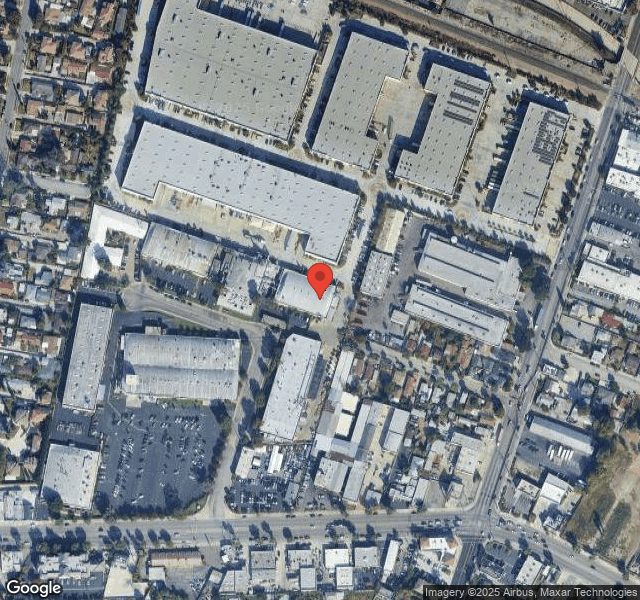
4096 EASY STREET, EL MONTE, CA 91731 (626) 442-1500
For profit - Limited Liability company 99 Beds Independent Data: November 2025
Trust Grade
28/100
#1095 of 1155 in CA
Last Inspection: February 2025

Within standard 12-15 month inspection cycle. Federal law requires annual inspections.

Overview

Rosemead Healthcare Center has received a Trust Grade of F, indicating significant concerns about its care quality. Ranking #1095 out of 1155 facilities in California places it in the bottom half, and it is #336 out of 369 in Los Angeles County, meaning only one local facility is rated lower. Although the facility's trend is improving, with issues decreasing from 30 in 2024 to 24 in 2025, it still has serious staffing concerns, earning only 2 out of 5 stars, which is below average. Specific incidents include a resident falling due to improper lifting assistance and another sustaining a laceration during an unsupervised smoking session; both highlight serious safety lapses. Overall, while the facility has some efforts to improve, families should weigh these significant weaknesses against the few strengths when considering care options.

Trust Score
F
28/100
In California
#1095/1155
Bottom 6%
Safety Record
Moderate
Needs review
Inspections
Getting Better
30 → 24 violations
Staff Stability
⚠ Watch
45% turnover. Above average. Higher turnover means staff may not know residents' routines.
Penalties
✓ Good
$13,717 in fines. Lower than most California facilities. Relatively clean record.
Skilled Nurses
⚠ Watch
Each resident gets only 19 minutes of Registered Nurse (RN) attention daily — below average for California. Fewer RN minutes means fewer trained eyes watching for problems.
Violations
⚠ Watch
75 deficiencies on record. Higher than average. Multiple issues found across inspections.
★☆☆☆☆
1.0
Overall Rating
★★☆☆☆
2.0
Staff Levels
★★★☆☆
3.0
Care Quality
★☆☆☆☆
1.0
Inspection Score
Stable
2024: 30 issues
2025: 24 issues

The Good

  • Full Sprinkler Coverage · Fire safety systems throughout facility
  • No fines on record

Facility shows strength in fire safety.

The Bad

1-Star Overall Rating

Below California average (3.1)

Significant quality concerns identified by CMS

Staff Turnover: 45%

Near California avg (46%)

Higher turnover may affect care consistency

Federal Fines: $13,717

Below median ($33,413)

Minor penalties assessed

The Ugly 75 deficiencies on record

2 actual harm
Aug 2025 1 deficiency
CONCERN (D) 📢 Someone Reported This

A family member, employee, or ombudsman was alarmed enough to file a formal complaint

Potential for Harm - no one hurt, but risky conditions existed

Accident Prevention (Tag F0689)

Could have caused harm · This affected 1 resident

**NOTE- TERMS IN BRACKETS HAVE BEEN EDITED TO PROTECT CONFIDENTIALITY** Based on observation, interview and record review, the facility failed to implement its policy and procedure to conduct a post-f...

Read full inspector narrative →
**NOTE- TERMS IN BRACKETS HAVE BEEN EDITED TO PROTECT CONFIDENTIALITY** Based on observation, interview and record review, the facility failed to implement its policy and procedure to conduct a post-fall evaluation and prevention meeting within 72 hours of two unwitnessed falls for a resident who was rated at moderate risk for falls for one of four sampled residents (Resident 2). This deficient practice placed Resident 2 at risk for future additional falls and injury. Findings: During a review of Resident 2's admission Record (AR), the AR indicated Resident 2 was admitted to the facility on [DATE] with diagnoses that included polyneuropathy (multiple peripheral nerves become damaged and include problems with sensation, coordination, or other body functions), paraplegia (loss of movement and/or sensation, to some degree, of the legs), muscle weakness (loss of muscle strength), schizophrenia (a mental illness that is characterized by disturbances in thought), anxiety disorder (excessive, persistent worry or fear), bipolar disorder, (mood swings that range from the lows of depression to elevated periods of emotional highs), and major depressive disorder (a mood disorder that causes a persistent feeling of sadness and loss of interest).During a review of Resident 2's History and Physical (H&P), dated 3/27/25, the H&P indicated, Resident 2 had the capacity to understand and make medical decisions. The H&P also indicated, Based on the clinical picture, diagnoses, and comorbidities Resident 2 is at risk for malnutrition, weight loss, pressure ulcers, dehydration, falls.During a review of Resident 2's Nursing admission Assessment (NAA), dated 3/27/25, the NAA indicated Resident 2's Morse Fall Risk Score was 40 - Moderate Risk (Scoring: High Risk: 45 and higher; Moderate Risk: 25-44; and Low Risk: 0-24).During a review of Resident 2's Minimum Data Set (MDS, a standardized assessment and care planning tool) dated 3/31/25, the MDS indicated Resident 2 had intact cognition (mental action or process of acquiring knowledge and understanding) for daily decision making. The MDS indicated Resident 2 required substantial/maximal assistance with toileting hygiene, shower/bathe self, lower body dressing and putting on/taking off footwear.During a review of Resident 2's Care Plan, At Risk for Fall related to Diagnosis and History: Paraplegia and Multiple Medical Comorbidities, the care plan indicated the date initiated was 3/31/25 with a goal target date of 9/29/25. The care plan further indicated it was revised on 7/30/25. Resident 2 was discharged home from the facility on 7/5/25.During a review of Resident 2's Physician Orders (POs) active as of 4/1/25, the POs indicated the following orders:1. Anti-anxiety: Monitor side effects such as sedation, drowsiness, ataxia (drunk walk), dizziness, nausea, vomiting, confusion, headache, blurred vision, skin rash for the use of Alprazolam.2. Anti-coagulant: Monitor for signs and symptoms of bleeding such as but not limited to discolored urine, black tarry stool, sudden severe headache, nausea, vomiting, diarrhea, muscle joint pain, lethargy, bruising, sudden changes in mental status, confusion, shortness of breath, nose bleeding, dizziness, ecchymoses, and bleeding gums every shift for use of Eliquis.3. Anti-depressant: Monitor side effects such as sedation, drowsiness, dry mouth, blurred vision, urinary retention, tachycardia, muscle tremor, agitation, headache, skin rash, photosensitivity, weight gain for use of Escitalopram Oxalate.4. Anti-psychotic: Monitor side effects such as sedation, drowsiness, dry mouth, constipation, blurred vision, weight gain, edema, sweating, loss of appetite, urinary retention for the use of Haloperidol and Quetiapine Fumarate. During a review of Resident 2's Change of Condition (COC)/Interact Assessment Form (SBAR, a sudden clinically important deviation from a resident's baseline in physical, cognitive, behavioral, or functional domains), dated 4/19/25, the COC indicated on 4/19/25 Resident 2 suffered an unwitnessed fall, found on the floor inside bedroom. Resident 2 stated he slipped out of the wheelchair while leaning forward. The COC further indicated the recommendation from the primary care physician was to perform neuro checks for 72 hours.During a review of Resident 2's Fall Risk (Morse) Assessment (a nursing tool that uses a scoring system to evaluate resident's risk of fall), dated 4/19/25, the assessment indicated Resident 2 scored a 35 (moderate risk for falling).During a review of Resident 2's Neuro Check List (NCL), the NCL indicated Resident 2 was monitored from 4/19/25 at 00:20 to 4/22/25 at 24:05.During a review of Resident 2's Change of Condition (COC)/Interact Assessment Form, dated 4/22/25, the COC indicated on 4/22/25 Resident 2 had a fall with a pain score of 3 out of 10 pain scale for the left parietal area [where the parietal lobes are located near the back and top of the head. They are important for processing and interpreting somatosensory input].During a review of Nursing Progress Notes, dated 4/22/25, the notes indicated Resident 2 was found lying on the floor in front of his wheelchair at 22:30. A body check was completed and Resident 2 had a 2.5 x 2.5 cm bump on the left parietal area and complained of pain on a scale of 3 out of 10. Resident 2 stated he was sitting in his wheelchair and wanted to catch the urinal, but lost balance and was laying on the floor. Resident 2 was provided with an ice pack, and the MD was notified with no new order.During a review of Resident 2's Neuro Check List (NCL), the NCL indicated Resident 2 was monitored from 4/22/25 at 22:30 to 4/25/25 at 22:15.During a review of Resident 2's Fall Risk (Morse) Assessment, dated 4/22/25, the assessment indicated Resident 2 scored a 60 (high risk for falling).During an interview on 8/13/25 at 9:40 a.m. with Licensed Vocational Nurse 1 (LVN 1), LVN 1 stated the fall skin assessment by the treatment nurse is completed at the time of the fall or next day if it occurred at night. When the resident is on an anticoagulant medication, or there is an unwitnessed fall, then it's automatic that the resident is sent out to the hospital unless the resident refuses to go. LVN 1 further stated the change of condition is completed by the nurse and the MD, RP/family are notified about the fall.During an interview on 8/13/25 at 11 a.m. with the Director of Nursing (DON), the DON stated the facility does not have an IDT documentation note for Resident 2's falls that occurred on 4/19/25 and 4/22/25. The DON stated the IDT met as a group, but the DON could not find any IDT note in Resident 2's medical record indicating the falls were evaluated and discussed by the IDT. The DON stated he could only provide IDT notes for 3/31/25 (IDT after Resident 2 was admitted on [DATE]) and IDT notes for 6/26/25 (discharge planning for anticipated discharge on [DATE]). The DON stated the process per the Fall Management Program Policy is the IDT meets within 72 hours of a fall and reviews the cause of the fall(s) and plans interventions and updates the care plan. The DON stated the facility missed the opportunity to evaluate Resident 2's falls that occurred on 4/19/25 and 4/22/25 and update the care plan with interventions to mitigate or prevent future falls.During a review of the facility's current Policy & Procedure (P&P) titled, Fall Management Program, date implemented 10/1/23, the P&P indicated Post-Fall: The IDT-Falls Committee will meet within 72 hours of a fall. The IDT-Falls Committee will review and document: 1) Summary of event following a fall; 2) Root cause analysis; 3) Referrals, as necessary; and 4) Interventions to prevent future falls.
May 2025 2 deficiencies
CONCERN (D) 📢 Someone Reported This

A family member, employee, or ombudsman was alarmed enough to file a formal complaint

Potential for Harm - no one hurt, but risky conditions existed

Accident Prevention (Tag F0689)

Could have caused harm · This affected 1 resident

Based on interview and record review, the facility failed to ensure the Interdisciplinary Team (IDT, a group of health care professionals with various areas of expertise who work together toward the g...

Read full inspector narrative →
Based on interview and record review, the facility failed to ensure the Interdisciplinary Team (IDT, a group of health care professionals with various areas of expertise who work together toward the goals of the resident) Falls Committee met to review and document findings and interventions addressing the resident's falls on 4/19 and 4/22/2025 for one of two sampled residents (Resident 2) These failures had the potential to result in Resident 2 sustaining injury and/or harm due to falling while in the care of the facility. Findings: During a review of Resident 2's admission Record (AR), the AR indicated the facility admitted Resident 2 on 3/27/2025 with diagnoses including type 2 diabetes mellitus (a chronic condition that affects the way the body processes blood sugar), muscle weakness, and schizophrenia (a disorder that affects a person's ability to think, feel, and behave clearly). During a review of Resident 2's Minimum Data Set (MDS, a resident assessment tool), dated 3/31/2025, the MDS indicated Resident 1 had no impairment in cognitive skills (ability to make daily decisions). The MDS indicated Resident 1 required substantial/maximal assistance (helper does more than half the effort) from staff for bathing, lower body dressing, and toileting hygiene. During a review of the facility's (Facility) Falling Star (FL, Falls List), updated 5/16/2025, the FL indicated Resident 2 fell while in the care of the facility on 4/19/2025 and 4/22/2025. During an interview on 5/22/2025 at 10:42 a.m. with Resident 2, Resident 2 stated Resident 2 fell twice while residing at the facility. Resident 2 stated both falls happened when Resident 2 fell asleep in the wheelchair. During a concurrent interview and record review on 5/22/2025 at 2:10 p.m. with the Director of Nursing (DON), Resident 2's Change in Condition Evaluation (COC) dated 4/19 and 4/22/2025 and Resident 2's Progress Notes (PN), dated 5/22/2025 were reviewed. The COCs indicated Resident 2 fell on 4/19/2025 and 4/22/2025. The DON stated whenever a resident (in general) experienced a fall, part of the facility's fall management program included that the IDT meet after the fall to evaluate what interventions needed to be implemented to prevent further falls from occurring. The DON stated the IDT meeting would be documented in the residents (in general) Progress Notes or an IDT Assessment Form. The DON confirmed Resident 2's progress notes (PN) did not indicate the IDT met to address Resident 2's falls on 4/19/2025 and 4/22/2025. The DON stated the IDT did not meet following Resident 2's falls since the IDT meeting was not documented in Resident 2's medical record. During a review of the facility's policy and procedure (P&P) titled, Fall Management Program, dated 10/1/2023, the P&P indicated, The IDT-Falls Committee will meet within 72 hours of a fall. The IDT-Falls Committee will review and document: i. Summary of event following a fall. ii. Root cause analysis. iii. Referrals, as necessary. iv. Interventions to prevent future falls.
CONCERN (D) 📢 Someone Reported This

A family member, employee, or ombudsman was alarmed enough to file a formal complaint

Potential for Harm - no one hurt, but risky conditions existed

Medical Records (Tag F0842)

Could have caused harm · This affected 1 resident

Based on interview and record review, the facility failed to maintain a complete and accurate medical record for one of two sampled residents (Resident 1) when Licensed Vocational Nurse (LVN) 1 failed...

Read full inspector narrative →
Based on interview and record review, the facility failed to maintain a complete and accurate medical record for one of two sampled residents (Resident 1) when Licensed Vocational Nurse (LVN) 1 failed to document details of Resident 1's fall at the facility on 5/8/2025. This failure resulted in Resident 1's medical record containing incomplete information. Findings: During a review of Resident 1's admission Record (AR), the AR indicated the facility admitted Resident 1 on 11/14/2021 and readmitted Resident 1 on 2/24/2025 with diagnoses including hemiplegia (muscle weakness or partial paralysis on one side of the body that can affect the arms, legs, and facial muscles) and hemiparesis (muscle weakness or partial paralysis on one side of the body) following cerebrovascular disease (a range of conditions that affect the blood vessels and blood flow in the brain), dementia (a group of thinking and social symptoms that interferes with daily functioning), and Alzheimer's disease (a progressive disease that destroys memory and other important mental functions). During a review of Resident 1's Minimum Data Set (MDS, a resident assessment tool), dated 3/3/2025, the MDS indicated Resident 1 was severely impaired in cognitive skills (ability to make daily decisions). The MDS indicated Resident 1 was dependent (helper does all the effort) on staff for bathing and toileting hygiene. The MDS indicated Resident 1 required substantial/maximal assistance (helper does more than half the effort) from staff for dressing and oral and personal hygiene. During a review of the facility's (Facility) Falling Star (FL, Falls List), updated 5/16/2025, the FL indicated Resident 1 fell while in the care of the facility on 3/20, 4/9, 5/7, and 5/8/2025. During an interview on 5/22/2025 at 10 a.m. with the Director of Nursing (DON), the DON stated Resident 1 had fallen multiple times while residing at the facility. The DON stated Resident 1's latest falls happened on 5/7/2025 and 5/8/2025. During a concurrent interview and record review on 5/22/2025 at 3:02 p.m. with Licensed Vocational Nurse (LVN) 1, Resident 1's Change in Condition Evaluation (COC), dated 5/8/2025 was reviewed. The COC indicated Resident 1 had a fall on 5/8/2025. The COC failed to describe the events surrounding Resident 1's fall. LVN 1 stated a Certified Nursing Assistant (CNA) informed LVN 1 that Resident 1 had fallen. LVN 1 stated LVN 1 went to Resident 1 and found Resident 1 lying on the floor on the right side of Resident 1's bed. LVN 1 stated LVN 1 was a new staff person and that Registered Nurse (RN) 1 showed LVN how to document Resident 1's fall on 5/8/2025. During an interview on 5/22/2025 at 3:13 p.m. with RN 1, RN 1 stated RN1 was the supervisor on 5/8/2025 when Resident 1 fell. RN 1 stated Resident 1's fall was documented in the facility's risk management but not in Resident 1's medical record. RN 1 stated Resident 1's fall should be documented in Resident 1's progress notes to ensure Resident 1's healthcare team knew the health status of Resident 1. During a review of the facility's Policy and Procedure (P&P) titled, Change of Condition Notification, dated 10/1/2023, the P&P indicated, A Licensed Nurse will document .date, time, and pertinent details of the incident and the subsequent assessment in the Nursing Notes . the incident and brief details .
May 2025 3 deficiencies
CONCERN (D) 📢 Someone Reported This

A family member, employee, or ombudsman was alarmed enough to file a formal complaint

Potential for Harm - no one hurt, but risky conditions existed

Resident Rights (Tag F0550)

Could have caused harm · This affected 1 resident

Based on observation, interview, and record review, the facility failed to promote the resident's right to choose where to eat during mealtimes for one of three sampled residents (Resident 1). This de...

Read full inspector narrative →
Based on observation, interview, and record review, the facility failed to promote the resident's right to choose where to eat during mealtimes for one of three sampled residents (Resident 1). This deficient practice had the potential to violate Resident 1's rights to self-determination and dignified existence. Cross Reference F656 Findings: During a review of Resident 1's admission Records (AR), the AR indicated the facility admitted Resident 1 on 11/14/2021, and readmitted Resident 1 on 2/24/2025, with diagnoses which included bullous pemphigoid (an autoimmune disease that causes large fluid-filled blisters on the resident's skin), dementia (a progressive state of decline in mental abilities), and hemiplegia (total paralysis of the arm, leg, and trunk of the same slight of the body) and hemiparesis (weakness on one side of the body) following cerebrovascular disease (stroke, damage to the brain from interruption of its blood supply) affecting right dominant side. During a review of Resident 1's History and Physical (H&P), dated 2/25/2025, the H&P indicated Resident 1 did not have the capacity to understand and make decisions. The H&P indicated Resident 1 was able to make decisions for Resident 1's activities of daily living (ADLs, activities such as bathing, dressing, and toileting a person performs daily). During a review of Resident 1's Minimum Data Set (MDS, a resident assessment tool), dated 3/3/2025, the MDS indicated Resident 1's cognitive (a person's mental process of thinking, learning, remembering, and using judgement) skills were severely impaired. The MDS indicated Resident 1 required moderate assistance (helper does less than half the effort) with eating (. The MDS indicated Resident 1 was dependent (helper does all the effort) on staff for transferring from bed to chair and rolling from lying on her back to left or right side. The MDS indicated Resident 1 used a wheelchair (a chair fitted with wheels for transportation) for transportation within the facility. During a review of Resident 1's Progress Note (PN) titled, Communication with Family, dated 1/20/2025, timed at 11:32 AM, the PN indicated IDT met with Resident 1's Family Member (FM) 1 and FM 2. The PN indicated FM 1 and FM 2 requested to have Resident 1 eat (Resident 1's) meals in the dining room. During an observation on 4/25/2025 at 12:21 PM, in Resident 1's room, Resident 1 was observed lying in bed with the head of the bed elevated to 90 degrees. Certified Nursing Assistant (CNA) 1 was seated at eye-level next to Resident 1 assisting Resident 1 eat Resident 1's lunch. During an interview on 4/25/2025 at 12:32 PM with CNA 1, CNA 1 stated Resident 1 would have Resident 1's meals in Resident 1's room or in the dining room, depending on Resident 1's mood. CNA 1 stated Resident 1 ate in the dining room on 4/21/2025. CNA stated today (4/25/2025), Resident 1 ate in Resident 1's room. CNA 1 stated Resident 1's assigned CNA for the day decided whether Resident 1 would have Resident 1's meals in the hallway, dining room, or in Resident 1's room. CNA 1 stated Resident 1's assigned CNA would take Resident 1 to the dining room to have Resident 1's meals upon Resident 1's FM's request during visitation. During a concurrent interview and record review on 5/1/2025 at 1:45 PM with the MDS Nurse, Resident 1's care plans were reviewed. The MDS Nurse stated there was no documented evidence a care plan was developed with interventions related to Resident 1's/FM 1 and FM 2's preference to have Resident 1 eat in the dining room or in Resident 1's room. During a concurrent interview and record review on 5/1/2025 at 4 PM with the Director of Nursing (DON), Resident 1's PN titled, Communication with Family, dated 1/20/2025, was reviewed. The DON stated Resident 1's meal location preference was discussed with FM 1 and FM 2. The DON stated there was no care plan developed with interventions to respect Resident 1's right and preference to decide where Resident 1 should eat Resident 1's meals. The DON stated Resident 1's rights and autonomy should be respected to improve Resident 1's quality of life. During a review of the facility's P&P titled, Resident Rights, dated 10/1/2023, the P&P indicated Residents are allowed to choose activities, schedules, and health care that are consistent with their interests, assessments, and plans of care including . sleeping, eating, exercise, and bathing schedules. The P&P indicated, Facility staff will inform and regularly remind the residents of the right to self-determination and participation in preferred activities. During a review of the facility's P&P titled, Resident Rights - Quality of Life, dated 10/1/2023, the P&P indicated, residents are assisted in attending the activities of their choice.
CONCERN (E) 📢 Someone Reported This

A family member, employee, or ombudsman was alarmed enough to file a formal complaint

Potential for Harm - no one hurt, but risky conditions existed

Comprehensive Care Plan (Tag F0656)

Could have caused harm · This affected multiple residents

Based on observation, interview, and record review, the facility failed to develop and implement a care plan for one of three sampled residents (Resident 1) as indicated in the facility's policies and...

Read full inspector narrative →
Based on observation, interview, and record review, the facility failed to develop and implement a care plan for one of three sampled residents (Resident 1) as indicated in the facility's policies and procedures titled, Care Planning, and Fall Management Program, by failing to: 1. Ensure facility staff implemented Resident 1's care plan for falls dated 10/16/2023 to keep personal items within reach and complete quarterly fall risk assessment per facility's fall protocol. 2. Ensure facility staff developed a comprehensive resident-centered care plan for Resident 1's rights, preferences, and autonomy to be in the dining room during mealtimes. These failures resulted in Resident 1's falls on 3/20/2025 and 4/9/2025. Resident 1 sustained redness to Resident 1's cheek from the fall on 3/20/2025. Resident 1 sustained skin discoloration to Resident 1's right forehead, right eye, and right hand and swelling to Resident 1's right eye and right hand from the fall on 4/9/2025. These failures had the potential to result in a decline in Resident 1's mental, physical, and emotional well-being. Cross Reference F550 Findings: 1. During a review of Resident 1's admission Records (AR), the AR indicated the facility admitted Resident 1 on 11/14/2021, and readmitted Resident 1 on 2/24/2025, with diagnoses which included bullous pemphigoid (an autoimmune disease that causes large fluid-filled blisters on the resident's skin), dementia (a progressive state of decline in mental abilities), and hemiplegia (total paralysis of the arm, leg, and trunk of the same slight of the body) and hemiparesis (weakness on one side of the body) following cerebrovascular disease (stroke, damage to the brain from interruption of its blood supply) affecting right dominant side. During a review of Resident 1's Care Plan (CP) titled, Care Plan Report, revised on 10/16/2023, the CP indicated Resident 1 was at risk for falls related to confusion, gait/balance problems, incontinence (loss of bladder or bowel control), poor communication/comprehension (understanding), and lack of awareness of Resident 1's safety needs. The CP's goal indicated Resident 1 will be free of falls through 5/22/2025. The CP interventions included for the staff to anticipate and meet Resident 1's needs, review information on past falls to determine the cause of Resident 1's falls, follow the facility's fall protocol, and ensure Resident 1's personal items were within reach. During a review of another Resident 1's CP titled, Care Plan Report, revised on 12/18/2023, the CP indicated Resident 1 preferred to sit at the edge of the bed most of the day and have her belongings such as bedside table, shoes, wheelchair next to her always. The CP's goal indicated the staff will accommodate Resident 1's needs and preferences daily through 5/22/2025. The CP interventions included for staff to involve Resident 1's family as needed to determine Resident 1's preferences, help with daily care to meet Resident 1's accommodation requests and needs, and to provide information as to how preferences and accommodation will be incorporated in care. During a review of Resident 1's Fall Risk Assessment (FRA) dated 1/11/2025, the FRA indicated Resident 1 was at high risk for falls due to impaired gait, more than one diagnosis, and overestimating or forgetting limits. During a review of Resident 1's History and Physical (H&P), dated 2/25/2025, the H&P indicated Resident 1 did not have the capacity to understand and make decisions. The H&P indicated Resident 1 was able to make decisions for Resident 1's activities of daily living (ADLs, activities such as bathing, dressing, and toileting a person performs daily). During a review of Resident 1's Minimum Data Set (MDS, a resident assessment tool), dated 3/3/2025, the MDS indicated Resident 1's cognitive (a person's mental process of thinking, learning, remembering, and using judgement) skills were severely impaired. The MDS indicated Resident 1 required moderate assistance (helper does less than half the effort) with eating (. The MDS indicated Resident 1 was dependent (helper does all the effort) on staff for transferring from bed to chair and rolling from lying on her back to left or right side. The MDS indicated Resident 1 used a wheelchair (a chair fitted with wheels for transportation) for transportation within the facility. The MDS indicated Resident 1 did not have a history of falls in the last six months of the assessment. During a review of Resident 1's Change in Condition Evaluation (COC, a document used to record a resident's change of condition), dated 3/20/2025, timed at 2:31 AM, the COC indicated Resident 1 had an unwitnessed fall (on 3/20/2025). The COC indicated Resident 1 was found laying on the floor in horizontal position between Bed A and Bed B. The COC indicated Resident had no change to Resident 1's level of consciousness (LOC, a person's level of consciousness) and did not sustain any skin injuries. During a review of Resident 1's Skin Observation Checks (SOC), dated 3/20/2025, timed at 8:03 AM, the SOC indicated Resident 1 had redness noted on check (specific side not indicated). During a review of Resident 1's COC, dated 4/9/2025, timed at 4:06 PM, the COC indicated Resident 1 had an unwitnessed fall (on 4/9/2025). The COC indicated Resident 1 sustained skin discoloration to Resident 1's right forehead, right eye, and right hand. The COC indicated Resident 1 sustained swelling to Resident 1's right eye and right hand. The COC indicated Resident 1's Primary Care Physician (PCP 1) was notified and recommended an X-ray (diagnostic imaging) of Resident 1's right facial bone and right hand STAT (immediately). During a review of Resident 1's Nursing Progress Notes (NPN), dated 4/9/2025, timed at 4:20 PM, the NPN indicated Resident 1 was found sitting on the floor with Resident 1's right head leaning towards the plastic bedside dresser by Resident 1's head of bed. The COC indicated Resident 1 attempted to stand up from (Resident 1's) bed to reach Resident 1's glasses from the drawer and lost balance. During a review of Resident 1's Radiology Results Report (X-ray Report) of Resident 1's facial bones, dated 4/9/2025, timed at 6:44 PM, the X-ray Report indicated no acute findings. During a review of Resident 1's X-ray Report of Resident 1's right hand, dated 4/9/2025, timed at 6:44 PM, the X-ray Report Resident 1's right hand had mild soft tissue swelling. During an observation on 4/25/2025 at 12:46 PM in Resident 1's room, Resident 1 was observed attempting to transfer from lying to sitting position without assistance. Resident 1's plastic three (3) drawer storage container was against the wall, on the right side of Resident 1's bed, by Resident 1's headboard. There was a water pitcher, a cup, a pair of glasses, a tissue box, and personal items on top of Resident 1's storage container. Resident 1's wheelchair was in front of the three-drawer storage container. Resident 1's overbed table (a small, mobile table designed to be placed over a bed) was in front of the wheelchair by Resident 1's padded footboard. Resident 1's overbed table did not have anything on top of it. During a concurrent observation and interview on 4/25/2025 at 12:55 PM with Registered Nurse (RN) 1, in Resident 1's room, Resident 1 was observed with discoloration on the left and right side of Resident 1's face. RN 1 stated Resident 1 had an old bruise (discoloration of the skin caused by small blood vessels breaking and leaking blood beneath the skin's surface) on the left and right side of the face. RN 1 stated RN 1 was unaware if Resident 1 had any falls in 2025. RN 1 stated Resident 1 was at risk for falls. During an interview on 4/25/2025 at 1:30 PM with Certified Nurse Assistant (CNA) 2, CNA 2 stated Resident 1's overbed table did not have any items on top of it because Resident 1 knocks it down. CNA 2 stated when Resident 1 was sitting up in bed, Resident 1 will start knocking things off the table. During an interview on 5/1/2025 at 12:28 PM with the MDS Nurse, the MDS Nurse stated a resident's (in general) fall risk assessment was completed upon admission, quarterly, and post-fall incident. During a concurrent interview and record review on 5/1/2025 at 12:35 PM with the MDS Nurse, Resident 1's fall risk assessments from 1/2025 to 4/2025 were reviewed. The MDS Nurse stated there was no documented evidence Resident 1 had a quarterly fall risk assessment completed in 3/2025. The MDS Nurse stated Resident 1's quarterly fall risk assessment should have been completed on 3/5/2025. The MDS Nurse stated a quarterly fall risk assessment was important to identify if there were any new changes in Resident 1's mobility and to reevaluate Resident 1's specific person-centered interventions. During an interview on 5/1/2025 at 12:38 PM with the MDS Nurse, the MDS Nurse stated the MDS Nurse was unaware of any care plans related to placing Resident's 1 daily items within reach. The MDS Nurse stated Resident 1's daily items should be within reach to prevent any further falls. During a concurrent interview and record review on 5/1/2025 at 4 PM with the Director of Nursing (DON), Resident 1's fall risk assessments from 1/2025 to 4/2025 were reviewed. The DON stated there was no documented evidence Resident 1 had a quarterly fall risk assessment completed in 3/2025. The DON stated a quarterly fall risk assessment was important to assess and identify if Resident 1 was still at high risk for falls and to identify new interventions to implement to ensure Resident 1's safety. During an interview on 5/1/2025 at 4:20 PM with the DON, the DON stated Resident 1 wanted Resident 1's personal items in a particular place and would get agitated if Resident 1's items were not where Resident 1 wanted the items. The DON stated Resident 1's personal items on top of Resident 1's three-drawer plastic storage container were not within Resident 1's reach. The DON stated Resident 1 could continue to fall if Resident 1's daily items were not within reach. During a review of the facility's P&P titled, Care Planning, dated 10/1/2023, the P&P indicated, Each resident's comprehensive care plan will describe . services that are t furnished to attain or maintain the resident's highest practicable physical, mental, and psychosocial well-being. During a review of the facility's P&P titled, Fall Management Program, dated 10/1/2023, the P&P indicated, The Licensed Nurse will assess each resident for their risk of falling upon admission, quarterly, and with significant change of condition. The P&P indicated, The Nursing Staff and interdisciplinary team (IDT- a group of health care professionals with various areas of expertise who work together toward the goals of their resident) . will identify and implement interventions to reduce the risk of falls. The P&P indicated, The Nursing Staff will develop a plan of care specific to the resident's needs with interventions to reduce the risk of falls . interventions will be implemented . 2. During a review of Resident 1's Progress Note (PN) titled, Communication with Family, dated 1/20/2025, timed at 11:32 AM, the PN indicated IDT met with Resident 1's Family Member (FM) 1 and FM 2. The PN indicated FM 1 and FM 2 requested to have Resident 1 eat (Resident 1's) meals in the dining room. During an observation on 4/25/2025 at 12:21 PM, in Resident 1's room, Resident 1 was observed lying in bed with the head of the bed elevated to 90 degrees. CNA 1 was seated at eye-level next to Resident 1 assisting Resident 1 eat Resident 1's lunch. During an interview on 4/25/2025 at 12:32 PM with CNA 1, CNA 1 stated Resident 1 would have Resident 1's meals in Resident 1's room or in the dining room, depending on Resident 1's mood. CNA 1 stated Resident 1 ate in the dining room on 4/21/2025. CNA stated today (4/25/2025), Resident 1 ate in Resident 1's room. CNA 1 stated Resident 1's assigned CNA for the day decided whether Resident 1 would have Resident 1's meals in the hallway, dining room, or in Resident 1's room. CNA 1 stated Resident 1's assigned CNA would take Resident 1 to the dining room to have Resident 1's meals upon Resident 1's FM's request during visitation. During a concurrent interview and record review on 5/1/2025 at 1:45 PM with the MDS Nurse, Resident 1's care plans were reviewed. The MDS Nurse stated there was no documented evidence a care plan was developed with interventions related to Resident 1's/FM 1 and FM 2's preference to have Resident 1 eat in the dining room or in Resident 1's room. During a concurrent interview and record review on 5/1/2025 at 4 PM with the DON, Resident 1's PN titled, Communication with Family, dated 1/20/2025, was reviewed. The DON stated Resident 1's meal location preference was discussed with FM 1 and FM 2. The DON stated there was no care plan developed with interventions to respect Resident 1's right and preference to decide where Resident 1 should eat Resident 1's meals. The DON stated Resident 1's rights and autonomy should be respected to improve Resident 1's quality of life. During a review of the facility's P&P titled, Resident Rights, dated 10/1/2023, the P&P indicated Residents are allowed to choose activities, schedules, and health care that are consistent with their interests, assessments, and plans of care including . sleeping, eating, exercise, and bathing schedules. The P&P indicated, Facility staff will inform and regularly remind the residents of the right to self-determination and participation in preferred activities. During a review of the facility's P&P titled, Resident Rights - Quality of Life, dated 10/1/2023, the P&P indicated, residents are assisted in attending the activities of their choice.
CONCERN (E) 📢 Someone Reported This

A family member, employee, or ombudsman was alarmed enough to file a formal complaint

Potential for Harm - no one hurt, but risky conditions existed

Deficiency F0657 (Tag F0657)

Could have caused harm · This affected multiple residents

**NOTE- TERMS IN BRACKETS HAVE BEEN EDITED TO PROTECT CONFIDENTIALITY** Based on interview and record review, the facility failed to revise a care plan (a plan that outlines resident-specific interven...

Read full inspector narrative →
**NOTE- TERMS IN BRACKETS HAVE BEEN EDITED TO PROTECT CONFIDENTIALITY** Based on interview and record review, the facility failed to revise a care plan (a plan that outlines resident-specific interventions used to guide a resident ' s care for a given area of concern) for one of three sample residents (Resident 1), a known fall risk, who sustained two falls from the bed on 3/20/2025 and 4/9/2025. This failure resulted in Resident 1 not receiving appropriate care treatments and services and sustaining recurrent falls, which caused Resident 1 to sustain bruising (an injury through unbroken skin resulting in discoloration) to Resident 1 ' s face from a recurring fall on 4/9/2025. Findings: During a review of Resident 1 ' s admission Records, the facility admitted Resident 1 on 11/14/2021 and readmitted to the facility on [DATE] with diagnoses which included bullous pemphigoid (an autoimmune disease that causes large fluid-filled blisters on the resident ' s skin), dementia (a progressive state of decline in mental abilities), and hemiplegia (total paralysis of the arm, leg, and trunk of the same slight of the body) and hemiparesis (weakness on one side of the body) following cerebrovascular disease (stroke) affecting Resident 1 ' s right dominant side. During a review of Resident 1 ' s History and Physical (H&P, a comprehensive physician ' s note regarding the assessment of the resident ' s health status), dated 2/25/2025, the H&P indicated Resident 1 did not have the capacity to understand and make decisions. The H&P indicated Resident 1 was able to make decisions for her activities of daily living (ADLs, activities such as bathing, dressing, and toileting a person performs daily). During a review of Resident 1 ' s Minimum Data Set (MDS, a resident assessment tool), dated 3/3/2025, the MDS indicated Resident 1 ' s cognitive (a person ' s mental process of thinking, learning, remembering, and using judgement) skills were severely impaired. The MDS indicated Resident 1 required moderate assistance (helper does less than half the effort) with eating (the ability to use suitable utensils to bring food and/or liquid to the mouth and to swallow food and/or liquid once the meal is placed before the resident). The MDS indicated Resident 1 was dependent (helper does all the effort) with her functional mobility (a person ' s ability to move safely and independently within their environment) such as transferring from bed to chair and turning from lying on Resident 1 ' s back to the left or right side. The MDS indicated Resident 1 used a manual wheelchair (a chair fitted with wheels for transportation) for transportation within the facility. During a review of Resident 1 ' s Nursing admission Assessment document, dated 2/24/2025, the document indicated Resident 1 had not fallen before, used a wheelchair, had a weak gait (pattern a resident walks), and overestimated Resident 1 ' s ability to ambulate (walk). During a review of Resident 1 ' s care plan, revised 10/16/2023, the care plan indicated Resident 1 was at risk for falls related to confusion, gait/balance problems, incontinence (loss of bladder or bowel control), poor communication/comprehension (understanding), and unawareness of safety needs. The care plan ' s goal, target date 5/22/2025, indicated Resident 1 will be free of falls. The care plan interventions included determining the root cause of Resident 1 ' s falls, to ensure a Resident 1 ' s environment was free of clutter, had adequate lighting, bed in low-position, and keep daily personal items within reach, and to anticipate and meet Resident 1 ' s needs. During a review of Resident 1 ' s Change of Condition (COC, a document used to record a resident ' s change of condition) evaluation document, dated 3/20/2025, the document indicated Resident 1 had an unwitnessed fall and was found [lying] on the floor in a horizontal position between A and B bed. During a review of Resident 1 ' s COC evaluation document, dated 4/9/2025, the document indicated Resident 1 had an unwitnessed fall. During a review of Resident 1 ' s Nursing progress note, dated 4/9/2025, the progress notes indicated Resident 1 attempted to stand up from her bed to get Resident 1 ' s glasses and lost Resident 1 ' s balance. The progress note indicated Resident 1 was found sitting on the floor with Resident 1 ' s right side of head leaning against the plastic three (3) drawer- storage container (a storage unit made of plastic with three drawers, designed to hold various items and help organize them). During a review of Resident 1 ' s care plan, initiated 4/9/2025, the care plan indicated Resident 1 had an actual unwitnessed fall with discoloration to Resident 1 ' s right forehead, right eye, and right hand with mild swelling. The care plan ' s goal, target dated 4/30/2025, indicated Resident 1 will be free of falls. The care plan ' s interventions included encouraging Resident 1 to use the call light (a device residents used to request help from staff found within reach) for assistance and to encourage Resident 1 to attend daily activities and to socialize with other residents. During a review of Resident 1 ' s care plan, revised on 4/25/2025, the care plan indicated Resident 1 had fallen on 3/20/2025 and 4/9/2025 due to balance problems and cognitive impairment. The care plan ' s goal, target date 5/9/2025, indicated Resident 1 will have a decrease in falls and injury. The care plans interventions included frequent visual checks and frequent offering of toileting schedule as needed. During a concurrent interview and record review on 5/1/2025 at 12:40PM with the MDS Nurse, Resident 1 ' s care plan related to Resident 1 ' s actual falls on 3/20/2025 and 4/9/2025, revised 4/25/2025, was reviewed. The MDS nurse stated, there was a care plan created for Resident 1 ' s actual falls, but Resident 1 ' s care plan was not revised in a timely manner. The MDS nurse stated, the care plan should have been revised on 3/20/2025 and 4/9/2025, not revised on 4/25/2025. The MDS nurse stated, care plans should be revised at least upon admission, quarterly, and if there are any significant changes. During a concurrent interview and record review on 5/1/2025 with the Director of Nursing (DON), Resident 1 ' s care plan related to Resident 1 ' s actual falls on 3/20/2025 and 4/9/2025, revised 4/25/2025, was reviewed. The DON stated, Resident 1 ' s care plan should have been revised after each fall, 3/20/2025 and 4/9/2025 respectively. The DON stated, Resident 1 ' s care plan should have been revised after each COC, 3/202025 and 4/9/2025 respectively. The DON stated, a care plan should be created or revised the day of the fall incident to 72 hours. The DON stated, care plan revisions were important to indicated the resident ' s goals and intervention as an indicator of the facility ' s care plan for Resident 1. During a review of the facility ' s policies and procedures (P&P) titled Fall Management Program, dated 10/2023, the P&P indicated the licensed nurse will review the circumstances of the fall, review the plan of are, implement new interventions as appropriate, and revise the plan as indicated. During a review of the facility ' s P&P titled Fall Management Program, dated 10/2023, the P&P indicated the Interdisciplinary Team (IDT, a collaborative approach from multiple medical disciplines who work together towards the goal of the resident) will routinely review the plan of care at a minimum of quarterly, with significant change of condition, and post fall. Interventions will be implemented or changed based on the resident ' s condition and response. During a review of the facility ' s P&P titled Fall Management Program, dated 10/2023, the P&P indicated the committee will meet within 72 hours of the fall incident and review the summary of event following a fall, root cause analysis, referrals, as necessary, and interventions to prevent future falls. During a review of the facility ' s P&P titled Fall Management Program, dated 10/2023, the P&P indicated the nursing staff will develop a plan of care specific to the resident ' s needs with interventions to reduce the risk of falls. During a review of the facility ' s P&P titled Care Planning, dated 10/2023, the P&P indicated each resident ' s care plan will describe services that are to . maintain the resident ' s highest practicable physical, mental, and psychosocial well-being.
Feb 2025 18 deficiencies
CONCERN (D)

Potential for Harm - no one hurt, but risky conditions existed

Deficiency F0552 (Tag F0552)

Could have caused harm · This affected 1 resident

**NOTE- TERMS IN BRACKETS HAVE BEEN EDITED TO PROTECT CONFIDENTIALITY** Based on interview and record review, the facility failed to obtain a signed Informed Consent from the resident's responsible pa...

Read full inspector narrative →
**NOTE- TERMS IN BRACKETS HAVE BEEN EDITED TO PROTECT CONFIDENTIALITY** Based on interview and record review, the facility failed to obtain a signed Informed Consent from the resident's responsible party (RP) prior to the administration of Ativan (medication used to treat anxiety disorders) 1 milligram (mg), for one of five sampled residents (Resident 26). This deficient practice violated Resident 26 and the RP's right and had the potential for Resident 26 to receive medication Resident 26's RP did not desire. Findings: During a review of Resident 26's admission Record (AR), the AR indicated the facility readmitted to the facility on [DATE] with diagnoses that included toxic encephalopathy (neurologic disorder), cerebral infarction (causes necrotic-death of living tissue in the brain), and chronic obstructive pulmonary disease (lung diseases that block airflow). During a review of Resident 26's History & Physical (H&P), dated 1/5/25, the H&P indicated Resident 26 did not have the capacity to make medical decisions. During a review of Resident 26's Minimum Data Set (MDS, a resident assessment tool), dated 1/8/25, the MDS indicated Resident 26 was moderately cognitively impaired (ability to understand and process thoughts), and required substantial/maximal assistance with sit to stand and upper body dressing. The MDS indicated Resident 26 was dependent for lower body dressing and toileting hygiene. During a record review of Resident 26's Physician Order (PO), dated, 2/3/25, the PO indicated Ativan Oral Tablet 1 mg, give one tablet by mouth every twelve hours as needed for anxiety manifested by (m/b) verbalization of feeling anxiety for fourteen days. During a concurrent interview and record review, on 2/7/25, at 12:23 p.m., of Resident 26's clinical record, with the Assistant Director of Nursing (ADON), an Informed Consent for Ativan 1 mg was not found. The ADON stated the purpose of consents was to inform Resident 26's RP about Ativan and to obtain the consent for the administration of Ativan. The ADON stated consents for psychotropic medication is important because of the adverse effects of the medication and to ensure the resident and the RP understands risks and benefits of the medication. The ADON stated Informed Consents should be done before the medication administration. During a record review of the undated facility's Policy & Procedure (P&P) titled, Psychotherapeutic Drug Management, indicated when obtaining consent for use of psychotherapeutic drugs, the resident will be informed of the risks and benefits for the use of these medications. When admitted with orders for psychotherapeutic drugs, licensed staff will verify with resident that the risk and benefits have been explained to them prior to consent or use. The consent will remain in place until medications discontinued or until consent is revoked by resident/responsible party.
CONCERN (D)

Potential for Harm - no one hurt, but risky conditions existed

Assessment Accuracy (Tag F0641)

Could have caused harm · This affected 1 resident

**NOTE- TERMS IN BRACKETS HAVE BEEN EDITED TO PROTECT CONFIDENTIALITY** Based on interview, and record review, the facility failed to ensure one of three sampled residents (Resident 85) discharge dest...

Read full inspector narrative →
**NOTE- TERMS IN BRACKETS HAVE BEEN EDITED TO PROTECT CONFIDENTIALITY** Based on interview, and record review, the facility failed to ensure one of three sampled residents (Resident 85) discharge destination was coded correctly. Resident 85 was discharged to home or community. Skilled Nursing Facility (SNF - care provided by trained registered nurses in a medical setting under a doctor's supervision) but was coded in the Minimum Data Set (MDS - a federally mandated resident assessment tool) as being discharged to a short-term general hospital. This deficient practice resulted in an inaccurate reporting to the Centers of Medicare and Medicaid (CMS, a federal agency that administers the Medicare program and works with state governments to administer the Medicaid and health insurance portability standards) agency and had the potential to result in Resident 85 to not receive interventions to address specific care concerns. Findings: During a review of Resident 85's admission Record (AR), the admission record indicated Resident 85 was admitted to the facility on [DATE] with diagnoses that included muscle weakness. During a review of Resident 85's Order Summary Report, dated 1/10/2025, the report indicated to discharge Resident 85 to home today. During a review of Resident 85's Progress Notes, dated 1/10/2025, at 4:55 pm, the notes indicated that Resident 85 was discharged to return to board and care and was given all belongings and medication upon discharge. During a review of Resident 85's MDS, dated [DATE], the MDS indicated Resident 85 was discharged to a short-term general hospital. During a concurrent interview and record review of Resident 85's MDS on 2/6/2025 at 11:50 am, with the facility's Director of Nursing (DON), the DON stated Resident 85 was coded as discharged to short-term general hospital. The DON stated, Resident 85 was discharged to home/community on 1/10/2025 and not to a general hospital. The DON stated, Resident 85's MDS assessment needed to be coded discharged to home/community. The DON stated Resident 85's MDS assessment needed to be coded accurately to provide accurate information to the Centers for Medicare and Medicaid services. During a review of the facility's policy and procedure (P&P) titled, RAI process, dated 10/1/2023, the P&P indicated, the facility will utilize the Resident assessment Instrument (RAI) process as the basis for the accurate assessment if each resident's functional capacity and health status. The P&P indicated, each resident's assessment will be coordinated by and certified as completed by a registered nurse, and all individuals who complete a portion of the assessment will sign and certify to the accuracy of the portion of the assessment he or she completed.
CONCERN (D)

Potential for Harm - no one hurt, but risky conditions existed

Deficiency F0676 (Tag F0676)

Could have caused harm · This affected 1 resident

**NOTE- TERMS IN BRACKETS HAVE BEEN EDITED TO PROTECT CONFIDENTIALITY** Based on observation, interview, and record review, the facility failed to ensure one of one sampled resident (Resident 189) was...

Read full inspector narrative →
**NOTE- TERMS IN BRACKETS HAVE BEEN EDITED TO PROTECT CONFIDENTIALITY** Based on observation, interview, and record review, the facility failed to ensure one of one sampled resident (Resident 189) was provided with a communication device with the language that the resident understood. This failure had the potential to affect Resident 189's communication with the staff and the potential to delay the provision of care, treatment, and services the resident needed. Findings: During a review of Resident 189's admission Record (AR), the AR indicated Resident 189 was admitted to the facility on [DATE] with diagnoses that included Parkinson's disease (a progressive disease of the nervous system marked by tremor, muscular rigidity, and slow movements) and bipolar disorder (mental disorder with periods of depression and periods of elevated mood). The AR indicated Resident 189's primary language was Spanish and Castillan (a variety of Spanish spoken in Spain). During a review of Resident 189's Minimum Data Sheet (MDS, a resident assessment tool) dated 1/30/2025, the MDS indicated Resident 189 was Mexican in ethnicity. During a concurrent observation and interview on 2/4/2025 at 10:03 am with Resident 189 inside the resident's room, Resident 189 stated, no hablo [NAME], no intiendo [NAME],. There was no communication board in Resident 189's room. During an interview on 2/4/2025 at 10:05 am with Registered Nurse Supervisor 1 (RN1), RN 1 stated Resident 189 only spoke Spanish. RN 1 stated all non-verbal and non-English speaking residents should have a communication board with the language the resident understood to be able to communicate their needs to the staff. During an interview on 2/5/2025 at 9:36 am with RN 2, RN 2 stated, non-English speaking residents needed a translator or a communication board at bedside for the resident to communicate effectively to the staff to prevent miscommunication. During a review of the facility's Policy and Procedure (P&P) titled, Translation or Interpretation Services, dated 10/1/2023, the P&P indicated, Translation and interpretation services are provided in a way that is culturally relevant and appropriate to the limited English Proficiency (LEP) individual. In addition to the use of interpreters and translators, the Facility may use electronic devices, written materials and communication boards to address language barriers.
CONCERN (D)

Potential for Harm - no one hurt, but risky conditions existed

Quality of Care (Tag F0684)

Could have caused harm · This affected 1 resident

**NOTE- TERMS IN BRACKETS HAVE BEEN EDITED TO PROTECT CONFIDENTIALITY** Based on observation, interview and record review, the facility failed to provide care in accordance with professional standards...

Read full inspector narrative →
**NOTE- TERMS IN BRACKETS HAVE BEEN EDITED TO PROTECT CONFIDENTIALITY** Based on observation, interview and record review, the facility failed to provide care in accordance with professional standards of practice for one of one sampled resident (Resident 292) by failing to turn and reposition Resident 292 every two hours. These failures had the potential for Resident 292 to develop pressure ulcers/bedsores (PU, injuries to the skin and underlying tissue that are result of pressure on the skin for long periods of time). Findings: During a review of Resident 292's admission Record (AR), the AR indicated Resident 292 was originally admitted to the facility on [DATE] and readmitted on [DATE] with diagnoses that included hemiplegia (inability to move one side of the body) and hemiparesis (weakness on one side of the body) affecting the right side, dependence on dialysis (procedure that filters blood to remove waste and excess fluid when the kidneys are not working), and peripheral vascular disease (PVD, occurs when the blood vessels become narrow reducing blood flow to the arms and legs). During a review of Resident 292's History and Physical (H&P, formal document of a medical provider's examination of a patient) dated 1/18/2025, the H&P indicated Resident 292 was able to make decisions and was alert and oriented to person, place, time, and situation. During a review of Resident 292's Minimum Data Set (MDS, a resident assessment tool) dated 1/24/2025, the MDS indicated Resident 292 was dependent on assistance for eating, oral hygiene, toileting hygiene, and rolling left and right. The MDS indicated Resident 292 was at risk for developing PU's. During a review of Resident 292's untitled care plan (CP) dated 1/20/2025, the CP indicated Resident 292 was at risk for skin breakdown. The intervention was to turn and reposition Resident 292 every two hours. During a concurrent observation and interview on 2/4/2025 at 10:19 AM with Resident 292 in Resident 292's room, Resident 292 was lying on Resident 292's back in bed. Resident 292 stated staff do not turn Resident 292 because it takes too long (to turn Resident 292). During a concurrent observation and interview on 2/6/2025 at 8:47 AM, 9:59 AM, 10:47 AM, and 11:51 AM Resident 292 was lying on Resident 292's back in bed. At 11:51 AM Resident 292 stated no one has turned Resident 292. During an interview on 2/6/2025 at 12:00 PM with the Assistant Director of Nursing (ADON), the ADON stated residents who spend majority of time in bed would need to be turned and repositioned every two hours or as needed. The ADON stated residents who required dialysis are at a higher risk of skin breakdown and would need to be turned and repositioned every two hours to promote blood circulation. The ADON stated the risk of not turning and repositioning was putting the resident at risk of developing a PU. During an interview on 2/6/2025 at 12:22 PM with Certified Nursing Assistant 11 (CNA 11), CNA 11 stated it was CNA 11's first time taking care of Resident 292 and CNA 11 was unfamiliar with Resident 292's care. CNA 11 stated the risk of not turning Resident 292 every two hours was that the resident could develop wounds. During a review of the facility's policy and procedure (P&P) titled, Positioning and Body Alignment, dated 10/1/2023, the P&P indicated for staff to change the resident's position every two hours.
CONCERN (D)

Potential for Harm - no one hurt, but risky conditions existed

Pressure Ulcer Prevention (Tag F0686)

Could have caused harm · This affected 1 resident

**NOTE- TERMS IN BRACKETS HAVE BEEN EDITED TO PROTECT CONFIDENTIALITY** Based on observation, interview and record review, the facility failed to provide treatment and services in accordance with prof...

Read full inspector narrative →
**NOTE- TERMS IN BRACKETS HAVE BEEN EDITED TO PROTECT CONFIDENTIALITY** Based on observation, interview and record review, the facility failed to provide treatment and services in accordance with professional standards to prevent the development of pressure ulcers (PU, injuries to the skin and underlying tissue that are result of pressure on the skin for long periods of time) for one of two sampled residents (Resident 27) by failing to: a. Ensure bilateral heel protectors were on Resident 27 per Medical Doctor (MD) order. b. Ensure Resident 27's low air loss mattress (LAL, medical mattress designed to reduce pressure on the skin to help prevent the development of PUs) was on the correct setting. These failures had the potential for Resident 27 to develop a PU. Findings: During a review of Resident 27's admission Record (AR), the AR indicated Resident 27 was originally admitted to the facility on [DATE] and readmitted on [DATE] with diagnoses that included peripheral vascular disease (PVD, chronic condition that occurs when arteries narrow or block, reducing blood flow to the arms and legs), paraplegia (inability to voluntarily move the lower parts of the body), and contracture of muscles (muscle, tendons, joints, or other tissues tighten or shorten causing a deformity). During a review of Resident 27's Braden Scale for Predicting Pressure Sore Risk (BSPPSR) dated 10/1/2024 timed at 11:54 AM, the BSPPSR indicated Resident 27 was a high risk for developing a PU. During a review of Resident 27's History and Physical (H&P, formal document of a medical provider's examination of a patient) dated 10/2/2024, the H&P indicated Resident 27 did not have the capacity to understand and make decisions. During a review of Resident 27's Order Summary Report (OSR) dated 10/15/2024 and 12/13/2024, the OSR indicated Resident 27 had an order for heel protectors when in bed as tolerated every shift and to have a LAL mattress for PU management with settings based on the resident's current weight every. During a review of Resident 27's Minimum Data Set (MDS, a resident assessment tool) dated 12/8/2024, the MDS indicated Resident 27 had problems with short-term and long-term memory and was dependent on staff for dressing the lower body and rolling left and right. The MDS indicated Resident 27 was at risk for developing PUs. During a concurrent observation and interview on 2/4/2025 at 11:35 AM with Licensed Vocational Nurse 2 (LVN 2) in Resident 27's room, the LAL mattress was set at 150 pounds (lbs, unit of measurement for weight) and Resident 27 did not have heel protectors on Resident 27's bilateral feet. LVN 2 stated Resident 27 weighed 122 lbs and the LAL mattress was on the wrong setting. LVN 2 stated Resident 27 had an MD order for heel protectors and LAL mattress to set per resident's weight. LVN 2 stated the risk of not having the bilateral heel protectors on per MD order was that the resident could develop a deep tissue injury (DTI, injury to the deeper layers of tissue under the skin caused by prolonged pressure on a bony area) on the heels. During an interview on 2/4/2025 at 12 PM with Treatment Nurse 2 (TN 2), TN 2 stated the setting for the LAL mattress was not correct for Resident 27's weight. TN 2 stated the risk of having the LAL on the wrong setting was that Resident 27 could develop a PU. During an interview on 2/6/2025 at 12:02 PM with the Assistant Director of Nursing (ADON), the ADON stated LAL mattresses and heel protectors are used to prevent the development of a PU. The ADON stated all nurses should be checking if the LAL mattress is working and on the correct setting. The ADON stated the risk of not having the LAL mattress on the correct setting was that it could put added pressure of a wound. The ADON stated if heel protectors are not the resident's feet on per MD order, the resident would be at risk of developing a DTI because the bilateral heels were not offloaded (Offloading refers to minimizing or removing weight placed on the foot to help prevent and heal ulcers). During a review of the facility's policy and procedure (P&P) titled, Wound Management, dated 10/1/2023, the P&P indicated An assessment of care needs for PU will emphasize mechanical offloading and pressure reducing devices. During a review of the user manual titled, Med-Aire 8, Alternating Pressure Mattress Replacement System with Low Air Loss, undated, the user manual indicated the pressure dial is adjusted to the patient's/resident's weight and comfort.
CONCERN (D)

Potential for Harm - no one hurt, but risky conditions existed

Deficiency F0697 (Tag F0697)

Could have caused harm · This affected 1 resident

**NOTE- TERMS IN BRACKETS HAVE BEEN EDITED TO PROTECT CONFIDENTIALITY** Based on interview and record review, the facility failed to provide pain management for one of one resident (Resident 140) as i...

Read full inspector narrative →
**NOTE- TERMS IN BRACKETS HAVE BEEN EDITED TO PROTECT CONFIDENTIALITY** Based on interview and record review, the facility failed to provide pain management for one of one resident (Resident 140) as indicated in Resident 140's care plan for pain by falling to: 1) Provide non-pharmacological interventions/measures for pain. 2) Notified Resident 140's Medical Doctor (MD) when Resident 4's pain was uncontrolled with the current pain medication/pain management. These failures resulted in Resident 140 experienced pain on the abdomen and had to wait for more than one hour to received pain medication. Findings: During a review of Resident 140's admission Record (AR), the AR indicated the facility admitted to the facility on [DATE] with diagnoses that included sepsis (a life-threatening complication of an infection), gastric ulcer with perforation (untreated ulcer in the stomach), and encounter for surgical aftercare following surgery (continued care after surgery) on the digestive system. During a record review of Resident 140's Medication Administration Record (MAR), dated 1/1/25-1/31/25, the MAR indicated Resident 140 had a pain level between 8-9/10 on 1/29/25, 1/30/25, and 1/31/25. During a review of Resident 140's History & Physical (H&P), dated 1/29/25, the H&P indicated Resident 140 had the capacity to understand and make decisions. During a record review of Resident 140's Progress Note (PN), dated 1/30/25, the PN indicated Resident 140 had a left upper abdomen with intra-abdominal drainage tube due to (d/t) perforated bowel (a painful condition occurring when a hole develops in the gastrointestinal (GI) tract). During a record review of Resident 140's At Risk for Pain Care Plan (CP), initiated on 1/30/25, the Care Plan indicated to provide non-pharmacological measures for pain such as a gentle range of motion (ROM-extent to which a joint or muscle can move without pain/discomfort)), meditation, positioning, massage, music, and document response and report uncontrolled pain to MD for further evaluation and treatment. During a record review of Resident 140's MAR, dated 2/1/25-2/28/25, the MAR indicated Resident 140 had a pain level between 8-9/10 on 2/3/25, 2/4/25, and 2/5/25. During a review of Resident 140's Physician Orders (PO), dated 2/5/25, the PO indicated Resident 140 was given Gabapentin (medication used to treat nerve pain) Oral Capsule 300mg, two capsules, by mouth, every eight hours for neuropathic (chronic pain caused by sensory nervous system damage or dysfunction) pain management; Oxycodone Hydrochloride (opioid/controlled medication used to treat severe pain) Oral tablet 5mg, give three tablets, by mouth, every four hours as needed for pain management; Acetaminophen Oral (Tylenol, medication used to treat mild pain) Tablet 325mg , give two tablets, by mouth, every six hours as needed for mild pain 1-3/10. Resident 140's Physician Orders (PO), dated 1/29/25, indicated to monitor pain level every shift using numerical rating scale (NRS): no pain= 0/10, mild pain =1-3/10, moderate pain = 4-6/10, severe pain 7-10/10. If pain identified, provide non-pharmacological interventions and record pain level. During an interview, on 2/5/25, at 10:44 a.m., Resident 140 complained of pain level 10/10 (pain scale 1-10- a numerical tool used to assess the intensity of pain) in the left side of Resident 140's abdomen. Resident 140 stated the pain gets so bad it hurts when Resident 140 breathes. Resident 140 stated Resident 140 was concerned about not being given pain medication each day between 8:45 a.m. and 12:45 p.m. During a concurrent interview and record review, on 2/6/25, at 11:37 a.m., with Licensed Vocational Nurse (LVN 3), LVN 3 stated at 7 a.m. Resident 140 was complaining of pain and Resident 140's pain medication was not due until 8:45 a.m. LVN 3 stated Resident 140 stated when Resident 140 started breathing it was hurting so bad. LVN 3 stated LVN 3 did not document Resident 40's complaint in Resident 140's medical record. LVN 3 stated LVN 3 explained to Resident 140 that Resident 140's pain medication was not due until 8:45 a.m. and LVN 3 provided Resident 140's pain medication time/medication schedule to Resident 140. LVN 3 stated Resident 140 continued to complain of (c/o) pain level 9/10 in Resident 140's left abdomen. LVN 3 stated about one hour and half later, Resident 140 continued to compliant of 9/10 pain in the left abdomen. Resident 140's PNs were review with LNV 3, the PNs indicated there was no documentation of non-pharmacological interventions (NPIs) were provided to Resident 140. LVN 3 stated, You're right we should have that. LVN 3 stated non-pharmacological interventions were important because Oxycodone is a narcotic and there is a risk for Residents to develop dependence to opioids. LVN 3 stated sometimes, the residents stressed out when they are in a different place and not at home, so distraction (IPIs) could help to decrease pain. LVN 3 stated it is important to provide NPIs to Resident 140 and documented the IPNs in Resident 140's medical record. During a record review of the facility's Policy & Procedure (P&P) titled, Psychotherapeutic Drug Management, indicated the facility will utilize individualized, non-pharmacological approaches to care (e.g., purposeful and meaningful activities). Meaningful activities are those that address the resident's customary routines, interest, preferences, and choices to enhance the resident's well-being. During a record review of the facility's Policy & Procedure (P&P), titled, Pain Management, indicated the facility is responsible for helping the resident attain or maintain their highest level of well-being while working to prevent or manage the resident's pain. Nursing Staff will also utilize non-pharmacological interventions by adjusting the resident's environment to reduce pain. The Licensed Nurse will document resident's pain and response to interventions in the medical record on the weekly summary and as indicated in the progress notes.
CONCERN (D)

Potential for Harm - no one hurt, but risky conditions existed

Food Safety (Tag F0812)

Could have caused harm · This affected 1 resident

Based on observation, interview, and record review, the facility failed to ensure safe and sanitary conditions were maintained in the kitchen when expired chicken nuggets were observed in the refriger...

Read full inspector narrative →
Based on observation, interview, and record review, the facility failed to ensure safe and sanitary conditions were maintained in the kitchen when expired chicken nuggets were observed in the refrigerator. This failure had the potential to result in foodborne illness if served to the residents. Findings: During a concurrent initial tour observation of the kitchen and interview on 2/4/25 at 9:30 a.m. with Dietary Staff (Dietary 1), a clear plastic bag of chicken nuggets was observed in the refrigerator with an expiration date of 1/30/25. Dietary 1 stated the clear plastic bag of chicken nuggets expired on 1/30/25. During an interview on 2/4/25 at 9:40 a.m. with the Consultant Registered Dietitian (RD 1), RD 1 stated the plastic bag of chicken nuggets was labeled expired on 1/30/25. RD 1 stated the expired bag of chicken nuggets should not be in the refrigerator. RD 1 stated the importance of discarding expired food was residents could possibly get ill from consuming expired food. During an interview on 2/4/2025 at 9:52 a.m. with the Dietary Supervisor (DS), the DS stated it was important to discard expired food to prevent bacteria to grow and to keep food safe. The DS stated facility did not want residents to have foodborne illnesses. During a review of the facility's policy & procedure (P&P) titled, Food Storage, dated October 2023, the P&P indicated food items will be stored, thawed, and prepared in accordance with good sanitary practice.
CONCERN (D)

Potential for Harm - no one hurt, but risky conditions existed

Antibiotic Stewardship (Tag F0881)

Could have caused harm · This affected 1 resident

**NOTE- TERMS IN BRACKETS HAVE BEEN EDITED TO PROTECT CONFIDENTIALITY** Based on interview and record review, the facility failed to complete a Surveillance Data Collection form for one of 12 sampled ...

Read full inspector narrative →
**NOTE- TERMS IN BRACKETS HAVE BEEN EDITED TO PROTECT CONFIDENTIALITY** Based on interview and record review, the facility failed to complete a Surveillance Data Collection form for one of 12 sampled residents (Resident 66) receiving antibiotics. This deficient practice had the potential to result in increased antibiotic resistance and providing antibiotics without justification. Findings: During a review of Resident 66's admission Record (AR), the AR indicated Resident 20 was initially admitted to the facility on [DATE] and readmitted on [DATE] with diagnoses that included bacteremia (presence of bacteria in the blood). During a review of Resident 66's Minimum Data Set (MDS - a federally mandated resident assessment tool) dated 12/27/2024, the MDS indicated, Resident 66 had moderately impaired cognition (mental action or process of acquiring knowledge and understanding) for daily decision making. The MDS indicated, Resident 66 was dependent (helper does all the effort) on staff for oral hygiene, toileting, shower, upper/lower body dressing, putting on/off footwear and personal hygiene. During a review of Resident 66's Physicians Order (PO) dated 1/28/2025, the PO indicated to administer Daptomycin (Antibiotics, a substance used to kill bacteria and to treat infections) Intravenous Solution Reconstituted, 350 milligram (unit of measurement) IV every 48 hours for Vancomycin Resistant enterococci (VRE, a type of bacteria present in the gastrointestinal tract that develop resistance to many antibiotics, especially vancomycin) Enterococcus bacteremia until 2/8/2025. During an interview on 2/6/2025 at 10:23 am with the facility's Infection Preventionist Nurse (IPN a healthcare professional who specializes in preventing the spread of infections in healthcare settings), the IPN stated, she was unable to find Resident 66's Antibiotic Surveillance Form. The IPN stated, the form needed to be filled out to make sure Resident 66 was screened before initiating antibiotic therapy to ensure antibiotic use was appropriate and met the criteria for the provision of antibiotics. The IPN stated she was out for vacation on 1/6/2025 to 2/3/2025 and did not know why the form was not filled out. During an interview on 2/6/2025 at 10:23 am with the facility's Assistant Director of Nursing (ADON), the facility's ADON stated antibiotic stewardship needed to be done to determine if the residents meet the criteria before receiving antibiotic therapy. During a review of the facility's Policy and Procedure (P&P) titled, Antibiotic Stewardship Program, dated 10/1/2023, the P&P indicated the antibiotic stewardship Program (ASP) was designed to promote the appropriate use of antibiotics while optimizing the treatment of infections, and simultaneously reducing the possible adverse events associated with antibiotic use. The P&P indicated, the IP will collect and analyze infection surveillance data and monitor the adherence to the ASP.
CONCERN (E)

Potential for Harm - no one hurt, but risky conditions existed

Resident Rights (Tag F0550)

Could have caused harm · This affected multiple residents

**NOTE- TERMS IN BRACKETS HAVE BEEN EDITED TO PROTECT CONFIDENTIALITY** Based on observation, interview, and record review the facility failed to maintain the resident's dignity for two of two residen...

Read full inspector narrative →
**NOTE- TERMS IN BRACKETS HAVE BEEN EDITED TO PROTECT CONFIDENTIALITY** Based on observation, interview, and record review the facility failed to maintain the resident's dignity for two of two residents (Residents 75 and 80) by failing to: a. Ensure facility staff provided privacy while putting on the undergarment and pants onto Resident 80 that Resident 80 had removed. b. Ensure facility staff provided privacy when providing peri-care to Resident 75. These failures resulted in Residents 75 and 80's privacy not being maintained and Residents 75 and 80's dignity not being protected. Findings: a. During a review of Resident 80's admission Record (AR), the AR indicated the facility readmitted Resident 80 to the facility on [DATE], with diagnoses that included hemiplegia and hemiparesis (muscle weakness or partial paralysis on one side of the body), urinary tract infection (illness in any part of the urinary tract), and cerebral atherosclerosis (build-up of plaque in blood vessels of the brain). During a review of Resident 80's History & Physical (H&P), dated 11/16/24, the H&P indicated Resident 80 did not have the capacity to understand and make decisions. During a review of Resident 80's Minimum Data Set (MDS, a resident assessment tool), dated 12/8/24, the MDS indicated Resident 80 was moderately cognitively impaired (ability to understand and process thoughts), and required substantial/maximal assistance with chair/bed-to-chair transfer. The MDS indicated Resident 80 was dependent on staff for showering/bathing, upper and lower body dressing, and personal hygiene. During an observation at 2/4/2025 at 11:40 a.m., Resident 80 was observed trying to get out of bed with one of Resident 80's pant leg around Resident 80's left ankle and the other pant leg was off Resident 80's other leg. Resident 80's genitalia was exposed, and pieces of Resident 80's incontinent pad were observed under Resident 80, on the floor, and on Resident 80's bedside table. Resident 80 did not respond when asked if Resident 80 knew how to use the call light for assistance. There was no privacy curtains observed for Resident 80. During an observation on 2/4/2025 at 11:48 a.m., Certified Nurse Assistant (CNA) 3, CNA 5, and CNA 6 entered Resident 80's room to assist Resident 80. Resident 80's genitalia was observed exposed to the hallway and the visitor of Resident 80's roommate (Resident 73). During an interview on 2/4/2035 at 11:49 a.m. with CNA 5, CNA 5 stated there were no privacy curtains in Resident 80's room because Resident 80's room was being deep cleaned. CNA 5 stated there was no privacy provided for Resident 80. During an interview on 2/4/2025 at 11:53 a.m. with CNA 6, CNA 6 stated CNA 6 should have closed the door when CNA 6 was assisting Resident 80 with Resident 80's incontinent pad and pants. CNA 6 stated CNA 6 should have provided decency to Resident 80 and not expose Resident 80's private parts. During an interview, on 2/4/2025, at 3:11 p.m. with the Maintenance Supervisor (MS), the MS stated the residents were kept out of their rooms during the deep cleaning process and while the privacy curtains were removed. The MS stated select residents' rooms in both stations were deep cleaned each day from 10:45 a.m. to 11:30 a.m. and a schedule was provided to staff. The MS stated staff brought Resident 80 back to Resident 80's room too early. The MS stated providing privacy to the residents were 100 percent important. During an interview on 2/7/2025, at 12:27 p.m. with Licensed Vocational Nurse (LVN) 3, LVN 3 stated usually the residents were not in their rooms during deep cleaning. LVN 3 stated staff can provide privacy to the residents by providing care in the restroom or closing the door. LVN 3 stated providing privacy to residents was important to respect residents' rights and dignity. b. During a review of Resident 75's AR, the AR indicated Resident 75 was originally admitted to the facility on [DATE] and readmitted on [DATE] with diagnoses that included hyperlipidemia (high levels of cholesterol in the blood), hypertension (high blood pressure), and dementia (impaired ability to remember, think, or make decisions that interfere with doing everyday tasks). During a review of Resident 75's History and Physical (H&P, formal document of a medical provider's examination of a patient) dated 7/11/2024, the H&P indicated Resident 75 did not have the capacity to understand and make decisions. During a review of Resident 75's MDS, dated [DATE], the MDS indicated Resident 75 was dependent on staff to provide perineal care after voiding or having a bowel movement, and rolling left and right. During an observation on 2/4/2025 at 9:34 AM in Resident 75's room, Certified Nursing Assistant 9 (CNA 9) was observed changing Resident 75's adult incontinence brief with the curtain open, exposing Resident 75 to Resident 75's roommate. During an interview on 2/4/2025 at 11:24 AM with CNA 9, CNA 9 stated the curtain was opened and should have been closed when CNA 9 was providing perineal care to Resident 75. CNA 9 stated, It would make the resident feel uncomfortable and would not respect the resident's dignity if the curtain was left open when the resident was exposed during changing. During an interview on 2/6/2025 at 12:08 PM with the Assistant Director of Nursing (ADON), the ADON stated when staff provide perineal care to the resident, the curtain needs to be drawn completely closed to ensure privacy. The ADON stated if the curtain was left open during perineal care, it could make the resident feel embarrassed and unhappy because the resident's private areas would be exposed. During a review of the facility's policy and procedure (P&P) titled, Resident Rights-Quality of Life, dated 10/1/2023, the P&P indicated for facility staff are to promote, maintain, and protect resident privacy, including bodily privacy, when assisting with personal care and during treatment procedures.
CONCERN (E)

Potential for Harm - no one hurt, but risky conditions existed

Deficiency F0558 (Tag F0558)

Could have caused harm · This affected multiple residents

**NOTE- TERMS IN BRACKETS HAVE BEEN EDITED TO PROTECT CONFIDENTIALITY** c. During a review of Resident 50's AR, the AR indicated Resident 50 was initially admitted to the facility on [DATE] and readmi...

Read full inspector narrative →
**NOTE- TERMS IN BRACKETS HAVE BEEN EDITED TO PROTECT CONFIDENTIALITY** c. During a review of Resident 50's AR, the AR indicated Resident 50 was initially admitted to the facility on [DATE] and readmitted on [DATE] with diagnoses that included Parkinson's Disease (a progressive disease of the nervous system marked by tremor, muscular rigidity, and slow movements), muscle weakness (lack of muscle strength) and osteoarthritis (a progressive disorder of the joints, caused by gradual loss of cartilage) of both knees. During a review of Resident 50's Care Plan (CP) revised on 12/18/2023, the CP indicated Resident 50 had self-care performance deficit for Activities of Daily Living (ADL) related to Parkinson's Disease and osteoarthritis. The CP interventions included to encourage the resident to use the bell to call for assistance. During a review of Resident 50's MDS dated [DATE], the MDS indicated Resident 50 had severely impaired cognition. The MDS indicated Resident 50 required setup or clean-up assistance (helper sets up or cleans up; resident completes activity) with eating and oral hygiene, and supervision or touching assistance (helper provides verbal cues and/or touching/steadying and/or contact guard assistance as resident completes activity) with toileting, shower, upper and lower body dressing and personal hygiene. During review of Resident 50's Fall Risk Assessment (FRA) dated 1/27/2025, the FRA indicated Resident 50 was high risk for fall with a Morse Fall Risk (a tool used to assess a patient's risk of falling) Score of 70 ( Score of 45 and higher indicate high risk for fall). During a concurrent observation and interview on 2/4/2025 at 9:20 am with Certified Nurse Assistant 1 (CNA 1) inside Resident 50's room, Resident 50 was sitting on the right side of the bed and the resident's call light was hanging on the left side of the bed on the back of the headboard. CNA 1 stated Resident 50's call light should be placed next to the resident where the resident could see it to be able to use it and call when help was needed. During an interview on 2/5/2025 at 10:44 am with the Director of Nursing (DON), the DON stated the resident's call light should be placed near and on the strong arm/hand of the resident to use every time the resident needed help and assistance. During a review of the facility's policy and procedure (P&P) titled, Communication - Call System, dated 10/1/2023, the P&P indicated, The facility will provide a call system to enable residents to alert the nursing staff from their beds and toileting/bathing facilities. The call system should be accessible to a resident lying on the floor in toileting and bathing facilities. Based on observation, interview, and record review, the facility failed to provide reasonable accommodation of residents' needs for three of three sampled residents (Residents 20, 50, and 55) by failing to ensure the resident's call light was always within reach. These failures had the potential to result in residents to not receive care and a delay in services to meet the residents' needs and could result in a fall or injury. Findings: a. During a review of Resident 20's admission Record (AR), the AR indicated Resident 20 was admitted to the facility on [DATE] with diagnoses that included a history of falling and unspecified dementia (long term and often gradual decrease in the ability to think and remember severe enough to affect a person's daily functioning. During a review of Resident 20's Care Plan dated 12/6/2024, the Care Plan indicated Resident 20 was as risk for falls and/or injuries related to a history of fall and fracture (break in the continuity of a bone). The Care Plan interventions indicated for the nursing staff to attach a call light within reach and encourage Resident 20 to use it for assistance as needed. During a review of Resident 20's Minimum Data Set (MDS - a federally mandated resident assessment tool) dated 12/10/2024, the MDS indicated, Resident 20 had moderately impaired cognition (mental action or process of acquiring knowledge and understanding) for daily decision making. The MDS indicated, Resident 20 was dependent (helper does all of the effort) on staff for oral hygiene, toileting, showers, upper/lower body dressing, and personal hygiene. During a concurrent observation and interview on 1/7/2025 at 10:22 a.m., Resident 20 was awake, lying in bed. Resident 20's call light was hanging on the oxygen concentrator near the left side of the bed, approximately three feet away. Resident 20 stated she could not reach her call light. During an observation on 2/4/2025 at 9:05 am, Resident 20 was in bed, and the call light was on the floor below Resident 20's bed. During a concurrent observation and interview on 2/4/2025 at 9:06 am, with Certified Nurse Assistant 3 (CNA 3), CNA 3 stated, Resident 20's call light was on the floor below Resident 20's bed. CNA 3 stated Resident 20 could not reach the call light. CNA 3 stated the call light needed to be in reach at all times in case residents needed anything from the staff. b. During a review of Resident 55's AR, the AR indicated Resident 55 was initially admitted to the facility on [DATE] and readmitted on [DATE] with diagnoses that included unspecified dementia. During a review of Resident 55's Care Plan dated 3/3/2024, the Care Plan indicated Resident 55 was as risk for falls related to gait (a person's manner of walking) /balance problems. The Care Plan interventions indicated the nursing staff are to be sure Resident 55's call light was within reach and to encourage the resident to use the call light for assistance. The Care Plan interventions indicated Resident 55 needed a prompt response to call requests for assistance. During a review of Resident 55's MDS dated [DATE], the MDS indicated, Resident 55 had moderately impaired cognition for daily decision making. The MDS indicated, Resident 55 was dependent (helper does all of the effort) to staff for toileting hygiene, shower, putting on/taking off footwear and personal hygiene. The MDS indicated Resident 50 needed maximum assistance (helper does more than half of the effort) upper and lower body dressing. During an observation on 2/4/2024 at 9:58 am, Resident 55 was awake and lying in bed. Resident 55's call light was hanging on the right-side rails. Resident 55 stated I could not reach my call button (call light). During a concurrent observation and interview on 2/4/2025 at 9:34 am, with Registered Nurse 1 (RN 1), RN 1 stated, Resident 55's call light needed to be in reach all the time. During an interview on 2/5/2025 at 10:44 a.m. with the facility's Director of Nursing (DON), the facility's DON stated, residents call light needed to be in reach and as close as possible for residents to use it when they needed staff assistance. The DON stated the call light was the resident's mode of communication to the staff.
CONCERN (E)

Potential for Harm - no one hurt, but risky conditions existed

Deficiency F0578 (Tag F0578)

Could have caused harm · This affected multiple residents

**NOTE- TERMS IN BRACKETS HAVE BEEN EDITED TO PROTECT CONFIDENTIALITY** Based on interview and record review, the facility failed to provide information regarding an Advance Directive (AD, a written p...

Read full inspector narrative →
**NOTE- TERMS IN BRACKETS HAVE BEEN EDITED TO PROTECT CONFIDENTIALITY** Based on interview and record review, the facility failed to provide information regarding an Advance Directive (AD, a written preferences regarding treatment options, a process of communication between individuals and their healthcare agents to understand, reflect on, discuss, and plan for future healthcare decisions for a time when individuals are not able to make their own healthcare decisions) for four of six sampled residents (Residents 24, 36, 55 and 190) in accordance to the facility's policy titled Advance Directives. These failures had the potential to result in the facility staff to provide medical or surgical treatment against Residentd 24, 36, 55, and 190's will. Findings: a. During a review of Resident 55's admission Record (AR), the AR indicated Resident 55 was initially admitted to the facility on [DATE] and readmitted on [DATE] with diagnoses that included unspecified dementia. During a review of Resident 55's MDS dated [DATE], the MDS indicated, Resident 55 had moderately impaired cognition (mental action or process of acquiring knowledge and understanding) for daily decision making. The MDS indicated Resident 55 was dependent (helper does all of the effort) on staff for toileting hygiene, shower, putting on/taking off footwear and personal hygiene. The MDS indicated Resident 55 needed maximum assistance (helper does more than half of the effort) upper and lower body dressing. During an interview and concurrent record review on 2/4/2025 at 3:08 p.m., with the Assistant Social Service Director (ASSD), of Resident 55's medical records (PointClickCare - PCC, a cloud-based software used in long-term and post-acute care facilities), the ASSD stated the AD Acknowledgement Form should be filled out completely and needed to be discussed with the resident or responsible party. The ASSD stated, the AD Acknowledgement Form needed to be signed and initialed completely to follow the residents wishes and wants. b. During a review of Resident 24's admission Record (AR), the AR indicated Resident 24 was initially admitted to the facility on [DATE] and readmitted on [DATE] with diagnoses that included chronic obstructive pulmonary disease (COPD- type of obstructive lung disease characterized by long-term poor airflow) and chronic respiratory failure - a condition when the lungs cannot get enough oxygen into the blood. During a review of Resident 24's MDS dated [DATE], the MDS indicated, Resident 24 had severely impaired cognition for daily decision making. The MDS indicated, Resident 24 was dependent on staff for oral hygiene, toileting hygiene, shower, upper and lower body dressing, putting on/taking off footwear and personal hygiene. During an interview on 2/4/2025 at 3:03 pm, with the facility's ASSD, the ASSD stated the AD Acknowledgement Form was not filled out completely. The ASSD stated, the AD Form should be filled out completely and needed to be discussed with the resident or responsible party. The ASSD stated, the AD Acknowledgement Form needed to be signed and initialed completely to follow residents wishes and wants. During an interview on 2/5/2025 at 10:51 am, with the facility's Director of Nursing (DON), the DON stated, AD Acknowledgement Form needed to be filled up completely upon admission by Social Services to assess if resident executed an AD. The facility's DON stated, AD form would not be valid if it was not filled up completely. c. During a review of Resident 36's AR, the AR indicated Resident 36 was admitted to the facility on [DATE] with diagnoses that included chronic kidney disease (kidneys were damaged and could not filter blood the way they should) and dependence on renal dialysis (a treatment to cleanse the blood of wastes and extra fluids artificially through a machine when the kidney(s) have failed). During a review of Resident 36's MDS dated [DATE], the MDS indicated Resident 36 had a moderately impaired cognition. The MDS indicated Resident 36 was dependent (helper did all of the effort, resident did none of the effort to complete the activity) with oral hygiene, toileting, shower, upper and lower body dressing and personal hygiene. During a concurrent interview and record review on 2/4/2025 at 3:03 pm with Licensed Vocational Nurse 1 (LVN 1), Resident 36's medical records (chart) and PointClickCare (PCC, a cloud-based software) were reviewed. LVN 1 stated, Resident 36's Advance Directive Acknowledgement Form was incompletely filled out. Resident 36's AD Acknowledgement Form was not initialed indicating Resident 36 was not given information about the resident's rights to accept or refuse medical treatment, and the rights to formulate an AD. LVN 1 stated the Advance Directive Acknowledgement Form should be filled out completely to determine the kind of care and treatment the resident preferred while in the facility. d. During a review of Resident 190's AR, the AR indicated Resident 190 was initially admitted to the facility on [DATE] and readmitted on [DATE] with diagnoses that included respiratory failure (a condition when the lungs cannot get enough oxygen into the blood), pulmonary embolism (a condition in which one or more arteries in the lungs become blocked by a blood clot) and atrial fibrillation (an irregular, often rapid heart rate that commonly cause poor blood flow). During a review of Resident 190's MDS dated [DATE], the MDS indicated Resident 190 had a moderately impaired cognition and dependent with oral hygiene, toileting, shower, upper and lower body dressing and personal hygiene. During a concurrent interview and record review on 2/4/2025 at 3:09 pm with LVN 1, Resident 190's medical records and PointClickCare were reviewed. LVN 1 stated there were no copies of Physician Orders for Life-Sustaining Treatment (POLST, a form that contains written medical records for healthcare professionals regarding specific medical treatments that can or cannot be done at the end of life) and AD Acknowledgement Form in the Resident 190's chart or uploaded in the PCC. LVN 1 stated, a copy of the POLST and ADA form should be in the resident's chart or in the PCC for the staff to know the resident's wishes in case of emergency and how to take care of the resident in the facility. During an interview on 2/4/2025 at 3:14 am with the Social Services Assistant (SSA), SSA stated, all residents or responsible parties were asked for the presence of an AD or given information on how to formulate an AD upon admission. SSA stated, a copy of an AD or AD Acknowledgement Form would be placed in the resident's chart and/or uploaded in the PCC for staff to provide care and services according to the wishes of the resident. During an interview on 2/5/2025 at 10:44 am with the Director of Nursing (DON), the DON stated, all AD and AD Acknowledgement Form should be filled out completely and uploaded in the PCC as soon as possible upon admission to be accessible to staff in case of emergency and for the staff to be aware of the resident's wishes. During a review of the facility's Policy and Procedure (P&P) titled, Advance Directives, dated 10/1/2023, the P&P indicated if no advance directive exists, the Facility provides the resident with an opportunity to complete the Advance Directive Form upon resident request. The P&P indicated a copy of the Advance Directive was maintained as part of the resident's medical record. The P&P indicated if the resident is incapacitated at the of admission and is unable to receive information or articulate or not he or she had executed an Advance Directive, the Facility may give Advance Directive information to the resident's representative in accordance with state law. The P&P indicated the choice not to complete the Advance Directive Form is recorded in the residents medical record.
CONCERN (E)

Potential for Harm - no one hurt, but risky conditions existed

Deficiency F0694 (Tag F0694)

Could have caused harm · This affected multiple residents

**NOTE- TERMS IN BRACKETS HAVE BEEN EDITED TO PROTECT CONFIDENTIALITY** Based on observation, interview and record review, the facility failed to ensure one of one resident (Resident 238) received car...

Read full inspector narrative →
**NOTE- TERMS IN BRACKETS HAVE BEEN EDITED TO PROTECT CONFIDENTIALITY** Based on observation, interview and record review, the facility failed to ensure one of one resident (Resident 238) received care and services for the provision of a midline intravenous (IV) catheter (a long, thin, flexible tube that is inserted into a large vein in the upper arm used to safely administer medication into the bloodstream, similar to a cannula [a small tube that is inserted into a vein]) consistent with professional standards of practice, in accordance with the facility's policy and procedure (P&P) titled Midline Dressing Changes and the resident's care plan (a care plan details why a person is receiving care, assessed health or care needs, medical history, personal details, expected and aimed outcomes, and what care and support will be delivered, how, when and by whom). These failures had the potential to result in an infection to Resident 238 and worsen the residents' health condition. Findings: During a review of Resident 238's admission Record (AR), the admission record indicated Resident 238 was admitted to the facility on [DATE] with diagnoses that included osteomyelitis (inflammation of bone or bone marrow, usually due to infection) ankle and foot and type 2 diabetes mellitus a disease in which the body's ability to produce or respond to the hormone insulin is impaired, resulting in elevated levels of glucose/sugar in the blood and urine) with hyperglycemia (high blood sugar). During a review of Resident 238's MDS, dated [DATE], indicated, Resident 238 had moderately impaired cognition (mental action or process of acquiring knowledge and understanding) for daily decision making. During a review of Resident 238's Physicians Order (PO) dated 1/27/2025, the PO indicated to administer Ertapenem Sodium (a substance used to kill bacteria and to treat infections) Injection Solution Reconstituted, one gram (unit of measurement) IV one time a day for septic arthritis (a painful infection of the joint space) with osteomyelitis to the right ankle until 2/24/2025. During a review of Resident 238's PO, dated 1/28/2025, the PO indicated to change the midline catheter, dressing every seven (7) days. During a review of Resident 238's care plan, the care plan indicated Resident 238 required intravenous therapy for antibiotic (medications used to treat or prevent infections) therapy dated 1/27/2025. The Resident 238's care plan indicated the nursing staff were to change and label the IV dressing site as per the facility's protocol. The care plan indicated to administer IV Therapy as ordered. During a concurrent observation and interview on 2/4/2025 at 9:15 a.m. with Resident 238, Resident 238 was awake and in bed. Resident 238 stated, she did not receive the antibiotics yesterday, 2/3/2025. Observed right upper arm with midline intravenous site not labeled to when the dressing was changed. During a concurrent observation and interview on 2/4/2025 at 9:38 a.m. with Registered Nurse 1 (RN 1), Resident 238 was awake lying in bed with a midline intravenous site which was not dated as to to when the dressing was changed. RN 1 stated Resident 238's midline site needed to be labeled with the date to know when the dressing was changed for infection control. During a concurrent interview and record review of Resident 238's medical record (PointClickCare - PCC, a cloud-based software used in long-term and post-acute care facilities) on 2/4/2025 at 9:41 a.m., Resident 238 did not receive IV antibiotics on 2/3/2025. RN 1 stated, there was no other clinical documentation that Resident 238 received IV antibiotics on 2/3/2025. During an interview with the facility's Assistant Director of Nursing (ADON) on 2/5/2025 at 10:46 am, the ADON stated IV antibiotics were not administered to Resident 238 on 2/3/2025. The facility ADON stated, RN Supervisor, ADON and Director of Nursing (DON) was responsible to administer all IV antibiotics. The facility ADON stated, it was important not to miss antibiotic administration because it could delay Resident 238's healing process and could worsen infection. During an interview with the facility's DON on 2/5/2025 at 10:48 am, the DON stated the IV site should be labeled with the date and the licensed nurse's initials to identify and know who and when was it changed to prevent infection. During a review of the facility's P&P titled, Midline Dressing Changes, revised 4/2016, the P&P indicated, the purpose of this procedure is to prevent catheter-related infections associated with contaminated, loosened or soiled catheter-site dressings. The P&P indicated to change the midline catheter dressing 24 hours after catheter insertion, every 5 to 7 days, or if it is wet, dirty, not intact, or compromised in any way. The P&P indicated to apply a sterile transparent dressing or gauze with a transparent dressing to the area, . etc.and label with the initials, date and time. During a review of the facility's P&P titled, Medication Administration, dated 10/1/2023, the P&P indicated medication will be administered by a Licensed Nurse per the order of an Attending Physician or licensed independent practitioner.
CONCERN (E)

Potential for Harm - no one hurt, but risky conditions existed

Respiratory Care (Tag F0695)

Could have caused harm · This affected multiple residents

**NOTE- TERMS IN BRACKETS HAVE BEEN EDITED TO PROTECT CONFIDENTIALITY** b. During a review of Resident 43's AR, the AR indicated Resident 43 was initially admitted to the facility on [DATE] and readmi...

Read full inspector narrative →
**NOTE- TERMS IN BRACKETS HAVE BEEN EDITED TO PROTECT CONFIDENTIALITY** b. During a review of Resident 43's AR, the AR indicated Resident 43 was initially admitted to the facility on [DATE] and readmitted on [DATE] with diagnoses that included chronic embolism and thrombosis (condition where blood clots (thrombi) form in a vein, usually in the legs, and then break off, travel through the bloodstream, and lodge in the lungs causing a long-term blockage) and atrial fibrillation (an irregular, often rapid heart rate that commonly causes poor blood flow). During a review of Resident 43's MDS dated [DATE], the MDS indicated Resident 43 had a severely impaired cognition. The MDS indicated Resident 43 required partial/moderate assistance (helper did less than half the effort) with eating, toileting, shower and lower body dressing. Resident 43 was dependent (helper did all of the effort, resident did none of the effort to complete the activity) with personal hygiene. During a review of Resident 43's OSR dated 12/5/2024, the OSR indicated Resident 43 had an order for Ipratropium Bromide Inhalation Solution (a medication used to treat respiratory conditions) via nebulizer (a device for producing a fine spray of liquid) every four hours as needed for shortness of breath or wheezing (high-pitched whistling sound that occurs when air moves through narrowed airways in the lungs) and oxygen (a colorless, odorless gas) at 2 liters (L) via nasal cannula as needed for comfort. During a concurrent observation and interview on 2/4/2025 at 9:35 am with Certified Nurse Assistant 2 (CNA 2) inside Resident 43's room, Resident 43 had an inhalation tubing set on top of the bedside table. CNA 2 stated the inhalation tubing set did not have a label when it was changed, and the tubing set was not being used. During an interview on 2/4/2025 at 10:20 am with Registered Nurse Supervisor 1 (RN 1), RN 1 stated, the resident's inhalation tubing should be labeled with the date when it was changed and placed in a clear plastic bag intended for respiratory supplies for infection control. During a concurrent interview and record review on 2/5/2025 at 10:44 am with RN 1, Resident 43's Care Plan (CP) were reviewed. RN 1 stated there was no care plan developed for Resident 43 on the use of oxygen and inhalation treatment. RN 1 stated, a care plan should be developed to ensure staff provided care and interventions specific for the resident. During an interview on 2/5/2025 at 11:09 am with the Director of Nursing (DON), the DON stated, oxygen and inhalation tubing should be labeled with the date when it was changed. The DON stated oxygen and inhalation tubing should be kept inside the clear, plastic bag to keep it clean and to prevent cross-contamination (the physical movement or transfer of harmful bacteria from one person, object or place to another). The DON stated care plan should be developed to communicate among staff the interventions specific for the resident. During a review of the facility's Policy and Procedure (P&P) titled, Administering Medications through a Small Volume (Handheld Nebulizer), revised 10/2010, the P&P indicated, The purpose of the procedure is to safely and aseptically administer aerosolized particles of medication into the resident's airway. When equipment is completely dry, store in a plastic bag with the resident's name and the date on it. Change the equipment and tubing every seven days, or according to facility protocol. c. During a review of Resident 24's admission Record (AR), the AR indicated Resident 24 was initially admitted to the facility on [DATE] and readmitted on [DATE] with diagnoses that included chronic obstructive pulmonary disease (COPD- type of obstructive lung disease characterized by long-term poor airflow) and chronic respiratory failure (a condition when the lungs cannot get enough oxygen into the blood). During a review of Resident 24's Physician Order's, dated 10/14/2024, indicated to apply oxygen at three (3) liters per minute (L/min) via nasal cannula every shift for shortness of breath. During a review of Resident 24's MDS dated [DATE], the MDS indicated, Resident 24 had severely impaired cognition for daily decision making. The MDS indicated, Resident 24 was dependent to staff for oral hygiene, toileting hygiene, shower, upper and lower body dressing, putting on/taking off footwear and personal hygiene. During an observation on 2/4/2025 at 9:48 am, Resident 24 was asleep lying in bed with a nasal cannula not placed in both nostrils. There was no sign posted on Resident 24's door indicating oxygen was in use in the room or that smoking was prohibited. During a concurrent observation and interview on 2/4/2025 at 9:48 am, with Licensed Vocational Nurse 1 (LVN 1), Resident 24 was awake lying in bed. LVN 1 stated, there was no sign posted on Resident 24's door indicating oxygen was in use in the room or that smoking was prohibited. LVN 1 stated a smoking sign needed to be posted outside the resident's room to remind visitors or residents not to smoke inside the room because oxygen can ignite and can cause fire. During a concurrent observation and interview on 2/4/2025 at 10:06 am, with Infection Prevention Nurse (IPN, a healthcare professional who specializes in preventing the spread of infections in healthcare settings), observed Resident 24's nasal cannula was not placed in both nostrils. The IPN stated, the nasal cannula needed to be inside Resident 24's nostrils to receive the proper oxygen delivered that was ordered by the medical doctor. The IPN stated, if the nasal prongs were not placed in both nostrils. Resident 24 was getting less oxygen and oxygen saturation (a measurement of oxygen level carried in the blood) might go down and can cause respiratory distress. During an interview on 3/14/2024 at 9:56 a.m., with the facility's Assistant Director of Nursing (ADON), the ADON stated the nasal cannulas needed to be inside the nostrils for Resident 24 to receive the oxygen needed. The ADON stated, a smoking sign needed to be posted at the entrance door of the rooms of residents receiving oxygen therapy to let the visitor and residents know not to smoke inside the residents' room to avoid fire and for residents' safety. During a review of the facility's P&P titled, Oxygen Administration, dated 10/1/2023, the P&P indicated, a physician's order is required to initiate oxygen therapy. The order shall include the method of administration (e.g. nasal cannula). The P&P indicated, oxygen tubing, humidifiers, masks and cannulas used to deliver oxygen will be changed and labeled weekly and when visibly soiled. The P&P indicated, residents using oxygen will have an Oxygen in Use sign placed on the door frame of their room. The P&P indicated no smoking is allowed around oxygen therapy equipment. Based on observation, interview and record review, the facility failed to implement the facility's policy titled, Oxygen Administration, for three of three sampled residents (Residents 24, 43 and 292) by failing to: a. Ensure Resident 292's Nasal Cannula (NC, thin flexible tube that delivers oxygen through the nose) tubing was dated. b. Ensure Resident 43's inhalation tubing set was dated and create a care plan (CP) for oxygen use and breathing treatments for Resident 43. c. Place the NC in both nostrils for Resident 24 and post a no smoking sign outside of Resident 24's room when Resident 24 required the use of oxygen. These failures had to the potential for Residents 24, 43 and 292 to experience complications related to oxygen therapy. Findings: a. During a review of Resident 292's admission Record (AR), the AR indicated Resident 292 was originally admitted to the facility on [DATE] and readmitted on [DATE] with diagnoses that included respiratory failure (occurs when the lungs cannot get enough oxygen into the blood or remove carbon dioxide). During a review of Resident 292's History and Physical (H&P, formal document of a medical provider's examination of a patient), dated 1/18/2025, the H&P indicated Resident 292 was able to make decisions, alert and oriented to person, place, time, and situation. During a review of Resident 292's Minimum Data Set (MDS, a resident assessment tool), dated 1/24/2025, the MDS indicated Resident 292 was dependent on assistance from staff for eating, rolling left and right, and dressing the upper and lower body. During a review of Resident 292's Order Summary Report (OSR), dated 1/29/2025, the OSR indicated a Medical Doctor (MD) ordered to change the NC every week on Sunday and as needed with the name and date labeled. During a concurrent observation and interview on 2/6/2025 at 9:52 AM with Licensed Vocational Nurse 1 (LVN 1) in Resident 292's room, Resident 292's NC tubing was observed with no date. LVN 1 stated there was no date on the NC tubing. LVN 1 stated the risk of not having the NC dated was that staff would not know when the NC was last changed because the NCs need to be changed every Sunday. During an interview on 2/6/2025 at 11:58 AM with the Assistant Director of Nursing (ADON), the ADON stated all connections of the oxygen tubing needs to be dated and changed every week on Sunday or as needed. The ADON stated not dating NC tubing put the resident at risk for infection due to using contaminated NC because staff would be unsure when the NC tubing was placed or when it was changed. During a review of the facility's policy and procedure (P&P) titled, Oxygen Administration, the P&P indicated all oxygen tubing will be changed and labeled weekly and when visible soiled.
CONCERN (E)

Potential for Harm - no one hurt, but risky conditions existed

Deficiency F0698 (Tag F0698)

Could have caused harm · This affected multiple residents

**NOTE- TERMS IN BRACKETS HAVE BEEN EDITED TO PROTECT CONFIDENTIALITY** c. During a review of Resident 36's AR, the AR indicated Resident 36 was admitted to the facility on [DATE] with diagnoses that ...

Read full inspector narrative →
**NOTE- TERMS IN BRACKETS HAVE BEEN EDITED TO PROTECT CONFIDENTIALITY** c. During a review of Resident 36's AR, the AR indicated Resident 36 was admitted to the facility on [DATE] with diagnoses that included Chronic Kidney Disease (CKD, kidneys were damaged and could not filter blood the way they should) and dependence on renal dialysis (a treatment to cleanse the blood of wastes and extra fluids artificially through a machine when the kidney(s) have failed). During a review of Resident 36's OSR dated 12/16/2024, the OSR indicated Resident 36 had an order for hemodialysis schedule on Tuesday, Thursday, and Saturday. The OSR indicated Resident 36 had a central venous catheter (CVC, a thin, flexible tube inserted into a large vein in the chest used to provide vascular access for hemodialysis) on the right upper chest for dialysis site. During a review of Resident 36's Care Plan (CP) dated 12/16/2024, the CP indicated Resident 36 needed hemodialysis on Tuesday, Thursday and Saturday. The CP goal included Resident 36 would have immediate intervention should any signs and symptoms of complications from dialysis occur. During a review of Resident 36's MDS dated [DATE], the MDS indicated Resident 36 had moderately impaired cognition. The MDS indicated Resident 36 was dependent (helper did all of the effort, resident did none of the effort to complete the activity) with oral hygiene, toileting, shower, upper and lower body dressing and personal hygiene. During a concurrent observation and interview on 2/4/2025 at 10:09 am with Registered Nurse Supervisor 1 (RN 1) inside Resident 36's room, RN 1 stated, Resident 36 had no Emergency Kit (E-kit) at bedside. RN 1 stated all dialysis residents needed to have an E-kit at bedside to be used in case of bleeding from the dialysis access site. During an interview on 2/5/2025 at 10:44 am with the Director of Nursing (DON), the DON stated, an E-kit was needed to control bleeding from the dialysis access site if bleeding happened. During a review of the facility's policy and procedure (P&P) titled, Dialysis Care, dated 10/1/2023, the P&P indicated, The Licensed Nurse will monitor the integrity of the catheter dressing every shift and reinforce the dressing with tape as needed. The Licensed Nurse will inspect the catheter every shift for cracks, breaking or leakage and notify the physician immediately if signs are present. Based on observation, interview and record review, the facility failed to ensure three of three sampled residents (Residents 36, 66 and 292) who received dialysis (process of removing waste products and excess fluid from the body) had a dialysis emergency kit (E-kit) at the bedside in accordance with standards of practice. These failures had the potential to delay in emergency treatment from complications of the dialysis access site for Residents 36, 66 and 292. Findings: a. During a review of Resident 292's admission Record (AR), the AR indicated Resident 292 was originally admitted to the facility on [DATE] and readmitted on [DATE] with diagnoses that included end stage renal disease (ESRD, final permanent stage of chronic kidney disease where the kidney function has declined to the point kidneys can no longer function on its own) and dependence on renal dialysis. During a review of Resident 292's History and Physical (H&P, formal document of a medical provider's examination of a patient) dated 1/18/2025, the H&P indicated Resident 292 was able to make decisions and alert and oriented to person, place, time, and situation. During a review of Resident 292's Minimum Data Set (MDS, a resident assessment tool) dated 1/24/2025, the MDS indicated Resident 292 was dependent on assistance from staff for eating, rolling left and right. The MDS indicated Resident 292 received hemodialysis (HD) treatment. During a review of Resident 292's Order Summary Report (OSR) dated 1/29/2025, the OSR indicated a Medical Doctor (MD) order to reapply pressure dressing to left upper extremity (LUE) arteriovenous shunt (AV shunt, surgical procedure that creates an artificial connection between an artery and a vein) as needed if noted with bleeding. During a review of Resident 292's untitled care plan (CP) dated 1/27/2025, the untitled CP indicated Resident 292 required HD treatment. The goal was for Resident 292 to have immediate intervention should any sign or symptoms of complications from dialysis occur (such as bleeding from the AV shunt). b. During a review of Resident 66's AR, the AR indicated Resident 66 was originally admitted to the facility on [DATE] and readmitted on [DATE] with diagnoses that included ESRD, and dependence on renal dialysis. During a review of Resident 66's H&P, dated 1/19/2025, the H&P indicated Resident 66 did not have the capacity to understand and make decisions. During a review of Resident 66's MDS, dated [DATE], the MDS indicated Resident 66's cognitive abilities (ability to think, learn, and process information) was severely impaired. During a review of Resident 66's untitled CP, dated 12/22/2024, the untitled CP indicated for staff to place a shunt clamp at the bedside for emergencies. During a concurrent observation and interview on 2/4/2025 at 11:52 AM with Registered Nurse Supervisor 1 (RN 1) in Resident 292 and 66's rooms, a dialysis ekit was observed to not be at the bedside for Residents 292 and 66. RN 1 stated there was no ekit at bedside for Residents 292 and 66. RN 1 stated there should be an ekit at bedside. RN 1 stated the risk of not having an ekit was that there could be bleeding from the dialysis site and no emergency supplies would be available to stop the bleeding. During an interview on 2/6/2025 at 11:57 AM with the Assistant Director of Nursing (ADON), the ADON stated dialysis residents should have an ekit at the bedside. The ADON stated the ekit contains pressure gauze for shunts and fistulas (surgical connection made between an artery and vein in the arm to allow easy access to draw blood during dialysis) and clamps for tunneled catheters (thin, flexible tube that is inserted into a vein and tunneled under the skin to administer medications, fluids, and blood products). The ADON stated the risk of not having an ekit at the bedside was the risk of bleeding during an emergency. The ADON stated an ekit would be considered as an immediate intervention as should be placed per CP. During a review of the facility's policy and procedure (P&P) titled, Dialysis Care, dated 10/1/2023, the P&P indicated the facility's Interdisciplinary Team (IDT) will ensure that the resident's CP includes documentation of the resident's renal condition and necessary precautions and indicated staff will educate the importance of compliance with the CP and MD orders.
CONCERN (E)

Potential for Harm - no one hurt, but risky conditions existed

Deficiency F0700 (Tag F0700)

Could have caused harm · This affected multiple residents

**NOTE- TERMS IN BRACKETS HAVE BEEN EDITED TO PROTECT CONFIDENTIALITY** Based on observation, interview, and record review, the facility failed to implement its Policy and Procedure (P&P) on the use o...

Read full inspector narrative →
**NOTE- TERMS IN BRACKETS HAVE BEEN EDITED TO PROTECT CONFIDENTIALITY** Based on observation, interview, and record review, the facility failed to implement its Policy and Procedure (P&P) on the use of grab bars (bars installed on the side of the bed)/bed rails/side rails (adjustable metal or rigid plastic bars attached to the bed) for two of two sampled residents (Residents 7 and 8). These failures placed Residents 7 and 8 at risk for entrapment (an event in which resident was caught, trapped, or entangled in the tight spaces around the bed), and injury from the use of grab bars. Findings: a. During a review of Resident 7's admission Records (AR), the AR indicated Resident 7 was initially admitted to the facility on [DATE] and readmitted on [DATE] with diagnoses that included osteoporosis (weak and brittle bones ), hemiplegia (total paralysis of the arm, leg, and trunk on the same side of the body) and hemiparesis (muscle weakness on one side of the body that can affect the arm, legs, and facial muscles). During a review of Resident 7's Minimum Data Set (MDS, a resident assessment tool) dated 11/22/2024, the MDS indicated Resident 7 had moderately impaired cognition (ability to understand). The MDS indicated Resident 7 required substantial/maximal assistance (helper did more than half the effort) with oral hygiene, toileting, shower, upper and lower body dressing and personal hygiene. During a concurrent observation and interview on 2/4/2025 at 9:42 am with Certified Nurse Assistant 3 (CNA 3) inside Resident 7's room, Resident 7 was trying to sit in a wheelchair. Resident 7 had grab bars up on both sides of the bed. Resident 7 was not holding on to the grab bars while trying to sit in a wheelchair. CNA 3 stated the grab bars were used as enabler for Resident 7's mobility. CNA 3 stated Resident 7 was alert with periods of confusion. b. During a review of Resident 8's AR, the AR indicated Resident 8 was initially admitted to the facility on [DATE] and readmitted on [DATE] with diagnoses that included generalized muscle weakness (lack of muscle strength), dementia (a progressive state of decline in mental abilities) and Alzheimer's disease (disease characterized by a progressive decline in mental abilities). During a review of Resident 8's MDS dated [DATE], the MDS indicated Resident 8 had moderately impaired cognition. The MDS indicated Resident 8 required partial/moderate assistance (helper did less than half the effort) with oral hygiene and dependent (helper did all of the effort, resident did none of the effort to complete the activity) with toileting, shower, upper and lower body dressing and personal hygiene. During a concurrent observation and interview on 2/4/2025 at 9:17 am with Licensed Vocational Nurse 1 (LVN 1) inside Resident 8's room, Resident 8 was in bed, on her back with grab bars up on both sides of the bed. LVN 1 stated the grab bars were used as enabler for Resident 8's bed mobility. LVN 1 stated Resident 8 was alert with periods of confusion. During a concurrent interview and record review on 2/5/2025 at 9:36 am with Registered Nurse 2 (RN 2), Residents 7 and 8's medical records and PointClickCare (PCC, a cloud-based software used in long-term and post-acute care facilities) were reviewed. RN 2 stated, there were no documented evidence that appropriate alternative interventions were attempted and did not meet the needs of Residents 7 and 8 before the grab bars were installed. RN 2 stated there was no order from the attending physician and there was no informed consent obtained before grab bars were installed for Residents 7 and 8. RN 2 stated appropriate alternative interventions should be attempted before grab bars were installed for the safety of Residents 7 and 8. RN 2 stated, an order and a consent should be obtained before the grab bars were installed to ensure the resident understood and educated on the risks and benefits of using the grab bars. During an interview on 2/5/2025 at 10:44 am with the Director of Nursing (DON), the DON stated, the least restrictive measures and appropriate alternative interventions should be attempted first and did not meet the needs of the residents before grab bars would be installed because of its potential for entrapment and injury to the resident. The DON stated, the use of grab bars needed a physician's order and consented before its installation to make sure that risks and benefits of using grab bars were explained to the resident and was understood. The DON stated, grab bars, bed rails and side rails belong to the same category. During a review of the facility's P&P titled, Bed Rails, dated 10/1/2023, the P&P indicated, The Assessment of whether to use bed rails should include an evaluation of the alternatives to the use of bed rail that were attempted and how these alternatives failed to meet the resident's assessed needs. Alternatives that are attempted should be appropriate for the resident, safe and address the medical conditions, symptoms or behavior patterns for which bed a bed rail was considered. If a bed rail is used as an enabler, the resident/resident representative's informed consent will be obtained by a licensed nurse or the physician. The resident's plan of care will be updated to reflect the use of bed rails. The plan of care should also include documentation of the type of specific direct monitoring and supervision provided during the use of the bed rails and the identification of how needs will be met during the use of bed rails.
CONCERN (E)

Potential for Harm - no one hurt, but risky conditions existed

Deficiency F0725 (Tag F0725)

Could have caused harm · This affected multiple residents

Based on interview and record review, the facility failed to provide a 24-hour sufficient nursing staffing on seven of thirteen Saturdays and eleven of thirteen Sundays for Quarter 4 of 2024 (July 1 -...

Read full inspector narrative →
Based on interview and record review, the facility failed to provide a 24-hour sufficient nursing staffing on seven of thirteen Saturdays and eleven of thirteen Sundays for Quarter 4 of 2024 (July 1 - September 30) consistent with Payroll Based Journal (PBJ, a system for collecting and reporting staffing information from nursing homes and other long-term care facilities) Staffing Data Report. The facility did not meet the required 3.5 nursing hours per patient day on 7/6/2024, 7/7/2024, 7/13/2024, 7/14/2024, 7/21/2024, 8/11/2024, 8/18/2024, 8/25/2024, 8/31/2024, 9/1/2024, 9/8/2024, 9/15/2024, and 9/22/2024. The facility also did not meet the required 2.4 CNA direct care hours per patient day on 7/6/2024, 7/7/2024, 7/13/2024, 7/14/2024, 7/20/2024, 7/21/2024, 8/4/2024, 8/10/2024, 8/11/2024, 8/18/2024, 8/24/2024, 8/31/2024, 9/8/2024, 9/14/2024, 9/15/2024, and 9/22/2024. These failures had the potential to affect the quality of care and negatively affect the resident's quality of life in the facility. Findings: During a review of a letter to the Administrator from California Department of Public Health dated 6/14/2024, the letter indicated the facility's request for a workforce shortage waiver was denied. During a review of the facility's PBJ Staffing Data Report for Quarter 4 for 2024, from 7/1/2024 to 9/30/2024, the PBJ staffing Data Report indicated the facility had an excessively low weekend staffing. During a concurrent interview on 2/6/2025 at 3:39 pm with the facility's Business Office Manager (BOM) and record review, the Weekend Nursing Staffing Assignment and Sign in Sheet, from 7/1/2024 to 9/30/2024, the weekend Direct Care Service Hours Per Patient Day (DHPPD, refers to the actual hours of work performed per patient day by a direct caregiver) from 7/1/2024 to 9/30/2024, and the Staffing Summary report from 7/1/2024 to 9/30/2024, were reviewed. The BOM stated, the nursing staffing and sign in sheet and ending census were verified and calculated as actual DHPPD wherein 2.4 hours were actual Certified Nurse Assistant (CNA) DHPPD. The BOM stated completed DHPPD form were transmitted to the California Department of Public Health (CDPH). The BOM stated the facility did not meet the required 3.5 nursing hours per patient day on 7/6/2024, 7/7/2024, 7/13/2024, 7/14/2024, 7/21/2024, 8/11/2024, 8/18/2024, 8/25/2024, 8/31/2024, 9/1/2024, 9/8/2024, 9/15/2024, and 9/22/2024. The BOM stated the facility did not meet the required 2.4 CNA direct care hours per patient day on 7/6/2024, 7/7/2024, 7/13/2024, 7/14/2024, 7/20/2024, 7/21/2024, 8/4/2024, 8/10/2024, 8/11/2024, 8/18/2024, 8/24/2024, 8/31/2024, 9/8/2024, 9/14/2024, 9/15/2024, and 9/22/2024. The BOM stated the facility should have adequate staff for every shift to provide needed care and services for the residents. During an interview on 2/6/2025 at 3:52 pm with the Director of Nursing (DON), the DON stated the facility should have sufficient staff for every shift to provide care for the residents and meet the resident's needs. During a review of the facility's Policy and Procedure (P&P) titled, Nursing Department - Staffing, Scheduling and Postings, revised 1/2024, the P&P indicated, The facility will employ and schedule sufficient nursing staff to provide a minimum daily average of 3.5 nursing hours per patient day with 2.4 of those hours performed by certified nursing assistants (CNAs), unless otherwise indicated through the approval of a staffing waiver grated by the California Department of Public Health (CDPH).
CONCERN (E)

Potential for Harm - no one hurt, but risky conditions existed

Staffing Information (Tag F0732)

Could have caused harm · This affected multiple residents

Based on observation, interview, and record review, the facility failed to post actual nursing information for three of three recertification days inspected (2/4/2025, 2/5/2025 and 2/6/2025). These fa...

Read full inspector narrative →
Based on observation, interview, and record review, the facility failed to post actual nursing information for three of three recertification days inspected (2/4/2025, 2/5/2025 and 2/6/2025). These failure had the potential to misinform the residents and visitors of the actual staffing information and potentially affect the quality of nursing care provided to the residents. Findings: During an observation on 2/4/2025 at 9:09 am in Nursing Stations 1 and 2, the facility's Daily Staffing Grid (DSG) in Nursing Station 1 was dated 2/3/2025. Nursing Station 2 did not have DSG posted. During an observation on 2/5/2025 at 10:50 am in Nursing Station 2, Nursing Station 2 did not have DSG posted. During an observation on 2/6/2025 at 10:00 am in Nursing Station 2, Nursing Station 2 did not have DSG posted. During a concurrent interview and record review on 2/6/2025 at 10:35 am with the Director of Staff Development (DSD), DSGs dated 2/4/2025, 2/5/2025 and 2/6/2025 were reviewed. The DSD stated the DSG posted indicated the projected hours of staff working the 11 pm -7 am shift, 7 am - 3 pm shift, 3 pm - 11 pm shift and 11 pm to 7 am shift of the next day. The DSD stated, the DSG was posted at midnight and covering all four shifts. The DSD stated, the DSG was only posted in Station 1. The DSD stated the DSG should be posted in both Nursing Stations 1 and 2 to be accessible to the residents, visitors and staff. The DSD stated, residents, visitors and staff could only view the DSG in Nursing Station 1. During an interview on 2/6/2025 at 11:13 am with the facility's Business Office Manager (BOM), the BOM stated, the DSG should be posted in Nursing Stations 1 and 2 to be visible and accessible to the residents and visitors and to determine the facility had enough staff working for all shifts to provide care for all residents. During an interview on 2/6/2025 at 3:52 pm with the Director of Nursing (DON), the DON stated, the DSG should be posted in Nursing Stations 1 and 2 so everyone would be aware of the number of staff working to care for the residents, every shift. During a review of the facility's Policy and Procedure (P&P) titled, Nursing Department - Staffing, Scheduling & Posting, revised 1/25/2024, the P&P indicated, The facility will post the nurse staffing data specified, on a daily basis at the beginning of each shift. Data must be posted in a clear and readable format and in a prominent place readily accessible to residents and visitors.
CONCERN (E)

Potential for Harm - no one hurt, but risky conditions existed

Infection Control (Tag F0880)

Could have caused harm · This affected multiple residents

**NOTE- TERMS IN BRACKETS HAVE BEEN EDITED TO PROTECT CONFIDENTIALITY** d. During a review of Resident 190's AR, the AR indicated Resident 190 was initially admitted to the facility on [DATE] and read...

Read full inspector narrative →
**NOTE- TERMS IN BRACKETS HAVE BEEN EDITED TO PROTECT CONFIDENTIALITY** d. During a review of Resident 190's AR, the AR indicated Resident 190 was initially admitted to the facility on [DATE] and readmitted on [DATE] with diagnoses that included gastrostomy (a surgical opening fitted with a device to allow feedings to be administered directly to the stomach) and pressure ulcer (localized damage to the skin and/or underlying tissue usually over a bony prominence) of the sacral region. During a review of Resident 190's MDS dated [DATE], the MDS indicated Resident 190 had a moderately impaired cognition and was dependent (helper did all of the effort, resident did none of the effort to complete the activity) with oral hygiene, toileting, shower, upper and lower body dressing and personal hygiene. During a review of Resident 190's OSR dated 1/20/2025, the OSR indicated Resident 190 was placed on Enhanced Barrier Precautions due to the g-tube/feeding tube (GT, a thin, flexible tube inserted through the abdominal wall and into the stomach). During a review of Resident 190's Care Plan (CP) dated 1/21/2025, the CP indicated Resident 190 required EBP due to GT and wound. The CP interventions included staff and visitors to practice hand hygiene and don applicable PPE during care. During an observation on 2/4/2025 at 2:49 pm inside Resident 190's room, Resident 190 was in the Hoyer lift, assisted by CNA 3 to go back to bed. CNA 3 was observed wearing gloves but did not wear a gown while providing care to Resident 190. During an interview on 2/5/2025 at 9:36 am with Registered Nurse Supervisor 2 (RN 2), RN 2 stated, all staff should wear gown and gloves all the time when interacting and providing care to residents on EBP to prevent spread of infection. During an interview on 2/5/2025 at 10:44 am with the Director of Nursing (DON), the DON stated, staff should wear gloves and gown when providing activities of daily living (ADLs) with residents on EBP because of risks of getting further complications and infections. During a review of thility's policy and procedure (P&P) titled, Standard and Enhanced Precautions, dated 10/1/2023, the P&P indicated, Enhanced standard precautions will be implemented for residents with a known MDRO and who are at high-risk for colonization and transmission. Resident characteristics that are associated with a high-risk of MDRO colonization and transmission include presence of indwelling devices (e.g., urinary catheter, feeding tube, endotracheal or tracheostomy tube, vascular catheters), wounds or presence of pressure ulcer (unhealed) and functional disability and total dependence on others for assistance with activities of daily living. PPE used for EBP hig-contact resident care activities were gloves and gown prior to the high-contract care activity. c. A review of Resident 238's admission Record (AR), the admission record indicated Resident 238 was admitted to the facility on [DATE] with diagnoses that included osteomyelitis (inflammation of bone or bone marrow, usually due to infection) of the ankle and foot and type 2 diabetes mellitus (a disease in which the body's ability to produce or respond to the hormone insulin is impaired, resulting in elevated levels of glucose/sugar in the blood and urine) with hyperglycemia (high blood sugar). During a review of Resident 238's physicians order dated 1/28/2025, the order indicated to change the intravenous midline catheter dressing every seven (7) days. During a review of Resident 238's MDS, dated [DATE], indicated, Resident 238 had moderately impaired cognition (mental action or process of acquiring knowledge and understanding) for daily decision making. During a concurrent observation and interview on 2/4/2025 at 9:41 a.m. while inside Resident 238's room with Registered Nurse 1 (RN 1), Resident 238 had a midline IV catheter on the upper right arm. Resident 238's room did not have ESP signage posted outside the room and there was no cart for PPE observed upon entering Resident 238's room. During an interview on 2/4/2025 at 10:12 a.m. with the Infection Prevention Nurse (IPN, a healthcare professional who specializes in preventing the spread of infections in healthcare settings), the IP stated Resident 238 had a midline IV and wound. The IP stated, there should be signage posted and a PPE cart placed outside Resident 238's room to notify staff, residents and visitors to wear the proper PPE before entering the room and to protect the resident who is a high risk for infection, and for staff not to spread infection to other residents. Based on observation, interview and record review, the facility failed to implement and follow infection prevention procedures to prevent the transmission of infectious organisms for four of five sampled residents (Residents 66, 190, 238 and 294 ) by failing to: a. Post the correct isolation sign when an Enhanced Barrier Precaution (EBP, precautions that involve using a glove and gown during high-contact resident care activity for residents who are colonized or infected with an MDRO and those at a higher risk of developing an multidrug-resistant organisms [MDRO, bacteria that is resistant to many types of antibiotics], such as, residents with wounds or indwelling medical devices) sign was observed to be posted outside of Resident 294's door on 2/4/2025 instead of a Contact Isolation (type of isolation used with residents who have disease caused by bacteria and viruses that spread through direct and indirect contact) sign for carbapenem-resistant Enterobacterales (CRE, type of MDRO that cause infections that are difficult to treat and can cause outbreak in healthcare settings) and having a roommate (Resident 295) who did not have an active or colonized infection of CRE. b. Place a personal protective equipment (PPE, equipment that protects people from injury or illness in hazardous environments) cart and post a Contact Isolation Sign outside of Resident 66's door on 2/5/2025 when Resident 66 had physician orders for Contact Precautions for Vancomycin-resistant Enterococci (VRE, type of bacteria that is resistant to antibiotics and can spread through contact with contaminated surfaces or equipment, or from person to person) Enterococcus Bacteremia (serious infection where enterococci [type of bacteria] invade the bloodstream) and was observed to have a roommate (Resident 293) who did not have an active or colonized infection of VRE. c. Post an EBP sign outside of Resident 238's room. d. Ensure Certified Nurse Assistant 3 (CNA 3) donned the required PPE when placing Resident 190 on EBP in the Hoyer lift (lift used to safety transfer residents). These failures had the potential to transmit infectious microorganisms and increase the risk of infection from Residents 66, 190, 238 and 294 to other residents, staff and visitors. Findings: a. During a review of Resident 294's admission Record (AR), the AR indicated Resident 294 was admitted to the facility on [DATE] with diagnoses that included osteomyelitis (bone infection) of the right ankle and foot, extended spectrum beta lactamase (ESBL, an enzyme produce by some bacteria that destroy some antibiotics making infections difficult to treat) resistance, and resistance to carbapenem (class of effective antibiotics that treat severe bacterial infections). During a review of Resident 294's History and Physical (H&P, formal document of a medical provider's examination of a patient), dated 1/23/2025, the H&P indicated Resident 294 can make needs know but cannot make medical decisions. During a review of Resident 294's Minimum Data Set (MDS, a resident assessment tool), dated 1/28/2025, the MDS indicated Resident 294 required moderate assistance from staff for dressing the lower body and used a wheelchair and walker. During a review of Resident 294's Order Summary Report (OSR) dated 1/23/2025, the OSR indicated Resident 294 had a physician order for Contact Isolation for right foot osteomyelitis, MDRO, and CRE. During a review of Resident 294's untitled care plan (CP), dated 1/23/2025, the untitled CP indicated Resident 294 was admitted to the facility with multiple infections, such as, osteomyelitis of the right foot, MDRO Klebsiella Pneumonia (bacteria that is highly resistant to antibiotics and can cause pneumonia, bloodstream infections, and wound infections)/CR and indicated for staff to reduce expose to other residents while an infection was active. b. During a review of Resident 66's AR, the AR indicated Resident 66 was originally admitted to the facility on [DATE] and readmitted on [DATE] with diagnoses that included immunodeficiency (decreased ability to fight infections and diseases), bacteremia (bloodstream infection), presence of gastrostomy tube (G-tube, tube that's inserted through the abdomen to provide food and liquid into the digestive system), and pneumonia (lung infection that causes inflammation in the air sacs of the lungs making it difficult to breathe). During a review of Residents 66's MDS, dated [DATE], the MDS indicated Resident 66's cognitive abilities (ability to think, learn, and process information) were severely impaired. The MDS indicated Resident 66 required maximal assistance from staff to roll left and right. During a review of Resident 66' s H&P, dated 1/19/2025, the H&P indicated Resident 66 did not have the capacity to understand or make decisions. During a review of Resident 66's OSR, dated 1/28/2025, the OSR indicated Resident 66 had a physician order for Contact Isolation Precautions for VRE enterococcus Bacteremia for 10 days. During an observation on 2/4/2025 at 10:40 AM in the hallway, an EBP sign was observed to be posted outside of Resident 66's room. During a concurrent observation and interview on 2/5/2025 at 8:58 AM with Licensed Vocational Nurse 3 (LVN 3), a PPE cart and isolation sign were not outside of Resident 66's door. Resident 66's roommate (Resident 293) was inside the room with a sitter (caretaker) at the bedside. Resident 294's roommate (Resident 295) was sitting in Resident 295's wheelchair inside Resident 294's room. LVN 3 stated there was no PPE cart and isolation sign posted outside of Resident 66's door. LVN 3 stated, It should be placed per MD order. LVN 3 stated the risk of not placing the proper isolation sign and PPE cart put the residents at risk for developing new infections or spreading it to other residents. LVN 3 stated Resident 66 has a roommate (Resident 293) and Resident 293 did not have orders for contact isolation. LVN 3 stated Resident 266 and 293 should have been separated. LVN 3 stated Resident 294 has a roommate (Resident 295) and Resident 295 did not have orders for Contact Isolation. LVN 3 stated Resident 294 has a bacterium for osteomyelitis and Resident 294 should be in a separate room. LVN 3 stated cohorting Residents 294 and 295 in the same room put both residents at risk for spreading infections. During an interview on 2/5/2025 at 9:13 AM with Registered Nurse Supervisor 1 (RN 1), RN 1 stated there was no isolation sign and PPE cart placed outside of Resident 66's door. RN 1 stated Resident 66 should be in Contact Isolation per the physician order. RN 1 stated the risk of not have the proper signage and PPE cart outside would put the residents at risk for cross contamination. RN 1 stated Resident 66 should not have a roommate and stated Resident 293 did not have orders for Contact Isolation and should have been chorted separately from Resident 66. RN 1 stated Resident 294 had osteomyelitis of the right foot and stated Residents 294 and 295 should not be in the same room because Resident 295 did not have an active infection for the same organism. RN 1 stated the risk of having a roommate in a Contact Isolation room was that if the roommate got an open wound, the resident would be at risk of getting it. During an interview on 2/5/2025 at 9:53 AM with the Infection Prevention Nurse (IPN), the IPN stated the wrong sign was posted outside of Resident 294's door. The IPN stated, It should be Contact Isolation for right foot osteomyelitis. The IPN stated Resident 294 should not have a roommate. The IPN stated Resident 66 had a roommate and Resident 295 did not have an active infection for VRE bacteremia. The IPN stated there was no isolation sign and PPE cart outside of Resident 66's door. The IPN stated residents would need to have the same organism to be cohorted together. The IPN stated the risk of not cohorting correctly was putting residents at risk for transmitting infectious organisms to others. The IPN stated the risk of not having the correct sign or PPE cart outside of an isolation room was not ensuring staff are taking preventing measure to protect the resident from transmitting infections to others. During an interview on 2/6/2025 at 12:11 PM with the Assistant Director of Nursing (ADON), the ADON stated Residents 294 and 66 are on Contact Isolation precautions and the roommates do not have the same organisms as Residents 294 and 66. The ADON stated cohorting residents without the same organism put the roommate at risk for exposure of getting the organism. The ADON stated the risk of not having a PPE cart and correct isolation sign was that staff would not be aware of the precaution and put residents at risk for spreading it to others. During a review of the facility's policy and procedure (P&P) titled, Resident Isolation-Categories of Transmission-Based Precautions, dated 10/1/2023, the P&P indicated Contact precautions are implemented for residents known or suspected to be infected with microorganisms that are transmitted by direct contact with the resident or indirect contact with environment surfaces, care items, and the resident's environment. The P&P indicated infections requiring Contact Precautions include infections or colonization with MDRO organisms, such as, MRSA, VISA, VRSA, VRE and Carbapenem-resistant Enterobacteriaceae (CRE). During a review of the facility's P&P titled, Personal Protective Equipment, dated 10/1/2023, the P&P indicated for staff to ensure the availability of PPE as required.
Nov 2024 1 deficiency
CONCERN (E) 📢 Someone Reported This

A family member, employee, or ombudsman was alarmed enough to file a formal complaint

Potential for Harm - no one hurt, but risky conditions existed

Deficiency F0919 (Tag F0919)

Could have caused harm · This affected multiple residents

**NOTE- TERMS IN BRACKETS HAVE BEEN EDITED TO PROTECT CONFIDENTIALITY** Based on observation, interview, and record review, the facility failed to follow its policy and procedures (P&P) titled, Commun...

Read full inspector narrative →
**NOTE- TERMS IN BRACKETS HAVE BEEN EDITED TO PROTECT CONFIDENTIALITY** Based on observation, interview, and record review, the facility failed to follow its policy and procedures (P&P) titled, Communication - Call System, for eight of 35 resident rooms (Rooms 7, 20, 21, 24, 25, 26, 29, and 36) by failing to: a. Ensure call lights in the resident rooms were functioning. b. Ensure call bells were provided for the residents in the seven of the eight rooms that did not have a functioning call light. c. Ensure resident safety check rounds were conducted and documented when the residents' call lights were inoperable (not functioning). These deficient practices had the potential to result in the delay of care for the residents. Findings: During a review of the facility's Maintenance Log (ML) for the month of October 2024, the ML indicated five rooms (room [ROOM NUMBER]C, 22, 26A, 28B, and 28C) in the facility had issues with call lights not functioning. During an observation on 11/26/2024 at 11:14 am with Restorative Nursing Assistant (RNA) 1, call lights were checked in 35 resident rooms in the facility. RNA 1 pressed the call lights in Rooms 20A, 20B, 20C, 24A, 24B, 24C, 26A, 26B, 26C, 29A, 29B, 29C, 36A, 36B, and 36C, and the call lights were observed with no light turning on above the room doors in the hallway and no light turning on at the call light panel in the nurses' station. RNA 1 pressed the call lights in Rooms 21A, 21B, 21C, 25A, 25B, and 25C and the call lights were observed with no light turning on above the room doors in the hallway. RNA 1 pressed the call lights in room [ROOM NUMBER]A, 7B, and 7C, and the call lights were observed with no light turning on at the call light panel in the nurses' station. During an observation on 11/26/2024 at 2:59 pm with the Director of Maintenance (DOM), Rooms 7, 20, 21, 24, 25, 26, and 29 did not have functioning call lights and some of the residents in these rooms were not provided call bells in the rooms. During an interview on 11/26/24 at 3:08 pm with the DOM, the DOM stated the facility's protocol was to provide call bells for residents in the rooms where the call lights were not working. The DOM stated staff should have already provided the call bells for the residents after knowing that the call lights were not working. During an interview on 11/26/2024 at 4:10 pm with Registered Nurse (RN) 1, RN 1 stated the importance of having a functioning call light was to promptly answer the needs of the residents if they were either in pain or if they wanted something to eat. RN 1 stated staff would not know the needs of a resident if the resident's call light was not working. During an interview on 11/26/2024 at 4:45 pm with the Director of Nursing (DON), the DON stated staff needed to provide a call bell for the resident if the resident's call light was not working. The DON stated there was no documentation being done by staff regarding rounding (practice of checking-in on residents) as indicated in the facility's policy. During a review of the facility's P&P titled, Communication - Call System, dated 10/1/2023, the P&P indicated the purpose of the call system was To provide a mechanism for residents to promptly communicate with nursing staff. The P&P indicated, Should the primary call system become inoperable for any reason, the Facility shall provide a bell for each resident room. Additionally, resident safety check rounds shall be conducted at least hourly and documented until the primary call system is operable again.
Aug 2024 3 deficiencies
CONCERN (D) 📢 Someone Reported This

A family member, employee, or ombudsman was alarmed enough to file a formal complaint

Potential for Harm - no one hurt, but risky conditions existed

Accident Prevention (Tag F0689)

Could have caused harm · This affected 1 resident

**NOTE- TERMS IN BRACKETS HAVE BEEN EDITED TO PROTECT CONFIDENTIALITY** Based on observation, interview, and record review, the facility failed to ensure smoking devices were stored in a secure area f...

Read full inspector narrative →
**NOTE- TERMS IN BRACKETS HAVE BEEN EDITED TO PROTECT CONFIDENTIALITY** Based on observation, interview, and record review, the facility failed to ensure smoking devices were stored in a secure area for one of seven sampled residents (Resident 1) as indicated in the facility's policy and procedure (P&P) and Resident 1's untitled care plan (CP), dated 6/20/2024, that addressed Resident 1 smoking, when on 8/27/2024, Resident 1 had an electronic smoking device resting on Resident 1's lap. This deficient practice had the potential to result in accidents and resulted in compromised safety to all residents residing at the facility. Findings: During a review of Resident 1's admission Record (AR), the AR indicated the facility admitted Resident 1 on 5/17/2024, with diagnoses including, hemiplegia (paralysis [unable to make voluntary muscle movements] that affects one side of the body) and hemiparesis (weakness or the inability to move on one side of the body, making it hard to perform everyday activities like eating or dressing) following cerebral infarction ( occurs when blood flow to the brain becomes blocked by a blood clot or a piece of fatty plaque [deposits of fatty substances]), chronic embolism (a clot that moves through your bloodstream) and thrombosis (a clot in a blood vessel), urinary tract infection (an infection in any part of the urinary system: kidneys, bladder, or urethra [tube through which the urine leaves the body]), muscle wasting, and lack of coordination. During a review of Resident 1's Minimum Data Set (MDS, a comprehensive standardized assessment and screening tool), dated 5/20/2024, the MDS indicated Resident 1's cognition (the ability to think and process information) skills for daily decisions making were moderately impaired. The MDS indicated Resident 1 required substantial/maximal assistance with activities of daily living (ADL, term used in healthcare that refers to self-care activities) and was unable to ambulate (walk) due to medical conditions or safety concerns. During a review of Resident 1's untitled CP, initiated 6/20/2024, revised on 7/19/2024, the CP indicated: - The goal was for Resident 1 to be able to smoke according to facility policy with precautions taken for resident's safety, as well as the safety of others, and Resident 1 would not have smoke-related incidents in the facility until the CP's next review. - The nursing interventions indicated, based on smoking assessment, Resident 1: may smoke only in designated areas, according to facility policy and Resident 1 needed supervision while smoking. During a review of Resident 1's Smoking assessment dated [DATE], timed at 4 PM, the assessment indicated Resident 1 was a smoker and required supervision when smoking. During a concurrent observation and interview on 8/27/2024 at 10 AM, Resident 1 was in Resident 1's room, lying in bed and had an electronic smoking device resting on Resident 1's lap. Resident 1's shared room had a fruity smoke like smell. Resident 1 denied smoking in the room or using the electronic smoking device. Resident 1 stated that Resident 1 preferred the liquid smoking flavors. Resident 1 stated Resident 1 was allowed to go to the smoking designated area during the scheduled times and was assisted by staff to the smoking patio in her wheelchair. During an interview on 8/27/2024 at 10:15 AM, CNA 2 stated CNA 2 worked the morning shift and at times worked other shifts. CNA 2 stated CNA 2 had seen Resident 1 with the electronic smoking device in Resident 1's room, and at times, the room smelled like smoke upon entering. CNA 2 stated CNA 2 had never physically seen Resident 1 smoke or use the electronic smoking device. CNA 2 stated smoking in a shared room was a safety issue and could potentially cause harm to the other residents (roommates) due to secondhand smoke inhalation. CNA 2 stated the facility had a designated area for smoking that was in the patio and the facility had a designated smoking schedule. CNA 2 stated the Activities Director (AD) or the receptionist assisted residents during smoking hours. CNA 2 stated CNA 2 notified the nurse supervisor (unidentified) that Resident 1 had an electronic smoking device [in Resident 1's possession] and CNA 2 did not know if the Director of Nursing (DON) or the Administrator (ADM) had been made aware. During an interview on 8/27/2024 at 10:30 AM, the Receptionist (RCPTN) 1 stated residents (in general) were required to return all smoking supplies [devices], such as lighters, cigarettes, vapes or electronic cigarettes when smoking session was done. RCPTN 1 stated all smoking supplies were placed in a secure lock box and weren't provided to the residents until the assigned smoking times. RCPTN 1 stated RCPTN 1 was never notified that Resident 1 was smoking inside the facility. During an interview and concurrent record review on 8/27/2024 at 3:50 PM, with the Director of Nursing (DON), the facility's P&Ps for Smoking and the resident smoking list and smoking schedules were reviewed. The DON stated the only area for residents to smoke was in the designated smoking area located in the patio. The DON stated the resident smoking list was kept in a binder and each resident smoker required a smoking assessment and a CP. The DON stated the DON's expectation was for staff to always maintain strict smoking supervision for the safety and well-being of the residents. The DON stated the facility continuously educated and advised residents about smoking cessation and offered alternative measures, such as nicotine patches. The DON stated that all smoking paraphernalia (smoking materials of all types) was kept in a secured lock box for the safety of residents. The DON stated smoking inside the facility was not allowed, especially in resident rooms due to safety hazards. During a review of the facility's P&P titled, Smoking, date implemented 10/1/2023, the P&P indicated its purpose was to respect resident/employee choice to smoke and to maintain a safe healthy environment for both smokers and non-smokers. The P&P indicated smoking was not allowed anywhere inside the facility, the facility permitted smoking in areas designated by the facility's safety committee, the facility ensured the residents who chose to smoke did so safely, residents who wanted to smoke would be assessed for their ability to smoke safely, residents who were not able to smoke independently and safely would be accompanied by facility staff while smoking. The P&P indicated, it applied to the use of cigarettes and electronic cigarettes. The P&P indicated all smoking materials would be stored in a secure area to ensure they were kept safe, e.g., locked drawers or cupboards in the resident's room, locked box in a resident's room, labeled box in a locked medication room and clearly identified with the resident's name and room number.
CONCERN (D) 📢 Someone Reported This

A family member, employee, or ombudsman was alarmed enough to file a formal complaint

Potential for Harm - no one hurt, but risky conditions existed

Infection Control (Tag F0880)

Could have caused harm · This affected 1 resident

Based on observation, interview, and record review, the facility failed to ensure infection control practices for 1 of 7 sampled residents (Resident 2) were followed. On 8/26/2024, Resident 2 accessed...

Read full inspector narrative →
Based on observation, interview, and record review, the facility failed to ensure infection control practices for 1 of 7 sampled residents (Resident 2) were followed. On 8/26/2024, Resident 2 accessed the meal cart unsupervised, without performing hand hygiene (procedures that include the use of alcohol-based hand rubs [containing 60%-95% alcohol] or hand washing with soap and water) and was able to obtain Resident 2's meal tray without assistance from staff. This deficient practice had the potential to result in transmission of infectious microorganisms (an organism that is seen through a microscope) and increased the risk of infection for the residents whose food trays were in the meal cart. Findings: During a review of Resident 2's admission Record (Face Sheet), indicated the facility admitted Resident 2 to the facility on 2/27/2024, and re-admitted the resident on 4/2/2024, with diagnoses including but not limited to, lack of coordination, Alzheimer's disease (a progressive disease that destroys memory and other important mental functions, metabolic encephalopathy (a brain condition that occurs when an underlying condition causes a chemical imbalance in the blood which affects brain function), dysphagia (difficulty swallowing), and abnormalities of gait (pattern of a person's walk) and mobility. During a review of Resident 2's Minimum Data Set (MDS, a comprehensive standardized assessment and screening tool), dated 6/4/2024, the MDS indicated Resident 2's cognitive (the ability to think and process information) skills for daily decisions making were severely impaired, and Resident 2 required setup or clean-up assistance with activities of daily living (ADL, term used in healthcare that refers to self-care activities) and was independent with mobility. During an observation on 8/26/2024 at 12:09 PM, Resident 2 was walking toward the meal tray cart located in unit 1's hallway. Resident 2 grabbed Resident 2's meal tray from the tray cart without staff supervision and without performing hand hygiene. Resident 2 took a meal tray from the meal cart and walked back toward Resident 2's room. During an interview on 8/26/2024 at 12:15 PM, Certified Nurse Assistant (CNA) 1 stated CNA 1 observed Resident 2 grab the meal tray from the meal cart and Resident 2 walked back to Resident 2's room with a meal tray in hand. CNA 1 stated CNA 1 went to Resident 2's room to verify Resident 2 grabbed the correct meal tray before Resident 2 consumed the food. CNA 1 stated residents (in general) should not access meal carts and remove meal tray's themselves because it was a safety and an infection control issue. During an interview on 8/26/2024 at 2:45 PM, Registered Nurse (RN) 1 stated residents aren't allowed to grab food from the meal carts for safety reasons. RN 1 stated residents should not access the meal carts because it was a sanitary issue that could potentially expose residents to foodborne illnesses (illness caused by food contaminated with bacteria). RN 1 stated staff needed to ensure meal trays were corresponded and distributed to each individual resident, because of different diet orders, allergies, and preferences. During an interview on 8/26/2024 at 3:05 PM, Director of Staff Development (DSD) 1 stated DSD 1 had not witnessed residents grab meal trays from the meal carts. DSD 1 stated if DSD 1 witnessed a resident grab a meal tray directly from the meal cart, this required DSD 1 to in-service staff regarding the potential risks [associated with this action]. DSD 1 stated that accessing meal carts without following proper sanitary practices was an infection control issue that could possibly lead to foodborne infections. During an interview on 8/27/2024 at 3:10 PM, Infection Preventionist (IP) 1 stated residents weren't allowed to grab meal trays from the meal carts, because infection control practices should be implemented. IP 1 stated staff should [perform] hand hygiene before and after distributing [touching] meal trays to residents. IP 1 stated sanitizing hands was sufficient, and glove use was not required. During an interview on 8/27/2024 at 3:50 PM, the Director of Nursing (DON) stated residents should not have access to the meal carts and had to wait for staff to thoroughly check the trays before they were distributed. The DON stated, to follow infection control practices and address other safety issues, it was not the facility's practice to allow residents to remove trays themselves directly from the meal cart. The DON stated staff weren't required to wear gloves during meal pass [distribution] but the staff should, at the very least, sanitize their hands before and after each tray was passed. During a review of the facility's policy & procedure (P&P) titled, Infection Prevention and Control Program, dated 10/1/2023, the P&P indicated the purpose of the infection prevention and control program was to provide a safe, sanitary, and comfortable environment and to help prevent the development and transmission of disease and infection in accordance with Federal and State requirements.
CONCERN (E) 📢 Someone Reported This

A family member, employee, or ombudsman was alarmed enough to file a formal complaint

Potential for Harm - no one hurt, but risky conditions existed

Quality of Care (Tag F0684)

Could have caused harm · This affected multiple residents

Based on observation, interview, and record review, the facility failed to ensure medications were administered timely for one of seven sampled residents (Resident 3) by failing to ensure Resident 3 r...

Read full inspector narrative →
Based on observation, interview, and record review, the facility failed to ensure medications were administered timely for one of seven sampled residents (Resident 3) by failing to ensure Resident 3 received Resident 3's morning medications in a timely manner as indicated in the facility's policy and procedure (P&P), titled, Medication-Administration. This deficient practice had the potential to affect Resident 3 negatively and result in a physical decline to Resident 3. Findings: During a review of Resident 3's admission Record (AR), the AR indicated the facility admitted Resident 3 on 1/22/2020, and re-admitted the resident on 3/28/2024, with diagnoses including, type 2 diabetes mellitus (a condition that affects the way the body processes blood sugar), muscle wasting and atrophy (the decrease in size or wasting away of a body part or tissue), dysphagia (difficulty swallowing), and dementia (a decline in mental function that affects a person's ability to think, remember, and reason). During a review of Resident 3's Minimum Data Set (MDS, a comprehensive standardized assessment and screening tool), dated 6/30/2024, the MDS indicated Resident 3's cognition (ability to understand and process information) was severely impaired and Resident 3 was dependent with activities of daily living (ADL, term used in healthcare that refers to self-care activities) and was unable to ambulate (to walk or move about without any kind of assistance) due to illness. During a review of Resident 3's Medication Administration Record (MAR), dated August 2024, the MAR indicated Resident 3's morning medications were scheduled at 9AM and included: amlodipine (medication to treat high blood pressure) one tablet, aspirin (medication to prevent clotting) one tablet, bethanechol chloride (medication to treat urinary retention) one tablet, calcium (medication to treat osteoporosis [weak and brittle bones]) one tablet, carbidopa levadopa (medication to treat Parkinson's disease [a brain disorder, progressive disease of the nervous system, that causes unintended or uncontrollable movements, such as shaking, stiffness, and difficulty with balance and coordination]) one tablet, losartan potassium-HCTZ (hydrochlorothiazide) (medication to treat high blood pressure) one tablet, tradjenta (medication to treat diabetes mellitus type 2), depakote sprinkles (medication to treat impulse control disorder) one capsule, metformin (medication to treat diabetes mellitus type 2) one tablet, metoprolol tartrate (medication to treat high blood pressure), and tramadol (medication to treat pain) one tablet. During an observation on 8/26/2024 at 11 AM, Resident 3 was awake, laying in bed, and LVN 1 was checking Resident 3's blood pressure. During a concurrent observation and interview on 8/26/2024 at 11:05 AM with LVN 1 was observed preparing Resident 3's medications. LVN 1 stated Resident 3's morning medications were scheduled at 9 AM. LVN 1 stated LVN 1 fell behind on LVN 1's medication administration. LVN 1 stated the 5 basic rights of medication administration, included: right patient, right medication, right dose, right route, and the right time. LVN 1 stated administering medications at the right time ensured the effectiveness of medications. LVN 1 stated medications should be administered as ordered and administered at least 1 hour before or 1 hour after the scheduled time. LVN 1 stated many medications were time sensitive and must be administered at the proper time [to ensure] maximum effectiveness. During an interview on 8/26/2024 at 2:45 PM with Registered Nurse (RN) 1, RN 1 stated staff needed to ensure medications were administered at specific times, such as every morning, to keep the amount of drug in the resident's (in general) system. RN 1 stated taking a dose too soon could lead to drug levels that were too high, and missing a dose or waiting too long between doses could lower the amount of medication in the body and keep the medication from working properly. RN 1 stated the medication administration window was administering medications no more than 1 hour before the scheduled time or should not exceed more than 1 hour after the scheduled time. During an interview on 8/26/2024 at 3:05 PM, Director of Staff Development (DSD) 1 stated medications should be administered within a reasonable timeframe because certain medications often have specific intervals or window periods for optimal therapeutic effect. During an interview on 8/27/2024 at 3:50 PM, the Director of Nursing (DON) stated the basic 5 rights of medication administration were the right patient, right medication, right dose, right route, and right time. The DON stated administering medications on time was essential to ensure the body always had an effective amount of the drug. The DON stated that the DON expected his staff to administer medications as close to the prescribed time as possible to avoid deviations of more than an hour. A review of the facility's P&P titled, Medication-Administration, dated 10/1/2023, indicated medications must be given to the resident one hour before or after the scheduled medication administration time.
Aug 2024 1 deficiency 1 Harm
SERIOUS (G) 📢 Someone Reported This

A family member, employee, or ombudsman was alarmed enough to file a formal complaint

Actual Harm - a resident was hurt due to facility failures

Accident Prevention (Tag F0689)

A resident was harmed · This affected 1 resident

Based on observation, interview, and record review, the facility failed to provide care and services to prevent a fall (move downward, typically rapidly and freely without control, from a higher to a ...

Read full inspector narrative →
Based on observation, interview, and record review, the facility failed to provide care and services to prevent a fall (move downward, typically rapidly and freely without control, from a higher to a lower level) for one of two sampled residents (Resident 1) by failing to: 1. Ensure Certified Nursing Assistant (CNA) 1 provided two-person physical assistance (help from two persons) to transfer (moving a resident from one place to another) Resident 1 from the bed to the shower chair (a seat for the tub or shower) when CNA 1 used the Hoyer lift (a mechanical device used by staff to lift and transfer residents from a bed to a chair or one location to another). 2. Ensure CNA 1 followed the facility's policy and procedure titled, Total Mechanical Lift, dated 10/1/2023 when CNA 1 transferred Resident 1 with the Hoyer lift/mechanical lift. As a result, on 7/20/2024, at 11:30 a.m., Resident 1 fell from the shower chair to the floor when CNA 1 removed the Hoyer lift strap from Resident 1's left shoulder. Resident 1 sustained a laceration (a tear, cut, or gash) to the right frontal (forehead) area of Resident 1's head. Resident 1 was transferred to General Acute Care Hospital (GACH) 1 on 7/20/2024 at 12:20 p.m. for further evaluation and had a right frontal head laceration repair with three sutures (a stitch or row of stitches holding together the edges of a wound or surgical incision). Findings: During a review of Resident 1's admission Record (AR), the AR indicated, the facility originally admitted Resident 1 on 12/6/2022, and readmitted Resident 1 on 4/12/2024, with diagnoses including type 2 diabetes mellitus (a chronic condition that affects the way the body processes blood sugar), urinary tract infection (UTI, an infection in any part of the urinary system, including the kidneys, bladder, or urethra), and hemiplegia (muscle weakness on one side of the body that can affect the arms, legs, and facial muscles) and hemiparesis (paralysis [loss of the ability to move] on one side of the body) following cerebral infarction (also called ischemic stroke, refers to damage to tissues in the brain due to a loss of oxygen to the area). During a review of Resident 1's untitled Care Plan (CP) initiated on 11/11/2023, the CP indicated, Resident 1 was at risk for falls related to lack of coordination, hemiplegia, and dementia (group of symptoms affecting memory, thinking, and social abilities). The CP interventions included for staff to anticipate and meet Resident 1's needs and educate Resident 1 and caregivers about safety reminders and what to do when a fall occurred. During a review of Resident 1's Fall Risk Assessment (FRA) dated 4/12/2024, the FRA indicated, Resident 1 was at high risk for falls due to total dependence on staff for activities of daily living and need for two or more persons physical assistance with bed mobility and transfer. During a review of Resident 1's Minimum Data Set (MDS, a standardized assessment and care screening tool), dated 7/2/2024, the MDS indicated, Resident 1 had moderately impaired cognition (the ability to think and process information). The MDS indicated, Resident 1 was dependent (helper did all the effort) on staff for toileting hygiene, showering/bathing, and upper and lower body dressing. The MDS indicated, Resident 1 was dependent on staff for chair/bed-to-chair transfers (the ability to transfer to and from a bed to a chair) and tub/shower transfer (the ability to get in and out of a tub/shower). During a review of Resident 1's Progress Notes (PN) dated 7/20/2024, timed at 11:30 a.m., the PN indicated, on 7/20/2024, at 11:30 a.m., CNA 1 was lowering Resident 1 from the Hoyer lift to the shower chair when Resident 1 bumped the right frontal area of Resident 1's head on the doorknob of Resident 1's bathroom. The PN indicated, Resident 1 sustained a small laceration (location not indicated) and started bleeding. The PN indicated, Registered Nurse (RN) 1 called 911 (number to call for emergency medical services) and Resident 1 was transferred to GACH 1 for further evaluation. During a review of Resident 1's GACH 1 Emergency Department Narrative (ED Narrative) dated 7/20/2024, timed at 12:45 p.m., the ED Narrative indicated, Resident 1 was brought in by emergency medical services (EMS, a system that responds to emergencies in need of highly skilled pre-hospital clinicians) from the facility for evaluation of a head injury after a mechanical fall. The ED Narrative indicated, Resident 1 experienced a fall while being transferred by nursing staff (CNA 1) resulting in a one (1) centimeter (cm, unit of measurement) laceration on Resident 1's head. The ED Narrative indicated, Resident 1's wound was a linear (arranged in or extending along a straight or nearly straight line) horizontal (flat or level, parallel to the ground) laceration on the right frontal area of the head. The ED Narrative indicated, the wound was closed with three sutures. During a review of Resident 1's GACH 1 Computed Tomography Scan (CT scan, medical imaging technique used to obtain detailed internal images of the body) Report of Resident 1's head, dated 7/20/2024, timed at 2:27 p.m., the CT scan Report indicated, Resident 1 had a hematoma (a localized bleeding outside of blood vessels) on the right frontal scalp (skin covering the head) of Resident 1's head. During a review of CNA 1's Corrective Action Memo (Memo), dated 7/25/2024, the Memo indicated, CNA 1 did not follow directions for two-person physical assistance for Hoyer lift transfer which resulted in Resident 1 being injured. During an interview on 8/5/2024 at 10:16 a.m. with RN 1, RN 1 stated on 7/20/2024, during the day shift (7 a.m. to 3 p.m. shift), the day Resident 1 fell, a staff member (unable to identify), notified RN 1 that RN 1's assistance was needed in Resident 1's room. RN 1 stated when RN 1 arrived in Resident 1's room, Resident 1 was lying on the floor and bleeding from the right side of Resident 1's head. RN 1 stated RN 1 called 911 immediately then the paramedics (person trained to give emergency medical care to people who are injured or ill, typically in a setting outside of a hospital) arrived and transferred Resident 1 to GACH 1. RN 1 stated Resident 1 returned to the facility after 3 hours with sutures on the right (frontal) area of Resident 1's head. RN 1 stated CNA 1 had been using the Hoyer lift to transfer Resident 1 to the shower chair with two-person physical assistance in the past. RN 1 stated on 7/20/2024, (at 11:30 a.m.), CNA 1 used the Hoyer lift on Resident 1 without assistance from another staff member. RN 1 stated two staff members needed to be present and assisting always when using the Hoyer lift to transfer Resident 1 and any resident in general. During an interview on 8/5/2024 at 10:46 a.m. with the Director of Rehabilitation (DOR), the DOR stated Resident 1 had been in the facility for a long time. The DOR stated Resident 1 was completely dependent on staff and always required the use of the Hoyer lift for transfers. The DOR stated two-person physical assistance was always required when using the Hoyer lift to transfer Resident 1. The DOR stated the first staff member operated the Hoyer lift while the second staff member maintained the resident's (Resident 1's) stability during and after the transfer. The DOR stated there was a risk for the Hoyer lift to tip over, or the sling (a device which consists of cable, chain, rope, or webbing and placed under the resident and attached to the mechanical lift to facilitate lifting) holding Resident 1 could break when only one staff member used the Hoyer lift to transfer Resident 1. During an interview on 8/5/2024 at 11 a.m. with the Director of Staff Development (DSD), the DSD stated the facility used a buddy system (an arrangement in which individuals are paired or teamed up) that provided a two-person team when operating the Hoyer lift to transfer residents. The DSD stated the CNAs (all CNAs) were aware that the CNA who covered the other CNA's break time was also the CNA who would assist when transferring a resident (in general) with the Hoyer lift. The DSD stated Hoyer lift transfers required two staff members to be present always. The DSD stated the first staff member operated the Hoyer lift while the second staff member guided the resident during and after the transfer to ensure the resident (any resident in general) was safe. During a concurrent observation and interview on 8/5/2024 at 1 p.m. with Resident 1, in Resident 1's room, Resident 1 was lying in Resident 1's bed with the head of the bed elevated. There was a thin line on the right side of Resident 1's head near the hair line with no visible sutures. Resident 1 stated Resident 1 could not move or get out of the bed by herself. Resident 1 stated the facility staff (CNAs) used a machine (Hoyer lift) to get Resident 1 out of the bed. Resident 1 stated CNA 1 was using the machine when Resident 1 fell from the (shower) chair (on 7/20/2024 at 11:30 a.m.). Resident 1 stated CNA 1 was using the machine by herself (CNA 1) when Resident 1 fell. Resident 1 stated she experienced some pain (unable to rate and describe pain) on her back when Resident 1 fell. During a telephone interview on 8/5/2024 at 1:20 p.m. with CNA 1, CNA 1 stated on 7/20/2024, at 11:30 a.m., CNA 1 used the Hoyer lift to transfer Resident 1 in the shower chair. CNA 1 stated after CNA 1 transferred and placed Resident 1 in the shower chair using the Hoyer lift, CNA 1 began to remove the Hoyer lift sling from underneath Resident 1's legs. CNA 1 stated while CNA 1 was removing the Hoyer lift straps (a strip of flexible material, used to fasten and secure the sling, to hang onto the Hoyer lift) from behind Resident 1's left shoulder, Resident 1 fell from the shower chair to the floor and hit Resident 1's head on the doorknob of Resident 1's bathroom door (bathroom door was near the foot of Resident 1's bed). CNA 1 stated CNA 1 transferred Resident 1 from the bed to the shower chair with the Hoyer lift without assistance from another CNA. CNA 1 stated Resident 1 probably would not have fallen when two CNAs were operating the Hoyer lift during the transfer of Resident 1. During an interview on 8/5/2024 at 2:05 p.m. with the Treatment Nurse (TN), the TN stated on 7/20/2024, unable to recall time, the TN responded to Resident 1's room to assist Resident 1 after Resident 1 fell. The TN stated Resident 1 had a laceration on the right (frontal) side of Resident 1's head. The TN stated the TN was unable to measure Resident 1's laceration right after the fall because of the amount of blood coming from the laceration. The TN stated the TN applied pressure to Resident 1's head laceration until the paramedics arrived at the facility. The TN stated Resident 1 had sutures on Resident 1's head when Resident 1 returned from GACH 1 (on 7/20/2024 at 3:41 p.m.). During an interview on 8/5/2024 at 2:43 p.m. with the Director of Nursing (DON), the DON stated Resident 1 was at the facility for at least two years and always required total care (staff did all the effort when providing care). The DON stated Resident 1 always needed a Hoyer lift during transfers. The DON stated CNA 1 admitted that CNA 1 messed up (mishandle a situation) when CNA 1 transferred Resident 1 from the bed to the shower chair using the Hoyer lift without assistance from another CNA. During a review of the facility's P&P titled, Total Mechanical Lift, dated 10/1/2023, the P&P indicated, a mechanical lift was used appropriately to facilitate transfers of residents. The P&P indicated, at least two people were present while resident was being transferred with the mechanical lift.
Jul 2024 2 deficiencies
CONCERN (D) 📢 Someone Reported This

A family member, employee, or ombudsman was alarmed enough to file a formal complaint

Potential for Harm - no one hurt, but risky conditions existed

Deficiency F0573 (Tag F0573)

Could have caused harm · This affected 1 resident

Based on interview and record review, the facility failed to ensure one of two sampled residents (Resident 1), received the copy of the resident's medical records within two working days upon request ...

Read full inspector narrative →
Based on interview and record review, the facility failed to ensure one of two sampled residents (Resident 1), received the copy of the resident's medical records within two working days upon request as indicated in the facility's policy and procedure (P&P) titled, Resident Access to PHI. This deficient practice resulted in a delay of obtaining a copy of Resident 1's medical records for Resident 1's Requesting Party (RP). Findings: During a review of Resident 1's admission Record (AR), the AR indicated, the facility admitted Resident 1 on 5/13/24, with diagnoses that included unspecified sequelae (an aftereffect of a disease, condition, or injury) of cerebral infarction (stroke; occurs as a result of disrupted blood flow to the brain due to problems with the blood vessels that supply it), dysphagia (difficulty swallowing) oropharyngeal phase (swallowing problems occurring in the mouth and/or the throat), and other abnormalities of gait and other mobility (inability to walk normally due to injuries or underlying conditions). During a review of Resident 1's History and Physical Examination (H&P), dated 5/14/24, the H&P indicated, Resident 1 had the capacity to understand and make decisions. During a review of Resident 1's Minimum Data Set (MDS, a standardized resident assessment and care screening tool), dated 5/21/24, the MDS indicated, Resident 1 had modified independence (some difficulty in new situations only) in making decisions regarding tasks of daily life. The MDS indicated, Resident 1 was dependent (helper provided all the effort or the assistance of two or more helpers was required for the resident to complete the activity) for toileting hygiene, showering/bathing self, upper and lower body dressing, and putting on/taking off footwear. The MDS indicated, Resident 1 required substantial/maximal assistance (helper did more than half the effort) for rolling left and right in bed (the ability to roll from lying on back to left and right side and return to lying on back on the bed). During a review of the document titled Authorization for the Release of Medical Information (Health Insurance Portability and Accountability Act [HIPAA- legislation that provides data privacy and security provisions for safeguarding medical information] Compliant), for Resident 1, dated 6/24/2024, the document indicated, Resident 1's RP signed the authorization to release Resident 1's medical records and sent the request to the facility via facsimile (fax; an exact copy, especially of written or printed material) on 6/25/24 at 12:13 PM. During an interview on 7/8/24 at 1:01 PM with the Medical Records (MR), the MR stated the MR took two to three days to provide medical records after it has been requested. The MR stated the importance of receiving the medical records on time was because the resident/requesting party was requesting the medical records for a particular reason such as insurance, billing, and/or health reasons. The MR stated the facility received a medical records request at the end of June, but the MR had to check with administration since the request had to deal with legal stuff. During an interview on 7/8/24 at 1:51 PM with the MR, the MR stated copy of Resident 1's medical records needed to be provided within two days of the request. The MR stated it was important for Resident 1 and/or requesting party to receive what they needed. During an interview on 7/8/24 at 2:23 PM with the administrator (ADM), the ADM stated the ADM sent the copy of Resident 1's medical records via mail on 7/8/24. During an interview on 7/8/24 at 2:55 PM with the ADM, the ADM stated it was important to provide a copy of the medical records upon request timely to follow the regulations. The ADM stated it was for residents to know what was going on with their plan of care, medications, and medical diagnoses. During a review of the facility's P&P titled, Resident Access to PHI, dated 10/1/23, the P&P indicated, if the resident and/or their personal representative requested a copy of the resident's medical record, the HIPAA Privacy Officer provided the resident and/or their personal representative with a copy of the medical record within two (2) working days after receiving the written request.
CONCERN (E) 📢 Someone Reported This

A family member, employee, or ombudsman was alarmed enough to file a formal complaint

Potential for Harm - no one hurt, but risky conditions existed

Safe Transfer (Tag F0626)

Could have caused harm · This affected multiple residents

**NOTE- TERMS IN BRACKETS HAVE BEEN EDITED TO PROTECT CONFIDENTIALITY** Based on interview and record review, the facility failed to readmit three of five sampled residents (Residents 2, 3, and 4) to ...

Read full inspector narrative →
**NOTE- TERMS IN BRACKETS HAVE BEEN EDITED TO PROTECT CONFIDENTIALITY** Based on interview and record review, the facility failed to readmit three of five sampled residents (Residents 2, 3, and 4) to the facility from the General Acute Care Hospital (GACH) after Residents 2, 3, and 4 were cleared by GACH to return to the facility. This deficient practice had the potential to violate Residents 2, 3, and 4's rights to return to the facility. Findings: a. During a review of Resident 2's admission Record (AR), the AR indicated, the facility admitted Resident 2 to the facility on 4/24/24, with diagnoses that included other acute osteomyelitis (an infection of the bone or joint) of left ankle and foot, cellulitis (a bacterial infection of the skin and the tissue beneath the skin) of left lower limb, and dysphagia (difficulty swallowing) oropharyngeal phase (swallowing problems occurring in the mouth and/or the throat). During a review of Resident 2's Minimum Data Set (MDS, a standardized resident assessment and care screening tool), dated 5/1/24, the MDS indicated, Resident 2 had severe impairment in cognitive (mental action or process of acquiring knowledge and understanding) skills for daily decision making. The MDS indicated, Resident 2 was dependent (helper provided all the effort or the assistance of two or more helpers was required for the resident to complete the activity) on staff for oral hygiene, toileting hygiene, showering/bathing self, upper and lower body dressing, putting on/taking off footwear, and personal hygiene. The MDS indicated, Resident 2 was dependent for rolling left and right in bed (the ability to roll from lying on back to left and right side and return to lying on back on the bed). During a review of Resident 2's Physician's Order (PO), dated 5/1/24, timed at 8:41 AM, the PO indicated, an order to send Resident 2 to GACH (unspecified) for emergency transfer for code sepsis (a life-threatening condition caused by an extreme immune response to infection that can lead to tissue damage, organ failure, or death). During a review of Resident 2's Progress Note (PN), dated 5/1/24, timed at 10:23 AM, the PN indicated, Resident 2 was transferred to GACH 1 via 911 (emergency) for further evaluation and work up. During a review of Resident 2's Notice of Proposed Transfer/Discharge (NPTD), dated 5/1/24, the NPTD indicated, Resident 2's transfer/discharge was necessary for Resident 2's welfare and Resident 2's needs could not be met in the facility. b. During a review of Resident 3's AR, the AR indicated, the facility admitted Resident 3 to the facility on 2/26/24, with diagnoses that included end-stage renal disease (ESRD; final, permanent stage of chronic kidney disease, where kidney function has declined to the point that the kidneys can no longer function on their own), renal osteodystrophy (a complication of chronic kidney disease that weakens your bones), and other abnormalities of gait and other mobility (inability to walk normally due to injuries or underlying conditions). During a review of Resident 3's MDS dated [DATE], the MDS indicated, Resident 3 had severe impairment in cognitive skills for daily decision making. The MDS indicated, Resident 3 was dependent on staff for oral hygiene, toileting hygiene, showering/bathing self, upper and lower body dressing, putting on/taking off footwear, and personal hygiene. The MDS indicated, Resident 3 was dependent for rolling left and right in bed. During a review of Resident 3's PO, dated 5/17/24, timed at 11:25 PM, the PO indicated, an order to send Resident 3 to GACH 1 for further evaluation for right eye bleeding. The PO indicated, Resident 3's diagnosis was thrombocytopenia (a low number of platelets [small, colorless cell fragments in our blood that form clots and stop or prevent bleeding] in the blood). During a review of Resident 3's PN, dated 5/18/24, timed at 12:15 AM, the PN indicated, Resident 3 was transferred to GACH 1 for further evaluation via regular ambulance. During a review of Resident 3's NPTD, dated 5/18/24, the NPTD indicated, Resident 3's transfer/discharge was necessary for Resident 3's welfare and Resident 3's needs could not be met in the facility. c. During a review of Resident 4's AR, the AR indicated, the facility admitted Resident 4 to the facility on 6/21/24, with diagnoses that included dysphagia following cerebral infarction (stroke; occurs as a result of disrupted blood flow to the brain due to problems with the blood vessels that supply it), atelectasis (complete or partial collapse of a lung or a section [lobe] of a lung), and cardiomegaly (enlarged heart). During a review of Resident 4's MDS, dated [DATE], the MDS indicated, Resident 4 had modified independence (some difficulty in new situations only) in making decisions regarding tasks of daily life. The MDS indicated, Resident 4 was dependent on staff for eating, oral hygiene, toileting hygiene, showering/bathing self, upper and lower body dressing, putting on/taking off footwear, and personal hygiene. The MDS indicated, Resident 4 was dependent for rolling left and right in bed. During a review of Resident 4's PO, dated 6/25/24, timed at 10:20 PM, the PO indicated, an order to send Resident 4 to GACH (unspecified) for further evaluation and treatment due to abdominal distention (bloating and swelling in the belly area) and gastrostomy tube (G-tube; a tube that is placed directly into the stomach through an abdominal wall incision for administration of food, fluids, and medications) replacement due to leakage. During a review of Resident 4's PN, dated 6/26/24, timed at 11:51 AM, the PN indicated, Resident 4 was transferred to GACH 1 for further evaluation and treatment due to abdominal distention, abdominal pain, and G-tube leakage. During a review of Resident 4's NPTD, dated 6/26/24, the NPTD indicated, Resident 4's transfer/discharge was necessary for Resident 4's welfare and Resident 4's needs could not be met in the facility. During a telephone interview on 7/8/24 at 1:32 PM with GACH 1's Director of Care Coordination (DCC), the DCC stated Resident 2 was cleared and ready to be discharged back to the skilled nursing facility on 5/13/24. The DCC stated the DCC contacted the facility on 5/13/24, 5/14/24, 5/15/24, 5/16/24, and 5/28/24 to transfer Resident 2 back to the facility, but the facility staff (unidentified) informed the DCC that the facility did not have an isolation room (a room designated for patients having or suspected of having an infectious illness) for Resident 2. The DCC stated Resident 2 was still at GACH 1 (as of 7/8/24) awaiting transfer back to the facility. During the same telephone interview, the DCC stated Resident 3 had discharge orders to return to the facility on 6/17/24. The DCC stated the DCC contacted the facility on 6/17/24 and 6/18/24 to transfer Resident 3 back to the facility, but the facility staff (unidentified) informed the DCC that the facility did not have an isolation room for Resident 3. The DCC stated Resident 3 was still at GACH and awaiting placement to go to a skilled nursing facility. The DCC further stated Resident 4 had discharge orders to return to the facility on 6/29/24. The DCC stated the DCC contacted the facility on 6/29/24 and 7/2/24 to transfer Resident 4 back to the facility, but the facility staff (unidentified) informed the DCC that the facility did not have an isolation room for Resident 4. The DCC stated Resident 4 was still at GACH 1 awaiting transfer back to the facility. During an interview on 7/8/24 at 3:15 PM with the Infection Preventionist (IP- responsible for the development, direction, implementation, management, and operation of the infection prevention in the facility), the IP stated the facility was accepting new residents and that when a resident went out to the hospital and was ready to be transferred back, the facility could accept the resident. The IP stated the facility could cohort (the practice of grouping patients together [who have the same infection or were exposed to the same infection] when single isolation room of individuals is not possible) residents with the same bacteria or virus. The IP stated when residents did not have the same bacteria or virus, then the facility could not cohort the residents. During an interview on 7/8/24 at 3:33 PM with the Admissions Coordinator (AC), the AC stated the facility's bed hold policy was that they could hold the bed for seven days and after that the resident falls out of bed hold. The AC stated after the seven days, the facility could accept the resident if the resident was not on isolation. The AC stated the resident might not be readmitted in the same room the resident was before. The AC stated readmitting a resident that required an isolation room depended on the type of isolation the resident was on. The AC stated when the facility had an isolation room available, the facility could accept the resident back. The AC stated the facility could isolate the resident by himself/herself if there was an isolation room available. The AC stated the facility needed to readmit the residents who were transferred to GACH because those residents were the facility's residents and for the facility to continue to provide the care that was given to the residents before the residents were sent out. The AC stated for Residents 2, 3, and 4, there were no isolation rooms available for them. The AC stated the residents would have to be on the same type of isolation. The AC stated the AC did not think the facility could put residents with two different types of isolation together. During an interview on 7/8/24 at 3:56 PM with the Director of Nursing (DON), the DON stated the facility would readmit Residents 2, 3, and 4 back to the facility. The DON stated it was important to readmit the residents they transferred out to GACH for continuation of care and because the facility was the residents' home. The DON stated it was the facility's goal to get the residents stable and stronger. The DON stated, We're all guests here. This is their house. During a review of the facility's policy and procedure (P&P) titled, Bed Hold, dated 10/1/23, the P&P indicated, in the event that the resident was in the hospital for more than seven (7) days, met the standards for skilled nursing care, and was Medi-Cal (public health insurance program which provides needed health care services for low-income individuals) eligible, the facility readmitted the resident to the first available bed in a semi-private room. During a review of the facility's P&P titled, Transfer and Discharge, dated 10/1/23, the P&P indicated, a temporary transfer to an acute care facility was considered a facility-initiated discharge and notice must be provided to the resident/resident representative as soon as practicable. In a situation where the facility initiates discharge while the resident was in the hospital following emergency transfer, the facility must have evidence that the resident's status at the time the resident seeks to return to the facility meets one of the criteria for discharge outlined in the policy.
Jul 2024 1 deficiency
CONCERN (D) 📢 Someone Reported This

A family member, employee, or ombudsman was alarmed enough to file a formal complaint

Potential for Harm - no one hurt, but risky conditions existed

Infection Control (Tag F0880)

Could have caused harm · This affected 1 resident

Based on observation, interview, and record review, the facility failed to implement its Mitigation Plan regarding visitation guidelines for Coronavirus (COVID-19, highly contagious disease caused by ...

Read full inspector narrative →
Based on observation, interview, and record review, the facility failed to implement its Mitigation Plan regarding visitation guidelines for Coronavirus (COVID-19, highly contagious disease caused by the SARS-CoV-2 virus that is spread through inhalation or contact of droplet particles into eyes, nose, or mouth) for one of four sampled residents (Resident 4) by allowing two family members (FM 1 and FM 2) to be inside Resident 4's Novel Respiratory Precaution (newly identified respiratory organism that causes acute respiratory infections which require the use of a N95 [PPE that is used to provide a tight seal on the person's face to prevent particles or liquid contamination of the face], face shield, gown and gloves prior to entering the room) room without donning (put on) on personal protective equipment (PPE, equipment worn to minimize exposure to hazards that cause serious workplace injuries and illnesses). This failure had the potential to result in the spread of COVID-19 virus to residents, staff, and visitors in the facility. Findings: During a concurrent observation and interview on 7/2/2024 at 11 AM with FM 1 and CNA 4 outside of Resident 4's room a purple sign that indicated Stop, Novel Respiratory Precautions; clean hands, wear a gown, N95, face shield, and gloves on entry was observed to be outside of Resident 4's room. Certified Nursing Assistant (CNA 1) was observed to don on PPE consisting of an N95, face shield, gown, and gloves, and entered Resident 4's room. FM 1 and FM 2 were observed to be in Resident 4's room with a surgical face mask. FM 1 stated staff members did not inform FM 1 or FM 2 to don on PPE prior to entering Resident 4's room. FM 1 stated FM 1 and FM 2 have been with Resident 4 for about 20 to 30 minutes. During an interview on 7/2/2024 at 11:20 AM with CNA 1, CNA 1 stated Resident 4 was recently admitted to the facility and in the yellow zone for observation for COVID-19. CNA 1 stated FM 1 and FM 2 were not wearing the appropriate PPE for a Novel Respiratory Precaution room. CNA 1 stated family members are allowed to visit but would need to wear the appropriate PPE prior to entering a yellow zone room. CNA 1 stated the risk of not following the PPE that is listed on the door is that potential COVID-19 virus can spread to the family members, staff, and residents. During an interview on 7/2/2024 at 11:34 AM with the Assistant Director of Nursing (ADON), the ADON stated visitors must wear PPE prior to entering a yellow zone room. The ADON stated the risk of not following the precautions for a yellow room is that potential COVID-19 virus could spread. During an interview on 7/2/2024 at 12:43 PM with the Infection Preventionist Nurse (IPN), the IPN stated yellow zones are used for observation and or exposure to COVID-19 virus. The IPN stated family member are allowed to visit residents in the yellow zone but are required to use PPE, a gown, gloves, face shield, and mask. The IPN stated it is not acceptable for FM 1 and FM 2 to be in Resident 4's room without the proper PPE and stated FM 1 and FM 2 could potentially spread COVID-19 virus, especially if FM 1 and FM 2 used the facility restroom. During a review of the facility's MP titled, Coronavirus Disease 2024 (COVID-19) Mitigation Plan, the MP indicated visitors should be provided PPE (gloves, gown, eye protection, and N95 respirator) and instructed in a N95 respirator seal check for visitation of residents in isolation areas.
Mar 2024 2 deficiencies 1 Harm
SERIOUS (G) 📢 Someone Reported This

A family member, employee, or ombudsman was alarmed enough to file a formal complaint

Actual Harm - a resident was hurt due to facility failures

Accident Prevention (Tag F0689)

A resident was harmed · This affected 1 resident

**NOTE- TERMS IN BRACKETS HAVE BEEN EDITED TO PROTECT CONFIDENTIALITY** Based on observation, interview, and record review, the facility failed to provide supervision during a smoking session (when a ...

Read full inspector narrative →
**NOTE- TERMS IN BRACKETS HAVE BEEN EDITED TO PROTECT CONFIDENTIALITY** Based on observation, interview, and record review, the facility failed to provide supervision during a smoking session (when a group of residents gathered to smoke) for two of two sampled residents (Residents 1 and 2), while Residents 1 and 2 were smoking at the facility's patio area. Resident 2 pushed a metal table and hit Resident 1's right lower leg and the facility's staff (Receptionist 2) did not notice/intervene. As a result, on 2/19/2024 at 9:15 pm, Resident 1 sustained a laceration (a wound when skin, tissue, and/or muscle was torn or cut open) on Resident 1's right lower leg measuring 14.3 centimeter (cm-unit of measurement) in length, by 1.9 cm in width and by 0.2 cm in depth. Resident 1 was transferred to General Acute Care Hospital 1 (GACH 1) on 2/19/2024 at 9:25 pm and required 16 surgical staples (pieces of metal used to join up pieces of tissue to close large wounds or surgical cuts) for wound closure. Resident 1 suffered a 7 out of 10 pain (on a 0 to 10 pain score, 0 = no pain at all and 10 = worst imaginable pain) due to Resident 1's right lower leg laceration. Cross Reference: F600 Findings: During a review of Resident 1's admission Record (AR), the AR indicated the facility admitted Resident 1 on 5/4/2023 and readmitted the resident on 12/1/2023, with diagnoses that included hypertension (increased blood pressure), tobacco use (smoking, cigarettes inhalation), and depression (persistent feelings of sadness and worthlessness and a lack of desire to engage in formerly pleasurable activities). During a review of Resident 1's Minimum Data Set (MDS, a resident assessment and care screening tool) dated 10/18/2023, the MDS indicated Resident 1 had clear speech and intact cognitive (thinking, reasoning, or remembering) function. Resident 1 required supervision or touching assistance (helper provided verbal cues and/or touching/steadying and/or contact guard assistance as resident completed activity) for dressing and chair/bed-to-chair transfers. The MDS indicated Resident 1 used a wheelchair for mobility (ability to move) and able to wheel 150 feet with two turns once seated in the wheelchair. During a review of Resident 1's History and Physical (H&P, a formal and complete assessment of the resident by a physician) dated 12/30/2023, the H&P indicated Resident 1 had the capacity to make medical decisions. During a review of Resident 2's AR, the AR indicated the facility admitted Resident 2 on 2/5/2024, with diagnoses that included nicotine (chief ingredient of tobacco) dependence (need for nicotine and inability to stop using it) and bipolar disorder (a mental illness that caused unusual shifts in a person's mood, energy, activity levels, and concentration). During a review of Resident 2's MDS dated [DATE], the MDS indicated Resident 2 had clear speech and intact cognitive function. The MDS indicated Resident 2 required supervision or touching assistance for eating, personal hygiene, sit to stand, and walking for 50 feet. During a review of the facility's Room Change Form (RCF), dated 2/15/2024, the RCF indicated Resident 2 was moved to a different room on 2/15/2024 due to Resident 2 was not compatible with Resident 1. The RCF indicated Residents 1 and 2 yelled at each other because they disliked each other's attitude. The RCF indicated the reason for room change was for Resident 1 and 2's health/safety issues. During a review of Resident 2's undated and untitled care plan (CP), the CP indicated Resident 2 had a room change and had a behavior problem due to Residents 1 and 2 yelling at each other and disliked each other's attitude. The CP indicated the approach intervention was for staff (in general) to intervene during a resident-to-resident altercation to protect the rights and safety of Residents 1 and 2 and remove the residents from the situation. During a review of Resident 1's Progress Notes (PN), dated 2/19/2024, timed 11:34 pm, the PN indicated Resident 1 had an altercation with Resident 2 in the patio on 2/19/2024 at around 9:15 pm. The PN indicated Resident 1 was sitting in the wheelchair with 11 cm laceration on the right lower leg. The PN indicated 911(an emergency number for any police, fire, or medics [medical practitioners]) was called and Resident 1 was sent to GACH 1 on 2/19/2024 at approximately 9:25 pm. During a review of Resident 1's Change in Condition (COC- a deviation from the resident's baseline) Evaluation dated 2/19/2024, timed 11:52 pm, the COC indicated on 2/19/2024, Resident 1 had a laceration with bleeding on the right lower leg requiring sutures (stiches). The COC indicated Resident 1 experienced an acute pain on the right lower leg at a level of 7 out of 10. During a review of GACH 1's After Visit Summary (AVS) dated 2/19/2024, the AVS indicated Resident 1 had a right lower leg laceration and received laceration repair. The AVS indicated Resident 1's laceration was closed with surgical staples. During a review of Resident 1's PN dated 2/20/2024, timed 1:05 am, the PN indicated Resident 1 arrived at the facility on a gurney (a wheeled stretcher used for transporting hospital patients) escorted by two EMTs (Emergency Medical Technician, trained personnel to provide emergency medical care to the critically ill and injured). The NP indicated Resident 1 was readmitted to the facility from GACH 1 with a diagnosis of laceration to the right lower leg. The PN indicated Resident 1 had 16 staples on the right lower leg. During a review of Resident 1's Skin Observation Checks (SOC), dated 2/20/2024, timed 8:17 am, the SOC indicated Resident 1 had 16 staples at the right lower leg due to laceration. The SOC indicated the size of laceration was measured at 14.3 cm in length by 1.9 cm in width by 0.2 cm in depth. During an observation and concurrent interview with Resident 1 on 2/28/2024 at 11:28 am, in Resident 1's room, Resident 1 was lying in bed with the right leg elevated by a folded blanket. Resident 1's right lower leg was wrapped with rolling gauze (a layered, woven cotton medical bandage for cuts and wounds that required moderate compression). Resident 1 stated, Resident 2 was Resident 1's roommate. Resident 1 stated Resident 2 always asked Resident 1 for cigarettes and yelled at Resident 1. Resident 1 stated Resident 1 reported the incidents to the Administrator (ADM) and the ADM did a room change for Resident 2 on 2/15/2024. Resident 1 stated, (on 2/19/2024), during scheduled smoking time around 9 pm at the smoking area in the patio, Resident 2 kept asking Resident 1 for cigarette. Resident 1 stated when Resident 1 refused to give Resident 2 cigarette, Resident 2 became angry and threw the patio table toward Resident 1. Resident 1 stated the table hit Resident 1's right leg causing it to bleed. Resident 1 stated, the right leg was so painful (unrated), and Resident 1 was very angry. Resident 1 stated there was no staff outside at the patio at the time to stop Resident 2 when Resident 2 threw the table towards Resident 1's leg. During an interview with Registered Nurse 1 (RN 1) on 2/29/2024 at 9:45 am, RN 1 stated, on 2/19/2024, at around 9 pm, RN 1 received a report from Certified Nursing Assistant 3 (CNA 3) that Residents 1 and 2 got into an altercation outside in the patio area. RN 1 stated, RN 1 immediately went to the patio and saw Resident 1 sitting in his wheelchair with blood dripping from Resident 1's right lower leg. RN 1 stated there was blood on the ground, and a table (metal) was on the ground next to Resident 1, and Resident 2 was standing next to the activity door. RN 1 stated RN 1 did not see other residents or facility staff outside at the patio area. RN 1 stated, there was a long skin cut/laceration, about 11 cm in length, that was bleeding from Resident 1's right lower leg. RN 1 stated, Resident 1 was sent to GACH 1 on 2/19/2024 at around 9:30 pm and came back on 2/20/2024, at 1:05 am with 16 staples on Resident 1's right lower leg. During an interview with Receptionist 2 (RT 2) on 2/29/2024 at 10:28 am, RT 2 stated, the facility's scheduled smoking time were at 9 am, 1 pm, 5 pm and 9 pm. RT 2 stated RT 2 was assigned and responsible for supervising all smokers (residents who smoked) during smoking sessions. RT 2 stated, on 2/19/2024 during the 9 pm smoking session, RT 2 wheeled another smoker (Resident 9) in the wheelchair back inside Resident 9's room and left Residents 1 and 2 unattended outside in the patio. RT 2 stated the incident between Residents 1 and 2 happened right after RT 2 left the patio. During an interview with Resident 8 on 2/29/2024 at 10:52 am, Resident 8 stated, that night (on 2/19/2024) at around 9 pm, Resident 8 saw (through Resident 8's sliding glass door) Resident 1 smoking a cigarette, and Resident 2 was trying to take the cigarette from Resident 1. Resident 8 stated, beside Residents 1 and 2 were outside in the patio, Resident 8 did not see any staff member in the patio supervising Residents 1 and 2 while Residents 1 and 2 were smoking. During an interview with CNA 3 on 2/29/2024 at 11:36 am, CNA 3 stated, on 2/19/2024 during the night shift (unable to recall the time), CNA 3 was in Resident 8's room providing care. CNA 3 stated, CNA 3 saw, (through Resident 8's sliding glass door) Resident 1 was holding a cigarette smoking, and Resident 2 was walking around Resident 1. CNA 3 stated, CNA 3 saw Resident 2 pushed a patio table towards Resident 1, hit Resident 1 and the table landed next to Resident 1. CNA 3 stated, there was no staff supervising Residents 1 and 2 at the time when the incident happened. CNA 3 stated RT 2 was responsible for supervising the residents (in general) during smoking session, but CNA 3 did not see RT 2 at the patio area. During an interview with the ADM on 2/29/2024 at 12:04 pm, the ADM stated, Residents 1 and 2 used to be roommates. The ADM stated, the ADM received a complaint from Resident 1 that Resident 1 had been bothered by Resident 2 for cigarettes. The ADM stated, the facility did a room change on 2/15/2024 to keep Resident 1 and Resident 2 away from each other. The ADM stated, smoking sessions needed to be supervised by staff (in general) to ensure residents' safety. During an interview with the Director of Nursing (DON) on 3/1/2024 at 11 am, the DON stated, the facility needed to provide supervision to keep all residents safe and to prevent injury. The DON stated Residents 1 and 2 did not like each other, and that was the reason the facility's ADM did the room change for Resident 2. The DON stated, Residents 1 and 2 should not have been left together alone without supervision during smoking time to prevent the possible conflict between them. The DON stated, Resident 1's injury could be prevented when proper supervision was provided to Residents 1 and 2. During a review of the facility's Policy and Procedure (P&P) titled, Smoking, dated 10/2/2023, the P&P indicated Resident will be supervised by facility staff while smoking. All smoking sessions will be supervised by facility staff members.
CONCERN (D) 📢 Someone Reported This

A family member, employee, or ombudsman was alarmed enough to file a formal complaint

Potential for Harm - no one hurt, but risky conditions existed

Free from Abuse/Neglect (Tag F0600)

Could have caused harm · This affected 1 resident

**NOTE- TERMS IN BRACKETS HAVE BEEN EDITED TO PROTECT CONFIDENTIALITY** Based on observation, interview, and record review, the facility failed to protect its resident from physical abuse (deliberatel...

Read full inspector narrative →
**NOTE- TERMS IN BRACKETS HAVE BEEN EDITED TO PROTECT CONFIDENTIALITY** Based on observation, interview, and record review, the facility failed to protect its resident from physical abuse (deliberately aggressive or violent behavior with the intention to cause harm) for one of six sampled residents (Resident 1) when Resident 2 physically assaulted (the act of causing physical harm) Resident 1 on 2/19/2024 at 9:15 pm. Resident 2 pushed the patio metal table and hit Resident 1's right lower leg. As a result, on 2/19/2024 at 9:15 pm, Resident 1 sustained a laceration (a wound when skin, tissue, and/or muscle was torn or cut open) on Resident 1's right lower leg measuring 14.3 centimeter (cm-unit of measurement) in length, by 1.9 cm in width and by 0.2 cm in depth. Resident 1 was transferred to General Acute Care Hospital 1 (GACH 1) on 2/19/2024 at 9:25 pm and required 16 surgical staples (pieces of metal used to join up pieces of tissue to close large wounds or surgical cuts) for wound closure. Resident 1 suffered a 7 out of 10 pain (on a 0 to 10 pain score, 0 = no pain at all and 10 = worst imaginable pain) due to Resident 1's right lower leg laceration. Findings: During a review of Resident 1's admission Record (AR), the AR indicated the facility admitted Resident 1 on 5/4/2023 and readmitted the resident on 12/1/2023, with diagnoses that included hypertension (increased blood pressure), tobacco use (smoking, cigarettes inhalation), and depression (persistent feelings of sadness and worthlessness and a lack of desire to engage in formerly pleasurable activities). During a review of Resident 1's Minimum Data Set (MDS, a resident assessment and care screening tool) dated 10/18/2023, the MDS indicated Resident 1 had clear speech and intact cognitive (thinking, reasoning, or remembering) function. Resident 1 required supervision or touching assistance (helper provided verbal cues and/or touching/steadying and/or contact guard assistance as resident completed activity) for dressing and chair/bed-to-chair transfers. The MDS indicated Resident 1 used a wheelchair for mobility (ability to move) and able to wheel 150 feet with two turns once seated in the wheelchair. During a review of Resident 1's History and Physical (H&P, a formal and complete assessment of the resident by a physician) dated 12/30/2023, the H&P indicated Resident 1 had the capacity to make medical decisions. During a review of Resident 2's AR, the AR indicated the facility admitted Resident 2 on 2/5/2024, with diagnoses that included nicotine (chief ingredient of tobacco) dependence (need for nicotine and inability to stop using it) and bipolar disorder (a mental illness that caused unusual shifts in a person's mood, energy, activity levels, and concentration). During a review of Resident 2's MDS dated [DATE], the MDS indicated Resident 2 had clear speech and intact cognitive function. The MDS indicated Resident 2 required supervision or touching assistance for eating, personal hygiene, sit to stand, and walking for 50 feet. During a review of Resident 1's Progress Notes (PN), dated 2/19/2024, timed at 11:34 pm, the PN indicated Resident 1 had an altercation with Resident 2 in the patio approximately 9:15 pm on 2/19/2024 and found Resident 1 sitting in a wheelchair with 11 cm laceration on the right lower leg. The PN indicated staff called 911(an emergency number for any police, fire, or medical help) was called and Resident 1 was sent to GACH 1 on 2/19/2024 at 9:25 pm. During a review of Resident 1's Change in Condition (COC- a deviation from the resident's baseline) Evaluation dated 2/19/2024, timed at 11:52 pm, the COC indicated on 2/19/2024, Resident 1 sustained 11 cm laceration with bleeding at the right lower leg that requiring suturing. The COC indicated Resident 1 complained of 7 out of 10 pain of the right lower leg laceration site, based on the pain scale (0= no pain, 10-worst pain). During a review of GACH 1's After Visit Summary (AVS) dated 2/19/2024, the AVS indicated Resident 1 had a right lower leg laceration and received laceration repair. The AVS indicated Resident 1's laceration was closed with surgical staples. During a review of Resident 1's PN dated 2/20/2024, timed 1:05 am, the PN indicated Resident 1 arrived at the facility on a gurney (a wheeled stretcher used for transporting hospital patients) escorted by two EMTs (Emergency Medical Technician, trained personnel to provide emergency medical care to the critically ill and injured). The NP indicated Resident 1 was readmitted to the facility from GACH 1 with a diagnosis of laceration to the right lower leg. The PN indicated Resident 1 had 16 staples on the right lower leg. During a review of Resident 2's PN dated 2/20/2024, timed at 1:05 am, the PN indicated Resident 2 was taken into custody by the local police department. During a review of Resident 1's Skin Observation Checks (SOC), dated 2/20/2024, timed 8:17 am, the SOC indicated Resident 1 had 16 staples at the right lower leg due to laceration. The SOC indicated the size of laceration was measured at 14.3 cm in length by 1.9 cm in width by 0.2 cm in depth. During an observation and concurrent interview with Resident 1 on 2/28/2024 at 11:28 am, in Resident 1's room, Resident 1 was lying in bed with the right leg elevated by a folded blanket. Resident 1's right lower leg was wrapped with rolling gauze (a layered, woven cotton medical bandage for cuts and wounds that required moderate compression). Resident 1 stated, Resident 2 was Resident 1's roommate. Resident 1 stated Resident 2 always asked Resident 1 for cigarettes and yelled at Resident 1. Resident 1 stated Resident 1 reported the incidents to the Administrator (ADM) and the ADM did a room change for Resident 2 on 2/15/2024. Resident 1 stated, (on 2/19/2024), during scheduled smoking time around 9 pm at the smoking area in the patio, Resident 2 kept asking Resident 1 for cigarette. Resident 1 stated when Resident 1 refused to give Resident 2 cigarette, Resident 2 became angry and threw the patio table toward Resident 1. Resident 1 stated the table hit Resident 1's right leg causing it to bleed. Resident 1 stated, the right leg was so painful (unrated), and Resident 1 was very angry. Resident 1 stated there was no staff outside at the patio at the time to stop Resident 2 when Resident 2 threw the table towards Resident 1's leg. During an interview with Registered Nurse 1 (RN 1) on 2/29/2024 at 9:45 am, RN 1 stated, on 2/19/2024, at around 9 pm, RN 1 received a report from Certified Nursing Assistant 3 (CNA 3) that Residents 1 and 2 got into an altercation outside in the patio area. RN 1 stated, RN 1 immediately went to the patio and saw Resident 1 sitting in his wheelchair with blood dripping from Resident 1's right lower leg. RN 1 stated there was blood on the ground, and a table (metal) was on the ground next to Resident 1, and Resident 2 was standing next to the activity door. RN 1 stated RN 1 did not see other residents or facility staff outside at the patio area. RN 1 stated, there was a long skin cut/laceration, about 11 cm in length, that was bleeding from Resident 1's right lower leg. RN 1 stated, Resident 1 was sent to GACH 1 on 2/19/2024 at around 9:30 pm and came back on 2/20/2024, at 1:05 am with 16 staples on Resident 1's right lower leg. During an interview with Receptionist 2 (RT 2) on 2/29/2024 at 10:28 am, RT 2 stated, the facility's scheduled smoking time were at 9 am, 1 pm, 5 pm and 9 pm. RT 2 stated RT 2 was assigned and responsible for supervising all smokers (residents who smoked) during smoking sessions. RT 2 stated, on 2/19/2024 during the 9 pm smoking session, RT 2 wheeled another smoker (Resident 9) in the wheelchair back inside Resident 9's room and left Residents 1 and 2 unattended outside in the patio. RT 2 stated the incident between Residents 1 and 2 happened right after RT 2 left the patio. During an interview with Resident 8 on 2/29/2024 at 10:52 am, Resident 8 stated, that night (on 2/19/2024) at around 9 pm, Resident 8 saw (through Resident 8's sliding glass door) Resident 1 smoking a cigarette, and Resident 2 was trying to take the cigarette from Resident 1. Resident 8 stated, beside Residents 1 and 2 were outside in the patio, Resident 8 did not see any staff member in the patio supervising Residents 1 and 2 while Residents 1 and 2 were smoking. During an interview with CNA 3 on 2/29/2024 at 11:36 am, CNA 3 stated, on 2/19/2024 during the night shift (unable to recall the time), CNA 3 was in Resident 8's room providing care. CNA 3 stated, CNA 3 saw, (through Resident 8's sliding glass door) Resident 1 was holding a cigarette smoking, and Resident 2 was walking around Resident 1. CNA 3 stated, CNA 3 saw Resident 2 pushed a patio table towards Resident 1, hit Resident 1 and the table landed next to Resident 1. CNA 3 stated, there was no staff supervising Residents 1 and 2 at the time when the incident happened. CNA 3 stated RT 2 was responsible for supervising the residents (in general) during smoking session, but CNA 3 did not see RT 2 at the patio area. During an interview with the ADM on 2/29/2024 at 12:04 pm, the ADM stated, Residents 1 and 2 used to be roommates. The ADM stated, the ADM received a complaint from Resident 1 that Resident 1 had been bothered by Resident 2 for cigarettes. The ADM stated, the facility did a room change on 2/15/2024 to keep Resident 1 and Resident 2 away from each other. The ADM stated, smoking sessions needed to be supervised by staff (in general) to ensure residents' safety. During an interview with the Director of Nursing (DON) on 3/1/2024 at 11 am, the DON stated, the facility needed to provide supervision to keep all residents safe and to prevent injury. The DON stated Residents 1 and 2 did not like each other, and that was the reason the facility's ADM did the room change for Resident 2. The DON stated, Residents 1 and 2 should not have been left together alone without supervision during smoking time to prevent the possible conflict between them. The DON stated, Resident 1's injury could be prevented when proper supervision was provided to Residents 1 and 2. During a review of the facility's Policy and Procedure (P&P), titled Abuse Prevention and Prohibition Program, dated 10/1/2023, the P&P indicated, Each resident has the right to be free from abuse, neglect, mistreatment, and/or misappropriation of property. The facility had zero-tolerance for abuse, neglect, mistreatment, and/or misappropriation of resident property. Staff must not permit anyone to engage in verbal, mental, sexual, or physical abuse, neglect, mistreatment, or misappropriation of resident property. The facility is committed to protecting residents from abuse by anyone, including but not limited to facility staff, other residents, consultants, volunteers, staff from other agencies providing services under arrangement, family members, legal guardians, surrogates, sponsors, friends, and visitors.
Feb 2024 20 deficiencies
CONCERN (D)

Potential for Harm - no one hurt, but risky conditions existed

Deficiency F0552 (Tag F0552)

Could have caused harm · This affected 1 resident

**NOTE- TERMS IN BRACKETS HAVE BEEN EDITED TO PROTECT CONFIDENTIALITY** Based on observation, interview and record review, the facility failed to ensure the resident and/or responsible party (RP) were...

Read full inspector narrative →
**NOTE- TERMS IN BRACKETS HAVE BEEN EDITED TO PROTECT CONFIDENTIALITY** Based on observation, interview and record review, the facility failed to ensure the resident and/or responsible party (RP) were informed of the risks and benefits of psychotropic medications (a drug that changes brain function and results in altercations in perception, mood, consciousness, or behavior) for one of four sampled residents (Resident 49). This deficient practice resulted in the violation of Resident 49's and/or RP's right to make an informed decision regarding the use of psychotropic medications. Findings: During a review of Resident 49's admission Record (AR), the AR indicated Resident 49 was initially admitted to the facility on [DATE] and readmitted on [DATE] with diagnoses that included schizophrenia (mental disorder characterized by abnormal social behavior and failure to understand what is real) and bipolar disorder (mental disorder with periods of depression [persistent feelings of sadness and worthlessness and a lack of desire to engage in formerly pleasurable activities] and periods of elevated mood). During a review of Resident 49's Facility Verification of Informed Consent (FVIC) for Divalproex Sodium and Seroquel, dated 12/19/23, the FVIC indicated the medical doctor (MD) had verbally indicated that consent had been obtained. The FVIC for both medications did not have the signature of the physician who obtained the informed consent and the FVIC was not signed by the resident and or resident representative indicating that the risk and benefits on the use of the medications were explained and understood. During a review of Resident 49's Order Summary Report (OSR) as of 1/1/24, the OSR indicated Resident 49 had an order for Divalproex Sodium (medication used to treat the manic phase of bipolar disorder) 750 milligrams (mg, unit of mass or weight) by mouth two times a day dated 12/19/23 and Seroquel (medication used to treat schizophrenia and bipolar disorder) 250 mg by mouth at bedtime dated 12/19/23. During an interview on 2/1/24 at 9:18 AM with the Assistant Director of Nursing (ADON), the ADON stated an informed consent should be signed by the physician and the resident or resident representative to indicate the resident or resident's representative was made aware of any adverse reaction, side effects and drug interaction related to the medication. The ADON stated, for Resident 49, there was no clinical documentation that consent was signed nor Resident 49's representative was notified and made aware that Divalproex Sodium and Seroquel were consented. During a review of the facility's policy and procedure (P&P) titled, Psychotherapeutic Drug Management, dated 10/01/23, the P&P indicated, The facility will make every effort to comply with the state and federal regulations related to the use of psychopharmacological medications in the long-term care facility to include regular review for continued need, appropriate dosage, side effects, risks and/or benefits. The attending physician/licensed healthcare professional responsibility when obtaining consent for use of psychotherapeutic drugs, the resident will be informed of the risks and benefits for the use of these medications.
CONCERN (D)

Potential for Harm - no one hurt, but risky conditions existed

Deficiency F0583 (Tag F0583)

Could have caused harm · This affected 1 resident

**NOTE- TERMS IN BRACKETS HAVE BEEN EDITED TO PROTECT CONFIDENTIALITY** Based to observation, interview, and record review, the facility failed to provide privacy while providing bedside care for one ...

Read full inspector narrative →
**NOTE- TERMS IN BRACKETS HAVE BEEN EDITED TO PROTECT CONFIDENTIALITY** Based to observation, interview, and record review, the facility failed to provide privacy while providing bedside care for one of one sampled resident (Resident 74). This failure resulted in the violation of Resident 74's right for personal privacy. Findings: During a review of Resident 74's admission Record, the admission record indicated Resident 74 was readmitted to the facility on [DATE], with diagnoses that included respiratory failure (a condition when the lungs cannot get enough oxygen into the blood) and gastrostomy tube (G-tube, a tube inserted through the wall of the abdomen directly into the stomach for medication/food). During a review of Resident 74's Minimum Data Set (MDS, a resident assessment and care screening tool) dated 11/15/23, the MDS indicated Resident 74 had unclear speech, rarely/never understood others, and rarely/never made self-understood. The MDS indicated Resident 74 was totally dependent (helper does all of the effort, resident does none of the effort to complete the activity, assistance of 2 or more helpers is required for the resident to complete the activity) with Activities of Daily Living (ADL). During a medication administration observation on 1/31/24 at 8:24 AM, Licensed Vocational Nurse 1 (LVN 1) was at Resident 74's bedside. LVN 1 exposed Resident 74's abdomen to check Resident 74's G-tube site. LVN 1 did not close the bed curtain while checking Resident 74's G-tube site. During an interview on 1/31/24 at 9:03 AM, LVN 1 stated she needed to close the curtain to provide privacy for Resident 74 while exposing Resident 74's abdomen to check the G Tube site. LVN 1 stated, closing the curtain provide respect and dignity to Resident 74. During an interview on 1/31/24 at 9:37 AM, the Director of Nursing (DON) stated staff needed to close the resident's curtain when performing treatment for dignity and to provide privacy to the resident. During a review of the facility's Policy and Procedure (P&P) titled, Resident Rights-Dignity and Privacy, dated 10/1/23, the P&P indicated, facility staff promotes, maintains, and protects resident privacy, including bodily privacy, when assisting with personal care and during treatment procedures.
CONCERN (D)

Potential for Harm - no one hurt, but risky conditions existed

Safe Environment (Tag F0584)

Could have caused harm · This affected 1 resident

**NOTE- TERMS IN BRACKETS HAVE BEEN EDITED TO PROTECT CONFIDENTIALITY** Based on observation, interview and record review, the facility failed to provide a complete set of window blinds in Resident 65...

Read full inspector narrative →
**NOTE- TERMS IN BRACKETS HAVE BEEN EDITED TO PROTECT CONFIDENTIALITY** Based on observation, interview and record review, the facility failed to provide a complete set of window blinds in Resident 65's room to maintain privacy and comfort for one of eight sampled residents (Resident 65). This failure resulted in a lack of privacy and absence of a safe, homelike environment for Resident 65. Findings: During a review of Resident 65's admission Record (undated), the admission Record indicated Resident 4 was readmitted on [DATE] with diagnoses that included a femur fracture (partial break in the upper leg bone), obesity (an excess in body fat) and hypertension (high blood pressure). During a review of Resident 65's quarterly Minimum Data Set (MDS, a standardized resident assessment and care screening tool) assessment dated [DATE], the MDS indicated Resident 65 had severely impaired cognition (thinking), had an upper and lower extremity impairment on one side and was totally dependent on staff for bed and wheelchair mobility. During an observation on 01/30/24 at 9:15 AM in Resident 65's ground floor room, Resident 65's bedside window was missing ten vertical window blinds allowing outside exposure. During an interview on 01/31/24 at 9:33 AM with Maintenance Supervisor (MS), MS stated he makes daily rounds of each room and noticed the missing window blinds in Resident 65's room. MS stated window blinds are for privacy. They can make the resident feel comfortable and at home. During a review of the facility's policy and procedure (P&P) titled, Resident Rooms and Environment, dated 10/01/23, indicated the facility provides residents with a safe, clean comfortable, and homelike environment. Resident rooms must be equipped to assure visual privacy for each resident.
CONCERN (D)

Potential for Harm - no one hurt, but risky conditions existed

Deficiency F0637 (Tag F0637)

Could have caused harm · This affected 1 resident

**NOTE- TERMS IN BRACKETS HAVE BEEN EDITED TO PROTECT CONFIDENTIALITY** Based on interview and record review, the facility failed to notify the physician of a resident's change of condition (COC, a su...

Read full inspector narrative →
**NOTE- TERMS IN BRACKETS HAVE BEEN EDITED TO PROTECT CONFIDENTIALITY** Based on interview and record review, the facility failed to notify the physician of a resident's change of condition (COC, a sudden clinical change from a resident's baseline in physical, cognitive, behavioral, or functional domains) after a significant vital sign change (measurements of the body's most basic functions) for one of three sampled residents (Resident 82) when Resident 82 had an oxygen (O2) saturation (amount of oxygen circulating in the blood) of 85 percent (%.) This failure had the potential to result in Resident 82 to develop a respiratory complication. Findings: During a review of Resident 82's admission Record, Resident 82 was admitted to facility on 03/15/23 with diagnoses including but not limited to major depressive disorder (mental health condition that causes a persistently low or depressed mood and loss of interest in activities), epilepsy (seizures [sudden, uncontrolled burst of electrical activity in the brain]), atrial fibrillation (abnormal heartbeat), heart failure (develops when the heart does not pump enough blood in the body), chronic obstructive pulmonary disease (COPD, chronic inflammatory lung disease that causes obstructed airflow from the lung), dementia (loss in thinking ability, memory, attention, and logical reasoning), and hypertension (high blood pressure). During a review of Resident 82's History and Physical (H&P), dated 03/16/23, it indicated Resident 82 does not have the capacity to understand and make decisions. During a review of Resident 82's MDS, dated [DATE], it indicated Resident 82 was severely impaired to make daily decisions. It also indicated Resident 82 required partial assistance in eating, toileting, dressing upper and lower body, maintaining personal hygiene, rolling left and right on the bed, transferring from chair/bed to chair, and from sitting position on the chair to standing. During a review of Resident 82's Order Summary Report, it indicated Resident 82 had an active order, dated 03/15/23, to check vital signs (measurements of the body's most basic functions) -blood pressure, pulse, respirations (rate of breathing), temperature, and O2 saturation every shift. During a review of Resident 82's care plan, revised on 01/03/24, it indicated to monitor vital signs and notify the MD of significant abnormalities. During a review of Resident 82's O2 Saturation Summary, dated 01/01/24, it indicated Resident 82 had an O2 saturation level of 85% on 01/01/24 at 02:34 AM. During a review of Resident 82's nursing notes, dated 10/02/23, it did not indicate the physician was notified of Resident 82's 85% O2 saturation. During an interview on 02/01/24 at 2:45 PM with LVN 2, LVN 2 stated there was no documentation of a COC for the low O2 saturation on 01/01/24 and stated a COC should have been completed to indicate the low O2 was addressed. LVN 2 further stated staff are instructed to notify the MD if O2 is less than 92% for further orders. During an interview on 02/01/24 at 2:54 PM with the DON, DON stated there is no COC for an O2 saturation of 85% at 01/01/24. DON stated there should be documentation to indicate interventions and MD were notified. The DON further stated not documenting COC and interventions poses a risk of not being able to track or review which treatments could have been done. During a review of the facility's policy and procedure (P&P) titled, Change of Condition Notification, dated 10/01/23, it indicated the licensed nurse will notify the resident's Attending Physician when there is a significant change in the resident's physical, mental, or psychosocial status, e.g., deterioration in health, mental or psychosocial status, life-threatening conditions, or clinical complications.
CONCERN (D)

Potential for Harm - no one hurt, but risky conditions existed

Assessment Accuracy (Tag F0641)

Could have caused harm · This affected 1 resident

**NOTE- TERMS IN BRACKETS HAVE BEEN EDITED TO PROTECT CONFIDENTIALITY** Based on observation, interview, and record review, the facility failed to ensure one of seven residents (Resident 70) reviewed ...

Read full inspector narrative →
**NOTE- TERMS IN BRACKETS HAVE BEEN EDITED TO PROTECT CONFIDENTIALITY** Based on observation, interview, and record review, the facility failed to ensure one of seven residents (Resident 70) reviewed for Limited Range of Motion [ROM, full movement potential of a joint (where two bones meet)] was assessed accurately. For Resident 70, the Range of Motion for the upper extremities was not accurately assessed to reflect resident's limitation in the range of motion on her right upper extremity (wrist and hand). This deficient practice had the potential risk for Resident 70's activities of daily living (ADL, such as bed mobility, eating, dressing, and hygiene) to decline resulting from limitation in range of motion of the resident's right hand/fingers . Findings: During a review of Resident 70's admission, the admission record indicated Resident 70 was admitted to the facility on [DATE] with diagnoses that included Degenerative Disease of the Nervous System (conditions that damage and destroy parts of the nervous system over time), Osteoarthritis (progressive loss of function affecting many tissues of the joint) unspecified site, and Diabetes Mellitus Type I (high blood sugar). During a review of Resident 70's Nursing admission assessment dated [DATE], the assessment indicated Resident 70's range of motion (flexion and extension) on her wrist and fingers were poor. During a review of Resident 70's Joint Mobility assessment dated [DATE], the assessment indicated Resident 70 had moderate/severe (MS) joint mobility limitation on her right hand/fingers. During a review of Resident 70's admission Minimum Data Set (MDS, a standardized assessment and care planning tool) dated 8/30/23, the MDS indicated Resident 70 does not have any functional range of motion impairment in her upper (shoulder, elbow, wrist, wrist, hand) and lower (hip, knee, ankle, foot) extremities. The MDS also indicated Resident 70 required limited assistance (resident was highly involve in the activity and staff provide weight bearing support) from staff for eating. During a review of Resident 70's quarterly MDS dated [DATE], the MDS indicated Resident 70 does not have any functional range of motion impairment in her upper and lower extremities. The MDS also indicated Resident 70 required set up and clean up assistance (helper sets up or cleans up, and resident completes activity, helper assist only after the activity) from staff for eating. During an observation and concurrent interview with Resident 70 on 1/30/24 at 11:24 AM, Resident 70 was in bed, awake and alert. Resident 70 stated she only had oatmeal for breakfast. Resident 70 stated she needed help eating because she cannot hold with her hands. Resident 70 stated she did not have lunch yesterday (1/29/24) because no one helped her. Resident 70 cannot extend her fingers on her right hand because she had contractures on her fingers and wrist. During a lunch observation for Resident 70 and concurrent interview with Certified Nursing Assistant 3 (CNA 3) on 1/30/24 at 12:36 PM, CNA 3 arrived in the room to assist Resident 70. CNA 3 stated that sometimes they get busy, and she needed to help other residents, so she was late in helping Resident 70 for lunch. CNA 3 stated Resident 70 needed assistance in eating because of the limitation on her right hand. During an interview with Minimum Data Set Nurse Coordinator (MDS C), on 2/1/24 at 3:20 PM, MDS C verified the MDS dated [DATE] and 8/30/23 indicated resident was assessed as no impairment in the limitation of movement in her upper extremity (shoulder, elbow, wrist, hand). MDS C stated she based her assessment on the Rehabilitation (Rehab) Department's joint mobility assessment. After reviewing the Rehab Department's joint mobility assessment, MDS C verified that the joint mobility assessment for Resident 70 dated 8/29/23 indicated Resident 70 had m/s (moderate/severe) limitation of range of motion on the right hand/ fingers. During an interview with the Director of Rehabilitation (DR) on 2/1/24 at 3:47 PM, DR stated when staff assessed Resident 70 on admission, Resident 70 had no limitation of movement. DR stated he did not know why the joint mobility assessment dated [DATE] was changed to MS (moderate/severe) for the right hand when it was originally assessed as WFL (Within Functional Limitation). During an interview with the Director for Nursing (DON) on 2/1/24 at 4:10 PM, the DON verified the nursing admission assessment on 8/28/23 indicated Resident 70's mobility on her wrist and fingers were already poor upon admission. The DON stated the MDS assessment was not accurate to reflect Resident 70's range of motion status. During another interview with DR on 2/1/24 at 4:38 PM, DR stated Resident 70 was re-assessed today (2/1/24) and stated Resident 70 had severe mobility limitation on her right hand and right shoulder and treatment will be provided to Resident 70. During a review of the facility's Policy and Procedure (P&P) titled Nursing Assessment, dated 10/1/23, the P&P indicated to ensure resident's needs, strength and goals, and life history and preference are identified, and a plan of care and a discharge plan is developed accordingly. The P&P indicated that upon admission, a licensed nurse will conduct an admission assessment of the resident and that the assessment process must include direct and indirect observation and communication with the resident, as well as communication with licensed and non-licensed direct care staff members on all shifts.
CONCERN (D)

Potential for Harm - no one hurt, but risky conditions existed

Comprehensive Care Plan (Tag F0656)

Could have caused harm · This affected 1 resident

**NOTE- TERMS IN BRACKETS HAVE BEEN EDITED TO PROTECT CONFIDENTIALITY** Based on interview and record review, the facility failed to develop a specific and individualized person-centered care plan (de...

Read full inspector narrative →
**NOTE- TERMS IN BRACKETS HAVE BEEN EDITED TO PROTECT CONFIDENTIALITY** Based on interview and record review, the facility failed to develop a specific and individualized person-centered care plan (details why a person is receiving care, assessed health or care needs, medical history, personal details, expected and aimed outcomes, and what care and support will be delivered, how, when and by whom) to meet the residents' needs for two of two sampled residents (Residents 43 and 56). a. A care plan was not developed for Resident 43 who was assessed as high risk for fall upon admission on [DATE]. b. A care plan was not developed for Resident 56 who was assessed as high risk for fall prior to Resident 56's incidents of fall on 7/31/23 and 11/15/23. These deficient practices had the potential for Residents 43 and 56 not to receive necessary care, treatment, and services. Findings: a. During a review of Resident 43's admission Record (AR), the AR indicated, Resident 43 was initially admitted to the facility on [DATE] and readmitted on [DATE] with diagnoses that included abnormalities of gait (a person's manner of walking) and mobility (ability to move) and hypertension (high blood pressure). During a review of review of Resident 43's Minimum Data Set (MDS, a standardized assessment and care planning tool), dated 11/12/23, the MDS indicated Resident 43 had a fall in the last month prior to admission/entry or reentry to the facility. During a review of Resident 43's Progress Notes (PN), dated 12/11/23, the PN indicated Resident 43 was found lying on the floor next to his bed. Resident 43 sustained an abrasion (a superficial rub or wearing off of the skin) on his right shin and complained of pain to his left leg. The PN indicated the facility staff would continue with the plan of care for Resident 43. During a review of Resident 43's Change in Condition (COC), dated 12/11/23, the COC indicated Resident 43 had a fall, sustained an abrasion on his right shin and complained of pain on his left leg. During a concurrent interview and record review on 2/01/24 at 9:14 AM with the Minimum Data Set Coordinator (MDS C), Resident 43's Nursing admission Assessment (NAA), dated 11/6/23 was reviewed. MDS C stated Resident 43 had history of fall, secondary diagnosis (any additional conditions that coexist with the primary diagnosis at the time of admission), an intravenous (IV, within a vein) apparatus inserted and had an impaired gait placing the resident at risk for fall. MDS C stated these factors indicated Resident 43 was a high risk for fall. MDS C stated there was no documentation in Resident 43's clinical record that a care plan was developed for Resident 43 who was assessed as high risk for fall upon admission. MDS C stated, a care plan was initiated after Resident 43 had a fall in the facility on 12/11/23. b. During a review of Resident 56's admission Record (AR), the AR indicated Resident 56 was initially admitted to the facility on [DATE] and readmitted on [DATE] with diagnoses that included Alzheimer's (a progressive disease that destroys memory and other important mental functions) and dementia (a condition characterized by progressive or persistent loss of intellectual functioning). During a review of Resident 56's Fall Risk Evaluation (FRE), dated 5/19/22, Resident 56 had a score of 18 (a score of 10 or above represented high risk for falls). Resident 56's FRE indicated Resident 56 was assessed as high risk for falls due to intermittent confusion, incontinence (inability to control), poor vision and decreased muscle coordination. During a review of Resident 56's Change of Condition (COC), dated 7/31/23, Resident 56 had a fall and sustained a skin tear (a type of injury where the skin is torn from the body) with scant bleeding on the left forearm. During a review of Resident 56's COC dated 11/15/23, Resident 56 had another fall and complained of pain on the left shoulder. During a review of Resident 56's MDS dated [DATE], the MDS indicated, Resident 56 had impaired cognitive function (ability to understand) and needed moderate assistance on oral and toileting hygiene, shower, upper/lower body dressing and putting on/taking off footwear. During an interview on 2/1/24 at 9:14 AM with MDS C, MDS C stated a care plan was crucial on the care of Resident 56 to prevent accidents and injuries. MDS C stated a care plan needed to be developed upon admission, after a significant change in condition (such as a fall), revised or updated quarterly and annually to meet the needs of the resident. During a review of Resident 56's care plans (CP), on 2/2/24 at 10:00 AM, a care plan for fall was not developed prior to Resident 56's incidents of falls on 7/31/23 and 11/15/23. During an interview on 2/2/24 at 10:30 AM with the DON, the DON stated a care plan needed to be initiated upon admission, during changes of condition and revised as needed to address Resident 56's needs. The DON stated, a care plan was a means of putting together interventions in place, assessed, and revised in accordance with the resident's current needs. During a review of the facility's P&P titled, Fall Risk Assessment, dated 10/1/23, the P&P indicated, The Licensed Nurse will use the Fall Risk Assessment Form to help identify individuals with a history of falls and risk factors for subsequent falling. During a review of the facility's P&P titled, Fall Management Program, dated 10/1/23, the P&P indicated, The Licensed Nurse will assess each resident for their risk of falling upon admission, quarterly, and with a significant change in condition. The Nursing Staff will develop a plan of care specific to the resident's needs with interventions to reduce the risk of falls.
CONCERN (D)

Potential for Harm - no one hurt, but risky conditions existed

Deficiency F0676 (Tag F0676)

Could have caused harm · This affected 1 resident

**NOTE- TERMS IN BRACKETS HAVE BEEN EDITED TO PROTECT CONFIDENTIALITY** Based on observation, interview and record review, the facility failed to provide an effective communication method to one of tw...

Read full inspector narrative →
**NOTE- TERMS IN BRACKETS HAVE BEEN EDITED TO PROTECT CONFIDENTIALITY** Based on observation, interview and record review, the facility failed to provide an effective communication method to one of two non-English speaking sampled residents (Resident 74). This deficient practice had the potential for Resident 74 not to receive necessary care and treatment. Findings: During a review of Resident 74's admission Record, the admission record indicated Resident 74 was readmitted to the facility on [DATE], with diagnoses that included respiratory failure (a condition when the lungs cannot get enough oxygen into the blood and gastrostomy tube (G-tube, a tube inserted through the wall of the abdomen directly into the stomach for medication/food). During a review of Resident 74's Minimum Data Set (MDS, a resident assessment and care screening tool) dated 11/15/23, the MDS indicated Resident 74 had unclear speech, rarely/never understood others, and rarely/never made self-understood. The MDS indicated Resident 74 was totally dependent (helper does all of the effort, resident does none of the effort to complete the activity, assistance of 2 or more helpers is required for the resident to complete the activity) with Activities of Daily Living (ADL). During an observation on 1/31/24 at 8:24 AM, Resident 74 was lying in bed. Licensed Vocational Nurse 1 (LVN 1) was at bedside assessing Resident 74's G-tube site. Resident 74 had facial grimacing when LVN 1 touched the area around Resident 74's G-tube site. LVN 1 asked Resident 74 in English that if Resident 74 was having pain. Resident 74 did not understand what LVN 1 was asking. LVN 1 stated Resident 74 spoke Chinese and was a non- English speaking. LVN 1 was not able to assess Resident 74's pain level. During an interview on 1/31/24 at 9:03 AM, LVN 1 stated LVN 1 was not able to communicate with Resident 74 due to language barrier. LVN 1 stated she needed to ask an interpreter to help translate so she could assess Resident 74's pain level. LVN 1 stated the facility provided communication board in room for non-English speaking residents. LVN 1 stated the communication board did not cover all the areas for resident needs. LVN 1 stated she was not aware there was another communication method provided by the facility to communicate with non-English speaking residents other than the communication board. LVN 1 stated it was important for the facility to have an effective interpreting service to better assess non-English speaking residents so staff could provide accurate treatment. During an interview on 1/31/24 at 10:25 AM, Resident 74 told Surveyor 1 who spoke Chinese, that Resident 74 only spoke Chinese and she did not understand LVN 1's questions. During an interview on 2/1/24 at 11:07 AM, Social Service Director (SSD) stated the facility provided a hotline for staffs to use as translation service for non-English speaking residents. SSD stated the facility did not inform and educate staff regarding the translation hotline, so some staff might not know the service was available to use. SSD stated the facility needed to educate staff of the translation hotline so staff will use it when needed. SSD stated it was important to communicate with residents, to know their needs and concerns, and to provide necessary care and treatment. During an interview on 2/1/24 at 11:21 AM, Activity Assistant (AA) stated he was not aware that the facility had a hotline for translation. During a review of the facility's Policy and Procedure (P&P) titled, Communication Barriers, dated 10/1/23, the P&P indicated, The facility was responsible for providing effective interpretation or arranging for a qualified interpreter when needed.
CONCERN (D)

Potential for Harm - no one hurt, but risky conditions existed

ADL Care (Tag F0677)

Could have caused harm · This affected 1 resident

**NOTE- TERMS IN BRACKETS HAVE BEEN EDITED TO PROTECT CONFIDENTIALITY** Based on observation, interview and record review, the facility failed to provide one of four sampled residents (Resident 70) re...

Read full inspector narrative →
**NOTE- TERMS IN BRACKETS HAVE BEEN EDITED TO PROTECT CONFIDENTIALITY** Based on observation, interview and record review, the facility failed to provide one of four sampled residents (Resident 70) reviewed for nutrition, the necessary assistance in a timely manner during a lunch dining observation. This deficient practice placed Resident 70 at risk for weight loss. Findings: During a review of Resident 70's admission, the admission record indicated Resident 70 was admitted to the facility on [DATE] with diagnoses that included Degenerative Disease of the Nervous System (conditions that damage and destroy parts of the nervous system over time), Osteoarthritis (progressive loss of function affecting many tissues of the joint) unspecified site, and Diabetes Mellitus Type I (high blood sugar). During a review of Resident 70's Minimum Data Set (MDS, a standardized assessment and care planning tool), dated 11/30/23, the MDS indicated Resident 70 usually understood others and made self understood. The MDS indicated Resident 70 required set up and clean up assistance (helper sets up or cleans up, and resident completes activity) from staff for eating. During a review of Resident 70's Nutritional assessment dated [DATE], the assessment indicated Resident 70 required total assistance from staff for eating. The nutritional assessment indicated Resident 70 was at risk for unintended weight loss because Resident 70 needed assistance in feeding. During a review of Resident 70's care plan for Alteration in Nutrition and Hydration Status, and Risk of Malnutrition, revised on 1/2/24, the care plan indicated for staff to assist Resident 70 as needed, during mealtime. During an observation and concurrent interview with Resident 70 on 1/30/24 at 11:24 AM, Resident 70 was in bed, awake and alert. Resident 70 stated she only had oatmeal for breakfast. Resident 70 stated she needed help eating because she cannot hold with her hands. Resident 70 stated she did not have lunch yesterday (1/29/24) because no one helped her. Resident 70 cannot extend her fingers on her right hand because she had contractures on her fingers and wrist. During a review of the facility's Mealtime Schedule on 1/30/24 at 11:40 AM, the mealtime schedule indicated lunch was scheduled at 12 noon. During a lunch observation and concurrent interview with Resident 70 in her room on 1/30/24 at 12:10 PM, Resident 70's lunch tray was served in her room at 12:17 PM and was placed on top of her over the bed table. At 12:30 PM, Resident 70 stated she had not eaten because staff needed to help her eat. Resident 70 stated the staff who brought her food tray told her she will come back to help her. Resident 70 stated she was still waiting for the staff to come back and assist her with eating. Resident 70 stated she was hungry but cannot eat by herself. Resident 70 stated staff needed to help her eat. During a lunch observation for Resident 70 and concurrent interview with Certified Nursing Assistant 3 (CNA 3) on 1/30/24 at 12:36 PM, CNA 3 arrived in the room to assist Resident 70. CNA 3 stated that sometimes they get busy, and she needed to help other residents, so she was late in helping Resident 70 for lunch. CNA 3 stated Resident 70 needed assistance in eating because of the limitation of her right hand. During an interview with the Director of Staff Development (DSD) on 2/1/24 at 10:38 AM, DSD stated on 1/30/24, Resident 70 was assigned to CNA 3. DSD stated based on the assignment sheet DSD made for 1/30/24, she forgot to include Resident 70 as needing assistance with feeding assigned to CNA 3. DSD stated she does not have a list of residents needing assistance with feeding. During a review of the facility's Policy and Procedure (P&P), titled Nutritional Assessment, dated 10/1/23, the P&P indicated the purpose of the assessment is to ensure residents are properly assessed for dietary needs.
CONCERN (D)

Potential for Harm - no one hurt, but risky conditions existed

Pressure Ulcer Prevention (Tag F0686)

Could have caused harm · This affected 1 resident

**NOTE- TERMS IN BRACKETS HAVE BEEN EDITED TO PROTECT CONFIDENTIALITY** Based on observation, interview and record review, the facility failed to ensure the low air loss mattress (LAL, a bed that alte...

Read full inspector narrative →
**NOTE- TERMS IN BRACKETS HAVE BEEN EDITED TO PROTECT CONFIDENTIALITY** Based on observation, interview and record review, the facility failed to ensure the low air loss mattress (LAL, a bed that alternates pressure to help heal and prevent pressure injuries) was set correctly for one of one sampled residents (Resident 4). This failure had the potential to prevent healing and worsen Resident 4's facility acquired pressure ulcer (an injury that breaks down the skin and underlying tissue when an area of skin is placed under pressure). Findings: During a review of Resident 4's admission Record (undated), the admission Record indicated Resident 4 was readmitted on [DATE] with diagnoses that included anemia (body has a low amount of red blood cells), schizophrenia (serious mental illness in which people interpret reality abnormally), hemiplegia (loss of ability to move one side of the body) and hemiparesis (one-sided muscle weakness caused by a disruption of the brain, spinal cord, or nerves connected to the affected muscles) following a stroke affecting the right side of the body. During a review of Resident 4's quarterly Minimum Data Set (MDS, a standardized resident assessment and care screening tool) assessment dated [DATE], the MDS indicated Resident 4 rarely/never understood others and was rarely able to express her ideas and wants. Resident 4 required maximal assistance (helper does more than half the effort. Helper lifts or holds trunk or limbs but provides more than half the effort) with self-care, bed mobility and was at risk of developing a pressure ulcer. During a review of Resident 4's Change in Condition Evaluation, dated 01/25/24, the Change in Condition Evaluation indicated the resident's sacrococcyx (lower part of the spine and tail bone) dermatitis (skin irritation and rashes) progressed to a Stage II pressure ulcer (a pressure ulcer with a break in the top two layers of skin) while at the facility. During a concurrent observation and interview on 01/30/24 at 9:32 AM with the Treatment Nurse (TN), in Resident 4's room, the low air loss mattress control unit was on the static (firm, which can cause pressure injuries) setting while the resident was lying on her right side in bed. TN stated the TN manages the LAL mattress settings and was not aware the static setting did not alternate in pressure. TN stated the LAL mattress' purpose is to reduce the pressure in bony areas and when programmed incorrectly it can worsen or create a pressure ulcer. During a review of Drive: Med-Aire 8 Alternating Pressure Mattress Replacement System with Low Air Loss User Manual, (undated), the LAL mattress manual indicated it is for the prevention and treatment of pressure injuries and provides pressure redistribution therapy. The static pressure button on the control unit is used to discontinue alternating pressure therapy. During a review of the facility's Policy and Procedure (P&P) titled, Wound Management, dated 10/01/23, indicated, A resident who has a wound will receive necessary treatment and services to promote healing, prevent infection and prevent new pressure ulcers from developing. The P&P also indicated an assessment of care needs for pressure ulcer and wound management will be made with an emphasis on mechanical offloading and pressure reducing devices.
CONCERN (D)

Potential for Harm - no one hurt, but risky conditions existed

Tube Feeding (Tag F0693)

Could have caused harm · This affected 1 resident

**NOTE- TERMS IN BRACKETS HAVE BEEN EDITED TO PROTECT CONFIDENTIALITY** Based on observation, interview and record review, the facility failed to ensure one of one sampled residents (Resident 74) who ...

Read full inspector narrative →
**NOTE- TERMS IN BRACKETS HAVE BEEN EDITED TO PROTECT CONFIDENTIALITY** Based on observation, interview and record review, the facility failed to ensure one of one sampled residents (Resident 74) who was receiving tube feeding (TF, liquid form of nutrients given to people who cannot eat or drink by mouth safely) through a gastrostomy tube (G-tube, a tube inserted through the wall of the abdomen directly into the stomach, can be used to give nutrition and/or drugs), had the head of bed (HOB) elevated to at least 30 degrees during tube feeding. This failure had the potential to result in aspiration (when small particles of food or drops of liquid are breathed into the lungs) leading to aspiration pneumonia (an infection that occurs in the lungs due to aspiration), other complications and death to the resident. Findings: During a review of Resident 74's admission Record indicated Resident 74 was readmitted on [DATE], with diagnoses that included respiratory failure (a condition that makes it difficult to breathe on your own), hypertensive heart disease with heart failure (chronic elevated blood pressure causing the heart to not pump enough blood for body's needs) and G-tube. During a review of Resident 74's Minimum Data Set (MDS, a resident assessment and care screening tool) dated 11/15/23, indicated Resident 74 had unclear speech, rarely/never understood others and rarely/never made self-understood. Resident 74 was dependent (helper does all the effort, resident does none of the effort to complete the activity, assistance of 2 or more helpers is required for the resident to complete the activity). During a concurrent observation and interview on 01/30/24 at 1:10 PM with License Vocational Nurse 1 (LVN 1), Resident 74 was in bed receiving Jevity 1.5 (a type of TF) at 30 milliliters (ml) per hour through the G-tube with the head of bed below 30 degrees. LVN 1 stated, this is low, the HOB is not elevated to 30 to 40 degrees as ordered. The HOB should be higher to prevent formula going into the airway, causing aspiration pneumonia, which may cause sepsis (the body's extreme response to infection. This is a life-threatening medical emergency) and hospitalization. During an interview on 02/01/24 at 11:50 AM with Director of Nursing (DON), DON stated the HOB should be at least 30 to 40 degrees during TF to prevent possible aspiration pneumonia. That is a serious health condition that could lead to the resident getting sepsis and being sent to the hospital. During a review of Resident 74's Care plan, revised on 12/17/23, indicated Resident 74 requires TF related to dysphagia (difficulty swallowing) and needed the HOB elevated 45 degrees during and 30 minutes after tube feed.
CONCERN (D)

Potential for Harm - no one hurt, but risky conditions existed

Staffing Information (Tag F0732)

Could have caused harm · This affected 1 resident

Based on observation, interview and record review, the facility failed to post accurate staffing information of actual hours worked by staff directly responsible for resident care per shift daily. The...

Read full inspector narrative →
Based on observation, interview and record review, the facility failed to post accurate staffing information of actual hours worked by staff directly responsible for resident care per shift daily. The staffing information included the actual worked hours of the Minimum Data Set (MDS) nurse that was not directly responsible for resident care. This deficient practice of posting inaccurate staffing information could mislead the residents and visitors that may affect the quality of nursing care provided to the residents. Findings: During an observation on 1/30/24 at 9 AM and 1/31/24 at 8:32 AM, the facility's staffing information posted in Nursing Station 1 and 2 indicated the MDS nurse had worked eight hours each day on 1/30/24 and 1/31/24. During a concurrent interview and record review on 2/1/24 at 3:11 PM, the Director of Staff Development (DSD) stated she was responsible for completing the staffing information to be posted before the beginning of morning shift every day. The DSD stated staffing information needed to only include actual hours worked by the staff directly responsible for resident care. The DSD stated direct resident care was hands -on care provided to the resident such as feeding, giving medication, dressing and toileting. The DSD stated she thought MDS nurse was doing direct resident care when the MDS does the resident assessment. The DSD stated posting inaccurate staffing information could give misleading information to the residents and/or public. During a review of the facility's undated Policy and Procedure (P&P) titled, Nursing Department-Staffing, Scheduling & Posting, the P&P indicated to post the total number of hour and hours projected to be worked by the licensed and unlicensed nursing staff directly responsible for resident care per shift.
CONCERN (D)

Potential for Harm - no one hurt, but risky conditions existed

Medication Errors (Tag F0758)

Could have caused harm · This affected 1 resident

**NOTE- TERMS IN BRACKETS HAVE BEEN EDITED TO PROTECT CONFIDENTIALITY** Based on observation, interview and record review, the facility failed to ensure two of four sampled residents (Residents 12 and...

Read full inspector narrative →
**NOTE- TERMS IN BRACKETS HAVE BEEN EDITED TO PROTECT CONFIDENTIALITY** Based on observation, interview and record review, the facility failed to ensure two of four sampled residents (Residents 12 and 64) on psychotropic drugs (any drug capable of affecting the mood, emotions, and behavior) were free from unnecessary medication, by failing to ensure: a. Staff attempt Gradual Dose Reduction (GDR-tapering down the medication dose) of Resident 12's Seroquel (antipsychotic drug) 25 milligram ([mg] unit of measurement) since ordered on 11/29/22. b. The use of PRN (as needed) orders for psychotropic drugs were limited to 14 days. Resident 64's PRN order for Trazodone HCL (antidepressant drug) 50 milligrams ([mg]unit of measurement) at bedtime was beyond 14 days from 12/20/23 through 1/30/24 (41 days) without documented rationale (a logical basis for a course of action) from the prescribing physician for the extended use of Trazadone HCL. These deficient practices placed Residents 12 and 64 at risk for adverse drug reaction (a harmful and unintended response to a medicine). Findings: a. During a review of Resident 12's admission Record, the record indicated Resident 12 was admitted on [DATE], with diagnoses that included hemiplegia (paralysis on one side of the body) following cerebrovascular disease (also known as a stroke refers to damage to tissues in the brain due to loss of oxygen to the area) and Alzheimer's disease (a progressive disease that destroys memory and other important mental functions). During an observation on 1/30/24 at 10:25 a.m., Resident 12 was sitting in a wheelchair in the activity room during the group exercises activity. Resident 12 was looking at other residents doing the exercises. Resident 12 was confused and non-interviewable. During a review of Resident 12's Physician Order Sheet dated 11/29/22, the order indicated for licensed staff to give Seroquel 25 mg one tablet by mouth at bedtime to Resident 12 for diagnosis of psychosis (a mental disorder characterized by disconnection from reality) as manifested by anger outburst yelling at staff and others. During a review of Resident 12's Medication Administration Record (MAR) dated 1/1/24 through 1/31/24, indicated Resident 12 received Seroquel 25 mg one tablet by mouth at bedtime every day. During a concurrent interview and record review on 2/1/24 at 11:19 a.m. with the Director of Nursing (DON), Resident 12's medical record did not have information of GDR attempted for Seroquel 25 mg at bedtime since ordered on 11/29/22. There was no documented evidence that GDR would be clinically contraindicated for Resident 12 due to a past failed attempt to reduce the dosage of Seroquel. The DON stated he thought facility staff were to wait for the Pharmacist recommendation for GDR of resident's psychotropic drug during the monthly drug regimen review. The DON stated GDR was to be done twice within a year separated by a month then annually. The DON further stated GDR was necessary to evaluate if Resident 12 would benefit from the least minimum dosage of Seroquel to treat the target symptom to prevent drug adverse reaction from higher dosage of antipsychotic drug. During a review of facility's undated policy and procedures (P&P) titled, Psychotropic drug Management, the P&P indicated GDR may be considered clinically contraindicated if the resident's targeted symptoms worsened or returned during the reduction. The physician must document the clinical rationale why further GDR attempts should not be done. GDR should be done twice a year (at least one month apart) during the first year of receiving an antipsychotic or other psychopharmacologic medication then once a year. b. During a review of Resident 64's admission Record, the record indicated Resident 64 was admitted on [DATE], with diagnoses that included diabetes mellitus (high blood sugar) and dementia (a group of conditions characterized by impairment of memory and judgment). During an observation on 1/30/24 at 10:30 a.m., Resident 64 was sitting in a wheelchair while participating in group exercises in the activity room. Resident 64 was calm and cooperative with staff. During a review of Resident 64's Physician Order Sheet dated 12/20/23, the order indicated to give Trazodone HCL 50 mg one tablet by mouth as needed for inability to sleep. During a concurrent interview and record review on 1/31/24 at 4:25p.m., the Assistant Director of Nursing (ADON) stated Resident 64's PRN order for Trazodone HCL 50 mg should only be given for 14 days (12/20/23-1/3/24) unless there was documented rationale from the prescribing physician to extend the use of the medication. Resident 64's PRN order for Trazodone HCL was beyond 14 days without documented evidence of clinical rationale for its extended use from the prescribing physician. The ADON stated it was important for the prescribing physician to evaluate the adequate indication for the extended use of PRN order of Trazodone HCL for Resident 64 to prevent adverse drug reaction. During a review of facility's undated Policy and Procedures (P&P) titled, Psychotropic Drug Management, the P&P indicated PRN orders for psychotropic drugs are limited to 14 days. The physician should document the rationale in the resident's medical record including the duration of the PRN order, If the PRN order is to be extended beyond 14 days.
CONCERN (D)

Potential for Harm - no one hurt, but risky conditions existed

Deficiency F0847 (Tag F0847)

Could have caused harm · This affected 1 resident

**NOTE- TERMS IN BRACKETS HAVE BEEN EDITED TO PROTECT CONFIDENTIALITY** Based on interview and record review, the facility failed to ensure the Binding Arbitration Agreement (a contract that requires ...

Read full inspector narrative →
**NOTE- TERMS IN BRACKETS HAVE BEEN EDITED TO PROTECT CONFIDENTIALITY** Based on interview and record review, the facility failed to ensure the Binding Arbitration Agreement (a contract that requires the parties to resolve disputes using an arbitrator instead of going to court) indicated the resident or their representative had a right to rescind (withdraw) the agreement within 30 calendar days of signing it for one of three sampled residents (Resident 57). This failure had the potential to result in Resident 57 signing a binding arbitration agreement that is not in compliance with the applicable federal and state laws. Findings: During a review of Resident 57's admission Record, it indicated Resident 57 was admitted to the facility on [DATE] with diagnoses including but not limited to Parkinson's Disease (occurs when the body cannot make enough dopamine [a chemical messenger that communicates between cells and the brain] in the body causing changes in movement and mood), schizophrenia (mental disorder that causes disruptions in thought processes, perceptions, emotion responses, and social interaction), and dementia (loss in thinking ability, memory, attention, and logical reasoning). During a review of Resident 57's History and Physical (H&P), dated 12/24/23, it indicated Resident 57 does not have the capacity to understand and make decisions. During a review of Residents 57's Minimum Data Set (MDS, comprehensive assessment of each resident's functional capabilities and identifies health problems), dated 12/07/23, it indicated Resident 57 has severe cognitive impairment. During a concurrent interview and record review on 02/01/24 at 9:46 AM with the Administrator (ADM), Resident 57's Arbitration Agreement was reviewed. It did not indicate the resident or representative had a right to rescind the agreement within 30 calendar days of signing the document. ADM stated Resident 57's agreement is missing the right to rescind the agreement within 30 days after signing the document. ADM further stated the resident or representative have the right to rescind the agreement if he or she decided to withdraw the agreement and it should be listed on the Binding Arbitration Agreement. During a review of the facility's policy and procedure (P&P) titled, Use of Arbitration Agreement, it indicated the ADM or designee will ensure use of the latest revision of the Arbitration agreement that complies with all applicable federal and state law, including any requirement for certain text to be printed in red ink.
CONCERN (E)

Potential for Harm - no one hurt, but risky conditions existed

Deficiency F0658 (Tag F0658)

Could have caused harm · This affected multiple residents

**NOTE- TERMS IN BRACKETS HAVE BEEN EDITED TO PROTECT CONFIDENTIALITY** Based on observation, interview and record review, the facility staff failed to meet professional standard of practice of admini...

Read full inspector narrative →
**NOTE- TERMS IN BRACKETS HAVE BEEN EDITED TO PROTECT CONFIDENTIALITY** Based on observation, interview and record review, the facility staff failed to meet professional standard of practice of administering medications through a gastrostomy tube (G-tube, a tube inserted through the wall of the abdomen directly into the stomach for medication/food) for one of one sampled resident (Resident 74). This failure had the potential to result in G-tube occlusion and unnecessary tube replacement for Resident 74. Findings: During a review of Resident 74's admission Record, the admission record indicated Resident 74 was readmitted to the facility on [DATE], with diagnoses that included respiratory failure (a condition when the lungs cannot get enough oxygen into the blood and gastrostomy tube (G-tube, a tube inserted through the wall of the abdomen directly into the stomach for medication/food). During a review of Resident 74's Minimum Data Set (MDS, a resident assessment and care screening tool) dated 11/15/23, the MDS indicated Resident 74 had unclear speech, rarely/never understood others, and rarely/never made self-understood. The MDS indicated Resident 74 was totally dependent (helper does all of the effort, resident does none of the effort to complete the activity, assistance of 2 or more helpers is required for the resident to complete the activity) with Activities of Daily Living (ADL). During a medication administration observation on 1/31/24 at 8:24 AM, Licensed Vocational Nurse 1 (LVN 1) crushed five medications into powder and poured into five small medication cups. LVN 1 poured each medication powder directly into the feeding syringe that was connected to the G-tube, and followed by uncertain amount of water from a water cup to flush the medication powder down the G-tube. LVN 1 repeated the process for five times for each medication given. During an interview on 1/31/24 at 9:03 AM, LVN 1 stated she did not dissolve the medication powder with water in a medication cup before pouring into the syringe. LVN 1 stated she did not know that she needed to mix medication powder with water before administering into the G-tube. During an interview on 1/31/24 at 9:37 AM, Director of Nursing (DON) stated, when administering medications via G-tube, the licensed nurse should crush the medication into powder, pour the powder in medication cup, add water to the medication cup, mix thoroughly till completely dissolved, then pour the medication in the feeding syringe and let the medication enter the body by gravity, passing through the G Tube. The DON stated the G-tube could be easily clogged when medications were administered in a powder form and G-tube occlusion could result in G-tube replacement. The DON stated it was professional standard of practice and the facility's policy to ensure medication was dissolved with water before administering medication through the G-tube. During a review of the facility's Policy and Procedure (P&P) titled, Feeding Tube-Administration of Medication, dated 10/1/23, the P&P indicated, Grind simple compressed tablets to a fine powder and mix with sterile water. Tablets are to be crushed/ground and diluted. Dilute medication according to resident's administration orders making sure that medications are dissolved completely prior to administration.
CONCERN (E)

Potential for Harm - no one hurt, but risky conditions existed

Quality of Care (Tag F0684)

Could have caused harm · This affected multiple residents

**NOTE- TERMS IN BRACKETS HAVE BEEN EDITED TO PROTECT CONFIDENTIALITY** Based on observation, interview, and record review, the facility failed to implement and monitor interventions based on the resi...

Read full inspector narrative →
**NOTE- TERMS IN BRACKETS HAVE BEEN EDITED TO PROTECT CONFIDENTIALITY** Based on observation, interview, and record review, the facility failed to implement and monitor interventions based on the resident's care plan (a care details why a person is receiving care, assessed health or care needs, medical history, personal details, expected and aimed outcomes, and what care and support will be delivered, how, when and by whom) and physician (MD) orders for four of four sampled residents (Residents 57, 82,25 and 39) by failing to: a. Follow aspiration (accidental swallowing of food or liquid into the lungs) precautions during feeding for Resident 57; b. Notify the MD of significant vital sign (measurements of the body's most basic functions) changes when Resident 82 had an oxygen (O2) saturation (amount of oxygen circulating in the blood) of 85 percent (%); c. Turn and reposition Resident 25 every two hours per Policy and Procedure (P&P); and d. Turn and reposition Resident 39 per P&P and care plan. These failures had the potential to negatively impact the residents' health condition, and for the residents to develop complications related to aspiration, hypoxia (lack of O2 in the blood), and skin breakdown (damage to the skin's surface). Findings: a. During a review of Resident 57's admission Record, it indicated Resident 57 was admitted to the facility on [DATE] with diagnoses including, but not limited to Parkinson's Disease (occurs when the body cannot make enough dopamine in the body causing changes in movement and mood), schizophrenia (mental disorder that causes disruptions in thought processes, perceptions, emotion responses, and social interactions), dementia (loss in thinking ability, memory, attention, and logical reasoning), pneumonitis (inflammation of lungs) due to inhalation of food and vomit, and dysphagia (difficulty swallowing). During a review of Resident 57's History and Physical (H&P), dated 12/24/23, it indicated Resident 57 does not have the capacity to understand and make decisions. During a review of Residents 57's Minimum Data Set (MDS, comprehensive assessment of each resident's functional capabilities and identifies health problems), dated 12/07/23, it indicated Resident 57 had severe cognitive impairment. It also indicated Resident 57 coughs or chokes during meals or when swallowing medications and complains of difficulty or pain with swallowing. During a review of Resident 57's Order Summary Report, it indicated Resident 57 has an active order, dated 12/26/23, for a puree diet (smooth, crushed, or blended food), aspiration precaution. During a review of Resident 57's care plan, it indicated Resident 57 is at risk for aspiration and choking. It also indicated to avoid lying down for at least one hour after eating, and to keep head of bed (HOB) elevated. It also indicated to encourage resident to stand/sit upright after meals. During a concurrent observation and interview on 01/30/24 at 12:34 PM with Certified Nurse Assistant (CNA) 2 in Resident 57's room, Resident 57 was observed coughing after finishing lunch and HOB less than 35 degrees, almost flat. CNA 2 was observed at bedside cleaning up Resident 57's bedside table. CNA 2 stated Resident 57 just finished eating, and stated the HOB is less than 35 degrees. CNA 2 stated the HOB should be higher than 45 degrees during feeding and can be lowered after 10 to 15 minutes. CNA 2 further stated the HOB should be higher since Resident 57 is coughing and is at risk for choking. During an interview on 01/31/24 at 4:35 PM with Licensed Vocational Nurse (LVN) 3, LVN 3 stated residents need to sit up at a minimum 90 degrees after eating for at least 30 minutes to one hour, and staff should look for signs and symptoms of aspiration, such as, coughing or a wet coughing after eating. LVN 3 stated, if the resident is having a cough, the staff need to stop feeding and raise the HOB higher to at least 90 degrees. During a concurrent interview and record review on 02/01/24 at 10:10 AM with Director of Nursing (DON), the facility's P&P titled, Aspiration Precautions, dated 10/01/23 was reviewed. The P&P indicated aspiration precautions include positioning the resident in semi-Fowlers (position which resident lies on back on a bed with HOB elevated between 30 to 45 degrees, and the legs of the resident can be either straight or bent at the knees), head of bed 90 degrees, unless contraindicated during meals. It also indicated the resident will remain positioned at 90 degrees for 30 minutes after meals. It indicated potential signs of aspiration include but not limited to: A. Coughing or choking while eating or drinking; B. Wet or gurgly sounding vocal quality during meals; C. Tearing of eyes with swallowing (may indicate silent aspiration); and D. Weak cough. DON stated it is unacceptable to have the HOB lowered less than 35 degrees after eating per policy as it puts the resident at risk for aspiration. b. During a review of Resident 82's admission Record, Resident 82 was admitted to facility on 03/15/23 with diagnoses including but not limited to major depressive disorder (mental health condition that causes a persistently low or depressed mood and loss of interest in activities), epilepsy (seizures [sudden, uncontrolled burst of electrical activity in the brain]), atrial fibrillation (abnormal heartbeat), heart failure (develops when the heart does not pump enough blood in the body), chronic obstructive pulmonary disease (COPD, chronic inflammatory lung disease that causes obstructed airflow from the lung), Dementia, and hypertension (high blood pressure). During a review of Resident 82's H&P, dated 03/16/23, it indicated Resident 82 does not have the capacity to understand and make decisions. During a review of Resident 82's MDS, dated [DATE], it indicated Resident 82 was severely impaired to make daily decisions. It also indicated Resident 82 required partial assistance in eating, toileting, dressing upper and lower body, maintaining personal hygiene, rolling left and right on the bed, transferring from chair/bed to chair, and from sitting position on the chair to standing. During a review of Resident 82's Order Summary Report, it indicated Resident 82 had an active order, dated 03/15/23, to check vital signs-blood pressure, pulse, respirations (rate of breathing), temperature, and O2 saturation every shift. During a review of Resident 82's care plan, revised on 01/03/24, it indicated to monitor vital signs and notify the MD of significant abnormalities. During a review of Resident 82's O2 Saturation Summary, dated 01/01/24, it indicated Resident 82 had an O2 saturation level of 85% on 01/01/24 at 02:34 AM. During a review of Resident 82's medical chart, no progress notes or MD notification for Resident 82's O2 saturation were charted. During an interview on 02/01/24 at 2:45 PM with LVN 2, LVN 2 stated [LVN 2] was familiar with Resident 82's care and did not require supplemental oxygen before Resident 82 passed away on 01/02/24. LVN 2 stated there is no documentation on an O2 saturation of 85% on 01/01/24. LVN 2 stated the nurse should've notified the MD immediately as staff are instructed to notify the MD if O2 is less than 92% for further orders. During an interview on 02/01/24 at 2:54 PM with the DON, DON stated there are no progress notes and documentation of interventions for an O2 saturation of 85% on 01/01/24. DON further stated, there should be documentation that the MD was notified for further orders. DON further stated not documenting the interventions or notification to the MD would show it is not done and interventions were not implemented to treat the low O2 saturation. During a review of the facility's P&P titled, Quality of Care and Services, dated 10/01/23, it indicated the licensed nurse or designee documents and notifies the resident's physician and responsible party of: A. Change in condition, including progress and/or decline in physical or mental function; B. Resident refusal of care or services; and or C. Unusual circumstances.c. During a review of Resident 25's admission Record (AR), the AR indicated, Resident 25 was initially admitted to the facility on [DATE] and readmitted on [DATE] with diagnoses that included right hemiplegia (paralysis of one side of the body), right hemiparesis (muscle weakness) and contracture (fixed tightening of muscle, tendons, ligaments, or skin) of muscles. During a review of Resident 25's untitled Care Plan (CP), dated 7/29/23, the CP indicated Resident 25 had an activities of daily living (ADL) self-care performance deficit related to aging and disease process. The CP goal indicated no increase in range of motion limitations/contractures and the CP interventions included for staff to turn and reposition Resident 25, shifting weight to enhance circulation, lift sheet at least every 2 hours and as needed while in bed/chair. During a review of Resident 25's untitled CP, dated 11/08/23, the CP indicated Resident 25 had a potential for pressure ulcer development. The CP interventions included to educate the resident/family/caregivers as to causes of skin breakdown, transfer/positioning requirements, good nutrition and frequent repositioning. During a review of Resident 25's Minimum Data Set (MDS, a standardized assessment and care planning tool), dated 1/21/24, the MDS indicated Resident 25 had severe cognitive impairment (ability to understand) and totally dependent on oral and toileting hygiene, shower, and putting on/taking off footwear. The MDS indicated Resident 25 had urinary and bowel incontinence (inability to control) and Resident 25 was on turning/repositioning program. During an observation on 01/30/24 at 10:27 AM inside Resident 25's room, Resident 25 was in bed and positioned facing the door. Resident 25 was on the same position for three hours until 1:38 PM. During an observation on 01/31/24, Resident 25 was in bed and positioned on his back for five hours from 9:14 AM to 2:15 PM. During an observation on 02/01/24, Resident 25 was in bed and positioned facing the door for four hours from 9:30 AM to 1:29 PM. During a review of Resident 25's Intervention/Task (I/T), from 01/30/24 to 02/01/24, the I/T indicated Resident 25 was turned and repositioned every two hours. d. During a review of Resident 49's admission Record (AR), the AR indicated, Resident 49 was initially admitted to the facility on [DATE] and readmitted on [DATE] with diagnoses that included muscle wasting (loss of muscle tissue) and bipolar disorder (a disorder associated with episodes of mood swings ranging from depressive lows to manic highs). During a review of Resident 49's untitled Care Plan (CP), dated 6/22/23, the CP indicated Resident 49 had potential impairment to skin integrity related to generalized muscle weakness and had an alteration in neurological status related to bipolar disease. The CP interventions included to avoid friction and shearing, use turn sheet for repositioning and reposition/ambulate as tolerated and at least every 2 hours. During a review of Resident 49's MDS dated [DATE], the MDS indicated Resident 49 had severe cognitive impairment and totally dependent on oral and toileting hygiene, shower, upper and lower body dressing, putting on/taking off footwear and personal hygiene. The MDS indicated Resident 49 had urinary and bowel incontinence and Resident 49 was on turning/repositioning program. During an observation on 01/30/24 at 10:48 AM inside Resident 49's room, Resident 49 was in bed and positioned on his back. Resident 49 was on the same position for four hours until 2:37 PM. During an observation on 01/31/24, Resident 49 was in bed and positioned on his back for seven hours from 9:14 AM to 4:18 PM. During an observation on 02/01/24, Resident 49 was in bed and positioned on his back for seven hours from 9:33 AM to 4:42 PM. During an interview on 1/31/24 at 3:14 PM with Certified Nurse Assistant 1 (CNA 1) CNA 1 stated Resident 25 and Resident 49 could not turn and reposition on their own. CNA 1 stated Resident 25 and Resident 49 needed to be turned and repositioned every 2 hours to prevent wound from developing. During an interview on 1/31/24 at 4:50 PM with the Licensed Vocational Nurse 3 (LVN 3), LVN 3 stated, totally dependent residents needed to be turned and repositioned every 2 hours to prevent wounds from developing and worsen. During an interview on 2/2/24 at 10:30 AM with the Director of Nursing (DON), the DON stated, dependent residents should be turned and repositioned every 2 hours to prevent the development of pressure ulcer/injury, for better circulation and to prevent skin to get irritated. During a review of the facility's Policy and Procedure (P&P) titled, Positioning and Body Alignment, dated 10/1/23, the P&P indicated Positioning and body alignment activities are individualized to the resident's needs, planned, monitored, evaluated and documented in the resident's medical record. Change the resident's position every 2 hours or as otherwise indicated or ordered by the attending physician.
CONCERN (E)

Potential for Harm - no one hurt, but risky conditions existed

Pharmacy Services (Tag F0755)

Could have caused harm · This affected multiple residents

Based on interview and record review the facility failed to include the verifying signatures of either the Director of Nursing (DON) or a Registered Nurse (RN) along with Licensed Vocational Nurse (LV...

Read full inspector narrative →
Based on interview and record review the facility failed to include the verifying signatures of either the Director of Nursing (DON) or a Registered Nurse (RN) along with Licensed Vocational Nurse (LVN) on the Controlled Medication Count Sheet (also known as Controlled Medication or Controlled Substance [CM/CS]- medications which have a potential for abuse) or Individual Resident Controlled Drug Record or Controlled Drug Record for 17 of 17 sampled logs reviewed. The control and accountability of CS awaiting final disposition (process of returning and/or destroying unused medications) did not follow the facility's Policy and Procedure on Documentation of Controlled Medications. This deficient practice had the potential to result in increased opportunity for controlled substance diversion (the transfer of a controlled substance or other medication from a lawful to an unlawful channel of distribution or use). Findings: During a record review on 2/1/24 at 12 PM, with the Director of Nursing (DON), 17 Controlled Medication Count Sheet, Controlled Drug Record and Individual Resident Controlled Drug Record accountability logs for controlled substance awaiting final disposition in the locked cabinet did not have verifying signatures. During a concurrent interview, the DON stated the DON was unable to locate the verifying signatures of LVNs and RN or DON on the accountability logs and the DON failed to sign the logs. The DON stated the DON needed to count the controlled substance with the LVN's upon receipt of the accountability logs. The DON stated the DON understood the importance of controlled substance accountability and to ensure each controlled substance dose was accounted for until disposed. The DON stated it was important to verify and sign the logs to prevent possible diversion and accidental exposure of harmful substances and narcotics (controlled medications) to residents that might lead to death if used. During a review of the facility's Policy and Procedure (P&P), titled Documentation of Controlled Medications, revised 12/23, the P&P indicated, The physical count must be documented on the narcotic count sheet and signed for by two licensed nursing staff members.
CONCERN (E)

Potential for Harm - no one hurt, but risky conditions existed

Deficiency F0757 (Tag F0757)

Could have caused harm · This affected multiple residents

**NOTE- TERMS IN BRACKETS HAVE BEEN EDITED TO PROTECT CONFIDENTIALITY** Based on interview and record review, the facility failed to ensure one of one sampled resident (Resident 6) met the criteria fo...

Read full inspector narrative →
**NOTE- TERMS IN BRACKETS HAVE BEEN EDITED TO PROTECT CONFIDENTIALITY** Based on interview and record review, the facility failed to ensure one of one sampled resident (Resident 6) met the criteria for the use of antibiotic (medication to treat infection) before it was administered. Resident 6 was administered Azithromycin (an antibiotic) Oral Tablet 250 milligrams (mg) without meeting the criteria for the use the antibiotic to ensure it has an adequate indication. This deficient practice had the potential to result in adverse consequences for Resident 6 for the use of antibiotic. Findings: During a review of Resident 6's admission record, the admission record indicated Resident 6 was admitted to the facility on [DATE], with diagnoses that included anemia, unspecified (not having enough healthy red blood cells or hemoglobin to carry oxygen to the body's tissues), mononeuropathy (damage that happens to a single nerve in the body, causing pain, numbness, and loss of movement) unspecified and anxiety disorder (a persistent and excessive worry that interferes with daily activities). During a review of Resident 6's Minimum Data Set (MDS, a standardized assessment and care screening tool), dated 10/16/23, the MDS indicated Resident 6 sometimes had the ability to make self-understood and understand others. During a review of Resident 6's Physician's Order (PO), the PO indicated Resident 6 was ordered Azithromycin 250 mg Oral Tablet for coughing on 12/21/2023. The order indicated to give two tablets by mouth one time only AND one tablet by mouth one time a day for coughing for four days. During a review of Resident 6's Medication Administration Record (MAR) for the Month of December 2023, the MAR indicated Resident 6 received one tablet of Azithromycin 250 mg Oral Tablet one time a day for coughing for four days, which started on 12/22/23 and was completed on 12/25/23. During a review of Resident 6's Surveillance Data Collection Form for the use of the antibiotic Azithromycin, dated 12/21/23, the form indicated Resident 6 had a dry cough as one of the criteria that was met. There were no other criteria listed that was met. The Surveillance Data Collection form indicated that at least two criteria must be present for the use of the antibiotic. During an interview with the Infection Prevention Nurse (IP) on 2/2/24 at 1:50 PM, after reviewing the Surveillance Data Collection Form for Resident 6, the IP stated the data does not indicate that Resident 6 met the criteria for the use of the antibiotic Azithromycin. The IP stated Resident 6 was administered Azithromycin 500 mg because of a productive cough and Resident 6 did not have any other symptoms aside from the productive cough. The IP stated Resident 6 did not have laboratory test done nor chest x-ray to confirm indication for the use of the antibiotic. During a review of the facility's Policy and Procedure (P&P), dated 10/1/23 titled Antibiotic Stewardship Program, the P&P indicated the Antibiotic Stewardship Program is designed to promote appropriate use of antibiotics while optimizing the treatment of infections, and simultaneously reducing the possible adverse events associated with antibiotic use.
CONCERN (E)

Potential for Harm - no one hurt, but risky conditions existed

Unnecessary Medications (Tag F0759)

Could have caused harm · This affected multiple residents

**NOTE- TERMS IN BRACKETS HAVE BEEN EDITED TO PROTECT CONFIDENTIALITY** Based on observation, interview and record review, the facility failed to ensure it was free of medication error rate of five pe...

Read full inspector narrative →
**NOTE- TERMS IN BRACKETS HAVE BEEN EDITED TO PROTECT CONFIDENTIALITY** Based on observation, interview and record review, the facility failed to ensure it was free of medication error rate of five percent (5%) or greater, as evidenced by the identification of five medication errors out of 29 opportunities for error, to yield a cumulative error rate of 17% for one of five residents during medication administration observation (Resident 74). This failure had the potential for adverse consequences for Resident 74. Cross Reference: F658 Findings: During a review of Resident 74's admission Record, the admission record indicated Resident 74 was readmitted to the facility on [DATE], with diagnoses that included respiratory failure (a condition when the lungs cannot get enough oxygen into the blood and gastrostomy tube (G-tube, a tube inserted through the wall of the abdomen directly into the stomach for medication/food). During a medication administration observation on 1/31/24 at 8:24 AM, Licensed Vocational Nurse 1 (LVN 1) was administering morning medications to Resident 74 via (through) G-tube. Resident 74's morning medications included Ascorbic Acid (vitamin C, supplement) 500 milligram (mg), Aspirin (blood thinner) 81 mg, Calcium Carbonate-Cholecalciferol (supplement to strengthen the bone) 600 mg-5 microgram (mcg), Carvedilol (to treat heart failure and high blood pressure) 3.125 mg and Multiple Vitamins one tablet. LVN 1 crushed five medications into powder and poured into five small medication cups. LVN 1 poured each medication powder directly into the feeding syringe that was connected to the G-tube, and followed by uncertain amount of water from a water cup to flush the medication powder down the G-tube. LVN 1 repeated the process for five times for each medication given. During an interview on 1/31/24 at 9:03 AM, LVN 1 stated she did not dissolve the medication powder with water in a medication cup before pouring into the syringe. LVN 1 stated she did not know that she needed to mix medication powder with water before administering into the G-tube. During a review of Resident 74's Order Summary Report dated 1/30/24, the order summary report indicated Resident 74 was prescribed with Ascorbic Acid 500 mg, one tablet via G-tube one time a day for supplement, Aspirin 81 mg one tablet a day, Calcium Carbonate-Cholecalciferol 600 mg-5mcg one tablet via G-tube one time a day for supplement, Carvedilol 3.125 mg give one tablet via G-tube two times a day and Multiple Vitamins one tablet via G-tube one time a day. During an interview on 1/31/24 at 9:37 AM, the Director of Nursing (DON) stated, when administering medications via G-tube, the licensed nurse needed to crush the medication into powder, pour the powder in a medication cup, add water to the medication cup, mix thoroughly until completely dissolved, then pour the medication in the feeding syringe and let the medication enter the body by gravity, passing through the G Tube. The DON stated the G-tube could be easily clogged when medications were administered in a powder form and G-tube occlusion could result in G-tube replacement. The DON stated it was professional standard of practice and the facility's policy to ensure medication was dissolved with water before administering medication through the G-tube. During a review of the facility's Policy and Procedure (P&P) titled, Feeding Tube-Administration of Medication, dated 10/1/23, the P&P indicated, Grind simple compressed tablets to a fine powder and mix with sterile water. Tablets are to be crushed/ground and diluted. Dilute medication according to resident's administration orders making sure that medications are dissolved completely prior to administration.
CONCERN (E)

Potential for Harm - no one hurt, but risky conditions existed

Deficiency F0848 (Tag F0848)

Could have caused harm · This affected multiple residents

**NOTE- TERMS IN BRACKETS HAVE BEEN EDITED TO PROTECT CONFIDENTIALITY** Based on interview and record review, the facility failed to ensure the Binding Arbitration Agreement (contract that requires th...

Read full inspector narrative →
**NOTE- TERMS IN BRACKETS HAVE BEEN EDITED TO PROTECT CONFIDENTIALITY** Based on interview and record review, the facility failed to ensure the Binding Arbitration Agreement (contract that requires the parties to resolve disputes using an arbitrator instead of going to court) provided a selection of a venue convenient for the resident or their representative for three out of three sampled residents (Residents 20, 48, and 57). This failure resulted in residents signing a binding arbitration agreement that is not in compliance with applicable federal and state laws. Findings: During a review of Resident 20's admission Record, Resident 20 was admitted to the facility on [DATE] with diagnoses including but not limited to bipolar disorder (mental illness that causes unusual shifts in a person's mood, energy, activity levels, and concentration), Schizophrenia, and dystonia (movement disorder that causes muscles to contract involuntarily). During a review of Resident 20's History and Physical (H&P), dated 11/06/23, it indicated Resident 20 is not able to make decision for self. During a review of Resident 20's Minimum Data Set (MDS, comprehensive assessment of each resident's functional capabilities and identifies health problems), dated 11/09/23, it indicated Resident's 20's cognitive abilities are intact. During a review of Resident 48's admission Record, Resident 48 was admitted to the facility on [DATE] with diagnoses including but not limited to psychosis (condition of the mind that results in difficulties determining what is real and what is not real), schizophrenia (mental illness that affects how a person thinks, feels, and behaves), and depression (feelings of sadness and loss of interest that stops a resident from doing normal activities). During a review of Resident 48's H&P, dated 06/13/23, it indicated Resident 48 can make needs known, but cannot make medical decisions. During a review of Resident 48's MDS, dated [DATE], it indicated Resident 48's cognitive abilities are intact. During a review of Resident 57's admission Record, Resident 57 was admitted to the facility on [DATE] with diagnoses including but not limited to Parkinson's Disease (a progressive disorder that affects the nervous system and the parts of the body controlled by the nerves), schizophrenia, and dementia (loss in thinking ability, memory, attention, and logical reasoning). During a review of Resident 57's H&P, dated 12/24/23, it indicated Resident 57 does not have the capacity to understand and make decisions. During a review of Residents 57's MDS, dated [DATE], it indicated Resident 57 has severe cognitive impairment. During a concurrent interview and record review on 02/01/24 at 9:46 AM with Administrator (ADM), Resident 48, 20, and 57's Arbitration Agreements were reviewed. It did not indicate a venue convenient to both parties. ADM stated the agreement is missing a selected venue that is convenient to both parties. ADM further stated there is no excuse to not have the required text in a legal document. During a review of the facility's policy and procedure titled, Use of Arbitration Agreement, it indicated the ADM or designee will ensure the use of the latest revision of the Arbitration Agreement that complies with all applicable federal and state law, including any requirement for certain text to be printed in red ink.
CONCERN (E)

Potential for Harm - no one hurt, but risky conditions existed

Infection Control (Tag F0880)

Could have caused harm · This affected multiple residents

**NOTE- TERMS IN BRACKETS HAVE BEEN EDITED TO PROTECT CONFIDENTIALITY** Based on observation, interview, and record review, the facility failed to disinfect the blood pressure cuff for one of two resi...

Read full inspector narrative →
**NOTE- TERMS IN BRACKETS HAVE BEEN EDITED TO PROTECT CONFIDENTIALITY** Based on observation, interview, and record review, the facility failed to disinfect the blood pressure cuff for one of two residents after use from Resident 74 to Resident 65. This failure had the potential to place Resident 65 and other residents at the facility at risk for an infection or disease. Findings: During a review of Resident 74's admission Record indicated Resident 74 was readmitted on [DATE], with diagnoses that included respiratory failure (a condition that makes it difficult to breathe on your own), hypertensive heart disease with heart failure (chronic elevated blood pressure causing the heart to not pump enough blood for body's needs) and a gastrostomy tube (G-tube, a tube inserted through the wall of the abdomen directly into the stomach, can be used to give nutrition and/or drugs). During a review of Resident 74's Minimum Data Set (MDS, a resident assessment and care screening tool) dated 11/15/23, indicated Resident 74 had unclear speech, rarely/never understood others and rarely/never made self-understood. Resident 74 was dependent (helper does all the effort, resident does none of the effort to complete the activity, assistance of 2 or more helpers is required for the resident to complete the activity). During a review of Resident 65's admission Record (undated), the admission Record indicated Resident 65 was readmitted on [DATE] with diagnoses that included a femur fracture (partial break in the upper leg bone), obesity (an excess in body fat) and hypertension (high blood pressure). During a review of Resident 65's quarterly Minimum Data Set (MDS, a standardized resident assessment and care screening tool) assessment dated [DATE], the MDS indicated Resident 65 had severely impaired cognition (thinking), had an upper and lower extremity impairment on one side and was totally dependent on staff for bed and wheelchair mobility. During a concurrent observation and interview on 01/31/24 at 9:15 AM with Licensed Vocational Nurse 1 (LVN 1) during medication administration in Resident 65's room, LVN 1 did not disinfect the blood pressure cuff after use on Resident 74 and proceeded to check Resident 65's blood pressure with the same cuff. LVN 1 stated she did not clean the blood pressure cuff before using it on Resident 65 and should have cleaned it for infection control, to prevent the spread of germs or bacteria from resident to resident. During an interview on 01/31/24 at 9:37 AM with Director of Nursing (DON), DON stated the blood pressure cuff should be cleaned before and after use for infection control. This is done for patient safety, to prevent the spread of bacteria and germs. During a review of the facility's policy and procedure (P&P) titled, Cleaning & Disinfection of Resident Care Equipment, dated 10/01/23, indicated, Resident care equipment, including reusable items and durable medical equipment is cleaned and disinfected per current CDC (Centers for Disease Control and Prevention) recommendations for disinfection and the OSHA (Occupational Safety and Health Administration) Bloodborne Pathogens (bacteria, virus or fungus in human blood that can cause disease in humans) Standard .Reusable items (equipment that is designated reusable by more than one resident) are cleaned and disinfected or sterilized between residents .
Aug 2023 1 deficiency
CONCERN (D) 📢 Someone Reported This

A family member, employee, or ombudsman was alarmed enough to file a formal complaint

Potential for Harm - no one hurt, but risky conditions existed

Room Equipment (Tag F0908)

Could have caused harm · This affected 1 resident

**NOTE- TERMS IN BRACKETS HAVE BEEN EDITED TO PROTECT CONFIDENTIALITY** Based on observation, interview, and record review, the facility failed to ensure that all essential equipment is maintained and...

Read full inspector narrative →
**NOTE- TERMS IN BRACKETS HAVE BEEN EDITED TO PROTECT CONFIDENTIALITY** Based on observation, interview, and record review, the facility failed to ensure that all essential equipment is maintained and in operating condition. This deficient practice had the potential to risk the health, safety, and welfare of the residents, staff, and visitors. Findings: During an observation on 8/8/2023 at 2:12 pm, one portable cooling unit was observed with a hose attached to a ceiling vent in front of room [ROOM NUMBER]. During further observation of the facility, six more portable cooling units were observed in the facility ' s hallways in front of Rooms 9, 16, 21, 26, 28, and 36. During a concurrent interview and observation on 8/8/2023 at 2:31 pm, the Maintenance Supervisor (MS) stated the facility ' s HVAC unit was having issues the day before. MS stated, MS and the maintenance staff installed the seven portable cooling units inside the facility while the heating and cooling company was doing the repair on the facility ' s HVAC unit. In the back of the facility two contractors were observed performing repairs on the main HVAC unit. The MS stated that the maintenance staff will need to replace some pipes for the unit. During an interview on 8/9/2023 at 12 noon, MS stated that after the repairs made on 8/8/2023, the facility ' s HVAC unit broke down again during the morning on 8/9/2023. During an observation on 8/9/2023 at 3 pm, the same seven portable cooling units with hoses were attached to the facility ' s ceiling vents were observed in the facility ' s hallways in front of Rooms 2, 9, 16, 21, 26, and 36. During an interview on 8/9/2023 at 4:50 pm, DON stated the AC company added freon (a gas used to allow the AC unit to cool the facility) to the AC unit and will monitor the facility temperature. A review of the facility ' s policy and procedure titled, HVAC Systems Inspection & Maintenance, dated 4/2015, indicated the facility ' s HVAC systems are inspected and maintained periodically to ensure proper function.
Jul 2023 4 deficiencies
CONCERN (D) 📢 Someone Reported This

A family member, employee, or ombudsman was alarmed enough to file a formal complaint

Potential for Harm - no one hurt, but risky conditions existed

Deficiency F0635 (Tag F0635)

Could have caused harm · This affected 1 resident

Based to observation, interview, and record review, the facility failed to ensure the staff caring for one of one sampled resident (Resident 1) who had a wound vacuum (Negative Pressure Wound Therapy ...

Read full inspector narrative →
Based to observation, interview, and record review, the facility failed to ensure the staff caring for one of one sampled resident (Resident 1) who had a wound vacuum (Negative Pressure Wound Therapy - wound vac - A type of therapy to help wounds heal). During the treatment, the device decreases air pressure on the wound. This can help the wound heal more quickly. The gases in the air around us put pressure on the surface of our bodies. A wound vacuum device (wound vac) removes this pressure over the area of the wound. This can help a wound heal in several ways. It can gently pull fluid from the wound over time. This can reduce swelling, and may help clean the wound. It's unclear if it reduces bacteria. The wound vac also helps pull the edges of the wound together. And it may stimulate the growth of new tissue that helps the wound close. The wound vac has several parts. A foam or gauze dressing is put directly on the wound. An adhesive film covers and seals the dressing and wound. A drainage tube leads from under the adhesive film and connects to a portable vacuum pump. This pump removes air pressure over the wound, along with any fluids that drain from the wound. It may do this constantly, or in cycles. The dressing is changed every 24 to 72 hours.) had the competencies to properly operate, monitor, and trouble shoot the wound vac. This deficient practice had the potential to cause pain, delay healing, and infection which could lead to serious injury and/or harm. Cross Reference: F635, F697, F755 Findings: During a review of Resident 1 ' s admission Record indicated the facility admitted the resident on 07/05/2023.Resdident 1's resident ' s diagnoses were not indicated. During a review of Resident 1 ' s electronic health records on 07/06/2023 at 10 AM, revealed a care plan had not yet been created for the resident. During a review of Resident 1 ' s physician's order recap report for 07/01/2023 to 07/31/2023, revealed Resident 1 had no orders for wound care or for a wound vac. During a concurrent observation and interview on 07/06/2023 at 8:30 AM, Resident 1 was observed sitting up in bed rubbing his right leg, rocking back and forth. Resident ' s right foot was observed to have a clear plastic wrap like dressing which was covering a grey spongelike material; a plastic tube was hanging from the clear dressing (not connected to anything). On the bed next to Resident 1 was a machine with dressings laid next to it. Resident 1 stated, the machine was supposed to be connected to the tubing on his right foot to drain the wound. Resident 1 stated, he was admitted the night prior on 07/05/2023 and the facility had not done anything to treat the wound and the nurses had not even looked at or assessed the wound. Resident 1 reported 10/10 (on a pain scale of 0-10, 0-no pain to 10-extreme pain) sharp stabbing pain coming from the wound on his foot and staples on his right thigh and stated, the facility had not provided any pain relief or antibiotics to treat the wound. Resident 1 stated, he was in pain all night and felt, distraught and hopeless, and kept repeating, I don ' t know, I don ' t know and I can ' t live like this, want my wife to come pick me up. During an interview on 07/06/2023 at 9:07 AM, the Director of Nursing (DON) stated, prior to admission of a resident the sending facility would send an inquiry form to the facility which the DON would review. The DON would then review the inquiry form to ensure the facility could meet the needs of the resident, have the proper equipment ready, proper staff, competencies, and make sure the facility could get the needed medications from the pharmacy. The DON stated, some medications were not stocked by the pharmacy and prior to admission the facility needed to make sure the medications were available from the pharmacy or in house supply. The DON stated, all necessary supplies such as IV poles and wound vacuums needed to be at the facility upon arrival of the resident to prevent a lapse in treatment or delay in care. During an interview on 07/06/2023 at 10:40 AM, Licensed Vocational Nurse 1 (LVN 1) stated, Resident 1 had not had the wound vacuum connected all night and had not received any medications other than Tylenol since admission. LVN 1 stated, the pharmacy had not sent the medication because physician authorization was needed. LVN 1 stated, the wound vac at Resident 1 ' s bedside was not the right machine and therefore the wound vac had not been connected since admission. LVN 1 stated, an adaptor was missing and that was why the night shift nurse did not connect he machine. LVN 1 stated, she had not assessed Resident 1 ' s wounds or attempted to connect the wound because the treatment nurse would do it. LVN 1 stated, she was not trained to perform wound care or how to use the wound vac. During an interview on 07/06/2023 at 10:50 AM, Treatment Nurse 1 (TN 1) stated, Resident 1 was admitted with wound vac tubing that was not compatible to the machine the facility had. TN 1 stated, the facility had not cared for a resident with a wound vac in a long time and the nurses were not trained on to use the wound vac. TN 1 stated, she was not wound care certified and had not been trained on the wound vac. The TN 1 stated, she would have to watch a, you-tube, video to figure out how to put the wound vacuum on the resident. TN,1 did not know how long the wound vac could remain off and stated the wound vac should not sit turned off, because the wound would not drain, healing would be delayed, and infection could occur. TN 1 reviewed Resident 1 ' s physician orders and confirmed the resident did not have orders for the wound vacuum. TN 1 confirmed she had not assessed the wound or contacted the physician for orders. During an observation on 07/06/2023 at 11:20 AM, Registered Nurse 1 (RN 1) and TN 1were observed in Resident 1 ' s room applying Tegaderm (transparent dressing) to the resident ' s right foot. RN 1 was observed connecting the tubing from the dressing to the wound vac machine. RN 1 was unable to state what the settings were for the wound vac and began to push every button on the machine. The machine turned on and a reading of -125 pressure was noted with a continuous alarm sounding. RN 1 did not know what the alarm meant. Resident 1 stated, it meant there was an air leak. RN 1 confirmed the wound had not been assessed or measured prior to connecting the wound vac and Tegaderm was applied over the old dressing. RN 1 stated, there was no physician's order for the wound vac. During an interview on 07/06/2023 at 11:42 AM, the Attending Physician 1 (AP 1) stated, the facility had not called the physician to inform him the resident was admitted and needed orders. AP 1 stated, the last message he received from the facility was on 07/05/2023 at 6 PM from the facility ' s marketer informing him that Resident 1 had been admitted . AP 1 stated, the facility should not have admitted the resident if they did not know how to use and care for the wound vac. AP 1 stated, the facility should have called AP 1 immediately after admission for wound vac orders. AP 1 stated, having the wound vac off since admission could lead to delayed wound healing and the drainage from the wound could damage the surrounding skin. AP 1 stated, the facility needed to remove the wound vac, assess, and measure the wound, and call AP 1 for orders. During an interview on 07/06/2023 at 12:31 PM, the Infection Preventionist (IP-nurse who helps prevent and identify the spread of infectious agents like bacteria and viruses in a healthcare environment) was covering for the Director of Staff Development (DSD) stated, the facility did not provide training to staff on wound care or wound vac. The IP stated, only wound care specialist provided training but did not know when the last time a training was provided to the facility staff. During a concurrent interview and record review, on 07/06/2023 at 1:08 PM the DON stated, he reviewed Resident 1 ' s inquiry form prior to admission and although the facility had not had a resident with a wound vacuum in over two years the DON stated, he, Thought we could handle it, I was wrong. The DON reviewed RN 1 ' s, Nursing competency and skills evaluation, dated 05/28/2023, and confirmed there were no competencies evaluations for wound care or for the use of the wound vac. The DON then reviewed TN 1 ' s, Nursing competency and skills evaluation, dated 09/21/2021, and confirmed there were no competencies evaluations for wound care or for the use of the wound vac. The DON stated, the facility did not have a specific job description for the treatment nurse and specific requirements. The DON stated, We should because then we would know she is competent and capable of doing the job because she has training. During a review of a facility policy and procedures titled, Negative Pressure Wound Therapy, dated February 2014, indicated preparation for negative pressure wound therapy included: 1. Verify that there is an order for this procedure. 2. Assess the wound prior to selecting the type, size, and thickness of dressing material.
CONCERN (D) 📢 Someone Reported This

A family member, employee, or ombudsman was alarmed enough to file a formal complaint

Potential for Harm - no one hurt, but risky conditions existed

Deficiency F0697 (Tag F0697)

Could have caused harm · This affected 1 resident

**NOTE- TERMS IN BRACKETS HAVE BEEN EDITED TO PROTECT CONFIDENTIALITY** Based on observation, interview, and record review, the facility failed to manage pain for one of one sampled resident (Resident...

Read full inspector narrative →
**NOTE- TERMS IN BRACKETS HAVE BEEN EDITED TO PROTECT CONFIDENTIALITY** Based on observation, interview, and record review, the facility failed to manage pain for one of one sampled resident (Resident 1) by failing to: 1. Ensure Licensed Vocational Nurse 1 (LVN 1) notify Resident 1 ' s Attending Physician 1 (AP 1) of Resident 1 ' s admission to the facility and obtained the pain relief medication orders. 2. Ensure Resident 1 ' s pain relief medications: Norco (hydrocodone / acetaminophen a combination opioid medication used to manage pain) and Dilaudid (controlled substance used to treat moderate to severe pain) were readily available upon Resident 1 ' s admission to the facility on 7/5/2023. These deficient practices resulted for Resident 1 to endure severe pain overnight, not able to sleep, and felt distraught. Cross reference: F635, F726, F755 Findings: During a review of Resident 1 ' s Discharge summary, dated [DATE], timed at 6:47 pm, the Discharge Summary indicated Resident 1 had diagnoses that included peripheral vascular disease (condition in which narrowed arteries reduce blood flow to the arms or legs) and chronic (long-lasting) right foot wound status post (an event, that a resident has experienced previously) debridement (a procedure for treating a wound in the skin. It involves thoroughly cleaning the wound). During a review of Resident 1 ' s admission Record indicated the facility admitted Resident 1 on 7/5/2023. During a review of Resident 1 ' s Order Recap Report (physician orders), dated 7/5/2023, the Order Recap Report indicated for Resident 1 to take Dilaudid two milligrams (mg, a unit of measurement) one tablet by mouth every four hours as needed for pain, Gabapentin (medication used to treat nerve pain) 300 mg one capsule by mouth three times a day for neuropathic (originating from the nervous system) pain, Norco 10-325mg (used to relieve moderate to severe pain) one tablet two times a day for pain, Oxycodone HCL (a pain relief medication for moderate to severe pain) oral tablet one tablet by mouth every four hours as needed for pain, and Tylenol (pain relief medication) 500 mg two tablets every 8 hours for pain management. During a review of Resident 1 ' s Pain Level Summary dated 7/6/2023, timed at 2:58 AM, the Pain Level Summary indicated Resident 1 had a pain level of 7 (pain scale from 0-10, 0-no pain to 10-extreme pain). During a review of Resident 1 ' s Medication Administration Record (MAR) for July 2023, indicated Resident 1 received Tylenol for pain on 7/6/2023 at 6 AM. The MAR revealed no other pain medication had been administered to Resident 1. During a review of Resident 1 ' s Pain Level Summary dated 7/6/2023, timed at 6:36 AM, the Pain Level Summary indicated Resident 1 had a pain level of 8 out of 10. During a review of Resident 1 ' s Progress Notes dated 7/6/2023, timed at 7:05 AM, the Progress Notes indicated, Pain level is on 8/10 on R (right) foot. Acetaminophen 500mg 2 tabs po (by mouth) given, as ordered. All other prn (as needed) meds (medications) unable to administer because meds have not been delivered yet. Spoke with pharmacist from [local pharmacy] and said that they are waiting for doctor's authorization. Also, unable to get Dilaudid from E-kit (facility emergency medication supply) because needs authorization from pharmacist. Pharmacist from [local pharmacy] can only give authorization to get from E-kit once they have authorization from Dr. During a concurrent observation and interview on 7/6/2023 at 8:30 AM, inside Resident 1 ' s room, Resident 1 was observed sitting up in bed rubbing his right leg, rocking back and forth in a fetal like position. Resident 1 ' s right foot was observed to have a clear plastic wrap like dressing which was covering a grey spongelike material; a plastic tube was hanging from the clear dressing (not connected to anything). Resident 1 stated he was admitted the night prior on 7/5/2023, for wound care and pain management and the facility had not address his pain. Resident 1 reported 10/10 sharp stabbing pain coming from a wound on the right foot and staples on the right thigh. Resident 1 stated he reported a 9.5 pain level around 6 AM, but was only given Tylenol, which did nothing. Resident 1 repeated the facility had not provided any pain relief or antibiotics to treat the wound. Resident 1 reported being in pain all night which did not allow him to sleep and felt, distraught and hopeless, and kept repeating, I don ' t know, I don ' t know. I can ' t live like this, want my wife to come pick me up. Resident 1 stated the facility did not even provide him with a remote control for the TV to allow him to be distracted from the pain. During an interview on 7/6/2023 at 9:32 AM, with the Director of Nursing (DON), the DON stated prior to admission of a resident (in general) the sending facility would send an inquiry form to the facility which the DON would review. The DON stated he would then review the inquiry form to ensure the facility could meet the needs of the resident, have the proper equipment ready, proper staff, competencies, and make sure the facility could get the needed medications from the pharmacy. The DON stated some medications were not stocked by the pharmacy and prior to admission the facility needed to make sure the medications were available from the pharmacy or in house supply. The DON stated all medications should be ready for the residents (in general) upon arrival to the facility. The DON stated the admission Registered Nurse (RN, in general) was responsible to call the physician once a resident arrived and verify the admission orders. The DON stated if the pharmacy needed to get authorization and could not contact the physician the nurse could call the doctor and pharmacy and put them on a three-way call and get the needed authorization. The DON stated the nurse could also contact the physician and get the medication from the e-kit. The DON stated delay in medications could lead to delayed healing, suffering from pain, emotional, and physical harm. The DON stated a reasonable amount of time a resident should wait for medication was five to ten minutes, and 20 minutes max if the physician needed to be contacted. During an interview on 7/6/2023, at 10:26 AM, with Certified Nursing Assistant 1 (CNA 1), CNA 1 stated Resident 1 refused to eat breakfast on 7/6/2023 because he was in a lot of pain and had not received any medications. CNA 1 stated Resident 1 ' s medications had not arrived at the facility and the nurses were aware. During an interview on 7/6/2023, at 10:40 AM, with Licensed Vocational Nurse 1 (LVN 1), LVN 1 stated Resident 1 was admitted to the facility on [DATE] around 6 PM. LVN 1 stated the pharmacy had not yet sent the medication to the facility because the pharmacy needed authorization from the physician. LVN 1 stated Resident 1 was in pain all night and had a pain level of 10 out of 10. LVN 1 stated she did not call the physician. During an interview on 7/6/2023, at 11:42 AM, with AP 1, AP 1 stated the facility did not call him to inquiry about the pharmacy orders. AP 1 stated the facility needed to call him to get the pharmacy orders. During an interview on 7/6/2023, at 12 PM, with Registered Nurse 1 (RN 1), RN 1 stated Resident 1 had not received any pain relief medication from admission until around 10:30 AM on 7/6/2023. RN1 arrived at the facility at 9 AM on 7/6/2023 and noticed Resident 1 had not received any medications. RN 1 called the pharmacy who told RN 1 Resident 1 ' s orders were never sent to the pharmacy. RN 1 stated the physician did not need to be called for authorization to access the e-kit. RN 1 stated pain could affect many things such as blood pressure, insomnia due to unbearable pain, and emotional instability. RN 1 stated Resident 1 was upset and felt unsafe because the facility was not providing the resident ' s basic needs. RN 1 stated Resident 1 was in emotional distress and the nurses had the responsibility to make sure the resident received his medication and confirmed the nurses did not access the e-kit and administer the resident medications. During a concurrent interview and record review, on 7/6/2023 at 12:45 PM, the DON reviewed Resident 1 ' s MAR and nurses notes and confirmed Resident had not been given any pain medication from admission on [DATE] until the morning of 7/6/2023. The DON stated medication can be given from the e-kit at any time and if the pharmacy was unable to get a hold of the physician, then the nurse should try and call the doctor. The DON reviewed Resident 1 ' s progress notes and confirmed there was no documentation indicating the physician was contacted. The DON stated the nurses should have documented the attempts to notify the physician so that it would be evident an attempt was made. The DON stated, My issue is we did not communicate with Medical Director if you can ' t get a hold of the doctor. The DON stated the nurses could always call the facility ' s Medical Director if unable to contact the resident ' s physician. During a review of a facility policy and procedures titled, Pain-Clinical Protocol, dated March 2018, indicated, 1. With input from the resident to the extent possible, the physician and staff will establish goals of pain treatment, for example, freedom from pain with minimal medication side effects, less frequent headaches, or improved functioning, mood, and sleep. 2. The physician will order appropriate non-pharmacologic and medication interventions to address the individual's pain. a. Pain medications should be selected based on pertinent treatment guidelines. Generally, and to the extent possible, an analgesic regimen should utilize the simplest regimen and lowest risk medications before using more problematic or higher risk approaches.
CONCERN (D) 📢 Someone Reported This

A family member, employee, or ombudsman was alarmed enough to file a formal complaint

Potential for Harm - no one hurt, but risky conditions existed

Deficiency F0726 (Tag F0726)

Could have caused harm · This affected 1 resident

Based to observation, interview, and record review, the facility failed to ensure the staff caring for one of one sampled resident (Resident 1) who had a wound vacuum (Negative Pressure Wound Therapy ...

Read full inspector narrative →
Based to observation, interview, and record review, the facility failed to ensure the staff caring for one of one sampled resident (Resident 1) who had a wound vacuum (Negative Pressure Wound Therapy - wound vac - A type of therapy to help wounds heal. During the treatment, the device decreases air pressure on the wound. This can help the wound heal more quickly. The gases in the air around us put pressure on the surface of our bodies. A wound vacuum device (wound vac) removes this pressure over the area of the wound. This can help a wound heal in several ways. It can gently pull fluid from the wound over time. This can reduce swelling, and may help clean the wound. It's unclear if it reduces bacteria. The wound vac also helps pull the edges of the wound together. And it may stimulate the growth of new tissue that helps the wound close. The wound vac has several parts. A foam or gauze dressing is put directly on the wound. An adhesive film covers and seals the dressing and wound. A drainage tube leads from under the adhesive film and connects to a portable vacuum pump. This pump removes air pressure over the wound, along with any fluids that drain from the wound. It may do this constantly, or in cycles. The dressing is changed every 24 to 72 hours.) had the competencies to properly operate, monitor, and trouble shoot the wound vac. This deficient practice had the potential to cause pain, delay healing, and infection which could lead to serious injury and/or harm. Cross Reference: F635, F697, F755 Findings: During a review of Resident 1 ' s admission Record indicated the facility admitted the resident on 07/05/2023.Resdident 1's resident ' s diagnoses were not indicated. During a review of Resident 1 ' s electronic health records on 07/06/2023 at 10 AM, revealed a care plan had not yet been created for the resident. During a review of Resident 1 ' s physician's order recap report for 07/01/2023 to 07/31/2023, revealed Resident 1 had no orders for wound care or for a wound vac. During a concurrent observation and interview on 07/06/2023 at 8:30 AM, Resident 1 was observed sitting up in bed rubbing his right leg, rocking back and forth. Resident ' s right foot was observed to have a clear plastic wrap like dressing which was covering a grey spongelike material; a plastic tube was hanging from the clear dressing (not connected to anything). On the bed next to Resident 1 was a machine with dressings laid next to it. Resident 1 stated, the machine was supposed to be connected to the tubing on his right foot to drain the wound. Resident 1 stated, he was admitted the night prior on 07/05/2023 and the facility had not done anything to treat the wound and the nurses had not even looked at or assessed the wound. Resident 1 reported 10/10 (on a pain scale of 0-10, 0-no pain to 10-extreme pain) sharp stabbing pain coming from the wound on his foot and staples on his right thigh and stated, the facility had not provided any pain relief or antibiotics to treat the wound. Resident 1 stated, he was in pain all night and felt, distraught and hopeless, and kept repeating, I don ' t know, I don ' t know and I can ' t live like this, want my wife to come pick me up. During an interview on 07/06/2023 at 9:07 AM, the Director of Nursing (DON) stated, prior to admission of a resident the sending facility would send an inquiry form to the facility which the DON would review. The DON would then review the inquiry form to ensure the facility could meet the needs of the resident, have the proper equipment ready, proper staff, competencies, and make sure the facility could get the needed medications from the pharmacy. The DON stated, some medications were not stocked by the pharmacy and prior to admission the facility needed to make sure the medications were available from the pharmacy or in house supply. The DON stated, all necessary supplies such as IV poles and wound vacuums needed to be at the facility upon arrival of the resident to prevent a lapse in treatment or delay in care. During an interview on 07/06/2023 at 10:40 AM, Licensed Vocational Nurse 1 (LVN 1) stated, Resident 1 had not had the wound vacuum connected all night and had not received any medications other than Tylenol since admission. LVN 1 stated, the pharmacy had not sent the medication because physician authorization was needed. LVN 1 stated, the wound vac at Resident 1 ' s bedside was not the right machine and therefore the wound vac had not been connected since admission. LVN 1 stated, an adaptor was missing and that was why the night shift nurse did not connect he machine. LVN 1 stated, she had not assessed Resident 1 ' s wounds or attempted to connect the wound because the treatment nurse would do it. LVN 1 stated, she was not trained to perform wound care or how to use the wound vac. During an interview on 07/06/2023 at 10:50 AM, Treatment Nurse 1 (TN 1) stated, Resident 1 was admitted with wound vac tubing that was not compatible to the machine the facility had. TN 1 stated, the facility had not cared for a resident with a wound vac in a long time and the nurses were not trained on to use the wound vac. TN 1 stated, she was not wound care certified and had not been trained on the wound vac. The TN 1 stated, she would have to watch a, you-tube, video to figure out how to put the wound vacuum on the resident. TN,1 did not know how long the wound vac could remain off and stated the wound vac should not sit turned off, because the wound would not drain, healing would be delayed, and infection could occur. TN 1 reviewed Resident 1 ' s physician orders and confirmed the resident did not have orders for the wound vacuum. TN 1 confirmed she had not assessed the wound or contacted the physician for orders. During an observation on 07/06/2023 at 11:20 AM, Registered Nurse 1 (RN 1) and TN 1were observed in Resident 1 ' s room applying Tegaderm (transparent dressing) to the resident ' s right foot. RN 1 was observed connecting the tubing from the dressing to the wound vac machine. RN 1 was unable to state what the settings were for the wound vac and began to push every button on the machine. The machine turned on and a reading of -125 pressure was noted with a continuous alarm sounding. RN 1 did not know what the alarm meant. Resident 1 stated, it meant there was an air leak. RN 1 confirmed the wound had not been assessed or measured prior to connecting the wound vac and Tegaderm was applied over the old dressing. RN 1 stated, there was no physician's order for the wound vac. During an interview on 07/06/2023 at 11:42 AM, the Attending Physician 1 (AP 1) stated, the facility had not called the physician to inform him the resident was admitted and needed orders. AP 1 stated, the last message he received from the facility was on 07/05/2023 at 6 PM from the facility ' s marketer informing him that Resident 1 had been admitted . AP 1 stated, the facility should not have admitted the resident if they did not know how to use and care for the wound vac. AP 1 stated, the facility should have called AP 1 immediately after admission for wound vac orders. AP 1 stated, having the wound vac off since admission could lead to delayed wound healing and the drainage from the wound could damage the surrounding skin. AP 1 stated, the facility needed to remove the wound vac, assess, and measure the wound, and call AP 1 for orders. During an interview on 07/06/2023 at 12:31 PM, the Infection Preventionist (IP-nurse who helps prevent and identify the spread of infectious agents like bacteria and viruses in a healthcare environment) was covering for the Director of Staff Development (DSD) stated, the facility did not provide training to staff on wound care or wound vac. The IP stated, only wound care specialist provided training but did not know when the last time a training was provided to the facility staff. During a concurrent interview and record review, on 07/06/2023 at 1:08 PM the DON stated, he reviewed Resident 1 ' s inquiry form prior to admission and although the facility had not had a resident with a wound vacuum in over two years the DON stated, he, Thought we could handle it, I was wrong. The DON reviewed RN 1 ' s, Nursing competency and skills evaluation, dated 05/28/2023, and confirmed there were no competencies evaluations for wound care or for the use of the wound vac. The DON then reviewed TN 1 ' s, Nursing competency and skills evaluation, dated 09/21/2021, and confirmed there were no competencies evaluations for wound care or for the use of the wound vac. The DON stated, the facility did not have a specific job description for the treatment nurse and specific requirements. The DON stated, We should because then we would know she is competent and capable of doing the job because she has training. During a review of a facility policy and procedures titled, Negative Pressure Wound Therapy, dated February 2014, indicated preparation for negative pressure wound therapy included: 1. Verify that there is an order for this procedure. 2. Assess the wound prior to selecting the type, size, and thickness of dressing material.
CONCERN (D) 📢 Someone Reported This

A family member, employee, or ombudsman was alarmed enough to file a formal complaint

Potential for Harm - no one hurt, but risky conditions existed

Pharmacy Services (Tag F0755)

Could have caused harm · This affected 1 resident

**NOTE- TERMS IN BRACKETS HAVE BEEN EDITED TO PROTECT CONFIDENTIALITY** Based on interview and record review, the facility failed to provide routine scheduled medications to one of one sampled residen...

Read full inspector narrative →
**NOTE- TERMS IN BRACKETS HAVE BEEN EDITED TO PROTECT CONFIDENTIALITY** Based on interview and record review, the facility failed to provide routine scheduled medications to one of one sampled resident (Resident 1) was admitted on [DATE] and had not be given any of his prescribed medications as of 07/06/2023. This deficient practice had the potential to cause a disbalance in therapeutic drug levels, discomfort, and pain due to missed pain medication and exacerbate (worsen symptoms) medical conditions which could lead to physical decline, psychosocial harm, serious injury or death. Cross reference: F635, F697, F726 Findings: During a review of Resident 1 ' s admission Record indicated the facility admitted the resident on 07/05/2023. Resident 1 ' s diagnoses were not indicated. During a review of Resident 1 ' s electronic health records on 07/06/2023 at 10 AM, indicated a care plan had not yet been created for Resident 1. During a review of Resident 1 ' s physician's order recap report for 07/01/2023 to 07/31/2023, indicated Resident 1 had routine medication orders for aspirin to prevent strokes, Atorvastatin for hyperlipidemia (high levels of fat in the blood), Centrum multivitamins, clopidogrel to prevent strokes, Dilaudid a controlled substance used to treat moderate to severe pain, Gabapentin for nerve pain, Norco opioid used to treat pain, Oxycodone HCL a narcotic used to treat pain, Tylenol for pain management, Doxycycline an antibiotic to treat infection, Losartan to treat high blood pressure, melatonin to enhance sleeping, Meloxicam to prevent swelling, methocarbamol a muscle relaxant, Seroquel to treat bipolar disorder, Sertraline to treat depression, and Tramadol to treat pain. During a review of Resident 1 ' s Medication Administration Record (MAR) for July 2023, indicated the resident had only received Tylenol for pain on 07/06/2023 at 6 AM. The MAR revealed no other medication had been administered to Resident 1. During a review of Resident 1 ' s nurses notes dated 07/06/2023 at 7:05 AM, indicated, Resident 1's, Pain level is on 8/10 (on a pain scale of 0-10, 0-no pain and 10-extreme pain) on R (right) foot. Acetaminophen (Tylenol) 500mg 2 tabs po given, as ordered. All other prn meds unable to administer because meds have not been delivered yet. Spoke with pharmacist from [local pharmacy] and said that they are waiting for doctor's authorization. Also, unable to get Dilaudid from E-kit (facility emergency medication supply) because needs authorization from pharmacist. Pharmacist from [local pharmacy] can only give authorization to get from E-kit once they have authorization from Dr. During a concurrent observation and interview, on 07/06/2023 at 8:30 AM, Resident 1 was observed sitting up in bed rubbing his right leg, rocking back and forth in a fetal like position. Resident 1 reported 10/10 sharp stabbing pain coming from a wound on the right foot and staples on the right thigh. Resident 1 stated he reported a 9.5 pain level around 6 AM but was only given Tylenol, which did nothing. Resident 1 repeated the facility had not provided any pain relief, antibiotics to treat the wound, or any of his regular medications. Resident 1 stated, being in pain all night which did not allow him to sleep and felt distraught and hopeless and kept repeating, I don ' t know, I don ' t know. I can ' t live like this, want my wife to come pick me up. Resident 1 stated, the facility did not even provide the resident with a remote control for the TV to allow him to be distracted from the pain. During an interview on 07/06/2023 at 9:32 AM, the Director of Nursing (DON) stated, prior to admission of a resident the sending facility would send an inquiry form to the facility which the DON would review. The DON would then review the inquiry form to ensure the facility could meet the needs of the resident, have the proper equipment ready, proper staff, competencies, and make sure the facility could get the needed medications from the pharmacy. The DON stated, some medications were not stocked by the pharmacy and prior to admission the facility needed to make sure the medications were available from the pharmacy or in house supply. The DON stated, all medication should be ready for the resident upon arrival to the facility. The DON stated, the admission registered nurse was responsible to call the physician once a resident arrives and verifying admission orders. The DON stated, if the pharmacy needed to get authorization and could not contact the physician the nurse could call the doctor and pharmacy and put them on a 3-way call and get the needed authorization. The DON stated, the nurse could also contact the physician and get the medication from the e-kit. The DON stated, delay in medications could lead to delayed healing, suffering from pain, emotional and physical harm. The DON stated, a reasonable amount of time a resident should wait for medication was 5-10 minutes, and 20 minutes max if the physician needed to be contacted. During an interview on 07/06/2023 at 10:26 AM, Certified Nursing Assistant 1 (CNA 1) stated, Resident 1 refused to eat breakfast because Resident 1 was in a lot of pain and had not received any medications. CNA 1 stated, Resident 1 ' s medications had not arrived at the facility and the nurses were aware. During an interview on 07/06/2023 at 10:40 AM, Licensed Vocational Nurse 1 (LVN 1) stated, Resident 1 was admitted to the facility on [DATE] around 6 PM, and confirmed the resident had not received any medication since the admission. LVN 1 stated, the pharmacy had not yet sent the medication to the facility because the pharmacy needed authorization from the physician. LVN 1 stated, Resident 1 was in pain all night and had a pain level of 10 out of 10. LVN 1 stated, she had not tried to call the physician. During an interview on 07/06/2023 at 11:42 AM, the Attending Physician 1 (AP 1) stated, the facility had not called him to inform him the resident was admitted and needed orders. AP1 stated, the last message he received from the facility was on 07/05/2023 at 6 PM from the facility ' s marketer informing him that Resident 1 had been admitted . During an interview on 07/06/2023 at 12 PM, Registered Nurse 1 (RN 1) stated, Resident 1 had not received any medication since admission until around 10:30 AM on 07/06/2023. RN 1 arrived at the facility at 9 AM on 07/06/2023, and noticed Resident 1 had not received any medications. RN 1 called the pharmacy who told RN 1 Resident1 ' s orders were never sent to the pharmacy. RN 1 stated, the physician did not need to be called for authorization to access the e-kit. RN 1 stated, pain could affect many things such as blood pressure, insomnia due to unbearable pain, and emotional instability. RN 1 stated, Resident 1 was upset and felt unsafe because the facility was not providing the resident ' s basic needs. RN 1 stated, Resident 1 was in emotional distress and the nurses had the responsibility to make sure the resident received his medication and confirmed the nurses had access the e-kit and should have administered the resident medications. During a concurrent interview and record review, on 07/06/2023 at 12:45 PM, the DON reviewed Resident 1 ' s MAR and nurses notes and confirmed the Resident 1 had not been given any medication from admission on [DATE] until the morning of 07/06/2023. The DON stated, medication can be given from the e-kit at any time and if the pharmacy was unable to get a hold of the physician, then the nurse should try and call the doctor. The DON reviewed Resident 1 ' s progress notes and confirmed there was no documentation indicating the physician was contacted. The DON stated, the nurses should have documented the attempts to notify the physician so that it would be evident an attempt was made. The DON stated, My issue is we did not communicate with Medical Director if you can ' t get a hold of the doctor. The DON stated, the nurses could always call the facility ' s Medical Director if unable to contact the resident ' s physician. During a review of a facility policy and procedures titled, Pain-Clinical Protocol, dated March 2018, indicated, 1. With input from the resident to the extent possible, the physician and staff will establish goals of pain treatment, for example, freedom from pain with minimal medication side effects, less frequent headaches, or improved functioning, mood, and sleep. 2. The physician will order appropriate non-pharmacologic and medication interventions to address the individual's pain. a. Pain medications should be selected based on pertinent treatment guidelines. Generally, and to the extent possible, an analgesic regimen should utilize the simplest regimen and lowest risk medications before using more problematic or higher risk approaches. During a review of a facility policy and procedures titled, Emergency Drug Supply, not dated, indicated, The emergency drug supplies are stored at the facility are intended to meet the needs of any resident with orders for immediate or timely initiation of therapy. The pharmacy will be notified anytime the seal of the emergency drug supply is broken. The emergency drug supply will be opened to meet the needs of residents with new medication orders. The nurse will notify the pharmacy of the use of the emergency drug supply by facsimile or telephone and record the order on the pharmacy order sheet, including the use of the drug supply.
Feb 2023 16 deficiencies
CONCERN (D)

Potential for Harm - no one hurt, but risky conditions existed

Deficiency F0578 (Tag F0578)

Could have caused harm · This affected 1 resident

Based on interview and record review, the facility failed to inform and provide written information regarding the right to formulate an advance directive (a document that allow a person of your choice...

Read full inspector narrative →
Based on interview and record review, the facility failed to inform and provide written information regarding the right to formulate an advance directive (a document that allow a person of your choice to make treatment decisions) to one of three sampled residents (Resident 40). This deficient practice had the potential to violate Resident 40's rights. Findings: A review of Resident 40's admission Record indicated the facility readmitted the resident on 8/3/2022 with diagnoses that included dementia (impaired ability to remember, think, or make decisions that interferes with doing everyday activities), contracture (a permanent tightening of the muscles, tendons, skin, and surrounding tissues that causes the joints to shorten and stiffen). A review of Resident 40's Minimum Data Set (MDS, an assessment and care planning tool) dated 12/8/2022, indicated the resident had severe cognitive impairment. The MDS indicated the resident required extensive assistance (staff provide weight bearing support) with transfers, dressing, toilet use, and personal hygiene. During a concurrent interview and a review of Resident 40's medical record on 2/8/2023, at 11:31 am, , the Social Services Director (SSD) stated there was no advance directive in Resident 40's medical record. The SSD stated there was no documention evidence of information provided to Resident 40 or the resident's representative (a person who is responsible for guiding, informing, assisting, and advocating for residents in the healthcare system) regarding completing an advance directive. A review of the facility's Policy and Procedure titled Advance Directive, dated December 2016, indicated upon admission, the resident will be provided with written information regarding the right to refuse or accept medical or surgical treatment and to formulate an advance directive if he or she chooses to do so. The policy indicated if the resident is incapacitated and unable to receive information about his or her right to formulate an advance directive, the information may be provided to the resident's legal representative.
CONCERN (D)

Potential for Harm - no one hurt, but risky conditions existed

Comprehensive Care Plan (Tag F0656)

Could have caused harm · This affected 1 resident

**NOTE- TERMS IN BRACKETS HAVE BEEN EDITED TO PROTECT CONFIDENTIALITY** Based on observation, interview, and record review, the facility failed to develop a care plan to adress the food preferences fo...

Read full inspector narrative →
**NOTE- TERMS IN BRACKETS HAVE BEEN EDITED TO PROTECT CONFIDENTIALITY** Based on observation, interview, and record review, the facility failed to develop a care plan to adress the food preferences for one of four sampled residents (Resident 54). This deficient practice had the potential to decrease Resident 54's food intake, meal satisfaction, and well-being. Cross reference F806 Findings: A review of Resident 54's admission Record indicated the facility readmitted on [DATE] with diagnoses that included gastrointestinal hemorrhage (bleeding inside the stomach) and type 2 diabetes mellitus (a chronic condition that affects the way your body metabolizes sugar). A review of Resident 54's Diet Therapy Progress Notes, dated 9/27/2022, indicated the Dietary Supervisor (DS) wrote Resident has many complaints regards the food taste, she likes like enchiladas, quesadilla, fruits. We try to please her when we have it, also, likes yogurt and jello with meals, already providing, will continue to offer foods that she likes. A review of Resident 54's Minimum Data Set (MDS, a resident assessment and care screening tool), dated 12/7/2022 ,indicated Resident 54 had clear speech, had the ability to understand others and made self understood. The MDS indicated Resident 54's cognitive (ability to think and reasoning) status was intact. The MDS indicated Resident 54 required extensive assistance (resident involved in activity, staff provide weight-bearing support) with one person physical assist for bed mobility, transfers, and personal hygiene. A review of Resident 54's medical record indicated there was no interdisciplinary team (IDT, group of diverse health care professionals from different fields) meeting and care plan developed to discuss regarding Resident 54's food preferences. During an observation and interview on 2/7/2023 at 9:20 am, Resident 54 was lying in her bed awake. Resident 54 stated she did not like the food in the facility. Resident 54 stated there were no varieties of food offered. Resident 54 stated the food in the facility tasted the same every day. Resident 54 stated the DS came and interviewed her (unidentified date and time), but no changes in the food. Resident 54 stated she complained about the food multiple times. During a concurrent interview at the same time, Certified Nursing Assistant 5 (CNA5) stated she was aware Resident 54 complained about food preferences and notified dietary services. During a lunch observation on 2/7/2023, at 12:30 pm, Resident 54 was sitting in her room next to her table. Resident 54 stated she consumed the fluids, vegetables, and fruits. Resident 54 did not eat chicken and rice provided. Resident 54 stated she did not like them. During an interview on 2/8/2023 at 8:55am, Social Service Director (SSD) stated she was responsible to organize an IDT meeting. SSD stated she was aware of Resident 54's complains regarding food preferences. SSD stated there was no IDT meeting held and there was no care plan developed to address Resident 54's food preferences. SSD stated the facility needed to conduct an IDT meeting to discuss about Resident 54's food preferences and develop a care plan. SSD stated it was important to address resident's concerns (in general) to improve their quality of life. During an interview and concurrent record review on 2/8/2023 at 9:16am, DS stated staff (unidentified) reported to her about Resident 54's concerns of food preferences, and she interviewed Resident 54 on 9/27/2023. DS stated dietary services tried to provide Resident 54 food she liked. DS stated she did not follow up with Resident 54 after that interview. DS stated when a resident (in general) had a concern regarding food, the facility needed to conduct an IDT meeting and develop care plan to resolve the concerns. DS stated the facility needed to accommodate Resident 54 according to her food preference to promote the resident's health condition, and to prevent weight loss and malnutrition. A review of the facility's policy and procedure titled Resident Food Preferences, revised July 2017, indicated: upon the resident's admission, the Dietitian or nursing staff will identify a resident's food preferences. The policy indicated nursing staff will document the resident's food and eating preferences in the care plan. The policy indicated if the resident refusers or is unhappy with his or her diet, the staff will create a care plan that the resident is satisfied with.
CONCERN (D)

Potential for Harm - no one hurt, but risky conditions existed

Deficiency F0657 (Tag F0657)

Could have caused harm · This affected 1 resident

Based on observation, interview, and record review, the facility failed to ensure the care plan for one of three sampled residents (Resident 50) included specific approaches, goals, interventions to m...

Read full inspector narrative →
Based on observation, interview, and record review, the facility failed to ensure the care plan for one of three sampled residents (Resident 50) included specific approaches, goals, interventions to meet Resident 50's needs for the use of Trazadone (medication used to treat depression [is a mood disorder that causes a persistent feeling of sadness and loss of interest and can interfere with your daily life]). This deficient practice had the potential to affect Resident 50s' highest practicable physical, mental, and psychosocial well-being. Findings: A review of Resident 50's admission Record indicated the facility admitted Resident 50 on 12/9/2021, with diagnoses that included Alzheimer's disease (a brain disorder that starts slowly and gets worse over time resulting in memory loss), dementia (loss of memory and other mental abilities severe enough to interfere with daily life), and anxiety (nervousness). A review of Resident 50's Order Summary Report dated 12/11/2021, indicated for Resident 50 to receive Trazadone 50 milligrams (mg, a unit of measurement) one tablet by mouth at bedtime for insomnia (trouble in sleeping) and anxiety related to major depressive disorder. A review of Resident 50's Minimum Data Set (MDS, an assessment and care screening tool), dated 12/17/2022, indicated Resident 50 was severely impaired in his cognitive skills for daily decision-making, sometimes understood others and sometimes was able to make himself understood, and required extensive assistance with most activities of daily living. The MDS indicated the resident received an antipsychotic (medication to treat mental conditions) during the last seven days. During a concurrent interview and record review on 2/9/2023, at 9:03 am, the Director of Nursing (DON) stated Resident 50's care plan for the use of Trazadone did not have specific goals and interventions specific to the use of Trazadone. The DON stated Resident 50's care plan needed to have interventions, goals, and approaches to determine if the use of medication was effective. A review of the facility's Goals and Objectives, Care Plans, policy and procedure, revised 4/2009, indicated; care plans shall incorporate goals and objectives that lead to the resident's highest obtainable level of independence. The policy indicated the goals and objectives are entered on the resident's care plan so that all disciplines have access to such information and can report whether the desired outcomes are achieved.
CONCERN (D)

Potential for Harm - no one hurt, but risky conditions existed

Accident Prevention (Tag F0689)

Could have caused harm · This affected 1 resident

**NOTE- TERMS IN BRACKETS HAVE BEEN EDITED TO PROTECT CONFIDENTIALITY** c. A review of Resident 5's admission Record indicated the facility readmitted the resident on 11/18/2011, with diagnoses that i...

Read full inspector narrative →
**NOTE- TERMS IN BRACKETS HAVE BEEN EDITED TO PROTECT CONFIDENTIALITY** c. A review of Resident 5's admission Record indicated the facility readmitted the resident on 11/18/2011, with diagnoses that included epilepsy (Seizures involve sudden, temporary, bursts of electrical activity in the brain) and cerebral palsy (is a group of disorders that affect a person's ability to move and maintain balance and posture.) A review of Resident 5's care plan on the least restrictive measure implemented due to resident in recliner wheelchair (it allows the user to recline the backrest) as tolerated for proper positioning dated 2/24/21, indicated to ensure resident safety at all times. A review of Resident 5's MDS dated [DATE], indicated the resident never understood verbal content and was unable to express ideas and wants. The MDS indicated Resident 5 was totally dependent with all activities of daily living and had impaired range of motion to bilateral (both) upper (include both arms from the shoulder to the hands) and lower (include both legs from the hip to the toes) and extremities. During an observation on 2/8/2023 at 3:07 pm, Resident 5 was laying down on a recliner wheelchair in the activity room. Resident 5's bilateral legs were propped up with a pillow with leg support and foot support under Resident 5's legs. During an observation on 2/8/2023 at 3:24 pm, Resident 5's was laying down on a recliner wheelchair in the activity room. Resident 5's legs on the floor, both left and right leg supports no longer under Resident 5's legs. During a concurrent observation and interview on 2/8/2023 at 3:38 pm, The Maintenance Supervisor (MS) adjusted the foot support of the wheelchair back underneath Resident 5's legs and checked the locking mechanism, the foot support did not lock and would move to the side easily when pushed from the top. The MS stated the locking mechanism did not lock and needed repair. The MS stated the Certified Nursing Assistant (unidentified) who put Resident 5 on the recliner wheelchair needed to check and double check that the foot support of the recliner wheelchair was locked and report to Maintenance any defective wheelchairs. The MS stated the foot support of the tilted wheelchair had a bar at the bottom to support the resident on the wheelchair to prevent the resident from sliding off the wheelchair, Resident 5 could fall off the wheelchair without the leg and foot support. During an interview on 2/8/2023, the Activities Assistant stated she had observed that sometimes the foot support of Resident 5's wheelchair would move to the sides. A review of the Policy and Procedure titled Assistive Devices and Equipment, dated January 2020, indicated the equipment are maintained on schedule and according to manufacturer's instructions. The Policy indicated the defective of worn devices are discarded or repaired. Based on observation, interview, and record review, the facility did not ensure provide an environment free of accident and hazard to three of five sampled residents (Residents 21, 20 and 5) by failing to: 1. Conduct a quarterly fall assessment for Resident 21 at high risk falls. 2. Ensure to apply a star sticker next to Resident 20's name tag per facility's falling star policy as a method to monitor and prevent future falls. 3. Lock the foot support of a tilt wheelchair when Resident 5 was sitting on it. These deficient practices had the potential for Residents 21, 20 and 5 to fall and sustain an injury. Findings: a. A review of Resident 21's admission Record indicated the facility admitted Resident 21 on 10/5/2022 with diagnoses that included ataxic gait (an unsteady, staggering gait) and hypertension (increased blood pressure). A review of Resident 21's Minimum Data Set (MDS), a resident assessment and care screening tool, indicated Resident 21 had unclear speech, sometimes understood others and sometimes made self understood. Resident 21 required extended assistance (resident involved in activity, staff provide weight-bearing support) with one person physical assist for bed mobility, walk in room and corridor, and personal hygiene. A review of Resident 21's Fall Risk Evaluation indicated Resident 21 had a total score of 10 for fall risk evaluation on 10/6/2022 and represented high risk. During an interview on 2/7/2023 at 3:28pm, Director of Nursing (DON) stated the facility did an initial fall assessment upon admission and reassessed every 3 months. DON stated Resident 21 was at high risk for falls from initial assessment. DON stated Resident 21's reassessment was due in January 2023 and was delayed. DON stated Resident 21's fall risk reassessment needed to be done on time as scheduled. DON stated it was important to reassess residents (in general) who were at high risk for fall and revised care plan accordingly to prevent future falls, because fall might cause injury and do harm to resident's health. A review of the facility's policy and procedure titled Fall Risk Assessment, revised December 2007, indicated the nursing staff and the physician will review a resident's record for a history of falls, especially falls in the last 90 days and recurrent or periodic bouts of falling over time. Based on the proceeding assessment, the staff and physician will identify pertinent interventions to try to prevent subsequent falls and to address risk of serious consequences of falling. b. A review of Resident 20's admission Record indicated the facility readmitted Resident 20 on 12/6/2021, with diagnoses included hemiplegia (loss of strength in the arm, leg, and sometimes face on one side of the body) and Alzheimer's disease (progressive mental disease with memory loss). A review of Resident 20's MDS indicated Resident 20 had clear speech, able to understood others and made self understood. Resident 20 required extensive assistance (resident involved in activity, staff provide weight-bearing support) with one person physical for bed mobility, transfer and toilet use. A review of Resident 20's SBAR (Situation-Background-Assessment-Recommendation, technique provides a framework for communication between members of the health care team about a patient's condition) indicated Resident 20 had a fall on 1/4/2023 with no injuries. During an observation and concurrent interview on 2/7/2023 at 11:24am, Resident 20 was sitting in a wheelchair in front of her room. Resident 20 stated she had a fall recently but did not remember when. There were three name tags on the wall next to the door indicating residents' names of this room. There was no star next to any of the three name tags. During an observation and concurrent interview on 2/7/2023 at 3:28pm, Director of Staff Development (DSD) stated Resident 20 had a fall last month and was in a falling star program which include put a red star next to her name tag on the wall. DSD stated there was no star next to Resident 20's name tag. DSD stated the purpose of a star next to the resident's name was to communicate with staff caring for Resident 20 that she was at risk for falls. DSD stated it was one of fall preventive measure for resident's safety. During an interview at the same time, the DON stated if a resident (in general) had a fall, the facility would put the resident under the falling star program including to put a red star next to their name and wheelchairs. DON stated the star was a way to let the staff know the resident was at high risk for fall. DON stated falls might cause injury and do harm to residents' health. A review of the facility's undated policy and procedure, titled Falling Star Program, indicated: resident with one or more falls within the last 3 months will be identified on the Falling Star Program. Visual identifiers (star) will be placed on the nameplate outside the resident's room, on resident's wheelchair if applicable, on his or her wrist band [NAME] the board in resident's room.
CONCERN (D)

Potential for Harm - no one hurt, but risky conditions existed

Deficiency F0692 (Tag F0692)

Could have caused harm · This affected 1 resident

**NOTE- TERMS IN BRACKETS HAVE BEEN EDITED TO PROTECT CONFIDENTIALITY** b. A review of Resident 25's admission Record indicated the facility admitted the resident on 10/5/2021, with diagnoses that inc...

Read full inspector narrative →
**NOTE- TERMS IN BRACKETS HAVE BEEN EDITED TO PROTECT CONFIDENTIALITY** b. A review of Resident 25's admission Record indicated the facility admitted the resident on 10/5/2021, with diagnoses that included dementia (loss of memory and other mental abilities severe enough to interfere with daily life), without behavioral disturbance, and acute kidney failure (occurs when your kidneys suddenly become unable to filter waste products from the blood). A review of Resident 25's MDS dated [DATE], indicated the resident had no cognitive impairment. The MDS indicated Resident 25 required extensive assistance (staff provide weight-bearing support) with bed mobility, transfers, eating, personal hygiene, and toilet use. A review of the weekly weights log indicated Resident 25's weights were as followed: 1. On 12/8/2022, Resident weighed 168 lbs. 2. On 12/15/2022, Resident weighed 163 lbs, 3. On 12/22/2022, Resident weighed 158 lbs. 4. On 12/29/2022, Resident weighed 154 lbs. 5. On 1/5/2022, Resident weighed 153 lbs. 6. On 1/12/2023 Resident weighed 156 lbs. 7. On 1/19/2023 Resident weighed 158 lbs. 8. On 1/26/2023 Resident weighed 160 lbs. A review of Resident 25's Nutrition assessment dated [DATE], indicated Resident 25's usual body weight was 164 to 172 lb. The Assessment indicated Resident 25 with increased needs for wound support. A review of the Registered Dietitian's Therapy Notes dated 12/20/23, indicated weight loss of 5 lb in 1 week with recommendations to fortify Resident 25's current diet in order to provide extra calories for weight maintenance and support wound healing. A review of the Registered Dietitian's Therapy Notes dated 12/27/2023, indicated weight loss of 10 lb. in 1 month. During a concurrent interview and review of Resident 25's diet order on 2/9/2023 at 12:46 pm, the Dietary Services Supervisor stated the recommendation to fortify Resident 25's diet was not carried out. During an interview on 2/9/2023 at 3:23 pm, the Minimum Data Set Nurse (MDS Nurse) stated Resident 25's physician needed to be called and informed of the RD recommendation to change the diet order to a fortified diet. During a concurrent interview and review of Resident 25's Nurse's Notes on 2/9/2023 at 3:25 pm, the MDS Nurse stated he could not find any documentary evidence indicating the Physician was notified of the Registered Dietitian's recommendation for a fortified diet on 12/20/2022. The MDS Nurse stated a fortified diet will add calories to Resident 25's diet to prevent further weight loss. A review of the facility's Policy and Procedure titled Nutrition (Impaired) Unplanned Weight Loss - Clinical Protocol) dated September 2017, indicated the staff will report to the physician significant weight gain or losses or any abrupt or persistent change from baseline appetite or food intake. The physician will review for medical causes of weight gain, anorexia (eating disorder) and weight loss before ordering interventions. Based on observation, interview and record review, the facility failed to maintain acceptable parameters of nutritional status to prevent weight loss for two of six sampled residents (Residents 25 and 46) by failing to: 1. Notify the physician of Registered Dietitian's recommendation to provide fortified diet (food with extra nutrients) to Resident 25. 2. Follow the physician's order to provide Glucerna 1.2 (supplemental nutrition that reduce blood sugar response) with meals to Resident 46. This deficient practice placed Resident 25 and 46 at risk for further weight loss. Findings: a. A review of Resident 46's admission Record indicated the facility admitted the resident on 7/16/2021, with diagnoses that included diabetes mellitus (a medical condition characterized by the body's inability to regulate blood sugar levels) and cerebral infarction (stroke,damage to tissues in the brain due to a loss of oxygen to the area). A review of Resident 46's Nutrition assessment dated [DATE], indicated Resident 46 was under weight for her height of 63 inches(5 feet and 2 inches) and should have a general body weight of 103 -127 pounds. A review of the Physician Order Sheet dated 9/1/22, indicated an order for staff to provide Glucerna 1.2 237 milliliter (ml, a unit of measurement) one carton three times a day with meals. A review of the Monthly Weight Record dated 1/27/2023, indicated Resident 46 weighed 90 pounds (lbs., a unit of weight) and had a weight loss of one pound. A review of Resident 46 's Minimum Data Set (MDS, a standardized assessment and care planning tool) dated 1/28/2023, indicated the resident was assessed with short and long term memory problems. The MDS indicated Resident 46 required extensive assistance in eating (staff provide weight-bearing support) with one person physical assist. During an observation on 2/7/2023 at 12:25 pm, Resident 46 was observed eating lunch and she preferred to scoop the food by herself. The staff assisted in feeding Resident 46 due to left sided weakness. The resident's meal tray contained rice, ground beef, zucchni, chocolate cake, strawberry banana shake, water and tea. There was no Glucerna 1.2 237 ml provided to Resident 46 during lunch. During an interview and concurrent record review on 2/8/2023 at 9 am, the Dietary Supervisor (DS) stated she was aware of Resident 46's physician's order of Glucerna 1.2 with meals as written on Resident 46's tray card. DS stated on 2/7/2023, no sugar strawberry banana shake was given to Resident 46 because Glucerna 1.2 was not available. DS stated she was supposed to check for a week supply of Glucerna 1.2 in advance to ensure enough supply was available but forgot to do so. DS stated Glucerna was a supplemental nutrition to prevent Resident 46 from further weight loss. DS also stated Glucerna has 25 vitamins and minerals with less amount of calories than strawberry banana shake.
CONCERN (D)

Potential for Harm - no one hurt, but risky conditions existed

Deficiency F0806 (Tag F0806)

Could have caused harm · This affected 1 resident

**NOTE- TERMS IN BRACKETS HAVE BEEN EDITED TO PROTECT CONFIDENTIALITY** Based on observation, interview, and record review, the facility failed to re-evaluate and honor the food preferences for one of...

Read full inspector narrative →
**NOTE- TERMS IN BRACKETS HAVE BEEN EDITED TO PROTECT CONFIDENTIALITY** Based on observation, interview, and record review, the facility failed to re-evaluate and honor the food preferences for one of four sampled residents (Resident 54). This deficient practice had the potential to decrease Resident 54's food intake, meal satisfaction, and well-being. Cross Reference F656 Findings: A review of Resident 54's admission Record indicated the facility readmitted on [DATE] with diagnoses that included gastrointestinal hemorrhage (bleeding inside the stomach) and type 2 diabetes mellitus (a chronic condition that affects the way your body metabolizes sugar). A review of Resident 54's Diet Therapy Progress Notes, dated 9/27/2022, indicated the Dietary Supervisor (DS) wrote Resident has many complaints regards the food taste, she likes like enchiladas, quesadilla, fruits. We try to please her when we have it, also, likes yogurt and jello with meals, already providing, will continue to offer foods that she likes. A review of Resident 54's Minimum Data Set (MDS, a resident assessment and care screening tool), dated 12/7/2022 ,indicated Resident 54 had clear speech, had the ability to understand others and made self understood. The MDS indicated Resident 54's cognitive (ability to think and reasoning) status was intact. The MDS indicated Resident 54 required extensive assistance (resident involved in activity, staff provide weight-bearing support) with one person physical assist for bed mobility, transfers, and personal hygiene. A review of Resident 54's medical record indicated there was no interdisciplinary team (IDT, group of diverse health care professionals from different fields) meeting and care plan developed to discuss regarding Resident 54's food preferences. During an observation and interview on 2/7/2023 at 9:20 am, Resident 54 was lying in her bed awake. Resident 54 stated she did not like the food in the facility. Resident 54 stated there were no varieties of food offered. Resident 54 stated the food in the facility tasted the same every day. Resident 54 stated the DS came and interviewed her (unidentified date and time), but no changes in the food. Resident 54 stated she complained about the food multiple times. During a concurrent interview at the same time, Certified Nursing Assistant 5 (CNA5) stated she was aware Resident 54 complained about food preferences and notified dietary services. During a lunch observation on 2/7/2023, at 12:30 pm, Resident 54 was sitting in her room next to her table. Resident 54 stated she consumed the fluids, vegetables, and fruits. Resident 54 did not eat chicken and rice provided. Resident 54 stated she did not like them. During an interview on 2/8/2023 at 8:55am, Social Service Director (SSD) stated she was responsible to organize an IDT meeting. SSD stated she was aware of Resident 54's complains regarding food preferences. SSD stated there was no IDT meeting held and there was no care plan developed to address Resident 54's food preferences. SSD stated the facility needed to conduct an IDT meeting to discuss about Resident 54's food preferences and develop a care plan. SSD stated it was important to address resident's concerns (in general) to improve their quality of life. During an interview and concurrent record review on 2/8/2023 at 9:16am, DS stated staff (unidentified) reported to her about Resident 54's concerns of food preferences, and she interviewed Resident 54 on 9/27/2023. DS stated dietary services tried to provide Resident 54 food she liked. DS stated she did not follow up with Resident 54 after that interview. DS stated when a resident (in general) had a concern regarding food, the facility needed to conduct an IDT meeting and develop care plan to resolve the concerns. DS stated the facility needed to accommodate Resident 54 according to her food preference to promote the resident's health condition, and to prevent weight loss and malnutrition. A review of the facility's policy and procedure titled Resident Food Preferences, revised July 2017, indicated: upon the resident's admission, the Dietitian or nursing staff will identify a resident's food preferences. The policy indicated nursing staff will document the resident's food and eating preferences in the care plan. The policy indicated if the resident refusers or is unhappy with his or her diet, the staff will create a care plan that the resident is satisfied with.
CONCERN (D)

Potential for Harm - no one hurt, but risky conditions existed

Deficiency F0808 (Tag F0808)

Could have caused harm · This affected 1 resident

Based on observation, interview, and record review, the facility failed to ensure one of four sampled residents (Resident 43) received and consumed foods as prescribed by Resident 43's physician to su...

Read full inspector narrative →
Based on observation, interview, and record review, the facility failed to ensure one of four sampled residents (Resident 43) received and consumed foods as prescribed by Resident 43's physician to support the resident's treatment and plan of care. This deficient practice had the potential for Resident 43 to aspirate (airway obstruction, is a phenomenon that occurs when breathing is impeded by a blockage). Findings: A review of Resident 43's admission Record indicated the facility admitted the resident on 1/18/2023, with diagnoses that included hemiplegia (one sided paralysis), hemiparesis (one sided weakness), dysphagia (difficulty swallowing). A review of Resident 43's care plan on difficulty chewing and/or swallowing dated 1/18/2023, indicated to provide diet as ordered. A review of Resident 43's Minimum Data Set (MDS - an assessment and care planning tool) dated 1/25/2023, indicated the resident was cognitively intact. The MDS indicated required supervision with eating and limited assistance with bed mobility, transfers, toilet use and personal hygiene. A review of Resident 43's Order Summary Report (physician orders), dated 2/1/2023, indicated an diet order of no added salt (NAS), mechanical soft texture (soft food), nectar consistency (are easily pourable and comparable to apricot nectar or thicker cream soups). During an observation on 2/7/2023 at 12:41 pm, Resident 43 drank coffee served with lunch, the coffee appeared to be thin liquid in consistency. During an observation on 2/7/2023 at 12:54 pm, the dietary aide stated to make liquid nectar thickened consistency, he would add a thickener 0.75 of a tablespoon. During a concurrent observation and review of the instructions on the back of the container for the thickener on 2/7/2023 at 12:57 pm, the instuctions indicated to make nectar thickened coffee, to use 1-1.5 tablespoon of thickener to 4 ounces of coffee. During the concurrent interview with the Dietary Services Supervisor (DSS), stated the dietary aide did not follow the instructions to make nectar thickened liquid if he used 0.75 of a tablespoon. DSS stated if the liquid consistency was not the appropriate consistency and Resident 45 could have aspiration or the resident could choke. A review of the facility's Policy and Procedure titled Therapeutic Diets dated October 2017, indicated a therapeutic diet is considered a diet ordered by a physician, practitioner or dietitian as part of treatment for disease or clinical condition, to modify specific nutrients in the diet or to alter the texture of a diet.
CONCERN (D)

Potential for Harm - no one hurt, but risky conditions existed

Deficiency F0849 (Tag F0849)

Could have caused harm · This affected 1 resident

Based on observation, interview, and record review, the facility failed to coordinate the care for one of two sampled residents (Resident 42 ) with a hospice (provide for the physical, psychosocial, s...

Read full inspector narrative →
Based on observation, interview, and record review, the facility failed to coordinate the care for one of two sampled residents (Resident 42 ) with a hospice (provide for the physical, psychosocial, spiritual, and emotional needs of a terminally ill patient and/or family members) provider by failing to: 1. Ensure hospice nurse communication notes were documented after each visit for Resident 42 who was on hospice care since 11/15/22. This deficient practice placed Residents 42 at risk of not receiving appropriate hospice care in a timely manner. Findings: A review of Resident 42's admission Record indicated the facility admitted the resident on 11/15/2022, with diagnoses that included diabetes mellitus (a medical condition characterized by the body's inability to regulate blood sugar levels) and cerebrovascular disease (stroke, damage to tissues in the brain due to a loss of oxygen to the area). A review of Resident 42's Physician Order Sheet dated 11/15/2022, indicated an order to admit Resident 42 to Charter Hospice Care under routine level of care for diagnosis of cerebrovascular disease. A review of Resident 42 's Minimum Data Set (MDS, a standardized assessment and care planning tool) dated 11/22/2022, indicated the resident was assessed with short term memory problem. The MDS indicated Resident 42 required extensive assistance (staff provide weight bearing support) in most levels of activities of daily living with one person physical assist. During an observation on 2/7/2023 at 9:21 am, Resident 42 was sitting on the wheelchair in her room. During an interview and concurrent record review on 2/8/2023 at 8:29 am, the Director of Nursing (DON) stated there should be collaboration of resident's care between hospice and facility staff to ensure Resident 42 would get the necessary care and services. The hospice calendar and sign in sheet indicated the Registered Nurse (RN) from hospice came to see Resident 42 for several days. There were no documented communication notes from the RN hospice nurse during visits to Resident 42 on 11/17 /2022, 11/22/2022, 11/30/2022, 12/6/2022, 12/14/2022, 12/21/2022, 12/29/2022, 1/5/2023,1/11/2023, 1/16/2023, 1/26/2023 and 2/1/2023 (12 days). DON stated without communication notes from the hospice nurse, staff would not know the care needs of Resident 42 if there was improvement or decline. DON stated medical record staff was responsible for monitoring the hospice communication notes for a resident on a hospice care. A review of Charter Hospice Letter of Agreement dated 11/15/2022, indicatedHospice and the Facility will establish a method of communication to ensure that the needs of hospice patient are addressed and met twenty four hours a day, including regularly scheduled meeting in person, which will be documented in each party's respective medical records.
CONCERN (E)

Potential for Harm - no one hurt, but risky conditions existed

Notification of Changes (Tag F0580)

Could have caused harm · This affected multiple residents

Based on observation, interview, and record review, the facility failed to notify the physician for one of 22 sampled residents (Resident 4) who had a change in condition (COC, a sudden clinically imp...

Read full inspector narrative →
Based on observation, interview, and record review, the facility failed to notify the physician for one of 22 sampled residents (Resident 4) who had a change in condition (COC, a sudden clinically important deviation from a patient's baseline in physical, cognitive, behavioral, or functional domains), that began on 2/2/2023 as indicated in the facility's Change in a Resident's Condition or Status policy and procedure. On 2/2/2023 (unidentified time), Treatment Nurse (TN) was aware of Resident 4's skin rashes and did not inform Resident 4's physician. The TN notified Resident 4's physician on 2/10/2023 (8 days later) after the surveyor identified Resident 4's skin rashes. As a result, Resident 4 experienced skin rashes on her body, severe itchiness without treatment, and placed Resident 4 at risk for infection and discomfort. Cross reference F684 and F880 Findings: A review of Resident 4's admission Record indicated the facility admitted Resident 4 on 5/28/2021, with diagnoses that included diabetes mellitus (a medical condition characterized by the body's inability to regulate blood sugar levels), and dementia (loss of memory and other mental abilities severe enough to interfere with daily life). A review of Resident 4's Minimum Data Set (MDS, a standardized assessment and care screening tool), dated 6/5/2022, indicated the resident was able to express ideas and wants and had clear comprehension of understanding of verbal content. The MDS indicated Resident 4 required extensive help with mobility, dressing, personal hygiene, and bathing. A review of Resident 4's Nursing-Weekly Summary, documents, dated 11/5/2022 to 2/4/2023, there was no indication that Resident 4 had skin rashes on her body. During an observation and interview on 2/10/2023, at 8 am, Resident 4 was vigorously scratching over her buttocks and abdomen with the shirt on as she stood up from her wheelchair in the hallway. Resident 4 stated Itchy itchy. During an observation and interview on 2/10/2023, at 9:58 am, Resident 4 gave the surveyor permission to observe Resident 4's skin in the presence of the Director of Nursing (DON), the Infection Preventionist Nurse (IPN, nurse who helps prevent and identify the spread of infectious agents like bacteria and viruses in a healthcare environment), theTN, and another surveyor. Resident 4 agreed and removed her clothing (T-shirt and pants). During the concurrent observation, Resident 4's front and back upper trunk (torso, the human body apart from the head, neck, arms, and legs , arms, legs, thighs, and abdomen), were covered with raised red papules (small bumps in the skin), scabs, stretch marks, and excoriation (open sore covered with dried blood). During an interview and a record review of Resident 4' medical record on 2/10/2023, at 10:20 am, the TN stated she sent a text message and photos of Resident 4's skin condition to the Physician Assistant (PA 1) on 2/2/2023 (unidentified time), and she (TN) did not receive a response. The TN stated she did not inform Resident 4's primary physician. The TN stated there was no documented evidence that Resident 4's physician was notified regarding the rashes and the skin bleeding from intense itching and scratching. Additionally, the TN was unable to find documented evidence that Resident 4's intense itching and scratching was addressed. After reviewing Resident 4's Medication Records, the TN stated that she would notify the primary physician on 2/10/2023 (8 days later). A review of Resident 4's Dermatology (the branch of medicine concerned with the diagnosis and treatment of skin disorders) telemedicine (video call consult) notes dated 2/10/2023, timed at 4:49 pm, indicated Resident 4 had a skin rash that started a week ago from 2/10/2023 (unidentified date), and Resident 4 was very itchy. The notes indicated Resident 4 had erythematous (reddening of the skin) excoriated (damaged skin) papules on the back/buttocks, abdomen, and lower extremities (legs). A review of the facility's policy and procedure titled Change in a Resident's Condition or Status, revised 2/21, indicated Our facility promptly notifies the resident, his or her attending physician, and the resident representative of changes in the resident's medical/mental condition and/or status (e.g., changes in level of care, billing/payments, resident rights, etc.).
CONCERN (E)

Potential for Harm - no one hurt, but risky conditions existed

Quality of Care (Tag F0684)

Could have caused harm · This affected multiple residents

Based on observation, interview, and record review, the facility failed to provide the necessary care and treatment for one of 22 sampled residents (Resident 4) by failing to assess, treat, and monito...

Read full inspector narrative →
Based on observation, interview, and record review, the facility failed to provide the necessary care and treatment for one of 22 sampled residents (Resident 4) by failing to assess, treat, and monitor Resident 4's skin rashes. On 2/2/2023 (unidentified time), Treatment Nurse (TN) was aware of Resident 4's skin rashes and did not inform Resident 4's physician. The facility did not have documented evidence that Resident 4's skin rashes and itchiness were addressed. This deficient practice resulted for Resident 4 to experience discomfort and skin injuries from intense itching and scratching. Cross reference F580 and F880 Findings: A review of Resident 4's admission Record indicated the facility admitted Resident 4 on 5/28/2021, with diagnoses that included diabetes mellitus (a medical condition characterized by the body's inability to regulate blood sugar levels), and dementia (loss of memory and other mental abilities severe enough to interfere with daily life). A review of Resident 4's Minimum Data Set (MDS, a standardized assessment and care screening tool), dated 6/5/2022, indicated the resident was able to express ideas and wants and had clear comprehension of understanding of verbal content. The MDS indicated Resident 4 required extensive help with mobility, dressing, personal hygiene, and bathing. A review of Resident 4's Nursing-Weekly Summary, documents, dated 11/5/2022 to 2/4/2023, there was no indication that Resident 4 had skin rashes on her body. During an observation and interview on 2/10/2023, at 8 am, Resident 4 was vigorously scratching over her buttocks and abdomen with the shirt on as she stood up from her wheelchair in the hallway. Resident 4 stated Itchy itchy. During this interview, Resident 4 continued to state, I scratch all the time, day and night. During an observation and interview on 2/10/2023, at 9:58 am, Resident 4 gave the surveyor permission to observe Resident 4's skin in the presence of the Director of Nursing (DON), the Infection Preventionist Nurse (IPN, nurse who helps prevent and identify the spread of infectious agents like bacteria and viruses in a healthcare environment), theTN, and another surveyor. Resident 4 agreed and removed her clothing (T-shirt and pants). During the concurrent observation, Resident 4's front and back upper trunk (torso, the human body apart from the head, neck, arms, and legs , arms, legs, thighs, and abdomen), were covered with raised red papules (small bumps in the skin), scabs, stretch marks, and excoriation (open sore covered with dried blood). During a concurrent record review and interview on 2/10/23, at 10:20 am, TN stated that Resident 4's skin condition needed to be monitored while providing care and any changes in the skin should be reported to the physician promptly. The TN reviewed Resident 4's clinical record and was unable to find documented evidence that Resident 4's skin condition was assessed and monitored. The TN stated there was no documented evidence that Resident 4's physician was notified regarding the rashes and the skin bleeding from intense itching and scratching. Additionally, the TN was unable to find documented evidence that Resident 4's intense itching and scratching was addressed. After reviewing Resident 4's Medication Records, the TN stated that she would notify the primary physician on 2/10/2023. A review of Resident 4's Dermatology (the branch of medicine concerned with the diagnosis and treatment of skin disorders) telemedicine (video call consult) notes dated 2/10/2023, timed at 4:49 pm, indicated Resident 4 had a skin rash that started a week ago from 2/10/2023 (unidentified date), and Resident 4 was very itchy. The notes indicated Resident 4 had erythematous (reddening of the skin) excoriated (damaged skin) papules on the back/buttocks, abdomen, and lower extremeties (legs). A review of the facility's policy and procedure titled Change in a Resident's Condition or Status, revised 2/21, indicated Our facility promptly notifies the resident, his or her attending physician, and the resident representative of changes in the resident's medical/mental condition and/or status (e.g., changes in level of care, billing/payments, resident rights, etc.).
CONCERN (E)

Potential for Harm - no one hurt, but risky conditions existed

Deficiency F0688 (Tag F0688)

Could have caused harm · This affected multiple residents

**NOTE- TERMS IN BRACKETS HAVE BEEN EDITED TO PROTECT CONFIDENTIALITY** Based on observation, interview, and record review, the facility failed to provide range of motion exercises (ROM, activities ai...

Read full inspector narrative →
**NOTE- TERMS IN BRACKETS HAVE BEEN EDITED TO PROTECT CONFIDENTIALITY** Based on observation, interview, and record review, the facility failed to provide range of motion exercises (ROM, activities aimed at improving movement of a specific joint, a point where two bones make contact), for four of four sampled residents (Residents 5, 11, 40, 37) as indicated in the physician's order and the facility's policy for Restorative Nursing Services. These deficient practices had the potential to result in a decline in ROM for Residents 5, 11, 40 and 37, and could cause stiffness (inability to move easily and without pain), and contractures (deformity and joint stiffness). Findings: a. A review of Resident 5's admission Record indicated the facility admitted the resident on 3/23/2020, and readmitted him on 11/18/2011, with diagnoses that included epilepsy (seizures involve sudden, temporary, bursts of electrical activity in the brain), cerebral palsy (a group of disorders that affect a person's ability to move and maintain balance and posture). A review of Resident 5's Restorative Program Care Plan, dated 5/25/2021, indicated Resident 5 was at risk of decline in current strength, tone, flexibility, and available ROM on both lower extremities, and the plan was to provide the RNA program as Resident 5 tolerated. A review of Resident 5's MDS, dated [DATE], indicated the resident never understood verbal content and unable to express ideas and wants. The MDS indicated Resident 5 was totally dependent with all activities of daily living and had impaired range of motion to bilateral (both) upper (include both arms from the shoulder to the hands) and lower (include both legs from the hip to the toes) extremities. A review of Resident 5's Order Summary Report (physician orders), dated 2/1/2023, indicated for Resident 5 to receive the following Restorative Nursing Assistant (RNA, nursing aide program that helps residents maintain their function and joint mobility) services: 1. Passive range of motion exercises (PROM, the movement of a joint through the range of motion with no effort from the resident) to bilateral upper and lower extremities daily five times a week. 2. Bilateral knee splints (a firm material used for supporting and immobilizing a broken bone) to bilateral ankle-foot orthosis (AFO, a hard brace worn on the lower leg) for 3-4 hours, five times a week. 3. Bilateral resting hand splints for 3-4 hours, five times a week 4. Bilateral elbow splints for 3-4 hours, five times a week During a concurrent interview and record review on 2/10/2023 at 11:14 am, Resident 5's RNA log for February 2023 indicated 2/1/2023, 2/2/2023, and 2/3/2023 was blank. RNA 1 stated he did not provide RNA services to Resident 5 on 2/1/2023, 2/2/2023, and 2/3/2023. During an interview on 2/10/2023 at 3:10 pm, the Director of Staff Development (DSD) stated RNA 3 resigned the week before 2/10/2023. b. A review of Resident 11' s admission Record indicated the facility admitted the resident on 9/21/2020, with diagnoses that included lymphoid leukemia (blood cancer), diabetes (a medical condition characterized by the body's inability to regulate blood sugar levels). A review of Resident 11 MDS dated [DATE], indicated the resident was cognitively intact. The MDS indicated the resident required limited assistance (resident highly involved in activity, staff proved guided maneuvering of limbs) with bed mobility, transfers, walking dressing and totally dependent with toilet use and personal hygiene. A review of Resident 11's Restorative Nursing Program Care Plan, dated 1/27/2023, indicated the resident was at risk of decline in current strength, tone, flexibility, and available ROM, on bilateral upper and lower extremities and at risk of decline in current functional mobility and functional endurance. A review of Resident 11's Order Summary Report dated 2/1/2023, indicated for Resident 11 to receive Restorative Nursing Program (RNP) for ambulation (walking) with front wheel walker (FWW, a type of mobility aid that offers stability and support while walking) daily and RNP for active range of motion (AROM, independent exercises performed by an individual) on bilateral upper and lower extremities using the omnicycle (therapeutic exercise) 10 to 15 minutes daily. A review of Resident 11's RNA log dated February 2023, indicated RNA ambulation and RNA AROME were not provided on 2/1/2023, 2/2/2023, 2/3/2023, and 2/8/2023. During an observation and interview on 2/8/2023, at 8 am, Resident 11 was awake and stated he did not receive physical therapy for two weeks. During an interview on 2/10/2023 at 11:10 am, RNA 1 stated he did not ambulate with Resident 11 on 2/9/2023 because Resident was coughing a lot. RNA 1 stated he did not provide RNA services to Resident 11 on 2/9/2023 because he (RNA 1) was busy. RNA 1 stated RNA services would help provide mobility to residents (in general) to help prevent contractures. RNA 1 stated contractures could lead to decreased mobility and pain. During an interview on 2/10/2023 at 11:14 am, RNA 1 stated he was the only RNA scheduled the week before 2/10/2023 because RNA 3 resigned. RNA 1 stated if the RNA log was blank then he did not provide RNA services to the resident. During an interview on 2/10/2023 at 11:17 am, RNA 2 stated he was responsible for the application of splints and RNA 1 was responsible for ROM and ambulation. RNA 2 stated if a resident was on isolation (the act of separating a sick individual with a contagious disease from healthy individuals without that contagious disease) precautions, RNA could still be provided inside the resident's room. c. A review of Resident 40's admission Record indicated the facility admitted the resident on 5/29/2018, and readmitted him on 8/3/2022, with diagnoses that included dementia (impaired ability to remember, think, or make decisions that interferes with doing everyday activities) and contracture. A review of Resident 40's MDS dated [DATE], indicated the resident had severe cognitive impairment. The MDS indicated the resident required extensive assistance (staff provide weight bearing support) with transfers, dressing toilet use and personal hygiene. The MDS indicated no functional limitation in range of motion for Resident 40's bilateral upper extremities and impaired range of motion for Resident 40's bilateral lower extremities. A review of Resident 40's Restorative Nursing Program Care Plan dated 12/9/2021, indicated the resident was at risk of decline in current strength, tone, flexibility and available range of motion on bilateral upper and lower extremities. The care plan indicated Resident had loss of mobility on both ankles due to footdrop and inversion. A review of Resident 40's Order Summary Report dated 2/1/2023, indicated an order for the following RNA services; Apply bilateral AFO for 4-5 hours, 5 times a week AROM on bilateral upper extremities, five times a week PROM on bilateral lower extremities, five times a week A review of Resident 40's RNA log dated February 2023, indicated 2/1/2023, 2/2/2023 and 2/3/2023 was blank. During a concurrent interview and record review on 2/10/2023 at 11:14 am, RNA 1 stated he was the only RNA scheduled the week before 2/10/2023 because RNA 3 resigned. RNA 1 stated if the RNA log was blank then he did not provide RNA services to the resident. A review of the facility's Policy and Procedure titled Restorative Nursing Services dated July 2017, indicated resident will receive restorative nursing care as needed to help promote optimal safety and independence. d. A review of Resident 37's admission Record indicated the facility admitted the resident on 12/6/2022, with diagnoses that included functional quadriplegia (complete immobility due to severe physical disability or frailty), and Alzheimer's disease (progressive disease with memory loss and possibly leading to loss of the ability to carry on a conversation and respond to the environment). A review of Resident 37's MDS dated [DATE], indicated Resident 37 had clear speech, usually understood other and usually made self understood. Resident 37 was total dependence (full staff performance every time during entire 7-day period) with one person physical assist for bed mobility, transfer and personal hygiene. A review of Resident 37's Order Summary Report for 2/2023, indicated to apply bilateral hand rolls (are used to prevent the fingers of the hand from being in a tight fist) as tolerated-monitor skin integrity every shift. A review of Resident 37's Treatment Administration Record (TAR) for 2/2023 indicated physician's treatment order to apply hand rolls was not implemented and TAR was not signed on 2/7/2023 for day and evening shift, and not signed on 2/8/2023 for all shifts. During an observation on 2/7/2023 at 8:53am, Resident 37 was lying in her bed awake. Resident 37's both hand had contractures. Resident 37 had a hand roll in her left hand and not in right hand. During an observation on 2/8/2023 at 3:53pm, Resident 37 was lying in her bed eyes closed. Resident 37 had hand roll in her left hand and not in her right hand. During an observation and concurrent interview on 2/9/2023 at 9:45am, Resident 37 was lying in bed awake, no hand roll in her right hand. Resident 37's hand roll was on bedside nightstand. Licensed Vocational Nurse 4 (LVN 4) got permission from Resident 37 and applied hand roll to her right hand with no difficulties. LVN 4 stated Resident 37 needed to have the hand rolls on per physician's order. LVN 4 stated Resident 37 had contractures on both hands and the hand rolls were to prevent further contractures. The TN stated she and licensed nurses (in general) were responsible for applying the hand rolls to Resident 37. A review of the facility's policy and procedure titled Hand Roll, not dated, indicated: purpose for hand roll, to maintain functional positioning of wrist, hand, fingers and thumb; to prevent contractures and deformity of wrist, hand, fingers and thumb; to prevent further contractures and tightness; to promote comfort and positioning of hand, wrist, fingers and thumb. Procedure should be recorded in the resident's medical record.
CONCERN (E)

Potential for Harm - no one hurt, but risky conditions existed

Deficiency F0700 (Tag F0700)

Could have caused harm · This affected multiple residents

**NOTE- TERMS IN BRACKETS HAVE BEEN EDITED TO PROTECT CONFIDENTIALITY** b. A review of Resident 40's admission Record indicated the facility re-admitted the resident on 8/3/2020, with diagnosis that i...

Read full inspector narrative →
**NOTE- TERMS IN BRACKETS HAVE BEEN EDITED TO PROTECT CONFIDENTIALITY** b. A review of Resident 40's admission Record indicated the facility re-admitted the resident on 8/3/2020, with diagnosis that included dementia. A review of Resident 40's Order Summary Report dated 8/3/2020, indicated for Resident 40 to use bedrails as an enabler to assist with mobility. A review of Resident 40's MDS dated [DATE], indicated the resident had severe cognitive impairment. The MDS indicated Resident 40 required extensive assistance (resident involved in activity, staff provide weight-bearing support) with bed mobility, totally dependent with transfers, toilet use and personal hygiene. The MDS indicated no impairment in range of motion (ROM- a term used to describe how far you can move a joint or muscle in various directions), on bilateral upper extremities and had impaired ROM in bilateral lower extremities. During an observation on 2/9/2023 at 11:02 am, Resident 40 was laying in bed with bilateral upper side rails up. During an interview on 2/10/2023 at 4:40 pm, the DON stated there was no attempt to use appropriate alternatives prior to the use of bedrails for Resident 40. c. A review of Resident 362's admission Record indicated the facility admitted the resident on 5/18/2022, with diagnosis that included dementia. A review of Resident 362's Order Summary Report dated 5/18/2022, indicated for Resident 362 to use the bedrails as an enabler to assist with mobility. A review of Resident 362's MDS dated [DATE], indicated the resident had severe cognitive impairment. The MDS indicated Resident 362 required extensive assistance with bed mobility, transfers, toilet use and personal hygiene and required supervision with walking and locomotion (how resident moves between locations). The MDS indicated had no impairment in range of motion to bilateral upper and lower extremities. During an observation on 2/8/2023 at 8:24 am, Resident 362 was laying in bed with bilateral upper side rails up, Resident 362's face was close to the siderails. During an interview on 2/10/2023 at 4:40 pm, the DON stated there was no attempt to use appropriate alternatives prior to the use of bedrails for Resident 362. A review of the facility's Policy and Procedure titled Proper Use of Siderails dated December 2016, indicated less restrictive interventions will be incorporated in care planning include: a. Providing restorative care to enhance abilities to stand safely and walk; b. Providing a trapeze to increase bed mobility; c. Placing the bed lower to the floor and surrounding the bed with a soft mat; d. Equipping the resident with a device that monitors attempts to rise; e. Providing staff monitoring at night with periodic assisted toileting for residents attempting to rise to use the bathroom; and/or f. Furnishing visual and verbal reminders to use the call bell for residents who can comprehend this information. Documentation will indicate if less restrictive approaches are not successful, prior to considering the use of side rails. Based on observation, interview, and record review, the facility failed to attempt the use of appropriate alternatives prior to the installation of bed rails (are adjustable metal or rigid plastic bars that attach to the bed) for three of three sampled residents (Residents 39, 40 and 362). This deficient practice placed Residents 39, 40, and 362 at risk for entrapment (is an event in which a resident is caught, trapped, or entangled in the space in or about the bed rail) and injury from the use of bed rails. Findings: a. A review of Resident 39's admission Record indicated the facility admitted the resident on 8/19/2020, with diagnoses that included dementia (progressive loss of memory) and bipolar disorder (mental illness that causes unusual shifts in moods from extremely up [energize] to very down [sad] behavior). A review of Resident 39's Order Summary Report (physician orders) dated 8/19/2020, indicated an order for the staff to use side rails when Resident 39 was in bed as enabler to assist with bed mobility A review of Resident 39's Minimum Data Set (MDS, a standardized assessment and care planning tool) dated 1/3/23, indicated the resident was assessed with short and long term memory problems. The MDS indicated Resident 39 required extensive assistance (staff provide weight-bearing support) in all levels of activities of daily living with one person physical assist. During an observation on 2/7/2023 at 9:15 am, Resident 39 was lying in bed with bilateral (both) quarter length bed rails up. Resident 39 was non-communicative. During an interview and concurrent record review on 2/10/2023 at 8:50 am, the Director of Nursing (DON) stated Resident 39's medical record did not contain information that appropriate alternatives to bed rails were tried before its installation for the resident. DON stated the use of bed rails could cause serious injury and/or death of a resident from entrapment of limbs or head in between the bed rails. DON stated overhead trapeze (a metal hanging triangle bar) was an appropriate alternative to bed rails as an enabler to assist with bed mobility but was not tried for Resident 39. A review of the facility's undated policy and procedures titled, Bed Safety indicated side rails were to be applied if there is no other reasonable alternatives were identified.
CONCERN (E)

Potential for Harm - no one hurt, but risky conditions existed

Deficiency F0727 (Tag F0727)

Could have caused harm · This affected multiple residents

Based on interview and record review, the facility failed to ensure a Registered Nurse (RN) worked at the facility with a census of 64 residents for at least eight consecutive hours a day seven days a...

Read full inspector narrative →
Based on interview and record review, the facility failed to ensure a Registered Nurse (RN) worked at the facility with a census of 64 residents for at least eight consecutive hours a day seven days a week. The facility did not have an RN at the facility on 2/2/2023, 2/3/2023, and on 2/4/2023. This deficient practice had the potential to affect the quality of care, quality of life, health, and safety of all 64 residents who resided in the facility. Findings: A review of the facility's Nursing Staffing Assignment and Sign-in Sheet from 2/1/2023-2/8/2023, indicated on 2/2/2023, 2/3/2023, and on 2/4/2023, the facility did not have RNs working on any shift. During an interview on 2/10/2023 at 12:12 pm, Director of Nursing (DON) stated the facility did not have RNs working on any shift for 2/2/2023, 2/3/2023 and on 2/4/2023. DON stated the facility needed to have an RN for at least eight consecutive hours a day seven days a week per regulation requirement. DON stated he was responsible for the licensed staff's schedule. The DON stated an RN was responsible for residents' assessments, intravenous (IV, into a vein) medication administration, and other treatments that Licensed Vocational Nurses (LVNs) were not licensed to perform. DON stated the residents (in general) could sustain an injury without proper assessment especially during an emergency. During an interview on 2/10/2023 at 1:30 pm, Licensed Vocational Nurse 3 (LVN 3) stated some days that the facility did not have an RN working at the facility. LVN 3 stated LVNs were not licensed to perform RN duties and certain responsibilities. LVN 3 stated RNs supervised other staff to ensure resident care carried out correctly. LVN 3 stated without an RN, resident care could be delayed causing resident health condition to worsen or even death. A review of the facility's policy and procedure titled Staffing, Sufficient and Competent Nursing, revised August 2022, indicated: our facility provides sufficient numbers of nursing staff with the appropriate skills and competency necessary to provide nursing and related care and services for all residents in accordance with resident care plans and the facility assessment; a registered nurse provides services at least eight (8) consecutive hours every 24 hours, seven (7) days a week. RNs may be scheduled more than eight (8) hours depending on the acuity needs of the resident.
CONCERN (E)

Potential for Harm - no one hurt, but risky conditions existed

Medication Errors (Tag F0758)

Could have caused harm · This affected multiple residents

**NOTE- TERMS IN BRACKETS HAVE BEEN EDITED TO PROTECT CONFIDENTIALITY** Based on record review and interview, the facility failed to ensure three of three sampled residents (Residents 45, 48 and 50) r...

Read full inspector narrative →
**NOTE- TERMS IN BRACKETS HAVE BEEN EDITED TO PROTECT CONFIDENTIALITY** Based on record review and interview, the facility failed to ensure three of three sampled residents (Residents 45, 48 and 50) receiving psychotropic medications (any drug that affects brain activities associated with mental processes and behavior) were free from unnecessary medications. a. For Resident 45, the facility administered Valproic acid solution (medication is used to treat mental/mood conditions) 250 milligrams (mg, a unit of measurement) and Valproic acid 500 mg at bedtime since 5/24/2022, Trazadone (medication to treat mood disorders such as sadness) 50 mg since 9/21/2022, without documentation of an attempted gradual dose reduction (GDR, is the stepwise tapering of a dose to determine if symptoms, conditions, or risks can be managed by a lower dose or if the dose or medication can be discontinued). b. For Resident 48, the facility administered Seroquel (medication to treat mental/mood conditions) 250 mg at bedtime and Seroquel 100 mg daily since 10/25/2021, Trazadone 50 mg since 10/25/2021, Depakote 750 mg at bedtime and Depakote 750 mg daily since 10/25/2021 without documentation of an attempted dosage reduction. c. For Resident 50, the facility administered Trazadone 50 mg at bedtime since 12/11/2021, without documentation of an attempted dosage reduction. These deficient practices had the potential for Residents 45, 48 and 50, to experience significant adverse consequences (unpleasant symptoms or events that are due to or associated with a medication, such as impairment or decline in a resident's mental or physical condition or functional or psychosocial status) from possible excessive doses, unnecessary medications, and prolonged use of a psychotropic medication. Findings: a. A review of Resident 45's admission Record indicated the facility admitted the resident on 5/19/2022, with diagnoses that included anemia (a condition in which the blood does not have enough healthy red blood cells), schizophrenia (serious mental disorder in which reality is interpret abnormally) psychosis (a mental disorder characterized by a disconnection from reality) and depressive disorder. A review Resident 45's Order Summary Report indicated the following physician's orders: 1. On 9/21/2022, to administer Trazadone 50 mg by mouth at bedtime related to major depressive disorder manifested by (m/b) isolating self from others. 2. On 5/24/2022, to administer Valproic acid solution 250 mg two times a day related to schizophrenia m/b responding to internal stimuli and Valproic acid 500 mg at bedtime related to mood disorder m/b mood swings response to internal stimuli. 3. On 5/21/2022, to administer Zyprexa (antipsychotic medication) 20 mg by mouth at bedtime related to schizophrenia m/b unpredictable behavior with aggression and combative behavior in responding to internal stimuli. A review a review of Resident 45's Minimum Data Set (MDS, an assessment and care plan screening tool, dated 11/5/2022, indicated the resident usually was able to understand others and make himself understood, and required extensive assistance with personal hygiene, extensive assistance with bed mobility, transfer, dressing and toilet use, and total assistance with bathing. During observation on 2/7/2023, at 8 am, Resident 45 was observed lying in bed awake and alert with his name but did not response to some questions. During another observation and interview on 2/8/2023, at 8:27 am, Resident 45 was sitting up in bed awake and Certified Nursing Assistant 2 (CNA 2) was spoon-feeding the resident. The resident had a good appetite and ate 100 % of his dinner meal. CNA 2 stated Resident 45 was always calm, quiet during care and did not have any episodes of aggression and combative behavior. CNA 2 stated Resident 45 was mostly cooperative and never saw him talking or responding to internal stimuli (type of stimulus that comes from inside of the body). During an interview and record review on 2/8/2023, at 10:30 am, Registered Nurse 1 (RN 1) stated there was no GDR attempted for Resident 45 for the psychotropic medications. Upon further interview, RN 1 reviewed Resident 45's clinical record and was unable to find documented evidence of a past failed attempt to gradually reduce the dose was clinically contraindicated. RN 1 disclosed that the pharmacist's recommendation dated 1/7/2023 to reduce Zyprexa to 15 mg, and that the physician declined the recommendation. A review of Resident 45's Psychotropic Summary Sheet with the Director of Nursing (DON) on 2/8/2023, at 1 pm, indicated the following: Zyprexa- 0 behaviors from 10/1/2022 to 12/31/2022; Valproic acid 250 mg and 500 mg- 0 behaviors from 10/2022 to 12/2022 and Trazadone 50 mg- 0 behaviors from 10/2022 to 12/2022. The DON stated that they would have to talk to the MD regarding this, and he would talk to her again. The DON stated that it was time to have the GDR done. b. A review of Resident 48's admission Record indicated the facility admitted the resident on 10/25/2021 with diagnoses that included dementia (brain disease or injury and marked by memory disorders, personality changes, and impaired reasoning), bipolar disorder (mental disorder marked by alternating periods of excitement and depression), and depressive disorder. A review of Resident 48's Order Summary Report dated 10/25/21, indicated the following: 1. Seroquel tablet 250 mg by mouth at bedtime and Seroquel 100 mg by mouth one time a day for schizoaffective disorder m/b striking out. 2. Trazadone HCl tablet 250 mg by mouth at bedtime for depression m/b poor sleep. 3. Depakote Tablet 750 mg by mouth at bedtime and Depakote 750 mg by mouth one time a day for bipolar m/b mood swings from pleasant to irritable. A review of Resident 48's MDS dated [DATE], indicated Resident 48's cognitive (thought process) skills for daily decision-making were severely impaired. The MDS indicated Resident 48 required extensive assistance with personal hygiene, extensive assistance with bed mobility, transfer, dressing and toilet use, and total assistance with bathing and was receiving antipsychotic medications within the seven days of this assessment. During observation on 2/7/2023, at 9:31 am, Resident 48 was lying awake in a low bed, with floor mat. Resident 48 was calm and quiet but was not interviewable. During a concurrent observation and interview with CNA 2 on 2/8/2023 at 8:52 am, Resident 48 was observed in low bed was heard shouting. Resident 48 was not able to participate with the interview. During an interview with CNA 2 stated Resident 48 was calm most of the time but also yelled, not irritable or aggressive during care. CNA 2 stated Resident 48 could answer when asked if he was hungry and would answer, Oh yes. CNA 2 stated Resident 48 did not talk much and was not able to participate in a conversation. During an interview on 2/8/2023, at 10:30 am, RN 1 stated that there had been no GDR attempted for the psychotropic medications. RN 1 reviewed Resident 48's clinical record and was unable to find documented evidence of a past failed attempt to gradually reduce the dose was clinically contraindicated. RN 1 disclosed the pharmacist's recommendation dated 10/18/2022 to reduce Trazadone, evaluation for Seroquel 100 mg QD and Depakote 750 mg QD and HS, but was declined by the physician stating, No changes at this time. During an interview on 2/8/2023, at 1:30 pm, the DON stated they would have to talk to the doctor regarding Resident 48's GDR. DON stated that it was time to have the GDR done for Resident 48. c. A review of Resident 50's admission Record indicated the facility admitted the resident on 12/9/2021, with diagnoses that included Alzheimer's disease (a chronic neurodegenerative disease that starts slowly and get worse over time resulting in memory loss of recent events), dementia (mental deterioration that is associated with old age), hypertension (high blood pressure) and anxiety. A review of Resident 50's Order Summary Report dated 12/11/2021 indicated to administer Trazadone 50 mg one tablet by mouth at bedtime for insomnia (trouble in sleeping) and anxiety related to major depressive disorder manifested by anxious and cannot sleep at night. A review of Resident 50's MDS, dated [DATE], indicated Resident 50 was severely impaired in his cognitive skills for daily decision-making, sometimes understood others and sometimes was able to make himself understood, and required extensive assistance with most activities of daily living. The MDS indicated the resident received an antipsychotic during the last seven days. A review of the Psychotropic Summary Sheet indicated that from 1/1/2022 to 12/31/2022, Resident 50 did not have any trouble sleeping and had a total of nine hours of sleep daily. Resident 50 was not interviewable. During a concurrent interview and review of Resident 50's medical record , on 2/9/2023, at 9:03 am, RN 1 stated that the pharmacist recommendation for a GDR for Trazadone was declined by the prescribing physician on 1/7/2023. RN 1 stated there was no evidence that a past failed attempt to gradually reduce the dose was clinically contraindicated. A review of the policy and procedure titled, Antipsychotic Medication Use, revised on 7/2022, indicated, Antipsychotic medications will be prescribed at the lowest dose possible for the shortest period and are subject to gradual dose reduction and re-review.
CONCERN (E)

Potential for Harm - no one hurt, but risky conditions existed

Infection Control (Tag F0880)

Could have caused harm · This affected multiple residents

**NOTE- TERMS IN BRACKETS HAVE BEEN EDITED TO PROTECT CONFIDENTIALITY** b. A Review of Resident 16's admission Record indicated the facility readmitted the resident on 10/9/2019, with diagnoses that i...

Read full inspector narrative →
**NOTE- TERMS IN BRACKETS HAVE BEEN EDITED TO PROTECT CONFIDENTIALITY** b. A Review of Resident 16's admission Record indicated the facility readmitted the resident on 10/9/2019, with diagnoses that included hemiplegia and hemiparesis (one sided paralysis), hemiparesis (one sided weakness), spinal stenosis (is a narrowing of the spinal canal in your lower back that may cause pain or numbness in your legs). A review of Resident 54's admission Record indicated the facility readmitted the resident on 11/17/2022, with diagnoses that included hemiplegia and hemiparesis, heart failure (occurs when the heart muscle doesn't pump blood as well as it should). During an observation on 2/8/2023 at 9:06 am, Certified Nursing Assistant 3 (CNA 3) assisted Resident 16 into the wheelchair using a mechanical lift. CNA 4 left the mechanical lift outside the room then into the designated storage space. During an observation 2/8/2023 at 9:20 am, Certified Nursing Assistant 6 (CNA 6) took the mechanical lift from the designated storage area, where two lifts were stored. CNA 6 took the mechanical lift that was used to transfer Resident 16, then brought the lift Room A. During an observation on 2/8/2023, CNA 6 transferred Resident 54 to the wheelchair. CNA 6 placed the lift outside Resident 54's room and went back inside the room. During an observation on 2/8/2023 at 9:42 am, CNA 6 took Resident 54 using a wheelchair near the nurse's station. CNA 6 went to another resident's room and did not clean the lift still left outside room [ROOM NUMBER]. During an interview on 2/8/2023 at 10:18 am, CNA 6 stated staff needed to clean and disinfect the mechanical lift before and after using it. CNA 6 stated she needed to disinfect the mechanical lift before putting it outside so the next staff who needed to use the lift would assume the lift was already cleaned and disinfected. CAN 6 stated she did not clean the lift because she was busy. During an interview on 2/8/2023 at 10:59 am, CNA 3 stated she needed to clean and disinfect the lift after using to ensure the lift was already cleaned for the next staff using it. During an interview on 2/10/2022 at 9: am, the IPN stated staff needed to clean and disinfect the mechanical lift in between resident use to prevent cross contamination (spread bacteria). A review of the facility's Policy and Procedure titled Cleaning and Disinfection of Environmental Surfaces dated August 2019, indicated non-critical surfaces will be disinfected with an EPA-registered intermediate or low level disinfectant. Non-critical items are those that come in contact with intact skin but not mucous membranes. Non-critical environmental surfaces include bedrails, some food utensils, bedside tables, furniture and floors. Most non-critical items can be decontaminated where they are used. A review of the facility's Policy and Procedute titled Lifting Machine, dated July 2017, indicated to disinfect lift surfaces. Based on observation, interview, and record review, the facility failed to follow infection control practices for three of 22 sampled residents (Residents 4, 16 and 54) by failing to: 1a. Notify Resident 4's physician to get treatment for the resident's skin rash/suspected scabies (a contagious skin condition caused by tiny insects called mites that infest and irritate your skin by intense itching, inflammation, and red patches). b. Monitor Resident 4's skin rash/suspected scabies. c. Establish and maintain an infection control program for Resident 4 with skin rash/suspected scabies d. Ensure Resident 4 who was exhibiting symptoms of skin rash/suspected scabies was placed on contact precautions (measures that are intended to prevent transmission of infectious agents which are spread by direct or indirect contact with the resident or the resident's environment). e. Conduct an infection control surveillance by completing a line listing (a table that contains key information about each case in an outbreak [a sudden rise in the number of cases of a disease]) of residents with skin rash/suspected scabies. f. Provide the necessary care and treatment to Resident 4 who had a severe itchy skin rash/suspected scabies. 2. Clean and disinfect the mechanical transfer lift (a device used by staff to transfer residents from a bed to a chair or other similar places) in between uses for Residents 16 and 54. These deficient practices had the potential to spread infections to residents and staff. Cross reference F580 and F684 regarding Resident 4 Findings: 1. A review of Resident 4's admission Record indicated the facility admitted Resident 4 on 5/28/2021, with diagnoses that included diabetes mellitus (a medical condition characterized by the body's inability to regulate blood sugar levels), and dementia (loss of memory and other mental abilities severe enough to interfere with daily life). A review of Resident 4's Minimum Data Set (MDS, a standardized assessment and care screening tool), dated 6/5/2022, indicated the resident was able to express ideas and wants and had clear comprehension of understanding of verbal content. The MDS indicated Resident 4 required extensive help with mobility, dressing, personal hygiene, and bathing. A review of Resident 4's Nursing-Weekly Summary, documents, dated 11/5/2022 to 2/4/2023, there was no indication that Resident 4 had skin rashes on her body. During an observation and interview on 2/10/2023, at 8 am, Resident 4 was vigorously scratching over her buttocks and abdomen with the shirt on as she stood up from her wheelchair in the hallway. Resident 4 stated Itchy itchy. During this interview, Resident 4 continued to state, I scratch all the time, day and night. During an observation and interview on 2/10/2023, at 9:58 am, Resident 4 gave the surveyor permission to observe Resident 4's skin in the presence of the Director of Nursing (DON), the Infection Preventionist Nurse (IPN, nurse who helps prevent and identify the spread of infectious agents like bacteria and viruses in a healthcare environment), theTN, and another surveyor. Resident 4 agreed and removed her clothing (T-shirt and pants). During the concurrent observation, Resident 4's front and back upper trunk (torso, the human body apart from the head, neck, arms, and legs , arms, legs, thighs, and abdomen), were covered with raised red papules (small bumps in the skin), scabs, stretch marks, and excoriation (open sore covered with dried blood). Both the DON and the IPN denied that there had been any skin outbreaks among the residents and facility personnel. During a review of the Quarterly Infection Control Surveillance Report with the IPN on 2/10/2023, at 10 am, she stated that the surveillance, tracking, recognition, and management of skin rash was not included in the surveillance of infection. The IPN stated skin rashes needed to be included in the surveillance. During a concurrent record review and interview on 2/10/23, at 10:20 am, TN stated that Resident 4's skin condition needed to be monitored while providing care and any changes in the skin should be reported to the physician promptly. The TN reviewed Resident 4's clinical record and was unable to find documented evidence that Resident 4's skin condition was assessed and monitored. The TN stated there was no documented evidence that Resident 4's physician was notified regarding the rashes and the skin bleeding from intense itching and scratching. Additionally, the TN was unable to find documented evidence that Resident 4's intense itching and scratching was addressed. After reviewing Resident 4's Medication Records, the TN stated that she would notify the primary physician on 2/10/2023. During a follow-up interview on 2/10/2023, at 11 am, the DON stated Resident 4's skin condition needed to be monitored while providing care and any changes in the skin should be reported to the licensed nurses (in general) and the licensed nurse (in general) should notify the physician promptly of the changes. On 2/10/2023 at 11 am, the physician ordered Resident 4 a dermatologist (medical doctor who specializes in conditions that affect the skin, hair, and nails) for a consult and evaluation. Resident 4 was placed on contact isolation. A review of the dermatology consult dated 2/10/2023, indicated, There was no clear clinical clues for definitive diagnosis of scabies in a patient with itchy rashes, it will be important to treat for scabies. The dermatologist ordered to apply Elimite cream (most common cream used to treat scabies) to be applied from the neck down and to leave on overnight and wash next morning and repeat in one week. Also ordered was to start treatment for pruritus (severe itching of the skin) for 2 weeks and a follow-up appointment in two weeks. A review of Resident 4's Dermatology (the branch of medicine concerned with the diagnosis and treatment of skin disorders) telemedicine (video call consult) notes dated 2/10/2023, timed at 4:49 pm, indicated Resident 4 had a skin rash that started a week ago from 2/10/2023 (unidentified date), and Resident 4 was very itchy. The notes indicated Resident 4 had erythematous (reddening of the skin) excoriated (damaged skin) papules on the back/buttocks, abdomen, and lower extremeties (legs). A review of the facility's policy and procedure titled Change in a Resident's Condition or Status, revised 2/21, indicated Our facility promptly notifies the resident, his or her attending physician, and the resident representative of changes in the resident's medical/mental condition and/or status (e.g., changes in level of care, billing/payments, resident rights, etc.).
CONCERN (F)

Potential for Harm - no one hurt, but risky conditions existed

Deficiency F0836 (Tag F0836)

Could have caused harm · This affected most or all residents

**NOTE- TERMS IN BRACKETS HAVE BEEN EDITED TO PROTECT CONFIDENTIALITY** Based on observation, interview, and record review, the facility failed to be licensed under State law. The facility has been o...

Read full inspector narrative →
**NOTE- TERMS IN BRACKETS HAVE BEEN EDITED TO PROTECT CONFIDENTIALITY** Based on observation, interview, and record review, the facility failed to be licensed under State law. The facility has been operating with an expired license, dated [DATE]. This deficient practice of operating with an expired license could have a negative effect and threaten the welfare, safety and health of the patients. Finding: On [DATE], upon entering the facility, it was observed that the facility's license was posted at the consumer board, near the lobby. A closer observation of this license showed that it had an expiration date of [DATE]. On [DATE], at 8:30 am, an interview was conducted with the Business Office Manager (BOM) regarding the expired license. The BOM stated the facility paid the outstanding balance of $75,883.50 two months ago. The BOM stated she had copies of the cashier's check to verify that the balance was paid. BOM stated she did not know the outstanding balance was $174,735.00. A review of the BOM's copies was conducted. The copies showed that a cashier's check (for $75,883.50) was made to the Department of Public Health, dated [DATE], and that this cashier's check was sent by FedEx, on that same day. According to the Department of Public Health's Licensing website, it states that the facility has an outstanding balance of $174,735.00, which is due by [DATE].
Understanding Severity Codes (click to expand)
Life-Threatening (Immediate Jeopardy)
J - Isolated K - Pattern L - Widespread
Actual Harm
G - Isolated H - Pattern I - Widespread
Potential for Harm
D - Isolated E - Pattern F - Widespread
No Harm (Minor)
A - Isolated B - Pattern C - Widespread

Questions to Ask on Your Visit

  • "Can I speak with families of current residents?"
  • "What's your RN coverage like on weekends and overnight?"

Our Honest Assessment

Strengths
  • • Licensed and certified facility. Meets minimum state requirements.
Concerns
  • • 75 deficiencies on record, including 2 serious (caused harm) violations. Ask about corrective actions taken.
  • • $13,717 in fines. Above average for California. Some compliance problems on record.
  • • Grade F (28/100). Below average facility with significant concerns.
Bottom line: Trust Score of 28/100 indicates significant concerns. Thoroughly evaluate alternatives.

About This Facility

What is Rosemead Healthcare Center's CMS Rating?

CMS assigns ROSEMEAD HEALTHCARE CENTER an overall rating of 1 out of 5 stars, which is considered much below average nationally. Within California, this rating places the facility higher than 0% of the state's 100 nursing homes. A rating at this level reflects concerns identified through health inspections, staffing assessments, or quality measures that families should carefully consider.

How is Rosemead Healthcare Center Staffed?

CMS rates ROSEMEAD HEALTHCARE CENTER's staffing level at 2 out of 5 stars, which is below average compared to other nursing homes. Staff turnover is 45%, compared to the California average of 46%. This relatively stable workforce can support continuity of care. RN turnover specifically is 75%, which is notably high. RNs provide skilled clinical oversight, so turnover in this role can affect medical care quality.

What Have Inspectors Found at Rosemead Healthcare Center?

State health inspectors documented 75 deficiencies at ROSEMEAD HEALTHCARE CENTER during 2023 to 2025. These included: 2 that caused actual resident harm and 73 with potential for harm. Deficiencies causing actual harm indicate documented cases where residents experienced negative health consequences.

Who Owns and Operates Rosemead Healthcare Center?

ROSEMEAD HEALTHCARE CENTER is owned by a for-profit company. For-profit facilities operate as businesses with obligations to shareholders or private owners. The facility operates independently rather than as part of a larger chain. With 99 certified beds and approximately 92 residents (about 93% occupancy), it is a smaller facility located in EL MONTE, California.

How Does Rosemead Healthcare Center Compare to Other California Nursing Homes?

Compared to the 100 nursing homes in California, ROSEMEAD HEALTHCARE CENTER's overall rating (1 stars) is below the state average of 3.1, staff turnover (45%) is near the state average of 46%, and health inspection rating (1 stars) is much below the national benchmark.

What Should Families Ask When Visiting Rosemead Healthcare Center?

Based on this facility's data, families visiting should ask: "Can you walk me through typical staffing levels on day, evening, and night shifts?" "Can I visit during a mealtime to observe dining assistance and food quality?" "How do you handle medical emergencies, and what is your hospital transfer rate?" "Can I speak with family members of current residents about their experience?" These questions are particularly relevant given the below-average staffing rating.

Is Rosemead Healthcare Center Safe?

Based on CMS inspection data, ROSEMEAD HEALTHCARE CENTER has a clean safety record: no substantiated abuse findings (meaning no confirmed cases of resident harm), no Immediate Jeopardy citations (the most serious violation level indicating risk of serious injury or death), and is not on the Special Focus Facility watch list (a federal program monitoring the lowest-performing 1% of nursing homes). The facility has a 1-star overall rating and ranks #100 of 100 nursing homes in California. While no facility is perfect, families should still ask about staff-to-resident ratios and recent inspection results during their visit.

Do Nurses at Rosemead Healthcare Center Stick Around?

ROSEMEAD HEALTHCARE CENTER has a staff turnover rate of 45%, which is about average for California nursing homes (state average: 46%). Moderate turnover is common in nursing homes, but families should still ask about staff tenure and how the facility maintains care continuity when employees leave.

Was Rosemead Healthcare Center Ever Fined?

ROSEMEAD HEALTHCARE CENTER has been fined $13,717 across 3 penalty actions. This is below the California average of $33,216. While any fine indicates a compliance issue, fines under $50,000 are relatively common and typically reflect isolated problems that were subsequently corrected. Families should ask what specific issues led to these fines and confirm they've been resolved.

Is Rosemead Healthcare Center on Any Federal Watch List?

ROSEMEAD HEALTHCARE CENTER is not on any federal watch list. The most significant is the Special Focus Facility (SFF) program, which identifies the bottom 1% of nursing homes nationally based on persistent, serious quality problems. Not being on this list means the facility has avoided the pattern of deficiencies that triggers enhanced federal oversight. This is a positive indicator, though families should still review the facility's inspection history directly.