SUNSET MANOR CONV HOSP
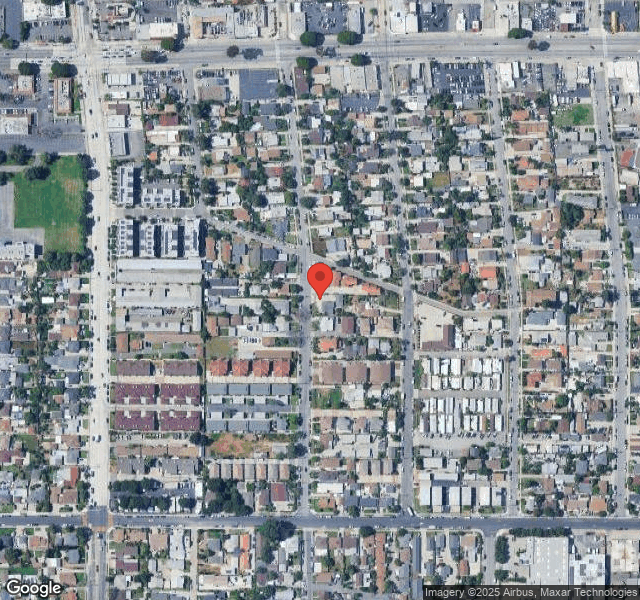

2720 NEVADA AVENUE, EL MONTE, CA 91733 (626) 443-9425
For profit - Limited Liability company 81 Beds DAVID & FRANK JOHNSON Data: November 2025
Trust Grade
65/100
#471 of 1155 in CA
Last Inspection: March 2025

Within standard 12-15 month inspection cycle. Federal law requires annual inspections.

Overview

Sunset Manor Conv Hospital has a Trust Grade of C+, indicating it is decent and slightly above average compared to other facilities. In California, it ranks #471 out of 1,155 facilities, placing it in the top half, and #73 out of 369 in Los Angeles County, meaning only 72 local options are better. The facility is improving, with reported issues decreasing from 24 in 2024 to 13 in 2025. Staffing ratings are average with a 3 out of 5 stars and a turnover rate of 44%, which is close to the state average of 38%. Although there are no fines on record, which is a positive sign, recent inspections revealed serious concerns, including a resident sustaining a laceration due to a broken bed remote control and failures to provide residents with important information regarding their rights to advance directives. Overall, while there are strengths in quality measures and no fines, families should consider the safety incidents and ensure that care standards are consistently upheld.

Trust Score
C+
65/100
In California
#471/1155
Top 40%
Safety Record
Moderate
Needs review
Inspections
Getting Better
24 → 13 violations
Staff Stability
○ Average
44% turnover. Near California's 48% average. Typical for the industry.
Penalties
✓ Good
No fines on record. Clean compliance history, better than most California facilities.
Skilled Nurses
○ Average
Each resident gets 39 minutes of Registered Nurse (RN) attention daily — about average for California. RNs are the most trained staff who monitor for health changes.
Violations
⚠ Watch
55 deficiencies on record. Higher than average. Multiple issues found across inspections.
★★★★☆
4.0
Overall Rating
★★★☆☆
3.0
Staff Levels
★★★★★
5.0
Care Quality
★★★☆☆
3.0
Inspection Score
Stable
2024: 24 issues
2025: 13 issues

The Good

  • 5-Star Quality Measures · Strong clinical quality outcomes
  • Full Sprinkler Coverage · Fire safety systems throughout facility
  • No fines on record
  • Staff turnover below average (44%)

    4 points below California average of 48%

Facility shows strength in quality measures, fire safety.

The Bad

Staff Turnover: 44%

Near California avg (46%)

Typical for the industry

Chain: DAVID & FRANK JOHNSON

Part of a multi-facility chain

Ask about local staffing decisions and management

The Ugly 55 deficiencies on record

1 actual harm
Mar 2025 10 deficiencies
CONCERN (D)

Potential for Harm - no one hurt, but risky conditions existed

Deficiency F0558 (Tag F0558)

Could have caused harm · This affected 1 resident

**NOTE- TERMS IN BRACKETS HAVE BEEN EDITED TO PROTECT CONFIDENTIALITY** Based on observation, interview, and record review, the facility failed to ensure the call light (an alerting device for nurses ...

Read full inspector narrative →
**NOTE- TERMS IN BRACKETS HAVE BEEN EDITED TO PROTECT CONFIDENTIALITY** Based on observation, interview, and record review, the facility failed to ensure the call light (an alerting device for nurses or other nursing personnel to assist a patient when in need) was within reach for one of one sampled resident (Resident 55). This failure had the potential to result in resident not receiving assistance in a timely manner when needed. Findings: During a review of Resident 55's admission Record (AR), the AR indicated Resident 55 was admitted to the facility on [DATE] with diagnoses that included Diabetes Mellitus (DM-a disorder characterized by difficulty in blood sugar control) and tinea unguium (a fungal infection of the nails) During a review of Resident 55's Minimum Data Set (MDS, a resident assessment tool) dated 3/7/2025, the MDS indicated Resident 55 had clear speech, usually understood others and usually made self-understood. Resident 55 required substantial/maximal assistance (helper does more than half the effort, helper lifts or holds trunk or limbs and provides more than half the effort) for personal hygiene, eating and roll left and right. During an observation on 3/18/2025 at 11:08 am in Resident 55's room, Resident 55 was lying in bed. Resident 55's call light was wrapped outside of the left bedrail. Resident 55 stated Resident 55 was not able to find the call light and not able to reach it. During a concurrent interview, Licensed Vocational Nurse 2 (LVN 2), LVN 2 stated, Resident 55's call light was facing outside of the bedrail and Resident 55 needed help to reach it. LVN 2 stated the call light should be placed within easy reach of the resident to use to call for help when needed. LVN 2 stated Resident 55 could get hurt trying to get out of bed by himself if the call light was not within reach. During a review of the facility's Policy and Procedure (P&P) titled, Call Lights: Accessibility and Timely Response, dated 12/9/2024, the P&P indicated Staff will ensure the call light is within reach of the resident and secured, as needed.
CONCERN (D)

Potential for Harm - no one hurt, but risky conditions existed

Deficiency F0676 (Tag F0676)

Could have caused harm · This affected 1 resident

**NOTE- TERMS IN BRACKETS HAVE BEEN EDITED TO PROTECT CONFIDENTIALITY** Based on observation, interview, and record review, the facility failed to provide an effective communication method to one of t...

Read full inspector narrative →
**NOTE- TERMS IN BRACKETS HAVE BEEN EDITED TO PROTECT CONFIDENTIALITY** Based on observation, interview, and record review, the facility failed to provide an effective communication method to one of two non-English speaking sampled residents (Resident 7). This failure had the potential for the resident not to receive necessary care and services. Findings: During a review of the Resident 7's admission Record (AR), the AR indicated Resident 7 was admitted to the facility on [DATE], with diagnoses that included Diabetes Mellitus (DM, a disorder characterized by difficulty in blood sugar control) dysphagia (difficulty swallowing) and pressure-induced deep tissue damage of the right heel (pressure ulcer/injury, PU/PI, localized damage to the skin and/or underlying tissue usually over a bony prominence). During a review of Resident 7's Minimum Data Set (MDS, a resident assessment tool) dated [DATE], the MDS indicated Resident 7's preferred language was Vietnamese. The MDS indicated Resident 7 had no speech, rarely/never understood others and made self-understood. The MDS indicated Resident 7 was dependent (helper does all of the effort) with eating, oral/toileting hygiene, showering and personal hygiene. During an observation on [DATE] at 10:24 am, in Resident 7's room, Resident 7 was lying in bed with eyes open. Resident 7's daughter/responsible party (RP 1) was at bedside. Resident 7 did not understand when asked questions in English. RP 1 stated, Resident 7 was Vietnamese speaking and able to communicate for basic needs if talking to Resident 7 in Vietnamese language. There was no communication board (paper pamphlet that displays photos, symbols, or illustrations to help people with limited language skills express themselves) at Resident 7's bedside. During an interview on [DATE] at 10:34 am, Certified Nursing Assistant 2 (CNA 2), CNA 2 stated Resident 7 spoke Vietnamese and there was no communication board at Resident 7's bedside. CNA 2 stated, CNA 2 utilized a coworker as a method of translation to communicate with Resident 7 and the co-coworker who spoke Vietnamese was not working today ([DATE]). CNA 2 stated, CNA 2 did not have other ways to communicate with Resident 7. CNA 2 stated it was important to communicate with the resident to ensure care was provided. During an interview on [DATE] at 10:38 am with Licensed Vocational Nurse 1 (LVN 1), LVN 1 stated the facility should provide communication board at bedside for non-English speaking residents so that staff understood the residents, provide better care and improve the residents' quality of life. During a record review of Resident 7's Care Plan Report (CPR, a comprehensive document that outlines the specific healthcare goals, interventions, and monitoring strategies for an individual resident) dated [DATE], the CPR indicated Resident 7 had a communication problem related to language barrier (Vietnamese) and for staff to provide a communication board for the resident. During a review of the facility's Policy and Procedure (P&P) titled Communication with Person with Limited English Proficiency, dated [DATE], the P&P indicated Language assistance will be provided through use of competent bilingual staff, staff interpreters, contracts or formal arrangements with local organizations providing interpretation or translation services, or technology an d telephonic interpretation services.
CONCERN (D)

Potential for Harm - no one hurt, but risky conditions existed

Pressure Ulcer Prevention (Tag F0686)

Could have caused harm · This affected 1 resident

**NOTE- TERMS IN BRACKETS HAVE BEEN EDITED TO PROTECT CONFIDENTIALITY** Based on observation, interview and record review, the facility failed to follow the physician's order to keep the resident's bo...

Read full inspector narrative →
**NOTE- TERMS IN BRACKETS HAVE BEEN EDITED TO PROTECT CONFIDENTIALITY** Based on observation, interview and record review, the facility failed to follow the physician's order to keep the resident's both heels to free float (technique where the heels were completely elevated off the surface) for one of three sampled residents (Resident 7). This failure had the potential risk for Resident 7 to develop pressure injury (PI, localized damage to the skin and/or underlying tissue usually over a bony prominence) and delayed healing of existing PI. Findings: During a review of the Resident 7's admission Record (AR), the AR indicated Resident 7 was admitted to the facility on [DATE], with diagnoses that included Diabetes Mellitus (DM, a disorder characterized by difficulty in blood sugar control) dysphagia (difficulty swallowing) and pressure-induced deep tissue damage of the right heel (pressure ulcer/injury, PU/PI, localized damage to the skin and/or underlying tissue usually over a bony prominence). During a review of Resident 7's Order Summary Report (OSR) dated 2/4/2025, the OSR indicated an order to free float left and right heel using pillows to prevent pressure on the heels. During a review of Resident 7's Minimum Data Set (MDS, a resident assessment tool) dated 2/7/2025, the MDS indicated Resident 7 had no speech, rarely/never understood others and made self-understood. The MDS indicated Resident 7 was dependent (helper does all of the effort) with eating, oral/toileting hygiene, showering and personal hygiene. During an observation on 3/18/2025 at 10:24 am in Resident 7's room, Resident 7 was lying in bed with eyes open. Resident 7's left heel was wrapped and covered by gauze. Resident 7's both feet were resting on the bed mattress. During an observation on 3/18/2025 at 3:06 pm in Resident 7's room, Resident 7 was lying in bed with both heels resting on the bed mattress. During a concurrent interview, Licensed Vocational Nurse 1 (LVN 1) stated Resident 7 had left heel PI upon admission. LVN 1 stated, staff should follow the physician's order to free float both Resident 7's heels from the bed mattress to avoid adding pressure to the heels and to prevent Resident 7 from developing new PI or worsen the old PI on the left heel. During an interview on 3/19/2025 at 12:41 pm with the Director of Nursing (DON), the DON stated the physician's order for Resident 7 should be followed by all staff. The DON stated, Resident 7's heels should be offloaded to promote healing of the left heel PI and to prevent developing new PI and/or worsen the current PI on the resident's left heel. The DON stated it was important to provide quality of care for the resident's quality of life. During a review of the facility's Policy and Procedure (P&P) titled Pressure Injury Prevention and Management dated 1/31/2025, the P&P indicated interventions for prevention and to promote healing, evidence-based interventions for prevention will be implemented for all residents who are assessed at risk or who have a pressure injury present. Basic or routine care interventions could include, but are not limited to redistribute pressure (such as repositioning, protecting and/or offloading heels, etc.)
CONCERN (D)

Potential for Harm - no one hurt, but risky conditions existed

Deficiency F0698 (Tag F0698)

Could have caused harm · This affected 1 resident

**NOTE- TERMS IN BRACKETS HAVE BEEN EDITED TO PROTECT CONFIDENTIALITY** Based on interview and record review, the facility failed to provide the necessary care and services for one of one sampled resi...

Read full inspector narrative →
**NOTE- TERMS IN BRACKETS HAVE BEEN EDITED TO PROTECT CONFIDENTIALITY** Based on interview and record review, the facility failed to provide the necessary care and services for one of one sampled resident (Resident 34), who required and received hemodialysis (treatment for kidney failure that removes waste and extra fluids from the blood) four times a week, by failing to ensure staff followed Resident 34's physician's order for fluid restrictions of 1200 milliliters (ml- unit of measurement) a day. This deficient practice had the potential for Resident 34 to experience fluid overload (excessive amount of fluid in the body) and difficulty breathing that can compromise the Resident 34's health. Findings: During a review of Resident 34's admission Record (AR), the AR indicated Resident 34 was re-admitted to the facility on [DATE], with diagnoses that included diabetes mellitus (elevated blood sugars), cirrhosis of the liver (liver damage where healthy cells are replaced by scar tissue), and dependence on renal dialysis (a treatment for people whose kidneys are failing). During a review of Resident 34's History and Physical (H&P), dated 12/5/2024, the H&P indicated Resident 34 had the capacity to understand and make decisions. During a review of Resident 34's physician order (PO), dated 1/5/2025, the PO indicated Resident 34 had an order for hemodialysis every Tuesday, Wednesday, Thursday, and Saturday at Hemodialysis Center 1. During a review of Resident 34's PO dated 1/5/2025, the PO indicated Resident 34 had an order for 1200 ml fluid restriction: Nursing to provide 240 ml per day shift, 240 ml per evening shift, and 120 ml per night shift to total 600 ml. The PO indicated Dietary to provide 200 ml for breakfast, 200 ml for lunch, and 200 ml for dinner to total 600 ml. During a review of Resident 34's Minimum Data Set (MDS, a resident assessment tool) dated 1/31/2025, the MDS indicated Resident 34 was cognitively intact (able to think, learn, and remember) and required substantial/maximal assistance (helper does less than half the effort) with toileting hygiene and shower/bathing. During a concurrent interview and record review on 3/20/2025 at 3:54 pm with the Director of Nursing (DON), Resident 34's paper and electronic chart were reviewed. The DON stated Resident 34's medical record indicated no documentation regarding restricting fluid intake for Resident 34. The DON stated, There was no system to monitor how much fluid the resident was receiving a day. The DON stated following residents' (in general) physician's orders, especially about fluid restrictions for residents on hemodialysis, was important to prevent fluid overload. During an interview on 3/21/2025 at 9:51 am with Resident 34, Resident 34 stated, They (facility) don't tell me how much fluid I can drink here. I usually get and drink what I want. During a review of the facility's policy and procedure (P&P) titled, Fluid Restriction, revised 1/31/2025, the P&P indicated, It is the policy of this facility to ensure that fluid restrictions will be followed in accordance to physician's orders. The P&P indicated, Fluid restrictions are basically the restriction of fluid intake.
CONCERN (D)

Potential for Harm - no one hurt, but risky conditions existed

Deficiency F0847 (Tag F0847)

Could have caused harm · This affected 1 resident

**NOTE- TERMS IN BRACKETS HAVE BEEN EDITED TO PROTECT CONFIDENTIALITY** Based on interview and record review, the facility failed to ensure for one of three sampled residents (Resident 6) whose primar...

Read full inspector narrative →
**NOTE- TERMS IN BRACKETS HAVE BEEN EDITED TO PROTECT CONFIDENTIALITY** Based on interview and record review, the facility failed to ensure for one of three sampled residents (Resident 6) whose primary language was Spanish, the binding arbitration agreement (AA, a private process where disputing parties agree that one or several other individuals can plan about the dispute) was fully understood by the resident and was presented in a language Resident 6 understand. This deficient practice had the potential for the resident to not be fully informed and make an informed decision on whether to enter into such agreement. Findings: During a review of Resident 6's admission Record (AR), the AR indicated Resident 6 was admitted to the facility on [DATE] and readmitted on [DATE] with diagnosis that included atrial fibrillation (irregular heart rate), hypertension (elevated blood pressure) and dependence on supplemental oxygen. During a review of Resident 6's History and Physical (H&P) dated 2/12/2025, the H&P indicated Resident 6 had the capacity to understand and make decisions. During a review of Resident 6's Minimum Data Sheet (MDS, a resident assessment and care screening tool) dated 2/14/2025, the MDS indicated Resident 6's preferred language was Spanish. During an interview with Resident 6 on 3/20/2025 at 3:12 pm, Resident 6 was awake, alert and oriented to name, date and place. Resident 6 was presented with an AA in English dated 3/20/2025 and the AA was signed by the resident. Resident 6 confirmed Resident 6's signature and stated Resident 6 was asked to sign the AA the morning of 3/20/2025 by the admission Director (AD). Resident 6 further stated Resident 6 spoke and read only in Spanish and did not know what the AA meant. During an interview with Licensed Vocational Nurse 4 (LVN 4) on 3/20/2025 at 3:13 pm, LVN 4 stated Resident 6 spoke and read only in Spanish. During an interview with the AD on 3/20/2025 at 3:15 pm, the AD stated Resident 6 spoke and read in Spanish. The AD stated the AD presented and asked Resident 6 to sign the AA written in English but was unsure if Resident 6 understood what the document (AA) meant. AD stated it was important for the residents to be aware and agree of the agreement they were signing as part of the residents' dignity and rights. During an interview with the facility's Director of Nursing (DON) on 3/250/2025 at 3:38 pm, the DON stated the AA was a legal document. The DON stated it was the right of Resident 6 to be aware and fully comprehend what Resident 6 was signing and agreeing to. The DON stated the AA should be presented to Resident 6 in Spanish. During a review of the facility's Policy and Procedure (P&P) titled Binding Arbitration Agreements, revised 1/31/2025, the P&P indicated when explaining the arbitration agreement, the facility shall a. Explain to the resident and his or her representative in a form and manner that he or she understands, including in a language the resident and his or her representative understands. b. Ensure the resident or his or her representative acknowledge that he or she understands the agreement.
CONCERN (E)

Potential for Harm - no one hurt, but risky conditions existed

Deficiency F0578 (Tag F0578)

Could have caused harm · This affected multiple residents

**NOTE- TERMS IN BRACKETS HAVE BEEN EDITED TO PROTECT CONFIDENTIALITY** Based on interview and record review, the facility failed to ensure three of three sampled residents (Resident 30, 31 and 34) an...

Read full inspector narrative →
**NOTE- TERMS IN BRACKETS HAVE BEEN EDITED TO PROTECT CONFIDENTIALITY** Based on interview and record review, the facility failed to ensure three of three sampled residents (Resident 30, 31 and 34) and/or their representatives were provided information regarding the right to formulate an advance directive (AD, legal documents that provide instructions for medical care and only go into effect if the person cannot communicate his/her own wishes) when: a. Resident 34 did not receive information regarding AD. b. Resident 30's AD Acknowledgement Form was filled out inaccurately. c. Resident 31's AD Acknowledgement Form was filled out inaccurately. These failures had the potential to result in Residents 30, 31, and 34 and/or their representatives to not be informed of their rights and receive unwanted and/or unnecessary life-sustaining care and treatment. Findings: a. During a review of Resident 34's admission Record (AR), the AR indicated Resident 34 was re-admitted to the facility on [DATE], with diagnoses that included diabetes mellitus (elevated blood sugars), cirrhosis of the liver (liver damage where healthy cells are replaced by scar tissue), and dependence on renal dialysis (a treatment for people whose kidneys are failing). During a review of Resident 34's History and Physical (H&P), dated 12/5/2024, the H&P indicated Resident 34 had the capacity to understand and make decisions. During a review of Resident 34's Minimum Data Set (MDS, a resident assessment tool), dated 1/31/2025, the MDS indicated Resident 34 was cognitively intact (able to think, learn, and remember) and required substantial/maximal assistance (helper does less than half the effort) with toileting hygiene and shower/bathing. During a concurrent interview and record review on 3/18/2025 at 3:13 pm with Licensed Vocational Nurse (LVN) 6, Resident 34's paper and electronic chart were reviewed. LVN 6 stated Resident 34 did not have an AD in her charts. LVN 6 stated the AD was important to document to know and record the resident's wishes and instruct the facility on who will carry them out. During an interview on 3/20/2025 at 3:46 pm with the Director of Nursing (DON), the DON stated the AD was important to determine the resident's wishes regarding provision of medical treatment and services. During an interview on 3/21/2025 at 9:52 am with Resident 34, Resident 34 was awake, alert and oriented. Resident 34 stated Resident 34 was not aware of an AD and staff did not provide was Resident 34 with any information about an AD. Resident 34 stated, I would like to know more to make good decisions about my care. During a review of the facility's policy and procedure (P&P) titled, Residents' Rights Regarding Treatment and Advance Directive, revised on 12/9/2024, the P&P indicated, It is the policy of this facility to support and facilitate a resident's right to request, refuse and/or discontinue medical or surgical treatment and to formulate an advance directive. The P&P indicated, The facility will provide the resident or resident representative information, in a manner that is easy to understand, about the right to refuse medical or surgical treatment and formulate an advance directive. b. During a review of Resident 30's AR, the AR indicated Resident 30 was admitted to the facility on [DATE] with diagnoses that included abnormalities of gait (a person's manner of walking) and mobility (the ability to move) and need for assistance and personal care. During a review of Resident 30's H&P, dated 12/15/2024, the H&P indicated Resident 30 had the capacity to understand and make decisions. During a review of Resident 30's MDS, dated [DATE], the MDS indicated Resident 30 had moderate impaired cognition (mental action or process of acquiring knowledge and understanding) for daily decision making. The MDS indicated, Resident 30 required maximum assistance (helper does less than half the effort) with oral hygiene, upper body dressing and personal hygiene. The MDS indicated, Resident 30 was dependent (helper does all of the effort) on staff for toileting hygiene, shower, lower body dressing, and putting on or taking off footwear. During an interview and concurrent record review on 3/18/2025 at 2:46 pm, Resident 30's AD Acknowledgement Form was reviewed, with Social Service Director (SSD), the SSD stated, the AD Acknowledgement Form was not filled out accurately. The SSD stated, the form should indicate if Resident 30 [or Resident 30's responsible party] executed and had not executed and AD. The SSD stated, AD Form needed to be filled up accurately. c.During a review of Resident 31's AR, the AR indicated Resident 31 was admitted to the facility on [DATE] with diagnoses that included type 2 diabetes mellitus (a disease in which the body's ability to produce or respond to the hormone insulin is impaired, resulting in elevated levels of glucose/sugar in the blood and urine). During a review of Resident 31's MDS, dated [DATE], the MDS indicated, Resident 31 had intact cognition for daily decision making. The MDS indicated, Resident 31 required maximum assistance with shower and putting on/taking off footwear. The MDS indicated, Resident 31 require moderate (helper does less than half of the effort) with toileting hygiene, upper body dressing and lower body dressing. During an interview and concurrent record review on 3/18/2025 at 3:02 pm, with LVN 5, Resident 31's AD Acknowledgement Form was reviewed. LVN 5 stated, Resident 31 did not execute an AD. LVN 5 stated, I filled up the AD Form incorrectly. LVN 5 stated an AD was legal documentation for medical decisions indicating [Resident 31's] wants and wishes during [medical] emergencies. During an interview on 3/20/2025 at 10:20 am, with the facility's Director of Nursing (DON), the DON stated, AD Acknowledgement Forms needed to be filled out completely. The facility's DON stated the AD Form's purpose was to know what the resident's wants and wishes were in case of [medical] emergencies. During a review of the facility's Policy and Procedure (P&P), titled, Residents' Rights Regarding Treatment and Advance Directives, revised 12/9/2024, the P&P indicated, on admission, the facility will determine if the resident has executed an advance directive, and if not, determine whether the resident, if cognitively able to, would like to formulate advance directive. The P&P indicated. Upon admission, should the resident have an advance directive, copies will be made and placed on the chart as well as communicated to the staff.
CONCERN (E)

Potential for Harm - no one hurt, but risky conditions existed

Drug Regimen Review (Tag F0756)

Could have caused harm · This affected multiple residents

**NOTE- TERMS IN BRACKETS HAVE BEEN EDITED TO PROTECT CONFIDENTIALITY** Based on interview and record review, the facility failed to ensure irregularities identified from the monthly drug regimen revi...

Read full inspector narrative →
**NOTE- TERMS IN BRACKETS HAVE BEEN EDITED TO PROTECT CONFIDENTIALITY** Based on interview and record review, the facility failed to ensure irregularities identified from the monthly drug regimen review reported by the facility's pharmacist were acted upon for two of five sampled residents (Residents 20 and 34): a. Resident 34's pharmacist recommendation to order laboratory test to monitor the increased risk of rhabdomyolysis (a serious medical condition of a breakdown of muscle tissue, releasing harmful substances into the bloodstream) was not acted upon. b. Resident 20's pharmacist recommendation to discontinue Benadryl (medication to treat pain and itching) was not acted upon. These deficient practices had the potential for unnecessary medication administration. Findings: a. During a review of Resident 34's admission Record (AR), the AR indicated Resident 34 was re-admitted to the facility on [DATE] with diagnoses that included diabetes (elevated blood sugar), cirrhosis of the liver (liver damage replaced by scar tissue) and dependence on renal dialysis (a treatment for people whose kidneys are failing). During a review of Resident 34's History and Physical (H&P) dated 12/5/2024, the H&P indicated Resident 34 had the capacity to understand and make decisions. During a review of Resident 34's Physician Orders (PO) dated 1/5/2025, the PO indicated for Resident 34 to receive Lipitor (Atorvastatin, a statin [a class of medication] that can treat high cholesterol and triglyceride levels) 10 milligrams (mg-unit of measurement) by mouth (PO) nightly (HS) and Tricor (Fenofibrate, a fibric acid [a class of lipid lowering medication] a medication to lower high cholesterol and triglyceride levels) 145 mg by mouth in the afternoon (QD). During a review of Resident 34's Minimum Data Set (MDS, a standardized assessment and care-screening tool) dated 1/31/2025, the MDS indicated Resident 34 was cognitively intact and required maximal assistance (helper does less than half the effort) with toilet hygiene, shower and bathing. During a review of Resident 34's Medication Administration Record (MAR) for March 2025, the MAR indicated Resident 34 received Lipitor 10 mg PO HS by mouth nightly (HS) and Tricor (Fenofibrate, 145 mg PO in the afternoon (QD) from 3/1/2025 to 3/18/2025. During a record review of a document titled Note to Attending Physician/Prescriber ([NAME]), from the facilities pharmacist, dated 2/27/2025, the [NAME] indicated, The resident currently received Fenofibrate and Lipitor daily and to be aware that fibric acid in combination with a statin can increase the risk of rhabdomyolysis and require careful monitoring as to new labeling changes are no longer approved a fibric acid to be used with statins due to lack of CV (cardiovascular) benefit and more risks with the combos and to please consider ordering a FLP( a blood test the measures cholesterol and triglyceride level after a period of fasting) . to re-evaluate if Fenofibrate could be discontinued or assess risk versus benefit of continued concurrent (the same time). The [NAME] portion titled Physician/Prescribers Response, was left blank. During an interview with the facility's Director of Nursing (DON) on 3/20/2025 at 4:04 pm and a concurrent record review of Resident 34's electronic and paper chart, the DON stated as of 3/20/2025, Resident 34 was currently receiving Tricor and Lipitor. The DON stated the pharmacist recommendation review (MRR) should be followed as soon as possible, within a week. The DON stated following up on pharmacist recommendations were important to ensure the resident's medication were regulated by a pharmacist and residents received proper/safe medications. b.During a review of Resident 20's AR, the AR indicated Resident 20 was admitted to the facility on [DATE] with diagnoses that included personal history of other infectious and parasitic (an organism, or living thing, that lives on or inside another organism) diseases. During a review of Resident 20's MDS, dated [DATE], the MDS indicated Resident 20 had intact cognition (mental action or process of acquiring knowledge and understanding) for daily decision making. The MDS indicated Resident 20 required maximum assistance (helper does less than half the effort) with toileting hygiene and lower body dressing. During a review of Resident 20's Order Summary Report (OSR), dated active as of 3/20/2025, the OSR included the following physician orders, 1.Allergy Relief Oral Tablet 10 mg (Loratadine, [Claritin is the common brand name] medication used to treat allergy symptoms, including runny or stuffy nose, sneezing, watery eyes, and itching of the eyes, nose or throat), give one (1) tablet by mouth in the morning for allergy relief, start date 12/22/2023. 2. Benadryl Allergy (medication used to treat allergic reactions) oral tablet 25 mg by mouth every six (6) hours as needed for itching, start date 12/6/2024. During a review of a facility document (regarding Resident 20) titled, Note to Attending Physician/Prescriber, dated 1/31/2025, completed by the facility's PC, the note's recommendation indicated if Resident 20 had a chronic (long standing) itch, to consider discontinuing as needed Benadryl and start Claritin (Loratadine) 10 mg by mouth daily for chronic itch. During a concurrent record review and interview with Licensed Vocational Nurse 1 (LVN 1) on 3/20/2025 at 9:47 am, Resident 20's medical record (chart) was reviewed. LVN 1 stated Benadryl was not discontinued. LVN 1 stated, the purpose of MRR was for the pharmacy to check the medications monthly to control [administration of] unnecessary medications the residents were taking. During an interview on 3/20/2025 at 9:55 am, with the facility's Director of Nursing (DON), the DON stated, the MRR was a monthly recommendation [from the pharmacist] that licensed nurses were supposed to carry out. The DON stated, there was no other clinical documentation that indicated the monthly recommendation [to discontinue Benadryl for Resident 20] from the pharmacist dated 1/31/2025 was carried out. During a review of the facility's Policy and Procedure (P&P), titled Medication Regimen Review, revised on 1/31/2025, the P&P indicated the drug regimen was reviewed at least once a month by a licensed pharmacist and included a review of the resident's medical chart. The P&P indicated, if the pharmacist should identify an irregularity that required urgent action to protect a resident, the DON or designee was informed . Facility staff shall act upon all recommendations according to procedures for addressing medication regimen review irregularities.
CONCERN (E)

Potential for Harm - no one hurt, but risky conditions existed

Food Safety (Tag F0812)

Could have caused harm · This affected multiple residents

Based on observation, interview, and record review, the facility failed to ensure safe and sanitary conditions were maintained in one of one facility kitchen. During initial tour of the kitchen, a 22-...

Read full inspector narrative →
Based on observation, interview, and record review, the facility failed to ensure safe and sanitary conditions were maintained in one of one facility kitchen. During initial tour of the kitchen, a 22-ounce (oz) bottle of basil pesto sauce was observed with an unreadable best by or used by date. This deficient practice had the potential for improper food storage, which could lead to foodborne illnesses (illness caused by consuming contaminated food or beverages) to the residents who received food from the kitchen. Findings: During an initial tour and observation of the kitchen on 3/18/2025 at 8:58 am with the Assistant [NAME] (AC), a 22 oz. bottle of pesto sauce was observed inside the facility's freezer. The AC stated the pesto sauce bottle's use by or best by date was unreadable. The AC stated best by or used by dates were important to determine when the product was edible for consumption and when to discard to prevent possible food borne illnesses to the residents. During a review of the facility's Policy and Procedure (P&P) titled Date Marking for Food Safety, revised 1/31/2025, the P&P indicated the facility adheres to a date marking system to ensure the safety of ready-to-eat, time/temperature control for safety food. The food shall be clearly marked to indicate the date or day by which the food shall be consumed or discarded.
MINOR (B)

Minor Issue - procedural, no safety impact

Deficiency F0911 (Tag F0911)

Minor procedural issue · This affected multiple residents

**NOTE- TERMS IN BRACKETS HAVE BEEN EDITED TO PROTECT CONFIDENTIALITY** Based on observation, interview, and review the facility's waiver request, the facility failed to ensure one of 28 resident's ro...

Read full inspector narrative →
**NOTE- TERMS IN BRACKETS HAVE BEEN EDITED TO PROTECT CONFIDENTIALITY** Based on observation, interview, and review the facility's waiver request, the facility failed to ensure one of 28 resident's room in the Sub Acute Unit accommodated no more than four residents in a multiple resident room. room [ROOM NUMBER] had five beds to accommodate five residents. This deficient practice had the potential risk for privacy concerns and crowded condition in the room. Findings: During an entrance conference with the facility Administrator (ADM) on 3/18/2025 at 9:51 am, the ADM stated the facility had one room (room [ROOM NUMBER]) that had more than four residents occupying the room. The ADM stated, the facility would request a room waiver for six (6) beds in room [ROOM NUMBER]. During the Health Recertification Survey from 3/18/2025 to 3/21/2024, room [ROOM NUMBER] was observed with five resident beds, side tables, dresser and resident care equipment. Staff were able to move freely inside the room. Out of the 5 beds inside room [ROOM NUMBER], four beds were occupied by residents. During an interview on 3/18/2025 at 10:43 am with Licensed Vocational Nurse 3 (LVN 3), LVN 3 stated there were five beds in room [ROOM NUMBER] with four beds occupied. The LVN 3 stated, there was enough space in the room to provide care and treatment to the residents with ventilators (machine that supports breathing) with no issues. LVN 3 stated, the room was big enough to accommodate residents. During a review of the facility's letter to request for room waiver dated 3/18/2025, the letter indicated the room (room [ROOM NUMBER]) contained five beds and had 500.4 square footage (sq. ft, unit of measurement) and the facility was requesting a room waiver for six beds in room [ROOM NUMBER]. The waiver indicated the rooms were in accordance with special needs of residents and there was no adverse effect to the health, and safety or impede the ability of any residents to attain highest practicable well-being. The waiver indicated, the resident's safety was not compromised by the existing square footage and the room size did not affect resident's safety and the care provided.
MINOR (B)

Minor Issue - procedural, no safety impact

Deficiency F0912 (Tag F0912)

Minor procedural issue · This affected multiple residents

**NOTE- TERMS IN BRACKETS HAVE BEEN EDITED TO PROTECT CONFIDENTIALITY** Amended : 5/13/2025. The facility submitted a Revised Room Waiver Request Letter dated 5/12/2025. Based on observation, intervi...

Read full inspector narrative →
**NOTE- TERMS IN BRACKETS HAVE BEEN EDITED TO PROTECT CONFIDENTIALITY** Amended : 5/13/2025. The facility submitted a Revised Room Waiver Request Letter dated 5/12/2025. Based on observation, interview and record review, the facility failed to ensure 9 of 28 rooms (Rooms 16,19, 20, 21, 22, 25, 26, 27 and 32) met the square footage requirement of 80 square feet (sq. ft.) per resident in multiple resident rooms. This deficient practice had the potential to impact resident's safety and the ability of staff to provide safe nursing care and privacy to the residents. Findings: During an interview with the facility Administrator (ADM) on 3/18/2025 at 9:51 am, the ADM stated the facility would like to request a room waiver (a document recording the waiving of a right or claim) for Rooms 15, 16, 17, 19, 20, 21, 22, 23, 25, 26, 27, 32, 33 and 35. The ADM stated nothing was changed in the number of bed occupancy in Rooms 15, 16, 17, 19, 20, 21, 22, 23, 25, 26, 27, 32, 33 and 35 from last year. During the Health Recertification Survey from 3/18/2025 to 3/21/2025, Rooms 15, 16, 17, 19, 20, 21, 22, 23, 25, 26, 27, 32, 33 and 35 had adequate space and nursing care, comfort and privacy were provided to the residents. The residents were observed to have enough space to move freely inside the rooms. There was an adequate room for the operation and use of the wheelchairs (a chair fitted with wheels for use as a means of transport by a person), walkers (a device that gives additional support to maintain balance or stability while walking) and Hoyer lift (a mechanical device used to lift and/or transfer a person from place to place). Each resident inside the affected rooms had beds and bedside tables with drawers. The room size did not affect the care and services provided by the staff to the residents when staff were observed providing care to the residents. During an interview on 3/18/2025 at 10:23 am with Certified Nurse Assistant 4 (CNA 4), CNA 4 stated, there was enough space in the rooms and staff were able to provide care to the residents. CNA 4 stated CNA 4 was able to move wheelchairs, Hoyer lifts and walkers inside the rooms with no issues. During an interview on 3/18/2025 at 10:43 am with Licensed Vocational Nurse 1 (LVN 1), the LVN 1 stated there was enough space to provide care and treatment to the residents with ventilators (machine that supports breathing) with no issues. LVN 1 stated there was enough space for the bed and staff were able to move wheelchairs and Hoyer Lifts inside the rooms. During an observation in room [ROOM NUMBER] and interview on 3/19/2025 at 9:34 am with Resident 30, Resident 30 was sitting in his wheelchair inside Resident 30's room next to his bed. Resident 30 stated, there was enough space in the room and Resident 30 was able to wheel himself in and out of the room with no issues. During a review of the facility's letter to request for room waiver dated 3/18/2025, revised 5/12/25, the letter indicated the rooms were in accordance with the special needs of the residents and there was no adverse effect on the resident's health and safety nor impede the ability of any residents to attain their highest practicable wellbeing. The waiver indicated, the resident's safety were not compromised by the existing square footage and the room size did not affect the resident's safety and care provided. On 5/12/2025 at 2:17 pm, the facility submitted a Revised Room Waiver Request Letter dated 5/12/2025 and revised Client Accomodation Analysis dated 5/12/2025. During a review of the Revised Client Accommodations Analysis, revised 5/12/2025, the client accommodations analysis indicated the following: Room Sq. Ft. Beds 16 136.7 2 19 212.8 3 20 150.3 2 21 214.7 3 22 145.2 2 25 145.2 2 26 141 2 27 139.7 2 32 234.9 3 During a telephone interview with the Administrator on 5/13/2025 at 11:55 am, the Administrator stated Rooms 15, 17, 23, 33 and 35 were removed from the waiver letter and no longer being requested. The Administrator stated the new maintenance team had re-measured and Rooms 15, 17, 23, 33 and 35 met the minimum requirement of 80 sq ft without needing a waiver.
Jan 2025 1 deficiency
CONCERN (D) 📢 Someone Reported This

A family member, employee, or ombudsman was alarmed enough to file a formal complaint

Potential for Harm - no one hurt, but risky conditions existed

Infection Control (Tag F0880)

Could have caused harm · This affected 1 resident

Based on observation, interview, and record review, the facility failed to implement its policy and procedures (P&P) titled, Hand Hygiene, and Management of C. Difficile (a type of bacteria that can c...

Read full inspector narrative →
Based on observation, interview, and record review, the facility failed to implement its policy and procedures (P&P) titled, Hand Hygiene, and Management of C. Difficile (a type of bacteria that can cause diarrhea) Infection, by failing to ensure staff washed their hands with soap and water after providing care for one of five sampled residents (Resident 2), who had C. Diff. This deficient practice had the potential to result in cross-contamination (the transfer of harmful bacteria from one person, object, or place to another) and the spread of infection throughout the facility. Findings: During a review of Resident 2's admission Record (AR), the AR indicated the facility originally admitted Resident 2 on 10/3/2024 and recently readmitted Resident 2 on 12/28/24 with diagnoses of dysphagia following cerebral infarction (a swallowing disorder that may occur after a stroke), respiratory failure (a condition where there is not enough oxygen or too much carbon dioxide in the body), and pleural effusion (a condition in which fluid builds up in the space between the lung and the chest wall). During a review of Resident 2's Minimum Data Set (MDS - a federally mandated resident assessment tool), dated 1/1/2025, the MDS indicated Resident 2 was sometimes understood by others and had the ability to sometimes understand others. The MDS indicated Resident 2 was dependent (helper does all of the effort) in performing oral hygiene, toileting hygiene, shower/bathe self, upper body dressing, lower body dressing, and putting on and taking off footwear. During a review of Resident 2's Care Plan (CP), revised on 1/17/2025, the CP indicated Resident 2 had c. difficile. The CP included an intervention for C. difficile to encourage good handwashing technique. During an observation on 1/17/2025 at 12:02 pm, Licensed Vocational Nurse 1 (LVN 1) was observed in Resident 2's room wearing a gown, mask, and gloves while taking Resident 2's vital signs (measurements of the body's most basic functions). After LVN 1 was finished with Resident 2, LVN 1 wiped down the vital signs machine with bleach wipes then doffed (to remove) the gown and gloves. LVN 1 then used the hand sanitizer (alcohol-based substance used to reduce or eliminate some disease-causing agents on the skin) on the wall by the doorway. LVN 1 then plugged the vital signs machine into an electrical outlet across the hallway from Resident 2's room. During an interview on 1/17/2025 at 12:10 pm, and at 12:21 pm, with LVN 1, LVN 1 stated after taking Resident 2's vital signs, LVN 1 used the hand sanitizer. LVN 1 stated LVN 1 did not wash LVN 1's hands because Resident 2's roommate was using the restroom. LVN 1 stated using the hand sanitizer alone was not effective for C. difficile. LVN 1 stated it was important for staff to wash their hands to not spread the organism. During an interview on 1/17/2025 at 2:36 pm, with the Director of Nursing (DON), the DON stated if Resident 2's roommate was using the restroom, LVN 1 should have waited in Resident 2's room and washed LVN 1's hands after Resident 2's roommate finished using the restroom. The DON stated it was important for Staff to wash their hands to prevent infection transmission. During an interview on 1/21/2025 at 2:35 pm, with the Infection Preventionist (IP), the IP stated if Resident 2's roommate was using the restroom, it was not recommended for staff to go to another resident's room to wash their hands. IP stated staff would have to wait for Resident 2's roommate to finish using the restroom and then they could wash their hands. IP stated it was important to wash hands to kill the c. difficile spores on the hands if ever the hands came into contact with the contaminated part of the gloves. During a review of the facility's P&P titled, Hand Hygiene, revised on 12/19/2022, the P&P indicated, All staff will perform proper hand hygiene procedures to prevent the spread of infection to other personnel, residents, and visitors. This applies to all staff working in all locations within the facility For conditions involving a resident, or the resident's environment, who is isolated for clostridioides difficile or other infectious diarrhea, handwashing with soap and water is required. During a review of the facility's P&P titled, Management of C. Difficile Infection, revised on 12/16/2024, the P&P indicated, The facility implements facility-wide strategies for the prevention and spread of clostridioides difficile (c. difficile) infections. 'Clostridioides difficile', formerly known as Clostridium difficile and often-called C. difficile or C. diff, is a bacterium that causes diarrhea and colitis (an inflammation of the colon). It is shed in feces and is spread by direct contact with contaminated objects or the hands of persons who have touched a contaminated object . Hand hygiene shall be performed by handwashing with soap and water in accordance with facility policy for hand hygiene.
Jan 2025 2 deficiencies 1 Harm
SERIOUS (G) 📢 Someone Reported This

A family member, employee, or ombudsman was alarmed enough to file a formal complaint

Actual Harm - a resident was hurt due to facility failures

Accident Prevention (Tag F0689)

A resident was harmed · This affected 1 resident

Based on observation, interview, and record review, the facility failed to provide a safe environment as indicated in the facility's policies and procedures (P&P) titled, Preventive Maintenance Progra...

Read full inspector narrative →
Based on observation, interview, and record review, the facility failed to provide a safe environment as indicated in the facility's policies and procedures (P&P) titled, Preventive Maintenance Program, and Safe and Homelike Environment, for one of three sampled residents (Resident 1) by failing to: 1. Ensure the Maintenance Director (TMD) had a schedule of maintenance services for Resident 1's bed remote control coil line (coiled remote-control cord). 2. Ensure Certified Nurse Assistant 2 (CNA 2) prevented Resident 1 from grabbing onto Resident 1's damaged/broken bed remote control coil hanging on Resident 1's right bed side rail (an adjustable bar attached to a bed to help patients/residents move around) during care. As a result, on 12/17/2024 at 5 am, Resident 1 sustained a laceration (a wound when skin, tissue, and/or muscle was torn or cut open) on Resident 1's inner right hand between the thumb and index finger (also known as the pointer finger, or first finger) measuring 2 centimeters (cm-unit of measurement) in length, by 0.2 cm in width and by 0.2 in depth. Resident 1 was transferred to General Acute Care Hospital 1 (GACH 1) on 12/17/2024 at 10:45 am and required seven surgical sutures (stitches, length of thread used to join up pieces of tissue) for wound closure. Resident 1 had six stitches (a medical procedure that uses thread and a needle to close wounds) along the right thumb with ragged edges and one stitch on the base of the index finger with skin tear (a traumatic wound that occurs when the skin's layers separate). Cross Reference: F908 Findings: During a review of Resident 1's admission Record (AR), the AR indicated the facility admitted Resident 1 on 8/29/2024 with diagnoses that included type II Diabetes Mellitus (a disorder characterized by difficulty in blood sugar control and poor wound healing), heart failure (a condition when the heart is not able to pump enough blood and oxygen to the body's organs) and respiratory failure (a condition when the lungs cannot get enough oxygen into the blood). During a review of Resident 1's History and Physical (H&P, a formal and complete assessment of the resident by a physician) dated 9/17/2024, the H&P indicated Resident 1 was non-verbal and did not have the capacity to make medical decisions. During a review of Resident 1's Minimum Data Set (MDS, a resident assessment tool) dated 12/3/2024, the MDS indicated Resident 1 had unclear speech and severely impaired cognition (thinking, reasoning, or remembering for daily decision making). The MDS indicated Resident 1 was dependent (helper does all the effort, resident does none of the effort to complete the activity) for toileting, showering, dressing and chair/bed-to-chair transfers. During a review of Resident 1's Progress Notes (PN), dated 12/17/2024, timed at 5 am, the PN indicated Resident 1 sustained an inner right-hand cut (laceration) when Resident 1 held onto the right bed side rail while being cleaned and turned by CNA 2. During a review of Resident 1's PN, dated 12/17/2024, timed at 5:46 am, the PN indicated Resident 1 had an open cut/wound on the inner right hand. The PN indicated Resident 1's right hand wound was acquired in the facility and measured 2 cm in length by 0.2 cm in width and 0.2 cm in depth. During a review of Resident 1's Physician's Order (PO) dated 12/17/2024 (untimed), the PO indicated to transfer Resident 1 to GACH 1 due to right hand cut. During a review of Resident 1's PN dated 12/17/2024, timed at 10:45 am, the PN indicated Resident 1 was transferred to GACH 1 due to a cut on the right hand. During a review of GACH 1's Emergency Department Note (EDN) dated 12/17/2024, the EDN indicated Resident 1 had a right-hand laceration and received laceration repair. The EDN indicated Resident 1's right hand laceration was closed with seven stitches. During a review of Resident 1's PN dated 12/17/2024, timed at 6:20 pm, the PN indicated Resident 1 was readmitted back to the facility from GACH 1 after treatment of Resident 1's laceration to the right palm (the grasping side of the hand) of the hand. The PN indicated Resident 1 had six stitches along the right thumb with ragged edges and one stitch on the base of the index finger with skin tear. During an observation of Resident 1's right hand in Resident 1's room on 1/3/2025 at 11:24 am, Resident 1 was lying in bed with eyes closed. Resident 1's right hand was wrapped with dry bandage roll (a long, rolled-up piece of absorbent material used to cover wounds, apply pressure, and secure dressings). During an observation of Resident 1's right palm, in Resident 1's room and concurrent interview with Licensed Vocational Nurse 1 (LVN 1) on 1/3/2025 at 11:29 am, Resident 1's right palm had seven stitches between the thumb and the index finger. LVN 1 stated, Resident 1 was sent to GACH 1 on 12/17/2024 due to a cut to the right hand from Resident 1's bed remote control coil line. LVN 1 stated, the outer hard plastic layer of Resident 1's bed remote control coil line was broken, and part of the coil was pointing out. LVN 1 stated, when CNA 2 turned and repositioned Resident 1, Resident 1 grabbed onto the sharp broken part (plastic) of the bed remote control coil line, and Resident 1 sustained a laceration of Resident 1's right hand/palm. LVN 1 stated, staff (in general) need to ensure Resident 1's equipment was in good condition to prevent injury to Resident 1. LVN 1 stated, maintenance staff need to routinely check all devices and equipment to ensure the equipment and devices were in good condition and working properly for resident's safety. During an interview with the Maintenance Assistant (MA) on 1/3/2025 at 12 pm, the MA stated, the MA did an investigation on 12/17/2024 after Resident 1 sustained a right-hand laceration. The MA stated, Resident 1's bed remote control coil line was broken. The MA stated the inside of the electric wire was exposed, and the outer layer/hard plastic was peeled off, forming a sharp pointed edge. The MA stated, there was blood stain on the broken part of Resident 1's bed remote control coil. The MA stated, checking the bed remote control was not part of the Maintenance Department's routine task since MA started working at the facility nine months ago. The MA stated, the Maintenance Department would only check the bed remote control upon request. The MA stated, checking the bed remote control was added to the Maintenance Department's routine task after the incident with Resident 1, who sustained a laceration of the inner right hand on 12/17/2024. The MA stated, it was important to check all resident's equipment routinely including the bed remote control to ensure resident's safety and to prevent injury to the residents. The MA stated, if the Maintenance Department performed a routine check and found the broken bed control coil line earlier, Resident 1's injury could have been prevented. During a concurrent review of Resident 1's Interdisciplinary Team (IDT, a group of healthcare professionals who work together to provide patient care), Progress Note dated 12/17/2024, timed at 2:27 pm, and an interview with the facility's Director of Nursing (DON) on 1/3/2025 at 1:17 pm, the IDT Progress Note indicated on 12/17/2024 around 5 am, Resident 1 was being turned and changed by CNA 2 and CNA 2 saw Resident 1 holding onto the siderail on the right side of the bed with bloody open cut in the inner right hand between Resident 1's thumb and index finger. The IDT Progress Note indicated Resident 1's bed control coil line was damaged with the hard plastic sticking out. The DON stated Resident 1 grabbed onto Resident 1's damaged/broken bed coil line and sustained an injury on Resident 1 right hand. The DON stated, it was important to routinely check all medical devices and equipment and to keep them in good condition for resident's safety. The DON stated, Resident 1's injury (laceration to the right inner hand) could be avoided if the facility maintained its equipment in good condition. During an interview with the facility's Administrator (ADM) on 1/3/2025 at 3:01 pm, the ADM stated CNA 2 was terminated. The ADM and Surveyor 1 called CNA 2 for a telephone interview and CNA 2 did not answer the phone call. During a review of the facility's P&P titled, Safe and Homelike Environment, dated 12/19/2022, the P&P indicated The facility will provide a safe, clean, comfortable, and homelike environment. The P&P indicated This includes ensuring that the resident can receive care and services safely and that the physical layout of the facility maximizes resident independence and does not pose a safety risk. During a review of the facility's P&P titled, Preventive Maintenance Program, dated 12/19/2022, the P&P indicated A preventive maintenance program shall be developed and implemented to ensure the provision of a safe, functional, sanitary, and comfortable environment for residents, staff, and the public. The P&P indicated The maintenance director is responsible for developing and maintaining a schedule of maintenance services to ensure that the buildings, grounds, and equipment are maintained in a safe and operable manner.
CONCERN (D) 📢 Someone Reported This

A family member, employee, or ombudsman was alarmed enough to file a formal complaint

Potential for Harm - no one hurt, but risky conditions existed

Room Equipment (Tag F0908)

Could have caused harm · This affected 1 resident

Based on observation, interview, and recorded review, the facility failed to maintain the resident's bed remote control coil line (coiled remote-control cord) in safe operating condition for one of th...

Read full inspector narrative →
Based on observation, interview, and recorded review, the facility failed to maintain the resident's bed remote control coil line (coiled remote-control cord) in safe operating condition for one of three sampled residents (Resident 1). The hard plastic covering of Resident 1's bed remote control coil line was damaged and pointed out. This failure resulted in a laceration (a wound when skin, tissue, and/or muscle was torn or cut open) on Resident 1's inner right hand between the thumb and index finger (also known as the pointer finger, or first finger) measuring 2 centimeters (cm-unit of measurement) in length, by 0.2 cm in width and by 0.2 in depth. Cross Reference : F689 Findings: During a review of Resident 1's admission Record (AR), the AR indicated the facility admitted Resident 1 on 8/29/2024 with diagnoses that included type II Diabetes Mellitus (a disorder characterized by difficulty in blood sugar control and poor wound healing), heart failure (a condition when the heart is not able to pump enough blood and oxygen to the body's organs) and respiratory failure (a condition when the lungs cannot get enough oxygen into the blood). During a review of Resident 1's History and Physical (H&P, a formal and complete assessment of the resident by a physician) dated 9/17/2024, the H&P indicated Resident 1 was non-verbal and did not have the capacity to make medical decisions. During a review of Resident 1's Minimum Data Set (MDS, a resident assessment tool) dated 12/3/2024, the MDS indicated Resident 1 had unclear speech and severely impaired cognition (thinking, reasoning, or remembering for daily decision making). The MDS indicated Resident 1 was dependent (helper does all the effort, resident does none of the effort to complete the activity) for toileting, showering, dressing and chair/bed-to-chair transfers. During an observation of Resident 1's right palm, in Resident 1's room and concurrent interview with Licensed Vocational Nurse 1 (LVN 1) on 1/3/2025 at 11:29 am, Resident 1's right palm had seven stitches between the thumb and the index finger. LVN 1 stated, Resident 1 was sent to GACH 1 on 12/17/2024 due to a cut to the right hand from Resident 1's bed remote control coil line. LVN 1 stated, the outer hard plastic layer of Resident 1's bed remote control coil line was broken, and part of the coil was pointing out. LVN 1 stated, when CNA 2 turned and repositioned Resident 1, Resident 1 grabbed onto the sharp broken part (plastic) of the bed remote control coil line, and Resident 1 sustained a laceration of Resident 1's right hand/palm. LVN 1 stated, staff (in general) need to ensure Resident 1's equipment was in good condition to prevent injury to Resident 1. LVN 1 stated, maintenance staff need to routinely check all devices and equipment to ensure the equipment and devices were in good condition and working properly for resident's safety. During an interview with the Maintenance Assistant (MA) on 1/3/2025 at 12 pm, the MA stated, the MA did an investigation on 12/17/2024 after Resident 1 sustained a right-hand laceration. The MA stated, Resident 1's bed remote control coil line was broken. The MA stated the inside of the electric wire was exposed, and the outer layer/hard plastic was peeled off, forming a sharp pointed edge. The MA stated, there was blood stain on the broken part of Resident 1's bed remote control coil. The MA stated, checking the bed remote control was not part of the Maintenance Department's routine task since MA started working at the facility nine months ago and the Maintenance Department would only check the bed remote control upon request. The MA stated, checking the bed remote control was added to the Maintenance Department's routine task after the incident with Resident 1, who sustained a laceration of the inner right hand on 12/17/2024. The MA stated it was important to check all resident's equipment routinely including the bed remote control to ensure resident's safety and to prevent injury to the residents. The MA stated, if the Maintenance Department performed a routine check and found the broken bed control coil line earlier, Resident 1's injury could have been prevented. During an interview with the facility's Director of Nursing (DON) on 1/3/2025 at 1:17 pm, the DON stated, it was important to routinely check all medical devices and equipment and to keep them in good condition for resident's safety. The DON stated, Resident 1's injury (laceration to the right inner hand) could be avoided if the facility maintained its equipment in good condition. During a review of the facility's P&P titled, Preventive Maintenance Program, dated 12/19/2022, the P&P indicated A preventive maintenance program shall be developed and implemented to ensure the provision of a safe, functional, sanitary, and comfortable environment for residents, staff, and the public. The P&P indicated The maintenance director is responsible for developing and maintaining a schedule of maintenance services to ensure that the buildings, grounds, and equipment are maintained in a safe and operable manner.
Aug 2024 1 deficiency
CONCERN (E) 📢 Someone Reported This

A family member, employee, or ombudsman was alarmed enough to file a formal complaint

Potential for Harm - no one hurt, but risky conditions existed

Infection Control (Tag F0880)

Could have caused harm · This affected multiple residents

**NOTE- TERMS IN BRACKETS HAVE BEEN EDITED TO PROTECT CONFIDENTIALITY** Based on observation, interview, and record review, the facility failed to maintain its infection control/prevention surveillanc...

Read full inspector narrative →
**NOTE- TERMS IN BRACKETS HAVE BEEN EDITED TO PROTECT CONFIDENTIALITY** Based on observation, interview, and record review, the facility failed to maintain its infection control/prevention surveillance program for two of two sampled residents (Resident 1 & Resident 2) by failing to: a. Initiate a scabies line list immediately after Resident 1 was confirmed to have scabies from a positive skin scrapping test result. b. Ensure that Infection Control measures were implemented when Resident 2 was identified to be highly suspicious of scabies. This deficient practice compromised infection control measures to prevent the potential spread of infections. Findings: a. During a review of Resident 1's admission Record (Face sheet), dated 8/16/2024, the facility admitted the resident on 6/6/2022, with diagnoses that respiratory failure, transient ischemic attack (a temporary disruption in the blood supply to part of the brain), epilepsy (a common condition that affects the brain and causes frequent seizures), and quadriplegia (a form of paralysis [the loss of the ability to move some or all of the body] that affects all four limbs, plus the torso). A review of Resident 1's Minimum Data Set ([MDS] a standardized assessment and care screening tool), dated 6/5/2024, indicated Resident 1's cognition was severely impaired, and Resident 1 was dependent with activities of daily living. During a concurrent interview and record review on 8/16/2024 at 1:33 PM with Licensed Vocational Nurse (LVN) 1, Resident 1's Change of Condition Evaluation dated 8/12/2024, was reviewed. LVN 1 stated that she noticed the generalized rash on Resident 1 and notified the Medical Doctor (MD) on 8/12/2024. CNA 1 stated the MD ordered a skin scrapping test (allows collection of the superficial skin cells and further evaluation of the cells under microscope or cultured environment in the laboratory), and results confirmed a positive scabies result. CNA 1 stated that the resident was placed on contact isolation and the family was notified. During an interview on 8/16/2024 at 2:43 PM with Infection Preventionist (IPN) 1, IPN 1 stated only Resident 1 was confirmed and identified to have scabies. IPN 1 nurse stated that no line listing was initiated for this incident, as they did with their COVID outbreak, because the recommendation of the line listing for their COVID outbreak was directed from the Public Health Department. During an interview on 8/16/2024 at 3 PM with the Director of Nursing (DON), the DON stated the scabies incident was not reported to the Public Health Department, because it was an isolated incident. The DON stated that Resident 1 was confirmed to have scabies after skin scrapping test results were positive. The DON stated the resident's primary clinicians were notified. The DON stated based on the Dermatologist's physical assessment other residents were started on treatment prophylactically (to prevent or guard against something, such as disease or infection) in the sub-acute unit. The DON stated she did not know if there was a line listing initiated, she would need to ask the IPN. During a review of the line listing e-mailed dated 8/16/24 at 5:40 pm and a concurrent interview, the IPN 1 stated she just completed the line listing today when requested. IPN 1 stated the line listing is incomplete and did not include the list of staff who were potentially exposed to Resident 1. IPN 1 stated it was important to identify both residents and staff who were exposed to Resident 1 to monitor them for signs and symptoms of scabies. During a review of the local guidelines for Scabies Prevention and Control and a concurrent interview on 8/19/24 at 12:55 pm, Infection Prevention Nurse 2 (IPN 2) stated she referred to the local guidelines for scabies Prevention and Control. IPN 2 stated based on the guidelines she needed to identify both the staff and residents who were exposed to Resident 1 so the IPN could be provided education about scabies and to monitor both the residents and staff for rash or itching. b. During a review of Resident 2's admission Record, the record indicated the facility initially admitted Resident 2 to the facility on 2/1/24, and readmitted the resident on 7/15/24, with diagnoses that included functional quadriplegia (complete immobility due to severe disability or frailty,) aphasia (a communication disorder that affects speech, writing, and language understanding.) During a review of Resident 2's Change of Condition (COC) dated 6/4/24, the COC indicated Resident 2 had a generalized body rash. The COC indicated the attending physician was notified and there was an order for triamcinolone acetonide (corticosteroid - anti-inflammatory) external cream to be applied to general body topically two times a day for rash. During a review of Resident 2's MDS dated [DATE], the MDS indicated Resident 2 was severely impaired with making decisions regarding tasks of daily life and was dependent with all activities of daily living. During a review of Resident 2's Dermatology Progress Notes dated 7/23/24, the progress notes indicated a diagnosis of generalized dermatitis, unspecified. The notes indicated an order for the following medications: 1. Elimite - (Permethrin cream) is a topical scabicide agent for the treatment of infestation with scabies. 2. Ivermectin - unlabeled use for treatment of scabies. During a review of Resident 2's typewritten orders dated 7/23/24, the order indicated the following: 1. Permethrin 5% cream, apply from neck to toes. Leave for 12 hours then rinse, repeat once a week for 4 weeks. 2. Ivermectin 3 milligram (mg) tablet, take 12 mg. po once a week for 4 weeks. During a review of Resident 2's Nurse Progress Notes dated 8/6/24, the notes indicated FM requested a dermatology consult for Resident 2 because FM was diagnosed with scabies. During an interview on 8/19/24 at 1:40 pm, Resident 2's Family Member (FM) stated Resident 2 had a rash for months. Resident 2's FM stated it started on the left arm and it had moved to the arms, legs, and abdomen. Resident 2's FM stated she had been diagnosed with possible scabies and requested from Resident 2's licensed nurses to test Resident 2 for scabies. The FM stated she was informed Resident 2 was already getting treatment for scabies and for the itching. During an interview on 8/20/24 at 2:20 pm, the Dermatology Nurse Practitioner (NP) stated during his assessment of Resident 2's rash last July, the rash was highly suspicious for scabies and treatment was started right away. The NP stated he had notified Treatment Nurse 2 about the high suspicion for scabies and because there was no scraping to confirm the diagnosis of scabies, he wrote a diagnosis of dermatitis. The NP stated it was the facility's responsibility to initiate control measures and implement interventions to prevent the spread of scabies. During an interview on 8/20/24 at 2:50 pm, Treatment Nurse 2 (TN 2) stated during the NP rounds with Resident 2, the NP never told TN 2 Resident 2's rash was highly suspicious for scabies. TN 2 stated the order indicated the order for Elimite and Ivermectin was for dermatitis and carried out the order as written. During an interview on 8/20/24 at 3:15 pm, Infection Prevention Nurse 2 (IPN 2) stated when she saw the new orders of Elimite and Ivermectin for Resident 2, IPN 2 stated she asked TN 2 if the NP suspected scabies. IPN 2 stated TN 2 informed her the written diagnosis was for unspecified dermatitis. IPN 2 stated the facility's process with new orders for antibiotics, antifungals, antivirals, and in this case anti-scabies, the nurse who received the new order would need to clarify the proper indication and ask the NP if there was a suspicion for scabies since Resident 2 was started on treatment for scabies. During this same interview, IPN 2 stated Resident 2 was in the subacute unit so Resident 2 was already on enhanced standard precautions. IPN 2 stated if it was determined from the NP that there was suspicion for scabies then IPN 2 would put Resident 2 in a separate room with contact isolation, initiated in-services to all staff, room disinfection, initiated contact tracing and investigated possible exposures. During an interview on 8/20/24 at 4:00 pm, the Director of Nursing (DON) stated she was not informed by TN 2 she carried out an order for scabies treatment and she was not notified by the NP about Resident 2 being highly suspicious for scabies. The DON stated if she was notified regarding the dermatologist assessment and diagnosis of Resident 2 was highly suspicious for scabies then the facility would initiate a plan to prevent and control scabies infestation. The DON stated she would expect her licensed nurses to carry out physician orders. The DON stated Permethrin is used to treat various skin conditions so she would not have questioned the NP orders. During a review of the drug information sent by the facility's contracted pharmacy on 8/20/24 at 5:06 pm, the information indicated Elimite was a topical scabicidal agent. During a review of the drug information from a drug handbook provided by the DON, the information indicated Ivermectin had an unlabeled use for the treatment of scabies. During a review of the facility's Policy and Procedure titled Infection Control Prevention Surveillance dated January 2018, the facility employs an infection surveillance program to help prevent to the extent possible the development and transmission of disease and infection. The P&P indicated outcome surveillance examples include the collection of signs and symptoms data as well as laboratory data and comparing to standard written definitions (criteria) of infections. During a review of the local Public Health Guidelines dated July 2019, titled Scabies Prevention and Control Guidelines for Healthcare Settings. The guidelines indicated scabies can be diagnosed clinically or via skin scraping. The guidelines indicated to prepare a line listing of symptomatic patients/residents and healthcare workers with a separate line list of their contacts. Evaluate contacts for scabies.
Aug 2024 2 deficiencies
CONCERN (D) 📢 Someone Reported This

A family member, employee, or ombudsman was alarmed enough to file a formal complaint

Potential for Harm - no one hurt, but risky conditions existed

Deficiency F0761 (Tag F0761)

Could have caused harm · This affected 1 resident

Based on observation, interview, and record review, the facility failed to adhere to professional standards of practice for one of five sampled residents (Resident 2), when Resident 2 ' s medication w...

Read full inspector narrative →
Based on observation, interview, and record review, the facility failed to adhere to professional standards of practice for one of five sampled residents (Resident 2), when Resident 2 ' s medication was left unattended at Resident 2 ' s bedside. This deficient practice had the potential to result in mismanagement of Resident 2 ' s medication for pain management and placed the resident at risk for adverse (untoward) consequences. Findings: During a review of Resident 2 ' s admission Record (AR) dated 8/13/2024, the AR indicated the facility admitted Resident 2 on 2/15/2024 with diagnoses including type 2 diabetes (persistent elevated blood sugar levels) and Chronic Obstructive Pulmonary Disease (lung disease causing restricted airflow and breathing problems). During a review of Resident 2 ' s History and Physical (H&P) dated 2/16/2024, the H&P indicated Resident 2 had the capacity to understand and make decisions. During a review of Resident 2 ' s Minimum Data Set (MDS – a standardized assessment and care planning tool) dated 9/26/2023, the MDS indicated Resident 2 required setup or clean up assistance (helper sets up or cleans up; resident completes the activity) for eating, toileting, and personal hygiene. During a concurrent observation and interview on 8/12/2024 at 12:41 PM with Resident 2, in Resident 2 ' s room, two white capsules were found in a clear plastic medicine cup on Resident 2 ' s bedside table. Resident 2 stated the two white capsules were Gabapentin (medication to treat seizure and/or nerve pain) that were given to Resident 2 by the licensed nurse earlier in the morning. Resident 2 stated Resident 2 doesn ' t always like to take his medicines at the time it was offered to him because Resident 2 would save the medicine for later use when he experienced increased pain. During an interview on 8/12/2024 at 12:41 PM with the Director of Nursing (DON), the DON stated medications should not be left at the bedside and licensed nursing staff needed to observe the residents take their medication at the time it was administered. The DON stated it was important to observe the residents take the medication to verify if the residents actually took the medication which could potentially lead to complications and mismanagement of the resident ' s medical problem if the medication was not administered as ordered. During a review of Resident 2 ' s Medication Administration Record (MAR) dated 8/1/2024-8/31/2024, the MAR indicated an order on 4/15/2024 for Resident 2 to receive Gabapentin Oral Tablet 100 milligrams (mg), three times a day for neuropathy (nerve problem that causes pain). During a review of the facility ' s Policy and Procedure titled, Medication Administration, dated 12/19/2022, the P&P indicated, staff legally authorized to administer medications need to observe resident consumption of medication and report and document refusals.
CONCERN (D) 📢 Someone Reported This

A family member, employee, or ombudsman was alarmed enough to file a formal complaint

Potential for Harm - no one hurt, but risky conditions existed

Infection Control (Tag F0880)

Could have caused harm · This affected 1 resident

**NOTE- TERMS IN BRACKETS HAVE BEEN EDITED TO PROTECT CONFIDENTIALITY** Based on observation, interview and record review, the facility failed to maintain infection control practices as outlined in th...

Read full inspector narrative →
**NOTE- TERMS IN BRACKETS HAVE BEEN EDITED TO PROTECT CONFIDENTIALITY** Based on observation, interview and record review, the facility failed to maintain infection control practices as outlined in the facility ' s policy for Coronavirus Prevention and Response when one of two Certified Nursing Assistants (CNA 2) went inside a Covid-19 (Coronavirus, a highly contagious respiratory disease caused by SARS-CoV-2 virus that spreads from person to person and can cause mild to severe respiratory illness) isolation (to separate people who are sick) room of Resident 5 without wearing the required Personal Protective Equipment (PPE). This deficient practice had the potential to spread COVID-19 throughout the facility. Findings: During a review of Resident 5 ' s admission Record (AR) dated 8/6/2024, the AR indicated Resident 5 was admitted to the facility on [DATE] and readmitted on [DATE] with diagnoses including type 2 diabetes (persistent high blood sugar levels) and liver cirrhosis (condition in which the liver is scarred and permanently damaged) During a review of Resident 5 ' s Minimum Data Set (MDS – a standardized assessment and care planning tool) dated 8/10/2024, the MDS indicated Resident 5 had intact cognition (ability to think, and reason) and required maximal assistance (helper does more than half the effort) for toileting and bathing. During a review of the facility ' s Line Listing (a table that summarizes information about persons who may be associated with an outbreak [sudden rise in the incidence of a disease]) dated as of 8/12/2024, the line listing indicated Resident 5 ' s roommate was positive for Covid-19 on 8/7/2024. Resident 5 was placed under Covid-19 isolation due to exposure to a Covid-19 positive roommate. During a concurrent observation and interview on 8/13/2024 at 12:25 PM, CNA 2 entered Resident 5 ' s room wearing only N95 mask (type of mask designed to achieve a very close facial fit and protect against small particles in the air). There was a signage posted outside the door of Resident 5 which indicated Novel Respiratory Precautions from the local Public Health office, dated 8/2021. The signage indicated hand hygiene and the required PPE such as gown, gloves, face mask, eye protection (goggles or face shield) and mask. CNA 2 stated Resident 5 ' s room was an isolation room and CNA 2 should be wearing the required full PPE when entering an isolation room as indicated on the room signage. CNA 2 stated the purpose of wearing the required full PPE was to prevent the spread of Covid-19. During an interview on 8/13/2024 at 12:38 PM with Infection Preventionist Nurse (IPN- a nurse who helps prevent and identify the spread of infectious disease in the healthcare environment), IPN stated all staff need to wear full PPE when entering a room with Novel Respiratory Precautions. During an interview on 8/13/2024 at 3 PM with Resident 5, Resident 5 stated Resident 5 was aware that other residents in the same room were positive for Covid-19 and that was why staff needed to wear protection (PPE). During a review of the facility ' s Policy and Procedure (P&P) titled, Coronavirus Protection and Response, dated 2022, the P&P indicated healthcare personnel who enter the room of a resident with suspected or confirmed SARS-CoV-2 infection should adhere to standard precautions and use a NIOSH-approved particulate respirator with N95 filters or higher, gown, gloves, and eye protection.
Jul 2024 1 deficiency
CONCERN (D) 📢 Someone Reported This

A family member, employee, or ombudsman was alarmed enough to file a formal complaint

Potential for Harm - no one hurt, but risky conditions existed

ADL Care (Tag F0677)

Could have caused harm · This affected 1 resident

Based on observation, interview, and record review, the facility failed to follow its policy and procedure (P&P) titled, Nail Care, for one of three sampled (Resident 3) by failing to: 1. Ensure assig...

Read full inspector narrative →
Based on observation, interview, and record review, the facility failed to follow its policy and procedure (P&P) titled, Nail Care, for one of three sampled (Resident 3) by failing to: 1. Ensure assigned Certified Nursing Assistants (CNAs) trimmed and cleaned the fingernails of Resident 3, who had contractures (condition of shortening and hardening of muscles, tendons, or other tissues, often leading to deformity and rigidity of joints) to his left and right hands. 2. Ensure assigned CNAs notified assigned Licensed Vocational Nurses (LVNs) regarding Resident 3's long and overgrown toenails. 3. Ensure assigned LVNs notified the Social Services Director (SSD) that Resident 3 needed to be referred and seen by a podiatrist (medical specialists who help with problems that affect your feet or lower legs) for cleaning and trimming of Resident 3's long and overgrown toenails. These failures had the potential to cause injuries and infection to Resident 3. Findings: During a review of Resident 3's admission Record (AR), the AR indicated, the facility admitted Resident 3 on 6/17/2024, with diagnoses that included contracture of left and right hands, functional quadriplegia (the complete inability to move due to sever disability frailty caused by another medical condition without physical injury or damage to the spinal cord), and chronic respiratory failure (serious condition that makes it breathe on one's own). During a review of Resident 3's Minimum Data Set (MDS- a standardized resident assessment and care screening tool), dated 6/21/2024, the MDS indicated, Resident 3 had moderately impaired cognition (ability to think, remember, and function). The MDS indicated, Resident 3 was dependent (helper did all the effort or the assistance of 2 or more helpers was required for the resident to complete the activity) on staff for oral hygiene, toileting hygiene, showering/bathing self, upper and lower body dressing, and putting on/taking off footwear. The MDS indicated, Resident 3 required substantial/maximal assistance (helper did more than half the effort and helper lifted or held trunk or limbs) with personal hygiene. During a review of Resident 3's untitled Care Plan (CP), initiated 6/18/2024, the CP indicated, Resident 3 was at risk for rehospitalization and needed assistance with activities of daily living (ADL- the tasks of everyday life fundamental to caring for oneself) for weakness. The CP interventions included for staff to assist Resident 3 with ADL and mobility as needed, and to notify the medical doctor (MD) if ADL help increased from baseline. During a review of Resident 3's untitled CP, initiated 6/20/2024, the CP indicated, Resident 3 was dependent on staff for meeting emotional, intellectual, physical, and social needs related to physical limitation. The CP interventions included Resident 3 needed assistance with ADL as required during the activity. During an observation on 7/24/2024 at 11:15 am, Resident 3's fingernails and toenails were observed. Resident 3's fingernails and toenails were long and overgrown, with build-up and brown colored substance under the nails. Resident 3 had splints on both hands and Resident 3's hands were contracted. During a concurrent observation and interview on 7/24/2024 at 11:54 am with LVN 1, Resident 3's fingernails and toenails were observed. LVN 1 stated Resident 3's left and right fingernails were long and dirty, and needed to be trimmed and cleaned. LVN 1 stated Resident 3's hands were contracted and could cause the fingernails to dig and cut into Resident 3's palms. LVN 1 stated Resident 3's left and right toenails were long and dirty, and needed to be trimmed and cleaned. LVN 1 stated staff needed to keep Resident 3's fingernails trimmed and cleaned because overgrown nails could cause cuts or scrapes to Resident 3's skin. LVN 1 stated it was the licensed staff's responsibility to ensure Resident 3's toenails were cut by the podiatrist. LVN 1 stated LVN 1 did not reach out to the SSD, Resident 3's MD, and/or the podiatrist to ensure Resident 3's toenails were trimmed. During a concurrent observation and interview on 7/24/2024 at 12:09 pm with CNA 1, Resident 3's fingernails and toenails were observed. CNA 1 stated Resident 3's left and right fingernails were long and overgrown and was brown with dirt. CNA 1 stated Resident 3's fingernails needed to be trimmed. CNA 1 stated only the podiatrist trimmed toenails on residents (in general), but that CNA 1 was supposed to inform the licensed nurses if Resident 3's toenails were overgrown and needed to be trimmed. CNA 1 stated Resident 3's fingernails needed to be kept trimmed and clean to ensure the nails did not grow too long and cut into Resident 3's skin since Resident 3 was contracted. CNA 1 stated Resident 3's dirty nails could cause an infection. During an interview on 7/24/2024 at 12:22 pm with the SSD, the SSD stated if (in general) if a resident's toenails needed to be trimmed, licensed nurses needed to inform the SSD so the podiatrist could be called for the resident. During an interview on 7/24/2024 at 3:54 pm with the Director of Nursing (DON), the DON stated residents' fingernails and toenails were to be assessed daily and trimmed and cleaned as needed as part of ADL care. The DON stated if Resident 3's fingernails and toenails were long, it posed an infection risk to Resident 3, and Resident 3 could get sick. The DON stated if Resident 3's toenails needed to be trimmed, licensed nurses needed to reach out to the SSD so arrangements could be made for the podiatrist to come out and trim and clean Resident 3's toenails. During a review of the facility's P&P titled, Nail Care, revised on 12/19/2022, the P&P indicated, the facility conducted assessments of residents' nails to determine the resident's nail condition, needs, and preferences for nail care, if possible. The P&P indicated, the facility provided routine cleaning and inspection of nails during ADL care on an ongoing basis. The P&P indicated, the facility provided routine nails care, that included trimming and filing, on a regular schedule and between scheduled occasions as the need arose.
Apr 2024 18 deficiencies
CONCERN (D)

Potential for Harm - no one hurt, but risky conditions existed

Comprehensive Care Plan (Tag F0656)

Could have caused harm · This affected 1 resident

**NOTE- TERMS IN BRACKETS HAVE BEEN EDITED TO PROTECT CONFIDENTIALITY** Based on interview and record review, the facility failed to initiate and implement a care plan for one of one sampled resident ...

Read full inspector narrative →
**NOTE- TERMS IN BRACKETS HAVE BEEN EDITED TO PROTECT CONFIDENTIALITY** Based on interview and record review, the facility failed to initiate and implement a care plan for one of one sampled resident (Resident 274) when Resident 274 has a left lateral (side) mid foot unstageable (bed sore that occurred when there was prolong pressure on a specific area to the skin resulting in an open wound. Tissue was lost and the depth of the wound was obscured by eschar [dry, dead tissue within the wound]) pressure injury (PI), left medial (toward middle or center) foot unstageable PI, left medial malleolus (ankle bone) stage two (shallow open ulcer with a red or pink wound bed) PI, left metatarsal (long bone in each foot) first toe unstageable PI, right heel deep tissue injury (DTI, pressure injury that are purple or maroon that appear on intact skin due to damage of underlying tissue), right lateral malleolus unstageable PI, right lateral mid foot stage two PI, left lateral lower leg unstageable PI, and right posterior lower leg PI. This failure had the potential to result in Resident 274's PIs to worsen. Findings: During a review of Resident 274's admission Record (AR), the AR indicated Resident 274 was admitted to the facility on [DATE] with diagnoses that included but are not limited to PIs of the sacral region, right and left buttocks, right ankle, right heel stage one (skin is intact and appears reddened and does not blanch [lost color briefly when pressing finger on it and removing finger]) PI, open wound on right and left foot, dependence on a ventilator (machine that helps a person breathe or breathes for the person), gastrostomy tube (G-tube, feeding tube that is surgically placed through an opening into the stomach from the abdominal wall), and tracheostomy tube (trach tube, surgical procedure in which a tube was inserted from an opening in the neck into the trachea [windpipe]). During a review of Resident 274's History and Physical (H&P, formal document of a medical provider's examination of a patient) dated 4/5/2024, the H&P indicated Resident 274 had fluctuating capacity to understand and make decisions. During a review of Resident 274's Braden Scale (BS, assessment tool for early identification of residents at risk of pressure ulcers) dated 4/4/2024 at 5:04 AM, the BS indicated Resident 274 was a high risk for developing a pressure injury. During a review of Resident 274's Order Summary Report (OSR) dated 4/3/2024 to 4/11/2024, the OSR indicated Resident 274 had an active Medical Doctor (MD) order to cleanse with normal saline (pH mixture of water and salt), pat dry, apply betadine solution (antiseptic solution to prevent infections), and cover with abdominal pad or foam dressing for the following PI's: Left lateral mid foot unstageable PI; Left medial foot unstageable PI; Left medial malleolus stage two PI; Left metatarsal first toe unstageable PI; Right heel DTI; Right lateral malleolus unstageable PI; Right lateral mid foot stage two PI; Left lateral lower leg unstageable PI; Right posterior lower leg unstageable PI; Lower back DTI; and Sacrcoccyx (sacrum [triangle bone at the base of the spine] and coccyx [tailbone]) extending to left and right buttocks unstageable PI. During a review of Resident 274's Skin Evaluation (SE) dated 4/4/2024 at 3:23 PM, the SE indicated Resident 274 was admitted with an unstageable PI on the right ankle, stage one PI on the right heel, DTI on the right foot, traumatic wound on the right foot, unstageable PI on the posterior right leg, stage two PI on the left posterior thigh, left and right shoulder tear, stage one PI on the lower back, and an unstageable PI on the coccyx. During a concurrent interview and record review on 4/11/2024 at 10:41 AM with Licensed Vocational Nurse (LVN) 4, Resident 274's untitled care plan (CP) dated 4/5/2024 was reviewed. The CP indicated a CP for the following PI's: Unstageable PI on Sacrococcyx extending to left and right buttocks; Right and left posterior shoulder skin tear; Left upper back skin tear; Stage two PI on the left ischium; and Stage one PI on lower back. LVN 4 stated CP's were completed on admission and as needed. LVN 4 stated the purpose of CP's were to list specific problems or issues, goals for the problem, and interventions for staff to follow to promote the resident's wellbeing. LVN 4 stated the CP was tailored to each resident's needs. LVN 4 stated there was no CP for the following PI's: Left lateral mid foot; Left medial foot; Left medial malleolus; Right heel; Right lateral malleolus; Right lateral mid foot; Left lateral lower leg; and Right posterior lower leg. LVN 4 stated Resident 274's CP should list each PI. LVN 4 stated the risk of not having a CP for each pressure injury could result in the PIs to worsen, or possibly, get infected and septic (life-threatening emergency that happens when your body's response to an infection damages vital organs, and often, death) when it was not treated. During an interview on 4/11/2024 at 11:16 AM with Registered Nurse Supervisor (RN Sup) 1, RN Sup 1 stated there was no CP for Resident 274's PIs on the bilateral lower legs and feet. RN Sup 1 stated not having a CP for each PI could put current PIs at risk because the nurse would not be aware of the plan of care for the resident. During an interview on 4/12/2024 at 9:16 AM with the Assistant Director of Nursing (ADON), The ADON stated the charge nurse was responsible for initiating the CP. The ADON stated the purpose of CP's were to inform staff of resident's preferences, plan of care, and interventions for staff to follow. The ADON stated CP's are necessary for PIs as it would list the plan of care for each specific PI. The ADON stated not listing each PI could put the PI at risk of getting worse because staff would not be aware of what interventions to follow. The ADON stated it was not acceptable for the CP to not list each PI and stated it should've been completed on admission. During a review of the facility's policy and procedure (P&P) titled, Comprehensive Care Plan, dated 12/19/2022, the P&P indicated The comprehensive care plan F include measurable objectives and timeframes to meet the resident's needs. The P&P indicated objectives will be utilized to monitor the resident's progress, and alternative interventions will be documented as needed. During a review of the facility's P&P titled, Pressure Injury Prevention and Management, revised 9/12/2023, the P&P indicated interventions on a resident's plan of care will be modified as needed. The P&P indicated considerations for needed modification include: A. Changes in a resident's degree of risk for developing a PI. B. New onset or recurrent PI development. C. Lack of progression towards healing. D. Resident non-compliance. E. Changes in the resident's goals and preferences, such as end of life.
CONCERN (D)

Potential for Harm - no one hurt, but risky conditions existed

Deficiency F0676 (Tag F0676)

Could have caused harm · This affected 1 resident

**NOTE- TERMS IN BRACKETS HAVE BEEN EDITED TO PROTECT CONFIDENTIALITY** Based on observation, interview, and record review, the facility failed to ensure one of two sampled residents (Resident 2) sele...

Read full inspector narrative →
**NOTE- TERMS IN BRACKETS HAVE BEEN EDITED TO PROTECT CONFIDENTIALITY** Based on observation, interview, and record review, the facility failed to ensure one of two sampled residents (Resident 2) selected for language/communication care area was provided with Passy-Muir Valve (PMV, allow tracheostomy [a procedure to help air and oxygen reach the lungs by creating an opening into the trachea (windpipe) from outside the neck] patients to produce speech sounds) for effective communication. This failure had the potential for Resident 2 to not receive necessary care and services due to lack of effective communication aids. Findings: During a review of Resident 2's admission Record (AR), the AR indicated, the facility initially admitted Resident 2 to the facility on [DATE], and readmitted the resident on 2/20/2024, with diagnoses that included tracheostomy and chronic respiratory failure (a condition that occurs when the lungs cannot get enough oxygen into the blood or eliminate enough carbon dioxide from the body). During a review of Resident 2's Minimum Data Set (MDS, a resident assessment and care-screening tool), dated 3/11/2024, the MDS indicated, Resident 2 had unclear speech, sometimes made self-understood (ability was limited to making concrete requests) and sometimes had the ability to understand others (responded adequately to simple, direct communication only). The MDS indicated, Resident 2 was dependent (helper did all the effort, resident did none of the effort to complete activity) on staff for eating, oral hygiene, toileting, shower, upper and lower body dressing, and personal hygiene. During a review of Resident 2's untitled Care Plan (CP), dated 2/22/2024, the CP indicated, Resident 2 had a communication problem related to mumbled/tried to communicate verbally but unable to, use of clipboard and pen, at risk for unmet needs, social isolation, sensory deprivation, and further decline with cognition, mood, and behavior. The CP goal indicated, Resident 2 will improve communication function through the review date. The CP interventions indicated, monitor effectiveness of communication strategies and assistive devices, pen, and board. During a review of Resident 2's Physician Order (PO), dated 2/26/2024, the PO indicated, Resident 2 had an order for tracheostomy PMV as tolerated. During a concurrent observation and interview on 4/10/2024 at 9:30 am with Licensed Vocational Nurse (LVN) 2 inside Resident 2's room, Resident 2 had his left fingers pointing on the wall. LVN 2 could not understand what Resident 2 was trying to communicate. Resident 2 wanted his TV and wall fan on. Resident 2 did an ok and thumbs up hand signs after LVN 2 understood him. During an interview on 4/12/2024 at 9:52 am with LVN 4, LVN 4 stated she communicated with Resident 2 verbally. LVN 4 stated Resident 2 replied by sign language or pointing. LVN 4 stated she could understand Resident 2's needs sometimes. LVN 4 stated she did not know that Resident 2 had a PMV or speaking valve at the bedside that she could put on the resident for better communication. During a concurrent observation and interview on 4/12/2024 at 9:54 am with the Respiratory Therapist (RT) 1 inside Resident 2's room, Resident 2 had a PMV in a small green box dated 3/24/2024 inside his drawer. RT 1 stated Resident 2 had a PMV that could be put on as needed and as tolerated for speaking to help resident communicate better with the staff. RT 1 stated licensed nurses were trained on how to put the PMV on the resident. During an interview on 4/12/2024 at 9:56 am with the Registered Nurse Supervisor (RN Sup) 1, RN Sup 1 stated any licensed staff can put the PMV on the resident whenever they need to communicate with the resident to be able to understand and address the resident's needs. RN Sup 1 stated all licensed nurses were trained and in-serviced on how to apply and use the PMV. During a review of the facility's policy and procedure (P&P) titled, Passy-Muir Speaking Valve (PMV), undated, the P&P indicated, the facility provided tracheostomy resident with a PMV at the request of the resident and/or family, and a physician's order, so the resident can verbalize. The P&P indicated, PMV will be provided to the resident only with a physician's order, and applied to the resident by an RT, RN, or LVN that had been trained in the use of the PMV and passed the tracheostomy care skills test.
CONCERN (D)

Potential for Harm - no one hurt, but risky conditions existed

Quality of Care (Tag F0684)

Could have caused harm · This affected 1 resident

**NOTE- TERMS IN BRACKETS HAVE BEEN EDITED TO PROTECT CONFIDENTIALITY** Based on observation, interview, and record review, the facility failed to follow own policy and procedure (P&P) for pressure in...

Read full inspector narrative →
**NOTE- TERMS IN BRACKETS HAVE BEEN EDITED TO PROTECT CONFIDENTIALITY** Based on observation, interview, and record review, the facility failed to follow own policy and procedure (P&P) for pressure injury (PI, injuries to the skin and tissue below that are due to pressure on skin for long periods of time) prevention for one of one sampled residents (Resident 274). Resident 274's bilateral heel protectors (cushioned heel protectors that assist in reducing pressure in heels which can decrease the risk of pressure damage) were not on per Medical Doctor's (MD) order. Resident 274 who had a left lateral (side) mid foot unstageable (bed sore that occurs when there is prolong pressure on a specific area to the skin resulting in an open wound. Tissue was lost and the depth of the wound were obscured by eschar [dry, dead tissue within the wound]) PI, left medial (toward middle or center) foot unstageable PI, left medial malleolus (ankle bone) stage two (shallow open ulcer with a red or pink wound bed) PI, right heel deep tissue injury (DTI, pressure ulcers that were purple or maroon that appear on intact skin due to damage of underlying tissue), right lateral malleolus unstageable PI, and a right lateral mid foot stage two PI. This failure had the potential to result in new PIs to develop or worsen for Resident 274. Findings: During a review of Resident 274's admission Record (AR), the AR indicated Resident 274 was admitted to the facility on [DATE] with diagnoses that included but are not limited to PIs of the sacral region, right and left buttocks, right ankle, right heel stage one (intact skin with non-blanchable [skin temporality turning white when pressed] redness over a bony area) PI, open wound on right and left foot, dependence on a ventilator (machine that helps a person breathe or breathes for the person), gastrostomy tube (G-tube, feeding tube that is surgically placed through an opening into the stomach from the abdominal wall), and tracheostomy tube (trach tube, surgical procedure in which a tube is inserted from an opening in the neck into the trachea [windpipe]). During a review of Resident 274's History and Physical (H&P, formal document of a medical provider's examination of a patient) dated 4/5/2024, the H&P indicated Resident 274 had fluctuating capacity to understand and make decisions. During a review of Resident 274's Braden Scale (BS, assessment tool for early identification of residents at risk of pressure ulcers) dated 4/4/2024 at 5:04 AM, the BS indicated Resident 274 was a high risk for developing a pressure injury. During a review of Resident 274's Order Summary Report (OSR) dated 4/3/2024 to 4/11/2024, the OSR indicated Resident 274 had an active MD order dated 4/4/2024 for bilateral heel protectors for wound management. The OSR indicated Resident 274 had an active MD order to cleanse with normal saline (pH mixture of water and salt), pat dry, apply betadine solution (antiseptic solution to prevent infections), and cover with abdominal pad or foam dressing for the following PI's: Left lateral mid foot unstageable PI; Left medial foot unstageable PI; Left medial malleolus stage two PI; Left metatarsal first toe unstageable PI; Right heel DTI; Right lateral malleolus unstageable PI; Right lateral mid foot stage two PI; Left lateral lower leg unstageable PI; Right posterior lower leg unstageable PI; Lower back DTI; and Sacrcoccyx (sacrum [triangle bone at the base of the spine] and coccyx [tailbone]) extending to left and right buttocks unstageable PI. During a concurrent observation and interview on 4/10/2024 at 3:46 PM with Licensed Vocational Nurse (LVN) 4 in Resident 274's room, bilateral heel protectors were observed to not be on Resident 274. LVN 4 stated Resident 274 had an MD order to have bilateral heel protectors on for wound management and stated the heel protectors are not on Resident 274. LVN 4 stated the risk of not having the bilateral heel protectors on as ordered could put current pressure injuries at risk to worsen. During an interview on 4/11/2024 at 11:17 AM with Registered Nurse Supervisor (RN Sup) 1, RN Sup 1 stated bilateral heel protectors were used to protect heels from a pressure injury. RN sup 1 stated current PIs would be at risk if the bilateral heel protectors were not on per MD's order. During an interview on 4/12/2024 at 9:22 AM with the Assistant Director of Nursing (ADON), the ADON stated heel protectors lift heels to reduce pressure and promote healing. The ADON stated it could only be placed when there was an MD's order. The ADON stated there was no excuse why bilateral heel protectors were not on if it was ordered. The ADON stated the risk of not placing bilateral heel protectors per MD's order could cause new PIs to develop or worsen. During a review of the facility's P&P titled, Skin Integrity Foot Care, revised 9/12/2023, the P&P indicated appropriate offloading (minimizing or removing weight on foot) or orthopedic devices, diabetic shoes, or pressure-relieving devices will be utilized. During a review of the facility's P&P titled, Pressure Injury Prevention and Management, revised 9/12/2023, the P&P indicated evidenced based interventions for prevention will be implemented for all residents assessed at risk or who a PI present. Basic or routine care interventions include redistributing pressure, such as, repositioning, protecting and or offloading heels, etc.
CONCERN (D)

Potential for Harm - no one hurt, but risky conditions existed

Pressure Ulcer Prevention (Tag F0686)

Could have caused harm · This affected 1 resident

Based on observation, interview, and record review, the facility failed to provide care and services for one of five sampled residents (Resident 48) with pressure ulcers (localized damage to the skin ...

Read full inspector narrative →
Based on observation, interview, and record review, the facility failed to provide care and services for one of five sampled residents (Resident 48) with pressure ulcers (localized damage to the skin and/or underlying tissue usually over a bony prominence as a result of pressure) by failing to turn and reposition Resident 48 every two hours as indicated in the facility's policy and procedure (P&P) titled Turning and Repositioning and Resident 48's care plan. This failure had the potential to lead to further skin breakdown (damage to the skin's surface), infection, worsening, and/or delayed wound healing for Resident 48. Findings: During a review of Resident 48's admission Records (AR), the AR indicated, the facility initially admitted Resident 48 to the facility on 5/12/2023, and readmitted the resident on 10/13/2023, with diagnoses that included stage 4 (full thickness tissue loss with exposed bone, tendon, or muscle) pressure ulcers (injury to skin and underlying tissue resulting from prolonged pressure on the skin) on the right and left buttock, sacral region (at the bottom of the spine), and right hip, and contracture (permanent tightening of the muscles, tendons, skin and nearby tissues that causes the joints to shorten and become stiff) of right and left ankle. During a review of Resident 48's Minimum Data Set (MDS, a standardized assessment and care planning tool), dated 1/31/2024, the MDS indicated, Resident 48 had severely impaired cognitive skills (ability to understand) for daily decision making and was totally dependent on staff for eating, oral and toileting hygiene, shower, upper and lower body dressing, and personal hygiene. The MDS indicated, Resident 48 had urinary and bowel incontinence (inability to control) and pressure ulcers upon admission/entry or reentry to the facility. The MDS indicated, Resident 48 was on turning/repositioning program. During a review of Resident 48's untitled Care Plan (CP), dated 2/16/2024, the CP indicated Resident 48 had history of cerebral vascular accident (CVA, damage to the brain from interruption of its blood supply). The CP goal indicated, Resident 48 would be free from signs and symptoms of complications of CVA and contractures. The CP interventions included for staff to turn and reposition Resident 48 at least every 2 hours and as needed and to keep the resident's body in good alignment. During a review of Resident 48's untitled CP, dated 2/16/2024, the CP indicated Resident 48 was admitted with multiple pressure injury, vascular ulcer (a wound on the leg or ankle caused by abnormal or damaged veins) and potential for development of more skin problem. The CP interventions included to educate the resident/family/caregivers as to causes of skin breakdown, transfer/positioning requirements, good nutrition, frequent repositioning and following facility policies and protocols for the prevention/treatment of skin breakdown. During a review of Resident 48's Turn and Reposition Log (TRL), dated 4/9/2024, 4/10/2024, and 4/11/2024, the TRL indicated Resident 48 was turned and repositioned every 2 hours from 12:00 am to 10:00 pm. During a concurrent observation and interview on 4/9/2024 at 11:45 am with the Licensed Vocational Nurse (LVN) 1 inside Resident 48's room, Resident 48 was not in her room. LVN 1 stated Resident 48 left the facility at 10:00 am for her scheduled dialysis. LVN 1 stated Resident 48 had her dialysis on Tuesdays, Thursdays, and Saturdays. During an observation on 4/10/2024 inside Resident 48's room, Resident 48 was in bed, positioned on her left side, facing the door for four hours from 10:27 am to 2:32 pm. During an observation on 4/11/2024 at 10:15 am in the hallway, Resident 48 was picked up by ambulance for her dialysis. Resident 48 left the facility at 10:22 am. During an interview on 4/11/2024 at 10:01 am with the Certified Nurse Assistant (CNA) 1, CNA 1 stated all her total care residents were turned and repositioned every 2 hours to prevent developing or worsening of skin sores. During an interview on 4/12/2024 at 8:24 am with the Registered Nurse Supervisor (RN Sup) 1, RN sup 1 stated turning and repositioning was done at least every 2 hours and as needed for all totally dependent residents to prevent sores and skin breakdown from developing and worsening. During a review of the facility's policy and procedures (P&P) titled, Turning and Repositioning, revised on 11/27/2023, the P&P indicated, facility implemented turning and repositioning as part of its systematic approach to pressure injury prevention and management. The P&P indicated, residents at risk of, or with existing pressure injuries, will be turned and repositioned, frequently, as tolerated, unless it was contraindicated due to a medical condition. The P&P indicated, the facility established routine turning and repositioning schedules consisting of every 2-4 hours, on the even hour. The P&P indicated, a maximum of thirty minutes before or after scheduled time would be allotted for compliant with the schedule.
CONCERN (D)

Potential for Harm - no one hurt, but risky conditions existed

Deficiency F0688 (Tag F0688)

Could have caused harm · This affected 1 resident

Based on observation, interview, and record review, the facility failed to ensure the resident's right-hand splint (a medical device that supported and protected joints and its surrounding structures ...

Read full inspector narrative →
Based on observation, interview, and record review, the facility failed to ensure the resident's right-hand splint (a medical device that supported and protected joints and its surrounding structures and worked by positioning the hand and wrist correctly) was maintained and properly applied in accordance with the facility's policy and procedure titled, Restorative Nursing Programs and resident's care plan for one of three sampled residents (Resident 16) selected for position mobility care area. This deficient practice placed Resident 16 at risk for contractures and had the potential to cause decline in Resident 16's physical function. Findings: During a review of Resident 16's admission Record (AR), the AR indicated, the facility admitted Resident 16 to the facility on 8/6/2020, with diagnoses that included muscle wasting (loss of muscle mass and strength) and contracture (shortening and hardening of muscles, tendons, skin, and other tissues that causes the joints to shorten and become stiff) of right and left hand. During a review of the Resident 16's untitled Care Plan (CP), dated 8/26/2021, the CP indicated, Resident 16 was on Restorative Nursing Program [RNP, nursing program that use a restorative nursing aide (RNA) to help residents maintain their function and joint mobility] to address potential for decline in range of motion. The CP interventions included for staff to apply wrist and hand splints to the resident's right and left wrist/hand for four (4) hours daily five times a week or as tolerated. During a review of Resident 16's Minimum Data Set (MDS, a resident assessment and care-screening tool), dated 1/31/2024, the MDS indicated, Resident 16 had severely impaired cognitive skills (ability to understand) for daily decision making and was totally dependent (helper does all the effort, resident does none of the effort to complete the activity) on staff for oral and toileting hygiene, shower, upper and lower body dressing, and personal hygiene. During a concurrent observation and interview on 4/9/2024 at 11:38 am with the Licensed Vocational Nurse (LVN) 1 inside Resident 16's room, Resident 16 had a splint on her left wrist/hand. The splint on Resident 16's right wrist/hand was not connected and was observed on the resident's bed. LVN 1 stated Resident 16 was on RNA services for exercises and application of the wrist/hand splints. LVN 1 stated the splints needed to be kept in place for four hours as scheduled to prevent further contracture of the hands. During an interview on 4/12/2024 at 10:04 am with the Restorative Nurse Assistant (RNA), the RNA stated RNAs needed to ensure the resident kept the hand splint in place as tolerated to prevent contracture and to maintain good mobility of the affected extremity. During an interview on 4/12/2024 at 11:37 am with the Assistant Director of Nursing (ADON), the ADON stated RNAs needed to monitor and ensure the resident maintained the splint in place and the splint was properly applied to prevent contracture and declined mobility. During a review of the facility's policy and procedure (P&P) titled, Restorative Nursing Programs, revised on 12/19/2022, the P&P indicated, facility provided maintenance and restorative services designed to maintain or improve a resident's abilities to the highest practicable level. The P&P indicated, residents, as identified during a comprehensive assessment process, received services from restorative aides when they were assessed to have a need for restorative nursing services. These services may include splint or brace assistance. The P&P indicated, restorative aides implemented the plan for a designated length of time, performing the activities, and documenting on the electronic health record.
CONCERN (D)

Potential for Harm - no one hurt, but risky conditions existed

Accident Prevention (Tag F0689)

Could have caused harm · This affected 1 resident

**NOTE- TERMS IN BRACKETS HAVE BEEN EDITED TO PROTECT CONFIDENTIALITY** Based on observation, interview, and record review, the facility failed to supervise and follow policy and procedure (P&P) for H...

Read full inspector narrative →
**NOTE- TERMS IN BRACKETS HAVE BEEN EDITED TO PROTECT CONFIDENTIALITY** Based on observation, interview, and record review, the facility failed to supervise and follow policy and procedure (P&P) for Hoyer Lift (mechanical device that is operated by two people and used to lift and transfer residents safely) for one of one sampled resident (Resident 274) by failling to ensure 2 staff memberd operated the Hoyer lift to lift Resident 274 from the resident's bed. Resident 274 was left suspended in the air, unsupervised when Certified Nurse Assistant 2 (CNA 2) walked away from the Hoyer Lift to close the currtain. This failure had the potential to result in Resident 274 to sustain a serious injury. Findings: During a review of Resident 274's admission Record (AR), the AR indicated Resident 274 was admitted to the facility on [DATE] with diagnoses that included but were not limited to pressure injuries (PI, injuries to the skin and tissues that were due to prolonged pressure) of the sacral region, right and left buttocks, right ankle, right heel stage one (intact skin with non-blanchable [skin temporality turning white when pressed] redness over a bony area) PI, open wound on right and left foot, dependence on a ventilator (machine that helps a person breathe or breathes for the person), gastrostomy tube (G-tube, feeding tube that was surgically placed through an opening into the stomach from the abdominal wall), and tracheostomy tube (trach tube, surgical procedure in which a tube was inserted from an opening in the neck into the trachea [windpipe]). During a review of Resident 274's History and Physical (H&P, formal document of a medical provider's examination of a patient) dated 4/5/2024, the H&P indicated Resident 274 had fluctuating capacity to understand and make decisions. During a review of Resident 274's Order Summary Report (OSR) dated 4/3/2024 to 4/11/2024, the OSR indicated Resident 274 had an active Medical Doctor (MD) order dated 4/4/2024 for a low air loss (LAL, type of medical mattress designed to reduce pressure on the skin which helps prevent pressure injuries) mattress for wound management. During a review of Resident 274's Interdisciplinary Team (IDT, team that comprises of professionals from various disciplines who work in collaboration to address a residents multiple physical and psychological needs) note dated 4/4/2024 at 4:55 PM, the IDT note indicated Resident 274 required assistance with daily care. During an observation on 4/9/2024 at 11:24 AM in Resident 274's room, Resident 274 was in bed connected to the ventilator via trach tube and enteral feeding (tube feeding that supplies nutrients and fluids to the body if unable to safely chew or swallow) via g-tube. The Hoyer Lift sling was underneath Resident 274 with the curtain drawn closed. CNA 2 placed the Hoyer Lift's base under Resident 274's bed and connected sling straps on to the spreader bar (long bar that holds two slings apart). CNA 2 operated the Hoyer Lift alone and lifted Resident 274 into the air roughly with one foot above the resident's bed. Licensed Vocational Nurse (LVN) 3 was at the door calling other staff members for assistance for the LAL mattress. Resident 274 was suspended in the air with CNA 2 by the Hoyer Lift. At 11:28 AM, CNA 2 walked away from the Hoyer Lift while Resident 274 was suspended in the air. CNA 2 walked behind the closed curtain, and waited for other staff members to bring the LAL mattress. No staff members were at the bedside when Resident 274 was suspended in the air. During a review of Resident 274's Baseline Care Plan and Summary (BCPS) dated 4/4/2024 at 5:52 AM, the BCPS indicated Resident 274 needs two or more persons for transferring. During an interview on 4/9/2024 at 11:53 AM with CNA 2, CNA 2 stated two people were supposed to be present while using the Hoyer Lift. CNA 2 stated one staff member controls the Hoyer Lift and the second staff member was supposed to be by the resident. CNA 2 stated there was no other staff member by Resident 274 when he lifted Resident 274 from the resident's bed. CNA 2 stated he walked away from Resident 274 while Resident 274 was suspended in the air. CNA 2 stated staff needed to be staff members by the resident when the resident was in the Hoyer Lift. CNA 2 stated the risk of using the Hoyer Lift alone and leaving the resident unsupervised in the Hoyer Lift could result in the resident falling out of the sling as the machine can still move. During an interview on 4/9/2024 at 11:54 AM with LVN 3, LVN 3 stated two people are required when using the Hoyer Lift. LVN 3 stated she was looking for help to place the LAL mattress. LVN 3 stated by the time she got back to Resident 274's bedside, Resident 274 was already suspended in the air. During an interview on 4/12/2024 at 10:01 AM with the Assistant Director of Nursing (ADON), the ADON stated two staff members were always required when using the Hoyer Lift because it moves. The ADON stated one staff member operated the machine and the other staff member was by the resident to make sure the resident was not moving in different directions. The ADON stated it was not acceptable for one staff member to operate the machine, and to leave the resident alone suspended in the air. The ADON stated a staff member needed to be with the resident because the resident could fall and possibly sustain a serious injury. The ADON stated the resident would be at risk for an accident because staff did not follow P&P and left Resident 274 suspended in the air unsupervised. During an interview on 4/12/2024 at 10:46 AM with the Director of Staff Development (DSD), the DSD stated from start to finish there should always be two staff members during the Hoyer Lift transfer because anything could happen to the resident during lifting or transferring with the Hoyer Lift. The DSD stated, it is not acceptable to have one staff member operating the Hoyer Lift, and to leave the resident suspended in the air unsupervised. The DSD stated the resident can be scared being suspended in the air, and stated something could happen to the resident when left unsupervised. During a review of Span Owner's Manual (OM) for Model F500P, undated, the OM indicated to never leave the patient unattended during lifting. During a review of the facility's P&P titled, Safe Resident Handling/Transfers, dated 12/19/2022, the P&P indicated two staff members must be utilized when transferring residents with a mechanical lift. The P&P indicated staff will perform mechanical lifts and or transfers according to the manufacturer's instructions.
CONCERN (D)

Potential for Harm - no one hurt, but risky conditions existed

Deficiency F0692 (Tag F0692)

Could have caused harm · This affected 1 resident

**NOTE- TERMS IN BRACKETS HAVE BEEN EDITED TO PROTECT CONFIDENTIALITY** Based on observation, interview, and record review, the facility failed to provide supervision or touching assistance during mea...

Read full inspector narrative →
**NOTE- TERMS IN BRACKETS HAVE BEEN EDITED TO PROTECT CONFIDENTIALITY** Based on observation, interview, and record review, the facility failed to provide supervision or touching assistance during meals for one of one sampled resident (Resident 19) with weight loss. This deficient practice had the potential to lead to further weight loss for Resident 19. Findings: During a review of Resident 19's admission Record(AR), the AR indicated the facility admitted the resident on 7/1/2022 with diagnoses that included dementia (long term and often gradual decrease in the ability to think and remember severe enough to affect a person's daily functioning) and Parkinson's disease (disease that affects the nerve cells in the brain that produces symptoms that include muscle rigidity, tremors, and changes in speech and gait.) During a review of Resident 19's Minimum Data Set (MDS - a standardized assessment and care planning tool) dated 3/8/2024, the MDS indicated Resident 19 had severe cognitive impairment. The MDS indicated Resident 19 was dependent with sit to lying, lying to sitting on side of the bed for bed mobility. The MDS indicated Resident 19 required supervision or touching assistance (helper provides verbal cues and/or touching/steadying and/or contact guard assistance as resident completes activity. Assistance may be provided throughout the activity or intermittently) with eating and personal hygiene. The MDS indicated Resident 19 had functional limitation in range of motion to bilateral (both) upper extremities and lower extremities. During an observation on 4/9/2024, the following were observed: At 12:42 pm, Resident 19 ate by herself, holding the coffee cup with both hands, hands with noticeable tremors while holding the cup. At 12:46 pm, Resident 19 was still holding on to the cup of coffee using her hands, with noticeable tremors. At 12:54 pm, Resident 19 drank a white liquid from the cup an on the lunch tray, mac and cheese, green peas and beef were untouched. At 12:57 pm, Dietary Supervisor was at Resident 19's doorway and stood at the door. DSS did not ask Resident 19 about the food that was still untouched. At 12:59 pm, mac and cheese, beef, green peas, and juice were untouched on Resident 19's lunch tray. At 1:03 pm, Restorative Nursing Assistant 2 (RNA 2) removed Resident 19's lunch tray. At 1:05 pm, there was one nutritional supplement drink in front of Resident 19 that was unopened. Resident 19 tried to open the nutritional supplement drink but couldn't because of tremors on her hands. During an observation on 4/11/2024, the following were observed: At 12:32 pm, Certified Nursing Assistant 5 (CNA5) brought lunch tray to Resident 19 and assisted the resident by opening the lids and opened a nutritional drink. At 12:34 pm, Resident 19 drank the nutritional drink. At 12:50 pm, Resident 19's food on the plate was left untouched. At 12:57 pm, CNA 5 was observed in Room A assisting another resident. At 1:00 pm, CNA 5 went inside Room B and encouraged another resident to eat. At 1:06 pm, CNA 5 went inside Room C to reposition another resident. At 1:09 pm, CNA 5 removed Resident 19's lunch tray and left the nutritional drink on top of Resident 19's table. CNA 5 stated Resident 19 only ate 10% of her meal. During an interview on 4/11/2024 at 1:15 pm, Resident 19 stated, if she was assisted with meals she would eat more. Resident 19 stated it was hard to hold the utensils because of the tremors on her hands. During an interview on 4/11/2024 at 1:17 pm, the Director of Staff Development stated there were multiple reasons why a resident would not be eating well. The DSD stated pain, a swallowing problem or a resident's mobility would affect eating patterns. During an interview on 4/12/2024 at 1:14 pm, CNA 5 stated she was not familiar with Resident 19. CNA 5 stated the way for her to find out if a resident needed assistance with feeding would be through the resident's meal ticket. CNA 5 stated Resident 19's meal ticket indicated Resident 19 required partial assistance (set-up). CNA 5 stated Resident 19 had tremors on her hands that would affect Resident 19's ability to feed herself. During a review of Resident 19's CNA documentation of food eaten, the documentation indicated Resident 19 ate less than 25% of lunch on 4/9/2024 and 4/11/2024. During a review of Resident 19's Occupational Discharge Summary with Service Dates from 3/18/2024 to 3/29/2024, the discharge summary indicated Resident 19 required minimum assistance with self-feeding. During a concurrent interview with the Director of Rehabilitation (DOR) on 4/12/24 12:22 pm, the DOR stated residents with diagnosis of Parkinson's disease would have rigidity and the rigidity affect coordination. The DOR stated minimum assistance with self-feeding would still require staff assistance of about 21-25% which would mean the staff would provide intermittent touch assistance. During a review of Resident 19's weight log, the log indicated the following: 10/6/2023 162 pounds (lb.) 12/4/2023 159 lb. 1/2/2024 145 lb. 2/5/2024 141 lb. 3/4/2024 134 lb. 4/5/2024 133 lb. During a review of Resident 19's care plan for nutritional problem, revised on 3/13/2024, the care plan indicated to monitor resident's ability to feed self. During a review of Resident 19's Nutritional assessment dated [DATE], the Nutritional Assessment indicated the resident needed a lot of encouragement to eat her meals. During a review of the facility's Policy and Procedure (P&P) titled Weight Management Policy revised 12/19/2022, the P&P indicated information gathered from the nutritional assessment and current dietary standards of practice are used to develop an individualized care plan to address the resident's specific nutritional concerns and preferences. The care plan should address the following, to the extent possible, if nutritional goals are not achieved, care planned interventions will be reevaluated for effectiveness and modified as appropriate. During a review of the facility's P&P titled Meal Supervision and Assistance revised 12/19/2022, the P&P indicated the resident will be provided supervision and assistance to prevent accidents, provide adequate nutrition.
CONCERN (D)

Potential for Harm - no one hurt, but risky conditions existed

Deficiency F0694 (Tag F0694)

Could have caused harm · This affected 1 resident

**NOTE- TERMS IN BRACKETS HAVE BEEN EDITED TO PROTECT CONFIDENTIALITY** Based on observation, interview and record review, the facility failed to label and date the midline intravenous catheter (a lon...

Read full inspector narrative →
**NOTE- TERMS IN BRACKETS HAVE BEEN EDITED TO PROTECT CONFIDENTIALITY** Based on observation, interview and record review, the facility failed to label and date the midline intravenous catheter (a long, thin, flexible tube that is inserted into a large vein in the upper arm used to administer medication into the bloodstream) for one of one sampled resident (Resident 45) in accordance with the facility's policy titled Peripheral Intravenous Catheter Insertion, Maintenance and Removal and resident's care plan. This failure had the potential to result in infection to Resident 45 and worsen the residents' health condition. Findings: During a review of Resident 45's admission Record (AR), the AR indicated Resident 45 was admitted to the facility on [DATE] with diagnoses that included type 2 diabetes mellitus a disease in which the body's ability to produce or respond to the hormone insulin is impaired, resulting in elevated levels of glucose/sugar in the blood and urine) with hyperglycemia (high blood sugar). During a review of Resident 45's History and Physical (H&P), dated 3/20/2024, the H&P indicated Resident 45 had fluctuating capacity to understand and make decisions. During a review of Resident 45's Minimum Data Set (MDS- a standardized assessment and care planning tool), dated 3/24/2024, the MDS indicated Resident 45 had moderately impaired cognition (mental action or process of acquiring knowledge and understanding) for daily decision making. The MDS indicated Resident 45 required total dependence (totally dependent with staff for assistance of activities of daily living) with toileting hygiene, shower, lower body dressing and putting on or taking off footwear. During a review of Resident 45's Physician's Order dated 3/20/2024, the physician's order indicated midline catheter site maintenance to change the dressing every seven days. During a review of Resident 45's untitled care plan dated 4/1/2024, the care plan indicated Resident 45 required intravenous therapy. The care plan indicated for nursing staff to change the dressing of the right upper arm midline catheter every seven days and as needed using a transparent dressing. During a concurrent observation and interview on 4/9/2024 at 10:424 am with Infection Preventionist Nurse (IPN), Resident 45 was awake lying in bed with midline intravenous site, not dated when the dressing was changed. The IPN stated Resident 45's midline site needed to be labeled with date to determine when the dressing was changed for infection control. During an interview with the facility's Assistant Director of Nursing (ADON) on 4/12/2024 at 8:54 am, the ADON stated IV site should be labeled with date and licensed nurse's initial to identify when it was changed to prevent infection. During a review of the facility's policy and procedure (P&P) titled, Peripheral Intravenous Catheter Insertion, Maintenance and Removal, dated 12/19/2022, the P&P indicated to label dressing with date, time and initials.
CONCERN (E)

Potential for Harm - no one hurt, but risky conditions existed

Deficiency F0558 (Tag F0558)

Could have caused harm · This affected multiple residents

**NOTE- TERMS IN BRACKETS HAVE BEEN EDITED TO PROTECT CONFIDENTIALITY** Based on observation, interview, and record review, the facility failed to provide reasonable accommodation of needs for two of ...

Read full inspector narrative →
**NOTE- TERMS IN BRACKETS HAVE BEEN EDITED TO PROTECT CONFIDENTIALITY** Based on observation, interview, and record review, the facility failed to provide reasonable accommodation of needs for two of two sampled residents (Resident 2 and Resident 270) by failing to: a. Ensure a call light to accommodate a resident's mobility limitations was provided when Resident 270 was unable to move Resident 270's bilateral upper arms and hands. b. Ensure call light was within reach for Resident 2 who was assessed as high risk for fall as indicated in the facility's policy and procedure (P&P) titled, Call Lights: Accessibility and Timely Response and the resident's care plan. These failures had the potential to result in Resident 270 and Resident 2 being unable to notify staff for needs and possibly, an emergency. Findings: a. During a review of Resident 270's admission Record (AR), the AR indicated Resident 270 was admitted to the facility on [DATE] with diagnoses that included but are not limited to myotonic muscular dystrophy (genetic condition that causes progressive muscle weakness and wasting), contracture (permanent tightening of muscles and nearby tissues that causes joints to become very stiff, preventing normal movement of a joint or other body part) of the right and left shoulder, dependence on a ventilator (machine that helps a person breathe or breathes for the person), and tracheostomy tube (trach tube, surgical procedure in which a tube is inserted from an opening in the neck into the trachea [windpipe]). During a review of Resident 270's Baseline Care Plan and Summary (BCPS) dated 4/3/2024 at 5:32 AM, the BCPS indicated Resident 270's cognitive abilities (ability to think, learn, and process information) were intact. During a review of Resident 270's untitled care plan (CP) dated 4/10/2024, the CP indicated staff to assist Resident 270 with use of adaptive equipment or devices to promote successful participation in activities or care. The CP indicated on 4/3/2024, staff to use alternative communication tools as needed due to Resident 270's communication problem. The CP indicated on 4/3/2024, staff to place the Resident 270's call light within reach and to encourage the resident to use it for assistance as needed. During a concurrent observation and interview on 4/9/2024 at 9:56 AM, Resident 270 was in bed with the trach tube connected to the ventilator machine. The soft touch call light (flattened pad that is activated by slight pressure from the hand, arm, or body) was out of reach and pinned to the pillow behind Resident 270's head. Resident 270 stated he needed to be suctioned through his trach tube and was unable to use the call light. Resident 270 stated he was unable to move bilateral arms and hands, and stated he could only move his head. During an interview on 4/10/2024 at 8:43 AM with Registered Nurse Supervisor (RN Sup) 1, RN Sup 1 stated the facility has two types of call lights: a button and a soft touch call light. RN Sup 1 stated Resident 270 had a specific need due to the resident was unable to move the resident's arms but was alert. RN Sup 1 stated staff could request a special call light through Social Services, Administrator (ADM), or Central Supply (department responsible for receiving, storing, and distributing medical and surgical supplies and equipment). During an interview on 4/10/2024 at 11:15 AM with Licensed Vocational Nurse (LVN) 5, LVN 5 stated Resident 270 was unable to use his arms and hands and has the round flat call light at the bedside. LVN 5 stated staff can ask supervisors for the devices to accommodate a resident's physical or mobility limitation. LVN 5 stated Resident 270's call light should've been changed earlier to accommodate the resident's mobility limitations. LVN 5 stated not changing Resident 270's call light to accommodate the resident's mobility limitations put the resident at risk of not being able to notify staff and would not promote the resident's independence since the resident was able to make his needs known. During an interview on 4/11/2024 at 11:40 AM with Resident 270, Resident 270 stated he was not offered to change the call light since he has been admitted on [DATE]. Resident 270 stated he hasn't been able to use the soft touch call light and would have to wait for staff to come by to check on him. Resident 270 stated, it made me feel awful not being able to call anyone if I needed help with something, especially with suctioning. During an interview on 4/12/2024 at 9:50 AM with the Assistant Director of Nursing (ADON), the ADON stated during admission, the nurse was to communicate to the Director of Nursing (DON), Social Worker, or ADM when the resident needed an accommodation with a device. The ADON stated there were three types of call lights that can be provided to the resident: a button, a soft touch, and an EZ light (a sensitive call light that can be placed near the face of the resident). ADON stated the risk of not having a proper call light to accommodate the resident's physical and mobility needs put the resident at risk of not meeting his needs. The ADON stated it can impact Resident 270's independence as Resident 270 was alert and able to make his needs known. The ADON stated it was not acceptable to not have accommodated Resident 270's need for a EZ call light since his admission to the facility. During a review of the facility's policy and procedure (P&P) titled, Call Lights: Accessibility and Timely Response dated 10/2022, the P&P indicated each resident shall, as much as possible, be evaluated for unique needs and preferences to determine any special accommodations that may be needed for the resident to utilize the call system. During a review of the facility's P&P titled, Accommodation of Needs dated 10/2022, the P&P indicated the facility will make reasonable accommodations to individualize the resident's physical environment including personal bathroom, bedroom, and common living areas within the facility. b. During a review of Resident 2's admission Record (AR), the AR indicated, the facility initially admitted Resident 2 to the facility on [DATE], and readmitted the resident on 2/20/2024, with diagnoses that included abnormalities of gait (a person's manner of walking) and mobility (the ability to move) and history of falling. During a review of Resident 2's Fall Risk Assessment (FRA, method of assessing a patient's likelihood of falling)), dated 2/21/2024, Resident 2 was assessed at risk for falls due to intermittent confusion (lack of understanding), using assistive devices (a device used for assistance during walking and standing), balance problem while standing and walking, and decreased muscular coordination (orchestrated movement of multiple body parts to accomplish intended actions). During a review of Resident 2's untitled Care Plan (CP), dated 2/22/2024, the CP indicated, Resident 2 had an unwitnessed fall. The CP goal indicated, fall risk for Resident 2 will be minimized by next review date. The CP intervention indicated to place the call light within arm's reach. During a review of Resident 2's untitled CP, dated 2/22/2024, the CP indicated Resident 2 had a communication problem related to hard of hearing, mumbled/tried to communicate verbally but unable, at risk for unmet needs, social isolation sensory deprivation, and further decline with cognition, mood, and behavior. The CP goal indicated Resident 2 to improve communication function through the review date. The CP intervention included to provide a safe environment and call light within reach. During a review of Resident 2's Minimum Data Set (MDS, a resident assessment and care-screening tool), dated 3/11/2024, the MDS indicated, Resident 2 had severely impaired cognitive skills (ability to understand) for daily decision making, and dependent (helper did all of the effort, resident did none of the effort to complete activity) on the staff for eating, oral hygiene, toileting, shower, upper and lower body dressing, and personal hygiene. During a concurrent observation and interview on 4/10/2024 at 9:30 am with the Licensed Vocational Nurse (LVN) 2 inside Resident 2's room, Resident 2 was in bed, moving and in an oblique position. Resident 2's head was on the left side of the bed and his legs on the right side of the bed. Resident 2 had his left fingers pointing on the wall. LVN 2 could not understand what Resident 2 was trying to communicate. Resident 2 wanted his TV and wall fan on. Resident 2 did an ok and thumbs up hand signs after LVN 2 understood him. LVN 2 stated Resident 2's call light was hanging on the siderails on the right upper side of the bed and covered with a pillow. LVN 2 stated call light needed to be close by and within the resident's reach for the resident to use to call for help or assistance. During an interview on 4/12/2024 at 8:53 am with the Registered Nurse Supervisor (RN Sup) 1, RN Sup 1 stated call light needed to be placed within the resident's reach for the safety of the resident. During a review of the facility's P&P titled, Call Lights: Accessibility and Timely Response, with revised on 12/19/2022, the P&P indicated, staff ensured the call light was within reach of residents and secured, as needed. The call system was accessible to residents while in their bed or other sleeping accommodations within the resident's room.
CONCERN (E)

Potential for Harm - no one hurt, but risky conditions existed

Deficiency F0578 (Tag F0578)

Could have caused harm · This affected multiple residents

**NOTE- TERMS IN BRACKETS HAVE BEEN EDITED TO PROTECT CONFIDENTIALITY** Based on interview and record review the facility failed to provide information of Advance Directive (AD, written preferences re...

Read full inspector narrative →
**NOTE- TERMS IN BRACKETS HAVE BEEN EDITED TO PROTECT CONFIDENTIALITY** Based on interview and record review the facility failed to provide information of Advance Directive (AD, written preferences regarding treatment options, a process of communication between individuals and their healthcare agents to understand and plan for future healthcare decisions for a time when individuals are not able to make their own healthcare decisions) for two of two sampled residents (Residents 45 and 47) in accordance with facility's policy titled Residents' Rights Regarding Treatment and Advance Directives. These failures had the potential for Residents 45 and 47 to receive treatment and services against the residents' will. Findings: a. During a review of Resident 45's admission Record (AR), the AR indicated Resident 45 was admitted to the facility on [DATE] with diagnoses that included type 2 diabetes mellitus (a disease in which the body's ability to produce or respond to the hormone insulin is impaired, resulting in elevated levels of glucose/sugar in the blood and urine) with hyperglycemia (high blood sugar). During a review of Resident 45's History and Physical (H&P), dated 3/20/2024, the H&P indicated Resident 45 had fluctuating capacity to understand and make decisions. During a review of Resident 45's Minimum Data Set (MDS- a standardized assessment and care planning tool), dated 3/24/2024, the MDS indicated Resident 45 had moderately impaired cognition (mental action or process of acquiring knowledge and understanding) for daily decision making. The MDS indicated, Resident 45 required total dependence (totally dependent with staff for assistance of activities of daily living) with toileting hygiene, shower, lower body dressing and putting on or taking off footwear. During a review of Resident 45's Advance Directive Acknowledgement form dated 3/20/2024, the AD Acknowledgement Form was not completed. During an interview with the Assistant Social Service Director (ASSD) and concurrent record review of Resident 45's medical records on 4/10/2024 at 10:30 am, the ASSD stated Resident 45's AD Acknowledgement Form needed to be filled out completely. The DON stated it was the resident's right to formulate AD upon admission for the facility to provide care and treatment to meet the resident's wishes. During an interview on 4/12/2024 at 8:51 am with the facility's Assistant Director of Nursing (SDON), the SDON stated Social Services needed to follow up if the AD was formulated for Resident 45 upon admission. The ADON stated, AD Acknowledgement Form needed to be filled out completely by Resident 45. b. During a review of Resident 47's AR, the AR indicated Resident 47 was admitted to the facility on [DATE] with diagnoses that included hypertension (high blood pressure). During a review of Resident 47's History and Physical (H&P), dated 3/31/2023, the H&P indicated Resident 47 did not have the capacity to understand and make decisions. During a review of Resident 47's MDS dated [DATE], the MDS indicated Resident 47 had moderately impaired cognition for daily decision making. The MDS indicated, Resident 47 required total dependence with toileting hygiene, shower, lower body dressing and putting on/taking off footwear. During an interview with the Assistant Social Service Director (ASSD), and concurrent record review Resident 47's medical record on 4/10/2024 at 10:37 am, the ASSD stated there was no AD assessment performed for Resident 47. During an interview on 3/4/2024 at 2:50 pm, ASSD stated, there was no documentation indicating Resident 47's AD information was offered to Resident 47 or Resident 47's Responsible Party. The ASSD stated, it was important to have the AD information documented in Resident 47's medical records upon admission, in order for the facility to provide care and treatment in accordance with the resident's wishes. During a review of the facility's Policy and Procedure titled, Residents' Rights Regarding Treatment and Advance Directives, revised 12/19/2022, the P&P indicated on admission, the facility will determine if the resident has executed an advance directive, and if not, determine whether the resident, if cognitively able to, would like to formulate advance directive. The P&P indicated, upon admission, should the resident have an advance directive, copies will be made and placed on the chart as well as communicated to the staff.
CONCERN (E)

Potential for Harm - no one hurt, but risky conditions existed

Incontinence Care (Tag F0690)

Could have caused harm · This affected multiple residents

**NOTE- TERMS IN BRACKETS HAVE BEEN EDITED TO PROTECT CONFIDENTIALITY** Based on observation, interview, and record review, the facility failed to provide appropriate care and services for the residen...

Read full inspector narrative →
**NOTE- TERMS IN BRACKETS HAVE BEEN EDITED TO PROTECT CONFIDENTIALITY** Based on observation, interview, and record review, the facility failed to provide appropriate care and services for the resident's suprapubic catheter (a hollow, flexible tube used to drain urine from the bladder through a cut in the abdomen) and indwelling catheter (a medical device that helped drain urine from the bladder) as ordered by the physician and as indicated in the resident's plan of care for two of four sampled residents selected for catheter care area (Resident 15 and Resident 11). These failures had the potential to result in catheter-related complications for Resident 15 and Resident 11. Findings: a. During a review of Resident 15's admission Record (AR), the AR indicated, the facility admitted Resident 15 to the facility on 1/23/2003, and readmitted the resident on 11/6/2023, with diagnoses that included hydroureter (a condition where the ureter became larger than normal due to urine backup), chronic kidney disease (longstanding disease of the kidneys leading to renal failure), and retention of urine (difficulty urinating and completely emptying the bladder). During a review of Resident 15's untitled Care Plan (CP), dated 11/30/2023, the CP indicated, Resident 15 had an indwelling catheter related to urinary retention secondary to distal urethral obstruction (a blockage in the urethra) and hydroureter. The CP goal indicated Resident would remain free from catheter-related trauma through the review date. During a review of Resident 15's Minimum Data Sheet (MDS, a resident assessment and care screening tool), dated 2/29/2024, the MDS indicated, Resident 15 had severely impaired cognitive skills (ability to understand) for daily decision making and was completely dependent (helper does all the effort, resident does none of the effort to complete the activity) on staff for oral and toileting hygiene, shower, upper and lower body dressing, and personal hygiene. The MDS indicated, Resident 15 had an indwelling catheter (including suprapubic catheter and nephrostomy tube). During a concurrent observation and interview on 4/9/2024 at 11:26 am with the Licensed Vocational Nurse (LVN) 1 inside Resident 15's room, Resident 15 had an indwelling catheter dangling on the left side of the bed. Resident 15 had a strap-free catheter stabilization device on his right thigh. The indwelling catheter was not connected to the stabilization device. LVN 1 stated the indwelling catheter tubing needed to be connected to the stabilization device to prevent the catheter from pulling which could cause injury or trauma to the urethra (a tube that carries urine out of the body and bladder). b. During a review of Resident 11's AR, the AR indicated, the facility initially admitted Resident 11 to the facility on 5/20/2020, and readmitted the resident on 11/8/2023, with diagnoses that included neuromuscular dysfunction of bladder (loss of bladder control due to damage to the brain, spinal cord, or nerve problem) and urinary tract infections (UTI, an illness in any part of the urinary tract). During a review of Resident 11's untitled CP, dated 3/1/2022, the CP indicated, Resident 11 had a suprapubic catheter due to neuromuscular dysfunction of bladder. The CP indicated, Resident 11 was at risk for dislodgement/malfunctioning due to a behavior of pulling out mechanical device and at risk for UTI occurrence. The CP goal indicated, Resident 11 to remain free from catheter-related trauma and minimize recurrent UTI and septicemia (a medical emergency that occurs when bacteria, viruses, or fungi enter the blood stream and causes blood poisoning) through the review date. The CP intervention indicated for staff to provide catheter (suprapubic) care. During a review of Resident 11's Order Summary Report (OSR), dated 11/8/2023, the OSR indicated, Resident 11 had an order for suprapubic catheter care daily to cleanse site with normal saline (NS, salt water) and apply dry dressing daily and as needed. During a review of Resident 11's MDS, dated [DATE], the MDS indicated, Resident 11 had severely impaired cognitive skills for daily decision making and was completely dependent on staff for oral and toileting hygiene, shower, upper and lower body dressing, and personal hygiene. The MDS indicated, Resident 11 had an indwelling catheter (suprapubic catheter and nephrostomy tube). During a concurrent observation and interview on 4/9/2024 at 10:44 am with LVN 1 inside Resident 11's room, Resident 11 had a suprapubic catheter dangling on the right side of the bed. Resident 11 was touching the catheter site with his right hand. The suprapubic catheter site was not covered with a dressing. The suprapubic catheter tubing was not secured with a stabilization device. LVN 1 stated the suprapubic catheter site needed to be covered with a dressing to prevent Resident 11 from touching it and to prevent infection. LVN 1 stated the suprapubic catheter tubing should be secured with a stabilization device to prevent pulling and cause injury or trauma to the urethra. During an interview on 4/12/2024 at 8:17 am with the Infection Preventionist Nurse (IPN), the IPN stated suprapubic catheter tubing needed to be anchored to prevent pulling and dislodgement during peri-care (the cleaning of the patient's private areas, including the genitals and anal area) and turning/repositioning (shifting weight to enhance circulation). The IPN stated the suprapubic catheter site needed to be cleaned and covered with dry gauze daily and as needed as ordered by the physician. During an interview on 4/12/2024 at 10:05 am with the Assistant Director of Nursing (ADON), the ADON stated the catheter stabilization device held the suprapubic and indwelling catheter tubing in place. The ADON stated the suprapubic and indwelling catheter tubing needed to be connected to the catheter stabilization device to prevent accidental pulling, injury, trauma, and possible hospitalization. The ADON stated suprapubic catheter site needed to be covered to prevent infection or contamination to the site. During a review of the facility's policy and procedure (P&P) titled, Indwelling Catheter Use and Removal, revised on 12/19/2022, the P&P indicated, keep the catheter anchored to prevent excessive tension on the catheter, which could lead to urethral tears or dislodgement of the catheter; and secure the catheter to facilitate flow of urine, prevention of kinks in the tubing and positioning below the level of the bladder.
CONCERN (E)

Potential for Harm - no one hurt, but risky conditions existed

Tube Feeding (Tag F0693)

Could have caused harm · This affected multiple residents

**NOTE- TERMS IN BRACKETS HAVE BEEN EDITED TO PROTECT CONFIDENTIALITY** b. During a review of Resident 274's admission Record (AR), the AR indicated Resident 274 was admitted to the facility on [DATE]...

Read full inspector narrative →
**NOTE- TERMS IN BRACKETS HAVE BEEN EDITED TO PROTECT CONFIDENTIALITY** b. During a review of Resident 274's admission Record (AR), the AR indicated Resident 274 was admitted to the facility on [DATE] with diagnoses that included gastrostomy tube and tracheostomy tube (trach tube, surgical procedure in which a tube is inserted from an opening in the neck into the trachea [windpipe]. During a review of Resident 274's History and Physical (H&P) dated 4/5/2024, the H&P indicated Resident 274 had fluctuating capacity to understand and make decisions. During a review of Resident 274's Interdisciplinary Team (IDT, team that comprises of professionals from various disciplines who work in collaboration to address the resident's needs) Note dated 4/4/2024 at 4:55 PM, the IDT note indicated Resident 274 required assistance with daily care. During a review of Resident 274's Order Summary Report (OSR) dated 4/3/2024 to 4/11/2024, the OSR indicated Resident 274 had an order dated 4/4/2024 for Nil Per Os (NPO, nothing by mouth) and indicated on 4/4/2024 an order for continuous enteral feeding of Novasource Renal (type of enteral feeding) at 40 milliliters (mL) per hour. During a review of Resident 274's untitled care plan (CP) dated 4/9/2024, the CP indicated to keep Resident 274's head of bed (HOB) at 30 to 45 degrees during feeding. During a concurrent observation and interview on 4/10/2024 at 10:32 AM in Resident 274's room, Resident 274 was lying flat while Certified Nursing Assistant 2 (CNA 2) changed Resident 274's linen with ongoing enteral feeding. CNA 2 stated the enteral feeding was running while CNA 2 was changing Resident 274. CNA 2 stated staff needed to place the residents flat while changing linens and gown. CNA 2 stated only licensed nurses can stop the enteral feeding. During an interview on 4/10/2024 at 11:07 AM with Licensed Vocational Nurse (LVN) 3, LVN 3 stated enteral feeding needs to be paused when changing residents because residents need to lay flat. LVN 3 stated staff are to notify licensed nurses to pause the enteral feeding and notify us again to restart it when they are finished. During an interview on 4/11/2024 at 9:22 AM with the Director of Nursing (DON), DON stated enteral feedings needed to be paused prior to changing the resident's clothing or bed linens. The DON stated enteral feeding should not be running if the resident was lying flat on the bed as the resident would be at risk for aspiration. During a review of the facility's P&P titled, Care and Treatment of Feeding Tubes dated 12/19/2022, the P&P indicated the resident's plan of care will direct staff regarding proper positioning of the resident that is consistent with the resident's individual needs. During a review of the facility's P&P titled, Care of Resident on Feeding Tubes dated 12/29/2022, the P&P indicated a resident who is fed by enteral means receives the appropriate treatment and services to restore and to prevent complications of enteral feeding, such as, aspiration. Based on observation, interview, and record review, the facility failed to follow the facility's Policy and Procedure (P&P) for enteral feeding (tube feeding that supplies nutrients and fluids to the body if unable to safely chew or swallow) for two of three sampled residents (Residents 2 and 274 ) when: a. Gastrostomy tube (G-tube, feeding tube that is surgically placed through an opening into the stomach from the abdominal wall) dressing for Resident 2 was not changed per protocol. b. Enteral feeding was left ongoing while Resident 274 was lying flat on the bed. These failures had the potential for infection for Resident 2 and complication of aspiration (when food/liquid enter a resident's airway and lungs by accident) for Resident 274 . Findings: a. During a review of Resident 2's admission Record (AR), the AR indicated, the facility admitted Resident 2 to the facility on [DATE], and readmitted the resident on 2/20/2024, with diagnoses that included dysphagia (difficulty swallowing) and attention to gastrostomy (an opening into the stomach from the abdominal wall, made surgically for the introduction of food). During a review of Resident 2's untitled Care Plan (CP), dated 2/22/2024, the CP indicated, Resident 2 had the potential for impaired skin integrity due to percutaneous endoscopic gastrostomy (PEG, feeding tube insertion) tube site. The CP goal indicated Resident 2 would remain free from infection related to PEG tube. The CP intervention indicated to cleanse the PEG tube site with normal saline (NS, salt water), pat to dry, and apply a T-drain sponge (a type of sponge shaped in a T-configuration, allowing to wrap around the drainage tube and effectively absorb excess fluids to help keep patients dry and comfortable) one facing towards the face and one facing towards the toes. During a review of Resident 2's Order Summary Report (OSR), dated 2/23/2024, the OSR indicated, Resident 2 had an order to cleanse GT site with NS, pat dry, apply T-drain sponge, and secure with tape every evening shift. During a review of Resident 2's Minimum Data Set (MDS, a resident assessment and care-screening tool), dated 3/11/2024, the MDS indicated, Resident 2 had severely impaired cognition (mental action or process of acquiring knowledge and understanding) for daily decision making, was dependent (helper does all the effort, resident does none of the effort to complete the activity) on staff for eating, oral hygiene, toileting, shower, upper and lower body dressing, and personal hygiene. The MDS indicated, Resident 2 had a feeding tube for nutrition. During a review of Resident 2's Treatment Administration Record (TAR) for 4/2024, the TAR indicated, treatment was done for Resident 2's GT site every evening shift on 4/7/2024 to 4/9/2024 as indicated by a checked mark and nurse initials. During a concurrent observation and interview on 4/9/2024 at 11:12 am with Licensed Vocational Nurse (LVN) 1 inside Resident 2's room, Resident 2 had a T-drain dressing with a tape which was loose, dirty, and dated 4/6/2024. LVN 1 stated, The dressing doesn't look clean to me. LVN 1 stated GT dressing needed to be changed daily to prevent infection. During a concurrent interview and record review on 4/12/2023 at 9:02 am with Registered Nurse Supervisor (RN Sup) 1, Resident 2's TAR for 4/2024 was reviewed. The TAR indicated, treatment was done for Resident 2's GT site on 4/7/2024 to 4/9/2024 as indicated by the check marks and nurse initials. RN Sup 1 stated GT site needed to be cleaned and dressed daily as ordered by the physician to prevent infection. During an interview on 4/12/2024 at 10:08 am with the Assistant Director of Nursing (ADON), the ADON stated GT dressing needed to be changed daily as ordered to prevent infections and complications. During a review of the facility's policy and procedure (P&P) titled, Gastrostomy Site Care, revised on 12/19/2022, the P&P indicated, the facility performed gastrostomy site care as ordered and per current standards of practice. The P&P indicated, verify there was a physician order for gastrostomy site care. Apply dressing as ordered. Secure or otherwise position tube to prevent dislodgement, as needed. The P&P indicated, document the procedure once completed, or when resident refused, document why and any intervention taken.
CONCERN (E)

Potential for Harm - no one hurt, but risky conditions existed

Respiratory Care (Tag F0695)

Could have caused harm · This affected multiple residents

**NOTE- TERMS IN BRACKETS HAVE BEEN EDITED TO PROTECT CONFIDENTIALITY** b. During a review of Resident 274's admission Record (AR), the AR indicated Resident 274 was admitted to the facility on [DATE]...

Read full inspector narrative →
**NOTE- TERMS IN BRACKETS HAVE BEEN EDITED TO PROTECT CONFIDENTIALITY** b. During a review of Resident 274's admission Record (AR), the AR indicated Resident 274 was admitted to the facility on [DATE] with diagnoses that included dependence on a ventilator (machine that helps a person breathe) and chronic obstructive pulmonary disease (COPD, disease that causes blockage of airflow in the lungs). During a review of Resident 274's History and Physical (H&P) dated 4/5/2024, the H&P indicated Resident 274 had fluctuating capacity to understand and make decisions. During a review of Resident 274's Order Summary Report (OSR) dated 4/3/2024 to 4/11/2024, the OSR indicated an active Medical Doctor (MD) order dated 4/4/2024 for a Portex (type of trach tube) trach tube, size eight, to be changed as needed for cuff failure or dislodgement. During a review of Resident 274's untitled care plan (CP), dated 4/4/2024, the CP indicated Resident 274 was ventilator dependent and had the potential for a ventilator associated pneumonia ([NAME], lung infection that developed when a person was on a ventilator). The CP indicated for staff to maintain a spare trach tube at the bedside. During a concurrent observation and interview on 4/10/2024 at 11:05 AM with Respiratory Therapist 2 (RT 2) in Resident 274's room, there was no spare trach tube at Resident 274's bedside. RT 2 stated there was no emergency Portex, size eight, located at Resident 274's bedside. RT 2 stated an emergency trach needed to be easily accessible at Resident 274's bedside. During an interview on 4/11/2024 at 9:06 AM with Respiratory Supervisor (RT Sup), RT Sup stated if a spare trach tube was not at the bedside, then Resident 274 was at risk to maintain a patent airway during an emergency. RT Sup stated close proximity of the resident was to be within arm's reach of staff. During a review of the facility's undated Policy and Procedure (P&P) titled, Sudden Respiratory Distress Differential Diagnosis , the P&P indicated emergency airway management supplies, such as, a replacement trach tube of the same make, model, and size the patient was using and a replacement trach one size smaller than the one the patient was using should be already at the resident's bedside, on the healthcare worker, or close proximity of the resident. Based on observation, interview, and record review, the facility failed to ensure two of two sampled residents (Residents 30 and 274) receiving oxygen therapy were provided respiratory care and resident safety in accordance with the facility's policy and procedure titled Oxygen Administration and Sudden Respiratory Distress Differential Diagnosis, by failing to: a. Ensure Resident 30's nasal cannula tubing (flexible plastic tubing used to deliver oxygen through the nostrils) was kept in covered in plastic bag when not in use and not rolled and inserted to the handle of the oxygen concentrator (a medical device that concentrates oxygen from environmental air and delivers it to the resident in need of supplemental oxygen). b. Ensure Resident 274 had a spare tracheostomy tube (tube inserted from an opening in the neck into the trachea [windpipe]) readily available at bedside. These deficient practices had the potential for infection for Resident 30 and failure to maintain a patent (open) airway during an emergency dislodgement or malfunction of tracheostomy tube for Resident 274. Findings: a. During a review of Resident 30's admission Record, the admission record indicated the facility admitted Resident 30 on 3/14/2023 with diagnoses that included history of falling and Chronic Obstructive Pulmonary Disease (COPD - type of obstructive lung disease characterized by long-term poor airflow). During a review of Resident 30's Minimum Data Set (MDS, a standardized assessment and care planning tool), dated 3/13/2024, the MDS indicated, Resident 30 's cognition (mental action or process of acquiring knowledge and understanding) for daily decision making was intact. The MDS indicated Resident 30 required moderate assistance with shower and lower body dressing and Resident 30 was dependent with putting on or taking off footwear. During a review of Resident 30's Physician's Order dated 10/20/2023, the physician's order indicated for Resident 30 to receive oxygen at two liters per minute (L/min) via nasal cannula as needed to maintain oxygen saturation (amount of oxygen carried in blood) above or equal to 92% for shortness of breath related to COPD. During an observation on 4/10/2024 at 9:18 am, Resident 30's nasal cannula tubing was rolled and inserted at the handle of the oxygen concentrator. During a concurrent observation and interview on 4/10/2024 at 9:20 am with Director of Staff and Development (DSD), the DSD stated, nasal cannula tubing was rolled and inserted to the handle of Resident 30's oxygen concentrator. The DSD stated, nasal cannula tubing needed to be placed inside a storage bag when not in use for infection control. During an interview on 4/12/2024 at 8:47 am with the facility's Assistant Director of Nursing (ADON), the ADON stated if nasal cannula was not in use, it needed to be stored in the storage bag for infection control and to avoid cross contamination (the process by which bacteria or other microorganisms are unintentionally transferred from one substance or object to another, with harmful effect). During a review of the facility's Policy and Procedure (P&P) titled, Oxygen Administration, revised 12/19/2022, the P&P indicated to change oxygen tubing and mask or cannula as needed if it becomes soiled or contaminated. The P&P indicated to keep delivery devices covered in plastic bag when not in use.
CONCERN (E)

Potential for Harm - no one hurt, but risky conditions existed

Deficiency F0700 (Tag F0700)

Could have caused harm · This affected multiple residents

**NOTE- TERMS IN BRACKETS HAVE BEEN EDITED TO PROTECT CONFIDENTIALITY** Based on observation, interview, and record review, the facility failed to attempt appropriate alternatives prior to installing ...

Read full inspector narrative →
**NOTE- TERMS IN BRACKETS HAVE BEEN EDITED TO PROTECT CONFIDENTIALITY** Based on observation, interview, and record review, the facility failed to attempt appropriate alternatives prior to installing a side or bed rail for two of two sampled residents (Residents 17 and 170). This deficient practice had the potential for accidents that could lead to injury. Findings: a. During a review of Resident 17's admission Record, the admission Record indicated the facility admitted the resident on 3/2/2023, with diagnoses that included dementia (long term and often gradual decrease in the ability to think and remember severe enough to affect a person's daily functioning) and epilepsy (brain disorder in which a person has repeated seizures [convulsions] over time) During a review of Resident 17's Minimum Data Set (MDS - a standardized assessment and care planning tool) dated 3/5/2024, the MDS indicated Resident 17 had severely impaired cognitive (ability to understand) skills for daily decision making. The MDS indicated Resident 17 was totally dependent with all activities of daily living. During an observation on 4/9/2024 at 10:47 am, Resident 17 was lying in bed with both upper siderails up. The siderails were padded on both sides. During a concurrent record review and interview on 4/11/2024 at 11:02 am, Resident 17's Bedrails assessment dated [DATE] was reviewed. The bedrail assessment indicated alternatives attempted prior to the installation of bed rails, were to lower the bed and the use of pillows. The assessment did not indicate how the use of these alternatives failed to meet the needs of the resident and the assessment did not indicate what other appropriate alternatives was attempted. The MDS Nurse Coordinator (MDS C) stated other alternative that would be attempted would be the use of bolsters or bumpers. During an interview on 4/11/2024 at 11:10 am, the Director of Nursing (DON) stated the facility have bolsters or bumpers that could be used as alternatives to the use of bedrails. b. During a review of Resident 170' s admission Record, the admission Record indicated the facility admitted the resident on 10/12/2023 with diagnoses that included dementia and epilepsy. During a review of Resident 170's MDS dated [DATE], the MDS indicated the resident had severe cognitive impairment. The MDS indicated the resident was dependent with toileting and shower/baths and required maximal assistance (helper lifts or holds trunk or limbs and provides more than half the effort) with rolling left to right. During a concurrent record review and interview on 4/11/2024 at 11:04 am, Resident 170's Bedrails assessment dated [DATE] was reviewed. The bedrail assessment indicated an alternative attempted prior to the use of bedrails was to use pillows. The assessment did not indicate how the use of pillows failed and was ineffective. The MDS C stated other alternative that would be attempted would be the use of bolsters or bumpers. During an interview on 4/11/2024 at 11:10 am, the Director of Nursing (DON) stated the facility have bolsters or bumpers that could be used as alternatives to the use of bedrails. During a review of the facility's Policy and Procedure (P&P) titled Proper Use of Bedrails revised 12/19/2022, the P&P indicated to utilize a person-centered approach when determining the use of bed rails. Appropriate alternative approaches are attempted prior to installing or using bed rails. The facility will attempt to use appropriate alternatives prior to installing or using bed rails. Alternatives include, but are not limited to roll guards, foam bumpers, lowering the bed, concave mattresses. Alternatives that are attempted should be appropriate for the resident, safe and address the medical conditions, symptoms, or behavioral patterns for which a bed rail was considered. If no appropriate alternatives are identified, the medical record should include evidence of the following: purpose for which the bed rail was intended and evidence that alternatives were tried and were not successful.
CONCERN (E)

Potential for Harm - no one hurt, but risky conditions existed

Infection Control (Tag F0880)

Could have caused harm · This affected multiple residents

**NOTE- TERMS IN BRACKETS HAVE BEEN EDITED TO PROTECT CONFIDENTIALITY** d. During a review of Resident 274's admission Record (AR), the AR indicated Resident 274 was admitted to the facility on [DATE]...

Read full inspector narrative →
**NOTE- TERMS IN BRACKETS HAVE BEEN EDITED TO PROTECT CONFIDENTIALITY** d. During a review of Resident 274's admission Record (AR), the AR indicated Resident 274 was admitted to the facility on [DATE] with diagnoses that included pressure injuries (PI, injuries to the skin and tissues that are due to prolonged pressure) of the sacral region, right and left buttocks, right ankle, right heel stage one (intact skin with non-blanchable [skin temporality turning white when pressed] redness over a bony area) PI, open wound on right and left foot, dependence on a ventilator (machine that helps a person breathe), gastrostomy tube (G-tube, feeding tube that is surgically placed through an opening into the stomach from the abdominal wall), and tracheostomy tube (trach tube, surgical procedure in which a tube is inserted from an opening in the neck into the trachea [windpipe]). During a review of Resident 274's History and Physical (H&P) dated 4/5/2024, the H&P indicated Resident 274 had fluctuating capacity to understand and make decisions. During a review of Resident 274's Physician Orders (PO), the PO indicated Resident 274 had an active order dated 4/4/2024 for Enhanced Barrier Precaution. During a review of Resident 274's untitled care plan (CP) dated 4/4/2024, the CP indicated Resident 274 was on EBP related to the presence of a trach tube and feeding tube. During an observation on 4/11/2024 at 3:07 PM in Resident 274's room, NP entered Resident 274's room without wearing PPE during wound care treatment with the Wound Care Nurse (WCN). NP performed a physical assessment on Resident 274 and pulled Resident 274's gown up to palpate (to feel the body with hands) Resident 274's abdomen (stomach) with bare hands. During an interview on 4/11/2024 at 3:11 PM with NP, NP stated she did not have a gown or gloves on while doing a physical assessment on Resident 274. NP stated did not know what EBP was nor the policy regarding EBP. NP stated facility staff did not tell her that she was required to wear prior to entering Resident 274's room. During an interview on 4/11/2024 at 4:04 PM with Registered Nurse Supervisor 2 (RN Sup 2), RN Sup 2 stated EBPs were placed when the resident had bacteria such as Methicillin-resistant Staphylococcus Aureus (MRSA, an infection cause by a type of bacteria, resistant to many types of antibiotics) or when the resident was on a ventilator machine. RN Sup 2 stated anyone entering an EBP room to perform care or in close contact with the resident, needed to wear a gown and gloves. RN Sup 2 stated the risk of not donning proper PPE would spread bacteria to other residents and breaking infection control. During an interview on 4/12/2024 at 8:24 AM with the Infection Preventionist (IP), IP stated EBPs were used for residents with medical devices such as G-tube, chronic wounds, on a ventilator machine, or residents with trach tube. IP stated, EBP prevent MDRO's to be transferred to other residents. IP stated gloves and gown were needed each time staff or visitor touch the resident on EBP. IP stated, if physicians and NPs entered an EBP room and performed a physical assessment without wearing required PPE, they were not following infection prevention procedures. During an interview on 4/12/2024 at 9:37 AM with the Medical Director (MD), MD stated physician or NP needed to follow the facility's policy and procedure and if physicians and NPs needed to wear PPE prior to entering the room when doing a physical assessment on residents, they needed to follow the proper precautions. MD stated the risk of not following precautions would put other residents at risk for infections. During a review of the facility's P&P titled, Enhanced Barrier Precautions revised 2/23/2024, the P&P indicated the purpose of implementing EBP is for the prevention of transmission of MDRO's. The P&P indicated EBP should be followed when anticipating close physical contact, assisting with transfers and mobility, or any high-contact activity. c. During a review of Resident 42's AR, the AR indicated Resident 42 was admitted to the facility on [DATE] with diagnoses that included acute and chronic respiratory failure (a condition when the lungs cannot get enough oxygen into the blood) and neuromuscular dysfunction of the bladder (impaired bladder function resulting from damage to the nerves that govern the urinary tract). During a review of Resident 42's MDS dated [DATE], the MDS indicated Resident 42 had severely impaired cognition (mental action or process of acquiring knowledge and understanding) for daily decision making. The MDS indicated, Resident 42 required total dependence (totally dependent with staff for assistance of activities of daily living) with eating, oral hygiene, toileting hygiene, shower, upper/lower body dressing and putting on/taking off footwear and personal hygiene. During a review of Resident 42's History and Physical (H&P) dated 3/13/2024, the H&P indicated Resident 42 did not have the capacity to understand and make decisions. During a concurrent observation and interview on 4/9/2024 at 10:12 am with Infection Prevention Nurse (IPN), Resident 42 was asleep in bed. IPN touched Resident 42's indwelling catheter and did not change gloves and did not perform hand hygiene before touching Resident 42's breathing treatment mask and tube. IPN stated she needed to change gloves and perform hand washing before touching Resident 42's breathing treatment mask and tube because Resident 42's foley catheter was contaminated and can cause cross contamination (the process by which bacteria or other microorganisms are unintentionally transferred from one substance or object to another, with harmful effect). During an interview on 4/12/2024 at 9:00 am with the facility's Assistant Director of Nursing (ADON), the ADON stated, staff needed to change gloves and perform hand hygiene before and after touching contaminated equipment. During a record review of the facility's Policy and Procedure (P&P) titled, Infection Prevention and Control Program, dated 9/2/2022, the P&P indicated all staff shall assume that all residents are potentially infected or colonized with an organism that could be transmitted during the course of providing resident care services. The P&P indicated hand hygiene shall be performed in accordance with out facility's established hand hygiene procedures. Based on observation, interview, and record review, the facility failed to provide a safe, sanitary and comfortable environment and prevent the development and transmission of communicable diseases and infection for five of five sampled residents ( Residents 35, 8, 61, 42 and 274), when the facility failed to: a. Ensure wound care was performed to Resident 35 in a manner that would prevent introduction of potentially contaminated material into the wound. b. Ensure curtains were changed during deep cleaning for two (Residents 8 and 61) of 28 rooms in the facility. c. Ensure the IPN changed gloves and perform hand hygiene after touching Resident 42's indwelling catheter (foley catheter - a tube inserted in the bladder to drain urine into a drainage bag). d. Ensure the Nurse Practitioner (NP) wore the required Personal Protective Equipment (PPE, equipment worn to minimize exposure to hazards and illnesses) prior to performing a physical assessment (examination) of Resident 274 who was placed on Enhanced Barrier Precaution (EBP, infection control intervention designed to reduce transmission of multidrug-resistant organisms [MDRO, bacteria that are resistant to one or more classes of antibiotics]). These failures had the potential to expose Residents 35, 8, 61, 42 and 274 and other residents in the facility to infection. Findings: a. During a review of Resident 35's admission Record (AR), the AR indicated the facility admitted the resident on 8/1/2023 with diagnoses that included type 2 diabetes mellitus (a disease in which the body's ability to produce or respond to the hormone insulin was impaired, resulting in elevated levels of glucose/sugar in the blood and urine) and need for assistance with personal care. During a review of Resident 35's Minimum Data Set (MDS - a standardized assessment and care planning tool) dated 1/23/2024, the MDS indicated Resident 35 had moderate cognitive ( ability to understand) impairment. During an observation on 4/11/2024 at 9:59 am, LVN 7 performed wound dressing change on Resident 35. Licensed Vocation Nurse 7 (LVN 7) took a paper ruler from inside the treatment cart. The paper ruler was placed on a plastic container without any covering. Inside the treatment cart were other wound care supplies. LVN 7 removed the foam dressing from Resident 35's wound, removed her gloves, then washed her hands. Using new gloves, LVN 7 sprayed normal saline inside the wound to clean the wound. LVN 7 removed her gloves then washed her hands. Using new gloves, LVN 7 patted the inside of the wound using gauze. LVN 7 measured the wound using the disposable measuring guide (ruler) by inserting the measuring guide inside the wound. LVN 7 placed collagen into the wound, removed her gloves and then washed her hands. Using new gloves, LVN 7 applied foam dressing to the wound, removed her gloves, then washed her hands. During an interview on 4/11/2024 at 10:10 am, LVN 7 stated she needed to use the cotton swab to measure the wound because the cotton swab was individually packed and sterile and the disposable measuring guide (ruler) would be contaminated because it was stored without any cover with other wound care supplies inside the treatment cart. During an interview on 4/12/2024 at 11:40 am, the Infection Prevention Nurse (IPN) stated whatever was inserted into the wound needed to be sterile or clean. The disposable measuring guide (ruler) would be used to measure outside the wound but should not be used and inserted into the wound because the disposable measuring guide could be contaminated since it was stored openly with other supplies. During a review of the facility's Policy and Procedure (P&P) titled Wound Care revised date 12/19/2022, the P&P indicated to provide wound care in a manner to decrease potential for infection and/or cross-contamination. b. During a review of Resident 8's AR, the AR record indicated the facility admitted the resident on 11/3/2023 with diagnoses that included enterocolitis (inflammation throughout the intestines) due to clostridium difficile (bacteria that can infect the intestines) and personal history of urinary tract infections. During a review of Resident 8's MDS dated [DATE], the MDS indicated Resident 8 was cognitively intact. The MDS indicated Resident 8 required setup or clean-up assistance with eating and required moderate assistance (helper does less than half the effort) with rolling left and right. During a review of Resident 61's AR, the AR indicated the facility admitted the resident on 2/15/2024 with diagnoses that included type 2 diabetes mellitus and chronic obstructive pulmonary disease (COPD- type of obstructive lung disease characterized by long-term poor airflow). During a review of Resident 61's MDS dated [DATE], the MDS indicated Resident 61 was cognitively intact. During an interview on 4/10/2024 at 8:43 am, Resident 8 stated the curtains that separated his bed from the next bed had not been changed since he was admitted at the facility. During an interview on 4/10/2024 at 2:54 pm, Housekeeping 1 (HK 1) stated there would be one room for deep cleaning everyday and the curtains would be changed during deep cleaning. HK 1 stated Room A had been deep cleaned today. HK 1 stated HK 1 was not responsible for changing the curtains. During an interview on 4/10/2024 at 3:12 pm, Housekeeping Supervisor (HKS) stated, the facility had been changing the curtains everyday when the room was deep cleaned. During a review of the deep cleaning schedule, the schedule indicated Room B was deep cleaned on 4/8/2024. During an interview on 4/10/2024 at 3:15 pm, with the HKS present, Resident 61 from Room B stated the curtains inside his room had not been changed since he was admitted at the facility. Resident 61 stated he could tell from the tear on top of the curtain that it was the same curtain since he was admitted . During a review of the deep cleaning schedule provided by the HKS, the schedule indicated Resident 8's room would be cleaned every 15th of the month. During a review of the facility floor plan on 4/12/2024 at 1:41 pm, with the IPN, the floor plan indicated 22 out of 28 rooms had residents on enhanced standard precautions. During a concurrent interview on 4/12/24 at 1:41 pm, the IPN stated the curtains in the room needed to be changed with the deep cleaning to prevent the spread of infections. The IPN stated the curtains would be one of the highly touched areas inside the resident's room. During a review of the facility's Deep Clean Check-Off List, the Deep Clean Check-Off List indicated to inspect the curtains for spills or damage and alert management so they get replaced. During a review of the facility's Policy and Procedure (P&P) titled Infection Control Procedures for Housekeeping revised 9/1/2021, the P&P did not indicate the frequency for changing the curtains. The P&P indicated cubicle curtains will be checked on a regular basis for stains and soiled areas and are to be replaced as necessary. During a review of the facility's P&P titled Cleaning Duties dated 9/1/2021, the P&P indicated the Weekly Housekeeping Duties and Monthly Housekeeping Duties did not indicate when the curtains needed to be changed.
MINOR (B)

Minor Issue - procedural, no safety impact

Assessment Accuracy (Tag F0641)

Minor procedural issue · This affected multiple residents

**NOTE- TERMS IN BRACKETS HAVE BEEN EDITED TO PROTECT CONFIDENTIALITY** Based on interview and record review, the facility failed to ensure the Minimum Data Set (MDS- a resident assessment and care pl...

Read full inspector narrative →
**NOTE- TERMS IN BRACKETS HAVE BEEN EDITED TO PROTECT CONFIDENTIALITY** Based on interview and record review, the facility failed to ensure the Minimum Data Set (MDS- a resident assessment and care planning tool) dated 1/11/2024 assessment reflected an accurate assessment of the discharge destination for two of two sampled residents (Residents 68 and 67) by failing to ensure : a. Resident 68 who was discharged to a Skilled Nursing Facility (SNF - an inpatient rehabilitation and medical treatment center staffed with trained medical professionals) was coded in the MDS assessment as being discharged to home. b. Resident 67 who was discharged to home was coded in the MDS assessment as being discharged to a General Acute Care Hospital (GACH). These deficient practices resulted in an inaccurate reporting to the Centers of Medicare and Medicaid (CMS, a federal agency that administers the Medicare program and works with state governments to administer the Medicaid and health insurance portability standards) agency and had the potential for Residents 68 and 67 not to receive interventions to address specific care concerns upon discharge. Findings: a. During a review of Resident 68's admission Record (AR), the AR indicated Resident 68 was admitted to the facility on [DATE] with diagnoses that included dysphagia (difficulty in swallowing) and hyperlipidemia (high level of fats in the blood). During a review of Resident 68's Physician's Order dated 1/11/2024, the physician's order indicated to transfer Resident 68 to a SNF. During a review of Resident 68's MDS dated [DATE], the MDS indicated Resident 68 was discharged to home. During an interview on 4/11/2024 at 12:38 pm with the facility's Minimum Data Set Nurse (MDSN), the MDSN stated Resident 68 was discharged to SNF on 1/11/2024. The MDSN stated, Resident 68's MDS assessment needed to be coded discharged to SNF and not to home. The MDSN stated Resident 68's MDS assessment needed to be coded accurately to give accurate information to CMS. b. During a review of Resident 67's admission Record (AR), the AR indicated, the facility admitted Resident 67 to the facility on [DATE], with diagnoses that included osteomyelitis (inflammation and infection of bone) of the left ankle and left foot and end stage renal disease (ESRD, permanent kidney failure that requires a regular course of dialysis or a kidney transplant). During a review of Resident 67's Physician's Order (PO), dated 2/7/2024, the PO indicated, Resident 67 had a discharge order for home on 2/29/2024 with home health (a wide range of health care services that can be given in the home for an illness or injury). During a review of Resident 67's MDS, dated [DATE], the MDS indicated, Resident 67 was discharged to the short-term general hospital (acute hospital). During a review of Resident 67's Post Discharge Plan of Care and Summary (DPOCS), dated 2/29/2024, the DPOCS indicated, Resident 67 was discharged home under the care of organized home health service organization. During a review of Resident 67's Progress Notes (PN), dated 2/29/2024, timed at 12:40 pm, the PN indicated, Resident 67 was discharged home and left the facility at 12:30 p.m. in stable condition. During an interview on 4/12/2024 at 9:14 am with the MDS coordinator (MDS C), MDS C stated Resident 67 was discharged home and was not transferred to the acute hospital. MDS C stated discharge destination of the resident needed to be accurately reflected in the MDS assessment for the continuation of care of the resident. During an interview on 4/12/24 at 12:11 pm with the Director of Nursing (DON), the DON stated assessment of the resident needed to be accurate because it was important to give accurate information to the Centers for Medicare & Medicaid (CMS, a federal agency that administered the Medicare program and worked with state governments to administer the Medicaid and health insurance portability standards) and to be able to provide the necessary care to the resident. During a review of the facility's policy and procedure (P&P) titled, Conducting an Accurate Resident Assessment, revised on 12/19/2022, the P&P indicated, the purpose of the policy was to assure that all residents received an accurate assessment, reflective of the resident's status at the time of the assessment, by staff qualified to assess relevant care areas using the resident assessment instrument (RAI) specified by CMS.
MINOR (B)

Minor Issue - procedural, no safety impact

Deficiency F0911 (Tag F0911)

Minor procedural issue · This affected multiple residents

**NOTE- TERMS IN BRACKETS HAVE BEEN EDITED TO PROTECT CONFIDENTIALITY** Based on observation, interview and review of the facility's room waiver request, the facility failed to ensure one of 28 reside...

Read full inspector narrative →
**NOTE- TERMS IN BRACKETS HAVE BEEN EDITED TO PROTECT CONFIDENTIALITY** Based on observation, interview and review of the facility's room waiver request, the facility failed to ensure one of 28 residents' room, accommodated no more than four residents in a multiple resident room (room [ROOM NUMBER]). room [ROOM NUMBER] had five beds to accommodate five residents in the Sub Acute Unit. This deficient practice had the potential risk for privacy concerns and crowded condition in the room. Findings: During an entrance conference with the facility Administrator (ADM) on 4/9/2024 at 9:54 am, the ADM stated, room [ROOM NUMBER] had more than four residents occupying the room. The ADM stated, the facility would continue to request a room waiver for room [ROOM NUMBER]. During the Health Recertification Survey from 4/9/2024 to 4/12/2024, room [ROOM NUMBER] was observed with beds, side tables, dresser, and resident care equipment. Staff were able to move freely inside room [ROOM NUMBER]. During an observation on 4/12/2024 at 9:10 am, there were 28 residents' rooms in the facility. One of the 28 residents' rooms (room [ROOM NUMBER]) had five beds in the room and four beds were occupied by residents. During an interview on 4/12/2024 at 9:14 am with Licensed Vocational Nurse 6 (LVN 6), the LVN 6 stated there were five beds in room [ROOM NUMBER] and there was enough space to provide care and treatment to the residents in room [ROOM NUMBER] with ventilators (machine that supports breathing) with no issues. During a review of the facility's letter to request for room waiver dated 4/9/2024, the room waiver request letter indicated room [ROOM NUMBER] contained five beds and had 494 square footage (sq. ft, unit of measurement). The waiver indicated the room was in accordance with special needs of the residents and there was no adverse effect to the health and safety of the residents nor impede the ability of any resident to attain highest practicable well-being. The waiver indicated, residents' safety was not compromised by the existing square footage and the room size did not affect the care provided including resident's safety.
MINOR (B)

Minor Issue - procedural, no safety impact

Deficiency F0912 (Tag F0912)

Minor procedural issue · This affected multiple residents

**NOTE- TERMS IN BRACKETS HAVE BEEN EDITED TO PROTECT CONFIDENTIALITY** Based on observation, interview and record review, the facility failed to ensure 14 of 28 rooms (Rooms 15, 16, 17, 19, 20, 21, 2...

Read full inspector narrative →
**NOTE- TERMS IN BRACKETS HAVE BEEN EDITED TO PROTECT CONFIDENTIALITY** Based on observation, interview and record review, the facility failed to ensure 14 of 28 rooms (Rooms 15, 16, 17, 19, 20, 21, 22, 23, 25, 26, 27, 32, 33 and 35) met the square footage requirement of 80 square feet (sq. ft.) per resident in multiple resident rooms. This deficient practice had the potential to impact resident's safety and the ability of staff to provide safe nursing care and privacy to the residents. Findings: During an interview with the facility Administrator (ADM) on 4/9/2024 at 9:54 am, the ADM stated the facility would request a room waiver (a document recording the waiving of a right or claim) for Rooms 15, 16, 17, 19, 20, 21, 22, 23, 25, 26, 27, 32, 33 and 35. The ADM stated there was no change and the number of bed occupancy in Rooms 15, 16, 17, 19, 20, 21, 22, 23, 25, 26, 27, 32, 33 and 35 remained the same. During a review of the facility's letter to request for room waiver dated 4/9/2024, the letter to request for room waiver indicated the rooms were in accordance with special needs of the residents and there was no adverse effect to the health, and safety or impede the ability of any residents to attain their highest practicable wellbeing. The waiver indicated, the residents' safety was not compromised by the existing square footage and room size did not affect the care provided and residents safety. During a review of the Client Accommodations Analysis dated 4/9/2024, the analysis indicated the following: Room Sq. Ft. Beds 15 152.6 2 16 129.5 2 17 163.9 2 19 214.7 3 20 146.3 2 21 214.7 3 22 133.4 2 23 219.3 3 25 146.3 2 26 144.7 2 27 139.6 2 32 234.3 3 33 246.3 3 35 232.3 3 During the Health Recertification Survey, from 4/9/2024 to 4/12/2024, Rooms 15, 16, 17, 19, 20, 21, 22, 23, 25, 26, 27, 32, 33 and 35 had adequate space, nursing care, comfort, and privacy to the residents. The residents were observed to have enough space to move freely inside the rooms. Each resident inside the affected rooms had beds and bedside tables with drawers. There was an adequate room for the operation and use of the wheelchairs (a chair fitted with wheels for use as a means of transport by a person who is unable to walk as a result of illness, injury, or disability) and walkers (is a device that gives additional support to maintain balance or stability while walking,). The room size did not affect the care and services provided to the residents when nursing staff were observed providing care to the residents. During an interview on 4/9/2024 at 10:20 am with Certified Nurse Assistant 4 (CNA 4), CNA 4 stated, there was enough space in the rooms and staff were able to provide care to the residents. CNA 4 stated, she was able to move wheelchairs and walkers inside the rooms with no issues. During an interview on 4/12/2024 at 9:14 am with Licensed Vocational Nurse 6 (LVN 6), LVN 6 stated there was enough space to provide care and treatment to the residents with ventilators (machine that supports breathing) with no issues. During a concurrent observation and interview with Resident 30 on 4/12/2024 at 10:15 am, Resident 30 was sitting in his wheelchair in the Activity Room. Resident 30 stated, he was staying in room [ROOM NUMBER], and he was able to move his wheel himself in and out of the room with no concerns. Resident 43 stated, the room space was ok with him.
Mar 2024 1 deficiency
CONCERN (D) 📢 Someone Reported This

A family member, employee, or ombudsman was alarmed enough to file a formal complaint

Potential for Harm - no one hurt, but risky conditions existed

Medical Records (Tag F0842)

Could have caused harm · This affected 1 resident

Based on interview and record review, the facility failed to ensure the medical record for one of five sampled residents (Resident 1) contained an accurate description of the actual experiences of Res...

Read full inspector narrative →
Based on interview and record review, the facility failed to ensure the medical record for one of five sampled residents (Resident 1) contained an accurate description of the actual experiences of Resident 1 by failing to ensure: 1. Details regarding an incident with the mechanical lift (a device used by staff to transfer residents from a bed to a chair or other similar places) which occurred on 1/19/24 were documented in Resident 1's medical record. 2. Details regarding dislodgement of Resident 1's intravenous line (IV; a soft, flexible tube placed inside a vein, usually in the hand or arm, and used by health care providers to give a person medicine or fluids) on 1/2/24 were documented in Resident 1's medical record. 3. The correct site of Resident 1's midline IV (an IV which is inserted into a larger vein using a longer catheter and can be left in the vein longer than a regular IV) was documented in Resident 1's medical record. These failures had the potential for Resident 1 to not receive appropriate care and treatment due to an incomplete/inaccurate medical record. Findings: 1. During a review of Resident 1's admission Record (AR), the AR indicated, the facility admitted Resident 1 on 11/28/23 with diagnoses which included lung cancer and psoriasis (a skin disease that causes a rash with itchy, scaly patches, most commonly on the knees, elbows, trunk, and scalp). The AR indicated, the facility admitted Resident 1 from the general acute care hospital (GACH) after undergoing left shinbone surgery following a left shinbone fracture (broken bone). During a review of Resident 1's History and Physical (H&P, physician's clinical evaluation and examination of the resident), dated 11/28/23, the H&P indicated, Resident 1 had the capacity to understand and make decisions. During a review of Resident 1's Minimum Data Set (MDS, a standardized assessment and care planning tool), dated 12/6/23, the MDS indicated, Resident 1's cognitive status (ability to think and reason) was intact. The MDS indicated, Resident 1 required assistance of one person to complete most activities of daily living (ADLs). The MDS indicated, Resident 1 was dependent on staff or required the assistance of two or more persons to shower and/or bathe. During a review of Resident 1's Change in Condition Evaluation (CIC), dated 1/19/24, timed at 6:05 pm, the CIC indicated, Resident 1 stated Resident 1's back and buttocks hit the edge and the bottom of the bathtub on 1/19/24. The CIC was signed by Licensed Vocational Nurse 2 (LVN 2). During an interview on 3/4/24 at 3:18 pm with Resident 1, Resident 1 stated on 1/19/24, while Resident 1 was being lifted out of the bathtub with the mechanical lift, the staff (unidentified)who were assisting him had a problem with the mechanical lift. Resident 1 stated, Four people assisted me and I landed in the tub on my tailbone. During an interview on 3/4/24 at 3:53 pm with LVN 2, LVN 2 stated during change of shift on 1/19/24, Resident 1 told LVN 2 that there was a problem with the mechanical lift and Resident 1 had to be lowered into the bathtub. LVN 2 stated Resident 1 stated, (Resident 1) hit (Resident 1's) bottom on the side of the tub and (Resident 1) had pain on (Resident 1's) bottom. LVN 2 stated some staff (unidentified) who assisted Resident 1 stated they had to lower Resident 1 into the bathtub to restart the mechanical lift. During an interview on 3/4/24 at 4:48 pm with the Administrator (ADM), the ADM stated on 1/19/24, while Resident 1 was being assisted by staff (unidentified) out of the bathtub, the mechanical lift did not go up high enough to get Resident 1 out of the bathtub. The ADM stated several staff (unidentified) placed cushioned mats into the bathtub and lowered Resident 1 onto the mats. The ADM stated after the staff (unidentified) lowered Resident 1 into the bathtub, the staff (unidentified) replaced the mechanical lift. The ADM reviewed Resident 1's medical record and was unable to find documentation that Resident 1 was lowered into the bathtub due to a problem with the mechanical lift. When asked why it was important to document the incident in Resident 1's medical record, the ADM stated the incident had to be documented in Resident 1's record because the incident happened. 2. During a review of Resident 1's Nurses Progress Note (NPN), dated 12/28/23, timed at 11:45 am, the NPN indicated, a nurse from an outside agency (unidentified) came and inserted a midline IV into Resident 1's left upper arm. The NPN indicated, Resident 1 denied having pain or discomfort and tolerated the procedure well. The NPN indicated, there was no active bleeding noted on the site of the midline IV. During a review of Resident 1's Order Progress Note (OPN), dated 1/2/24, timed at 10:03 pm, the OPN indicated, Resident 1's right upper arm midline IV was dislodged. The OPN indicated, an IV was inserted into Resident 1's right wrist with good blood return. The OPN indicated, no documentation on how Resident 1's midline IV became dislodged, what Resident 1's condition was when Resident 1's midline IV became dislodged, and if there was any bleeding. The OPN indicated, Resident 1's midline IV was in the right upper arm (instead of the left upper arm). During an interview on 3/4/24 at 3:18 pm, Resident 1 stated Resident 1 had a midline IV on the left upper arm. Resident 1 stated the tape on Resident 1's midline IV got wet, and the midline IV came undone. Resident 1 stated after the midline IV came out, a licensed nurse (unidentified) put another IV on Resident 1's wrist. During an interview on 3/4/24 at 3:40 pm with Registered Nurse 2 (RN 2), RN 2 stated RN 2 remembered a licensed nurse (unidentified) called the pharmacy to send a nurse to insert a midline IV in Resident 1. RN 2 stated RN 2 did not know what happened to Resident 1's midline IV. During a concurrent interview and record review on 3/4/24 at 4:48 pm with the ADM, the ADM reviewed Resident 1's OPN, dated 1/2/24 and timed at 10:03 pm. The ADM stated the OPN did not indicate how Resident 1's midline IV became dislodged, what Resident 1's condition was when Resident 1's midline IV became dislodged, and if there was any bleeding. During a review of the facility's policy and procedure (P&P) titled, Documentation in Medical Record, dated 12/19/22, the P&P indicated, each resident's medical record shall contain a representation of the experiences of the resident and include enough information to provide a picture of the resident's progress. The P&P indicated, licensed staff and interdisciplinary team members shall document all assessments, observations, and services provided in the resident's medical record in accordance with state law and facility policy. The P&P indicated, documentation shall be factual, objective, and resident centered; false information shall not be documented; and record descriptive and objective information based on first-hand knowledge of the assessment, observation, or service provided. The P&P indicated, documentation shall be accurate, relevant, and complete, containing sufficient details about the resident's care and/or responses to care.
Feb 2024 1 deficiency
CONCERN (D) 📢 Someone Reported This

A family member, employee, or ombudsman was alarmed enough to file a formal complaint

Potential for Harm - no one hurt, but risky conditions existed

Report Alleged Abuse (Tag F0609)

Could have caused harm · This affected 1 resident

Based on interview and record review, the facility failed to follow its policy and procedure on reporting of alleged abuse violation, by failing to ensure one of one Certified Nursing Assistant (CNA 2...

Read full inspector narrative →
Based on interview and record review, the facility failed to follow its policy and procedure on reporting of alleged abuse violation, by failing to ensure one of one Certified Nursing Assistant (CNA 2) report abuse allegation on Resident 1 to the facility's abuse coordinator. This deficient practice resulted in the delay of investigation of the alleged abuse allegation and had the potential to result in violation of Resident 1's right to be free from abuse. Findings: During a review of Resident 1's admission Record, the admission record indicated the facility admitted Resident 1 on 1/2/2024 with diagnoses that included vascular dementia (long term and often gradual decrease in the ability to think and remember severe enough to affect a person's daily functioning) and wedge compression fracture (type of broken bone that can cause vertebrae to collapse, making them shorter) of the fifth lumbar vertebra. During a review of Resident 1's History and Physical (H&P), dated 1/2/2024, the H&P indicated Resident 1 did not have the capacity to understand and make decisions. During a review of Resident 1's Minimum Data Set (MDS, a standardized assessment and care planning tool), dated 1/9/2024, the MDS indicated, Resident 1's cognition (mental action or process of acquiring knowledge and understanding) for daily decision making was severely impaired. The MDS indicated, Resident 1 required total dependence with oral hygiene, toileting, and shower. During a review of Resident 1's Nurses Progress Notes dated 1/20/2024, timed at 7:26 pm, the notes indicated Resident 1 complained of left ankle pain with pain scale (a score of 0 means no pain, and 10 means the worst pain) of 6 out of 10 when touched on the left ankle by the charge nurse (unidentified). During a review of Resident 1's Radiology Result Report dated 1/21/2024, timed at 11:23 am, the report indicated acute nondisplaced oblique/spiral fracture (diagonal break in the bone where the ends are aligned and the fracture is stable) of the lateral malleolus (bone on the outside of the ankle joint) with approximately 1.6 millimeter (ml - unit of measurement) lateral cortical step-off (the bones are not lined up properly) of the distal (farther) fracture and severe diffuse osteopenia (a condition that begins as the person lose bone mass and bones get weaker) During an interview on 2/5/2024 at 12:18 pm, with Certified Nurse Assistant 2 (CNA 2), CNA 2 stated at around 4 am to 5 am (unable to remember the date), CNA 2 heard Resident 1 yelling. CNA 2 stated CNA 2 saw Resident 1's, both legs were tied with blankets to Resident 1's bed side rails. CNA 2 stated there were no witnesses when CNA 2 saw Resident 1 tied to the bed side rails. CNA 2 stated she did not report the incident to any facility staff. CNA 2 stated she was a mandated reporter (legally required by law to report any observation or suspicion of abuse) and that CNA 2 needed to report immediately any type of abuse or suspicion of abuse. CNA 2 stated she did not report to the licensed nurse nor the abuse coordinator when CNA 2 saw Resident 1's legs were tied on the bed siderails. During an interview on 2/6/2024 at 12:38 pm, with Licensed Vocational Nurse 1 (LVN 1), LVN 1 stated all staff were mandated reporters and needed to report any witnessed or alleged abuse immediately to facility's abuse coordinator (Administrator), law enforcement, ombudsman (individual who advocate for patients) and to the California Department of Public Health (CDPH). During an interview on 2/6/2024 at 1:12 pm, with LVN 2, LVN 2 stated, Everyone is a mandated reporter and that any alleged abuse you see or hear, you need to report to authorities right away. During a review of the facility's Policy and Procedure (P&P) titled, Abuse, Neglect and Exploitation, revised on 12/19/2022, the P&P indicated, reporting of all alleged violations to the administrator, state agency, adult protective services and all other required agencies (e.g., law enforcement when applicable) within specified timeframes: a. Immediately but not later than 2 hours after the allegation is made, if the events that cause the allegation involve abuse or result in serious bodily injury, or b. Not later than 24 hours if the events that cause the allegation do not involve abuse and do not result in serious bodily injury. The P&P indicated the facility would promote a culture of safety and open communication in the work environment prohibiting retaliation against any employee who reports a suspicion of a crime.
Oct 2023 1 deficiency
CONCERN (D) 📢 Someone Reported This

A family member, employee, or ombudsman was alarmed enough to file a formal complaint

Potential for Harm - no one hurt, but risky conditions existed

Quality of Care (Tag F0684)

Could have caused harm · This affected 1 resident

**NOTE- TERMS IN BRACKETS HAVE BEEN EDITED TO PROTECT CONFIDENTIALITY** Based on record review and interview, the facility failed to ensure treatment and care was provided in accordance with professio...

Read full inspector narrative →
**NOTE- TERMS IN BRACKETS HAVE BEEN EDITED TO PROTECT CONFIDENTIALITY** Based on record review and interview, the facility failed to ensure treatment and care was provided in accordance with professional standards of practice for one of three sampled residents (Resident 1). Resident 1 ' s treatment orders for skin rashes were ordered on 10/12/23 and was not started until four days later on 10/16/23. This deficient practice resulted in delayed treatment and healing of Resident 1 ' s skin rashes. Findings: During a review Resident 1 ' s admission Record indicated the resident was admitted on [DATE], with diagnoses that included anoxic brain damage (caused by complete lack of oxygen in the brain) and diabetes mellitus (a chronic disease that occurs when the pancreas[an organ located in the abdomen] does not produce enough insulin [hormone that regulates blood sugar] or when the body cannot effectively use the insulin it produces). During a review of Resident 1 ' s Minimum Data Set (a standardized assessment and care planning tool) dated 10/20/23, indicated Resident 1 had memory recall problem, was non-communicative and required total dependence (helper does all the effort) in all levels of activities of daily living with one- person physical assist. During a review of Resident 1 ' s physician orders dated 10/20/23, indicated to transfer the resident to general acute care hospital (GACH) per family request. During a concurrent interview and record review on 10/27/23 at 3:10 p.m. with the Treatment Nurse (TN). Resident 1 ' s Physician Order Sheet dated 10/12/23, indicated a written order from the Dermatologist Nurse Practitioner (NP) to give treatment to Resident 1 ' s face, ears, scalp, groin, and left armpit for diagnoses of intertrigo (rash that shows up between the fold of the skin) and seborrheic dermatitis (itchy rash with flaky scales) as follows: 1. Sebex shampoo (cleanse hair and relieves itching of scalp, scaling, and flaking) use as wash to cleanse the scalp twice a week for four weeks. 2. Clotrimazole 1 percent cream (it treats certain kinds of skin fungal or yeast infections) apply twice a day to groin and left armpit for four weeks. During a review of Resident 1 ' s Treatment Administration Record (TAR) for the month of October 2023, indicated Sebex shampoo and Clotrimazole were not given until 10/16/23 (four days later) after the treatment was ordered on 10/12/23. TN stated, he was off work 10/13/23-10/15/23 and came back to work on 10/16/23. TN stated, he saw a brown envelope in the medication room on 10/16/23 at around 8 a.m. TN found out there was a treatment orders for Resident 1 from the NP dated 10/12/23, after he opened the brown envelope.TN stated, treatment medications should be given as ordered to ease Resident 1 ' s discomfort and prevent worsening of the resident ' s health condition. During a concurrent interview and record review on 10/27/23 at 4:35 p.m. with the Director of Nursing (DON) a review of the facility ' s policy and procedure titled, Provisions of Physician Ordered Services, dated 5/15/23, indicated qualified nursing personnel will administer medications as ordered by the physician, physician assistant, nurse practitioner, or clinical nurse specialist. The DON stated, the physician order should be carried out as soon as the order was received on the same day. The DON also stated, to send the copy of the medication order to the pharmacy for supply and/or start the medication if the medication is available in the emergency kit.
Jul 2023 2 deficiencies
CONCERN (D) 📢 Someone Reported This

A family member, employee, or ombudsman was alarmed enough to file a formal complaint

Potential for Harm - no one hurt, but risky conditions existed

Deficiency F0698 (Tag F0698)

Could have caused harm · This affected 1 resident

Based on interview and record review, the facility failed to ensure one of two sampled (Resident 2), who required hemodialysis (HD, process of removing excess water, solutes, and toxins from the blood...

Read full inspector narrative →
Based on interview and record review, the facility failed to ensure one of two sampled (Resident 2), who required hemodialysis (HD, process of removing excess water, solutes, and toxins from the blood in people whose kidneys could no longer perform these functions) received HD care and services as indicated in the Hemodialysis policy and procedure by failing to: 1. Ensure Resident 2 received HD on 6/24/2023 (Saturday). This deficient practice had the potential to place Resident 2 at risk for fluid overload (condition in which the liquid portion of the blood [plasma] is too high). Cross Reference with F656 Findings: During a review of Resident 2 ' s admission Record indicated the facility admitted the resident on 1/4/2023 and readmitted Resident 2 on 6/6/2023 with diagnoses that included respiratory failure (failure of the lungs to meet the oxygen demand of the body that results in difficulty breathing), dependence on renal dialysis treatments (medical procedure that filters the blood of waste products), generalized edema (swelling), and multiple pressure ulcers (injury to the skin caused as a result of pressure or friction). During a review of Resident 2 ' s Order Summary Report (OSR), dated 6/6/2023, the OSR indicated Resident 2 required HD three times a week on Tuesday, Thursday, and Saturday. During a review of Resident 2 ' s Minimum Data Set (MDS- a standardized assessment and care planning tool), dated 6/13/2023, the MDS indicated Resident 2 had severe impaired cognitive skills for daily decision making. During a review of Resident 2 ' s Other Orders, dated 6/24/2023, timed at 1:56 am, indicated Medical Doctor 1 (MD 1) ordered for the facility to transfer Resident 2 to a General Acute Care Hospital (GACH) for severe fluid overload. The Other Orders indicated Resident 2 needed dialysis asap (as soon as possible). During an interview on 7/6/2023 at 2:35 pm, with Registered Nurse Supervisor 1 (RNS 1), RNS 1 stated Resident 2 missed dialysis on 6/24/2023 due to transportation because Resident 2 required a certified Respiratory Therapist (RT). RNS 1 stated RT was not available to go with Resident 2 on 6/24/2023. RNS 1 stated, if Resident 2 did not receive dialysis as scheduled, Resident 2 had the potential for physical harm and declined in health condition by fluid overload and/or shortness of breath. During a review of the facility ' s policy and procedure (P&P) titled, Hemodialysis, with a revised date of 6/5/2023, the P&P indicated, The facility will coordinate and collaborate with dialysis facility to assure that the resident ' s needs related to dialysis treatments are met .the facility will assure that arrangements are made for safe transportation to and from the dialysis facility.
CONCERN (E) 📢 Someone Reported This

A family member, employee, or ombudsman was alarmed enough to file a formal complaint

Potential for Harm - no one hurt, but risky conditions existed

Comprehensive Care Plan (Tag F0656)

Could have caused harm · This affected multiple residents

Based on interview and record review, the facility failed to develop a plan of care with individualized approaches for one of two sampled residents (Resident 2) who required hemodialysis (HD, process ...

Read full inspector narrative →
Based on interview and record review, the facility failed to develop a plan of care with individualized approaches for one of two sampled residents (Resident 2) who required hemodialysis (HD, process of removing excess water, solutes, and toxins from the blood in people whose kidneys could no longer perform these functions) and had pressure injuries (PI, painful wounds caused as a result of pressure or friction). These failures had the potential to result in inconsistent implementation of Resident 2 ' s care plan and had the potential for a delay or lack of care and services. Cross reference F698 Findings: During a review of Resident 2 ' s admission Record indicated the facility admitted the resident on 1/4/2023 and readmitted Resident 2 on 6/6/2023 with diagnoses that included respiratory failure (failure of the lungs to meet the oxygen demand of the body that results in difficulty breathing), dependence on renal dialysis treatments (medical procedure that filters the blood of waste products), generalized edema (swelling), and multiple pressure ulcers (injury to the skin caused as a result of pressure or friction). During a review of Resident 2 ' s Order Summary Report (OSR), dated 6/6/2023, the OSR indicated Resident 2 required HD three times a week on Tuesday, Thursday, and Saturday. During a review of Resident 2 ' s Minimum Data Set (MDS- a standardized assessment and care planning tool), dated 6/13/2023, the MDS indicated Resident 2 had severe impaired cognitive skills (ability to think and process information) for daily decision making. During a concurrent interview and record review on 7/7/2023 at 12:53 PM with Licensed Vocational Nurse 3 (LVN 3), LVN 3 stated there was no dialysis care plan for Resident 2. LVN 3 stated Resident 2 needed a care plan for dialysis specific to the resident ' s goals, treatment, and interventions. During a concurrent interview and record on 7/28/2023 at 9:40 AM with LVN 2, LVN 2 stated there was no pressure injury care plans for Resident 2. LVN 2 stated Resident 2 needed a care plan for pressure injury specific to the resident ' s goals, treatment, and interventions for the following pressure injuries: 1. Stage 3 PI (full-thickness skin loss) to Resident 2 ' s left and right upper back. 2. Unstageable (obscured full-thickness skin and tissue loss) PI to Resident 2 ' s left hip. 3. Unstageable PIs to Resident 2 ' s left and right ischium (forms the lower and back region of the hip bone). 4. Stage 4 PI (full-thickness skin and tissue loss) to Resident 2 ' s Sacrococcyx (tail bone). During a review of the facility ' s policy and procedure titled, Comprehensive Care Plans, dated 12/19/2022, indicated, It is the policy of this facility to develop and implement a comprehensive person-centered care plan for each resident, consistent with resident rights, that includes measurable objectives and timeframes to meet a resident ' s medical, nursing, and mental and psychosocial needs that are identified in the resident ' s comprehensive assessment. During a review of the facility ' s policy and procedure titled, Pressure Injury Prevention and Management, dated 12/19/2022, indicated, the interdisciplinary team shall develop a relevant care plan that includes measurable goals for prevention and management of pressure injuries with appropriate interventions.
May 2023 1 deficiency
CONCERN (D) 📢 Someone Reported This

A family member, employee, or ombudsman was alarmed enough to file a formal complaint

Potential for Harm - no one hurt, but risky conditions existed

Respiratory Care (Tag F0695)

Could have caused harm · This affected 1 resident

**NOTE- TERMS IN BRACKETS HAVE BEEN EDITED TO PROTECT CONFIDENTIALITY** Based on observation, interview, and record review, the facility failed to change the oxygen (O2) tubing and humidifier (devices...

Read full inspector narrative →
**NOTE- TERMS IN BRACKETS HAVE BEEN EDITED TO PROTECT CONFIDENTIALITY** Based on observation, interview, and record review, the facility failed to change the oxygen (O2) tubing and humidifier (devices that release water vapor or steam to increase moisture levels) water bottle for oxygen treatment once a week for one of one sampled resident (Residents 4) as indicated in the facility's policy titled Oxygen Concentrator. This deficient practice had the potential for Resident 4 to be at risk for infection and/or complication in using the same oxygen tubing and humidifier water bottle for too long. Findings: During a review of Resident 4 ' s admission Record indicated the facility admitted the resident on 2/12/2023 and readmitted on [DATE] with diagnoses that included chronic obstructive pulmonary disease (COPD- disease that causes obstructed airflow from the lungs), diabetes mellitus (high blood sugar), sepsis (a serious condition resulting from the presence of harmful microorganisms in the blood), dependence on supplemental oxygen, obstructive sleep apnea (intermittent airflow blockage during sleep). During a review of Resident 4 ' s Physician ' s Telephone Order, dated 3/19/2023, indicated for Resident 4 to receive continuous Oxygen (O2) at 2 liters per minute (LPM-unit of volume metric), titrate oxygen to keep oxygen saturation (measurement of how much oxygen your blood is carrying as a percentage of the maximum it could carry) equal or greater than 92% at bedtime as needed (PRN) every shift when in bed sleeping and at bedtime for shortness of breath. During a review of Resident 4 ' s Minimum Data Set (MDS, a standardized assessment and care-screening tool), dated 3/22/2023, the MDS indicated Resident 4 was cognitively intact (the mental action or process of acquiring knowledge and understanding through thought, experience, and senses). The MDS indicated Resident 4 required total dependence (full staff performance every time) from staff for bed mobility, and toilet use. MDS indicated Resident 4 required extensive assistance (resident involved in activity, staff provided weight-bearing support) from staff for dressing, and personal hygiene. MDS indicated Resident 4 required limited assistance (resident highly involved in activity, staff provide guided) from staff for eating. During an observation and interview on 5/30/2023, at 11:20 AM, the Licensed Vocational Nurse 1 (LVN1) stated, the oxygen tubing for Resident 4 was not dated and humidifier dated as 5/20/2023 (more than one week). LVN 1 stated, the charge nurse is responsible to make round and check on oxygen tubing and humidifier every shift to ensure oxygen tubing and humidifier are change once a week. LVN 1 stated, if oxygen tubing and humidifier stay in the resident too long, bacteria build up which can cause the resident to have an infection and can harm the resident physically and resident might require antibiotic (a substance used to kill bacteria and to treat infections) treatment. During an interview on 5/30/2023, at 4:20 PM, Director of Nursing (DON) stated, oxygen tubing and humidifier should be changing once a week and label with date changed. DON stated, it is important to change oxygen tubing per policy and procedure for resident safety and to prevent infection. DON stated, if leaving oxygen tubing and humidifier in the resident too long then bacteria build up which can cause infection, which might lead the resident to have sepsis (a serious condition resulting from the presence of harmful microorganisms in the blood). A review the facility's policy and procedure titled, Oxygen Concentrator, with a revised date of 12/19/2022, indicated, Change oxygen tubing and mask/canula weekly and as needed if it becomes soiled or contaminated. Change humidifier bottle when empty, every week, or as recommended by the manufacturer.
Oct 2021 14 deficiencies
CONCERN (D)

Potential for Harm - no one hurt, but risky conditions existed

Resident Rights (Tag F0550)

Could have caused harm · This affected 1 resident

**NOTE- TERMS IN BRACKETS HAVE BEEN EDITED TO PROTECT CONFIDENTIALITY** Based on observation, interview, and record review, the facility staff failed to ensure the resident's rights for dignity and re...

Read full inspector narrative →
**NOTE- TERMS IN BRACKETS HAVE BEEN EDITED TO PROTECT CONFIDENTIALITY** Based on observation, interview, and record review, the facility staff failed to ensure the resident's rights for dignity and respect are maintained while assisting one of 31 sample residents (Resident 54) during dining. This deficient practice has the potential for the resident's rights to dignity and respect will be violated that could affect the resident's quality of life. Findings: A review of Resident 54's admission Record (face sheet) indicated the patient was originally admitted on [DATE], and readmitted on [DATE]. Resident 54's diagnoses included intellectual disabilities (is a disability characterized by significant limitations in both intellectual functioning and in adaptive behavior, which covers many everyday social and practical skills), and aphasia (loss of ability to understand or express speech, caused by brain damage). A review of Resident 54's Minimum Data Set (MDS- resident assessment and care screening tool), dated 9/24/21, indicated the resident's cognitive skill was severely impaired, and required extensive assistance with one to two persons assist in bed mobility, transfer, eating, and personal hygiene. A record review of Resident 54's History and Physical Examination, dated 3/13/21, indicated Resident 54 does not have the capacity to understand and make decisions. A record review of Resident 54's Physician Order, recapitulated for the month of October 2021, indicated Regular diet pureed texture, nectar consistency, large portion entree. Fortified mash potatoes at lunch and dinner. Fortified cereal at breakfast daily started date on 10/4/2021. A record review of Resident 54's Care Plan Focus Communication included problem related to history of cerebrovascular accident (stroke), cerebral palsy (a condition marked by impaired muscle coordination (spastic paralysis) and/or other disabilities, typically caused by damage to the brain before or at birth), and psychosis (a severe mental disorder in which thought and emotions are so impaired that contact is lost with external reality, and unable to make decision or follow direction. Interventions/tasks included to maintain respect and dignity. On 10/20/21, at 7:47 AM, it was observed a certified nurse assistant (CNA) 2 was standing up at the resident's bedside while feeding the resident for breakfast. The head of bed was up 90 degree (upright) position. There was no eye contact that occurred between Resident 54 and the facility staff while being fed by CNA 2. On 10/20/21, at 7:53 AM, during an observation with the director of staff development (DSD), it was observed CNA 2 was standing up while feeding the resident. DSD asked CNA2, why are you standing up you should get a chair to sit down and feed the resident. A review of the facility policy and procedure, titled Feeding the Impaired Resident, not dated, indicated employees are going to be seated during the feeding, position the chair where it will be convenient for the employee and the resident. A review of the facility policy and procedure, titled Resident Rights dated 11/22/16, indicated employees shall treat all residents with kindness, respect, and dignity. Our facility will make every effort to assist each resident in exercising his/her rights to assure that the resident is always treated with respect, kindness, and dignity.
CONCERN (D)

Potential for Harm - no one hurt, but risky conditions existed

Notification of Changes (Tag F0580)

Could have caused harm · This affected 1 resident

**NOTE- TERMS IN BRACKETS HAVE BEEN EDITED TO PROTECT CONFIDENTIALITY** Based on interview and record review, the facility failed to notify the physician of the subtherapeutic (drug level in the blood...

Read full inspector narrative →
**NOTE- TERMS IN BRACKETS HAVE BEEN EDITED TO PROTECT CONFIDENTIALITY** Based on interview and record review, the facility failed to notify the physician of the subtherapeutic (drug level in the blood below a desired treatment range) serum (blood) level of Dilantin (a drug to prevent seizures) for one of one resident (Resident 19) in accordance to the resident's care plan. This deficient practice had the potential in the delay of treatment that could result for the resident to manifest signs and symptoms of seizure disorder. Findings: A review of Resident 19's admission Record indicated the resident was admitted on [DATE] with diagnoses that included end stage renal disease (kidneys no longer work as they should to meet your body's needs), and epilepsy (a general term for conditions with recurring seizures). A review of Resident 19's Minimum Data Set (MDS- an assessment and care planning tool) dated 8/3/21, indicated the resident was not able to express ideas and wants and rarely/never understand others. The MDS indicated the resident was dependent will all activities of daily living and the resident had a feeding tube. During a review of Resident 19's laboratory results on 10/22/21 at 1:30 pm with the Director of Nursing (DON), the laboratory results indicated the following; Dilantin level on 5/17/21 was 5 micrograms per ml (mcg/ml) with a reference range of 10-20 mcg/ml. The Dilantin serum level of 5 mcg was below normal limits. Dilantin level on 8/16/21 was 3.4 mcg/ml with a reference range of 10-20 mcg/ml. The Dilantin serum level was below normal limits. During an interview with the DON on 10/22/21 at 3:09 pm, she stated Resident 19's serum Dilantin levels from two laboratory reports were below the therapeutic range. The DON stated she checked Nurse's Notes and Change of Condition (COC) notes if the attending physician was notified but did find documented evidence of the notification. The DON further stated the physician must be notified immediately. During an interview with the Registered Nurse Supervisor 2 (RN Supervisor 2), she stated the physician needed to be notified of low serum Dilantin level, and could not find any documentation that the physician was notified. A review of Resident 19's Care Plan on seizure disorder initiated 10/19/21, indicated to monitor labs and report any subtherapeutic or toxic results to MD and to obtain and monitor lab/diagnostic work as ordered. The Care Plan indicated to report results to MD and follow up as indicated. A review of the facility's Policy and Procedure titled Change in Condition: When to report to the MD/NP/PA dated 2014, indicated Non-Immediate Notification of the physician if the drug level was low.
CONCERN (D)

Potential for Harm - no one hurt, but risky conditions existed

Transfer Requirements (Tag F0622)

Could have caused harm · This affected 1 resident

**NOTE- TERMS IN BRACKETS HAVE BEEN EDITED TO PROTECT CONFIDENTIALITY** Based on interview and record review, the facility failed to ensure the resident's discharge was documented in the medical recor...

Read full inspector narrative →
**NOTE- TERMS IN BRACKETS HAVE BEEN EDITED TO PROTECT CONFIDENTIALITY** Based on interview and record review, the facility failed to ensure the resident's discharge was documented in the medical record that included accurate destination on Notice of Proposed Transfer/Discharge form and completed an inter-facility transfer assessment form for one of two sampled residents (Resident 68) who was discharged to a higher level of care facility. This deficient practice had the potential for the patient's physical and health status to decline if the receiving facility is unable to continuously meet the needs of the resident. Findings: A review of Resident 68's admission record indicated the resident was readmitted on [DATE] with diagnosis that included respiratory failure (difficulty breathing), dependence on supplemental oxygen and surgical aftercare following surgery on the nervous system (post care after a brain surgery). A review of Resident 68's Minimum Data Set (MDS), a resident assessment and care screening tool, dated 7/30/2021, indicated Resident 68 was discharged to an inpatient rehabilitation facility (IRF, free standing rehabilitation hospital and rehabilitation unit in acute care hospitals. IRF offers acute care for those who need a higher level of rehabilitation following traumatic injuries and surgeries). Resident 68 was totally dependent (full staff performance every time during entire 7-day period) for bed mobility, transfer, dressing. A review of Resident 68's physician's order dated 7/28/2021, indicated to transfer resident to General Acute Care Hospital (GACH 1) per family's request. A review of Resident 68's progress notes dated 7/29/2021 timed 18:44 documented by Social Service Director (SSD), indicated charge nurse Registered Nurse 1 (RN 1) informed SSD about Resident 68' s discharge to GACH 1 on 7/30/2021 at 7:00 per family request. A review of Resident 68's progress notes dated 7/30/2021 timed 14:07 by nurse indicated Resident 68 was discharged . A review of the Notice of Proposed Transfer/Discharge form dated 7/29/2021 indicated Resident 68 had an effective discharge date of 7/30/2021 and transfer/discharge to home. During an interview on 10/21/2021 at 3:10 pm, RN 1 stated she was not aware Resident 68 was discharged to GACH 1, RN 1 thought Resident 68 was discharged home. RN 1 stated she documented wrong on Notice of Proposed Transfer/Discharge form and did not complete an INTERACT form (form #249, a transfer assessment form used for transfer resident between facilities). RN 1 stated it was the facility's policy, and it was very important to complete an INTERACT form when resident is discharged to a higher level of care because the form contains more detailed information need to be conveyed to receiving facility. RN 1 stated missing inter-facility transfer form may put Resident 68 at risk of complications and compromise resident health condition. During an interview on 10/22/2021 at 9:12 am, Minimum Data Set Coordinator (MDS) stated IRF meant in hospital rehabilitation unit, it was a higher lever of care, it was considered as inter-facility transfer, it did not considered discharge to community or home. A review of the facility's policy and procedure titled Transfer/Discharge Policy and Procedure, revised 2/2019, indicated: if the resident is transferred to the acute hospital, the nurse supervisor/charge nurse will complete the Notice of Proposed Transfer and Discharge and resident transfer assessment (form #248 and form #249).
CONCERN (D)

Potential for Harm - no one hurt, but risky conditions existed

Pressure Ulcer Prevention (Tag F0686)

Could have caused harm · This affected 1 resident

**NOTE- TERMS IN BRACKETS HAVE BEEN EDITED TO PROTECT CONFIDENTIALITY** Based on observation, interview and record review, the facility failed ensure the Low Air Loss (LAL) mattress (Alternating Press...

Read full inspector narrative →
**NOTE- TERMS IN BRACKETS HAVE BEEN EDITED TO PROTECT CONFIDENTIALITY** Based on observation, interview and record review, the facility failed ensure the Low Air Loss (LAL) mattress (Alternating Pressure Mattress which provides alternating pressure and is designed to be used in the prevention, treatment and management of pressure injury/ulcer (PI/PU, which is a localized damage to the skin and underlying soft tissue usually over a bony prominence and maybe caused by intense or prolonged pressure over the site ) was set up accurately according to the physician's order for 2 out of 6 sampled residents (Resident 25 and Resident 8). This deficient practice has the potential risk for the residents to develop pressure injury. Findings: A. a review of Resident 25's admission record indicated the resident was readmitted on [DATE] with diagnosis that included difficulty in walking, and contracture of right and left knees (inability to extend or straighten knees). A review of Resident 25's Minimum Data Set (MDS), a resident assessment and care screening tool, dated 8/17/2021, indicated Resident 25 had clear speech, sometimes made self understood and sometimes understood others. Resident 25 was totally dependent (full staff performance every time during entire 7-day period) required one person assistance for transfer, eating, and personal hygiene. During an observation on 10/18/2021 at 10:03 am, Resident 25 was laying in bed on LAL mattress. LAL mattress was set up as alternative mode every 20 minutes at level 4 indicating 175 pounds. During a concurrent interview, Registered Nurse 2 (RN 2) stated Resident 25 weighed 95 pounds on 10/1/2021. A concurrent record review of Resident 25's Monthly Weight Report with RN 2, indicated Resident 25 weighted 95 pounds for 10/2021. RN 2 stated LAL mattress should be set up based on resident's weight. RN 2 stated it was a mistake that Resident 25's LAL mattress set as level 4, should be set on level 1. RN 2 stated it was important to set LAL mattress correctly to prevent Resident 25 developing pressure ulcer. During an interview on 10/20/2021 at 8:55 am, Treatment Nurse (TX) stated Resident 25 was bed bound and at high risk for skin break down. TX stated LAL mattress should be adjusted based on resident's monthly weight. The use of LAL mattress was to protect resident's skin integrity. A review of the facility's [NAME] Scale for Predicting Pressure Ulcer Risk (a scoring system used to assess and document a patient's risk for developing pressure injuries) dated 8/17/2021 indicated Resident 25 at risk for skin break down. A review of manufacture manual for Resident 25's LAL mattress indicated the comfort control LED displays the patient comfort pressure levels from 0 to 9 and provides a guide to the caregiver to set approximate comfort pressure level depending on the patient weight. B. a review of Resident 8's admission record indicated the resident was readmitted on [DATE] with diagnosis that included dysphagia (difficulty eating), contracture right hip and chronic kidney disease (damage of kidney over long periods of time). A review of Resident 8's Minimum Data Set (MDS), a resident assessment and care screening tool, dated 7/27/2021, indicated Resident 8 had clear speech, usually made self understood and sometimes understood others. Resident 8 required extensive assistance (resident involved in activity, staff provide weight-bearing support) with one person assistance for bed mobility, transfer and personal hygiene. During an observation on 10/18/2021 at 10:30 am, Resident 8 was lying in bed on LAL mattress, LAL mattress was set at static mode. During a concurrent interview, Director of Staff Development (DSD) stated Resident 8's LAL mattress should set at alternative mode for prevention of pressure ulcer. TX stated LAL mattress on static mode considered as regular firm mattress. TX stated Resident 8 was at risk for skin break down, LAL mattress was used for skin management for Resident 8. A review of Resident 8's Monthly Weight Report indicated Resident 8 weighted 76 pounds on 10/2021. A review of the facility's resident care plan for pressure injury risks and factors, revised on 9/9/2021, indicated Resident 8 prone for skin breakdown, using pressure reducing device LAL mattress as one of the interventions. A review of Resident 8's LAL mattress manufacture manual indicated, therapeutic micro low air loss helps manage moisture and provides alternating therapy to prevent and treat pressure ulcers. A review of the facility's policy and procedure titled Skin and Wound Management revised 5/20/2021, indicated the licensed nurse will develop a care plan to identity interventions to prevent the development of pressure injuries based on risk factors identified on the Comprehensive Resident admission Assessment. (see policy Pressure Injury Prevention). A review of the facility's policy and procedure titled Prevention of Pressure Ulcers revised 8/2013, indicated if a special mattress is needed, use one that contains foam, air, or gel as indicated.
CONCERN (D)

Potential for Harm - no one hurt, but risky conditions existed

Deficiency F0692 (Tag F0692)

Could have caused harm · This affected 1 resident

**NOTE- TERMS IN BRACKETS HAVE BEEN EDITED TO PROTECT CONFIDENTIALITY** Based on observation, interview and record review, the facility failed to provide care and services to prevent weight loss for t...

Read full inspector narrative →
**NOTE- TERMS IN BRACKETS HAVE BEEN EDITED TO PROTECT CONFIDENTIALITY** Based on observation, interview and record review, the facility failed to provide care and services to prevent weight loss for two of two sampled residents (Residents 19 and Resident 41) by failing to: 1. Ensure Resident 19 received gastrotomy tube feedings (G-tube, a tube inserted through the belly that brings nutrition directly to the stomach) as recommended by the Registered Dietitian (RD, a food and nutrition expert) to meet the recommended daily nutritional intake and prevent weight loss in accordance to Resident 19's care plan and the facility's policy and procedure. 2. Ensure an interdisciplinary team (IDT) meeting was conducted for Resident 41 who had weight loss in accordance to the facility's policy and procedure. These deficient practices had the potential for further weight loss. Findings; 1. A review of Resident 19's admission Record indicated the resident was admitted on [DATE] with diagnoses that included end stage renal disease (kidneys no longer work as they should to meet your body's needs), and epilepsy (a general term for conditions with recurring seizures). A review of Resident 19's Minimum Data Set (MDS- an assessment and care planning tool) dated 8/3/21, indicated the resident was not able to express ideas and wants and rarely/never understand others. The MDS indicated the resident was dependent will all activities of daily living. During a concurrent observation and interview on 10/21/21 at 02:50 pm, Resident 19 was in bed with G-tube feeding running at 65 ml/hr. The machine indicated 7 milliters (ml) of the G tube feeding formula was delivered. LVN 1 stated Resident 19 left for dialysis at 7 am and came back from dialysis appointment at 1 pm. LVN 1 stated she would run the remaining G tube feeding formula left on the bag. During a concurrent observation and interview with the Director of Nursing on 10/21/21 at 3:01 pm, the DON stated if the G-tube feeding was started at 10/20/21 at 7 am then at 10/21/21 at 7 am, the G tube feeding formula should already be completed since it had already been more than 24 hours. The DON stated orders for G tube feeding would vary, residents on dialysis would have orders of G tube feeding to run for 16 hours and for residents who do not leave for dialysis would have orders to run the G tube feeding for 20 hours in a 24-hour period. During a concurrent observation and interview with the Director of Nursing (DON) on 10/21/21 at 3:19 pm inside Resident 19's room, there was 100 ml of tube feeding formula left on the bag and there was 46 ml of the tube feeding formula delivered. The DON stated there was 146 ml of formula that should have been delivered between 10/20/21 at 7 am and 10/21/21 at 7 am, she stated Resident 19 did not go out for dialysis on 10/20/21 and went out for dialysis on 10/21/21. During an interview with the DON on 10/21/21 at 3:20 pm, she stated the resident was on Dilantin (drug to prevent seizures) twice a day scheduled at 1 pm and 9 pm daily. The tube feeding had to be turned off 1 hour before and 1 hour after the Dilantin dose which would be a total of 4 hours off. The DON stated if Resident 19's tube feeding would run for 16 hours, there was 8 hours available to stop the Dilantin and 4 hours available for patient care. During an interview with the DON on 10/21/21 at 04:10 pm, she stated if the total 1000 ml. of the TF formula was not delivered, Resident 19 will not get the calories, protein recommended by the dietitian. A review of Resident 19's Medication Review Report dated 10/1/21 to 10/31/21, indicated the following orders; -Novasource Renal at 65 cc/hr X 16 hours via pump to provide 1040 cc/2080 kilocalories (kcal)/24 hour. Start at 2-3 pm and continue until total volume infused via pump. -Phenytoin Suspension (Dilantin)125 mg/5 ml, give 12 ml. via G-Tube two times a day for Seizure Disorder, hold G-Tube feeding 1 hour before and 1 hour after feeding. -Hemodialysis (a procedure to filter waste and water from your blood as the kidneys are unable to): Days Tuesdays, Thursdays and Saturdays Dialysis. A review of Resident 19's monthly weight report indicated the following weights; January 189 pounds (lb.) February 182 lb. March 183 lb. April 189 lb. May 180 lb. June 177 lb. July 171 lb. August 165 lb. September 157 lb. October 163 lb. A review of Resident 19's Registered Dietitian Notes dated 9/7/21, indicated Novasource Renal 2.0 will provide 2080 kcal, 94 grams protein and 746 ml. water. A review of Resident 19's care plan on being at risk for altered nutritional status initiated on 8/9/21, indicated to provide enteral nutrition regimen as ordered, Novasource Renal at 65 cc/hr X 16 hours via pump to provided 2080 kilocalories (kcal). A review of the facility's policy and procedure titled Enteral Tube Feeding via Continuous Pump dated December 2011, indicated the purpose of this procedure is to provide nourishment to the resident who is unable to obtain nourishment orally. 2 . A review of Resident 41's admission Record indicated the resident was admitted on [DATE] with diagnoses that included transient cerebral ischemic attack (stroke) and diabetes mellitus (high blood sugar). A review of Resident 41's Minimum Data Set (MDS- an assessment and care planning tool) dated 9/8/21, indicated had no cognitive impairment, required limited assistance with all activities of daily living. The MDS indicated the resident had a feeding tube. During a review of Resident 41's weight log indicated admission weight was 149 lb. on 7/29/21 121 lb. in 8/27/21 117 lb. in 9/26/21 121 lb. in 10/17/21. During a concurrent interview and record review 10/22/21 at 10:06 am with the DON, she stated there was no documentation that an interdisciplinary team meeting to address Resident 41's weight loss was conducted in August and none in September. The DON stated she conducted an IDT on Nutritional Support Assessment on 10/1/21 when she started work as the facility's DON this October. The DON stated an IDT on Nutrition is important in order to determine from different staff the different cause for weight loss. A review of the facility's Policy and Procedure titled Nutritional Support Committee dated May 2007, indicated it is the policy of this facility to have a weekly Nutritional Support Committee meeting to review any resident who has an identified nutritional risk and requires interdisciplinary team assessment and development or revision of their plan of care with the goal for timely identification of risk factors and appropriate interventions to delay or prevent development of overt symptoms of malnutrition or problems that contribute to compromised nutritional status.
CONCERN (D)

Potential for Harm - no one hurt, but risky conditions existed

Staffing Information (Tag F0732)

Could have caused harm · This affected 1 resident

Based on observation, interview and record review, the facility failed to ensure staffing information was posted in a prominent place readily accessible in a clear and readable format to residents and...

Read full inspector narrative →
Based on observation, interview and record review, the facility failed to ensure staffing information was posted in a prominent place readily accessible in a clear and readable format to residents and visitors. This deficient practice has the potential for the patients and visitors will lack knowledge of the staffing coverage that could affect the provision of care and services to the patients. Findings: During an observation, on 10/20/21, at 10:11 a.m., the daily staffing information was posted in the hallway in the Skilled Nursing Facility (SNF) Unit and at the nurse's station in the Sub-Acute Unit. During a concurrent interview and record review, on 10/20/21, at 10:11 a.m., Director of Staff Development (DSD) stated visitors were not allowed to come to the station to look at the daily staffing report because it was posted at the nursing station. DSD reviewed Policy and Procedure for Posting Direct Care Daily Staffing and stated daily staffing information was not accessible to residents and visitors. DSD stated she needed to post the daily staffing information outside of the nursing station. DSD stated Form 612 Census and Direct Care Service Hours Per Patient Day (DHPPD) was not posted. DSD stated the DHPPD should be posted. DSD stated from 10/18/21 to 10/20/21 she did not do the DHPPD and did not post the DHPPD for the Sub-Acute Unit and SNF Unit. A review of the facility's Policy and Procedure titled Posting Direct Care Daily Staffing, revised on October 2018, indicated within 2 hours of the beginning of each shift, the number of Licensed Nurses (Registered Nurses (RNs) , Licensed Vocational Nurses (LVNs)) and unlicensed nursing personnel (Certified Nursing Assistants (CNAs), Restorative Nursing Aides (RNAs)) responsible for resident care will be posted in a prominent location (accessible to residents and visitors) and in a clear and readable format.
CONCERN (D)

Potential for Harm - no one hurt, but risky conditions existed

Drug Regimen Review (Tag F0756)

Could have caused harm · This affected 1 resident

**NOTE- TERMS IN BRACKETS HAVE BEEN EDITED TO PROTECT CONFIDENTIALITY** Based on interview and record review, the facility failed to ensure the pharmacist medication regimen review (MRR) for one of fo...

Read full inspector narrative →
**NOTE- TERMS IN BRACKETS HAVE BEEN EDITED TO PROTECT CONFIDENTIALITY** Based on interview and record review, the facility failed to ensure the pharmacist medication regimen review (MRR) for one of four residents (Resident 19) with epilepsy (seizures) in a sample of 21 included a report of any drug irregularity to the physician, and director of nursing identifying the findings and recommendation of the review to be acted upon by the facility staff. Resident 19 was receiving Dilantin for seizures. The blood levels were below therapeutic levels. This deficient practice had the potential for the patient to manifest adverse consequences that could result to seizures and complications. Findings: A review of Resident 19's admission Record indicated the resident was admitted on [DATE] with diagnoses that included end stage renal disease (kidneys no longer work as they should to meet your body's needs), and epilepsy (a general term for conditions with recurring seizures). A review of Resident 19's Minimum Data Set (MDS- an assessment and care planning tool) dated 8/3/21, indicated the resident was not able to express ideas and wants and rarely/never understand others. The MDS indicated the resident was dependent will all activities of daily living and the resident had a feeding tube. During a review of Resident 19's laboratory results on 10/22/21, at 1:30 p.m., with the Director of Nursing (DON), the laboratory results indicated the following; Dilantin level on 5/17/21 was 5 micrograms per ml (mcg/ml) with a reference range of 10-20 Dilantin level on 8/16/21 was 3.4 mcg/ml. with a reference range of 10-20. A review of Resident 19's MRR between 6/1/21 and 6/11/21, indicated Resident 19's medication regimen was reviewed and there was no recommendation made by the pharmacist to address the abnormal Dilantin levels. A review of Resident 19's MRR between 9/1/21 and 9/9/21, indicated Resident 19's medication regimen was reviewed and there was no recommendations made by the pharmacist to address the subtherapeutic Dilantin level. During an interview and review of the Consultant Pharmacist Reports for 6/11/21 and 9/9/21 with the Director of Nursing (DON) on 10/22/21 at 3:13 pm, the DON stated she could not find any recommendations for Resident 19 regarding the low Dilantin level. During an interview with the Pharmacist on 10/22/21, at 3:17 p.m., the pharmacist stated that if the Dilantin level was below therapeutic level, he would write on his recommendations that the Dilantin level was low. The Pharmacist stated that for Resident 19, the resident did not have seizures even when the Dilantin level was low and the physician will usually stay at the dose. However, these findings were not included in the MRR report by the pharmacist. A review of the facility's Policy and Procedure titled Consultant Pharmacist Reports dated January 2017, indicated the consultant pharmacist performs a comprehensive medication regimen review (MRR) at least monthly. The MRR includes the resident's response to medication therapy to determine that the resident maintains the highest practicable level of functioning and prevents or minimizes adverse consequences related to medication therapy. Findings and recommendations are reported to the director of nursing and the attending physician, and if appropriate, the medical director and/or the administrator. The P&P indicated Resident-specific irregularities and/or clinically significant risks resulting from or associated with medications are documented in the resident's (active record) and reported to the Director of Nursing, and or prescriber as appropriate.
CONCERN (D)

Potential for Harm - no one hurt, but risky conditions existed

Medication Errors (Tag F0758)

Could have caused harm · This affected 1 resident

**NOTE- TERMS IN BRACKETS HAVE BEEN EDITED TO PROTECT CONFIDENTIALITY** Based on observation, interview and record review, the facility failed to monitor resident behavior while on psychotropic drug (...

Read full inspector narrative →
**NOTE- TERMS IN BRACKETS HAVE BEEN EDITED TO PROTECT CONFIDENTIALITY** Based on observation, interview and record review, the facility failed to monitor resident behavior while on psychotropic drug (any drug that affect brain activities associated with mental processes and behavior) for one of five sampled residents (Resident 32). This deficient practice placed the resident at risk for taking unnecessary medications. Findings: A review of the facility's admission record indicated Resident 32 was readmitted on [DATE] with diagnoses that included Alzheimer's disease (a brain disorder that slowly destroys memory and thinking skills), dementia (a general term for loss of memory, language, problem-solving and other thinking abilities that are severe enough to interfere with daily life) and psychosis (a serious mental disorder characterized by thinking and emotions that indicate the person experiencing them has lost contact with reality). A review of Resident 32's Minimum Data Set (MDS), a resident assessment and care screening tool, dated 7/30/2021, indicated the resident had clear speech, sometimes made self understood and sometimes understood others. Resident 32 required total dependence (full staff performance every time during entire 7-day period) with 2 persons physical assist for transfer, toilet use and personal hygiene. During an observation on 10/18/2021, at 9:16 a.m., Resident 32 was in bed awake, two staffs were in room preparing to provide morning care. Resident 32 was yelling, waving both hands and saying no to staffs that approached her. During an observation on 10/18/2021 at 12:27 p.m., Resident 32 was in the room with one staff setting up lunch tray at bedside. Resident 32 was yelling to staff and could not make a sentence. A review of Resident 32's Medication Administration Record (MAR) for 8/2021 indicated, monitor episode of responding to internal stimuli, constantly yelling, tally by hashmark every shift. Resident 32's behavior was hashmark for 7am-3pm, 3pm-11pm and 11pm-7am shifts. A review of Resident 32's Psychopharmaceutical Summary Sheet (PSS) indicated Resident 32 was on Abilify (antipsychotic medication) 5 mg (milligram) for psychosis every morning for behavioral manifestation as responding to internal stimuli, constantly yelling. Resident 32's PSS also indicated behavior data summary for 8/1/2021 to 8/31/2021 was left empty for all shifts. A review of Resident 32's care plan initiated 8/27/2021 revised on 9/10/2021 indicated Resident 32's care plan was focused on issues: the resident has behavior problem due to psychosis manifested by responding to internal stimuli; constant yelling, seeing things that are not there, and interventions/tasks indicated: Abilify 5 mg give 1 tablet by mouth in the morning for psychosis; monitor behavior episodes and attempt to determine underlying cause; consider location, time of day, person involved, and situations; document behavior and potential causes. During an interview and concurrent record review on 10/21/2021, at 8:31 a.m., Director of Nursing (DON) stated it was part of the facility's procedure using PSS form to summarize resident's behavior monthly. DON stated PSS was part of the facility's monitoring system for resident with behavioral issues. DON stated licensed staffs should count hashmarks from MAR by the end of each month and document total number of behavior data for each shift into PSS. DON stated Resident 32 's PSS should not left blank for 8/2021. DON reviewed and counted Resident 32's MAR monitoring hashmark for 8/2021 and stated Resident 32's behavior episodes of responding to internal stimuli; constantly yelling for 8/2021 was: 7am-3pm shift 49 times, 3pm-11pm shift 75 times and 11pm-7am shift 33 times. DON stated numbers were high indicating a lot of behavioral episodes for Resident 32 for 8/2021. DON stated it was very important to complete PSS because physician will review the data so can decide if psychotropic drug for Resident 32 should be increased or decreased base on the data collected on PSS. DON stated it was very important to complete PSS monthly to make sure resident was not receiving unnecessary drug which might have side effects and compromise health condition to resident. A review of the facility's policy and procedure titled General Guidelines for the Use of Psychoactive Medications revised 10/2017 indicated, facility staff (such as licensed nurses, certified nursing assistants, activity therapists, social workers and other staff members) will monitor the resident's medical symptoms, condition, circumstances and environment in order to evaluate the appropriate use of the psychoactive medication; designated facility staff will document episodes of behavior, the impact of the medication of behavior and the presence or absence of side effects; each resident's drug regimen must be free from unnecessary drugs, unnecessary drugs are and drugs when used without adequate monitoring.
CONCERN (D)

Potential for Harm - no one hurt, but risky conditions existed

Deficiency F0865 (Tag F0865)

Could have caused harm · This affected 1 resident

Base on interview and record review, the facility failed to develop a plan that included identifying and correcting quality deficiencies related to increased number of falls, during the quarterly Qual...

Read full inspector narrative →
Base on interview and record review, the facility failed to develop a plan that included identifying and correcting quality deficiencies related to increased number of falls, during the quarterly Quality Assurance and Assessment (QAA)/Quality Assurance and Performance Improvement (QAPI, a systematic, comprehensive, and data-driven approach to maintaining and improving safety and quality) meeting held on 9/17/2021. This deficient practice had the potential risk for residents not receiving care and services at acceptable levels of performance for quality of care, quality of life and resident safety. Findings: During a review of the facility's quarterly QAPI committee meeting minutes of 6/18/2021 and 9/17/2021, and QAPI plan (a written plan, containing the process that will guide the nursing home's efforts in assuring care and services are maintained at acceptable levels of performance and continually improved), and a concurrent interview on 10/22/21, at 11:01 a.m., Administrator (ADM) stated the facility had QAPI meeting quarterly this year held on 3/19/2021, 6/18/2021 and 9/17/2021. A further review of 6/18/2021 and 9/17/2021 QAPI meeting minutes indicated there was an increase of fall incidents from 6/18/2021 4 times to 9/17/2021 8 times. ADM admitted she was not aware of the incident of falls doubled from 6/18/2021 to 9/17/2021. ADM stated the QAPI committee did not identify increasing incidents of falls during meeting on 9/17/2021. ADM admitted there was no data collection and trending for incidents of falls in QAPI meeting minutes for 6/18/2021 and 9/17/2021. ADM stated the increasing number of falls should be identified, addressed in 9/17/2021 QAPI meeting and should conduct a Performance Improvement Project (PIP, a concentrated effort on a particular problem in one area of the facility or facility wide, it involves gathering information systematically to clarify issues or problems, and intervening for improvements) for increasing number of falls. ADM stated QAA committee was responsible for collecting and analyzing data to identify problems or issues, formed a plan to correct and monitoring to prevent similar issues happened again in future. ADM stated it was very important for QAPI committee meeting to monitor care related issues in order to improve quality of life, quality of care and resident safety. ADM stated if problems unidentified in a timely manner and not corrected, there might have more falls happening, and resident's health and safety will be in danger. During a concurrent interview, Director of Nursing (DON) stated the right process to collect data for falls should include date, time, where and what happened, and this should be summarized monthly. DON stated QAA meeting should do a root analysis of all the incidents of falls, form a care plan and interventions to prevent future falls. A review of ADM's declaration signed on 10/22/2021, at 12:03 p.m. indicated reported falls March, April and May to be 4 for the quarter. For June, July and August, reported 8 falls. Facility could not show a PIP in place to address the increase of falls from one quarter to the next. A review of the facility's QAPI plan indicated, quality assurance performance improvement principles will drive the decision making within our organization. Decisions will be made to promote excellence in quality of care, quality of life, resident choice, person directed care, and resident transitions. Focus area will include all systems that affect resident and family satisfaction, quality of care and services provided, and all areas that affect the quality of life for persons living and working in our organization. Our QAPI plan includes the policies and procedures used to: identify and use data to monitor our performance, establish goals and thresholds for our performance measurement, identify and prioritize problems and opportunities for improvement, systematically analyze underlying causes of systemic problems and adverse events, develop corrective action or performance improvement activities. The QAA committee will review data and input on a monthly basis to look for potential topics for PIPs. Will monitor and analyze data, and review feedback and input from residents, staff, families, volunteers, providers, and stakeholders. Will look at issues, concerns and areas that need improvements as well as areas that will improve the quality of life and quality of care and services for the residents living and staying in the community.
CONCERN (D)

Potential for Harm - no one hurt, but risky conditions existed

Infection Control (Tag F0880)

Could have caused harm · This affected 1 resident

Based on observation, interview and record review, the facility failed to perform COVID 19 screening for five of five certified nursing assistants (CNA) at the beginning of their shift (CNA 1, CNA 4, ...

Read full inspector narrative →
Based on observation, interview and record review, the facility failed to perform COVID 19 screening for five of five certified nursing assistants (CNA) at the beginning of their shift (CNA 1, CNA 4, CNA 5, CNA 6, and CNA 7). This deficient practice had the potential to result in the spread of COVID-19 infection to residents and staff. Findings: During a concurrent interview and record review on 10/19/21, at 3:31 pm, COVID 19 screening log for CNA 1, CNA 4, CNA 5, CNA 6, and CNA 7 were incomplete and missing vaccination status, risk assessment, and signs and symptoms of COVID 19 infection. Receptionist stated the five employees were all negative and the log was not completed. During an interview on 10/19/21 at 4:32 pm, CNA 1 stated temperature was checked by the receptionist and does not screen, they just check our temperature. During a concurrent interview and record review on 10/20/21, at 12:05 pm with Infection Control Nurse (IP), IP stated when entering the facility: a temperature check is done, asked if experiencing any signs and symptoms of COVID such as cough, sore throat, any possible exposure, and if they have traveled outside of the country in the last 14 days. IP stated five staff members put their name, phone number and temperature, but no vaccination, no risk assessment, and no signs and symptoms were done. IP stated employees are supposed to be screened and they only checked their temperatures. IP stated if screening is not done, they could infect the residents and other employees. A review of the facility's policy and procedure titled Infection Control Manual - Coronavirus (COVID-19), revised 10/12/21, indicated the facility will actively verify absence of fever and respiratory symptoms when employees report to work, at the beginning of their shift, documenting temperature, absence of shortness of breath new or change in cough and sore throat and other criteria as identified by State guidance. A review of the Department of Public Health Guidelines for Preventing and Managing COVID-19 in Skilled Nursing Facilities, dated 10/1/21, indicated conduct entry screening for all persons, regardless of vaccination status, should be screened for signs and symptoms of COVID-19 infection, including temperature check. Additionally, all persons who are partially vaccinated or unvaccinated should be screened for any recent travel outside of California in the past 14 days. Persons requiring symptom and travel screening include facility staff, essential visitors, and general visitors. Symptoms include but are not limited to the following: fever, chills, cough, shortness of breath, new loss of taste or smell, muscle or body aches, headache, sore throat, congestion or runny nose, nausea or vomiting, diarrhea, or not feeling well.
CONCERN (D)

Potential for Harm - no one hurt, but risky conditions existed

Room Equipment (Tag F0908)

Could have caused harm · This affected 1 resident

Based on observation, interview and record review, the facility failed to ensure the coffee machine was sanitized and is maintained in safe operating condition. This deficient practice had the potenti...

Read full inspector narrative →
Based on observation, interview and record review, the facility failed to ensure the coffee machine was sanitized and is maintained in safe operating condition. This deficient practice had the potential to cause foodborne (food contamination) illness. Findings: During a concurrent observation and interview with the Dietary Services Supervisor (DSS) on 10/18/21 at 9:45 am, there was a coffee machine with instructions for cleaning and preventive maintenance posted at the back of the coffee maker dispenser door. The DDS stated the kitchen staff performs daily cleaning of the spout and the outside of the coffee machine. During a concurrent review and interview with the DSS on 10/18/21 at 9:47 am, the posted instructions for cleaning and preventive maintenance indicated weekly sanitizing. The DSS stated the kitchen staff did not do weekly sanitizing. A review of the maintenance log report dated 10/19/21, indicated cleaning and maintenance of the coffee machine was performed on the following dates; 10/3/21, 8/8/21, 7/13/21, 7/6/21 and 6/8/21. During an interview with the DSS on 10/21/21 at 10:00 am, the DSS stated she did not have the operating manual for the coffee machine and there was no Policy and Procedure regarding equipment maintenance and she would just follow manufacturer's recommendations. During an interview with the DSS on 10/22/21 at 10:38 am, she stated the reason for following the recommended cleaning and preventive maintenance of kitchen equipments was to prevent residents from getting sick. The DSS stated with regards to the weekly sanitizing of the coffee machine, she stated she would need to coordinate with the supplier regarding weekly sanitizing because she did not clarify when the coffee machine was delivered. A review of the posted cleaning and preventive maintenance indicated the equipment needed weekly sanitizing.
CONCERN (D)

Potential for Harm - no one hurt, but risky conditions existed

Deficiency F0911 (Tag F0911)

Could have caused harm · This affected 1 resident

**NOTE- TERMS IN BRACKETS HAVE BEEN EDITED TO PROTECT CONFIDENTIALITY** Based on observation, interview, and review of the facility's waiver request, the facility failed to ensure one of 67 residents'...

Read full inspector narrative →
**NOTE- TERMS IN BRACKETS HAVE BEEN EDITED TO PROTECT CONFIDENTIALITY** Based on observation, interview, and review of the facility's waiver request, the facility failed to ensure one of 67 residents' room accommodated no more than four residents in multiple resident room. room [ROOM NUMBER] had five beds to accommodate five residents. This deficient practice had the potential risk for privacy concerns and crowded condition in the room. Findings: During the entrance conference on 10/18/21, at 8:15 a.m., the Administrator (ADM) stated they had one room (room [ROOM NUMBER]) that had more than four residents in the room. The ADM stated the facility would continue to request a room waiver for room [ROOM NUMBER]. During an observation on 10/22/21 at 9:07 am, there were 28 residents' rooms in the facility. One of 28 residents' rooms (room [ROOM NUMBER]) had five beds. All five beds were occupied by residents. During observations made in the course of the survey from 10/18/21 to 10/22/21, room [ROOM NUMBER] was observed with beds, side tables, dressers and resident care equipment. Nursing staff moved about freely inside the room. Nursing staff stated they had enough space to provide care to these five residents in room [ROOM NUMBER]. The five residents in room [ROOM NUMBER] were all bed-bound and on ventilator. A review of the facility's room waiver letter for room [ROOM NUMBER], dated 10/18/21, indicated the room contained five beds and had a square footage of 499 feet. The room was currently occupied by five residents and had a reasonable amount of privacy as well as closet and storage space. The room waiver indicated bedside stands were available to all residents. The room waiver indicated there was sufficient room for provision of nursing services and for residents to ambulate and the variance did not affect the resident's care, safety, and security.
CONCERN (D)

Potential for Harm - no one hurt, but risky conditions existed

Deficiency F0912 (Tag F0912)

Could have caused harm · This affected 1 resident

Based on observation, interview and record review, the facility failed to ensure 14 of 28 rooms ( Rooms 15, 16, 17, 19, 20, 21, 22, 23, 25, 26, 27, 32, 33 and 35) met the square footage requirement of...

Read full inspector narrative →
Based on observation, interview and record review, the facility failed to ensure 14 of 28 rooms ( Rooms 15, 16, 17, 19, 20, 21, 22, 23, 25, 26, 27, 32, 33 and 35) met the square footage requirement of 80 square feet (sq. ft.) per resident in multiple resident rooms. This deficient practice has the potential to cause the residents in these rooms not to have enough room for activities of daily living and hinder staff from providing care to the residents. Findings: During an observation on 10/21/21, from 11: 20am to 1pm, Rooms 15, 16, 17, 19, 20, 21, 22, 23, 25, 26, 27, 32, 33 and 35 did not meet the minimum requirement of 80 sq. ft. per resident. The residents in these rooms were able to ambulate freely and/or maneuver in their wheelchairs freely. Nursing staff had enough space to provide care to these residents with dignity and privacy. There was space for beds, side tables, dressers and other medical equipment. During an interview with the Administrator (ADM) on 10/22/21, at 12:30pm, regarding the 14 resident rooms that did not meet the minimum requirement of 80 sq. ft. per resident in multiple resident rooms, the ADM stated he would submit a room wavier for these resident rooms. A review of the facility's submitted room waiver dated 10/18/21, indicated the residents have a reasonable amount of privacy as well as closet and storage space in the rooms. Bedside stands are available to all residents. There is sufficient room for provision of nursing services and for patients to ambulate. The variance does not affect the resident's care, safety, or security. The room waiver indicated the following: Room Sq. Ft. Beds 15 152 2 16 140 2 17 155 2 19 216 3 20 149 2 21 218 3 22 146 2 23 230 3 25 147 2 26 135 2 27 142 2 32 235 3 33 232 3 35 231 3 The minimum square footage for 2-bed rooms is 160 sq. ft. The minimum square footage for 3-bed rooms is 240 sq. ft. During interviews with residents both individually and collectively, they did not express any concerns regarding the size of their rooms. The Department would be recommending the room waiver for Rooms15, 16, 17, 19, 20, 21, 22, 23, 25, 26, 27, 32, 33 and 35 as requested by the facility.
CONCERN (E)

Potential for Harm - no one hurt, but risky conditions existed

Deficiency F0578 (Tag F0578)

Could have caused harm · This affected multiple residents

**NOTE- TERMS IN BRACKETS HAVE BEEN EDITED TO PROTECT CONFIDENTIALITY** 6. A review of Resident 19's admission Record indicated the resident was admitted on [DATE] with diagnoses that included end sta...

Read full inspector narrative →
**NOTE- TERMS IN BRACKETS HAVE BEEN EDITED TO PROTECT CONFIDENTIALITY** 6. A review of Resident 19's admission Record indicated the resident was admitted on [DATE] with diagnoses that included end stage renal disease (kidneys no longer work as they should to meet your body's needs), and epilepsy (a general term for conditions with recurring seizures, an abnormal activity in the brain that could lead to convulsions in which a person's body shakes rapidly and uncontrollably or changes in behavior, movements and in levels of consciousness). During an interview with the Marketing Director/admission (MDA) on 10/19/21 at 4:16 pm, she stated she did not see an acknowledgement of receipt of information on Advance Directives on Resident 19's chart. The MDA stated she did not see the POLST on Resident 19's chart and stated she was not the one who processed Resident 19's admission documents so she did not know if the resident/resident representative were provided with information on Advance Directive. Based on observation, interview, and record review, the facility failed to inform and provide written information to all adult residents concerning the right to accept or refuse medical or surgical treatment and, at the resident's option, formulate an advance directive for five of 31 sampled selected residents (Residents 19, 23, 39, 59, and 62). The deficient practice has the potential for the residents future health care decisions or wishes will not be determined and identified by the personnel to implement what treatments the residents want in the event of a medical emergency. Findings: 1. A review of Resident 23's admission Record (face sheet) indicated the resident was originally admitted on on 1/16/21, and readmitted on [DATE]. The diagnoses included type II diabetes mellitus (high blood sugar), and hypertension (high blood pressure). A review of Resident 23's Minimum Data Set (MDS- a resident assessment and care screening tool), dated 7/21/21, indicated Resident 23's cognitive skills was severely impaired, required supervision, two persons physical assistance in bed mobility, transfers, and personal hygiene. A record review of Resident 23's History and Physical Examination, dated 8/6/21, indicated Resident 23 does not have the capacity to understand and make decisions. On 10/19/21, at 3:44 PM, during a record review of Resident 23 with social service designee (SSD), and a concurrent interview, SSD stated there was no Advance Directive Acknowledge form, and no POLST (Physician Orders for Life-Sustaining Treatment (or POLST) in the resident's chart. SSD stated Marketing and admission department was responsible for Advance Directive Acknowledge form. On 10/19/21, at 4:09 PM, during a record review of Resident 23 with the marketing director and covering admission (MDA), and Director of Nursing (DON), MDA stated, POLST must be in the chart, but I have to check in the old medical record. I have an Advance Directives kept in the admission file in the manager office. I was mistaken, that I did not obtain the Advance Directive Acknowledge form in the chart. 2. On 10/21/21, at 11:58 AM, a review of Resident 23's chart indicated Resident 23 was admitted to hospice on 10/1/21, certified 10/1/21 to 12/29/21. There was no POLST in the hospice chart. On 10/22/21, at 9:47 AM, during an interview with Director of Nursing (DON), DON stated there was no POLST update in the hospice chart. 3. A review of Resident 39's admission Record (face sheet) indicated the resident was originally admitted on [DATE], and readmitted on [DATE]. The diagnoses included bipolar disorder (is a brain disorder that causes changes in a person's mood, energy, and ability to function), and atrial fibrillation (is an irregular and often very rapid heart rhythm (arrhythmia) that can lead to blood clots in the heart. A-fib increases the risk of stroke, heart failure and other heart-related complications). A review of Resident 39's Minimum Data Set (MDS- a resident assessment and care screening tool), dated 10/14/21, indicated Resident 39 cognitive skill was intact, require limited assistance by one person, in bed mobility, transfers and personal hygiene. A record review of Resident 39's History and Physical Examination, dated 9/2/21, indicated Resident 39 has the capacity to understand and make decisions. On 10/19/21, at 1:57 PM, record review of Resident 39's chart indicated no advance directive and no POLST. On 10/19/21, at 3:36 PM, during a record review and interview SSD, SSD stated there was no Advance Directive Acknowledge form in the chart, and no POLST in the chart. The POLST and legal document will follow with resident's chart. On 10/19/21, at 4:01 PM, during an interview marketing director and covering admission (MDA), she stated, to offer resident the POLST within 72 hours upon admission, if resident is non-verbalized, and alert oriented, we follow the policy. MDA stated there was no POLST in the chart, it was important to follow the resident's care preference, and no Advance Directive Acknowledge form in the chart. 4. A review of the admission Record (face sheet) indicated Resident 59 was originally admitted on [DATE], and readmitted on [DATE], with diagnoses that included dependence of respirator (Mechanical ventilators are machines that act as bellows to move air in and out of the lungs), and end stage renal disease (ESRD, is irreversible decline in a person's own kidney function, which is severe enough to be fatal in the absence of dialysis or transplantation. ESRD is included under stage 5). A review of Resident 59's Minimum Data Set (MDS), indicated the resident assessment and care screening tool, dated 9/25/21, indicated Resident 59's cognitive skill was severely impaired, require total dependence staff physical assistance in bed mobility, transfers and personal hygiene. A record review of Resident 59's History and Physical Examination, dated 10/11/21, indicated Resident 59 does not have the capacity to understand and make decisions. On 10/19/21, at 3:19 PM, during an interview SSD, she stated within 5 days of admission we arrange ombudsman to witness an Advance Directive for facility residents. A concurrent interview and record review of Resident 59 with SSD, SSD stated there was no Advance Directive Acknowledge form in the resident's chart. 5. A review of Resident 62's admission Record (face sheet) indicated resident was originally admitted on on 9/29/21, with diagnoses that included atrial fibrillation (is an irregular and often very rapid heart rhythm (arrhythmia) that can lead to blood clots in the heart. A-fib increases the risk of stroke, heart failure and other heart-related complications), and hypertension (high blood pressure). A review of Resident 62's Minimum Data Set (MDS- a resident assessment and care screening tool, date 10/6/21), indicated Resident 62's cognitive skill was intact, require supervision to extensive assistance physical assistance in bed mobility, transfers and personal hygiene. A record review of Resident 62's History and Physical Examination, dated 10/1/21, indicated Resident 62 has the capacity to understand and make decisions. On 10/19/21, at 11:19 AM record review, there was no advance directed or POLST in Resident 62's chart. On 10/19/2, at 3:41 PM, during a record review and interview with SSD, she stated Resident 62 had a conservator, and there was no Advance Directive Acknowledge form in the chart, and no POLST in the chart. A review of the facility's policy and procedure, titled Physician Orders for Life Sustaining Treatment (POLST), dated revised September 23, 2021, indicated admission or social services staff will provide the resident/healthcare surrogate information regarding the resident's right to complete a preferred intensity of care or POLST document. The original POLST is considered the property of the resident. Once the POLST form is reviewed, it is copied, and placed in the Advance Directive section of the resident's medical record, along with a copy of the resident's advance directive if he/she has completed one. The original is then place with other required transfer documents in the medical record. The POLST complements the Advance Directive and is not intended to replace. Nursing will add the specific POLST instructions to the resident's Physician orders. The primary care physician to the resident's Physician orders. The primary care physician or Nurse Practitioner/Physician Assistant is to review this order with respect to the resident's wishes within 72 hours of admission, if possible, and sign the POLST instruction order. A review of the policy and procedures, titled Advance Directive revised September 23, 2021, indicated admission staff will provide the resident/resident representative written information regarding the resident's right to complete an advance directive. admission staff will ask the resident/resident representative if the resident has completed an advance directive, and if yes, to provide a copy for the resident's medical record.
Understanding Severity Codes (click to expand)
Life-Threatening (Immediate Jeopardy)
J - Isolated K - Pattern L - Widespread
Actual Harm
G - Isolated H - Pattern I - Widespread
Potential for Harm
D - Isolated E - Pattern F - Widespread
No Harm (Minor)
A - Isolated B - Pattern C - Widespread

Questions to Ask on Your Visit

  • "Can I speak with families of current residents?"
  • "What's your RN coverage like on weekends and overnight?"

Our Honest Assessment

Strengths
  • • No fines on record. Clean compliance history, better than most California facilities.
  • • 44% turnover. Below California's 48% average. Good staff retention means consistent care.
Concerns
  • • 55 deficiencies on record, including 1 serious (caused harm) violation. Ask about corrective actions taken.
Bottom line: Mixed indicators with Trust Score of 65/100. Visit in person and ask pointed questions.

About This Facility

What is Sunset Manor Conv Hosp's CMS Rating?

CMS assigns SUNSET MANOR CONV HOSP an overall rating of 4 out of 5 stars, which is considered above average nationally. Within California, this rating places the facility higher than 99% of the state's 100 nursing homes. This rating reflects solid performance across the metrics CMS uses to evaluate nursing home quality.
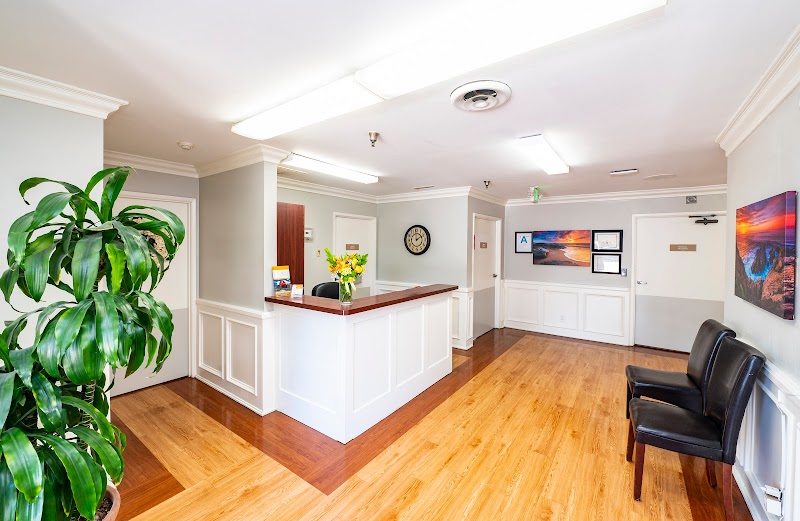
How is Sunset Manor Conv Hosp Staffed?

CMS rates SUNSET MANOR CONV HOSP's staffing level at 3 out of 5 stars, which is average compared to other nursing homes. Staff turnover is 44%, compared to the California average of 46%. This relatively stable workforce can support continuity of care.

What Have Inspectors Found at Sunset Manor Conv Hosp?

State health inspectors documented 55 deficiencies at SUNSET MANOR CONV HOSP during 2021 to 2025. These included: 1 that caused actual resident harm, 49 with potential for harm, and 5 minor or isolated issues. Deficiencies causing actual harm indicate documented cases where residents experienced negative health consequences.
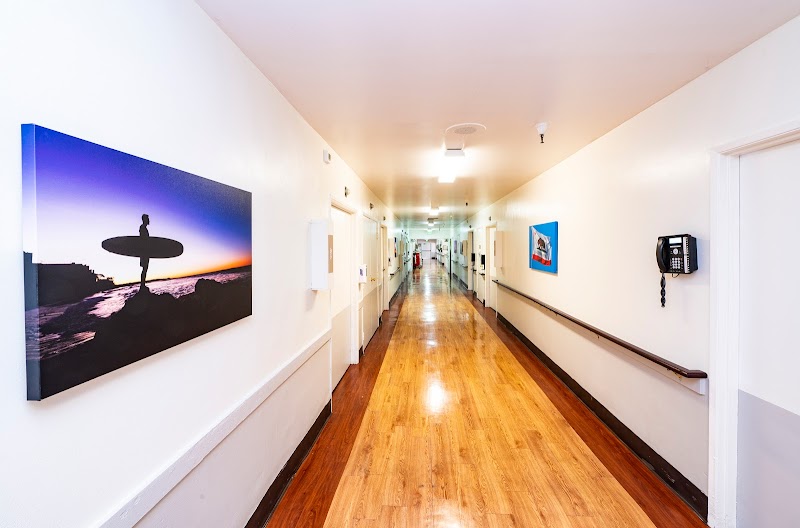
Who Owns and Operates Sunset Manor Conv Hosp?

SUNSET MANOR CONV HOSP is owned by a for-profit company. For-profit facilities operate as businesses with obligations to shareholders or private owners. The facility is operated by DAVID & FRANK JOHNSON, a chain that manages multiple nursing homes. With 81 certified beds and approximately 62 residents (about 77% occupancy), it is a smaller facility located in EL MONTE, California.
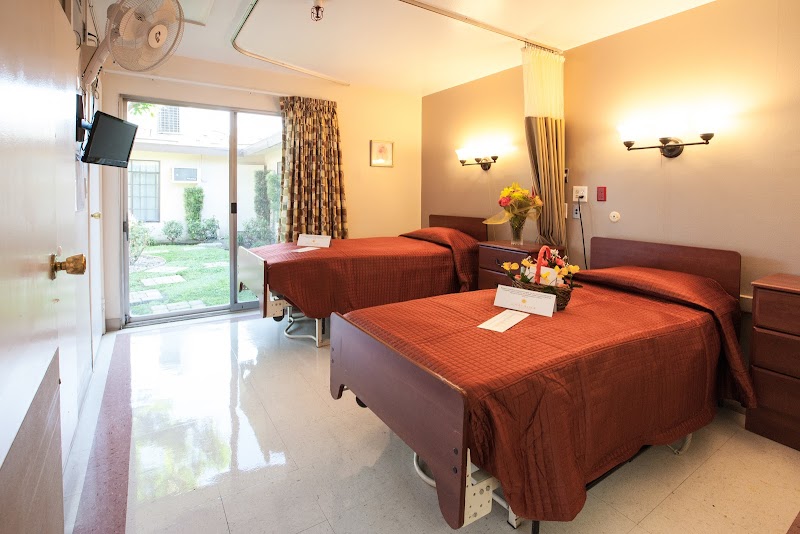
How Does Sunset Manor Conv Hosp Compare to Other California Nursing Homes?

Compared to the 100 nursing homes in California, SUNSET MANOR CONV HOSP's overall rating (4 stars) is above the state average of 3.2, staff turnover (44%) is near the state average of 46%, and health inspection rating (3 stars) is at the national benchmark.

What Should Families Ask When Visiting Sunset Manor Conv Hosp?

Based on this facility's data, families visiting should ask: "Can I visit during a mealtime to observe dining assistance and food quality?" "How do you handle medical emergencies, and what is your hospital transfer rate?" "Can I speak with family members of current residents about their experience?"

Is Sunset Manor Conv Hosp Safe?

Based on CMS inspection data, SUNSET MANOR CONV HOSP has a clean safety record: no substantiated abuse findings (meaning no confirmed cases of resident harm), no Immediate Jeopardy citations (the most serious violation level indicating risk of serious injury or death), and is not on the Special Focus Facility watch list (a federal program monitoring the lowest-performing 1% of nursing homes). The facility has a 4-star overall rating and ranks #1 of 100 nursing homes in California. While no facility is perfect, families should still ask about staff-to-resident ratios and recent inspection results during their visit.

Do Nurses at Sunset Manor Conv Hosp Stick Around?

SUNSET MANOR CONV HOSP has a staff turnover rate of 44%, which is about average for California nursing homes (state average: 46%). Moderate turnover is common in nursing homes, but families should still ask about staff tenure and how the facility maintains care continuity when employees leave.

Was Sunset Manor Conv Hosp Ever Fined?

SUNSET MANOR CONV HOSP has no federal fines on record. CMS issues fines when nursing homes fail to meet care standards or don't correct problems found during inspections. The absence of fines suggests the facility has either maintained compliance or corrected any issues before penalties were assessed. This is a positive indicator, though families should still review recent inspection reports for the full picture.

Is Sunset Manor Conv Hosp on Any Federal Watch List?

SUNSET MANOR CONV HOSP is not on any federal watch list. The most significant is the Special Focus Facility (SFF) program, which identifies the bottom 1% of nursing homes nationally based on persistent, serious quality problems. Not being on this list means the facility has avoided the pattern of deficiencies that triggers enhanced federal oversight. This is a positive indicator, though families should still review the facility's inspection history directly.