THE GARDENS OF EL MONTE
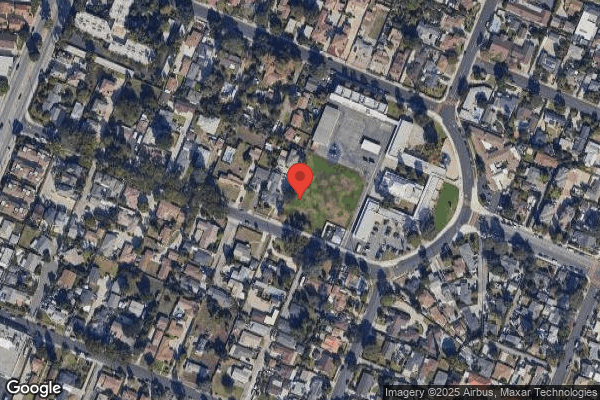
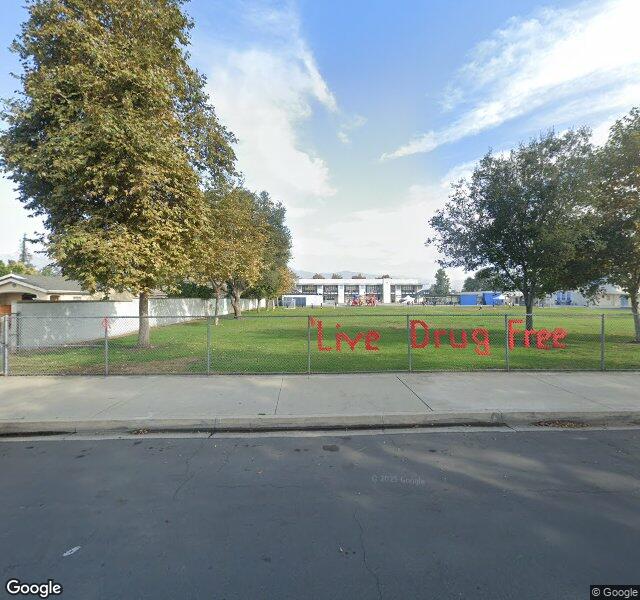
5044 BUFFINGTON RD, EL MONTE, CA 91732 (626) 443-1351
For profit - Individual 53 Beds THE MANDELBAUM FAMILY Data: November 2025
Trust Grade
55/100
#695 of 1155 in CA
Last Inspection: March 2025

Within standard 12-15 month inspection cycle. Federal law requires annual inspections.

Overview

The Gardens of El Monte has a Trust Grade of C, which means it is average-neither exceptional nor terrible. In California, it ranks #695 out of 1,155 facilities, placing it in the bottom half, and #144 out of 369 in Los Angeles County, indicating there are better options nearby. The facility is on an improving trend, with issues decreasing from 23 in 2024 to 12 in 2025. However, staffing is a concern with a rating of 2 out of 5 stars and a high turnover rate of 54%, which is above the state average. On the positive side, there have been no fines recorded, which is a good sign, but the facility has less RN coverage than 76% of California facilities, raising potential risks for residents. Recent inspector findings included a serious issue where a resident did not receive adequate hydration as required by their care plan, and there were concerns about incomplete documentation affecting care for another resident. Additionally, there was a failure to promptly assess and notify a physician about a resident's sudden health decline, which could have delayed needed treatments. Overall, while there are strengths in some areas, the facility has notable weaknesses that families should carefully consider.

Trust Score
C
55/100
In California
#695/1155
Bottom 40%
Safety Record
Moderate
Needs review
Inspections
Getting Better
23 → 12 violations
Staff Stability
⚠ Watch
54% turnover. Above average. Higher turnover means staff may not know residents' routines.
Penalties
✓ Good
No fines on record. Clean compliance history, better than most California facilities.
Skilled Nurses
⚠ Watch
Each resident gets only 22 minutes of Registered Nurse (RN) attention daily — below average for California. Fewer RN minutes means fewer trained eyes watching for problems.
Violations
⚠ Watch
55 deficiencies on record. Higher than average. Multiple issues found across inspections.
★★★☆☆
3.0
Overall Rating
★★☆☆☆
2.0
Staff Levels
★★★★☆
4.0
Care Quality
★★★☆☆
3.0
Inspection Score
Stable
2024: 23 issues
2025: 12 issues

The Good

  • 4-Star Quality Measures · Strong clinical quality outcomes
  • Full Sprinkler Coverage · Fire safety systems throughout facility
  • No fines on record

Facility shows strength in quality measures, fire safety.

The Bad

3-Star Overall Rating

Near California average (3.1)

Meets federal standards, typical of most facilities

Staff Turnover: 54%

Near California avg (46%)

Higher turnover may affect care consistency

Chain: THE MANDELBAUM FAMILY

Part of a multi-facility chain

Ask about local staffing decisions and management

The Ugly 55 deficiencies on record

1 actual harm
Mar 2025 12 deficiencies
CONCERN (D)

Potential for Harm - no one hurt, but risky conditions existed

Deficiency F0558 (Tag F0558)

Could have caused harm · This affected 1 resident

**NOTE- TERMS IN BRACKETS HAVE BEEN EDITED TO PROTECT CONFIDENTIALITY** Based on observation, interview, and record review, the facility failed to ensure the call light was within reach for one of one...

Read full inspector narrative →
**NOTE- TERMS IN BRACKETS HAVE BEEN EDITED TO PROTECT CONFIDENTIALITY** Based on observation, interview, and record review, the facility failed to ensure the call light was within reach for one of one sampled resident (Resident 4) in accordance with the facility's policy and procedure titled Call Lights. This failure had the potential for Resident 4 not to receive care or receive delayed services to meet the resident's needs and could result in a fall or injury. Findings: During a review of Resident 4's admission Record (AR), the AR indicated Resident 4 was admitted to the facility on [DATE] with diagnoses that included paraplegia (impairment in motor or sensory function of the lower extremities) and dysphagia (difficulty in swallowing). During a review of Resident 4's Minimum Data Set (MDS - a federally mandated resident assessment tool) dated 1/15/2025, the MDS indicated Resident 4 had severely impaired cognition (mental action or process of acquiring knowledge and understanding) for daily decision making. The MDS indicated Resident 4 was dependent (helper does all of the effort) to staff for toileting hygiene, shower, lower body dressing, putting on/off footwear and personal hygiene. During a review of Resident 4's Fall Risk Evaluation (FRE- method of assessing a patient's likelihood of falling) dated 2/11/2025, the FRE indicated Resident 4 was assessed as high risk for fall due to being disoriented, incontinent (involuntary loss of bladder or bowel control) and presence of predisposing disease condition. During a review of Resident 4 untitled Care Plan (CP) dated 2/11/2025, the CP indicated Resident 4 needed assistance for activities of daily living (ADL). The CP interventions indicated for nursing staff to have Resident 4's call light within reach and answer promptly. During a concurrent observation in Resident 4's room and interview on 3/14/2025 at 6:27 pm, Resident 4 was awake, lying in bed . Resident 4's call light was hanging on the top of the head of the bed. Resident 4 stated, I could not reach my call button. During a concurrent observation in Resident 4's room and interview on 3/14/2025 at 6:29 pm, with Licensed Vocational Nurse 2 (LVN 2), LVN 2 stated Resident 4's call light was hanging on the top of the bed board and Resident 4 was unable to reach the call light. The LVN 2 stated Resident 4 could not lift her arm to get the call light on the top of the bed. LVN 2 stated Resident 4's call light needed to be within reach at all times for Resident 4 to use to call for assistance or help from the staff. During an interview on 3/16/2025 at 9:33 am with the facility's Director of Nursing (DON), the DON stated resident's call light needed to be within reach at all times for residents to activate to call for assistance from staff to prevent fall and to maintain resident's safety. During a review of the facility's Policy and Procedure (P&P) titled, Call Lights, dated 1/2017, the P&P indicated when the resident is in bed or in the wheelchair or chair in the room, staff should make sure that the call light is within easy reach of the resident.
CONCERN (D)

Potential for Harm - no one hurt, but risky conditions existed

Assessment Accuracy (Tag F0641)

Could have caused harm · This affected 1 resident

**NOTE- TERMS IN BRACKETS HAVE BEEN EDITED TO PROTECT CONFIDENTIALITY** Based on interview and record review, the facility failed to ensure the resident's Minimum Data Sheet (MDS, a resident assessmen...

Read full inspector narrative →
**NOTE- TERMS IN BRACKETS HAVE BEEN EDITED TO PROTECT CONFIDENTIALITY** Based on interview and record review, the facility failed to ensure the resident's Minimum Data Sheet (MDS, a resident assessment tool) was accurately coded to reflect the resident's discharge destination for one of one sampled resident (Resident 51). This failure resulted to inaccurate reporting to the Centers for Medicare & Medicaid (CMS, a federal agency that administers the Medicare program and works with state governments to administer the Medicaid and health insurance portability standards) agency and had the potential for Resident 51 not to receive interventions to address specific care concerns. Findings: During a review of Resident 51's admission Records (AR), the AR indicated Resident 51 was admitted to the facility on [DATE] with diagnoses that included cellulitis (skin infection) of right lower limb, seizures (a sudden, uncontrolled electrical disturbance in the brain which can cause uncontrolled jerking, blank stares, and loss of consciousness) and anemia (a condition where the body does not have enough healthy red blood cells). During a review of Resident 51's Physician Order (PO) dated 2/24/2025, the PO indicated Resident 51 had an order to discharge home with home health care (refers to medical and supportive services provided to individuals in their homes to manage their health conditions) services. During a review of Resident 51's Post Discharge Plan of Care (PDPOC) dated 2/25/2025, the PDPOC indicated Resident 51 was discharged to home. During a review of Resident 51's MDS dated [DATE], the MDS indicated Resident 51 was discharged to short-term general hospital (acute hospital). During a concurrent interview and record review on 3/15/2025 at 3:22 pm with the MDS Coordinator (MDS C), Resident 51's MDS was reviewed. The MDS C stated, Resident 51 was discharged to home on 2/25/2025. MDS C stated Resident 51 was not discharged to the acute hospital. The MDS C stated, Resident 51's MDS should be coded accurately for the resident to receive continuity of care at home. During an interview on 3/16/2025 at 9:22 am with the Director of Nursing (DON), the DON stated accurate assessment and coding were important for accurate reporting to CMS. The DON stated accurate assessment reflected the overall condition of the resident and the kind of care the resident needed upon discharge. During the review of the facility's Policy and Procedure (P&P) titled, Resident Assessment Instrument (RAI) Process, revised 4/2017, the P&P indicated, The facility will utilize the RAI process for the accurate assessment of each resident's functional capacity and health status. Each Care Area Assessment (CAA) will be completed by the responsible individual as designated.
CONCERN (D)

Potential for Harm - no one hurt, but risky conditions existed

Deficiency F0658 (Tag F0658)

Could have caused harm · This affected 1 resident

**NOTE- TERMS IN BRACKETS HAVE BEEN EDITED TO PROTECT CONFIDENTIALITY** Based on observation, interview, and record review, the facility failed to ensure medications were administered before medicatio...

Read full inspector narrative →
**NOTE- TERMS IN BRACKETS HAVE BEEN EDITED TO PROTECT CONFIDENTIALITY** Based on observation, interview, and record review, the facility failed to ensure medications were administered before medications were documented as given in the Electronic Medication Administration Record (EMAR, a digital system used to track and document medication administration) consistent with the facility's Policy and Procedure (P&P) on medication administration for one of one sampled resident (Resident 38). This failure had the potential for missed medication or medication error for Resident 38. Findings: During a review of Resident 38's admission Record (AR), the AR indicated Resident 38 was initially admitted to the facility on [DATE] and readmitted on [DATE] with diagnoses that included gastrostomy (a surgical opening fitted with a device to allow feedings to be administered directly to the stomach), dysphagia (difficulty swallowing), and acute respiratory failure (inability of the lungs to adequately exchange gases in the blood). During a review of Resident 38's Minimum Data Sheet (MDS, a resident assessment tool), dated 1/31/2025, the MDS indicated Resident 38 had severely impaired cognition (ability to understand and process information). The MDS indicated Resident 38 was dependent (helper did all the effort, resident did none of the effort to complete the activity) with oral and personal hygiene, shower, upper and lower body dressing and personal hygiene. During a concurrent medication pass observation and record review on 3/15/2025 at 8:38 am with Registered Nurse Supervisor 1 (RN 1), Resident 38's EMAR dated 3/15/2025 was reviewed. RN 1 could not unclog Resident 38's gastrostomy tube and could not administer Resident 38's medications for 9:00 am. Resident 38's EMAR indicated RN 1 marked ten medications for 9:00 am as given and administered. During an interview on 3/15/2025 at 8:54 am with RN 1, RN 1 stated medications should be signed out (documented) in the EMAR after its administration and not before they were administered, to prevent missing doses and medication errors. During an interview on 3/16/2025 at 9:22 am with the facility's Director of Nursing (DON), the DON stated all medications should be signed out as given in EMAR only after its administration for the safety of the resident to ensure right medications were given to the right resident. During a review of the facility's P&P titled, Medication Administration, revised 5/2019, the P&P indicated, It is the policy of the facility that medications for residents be administered in a safe and timely manner, and as prescribed. The licensed nurse administering the medication must initial the MAR for the resident on the appropriate line after giving the medication.
CONCERN (D)

Potential for Harm - no one hurt, but risky conditions existed

Tube Feeding (Tag F0693)

Could have caused harm · This affected 1 resident

**NOTE- TERMS IN BRACKETS HAVE BEEN EDITED TO PROTECT CONFIDENTIALITY** Based on observation, interview, and record review, the facility failed to ensure one of one sampled resident (Resident 4) who h...

Read full inspector narrative →
**NOTE- TERMS IN BRACKETS HAVE BEEN EDITED TO PROTECT CONFIDENTIALITY** Based on observation, interview, and record review, the facility failed to ensure one of one sampled resident (Resident 4) who had gastrostomy tube (GT- a tube inserted through the abdomen that delivers nutrition directly to the stomach) received necessary treatment and services as indicated in the facility's policy and procedure (P&P) titled Enteral Feedings. This deficient practice had the potential to result in weight loss for Resident 4 and altered nutritional status that could lead to complications. Findings: During a review of Resident 4's admission Record (AR), the AR indicated Resident 4 was admitted to the facility on [DATE] with diagnoses that included paraplegia (impairment in motor or sensory function of the lower extremities) and dysphagia (difficulty in swallowing) During a review of Resident 4's Minimum Data Set (MDS - a federally mandated resident assessment tool) dated 1/15/2025, the MDS indicated Resident 4 had severely impaired cognition (mental action or process of acquiring knowledge and understanding) for daily decision making. The MDS indicated Resident 4 was dependent (helper does all of the effort) to staff for toileting hygiene, shower, lower body dressing, putting on/off footwear and personal hygiene. During a review of Resident 4's Order Summary Report (OSR) dated 2/5/2025, the OSR indicated for licensed staff to administer Glucerna 1.2 (formula) to run via enteral pump machine (EPM) at 90 millimeter (ml, unit of measurement) per hour (cc/hr) for 20 hours, to provide 1,800 ml per 2,160 kilo calories (kcal, unit of energy) to start at 12 noon and until 8am or until dose limit was reached. During a concurrent observation and interview on 3/14/2025 at 6:27 pm, Resident 4 was awake, lying in bed. The GT feeding bottle was unlabeled and the EPM was turned off. Licensed Vocational Nurse 2 (LVN 2) stated, Resident 4's GT feeding bottle was unlabeled and should have been labeled with Resident 4's name, date and time the feeding was started and the rate of the feeding. LVN 2 stated, the EPM was not turned on. During an interview on 3/14/2025 at 7:55 pm, LVN 2 stated, I hanged the feeding and did not turn on the machine until 5 pm. LVN 2 stated, the feeding for Resident 4 needed to be continuously administered at 5pm to prevent dehydration and electrolyte imbalance. During an interview on 3/16/2025 at 9:30 am with the facility's Director of Nursing (DON), the DON stated, the GT bottle formula needed to be labeled with residents name, date and time when the feeding formula was hanged and the licensed nurse's signature to determine when to change the feeding and if the feeding formula was the correct feeding that was ordered for the resident, as ordered by the physician. During a review of the facility's undated P&P titled, Enteral Feedings, the P&P indicated to prevent errors in administration, on the formula label document initials, date and time the formula was hung, and initial that the label was checked against the order.
CONCERN (D)

Potential for Harm - no one hurt, but risky conditions existed

Medical Records (Tag F0842)

Could have caused harm · This affected 1 resident

**NOTE- TERMS IN BRACKETS HAVE BEEN EDITED TO PROTECT CONFIDENTIALITY** b. During a review of Resident 42's AR, the AR indicated Resident 42 was admitted to the facility on [DATE] with diagnoses that ...

Read full inspector narrative →
**NOTE- TERMS IN BRACKETS HAVE BEEN EDITED TO PROTECT CONFIDENTIALITY** b. During a review of Resident 42's AR, the AR indicated Resident 42 was admitted to the facility on [DATE] with diagnoses that included pneumonia (infection that inflames the lung) and type 2 DM. During a review of Resident 42's MDS dated [DATE], the MDS indicated Resident 42 had severely impaired cognition (mental action or process of acquiring knowledge and understanding) for daily decision making. The MDS indicated Resident 42 was dependent (helper does all of the effort) to staff for toileting hygiene, shower, upper and lower body dressing, putting on/taking off footwear and personal hygiene. During a review of Resident 42's OSR dated 3/8/2025, the OSR indicated an order for licensed staff to perform Accu-Chek (blood glucose[sugar] monitoring system) one time a day for DM. During a review of Resident 42's MAR for the month of March 2025, the MAR indicated Resident 42's blood glucose level was not checked or monitored on 3/13/2025 as ordered. There was no licensed nurse's initial on the MAR to indicate the blood glucose monitoring was performed for Resident 42 on 3/13/2025. During an observation on 3/14/2025 at 6:33 pm in Resident 42's room, Resident 42 was awake lying in bed. During a concurrent observation and interview on 3/15/2025 at 5:04 pm with Registered Nurse 2 (RN 2), RN 2 stated Resident 42's MAR on 3/13/2025 was not signed for blood glucose monitoring. RN 2 stated, RN2 did not know why the MAR was not signed by the licensed nurse on 3/13/2025. RN 2 stated, Resident 42's MAR needed to be signed by a licensed nurse after checking the resident's the blood glucose level or the reason why the resident was not checked for blood glucose level. Based on interview and record review, for two of two sampled residents (Residents 37 and 42), the facility failed to: a. Ensure Hydralazine (medication for high blood pressure) was documented in the facility's Medication Administration Record (MAR, used to document medications taken by each individual) on 3/13/2025 at 6am as given and the physician's order for Blood Glucose (BG, blood sugar level) monitoring was documented in the facility's MAR on 3/13/2025 at 6:30 am as given for Resident 37. b. Ensure Resident 42's blood glucose level was checked or monitored on 3/13/2025 as ordered and documented in the MAR. These failures had the potential for missing medication dose or overdose and had the potential risk for medication error for Residents 37 and 42. Findings: a. During a review of Resident 37's admission Record (AR), the AR indicated Resident 37 was admitted on [DATE], with diagnoses that included Diabetes Mellitus (DM, a disorder characterized by difficulty in blood sugar control) and hypertension (high blood pressure). During a review of Resident 37's Minimum Data Set (MDS, a resident assessment tool) dated 12/25/2024, the MDS indicated Resident 37 had clear speech, had ability to understand others and made self-understood. The MDS indicated Resident 37 was independent (resident completes the activity by themselves with no assistance from a helper) for personal hygiene and chair/bed-to chair transfer. During a review of Resident 37's MAR for 3/2025, the MAR indicated BG monitoring on 3/13/2025 at 6:30 am was not signed off as performed, and Hydralazine at 6 am was not signed off as given. During a review of Resident 37's Order Summary Report (OSR) dated 3/15/2025, the OSR indicated Resident 37 was prescribed Blood Glucose Monitoring three times a day (ordered 9/23/2024) and Hydralazine 50 mg (milligram) by mouth every eight hours for hypertension (ordered 11/29/2024). During an interview on 3/15/2025 at 11:36 am with the Director of Staff Development (DSD), the DSD stated, licensed staff should sign on the MAR immediately after performing BG monitoring and administering medications. The DSD stated, medication administration professional standard was to check the physician's order, dispense medication and sign. The DSD stated this was to prevent resident missing dose or overdose and for resident safety. During an interview on 3/15/2025 at 4:23 pm with the Director of Nursing (DON), the DON stated, licensed nurses should sign off the MAR right after completing BG check or medication administration and should not leave the MAR unsigned. The DON stated, if for any reason the licensed nurse was not able to complete the physician's order, the nurse should document the reason in the resident's MAR or medical record. The DON stated this was to prevent miss any dose, overdose and medication error and for resident's safety. During a review of the facility's Policy and Procedure (P&P) titled Medication Administration-General Guidelines, dated10/2024, the P&P indicated the individual who administers the medication dose records the administration on the resident's MAR directly after the medication is given. At the end of each medication pass, the person administering the medications reviews the MAR to ensure necessary doses were administered and documented. In no case should the individual who administered the medication report off-duty without first recording the administration of any medications.
CONCERN (E)

Potential for Harm - no one hurt, but risky conditions existed

Deficiency F0578 (Tag F0578)

Could have caused harm · This affected multiple residents

**NOTE- TERMS IN BRACKETS HAVE BEEN EDITED TO PROTECT CONFIDENTIALITY** b. During a review of Resident 42's AR, the AR indicated Resident 42 was admitted to the facility on [DATE] with diagnoses that ...

Read full inspector narrative →
**NOTE- TERMS IN BRACKETS HAVE BEEN EDITED TO PROTECT CONFIDENTIALITY** b. During a review of Resident 42's AR, the AR indicated Resident 42 was admitted to the facility on [DATE] with diagnoses that included pneumonia (infection that inflames the lung) and type 2 DM. During a review of Resident 42's MDS dated [DATE], the MDS indicated Resident 42 had severely impaired cognition for daily decision making. The MDS indicated Resident 42 was dependent (helper does all of the effort) to staff for toileting hygiene, shower, upper and lower body dressing, putting on/taking off footwear and personal hygiene. During a review of Resident 42's AD Acknowledgement Form dated 12/6/2024, Resident 42's AD Acknowledgment Form was not filled out completely. During an interview with the Social Worker (SW), and concurrent record review of Resident 42's AD Acknowledgement Form on 3/15/2025 at 4:25 pm, the SW stated, the AD Acknowledgement Form was not filled out completely. The SW stated, the AD Form needed to be filled out completely if Resident 42 had an existing AD or RP wanted to execute AD or not. The SW stated, the AD Acknowledgement Form needed to be filled out accurately because it indicated the resident's medical wants and wishes. During an interview on 3/16/2025 at 9:08 am with the facility's Director of Nursing (DON), the DON stated, the AD Acknowledgement Form needed to be discussed by the SW with the RP and/or resident and completely filled out upon admission. The DON stated, the AD Acknowledgement Form needed to be filled out accurately and completely because in cases of emergency, it was the residents right for the facility staff to follow the resident's medical preference, wants and wishes. During a review of the facility's P&P titled Advance Directives dated 4/2017, the P&P indicated prior to, or upon admission, resident's will be provided with written information concerning the resident's right under State law to accept or refuse medical or surgical treatment and the resident's right to prepare an advance directive. The P&P indicated the resident or their responsible party will be asked if the resident has completed an advance directive and to provide a copy of the documents for the residents clinical record. Based on interview and record review, the facility failed to implement its Policy and Procedure (P&P) on Advance Directive (AD, a legal document indicating resident preference on end-of-life treatment decisions) for two of two sampled residents (Residents 42 and 49) by failing to: a. Complete the AD Acknowledgement Form on admission for Resident 49, b. Accurately fill out the information regarding AD for Resident 42. These failures had the potential for the facility staff to provide treatment and services against the will of the residents. Findings: a. During a review of Resident 49's admission Record (AR), the AR indicated Resident 49 was initially admitted to the facility on [DATE] and readmitted on [DATE] with diagnoses that included diabetes mellitus (DM, a disorder characterized by difficulty in blood sugar control), anxiety (intense, excessive, and persistent worry and fear), and schizophrenia (a mental illness that is characterized by disturbances in thought). During a review of Resident 49.s Minimum Data Sheet (MDS, a resident assessment tool) dated 2/14/2025, the MDS indicated Resident 49 had intact cognition (ability to understand and process information). The MDS indicated Resident 49 required supervision or touching assistance (helper provides verbal cues and/or touching/steadying and/or contact guard assistance as resident completes activity) with eating, oral hygiene and personal hygiene and partial/moderate assistance (helper did less than half the effort) with toileting, shower, upper and lower body dressing. During a concurrent interview and record review on 3/15/2025 at 11:31 am with the Social Services Director (SSD), Resident 49's Physician Orders for Life-Sustaining Treatment (POLST, a form that contains written medical orders for healthcare professionals regarding specific medical treatments that can or cannot be done at the end-of-life), dated 2/10/2025 was reviewed. The SSD stated, Resident 49's POLST indicated Resident 49 did not have an AD and AD acknowledgement form was not completed upon admission. The SSD stated, the AD acknowledgment form should be done on admission to indicate that the resident was given information on his rights to refuse or accept treatment and how to formulate an AD. During an interview on 3/16/2025 at 9:22 am with the facility's Director of Nursing (DON), the DON stated, all residents should have an AD Acknowledgement Form completed upon admission to help the facility staff identify the resident's preferences for care while in the facility. During a review of the facility's P&P titled, Advance Directives, revised 4/2017, the P&P indicated, Prior to, or upon admission, resident's will be provided with written information concerning the resident's right under State law to accept or refuse medical or surgical treatment and the resident's right to prepare an advance directive.
CONCERN (E)

Potential for Harm - no one hurt, but risky conditions existed

Quality of Care (Tag F0684)

Could have caused harm · This affected multiple residents

**NOTE- TERMS IN BRACKETS HAVE BEEN EDITED TO PROTECT CONFIDENTIALITY** Based on interview and record review, the facility licensed staff failed to perform a thorough assessment and to immediately not...

Read full inspector narrative →
**NOTE- TERMS IN BRACKETS HAVE BEEN EDITED TO PROTECT CONFIDENTIALITY** Based on interview and record review, the facility licensed staff failed to perform a thorough assessment and to immediately notify the physician of a resident's sudden change of condition (COC) for one of one sampled resident (Resident 53). This failure had the potential to result in delayed treatments and services for the resident resulting in a decline of health condition. Findings: During a closed medical record review of Resident 53's admission Record (AR), the AR indicated Resident 53 was readmitted to the facility on [DATE] with diagnoses that included Chronic Obstructive Pulmonary Disease (COPD, a group of lung diseases that cause airflow obstruction and breathing problems) and Diabetes Mellitus (DM, a disorder characterized by difficulty in blood sugar control). During a review of Resident 53's Minimum Data Set (MDS, a resident assessment tool) dated [DATE], the MDS indicated Resident 53 was admitted to the facility from an acute care hospital on [DATE]. During a review of the facility's Comprehensive Resident Assessment (CRA) dated [DATE], the CRA indicated Resident 53 had clear speech and was alert and oriented to time, place and person. Resident 53 required one person assistance for transfer, ambulation and was able to bear full body weight. During an interview on [DATE] at 5:18 pm, with Registered Nurse Supervisor 1 (RN 1), and a concurrent review of the facility's Nurses Notes (NN) dated [DATE], the NN indicated Resident 53 experienced heavy breathing, and the face color turned purple on [DATE] at 11:10 am. RN 1 provided breathing treatment at 11:10 am and Resident 53 was found unresponsive at 11:30 am in Resident 53's room. Cardiopulmonary Resuscitation (CPR, an emergency treatment that is done when someone's breathing or heartbeat has stopped) was performed and 911( emergency service) was called at 11:30 am. Paramedics (a person trained to give emergency medical care to people who are injured or ill, typically in a setting outside of a hospital) arrived at the facility at 11:35 am and Resident 53 was pronounced dead by paramedics at 11:50 am. The NN indicated there was no vital signs (VS, measurable physiological parameters that indicate the body's essential functions including blood pressure, heartrate, breathing rate and blood oxygen level) documented for Resident 53. RN 1 stated, RN 1 did not check Resident 53's VS at the time RN 1 found Resident 53 had a COC at 11:10 am and RN1 did not notify the physician immediately. RN 1 stated, RN 1 should have taken Resident 53's VS when Resident 53's was found with a COC to establish a baseline health condition of the resident. RN 1 stated, RN 1 should have called Resident 53's physician as soon as possible when Resident 53 had a sudden COC to provide immediate treatment to Resident 53 and to prevent further decline of Resident 53's health condition. During an interview on [DATE] at 10:43 am with the facility's Director of Nursing (DON), the DON stated RN 1 should have checked the resident's VS right away when Resident 53 had a COC on [DATE] at 11:10 am to determine Resident 53's health condition. The DON stated RN 1 should have reported to the physician Resident 53's COC which included difficulty breathing and change of face color to purple so that the physician could decide proper treatment to Resident 53. The DON stated, early treatment and care could have prevented Resident 53's decline of health condition. During a review of the facility's Policy and Procedure titled Change of Condition, dated 3/2021, the P&P indicated It is the policy of this facility that any changes in a resident's condition be thoroughly assessed and evaluated with physician notification for early clinical management .the licensed nurse is to thoroughly assess the change in the resident's condition and notify the resident's attending physician. A thorough assessment will include all important information related to the resident such as onset of current symptoms, vital signs, oxygen saturation (blood oxygen level) if there is a respiratory problem .
CONCERN (E)

Potential for Harm - no one hurt, but risky conditions existed

Respiratory Care (Tag F0695)

Could have caused harm · This affected multiple residents

**NOTE- TERMS IN BRACKETS HAVE BEEN EDITED TO PROTECT CONFIDENTIALITY** d. During a review of Resident 24's AR, the AR indicated Resident 24 was readmitted to the facility on [DATE] with diagnoses tha...

Read full inspector narrative →
**NOTE- TERMS IN BRACKETS HAVE BEEN EDITED TO PROTECT CONFIDENTIALITY** d. During a review of Resident 24's AR, the AR indicated Resident 24 was readmitted to the facility on [DATE] with diagnoses that included Chronic Obstructive Pulmonary Disease (COPD, a group of lung diseases that cause airflow obstruction and breathing problems) and dysphagia (difficulty swallowing). During a review of Resident 24's MDS dated [DATE], the MDS indicated Resident 24 had unclear speech, rarely/never understood others and made self-understood. The MDS indicated Resident 24 was dependent for personal hygiene and rolling left and right. During an observation on 3/14/2025 at 7:09 pm, Resident 24 was lying in bed with eyes open. Resident 24 was receiving oxygen via NC at 2 liters per minute. During a concurrent interview and record review of Resident 24's physician order (PO), there was no order for oxygen therapy for Resident 24. Licensed Vocational Nurse 3 (LVN 3) stated there was no physician's order for oxygen therapy for Resident 24. LVN 3 stated, staff should obtain a physician's order before administering oxygen to residents. During an interview on 3/15/2025 at 4:18 pm with the facility's Director of Nursing (DON), the DON stated, the facility should obtain an order for administration of oxygen to the resident to ensure providing oxygen was appropriate to meet the resident's need. The DON stated procedure was a professional standard and the facility's policy to check the physician's order before giving oxygen to the resident. During a review of the facility's P&P titled Oxygen Administration dated 3/2017, the P&P indicated verify that there is a physician's order for oxygen administration. Based on observation, interview, and record review, the facility failed to provide necessary care and services for residents on oxygen therapy (treatment that provides supplemental, or extra oxygen) in accordance with professional standards of practice for four of four sampled residents (Residents 17, 30, 42 and 24) by failing to: a. Ensure Resident 17 received continuous oxygen therapy as ordered by the physician. Resident 17's nasal cannula (NC, tube which on one end splits into two prongs which are placed in the nostrils to deliver oxygen) was left hanging on top of the oxygen concentrator. Resident 17 did not have a care plan developed on the use of oxygen therapy. b. Ensure to label the NC tubing for Resident 30. c. Ensure Resident 42's oxygen tubing was not touching the floor and the nasal cannula prongs were inside the resident's nostrils. d. Obtain a physician's order before providing oxygen treatment for Resident 24. These failures placed Residents 17, 30, 42, and 24 at risk for complications related to use of oxygen, shortness of breath and/or hypoxia (low levels of oxygen in the body tissues) and the risk of infections which could lead to respiratory complications. Findings: a. During a review of Resident 17's admission Record (AR), the AR indicated Resident 17 was initially admitted to the facility on [DATE] and readmitted on [DATE] with diagnoses that included myocardial infarction (heart attack), respiratory failure (inability of the lungs to adequately exchange gases in the blood) and heart failure (a chronic condition in which the heart doesn't pump enough blood for the body). During a review of Resident 17's Order Summary Report (OSR) dated 12/16/2024, the OSR indicated Resident 17 had an order for continuous oxygen at 2 liters (L) per minute via nasal cannula (NC). During a review of Resident 17's Minimum Data Sheet (MDS, a resident assessment tool) dated 1/24/2025, the MDS indicated Resident 17 had an intact cognition (ability to understand and process information). The MDS indicated Resident 17 required supervision or touching assistance (helper provides verbal cues and/or touching/steadying and/or contact guard assistance as resident completes activity) with eating, partial/moderate assistance (helper did less than half the effort) with oral hygiene, substantial/maximal assistance (helper did more than half the effort to complete the activity) with shower, upper body dressing, and personal hygiene and dependent (helper did all of the effort, resident did none of the effort to complete the activity) with toileting and lower body dressing. During a concurrent observation and interview on 3/14/2025 at 6:28 pm with Certified Nurse Assistant 1 (CNA 1) inside Resident 17's room, Resident 17 was sitting in a wheelchair. CNA 1 stated Resident 17 was not on oxygen. CNA 1 stated Resident 17's oxygen tubing was hanging on top of the oxygen concentrator machine. During a concurrent interview and record review on 3/15/2025 at 10:57 am with Licensed Vocational Nurse 1 (LVN 1), Resident 17's medical records (chart) and PointClickCare (PCC, a cloud-based software) were reviewed. LVN 1 stated, Resident 17 had an order for continuous oxygen. LVN 1 stated there was no care plan developed for Resident 17 for the use of oxygen. LVN 1 stated oxygen tubing when not in use should be placed inside a transparent bag to prevent contamination and transmission of infection. LVN 1 stated Resident 17 should always be on oxygen as ordered to prevent desaturation (decrease in blood oxygen levels). LVN 1 stated Resident 17's use of oxygen should have a care plan developed with interventions specific for the resident. During an interview on 3/16/2025 at 9:22 am with the facility's Director of Nursing (DON), the DON stated, residents with order for continuous oxygen should be on oxygen all the time to prevent shortness of breath and desaturation. The DON stated oxygen tubing should be placed in a transparent bag with the resident's name to prevent falling on the floor and getting exchanged with the roommate's medical supply. The DON stated oxygen usage needed a care plan developed for the staff to provide consistent care, treatment and services specific for the resident. During a review of the facility's Policy & Procedure (P&P) titled, Oxygen Administration, revised 3/2017, the P&P indicated, Verify that there is a physician's order for oxygen administration. Review the resident's care plan for any special needs of the resident. b. During a review of Resident 30's AR, the AR indicated Resident 30 was initially admitted to the facility on [DATE] and readmitted on [DATE] with diagnoses that included acute respiratory failure with hypoxia (a condition in which there was a decrease in the oxygen supply to the tissue), asthma (a condition in which a person's airways become inflamed, narrow, and swell) and chronic pulmonary edema (a condition characterized by a gradual buildup of fluid in the lungs). During a review of Resident 30's MDS dated [DATE], the MDS indicated Resident 30 had moderately impaired cognition. The MDS indicated Resident 30 required supervision or touching assistance with eating and oral hygiene, partial/moderate assistance with personal hygiene and substantial/maximal assistance with toileting hygiene. During a review of Resident 30's untitled Care Plan (CP) dated 3/11/2025, the CP indicated Resident 30 had the potential for alteration in breathing process secondary to acute respiratory failure and asthma. The CP interventions included to provide oxygen therapy as ordered. During a review of Resident 30's OSR dated 3/13/2025, the OSR indicated Resident 30 had an order for continuous oxygen at 2 liters (L) per minute via NC may titrate (adjust) up to 5 L/min to keep oxygen saturation (is a measure of how much oxygen the blood is carrying as a percentage of the maximum it could carry) above 92 percent (%) every shift for Asthma. During a concurrent observation and interview on 3/14/2025 at 6:34 pm with Certified Nurse Assistant 1 (CNA1) inside Resident 30's room, Resident was in bed with oxygen at 3 liters (L, unit of capacity)/min via NC. CNA 1 stated Resident 30's oxygen tubing was not labeled with the date when it was changed. During an interview on 3/15/2025 at 11:00 am with LVN 1, LVN 1 stated oxygen tubing were changed every Monday of the week. LVN 1 stated the oxygen tubing should be labeled with the date for the staff to determine when the last time the oxygen tubing was changed. During an interview on 3/16/2025 at 9:27 am with the facility's Director of Nursing (DON), the DON stated all oxygen tubing were changed weekly and as needed and labeled with the resident's name and date for infection control. During a review of the facility's P&P titled, Oxygen Concentrators, revised 6/2017, the P&P indicated, The facility will use disposable pre-filled humidifiers, tubing and cannulas, as applicable, for residents receiving oxygen. Cannulas should be replaced weekly. c. During a review of Resident 42's AR, the AR indicated Resident 42 was admitted to the facility on [DATE] with diagnoses that included pneumonia (infection that inflames the lung) and type 2 diabetes mellitus (elevated levels of glucose/sugar in the blood). During a review of Resident 42's OSR dated 2/11/2025, the OSR indicated for licensed staff to administer oxygen at 3L/min may titrate up to 5L/min via NC continuously to keep oxygen saturation above 92 % every shift for shortness of breath (SOB). During a review of Resident 42's MDS dated [DATE], the MDS indicated Resident 42 had severely impaired cognition for daily decision making. The MDS indicated, Resident 42 was dependent to staff for toileting hygiene, shower, upper and lower body dressing, putting on/taking off footwear and personal hygiene. During an observation on 3/14/2025 at 6:33 pm, Resident 42 was awake lying in bed with nasal cannula tubing touching the floor. During a concurrent observation and interview on 3/14/2025 at 7:25 pm with Licensed Vocational Nurse 2 (LVN 2), LVN 2 stated Resident 42's nasal cannula should not be touching the floor because the floor was dirty and to prevent cross contamination (the process by which bacteria or other microorganisms are unintentionally transferred from one substance or object to another, with harmful effect). During an observation on 3/15/2025 at 3:34 pm, Resident 42 was asleep, lying in bed, with both nasal prongs on Resident 42's left side of the face. During a concurrent observation and interview on 3/15/2025 at 3:41 pm with Registered Nurse 1 (RN 1), RN 1 stated nasal prongs needed to be inside both nostrils for the resident to receive adequate oxygen therapy as ordered by the physician. RN 1 stated if the oxygen cannula prongs were not inside both nostrils, Resident 42 would get less oxygen and could result in SOB. During an interview on 3/16/2025 at 9:27 am, with the facility's Director of Nursing (DON), the DON stated oxygen tubing should not be touching the floor for infection control. The DON stated, the resident's nasal cannula prongs needed to be inside the nostrils for the resident to get adequate amount of oxygen as ordered by the physician. The DON stated, if the nasal prongs were not placed inside both nostrils, it could result in respiratory distress or SOB for Resident 42. During a review of the facility's P&P titled, Oxygen Administration, revised 3/2017, P&P indicated, oxygen therapy is administered by way of an oxygen mask, nasal cannula or non re-breather mask. The P&P indicated nasal cannula is a tube that is place approximately one-half inch into the resident's nose with an elastic band that is placed around the resident's head.
CONCERN (E)

Potential for Harm - no one hurt, but risky conditions existed

Deficiency F0698 (Tag F0698)

Could have caused harm · This affected multiple residents

**NOTE- TERMS IN BRACKETS HAVE BEEN EDITED TO PROTECT CONFIDENTIALITY** Based on interview and record review, the facility failed to ensure the physician's order for fluid restriction was implemented ...

Read full inspector narrative →
**NOTE- TERMS IN BRACKETS HAVE BEEN EDITED TO PROTECT CONFIDENTIALITY** Based on interview and record review, the facility failed to ensure the physician's order for fluid restriction was implemented from 3/1/2025 to 3/15/2025 for one of two sampled residents (Resident 37) reviewed for dialysis (a medical treatment that removes waste products and excess fluid from the blood when the kidneys are unable to do so) care. This failure had the potential for fluid imbalance for Resident 37 affecting the resident's nutrition, hydration, and general condition. Findings: During a review of Resident 37's admission Record (AR), the AR indicated Resident 37 was admitted to the facility on [DATE] with diagnoses that included Diabetes Mellitus (DM, a disorder characterized by difficulty in blood sugar control), hypertension (high blood pressure) and end stage renal disease (a medical condition in which a person's kidneys cease functioning on a permanent basis). During a review of Resident 37's Minimum Data Set (MDS, a resident assessment tool) dated 12/25/2024, the MDS indicated Resident 37 had clear speech, had ability to understand others and made self-understood. The MDS indicated Resident 37 was independent (resident completes the activity by themselves with no assistance from a helper) for personal hygiene and chair/bed-to chair transfer. During a review of Resident 37's Order Summary Report (OSR) dated 9/23/2024, the OSR indicated Resident 37 had an order for fluid restriction 1000 ml(milliliter) every 24 hours. During a review of Resident 37's Medication Administration Record (MAR, used to document medications taken by each individual) for 3/2025, the MAR did not have monitoring for fluid restriction for Resident 37 from 3/1/2025 to 3/15/2025. During an interview on 3/15/2025 at 11:36 am with the Director of Staff Development (DSD), the DSD stated Resident 37 was on dialysis with fluid restriction per physician's order. The DSD stated Resident 37's MAR fluid restriction section was left blank and stated Resident 37's fluid restriction was not monitored from 3/1/2025 to 3/15/2025. The DSD stated, staff should monitor the resident's fluid restriction to prevent possible fluid overload which may affect kidney function and the resident's health condition. During an interview on 3/15/2025 at 4:20 pm with the facility's Director of Nursing (DON), the DON stated facility staff should monitor fluid intake for residents on fluid restriction to determine the resident's compliance with the fluid restriction. The DON stated failure to monitor could cause fluid overload and other complications for Resident 37. During a review of the facility's Policy and Procedure (P&P) titled Dialysis Care, dated 2/2018, the P&P indicated the dialysis unit physician is to be notified of any resident noncompliance with the diet ordered or fluid restriction.
CONCERN (E)

Potential for Harm - no one hurt, but risky conditions existed

Pharmacy Services (Tag F0755)

Could have caused harm · This affected multiple residents

**NOTE- TERMS IN BRACKETS HAVE BEEN EDITED TO PROTECT CONFIDENTIALITY** Based on observation, interview, and record review, the facility failed to ensure medications were administered and disposed con...

Read full inspector narrative →
**NOTE- TERMS IN BRACKETS HAVE BEEN EDITED TO PROTECT CONFIDENTIALITY** Based on observation, interview, and record review, the facility failed to ensure medications were administered and disposed consistent with the facility's policy and procedure (P&P) on medication administration and disposal of medications and medication-related supplies by failing to: a. Administer Losartan (medication to treat high blood pressure) as ordered during medication pass observation for one of one sampled resident (Resident 45). This failure had the potential to increase the risk of adverse drug reactions and cause harm to the resident. b. Ensure medication destruction occurs in the presence of two licensed nurses for 72 of 72 destructed medications. This failure had the potential to result in medication misappropriation. Findings: a. During a review of Resident 45's admission Record (AR), the AR indicated Resident 45 was initially admitted to the facility on [DATE] and readmitted on [DATE] with diagnoses that included diabetes mellitus (DM, a disorder characterized by difficulty in blood sugar control) and hypertension (HTN, high blood pressure). During a review of Resident 45's Minimum Data Sheet (MDS, a resident assessment tool) dated 2/13/2025, the MDS indicated Resident 45 had intact cognition (ability to understand and process information). The MDS indicated Resident 45 required supervision or touching assistance (helper provided verbal cues and/or touching/steadying and/or contact guard assistance as resident completes activity) with eating and oral hygiene, and substantial/maximal assistance (helper did more than half the effort) with toileting, shower, upper and body dressing. During a review of Resident 45's Order Summary Report (OSR) dated 2/13/2025, the OSR indicated Resident 45 had an order for Losartan Potassium 25 milligrams (mg) by mouth daily for hypertension and to hold if systolic blood pressure (SBP, the top number in a blood pressure reading) was less than 110 millimeters of mercury (mmHg- unit of measurement for Blood Pressure [BP] reading). During a concurrent medication pass observation on 3/15/2025 at 9:00 am with Registered Nurse 1 (RN 1) and record review, Resident 45's OSR, Electronic Medication Administration Record (EMAR) and blood pressure summary (BPS) were reviewed. RN 1 administered Losartan 25 mg to Resident 45. RN 1 did not check Resident 45's blood pressure before administration of Losartan. The BPS dated 3/14/2025 at 5:57 pm indicated Resident 45 had a BP of 105/67 mmHg. The EMAR dated 3/15/2025 indicated RN 1 marked the medication (Losartan) as given and administered with the resident's BP of 105/67 mmHg. During an interview on 3/15/2025 at 9:13 am with RN 1, RN 1 stated Resident 45's BP was taken on 3/14/2025 at 5:57 pm. RN 1 stated she should have checked Resident 45's BP before the administration of BP medication (Losartan) to ensure the resident's BP was within the parameters ordered by the physician. During an interview on 3/16/2025 at 9:22 am with the facility's Director of Nursing (DON), the DON stated all medications should be administered as prescribed by the doctor for the safety of the residents. During a review of the facility's P&P titled, Medication Administration, revised 5/2019, the P&P indicated, Medications must be administered in accordance with the physician orders, including any required time frame. The licensed nurse should also check prior to administration: allergies to medications and vital signs, if necessary. b. During an interview on 3/15/2025 at 3:45 pm, with the facility's Director of Staff Development (DSD) and a concurrent record review of two medication destruction forms (MDF, form documenting medications that had been destructed) dated 3/11/2025 and 3/14/2025, the MDFs indicated one licensed nurse signed off the two MDFs. The MDFs indicated a total of 72 prescribed medications, each medication with different quantity, were destructed. The DSD stated, medication destruction should be counted and signed off by two licensed nurses for medication safety. During an interview on 3/15/2025 at 4:07 pm with the facility's Director of Nursing (DON), the DON stated all medication destruction should be performed in the presence of two licensed nurses. The DON stated, the MDFs should include name of the medication, quantity destructed and signatures of two licensed nurses. The DON stated, this was the facility's policy to ensure medication safety and to avoid medication misappropriation. During a review of the facility's P&P titled Disposal of Medications and Medication-Related Supplies dated 4/2008, the P&P indicated Medication destruction occurs in the presence of two licensed nurses. The nurses and/or pharmacist witnessing the destruction ensure that the following information is entered on the medication disposition form: 6. Signatures of witnesses.
CONCERN (E)

Potential for Harm - no one hurt, but risky conditions existed

Food Safety (Tag F0812)

Could have caused harm · This affected multiple residents

Based on observation, interview, and record review, the facility failed to follow its policy and procedure (P&P) on preparing and serving food in accordance with professional standards for food servic...

Read full inspector narrative →
Based on observation, interview, and record review, the facility failed to follow its policy and procedure (P&P) on preparing and serving food in accordance with professional standards for food service safety, proper sanitation and food handling practices by failing to ensure Kitchen Aide 1 (KA 1) wore a hair net (hair cover) while preparing food in the preparation area for one of one facility kitchen. This deficient practice had the potential for food borne illnesses (infection caused by ingesting contaminated food) to residents who received food from the facility's kitchen. Findings: During an initial tour of the kitchen on 3/14/2025 at 6:07 pm, KA 1 was observed not wearing a hairnet or hair cover while pushing the food cart with meal tray at the food preparation area. KA 1 stated, KA 1 forgot to wear a hairnet while in the kitchen. KA 1 stated it was important to wear a hairnet to prevent hair from falling into the food in the food preparation area. During an interview on 3/15/2025 at 9:21 am with the Dietary Supervisor (DS), the DS stated hair covering such as hairnet was needed to be worn by staff while inside the kitchen. The DS stated, the staff's hair could fall or drop into the food or kitchen utensils and contaminate the food. During a review of the facility's undated P&P titled, Dietary Policy and Procedure Manual, the P&P indicated all dietary employees shall follow good personal hygiene practices. The P&P indicated, head covering: hairnets or caps shall be worn while on duty.
MINOR (B)

Minor Issue - procedural, no safety impact

Deficiency F0912 (Tag F0912)

Minor procedural issue · This affected multiple residents

Based on observation, interview, and record review, the facility failed to ensure six of 23 resident rooms (Rooms 2, 8, 10, 11, 15 and 16) met the square footage requirement of 80 square feet (sq. ft....

Read full inspector narrative →
Based on observation, interview, and record review, the facility failed to ensure six of 23 resident rooms (Rooms 2, 8, 10, 11, 15 and 16) met the square footage requirement of 80 square feet (sq. ft.) per resident in multiple resident rooms. This deficient practice has the potential to cause the residents in these rooms not to have enough room for activities of daily living and hinder staff from providing care to the residents. Findings: During observation of the facility on 3/16/2025 from 9:46 am to 10:52 am, Rooms 2, 8, 10, 11, 15 and 16 did not meet the minimum requirement of 80 sq. ft. per resident. The residents in these rooms were able to ambulate freely and/or maneuver in their wheelchairs freely. Nursing staff had enough space to provide care to these residents with dignity and privacy. There was space for beds, side tables, dressers and other medical equipment. During an interview with the Administrator on 3/16/2025 at 11:29 am regarding the six resident rooms that did not meet the minimum requirement of 80 sq. ft. per resident, the ADM stated the facility submitted a room waiver request for Rooms 2, 8, 10, 11, 15 and 16. During a review of the facility's room waiver request letter dated 3/15/2025, the room waiver letter indicated there was enough space for nursing care and the health and safety of the residents occupying these rooms are not in jeopardy (harm). The room waiver letter indicated these rooms were in accordance with the needs of the residents and would not have an adverse effect on the resident's health and safety or impede the ability of any resident to attain his or her highest practicable well-being. The room waiver letter indicated the following measurements: Room Sq. Ft. Beds 2 286.92 4 8 151.40 2 10 152.24 2 11 151.92 2 15 147.50 2 16 147.50 2 The minimum square footage for a 2-bed room is 160 sq. ft. The minimum square footage for a 4-bed room is 320 sq. ft. During interviews with the residents both individually and collectively during the recertification survey (3/14/2025 - 3/16/2025), the residents did not express any concerns regarding the size of their rooms.
Dec 2024 3 deficiencies
CONCERN (D) 📢 Someone Reported This

A family member, employee, or ombudsman was alarmed enough to file a formal complaint

Potential for Harm - no one hurt, but risky conditions existed

Notification of Changes (Tag F0580)

Could have caused harm · This affected 1 resident

**NOTE- TERMS IN BRACKETS HAVE BEEN EDITED TO PROTECT CONFIDENTIALITY** Based on observation, interview, and record review, the facility failed to notify one of three sampled residents' (Resident 7) R...

Read full inspector narrative →
**NOTE- TERMS IN BRACKETS HAVE BEEN EDITED TO PROTECT CONFIDENTIALITY** Based on observation, interview, and record review, the facility failed to notify one of three sampled residents' (Resident 7) Responsible Party (RP- a person who makes decisions for a resident) that the resident had fallen (to suddenly go down onto the ground or toward the ground) while in the care of the facility. This failure had the potential to deny Resident 7's right for her representative to be informed of Resident 7's health status. Findings: During a review of Resident 7's admission Record (AR), the AR indicated the facility admitted Resident 7 on 8/1/2024, with diagnoses that included type 2 diabetes mellitus (a chronic condition that affects the way the body processes blood sugar), urinary tract infection (UTI, an infection in any part of the urinary system, including the kidneys, bladder, or urethra), and dementia (a group of thinking and social symptoms that interferes with daily functioning). The AR indicated Resident 7's daughter (RP 1) was Resident 7's Responsible Party. During a review of Resident 7's Minimum Data Set (MDS, a resident assessment tool), dated 11/5/2024, the MDS indicated Resident 7 was severely impaired (never/rarely made decisions) impaired in cognitive skills (ability to make daily decisions). During a concurrent observation and interview on 12/19/2024, at 10:43 a.m. with RP 1, RP 1 was sitting in the facility hallway next to Resident 7. Resident 7 was sitting in her wheelchair. RP 1 stated Resident 7 had been a resident at the facility for a month. RP 1 stated Resident 7 had a history of falls but had never fallen at the facility. During a concurrent interview and record review on 12/19/2024, at 12:22 p.m. with Licensed Vocational Nurse (LVN) 1, Resident 7's Situation-Background-Appearance- Review and Notify Communication Form (SBAR) dated 12/19/2024 was reviewed. The SBAR indicated Resident 7 was found on the floor next to Resident 7's bed on 12/19/2024 at around 4:30 a.m. LVN 1 confirmed Resident 7 fell at around 4:00 a.m. The SBAR indicated LVN 1 notified RP 1 on 12/19/2024 at 7 a.m. of Resident 7's fall. During a telephone interview on 12/23/2024 at 12:13 p.m. with RP 1, RP 1 stated the facility had not informed RP 1 that Resident 7 fell on [DATE]. RP 1 stated during a visit with Resident 7, RP 1 noticed a bruise on Resident 7 and asked facility staff (unidentified) what had happened to Resident 7. RP 1 stated none of the staff knew where Resident 7's bruise was from. During a concurrent interview and record review on 12/23/2024, at 1:27 p.m. with LVN 1, Resident 7's SBAR dated 12/19/2024 was reviewed. The SBAR indicated LVN 1 notified RP 1 on 12/19/2024 at 7 a.m. of Resident 7's fall. LVN 1 stated LVN 1 had called RP 1 but did not leave a detailed voicemail about Resident 7's fall. LVN 1 stated LVN 1 did not notify RP 1 that Resident 7 had fallen at the facility. LVN 1 stated RP 1 needed to be informed of Resident 7's fall because RP 1 was Resident 7's Responsible Party. During an interview on 12/23/2024 at 2:38 a.m. with the Director of Nursing (DON), the DON stated charge nurses needed to call residents' (in general) family members/responsible parties when a resident (in general) experienced a fall while at the facility. During an interview on 12/23/2024 at 3:20 p.m. with the DON, the DON stated the facility did not have a policy and procedure (P&P) regarding notifying responsible parties of residents' (in general) falls or changes of conditions (COC).
CONCERN (D) 📢 Someone Reported This

A family member, employee, or ombudsman was alarmed enough to file a formal complaint

Potential for Harm - no one hurt, but risky conditions existed

Quality of Care (Tag F0684)

Could have caused harm · This affected 1 resident

**NOTE- TERMS IN BRACKETS HAVE BEEN EDITED TO PROTECT CONFIDENTIALITY** Based on observation, interview, and record review, the facility failed to provide a daily skin assessment for one of one sample...

Read full inspector narrative →
**NOTE- TERMS IN BRACKETS HAVE BEEN EDITED TO PROTECT CONFIDENTIALITY** Based on observation, interview, and record review, the facility failed to provide a daily skin assessment for one of one sampled resident (Resident 8) who was at risk of developing skin breakdown and pressure injuries (localized areas of skin damage caused by prolonged or intense pressure). This failure had the potential for Resident 8 to develop skin breakdown and pressure injuries and/or to not receive treatment for skin breakdown and pressure injuries. (Cross Reference F842) Findings: During a review of Resident 8's admission Record (AR), the AR indicated the facility admitted Resident 8 on 10/31/2024, and readmitted Resident 8 on 12/6/2024, with diagnoses that included type 2 diabetes mellitus (a chronic condition that affects the way the body processes blood sugar), metabolic encephalopathy (brain disease that alters brain function or structure), and dysphagia (difficulty swallowing foods or liquids). During a review of Resident 8's Minimum Data Set (MDS, a resident assessment tool), dated 11/4/2024, the MDS indicated Resident 8 was severely impaired (never/rarely made decisions) impaired in cognitive skills (ability to make daily decisions). The MDS indicated Resident 8 required partial/moderate (helper does less than half the effort) assistance from staff for eating and oral, toileting, and personal hygiene. The MDS indicated Resident 8 was at risk of developing pressure injuries. The MDS indicated Resident 8 had no unhealed pressure injuries but had open lesion(s) other than ulcer, rashes, or cuts. During a review of Resident 8's Comprehensive Resident Assessment (AA, admission assessment), dated 12/6/2024, timed at 3:30 p.m., the AA indicated Resident 8's skin condition included a healing scar on Resident 8's left forehead. During a concurrent observation, interview, and record review on 12/20/2024 at 10:56 a.m. with the Assistant Director of Nursing (ADON), Resident 8 was observed sitting in the dining room. Resident 8's nose was noted to have a small healing laceration (a pattern of injury in which skin and underlying tissues are cut or torn). The ADON stated the wound looked like a skin tear. There was yellow discoloration noted on both sides of Resident 8's nose and under his eyes. The ADON stated Resident 8 already had those injuries when the facility readmitted Resident 8 on 12/6/2024. The ADON reviewed Resident 8's AA, dated 12/6/2024, timed at 3:30 p.m., and stated Resident 8's AA did not have documentation of Resident 8's nose laceration and discoloration on both side of his nose and under his eyes. The ADON stated Treatment Nurse (TN) 1 completed Resident 8's AA. During a concurrent interview and record review on 12/23/2024 at 10:14 a.m. with Registered Nurse (RN) 1, Resident 8's Daily Skilled Nurse's Notes (Daily Notes), dated 12/22/2024 and 12/23/2024 were reviewed. The Daily Notes did not indicate Resident 8 had a laceration on his nose. RN 1 stated RN 1 did not do a physical assessment of Resident 8 when completing the Daily Note. RN 1 stated RN 1 copied the skin assessment information from the AA, dated 12/6/2024 and transcribed the skin assessment to the Daily Note. During an interview on 12/23/2024 at 2:38 p.m. with the Director of Nursing (DON), the DON stated the Daily Note document was completed daily for residents (in general) on Medicare (federal health insurance program for anyone age [AGE] and older, and some people under 65 with disabilities). The DON stated the nurse who completed the Daily Note must physically assess the residents (in general) to ensure skin issues were documented accurately and to also ensure new skin issues were treated. During a review of the facility's policy and procedure (P&P) titled, admission Policy, revised 1/2017, the P&P indicated, On admission, based on information accompanying the resident and results of admission assessment completed by the licensed nurses, a baseline care plan will be developed to address minimum health care information required to properly care for reach resident, including goals and objectives. The P&P indicated, the care plan must address effective and person centered care that meets professional standards of quality of care.
CONCERN (D) 📢 Someone Reported This

A family member, employee, or ombudsman was alarmed enough to file a formal complaint

Potential for Harm - no one hurt, but risky conditions existed

Medical Records (Tag F0842)

Could have caused harm · This affected 1 resident

**NOTE- TERMS IN BRACKETS HAVE BEEN EDITED TO PROTECT CONFIDENTIALITY** Based on observation, interview, and record review, the facility failed to maintain a complete and accurate medical record for o...

Read full inspector narrative →
**NOTE- TERMS IN BRACKETS HAVE BEEN EDITED TO PROTECT CONFIDENTIALITY** Based on observation, interview, and record review, the facility failed to maintain a complete and accurate medical record for one of three sampled residents (Resident 8) by failing to accurately document skin assessments in Resident 8's medical record. This failure resulted in Resident 8's medical record to contain inaccurate information and had the potential to affect Resident 8's care. (Cross Reference F684) Findings: During a review of Resident 8's admission Record (AR), the AR indicated the facility admitted Resident 8 on 10/31/2024, and readmitted Resident 8 on 12/6/2024, with diagnoses that included type 2 diabetes mellitus (a chronic condition that affects the way the body processes blood sugar), metabolic encephalopathy (brain disease that alters brain function or structure), and dysphagia (difficulty swallowing foods or liquids). During a review of Resident 8's Minimum Data Set (MDS, a resident assessment tool), dated 11/5/2024, the MDS indicated Resident 8 was severely impaired (never/rarely made decisions) impaired in cognitive skills (ability to make daily decisions). The MDS indicated Resident 8 required partial/moderate (helper does less than half the effort) assistance from staff for eating and oral, toileting, and personal hygiene. The MDS indicated Resident 8 was at risk of developing pressure injuries. The MDS indicated Resident 8 had no unhealed pressure injuries but had open lesion(s) other than ulcer, rashes, or cuts. During a review of Resident 8's Comprehensive Resident Assessment (AA, admission assessment), dated 12/6/2024, timed at 3:30 p.m., the AA indicated Resident 8's skin condition included a healing scar on Resident 8's left forehead. During a concurrent observation, interview, and record review on 12/20/2024 at 10:56 a.m. with the Assistant Director of Nursing (ADON), Resident 8 was observed sitting in the dining room. Resident 8's nose was noted to have a small healing laceration (a pattern of injury in which skin and underlying tissues are cut or torn). The ADON stated the wound looked like a skin tear. There was yellow discoloration noted on both sides of Resident 8's nose and under his eyes. The ADON stated Resident 8 already had those injuries when the facility readmitted Resident 8 on 12/6/2024. The ADON reviewed Resident 8's AA, dated 12/6/2024, timed at 3:30 p.m., and stated Resident 8's AA did not have documentation of Resident 8's nose laceration and discoloration on both side of his nose and under his eyes. The ADON stated Treatment Nurse (TN) 1 completed Resident 8's AA. During a concurrent interview and record review on 12/23/2024 at 10:14 a.m. with Registered Nurse (RN) 1, Resident 8's Daily Skilled Nurse's Notes (Daily Notes), dated 12/22/2024 and 12/23/2024 were reviewed. The Daily Notes did not indicate Resident 8 had a laceration on his nose. RN 1 stated RN 1 did not do a physical assessment of Resident 8 when completing the Daily Note. RN 1 stated RN 1 copied the skin assessment information from the AA, dated 12/6/2024 and transcribed the skin assessment to the Daily Note. During a concurrent interview and record review on 12/23/2024 at 10:25 a.m. with TN 1, Resident 8's AA, dated 12/6/2024 was reviewed. The AA failed to indicate the injuries to Resident 8's nose and the discoloration around his eyes. TN 1 stated Resident 8 had the injuries to Resident 8's nose and the discoloration around his eyes when Resident 8 was readmitted to the facility on [DATE]. TN 1 stated she forgot to document Resident 8's injuries to his nose. During an interview on 12/23/2024 at 2:38 p.m. with the Director of Nursing (DON), the DON stated a Daily Note document was completed daily for residents (in general) on Medicare (federal health insurance program for anyone age [AGE] and older, and some people under 65 with disabilities). The DON stated the nurse who completed the Daily Note must physically assess the residents (in general) to ensure skin issues were documented accurately and to also ensure new skin issues were treated. During a review of the facility's policy and procedure (P&P) titled, Documentation Principles, revised 2/2018, the P&P indicated, It is the policy of the facility that resident's clinical records shall be current and kept in detail consistent with good medical and professional practice based on the care provided to each resident. The P&P indicated Entries must be accurate, timely, objective, specific, concise, legible, clear and descriptive.
Aug 2024 1 deficiency
CONCERN (D) 📢 Someone Reported This

A family member, employee, or ombudsman was alarmed enough to file a formal complaint

Potential for Harm - no one hurt, but risky conditions existed

Medical Records (Tag F0842)

Could have caused harm · This affected 1 resident

Based on interview and record review, the facility failed to follow its policy and procedure (P&P) titled, Documentation Principles, to have complete documentation for one of three sampled residents (...

Read full inspector narrative →
Based on interview and record review, the facility failed to follow its policy and procedure (P&P) titled, Documentation Principles, to have complete documentation for one of three sampled residents (Resident 1). This deficient practice had the potential to not provide full information regarding a diagnostic service that Resident 1 received and could result in inconsistencies in providing the necessary care and treatment to Resident 1. Findings: During a review of Resident 1's admission Record (AR), the AR indicated, the facility admitted Resident 1 on 9/12/2022, with diagnosis that included parkinsonism (brain conditions that cause slowed movements, stiffness, and tremors), pneumonia (an infection and fluid in the lungs caused by bacteria, virus, or fungi), and dysphagia (difficulty swallowing) following cerebral infarction (stroke - damage to tissues in the brain due to a loss of oxygen to the area). During a review of Resident 1's Minimum Data Set (MDS, a standardized assessment and care screening tool), dated 6/16/2024, the MDS indicated, Resident 1 was rarely/never understood by others and rarely/never had the ability to understand others. During a review of Resident 1's Physician Order (PO), dated 7/5/2024, timed at 10:41 am, the PO indicated, Resident 1 had a scheduled appointment for video swallow (a study using X-ray to evaluate frequent choking, coughing, recurrent pneumonia, and problems swallowing, which may be associated with stroke or surgery) on 7/11/2024 at 11 am at General Acute Care Hospital 1 (GACH 1). During a review of Resident 1's Nurses Notes (NN), dated 7/11/2024, timed at 12:30 pm, the NN indicated, Resident 1 left the facility for Resident 1's video swallow appointment. During a review of Resident 1's NN, dated 7/24/2024, timed at 2 pm, the NN indicated, Resident 1's Family Member (FM) 1 contacted the facility to follow up on the status of a gastrostomy tube (a tube surgically placed through the abdomen into the stomach to provide access for feeding and medications) placement for Resident 1. The NN indicated, staff explained to FM 1 that facility would order copy of the video swallow test and discuss with Resident 1's physician for new order. During a review of Resident 1's NN dated 7/11/2024 to 7/24/2024, the NN indicated, no other documented follow-up notes regarding Resident 1's video swallow test result completed at GACH 1. During an interview on 8/5/2024 at 4:47 pm with the Director of Nursing (DON), the DON stated it was important to follow up on a swallow study result to prevent complications and to make sure for a resident with aspiration (food or liquid goes into the airway instead of the stomach) precautions that the facility follow through with the result. During a follow up interview on 8/15/2024 at 10:49 am with the DON, the DON stated the Assistant Director of Nursing (ADON) followed up with GACH 1's radiology (branch of medicine that uses imaging technology such as X-rays to diagnose and treat disease) department on 7/12/2024 to inquire about Resident 1's video swallow result (completed on 7/11/2024) and GACH 1 informed the ADON that the result was not ready. The DON stated the follow up made by the ADON was not documented in Resident 1's chart. The DON stated it was important to document the facility's follow-up regarding Resident 1's video swallow result in the resident's chart for communication. During a review of the facility's P&P titled, Laboratory, Radiology, and Other Diagnostic Services, revised in January 2017, the P&P indicated, if the laboratory, radiology, or other diagnostic service reports were not received within 48 hours, contact the service, and immediately request a copy of the report. During a review of the facility's P&P titled, Documentation Principles, revised in February 2018, the P&P indicated, it was the policy of the facility that resident's clinical records be current and kept in detail consistent with good medical and professional practice based on the care provided to each resident.
Jun 2024 2 deficiencies 1 Harm
SERIOUS (G) 📢 Someone Reported This

A family member, employee, or ombudsman was alarmed enough to file a formal complaint

Actual Harm - a resident was hurt due to facility failures

Deficiency F0692 (Tag F0692)

A resident was harmed · This affected 1 resident

Based on interview and record review, the facility failed to provide adequate (satisfactory or acceptable in quality or quantity) hydration (process of replacing water in the body through drinking wat...

Read full inspector narrative →
Based on interview and record review, the facility failed to provide adequate (satisfactory or acceptable in quality or quantity) hydration (process of replacing water in the body through drinking water and eating food with high water content so every cell, tissue, and organ can properly function) for one of two sampled residents (Resident 1) as indicated in Resident 1's Untitled Care Plan (UPC), dated 5/16/2024, and the facility's policy and procedure (P&P) titled, Hydration Management, and Intake (the measurement of the fluids that enter the body) and Output (the fluids that leave the body), by failing to: 1. Ensure Resident 1's assigned Certified Nursing Assistants (CNAs) and Licensed Vocational Nurses (LVNs) provided Resident 1 with adequate fluids to meet Resident 1's estimated fluid requirement of 1950 milliliters [mL- unit of measurement] to 2040 mL as assessed by Registered Dietician (RD) 1 from 5/21/2024 to 6/1/2024. 2. Ensure CNA 1, LVN 1, and LVN 2 monitored Resident 1's intake and output. 3. Ensure LVN 1 notified Resident 1's Primary Physician (PP/Medical Doctor [MD] 2) promptly (punctually [with little or no delay]) when LVN 1 noted Resident 1 struggled (had a hard time) to drink fluids on his (Resident 1's) own and needed encouragement with drinking fluids. 4. Ensure LVN 1 and LVN 2 communicated with MD 2 to obtain a physician's order for monitoring Resident 1's intake and output. As a result, on 6/1/2024 at 4 pm, Resident 1 had altered level of consciousness (ALOC- a change in state of awareness and alertness) and was difficult to arouse (awaken). Resident 1 was transferred and admitted to General Acute Care Hospital (GACH) 1 on 6/1/2024 at 5:55 pm for further evaluation/treatment and was diagnosed with hypernatremia (high concentration of sodium in the blood and occurs with inadequate fluid intake and or increased water loss) most likely from dehydration (a harmful reduction in the amount of water in the body), uremia (a condition involving abnormally high levels of waste products in the blood), and Acute Kidney Injury (AKI is when kidneys suddenly stop working properly). Cross Reference F580 Findings: During a review of Resident 1's admission Record (AR), the AR indicated, the facility initially admitted Resident 1 to the facility on 4/18/2024, and readmitted Resident 1 on 5/16/2024, with diagnoses that included dysphagia (difficulty swallowing) oropharyngeal phase (swallowing problems occurring in the mouth and/or the throat), unspecified chronic kidney disease (damage to the kidneys resulting to the inability of the kidneys to filter blood the way the kidneys should), and abnormalities of gait and other mobility (inability to walk normally due to injuries or underlying conditions). During a review of Resident 1's Minimum Data Set (MDS - a standardized resident assessment and care screening tool), dated 4/22/2024, the MDS indicated, Resident 1 had severely impaired cognition (ability to think, remember, and reason). The MDS indicated, Resident 1 was independent (resident completed the activity by himself) with eating, oral hygiene, and personal hygiene. The MDS indicated, Resident 1 required supervision or touching assistance (helper provided verbal cues and/or touching/steadying and/or contact guard assistance as resident completed the activity) with upper body dressing, putting and taking off footwear, rolling left and right in bed, sitting to lying, lying to sitting on side of bed, sitting to standing, chair/bed-to-chair transfers, and walking 10 feet. The MDS indicated, Resident 1 required partial/moderate assistance (helper did less than half the effort and lifted or held trunk or limbs) with toileting hygiene and showering/bathing self. During a review of Resident 1's General Chemistry (group of tests routinely ordered to determine a person's overall health status) laboratory results (results from testing a sample of blood), dated 5/15/2024, the laboratory results indicated, Resident 1's serum (blood) sodium (Na- amount of sodium [a mineral needed by the body to keep body fluids in balance] in the blood) level was 151 milliequivalents per liter (mEq/L- unit of measurement)(Normal Na level is 135 mEq/L to 145 mEq/L). During a review of Resident 1's Comprehensive Resident Assessment (CRA) dated 5/16/2024, the CRA indicated, Resident 1 needed assistance with eating/nutrition and was dependent on staff for oral hygiene. During a review of Resident 1's first Untitled Care Plan (UPC), dated 5/16/2024, the first UPC indicated, Resident 1 was at risk for dehydration. The first UPC goal indicated, facility staff would identify signs and symptoms (s/s) of dehydration such as dry eyes or mouth, fever, vomiting, urinary tract infection (UTI - infection in any part of the urinary tract, the system of organs that makes urine), poor skin turgor (skin's ability to change its shape and return to normal), change in mental status, and increased in confusion. The first UPC interventions indicated, for staff to provide Resident 1's diet as ordered, assist Resident 1 at mealtime and for all food and fluid offerings, offer fluids during activities, and monitor Resident 1 for s/s of dehydration. During a review of Resident 1's second UPC, dated 5/16/2024, the second UPC indicated, Resident 1 had the potential for fluid-electrolyte (electrolyte is mineral in the blood or other body fluids that carry electric charge and affect how the body functions) imbalance (the level of one or more electrolytes [in the body is too low or too high) related to hypernatremia. The second UPC goal indicated, Resident 1 would have no s/s of hypernatremia. The second UPC interventions indicated, for staff to ensure adequate fluid intake, monitor intake and output, and give diet as ordered. A review of Resident 1's Physician Order (PO) dated 5/19/2024, the PO indicated, an order for No Added Salt (NAS) diet, pureed (all food has been ground, pressed, and/or strained to a soft, smooth consistency, like a pudding) texture, and nectar/mildly thick liquid (liquids that are easily pourable and are comparable to heavy syrup in canned fruit) consistency. During a review of Resident 1's Registered Dietician (RD) Nutrition Risk Assessment (RDNRA) completed by RD 1 dated 5/21/2024, the RDNRA indicated, Resident 1 was on nectar thick liquid consistency and drank 400 mL to 900 mL of fluids per day plus the water pitcher at bedside (specific amount not indicated). The RDNRA indicated, Resident 1's estimated fluid needs per day was between 1950 mL to 2040 mL of fluids per day. The RDNRA indicated, Resident 1's oral intake appeared adequate to meet Resident 1's estimated needs. The RDNRA indicated, RD 1's recommendation was to continue the current plan. During a review of Resident 1's Order Summary Report (OSR), active as of 6/1/2024, the OSR indicated there was no order to monitor Resident 1's intake and output. During a review of Resident 1's Situation-Background-Assessment-Recommendation (SBAR- a written communication tool that helps provide essential, concise information, usually during crucial situations) dated 6/1/2024, untimed, the SBAR indicated, on 6/1/2024, untimed, Resident 1 had altered level of consciousness. The SBAR indicated, Resident 1 had a heart rate of 28 beats per minute (bpm- the number of times the heart beats in one minute. Normal heart rate is 60 bpm to 100 bpm). The SBAR indicated, Resident 1's oxygen saturation (O2 sat- a measurement of oxygen level carried in the blood) was 72% (Normal oxygen saturation is 96 percent [%] to 100 %). The SBAR indicated, facility staff (unidentified) called 911 (phone number used to contact emergency services in the event of a medical emergency) and Resident 1 was transferred to GACH 1. During a review of Resident 1's GACH 1 Emergency Department Provider Note (EDPN), dated 6/1/2024 at 6:33 pm, the EDPN indicated, Resident 1 was brought in by ambulance with hypoxia (absence of enough oxygen in the tissues to sustain bodily functions) and ALOC. The EDPN indicated, Resident 1 had a serum Na level of 169 millimoles per liter (mmol/L- unit of measurement). The EDPN indicated, Resident 1 would be admitted to GACH 1 for diagnoses of hypernatremia most likely from dehydration, uremia, and AKI. During a telephone interview on 6/14/2024 at 11:22 am with Resident 1's Medical Doctor from GACH 1 (MD 1), MD 1 stated Resident 1 was MD 1's patient while at GACH 1. MD 1 stated (in general) normal Na level was between 135 and 145 mmol/L. MD 1 stated when Resident 1 was admitted to GACH 1, Resident 1's Na level was 169 mmol/L. MD 1 stated, that kind of Na level was a dangerously high level of Na in Resident 1's blood. MD 1 stated Resident 1 was dehydrated (a harmful reduction in the amount of water in the body), emaciated (abnormally thin or weak, due to illness and/or lack of food), unable to answer questions, and had altered mental status. MD 1 stated Resident 1 required aggressive intravenous (IV- soft, flexible tube placed inside a vein to administer fluids and medication directly into the bloodstream) fluid hydration. MD 1 stated Resident 1's Na level indicated to MD 1 that Resident 1 had not received adequate hydration and nutrition for at least a week. During a concurrent interview and record review on 6/14/2024 at 4:30 pm with the Director of Nursing (DON), Resident 1's second UCP, dated 5/16/2024, and the OSR with active date of 6/1/2024 were reviewed. The second UPC's interventions indicated for staff (in general) to ensure Resident 1 received adequate fluid intake, and to monitor Resident 1's intake and output. The OSR indicated, there was no MD order to monitor Resident 1's intake and output. The DON stated when Resident 1's UPC indicated for staff to monitor intake and output, the staff needed to notify Resident 1's PP/MD 2 to obtain a physician order for it (monitoring Resident 1's intake and output). The DON stated there was no physician order to monitor Resident 1's intake and output. During a concurrent telephone interview and record review on 6/17/2024 at 11:27 am with RD 1, Resident 1's RD Nutrition Risk Assessment (RDNRA) dated 5/21/2024 was reviewed. The RDNRA indicated Resident 1 required 1950 mL to 2040 mL per day of fluids to maintain adequate hydration. RD 1 stated (in general) normal Na level was between 135-145 mmol/L. RD 1 stated when Resident 1's Na level was above 145 mmol/L, it (the high level of Na) could indicate Resident 1 was dehydrated. RD 1 stated based on Resident 1's RDNRA, Resident 1 required 1950 mL to 2040 mL per day of fluids to maintain adequate hydration. RD 1 stated when Resident 1 was not drinking Resident 1's estimated fluid needs, Resident 1 could become dehydrated and require hospitalization. RD 1 stated when Resident 1 was not meeting his estimated fluid needs, it (the fact that Resident 1 did not drink 1950 mL to 2040 mL of fluid per day) should be reported to the licensed nurses daily and reported to RD 1 and MD 2. RD 1 stated facility staff (CNAs and LVNs in general) did not inform RD 1 that Resident 1 was not drinking Resident 1's estimated fluid needs (1950 mL to 2040 mL of liquid) per day. During a follow-up and concurrent telephone interview and record review on 6/17/2024 at 12 pm with RD 1, Resident 1's medical record document titled, Task: Nutrition - Fluids, dated 5/16/2024 to 6/1/2024 was reviewed. The Task: Nutrition -Fluids, under how much did the Resident drink in ml? indicated the following: 1. On 5/16/2024: 120 mL. 2. On 5/17/2024: 350 mL. 3. On 5/18/2024: 440 mL. 4. On 5/19/2024: 930 mL. 5. On 5/20/2024: 840 mL. 6. On 5/21/2024: 360 mL. 7. On 5/22/2024: 360 mL. 8. On 5/23/2024: 420 mL. 9. On 5/24/2024: 180 mL. 10. On 5/25/2024: 340 mL. 11. On 5/26/2024: 500 mL. 12. On 5/27/2024: 530 mL. 13. On 5/28/2024: 360 mL. 14. On 5/29/2024: 200 mL. 15. On 5/30/2024: 700 mL. 16. On 5/31/2024: 280 mL. 17. On 6/1/2024: 600 mL. A concurrent interview was conducted, RD 1 stated according to Resident 1's documented total fluid intake per day, Resident 1 did not meet Resident 1's required estimated fluid needs per day from 5/16/2024 to 6/1/2024. RD 1 stated RD 1 did not review Resident 1's documented fluid intake from 5/16/2024 to 5/21/2024 when RD 1 completed Resident 1's RDNRA on 5/21/2024. RD 1 stated RD 1 could have caught that Resident 1 was not drinking enough fluids and talked to the nursing staff and informed Resident 1's physician about it (regarding Resident 1 did not consume enough fluid per day). RD 1 stated dehydration could perpetuate (to cause to continue) conditions like urinary tract infection, sepsis (a life-threatening complication of an infection), and hypernatremia and could further damage Resident 1's kidneys. During an interview on 6/17/2024 at 1:36 pm with LVN 1, LVN 1 stated LVN 1 was unaware Resident 1 had a history of hypernatremia. LVN 1 stated Resident 1 needed encouragement to drink fluids because Resident 1 would struggle at times to drink on his (Resident 1's) own (unable to recall dates and times). LVN 1 stated LVN 1 was unaware of Resident 1's estimated fluid needs per day (between 1950 mL to 2040 mL of fluids per day) to maintain adequate hydration. LVN 1 stated LVN 1 did not notify RD 1 or MD 2 that Resident 1 needed encouragement and struggled to drink liquid at times. LVN 1 stated the certified nursing assistants (CNAs) were supposed to inform the licensed nurses (LVNs) when Resident 1 was not drinking enough or was having issues with drinking fluids. LVN 1 stated licensed nurses were supposed to ensure Resident 1 was drinking enough fluids before the end of their shift and report any issues to the on-coming shift. LVN 1 stated LVN 1 did not receive any reports from any CNAs about Resident 1 not drinking enough fluids to meet Resident 1's estimated fluid needs per day. During an interview on 6/17/2024 at 1:53 pm with LVN 2, LVN 2 stated LVN 2 was not aware Resident 1 had a history of hypernatremia. LVN 2 stated Resident 1 was good at drinking fluids. LVN 2 stated CNAs documented Resident 1's total fluid intake per shift and not the LVNs. LVN 2 stated Resident 1 drank well (in general) but could not state how much Resident 1 usually drank in a day. LVN 2 stated LVN 2 did not remember Resident 1's estimated fluid needs per day. LVN 2 stated when Resident 1 was not meeting Resident 1's estimated fluid needs per day (between 1950 mL to 2040 mL of fluids per day), LVN 2 needed to encourage Resident 1 to drink fluids and document any hydration issues in Resident 1's medical record. LVN 2 stated LVN 2 did not receive any report regarding Resident 1 was not drinking enough fluids. LVN 2 stated when Resident 1 was not meeting Resident 1's estimated fluid needs per day as assessed by RD 1, LVN 2 needed to notify Resident 1's PP/MD 2 because that was considered a change of condition (COC- a change in the resident's health or functioning that requires further assessment and intervention) and LVN 2 needed to obtain new orders from MD 2 for laboratory tests for Resident 1. LVN 2 stated LVN 2 did not notify MD 2 at any point between 5/21/2024 and 6/1/2024 that Resident 1 had not drank Resident 1's estimated fluid needs per day. LVN 2 stated it was possible that Resident 1 could have elevated Na levels from not drinking enough fluids and become dehydrated. During an interview and a concurrent record review on 6/17/2024 at 3:17 pm with CNA 1, Resident 1's CRA dated 5/16/2024 indicated, Resident 1 needed assistance with eating/nutrition. CNA 1 stated Resident 1 required a lot of encouragement to drink fluids. CNA 1 stated Resident 1 was unable to drink fluids by himself because Resident 1 did not have balance of Resident 1's hands. CNA 1 stated when Resident 1 was not drinking enough, CNA 1 was supposed to report it to the assigned licensed nurse (unidentified). CNA 1 stated CNA 1 did not report any fluid intake issues to the licensed nurses because Resident 1 usually drank fluids with encouragement. CNA 1 stated CNA 1 was not sure if Resident 1 drank enough fluids during her (CNA 1's) shift and did not know where to find out how much fluids Resident 1 needed to drink during her shift. During an interview on 6/17/2024 at 4:29 pm with the DON, the DON stated licensed nurses (LVNs in general) were supposed to evaluate fluid intake weekly for each resident including Resident 1. The DON stated licensed nurses needed to ensure residents drank their estimated fluid needs per day. The DON stated nursing staff (CNAs and LVNs) could find Resident 1's assessed estimated fluid needs in Resident 1's RD notes and assessments. The DON stated CNAs needed to immediately report to the licensed nurses when Resident 1 was not drinking enough, and the licensed nurses needed to notify the Resident 1's physician (MD 2). The DON stated not drinking enough fluids was considered a change of condition because it could lead to dehydration, or it could be a sign indicated that something else was going on with Resident 1. The DON stated, it was important for all nursing staff to know Resident 1's fluid requirements. The DON stated, staff needed to report changes to the appropriate people (RD 1 and or MD 2) so Resident 1 did not suffer the consequences of dehydration. During a review of the facility's P&P titled, Intake and Output, revised in 5/2016, the P&P indicated, fluid intake and output records were evaluated at least weekly, and each evaluation shall be included in the licensed nurses' progress notes. During a review of the facility's P&P titled, Hydration Management, revised in 3/2021, the P&P indicated, the facility offered residents sufficient fluid to maintain proper hydration and health. The P&P indicated, residents received an adequate amount of fluid during the 24-hour day in accordance with each resident's individual needs and within the limitations set by physician orders as applicable. The P&P indicated, residents were screened on admission, quarterly, annually, and when there was a significant COC of status for their hydration and nutritional status. The P&P indicated, residents identified with the potential for, or actual dehydration were assessed for risk factors and appropriate recommendations would be made. The P&P indicated, the resident's plan of care was developed, implemented, evaluated, reevaluated, and revised with input from the resident and/or responsible party to develop resident-specific interventions to prevent/treat potential dehydration that could include interventions to ensure the provision of adequate fluid goals.
CONCERN (D) 📢 Someone Reported This

A family member, employee, or ombudsman was alarmed enough to file a formal complaint

Potential for Harm - no one hurt, but risky conditions existed

Notification of Changes (Tag F0580)

Could have caused harm · This affected 1 resident

Based on interview and record review, the facility failed to notify the physician of a change in condition (COC- a change in the resident's health or functioning that requires further assessment and i...

Read full inspector narrative →
Based on interview and record review, the facility failed to notify the physician of a change in condition (COC- a change in the resident's health or functioning that requires further assessment and intervention) for one of two sampled residents as indicated in the facility's policy and procedure (P&P) titled, Significant Change in Condition, by failing to: 1. Ensure LVN 1 notified Resident 1's Primary Physician (PP/Medical Doctor [MD] 2) promptly (punctually [with little or no delay]) when LVN 1 noted Resident 1 struggled (had a hard time) to drink fluids on his (Resident 1's) own and needed encouragement with drinking fluids. 2. Ensure LVN 1 and LVN 2 communicated with MD 2 to obtain a physician's order for monitoring Resident 1's intake and output. These failures resulted in a delay in providing the necessary care and treatment for Resident 1. Cross Reference F692 Findings: During a review of Resident 1's admission Record (AR), the AR indicated, the facility initially admitted Resident 1 to the facility on 4/18/2024, and readmitted Resident 1 on 5/16/2024, with diagnoses that included dysphagia (difficulty swallowing) oropharyngeal phase (swallowing problems occurring in the mouth and/or the throat), unspecified chronic kidney disease (damage to the kidneys resulting to the inability of the kidneys to filter blood the way the kidneys should), and abnormalities of gait and other mobility (inability to walk normally due to injuries or underlying conditions). During a review of Resident 1's Minimum Data Set (MDS - a standardized resident assessment and care screening tool), dated 4/22/2024, the MDS indicated, Resident 1 had severely impaired cognition (ability to think, remember, and reason). The MDS indicated, Resident 1 was independent (resident completed the activity by himself) with eating, oral hygiene, and personal hygiene. The MDS indicated, Resident 1 required supervision or touching assistance (helper provided verbal cues and/or touching/steadying and/or contact guard assistance as resident completed the activity) with upper body dressing, putting and taking off footwear, rolling left and right in bed, sitting to lying, lying to sitting on side of bed, sitting to standing, chair/bed-to-chair transfers, and walking 10 feet. The MDS indicated, Resident 1 required partial/moderate assistance (helper did less than half the effort and lifted or held trunk or limbs) with toileting hygiene and showering/bathing self. During a review of Resident 1's General Chemistry (group of tests routinely ordered to determine a person's overall health status) laboratory results (results from testing a sample of blood), dated 5/15/2024, the laboratory results indicated, Resident 1's serum (blood) sodium (Na- amount of sodium [a mineral needed by the body to keep body fluids in balance] in the blood) level was 151 milliequivalents per liter (mEq/L- unit of measurement)(Normal Na level is 135 mEq/L to 145 mEq/L). During a review of Resident 1's Comprehensive Resident Assessment (CRA) dated 5/16/2024, the CRA indicated, Resident 1 needed assistance with eating/nutrition and was dependent on staff for oral hygiene. During a review of Resident 1's Untitled Care Plan (UPC), dated 5/16/2024, the UPC indicated, Resident 1 had the potential for fluid-electrolyte (electrolyte is mineral in the blood or other body fluids that carry electric charge and affect how the body functions) imbalance (the level of one or more electrolytes [in the body is too low or too high) related to hypernatremia. The UPC goal indicated, Resident 1 would have no s/s of hypernatremia. The UPC interventions indicated, for staff to ensure adequate fluid intake, monitor intake and output, and give diet as ordered. A review of Resident 1's Physician Order (PO) dated 5/19/2024, the PO indicated, an order for No Added Salt (NAS) diet, pureed (all food has been ground, pressed, and/or strained to a soft, smooth consistency, like a pudding) texture, and nectar/mildly thick liquid (liquids that are easily pourable and are comparable to heavy syrup in canned fruit) consistency. During a review of Resident 1's Registered Dietician (RD) Nutrition Risk Assessment (RDNRA) completed by RD 1 dated 5/21/2024, the RDNRA indicated, Resident 1 was on nectar thick liquid consistency and drank 400 mL to 900 mL of fluids per day plus the water pitcher at bedside (specific amount not indicated). The RDNRA indicated, Resident 1's estimated fluid needs per day was between 1950 mL to 2040 mL of fluids per day. The RDNRA indicated, Resident 1's oral intake appeared adequate to meet Resident 1's estimated needs. The RDNRA indicated, RD 1's recommendation was to continue the current plan. During a review of Resident 1's Order Summary Report (OSR), active as of 6/1/2024, the OSR indicated there was no order to monitor Resident 1's intake and output. During a review of Resident 1's Situation-Background-Assessment-Recommendation (SBAR- a written communication tool that helps provide essential, concise information, usually during crucial situations) dated 6/1/2024, untimed, the SBAR indicated, on 6/1/2024, untimed, Resident 1 had altered level of consciousness. The SBAR indicated, Resident 1 had a heart rate of 28 beats per minute (bpm- the number of times the heart beats in one minute. Normal heart rate is 60 bpm to 100 bpm). The SBAR indicated, Resident 1's oxygen saturation (O2 sat- a measurement of oxygen level carried in the blood) was 72% (Normal oxygen saturation is 96 percent [%] to 100 %). The SBAR indicated, facility staff (unidentified) called 911 (phone number used to contact emergency services in the event of a medical emergency) and Resident 1 was transferred to GACH 1. During a review of Resident 1's GACH 1 Emergency Department Provider Note (EDPN), dated 6/1/2024 at 6:33 pm, the EDPN indicated, Resident 1 was brought in by ambulance with hypoxia (absence of enough oxygen in the tissues to sustain bodily functions) and ALOC. The EDPN indicated, Resident 1 had a serum Na level of 169 millimoles per liter (mmol/L- unit of measurement). The EDPN indicated, Resident 1 would be admitted to GACH 1 for diagnoses of hypernatremia most likely from dehydration, uremia, and acute kidney injury. During a concurrent interview and record review on 6/14/2024 at 4:30 pm with the Director of Nursing (DON), Resident 1's UCP, dated 5/16/2024, and the OSR with active date of 6/1/2024 were reviewed. The UPC's interventions indicated for staff (in general) to ensure Resident 1 received adequate fluid intake, and to monitor Resident 1's intake and output. The OSR indicated, there was no MD order to monitor Resident 1's intake and output. The DON stated when Resident 1's UPC indicated for staff to monitor intake and output, the staff needed to notify Resident 1's PP/MD 2 to obtain a physician order for it (monitoring Resident 1's intake and output). The DON stated there was no physician order to monitor Resident 1's intake and output. During a concurrent telephone interview and record review on 6/17/2024 at 11:27 am with RD 1, Resident 1's RD Nutrition Risk Assessment (RDNRA) dated 5/21/2024 was reviewed. The RDNRA indicated Resident 1 required 1950 mL to 2040 mL per day of fluids to maintain adequate hydration. RD 1 stated (in general) normal Na level was between 135-145 mmol/L. RD 1 stated when Resident 1's Na level was above 145 mmol/L, it (the high level of Na) could indicate Resident 1 was dehydrated. RD 1 stated based on Resident 1's RDNRA, Resident 1 required 1950 mL to 2040 mL per day of fluids to maintain adequate hydration. RD 1 stated when Resident 1 was not drinking Resident 1's estimated fluid needs, Resident 1 could become dehydrated and require hospitalization. RD 1 stated when Resident 1 was not meeting his estimated fluid needs, it (the fact that Resident 1 did not drink 1950 mL to 2040 mL of fluid per day) should be reported to the licensed nurses daily and reported to RD 1 and MD 2. RD 1 stated facility staff (CNAs and LVNs in general) did not inform RD 1 that Resident 1 was not drinking Resident 1's estimated fluid needs (1950 mL to 2040 mL of liquid) per day. During a follow-up and concurrent telephone interview and record review on 6/17/2024 at 12 pm with RD 1, Resident 1's medical record document titled, Task: Nutrition - Fluids, dated 5/16/2024 to 6/1/2024 was reviewed. The Task: Nutrition -Fluids, under how much did the Resident drink in ml? indicated the following: 1. On 5/16/2024: 120 mL. 2. On 5/17/2024: 350 mL. 3. On 5/18/2024: 440 mL. 4. On 5/19/2024: 930 mL. 5. On 5/20/2024: 840 mL. 6. On 5/21/2024: 360 mL. 7. On 5/22/2024: 360 mL. 8. On 5/23/2024: 420 mL. 9. On 5/24/2024: 180 mL. 10. On 5/25/2024: 340 mL. 11. On 5/26/2024: 500 mL. 12. On 5/27/2024: 530 mL. 13. On 5/28/2024: 360 mL. 14. On 5/29/2024: 200 mL. 15. On 5/30/2024: 700 mL. 16. On 5/31/2024: 280 mL. 17. On 6/1/2024: 600 mL. A concurrent interview was conducted, RD 1 stated according to Resident 1's documented total fluid intake per day, Resident 1 did not meet Resident 1's required estimated fluid needs per day from 5/16/2024 to 6/1/2024. RD 1 stated RD 1 did not review Resident 1's documented fluid intake from 5/16/2024 to 5/21/2024 when RD 1 completed Resident 1's RDNRA on 5/21/2024. RD 1 stated RD 1 could have caught that Resident 1 was not drinking enough fluids and talked to the nursing staff and informed Resident 1's physician about it (regarding Resident 1 did not consume enough fluid per day). RD 1 stated dehydration could perpetuate (to cause to continue) conditions like urinary tract infection, sepsis (a life-threatening complication of an infection), and hypernatremia and could further damage Resident 1's kidneys. During an interview on 6/17/2024 at 1:36 pm with LVN 1, LVN 1 stated LVN 1 was unaware Resident 1 had a history of hypernatremia. LVN 1 stated Resident 1 needed encouragement to drink fluids because Resident 1 would struggle at times to drink on his (Resident 1's) own (unable to recall dates and times). LVN 1 stated LVN 1 was unaware of Resident 1's estimated fluid needs per day (between 1950 mL to 2040 mL of fluids per day) to maintain adequate hydration. LVN 1 stated LVN 1 did not notify RD 1 or MD 2 that Resident 1 needed encouragement and struggled to drink liquid at times. LVN 1 stated the certified nursing assistants (CNAs) were supposed to inform the licensed nurses (LVNs) when Resident 1 was not drinking enough or was having issues with drinking fluids. LVN 1 stated licensed nurses were supposed to ensure Resident 1 was drinking enough fluids before the end of their shift and report any issues to the on-coming shift. LVN 1 stated LVN 1 did not receive any reports from any CNAs about Resident 1 not drinking enough fluids to meet Resident 1's estimated fluid needs per day. During an interview on 6/17/2024 at 1:53 pm with LVN 2, LVN 2 stated LVN 2 was not aware Resident 1 had a history of hypernatremia. LVN 2 stated Resident 1 was good at drinking fluids. LVN 2 stated CNAs documented Resident 1's total fluid intake per shift and not the LVNs. LVN 2 stated Resident 1 drank well (in general) but could not state how much Resident 1 usually drank in a day. LVN 2 stated LVN 2 did not remember Resident 1's estimated fluid needs per day. LVN 2 stated when Resident 1 was not meeting Resident 1's estimated fluid needs per day (between 1950 mL to 2040 mL of fluids per day), LVN 2 needed to encourage Resident 1 to drink fluids and document any hydration issues in Resident 1's medical record. LVN 2 stated LVN 2 did not receive any report regarding Resident 1 was not drinking enough fluids. LVN 2 stated when Resident 1 was not meeting Resident 1's estimated fluid needs per day as assessed by RD 1, LVN 2 needed to notify Resident 1's PP/MD 2 because that was considered a change of condition and LVN 2 needed to obtain new orders from MD 2 for laboratory tests for Resident 1. LVN 2 stated LVN 2 did not notify MD 2 at any point between 5/21/2024 and 6/1/2024 that Resident 1 had not drank Resident 1's estimated fluid needs per day. During an interview and a concurrent record review on 6/17/2024 at 3:17 pm with CNA 1, Resident 1's CRA dated 5/16/2024 indicated, Resident 1 needed assistance with eating/nutrition. CNA 1 stated Resident 1 required a lot of encouragement to drink fluids. CNA 1 stated Resident 1 was unable to drink fluids by himself because Resident 1 did not have balance of Resident 1's hands. CNA 1 stated when Resident 1 was not drinking enough, CNA 1 was supposed to report it to the assigned licensed nurse (unidentified). CNA 1 stated CNA 1 did not report any fluid intake issues to the licensed nurses because Resident 1 usually drank fluids with encouragement. CNA 1 stated CNA 1 was not sure if Resident 1 drank enough fluids during her (CNA 1's) shift and did not know where to find out how much fluids Resident 1 needed to drink during her shift. During an interview on 6/17/2024 at 4:29 pm with the DON, the DON stated licensed nurses (LVNs in general) were supposed to evaluate fluid intake weekly for each resident including Resident 1. The DON stated licensed nurses needed to ensure residents drank their estimated fluid needs per day. The DON stated nursing staff (CNAs and LVNs) could find Resident 1's assessed estimated fluid needs in Resident 1's RD notes and assessments. The DON stated CNAs needed to immediately report to the licensed nurses when Resident 1 was not drinking enough, and the licensed nurses needed to notify the Resident 1's physician (MD 2). The DON stated not drinking enough fluids was considered a change of condition because it could lead to dehydration, or it could be a sign indicated that something else was going on with Resident 1. During a review of the facility's P&P titled, Significant Change in Condition, revised in 4/2017, the P&P indicated, all staff communicated any information about resident status changes to appropriate licensed personnel immediately upon observation. The P&P indicated, the resident's change in condition was reported immediately to the nursing supervisor. The P&P indicated, a licensed nurse assessed the resident for signs and symptoms of physical or mental change of condition. The P&P indicated, the assessment was reported to the primary or designated alternate.
Apr 2024 1 deficiency
CONCERN (D) 📢 Someone Reported This

A family member, employee, or ombudsman was alarmed enough to file a formal complaint

Potential for Harm - no one hurt, but risky conditions existed

Deficiency F0624 (Tag F0624)

Could have caused harm · This affected 1 resident

**NOTE- TERMS IN BRACKETS HAVE BEEN EDITED TO PROTECT CONFIDENTIALITY** Based on interview and record review, the facility failed to provide a safe discharge for one of two sampled residents (Resident...

Read full inspector narrative →
**NOTE- TERMS IN BRACKETS HAVE BEEN EDITED TO PROTECT CONFIDENTIALITY** Based on interview and record review, the facility failed to provide a safe discharge for one of two sampled residents (Resident 1). This deficient practice resulted in Resident 1 being unsafely discharged with nowhere to stay, after being discharged 497 miles away from the facility. Findings: During a review of Resident 1's Face Sheet (FS), the FS indicated Resident 1 was re-admitted on [DATE] with diagnoses that included other abnormalities of gait and mobility (unable to walk normally due to injuries, underlying conditions, or issues with the legs and feet), unspecified psychosis not due to a substance or known physiological condition (when an individual has a psychotic episode, but does not meet any other criteria for a more specific diagnosis), and Type 2 diabetes mellitus ([DM] adult-onset diabetes which is characterized by high levels of sugar in the blood). During a review of Resident 1's Quarterly Minimum Data Set ([MDS] a standardized assessment and care planning tool), dated 1/17/24, the MDS indicated Resident 1 had intact cognition (ability to think and process information). During a review of Resident 1's Discharge Care Plan (CP), dated 2/20/24, the CP indicated Resident 1 had a potential for discharge to home with assistance. The CP indicated Resident 1's goal was to move with FM 1 (Address). The CP indicated Social Services would schedule and communicate to resident and responsible party any needs and/or follow up appointment. The CP indicated the facility staff would identify any discharge barriers and assist in a safe discharge. During a review of Resident 1's IDT Meeting note ([Interdisciplinary Team] providers from various specialties with diverse knowledge to respond to the patient's physical and clinical needs while also considering the patient's emotional, social, intellectual, and spiritual needs), dated 4/3/24, the IDT Meeting note indicated the facility staff spoke to Family Member 1 (FM 1). The IDT Meeting note indicated when FM 1 was asked if Resident 1 was coming home to FM 1, FM 1 stated, She's (Resident 1) not coming to the house, that's a stupid question, take her (Resident 1) wherever she (Resident 1) wants to go. The IDT meeting indicated Resident 1 was self-responsible and indicated Resident 1 was going to Resident 1's home (Address). During a review of Resident 1's Notice of Transfer/Discharge (NOTD), dated 4/15/24, the NOTD indicated Resident 1 would be transferred/discharged to FM 1's home (Address). During a review of Resident 1's Discharge Summary/Comprehensive Assessment (DSCA), dated 4/15/24, the DCSA indicated Resident 1 required assistance for bathing, dressing, eating, personal hygiene, transferring, bed mobility, toilet use, and ambulation (walking). During a phone interview on 4/16/24 at 2:32 pm, FM 1 stated Resident 1 was currently at the Social Services department. FM 1 stated FM 1 informed the facility Social Worker that FM 1 had no means to being able to take care of Resident 1. FM 1 stated Resident 1 could not come to FM 1's home. FM 1 stated that the facility's staff member dropped off Resident 1 and Resident 1's belongings which included four gigantic duffel bags and boxes. FM 1 stated Resident 1 required a lot of assistance. FM 1 stated FM 1 was not obligated to take care of Resident 1. FM 1 stated FM 1 cannot take care of Resident 1. During a phone interview on 4/16/24 at 2:42 pm with the Social Services Director (SSD), the SSD stated Resident 1 stated Resident 1 would be discharged home with Resident 1's family. The SSD stated when SSD reached out to Resident 1's family, no one was available. SSD stated Resident 1 was self-responsible and that Resident 1 stated that Resident 1 arranged everything. The SSD stated Resident 1 stated that Resident 1 had everything up there (location where Resident 1 was dropped off). The SSD stated Resident 1 stated Resident 1's family member was a nurse. The SSD stated SSD offered her everything, but Resident 1 had it handled. During a phone interview on 4/16/24 at 3:03 pm with Resident 1, Resident 1 stated that Resident 1 was in the welfare department and had nowhere to stay. During an interview on 4/16/24 at 3:35 pm with the DON and SSD, DON and SSD were informed that Resident 1 stated Resident 1 had nowhere to stay. The DON stated DON would call and see if they had any sister facilities (any company that has close affiliations with a company with a different name that is owned by the same parent company) in the area where Resident 1 would like to be. The DON stated DON believed Resident 1 was discharged safely because Resident 1 stated it was Resident 1's home. The SSD stated potential harm could occur to a resident if the facility does not ensure a safe discharge. During a phone interview on 4/17/24 at 11:34 am, Resident 1 stated Resident 1 was staying in a motel and did not have a place to stay after that night. During a review of the facility's Policy and Procedure (PP), titled, Discharge Planning Process, revised on 10/17, the PP indicated the discharge planning process should include re-evaluation to identify changes with residents that require modification of the discharge plan. The PP indicated the discharge plan should be updated as necessary, to reflect any changes. The PP indicated to consider caregiver/support person availability and the resident's or caregiver's support person(s) capacity and capability to perform the required care, as part of the identification of the resident's discharge plan.
Apr 2024 1 deficiency
CONCERN (D) 📢 Someone Reported This

A family member, employee, or ombudsman was alarmed enough to file a formal complaint

Potential for Harm - no one hurt, but risky conditions existed

Deficiency F0925 (Tag F0925)

Could have caused harm · This affected 1 resident

Based on observation, interview, and record review, the facility failed to implement an effective pest control program by not preventing fruit flies (very small flies which eat fruit and rotting plant...

Read full inspector narrative →
Based on observation, interview, and record review, the facility failed to implement an effective pest control program by not preventing fruit flies (very small flies which eat fruit and rotting plants) from being inside the conference room and the resident's room for one of four sampled residents (Reisdent 2). This deficient practice had the potential to create unsanitary conditions for Resident 2, staff, and visitors. Findings: During an observation on 4/8/2024 at 1:05 pm, in the presence of Resident 2, one fruit fly was flying in front of Resident 2's face. Resident 2 saw the fruit fly and tried to avoid the fruit fly by moving away from it. During another observation on 4/8/2024 at 3:49 pm, in the presence of the Business Office Manager (BOM), one fruit fly was flying in the facility's conference room. During an interview on 4/8/2024 at 2:43 pm, with the Maintenance Supervisor (MS), the MS stated the facility doors have to be kept closed to prevent pests like bugs and flies from coming into the facility. During an interview on 4/8/2024 at 4:20 pm, with the Director of Nursing (DON), the DON stated , the facility needed to call the pest control company when there were fruit flies. The DON stated the importance of not having pests in the facility was for infection control. The DON further stated staff had to encourage the residents to throw out bad food and that the facility had to continue to have pest control services. During a review of the facility's policy and procedure (P&P) titled, Pest Control, revised in 10/2017, the P&P indicated it is the policy of the facility that pests will be managed utilizing a pest management company. The facility will contract for the pest management company to provide routine service and be available if the facility needs additional services.
Mar 2024 15 deficiencies
CONCERN (D)

Potential for Harm - no one hurt, but risky conditions existed

Deficiency F0582 (Tag F0582)

Could have caused harm · This affected 1 resident

Based on interview and record review, the notice of Medicare Non-Coverage (NOMNC) and the Skilled Nursing Facility Advanced Beneficiary Notice (SNF ABN) did not have an informed decision from the resi...

Read full inspector narrative →
Based on interview and record review, the notice of Medicare Non-Coverage (NOMNC) and the Skilled Nursing Facility Advanced Beneficiary Notice (SNF ABN) did not have an informed decision from the resident's representative to pay for non-covered services after Resident 17 was discharged from Medicare Part A and Resident 17 continued to reside in the facility for one of two sampled residents (Resident 17). This deficient practice placed Resident 17 at risk for payment of out-of-pocket costs for non-coverage services while in the facility. Findings: During a review of Resident 17's admission Record (AR), the AR indicated the facility admitted Resident 17 on 6/4/23, with diagnoses that included dementia (a general term for loss of memory) and hypertensive heart disease (problems with the heart that can develop due to high blood pressure). During a review of Resident 17's notice of NOMNC and SNF ABN dated 8/30/23, indicated these notices were issued before the last covered day of Medicare Part A Services on 9/1/23. There was no documented evidence that Resident 17's representative was given the option to make an informed decision for payment of non-covered services while Resident 17 continue to reside in the facility. During a concurrent interview and record review on 3/14/24 at 9:52 a.m., the Business Office Manager (BOM) stated she left a voicemail message to Resident 17's representative (unknown date and time) but no follow up call was made to get an informed decision from Resident 17's representative. The BOM stated the BOM mistakenly checked off the box, option 3 (I can't appeal to see if Medicare would pay). The BOM stated it was important for the resident or the resident's representative to be well informed of financial responsibility for of out-of-pocket payment of non-covered services by Medicare during the long term stay in the facility.
CONCERN (D)

Potential for Harm - no one hurt, but risky conditions existed

Safe Environment (Tag F0584)

Could have caused harm · This affected 1 resident

**NOTE- TERMS IN BRACKETS HAVE BEEN EDITED TO PROTECT CONFIDENTIALITY** Based on observation, interview and record review, the facility failed to ensure its alternating pressure pad (also known as APP...

Read full inspector narrative →
**NOTE- TERMS IN BRACKETS HAVE BEEN EDITED TO PROTECT CONFIDENTIALITY** Based on observation, interview and record review, the facility failed to ensure its alternating pressure pad (also known as APP mattress, widely used by both hospital facilities and home care users to provide complete relief from or maximum prevention and treatment of bedsores and pressure ulcers[PU, localized damage to the skin and/or underlying tissue, usually over a bony prominence, or related to a medical or other device, resulting from sustained pressure including pressure associated with shear) was in good working condition, the dial knob for weight adjustment was missing for one of one sampled residents (Resident 38). This failure had the potential to result in the reopen of Resident 38's healed/resolved pressure ulcers. Findings: During a review of Resident 38's admission Record (AR), the AR indicated Resident 38 was readmitted on [DATE], with diagnoses that included dysphagia (difficult swallowing) and ascites (a condition in which fluid collects in spaces within abdomen which can affect lungs, kidneys, and other organs, causing abdominal pain, swelling, nausea and vomiting). During a review of Resident 38's Minimum Data Set (MDS, a resident assessment and care screening tool), dated 1/15/2024, the MDS indicated Resident 38 had clear speech, able to understand others and made self-understood. The MDS indicated Resident 38 had intact cognition (ability to think and process information). Resident 38 had no impairment for upper extremities (shoulder, elbow, wrist, hand) and lower extremities (hip, knee, ankle, foot). During an observation and concurrent interview on 3/12/2024 at 10:01 am, in Resident 38's room, Resident 38 was lying in bed on an APP mattress. There was a controller connected to the mattress and the dial knob on the controller was missing. The Treatment Nurse (TX) stated, Resident 38 was on APP for skin management to prevent developing PU. The TX stated the dial knob should point at the weight of Resident 38 to provide a comfortable and therapeutic bed surface for PU management. The TX stated Resident 38 had a resolved PU. The TX stated APP was considered as a medical device and the TX was responsible for checking APP making sure APP in good condition with no missing parts. The TX stated the TX should report the issue to the maintenance staff. During a review of the facility's policy and procedure titled, Nursing, General Maintenance, revised 1/2017, indicated, it is the policy of the facility to provide general maintenance and house keeping services daily. Maintenance will ensure that inspection and services are provided to repair and maintain all functional equipment.
CONCERN (D)

Potential for Harm - no one hurt, but risky conditions existed

Incontinence Care (Tag F0690)

Could have caused harm · This affected 1 resident

Based on observation, interview, and record review, the facility failed to assess and monitor for the presence of sediments (visible particles in the urine that may contain red or white blood cells, c...

Read full inspector narrative →
Based on observation, interview, and record review, the facility failed to assess and monitor for the presence of sediments (visible particles in the urine that may contain red or white blood cells, casts, bacteria, fungi, parasites in the urine that could indicate an infection or dehydration [fluid deficit]) in the urine for one of one sampled resident (Resident 11) with an indwelling catheter (foley/urinary catheter - a tube inserted in the bladder to drain urine into a drainage bag), as indicated in the facility's policy and procedure (P&P), titled, Indwelling Catheter Use - Indications and the resident's care plan for foley catheter. This deficient practice had the potential to result in Resident 11 to receive no care or delayed care and treatment for a urinary tract infection (UTI, condition in which bacteria invade and grow in any part the urinary system). Findings: During a review of Resident 11's admission Record (AR), the AR indicated the facility admitted Resident 11 on 11/10/2023 with diagnoses that included neuromuscular dysfunction of the bladder (the nerves and muscles don't work together very well causing the bladder [organ that stores urine] to not fill or empty correctly. During a review of Resident 11's care plan titled Urinary Catheter Care Plan initiated on 11/2023, the care plan indicated Resident 11 had foley catheter related to neurogenic bladder (bladder does not empty or store urine properly due to the neurological condition). The care plan's approach (interventions) indicated monitoring for signs/symptoms of UTIs, such as color, odor, sediments, temperature change every shift due to the use of a foley catheter and reporting to the medical doctor (primary physician) if present. During a review of Resident 11's Order Summary Report (OSR), active physician orders as of 3/12/2024, the OSR include a physician's order dated 11/10/2023, the order indicated a urinary catheter French (a type of catheter) 16 (size of the catheter) for neurogenic bladder to Resident 11. During a review of Resident 11's Minimum Data Set (MDS, a standardized assessment and care planning tool), dated 11/14/2023, the MDS indicated Resident 11 had severe impaired cognition (mental action or process of acquiring knowledge and understanding) for daily decision making. The MDS indicated Resident 11 required maximum assistance with showers, upper body dressing, and putting on or taking off footwear. During an observation on 3/12/2024 at 9:32 am, Resident 11 was lying in bed. Resident 11 had foley catheter hanging on the left side of Resident 11's bed. Resident 11's foley catheter tubing contained white sediments. During a concurrent observation and interview on 3/12/2024 at 9:35 am, with Licensed Vocational Nurse 1 (LVN 1), LVN 1 stated there were white sediments in Resident 11's urinary catheter tubing. LVN 1 stated LVN 1 needed to notify the attending physician. LVN 1 stated Resident 11's foley catheter needed to be monitored, by licensed nurses every eight hours for signs and symptoms of UTI such as the presence of sediments to prevent infections. During an interview on 3/14/2024 at 9:57 am. with the Director of Nursing (DON), the DON stated licensed nurses needed to monitor the foley catheter every shift to check for the presence of blood or sediments, characteristics of the urine, and signs and symptoms of UTI. The DON stated sediments were in the tubing and this indicated sediments were formed for how [within] many hours and did not form quickly. During a review of the facility's P&P titled, Indwelling Catheter Use - Indications, revised on 10/2017, the P&P indicated, ongoing monitoring for changes in condition related to potential catheter associated urinary tract infections, as well as reporting and addressing these possible changes.
CONCERN (D)

Potential for Harm - no one hurt, but risky conditions existed

Staffing Information (Tag F0732)

Could have caused harm · This affected 1 resident

Based on observation, interview, and record review, the facility failed to post accurate nurse staffing information of actual hours worked by the licensed and unlicensed nursing staff, for one of one ...

Read full inspector narrative →
Based on observation, interview, and record review, the facility failed to post accurate nurse staffing information of actual hours worked by the licensed and unlicensed nursing staff, for one of one day (Recertification Survey Day 1) who were directly responsible for resident care per shift daily and the information was not posted in a prominent location readily accessible to residents and visitors for viewing. This deficient practice of posting inaccurate nurse staffing information could mislead the residents and visitors that may affect the quality of nursing care provided to the residents. Findings: During an observation on 3/12/23 at 10:15 a.m., the facility's staffing information was posted inside nurse's station 1 and the information was not easily accessible for viewing by the residents and visitors. The staffing information posted indicated eight actual worked hours by one Registered Nurse (RN) during the morning shift (7AM-3PM) on 3/12/24. The staffing information was not posted in nurse's station 2. During a concurrent interview and record review on 3/12/24 at 10:20 a.m., the Director of Staff Development (DSD) stated staffing information posted indicated projected worked hours for licensed and unlicensed nursing staff. The DSD stated the nurse staffing sign -in sheet dated 3/12/24 indicated the Director of Nursing (DON) was the RN on duty for the morning shift. The DSD stated the DON did not provide direct resident care for a total of eight hours because the DON only gave antibiotics (drug that can destroy harmful bacteria in the body) through intravenous (IV, delivered into a vein by injection or through a catheter) to two residents in the facility. The DSD stated the DSD was not aware staffing information should be posted outside of both nursing stations (stations 1 and 2) in an area easily accessible for viewing by the residents and visitors. The DSD stated accurate staffing information is important for the residents and visitors to know the facility had enough staff to provide the necessary care to residents. During a review of facility's policy and procedures (P&P) titled, Staffing Nurse Information dated 1/2017, the P&P indicated staffing information should include the actual worked hours by the licensed and unlicensed nursing staff and to be posted in a prominent place readily accessible to residents and visitors.
CONCERN (D)

Potential for Harm - no one hurt, but risky conditions existed

Drug Regimen Review (Tag F0756)

Could have caused harm · This affected 1 resident

**NOTE- TERMS IN BRACKETS HAVE BEEN EDITED TO PROTECT CONFIDENTIALITY** Based on interview and record review, the facility failed to act upon the pharmacist's recommendations for medication regimen re...

Read full inspector narrative →
**NOTE- TERMS IN BRACKETS HAVE BEEN EDITED TO PROTECT CONFIDENTIALITY** Based on interview and record review, the facility failed to act upon the pharmacist's recommendations for medication regimen review (MRR) for one of five sampled residents (Resident 6). This failure had the potential to result in undesirable or non-therapeutic effect of the medication related to medication therapy for Resident 6. Findings: During a review of Resident 6's admission Record (AR), the AR indicated Resident 6 was admitted on [DATE], with diagnoses that included bacteremia (the presence of bacteria in the blood) and hypertension (increased blood pressure). During a review of Resident 6's Minimum Data Set (MDS, a resident assessment and care screening tool) dated 2/21/2024, the MDS indicated Resident 6 had clear speech, able to understand others and made self-understood. The MDS indicated Resident 38 had intact cognition (able to think and process information). Resident 38 had no impairment for upper extremities (shoulder, elbow, wrist, hand) and impairment on one side of lower extremity (hip, knee, ankle, foot). During a review of Resident 6' Consultant Pharmacist' Medication Regimen Review (CPMRR), dated 3/8/2024, The CPMRR indicated, Resident 6 took Miralax (a medication used to treat occasional constipation). The CPMRR indicated Miralax can decrease the absorption of many medications, Miralax must be administered two hours before or after the administration of other medications. The CPMRR indicated to administer Miralax with 8 ounces of water. During a review of Resident 6's Order Summary Report (OSR), dated 3/14/2024, the OSR indicated Resident 6 was prescribed Polyethylene Glycol (Miralax) powder one pack by mouth one times a day for stool softener, hold for loose stool. During an interview on 3/14/2024 at 2:19 pm, the Director of Nursing (DON) stated, the facility had 72 hours to respond to the pharmacist's MRR. The DON stated the DON was responsible for acting upon the MRR. The DON stated Resident 6's MRR dated 3/8/2024 should be carried out before 3/11/2024 and reflected as physician's order. The DON stated the facility's staff did not respond to Resident 6's MRR for Miralax in a timely manner. The DON stated it was important to follow up Resident 6's MRR to avoid medication to medication interaction based on the recommendation and promote the effectiveness of the resident's medication. The DON stated it was for the resident health and safety. During a review of the facility's policy and procedure titled, Drug Regimen Review, revised 10/2017, indicated, When the Director of Nurses receives the Pharmacy Consultant's recommendations, a copy of the recommendation will be faxed to the resident's attending physician and the physician will respond within 72 hours or the licensed nurse will call the physician.
CONCERN (D)

Potential for Harm - no one hurt, but risky conditions existed

Medication Errors (Tag F0758)

Could have caused harm · This affected 1 resident

Based on observation, interview, and record review, the facility failed to ensure one of five sampled residents (Resident 24) on a psychotropic drug (any drug capable of affecting the mood, emotions, ...

Read full inspector narrative →
Based on observation, interview, and record review, the facility failed to ensure one of five sampled residents (Resident 24) on a psychotropic drug (any drug capable of affecting the mood, emotions, and behavior) was free from unnecessary medication by failing to ensure: 1. Resident 24's target behavior symptom for anti-anxiety medication (Lorazepam) 0.5 milligram (mg, unit of measurement) was adequately indicated and monitored. Resident 24 was non-communicative, and the resident could not express feelings of anxiety through verbalization or in writing. This deficient practice placed Resident 24 at risk for adverse drug reactions (a harmful and unintended response to a medicine). Findings: During a review of Resident 24's admission Record (AR), the AR indicated the facility admitted Resident 24 on 12/10/23, with diagnoses that included dementia (a general term for loss of memory) and chronic kidney disease (a gradual loss of kidney function). During an observation on 3/12/24 at 8:45 a.m., Resident 24 was sitting in the wheelchair while in Resident 24's room. Resident 24 was non-communicative (unable to communicate). During a review of Resident 24's Order Summary Report (OSR), active orders as of 3/1/24, the OSR included a physician's order, dated 12/10/23, Lorazepam 0.5 mg one tablet by mouth two times a day, for anxiety as manifested by verbalization of feeling anxious. During a review of Resident 24's Medication Administration Record (MAR) dated 3/1/24 through 3/31/24, the MAR indicated Resident 24 received Lorazepam 0.5 mg one tablet by mouth at 9 a.m., and 5 p.m. everyday. During a concurrent interview and record review on 3/14/24 at 3:10 p.m., Licensed Vocational Nurse (LVN) 2 stated Resident 24 was non-communicative, and the resident's primary language was Chinese. LVN 2 stated when Resident 24 was a making a sound with voice, Umm she counted the sound as Resident 24's verbalization of feeling anxious. LVN 2 stated whenever a resident uttered words (making a sound with voice), it could be due to feelings of discomfort/pain or trying to communicate resident (in general) needs. LVN 2 stated Resident 24's anti-anxiety medication (Lorazepam) [prescribed] for the target behavior symptom of verbalization of feeling anxious was inadequately indicated and the symptom was inadequately monitored because Resident 24 was non-communicative and could not express feelings of anxiety in writing. LVN 2 stated it was important to accurately monitor the target symptom of Resident 24 to evaluate if the medication was effective or not, and if Resident 24 benefited from a [medication] gradual dose reduction. During a review of the facility's policy and procedure, revised 9/2017, titled, Psychotropic Drug Treatment. The policy's purpose indicated to provide psychotropic drug treatment for a resident with a specific condition as diagnosed and documented in the clinical record. The policy indicated; the resident has the right to be free from unnecessary drugs/medications. The procedure indicated Psychotropic drugs include antianxiety agents. The policy indicated unnecessary drugs are any drugs when used, without adequate indications for its use.
CONCERN (D)

Potential for Harm - no one hurt, but risky conditions existed

Infection Control (Tag F0880)

Could have caused harm · This affected 1 resident

**NOTE- TERMS IN BRACKETS HAVE BEEN EDITED TO PROTECT CONFIDENTIALITY** Based on observation, interview and record review, the facility failed to ensure for one of one sampled resident (Resident 254),...

Read full inspector narrative →
**NOTE- TERMS IN BRACKETS HAVE BEEN EDITED TO PROTECT CONFIDENTIALITY** Based on observation, interview and record review, the facility failed to ensure for one of one sampled resident (Resident 254), the resident's intravenous catheter (IV, a thin plastic tube inserted into a vein using a needle allowing for the administration of medications, fluids and/or blood products) site was labeled with the date and time the IV was inserted. This failure had the potential to result in Resident 254 acquiring an infection that could worsen the resident's health condition. Findings: During a review of Resident 254's admission Record (AR), the AR indicated Resident 254 was admitted to the facility on [DATE] with diagnoses that included metabolic encephalopathy (an alteration in consciousness caused due to brain dysfunction), cellulitis (an inflammation of the skin and deep underlying tissues), and urinary tract infection (an infection in the kidney, ureter, or bladder). During a concurrent observation and interview on 03/12/24 at 9:28 am, Resident 254 was observed awake and lying in bed with an IV on the left antecubital (the anterior surface of the elbow joint or elbow pit) area. The IV catheter site was observed dry and intact and secured with paper tape. The IV site had no label indicating date and time of insertion. Resident 254 stated that he was recently hospitalized for and infection and spent about 3 days in the hospital. Resident 254 stated the IV was placed at the facility 4 days ago when he was admitted but cannot recall the name of the nurse who inserted the IV. During an interview on 03/12/24 at 4:07 pm, with the Director of Nursing (DON), the DON stated Resident 254's IV should be labeled with the date and time of insertion and initialed with the licensed nurse who inserted the IV. The DON stated labeling the IV site would track how long the IV has been in the patient to avoid infection. During a review of the facility's policy & procedures titled, Peripheral Venous Catheter Insertion, dated 6/2018, the P&P indicated, all dressings will be labeled with (date, time, and initials) and documented in medical record.
CONCERN (E)

Potential for Harm - no one hurt, but risky conditions existed

Deficiency F0558 (Tag F0558)

Could have caused harm · This affected multiple residents

**NOTE- TERMS IN BRACKETS HAVE BEEN EDITED TO PROTECT CONFIDENTIALITY** Based on observation, interview and record review, the facility failed to provide reasonable accommodation of need for two of th...

Read full inspector narrative →
**NOTE- TERMS IN BRACKETS HAVE BEEN EDITED TO PROTECT CONFIDENTIALITY** Based on observation, interview and record review, the facility failed to provide reasonable accommodation of need for two of three sampled residents (Resident 1 and Resident 38) by failing to: a. Ensure Resident 1's call light was within reach. b. Ensure Resident 38's clock was adjusted after Daylight Saving Time (DST, the practice of turning the clock ahead as warmer weather approaches and back as it becomes colder again). The DST was on 3/10/2024. These deficient practices had the potential for Resident 1 not to receive the necessary care and services that could result in fall/accident and Resident 38 not able to know the correct time. Findings: a. During a review of Resident 1's admission Record, the admission record indicated the facility admitted Resident 1 on 12/4/2023 with diagnoses that included need for assistance with personal care and unspecified dementia (long term and often gradual decrease in the ability to think and remember severe enough to affect a person's daily functioning). During a review of Resident 1's Care Plan titled, Potential for Fall, dated 12/15/2023, the Care Plan indicated Resident 1 had a poor safety awareness. The Care Plan interventions indicated the nursing staff to place Resident 1's call light within reach and to assist Resident 1 with all needs. The CP indicated nursing staff to anticipate and meet all Resident 1's needs timely. During a review of Resident 1's Minimum Data Set (MDS, a standardized assessment and care planning tool), dated 12/18/2023, the MDS indicated, Resident 1's cognition (mental action or process of acquiring knowledge and understanding) for daily decision making was moderately impaired. The MDS indicated Resident 1 required moderate assistance with toileting hygiene, shower, upper and lower body dressing. During a concurrent observation on 3/12/2024 at 9:39 am, Resident 1 was asleep, lying in bed with call light below the bed of Resident 1's roommate. During a concurrent observation and interview on 3/12/2024 at 9:42 am, with the Infection Preventionist Nurse (IPN), the IPN stated Resident 1's call light was under the bed of Resident 1's room mate. The IPN stated Resident 1's call light was not in reach. The IPN stated Resident 1 was unable to reach the call light. The IPN stated, the call light was needed to be within reach to for Resident 1 to use if Resident 1 needed assistance and to maintain Resident 1's safety. During an interview on 3/14/2024 at 9:55 am, with Director of Nursing (DON), the DON stated, call light was needed to be in reach for the staff to attend Resident 1's needs in a timely manner. The DON stated, call light should be within reach for Resident 1 to easily activate to call for help and to maintain Resident 1's safety. During a record review of the facility's policy and procedure (P&P) titled, Call Light, revised on 1/2017, the P&P indicated, when a resident is in bed or in the wheelchair or chair in the room, staff should make sure that the call light was within easy reach of the resident. b. During a review of Resident 38's admission Record, the admission record indicated Resident 38 was readmitted on [DATE], with diagnoses that included dysphagia (difficult swallowing) and ascites (a condition in which fluid collects in spaces within abdomen which can affect lungs, kidneys, and other organs, causing abdominal pain, swelling, nausea and vomiting). During a review of Resident 38's Minimum Data Set (MDS, a resident assessment and care screening tool) dated 1/15/2024, the MDS indicated Resident 38 had clear speech, was able to understand others and made self-understood. The MDS indicated Resident 38 had intact cognition. Resident 38 had no impairment for upper extremities (shoulder, elbow, wrist, hand) and lower extremities (hip, knee, ankle, foot). During a review of Resident 38's History and Physical (H&P) dated 9/17/2023, indicated Resident 38 had the capacity to understand and make decisions. During an observation and concurrent interview on 3/12/2024 at 10:01 am, in Resident 38's room, there was a clock hanging on the wall facing Resident 38's head of bed. The clock indicated 9 am. Resident 38 stated, the DST was on last Saturday 3/9/2024 night. Resident 38 stated, Resident 38 asked staffs twice to change the time on that clock, but it did not happen. Resident 38 stated, the clock indicated an hour earlier than the actual time and it was confusing when planning daily activities. During an interview on 3/12/2024 at 10:21 am, Licensed Vocational Nurse 1 (LVN 1) stated, Resident 38's clock did not indicate the correct time, it indicated the time before the DST. LVN 1 stated, the facility should adjust the clock to reflect the actual time so residents would not confuse about the time for better care planning. During a review of the facility's policy and procedure titled, Nursing, General Rules, revised 8/2017, indicated It is the policy of the facility to provide a safe, clean, comfortable environment for residents and their families in an effort for the facility to be homelike .
CONCERN (E)

Potential for Harm - no one hurt, but risky conditions existed

Deficiency F0578 (Tag F0578)

Could have caused harm · This affected multiple residents

**NOTE- TERMS IN BRACKETS HAVE BEEN EDITED TO PROTECT CONFIDENTIALITY** b. During a review of Resident 18's AR, the AR indicated Resident 18 was admitted to the facility on [DATE] with diagnoses that ...

Read full inspector narrative →
**NOTE- TERMS IN BRACKETS HAVE BEEN EDITED TO PROTECT CONFIDENTIALITY** b. During a review of Resident 18's AR, the AR indicated Resident 18 was admitted to the facility on [DATE] with diagnoses that included unspecified dementia (long term and often gradual decrease in the ability to think and remember severe enough to affect a person's daily functioning). During a review of Resident 18's MDS, dated [DATE], the MDS indicated Resident 18 had severely impaired cognition (mental action or process of acquiring knowledge and understanding) for daily decision making. The MDS indicated Resident 18 required total dependence (totally dependent with staff for assistance of activities of daily living) with toileting hygiene, shower, and lower body dressing. During a review of the Social Services Advance Directive Assessment Note dated 1/9/2024, the note indicated Resident 18 had an Advance Directive upon admission. During an interview on 3/13/2024 at 9:10 am, the Social Service Director (SSD) stated, he was unable to find Resident 18's AD in the resident's medical record. The SSD stated, the AD needed to be in Resident 18's medical records to access immediately in case of emergency. During an interview on 3/14/2024 at 9:52 pm, with the facility's Director of Nursing (DON), the DON stated the AD should be in the medical record to retrieve easily and staff to have easy access. During an interview on 3/4/2024 at 11:52 am, with Resident 18, Resident 18 stated he was unable to recall where was the AD and did not know what it was. During an interview on 3/4/2024 at 11:38 am, with the Responsible Party 1 (RP 1), RP 1 stated, she was not aware of any AD and it was never offered to her. During a review of the facility's policy and procedure titled, Advance Directives, revised 4/2017, indicated, Prior to, or upon admission, resident's will be provided with written information concerning the resident's right to prepare an advance directive. The resident or their responsible party will be asked if the resident has completed an advance directive, and to provide a copy of the document for the resident's clinical record. Social service staff will assist residents in completing an advance directive . Based on interview and record review, the facility failed to follow its policy and procedure titled, Advance Directive for two of three sample residents by failing to: a. Provide information regarding Advance Directive (AD, a written preferences regarding treatment options, a process of communication between individuals and their healthcare agents to understand, reflect on, discuss, and plan for future healthcare decisions for a time when individuals are not able to make their own healthcare decisions.) for Resident 38. b. Ensure the AD copy was readily retrievable in Resident 18's medical records (chart). These failure had the potential to result in facility staffs provided medical care and treatment against the Resident 38 and 18's wishes. Findings: a. During a review of Resident 38's admission Record (AR) the AR indicated Resident 38 was readmitted on [DATE], with diagnoses that included dysphagia (difficult swallowing) and ascites (a condition in which fluid collects in spaces within abdomen which can affect lungs, kidneys and other organs, causing abdominal pain, swelling, nausea and vomiting). During a review of Resident 38's Minimum Data Set (MDS, a resident assessment and care screening tool), dated 1/15/2024, the MDS indicated Resident 38 had clear speech, able to understood others and made self-understood. Resident 38 had intact cognition (able to think and process information). The MDS indicated Resident 38 had no impairment for upper extremities (shoulder, elbow, wrist, hand) and lower extremities (hip, knee, ankle, foot). During a review of Resident 38's History and Physical (H&P) dated 9/17/2023, the H&P indicated Resident 38 had the capacity to understand and make decisions. During a review of Resident 38's Social Service Advance Directive Assessment Note dated 7/17/2023, indicated, there was no AD assessment performed. During an interview on 3/13/2024 at 9:25 am, the Social Service Director (SSD) stated, The SSD did not have documentation indicated Resident 38's AD information was offered to Resident 38. The SSD stated, it was important to have the AD information documented in Resident 38's medical record so staffs would know the resident's treatment preferences and would not provide the treatment against Resident 38's wishes. The SSD stated, it was resident's right.
CONCERN (E)

Potential for Harm - no one hurt, but risky conditions existed

Report Alleged Abuse (Tag F0609)

Could have caused harm · This affected multiple residents

Based on observation, interview, and record review, the facility failed to provide safety and protection for Resident 24 who had injuries from unknown source for one of one sampled resident by failing...

Read full inspector narrative →
Based on observation, interview, and record review, the facility failed to provide safety and protection for Resident 24 who had injuries from unknown source for one of one sampled resident by failing to ensure: 1. Staff immediately reported Resident 24's injuries of unknown source no later than two hours to the DPH (Department of Public Health), Ombudsman, and local law enforcement. 2. Staff investigated Resident 24's injuries of unknown source in accordance with facility's policy and procedures (P&P) for resident abuse prevention in the facility. 3. Staff notified the physician and responsible party of Resident 24's injuries of unknown source. These deficient practices compromised Resident 24's safety and protection from abuse in the facility. Findings: During a review of Resident 24's admission Record (AR), the AR indicated the facility admitted Resident 24 on 12/10/23, with diagnoses that included dementia (a general term for loss of memory) and chronic kidney disease (a gradual loss of kidney function). During an observation on 3/12/24 at 8:45 a.m., Resident 24 was sitting in a wheelchair while in Resident 24's room. Resident 24's right side of the forehead (top part of the face, just below the hairline and above the eyebrows) had dark red purple skin discoloration with a head bump approximately the size of a quarter coin. Resident 24 also had dark purple skin discoloration below both eyes on the eye bag area (puffiness under the eyes) approximately four inches in size on each side. Resident 24 was non-communicative (unable to communicate). During an interview on 3/12/24 at 8:48 a.m., Resident 24's roommate stated it had been several days (unknown date) that Resident 24 had bruises below both eyes and bruises with a bump on the forehead. Resident 24's roommate stated she did not witness a fall incident for Resident 24 while Resident 24 was in the room. Resident 24's roommate stated she had no idea how Resident 24 got the bruises and bump on the forehead. During an interview on 3/12/24 at 12:23 p.m., Resident 24's Family member (FM) 1 stated it was during FM 2 and FM3's visit to Resident 24 on 1/25/24 at around 10:30 a.m., that the bruises below both eyes and big bump on the head were observed by the family members. FM 1 stated he was not aware of Resident 24's bruises and bump on the head until FM 1 was informed by FM 2 and FM 3 during a face time video call with Resident 24 when the family visited on 1/25/24 (as per phone history of the video call). FM 1 stated FM 1 did not know for how long Resident 24 had the injuries while in the facility. FM 1 stated staff (unknown) only said, Fall to FM 2 and FM 3 when they asked what happened to Resident 24. FM 1 stated he spoke to the Director of Nursing (DON) on the phone in the morning of 1/25/24 (unknown time), after FM 1 made the face time video call to Resident 24, and FM 1 asked the DON about Resident 24's injuries. FM 1 stated the DON did not give specific information if Resident 24 had an actual fall or any incident that might have caused the bruises below both eyes and bump on the head. During an interview on 3/12/24 at 2:50 p.m., Certified Nursing Assistant (CNA) 2 stated CNA 2 was assigned to Resident 24 today (3/12/24) and yesterday (3/11/24). CNA 2 stated CNA 2 was aware of Resident 24's bruises below both eyes and the bump with bruises on the right forehead area about more than a month ago (unknown date). CNA 2 stated CNA 2 did not know how Resident 24 got the injuries. CNA 2 stated CNA 2 reported to the morning shift (7 AM-3 PM) female charge nurse (unknown name) about the bruises and the bump on Resident 24's head. CNA 2 stated CNA 2 did not remember the name or face of the female charge nurse. CNA 2 stated CNA 2 did not know if the female charge nurse was still working in the facility. During a concurrent interview and record review on 3/12/24 at 3:29 p.m., the Licensed Vocational Nurse (LVN) 2 stated LVN 2 noticed Resident 24 already had bruises below both eyes and bump with bruises on the forehead when LVN 2 started to work full time at the facility approximately a month ago in February 2024. LVN 2 stated LVN 2 did not know how Resident 24 got the injuries. LVN 2 stated Resident 24's medical record did not contain information regarding an incident or a fall that resulted in bruises below both eyes and bruises with a bump on the forehead. There was no documented evidence the physician and responsible party were notified of Resident 24's injuries since 1/25/24, when FM 2 and FM 3 visited the resident. During an interview with the Administrator and DON on 3/14/24 at 3:40 p.m., the Administrator stated he started working in the facility on 3/12/24 and had no knowledge of Resident 24's injuries. The DON stated she was not aware of Resident 24's bruises and bump on the forehead because it was not reported by the staff. The DON stated Resident 24's injuries were not investigated and reported to DPH, Ombudsman, law enforcement, the physician, and responsible party since 1/25/24, when FM 2 and FM 3 informed the staff (unknown name) of Resident 24's injuries. The DON stated Resident 24's bruises and bump on the forehead were injuries of unknown source that should be reported within two hours to DPH, Ombudsman, and local law enforcement but the facility failed to do so. The DON further stated immediate reporting within two hours would ensure the residents (in general) were protected from abuse and/or further abuse in the facility. During a review of facility's policy and procedures (P&P) titled, Abuse Reporting and Prevention dated 1/2023, the P&P indicated injuries of unknown sources are to be reported within two hours to DPH, Ombudsman, and local law enforcement to ensure that resident rights are protected by providing a method of investigation and reporting of alleged violations.
CONCERN (E)

Potential for Harm - no one hurt, but risky conditions existed

Respiratory Care (Tag F0695)

Could have caused harm · This affected multiple residents

**NOTE- TERMS IN BRACKETS HAVE BEEN EDITED TO PROTECT CONFIDENTIALITY** b. During a review of the Resident 45's AR, the AR indicated Resident 45 was readmitted to the facility on [DATE], with diagnose...

Read full inspector narrative →
**NOTE- TERMS IN BRACKETS HAVE BEEN EDITED TO PROTECT CONFIDENTIALITY** b. During a review of the Resident 45's AR, the AR indicated Resident 45 was readmitted to the facility on [DATE], with diagnoses that included hip fracture, hyperlipidemia (an abnormally high concentration of fats or lipids in the blood), and hypertension (abnormally high blood pressure). A review of the MDS, dated [DATE], indicated Resident 45's cognition is severely impaired. According to the MDS, Resident 45 is totally dependent on the staff for activities of daily living (transfer, dressing, eating, toilet use, personal hygiene, bathing), and is incontinent (inability to control) of bowel and bladder. A review of Resident 45's physician's order, dated 11/13/24, the order indicated to apply oxygen at two (2) liters per minute (L/min) via nasal cannula (device use for delivery of oxygen) PRN (as needed) to keep oxygen saturation (amount of oxygen carried in blood) above 92%. During an observation on 3/12/2024 at 9:23am, Resident 45 was observed lying in bed. Oxygen tank was observed in resident's room. There was no precautionary signage posted on Resident 45's door indicating oxygen was in used in the room or smoking was prohibited. During a concurrent observation and interview on 03/12/24 09:25 AM with LVN 1, LVN 1 confirmed that there was no precautionary signage posted on Resident 45's door indicating oxygen was in used in the room or smoking was prohibited. During an interview on 3/14/2024 at 9:56 am, with the DON, the DON stated smoking sign should be posted at the entrance door of residents receiving oxygen therapy to let the visitor know not to smoke to avoid fire and for the resident's safety. During a review of the facility's P&P titled, Oxygen Administration, revised 3/2017, P&P indicated, equipment and supplies are necessary when performing the procedure to place No smoking/Oxygen in Use signs. During a review of the facility's P&P titled, Storage of oxygen Cylinder, revised 11/2023, P&P indicated, cannulas should be replaced weekly. Based on observation, interview, and record review, the facility failed to ensure 3 of 3 sampled residents (Resident 25 and 45) receiving oxygen therapy were provided with respiratory care in accordance with the facility's policy and procedure (P&P) titled, Oxygen Administration, and Storage of Oxygen Cylinder, by failing to: a. Ensure Resident 25's nasal cannula tubing (flexible plastic tubing used to deliver oxygen to help with breathing) did not touch the floor and a cautionary sign was posted on Resident 25's door indicating oxygen in use. b. Ensure Resident 45's nasal cannula tubing was labeled and failing to ensure Resident 45's nasal cannula did not touch the floor, and a cautionary sign was posted Resident 45's door indicating oxygen in use. This deficient practice placed Resident's 25 and 45 at risk for infections and compromised the resident's safety. Findings: a.During a review of Resident 25's admission Record (AR), the AR indicated Resident 25 was admitted to the facility on [DATE] with diagnoses that included unspecified dementia (a decline in mental ability, a group of thinking and social symptoms that interfere with daily functioning). During a review of Resident 25's MDS dated [DATE], indicated, Resident 25 had severe impaired cognition (mental action or process of acquiring knowledge and understanding) for daily decision making. The MDS indicated Resident 25 was totally dependent (totally dependent with staff for assistance of activities of daily living) with eating, oral, toileting hygiene, shower, body dressing and personal hygiene. During a review of Resident 25's Order Summary Report (OSR), active physician orders as of 3/12/2024, the OSR included a physician order, dated 11/29/2023, the order indicated oxygen two liters per minute (L/min, unit of volume) by nasal cannula continuously to keep oxygen (02, a colorless, odorless gas needed for animal and plant life) saturation (amount of oxygen carried in blood) above 90% every shift for shortness of breath. During an observation on 3/12/2024 at 9:43 am, Resident 25 was asleep lying in bed with the nasal cannula tubing touching the floor. No sign was posted on Resident 25's door indicating oxygen was in used in Resident 25's room or to indicate smoking was prohibited. During a concurrent observation and interview on 3/12/2024 at 2:22 pm, with Licensed Vocational 2 (LVN 2), Resident 25 was awake lying in bed. Resident 25's nasal cannula tubing was touching the floor. LVN 2 stated, the nasal cannula tubing should not be touching the floor because the floor was dirty and could cause cross contamination (the process by which bacteria or other microorganisms are unintentionally transferred from one object to another, with harmful effect). LVN 2 stated there was no sign posted on Resident 25's door indicating oxygen was in use in the room or smoking was prohibited. LVN 2 stated there should be a smoking sign to remind visitors and residents not to smoke inside the room because oxygen could ignite and a cause fire. During an interview on 3/14/2024 at 9:56 am, with the facility's Director of Nursing (DON), the DON stated the nasal cannula should not touch the floor to prevent infections. The DON stated a smoking sign should be posted at the entrance of the resident's door for residents who received oxygen therapy to let the visitors know not to smoke, for residents' safety, and to avoid fires.
CONCERN (E)

Potential for Harm - no one hurt, but risky conditions existed

Deficiency F0727 (Tag F0727)

Could have caused harm · This affected multiple residents

Based on interview and record review, the facility failed to use the services of a registered nurse (RN) for at least eight consecutive hours a day, seven days a week from 3/1/24 through 3/15/24 for 1...

Read full inspector narrative →
Based on interview and record review, the facility failed to use the services of a registered nurse (RN) for at least eight consecutive hours a day, seven days a week from 3/1/24 through 3/15/24 for 12 of 15 days. This deficient practice may affect the quality of nursing care provided to the residents. Findings: During a concurrent interview and record review on 3/15/24 at 11:25 a.m. with the Director of Staff Development (DSD), the nurse staffing sign-in sheet for the month of March 2024 was reviewed. The nurse staffing sign-in sheet dated 3/1/24 through 3/15/24 indicated no RN was on duty for twelve days. The DSD stated the facility had no full time RN that worked eight hours per day, seven days a week since February 2024. The DSD stated a full time RN was important to oversee residents' assessment and care in the facility every day. During a review of the facility's policy and procedures (P&P) titled, Staffing dated 3/2020, the P&P indicated the facility goal was to provide adequate staffing to provide necessary care and services to attain or maintain the highest practicable physical, mental, and psychosocial well-being of each resident. Licensed. the P&P indicated, RN staff should be available to provide and monitor the delivery of resident care services.
CONCERN (E)

Potential for Harm - no one hurt, but risky conditions existed

Food Safety (Tag F0812)

Could have caused harm · This affected multiple residents

Based on observation, interview and record review, the facility failed to ensure sanitizing solution used for cleaning food prepare area had the correct concentration that met industrial standard to p...

Read full inspector narrative →
Based on observation, interview and record review, the facility failed to ensure sanitizing solution used for cleaning food prepare area had the correct concentration that met industrial standard to prevent possible contamination for one of three sanitizing red buckets. The recommended concentration for cleaning solution was 200 parts per million (ppm), the sanitizing solution the facility used was 100 ppm. This failure had the potential to result in food prepare areas were not sanitized enough causing contamination and food borne illness to the residents. Findings: During a tour to the facility's kitchen on 3/12/2024 at 8:28 am with the Dietary Assistant (DA), the facility kitchen had three round red buckets with sanitizing solution and towels soaked in the solution. The DA tested each bucket's solution for quaternary (a type of chemical that is used to kill bacteria, viruses and mold) concentration with a test strip dipping in the solution and comparing color change against the color indicator on the test strip container. The color indicator had colors from light purple to dark purple indicating concentration ppm that correlated for each shade of purple. The test result for one of the buckets was 100 ppm. During a concurrent interview, the DA stated, the kitchen used the red bucket solution to clean food prepare surfaces and the concentration should reach 200 ppm to kill the bacteria and viruses. The DA stated, if the concentration not reached 200 ppm, the countertop would not been fully sanitized, and there was a potential for contamination and causing possible food borne illness to the residents. During an interview on 3/13/2024 at 9:01 am, the Dietary Supervisor (DS) stated, the facility used Multi-Quat Sanitizer from Ecolab (company) for sanitizing solution in red bucket. The DS stated the bucket solution should be changed every two hours or as needed. The DS stated, the red bucket solution should reach 200 ppm in order to kill bacteria to prevent contamination and food borne illness. The DS stated, it was for the resident's health and safety. During a review of the facility's undated Policy and Procedure (P&P) titled, Dietary Policy & Procedure Manual, the P&P indicated the facility will follow manual or alternate sanitizing procedures for food service equipment. Manual sanitizing shall be accomplished in the final sanitizing rinse by one of the following: contact with a solution of 200 ppm quaternary ammonium for one minute.
CONCERN (E)

Potential for Harm - no one hurt, but risky conditions existed

Deficiency F0919 (Tag F0919)

Could have caused harm · This affected multiple residents

**NOTE- TERMS IN BRACKETS HAVE BEEN EDITED TO PROTECT CONFIDENTIALITY** Based on observation, interview, and record review, the facility failed to ensure that the call light was within reach for two o...

Read full inspector narrative →
**NOTE- TERMS IN BRACKETS HAVE BEEN EDITED TO PROTECT CONFIDENTIALITY** Based on observation, interview, and record review, the facility failed to ensure that the call light was within reach for two of two sampled residents (Resident 204,). This deficient practice had the potential to result in the residents being unable to summon health care worker for assistance for care and services as needed. Findings: During a review of the admission record (AR), the AR indicated Resident 204's was readmitted to the facility on [DATE], with diagnoses that included history of abnormalities of gait and mobility, unspecified muscle wasting and atrophy (muscle shrinking), and contracture (a deformity) of left hand. A review of the Minimum Data Set [MDS- an assessment tool] dated 12/23/23, the MDS indicated Resident 204 had severe impairment of cognitive skills for daily decision making. Resident 204 required total assistance in bed mobility, transfer, dressing, and personal hygiene. During a review of Resident 204's Care Plan titled Fall Risk, dated 12/12/2023, the Care Plan indicated Resident 204 was at risk for fall related to impaired balance, gait problems and poor safety awareness. The Care Plan interventions indicated the nursing staff to place Resident 204's call light within reach and staff to answer promptly. The Care Plan indicated nursing indicated staff will make sure the resident's call light is within reach and to encourage the resident to use it for assistance as needed. During a review of Resident 204's Fall Risk Assessment (method of assessing a patient's likelihood of falling), dated 12/12/2023, indicated the score 16. At the bottom of the form showed total score above ten represents high risk. During an observation on 03/12/24 at 9:10 a.m., with Certified Nursing Attendant 1(CNA 1), Resident 204 was observed lying in bed with head of bed elevated. The call light was clipped to the pillow (not within reach of Resident 204). In a concurrent interview on 03/12/24, at 9:10 a.m., with CNA 1, CNA 1 stated the call light was not within Resident 204's reach and should have been always within reach. During an interview on 3/14/2024 at 9:56 am, with the Director of Nursing (DON), the DON stated call light needed to be within reach of Resident 204 for the staff to attend Resident 204's needs in a timely manner. The DON stated the call light should be within reach of Resident 204 to maintain the resident's safety. During a review of the facility's policy and procedure (P&P) titled, Call Light revised in 1/2017, the P&P indicated, when a resident is in bed, be sure the call light is within easy reach of the resident and answer the resident's call as soon as possible.
MINOR (B)

Minor Issue - procedural, no safety impact

Deficiency F0912 (Tag F0912)

Minor procedural issue · This affected multiple residents

**NOTE- TERMS IN BRACKETS HAVE BEEN EDITED TO PROTECT CONFIDENTIALITY** Based on observation, interview and record review, the facility failed to provide a minimum of 80 square feet (sq. ft., unit of ...

Read full inspector narrative →
**NOTE- TERMS IN BRACKETS HAVE BEEN EDITED TO PROTECT CONFIDENTIALITY** Based on observation, interview and record review, the facility failed to provide a minimum of 80 square feet (sq. ft., unit of measurement) per resident area for six of twenty-three resident rooms (Rooms 2, 8, 10, 11, 15 and 16). This deficient practice had the potential to impact the ability to provide safe nursing care and to provide privacy to the residents residing in the Rooms 2, 8, 10, 11, 15 and 16. Findings: During an interview with the facility Administrator (ADM) on 3/14/2023 at 11:03 am, the ADM stated the facility would like to request a room waiver (a document recording the waiving of a right or claim) for this year. During review of the facility's room waiver request letter dated 3/13/2023. The letter indicated there was ample room to accommodate wheelchairs (a chair fitted with wheels for use as a means of transport by a person who is unable to walk as a result of illness, injury, or disability), and other medical equipment as well as space for mobility and movement of ambulatory residents. The letter indicated, there was an adequate space for nursing care and health and safety of the residents occupying these rooms and the residents were not in jeopardy. The letter indicated the rooms were in accordance with the special needs of the residents and the request for a waiver did not have an adverse effect on the resident's health and safety or impeded the ability of residents in the rooms to attain his or her highest practicable well-being. During a review of the Client Accommodations Analysis dated 3/13/2024, the analysis indicated the following: Room Sq. Ft. Beds 2 286.92 4 8 151.40 2 10 152.24 2 11 151.92 2 15 147.50 2 16 147.50 2 During an observation on 3/14/2024 at 11:12 am, Rooms 2, 8, 10, 11, 15 and 16 had adequate space, nursing was able to provide care, comfort, and privacy was provided to the residents. The residents were observed to have enough space to move freely inside the rooms. Each resident inside the affected rooms had beds and bedside tables with drawers. There was adequate room for the operation and use of the wheelchairs, walkers (is a device that gives additional support to maintain balance or stability while walking,), and canes. The room size did not affect the care and services provided to the residents. During an interview on 3/14/2024 at 11:14 am with Certified Nurse Assistant 1 (CNA 1), CNA 1 stated, there was enough space in the rooms and CNA 1 was able to provide care to the residents. CNA 1 stated CNA 1 was able to move wheelchairs and walkers inside the rooms with no issues. During an interview on 3/14/2024 at 11:18 am with Licensed Vocational Nurse 2 (LVN 2), LVN 2 stated the rooms had enough room to give care and treatment to the residents. During a concurrent observation and interview on 3/14/2024 at 11:29 am with Resident 17, Resident 17 was inside room [ROOM NUMBER] standing next to a bed. Resident 17 stated the room space was great and was right for Resident 17.
Aug 2023 1 deficiency
CONCERN (D) 📢 Someone Reported This

A family member, employee, or ombudsman was alarmed enough to file a formal complaint

Potential for Harm - no one hurt, but risky conditions existed

Deficiency F0573 (Tag F0573)

Could have caused harm · This affected 1 resident

**NOTE- TERMS IN BRACKETS HAVE BEEN EDITED TO PROTECT CONFIDENTIALITY** Based on observation, interview and record reviewed, the facility failed to provide the resident and or representative a copy of...

Read full inspector narrative →
**NOTE- TERMS IN BRACKETS HAVE BEEN EDITED TO PROTECT CONFIDENTIALITY** Based on observation, interview and record reviewed, the facility failed to provide the resident and or representative a copy of medical records following a written request in the acceptable time frame for one of three residents (Resident 1). This deficient practice violated Resident 1 ' s rights to allow the resident and or representative to obtain copies of his records from 6/23/2023 to 8/14/2023 (52 days). Findings: During a review of Resident 1 ' s Face Sheet, indicated Resident 1 was admitted to the facility on [DATE] and discharged from the facility on 5/7/2021. Resident 1 ' s diagnoses included hypertension (HTN, high blood pressure) and paraplegia (inability to voluntarily move the lower parts of the body). During a review of Resident 1 ' s History and Physical (H&P), dated 12/30/2020, indicated Resident 1 had the capacity to understand and make decisions. During a review of Resident 1 ' s Minimum Data Set (MDS, a standardized assessment and care planning tool), dated 4/5/2021 indicated Resident 1 ' s cognitive (ability to think and process information) status was intact. The MDS indicated Resident 1 required extensive assistance (resident involved in activity, staff provide weight-bearing support) from one staff to transfer to or from bed, chair, wheelchair, and standing position, locomotion (movement between two locations) on and off the unit, dressing, toilet use, personal hygiene and two or more staff physical assist for bed mobility. During a review of Resident 1 ' s signed document titled Health Insurance Portability and Accountability Act (HIPAA, a federal law that sets a national standard to protect medical records and other personal health information) Compliant Authorization for the Release of Patient Information Pursuant to 45 Code of Regulation [CFR] 164.508, dated 8/26/2022, indicated a signed request for Resident 1 ' s medical records, billing records, medical records containing color photos, itemized billing with explanation of payment, and balances from 1/1/2016 to present for legal purposes. During a review of Resident 1 ' s record from Private Company 1 (PC 1), dated 6/23/2023, indicated a request for Resident 1 ' s medical and billing record copies. During a review of Resident 1 ' s record from Private Company 1 (PC 1), dated 7/7/2023, indicated a request for Resident 1 ' s medical and billing record copies. During a concurrent observation and interview on 8/14/2023 at 1:25 p.m. with Medical Record Supervisor (MRS), the medical record storage room (MRSR) was accessible from the outside door of the building. The MRSR was observed containing pile of boxes on top of each other. The MRS stated she recalled (unknown date) receiving a medical record request from the legal office forResident 1. The MRS stated she was unable to located Resident 1 ' s records in the pile of boxes in the MRSR. MRS stated name of residents and discharged dates were not written on the boxes. MRS stated she had to check the content of each box by opening each box one by one. The MRS stated she was unfamiliar with Resident 1 ' s name and had a hard time locating his records. The MRS stated there was no log and or list of what was in the MRSR. MRS stated she just located Resident 1's records this morning (8/14/23) and will be given to PC 1. During a review of the facility ' s policy and procedure (P&P) titled Release of Records, revised date 4/2017, indicated the facility was to provide access by any resident or their authorized representative, to inspect and or obtain copies of health information or records. The P&P included that the State of California Health and Safety Code required access within five (5) working days after a written request and copies available within fifteen (15) days. During a review of facility ' s P&P titled Storage, Protection Access, dated 11/2017, indicated the guideline to avoid stacking file of boxes on top each other, if these are top-opening type, to facilitate easy access and safety purposes. The guidelines indicated the Health Information Director or staff . to label health record storage boxes identifying content and assigning a year per box number and or affixing a bar code label provided by the contract if used. A completed Records Storage Inventory Log of the discharge records that are to be placed in storage (both on and off sites).
Aug 2023 1 deficiency
CONCERN (D) 📢 Someone Reported This

A family member, employee, or ombudsman was alarmed enough to file a formal complaint

Potential for Harm - no one hurt, but risky conditions existed

Accident Prevention (Tag F0689)

Could have caused harm · This affected 1 resident

Based on observation, interview, and record review, the facility failed to provide supervision for one of three sampled residents (Resident 1) who did not have the capacity to make decisions and was a...

Read full inspector narrative →
Based on observation, interview, and record review, the facility failed to provide supervision for one of three sampled residents (Resident 1) who did not have the capacity to make decisions and was at risk for elopement (leaving unnoticed by staff) by failing to ensure Resident 1 did not elope from the facility on 7/18/2023, at 10:40 am. This failure resulted in Resident 1 wandered outside of the facility, took a public transportation home, and had the potential to result in Resident 1 sustaining an injury, dehydration, and abduction (take away by force). Findings: A review of Resident 1's admission Record indicated the facility admitted the resident on 7/14/2023 with diagnoses including dementia (impaired ability to remember, think, or make decisions that interferes with doing everyday activities), hypertension (increased blood pressure) and anxiety disorder (persistent and excessive worry that interferes with daily activities). A review of the facility's Elopement Risk Assessment, dated 7/14/2023, indicated Resident 1 was at risk for elopement. A review of the physician's initial History and Physical, dated 7/16/2023, indicated Resident 1 did not have the capacity to understand and make decisions. A review of the Minimum Data Set (MDS, a standardized assessment and care-screening tool), dated 7/16/2023, indicated Resident 1 had clear speech, sometimes understood others, and sometimes made self-understood. The MDS indicated Resident 1 had cognitive impairment (a person has trouble remembering, learning new things, concentrating, or making decisions that affect their everyday life). The MDS indicated Resident 1 required supervision (oversight, encouragement or cueing) with setup help only for walk in room, walk in corridor, locomotion (ability to move from one place to another) on unit and locomotion off unit. A review of the facility's Every 30 Minutes Resident Location Check sheet, dated 7/18/2023, indicated Resident 1 was last seen at 10:30 am in Resident 1's room. A review of the facility's Nurses Notes, dated 7/18/2023, indicated between10:40 am to12:40 pm, Resident 1 was nowhere to be found inside the facility. The notes indicated at 12:52 pm, Resident 1 was reported to be found at home by local police officer and at 3:45 pm, Resident 1 was sent back to the facility by Family Member (FM 1). During an onsite observation on 7/28/2023, at 10 am, the facility had a locked gate which required a staff member to press the button to unlock the gate for entrance and exit. The facility's locked gate was located a few steps away from the facility's entrance door. The unlock button was under the desktop, inside the facility's nursing station 1, next to the facility's entrance door. During an observation and concurrent interview on 7/28/2023, at 10:45 am, Resident 1 walked out of the activity room with steady steps without difficulties. Resident 1 stated she did not remember that she had ever left the facility and went home. During an interview on 7/28/2023, at 11:01 am, with Screener/Receptionist (Screener 1), Screener 1 stated he was working on 7/18/2023 when Resident 1 eloped from the facility. Screener 1 stated the facility had a locked gate that can only be opened by pressing the button which was located inside nursing station 1 for entrance and exit. Screener 1 stated his job was to screen all visitors, opened gate for them when they in and out the facility. Screener 1 stated he did not know when and how Resident 1 got out of the facility. During an interview on 7/28/2023, at 12:51 pm, Licensed Vocational Nurse 1 (LVN 1) stated the last time she saw Resident 1 was on 7/18/2023, at 10:30 am. LVN 1 stated at 10:40 am, Certified Nursing Assistant 3 (CNA3) reported she could not find Resident 1. LVN 1 stated Resident 1 was at risk for elopement and was place on location check every 30 minutes by CNAs. LVN 1 stated the facility had a locked gate. LVN 1 stated she did not know how and when Resident 1 left the facility. LVN 1 stated it was dangerous that Resident 1 eloped from the facility. LVN 1 stated Resident 1 could get dehydrated in hot weather, hit by a car, abducted and possible death. LVN 1 stated facility staff needed to ve careful every time when they open the locked gate to make sure the resident could not leave the facility for the residents' safety. During a telephone interview on 7/18/2023, at 4:30 pm, Resident 1's Family member 1 (FM 1) stated Resident 1 went home by a taxi on 7/18/2023 around noon time. FM 1 stated Resident 1 was not able to tell FM 1 how she got out of the facility and what had happened afterwards. FM 1 stated Resident 1 was in okey condition when the resident got home. FM 1 stated she called law enforcement and sent Resident 1 back to the facility on 7/18/2023 in the afternoon. During an interview on 8/1/2023, at 10:40 am, CNA 3 stated Resident 1 was on location check for every 30 minutes since admission due to Resident 1 was at risk for elopement. CNA 3 stated on 7/18/2023, at 10:40 am, she could not find Resident 1 during her location check around at 11 am. CNA 3 stated it was important to monitor residents to make sure they were safe. CNA 3 stated Resident 1 could get lost, dehydrated, and injured outside the facility. During an interview on 8/1/2023, at 11:10 am, the facility's Administrator (ADM) stated the facility did not know how Resident 1 eloped. The ADM stated the facility had a locked gate for entrance and exit that could only be opened by the facility staff upon request. The ADM stated supervising and keeping residents safe is the facility's priority. The ADM stated Resident 1 might get dehydrated, sick, or get hit by a car. A review of the facility's policy and procedure titled, Safety and Supervision of Residents, revised 2/2019, indicated it is the policy of the facility to make the environment as free from accident hazards as possible. Resident safety and supervision and assistance to prevent accidents are facility-wide priorities. The facility-oriented and resident-oriented approaches to safety are utilized together to implement a systems approach to safety, which considers the hazards identified in the environment and individual resident risk factors, and then adjusts interventions accordingly. Resident supervision is a core component of the systems approach to safety. The type and frequency of resident supervision is determined by the individual resident ' s assessed needs and identified hazards in the environment.
May 2023 1 deficiency
CONCERN (D) 📢 Someone Reported This

A family member, employee, or ombudsman was alarmed enough to file a formal complaint

Potential for Harm - no one hurt, but risky conditions existed

Safe Environment (Tag F0584)

Could have caused harm · This affected 1 resident

**NOTE- TERMS IN BRACKETS HAVE BEEN EDITED TO PROTECT CONFIDENTIALITY** Based on observation, interview and record review the facility failed to safeguard the resident personal property for one of thr...

Read full inspector narrative →
**NOTE- TERMS IN BRACKETS HAVE BEEN EDITED TO PROTECT CONFIDENTIALITY** Based on observation, interview and record review the facility failed to safeguard the resident personal property for one of three residents (Resident 1). Resident 1 clothing were not labeled and was not included on the resident's inventory list of belongings as indicated on the facility ' s policy and procedures (P&P). This deficient practice placed Resident 1 ' personal property at risk for theft or loss and had the potential to cause a negative impact on Resident 1 ' s psychosocial well-being. Findings: A review of Resident 1 ' s admission Record indicated Resident 1 was originally admitted [DATE] with diagnoses including dementia (impaired ability to remember, think, or make decisions that interferes with doing everyday activities), psychosis (severe mental condition that affects the mind where there has been some loss of contact with reality), and abnormalities of gait (ability in walking) and mobility. A review of Resident 1 ' s records titled Inventory of Personal Effects, dated 4/27/2023, indicated Resident 1 came with no belongings. A review of Resident 1 ' s History and Physical (H&P), dated 4/28/2023, indicated a fluctuating (changing frequently and uncertainly) capacity to understand and make decisions due to forgetfulness. A review of Minimum Data Set (MDS, standard assessment and care-planning tool), dated 5/4/2023, indicated Resident 1 had severe impaired cognition (mental action of acquiring knowledge and understanding). Resident 1 was totally dependent (full staff performance every time during entire seven (7) day period on bed mobility, transfer, locomotion on and off the unit, dressing, and personal hygiene. The MDS indicated a one-person extensive assistance (resident involved in activity, staff provide weight-bearing support) on eating and toilet use. During an observation on 5/5/2023 at 10:45 a.m., Resident 1 was on his bed, with eyes closed, covered half of his chest to his legs with a blanket exposing his upper extremities and upper body wearing a hospital gown. During an interview on 5/5/2023 at 12:45 p.m., CNA 2 stated on 4/27/2023, he helped admitted Resident 1. He stated Resident 1 was wearing a disposable overall paper like clothing and did not come in with belongings. During an interview on 5/5/2023 at 1:40 p.m., Social Service Director (SSD) stated that the Certified Nurse Assistant (CNA) will create the inventory list on admission. He stated during resident's stay at the facility, the family had to inform the facility staff of any personal effects brought into the facility to be added on the inventory list. The document will be placed on resident chart. During a concurrent observation and interview on 5/8/2023 at 1:35 p.m., CNA 3 stated Resident 1 was transferred out to the hospital this morning because of fall. CNA 3 stated she heard of Resident 1 ' s family brought in clothes the day after admission [DATE]). She stated resident ' s clothing had to be labeled with their name. CNA 3 added she was not aware about updating resident ' s inventory list when family brings in clothing to the facility. Resident 1 closet was shared with three other residents. Inside the closet was a transparent trash bag labeled belonging to another, a blue sweater labeled with unknown name, and a blanket labeled by an unkown female name. The labeled bag, sweater and blanket did not belong to the residents residing to the room. CNA 3 stated she was not aware of who the clothing belonged to. During a concurrent observation and interview on 5/8/2023 at 2:10 p.m., the SSD verified and stated the labeled bag, sweater and blanket belonged to another resident. The SSD took the labeled bag away from the room. During an interview on 5/8/2023 at 3:40 p.m., the Receptionist stated Resident 1 family brought in two pair of pants and instructed the family to inform the charge nurse. He stated he was not aware if the family informed the nurses of the belongings. A review of the facility ' s P&P titled Clothing and Possession List, revised date 4/2017, indicated that the resident ' s clothing and possession list be signed on admission. A personal inventory update will be provided whenever additional items are brought into the facility. A review of the facility ' s P&P titled Resident Rights, revised date 9/2017, indicated the use of personal possessions. The P&P also indicated to reside and receive services with the reasonable accommodation of resident needs and preferences unless to do so would endanger the health and safety of the resident and other residents.
Apr 2023 13 deficiencies
CONCERN (D)

Potential for Harm - no one hurt, but risky conditions existed

Resident Rights (Tag F0550)

Could have caused harm · This affected 1 resident

**NOTE- TERMS IN BRACKETS HAVE BEEN EDITED TO PROTECT CONFIDENTIALITY** Based on observation, interview, and record review, the facility failed to treat the resident with respect and dignity by not pr...

Read full inspector narrative →
**NOTE- TERMS IN BRACKETS HAVE BEEN EDITED TO PROTECT CONFIDENTIALITY** Based on observation, interview, and record review, the facility failed to treat the resident with respect and dignity by not providing clean clothes to one of 13 sampled residents (Resident 12). This deficient practice did not maintain Resident 12's highest practicable physical, mental and emotional wellbeing. Findings: A review of the facility's admission Record indicated Resident 12 was admitted to the facility on [DATE] with diagnoses that included cardiac arrhythmia (irregular heart rhythm) and hypertension (high blood pressure). A review of Resident 12's Minimum Data Set (MDS- a resident assessment and care screening tool), dated 12/15/2022 indicated Resident 12 had clear speech, understood others and made self-understood. Resident 12 required supervision (oversight, encouragement or cueing) with set up only for transfer, walking, toilet use and dressing. During an observation on 4/11/2023 at 10:32 am, Resident 12 was in the Activity Room. Resident 12 wore a jacket outside his T-shirt. Resident 12 had food stain patches at the front of his jacket and front of his pants. The stains looked old. During an concurrent interview, Resident 12 stated he had those food stains on his clothes since yesterday, 4/10/2023. Resident 12 stated he requested his clothes to be changed, but staff told him clothes were only changed every other day, not daily. Resident 12 stated he would like his dirty clothes to be changed to look good. During an interview on 4/11/2023 at 10:58 am, Certified Nursing Assistant 1 (CNA 1) stated staff routinely change residents' clothes every other day or as needed when found dirty.' CNA 1 stated Resident 12's jacket and pants looked dirty today and should be changed. CNA 1 stated all residents should wear clean clothes which will make them look nice, for their dignity, personal hygiene and infection control. During an interview on 4/13/2023 at 2:20 pm, the facility's Activity Assistant 1 (AA 1) stated all residents who participate in group activity should dress clean and neat . AA 1 stated if activity staff found resident's with dirty clothes, the activity staff needs to call nursing staff to take the resident back to the room and change. AA 1 stated facility staff should make residents look good for their dignity so they would willingly come out of room more to attend activities, and also for infection control purposes. A review of the facility's Policy and Procedure titled Quality of Care, Routine Resident Monitoring and Scope of Services, revised 1/2017, indicated the facility will provide hygiene, bathing, dressing, grooming and oral care, mobility-transfer and ambulation including walking, toileting, dining-eating, including meals and snacks, and communication to residents assessed to require these services. A review of the facility's Policy and Procedure titled Resident's Right to Dignity and Privacy, revised 9/2017, indicated it is the policy of the facility that each resident shall be cared for in a manner that promotes dignity, respect and individuality.
CONCERN (D)

Potential for Harm - no one hurt, but risky conditions existed

Comprehensive Assessments (Tag F0636)

Could have caused harm · This affected 1 resident

**NOTE- TERMS IN BRACKETS HAVE BEEN EDITED TO PROTECT CONFIDENTIALITY** Based on interview and record review, the facility failed to complete a Minimum Data Set (MDS, a standard resident assessment an...

Read full inspector narrative →
**NOTE- TERMS IN BRACKETS HAVE BEEN EDITED TO PROTECT CONFIDENTIALITY** Based on interview and record review, the facility failed to complete a Minimum Data Set (MDS, a standard resident assessment and care screening tool) Quarterly Assessment per Center of Medicare & Medicaid Service (CMS) requirement, for one of 13 sampled residents (Resident 18). This deficient practice had the potential risk for Resident 18's functional capabilities and health problems not identified causing a decline of the resident's health condition. Findings: A review of Resident 18's admission Record indicated Resident 18 was readmitted to the facility on [DATE] with diagnoses that included anemia (a condition in which the body lacks enough healthy red blood cells to carry adequate oxygen to the body's tissues) and acute kidney failure (a sudden episode or kidney damage that happens within a few hours or a few days). A review of Resident 18's Minimum Data Set (MDS-a standardized assessment and care planning tool) dated 12/6/2022 indicated Resident 18 had clear speech, usually understood others and usually made self understood. Resident 18 had cognitive impairment (a person has trouble remembering, learning new things, concentrating, or making decisions that affect their everyday life). During an interview with the Assistant Director of Nursing (ADON) on 4/14/2023 at 9:26 am, ADON stated the facility did not have an MDS nurse since early March 2023 and ADON currently was in charge of MDS completion. The ADON stated the facility should complete the MDS upon admission, quarterly, annually and when there was a significant change of condition. The ADON stated, for Resident 18, the last quarterly assessment was done on 12/6/2022 and next quarterly assessment should be done on 3/8/2023. The ADON stated the facility did not perform quarterly MDS assessment which was due on 3/8/2023. The ADON stated MDS should be done at least quarterly per CMS requirement. The ADON stated it was important to assess the residents routinely to check any decline or improvement of residents' health conditions and to update the resident's care plan based on the assessment. The ADON stated Resident 18's quarterly MDS due on 3/8/2023 was completed on 4/13/2023 and transmitted to CMS. A review of Resident 18' quarterly MDS dated [DATE] indicated MDS was completed on 4/13/2023. A review of the facility's RAI OBRA (regulations that have defined a schedule of assessments that will be performed for a nursing facility resident at admission, quarterly, and annually, whenever the resident experiences a significant change in status, and whenever the facility identifies a significant error in a prior assessment) -required Assessment Summary indicated quarterly assessment should be completed every 3 months per regulatory requirement.
CONCERN (D)

Potential for Harm - no one hurt, but risky conditions existed

ADL Care (Tag F0677)

Could have caused harm · This affected 1 resident

**NOTE- TERMS IN BRACKETS HAVE BEEN EDITED TO PROTECT CONFIDENTIALITY** Based on observation, interview and record review, the facility failed to provide necessary services to maintain good personal h...

Read full inspector narrative →
**NOTE- TERMS IN BRACKETS HAVE BEEN EDITED TO PROTECT CONFIDENTIALITY** Based on observation, interview and record review, the facility failed to provide necessary services to maintain good personal hygiene (maintaining cleanliness of one's body) for one of two sampled residents (Resident 22). Resident 22's fingernails on both hands were long with brownish material underneath. This deficient practice placed Residents 22 at risk for skin injury and/or infection from long fingernails that can carry dirt and bacteria. Findings: A review of Resident 22's admission Record indicated the resident was readmitted to the facility on [DATE], with diagnoses that included vascular dementia (a decline in thinking skills caused by conditions or reduce blood flow to various regions of the brain, depriving them of oxygen and nutrients). A review of Resident 22's Minimum Data Set ([MDS] a standardized assessment and care planning tool) dated 2/8/2023, indicated the resident was assessed with short and long- term memory problems. Resident 22 required extensive assistance (staff provide weight-bearing support) in personal hygiene with one-person physical assist. During an observation on 4/11/2023 at 11:02 a.m., Resident 22 was sitting in a wheelchair while playing bingo in the activity room. Resident 22's fingernails on both hands were long approximately one and half inch length with brownish material underneath. Upon further observation on 4/12/2023 at 4:20 p.m., Resident 22 was lying in low bed and the resident's fingernails were still long with brownish material underneath. In a concurrent interview, Certified Nursing Assistant 3 (CNA 3) stated she was the caregiver of Resident 22. CNA 3 stated she was aware of Resident 22's long fingernails since 4/11/2023, but she had not thought of trimming Resident 22's fingernails until the surveyor had asked to check the resident's fingernails. CNA 3 stated Resident 22's fingernails should be kept short and clean to prevent the resident from accidentally scratching or injuring the skin and the dirt underneath the fingernails might be ingested while eating. A review of the facility's Policy and Procedure titled, Activities of Daily Living, Quality of Care, Routine Resident Monitoring, and Scope of Services dated 6/2022, indicated if a resident is unable to carry out activities of daily living, they are to be provided services to maintain good grooming.
CONCERN (D)

Potential for Harm - no one hurt, but risky conditions existed

Incontinence Care (Tag F0690)

Could have caused harm · This affected 1 resident

**NOTE- TERMS IN BRACKETS HAVE BEEN EDITED TO PROTECT CONFIDENTIALITY** Based on observation, interview, and record review, the facility failed to ensure a resident who entered the facility with an in...

Read full inspector narrative →
**NOTE- TERMS IN BRACKETS HAVE BEEN EDITED TO PROTECT CONFIDENTIALITY** Based on observation, interview, and record review, the facility failed to ensure a resident who entered the facility with an indwelling urinary catheter (a catheter drains urine from the bladder into a bag ) was assessed for removal of the catheter as soon as possible unless the resident's clinical condition demonstrated that catheterization was necessary to restore continence to the extent possible for one of two sampled residents (Resident 24). This deficient practice placed Resident 24 at risk for catheter-related infection and decreased self esteem and socialization. Findings: A review of Resident 24's admission Record indicated Resident 24 was admitted to the facility on [DATE] with diagnoses that included benign prostatic hyperplasia (BPH, a condition in men in which the prostate gland is enlarged ) and syncope (fainting). A review of Resident 24's Minimum Data Set (MDS, a standardized assessment and care screening tool), dated 12/30/2022, indicated Resident 24 had clear speech, had the ability to understand others and made self-understood. Resident 24 had intact cognition ( ability to understand). The MDS indicated Resident 24 required limited assistance (resident highly involved in activity; staff provide guide maneuvering of limbs or other non-weight bearing assistance) with one person physical assist for transfer, walking, toilet use and personal hygiene. The MDS indicated Resident 24 had an indwelling catheter. During an observation and concurrent interview on 4/11/2023 at 10:04 am, Resident 24 was lying in bed. Resident 24 had an indwelling urinary catheter connected to a collecting bag which Resident 24 hanged on his pants. Resident 24 stated he had been in this facility for about 8 months and he had urinary catheter since admission. Resident 24 stated the facility staff talked to him about doing bladder training, but it was never done. Resident 24 stated he wanted his urinary catheter removed so he can go home. A review of Resident 24 's admission Orders dated 6/1/2022 indicated Resident 24 was ordered urinary catheter for obstructive uropathy (a disorder of the urinary tract that occurs due to obstructed urinary flow and can be either structural or functional). A review of Resident 24's Bowel and Bladder assessment dated [DATE] indicated Resident 24 was admitted on [DATE] with indwelling catheter present on admission for BPH and obstructive uropathy. A review of Resident 24's Care Plan titled Urinary Catheter, initiated 6/1/2022, indicated Resident 24 had urinary catheter and the interventions included to provide Urology (science and medicine that focuses on surgical and medical diseases of the urinary-tract system) consult and review for possible removal of catheter. Resident 24's care plan for Urinary Catheter was reviewed 9/2022, 12/2022 and 3/2023. A review of Resident 24's Interdisciplinary Team (IDT)/Care Plan Conference Summary, dated 12/14/2022, indicated Resident 24's family member had a question about the resident's urinary catheter and asked if it would ever be removed. The IDT note indicated the facility would communicate with Resident 24's physician if the resident can get a urologist (urology doctor) for consult. During an interview and concurrent record review on 4/12/2023 at 3:03 pm, Registered Nurse 1 (RN 1) stated Resident 24 had urinary catheter since his admission on [DATE]. RN 1 stated there was no Urology notes in Resident 24' medical record, and there was no evidence in Resident 24's medical record indicating Resident 24 received bladder training. RN 1 stated Resident 24's care plan and IDT indicated urology consult, but the care plan and IDT recommendations were not followed through. RN 1 stated if a resident was admitted with a urinary catheter, nurses should check for any physician's order for date of removal of the urinary catheter or Urology consult to determine the need for continued use of urinary catheter. RN 1 stated a resident with urinary catheter was at high risk for urinary track infection (UTI) which may cause hospitalization, sepsis and death from sepsis. During an interview on 4/12/2023 at 3:46 pm, the facility's Director of Nursing (DON) stated Resident 24 had not seen a Urologist since admission. The DON stated the facility forgot to follow up with IDT's recommendation to provide a Urology consult to Resident 24. The DON stated Resident 24 should be seen by an Urologist to determine if the resident still needs urinary catheter. The DON stated urinary catheter use placed the resident at risk for UTI, sepsis, decline of health conditions and quality of life. During a telephone interview on 4/12/2023 at 3:51 pm, Nurse Practitioner 1 (NP 1) stated she was working under the supervision of Resident 24's primary physician. NP 1 stated I was thinking it (urinary catheter) was already removed, my last visit to him (Resident 24) was last month. I have not noticed he (Resident 24) had a foley catheter (urinary catheter). I missed it. We should have a Urology consult to check it out. During an interview on 4/12/2023 at 4:18 pm, Resident 24 stated he transferred from a General Acute Care Hospital (GACH) to the facility with a urinary catheter. Resident 24 stated he was continent before and was able to void himself before his admission to the GACH. Resident 24 inquired when he can have a Urology consult, remove his urinary catheter and go home. A review of the facility's Policy and Procedure titled Indwelling Catheter Use-Indications, revised 10/2017, indicated an assessment must be documented to support the use of an indwelling catheter. The assessment should include any reversible causes of incontinence and identifications related to incontinence that may not be reversible, such as bladder tumors or spinal cord disorders. Documentation in the resident's medical record must reflect the attending physician's valid clinical indication to support the use of an indwelling catheter. Documentation for the use of an indwelling urinary catheter must include involvement of the resident or their responsible party and discussion of the risks and benefits of the use, removal of the catheter when criteria or indication for use is no longer present and the right to decline the use of the catheter.
CONCERN (D)

Potential for Harm - no one hurt, but risky conditions existed

Tube Feeding (Tag F0693)

Could have caused harm · This affected 1 resident

**NOTE- TERMS IN BRACKETS HAVE BEEN EDITED TO PROTECT CONFIDENTIALITY** Based on observation, interview and record review, the facility failed to follow the physician's order to provide accurate rate ...

Read full inspector narrative →
**NOTE- TERMS IN BRACKETS HAVE BEEN EDITED TO PROTECT CONFIDENTIALITY** Based on observation, interview and record review, the facility failed to follow the physician's order to provide accurate rate of Gastrostomy Tube (GT, feeding tube which is inserted through the abdomen that delivers nutrition directly to the stomach) feeding to one of two sampled residents (Resident 13). This deficient practice had the potential risk for weight loss, malnutrition ( poor nutrition) or dehydration ( loss of body fluid) of Resident 13. Findings: A review of Resident 13's admission record indicated Resident 13 was readmitted to the facility on [DATE] with diagnoses that included esophageal obstruction (narrowing or blocking of the esophagus [a hollow, muscular tube that carries food and liquid from the throat to the stomach]) and hypertension. A review of Resident 13's Minimum Data Set (MDS- a standardized resident assessment and care screening tool), dated 12/23/2022, indicated Resident 13 had unclear speech, sometimes understood others and sometimes made self-understood. Resident 13 required extensive assistance (resident involved in activity, staff provide weight-bearing support) with one-person physical assist for bed mobility, toilet use and personal hygiene. A review of Resident 13's Order Summary Report for active orders as of 4/1/2023 indicated Resident 13 was prescribed enteral feed (a form of nutrition that is delivered into the digestive system as a liquid) of Fiber Source HN 1.2 (a nutritionally complete tube feeding formula with fiber providing 1.2 calories per milliliter (mL), 54 grams of protein, and 15.2 grams of fiber per liter) via Electric Pump Machine (EPM) to run at 70 milliliters per hour (ml/hr) for 20 hours each day. During an observation on 4/11/2023 at 9:58 am, Resident 13 was lying in bed with GT feeding running at 60 ml/hr through EPM . Resident 13's enteral feeding bag was hanging on a standing pole next to his bed, labeled with date, time, rate and nurse's initial. During an observation on 4/11/2023 at 3:01 pm, Resident 13 was lying in bed with GT feeding EPM running at 60 ml/hr. During an interview and concurrent record review on 4/11/2023 at 3:08 pm, Licensed Vocational Nurse 1 (LVN 1) stated Resident 13's GT feeding was running at 60 ml/hr. LVN 1 stated she hanged Resident 13's enteral feeding bag and set up the feeding rate of 60 ml/hr. LVN 1 stated she followed the rate labeled from previously completed bag for Resident 13 that was hanged on the pole. LVN 1 stated she was not aware Resident 13's GT feeding order was 70 ml/hr. LVN 1 stated she should check and follow physician's order before hanging the enteral feeding bag to ensure correct feeding rate and accurate feeding administered. LVN 1 stated feeding Resident 13 at lesser rate than ordered might place the resident at risk for not receiving necessary nutrition which may affect their health conditions. During an interview on 4/12/2023 at 2:40 pm, Registered Nurse 1 (RN 1) stated licensed nurses should check the physician's order before setting up the rate for the feeding pump. RN 1 stated each time an enteral feeding bag is changed, the licensed nurses should check the active physician's order, making sure no changes have been made. RN 1 stated it was important to make sure Resident 13 received the complete volume of feeding as ordered to reach his nutrition goal. A review of the facility's Policy and Procedure titled Gastrostomy Tube Feeding via Continuous Pump revised 1/2017, indicated it is the policy of the facility to provide nourishment via continuous pump to residents who are unable to obtain adequate nourishment orally, as ordered by the resident's attending physician; verify that there is a physician order for this procedure.
CONCERN (D)

Potential for Harm - no one hurt, but risky conditions existed

Medication Errors (Tag F0758)

Could have caused harm · This affected 1 resident

**NOTE- TERMS IN BRACKETS HAVE BEEN EDITED TO PROTECT CONFIDENTIALITY** Based on observation, interview and record review, the facility failed to ensure one of five sampled residents (Resident 22) on ...

Read full inspector narrative →
**NOTE- TERMS IN BRACKETS HAVE BEEN EDITED TO PROTECT CONFIDENTIALITY** Based on observation, interview and record review, the facility failed to ensure one of five sampled residents (Resident 22) on psychotropic drugs (any drug capable of affecting the mood, emotions and behavior) was free from unnecessary medication. There was no adequate indication for the increased dosage of Risperdal (antipsychotic drug) 0.5 milligram (mg) twice a day for Resident 22, ordered on 2/9/2023. This deficient practice placed Resident 22 at risk for adverse drug reaction ( unwanted undesirable effects of a medication). Findings: A review of Resident 22's admission Record indicated the resident was readmitted to the facility on [DATE], with diagnoses that included vascular dementia (a decline in thinking skills caused by conditions or reduce blood flow to various regions of the brain, depriving them of oxygen and nutrients). A review of Resident 22's Minimum Data Set ([MDS] a standardized assessment and care planning tool) dated 2/8/2023, indicated the resident was assessed with short and long- term memory problems. Resident 22 required extensive assistance (staff provide weight-bearing support) in most levels of activities of daily living with one-person physical assist. A review of Resident 22's Physician Order dated 2/2/2023, indicated Resident 22 was admitted on psychotropic medication Risperdal 0.5 mg one tablet by mouth at bed time for diagnosis of psychosis (a mental disorder characterized by disconnection from reality) as manifested by striking out. Further review of Resident 22's Physician Order dated 2/9/2023, indicated a new order for staff to give Resident 22, Risperdal 0.5 mg one tablet by mouth twice a day for psychosis as manifested by striking out. During an interview and concurrent record review on 4/13/2023 at 10:53 a.m., the Assistant Director of Nursing (ADON) stated there was no documented evidence of adequate indication for the increased dose of Risperdal 0.5 mg from once a day to twice a day on 2/9/2023. Resident 22's medical record had no documentation that the resident had episode and/or increase episode of striking out. There was no documented non-drug interventions attempted when Resident 22 would try to strike out staff during care. The ADON stated a demented resident could be trying to communicate her/his needs to staff when striking out or agitated.
CONCERN (D)

Potential for Harm - no one hurt, but risky conditions existed

Deficiency F0760 (Tag F0760)

Could have caused harm · This affected 1 resident

**NOTE- TERMS IN BRACKETS HAVE BEEN EDITED TO PROTECT CONFIDENTIALITY** Based on observation, interview and record review, the facility failed to ensure one of two sampled residents (Resident 8) was f...

Read full inspector narrative →
**NOTE- TERMS IN BRACKETS HAVE BEEN EDITED TO PROTECT CONFIDENTIALITY** Based on observation, interview and record review, the facility failed to ensure one of two sampled residents (Resident 8) was free of medication errors during medication pass observation on 4/13/2023. The facility staff did not administer Resident 8's Amlodipine (medication used to treat blood pressure and chest pain) for two days on 4/12/2023 and 4/13/2023, as ordered. This failure could potentially cause Resident 8's blood pressure to increase significantly and place Resident 8 at risk for another stroke (sudden death of brain cells in a localized area due to inadequate blood flow). Findings: A review of Resident 8's admission Record (AR), indicated Resident 8 was admitted to the facility on [DATE] with multiple diagnoses including hypertensive heart disease (heart problems that occur because of high blood pressure that is present over a long time), unspecified dementia (loss of memory, language, problem-solving and other thinking abilities that are severe enough to interfere with daily life) and cerebral infarction (also known as a stroke, refers to damage to tissues in the brain). A review of Resident 8's Minimum Data Set (MDS, a standardized assessment and care planning tool), dated 2/24/2023, indicated Resident 8's cognition (ability to think and process information) was severely impaired (significantly limited). A review of Resident 8's History and Physical (H&P), dated 3/29/2023, indicated Resident 8 had fluctuating capacity to understand and make decisions. A review of Resident 8's Order Summary Report (OSR, a summary of physician's orders), dated 4/13/2023, indicated, an order for Resident 8 to receive Amlodipine 5 milligrams (ml- unit of measurement) one tablet by mouth one time a day for hypertension (HTN-high blood pressure) and hold for Systolic Blood Pressure (SBP- the top number of a blood pressure reading) less than 110 milligrams per dl (mg/dl) or Heart Rate (HR) of less than 60 beats per minute. During a medication pass observation and concurrent interview with Licensed Vocational Nurse 6 (LVN 6) on 4/13/2023, at 10:02 a.m., LVN 6 did not administer Amlodipine to Resident 8. Resident 8's blood pressure was 110/69 mg/dl. LVN 1 stated, I am going to hold the medication because of 110 at baseline. A review of Resident 8's Medication Administration Record (MAR) for 4/1/2023 to 4/30/2023, indicated Amlodipine was held (not administered) on 4/12/2023 for Blood Pressure (BP) of 112/68 mg/dl and on 4/13/2023 for BP of 110/69 mg/dl. Resident 8's MAR indicated, a reason code 5 why Amlodipine was held with staff's initials. During a concurrent interview and record review on 4/13/2023 at 2:09 p.m., with Assistant Director of Nursing (ADON) and LVN 5, Resident 8's Administration Details in PCC (Point Click Care) was reviewed. LVN 5 stated, reason code 5 in the MAR indicated Hold/See Progress Notes. There was no documentation in PCC why Amlodipine was held. ADON stated, the licensed nurse (in general) should double check the blood pressure reading before holding Amlodipine on Resident 8. ADON stated, the right practice was to double check first before holding the medication and notify the doctor. A review of the facility's Policy and Procedure (P&P) titled, Physician Services and Orders, revised 1/2017, indicated drugs, biologicals, laboratory services, radiology and other diagnostic services shall be administered or performed only upon the written order of a person duly licensed and authorized to prescribe such drugs and services. A review of the facility's P&P titled Medication Administration, revised 5/2019, indicated, medications for residents must be administered in a safe and timely manner, and as prescribed. The P&P further indicated, medications must be administered in accordance with the physician's orders, including any required time frame.
CONCERN (D)

Potential for Harm - no one hurt, but risky conditions existed

QAPI Program (Tag F0867)

Could have caused harm · This affected 1 resident

Based on interview and record review, the facility's Quality Assessment and Assurance (QAA, specification of standards for quality of service and outcomes, and systems throughout the organization for ...

Read full inspector narrative →
Based on interview and record review, the facility's Quality Assessment and Assurance (QAA, specification of standards for quality of service and outcomes, and systems throughout the organization for assuring that care is maintained at acceptable levels in relation to those standards) committee failed to develop and implement appropriate plans of action to correct identified quality deficiency of increasing falls, during the QAA meeting on 1/11/2023. This deficient practice had the potential for the facility to not identify underlying causes or contributing factors of problems affecting facility-wide process that impact quality of care, quality of life, and resident safety. Findings: A review of the facility's Director of Nursing (DON) and Quality Assurance and Performance Improvement (QAPI, the coordinated application of two mutually-reinforcing aspects of a quality management system) report for 9/2022, indicated the facility had one resident fall incident. A review of the facility's quarterly QAPI committee minutes indicated quarterly QAPI meeting was held on 10/12/2022. A review of the facility's DON and QAPI report for 12/2022, indicated the facility had three residents fall incidents. A review of the facility's QAPI committee minutes indicated quarterly QAPI meeting for the months of 10/2022, 11/2022, and 12/2022 was held on 1/11/2023. The QAPI minutes had no documentation of review, analysis, development, and implementation of appropriate plans of action to correct the identified problem of increasing falls. During an interview and concurrent QAPI minutes review on 4/14/2023 at 2:31 pm, the DON stated the QAPI meeting on 1/11/2023 did not review data about increasing number of falls from one to three since previous meeting held on 10/12/2022. The DON stated the facility held QAPI meeting at least quarterly to meet regulatory requirement. The DON stated the facility also held QAPI meeting monthly. The DON stated the purpose of the quarterly QAPI meeting was to discuss problems or issues brought up by staff, resident care deficiency trending, perform root cause analysis, develop plan of care, implement plan of care, and monitor effectiveness of interventions for resident's quality of care, quality of life, and safety. A review of the facility's Quality Assurance Performance Improvement Plan, established on 10/13/2021, indicated the QAPI committee will review data from areas the organization believes it needs to monitor on a monthly basis to assure systems are being monitored and maintained to achieve the highest level of quality for the facility. The QAPI committee will review data and input monthly to look for potential topics for improvement. The facility will monitor and analyze data, and review feedback, look at issues, concerns, and quality of care and services for the residents living and staying in the community.
CONCERN (E)

Potential for Harm - no one hurt, but risky conditions existed

Deficiency F0625 (Tag F0625)

Could have caused harm · This affected multiple residents

**NOTE- TERMS IN BRACKETS HAVE BEEN EDITED TO PROTECT CONFIDENTIALITY** b. A review of Resident 203's admission Record indicated Resident 203 was admitted to the facility on [DATE] with multiple diagn...

Read full inspector narrative →
**NOTE- TERMS IN BRACKETS HAVE BEEN EDITED TO PROTECT CONFIDENTIALITY** b. A review of Resident 203's admission Record indicated Resident 203 was admitted to the facility on [DATE] with multiple diagnoses including unspecified dementia (loss of memory, language, problem-solving and other thinking abilities that were severe enough to interfere with daily life), unspecified psychosis (a mental disorder characterized by a disconnection from reality), major depressive disorder, and Alzheimer's disease (the most common cause of dementia). A review of Resident 203's History and Physical (H&P), dated 4/2/2023, indicated Resident 203 did not have the capacity to understand and make decisions. During an observation in the Dining Room on 4/11/2023 at 12:35 p.m., the facility's Director of Nursing (DON) tried to feed Resident 203 with a drink supplement but Resident 203 kept refusing and appeared confused. NP 1 assessed Resident 203 and ordered for Resident 203 to be transferred to GACH for a possible infection (the invasion and growth of germs in the body). A review of Resident 203's Situation-Background-Assessment-Recommendation( SBAR- provides a framework for communication between members of the health care team about a patient's condition), dated 4/11/2023, timed at 12:40 p.m., indicated, Resident 203 was noted bumping his head on the table, refused to eat, and had decreased level of consciousness and confusion. The SBAR indicated, Nurse Practitioner 1 (NP 1) was notified and gave orders to transfer Resident 203 to GACH for further evaluation. A review of Resident 203's Physician Phone Order, dated 4/11/2023, timed at 12:40 p.m., indicated, to transfer Resident 203 to GACH via Basic Life Support (BLS- a level of medical care which is used for patients with life-threatening illnesses or injuries until they can be given full medical care) ambulance for refusing to eat, bumping head on table, decreased level of consciousness, and increased confusion; Bed Hold x7days. A review of Resident 203's Order Summary Report (OSR, a summary of physician's orders), dated 4/14/2023, indicated, an order to transfer Resident 203 to GACH on 4/11/2023 for refusing to eat, bumping head on table, decreased level of consciousness, and increased confusion ; Bed Hold x7days. A review of Resident 203's Notice of Transfer/Discharge, dated, 4/11/2023, indicated Resident 203 was transferred to a GACH. A review of Resident 203's Nurses Notes (NR), dated, 4/11/2023, timed at 4:00 p.m., indicated Resident 203 was transferred to GACH via BLS ambulance in stable condition. The NR indicated Resident 203's wife was made aware of Resident 203's transfer. There was no documentation in Resident 203's NR that Resident 203's wife was provided a written information of a bed hold informed consent for the transfer. A review of Resident 203's Bed Hold Informed Consent, dated, 4/1/2023, signed by Resident 203's representative on admission, indicated the right to be informed to hold a bed for 7 days should Resident 203 be transferred to a GACH. During an interview with Medical Record Director (MRD) on 4/14/2023 at 10:20 a.m., MRD stated, there was no Bed Hold Notice regarding Resident 203's transfer to GACH on 4/11/2023. MRD stated, according to Admissions/Business Office, nursing staff had the responsibility of obtaining a Bed Hold notice consent. During an interview with Registered Nurse 1 (RN 1), on 4/14/2023 at 10:35 a.m., RN 1 stated when a bed hold was ordered by a physician, any licensed nurse can obtain a Bed Hold Notice consent. RN 1 stated, a bed hold notice was important so that the resident or family was aware of a bed availability when a resident returns to the facility. RN 1 stated, Resident 203 had a Bed Hold consent signed on admission. RN 1 stated, she did not know a Bed Hold consent had to be done with every transfer. A review of the facility's Policy and Procedure (P&P) titled, Discharge Process, revised 10/2017, indicated, Before the facility transfers a resident to an acute hospital or the resident goes on a therapeutic leave, the facility will provide written information to the resident and their representative that specifies the following: The duration of the state bed-hold policy during which the resident is permitted to return and resume residence. c. A review of Resident 37's admission Record indicated Resident 37 was admitted to the facility on [DATE] with diagnoses that included pneumonia (lung infection) and malignant neoplasm of skin of nose (skin cancer). A review of Resident 37's Situation, Background, Assessment and Recommendation (SBAR- a tool to aid in facilitating and strengthening communication between nurses and prescribers) dated 3/27/2023 indicated Resident 37 was transferred to GACH on 3/27/2023 for evaluation. A review of Resident 37's bed hold informed consent form indicated the form was not completed. Based on observation, interview and record review, the facility failed to provide a Notice of Bed-Hold Policy and Return for three of three sampled residents (Residents 37, 50 and 203) before their transfer to a General Acute Care Hospital (GACH). This deficient practice placed Residents 37, 50 and 203 at risk for not being permitted to return back to the facility and resume residence in the facility. Findings: a. A review of Resident 50 's admission Record indicated the resident was admitted to the facility on [DATE], with diagnoses that included major depressive disorder (a mood disorder that causes a persistent feeling of sadness and loss of interest.) A review of Resident 50's SBAR (Situation Background Assessment Recommendation) dated 2/10/2023, indicated the physician was informed Resident 50 called the police that she wanted to leave the facility and she would kill herself. A review of Resident 50's DHCS 1801 (Department of Health Care Services) application for up to 72 hour assessment, evaluation, and crisis intervention or placement for evaluation and treatment dated 2/10/2023, timed at 5 pm, indicated the physician evaluated Resident 50 as being a danger to self and others and was gravely disabled. Resident 50's physician ordered to transfer Resident 50 on 2/10/2023 at 5 pm., to a GACH for psychiatric evaluation. Further review of Resident 50's Physician's Order dated 2/11/2023, and timed 2:45 pm., indicated an order to transfer Resident 50 to a GACH for psychiatric evaluation due to suicidal ideation ( thoughts of harming self). During an interview and concurrent record review on 4/14/2023 at 10 am., the Medical Record Director (MRD) stated Resident 50 was not transferred to a GACH for psychiatric evaluation on 2/11/2023, due to lack of available bed. MRD stated the bed-hold consent form was blank in Resident 50's closed medical record. The MRD stated there was no documentation that Resident 50 and/or the resident's representative were notified of the facility's bed-hold policy including reserve payment. MRD stated the facility charge nurse was responsible for completion of the bed-hold consent form before Resident 50 was to be transferred to GACH. A review of the facility's Policy and Porcedure titled, Discharge Process dated 10/2017, indicated a written information should be provided to the resident and their representative regarding the duration of state bed-hold policy before transferring a resident to an acute care hospital.
CONCERN (E)

Potential for Harm - no one hurt, but risky conditions existed

Deficiency F0761 (Tag F0761)

Could have caused harm · This affected multiple residents

**NOTE- TERMS IN BRACKETS HAVE BEEN EDITED TO PROTECT CONFIDENTIALITY** Based on observation, interview and record review, the facility failed to ensure the facility's medication/medical supply room w...

Read full inspector narrative →
**NOTE- TERMS IN BRACKETS HAVE BEEN EDITED TO PROTECT CONFIDENTIALITY** Based on observation, interview and record review, the facility failed to ensure the facility's medication/medical supply room was free from expired medications, medications belonging to discharged residents and personal items for one of two medication storage areas (Medication Storage room [ROOM NUMBER]). This deficient practice had the potential risk for the residents to receive expired medications and potential for infection from having personal items in the medication storage areas. Findings: During an inspection the facility's Medication Storage room [ROOM NUMBER] with Registered Nurse 1 (RN1) on 4/14/2023 at 8:35 am, the following were found: 1. Two bottles of Pro-Stat, 887 milliliters (ml-unit of measurement) each, unopened, and labeled with a resident's name. RN 1 stated this resident was discharged and the bottles should be discarded. 2. Two bags of Dextrose 5 percent (a parenteral fluid and nutrient replenisher), 1000 ml each, expired on 1/15/2023, and labeled with a resident's name. RN 1 stated this resident expired in December 2022. 3. Eight bags of Normal Saline (mixture of sodium chloride and water), expired on 2/5/2023. 4. One opened package of hair color with a name written on it. RN 1 stated the facility did not have any staff nor resident with such name. 5. Two opened cans of energy drink with small amount of liquid left inside the cans. During a concurrent interview, RN 1 stated the storage room should be inspected at least weekly. RN 1 did not know the facility's policy to remove expired medications. RN 1 stated staff should not leave personnel belongings inside the medication storage room. RN 1 stated she did not know how often staff were required to check the medication storage room. During the same interview, the Director of Nursing (DON) stated the facility should check medication storage room weekly to remove expired medications and medical supplies. The DON stated personal items from staff should not be left inside the medication storage room. The DON stated, the purpose of weekly checking of the medication storage room was to prevent medication error making sure not to give expired medication to residents, and for infection control. A review of the facility's Policy and Procedure titled Medication Storage In the Facility effective April 2008 indicated, outdated, contaminated, or deteriorated, medications and those in containers that are cracked, soiled, or without secure closures are immediately removed from stock, disposed of according to procedures for medication disposal, and reordered from the pharmacy if a current order exists. Medication storage areas are kept clean, well-lit, and free of clutter and extreme temperatures. Medication storage conditions are monitored on a routine basis and corrective action taken if problems are identified.
CONCERN (E)

Potential for Harm - no one hurt, but risky conditions existed

Food Safety (Tag F0812)

Could have caused harm · This affected multiple residents

**NOTE- TERMS IN BRACKETS HAVE BEEN EDITED TO PROTECT CONFIDENTIALITY** Based on observation, interview, and record review, the facility failed to follow safe food storage and food handling practices ...

Read full inspector narrative →
**NOTE- TERMS IN BRACKETS HAVE BEEN EDITED TO PROTECT CONFIDENTIALITY** Based on observation, interview, and record review, the facility failed to follow safe food storage and food handling practices in accordance with the facility's policy and procedures titled, Dietary - Labeling and Dating Foods by failing to: a. Ensure used food items in the open rack storage were closed and spouts/openings were maintained clean. b. Label and date meat stored in the freezer. c. Ensure nourishment kept in the unit refrigerator were not expired. These deficient practices had the potential to cause food borne illnesses (illness caused by the ingestion of contaminated food or beverage) to the residents and/or affect the palatability of the food. Findings: a. During an initial tour observation of the kitchen with [NAME] 1 (C1) on 4/11/2023, at 8:18 am, an uncovered multi-tier rack storage of used food items such as dry seasonings and sauces was observed to have the following items stored: 1. A bottle of Lee [NAME] Kee Premium Dark Soy Sauce with a label of open date of 7/13/2022 and use by date of 8/15/2023. The attached cap/lid was not fully closed and was dirty with old dry content drippings. 2. A Ground Cinnamon King-Pak with open date of 2/16/2023 and use by date of 7/16/2023 with attached lid not fully closed. 3. A Creole Seasoning with open date of 12/30/2022 and use by date of 4/6/2023 with attached lid not fully closed. 4. Four fresh red onions inside a plastic bag without any labels. 5. A gallon of Rich in All Soy Sauce with open date of 1/1/2023 and use by date of 5/1/2023 and a gallon of Rich in All Teriyaki Sauce with open date of 2/13/2023 and use by date of 7/13/2023. Both containers had dirty spouts/openings with old dry content drippings. During a concurrent interview with C1, C1 stated, the rack was being cleaned every week. b. During a concurrent initial tour observation of the kitchen and interview with C1 on 4/11/2023, at 8:29 am, a large uncooked roast beef without any labels was stored inside the freezer. C1 stated, the roast beef should be labeled so staff would know when to use the meat or when to not use the meat. During a concurrent initial tour observation of the kitchen and interview with C1 on 4/11/2023, at 8:35 am, an uncovered Hearty Quick Rolled Oats with open date of 4/11/2023 and use by date of 5/10/2023 was observed on top of the stove, open to air, and without the lid on. C1 stated, food items should be covered after use for infection control so patients no get sick. During an interview with the Dietary Supervisor (DS) on 4/13/2023, at 11:40 am, the DS stated, used food times should be closed and have the lids fully closed and wiped off after use to prevent germs and bacteria from going inside the opened items, that could cause nausea, vomiting, diarrhea, stomach discomfort, and to prevent food borne illnesses. The DS stated, it was important to label food items so staff could use first in, first out (the first items purchased are the first items used) and staff did not use old items that were bad. The DS stated, if items were not labeled, staff would not know which items were old and which items to use first. c. During a concurrent observation and interview with Licensed Vocational Nurse 5 (LVN 5) on 4/14/2023, at 10:52 am, in Nursing Station 1, one unopened thirty ounces (oz, unit of measurement) cup of orange slices with a use by date of 4/12/2023 was observed inside the unit refrigerator along with other snack items. LVN 5 stated, the orange slices looked welted and could not be served. LVN 5 stated, This gotta go and discarded the expired item. LVN 5 stated, the expired orange slices could have a bad taste and contain bacteria that could cause stomach illness and abdominal problems. A review of the facility's policy and procedures titled, Dietary - Labeling and Dating Foods, revised in 9/2016, indicated, It is the facility policy to label and date foods. The policy indicated Frozen foods will be covered, clearly labeled and dated and All plastic food storage containers must be accurately labeled.
CONCERN (E)

Potential for Harm - no one hurt, but risky conditions existed

Infection Control (Tag F0880)

Could have caused harm · This affected multiple residents

**NOTE- TERMS IN BRACKETS HAVE BEEN EDITED TO PROTECT CONFIDENTIALITY** b. During a concurrent observation and interview with Licensed Vocational Nurse 6 (LVN 6) and LVN 3 on 4/11/2023, at 9:29 am, LV...

Read full inspector narrative →
**NOTE- TERMS IN BRACKETS HAVE BEEN EDITED TO PROTECT CONFIDENTIALITY** b. During a concurrent observation and interview with Licensed Vocational Nurse 6 (LVN 6) and LVN 3 on 4/11/2023, at 9:29 am, LVN 6 and LVN 3 stated the [NAME] & [NAME] restroom (a restroom that has two doors and is sandwiched between two bedrooms and is accessible by both bedrooms) between the room shared by Resident 41 and Resident 8 and the other room shared by Resident 6 and Resident 28, was observed to have three used gray colored washbasins without labels and piled up on top of one another, stored on top of the toilet tank. LVN 6 stated, the washbasins should not have been stored on top of the toilet tank. LVN 6 stated, They know that! LVN 6 stated, the washbasins should have been labeled to know who it belonged to and not be used for other residents, for infection control and prevent transmission. During a concurrent observation and interview with the Infection Preventionist (IP, responsible for the facility infection prevention and control program) and Certified Nursing Assistant 2 (CNA 2) on 4/12/2023, at 7:50 am, the IP and CNA 2 stated the [NAME] & [NAME] restroom between the room shared by Resident 41 and Resident 8 and the other room shared by Resident 6 and Resident 28, was observed to have three used gray colored washbasins without labels, stacked up, and stored on top of the toilet tank. The top washbasin was observed to have a piece of paper towel inside. The IP stated, the washbasins should have been labeled for individual resident and kept in the resident's drawer for privacy and for infection control. A review of the facility's policy and procedures titled, Cleaning, Disinfecting and Sterilizing Procedures, revised in 5/2016, indicated, Bedside equipment utilized by the facility, including but not limited to washbasins, emesis basins, bedpans and urinals are designed and identified by the manufacturer to be disposable and shall not be reused. A review of the facility's policy and procedures titled, Infection Control, revised in 5/2018, indicated, The facility has an established infection prevention and control program designed to provide a safe, sanitary and comfortable environment and to help prevent the development and transmission of communicable diseases and infections. Based on observation, interview, and record review, the facility failed to establish and maintain an infection control program to help prevent the development and transmission of communicable diseases (illness that can be spread from person to person) and infection by failing to: a. Implement the water management program to prevent the growth of Legionella (a severe form of pneumonia [lung inflammation] by inhaling the bacteria from water or soil) and other opportunistic waterborne pathogens (illnesses caused by microorganisms [organism that can be seen only through a microscope]) in untreated or contaminated water in the water systems. b. Label and store resident's washbasin in a sanitary (free from filth, infection, or dangers to health) manner. These deficient practices placed the residents at risk for infection from waterborne pathogens and transmission of infectious disease through unsanitary use of washbasin. Findings: a. A review of the facility's policy and procedures titled, Legionnaires' Disease, dated 6/2017, indicated the facility's process to develop a water management program included completion of the water flow diagram specific to the facility to identify the risk areas in which Legionella can grow and to determine risk areas by completing the building water system process flowchart to indicate where the controls are located. During a concurrent interview and review of the facility's Legionella risk assessment as of 4/13/2023 with the Director of Nursing (DON), on 4/14/2023 at 12:11 pm, indicated there should be water management program for prevention of Legionella. The DON stated the process of preventing Legionella per facility's policy for water management were not implemented because there was no resident with sign or symptom of Legionella in the facility.
MINOR (B)

Minor Issue - procedural, no safety impact

Deficiency F0912 (Tag F0912)

Minor procedural issue · This affected multiple residents

Based on observation, interview, and record review, the facility failed to ensure 6 out of 23 rooms (2, 8, 10, 11, 15 and 16) met the square footage requirement of 80 square feet (sq. ft.) per residen...

Read full inspector narrative →
Based on observation, interview, and record review, the facility failed to ensure 6 out of 23 rooms (2, 8, 10, 11, 15 and 16) met the square footage requirement of 80 square feet (sq. ft.) per resident in multiple resident rooms. This deficient practice had the potential to cause the residents in these rooms not to have enough room/space for activities of daily living and hinder staff from providing care to the residents. Findings: A review of the facility's room waiver request dated 4/11/2023, indicated that there was adequate space for each resident's nursing care and the health and safety of the residents occupying these rooms were not in jeopardy. The room waiver request indicated these rooms were in accordance with the needs of the residents, and would not have an adverse effect on the resident's health and safety or impede the ability of any resident to attain his or her highest practicable well-being. The room waiver request indicated the following: Room Sq. Ft. Beds 2 286.92 4 8 151.40 2 10 152.24 2 11 151.92 2 15 147.50 2 16 147.50 2 The minimum square footage for 4-bed rooms is 320 sq. ft and minimum square footage for 2-bed rooms is 160 sq. ft. During the initial observation on 4/12/2023, from 2:35 pm to 3:10 pm, Rooms 2, 8, 10,11, 15 and 16 did not meet the minimum requirement of 80 sq. ft. per resident. The residents in these rooms were able to ambulate freely and/or maneuver in their wheelchairs freely. Nursing staff had enough space to provide care to these residents with dignity and privacy. There was space for beds, side tables, dressers, and other medical equipment. During interviews with residents both individually and collectively on 4/12/2023, from 2:35 pm to 3:10 pm, they did not express any concerns regarding the size of their rooms. During an interview with the Director of Nursing (DON) on 4/13/2023, at 12:25 pm, regarding these 13 resident rooms that did not meet the minimum requirement of 80 sq. ft. per resident in multiple resident rooms, the DON stated that the facility submitted a room waiver request for these resident rooms. The Department would be recommending the room waiver for Rooms 2, 8, 10, 11, 15 and 16 as requested by the facility.
Apr 2023 1 deficiency
CONCERN (D) 📢 Someone Reported This

A family member, employee, or ombudsman was alarmed enough to file a formal complaint

Potential for Harm - no one hurt, but risky conditions existed

Pressure Ulcer Prevention (Tag F0686)

Could have caused harm · This affected 1 resident

Based on observation, interview, and record review, the facility failed to ensure one of three sampled residents (Resident 2) who was admitted to the facility with a pressure ulcer/injury (damaged ski...

Read full inspector narrative →
Based on observation, interview, and record review, the facility failed to ensure one of three sampled residents (Resident 2) who was admitted to the facility with a pressure ulcer/injury (damaged skin caused by staying in one position for too long) received care and services to promote wound healing, including: 1. Failure to follow Resident 2 ' s care plan, physician order, and implementing care plan to provide an Alternating Pressure Pad mattress (APP mattress - a mattress that has small air holes in its top surface alternates inflation and deflation of cells to constantly change pressure points and promote circulation). This deficient practice had the potential to place Resident 2 at risk for poor wound healing and deterioration of current a pressure ulcer (painful wound caused as a result of pressure or friction). Findings: A review of Resident 2 ' s Face Sheet (admission record) indicated the facility admitted Resident 2 on 9/2/2021 and readmitted the resident on 2/17/2023 with diagnoses including dementia (progressive brain disorder that slowly destroys memory and thinking skills), Gastro-Esophageal Reflux Disease (GERD - a digestive disease in which stomach acid or contents irritates the food pipe lining), schizophrenia (a chronic and severe mental disorder that affects how a person thinks, feels, and behaves) and abnormalities of gait and mobility. A review of Resident 2 ' s annual Minimum Data Set (MDS - a standardized assessment and care planning tool) dated 2/22/2023 indicated Resident 2 was severely impaired in cognitive skills (process of acquiring knowledge and understanding through thought, experience, and the senses) for daily decision making and required extensive assistance (resident involved in activity, staff provided weight-bearing support) from staff for transfer, dressing, toilet use, and personal hygiene. Resident 1 required assistance in bed mobility. The MDS indicated resident required one person staff assistance. A review of Resident 2 ' s Comprehensive Resident Assessment readmission dated on 2/27/2023 indicated the resident had sacral (bone at the end of the spine) area pressure injury classified as deep tissue injury (DTI-a form of pressure ulcer). with measurement of 1.2 x 0.8 centimeters (cm-unit of measurement) maroon color and right ischium (lower buttock) area pressure injury Stage 1 (intact skin with non-blanchable redness of a localized area usually over a bony prominence) with measurement of 3.8 x 3.2 cm and support devices used would be APP overlayed mattress. A review of Resident 2 ' s Order Summary Report dated 2/27/2023 indicated for Resident 2 to have an APP overlayed mattress for wound healing and skin maintainance. A review of Resident 2's Care Plan for Altered skin integrity related to pressure injury initiated on 2/27/2023 indicated Resident 2 had pressure injuries on the sacral and right ischium. The intervention was to apply APP overlayed mattress. During an observation on 3/1/2023 at 5:28 PM, Resident 2 was laying on her right side on a regular bed with no APP mattress in place. During a conccurrent observation and interview with MDSN on 3/2/2023 at 11:20 AM. MDSN stated, there was no APP mattress placed on Resident 2 ' s bed. MSN nurse stated that Resident 2 needed an APP mattress. During a conccurrent of observation and interview on 3/3/2022 at 9:30 AM, the Administrator (ADM) stated, there was no APP mattress placed on Resident 2 ' s bed. The ADM stated, once an APP mattress was ordered, the facility would apply the APP mattress within 24 hours. A review of the facility ' s Policy and Procedure titled Pressure Ulcer/Injury Management, dated 6/2019, indicated Pressure reducing mattress will be provided for resident if necessary. A plan of care will be initated upon admission and/or upoon identification of residents at high risk for development of pressure ulcers/injuries.
Mar 2023 1 deficiency
CONCERN (D) 📢 Someone Reported This

A family member, employee, or ombudsman was alarmed enough to file a formal complaint

Potential for Harm - no one hurt, but risky conditions existed

Report Alleged Abuse (Tag F0609)

Could have caused harm · This affected 1 resident

Based on interview and record review, the facility failed to report an allegation of physical abuse (is the willful infliction of injury, unreasonable confinement, intimidation, or punishment with res...

Read full inspector narrative →
Based on interview and record review, the facility failed to report an allegation of physical abuse (is the willful infliction of injury, unreasonable confinement, intimidation, or punishment with resulting physical harm, pain or mental anguish) within two hours to the California Department of Public Health (CDPH), Ombudsman, (an official appointed to investigate individuals' complaints against maladministration), and for one of one sampled resident (Resident 1). This deficient practice had the potential for Resident 1 to experience further abuse. Findings: A review of Resident 1 ' s admission Record indicated the facility admitted the resident on 10/25/2020, with diagnoses that included paraplegia (paralysis of the lower extremities), major depressive disorder (a mood disorder that causes a persistent feeling of sadness and loss of interest). A review of the local law Enforcement Officer Report indicated two police officers went to the facility on 8/29/2022. The report indicated Resident 1 alleged Licensed Vocational Nurse 1 (LVN 1) grabbed his arm when he did not want to move to the Red zones (unknown date and time), and LVN 1 began to yell at him asking him not to hit her and as a result, Resident 1 stated he sustained scratches on his left arm from this incident. A review of Resident 1 ' s Minimum Data Set (MDS, an assessment and care planning tool) dated 1/28/2023, indicated the resident was able to understand and express ideas and wants. The MDS indicated the resident required extensive assistance (resident involved in activity, staff provide weight bearing assistance) with bed mobility, dressing and personal hygiene and totally dependent with transfers and toilet use. During an interview on 1/31/2023 at 3:55 pm, Resident 1 stated he called the local law enforcement to report an incident on August of 2022, where LVN 1 grabbed his hand and yelled at him while Resident 1 tried to reach for the motorized wheelchair to stop the staff (unidentified) from moving him out of his room. Resident 1 stated this incident occurred when the staff (unidentified) transferred him out of his room to the Red Zone (an area where residents who test positive for Corona Virus-19 [COVID-19 a respiratory illness that can spread from person to person] disease, are confined). During an interview on 2/2/2023 at 3:43 pm, the Social Services Director (SSD) stated he found out about Resident 1's allegation of abuse when two local law enforcement officers came towards the end of the shift. The SSD stated he remembered it was in August and the exact date would be the date he entered notes about the visit of the local law enforcement to the facility. The SSD stated he did not report the allegation of abuse to the Administrator, he did not report to the Ombudsman. The SSD stated all allegations of abuse needed to be reported to the Abuse Coordinator, which was the Administrator. The SSD did not answer when asked for the reason why he did not report the abuse allegation. A review of the facility ' s Policy and Procedure titled Abuse Reporting and Prevention, dated 2/2022, indicated all staff must be aware of their reporting responsibilities, including how to identify possible abuse and how to report any allegations of abuse. The P&P showed a reference chart that indicated reporting requirement that all alleged violations will be reported immediately but not later than 2 hours if the alleged violation involves abuse or results in serious bodily injury. The reference chart indicated a reporting requirement to report to the facility administrator and to other officials in accordance to State law, including to the Survey Agency and the adult protective services where state law provides for jurisdiction in long-term care facilities.
Nov 2022 2 deficiencies
CONCERN (E) 📢 Someone Reported This

A family member, employee, or ombudsman was alarmed enough to file a formal complaint

Potential for Harm - no one hurt, but risky conditions existed

Deficiency F0563 (Tag F0563)

Could have caused harm · This affected multiple residents

Based on observation, interview,Based on observation, interview, and record review, the facility failed to ensure 3 of 4 sampled residents (Residents 1, 2, and 4) received visitors of his or her choos...

Read full inspector narrative →
Based on observation, interview,Based on observation, interview, and record review, the facility failed to ensure 3 of 4 sampled residents (Residents 1, 2, and 4) received visitors of his or her choosing at the time of his or her choosing. This deficient practice had the potential to impact the residents' physical, mental, emotional, and psychosocial well-being. Cross Reference F564 Findings: A review of Resident 1 ' s Face Sheet indicated the facility admitted Resident 1 on 10/2/2022 with diagnoses including dementia (loss of memory and other mental abilities severe enough to interfere with daily life), and dysphagia (difficulty in swallowing). A review of Resident 2 ' s Face Sheet indicated the facility admitted Resident 2 on 9/6/2022 with diagnoses including dementia and major depressive disorder (is a mood disorder that causes a persistent feeling of sadness and loss of interest and can interfere with your daily life). A review of Resident 4 ' s Face Sheet indicated the facility admitted Resident 4 on 9/1/2022 and readmitted the resident on 11/5/2022 with diagnoses including dementia and need for assistance with personal care. During an observation outside the facility on 11/23/2022, at 10 am, two yellow-colored postages were observed posted outside the facility ' s locked gate next to the ring button. One poster indicated: Family and Friends visiting hours are available 7 days a week 9 am-5 pm no visits between (12 pm-1 pm), visits may be scheduled, only one person allowed to visit per day. Guidelines for visitors, max of 45 minutes per visit, regardless of vaccination status, all visitors except for these essential visitors that are exempt from testing requirements must present a photo ID (identification) and provide proof of vaccination card, take a rapid covid (a highly contagious respiratory disease caused by virus) test at facility. Testing is not required if visitor is able to show documentation of recovery from covid within the last 90 days. The other poster indicated: indoor visits-visitor must be fully vaccinated with booster / and or is not eligible at this time for booster. Outdoor visits-visitors that are not vaccinated, partially vaccinated are eligible for booster but don ' t have it and were positive within 3 months. Only one person allowed to visit per day for both indoor and outdoor visits. Please call the facility to schedule an appointment and speak with activity department. During an interview and a review of the facility ' s visitation poster on 11/23/2022, at 10 am, theAdministrator (ADM) stated the poster outside the facility gate for visiting instructions was not updated to current public health guidelines. ADM stated the facility should post the most updated policy so all visitors and public could follow. During an interview on 11/23/2022 at 11:20 pm, the facility ' s Screener (SS, staff at entrance to screen visitor for signs and symptoms of Coronavirus-19 (COVID-19, a respiratory illness that can spread from person to person) stated he did the COVID rapid testing for every visitor and would not let them in without testing. SS stated he was informed by the Infection Preventionist (IP, nurse who helps prevent and identify the spread of infectious agents like bacteria and viruses in a healthcare environment) that only one visitor per one resident at one time for a duration of 45 minutes allowed in this facility right now. SS stated visitation hours were from 9 am-5 pm. SS stated visitation policy had been posted outside security gate for a long time. During an interview on 11/23/2022 at 11:34 am, Activity Assistant 1(AS 1) stated family members were not allowed to come in visiting residents without an appointment, they have to schedule ahead of time. AS 1 stated that activity director told and showed him this visitation policy during new hire orientation. AS 1 stated he worked here for about 3 months. AS 1 stated he had been told to read the posters outside the gate for visitation policy updates. AS 1 stated there was no visitation from 12 pm-1pm during resident ' s lunch time. AS 1 stated each visit was 45 minutes long. During a telephone interview on 11/23/2022 at 12 pm, Family Member 1 (FM 1) stated she tried to visit Resident 1 every week. FM 1 stated the facility told her to make an appointment before coming. FM 1 stated she was not aware she no longer needed to schedule a visit. FM 1 stated her sister was told to leave after 45 minutes visit because the facility told her only one visitor at a time. FM 1 stated there was a poster at front gate providing information regarding visitation. FM 1 stated main content of poster was not changed for a couple of months. FM 1 stated she wasnot aware there was a change to visitation policy. During a telephone interview on 11/23/2022 at 12:23pm, FM 2 stated he visited Resident 2 almost daily. FM 2 stated he read the poster that was posted outside the facility ' s locked gate regarding visitation policy, and he had to make an appointment with the activity department for visiting. FM stated the poster was there since 9/2022. FM 2 stated the facility staff told him visitation duration was 45 minutes each time. FM 2 stated he was told to leave the facility after 45 minutes stay. FM 2 stated his brother FM 3 did not come to visit Resident 2 often because it was hard to make an appointment. FM 2 stated it was very important for family members to visit the resident inside the facility, otherwise the resident would have stress which was not good for the resident ' s health. FM 2 stated the facility staff told FM 3 that if he missed his appointment, he was not allowed to go inside the facility for visitation. During an interview on 11/23/2022 at 1:15pm, FM 4 stated he went to the facility about once a week to visit Resident 4. FM 4 stated that it was so hard to make an appointment with the facility. FM 4 stated visitation instruction was posted outside next to the locked gate, and he was trying to follow the instructions. During an interview on 11/23/2022, at 1:31 pm, Licensed Vocational Nurse 2 (LVN 2) stated visitation was by appointment only, activity department had visiting schedules and informed her regarding which resident had visitor and visiting time. LVN 2 stated there was a poster outside the door with instructions on it. During an interview on 11/23/2022 at 1:54 pm, AS 2 stated the facility ' s visitation policy was one visitor for each resident at one time for 45 minutes, and no visitation from 12pm-1pm during lunch hours. AS 2 stated visitations started at 9 am and no visiting after 5 pm. AS 2 stated this policy started since she was hired from 9/2022. AS 2 stated it was the same poster and same policy since 9/2022 and has not changed. During an interview and review of current public health visitation guideline on 11/23/2022 at 2:15pm, IP stated the poster outside the gate for visitation instructions was not updated to current public health guidelines. IP stated she forgot to change it. IP stated she was aware the change of visit guidelines in the middle of October 2022. IP stated family members needed to be able to come to visit any time without an appointment, no time limit for each visit, no limit for numbers of visitors and no need to COVID-19 test if visitors did not want to. IP stated it was important for family members to visit residents, so they would be more calm, happier, and the visitation was good for their health. IP stated the best way to communicate with family members for change of visitation policy was to post it at entrance so all visitors could see it. During an interview on 11/23/2022 at 2:47pm, ADM stated he was aware of the updated visitation guidelines in September 2022. ADM stated the instructions was posted outside the facility gate which he came through every day, but he did not pay attention to what was written on it. ADM stated it was very important because it was residents ' rights to receive visitors at the time of his or her choosing. ADM stated limiting visitation time could cause harm to residents ' physical, mental, psychosocial well-being and their quality of life. ADM stated the policy should be changed and posted right after health department changed its guideline so the facility compliance with the regulations for the benefit of residents. A review of the facility ' s policy and procedure tilted Visitor Management, Screening and Restriction & Visitor Education About Covid-19, revised 10/6/2022, indicated: facility should allow indoor and outdoor visitation at all times and for all residents as permitted, facility will no longer limit frequency and length of visits for residents, the numbers of visitors, or require advance scheduling of visits (QSO 20-19-NH, public health guidelines). A review of CMS (Centers for Medicare & Medicaid Services), center for clinical standards and quality/survey and certification group, QSO-20-39-NH, revised 9/23/2022, indicated: facilities must allow indoor visitation at all times and for all residents as permitted under the regulations. While the previously acceptable during the PHE (Public Health Emergency), facilities can no longer limit the frequency and length of visits for residents, the number of visitors, or require advance scheduling of visits. Visitors testing and vaccination can help prevent the spread of Covid-19 and facilities may ask about a visitors ' vaccination status, however, visitors are not required to be tested or vaccinated (or show proof of such) as a condition of visitation.
CONCERN (E) 📢 Someone Reported This

A family member, employee, or ombudsman was alarmed enough to file a formal complaint

Potential for Harm - no one hurt, but risky conditions existed

Deficiency F0564 (Tag F0564)

Could have caused harm · This affected multiple residents

Based on observation, interview, and record review, the facility failed to inform 3 of 4 sampled residents (Resident 1, 2 and 4) or the residents ' representatives of the facility ' s visitation right...

Read full inspector narrative →
Based on observation, interview, and record review, the facility failed to inform 3 of 4 sampled residents (Resident 1, 2 and 4) or the residents ' representatives of the facility ' s visitation rights policy and procedures. This deficient practice had the potential for the residents not to receive visitations causing potential harm to the residents ' physical, mental, emotional, and psychosocial well-being. Cross Reference F563 Findings: A review of Resident 1 ' s Face Sheet indicated the facility admitted Resident 1 on 10/2/2022 with diagnoses including dementia (loss of memory and other mental abilities severe enough to interfere with daily life), and dysphagia (difficulty in swallowing). A review of Resident 2 ' s Face Sheet indicated the facility admitted Resident 2 on 9/6/2022 with diagnoses including dementia and major depressive disorder (is a mood disorder that causes a persistent feeling of sadness and loss of interest and can interfere with your daily life). A review of Resident 4 ' s Face Sheet indicated the facility admitted Resident 4 on 9/1/2022 and readmitted the resident on 11/5/2022 with diagnoses including dementia and need for assistance with personal care. During an observation outside the facility on 11/23/2022, at 10 am, two yellow-colored postages were observed posted outside the facility ' s locked gate next to the ring button. One poster indicated: Family and Friends visiting hours are available 7 days a week 9 am-5 pm no visits between (12 pm-1 pm), visits may be scheduled, only one person allowed to visit per day. Guidelines for visitors, max of 45 minutes per visit, regardless of vaccination status, all visitors except for these essential visitors that are exempt from testing requirements must present a photo ID (identification) and provide proof of vaccination card, take a rapid covid (a highly contagious respiratory disease caused by virus) test at facility. Testing is not required if visitor is able to show documentation of recovery from covid within the last 90 days. The other poster indicated: indoor visits-visitor must be fully vaccinated with booster / and or is not eligible at this time for booster. Outdoor visits-visitors that are not vaccinated, partially vaccinated are eligible for booster but don ' t have it and were positive within 3 months. Only one person allowed to visit per day for both indoor and outdoor visits. Please call the facility to schedule an appointment and speak with activity department. During an interview and a review of the facility ' s visitation poster on 11/23/2022, at 10 am, theAdministrator (ADM) stated the poster outside the facility gate for visiting instructions was not updated to current public health guidelines. ADM stated the facility should post the most updated policy so all visitors and public could follow. During an interview on 11/23/2022 at 11:20 pm, the facility ' s Screener (SS, staff at entrance to screen visitor for signs and symptoms of Coronavirus-19 (COVID-19, a respiratory illness that can spread from person to person) stated he did the COVID rapid testing for every visitor and would not let them in without testing. SS stated he was informed by the Infection Preventionist (IP, nurse who helps prevent and identify the spread of infectious agents like bacteria and viruses in a healthcare environment) that only one visitor per one resident at one time for a duration of 45 minutes allowed in this facility right now. SS stated visitation hours were from 9 am-5 pm. SS stated visitation policy had been posted outside security gate for a long time. During an interview on 11/23/2022 at 11:34 am, Activity Assistant 1(AS 1) stated family members were not allowed to come in visiting residents without an appointment, they have to schedule ahead of time. AS 1 stated that activity director told and showed him this visitation policy during new hire orientation. AS 1 stated he worked here for about 3 months. AS 1 stated he had been told to read the posters outside the gate for visitation policy updates. AS 1 stated there was no visitation from 12 pm-1pm during resident ' s lunch time. AS 1 stated each visit was 45 minutes long. During a telephone interview on 11/23/2022 at 12 pm, Family Member 1 (FM 1) stated she tried to visit Resident 1 every week. FM 1 stated the facility told her to make an appointment before coming. FM 1 stated she was not aware she no longer needed to schedule a visit. FM 1 stated her sister was told to leave after 45 minutes visit because the facility told her only one visitor at a time. FM 1 stated there was a poster at front gate providing information regarding visitation. FM 1 stated main content of poster was not changed for a couple of months. FM 1 stated she wasnot aware there was a change to visitation policy. During a telephone interview on 11/23/2022 at 12:23pm, FM 2 stated he visited Resident 2 almost daily. FM 2 stated he read the poster that was posted outside the facility ' s locked gate regarding visitation policy, and he had to make an appointment with the activity department for visiting. FM stated the poster was there since 9/2022. FM 2 stated the facility staff told him visitation duration was 45 minutes each time. FM 2 stated he was told to leave the facility after 45 minutes stay. FM 2 stated his brother FM 3 did not come to visit Resident 2 often because it was hard to make an appointment. FM 2 stated it was very important for family members to visit the resident inside the facility, otherwise the resident would have stress which was not good for the resident ' s health. FM 2 stated the facility staff told FM 3 that if he missed his appointment, he was not allowed to go inside the facility for visitation. During an interview on 11/23/2022 at 1:15pm, FM 4 stated he went to the facility about once a week to visit Resident 4. FM 4 stated that it was so hard to make an appointment with the facility. FM 4 stated visitation instruction was posted outside next to the locked gate, and he was trying to follow the instructions. During an interview on 11/23/2022, at 1:31 pm, Licensed Vocational Nurse 2 (LVN 2) stated visitation was by appointment only, activity department had visiting schedules and informed her regarding which resident had visitor and visiting time. LVN 2 stated there was a poster outside the door with instructions on it. During an interview on 11/23/2022 at 1:54 pm, AS 2 stated the facility ' s visitation policy was one visitor for each resident at one time for 45 minutes, and no visitation from 12pm-1pm during lunch hours. AS 2 stated visitations started at 9 am and no visiting after 5 pm. AS 2 stated this policy started since she was hired from 9/2022. AS 2 stated it was the same poster and same policy since 9/2022 and has not changed. During an interview and review of current public health visitation guideline on 11/23/2022 at 2:15pm, IP stated the poster outside the gate for visitation instructions was not updated to current public health guidelines. IP stated she forgot to change it. IP stated she was aware the change of visit guidelines in the middle of October 2022. IP stated family members needed to be able to come to visit any time without an appointment, no time limit for each visit, no limit for numbers of visitors and no need to COVID-19 test if visitors did not want to. IP stated it was important for family members to visit residents, so they would be more calm, happier, and the visitation was good for their health. IP stated the best way to communicate with family members for change of visitation policy was to post it at entrance so all visitors could see it. During an interview on 11/23/2022 at 2:47pm, ADM stated he was aware of the updated visitation guidelines in September 2022. ADM stated the instructions was posted outside the facility gate which he came through every day, but he did not pay attention to what was written on it. ADM stated it was very important because it was residents ' rights to receive visitors at the time of his or her choosing. ADM stated limiting visitation time could cause harm to residents ' physical, mental, psychosocial well-being and their quality of life. ADM stated the policy should be changed and posted right after health department changed its guideline so the facility compliance with the regulations for the benefit of residents. A review of the facility ' s policy and procedure tilted Visitor Management, Screening and Restriction & Visitor Education About Covid-19, revised 10/6/2022, indicated: facility should allow indoor and outdoor visitation at all times and for all residents as permitted, facility will no longer limit frequency and length of visits for residents, the numbers of visitors, or require advance scheduling of visits (QSO 20-19-NH, public health guidelines). A review of CMS (Centers for Medicare & Medicaid Services), center for clinical standards and quality/survey and certification group, QSO-20-39-NH, revised 9/23/2022, indicated: facilities must allow indoor visitation at all times and for all residents as permitted under the regulations. While the previously acceptable during the PHE (Public Health Emergency), facilities can no longer limit the frequency and length of visits for residents, the number of visitors, or require advance scheduling of visits. Visitors testing and vaccination can help prevent the spread of Covid-19 and facilities may ask about a visitors ' vaccination status, however, visitors are not required to be tested or vaccinated (or show proof of such) as a condition of visitation.
Understanding Severity Codes (click to expand)
Life-Threatening (Immediate Jeopardy)
J - Isolated K - Pattern L - Widespread
Actual Harm
G - Isolated H - Pattern I - Widespread
Potential for Harm
D - Isolated E - Pattern F - Widespread
No Harm (Minor)
A - Isolated B - Pattern C - Widespread

Questions to Ask on Your Visit

  • "Can I speak with families of current residents?"
  • "What's your RN coverage like on weekends and overnight?"

Our Honest Assessment

Strengths
  • • No fines on record. Clean compliance history, better than most California facilities.
Concerns
  • • 55 deficiencies on record, including 1 serious (caused harm) violation. Ask about corrective actions taken.
  • • Grade C (55/100). Below average facility with significant concerns.
Bottom line: Mixed indicators with Trust Score of 55/100. Visit in person and ask pointed questions.

About This Facility

What is The Gardens Of El Monte's CMS Rating?

CMS assigns THE GARDENS OF EL MONTE an overall rating of 3 out of 5 stars, which is considered average nationally. Within California, this rating places the facility higher than 0% of the state's 100 nursing homes. This mid-range rating indicates the facility meets federal standards but may have areas for improvement.

How is The Gardens Of El Monte Staffed?

CMS rates THE GARDENS OF EL MONTE's staffing level at 2 out of 5 stars, which is below average compared to other nursing homes. Staff turnover is 54%, compared to the California average of 46%. RN turnover specifically is 86%, which is notably high. RNs provide skilled clinical oversight, so turnover in this role can affect medical care quality.

What Have Inspectors Found at The Gardens Of El Monte?

State health inspectors documented 55 deficiencies at THE GARDENS OF EL MONTE during 2022 to 2025. These included: 1 that caused actual resident harm, 51 with potential for harm, and 3 minor or isolated issues. Deficiencies causing actual harm indicate documented cases where residents experienced negative health consequences.

Who Owns and Operates The Gardens Of El Monte?

THE GARDENS OF EL MONTE is owned by a for-profit company. For-profit facilities operate as businesses with obligations to shareholders or private owners. The facility is operated by THE MANDELBAUM FAMILY, a chain that manages multiple nursing homes. With 53 certified beds and approximately 49 residents (about 92% occupancy), it is a smaller facility located in EL MONTE, California.

How Does The Gardens Of El Monte Compare to Other California Nursing Homes?

Compared to the 100 nursing homes in California, THE GARDENS OF EL MONTE's overall rating (3 stars) is below the state average of 3.1, staff turnover (54%) is near the state average of 46%, and health inspection rating (3 stars) is at the national benchmark.

What Should Families Ask When Visiting The Gardens Of El Monte?

Based on this facility's data, families visiting should ask: "Can you walk me through typical staffing levels on day, evening, and night shifts?" "Can I visit during a mealtime to observe dining assistance and food quality?" "How do you handle medical emergencies, and what is your hospital transfer rate?" "Can I speak with family members of current residents about their experience?" These questions are particularly relevant given the below-average staffing rating.

Is The Gardens Of El Monte Safe?

Based on CMS inspection data, THE GARDENS OF EL MONTE has a clean safety record: no substantiated abuse findings (meaning no confirmed cases of resident harm), no Immediate Jeopardy citations (the most serious violation level indicating risk of serious injury or death), and is not on the Special Focus Facility watch list (a federal program monitoring the lowest-performing 1% of nursing homes). The facility has a 3-star overall rating and ranks #100 of 100 nursing homes in California. While no facility is perfect, families should still ask about staff-to-resident ratios and recent inspection results during their visit.

Do Nurses at The Gardens Of El Monte Stick Around?

THE GARDENS OF EL MONTE has a staff turnover rate of 54%, which is 8 percentage points above the California average of 46%. Moderate turnover is common in nursing homes, but families should still ask about staff tenure and how the facility maintains care continuity when employees leave.

Was The Gardens Of El Monte Ever Fined?

THE GARDENS OF EL MONTE has no federal fines on record. CMS issues fines when nursing homes fail to meet care standards or don't correct problems found during inspections. The absence of fines suggests the facility has either maintained compliance or corrected any issues before penalties were assessed. This is a positive indicator, though families should still review recent inspection reports for the full picture.

Is The Gardens Of El Monte on Any Federal Watch List?

THE GARDENS OF EL MONTE is not on any federal watch list. The most significant is the Special Focus Facility (SFF) program, which identifies the bottom 1% of nursing homes nationally based on persistent, serious quality problems. Not being on this list means the facility has avoided the pattern of deficiencies that triggers enhanced federal oversight. This is a positive indicator, though families should still review the facility's inspection history directly.