VALLEY VIEW POST ACUTE
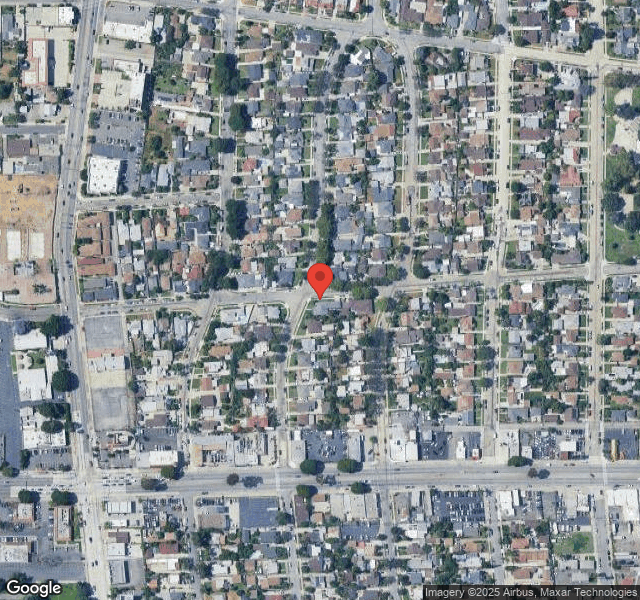
3111 SANTA ANITA AVE, EL MONTE, CA 91733 (626) 443-0218
For profit - Limited Liability company 96 Beds PACS GROUP Data: November 2025
Trust Grade
43/100
#938 of 1155 in CA
Last Inspection: May 2025

Inspected within the last 6 months. Data reflects current conditions.

Overview

Valley View Post Acute has received a Trust Grade of D, indicating below-average performance with some significant concerns. They rank #938 out of 1155 facilities in California, placing them in the bottom half, and #253 out of 369 in Los Angeles County, meaning there are better local options available. While the facility is showing improvement, as issues decreased from 19 in 2024 to 18 in 2025, there are still serious deficiencies. Staffing is a relative strength with a turnover rate of 38%, which is on par with the state average, but the overall staffing rating is just 2 out of 5 stars. Additionally, $24,668 in fines is average for the state and reflects some compliance problems. Specific incidents of concern include a failure to provide appropriate pain management for a resident experiencing severe back pain, where necessary medical orders were not obtained, resulting in a prolonged period of suffering. Moreover, call lights were not within reach for two residents, potentially delaying care and increasing the risk of falls. Lastly, inaccuracies in resident assessments regarding hearing capabilities and discharge statuses could negatively impact their quality of life. Overall, while there are some strengths, families should be aware of the facility’s significant weaknesses and ongoing issues.

Trust Score
D
43/100
In California
#938/1155
Bottom 19%
Safety Record
Moderate
Needs review
Inspections
Getting Better
19 → 18 violations
Staff Stability
○ Average
38% turnover. Near California's 48% average. Typical for the industry.
Penalties
✓ Good
$24,668 in fines. Lower than most California facilities. Relatively clean record.
Skilled Nurses
⚠ Watch
Each resident gets only 23 minutes of Registered Nurse (RN) attention daily — below average for California. Fewer RN minutes means fewer trained eyes watching for problems.
Violations
⚠ Watch
62 deficiencies on record. Higher than average. Multiple issues found across inspections.
★★☆☆☆
2.0
Overall Rating
★★☆☆☆
2.0
Staff Levels
★★★★☆
4.0
Care Quality
★★☆☆☆
2.0
Inspection Score
Stable
2024: 19 issues
2025: 18 issues

The Good

  • 4-Star Quality Measures · Strong clinical quality outcomes
  • Full Sprinkler Coverage · Fire safety systems throughout facility
  • No fines on record
  • Staff turnover below average (38%)

    10 points below California average of 48%

Facility shows strength in quality measures, fire safety.

The Bad

2-Star Overall Rating

Below California average (3.1)

Below average - review inspection findings carefully

Staff Turnover: 38%

Near California avg (46%)

Typical for the industry

Federal Fines: $24,668

Below median ($33,413)

Minor penalties assessed

Chain: PACS GROUP

Part of a multi-facility chain

Ask about local staffing decisions and management

The Ugly 62 deficiencies on record

1 actual harm
May 2025 18 deficiencies
CONCERN (D)

Potential for Harm - no one hurt, but risky conditions existed

Deficiency F0578 (Tag F0578)

Could have caused harm · This affected 1 resident

**NOTE- TERMS IN BRACKETS HAVE BEEN EDITED TO PROTECT CONFIDENTIALITY** Based on interview and record review, the facility failed to ensure the Physician Orders for Life-Sustaining Treatment (POLST, a...

Read full inspector narrative →
**NOTE- TERMS IN BRACKETS HAVE BEEN EDITED TO PROTECT CONFIDENTIALITY** Based on interview and record review, the facility failed to ensure the Physician Orders for Life-Sustaining Treatment (POLST, a form that contains written medical orders for healthcare professionals regarding specific medical treatments that can or cannot be done at the end-of-life) and Advance Directive (AD, a legal document indicating resident preference on end-of-life treatment decisions) Acknowledgement Form were completed upon admission for one of one sampled resident (Resident 35) in accordance with the facility's Policy and Procedure (P&P) on AD. This failure had the potential for the facility staff to provide medical treatment and services against the will of Resident 35. Findings: During a review of Resident 35's admission Record (AR), the AR indicated Resident 35 was initially admitted to the facility on [DATE] and readmitted on [DATE] with diagnoses that included diabetes mellitus (DM, a disorder characterized by difficulty in blood sugar control), end stage renal disease (ESRD, irreversible kidney failure) and hypertension (HTN, high blood pressure). During a review of Resident 35's Minimum Data Set (MDS, a resident assessment tool) dated 4/15/2025, the MDS indicated Resident 35 had moderately impaired cognition (ability to understand and process information). The MDS indicated Resident 35 required substantial/maximal assistance (helper did more than half the effort) with eating and oral hygiene, and dependent (helper did all the effort, resident did none of the effort to complete the activity) with toileting, showering and upper and lower body dressing. During a concurrent interview and record review on 4/29/2025 at 10:41 am with the Assistant Director of Nursing (ADON), Resident 35's medical record (chart) was reviewed. The ADON stated Resident 35's POLST and AD Acknowledgement Form were not completed on re admission. The ADON stated the POLST and AD Acknowledgement Form should be completed and updated for all residents with every admission and re admission to ensure staff provide care and services according to the wishes of Resident 35. During a concurrent interview and record review on 4/30/2025 at 4:38 pm with the Director of Nursing (DON), Resident 35's PointClickCare (PCC, a cloud-based software) was reviewed. The DON stated Resident 35 needed a new and updated POLST and AD Acknowledgment Form with every admission to ensure Resident 35 wanted the same care, had the same wishes and care preferences from the previous admission. During a review of the facility's P&P titled, Advance Directives, revised February 2024, the P&P indicated, Prior to or upon admission of a resident, the social services director or designee inquires of the resident, his or her family members and/or his or her legal representative, about the existence of any written advance directives. The interdisciplinary team will review annually with the resident his or her advance directives to ensure that such directives are still the wishes of the resident. Such reviews will be made during the annual assessment process and recorded in the medical record.
CONCERN (D)

Potential for Harm - no one hurt, but risky conditions existed

Deficiency F0676 (Tag F0676)

Could have caused harm · This affected 1 resident

**NOTE- TERMS IN BRACKETS HAVE BEEN EDITED TO PROTECT CONFIDENTIALITY** Based on observation, interview, and record review, the facility failed to provide the resident with a communication device with...

Read full inspector narrative →
**NOTE- TERMS IN BRACKETS HAVE BEEN EDITED TO PROTECT CONFIDENTIALITY** Based on observation, interview, and record review, the facility failed to provide the resident with a communication device with the language that the resident understood for one of one sampled resident (Resident 70). This failure had the potential to affect Resident 70's communication with staff and delay the provision of care, treatment, and services the resident needed. Findings: During a review of Resident 70's admission Record (AR), the AR indicated Resident 70 was admitted to the facility on [DATE] with diagnoses that included hypertension (HTN, high blood pressure), atrial fibrillation (an irregular, often rapid heart rate that causes poor blood flow) and malignant neoplasm (cancerous tumor) of the lung. During a review of Resident 70's Minimum Data Set (MDS, a resident assessment tool) dated 3/14/2025, the MDS indicated Resident 70 speaks Cantonese and needed or wanted an interpreter to communicate with a doctor or health care staff. During a concurrent observation inside Resident 70's room and interview on 4/29/2025 at 9:28 am with Certified Nurse Assistant 4 (CNA 4), Resident 70 was in bed. CNA 4 stated, Resident 70 spoke only Chinese language. CNA 4 stated Resident 70 did not have a communication board or any communication device at bedside. CNA 4 stated Resident 70 was alert and should have a communication board at bedside for Resident 70 to use to communicate Resident 70's needs to the staff. During an interview on 4/30/2025 at 3:50 pm with the Director of Nursing (DON), the DON stated, all alert, non-English speaking residents should be provided with communication board at bedside with the language the resident understood so that the resident could communicate their needs, and staff could provide the care and services the resident needs. During a review of the facility's Policy and Procedure (P&P) titled, Communication Language Barrier, revised 3/2024, the P&P indicated, To assist and provide appropriate communication for residents who have barriers to communicate. Residents with visual, hearing, or language barriers will be provided an equal opportunity to participate in and to benefit from these services. Utilize visual aide (i.e. communication board, white board, tablets) and/or gestures for basic care needs.
CONCERN (D)

Potential for Harm - no one hurt, but risky conditions existed

Quality of Care (Tag F0684)

Could have caused harm · This affected 1 resident

Based on observation, interview, and record review the facility failed to assess the resident's skin condition and report the skin condition to the physician for one of one sampled resident (Resident ...

Read full inspector narrative →
Based on observation, interview, and record review the facility failed to assess the resident's skin condition and report the skin condition to the physician for one of one sampled resident (Resident 49). This failure resulted in the resident experiencing unrelieved itchiness in her vaginal and buttock areas. Findings: During a review of Resident 49's admission Record (AR), the AR indicated the facility admitted the resident on 6/7/23 with diagnoses that included Type 2 diabetes mellitus (elevated blood sugar level), neuralgia and neuritis (damaged, irritated and inflamed nerves), and obesity (disorder involving too much body fat). During a review of Resident 49's Minimum Data Set (MDS, a resident assessment tool) dated 3/4/25, the MDS indicated Resident 49 had moderately impaired cognition (ability to understand and process thoughts) and required substantial/maximal assistance with rolling left and right, sit to stand, and dependent for toileting hygiene. During a record review of Resident 49's recapitulated Physician's Orders (PO) for 4/1/25 - 5/2/25, the PO indicated gynecological (GYN-medicine dealing with function and diseases specific to women) consult for chronic vaginal yeast infection (fungal infection causing irritation to the vaginal area). During a review of Resident 49's untitled Care Plan (CP) initiated on 2/16/25, the CP indicated to monitor and record any complaints of pain/itching/discomfort (location, duration, quantity, quality, alleviating factors, aggravating factors) and observe for new redness or increase itching and report to physician if noted. During a review of Resident 49's untitled CP initiated on 3/5/25, the CP indicated to evaluate effectiveness of medication, monitor for side effects of antibiotic therapy (i.e., symptoms of secondary infection), and notify physician if observed. During a review of Resident 49's untitled CP initiated on 3/6/25, the CP indicated Resident 49 may have a gynecological consultation. During a review of Resident 49's Change of Condition (COC) forms, the COC indicated on 2/16/25, Resident 49 had redness and complained of itchiness around the vaginal area. The COC dated 3/5/25 indicated Resident 49 had redness with complaints of itchiness around the vaginal area. The COC dated 12/9/24 indicated Resident 49 verbalized vaginal discomfort. The COC dated 12/5/24 indicated Resident 49 complained of vaginal itchiness. Resident 49 was not scheduled for a GYN consultation as indicated in the PO. During a concurrent observation and interview on 5/1/25 at 9:47 a.m., with Resident 49, Resident 49 stated Resident 49 had itching on the outside vaginal area. Resident 49 was observed putting Resident 49's hands into the inside of Resident 49's adult brief. During an interview on 5/1/25 at 10:15 a.m. with Resident 49, Resident 49 stated Resident 49 had vaginal itching on the outside of her vagina and towards her buttocks. During a concurrent observation and interview on 5/2/25 at 8:45 a.m., Resident 49 stated Resident 49 experienced itching on both sides of her buttocks, vaginal creases, and down the middle of the vagina area. Resident 49 stated Resident 49 told the licensed nurses about her itching. Resident 49 stated the medication cream works for about 20 minutes and then the itching returns. Resident 49 stated that sometimes Resident 49 would change Resident 49's own adult brief and clean Resident 49's perineal area with water or the itching got worse. Resident 49 was observed with facial grimacing. Resident 49 stated the itching made her feel anxious and sometimes the itching would affect her sleep at night. Resident 49's buttocks were observed with redness and the skin was flaky (tendency to break into small, thin pieces). During an interview on 5/2/25 at 9:55 a.m. with Certified Nurse Assistant 7 (CNA 7), CNA 7 stated CNA 7 cared for Resident 49 in the past. CNA 7 stated Resident 49 complained of itching and told CNA 7 that Resident 49 had itching in Resident 49's vaginal area and buttocks. CNA 7 stated, yesterday (5/1/25), Resident 49 complained of itching in Resident 49's vaginal creases. CNA 7 stated CNA 7 reported to the Charge Nurse and the Charge Nurse stated Resident 49 was already being treated. During an interview on 5/2/25 at 10:58 a.m., with the Treatment Nurse (TN), the TN stated nothing was reported to TN this week. TN stated satellite pustules were observed on Resident 49's buttocks and the inside of Resident 49's vaginal area was red and inflamed. The TN stated if a new skin condition was reported to the TN, the TN would do a skin assessment on the resident. During a concurrent interview and record review on 5/2/25, at 11:22 a.m., with the Director of Nursing (DON), the DON stated Resident 49 was treated for yeast infection in November 2024 and Resident 49 complained of (c/o) vaginal itchiness with no new orders (NNO). On 12/23/24, Resident 49 had redness with complaints of itchiness around vaginal area and was given Flucanozole 200 milligrams (mg). Resident 49 c/o redness with complaints of itchiness around vaginal area on 2/16/25 with NNO. The DON stated on 3/5/25 Resident 49 had redness with complaints of vaginal itching and was given Flagyl 500 mg, by mouth (PO), every day (QD) for seven days. During an interview on 5/2/25 at 3:08 p.m., with Licensed Vocational Nurse 6 (LVN 6), LVN 6 stated if a CNA would see something different on the resident's skin, the CNA would report to the Charge Nurse or a Supervisor. LVN 6 stated LVN 6 relied on the CNAs to report any abnormalities on the residents. LVN 6 stated, LVN 6 would assess an issue if the issue was endorsed to LVN 6 during shift change. LVN 6 stated there was no report of buttock irritation on Resident 49 before 5/2/25. LVN 6 stated it was important for the CNAs to report resident changes to the Charge Nurse immediately to resolve the problem. During a review of the facility's undated Policy and Procedure (P&P) titled, Care and Services Policy the P&P indicated all residents of the facility receive appropriate, high-quality care and services in accordance with state regulations, federal laws, and evidence-based best practices, promoting dignity, safety, and quality of life.
CONCERN (D)

Potential for Harm - no one hurt, but risky conditions existed

Deficiency F0685 (Tag F0685)

Could have caused harm · This affected 1 resident

**NOTE- TERMS IN BRACKETS HAVE BEEN EDITED TO PROTECT CONFIDENTIALITY** Based on interview and record review, the facility failed to provide care and services to meet the resident's need for one of on...

Read full inspector narrative →
**NOTE- TERMS IN BRACKETS HAVE BEEN EDITED TO PROTECT CONFIDENTIALITY** Based on interview and record review, the facility failed to provide care and services to meet the resident's need for one of one sampled resident (Resident 51) by failing to ensure Resident 51 who had difficulty hearing was scheduled for an audiology consult and/or hearing aids. This failure resulted in the resident's inability to hear adequately, requiring the resident to be spoken to loudly, and for the resident to lip read during conversation. Findings: During a review of Resident 51's admission Record (AR), the AR indicated the facility readmitted the resident on 3/21/25 with diagnoses that included encephalopathy (neurologic disorder), acute pulmonary edema (too much fluid in the lungs), and chronic kidney disease (kidney failure). During a review of Resident 51's MDS dated [DATE], the MDS indicated Resident 51 had severely impaired cognition (ability to understand) and required substantial/maximal assistance with sitting to stand and upper & lower body dressing, personal and toileting hygiene. During an interview on 4/29/25 at 9:49 a.m., Resident 51 was observed putting his hand up and Resident 51 stated he could not hear when interview was attempted. During an interview on 4/29/25 at 9:55 a.m., with Certified Nurse Assistant 3 (CNA 3), CNA 3 stated CNA 3 had to talk loud to Resident 51. CNA 3 stated Resident 51 cannot hear and had no hearing aid. During a review of Resident 51's Belongings Inventory dated 3/14/25, the Belongings Inventory did not indicate Resident 51 had a hearing aid. During an interview on 5/2/25 at 9:48 a.m., with CNA 7, CNA 7 stated Resident 51 had difficulty hearing CNA 7 when CNA 7 speaks because of Resident 51's facial expression. CNA 7 stated Resident 51 would lean over to hear. CNA 7 stated CNA 7 had to be in front of Resident 51 and CNA 7 had to speak slowly. CNA 7 stated CNA 7 did not see a hearing aid for Resident 51. CNA 7 stated Resident 51 had a hard time hearing and Resident 51 could benefit from a hearing aide. During a subsequent interview on 5/2/25 at 12:58 p.m. with Resident 51, Resident 51 stated Resident 51 was hard of hearing and Resident 51 would read lips. Resident 51 stated Resident 51 had no hearing aid and Resident 51 would like to have a hearing aid. During a review of the facility's Policy & Procedure (P&P) titled, Assistive Devices and Equipment, revised January 2020, the P&P indicated: The facility provides the resident with assistance in locating available resources to obtain assistive devices that are not provided by the facility, including (but not limited to): a. Glasses, contact lenses, or magnifying devices; and b. Hearing aids, amplifiers, etc. Recommendations for the use of devices and equipment are based on comprehensive assessment and documented in the resident care plan. During a review of the facility's P&P titled, Social Services, dated 2001, the P&P indicated the facility provides medically-related social services to assure that each resident can attain or maintain his/her highest practicable physical, mental, or psychosocial well-being.
CONCERN (D)

Potential for Harm - no one hurt, but risky conditions existed

Pressure Ulcer Prevention (Tag F0686)

Could have caused harm · This affected 1 resident

Based on observation, interview, and record review the facility failed to ensure the resident was repositioned every two hours to prevent further skin breakdown (prolonged pressure on the skin causing...

Read full inspector narrative →
Based on observation, interview, and record review the facility failed to ensure the resident was repositioned every two hours to prevent further skin breakdown (prolonged pressure on the skin causing tissue damage and potentially open sores) for one of one sampled resident (Resident 44). This failure placed the resident at risk of further deterioration of a sacro-coccyx (lowest sections of the spine) Stage 4 pressure ulcer (ulcers that extend deep into the tissue reaching the bones). Findings: During a review of Resident 44's admission Record (AR), the AR indicated the facility readmitted the resident on 12/6/23 with diagnoses that included encephalopathy (neurologic disorder), hepatomegaly (enlarged liver), and chronic obstructive pulmonary disease (COPD- lung diseases that block the airflow). During a review of Resident 44's Minimum Data Set (MDS, a resident assessment tool) dated 3/28/25, the MDS indicated Resident 44 had severely impaired cognition (ability to understand and process thoughts) and required substantial/maximal assistance with rolling left and right. During a record review of Resident 44's Physician Order Recapulation Order (PO) for 4/1/25 - 5/2/25, the PO indicated for licensed staff to clean Resident 44's Sacro coccyx Stage 4 pressure ulcer with normal saline, pat dry, apply collagen then cover with Hydrofera blue (a foam wound antibacterial dressing), cover with foam dressing as needed for 30 days, soiled or dislodged and every day shift for 30 days until finished. During a review of Resident 44's Impaired Skin Integrity Care Plan (CP) dated 3/3/25, the CP indicated to encourage and assist to re-position the resident. During a review of Resident 44's Impaired Physical Mobility CP dated 3/29/22, the CP indicated if resident was unable to reposition self, staff needed to assist in repositioning every two hours and as needed. During a concurrent observation and interview on 5/1/25, at 9:49 a.m., Resident 44 was observed positioned lying in supine (lying flat on back) position and Resident 44 stated Resident 44 needed assistance turning in bed. Resident 44 should have been positioned on the left side at this time, according to the facility's turning schedule. During an interview on 5/1/25 at 10:02 a.m. with the Treatment Nurse (TN), the TN stated Resident 44 had a Stage 4 pressure ulcer. The TN stated interventions for a Stage 4 pressure ulcer included low air loss mattress (LAL- tiny laser made air holes in the mattress top surface continually blow out air causing the patient to float) and turning and repositioning the resident every 2 hrs. During an interview on 5/1/25 at 2:37 p.m. with Certified Nurse Assistant 11 (CNA 11), CNA 11 stated every two hours Resident 44's position needed to be changed and CNA 11's badge displayed the position the resident should be in, based on turning schedule. CNA 11 stated changing position was important to avoid pressure injuries or injuries to the skin. During a concurrent observation and interview on 5/1/25 at 2:51 p.m. with Licensed Vocational Nurse 1 (LVN 1) and CNA 11, CNA 11 stated Resident 44 was lying in a supine position. According to the turning schedule on CNA 11's badge, Resident 44 should have been positioned on Resident 44's right side at 2:00 p.m. During an interview on 5/1/25 at 4:00 p.m., with the Assistant Director of Nursing (ADON), the ADON stated repositioning every two hours was important because repositioning would promote wound healing by alleviating pressure on the pressure ulcer by redistributing the resident's weight from just one area. During an interview on 5/2/25 at 11:09 a.m. with the Director of Nursing (DON), the DON stated Stage 4 pressure ulcer interventions included wound treatment, weekly wound consultation, LAL mattress and turning and repositioning the residents at least every two hours. The DON stated the practice and protocol of the facility was to turn the resident every two hours and it was discussed with the staff to turn the resident every two hours. During a review of the facility's undated Policy and Procedure (P&P), titled, Care and Services Policy, the P&P indicated all residents of the facility receive appropriate, high-quality care and services in accordance with state regulations, federal laws, and evidence-based best practices, promoting dignity, safety, and quality of life.
CONCERN (D)

Potential for Harm - no one hurt, but risky conditions existed

Accident Prevention (Tag F0689)

Could have caused harm · This affected 1 resident

**NOTE- TERMS IN BRACKETS HAVE BEEN EDITED TO PROTECT CONFIDENTIALITY** Based on interview and record review, the facility failed to ensure the resident had an environment free from accident hazards (...

Read full inspector narrative →
**NOTE- TERMS IN BRACKETS HAVE BEEN EDITED TO PROTECT CONFIDENTIALITY** Based on interview and record review, the facility failed to ensure the resident had an environment free from accident hazards (risks) for one of four sampled residents (Resident 7) by failing to: 1. Ensure Resident 7 was provided with adequate supervision during the performance of activity of daily living (ADL, activities such as bathing, dressing, and toileting a person performs daily). 2. Ensure licensed staff developed an individualized person-centered care plan for Resident 7 who was assessed as high-risk for falls. These failures placed Resident 7 at risk of recurrent falls and injury. Findings: During a review of Resident 7's admission Record (AR), the AR indicated Resident 7 was initially admitted to the facility on [DATE] and readmitted on [DATE] with diagnoses that included hemiplegia (total paralysis of the arm, leg, and trunk on the same side of the body), hemiparesis (weakness on one side of the body, often affecting the arm, leg, and the face), and Alzheimer's disease (a disease characterized by a progressive decline in mental abilities). During a review of Resident 7's Minimum Data Set (MDS, a resident assessment tool) dated 3/1/2025, the MDS indicated Resident 7 had severely impaired cognition (ability to understand and process information). The MDS indicated Resident 7 was dependent (helper did all the effort, resident did none of the effort to complete the activity, the assistance of 2 or more helpers are required for the resident to complete the activity) with eating, oral hygiene, toileting, showering, upper/lower body dressing and personal hygiene. The MDS indicated Resident 7 was dependent on rolling left and right. During a review of Resident 7's Fall Risk Observation/Assessment (FROA) dated 3/1/2025, the FROA indicated Resident 7 was assessed as high risk for fall. During a review of Resident 7's Change in Condition Evaluation (CCE) dated 3/19/2025, timed at 5:20 am, the CCE indicated Resident 7 had an incident of fall. During a review of Resident 7's Progress Notes (PN) dated 3/19/2025, timed at 5:20 am, the PN indicated Resident 7 rolled into the floor when an unidentified Certified Nurse Assistant (CNA) moved Resident 7 to her side during changing. The PN indicated Resident 7 did not sustain an injury. During an interview on 5/1/2025 at 3:21 pm with Certified Nursing Assistant 12 (CNA 12), CNA 12 stated Resident 7 needed 2-person assistance for all ADLs and bed mobility such as turning, repositioning, changing, and cleaning. During an interview on 5/1/2025 at 3:32 pm with Licensed Vocational Nurse 2 (LVN 2), LVN 2 stated Resident 7 should be cleaned and changed with 2-person assistance for the safety of the resident and to prevent fall. During a concurrent interview and record review on 5/1/2025 at 3:38 pm with the Assistant Director of Nursing (ADON), Resident 7's CCE dated 3/19/2025, PNs dated 3/19/2025 and care plans were reviewed. The ADON stated Resident 7 had a fall on 3/19/2025 at 5:20 am. The ADON stated an unidentified CNA changed Resident 7, turned the resident to her side and the resident rolled to the floor. The ADON stated based on the documentation, Resident 7 was turned by only one CNA. The ADON stated Resident 7 was assessed as dependent on toileting and personal hygiene. The ADON stated changing Resident 7 should be performed by two CNAs to hold the weight of Resident 7 on the other side of the bed to prevent a fall. The ADON stated Resident 7 was assessed as high risk for fall. The ADON stated Resident 7 did not have a care plan for fall developed and initiated before the incident of the fall on 3/19/2025. The ADON stated a care plan should have been developed to address the resident's risk for fall and for the resident to receive necessary care and services to prevent fall and injury. During a review of the facility's Policy and Procedure (P&P) titled, Activities of Daily Living (ADL,), Supporting, revised 3/2024, the P&P indicated Residents who are unable to carry out activities of daily living independently will receive the services necessary to maintain good nutrition, grooming and personal and oral hygiene. During a review of the facility's P&P titled, Care Plans, Comprehensive Person-Centered, revised2/2024, the P&P, The comprehensive, person-centered care plan is developed within seven (7) days of the completion of the required MDS assessment (Admission, Annual, Significant Change in Status), and no more than 21 days after admission. The care plan interventions are derived from a thorough analysis of the information gathered as part of the comprehensive assessment.
CONCERN (D)

Potential for Harm - no one hurt, but risky conditions existed

Incontinence Care (Tag F0690)

Could have caused harm · This affected 1 resident

**NOTE- TERMS IN BRACKETS HAVE BEEN EDITED TO PROTECT CONFIDENTIALITY** Based on observation, interview, and record review, the facility failed to provide necessary care and services for a resident wi...

Read full inspector narrative →
**NOTE- TERMS IN BRACKETS HAVE BEEN EDITED TO PROTECT CONFIDENTIALITY** Based on observation, interview, and record review, the facility failed to provide necessary care and services for a resident with Foley Catheter (FC, a medical device that helps drain urine from the bladder) in accordance with the facility's Policy and Procedure (P&P) on catheter care for one of two sampled residents (Resident 69). This failure had the potential to result in catheter-related complications for Resident 69. Findings: During a review of Resident 69's admission Record (AR), the AR indicated Resident 69 was admitted to the facility on [DATE] with diagnoses that included diabetes mellitus (DM, a disorder characterized by difficulty in blood sugar control and poor wound healing), hypertension (HTN, high blood pressure), and anxiety (intense, excessive , and persistent worry and fear about everyday situations). During a review of Resident 69's Minimum Data Set (MDS, a resident assessment tool) dated 3/28/2025, the MDS indicated Resident 69 had severely impaired cognition (ability to understand and process information). The MDS indicated Resident 69 required partial/moderate assistance (helper did less than half the effort) with oral hygiene, upper and lower body dressing, and substantial/maximal assistance (helper did more than half the effort) with toileting, shower and personal hygiene. The MDS indicated Resident 69 had an indwelling catheter (a flexible tube inserted into the bladder to drain urine). During a review of Resident 69's untitled Care Plan (CP) dated 3/19/2025, the CP indicated Resident 69 had an indwelling FC for obstructive uropathy (a urinary tract disorder that occurs when urine flow was obstructed). The CP goal indicated for Resident 69 to remain free from catheter-related trauma. During a concurrent observation inside Resident 69's room and interview on 4/29/2025 at 10:37 am with Licensed Vocational Nurse 4 (LVN 4), Resident 69 was sitting in the wheelchair with FC tubing inside Resident 69's night pants and the FC bag was hanging at the back of the wheelchair. LVN 4 stated Resident 69's FC tubing was not secured on the thigh, and the securement device was broken. LVN 4 stated the FC tubing should be secured to prevent pinching and pulling during movement and cause trauma to Resident 69. During an interview on 4/30/2025 at 3:50 pm with the Director of Nursing (DON), the DON stated Resident 69's FC tubing should be anchored and secured on the thigh to hold the catheter in place and to prevent pulling and getting dislodged during movements. During a review of the facility's P&P titled, Catheter Care, Urinary, revised 10/2024, the P&P indicated, Ensure that the catheter remains secured with a securement device to reduce friction and movement at the insertion site.
CONCERN (D)

Potential for Harm - no one hurt, but risky conditions existed

Deficiency F0700 (Tag F0700)

Could have caused harm · This affected 1 resident

**NOTE- TERMS IN BRACKETS HAVE BEEN EDITED TO PROTECT CONFIDENTIALITY** Based on observation, interview and record review, the facility failed to attempt to use appropriate alternative interventions b...

Read full inspector narrative →
**NOTE- TERMS IN BRACKETS HAVE BEEN EDITED TO PROTECT CONFIDENTIALITY** Based on observation, interview and record review, the facility failed to attempt to use appropriate alternative interventions before installation of bilateral (both sides) siderails (also known as bedrails, vertical bars or structures attached to the sides of a bed) for one of one sampled resident (Resident 43). This failure placed Resident 43 at risk for entrapment (when a resident can get caught by the head, neck, chest, or other body parts in the tight spaces around the bedrail) and physical injuries. Findings: During a review of Resident 43's admission Record (AR), the AR indicated Resident 43 was initially admitted to the facility on [DATE] and readmitted on [DATE] with diagnoses that included hemiplegia (total paralysis of the arm, leg, and trunk on the same side of the body), hemiparesis (weakness on one side of the body, often affecting the arm, leg, and the face) and osteoarthritis (a progressive disorder of the joints, caused by a gradual loss of cartilage). During a review of Resident 43 Minimum Data Set (MDS, a resident assessment tool) dated 3/30/2025, the MDS indicated Resident 43 had severely impaired cognition (ability to understand and process information). The MDS indicated Resident 43 was dependent (helper did all the effort, resident did none of the effort to complete the activity) with oral hygiene, toileting, shower, upper and lower body dressing and personal hygiene. During a concurrent observation inside Resident 43's room and interview on 4/29/2025 at 9:37 am with Certified Nurse Assistant 4 (CNA 4), Resident 43 was in bed, lying on her back with upper side rails up on both sides of the bed. CNA 4 stated Resident 43 was confused and could not move the left side of her body. During a concurrent interview and record review on 4/30/2025 at 4:41 pm with the Director of Nursing (DON), the DON stated there was no documented evidence that appropriate alternative interventions were attempted and did not meet the needs of Resident 43 before the installation of bilateral one-fourth side rails. The DON stated appropriate alternative interventions should be attempted, evaluated and documented why it did not meet the needs of the resident, for the resident's safety. During a review of the facility's Policy and Procedure (P&P) titled, Bed Safety and Bed Rails, revised 10/2024, the P&P indicated, The use of bed rails or side rails (including temporarily raising the side rails for episodic use during care) is prohibited of unless the criteria for use of bed rails have been met, including attempts to use alternatives, interdisciplinary evaluation, resident assessment, and informed consent. If attempted alternatives do not adequately meet the resident's needs the resident may be evaluated for the use of bed rails. The interdisciplinary evaluation includes: an evaluation of the alternatives to bed rails that were attempted and how these alternatives failed to meet the resident's needs.
CONCERN (D)

Potential for Harm - no one hurt, but risky conditions existed

Deficiency F0848 (Tag F0848)

Could have caused harm · This affected 1 resident

Based on observation, interview and record review, the facility failed to ensure its binding arbitration agreements included selection of a venue convenient to both the facility and resident/resident ...

Read full inspector narrative →
Based on observation, interview and record review, the facility failed to ensure its binding arbitration agreements included selection of a venue convenient to both the facility and resident/resident responsible party for one of three sampled residents (Residents 60). This deficient practice placed Resident 60 at risk for an unjust arbitration and delayed arbitration hearing in an event of an arbitration dispute. Findings: During a review of Resident 60's admission Record (AR), the AR indicated the facility admitted Resident 60 on 5/25/2024 with diagnoses that included diabetes mellitus type 2 (a disease in which the body's ability to produce or respond to the hormone insulin is impaired, resulting in elevated levels of glucose/sugar in the blood and urine) and hyperlipidemia (high level of fats in the blood). During a review of Resident 60's Minimum Data Set (MDS - a federally mandated resident assessment tool) dated 2/10/2025, the MDS indicated, Resident 60 had intact cognition (mental action or process of acquiring knowledge and understanding) for daily decision making. The MDS indicated Resident 60 was dependent with showering/bathing self, lower body dressing and taking off footwear. During an observation on 4/29/2025 at 9:02 am, Resident 60 was outside his room sitting in his wheelchair. During a concurrent interview and record review with the admission Director (AD) on 4/30/2025 at 1:13 p.m. the Arbitration Agreement was reviewed. The form titled, Arbitration Agreement, indicated the agreement was signed by Resident 60 on 5/15/2024. The signed Arbitration Agreement of Resident 60 did not include information regarding the selection of a venue convenient to both facility and resident/resident responsible party. The AD stated it was an old Agreement form that was used by the previous admission Director. The AD stated it was important for both facility and resident/resident's representatives to have a convenient location for both parties to be able to attend the hearing. During a review of the facility's P&P titled, Binding Arbitration Agreement, revised in 5/20214, the P&P indicated, arbitration agreements provide for the selection of a venue that is convenient to and suitably meets the needs of both parties. The P&P indicated the venue will be agreed upon by both parties. The P&P indicated when selecting a venue for consideration, convenience for the resident (or representative) may be determined by his or her ability to get to the venue.
CONCERN (D)

Potential for Harm - no one hurt, but risky conditions existed

Infection Control (Tag F0880)

Could have caused harm · This affected 1 resident

**NOTE- TERMS IN BRACKETS HAVE BEEN EDITED TO PROTECT CONFIDENTIALITY** Based on observation, interview, and record review, the facility failed to ensure signage was posted and a personal protective e...

Read full inspector narrative →
**NOTE- TERMS IN BRACKETS HAVE BEEN EDITED TO PROTECT CONFIDENTIALITY** Based on observation, interview, and record review, the facility failed to ensure signage was posted and a personal protective equipment (PPE equipment worn to minimize exposure to hazards that cause serious workplace injuries and illnesses) cart was provided to one of six sampled residents (Resident 240) with MRSA of the wound placed on Enhanced Standard Precaution (ESP, an approach for the use of PPE to reduce transmission of multidrug-resistant organisms [MDRO] between residents in skilled nursing facilities) in accordance with the facility's policy and procedure title Enhanced Barrier Precautions. This deficient practice had the potential to transmit infectious microorganisms and increase the risk of infection for the residents and staff which could result in a widespread infection in the facility. Findings: During a review of Resident 240's admission Record (AR), the AR indicated Resident 240 was admitted to the facility on [DATE] with diagnoses that included pneumonia (an infection/inflammation in the lungs) and diabetes mellitus type 2 (a disease in which the body's ability to produce or respond to the hormone insulin is impaired, resulting in elevated levels of glucose/sugar in the blood and urine). During a review of Resident 240's History and Physical (H&P) from the General Acute Care Hospital 1 (GACH 1) dated 4/23/2025, the H&P indicated Resident 240 was alert and oriented. During a review of Resident 240's Laboratory Comparative Report result from GACH 1 dated 4/27/2025, the report indicated Resident 84's left knee wound culture was MRSA positive. During a review of Resident 240's Laboratory Comparative Report result date 4/28/2025, the report indicated Resident 84's left medial calf wound culture was MRSA positive. During a review of Resident 240's Order Summary Report (OSR), dated 4/29/2025, the OSR indicated to apply Mupirocin External Ointment (antibiotic medication used to treat or prevent infections) two percent (%) on the left knee topically every day and evening shift for methicillin-resistant staphylococcus aureus (MRSA - a bacteria that does not respond to antibiotics) wound for 14 days. During a review of Resident 240's OSR, dated 4/29/2025, the OSR indicated to apply Mupirocin External Ointment 2% on the left medial calf topically every day and evening shift for MRSA for 14 days. During an observation on 4/29/2025 at 9:20 am while inside Resident 240's room, Resident 240 was awake lying in bed with a wound dressing on his left knee and calf. Resident 240's room did not have ESP signage posted outside the room and there was no cart for PPE provided upon entering the residents' room. During an observation on 4/29/2025 at 3:20 p.m. with the Treatment Nurse (TN), the TN was not wearing a gown while inside Resident 240's room while changing Resident 240's wound dressing. During an interview on 4/29/2025 at 3:22 pm with the TN, the TN stated, Resident 240 had MRSA of the wound in the left knee and calf. The TN stated, Resident 240 needed to be placed on contact isolation for MRSA of the wound. The TN stated there was no signage posted, and no PPE cart was outside Resident 240's room to notify staff or visitors to wear proper PPE before entering Resident 240's room. The TN stated, she did not wear the gown while changing Resident 240's wound dressing. The TN stated, gowns and gloves needed to be worn while changing a wound dressing for staff not to spread infection to other residents. During an interview on 4/29/2025 at 3:46 pm with the Infection Prevention Nurse (IPN, a healthcare professional who specializes in preventing the spread of infections in healthcare settings), the IP stated Resident 240 has MRSA of the wound on the left knee and calf. The IPN stated, Resident 240 needed to be placed on ESP to prevent the spread of infection to residents and staff. The IPN stated signage, PPE cart and staff needed to wear gowns and gloves when on direct contact with the residents especially wound dressing. During a concurrent observation and interview on 4/29/2025 at 3:34 p.m. with the facility Director of Nursing (DON), the facility DON stated, Resident 240 needed to be placed on contact precaution upon admission for there was a suspected MRSA of the wound and to notify the primary doctor to protect other residents and staff to prevent spread of infection. The facility DON stated that gowns and gloves needed to be worn while giving care and treatment or when in direct contact with the resident. During a review of the facility's policy and procedure (P&P) titled, Isolation Categories of Transmission - Based Precautions, revised on 10/2024, indicated, contact precautions are implemented for residents known or suspected to be infected with microorganisms that can be transmitted by direct contact with the resident or indirect contact with environmental surfaces or resident-care items in the resident's environment. The P&P indicated contact precautions are used for residents infected or colonized with MDRO's in the following situations: when a resident has wounds, secretions or excretions that are unable to be covered or contained. During a review of the facility's policy and procedure (P&P) titled, Enhanced Barrier Precautions, revised on 12/2024, the P&P indicated a resident was not known to be infected or colonized with any MDRO, has a wound, etc. The P&P indicated EBP's employ targeted gown and glove use in addition to standard precautions during high contact resident care activities when contact precaution do not otherwise apply: Gloves and gown are applied prior to performing the high contact care activity.
CONCERN (E)

Potential for Harm - no one hurt, but risky conditions existed

Deficiency F0558 (Tag F0558)

Could have caused harm · This affected multiple residents

**NOTE- TERMS IN BRACKETS HAVE BEEN EDITED TO PROTECT CONFIDENTIALITY** Based on observation, interview, and record review, the facility failed to ensure the call light was within reach for two of two...

Read full inspector narrative →
**NOTE- TERMS IN BRACKETS HAVE BEEN EDITED TO PROTECT CONFIDENTIALITY** Based on observation, interview, and record review, the facility failed to ensure the call light was within reach for two of two sampled residents (Resident 241 and Resident 28) in accordance with the facility's policy titled Answering the Call Light. This failure had the potential to result in Resident 241 and Resident 28 not receiving care or receiving delayed services to meet the residents' needs and could result in a fall or injury. Findings: During a review of Resident 241's admission Record (AR), the AR indicated Resident 241 was initially admitted to the facility on [DATE] and readmitted on [DATE] with diagnoses that included muscle wasting (weakening, shrinking, and loss of muscle) and atrophy (decrease in size or wasting away of a body part or tissue) and abnormalities of gait (a person's manner of walking) and mobility (the ability to move). During a review of Resident 241's Care Plan dated 3/27/2025, the Care Plan indicated Resident 241 was at risk for falls related to impaired cognition and unsteady gait. The Care Plan intervention indicated for the nursing staff have Resident 241's call light within reach and to educate and remind the resident to call for assistance with all transfers. During a review of Resident 241's Fall Risk Evaluation (FRE- method of assessing a patient's likelihood of falling) dated 4/17/2025, the FRE indicated Resident 241 was assessed as high risk for falls due to moderately impaired vision, dependent on staff and incontinent (involuntary loss of bladder or bowel control), ambulatory with problems and with devices (gait unsteady), During a review of Resident 241's Minimum Data Set (MDS - a federally mandated resident assessment tool) dated 4/23/2025, the MDS indicated, Resident 241 had severely impaired cognition (mental action or process of acquiring knowledge and understanding) for daily decision making. The MDS indicated Resident 241 was dependent (helper does all of the effort) on staff for eating, oral hygiene, toileting hygiene, shower, upper/lower body dressing, putting on/off footwear and personal hygiene. During a concurrent observation and interview on 4/29/2025 at 9:24 a.m., with the Infection Prevention Nurse (IPN), Resident 241 was asleep, lying in bed with the call light hanging on the top of the bed board. The IPN stated Resident 241 was unable to reach the call light. The IPN stated the call light needed to be within easy reach at all times for Resident 241 to use to call for assistance from the staff. During an interview on 4/30/2025 at 3:50 a.m. with the facility's Director of Nursing (DON), the facility's DON stated, a residents' call light needed to be within reach at all times for residents to be able to use it to call for assistance from the staff to maintain residents' safety. During a review of the facility's Policy and Procedure (P&P) titled, Answering the Call Light. dated 10/2010, the P&P indicated when the resident is in bed or in a chair be sure the call light is within easy reach of the resident. b. During a review of Resident 28's admission Record (AR), the AR indicated Resident 28 was admitted to the facility on [DATE] with diagnoses that included anemia (a condition where the body does not have enough healthy red blood cells) and muscle weakness. During a review of Resident 28's History & Physical (H&P), dated 11/11/2024, the H&P indicated the resident had the capacity to understand and make decisions. During a review of Resident 28's Minimum Data Set (MDS, a resident assessment tool), dated 2/25/2025, the MDS indicated Resident 28 had severely impaired cognition (ability to understand), used a wheelchair, and needed substantial/maximal assistance (helper does more than half the effort. Helper lifts or holds trunks or limbs and provides more than half the effort) for toilet transferring (ability to get on and off a toilet or commode). During a review of Resident 28's Fall Risk Observation/Assessment (FRO), dated 3/21/2025, the FRO indicated Resident 28 was at a high risk for falls. During an observation on 4/29/2025 at 10:22 a.m. while in Resident 28's room, Resident 28 was in her wheelchair on the right side of her bed (when facing the wall) pointing to the bathroom, verbally requesting assistance. There was no call light visible and within Resident 28's reach. During a concurrent observation and interview on 4/29/2025 at 10:23 a.m. with Infection Preventionist Nurse (IPN) while in Resident 28's room the IPN pulled at Resident 28's call light wire and placed the call light near Resident 28, clipping it onto the pillow. The IPN stated Resident 28 knew how to use the call light, but it was not within reach. The IPN further stated, the call light needed to be within reach of residents to allow them to call for assistance, if needed. During an interview on 5/2/2025 at 10:24 a.m. with the Director of Nursing (DON), the DON stated Resident 28 was at high risk for falls. The DON further stated, call lights should always be within the resident's reach for safety, to allow the resident to request help or assistance. The DON stated, if the resident was unable to ask for assistance they could fall if they attempted to get up alone. During a review of the facility's policy and procedure (P&P) titled, Answering the Call Light, revised 3/2024, the P&P indicated, the purpose of the procedure is to respond to the resident's requests and needs. The P&P indicated, when the resident is in bed or in a chair be sure the call light is within easy reach of the resident.
CONCERN (E)

Potential for Harm - no one hurt, but risky conditions existed

Assessment Accuracy (Tag F0641)

Could have caused harm · This affected multiple residents

**NOTE- TERMS IN BRACKETS HAVE BEEN EDITED TO PROTECT CONFIDENTIALITY** Based on interview and record review, the facility failed to accurately encode the hearing capability and the discharge status o...

Read full inspector narrative →
**NOTE- TERMS IN BRACKETS HAVE BEEN EDITED TO PROTECT CONFIDENTIALITY** Based on interview and record review, the facility failed to accurately encode the hearing capability and the discharge status on the Minimum Data Set (MDS- a resident assessment and care screening tool), for two of two sampled residents (Residents 51 and 88). a. Resident 51's hearing need was not addressed resulting in a delay in evaluation for hearing aids. b. Resident 88 discharge status was incorrectly coded as discharged to a General Acute Care hospital on 2/15/25. Resident 88 was discharged to Skilled Nursing Facility (SNF). These failures resulted in inaccurate assessment and had the potential to negatively affect the residents' quality of life. Findings: a. During a review of Resident 51's admission Record (AR), the AR indicated the facility readmitted the resident on 3/21/25 with diagnoses that included encephalopathy (neurologic disorder), acute pulmonary edema (too much fluid in the lungs), and chronic kidney disease (kidney failure). During a review of Resident 51's MDS dated [DATE], the MDS indicated Resident 51 had severely impaired cognition (ability to understand) and required substantial/maximal assistance with sitting to stand and upper & lower body dressing, personal and toileting hygiene. During an interview on 4/29/25 at 9:49 a.m., Resident 51 was observed putting his hand up and Resident 51 stated he could not hear when interview was attempted. During an interview on 4/29/25 at 9:55 a.m., with Certified Nurse Assistant 3 (CNA 3), CNA 3 stated CNA 3 had to talk loud to Resident 51. CNA 3 stated Resident 51 cannot hear and had no hearing aid. During an interview on 5/2/25 at 9:48 a.m., with CNA 7, CNA 7 stated Resident 51 had difficulty hearing CNA 7 when CNA 7 speaks because of Resident 51's facial expression. CNA 7 stated Resident 51 would lean over to hear. CNA 7 stated CNA 7 had to be in front of Resident 51 and CNA 7 had to speak slowly. CNA 7 stated CNA 7 did not see a hearing aid for Resident 51. CNA 7 stated Resident 51 had a hard time hearing and Resident 51 could benefit from a hearing aide. During a subsequent interview on 5/2/25 at 12:58 p.m. with Resident 51, Resident 51 stated Resident 51 was hard of hearing and Resident 51 would read lips. Resident 51 stated Resident 51 had no hearing aid and Resident 51 would like to have a hearing aid. During an interview and concurrent record review on 5/2/25 at 1:04 p.m., with Minimum Data Set Coordinator 1 (MDSC 1), MDSC 1 stated, when completing a resident's MDS, MDSC 1 would see the resident and ask questions. MDSC 1 stated MDSC 1 would ask the resident if the resident could hear well and if the resident would say yes then there was no difficulty in the resident's hearing. MDSC 1 stated MDSC 1 asked Resident 51 if Resident 51 was able to hear MDSC 1 adequately using a normal tone of voice. MDSC 1 stated Resident 51 did not complain of being hard of hearing at that time of the assessment. During an interview on 5/2/25 at 3:35 p.m., with the Assistant Director of Nursing (ADON), the ADON stated the MDS should match Resident 51's current condition. The ADON stated it was important for the MDS to match the resident's condition as a basis for care and services the resident needed. During a review of the facility's Policy & Procedure (P&P), titled, Certifying Accuracy of the Resident Assessment, dated May 2024, the P&P indicated all residents of the facility receive appropriate, high-quality care and services in accordance with state regulations, federal laws, and evidence-based best practices, promoting dignity, safety, and quality of life.b. During a review of Resident 88's admission Record (AR), the admission record indicated Resident 88 was admitted to the facility on [DATE] with diagnoses that included dysphagia (difficulty swallowing) and essential hypertension (high blood pressure). During a review of Resident 88's Progress Notes, dated 2/14/2025, at 1:02 p.m. the notes indicated that Resident 88 was accepted for facility transfer to a SNF for continued long term care. During a review of Resident 88's Order Summary Report, dated 2/15/2025, the report indicated Discharge Resident 88 to SNF for continued long term care per family request on Saturday, 2/15/2025. During a review of Resident 88's Discharge Summary, dated 2/15/2025, at 9 a.m., the notes indicated that Resident 88 was transferred to a SNF for continued long term care. During a review of Resident 88's Progress Notes, dated 2/15/2025, at 9:28 a.m., the notes indicated that Resident 88 was taken by the driver to a SNF. During a review of Resident 88's MDS, dated [DATE], the MDS indicated Resident 88 was discharged to a short-term general hospital. During a concurrent interview and record review of Resident 88's MDS Nurse 1 (MDS N 1) on 5/1/2025 at 10:56 am, MDSN 1 stated Resident 88 was coded as discharged to a short-term general hospital. MDSN 1 stated Resident 88 was discharged to a SNF on 2/15/2025 and not to a general hospital. MDSN 1 stated, Resident 88's MDS assessment needed to be coded discharged to SNF. MDSN 1 stated Resident 88's MDS assessment needed to be coded accurately to provide accurate information to the Centers for Medicare and Medicaid services. During a review of the facility's policy and procedure (P&P) titled, Resident Assessments, dated 10/2024, the P&P indicated, a comprehensive assessment of each resident is completed at intervals designated by Omnibus Budget Reconciliation Act (OBRA) regulations and Prospective Payment System (PPS) requirements. The P&P indicated, OBRA required assessments are federally mandated and must be performed for all residents of Medicare and/or Medicaid certified nursing homes including discharge assessment (return anticipated and return not anticipated). The P&P indicate the resident assessment coordinator is responsible for ensuring the interdisciplinary team conducts timely and appropriate resident assessments.
CONCERN (E)

Potential for Harm - no one hurt, but risky conditions existed

Deficiency F0692 (Tag F0692)

Could have caused harm · This affected multiple residents

**NOTE- TERMS IN BRACKETS HAVE BEEN EDITED TO PROTECT CONFIDENTIALITY** Based on observation, interview and record review, the facility failed to implement its policy and procedure on Nutritional Mana...

Read full inspector narrative →
**NOTE- TERMS IN BRACKETS HAVE BEEN EDITED TO PROTECT CONFIDENTIALITY** Based on observation, interview and record review, the facility failed to implement its policy and procedure on Nutritional Management and Care Plans, Comprehensive Person - Centered for two of two sampled residents (Resident 84 and Resident 15) by failing to: a. Ensure Resident 84's fluid intake was accurately monitored as ordered by the primary doctor and an individualized/person-centered care plan was developed and implemented. b. Ensure Resident 15 had weekly weights recorded after a 15-pound (lb.) weight gain. These failures had the potential to result in complications related to electrolyte imbalance for Residents 84 and 15. Findings: a. During a review of Resident 84's admission Record (AR), the AR indicated Resident 84 was initially admitted to the facility on [DATE] and readmitted on [DATE] with diagnoses that included muscle wasting (weakening, shrinking, and loss of muscle) and atrophy (decrease in size or wasting away of a body part or tissue) and abnormalities of gait (a person's manner of walking) and mobility (the ability to move) and hypo-osmolality and hyponatremia (a condition where the sodium [an electrolyte that helps regulate the amount of water] level in the blood is abnormally low). During a review of Resident 84's Sodium (Na) Level result, dated 4/9/2025, Resident 84's Na level was 122 milliequivalents per liter (mEq/L, unit of measurement). Normal Na range was 136-145 mEq/L. During a review of Resident 84's Minimum Data Set (MDS - a federally mandated resident assessment tool) dated 4/19/2025, the MDS indicated, Resident 84 had moderately impaired cognition (mental action or process of acquiring knowledge and understanding) for daily decision making. The MDS indicated Resident 84 was dependent (helper does all of the effort) on staff for toileting hygiene, shower, upper/lower body dressing and putting on/off footwear. During a review of Resident 84's Order Summary Report (OSR), dated 4/21/2025, the OSR indicated Resident 84 had an order for fluid restriction (FR, limits the amount of fluids a person consumes each day) of 1,200 cubic centimeters/24 hours (cc/24 hr., measure of volume per day) allotted for dietary of 240 cc for breakfast, 120 cc for lunch, 120 cc for dinner, 120 cc for bedtime, and for nursing of 300 cc for 7 a.m. to 3 p.m. shift, 200 cc for 3 p.m. to 11 p.m. shift and 100 cc for 11 p.m. to 7 a.m. shift. During an observation on 4/29/2025 at 9:18 a.m. while inside Resident 84's room, Resident 84 was awake lying in bed, with a water pitcher at the bedside. During an observation on 4/29/2025 at 12:14 p.m. while inside Resident 84's room, Resident 84 was sitting in bed, with a water pitcher at the bedside. Resident 84 requested cranberry juice from Licensed Vocational Nurse 1 (LVN 1). During an observation on 4/29/2025 at 12:27 p.m. while inside Resident 84's room, Resident 84 consumed a cup of cranberry juice. During an observation on 4/29/2025 at 12:35 p.m. while inside Resident 84's room, Resident 84 requested a cup of juice from Certified Nurse Assistant 9 (CNA 9). CNA 9 stated, she will get back to Resident 84 and get him a cup of juice. During an interview on 5/2/2025 at 10:25 am with CNA 2, the CNA 2 stated Resident 84 was on fluid restriction. CNA 2 stated, she did not document the fluid intake of the resident. The CNA 2 stated there was no clinical documentation that Resident 884's fluid intake was documented or monitored. During an interview on 5/2/2025 at 10:31 a.m. with LVN 9, LVN 9 stated, Resident 84 was placed on fluid restriction of 1,200 cc/day as ordered by the primary doctor. LVN 9 stated there was no documentation or monitoring of Resident 84's fluid intake. LVN 9 stated, Resident 84 needed to be placed on monitoring for fluid intake every meal and when taking medications every shift. LVN 9 stated that Resident 84's Na (Sodium) level was low, and fluid intake needed not to be more than 1,200 cc in a day. During a concurrent interview and record review of Resident 84's medical record (PointClickCare - PCC, a cloud-based software used in long-term and post-acute care facilities) on 5/2/2025 at 11:57 a.m. with the facility's Director of Nursing (DON), the DON stated, Resident 84 was placed on a fluid restriction of 1,200 cc/day. The facility DON stated Resident 84's fluid intake needed to be documented in the Medication Administration Record (MAR) at the end of the shift from medication fluid intake and from the meal tray. The DON stated there was no other clinical documentation that Resident 84's fluid intake was monitored. The DON stated, if fluid intake was not monitored it could cause an electrolyte imbalance. The facility DON stated there was no care plan initiated for Resident 84 who has fluid restriction. The DON stated the care plan needed to be developed and implemented to provide proper treatment and intervention which was specific and individualized to meet the resident's goal. During a review of the facility's undated policy and procedure (P&P) titled, Fluid Restriction, the P&P indicated, the fluid restrictions will be followed per physician's order and monitored by nursing staff for resident compliance. The P&P indicated Fluid Restriction should be documented on the Electronic Medication Administration Record and integrated in the resident's care plan. The P&P indicated, if a resident's fluid was restricted, water pitchers should not be available at the bedside unless evaluated as appropriate. During a review of the facility's undated policy and procedure (P&P) titled, Nutritional Management, the P&P indicated, to ensure timely response to residents' nutritional needs, it was recommended that the nutritional recommendations be implemented and documented within no more than 72 -hours from the time they are issued. During a review of the facility's undated policy and procedure (P&P) titled, Care Plans, Comprehensive Person - Centered, the P&P indicated, the comprehensive, person-centered care plan is developed within seven (7) days of the completion of the required MDS assessment (admission, Annual or Significant Change in Status), and no more than 21 days after admission. b. During a review of Resident 15's admission Record (AR), the AR indicated Resident 15 was readmitted to the facility on [DATE] with diagnoses that included ESRD (End Stage Renal Disease-irreversible kidney failure) and diabetes mellitus (DM-a disorder characterized by difficulty in blood sugar control and poor wound healing). During a review of Resident 15's History & Physical (H&P), dated 3/30/2025, the H&P indicated the resident had the capacity to understand and make decisions. During a review of Resident 15's Minimum Data Set (MDS, a resident assessment tool), dated 4/5/2025, the MDS indicated Resident 15 had intact cognition (ability to understand). During an interview on 4/29/2025 at 11:10 am, while in Resident 15's room, Resident 15 stated she had gained 15 lbs. During a review of Resident 15's Nutritional Risk Review (NRR), dated 4/11/2025, the NRR indicated Resident 15 had a 15.46 lb. weight gain and the Registered Dietitian recommendations included to add weekly weights for four weeks. During a review of Resident 15's April 2025 Weights Summary, dated 4/1/2025 to 4/30/2025, the summary indicated no weight measurements were recorded for Resident 15 between 4/12/2025 to 4/23/2025. During a review of Resident 15's Progress notes, dated 4/14/2025 at 5:54 pm, the Progress note indicated Resident 15's physician was made aware of the RD recommendations which were approved to be carried out by the facility. During an interview on 5/1/2025 at 12:10 pm with the Registered Dietitian (RD), the RD stated the facility needs to carry out the RD recommendations within 72 hours if the physician approved. The RD further stated, if there was a significant change in weight, weekly weights would allow them to see if the resident's issues continued or were resolved and were used to ensure patient safety. During a review of Resident 15's Order Summary Report, dated 5/2/2025, the report indicated there was no order present for weekly weights. During a concurrent interview and record review on 5/2/2025 at 10:31 am with the Director of Nursing (DON), the NRR dated 4/11/2025 was reviewed. The NRR included a recommendation for weekly weights for four weeks. The DON stated there should have been an order for weekly weights because Resident 15's physician approved all the RD recommendations, but it was forgotten and not ordered. The DON stated Resident 15 needed monitoring for significant changes in weight because she was a dialysis resident and might have fluid retention. During a review of the facility's policy and procedure (P&P) titled, Nutritional Management, dated 2001, the P&P indicated, to ensure timely response to residents' nutritional needs, it is recommended that the nutritional recommendations be implemented and documented within no more than 72-hours from the time they are issued.
CONCERN (E)

Potential for Harm - no one hurt, but risky conditions existed

Tube Feeding (Tag F0693)

Could have caused harm · This affected multiple residents

**NOTE- TERMS IN BRACKETS HAVE BEEN EDITED TO PROTECT CONFIDENTIALITY** Based on observation, interview, and record review, the facility failed to provide necessary care and services for gastrostomy t...

Read full inspector narrative →
**NOTE- TERMS IN BRACKETS HAVE BEEN EDITED TO PROTECT CONFIDENTIALITY** Based on observation, interview, and record review, the facility failed to provide necessary care and services for gastrostomy tube (GT, a tube inserted through the abdomen that delivers nutrition directly to the stomach) site as ordered by the physician and as indicated in the plan of care for two of two sampled residents (Residents 42 and 7). These failures had the potential for complications related to tube feedings for Residents 42 and 7. Findings: a. During a review of Resident 42's admission Record (AR), the AR indicated Resident 42 was initially admitted to the facility on [DATE] and readmitted on [DATE] with diagnoses that included hemiplegia (total paralysis of the arm, leg, and trunk on the same side of the body), hemiparesis (weakness on one side of the body, often affecting the arm, leg, and the face) and gastrostomy (a surgical opening fitted with a device to allow to be administered directly to the stomach common for people with swallowing problems). During a review of Resident 42's Minimum Data Set (MDS, a resident assessment tool), dated 3/28/2025, the MDS indicated Resident 42 had severely impaired cognition (ability to understand and process information). The MDS indicated Resident 42 required partial/moderate assistance (helper did less than half the effort) with oral hygiene and upper body dressing and substantial/maximal assistance (helper did more than half the effort) with toileting, shower, lower body dressing and personal hygiene. The MDS indicated Resident 42 had feeding tube for nutrition. During a review of Resident 42's Order Summary Report (OSR) dated 11/21/2023, the OSR indicated Resident 42 had an order for licensed staff to clean the GT site with normal saline solution (NSS), pat dry, cover with draining sponge and secure with retention tape daily and as needed. During a review of Resident 42's untitled Care Plan (CP) dated 4/11/2025, the CP indicated Resident 42 had GT dislodgement and GT replacement. The CP interventions included GT site care per protocol every shift and as needed. During a concurrent observation inside Resident 42's room and interview on 4/29/2025 at 10:14 am with Certified Nurse Assistant 5 (CNA 5), Resident 42 was in bed and lying in bed on her back. Resident 42's GT site did not have a drain sponge dressing and was not secured. b. During a review of Resident 7's AR, the AR indicated Resident 7 was initially admitted to the facility on [DATE] and readmitted on [DATE] with diagnoses that included hemiplegia, hemiparesis and dysphagia (difficulty swallowing). During a review of Resident 7's MDS dated [DATE], the MDS indicated Resident 7 had severely impaired cognition and dependent (helper did all the effort, resident did none of the effort to complete the activity) with eating, oral hygiene, toileting, shower, upper/lower body dressing and personal hygiene. The MDS indicated Resident 7 had a feeding tube for nutrition. During a review of Resident 7's OSR dated 11/23/2024, the OSR indicated Resident 7 had an order for licensed staff to clean the GT site with NSS, pat dry, cover with draining sponge and secure with retention tape daily and as needed. During a review of Resident 7's untitled CP dated 7/16/2024, the CP indicated Resident 7 had a GT and was at risk for enteral nutrition complications related to clogged tubing, infection and tubing displacement. The CP goals included for the GT insertion site be free of signs and symptoms of infection and complications. During a concurrent observation inside Resident 7's room and interview on 4/29/2025 at 9:39 am with the Restorative Nurse Assistant (RNA), the RNA stated Resident 7's GT site did not have a drain sponge dressing and was not secured. During an interview on 4/30/2025 at 3:50 pm with the Director of Nursing (DON), the DON stated the GT site should be kept clean, covered and secured as ordered by the physician for infection prevention, to prevent dislodgement and to prevent skin irritation on the surrounding area around the GT site. During a review of the facility's Policy and Procedure (P&P) titled, Gastrostomy/Jejunostomy Site Care, revised 10/2024, the P&P indicated, The procedure is to promote cleanliness and to protect the gastrostomy or jejunostomy site from irritation, breakdown and infection. Verify that there is a physician's order for this procedure. Apply the T-drain sponge to the area, hold in place with retention tape.
CONCERN (E)

Potential for Harm - no one hurt, but risky conditions existed

Respiratory Care (Tag F0695)

Could have caused harm · This affected multiple residents

**NOTE- TERMS IN BRACKETS HAVE BEEN EDITED TO PROTECT CONFIDENTIALITY** b. During a review of Resident 241's admission Record (AR), the AR indicated Resident 241 was initially admitted to the facility...

Read full inspector narrative →
**NOTE- TERMS IN BRACKETS HAVE BEEN EDITED TO PROTECT CONFIDENTIALITY** b. During a review of Resident 241's admission Record (AR), the AR indicated Resident 241 was initially admitted to the facility on [DATE] and readmitted on [DATE] with diagnoses that included muscle wasting (weakening, shrinking, and loss of muscle) and atrophy (decrease in size or wasting away of a body part or tissue) and abnormalities of gait (a person's manner of walking) and mobility (the ability to move). During a review of Resident 241's Order Summary Report (OSR), dated 4/21/2025, indicated to apply oxygen at two (2) liters per minute (L/min) via nasal cannula continuously every shift for shortness of breath (SOB) with a goal to maintain oxygen saturation (is a measure of how much oxygen the blood is carrying as a percentage of the maximum it could carry) greater than 90 percent (%) every shift for SOB. During a review of Resident 241's Minimum Data Set (MDS - a federally mandated resident assessment tool) dated 4/29/2025, the MDS indicated, Resident 241 had severely impaired cognition (mental action or process of acquiring knowledge and understanding) for daily decision making. The MDS indicated Resident 241 was dependent (helper does all of the effort) on staff for eating, oral hygiene, toileting hygiene, shower, upper/lower body dressing, putting on/off footwear and personal hygiene. During a concurrent observation and interview on 4/29/2025 at 9:26 a.m., with the Infection Prevention Nurse (IPN), Resident 241 was asleep, lying in bed with nasal cannula tubing placed on top of the suction bottle. The nasal prongs were touching the suction bottle with white secretions. The IPN stated that the nasal cannula needed to be inside the plastic bag if not in use for infection control. During an interview on 4/29/2025 at 10:59 am with Licensed Vocational Nurse 1 (LVN 1), LVN 1 stated, Resident 241 was on continuous oxygen therapy as ordered by the physician. LVN 2 stated, if oxygen was not administered continuously to Resident 241 it could result in an increase in respiration and could lower the oxygen saturation. During an interview on 4/30/2025 at 3:47 p.m., with the facility's Director of Nursing (DON), the facility's DON stated oxygen therapy should be continuously used for Resident 241 to receive the desired oxygen as ordered by the physician (medical doctor). The facility DON stated, if oxygen was not administered continuously to Resident 241, Resident 241 would not get enough oxygen, and this could cause respiratory distress. The DON stated, if oxygen is not in use it should be inside the plastic bag to prevent cross contamination (the process by which bacteria or other microorganisms are unintentionally transferred from one substance or object to another, with harmful effect). During a review of the facility's P&P titled, Respiratory Therapy-Prevention of Infection revised 3/2024, the P&P indicated, keep the oxygen cannula and tubing used as needed in a plastic bag when not in use. During a review of the facility's P&P titled, Oxygen Administration revised 4/2024, the P&P indicated, for the facility to verify that there is a physician's order for this procedure and review the physician orders or facility protocol for oxygen administration. Based on observation, interview, and record review, the facility failed to ensure two of two sampled residents (Residents 58 and 241) who were receiving oxygen therapy was provided respiratory care and resident safety in accordance with the facility's policy and procedure titled Respiratory Therapy-Prevention of Infection, Oxygen Administration, and professional standard of practice. This deficient practice had the potential to increase the risk of the spread of infection and a risk for shortness of breath and/or hypoxia (low levels of oxygen in the body tissues) which could lead to serious respiratory complications. Findings: a. During a review of Resident 58's admission Record (AR), the AR indicated Resident 58 was readmitted to the facility on [DATE] with diagnoses that included pneumonia (an infection/inflammation in the lungs) and dysphagia (difficulty swallowing). During a review of Resident 58's History & Physical (H&P), dated 4/18/2025, the H&P indicated the resident had the capacity to understand and make decisions. During a review of Resident 58's Minimum Data Set (MDS, a resident assessment tool), dated 4/25/2025, the MDS indicated Resident 58 had intact cognition (ability to understand). During a review of Resident 58's Order Summary Report, dated 4/29/2025, the order summary indicated an active order for continuous oxygen at three (3) liters per minute via NC, [oxygen] concentrator (a medical device that delivers oxygen) every shift for pneumonia (an infection/inflammation in the lungs) /respiratory disorders. During an observation on 4/29/2025 at 11:29 a.m. while in Resident 58's room, Resident 58 was receiving oxygen infusing through a NC at three liters (L) of oxygen connected to an oxygen concentrator with the NC touching the floor. During a concurrent observation and interview on 4/29/2025 at 11:33 am with Licensed Vocational Nurse 7 (LVN 7) while in Resident 58's room, Resident 58 was lying in bed receiving oxygen through a NC with the NC tubing touching the floor. LVN 7 moved the NC tubing on top of the oxygen concentrator and stated, Resident 58's NC tubing should not be touching the floor because the resident could get an infection. During an interview on 5/2/2025 at 10:28 am with the Director of Nursing (DON), the DON stated the NC should not touch the floor when in use because it contaminated the tubing, placing the residents at risk of respiratory infections. The DON stated that the excess NC tubing should be in a bag and if it touches the ground, it should be replaced. During a review of the facility's policy and procedure (P&P) titled, Infection Prevention and Control Program, last revised December 2023, the P&P indicated, the infection prevention and control program is established and maintained to provide a safe, sanitary, and comfortable environment and to help prevent the development and transmission of communicable diseases and infections. The P&P stated, important facets of infection prevention included instituting measures to avoid complications or dissemination and ensure staff adhere to proper techniques and procedures. During a review of the facility's policy and procedure (P&P) titled, Oxygen Administration, last revised October 2024, the P&P indicated, all nasal cannulas and oxygen tubing must be replaced at least every seven days, or sooner if visibly soiled or clinically indicated.
CONCERN (E)

Potential for Harm - no one hurt, but risky conditions existed

Food Safety (Tag F0812)

Could have caused harm · This affected multiple residents

Based on observation, interview, and record review, the facility failed to follow proper food storage and sanitation standards by failing to: a. Ensure food was stored in a sanitary manner when one b...

Read full inspector narrative →
Based on observation, interview, and record review, the facility failed to follow proper food storage and sanitation standards by failing to: a. Ensure food was stored in a sanitary manner when one bag of tortillas was left open in the dry storage area. b. Ensure the kitchen ice machine was without pink and black substances in the interior component of the ice machine. These failures had the potential to result in foodborne illness (illness caused by consuming contaminated food or beverages). Findings: a. During a concurrent observation of the initial kitchen tour and interview on 4/29/2025 at 8:35 a.m. with the Dietary [NAME] (DC), while in the dry storage area, one bag of tortillas was observed open at the top of the bag. The DC stated that maybe it was delivered open but should not have been left open. The DC further stated, she would inform the Dietary Director and put the tie back on, closing the bag. During an interview on 4/29/2025 at 9:05 am with the Dietary Director (DD), the DD stated the open bag of tortillas should not have been kept, but if it was a [kitchen] staff member that opened it, they should have closed it. The DD stated, the bag should have been kept closed to prevent contaminants from getting inside and should be sealed for freshness. During an interview on 5/2/2025 at 10:49 am with the Director of Nursing (DON), the DON stated food should be sealed and closed when stored to ensure food safety for the residents. The DON stated, if it was unsealed it could be contaminated which could cause digestive problems for the residents who were served those items. During a review of the facility's policy and procedure (P&P) titled, Food Receiving and Storage, last revised October 2024, the P&P indicated, foods shall be received and stored in a manner that complies with safe food handling practices. The P&P indicated, when food is delivered to the facility it is inspected for safe transport and quality before being accepted. The P&P indicated, dry foods and goods are handled and stored in a manner that maintains the integrity of the packaging until they are ready to use. b. During a concurrent observation of the initial kitchen tour and interview on 4/29/2025 at 9:28 a.m. with the Maintenance Supervisor (MS), an observation of the ice machine located in the kitchen revealed a pink tinged and dark substance that smeared and was easily removed with a paper towel inside the ice bin. The MS stated, the substances should not be there and could contaminate the residents' ice. During an interview on 5/2/2025 at 10:49 am with the Director of Nursing (DON), the DON stated the ice machine needed to be checked and the proper cleaning technique should be used to disinfect it. The DON stated, if the ice machine was unsanitary, it was a food and safety hazard for the residents because they could consume the ice and become sick. During a review of Scotsman Ice Systems - Installation and User's Manual for Modular Cuber-Models C0322, C0522, C0722, C0330, C0530, C0630, C0830 and C1030, the manual indicated it was the user's responsibility to keep the ice machine and ice storage bin in a sanitary condition and without human intervention, sanitation will not be maintained. During a review of the facility's policy and procedure (P&P) titled, Ice Machines and Ice Storage Chests, last revised March 2024, the P&P indicated, ice machines will be used and maintained to assure a safe and sanitary supply of ice. The P&P indicated ice-making machines and ice can all become contaminated by waterborne microorganisms naturally occurring in the water source, as well as colonization by microorganisms. The P&P indicated, the facility has established procedures for cleaning and disinfecting ice machines which adhere to the manufacturer's instructions.
CONCERN (E)

Potential for Harm - no one hurt, but risky conditions existed

Antibiotic Stewardship (Tag F0881)

Could have caused harm · This affected multiple residents

**NOTE- TERMS IN BRACKETS HAVE BEEN EDITED TO PROTECT CONFIDENTIALITY** Based on interview and record review, the facility failed to implement its Policy and Procedure (P&P) on antibiotic stewardship ...

Read full inspector narrative →
**NOTE- TERMS IN BRACKETS HAVE BEEN EDITED TO PROTECT CONFIDENTIALITY** Based on interview and record review, the facility failed to implement its Policy and Procedure (P&P) on antibiotic stewardship (a coordinated program that aims to improve the appropriate use of antibiotics to enhance patient outcomes, prevent antimicrobial, and decrease the spread of drug-resistant infections) for three of six sampled residents (Residents 78, 190, and 240). These failures had the potential to result in increased antibiotic resistance (ability of bacteria to withstand the effects of antibiotics, making standard treatments ineffective) and providing antibiotics without relevant justification. Findings: a. During a review of Resident 78's admission Record (AR), the AR indicated Resident 78 was admitted to the facility on [DATE] with diagnoses that included peritonitis (an inflammation of the thin membrane that lines the abdominal cavity and covers the abdominal organs), resistance to multiple antibiotics and long-term use to antibiotics. During a review of Resident 78's Physician's Order (PO) dated 4/28/2025, the PO indicated Resident 78 had an order for licensed staff to administer Cephalexin (antibiotics, medications used to treat bacterial infections) tablet 500 milligrams (mg, unit of measurement) four (4) times a day for abscess (localized collection of pus) to the left knee for seven (7) days. b. During a review of Resident 190's AR, the AR indicated Resident 190 was initially admitted to the facility on [DATE] and readmitted on [DATE] with diagnoses that included methicillin susceptible staphylococcus (MSSA, a type of bacteria that is resistant to many antibiotics) infection, immune mechanism disorder (occur when the immune system malfunctions) and pseudomonas diseases (a type of bacteria that can cause lung infection). During a review of Resident 190's PO dated 4/27/205, the PO indicated Resident 190 had an order for licensed staff to administer Amoxicillin-Clavulanate tablet (antibiotic) 875-125 mg every twelve (12) hours for MSSA and pseudomonas bacteremia for 7 days. c. During a review of Resident 240's AR, the AR indicated Resident 240 was admitted to the facility on [DATE] with diagnoses that included chronic respiratory failure (long-term condition where the lungs cannot effectively exchange oxygen and carbon dioxide), pneumonia (an infection/inflammation in the lung) and immune mechanism disorder. During a review of Resident 240's PO dated 4/28/2025, the PO indicated Resident 240 had an order for licensed staff to administer Amoxicillin-Clavulanate (Antibiotics) tablet 875-125 mg every 12 hours for pneumonia for 7 days and Doxycycline Hyclate 100 mg two (2) times a day for pneumonia. During an interview on 5/2/2025 at 10:00 am with the Infection Preventionist Nurse (IPN, a healthcare professional who specializes in preventing the spread of infections in healthcare settings), the IPN stated the facility used McGeer Criteria (set of definitions used to identify and track healthcare-associated infections in long-term care facilities) for infection surveillance and screening evaluation. The IPN stated the McGeer Criteria form was not completed for Residents 78, 190, and 240. The IPN stated the McGeer Criteria form should be filled out for all residents on antibiotics to ensure residents were screened before initiating the antibiotic therapy, to ensure antibiotic use was appropriate and met the criteria for the provision of antibiotics. During an interview on 5/2/2025 at 3:22 pm with the Director of Nursing (DON), the DON stated the antibiotic stewardship needed to be done to determine if the residents meet the criteria before receiving antibiotic therapy to prevent unnecessary use of antibiotics and to ensure prescribed antibiotics was effective and appropriate for the residents. During a review of the facility's P&P titled, Antibiotic Stewardship, revised 12/2024, the P&P indicated, Antibiotics will be prescribed and administered to residents under the guidance of the facility's antibiotic stewardship program. The purpose of the antibiotic stewardship program is to monitor the use of antibiotics in our residents.
MINOR (B)

Minor Issue - procedural, no safety impact

Deficiency F0912 (Tag F0912)

Minor procedural issue · This affected multiple residents

Based on observation, interview and record review, the facility failed to provide a minimum of 80 square feet (sq. ft., unit of measurement) per resident area for sixteen (16) out of thirty-two (32) r...

Read full inspector narrative →
Based on observation, interview and record review, the facility failed to provide a minimum of 80 square feet (sq. ft., unit of measurement) per resident area for sixteen (16) out of thirty-two (32) resident rooms (Rooms 2, 3, 4, 5, 6, 8, 10, 11, 22 24, 28, 29, 30, 31, 32, and 33) This deficient practice had the potential to impact the ability to provide safe nursing care and privacy to the residents. Findings: During an interview with the facility Administrator (ADM) on 4/29/2025 at 4:21 pm, the ADM stated the facility would like to request a room waiver (a document recording the waiving of a right or claim) this year for Rooms 2, 3, 4, 5, 6, 8, 10, 11, 22 24, 28, 29, 30, 31, 32, and 33. The ADM stated nothing was changed with the number of bed occupancy in the 16 rooms. During a review of the facility's letter to request for room waiver dated 4/29/2025, the letter indicated the facility was requesting a waiver be granted on the condition that the request did not adversely affect any residents or any resident's special needs. The waiver indicated all proposed rooms provided ample space for safe resident mobility, accessibility and storage. The waiver indicated that all rooms would continue to maintain privacy standards and promote a home-like environment while continuing to maintain infection control and safety standards. During a review of the Client Accommodations Analysis dated 4/29/2025, the analysis indicated the following: Room Sq. Ft. Beds 2 214.5 3 3 214.5 3 4 214.5 3 5 214.5 3 6 218.5 3 8 154 2 10 218.4 3 11 218.4 3 22 214.5 3 24 214.5 3 28 288 4 29 288 4 30 288 4 31 288 4 32 288 4 33 288 4 During the Health Recertification Survey, from 4/29/2025 to 5/2/2025, Rooms 2, 3, 4, 5, 6, 8, 10, 11, 22 24, 28, 29, 30, 31, 32, and 33 had adequate space, nursing care, comfort, and privacy was provided to the residents. There was adequate room for the operation and use of the wheelchairs (a chair fitted with wheels for use as a means of transport by a person who is unable to walk as a result of illness, injury, or disability), walkers (is a device that gives additional support to maintain balance or stability while walking,) and Hoyer lift (a mechanical device used to lift and/or transfer a person from place to place). The residents were observed to have enough space to move freely inside the rooms. Each resident inside the affected rooms had beds and bedside tables with drawers. The room size did not affect the care and services provided by the staff to the residents when staff were observed providing care to the residents. During an interview on 4/29/2025 at 4:39 p.m. with Resident 60, Resident 60 walking with his walker inside the room and transferred to wheelchair next to residents' bed. Resident 60 stated he did not have any problem maneuvering his wheelchair or walker inside the room. Resident 60 stated he has enough space and able to wheel himself in and out of the room with no issues. During an interview on 4/29/2025 at 4:42 p.m. with Resident 19, Resident 19 was lying in bed, with his wheelchair next to his bed. Resident 19 stated he had no issues or complaints about his room space. Resident 19 stated he can move freely while inside his room. During an interview on 4/29/2025 at 4:43 pm with Certified Nurse Assistant 1 (CNA 1), CNA 1 stated there was enough space in the rooms and CNA1 was able to provide care to the residents. CNA 1 stated, she was able to move wheelchairs, Hoyer lifts and walkers inside the rooms with no issues. During an interview on 5/1/2025 at 3:53 pm with Licensed Vocational Nurse 2 (LVN 2), LVN 2 stated there was enough space to provide care and treatment to the residents with no issues. LVN 2 stated, there was enough space for the beds, and CNA 1 was able to move wheelchairs and Hoyer Lifts while inside the rooms.
Jun 2024 2 deficiencies
CONCERN (D) 📢 Someone Reported This

A family member, employee, or ombudsman was alarmed enough to file a formal complaint

Potential for Harm - no one hurt, but risky conditions existed

Report Alleged Abuse (Tag F0609)

Could have caused harm · This affected 1 resident

**NOTE- TERMS IN BRACKETS HAVE BEEN EDITED TO PROTECT CONFIDENTIALITY** Based on interview and record review, the facility failed to report an allegation of resident-to-resident abuse for two of four ...

Read full inspector narrative →
**NOTE- TERMS IN BRACKETS HAVE BEEN EDITED TO PROTECT CONFIDENTIALITY** Based on interview and record review, the facility failed to report an allegation of resident-to-resident abuse for two of four sampled residents (Residents 3 and 4) to the State Licensing and Certification Agency (responsible for the licensing or certification of health care facilities), the Ombudsman and to the local law enforcement within two hours, in accordance with the facility's Policy and Procedure (P&P) on Abuse, Neglect, Exploitation or Misappropriation - Reporting and Investigating. This deficient practice had the potential for delayed investigation that would compromise Residents 3 and 4's safety with potential for further abuse. Findings: During a review of Resident 3's admission Records (AR), the AR indicated Resident 3 was admitted to the facility on [DATE] with diagnoses that included acute heart failure (sudden condition when the heart can't pump enough oxygen to the body) and Diabetes Mellitus (a disease that result in too much sugar in the blood). During a review of Resident 3's Minimum Data Set (MDS, a standardized assessment and care screening tool) dated 6/13/2024, the MDS indicated Resident 3 had intact cognition (ability to understand) and required moderate assistance (helper does less than half the effort) with toileting, shower, and lower body dressing. During a review of Resident 4's AR, the AR indicated Resident 4 was admitted to the facility on [DATE] with diagnoses that included schizoaffective disorder (a mental condition that causes both a loss of contact with reality [psychosis] and mood problems) and anxiety (an unpleasant state of inner turmoil and fear). During a review of Resident 4's MDS dated [DATE], the MDS indicated Resident 4 had moderately impaired cognition, and required maximal assistance (helper does more than half the effort) with oral and toileting hygiene, upper body dressing and personal hygiene. During a review of the facility's Report of Suspected Dependent Adult/Elder Abuse Form (SOC 341), dated 6/10/2024, the SOC 341 indicated Resident 4 allegedly came in contact with Resident 3's left arm in the dining hall. The alleged resident to resident incident happened on 6/10/24 at 7:45 am. During a review of Fax Confirmations (FC) dated 6/10/2024, the FC indicated, the SOC 341 was faxed to the State Licensing and Certification Agency on 6/10/2024 at 12:07 pm. During an interview on 6/14/2024 at 10:47 am with Licensed Vocational Nurse 1 (LVN 1), LVN 1 stated, residents involved in altercations should be separated and deescalated immediately to prevent further harm. LVN 1 stated the resident-to-resident altercation incident should be reported to the local police department, ombudsman and the State Licensing and Certification Agency within two hours of the incident. During an interview on 6/14/2024 at 11:21 am with LVN 2, LVN 2 stated all staff were mandated reporters. LVN 2 stated, any incident or allegation of abuse should be reported timely to protect the residents against further harm in the facility. During an interview on 6/14/2024 at 12:34 pm with Registered Nurse Supervisor (RN Sup), the RN sup stated, incidents and allegations of abuse should be reported to the local police department, ombudsman and the State Licensing and Certification Agency within two hours of the incident and reporting should not be delayed for resident's safety and protection. During an interview on 6/14/2024 at 1:14 pm with the facility's Quality Assurance Nurse (QAN), QAN stated all incidents and allegations of abuse should be reported to the local police department, ombudsman and the State Licensing and Certification Agency within two hours of the incident to ensure the safety of the residents in the facility and to ensure the incident or allegation was investigated timely. During an interview on 6/14/2024 at 1:38 pm with the facility's Administrator (ADM), the ADM stated he was late in reporting the incident that happened between Residents 3 and 4 on 6/10/24. The ADM stated all incident and allegation of abuse should be reported to the local police department, ombudsman and the State Licensing and Certification Agency within two hours of the incident to assure residents were taken care of, incidents and allegations were investigated on time and residents were safe in the facility. During a review of the facility's P&P titled, Abuse, Neglect, Exploitation or Misappropriation - Reporting and Investigating, dated September 2022, the P&P indicated, If resident abuse, neglect, exploitation, misappropriation of resident property or injury of unknown source is suspected, the suspicion must be reported immediately to the administrator or designee and to the other officials according to state law. The administrator, designee, or the individual making the allegation immediately reports his or her suspicion to the following persons or agencies: the state licensing/certification agency responsible for surveying/licensing the facility; the local/state ombudsman; the resident's representative; adult protective services; law enforcement officials; the resident's attending physician; and the facility medical director. Immediately is defined as within two hour of an allegation involving abuse.
CONCERN (D) 📢 Someone Reported This

A family member, employee, or ombudsman was alarmed enough to file a formal complaint

Potential for Harm - no one hurt, but risky conditions existed

Food Safety (Tag F0812)

Could have caused harm · This affected 1 resident

Based on observation, interview, and record review the facility failed to ensure two of three sampled milk drinks were prepared at 41 degrees Fahrenheit (F, a unit used to measure temperature) or lowe...

Read full inspector narrative →
Based on observation, interview, and record review the facility failed to ensure two of three sampled milk drinks were prepared at 41 degrees Fahrenheit (F, a unit used to measure temperature) or lower as indicated in the facility's Policy and Procedure (P&P) titled, Food Receiving and Storage. This deficient practice had the potential to cause foodborne illness (illness from eating contaminated food) to already compromised residents. Findings: During an observation in the facility's kitchen on 6/13/2024 at 12:19 PM, several four-ounce glasses of milk were on trays in meal tray carts ready to be served with the residents' lunch. Two of the three glasses of milk were randomly selected and observed to have a temperature higher than 41 degrees F. During a concurrent observation and interview on 6/13/2024 at 12:23 PM, with Dietary Aide 1 (DA 1), the temperature of one cup of milk was 56 degrees F. DA 1 stated the temperature should be 56 degrees F. DA 1 stated if the milk was not in the normal temperature range, residents would get sick from drinking the milk. DA 1 stated DA 1 would have to discard the milk if it was not in the normal temperature range. During a concurrent observation and interview on 6/13/2024 at 12:27 PM, with DA 1, the temperature of another cup of low-fat milk was 56.1 degrees F. DA 1 stated the milk was placed on the meal tray cart just recently. DA 1 stated DA 1 placed the milk on the tray when the dietary cook said it was time to serve. DA 1 stated DA 1 placed the drinks on the tray, one by one. During an interview on 6/13/2024 at 12:28 pm, with DA 2, DA 2 stated the temperature of the milk should be below 40 degrees F (around 35 - 36 degrees F.) DA 2 stated, if the temperature of the milk was 56 degrees F, the milk should be discarded. During an interview on 6/13/2024 at 3:25 pm, with the Dietary Supervisor (DS), DS stated the DA was supposed to check the temperature of the milk, 15 minutes before serving the milk. DS stated the temperature of the milk should be at a minimum of 32 degrees F and at a maximum of 41 degrees F. DS stated the milk should be discarded if the temperature was over 41 degrees F because it has gone into the potentially hazardous food temperature and residents could get sick. During a review of the facility's P&P, titled, Food Receiving and Storage, revised on 11/2022, the P&P indicated the danger zone means temperature above 41 degrees Fahrenheit (F) and below 135 degrees F that allow the rapid growth of pathogenic microorganisms that can cause foodborne illness. Potentially Hazardous Food (PHF) or Time/Temperature Control for Safety (TCS) Foods held in the danger zone for more than 4 hours (if being prepared from ingredients at ambient temperature) or 6 hours (if cooked and cooled) may cause a foodborne illness outbreak if consumed. PHF/TCS foods are stored at or below 41 degrees Fahrenheit, unless otherwise specified by law.
May 2024 14 deficiencies
CONCERN (D)

Potential for Harm - no one hurt, but risky conditions existed

Notification of Changes (Tag F0580)

Could have caused harm · This affected 1 resident

Based on observation, interview, and record review, the facility failed to notify the physician of a change in skin condition and follow its policies and procedures titled Skin Conditions for one of o...

Read full inspector narrative →
Based on observation, interview, and record review, the facility failed to notify the physician of a change in skin condition and follow its policies and procedures titled Skin Conditions for one of one sampled resident (Resident 18). This deficient practice had the potential for the facility to not implement the necessary management and worsen Resident 18's skin condition. Findings: During a review of Resident 18's admission Record (AR), the AR indicated the facility admitted the resident on 1/10/2020, with diagnoses that included hemiplegia (paralysis to one side of the body) and hemiparesis (weakness to one side of the bed) following cerebral infarction (stroke,) and aphasia (inability to express words or nonverbal equivalent of words.) During a review of Resident 18's Minimum Data Set (MDS - a standardized assessment and care planning tool) dated 5/18/2024, the MDS indicated the resident had moderately impaired cognition (ability to understand) and required maximal assistance (helper lifts or holds trunk or limbs and provides more than half the effort) with showers and toileting and moderate assistance (helper lifts, holds, or supports trunk or limbs, bot provides less than half the effort) with chair/bed-to-chair transfers. During an observation on 5/21/2024 at 4:17 pm, Resident 18 showed to the surveyor a small scab on the side of his upper abdomen. Resident 18 was not able to respond verbally to question and kept repeating the word Nada. During a concurrent record review of Resident 18's medical record and interview with the facility's Wound Care Nurse (WCN) on 5/23/2024 at 3:30 pm, there was no change of condition or documented evidence that there was a new skin condition or an existing skin condition for Resident 18. The WCN stated there was no documentation that there was a skin condition and there was no order for a skin treatment for Resident 18. During an interview on 5/23/2024 at 3:35 pm, Certified Nursing Assistant 1 (CNA 1) stated he reported to the Interim Director of Nursing (IDON) regarding Resident 18's complaint of itching on the skin on his left abdomen. During a concurrent observation and interview on 5/23/2024 at 3:40 pm, there were multiple red raised rashes on the side of Resident 18's abdomen, one to two inches from the armpit down to the hip area. Resident 18 was scratching the area where the rashes were. The WCN confirmed the rashes were multiple raised red rashes. During an interview on 5/23/2024 at 3:45 pm, the WCN stated it was important to notify the physician regarding any new skin condition of the resident to ensure the resident gets the treatment and for the physician to determine the cause of the rash. During an interview on 5/24/2024 at 9:30 am with the Infection Prevention Nurse (IPN- a nurse who helps prevent and identify the spread of infectious disease in the healthcare environment), the IPN stated the facility placed Resident 18 on contact precautions for shingles and placed Resident 18's roommate in a separate room on contact precautions for possible exposure to shingles. During an interview on 5/24/2024 at 9:43 am, the IDON stated when CNA 1 reported the skin condition to her, she endorsed it to Licensed Vocational Nurse 5 (LVN 5) to follow up. The IDON stated it was important to assess the rash and immediately notify Resident 18's medical doctor (MD). During a phone interview on 5/24/2024 at 10:00 am, LVN 5 stated the IDON reported to her Resident 18's skin condition and she endorsed the concern to Quality Assurance Nurse 1 (QAN 1) because LVN 5 was doing medication pass at that time. During an interview on 5/24/2024 at 1:25 pm, Quality Assurance Nurse 1 stated there was no communication from LVN 5 regarding Resident 18's new skin condition. QAN 1 stated the licensed nurses would use the communication board on the computer to communicate any change of condition, appointments and any endorsements related to patient care. QAN 1 stated, the licensed nurses can read the communication board for any endorsements. QAN 1 stated there was no endorsement given to her regarding Resident 18's new skin condition on the communication board. QAN 1 stated there was a section on the computer for the Certified Nursing Assistants to document any changes in condition on the Stop and Watch and it could be viewed by the licensed nurses. During an interview on 5/24/2024 at 1:43 pm, CNA 2 stated she saw Resident 18's rash yesterday when she was assisting Resident 18 change his clothes and observed the rash but she thought it was an existing skin condition. During an interview on 5/24/2024 at 1:51 pm, Resident 18's MD stated he had just now visually assessed the rash and diagnosed the rash as contact dermatitis and stated he had instructed the nurses to discontinue contact isolation. During a review of the facility's undated Policy and Procedure (P&P) titled Skin Conditions, the P&P indicated nursing assistants will check resident's skin on scheduled shower days and shall report any skin integrity impairment to the licensed nurse to follow up. The licensed nurse will observe the reported impairment. The P&P indicated the licensed nurse will notify the physician of skin impairment for orders and follow-up treatment and notify resident or resident representative of the change in the resident's skin status. The P&P indicated the licensed nurse will make an entry on resident's care plan as well as on the licensed nurse progress notes.
CONCERN (D)

Potential for Harm - no one hurt, but risky conditions existed

Transfer Notice (Tag F0623)

Could have caused harm · This affected 1 resident

**NOTE- TERMS IN BRACKETS HAVE BEEN EDITED TO PROTECT CONFIDENTIALITY** Based on interview and record review, the facility failed to provide notification to Ombudsman (an individual who serves as an a...

Read full inspector narrative →
**NOTE- TERMS IN BRACKETS HAVE BEEN EDITED TO PROTECT CONFIDENTIALITY** Based on interview and record review, the facility failed to provide notification to Ombudsman (an individual who serves as an advocate for patients) of the facility-initiated discharge for one of three sampled residents (Resident 65). This failure had the potential to result in resident being inappropriately discharged . Findings: During a review of Resident 65's admission Record indicated Resident 65 was admitted on [DATE], with diagnoses that included metabolic encephalopathy (a problem in the brain caused by a chemical imbalance in the blood) and acute metabolic acidosis (a condition in which acids build up in the body). During a review of Resident 65's Minimum Data Set (MDS, a resident assessment and care screening tool) dated 4/8/2024, the MDS indicated Resident 65 had moderately impaired cognition (ability to understand). The MDS indicated Resident 65 was dependent (helper does all of the effort, resident does none of the effort to complete the activity or the assistance of 2 or more helpers is required for the resident to complete the activity) for oral hygiene, dressing and personal hygiene. During a review of Resident 65's Notice of Proposed Transfer/Discharge (NPT) dated 3/19/2024, the NPT indicated Resident 65 was transferred to an acute care hospital on 3/19/2024. During a review of Resident 65's another NPT dated 4/29/2024, the NPT indicated Resident 65 was transferred to an acute care hospital on 4/29/2024. During an interview and concurrent record review on 5/22/2024 at 10:25 am, Quality Assurance Nurse 2 (QA 2) stated, there was no documentation indicating the NPT for acute care hospital transfer for Resident 65 on 3/19/2024 and 4/29/2024 was provided to Ombudsman. QA 2 stated, the facility provided the notification to the Ombudsman by faxing the NPT to the Ombudsman's office. QA 2 stated, after the NPT was faxed to the Ombudsman's office, the facility should receive a confirmation of the fax and kept in the resident's record. QA 2 stated, the Ombudsman notification upon resident transfer to an acute care hospital was part of the regulation requirement, so the Ombudsman would be aware what happened to the residents. During a review of the facility's Policy and Procedure (P&P) titled Transfer or Discharge, Emergency, revised 8/2018, the P&P indicated Should it become necessary to make an emergency transfer or discharge to a hospital or other related institution, the facility will implement the following procedures: others as appropriate or as necessary. During an interview on 5/23/2024 at 11:30 am, QA 2 stated the verbiage others as appropriate or as necessary in the facility's Transfer or Discharge, Emergency policy indicated notification to the Ombudsman.
CONCERN (D)

Potential for Harm - no one hurt, but risky conditions existed

Quality of Care (Tag F0684)

Could have caused harm · This affected 1 resident

**NOTE- TERMS IN BRACKETS HAVE BEEN EDITED TO PROTECT CONFIDENTIALITY** Based on interview and record review, that facility failed to turn and reposition one of one sampled resident (Resident 58) ever...

Read full inspector narrative →
**NOTE- TERMS IN BRACKETS HAVE BEEN EDITED TO PROTECT CONFIDENTIALITY** Based on interview and record review, that facility failed to turn and reposition one of one sampled resident (Resident 58) every two hours on 5/17/2024, 5/20/2024, and 5/22/2024. This failure had the potential for Resident 58 to sustain skin breakdown and possibly, develop a pressure injury (caused when an area of skin is placed under pressure and breaks down the skin and underlying tissue). Findings: During a review of Resident 58's AR, the AR indicated Resident 58 was admitted to the facility on [DATE] and readmitted on [DATE] with diagnoses that included hemiplegia (unable to move or control affected muscles) and hemiparesis (one-sided weakness) after cerebral infarction (disrupted blood flow to the brain), aphasia (full or partial loss of language abilities), and atelectasis (collapse of part or all of a lung). During a review of Resident 58's untitled care plan (CP) dated 12/24/2021, the CP indicated Resident 58 was at risk for skin breakdown and for staff to assist in repositioning Resident 58 every two hours and as needed. During a review of Resident 58's History and Physical (H&P, formal document of a medical provider's examination of a patient) dated 11/20/2023, the H&P indicated Resident 58 was able to understand and make decisions. During a review of Resident 58's Braden Scale Risk Assessment (BSRA, tool used to rate the risk of developing a pressure ulcer) dated 3/23/2024 at 9:01 AM, the BSRA indicated Resident 58 was high risk for developing a pressure sore due to limited ability to respond to verbal commands, very moist skin, very limited mobility (ability to change and control body position) and being confined to bed. During a review of Resident 58's Minimum Data Set (MDS, a standardized assessment and care planning tool) dated 3/28/2024, the MDS indicated Resident 58 required maximal assistance with rolling left and right. The MDS indicated Resident 58 was at risk for developing pressure injuries and was on a turning and repositioning program. During a concurrent interview and record review on 5/22/2024 at 12:19 PM with Licensed Vocational Nurse 1 (LVN 1), Resident 58's form titled Tasks was reviewed. The task form indicated Resident 58 needed to be turned and repositioned every two hours. The task form indicated Resident 58 was not turned or repositioned on 5/17/2024 from 4:00 PM to 10:00 PM, on 5/20/2024 from 4:00 AM to 6:00 AM, and on 5/22/2024 at 6:00 AM. LVN 1 stated Resident 58 was dependent on staff for turning as Resident 58 was unable to turn by herself. LVN 1 stated Resident 58 was not turned and repositioned on 5/17/2024 from 4:00 PM to 10:00 PM, on 5/20/2024 from 4:00 AM to 6:00 AM, and on 5/22/2024 at 6:00 AM. LVN 1 stated Resident 58 was high risk for skin breakdown and Resident 58 had a history of pressure injuries on the sacrum (tailbone) in the past. LVN 1 stated Resident 58 needed to be repositioned every two hours and as needed. LVN 1 stated, the risk of not turning and repositioning could cause skin breakdown for Resident 58. During an interview on 5/23/2024 at 3:33 PM with the Interim Director of Nursing (IDON), the IDON stated Resident 58 was high risk for skin breakdown because Resident 58 was unable to move by herself. IDON stated turning and repositioning every two hours was not documented for Resident 58 on 5/17/2024 from 4:00 PM to 10:00 PM, on 5/20/2024 from 4:00 AM to 6:00 AM, and on 5/22/2024 at 6:00 AM. and would indicate that the task was not completed. The IDON stated, not turning and repositioning residents every two hours would place the residents at risk of skin breakdown and possibly develop a pressure injury. During a review of the facility's Policy and Procedure (P&P) titled Repositioning revised 5/2013, the P&P indicated residents who are in bed should be on at least every two-hour repositioning schedule.
CONCERN (D)

Potential for Harm - no one hurt, but risky conditions existed

Pressure Ulcer Prevention (Tag F0686)

Could have caused harm · This affected 1 resident

**NOTE- TERMS IN BRACKETS HAVE BEEN EDITED TO PROTECT CONFIDENTIALITY** Based on observation, interview, and record review, the facility failed to provide wound care treatment daily as ordered for one...

Read full inspector narrative →
**NOTE- TERMS IN BRACKETS HAVE BEEN EDITED TO PROTECT CONFIDENTIALITY** Based on observation, interview, and record review, the facility failed to provide wound care treatment daily as ordered for one of one sampled resident (Resident 289). Wound care treatment was ordered for Resident 289 on 5/16/2024 and was started on 5/18/2024. This failure had the potential for Resident 289's left heel unstageable pressure ulcer (type of bed sore that occurs due to prolonged pressure on a specific area on the skin and is covered by eschar [dry, black, hard dead tissue]) to worsen. Findings: During a review of Resident 289's admission Record (AR), the AR indicated Resident 289 was admitted to the facility on [DATE] with diagnoses that included cellulitis (bacterial skin infection when the skin becomes swollen, warm, and painful to the touch), peripheral vascular disease (blood vessels become narrow, blocked, or spasm), and hypertension (high blood pressure). During a review of Resident 289's Minimum Data Set (MDS, a standardized assessment and care planning tool) dated 5/6/2024, the MDS indicated Resident 289's cognitive ability (ability to think, learn, and process information) was moderately impaired. The MDS indicated Resident 289 was at risk for developing pressure ulcer/injuries and was admitted to the facility with one unstageable pressure ulcer. During a review of Resident 289's Order Details (OD) dated 5/16/2024, the OD indicated Resident 289 had a physician's order to receive treatment for the left heel unstageable pressure injury every other day and as needed with instructions for every day shift, every day. During a concurrent observation and interview on 5/21/2024 at 9:00 AM with Resident 289, Resident 289's left heel was in a padded boot. Resident 289 stated the padded boot was for Resident 289's left foot wound. Resident 289 stated Resident 289 received treatment for the left heel, mostly every day. During a concurrent interview and record review on 5/23/2024 at 12:30 PM with the facility's Wound Care Nurse (WCN), Resident 289's Treatment Administration Record (TAR) dated 5/1/2024 to 5/31/2024 was reviewed. Resident 289's TAR indicated wound care treatment of the left heel on 5/16/2024 and 5/17/2024 were blank. The WCN stated treatment for the left heel unstageable pressure injury needed to be done daily. The WCN stated the directions on the OD indicated the treatment needed to be done every day and not every other day. The WCN stated if the treatment record for Resident 289 for 5/16/2024 and 5/17/2024 were blank, treatment was not done, as ordered. The WCN stated wound care treatment was ordered on 5/16/2024 and the wound treatment was delayed as indicated in Resident 289's TAR that Resident 289 received wound treatment on 5/18/2024. The WCN stated delaying wound care treatment to Resident 289's wound could possibly worsen the wound or the wound could get infected. During an interview on 5/23/2024 at 2:56 PM with the Quality Assurance Nurse (QA Nurse), the QA Nurse stated the QA Nurse incorrectly entered the MD order as every other day and not every day. The QA Nurse stated the MD order was supposed to be dressing changes for the left heel unstageable pressure ulcer every day from 5/16/2024 to 5/20/2024, then every other day starting on 5/21/2024. The QA Nurse stated there were two blank spaces on Resident 289's TAR. QA Nurse stated, wound treatment for Resident 289 was not done on 5/16/2024 and 5/17/2024.The QA Nurse stated the risk of not inputting the physician's order correctly resulted to missed treatment. During an interview on 5/23/2024 at 3:52 PM with the Interim Director of Nursing (IDON), the IDON stated 5/16/2024 and 5/17/2024 were blank on Resident 289's TAR. The IDON stated blank spaces in the TAR indicated the wound treatment for Resident 289's left heel unstageable pressure injury was not done. IDON stated the risk of not completing wound care treatment as ordered was that the wound could get worse or get infected. During a review of the facility's Policy and Procedure (P&P) titled, Medication Orders revised 11/2014, the P&P indicated when recording treatment orders, specify the treatment, frequency and duration of the treatment.
CONCERN (D)

Potential for Harm - no one hurt, but risky conditions existed

Incontinence Care (Tag F0690)

Could have caused harm · This affected 1 resident

**NOTE- TERMS IN BRACKETS HAVE BEEN EDITED TO PROTECT CONFIDENTIALITY** Based on observation, interview and record review, the facility failed to provide appropriate care to prevent urinary tract infe...

Read full inspector narrative →
**NOTE- TERMS IN BRACKETS HAVE BEEN EDITED TO PROTECT CONFIDENTIALITY** Based on observation, interview and record review, the facility failed to provide appropriate care to prevent urinary tract infection ([UTI]an infection in any part of the urinary system [kidneys, bladder, ureters, and urethra]) for one of two sampled residents (Resident 1) on indwelling catheter (collects urine by attaching to a drainage bag) by failing to ensure staff monitor Resident 1's urine output and notify the physician promptly for signs and symptoms of UTI. This deficient practice placed Resident 1 at risk for infection from delayed treatment. Findings: During a review of Resident 1's admission Record (AR), the AR indicated the facility admitted Resident 1 on 7/2/2021 and readmitted on [DATE], with diagnoses that included dementia (long term and often gradual decrease in the ability to think and remember severe enough to affect a person's daily functioning) and obstructive uropathy (a blockage of the urine flow in the tube [ureter] that carries urine between the kidneys and the bladder). During a review of Resident 1's Care Plan (CP) for the use of an indwelling catheter dated 1/16/2022, the CP indicated Resident 1 needed to be monitored every shift for signs and symptoms of UTI such as changes in urine color, blood in urine, abdominal pain and to notify the physician promptly. During a review of Resident 1's Physician Order Sheet (POS) dated 2/16/2024, the POS indicated the use of an indwelling foley catheter for obstructive uropathy for Resident 1. During an observation and concurrent interview on 5/21/2024 at 10 a.m., Resident 1 was sitting in a wheelchair in the activity room. Resident 1's indwelling catheter had large amount of cloudy urine output with an off-white-colored sediments in the drainage tubing. Resident 1 stated, I have no idea why I need this urine catheter. During an observation of Resident 1's indwelling catheter on 5/22/2024 at 3:48 p.m., with the presence of Licensed Vocational Nurse 4 (LVN 4) and Interim Director of Nursing (IDON), Resident 1's drainage tubing had large amount of cloudy urine output with an off-white-colored sediments. During an interview on 5/22/2024 at 4 p.m., LVN 4 stated he did not receive a report from the morning shift (7 a.m-3 p.m.) Charge Nurse regarding Resident 1's cloudy urine output with sediments until he was notified by the surveyor. LVN 4 stated Resident 1's catheter urine output was to be monitored for signs of urine infection and the physician should be immediately notified for appropriate treatment if indicated to prevent worsening of Resident 1's medical condition. LVN 4 stated there was no documented evidence Resident 1's physician was notified of Resident 1's cloudy urine output with sediments since 5/21/2024. During a review of the facility's Policy and Procedures (P&P) titled, Urinary Tract Infections (Catheter-Associated), Guidelines for Preventing dated 6/2014, the P & P indicated nursing staff should observe the resident's urine output for signs and symptoms of UTI and report the signs and symptoms of UTI to the physician.
CONCERN (D)

Potential for Harm - no one hurt, but risky conditions existed

Deficiency F0697 (Tag F0697)

Could have caused harm · This affected 1 resident

Based on observation, interview, and record review, the facility failed to reassess pain for one of one resident (Resident 40) after pain medication was administered. This deficient practice resulted...

Read full inspector narrative →
Based on observation, interview, and record review, the facility failed to reassess pain for one of one resident (Resident 40) after pain medication was administered. This deficient practice resulted in Resident 40 to continue to experience pain. Findings: During a review of Resident 40's admission Record (AR), the AR indicated the facility admitted the resident on 6/3/2021 with diagnoses that included age-related osteoporosis (a condition that weakens the bones and increases the risk for fractures) and muscle wasting and atrophy (the thinning of muscle mass due to disuse or nerve problems) During a review of Resident 40's Minimum Data Set (MDS - a standardized assessment and care planning tool) dated 3/19/2024, the MDS indicated the resident had moderately impaired cognition (ability to understand) and required maximal assistance with rolling left and right, sit to lying, lying to sitting, sit to stand and transfers. During a concurrent observation and interview on 5/22/2024 at 11:03 am, Resident 40 was sitting in a wheelchair beside her bed. Resident 40 through a phone interpreter complained of pain to both knees and stated the pain was annoying. During an interview on 5/23/2024 at 9 am, Resident 40 through a phone interpreter stated she still had pain on the right knee at 8/10 pain level ( 0 =no pain and 10 = worst pain). During an interview on 5/23/2024 at 10:46 am, Licensed Vocational Nurse 2 (LVN 2) stated she applied diclofenac gel (medicine for pain that is applied on the skin) to Resident 40's left and right knee at 9 am. LVN 2 stated she did not go back to reassess Resident 40's pain because the resident would usually let LVN 2 know if she still had pain. During an interview on 5/23/2024 at 10:50 am, Resident 40 using an interpreter stated she had knee pain at 8/10. Resident 40 stated the licensed nurse did not come back to check if she still had pain after the nurse gave her pain medication. Resident 40 stated the pain was annoying. During an interview on 5/23/2024 at 10:56 am, LVN 2 stated she needed to reassess Resident 40's pain after giving pain medication so LVN 2 could manage the Resident 40's pain with both non-pharmacological interventions such as repositioning and by administering prn (as needed) pain medication. During a review of the facility's Policy and Procedure (P&P) titled Pain Assessment and Management revised 10/2022, the P&P indicated to monitor the following factors to determine if the resident's pain is being adequately controlled by monitoring the resident's response to interventions and level of comfort over time. The P&P indicated if pain has not been adequately controlled, the multidisciplinary team, including the physician, shall reconsider approaches and make adjustments as indicated.
CONCERN (D)

Potential for Harm - no one hurt, but risky conditions existed

Deficiency F0700 (Tag F0700)

Could have caused harm · This affected 1 resident

Based on observation, interview and record review, the facility failed to attempt the use of appropriate alternatives to bed rails before its installation for one of one sampled resident (Resident 59)...

Read full inspector narrative →
Based on observation, interview and record review, the facility failed to attempt the use of appropriate alternatives to bed rails before its installation for one of one sampled resident (Resident 59). This deficient practice placed Resident 59 at risk for entrapment and injury from the use of bed rails. Findings: During a review of Resident 59's admission Record (AR), the AR indicated the facility admitted the resident on 12/24/2022 and readmitted Resident 59 on 2/29/2024, with diagnoses that included dementia (long term and often gradual decrease in the ability to think and remember severe enough to affect a person's daily functioning) and diabetes mellitus (a condition that happens when the blood sugar [glucose] is too high). During an observation and concurrent interview on 5/21/2024 at 9:50 a.m., Resident 59 was on left side lying position in a low bed with quarter length bed rails up on both sides. Resident 59 was alert and non-communicative. Resident 59 was able to move side to side in bed by herself without holding onto the bed rails. Certified Nursing Assistant 5 (CNA 5) stated he did not know why Resident 59 had bed rails. CNA 5 stated a female Charge Nurse (unidentified) told him to make sure Resident 59's bed rails were always up. During a concurrent interview and record review on 5/23/2024 at 3:45 p.m., with the Interim Director of Nursing (IDON), Resident 59's Bed Rail Observation/Assessment form dated 2/29/2024 was reviewed. Resident 59's Bed Rail Observation/Assessment form indicated the use of bed rails on both sides for bed mobility (moving from one bed position to another) per family's request. Resident 59's medical record did not have documented evidence that appropriate alternatives to bed rails were tried by the facility before the bed rails were used for Resident 59. The IDON stated the use of bed rails were an accident hazard for Resident 59 because it could cause serious injury and /or death due to entrapment of resident's head or limb (arm or leg) in between the gap of bed rails. During a review of the facility's Policy and Procedures (P & P) titled, Bed Safety and Bed Rails dated 8/2022, the P & P indicated appropriate alternatives to bed rails were to be attempted such as roll guards, foam bumpers, lowering the bed and concave mattress. The P & P also indicated if attempted alternatives do not adequately meet the resident's needs, the resident should be assessed for the risk of entrapment before the bed rails were to be used.
CONCERN (D)

Potential for Harm - no one hurt, but risky conditions existed

Medication Errors (Tag F0758)

Could have caused harm · This affected 1 resident

**NOTE- TERMS IN BRACKETS HAVE BEEN EDITED TO PROTECT CONFIDENTIALITY** Based on observation, interview, and record review, the facility failed to ensure one of five sampled residents (Resident 59) on...

Read full inspector narrative →
**NOTE- TERMS IN BRACKETS HAVE BEEN EDITED TO PROTECT CONFIDENTIALITY** Based on observation, interview, and record review, the facility failed to ensure one of five sampled residents (Resident 59) on psychotropic drugs (any drug that affects brain activities associated with mood, emotions, and behavior) was free from unnecessary medications by failing to ensure staff attempted a Gradual Dose Reduction ([GDR] the stepwise tapering of a dose to determine if symptoms, condition, or risks can be managed by a lower dose or if the dose or medication can be discontinued) of Resident 59 for the use of Quetiapine Fumarate ([antipsychotic drug] a drug use to treat symptoms of psychosis or disconnection from reality) 25 milligram ([mg] unit of measurement) since ordered on 2/29/2024. This deficient practice placed Resident 59 at risk for adverse drug reaction (a harmful and unintended response to a medicine). Findings: During a review of Resident 59's admission Record (AR), the AR indicated the facility admitted the resident on 12/24/2022 and readmitted Resident 59 on 2/29/2024, with diagnoses that included dementia (long term and often gradual decrease in the ability to think and remember severe enough to affect a person's daily functioning) and diabetes mellitus (a condition that happens when the blood sugar [glucose] is too high). During a medication pass observation on 5/23/2024 at 9:07 a.m., Resident 59 was lying on her back in low bed with quarter length bed rails on both sides. Resident 59 was alert and non-communicative. Resident 59 was cooperative with staff and calm during the medication pass. During a review of Resident 59's Physician Order Sheet (POS) dated 2/29/2024, the POS indicated for licensed staff to administer Quetiapine Fumarate 25 mg one tablet by mouth three times a day for bipolar disorder for Resident 59, as manifested by striking out. During a review of Resident 59's Medication Administration Record (MAR) dated 5/1/2024 through 5/22/2024, the MAR indicated Resident 59 received Quetiapine Fumarate 25 mg one tablet by mouth every day, three times a day for striking out. The MAR also indicated Resident 59 had one episode of striking out in the past 22 days (5/1/2024 - 5/22/2024). During a concurrent interview and record review on 5/24/2024 at 10:31 p.m., with the Interim Director of Nursing (IDON), Resident 59's medical record was reviewed. Resident 59's medical record indicated Resident 59 was on Quetiapine Fumarate 50 mg once a day for striking out since 12/24/2022. Resident 59 was readmitted to the facility on [DATE], with the Physician Order for Quetiapine Fumarate 25 mg three times a day for striking out. The IDON stated Resident 59's Quetiapine Fumarate daily total dose was increased from 50 mg to 75 mg without an adequate indication. The MAR in February 2024 (2/1/2024 - 2/29/2024) indicated Resident 59 had one episode of striking out. The medical record of Resident 59 did not contain information of a past or recent failed attempt of GDR for Quetiapine Fumarate since 12/24/2022, to medically justify that GDR would be clinically contraindicated for Resident 59. The IDON stated GDR was necessary to determine if Resident 59's target behavior symptom of striking out could be managed by a lower dose to prevent an adverse drug reaction. During a review of the facility's Policy and Procedures (P&P) titled, Tapering Psychotropic Medications and Gradual Dose Reduction dated 3/2007, the P&P indicated a resident who was admitted on a psychotropic medication or after the resident has been started on a psychotropic medication, the staff and practitioner should attempt a GDR within the first year in two separate quarters (with at least one month between the attempts) unless clinically contraindicated. The P&P also indicated after the first year, the facility shall attempt GDR at least annually, unless clinically contraindicated.
CONCERN (E)

Potential for Harm - no one hurt, but risky conditions existed

Deficiency F0679 (Tag F0679)

Could have caused harm · This affected multiple residents

**NOTE- TERMS IN BRACKETS HAVE BEEN EDITED TO PROTECT CONFIDENTIALITY** Based on observation, interview, and record review, the facility failed to provide one to one activity to two of two sampled res...

Read full inspector narrative →
**NOTE- TERMS IN BRACKETS HAVE BEEN EDITED TO PROTECT CONFIDENTIALITY** Based on observation, interview, and record review, the facility failed to provide one to one activity to two of two sampled residents (Residents 33 and 34) for five consecutive days (May 20, 2024 to May 24, 2024) in accordance with the residents' plan of care. These deficient practices had the potential to result to boredom or loneliness which could affect the physical, emotional, and psychosocial well-being of Residents 33 and 34. Findings: a. During a review of Resident 33's admission Record (AR), the AR indicated the facility admitted the resident on 5/5/2023, with diagnoses that included hemiplegia (paralysis to one side of the body) and hemiparesis (weakness to one side of the body) following cerebral infarction (stroke) and dementia (long term and often gradual decrease in the ability to think and remember severe enough to affect a person's daily functioning). During a review of Resident 33's untitled care plan initiated on 10/9/2023, the care plan indicated the resident needed 1:1 activity visit to provide social interaction and mental/sensory stimulation. The care plan interventions indicated to provide 1:1 activity visit, incorporating topics meaningful to Resident 33 including music, hands lotion, aromatherapy, tv programs, sensory stimulation games and social interactions. During a review of Resident 33's Minimum Data Set (MDS - a standardized assessment and care planning tool) dated 2/20/2024, the MDS indicated the resident had severely impaired cognition (ability to understand). The MDS's Staff Assessment of Daily and Activity Preference for Resident 33 was not completed and left blank. During multiple observations on 5/23/2024: At 9:14 am, Resident 33 was sleeping. At 10:10 am, Resident 33 was sleeping. At 11:05 am, Resident 33 was sleeping. At 12:51 pm, Resident 33 was assisted with lunch. b. During a review of Resident 34's AR, the AR indicated the facility admitted the resident on 6/17/2021 with diagnoses including traumatic brain injury and quadriplegia (paralysis of both upper and lower extremities.) During a review of Resident 34's untitled care plan initiated on 11/30/2023, the care plan indicated the resident was dependent on staff for meeting emotional, intellectual, physical, and social needs related to cognitive deficits and immobility. The care plan indicated staff will continue to do 1:1 visit to provide sensory stimulation and reality awareness. The care plan goal indicated Resident 34 will attend/participate in activities of choice such as television, listening to music, napping and family visits. During a review of Resident 34's MDS dated [DATE], the MDS indicated the resident had severe cognitive impairment and was dependent with all activities of daily living and bed mobility. The MDS's Staff Assessment of Daily and Activity Preference for Resident 34 was not completed and left blank. During an observation on 5/2024/24 at 3:35 pm, Resident 34 was lying in bed, awake and made eye contact. During a concurrent observation and interview on 5/24/2025 at 3:00 pm, the facility's Activities Assistant (AA) stated she was the only staff assigned to do activities but there were other non-activity staff assisting with group activities. The AA stated she would visit the residents who were staying in their rooms for in room activities for 10 minutes in the morning and around lunchtime. The AA stated she would spend five minutes with each resident on the list. During a concurrent interview and review of the facility's undated document titled Activity Department One to One Program and Documentation the document did not indicate Residents 33 and 34 were scheduled to have activities for one week from Sunday to Saturday and AA stated she did not know the reason why the Activities Director did not write any activities for Residents 33 and 34. The AA stated she did not provide one to one activity to Residents 33 and 34 because they were not on the schedule. The AA stated she followed the instructions on the document and provided one to one activity to the other 12 residents on the list. The Activity Department One to One Program and Documentation indicated a one-on-one structured program shall be provided to those residents that are comatose/bed-bound, room-bound, and/or physically unable to leave their room to attend activities. The document indicated the purpose of the one-to-one activities would be to ensure that each resident's activity needs and interests were met. During a review of the facility's Policy and Procedure (P&P) titled Activity, revised February 2023, the P&P indicated the activity evaluation was used to develop an individual activities care plan that will allow the resident to participate in activities of his/her choice and interest.
CONCERN (E)

Potential for Harm - no one hurt, but risky conditions existed

Respiratory Care (Tag F0695)

Could have caused harm · This affected multiple residents

**NOTE- TERMS IN BRACKETS HAVE BEEN EDITED TO PROTECT CONFIDENTIALITY** b. During a review of Resident 58's AR, the AR indicated Resident 58 was admitted to the facility on [DATE] and readmitted on [D...

Read full inspector narrative →
**NOTE- TERMS IN BRACKETS HAVE BEEN EDITED TO PROTECT CONFIDENTIALITY** b. During a review of Resident 58's AR, the AR indicated Resident 58 was admitted to the facility on [DATE] and readmitted on [DATE] with diagnoses that included hemiplegia (unable to move or control affected muscles) and hemiparesis (one-sided weakness) after cerebral infarction (disrupted blood flow to the brain), aphasia (full or partial loss of language abilities), and atelectasis (collapse of part or all of a lung). During a review of Resident 58's Order Summary Report (OSR) dated 2/6/2024, the OSR indicated Resident 58 had an order for Oxygen (O2) via NC at 2L per minute for shortness of breath (SOB) every shift. During a review of Resident 58's MDS dated [DATE], the MDS indicated Resident 58's cognitive skills for daily decision making was severely impaired. The MDS indicated Resident 58 had short-term and long-term memory problems. During an observation on 5/21/2024 at 10:05 AM in Resident 58's room, Resident 58's was observed lying in bed with eyes closed, with the NC on Resident 58's bedsheets and the O2 machine was running at 2L. During a concurrent observation and interview on 5/21/2024 at 10:12 AM with Licensed Vocational Nurse 1 (LVN 1) in Resident 58's room, Resident 58's NC was observed to remain lying on Resident 58's bedsheets. LVN 1 stated Resident 58's NC was not inserted in Resident 58's nostrils and needed to be on the resident as Resident 58 had a continuous order for O2 at 2L. LVN 1 stated, Resident 58 could go into respiratory distress or experience shortness of breath (SOB) if oxygen was not administered as ordered. During an interview on 5/23/2024 at 2:42 PM with the IDON, the IDON stated continuous O2 therapy was used if the resident had any respiratory issues such as SOB. The IDON stated it was a physician's order and if the order was not implemented, Resident 58 would experience respiratory distress. During a review of the facility's Policy and Procedure (P&P) titled, Oxygen Administration, revised 10/2010, the P&P indicated verify that there is a physician's order for this procedure. Review the physician's order or facility protocol for oxygen administration. Based on observation, interview and record review, the facility failed to follow physician's order to administer oxygen continuously to two of two sampled residents (Residents 15 and 58). These failures had the potential to result in the resident not receiving enough oxygen leading to a decline of health condition for Residents 15 and 58. Findings: a. During a review of Resident 15's admission Record (AR), the AR indicated Resident 15 was readmitted to the facility on [DATE], with diagnoses that included dependence on supplemental oxygen, respiratory disorders (a type of disease that affects the lungs and other parts of the respiratory system) and chronic respiratory failure with hypoxia (low levels of oxygen in body tissues). During a review of Resident 15's Minimum Data Set (MDS, a resident assessment and care screening tool), dated 3/1/2024, the MDS indicated Resident 15 had clear speech, had the ability to understand and make self-understood. The MDS indicated Resident 15 had cognitive impairment (confusion or memory loss). Resident 15 required partial/moderate assistance (helper does less than half the effort, helper lifts, holds, or supports trunk or limbs, but provides less than half the effort) for eating, toilet hygiene and transfer. During a review of Resident 15's Order Summary Report (OSR) dated 5/21/2024, the OSR indicated an order for Resident 15 dated 4/23/2024 to receive oxygen at 2 liters (L) per minute via nasal cannula (NC, tube to deliver oxygen) continuously. During an observation on 5/21/2024 at 9:27 am, Resident 15 was lying in bed with eyes closed. Resident 15 did not have the NC in his nostrils. One end of Resident 15's NC was connected to an oxygen tank and the tubing was coiled on the floor. Licensed Vocational Nurse 3 (LVN 3) picked up Resident 15's NC from the floor and placed it back into a plastic bag. During an interview on 5/21/2024 at 12:27 pm, LVN 3 stated Resident 15 had an order to receive continuous oxygen at 2L per minute. LVN 3 stated, it was important for Resident 15 to receive continuous oxygen because Resident 15 had respiratory disorder, and without enough oxygen in the body, Resident 15 could experience lethargy (a state of fatigue and low energy) and respiratory distress. During an interview with the Interim Director of Nursing (IDON) on 5/23/2024 at 2:50 pm, the IDON stated, it was important to follow the physician's order to administer continuous oxygen to Resident 15 all the time, either in bed or eating. The IDON stated, with low oxygen level, Resident 15 would have shortness of breath, altered mental status, and could result in hospitalization.
CONCERN (E)

Potential for Harm - no one hurt, but risky conditions existed

Staffing Information (Tag F0732)

Could have caused harm · This affected multiple residents

Based on observation, interview, and record review, the facility failed to post accurate staffing information of actual hours worked by the licensed and unlicensed nursing staff directly responsible f...

Read full inspector narrative →
Based on observation, interview, and record review, the facility failed to post accurate staffing information of actual hours worked by the licensed and unlicensed nursing staff directly responsible for resident care per shift daily for two of two days inspected (5/21/2024 and 5/22/2024). The staffing information included the actual worked hours of the Minimum Data Set (MDS) nurse that was not directly responsible for resident care. The staffing information did not indicate the name of the facility. This failure had the potential to affect resident care from inadequate staffing. Findings: During an observation on 5/21/2024 at 9 a.m. and 5/22/2024 at 8 a.m., the facility's staffing information was posted on the consumer board. The staffing information indicated actual hours worked by the nursing staff on all shifts (7 am-3 pm, 3 pm-11 pm and 11 pm-7 am) and the MDS nurse. The facility's name was not indicated in the staffing information. During a concurrent interview and record review on 5/24/2024 at 2:05 p.m. with the Director of Staff Development (DSD), the DSD stated the staffing information for 5/21/2024 and 5/22/2024 were projected worked hours of the nursing staff on all shifts. The DSD stated direct resident care is hands-on care provided to a resident such as feeding, giving medication, dressing and toileting. The DSD stated she thought MDS nurse was doing direct care when the MDS nurse does the resident assessment. The DSD stated accurate staffing information was important for the residents and visitors to know the facility had enough staff to provide the necessary care to the residents. During a review of the facility's Policy and Procedures (P & P) titled, Posting Direct Care Daily Staffing Numbers dated 8/2022, the P & P indicated staffing information should include the name of the facility, Charge Nurse or designee should compute the number of direct care staff and completes the nurse staffing information within two hours of the beginning of each shift. The P & P also indicated direct resident care means the staff was responsible for resident's total care such as giving medications, assisting with activities of daily living and nursing assessments.
CONCERN (E)

Potential for Harm - no one hurt, but risky conditions existed

Food Safety (Tag F0812)

Could have caused harm · This affected multiple residents

Based on observation, interview and record review, the facility failed to ensure quaternary ammonium (chemical used as disinfectant) sanitizer solution used for cleaning the food preparation area and ...

Read full inspector narrative →
Based on observation, interview and record review, the facility failed to ensure quaternary ammonium (chemical used as disinfectant) sanitizer solution used for cleaning the food preparation area and dishwasher chlorine had the required concentration for sanitizing for one of one facility kitchen. 1. The sanitizing solution the facility used was zero (0) parts per million (ppm, unit of measurement used to describe very small concentrations of a substance in a larger solution) and the recommended concentration for cleaning solution was 100 ppm. 2. The Low-Temperature Dishwashing Machine (wash and rinse cycles that run between 120- and 150-degrees Fahrenheit that require chemical sanitizers) chlorine level was 10 ppm and the recommended Low-Temperature Dishwashing Machine chlorine was 50-100 ppm. These failures had the potential to result in dishes and utensils not properly cleaned and food preparation areas were not sanitized that could result to food borne illnesses. Findings: During an inspection to the facility's kitchen on 5/21/2024 at 8:25 am, with the Registered Dietitian (RD), there were two red buckets with sanitizing solution and a cloth in each bucket. Both buckets' quaternary solution concentrations were tested with test strip and the results were 0 ppm for both buckets. There was one Low- Temperature Dishwashing Machine in the facility's kitchen. The test result for the low temperature dishwasher was 10 ppm for chlorine concentration. The RD stated, the facility used ammonium quaternary solution to clean food preparation surfaces. The RD stated, ammonium quaternary solution concentration needed to be between 200-400ppm to effectively disinfect food preparation surfaces. The RD stated it was important to have the required concentration in red buckets and dishwasher to disinfect the dishes and food preparation areas to prevent cross contamination and food borne illness. During an interview on 5/22/2024 at 11:48 am, with the facility's Dietary Supervisor (DS), the DS stated the facility used chemicals in red buckets and dishwasher for disinfecting food preparation areas and dishes. The DS stated the concentration of the chemicals needed to reach required concentration levels to effectively disinfect food preparation surfaces, dishes, and utensils to avoid infection. The DS stated residents would get sick if the dishes and food preparation areas were not sanitized. During a review of the facility's Policy and Procedure (P&P) titled Quaternary Ammonium Log Policy, dated 2023, the P&P indicated The concentration of the ammonium in the quaternary sanitizer will be tested to ensure the effectiveness of the solution. The quaternary solution, used for sanitizing clean work surfaces in the kitchen, will be made according to the instructions on the product container or dispensing device set up for the specific quat product. The food and nutrition services worker will place the solution in the appropriate bucket labeled for its contents and will test the concentration of the sanitation solution. The concentration will be tested at least every shift or when the solution is cloudy. The solution will be replaced when the reading is below 200 ppm. The replacement solution will be tested prior to usage. During a review of the facility's P&P titled Dishwashing, dated 2023, the P&P indicated All dishes will be properly sanitized through the dishwasher. Low-temperature machine: use the machine at a range of 120 F to 140 F. the chlorine should read 50-100 ppm on dish surface in final rinse. The proper chlorine level is crucial in sanitizing the dishes.
CONCERN (E)

Potential for Harm - no one hurt, but risky conditions existed

Infection Control (Tag F0880)

Could have caused harm · This affected multiple residents

**NOTE- TERMS IN BRACKETS HAVE BEEN EDITED TO PROTECT CONFIDENTIALITY** b. During a review of Resident 41's AR, the AR indicated the facility admitted the resident on 4/14/2020 and readmitted on [DATE...

Read full inspector narrative →
**NOTE- TERMS IN BRACKETS HAVE BEEN EDITED TO PROTECT CONFIDENTIALITY** b. During a review of Resident 41's AR, the AR indicated the facility admitted the resident on 4/14/2020 and readmitted on [DATE] with diagnoses that included End Stage Renal Disease (ESRD - person's kidneys cease functioning on a permanent basis) and dependence on renal dialysis (treatment for kidney failure that removes toxins, waste products and excess fluids by filtering the blood). During a review of Resident 41's MDS dated [DATE], the MDS indicated the resident had intact cognition. The MDS indicated Resident 41 required maximal assistance (helper lifts or holds trunk or limbs and provides more than half the effort) for all activities of daily living except eating where the resident required set up. During a review of Resident 41's care plan for EBP initiated on 5/13/2024, the care plan indicated to utilize PPE (gown, gloves, face shield as indicated) during high-contact resident care activities (such as dressing, bathing/showering, transferring, hygiene, linen changes, brief changes, toileting assistance, device care and wound care.) During a concurrent observation and interview on 5/23/2024 at 8:40 am, CNA 3 removed the bed linens from Resident 41's bed. CNA 3 was not wearing an isolation gown. There was an EBP sign posted outside Resident 41's room. CNA 3 stated she thought EBP would only be implemented during close resident contact. CNA 3 read the posted EBP signage that included changing bed linens. During an interview on 5/24/2024 at 9:28 am with the facility's Infection Prevention Nurse (IPN- a nurse who helps prevent and identify the spread of infectious disease in the healthcare environment), the IPN stated EBP would be followed for residents with wounds, indwelling medical devices such as foley catheters and residents with dialysis access. During a review of Resident 41's recapped Physician Orders, with active orders as of 5/24/2024, the Physician Order indicated EBP during high contact resident care activities secondary to dependence on renal dialysis. During a review of the facility's P&P titled Isolation - Transmission-Based Precautions & Enhanced Barrier Precautions dated March 2024, the P&P indicated EBP are indicated for residents with any of the following: .wounds and/or indwelling medical devices even if the resident is not known to be infected or colonized with an MDRO. Wear gowns and gloves while performing the following high-contact tasks associated with the greatest risk for MDRO contamination of staff hands, clothes, and the environment such as: .changing bed linens. Based on observation, interview and record review, the facility failed to implement infection control measures for two of six sampled residents (Residents 15 and 41) by failing to: a. Discard Resident 15's nasal cannula (NC, tubing to deliver oxygen) that was found on the floor. b. Follow its Policy and Procedure (P&P) for Enhanced Barrier Precautions (EBP- a resident-centered and activity-based approach for preventing multidrug resistant organism [MDRO]) when Certified Nursing Assistant 3 (CNA 3) did not wear the required Personal Protective Equipment (PPE - equipment worn to minimize exposure to illnesses) during linen change of Resident 41. These failures had the potential to result in cross contamination (the process by which bacteria is transferred from one surface or object to another) and infection. Findings: a. During a review of Resident 15's admission Record (AR), the AR indicated Resident 15 was readmitted to the facility on [DATE], with diagnoses that included dependence on supplemental oxygen, respiratory disorders (a type of disease that affects the lungs and other parts of the respiratory system) and chronic respiratory failure with hypoxia (low levels of oxygen in body tissues). During a review of Resident 15's Minimum Data Set (MDS, a resident assessment and care screening tool), dated 3/1/2024, the MDS indicated Resident 15 had clear speech, had the ability to understand and make self-understood. The MDS indicated Resident 15 had cognitive impairment (confusion or memory loss). Resident 15 required partial/moderate assistance (helper does less than half the effort, helper lifts, holds, or supports trunk or limbs, but provides less than half the effort) for eating, toilet hygiene and transfer. During an observation on 5/21/2024 at 9:27 am, Resident 15 was lying in bed with eyes closed. Resident 15 did not have the NC in his nostrils. One end of Resident 15's NC was connected to an oxygen tank and the tubing was coiled on the floor. Licensed Vocational Nurse 3 (LVN 3) picked up Resident 15's NC from the floor and placed it back into a plastic bag. During a concurrent interview LVN 3 stated, LVN 3 needed to discard Resident 15's NC that was on the floor and should not place it back into the bag because it was dirty. LVN 3 stated it was an infection control measure to not place the NC back in the bag. During an interview with Interim Director of Nursing (IDON) on 5/23/2024 at 2:50 pm, the IDON stated, if Resident 15's NC was touching the floor, staff should not place it back in the bag and the contaminated NC needed to be thrown away. The IDON stated, Resident 15 would get infected using a contaminated NC. During a review of the facility's Policy and Procedure (P&P) titled Department (Respiratory Therapy)-Prevention of Infection, revised 11/2011, the P&P indicated, The purpose of the P&P was to guide prevention of infection associated with respiratory therapy tasks and equipment, including ventilators, among residents and staff. Change the oxygen cannula and tubing every seven days, or as needed.
MINOR (B)

Minor Issue - procedural, no safety impact

Deficiency F0912 (Tag F0912)

Minor procedural issue · This affected multiple residents

**NOTE- TERMS IN BRACKETS HAVE BEEN EDITED TO PROTECT CONFIDENTIALITY** Based on observation, interview, and record review, the facility failed to ensure 16 of 32 resident rooms (Rooms 2, 3, 4, 5,6, 8...

Read full inspector narrative →
**NOTE- TERMS IN BRACKETS HAVE BEEN EDITED TO PROTECT CONFIDENTIALITY** Based on observation, interview, and record review, the facility failed to ensure 16 of 32 resident rooms (Rooms 2, 3, 4, 5,6, 8, 10, 11, 22, 24, 28, 29, 30, 31, 32 and 33) met the requirement of 80 square feet (sq. ft.) per resident in multiple resident bedrooms. This deficient practice had the potential to affect the care provided to the residents. Findings: During an observation on 5/23/2024 from 9:00 am to 5:00 pm, 16 resident rooms indicated on the room waiver request were observed, as follows: In room [ROOM NUMBER], there were 3 beds in the room, only bed A & B were occupied. In Rooms 3, 4, 5 and 6, there were 3 beds in the room, all beds were occupied. In room [ROOM NUMBER], there were 2 beds in the room, only bed B was occupied. In room [ROOM NUMBER], there were 2 beds in the room, all beds were occupied. In room [ROOM NUMBER], there were 3 beds in the room, all beds were occupied. In room [ROOM NUMBER], there were 3 beds in the room, Bed A was on bed hold and bed B & C were occupied. In room [ROOM NUMBER], there were 3 beds in the room, only beds B & C were occupied. In room [ROOM NUMBER], 29, 30 and 31, there were 4 beds in the room, all beds were occupied. In room [ROOM NUMBER], there were 3 beds in the room, all beds were occupied. In room [ROOM NUMBER], there were 4 beds in the room, all beds were occupied. During a team meeting conducted on 5/23/2024 at 2:00 pm, there was no complaint regarding the space in the rooms identified above. During an observation of the above rooms on 5/24/2024 at 3:15 pm, there was sufficient space for the residents and staff to move in and out of the room during delivery of care and there was enough space to store the resident's personal items. The residents in these rooms were able to move their wheelchairs while inside the room. There was enough space for the beds, dresser, closets, and other medical equipment. During an interview on 5/24/2024 at 3:30 pm, the Operations Manager stated the facility had 16 resident rooms that did not meet the 80 square feet per resident requirement and will continue to request a waiver for the rooms. During a review of the room waiver letter request submitted by the facility, dated 5/24/2024, the room waiver letter request indicated the facility is requesting for a waiver of the room size per bed per room for the following rooms: Room Number Number of Beds Room Size (square feet) 2 3 214.5 3 3 214.5 4 3 214.5 5 3 214.5 6 3 218.5 8 2 154 10 3 218.4 11 3 218.4 22 3 214.5 24 3 214.5 28 4 288 29 4 288 30 4 288 31 4 288 32 4 288 33 4 288
Apr 2024 1 deficiency
CONCERN (D) 📢 Someone Reported This

A family member, employee, or ombudsman was alarmed enough to file a formal complaint

Potential for Harm - no one hurt, but risky conditions existed

Safe Environment (Tag F0921)

Could have caused harm · This affected 1 resident

**NOTE- TERMS IN BRACKETS HAVE BEEN EDITED TO PROTECT CONFIDENTIALITY** Based on observation, interview, and record review, the facility failed to ensure one of three sampled residents (Resident 1), w...

Read full inspector narrative →
**NOTE- TERMS IN BRACKETS HAVE BEEN EDITED TO PROTECT CONFIDENTIALITY** Based on observation, interview, and record review, the facility failed to ensure one of three sampled residents (Resident 1), was provided with a comfortable environment by failing to: Maintain hot water temperature of the water faucet in the restroom sink of Resident 1's room (Room A) in accordance with the facility's policies and procedures (P&P) titled, Residential Care Facilities for the Elderly and Accommodation of Needs. This deficient practice resulted in Resident 1 not having hot water to use in the restroom and had the potential for Resident 1 to feel uncomfortable during routine personal care. Findings: During a review of Resident 1's admission Record (AR), the AR indicated, the facility admitted Resident 1 to the facility on [DATE] with multiple diagnoses including traumatic hemorrhage of cerebrum (bleeding in the largest part of the brain), multiple fractures (a complete or partial break in a bone) of bilateral ribs, and pneumothorax (a collapsed lung). During a review of Resident 1's History and Physical Examination (H&P), dated 1/2/24, the H&P indicated, Resident 1 had the capacity to understand and make decisions. During a review of Resident 1's Minimum Data Set (MDS, an assessment and screening tool), dated 1/2/24, the MDS indicated, Resident 1's cognitive (ability to think and process information) status was moderately impaired. The MDS indicated, Resident 1 required partial/moderate assistance (helper did less than half the effort) with personal hygiene including washing/drying face and hands. During a concurrent interview and record review on 4/11/24 at 11:24 a.m. with the Maintenance Supervisor (MS), the facility's Maintenance Log (ML), dated 3/2024, was reviewed. The ML indicated, on 3/12/24, Room A had no hot water in faucet. The MS stated his duties included maintaining the building and ensuring everything is working properly, including water temperature and finding the solution and fixing whatever was needed. The MS stated Room A's no hot water issue was an easy fix where MS only had to open the hot water valve underneath the sink that someone had closed. During a concurrent observation and interview on 4/11/24 at 11:46 a.m. with the MS, Room A's water faucet temperature in the restroom was checked for five (5) minutes. The temperature fluctuated between 100.5 degrees F (Fahrenheit, the standard scale used to measure temperature in the United States) and 101 degrees F. The MS stated the water felt lukewarm and not hot. The MS stated the hot water temperature should be no less than 105 degrees F and not more than 120 degrees F for resident rooms. The MS stated the residents could be having a cold shower and probably would not be comfortable especially during the winter cold season. The MS stated the MS will check the water heater and double check Room A's water temperature. During an interview on 4/11/24 at 12:47 p.m. with Resident 1, Resident 1 stated Resident 1 used Room A's restroom for bathing and washing. Resident 1 stated the water temperature in Room A's faucet was cold and not hot and wished it were warm. Resident 1 stated, everything else works, it's just the water is cold. During an interview on 4/11/24 at 12:56 p.m. with Certified Nursing Assistant (CNA) 1, CNA 1 stated not having hot water affected the residents because the staff provided bed bath to the residents daily and if the water was too cold and not warm enough, the residents may not want to be bathed and could result in skin breakdown and skin issues and body odor. During an interview on 4/11/24 at 4:24 p.m. with the Quality Assurance Nurse (QAN), the QAN stated not having hot water affected the residents because the water could be cold for the residents and residents could refused to be bathed. During a concurrent observation and interview on 4/11/24 at 4:36 p.m. with the MS, Room A's water faucet temperature in the restroom was checked. The temperature fluctuated between 90 degrees F and 100 degrees F. The MS stated the MS was still currently working on fixing the hot water temperature in Room A. During a review of the facility's undated P&P titled, Residential Care Facilities for the Elderly, the P&P indicated, faucets used by residents for personal care such as shaving and grooming should deliver hot water. The P&P indicated, hot water temperature controls should be maintained to automatically regulate the temperature of hot water used by residents to attain a temperature of not less than 105 degree F and not more than 120 degree F. During a review of the facility's P&P titled, Accommodation of Needs, revised March 2021, the P&P indicated, the facility's environment was directed toward assisting the resident in maintaining and/or achieving safe independent functioning, dignity and well-being. The P&P indicated, the resident's individual needs and preferences were accommodated to the extent possible.
Jan 2024 2 deficiencies
CONCERN (D) 📢 Someone Reported This

A family member, employee, or ombudsman was alarmed enough to file a formal complaint

Potential for Harm - no one hurt, but risky conditions existed

Deficiency F0624 (Tag F0624)

Could have caused harm · This affected 1 resident

**NOTE- TERMS IN BRACKETS HAVE BEEN EDITED TO PROTECT CONFIDENTIALITY** Based on interview and record review, the facility failed to ensure a safe and orderly discharge from the facility for one of tw...

Read full inspector narrative →
**NOTE- TERMS IN BRACKETS HAVE BEEN EDITED TO PROTECT CONFIDENTIALITY** Based on interview and record review, the facility failed to ensure a safe and orderly discharge from the facility for one of two sampled residents (Resident 2) by failing to: 1. Ensure the Social Services Director (SSD) and/or Quality Assurance Nurse (QAN) checked and confirmed a safe and appropriate discharge location for Resident 2, who had a documented history of homelessness (the state of having no home). 2. Ensure the SSD and/or QAN arranged home health agency (HHA, a public agency or private organization which is primarily engaged in providing skilled nursing services and other therapeutic services in the patient's home) and durable medical equipment (DME- equipment that can withstand repeated used for medical reasons) for a front wheel walker (FWW- device used for walking assistance that has wheel on the front legs to maneuver over difficult terrain) referrals as ordered by Resident 2's physician (MD 1) before Resident 2 was discharged from the facility. As a result of these failures, Resident 2 was unsafely discharged from the facility on 12/21/2023 to an unknown location and did not receive the care and services ordered by MD 1. These failures had the potential to put Resident 2 at risk for injury, harm, and rehospitalization. Findings: During a review of Resident 2's admission Record (AR), the AR indicated the facility admitted Resident 2 on 1/23/2023, with diagnoses of homelessness, anxiety disorder (persistent feeling of dread or panic that can interfere with daily life), and abnormalities of gait and mobility (weakness of the hip and lower extremities muscles causing unsteady balance and walking issues from an injury or underlying medical condition). During a review of Resident 2's Minimum Data Set (MDS, a standardized resident assessment and care screening tool) dated 10/30/2023, the MDS indicated Resident 2 had intact cognition (ability to think, remember, and reason), required partial/moderate assistance (helper does less than half the effort and lifts or holds, or supports trunk or limbs, but provides less than half the effort) with oral hygiene, toileting hygiene, showering/bathing, upper body dressing, lower body dressing, putting on/taking off footwear, and personal hygiene. The MDS indicated, Resident 2 required supervision or touching assistance (helper provides verbal cues and/or touching/steadying and/or contact guard assistance as resident completes the activity while assistance may be provided throughout the activity or intermittently) with rolling left and right, sit to lying, lying to sitting on the side of bed, sit to stand, chair/bed-to-chair transfers, toilet transfers, tub/shower transfers, walking 10 feet, walking 50 feet with two turns, and walking 150 feet. During a review of Resident 2's Order Summary Report (OSR) dated 1/4/2024, the OSR indicated a physician order dated 12/1/2023, for the facility to discharge Resident 2 on 12/4/2023 to Address 1 with home health and DME: FWW. During a review of Resident 2's OSR dated 1/4/2024, the OSR indicated a physician order dated 12/21/2023, for the facility to discharge Resident 2 on 12/21/2023 to Address 1 with home health and DME: FWW. During a telephone interview on 1/4/2024 at 2:13 pm with Responsible Party 2 (RP 2), RP 2 stated on 12/21/23, RP 2 picked up Resident 2 from the facility and took Resident 2 to a motel (unable to name). RP 2 stated, Resident 2 had been homeless for over five years. During a concurrent interview and record review on 1/4/2024 at 4:55 pm with the QAN, Resident 2's medical record was reviewed. The QAN stated, the physician order dated 12/1/2023, for the proposed discharge on [DATE], was canceled so the facility could better prepare and have a safer discharge plan for Resident 2. The QAN stated, QAN was not sure if HHA or DME referrals were arranged for the proposed discharge on [DATE] before the discharge order was canceled. The QAN stated, on 12/21/2023, Resident 2 requested to be discharged . The QAN stated, Resident 2 provided Address 1 to QAN as Resident 2's discharge location. The QAN stated, QAN did not confirm Address 1 was Resident 2's home and did not check if Address 1 was an appropriate discharge location for Resident 2. The QAN stated, it was the SSD's responsibility to ensure Address 1 was a safe and appropriate discharge location for Resident 2. The QAN stated, Resident 2 was homeless prior to Resident 2's admission to the facility. The QAN stated, the QAN thought Resident 2 was going to stay with RP 2. The QAN stated, the QAN was supposed to ensure referrals for HHA and DME were arranged before discharge so Resident 2 could be safely discharged . The QAN stated, Resident 2 was at risk for unsafe discharge because the referrals for HHA and DME were not completed, therefore Resident 2 could not get the services and equipment to successfully transition into the community. During an interview on 1/4/2024 at 5:48 pm with the Director of Nursing (DON), the DON stated the SSD was supposed to ensure all residents being discharged had a safe place to go. During an interview on 1/4/2024 at 6:04 pm with the SSD, the SSD stated on 12/21/2023, Resident 2 requested to be discharged from the facility. The SSD stated, Resident 2 provided Address 1 as Resident 2's discharge location. The SSD stated, SSD did not ensure Address 1 would meet Resident 2's health and safety needs and was an appropriate discharge location for Resident 2. The SSD stated, (in general) referrals for HHA and DME needed to be in place before discharge to ensure a smooth and safe transition to the community. During a telephone interview on 1/4/2024 at 6:33 pm with MD 1, MD 1 stated Resident 2 needed a referral for HHA for the care of Resident 2's colostomy (an operation that creates an opening for the colon or large intestine, through the abdomen that allows for bowel movement to pass through) and to address Resident 2's care and services needs after discharge into the community. MD 1 stated, Resident 2 needed referral for DME in the form of a FWW because of Resident 2's history of unsteady gait. MD 1 stated, (in general) the facility was supposed to set these services up when discharging MD 1's residents. During an interview on 1/5/2024 at 11:00 am with the SSD, the SSD stated the SSD did not get a referral for HHA or DME for Resident 2 because the SSD thought another staff already did it. The SSD stated, referrals for HHA and DME were needed for Resident 2 to be safely discharged . During an interview on 1/5/2024 at 1:52 pm with the DON, the DON stated Resident 2 was discharged from the facility without HHA and DME referrals/authorization. The DON stated, (in general) HHA and DME referrals needed to be made before discharging a resident, if ordered by a physician, to ensure a safe discharge. The DON stated, this was a safeguard used to ensure residents were discharged safely and received the care and services needed after leaving the facility. The DON stated, not getting a referral/authorization for HHA or DME made the discharge of a resident unsafe. The DON stated, without those services, a resident's physical and mental health could decline and lead to rehospitalization.
CONCERN (D) 📢 Someone Reported This

A family member, employee, or ombudsman was alarmed enough to file a formal complaint

Potential for Harm - no one hurt, but risky conditions existed

Deficiency F0661 (Tag F0661)

Could have caused harm · This affected 1 resident

**NOTE- TERMS IN BRACKETS HAVE BEEN EDITED TO PROTECT CONFIDENTIALITY** Based on interview and record review, the facility failed to develop a post-discharge (after discharge) plan of care in accordan...

Read full inspector narrative →
**NOTE- TERMS IN BRACKETS HAVE BEEN EDITED TO PROTECT CONFIDENTIALITY** Based on interview and record review, the facility failed to develop a post-discharge (after discharge) plan of care in accordance with the facility's policy and procedure (P&P) titled, Discharge Summary and Plan, for one of two sampled residents (Resident 2). This deficient practice had the potential for Resident 2 not to receive the necessary information for provision of care after discharge to ensure a safe transition to Resident 2's new living environment. Cross Reference F624 Findings: During a review of Resident 2's admission Record (AR), the AR indicated the facility admitted Resident 2 on 1/23/2023, with diagnoses of homelessness, anxiety disorder (persistent feeling of dread or panic that can interfere with daily life), and abnormalities of gait and mobility (weakness of the hip and lower extremities muscles causing unsteady balance and walking issues from an injury or underlying medical condition). During a review of Resident 2's Minimum Data Set (MDS, a standardized resident assessment and care screening tool) dated 10/30/2023, the MDS indicated Resident 2 had intact cognition (ability to think, remember, and reason), required partial/moderate assistance (helper does less than half the effort and lifts or holds, or supports trunk or limbs, but provides less than half the effort) with oral hygiene, toileting hygiene, showering/bathing, upper body dressing, lower body dressing, putting on/taking off footwear, and personal hygiene. The MDS indicated, Resident 2 required supervision or touching assistance (helper provides verbal cues and/or touching/steadying and/or contact guard assistance as resident completes the activity while assistance may be provided throughout the activity or intermittently) with rolling left and right, sit to lying, lying to sitting on the side of bed, sit to stand, chair/bed-to-chair transfers, toilet transfers, tub/shower transfers, walking 10 feet, walking 50 feet with two turns, and walking 150 feet. During a review of Resident 2's Order Summary Report (OSR) dated 1/4/2024, the OSR indicated a physician order dated 12/1/2023, for the facility to discharge Resident 2 on 12/4/2023 to Address 1 with home health and DME: FWW. During a review of Resident 2's OSR dated 1/4/2024, the OSR indicated a physician order dated 12/21/2023, for the facility to discharge Resident 2 on 12/21/2023 to Address 1 with home health and DME: FWW. During a telephone interview on 1/4/2024 at 2:13 pm with Responsible Party 2 (RP 2), RP 2 stated on 12/21/23, RP 2 picked up Resident 2 from the facility and took Resident 2 to a motel (unable to name). RP 2 stated, Resident 2 had been homeless for over five years. During a concurrent interview and record review on 1/4/2024 at 4:55 pm with the QAN, Resident 2's medical record was reviewed. The QAN stated, the physician order dated 12/1/2023, for the proposed discharge on [DATE], was canceled so the facility could better prepare and have a safer discharge plan for Resident 2. The QAN stated, QAN was not sure if HHA or DME referrals were arranged for the proposed discharge on [DATE] before the discharge order was canceled. The QAN stated, on 12/21/2023, Resident 2 requested to be discharged . The QAN stated, Resident 2 provided Address 1 to QAN as Resident 2's discharge location. The QAN stated, QAN did not confirm Address 1 was Resident 2's home and did not check if Address 1 was an appropriate discharge location for Resident 2. The QAN stated, it was the Social Services Director's (SSD) responsibility to ensure Address 1 was a safe and appropriate discharge location for Resident 2. The QAN stated, Resident 2 was homeless prior to Resident 2's admission to the facility. The QAN stated, the QAN thought Resident 2 was going to stay with RP 2. The QAN stated, the QAN was supposed to ensure referrals for HHA and DME were arranged before discharge so Resident 2 could be safely discharged . The QAN stated, Resident 2 was at risk for unsafe discharge because the referrals for HHA and DME were not completed, therefore Resident 2 could not get the services and equipment to successfully transition into the community. During a concurrent interview and record review on 1/4/2024 at 5:48 pm with the DON, the facility's PP titled, Discharge Summary and Plan, was reviewed. The DON stated, the facility did not develop a post-discharge plan of care for Resident 2. The DON stated, according to the PP, the care planning/ interdisciplinary team (IDT, team members from different disciplines working collaboratively, with a common purpose, to set goals, make decisions and share resources and responsibilities) did not create a post-discharge plan of care that included a safe location for Resident 2 to reside after discharge. The DON stated, the facility did not ensure RP 2, who was listed as Resident 2's caregiver, was available and capable to provide care to Resident 2. The DON stated, the facility did not follow through in the transition to post-discharge care because the referral/authorization for HHA or DME was not done. The DON stated, the facility did not evaluate what factors may cause Resident 2 to be vulnerable to preventable readmission and how those factors would be addressed. The DON stated, not doing a post-discharge plan of care placed Resident 2 at risk for being unnecessarily readmitted to the facility. The DON stated, the facility needed to create a post-discharge plan of care for every resident being discharged to ensure residents were being discharged safely. The DON stated, Resident 2's discharge was unsafe because those factors were not addressed before Resident 2 was discharged on 12/21/2023. The DON stated, Resident 2 was homeless as indicated in Resident 2's AR. During an interview on 1/4/2024 at 6:04 pm with the SSD, the SSD stated on 12/21/2023, Resident 2 requested to be discharged from the facility. The SSD stated, Resident 2 provided Address 1 as Resident 2's discharge location. The SSD stated, SSD did not ensure Address 1 would meet Resident 2's health and safety needs and was an appropriate discharge location for Resident 2. The SSD stated, (in general) referrals for HHA and DME needed to be in place before discharge to ensure a smooth and safe transition to the community. During an interview on 1/5/2024 at 11:00 am with the SSD, the SSD stated Resident 2 originally requested to be discharged from the facility on 12/1/2023 and was planned to be discharged on 12/4/2023. The SSD stated, the three days in between the requested day of discharge and proposed day of discharge were for planning for Resident 2's discharge needs. The SSD stated, Resident 2 was not discharged on 12/4/2023 because the facility convinced Resident 2 to stay so the facility could have more time to plan Resident 2's discharge and find alternative placement for Resident 2. The SSD stated, the post-discharge plan of care was not made for Resident 2 for the proposed discharge date of 12/4/2023. The SSD stated, SSD did not get a referral for HHA or DME for Resident 2 because the SSD thought another staff already did it. The SSD stated, referrals for HHA and DME were needed for Resident 2 to be safely discharged . During a review of the facility's PP titled, Discharge Summary and Plan, revised in 10/2022, the PP indicated when a resident's discharge was anticipated, a DCS and post-discharge plan was developed to assist the resident with discharge. The PP indicated every resident was evaluated for his or her discharge needs and had individualized post-discharge plan. The PP indicated the post-discharge plan was developed by the care planning/IDT with the assistance of the resident and his or her family members and included: where the individual planned to reside; arrangements that have been made for follow-up care and services; a description of the resident's stated discharge goals; the degree of caregiver/support person availability, capacity and capability to perform required care; how the IDT will support the resident or representative in the transition to post-discharge care; what factors may make the resident vulnerable to preventable readmission; and how those factors will be addressed. The PP indicated a member of the IDT reviewed the final post-discharge plan with the resident and family at least 24 hours before the discharge was to take place. The PP indicated a copy of the following was provided to the resident and receiving facility and a copy will be filed in the resident's medical records: An evaluation of the resident's discharge needs; the post-discharge plan; and the discharge summary.
Dec 2023 1 deficiency
CONCERN (D) 📢 Someone Reported This

A family member, employee, or ombudsman was alarmed enough to file a formal complaint

Potential for Harm - no one hurt, but risky conditions existed

Deficiency F0912 (Tag F0912)

Could have caused harm · This affected 1 resident

**NOTE- TERMS IN BRACKETS HAVE BEEN EDITED TO PROTECT CONFIDENTIALITY** Based on observation, interview, and record review, the facility failed to ensure one of four sampled residents ' room (Resident...

Read full inspector narrative →
**NOTE- TERMS IN BRACKETS HAVE BEEN EDITED TO PROTECT CONFIDENTIALITY** Based on observation, interview, and record review, the facility failed to ensure one of four sampled residents ' room (Resident 1 ' s room) met the requirement of 80 square feet (sq. ft.) per resident in room [ROOM NUMBER]. room [ROOM NUMBER] was previously denied by Center for Medicare and Medicaid Services (CMS). The facility failed to comply after the request for the room waiver was denied by the CMS. This deficient practice had the potential to result in inadequate nursing care to the resident. Findings: A review of the CMS letter, dated 1/24/2018, indicated CMS denied the request for a waiver/variation of the room size requirement for Resident 1's room. The letter indicated the minimum square footage for a 4-bedroom was 320 sq. ft. This room was below the minimum requirement by 32 sq. ft. for a 4-bedroom room and could lead to possible inadequate spacing for nursing care needs to the residents in Resident 1's room. During a review of Resident 1's admission Record (AR), the AR indicated Resident 1 was admitted to the facility on [DATE] and readmitted on [DATE]. The AR indicated Resident 1 had diagnoses including abnormalities of gait and mobility (weakness of the hip and lower extremity muscles commonly cause walking disturbances) and muscle wasting and atrophy (wasting or thinning of your muscle mass). During a review of Resident 1's Minimum Data Set (MDS, a standardized resident assessment and care screening tool), dated 10/30/2023, the MDS indicated Resident 1 was cognitively intact (ability to make daily decisions). The MDS indicated Resident 1 required partial/moderate assistance (helper does less than half the effort. Helper lifts, holds, or supports truck of limbs, but provides less than half the effort) for oral hygiene, toileting hygiene, shower/bathe self, upper body dressing, lower body dressing, putting on/taking off footwear, and personal hygiene. During a concurrent observation and interview on 12/13/2023 at 12:17 pm, in Resident 1's room, Resident 1's room had four (4) beds present, occupied by four (4) residents. Resident 1's wheelchair was tucked away in between Resident 1's bed and the wall with a sink, blocked by Resident 1's bedside table. Resident 1 stated Resident 1 could not put Resident 1's wheelchair on the other side of Resident 1's bed because there was another resident there and there was not enough space between Resident 1's bed, the curtain, and the roommate. During a concurrent interview and record review on 12/13/2023 at 2:59 pm, with the Administrator (ADM), the room waiver request from 2017 was reviewed. The ADM stated the facility did not have an updated room waiver indicating Resident 1's room was exempt from the room size requirements. The ADM stated Resident 1's room was previously denied for a room waiver. The ADM stated the size of Resident 1's room had not changed. The ADM stated Resident 1' s room did not meet the required 80 sq. ft. per resident for number of beds in Resident 1's room (four beds). Resident 1's room had a room size of 288 sq. ft. (minimum requirement was 320 sq. ft. for four residents). During a review of the facility ' s policy and procedure (PP) titled, Bedrooms, revised 5/2017, the PP indicated that all residents were provided with clean, comfortable, and safe bedrooms that meet federal and state requirements. The PP indicated that bedrooms measured at least 80 sq. ft. of space per resident in double room and at least 100 sq. ft. in single rooms.
Dec 2023 3 deficiencies 1 Harm
SERIOUS (G) 📢 Someone Reported This

A family member, employee, or ombudsman was alarmed enough to file a formal complaint

Actual Harm - a resident was hurt due to facility failures

Deficiency F0697 (Tag F0697)

A resident was harmed · This affected 1 resident

Based on interview and record review, the facility failed to provide appropriate pain management for one of six sampled residents (Resident 4) by failing to: 1. Ensure Licensed Vocational Nurses (LVN)...

Read full inspector narrative →
Based on interview and record review, the facility failed to provide appropriate pain management for one of six sampled residents (Resident 4) by failing to: 1. Ensure Licensed Vocational Nurses (LVN) 3 and 4 called Medical Doctor (MD) 1 to obtain a new order when Resident 4 experienced lower back pain (pain in lower portion of the back) ranging from eight (8) to 10 out of 10 based on a numerical rating scale (NRS, requiring the resident to rate their pain on a defined scale, zero (0) to 10, 0 being no pain, one (1) to three (3) being mild pain, four (4) to six (6) being moderate pain, seven (7) to nine (9) being severe pain and 10 being the worst pain imaginable/very severe pain) on 10/18/2023, at 4 am. 2. Ensure MD 1 and the Medical Director (MDD) authorized the pharmacy to deliver Norco (Hydrocodone-acetaminophen, medication used to treat moderate pain) 5-325 milligram (mg, unit of measurement) per Resident 4 ' s Order Listing Report (OLR). As a result of these failures, on 10/18/2023, Resident 4 endured 12 hours of severe lower back pain (from 10/18/2023, at 4:25 am to 10/18/2034, at 4:09 pm) before Resident 4 was transferred to General Acute Care Hospital (GACH) 1 and received Morphine (narcotic medication used to treat severe pain) for pain relief. Cross Reference: F580 and F710 Findings: 1. During a review of Resident 4 ' s admission Record (AR), the AR indicated the facility admitted Resident 4 on 10/17/2023 with diagnoses including unspecified low back pain, muscle wasting and atrophy (thinning of muscle mass caused by disuse of the muscles), and abnormalities of gait and mobility (inability to walk normally due to injuries of underlying conditions). During a review of Resident 4 ' s emergency room Physician Note from GACH 1, dated 10/18/2023 at 4:06 pm, the note indicated Resident 4 was diagnosed with acute exacerbation (flare-up of symptoms from an existing illness) of chronic (long-term) lumbar (lower) back pain. Resident 4 received acetaminophen (mild pain medication) 1000 milligram (mg- unit of measurement) by mouth on 10/18/2023, at 4:09 pm. The note indicated Resident 4 received morphine sulfate injection four (4) mg by intra-muscular injection (shot into the muscle) on 10/18/2023, at 4:10 pm. During a review of Resident 4 ' s Minimum Data Set (MDS- a standardized resident assessment and care screening tool), dated 10/26/2023, the MDS indicated Resident 4 had intact cognition (ability to think, remember, and reason). The MDS indicated Resident 4 required partial/moderate (staff provided less than half the effort and lifts or holds trunk) with eating, oral hygiene, and personal hygiene. The MDS indicated Resident 4 was dependent (staff provided total help) with toileting hygiene and showering/bathing self. During an interview on 12/8/2023 at 10:55 am, with Resident 4, Resident 4 stated on 10/18/2023, Resident 4 ' s pain was at an eight (8, severe pain) out of 10 on the pain NRS. Resident 4 stated on 10/18/2023, at 4 am, Resident 4 received one (1) dose of Norco. Resident 4 stated when the pain returned (unknown time) Resident 4 requested for Resident 4 ' s next dose of pain medication and the nurse (unable to identify) told Resident 4 the medication was not ready. Resident 4 stated Resident 4 requested pain medication all morning. Resident 4 stated Resident 4 ' s pain was unmanaged (no relief) and no one in the facility helped Resident 4 with pain relief. Resident 4 stated Resident 4 called 9-1-1 (emergency medical services) and Resident 4 was transported to GACH 1 at 2 pm for pain management. Resident 4 stated Resident 4 was given Morphine (unable to indicate the dose) at GACH 1 on 10/18/2023, at 4:09 pm (12 hours later). Resident 4 stated Resident felt worthless, awful, and about to die when the facility failed to address Resident 4 ' s pain management concerns. During a concurrent interview and record review on 12/8/2023 at 12:27 pm, with the MDS Nurse (MDSN), Resident 4 ' s Order Listing Report (OLR), dated October 2023 and MAR, dated October 2023 were reviewed. The MDSN stated Resident 4 ' s OLR indicated Resident 4 was ordered Norco 5-325 mg, give one (1) tablet every four hours (q4h) as needed for moderate pain on 10/17/2023 by MD 1. The MDSN stated Resident 4 ' s MAR indicated Resident 4 received Norco 5-325 mg for 10 of 10 pain on 10/18/2023 at 4:25 am. The MDSN stated 10 of 10 pain was considered severe pain and the worst pain a resident (in general) would have. The MDSN stated Resident 4 ' s Norco 5-325 mg prescribed medication was not appropriate to treat Resident 4 ' s severe pain. The MDSN stated LVN 4 did not contact MD 1 to report to MD 1 to request for a stronger pain medication to treat severe pain. During a concurrent interview and record review on 12/8/2023 at 12:52 pm, with the Director of Nursing (DON), Resident 4 ' s Progress Notes, dated 10/18/2023 were reviewed. The DON stated Resident 4 ' s notes did not indicate staff attempted to inform MD 1 of Resident 4 ' s severe pain level. The DON stated Resident 4 ' s pain level was eight (8) out of 10 on 10/18/2023, at 12:40 pm. The DON stated eight (8) out of 10 was considered severe pain. The DON stated Norco was not intended to treat severe pain and was not an appropriate medication for Resident 4. The DON stated being in severe pain could affect Resident 4 ' s cognition, ability to make decisions, answer questions, and function. The DON stated Resident 4 called 9-1-1 and was transferred to GACH 1 for pain management. During a review of Resident 4 ' s Progress Note, dated 10/18/23, timed 2:55 pm, the note indicated Resident 4 had an order to transfer Resident 4 to GACH 1 for an evaluation and management of severe pain. The note indicated transportation services were arranged for Resident 4 to be transferred to GACH 1. During a telephone interview on 12/18/2023 at 2:46 pm, with LVN 3, LVN 3 stated Resident 4 called 9-1-1 because Resident 4 was in so much pain. LVN 3 stated LVN 3 did not attempt to reach MD 1 to inform MD 1 of Resident 4 ' s severe pain. LVN 3 stated LVN 3 attempted to call MD 1 on 10/18/2023, at 10:53 am and at 12:40 pm to get the Norco 5-325 mg medication authorized for pharmacy to deliver the Norco. LVN 3 stated Resident 4 called 9-1-1 before MD 1 response to LVN 3 ' s phone calls. During an interview on 12/8/2023 at 4:54 pm, with the DON, the DON stated Resident 4 was experiencing pain for 12 hours without receiving appropriate pain medication. The DON stated pain was subjective and it was the nursing staffs ' (in general) responsibility to maintain Resident 4 ' s comfort level and attempt to inform MD 1 when Resident 4 was in pain. The DON stated Resident 4 ' s pain was not being managed appropriately with the medication ordered (Norco). The DON stated, being in that much pain could affect a resident ' s mood, cause anger, frustration, and lead to depression. 2. During a concurrent interview and record review on 12/8/2023 at 12:27 pm, with the MDSN, Resident 4 ' s Progress Note dated 10/18/2023 at 7:38 am was reviewed. The MDSN stated LVN 3 indicated Resident ' s 4 Norco dose on 10/18/2023 at 4:25 am was taken from the facility ' s emergency kit (e-kit- medication kit used when pharmacy has not delivered consistent doses). During a concurrent interview and record review on 12/8/2023 at 12:52 pm, with the DON, the DON reviewed Resident 4 ' s OLR and Progress Notes, dated 10/18/2023. The DON stated on 10/17/2023, MD 1 ordered for Resident 4 to receive Norco 5-325 mg for pain management, however MD 1 had not provided an authorization for the medication to be delivered by the pharmacy. The DON stated Norco 5-325 mg was a controlled substance (high potential for abuse, with use potentially leading to severe psychological or physical dependence), and it required MD 1 to contact the pharmacist (unidentified) to authorize the delivery of narcotic medications (Norco), as a safety measure. The DON stated a medication e-kit was used when a medication was not otherwise available in instances such as a newly admitted residents (in general) and/or for newly prescribed medications. The DON stated Resident 4 was a newly admitted resident and the Norco order was pending an authorization by MD 1 for medication delivery. The DON stated only one (1) dose of Norco 5-325 mg was available in the e-kit which was administered to Resident 4. During a telephone interview on 12/8/2023 at 2:02 pm, with MD 1, MD 1 stated the protocol for signing authorization on a narcotic or controlled substance medication. MD 1 stat should not take more than 20 minutes. During a concurrent review of telephone record an interview on 12/8/2023 at 2:46 pm, with LVN 3, LVN 3 stated LVN 3 attempted to reach both MD 1 and the MDD multiple times throughout LVN 3 ' s shift on 10/18/2023 at 10: 53 am, 123:40 pm and 1:55 pm. LVN 3 stated LVN 3 was attempting to reach MD 1 to get Norco authorized for delivery for Resident 4 but she did not get a call back from MD 1 nor MDD. During a telephone interview on 12/8/2023 at 3:29 pm, with the MDD, the MDD stated part of the MDD ' s job was to be available if the primary physicians (in general) were not available. The MDD stated the MDD worked to solve problems related to medical issues at the facility. The MDD stated the MDD was on-call and available 24 hours a day, seven days a week. During a review of the facility ' s PP titled, Guidelines for Notifying Physicians of Clinical Problems, dated September 2017, the PP indicated the guidelines were intended to help ensure that medical care problems were communicated to the medical staff in a timely, efficient and effective manner and that all significant changes in a resident/patient status are assessed and documented in the medical record. The PP indicated the charge nurse or supervisor should contact the attending physician if a clinical situation appears to require immediate discussion and management. The PP indicated the practitioner was responsible for responding in a timely manner to calls, especially regarding immediate notification problems. The PP indicated immediate notification (acute) problems included the symptoms, and/or signs such as sudden onset or a marked changed (for example, much more severe or frequent) compared to usual or baseline and are unrelieved by measures which had already been prescribed or attempted. During a review of the facility ' s PP titled, Pain Assessment and Management, revised October 2022, the PP indicated the purpose was to help staff identify pain in the resident, and to develop interventions that were consistent with the resident ' s goals and needs that addressed the underlying causes of pain. The PP indicated pain management was defined as the process of alleviating the resident ' s pain abased on his or her clinical condition and established treatment goals. The PP indicated acute pain (or significant worsening of chronic pain) should be assessed every 30 minutes to 60 minutes after the onset and reassessed as indicated until relief is obtained. The PP indicated if pain had not been adequately controlled, the multidisciplinary team, including the physician, shall reconsider approaches and make adjustments as indicated. The PP indicated to report the following information to the physician or other practitioner: significant changes in the level of the resident ' s pain and prolonged, unrelieved pain despite care plan interventions.
CONCERN (D) 📢 Someone Reported This

A family member, employee, or ombudsman was alarmed enough to file a formal complaint

Potential for Harm - no one hurt, but risky conditions existed

Notification of Changes (Tag F0580)

Could have caused harm · This affected 1 resident

Based on interview and record review, the facility failed to communicate medical care problems to the medical staff in a timely, efficient, and effective manner according to the facility's policy and ...

Read full inspector narrative →
Based on interview and record review, the facility failed to communicate medical care problems to the medical staff in a timely, efficient, and effective manner according to the facility's policy and procedure (PP) titled, Guidelines for Notifying Physicians of Clinical Problems, by failing to for one of six sampled residents (Resident 4) by failing to: Ensure Medical Doctor (MD) 1 was notified when Resident 4 experienced lower back pain (pain in lower portion of the back) ranging from eight (8) to 10 out of 10 based on a numerical rating scale (NRS, requiring the resident to rate their pain on a defined scale, zero (0) to 10, 0 being no pain, one (1) to three (3) being mild pain, four (4) to six (6) being moderate pain, seven (7) to nine (9) being severe pain and 10 being the worst pain imaginable/very severe pain) on 10/18/2023, at 4 am. As a result of this failure, Resident 4 endured 12 hours of severe lower back pain (from 10/18/2023, at 4:25 am to 10/18/2034, at 4:09 pm) before Resident 4 was transferred to General Acute Care Hospital (GACH) 1 for pain relief and received Morphine (narcotic medication used to treat severe pain) on 10/18/2023. Cross Reference F697 Findings: During a review of Resident 4's admission Record (AR), the AR indicated the facility admitted Resident 4 on 10/17/2023 with diagnoses including unspecified low back pain, muscle wasting and atrophy (thinning of muscle mass caused by disuse of the muscles), and abnormalities of gait and mobility (inability to walk normally due to injuries of underlying conditions). During a review of Resident 4's emergency room Physician Note from GACH 1, dated 10/18/2023 at 4:06 pm, the note indicated Resident 4 was diagnosed with acute exacerbation (flare-up of symptoms from an existing illness) of chronic (long-term) lumbar (lower) back pain. Resident 4 received acetaminophen (mild pain medication) 1000 milligram (mg- unit of measurement) by mouth on 10/18/2023 at 4:09 pm. The note indicated Resident 4 received morphine sulfate injection four (4) mg by intra-muscular injection (shot into the muscle) on 10/18/2023 at 4:10 pm. During a review of Resident 4's Minimum Data Set (MDS- a standardized resident assessment and care screening tool) dated 10/26/2023, the MDS indicated Resident 4 had intact cognition (ability to think, remember, and reason). The MDS indicated Resident 4 required partial/moderate (staff provided less than half the effort and lifts or holds trunk)) with eating, oral hygiene, and personal hygiene. The MDS indicated Resident 4 was dependent (staff provided total help) with toileting hygiene and showering/bathing self. During an interview on 12/8/2023 at 10:55 am, with Resident 4, Resident 4 stated on 10/18/2023, Resident 4 was at an eight (8, severe pain) out of ten on the NRS. Resident 4 stated on 10/18/2023 at 4 am, Resident 4 received one (1) dose of Norco (Hydrocodone-acetaminophen, medication used to treat moderate pain). Resident 4 stated Resident 4 requested for Resident 4's next dose of pain medication and the nurse (unable to identify) told Resident 4 the medication was not ready. Resident 4 stated Resident 4's pain was unmanageable (no relief) and no one in the facility helped Resident 4 with pain relief. Resident 4 stated Resident 4 called 9-1-1 (emergency medical services) and Resident 4 was transported to GACH 1 at 2 pm for pain management. Resident 4 stated Resident 4 was given Morphine (unable to indicate the dose) at GACH 1 on 10/18/2023, at 4:09 pm (12 hours later). Resident 4 stated Resident felt worthless, awful, and about to die when the facility failed to address Resident 4's pain management concerns. During a concurrent interview and record review on 12/8/2023 at 12:27 pm, with the MDS Nurse (MDSN), Resident 4's Order Listing Report (OLR), dated October 2023 and MAR, dated October 2023 were reviewed. The MDSN stated Resident 4's OLR indicated Resident 4 was ordered Norco 5-325 milligram (mg, unit of measurement), give one (1) tablet every four hours (q4h) as needed for moderate pain on 10/17/2023 by MD 1. The MDSN stated moderate pain was rated five (5) to seven (7) out of 10 on the pain NRS. The MDSN stated Resident 4's MAR indicated Resident 4 received Norco 5-325 mg for 10 of 10 pain on 10/18/2023 at 4:25 am. The MDSN stated 10 of 10 pain was considered severe pain and the worst pain a resident (in general) would have. The MDSN stated Resident 4's Norco 5-325 mg prescribed medication was not appropriate to treat Resident 4's severe pain. The MDSN stated Licensed Vocational Nurse (LVN) 4 did not contact MD 1 to report to MD 1 to request for a stronger pain medication to treat severe pain. During a concurrent interview and record review on 12/8/2023 at 12:52 pm, with the Director of Nursing (DON), Resident 4's Progress Notes, dated 10/18/2023 were reviewed. The DON stated Resident 4's notes did not indicate staff attempted to inform MD 1 of Resident 4's severe pain level. The DON stated Resident 4's pain level was eight (8) out of 10 on 10/18/2023 at 12:40 pm. The DON stated eight (8) of 10 was considered severe pain. The DON stated Norco was not intended to treat severe pain and was not an appropriate pain medication to treat Resident 4's pain. The DON stated being in severe pain could affect Resident 4's cognition, ability to make decisions, answer questions, and function. The DON stated Resident 4 called 9-1-1 and was transferred to GACH 1 on 10/18/2023, at 2:55 pm. During an interview on 12/8/2023 at 4:54 pm, with the DON, the DON stated Resident 4 general) was experiencing pain for 12 hours without receiving appropriate pain medication. The DON stated pain was subjective and it was staffs' responsibility to maintain Resident 4's comfort level and attempt to inform MD 1 when Resident 4 was in pain and the pain was not being managed appropriately with the medication ordered (Norco). The DON stated, being in that much pain could affect a resident's mood, cause anger, frustration, and lead to depression. During a review of the facility's policy and procedure (PP) titled, Guidelines for Notifying Physicians of Clinical Problems, dated September 2017, the PP indicated the guidelines were intended to help ensure that medical care problems were communicated to the medical staff in a timely, efficient and effective manner and that all significant changes in a resident/patient status are assessed and documented in the medical record. The PP indicated immediate notification (acute) problems included the symptoms, and/or signs such as sudden onset or a marked changed (for example, much more severe or frequent) compared to usual or baseline and are unrelieved by measures which had already been prescribed or attempted. During a review of the facility's PP titled, Pain Assessment and Management, revised October 2022, the PP indicated the purpose was to help staff identify pain in the resident, and to develop interventions that were consistent with the resident's goals and needs that addressed the underlying causes of pain. The PP indicated if pain had not been adequately controlled, the multidisciplinary team, including the physician, shall reconsider approaches and make adjustments as indicated. The PP indicated to report the following information to the physician or other practitioner: significant changes in the level of the resident's pain and prolonged, unrelieved pain despite care plan interventions.
CONCERN (E) 📢 Someone Reported This

A family member, employee, or ombudsman was alarmed enough to file a formal complaint

Potential for Harm - no one hurt, but risky conditions existed

Deficiency F0710 (Tag F0710)

Could have caused harm · This affected multiple residents

Based on interview and record review, the facility failed to supervise medical care by a licensed physician according to the facility ' s policy and procedure (PP) titled, Physician Services, for one ...

Read full inspector narrative →
Based on interview and record review, the facility failed to supervise medical care by a licensed physician according to the facility ' s policy and procedure (PP) titled, Physician Services, for one of six sampled residents (Resident 4) by failing to: 1. Ensure Medical Doctor (MD) 1 provided treatment to authorize Norco (Hydrocodone-acetaminophen, used to treat moderate pain) 5-325 milligram (mg, unit of measurement) to be delivered by the pharmacy per Resident 4 ' s Order Listing Report (OLR) when contacted by the facility staff. 2. Ensure the Medical Director (MDD) was reachable by phone to provide treatment for Resident 4's pain when MD 1 was not reachable by phone by facility staff. As a result of these failures, Resident 4 endured 12 hours of severe pain before being transported to General Acute Care Hospital (GACH) 1 for pain relief. Cross Reference: F697 Findings: 1. During a review of Resident 4 ' s admission Record (AR), the AR indicated Resident 4 was admitted to the 10/17/2023, with diagnoses that included unspecified low back pain (pain in lower portion of back), muscle wasting and atrophy (thinning of muscle mass caused by disuse of the muscles or neurogenic conditions), and abnormalities of gait and mobility (inability to walk normally due to injuries or underlying conditions). During a review of Resident 4 ' s emergency room Physician Note from GACH 1, dated 10/18/2023 at 4:06 pm, the note indicated Resident 4 was diagnosed with acute exacerbation (flare-up of symptoms from an existing illness) of chronic (long-term) lumbar (lower) back pain. Resident 4 received acetaminophen (mild pain medication) 1000 milligram (mg- unit of measurement) by mouth on 10/18/2023, at 4:09 pm. The note indicated Resident 4 received morphine sulfate injection four (4) mg by intra-muscular injection (shot into the muscle) on 10/18/2023, at 4:10 pm. During a review of Resident 4 ' s Minimum Data Set (MDS- a standardized resident assessment and care screening tool), dated 10/26/2023, the MDS indicated Resident 4 had intact cognition (ability to think, remember, and reason). The MDS indicated Resident 4 required partial/moderate (staff provided less than half the effort and lifts or holds trunk) with eating, oral hygiene, and personal hygiene. The MDS indicated Resident 4 was dependent (staff provided total help) with toileting hygiene and showering/bathing self. During an interview on 12/8/2023 at 10:55 am, with Resident 4, Resident 4 stated on 10/18/2023, Resident 4 ' s pain was at an eight (8, severe pain) out of 10 on the pain NRS. Resident 4 stated on 10/18/2023, at 4 am, Resident 4 received one (1) dose of Norco. Resident 4 stated when the pain returned (unknown time) Resident 4 requested for Resident 4 ' s next dose of pain medication and the nurse (unable to identify) told Resident 4 the medication was not ready. Resident 4 stated Resident 4 requested pain medication all morning. Resident 4 stated Resident 4 ' s pain was unmanaged (no relief) and no one in the facility helped Resident 4 with pain relief. Resident 4 stated Resident 4 called 9-1-1 (emergency medical services) and Resident 4 was transported to GACH 1 at 2 pm for pain management. Resident 4 stated Resident 4 was given Morphine (unable to indicate the dose) at GACH 1 on 10/18/2023, at 4:09 pm (12 hours later). Resident 4 stated Resident felt worthless, awful, and about to die when the facility failed to address Resident 4 ' s pain management concerns. During a concurrent interview and record review on 12/8/2023 at 12:52 pm, with the DON, the DON reviewed Resident 4 ' s OLR and Progress Notes, dated 10/18/2023. The DON stated on 10/17/2023, MD 1 ordered Resident 4 Norco 5-325 mg, however MD 1 had not provided authorization for the medication to be delivered by the pharmacy. The DON stated Norco 5-325 mg was a controlled substance (high potential for abuse, with use potentially leading to severe psychological or physical dependence), requiring physicians (in general) to be contacted by the pharmacist (in general) to authorize the delivery of narcotic medications, as a safety measure. The DON stated Resident 4 was a newly admitted resident and pending authorization by Resident 4 ' s MD 1 for medication delivery. The DON stated Resident 4 ' s Progress Notes indicated the following on 10/18/2023: a. At 9:16 am, LVN 5 placed a call to MD 1 ' s office regarding Norco 5-325 mg authorization to process. b. At 10:53 am, LVN 3 called MD 1 who was unable to reached. Message was sent to MDD. c. At 12:40 pm, LVN 3 called MD 1 who was unable to be reached. Called MDD who was unable to be reached. d. At 1:55 pm, LVN 3 indicated Quality Assurance Nurse (QAN) sent a message and attempted to follow up with MD 1 multiple times. During a telephone interview on 12/18/2023 at 2:46 pm, with Licensed Vocational Nurse (LVN) 3, LVN 3 stated Resident 4 called 9-1-1 because Resident 4 was in so much pain. LVN 3 stated LVN 3 did not attempt to reach MD 1 to inform MD 1 of Resident 4 ' s severe pain. LVN 3 stated LVN 3 only attempted to call MD 1 to get the Norco 5-325 mg medication authorized for pharmacy to deliver the medication. During a telephone interview on 12/8/2023 at 2:02 pm, with MD 1, MD 1 stated the protocol for signing authorization on a narcotic or controlled substance medication was that the facility staff needed to call MD 1 so MD 1 could authorize the pharmacy to deliver the medication. MD 1 stated the process should not take more than 20 minutes. MD 1 stated MD 1 did not recall receiving any phone calls on 10/18/2023 regarding Resident 4 ' s severe pain or needing Norco authorized for delivery. During a telephone interview on 12/8/2023 at 2:46 pm, with LVN 3, LVN 3 stated LVN 3 attempted to reach both MD 1 and the MDD multiple times throughout LVN 3 ' s shift on 10/18/2023. LVN 3 stated LVN 3 was attempting to reach MD 1 to get Norco authorized for delivery for Resident 4. During an interview on 12/8/2023 at 3:15 pm, with the QAN, the QAN stated LVN 3 asked for assistance after having trouble reaching MD 1 and the MDD. The QAN stated the QAN attempted to reach MD 1 and left a message sometime between 12 pm and 2 pm on 10/18/2023. The QAN stated sometimes MD 1 was reachable and sometimes MD 1 was not. During an interview on 12/8/2023 at 4:54 pm, with the DON, the DON stated residents (in general) should not go 12 hours without receiving appropriate pain medication. The DON stated pain was subjective and it was staffs ' responsibility to maintain the residents ' comfort level and attempt to inform the physicians (in general) when residents (in general) are in pain and are not being managed appropriately with the medication ordered. The DON stated, being in that much pain could affect a resident ' s mood, cause anger, frustration, and lead to depression. The DON stated being in severe pain for over 12 hours had the potential to cause physical decline and lead to hospitalization. 2. During a telephone interview on 12/8/2023 at 3:29 pm, with the MDD, the MDD stated part of the MDD ' s job was to be available if the primary physicians (in general) were not available. The MDD stated the MDD was on-call and available 24 hours a day, seven days a week. The MDD stated the MDD had approximately 200 patients. The MDD stated the MDD had no knowledge of Resident 4. The MDD stated the MDD did not recall receiving any calls regarding Resident 4 on 10/18/2023. The MDD stated the protocol for getting narcotics authorized for pharmacy delivery was to have the primary physician, like MD 1 authorize the medication. The MDD stated if the primary physician (in general) was not reachable, staff were supposed to call the MDD for assistance. During a concurrent observation and interview on 12/8/2023 at 4:02 pm, with LVN 6, LVN 6 reviewed MD 1 and the MDD ' s telephone contact information in the facility issued cellphone. LVN 6 stated MD 1 and the MDD ' s contact information were correct. During a review of the facility ' s PP titled, Physician Services, revised 2/2021, the PP indicated the medical care of each resident was supervised by a licensed physician. The PP indicated once a resident was admitted , orders for the resident ' s immediate care and needs could be provided by a physician, physician assistant (PA), nurse practitioner (NP), or clinical nurse specialist (CNS). The PP indicated supervising the medical care needs of residents included but was not limited to monitoring changes in resident ' s medical status, providing consultation or treatment when called by the facility, prescribing medications and therapy, and overseeing a relevant plan of care for the resident. During a review of the facility ' s PP titled, Guidelines for Notifying Physicians of Clinical Problems, 9/2017, the PP indicated the guidelines were intended to help ensure that medical care problems were communicated to the medical staff in a timely, efficient, and effective manner and that all significant changes in a resident/patient status are assessed and documented in the medical record. The PP indicated the charge nurse or supervisor should contact the attending physician if a clinical situation appears to require immediate discussion and management. The PP indicated the practitioner was responsible for responding in a timely manner to calls, especially regarding immediate notification problems. The PP indicated immediate notification (acute) problems included the symptoms, and/or signs such as sudden in onset or a marked changed (for example, much more severe or frequent) compared to usual or baseline and are unrelieved by measures which had already been prescribed or attempted. During a review of the facility ' s PP titled, Pain Assessment and Management, revised October 2022, the PP indicated if pain had not been adequately controlled, the multidisciplinary team, including the physician, shall reconsider approaches and make adjustments as indicated. The PP indicated to report the following information to the physician or other practitioner: significant changes in the level of the resident ' s pain and prolonged, unrelieved pain despite care plan interventions.
Nov 2023 3 deficiencies
CONCERN (D) 📢 Someone Reported This

A family member, employee, or ombudsman was alarmed enough to file a formal complaint

Potential for Harm - no one hurt, but risky conditions existed

Accident Prevention (Tag F0689)

Could have caused harm · This affected 1 resident

**NOTE- TERMS IN BRACKETS HAVE BEEN EDITED TO PROTECT CONFIDENTIALITY** Based on interview and record review, the facility failed to ensure adequate supervision for one of three sampled residents (Res...

Read full inspector narrative →
**NOTE- TERMS IN BRACKETS HAVE BEEN EDITED TO PROTECT CONFIDENTIALITY** Based on interview and record review, the facility failed to ensure adequate supervision for one of three sampled residents (Resident 3) by failing to: 1. Ensure Resident 3's out on pass (resident temporarily away from the facility) was accurately ordered, documented, and endorsed to the oncoming shift (3 pm to 11 pm shift). 2. Notify Resident 3's Primary Physician when Resident 3 had not returned to the facility on [DATE]. 3. Report the unusual occurrence to the California Department of Public Health (CDPH) based on the facility's PP titled, Unusual Occurrence Reporting, Revised 12/2007. These failures resulted in Resident 3 leaving the facility with Responsible Party (RP) 1 on 10/19/2023 at an unknown time and did not return to the facility until 10/20/2023 at 8:10 am, unaccompanied by RP 1. Findings: a. During a review of Resident 3's admission Record, the admission Record indicated Resident 3 was admitted to the facility on [DATE], with diagnoses that included Type 2 diabetes mellitus (DM2- A condition that happens because of a problem in the way the body regulates and uses sugar as fuel), abnormalities of gait and other mobility (inability to walk normally due to injuries or underlying conditions), and bipolar disorder (mental illness that causes unusual shifts in a resident's mood, energy, activity levels, and concentration). During a review of Resident 3's Minimum Data Set (MDS- a standardized resident assessment and care screening tool), dated 10/23/2023, the MDS indicated Resident 3 had moderately impaired cognition (ability to think, remember, and reason). Resident 3 required supervision or touching assistance (helper provides verbal cues and/or touching/steadying and/or contact guard assistance as resident completes activity. Assistance may be provided throughout the activity or intermittently) for walking 10 feet. During a review of the Order Summary Report (OSR), dated 11/17/2023, the ORS indicated on 10/17/2023, Resident 3 may go out on pass with Family 1 (FAM 1) to do errands on Thursday, 10/19/2023. The OSR indicated Resident 3 could be out on pass for four hours. The ORS indicated on 10/18/2023, Resident 3 may go out on pass with FAM 1 to do errands on Friday 10/20/2023. The OSR indicated Resident 3 could be out on pass for four hours. During a review of the Progress Notes, dated 10/19/2023 at 11:48 pm, the note indicated a late entry was made by Licensed Vocational Nurse (LVN) 3. LVN 3 indicated Resident 3 had been out on pass with Resident 3's FAM 1 (who was later confirmed as RP 1, not Resident 3's FAM 1). During a review of the Progress Notes, dated 10/19/2023 at 4:15 pm, the note indicated RP 1 told LVN 3 Resident 3 and RP 1 were at the mall. LVN 3 informed RP 1 Resident 3's pass was not to exceed four hours. RP 1 told LVN 3 that RP 1 would inform Resident 3 that Resident 3 needed to return to the facility. During a review of the Progress Note, dated 10/19/2023 at 6 pm, the note indicated the El Monte Police Department (ELPD) contacted the facility and notified LVN 3 Resident 3 would return after running errands. During a review of the Progress Notes dated 10/20/2023 at 8:10 am, the Quality Assurance Nurse (QAN) indicated in the note Resident 3 was back to the facility from out on pass. The note indicated Resident 3 had been running errands and ran late. During a concurrent interview and record review on 11/22/2023 at 11:24 am, with the QAN, the QAN reviewed Resident 3's Progress Notes from 10/19/2023 to 10/20/2023. The QAN stated it was unclear what time Resident 3 left with RP 1 on 10/19/2023 because the progress notes did not indicate Resident 3 left to go out on pass. The QAN stated because the facility staff did not know what time Resident 3 left the facility, it was unclear what time Resident 3 was supposed to return with RP 1 on 10/19/2023. The QAN stated the QAN wrote the note on 10/20/2023 at 8:10 am, indicating Resident 3 had returned to the facility. The QAN stated RP 1 was notified that Resident 3 returned but did not ask why Resident 3 did not return to the facility on time or why RP 1 was not with Resident 3. During a concurrent interview and record review on 11/22/2023 at 4:35 pm, with LVN 3, LVN 3 reviewed Resident 3's Order Summary Report and Progress Notes dated 10/19/2023 at 11:48 pm. LVN 3 stated LVN 3 thought that RP 1 was Resident 3's FAM 1. LVN 3 stated the order for out on pass indicated Resident 3 could go on pass with Resident 3's Fam 1. LVN 3 stated the morning shift nurses (in general) did not inform LVN 3 what time Resident 3 left on 10/19/2023 with RP 1 and LVN 3 did not ask the nurses (unspecified) what time Resident 3 left. LVN 3 stated it was important to document detailed information when a resident was out on pass so the nurses could safely keep track of their residents (in general). LVN 3 stated LVN 3 should have asked RP 1 when Resident 3 would return to the facility. During an interview on 11/22/2023 at 4:06 pm, with the Director of Nursing (DON), the DON stated Resident 3's medical record did not indicate Resident 3 left the facility with RP 1 on 10/19/2023 and did not indicate what time Resident 3 was supposed to return. The DON stated nursing staff (in general) were supposed to reach out to RP 1 to verify what time Resident 3 would return to the facility and that was not done. The DON stated the lack of accountability on the nursing staff created a safety issue for Resident 3. The DON stated the exact time Resident 3 left the facility should have been documented so all staff were aware of the time Resident 3 needed to return to the facility. b. During a review of the Progress Notes dated 10/19/2023, the Progress Notes from 10/19/2023 did not indicate that Resident 3's Primary Physician was notified Resident 3 had left to go on pass and had exceeded the pass hours. During a concurrent interview and record review on 11/22/2023 at 4:35 pm, with LVN 3, LVN 3 reviewed Resident 3's Progress Notes dated 10/19/2023. LVN 3 stated Resident 3's Primary Physician was not made aware that Resident 3 had exceeded the time allowed to be out on pass. LVN 3 stated the DON, nor the Administrator (ADM) had been informed Resident 3 left on pass and had not returned to the facility. LVN 3 stated LVN 3 was unsure what the facility's protocol was when residents (in general) did not return from being out on pass. During an interview on 11/22/2023 at 4:06 pm, with the DON, the DON stated Resident 3's Primary Physician should have been notified, the police should have been called and the DON and/or ADM should have been notified that Resident 3 had not returned. The DON stated the ELPD should have been called by nursing staff instead of ELPD calling the facility. During an interview on 11/22/2023 at 5 pm, with Registered Nurse Supervisor (RNS) 1, RNS 1 stated Resident 3's Primary Physician was not made aware that Resident 3 had returned from being out on pass on 10/19/2023 because RNS 1 thought Resident 3 would have returned. RNS 1 stated the protocol when a resident was out on pass and had not returned when indicated was to notify the resident's physician and the police department. RNS 1 stated it was important to follow the facility's protocol because Resident 3 not returning on time was a safety issue and Resident 3 could have gotten injured. RNS 1 stated the facility was Resident 3's home and the facility staff were responsible for Resident 3. RNS 1 stated RNS 1 could not remember if the DON and ADM were made aware Resident 3 was missing. c. During a review of the Progress Notes dated 10/19/2023 and 10/20/2023, the Progress Notes did not indicate that CDPH was notified that Resident 3 went out on pass on 10/19/2023 with RP 1 and did not return until 10/20/2023. During an interview on 11/22/2023 at 4:35 pm, with LVN 3, LVN 3 stated CDPH had not been notified that Resident 3 left with RP 1 to go out on pass on 10/19/2023 and did not return until 10/20/2023. LVN 3 stated LVN 3 was not sure if CDPH was supposed to be notified when a resident (in general) was missing. During an interview on 11/22/2023 at 4:06 pm, with the DON, the DON stated when Resident 3 did not return to the facility on [DATE] after being out on pass, the incident should have been reported to CDPH within 24 hours of Resident 3 missing, regardless of when Resident 3 came back to the facility. The DON stated this incident was considered an elopement. During a review of the PP titled, Safety and Supervision of Residents, revised 7/2017, the PP indicated resident safety and supervision and assistance to prevent accidents are facility-wide priorities. The PP indicated resident supervision was a core component of the systems approach to safety. The type and frequency of resident supervision is determined by the individual resident's assessed needs. During a review of the facility's PP titled, Wandering and Elopements, revised 3/2019, the PP indicated the facility will identify residents who were at risk of unsafe wandering and strive to prevent harm while maintaining the least restrictive environment for residents. The PP indicated if a resident was missing, initiate the elopement/missing resident emergency procedure. The PP indicated if a resident was not located, notify the ADM, DON, the resident's legal representative, the attending physician, law enforcement official, and (as necessary) volunteer agencies. The PP indicated to complete and file an incident report when the resident returned to the facility. During a review of the facility's PP titled, Unusual Occurrence Reporting, revised 12/2007, the PP indicated the facility reported the following events to appropriate agencies: Occurrences that interfere with the facility operations and affect the welfare, safety, or health of residents, employees, or visitors. The PP indicated a report via telephone to appropriate agencies as required by current law and/or regulations within 24 hours of such incident or as otherwise required by federal and state regulations. The PP indicated a written report detailing the incident and actions taken by the facility after the even shall be sent or delivered to the state agency (and other appropriate agencies as required by law) with 48 hours of reporting the event or as required by federal and state regulations.
CONCERN (E) 📢 Someone Reported This

A family member, employee, or ombudsman was alarmed enough to file a formal complaint

Potential for Harm - no one hurt, but risky conditions existed

Resident Rights (Tag F0550)

Could have caused harm · This affected multiple residents

**NOTE- TERMS IN BRACKETS HAVE BEEN EDITED TO PROTECT CONFIDENTIALITY** Based on observation and interview, the facility failed to treat two of three sampled residents (Resident 1 and 2) with kindness...

Read full inspector narrative →
**NOTE- TERMS IN BRACKETS HAVE BEEN EDITED TO PROTECT CONFIDENTIALITY** Based on observation and interview, the facility failed to treat two of three sampled residents (Resident 1 and 2) with kindness, respect, and dignity based on the facility ' s policy and procedure (PP) titled, Resident Rights, by failing to: 1. Ensure Resident 1 was given the choice to wear their own clothes instead of a hospital gown. 2. Ensure Resident 1 was given the choice to eat breakfast in the dining room instead of in bed. 3. Ensure Resident 2 was given the choice to wear their own clothes instead of a hospital gown. 4. Ensure Resident 2 was given the choice to eat breakfast in the dining room instead of in bed. These failures caused Resident 1 and Resident 2 to feel dehumanized (deprivation of human qualities). Findings: a. During a review of Resident 1 ' s admission Record, the admission Record indicated Resident 1 was admitted to the facility on [DATE], with diagnoses of chronic obstructive pulmonary disease (COPD- lung disease causing restricted airflow and breathing problems), muscle wasting (thinning of muscle mass caused by disuse of the muscles or neurogenic conditions), and difficulty walking. During a review of Resident 1 Minimum Data Set (MDS- a standardized resident assessment and care screening tool), dated 6/21/2023, the MDS indicated it was somewhat important to choose what clothes to wear. During a review of Resident 1 ' s MDS, dated [DATE], the MDS indicated Resident 1 had moderately impaired cognition (ability to think, remember, and reason). The MDS indicated Resident 1 was dependent (helper does ALL of the effort. Resident does none of the effort to completely the activity) with showering/bathing self and lower body dressing. Or the assistance of 2 or more helpers is required for the resident to complete the activity). Resident 1 required substantial/maximal assistance (helper does more than half the effort. Helper lifts or holds trunk or limbs and provides more than half the effort) with toileting hygiene, upper body dressing, putting on/taking off footwear. During a concurrent observation and interview on 11/22/2023 at 9:54 am, with Resident 1, Resident 1 was observed wearing a hospital gown. Resident 1 stated staff would not dress Resident 1 in personal clothing because it was too hard to put Resident 1 ' s clothes on. Resident 1 stated it made Resident 1 feel like it was too much trouble for staff dress Resident 1 in personal clothing. Resident 1 stated Resident 1 felt like a burden to staff. Resident 1 stated wearing a hospital gown did not feel good and made Resident 1 feel embarrassed. Resident 1 stated the only days Resident 1 was able to wear personal clothing was on days Resident 1 had therapy services. Resident 1 stated Resident 1 wanted to dress in personal clothing on non-therapy service days as well. During an interview on 11/22/2023 at 12:22 pm, with Certified Nurse Assistant (CNA) 1, CNA 1 stated dressing Resident 1 was very challenging because Resident 1 wore a brief (under garment used for incontinent residents). CNA 1 stated it was easier for staff to have Resident 1 wear a hospital gown. CNA 1 stated some of Resident 1 ' s personal clothing did not fit but had not informed social services so new clothing could be purchased for Resident 1. CNA 1 stated residents had the right to wear their personal clothing, and that staff were supposed to give Residents the choice when assisting in dressing residents each day. During an interview on 11/22/2023 at 1:57 pm, with Licensed Vocational Nurse (LVN) 1, LVN 1 stated when LVN 1 was assigned Resident 1, Resident 1 was wearing a hospital gown. LVN 1 stated it was important to allow residents to choose their own clothing because they lived at the facility. During an interview on 11/22/2023 at 3:12 pm, with the Director of Staffing Development (DSD), the DSD if residents requested to be dressed in their own clothes, staff were supposed to dress the residents in their own clothing. The DSD stated it was not acceptable to dress residents in hospital gowns because it was a dignity issue and staff needed to respect the residents ' preferences of the residents. b. During a review of Resident 1 MDS dated [DATE], the MDS indicated it was somewhat important for Resident 1 to do things with groups of people. During a concurrent observation and interview on 11/22/2023 at 9:54 am, with Resident 1, Resident 1 was observed in bed. Resident 1 stated staff did not have time to get Resident 1 into the wheelchair so Resident 1 could eat in the dining room. Resident 1 stated staff told Resident 1 they were too busy to take Resident 1 to the dining room. Resident 1 stated Resident 1 wanted to eat breakfast in the dining room but was told it was closed for breakfast. Resident 1 stated not being able to get up into the wheelchair to eat meals in the dining room made Resident 1 feel frustrated and angry. Resident 1 stated it made Resident 1 sad that staff did not let Resident 1 eat meals in the dining room. During an interview on 11/22/2023 at 12:22 pm, with CNA 1, CNA 1 stated CNA 1 did not get Resident 1 up to the dining room to eat breakfast or lunch during CNA 1 ' s shifts. CNA 1 stated the dining room was not open until 9:30 am every day and break was served between 7 am and 7:15 am every morning. CNA 1 stated breakfast was always served in bed. CNA 1 stated even if the dining was open, residents could not eat breakfast in the dining room because staff did not get residents for the day until after breakfast was over. CNA 1 declined to answer why it was important for residents to able to eat where they want. During an interview on 11/22/2023 at 1:57 pm, with LVN 1, LVN 1 stated that residents did not ask to eat breakfast in the dining room because the residents knew the dining room was closed for breakfast. LVN 1 stated there was only one resident who was groomed and dressed before breakfast to eat breakfast in the dining room. LVN 1 stated staff did not get Resident 1 up out of bed unless Resident 1 was going to therapy. LVN 1 stated it was important to get residents up everyday for activities or meals otherwise the residents could become depressed. c. During a review of Resident 2 admission Record, the admission Record indicated Resident 2 was admitted to the facility on [DATE], with diagnoses of muscle wasting and atrophy, hemiplegia (paralysis of one side of the body) and hemiparesis (one-sided muscle weakness caused by a disruption of the brain, spinal cord, or nerves connected to the affected muscles) of the right dominant side following a cerebral infarct (disruption of blood flow to the brain due to problematic vessels that cause lack of blood supply and oxygen to the brain). During a review of Resident 2 ' s MDS dated [DATE], the MDS indicated it was very important for Resident 2 to choose what clothes to wear. During a review of Resident 2 ' s MDS dated [DATE], the MDS indicated Resident 2 had intact cognition. The MDS indicated Resident 2 required extensive assistance (resident involved activity, staff provide weight-bearing support) with bed mobility, transfers, walking, locomotion, dressing, eating, toilet use, and personal hygiene. During a concurrent observation and interview on 11/22/2023 at 10:24 am, of Resident 2, Resident 2 was observed wearing a hospital gown. Resident 2 stated Resident 2 was kept waiting to get dressed or kept in a hospital gown often. Resident 2 stated Resident 2 did not like wearing a gown. Resident 2 stated it made Resident 2 feel like a patient and not a human. Resident 2 stated staff have told Resident 2 it was too difficult to dress Resident 2 in personal clothing because of Resident 2 ' s medical conditions. During an interview on 11/22/2023 at 12:43 pm, with CNA 1, CNA 1 stated it was easier for some residents like Resident 2 to wear the hospital gown instead of personal clothing. CNA 1 stated Resident 2 should be able to choose what clothes Resident 2 wanted to wear each day. During an interview on 11/22/2023 at 5:11 pm, with the Director of Nursing (DON), the DON stated that the facility was the residents ' home, and a homelike environment, individuality, and dignity should be respected by honoring their request for things like wearing their own personal clothing. The DON stated it could be demeaning to residents if they were wearing a hospital gown all the time and could make them feel like they are sick and embarrassed. d. During a review of Resident 2 ' s MDS dated [DATE], the MDS indicated it was somewhat important for Resident 2 to do things with groups of people. During a concurrent observation and interview on 11/22/2023 at 10:24 am, of Resident 2, Resident 2 was laying in bed. Resident 2 stated Resident 2 was happy when Resident 2 got to eat in the dining room and sad when Resident 2 could not. Resident 2 stated Resident 2 asked staff if Resident 2 could eat breakfast in the dining room but was told it was closed. Resident 2 stated Resident 2 did not like being in bed. During an interview on 11/22/2023 at 1:13 pm, with CNA 3, CNA 3 stated CNA 3 would like to get the residents up for breakfast in the morning. CNA 3 because residents have to eat breakfast in bed, the residents got really anxious and frustrated to get ready for the day because they ' ve been in bed since the previous evening. CNA 3 stated it was stressful because all the residents wanted to get ready at the same time after breakfast. CNA 3 stated a lot residents complained to CNA 3 about not being able to eat breakfast in the dining room. During an interview on 11/22/2023 at 5:11 pm, with the DON, the DON stated residents should be allowed to eat breakfast in the dining room because it ' s the residents ' right to eat breakfast in the dining room if they want. The DON stated that not having the dining room open for breakfast could be a violation of the residents ' rights. During a review of the PP titled, Resident Rights, revised 12/8:16 pm, the PP indicated employees shall treat all residents with kindness, respect, and dignity. The PP indicated Federal and state laws guaranteed certain basic rights to all residents including, the right to a dignified existence, the right to self-determination, be supported by the facility in exercising his or her rights and retain and use personal possession to the maximum extent that space and safety permit. During a review of the PP titled, Dignity, revised 2/2021, the PP indicated each resident shall be cared for in a manner that promotes and enhances his or her sense of well-being, level of satisfaction with life, and feelings of self-worth and self-esteem. The PP indicated that residents were to be treated with dignity and respect at all times. The PP indicated that the facility culture supported dignity and respect for residents by honoring residents ' goals, choices, preferences, values, and beliefs. This began with the initial admission and continued throughout the resident ' s facility stay. The PP indicated residents are to be groomed as they wished to be groomed, encouraged to dress in clothing that they prefer, allowed to choose to when to sleep, eat, and conduct activities of daily living, and are provided with a dignified dining experience. The PP indicated demeaning practices and standards of care were that compromise dignity were prohibited. Staff were expected to promote dignity and assist residents with allowing residents unrestricted access to common areas open to the public, unless this posed a safety risk for the resident.
CONCERN (E) 📢 Someone Reported This

A family member, employee, or ombudsman was alarmed enough to file a formal complaint

Potential for Harm - no one hurt, but risky conditions existed

Safe Environment (Tag F0584)

Could have caused harm · This affected multiple residents

**NOTE- TERMS IN BRACKETS HAVE BEEN EDITED TO PROTECT CONFIDENTIALITY** Based on observation and interview, the facility failed to provide a comfortable environment for two of three sampled residents ...

Read full inspector narrative →
**NOTE- TERMS IN BRACKETS HAVE BEEN EDITED TO PROTECT CONFIDENTIALITY** Based on observation and interview, the facility failed to provide a comfortable environment for two of three sampled residents (Residents 1 and 2) based on the facility's policy and procedure (PP) titled, Homelike Environment, by failing to provide pleasant or neutral odors. This failure caused Residents 1 and 2 to feel grossed out by the unpleasant odor and unsanitary. Findings: During a review of Resident 1's admission Record, the admission Record indicated Resident 1 was admitted to the facility on [DATE], with diagnoses of chronic obstructive pulmonary disease (COPD- lung disease causing restricted airflow and breathing problems), muscle wasting (thinning of muscle mass caused by disuse of the muscles or neurogenic conditions), and difficulty walking. During a review of Resident 2 admission Record, the admission Record indicated Resident 2 was admitted to the facility on [DATE], with diagnoses of muscle wasting and atrophy, hemiplegia (paralysis of one side of the body) and hemiparesis (one-sided muscle weakness caused by a disruption of the brain, spinal cord, or nerves connected to the affected muscles) of the right dominant side following a cerebral infarct (disruption of blood flow to the brain due to problematic vessels that cause lack of blood supply and oxygen to the brain). During a review of Resident 2's MDS dated [DATE], the MDS indicated Resident 2 had intact cognition. The MDS indicated Resident 2 required extensive assistance (resident involved activity, staff provide weight-bearing support) with bed mobility, transfers, walking, locomotion, dressing, eating, toilet use, and personal hygiene. During a review of Resident 1's MDS, dated [DATE], the MDS indicated Resident 1 had moderately impaired cognition (ability to think, remember, and reason). The MDS indicated Resident 1 was dependent (helper does ALL of the effort. Resident does none of the effort to completely the activity) with showering/bathing self and lower body dressing. Or the assistance of 2 or more helpers is required for the resident to complete the activity). Resident 1 required substantial/maximal assistance (helper does more than half the effort. Helper lifts or holds trunk or limbs and provides more than half the effort) with toileting hygiene, upper body dressing, putting on/taking off footwear. During an observation on 11/22/2023 at 9:48 am, two intersecting hallways of the nursing station, there was an unpleasant odor present. During an interview on 11/22/2023 at 9:54 am, with Resident 1, Resident 1 stated there was an odor of feces (human bowel movement) present in the hallways and it came into Resident 1's room. Resident 1 stated it happened almost every day. Resident 1 stated it grossed Resident 1 out. During an interview on 11/22/2923 at 10:24 am, with Resident 2 in Resident 2's room, Resident 2 stated it often smelled like feces in the hallways. Resident 2 stated Resident 2 did not like the way it smelled in the facility. Resident 2 stated it grossed Resident 2 out. During an observation on 11/22/2023 at 11 am, two intersecting hallways of the nursing station, there was an unpleasant odor present. During a concurrent observation and interview on 11/22/2023 at 11:24 am, in front of the conference room in one of two hallways, with the Registered Dietician (RD), the RD stated the smell of feces was present. The RD stated the RD visited the facility about two to three times per week in the morning and it was normal for the smell to be present, especially after mealtimes. During an interview on 11/22/2023 at 12:22 pm, with CNA 1, CNA 1 stated it was normal for the hallways by the nursing station to smell of feces. CNA 1 stated the smell of feces had been present all morning. During an interview on 11/22/2023 at 12:43 pm, with CNA 2, CNA 2 stated the smell of feces was normal in the facility. CNA 2 stated residents have told CNA 2 the smell was unpleasant. During an interview on 11/22/2023 at 1:13 pm, with CNA 3, CNA 3 stated the smell of feces was normal to be present in the facility. CNA 3 stated when CNA 3 starts a shift at 7 am, it smelled of urine and feces. During an interview on 11/22/2023 at 1:57 pm, with LVN 1, LVN 1 stated the smell of feces was often present in the facility. During an interview on 11/22/2023 at 3:12 pm, with the Director of Staffing Development (DSD), the DSD stated there was usually an odor of feces in the hallways by the nursing station in the facility. The DSD stated the smell could affect the residents, especially during mealtime, because it could make them lose their appetite. The DSD stated the smell could cause a general unpleasantness. During an interview on 11/22/2023 at 5:11 pm, with the Director of Nursing (DON), the DON stated the smell of feces was noted to be present in the hallways by the nursing station. The DON stated nursing staff did their best to change residents as quickly as possible. The DON stated the smell of feces could negatively and physically affect residents by giving residents a headache, cause nausea (feeling an urge to vomit), or make residents lose their appetites. The DON stated the smell could cause residents to not want to come out of their room. The DON stated it was possible there was a plumbing problem. During a review of the facility's PP titled, Homelike Environment, revised 2/2011, the PP indicated residents were to be provided with a safe, clean, comfortable, and homelike environment and encouraged to use their personal belongings to the extent possible. The PP indicated the facility staff and management maximize, to the extent possible, the characteristics of the facility that reflect a personalized, homelike setting. Those characteristics included pleasant and neutral scents. The PP indicated the facility staff and management minimize, to the extent possible, the characteristics of the facility that reflect a depersonalized, institutional setting. These characteristics included institutional odors.
Nov 2023 1 deficiency
CONCERN (D) 📢 Someone Reported This

A family member, employee, or ombudsman was alarmed enough to file a formal complaint

Potential for Harm - no one hurt, but risky conditions existed

Deficiency F0676 (Tag F0676)

Could have caused harm · This affected 1 resident

**NOTE- TERMS IN BRACKETS HAVE BEEN EDITED TO PROTECT CONFIDENTIALITY** Based on observation, interview, and record review, the facility failed to provide an effective communication method to one of t...

Read full inspector narrative →
**NOTE- TERMS IN BRACKETS HAVE BEEN EDITED TO PROTECT CONFIDENTIALITY** Based on observation, interview, and record review, the facility failed to provide an effective communication method to one of two non-English speaking sampled residents (Resident 3). This failure had the potential to result in resident not receiving necessary care and services. Findings: During a review of Resident 3's admission Record indicated Resident 3 was admitted on [DATE], with diagnoses that included hemiplegia and hemiparesis affecting right dominant side (paralysis of partial or total body function on one side of the body and one-sided weakness without complete paralysis), dysphagia (difficulty swallowing) and hypertension (increased blood pressure). During a review of Resident 3 ' s Minimum Data Set (MDS, a resident assessment and care screening tool) dated 8/23/2023, indicated Resident 3 had clear speech, had the ability to understand others and make self-understood. Resident 3 required extensive assistance with one person physical assist for transfer, toilet use and personal hygiene. During a review of Resident 3 ' s History and Physical Examination, dated 2/22/2023, indicated Resident 3 had the capacity to understand and make decisions. During a concurrent observation and interview on 11/1/2023 at 12:14 PM, Resident 3 was lying in bed awake. There was a communication board (paper pamphlet that displays photos, symbols, or illustrations to help people with limited language skills express themselves) hanging on Resident 3 ' s nightstand drawer knob. Resident 3 stated, he was not able to speak, read, or write English. Resident 3 stated, he can only speak and read Chinese and was unable to communicate with the facility ' s staff regarding his care issues. Resident 3 stated, his right eye had glaucoma (an eye diseases that can cause vision loss and blindness), left eye had poor vision, and was not able to read the Chinese letters on his communication board. Resident 3 stated, the letters on communication board were too small for him to read. During a concurrent observation and interview on 11/1/2023 at 12:36 PM, Certified Nursing Assistant 1 (CNA 1) was at Resident 3's bedside trying to communicate with Resident 3 in English, using body language and the communication board. Resident 3 stated, he did not understand what CNA 1 was trying to say. CNA 1 stated, she did not understand what Resident 3 was trying to tell her. CNA 1 stated, she was not able to communicate with Resident 3 due to their language barrier. CNA 1 stated, the facility use communication board and family members for non-English speaking residents. CNA 1 stated, it was important to have good communication between the staff and the residents. So that staff would know what the residents ' need were and to provide better care to the residents. CNA1 stated, it was for quality of care and quality of life for the residents. During a concurrent observation and interview on 11/1/2023 at 1:10 PM, Resident 3 was lying in bed awake. Licensed Vocational Nurse 2 (LVN 2) was at bedside assessing Resident 3 ' s pain level. LVN 2 asked Resident 3 if he had any pain. Resident 3 shook his head indicating not understanding LVN 2. LVN 2 then pointed at the picture on the communication board with the Chinese letters and Resident 3 tried to read it on the board. Resident 3 stated, he had poor vision and the letter on board was small to read. Resident 3 stated, he did not understand LVN 2. LVN 2 stated, it was hard to communicate with Resident 3 regarding basic nursing assessment like pain levels. LVN 2 stated, the communication board was not effective enough as a communication tool and the facility should have more methods to communicate with non-English speaking residents. LVN 2 stated, it was important to communicate with residents to provide necessary care and better assessment. LVN 2 stated, the residents health conditions may decline, if the resident ' s care was not provided in a timely manner. During a review of the facility ' s policy and procedure tilted, Non-English Speaking Resident Communication, revised 2/2021, indicated, Each resident shall be cared for in a manner to assure, as much as possible, effective communication to meet and address the needs of any non-English speaking residents. Appropriate communication tool will be provided to the resident.
May 2023 1 deficiency
CONCERN (D) 📢 Someone Reported This

A family member, employee, or ombudsman was alarmed enough to file a formal complaint

Potential for Harm - no one hurt, but risky conditions existed

Deficiency F0729 (Tag F0729)

Could have caused harm · This affected 1 resident

**NOTE- TERMS IN BRACKETS HAVE BEEN EDITED TO PROTECT CONFIDENTIALITY** Based on observation, interview, and record review, the facility failed to ensure competency evaluation for two of two sampled C...

Read full inspector narrative →
**NOTE- TERMS IN BRACKETS HAVE BEEN EDITED TO PROTECT CONFIDENTIALITY** Based on observation, interview, and record review, the facility failed to ensure competency evaluation for two of two sampled Certified Nursing Assistants 1 and 2 (CNA 1 and 2) were obtained from the Nurse Aide Registry before allowing them to work in the facility on 5/24/23. This deficient practice placed Resident 1 at risk of not receiving proper care and possible injury of the resident. Findings: During a review of Resident 1 ' s admission Record indicated the resident was admitted on [DATE], with diagnoses that included hypertension (high blood pressure) and major depressive disorder (persistently depressed mood or loss of interest in activities causing significant impairment in daily life). During a concurrent interview and observation, on 5/31/23 at 2 p.m., Resident 1 was sitting in bed alert and coherent. Resident 1 stated, CNA 1 was his care giver on 5/24/23. During a concurrent interview and record review on 5/31/23 at 3:40 p.m., the Director of Nursing (DON) stated, two registry CNAs were on duty on 11 p.m.-7 a.m., shift per nursing assignment sheet dated 5/24/23. A review of the employee files of CNA 1 and 2, did not have documented evidence the facility received verification from the Nurse Aide Registry that CNA 1 and 2 met the competency evaluation requirements before working in the facility on 5/24/23. The DON stated, the competency evaluation was necessary to ensure the CNAs had adequate skills and training to provide proper care to the residents. During a phone interview on 5/31/23 at 3:48 p.m., the Director of Staff Development (DSD) stated, she did not ask or request for CNA 1 and 2 ' s competency evaluation from the Nurse Aide Registry because she did not know it was required before allowing them to work in the facility. The DSD stated, the competency evaluation was important to determine if the CNAs was competent to do the job to provide appropriate care and prevent possible injury to the residents.
Mar 2023 1 deficiency
CONCERN (E) 📢 Someone Reported This

A family member, employee, or ombudsman was alarmed enough to file a formal complaint

Potential for Harm - no one hurt, but risky conditions existed

Safe Environment (Tag F0921)

Could have caused harm · This affected multiple residents

Based on observation, interview, and record review, the facility failed provide a safe and functional environment for residents, staff, and the public, regarding areas where rodents (any of various sm...

Read full inspector narrative →
Based on observation, interview, and record review, the facility failed provide a safe and functional environment for residents, staff, and the public, regarding areas where rodents (any of various small mammals with large, sharp front teeth, such as mice and rats) could enter, shelter, and travel throughout the building. This deficient practice of an unsafe and improper functional environment had the potential to have negative effects to the safety, welfare, and health of the residents, staff, and the public. Findings: During an interview on 2/14/2023 at 3:10 pm, the maintenance supervisor stated two weeks from 2/14/2023, a resident (unidentified) reported she saw a rat outside of her window on top of the patio blinds. The maintenance supervisor stated the resident took a photo and shared it with the facility staff (unidentified). The staff sent the photo to the maintenance supervisor's cellphone. At the end of the interview, the maintenance supervisor stated he had not seen any rodents at the facility. The maintenance supervisor stated the pest control company serviced the facility once a month. During an observation on 2/14/2023 between 3:30 pm, and 4:10 pm, with the maintenance supervisor the following were observed: 1. On the west exterior premises, between the conference room and the maintenance office, there were cast-off items (such as wooden pallets, wheelchairs, oxygen concentrators, mattresses, floor pads, buckets, and boxes) stored against the building. These cast-off items were covered by large plastic tarps to shield them from the rain. Next to the portable generator, there were exposed cast-off items (such as floor pads, shower chairs, Geri-chairs, and a small refrigerator) against the brick fence. 2. On the northeast exterior premises, outside of Rooms 15, there was an orange tree with (oranges on the) branches in direct contact with the roof. There were also a few oranges on the ground. 3. On the north exterior premises, on the kitchen exterior wall, there was a 36-inch by 18-inch hole, and 10 inches above the ground. A closer observation of this hole showed some exposed plumbing pipes. During the concurrent observation, the maintenance supervisor stated the cast-off items were being stored outside to be used later for parts. The maintenance supervisor stated the cast-off items could be areas where rodents hide and/or harborage (shelter). With regard to the orange tree, the branches were too close to the building where rodents can jump from the tree and on to the roof. And that the oranges were a food source for rodents. The maintenance supervisor said there was a plumbing problem with the kitchen sink and the plumbers had made a hole to get to the plumbing problem. The maintenance supervisor stated the hole would be covered soon. A review of the pest control reports, dated 11/28/2022, 12/14/2022 and 1/19/2023, ndicated there was no rodent activity. The report, dated 1/19/2023 indicated the service is limited due to clutter and stored items, outside near the rear door. The resport indicated it was recommended to Please remove or store items to allow access for service. Clear perimeter 18 inches from walls-store materials 6 inches off floor (ground). A review of the facility's pest control policy and procedure, dated 5/2008, indicated the facility maintains an on-going pest control program to ensure that the building is kept free of insects and rodents. The policy indicated the Maintenance service assist, when appropriate and necessary, in providing pest control services. A review of the County of Los Angeles, Department of Public Health, A Practical Guide to Rodent Control from publichealth.alcounty.gov/eh/docs/specializedvencor_management indicated to eliminate harborage where rodents hide or nest is a critical step in any successful rodent control program. Cast off items such as old furniture or unused appliances and equipment should be removed from the property. Trees in contact with structures should have limbs trimmed a minimum of 6 feet from the roofs. It also stated that salvageable articles must be elevated a minimum of 18 inches above the ground and stored 12 inches from walls and fences. Regarding rodent proofing, openings as small a 1/4-inch can allow mice entry, and a 1/2-inch gap will permit young rats to enter a structure. During an interview on on 2/14/2023, at 4:45 pm, the administrator stated he was unaware that the cast-off items, the orange tree and the hole on the exterior wall could contribute to rodent harborage.
Mar 2023 1 deficiency
CONCERN (E) 📢 Someone Reported This

A family member, employee, or ombudsman was alarmed enough to file a formal complaint

Potential for Harm - no one hurt, but risky conditions existed

Notification of Changes (Tag F0580)

Could have caused harm · This affected multiple residents

**NOTE- TERMS IN BRACKETS HAVE BEEN EDITED TO PROTECT CONFIDENTIALITY** Based on observation, interview, and record review, the facility failed to notify the physician of one of three sampled resident...

Read full inspector narrative →
**NOTE- TERMS IN BRACKETS HAVE BEEN EDITED TO PROTECT CONFIDENTIALITY** Based on observation, interview, and record review, the facility failed to notify the physician of one of three sampled residents (Resident 1) refusal to take his medications for skin rashes. This deficient practice placed Resident 1 at risk for worsening of his skin rashes. Findings: A review of Resident 1's admission Record indicated the resident was admitted on [DATE], with diagnoses that included hypertension (high blood pressure) and alcohol abuse. A review of Resident 1's Minimum Data Set (MDS, a standardized assessment and care planning tool) dated 1/30/2023, indicated the resident was assessed with good short and long- term memory and required extensive assistance (staff provide weight-bearing support) in dressing, personal hygiene, and bathing with one-person physical assist. A review of Resident 1's Body assessment dated [DATE], indicated the resident was assessed with general dry skin with scattered red areas due to scratching per resident. A review of licensed nurses' Progress Notes dated 1/24/2023, indicated Resident 1 was observed during rounds at 2:30 p.m., with some small hives (red and sometimes itchy bumps on your skin) on his lower legs and complained of itching all over his body. A review of Resident 1's Physician Order Sheet indicated the following orders: 1. Hydrocortisone ([corticosteroids] reduce swelling, redness, itching) external cream 1% (percent) apply to general body every day for itchiness for 14 days was ordered on 1/24/2023. 2. Triamcinolone Acetonide (corticosteroids) external cream 0.1% apply to general body two times a day for skin itchiness was ordered on 2/3/2023. 3. Clobetasol Propionate (corticosteroids) cream 0.05% apply on both legs every day for itchiness for 30 days was ordered on 2/14/2023. 4. Fluocinonide (corticosteroids) external cream 0.1% apply to general body every day for itchiness for 30 days was ordered on 2/14/2023. During a concurrent interview and observation on 3/2/23 at 2:12 p.m., Resident 1 was sitting in bed eating ice cream. Resident 1's legs and arm had multiple pinpoint red bumps and brownish black scabs on his skin. Resident 1 stated, the pinpoint red bumps were itchy at times and he scratches them. During an interview and concurrent record review on 3/2/2023 at 4:08 p.m., the Treatment Nurse 1 (TN 1) stated, Resident 1 was non-compliant with his medications for skin rashes and he refused the medications several times. Resident 1's Treatment Administration Record (TAR) dated 2/16/2023 through 3/1/2023, indicated Resident 1 had refused his medications for skin rashes on these dates: 1. Clobetasol Propionate cream 0.05%- 2/16, 2/20, 2/21, 2/22, 2/23, 2/24, 2/27, 3/1 (8 days). 2. Fluocinonide external cream 0.1% -2/16, 2/20, 2/21, 2/22, 2/23, 2/24, 2/27, 3/1 (8 days). 3. Triamcinolone Acetonide external cream 0.1%- 2/13,2/14,2/15, 2/16, 2/20, 2/21, 2/22, 2/23, 2/24, 2/27, 3/1 (11 days). There was no documented evidence in Resident 1's medical record that the physician was made aware of the resident's refusal of Clobetasol, Fluocinonide and Triamcinolone for several days. TN 1 stated, the physician was to be notified after a resident had refused the medication for three times but failed to do so. TN 1 stated, she got busy and forgot to inform the physician. TN 1 stated, it was important for the physician to know that Resident 1 refused his medications so that alternative medications could be offered to prevent worsening of the skin rashes. A review of the facility's undated policy and procedures titled, Requesting, Refusing and/or Discontinuing Care or Treatment, indicated the healthcare practitioner must be notified of refusal of treatment, in a time frame determined by the resident's condition and potential serious consequences of the request.
Feb 2022 14 deficiencies
CONCERN (D)

Potential for Harm - no one hurt, but risky conditions existed

Comprehensive Assessments (Tag F0636)

Could have caused harm · This affected 1 resident

Based on interview and record review, the facility failed to complete and transmit the Discharge Assessment within 14 calendar days of the resident's discharge, for one of one sampled resident (Reside...

Read full inspector narrative →
Based on interview and record review, the facility failed to complete and transmit the Discharge Assessment within 14 calendar days of the resident's discharge, for one of one sampled resident (Resident 1). This deficient practice had the potential to negatively affect the provision of necessary care and services for Resident 1. Findings: A review of Resident 1's admission Record, indicated the resident was admitted to the facility 8/20/21 and was discharged on 9/3/21. Resident 1's diagnoses included liver cancer that has spread to the lungs. A review of Resident 1's clinical record indicated the Discharge Assessment was not completed and transmitted within 14 calendar days of the resident's discharge and was 160 days overdue. During an interview with the facility's MDS Director (MDSD) on 2/24/22 at 11:00 am, she stated the Discharge Assessment for Resident 1 was missed and was not submitted timely. The MDSD stated she should have completed the Discharge Assessment when the resident was discharged and transmitted it within 14 calendar days of the resident's discharge. A review of the facility's Policy and Procedure titled Resident Assessments dated November 2019, indicated Discharge Assessments are conducted when a resident is discharged from the facility. A review of the Centers for Medicare & Medicaid Services, Long-Term Care Facility Resident Assessment Instrument 3.0 User's Manual dated October 2019, indicated the Discharge Assessment must be completed within 14 days after discharge date and must be submitted within 14 days after the MDS completion date.
CONCERN (D)

Potential for Harm - no one hurt, but risky conditions existed

Deficiency F0645 (Tag F0645)

Could have caused harm · This affected 1 resident

**NOTE- TERMS IN BRACKETS HAVE BEEN EDITED TO PROTECT CONFIDENTIALITY** Based on observation, interview, and record review, the facility failed to obtain a Preadmission Screening and Resident Review (...

Read full inspector narrative →
**NOTE- TERMS IN BRACKETS HAVE BEEN EDITED TO PROTECT CONFIDENTIALITY** Based on observation, interview, and record review, the facility failed to obtain a Preadmission Screening and Resident Review (PASRR) Level II evaluation for one of one sampled resident (Resident 51). The deficient practice had the potential for Resident 51 to not receive necessary care services related to mental disorder. Findings: A review of the admission record indicated Resident 51 was admitted to the facility on [DATE] with diagnoses including schizophrenia (a chronic and severe mental disorder that affects how a person thinks, feels, and behaves) and major depressive disorder (persistent feeling of sadness and loss of interest). A review of Resident 51's Minimum Data Set (MDS, a comprehensive assessment and screening tool) dated 1/20/22, indicated Resident 51 had severe impairment of cognitive ( ability to understand) skills for daily decision making. The MDS indicated Resident 51 received antidepressant medications. During an observation on 2/22/22 at 9:20 a.m. Resident 51 was lying in bed sleeping. During a concurrent interview and record review on 2/23/22 at 11:40 a.m. with Quality Assurance Nurse (QAN), he stated if PASSR Level I was positive, then PASRR Level II should be completed immediately. QAN stated Resident 51 was positive for PASSR Level 1. QAN stated PASRR Level II was not done for Resident 51. During an interview on 2/24/22 at 2:57 p.m. with Minimum Data Set Nurse (MDSN), she stated the Business Office and Registered Nurses were responsible for completing PASRR Level II. During an interview on 2/24/22 at 3:00 p.m. with the Director of Nursing (DON), she stated the PASRR was done on admission. The DON stated there was no time frame for completing PASRR Level II. The DON stated the facility did not have a system to find out what to do if a resident has positive for PASRR Level I. The DON stated the facility's Social Worker (SW) was in charge of following up on the PASRR. During an interview on 2/24/22 at 3:04 p.m. with SW, she stated Social Services was not involved and does not follow up with PASRR completion. During an interview on 2/24/22 at 3:14 p.m. with Business Office Manager (BOM), he stated BOM has no direct involvement with resident's PASRR. The BOM stated if the insurance was requesting for a Level II PASRR, BOM would relay the message to the registered nurse or licensed vocational nurse for completion. During a concurrent interview and record review on 2/24/22 at 3:22 p.m. with Registered Nurse1 (RN1), she stated licensed nurses complete the initial PASRR on admission. RN 1 stated she would mark Level I positive PASRR in the chart and will not do anything thereafter. During a concurrent interview and record review on 2/24/22 at 3:29 p.m. with the DON, she stated a positive PASRR Level I screening indicated a Level II mental health evaluation was required. The DON was unable to find Level II PASRR in Resident 51's chart or electronic records. The DON stated it was important to complete a PASRR Level II mental health evaluation to ensure the residents were admitted to the appropriate setting and were being followed by Mental Health. During an interview on 2/25/22 at 3:35 p.m. with LVN 3, she stated she does not have anything to do with the completion and follow up of PASRR. A review of the facility's Policy and Procedure titled, admission Criteria revised 3/2019, indicated if PASSR Level I screening indicated the resident may meet the criteria for a mental disorder (MD), intellectual disabilities (ID) or related disorders (RO), he or she is referred to the state PASRR representative for the Level II (evaluation and determination) screening process. The admitting nurse notifies the social services department when a resident is identified as have a possible (or evident) MD, ID, or RD. The social worker is responsible for making referrals to the appropriate state-designated authority.
CONCERN (D)

Potential for Harm - no one hurt, but risky conditions existed

Comprehensive Care Plan (Tag F0656)

Could have caused harm · This affected 1 resident

**NOTE- TERMS IN BRACKETS HAVE BEEN EDITED TO PROTECT CONFIDENTIALITY** Based on interview and record review, the facility failed to implement interventions indicated in the resident's care plan after...

Read full inspector narrative →
**NOTE- TERMS IN BRACKETS HAVE BEEN EDITED TO PROTECT CONFIDENTIALITY** Based on interview and record review, the facility failed to implement interventions indicated in the resident's care plan after an unwitnessed fall, for one of three sampled residents (Resident 73). This deficient practice had the potential to place the resident at risk for further falls and injury. Findings: A review of Resident 73's admission Record indicated the resident was admitted to the facility on [DATE] with diagnoses including muscle wasting and atrophy (decrease in size of a body part or tissue) and abnormalities with gait (a manner of walking) and mobility (ability to move) and aphasia (an inability to comprehend or formulate language) following a cerebral infarction (stroke). A review of Resident 73's Fall Risk Assessment completed on admission on [DATE], indicated the resident was high risk for falls. A review of Resident 73's Change in Condition Evaluation dated 2/15/22 indicated the resident had an unwitnessed fall on 2/15/22. Resident 73 was found on the floor on 2/15/22 at approximately 12:20 a.m. by a Certified Nursing Assistant (CNA). During a concurrent interview and record review on 2/25/22 at 2:52 p.m. with Quality Assurance Nurse (QAN) and Director of Nursing (DON), the DON stated when there is an unwitnessed fall, an initial investigation is done by the charge nurse, the resident's doctor and family are notified and a care plan to address the fall is created. The following day, an Interdisciplinary Team (IDT - a group of experts from several different fields) meeting is done. The DON stated IDT meeting is done in the next 24 to 72 hours after the fall. QAN reviewed Resident 73's records and stated there was no IDT meeting completed after Resident 73' unwitnessed fall on 2/15/22. During a concurrent interview and record review on 2/25/22 at 3:10 p.m. with DON, she stated Resident 73 had an unwitnessed fall. The DON stated an Interdisciplinary Team (IDT) meeting was not done. The DON stated an IDT meeting should be done after Resident 73's unwitnessed fall on 2/15/22. The DON stated the purpose of having an IDT meeting is to identify the cause of the fall and prevent future incidents of falls as much as possible. During an interview on 2/25/22 at 3:29 p.m. with Licensed Vocational Nurse (LVN) 3, she stated for any unwitnessed falls, the facility staff needs to find out the reason why the resident fell. LVN 3 stated Resident 73's care plan should be updated after an unwitnessed fall and an IDT meeting should have been completed to discuss the plan of care to prevent another fall. A review of Resident 73's undated care plan for fall indicated to conduct an IDT meeting and follow recommendation as indicated. A review of the facility's Policy and Procedure titled Care Plans, Comprehensive Person-centered revised 12/2016, indicated the Interdisciplinary Team must review and update the care plan when there has been a significant change in the resident's condition.
CONCERN (D)

Potential for Harm - no one hurt, but risky conditions existed

Pressure Ulcer Prevention (Tag F0686)

Could have caused harm · This affected 1 resident

**NOTE- TERMS IN BRACKETS HAVE BEEN EDITED TO PROTECT CONFIDENTIALITY** Based on observation, interview and record review, the facility failed to provide services to promote healing of pressure ulcer/...

Read full inspector narrative →
**NOTE- TERMS IN BRACKETS HAVE BEEN EDITED TO PROTECT CONFIDENTIALITY** Based on observation, interview and record review, the facility failed to provide services to promote healing of pressure ulcer/injury (refers to localized damage to the skin and/or underlying soft tissue usually over a bony prominence or related to a medical or other device) for one of five sampled residents (Resident 29) by failing to: 1. Implement the facility's turning and repositioning schedule every two hours for Resident 29. 2. Revise Resident 29's plan of care to avoid positioning the resident on the pressure ulcer/injury to prevent worsening of the pressure ulcer/injury. 3. Apply proper settings to Resident 29's pressure reducing device low air loss mattress ([LAL] a mattress that provides a flow of air to assist in managing the heat and humidity of the skin). 4. Avoid the use of plastic backed diaper that will block the airflow and may potentially trap heat and moisture against Resident 29's skin. These deficient practices had the potential for delayed healing in Resident 29's Stage 3 Pressure Ulcer (Full-thickness loss of skin, in which subcutaneous fat may be visible in the ulcer and granulation tissue and epibole (rolled wound edges) are often present. Slough and/or eschar may be visible but does not obscure the depth of tissue loss) in the resident's sacral coccyx (sacral [a triangular shaped bone at the bottom of the spine] coccyx [tailbone]). Findings: A review of Resident 29's admission Record indicated the facility admitted the resident on 12/8/21, with diagnoses that included cerebral infarction (refers to damage to tissues in the brain due to a loss of oxygen to the area) ) with hemiparesis (weakness on one side of the body) and aphasia ( loss of ability to understand or express speech, caused by brain damaged). A review of Resident 29's Nursing admission assessment dated [DATE], indicated the resident was admitted with redness on sacral coccyx (unmeasured). A review of Resident 29's Braden Scale for Predicting Pressure Sore Risk (a nursing tool which uses a scoring system to evaluate resident's risk of developing a pressure ulcer/injury) dated 12/8/21, indicated Resident 29 scored 12. A total score of 10-12 indicated Resident 29 was at high risk for developing a pressure ulcer/injury. A review of Resident 29's Nursing Body assessment dated [DATE], indicated the resident was assessed with Stage 1 pressure injury (non-blanchable erythema of intact skin) of the sacrum that measured 3 centimeter (cm) in length (L) by 3 cm in width (W). A review of Resident 29's Licensed Progress Notes dated 12/18/21, indicated the resident was transferred to Acute Care hospital due to rectal bleeding. A review of Resident 29's Nursing Body assessment dated [DATE], indicated the resident was readmitted from the Acute Care Hospital with Stage 1 pressure injury of the sacrum that measured 3.5 cm (L) by 3.5 cm (W). A review of Resident 29's initial plan of care for prevention of pressure ulcer/injury dated 12/24/21, indicated the resident was at risk for skin breakdown due to decreased physical immobility, diagnosis of cerebrovascular accident (stroke), and incontinence of bowel and bladder. The nursing interventions included daily body assessment to monitor for any skin injury and repositioning the resident in bed every two hours and whenever necessary. The nursing goal indicated Resident 29 will have no skin breakdown every day for three months through review due date of 4/9/22. A review of Resident 29's Change in Condition Evaluation dated 1/26/22, indicated the resident was assessed with sacral coccyx deep tissue pressure Injury ([DTPI] persistent non-blanchable deep red, maroon or purple discoloration intact skin with localized area of persistent non-blanchable deep red, maroon, purple discoloration due to damage of underlying soft tissue) that measured 8 cm (L) by 8 cm (W) described as intact skin, maroon in color with redness on peri-wound (tissue surrounding a wound). A review of Resident 29's plan of care for sacral coccyx DTPI dated 1/26/22, indicated the resident's DTPI was due to immobility, anemia (lack enough healthy red blood cells to carry oxygen to your tissue), hypertension (high blood pressure) and hyperlipidemia (blood has too many fats). The nursing interventions included turning and repositioning the resident in bed every two hours in bed. The nursing goal indicated pressure injury will show signs of healing and remain free from infection through review date of 4/9/22. The president's plan of care did not indicate avoiding Resident 29 to be repositioned directly on sacral coccyx DTPI that resulted to development of Stage 3 sacral pressure ulcer on 1/29/22 which progressed to Stage 3 sacral coccyx pressure ulcer on 2/3/22. A review of the facility's turning and repositioning schedules every two hours for residents in bed on all shifts indicated as follows: Shift Time Position 7-3 8 am window 10 am door 12 pm back 2 pm door 3-11 4 pm door 6 pm back 8 pm window 10 pm door 11-7 12 am back 2 am window 4 am door 6 am back A review of Resident 29's Licensed Progress Notes dated 12/29/21, indicated the physician was notified of healed Stage 1 pressure injury of the resident's sacrum. A review of Resident 29's Minimum Data Set ([MDS] a standardized assessment and care planning tool) dated 12/30/21, indicated the resident was assessed with short- and long-term memory recall problems. Resident 29 required extensive assistance (staff provide weight-bearing support) in bed mobility with one-person physical support and was incontinent of bladder and bowel (lack of voluntary control over urination and defecation). A review of Resident 29's Surgical Wound Consult, Post-Debriedment, dated 1/29/22, indicated the resident was assessed with Stage 3 sacral pressure ulcer that measured 8 cm (L) by 8 cm (W) , depth 0.1 cm , 20 percent slough (dead tissue) and scant amount of serosanguineous exudates ( watery, clear, or slightly yellow/tan/pink fluid that has separated from the blood and presents as drainage). It further indicated Resident 29 has the risk factor of limited mobility which could contribute to the worsening of the pressure ulcer. A review of Resident 29's Nursing Body assessment dated [DATE], indicated the resident was assessed with Stage 3 sacral coccyx pressure ulcer that measured 6 cm (L) by 6 cm (W), 0.1 cm in depth, 40 percent yellow slough and macerated peri-wound (softening and breaking down of skin resulting from prolonged exposure to moisture). During the initial tour of the facility on 2/22/22 at 8:45 a.m., Resident 29 was lying on her back in LAL mattress. The pressure setting of LAL mattress was observed set at number 3 which indicated Resident 29's weight was at 140 lbs. Resident 29 was non communicative. The resident had gastrostomy tube feeding (an opening into the stomach from the abdominal wall, made surgically for the introduction of food) of Jevity 1.2 calorie through an enteral feeding pump (an electronic medical device that controls the timing and amount of nutrition delivered to a patient), oxygen at three liters per minute through nasal cannula (a small, flexible tube that contains two open prongs placed in the nostrils) and an indwelling urinary catheter (a hollow tube that is inserted into the bladder to drain urine) connected to urine collection bag with 200 cubic centimeter (cc) of yellow urine output. Further observations on 2/22/22 at 9:50 a.m., 10:55 a.m., 11:58 a.m., 12:55 p.m.; 2/23/22 at 11:20 a.m., 12:15 p.m., 1:35 p.m., 2:35 p.m.; 2/24/22 at 10:20 a.m., 12 p.m., and 12:10 p.m., Resident 29 was lying on her back in bed. The resident had left sided weakness. During an observation of Resident 29's pressure ulcer treatment on 2/24/22 at 10:20 a.m., the resident was lying on her back. The Certified Nursing Assistant (CNA 8) stated Resident 29 was lying on her back since 9:30 a.m., after the resident was showered. The resident had a Stage 3 sacral coccyx pressure ulcer. The Treatment Nurse (TN1) measured the pressure ulcer as 3 cm (L) by 3 cm (W), depth 0.3 cm with moderate amount of yellow slough and the peri-wound was black in color. TN 1 cleansed the pressure ulcer with Normal Saline (sterile mixture of salt and water), applied Medi Honey gel (It decreases bacterial growth within the wound, has anti-inflammatory (swelling) effect that helps speed the healing time of existing wounds and reduces pain) and was covered with foam dressing (dressing that absorb fluid from pressure ulcer wound). The resident was wearing a plastic backed diaper. CNA 8 placed Resident 29 on supine position (lies on the back) after the pressure ulcer treatment was completed and left the resident's room. During an interview on 2/24/22 at 12:17 p.m., CNA 8 stated she was not informed by any staff not to use a plastic backed diaper for Resident 29 that is on LAL mattress for pressure ulcer management. CNA 8 stated she was unable to turn and reposition Resident 29 every two hours in bed as she was helping other residents. Further interview on 2/24/22 at 2:51 p.m., CNA 8 stated Resident 29's sacral coccyx pressure ulcer will not heal and get bigger due to pressure when the resident was repositioned directly on the pressure ulcer. CNA 8 acknowledged her signature on in-service training attendance sheet dated 12/2/21 and 2/2/22, regarding turning and repositioning of resident in bed every two hours and pressure ulcer management. CNA 8 stated she was aware of not repositioning the resident on the pressure ulcer but failed to do so. During an interview and concurrent record review with the Director of Nursing (DON) and MDS Coordinator on 2/24/22 at 3:20 p.m., they both stated pressure ulcer/injury is a wound caused by pressure. According to DON, Resident 29's clinical record did not indicate as to why the resident's sacrum DTPI was already 8 (L) X 8 CM (W) in size on 1/26/22, when the changes in the skin color of Resident 29's sacral area should have been noticed by the CNA during diaper changed on all shifts. The DON stated there was no documented evidence that Resident 29's initial plan of care for prevention of pressure ulcer/injury to do daily body assessment to monitor for skin injury was implemented. The staff were aware of the turning and repositioning schedule of residents in bed every two hours on all shifts but there was no documented evidence it was done and/or followed by the staff. The interdisciplinary team (IDT)were responsible for revision of the resident's plan of care whenever necessary and IDT failed to revise Resident 29's plan of care to avoid positioning Resident 29 on the pressure ulcer/injury to heal and prevent progression of the pressure ulcer/injury. Resident 29's monthly weight record dated 2/2/22, indicated 84.2 pounds and LAL setting should be at number 2 (70-106 pounds). The Charge Nurse was responsible to monitor the appropriate setting for residents on LAL. The MDS Coordinator stated Resident 29's pressure ulcer plan of care interventions should be specific to address the care needs of the resident and must be followed to promote better care for prevention of skin breakdown and or healing of the existing pressure ulcer/injury. During an interview and concurrent record review on 2/25/22 at 11:40 a.m., the Director of Staff Development (DSS) stated plastic backed diaper was the only supply available for incontinent resident with pressure ulcer on LAL. DSD stated staff did not receive an in-service training not to use the plastic backed diaper for residents on LAL mattress. DSD stated she did not know that plastic backed diaper will prevent healing of the pressure ulcer and will cause further skin breakdown. A review of the facility's undated policy and procedures titled, Repositioning indicated, Repositioning is a common effective intervention for preventing skin breakdown, promoting circulation, and providing pressure relief. Repositioning is critical for a resident who is immobile or dependent upon staff for repositioning. Positioning the resident on an existing pressure ulcer should be avoided since it puts additional pressure on tissue that is already compromised and may impede healing. It also indicated the position in which the resident was placed should be recorded in the resident's medical record. A review of the facility's undated manufacturer's manual for the use of LAL indicated comfort control LED (light -emitting diode) displays the patient comfort pressure from 0-9 and provides a guide to the caregiver to set the comfort pressure level depending on the resident's weight. Depending on the desired patient comfort level, the controller will increase or decrease the speed of the air blower to provide the appropriate air flow into the mattress to maintain the desired pressure in the mattress. According to an article titled, A Laboratory Study Examining the Impact of Linen Use on Low-air-loss Support Surface Heat and Water Vapor Transmission Rates Volume 59 - Issue 8 - August 2013 ISSN 1943-2720 the use of multiple layers of linen, plastic backed chux pad and plastic backed diaper can adversely affect the ability of the low air loss bed to manage the microclimate (temperature and humidity of the skin) as it will block the airflow and may potentially trap heat and moisture against the patient's skin that may increase the risk of skin breakdown.
CONCERN (D)

Potential for Harm - no one hurt, but risky conditions existed

Accident Prevention (Tag F0689)

Could have caused harm · This affected 1 resident

**NOTE- TERMS IN BRACKETS HAVE BEEN EDITED TO PROTECT CONFIDENTIALITY** Based on observation, interview, and record review, the facility failed to ensure one of one sampled resident (Resident 20) was ...

Read full inspector narrative →
**NOTE- TERMS IN BRACKETS HAVE BEEN EDITED TO PROTECT CONFIDENTIALITY** Based on observation, interview, and record review, the facility failed to ensure one of one sampled resident (Resident 20) was free from accident hazards. Resident 20 had cigarettes in her possession. This deficient practice had the potential for hazard and injury related to smoking. Findings: A review of Resident 20's admission Record indicated the resident was admitted to the facility on [DATE] with diagnoses including generalized anxiety disorder (persistent and excessive worry about different things), asthma (long term lung disease), and chronic obstructive pulmonary disease (COPD, a group of lung diseases that block airflow and make it difficult to breathe) . A review of Resident 20's Minimum Data Set (MDS) dated [DATE], indicated the resident had severely impaired cognition ( ability to understand). A review of Resident 20's Smoking Observation/assessment dated [DATE], indicated the resident may smoke with supervision and was informed that all smoking materials were kept at the nursing station. During an observation of Resident 20 in the smoking patio on 2/22/22 at 12:48 pm, the resident placed cigarette packs in a towel on her lap after smoking. In a concurrent interview, Resident 20 stated she was not supposed to have the cigarettes with her. Upon returning to her room, Resident 20 had 6 cigarette boxes on her bed. During an interview with the Quality Assurance Nurse (QAN) on 2/22/22 at 12:58 pm, he stated residents were not allowed to keep their own cigarettes and that smoking items were managed by the Activity Department. During a concurrent observation and interview with Licensed Vocational Nurse 4 (LVN 4) on 2/22/22 at 2:19 pm, he verified there were 4 cigarettes and 3 partially smoked cigarettes in cigarette boxes on Resident 20's bed. During an interview with the Activities Director (AD) on 2/25/22 at 2:12 pm, she stated all residents who smoke in the facility required supervision for safety of the resident and other residents. She stated cigarettes and lighters were kept in the nurse's medication room. She stated if the residents have cigarettes in their possession they might smoke on their own or give other residents cigarettes. A review of the facility's Policy and Procedure titled, Smoking Policy - Residents dated July 2017, indicated only residents who have independent smoking privileges are permitted to keep cigarettes and other smoking articles in their possession.
CONCERN (D)

Potential for Harm - no one hurt, but risky conditions existed

Incontinence Care (Tag F0690)

Could have caused harm · This affected 1 resident

**NOTE- TERMS IN BRACKETS HAVE BEEN EDITED TO PROTECT CONFIDENTIALITY** Based on observation, interview, and record review, the facility licensed nurses failed to accurately assess and monitor signs a...

Read full inspector narrative →
**NOTE- TERMS IN BRACKETS HAVE BEEN EDITED TO PROTECT CONFIDENTIALITY** Based on observation, interview, and record review, the facility licensed nurses failed to accurately assess and monitor signs and symptoms of urinary tract infection (UTI - an infection in any part of the urinary system, the kidneys, bladder or urethra) for one of two sampled residents (Resident 51). This deficient practice had the potential for delayed identification and treatment and possible reoccurrence of urinary infection. Findings: A review of the admission Record indicated Resident 51 was admitted to the facility on [DATE] with diagnoses including acute kidney failure (rapid [less than two days] loss of the kidneys' ability to remove waste and help balance fluids and electrolytes in the body), history of urinary tract infection, chronic kidney disease (gradual loss of kidney function), calculus (waste materials from urine in the kidneys forms a solid, hard stone) of kidney, and obstructive and reflux uropathy (condition in which the flow of urine is blocked and causes the urine to back up and injure one or both kidneys). A review of Resident 51's Physician's Order dated 2/17/22 indicated to monitor the resident's foley catheter for signs and symptoms of hematuria (blood in the urine), cloudy urine, increase on sediments, and foul odor every shift. During an observation on 2/22/22 at 12:28 p.m. Resident 51 was eating lunch in bed. Resident 51 had an indwelling foley catheter (thin, sterile tube inserted into the bladder to drain urine into a bag outside the body). The resident's foley catheter had moderate sediments (gritty particles, mucus, white or red blood cells that give urine a cloudy look) inside the tubing. During an observation on 2/23/22 at 9:15 a.m. there were thick sediments inside Resident 51's foley catheter tubing. During an observation 2/24/22 at 9:44 a.m. there were thick white clumped sediments inside Resident 51's foley catheter tubing. During an observation on 2/24/22 at 11:52 a.m. the Treatment Nurse (TX) gave wound treatment to Resident 51 with the assistance of Licensed Vocation Nurse (LVN) 3. While turning Resident 51, sediments were noted inside the resident's foley catheter tubing. During an observation on 2/25/22 at 8:52 a.m. Resident 51 had thick sediments noted throughout the foley catheter tubing. During a concurrent observation and interview on 2/25/22 at 8:52 a.m. with Certified Nursing Assistant 10 (CNA 10), CNAs (general) would check at the beginning of their shift the foley catheter bags of residents with foley catheter to ensure they were empty. CNA 10 stated, foley catheters were checked every two hours. CNA 10 stated the CNAs ( general) would notify the LVN right away if there were changes observed in the resident's urine such as blood or discoloration. CNA 10 stated she checked Resident 51's foley catheter this morning. When asked by the surveyor to check Resident 51's indwelling catheter, CNA 10 stated it looked like something was clogged inside the tubing. During an interview with LVN 3 on 2/25/22 at 9:04 a.m. she stated the charge nurse, CNA, and TX are all responsible for monitoring the resident's foley catheter. LVN 3 stated they are looking for hematuria ( blood in urine), sediments, cloudiness and pain. LVN 3 stated she has not assessed Resident 51's foley catheter today. LVN 3 stated she noticed some sediments yesterday (2/24/22) in Resident 51's foley catheter. LVN 3 stated on 2/22/22 she did notice a little bit of sediment. LVN 3 stated if sediments were noted they would flush the foley catheter and would notify the physician that there was sediment to get an order. LVN 3 stated she has not flushed Resident 51's foley catheter when she saw sediments in the foley catheter. LVN 3 stated, Resident 51's physician has not been notified of the presence of sediments in the resident's foley catheter. LVN 3 stated when there are sediments in the foley catheter there is a possibility of an obstruction in the flow of urine, lack of water or fluids, or bacteria in the urethra or bladder. During a concurrent observation, interview, and record review on 2/25/22 at 9:12 a.m. with LVN 3, she stated there were moderate sediments noted throughout the foley catheter of Resident 51. In an interview, Resident 51 stated he had pain in his penis. LVN 3 stated the sediments were significantly heavier today. LVN 3 reviewed Resident 51's chart and stated the doctor has not been notified of the sediments in the resident's foley catheter. During an interview on 2/25/22 at 9:21 a.m. with Director of Staff Development (DSD), she stated the licensed nurse should contact Resident 51's physician and do a change of condition immediately. A review of Resident 51's undated care plan for at risk for alteration related to disease process indicated to monitor urine output for sediment, color, odor and report any abnormalities to medical doctor. A review of the facility's Policy and Procedure titled Urinary Tract Infections (Catheter-Associated), Guidelines for Preventing revised 9/2017, indicated identify and report the clinical signs and symptoms of a urinary tract infection to the physician.
CONCERN (D)

Potential for Harm - no one hurt, but risky conditions existed

Respiratory Care (Tag F0695)

Could have caused harm · This affected 1 resident

**NOTE- TERMS IN BRACKETS HAVE BEEN EDITED TO PROTECT CONFIDENTIALITY** Based on observation, interview, and record review, the facility failed to ensure one of two sampled residents (Resident 279) re...

Read full inspector narrative →
**NOTE- TERMS IN BRACKETS HAVE BEEN EDITED TO PROTECT CONFIDENTIALITY** Based on observation, interview, and record review, the facility failed to ensure one of two sampled residents (Resident 279) received oxygen administration as ordered by the physician. This failure of not receiving proper oxygen therapy had the potential to result in complications due to excessive oxygen intake. Findings: A review of Resident 279's admission Record indicated the resident was admitted to the facility on [DATE] with diagnoses of acute respiratory failure (a condition when the lungs cannot get enough oxygen into the blood) with hypoxia (body or a region of the body is deprived of adequate oxygen supply) and chronic obstructive pulmonary disease (COPD -type of obstructive lung disease characterized by long-term poor airflow) with acute exacerbation (sudden worsening of COPD). A review of Resident 279's Physician's Order dated 2/22/22 indicated to give the resident oxygen at two liters per minute via nasal cannula (tube which on one end splits into two prongs which are placed in the nostrils to deliver oxygen) per concentrator. A review of Resident 279's undated care plan for Potential for Ineffective Airway Clearance as evidenced by Acute Respiratory Failure with Hypoxia indicated to provide oxygen as ordered. During an observation on 2/22/22 at 10:28 a.m. Resident 279 had ongoing oxygen administration via nasal cannula at six liters per minute (LPM - flow rate of oxygen). In a concurrent interview, Resident 279 stated staff set the oxygen flow late last night and he felt it was set too high. Resident 279 stated the oxygen flow on his nose made him uncomfortable. During a concurrent observation, interview and record review on 2/22/22 at 11:00 a.m. with Licensed Vocational Nurse 3 (LVN 3) 3, LVN 3 checked Resident 279's oxygen concentrator (a medical device used for oxygen delivery) and stated the oxygen administration via nasal cannula was running at six liters per minute. LVN 3 stated in the morning she checked the oxygen rate was five LPM. LVN 3 stated she did not check the doctor's orders for the amount of oxygen to be administered to Resident 279. LVN 3 reviewed the physician's order and stated the doctor's ordered to give the resident oxygen at two liters per minute via nasal cannula. LVN 3 stated if the resident received too much oxygen than what was ordered, it can lead to hyperventilation (rapid or deep breathing) and excessive exacerbation (worsening or flare up) of symptoms of COPD. LVN 3 stated it is was unsafe for Resident 279 to receive oxygen set at six LPM with his diagnosis of COPD. A review of the facility's Policy and Procedure titled Oxygen Administration revised 10/2010, indicated to review the physician's orders for safe oxygen administration.
CONCERN (D)

Potential for Harm - no one hurt, but risky conditions existed

Drug Regimen Review (Tag F0756)

Could have caused harm · This affected 1 resident

**NOTE- TERMS IN BRACKETS HAVE BEEN EDITED TO PROTECT CONFIDENTIALITY** Based on interview and record review, the facility failed to ensure the attending physician document in the resident's medical r...

Read full inspector narrative →
**NOTE- TERMS IN BRACKETS HAVE BEEN EDITED TO PROTECT CONFIDENTIALITY** Based on interview and record review, the facility failed to ensure the attending physician document in the resident's medical record that an identified drug regimen irregularity as recommended by the pharmacist has been reviewed and what, if any, action has been taken to address the irregularity, for two of five sampled residents (Residents 7 and 70). This deficient practice had the potential to result in adverse medication outcome for potential unnecessary medications to Residents 7 and 70. Findings: a. A review of Resident 7's Record Of admission (face sheet) indicated the resident was admitted on [DATE] and re-admitted on [DATE], with diagnoses including adult failure to thrive (condition characterized by poor appetite, loss of weight, increased fatigue and a progressive functional decline). A review of Resident 7's Minimum Data Set (MDS), a resident assessment and care screening tool, dated 12/2/21, indicated the resident had moderately impaired cognition ( ability to understand). The MDS indicated the resident required limited to extensive assistance with one person physical assistance for bed mobility, transfers, dressing, eating, and personal hygiene. Section N of the MDS (Medications) indicated Resident 7 received 2 to 7 days of antipsychotic, antianxiety, and antidepressant medications on a routine basis. A review of Resident 7' s History and Physical Examination, dated 12/2/21, indicated the resident does not have the capacity to understand and make decisions. A review of Resident 7's Physician Telephone Order dated 12/8/21, indicated the following: 1. Abilify 10 mg (milligram) one tablet by mouth one time a day for schizophrenia (mental disorder characterized by abnormal social behavior and failure to understand what is real) manifested by (m/b) paranoia (intense anxious or fearful feeling) that someone will hurt her. 2. Remeron 15 mg one tablet by mouth at bedtime for depression (persistent feelings of sadness and worthlessness) m/b poor appetite. A review of the Medication Regimen Review for Resident 7 dated 1/17/22 indicated the pharmacist has completed the Note To Attending Physician/Prescriber indicating the resident has been on Ability and Remeron and gradual dose reduction is due if medically warranted. The note was not acted upon by the physician. During an interview with the Director of Nursing (DON) on 2/25/22, at 9:43 am, she stated the note from the pharmacist for Resident 7 was not acted upon by the physician and the charge nurse was responsible to follow up with the physician regarding the pharmacist's recommendation. b. A review of Resident 70's Record Of admission (face sheet) indicated the resident was admitted on [DATE] with diagnoses including adult failure to thrive (condition characterized by poor appetite, loss of weight, increased fatigue and a progressive functional decline). A review of Resident 70's Minimum Data Set (MDS, a resident assessment and care screening tool) dated 2/3/22 indicated the resident had moderately impaired cognitive skills ( ability to understand). The MDS indicated the resident required extensive assistance with one person physical assistance for bed mobility, transfers, dressing, eating, and personal hygiene. Section O of the MDS (Special Treatment, Procedures, and Program) indicated Resident 27 is on hospice care. A review of Resident 70' s History and Physical Examination, dated 7/15/21, indicated Resident 70 does not have the capacity to understand and make decisions. A review of Resident 70's recapitulated (summarized) Physician's Order for February 2022 indicated the following : 1. Namenda tablet 10 milligrams, give one tablet by mouth two times a day for dementia; the order was dated 7/28/21. 2. Secuado Patch 24 hour 3.8 milligrams in 24 hours, apply one patch transdermally one time a day for mood swings; the order was dated 10/14/21 A review of the Medication Regimen Review for Resident 70 dated 11/8/21 indicated the pharmacist has completed the Note To Attending Physician/Prescriber regarding the resident's orders for Namenda for dementia and Secuado patch for mood swings, requesting the physician to assess the risks versus the benefits of this therapy. The note was not acted upon by the physician. During an interview with the Director of Nursing (DON) on 2/25/22, at 1:40 pm, she stated she was not able to follow up with the physician regarding the pharmacist recommendation for Resident 70. A review of the facility's Policy and Procedures, titled Medication Regimen Reviews revised May 2019, indicated if the identified irregularity represents a risk to a person's life, health, or safety, the consultant pharmacist contacts the physician immediately (within one hour) to report the information to the physician verbally, and documents the notifications. If the physician does not provide a timely or adequate response, or the consultant pharmacist identifies that no action has been taken, he/she contacts the Medical Director or (if the Medical Director is the physician of record) the Administrator. The attending physician documents in the medical record that the irregularity has been reviewed and what (if any) action was taken to address it.
CONCERN (D)

Potential for Harm - no one hurt, but risky conditions existed

Medication Errors (Tag F0758)

Could have caused harm · This affected 1 resident

**NOTE- TERMS IN BRACKETS HAVE BEEN EDITED TO PROTECT CONFIDENTIALITY** Based on interview and record review, the facility failed to follow its policy and procedure for the use of psychotropic medicat...

Read full inspector narrative →
**NOTE- TERMS IN BRACKETS HAVE BEEN EDITED TO PROTECT CONFIDENTIALITY** Based on interview and record review, the facility failed to follow its policy and procedure for the use of psychotropic medications (medicines that alter chemical levels in the brain which impact mood and behavior) for one of one sampled residents (Resident 70). For Resident 70, the duration of the PRN (as needed) use of Lorazepam (Ativan-medication to treat anxiety) was not indicated in the physician's order. This failure had the potential to result in unnecessary use of psychotropic medications. Findings: A review of Resident 70's Record Of admission (face sheet) indicated the resident was admitted on [DATE] with diagnoses including adult failure to thrive (condition characterized by poor appetite, loss of weight, increased fatigue and a progressive functional decline). A review of Resident 70's Minimum Data Set (MDS, a resident assessment and care screening tool) dated 2/3/22 indicated the resident had moderately impaired cognitive skills ( ability to understand). The MDS indicated the resident required extensive assistance with one person physical assistance for bed mobility, transfers, dressing, eating, and personal hygiene. Section N (Medications) of the MDS indicated Resident 70's received antipsychotic, and antidepressant on a routine basis for 7 days . A review of Resident 70' s History and Physical Examination, dated 7/15/21, indicated Resident 70 does not have the capacity to understand and make decisions. During an concurrent interview and review of Resident 70's Medication Administration Record (MAR) with MDS Nurse on 2/25/22 at 11:27 am, she stated Resident 70 received Ativan on 9/3/21 and 9/20/21. A review of Resident 70's Physician's Orders for February 2022 with the facility's Director of Nursing (DON) on 2/25/22 at 1:24 PM, indicated Lorazepam (Ativan) concentrate 2 mg ( milligram- unit of measurement ) per milliliters (ml), give 0.5 ml by mouth every two hours as needed (PRN) for anxiety, manifested by constant yelling without any reason. The Ativan ordered for Resident 70 did not have a duration of use. A review of the facility's Policy and Procedure, titled Antipsychotic Medication Use revised December 2016, indicated residents will not receive PRN doses of psychotropic medications unless that medication is necessary to treat a specific condition that is documented in the clinical record. The need to continue PRN orders for psychotropic medications beyond 14 days requires that the practitioner document the rationale for the extended order. The duration of the PRN order will be indicated in the order. PRN orders for antipsychotic medications will not be renewed beyond 14 days unless the healthcare practitioner has evaluated the resident for the appropriateness of that medication.
CONCERN (D)

Potential for Harm - no one hurt, but risky conditions existed

Safe Environment (Tag F0921)

Could have caused harm · This affected 1 resident

**NOTE- TERMS IN BRACKETS HAVE BEEN EDITED TO PROTECT CONFIDENTIALITY** Based on observation, interview, and record review, the facility failed ensure two of 32 randomly selected resident's room (room...

Read full inspector narrative →
**NOTE- TERMS IN BRACKETS HAVE BEEN EDITED TO PROTECT CONFIDENTIALITY** Based on observation, interview, and record review, the facility failed ensure two of 32 randomly selected resident's room (rooms [ROOM NUMBERS]) were not in disrepair and poor condition. a. The bathroom faucet in room [ROOM NUMBER] was dripping. b. The bathroom door in room [ROOM NUMBER] had a hole and the bottom of the door frame had cracks. These deficient practices had the potential for accidents and injury for the residents who use the bathroom daily. Findings: During an observation on 2/22/22 at 10:32 am, room [ROOM NUMBER]'s bathroom hand washing faucet was dripping even it if was completely closed. During an observation on 2/22/22 at 11:17 am, room [ROOM NUMBER]'s bathroom door had a hole which measured a size of a closed fist and the bottom of the door's frame had cracks. During an observation on 2/22/22, at 11:24 am, with Licensed Vocational Nurse 1 (LVN 1), he confirmed room [ROOM NUMBER]'s bathroom door had a hole measuring a size of a closed fist and the bottom of the door frame was cracked. A review of the facility's Maintenance Log book did not indicate the findings identified in room [ROOM NUMBER] and room [ROOM NUMBER] were addressed. During an interview with the facility's Maintenance Supervisor on 2/22/22 at 11:55 am, he stated no one reported to him that the bathroom faucet in room [ROOM NUMBER] was dripping and room [ROOM NUMBER]'s bathroom door had a hole and crack on the door frame. A review of the facility's Policy and Procedure titled Maintenance Policies & Procedures, dated 12/31/2015, indicated the facility shall maintain in good repair at all times of all interior surfaces, fixtures, emergency and fire systems, equipment, appliances and furnishings to provide a safe, clean, and comfortable environment for residents.
CONCERN (E)

Potential for Harm - no one hurt, but risky conditions existed

Food Safety (Tag F0812)

Could have caused harm · This affected multiple residents

Based on observation, interview, and record review, the facility failed to store food in accordance with professional standards of food service safety, by failing to: a. Ensure the light bulb in Freez...

Read full inspector narrative →
Based on observation, interview, and record review, the facility failed to store food in accordance with professional standards of food service safety, by failing to: a. Ensure the light bulb in Freezer 1 and Refrigerator 2 were in working condition. b. Ensure freezer burned (result of moisture loss from storage in the freezer which changes the quality of food) food in Freezer 1 were discarded. c. Ensure one packet of frozen chicken in Freezer 1 and one gallon of milk in Refrigerator 3 were labeled and dated. These deficient practices had the potential to result in foodborne illnesses ( illness caused by consuming contaminated food). Findings: a. During a concurrent observation of the kitchen on 2/22/22 at 8:32 am and interview with the Dietary Supervisor (DS), she verified Freezer 1 and Refrigerator 2 had missing light bulb. The DSD stated the refrigerator and freezer needed light bulbs. A review of the 2017 National Food and Drug Administration (FDA) Food Code 2017, 4-501.11 titled Good Repair and Proper Adjustment indicated equipment shall be maintained in a state of repair and condition. https://www.fda.gov/media/110822/download A review of the facility's Policy and Procedure titled, Maintenance Policies & Procedures dated 12/31/15, indicated electrical appliances in the kitchen are checked once a month to determine that they are working properly, equipment are checked for worn or damaged parts and defective equipment are repaired. b. During a concurrent observation of the kitchen on 2/22/22 at 8:32 am and an interview with the DS, she verified there were two packages of sausages in Freezer 1 with a used by date of 2/12/22. The DS stated sausages were freezer burnt and should have been thrown out. A review of the facility's Policy and Procedure titled Storage of Food and Supplies dated 2020, indicated all food products will be used per the times specified and no food will be kept longer than the expiration date on the product. c. During a concurrent observation of the kitchen on 2/22/22 at 8:32 am and an interview with the DS, she verified one frozen packet of chicken in Freezer 1 had no received date and use by date label. The DS stated the packet of chicken should be labeled with a received date and use by date. During a concurrent observation of the kitchen on 2/22/22 at 8:40 am and an interview with the DS, she verified one gallon of milk in Refrigerator 3 was opened but did not have an open date and use by date label. The DS stated there should be an open date and use by date labeled on the milk. The gallon of milk was labeled with received date of 2/21/22. A review of the facility's Policy and Procedure titled Storage of Food and Supplies dated 2020, indicated all foods stored in the refrigerator or freezer will be labeled and dated with a use by date.
CONCERN (E)

Potential for Harm - no one hurt, but risky conditions existed

Deficiency F0849 (Tag F0849)

Could have caused harm · This affected multiple residents

**NOTE- TERMS IN BRACKETS HAVE BEEN EDITED TO PROTECT CONFIDENTIALITY** Based on observation, interview and record review, the facility failed to ensure the physician's certification for hospice benef...

Read full inspector narrative →
**NOTE- TERMS IN BRACKETS HAVE BEEN EDITED TO PROTECT CONFIDENTIALITY** Based on observation, interview and record review, the facility failed to ensure the physician's certification for hospice benefit was current and updated for two of two sampled residents (Resident 27 and Resident 70) on hospice care ( medical service designed to give supportive care to people in the final phase of a terminal illness and focus on comfort and quality of life). This deficient practice had the potential for the resident not to receive the needed care and services to attain physical, mental, and psychosocial well-being. Findings: a. A review the Resident 27's Record Of admission (face sheet) indicated the resident was admitted on [DATE] with diagnoses including diffuse traumatic brain injury (a sudden injury that causes damage to the brain) A review of Resident 27's Minimum Data Set (MDS), a resident assessment and care screening tool, dated 4/7/21, indicated the resident had severely impaired cognition ( ability to understand). The MDS indicated the resident required total assistance with one person physical assistance for bed mobility, transfers, dressing, eating, toilet use, and personal hygiene. Section O of the MDS (Special Treatment, Procedures, and Program) indicated Resident 27 is on hospice care. A record review of Resident 27' s History And Physical Examination, dated 7/6/21, indicated the resident does not have the capacity to understand and make decisions. A review of Resident 27's recapitulated (summarized) Physician Order for February 2022, indicated to admit the resident to hospice care. A review of Resident 27's Physician's Certification For Hospice Benefit, indicated effective date of certification for 9/4/21 to 11/2/21. During a record review and a concurrent interview with Quality Assurance Nurse (QAN) on 2/23/22 at 9:58 AM, he stated the Physician Certification for Hospice Benefit for Resident 27 was for 9/4/21 to 11/2/21. QAN stated, there was no current and updated Physician Certification for Hospice Benefit for Resident 27 . During an interview with the Director of Nursing (DON) on 2/23/22 at 10:16 am, she stated the Physician Certification for Hospice Benefit for Resident 27 was not current and updated and the facility will request from the hospice company an updated and current Physician's Certification For Hospice Benefit. b. A review of Resident 70's Record Of admission (face sheet) indicated the resident was admitted on [DATE] with diagnoses including adult failure to thrive (condition characterized by poor appetite, loss of weight, increased fatigue and a progressive functional decline). A review of Resident 70's Minimum Data Set (MDS, a resident assessment and care screening tool) dated 2/3/22 indicated the resident had moderately impaired cognitive skills ( ability to understand). The MDS indicated the resident required extensive assistance with one person physical assistance for bed mobility, transfers, dressing, eating, and personal hygiene. Section O of the MDS (Special Treatment, Procedures, and Program) indicated Resident 27 is on hospice care. A review of Resident 70' s History And Physical Examination, dated 7/15/21, indicated Resident 70 does not have the capacity to understand and make decisions. A review of Resident 27's recapitulated (summarized) Physician Order for February 2022, indicated to admit the resident to hospice care. During an interview with the Director of Nursing (DON) on 2/25/22 at 1:24 pm, she stated the Physician Certification for Hospice Benefit for Resident 27 was not current and updated and the facility will request from the hospice company an updated and current Physician's Certification For Hospice Benefit. A review of the the facility's undated policy and procedure, titled Hospice Program indicated the facility has designated the QAN to coordinate care provided to the resident by the facility staff and hospice staff. The QAN is responsible for obtaining information from the hospice including physician certification and recertification of the terminal illness specific to each resident. A review of the facility's Hospice and Nursing Facility Services Agreement dated 6/6/21 indicated, hospice will provide the facility with information specific to each patient : physician certification/recertfication of terminal illness
CONCERN (E)

Potential for Harm - no one hurt, but risky conditions existed

Deficiency F0947 (Tag F0947)

Could have caused harm · This affected multiple residents

Based on interview and record review, the facility failed to develop a tracking system to ensure the required training for the care and management of residents with dementia (long term and often gradu...

Read full inspector narrative →
Based on interview and record review, the facility failed to develop a tracking system to ensure the required training for the care and management of residents with dementia (long term and often gradual decrease in the ability to think and remember severe enough to affect a person's daily functioning) was provided to eight Certified Nursing Assistants (CNA) out of 40 CNAs currently working in the facility (CNAs 2, 3, 4, 5, 6, 7, 8 and 9). This deficient practice had the potential risk for compromising resident care and resident's physical, mental and psychosocial well being. Findings: A review of the facility's training record indicated the Director of Staff Development (DSD), conducted an in-service to CNAs on providing quality care to dementia residents on 10/28/21. During an interview and concurrent record review on 2/25/2022 at 1:58 pm, the DSD stated she provided dementia in-services a couple of times during the year. When asked if all CNAs were included in the dementia training, DSD stated she was unsure . A record review of the in-service sign in sheet with DSD against CNAs payroll list provided by DSD, indicated eight out of 40 CNAs did not receive dementia training. The DSD stated most of the staff who did not get the dementia inservice were from the night shift or those not working on the day the inservice was given. The DSD admitted she did not have a tracking system to make sure that everyone were included in the dementia training. The DSD stated the purpose of dementia training in services is to make sure front line staffs especially CNAs know how to take care of residents with dementia. The DSD stated there was no specific policy regarding training and in-service. The DSD stated she was responsible for the yearly performance evaluation of CNAs. The DSD stated dementia care in-service should be check off during staff's yearly evaluation because dementia care training was a mandatory training that should be done every year by all staff. A review of the facility's Policy and Procedure titled Performance Evaluations, revised September 2020, indicated the written performance evaluation will contain the director's and/or supervisor's remarks and suggestions, any action that should be taken (e.g., further training, mandatory training and in-services, etc.), and goals.
MINOR (B)

Minor Issue - procedural, no safety impact

Deficiency F0912 (Tag F0912)

Minor procedural issue · This affected multiple residents

**NOTE- TERMS IN BRACKETS HAVE BEEN EDITED TO PROTECT CONFIDENTIALITY** Based on observation, interview, and record review, the facility failed to ensure 16 of 32 resident rooms (Rooms 2, 3, 4, 5, 6, ...

Read full inspector narrative →
**NOTE- TERMS IN BRACKETS HAVE BEEN EDITED TO PROTECT CONFIDENTIALITY** Based on observation, interview, and record review, the facility failed to ensure 16 of 32 resident rooms (Rooms 2, 3, 4, 5, 6, 8, 10, 11, 22, 24, 28, 29, 30, 31, 32, and 33) met the requirement of 80 square feet (sq. ft.) per resident in multiple resident bedrooms. Rooms 4, 8, 30, 31, 32 and 33 were previously denied by Center for Medicare and Medicaid Services (CMS). The facility failed to comply after the request for the room waiver was denied by the CMS. This deficient practice had the potential to result in inadequate nursing care to the residents. Findings: During an observation and record review on 2/25/22 at 9:20 a.m., 16 of 32 resident rooms did not meet the requirement of 80 sq. ft. per resident in multiple resident bedrooms per facility's request for number of beds per room for Rooms 2, 3, 4, 5, 6, 8, 10, 11, 22, 24, 28, 29, 30, 31, 32, and 33. The following were observed: a. room [ROOM NUMBER] was occupied by three residents and had a room size of 214.5 sq. ft. (minimum requirement was 240 sq. ft. for three residents). b. room [ROOM NUMBER] was occupied by three residents and had a room size of 214.5 sq. ft. (minimum requirement was 240 sq. ft. for three residents). c. room [ROOM NUMBER] was occupied by three residents and had a room size of 214. 5 sq. ft. (minimum requirement was 240 sq. ft. for three residents). room [ROOM NUMBER] was previously denied for a room waiver. d. room [ROOM NUMBER] was occupied by three residents and had a room size of 214.5 sq. ft. (minimum requirement was 240 sq. ft for three residents). e. room [ROOM NUMBER] was occupied by two residents and had one empty bed. f. room [ROOM NUMBER] was occupied by two residents and with a room size of 154 sq. ft. (minimum requirement was 160 sq. ft for two residents). room [ROOM NUMBER] was previously denied for a room waiver. g. room [ROOM NUMBER] was occupied by three residents and had one empty bed. h. room [ROOM NUMBER] was occupied by two residents and had one empty bed. room [ROOM NUMBER] was previously denied for a room waiver. i. room [ROOM NUMBER] was occupied by three residents and had a room size of 214 sq. ft. (minimum requirement was 240 sq. ft for three residents). j. room [ROOM NUMBER] was occupied by three residents and had a room size of 214 sq. ft. (minimum requirement was 240 sq. ft. for three residents). k. room [ROOM NUMBER] was occupied by four residents and had a room size of 288 sq. ft. (minimum requirement was 320 sq. ft for four residents). l. room [ROOM NUMBER] was occupied by four residents and had a room size of 288 sq. ft. (minimum requirement was 320 sq. ft for four residents). m. room [ROOM NUMBER] was occupied by four residents and had a room size of 288 sq. ft. (minimum requirement was 320 sq. ft for four residents). room [ROOM NUMBER] was previously denied for a room waiver. n. room [ROOM NUMBER] was occupied by four residents and had a room size of 288 sq. ft. (minimum requirement was 320 sq. ft. for four residents). room [ROOM NUMBER] was previously denied for a room waiver. o. room [ROOM NUMBER] was occupied by four residents and had a room size of 288 sq. ft. (minimum requirement was 320 sq. ft. for four resident). room [ROOM NUMBER] was previously denied for a room waiver. p. room [ROOM NUMBER] was occupied by four residents and had a room size of 288 sq. ft. (minimum requirement was 320 sq. ft. for four residents). room [ROOM NUMBER] was previously denied for a room waiver. A review of the Center for Medicare and Medicaid Services (CMS) letter, dated 1/24/18, indicated CMS denied the request for a waiver/variation of the room size requirements for Rooms 4, 8, 11, 30, 31, 32, and 33. A review of the room waiver letter submitted by the facility, dated 2/23/22, indicated, the facility is requesting for a waiver of the room size/beds per room for the following rooms: Room # Number of Beds Room Size (sq. ft.) 2 3 214.5 3 3 214.5 4 3 214.5 5 3 214.5 6 3 218.5 8 2 154 10 3 218.4 11 3 218.4 22 3 214.5 24 3 214.5 28 4 288 29 4 288 30 4 288 31 4 288 32 4 288 33 4 288 The room waiver letter indicated there was adequate space for each resident for moving around in the rooms for both ambulatory and non-ambulatory patients and adequate space for wheelchair accessibility and medication carts to provide care. The minimum square footage for a 2-bedroom is 160 sq. ft., 3-bedroom is 240 sq. ft. and for a 4-bedroom is 320 sq. ft. These rooms are below the minimum requirement by 6 sq. ft. for 2-bedroom room, 25.5 sq. ft for a 3-bedroom room and 32 sq. ft. for a 4-bedroom room and could lead to possible inadequate nursing care to the residents in these rooms. During an interview with the administrator on 2/25/21, at 2 pm., he presented a copy of an email from Licensing and Certification Program dated 4/26/2019, indicating, At this time we show no beds in suspension and a total bed count of 96 beds. The surveyor explained to the administrator that the response of the approval or denial of the request for room waiver should come from CMS (Centers for Medicaid and Medicare Services). The administrator stated the facility will request for a room waiver for 16 rooms. The department is not recommending the room waiver request for Rooms 6, 10 and 11 due to empty bed in room [ROOM NUMBER]C, room [ROOM NUMBER]C and room [ROOM NUMBER]A. The department is also not recommending the room waiver for Rooms 4, 8, 30, 31, 32 and 33 that were previously denied by Center for Medicare and Medicaid Services. The facility was not compliant with the denial for a room waiver issued by CMS by continuing to admit residents in these rooms.
Understanding Severity Codes (click to expand)
Life-Threatening (Immediate Jeopardy)
J - Isolated K - Pattern L - Widespread
Actual Harm
G - Isolated H - Pattern I - Widespread
Potential for Harm
D - Isolated E - Pattern F - Widespread
No Harm (Minor)
A - Isolated B - Pattern C - Widespread

Questions to Ask on Your Visit

  • "Can I speak with families of current residents?"
  • "What's your RN coverage like on weekends and overnight?"

Our Honest Assessment

Strengths
  • • 38% turnover. Below California's 48% average. Good staff retention means consistent care.
Concerns
  • • 62 deficiencies on record, including 1 serious (caused harm) violation. Ask about corrective actions taken.
  • • $24,668 in fines. Higher than 94% of California facilities, suggesting repeated compliance issues.
  • • Grade D (43/100). Below average facility with significant concerns.
Bottom line: Trust Score of 43/100 indicates significant concerns. Thoroughly evaluate alternatives.

About This Facility

What is Valley View Post Acute's CMS Rating?

CMS assigns VALLEY VIEW POST ACUTE an overall rating of 2 out of 5 stars, which is considered below average nationally. Within California, this rating places the facility higher than 0% of the state's 100 nursing homes. A rating at this level reflects concerns identified through health inspections, staffing assessments, or quality measures that families should carefully consider.
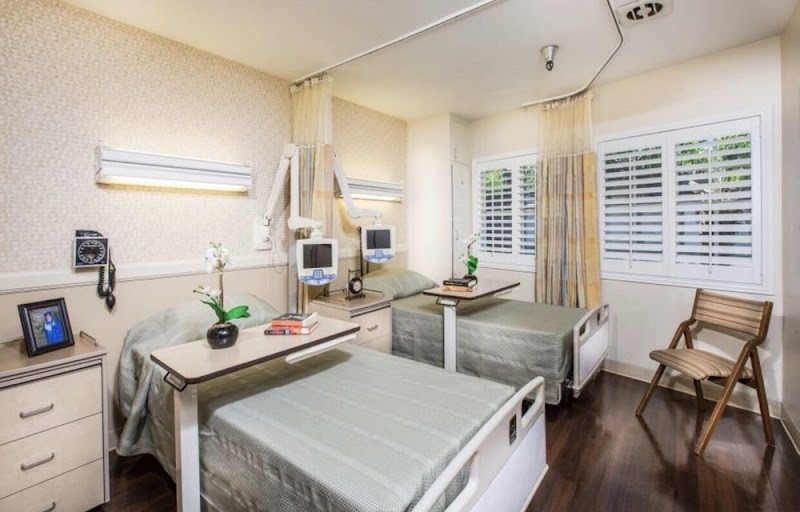
How is Valley View Post Acute Staffed?

CMS rates VALLEY VIEW POST ACUTE's staffing level at 2 out of 5 stars, which is below average compared to other nursing homes. Staff turnover is 38%, compared to the California average of 46%. This relatively stable workforce can support continuity of care.

What Have Inspectors Found at Valley View Post Acute?

State health inspectors documented 62 deficiencies at VALLEY VIEW POST ACUTE during 2022 to 2025. These included: 1 that caused actual resident harm, 58 with potential for harm, and 3 minor or isolated issues. Deficiencies causing actual harm indicate documented cases where residents experienced negative health consequences.
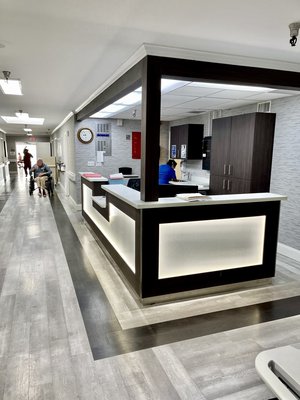
Who Owns and Operates Valley View Post Acute?

VALLEY VIEW POST ACUTE is owned by a for-profit company. For-profit facilities operate as businesses with obligations to shareholders or private owners. The facility is operated by PACS GROUP, a chain that manages multiple nursing homes. With 96 certified beds and approximately 85 residents (about 89% occupancy), it is a smaller facility located in EL MONTE, California.
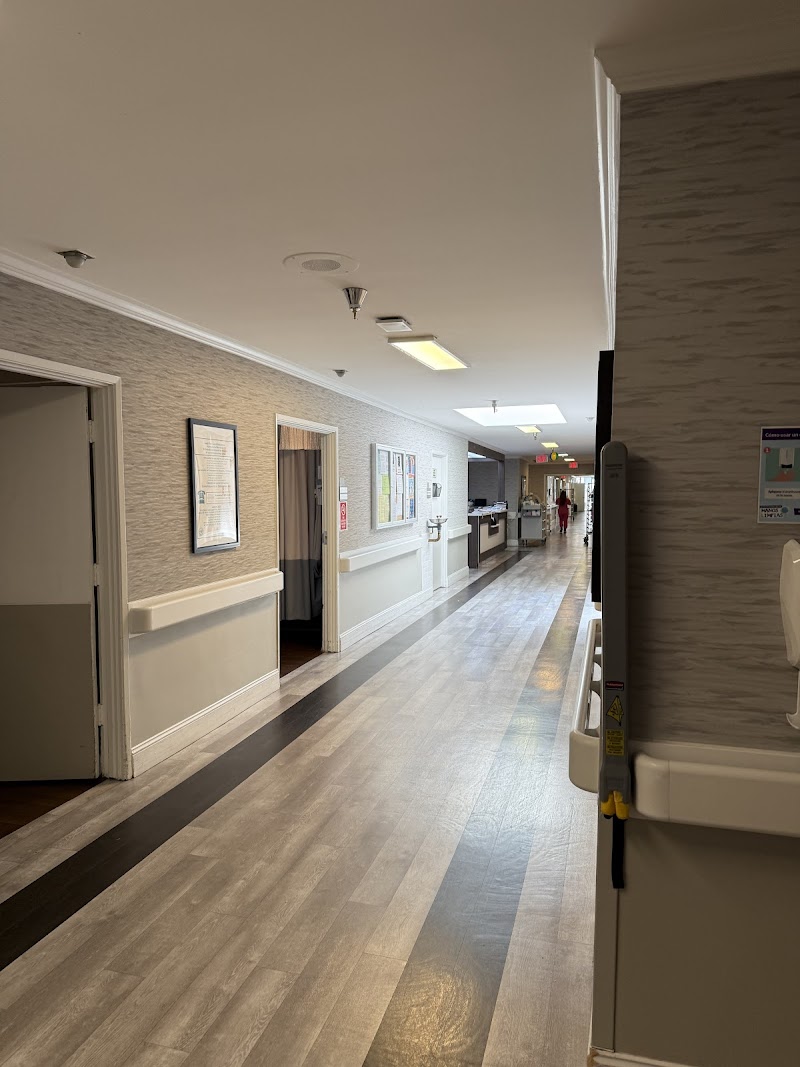
How Does Valley View Post Acute Compare to Other California Nursing Homes?

Compared to the 100 nursing homes in California, VALLEY VIEW POST ACUTE's overall rating (2 stars) is below the state average of 3.1, staff turnover (38%) is near the state average of 46%, and health inspection rating (2 stars) is below the national benchmark.

What Should Families Ask When Visiting Valley View Post Acute?

Based on this facility's data, families visiting should ask: "Can you walk me through typical staffing levels on day, evening, and night shifts?" "Can I visit during a mealtime to observe dining assistance and food quality?" "How do you handle medical emergencies, and what is your hospital transfer rate?" "Can I speak with family members of current residents about their experience?" These questions are particularly relevant given the below-average staffing rating.

Is Valley View Post Acute Safe?

Based on CMS inspection data, VALLEY VIEW POST ACUTE has a clean safety record: no substantiated abuse findings (meaning no confirmed cases of resident harm), no Immediate Jeopardy citations (the most serious violation level indicating risk of serious injury or death), and is not on the Special Focus Facility watch list (a federal program monitoring the lowest-performing 1% of nursing homes). The facility has a 2-star overall rating and ranks #100 of 100 nursing homes in California. While no facility is perfect, families should still ask about staff-to-resident ratios and recent inspection results during their visit.

Do Nurses at Valley View Post Acute Stick Around?

VALLEY VIEW POST ACUTE has a staff turnover rate of 38%, which is about average for California nursing homes (state average: 46%). Moderate turnover is common in nursing homes, but families should still ask about staff tenure and how the facility maintains care continuity when employees leave.

Was Valley View Post Acute Ever Fined?

VALLEY VIEW POST ACUTE has been fined $24,668 across 1 penalty action. This is below the California average of $33,326. While any fine indicates a compliance issue, fines under $50,000 are relatively common and typically reflect isolated problems that were subsequently corrected. Families should ask what specific issues led to these fines and confirm they've been resolved.

Is Valley View Post Acute on Any Federal Watch List?

VALLEY VIEW POST ACUTE is not on any federal watch list. The most significant is the Special Focus Facility (SFF) program, which identifies the bottom 1% of nursing homes nationally based on persistent, serious quality problems. Not being on this list means the facility has avoided the pattern of deficiencies that triggers enhanced federal oversight. This is a positive indicator, though families should still review the facility's inspection history directly.