ENCINO HOSPITAL MEDICAL CENTER D/P SNF
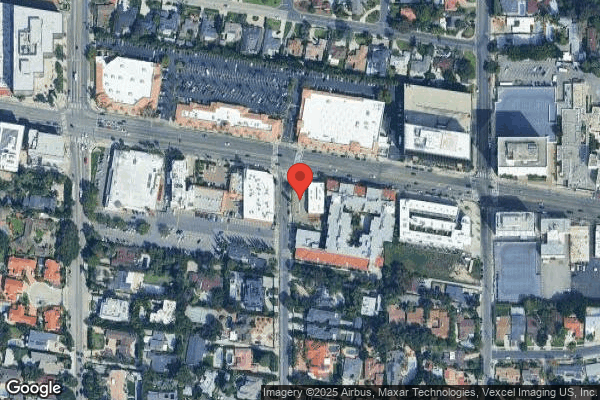
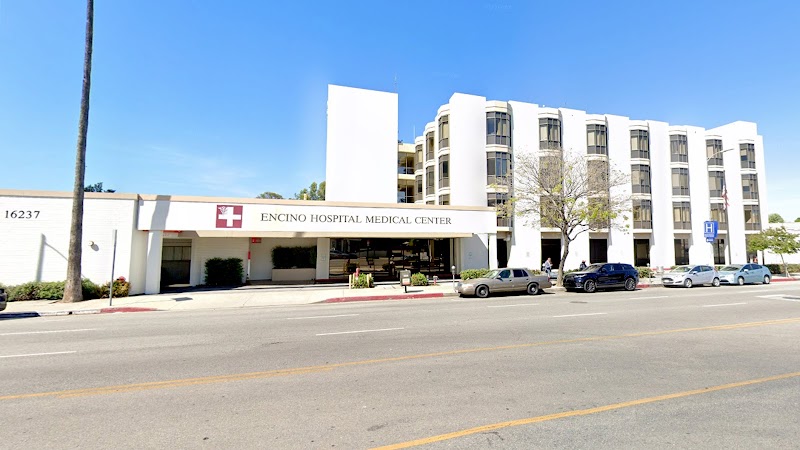
16237 VENTURA BLVD, ENCINO, CA 91436 (818) 995-5141
For profit - Corporation 28 Beds PRIME HEALTHCARE Data: November 2025 1 Immediate Jeopardy citation
Trust Grade
49/100
#575 of 1155 in CA
Last Inspection: December 2024

Within standard 12-15 month inspection cycle. Federal law requires annual inspections.

Overview

Encino Hospital Medical Center D/P SNF has a Trust Grade of D, indicating below-average performance with some concerning issues. They rank #575 out of 1,155 facilities in California, placing them in the top half, and #104 out of 369 in Los Angeles County, meaning there are only a few local options that are better. Unfortunately, the facility's trend is worsening, with the number of issues increasing from 12 in 2023 to 19 in 2024. Staffing is a relative strength, with a turnover rate of 26%, which is better than the state average, and they have more RN coverage than 95% of California facilities, ensuring better oversight of resident care. However, the facility has accumulated $24,030 in fines, which is concerning as it is higher than 89% of other facilities in California, suggesting repeated compliance issues. Specific incidents include inadequate temperature control affecting resident comfort and concerns regarding the care plans for residents with serious conditions, highlighting both strengths in staffing and significant weaknesses in overall care quality.

Trust Score
D
49/100
In California
#575/1155
Top 49%
Safety Record
High Risk
Review needed
Inspections
Getting Worse
12 → 19 violations
Staff Stability
✓ Good
26% annual turnover. Excellent stability, 22 points below California's 48% average. Staff who stay learn residents' needs.
Penalties
○ Average
$24,030 in fines. Higher than 73% of California facilities. Some compliance issues.
Skilled Nurses
✓ Good
Each resident gets 130 minutes of Registered Nurse (RN) attention daily — more than 97% of California nursing homes. RNs are the most trained staff who catch health problems before they become serious.
Violations
⚠ Watch
31 deficiencies on record. Higher than average. Multiple issues found across inspections.
★★★☆☆
3.0
Overall Rating
★★★☆☆
3.0
Staff Levels
★★★★☆
4.0
Care Quality
★★★☆☆
3.0
Inspection Score
Stable
2023: 12 issues
2024: 19 issues

The Good

  • 4-Star Quality Measures · Strong clinical quality outcomes
  • Low Staff Turnover (26%) · Staff stability means consistent care
  • Full Sprinkler Coverage · Fire safety systems throughout facility
  • No fines on record
  • Staff turnover is low (26%)

    22 points below California average of 48%

Facility shows strength in quality measures, staff retention, fire safety.

The Bad

3-Star Overall Rating

Near California average (3.1)

Meets federal standards, typical of most facilities

Federal Fines: $24,030

Below median ($33,413)

Minor penalties assessed

Chain: PRIME HEALTHCARE

Part of a multi-facility chain

Ask about local staffing decisions and management

The Ugly 31 deficiencies on record

1 life-threatening
Dec 2024 2 deficiencies
CONCERN (D) 📢 Someone Reported This

A family member, employee, or ombudsman was alarmed enough to file a formal complaint

Potential for Harm - no one hurt, but risky conditions existed

Report Alleged Abuse (Tag F0609)

Could have caused harm · This affected 1 resident

**NOTE- TERMS IN BRACKETS HAVE BEEN EDITED TO PROTECT CONFIDENTIALITY** Based on interview and record review, the facility failed to report an alleged incident of physical abuse involving one of one s...

Read full inspector narrative →
**NOTE- TERMS IN BRACKETS HAVE BEEN EDITED TO PROTECT CONFIDENTIALITY** Based on interview and record review, the facility failed to report an alleged incident of physical abuse involving one of one sampled resident (Resident 1) to the long-term care ombudsman (a person who investigates, reports on, and helps settle complaints) office, the local law enforcement agency, and the Department of Health Services in accordance with State law and the facility ' s policy and procedures, within but not later than two hours of the alleged involved incident. This deficient practice resulted in the California Department of Public Health (CDPH) being unaware of this alleged abuse incident and potential injury to Resident 1, which could then had the potential for a delay in CDPH ' s investigation and other abuse allegations to go unreported at the same facility. Findings: During a review of Resident 1 ' s admission Record (known as Face Sheet) dated 01/01/2024, the face sheet indicated that Resident 1 was admitted to the facility on [DATE] with a diagnose of respiratory failure (a serious medical condition that makes it difficult to breath on your own). The admission records also indicated that Resident 1 is receiving services in the sub-acute unit in room [ROOM NUMBER]/A. During a review of Resident 1 ' s Minimum Data Set [(MDS), a standardized assessment and screening tool], dated 6/17/2024, the MDS indicated under the Brief Interview for Mental Status (BIMS, is a short cognitive screening tool used to assess a person ' s cognitive functioning), Resident 1 had BIMS of 4 (equal to a decline in cognitive performance). During a review of Resident 1 ' s clinical records Nursing Progress Notes, dated 10/14/2024 at 9:10 p.m., the nursing note indicated that Resident 1 stated that she was bending down while in the wheelchair reaching for a bag when the Certified Nurse Assistant 1 (CNA) pulled the wheelchair from behind causing her to slide off and fall on her buttocks. Resident 1 stated that she hit her back on the front of the wheelchair. During a review of Resident 1 ' s clinical records document titled wound assessment, dated 10/15/2024, the document indicated left buttock bluish discoloration skin color is purple. This wound assessment document has a picture of the area described in the document. During a review of the SW note dated 10/21/2024 at 3:00 p.m., the SW note indicated that on 10/21/2024 during the meeting between the family member and the Manager of the Sub-Acute Unit (MSAU), the MSAU directed the SW that there was no need to file for an ombudsman report as this situation was addressed and both parties understood. During an interview on 12/19/2024 at 2:00 p.m. with SW 1 , SW 1 stated that on 10/17/2024 when the SW learned about Resident 1 ' s fall; SW stated she was instructed not to report this incident by the MSAU; however, SW went ahead and documented this in the Resident 1 ' s records about the directives received. SW stated that it is important to document this type of events. SW also added that there are several forms of abuse and physical abuse being one of those as well as financial, or sexual, or verbal abuse. SW stated that she understands the importance of reporting in a timely manner and to the proper agencies. During an interview on 12/19/2024 at 2:25 p.m., in the SW ' s office (room [ROOM NUMBER]) the MSAU stated she was notified of the incident that occurred with the Resident 1 in room [ROOM NUMBER]A. The MSAU stated the facility did not report nor investigate the incident because neither she nor the Administrator at the facility considered the incident related to abuse. The MSAU stated it is a facility policy to report any allegations of abuse. The MSAU stated the facility should have reported the incident due to the circumstances and especially because Resident 1 did not feel safe around CNA 1 and that Resident 1, had a bruise, and complained of pain after the incident. The MSAU stated failing to report the incident is a violation of Resident 1 ' s rights, facility policy and state and federal regulations. The MSAU stated failing to report allegations of abuse places Resident 1 and other residents potentially at risk for undetected incidents of abuse. During a review of the facility's policy and procedure (P/P) titled, Abuse, Elder & Dependent Adult, dated 04/2024, the P&P indicated that all staff members are responsible for the reporting of any reasonable suspicion or of any witnessed or alleged abuse. By law, a supervisor or administrator cannot prevent a staff member from reporting elder or dependent adult abuse. Furthermore, the P&P indicated that all health practitioners and all employees in a long-term health care facility are mandated reporters.
CONCERN (D) 📢 Someone Reported This

A family member, employee, or ombudsman was alarmed enough to file a formal complaint

Potential for Harm - no one hurt, but risky conditions existed

Investigate Abuse (Tag F0610)

Could have caused harm · This affected 1 resident

**NOTE- TERMS IN BRACKETS HAVE BEEN EDITED TO PROTECT CONFIDENTIALITY** Based on interview and record review, the facility failed to conduct a timely and thorough investigation for one of one sampled ...

Read full inspector narrative →
**NOTE- TERMS IN BRACKETS HAVE BEEN EDITED TO PROTECT CONFIDENTIALITY** Based on interview and record review, the facility failed to conduct a timely and thorough investigation for one of one sampled residents (Resident 1) when a Certified Nurse Assistant 1 (CNA) allegedly pulled Resident 1 ' s wheelchair from Resident 1 therefore causing Resident 1 ' s to suffer a fall from the wheelchair on 10/14/2024 at 9:00 p.m. On 10/15/2024, Resident 1 was noted to have a purple bruise on her left buttock and Resident 1 reported body pain 3/10. This deficient practice had the potential to result in unidentified abuse affecting Resident 1 and therefore, the facility failure to conduct a thoroughly investigation of the alleged violation. Findings: During a review of Resident 1 ' s admission Record (Face Sheet), dated 01/01/2024, the face sheet indicated that Resident 1 was admitted to the facility on [DATE] with a diagnose of respiratory failure (a serious medical condition that makes it difficult to breath on your own). The admission records also indicated that Resident 1 is receiving services in the sub-acute unit in room [ROOM NUMBER]/A. During a review of Resident 1 ' s Minimum Data Set [(MDS), a standardized assessment and screening tool], dated 6/17/2024, the MDS indicated under the Brief Interview for Mental Status (BIMS, is a short cognitive screening tool used to assess a person ' s cognitive functioning), Resident 1 had BIMS of 4 (equal to a decline in cognitive performance). During a review of Resident 1 ' s clinical records Social Services Note , dated 10/17/2024 at 1:55 p.m., the social services note indicated that the Social Worker (SW) was informed that the Resident 1 experienced a fall on 10/14/2024 at night 9:00 p.m. Some bruising on Resident 1 ' s arms but no fractures or major injuries. This note indicated that SW was instructed there was no need to file an Ombudsman (a person who investigates, reports on, and helps settle complaint) report by the Manager of the Sub-Acute Unit (MSAU). During a review of the SW note dated 10/21/2024 at 3:00 p.m., the SW note indicated that on 10/21/2024 during the meeting between the family member and the Manager of the Sub-Acute Unit (MSAU), that Resident 1 ' s family member was upset because no one called her to inform her about her mother ' s fall, Resident 1 ' s family member said that whether or not the fall was critical she should have been informed in order for her to be able to arrange for transportation. The Resident 1 ' s family member stated that she believed her mother (Resident 1) because this has been the second incident with that CNA 1. During an interview on 12/19/2024 at 2:25 p.m., in room [ROOM NUMBER] with the MSAU, the MSAU stated she was notified of the incident that occurred with the Resident 1 in room [ROOM NUMBER]A. The MSAU stated the facility did not report nor investigate the incident because neither she nor the Administrator at the facility considered the incident related to abuse. The MSAU stated it is a facility policy to report any allegations of abuse. The MSAU stated the facility should have reported the incident due to the circumstances and especially because Resident 1 did not feel safe around CNA 1 and complained of pain after the incident. The MSAU stated failing to report the incident is a violation of resident ' s rights, facility policy and state and federal regulations. The MSAU stated failing to report allegations of abuse places Resident 1 and other residents potentially at risk for undetected incidents of abuse within the facility. Furthermore, the MSAU stated the individual (CNA 1) should ' ve been suspended pending the outcome of the investigation. During a review of the facility's policy and procedure (P&P) titled, Abuse, Elder & Dependent Adult, dated 04/2024, the P&P indicated that all staff members are responsible for the reporting of any reasonable suspicion or of any witnessed or alleged abuse. By law, a supervisor or administrator cannot prevent a staff member from reporting elder or dependent adult abuse. Furthermore, the P&P indicated that all health practitioners and all employees in a long-term health care facility are mandated reporters and fill out an incident report, Suspected Dependent Adult/Elder Abuse Form (SOC 341), and other designated forms by the facility. During a review of the facility's policy and procedure (P/P) titled, Abuse, Elder & Dependent Adult, dated 04/2024, the P&P indicated that for instance that involve abuse all results in serious bodily injury, call the local law enforcement agency, long term care ombudsman, end the Department of Health services license and certification immediately but not later than two hours after the alleged incidents and within 24 hours for all other cases. Furthermore the policy and procedure indicated that if a staff member had been alleged to be involved in the act of abuse, that person will be suspended pending the investigation. The results of all the investigation must be reported to officials in accordance with state law (including to the state survey and certification agency) within five (5) working days of the incident and if the alleged violation is verified appropriate corrective action must be taken.
Dec 2024 5 deficiencies
CONCERN (D)

Potential for Harm - no one hurt, but risky conditions existed

Resident Rights (Tag F0550)

Could have caused harm · This affected 1 resident

Based on observation, interview, and record review, the facility failed to: 1. Ensure Certified Nursing Assistant 2 (CNA 2) was not standing over a resident while feeding the resident for one (Residen...

Read full inspector narrative →
Based on observation, interview, and record review, the facility failed to: 1. Ensure Certified Nursing Assistant 2 (CNA 2) was not standing over a resident while feeding the resident for one (Resident 9) out of two sampled residents investigated for the care area of dignity. This deficient practice violated the resident`s rights to be treated with respect and dignity which had the potential to affect the resident`s sense of self-worth and self-esteem. 2. Based on interview and record review, the facility failed to ensure a facility staff knocked and asked permission prior to entering a resident`s room for one of one resident (Resident 19) investigated under Resident Rights. This deficient practice violated the resident`s rights to be treated with respect and dignity which had the potential to affect the resident`s sense of self-worth and self-esteem. Findings: 1. During a review of Resident 9's Face Sheet, the Face Sheet indicated the facility admitted the resident on 2/5/2016 with diagnoses including multiple cerebrovascular accidents (CVA - stroke, loss of blood flow to a part of the brain), bilateral (both sides) lower extremity paraplegia (loss of movement and/or sensation, to some degree, of the legs), and right upper extremity paralysis (loss of muscle function). During a review of Resident 9's Minimum Data Set (MDS - a resident assessment tool), dated 11/5/2024, the MDS indicated the resident had intact cognition (thought processes) and was dependent on staff for most activities of living (ADLs - activities such as bathing, dressing, and toileting a person performs daily). On 12/2/2024 at 12:15 p.m., during an observation, observed CNA 2 standing over Resident 9 while feeding him. Observed a chair in the room. Observed the resident's bed to be in a low position. On 12/2/2024 at 2:46 p.m., during an interview, CNA 2 verified the observation and stated she should have moved the resident's up to a higher position so that the resident was at eye level with her. On 12/4/2024 at 2:05 p.m., during an interview, when asked what could potentially result from not having the resident at eye level during feeding, the Director of Nursing (DON) stated the resident did not like to have his bed moved and did not like it when CNAs sat next to his bed while feeding him. During a review of Resident 9's care plans (a document that outlines a person's health needs, current medical conditions, and the specific treatments or support required to manage their care), no care plan was found indicating the resident's preference to not have his bed raised or not have CNAs sit beside his bed during feeding. On 12/4/2024 at 2:21 p.m., during an interview, when asked if he ever told staff that he did not like his bed raised or did not like for CNAs to sit beside him while feeding him, Resident 9 stated, I never said that. The resident stated he would not mind either way if his bed was raised or if the CNA sat next to his bed while feeding. During a review of the facility's policy and procedure titled, Patient Rights and Responsibilities, last reviewed and revised on 5/2024, the policy indicated that patients have the right to receive considerate and respectful care, and to be made comfortable. 2. During a review of Resident 19's admission Record, the admission Record indicated the facility admitted the resident on 8/22/2024, with diagnoses including respiratory failure (a serious condition that occurs when the lungs have difficulty getting enough oxygen into the blood, or when there is too much carbon dioxide in the blood) and status epilepticus (a seizure lasting more than five minutes, or multiple seizures within five minutes without regaining consciousness). During a review of Resident 19's Minimum Data Set (MDS, a standardized assessment and care screening tool), dated 11/13/2024, the MDS indicated Resident 19's cognitive (the mental action or process of acquiring knowledge and understanding through thought, experience, and the senses) skills for daily decision making was severely impaired. The MDS further indicated that Resident 19 was totally dependent on staff for toileting, shower, dressing and personal hygiene. During an observation on 12/02/2024 at 11:00 a.m., observed Respiratory Therapist (RT1) enter Resident 19`s room without knocking and asking permission to go inside the room. During an interview on 12/02/2024 at 1:04 p.m., with RT1, RT 1 stated that he went to Resident 19`s room to administer breathing treatment and forgot to knock and ask permission prior to entering the resident`s room. RT1 stated that it is proper to knock to show respect and ensure privacy and dignity. RT1 stated that not knocking on the resident`s door is a violation of Resident 19`s rights as a patient. During an interview on 12/04/2024 at 9:16 a.m., with Registered Nurse 1 (RN 1), RN 1 stated that staff should knock on the door, introduce themselves and ask permission to enter the resident`s room. RN 1 stated the resident may feel disrespected if staff enter the room without asking permission and knocking on the door. During a review of the facility`s policy and procedures titled Patient Rights and Responsibilities, last reviewed on May 2024, indicated that the patient has the right to personal privacy .
CONCERN (D)

Potential for Harm - no one hurt, but risky conditions existed

Report Alleged Abuse (Tag F0609)

Could have caused harm · This affected 1 resident

Based on interview and record review, the facility failed to implement its abuse prohibition policy by failing to report immediately, but no later than two hours after the allegation was made, an alle...

Read full inspector narrative →
Based on interview and record review, the facility failed to implement its abuse prohibition policy by failing to report immediately, but no later than two hours after the allegation was made, an allegation of staff to resident abuse (the willful infliction of injury with resulting physical harm, pain, or mental anguish) to the State Survey Agency (California Department of Public Health), ombudsman, and local law enforcement for one of three sampled residents (Resident 8). This deficient practice had the potential to result in a delay of an onsite investigation of abuse. Findings: During a review of Resident 8's History and Physical (H&P), dated 1/1/2024, the H&P indicated Resident 8 was admitted to the facility in December 2008 with diagnoses including but not limited to encephalitis (inflammation of the brain), cerebrovascular accident (CVA-stroke, loss of blood flow to a part of the brain), and ventilator (a medical device to help support or replace breathing) dependent respiratory failure. During a review of Resident 8's Minimum Data Set (MDS - a resident assessment tool), the MDS indicated Resident 8 could not speak and can sometimes understand others and make herself understood. The MDS further indicated Resident 8 was dependent on staff for all activities of daily living (ADLs- activities such as bathing, dressing and toileting a person performs daily). During an interview on 12/2/2024 at 1:12 p.m. with the family member (FM 1) of another resident, FM 1 stated while she (FM 1) was standing outside of Resident 8's room a couple of weeks ago, she (FM 1) saw Resident 8 with bruises on the arm. FM 1 further stated she thinks a night shift staff did something to Resident 8 to cause the bruising. During an interview on 12/2/2024 at 2:05 p.m. with the Manager of Subacute (MOS), the surveyor informed the MOS of the allegation of abuse to Resident 8, which caused bruising to the resident's arm. During an interview on 12/3/2024 at 8:35 a.m. with the MOS, the MOS stated the charge nurse assessed Resident 8 and found no signs of bruising. The MOS stated nothing was reported to any agencies as there is currently no bruising, nor has there been any recently, and there is no known incident that could have caused any bruising. During an interview on 12/3/2024 at 10:05 a.m. with MOS and the Chief Nursing Officer (CNO), surveyor informed the CNO and the MOS that there was an allegation of abuse by a night staff to Resident 8, which caused bruising to the resident's arm. During a concurrent interview and record review on 12/3/2024 at 2:52 p.m. with the SW, the SW provided a fax confirmation time stamped 12/3/2024 2:50 p.m. of a report of suspected dependent adult/elder abuse to the ombudsman's office notifying them of the allegation of abuse. During a concurrent interview and record review on 12/4/2024 at 8:12 a.m. with the SW, the facility's policy and procedure (P&P) titled, Abuse, Elder & Dependent Adult, revised April 2024, was reviewed. The P&P indicated, For incidents that involved abuse or results in serious bodily injury, call the local law enforcement agency, Long Term Care Ombudsman and the Department of public health Services Licensing and Certification immediately but not later than two hours after the alleged incident and within 24 hours for all other cases. The SW stated she is responsible for completing the report of suspected dependent adult/elder abuse form and reporting the alleged abuse. SW 1 stated she (SW 1) thought she could notify one entity within 24 hours and the rest later. After review of the P&P, SW 1 confirmed the allegation should have been reported to the ombudsman, the Department of Public Health, and law enforcement within two hours as indicated in the policy. During a concurrent interview and record review on 12/4/2024 at 1:42 p.m. with the MOS and CNO, reviewed the facility's P&P titled, Abuse, Elder & Dependent Adult, revised April 2024, that indicated For incidents that involved abuse or results in serious bodily injury, call the local law enforcement agency, Long Term Care Ombudsman and the Department of Health Services Licensing and Certification immediately but not later than two hours after the alleged incident and within 24 hours for all other cases. The MOS and ADM stated the allegation of abuse should be reported as indicated in this policy. During an interview on 12/4/2024 at 3:23 p.m. with the SW, SW stated if she received an allegation of abuse she would report to the ombudsman, law enforcement and the Department of Public Health within two hours so the allegation of abuse can be investigated quickly and to prevent any further distress to the resident. During a review of the facility's P&P titled Abuse, Elder & Dependent Adult revised April 2024, the P&P indicated For incidents that involved abuse or results in serious bodily injury, call the local law enforcement agency, Long Term Care Ombudsman and the Department of Health Services Licensing and Certification immediately but not later than two hours after the alleged incident and within 24 hours for all other cases. The P&P further indicated Reports of abuse or results in serious bodily injury are to be made immediately within two hours to the local law enforcement agency, Long Term Care Ombudsman and the Department of Health Services Licensing and Certification and within 24 hours for all other cases and follow-up written report (SOC 341) must be sent.
CONCERN (D)

Potential for Harm - no one hurt, but risky conditions existed

Accident Prevention (Tag F0689)

Could have caused harm · This affected 1 resident

Based on observation, interview and record review, the facility failed to ensure Certified Nursing Assistant 1 (CNA 1) did not transfer a resident from the wheelchair to the bed using a mechanical lif...

Read full inspector narrative →
Based on observation, interview and record review, the facility failed to ensure Certified Nursing Assistant 1 (CNA 1) did not transfer a resident from the wheelchair to the bed using a mechanical lift (a device used to assist with transfers and movement) without assistance from another staff for one of one sampled resident investigated under the accident care area (Resident 14). This deficient practice had the potential for the resident to sustain a serious injury in the event of a fall incident. Findings: During a review of Resident 14's Face Sheet, the Face Sheet indicated that the facility admitted the resident on 9/09/2024 with diagnoses that included encephalopathy (a general term for a brain disorder or disease that can be caused by a number of things, including injury, disease, drugs, or chemicals) and respiratory failure (a serious condition that occurs when the lungs have difficulty getting enough oxygen into the blood, or when there is too much carbon dioxide in the blood). During a review of Resident 14's Minimum Data Set (MDS - a federally mandated resident assessment tool), dated 9/22/2024, the MDS indicated the resident's cognitive (the mental action or process of acquiring knowledge and understanding through thought, experience, and the senses) skills for daily decision making was severely impaired and required two staff for toileting, shower, dressing and for personal hygiene. During an observation and interview on 12/02/2024 at 1:41 p.m., observed Certified Nurse Assistant bringing in a mechanical lift inside Resident 14`s room. CNA 1 then closed the privacy curtain of Resident 14. CNA 1 stepped out of the room and was asked what she did inside the resident`s room. CNA 1 stated that she transferred Resident 14 from the wheelchair to his bed. CNA 1 stated she did the transfer by herself because the other CNAs were busy. CNA 1 stated that there should be two staff assisting the resident during transfers when using a mechanical lift. During an interview on 12/02/2024 at 2:14 p.m., CNA 2 stated that Resident 14 requires two person assistance with transfer using a mechanical lift for the safety of the resident and staff. CNA 2 stated that with mechanical lift transfer, one person will attach the hook on one side and the other person will attach the hook on the other side. CNA 2 stated that one person will hold and support the resident and the other person will move the mechanical lift. CNA 2 stated that the resident can fall resulting in injury, if only one person will operate the mechanical lift during a transfer. CNA 2 stated that Resident 14 could have suffered a fall because of the unsafe transfer. CNA 2 stated that they are trained in using the mechanical lift. During an interview with Registered Nurse 1 (RN 1) on 12/04/2024 at 9:16 a.m., RN 1 stated that transferring a patient using the mechanical lift requires two-person assistance. RN 1 stated that transferring Resident 14 using a mechanical lift by one person is not safe and can increase the resident's risk of accidents resulting in a fall or serious injuries. During a review of the facility`s policy and procedures (P&P), titled Mechanical Lift, last reviewed on 5/2024, the P&P indicated that It is the policy of this facility that the Mechanical Lift will be utilized for resident transfers only .Assistance of two personnel will be used with Mechanical Lift.
CONCERN (D)

Potential for Harm - no one hurt, but risky conditions existed

Food Safety (Tag F0812)

Could have caused harm · This affected 1 resident

**NOTE- TERMS IN BRACKETS HAVE BEEN EDITED TO PROTECT CONFIDENTIALITY** Based on observation, interview, and record review, the facility failed to follow safe food handling practices by failing to ens...

Read full inspector narrative →
**NOTE- TERMS IN BRACKETS HAVE BEEN EDITED TO PROTECT CONFIDENTIALITY** Based on observation, interview, and record review, the facility failed to follow safe food handling practices by failing to ensure: 1. Food stored in the resident unit refrigerator was labeled with the resident`s name, room number, date of preparation and discarded after two days. 2. The refrigerator in the resident's unit has a thermometer. These deficient practices had placed two of two residents (Resident 9 and 21) at risk for foodborne illnesses (an infection or irritation of the gastrointestinal tract [including the stomach and intestines] caused by food or beverages that contain harmful bacteria/germs, chemicals, or other organisms) with common symptoms such as nausea, vomiting, stomach cramps, and diarrhea. Findings: 1. During a review of Resident 9's History and Physical (H&P), the H&P indicated the facility admitted the resident on 2/5/2016 with history of respiratory failure and cerebrovacular accident (CVA-medical conditon that occurs when blood flow to the brain is suddenly interrupted). During a review of Resident 9's Minimum Data Set (MDS- a standardized assessment and screening tool) dated 11/05/2024, the MDS indicated that the resident's cognitive (the mental action or process of acquiring knowledge and understanding through thought, experience, and the senses) skills for daily decision making was intact. The MDS also indicated the resident is dependent on staff for eating, oral hygiene, toileting hygiene, shower, upper body dressing, lower body dressing, putting on and taking off footwear and personal hygiene. b. During a review of Resident 21's Physician Orders, the Physician Orders indicated Resident 21 was admitted to the facility on [DATE] with diagnoses including generalized weakness and heart failure (a serious condition that occurs when the heart is unable to pump enough blood and oxygen to the body's organs). During a review of Resident 21's Minimum Data Set (MDS- a standardized assessment and screening tool) dated 9/17/2024, the MDS indicated the resident's cognitive (the mental action or process of acquiring knowledge and understanding through thought, experience, and the senses) skills for daily decision making was intact. The MDS indicated the resident required substantial/maximal assistance from staff for shower, lower body dressing, putting on and taking off footwear and partial moderate assistance from staff for toileting hygiene, upper body dressing and personal hygiene. During an observation of the patient unit refrigerator and concurrent interview on 12/04/2024 at 09:45 a.m., with the Activity Director (AD), observed inside the refrigerator an unknown food item wrapped in foil without a label. The AD also confirmed that there is no thermometer inside the refrigerator. The AD the food item should have been dated and labeled with the resident's name. The AD stated the unlabeled food item if ingested could cause foodborne illnesses. The AD stated that it should be discarded immediately as it is not safe to be consumed by the residents. The AD stated that the temperature of the refrigerator must be maintained according to the facility policy's to ensure food stored in the refrigerator remains safe and does not spoil. During an interview on 12/04/2024 with the Director of Nursing (DON), the DON stated that families or visitors can bring food for the residents. The DON stated that there is a designated refrigerator to store the resident's food and the food should be dated and labeled with the resident`s name. The DON stated that dating the food item, will ensure it is discarded after one to two days. The DON also stated that there should be a thermometer in the refrigerator to make sure the temperature is kept within the proper range to prevent food spoilage and protect the two residents who are on oral feeding, from food borne illnesses. During a review of the facility`s policy and procedure (P&P) titled Food and Nutrition Services, last revised on February 2023, the P&P indicated that If perishable food is brought in but not eaten right away it may be stored in the refrigerator .food is labeled with patient`s name, room number and date of preparation and food is discarded two days after food is dated . During a review of the facility`s policy and procedure titled Refrigerators, Food-Patient Units, last revised on June 2024, the P&P indicated that Food refrigerators and freezers are used only for patient food .temperature norms are as follows: refrigerators are less than or equal to 41 degrees Fahrenheit; freezers are less than or equal to zero (0) degrees Fahrenheit .
CONCERN (D)

Potential for Harm - no one hurt, but risky conditions existed

Infection Control (Tag F0880)

Could have caused harm · This affected 1 resident

Based on observation, interview, and record review, the facility failed to ensure Certified Nursing Assistant 1 (CNA 1) performed hand hygiene (the practice of cleaning your hands to prevent the sprea...

Read full inspector narrative →
Based on observation, interview, and record review, the facility failed to ensure Certified Nursing Assistant 1 (CNA 1) performed hand hygiene (the practice of cleaning your hands to prevent the spread of disease and infection) after doffing (to take off) her gown, touching a soiled linen cart, and leaving a resident's room for one (Resident 9) out of six sampled residents investigated under the care area of infection control. This deficient practice had the potential to place residents at increased risk of contracting an infection. Findings: During a review of Resident 9's Face Sheet (front page of the chart that contains a summary of basic information about the resident), the Face Sheet indicated the facility admitted the resident on 2/5/2016 with diagnoses including multiple cerebrovascular accidents (CVA - stroke, loss of blood flow to a part of the brain), bilateral (both sides) lower extremity paraplegia (loss of movement and/or sensation, to some degree, of the legs), and right upper extremity paralysis (loss of muscle function). During a review of Resident 9's Minimum Data Set (MDS - a resident assessment tool), dated 11/5/2024, the MDS indicated the resident had intact cognition (thought processes) and was dependent on staff for most activities of living (ADLs - activities such as bathing, dressing, and toileting a person performs daily). The MDS also indicated that the resident received tracheostomy (a surgical procedure that creates an opening in the neck and inserts a tube into the windpipe to help with breathing) care while a resident. On 12/3/2024 at 10:26 a.m., during an observation, observed CNA 1 inside Resident 9's room doffing her gown, placing it inside the soiled linen cart, and exiting the resident's room without performing hand hygiene. Observed CNA 1 going into another room without first performing hand hygiene. On 10/3/2024 at 10:45 a.m., during an interview with CNA 1, CNA 1 confirmed that she did not perform hand hygiene after doffing her gown and exiting Resident 9's room. On 10/4/2024 at 1:48 p.m., during an interview with the Director of Nursing (DON), the DON stated it was important for staff to perform hand hygiene after doffing their gowns and exiting residents' rooms for infection control. During a review of the facility's policy and procedure titled, Hand Hygiene, last reviewed and revised on 3/2024, the policy indicated that hospital personnel shall wash their hands to prevent the spread of infections between handling of individual patients and on leaving an isolation area or after handling articles from an isolation area.
Oct 2024 1 deficiency
CONCERN (D) 📢 Someone Reported This

A family member, employee, or ombudsman was alarmed enough to file a formal complaint

Potential for Harm - no one hurt, but risky conditions existed

Deficiency F0583 (Tag F0583)

Could have caused harm · This affected 1 resident

**NOTE- TERMS IN BRACKETS HAVE BEEN EDITED TO PROTECT CONFIDENTIALITY** Based on interview and record review, the facility failed to ensure staff protect and maintain residents privacy and confidentia...

Read full inspector narrative →
**NOTE- TERMS IN BRACKETS HAVE BEEN EDITED TO PROTECT CONFIDENTIALITY** Based on interview and record review, the facility failed to ensure staff protect and maintain residents privacy and confidentiality for one of two sampled residents (Resident 2) when a Charge Nurse (CN) 2 released Resident 2's medical information to Resident 1's family member (FM 1). This deficient practice resulted in Resident 2's medical information released to other people who do not have the rights to know about. Findings: During a review of Resident 2's History and Physical (H&P, a formal and complete assessment of the patient and the problem), dated 1/1/2024, the H&P indicated, Resident 2 was admitted to the facility with diagnoses including but not limited to chronic respiratory failure (condition in which not enough oxygen passes from the lungs into the blood), ventilator dependent (a medical device to help support or replace breathing), dysphagia (difficulty swallowing), and status post gastrotomy (an artificial external opening into the stomach for nutritional and medication administration) tube placement. During a review of Resident 2's Nutritional assessment dated [DATE], the nutritional assessment indicated, Resident 2 received Vital 1.2 (a type of feeding formula for patients who receive enteral feeding [tube feeding, a way to deliver nutrition and hydration through the feeding tube]) at 40 milliliters per hour (ml/hr, unit of measures) for 20 hours daily. During an interview on 10/28/2024 at 9:26 a.m. with Resident 1's family member (FM 1), FM 1 stated the Charge Nurse (CN 2) had told her (FM 1) that Resident 2's tube feeding was off for five hours on one occasion. During an interview on 10/28/2024 at 10:13 a.m. with CN 2, CN 2 stated the following: when she (CN 2) was providing education to FM 1 regarding the importance of receiving tube feeding per physician order, she (CN 2) informed FM 1 that Resident 2's tube feeding was off for five (5) hours. CN 2 stated FM 1 was not Resident 2's family member so she (CN 2) should not have discussed Resident 2's medical information with FM 1. CN 2 stated she (CN 2) did not state Resident 2's name but she used Resident 2's room number as the identifier. CN 2 stated, I would be more careful and should not say anything (about discussing Resident 2's medical information) to others. During an interview on 10/28/2024 at 2:54 p.m. with the Nurse Manager (NM 1), NM 1 stated the following: to maintain and protect patients privacy and confidentiality, the facility expected all staff not to discuss any resident information or matter with anyone who were not related to or not authorized to know about that resident. Nursing staff should not discuss any residents matter to other residents' family members. Using the room number as the identifier would be considered as violation of resident's privacy as others could identify that particular resident based on the room number. During a review of the facility's policy and procedure (P&P) titled, Patient Rights and Responsibilities, dated 2/2023, the P&P indicated, Patients Rights . 13. The right to the confidentiality of his or her clinical records. The right to confidential treatment of all communications and records pertaining to your care and stay in the hospital. During a review of the facility's the policy and procedure (P&P) titled, HIPAA (Health Insurance Portability and Accountability Act of 1996) Privacy Rule, dated 9/2022. The P&P indicated, Protected Health Information. The Privacy Rule protects all individually identifiable health information held for transmitted by a covered entity or its business associate, in any form or media, whether electronic, paper or oral . 'individually identifiable health information' is information . that identifies the individual or for which there is a reasonable basis to believe it can be used to identify the individual.
Mar 2024 2 deficiencies
CONCERN (D) 📢 Someone Reported This

A family member, employee, or ombudsman was alarmed enough to file a formal complaint

Potential for Harm - no one hurt, but risky conditions existed

Deficiency F0573 (Tag F0573)

Could have caused harm · This affected 1 resident

**NOTE- TERMS IN BRACKETS HAVE BEEN EDITED TO PROTECT CONFIDENTIALITY** Based on interview and record review, the facility failed to support one resident's (Resident 1) right to access personal and me...

Read full inspector narrative →
**NOTE- TERMS IN BRACKETS HAVE BEEN EDITED TO PROTECT CONFIDENTIALITY** Based on interview and record review, the facility failed to support one resident's (Resident 1) right to access personal and medical records (all records maintained for the purposes of patient treatment, including reports, notes, orders, diagnoses, treatments, test results, photographs, medical images, and more); failed to provide Resident 1's and/or Resident 1's representative (RR, an individual who is authorized either by a patient or a State law, to make health care treatment decisions for the patient when the patient is unable to do so) access to the personal and medical records within 24 hours of a written request; failed to follow up and mail to the requestor (Resident 1's representative) a written statement explaining the delay and setting forth the date by which the facility will provide records or a response. This deficient practice had the potential to violate Resident 1's rights to obtain copies of the protected health information as per federal regulation and the facility's policy and procedure. Findings: During a review of Resident 1's History and Physical ( H&P, a through medical examination conducted upon admission to the facility), dated 4/29/2023, the H&P indicated, Resident 1 was admitted on [DATE] with past medical history (PMH, a record of information about a person's health) of hypertension (HTN, when the pressure in the blood vessels is above defined normal parameters) and traumatic brain injury (TBI) with right (R) subdural hematoma (SDH, a type of bleeding near your brain that can happen after a head injury) after a ground level fall; two craniotomies (surgical opening into the skull) and worsening mental status (unable to make decisions for self or speak); tracheostomy (a procedure to help air and oxygen reach the lungs by creating an opening into the trachea (windpipe) from outside the neck intended for breathing) and percutaneous endoscopic gastrostomy (PEG, feeding tube inserted in the placement of a feeding tube through the skin and the stomach wall). During an interview on 3/20/2024 at 12:01 p.m. with Medical Records personnel (MR), MR stated, RR requested Resident 1's medical records and filled out an authorization form for medical record release in October 2023. MR further stated, since Resident 1's medical records contained a lot of information due to length of stay, the request was forwarded to the corporate office for medical record release. MR stated, there was no further follow up done by the facility's MR regarding Resident 1's medical records. During an interview on 3/20/2024, at 12:15 p.m. with the facility's Medical Record Supervisor (MRS), MRS stated, on 1/30/2024, the MRS received an email from the facility's MR regarding Resident 1's medical records. MRS further stated, the facility usually provides all medical records the same day as requested, but since RR wanted all medical records to be burned (write) on a compact disk (CD, a digital storage medium that can hold large amounts of data (information), the records were not released to the RR until 2/24/2024 due to a large amount of information that needed to be written on the CD. MRS further stated, by State regulation, medical records shall take no more than thirty days to be released to the requesting party. During an interview on 3/20/2024 at 4:00 p.m. with Resident 1's representative (RR), the RR stated, the facility did not release Resident 1's medical records in a timely manner. RR further stated multiple requests for Resident 1's personal and medical information were attempted before the records were finally released to RR in February 2024. RR further stated, RR did not receive a written statement explaining the delay for the medical records requested. During a review of the facility's policy and procedure (P&P), titled, Medical Records, dated 2/24/2024, the P&P indicated, Patient are permitted in most circumstances to inspect and obtain copies of their protected health information. Copies and records will be provided, or a written denial made, in response to requests from patients or their representatives within 15 days of receipt of the request. If the facility is unable to produce records within the time limits, requestor shall be mailed a written statement explaining the delay and setting forth the date which the facility will provide records or a response.
CONCERN (D) 📢 Someone Reported This

A family member, employee, or ombudsman was alarmed enough to file a formal complaint

Potential for Harm - no one hurt, but risky conditions existed

Grievances (Tag F0585)

Could have caused harm · This affected 1 resident

**NOTE- TERMS IN BRACKETS HAVE BEEN EDITED TO PROTECT CONFIDENTIALITY** Based on observation, interview, and record review, the facility failed to make information available on how to file a grievance...

Read full inspector narrative →
**NOTE- TERMS IN BRACKETS HAVE BEEN EDITED TO PROTECT CONFIDENTIALITY** Based on observation, interview, and record review, the facility failed to make information available on how to file a grievance (an official statement of a complaint over something believed to be wrong or unfair) for one resident (Resident 1) and/or resident's representative (s) (RR). This failure resulted in violation of Resident 1's and/or Resident 1's representative to receive information on how to file a complaint in accordance with the Patient Rights and Responsibilities and the facility's policy and procedure. Findings: During a review of Resident 1's History and Physical ( H&P, a through medical examination conducted upon admission to the facility), dated 4/29/2023, the H&P indicated, Resident 1 was admitted on [DATE] with past medical history (PMH, a record of information about a person's health) of hypertension (HTN, when the pressure in the blood vessels is above defined normal parameters) and traumatic brain injury (TBI) with right (R) subdural hematoma (SDH, a type of bleeding near your brain that can happen after a head injury) after a ground level fall; two craniotomies (surgical opening into the skull) and worsening mental status (unable to make decisions for self or speak); tracheostomy (a procedure to help air and oxygen reach the lungs by creating an opening into the trachea (windpipe) from outside the neck intended for breathing) and percutaneous endoscopic gastrostomy (PEG, feeding tube inserted in the placement of a feeding tube through the skin and the stomach wall). During an interview on 3/20/2024, at 11:04 a.m. with charge nurse (CN), CN stated, during the admission stay, Resident 1 developed Stage 4 pressure injury (Full thickness tissue loss with exposed bone, tendon, or muscle) to sacrum (the large, triangle-shaped bone in the lower spine that forms part of the pelvis) and suffered from chronic (persisting for a long time) diarrhea (loose, watery, and possibly more-frequent bowel movements) since April 2023. CN further stated, Resident 1's gastrointestinal (GI, pathway by which food enters the body and solid wastes are expelled) issues were a big concern for Resident 1's representative (RR) (Resident 1's medical decision maker) because of how diarrhea negatively affected Resident 1's health. CN stated, RR complained about Resident 1's diarrhea many times and the facility's medical director was aware of the complaint. During a review of Resident 1's medical record (MR), titled, Nursing Progress Note, dated 6/27/2023, the progress note indicated, Gastroenterologist (GI, a medical practitioner specializing in the diagnosis and treatment of disorders of the gastrointestinal tract) was called and made aware of consultation request for chronic diarrhea and stated GI will see Resident 1. During a concurrent interview and record review on 3/20/2024, with FM, the facilities and RR's email correspondence, dated 11/29/2023 was reviewed. The MR indicated, RR reached out to the facility's Chief Nursing Officer (CNO) stating that Resident 1 had chronic diarrhea and the attending physician ordered GI consultation, but the GI consulting physician did not come to see Resident 1. The MR further indicated, the CNO responded to RR stating the gastroenterologist was contacted and was going to see Resident 1 the following day. During a review of Resident 1's medical record (MR), titled, Gastrointestinal consultation, dated 12/1/2023, the MR indicated, first consultation by GI specialist was done on 12/1/2023. During an interview on 3/20/2024 at 12:01 p.m. with Medical Records personnel (MR), MR stated, RR requested Resident 1's medical records and filled out an authorization form for medical record release in October 2023. MR further stated, since Resident 1's medical records contained a lot of information due to length of stay, the request was forwarded to the corporate office for medical record release. MR stated, there was no further follow up done by the facility's MR regarding the Resident 1's medical records. During an interview on 3/20/2024, at 12:15 p.m. with the facility's Medical Record Supervisor (MRS), MRS stated, on 1/30/2024, the MRS received an email from the facility's MR regarding Resident 1's medical records. MRS further stated, the facility usually provides all medical records the same day as requested, but since RR wanted all medical records to be burned (write) on a compact disk (CD, a digital storage medium that can hold large amounts of data (information), the records were not released to the RR until 2/24/2024 due to a large amount of information that needed to be written on the CD. MRS further stated, by State regulation, medical records shall take no more than thirty days to be released to the requesting party. During an interview on 3/20/2024, at 2:15 p.m., with facility's manager (FM), the FM stated, the facility does not have a specific department that handles grievances, but the facility's staff and the manager shall attempt to resolve the complaint first. The FM further stated, the chain of commands shall be activated, and the complaint should be forwarded to the Director of Nursing (DON) and the Chief Nursing Officer (CNO) for a follow-up if a prompt resolution cannot be achieved. The FM stated the information on filing complaints is not posted anywhere in the facility. FM further stated, there are no complaints filed by the Resident 1's representative (RR) regarding Resident 1's care, medical records, or anything else. During an observation on 3/20/2024 at 2:45 p.m., in the facility's hallway, Patient Rights signage was observed. The signage indicated that the space allocated for the information on how to file an internal (to the facility) complaint (information regarding resident's right to confidentially complain about the quality of care, the safety of the environment and services received) was left blank. During a concurrent observation and interview on 3/20/2024 at 2:46 p.m., with the facility's manager (FM), in the facility's hallway, an enclosed Bulletin Board was observed. The Bulletin Board contained a one page printed public notice intended to inform the facility's residents and visitors of a right to confidentially complain to the facility. The FM stated, the information regarding complaints in the facility was outdated and incorrect because the facility has a new process for filing complaints and the posted notice shall be updated. During an interview on 3/20/2024 at 4:00 p.m. with Resident 1's representative (RR), the RR stated, the facility does not have a clear channel for filing complaints. RR stated, multiple times RR made complaints regarding medical and treatment issues involving Resident 1's care. RR stated, the primary care physician never communicates a plan of Resident 1's care with RR and Resident 1 had to wait for months to obtain a gastroenterology consultation regarding chronic diarrhea, even though RR complained about it many times during to the management. RR further stated, Resident 1 has been having diarrhea for over six months before she was seen by a gastroenterologist specialist and continues to have chronic diarrhea without a definitive diagnosis. RR further stated, many other complaints and concerns such as inability to obtain Resident 1's medical records for months were also disregarded by the facility and no resolution of many complaints was ever achieved at the management level. During a review of the facility's policy and procedure (P&P), titled, The complaint/grievance process, dated 2/024, the P&P indicated, In accordance with Patient Rights and Responsibilities and the organization's desire to continually improve patient care services, the Facility elicits patients' complaints, concerns, and compliments and responds to significant patient complaints and concerns in a timely, and consistent manner. The CNO/Risk Manager and or designee(s) has the authority to investigate and resolve all patient complaints/grievances. Patient/family significant other complaints may be received at any level throughout organization. Staff is empowered to seek a prompt resolution of the complaint at the point closest to the problem.
Jan 2024 1 deficiency
CONCERN (D) 📢 Someone Reported This

A family member, employee, or ombudsman was alarmed enough to file a formal complaint

Potential for Harm - no one hurt, but risky conditions existed

Deficiency F0551 (Tag F0551)

Could have caused harm · This affected 1 resident

Based on interviews and record review, the facility failed to ensure residents' rights were honored when the facility limited Resident 1's legal representative's visitation to one hour a day. This fai...

Read full inspector narrative →
Based on interviews and record review, the facility failed to ensure residents' rights were honored when the facility limited Resident 1's legal representative's visitation to one hour a day. This failure had violated Resident 1's visitation rights by not honoring exercising the resident's rights to designate visitors of his/her choosing. Findings: During a review of Resident 1's History and Physical (H&P), dated 09/26/2019, the H&P indicated, Resident 1 was admitted to the facility for continued tracheostomy (a surgically created hole in the windpipe (trachea) that provides an alternative airway for breathing) care, anti-aspiration ( to avoid food or fluids getting into the airway) measures, and pulmonary toilet ( exercises and procedures that help to clear the airways of mucus and other secretions). During a review of Resident 1's physician's progress note (PPN), dated 1/29/2024, the PPN indicated, Resident 1 had past medical history including, but not limited to. respiratory failure (a condition when blood does not have enough oxygen or too much carbon dioxide), severe encephalopathy (disease that affects the whole brain and alters how it works causing changes in mental function), dysphagia (difficulty swallowing), percutaneous endoscopic gastrostomy ( PEG)( a procedure to place a feeding tube into the stomach) placement and tube feeding (a liquid form of nutrition provided through a flexible tube). During an interview, on 1/30/2023, at 9:24 a.m., with RR 1, the RR1 stated, the facility limited RR1's visitation hours to a one hour a day as of December 2023. The RR1 stated, the RR1 is Resident 1's conservator ((a court arrangement where a judge appoints a responsible person (a conservator) to care for another adult who cannot care for themselves [conservatee]) was not notified of the imposed restrictions and the facility only kept in contact with the Resident 1's second conservator (RR 2). The RR1 stated, the facility violated Resident 1's rights by attempting to implement unreasonable visitation hours disregarding that the RR1 is Resident 1's conservator for Resident 1. The RR 1 further stated, the RR1 is not always allowed to participate in Interdisciplinary Treatment (IDT) meetings (an essential part of collaborative care, where physicians, nurses, therapists, social workers, and other professionals work together to plan and coordinate patient care) and is not regularly updated about Resident 1's treatment plan. During an interview on 1/30/2023 at 2:15 p.m., with the director of nursing (DON), the DON stated, Resident 1 was admitted to the facility in 2019. The DON further stated, during Resident 1's stay at the facility, there were multiple disturbing events involving Resident 1's Representative 1(RR1). The DON further stated, the RR1 witnessed and documented disturbing behavior included, but no limited to, yelling and threatening staff, physical assault to a charge nurse, disturbing other residents by looking for staff in their rooms and playing loud music at night, verbal assaults and name calling, throwing objects at staff, interfering with patient care and medication administration and physician's orders, not following infection control rules, and closing the Resident 1's door when asked by nursing staff to keep the door open for visual observation. During a further interview on 1/30/2023, at 2:15 p.m., with the DON, the DON stated, the facility attempted to address RR 1's behavior many times. The DON stated, the facility's manager (FM) received numerous staff complaints about RR1's behavior and some staff resigned, as a result. The DON stated, management addressed the RR1 inappropriate behavior many times by attempted educational sessions with RR1 and there were instances when the security was called to the unit, but RR1's threats, outburst, and interruptions in provision of Resident 1's care nevertheless continued. During an interview on 1/30/2023, at 2:15 p.m., with Director of Nursing Services (DON), the DON stated, on 12/05/2023, the facility restricted RR 1's visitation hours to a one-hour visitation time a day. The DON stated, the facility determined that the presence of RR1 may present danger to the health and safety of Resident 1 and the facility's staff. The DON further stated, the RR1 is no longer included in email correspondence regarding Resident 1's health status and the facility only interacts with RR2 due to RR 1's challenging behavior that is causing emotional distress to staff and interference with Resident 1's care. During an interview on 1/30/2023, at 2:19 p.m., with the DON, the DON stated, on 9/20/2023, the facility held an arranged meeting with RR1, RR2, and the ombudsman, to address disruptive behavior of RR1. The DON stated, during the meeting, the resolution was achieved when RR1 agreed to improve the behavior toward staff and not to interfere with Resident 1's treatments and care. The DON further stated, the behavior of RR 1 did not improve as per conditions placed by the facility, to which RR1 and RR2 mutually agreed to during the meeting held on 9/20/2023. The DON stated, on 12/4/2023, the RR 1's visitation hours were reduced to one hour a day. The DON also stated, the email was sent to the RR2, and RR1 was not notified of restricted visitation time. During a further interview on 1/30/2023, at 2:21 p.m., with DON, the DON stated, during the meeting held on 9/20/2023, the facility and RR2 came to an agreement, that all communication and email correspondence regarding Resident 1's health status and treatment plan shall occur only between the facility and RR 2 and no longer involved any communication with RR 1. The DON further confirmed, RR 1 is a legal, appointed by the court, Resident 1's representative since 7/8/2023 and this status is current. During a record review, on 1/30/2023, at 2:30 p.m., a copy of a document, titled Petition for Appointment of Probate Conservator of the Person, (a court arrangement where a judge appoints a responsible person (a conservator) to care for another adult who cannot care for themselves (conservatee) (Resident 1) dated 7/8/2021 was reviewed. The document indicated; two (2) representatives were appointed as conservators for Resident 1 on 7/8/2021. The facility failed to provide legal evidence indicating RR 1 is no longer obligated to be communicated with regarding Resident 1's health status; the facility also failed to provide evidence report indicative RR 1 was informed of restricted visitation hours. During a review of the facility's policy and procedure (P&P) titled Visitation, dated 8/2023, the P&P indicated, Any clinically necessary or reasonable restrictions or limitations imposed by the facility on a patient's visitation rights will be necessary to provide safe care to the patient or other patients. A justified clinical restriction may include, but not limited to: Court order, behaviors presenting direct risk or threat to the patient, facility staff, or others in the immediate environment, behavior disruptive of the functioning of the patient care unit, patient risk of infection by the visitor . During a review of the facility's policies and procedures (P&P) titled, Resident's Rights, dated 4/21/2023, the P&P indicated, Patients' rights apply to the person who may have legal responsibility to make decisions regarding medical care on behalf of the patient.
Jan 2024 8 deficiencies
CONCERN (D)

Potential for Harm - no one hurt, but risky conditions existed

Resident Rights (Tag F0550)

Could have caused harm · This affected 1 resident

**NOTE- TERMS IN BRACKETS HAVE BEEN EDITED TO PROTECT CONFIDENTIALITY** Based on observation, interview and record review, the facility failed to ensure residents' right to a dignified existence by fa...

Read full inspector narrative →
**NOTE- TERMS IN BRACKETS HAVE BEEN EDITED TO PROTECT CONFIDENTIALITY** Based on observation, interview and record review, the facility failed to ensure residents' right to a dignified existence by failing to: 1. Ensure an indwelling urinary catheter (a flexible tube inserted into the bladder and left in place to continuously drain urine) collection bag (attached to the catheter tube for the purpose of collecting urine) was covered with a privacy bag (dignity bag- a bag that conceals urine in the collection bag) for one of two sampled residents (Resident 3) investigated under the Dignity care area. This deficient practice had the potential to affect Resident 3's dignity and privacy. 2. Ensure Licensed Vocational Nurse 2 (LVN 2) knocked on a resident's door before entering the room for one of two sampled residents (Resident 25) investigated for dignity. This deficient practice had the potential to affect the resident's sense of self-worth and self-esteem. Findings: 1. A review of Resident 3's Admission/Registration form, dated 1/1/2024, indicated the facility admitted with the resident with a diagnosis of respiratory failure (a serious condition that occurs when the lungs cannot get enough oxygen). A review of Resident 3's Minimum Data Set (MDS- as assessment and care screening tool) dated 8/15/2023, indicated the facility admitted the resident on 9/14/2004. The MDS indicated the resident was in a persistent vegetative state (a chronic condition with absence of responsiveness and awareness due to overwhelming dysfunction of the brain) with no discernible consciousness (no evidence of awareness of self or environment). The MDS indicated the resident was totally dependent on staff for bed mobility, dressing, eating, toilet use, and personal hygiene. The MDS further indicated the resident had an indwelling catheter. A review of Resident 3's Physician Orders Summary indicated an order for an indwelling catheter to dependent drainage (drainage from the lowest part and into a receptacle at a lower level than the structure being drained) for a diagnosis of urinary retention (unable to empty urine from the body) and urethral stricture (narrowing of the tubes that carry urine out of the body), dated 11/29/2020. During an observation on 1/6/2024 at 12:05 p.m., observed Resident 3 in bed with an indwelling catheter urine collection bag hanging from the right side of bed containing clear yellow urine. During a concurrent observation and interview on 1/6/2024 at 12:05 p.m. with Certified Nursing Assistant 5 (CNA 5), CNA 5 stood in the main hallway outside Resident 3's room and stated Resident 3 had an indwelling catheter and the urine was visible from the main hallway. CNA 5 stated there was no privacy cover over the urine collection bag. During a concurrent observation and interview on 1/6/2024 at 12:15 p.m. with Licensed Vocational Nurse 1 (LVN 1), observed Resident 3's urine collection bag and stated the unit does not cover urine collection bags. LVN 1 stated urine collection bags are to be covered for privacy, so the urine is not visible to visitors or other residents. During an interview on 1/7/2024 at 9:36 a.m. with Registered Nurse 1 (RN 1), RN 1 stated she was aware of privacy covers for urine collection bags and they are used for dignity purposes. RN 1 stated they do not cover the urine collection bags. RN 1 stated the residents on the unit live in the facility and have the right to dignity. During an interview on 1/7/2024 at 9:46 a.m. with LVN 2, LVN 2 stated urine collection bags are to be covered for dignity purposes while the residents were in bed in their rooms, so the resident's urine was not visible. LVN 2 stated privacy bags were not used in this facility. During an interview on 1/7/2024 at 9:55 a.m. with the Chief Nursing Officer (CNO), the CNO stated privacy bags should be used for urine collection bags. The CNO stated he was surprised the privacy bags were not being used at the facility. The CNO stated the privacy bags are used for dignity and the resident's right to cover the urine collection bag, so urine was not visible to visitors and other resident's. The CNO stated the facility's policy for foley catheters did not include privacy bags, but the policy would be changed. A review of the facility-provided Resident [NAME] of Rights, dated 12/3/2015, indicated the facility shall ensure the patients' rights are not violated. Patients have the right to be treated with consideration, respect and full recognition of dignity and individuality, including privacy in treatment and in care of personal needs. 2. A review of Resident 25's Admission/Registration form, dated 1/1/2024, indicated the facility admitted with the resident with a diagnosis of respiratory failure A review of Resident 25's MDS, dated [DATE], indicated the facility admitted the resident on 3/8/2022. The MDS also indicated the resident was dependent on staff for eating and personal hygiene. During a concurrent observation and interview on 1/7/2024 at 8:20 a.m., with LVN 2, observed LVN 2 enter Resident 25's room without knocking on the door. When asked if she had knocked on the resident's door before entering the room, LVN 2 confirmed by stating that she did not. LVN 2 stated she should have knocked on the door before entering the room. During an interview on 1/7/2024 at 5:18 p.m., with the Sub-Acute Nurse Manager (NM), the NM stated that staff should knock on the door before entering a resident's room. The NM stated it was important for staff to knock first in order to inform the resident that someone is entering the room. The NM stated the facility was the resident's home, so staff should treat it like it's their home. The NM stated it was also a way for staff to make the resident aware of their presence. The NM stated residents can possibly be made to feel disrespected or that their privacy is being invaded. The NM stated not knocking before entering the room can affect the resident's dignity. A review of the facility-provided Resident [NAME] of Rights, dated 12/3/2015, indicated the facility shall ensure the patients' rights are not violated. Patients have the right to be treated with consideration, respect and full recognition of dignity and individuality, including privacy in treatment and in care of personal needs.
CONCERN (D)

Potential for Harm - no one hurt, but risky conditions existed

Deficiency F0552 (Tag F0552)

Could have caused harm · This affected 1 resident

Based on interview and record review, the facility failed to promote the resident's right to be informed of and participate in their treatment for one of two sampled residents (Resident 5) by failing ...

Read full inspector narrative →
Based on interview and record review, the facility failed to promote the resident's right to be informed of and participate in their treatment for one of two sampled residents (Resident 5) by failing to obtain consent and inform the resident or responsible party in advance of the risks and benefits of the psychoactive (affecting the mind or behavior) medication sertraline (used to treat certain mental/mood disorders such as depression [(mood disorder that causes a persistent feeling of sadness and loss of interest]). This deficient practice violated Resident 5's and/or their responsible party's right to make an informed decision regarding the use of a psychoactive medication. Findings: A review of Resident 5's Admission/Registration form, dated 1/1/2024, indicated the facility admitted with the resident with a diagnosis of respiratory failure (a serious condition that occurs when the lungs cannot get enough oxygen). A review of Resident 5's Minimum Data Set (MDS- as assessment and care screening tool) dated 10/26/23, indicated the facility admitted the resident on 9/3/2004. The MDS indicated the resident was in a persistent vegetative state (a chronic condition with absence of responsiveness and awareness due to overwhelming dysfunction of the brain) with no discernible consciousness (no evidence of awareness of self or environment). A review of Resident 5's History and Physical (H&P- a term used to describe a physician's examination of a patient) dated 1/3/2023, indicated the resident's diagnoses included anoxic brain injury (caused by a complete lack of oxygen to the brain, which results in the death of brain cells) and depression. A review of Resident 5's Physician's Orders included an order for sertraline 50 milligrams (mg- a unit of measurement) tablet, give via gastrostomy tube (G-tube- a tube inserted through the belly that brings nutrition and medication directly to the stomach) every day for depression manifested by crying, dated 6/14/2022. During a concurrent interview and record review on 1/7/2024 at 4:16 p.m., with the Sub-Acute Nurse Manager (NM), reviewed Resident 5's Resident Information and Consent for Antidepressant, form dated 1/15/2017. The form indicated that the consent on file was for sertraline 25 mg every morning. The NM confirmed that the current active order is for sertraline 50 mg every day. The NM verified by stating that there was no consent for the increased dose of sertraline 50 mg from the previous order of sertraline 25 mg. The NM stated that they should have obtained a consent from the resident or the resident's responsible party since this medication can cause adverse reactions which can harm the patient. A review of the facility's policy and procedure titled, Antipsychotic Drug Therapy Monitoring, approved on 2/2023, indicated, Patients who have antipsychotic (medication used to treat mental disorder) drug therapy initiated shall receive a comprehensive assessment to assure antipsychotic drug therapy is necessary to treat specific condition rather than used as a chemical restraint .nursing staff will ensure that an informed consent has been signed by the patient and/or representative indicating consent to receive the antipsychotic medication .
CONCERN (D)

Potential for Harm - no one hurt, but risky conditions existed

Quality of Care (Tag F0684)

Could have caused harm · This affected 1 resident

Based on observation, interview, and record review the facility failed to provide professional standards of care to residents receiving care for deep vein thrombosis (DVT, a blood clot [gel-like clump...

Read full inspector narrative →
Based on observation, interview, and record review the facility failed to provide professional standards of care to residents receiving care for deep vein thrombosis (DVT, a blood clot [gel-like clump of blood] that develops in one of the large veins in the body) prophylaxis (prevention) for one of six sampled residents (Resident 7) investigated for Position/Mobility by failing to clarify the physician's order for sequential compression device (SCDs, a machine that intermittently pumps air into sleeves wrapped around the lower legs in order to increase blood flow and prevent DVTs) and apply the SCDs. This deficient practice had the potential to result in a DVT for Resident 7. Findings: A review of Resident 7's Admission/Registration Record dated 1/1/2024, indicated the facility admitted the resident with a diagnosis of respiratory failure (a serious condition that occurs when the lungs cannot get enough oxygen). A review of Resident 7's Minimum Data Set (MDS- as assessment and care screening tool) dated 11/15/2023, indicated the facility admitted the resident on 1/23/2007. The MDS indicated the resident was in a persistent vegetative state (a chronic condition with absence of responsiveness and awareness due to overwhelming dysfunction of the brain) with no discernible consciousness (no evidence of awareness of self or environment). The MDS indicated the resident had impairment on both sides of the upper and lower extremities. The MDS further indicated the resident was dependent on staff for mobility, dressing, eating, and personal hygiene. A review of Resident 7's Physician Orders, indicated an order for SCD (DVT pumps) PRN (as needed) for DVT prophylaxis, dated 12/26/2023. During an observation and interview on 1/6/2024 at 2:41 p.m. with Certified Nursing Assistant 3 (CNA 3), observed Resident 7 lying in bed and CNA 3 stated Resident 7 did not have SCDs, that there was no SCD device on the bed or in the room, and the resident had never had SCDs that she was aware of. During a concurrent observation, interview, and record review on 1/6/2024 at 2:50 p.m., with Licensed Vocational Nurse 3 (LVN 3), reviewed Resident 7's physician orders. LVN 3 observed Resident 7 and stated the resident did not have SCDs. LVN 3 stated Resident 7's physician order for SCDs PRN did not indicate when to apply them or a time frame. LVN 3 stated she had never seen an order for SCD's PRN and would need to clarify the order. During a concurrent interview and record review on 1/6/2024 at 2:55 p.m. with Registered Nurse 1 (RN 1), reviewed Resident 7's physician orders. RN 1 stated Resident 7 previously received Lovenox (a medication used for DVT prevention) but was not tolerating the medication and the Lovenox was put on hold (do not give) and SCDs were ordered. RN 1 stated the physician's order indicating PRN should have been previously clarified and was not because she was busy with a lot of things going on. RN 1 stated it was important to clarify the order and administer the SCDs in order to prevent a DVT. During a concurrent interview and record review on 1/6/2024 at 5 p.m. with the Sub-Acute Nurse Manager (NM), reviewed Resident 7's physician orders. The NM stated SCDs, also called DVT pumps, are a mechanical device that squeeze the lower legs to move the blood and prevent clots from forming in residents that don't move or walk. The NM stated the order did not make sense because it indicated to use SCDs PRN without indicating how to determine if they were needed. The NM stated the order should have been clarified when it was written and the SCD's should have been applied. The NM stated the importance of implementing the SCD intervention was to prevent blood clots which can result in death of a resident. A review of the facility's policy and procedure titled, DVT Prophylaxis, dated 2/2023, indicated the purpose of the policy and procedure was to provide a physician-approved process by which registered nurse may independently implement mechanical venous thromboembolism (VTE- a condition that occurs when blood clots form in a vein) prophylaxis interventions. Each patient will be assessed for VTE prophylaxis exclusion criteria . the patient is already on pharmacologic anticoagulation. If one or more exclusion criteria are present, the physician will be contacted for specific VTE prophylaxis orders. The physician's order will be entered into the electronic medical record and implemented within one hour (maximum time from order to implementation not to exceed four hours).
CONCERN (D)

Potential for Harm - no one hurt, but risky conditions existed

Pharmacy Services (Tag F0755)

Could have caused harm · This affected 1 resident

Based on interview and record review, the facility failed to ensure licensed nursing staff completed documentation indicating reconciliation (a system of recordkeeping that ensures an accurate invento...

Read full inspector narrative →
Based on interview and record review, the facility failed to ensure licensed nursing staff completed documentation indicating reconciliation (a system of recordkeeping that ensures an accurate inventory of medications by accounting for controlled medications that have been received, dispensed, and administered) of controlled medications (substances that have an accepted medical use, have a potential for abuse, and may also lead to physical or psychological [related to the mental and emotional state of a person] dependence) for two of 37 shift opportunities investigated during the Medication Storage task. This deficient practice had the potential for inaccurate reconciliation of controlled medications and placed the facility at potential for inability to readily identify loss and drug diversion (illegal distribution of abuse of prescription drugs or their use for unintended purposes) of controlled medications. Findings: During an inspection of Medication Cart 1 and concurrent interview and record review on 1/7/2024 at 8:11 a.m., with Registered Nurse 2 (RN 2), reviewed the Narcotic (a drug that in moderate doses dulls the senses, relieves pain, and induces profound sleep) Release Endorsement Sheets for 12/2023 and 1/2024. RN 2 stated at the beginning and end of every shift the incoming and outgoing charge nurses count the medication carts narcotics to verify the medication count is accurate. RN 2 stated each charge nurse has a stake in making sure the count is correct and identifying if there are any discrepancies because controlled substances have the potential to be stolen and it keeps everyone accountable for the narcotics. RN 2 stated the Narcotic Release Endorsement Sheets for 12/2023 and 1/2024 indicated the following missing entries: - On 12/31/2024 for the p.m. shift, the incoming nurse's signature was missing and did not indicate if the narcotic count was correct or if there were any discrepancies. - On 1/7/2024 for the a.m. shift, the incoming nurse's signature was missing. RN 2 stated if it was not documented as completed on the Narcotic Release Endorsement Sheet, then it was not done. RN 2 stated if the count was not done then there could be an issue that was not identified. During an interview on 1/7/2024 at 8:30 a.m., with RN 2, RN 2 stated the facility's policy and practice is for both the incoming and outgoing nurse to sign the Narcotic Release Endorsement Sheet when the count is done and in the presence of the other nurse. RN 2 stated she did not sign the Narcotic Release Endorsement Sheet today, but she should have. A review of the facility's policy and procedure titled, Controlled Substances: Management of Controlled Substances in Areas Not Using Automated Dispensing Cabinets, dated 2/2023, indicated controlled drugs shall be distributed and accounted for in accordance with federal laws, rules, and regulations and the laws, rules, and regulations of the state. The shift audit of controlled substances must be performed and documented by on-coming and off-going licensed nurse each nursing shift.
CONCERN (D)

Potential for Harm - no one hurt, but risky conditions existed

Food Safety (Tag F0812)

Could have caused harm · This affected 1 resident

Based on observation, interview, and record review, the facility failed to follow proper food handling practices by failing to ensure frozen poultry was dated while thawing in the refrigerator. This d...

Read full inspector narrative →
Based on observation, interview, and record review, the facility failed to follow proper food handling practices by failing to ensure frozen poultry was dated while thawing in the refrigerator. This deficient practice had the potential to place two out of 27 residents living in the facility at risk for foodborne illnesses (refers to illness caused by the ingestion of contaminated food or beverages). Findings: During an observation of the facility's kitchen and concurrent interview on 1/6/2024 at 8:45 a.m., with the Dietary Clerk (DC), observed in Refrigerator 3 a transparent Ziploc (a brand of reusable, re-sealable sliding channel storage bags) bag containing four pieces of chicken breast placed in the bottom rack. Upon closer inspection, the DC confirmed by stating that there was no date on the bag to indicate when the poultry was placed in the refrigerator to be thawed. The DC stated that there should be a date labeled when any meat item is taken out from the freezer to be thawed in the refrigerator. The DC stated that the thawing date was important to guide the staff to know when the meat should be used and for how many days the frozen meat can be thawed to ensure food safety because if meat has passed the required thawing time, it may cause foodborne illness when ingested. A review of the facility's policy and procedure titled, Thawing of Frozen Foods, approved on 2/2023, indicated, To provide procedures for maintaining both food safety and food quality when thawing potentially hazardous foods .beef can be safely thawed and held for three to five days. Fish, lamb, poultry, and pork are held no more than two days after thawing .
CONCERN (D)

Potential for Harm - no one hurt, but risky conditions existed

Deficiency F0883 (Tag F0883)

Could have caused harm · This affected 1 resident

**NOTE- TERMS IN BRACKETS HAVE BEEN EDITED TO PROTECT CONFIDENTIALITY** Based on interview and record review, the facility failed to ensure there was documented evidence that the pneumococcal vaccines...

Read full inspector narrative →
**NOTE- TERMS IN BRACKETS HAVE BEEN EDITED TO PROTECT CONFIDENTIALITY** Based on interview and record review, the facility failed to ensure there was documented evidence that the pneumococcal vaccines (medications used to prevent lung infections caused by streptococcus pneumoniae [a type of bacteria]) was offered and residents and/or their representatives were educated about the risk and benefits of the vaccines for two of five sampled residents (Resident 3 and 7). This deficient practice placed Resident 3 and 7 at a higher risk of acquiring and developing complications from pneumonia. Findings: a. A review of Resident 3's Admission/Registration Record, dated 1/1/2024, indicated the facility admitted the resident with a diagnosis of respiratory failure (a serious condition that occurs when the lungs cannot get enough oxygen). A review of Resident 3's Minimum Data Set (MDS- as assessment and care screening tool) dated 8/15/2023, indicated the facility admitted the resident on 9/14/2004. The MDS indicated the resident was in a persistent vegetative state (a chronic condition with absence of responsiveness and awareness due to overwhelming dysfunction of the brain) with no discernible consciousness (no evidence of awareness of self or environment). The MDS indicated the resident was totally dependent on staff for bed mobility, dressing, eating, toilet use, and personal hygiene. A review of Resident 3's Pneumococcal and/or Influenza (contagious respiratory illness caused by viruses) Vaccination Assessment, Order, and Administration form, dated 9/28/2023, indicated the form was not completed for pneumococcal inclusion (the act of including) or exclusion (the act of excluding) criteria. A review of the facility-provided Subacute Pneumococcal Vaccine List 2023 indicated Resident 3 received a pneumococcal vaccine on 12/28/2010. During a concurrent interview and record review on 1/7/2024 at 12:09 p.m., with the Sub-Acute Nurse Manager (NM), reviewed the Subacute Pneumococcal Vaccine List 2023 and Resident 3's Pneumococcal and/or Influenza Vaccination Assessment, Order, and Administration forms. The NM stated the facility keeps a list of the residents' vaccination status for the pneumococcal vaccine. The NM stated the list does not include the type of pneumococcal vaccine the residents received, only the date and location the vaccine was administered. The NM stated Resident 3's Pneumococcal and/or Influenza Vaccination Assessment, Order, and Administration form was completed only for the annual influenza vaccine and was not completed for the pneumococcal vaccine. During a concurrent interview and record review on 1/7/2024 at 4:14 p.m., with the facility's Pharmacist (PHARM), reviewed the Subacute Pneumococcal Vaccine List 2023, Resident 3's Pneumococcal and/or Influenza Vaccination Assessment, Order, and Administration forms, and the facility's policy and procedure regarding vaccinations. The PHARM stated he was unable to locate any documented evidence of Resident 3's pneumococcal vaccination history in the facility. The PHARM stated there are different types of pneumococcal vaccines and the Subacute List does not indicate the type administered to Resident 3 on 12/28/2010. The PHARM stated the residents should have been reassessed on the Pneumococcal and/or Influenza Vaccination Assessment, Order, and Administration forms in order to determine if they qualified for additional doses of pneumococcal vaccines. The PHARM stated he cannot say if Resident 3 was assessed because it is not documented. The PHARM stated the facility's policy and procedure was not followed because Resident 3 was not screened for the need for additional doses of the pneumococcal vaccine. During an interview on 1/7/2024 at 4:39 p.m., with Registered Nurse 2 (RN 2), RN 2 stated residents are assessed for the pneumococcal vaccine on admission and are not screened annually by nursing staff when they administer the influenza vaccine. RN 2 stated the importance of screening for the pneumococcal vaccine is if residents are not screened then the vaccine is not administered. RN 2 stated the importance of administering the pneumococcal vaccine is that the vaccine immunizes for numerous organisms that cause pneumonia in residents. RN 2 stated since the residents in the subacute unit have tracheostomies (opening surgically created through the front of the neck and into the trachea [windpipe]) and ventilators (a machine that assists in the breathing process), the acuity (the severity of illness) of the residents who contract pneumonia would be higher and can result in a resident passing away. During a concurrent interview and record review on 1/7/2024 at 5:10 p.m., with the PHARM, reviewed the facility-provided Centers for Disease Control and Prevention (CDC) document titled, Pneumococcal Vaccination: Summary of Who and When to Vaccinate, undated. The PHARM stated based on the CDC guidance, Resident 3 qualified to receive additional doses of the pneumococcal vaccine because it had been longer than five years since their first dose of a pneumococcal vaccine. b. A review of Resident 7's Admission/Registration Record, dated 1/1/2024, indicated the facility admitted the resident with a diagnosis of respiratory failure. A review of Resident 7's MDS dated [DATE], indicated the facility admitted the resident on 1/23/2007. The MDS indicated the resident was in a persistent vegetative state with no discernible consciousness. The MDS further indicated the resident was dependent on staff for mobility, dressing, eating, and personal hygiene. A review of Resident 7's Pneumococcal and/or Influenza Vaccination Assessment, Order, and Administration form, dated 9/28/2023, indicated the form was not completed for pneumococcal inclusion or exclusion criteria. A review of the Subacute Pneumococcal Vaccine List 2023 indicated Resident 7 received a pneumococcal vaccine on 11/7/2007. During a concurrent interview and record review on 1/7/2024 at 12:09 p.m., with the NM, reviewed the Subacute Pneumococcal Vaccine List 2023 and Resident 7's Pneumococcal and/or Influenza Vaccination Assessment, Order, and Administration forms. The NM stated the facility keeps a list of the residents' vaccination status for the pneumococcal vaccine. The NM stated the list does not include the type of pneumococcal vaccine the residents received, only the date and location the vaccine was administered. The NM stated Resident 7's Pneumococcal and/or Influenza Vaccination Assessment, Order, and Administration form was completed only for the annual influenza vaccine and was not completed for the pneumococcal vaccine. During a concurrent interview and record review on 1/7/2024 at 4:14 p.m., with the PHARM, reviewed the Subacute Pneumococcal Vaccine List 2023, Resident 7's Pneumococcal and/or Influenza Vaccination Assessment, Order, and Administration form, and the facility's policy and procedure regarding vaccinations. The PHARM stated he was unable to locate any documented evidence of Resident 7's pneumococcal vaccination history in the facility. The PHARM stated there are different types of pneumococcal vaccines and the Subacute List does not indicate the type administered to Resident 7 on 11/7/2007. The PHARM stated the residents should have been reassessed on the Pneumococcal and/or Influenza Vaccination Assessment, Order, and Administration forms in order to determine if they qualified for additional doses of pneumococcal vaccines. The PHARM stated he cannot say Resident 7 was assessed because it was not documented. The PHARM stated the facility's policy and procedure was not followed because Resident 7 was not screened for the need for additional doses of the pneumococcal vaccine. During an interview on 1/7/2024 at 4:39 p.m., with RN 2, RN 2 stated residents are assessed for the pneumococcal vaccine on admission and are not screened annually by nursing staff when they administer the influenza vaccine. RN 2 stated the importance of screening for the pneumococcal vaccine is if residents are not screened then the vaccine is not administered. RN 2 stated the importance of administering the pneumococcal vaccine is that the vaccine immunizes for numerous organisms that cause pneumonia in residents. RN 2 stated since the residents in the subacute unit have tracheostomies and ventilators, the acuity of the residents who contract pneumonia would be higher and can result in a resident passing away. During a concurrent interview and record review on 1/7/2024 at 5:10 p.m., with the PHARM, reviewed the facility-provided CDC document titled, Pneumococcal Vaccination: Summary of Who and When to Vaccinate, undated. The PHARM stated based on the CDC guidance, Resident 7 qualified to receive an additional dose of the pneumococcal vaccine because it had been longer than five years since their first dose of a pneumococcal vaccine. A review of the facility's policy and procedure titled, Pneumococcal/Influenza/ Coronavirus disease-2019 [COVID-19, a highly contagious viral infection that can trigger respiratory tract infection] Vaccination Orders, dated 2/2023, indicated, the facility will provide patients who meet criteria, pneumococcal vaccine per the CDC recommendation. Criteria for the pneumococcal vaccine: - Indications for administering pneumococcal vaccine year-round: refer to Pneumococcal/Influenza Vaccination Assessment and Order form: Inclusion criteria. - Indications for withholding pneumococcal vaccine: refer to Pneumococcal/Influenza Vaccination Assessment and Order form: Exclusion Criteria. Procedure: -The Nurse will identify patients who meet inclusion or exclusion criteria for the vaccines . -When no exclusion criteria are identified and at least one inclusion criteria is present, the nurse will inform the patient that they are eligible for the vaccination . -When the nurse is unsure whether the patient is a candidate for the vaccine(s), the physician will be contacted for specific orders. -The Nurse will fill out the Section 1 and 2 of the Pneumococcal/Influenza Vaccination Assessment and Order Sheet form . Pneumococcal Inclusion Criteria: Patient is age [AGE] and older .age five to 64 with at least one high risk factor . Pneumococcal Exclusion Criteria: . received two pneumococcal vaccines .vaccinated less that five years ago. If vaccinated with two doses or less than five years ago, document the date. A review of the facility-provided CDC document titled, Pneumococcal Vaccination: Summary of Who and When to Vaccinate, undated, indicated there are two types of pneumococcal vaccines recommended in the United States: Pneumococcal conjugate vaccines (PCVs, specifically PCV15 and PCV20) and pneumococcal polysaccharide vaccine (PPSV23). For adults with certain risk conditions ages 19 through 64: - who have only received PPSV23, give 1 dose of PCV15 or PCV20 at least one year after the most recent PPSV23 vaccination. - who only received PCV13, give 1 dose of PCV20 or PPSV23. For adults 65 years or older: -who only received PPSV23, give 1 dose of PCV15 or PCV20 at least 1 year after the most recent PPSV23 vaccination. -who received PCV13 at any age and PPSV23 after age [AGE] years, use shared clinical decision making to decide whether to administer PCV20, if so the dose of PCV20 should be administered at least five years after the pneumococcal vaccine.
CONCERN (E)

Potential for Harm - no one hurt, but risky conditions existed

Deficiency F0761 (Tag F0761)

Could have caused harm · This affected multiple residents

3. A review of Resident 1's Admission/Registration Record, dated 1/1/2024, indicated the facility admitted the resident with a diagnosis of respiratory failure (a serious condition that occurs when th...

Read full inspector narrative →
3. A review of Resident 1's Admission/Registration Record, dated 1/1/2024, indicated the facility admitted the resident with a diagnosis of respiratory failure (a serious condition that occurs when the lungs cannot get enough oxygen). A review of Resident 1's Minimum Data Set (MDS- as assessment and care screening tool) dated 12/8/2024, indicated the facility admitted the resident on 7/13/2000. The MDS indicated the resident was in a persistent vegetative state (a chronic condition with absence of responsiveness and awareness due to overwhelming dysfunction of the brain) with no discernible consciousness (no evidence of awareness of self or environment). The MDS indicated the resident was dependent on staff for dressing, eating, toilet use, and personal hygiene. A review of Resident 1's Care Plan titled, At Risk for Injury Due to Seizure Disorder, initiated 12/29/2023, indicated interventions of medication as ordered and monitor drug levels as ordered. A review of Resident 1's Physician Orders indicated an order to decrease Dilantin (phenytoin) to 150 milligrams (mg, a unit of measurement) via g-tube (a tube placed directly into the stomach to give direct access for supplemental feeding, hydration or medicine) every 12 hours (Dilantin level 27.9 [a measurement of the level of phenytoin in the body, a normal therapeutic range is typically 10 to 20 micrograms per milliliter]) for seizures, dated 1/2/2024. During a concurrent medication pass observation and interview on 1/7/2024 at 8:35 a.m., with Registered Nurse 2 (RN 2), RN 2 removed Resident 1's phenytoin bottle from Medication Cart 1 and poured the medication into a measured medication cup. RN 2 stated he poured 150 mg/six (6) milliliters (mL, a unit of liquid measurement) of phenytoin. Observed 6 mL in the medication cup. RN 2 stated the phenytoin medication bottle's label indicated the following: - Phenytoin 125 mg/five (5) mL, give 175 mg /seven (7) mL via g-tube every 12 hours, date dispensed 12/22/2023. RN 2 stated the labeled dose on the phenytoin medication bottle did not match the physician's order. RN 2 stated the bottle was dispensed from the outside pharmacy prior to a lab draw that indicated Resident 1's phenytoin level was high and the physician lowered the dose from seven mL to six mL. RN 2 stated when the medication label does not match the order, staff should put a sticker on the bottle to indicate there was a change in direction and to refer to the order. RN 2 stated there was no direction change sticker on the medication bottle. RN 2 stated the importance of placing a sticker is to alert the medication nurse and to ensure the correct dose is given to the resident so there are no adverse effects of too much phenytoin being administered resulting in side effects to the resident. During an interview on 1/7/2024 at 2:14 p.m., with RN 1, RN 1 stated a medication label should always match the physician's order and if it does match, they call the pharmacy. RN 1 stated when a medication dose changes the outside pharmacy should be notified right away and they indicate if they will send a new labeled medication or if they should use the remaining medication and place a sticker or note on the bottle to indicate there was a change and to refer to the order during administration. During an interview on 1/7/2024 at 3:40 p.m., with the Chief Nursing Officer (CNO), the CNO stated the medication label should match the physician's order. The CNO stated it was the standard of practice to call the outside pharmacy regarding the dose change and to place a change of direction sticker on the medication bottle and if it was not done then the standard of practice was not followed and could potentially result in a medication error during administration. A review of the facility's policy and procedure titled, Labeling of Medication, dated 2/2023, indicated the purpose of the policy was to assure that all medications are appropriately labeled in a standardized manner to meet federal, state regulations and standard of practice; to promote safety in administering the right drug, in the right quantity, to the right patient. All drugs stocked in the pharmacy, supplied to floor stock, or dispensed to patients shall be clearly and accurately labeled. Any medication dispensed for use in the institution shall be properly labeled. Only a pharmacist, or authorized pharmacy personnel under the direction and supervision of a pharmacist, shall label containers from which drugs are to be distributed or dispensed and make labeling changes. Drugs that are mislabeled (i.e. labels are illegible, incomplete, incorrect, etc.) shall not be available for use. Based on observation, interview, and record review, the facility failed to: 1. Ensure there were no expired medications and supplies inside one of one medication storage room. This deficient practice had the potential to result in the use of expired care items for resident's care. 2. Ensure Licensed Vocational Nurse 2 (LVN 2) did not leave one of two medication carts unlocked while unattended during medication administration observation. This deficient practice placed residents or unauthorized personnel at risk of accessing the medications. 3. Ensure the phenytoin (a medication used to treat seizures [abnormal electrical activity in the brain]) bottle was labeled with the current dose ordered by the physician or had an indication that the ordered dose was changed for one of four sampled residents (Resident 1) investigated for Medication Administration. This deficient practice had the potential to result in phenytoin toxicity (a potentially serious side effect of high levels of phenytoin in the body resulting in difficulty breathing, tremors [uncontrollable movements], low blood pressure (the force of the blood pushing on the blood vessel walls is too low), nausea, and vomiting) for Resident 1. Findings: 1. During a concurrent observation and interview on 1/6/2024 at 5:20 p.m., with Registered Nurse 1 (RN 1), observed the medication storage room. Observed a plastic tray of wound debridement (when a doctor removes dead or unhealthy tissue from a wound) supplies inside a cabinet which included a package of sterile gloves. RN 1 stated the package of sterile gloves expired on 2/2023. Observed five expired vials of sterile water (water that is sterilized and packaged for use as an irrigant). RN 1 stated the five vials of sterile water expired on 12/2023. Observed an expired package of Glutose 15 oral glucose gel (used to treat low blood sugar levels). RN 1 stated it expired on 7/31/2023. RN 1 proceeded to discard the medications/supplies, stating they were expired and should not be used. During an interview on 1/7/2024 at 5:18 p.m., with the Sub-Acute Nurse Manager (NM), NM stated that the pharmacist usually comes to check the medication room to ensure there were no expired supplies or medications. The NM stated it was important to ensure medications or supplies kept in the medication storage room were not expired because they could potentially have negative side effects when used or given to a resident. The NM stated that expired medications can also potentially lose their effectiveness. A review of the facility's policy and procedure titled, Pharmacy, dated 2/2023, indicated that drugs and devices shall be stored to ensure their stability and integrity. The hospital removes all expired, damaged, and/or contaminated medications and stores them separately from medication available for administration. 2. During a concurrent observation and interview on 1/7/2024 at 8:20 a.m., with LVN 2, observed LVN 2 administering medications for Resident 25. Observed LVN 2 walk away from medication cart, into Resident 25's room, and closed the resident's privacy curtain, without locking the medication cart. After the medication administration observation, when asked if she had locked medication cart before walking away from it, LVN 2 stated she had forgotten to lock it. During an interview on 1/7/2024 at 5:18 p.m., with the NM, the NM stated that before nurses leave their medication cart unattended, they should make sure it is closed and locked, and that there are no medications left on top of it. The NM stated, if left unlocked and unattended, then anyone can open it and take medication, especially psychotropics (any drug that affects a person's behavior, mood, thoughts, or perception) and narcotics (a drug that in moderate doses dulls the senses, relieves pain, and induces profound sleep). A review of the facility's policy and procedure titled, Medication Security: Medication Storage Areas, dated 2/2023, indicated that the purpose of the policy was to establish measures for the security of medication storage areas within the hospital in accordance with federal, state, and local laws. To assure medications are secure and only accessible to designated and authorized personnel. It is the responsibility of each licensed health care professional who dispensed, handles, or otherwise works with medications at the facility to assure security and integrity of all medication storage areas within the hospital. All medications must be secure regardless of location. Medication carts must be locked when not in immediate use or when not in the control of an individual authorized to have access.
CONCERN (E)

Potential for Harm - no one hurt, but risky conditions existed

Infection Control (Tag F0880)

Could have caused harm · This affected multiple residents

**NOTE- TERMS IN BRACKETS HAVE BEEN EDITED TO PROTECT CONFIDENTIALITY** 3. A review of Resident 18's Admission/Registration form, dated 1/1/2024, indicated the facility admitted the resident with a di...

Read full inspector narrative →
**NOTE- TERMS IN BRACKETS HAVE BEEN EDITED TO PROTECT CONFIDENTIALITY** 3. A review of Resident 18's Admission/Registration form, dated 1/1/2024, indicated the facility admitted the resident with a diagnosis of respiratory failure. A review of Resident 18's MDS dated [DATE], indicated the facility admitted the resident on 8/21/2018. The MDS indicated the resident sometimes had the ability to understand others and was rarely/never understood. The MDS indicated the resident was totally dependent on staff for bed mobility, dressing, toilet use, and personal hygiene. A review of Resident 18's Physician Orders, dated 9/25/2023, indicated an order for contact isolation for multidrug-resistant organisms (MDRO, bacteria that have become resistant to certain antibiotics) and carbapenem resistant pseudomonas aeruginosa (CRPA, a group of bacteria that have developed resistance to antibiotics and are a serious cause of healthcare associated infections) of sputum (type of thick mucus produced by the lungs). During an observation on 1/6/2024 at 10:15 a.m., observed Resident 18 lying in bed with a Contact Precautions sign posted at the room entrance. Observed CNA 3 in the doorway of Resident 18's room wearing a yellow cloth isolation gown, CNA 3 removed the gown, exited the room holding the used gown, walked down the hallway and discarded the gown in a bin that indicated soiled isolation gowns. During a concurrent interview and record review on 1/6/2024 at 10:17 a.m. with CNA 3, reviewed the Contact Precaution sign. CNA 3 stated she wore an isolation gown while providing care to Resident 18 because the resident was on contact isolation. CNA 3 stated she removed the gown and walked with the gown down the hallway because there was no bin at Resident 18's room for her to discard it. CNA 3 stated the Contact Precautions sign indicated to wear gown and gloves when entering the room and remove and discard gown and gloves when leaving the room. During an observation on 1/6/2024 at 10:20 a.m., observed HSK 1 cleaning Resident 18's room wearing a yellow cloth isolation gown. Observed HSK 1 remove the gown in Resident 18's room, exit the room holding the used gown, and walked down the hallway and discarded the gown in a bin that indicated soiled isolation gowns. During an interview on 1/6/2024 at 10:22 a.m. with HSK 1, HSK 1 stated she removed the used gown in Resident 18's room and walked down the hallway with the used gown. HSK 1 stated there was no soiled isolation gown bin in Resident 18's room. HSK 1 stated the yellow isolation gowns are re-usable and are placed in the dirty isolation bin after use. HSK 1 stated every room should have a soiled isolation gown bin. HSK 1 stated when the bin is full, it is taken to the dirty linen area and the trash/linen staff empty and disinfect the bins, then return them to the rooms for use. HSK 1 stated while waiting for the trash and linen staff to return the bins, sometimes there are extra bins to place in the room and sometimes there are not. HSK 1 stated if there is no extra bin to place at the room, then staff have to put the dirty isolation gown in a bin at a different room. During an interview on 1/6/2024 at 10:36 a.m. with RN 2, RN 2 stated there are less soiled isolation gown bins today than normal. RN 2 stated usually there is a bin in every room. RN 2 stated staff should never walk down the hallway with a soiled isolation gown because of infection control issues. RN 2 stated used isolation gowns are considered dirty and staff must try to isolate the bacteria to the resident's isolation room. RN 2 stated when dirty gowns are brought outside the isolation room there is a potential to contaminate from the dirty room to the clean hallway and from there to other staff and residents. During an interview on 1/6/2024 at 10:55 a.m. with the NM, the NM stated it was absolutely not okay to walk down the main hallway with a soiled isolation gown because of the possibility of contaminating other people and objects and the possibility of spreading infection. The NM stated every room should have a soiled isolation gown bin and they should not be shared between rooms. A review of the facility-provided policy and procedure titled, PPE, Donning (putting on) and Doffing, dated 2/2023, indicated the purpose of the policy and procedure was to provide guidelines and procedures for the doffing and donning of PPE in the facility. The facility will use the Centers for Disease Control and Prevention (CDC) guidelines on the procedure for the donning and doffing of PPE supplies. A review of the facility-provided CDC Guidance for the Selection and Use of Personal Protective Equipment (PPE) in Healthcare Settings, undated, indicated PPE is donned before contact with the patient, generally before entering the room. PPE is used carefully to not spread contamination. PPE is removed of and discarded carefully either at the doorway or immediately outside the patient room. Based on observation, interview, and record review, the facility failed to: 1. Ensure irrigation bottles (contains water intended to flush [infuse] a feeding tube [also known as a G-tube- a tube inserted through the belly that brings nutrition and medication directly to the stomach] or help in cleansing cavities and wounds) at the residents' bedside were labeled with the date and time of when it was last changed for three of five sampled residents (Residents 1, 21, and 18) investigated for infection control. 2. Ensure Licensed Vocational Nurse 2 (LVN 2) performed hand hygiene before and after administering medications for one of four sampled residents (Resident 25) observed during the medication administration task. 3. Ensure Certified Nursing Assistant 3 (CNA 3) and Housekeeper 1 (HSK 1) did not doff (remove) isolation gowns (personal protective equipment [PPE- specialized clothing or equipment worn by an employee for protection against infectious materials]) used for contact isolation (used when a patient has an infectious disease that may be spread by touching either the patient or other objects the patient has handled) then exit the room and walk down the hallway with soiled isolation gowns for one of three sampled residents (Resident 18) investigated for Infection Control. 4. Implement infection control practices by using and placing canned products as a wedge to prop the door open in the dry storage. These deficient practices had the potential to spread communicable diseases between staff, visitors, and residents in the facility. Findings: 1.a. A review of Resident 1's Admission/Registration form, dated 1/1/2024, indicated the facility admitted with the resident with a diagnosis of respiratory failure (a serious condition that occurs when the lungs cannot get enough oxygen). A review of Resident 1's Minimum Data Set (MDS - a standardized assessment and care screening tool), dated 12/8/2023, indicated the facility admitted the resident on 7/13/2000. The MDS indicated the resident was dependent on staff for eating, personal hygiene, and bed mobility. A review of Resident 1's physician's orders, dated 1/1/2001, indicated to flush feeding tube with 20 - 50 milliliters (ml - unit of measurement) of water before and after giving medications. During an observation on 1/6/2024 at 9:59 a.m., observed Resident 1 awake in bed. Observed an unlabeled irrigation bottle at Resident 1's bedside. During a concurrent observation and interview on 1/6/2024 at 10:50 a.m., with Registered Nurse 2 (RN 2), RN 2 confirmed by stating that Resident 1's irrigation bottle was unlabeled. RN 2 stated that it was used to irrigate Resident 1's gastrostomy tube (G-tube). RN 2 stated it should have been labeled with the date. RN 2 stated the bottle should be changed every day to ensure that it did not grow any bacteria. During an interview on 1/7/2024 at 5:18 p.m., with the Sub-Acute Nurse Manager (NM), the NM stated that the nurses were responsible for labeling the irrigation bottles with the date and time of when it was last changed. The NM stated it was important to label the bottle with date of when it was last changed so that staff knew that it was actually changed. The NM stated that, if not labeled with the date of when it was last changed, then the bottle may be old and can cause possible contamination or infection to the resident. A review of the facility's policy and procedure titled, Irrigation Solutions, dated 2/2023, indicated that the water/saline irrigation bottle must be dated, timed, and initialed by the Sub-Acute staff when the bottle is opened initially. Discard all water/saline bottles that are not dated, timed, or initialed. 1.b. A review of Resident 21's Admission/Registration form, dated 1/1/2024, indicated the facility admitted with the resident with a diagnosis of respiratory failure. A review of Resident 21's MDS, dated [DATE], indicated the facility admitted the resident on 4/28/2023. The MDS indicated the resident was dependent on staff for eating, personal hygiene, and bed mobility. A review of Resident 21's physician's order, dated 7/8/2023, indicated to flush feeding tube with 20 - 50 ml of water before and after giving medications. During an observation on 1/6/2024 at 10:03 a.m., observed Resident 21 asleep in bed. Observed an unlabeled irrigation bottle at Resident 21's bedside. During a concurrent observation and interview on 1/6/2024 at 10:50 a.m., with RN 2, RN 2 confirmed by stating that Resident 21's irrigation bottle was unlabeled. RN 2 stated that it was used to irrigate the resident's G-tube. RN 2 stated it should have been labeled with the date. RN 2 stated the bottle should be changed every day to ensure that it did not grow any bacteria. During an interview on 1/7/2024 at 5:18 p.m., with the NM, the NM stated that the nurses were responsible for labeling the irrigation bottles with the date and time of when it was last changed. The NM stated it was important to label the bottle with date of when it was last changed so that staff knew that it was actually changed. The NM stated that, if not labeled with the date of when it was last changed, then the bottle may be old and can cause possible contamination or infection to the resident. A review of the facility's policy and procedure titled, Irrigation Solutions, dated 2/2023, indicated that the water/saline irrigation bottle must be dated, timed, and initialed by the Sub-Acute staff when the bottle is opened initially. Discard all water/saline bottles that are not dated, timed, or initialed. 1.c. A review of Resident 18's Admission/Registration form, dated 1/1/2024, indicated the facility admitted with the resident with a diagnosis of respiratory failure. A review of Resident 18's MDS, dated [DATE], indicated the facility admitted the resident on 8/21/2018. The MDS indicated the resident had severely impaired cognition (the mental action or process of acquiring knowledge and understanding through thought, experience, and the senses) and was dependent on staff for eating, personal hygiene, and bed mobility. A review of Resident 18's physician's order, dated 1/19/2019, indicated to flush feeding tube with 20 - 50 ml of water before and after giving medications. During an observation on 1/6/2024 at 9:47 a.m., observed Resident 18 asleep in bed. Observed an unlabeled irrigation bottle at Resident 18's bedside. During a concurrent observation and interview on 1/6/2024 at 10:50 a.m., with RN 2, RN 2 confirmed by stating that Resident 18's irrigation bottle was unlabeled. RN 2 stated that it was used to irrigate the resident's G-tube. RN 2 stated it should have been labeled with the date. RN 2 stated the bottle should be changed every day to ensure that it did not grow any bacteria. During an interview on 1/7/2024 at 5:18 p.m., with the NM, the NM stated that the nurses were responsible for labeling the irrigation bottles with the date and time of when it was last changed. The NM stated it was important to label the bottle with date of when it was last changed so that staff knew that it was actually changed. The NM stated that, if not labeled with the date of when it was last changed, then the bottle may be old and can cause possible contamination or infection to the resident. A review of the facility's policy and procedure titled, Irrigation Solutions, dated 2/2023, indicated that the water/saline irrigation bottle must be dated, timed, and initialed by the Sub-Acute staff when the bottle is opened initially. Discard all water/saline bottles that are not dated, timed, or initialed. 2. A review of Resident 25's Admission/Registration form, dated 1/1/2024, indicated the facility admitted with the resident with a diagnosis of respiratory failure. A review of Resident 25's MDS, dated [DATE], indicated the facility admitted the resident on 3/8/2022. The MDS indicated the resident was dependent on staff for eating and personal hygiene. During a concurrent observation and interview on 1/7/2024 at 8:20 a.m., observed LVN 2 administering medications to Resident 25. Observed LVN 2 not perform hand hygiene either before or after administering medications. When asked if she had performed hand hygiene either before or after administering medications, LVN 2 stated she did not perform hand hygiene and she should have. During an interview on 1/7/2024 at 5:18 p.m., with the NM, the NM stated that during medication administration, nurses should perform hand hygiene before, during, and after administering medications. The NM stated it was important to perform hand hygiene during medication administration in order to prevent the spread of infection from one resident to another. A review of the facility's policy and procedure titled, Handwashing, dated 2/2023, indicated that hospital personnel shall wash their hands to prevent the spread of infections: When coming on duty; Before applying and after removing gloves; When the hands are obviously soiled; Between handling of individual patients; Before contact about the face and mouth of patients; Before and after personal use of the toilet; After sneezing, coughing, blowing, or wiping the nose or mouth; On leaving isolation area (separates sick people with a contagious disease from people who are not sick) or after handling articles from an isolation area; After handling use sputum containers, soiled urinals, catheters, and bedpans; Before eating; On completion of duty. 4. During an observation of the facility's kitchen and concurrent interview on 1/6/2024 at 8:45 a.m., with the Dietary Clerk (DC), observed the door in the dry storage area opened with three canned products placed on the floor to prop the door open. The DC stated that staff should not have used canned food items as a wedge to prop the door open because it is not sanitary. The DC stated that floors are contaminated as staff in the kitchen step on the floor and anything from the floor is a potential source of infection which could make the residents sick. A review of the facility's policy and procedure titled, Food Storage, approved on 2/2023, indicated, To ensure the safe storage of food in order to prevent the occurrence of foodborne illness .food and supplies are stored on shelves or dunnage (durable padding material used to protect goods inside of a package) type racks at least 12 inches off the floor .
Sept 2023 1 deficiency
CONCERN (D) 📢 Someone Reported This

A family member, employee, or ombudsman was alarmed enough to file a formal complaint

Potential for Harm - no one hurt, but risky conditions existed

Deficiency F0551 (Tag F0551)

Could have caused harm · This affected 1 resident

**NOTE- TERMS IN BRACKETS HAVE BEEN EDITED TO PROTECT CONFIDENTIALITY** Based on interview and record review, the facility failed to protect and promote the interest and safety for one of one sampled ...

Read full inspector narrative →
**NOTE- TERMS IN BRACKETS HAVE BEEN EDITED TO PROTECT CONFIDENTIALITY** Based on interview and record review, the facility failed to protect and promote the interest and safety for one of one sampled resident (Resident 1). This failure resulted in a violation of Resident 1's rights and had the potential to negatively affect Resident 1's health outcomes and wellbeing. Findings: During a review of Resident 1's History and Physical (H&P), dated 09/26/2019, the H&P indicated, Resident 1 was admitted to the facility for continued tracheostomy (a surgically created hole in the windpipe (trachea) that provides an alternative airway for breathing) care, anti-aspiration (to avoid food or fluids getting into the airway) measures, and pulmonary toilet (exercises and procedures that help to clear the airways of mucus and other secretions). During a review of Resident 1's progress note (PN), dated 09/10/2023, the PN indicated, Resident 1 had past medical history including but not limited to respiratory failure (a condition when blood does not have enough oxygen or too much carbon dioxide), severe encephalopathy (disease that affects the whole brain and alters how it works causing changes in mental function), dysphagia (difficulty swallowing), percutaneous endoscopic gastrostomy ( PEG)( a procedure to place a feeding tube into the stomach) placement and tube feeding (a liquid form of nutrition provided through a flexible tube). During an interview on 9/29/2023 at 12:35 PM with the Facility's Manager (FM), the FM stated, Resident 1 was admitted to the facility in 2019. The FM further stated, there were multiple disturbing events involving Resident 1's Representative 1(RR1). The FM then stated the facility started looking to discharge Resident 1 to a smaller congregate (group) facility that can better accommodate Resident 1's Representative's (RR1) needs. During a concurrent interview and record review, on 9/29/2023 at 12:25 PM, with the facility's manager (FM), the FM's letter to an ombudsman, dated 05/11/2023 was reviewed. The FM's letter to the ombudsman indicated, the FM received a complaint by a staff member, complaining about Resident 1's Representative 1 (RR1) interfering with Resident 1's care and treatment and threatening and harassing staff on 05/10/2023. The FM stated this letter was a single attempt to contact the ombudsman regarding the disruptive behavior of Resident 1's Representative 1 (RR1) and there was no follow up and or a response received back. The FM further stated, multiple staff made complaints about RR1's behavior and some staff resigned, as a result. The FM stated, management addressed the RR1's inappropriate behavior many times by attempted educational sessions with RR1 and there were instances when the security was called to the unit, but RR1's threats, outburst, and interruptions in provision of Resident 1's care nevertheless continued. During an interview on 9/29/2023 at 12:30 PM with the Facility's Manager (FM), the FM stated, during an Interdisciplinary Plan of Care (IPC) conference on 09/12/2023 with Resident 1's Representative 1 (RR1) and the ombudsman, Resident 1's medical condition was noted to be stable in general with no additional changes in Resident 1's condition. The FM stated, the facility's legal team concluded to discharge Resident 1 due to the disruptive behavior caused by RR1. During a concurrent interview and record review, on 9/29/2023, at 12:40 PM, with the facility's manager (FM), a copy of a document, titled Petition for Appointment of Probate Conservator of the Person, (a court arrangement where a judge appoints a responsible person ( a conservator) to care for another adult who cannot care for themselves) (Resident 1) dated 2/05/2021 was reviewed. The document indicated; two (2) representatives were appointed as conservators for Resident 1 on 2/5/2023. The FM stated, only one representative (Resident 1's Representative 1 (RR1) out of two listed representatives was involved in Resident 1's care for the last 5 years, since Resident 1's admission on [DATE]. The FM stated, Resident 1's Representative 2 only recently became involved with Resident 1's care and treatment after facility issued The Intent to Discharge/Transfer on 09/11/2023. The FM stated, there were no prior facility's attempts to have RR2 involved with Resident 1's care that FM was aware of. During an interview on 09/29/2023, at 1:00 PM, with the facility's manager (FM), the FM stated, the facility's staff member filed a grievance with a Labor Union due to workplace violence on at least one occasion involving Resident 1's representative because the facility failed to address the issue of workplace violence and to ensure a safe and healthy work environment for all members. During an interview on 09/29/2023 at 1:05 PM, with charge nurse (CN), the CN stated, the staff does not have any issues with Resident 1, but staff has a lot of issues with RR1 because RR1 interferes with the care for Resident 1. The CN stated, RR1 is a medical decision maker for Resident 1, because Resident 1 is non-verbal and requires total care. The CN further stated, that RR1 comes to the facility every day. The CN stated, RR1 likes to give unrestricted amount of water to Resident 1 and disregards physician's order for water restrictions. The CN also stated, the staff raised multiple concerns to leadership about RR1 giving water to Resident 1 because of high aspiration risk. The CN also stated, RR1 was also witnessed to break infection control rules when RR1 was noticed to touch tracheostomy without washing hands and using gloves. The CN further stated the staff is afraid of RR1 and that RR1 does not follow any facility's rules and policies and makes delivery of care for Resident 1 very difficult. During an interview on 09/29/2023 at 1:15 PM, with staff Registered Nurse (Nurse 1), the Nurse 1 stated, the RR1 often demands the medication time for Resident 1 to be changed based on RR1's preference. The Nurse 1 further stated, the RR 1 yells at staff, [NAME] hands, and is very disrespectful to other residents. The Nurse 1 stated, the RR1 sometimes listens to the music on the radio so loud that it becomes disturbing to other residents, but RR1 would not allow the staff to touch the radio and adjust the volume of the music played. The facility failed to provide evidence of reports indicating actions were taken by the facility to protect Resident 1 from Resident 1's Representative 1's interference with provisions of care. During an interview on 9/29/2023 at 4:00 PM, with ombudsman, the Ombudsman stated, on 11/11/2023, the facility notified the Long-Term Care Ombudsman (LTCO) with Intent to Discharge or Transfer Resident 1 due to the following listed reasons: Resident 1's needs and welfare cannot be met in the facility; The safety of individuals in the facility is endangered by Resident 1's continued stay; The health of individuals in the facility is endangered by Resident 1's continued stay. The ombudsman further stated, the Intent to Discharge or Transfer letter further indicated, Resident 1's representative engaged in a pattern of behaviors intimidating, harassing, and threatening multiple staff members and the Resident 1's Representative 1's (RR1) behavior was disruptive and interfering in provision of care, treatment, and services. During a review of the facility's policy and procedure (P&P), titled Visitation, dated 8/2023, the P&P indicated, Any clinically necessary or reasonable restrictions or limitations imposed by the facility on a patient's visitation rights will be necessary to provide safe care to the patient or other patients. A justified clinical restriction may include, but not limited to: Court order, behaviors presenting direct risk or threat to the patient, facility staff, or others in the immediate environment, behavior disruptive of the functioning of the patient care unit, patient risk of infection by the visitor . During a review of the facility's policies and procedures (P&P), titled, Resident's Rights, dated 4/21/2023, the P&P indicated, Residents have a right to access to protective and advocacy services. Based on 42 CFR §483.10(b)(6) The involvement of a representative does not relieve facility staff of their duty to protect and promote the resident's interests and safety. If the facility has reason to believe that a resident representative is making decisions or taking actions that are not in the best interests of a resident, the facility shall report such concerns in the manner required under State law.
Jul 2023 1 deficiency 1 IJ (1 facility-wide)
CRITICAL (L) 📢 Someone Reported This

A family member, employee, or ombudsman was alarmed enough to file a formal complaint

Immediate Jeopardy (IJ) - the most serious Medicare violation

Safe Environment (Tag F0584)

Someone could have died · This affected most or all residents

⚠️ Facility-wide issue

**NOTE- TERMS IN BRACKETS HAVE BEEN EDITED TO PROTECT CONFIDENTIALITY** Based on observation, interview, and record review, the facility failed to: 1. Maintain comfortable and acceptable room temperat...

Read full inspector narrative →
**NOTE- TERMS IN BRACKETS HAVE BEEN EDITED TO PROTECT CONFIDENTIALITY** Based on observation, interview, and record review, the facility failed to: 1. Maintain comfortable and acceptable room temperature (ambient air temperature) ranging from 71 to 81 degrees Fahrenheit (°F, unit of temperature). 2. Maintain the compressor (the driving unit of a chiller system) for one of two chillers in working condition. A chiller is a cooling water circulation device that is connected to the air conditioning (A/C) system. 3. Monitor room temperatures and retain records of temperature checks. These deficiencies affected the entire 4th floor of the facility, where 27 of 27 Sub-Acute (a medical facility that provides medical care to chronically ill patients who are medically stable) residents were residing. As a result, Residents 3, 6 and facility staff complained the room temperatures were hot and uncomfortable. This deficient practice placed Residents 3, 6 and other severely ill residents (Residents 1, 2, 4,5, 7, 8, 9, 10, 11, 12, 13, 14, 15, 16, 17, 18, 19, 20, 21, 22, 23, 24, 25, 26, 27) at risk for dehydration (excessive loss of body water) and/or heat stroke (internal body heat with complications involving the central nervous system that occur after exposure to high temperatures). On 7/25/2023, at 6:29 p.m., an Immediate Jeopardy (IJ, a situation in which the provider's non-compliance with one or more requirements of participation has caused or is likely to cause serious injury, harm, impairment, or death of a resident or residents) was declared. The facility's Chief Nursing Officer (CNO), Director of Plant Operations (DPO), and Lead Maintenance of Engineering (LME) were notified of the facility's failure to maintain the compressor for one of two chillers in working condition, monitor and record room temperatures, and provide comfortable and acceptable room temperature for all residents. On 7/27/2023 at 4:23 p.m., the CNO provided an acceptable IJ removal plan that included the following summarized actions/items: A. Procurement of portable chiller to provide acceptable temperature in the facility. B. Obtain emergency authorization from the Department of Health Care Access and Information (HCAI, previously known as the Office of Statewide Health Planning and Development - OSHPD) for the installation of portable chiller. C. Temporary transfer of residents from 4th floor sub-acute unit to 1st floor acute rehabilitation unit (ARU, an institution that provides restorative treatment for instance physical, occupational or speech therapy, to patients with physical injury, dysfunction or disability over a short period of time) and intensive care unit (ICU, a unit in a hospital where severely ill patients are treated and kept under constant medical observation). D. Submit program flexibility request for the use of the ARU and the ICU beds. E. Notification to family members/residents for the temporary location. F. Hourly temperature monitoring of resident rooms. G. In-services performed to staff regarding utilization of temperature log, precautionary measure during heat, and proper use and maintenance of portable cooling devices. On 7/27/2023, at 6:18 p.m., after verifying satisfactory implementation of the facility's immediate corrective actions noted in the IJ Removal Plan (interventions to correct the deficient practice), the Immediate Jeopardy was removed in the presence of the CNO. Findings: A review of the facility's Certification Information indicated that the facility was recommended for certification on 2/3/2023. A review of the facility's census dated 7/25/2023 indicated that there were 27 sub-acute residents in the facility. A review of Resident 3's Face Sheet indicated the facility admitted the resident on January 1, 2023, with diagnoses including respiratory failure (a condition where the lungs fail to perform their normal gas exchange function resulting in too much carbon dioxide or too little oxygen in the blood). Other diagnoses include chronic hypoxemic respiratory failure (a condition where the lungs are not functioning adequately to keep oxygen exchange at acceptable levels), pneumonia (an infection in the lungs that causes them to fill up with fluid or pus) and hypothyroidism (A condition in which the thyroid gland doesn't produce enough thyroid hormone) and chronic cough (a persistent cough that last longer than 8 weeks). Resident 3's Minimum Data Set (MDS, a standardized assessment and care planning tool), dated June 18, 2023, indicated the resident has no cognition deficient (ability to think and process information). Resident 1 required extensive assistance (resident involved in activity, staff provide weight-bearing support) for toilet use, personal hygiene and dressing. Resident 1 required limited assistance (resident highly involved in activity, staff provide guided maneuvering of limbs or other weight -bearing assistance) for bed mobility and walking. A review of Resident 6's Face Sheet indicated the facility admitted the resident on January 1, 2023, with diagnoses including respiratory failure. Resident 6's MDS, dated [DATE], indicated the resident has intact cognition. Resident 6 requires extensive assistance for bed mobility, transfer, toilet use, personal hygiene and dressing. Resident 6 requires supervision for eating. A review of Resident 7's Face Sheet indicated the facility admitted the resident on January 1, 2023, with diagnoses including chronic hypoxemic respiratory failure. Other diagnoses include traumatic brain injury (a sudden injury that causes damage to the brain) and status-post motor vehicle accident. Resident 7's MDS dated [DATE], indicated the resident had severe impairment in cognition. Resident 7 has total dependence (full staff performance every time during the entire 7-day period) for all activities of daily living. According to https://www.nia.nih.gov/health/hot-weather-safety-older-adults National Institute on Aging, under Hot Weather Safety for Older Adults, dated September 2, 2022, indicated older people can have a tough time dealing with heat and humidity. The temperature inside or outside does not have to reach 100°F to put the residents at risk for a heat-related illness. Headache, confusion, dizziness, or nausea could be a sign of a heat-related illness. High environmental temperatures can be dangerous to the body. In the range from 90 F to 105 F, residents can experience heat cramps (painful, involuntary muscle spasms that usually occur during heavy exercise in hot environments) and exhaustion (a state of extreme physical or mental fatigue). During an interview on 7/27/2023, at 2:15 p.m., with registered nurse (RN) 2, RN 2 stated that residents may suffer from dehydration, sweating and heat rash (an itchy skin condition presenting as red blisters caused by blocked sweat ducts and trapped sweat under the skin) due to extreme heat. 1. During an interview on 7/25/2023, at 11:53 a.m., with Resident 3, an oxygen-dependent tracheostomy (a curved hollow tube made of rubber or plastic placed into the trachea of a person to enable mechanical ventilation or to relieve airway obstruction) resident, Resident 3 stated that the room gets very hot, and the facility offered a portable box fan, but it blows hot air and that makes her cough more. Resident 3 also added that other residents on the other side of the unit must get even hotter as the sun rises from that side of the building. During an interview on 7/25/2023, at 12:31 p.m., with certified nursing assistant (CNA)1, CNA 1 stated it was very hot and uncomfortable to clean patients while wearing personal protective gear (PPE). The facility practices enhanced standard precautions (an infection prevention intervention adopted by some nursing home facilities to reduce transmission of multidrug-resistant organisms) and staff must wear PPE to enter each resident's room. During an interview on 7/25/2023, at 1:23 p.m., Resident 6 stated that it was too hot in her room. During an interview on 7/27/2023, at 2:15 p.m., with registered nurse (RN) 2, RN 2 stated it was completely miserable being inside the resident's room with PPE due to the extreme heat that made staff feel uncomfortable inside the resident's room. During an interview on 7/25/2023, at 1:59 p.m., the RN Sub-Acute Manager (SAM) stated that the whole building is warm because of the A/C problem. During an interview with the LME and DPO on 7/25/2023, at 3:17 p.m., the DPO stated that 74°F to 75°F was the maximum room temperature and 68°F is the lowest room temperature required according to the facility's policy. A review of The Weather Channel's forecast indicated the highest temperature for the day of 7/25/2023 was 99°F for the facility's zip code. During concurrent observations and interviews on 7/25/2023, the LME measured resident room temperatures using a temperature gun (a non-contact thermometer [temperature-sensing instrument], also called infrared thermometer). The following temperatures were obtained: A. At 4:20 p.m., in Resident 1 and Resident 9's room, the LME measured the room temperature, and it was measured at 84°F. B. At 4:21 p.m., in Resident 2's room, the LME measured the room temperature, and it was measured at 84°F. C. At 4:21 p.m., in Resident 3's room, the LME measured the room temperature, and it was measured at 83 to 84°F. D. At 4:25 p.m., in Resident 4's room, the LME measured the room temperature, and it was measured at 83°F. E. At 4:25 p.m., in Resident 5's room, the LME measured the room temperature, and it was measured at 82 to 83°F. During an interview on 7/26/2023, at 2:17 p.m., the CNO stated that the past few days had been unbearable, I think it was 100[°F] in the valley. A review of The Weather Channel's forecast indicated the highest temperature for the day of 7/26/2023 was 99°F for the facility's zip code. The forecast also indicated a Heat Advisory (a period of hot temperatures is expected) for the facility's zip code. During concurrent observations and interviews on 7/26/2023, the LME measured resident room temperatures using a temperature gun. The following temperatures were obtained: A. At 5:31 p.m., in Resident 1 and Resident 9's room, the LME measured the room temperature, and it was measured at 86°F. The LME stated that it's hot in the room. B. At 5:33 pm, in Resident 2's room, the LME measured the room temperature, and it was measured at 84 to 87°F. C. At 5:33 p.m., in Resident 3's room, the LME measured the room temperature, and it was measured at 85 to 86°F. The LME stated, it's hotter here because of the heat from the sun. D. At 5:36 p.m., in Resident 5's room, the LME measured the room temperature, and it was measured at 84°F. A review of The Weather Channel's forecast indicated the highest temperature for the day of 7/27/2023 was 99°F for the facility's zip code. The forecast also indicated that the highest temperature recorded for 7/25/2023 and 7/26/2023 was 101°F. A review of the facility's policy and procedure (P&P) titled, Air Conditioning (HVAC) System Failure, dated 12/2019, indicated, the comfortable and safe temperature levels range between 71° to 81°F. A review of County of Los Angeles Public Health News Release, dated 7/26/2023, indicated, heat advisory extended - high temperatures for parts of Los Angeles County from 7/25/2023 to 7/27/2023. Public Health reminds everyone to take precautions to avoid heat-related illness, especially older adults, young children, outdoor workers, athletes, and people with a chronic medical condition who are especially sensitive to negative health impacts from extreme heat. 2. During an interview on 7/25/2023, at 11:29 a.m., the LME stated that the compressor for one of two chillers in the penthouse (rooftop) started having problems about two weeks ago and that is affecting the tower. The tower included the resident rooms in the 4thfloor sub-acute. The LME added, four portable A/Cs were installed in the sub-acute unit and fans were provided to the residents. During an interview on 7/25/2023, at 4:47 p.m., the DPO stated that the facility was waiting for parts to be delivered to repair the chiller's compressor. The parts were ordered on Sunday (7/23/2023) and scheduled to be delivered on 7/26/2023. During a concurrent observation and interview on 7/25/2023 at 12:02 p.m., with LME on the rooftop (penthouse), the evaluator observed one of the chillers not working with equipment parts on the floor. The LME pointed to one of the chillers and stated, that is not working and that it's off. The parts on the floor were the chiller's water valve and exhaust. During an interview on 7/25/2023, at 1:12 p.m., the LME stated, the facility has one chiller that is working but not enough to provide cool air because the other chiller is down. During an interview with the LME and DPO on 7/25/2023, at 3:17 p.m., the LME stated that the vendor started working on the non-functioning chiller on Thursday (7/20/2023). The DPO also stated, we know that we are having issues. During a concurrent interview and record review on 7/27/2023 at 2:28 p.m. with Engineering Staff 1 (ES 1), the Penthouse Chiller Room engineering log dated 6/26/2023 was reviewed. The log indicated, OFF, OOC, and called vendor for service. ES 1 explained, that means off, equipment is off, and we let the vendor know. OOC means out of service, because the unit starts to trip and the vendor [was] supposed to look at it. During a concurrent interview and record review on 7/27/2023 at 2:59 p.m. with ES 1, the Penthouse Chiller Room engineering log dated 5/22/2023 was reviewed. The log indicated, 5/23 - chiller #2 - reset oil pressure switch. - still tripping called vendor and #2 chiller not working notify vendor. ES 1 explained, that means the chiller had been shut off and the unit started having issues on 5/23/2023. It was not normal. During a review of the facility's policy and procedure (P&P) titled, Air Conditioning (HVAC) System Failure, dated 12/2019, the P&P indicated, The Engineering Department is responsible for the operation of the HVAC System throughout the hospital. The heating, ventilation, and air-conditioning (HVAC) system is designed, installed, operated and maintained in a manner that is designed to provide a comfortable and safe environment for patients, personnel and visitors. Procedures in the event of HVAC failure included the following procedures: check to ascertain if chillers are operating, if the engineering tech is unable to identify the problem, contact the approved vendor, and notify House Supervisor and Administrator on call. During a review of the facility's policy and procedure (P&P) titled, Utility systems Management Plan, dated 1/2022, the P&P indicated, The Director of Facilities Management has the responsibility of the Utility Equipment Management Plan and will ensure the hospital designs, installs and maintains utility systems that meet patient care and operational needs. The Director of Facilities Management has overall responsibility for the proper maintenance and operation of the utility and mechanical systems in the hospital. These systems include HVAC (heating, ventilation, and air conditioning) systems. 3. During an interview on 7/25/2023, at 12:21 p.m., the LME stated that the engineering staff either checks the thermostat (temperature regulating device) or uses a temperature gun to measure room temperatures. The temperature in resident rooms including the 4thfloor sub-acute should range between 68°F to 72°F according to facility's policy. The LME explained, the engineering staff conducts daily room temperature check in the surgical suite but we don't do sub-acute, on and off I do take temperatures, but I don't do it on a daily basis. The LME also stated that the facility does not keep record of the room temperatures taken in sub-acute. During an interview on 7/26/2023, at 3:18 p.m., the DPO stated that the facility was supposed to have a daily [room temperature] log that is monitored every shift by engineering department. The facility was unable to provide records of room temperature monitoring for the sub-acute. A review of the facility's policy and procedure (P&P) titled, Air Conditioning (HVAC) System Failure, dated 12/2019, indicated, the Engineering Department is responsible for the operation of the HVAC System throughout the hospital. The procedure included maintaining records of inspections and services performed in the Facilities Department.
Jan 2023 10 deficiencies
CONCERN (D)

Potential for Harm - no one hurt, but risky conditions existed

Abuse Prevention Policies (Tag F0607)

Could have caused harm · This affected 1 resident

Based on interview and record review, the facility failed to implement their elder and dependent adult abuse policy and procedures by failing to: 1. Ensure one out of three certified nursing assistant...

Read full inspector narrative →
Based on interview and record review, the facility failed to implement their elder and dependent adult abuse policy and procedures by failing to: 1. Ensure one out of three certified nursing assistants (CNA 1) attended the abuse in-service (a professional training or staff development effort) provided to all facility staff on 6/15/2022 to 6/30/2022. 2. Provide in-services related to abuse at least twice a year per the facility's policy and procedure. These deficient practices had the potential to place the residents at risk for elder abuse. Findings: During a concurrent interview and record review of the facility's document titled, Subacute (inpatient care and rehabilitation for patients with an acute illness, injury or disease or complex health problems) In-service, on 1/6/2023 at 3:39 p.m., Registered Nurse 1 (RN 1) confirmed CNA 1 did not attend the abuse in-service provided on 6/15/2022 to 6/30/2022. RN 1 stated abuse in-service was provided to all facility staff once a year. RN 1 stated the abuse in-service was provided through video presentation teaching method. RN 1 stated abuse in-service was provided to all facility staff once a year. RN 1 stated she reviews the in-service attendance sheet and when she is not here the Social Worker reviews it. RN 1 stated the purpose of providing the abuse in-service was to ensure all staff are trained in recognition of abuse and the mandatory reporting. A review of the facility's policy and procedure titled, Abuse, Elder and Dependent Adult, reviewed in 8 /2022, indicated that all staff will receive education, at the time of hire and annually thereafter, on the facility's policy on abuse, including what constitutes abuse, possible indicators, and state and federal laws regarding mandatory abuse reporting. In-services will be provided by the facility at least twice a year on abuse recognition the policies and procedures regarding abuse violations and reporting requirements these and services will also include appropriate interventions to deal with aggressive reactions of residents and staff, catastrophic reactions of residents, and caregiver stress and burnout (i.e., staff, family). additionally, training will be provided on how staff should report their knowledge related to allegations without fear of reprisal. A review of the facility's Facility Assessment, dated 5/19/2022, indicated the facility services and care offer based on the facilities residents needs including prevention of abuse and neglect. The assessment further indicated staff training/ education and competencies that are necessary to provide the level and types of support and care needed for the facilities resident population, training topics include: abuse, neglect, and exploitation - training that at a minimum educate staff on activities that constitute abuse, neglect, exploitation, and misappropriation of resident property; (2) procedures for reporting incidents of abuse, neglect, exploitation, or the misappropriation of resident property; (3) care/management for persons with dementia (decline in mental ability severe enough to interfere with daily functioning/life) and resident abuse prevention.
CONCERN (D)

Potential for Harm - no one hurt, but risky conditions existed

Pressure Ulcer Prevention (Tag F0686)

Could have caused harm · This affected 1 resident

**NOTE- TERMS IN BRACKETS HAVE BEEN EDITED TO PROTECT CONFIDENTIALITY** Based on observation, interview, and record review, the facility failed to implement their pressure ulcer (any lesion caused by ...

Read full inspector narrative →
**NOTE- TERMS IN BRACKETS HAVE BEEN EDITED TO PROTECT CONFIDENTIALITY** Based on observation, interview, and record review, the facility failed to implement their pressure ulcer (any lesion caused by unrelieved pressure that results in damage to underlying tissue/s) management policy and procedures for one out of two sampled residents (Resident 2) investigated under the pressure ulcer care area. Registered Nurse 4 (RN 4) failed to measure Resident 2's pressure ulcer according to professional standards of practice. This deficient practice had the potential to result in inaccuracy of assessments and delay in provision of care and services needed for the healing of Resident 2's pressure ulcer. Findings: A review of Resident 2's Minimum Data Set (MDS, a standardized assessment and care screening tool) dated 12/16/2022, indicated the facility admitted the resident on 12/16/2022. A review of Resident 2's MDS, dated [DATE], indicated the resident was cognitively (the process of acquiring knowledge and understanding through thought, experience, and the senses) intact in skills required for daily decision making. The MDS indicated the resident was totally dependent (full staff performance every time) from two or more staff physical assistance with bed mobility and toilet use. A review of Resident 2's History and Physical, dated 1/2/2022, indicated the resident had diagnoses including stage IV pressure ulcer (a deep wound reaching the muscles, ligaments, or bones) and distant brainstem hemorrhage (bleeding between the brain tissue and skull or within the brain tissue itself - can cause brain damage and be life-threatening) with chronic (persisting for a long time) encephalopathy (a disease that affects brain structure or function). A review of Resident 2's Physician Order, dated 1/5/2023, indicated the following orders: - Sacral (a large, triangular bone) wound with Maxsorb alginate (a type of wound dressing). - Sacral wound: cleanse with Dakin's solution ¼ strength (antimicrobial cleanser). Pack with Maxsorb dressing. Apply z guard (paste used for skin protection) to periwound (surrounding wound). Cover with abdominal pad, secure with tape, change every shift and as needed for 21 days. A review of Resident 2's Wound Assessment, dated 1/4/2023, indicated sacral wound measurement at length: 1.5 centimeter (cm-unit of measure), width: 1.6 cm, depth: 1.9 cm, and tunneling (a wound that has progressed to form passageways underneath the surface of the skin) not applicable. A review of Resident 2's Pressure Ulcer Care Plan, dated 1/2/2023, indicated the goals that the resident's wounds will decrease in size 0.5 cm per month for three months. The care plan interventions included to monitor effectiveness of treatment and site weekly for size and appearance. During an observation on 1/5/2023 at 9:48 a.m., observed RN 4 preparing wound treatment to Resident 2. Observed RN 5 assisted RN 4 with turning Resident 2 during sacral wound treatment and repositioned the resident on her left side. During an observation and interview on 1/5/2023 at 9:50 a.m., observed RN 4 measured Resident 2's sacral wounds. RN 4 confirmed there were two sites for sacral wound measurements: Site 1: length: 1 centimeter (cm), width: 1 cm Site 2 (main wound): length: 1.5 cm, width: 1.8 cm, depth/tunneling 2 cm at 12 o'clock (position using the clock as reference [clock method]) Clarified with RN 4 the depth measurement and tunneling. RN 4 stated tunneling is the depth measurement. On 1/5/2023 at 10:25 a.m., RN 4 confirmed she had completed Resident 2's sacral wound care treatment. During an interview on 1/5/2023 at 2:59 p.m., RN 4 stated Resident 2 had sacral wound stage IV pressure ulcer with tunneling. RN 4 stated depth and tunneling is the same. RN 4 stated she used the Q-Tip (small stick with a ball of absorbent cotton at each end) and measured horizontally at 2 cm. RN 4 stated Resident 2 had two wound sites one smaller one on the side and one main wound with the tunneling. During an interview on 1/6/2023 at 3:46 p.m., RN 1 stated the licensed nurses measure the wound depth and tunneling using a Q-Tip. RN 1 stated when measuring the wound depth, the Q-Tip is placed at a 90-degree angle. RN 1 stated when measuring wound tunneling, the Q-Tip is placed at a 180-degree angle, horizontal into the wound, and positioning is marked by the clock method. RN 1 stated it is important that the licensed nurses measure the wounds accurately to identify if the current wound treatment is effective or not. RN 1 stated the licensed nurses would need to follow-up and make wound treatment changes as necessary by calling the prescribing physician or wound consult for reassessment. A review of the facility's policy and procedure titled, Pressure/Vascular Ulcer (any lesion that occurs when a non-pressure disruption of blood flow occurs to an area and causes tissue damage) Management, reviewed in 6/2020, indicated that the purpose of this policy is to ensure a system of evaluation, assessment, and monitoring of residents for pressure/vascular ulcer management that promotes the healing of pressure ulcers that are present (including prevention of infection to the extent possible). The procedure for completing the pressure/vascular ulcer documentation including measurements: Length in centimeters; Width in centimeters; Depth measure using Q-Tip; in centimeters; Tunneling: use clock method to describe position. Note the length in centimeters.
CONCERN (D)

Potential for Harm - no one hurt, but risky conditions existed

Tube Feeding (Tag F0693)

Could have caused harm · This affected 1 resident

Based on observation, interview, and record review, the facility failed to provide appropriate treatment and services to prevent complications of enteral feeding (a form of nutrition that is delivered...

Read full inspector narrative →
Based on observation, interview, and record review, the facility failed to provide appropriate treatment and services to prevent complications of enteral feeding (a form of nutrition that is delivered into the digestive system as a liquid) for two of two sampled residents (Residents 19 and 6) investigated under the care area of tube feeding by failing to: 1. Ensure the enteral feeding bottles were labeled with the date and time they were started and with the licensed nurse's initials who hung them for Residents 19 and 6. 2. Ensure the enteral feeding tubing was changed with every new bottle changed for Residents 19 and 6. These deficient practices had the potential for contamination and placed the residents at risk for infection. Findings: a. A review of Resident 19's Admission/Registration record indicated the facility admitted the resident with a diagnosis of respiratory failure (serious condition that makes it difficult to breathe on your own). A review of Resident 19's Minimum Data Set (MDS - an assessment and care screening tool) dated 12/12/2022 indicated the facility admitted the resident on 3/18/2019 with diagnoses that included chronic respiratory failure, gastrostomy status (g-tube, a flexible tube inserted through the abdominal wall that directly delivers nutrition to the stomach), and dysphagia (difficulty swallowing). The MDS also indicated the resident rarely/never made self understood and rarely/never had the ability to understand others. A review of Resident 19's physician orders indicated the following orders: - Jevity 1.2 (brand of tube feeding formula) at 70 milliliters (ml- a unit of volume) per hour for 22 hours a day, ordered on 9/23/2022. - Change g-tube tubing set with every new feeding bottle changed, ordered on 3/20/2019. During a concurrent observation and interview on 1/3/2023 at 10:29 a.m., with Registered Nurse 2 (RN 2), observed Resident 19's enteral feeding bottle not labeled with the date and time it was started and the licensed nurse's initials who hung it. Observed with RN 2, Resident 19's enteral feeding tube labeled and dated 1/1 7 a.m. RN 2 stated the enteral feeding bottle should be labeled with the date, time, and licensed nurse's initials. RN 2 stated the importance in labeling the enteral feeding bottle is to know when it was last changed and to know what the rate of the feeding is. During an interview on 1/6/2023 at 5:24 p.m., with Registered Nurse 1 (RN 1), RN 1 stated it is important to label enteral feeding bottles to know when it was started and at what time. RN 1 stated licensed nurse is to change the enteral feeding tubing every day when the feeding bottle is changed and it is important due to infection control. A review of the facility's policy and procedure titled, Administration of Formula via Feeding Tube Gravity, Bolus, Pump, last reviewed on 6/2022, indicated, Pump bags, syringe and tubing are to be changed every 24 hours and properly labeled with date, time, and nurses' initials. b. A review of Resident 6's Admission/Registration record indicated the facility admitted the resident with a diagnosis of respiratory failure. A review of Resident 6's Minimum Data Set (MDS - an assessment and care screening tool) dated 11/9/2022 indicated the facility admitted the resident on 1/31/2007 with diagnoses that included chronic respiratory failure, encephalopathy (damage and disease that affects the brain), and gastrostomy status. The MDS also indicated the resident rarely/never made self understood and rarely/never had the ability to understand others. A review of Resident 6's physician orders indicated the following orders: - Glucerna 1.2 (brand of tube feeding formula) at 60 milliliters (ml- a unit of volume) per hour for 20 hours a day, ordered on 5/10/2022. - Change g-tube tubing set with every new feeding bottle changed, ordered on 3/9/2018. During a concurrent observation and interview on 1/3/2023 at 10:49 a.m., with Licensed Vocational Nurse 1 (LVN 1), observed Resident 6's enteral feeding bottle not labeled with the date and time it was started and the licensed nurse's initials who hung it. LVN 1 stated when administering enteral feeding, she would get the enteral feeding bottle and make sure it matches the order, then she would date the enteral feeding bottle with the date and time it was started, and would initial the bottle. LVN 1 stated she would also label the enteral feeding tubing with the date and time it was changed. LVN 1 stated it is important to label to know when and what time the enteral feeding bottle was hung. LVN 1 stated it gives an idea of how much feeding was given and to use it by the time frame. LVN 1 stated verified the enteral feeding tubing was dated 1/1 at 7 a.m. LVN 1 stated it looks like the enteral feeding bottle was hung without changing the feeding tubing. LVN 1 stated it is important to change the feeding tubing due to infection control. During an interview on 1/6/2023 at 5:24 p.m., with Registered Nurse 1 (RN 1), RN 1 stated it is important to label enteral feeding bottles to know when it was started and at what time. RN 1 stated licensed nurse is to change the enteral feeding tubing every day when the feeding bottle is changed and it is important due to infection control. A review of the facility's policy and procedure titled, Administration of Formula via Feeding Tube Gravity, Bolus, Pump, last reviewed on 6/2022, indicated, Pump bags, syringe and tubing are to be changed every 24 hours and properly labeled with date, time, and nurses' initials.
CONCERN (D)

Potential for Harm - no one hurt, but risky conditions existed

Deficiency F0697 (Tag F0697)

Could have caused harm · This affected 1 resident

Based on interview and record review, the facility failed to ensure effective pain management was done by failing to document the pre and post pain assessments for one of one sampled resident (Residen...

Read full inspector narrative →
Based on interview and record review, the facility failed to ensure effective pain management was done by failing to document the pre and post pain assessments for one of one sampled resident (Resident 12). This deficient practice had the potential to result in lack of detection of unrelieved pain. Findings: A review of Resident 12's Admission/Registration record indicated the facility admitted the resident with a diagnosis of respiratory failure (serious condition that makes it difficult to breathe on your own). A review of Resident 12's Minimum Data Set (MDS - an assessment and care screening tool) dated 11/6/2022 indicated the facility admitted the resident on 2/4/2016 with diagnoses that included chronic respiratory failure, dependence on respirator (ventilator- machine that helps you breathe) status, and gastrostomy status (g-tube, a flexible tube inserted through the abdominal wall that directly delivers nutrition to the stomach). The MDS also indicated the resident usually had the ability to make self-understood and had the ability to understand others. A review of Resident 12's physician orders indicated an order for oxycodone (medication used to treat moderate to severe pain) 5 milligrams (mg- a unit of measure) give one tablet (tab) via g-tube every four hours as needed (PRN) for severe pain, ordered on 5/23/2022. A review of Resident 12's Care Plan in regards to risk for pain last revised on 1/1/2023, indicated an intervention to assess for pain relief medication effectiveness and call doctor if interventions ineffective. During a concurrent interview and record review on 1/5/2023 at 4:45 p.m., with Registered Nurse 5 (RN 5), reviewed Resident 12's Controlled Drug Record (CDR- accountability record of medications that are considered to have a strong potential for abuse) form and Medication Administration Record (MAR). RN 5 verified the following: - One dose of oxycodone 5 mg documented on the CDR form for 12/30/2022 was not documented on the MAR and pre and post pain assessment was not done. - One dose of oxycodone 5 mg documented on the CDR form for 1/1/2023 was not documented on the MAR and pre and post pain assessment was not done. - One dose of oxycodone 5 mg documented on the CDR form for 1/4/2023 was not documented on the MAR and pre and post pain assessment was not done. RN 5 stated with pain management, licensed nurse would check the last time the medication was given and give medication according to order. RN 5 stated the licensed nurse would reassess the resident and see if the medication was effective. RN 5 stated part of medication administration process is to document the resident's pain scale (numerical scale used to measure pain with 0 being no pain and 10 being the worst pain) and also document when the medication was administered. RN 5 stated the computer system will automatically notify the licensed nurse when to reassess for pain. RN 5 stated it is important to document on the MAR because it should reflect what the resident is receiving. RN 5 stated if it is not documented, it shows the resident didn't receive the medication. RN 5 also stated if medication administration is not documented, the pain reassessment won't be prompted for the licensed nurse and pain reassessment could be missed. During a concurrent interview and record review on 1/6/2023 at 10:56 a.m., with the Chief Nursing Officer (CNO), reviewed Resident 12's CDR and MAR. The CNO verified entries made on the CDR on 12/30/2022, 1/1/2023, and 1/4/2023 were not documented on the MAR. The CNO stated when medication is administered by the licensed nurse, they have to document on the MAR. The CNO stated when giving controlled pain medications, the licensed nurse should assess the resident's pain level and administer medication per pain scale and order. The CNO stated the computer system is built to reassess for pain. The CNO stated the computer system would alert the licensed nurse to reassess for pain after medication is administered and the licensed nurse would have to indicate if pain has improved or not. The CNO stated if pain is not improved, the licensed nurse would have to call the doctor to advise what can be done for the resident. The CNO stated if medication administration is not documented, the computer system would not prompt for pain to be reassessed. The CNO stated missing documentation would not give a complete view of the resident's pain and if the medication is being effective. A review of the facility's policy and procedure titled, Pain Management Protocol, last revised on 8/2022, indicated, Ongoing assessment will focus on pain intensity, location, quality onset-duration-variation, effectiveness of the medication, patient's pain goal .the process includes pain assessment, planning and intervention, reassessment of patient responses to or outcome of pain management measures .Ongoing assessment should be done after medication administration (30-60 minutes) and reassessed as per the frequency of the medication that is being administered .If the patient is receiving PRN medication, assess and record complaint/comfort response with every dose .Record pain response prior to medication administration and after .Documentation will include the following: routine, STAT (immediately), and PRN pain medication on MAR. A review of the facility's policy and procedure titled, Administering of Medications, last reviewed on 7/2022, indicated, Charting of all doses administered is to be done on the patient's electronic Medication Administration Record (eMAR), keeping in mind: PRN (as needed) medications will also be charted with time and the effectiveness of the medications in the nurse's notes or eMARs .When a routine or PRN medication is administered to a patient, documentation of any response to that medication must appear in the Nursing Notes and/or eMARs, as well as any actions required to monitor and correct the response.
CONCERN (D)

Potential for Harm - no one hurt, but risky conditions existed

Deficiency F0882 (Tag F0882)

Could have caused harm · This affected 1 resident

Based on interview and record review, the facility failed to ensure they had a designated Infection Preventionist (IP) that completed a specialized training on infection prevention and control to plan...

Read full inspector narrative →
Based on interview and record review, the facility failed to ensure they had a designated Infection Preventionist (IP) that completed a specialized training on infection prevention and control to plan, organize, develop, coordinate, and direct the facility's infection control program. This deficient practice had the potential to affect the facility's ability to maintain a safe environment and to prevent and manage transmission of diseases and infections that could lead to lack of infection control in the facility. Findings: During an interview on 1/6/2023 at 10:29 a.m., with the Chief Nursing Officer (CNO), the CNO stated the facility's Infection Preventionist (IP) resigned about a month ago. The CNO stated currently they have an IP from corporate who was overseeing the facility's infection control program. The CNO stated the corporate IP was currently in training and did not have an IP certificate and had not completed their training. The CNO stated the corporate IP is trying to get their infection control certificate. During a follow-up interview on 1/6/2023 at 10:48 a.m., with the CNO, the CNO stated the covering IP should have completed their training and have a certificate in infection control. The CNO stated the certificate is proof of competency and that they are infection control certified. A review of the facility's Mitigation Plan, last revised on 12/2022, indicated, A qualified, full-time Infection Preventionist, who has understanding and conceptual competencies concerning epidemiology, infection control and prevention, and policy development. The primary purpose of infection preventionists is to be an active member and lead preventive initiatives for the facility.
CONCERN (D)

Potential for Harm - no one hurt, but risky conditions existed

Deficiency F0885 (Tag F0885)

Could have caused harm · This affected 1 resident

Based on interview and record review, the facility failed to notify the resident's responsible party for one out of 25 sampled residents (Resident 7) by 5 p.m. the next calendar day following a confir...

Read full inspector narrative →
Based on interview and record review, the facility failed to notify the resident's responsible party for one out of 25 sampled residents (Resident 7) by 5 p.m. the next calendar day following a confirmed Coronavirus disease-2019 (COVID-19, a highly contagious viral infection that can trigger respiratory tract infection) positive case within the facility. This deficient practice resulted in a delay in informing the residents' responsible parties regarding the status of the COVID-19 cases within the facility. Findings: During an interview on 1/3/20023 at 12:57 p.m., with Registered Nurse 2 (RN 2), RN 2 stated Resident 9 had tested positive for COVID-19. A review of Resident 9's Specimen Inquiry dated 1/3/2023 indicated a rapid antigen COVID-19 test (taken with a nasal or throat swab to detect a protein part of the coronavirus) was done and resulted positive. A review of Resident 9's Specimen Inquiry dated 1/3/2023 indicated a polymerase chain reaction (PCR - test used to detect the presence of a disease-causing virus) COVID-19 test was done and resulted positive. During an interview on 1/5/2023 at 3:38 p.m., with Responsible Party 2 (RP 2), RP 2 stated the facility tests Resident 7 for COVID-19 weekly and is informed of the test results. RP 2 stated she also gets informed when the facility has a COVID-19 positive case. RP 2 stated an email is sent to her and stated the last time she was notified about a COVID-19 positive case was on 1/2/2023. During a concurrent interview and record review on 1/6/2023 at 1:20 p.m., with the Unit Secretary (US), the US stated she sends emails to families to notify them about any COVID-19 positive cases at the facility and if they do not have an email on file, they will call the families. The US stated she is to notify them immediately. The US stated if there was a positive case during the weekend, she would notify the families on Monday. The US stated they have COVID-19 testing on Sundays so she will notify regarding any positive cases on Monday. The US verified the last email notification sent to families was done on 1/2/2023 following a positive case on 1/1/2023. The US stated she did not notify family members about the positive case from 1/3/2023. The US stated the only notification that was done about a positive case was on 1/2/2023. The US stated she sends one email per week. The US stated the importance in notifying families was so they are aware there was an exposure and the facility is taking precautions so residents and staff are safe. A review of the facility's Mitigation Plan, last revised on 12/2022, indicated, Care, treatment, and related subacute services or activities will be communicated by the subacute leadership or delegated nurse-in-charge to all staff, patients, and families through various means such as letters, telephone calls, or other applicable digital/electronic means. This plan of communication will relate the status and impact of COVID-19 in the facility, including the prevalence of confirmed cases of COVID-19 in staff and residents directed by CMS guidance which will be reported weekly or by 5 p.m. next calendar day following the subsequent occurrence each time of a confirmed infection of COVID-19 is identified or whenever 3 or more residents or staff with new onset of respiratory symptoms occur within 72 hours of each other.
CONCERN (E)

Potential for Harm - no one hurt, but risky conditions existed

Deficiency F0578 (Tag F0578)

Could have caused harm · This affected multiple residents

Based on interview and record review, the facility failed to provide documented evidence that information about advance directives (written statement of a person's wishes regarding medical treatment m...

Read full inspector narrative →
Based on interview and record review, the facility failed to provide documented evidence that information about advance directives (written statement of a person's wishes regarding medical treatment made to ensure those wishes were carried out should the person be unable to communicate to a doctor) was discussed to the residents and/or responsible parties for three out of four sampled residents (Residents 21, 24, and 25). These deficient practices violated the residents' and/or the representatives' rights to be fully informed of the option to formulate their advance directives and had the potential to cause conflict with the residents' wishes regarding alternatives in the provision of health care. Findings: a. A review of Resident 21's Admission/Registration record indicated the resident did does not have an advance directive on file and was not given advance directive information. A review of Resident 21's Physician's Orders indicated the facility admitted the resident on 5/23/2022. A review of Resident 21's History and Physical, dated 5/24/2022, indicated the resident had diagnoses including acute hypoxic (a condition where there is not enough oxygen in a person's blood) respiratory failure (sudden inability of the lungs to maintain normal respiratory function) and seizure disorder (a medical condition that happens due to uncontrolled electrical activity in your brain). A review of Resident 21's Progress Notes, dated 1/2/2023, indicated that Responsible Party 1 (RP 1) previously expressed desire for withdrawal of life support and requested comfort focused care with no code status (the type of emergent treatment a person would or would not receive if their heart or breathing were to stop), no acute hospital transfer, no ventilator (a medical equipment that provides mechanical ventilation by moving air into and out of the lungs) . b. A review of Resident 24's Admission/Registration record the resident did not have an advance directive on file and was not given advance directive information. A review of Resident 24's Physician Orders indicated the facility admitted the resident on 3/8/2022 with diagnoses including acute respiratory failure (sudden inability of the lungs to maintain normal respiratory function) with hypoxia (a condition in which the body or a region of the body is deprived of adequate oxygen supply at the tissue level) and unspecified convulsions (a condition in which muscles contract and relax quickly and cause uncontrolled shaking of the body). c. A review of Resident 25's Admission/Registration record indicated the resident did not have an advance directive on file and was not given advance directive information. A review of Resident 25's History and Physical, dated 10/13/2022, indicated the resident with diagnoses including functional quadriplegia (complete immobility due to severe physical disability or frailty) and amyotrophic lateral sclerosis (ALS, a progressive nervous system disease that affects nerve cells in the brain and spinal cord, causing loss of muscle control). A review of Resident 25's Minimum Data Set (MDS, a standardized assessment and care screening tool) Assessment, dated 10/25/2022, indicated the facility admitted the resident on 10/22/2022. During a concurrent interview and record review on 1/5/2023 at 11:35 a.m., the Social Worker (SW) stated that advance directives is offered and discussed with residents/responsible parties upon admission and completed within 72 hours upon admission. The SW stated during interdisciplinary team (IDT, when different disciplines meet to address resident's problem) care conferences, medical issues and current treatment plans are discussed. The SW confirmed she participates in the IDT care conferences and advance directives are not discussed. The SW stated that discussion on advance directives would be separate from the IDT conferences and she would document in the progress notes if there were any changes or if the resident's responsible party requests for an update. The SW further stated there is a document upon admission that indicates advance directives information was provided. The SW stated for Residents 21, 24, and 25, she did not know where and why that document was not in the clinical record. The SW confirmed they were not able to follow-up. The SW stated the purpose of the advance directives is to honor the residents' or responsible parties' wishes regarding their medical treatment. During an interview on 1/6/2023 at 3:36 p.m., Registered Nurse 1 (RN 1) stated advance directives document is kept in the resident's clinical record and is offered upon admission because it is part of the admission packet. RN 1 stated when there is a change in condition the licensed nurse would review it. A review of the facility's policy and procedure titled, Preferred Intensity of Care, reviewed on 4/2020, indicated that it is the facility's policy resident or responsible party/surrogate decision-maker will exercise the right of self-determination in making informed decisions regarding medical treatments to be provided. The procedure indicated that at the time of admission, the social worker will inform the resident or surrogate decision-maker of the options available in determining the level of care, withholding treatment, limiting treatment, or consenting to available treatments. The procedure further indicated the facility will acknowledge the residents advanced directive, which designates the residents wishes and/or surrogate decision-maker. The procedure indicated that the Social Worker will assess the resident or surrogate decision-maker in the following: assuring that a copy of advanced directive is obtained and the IDT is informed of the residents' wishes.
CONCERN (E)

Potential for Harm - no one hurt, but risky conditions existed

Pharmacy Services (Tag F0755)

Could have caused harm · This affected multiple residents

Based on interview and record review, the facility failed to: 1. Ensure the Controlled Drug Record form (CDR- accountability record of medications that are considered to have a strong potential for ab...

Read full inspector narrative →
Based on interview and record review, the facility failed to: 1. Ensure the Controlled Drug Record form (CDR- accountability record of medications that are considered to have a strong potential for abuse) coincided with the Medication Administration Record (MAR) for one of one sampled resident (Resident 12). This deficient practice resulted in inaccurate reconciliation of the controlled medication and placed the facility at potential for inability to readily identify loss and drug diversion (illegal distribution of abuse of prescription drugs or their use for unintended purposes) of controlled medications. 2. Ensure Registered Nurse 7 (RN 7) assessed vital signs for one of three sampled residents (Resident 5) prior to the administration of metoprolol tartrate (medication used to treat high blood pressure). This deficient practice had the potential to result in unintended complications related to the management of blood pressure such as hypotension (abnormally low blood pressure) or bradycardia (slow heart rate). Findings: a. A review of Resident 12's Admission/Registration record indicated the facility admitted the resident with a diagnosis of respiratory failure (serious condition that makes it difficult to breathe on your own). A review of Resident 12's Minimum Data Set (MDS - an assessment and care screening tool) dated 11/6/2022 indicated the facility admitted the resident on 2/4/2016 with diagnoses that included chronic respiratory failure, dependence on respirator (ventilator- machine that helps you breathe) status, and gastrostomy status (g-tube, a flexible tube inserted through the abdominal wall that directly delivers nutrition to the stomach). The MDS also indicated the resident usually had the ability to make self-understood and had the ability to understand others. A review of Resident 12's physician orders indicated an order for oxycodone (medication used to treat moderate to severe pain) 5 milligrams (mg- a unit of measure) give one tablet (tab) via g-tube every four hours as needed (PRN) for severe pain, ordered on 5/23/2022. During a concurrent interview and record review on 1/5/2023 at 4:45 p.m., with Registered Nurse 5 (RN 5), reviewed Resident 12's Controlled Drug Record (CDR- accountability record of medications that are considered to have a strong potential for abuse) form and Medication Administration Record (MAR). RN 5 verified the following: - One dose of oxycodone 5 mg documented on the CDR form for 12/30/2022 was not documented on the MAR. - One dose of oxycodone 5 mg documented on the CDR form for 1/1/2023 was not documented on the MAR. - One dose of oxycodone 5 mg documented on the CDR form for 1/4/2023 was not documented on the MAR. RN 5 stated part of medication administration process is to document the resident's pain scale (numerical scale used to measure pain with 0 being no pain and 10 being the worst pain) and also document when the medication was administered. RN 5 also stated included in their process was to document on the CDR when the medication was taken out of the bubble pack (individually sealed compartments that hold medication) and to document on the MAR when the medication was given. RN 5 stated the MAR and the CDR should match. RN 5 stated it is important to document on the MAR because it should reflect what the resident is receiving. RN 5 stated if it is not documented, it shows the resident didn't receive the medication. During a concurrent interview and record review on 1/6/2023 at 10:56 a.m., with the Chief Nursing Officer (CNO), reviewed Resident 12's CDR and MAR. The CNO verified entries made on the CDR on 12/30/2022, 1/1/2023, and 1/4/2023 were not documented on the MAR. The CNO stated when medication is administered by the licensed nurse, they have to document on the MAR. The CNO stated the CDR and the MAR should match. A review of the facility's policy and procedure titled, Administering of Medications, last reviewed on 7/2022, indicated, Administration of drugs shall be in accordance with all the laws of this state, federal laws, rules, and regulations that govern such acts, and medical staff rules and regulations .Charting of all doses administered is to be done on the patient's electronic Medication Administration Record (eMAR), keeping in mind: PRN (as needed) medications will also be charted with time and the effectiveness of the medications in the nurse's notes or eMARs; the eMAR electronically documents the administrator's name, and time of administration .When any medication is administered to a patient, the RN/LVN administering that medication must indicate the time the medication is given and place his/her initials beside the medication time on the eMAR. b. A review of Resident 5's Admission/Registration record indicated the facility admitted the resident with a diagnosis of respiratory failure (serious condition that makes it difficult to breathe on your own). A review of Resident 5's Minimum Data Set (MDS - an assessment and care screening tool) dated 10/28/2022 indicated the facility admitted the resident on 9/3/2004 with diagnoses that included chronic respiratory failure, encephalopathy (damage and disease that affects the brain) and gastrostomy status (g-tube, a flexible tube inserted through the abdominal wall that directly delivers nutrition to the stomach). The MDS also indicated the resident was in a persistent vegetative state (chronic state of brain dysfunction in which a person shows no signs of awareness). A review of Resident 5's physician orders indicated an order for metoprolol tartrate (medication used to treat high blood pressure) give 25 milligrams (mg- a unit of measure) via g-tube twice daily, hold (do not administer) for systolic blood pressure (SBP- the top number, measures the force your heart exerts on the walls of your arteries each time it beats) less than 100 or heart rate less than 60, ordered on 6/14/2022. During a concurrent observation, interview, and record review on 1/6/2023 at 9:55 a.m., with Registered Nurse 7 (RN 7), RN was about to administer metoprolol when he was stopped and asked what Resident 5's blood pressure and heart rate were prior to medication administration. RN 7 stated Resident 5's blood pressure was 122/75 and had a heart rate of 71. RN 7 said the certified nursing assistants go around 7:30-8 a.m. to check all the resident's vital signs. RN 7 stated vital signs are good for about two hours prior to medication administration. RN 7 verified Resident 5's blood pressure was 122/75 and had a heart rate of 71 which was taken on 1/5/2023 at 8:42 p.m. RN 7 checked his vital signs paper given to him by the certified nursing assistant and verified Resident 5's blood pressure was 113/72 and had a heart rate of 67 the morning when the certified nursing assistant took the resident's vital signs. RN 7 stated he went off the vital signs that he saw on the computer and not by the vital signs documented on his vital signs paper given to him by the certified nursing assistant. RN 7 stated he should have checked for the correct blood pressure and heart rate before giving the medication. RN 7 stated the importance in checking vital signs is that if the medication was given and the resident's blood pressure and heart were already low, the blood pressure and heart rate can go lower and cause hypotension and bradycardia. RN 7 stated that is why there are parameters (limit or rule). During an interview on 1/6/2023 at 10:53 a.m., with the Chief Nursing Officer (CNO), the CNO stated the standards of practice is to give a blood pressure medication within 30 minutes of vital signs being taken. The CNO stated the certified nursing assistants get the residents' vital signs and report anything unusual to the licensed nurse. The CNO stated the licensed nurse should check and validate the vital signs when giving a blood pressure medication. The CNO stated RN 7 should have checked the resident's vital signs before giving the blood pressure medication because of the reaction and the effect of the medication. The CNO stated it could cause the resident's blood pressure to further decrease. The CNO stated licensed nurse should look at the parameters and make sure they are within the parameters to give the medication. The CNO stated the licensed nurse might have to hold the medication if the blood pressure or heart rate are below the parameters. A review of the facility's policy and procedure titled, Vital Signs, Monitoring of, last reviewed on 6/2020, indicated, Residents in the Subacute Unit will have vital signs monitored every shift. Residents with special needs or problems may warrant more frequent monitoring of vital signs. Monitoring of vital signs shall be performed on good nursing practice and/or as ordered by the physician. A review of the facility's policy and procedure titled, Administering of Medications, last reviewed on 7/2022, indicated, Drugs shall be prepared and administered in accordance with the orders of the prescriber or practitioner responsible for the patient's care and accepted standards of practice .Potential adverse drug reactions include: any drug intolerance or intensified reaction to normal pharmacological effects of a drug (e.g. exaggerated bradycardia or bronchospasm (breathing distress caused by narrowing of the airways) from beta blockers (type of drug that blocks the action of substances causing blood vessels to relax and widen), hypo/hypertension (high blood pressure).
CONCERN (E)

Potential for Harm - no one hurt, but risky conditions existed

Food Safety (Tag F0812)

Could have caused harm · This affected multiple residents

Based on observation, interview, and record review, the facility failed to: 1. Keep food service personnel's personal items and belongings out from one out of five refrigerators (Refrigerator 11) per ...

Read full inspector narrative →
Based on observation, interview, and record review, the facility failed to: 1. Keep food service personnel's personal items and belongings out from one out of five refrigerators (Refrigerator 11) per the facility's policy and procedures. 2. Label the used and opened sour cream with an open date and time for one out of five refrigerators (Refrigerator 11). These deficient practices had the potential to result in harmful bacteria growth that could lead to foodborne illnesses (illness caused by the ingestion of contaminated food or beverages). Findings: During a concurrent observation and interview on 1/3/2023 at 9:08 a.m., Dietary Aide 1 (DA 1) confirmed Refrigerator 11 contained a sour cream container with no label of date and time of when it was opened and used. DA 1 stated perishable foods such as dairy should be labeled with a use-by date. DA 1 stated use-by date means that is the amount of time the staff can serve the food and after that date it should be discarded. DA 1 confirmed Refrigerator 11 contained employee personal items such as coffee creamers and water bottles stored on the lowest level. DA 1 initially stated all food service personnel were not allowed to place personal items inside that refrigerator but later reported that it was okay. DA 1 stated personnel item were not labeled, and they also do not label those items. During a concurrent observation and interview on 1/3/2023 at 9:21 a.m., the Dietary Manager (DM) confirmed that inside Refrigerator 11, employee personal items were kept along with coffee, milk, and cheese that were used to serve to the patients. During an observation and interview on 1/3/2023 at 9:24 a.m., the DM stated that opened food items including dairy items such as sour cream should be labeled with use by date of when it is opened. The DM stated if there was no use by date of when a food item was opened, it should be discarded right away. Also observed a small lunch bag with no label inside Refrigerator 11. The DM stated it has been their facility's practice to store employee's personal items inside the fridge. During a concurrent interview and record review on 1/6/2023 at 2:07 p.m., the DM confirmed that their facility's Food and Nutritional Services Manual: Personal Hygiene, reviewed 10/28/2019, indicated personal belongings are kept out of the kitchen. The DM stated kept out of the kitchen means personal belongings kept in the refrigerator with patient food is acceptable because it is confined to a lower rack. A review of the facility's policy and procedure titled, Personal Hygiene/Employee Health, reviewed and approved on 10/28/2019, indicated that the purpose of the policy was to control the spread of infection and food borne illness. The policy indicated that food service personnel are to maintain high degree of personal cleanliness and conform to hygienic practices. The procedure indicated that personal belongings are kept out of the kitchen. Lockers or desk drawers are used for personal belongings. A review of the facility's policy and procedure titled, Food Storage, reviewed and approved on 10/28/2019, indicated that it is the facility's policy that foods are to be stored in a safe and sanitary manner to prevent chemical and bacteriological contamination as well as time/temperature abuse. The procedure indicated to rotate produce, frozen foods, dairy products, etc. so that oldest dates are used first.
MINOR (B)

Minor Issue - procedural, no safety impact

Assessment Accuracy (Tag F0641)

Minor procedural issue · This affected multiple residents

**NOTE- TERMS IN BRACKETS HAVE BEEN EDITED TO PROTECT CONFIDENTIALITY** Based on interview and record review, the facility failed to accurately code the Minimum Data Set (MDS-a standardized assessment...

Read full inspector narrative →
**NOTE- TERMS IN BRACKETS HAVE BEEN EDITED TO PROTECT CONFIDENTIALITY** Based on interview and record review, the facility failed to accurately code the Minimum Data Set (MDS-a standardized assessment and care screening tool) Assessment for one of one sampled resident (Resident 24), who received antibiotic (a medicine that inhibits the growth of or destroys microorganisms) for one day and instead coded for two days from the seven-day look back period (counts back from and includes the Assessment Reference Date [ARD, serves as the reference point for determining the care and services captured on the MDS assessment]). This deficient practice had the potential to negatively affect Resident 24's plan of care and delivery of necessary care and services. Findings: A review of Resident 24's Physician Orders indicated the facility admitted the resident on 3/8/2022 with diagnoses including acute respiratory failure (sudden inability of the lungs to maintain normal respiratory function) with hypoxia (a condition in which the body or a region of the body is deprived of adequate oxygen supply at the tissue level) and unspecified convulsions (a condition in which muscles contract and relax quickly and cause uncontrolled shaking of the body). A review of Resident 24's Physician Orders, ordered 9/21/2022, indicated left hand and right hallux (first toe), cleanse with normal saline (sterile water), pat dry, apply triple antibiotic ointment (a combination ointment used as a first aid antibiotic intended for minor cuts, scrapes, or burns on your skin), cover with dry dressing and secure with tape daily for 21 days. During a concurrent interview and record review of Resident 24's clinical record on 1/5/2023 at 12:54 p.m., Registered Nurse 1 (RN 1) confirmed Resident 24's MDS assessment dated [DATE] indicated the resident received seven days of antibiotics where it should be coded as one day. During an interview on 1/5/2023 at 1:15 p.m., RN 1 stated MDS Assessments should be coded accurately to reflect the resident's current health status. RN 1 stated she did not code accurately Resident 24's MDS Assessment, dated 9/21/2022. A review of the Resident Assessment Instrument (RAI) Version 3.0 Manual, dated October 2019, indicated residents taking medications in these medication categories and pharmacologic classes are at risk of side effects that can adversely affect health, safety, and quality of life. The MDS coding instructions indicated to record the number of days an antibiotic medication was received by the resident at any time during the 7-day look-back period (or since admission/entry or reentry if less than 7 days).
Understanding Severity Codes (click to expand)
Life-Threatening (Immediate Jeopardy)
J - Isolated K - Pattern L - Widespread
Actual Harm
G - Isolated H - Pattern I - Widespread
Potential for Harm
D - Isolated E - Pattern F - Widespread
No Harm (Minor)
A - Isolated B - Pattern C - Widespread

Questions to Ask on Your Visit

  • "What changes have you made since the serious inspection findings?"
  • "Can I speak with families of current residents?"
  • "What's your RN coverage like on weekends and overnight?"

Our Honest Assessment

Strengths
  • • 26% annual turnover. Excellent stability, 22 points below California's 48% average. Staff who stay learn residents' needs.
Concerns
  • • Multiple safety concerns identified: 1 life-threatening violation(s). Review inspection reports carefully.
  • • 31 deficiencies on record, including 1 critical (life-threatening) violation. These warrant careful review before choosing this facility.
  • • $24,030 in fines. Higher than 94% of California facilities, suggesting repeated compliance issues.
  • • Grade D (49/100). Below average facility with significant concerns.
Bottom line: Trust Score of 49/100 indicates significant concerns. Thoroughly evaluate alternatives.

About This Facility

What is Encino Hospital Medical Center D/P Snf's CMS Rating?

CMS assigns ENCINO HOSPITAL MEDICAL CENTER D/P SNF an overall rating of 3 out of 5 stars, which is considered average nationally. Within California, this rating places the facility higher than 0% of the state's 100 nursing homes. This mid-range rating indicates the facility meets federal standards but may have areas for improvement.
How is Encino Hospital Medical Center D/P Snf Staffed?

CMS rates ENCINO HOSPITAL MEDICAL CENTER D/P SNF's staffing level at 3 out of 5 stars, which is average compared to other nursing homes. Staff turnover is 26%, compared to the California average of 46%. This relatively stable workforce can support continuity of care.

What Have Inspectors Found at Encino Hospital Medical Center D/P Snf?

State health inspectors documented 31 deficiencies at ENCINO HOSPITAL MEDICAL CENTER D/P SNF during 2023 to 2024. These included: 1 Immediate Jeopardy (the most serious level, indicating potential for serious harm or death), 29 with potential for harm, and 1 minor or isolated issues. Immediate Jeopardy findings are rare and represent the most serious regulatory concerns. They require immediate corrective action.
Who Owns and Operates Encino Hospital Medical Center D/P Snf?

ENCINO HOSPITAL MEDICAL CENTER D/P SNF is owned by a for-profit company. For-profit facilities operate as businesses with obligations to shareholders or private owners. The facility is operated by PRIME HEALTHCARE, a chain that manages multiple nursing homes. With 28 certified beds and approximately 24 residents (about 86% occupancy), it is a smaller facility located in ENCINO, California.
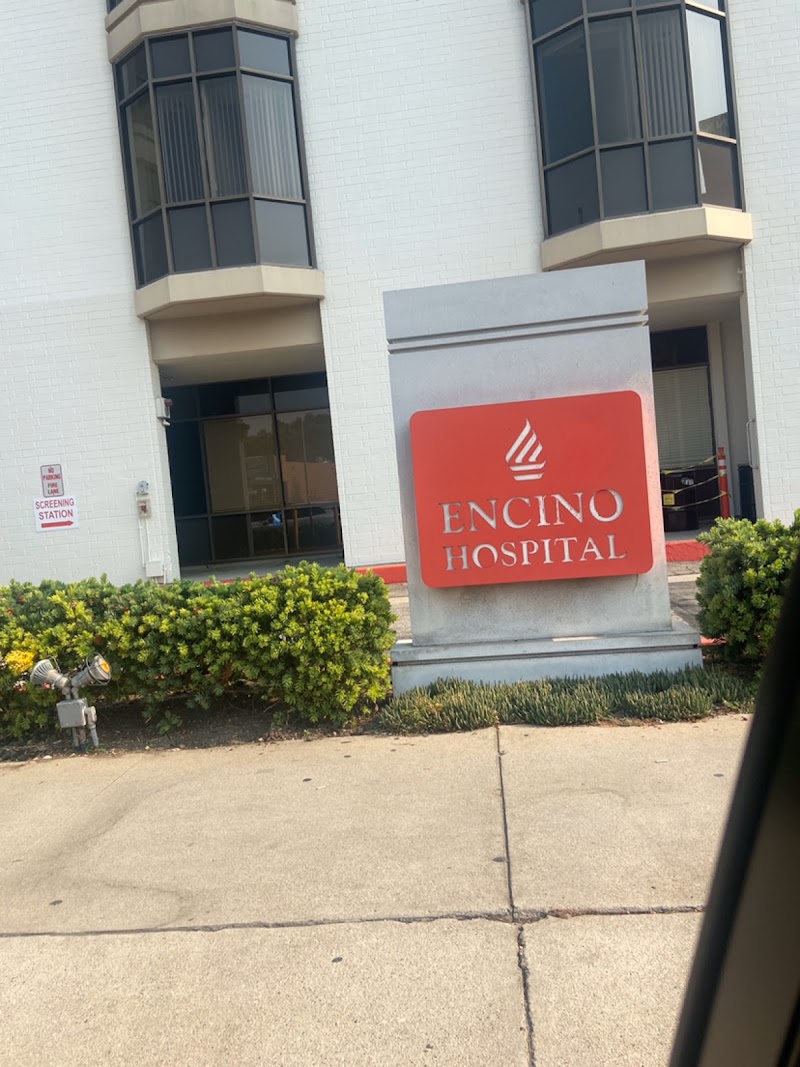
How Does Encino Hospital Medical Center D/P Snf Compare to Other California Nursing Homes?

Compared to the 100 nursing homes in California, ENCINO HOSPITAL MEDICAL CENTER D/P SNF's overall rating (3 stars) is below the state average of 3.1, staff turnover (26%) is significantly lower than the state average of 46%, and health inspection rating (3 stars) is at the national benchmark.

What Should Families Ask When Visiting Encino Hospital Medical Center D/P Snf?

Based on this facility's data, families visiting should ask: "What changes have been made since the serious inspection findings, and how are you preventing similar issues?" "Can I visit during a mealtime to observe dining assistance and food quality?" "How do you handle medical emergencies, and what is your hospital transfer rate?" "Can I speak with family members of current residents about their experience?" These questions are particularly relevant given the facility's Immediate Jeopardy citations.

Is Encino Hospital Medical Center D/P Snf Safe?

Based on CMS inspection data, ENCINO HOSPITAL MEDICAL CENTER D/P SNF has documented safety concerns. Inspectors have issued 1 Immediate Jeopardy citation (the most serious violation level indicating risk of serious injury or death). The facility has a 3-star overall rating and ranks #100 of 100 nursing homes in California. Families considering this facility should ask detailed questions about what corrective actions have been taken since these incidents.

Do Nurses at Encino Hospital Medical Center D/P Snf Stick Around?

Staff at ENCINO HOSPITAL MEDICAL CENTER D/P SNF tend to stick around. With a turnover rate of 26%, the facility is 19 percentage points below the California average of 46%. Low turnover is a positive sign. It means caregivers have time to learn each resident's needs, medications, and personal preferences. Consistent staff also notice subtle changes in a resident's condition more quickly. Registered Nurse turnover is also low at 27%, meaning experienced RNs are available to handle complex medical needs.

Was Encino Hospital Medical Center D/P Snf Ever Fined?

ENCINO HOSPITAL MEDICAL CENTER D/P SNF has been fined $24,030 across 1 penalty action. This is below the California average of $33,319. While any fine indicates a compliance issue, fines under $50,000 are relatively common and typically reflect isolated problems that were subsequently corrected. Families should ask what specific issues led to these fines and confirm they've been resolved.

Is Encino Hospital Medical Center D/P Snf on Any Federal Watch List?

ENCINO HOSPITAL MEDICAL CENTER D/P SNF is not on any federal watch list. The most significant is the Special Focus Facility (SFF) program, which identifies the bottom 1% of nursing homes nationally based on persistent, serious quality problems. Not being on this list means the facility has avoided the pattern of deficiencies that triggers enhanced federal oversight. This is a positive indicator, though families should still review the facility's inspection history directly.