FAIRFIELD POST-ACUTE REHAB
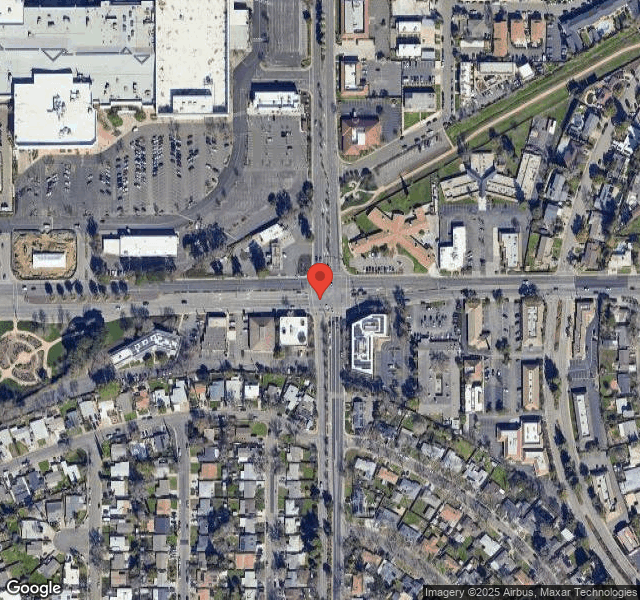
1255 TRAVIS BLVD, FAIRFIELD, CA 94533 (707) 425-0623
For profit - Limited Liability company 99 Beds THE ENSIGN GROUP Data: November 2025
Trust Grade
68/100
#346 of 1155 in CA
Last Inspection: September 2024

Within standard 12-15 month inspection cycle. Federal law requires annual inspections.

Overview

Fairfield Post-Acute Rehab has a Trust Grade of C+, which means it is considered decent and slightly above average among nursing homes. In California, it ranks #346 out of 1155 facilities, placing it in the top half, and is #2 out of 7 in Solano County, indicating it is one of the better local options. The facility is improving, having reduced its issues from 7 in 2024 to just 1 in 2025. Staffing is a strength with a 4/5 rating and good RN coverage, as it has more registered nurses than 91% of California facilities, which can help catch potential problems. However, there have been concerns regarding food safety, such as ice packs being stored in a refrigerator meant for food, and the trash area being unclean, which could lead to health risks for residents. Overall, while there are notable strengths, families should consider the specific incidents and ongoing improvements when making their decision.

Trust Score
C+
68/100
In California
#346/1155
Top 29%
Safety Record
Low Risk
No red flags
Inspections
Getting Better
7 → 1 violations
Staff Stability
○ Average
41% turnover. Near California's 48% average. Typical for the industry.
Penalties
✓ Good
$5,076 in fines. Lower than most California facilities. Relatively clean record.
Skilled Nurses
✓ Good
Each resident gets 57 minutes of Registered Nurse (RN) attention daily — more than average for California. RNs are trained to catch health problems early.
Violations
⚠ Watch
29 deficiencies on record. Higher than average. Multiple issues found across inspections.
★★★★☆
4.0
Overall Rating
★★★★☆
4.0
Staff Levels
★★★★★
5.0
Care Quality
★★★☆☆
3.0
Inspection Score
Stable
2024: 7 issues
2025: 1 issues

The Good

  • 4-Star Staffing Rating · Above-average nurse staffing levels
  • 5-Star Quality Measures · Strong clinical quality outcomes
  • Full Sprinkler Coverage · Fire safety systems throughout facility
  • No fines on record
  • Staff turnover below average (41%)

    7 points below California average of 48%

Facility shows strength in staffing levels, quality measures, fire safety.

The Bad

Staff Turnover: 41%

Near California avg (46%)

Typical for the industry

Federal Fines: $5,076

Below median ($33,413)

Minor penalties assessed

Chain: THE ENSIGN GROUP

Part of a multi-facility chain

Ask about local staffing decisions and management

The Ugly 29 deficiencies on record

Mar 2025 1 deficiency
CONCERN (D) 📢 Someone Reported This

A family member, employee, or ombudsman was alarmed enough to file a formal complaint

Potential for Harm - no one hurt, but risky conditions existed

Respiratory Care (Tag F0695)

Could have caused harm · This affected 1 resident

Based on interview and record review, the facility failed to provide respiratory care services according to professional standards of quality for one resident (Resident 1), when Resident 1 arrived to ...

Read full inspector narrative →
Based on interview and record review, the facility failed to provide respiratory care services according to professional standards of quality for one resident (Resident 1), when Resident 1 arrived to the dialysis (a treatment to cleanse the blood of wastes and extra fluids artificially through a machine when the kidney(s) have failed) center with an empty oxygen tank. This failure decreased the facility's potential to safely provide Resident 1's oxygen therapy. Findings: A review of an admission record indicated Resident 1 was admitted to the facility in May 2024 with diagnoses including respiratory failure (a condition where there's not enough oxygen in the body) and pneumonitis (inflammation of the lung tissue). A review of Resident 1's Care plan report, dated 5/22/24, indicated Resident 1 required continuous oxygen every shift. A review of Resident 1's physician orders, dated 5/21/24, indicated Resident 1 was scheduled for dialysis on Monday, Wednesday, and Friday with pick up time from facility at 12:45 p.m. and chair time for dialysis at 1:15 p.m. The order further indicated Resident 1 should receive oxygen via nasal cannula two liters per minute continuously every shift. A review of Resident 1's Dialysis Form, dated 5/31/24, indicated Resident 1's pick up time for dialysis was 12:45 p.m. During an interview on 3/3/25 at 2 p.m. with the transport driver, the driver stated the trip from the facility to the dialysis center took about five to 10 minutes and Resident 1 fainted in the van upon arrival to dialysis center. The driver further stated he quickly got Resident 1 inside the dialysis center, staff gave her oxygen and told him the oxygen tank was empty. During an interview on 3/3/25 at 11:36 a.m. with the Dialysis Center Administrative Assistant (DAA), DAA stated Resident 1 passed out upon arrival to the center and needed oxygen. During a concurrent interview and record review on 3/3/25 at 4:30 p.m. with the Administrator (ADM), Resident 1's Late Entry Note, dated 6/8/24, and Dialysis Form, dated 5/31/24, were reviewed. The note indicated Resident 1 arrived at the dialysis center on 5/31/24 and needed oxygen right away. The nursing home oxygen tank was checked and was found to be empty. ADM stated there was no documentation about the status of the oxygen tank prior to leaving the facility and her expectations were that oxygen tanks should be checked before use. A review of the facility's policy and procedure titled, Oxygen Therapy, revised 2/23, indicated, It's the policy of this facility to administer oxygen in a safe manner under physician's orders .
Sept 2024 6 deficiencies
CONCERN (D)

Potential for Harm - no one hurt, but risky conditions existed

Comprehensive Care Plan (Tag F0656)

Could have caused harm · This affected 1 resident

Based on observation, interview, and record review, the facility failed to initiate a care plan for falls when one of two residents sampled (Resident 48) fell which resulted in a hematoma (collection ...

Read full inspector narrative →
Based on observation, interview, and record review, the facility failed to initiate a care plan for falls when one of two residents sampled (Resident 48) fell which resulted in a hematoma (collection of blood beneath the skin) on her forehead and a laceration on her right foot. This failure had the potential to place Resident 48 at risk for insufficient provision of care and services when her care givers may be unaware of the plan of care for her wounds. Finding: Review of Resident 48's face sheet revealed an admit date of 5/31/24. Review of Resident 48's Interdisciplinary Team note dated 9/3/24 revealed Resident 48 had fallen on 9/2/24 trying to get out of bed which resulted in a hematoma on the side of her face and a laceration on her right foot. Review of Resident 48's care plan revealed no focus area regarding the injuries that resulted from the fall. Review of Resident 48's physician orders revealed orders dated 9/2/24 to monitor the forehead hematoma and right foot laceration daily for signs of infection, but no orders for treatment for the head and foot injuries. Review of Resident 48's MDS (minimum data set, an assessment tool) dated 6/14/24 indicated Resident 48 was on hospice care. During an observation on 9/12/24 at 8:46 a.m., Resident 48 was sitting in her wheelchair in her room. Resident 48 had bruising on the right side of her face, and her feet were noted to be in socks and were moderately swollen. During a record review and concurrent interview on 9/13/24 at 9:59 a.m., MDS Assistant reviewed Resident 48's chart and stated she could not find a care plan for the foot or head wound that resulted from the 9/2/24 fall. MDS Assistant verified there should be a care plan for the wounds. When queried, MDS Assistant stated it was the responsibility of the nurse who was assigned to Resident 48 at the time of the fall to initiate the care plan. When asked the rationale for initiating the care plan, MDS Assistant stated it was important to initiate the interventions we need to do for the wounds, to set goals for the wounds, and so the care team knows the plan for the resident's wounds. During a record review and concurrent interview on 9/13/24 at 12:08 p.m., Director of Nursing (DON) stated Resident 48 was on hospice care and described the interventions the staff were using to keep her safe from falling again. DON reviewed Resident 48's care plan and verified the care plan did not include Resident 48's injuries to her head and right foot. When queried, DON stated any change of condition required a care plan, and stated whoever initiated the change of condition documentation was responsible for initiating the care plan. Review of facility policy and procedure, Care Planning, last revised 11/2023, indicated, It is the policy of this facility that the interdisciplinary team (IDT) shall develop a comprehensive Person-Centered Care Plan for each resident based on resident's needs to attain or maintain his or her highest practicable physical, mental and psychosocial well-being.
CONCERN (D) 📢 Someone Reported This

A family member, employee, or ombudsman was alarmed enough to file a formal complaint

Potential for Harm - no one hurt, but risky conditions existed

Deficiency F0658 (Tag F0658)

Could have caused harm · This affected 1 resident

**NOTE- TERMS IN BRACKETS HAVE BEEN EDITED TO PROTECT CONFIDENTIALITY** Based on interview and record review, the facility failed to implement all care measures specified in one resident's (Resident 3...

Read full inspector narrative →
**NOTE- TERMS IN BRACKETS HAVE BEEN EDITED TO PROTECT CONFIDENTIALITY** Based on interview and record review, the facility failed to implement all care measures specified in one resident's (Resident 345) Comprehensive Care Plan, when there was no documented evidence Resident 345 was turned and repositioned every two hours. This failure had the potential to delay wound healing. Findings: Record review of a document titled, admission Record indicated Resident 345 was admitted to the facility on [DATE] with diagnoses of Aftercare Following Joint Replacement Surgery, Presence of Left Artificial Knee Joint, Iron deficiency Anemia (a condition in which blood lacks adequate healthy red blood cells, which are necessary to carry oxygen to the body's tissues), and Down Syndrome (a genetic disorder causing developmental and intellectual delays). Record review of Resident 345's care plan, initiated on 11/29/23, which focused on Resident 345's potential for pressure ulcer development indicated the following nursing intervention, Needs monitoring/reminding/assistance to turn/reposition. Record review of Resident 345's care plan, initiated on 11/29/23, which focused on Resident 345's Activities of Daily Living (ADL) self-care performance deficit indicated the following nursing intervention, Is totally dependent on staff for repositioning and turning in bed. A review of a facility document titled Document Survey Report dated May 2024, indicated there was no documented evidence staff repositioned Resident 345 on the following dates and times: 5/6/24: 2 p.m., 4 p.m., 6 p.m., 8 p.m. 5/7/24: 10 p.m. 5/8/24: 12 a.m., 2 a.m., 4 a.m. 5/9/24: 2 p.m., 4 p.m., 6 p.m., 8 p.m. 5/14/24: 2 p.m., 4 p.m., 6 p.m., 8 p.m. 5/20/24: 2 p.m., 4 p.m., 6 p.m., 8 p.m. 5/22/24: 6 a.m., 8 a.m., 10 a.m., 12 p.m. 5/24/24: 6 a.m., 8 a.m., 10 a.m., 12 p.m., 2 p.m., 4 p.m., 6 p.m., 8 p.m. 5/25/24: 6 a.m., 8 a.m., 10 a.m., 12 p.m. 5/26/24: 6 a.m., 8 a.m., 10 a.m., 12 p.m., 4 p.m., 6 p.m., 8 p.m. 5/27/24: 10 p.m. 5/28/24: 12 a.m., 2 a.m., 4 a.m., 6 a.m., 8 a.m., 10 a.m., 12 p.m. 5/29/24: 6 a.m., 8 a.m., 10 a.m., 12 p.m., 4 p.m., 6 p.m., 8 p.m. 5/30/24: 6 a.m., 8 a.m., 10 a.m., 12 p.m. During an interview and record review on 9/13/24 at 9:44 a.m., the Director of Nursing (DON) stated nursing staff were trained to turn and reposition residents every two hours. The DON further stated, The golden rule is if it's not documented it's not done. After reviewing the Documentation Survey Reports for Resident 345, the DON stated there had been a gap in the required care. During an interview and record review on 9/13/24 at 12:37 p.m., the Director of Staff Development (DSD), stated nursing staff were trained on pressure ulcer care and prevention. The DSD stated the standard intervention for a resident with, or at risk for pressure ulcer development, was to turn and reposition every two hours. The DSD stated, If you did not document it didn't happen. During an interview on 9/13/24 at 2:08 p.m., Licensed Nurse L (LN L) stated we turned and repositioned every two hours to prevent pressure ulcer. If the resident was not turned and repositioned every two hours, they could have developed a pressure injury and an infection because of open skin. During an interview on 9/13/24 at 2:15 p.m., Licensed Nurse D (LN D) stated Certified Nursing Assistants (CNAs) and Licensed Nurses were responsible for turning and repositioning the residents. LN D stated CNAs documented turning and repositioning in the electronic medical record system. LN D stated, If not documented technically it did not happen. LN D further stated, Skin breakdown could occur if not turned and repositioned every two hours. Record review of a document titled, Certified Nursing Assistant Job Description, dated 12/17/21 included as an Essential Duty and Responsibility, Turn bedfast residents at least every two hours. Record review of a document titled, Policy and Procedure for Documentation and Charting, dated February 2023, indicated, It is the policy of this facility to provide a complete account of the resident's care .in an accurate and chronological manner.
CONCERN (E)

Potential for Harm - no one hurt, but risky conditions existed

Accident Prevention (Tag F0689)

Could have caused harm · This affected multiple residents

**NOTE- TERMS IN BRACKETS HAVE BEEN EDITED TO PROTECT CONFIDENTIALITY** During a concurrent observation and interview on 9/10/24 at 10:01 a.m.,when tested, the water temperature on room [ROOM NUMBER]'...

Read full inspector narrative →
**NOTE- TERMS IN BRACKETS HAVE BEEN EDITED TO PROTECT CONFIDENTIALITY** During a concurrent observation and interview on 9/10/24 at 10:01 a.m.,when tested, the water temperature on room [ROOM NUMBER]'s sink was 120.2 degrees Fahrenheit (F, scale of temperature). Resident 45 stated it was too hot for her when she uses it and was scared it would burn her. During a concurrent observation and interview on 9/10/24 at 10:24 a.m., when tested, the water temperature on room [ROOM NUMBER]'s sink (shared with room [ROOM NUMBER]) was 118.9 degrees F. Resident 46 stated the water was too hot and very uncomfortable. Resident 46 stated she wished it was not too hot as she was scared to get burned. Resident 46 stated staff were aware and had the same observation. When asked what she meant by that, Resident 46 stated staff told her the water was too hot for them as well. During an interview on 9/10/24 at 11:58 a.m., LN D stated some rooms water temperature from the faucet comes out pretty hot when she uses it. LN D tated it was important to ensure temperature was not too hot because residents' skin were sensitive and thinner and they could burn easily. During a concurrent observation and ierview on 9/10/24 at 12:05 p.m., LN N placed her hand under the running water from room [ROOM NUMBER]s faucet and stated it would be too hot for the resident. LN N stated the temperature could result to injury because resident skin was fragile. During a concurrent observation and interview on 9/10/24 atb 12:09 p.m., LN L placed her hand under the running water from room [ROOM NUMBER]s faucet and stated it was hot to her touch and might even be hotter for Resident 45 because of her fragile skin. LN L stated it was important to ensure water temp from the faucet was comfortable for the residents to decrease risk for injuries and burn. Based on observation, interview, and record review, the facility failed to maintain safe water temperatures at resident sinks when 6 of 22 resident bathroom sinks had water that was too hot to touch. This failure caused two residents to feel afraid of getting burns and one resident to yell out in pain when a hot wash cloth touched her hands. Findings: During an observation on 9/9/24 at 10:49 a.m., the hot water from the sink in the room [ROOM NUMBER] bathroom felt very hot to the touch. The water was too hot for this surveyor to keep a finger under the stream of water for more than one second. The temperature of the hot water using the surveyor's thermometer was 118 degrees Fahrenheit (F) after 20 to 30 seconds. During an observation on 9/9/24 at 12:29 p.m., a staff brought a lunch tray to Resident 6, who was in her bed, and set it on the overbed table. The staff got a washcloth and turned on the faucet in the bathroom, then brought the washcloth to Resident 6 and began to wash her hands. Resident 6 yelled, It's too hot! when the washcloth touched her hands. During an observation on 9/10/24 at 11:30 a.m., additional water temperatures for sinks in resident rooms were tested with the surveyor's thermometer. The hot water in the shared bathroom for rooms [ROOM NUMBERS] tested at 121.1 F, the shared bathroom for rooms [ROOM NUMBERS] tested at 120.6 F, shared bathroom for rooms [ROOM NUMBERS] tested at 120.6 F. During an interview on 9/10/24 at 11:50 a.m., Environmental Services Supervisor and Maintenance Assistant stated Maintenance Supervisor was on vacation this week. Maintenance Assistant stated Maintenance Supervisor checked the water temperatures and filled out a log. Maintenance Assistant stated he did not know how often Maintenance Supervisor checked the water temperatures. Both Environmental Services Supervisor and Maintenance Assistant stated no one had asked them to check the water temperatures while Maintenance Supervisor was on vacation. During an interview on 9/10/24 at 12 p.m., CNA J stated that she has had experiences with showers and sinks having water too hot intermittently. CNA J stated that at times, the water had been too hot and it took a while to get comfortable. CNA J stated that she told the janitor but could not remember when. During an interview on 9/10/24 at 12:03 p.m., CNA K stated that sometimes the water was too hot, but it took a short time to adjust it comfortably. During an observation and concurrent interview on 9/10/24 at 12:06 p.m., Maintenance Assistant tested the hot water temperature in the sink of the shared bathroom for rooms [ROOM NUMBERS] with the facility thermometer. The temperature of the hot water reached and stayed at 118.9 degrees F after approximately 30 seconds. Maintenance Assistant verified the thermometer read 118.9 degrees F. Maintenance Assistant tested the hot water temperature in the sink of the shared bathroom for rooms [ROOM NUMBERS] with the facility thermometer. The temperature of the hot water reached and stayed at 121.8 degrees F after approximately 30 seconds. Maintenance Assistant verified the thermometer read 121.8 degrees F. During a record review and concurrent interview on 9/10/24 at 1:54 p.m., Administrator stated the facility did not have a policy on water temperatures for residents' bathroom sinks. Administrator stated the facility followed the guidance provided in the user manual for the electronic log platform used for tracking water temperatures. Administrator stated Maintenance Director checked the water temperatures weekly. Administrator provided a copy of this guidance and a print-out of the water temperature log for 9/8/24. Review of the water temperature log for 9/8/24 revealed the temperatures were entered by Maintenance Director and the water temperature for the shared bathroom for rooms [ROOM NUMBERS] was 111.9 degrees. The water temperature log also indicated the water temperature for the shared bathroom for rooms [ROOM NUMBERS] was 111.7 degrees. When asked about the discrepancy between the temperatures obtained by Maintenance Assistant (at 12:06 p.m.) and the temperatures documented by Maintenance Director (a difference of seven and ten degrees respectively), Administrator stated she expected water temperatures to fluctuate. Review of the provided electronic water temperature log platform guidance, not dated, indicated, F-689 Accidents - Water Temperatures . Purpose - The purpose of recording your water temperatures is to assure the Surveyor that your facility is remaining as free from accidental burns and scalds as possible and that any issues are addressed in a prompt and consistent manner. Common Causes - A common cause of tap water burns to the elderly include . Residents may . not check the water before touching it. Task Instructions . As the temperature of the water is taken, hold your hand under the running water at about the same time to assess how the water feels on your skin.
CONCERN (E)

Potential for Harm - no one hurt, but risky conditions existed

Deficiency F0725 (Tag F0725)

Could have caused harm · This affected multiple residents

**NOTE- TERMS IN BRACKETS HAVE BEEN EDITED TO PROTECT CONFIDENTIALITY** Based on interviews and record reviews, the facility failed to ensure they were adequately staff when: 1.five out of five reside...

Read full inspector narrative →
**NOTE- TERMS IN BRACKETS HAVE BEEN EDITED TO PROTECT CONFIDENTIALITY** Based on interviews and record reviews, the facility failed to ensure they were adequately staff when: 1.five out of five residents (Residents 64, 47, 295, 10 and Anonymous 1) complained of short staffing and were left sitting on their urine or feces for over an hour, 2. staff complaints of short staffing and difficulty completing their task timely. These failures resulted in residents feeling sorry for themselves, feeling frustrated, humiliated, embarrassed and worried about their safety and Resident 295 fearful she might get a wound infection. Findings: During an interview on 9/9/24 at 10:40 a.m., Resident 64 stated the facility was short staffed, and it did not matter what shift, weekdays or weekends, the facility was still short staffed. Resident 64 stated he had talked to the Director of Staff Development (DSD) about the short staffing, but the DSD had no answer. Resident 64 stated due to lack of staff, Certified Nursing assistant (CNA) left him sitting on his feces for over an hour. Resident 64 stated he felt frustrated, humiliated, and embarrassed. A review of Resident 64 Brief Interview for Mental Status (BIMS, a mandatory tool used to screen and identify the cognitive condition of residents) score, dated 7/21/24, was 15 out of 15 indicating intact cognition. Resident 64 needed assistance with toileting and personal hygiene and was incontinent of bowel and bladder per his MDS (MDS, federal mandated assessment tool). [NAME] an interview on 9/9/24 at 11:07 a.m., Resident 47 stated the facility was short staffed. Resident 47 stated staff had up to 13 residents to care for per shift. Resident 47 stated that was too much for staff to handle especially if the residents they were caring for were dependent like her. Resident 47 stated due to short staffing, staff were always in a rush to help her. Resident 47 stated she could not see and when staff serve her meal and they were short staffed, staff would be in a rush they would not even tell her were her food was located so she would use her hand to locate her food. Resident 47 stated she was also left sitting on her urine for long period of time which was embarrassing. Resident 47 stated short staffing also left her worried about heart attack, falls and worried about what could happen to her. Per her MDS, Resident 47's vision was highly impaired, she had a moderately impaired cognition, she required substantial assistance of staff during toileting hygiene, and was always incontinent of bladder and bowel. During an interview on 9/9/24 at 12:18 p.m., Anonymous 1 stated the facility was short staff. Anonymous 1 stated staff would take a long time to answer call light, about an hour. Anonymous 1 stated had experienced sitting in feces and urine for long period of time on afternoon and night shift. Anonymous 1 stated this was very humiliating and felt sorry for herself. During an interview on 9/9/24 at 1:30 p.m., a responsible party (RP, decision maker) for Resident 5 stated the facility was short staffed. The RP stated she comes to the facility to take care of her mom. The RP stated she would press the call button for her mom's roommate and CNA would not come until an hour later. RP stated it was heart breaking. RP stated CNAs were always in a rush and had too many residents to care for because they were mostly short staffed. During an interview on 9/9/24 at 3:50 p.m., Resident 295 stated staffing could be improved. Resident 295 stated there were not enough staff to care for the residents at the facility and staff does not answer call light promptly. Resident 295 stated sometimes she had to wait for up to an hour before her call light was answered. Resident 295 stated this was very frustrating and she felt helpless. Resident 295 stated she was left lying in her urine for a long time and she could feel her urine seeping through the wound on her back. Resident 295 stated she was fearful she might get a wound infection. A review of Resident 295's BIMS score dated 9/12/24 was 15 out of 15 indicating intact cognition. Resident 295's MDS dated [DATE] indicated she was dependent on staff during toileting hygiene and was frequently incontinent of bowel and bladder. Resident 295 had a surgical incision from her mid to lower back. During an interview on 9/9/24 at 5:01 p.m., Resident 10 stated the facility was short staffed. Resident 10 stated staff was always rushing and would come after an hour when you press the call light due to short staffing. Resident 10 stated he had experienced sitting on his feces and urine for a long time. A review of Resident 10's BIMS score dated 8/13/24 was 15 out of 15 indicating intact cognition. Resident 10 MDS dated [DATE] indicated he was dependent on staff during toileting hygiene and was frequently incontinent of bowel and bladder. During an interview on 9/11/24 at 9:19 a.m., LN B stated there were times the facility was short staffed. LN B stated he had come in and found residents soaked in feces or urine and that was not okay. LN B stated short staffing could lead to late response to call light, increased incidence of falls, accidents and skin impairments. LN B stated short staffing could also lead to delayed incontinence care provided to the residents which could result in wound infections especially if the wound was on the back area or the buttocks. LN B stated it was not acceptable to answer call light after 10 minutes because by then resident might have an accident already. During an interview on 9/11/24 at 10:10 a.m., the Staffing Coordinator (SC) stated she also works as a CNA and was in fact working on the floor as a CNA today. The SC stated she mostly worked on the floor as a CNA when needed or when the facility was short staffed. The SC stated the facility does get short staffed because of call offs. SC stated depending on how many CNAS called off, the residents assigned to them would be divided among the CNAs left on the floor. When asked what the risks for the residents could be then if the facility was short staffed, she stated, it becomes a safety issue. SC stated short staffing could lead to decreased quality of care. SC stated it could also affect how fast staff answered the call lights. During an interview on 9/11/24 at 12:20 p.m., the Director of Staff Development (DSD) stated call lights should be answered immediately. When asked what a reasonable time frame for staff was to answer a residents call light, the DSD stated it depends on whether the CNA was busy helping another resident. When asked if it was reasonable to answer call lights between 20 minutes up to an hour later, the DSD stated no. The DSD stated not answering the call light promptly could lead to accidents and falls. the DSD stated it was important to ensure facility was adequately staffed to ensure safe and quality care were provided for the residents. During an interview on 9/12/24 at 5:28 p.m., the Infection Preventionist (IP) stated it was important to have adequate staffing to provide good care for the resident and to provide resident needs safely. IP stated short staffing could result in late provision of care, late response to call light and sometimes could lead to falls and accidents . When asked what the facility's policy on call light was, the IP stated call light should be answered as soon as possible. When asked if it was reasonable for staff to answer a call light between 20 minutes up to an hour later, the IP stated no. During an interview on 9/13/24 at 11:08 a.m., Restorative Nursing Aide G (RNA G) stated she had been pulled to work on the floor as a CNA especially if the facility was really short staffed. RNA G stated she gets pulled to work on the floor at least once a week. RNA G stated short staffing could lead to negligence, staff could not provide quality care to the residents, staff could not provide care to the residents safely and staff might not answer call light promptly. RNA G stated call light should be answered as soon as possible. When asked if it was acceptable and reasonable to answer call light after 20 minutes or 1 hour later, RNA G stated no. During an interview on 9/13/24 at 1:34 p.m., the Director of Nursing (DON) stated staffing was based on census, facility assessment, admissions, acuity and depending on resident's needs. The DON stated short staffing put the residents at risk for not meeting their needs, risk for falls and not providing care for the residents. The DON stated short staffing could possibly affect response time to call light resulting in late provision of care. The DON stated the facility did not have a Staffing policy and procedure but uses the Facility Assessment as the policy when staffing the facility. The facility did not have a policy and procedure specific for staffing. A review of the facility's policy and procedure (P&P) titled Call Light/Bell, revised 2/2023, the P&P indicated calls for assistance should be answered within a reasonable time frame and as soon as possible .urgent requests for assistance should be addressed immediately.
CONCERN (F)

Potential for Harm - no one hurt, but risky conditions existed

Food Safety (Tag F0812)

Could have caused harm · This affected most or all residents

Based on observation, interview, and record review, the facility failed to store and prepare food in a sanitary environment when: 1. Ice packs for resident pain relief were stored in a refrigerator fo...

Read full inspector narrative →
Based on observation, interview, and record review, the facility failed to store and prepare food in a sanitary environment when: 1. Ice packs for resident pain relief were stored in a refrigerator for food, 2. A dietary aide did not correctly test the sanitizer bucket, and 3. A cook did not correctly describe the cool down process. This failure could potentially lead to food-borne illness in vulnerable residents. Findings: 1. During an observation and concurrent interview on 9/12/24 at 2:33 p.m. with Dietary Manager, the Station 1 refrigerator for residents' food had a sign taped to the front that indicated For Resident Food Only. The refrigerator contained a six-pack of Ensure labeled with a resident's name and a bottle of Snapple with a resident name on it. The freezer compartment contained multiple white ice packs with the words Cold Pack in blue print on them. When queried, Dietary Manager stated the ice packs were for if a resident had a headache or something. When asked if ice packs should be in the refrigerator for resident food, Dietary Manager stated her department was just responsible for keeping it clean and recommended speaking to nursing about where the ice packs should be stored. During an observation and concurrent interview on 9/12/24 at 3:42 p.m., when queried, Licensed Nurse D looked at one of the ice packs from the Station 1 refrigerator and stated the ice packs in the Station 1 refrigerator were for when residents asked for an ice pack, and gave the example of a resident who had had a knee replacement surgery and needed the ice pack for pain relief. During an interview on 9/12/24 at 3:46 p.m., when asked if ice packs for pain relief should be in the refrigerator for resident food, Registered Dietitian stated, No there should not be ice packs in the refrigerator for food. 2. During an observation and concurrent interview on 9/12/24 at 2:33 p.m., when queried, Dietary Aide E stated the sanitizer buckets used for cleaning the food preparation surfaces in the kitchen were changed every two hours. Dietary Aide E demonstrated the process for testing the sanitizer in the buckets for the proper concentration. Dietary Aide E got a test strip, dipped it in a sanitizer bucket for one second, and held the strip up to the test strip bottle. When asked what the strip should read, Dietary Aide E stated she needed to ask, and went to Dietary Manager to ask her. When queried, Dietary Aide E verified it was part of her duties to test the sanitizer buckets. Review of facility policy and procedure Quaternary Ammonium Log Policy, dated 2023, indicated, Policy: The concentration of the ammonium in the quaternary sanitizer will be tested to ensure the effectiveness of the solution. Procedure: . The solution will be replaced when the reading is below 200 ppm (parts per million). The replacement solution will be tested prior to usage. Read instructions on . the test strips for proper concentration . 3. During an observation and concurrent interview on 9/12/24 at 2:41 p.m., when queried, [NAME] F opened the binder that contained the cool-down log and described the process for cooling down food to a safe temperature for storage. [NAME] F stated that at the end of the process, the food temperature should be 41 degrees. When asked what she would do if the food was 45 degrees at the end of the process, [NAME] F stated, I'm not sure, let me ask, and asked Dietary Manager who stated the food would be discarded. During an interview at 9/12/24 at 3:46 p.m., when queried, Registered Dietitian stated it was best practice for staff to know the answers to questions regarding testing sanitizer buckets and the cool-down process. Review of facility policy and procedure Cooling and Reheating of Potentially Hazardous (PHF) or Time/Temperature Control For Safety (TCS) Food, dated 2023, indicated, When cooked PHF or TCS food will not be served right away it must be cooled as quickly as possible. Discard cooked, hot food immediately when the food is . Above 41 [degrees Fahrenheit] and more than 6 hours into the cooling process.
CONCERN (F)

Potential for Harm - no one hurt, but risky conditions existed

Garbage Disposal (Tag F0814)

Could have caused harm · This affected most or all residents

**NOTE- TERMS IN BRACKETS HAVE BEEN EDITED TO PROTECT CONFIDENTIALITY** Based on observation, interview, and record review, the facility failed to keep the trash area clean. This failure could potenti...

Read full inspector narrative →
**NOTE- TERMS IN BRACKETS HAVE BEEN EDITED TO PROTECT CONFIDENTIALITY** Based on observation, interview, and record review, the facility failed to keep the trash area clean. This failure could potentially result in an infestation of rodents or other vermin. Finding: During an observation and concurrent interview on 9/12/24 at 2:30 p.m., when asked where the kitchen trash was disposed, Dietary Manager went out to the trash area outside the kitchen back door. The trash area had two dumpsters. Dietary Manager stated one dumpster was for garbage and one for recycling. Behind the dumpster for garbage was a large [NAME] that was full of many pieces of garbage such as drink cups, napkins, and plastic bags. When asked about the [NAME] full of garbage, Dietary Manager stated the garbage was coming from the building next door. The dumpster for garbage was low to the ground with approximately two inches of clearance under it. Shoved underneath the dumpster were plastic bags with napkins, straw wrappers, and plastic utensils in them, such as would be used to eat take-out food. When asked about the trash shoved under the dumpster, Dietary Manager stated it looked like plastic bags and stated she would ask the waste company to clean them when they come back. When queried, Dietary Manager stated the waste company came at 4 a.m. During an interview at 9/12/24 at 3:46 p.m., when queried, Registered Dietitian stated it could be beneficial to keep vigilant with sanitation around the trash area. Review of facility policy and procedure, Trash Collection area, last revised 2/2023, indicated, It is the policy of this facility to keep trash collection area clean as it is a potential feeding ground for vermin and rodents. Procedures: 1. The area must be swept and kept clean on a regular basis.
Aug 2024 1 deficiency
CONCERN (E) 📢 Someone Reported This

A family member, employee, or ombudsman was alarmed enough to file a formal complaint

Potential for Harm - no one hurt, but risky conditions existed

Deficiency F0912 (Tag F0912)

Could have caused harm · This affected multiple residents

**NOTE- TERMS IN BRACKETS HAVE BEEN EDITED TO PROTECT CONFIDENTIALITY** Based on observation, interview and record review, the facility failed to ensure resident bedrooms provided at least 80 square f...

Read full inspector narrative →
**NOTE- TERMS IN BRACKETS HAVE BEEN EDITED TO PROTECT CONFIDENTIALITY** Based on observation, interview and record review, the facility failed to ensure resident bedrooms provided at least 80 square feet of living space per resident in 29 multiple resident bedrooms. This failure had the potential for residents not to have enough personal space to live comfortably. Findings: During an observation on 6/27/24, at 2:50 p.m., the facility's Administrative Staff A measured resident bedrooms [ROOM NUMBER]. Each bedroom had three beds and were occupied by three residents. Administrative Staff A's measurements indicated resident bedrooms 6, 7 and 8 measured 12 feet and 5 inches by 18 feet and 3 inches each excluding the space occupied by the movable warbrobe. This resulted in a total living space area of 226.6 square feet or 75.5 square feet per resident. During a concurrent interview, Administrative Staff A stated all facility multiple resident bedrooms with three beds had the same measurements. A review of the facility census for 6/27/24 indicated 29 multiple resident bedrooms with three beds. During an interview on 6/27/24, at 3:05 p.m., the confidential family member of a resident in a room with three bedrooms stated the resident's space was tight and wished they had more personal space. During an interview on 6/27/24, at 3:25 p.m., the confidential family member of a resident in a room with three bedrooms stated the resident needed additional personal space.
Apr 2023 1 deficiency
CONCERN (D) 📢 Someone Reported This

A family member, employee, or ombudsman was alarmed enough to file a formal complaint

Potential for Harm - no one hurt, but risky conditions existed

Quality of Care (Tag F0684)

Could have caused harm · This affected 1 resident

**NOTE- TERMS IN BRACKETS HAVE BEEN EDITED TO PROTECT CONFIDENTIALITY** Based on interview and record review, the facility failed to ensure residents were provided the needed services that was ordered...

Read full inspector narrative →
**NOTE- TERMS IN BRACKETS HAVE BEEN EDITED TO PROTECT CONFIDENTIALITY** Based on interview and record review, the facility failed to ensure residents were provided the needed services that was ordered by the doctor and in accordance with the resident's preferences and goals for care for 1 out of 2 sampled residents (Resident 1) when she missed two sessions of Restorative Nurse Assistant program (RNA, requires using special knowledge and skills to perform rehabilitative and therapeutic techniques ordered and supervised by licensed medical staff). This failure could lead to further weakness and decline. Findings: During a review of Resident 1's face sheet (demographic), it indicated she was admitted to the facility on [DATE]. Her diagnoses included Hemiparesis (a mild or partial weakness or loss of strength on one side of the body) and Hemiplegia (a severe or complete loss of strength or paralysis on one side of the body) following Cerebral Infarction (a result of disrupted blood flow to the brain due to problems with the blood vessels that supply it) affecting right dominant side. Her Minimum Data Set assessment (MDS, a standardized assessment tool that measures health status in nursing home residents) dated 12/23/22, Brief Interview for Mental Status (BIMS, a screen used to assist with identifying a resident's current cognition and to help determine if any interventions need to occur) score was 3 indicating severe cognitive impairment. During an interview on 1/6/23 at 4:00 p.m., the Director of Staff Development (DSD) stated RNA treatments was physician ordered and as such, it needed to be followed. The DSD stated, the RNA treatment sessions were important for strengthening and to prevent further decline. The DSD stated, if a resident was to miss an RNA treatment session, resident could be at risk for weakness and decline During an interview on 1/6/23 at 4:30 p.m., the DON verified Resident 1 had a physician's order for an RNA program on [DATE]. The DON verified Resident 1 was assessed by the rehabilitation therapist on 12/23/22. The DON verified Resident 1 was scheduled to work with the RNA for strengthening twice a week. The DON verified there was an RNA staff scheduled for Tuesdays through Saturdays, but she was not sure as to why Resident 1 missed two of her RNA treatment session last 12/2022. The DON was also unable to provide documentation on why Resident 1 missed two of her RNA treatment session last 12/2022. The DON stated Resident 1 missing on RNA treatment session could result to further decline. During a review of the facility's policy and procedure (P&P) titled Restorative Nursing, Documentation, revised 2/2022, the P&P indicated the physician's order were to be obtained when a resident is to participate in the facility's restorative nursing program .when a treatment is refused or withheld, the reason shall be documented, and the charge nurse notified.
Apr 2023 2 deficiencies
CONCERN (D) 📢 Someone Reported This

A family member, employee, or ombudsman was alarmed enough to file a formal complaint

Potential for Harm - no one hurt, but risky conditions existed

Deficiency F0563 (Tag F0563)

Could have caused harm · This affected 1 resident

Deficiency Text Not Available

Read full inspector narrative →
Deficiency Text Not Available
CONCERN (D) 📢 Someone Reported This

A family member, employee, or ombudsman was alarmed enough to file a formal complaint

Potential for Harm - no one hurt, but risky conditions existed

Report Alleged Abuse (Tag F0609)

Could have caused harm · This affected 1 resident

**NOTE- TERMS IN BRACKETS HAVE BEEN EDITED TO PROTECT CONFIDENTIALITY** Based on observation, interview and record review, the facility failed to ensure 1. Their abuse policy and procedure accurately ...

Read full inspector narrative →
**NOTE- TERMS IN BRACKETS HAVE BEEN EDITED TO PROTECT CONFIDENTIALITY** Based on observation, interview and record review, the facility failed to ensure 1. Their abuse policy and procedure accurately reflect the correct reporting time frames and the abuse allegation was reported to the state, Ombudsman (a person who investigates, reports on, and helps settle complaints) and local police enforcement immediately, but no later than 2 hours after the allegation is made for one out of four sampled residents (Resident 1). This failure had the potential to result to ongoing abuse which could cause Resident 1 to feel angry, depressed and scared. Findings: During a review of Resident 1's face sheet (demographics), it indicated Resident 1 was [AGE] years old, initially admitted to the facility on [DATE]. Her diagnoses included Congestive Heart Failure (CHF, A weakened heart condition that causes fluid buildup in the feet, arms, lungs, and other organs), Dysphagia (difficulty swallowing) and Stage 4 pressure sore (most severe type of pressure ulcer, indicating the pressure injury is very deep, reaching into muscle and bone and causing extensive damage) on her sacrum, a large, triangle-shaped bone in the lower spine that forms part of the pelvis (the lower part of the trunk). Her Minimum Data Sheet assessment (MDS, a comprehensive assessment of each resident's functional capabilities and helps nursing home staff identify health problems) dated 2/23/23, Brief Interview of Mental Status (BIMS, a mandatory tool used to screen and identify the cognitive condition of residents), indicated Resident 1 had moderately impaired cognition. Resident 1 was totally dependent on 1 to 2 staff for her Activities of Living (ADL's, activities related to personal care. They include bathing or showering, dressing, getting in and out of bed or a chair, walking, using the toilet, and eating). Resident 1 received nutrition via Gastrostomy tube (GT, a tube inserted through the belly that brings nutrition directly to the stomach) During an interview on 3/27/23 at 2:30 p.m., the Administrator verified he received a report from staff on 3/23/23, night shift, about an alleged incident between Resident 1 and her son. The Administrator stated, it was reported to him on 3/23/23 that Resident 1's son was unsafely handling Resident 1 during turning and repositioning, while Resident 1 was lying flat on the bed with her tube feeding running and Resident 1's son was observed to be tugging on her blanket harshly while repositioning her. The Administrator stated that at this time, he did not feel the son's action towards Resident 1 was abusive in nature hence no report was made until the morning of 3/24/23 when a staff reported another incident where Resident 1's son was attempting to change her shirt while she was inappropriately positioned, the privacy curtain was opened, and Resident 1 was exposed. The Administrator stated this prompted him to report an alleged abuse on 3/24/23. During an interview on 3/27/23 at 2:53 p.m., Unlicensed Staff A stated staff should report to the manager immediately if a resident was yelling stop repeatedly, appears to be in pain or being cared for harshly in anyway as this could be an abusive situation that needed further investigation. Unlicensed Staff A stated if an alleged abuse was not reported immediately, it could result to continued abuse, resident would feel unhappy, hopeless, scared, and angry. Unlicensed staff A stated, all abuse allegations had to be reported to the state, the Ombudsman, and the law enforcement within 24 hours upon learning of the incident. During an interview on 3/27/23 at 3:02 p.m., Unlicensed Staff B stated, allegation of abuse should be reported immediately. Unlicensed Staff B stated hearing a resident yelling stop repeatedly or observing a harsh care being provided to a resident need to be reported immediately because that could be an indication of abuse. When asked what immediately meant, Unlicensed Staff B stated, I'm not really sure but I think all abuse allegations need to be reported within 24 hours. Unlicensed Staff B stated, if abuse allegations were not reported immediately, resident would not be safe. Unlicensed Staff stated, residents could get injured and experience emotional distress. Unlicensed Staff B stated, resident would end up feeling angry and scared. During an interview on 3/27/23 at 3:28 p.m., Licensed Staff C stated, all abuse allegations would need to be reported to the state, Ombudsman, and the law enforcement, immediately within 24 hours. Licensed Staff C stated he did not know which document he needed to fill out when reporting abuse to the state, the ombudsman, and the law enforcement agency. Licensed Staff C stated if a resident was yelling stop continuously and complaining of pain or if staff observed someone treating a resident harshly in any way, this could mean it was an abusive situation that would need further investigation and would need to be reported immediately. Licensed Staff C stated residents' safety was a top priority. Licensed Staff C stated, if an abuse allegation was not reported immediately, it could result to resident feeling alone, scared, depressed and angry. Licensed Staff C stated failure to report an abuse allegation immediately could result to further abuse. During an interview on 3/27/23 at 4:07 p.m., Licensed Staff D stated, if there was an abuse allegation, staff would need to fill out SOC 341. Licensed Staff D stated, all abuse allegations had to be reported to the state, Ombudsman, and local enforcement agency within 2 hours. Licensed Staff D stated, if a resident was being treated harshly in anyway, it could mean an abuse is going on and would need to investigate further. Licensed Staff D stated, residents' safety was always the priority. Licensed Staff D stated, if an abuse allegation was not investigated and reported timely, the abuse could continue. Licensed Staff D stated this could result to resident feeling angry and scared. Licensed Staff D stated, resident will not trust staff thinking staff did not do anything to help them anyway. During a concurrent interview and nursing note dated 3/23/23 9:30 p.m., record review on 3/27/23 at 4:51 p.m. the Director of Nursing (DON) verified that on the evening of 3/23/23, she was notified by Unlicensed Staff E regarding an incident involving Resident 1 and her son. The DON stated she could not recall the details of the call but was concerned on how Resident 1's son was treating the staff versus on how Resident 1's son was providing care for her. The DON stated she was not worried about Resident 1 when she received the report regarding an incident between Resident 1 and her son, but more so on Resident 1's son behavior towards the staff. The DON stated Licensed Staff E had concerns, among others, about Resident 1's son caring for her. The DON verified the nursing note on 3/23/23 9:32 p.m., indicated Resident 1's son was unsafely handling her while being repositioned in bed, flat on the bed, with GT feeding running . son was tugging the bedsheet harshly while repositioning her. When asked if this could be considered an alleged abuse situation, the DON stated it was hard to say. When asked if Resident 1's son tugging on Resident 1's sheets harshly while repositioning her and Resident 1's son unsafe handling while repositioning her could be considered an abuse, thus needing to be investigated and reported immediately, the DON stated it was a tricky question. The DON stated, based on the facility policy, the facility met the abuse reporting time frame since they had reported the abuse allegation within 24 hours anyway. The DON stated abuse that resulted to an injury would be reported within 2 hours. During a telephone interview on 3/29/23 at 3:04 p.m., Unlicensed Staff E verified that on the night of 3/23/23, she had reported to the DON and the Administrator, an incident involving Resident 1 and her son. Unlicensed Staff E stated the call was prompted because she felt the situation was abusive in nature. Unlicensed Staff E stated, the situation did not feel right, the way Resident 1's son was caring for her. During a review of the facility's policy and procedure (P&P), titled Fairfield Post Acute Rehab Policy and Procedure- Nursing Administration, Residents Rights section, Abuse Prevention revised 12/2021, the P&P indicated, all alleged incidents of abuse are to be reported to the state immediately or within 24 hours .allegation of resident abuse, neglect, misappropriation of resident property or injury of unknown source will be reported within 24 hours to the appropriate state agency, the Department of health and the Ombudsman. A review of the Federal Regulation 609, 42 CFR 483.12(c) indicated all alleged violations should be reported immediately but not later than 2 hours if the alleged violation involves abuse or results in serious bodily injury.
Mar 2023 1 deficiency
CONCERN (D) 📢 Someone Reported This

A family member, employee, or ombudsman was alarmed enough to file a formal complaint

Potential for Harm - no one hurt, but risky conditions existed

Deficiency F0692 (Tag F0692)

Could have caused harm · This affected 1 resident

Deficiency Text Not Available

Read full inspector narrative →
Deficiency Text Not Available
Jan 2023 2 deficiencies
CONCERN (D) 📢 Someone Reported This

A family member, employee, or ombudsman was alarmed enough to file a formal complaint

Potential for Harm - no one hurt, but risky conditions existed

Pressure Ulcer Prevention (Tag F0686)

Could have caused harm · This affected 1 resident

**NOTE- TERMS IN BRACKETS HAVE BEEN EDITED TO PROTECT CONFIDENTIALITY** Based on observations, interviews and record reviews, the facility failed to ensure: 1) a resident did not develop an avoidable ...

Read full inspector narrative →
**NOTE- TERMS IN BRACKETS HAVE BEEN EDITED TO PROTECT CONFIDENTIALITY** Based on observations, interviews and record reviews, the facility failed to ensure: 1) a resident did not develop an avoidable pressure sore and that the acquired pressure sore did not worsen, for two out of two sampled residents (Resident 2 and 3); and, 2) residents or their Responsible Party (RP, the individual who manages or directs a resident ' s care), were notified of the pressure sore development, in one out of two sampled residents (Resident 3). These failures resulted in: 1a) Resident 2 acquiring a Stage 4 (a full thickness skin/tissue loss with exposed bone, tendon, or muscle) pressure ulcer (PU, a damage to an area of the skin caused by constant pressure on the area for a long time) on his sacrum (triangular bone in the lower back formed from fused vertebrae and situated between the two hipbones of the pelvis). 1b) Resident 3 acquiring a Stage 3 PU (a full thickness skin loss involving damage or necrosis [Death of cells or tissue through disease or injury] of subcutaneous tissue that may extend down to, but not through, underlying fascia) on her sacrum. 2) Resident 3 ' s RP feeling angry and frustrated that Resident 3 developed a pressure sore at the facility, and was not notified timely of the pressure sore development. Findings: 1a) During a review of Resident 2 ' s face sheet (demographics), it indicated he was 61 years-old and was initially admitted to the facility on [DATE]. His diagnoses included Post Laminectomy Syndrome (a condition where the patient suffers from persistent pain in the back following surgery to the back) and Paraplegia (a complete or partial paralysis in both legs and, in some people, parts of the lower abdomen ). During an observation on 9/27/22 at 9:50 a.m., Licensed Staff E verified Resident 2 was in bed, lying on his back. During a concurrent observation and interview on 9/27/22 at 10:30 a.m., Resident 2 was lying on his back in bed, awake. A Wound VAC (a vacuum-assisted closure, a device using a suction pump, tubing and a dressing to remove excess exudate and promote healing in acute or chronic wounds) was on top of his bedside table. Resident 2 stated he was admitted to the facility with no pressure sore. He verified that he now had a pressure sore which he acquired at the facility. He stated, From what I know and based on what the doctor had told me, my pressure sore was not healing and was getting worse. I now have a wound VAC. Resident 2 was noted to be on a regular mattress. Resident 2 stated he was lying on his back since he woke up this morning. He stated staff were not turning and repositioning him frequently. He stated, I ' m always on my back. Resident 2 stated he had an order for a low air loss mattress (LAL, a mattress designed to prevent and treat pressure wounds) when he discharged from the hospital on 9/16/22, but he never had one since this admission. He stated that in the past, the physician also ordered an LAL mattress to prevent and help heal his pressure sore. He stated he used the LAL mattress for a day but the mattress was hard and it gave him back pain when he used it. He stated the LAL mattresses was removed but was never replaced. Resident 2 stated, They probably gave me the oldest one at the facility. Resident 2 was crying and stated, I felt like nobody wants to do anything about it, and nobody cares. Resident 2 was noted with a pillow resting on his hips and upper back. He stated it was to offload the weight on his buttocks and sacrum. Licensed Staff F verified Resident 2 was not on a LAL mattress, and the current position of the pillow did not help with offloading pressure on Resident 2 ' s buttocks and sacrum. During an observation on 9/27/22 at 12:09 p.m., Resident 2 was lying on his back in bed. During a concurrent interview and Braden Skin Scale Assessment (an assessment tool for predicting the risk of pressure ulcers), wound/skin weekly assessment, admission Nursing assessment. Minimum Daily Sheet assessment (MDS, a part of the federally-mandated process for clinical assessment of all residents in Medicare and Medicaid certified nursing homes), physician ' s order and care plan (CP, a documented guide for providing nursing services and rehabilitation services to a patient that includes measurable objectives), record review on 9/27/22 12:12 p.m., the DON verified Resident 2 was initially admitted to the facility on [DATE], with a surgical incision on his lower back but no pressure sore. The Director of Nursing (DON) stated Resident 2 ' s current pressure sore was acquired in-house. Resident 2 ' s Braden scale score on 7/19/22, was 14, indicating he was already at a moderate risk of acquiring a pressure sore. The DON verified that on 9/16/22, the physician ordered a LAL mattress for Resident 2. The DON verified the MDS assessment, dated 7/25/22, under Section M, M0210, skin assessment, indicated Resident 2 did not have a pressure sore. Furthermore, under Section M, M1200, skin and ulcer injury and treatment, there were no interventions checked to prevent pressure ulcers as well. The DON verified the admission nursing assessment, dated 8/15/22, did not have documentation of Resident 2 being readmitted with a pressure sore on his sacrum. The DON verified the initial consult with the wound doctor was on 8/17/22. Review of the wound doctor note, dated 8/17/22, indicated Resident 2 had a Stage 3 pressure sore on his sacrum measuring 7.0 cm x 6.0 cm x 0.5 cm. A wound doctor visit note on 8/24/22, indicated Resident 2 ' s Stage 3 sacral wound measurement was 6.0 centimeter in length (cm, a unit of measure) x 9.0 cm in width x 0.4 cm depth. The DON verified Resident 2 came back to the facility on 9/16/22, with a wound VAC secondary to a Stage 4 pressure ulcer on his sacrum. The DON verified there were no wound/skin assessment forms filled out on 7/25/22, 8/8/22, and 9/23/22. The DON stated the facility policy was not followed if wound/skin status and assessment was not documented weekly. She stated she was not sure why these wound assessment forms were not completed. The DON was unable to verify if there were any wound assessments done during these dates. The DON stated, not assessing wounds/skin weekly could put residents at risk for missed skin issues, receiving inappropriate treatment, further wound deterioration, infection or sepsis. The DON stated, if the weekly wound/skin assessments were missed, then the facility was not following the policy. She stated this could result in further injury, the resident receiving inappropriate treatment, and unmet needs. During an interview on 9/30/22 3 p.m., Licensed Staff G stated a Braden skin assessment and nursing wound/skin assessment were to be completed upon admission and weekly, per facility policy. He verified Resident 2 ' s pressure sore on his sacrum was acquired at the facility. He stated Resident 2 had no pressure sore, but had a surgical incision on his back. He stated Resident 2 did not have a LAL mattress when he was admitted on [DATE], although it was ordered by the doctor. He verified Resident 2 had used a LAL mattress in the past but did not like it because it was giving him back pain. He verified Resident 2 was then placed on a regular mattress, and the facility never replaced his LAL mattress at that time. Licensed Staff G was not sure when exactly the sore was discovered, but verified Resident 2 ' s pressure sore on his sacrum was acquired in-house and had worsen at the facility. Licensed Staff G stated, one contributing factor on why Resident 2 had acquired an in-house pressure sore, and why it seemed to worsen, might be due to inconsistent turning and repositioning, not implementing physician order for a LAL mattress and not changing Resident 2 ' s incontinence pad timely. 1b) Review of Resident 3 ' s face sheet (demographic) indicated she was 90 years-old and was admitted to the facility on [DATE]. Her diagnoses included Hemiparesis (a mild or partial weakness or loss of strength on one side of the body) and Hemiplegia (a severe or complete loss of strength or paralysis on one side of the body) following Cerebral Infarction (a result of disrupted blood flow to the brain due to problems with the blood vessels that supply it) affecting right dominant side. During a concurrent interview and SBAR (Situation, Background, Assessment and Recommendation, is a standard way to communicate medical information), Interdisciplinary Team notes (IDT, a group of health care professionals who work in a coordinated fashion toward a common goal for the resident), wound doctor notes, and weekly wound/skin assessment record review on 9/27/22 at 11:40 a.m., the DON stated Resident 3 was initially admitted to the facility on [DATE], with no pressure sore. She stated Resident 3 ' s sacral pressure sore was acquired in-house. The DON verified the SBAR communication form, dated 8/30/22, indicated Resident 3 only had Moisture Associated Skin Damage (MASD, caused by prolonged exposure to various sources of moisture, including urine or stool, perspiration, wound exudate, mucus [A thick, slippery fluid made by the membranes- a thin sheet of tissue or layer of cells acting as a boundary, lining, or partition, that line certain organs of the body], saliva, and their contents) on her buttocks area with no noted pressure sore; it also indicated Resident 3 ' s RP was notified of this finding on 8/29/22 at 10:55 p.m. A review of the IDT-Incident review with the DON, dated 8/31/22, indicated the skin was reassessed by the treatment nurse and the wound doctor, which identified a skin change on the sacrum as a pressure sore. Review of the wound doctor ' s note, dated 8/31/22, indicated a Stage 3 pressure sore on Resident 3 ' s sacrum with the following measurement, 1.5 centimeters (cm, a unit of measurement) x 0.5 cm x 0.5 cm. When asked about the discrepancy, the DON stated the nurse must have documented about the wrong site. The DON also stated the nurse might have missed the open wound on Resident 3 ' s sacrum during the 8/29/22, skin assessment. The DON verified there was no documentation of staff notifying Resident 3 ' s RP of the current pressure sore on her sacrum. Further review of the wound doctor ' s documentation indicated Resident 3 was again seen on 9/7/22, and the wound doctor documented the pressure sore had increased in size as it was now 4.5 cm x 1.5 cm x 0.2 cm. The DON stated, inability to recognize a pressure sore, inaccurate documentation of wound status and placement, could put residents at risk for not receiving the correct wound treatment. She stated the inaccurate assessment and treatment could lead to a non-healing wound, worsening of a wound, inadequate treatment, infection or sepsis. A review of Resident 3 ' s weekly wound/skin assessment, with the DON, indicated there were missing assessments on 9/6/22 and 9/13/22. The DON stated the facility policy was not followed if a weekly wound/skin assessment was not completed. During an interview on 9/27/22 at 9:29 a.m., Unlicensed Staff A stated the facility policy for pressure ulcer care/intervention was to turn and reposition residents every two hours. During an interview on 9/27/22 at 9:32 a.m., Unlicensed Staff B stated the facility policy for pressure ulcer prevention and intervention was to turn and reposition residents every two hours. Unlicensed Staff B stated, not knowing resident skin issues and intervention, could put residents at risk for acquiring wound/pressure sores, wound/pressure sores getting worse, wound infection and pain. During an interview on 9/27/22 at 9:36 a.m., Licensed Staff C stated the facility admission assessment policy included completing a Skin Assessment and a Braden Skin Scale Assessment (an evidenced-based tool, that predicts the risk for developing a hospital- or facility-acquired pressure ulcer or injury). Licensed Staff C stated the Braden Scale Assessment got updated weekly especially when there were changes like a newly-developed pressure sore/wound or pressure sores/wounds that were worsening or improving. She stated, not reassessing the pressure sore/wound status weekly, could lead to resident harm because staff would not recognize signs of a pressure sore/wound declining or worsening. Licensed Staff C stated, if these assessments were not being completed, then the facility was not compliant. She stated this was a safety risk. She stated inaccurate documentation, not knowing a resident ' s wound status and not following pressure sore interventions, could put residents at risk for worsening of wound, infection, non-healing wound or worse, sepsis (a potentially life-threatening condition that occurs when the body's response to an infection damages its own tissues). She stated the facility was not following the policy if staff were not implementing the interventions/care plan (CP, a document that specifies the resident ' s assessed unique individual needs and outlines what type of support they should get, how the support will be given, as well as who should provide it) on how to prevent or care for an existing pressure sore/wound. She stated, not following the care plan interventions could result in harm and resident ' s unmet needs. She stated this could be very upsetting and frustrating to the resident and their family. Licensed Staff C stated it was important to notify residents or Responsible Party (RP, person responsible for coordinating a resident ' s care) of the resident ' s change of condition (COC, major deviation from the most recent evaluation that may affect multiple areas of functioning or health and imposes significant risk to the resident). She stated, not notifying the resident or RP about change of conditions could result in them not trusting the facility. Licensed Staff C stated they could get angry and frustrated. During an interview on 9/27/22 10:06 a.m., Licensed Staff E stated staff should complete a wound/skin assessment weekly for residents who had wounds or pressure sores. She stated the facility ' s policy was for staff to complete a new skin assessment if there were new wounds or pressure sores or whenever a pressure sore/wound improved or worsened. She stated, development of new pressure sores/wounds or worsening of pressure sores/wounds was considered a change of condition and a wound/skin care assessment should be completed. Licensed Staff E stated the RP should be notified of the changes. Licensed Staff E stated the wound/skin assessment should be accurate and the physician notified of the changes to ensure appropriate treatment. She stated that if these were not done, the facility was not in compliance and this could result to resident harm. She stated inaccurate assessment and documentation for wounds could compromise resident's safety and could result in inaccurate wound treatment, delay in wound treatment, wound infection, worsening of wound, non-healing wound and sepsis. Licensed Staff E stated, development of a pressure sore should be reported to the RP and the physician as soon as possible. Licensed Staff E stated, not doing so could result in the resident and RP feeling frustrated, sad and angry. During an interview on 9/27/22 at 10:25 a.m., Licensed Staff F stated it was important nurses identify wounds and document wounds accurately. Licensed Staff F stated it was important to follow care plans and the physician orders for treatment. Licensed Staff F stated, if the care plan or the physician order was not followed, it could lead to missing out on important findings, unmet needs, non-healing wounds, worsening of wounds and infection. During an interview on 9/27/22 at 10:56 a.m., the Director of Nursing (DON) stated the Braden Scale skin assessment and the wound/skin assessment were done weekly. She stated, it was the facility ' s policy to ensure there was a new wound/skin assessment completed for newly-acquired pressure sore/wounds. The DON stated facility-acquired pressure sores and worsening of pressure sores, were considered significant COC and the resident, RP and physician should be notified as soon as possible unless the resident or the RP explicitly indicated to not contact during specific times. The DON stated the facility was not in compliance if staff did not inform them of the resident ' s COC. The DON stated, this could result in loss of trust, further injury for not following care plans, resident receiving inappropriate treatment, and unmet needs. She stated residents and RP ' s could feel angry, shocked and frustrated if they were not given updates on resident ' s change of condition at the facility. During an interview on 9/30/22 at 3 p.m., Licensed Staff G verified Resident 3 did not have a pressure sore when she was initially admitted on [DATE], and had worsened at the facility. Licensed Staff G was not sure on the exact date the sacral pressure sore developed. Licensed staff G verified there was no documentation if Resident 3 ' s RP was notified of Resident 3 ' s acquiring an in-house sacral pressure sore. Licensed Staff G stated one contributing factor on why Resident 3 had acquired an in-house pressure sore, and why it seemed to worsen, might be due to inconsistent turning and repositioning and not changing Resident 3 ' s incontinence pad timely. During an interview on 1/30/23 at 3:05 p.m., Resident 3 was in bed. Resident 3 stated, she had no pressure sores when she first came in the facility. She stated, she was always on pain due to the pressure sore on her back. She stated, if staff took care of her skin adequately, turned and repositioned her timely and consistently, she would not have gotten pressure sores. She stated having pressure sores makes her mad and sad at the same time. 2) During a review of progress notes and weekly wound/skin assessment, dated 8/31/22, on 9/27/22 at 11:40 a.m., the DON verified there was no documentation of staff notifying Resident 3 ' s RP of the facility-acquired pressure sore on her sacrum when it was initially identified. During a review of facility ' s policy and procedure (P&P) titled, Change of Condition, undated, the P&P indicated the facility must immediately inform the resident, consult with resident ' s physician and if known, notify the resident ' s legal representative or an interested family member when there was a significant change of condition. During a review of facility ' s policy and procedure (P&P) titled, Wound and Skin Management, undated, the P&P indicated that any residents who entered the facility without a pressure sore would have appropriate preventative measures taken to ensure that the resident did not develop pressure ulcers unless it was unavoidable (the resident developed a pressure sore even though the facility had evaluated the resident's clinical condition and pressure risk factor, defined and implemented interventions consistent with resident needs and standard of practice) .Licensed Nurses would document ulcer status and other skin conditions at least every seven days and as needed .Assure residents were turned and repositioned in bed or chair.
CONCERN (D) 📢 Someone Reported This

A family member, employee, or ombudsman was alarmed enough to file a formal complaint

Potential for Harm - no one hurt, but risky conditions existed

Accident Prevention (Tag F0689)

Could have caused harm · This affected 1 resident

Based on observations, interviews and record reviews, the facility, for one out of three sampled residents (Resident 4), failed to ensure: 1) Resident 4's environment was free from clutter; 2) impleme...

Read full inspector narrative →
Based on observations, interviews and record reviews, the facility, for one out of three sampled residents (Resident 4), failed to ensure: 1) Resident 4's environment was free from clutter; 2) implementation of fall interventions to reduce hazards and risks and, 3) neuro checks (assess an individual's neurological functions, motor and sensory response, and level of consciousness) were initiated after the fall incident. These failures resulted in Resident 4 falling, sustaining a head contusion (a bruise to the brain itself) and severe laceration on her right scalp (a pattern of injury in which blunt forces result in a tear in the skin and underlying tissues) that needed to be repaired at the Emergency Department (ED) where she was subsequently admitted . Findings: During a review of Resident 4 ' s face sheet (demographics), it indicated her admission date was 6/19/22, with a diagnosis of Generalized muscle weakness and Difficulty in Walking. Review of Resident 4 ' s Minimum Data Sheet Assessment (MDS, standardized assessment tool that measures health status in nursing home residents), dated 6 /26/22, indicated a Brief Interview for Mental Status (BIMS, a structured evaluation aimed at evaluating aspects of cognition in elderly patients) score of 15, indicating intact cognition. Review of Fall Risk Assessment, dated 6/19/22, for Resident 4, indicated a score of 6, category of Low Risk. A review of nurse note by Licensed Staff H, dated 7/2/22, 3:43 a.m., indicated Resident 4 was found on the floor at 3:04 a.m., hemorrhaging (bleeding) from head injury, coming from the right side of her head. During an interview on 9/27/22 at 9:32 a.m., Unlicensed Staff B stated she knew about fall risk residents because they had a yellow wrist band. Unlicensed Staff B stated interventions for fall risk residents included ensuring their bed was in a low position, frequent monitoring, use of bed alarm and fall mattress. She stated, not knowing a resident was a fall risk and not knowing residents' individualized fall interventions, was a safety issue that could harm the resident. She stated, not checking residents with fall risks frequently and a cluttered room, could result in fall and injury. Unlicensed Staff B stated residents could get hurt. During an interview on 9/27/22 at 9:36 a.m., Licensed Staff C stated the facility admission assessment policy included completing a Fall Risk Assessment. Licensed Staff C stated care plans (CP, provides direction on the type of care the resident may need where the main focus was holistic, resident-centered care) for falls should also be initiated upon admission. Licensed Staff C stated, it was also the facility ' s policy to initiate and complete neuro checks when there was an unwitnessed fall. Licensed Staff C stated it was important to complete this assessment because this evaluated residents' neurological status (relating to or affecting the nervous system). She stated this was done regardless of whether the fall resulted in an emergency transfer to the hospital. Licensed Staff C stated, if staff did not initiate or complete the neuro check assessment, then the facility did not follow the policy and was not in compliance. She stated, this could result in resident harm because staff might not recognize signs of neurological decline. Licensed Staff C stated this was a safety risk. She stated, not knowing a resident's fall status, and not having a fall care plan and interventions, placed residents at risk for falls, fracture and injury. During an interview on 9/27/22 at 10:06 a.m., Licensed Staff E stated part of the facility ' s admission process was to complete a fall assessment and initiate a fall care plan. She stated, if these were not done, the facility was not compliant, and this could result in resident harm. Licensed Staff E stated, not knowing individualized interventions for residents, who were a fall risk, could compromise residents' safety and could result in falls with injury, pain and fractures. Licensed Staff E stated it was the facility ' s protocol to ensure a neuro check was initiated with all unwitnessed fall incidents even if the resident ended up being transferred to the hospital. During an interview on 9/27/22 at 10:25 a.m., Licensed Staff F stated it was the facility ' s policy to ensure there was a fall assessment upon a resident ' s admission to the facility. She stated a care plan for falls must also be initiated upon admission. Licensed Staff F stated, if these were not done, the facility did not follow the policy. She stated this could lead to fall incidents, injuries and accidents. Licensed Staff F verified a neuro check should be initiated with all unwitnessed falls regardless of whether the resident ended up being transferred to the hospital. During a concurrent interview and face sheet, admission assessment, nurses notes, and MDS assessment record review on 9/27/22 at 10:56 a.m., the Director of Nursing (DON) verified Resident 4 did not have an admission fall care plan completed. The DON stated the facility policy was to ensure staff initiated a fall care plan upon admission. The DON stated the facility ' s Fall Protocol included putting a, Fall Risk yellow band on a resident's wrist, use of tab alarm if appropriate (a device with a pull-string that attaches magnetically to the alarm and clipped to residents' clothing. This device will release an audible noise when residents attempt to rise out of the bed or the chair), ensuring a clutter free room, bed in low position and frequent rounding and monitoring. The DON stated, if any of the fall protocols were missed, then the facility was not following the policy. The DON stated this could result in residents' unmet needs, falls, accidents and injury. The DON verified there was no neuro check initiated when the fall incident occurred. She stated she was not sure of the reason why Resident 4 ' s admission Fall CP was missed. She stated the facility policy was not followed when the admission Fall CP and neuro check was not done. She stated that missing a fall CP could result in unmet needs, accidents, harm, injuries or fractures. She stated, not doing the neuro check, could potentially lead to staff missing important neurological changes which could result in neurological damages. When asked if the missing care plan contributed to Resident 4's fall, the DON did not answer. During an interview on 9/29/22 at 2:06 p.m., Licensed Staff H stated Resident 4 was noted with confusion prior to the fall incident and would go out of her room unassisted by staff and with no assistive device. She stated Resident 4 would tell staff she wanted coffee or that she needed to cook. Licensed Staff H stated she was attending to another resident when she heard Unlicensed Staff I yell for help. Licensed Staff H stated she found Resident 4 on the floor, lying on her right side, with a significant amount of blood gushing out from her head. Licensed Staff H stated, The more she moves, the more blood was coming out. We told her to stay still and not move. Licensed Staff H stated Resident 4 kept on trying to stand up but kept on slipping on her blood. Licensed Staff H stated she was not aware of what Resident 4 ' s activity was before she fell. Licensed Staff H stated she did not hear an alarm go off prior to Resident 4 ' s fall incident. She stated there was no fall mattress noted on the floor either. She stated Resident 4's room was, cluttered. Licensed Staff H verified the bed was not in a low position. Licensed Staff H verified Resident 4 did not have a tab alarm. Licensed Staff H stated she called 911 to transfer Resident 4 to the hospital, due to the significant amount of blood coming out of Resident 4 ' s right side of her head, an injury she sustained after the fall. Licensed Staff H verified neuro checks should be initiated for all unwitnessed falls, per facility policy. Licensed Staff H stated she was not able to initiate the neurological assessment post-fall, because it was an emergency situation, and there was no time. Licensed Staff H stated, even the vital signs (a group of the four to six most crucial medical signs, i.e. body temperature, blood pressure, pulse (heart rate), and breathing rate, indicating the status of the body's vital functions) result, she used for documentation, were provided by the paramedics (a medical professional who specializes in emergency treatment but are not doctors, nurses, or physician's assistants). Licensed Staff H verified this fall could have been avoided if there were fall preventions and interventions implemented for Resident 4. During a review of the facility ' s policy and procedure (P&P), titled, Fall Reduction Program, revised 7/2019, the P&P indicated, any residents identified as at risk for falls shall have an individual plan of care that includes interventions to minimize falls from occurring. The P&P also indicated Licensed Nurse should complete neuro checks for all unwitnessed falls or known head injuries, including level of consciousness, blood pressure, hand grip, pupils reaction to light, orientation, and changes in speech.
Nov 2022 3 deficiencies
CONCERN (D) 📢 Someone Reported This

A family member, employee, or ombudsman was alarmed enough to file a formal complaint

Potential for Harm - no one hurt, but risky conditions existed

Quality of Care (Tag F0684)

Could have caused harm · This affected 1 resident

**NOTE- TERMS IN BRACKETS HAVE BEEN EDITED TO PROTECT CONFIDENTIALITY** Based on observation, interview and record review, the facility failed to ensure the care and services provided for one out of t...

Read full inspector narrative →
**NOTE- TERMS IN BRACKETS HAVE BEEN EDITED TO PROTECT CONFIDENTIALITY** Based on observation, interview and record review, the facility failed to ensure the care and services provided for one out of three sampled residents (Resident 2) met the professional standards of practice. This failure led to: 1 a) Resident 2 receiving an order to receive a beta blocker (a medication that reduce blood pressure) without clinical rationale to continue the medication as ordered, twice a day, and; 1 b) Resident 2 receiving the beta blocker despite meeting the hold parameter. Findings: During a review of Resident 2 ' s face sheet, it indicated she was 90 years-old and was initially admitted to the facility on [DATE], and readmitted from the hospital on [DATE]. Her diagnoses included Hemiplegia (one-sided paralysis that could affect either the right or left side of your body)/Hemiparesis (weakness or the inability to move on one side of the body, making it hard to perform everyday activities), Hypertensive Heart Disease (heart problems that occur because of high blood pressure present over a long time). During an interview on 11/30/22 at 9:40 a.m., Licensed Staff A stated the physician should be notified when medications were consistently held based on hold parameters. She stated this should be reported to the physician if a specific medication was held for five days or more in a month. She stated missing medications could lead to patient harm. She stated the condition could worsen if a resident was missing doses of medications. During an interview on 11/30/22 at 10:35 a.m., Licensed Staff C stated she was not really sure on how many days of missed doses should occur before a physician was notified. She stated missing doses of medication could lead to complication and worsening of condition. During an interview on 11/30/22 at 11:15 a.m., the Director of Staff Development (DSD) stated, if a resident had missed seven doses of a specific medication, the doctor should be notified. She stated if it was not reported, it could lead to resident harm. During an interview on 12/2/22 at 3:38 p.m., the Director of Nursing (DON) stated the facility did not have a policy on when the physician would be notified based on frequently-held medications. She stated this was something they could look into moving forward. During a review of the Electronic Medication Administration Record (EMAR), it indicated Resident 2 had an order of Torsemide, a medication used to treat high blood pressure and edema (swelling, fluid retention; excess fluid held in body tissues) 20 milligram (unit of measure) twice daily every Monday, Wednesday and Thursday and to hold if systolic blood pressure (SBP, measured when the heart beats, when blood pressure is at its highest) was less than 110. The November EMAR indicated Resident 2 only received this medication two times for the month of November, on 11/9 SBP 116 and 11/30 SBP 116. It also indicated, on 11/1, Resident 2 ' s Torsemide was held despite not meeting the hold parameter. Her SBP during that time was 116. There were no notes to indicate the physician was notified about this error. Resident 2's Torsemide was held for 10 times for the month of November: 11/1 SBP 116, 11/4 SBP 106, 11/7 no SBP entry, 11/11 SBP 104, 11/14 SBP 102, 11/16 SBP 100, 11/19 SBP 92, 11/25, 11/27 and 11/28 no SBP entry. This total included the dates where there were missing SBP parameter entries and the medication was held. Despite of this medication being held 10 times for the month of November, staff did not notify the MD to review the need to continue the order. During a review of the (EMAR) for November, it indicated Resident 2 had an order of Metoprolol Tartrate (slows down the heart which allows it to put less pressure on the body's blood vessels) 50 milligrams (mg, a unit of measure) 3 tablets twice daily and to hold if SBP was less that 110 or Heart Rate (HR, the number of times the heart beats within a certain time period, usually a minute) was less than 55. The EMAR indicated Metoprolol Tartrate was held for 14 out of 30 days on the morning shift on these dates: 11/1 SBP 93, 11/4 SBP 106, 11/6 SBP 107, 11/10 SBP 101, 11/14 SBP 102, 11/15 SBP 100, 11/18 SBP 92, 11/24 SBP 102 and 11/27 SBP 100. Metoprolol was also held on the morning shifts on these dates: 11/7, 11/25, 11/26, 11/28 and 11/29. The EMAR was missing the SBP and HR readings on these dates although the EMAR indicated a chart code of 4, meaning the vitals were outside of parameters for medication administration. Despite of this medication being held close to half the month, staff did not notify the MD to review the need to continue the order. The EMAR also indicated that she received Metoprolol Tartrate eight times on the mornings of 11/2 SBP 99, 11/3 SBP 108, 11/11 SBP 104, 11/13 SBP 105, 11/16 SBP 100, 11/19 SBP 108 and 11/27 SBP 100, despite meeting the hold parameter. There were no notes to indicate the physician were notified of these errors. On November afternoon shift, Metoprolol Tartrate was held 10 times on 11/2 SBP 101, 11/6 SBP 86, 11/14 SBP 105, 11/24 SBP 98, 11/25 SBP 95, 11/26 SBP 103 and 11/27 SBP 98 and 11/29 SBP 105. Metoprolol was also held on these dates, afternoon shift: 11/9 and 11/15. The EMAR was missing the SBP and HR readings on these dates althgough the EMAR indicated a chart code of 4, meaning the vitals were outside of parameters for medication administration. Despite of this medication being held for 10 times on the afternoon shift, staff did not notify the MD to review the need to continue the order. For the month of November, Metoprolol Tartrate was held for a total of 24 times. This total included the dates where there were missing SBP and HR parameter entries and the medication was held. Despite of this medication being held close to half the month, staff did not notify the MD to review the need to continue the order. During a review of facility ' s policy and procedure (P&P) titled, Medication Administration, undated, the P&P indicated the administration of medication shall be reviewed by the licensed nurse prior to administration, in compliance with guidelines .the licensed nurse shall notify the physician of any medication held and the reason for holding as soon as possible.
CONCERN (D) 📢 Someone Reported This

A family member, employee, or ombudsman was alarmed enough to file a formal complaint

Potential for Harm - no one hurt, but risky conditions existed

Deficiency F0725 (Tag F0725)

Could have caused harm · This affected 1 resident

**NOTE- TERMS IN BRACKETS HAVE BEEN EDITED TO PROTECT CONFIDENTIALITY** Based on observations, interviews and record reviews, the facility failed to ensure: 1) Residents' request for assistance were a...

Read full inspector narrative →
**NOTE- TERMS IN BRACKETS HAVE BEEN EDITED TO PROTECT CONFIDENTIALITY** Based on observations, interviews and record reviews, the facility failed to ensure: 1) Residents' request for assistance were answered timely for two out of two sampled residents (Residents 2 and 3); 2) The Facility Assessment nursing staffing recommendation was followed to assure the needs of the residents were met. These failures resulted in: 1 a) Resident 2 was left sitting on her feces for a total of 50 minutes; 1 b) Resident 3 had to wait for hours before staff attended to her request for tea, which left her feeling angry, sad, frustrated and targeted; and, 2) The facility did not met the total number of nursing staff on multiple days. Findings: 1 a) During a review of Resident 2 ' s face sheet, it indicated she was years 90 years-old and was initially admitted to the facility on [DATE], and readmitted from the hospital on [DATE]. Her diagnoses included Hemiplegia (one-sided paralysis that could affects either the right or left side of your body)/Hemiparesis (weakness or the inability to move on one side of the body, making it hard to perform everyday activities), Pressure Ulcer Stage 4 (severe form of pressure sore, a deep wound reaching the muscles, ligaments, or bones. It often cause extreme pain, infection, or even death) on sacrum (a large, triangular bone at the bottom of the spine (back bone) and the upper and back part of the pelvis (the lower part of the trunk of the human body, between the abdomen and the thighs), Aphasia (a disorder that affects how you communicate. It can impact your speech, as well as the way you write and understand both spoken and written language), and muscle weakness. A review of her Minimum Data Sheet (MDS, a standardized assessment tool that measures health status in nursing home residents) assessment, dated 11/30/22, the Brief Interview for Mental Status (BIMS, a screen used to assist with identifying a resident's current cognition) screening indicated she had both short- and long-term memory impairment. It also indicated she was always incontinent of both bladder and bowel function and was totally dependent on staff for provisions of care. During an interview on 11/30/22 at 10:35 a.m., Licensed Nurse C stated residents should be changed timely and promptly when they had episodes of incontinence. She stated not doing so could lead to skin breakdown, further skin issues and infection. During an observation on 11/30/22 at 10:45 a.m., the Nurse Supervisor opened Resident 2 ' s incontinence pad to allow the physician to visualize Resident 2 ' s pressure sore on her sacrum. Once the incontinence pad was opened, it was noted that it was soiled with her feces. The Nurse Supervisor stated she would call staff to clean Resident 2. During an interview on 11/30/22 at 11:15 a.m., the Director of Staff Development stated staff should ensure prompt change of incontinence pads, especially when residents had BMs (bowel movements) or were soaked in urine. During an observation on 11/30/22 at 11:35 a.m., two female CNA ' s verified Resident 2 was just changed at 11:35 a.m. This was also verified by Resident 2 ' s son who was at her bedside. Total time Resident 2 was sitting in her feces and waiting for staff to clean and change her was 50 minutes. During an interview on 12/2/22 at 3:39 p.m., the Director of Nursing (DON) indicated Resident 2 sitting in her feces-soiled incontinence pad for 50 minutes was too long. She stated this could further aggravate a pressure injury. 1 b) During a review of Resident 3 ' s face sheet (demographics), it indicated she was 81 years-old and was admitted to the facility on [DATE]. Her diagnoses included Radiculopathy (injury or damage to nerve roots in the area where they leave the spine), Sciatica (pain that radiates along the sciatic nerve and is typically felt in the buttocks, down the back of the leg, and possibly to the foot), Muscle Weakness and Difficulty Walking. A review of her Minimum Data Sheet (MDS, a standardized assessment tool that measures health status in nursing home residents) assessment, dated 11/20/22, indicated a Brief Interview for Mental Status (BIMS, a screen used to assist with identifying a resident's current cognition) score of 11, indicating moderately-impaired cognition. It also indicated she needed an assistance of one person when performing her Activities of Daily Living (ADL, tasks of everyday life, which includes eating, dressing, getting into or out of a bed or chair, taking a bath or shower, and using the toilet). During an interview on 11/30/22 at 10:10 a.m., Resident 3 stated the facility was always short-staffed and staff did not answer call lights timely. She stated she had experienced a wait time of over an hour the previous afternoon before staff attended to her. She stated the CNA kept ignoring her request for tea, and was even told, No you can ' t have tea. She stated feeling sad, not only because staff took a long time to address her needs, but also because she felt targeted. She stated, one of the CNA ' s went to her roommates more frequently because of their skin color. When asked to explain, she simply stated, They were white. She stated she was finally helped by the Charge Nurse during dinner time. She stated it was very frustrating to have to wait for a long time before staff answered the call light or attended to their needs. She stated staff could be very busy attending to other residents needs, but if the facility was not short-staffed, this probably would not happen. During an interview on 11/30/22 at 11:15 a.m., the Director of Staff Development stated call lights should be answered timely within five minutes, per facility protocol. She stated, any time after five minutes was not acceptable and meant the facility policy was not followed. During a review of the facility ' s policy and procedure (P&P) titled, Answering the Call Light, revised 10/2010, the P&P indicated, call lights should be answered as soon as possible. 2) A review of daily census staffing indicated the facility was not meeting the staffing needs, based on the Facility Assessment. During an interview on 11/30/22 at 9:40 a.m., Licensed Staff A stated they had been short-staffed recently. She stated Certified Nurse Assistants (CNA ' s) were more affected compared to licensed nurse staffing. She stated, from her knowledge, staffing shortage was worse on night shift. She stated, when short-staffed, CNA ' s usually had 10 to 12 residents under their care in the morning. She stated it could be difficult to meet residents' needs if the facility was short-staffed. She stated this could lead to improper care. She stated the facility protocol was to assign each CNA between seven to eight residents in the morning shift to ensure residents' needs were met timely and safely. She stated staff should answer call lights as soon as possible, between five to ten minutes. During an interview on 11/30/22 at 10:05 a.m., Unlicensed Staff B stated she felt they were frequently short-staffed. She stated, when the facility was short-staffed, CNA ' s would take care of about 10-11 residents in the morning shift. She stated this could be tough because morning shift tended to get busy. She stated short-staffing could make it really difficult for staff to meet all the residents' need. She stated this could result in residents getting angry and frustrated if staff were unable to address their needs or requests timely. She stated, if the facility were fully staffed in the morning, each CNA would care for about six to seven residents. She stated it was difficult to answer call lights timely if the facility was short-staffed. She stated staff should answer call lights promptly, in three to five minutes. During an interview on 11/30/22 at 11:15 a.m., the Director of Staff Development (DSD) stated there were days when they were short-staffed just like other facilities. She stated staff should answer call light promptly. She stated not doing so could lead to residents' harm and accidents. During a concurrent interview and facility staffing record review on 11/30/22 at 12:23 p.m., Unlicensed Staff E stated the facility was short-staffed frequently. She stated it was particularly bad last Sunday. She stated it was so bad she even had to go to church to pray for her coworkers and residents' safety. Unlicensed Staff E stated the facility policy indicated staffing was based on census. She stated on morning shift, each CNA ' s should only have about seven residents under their care, ten residents in the evening and about 15 residents at night shift. She stated this did not happen daily. She stated, often, CNA ' s working in the morning received about ten residents each, 13-15 residents in the afternoon and more than 15 residents at night. She stated, last Sunday, night shift only had two CNA ' s on duty to care for 75 residents. Unlicensed Staff E stated it was too much. She stated, being short-staffed was a safety issue. Licensed Staff E stated being short-staffed could lead to improper care or worse, residents not being cared for at all. She stated, being short-staff could also mean staff were not turning and repositioning residents every two hours. Unlicensed Staff E stated, being short-staffed could also lead to delayed care. Licensed Staff E stated call lights had to be attended to promptly, between five to ten minutes. She stated, responding to call lights could take longer if the facility was short-staffed. She stated short-staffing could lead to bed sores, residents getting angry and frustrated and residents receiving decreased care. During an interview on 11/30/22 at 1:05 p.m., with the DON and the Administrator, the DON verified there were only two CNA ' s on night shift last Sunday, but stated there were nurses who stayed for hours to help answer call lights. She verified there were no specific residents assigned to these nurses. When asked if this meant the two CNA ' s on night shift had 32 and 33 residents to care for, the Administrator stated they did not give the nurses who stayed over a particular assignment, since they would not finish the shift and would have to go home. She stated, if these nurses went home, what would happen to the residents assigned to them? During a review of facility daily census staffing for the month of November on 11/30/22 at 3 p.m., it indicated the facility did not meet the licensed nurse staffing for one out of 30 days, on 11/27/22. It also indicated the facility did not meet CNA staffing for 16 out of 30 days, on 11/1, 11/4, 11/5, 11/6, 11/9, 11/10, 11/12, 11/18, 11/19, 11/20, 11/23, 11/24, 11/25, 11/26, 11/27 and 11/30. During an interview on 12/2/22 2:50 p.m., Unlicensed Staff F stated the facility was always short-staffed. Unlicensed Staff F stated, sometime before Thanksgiving, she ended up caring for 24 residents in the morning shift because there were five CNA ' s who called off. She stated it was difficult to meet residents' needs safely if they had to care for 24 residents. Unlicensed Staff F stated residents suffered because of the facility ' s issue with staffing. She stated residents' scheduled turning and repositioning or incontinence care, every two hours, were not consistently done because of short-staffing. She stated this could result to residents developing pressure sores or ulcers. She stated, this morning there was no CNA assigned to care for residents in Rooms 17 through 20. She stated the Rehabilitation Nurse Aide (RNA) assumed care for these residents at around lunch time. She stated, since RNA was caring for these residents, it would mean residents who were scheduled for RNA services this day, would miss it. She stated short-staffing could lead to residents missing care, feeling unimportant, angry and frustrated. She stated staff should be answering call lights promptly, in five minutes, but this was hard to do so when the facility was short-staffed. During an interview on 12/2/22 at 3:39 p.m., the DON stated the facility scheduled about seven to nine residents to CNAs in the morning shift, depending on the Census. She stated one CNA to care for 24 residents was a lot. During a review of Facility ' s Assessment staffing plan, it indicated its purpose was to determine what resources were necessary to care for its residents competently during the day-to-day operations and emergencies .it was used to make decisions about direct care staff needs facility needed a daily average of 14 licensed nurses and 25 CNAs to be able to competently meet the residents' needs.
CONCERN (D) 📢 Someone Reported This

A family member, employee, or ombudsman was alarmed enough to file a formal complaint

Potential for Harm - no one hurt, but risky conditions existed

Infection Control (Tag F0880)

Could have caused harm · This affected 1 resident

**NOTE- TERMS IN BRACKETS HAVE BEEN EDITED TO PROTECT CONFIDENTIALITY** Based on observations, interviews and record reviews, the facility failed to ensure staff were following wound care practices co...

Read full inspector narrative →
**NOTE- TERMS IN BRACKETS HAVE BEEN EDITED TO PROTECT CONFIDENTIALITY** Based on observations, interviews and record reviews, the facility failed to ensure staff were following wound care practices consistent with accepted standards of practice for one resident (Resident 2). This failure could lead to non-healing wound, infected wound, sepsis and hospitalization. Findings: During a review of Resident 2 ' s face sheet, it indicated she was years 90 years-old and was initially admitted to the facility on [DATE], and readmitted from the hospital on [DATE]. Her diagnoses included Hemiplegia (one-sided paralysis that could affect either the right or left side of your body)/Hemiparesis (weakness or the inability to move on one side of the body, making it hard to perform everyday activities), Pressure Ulcer Stage 4 (severe form of pressure sore, a deep wound reaching the muscles, ligaments, or bones. It often cause extreme pain, infection, or even death) on sacrum (a large, triangular bone at the bottom of the spine (back bone) and the upper and back part of the pelvis (the lower part of the trunk of the human body, between the abdomen and the thighs), Aphasia (a disorder that affects how you communicate. It can impact your speech, as well as the way you write and understand both spoken and written language), and muscle weakness. A review of her Minimum Data Sheet (MDS, a standardized assessment tool that measures health status in nursing home residents) assessment, dated 11/30/22, the Brief Interview for Mental Status (BIMS, a screen used to assist with identifying a resident's current cognition ) screening indicated she had both short- and long-term memory impairment. It also indicated she was always incontinent of both bladder and bowel function and was totally dependent on staff for provisions of care. During an interview on 11/30/22 at 9:40 a.m., Licensed Staff A stated incontinence episodes should be attended to timely, so feces, urine and bacteria could not enter the wound. She stated, per facility policy, staff should be measuring wound depth and tunneling with Q tips. She stated it was an infection control issue if staff inserted a gloved finger inside the wound to measure tunneling and depth. She stated this could result in an infected wound. During an interview on 11/30/22 at 10:05 a.m., Unlicensed Staff B stated incontinence episodes should be addressed promptly to decrease risk of wound development and infection. During an interview on 11/30/22 at 10:35 a.m., Licensed Staff C stated residents should be changed timely and promptly when they had episodes of incontinence. She stated it was not acceptable to insert a gloved finger inside the wound to measure it. She stated these practices could lead to further skin breakdown, skin issues and infection. During an observation on 11/30/22 at 10:45 a.m., the Nurse Supervisor opened Resident 2 ' s incontinence pad to allow the physician to visualize Resident 2 ' s pressure sore on her sacrum. Once the incontinence pad was opened, it was noted that it was soiled with her feces. The Nurse Supervisor stated she would call staff to clean Resident 2. During an interview on 11/30/22 at 11:15 a.m., the DSD (Director of State Development) stated it was not the facility ' s policy to measure wound depth and tunneling by inserting a gloved finger inside the wound. She stated the facility staff should use Q tips for infection control. She stated these could lead to nonhealing wounds and infection. During an observation on 11/30/22 at 11:35 a.m., two female CNA ' s verified Resident 2 was just changed at 11:35 a.m. This was also verified by Resident 2 ' s son who was at her bedside. The total time Resident 2 was sitting in her feces and waiting for staff to clean and change her was 50 minutes. During an interview on 12/2/22 at 3:39 p.m., the DON stated Resident 2 sitting in her feces for 50 minutes was too long. She stated this could lead to infection and could further aggravate a pressure injury. During an interview on 12/2/212 at 5:04 p.m., Licensed Staff G verified he did insert his gloved finger to measure the depth of Resident 2 ' s sacral wound. When asked about the infection control perspective, Licensed Staff G stated, Oh I ' m not really sure about that. He verified the facility ' s policy was to use a Q tip to measure depth and tunneling. During an interview on 12/5/20 at 1:29 p.m., the DON stated,the facility use Q tip and disposable paper ruler when measuring wound depth and tunneling. She stated, inserting a gloved finger inside the wound could lead to wound infection. During a review of facility ' s policy and procedure (P&P) titled, Wound and Skin Management, undated, the P&P indicated the facility would use a measuring device for measuring the length, width and depth of the wound. During a review of Skilled Wound Care standards of practice in measuring wounds' undermining (when significant erosion occurs underneath the outwardly visible wound margins resulting in more extensive damage beneath the skin surface)/tunneling (also known as tracking wounds because they form, passageways between the skin and various subcutaneous structures in an irregular manner), it indicated a cotton-tipped applicator is tunneled under the flaps of the wound and the distance measured in centimeters (cms, a unit of measure).
Apr 2022 9 deficiencies
CONCERN (D)

Potential for Harm - no one hurt, but risky conditions existed

Staffing Information (Tag F0732)

Could have caused harm · This affected 1 resident

Based on observation, interview and record review, the facility failed to ensure nurse staffing was posted daily and in a prominent place that is readily accessible to residents and visitors. This fai...

Read full inspector narrative →
Based on observation, interview and record review, the facility failed to ensure nurse staffing was posted daily and in a prominent place that is readily accessible to residents and visitors. This failure resulted in out-of-date posting of nurse staffing and in a place where it was not readily accessible to residents and visitors. Findings: During a concurrent observation and interview on 4/6/22, at 12:28 p.m., Management Staff J was asked for the nurse staffing posting in the facility. Management Staff J went to look for the nurse staffing posting in the glass-covered bulletin board and there was no posting. Management Staff J stated that nurse staffing posting might be in the receptionist area and went to look for it. Management Staff J found the nurse staffing posting and it was in the corner of the receptionist's countertop next to a door of an office. Management Staff J showed the posting and did not notice the date on the nurse staffing posting. The nurse staffing posting was dated 4/4/22. During an interview on 4/6/22, at 12:28 p.m., the nurse staffing posting was showed to Unlicensed Staff K and was asked whose responsibility was for the daily posting. Unlicensed Staff K said, Oh, and stated she would notify the staffing assistant. During a concurrent interview and record review on 4/6/22, at 12:54 p.m., daily schedule was reviewed with Unlicensed Staff P. Unlicensed Staff P stated that she was responsible for posting the daily nurse staffing and she missed posting it for 4/5/22 and 4/6/22. Unlicensed Staff P further stated that sometimes when she was not in the facility, the nurse staffing was not posted too. During an interview on 4/7/22, at 2:07 p.m., Licensed Staff F was asked for the policy and procedure for daily nurse staffing, and she stated that the facility follow the regulation. A review of facility's ADMINISTRATIVE MANUAL dated 1/18/18, it indicated, CMS (Centers for Medicare and Medicaid Services) STAFFING: Note the posting requirements .2. Posting Requirements a. The facility must post the nurse staffing data .on a daily basis.
CONCERN (D)

Potential for Harm - no one hurt, but risky conditions existed

Pharmacy Services (Tag F0755)

Could have caused harm · This affected 1 resident

Based on observation, interview and record review, the facility failed to ensure that all Licensed Nurses follow the written direction for medication administration written by a Pharmacist to one of f...

Read full inspector narrative →
Based on observation, interview and record review, the facility failed to ensure that all Licensed Nurses follow the written direction for medication administration written by a Pharmacist to one of five residents, Resident 14. The medication called Viibryd (antidepressant) had a written directions on the label to be given with food. A Licensed Nurse administered the medication to Resident 14 on an empty stomach. This failure had the potential to result in poor absorption and poor effectiveness of the medication when taken on an empty stomach. Findings: During an observation of medication administration on 4/6/2022 at 9:03 a.m., Licensed Staff U administered a medication, Viibryd, 40 milligram (mg) one tablet by mouth on an empty stomach to Resident 14. Licensed Staff U asked Resident 14 if she had eaten her breakfast. Resident 14 stated to Licensed Staff U that she never liked to eat breakfast or eat anything in the morning even milk or cracker. Resident 14 stated to Licensed Staff U that she only took her medication on an empty stomach. Licensed Staff U administered the medication Viibryd to Resident 14 on an empty stomach. During an interview on 4/6/2022 at 9:05 a.m., Licensed Staff U stated Resident 14 never liked to eat breakfast. Licensed Staff U stated that Resident 14 preferred to take her medications on an empty stomach. A review of the label on the medication for Viibryd revealed the Pharmacist instruction was to give the medication with food. Review of the Medication Administration Record (MAR) revealed, Viibryd 40 mg one tablet by mouth, give with food. Licensed Nurses had given Viibryd medication in the morning at 9 a.m. daily on empty stomach. A review of Resident 14's medical records revealed, the Medical Doctor or the Pharmacist were not informed that Resident 14 refused to eat breakfast or eat any type of food before taking the morning medications. Resident 14's care plan did not indicate that she takes her medication without food as preference. During a phone interview on 4/7/2022 at 10:30 a.m., Pharmacist RK (Facility's Pharmacist) stated, the medication called Viibryd was best given with food. Pharmacist RK stated, Viibryd medication should be given with food for a better absorption and for the medication to be efficacious (effective). Pharmacist RK stated, Viibryd did not cause stomach discomfort when taken on an empty stomach. Pharmacist RK stated, she's not aware of Resident 14 not taking the medication with food. During a phone interview on 4/7/2022 at 1:35 p.m, Pharmacist SA (Pharmacist consultant) stated, when the Pharmacist wrote on the medication label to give with food and a Licensed Nurse gave the medication on an empty stomach that was considered a medication error. Pharmacist SA stated, the facility should have called the Medical Doctor and the Pharmacist that Resident 14 did not like to take medication with food in the morning. A review of the Facility's P&P titled Medication Administration undated, revealed, the Purpose To accurately administer medication to residents. Policy Medications shall be administered as ordered by a licensed nurse upon the order of a physician/licensed independent practitioner. Procedure 1) Medication and biological orders shall be reviewed by a licensed nurse prior to administration. Orders shall be reviewed for allergies, food/drug interaction compliance with the dose guidelines, duplicate or unnecessary drugs, and consent when applicable. On page 3, H) Medication Errors 1) The nurse shall notify the physician immediately after a medication error has been noted. 2) The nurse shall monitor the resident closely for any adverse effects from medication error. If the resident received the wrong medication, incorrect dose or wrong time, consult with physician for the duration for observation. 6) The Director of Nursing (DON) service/designee shall complete follow-up for medication error and take necessary corrective action regarding problem areas. A review of the Facility's Policy & Procedure (P&P) titled Medication Orders updated on 8/2019 revealed, on page 14, 2) the following steps are initiated to complete documentation and receive the medication: a) Clarify the order.
CONCERN (D)

Potential for Harm - no one hurt, but risky conditions existed

Deficiency F0757 (Tag F0757)

Could have caused harm · This affected 1 resident

**NOTE- TERMS IN BRACKETS HAVE BEEN EDITED TO PROTECT CONFIDENTIALITY** Based on interview and record review, the facility failed to ensure the Physician/Nurse Practitioner's medication order and medi...

Read full inspector narrative →
**NOTE- TERMS IN BRACKETS HAVE BEEN EDITED TO PROTECT CONFIDENTIALITY** Based on interview and record review, the facility failed to ensure the Physician/Nurse Practitioner's medication order and medication administration was adequately monitored for one of five residents, Resident 14, when: 1. The Assistant Director of Nursing (ADON), Management Staff G, did not put a date and time on the Physician's order after she reviewed the medication order for Metolazone (Metolazone is a diuretic medication (water pill)). 2. Management Staff G did not clarify with the ordering Physician or Nurse Practitioner when to initiate the first dose of the medication. 3. The initial dose of Metolazone was administered by a licensed nurse two days after it was ordered by the Physician/Nurse Practitioner. These failures had the potential to result in Resident 14's condition of Chronic Heart Failure (CHF) to worsen, which could lead to unnecessary illness and complications. Findings: 1. Record review of a document titled Physician Order dated 2/9/2022 for Resident 14 revealed, a medication written by NP (Nurse Practitioner) JJ on 2/9/2022, Metolazone 2.5 milligram (mg) tab (tablet) p.o. (by mouth) M/W/F (Monday/Wednesday/Friday) for CHF (Chronic Heart Failure) was reviewed by Management Staff G (Assistant Director of Nursing). Management Staff G did not write down the date & time after it was reviewed. During an interview on 4/7/2022 at 10:30 a.m., Management Staff B (Director of Nursing) stated, the Metolazone medication was a written order by NP JJ on 2/9/2022 at around 3:45 p.m. Management Staff B provided a copy of Physician order for Metolazone medication written by NP JJ. NP JJ did not write down the time when she wrote the Medication order on the Physician order sheet. 2) During an interview on 4/7/2022 at 9:30 a.m., Licensed Staff D stated, when there is a new order from the doctor or NP, she would sign, date and time to indicate that she had read the order. Licensed Staff D would fax the order to the Pharmacy. Licensed Staff D stated, the Pharmacy delivered medication three time a day. Licensed Staff D stated, when the medication was ordered to be administered daily, she would give the medication as soon as the medication arrived in the facility. Licensed Staff D stated, if the medication was not given within the same day, then it would be considered as a missed dose. During an interview on 4/7/2022 at 10:30 a.m., the Management Staff B stated, the Metolazone medication was ordered by NP JJ around 3:45 p.m. Management Staff B stated that the medication should be given in the morning. Management Staff B stated, the morning dose had passed so the Metolazone would be given on the following medication administration dose. Management Staff B stated, 2/9/22 was a Wednesday so the next dose would be Friday 2/11/22 at 9 a.m. Management Staff B stated, certain medications must be given within 4 hours once the doctor or NP wrote the order. Management Staff B stated, Resident 14 was not in distress at that time. Management Staff B stated, when a medication was ordered to be given NOW, then it would be given within 4 hours. Management Staff B stated, the order did not specify to give the medication NOW. Management Staff B stated the medication order was not clarified with the Physician/NP. Management Staff B did not provide any documentation to state that Resident 14 could begin taking the Metolazone medication on 2/11/22. 3.During a record review of Resident 14's Medication Administration Record (MAR) dated February 2022 revealed, Metolazone 2.5 milligram (mg) one tab by mouth to give on MWF Monday (M), Wednesday (W) and Friday (F) for CHF. The order date was 2/9/2022, the first dose of Metolazone 2.5 mg was administered on 2/11/2022 at 8 a.m. A review of Physician order for Resident 14 revealed, the Metolazone order on 2/9/22 was not clarified by a Licensed Nurse. No Licensed Nurse clarified when to start the Metolazone. During a phone interview on 4/7/2022 at 8:30 a.m. Pharmacist RA (Facility Pharmacist) stated, Metolazone must be given in the morning. Pharmacist RA stated medications ordered must be given within 4 hours such as antibiotics and pain medications. Pharmacist RA stated sometimes other medications such as Metolazone could be given within 24 hours. During a phone interview on 4/7/2022 at 1:35 p.m., Pharmacist SK (CDPH (California Department of Public Health) consultant) stated, Metolazone was a very potent diuretic. Pharmacist SK stated that the Metolazone should have started on the day the medication was ordered not 2 days later otherwise it was a missed dose. A review of the Facility's Policy & Procedure (P&P) titled Medication Orders updated on 8/2019 revealed, on page 13, A) new written orders The nurse on duty at the time the order is received enters it on the (Physician order sheet) if not written there by the prescriber and notes the order (example: noted 3:00 p.m. 5/17/06, M. [NAME], Rn. B) if necessary, the order and the indication for its use are clarified and the prescriber's signature is obtained before the prescriber leaves the nursing station. On page 14, 2) The following steps are initiated to complete documentation and receive the medications: a) Clarify the order. F) Schedule New medication orders on the medication administration record (MAR) 1) Non- Emergency Medication order. A) The first dose of medication is schedule to be given after the next regularly scheduled pharmacy delivery to the facility.
CONCERN (E)

Potential for Harm - no one hurt, but risky conditions existed

Respiratory Care (Tag F0695)

Could have caused harm · This affected multiple residents

**NOTE- TERMS IN BRACKETS HAVE BEEN EDITED TO PROTECT CONFIDENTIALITY** Based on observation, interview and record review, the facility failed to follow respiratory care practices for four of four sam...

Read full inspector narrative →
**NOTE- TERMS IN BRACKETS HAVE BEEN EDITED TO PROTECT CONFIDENTIALITY** Based on observation, interview and record review, the facility failed to follow respiratory care practices for four of four sampled residents (Resident 168, Resident 27, Resident 3, and Resident 117) when: 1. Two residents (Resident 168 and Resident 3) did not have Physician Order for oxygen therapy, and 2. Four residents (Residents 168, 27, 3 and 117) did not have documentation for nasal cannula (device used to deliver oxygen) changes. These failures had the potential to result in wrong administration of oxygen therapy, and the potentioal to promote infection in nasal cannulas that were not being changed. Findings: 1. A review of Resident 168's medical record indicated diagnoses for COPD (Chronic Obstructive Pulmonary Disease-group of diseases that cause airflow blockage and breathing-related problems), Pneumonia (infection that inflames the air sacs in the lungs) and Heart Failure. Resident 168 was admitted [DATE]. During a concurrent observation and interview on 4/4/22 at 3:31 p.m., Resident 168 was observed laying in bed with oxygen delivered at 2 liters per minute flow rate via nasal cannula (nasal cannula is a lightweight tube used to deliver supplemental oxygen with prongs which are placed in the nostrils). The nasal cannula tubing was not dated. Resident 168 stated that the nasal cannula had not been changed for more than a week. During an interview on 4/6/22 at 8:40 a.m., Licensed Staff Q was asked about facility protocol for residents with oxygen therapy. Licensed Staff Q stated that licensed nurses checked the order in the eMAR (electronic Medication Administration Record) for changing the nasal cannula and then changed the nasal cannula. Licensed Staff Q stated she would find out how often they needed to change the nasal cannula and if it needed to be dated and where it was documented because she was not sure. During an interview on 4/11/22 at 11:42 a.m., Management Staff G stated a Physician's order was needed prior to administering oxygen therapy because oxygen administration was considered as medication administration. Management Staff G stated that if the oxygen therapy order was given as telephone order, then it would be transcribed in the computer system. Management Staff G further stated that licensed nurses monitored oxygen use and documented it in the eMAR. A review of Resident 168's Order Summary Report with Active Orders As Of: 04/01/2022, did not indicate an order for oxygen therapy. A review of Resident 168's Order Review History Report with Completed Order Review Details: 03/01/2022-03/31/2022, did not indicate an order for oxygen therapy. A review of Resident 168's eMAR (electronic Medication Administration Record) dated 3/1/22-3/31/22 and 4/1/22-4/30/22, did not indicate monitoring for oxygen use, changing of nasal cannula, or an order for oxygen therapy. A review of Resident 168's Potential for SOB (shortness of breath) care plan dated 3/30/22, did not indicate oxygen therapy as one of the interventions. A review of Resident 3's medical records revealed, she was admitted to the facility on [DATE] for head bleed with arms and legs weakness and high blood pressure. Resident 3 was placed on hospice (end of life) care since 3/2020. A review of Resident 3's Medication Administration Record (MAR) revealed a picture of Resident 3 wearing a nasal cannula (a plastic tube that delivers oxygen to the nose) taken on 4/9/2019. During an observation on 4/4/2022 at 1:30 p.m., in Resident 3's room, a nasal cannula tubing was connected to an oxygen concentrator that provides oxygen to Resident 3. A humidifier (a bottle with sterile liquid to help moistened the nose while on oxygen) connected to the oxygen conncentrator was not dated. The nasal cannula tube was not dated. Resident 3 was non-verbal and not able to be interviewed. During an interview on 4/5/22 at 2:36 p.m., in Resident 3's room, Licensed Staff V stated, she was not sure if she had to date the oxygen tube and the bottle of humidifier. Licensed Staff V stated that she was not told to date the oxygen tubing and the humidifier. Licensed Staff V stated that oxygen tube and humidifier were changed every Wednesday by the night shift staff. During an interview on 4/12/22 at 2:35 p.m., in nurse's station, Licensed Staff U stated, when a resident showed any breathing difficulty, she would apply oxygen then notify the doctor immediately to get an order for oxygen administration. Always get a doctor's order for oxygen administration. A review of Resident 3's hospice record titled Admissions orders/Hospice Certification dated 3/11/2020 revealed, No oxygen order by the Doctor. A review of Resident 3's titled Weekly Summary V2 dated 3/1/2022 revealed, . PRN (as needed) oxygen in use for Shortness of breath (SOB). A review of Resident 3's MAR dated March 2022 revealed, a Licensed nurse who started the oxygen did not sign the MAR that some oxygen was administered on 3/1/2022 and there was no indication that the nasal cannula and humidifier were changed. A review of Resident 3's MAR dated 4/2022 revealed, the Licensed nurses did not sign on dates 4/1, 4/2, 4/3, 4/4 that oxygen was administered. It has a start date to give oxygen on 4/5/2022. Resident 3 was observed receiving oxygen by nasal cannula on 4/4/2022 and 4/5/2022. A review of facility's Oxygen Storage And Use policy and procedure, undated, indicated, B. OXYGEN USE: 2. The nurse shall monitor oxygen administration and record the resident's response to oxygen therapy in the medical record. 4. The nurse shall check the placement of the oxygen delivery device periodically to prevent areas of friction .i.e. cannula, mask etc. 9. The oxygen cannula or mask shall be changed weekly or as needed .11. Changing of humidifier and cannula shall be completed per facility protocol in the Medication Administration Record (MAR). 2. A review of Resident 27's medical record indicated diagnosis for Chronic Respiratory Failure with hypoxia (absence of enough oxygen in the tissues to sustain body function). During an observation on 4/4/22, at 3:42 p.m. and on 4/5/22 at 11:44 a.m., Resident 27 was observed laying in bed with oxygen delivered at 2 liters per minute via nasal cannula. The nasal cannula tubing was not dated. During an interview on 4/6/22, at 8:40 a.m., Licensed Staff Q was asked about facility protocol for residents with oxygen therapy. Licensed Staff Q stated that licensed nurses checked the order in the eMAR (electronic Medication Administration Record) for changing the nasal cannula and then changed the nasal cannula. Licensed Staff Q stated she would find out how often they needed to change the nasal cannula and if needed to be dated and where it was documented because she was not sure. During an interview on 4/8/22, at 4:05 p.m., Licensed Staff R was asked about facility protocol for changing nasal cannula for residents on oxygen therapy. Licensed Staff R stated that nasal cannula was changed when it was dirty and did not answer how often it was changed and if needed to be dated and documented. A review of Resident 27's Order Review History Report with Completed Order Review Details: 03/01/2022-03/31/22 indicated an order for oxygen therapy with start date of 2/20/22. There was no order to change nasal cannula. A review of Resident 27's Order Summary Report with Active Orders As Of: 04/07/2022 indicated an order to CHANGE NASAL CANNULA every night shift every Wed with order date 4/5/22 and start date 4/6/22. A review of Resident 27's eMAR dated 2/1/22-2/28/22 and 3/1/22-3/31/22, it did not indicate an order to change nasal cannula. A review of facility's Oxygen Storage And Use policy and procedure undated, it indicated, B. OXYGEN USE: 11. Changing of humidifier and cannula shall be completed per facility protocol in the Medication Administration Record (MAR). A review of Resident 117's medical record showed, the resident was admitted on [DATE] with a diagnosis of Chronic Obstructive Pulmonary Disease- (COPD - group of diseases that cause airflow blockage and breathing-related problems) During an initial observation of the facility on 4/4/22 at 10:30 a.m., Resident 117 was lying in bed with 2 liters of oxygen via nasal cannula. The oxygen humidifier was less than ½ full of Normal Saline and the oxygen tubing was not dated. It was observed that other residents on oxygen did not have dated nasal cannulas. During an observation and concurrent interview on 4/5/22 at 11:15 a.m., Nasal cannula tubing for residents on oxygen was not dated. Licensed Staff GG was asked who is responsible for changing the oxygen tubing for residents, she stated, the NOC shift is responsible for changing the 02 nasal cannulas. During an interview on 4/6/22 at 2:14 p.m., Management Staff G was asked who was responsible for changing the nasal cannula for residents on oxygen. Management Staff G stated the NOC (night) shift was responsible and the tubing is not dated, we don't do that anymore. The tubing change is documented on the Medication Administration Record (MAR). Review of Resident 117's MAR dated 3/1/22 to 3/31/22 did not show documentation there was a change of the oxygen tubing.
CONCERN (E)

Potential for Harm - no one hurt, but risky conditions existed

Deficiency F0726 (Tag F0726)

Could have caused harm · This affected multiple residents

Based on interview and record review, the facility failed to ensure annual competency and skills check were conducted for licensed nurses and C.N.A.s (Certified Nursing Assistant). This failure had th...

Read full inspector narrative →
Based on interview and record review, the facility failed to ensure annual competency and skills check were conducted for licensed nurses and C.N.A.s (Certified Nursing Assistant). This failure had the potential to affect the quality of care provided to the residents in the facility. Findings: During a concurrent interview and record review on 4/6/22, at 11:15 a.m., competency and skills check records for Licensed Staff L, Licensed Staff M, Unlicensed Staff N and Unlicensed Staff O were reviewed with Management Staff J. Licensed Staff L's competency and skills check were back in 12/24/20. Unlicensed Staff N's SKILLS COMPETENCY was back in 7/30/19. Unlicensed Staff O's skills competency was back in 8/21/19. Management Staff J stated that competency and skills check were conducted within 90 days upon hire, annually and as needed for both licensed nurses and C.N.A.s. Management Staff J stated that the Director of Nursing (DON) was responsible for the licensed nurses' competency and the Director of Staff Development (DSD) was responsible for the C.N.A.s skills check. Management Staff J further stated that she was aware that the competency and skills check were not done because of the pandemic and the turnover of DSD position. During a concurrent interview and record review on 4/6/22, at 12:09 p.m., Licensed Staff M's competency record was requested from Management Staff J. Management Staff J stated that Licensed Staff M was hired back in 2005 and there was no competency and skills check record. Management Staff J was asked, what would be the outcome for not having competency and skills check for the nursing staff. Management Staff J stated that it could possibly affect the quality of care provided to residents. During an interview on 4/6/22, at 1:14 p.m., Management Staff B stated there was no competency and skills check for Licensed Staff M and did not know the reason for it. A review of facility's ADMINISTRATIVE MANUAL dated 12/18/17, it indicated, PERFORMANCE EVALUATIONS AND SKILLS COMPETENCY 1. A performance evaluation including skills competency (as applicable) will be completed on each employee: a. At the conclusion of his/her 90-day probationary period, and at least annually thereafter.
CONCERN (E)

Potential for Harm - no one hurt, but risky conditions existed

Deficiency F0809 (Tag F0809)

Could have caused harm · This affected multiple residents

Based on observation, interview, and record review, the facility failed to ensure snacks were served at times in accordance with residents' needs, preferences, and requests when snacks were not provid...

Read full inspector narrative →
Based on observation, interview, and record review, the facility failed to ensure snacks were served at times in accordance with residents' needs, preferences, and requests when snacks were not provided or available to residents after the kitchen closed. Failure to meet resident food needs and requests could possibly lead to a decline in nutritional status. Findings: During a Resident Council meeting on 4/5/22 at 10:00 a.m., Residents were asked if snacks are offered in-between meals. Residents stated snacks are delivered at 10 a.m., 3 p.m., and 8 p.m. Resident 12 stated we get the same snacks every time --Jell-O, fruit cocktail, and pudding--and occasionally we get fresh fruit. Resident 2 stated she has requested a snack after the kitchen closes and did not get one because the kitchen was closed. Residents 20 also stated you can request a snack or if you want something they will tell you sorry we do not have that. Resident 4 stated, she has requested a snack after the kitchen closed and did not get it. Resident 4 stated she buys her own fruit and keeps it in her room. During an interview on 4/5/22 at 2:40 p.m., the Dietary Manager (DM) was asked about snacks. She stated we do have some fresh fruits and snacks are brought to the residents at 10 a.m., 3 p.m., and 8 p.m. No snacks are stored in the refrigerators at the nurses' stations. Only food brought in by families or meals ordered out by residents are in the refrigerators. The DM was asked if residents can get a snack after the kitchen closes, she stated management has a key and can get them something. During an observation of the food storage refrigerators for residents and concurrent interview on 4/7/22 at 16:30 p.m., Management Staff G confirmed the food refrigerators at the nurses stations contain resident food from home or if residents order food out we keep it here. Snacks from the kitchen are not stored here, they are delivered by the kitchen at (10 a.m., 3 p.m., and 8 p.m. ) It was noted in the resident refrigerator there was pizza ordered by Resident 14 for lunch that was labeled and dated. Review of the facility's policy and procedure titled, Food and Nutritional Services, revised October 2017, indicated, 10. Nourishing snacks are available to the residents 24 hours a day. The resident may request snacks as desired, or snacks may be scheduled between meals to accommodate the resident's typical eating patterns
CONCERN (F)

Potential for Harm - no one hurt, but risky conditions existed

Deficiency F0802 (Tag F0802)

Could have caused harm · This affected most or all residents

Based on observation, and interview, and record review the facility failed to ensure dietary staff had appropriate competencies and skill sets to carry out the function of the food and nutritional ser...

Read full inspector narrative →
Based on observation, and interview, and record review the facility failed to ensure dietary staff had appropriate competencies and skill sets to carry out the function of the food and nutritional services when a cook did not follow a recipe for preparing pureed vegetables. This failure had the potential for a population of 71 residents, who received food from the kitchen, to be at risk for receiving meals that did not meet their nutritional needs. Findings: During a kitchen observation and concurrent interview on 4/4/22 at 11:15 a.m., the Dietary Manager (DM) was asked about her responsibilities in the kitchen. The DM stated she oversees all the dietary staff, orders food, conducts in-services (trainings) and goes around to the residents to collect food preferences. During a food production observation on 4/6/22 starting at 10:15 a.m., [NAME] V was observed preparing pureed vegetables and turkey. [NAME] V placed cooked sweet potatoes in a blender and added chicken broth, blended, and then added a 1/2 ladle (10 oz ladle was used) of thickener. [NAME] V was observed not following a recipe as she prepared the pureed vegetables. The pureed items were runny, did not hold their shape, and resembled a thickened creamed soup instead of a pudding consistency. A copy of the recipe for pureed vegetables was requested from the Registered Dietician (RD). A document titled Regular Pureed Diet was provided instead. The description did not include a description of the expected texture of pureed items or amounts of liquids or thickener to incorporate. After lunch service was completed at 2:00 p.m., [NAME] V was asked what recipe she followed to prepare the pureed vegetables. [NAME] V stated she pureed the vegetables doing what she had always done. She adds the vegetables, chicken broth, blends and then she adds thickener (if needed). She stated she just calculated based on what the consistency looked like. The standard of practice for the preparation of pureed diets is to ensure foods have a smooth texture, should shape on a spoon and fall off a spoon in a single spoonful when tilted (International Dysphagia Diet Standardization Initiative). During an interview on 4/6/22 at 2:10 p.m., [NAME] V was asked how often her kitchen competencies were reviewed and who did her reviews. [NAME] V stated the DM conducted all the in-services for the kitchen staff, and no one had reviewed her cooking since she started 3-years ago. During an interview on 4/8/22 at 2:00 p.m., [NAME] W was asked how often and who conducts in-services for the kitchen staff. [NAME] W stated the DM conducted all in-services, which were given for any new updates or changes in process. There was no indication from [NAME] W that monitoring of food preparation was provided. [NAME] W was asked how pureed foods are prepared. [NAME] W showed a recipe book with some pureed foods.
CONCERN (F)

Potential for Harm - no one hurt, but risky conditions existed

Deficiency F0804 (Tag F0804)

Could have caused harm · This affected most or all residents

**NOTE- TERMS IN BRACKETS HAVE BEEN EDITED TO PROTECT CONFIDENTIALITY** During an interview on 4/4/2022 at 11:30 a.m., Resident 218 stated she disliked the food in the facility. Resident 218 stated, s...

Read full inspector narrative →
**NOTE- TERMS IN BRACKETS HAVE BEEN EDITED TO PROTECT CONFIDENTIALITY** During an interview on 4/4/2022 at 11:30 a.m., Resident 218 stated she disliked the food in the facility. Resident 218 stated, she was diabetic and all her food was rich in starch. Resident 2, Resident 218's roommate, stated she was newly admitted and not happy with the food in the facility. During an interview on 4/4/2022 at 11:45 a.m., Resident 218 stated she did not get her food preference. Resident 218 stated she was a vegetarian and she did not like how the facility prepared her food. Resident 218 stated they always gave her vegetable salad to eat. Resident 218 stated she did not see any Tofu on the menu. During an observation and concurrent interview on 4/4/2020 at 11:50 a.m., in Resident 49's room, Resident 49 stated she was a Vegan (type of diet that is all plant base). In her room, a Certified Nursing Assistant (CNA) brought in a plastic bag full of home food stored in a closed container. The CNA asked which food she could warm up for Resident 49. Resident 49 stated, sometimes the facility would serve Vegan foods and sometimes not. Resident 49 stated her family and friends from the community would bring her food to eat. Resident 49 stated, the facility stored the food for her and warmed it up when she was ready to eat. During an observation and concurrent interview on 4/4/2022 at 12:50 p.m., in Resident 10's room, Resident 10 was served her lunch tray. Resident 10 stated, look at my food, that looks like a hamburger patty. Resident 10 stated, she told them that she disliked hamburger patty and but they still served it. A review of Resident 10's meal ticket for lunch dated 4/4/2022 at 12:50 p.m., revealed, Resident 10 disliked multiple food and hamburger patty was one of them. During an observation and concurrent interview on 4/4/2022 at 12:55 p.m., in Resident 64's room, Resident 64 stated he was in the facility for recovery after heart surgery. Resident 64 stated, he spoke to a dietician regarding food preference. Resident 64 stated, the food was not appetizing. Resident 64 stated, he was diabetic, and the food was full of carbohydrates. Resident 64 stated, he gets cheese and potatoes and bread on his tray. Resident 64 stated, his gall bladder had been surgically removed so he could not process fat. Resident 64 stated, the facility gave him high fat food. Resident 64 stated, the food tasted blah and dis mot look appetizing. Resident 64's food tray had a large scoop of mashed potatoes, a large scoop steamed spinach and a large scoop of macaroni and cheese. Resident 64 took a spoonful of macaroni and cheese and disliked the food. Resident 64 did not eat more of his meal. During an observation on 4/6/22 at 12:45 p.m., in the conference room, the surveyors conducted a test tray with the dietician. The food on the plate consisted of a regular diet, pureed diet, and mechanical soft diet. The spinach and potato pureed food looked watery and tasted bland. The meat with sauce tasted salty. During an interview on 4/5/22, at 2:07 p.m., Resident 56 stated that sometimes she had cereal for lunch because the food texture was not good, like the ravioli was rough for her mouth, and some vegetables did not taste right. Resident 56 stated that nobody in the facility asked her for her food preferences, and she would ask her family to bring her food. A review of Resident 56's medical record indicated diagnoses for diabetes mellitus (condition that result in too much sugar in the blood) and malnutrition (at risk). During an observation on 4/6/22, at 12:45 p.m., a test tray was conducted with Licensed Staff S. Pureed and regular Turkey with béarnaise sauce were tasted. The béarnaise sauce was salty. Based on food production observations, resident and dietary staff interviews, and test tray evaluation the facility failed to prepare and serve meals that were palatable, and flavorful when: 1) mechanical soft (any foods that can be blended, mashed, pureed, or chopped using a kitchen tool such as a knife, a grinder, a blender, or a food processor and requires less chewing) and pureed meals ( is an eating plan where all the foods have a soft, pudding-like consistency) were prepared in a manner that diluted the flavor and/or nutrient composition of food and 2) preparation of meals that were not flavorful or palatable which resulted in residents ordering food from outside sources. Failure to ensure food palatability and nutritive value may result in decreased dietary intake and unplanned weight loss and/or unplanned weight gain from eating food ordered from the outside which 1) is not suitable for therapeutic diets and further compromise residents' medical status and 2) resulted in 2 of 11 Residents (Resident 4 and 12) purchasing their own food from outside sources. Findings: During initial tour on 4/4/22 at 10:30 a.m., greater than 10 residents complained the food was awful. Residents stated the food was salty, had no flavor, the bread was hard, there were too many starchy foods and at times the food was not warm. During a review of the Resident Council Meeting minutes on 4/5/22 at 9:00 a.m., the January, February, and March 2022 meeting minutes contained food issues as a topic with no outcome or resolution. During a Resident Council meeting conducted on 4/5/22 at 10:00 a.m., 11 residents (Resident 2, Resident 4, Resident 12, Resident 14, Resident 20, Resident 21, Resident 35, Resident 37, Resident 43, Resident 47 and Resident 56) in attendance were asked about the food. All residents stated the food was awful the complaints included: food was too salty, had no flavor, and contained too many starchy foods for diabetic residents (diabetes is a disease in which the body ' s ability to produce or respond to the hormone insulin is impaired, resulting in abnormal metabolism of carbohydrates and elevated levels of glucose in the blood and urine). Resident 2 stated choices are not always what you get when you ask for something, they tell you we do not have that today. Resident 43 stated he receives hamburgers every time he requests an alternate menu. Resident 12 and Resident 20 stated the tomato soup was not tomato but was a [NAME] sauce. Resident 12 stated the broccoli is cooked too long, and I have my sons bring me food from home or I order food out. I would not give this food to a dog. Resident 21 stated the bread is hard, I have spoken to the kitchen staff, but nothing changes, so I order out. I am diabetic and so are others and there are too many starchy foods. When asked about snacks, Resident 12 stated we get the same thing every time (Jell-O, pudding, and fruit cocktail), fresh fruit would be nice once in awhile. Resident 4 stated she has requested a snack or a piece of fruit after the kitchen has closed and did not get it, I buy my own fruit and keep it in my room. During general food production observation on 4/6/22 beginning at 10:15 a.m., [NAME] V was observed preparing pureed vegetables for the lunch meal. [NAME] V took cooked sweet potatoes and placed them in a blender and added chicken broth, blended, and then added a 1/2 ladle (10 oz ladle was used) of thickener. [NAME] V was observed not following a recipe. On 4/6/22 at 12:45 p.m., a test tray (a sample of the food served to the residents) was provided and served as the last tray during lunch service. The plate contained regular, mechanical soft, and pureed vegetables (sweet potato and Cauliflower with peas) and turkey. The pureed vegetables were runny on the plate and salty, the food was bland with no flavor to the sweet potato or the cauliflower with peas and the regular Turkey was also salty with a flavor of chicken broth. The temperature of the food was lukewarm. Alternate menu was available to the residents' but many verbalized they did not like the choices which included salad, tuna, peanut butter and jelly sandwiches, or hamburgers. The Registered Dietician was present for the tasting and was given feedback; she did not taste the food or make any comments about the temperature or taste of the food. During a telephone interview on 4/7/22 at 11:00 a.m., the RD was asked what she did if residents did not eat the food. She stated she would investigate the issue and ask the resident what else they would like, then offer them alternatives, and if they did not like the choices, we get the families involved, then we ask the Doctor for additional supplements or Vitamins. When asked how she monitored the Carbohydrate intakes for the diabetic residents, she stated she reviewed the nutrition report in the electronic medical record, and followed the food intake of the residents' for the day, or month. Resident 23 was admitted to the facility on [DATE] with a diagnosis of Hemiplegia/Hemiparesis- (paralysis of one side of the body), Diabetes, Paraplegia, and Cognitive communication deficit. During an interview on 4/7/22 at 2:43 p.m., Resident 23's son stated he wished there were more mouth care provided to his mother and she needed more fluids. He was worried she would become dehydrated. She could not ask for anything or hold a cup for water. When asked how the food was, he stated she would not eat the food, she did not like it. She did like and would eat the supplements they gave like a Magic Cup®(magic cup products are ideal and a great option for adding calories and protein for those on dysphagia diets.) or a Medpass shake (Med Pass® Nutrition Shakes are a great method of adding additional dietary calories and protein along with important vitamins and minerals). he stated she was basically living off the supplements.
CONCERN (F)

Potential for Harm - no one hurt, but risky conditions existed

Infection Control (Tag F0880)

Could have caused harm · This affected most or all residents

Based on observation, interview and record review, the facility failed to implement infection prevention control practices when: 1. Staff did not perform proper hand hygiene during wound care for two ...

Read full inspector narrative →
Based on observation, interview and record review, the facility failed to implement infection prevention control practices when: 1. Staff did not perform proper hand hygiene during wound care for two sampled residents (Resident 27 and Resident 117), which included one resident (Resident 27) placed on Isolation for possible Clostridium difficile (a germ that causes severe diarrhea and stomach pain) infection. 2. High touch areas such as doorknobs and handrails were not frequently cleaned, disinfected, and sanitized. 3. Laundry barrels were not sanitized in between use. 4. Laundry staff did not remove PPE (Personal Protective Equipment) when moving from a dirty room to a clean room. 5. Nursing staff entered the laundry room from the dirty area to the clean area to get a clean clothing item for the resident. 6. Emergency water supplies were stored in unsanitary condition. These failures had the potential to result in the spread of communicable diseases (diseases infection transferrable from one person to another) such as C. diff (Clostridium difficile a type of bacteria causing diarrhea) and others to residents, staff and visitors, and may lead to unnecessary spread of illness. Findings: 1. A review of Resident 27's medical record indicated diagnosis for pressure ulcer (damage to skin or tissue over bony prominence as a result of pressure, shear or friction). During an observation on 4/6/22, at 9:31 a.m., Resident 27's wound care performed by Practitioner T and Licensed Staff E was observed. Practitioner T was observed wearing a crossbody bag during wound care and assessment that was getting in contact on Resident 27's bed. Practitioner T donned (put on) two pairs of gloves (double gloved), removed the GT (gastrostomy tube for feeding) dressing with scissors, assessed the site, placed the scissors on the table and touched her bag to adjust it without doffing (remove) gloves. Licensed Staff E was then donning gloves and Practitioner T assisted Licensed Staff E with donning with the dirty gloves on. Practitioner T removed the first pair of gloves, took clean gauze and cleansed Resident 27's groin area. Practitioner T did not change the dirty gloves, took powder medicine from the table and applied to the groin area. After the powder medicine application, with the dirty gloves on, Practitioner T touched her scrubs pocket with clean gloves inside, then removed gloves. After removing gloves, Practitioner T did not perform hand hygiene and donned a pair of gloves from the pocket and assessed Resident 27's right foot. Practitioner T then moved to the left side of the bed, removed her gloves and placed it on top of the bed. Practitioner T did not perform hand hygiene and don gloves from the pocket and assessed and cleansed Resident 27's left lower leg wound. Practitioner T with dirty gloves on, touched a bundle of paper tape measure and took one and measured the left lower leg wound. Practitioner T did not remove gloves, reached for a clean pack of gauze, opened it and placed it back on the bedside table and removed gloves. Practitioner T did not perform hand hygiene after removing gloves, took her clipboard from the bedside table and placed it on top of the treatment cart in the doorway. Then Practitioner T donned gloves, held Resident 27's left leg while Licensed Staff E did the wound treatment. Licensed Staff E removed gloves, washed his hands in Resident 27's bathroom, and Practitioner T stated, Licensed Staff E did not need to wash hands when moving to a dirty area, and new gloves will suffice. Practitioner T further stated that it was hard to don gloves with wet hands. Practitioner T did not change gloves, opened Resident 27's briefs (adult underware) with loose stool, then Licensed Staff E cleansed the buttocks, and Practitioner T assessed the wound on the buttocks. Practitioner T removed gloves, did not perform hand hygiene, then took the box of hibiclens (skin cleanser) and a cup from inside the treatment cart and pour the hibiclens and placed it on the bedside table. Practitioner T took the tube of Triad paste (brand name of treatment paste) from the treatment cart and put the paste in a cup and placed it on the bedside table. Practitioner T then took her clipboard from the treatment cart and went to her table outside Resident 27's room and documented without performing hand hygiene and did not sanitize the clipboard. During an interview on 4/6/22, at 10:37 a.m., Practitioner T was asked the reason for moving Resident 27 to another room and stated that she recommended to test Resident 27's stool for C-diff (Clostridium Difficile-inflammation of the colon caused by bacteria and can be transmitted from person to person by spores) and will be on isolation. During an interview on 4/8/22, at 3: 10 p.m., Licensed Staff E stated that Practitioner T was expected to follow facility's infection prevention and control practices when providing care to residents. Licensed Staff E further stated that if Practitioner T did not follow facility's infection prevention and control practices there would be a risk for cross-contamination between residents and staff. During an interview on 4/8/22, at 3:46 p.m., Licensed Staff F stated that Practitioner T should have followed the facility's infection prevention and control practices when providing care to residents and should have known that because it was included when Practitioner T's company signed the contract with the facility. A review of facility's Dressings, Dry/Clean procedures dated 9/2013, it indicated, 5. Wash and dry your hands thoroughly. 6. Put on the clean gloves. Loosen tape and remove soiled dressing. 7. Pull glove over dressing and discard into plastic or biohazard bag. 8. Wash and dry your hands thoroughly. During an observation on 4/7/22, at 1:42 p.m., Unlicensed Staff P was observed coming out of the C-diff isolation room, used hand sanitizer, did not wash her hands and went inside the chart room, with papers in her hands and touched items inside the chart room. During an interview on 4/8/22, at 1:05 p.m., Unlicensed Staff P stated that another staff asked her to help reposition Resident 27. Unlicensed Staff P stated she did not know that Resident 27 was on isolation for C-diff and did not wash her hands after attending to the resident. A review of Resident 117's medical record indicated; the resident had a Stage 4 pressure ulcer to the left hip. During an observation on 4/6/22 at 11:50 a.m., Resident 117's wound assessment and care was performed by Practitioner T and Licensed Staff E. Practitioner T was observed wearing a crossbody bag, grabbing a handful of gloves and putting them in her jacket pocket and leaning over Resident 117 to speak to her about wound care. Licensed Staff E performed hand hygiene and was observed donning clean gloves, then proceeded take down the Wound VAC dressing to the resident's left hip. Practitioner T put on a pair of clean gloves (no hand hygiene was observed) and took a sterile 4x4 (gauze pad) and wiped the inside of the wound and proceeded to assess and take measurements of the wound. Practitioner T removed her gloves and left the room. No hand washing was observed. Licensed Staff E completed cleaning the wound and prepared to redress the wound performing hand hygiene in-between glove changes. Practitioner T returned to the room and donned another pair of gloves; no hand hygiene was observed. Practitioner T was observed touching the wound and areas on the bed when she was assessing the wound. Practitioner T was observed removing her gloves and picked up a clean 4x4 , placing it over the open wound without gloves on, then went into the bathroom and washed her hands. Licensed Staff E returned to the bedside after washing his hands and donning a fresh pair of gloves and proceeded to apply a dressing to the resident's left hip. During an interview on 4/6/22 at 15:00 p.m., Licensed Staff E was asked what type of technique (clean or aseptic) he uses to perform a wound vac dressing. Licensed Staff E stated he uses a clean technique. When asked if Practitioner T should follow the facility's infection control practices during wound care, he stated yes, she should. He also stated that the current Wound Physician was only here for the second time and should follow the infection control practices of the facility for washing hands and changing gloves. A review of the facility's Policy & Procedure (P&P) titled Clostridium difficile (C. diff) (name of the infectious bacteria causing diarrhea). Under Definition page 1, C. diff can live for years on an environmental surface if not disinfected. Procedure on page 1, 2. 'Room placement. Residents with C diff will be considered for a private room or co-horted (share) with other C. diff infected residents until the diarrhea is resolved. 3. Handwashing is one of the most important aspects or preventing transmission of C. diff. The friction created by hand washing will help remove the spore-forming bacteria. Wash hands rather than using hand sanitizer when a resident has C. diff. 5. Environmental and Equipment Protection. A chlorine 1:10 ratio will be used on all solid surfaces in resident occupied areas, utility rooms and bathrooms. Community bathrooms, recreation rooms and bedside equipment (bedrails, call lights, poles, bedside tables, etc.) will be disinfected daily. Areas surrounding residents with poor hygiene or incontinence will be disinfected several times a day. 2. During an observation on 4/5/22 & 4/6/22 doorknobs and handrails were not observed to be cleaned, disinfected, or sanitized by staff. During an observation inside the resident's room on 4/6/2022 at 12:30 p.m., Unlicensed Staff W threw dirty linen into a plastic bag. The resident was in an isolation room due to possible infection with C. diff (Infectious bacteria). Unlicensed Staff W touched the doorknobs and handrails with dirty hands. Unlicensed Staff W did not clean, sanitized or disinfect the doorknobs and handrails after she touched them with her bare hands. During an interview on 4/6/2022 at 3:45 p.m. Unlicensed Staff Y (Environmental Services) stated he only cleaned, sanitize, and disinfect resident's rooms. Unlicensed Staff Y stated, he never cleaned the doorknobs or handrails in the hallway. Unlicensed Staff Y stated, the Janitor was responsible for cleaning doorknobs and handrails. During an interview on 4/7/2022 at 11:15 a.m., Management Staff Z (Maintenance Supervisor) stated, the Janitor was responsible for cleaning and disinfecting the handrails, doorknobs, and other highly touched surfaces. Management Staff Z stated, the Janitor cleaned the high touched surfaces early in the morning and in the evening only. During a phone interview on 4/7/2022 at 2:20 p.m., Infection Control Consultant X stated highly touch surfaces must be disinfected frequently. During an observation on 04/08/22 09:05 a.m., no Janitor, Housekeeping or any HCP cleaning or disinfecting the handrails, doorknobs, and all other frequently touched surfaces. 3. During an observation on 04/07/22 10:15 a.m., outside the laundry area, Unlicensed Staff AA demonstrated how she would start the dirty laundry by removing it from the dirty barrel that came from resident's rooms and placed them into the washing machine. After Unlicensed Staff AA removed the dirty linen/clothing from the dirty white barrel, she pushed the white dirty barrel to the clean area with other white barrels that were clean which were located approximately 6 feet away from dirty barrels. The clean white barrels were stored right outside the clean door. Unlicensed Staff AA did not clean the white dirty barrel, sanitize, or disinfecte them before pushing the barrel to the clean area. During a phone interview on 4/12/22 at 10:22 a.m., Licensed Staff F (Infection Preventionist) stated, Unlicensed Staff AA should have left the white dirty barrel in the dirty area after she removed the dirty clothes/linen. Licensed Staff F stated, Unlicensed Staff AA should have cleaned the dirty barrel before placing them together with the clean barrels. 4. During an observation on 4/7/22 10:15 a.m., inside the laundry area in the dirty room, after Unlicensed Staff AA had placed the dirty linen/clothing in the washer, she did not remove her PPE, includin her dirty gown, before entering the clean room of the laundry room. During a phone interview on 4/12/22 at 10:22 a.m., Licensed Staff F stated, Unlicensed Staff AA should have removed her dirty gown and washed her hands before entering the clean area in the laundry room. 5. During an interview on 4/7/2022 at 10:20 a.m. Unlicensed Staff CC stated, she entered the dirty area of the Laundry room then entered the clean area to get a piece of clothing item for a resident. During an observation on 4/7/22 at 10:30 a.m., inside the laundry area in the dirty room, Unlicensed Staff CC entered the dirty area and walked through the dryer area to the clean room to get a piece of clothing item for the resident. Unlicensed Staff CC then exited from the clean area. During a concurrent observation and interview on 4/7/22 at 10:20 a.m., in the hallway Unlicensed Staff DD was holding a piece of clothing item. When asked Unlicensed Staff DD how you got that piece of clothing, Unlicensed Staff DD stated, she got it from the laundry room. Unlicensed Staff DD stated, she entered the first open door which was the dirty area, then went straight to the clean area and exited from the clean area. Unlicensed Staff DD stated, she did not enter the clean room door because it was always locked. During a phone interview on 4/12/22 at 10:22 a.m., Licensed staff F stated, HCP were not allowed to enter the dirty area to get a piece of clothing from the laundry room. A review of the facility's P&P titled Laundry and linen infection control undated revealed, the Purpose To prevent spread of infections by laundry/linen. Under Policy, The facility shall follow current infection control practices while handling linen. A review of the facility's P&P titled Clostridium difficile (C. diff) undated revealed Current recommendations shall be followed in providing care to residents with C. diff. 6. During an observation on 4/7/2022 at 11:00 a.m., outside the facility, were three large, bottled waters stored on the ground with full of dust, dirt, and debris around it. The metal rack stored multiple large bottles were covered with spider web and debris and the bottles had dust around it. The metal cart was covered with blue tarp. During an observation of the emergency water supply and concurrent interview on 4/7/2022 at 11:15 a.m., with Management Staff Z (Maintenance Supervisor), and Licensed Staff F, Management Staff Z stated, he did not know who stored the emergency water on the ground. Management Staff Z stated the emergency water was not supposed to be stored on the ground. The facility did not provide a P&P for Emergency Water Supply storage.
Sept 2019 3 deficiencies
CONCERN (D)

Potential for Harm - no one hurt, but risky conditions existed

Pressure Ulcer Prevention (Tag F0686)

Could have caused harm · This affected 1 resident

**NOTE- TERMS IN BRACKETS HAVE BEEN EDITED TO PROTECT CONFIDENTIALITY** Based on observation, record review, interview and review of the facility's policy, the facility failed to ensure a pressure ulc...

Read full inspector narrative →
**NOTE- TERMS IN BRACKETS HAVE BEEN EDITED TO PROTECT CONFIDENTIALITY** Based on observation, record review, interview and review of the facility's policy, the facility failed to ensure a pressure ulcer was accurately assessed and an excoriated area was reported to the physician and treated appropriately. This deficient practice affected one resident (Resident (R) 61) of 18 sampled residents. The facility's failure to accurately assess a pressure ulcer and excoriated area had the potential to cause a delay in treatment and healing. Findings include: Resident (R) 61's admission Record revealed the resident was re-admitted on [DATE] with diagnosis that included Stage 3 Sacral Pressure Ulcer, Review of R61's Nursing admission Screening/History dated 07/30/19 indicated the resident had a pressure injury to the coccyx. There was no documentation that described the pressure injury any further. Review of R61's care plan dated 07/30/19 indicated R61 was always incontinent of bowel and bladder, the resident had a potential for alterations in skin integrity related to the above the knee amputation site and the coccyx pressure injury. The Wound-Weekly Observation Tool dated 07/31/19 revealed the resident had a Stage 3 pressure ulcer on the coccyx with slough present. The tool dated 08/14/19 revealed the Stage 3 coccyx pressure ulcer with an increased amount of slough to 75% with a small amount of serous drainage. R61's significant change Minimum Data Set (MDS) with Assessment Reference Date (ARD) of 08/09/19 revealed the resident had a Brief Interview for Mental Status (BIMS) score of 13 out of 15 which indicated the resident was cognitively intact, and the resident had one Stage 2 (the resident had this area at the time of admission to the facility and the area has resolved) and one Stage 3 pressure ulcer. The Wound-Weekly Observation Tool dated 08/28/19 indicated the resident only had a Stage 3 coccyx pressure ulcer that had a 100% white slough with a small amount of serous drainage. Review of R61'sphysician orders dated 08/31/19 revealed the treatment to the coccyx was to cleanse the pressure ulcer with normal saline, pat dry, apply skin prep to peri-wound, apply Calazinc to wound margins, apply Santyl over areas of slough, cover with Alginate, secure with foam dressing and monitor for signs and symptoms of infection. The Wound-Weekly Observation Tool dated 09/04/19 indicated the resident had a Stage 3 coccyx pressure ulcer that had 90% interspersed white slough with a red wound base with a small amount of serous drainage. An observation of Licensed Vocational Nurse (LVN) 2 on 09/05/19 at 10:35 AM of a dressing change to R61's coccyx. The coccyx wound had a moderate amount of tan, purulent drainage. There was 90% slough on the anterior of the wound and red wound bed on the posterior. The Alginate was to be placed on the wound bed, however, LVN2 applied the Alginate partly on the wound bed and partly on the peri-wound. After the dressing change to the coccyx the surveyor identified an excoriated area on the upper thighs. The excoriated area was extensive throughout the groin, perineal area and upper thighs. LVN2 applied Calazinc cream to the excoriated area. An interview with LVN2 on 09/05/19 at 11:00 AM revealed that he described the coccyx wound as a Stage 3 with minimal serous drainage. He stated he authored the wound documentation on the observation tool. He confirmed the Alginate was not placed entirely on the wound bed. An interview with the Director of Nursing (DON) 84 on 09/05/19 at 1:00 PM confirmed LVN2 documented the description and staging of the pressure ulcer. She stated she had not seen the wound since the resident was re-admitted in July 2019. An interview with the Nurse Practitioner (NP)1 on 09/05/19 at 3:20 PM confirmed the coccyx wound was Unstageable due to the amount of slough. She also confirmed the drainage from the wound was tan and purulent. She stated she was unaware of the extensive excoriated area. She stated the Calazinc was not an appropriate treatment. She stated the appropriate treatment would be an anti-fungal. Review of the facility's undated policy titled, Wound and Skin Management included that all nursing staff was responsible for the prompt reporting of any skin related problems to the charge nurse. Physicians would be notified promptly at the first occurrence of a pressure ulcer or other skin related problems.
CONCERN (D)

Potential for Harm - no one hurt, but risky conditions existed

Infection Control (Tag F0880)

Could have caused harm · This affected 1 resident

Based on observations, staff interviews, and policy review, the facility failed to ensure staff followed adequate infection control practices during blood glucose testing for one of eleven residents (...

Read full inspector narrative →
Based on observations, staff interviews, and policy review, the facility failed to ensure staff followed adequate infection control practices during blood glucose testing for one of eleven residents (Resident (R)57) who required blood glucose monitoring. The facility's failure to follow adequate infection control practices during glucose monitoring tests had the potential to result in a blood-borne infections. Findings include: The facility's undated policy titled, Blood Glucose Monitoring, documented: Procedure: 1. The licensed nurse shall perform the blood glucose testing as ordered by the physician utilizing the instructions from the testing devise. Per the facility's undated Assure Platinum Blood Glucose Monitoring System operator's manual, users are directed to Cleaning and disinfecting can be completed by using a commercially available EPS (Environmental Protection Agency)-registered disinfecting detergent or germicide wipe. On 09/05/19 from 5:00 to 5:10 PM, RN 1 was observed performing R57's blood glucose testing. Afterwards, RN1 wiped the glucometer with an alcohol wipe and returned the glucometer to the medication cart for Unit 3, ready for the next patient use. Interview with RN 1 on 09/05/19 at 5:10 PM, RN1 confirmed she used an alcohol wipe to clean the glucometer instead of the germicidal wipe available in the bottom drawer of the cart. RN 1 stated, That is okay, no? Interview with the DON and Assistant DON on 09/06/19 at 9:22 AM and at 10:30 AM confirmed the glucometer was to be cleaned with disinfectant wipe and not an alcohol wipe.
CONCERN (D)

Potential for Harm - no one hurt, but risky conditions existed

Deficiency F0919 (Tag F0919)

Could have caused harm · This affected 1 resident

**NOTE- TERMS IN BRACKETS HAVE BEEN EDITED TO PROTECT CONFIDENTIALITY** Based in observation, record review and staff interview, the facility failed to assure that two of two unlocked public restrooms...

Read full inspector narrative →
**NOTE- TERMS IN BRACKETS HAVE BEEN EDITED TO PROTECT CONFIDENTIALITY** Based in observation, record review and staff interview, the facility failed to assure that two of two unlocked public restrooms were equipment with a communication system to notify staff in the event that a resident required assistance. The facility's failure to have a communication system in place in public restrooms that residents utilize, had the potential to cause a delay in providing the resident care and/or treatment. Findings include: Resident (R) 43 was admitted to the facility on [DATE]. Review of R43's quarterly Minimum Data Set (MDS) assessment dated [DATE] revealed the resident was able to make decisions. Observation on 09/05/19 at 1:25 PM revealed R43 exiting the restroom, that previously the Administrator had indicated was a public restroom, which was located near the entrance of the building, across from the therapy room and resident dining room. Immediately after R43 exited the restroom, observation revealed that there were two unlocked restrooms that did not have a system to contact staff in the event that a resident required assistance. Interview with the Director of Nursing on 09/06/19 at 4:30 PM, the DON stated that she was unaware that any residents were using these two public restrooms and confirmed that these two restrooms lacked a communication system to notify staff.
Understanding Severity Codes (click to expand)
Life-Threatening (Immediate Jeopardy)
J - Isolated K - Pattern L - Widespread
Actual Harm
G - Isolated H - Pattern I - Widespread
Potential for Harm
D - Isolated E - Pattern F - Widespread
No Harm (Minor)
A - Isolated B - Pattern C - Widespread

Questions to Ask on Your Visit

  • "Can I speak with families of current residents?"
  • "What's your RN coverage like on weekends and overnight?"

Our Honest Assessment

Strengths
  • • No major safety red flags. No abuse findings, life-threatening violations, or SFF status.
  • • 41% turnover. Below California's 48% average. Good staff retention means consistent care.
Concerns
  • • 29 deficiencies on record. Higher than average. Multiple issues found across inspections.
Bottom line: Mixed indicators with Trust Score of 68/100. Visit in person and ask pointed questions.

About This Facility

What is Fairfield Post-Acute Rehab's CMS Rating?

CMS assigns FAIRFIELD POST-ACUTE REHAB an overall rating of 4 out of 5 stars, which is considered above average nationally. Within California, this rating places the facility higher than 99% of the state's 100 nursing homes. This rating reflects solid performance across the metrics CMS uses to evaluate nursing home quality.
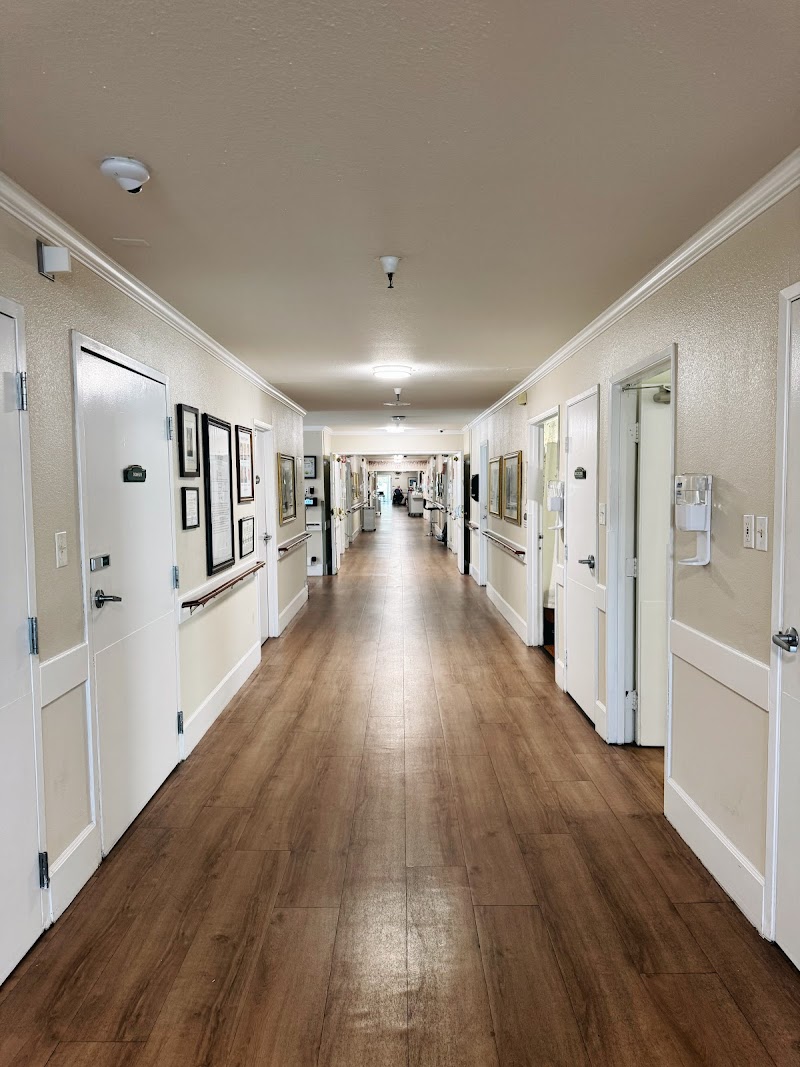
How is Fairfield Post-Acute Rehab Staffed?

CMS rates FAIRFIELD POST-ACUTE REHAB's staffing level at 4 out of 5 stars, which is above average compared to other nursing homes. Staff turnover is 41%, compared to the California average of 46%. This relatively stable workforce can support continuity of care.

What Have Inspectors Found at Fairfield Post-Acute Rehab?

State health inspectors documented 29 deficiencies at FAIRFIELD POST-ACUTE REHAB during 2019 to 2025. These included: 29 with potential for harm.
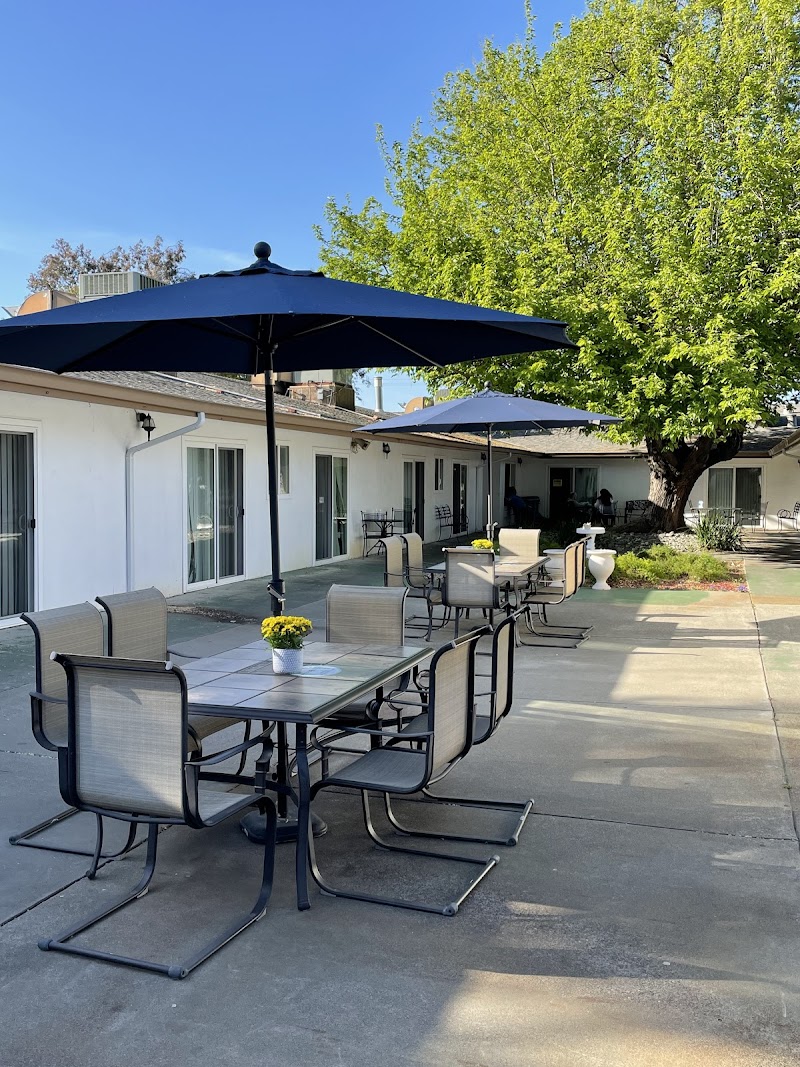
Who Owns and Operates Fairfield Post-Acute Rehab?

FAIRFIELD POST-ACUTE REHAB is owned by a for-profit company. For-profit facilities operate as businesses with obligations to shareholders or private owners. The facility is operated by THE ENSIGN GROUP, a chain that manages multiple nursing homes. With 99 certified beds and approximately 93 residents (about 94% occupancy), it is a smaller facility located in FAIRFIELD, California.
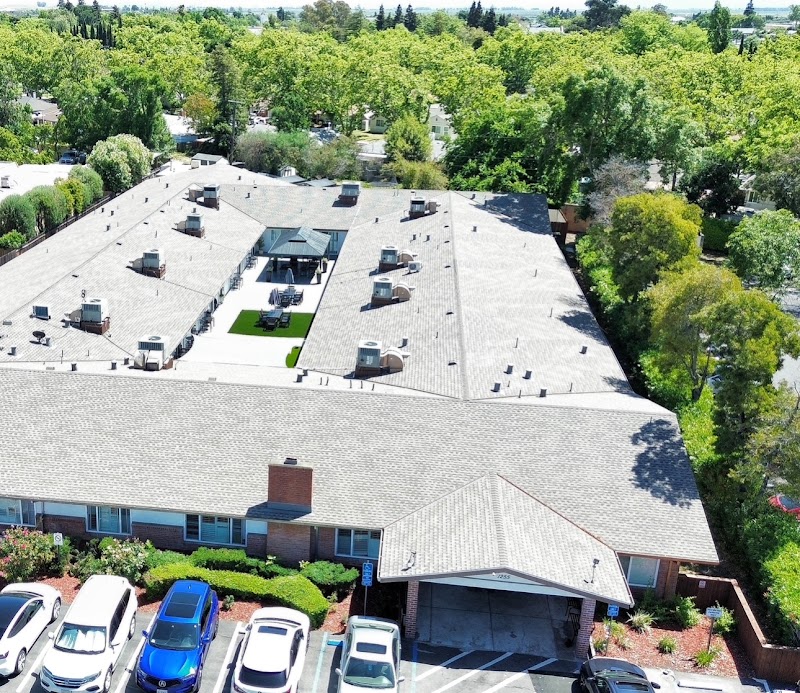
How Does Fairfield Post-Acute Rehab Compare to Other California Nursing Homes?

Compared to the 100 nursing homes in California, FAIRFIELD POST-ACUTE REHAB's overall rating (4 stars) is above the state average of 3.2, staff turnover (41%) is near the state average of 46%, and health inspection rating (3 stars) is at the national benchmark.

What Should Families Ask When Visiting Fairfield Post-Acute Rehab?

Based on this facility's data, families visiting should ask: "Can I visit during a mealtime to observe dining assistance and food quality?" "How do you handle medical emergencies, and what is your hospital transfer rate?" "Can I speak with family members of current residents about their experience?"

Is Fairfield Post-Acute Rehab Safe?

Based on CMS inspection data, FAIRFIELD POST-ACUTE REHAB has a clean safety record: no substantiated abuse findings (meaning no confirmed cases of resident harm), no Immediate Jeopardy citations (the most serious violation level indicating risk of serious injury or death), and is not on the Special Focus Facility watch list (a federal program monitoring the lowest-performing 1% of nursing homes). The facility has a 4-star overall rating and ranks #1 of 100 nursing homes in California. While no facility is perfect, families should still ask about staff-to-resident ratios and recent inspection results during their visit.

Do Nurses at Fairfield Post-Acute Rehab Stick Around?

FAIRFIELD POST-ACUTE REHAB has a staff turnover rate of 41%, which is about average for California nursing homes (state average: 46%). Moderate turnover is common in nursing homes, but families should still ask about staff tenure and how the facility maintains care continuity when employees leave.

Was Fairfield Post-Acute Rehab Ever Fined?

FAIRFIELD POST-ACUTE REHAB has been fined $5,076 across 1 penalty action. This is below the California average of $33,130. While any fine indicates a compliance issue, fines under $50,000 are relatively common and typically reflect isolated problems that were subsequently corrected. Families should ask what specific issues led to these fines and confirm they've been resolved.

Is Fairfield Post-Acute Rehab on Any Federal Watch List?

FAIRFIELD POST-ACUTE REHAB is not on any federal watch list. The most significant is the Special Focus Facility (SFF) program, which identifies the bottom 1% of nursing homes nationally based on persistent, serious quality problems. Not being on this list means the facility has avoided the pattern of deficiencies that triggers enhanced federal oversight. This is a positive indicator, though families should still review the facility's inspection history directly.