HEARTWOOD AVENUE HEALTHCARE
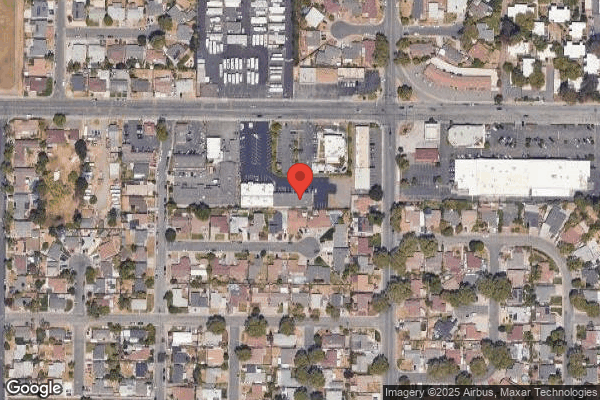
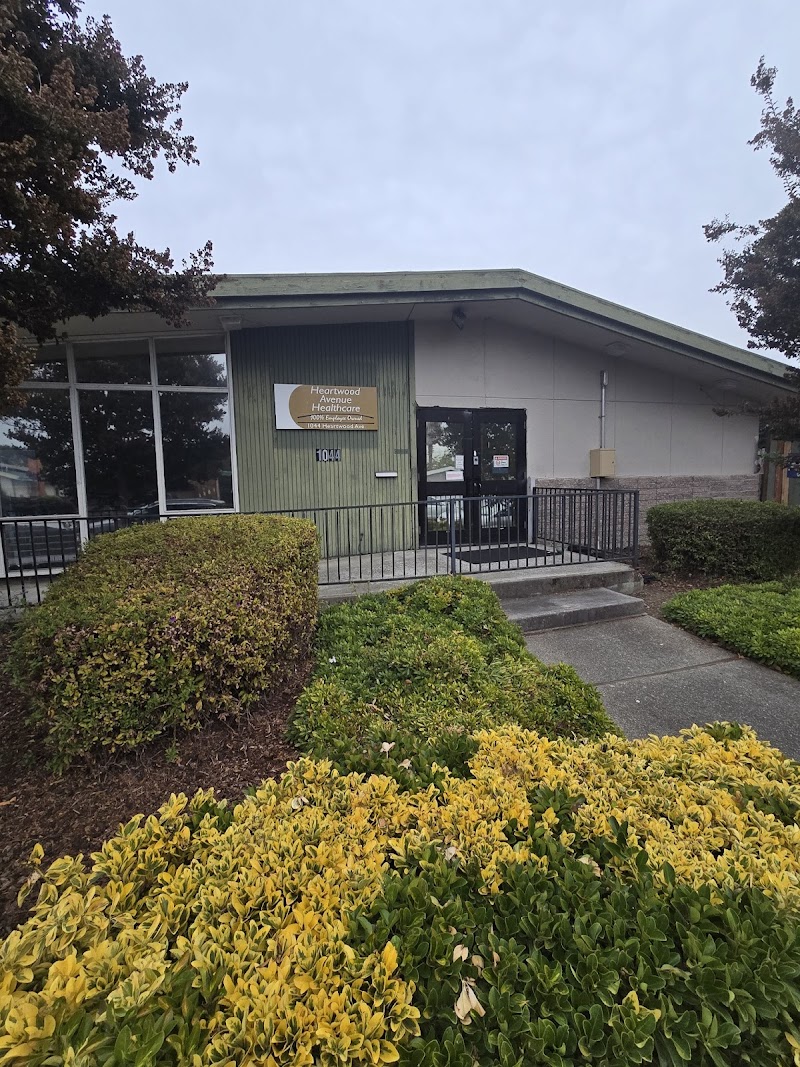
1044 HEARTWOOD AVE., VALLEJO, CA 94591 (707) 643-2267
For profit - Limited Liability company 60 Beds BVHC, LLC Data: November 2025
Trust Grade
50/100
#371 of 1155 in CA
Last Inspection: February 2025

Within standard 12-15 month inspection cycle. Federal law requires annual inspections.

Overview

Heartwood Avenue Healthcare in Vallejo, California, has a Trust Grade of C, indicating it is average compared to other facilities. It ranks #371 out of 1155 in California, placing it in the top half of the state, and #3 out of 7 in Solano County, meaning only two local facilities are ranked higher. The facility is showing an improving trend, with issues decreasing from 8 in 2024 to 7 in 2025. While staffing is a strength with a 0% turnover, indicating staff stability, the 2/5 staffing rating is below average. However, the facility has concerning fines of $27,281, higher than 80% of California facilities, suggesting repeated compliance problems. Specific incidents of concern include a resident who fell and fractured a leg due to lack of proper assistance during care, and another resident who developed four pressure ulcers, despite entering the facility without any. Additionally, there were delays in responding to resident call lights, with one resident waiting over an hour for help. While the facility has strengths in staffing stability, these serious incidents highlight the need for improvement in care practices.

Trust Score
C
50/100
In California
#371/1155
Top 32%
Safety Record
High Risk
Review needed
Inspections
Getting Better
8 → 7 violations
Staff Stability
○ Average
Turnover data not reported for this facility.
Penalties
○ Average
$27,281 in fines. Higher than 64% of California facilities. Some compliance issues.
Skilled Nurses
⚠ Watch
Each resident gets only 22 minutes of Registered Nurse (RN) attention daily — below average for California. Fewer RN minutes means fewer trained eyes watching for problems.
Violations
⚠ Watch
39 deficiencies on record. Higher than average. Multiple issues found across inspections.
★★★★☆
4.0
Overall Rating
★★☆☆☆
2.0
Staff Levels
★★★★★
5.0
Care Quality
★★★☆☆
3.0
Inspection Score
Stable
2024: 8 issues
2025: 7 issues

The Good

  • 5-Star Quality Measures · Strong clinical quality outcomes
  • Full Sprinkler Coverage · Fire safety systems throughout facility
  • No fines on record

Facility shows strength in quality measures, fire safety.

The Bad

Federal Fines: $27,281

Below median ($33,413)

Moderate penalties - review what triggered them

Chain: BVHC, LLC

Part of a multi-facility chain

Ask about local staffing decisions and management

The Ugly 39 deficiencies on record

3 actual harm
Aug 2025 1 deficiency
CONCERN (D) 📢 Someone Reported This

A family member, employee, or ombudsman was alarmed enough to file a formal complaint

Potential for Harm - no one hurt, but risky conditions existed

Report Alleged Abuse (Tag F0609)

Could have caused harm · This affected 1 resident

Based on interview, and record review, the facility failed to ensure an allegation of abuse was reported within the required timeframe for one of four sampled residents (Resident 1) when an allegation...

Read full inspector narrative →
Based on interview, and record review, the facility failed to ensure an allegation of abuse was reported within the required timeframe for one of four sampled residents (Resident 1) when an allegation of abuse was not reported to the State Agency.This failure resulted in delays in the abuse investigation process and decreased the facility's potential to protect patients from physical and psychosocial harm.Findings:During a review of Resident 1's admission records, the records indicated Resident 1 was admitted in September 2024 with diagnoses that included anxiety disorder (repeated episodes of sudden feelings of anxiety and fear or terror), dementia (a progressive state of decline in mental abilities), and depression (persistent feeling of sadness and loss of interest). Resident 1's Minimum Data Set (MDS, a federally mandated resident assessment tool) indicated Resident 1 had moderate cognitive impairment.During a review of Resident 2's admission records, the records indicated Resident 2 was admitted in March 2025 with diagnoses that included metabolic encephalopathy (occurs when problems with metabolism cause brain dysfunction), vascular dementia (decline in thinking skills caused by conditions that block or reduce blood flow to the brain), schizophrenia (a mental illness that is characterized by disturbances in thought), bipolar disorder (sometimes called manic-depressive disorder; mood swings that range from the lows of depression to elevated periods of emotional highs), depression, and delusional disorders (an illness where a person cannot tell what is real from what is imaginary). Resident 2's MDS indicated Resident 2 had severe cognitive impairment.During a review of the SOC 341 (Report of Suspected Dependent Adult/Elder Abuse), dated 8/4/25, the report indicated, .[Resident 2] was walking down the hallway toward nurses station passed [Resident 1's room] where [Resident 1] was sitting in her wheelchair. [Resident 1] was reaching for gloves and [Resident 2] went to reach for the same glove box. [Resident 2] then made contact with [Resident 1's] left arm with her right hand - with an open palm. [Resident 2] and [Resident 1] were immediately separated by staff and both assessed with no injuries noted. The report further indicated that the report was faxed to the ombudsman on 8/4/25 but not to the Department.During a review of Resident 1's Interdisciplinary (IDT) Notes, dated 8/7/25, the notes indicated, IDT met to discuss a report of an incident between 2 residents. On 8/4/25 approximately 0120 PM [1:20 p.m.] CNA [Certified Nursing Assistant] staff was walking down the hallway and observed [Resident 1] sitting in her wheelchair near her room and attempted to reach for a box of gloves. [Resident 2] was also observed to be reaching for the same box of gloves. [Resident 2] with an open palm made contact with [Resident 1's] left arm.Police and Ombudsman were notified. SOC 341 was faxed to the Ombudsman.During an interview on 8/8/25 at 10:33 a.m. with the Administrator (ADM), the ADM stated, .On 8/4/25, we filed a SOC to the ombudsman.We did not report to CDPH because both residents had dementia and there were no injuries.[the incident was ] Witnessed by CNA staff, [Resident 1] stopped [Resident 2] from getting the box, [Resident 2] held the arm that [Resident 1] used to grab the box. The ADM further stated the incident was reported to ombudsman but not to CDPH per the All-Facilities Letter (AFL - informs health facilities about changes in requirements, new technologies, scope of practice, or general information affecting them) 24-09.During an interview on 8/8/25 at 3:02 p.m. with the Director of Nursing (DON), the DON stated he was aware of the incident that happened on 8/4/25 between Resident 1 and Resident 2. The DON stated, .[Resident 2] was in the wheelchair and there was a glove box nearby.[Resident 2] was reaching for the glove box, [Resident 2] touched [Resident 1's] left arm.It was witnessed.Happened in 8/4/25.It was submitted to ombudsman, not to CDPH. The DON further stated the expectation is to report immediately any allegation of abuse and stated, .If aggressor has diagnosis of dementia, it is something that you have to report to ombudsman only and the police, no need to report it to CDPH.they need to know what's going on.and to conduct investigations and follow up. The DON added, .we're here to take care of them [residents] and we try to provide a safe place for the residents.During a telephone interview on 8/8/25 at 3:22 p.m. with CNA 1, CNA 1 stated, .I was pushing another resident in the wheelchair, I was in the hallway, I saw [Resident 2] reaching the box of gloves by [Resident 1's room].[Resident 1] tried to stop [Resident 2] and [Resident 2] didn't liked that so she tapped [Resident 1] on the left arm.During a review of the facility's policy and procedure (P&P) titled Abuse Investigation and Reporting, revised 7/2025, the P&P indicated, All reports of resident abuse.shall be promptly reported to local, state and federal agencies (as defined by current regulations) and thoroughly investigated by facility management.1. All alleged violations involving abuse.will be reported by the facility Administrator, or his/her designee, to the following persons or agencies: a. The State licensing/certification agency responsible for surveying/licensing the facility.
Feb 2025 5 deficiencies
CONCERN (D)

Potential for Harm - no one hurt, but risky conditions existed

Deficiency F0558 (Tag F0558)

Could have caused harm · This affected 1 resident

Based on observation, interview and record review the facility failed to accommodate resident needs when one of 15 sampled residents (Resident 27) call light was not within reach. This failure increa...

Read full inspector narrative →
Based on observation, interview and record review the facility failed to accommodate resident needs when one of 15 sampled residents (Resident 27) call light was not within reach. This failure increased the risk that Resident 27's needs would go unmet. Findings: Resident 27 was admitted to the facility in fall of 2017 with diagnoses which included lung disease, muscle weakness, need for assistance, long term pain, the most advanced stage of eye disease that severe damage to the optic nerve, depression and anxiety. During a review of Resident 27's Minimum Data Set (MDS, an assessment tool), dated 2/6/25, the MDS indicated Resident 27 had moderate memory impairment and no impairment of her arms and legs. During a review of Resident 27's physician progress note (PPN), dated 2/6/25, the PPN indicated Resident 27 was on inhalers . [had] chronic pain .at high risk for .falls . During a review of Resident 27's care plan (CP) titled, [Resident 27] .is observed to have ability to use call light, gross and fine hand motor function intact, was dated 11/1/24. During a review of Resident 27's CP titled, [Resident 27 is at risk for falls ., dated 11/24, the CP indicated, Be sure The (sic) resident's call light is in reach and encourage the resident to use it for assistance as needed. The resident needs prompt response to all requests for assistance . During a concurrent observation and interview on 2/24/25 at 1:42 p.m. with Resident 27, Resident 27's call light was on the chest of drawers behind the resident but she indicated she was unable to reach it to call staff. During a concurrent observation and interview on 2/24/25 at 1:44 p.m. with Certified Nurses Assistant (CNA) 1, CNA 1 verified the observation and said, No it's [call light] not in reach for her. It should be in reach. During an interview on 2/27/25 at 7:37 a.m. with the Director of Nurses (DON) , the DON was asked her expectations regarding the resident call lights and said, The call lights should be accessible at all times. During a review of the facility policy and procedure (P&P), titled Answering the Call Light, dated 9/24, the P&P indicated When the resident is in bed .be sure the call light is within easy reach of the resident .
CONCERN (D)

Potential for Harm - no one hurt, but risky conditions existed

Deficiency F0658 (Tag F0658)

Could have caused harm · This affected 1 resident

2. Resident 19 was admitted to the facility in March of 2023 with diagnoses that included Diabetes (disease where the body has poor blood sugar control) and hyperglycemic-hyperosmolar coma (coma induc...

Read full inspector narrative →
2. Resident 19 was admitted to the facility in March of 2023 with diagnoses that included Diabetes (disease where the body has poor blood sugar control) and hyperglycemic-hyperosmolar coma (coma induced by severely elevated blood sugar levels). A review of Resident 19's Order Details, dated 3/25/23, indicated, metFORMIN Oral Tablet 500 MG (Metformin HCL). Give 1 tablet by mouth two times a day for DM2 Twice a day with breakfast and dinner During an observation on 2/24/25 at 3:42 p.m. with LN 4, LN 4 administered metformin to Resident 19 without a meal or any observable snacks in the resident's room. During an interview on 2/25/25 at 3 p.m. with Resident 19, Resident 19 indicated she didn't have any snacks at her bedside and did not receive any food prior to her receiving her diabetes medications on 2/24/25 at 3:42 p.m. During an interview on 2/27/25 at 7:59 a.m., with the DON, the DON indicated diabetes medications should be given with food and her expectation from facility staff is to ensure food is available to resident to prevent hypoglycemia (low blood sugar levels). During a review of the facility's P&P titled, Administering Medications, revised April 2024, the P&P indicated, Medications are administered in accordance with the prescriber orders, including any required time frame .Medication administration times are determined by resident need and benefit, not staff convenience . Based on observation, interview, and record review, the facility failed to meet professional standards for two of 15 sampled residents (Resident 206 and Resident 19), when: 1. Resident 206's peripherally inserted central catheter's dressing (PICC, a long, thin tube that's inserted into a vein in the arm and ends in a large vein near the heart used to deliver antibiotics) was not changed per physician orders, 2. Resident 19 recieved metformin (a diabetes medication for blood sugar control) without food as ordered by the provider. These failures had the potential to result in a serious bloodstream infection for Resident 206 and upset stomach for Resident 19. Findings: 1. Resident 206 was admitted to the facility in February 2025 following joint replacement surgery to the left hip. Resident 206 was cognitively intact and her own responsible party, according to Resident 206's face sheet. During a review of Resident 206's physician orders, dated 2/10/25, the physician orders indicated, PICC .dressing change .every seven days. During a concurrent observation and interview on 2/24/25 at 12:26 p.m. with Resident 206 in Resident 206's room, the PICC dressing on Resident 206's right arm was dated 2/17/25. Resident 206 stated staff told her, It would be changed today. During a concurrent observation and interview on 2/25/25 at 8:48 a.m. with Resident 206 in Resident 206's room, the PICC dressing on Resident 206's right arm was dated 2/17/25. Resident 206 reported her dressing had not been changed. It was also observed that Resident 206 was receiving an antibiotic infusion of ceftriaxone through her PICC. During a concurrent observation and interview on 2/25/25 at 9:13 a.m. with Licensed Nurse 2 (LN 2) in Resident 206's room, LN 2 verified the date on the PICC dressing was 2/17/25. LN 2 stated, The order states to change .every seven days or if it's dirty. LN 2 stated physician orders were not followed and the dressing should have been changed Monday, 2/24/25. During a concurrent interview and record review on 2/26/25 at 12:33 p.m. with the Director of Nursing (DON), Resident 206's physician orders, dated 2/10/25, were reviewed. The physician orders indicated, PICC .dressing change .every seven days. The DON stated the (dressing change for Resident 206) was due on 2/24. The DON further stated changing the dressing past seven days is, .very dangerous .these are central lines .they go to the heart .the risk of infection is very high. The DON stated the nurse should have followed the physician orders. During a review of the facility's policy and procedure (P&P) titled, Midline Dressing Changes, dated April 2016, indicated, To prevent catheter-related infections .change midline catheter dressing .every 5-7 days.
CONCERN (E)

Potential for Harm - no one hurt, but risky conditions existed

Resident Rights (Tag F0550)

Could have caused harm · This affected multiple residents

**NOTE- TERMS IN BRACKETS HAVE BEEN EDITED TO PROTECT CONFIDENTIALITY** Based on observation, interview and record review, the facility failed to ensure residents were treated with dignity and their p...

Read full inspector narrative →
**NOTE- TERMS IN BRACKETS HAVE BEEN EDITED TO PROTECT CONFIDENTIALITY** Based on observation, interview and record review, the facility failed to ensure residents were treated with dignity and their privacy was protected when curtains did not reach around the resident personal space and vertical blinds were broken or missing for five residents (Resident 19, 31, 7, 14, and 16) in a census of 55. These failures resulted in Resident 19 and Resident 7 feeling a lack of privacy and had the potential for shame or embarrassment for the residents. Findings: 1. Resident 19 was admitted to the facility spring of 2023 with diagnoses of muscle weakness and need for assistance with personal care. During a review of Resident 19's Minimum Data Set (MDS, an assessment tool), dated 1/27/25, the MDS indicated Resident 19 had a moderately impaired memory. During a concurrent observation and interview on 2/24/25 at 9:36 a.m. with Resident 19, Resident 19's privacy curtain did not reach around the bed and eight out of 33 vertical blind slats covering the sliding glass door were missing. Resident 19 stated, I change my clothes right here [at the bedside]. Sometimes people come through here. They can see me .I'm just concerned about these blinds. I just don't like the blinds missing [people walk by outside]. There's no privacy with the window blinds [missing]. During a concurrent observation and interview on 2/24/25 at 9:38 a.m. with Certified Nurses Assistant (CNA) 1, CNA 1 verified the curtains did not reach around Resident 19's bed for privacy and eight vertical blind slats covering the sliding door were missing. 2. During an observation on 2/24/25 at 2:04 p.m. of Resident 31 and Resident 7's shared bedroom, the divider curtains did not reach around their beds for privacy. During a concurrent observation and interview on 2/24/25 at 2:06 p.m. with CNA 1, CNA 1 verified the curtains didn't reach around each bed to cover Resident 31 and Resident 7 and stated, If I was being changed, I wouldn't want others to see me naked. 3. Resident 14 was admitted to the facility in the winter of 2024 with diagnoses which included bowel and urinary incontinence and need for assistance with personal care. During a review of Resident 14's MDS, dated [DATE], the MDS indicated Resident 14 had a severely impaired memory. During a observation on 2/26/25 at 12:20 p.m., Resident 14 was mumbling incoherently and unable to be interviewed. Resident 14's curtains did not reach around bed for privacy. During a concurrent observation and interview on 2/26/25 at 12:23 with CNA 3, CNA 3 verified Resident 14's curtains did not reach around the bed for privacy . 4. Resident 16 was admitted to the facility in the fall of 2023 with diagnoses which included muscle weakness and need for assistance with personal care. During a review of Resident 16's MDS, dated [DATE], the MDS indicated Resident 16 was alert and oriented, able to make his needs known. During an observation on 2/24/25 at 10:40 a.m. in Resident 16's room, three slats were missing from the vertical blinds covering Resident 16's sliding door. One slat was broken half way down. During a concurrent observation and interview on 2/24/25 at 10:43 a.m. with Licensed Nurse (LN) 3, LN 3 verified three vertical blind slats were missing with another one broken in half. LN 3 stated, I'm not sure if it's been put in the log. [Resident 16 is] here mostly every day . During an interview on 2/25/25 at 9:07 a.m. with the Maintenance Supervisor (MS), MS stated, [Resident 31 and Resident 7's] curtains do not close . and verified multiple vertical blind slats were broken or missing. The MS stated, Housekeeping .should be checking that the curtains reach around the bed completely. If something is broken, they should put it in the maintenance log so I can fix it I don't always indicate in which room the slats were replaced. During an interview on 2/25/25 at 9:23 a.m. with the Environmental Services Manager (ESM), the ESM was asked about the curtains that did not reach around resident personal space. The ESM stated it would be embarrassing for someone to walk in on a resident who was being changed and not having curtains around them for privacy. During an interview on 2/27/25 at 7:37 a.m. with the Director of Nurses (DON), the DON stated, The residents should be offered privacy at all times during care . During a review of the facility policy and procedure (P&P) titled Quality of Life - Dignity, revised 2/24, the P&P indicated Staff promote, maintain and protect resident privacy, including bodily privacy during assistance with personal care and during treatment procedures .Demeaning practices and standards of care that compromise dignity are prohibited .
CONCERN (E)

Potential for Harm - no one hurt, but risky conditions existed

Deficiency F0761 (Tag F0761)

Could have caused harm · This affected multiple residents

Based on observation, interview, and record review, the facility failed to implement their medication storage policy when medications were not labeled with an opened date and an expired medication was...

Read full inspector narrative →
Based on observation, interview, and record review, the facility failed to implement their medication storage policy when medications were not labeled with an opened date and an expired medication was available for use in the medication cart. These failures placed the residents at risk for receiving contaminated medications, medications with reduced potency or unpredictable results that could lead to complications over time. Findings: During a concurrent observation and interview on 2/25/25 at 10:09 a.m., with Licensed Nurse 5 (LN 5), medication cart two was found to contain the following unlabeled opened medications: 1. an inhaler of budesonide 160 mcg / formoterol fumarate dihydrate 4.5 mcg, 2. an inhaler of fluticasone furoate 200 mcg/vilanterol 25 mcg, 3. a vial of insulin lispro 100 units/ml. A review of the facility's document titled, Abridged List of Medications with Shortened Expiration Dates [ALMSED], undated, the ALMSED indicated, budesonide 160 mcg (micrograms, a unit of measurement)/formoterol fumarate dihydrate 4.5 mcg (drugs to aide in breathing) should be discarded three months (90 days) after opening. A review of the fluticasone furoate 200 mcg/vilanterol 25 mcg (drugs to aide in breathing) inhaler manufacturer box indicated to discard the product 42 days after opening. A review of the insulin lispro (medication to lower blood sugar) 100 units/ml (milliliter, a unit of measurement) vial manufacturer box indicated to discard the product 28 days after opening. During a concurrent observation and interview on 2/25/25 at 10:09 a.m., with Licensed Nurse 5 (LN 5), medication cart two also contained a bottle of expired cromolyn sodium 4% eye drops (eye drops for allergies) with an open date of 12/21/24. A review of the facility's document titled, Abridged List of Medications with Shortened Expiration Dates [ALMSED], undated, the ALMSED indicated, cromolyn sodium 4% eye drops should be discarded 60 days after opened. During a concurrent observation and interview on 2/25/25 at 10:09 a.m., LN 5 confirmed the three undated medications and an expired eye drops in the medication cart two. LN 5 indicated it was important to label medications with the opened date due to the possibility of decreased effectiveness past the manufacturer's recommended date. LN 5 also indicated expired medications should be disposed of. During a concurrent observation and interview on 2/25/25 at 4:10 p.m., with LN 6, medication cart one contained one opened unlabeled inhaler of fluticasone furoate 200 mcg/umeclidinium 62.5 mcg/vilanterol 25 mcg. LN 6 confirmed the inhaler was not labeled and should be, because it can expire. During an interview on 2/27/25 at 7:59 a.m., with the Director of Nursing (DON), the DON indicated she expected that facility staff to dispose of expired medications and staff to date and label medications that once opened. During a review of the facility's policy and procedure (P&P) titled, Labeling of Medication Containers, revised 4/19, the P&P indicated, All medications maintained in the facility are properly labeled in accordance with current state and federal guidelines and regulations .
CONCERN (E) 📢 Someone Reported This

A family member, employee, or ombudsman was alarmed enough to file a formal complaint

Potential for Harm - no one hurt, but risky conditions existed

Infection Control (Tag F0880)

Could have caused harm · This affected multiple residents

2. Resident 24 was admitted to the facility in January of 2025 with a diagnosis of intestinal obstruction. A review of Resident 24's Order Details, dated 2/21/25, indicated, Contact precautions [prec...

Read full inspector narrative →
2. Resident 24 was admitted to the facility in January of 2025 with a diagnosis of intestinal obstruction. A review of Resident 24's Order Details, dated 2/21/25, indicated, Contact precautions [precautions requiring staff to wear a gown and gloves when providing care] r/t [related to] C Diff . Resident 26 was admitted to the facility in April of 2024 with diagnoses that included fistula of intestine (an abnormal connection between two parts of the intestine or between the intestine and another organ or the skin) and history of urinary tract infection. During an observation on 2/26/25 at 12:15 p.m., Certified Nursing Assistant 4 (CNA 4) was observed leaving the room of Resident 24 after performing care and entering the room of Resident 26. CNA 4 then left Resident 26's room and entered Resident 206's room. CNA 4 did not wash her hands with soap and water during this observation. During an observation on 2/26/25 at 12:25 p.m. with CNA 4, CNA 4 confirmed it was required for staff to wash their hands for residents on contact precautions for a C Diff infection. During an interview on 2/26/25 at 12:53 p.m. with the Infection Preventionist (IP), the IP indicated staff were required to wash their hands with soap and water after leaving a room on contact precautions for C Diff. The IP indicated that was to prevent the spread of infection by the C Diff pathogen. During a review of the facility's Policy and Procedure (P&P) titled, Clostridium Difficile, undated, the P&P indicated, Steps toward prevention and early intervention include .Frequent hand washing with soap and water by staff and residents .When caring for residents with CDI [C Diff infection], staff is to maintain vigilant hand hygiene. Hand washing with soap and water is superior to ABHR [alcohol-based hand rub, hand sanitizer that doesn't require running water] for the mechanical removal of C. difficile spores from hands. 3. Resident 1 was admitted to the facility in March of 2005 with diagnoses that included adult failure to thrive and dysphagia (difficulty swallowing). During a concurrent observation and interview on 2/24/25 at 10:21 a.m., with LN 2, Resident 1's gastrotomy tube (a tube placed into the gut to administer nutrition) feeding bottle was unlabeled. LN 2 confirmed the finding and indicated the bottle should be labeled since the bottles were only good for a certain amount of time once opened. During an interview on 2/27/25 at 7:59 a.m., with the DON, the DON indicated her expectation for staff was to label gastrotomy tube feeding bottles with the date, time, and rate of feed. During a review of the facility's P&P titled, Enteral Feedings, undated, the P&P indicated, On the formula label document initials, date and time the formula was hung, and initial that the label was checked against the order. Based on observation, interview, and record review, the facility failed to maintain infection prevention and control practices to help prevent the development and transmission of communicable diseases and infections when: 1. Staff did not wear a gown when providing high contact care to one resident (Resident 206) on Enhanced Barrier Precautions [EBP-set of infection control measures that use gowns and gloves to reduce the spread of multidrug-resistant organisms (MDRO)], 2. Staff didn't wash hands after providing care for a resident who had C Diff [Clostridium Difficile, bacteria that cause inflammation of the colon]; and 3.Tube feeding bottle was not labeled. These failures had the potential to contribute to the spread of infections for a facility census of 55 residents. Findings: 1. Resident 206 was admitted to the facility in February 2025 following joint replacement surgery to the left hip. Resident 206 was diagnosed with methicillin susceptible staphylococcus aureus infection (MRSA-a germ that is resistant to some antibiotics) and was admitted with a peripherally inserted central catheter (PICC-a long, thin tube that's inserted into a vein in the arm and ends in a large vein near the heart used to deliver antibiotics). Resident 206 was cognitively intact and her own responsible party, according to Resident 206's face sheet. During a review of Resident 206's care plan, dated 2/10/25, the care plan indicated, Use of enhanced barrier precautions for use of: indwelling medical device .PICC .related to risk of colonization with an MDRO. The care plan further indicated, Resident will have reduced risk of obtaining or spreading colonization with an (MDRO) during high-contact resident care activities. During a review of Resident 206's physician orders, dated 2/11/25, the physician orders indicated, Enhanced Barrier Precautions due to RUA (right upper arm) PICC. During a concurrent observation and interview on 2/25/25 at 9:22 a.m. in Resident 206's room with Certified Nursing Assistant 5 (CNA 5), CNA 5 was observed having physical contact with Resident 206, getting the resident up and changing her clothes without wearing a gown. An EBP sign was posted outside of Resident 206's room indicating, Providers and staff must also: wear gloves and a gown for the following high-contact resident care activities .dressing .changing linens .providing hygiene .changing briefs or assisting with toileting. CNA 5 stated she had changed Resident 206's clothes, briefs, and bed linen without wearing a gown. CNA 5 stated, I think I was supposed to [wear gloves, gowns] when discussed the EBP sign that was posted outside the resident's room. During an interview on 2/25/25 at 9:35 a.m. with Licensed Nurse 2 (LN 2), LN 2 stated CNA 5 was supposed to wear the gown during resident care for Resident 206. During an interview on 2/27/25 at 8:02 a.m. with Director of Nursing (DON), the DON stated residents on EBP had a sign placed in front of the resident's room along with a personal protective equipment (PPE-clothing and equipment that is worn or used to provide protection against hazardous substances and/or environments) cart. The DON stated the purpose of EBP was to prevent the spread of infection. The DON further stated she would expect a CNA to wear a gown and gloves for residents on EBP while assisting with dressing, changing briefs, and changing linens, without exception. During a review of the facility's policy and procedure titled, Enhanced Barrier Precautions, dated 6/18/24, indicated, EBP include the use of glove and gown during high-contact care activities for residents .with indwelling medical devices. The policy further indicated, High-contact resident care activities include .dressing .providing hygiene .changing linens .changing briefs. In addition, the policy indicated, Indwelling medical device include .peripherally-inserted central catheters-PICCs. The policy further indicated, Post clear signage on the door or wall outside of the resident room .signage should also clearly indicate the high-contact resident care activities that require the use of gown and gloves.
Feb 2025 1 deficiency
CONCERN (D) 📢 Someone Reported This

A family member, employee, or ombudsman was alarmed enough to file a formal complaint

Potential for Harm - no one hurt, but risky conditions existed

Infection Control (Tag F0880)

Could have caused harm · This affected 1 resident

Based on observation, interviews and record reviews, the facility failed to ensure proper infection control was practiced when: 1. Dietary Staff (DS) was observed to touch the part of a fork that goes...

Read full inspector narrative →
Based on observation, interviews and record reviews, the facility failed to ensure proper infection control was practiced when: 1. Dietary Staff (DS) was observed to touch the part of a fork that goes into the mouth with bare hands, and 2. DS did not perform hand hygiene (HH, hand washing) prior to putting on new gloves. These failures had the potential to increase the transmission of illness and infection among the 56 vulnerable residents of the facility. Findings: 1. During a concurrent observation and interview on 2/10/25 at 12:10 p.m., while arranging silverware for a resident ' s lunch tray, the DS acknowledged he touched the part of the fork that goes into the resident ' s mouth with his bare hands and he should not have. The Dietary Manager (DM), who was also present, verified seeing DS touching the part of the fork that goes into the mouth of the resident with his bare hands and stated it was not acceptable for infection control purposes. 2. During a concurrent observation and interview on 2/10/25 at 12:13 p.m., DS was observed to put a glove on his right hand without performing HH prior. DS verified he did not perform HH prior to putting on the new glove. The DM who was also present, verified DS did not performed HH prior to putting on a new glove. During an interview on 2/10/25 at 12:49 p.m., the DM stated staff should always perform HH prior to putting on new gloves for infection control purposes. The DM stated the facility cared for residents who are immunocompromised (weakened immune system, making residents more susceptible to infection) and could easily get an infection. The DM added, not practicing infection control, such as HH, could result in transfer of bacteria from hands to food which could result to gastrointestinal (GI, related to stomach and intestines) illness and put the residents' safety at risk. During an interview on 2/10/25 at 12:58 p.m., the Director of Nursing (DON) stated staff should not touch the part of the utensil that goes into the residents ' mouths with their bare hands and should perform HH prior to putting on new gloves for infection control. The DON stated not performing HH could transfer bacteria from hands to the resident or their food, which could make them sick from GI illness. A review of the facility ' s policy and procedure titled, Handwashing/Hand Hygiene, revised in 2019, indicated, .This facility considers hand hygiene the primary means to prevent the spread of infections . All personnel shall follow the handwashing/hand hygiene procedures to help prevent the spread of infections to other personnel, residents, and visitors . Use . soap (antimicrobial or non-antimicrobial) and water for the following situations: . Before and after handling an invasive device . Before and after eating or handling food . Perform hand hygiene before applying non-sterile gloves .
Jun 2024 1 deficiency
CONCERN (E) 📢 Someone Reported This

A family member, employee, or ombudsman was alarmed enough to file a formal complaint

Potential for Harm - no one hurt, but risky conditions existed

Safe Environment (Tag F0584)

Could have caused harm · This affected multiple residents

**NOTE- TERMS IN BRACKETS HAVE BEEN EDITED TO PROTECT CONFIDENTIALITY** Based on observations, interviews and record reviews, the facility failed to ensure residents were provided a clean and safe env...

Read full inspector narrative →
**NOTE- TERMS IN BRACKETS HAVE BEEN EDITED TO PROTECT CONFIDENTIALITY** Based on observations, interviews and record reviews, the facility failed to ensure residents were provided a clean and safe environment when: 1. A.the floor were sticky in rooms [ROOM NUMBERS]. B.the tissue was touching the floor in room [ROOM NUMBER]'s bathroom. C.there was a brownish colored material on the floor in room [ROOM NUMBER]'s bathroom. D.there were multiple clothes hanging in the towel rack in room [ROOM NUMBER]'s bathroom and a purple colored sweat pants was seen on the floor in room [ROOM NUMBER]. E.there was a stack of basin on top of the paper towel dispenser in room [ROOM NUMBER]. F. there was a brownish material smeared on the toilet bowl seat which staff identified as feces. 2. there was a hole in room [ROOM NUMBER]'s bathroom door. These failures resulted in an unclean, unsanitary and unsafe environment for the residents in rooms [ROOM NUMBERS]. These failures were also an infection control issue which could result in cross contamination and could result in residents getting sick with GI (gasto-intestinal; stomach) illness and skin infections. The hole on room [ROOM NUMBER]'s bathroom door was a safety risk and could lead to residents acquiring cuts, abrasions, and splinters. Findings: A review of Resident 1's face sheet (demographics) indicated she was admitted on [DATE] with a diagnoses of Essential Hypertension (HTN, high blood pressure), Sciatica (pain that starts in your lower back or buttock and radiates down your leg) and Anxiety (an emotion characterized by feelings of tension, worried thoughts, and physical changes). Her Brief Interview for Mental Status (BIMS, a mandatory tool used to screen and identify the cognitive condition of residents) dated 4/3/24 score was 15 indicating intact cognition (the conscious and unconscious processes involved in thinking, perceiving, and reasoning). 1. During a concurrent observation and interview on 6/4/24 at 2:45 p.m., Unlicensed Staff A verified the following: RM [ROOM NUMBER]'s floor were sticky, there were 2 brownish stain/material on the bathroom floor which Unlicensed Staff A identified as probably poop , there were 3 clothes hanging on the towel rack in the bathroom and the tissue paper was touching the bathroom floor. Unlicensed Staff A stated this was a big infection control issue. Unlicensed Staff A stated the floor was sticky because it was probably not cleaned well enough. Unlicensed Staff A stated the floor should not be sticky, there should be no clothes hanging on the towel rack, no tissues touching the bathroom floor and the bathroom should be clean for infection control purposes. Unlicensed Staff A stated the clothes should not be hanging on the towel rack because they don't know if that was clean or dirty and resident might put the clothes back on. Unlicensed Staff A stated the tissue should not be touching the floor because the floor was dirty and contaminated and if a resident used the tissue, they might have cross contamination with the bacteria from the floor. Unlicensed Staff A stated it was a resident's right to ensure their environment was homelike, clean and safe. During a concurrent observation in room [ROOM NUMBER]'s bathroom and interview on 6/4/24 at 2:54 p.m., Unlicensed Staff A verified there was a brownish material smeared on the toilet bowl seat which Licensed Staff A identified as definitely a poop , there was a stack of basin on top of the paper towel dispenser and there was a purplish colored pants on the floor. Unlicensed Staff A also verified room [ROOM NUMBER]'s bathroom reeked of urine smell and the bathroom floor was sticky. Unlicensed Staff A stated these were unacceptable. Unlicensed Staff A stated the bathroom floor should not be sticky, there should not be clothes on the bathroom floor and the toilet bowl seat should not have a smeared poop. Unlicensed Staff A stated this was a big infection control issue. During an interview on 6/4/24 at 2:55 p.m., Licensed Staff B stated the bathroom floor should not be sticky. Licensed Staff B stated if the bathroom floor was sticky, it could be an indication the floor was not cleaned thoroughly. Licensed Staff B also stated there should be no brownish stain/material on the bathroom floor which could be poop or poop smeared in the toilet bowl seat. Licensed Staff B stated this was disgusting and was a big infection control issue. Licensed Staff B stated there should be no stack of basin on top of the paper towel dispenser. Licensed Staff B stated those basin should not be used and should be discarded because it was now considered dirty. Licensed Staff B stated it was not acceptable to place clothes on the towel rack or on the floor because you would not know whether resident would put this on again which could result to possible cross contamination. Licensed Staff B stated it was important to ensure residents were in a clean environment and residents were protected from infection due to environmental factors such as dirty bathrooms and floors. Licensed Staff B stated it was also a resident's right to have a clean and safe environment. During an interview on 6/4/24 at 3:05 p.m., Resident 1 stated the facility over all cleanliness could be improved. During an interview on 6/4/24 at 3:10 p.m., Licensed Staff C stated sticky floor meant the floor was not cleaned thoroughly. Licensed Staff C stated the bathroom floor should not have any brownish stains or materials, no clothes on the floor or the towel rack, no stack of basin in the paper towel dispenser and the tissue paper was not supposed to touch the floor. Licensed Staff C also stated the toilet bowl seat should not have any smeared bowel movement. Licensed Staff C stated this was disgusting and should have been cleaned right away. Licensed Staff C stated these were big infection control issues and could lead to residents getting sick. Licensed Staff C stated it was a resident right to have a clean bathroom and to live in a clean and safe environment. During an interview on 6/4/24 at 3:15 p.m., Housekeeping D stated the floors should not be sticky. Housekeeping D stated a sticky floor could be an indication the floor was not thoroughly cleaned. Housekeeping D stated it was not acceptable to have a smeared poop on the toilet bowl seat. Housekeeping D stated the tissue should not touch the floor and there should be no clothes on the bathroom floor or on the towel rack. Licensed Staff D stated all of these were an infection control issue and residents could get sick and infected through contaminated and dirty items. During an interview on 6/4/24 at 3:25 p.m., the Director of Nursing (DON) stated it was not acceptable to have a sticky floor, to have the tissue touching the floor, to have a stack of basin on top of the paper towel dispenser, to have brownish stain/material on the bathroom floor or have a bowel movement smeared on the toilet bowl seat, to have clothes on the bathroom floor or have clothes hanging on the towel rack in the bathroom. The DON stated these were an infection control issue. When asked if it was a resident right to live in a clean and safe environment, the DON stated yes. When sked if a sticky floor, having a tissue touching the floor, having a stack of basin on top of the paper towel dispenser, having a brownish stain or material on the bathroom floor, having bowel movement smeared on the toilet bowl seat, having clothes on the bathroom floor and clothes hanging on the towel track meant the resident was living in a clean environment, the DON stated I get it. During an interview on 6/4/24 at 3:33 p.m., Unlicensed Staff E stated sticky floor meant it was not cleaned thoroughly. Unlicensed Staff E stated it was not acceptable to have tissue touching the floor, to have a stack of basin kept in the paper towel dispenser, to have a poop smeared in the toilet bowl seat or to have clothes hanging on the towel rack or left on the floor. Unlicensed Staff E stated these were all an infection control issue and residents could get sick if they use these contaminated items. During an interview on 6/4/24 at 3:35 p.m., Licensed Staff F stated it was not acceptable to have a sticky floor, to have tissue touching the floor, to have a stack of basin on top of the paper towel dispenser in the bathroom, to have clothes on the bathroom floor or hanging on the towel rack. Licensed Staff F stated it was not acceptable and it was disgusting to have a brown colored discoloration or material on the bathroom floor or a bowel movement smeared on the toilet bowl seat. Licensed Staff F stated it was a resident's right to live in a safe and clean environment. Licensed Staff F stated these were all an infection control issue and could result to cross contamination which could lead to residents getting sick. A review of the facility's policy and procedure (P&P) titled Cleaning and Disinfection of Environmental Surfaces revised 8/2019, the P&P indicated housekeeping surface will be cleaned in regular basis, when spills occurs and when these surfaces were soiled .spills of blood and other potentially infectious materials be promptly cleaned . 2. During a concurrent observation of room [ROOM NUMBER]'s bathroom door and interview on 6/4/24 at 2:45 p.m., Unlicensed Staff A stated the hole on room [ROOM NUMBER]'s bathroom door had been there for a while. When asked if this hole had been reported to the maintenance, Unlicensed Staff A stated she did not know. When asked if it was important to get this fixed, Unlicensed Staff A stated yes for safety purposes. Unlicensed Staff A stated residents might touch the hole in room [ROOM NUMBER]'s bathroom and have splinters on their hand. Unlicensed Staff A stated it was a resident right to live in a safe, clean and home like environment. During a concurrent observation of room [ROOM NUMBER]'s bathroom door and interview on 6/4/24 at 3:30 p.m., the DON stated the hole in room [ROOM NUMBER]'s bathroom door appeared like it had been there for a while. The DON stated this should be repaired right away for residents' safety. The DON stated it was a safety risk for cuts and abrasion. During a concurrent observation of room [ROOM NUMBER]'s bathroom door and interview on 6/4/24 at 3:32 p.m., the Maintenance Director (MD) stated the hole on room [ROOM NUMBER]'s bathroom door hole did not look like it was recent. The MD stated the hole appeared like it had been there for a while. The MD stated it appeared like staff were trying to cover it with something based on the presence of tape around the hole. The MD stated staff did not report this to him, so it was not fixed. The MD stated for safety purposes, this hole should be fixed. The MD stated resident might put their hand on the hole which could result in cut and splinters. During a concurrent observation of room [ROOM NUMBER]'s bathroom door and interview on 6/4/24 3:33 p.m., Unlicensed Staff E stated the hole in room [ROOM NUMBER]'s bathroom door was not new and had been there for a while. Unlicensed Staff E stated this should be fixed for residents' safety. Unlicensed Staff E stated this hole put residents at risk for cuts and abrasions. During an interview on 6/4/24 at 3:35 p.m., Licensed Staff F stated the hole on room [ROOM NUMBER]'s bathroom door had been there for a while. Licensed Staff F stated she was not sure if anyone reported this to the maintenance yet. Licensed Staff F stated she was not sure why it had not been fixed yet. Licensed Staff F stated the hole should be fixed by maintenance because this hole put residents at risk for getting splinters or cuts. A review of the facility's policy and procedure (P&P) titled Maintenance Services , undated, the P&P indicated the maintenance department is responsible for maintaining the building, grounds and equipment in a safe and operable manner at all times .functions of the maintenance personnel include maintaining the building in good repair .
May 2024 1 deficiency 1 Harm
SERIOUS (G) 📢 Someone Reported This

A family member, employee, or ombudsman was alarmed enough to file a formal complaint

Actual Harm - a resident was hurt due to facility failures

Accident Prevention (Tag F0689)

A resident was harmed · This affected 1 resident

**NOTE- TERMS IN BRACKETS HAVE BEEN EDITED TO PROTECT CONFIDENTIALITY** Based on observations, interviews and records review, the facility failed to ensure two of two sampled residents (Resident 1 and...

Read full inspector narrative →
**NOTE- TERMS IN BRACKETS HAVE BEEN EDITED TO PROTECT CONFIDENTIALITY** Based on observations, interviews and records review, the facility failed to ensure two of two sampled residents (Resident 1 and Resident 2) were free from accidents, when: 1. The facility did not provide two-person assistance to Resident 1 during care, when Resident 1 was dependent (resident does none of the effort to complete the activity, or the assistance of two or more helpers is required for the resident to complete the activity) from staff to maintain perineal hygiene (washing the genital and rectal areas of the body) and to turn in bed. This failure resulted in Resident 1 rolling over while receiving perineal care and falling on the other side of the bed sustaining a left tibia (the inner and usually larger of the two bones of the leg between the knee and ankle) fracture (a break on the bone). 2. The facility staff took more than an hour to answer Resident 2's call light (an alerting device for nurses or other nursing personnel to assist a patient when in need), when Resident 2 turned on her call light for assistance to use the toilet. This failure resulted in Resident 2 falling on the floor while attempting to get out of bed without staff assistance, causing Resident 2 to experience neck pain and headache. Resident 2 subsequently was sent to the hospital for complaint of dizziness. Findings: Resident 1 A review of the admission Record indicated Resident 1 was admitted on [DATE], with diagnoses including but not limited to Cerebral Infarction (also known as stroke) and Muscle Weakness. A review of the Activities of Daily Living (ADL - the tasks of everyday life like eating, dressing, getting into or out of a bed or chair, turning in bed, taking a bath or shower, and using the toilet), Care Plan, revised on 9/23/21, indicated Resident 1 was totally dependent on staff for all ADLs. A review of the Minimum Data Set (MDS -health status screening and assessment tool used for all residents), dated 3/15/24, indicated Resident 1 had a BIMS score of 02 out of 15 points (Brief Interview for Mental Status, a 15-point cognitive [relating to the mental process involved in knowing, learning, and understanding things] screening measure that evaluates memory and orientation. A score of 00 to 07 is severe impairment). The MDS indicated Resident 1 had functional limitations in range of motion (ROM - the extent or limit to which a part of the body can be moved around a joint or a fixed point) to both upper and lower extremities. The MDS indicated Resident 1 was dependent on staff to maintain perineal hygiene and to turn in bed. A review of the Progress Note, dated 3/22/24 at 7:11 a.m., indicated around 6 a.m. on 3/22/24, Resident 1 fell out of bed. The Progress Note indicated Resident 1 had contusion (also known as bruise) and swelling close to her right eye. Resident 1 also had left shin swelling and bruising. The Progress Note indicated the NP (Nurse Practitioner - nurse who has advanced clinical education and training) ordered an X-ray (a type of medical imaging that creates pictures of the bones and soft tissues) and to send Resident 1 out to the hospital if her condition changed. A review of the X-ray report, dated 3/22/24 at 11:29 a.m., indicated Resident 1 had left tibia fracture. A review of the Progress Note, dated 3/23/24 at 1 a.m., indicated Resident 1 returned to the facility around 11 p.m., with a cast (holds a broken bone in place and prevents the area around it from moving as it heals) above her left knee. The Progress Note indicated Resident 1 had a fracture to her left tibia. During an interview with Unlicensed Staff A on 5/03/24 at 10:54 a.m., when Unlicensed Staff A was asked how much assistance was needed to turn Resident 1 in bed, Unlicensed Staff A stated Resident 1 was dependent from staff with turning and repositioning. When Unlicensed Staff A was asked how many staff were required to assist dependent resident with turning in bed, Unlicensed Staff A stated at least two staff. She stated Resident 1 had contractures (a fixed tightening of muscle, tendons, ligaments, or skin preventing normal movement of the associated body part) and could not help with turning. She stated she would always ask another staff to help her when providing care, for safety. During an interview with Licensed Staff B on 5/03/24 at 11:02 a.m., when Licensed Staff B was asked how much assistance was needed to turn Resident 1 in bed, Licensed Staff B stated Resident 1 was dependent on staff with turning and repositioning. During an observation in Resident 1's room on 5/03/24 at 11:08 a.m. with Licensed Staff B, Resident 1 was sitting on a geriatric chair (a large, padded chair that is designed to help seniors with limited mobility) with her right leg flexed and left leg extended. Resident 1 appeared uncomfortable, grimacing, face reddened and moaning. Resident 1 was nonverbal. During an interview with the Director of Nursing (DON) on 5/03/24 at 11:11 a.m., when the DON was asked about the fall incident on 3/22/24, involving Resident 1, the DON stated, when Unlicensed Staff C was providing care to Resident 1, Resident 1 inadvertently moved and accidentally fell on the other side of the bed. The DON stated Unlicensed Staff C could not move fast enough on the other side of the bed to catch Resident 1. When the DON was asked how many staff was required to assist a dependent resident with turning in bed, the DON stated usually one to two staff. During a telephone interview with Unlicensed Staff C on 5/03/24 at 12:16 p.m., when Unlicensed Staff C was asked about the fall incident involving Resident 1, Unlicensed Staff C stated he was providing care to Resident 1 when the incident happened. He stated Resident 1 was turned on her side when Resident 1 suddenly moved, rolled over and fell out of bed. When Unlicensed Staff C was asked how much assistance was needed to turn Resident 1 in bed, Unlicensed Staff C stated Resident 1 was dependent on staff with two-person assist. However, he stated he had been providing care to Resident 1 with no help from other staff for a long time and was familiar with Resident 1. Resident 2 A review of the admission Record indicated Resident 2 was admitted on [DATE], with diagnoses including but not limited to left side Hemiplegia (the loss of the ability to move [and sometimes to feel anything] one side of the body) and Hypertension (high blood pressure). A review of the MDS, dated [DATE], indicated Resident 2 had a BIMS score of 14 out of 15 (a score of 13 to 15 is cognitively intact). The MDS indicated Resident 2 required Substantial/maximal assistance (Helper lifts or holds trunk or limbs and provides more than half the effort) with toileting, hygiene; toilet transfer; and chair/bed-to-chair transfer. Resident 2 was always incontinent (unable to voluntarily control retention of urine or feces in the body) with bowel and bladder function. A review of the ADL Functioning with Self-Care Deficit Care Plan, initiated on 3/25/24, indicated Resident 2 required substantial assistance with ADL. A review of the Progress Note, dated 4/23/24 at 8:01 p.m., indicated Resident 2 was found lying on her right arm on the left side of the bed and complained of neck pain and headache on 4/23/24. The Progress Note indicated Resident 2 was subsequently sent to the hospital on 4/23/24, for complaint of dizziness. During an interview with Unlicensed Staff D on 5/03/24 at 10:57 a.m., when Unlicensed Staff D was asked how much assistance was needed to transfer Resident 2 from her bed/wheelchair-to-bed, Unlicensed Staff D stated Resident 2 was dependent with transfer requiring two staff assistance. During an interview with Licensed Staff B on 5/03/24 at 11:05 a.m., when Licensed Staff B was asked how much assistance was needed to transfer Resident 2 from her bed/wheelchair-to-bed, Licensed Staff B stated Resident 2 was dependent with transfer requiring two staff assistance. During an interview with DON on 5/03/24 at 11:11 a.m., when the DON was asked about the fall incident on 4/23/24, involving Resident 2, the DON stated Resident 2 was taking Lactulose (used in the treatment of constipation (a problem with passing stool [poop]) and hepatic encephalopathy (a disorder caused by a buildup of toxins in the brain that can happen with advanced liver disease) causing Resident 2 to have loose bowel movement. She stated the CNA (Certified Nursing Assistant) had just gone to Resident 2's room to provide bowel incontinence care. The DON stated, when Resident 2 turned her call light again for assistance, the CNA was busy assisting other residents, and when the nurse went to answer Resident 2's call light, Resident 2 was already on the floor. During an observation and concurrent interview with Resident 2 in her room on 5/03/24 at 11:27 a.m., Resident 2 was sitting in her wheelchair waiting for staff to assist her back to bed. She stated she had asked the staff thirty minutes ago to assist her back to bed because her back was hurting but nobody had come to help her. When Resident 2 was asked about her fall incident on 4/23/24, Resident 2 stated she turned her call light for assistance because she was, all covered with poop. She stated an unidentified staff came and told her she would be right back. Resident 2 stated one hour, and twenty minutes past but nobody came to help her, so she decided to get up to use the toilet and fell on the floor. Resident 2 stated she had neck pain, headache and felt dizzy after the fall and ended up going to the hospital. When Resident 2 was asked how much help she needed to transfer from her bed to her wheelchair, Resident 2 stated her left side was paralyzed (unable to move or feel all or part of the body), and she always needed two persons to help her. A review of the Facility policy and procedure titled, Activities of Daily Living (ADLs), Supporting, revised on March 2018, indicated, Appropriate care and services will be provided for residents who are unable to carry out ADLs independently, with the consent of the resident and in accordance with the plan of care, including appropriate support and assistance with: . b. Mobility (transfer and ambulation, including walking); c. Elimination (toileting).
Mar 2024 1 deficiency
CONCERN (D) 📢 Someone Reported This

A family member, employee, or ombudsman was alarmed enough to file a formal complaint

Potential for Harm - no one hurt, but risky conditions existed

Infection Control (Tag F0880)

Could have caused harm · This affected 1 resident

**NOTE- TERMS IN BRACKETS HAVE BEEN EDITED TO PROTECT CONFIDENTIALITY** Based on observation, interview and record review, the facility failed to provide adequate infection control guidelines for Resi...

Read full inspector narrative →
**NOTE- TERMS IN BRACKETS HAVE BEEN EDITED TO PROTECT CONFIDENTIALITY** Based on observation, interview and record review, the facility failed to provide adequate infection control guidelines for Resident 1 ' s Permacath central line catheter (intravenous tube that is inserted into a main blood vessel in the chest). This failure resulted in Resident 1 ' s central line catheter tip becoming infected and needed to be replaced in the hospital. During a review of Resident 1 ' s medical record, History and Physical dated 1/25/24, authored by MD G, indicated Resident 1, was a [AGE] year-old man hospitalized for acute decompensated heart failure, end stage kidney failure, Diabetes, history of TIA (injury from lack of oxygen to the brain), deconditioning, (muscle weakness and wasting) and history of methamphetamine use. Fair rehab potential. During an interview with the DON on 3/4/23 at 1:45 p.m., in the conference room, DON stated Resident 1 was admitted for rehab and the Resident 1 would also be receiving dialysis (artificial kidney machine treatments that cleanse the toxins out of the body). DON stated, she was aware that Resident 1 was sent to the hospital with signs and symptoms of an infection. DON queried as to what the facility ' s central line policy and procedure is when a central line dressing becomes soiled or dislodged. DON stated she has instructed the staff not to change the dressing and to only reinforce the dressing. DON queried if the central line policy indicates the resident may shower with a central line. DON stated, she believes the central line policy indicates the resident should not shower with the central line due to an increased risk of getting the insertion site wet and therefore risk of infection. DON queried if Resident 1 came back from the hospital. DON stated she knows he did not return to the facility after his hospitalization. During a review of Resident 1 ' s medical record, MD (medical doctor) order summary dated 2/2/24, authored by MD G, indicated, Dialysis Days: Tuesday, Thursday, and Saturday at Dialysis Facility H. During a review of Resident 1 ' s medical Records from Dialysis Facility H, dated 1/23/24, lab results for Blood Cultures times two (test that looks for bacteria and fungi in the blood) were negative. During a review of Resident 1 ' s medical record, MD order summary dated, 2/2/24, authored by MD G, indicated, Permacath site, right upper chest, ensure dressing remains intact every shift. Check Permacath site right upper chest for color, warmth, and edema. Notify MD with changes, every shift. Dialysis Days: Tuesday, Thursday and Saturday at Facility H. During a review of Resident 1 ' s medical record, nurses note, dated, 1/25/24, authored by LVN C, indicated, Permacath minimal bleeding noted around catheter, dressing done. During a review of Resident 1 ' s medical record, nurses note, dated, 1/27/24, authored by LVN C, indicated, Resident 1 showered. During an interview with LVN C, on 3/5/24 at 4:00 p.m., LVN C was queried about the central line catheter policy and procedure regarding who can change a central line dressing. LVN C responded, she believes RNs administer all IV ' s and change central line dressings in the facility. LVN C queried about her nurses note written on 1/27/24 where it indicated, Permacath minimal bleeding noted around catheter, dressing done. LVN C queried if she changed the dressing. LVN C responded that she reinforced the dressing. LVN C queried if she notified MD G about the blood around the Permacath site. LVN C stated she doesn ' t believe she notified MD G. LVN C queried as to what dressing was over the tip of the Permacath catheter and could see the insertion site of the Permacath. LVN C responded, a gauze was around the Permacath catheter tip. LVN C queried as to how the facility can assess the insertion site if there is a bloody gauze over the tip of the catheter. LVN C, stated, she looks on the dialysis communication transfer form to see if the dressing has been changed, if the dressing is not noted as being changed on the dialysis communication form, then I do not know if the site has been assessed. LVN C queried if Resident 1 was showering with his Permacath. LVN C responded, yes, she knew Resident 1 was taking showers. During an interview with the LVN A on 3/5/24 at 2 p.m., LVN A queried if she ever changed the dressing on Resident 1 ' s Permacath. LVN A stated, she had not changed the dressing but did look at the dressing to see if it needed to be reinforced. LVN A queried if Resident 1 had taken showers with the Permacath. LVN A stated, yes, Resident 1 had been taking showers. During an interview with the Infection Preventionist LVN F, on 3/7/24 at 1:30 p.m., LVN F queried if the Permacath Central Line Policy indicated that Residents could shower with a Permacath. LVN F responded, she thinks she remembers the policy indicates the resident cannot shower with the Permacath. LVN F queried as to who can change a central line dressing. LVN F states, she knows that RNs are the only ones who can change a central line dressing. LVN F queried how she would know that Facility H is changing the dressing after a dialysis treatment. LVN F stated, she believes Facility H writes it on their Transfer Form. LVN F queried if she has completed staff in services on Infection Prevention, End Stage Renal Disease and Dialysis. LVN F stated, she has not. During a review of Resident 1 ' s medical record, Dialysis Transfer Form, dated 2/3/24, Dialysis Transfer Form observed to have no information about the Permacath site or that the dressing had been changed from Facility H post dialysis treatment. During a review of Resident 1 ' s Care Plan, dated 1/23/24, indicated, On admission, Resident 1 is at risk for unavoidable bleeding and infection from right upper chest Permacath due to End Stage Renal Disease with Hemodialysis; Risk of any occurrence of unavoidable bleeding and infection from dialysis central line site will be reduced through appropriate interventions. Document monitoring of dialysis site every shift and as needed for any evidence of nursing changes in condition to include (but not limited to): bleeding, vital signs, access site patency, breathing patterns/breath sounds, level of consciousness, low blood pressure, diaphoresis, paleness, Notify physician of any changes. During a review of Resident 1 ' s medical record, Change of Condition Form, dated 2/5/24, authored by RN B, indicated, Resident 1 had thrown up 2 times this early morning, feels dizzy around 9:00 a.m., not eating food or drinking, lethargic and less verbal, blood pressure 90/60, temperature 101 degrees, pulse 109 per minute, oxygen 87 % (percent oxygen in the blood), and respirations 26 per minute. Called 911 and sent Resident 1 to hospital. During a review of Resident 1 ' s medical records, Nurses noted, dated 2/8/24, authored by RN I, indicated, Follow up made from hospital, Resident 1 still on medical treatment from central line infection. Informed that he has a new central line in place. During a review of the contract between the facility and Dialysis Facility H, signed 2/14/23, indicated, Center Obligations, (c) If requested by Facility, Center may in its sole discretion, agree to provide instructional materials and an annual in-service training for Facility staff relating to the care of dialysis patients at no charge to Facility. Center makes no representations or warranties respecting the training described above, and center shall not be responsible for the acts of Facility ' s staff in connection with their care of Facility ' s patients including without limitation, the designated resident. During a review of Facility H ' s Permacath Central Venous Catheter Policy, revised October 2022, indicated, Education of patients with catheters that require a dressing should include the following: Sponge bath only, keep dressing site clean and dry, observe for signs and symptoms of infection and report any signs and symptoms of infection. During a review of the facility ' s policy and procedure titled, Facility Assessment 2024, dated 2024, indicated, the facility must conduct and document a facility-wide assessment to determine what resources are necessary to care for its residents competently during both day-to-day operation and emergencies. The facility must review and update that assessment, as necessary, and at least annually. The facility ' s resident population, including, but not limited to, both the number of residents and the facility ' s resident capacity. Included in the list of facilities current diagnosis but not limited to is, End Stage Renal Disease and Sepsis. All residents are assessed prior to admission to assure that the facility can provide adequate care for the acuity of the Resident based on their diagnosis, health needs and the acuity of the other resident in the facility. The Facility must also provide staff competencies that are necessary to provide the level and types of care needed for the resident population. All personnel, including managers, staff (both employees and those who provide services under contract), and volunteers, as well as their education and/or training and any competencies related to resident care. During a review of the facility ' s policy and procedure titled, End stage Renal Disease Care of Resident, revised September 2010, indicated, Residents with End-Stage Renal disease (ESRD) will be cared for according to currently recognized standards of care. Staff caring for residents with ESRD, including residents receiving dialysis care outside the facility, shall be trained in the care and special needs of these residents. Education and training of staff includes, specifically: The nature and clinical management of ESRD (including infection prevention and nutritional needs); the type of assessment data that is to be gathered about the resident ' s condition on a daily or per shift basis. Signs and symptoms of worsening condition and/or complications of ESRD. During a review of the facility ' s policy and procedure titled, Hemodialysis Access Care revised, September 2010, indicated, Central Line Catheter, Care Immediately Following Dialysis Treatment, If the dressing becomes wet, dirty, or not intact, the dressing shall be changed by a licensed nurse trained in this procedure. Care of Central Dialysis Catheters: The central catheter site must be kept clean and dry at tall times. Bathing and showering are not permitted with this device. During a review of CDC National Standards, Guidelines for the Prevention of Intravascular Catheter-Related Infections dated 2011, # 6 Catheter Site Dressing Regimens 3) Replace catheter site dressing if the dressing
Jan 2024 5 deficiencies 2 Harm
SERIOUS (G) 📢 Someone Reported This

A family member, employee, or ombudsman was alarmed enough to file a formal complaint

Actual Harm - a resident was hurt due to facility failures

Pressure Ulcer Prevention (Tag F0686)

A resident was harmed · This affected 1 resident

**NOTE- TERMS IN BRACKETS HAVE BEEN EDITED TO PROTECT CONFIDENTIALITY** Based on observation, interview and record review, the facility failed to ensure a resident receive care consistent with profess...

Read full inspector narrative →
**NOTE- TERMS IN BRACKETS HAVE BEEN EDITED TO PROTECT CONFIDENTIALITY** Based on observation, interview and record review, the facility failed to ensure a resident receive care consistent with professional standards of practice when one out of two sampled residents (Resident 1), who entered the facility without pressure ulcers, did not develop pressure ulcers when Resident 1 developed 4 pressure ulcers: one stage 4 pressure ulcer (PU, the most serious type of pressure ulcer, it extend below the muscle, tendons, and in severe cases, the bone) on his sacrum (the bottom of the spine) and three stage 2 pressure ulcers (PU that extend through deeper tissue and fat but do not reach muscle or bone) on his right inner foot, left inner proximal (near the center) foot and left inner distal (away from the center) foot. These failures led to treatments with antibiotic (medicines that fight infections caused by bacteria) and debridement (the removal of dead or infected skin tissue to help a wound heal). These failures also led to Resident 1 not being able to reach his highest physical level of well-being. Findings: During a review of Resident 1 ' s face sheet (demographics), it indicated he was [AGE] years old with a diagnoses of Stage 4 Pressure Ulcer of the sacral region (the portion of the spine - the row of bones down your back, between your lower back and tailbone), Type 2 Diabetes Mellitus (DM, a disease that occurs when your blood glucose, also called blood sugar, is too high), Urinary Incontinence (the unintentional passing of urine) and Full Incontinence of feces (the accidental passing of bowel movements). His Minimum Data Sheet Assessment (MDS, a standardized assessment tool that measures health status in nursing home residents) dated 9/25/23,Brief Interview for Mental Status Assessment (BIMS, a screen used to assist with identifying a resident's current cognition (the conscious and unconscious processes involved in thinking, perceiving, and reasoning) and to help determine if any interventions need to occur) indicated he had a moderately impaired cognition ( poor decision making, needs cues and supervisions with decision making). Resident 1 was dependent on staff assistance with his Activities of Daily Living (ADL ' s, activities related to personal care. They include bathing or showering, dressing, getting in and out of bed or a chair, walking, using the toilet, and eating). Resident 1 was incontinent of bowel but wears a urinary catheter (a medical device, a tube that carries urine out of the bladder (urethra). His MDS section M skin assessment indicated he was at risk for developing pressure ulcers and he had 1 stage 4 pressure ulcer and 2 stage 2 pressure ulcers. In comparison, Resident 1 ' s MDS assessment section M (skin assessment) dated 1/27/23 indicated he was at risk for developing pressure ulcers and he had no pressure ulcers at that time. The MDS assessment dated [DATE] indicated Resident 1 was not on a turning and repositioning program (turning people to change their body position to relieve or redistribute pressure). During an interview on 1/28/23 at 2:11 p.m., Unlicensed Staff A stated residents could have pressure ulcer due to staff not turning and repositioning residents every 2 hours and not providing incontinence care every 2 hours. Unlicensed Staff A stated staff try their best, but it was difficult for staff to turn, reposition and provide incontinence care to the residents every 2 hours when they were frequently short staffed. Unlicensed Staff A stated not turning and repositioning resident and not providing incontinence care every 2 hours could lead to the development of pressure ulcer and wound infection. Unlicensed Staff A stated residents could get sick and hospitalized . During an interview on 11/28/23 at 2:33 p.m., Unlicensed Staff B stated to prevent pressure ulcer to develop, the facility policy was to ensure residents were provided incontinence care every 2 hours and as needed and turned and repositioned every 2 hours. Unlicensed Staff B stated these tasks were hard to follow as the facility was frequently short staffed. Unlicensed Staff B stated not turning and repositioning residents every 2 hours and leaving residents wet or soiled for prolonged time could lead to the development of pressure ulcer, pain and infection. During an observation on 11/28/23 at 2:51 p.m., Resident 1 was asleep while lying on his back. During a concurrent interview and electronic treatment administration record (eTAR, a system used by nurses in long term care facilities to ensure that treatment was rendered accurately and reliably) on 11/28/23 at 3:17 p.m., the MDS coordinator (a nurse that assess and evaluate the quality of care being given to long-term care residents)verified Resident 1 continued to be treated with an antibiotic per physician ' s order due to active wound infection and prophylaxis (all the things people do to prevent disease). During a concurrent interview and Braden skin assessment (a standardized, evidence-based assessment tool commonly used in health care to assess and document a patient's risk for developing pressure ulcer)record review on 11/28/23 at 3:21 p.m., the MDS stated the initial Braden skin assessment done for Resident 1 on 7/17/2019 score was 17, indicating Resident 1 was at risk for pressure ulcer development. The MDS coordinator stated Resident 1 should have been placed on skin intervention such as turning and repositioning every 2 hours and incontinence care every 2 hours per facility policy. The MDS coordinator verified there was no wound Interdisciplinary Team (IDT, a group of dedicated healthcare professionals who work together to provide you with the care you need, when you need it) note created for the Resident 1 when he started acquiring pressure sores. The MDS coordinator stated there was no care plan that specifically addressed Resident 1 ' s risk factors for developing pressure ulcer when he was initially admitted . The MDS coordinator stated there were no care plans created when Resident 1 initially had an unstageable (an ulcer that has full thickness tissue loss but is either covered by extensive necrotic (death of body tissue) tissue or by an eschar (dead tissue that sheds or falls off from the skin) pressure sore on his sacrum. The MDS coordinator stated Resident 1 ' s pressure ulcer care plan was not updated to reflect the status of the pressure ulcer on his right and left inner foot. The MDS coordinator stated the pressure ulcer care plan for sacrum and the right and left inner foot does not really reflect the current treatment being provided for the resident. The MDS coordinator stated care plans were supposed reflect current status, treatment and interventions being provided for the residents. The MDS coordinator stated that in this case, Resident 1 ' s care plan was not updated and was not reflective of Resident 1 ' s current pressure ulcer status. The MDS coordinator stated it was important a care plan was created and updated because this would help staff to determine what type of care the resident need. The MDS coordinator stated Resident 1 currently had 4 pressure ulcers, the biggest and the worst was the one on sacrum at stage 4. The MDS coordinator stated Resident 1 was admitted at the facility with no pressure ulcer. The MDS coordinator verified Resident 1 developed the pressure ulcers on his sacrum, right inner foot, left inner proximal foot and left inner distal foot at the facility. During an interview on 11/28/23 at 3:36 p.m., Licensed Staff C stated staff would need to closely monitor and assess residents for skin issues, turn and reposition residents at least every 2 hours and incontinence care should be provided every 2 hours to prevent pressure ulcer to develop. Licensed Staff C stated Resident 1 was dependent on staff for provision of care. Licensed Staff C stated Resident 1 ' s pressure ulcers could have been prevented if staff were monitoring and assessing Resident 1 ' s skin regularly and closely and Resident 1 was being turned and reposition every 2 hours regularly. Licensed Staff C stated it was difficult for staff to turn and reposition residents every 2 hours and provide incontinence care every 2 hours when the facility was frequently short staffed. When asked what could happen if residents were left in the same position for an extended period of time or if residents were left soiled or wet for extended period of time, Licensed Staff C stated residents could develop pressure ulcer, pressure ulcer will increase in size, pressure ulcer could worsen and wound infection could develop. During a visual observation on 11/28/23 at 4:48 p.m., Resident 1 was still in lying on his back. Resident 1 was observed in the same position as seen earlier today at 2:51 p.m. During a telephone interview on 11/30/23 at 1:16 p.m., the Administrator stated nurses were expected to document skin issues and treatment provided for the residents. The Administrator stated if the treatment order on the eTAR was left blank, it could mean that specific treatment was not done. The Administrator stated if it was not documented then it did not happen. When asked what the risk for missing treatment could be, he stated, if it was ordered by the physician then a treatment should be done. During a telephone interview on 11/30/23 at 1:38 p.m., the Director of Nursing (DON) stated staff were expected to document skin status of the residents weekly, and every time there were skin issues. The DON stated to prevent the development of pressure ulcer, staff were expected to turn and reposition the residents every 1 to 2 hours and to offer incontinence care and toileting every 1 to 2 hours as needed. The DON stated residents not being turned and repositioned every 1to 2 hours and residents being left soiled and wet for extended period could develop pressure ulcer and wound infection. When asked what the risk for resident could be if they have a pressure sore and was left wet or soiled for extended period, the DON stated, the wound could worsen and there was a possibility of wound infection. During a telephone interview on 12/1/23 at 2:24 p.m., when asked if she was aware there were no weekly skin checks being completed for Resident 1, the DON stated no. When asked if she was aware the pressure ulcer care plan for Resident 1 was not updated and does not reflect the current status of Resident 1 ' s pressure ulcer and treatment, the DON stated they were trying to do better. The DON stated they knew it was an issue. The DON verified the nurses were signing off on the eTAR indicating they were assessing the resident skin weekly, however the facility was not able to provide documentations nurses were assessing Resident 1 ' s skin weekly. When asked what the risk for the residents could be if staff were not assessing the resident skin weekly, the DON stated staff could miss a skin issue that was starting to develop, and this skin issue could worsen. The DON stated treatment should be done per physician ' s order. The DON stated if an eTAR was left blank, then it meant the treatment was not done. The DON stated it meant the physician order was not followed. When asked what the risk could be if a treatment for pressure ulcer was missed, the DON stated the wound could worsen and could be infected. During a telephone interview on 12/1/23 at 3:19 p.m., the MDS coordinator verified Resident 1 did not have documentations his skin was being assessed by the nurses weekly. The MDS coordinator stated since there were no documentations nurses were completing the weekly skin assessment, it meant the skin assessment was not done by the nurses. The MDS coordinator stated skin assessments were important to ensure prompt identification of skin issues and implementation of prompt treatment. When asked what the risk for the resident could be if staff were not assessing the residents ' skin weekly, the MDS coordinator stated staff could miss a skin impairment and may miss acquiring an appropriate treatment. The MDS coordinator stated this could result to worsening of the skin impairment, infection, and hospitalization. When asked what the risk could be if staff missed rendering a pressure ulcer treatment for a resident, the MDS coordinator stated wound could worsen and could get infected. A review of Resident 1 ' s eTAR indicated staff were signing the eTAR indicating they had completed a skin assessment audit once a week, the facility was not able to provide weekly skin assessments documentation for these dates: on 2/2023: 2/7/23, 2/14/23, 2/21/23 and 2/28/23, for 3/2023: 3/7/23, 3/14/23, 3/21/23 and 3/28/23, for 4/2023: 4/4/23, 4/11/23, 4/18/23 and 4/25/23, for 5/2023: 5/2/23, 5/9/23, 5/16/23, 5/23/23 and 5/30/23, for 6/2023: 6/6/23, 6/13/23, 6/20/23 and 6/27/23, for 7/2023: 7/4/23, 7/11/23, 7/18/23 and 7/25/23, for 8/2023: 8/1/23, 8/8/23, 8/15/23, 8/22/23 and 8/29/23, for 9/2023: 9/5/23, 9/12/23, 9/19/23 and 9/26/23, for 10/2023: 10/3/23, 10/10/23, 10/17/23, 10/24/23 and 10/31/23, for 11/2023: 11/7/23, 11/14/23, 11/21/23 and 11/28/23. A further review of Resident 1 ' s eTAR indicated the nurses missed the pressure ulcer treatments for Resident 1 on these dates in 2/2023: 2/18/23, 2/19/23 and 2/21/23, in 3/2023: 3/16/23 and in 4/2023: 4/4/23, 4/5/23, 4/6/23 and 4/13/23. A review of Resident 1 ' s medical record indicated there were no wound IDT notes created for Resident 1 when he started developing pressure ulcers. There were no IDT notes created for the stage 4 pressure ulcers on his sacrum, right inner foot and left proximal inner foot and left distal inner foot. A review of Resident 1 ' s pressure sore ulcer plan indicated he was started on antibiotic on 3/29/23 for wound infection. The pressure ulcer care plan did not indicate how to prevent Resident 1 from acquiring pressure ulcers, worsening of pressure ulcer and preventing his pressure ulcers from getting infected. The pressure ulcer care plan was not accurate and did not reflect the status of Resident 1 ' s pressure ulcer. The pressure ulcer care plan did not accurately reflect the current treatments for Resident 1 ' s pressure ulcers. There was no care plan created for the stage 2 pressure ulcer on Resident 1 ' s left proximal inner foot and left distal inner foot. A review of Resident 1 ' s MDS assessment dated [DATE] indicated Resident 1 was always incontinent of bowel and bladder and he was at risk for developing pressure ulcer but he had no pressure ulcer at that time. It also indicated he was not on turning and repositioning program. A review of Resident 1 ' s MDS assessment dated [DATE] indicated he was at risk for developing pressure ulcers and he had 2 stage 2 pressure ulcers and 1 stage 4 pressure ulcer. It also indicated Resident 1 was still not on turning and repositioning program. A review of Resident 1 ' s Admission/readmission Skin assessment dated [DATE] indicated he had no pressure ulcer. The Admit/readmission Assessment V2 dated 2/14/23 indicated there were no pressure sore noted however the wound communication log with the physician dated 2/8/23 indicated Resident 1 already had an unstageable pressure ulcer on his sacrum. The Admit/readmission assessment dated [DATE] indicated Resident 1 had a stage 4 pressure ulcer on his Coccyx with foul odor and copious (abundant) exudate. The wound communication log with the provider dated 3/29/23 indicated Resident 1 was started on oral antibiotic twice a day for 7 days for wound infection. A review of the nurse progress note dated 11/7/23 11:42 indicated Resident 1 was on antibiotic for wound infection on left foot and sacrum. A review of the facility ' s policy and procedure (P&P) titled Pressure Injury Risk Assessment, revised 3/2020, the P&P indicated the purpose of the pressure injury risk assessment is to identify all risk factors and then to determine which can be modified and which cannot .risk factors that increases risk susceptibility to develop or to not heal pressure injury include malnutrition, impaired/decreased functional mobility, exposure of skin to urinary and fecal incontinence, altered skin status over pressure points .the risk assessment should be conducted as soon as possible after admission not later than 8 hours after admission was completed .once the assessment is conducted and risk factors identified and characterized, a resident centered care plan can be created to address the risk factors .repeat the risk assessment weekly for the first 4 weeks, if there is a significant change in condition or as often as required based on resident ' s condition.conduct a comprehensive skin assessment with every risk assessment .if a new skin alteration is noted, initiate a (pressure or non pressure sore) form related to the type of alteration in skin .develop an resident centered care plan and interventions based on the risk factors identified . effects of the interventions must be evaluated .care plan must be modified as the resident ' s condition changes or if current interventions are deemed inappropriate.
SERIOUS (G) 📢 Someone Reported This

A family member, employee, or ombudsman was alarmed enough to file a formal complaint

Actual Harm - a resident was hurt due to facility failures

Accident Prevention (Tag F0689)

A resident was harmed · This affected 1 resident

**NOTE- TERMS IN BRACKETS HAVE BEEN EDITED TO PROTECT CONFIDENTIALITY** Based on observations, interviews and record reviews, the facility failed to ensure residents were provided an environment that ...

Read full inspector narrative →
**NOTE- TERMS IN BRACKETS HAVE BEEN EDITED TO PROTECT CONFIDENTIALITY** Based on observations, interviews and record reviews, the facility failed to ensure residents were provided an environment that is free from accident hazards over which the facility has control when staff failed to identify, evaluate, analyze hazards and risks and implement interventions to reduce hazards and risks for using a low air loss mattress (LAL, an air mattress covered with tiny holes. These holes are designed to let out air very slowly which helps keep the skin dry and [NAME] away any moisture) to prevent avoidable accidents for one out of three sampled residents (Resident 1). These failures resulted in Resident 1 fall incident on 11/4/23 and Resident 1 being sent to the hospital for further evaluation and treatment. This fall incident also resulted in Resident 1 sustaining a laceration (a cut, referring to a skin wound which tends to be caused by blunt trauma- an injury of the body by forceful impact such as falls) on his anterior scalp (located just in front of the head). The fall also resulted in swelling, contusion (a bruise, an injury in which the skin is not broken), hematoma (a collection of blood outside of blood vessels) and small areas of subarachnoid hemorrhage (bleeding in the space that surrounds the brain) in the left frontal (front most part of the brain, important for voluntary movement, expressive language and for managing higher level executive functions) and temporal lobes (part of the brain that sits behind the ear, functions include hearing, memory and learning) of his brain. Findings: During a review of Resident 1 ' s face sheet (demographics), it indicated he was [AGE] years old with a diagnoses of Pressure Ulcer of the sacral region (the portion of the spine - the row of bones down your back, between your lower back and tailbone) stage 4, Type 2 Diabetes Mellitus (DM, a disease that occurs when your blood glucose, also called blood sugar, is too high), Urinary Incontinence (the unintentional passing of urine) and Full Incontinence of feces (the accidental passing of bowel movements). His Minimum Data Sheet Assessment (MDS, a standardized assessment tool that measures health status in nursing home residents) dated 9/25/23,Brief Interview for Mental Status Assessment (BIMS, a screen used to assist with identifying a resident's current cognition (the conscious and unconscious processes involved in thinking, perceiving, and reasoning) and to help determine if any interventions need to occur) indicated he had a moderately impaired cognition ( poor decision making, needs cues and supervisions with decision making). Resident 1 was dependent on staff assistance with his Activities of Daily Living (ADL ' s, activities related to personal care. They include bathing or showering, dressing, getting in and out of bed or a chair, walking, using the toilet, and eating). Resident 1 was incontinent of bowel but wears a urinary catheter (a medical device, a tube that carries urine out of the bladder (urethra). During an interview on 11/28/23 at 2:11 p.m., Unlicensed Staff A stated to prevent falls, staff should monitor residents every 30 minutes. Unlicensed Staff A stated residents who were unable to move in bed should still be monitored and ensured they were in the right position in bed, so they do not roll off the bed. Unlicensed Staff A stated bed should be in lowest position to prevent injury when a resident falls. Unlicensed Staff A stated sometimes staff could not monitor resident frequently or every 30 minutes because they have a lot of residents to care for so resident sometimes end up on the floor with injury. When asked if staff regularly monitors his LAL mattress to ensure it was working properly and not deflated, she stated no. During an interview on 11/28/23 at 2:33 p.m., Unlicensed Staff B stated Resident 1 was dependent on staff for provision of care. Unlicensed Staff B stated Resident 1 hardly moves in bed. Unlicensed Staff B stated falls usually happens when there ' s short staffing. Unlicensed Staff B stated Resident 1 ' s bed was about at hip level when he fell. Unlicensed Staff B stated for some reason, Resident 1 ' s bed could not really be placed in lowest position. Unlicensed Staff B stated Resident 1 was a fall risk so his bed should be in the lowest position to prevent injury in case he falls. Unlicensed Staff B stated the facility ' s fall policy was to monitor residents every 2 hours or more if needed. Unlicensed Staff B stated sometimes it was difficult to monitor residents every 2 hours especially if they were short staffed. During an interview on 11/28/23 at 3:25 p.m., Licensed Staff C stated Resident 1 was a high fall risk. To prevent falls, Licensed Staff C stated staff should be monitoring residents every 2 hours. Licensed Staff C stated Resident 1 was totally dependent on staff for provision of care. Licensed Staff C stated Resident 1 was mostly in bed. During an interview on 11/28/23 at 3:27 p.m., the Minimum Data Set coordinator (MDS coordinator, assess and evaluate the quality of care being given to long-term care residents)stated Resident 1 fell because he had a LAL mattress. The MDS coordinator stated one of the LAL mattress tubes was undone or unlatched so the LAL mattress deflated a bit and then Resident 1 slid off the mattress. During an interview on 11/28/23 at 3:36 p.m., Licensed Staff C stated Resident 1 ' s fall could have been prevented if staff were monitoring Resident 1 regularly and ensuring his LAL mattress was functioning well. Licensed Staff C stated to lessen the risk of fall, staff should monitor residents for safety every 2 hours or more often. Licensed Staff C stated every 2 hours monitoring could be difficult especially if the facility was short staffed. During an interview on 11/28/23 at 3:51 p.m., Licensed Staff D stated to decrease risk of falls staff should monitor residents every 2 hours. Licensed Staff D stated this every 2 hour rounding would be too hard to do at times if the facility was short staffed. During a concurrent interview, care plan (a summary of a person's health conditions, specific care needs, and current treatments, it should outline what needs to be done to manage the residents care needs), nursing note, fall risk assessment (an assessment that checks to see how likely it is that you will fall) and computed tomography scan (CT, a diagnostic imaging procedure that uses a combination of X-rays (a type of radiation called electromagnetic waves, X-ray imaging creates pictures of the inside of your body) and computer technology to produce images of the inside of the body) result record review on 11/28/23 at 4:20 p.m., the MDS coordinator stated for fall prevention, staff should check and monitor residents every 2 hours or more frequently if needed. The MDS coordinator stated fall risk assessments were completed on admission/readmission, when there was a fall incident, and quarterly. The MDS coordinator stated Resident 1 fell in the early morning of 11/4/23 and Resident 1 was sent to hospital on [DATE] at 1:04 a.m. The MDS coordinator stated, the fall progress note dated 11/4/23 04:13 a.m. was not what the facility expected. The MDS coordinator stated when she looks at the progress note she wanted to find out what happened, but this progress note does not have any of that. The MDS coordinator stated Resident 1 ' s fall could have been prevented and stated they could have done a better job with keeping him safe. The MDS coordinator stated fall risk assessment should be completed quarterly and any time there was a fall incident. The MDS coordinator stated, Resident 1 ' s fall risk assessment should have been done on 5/2023, 8/2023 and 11/2023. The MDS coordinator stated fall risk assessment for 5/2023 and 8/2023 were missed, which meant the facility policy was not followed. The MDS coordinator stated the fall risk assessment was done to ensure risk and changes were noted so an appropriate intervention could be implemented as needed based on Resident 1 ' s fall risk assessment. The MDS coordinator stated if a fall risk assessment was not done, new risks and needs would not be identified, and no new interventions would be in place to decrease risks of falls. A review of the result of the CT scan of the brain without contrast done at the hospital on [DATE] indicated Resident 1 had swelling, contusion, and small areas of subarachnoid hemorrhage in the left frontal and temporal lobes of the brain. The MDS coordinator stated these findings were new and was a direct cause of the fall on 11/4/23. A review of the fall care plan dated 2/23/23 only had 2 interventions which was to anticipate his needs and provide devices as needed. The MDS coordinator stated the care plan does not have an intervention that would prevent Resident 1 from falling. The MDS coordinator stated there was no fall care plan created after Resident 1 fell on [DATE]. The MDS coordinator stated fall care plan were important to identify needs and mitigate risks factors. The MDS coordinator stated if a fall care plan was not created, it could lead to safety risk because resident needs would not be identified, and intervention could not be implemented. The MDS coordinator stated having a care plan could help identify what the residents ' needs were. When asked if staff should be monitoring the LAL mattress for functionality, ensuring tubes were not dislodged and the bed was not deflated, the MDS coordinator stated yes. When asked if the there was a documentation the nurses or CNAs were monitoring the LAL mattress for functionality, ensuring tubes were not dislodged and the bed was not deflated, the MDS stated she was not aware there were any documentations regarding staff monitoring the LAL mattress for functionality, ensuring tubes were not dislodged and the bed was not deflated. When asked if the facility staff now had a tracking log or a monitoring log to ensure the LAL mattress was functioning well and the tubes were well connected and not dislodged and the mattress was not dedflated, she stated no. The MDS coordinator stated there were no documentation to prove staff were monitoring the LAL mattress was functioning well, the tubes were well connected and not dislodged and the LAL mattress was not deflated even before Resident 1 fell. The MDS coordinator stated monitoring LAL mattress if it was functioning well, the tubes were well connected and not dislodged, and the mattress was not deflated could have possibly prevented Resident 1 from falling off his bed due to a deflated LAL mattress. The MDS coordinator stated it was important to monitor the LAL mattress was working well and the tubes are intact, connected, not dislodged and mattress not deflated for safety reasons and to prevent another fall incident due to deflated LAL mattress. During a concurrent interview and care plan record review on 11/28/23 at 5:09 p.m., the MDS coordinator stated there was no care plan for Resident 1 ' s fall incident on 11/4/23 and there was no IDT fall meeting done as well. The MDS coordinator stated it was a safety risk if a fall care plan and IDT meeting was not done with regards to fall incidents. The MDS coordinator stated it was important to create a fall care plan and complete an IDT to identify problem and implement intervention to decrease likelihood of falls and injuries. During a telephone interview on 11/29/23 at 4:29 p.m., Licensed Staff E stated there were no documentation to prove staff were monitoring Resident 1 ' s LAL mattress for functionality, ensuring tubes were connected and the mattress was not deflated. During a telephone interview on 11/30/23 at 1:16 p.m., the Administrator stated falls were a change in condition and as such the IDT should meet to discuss fall during the clinical meeting. The Administrator stated the IDT meeting was to talk about root cause analysis and possible interventions to prevent the fall incident to occur again. When asked if staff were expected to monitor the LAL mattress to ensure it was functioning well and the tubes were connected properly, the Administrator stated that Resident 1 ' s cause of fall was sliding off the LAL mattress due to deflated mattress caused by tube not connected properly so staff were expected to monitor the LAL mattress was functioning well and the tubes were connected properly as often as needed. The Administrator was not able to provide documentations that would verify staff were monitoring the LAL mattress was functioning well and the tubes were connected properly. When asked if the staff were expected to create a care plan after a fall incident, the Administrator stated yes. During a telephone interview on11/30/23 at 1:38 p.m., the Director of Nursing (DON) stated staff were expected to create a care plan for every fall incident. The DON stated she was aware there was no care plan created for Resident 1 ' s fall incident on 11/4/23. The DON stated it was expected that staff monitor the LAL mattress was functioning well and the tubes were connected properly as often as needed. The DON stated they do not have a documentation to prove staff were monitoring the LAL mattress was functioning well and the tubes were connected properly. The DON stated it was important staff were monitoring the LAL mattress was functioning well and the tubes were connected properly to prevent another fall incident caused by a LAL mattress deflating. The DON stated there should be an IDT completed for Resident 1 ' s fall incident on 11/4/23, however there was none completed for this incident. The DON was also aware there was no care plan created for Resident 1 ' s fall on 11/4/23. The DON stated creating a care plan and completing an IDT meeting for the fall incident was important for resident ' s safety, so the team could discuss resident ' s status, the cause of the fall, interventions to prevent further occurrence of fall incidents and to prevent injury. During a telephone interview on 12/1/23 at 2:24 p.m., the DON verified there was a fall care plan on 9/2020 about a perimeter mattress. When asked what a perimeter mattress was, the DON stated it was a type of bed that was slightly raised at the sides to keep the resident positioned at the center. The DON verified Resident 1 was not using a perimeter mattress when he fell. The DON verified the fall care plan was not updated to reflect the perimeter mattress was not appropriate for use based on Resident 1 ' s current condition. The DON stated it was expected that care plans were current and updated. The DON stated it was important care plans were followed. When asked if Resident 1 ' s fall incident on 11/4/23 could have been prevented, the DON stated yes. The DON stated the fall care plan should have been updated to ensure current interventions were appropriate. The DON stated it was important care plans address the issue and the fall risk. A review of the facility ' s policy and procedure (P&P) titled Falls and Fall Risk, Managing revised 3/2018, the P&P indicated the staff with the input of the attending physician will implement a resident centered fall prevention care plan to reduce the specific risk factors of falls for each residents at risk or with a history of falls . in conjunction with the consultant pharmacist and nursing staff , the attending physician will identify and adjust medications that may be associated with increased risk of falling, or indicate why those medications could not be tapered or stopped . in conjunction with the attending physician , staff will identify and implement relevant interventions to try to minimize serious consequences of falling.
CONCERN (E) 📢 Someone Reported This

A family member, employee, or ombudsman was alarmed enough to file a formal complaint

Potential for Harm - no one hurt, but risky conditions existed

Quality of Care (Tag F0684)

Could have caused harm · This affected multiple residents

**NOTE- TERMS IN BRACKETS HAVE BEEN EDITED TO PROTECT CONFIDENTIALITY** Based on observation and interviews, the facility failed to ensure residents receive care in accordance with professional standa...

Read full inspector narrative →
**NOTE- TERMS IN BRACKETS HAVE BEEN EDITED TO PROTECT CONFIDENTIALITY** Based on observation and interviews, the facility failed to ensure residents receive care in accordance with professional standards of practice when three out of three sampled residents (Residents 4, 5 and 6) complained the facility lacked the supplies such as briefs, incontinent wipes, towels, and linens readily available for residents use. This failure led to residents being left on soiled incontinent briefs for prolonged period and residents feeling annoyed, frustrated and undignified. This also put residents at risk for the development of pressure sore (injuries to skin and underlying tissue resulting from prolonged pressure on the skin) and infection. Findings: During a review of Resident 4 ' s face sheet (demographics), it indicated she was [AGE] years old with a diagnoses of Muscle Weakness (lack of muscle strength), Type 2 Diabetes Mellitus (DM, a disease that occurs when your blood glucose, also called blood sugar, is too high) and essential Hypertension (HTN, high blood pressure). HerMinimum Data Sheet Assessment (MDS, a standardized assessment tool that measures health status in nursing home residents) dated 12/12/23, Brief Interview for Mental Status Assessment (BIMS, a screen used to assist with identifying a resident's current cognition (the conscious and unconscious processes involved in thinking, perceiving, and reasoning) and to help determine if any interventions need to occur) score was 8, indicating she had a moderately impaired cognition (the mental action or process of acquiring knowledge and understanding through thought, experience, and the senses). Resident 4 needed maximal assistance (staff performs more than half the effort of completing a task) with toileting hygiene. Resident 4 was occasionally incontinent of bowel and bladder. During a review of Resident 5 ' s face sheet, it indicated he was [AGE] years old with a diagnoses of Type 2 DM, essential HTN and Alcoholic Polyneuropathy (damage to the nerves that results from excessive drinking of alcohol). Resident 5 ' s MDS dated [DATE] BIMS score was 15 indicating intact cognition. Resident 5 needed a set up or clean up assistance of staff with toileting hygiene. Resident 5 was occasionally incontinent of bladder. During a review of Resident 6 ' s face sheet, it indicated she was [AGE] years old with a diagnoses of Type 2 DM, Muscle Weakness and Gout (a type of inflammatory arthritis, a joint inflammation caused by an overactive immune system, that causes pain and swelling in your joints). Resident 6 ' s MDS dated [DATE] BIMS score was 15 indicating intact cognition. Resident 5 needed an extensive assistance of 1 staff with toileting. Resident 6 was always incontinent of bowel and bladder. During an observation on 1/9/24 at 10:16 a.m., Unlicensed Staff C stated he heard about staff complaints of insufficient supplies-towels, linens, briefs and incontinent wipes. Unlicensed Staff C stated lack of these items could result to skin issues and infection. During an interview on 1/9/24 at 10:18 a.m., Unlicensed Staff I stated staff had no access to the storage ship container where management kept briefs and incontinent wipes supplies. Unlicensed Staff I stated, most of the time, staff had no incontinent wipes to use on residents and incontinent wipes were not readily available. Unlicensed Staff I stated it was worse on the weekend because staff had to either contact the Director of Staff Development (DSD) or the Director of Nursing (DON) if they needed incontinent wipes to use on residents. Unlicensed Staff I stated the facility process was for certified nursing assistants (CNAs) to receive 1 pack of wipes per shift and if it was not enough, they had to ask the DSD or the nurse to hand them more wipes. She stated the CNAs do not have direct access to wipes if they ran out of wipes that was provided to them during their shift. Unlicensed Staff I stated there were also times where the facility did not have enough linens, briefs and towels to use on residents. Unlicensed Staff I stated the facility ' s laundry was being sent to the sister facility, so if a resident needed a new towel or linen they had to wait until it was delivered to their facility. Unlicensed Staff I stated delivery was done twice a day. Unlicensed Staff I stated if they ran out of briefs, they also had to wait until it was delivered to their facility. Unlicensed Staff I stated this had resulted to complaints from residents being left soiled in their briefs, resident lying in wet linen for a long period of time. Unlicensed Staff I stated it was hard not having briefs, incontinent wipes, and linen readily available because it delays the care for the resident. Unlicensed Staff I stated the CNAs were only allowed 1 pack of wipes per shift which was not enough since they had resident that would have bowel movement. Unlicensed Staff I stated not having enough wipes, briefs, towels, or linens readily available delays residents ' care and could result to infection and pressure sores. Unlicensed Staff I stated Resident 4 would ask for incontinent wipes all the time but there was just none available. Unlicensed Staff I stated having 1 pack of incontinent wipes per CNA, per shift to use on multiple residents was an infection control issue and could result to cross contamination. During an interview on 1/9/24 at 10:40 a.m., Resident 4 stated the facility was frequently out of incontinent wipes, briefs, and linens. Resident 4 stated there was a time she was left sitting on her feces for hours because the facility did not have wipes and briefs available which made her feel annoyed and frustrated. Resident 4 stated she felt there was no dignity when she was left sitting on her feces because the facility lacked incontinent wipes and briefs. During an interview on 1/9/23 at 10:51 a.m., Resident 5 stated the facility usually had no incontinent wipes, linens and towels to use on residents, stated that somehow, these items was not readily available. Resident 5 stated he recalled there was a time when staff had no incontinent wipes or towels to use on residents for 2 days. Resident 5 stated the facility had to ensure towels, linens and incontinent wipes were readily available for residents use. During an interview on 1/9/23 at 10:56 a.m., Unlicensed Staff J stated the facility often lacked briefs, incontinent wipes, and linens to use on residents. Unlicensed staff J stated this could result in late provision of care and sometimes residents ' sitting on their feces for a long period of time. Unlicensed Staff J stated this could result in Urinary Tract Infection (UTI, an infection in any part of the urinary system)and pressure sores. During an interview on 1/9/23 at 11:02 a.m., Resident 6 stated the facility frequently lacked incontinent wipes, briefs or towels readily available for residents use. Resident 6 stated that last night, she was told by staff there was no incontinent wipes available for her use. Resident 6 stated she was forced to use a tissue and could feel she was still dirty and sticky. Resident 6 stated it was frustrating, she did not like feeling sticky and felt she could get sick and have an infection. Resident 6 stated she wished the facility had incontinent wipes, briefs, linens, and towels readily available for residents ' use. During an interview on 1/9/24 at 11:10 a.m., Licensed Staff C verified CNAs were only allowed 1 pack of incontinent wipes per shift and if they ran out, they had to ask the DSD or the nurses to give them incontinent wipes. Licensed Staff C stated the facility sometimes did not have enough linens, briefs, and towels readily available for residents use. Licensed Staff C stated the facility ' s laundry was being sent to a sister facility, so if a resident needed a new towel or linen they had to wait until it was delivered to their facility. Licensed Staff C stated towels and linens were only delivered twice a day, so if there was an incontinent accident at night and all the incontinent wipes, briefs, towels, and linens were used, the night shift staff had nothing to use on the residents. Licensed Staff C stated if the facility ran out of briefs, they had to wait until it was delivered to their facility. Licensed Staff C stated not having incontinent wipes, lack of towels, briefs, and linens readily available for residents ' use could result to delay in care which could result to pressure sore and infection. During an interview on 1/9/24 at 11:18 a.m., the Director of Nursing (DON) stated 1 pack of wipes per CNA, per shift was not enough to adequately clean residents. The DON stated briefs, linens, incontinent wipes and towels should be readily available for resident ' s use. The DON stated not having these items readily available for use could lead to delay in care, development of pressure sore and infection. A review of the facility ' s policy and procedure (P&P), titled Residents Rights, revised 12/2016, the P&P indicated residents had a right to dignified existence.
CONCERN (E) 📢 Someone Reported This

A family member, employee, or ombudsman was alarmed enough to file a formal complaint

Potential for Harm - no one hurt, but risky conditions existed

Deficiency F0725 (Tag F0725)

Could have caused harm · This affected multiple residents

**NOTE- TERMS IN BRACKETS HAVE BEEN EDITED TO PROTECT CONFIDENTIALITY** Based on interviews and record reviews, the facility failed to ensure they were adequately staffed for 18 out of 31 days in 10/2...

Read full inspector narrative →
**NOTE- TERMS IN BRACKETS HAVE BEEN EDITED TO PROTECT CONFIDENTIALITY** Based on interviews and record reviews, the facility failed to ensure they were adequately staffed for 18 out of 31 days in 10/2023 and 12 out of 28 days from 11/1/23 up to 11/28/2023 which resulted in complaints of assistance not being provided by staff in a timely manner and call light not being answered timely for two out of two sampled residents (Residents 2 and 3) which led to Resident 1 feeling upset and frustrated and Resident 3 feeling worried staff would not come on time if there ' s an emergency. This failure could also lead to increased incidence of falls, development and worsening of pressure sores (skin and soft tissue injuries that form as a result of constant or prolonged pressure exerted on the skin) due to staff difficulty with frequently monitoring residents for safety, providing incontinence (partial or complete loss of bladder or bowel control) care timely and repositioning residents as dictated by their needs. Findings: During a review of Resident 2 ' s face sheet (demographics) it indicated he was initially admitted on [DATE] with a diagnoses of Hyperlipidemia (HLP, or high cholesterol is an excess of lipids or fats in your blood), Type 2 Diabetes Mellitus (DM, a chronic disease characterized by elevated levels of blood glucose (or blood sugar), which leads over time to serious damage to the heart, blood vessels, eyes, kidneys and nerves) and Muscle Weakness (a lack of strength in the muscles). His Minimum Data Sheet Assessment (MDS, a standardized assessment tool that measures health status in nursing home residents) dated 9/18/23 indicated his Brief Interview for Mental Status Assessment (BIMS, a screen used to assist with identifying a resident's current cognition and to help determine if any interventions need to occur) score was 15, indicating intact cognition (the conscious and unconscious processes involved in thinking, perceiving, and reasoning). Resident 2 required a moderate assistance (resident highly involve in activity, staff provide non (weight bearing- staff supporting the weight of your body) to maximum assistance (resident was involved in activity, staff provides weight bearing support) of 1 staff with his Activities of Daily Living (ADL ' s, activities related to personal care. They include bathing or showering, dressing, getting in and out of bed or a chair, walking, using the toilet, and eating). Resident 2 was always incontinent of urine and feces and required an extensive assistance (a resident would not be able to perform or complete the ADL without staff to aid in performing the complete task) of 1 staff with toileting. During a review of Resident 3 ' s face sheet, it indicated he was admitted on [DATE] with a diagnoses of Type 2 DM, Muscle Weakness and Chronic Obstructive Pulmonary Disease (COPD, a group of diseases that cause airflow blockage and breathing-related problems). His MDS assessment, dated 10/20/23 indicated his BIMS score was 14 indicating intact cognition. Resident 3 need a moderate assistance (staff provide less than half the effort when performing a task) to maximum assistance (staff provide more than half the effort when performing a task). Resident 2 was always incontinent of bowel and bladder. During an interview on 11/28/23 2:11 p.m., Unlicensed Staff A stated the facility did not have enough staff to care for the residents. Unlicensed Staff A stated sometimes she had 12 to 13 residents in the morning shift. Unlicensed Staff A stated short staffing contributed to residents fall incidents and residents acquiring pressure sores. Unlicensed Staff A stated it makes it difficult to care for a lot of residents if they were short staffed. Unlicensed Staff A stated resident suffers when the facility was short staffed. Unlicensed Staff A stated it was not safe for the residents when the facility was short staffed. During an interview on 11/28/23 at 2:31 p.m., Resident 2 stated the facility was short staffed and they need to add more staff so they could better take care of the residents at the facility. Resident 2 stated staff would tell him they were short staffed. Resident 2 stated he knew the facility was short staffed because it takes a while for staff to answer his call lights. Resident 2 stated when he asked why it takes them a while to help him, staff would respond they were short staffed. Resident 2 stated it was upsetting and frustrating when the facility was short staffed. Resident 2 stated short staffing meant long wait time for staff to attend to his needs. During an interview on 11/28/23 at 2:33 p.m., Unlicensed Staff B stated the facility staffing was bad. Unlicensed Staff B stated there were times she had to care for 19 residents on her shift. Unlicensed Staff B stated residents ' safety was compromised if the facility was short staffed. Unlicensed Staff B stated short staffing contributes to residents falls and pressure sore development. During an interview on 11/28/23 at 2:54 p.m., Resident 3 stated the facility lacked adequate number of staff to care for the residents safely and appropriately at the facility. Resident 3 stated staff would tell him they were short staffed. Resident 3 stated he did not receive a shower for a week and a half because there was not enough staff to provide care for the resident at the facility. Resident 3 stated knowing the facility was short staffed was not a good feeling especially if he ends up waiting for a long time to have someone take care of his needs. Resident 3 stated it worries him staff would not come in time if there ' s an emergency. During an interview on 11/28/23 at 3:02 p.m., the Staffing Coordinator (SC) stated she does the staffing, and she was the only one in charge of staffing the facility. The SC stated staffing included PPD (calculating nursing hours allotted per day per patient/resident). The SC stated staffing was based on census (a complete count of a population). The SC stated the facility follows a staffing guideline to assist her when she was staffing the facility. She stated the staffing guideline requirement was the only guideline she used to staff the facility. She stated there were no other guidelines or criteria she used when staffing the facility. She stated she knew the facility was adequately staffed when she meets the number of staff needed per the staffing guideline. The SC stated she had received complaints from the staff they were short staffed. The SC stated short staffing placed residents ' safety at risk. The SC stated short staffing could lead residents ' not receiving the proper care they need. During an interview on 11/28/23 at 3:36 p.m., Licensed Staff C stated the facility was short staffed and they could use more help on the floor. Licensed Staff stated there was a decline in the quality of care provided to the resident when the facility was short staffed. Licensed Staff C stated short staffing could result to increase incidents of falls and development of pressure sores. Licensed Staff C stated short staffing makes it difficult for staff to frequently provide incontinent care to residents timely or reposition the residents every 1 to 2 hours. Licensed Staff C stated short staffing also leads to delayed answering of call lights, late provision of care and longer wait time for the resident for staff to assist with their needs. When asked if short staffing was a safety issue for the residents, she nodded her head and stated yes. During an interview on 11/28/23 at 3:51 p.m., Licensed Staff D stated the facility was short staffed. Licensed Staff D stated short staffing could contribute to residents falls and pressure sore development. Licensed Staff D stated short staffing could result to late provision of care and late response to call light. Licensed Staff D stated short staffing could put residents ' safety at risk. During an interview on 11/28/23 at 5:04 p.m., Licensed Staff C stated short staffing takes a toll on residents ' wellbeing and puts residents ' safety at risk. During an interview on 11/28/23 at 5:05 p.m., the Minimum Data Set Coordinator (MDS coordinator, nurse that assess and evaluate the quality of care being given to the residents) stated the facility was short staffed. The MDS coordinator stated short staffing had negative impact on residents ' wellbeing. The MDS coordinator stated short staffing directly affects residents ' care. The MDS coordinator stated short staffing could result to staff rushing when caring for a resident and they could hurt the residents ' accidentally. The MDS coordinator stated that several times, the Certified Nursing Assistants (CNAs, helps patients with direct health care needs, often under the supervision of a nurse) had about 19 residents on morning shift. The MDS coordinator stated 2 hours rounding was not feasible when the facility was short staffed. The MDS coordinator stated she had been working on the floor pretty much all the time and that ' s why a lot of her assessment was not done. A review of the facility ' s staffing guideline which indicated the total number of CNAs and nurses needed in a 24 hours period based on the facility census indicated that for a census of 66 up to 70, the facility would need a total of 9 nurses, for a census of 58 to 65, the facility would need a total of 8 nurses, for a census of 51 to 57, the facility would need a total of 7 nurses, for a census of 44 to 50, the facility would need a total of 6 nurses, for a census of 36 to 43, the facility would need a total of 5 nurses, for a census of 32 to 35, the facility would need a total of 4 nurses. For CNA staffing, for a census of 70, the facility would need a total of 21 CNAs, for a census of 67 up to 69, the facility would need a total of 20 CNAs. for a census of 64 up to 66, the facility would need a total of 19 CNAs, for a census of 60 to 63, the facility would need a total of 18 CNAs, for a census of 57 to 59, the facility would need 17 CNAs, for a census of 54 to 56, the facility would need 16 CNAs, for a census of 50 to 53, the facility would need a total of 15 CNAs, for a census of 47 to 49, the facility would need a total of 14 CNAs and for a census of 44 to 46, the facility would need a total of 13 CNAs. For a census of 40 to 43, the facility would need a total of 12 CNAs, for a census of 37 to 39, the facility needed a total of 11 CNAs, for a census of 34 to 36, the facility needed a total of 10 CNAs, for a census of 32 to 33, the facility needed a total of 9 CNAs. A review of the facility staffing indicated staffing were not met based on the weekday staffing guideline for the CNAs for 18 out of 31 days for 10/2023 on these dates: 10/3/23 census of 48, the facility only had a total of 12 CNAs that worked in a 24 hour period. 10/4/23 census of 50, the facility only had a total of 14 CNAs that worked in a 24 hour period. 10/5/23 census of 50, the facility only had a total of 13 CNAs that worked in a 24 hour period. 10/6/23 census of 50, the facility only had a total of 14 CNAs that worked in a 24 hour period. 10/7/23 census of 51, the facility only had a total of 13.5 CNAs that worked in a 24 hour period. 10/8/23 census of 52, the facility only had a total of 14 CNAs that worked in a 24 hour period. 10/9/23 census of 51, the facility only had a total of 13 CNAs that worked in a 24 hour period. 10/10/23 census of 50, the facility only had a total of 14 CNAs that worked in a 24 hour period. 10/11/23 census of 50, the facility only had a total of 14 CNAs that worked in a 24 hour period. 10/12/23 census of 48, the facility only had a total of 12 CNAs that worked in a 24 hour period. 10/13/23 census of 48, the facility only had a total of 13 CNAs that worked in a 24 hour period. 10/15/23 census of 48, the facility only had a total of 13 CNAs that worked in a 24 hour period. 10/22/23 census of 48, the facility only had a total of 13 CNAs that worked in a 24 hour period. 10/23/23 census of 49, the facility only had a total of 13 CNAs that worked in a 24 hour period. 10/27/23 census of 50, the facility only had a total of 13 CNAs that worked in a 24 hour period. 10/28/23 census of 50, the facility only had a total of 13 CNAs that worked in a 24 hour period. 10/29/23 census of 49, the facility only had a total of 13 CNAs that worked in a 24 hour period. 10/30/23 census of 49, the facility only had a total of 12 CNAs that worked in a 24 hour period. A review of the facility staffing indicated staffing was not met based on the weekday staffing guideline for the CNAs for 12 out of 28 days for 11/2023 on these dates: 11/1/23 census of 50, the facility only had a total of 13 CNAs that worked in a 24 hour period. 11/2/23 census of 50, the facility only had a total of 12 CNAs that worked in a 24 hour period. 11/6/23 census of 49, the facility only had a total of 13 CNAs that worked in a 24 hour period. 11/16/23 census of 52, the facility only had a total of 14 CNAs that worked in a 24 hour period. 11/17/23 census of 53, the facility only had a total of 13 CNAs that worked in a 24 hour period. 11/19/23 census of 53, the facility only had a total of 15 CNAs that worked in a 24 hour period. 11/20/23 census of 53, the facility only had a total of 15 CNAs that worked in a 24 hour period. 11/22/23 census of 54, the facility only had a total of 14 CNAs that worked in a 24 hour period. 11/23/23 census of 53, the facility only had a total of 11 CNAs that worked in a 24 hour period. 11/24/23 census of 54, the facility only had a total of 14 CNAs that worked in a 24 hour period. 11/25/23 census of 55, the facility only had a total of 10 CNAs that worked in a 24 hour period. 11/26/23 census of 54, the facility only had a total of 15 CNAs that worked in a 24 hour period. A review of the Facility Assessment Fall 2022 did not provide any staffing information with regards to Staffing, Training, Services and Personnel when it only stated these areas were evaluated. The Facility Assessment did not include information on the # of nurses and CNAs needed in a 24 hour period to safely care for the residents for day to day operations and for emergency situations. A review of the facility ' s policy and procedure (P&P) titled Staffing revised 10/2027, the P&P indicated the facility provides sufficient number of staff with the skills and competency necessary to provide nursing and related care and services for all residents in accordance with residents ' care plans and the facility assessment.
CONCERN (E) 📢 Someone Reported This

A family member, employee, or ombudsman was alarmed enough to file a formal complaint

Potential for Harm - no one hurt, but risky conditions existed

Infection Control (Tag F0880)

Could have caused harm · This affected multiple residents

Based on observation, interviews and record review, the facility failed to ensure the 1. kitchenette area was clean, free from dusts and cobwebs and was regularly cleaned 2. there were no personal sta...

Read full inspector narrative →
Based on observation, interviews and record review, the facility failed to ensure the 1. kitchenette area was clean, free from dusts and cobwebs and was regularly cleaned 2. there were no personal staff items in the kitchenette area when a gray colored jacket was on top of a tray used to serve residents ' meals. 3. towels used for cleaning the kitchenette counter were discarded properly in a receptacle and not placed on food tray cart after use 4. the baseboard in the kitchenette area was well maintained and was properly sealed. These failures could result in cross contamination, infection from food borne illnesses (an illness that comes from eating contaminated food) and pest infestation. During an observation on 1/9/23 at 9:28 a.m., the kitchenette was unkempt, the resident ' s refrigerator was dirty and dusty, there was a gray colored jacket on a tray used for serving residents meals and a used towel was on a food tray cart inside the kitchenette area. There were portions on the baseboard that was coming apart on the kitchenette area near where the ice machine was located. During a concurrent observation and interview interview on 1/9/23 at 9:29 a.m., Unlicensed Staff F stated it was the housekeeping ' s job to ensure the floors were clean, however housekeepers get busy, so they were not able to do so regularly and consistently. Unlicensed Staff F stated the kitchenette was not clean as she hoped and reiterated the kitchenette was supposed to be always clean because this was where resident ' s food was stored after it was delivered by their sister facility, prior to meals. Unlicensed Staff F stated the kitchenette was supposed to be clean, floors clean and refrigerators dust free for infection control purposes. Unlicensed Staff F stated dirty kitchen could result in resident getting sick from diarrhea. Unlicensed Staff F stated the gray jacket on top of a resident meal tray belonged to her and should not be there in the first place. Unlicensed Staff F also stated the used towel should be disposed of in a receptacle and not be left lying on the food rack where they usually have items that would be served to the residents for infection control issue. Unlicensed Staff F stated the goal was to keep resident free from getting sick. Unlicensed Staff F verified the baseboard in the kitchenette near where the ice machine was located had areas where it was coming apart and the maintenance staff knew about it but never repaired it. Unlicensed Staff F stated baseboard in the kitchenette should be well maintained with no areas coming apart to make sure pest doesn ' t get inside the kitchenette where they keep resident ' s food prior to serving their meals. Unlicensed Staff F stated this was an infection control issue and could result in residents getting sick. During an interview on 1/9/23 at 9:43 a.m., Unlicensed Staff G stated the kitchenette was not clean as they would like. Unlicensed Staff G stated the kitchenette was not being cleaned by housekeeping staff consistently and regularly. Unlicensed Staff G stated the kitchenette was supposed to be always clean because this was where food was kept prior to serving it to the residents. Unlicensed Staff G stated if the kitchenette was not clean, it could result in residents getting sick. Unlicensed Staff G stated there should be no staff personal items in the kitchenette. Unlicensed Staff G stated there should be no jacket in the resident ' s food tray and used towel should not be left lying on the food rack where they usually have items that would be served to the residents because residents might get sick. Unlicensed Staff G stated the baseboard should be repaired and the baseboard should be intact so rodents, pest or mold could not infest the kitchenette which could result in residents getting sick. During a concurrent observation and interview on 1/9/23 at 9:45 a.m., the Administrator acknowledged the cobwebs on the kitchenette door and the base board had areas where it was not intact and stated he would have maintenance staff fix it today. During a concurrent observation and interview on 1/9/23 at 9:50 a.m., the Dietary Manager (DM) acknowledged there were cobwebs by the kitchenette door. The DM acknowledged the baseboard had areas where it was not properly sealed. The DM stated the baseboard had to be patched all throughout because it was a barrier to ensure no pest goes into the kitchenette where they keep resident ' s food prior to meals. The DM stated they had to ensure the kitchenette was clean for infection control issue and to make sure resident does not get a food borne illness. During an interview on 1/9/23 at 11:15 a.m., the new Director of Nursing (DON) stated the kitchenette should be always clean, free from dust and cobwebs for infection control measures. The new DON stated if the kitchenette was not clean and there were staff personal item inside the kitchenette, it was an infection control issue that needed to be corrected right away for resident safety. The new DON stated the baseboard should be intact so pest could not access the kitchenette. The new DON stated a dirty kitchenette, staff having personal item inside the kitchenette placed resident ' s at risk for gastrointestinal illness (any ailments linked to the digestive system, including the throat, stomach and intestines). A review of the facility ' s policy and procedure (P&P) titled Infection Control, undated, the P&P indicated it was the facility ' s policy to maintain a safe, sanitary and comfortable environment for residents. A review of the facility ' s policy and procedure (P&P) titled Maintenance Services, undated, the P&P indicated it was the maintenance department responsibility for maintaining the building, grounds and equipment in a safe and operable manner .maintaining the building in good repair and free from hazards.
Feb 2023 10 deficiencies
CONCERN (D)

Potential for Harm - no one hurt, but risky conditions existed

Safe Environment (Tag F0584)

Could have caused harm · This affected 1 resident

Based on observation, interview and record review the facility failed to to ensure and maintain a sanitary, orderly, and comfortable interior for 1 of 31 sampled residents (Resident 1) when there was ...

Read full inspector narrative →
Based on observation, interview and record review the facility failed to to ensure and maintain a sanitary, orderly, and comfortable interior for 1 of 31 sampled residents (Resident 1) when there was a linear crack in the wall observed located near the head of the bed approximately 6 inches by 3 inches. This failure resulted in the residents living in an uncomfortable room and the possibility for insects and vermin to have access into the room and building. Findings: During an initial tour of Resident 1's room on 2/6/23 at 11:14 a.m., it was observed there was a crack in the wall below the head of the bed by Resident 1's bed which measured length 6 inches by 3 inches approximately. In an interview with Certified Nursing Assistant 1 (CNA 1) on 2/6/23 at 11:15 a.m. the CNA 1 confirmed the presence of the hole in the wall. The CNA 1 indicated the hole in the wall has been there for sometime and has not been fixed. The CNA 1 further stated any repairs that need to be done were to inform Maintenance by writing into the Maintenance Log book kept inside the nurses station. If it was not reported to Maintenance personnel, it will not get fixed. She stated the hole in the wall has been there for a while it must not have been reported and still needed to be fixed. The CNA 1 stated all staff members who noticed the hole in the wall should have reported it to the Maintenance person for repairs. In an interview with the Maintenance Director (MD) on 02/06/23 at 11:46 a.m., the MD was shown the hole in the wall inside the residents' bedroom. The MD confirmed the presence of the hole in the wall in the residents' bedroom and indicated the staff had not reported it to him and was not aware that repairs had to be made. The MD further stated if the staff do not inform him by writing it on the Maintenance Log request, or texting and calling him or speaking to him directly he would not know there was anything to fix. The MD stated he checks the Maintenance log Book twice a day. He restated the staff did not informed and was not aware of the hole in the wall in the resident's room. Review of the Maintenance Log Book together with the MD which was kept in a cabinet inside the Nursing station, indicated Maintenance requests were made on 1/5/23 through 1/15/23. There were no documented written requests by the staff for Maintenance to fix the hole in the wall in the resident's room. The MD stated now he was informed, he would make repairs and patch the hole in the wall inside the residents' bedroom right away. Review of facility policy Bedrooms revised May 2017 in a policy statement indicated: .All residents are provided with clean, comfortable, and safe bedroom that meet federal and state requirements. Review of Facility Maintenance Building Report (Draft) dated and signed by the Administrator (ADM) on 2/9/23 indicated: . Report form for staff to notify maintenance of areas in the building requiring repair or follow up .Fill out the form completely and locate in the binder. This binder is checked daily and as prn [an acronym for the Latin term pro re nata,or as needed] for follow up needs. Interview with the ADM on 2/9/23 at 1 p.m. the ADM confirmed the Maintenance Building Report Draft policy and procedure will have to pass through the Quality Improvement (QI) committee for review and approval.
CONCERN (D)

Potential for Harm - no one hurt, but risky conditions existed

Assessment Accuracy (Tag F0641)

Could have caused harm · This affected 1 resident

**NOTE- TERMS IN BRACKETS HAVE BEEN EDITED TO PROTECT CONFIDENTIALITY** Based on interview and record review, the facility failed to ensure accuracy of MDS (minimum data set, an assessment tool) asses...

Read full inspector narrative →
**NOTE- TERMS IN BRACKETS HAVE BEEN EDITED TO PROTECT CONFIDENTIALITY** Based on interview and record review, the facility failed to ensure accuracy of MDS (minimum data set, an assessment tool) assessments when one of three residents sampled for closed records (Resident 36) had the incorrect discharge location coded on their discharge MDS. This resulted in inaccurate information in Resident 36's record. Finding: During a record review and concurrent interview on 2/8/23 at 4 p.m., Resident 36's discharge MDS dated [DATE] indicated her discharge status was to the acute care hospital. Social Services Director stated Resident 36 was not discharged to the hospital, she was a planned discharge home. During a record review and concurrent interview on 2/9/23 at 9:55 a.m., MDS Nurse reviewed Resident 36's discharge MDS dated [DATE] and verified it had been coded incorrectly. MDS Nurse stated she was the one who entered the data and she did not know why she entered Resident 36 discharged to the hospital. MDS Nurse stated she got her information from their facility daily stand up meetings where staff let her know who was being discharged or who had a change in condition. MDS Nurse stated they ensured MDS accuracy on weekly calls with an MDS reviewer and the director of nursing (DON) who reviewed the assessments and then signed them, verifying they were accurate. When asked how the MDS reviewer and the DON would know if the MDS had been coded wrong, MDS Nurse stated they must have missed it. Review of facility policy Accuracy of Assessments, last revised 3/2018, revealed, The assessment must represent an accurate picture of the resident's status during the observation period of the MDS.
CONCERN (D)

Potential for Harm - no one hurt, but risky conditions existed

Comprehensive Care Plan (Tag F0656)

Could have caused harm · This affected 1 resident

**NOTE- TERMS IN BRACKETS HAVE BEEN EDITED TO PROTECT CONFIDENTIALITY** Based on observation, interview, and record review, the facility failed to develop a person-centered activities care plan for on...

Read full inspector narrative →
**NOTE- TERMS IN BRACKETS HAVE BEEN EDITED TO PROTECT CONFIDENTIALITY** Based on observation, interview, and record review, the facility failed to develop a person-centered activities care plan for one of six residents sampled for activities (Resident 23). This failure potentially resulted in Resident 23 feeling isolated, bored, or depressed. Findings: During observations on 2/6/23 at 10:52 a.m., 12:04 p.m., and 3:03 p.m., Resident 23 was in bed lying on her back, not engaged in activities. During observations on 2/7/23 at 8 a.m., 12:24 p.m., 2:01 p.m., and 4:24 p.m., Resident 23 was in bed lying on her back, not engaged in activities. Review of Resident 23's electronic medical record revealed she was admitted on [DATE] with diagnoses including hemiplegia (paralysis on one side) and hemiparesis (weakness on one side) following cerebrovascular disease (condition that affects blood flow in the brain) and dementia. Review of Resident 23's care conference note dated 12/20/22 indicated her responsible party requested for staff to encourage Resident 23 to attend music activities and movie night. Review of Resident 23's MDS dated [DATE], Section F, revealed the staff assessment of preferences indicated Resident 23 preferred music activities. During a record review and concurrent interview on 2/8/23 at 3:27 p.m., Activities Director stated Resident 23 liked to come to the activities room to sing, observe bingo, and do the ball toss. Review of actvities attendence for January 2023 and the begining of February 2023 revealed Resident 23 had attended bingo on 1/8/23, and no other group activities. Activities Director reviewed Resident 23's care plan in her electronic medical record and verified Resident 23 did not have an activities care plan. Activities Director stated he had been hired in September 2022 and had not yet been trained on how to put care plans into the electronic medical record. During a record review and concurrent interview on 2/9/23 at 9:55 a.m., MDS Nurse and Nurse Consultant reviewed Resident 23's hand-written activities care plan from her paper chart. MDS Nurse verified Resident 23 did not have an activities care plan in her electronic medical record. MDS Nurse and Nurse consultant verified Resident 23's activities care plan had not been reviewed or revised since 1/2022. MDS Nurse stated residents' care plans should be reviewed annually, quarterly, and as needed. The goals on Resident 23's activities care plan indicated, Res[ident] unable to verbalize. Fam[ily] verbalized desire to return home but aware of sig[nificant] decline. Aware of possible [long term care]. When queried, MDS Nurse and Nurse Consultant stated the goals did not speak to activities, they needed to be individual to Resident 23 and what she liked to do. MDS Nurse verified the goals should also be measurable. When queried, MDS Nurse verified the family's preferences should be included on the care plan. Review of facility policy Care Plan, Comprehensive Person-Centered, last revised 12/2016, revealed, A comprehensive, person-centered care plan that includes measurable objectives and timetables to meet the resident's physical, psychosocial and functional needs is developed and implemented for each resident. The comprehensive, person-centered care plan will: . Describe the services that are to be furnished to attain or maintain the resident's highest practicable physicial, mental and psychosocial well-being .
CONCERN (D)

Potential for Harm - no one hurt, but risky conditions existed

Deficiency F0657 (Tag F0657)

Could have caused harm · This affected 1 resident

**NOTE- TERMS IN BRACKETS HAVE BEEN EDITED TO PROTECT CONFIDENTIALITY** Based on observation, interview, and record review, the facility failed to revise the activities care plan for one of six reside...

Read full inspector narrative →
**NOTE- TERMS IN BRACKETS HAVE BEEN EDITED TO PROTECT CONFIDENTIALITY** Based on observation, interview, and record review, the facility failed to revise the activities care plan for one of six residents sampled for activities (Resident 23). This failure resulted in the responsible party's preferences to not be included in Resident 23's care plan. Findings: Review of Resident 23's electronic medical record revealed she was admitted on [DATE] with diagnoses including hemiplegia (paralysis on one side) and hemiparesis (weakness on one side) following cerebrovascular disease (condition that affects blood flow in the brain) and dementia. Review of Resident 23's care conference note dated 12/20/22 indicated her responsible party requested for staff to encourage Resident 23 to attend music activities and movie night. During a record review and concurrent interview on 2/8/23 at 3:27 p.m., Activities Director reviewed Resident 23's care plan in her electronic medical record and verified Resident 23 did not have an activities care plan. Activities Director stated he had been hired in September 2022 and had not yet been trained on how to put care plans into the electronic medical record. During a record review and concurrent interview on 2/9/23 at 9:55 a.m., MDS Nurse and Nurse Consultant reviewed Resident 23's hand-written activities care plan from the paper chart. MDS Nurse and Nurse Consultant verified Resident 23's activities care plan had not been reviewed or revised since 1/2022. MDS Nurse stated residents' care plans should be reviewed annually, quarterly, and as needed. When queried, MDS Nurse verified the family's request that staff encourage Resident 23 to attend music activities and movie night was not included on the care plan and should have been included on the care plan. Review of facility policy Care Plan, Comprehensive Person-Centered, last revised 12/2016, revealed, The comprehensive, person-centered care plan will: . Reflect the resident's expressed wishes regarding care and treatment goals . The Interdisciplinary Team must review and update the care plan: . At least quarterly .
CONCERN (D)

Potential for Harm - no one hurt, but risky conditions existed

Deficiency F0679 (Tag F0679)

Could have caused harm · This affected 1 resident

**NOTE- TERMS IN BRACKETS HAVE BEEN EDITED TO PROTECT CONFIDENTIALITY** Based on observation, interview, and record review, the facility failed to provide activities per care plan or family preference...

Read full inspector narrative →
**NOTE- TERMS IN BRACKETS HAVE BEEN EDITED TO PROTECT CONFIDENTIALITY** Based on observation, interview, and record review, the facility failed to provide activities per care plan or family preference for one of six residents sampled for activities (Resident 23). This failure potentially resulted in an unmet need for stimulation, socialization, and physical activity for Resident 23. Finding: Review of Resident 23's electronic medical record revealed she was admitted on [DATE] with diagnoses including hemiplegia (paralysis on one side) and hemiparesis (weakness on one side) following cerebrovascular disease (condition that affects blood flow in the brain) and dementia. Review of Resident 23's care conference note dated 12/20/22, under section Issue(s) concern(s) at this time from Responsible Party, indicated, Request staff encourage resident to attend movie night and music activities. Activity Director aware and ISP (individualized service plan) updated. Review of Resident 23's MDS (minimum data set, an assessment tool) dated 4/6/22, Section F, revealed the staff assessment of preferences indicated Resident 23 preferred music activities. Resident 23's MDS dated [DATE], Section C, indicated Resident 23 was rarely understood and had severe cognitive impairment. During an observation on 2/6/23 at 10:52 a.m., Resident 23 was in bed, lying on her back, not engaged in activities. During an observation on 2/6/23 at 12:04 p.m., Resident 23 was in bed, lying on her back, not engaged in activities. During an observation and concurrent interview on 2/6/23 at 2:46 p.m., Activities Director stated they were having a birthday party for a resident in the activity room. He stated family had brought in food to share with everyone. The activity room had lively music playing, someone was dancing in front of the resident who was having the birthday, and about six other people were seated, some eating plates of food. Large containers full of food were on a table. During an observation on 2/6/23 at 3:03 p.m., Resident 23 was in bed with eyes open, moving her blankets around. During an observation on 2/7/23 at 8 a.m., Resident 23 was in bed with eyes closed. During an observation on 2/7/23 at 12:24 p.m., Resident 23 was in bed with eyes closed. During an observation on 2/7/23 at 2:01 p.m., Resident 23 was in bed reaching for her knee. During an observation on 2/7/23 at 4:23 p.m., Resident 23 was in bed waving her arms around. The activity room was empty with lights off. The activity calendar indicated that at 4 p.m. Magical Creations was scheduled. During observations on 2/8/23 at 8:58 a.m., Activity Director was singing karaoke with one resident in the activity room. At 10:14 a.m., Activity Director continued to sing karaoke in the activity room with three residents. Resident 23 was in bed with eyes closed, lying on her right side. During an interview on 2/8/23 at 10:51 a.m., Certified Nursing Assistant (CNA) 4 stated she cared for Resident 23 five days per week. CNA4 stated she would get Resident 23 up out of bed after lunch. She stated she got Resident 23 up every day, and Resident 23 would usually sit by the nurses' station. CNA4 stated Resident 23 did not like group activities, and she did not know if Resident 23 went to movie night since it started after she (CNA4) went home for the day. During an interview on 2/8/23 at 3:11 p.m., Social Services Director (SSD) stated Resident 23 was not a big TV watcher, she liked to people-watch, she was quiet and reserved. SSD stated they tried to keep Resident 23's hands busy. To keep her hands busy, SSD stated they gave Resident 23 a stress ball, magazines, or pillows to change it up a bit. SSD stated Activities Director kept Resident 23 busy in the activity room, she liked music. Resident 23's roommate left the radio on for her, and she liked to watch Indian weddings on the TV. During an interview on 2/8/23 at 4:57 p.m., CNA5 stated he was frequently assigned to care for Resident 23. He stated Resident 23 was very quiet and liked to watch TV. CNA5 stated Resident 23 was usually up in her chair by the nurses' station when he came on shift. He stated he would ask the AM shift CNA how long Resident 23 had been up, and if it was more than two hours he put her back to bed. During a record review and concurrent interview on 2/08/23 at 3:27 p.m., Activities Director stated Resident 23 liked to come to the activities room to sing, observe bingo, do the ball toss, and every morning he would visit her. When queried, Activities Director stated he did not give her anything to keep her hands busy, he just said hi and she would wave back. Review of activities attendance for January 2023 and the beginning of February 2023 revealed Resident 23 had attended bingo on 1/8/23 as an observer, and no other group activities. Activities Director stated the Activities Assistant may have more attendance documentation from the days he was off. During an observation on 2/9/23 at 9:40 a.m., Activities Director was singing karaoke in the activities room with four residents. Resident 23 was in bed moving her blankets around with [NAME] playing on the radio in her room. During a record review and concurrent interview on 2/9/23 at 9:55 a.m., MDS Nurse and Nurse Consultant reviewed Resident 23's hand-written activities care plan from her paper chart. MDS Nurse verified Resident 23 did not have an activities care plan in her electronic medical record. MDS Nurse and Nurse Consultant verified Resident 23's activities care plan had not been reviewed or revised since 1/2022. The goals on Resident 23's activities care plan indicated, Res[ident] unable to verbalize. Fam[ily] verbalized desire to return home but aware of sig[nificant] decline. Aware of possible [long term care]. The care plan indicated two interventions, TV in room and Indian music. When queried, MDS Nurse and Nurse Consultant stated the goals on the care plan did not speak to activities, they needed to be individual to Resident 23 and what she liked to do. When queried, MDS Nurse verified the family's request to encourage Resident 23 to attend music activities and movie night should be included on the care plan. MDS Nurse reviewed Resident 23's ISP and stated the family's request was also not on the ISP. During a record review and concurrent interview on 2/9/23 at 11:57 a.m., Activities Assistant described her daily routine, and stated that she stayed in the activities room if the staff brought residents so she could supervise them. If no residents were in the activities room, she walked around and talked with the residents. She said she was glad Resident 23 came to the activities room today because an Indian man came and talked to Resident 23 in her language and it was the first time she ever saw her smile. When queried, Activities Assistant stated Resident 23 did not attend activities, she liked to stay in her room to sleep and watch TV. Review of Activities Assistant's documentation of activities for December, January, and February 2023 revealed eight room visits with Resident 23, four of which indicated sleeping, and no group activity attendance. Each day that Resident 23 had a room visit, Activities Assistant had documented that a bingo game had been played by other residents. When asked what she did during room visits, Activities Assistant stated that for the residents who did not talk, she just said hi to them, there was nothing else she could do for residents who did not respond. When asked if she had taken any trainings on activities for nursing home residents with severe cognitive deficits, Activities Assistant stated, No, you can't do anything for them. When asked about music or reading to them, Activities Assistant stated, You can't read them a book because they don't want to be bothered. They just want to sleep. During an observation and interview on 2/9/23 at 2 p.m., Activities Director stated he did not have any Indian music. He stated he would get some, but he did not know where to get it. The activities calendar on the wall in the hallway indicated Movie Night on 2/9/23 at 6 p.m. When queried, Activities Director stated his shift ended at 4 p.m. When asked about the movie night activity on the calendar at 6 p.m., Activities Director stated the residents ate dinner and then went to their rooms to watch a movie of their choice. Activities Director stated everyone had different taste in movies, so it was hard to pick something that everyone would like. When asked if there was ever a time when the residents got together to watch a movie as a group, Activities Director stated, No. Review of facility policy and procedure Activity Program, last updated 7/2015, indicated, The Center provides an ongoing program of activities designed to meet the interests as well as physical, mental, and psychosocial well-being of each resident. For residents confined to, or who choose to, remain in their room, the Activity Department provides and assists with in-room activities/projects/leisure pursuits in keeping with needs, abilities, and interests. Review of The National Council of Certified Dementia Practitioners website, accessed on 2/15/23 at https://www.nccdp.org/resources/AlzheimersDementiaActivityIdeas.pdf, indicated, Music may aid in calming, bring back memories and generally add to the quality of life. TV at this point in the illness offers too much stimulation and can be overwhelming. It's too much information coming too fast for someone with Alzheimer's and dementia to process. Even at this stage quality of life is very important. Look at what they still have .their 5 senses. Senses are Vision, Hearing, Touch, Smell & Taste. Advocate that your loved one is taken to music programs if residing in nursing homes.
CONCERN (D) 📢 Someone Reported This

A family member, employee, or ombudsman was alarmed enough to file a formal complaint

Potential for Harm - no one hurt, but risky conditions existed

Accident Prevention (Tag F0689)

Could have caused harm · This affected 1 resident

**NOTE- TERMS IN BRACKETS HAVE BEEN EDITED TO PROTECT CONFIDENTIALITY** Based on interview and record review, the facility failed to assess risk for falls per policy for one of three residents sampled...

Read full inspector narrative →
**NOTE- TERMS IN BRACKETS HAVE BEEN EDITED TO PROTECT CONFIDENTIALITY** Based on interview and record review, the facility failed to assess risk for falls per policy for one of three residents sampled for falls (Resident 7). This failure potentially resulted in Resident 7 falling. Finding: On 12/26/22, the Department received a report from the facility that on 12/23/22 Resident 7 had fallen when she transferred unassisted from her wheelchair to her bed. Resident 7's physician ordered to transfer Resident 7 to the emergency department. Resident 7's mother later called to inform the facility that Resident 7 had sustained a right hip fracture and she was admitted (to the hospital) for surgical procedure. During an interview on 2/8/23 at 9:28 a.m., Resident 7 stated she remembered she fell and broke her hip but she did not remember what happened or if someone was with her. Resident 7 stated she could get up by herself, she did not need help, and she knew how to use her call light if she needs staff to come. Review of Resident 7's electronic medical record revealed she was admitted on [DATE] with diagnoses including schizophrenia, bipolar disorder, borderline personality disorder, anxiety, history of suicidal behavior, anoxic brain injury and toxic effect of carbon monoxide. Resident 7's fall risk assessment dated [DATE] indicated a Morse (an assessment tool used to assess a patient's likelihood of falling, a score of 45 or higher indicates a high risk of falling) score of 50, and 12/23/22 indicated a Morse score of 55. No other fall risk assessments noted. During a record review and concurrent interview on 2/9/23 at 9:55 a.m., MDS Nurse and Nurse Consultant verified Resident 7 did not have a fall risk assessment performed between 5/25/22 and 12/23/22. MDS Nurse stated fall risk assessments were done quarterly. MDS Nurse stated the next assessment should have been done on 8/15/22, it was missed. Review of facility policy Fall Evaluation (Morse Scale) and Management, last updated 3/2018, indicated, Recurrent Evaluation: 1. The nurse completes the Morse Scale at admission . The Morse Scale and resident care plan are reviewed quarterly for accuracy and updated as required.
CONCERN (D)

Potential for Harm - no one hurt, but risky conditions existed

Infection Control (Tag F0880)

Could have caused harm · This affected 1 resident

Based on observation, interview, and record review, the facility failed to follow enhanced precautions protocol for one of four residents with a gastrostomy tube (also called a g-tube, a tube that is ...

Read full inspector narrative →
Based on observation, interview, and record review, the facility failed to follow enhanced precautions protocol for one of four residents with a gastrostomy tube (also called a g-tube, a tube that is surgically inserted through the abdomen to bring nutrition directly to the stomach) (Resident 18). This failure had the potential to spread infectious microorganisms in a vulnerable population. Finding: During an observation and concurrent interview on 2/6/23 at 10:52 a.m., a sign from the CDC (Centers for Disease Control and Prevention) outside the door of a resident room indicated Enhanced Barrier Precautions. Everyone Must: Clean their hands, including before entering and when leaving the room. Providers and staff must also: Wear gloves and a gown for the following High-Contact Resident Care Activities. Dressing, Bathing/Showering, Transferring, Changing Linens, Providing Hygiene, Changing Briefs or assisting with toileting, Device care or use: central line, urinary catheter, feeding tube, tracheostomy, Wound Care: any skin opening requiring a dressing. When asked why the residents in the room were on enhanced precautions, Infection Preventionist (IP) stated anyone who had tube feeding (g-tube) or a urinary catheter was on enhanced precautions. During an observation and concurrent interview on 2/7/23 at 9:43 a.m., a sign posted on Resident 18's door frame indicated he was on enhanced barrier precautions. Licensed Nurse 6 (LN6) was at Resident 18's bedside with no gown on while she changed a dressing on Resident 18's abdomen. When queried, LN6 stated she was changing Resident 18's g-tube dressing. LN6 verified she knew Resident 18 was on enhanced barrier precautions, but could not explain why or the rationale for the precautions. LN6 stated she just knew it was because he had a g-tube. LN6 stated Resident 18 did not have any infection going on that would require precautions. When queried, LN6 stated she was not sure if a dressing change required wearing a gown, and read the sign on the doorframe. LN6 verified a dressing change did require a gown. LN6 verified she had had training on enhanced precautions. During an observation and concurrent interview on 2/8/23 at 8:21 a.m., Resident 6 came inside from the patio. IP asked Resident 6 to come to her room so he could adjust the position of her urinary catheter bag. IP donned gloves and moved the bag lower on her wheelchair. IP did not wear a gown. When asked what personal protective equipment was required for enhanced precautions, IP stated a gown was required if emptying the urinary catheter bag or any procedure that had a potential splash. IP verified it was his expectation that staff wear a gown for g-tube dressing changes. A policy for enhanced barrier precautions was requested. Nurse Consultant stated the policy was the same as the CDC signage posted at the residents' doors. Review of CDC website, accessed on 2/15/23 at www.cdc.gov/hai/containment/faqs.html, revealed, What are Enhanced Barrier Precautions? Enhanced Barrier Precautions are an infection control intervention designed to reduce transmission of multidrug-resistant organisms (MDROs) in nursing homes. Enhanced Barrier Precautions involve gown and glove use during high-contact resident care activities for residents known to be colonized or infected with a MDRO as well as those at increased risk of MDRO acquisition (e.g., residents with wounds or indwelling medical devices).
CONCERN (E)

Potential for Harm - no one hurt, but risky conditions existed

Deficiency F0583 (Tag F0583)

Could have caused harm · This affected multiple residents

Based on observation, interview, and record review, the facility failed to protect the residents personal and nutritional information when the residents' dietary meal tickets were thrown in together w...

Read full inspector narrative →
Based on observation, interview, and record review, the facility failed to protect the residents personal and nutritional information when the residents' dietary meal tickets were thrown in together with the regular garbage. These failures had the potential for residents personal health information being seen by non-facility persons involved in the care of the residents for a facility census of 31. Findings: During a follow up tour of the kitchen on 02/07/23 9:45 a.m. of the kitchen facility, the Dietary Aide 2 (DA2) was observed to be cleaning the dietary breakfast meal served to the residents. She was observed to be scraping food onto a large garbage can that had a clear plastic garbage liner. Upon closer inspection of the garbage can it was observed together with the leftover food scraps, there were white paper mixed in with the scrap food. In an interview with the DA2 on 2/7/23 at 9:50 a.m. the DA2 stated she was cleaning the trays of scrap food and the white paper in the garbage she identified were the residents meal tickets. The DA2 further stated the garbage were thrown out into the garbage dumpster outside. Upon further interview with the DA2 she confirmed the residents meal tickets contained the names, room number, diet, and food preferences of the residents. The DA2 was trained to discard everything, food scraps and the meal tickets into the regular trash. In a further observation of the garbage indicated the meal tickets for Resident 24 and Resident 29 were visible and readily identifiable. There were other residents' meal tickets that were located deeper inside the garbage. In a concurrent interview with the Assistant Food Service Manager (AFM) and the Assistant Executive Director (AED) on 2/7/23 at 10 a.m., the AFM stated the DA2 and AFM were trained to discard the meal tickets together with the regular garbage in the kitchen. The AFM confirmed the meal tickets indicated the residents name, room number, diet, diet preferences and allergies were printed out on the meal tickets. He indicated it contained some of the residents' information, and should be tossed out into the confidential shredding boxes. During the concurrent interview with the AED, she confirmed the meal tickets needed to be thrown into the confidential information boxes to be shredded; they did not belong in the garbage. They should not be disposed of in the dumpster. During a record review of the facility provided document Confidentiality of Information and Personal Privacy Revised October 2017 Policy statement indicated .Our Facility will protect and safeguard resident confidentiality and personal privacy .1. The facility will safeguard the personal Privacy and confidentiality of all resident personal and medical records .2. The facility will strive to protect the resident's privacy regarding his or her: a. accommodations; b. medical treatment; .
CONCERN (E)

Potential for Harm - no one hurt, but risky conditions existed

Food Safety (Tag F0812)

Could have caused harm · This affected multiple residents

Based on observations, interview and record review the facility failed to store, and prepare, and serve food in accordance with professional standards food service safety. This failure had the potenti...

Read full inspector narrative →
Based on observations, interview and record review the facility failed to store, and prepare, and serve food in accordance with professional standards food service safety. This failure had the potential for increased risk for food borne illness for 27 residents who received facility cooked and prepared meals and snacks for a facility census of 31. Findings: During an initial tour of the kitchen on 2/6/23 at 8:52 a.m. accompanied by the Food Service Manager (FSM), there were 3 male staff members working, two dietary aides and the FSM. All three had facial hair and observed with beards. There were 3 male kitchen staff members in the kitchen who had beards who wore surgical masks but no beard guards. Concurrent interview with the FSM he confirmed the dishwasher (DW), Dietary Aide 1 (DA1) and the FSM himself had a beard underneath their surgical masks, and no beard guards. The FSM further stated all staff members with a beard must wear a beard guard while working in the kitchen aside from hairnets. Review of the facility provided document Personal Hygiene Standards updated 8/2018 indicated .k. For those employees with beards, beard guards are worn. Review of the 2017 FDA Food Code indicated .1. Code of Federal Regulations, Title 21, Sections 110.10 Personnel. (b) (1) Wearing outer garments suitable to the operation (4) Removing all unsecured jewelry (6) Wearing, where appropriate, in an effective manner, hair nets, head bands, caps, beard covers, or other effective hair restraints. (8) Confining .eating food, chewing gum, drinking beverages or using tobacco and (9) Taking other necessary precautions
CONCERN (F)

Potential for Harm - no one hurt, but risky conditions existed

Garbage Disposal (Tag F0814)

Could have caused harm · This affected most or all residents

Based on observation and interview the facility failed to keep the facility garbage dumpster closed and secured. This failure had the potential for insects and vermin to get into the garbage and sprea...

Read full inspector narrative →
Based on observation and interview the facility failed to keep the facility garbage dumpster closed and secured. This failure had the potential for insects and vermin to get into the garbage and spreading disease to the facility residents and the community. Findings: During an initial tour of the facility on 2/6/23 at 9:15 a.m., the dumpster was observed to be open, when the dumpster lid was was not securely in place. The dumpster was readily accessible to insects and vermin. In an interview with the Administrator (ADM) on 2/6/23 at 9:47 a.m. the ADM was shown the pictures of the facility dumpster being open. The ADM confirmed the images of the garbage dumpster should be closed at all times to prevent vermin or insects from having access to the contents of the dumpster. The ADM indicated he will inform the Housekeeping and the Dietary departments to keep the dumpster closed.
Sept 2019 14 deficiencies
CONCERN (D)

Potential for Harm - no one hurt, but risky conditions existed

Resident Rights (Tag F0550)

Could have caused harm · This affected 1 resident

Based on observation, interviews, and record reviews the facility failed to ensure a dignified existence for 5 residents (Resident 38, Resident 15, Resident 3, Resident 32 and Resident 50) when, Resid...

Read full inspector narrative →
Based on observation, interviews, and record reviews the facility failed to ensure a dignified existence for 5 residents (Resident 38, Resident 15, Resident 3, Resident 32 and Resident 50) when, Resident 38 was not allowed to refuse the plan of care, Resident 15 was sitting at the lunch table watching others eat, while he was not assisted to eat, Resident 3 was publicly viewed as he cried out in distress or pain. Residents 32 and 50 were not informed of the laundry process of labeling clothing until after their clothing was missing. These failures allowed 5 residents to feel less valued as individuals, and have their rights violated as residents of the facility. Findings: Resident 38 During an interview on 8/13/19 at 4:45 p.m., DON (Director of Nursing) stated Resident 38 was under Hospice Care, and the order from Licensed Staff M was for all feedings to be terminated. DON stated that Resident 38's husband was at the bedside and did not agree with the treatment plan. He wanted his wife to be fed. When DON was asked why the G-tube (liquid nutrition through a tube surgically placed in the abdomen) feedings were stopped, she stated that it was due to overload. DON stated Resident 38's husband had revoked Hospice Care once and insisted Resident 38 be sent to the hospital for evaluation. Resident 38 had returned from the hospital and was in her room. During record review of Resident 38's POLST (Physicians Orders for Life Sustaining Treatment), dated 8/1/19, indicated: .C: Artificially Administered Nutrition (the checked box) Long term artificial nutrition, including feeding tubes . During record review of Resident 38's Discharge Summary, dated 7/27/19, indicated: .RD Consult: Pt admit with severe malnutrition in context of chronic illness r/t dysphasia (Difficulty swallowing (dysphagia) means it takes more time and effort to move food or liquid from your mouth to your stomach.), Treatment: Admission, hydration with IV fluids, swallow evaluation, hospice and RD (Registered Dietician) consults, Tube Feeding orders: Pleasure eating is ok . During observation and concurrent interview on 8/13/19 at 5:20 p.m., Resident 38 was in bed, quiet and unresponsive to verbal stimuli. Resident 38 was very thin, facial features were drawn and sunken in. Family 2 was sitting at the bedside. Family 2 stated the facility was not treating them (he and his wife) fairly, for days now they had not fed his wife, only given water. Family 2 stated that he knew Resident 38 was on Hospice, but he did not understand the reason for not feeding her. The swelling that nurses said was Resident 38's intolerance to the feeding was now gone. Family 2 stated that he took Resident 38 off Hospice to send her to the hospital where she was fed. After two days of being fed Resident 38 woke up and told Family 2 that she was cold. Family 2 stated that he felt the facility was rushing her death. During record review of Resident 38's Comfort Measures Care Plan, dated 7/29/19, indicated: .Problem: .Altered nutrition less than requirements r/t inability to eat. Resident Goal: Family and Resident choice for comfort will be honored daily . During record review of Resident 38's Doctor's Orders, dated 8/5/19, indicated: .D/C (discontinue) tube feeding (Diabetic Source via G-tube) Flush G-tube with 300 ml (milliliters) of normal saline solution 4 times daily. During record review of Resident 38's Nursing Notes, dated 8/9/19, indicated: Hospice nurse visited around 4:30 p.m. Family 2 insisted her to resume the tube feedings and transfer her to hospital for IV (intravenous fluids). Risks and benefits explained, but Family 2 insisted, and called 9ll. During record review of Resident 38's Discharge Instructions, dated 8/10/19, indicated: .Diet: Comfort oral feeds recommended. During record review of Resident 38's letter from the second Hospice company, stamp dated 8/14/19, indicated: .To whom it may concern, Resident 38's . G-tube feedings were discontinued as of 8/05/19, as Resident 38 was no longer tolerating G-tube feedings as evidenced by abdominal distention related to ileus(Ileus is the medical term for this lack of movement somewhere in the intestines that leads to a buildup and potential blockage of food material.) . During an interview on 8/15/19 at 3:50 p.m., Licensed Staff Q was asked how the Hospice determined that Resident 38 had an ileus, she stated that Resident 38 was assessed as transitioning (Transitioning is the beginning of the final stage of dying, the confluence of signs that indicate that a patient is approaching death within a few days.), with a distended abdomen, that was firm to the touch. This can lead to an ileus. Licensed Staff Q was asked if there was any testing done to confirm abdominal status, she said there was not. During an interview on 8/15/19 at 4:40 p.m., Licensed Staff M stated Resident 38 was unable to tolerate G-tube feedings. Licensed Staff M stated Resident 38 was assessed as transitioning with symptoms of an ileus. Licensed Staff M stated Resident 38 had a distended, firm abdomen, and there was no alternative. The feeding had to be stopped. When asked about the distention and firmness having resolved and the ER recommendation to give comfort feedings, Licensed Staff M stated he'd just received a text from a visiting nurse stating the ileus was resolved, and he would be initiating orders to restart the G-tube feedings at half the rate. During review of the facility policy and procedure titled, Notice of Resident Rights Under Federal Law, dated 4/2016, indicated: .Residents have the following rights under Federal law: .8. The Resident has the right to request, refuse, and/or discontinue treatment, .22.The Resident has the right to reasonable accommodation of individual needs or preferences, 24. The Resident has the right to make choices about aspects of his/her life in the Center that are significant to the Resident . Resident 15 During an observation of lunch on 8/27/19 at 12:20 to 12:40 p.m., Resident 15 was sitting in front of his lunch tray watching 2 other residents being assisted to eat. Resident 15 was without assistance for his meal. Unlicensed Staff C came in to assist Resident 15 at 12:45 p.m., and then walked away. At 1 p.m., more than 40 minutes after the food tray left the kitchen, Resident 15 was being assisted to eat, but no reheating of the food was observed. During an interview on 8/27/19 at 1:15 p.m., Unlicensed Staff S stated the facility tried to feed everyone at the same time, but there were more residents who needed assistance than staff, which meant residents had to wait. During review of the facility policy and procedure titled, Notice of Resident Rights Under Federal Law, dated 4/2016, indicated: .15. The Resident has the right to be treated with dignity and respect .22. The Resident has the right to reasonable accommodation of individual needs or preferences, . Resident 3 During an observation on 8/28/19 at 5:15 p.m., Resident 3 did not have his dignity preserved when Resident 3 cried out in pain or distress for more than 10 minutes while attempting to have a bowel movement. Resident 3's door and curtain were open as he cried out. This allowed anyone passing in the hall to see and hear his discomfort. During an interview on 8/28/19 at 5:20 p.m., Unlicensed Staff P was asked why Resident 3 cried out. Unlicensed Staff P stated Resident 3 always did that when he was attempting to have a bowel movement. During an observation and interview on 8/28/19 at 5:22 p.m., Licensed Staff F was asked why Resident 3 was crying out. Licensed Staff F stated Resident 3 was always doing that. Licensed Staff F stated Resident 3's cries meant he was either in pain or needed to have a bowel movement. Licensed Staff F asked Unlicensed Staff P to check on Resident 3. After 3-5 additional minutes, Unlicensed Staff P came out of Resident 3's room and stated that he was attempting to have a bowel movement. During review of the facility policy and procedure titled, Notice of Resident Rights Under Federal Law, dated 4/2016, indicated: .Residents have the following rights under Federal law: 14. The Resident has a right to a dignified existence and self-determination. 15. The Resident has the right to be treated with dignity and respect .22. The Resident has the right to reasonable accommodation of individual needs or preferences, Resident 32 During an interview with Resident 32 on 8/27/19 at 4:11 p.m. in his room he stated, I had four pairs of Wrangler jeans go missing in the laundry here. Resident 32 stated, no one ever told him how to mark his clothes with his name otherwise he would have marked them. During an interview and concurrent record review on 8/27/19 at 6:20 p.m., the MDS (Minimum Data Set) (federally mandated process for clinical assessment of all residents in Medicare or Medicaid certified nursing homes) Coordinator and MDS record both revealed a BIMS (Brief Interview for Mental Health Status) score of 15 (highest cognitive functioning) for Resident 32. During an interview with Unlicensed Staff B at the sister facility on 8/28/19 at 1:30 p.m. she stated the facilities' personal laundry comes into the sister facility in baskets and they wash it and then place it back in clean baskets to return to the facility. During an interview with the Facility District Manager on 8/28/19 at 1:45 p.m. he stated that some of the laundry was marked with the resident's name, but others are not. He stated, When it is not marked, we send it back to the facility after it is cleaned and place it in the linen closet for staff to figure out whose clothes are whose. During an interview with the Social Service Director on 8/28/19 at 2:00 p.m. she stated the Certified Nursing Assistant usually helped residents mark their clothes but didn't know for sure if they helped Resident 32 mark his jeans. Social Service Director denied being informed about Resident 32's missing jeans. During an interview with Resident 32 on 8/28/19 at 2:30 p.m. he stated he did tell the Social Service Director that his clothes were missing a month ago but no one did anything about it. Resident 32 states he was not aware of the Notice of Theft and Loss Control Policy. Resident 32 also stated he was not aware of the linen closet that contained lost items. During an observation on 8/28/19 at 2:45 p.m. in the hallway linen closet there were multiple items both hanging up and on the floor in the linen closet but there were no Wrangler jeans that Resident 32 recognized as his lost clothing. The linen closet was full with numerous items that were not marked with a permanent laundry marking pen. The facility policy and procedure titled: Policy for Notice of Theft and Loss Control dated July 2015 and updated on October 2017. Number 2 on policy revealed, Resident clothing is marked with a permanent laundry marking pen. Resident 50 During an interview with Resident 50 on 08/27/19 at 05:11 p.m. he stated, I had one dark Tee Shirt go missing in the laundry. He stated it was not marked with his name and did not think it was possible to mark it. Resident 50 stated, no one informed him that it was even possible to mark his clothes. He thought he told a staff member but could not remember their name. During an interview and concurrent record review with the MDS Coordinator and latest MDS record review on 8/27/19 at 6:20 p.m. both revealed a Brief Interview for Mental Health Status (BIMS) score of 15 for Resident 50. During an interview with Unlicensed Staff B at sister facility on 8/28/19 at 1:30 p.m. she stated the facilities' personal laundry comes into the sister facility in baskets they wash it and then place it back in clean baskets to return to the facility. During an interview with the District Manager on 8/28/19 at 1:45 p.m. he stated that some of the laundry is marked with the resident's name, but others are not. He stated, When it is not marked, we send it back to the facility after it is cleaned and staff put it in the linen closet for the CNA's at the facility to figure out whose clothes are whose. During an interview with the Social Service Director on 8/28/19 at 2:00 p.m., she stated Certified Nursing Assistant usually helped residents mark their clothes but didn't know for sure if they helped resident 50 mark his jeans. Social Service Director denied being informed about Resident 32's missing jeans. During an observation on 8/28/19 at 2:45 p.m. in the hallway linen closet there were multiple items both hanging up and on the floor in the linen closet but there was no dark t-shirt belonging to Resident 50. The linen closet was full of numerous items that were not marked with a permanent laundry marking pen. During an interview with Resident 50 on 8/28/19 at 3:30 p.m., Resident 50 stated he was not aware of the Notice of Theft and Loss Control Policy. The facility policy and procedure titled: Policy for Notice of Theft and Loss Control dated July 2015 and updated on October 2017. Number 2 on policy revealed, Resident clothing is marked with a permanent laundry marking pen.
CONCERN (D)

Potential for Harm - no one hurt, but risky conditions existed

Deficiency F0561 (Tag F0561)

Could have caused harm · This affected 1 resident

Based on observation, interviews, and facility document review, the facility failed to honor choices for two residents (Resident 53 and Resident 23), when Resident 53 did not receive in-room activitie...

Read full inspector narrative →
Based on observation, interviews, and facility document review, the facility failed to honor choices for two residents (Resident 53 and Resident 23), when Resident 53 did not receive in-room activities, and Resident 23 did not receive Restorative Nursing Assistant (RNA) services that included his lower extremities. These failures had potential to affect the Quality of Life experienced by Resident 23 and 53 as residents in the facility. Findings: Resident 53 During an observation and concurrent interview on 8/27/19 at 9:30 a.m., Resident 53 was lying in bed on his back and could not verbalize much above a whisper. When questioned about going to activities, Resident 53 stated that he did not go to activities very often. When asked why, Resident 53 stated that most of the time the staff did not assist him to get dressed and ready for the activity in time. When asked if Activity staff came into his room to play cards, offer magazines and books, or music on radio or disk player, Resident 53 stated No. During an observation and concurrent interview on 8/27/19 at 4:00 p.m., Unlicensed Staff K stated that she was recently promoted to Activities Director. Unlicensed Staff K stated Resident 53 was invited to activities, but frequently refused. When asked about the in-room activities, Unlicensed Staff K stated she had a roster of residents who received in-room visits. Observation of the roster included seven of 53 residents currently in the facility. Resident 53 was not included on the in-room activities roster. When asked what criteria was used to select residents on the roster, Unlicensed Staff K stated residents who did not receive visitors, or did not have family, were placed on the roster. Resident 23 During an interview on 8/27/19 at 4:25 p.m., Resident 23 was in his wheelchair, sitting in the dining room enjoying a snack while visiting family. When asked what he thought the facility could do better in the care of him while here, Resident 23 stated that he had been asking the person that does his physical therapy to assist him more with his legs. The physical therapy person only helps with arm exercise, I can move my arms. During an interview on 8/28/19 at 5:45 p.m., Unlicensed Staff L (the RNA assigned to Resident 23) was asked how she worked with Resident 23. Unlicensed Staff L stated she worked with strengthening exercises for Resident 23's arms and legs. When asked what was done with Resident 23, Unlicensed Staff L stated she did band stretches for his arms, and leg lifts on each side for his legs. During a follow up interview on 8/28/19 at 6:30 p.m., Resident 23 stated Yes, Unlicensed Staff L was now exercising his legs, but that only started today. During review of the medical record for Resident 23, new order, from Licensed Staff R, dated 8/28/19 indicated: Please have physical therapy work on residents' lower extremities. Review of the facility policy and procedure titled, Notice of Resident Rights Under Federal Law, dated 4/2016, indicated: .22. The Resident has the right to reasonable accommodation of individual needs or preferences .24. The Resident has the right to make choices about aspects of his/her life in the Center that are significant to the Resident .
CONCERN (D)

Potential for Harm - no one hurt, but risky conditions existed

Transfer Requirements (Tag F0622)

Could have caused harm · This affected 1 resident

**NOTE- TERMS IN BRACKETS HAVE BEEN EDITED TO PROTECT CONFIDENTIALITY** Based on interview and record review, the facility failed to document a transfer and discharge summary for one resident (Residen...

Read full inspector narrative →
**NOTE- TERMS IN BRACKETS HAVE BEEN EDITED TO PROTECT CONFIDENTIALITY** Based on interview and record review, the facility failed to document a transfer and discharge summary for one resident (Resident 154). Failure to complete the transfer/discharge record could have resulted in decreased continuity of care. Findings: During a medical record review on [DATE] at 2:00 p.m., it was noted that Resident 154 was transferred to the hospital on [DATE], after sustaining a fall resulting in a hip fracture and a laceration to the forehead. A copy of the transfer form submitted to the Ombudsman showed, transfer to the emergency room (ER), a bed-hold for 7 days, and Resident 154's agreement to the transfer. No further documentation showing Resident 154's hospital records or discharge summary was observed in the medical record. During an interview with the Social Services Director(SSD) on [DATE] at 5:00 p.m., the SSD confirmed, that there was no discharge summary or hospital record in Resident 154's medical record. During an interview on [DATE] at 9:50 a.m., the acting DON, was questioned about the status of Resident 154 and if the resident was still in the hospital. The acting DON confirmed, the resident was discharged from the hospital to a sister facility. When questioning the acting DON if there was discharge documentation available in Resident 154's closed medical record, she stated, all the medical records and discharge documents for Resident 154 were at the sister facility, We have a communication between us and the sister facility. When asked if both facilities were under the same license, the acting DON stated, No, they are separate licenses. Review of the facility policy and procedure titled, Discharge Procedure and Information Flow, updated [DATE], indicates, Complete the admission activity record and the Resident Discharge Summary in the software. Print copies and place in the closed record. Complete with the discharge and/or decease date and destination, and print the Resident Discharge Summary and place in closed medical record.
CONCERN (D)

Potential for Harm - no one hurt, but risky conditions existed

Comprehensive Care Plan (Tag F0656)

Could have caused harm · This affected 1 resident

Based on observation, interviews, and facility document reviews the facility failed to develop and implement a comprehensive person-centered care plan for two residents (Resident 3 and Resident 9). Fa...

Read full inspector narrative →
Based on observation, interviews, and facility document reviews the facility failed to develop and implement a comprehensive person-centered care plan for two residents (Resident 3 and Resident 9). Failure to meet the needs of the residents, resulted in the residents' inability to reach their highest practicable physical, mental, and psychosocial well-being. Findings: Resident 3 During an observation on 8/28/19 at 5:15 p.m., Resident 3 was heard, from inside the conference room, crying out as if in pain or distress. When the door was opened, the cry was louder. Resident 3's room door and curtain were open, he was lying on his back, in plain view from the hallway. During an interview on 5/28/19 at 5:20 p.m., Unlicensed Staff P asked why Resident 3 was crying out? Unlicensed Staff P stated that Resident 3 always did that when he was attempting to have a bowel movement. During an observation and interview on 5/28/19 at 5:22 p.m., Licensed Staff F was asked why Resident 3 was crying out. Licensed Staff F stated Resident 3 was always doing that. Resident 3's cries meant he was either in pain or needed to have a bowel movement. Licensed Staff F asked Unlicensed Staff P to check on Resident 3. After 3-5 additional minutes, Unlicensed Staff P came out of Resident 3's room and stated that he was attempting to have a bowel movement. During review of the medical record for Resident 3, the document titled, Alteration in Elimination Care Plan, dated 5/30/19, indicated: Goal: .Will maintain or improve current level of bowel & bladder function unless deteriorations are clinically unavoidable Interventions: 10. Monitor bowel function daily. This was the only documented intervention for bowel function improvement. Resident 9 During an observation and concurrent interview on 8/27/19 at 9:30 a.m., Resident 9 was in bed sitting in upright position. When asked about the activities in the facility, Resident 9 stated that the activities were nil there are no activities. When questioned further as to in-room activities, (e.g., activity staff coming in to play cards, read the newspaper and discuss, and offer books or magazines) Resident 9 stated, That never happens. During an observation and concurrent interview on 8/27/19 at 4:00 p.m., Unlicensed Staff K stated that Resident 9 was on Hospice and just wanted to be comfortable. During review of the Minimum Data Set (MDS), (an assessment tool), dated 3/29/19 indicated: Resident 9's BIMS (Brief Interview for Mental Status) was 15 . (Each of the seven items that BIMS consists of, is awarded a number of points ranging from 0 to 3. The higher the score, the lower the impairment to the cognitive response. Scores closer to 0 indicate severe cognitive impact whilst scores closer to 15 indicate an intact cognitive response:) .The Preferences for Customary Routine and Activities .Interview for Daily Preferences, indicated: all activities were very important to him. Choosing clothes, care of personal belongings, choice of shower or bed bath, snacks between meals, choosing bed time, use of phone with privacy .Interview for Activity Preferences, indicated: Resident 9 preferred having books, newspapers, magazines, to read, to listen to music, to keep up with the news, to do favorite activities, and to go outside when the weather was good. During observation of the in-room activities roster, which held seven of 52 residents, Resident 9 was not on the roster. During review of the medical record for Resident 9 the document titled Activity Care Plan, dated 3/27/19 indicated: .Preferences: Resident enjoys church services, praying, likes coffee and a little bit of milk .Resident Goal: To be comfortable .encourage activity attendance, provide church schedule. The facility policy and procedure titled Activity Program, updated July 2015, indicated: .The activity program: Is multifaceted to reflect the entire resident population's needs and interests. Is varied to provide stimulation or solace. Promotes physical, cognitive, and/or emotional well-being .Reflects individual resident evaluations as well as MDS (Minimum Data Set, an assessment tool) assessments .Activities include individual, small and large group, one-on-one, and independent activities to meet resident's needs .
CONCERN (D)

Potential for Harm - no one hurt, but risky conditions existed

Tube Feeding (Tag F0693)

Could have caused harm · This affected 1 resident

Based on observation, interview, and facility document review the facility failed to follow its policy in the management of tube feeding for one of one resident, (Resident 53), when Resident 53's G-tu...

Read full inspector narrative →
Based on observation, interview, and facility document review the facility failed to follow its policy in the management of tube feeding for one of one resident, (Resident 53), when Resident 53's G-tube (A gastrostomy tube also called a G-tube is a tube inserted through the belly that brings nutrition directly to the stomach.) feeding bag and tube were not maintained to prevent bacterial growth. This failure may have contributed to the repeat hospitalizations for Resident 53. Findings: During record review for Resident 53 the documents titled Interfacility Transfer Report, and Discharge Summary, dated 8/9/19 and 9/4/19 respectfully, indicated: two hospitalizations in the month of August 2019. Resident 53 was transferred to the local acute care hospital on 8/1/19 for severe sepsis (Sepsis is the body's overwhelming and life-threatening response to infection that can lead to tissue damage, organ failure, and death.)and aspiration pneumonia (Aspiration pneumonia is a lung infection that develops after you aspirate (inhale) food, liquid, or vomit into your lungs.) for 9 days and was again transferred to the acute care hospital on 8/30/19 for aspiration pneumonia for 6 days. During an observation on 08/27/19 at 10:28 a.m., 8/28/19 at 12:30 p.m., and 8/30/19 at 9:55 a.m., the G-tube (A gastrostomy tube also called a G-tube is a tube inserted through the belly that brings nutrition directly to the stomach.) bag and tubing were left in the room hanging. The bag was not rinsed, and the tubing had full strength food (no dilution in the color which occurs with rinsing) in it. The facility's policy requires the bag be rinsed after each feeding. There were 3 days when the bag was found in this condition. During an interview on 9/3/19 at 4:30 p.m., Licensed Staff J stated the process for administering the tube feeding by bolus (a single dose of a drug or other medicinal preparation given all at once.) was at completion of the feeding, the resident received a water flush (a water bolus) and the bag was rinsed out in preparation for the next feeding time. During an interview on 9/3/19 at 4:50 p.m., Director of Staff Development stated the process for administering the tube feeding by bolus (a single dose of a drug or other medicinal preparation given all at once.) was at completion of the feeding, the resident received a water flush (a water bolus) and the bag was rinsed out in preparation for the next feeding time. During an interview on 9/3/19 at 4:55 p.m., Licensed Staff F stated the process for administering the tube feeding by bolus (a single dose of a drug or other medicinal preparation given all at once.) was at completion of the feeding, the resident received a water flush (a water bolus) and the bag was rinsed out in preparation for the next feeding time. The facility policy and procedure titled Nursing Guidelines Managing Tube Feeding, indicated: .Section 3-C, Preventing, Identifying and Treating Complications Related to Tube Feeding Administration, dated 2017, Bacterial Contamination: 1. Risk Factors: a. Open enteral delivery system - contamination can occur after container is opened and formula transferred to enteral delivery bag. c. Addition of new formula to formula already hanging in delivery bag . Do not add formula from newly opened container to feedings that are already hanging. d. Rinsing the feeding bag administration set with tap water before adding more feeding (after each intermittent feeding) may prevent contamination.
CONCERN (D)

Potential for Harm - no one hurt, but risky conditions existed

Deficiency F0726 (Tag F0726)

Could have caused harm · This affected 1 resident

Based on observation, interview and record review, the facility failed to implement safe practices for enteral nutrition therapy for one resident (Resident 35), when Resident 35's tube feeding was not...

Read full inspector narrative →
Based on observation, interview and record review, the facility failed to implement safe practices for enteral nutrition therapy for one resident (Resident 35), when Resident 35's tube feeding was not dated. Failure to date the tube feeding could have caused bacteria to grow in formula due to no hang date and no expiration date. Findings: During an observation on 08/30/19, at 3:00 p.m., Resident 35's tube feeding are hung with no date on the bag or administration tubing. During an interview on 08/30/19 at 3:25 p.m., in Resident 35's room, Licensed Staff A stated, the facilities policy and procedure for tube feedings is they are to be dated and timed at the time the bag and tubing are hung. When asked, Licensed Staff A confirmed that the tube feed bag and tubing had no date on them. During a review of the clinical record on 08/30/19, the physician's order dated 7/24/19 indicated that the Isosource 1.5 tube feed (nutrition infused through tube to stomach) was ordered to infuse at a rate of 60ml /hr. over a twenty-hour period. With a start time of 10 a.m. and an end time of 6 a.m. During an interview on 8/30/19 at 4:00 p.m., the DSD confirmed the facilities policy was to label the date and time on the bag and tubing at the time it was hung. During a review of the training file and competencies for Licensed Staff A, on 8/30/19 at 4:20 p.m., it was noted that the Enteral section for competencies did not have any competencies for best practices for the labeling of enteral feedings. The facilities policy and procedure titled, Enteral Feeding dated May 2002, indicated Enteral feeding parameters are ordered by a physician. The nutritional value is calculated and documented in the medical record by the Registered Dietitian. The licensed nurse administers the enteral feeding and medications per physician order using best practice. Number 7 in the facilities policy indicated, Facility uses Nestle Health Science for nursing guidelines in managing enteral feedings. Nestle Health Science uses (ASPEN) American Society for Parental and Enteral Nutrition for best practice guidelines. An article in the Journal of Parenteral and Enteral Nutrition Volume 41 titled ASPEN Safe Practices for Enteral Nutrition Therapy Page 55 titled, Labeling of enteral Formula indicated, Formula should have resident's name, resident's ID number, formula name and strength, date and time formula prepared, date and time formula hung, appropriate Hang time (expiration date and time), and Not for IV Use.
CONCERN (D)

Potential for Harm - no one hurt, but risky conditions existed

Drug Regimen Review (Tag F0756)

Could have caused harm · This affected 1 resident

**NOTE- TERMS IN BRACKETS HAVE BEEN EDITED TO PROTECT CONFIDENTIALITY** Based on interview, and record review the facility failed to follow their policy and procedure for Gradual Dose Reduction (GDR) ...

Read full inspector narrative →
**NOTE- TERMS IN BRACKETS HAVE BEEN EDITED TO PROTECT CONFIDENTIALITY** Based on interview, and record review the facility failed to follow their policy and procedure for Gradual Dose Reduction (GDR) and Medication Record Review (MRR) monitoring for two of 13 sampled residents (Resident 19 and Resident 35). Resident 19 did not have a response for a GDR recommendation for 60 days and Resident 35 did not have a GDR for 18 months. These failures resulted in Resident 19 potentially experiencing an adverse reaction from psychotropic medications and Resident 35 being over sedated. Findings: During review of the medical record for Resident 19 a document titled Consultant Pharmacist Medication Regimen Review Summary, dated 7/5/19, a GDR was recommended for Resident 19 on 7/5/19 for both Depakote, and Clonazepam, but there was no licensed prescriber response until 9/3/19 (via unsigned telephone order). There was no MRR for 8/2019. The medical record review on 9/4/19, showed the last MRR was on 7/5/19. During an interview on 9/4/19 at 8:15 a.m., Consulting Pharmacist stated his routine was to complete the MRR every month, inspect med room, audit Cubex (automatic medication dispensing machine), inspect temperatures in refrigerators in med room, and assist DON (Director of Nursing) with narcotic disposal. When questioned about other duties, Consulting Pharmacist stated it was not part of his routine to give education classes on avoiding running out of medications for licensed nurses, inspecting the medication carts, review of the MAR (Medication Administration Record), but if licensed nurses had any questions, he would be happy to assist. Consulting Pharmacist stated he thought the Nurse Consultant from the company would provide those services. During review of the facility document titled Consultant Pharmacist Services Provider Requirements, dated 11/17, unsigned, indicated: Policy: Regular and reliable consultant pharmacist services are provided to residents. The consultant pharmacist written agreement stipulates 4 .d. Medication Regimen Reviews (MRR) for each Skilled Nursing Facility (SNF) resident at least monthly, or more frequently under certain conditions, incorporating the federally mandated standards of care .e. Communicate to the responsible prescriber, the facility's medical director and the director of nursing potential or actual problems detected and other findings related to medication therapy orders at least monthly .l. During a review of the clinical record for Resident 35, the physician's order dated 3/6/18, indicated Resident 35 was started on Seroquel (an antipsychotic) for a diagnosis of Psychosis. During a review of the clinical record for Resident 35, the first comprehensive MDS dated [DATE], indicated a Brief Interview for Mental Status (BIMS) score of zero. During a review of the clinical record for Resident 35, the quarterly MDS, dated [DATE], indicated a BIMS score of zero (Severe cognitive impairment). During an interview with the MDS Coordinator on 8/28/19 at 11:00 a.m., she reviewed both MDS assessments and stated, they were filled out to the best of my ability and are accurate. She stated she thought Resident 35 was more sedated than when he was admitted . During a review of the clinical record for Resident 35, the Behavior Monitoring Form dated August 2019, did not indicate any irregular behaviors. There were no irregular (signs of psychosis) behaviors noted in record for the last 9 months. During a review of the clinical record for Resident 35, the Interdisciplinary Progress Notes (IDT) note titled, Behavior Meeting dated 1/31/19 and 4/25/19, does not indicate any irregular behaviors for Resident 35. The IDT behavior review progress note dated on 7/18/19 indicated resident is to continue Seroquel. During a review of clinical record for Resident 35, the GDR binder and chart did not indicate any documentation that a consulting pharmacist, Medical Director, or DON had reviewed the Seroquel for irregularities (side effects related to the resident ' s current medication regimen). During an interview with the DON on 9/3/19 at 10:00 a.m., she stated, no GDR had ever been done for the Seroquel that Resident 35 had been taking for 18 months. During a review of clinical record for Resident 35, on 9/3/19 at 11:00 a.m., the physician order sheet indicated that Licensed Staff N had decreased the dose of Seroquel from three times a day to twice a day. During an interview with the Consulting Pharmacist and Clinical Operational Manager on 9/4/19 at 8:43 a.m., the Consulting Pharmacist stated that he had never done a review of the Seroquel since Resident 35 had started on the medication. During a phone interview with the Medical Director on 9/4/19 at 1:00 p.m., he stated, the DON and the MDS Coordinator called me last night about the Seroquel. The Medical Director stated, the medical physician for Resident 35 has been out ill for quite some time and somehow the GDR got missed. He stated, I gave a phone order to the MDS Coordinator last night to discontinue the Seroquel. The Medical Director states, he is now the primary care doctor for Resident 35. During a review of the clinical record for Resident 35 on 9/4/19 at 2:00 p.m., the physician's order indicated a phone order documented by MDS Coordinator on 9/3/19 to discontinue Seroquel on Resident 35. The Facility Policy and procedure titled Medication Regimen Review and Reporting dated 9/18 indicated under procedures number 2, The consultant pharmacist reviews the medication regimen and medical chart of each resident at least monthly to appropriately monitor the medication regimen and ensure that the medications each resident receives are clinically indicated. Identification of irregularities may occur by the consultant pharmacist utilizing a variety of sources including medication administration records such as MAR (Medication Administration Record), prescriber's orders, progress notes, nurse's notes, the Resident Assessment Instrument, Minimum Data Set, behavior monitoring information and information from the nursing care center staff and other health professionals involved in the resident's care.
CONCERN (D)

Potential for Harm - no one hurt, but risky conditions existed

Medication Errors (Tag F0758)

Could have caused harm · This affected 1 resident

**NOTE- TERMS IN BRACKETS HAVE BEEN EDITED TO PROTECT CONFIDENTIALITY** Based on interview and record review, the facility failed to follow their policy and procedure for monitoring GDR (Gradual Dose ...

Read full inspector narrative →
**NOTE- TERMS IN BRACKETS HAVE BEEN EDITED TO PROTECT CONFIDENTIALITY** Based on interview and record review, the facility failed to follow their policy and procedure for monitoring GDR (Gradual Dose Reduction) for two of 13 sampled residents (Resident 19 and Resident 35), when Resident 19 did not have a response to a GDR recommendation for 60 days and Resident 35 did not have a GDR for 18 months. These failures caused, Resident 19 to continue elevated dosing of psychotropic medication after reduction was recommended and Resident 35 to be over sedated. Findings: During review of the medical record for Resident 19 a document titled Consultant Pharmacist Medication Regimen Review Summary, dated 7/5/19, a GDR was recommended for Resident 19 on 7/5/19 for both Depakote, and Clonazepam, but there was no licensed prescriber response until 9/3/19 (via unsigned telephone order). There was no MRR for 8/2019 as of 9/4/19. The last MRR was on 7/5/19. During an interview on 9/4/19 at 8:15 a.m., Consulting Pharmacist stated his routine was to complete the MRR every month, inspect med room, audit Cubex (automatic medication dispensing machine), inspect temperatures in refrigerators in med room, and assist DON (Director of Nursing) with narcotic disposal. When questioned about other duties, Consulting Pharmacist stated, it was not part of his routine to give education classes on avoiding running out of medications for licensed nurses, inspecting the medication carts, and review of the MAR (Medication Administration Record), but if licensed nurses had any questions, he would be happy to assist. Consulting Pharmacist stated, he thought the Nurse Consultant from the company would provide those services. During review of the facility document titled Consultant Pharmacist Services Provider Requirements, dated 11/17, unsigned, indicated: Policy: Regular and reliable consultant pharmacist services are provided to residents. The consultant pharmacist written agreement stipulates .4 .d Medication Regimen Reviews (MRR) for each Skilled Nursing Facility (SNF) resident at least monthly, or more frequently under certain conditions, incorporating the federally mandated standards of care .e. Communicate to the responsible prescriber, the facility's medical director and the director of nursing potential or actual problems detected and other findings related to medication therapy orders at least monthly . During a review of the clinical record for Resident 35, the physician's order dated 3/6/18 indicated Resident 35 was started on Seroquel (an antipsychotic) for a diagnosis of Psychosis. During a review of the clinical record for Resident 35, the first comprehensive MDS dated on January 03, 2018, indicated a Brief Interview for Mental Status (BIMS) score of zero (severe cognitive impairment). During a review of the clinical record for Resident 35, the quarterly MDS dated [DATE], indicated a BIMS score of zero. During an interview with the MDS Coordinator on 8/28/19 at 11:00 a.m., she reviewed both MDS assessments and stated, they were filled out to the best of my ability and were accurate. She stated, she thought Resident 35 was more sedated than when he was admitted . During a review of the clinical record for Resident 35, the Behavior Monitoring Form dated August 2019 did not indicate any irregular behaviors. There were no irregular behaviors noted in record for the last 9 months. During a review of the clinical record for Resident 35, the Interdisciplinary Progress Notes (IDT) note titled, Behavior Meeting dated 1/31/19 and 4/25/19, does not indicate any irregular (side effects that may be related to the resident ' s current medication regimen) behaviors for Resident 35. The IDT behavior review progress note dated 7/18/19 indicated, resident is to continue Seroquel. During a review of clinical record for Resident 35, the GDR binder and chart did not indicate documentation that a consulting pharmacist, Medical Director, or DON had reviewed the Seroquel for irregularities (side effects that may be related to the resident ' s current medication regimen). During an interview with the DON on 9/3/19 at 10:00 a.m., she stated, no GDR had ever been done for the Seroquel that Resident 35 had been taking for 18 months. During a review of clinical record for Resident 35, on 9/3/19 at 11:00 a.m., the physician order sheet indicated that Licensed Staff N had decreased the dose of Seroquel from three times a day to twice a day. During an interview with the Consulting Pharmacist and Clinical Operational Manager on 9/4/19 at 8:43 a.m., the Consulting Pharmacist stated that he had never done a review of the Seroquel since Resident 35 had started on the medication. During a phone interview with the Medical Director on 9/4/19 at 1:00 p.m., he stated, the DON and the MDS Coordinator called me last night about the Seroquel. The Medial Director stated, the medical physician for Resident 35 has been out ill for quite some time and somehow the GDR got missed. He also stated, I gave a phone order to the MDS Coordinator last night to discontinue the Seroquel. The Medical Director stated, he is now the primary care doctor for Resident 35. During a review of the clinical record for Resident 35 on 9/4/19 at 2:00 p.m., the physician's order indicated a phone order documented by MDS Coordinator on 9/3/19 to discontinue Seroquel on Resident 35. The Facility Policy and procedure titled Medication Regimen Review and Reporting dated 9/18 indicated under procedures number 2, The consultant pharmacist reviews the medication regimen and medical chart of each resident at least monthly to appropriately monitor the medication regimen and ensure that the medications each resident receives are clinically indicated. Identification of irregularities may occur by the consultant pharmacist utilizing a variety of sources including medication administration records such as MAR (Medication Administration Record), prescriber's orders, progress notes, nurse's notes, the Resident Assessment Instrument, Minimum Data Set, behavior monitoring information and information from the nursing care center staff and other health professionals involved in the resident's care.
CONCERN (D)

Potential for Harm - no one hurt, but risky conditions existed

Deficiency F0761 (Tag F0761)

Could have caused harm · This affected 1 resident

Based on observation, interview, and record review medication labeling for insulin pens had open dates but no end-of-use dates on 3 out of 5 insulin pens. Failure to list a used-by-date could have led...

Read full inspector narrative →
Based on observation, interview, and record review medication labeling for insulin pens had open dates but no end-of-use dates on 3 out of 5 insulin pens. Failure to list a used-by-date could have led to residents receiving medications that are less potent. Findings: During a medication cart observation on 8/30/19 at 11:00 a.m., drawer #1 contained insulin vials and insulin pens. Three out of five insulin pens had open dates but no end-of-use dates listed on the insulin pens. During an interview on 8/30/19 at 11:15 a.m., when questioning Licensed Nurse E about the end-of use-dates, she verified that a use-by-date should be on the insulin pens. Review of the facility policy and procedure titled, Medication Administration General Guidelines, dated, 9/18, Medication Administration: indicates, certain products such as multi dose vials, eye drops . have specific shortened end-of-use dating, once opened, to ensure medication purity and potency.
CONCERN (D)

Potential for Harm - no one hurt, but risky conditions existed

Safe Environment (Tag F0921)

Could have caused harm · This affected 1 resident

**NOTE- TERMS IN BRACKETS HAVE BEEN EDITED TO PROTECT CONFIDENTIALITY** Based on observation, interview, and record review, the facility failed to maintain a clean handwashing sink and emergency eye w...

Read full inspector narrative →
**NOTE- TERMS IN BRACKETS HAVE BEEN EDITED TO PROTECT CONFIDENTIALITY** Based on observation, interview, and record review, the facility failed to maintain a clean handwashing sink and emergency eye washing station in the laundry area. Failure to maintain a safe and sanitary laundry room can lead to the spread of infection and unsafe working conditions. Findings: During an observation and concurrent interview on [DATE] at 2:00 p.m., the laundry area located at the sister facility showed, a brown film and dirt in and around the hand washing sink with cardboard boxes of trash (papers, rappers, and empty containers) located on the floor around the sink. The eye wash station located above the hand washing sink was not maintained. The eye washing station consisted of 2 bottles of eye flush liquid in a holder with directions for use written on the holder. One eyewash bottle was missing and the 2nd eyewash bottle had expired fluid dated, 6/2019. During an interview with the District Manager (DM) of housekeeping and laundry on [DATE] at 2:30 p.m., he was asked who maintained the eyewash station and cleaned the handwashing sink. The DM stated, the facility was responsible for maintaining the eyewash station, I am responsible for the housekeeping and laundry staff. Housekeeping was responsible for cleaning the sinks and floors. Housekeeping swept the laundry floors every day. A policy and procedure was requested for housekeeping responsibilities, and maintenance of the eye wash station but not received. During an interview with the acting DON on [DATE] at 4:00 p.m., the acting DON stated, housekeeping was responsible for cleaning the laundry room sink. The acting DON was not sure who maintains the eyewash station, either housekeeping or maintenance.
CONCERN (E)

Potential for Harm - no one hurt, but risky conditions existed

Deficiency F0679 (Tag F0679)

Could have caused harm · This affected multiple residents

Based on observation, interviews, and record review, the facility failed to ensure activities of interest were provide to three residents (Resident 9, Resident 23, and Resident 53), when all three res...

Read full inspector narrative →
Based on observation, interviews, and record review, the facility failed to ensure activities of interest were provide to three residents (Resident 9, Resident 23, and Resident 53), when all three residents withdrew their participation based on activities not of interest to them. These failures had potential to allow residents to become bored with their existence in the facility, become depressed, and decline in physical health. Resident 9 During an observation and concurrent interview on 08/27/19, at 10:06 a.m., Resident 9 stated that he did not go to activities because the facility had convinced him to stay in bed to avoid falls. Now, he no longer wanted to get up out of bed. When Resident 9 was asked if staff came in for in-room activities, like to play cards, offer books, or magazines, ask about the type of music he liked; Resident 9's face brightened at the possibility, and then Resident 9 stated, No, that never happens. Resident 23 During interview on 8/28/19 at 4:25 p.m., Resident 23 and Family 2 were having a snack Family 2 brought in, and both stated that Resident 23 was asking repeatedly for physical therapy staff (RNA) to work on his legs so that he could regain strength for better mobilization (currently wheelchair bound). Resident 23 stated he did not like the activities that were held in the facility, so he did not go to them. When asked to explain, Resident 23 stated he was 49, and the activities were for seniors. Resident 53 During an observation and concurrent interview on 8/27/19 at 9:30 a.m., Resident 53 was lying in bed on his back and could not verbalize much above a whisper. When questioned about going to activities, Resident 53 stated that he did not go to activities very often. When asked why, Resident 53 stated that most of the time the staff did not assist him to get dressed and ready for the activity in time to participate. When asked if Activity staff came into his room to play cards, offer magazines and books, or music on radio or disk player, Resident 53 stated No. During an observation and concurrent interview on 8/27/19 at 4:00 p.m., Unlicensed Staff K (newly promoted Activities Director) stated that Resident 53 was invited to activities but frequently refused. When asked about the in-room activities, Unlicensed Staff K stated she had a roster of residents who received in-room visits. Observation of the roster included seven of 52 residents currently in the facility. Resident 53,Resident 23, and Resident 9 were not on the in-room activities roster list. When asked what criteria was used to select residents on the roster, Unlicensed Staff K stated the residents who did not receive visitors, or did not have family, were placed on the roster. During a review of the medical record for Resident 53 the document titled, Minimum Data Set (MDS), (an assessment tool) dated 8/17/19, indicated: Preferences for Customary Routine and Activities .Daily Preferences: Take care of personal belongings or things, Choose own bedtime, Use the phone in private .Interview for Activity Preferences: .listen to music you like, keep up with the news, do your favorite activities, participate in religious services or practices . During a review of facility document untitled, the Roster of Residents for in-room activities, it did not include Resident 53, Resident 23, or Resident 9. During an interview on 8/30/19 at 3:30 p.m., DON presented a list in calender form of the dates Resident 53 had refused to go to activities. There were 14 refusals out of 31 days. DON stated the facility asked if he would like to go. He refused. During review of the facility policy and procedure titled Activity Program, updated July 2015, indicated: Policy Statement: The Center provides an ongoing program of activities designed to meet the interests as well as physical, mental, and psychosocial well-being of each resident. Procedure: 1. The activity program a. Is multifaceted to reflect the entire resident population's needs and interests. b. Is varied to provide stimulation or solace. c. Promotes physical, mental, and psychosocial status .G. Reflects individual resident evaluations as well as MDS assessments, 5. Activities include individual, small and large group, one-on-one, and independent activities to meet resident's needs, abilities, and interests. For residents confined to, or who choose to remain in their room, the Activity Department provides and assist with in-room activities/projects .
CONCERN (E)

Potential for Harm - no one hurt, but risky conditions existed

Infection Control (Tag F0880)

Could have caused harm · This affected multiple residents

Based on observation interview and record review the facility failed to maintain an effective infection prevention program when the following was observed during resident assessment and medication adm...

Read full inspector narrative →
Based on observation interview and record review the facility failed to maintain an effective infection prevention program when the following was observed during resident assessment and medication administration: a) Disinfection of the glucose monitor was not performed according to facility policy and procedure and manufactures instruction for use. b) Handwashing was not performed according to the facility policy and procedure c) Blood Pressure (B/P) cuff was not disinfected between resident use d) G-tube bag was not rinsed after each feeding Failure to follow infection control standards could have caused spread of infection between residents. Findings: a) During an observation and concurrent interview on 8/28/19 at 4:50 p.m., Licensed Staff H removed the glucose meter from the medication cart, donned gloves, went to Resident 18 and performed a glucose stick. Licensed Staff H put the test strip in the glucose meter for a reading, after she removed the test strip, she wiped the glucose meter with a Clorox wipe and dried it with a tissue. The glucose meter was put into a zip lock bag and put back into the medication cart. When questioning Licensed Staff H about cleaning the glucose meter, Licensed Staff H stated, she wiped the glucose meter with the Clorox wipes and dried it with a tissue before she put the meter back in the zip lock bag. Licensed Staff H was asked about the Clorox wet time, she stated, I dry it with a tissue to make sure it is not wet before I put it in the zip lock bag, otherwise, it takes too long to dry. b) No hand hygiene was observed between cleaning of the glucose monitor and dispensing medications for Resident 18. c) Licensed Staff H removed a B/P cuff from the medication cart and took the B/P of Resident 18. Licensed staff H returned the B/P cuff to the medication cart, no cleaning of the B/P cuff was observed. Review of the facility policy and procedure titled, Disinfecting Glucometer and PT/INR Machine, updated February 2017, indicates, Multi-resident use glucometers are cleaned/disinfected with appropriate bleach product following product recommendations between residents, and when visibly soiled. Review of the Clorox Bleach Wipes instructions for disinfection indicates, wipe the surface to be disinfected ., surface to remain visibly wet for the contact time of 1 minute for blood pathogens. Let air dry. If streaking is observed, wipe with a clean, damp cloth or paper towel after appropriate contact time has expired. a) During a continued observation of medication administration on 8/28/19 at 5:20 p.m. and 6:00 p.m., Licensed Staff H removed the glucose meter from the medication cart and performed a glucose stick on Resident 19. The glucose meter was wiped with Clorox and dried with a tissue and placed in a zip lock bag. When asking Licensed Staff H about the wet time for the Clorox wipes, she stated, it's easier and quicker to wipe the monitor dry before putting it in the zip lock bag. b) No hand hygiene was observed prior to donning gloves c) Licensed Staff H removed the B/P cuff from the medication cart and took a B/P on Resident 53 (no cleaning of the B/P cuff was observed between Resident 19 and Resident 53). After using the B/P cuff, Licensed Staff H wiped down the cuff using a Clorox wipe. Review of the facility policy and procedure titled, Cleaning and Disinfecting Resident Care items and Equipment, dated May 2015, indicates, reusable resident care equipment is decontaminated and/or sterilized between residents according to manufactures' instructions. d) During record review for Resident 53 the documents titled Interfacility Transfer Report, and Discharge Summary, dated 8/9/19 and 9/4/19 respectfully, indicated: two hospitalizations in the month of August 2019. Resident 53 was transferred to the local acute care hospital on 8/1/19 for severe sepsis (Sepsis is the body's overwhelming and life-threatening response to infection that can lead to tissue damage, organ failure, and death.) and aspiration pneumonia (Aspiration pneumonia is a lung infection that develops after you aspirate (inhale) food, liquid, or vomit into your lungs.) for 9 days and was again transferred to the acute care hospital on 8/30/19 for aspiration pneumonia for 6 days. During an observation on 08/27/19 at 10:28 a.m., 8/28/19 at 12:30 p.m., and 8/30/19 at 9:55 a.m., the G-tube bag and tubing were left in the room hanging. The bag was not rinsed, and the tubing had full strength food (no dilution in the color which occurs with rinsing) in it. The facility's policy requires the bag be rinsed after each feeding. There were 3 days when the bag was found in this condition. During an interview on 9/3/19 at 4:30 p.m., Licensed Staff J stated the process for administering the tube feeding by bolus (a single dose of a drug or other medicinal preparation given all at once.) was at completion of the feeding, the resident received a water flush (a water bolus) and the bag was rinsed out in preparation for the next feeding time. During an interview on 9/3/19 at 4:50 p.m., Director of Staff Development stated the process for administering the tube feeding by bolus (a single dose of a drug or other medicinal preparation given all at once.) was at completion of the feeding, the resident received a water flush (a water bolus) and the bag was rinsed out in preparation for the next feeding time. During an interview on 9/3/19 at 4:55 p.m., Licensed Staff F stated the process for administering the tube feeding by bolus (a single dose of a drug or other medicinal preparation given all at once.) was at completion of the feeding, the resident received a water flush (a water bolus) and the bag was rinsed out in preparation for the next feeding time. The facility policy and procedure titled Nursing Guidelines Managing Tube Feeding, indicated: .Section 3-C, Preventing, Identifying and Treating Complications Related to Tube Feeding Administration, dated 2017, Bacterial Contamination: 1. Risk Factors: a. Open enteral delivery system - contamination can occur after container is opened and formula transferred to enteral delivery bag. c. Addition of new formula to formula already hanging in delivery bag . Prevention: .c. Do not add formula from newly opened container to feedings that are already hanging. d. Rinsing the feeding bag administration set with tap water before adding more feeding (after each intermittent feeding) may prevent contamination .
CONCERN (F)

Potential for Harm - no one hurt, but risky conditions existed

Food Safety (Tag F0812)

Could have caused harm · This affected most or all residents

Based on observation, interviews, and facility document review, the facility failed to ensure tools used in food preparation, scoops, potato masher, kitchen utensils, can-opener, equipment, baking pan...

Read full inspector narrative →
Based on observation, interviews, and facility document review, the facility failed to ensure tools used in food preparation, scoops, potato masher, kitchen utensils, can-opener, equipment, baking pans, dish storage racks, equipment storage racks,were clean and sanitary. This failure had potential to cause food born illness in a vulnerable population of residents. Findings: During an observation on 08/27/19 08:25 a.m., with Dietary Manager S, rust was seen on the toaster during the initial tour. During observations at the follow-up visit to the kitchen on 08/29/19 at 08:15 a.m., 1) Knives, were placed on a metal magnetic strip on the wall. The strip was not clean. During an observation on 08/29/19 at 8:18 a.m., PM [NAME] V removed the knife from the strip, but did not wipe the knife off before use. During an interview 8/29/19 at 8:35 a.m., PM [NAME] V stated she removed the knives from the magnetic strip,they were cleaned in the dishwasher and ready for use. During an interview 8/29/19 at 8:35 a.m., Dietary Manager S stated there was no need to wipe the knife off before use. During observation and concurrent interview on 8/29/19 at 8:40 baking pans outside surface and one inside surface was not clean. Dietary Manager S stated he was aware that the facility needed new pans and he had started the process to get new ones. When asked about a work order, or email from corporate, Dietary Manager S stated, it was in his thought process. During an observation and concurrent interview on 8/29/19 at 8:40 a.m., Utensils, scoops, and other tools for cooking were observed stored in a bin. There were two tools in the bin that were dirty. One scoop had debris inside it, and one potato masher had a string or some type of debris in the wires of it. Dietary Manager S gave it to Registered Dietician, she stated that they did not use that tool (potatoe masher) any more and that it was discarded. Another bin was dirty with debris at the bottom of it. Dietary Manager T removed the bin. During an observation and concurrent interview on 8/29/19 at 8:55 a.m., drinks were going to the facility in a tray. These drinks (juices, milk, and water) were labeled with dates; during interview Dietary Manager S stated that if the drinks were not used on the labeled date they were to be discarded. During an observation and concurrent interview on 8/29/19 at 9:55 a.m., a second look at the drinks going to the facility revealed 3 thickened milks, 2 milks, 2 juices, 1 thickened water, with dates of 8/27/19, 8/28/19. Dietary Manager S stated that he was mistaken earlier and the drinks were good for longer than one day. Request was made for policy and procedure of label and use on drinks. During an observation on 8/29/19 at 9:58 a.m., the air-gap at the dishwasher sink was not maintained, and had what looked like a mop string hanging from it. The air-gap drain had dirt, debris, and rust on it. During an observation on 8/29/19 at 9:58 a.m., the staff during tray line was observed using other tools from the same bin where dirty potato masher, and dirty scoop were found. During an observation and concurrent interview the can opener had no metal coating over the tip of it. The metal (gray, brown, and black) under the original coating was exposed. Interview with Registered Dietician, Dietary Manager S, and Dietary Manager T, all thought and stated that the tip was stained with food. Dietary Manager T attempted to wipe the tip, but was unsuccessful. The stainless steel like coating on the tip had worn off. Registered Dietician stated, We can replace the can-opener. During an observation at 10:45 a.m., after tray-line (staff plating the trays going to facility) PM [NAME] V changed the red bucket (a red container filled with a disinfectant solution used to wipe down food prep areas before and after use), but did not test it for effectiveness before wiping down surfaces. When questioned as to test for effectiveness after mixing the disinfectant solution, PM [NAME] V stated, I forgot. The facility policy and procedure titled Food Labeling Reference Guide for Opened Items, updated 12/2018, Did not have a range of dates for juices, or milk. Registered Dietician suggested the Pudding would be closest to the juice which indicated: .Pudding, Use by date 2 days after prepared or opened. There were some drinks beyond the two days. The facility policy and procedure titled Sanitizing Solution, updated 3/2015, indicated: .New solution is prepared prior to each meal and tested for proper concentration by using Quaternary test strips. Follow manufacturer's recommendation for proper concentration. (Oasis is 200-400 parts per million.) The facility policy and procedure titled Cleaning and Sanitizing Fixed Equipment, dated 12/2009, indicated: .All surfaces must be cleaned and rinsed. This includes walls, storage shelves, and garbage containers. All surfaces that are in contact with food must be cleaned, rinsed and sanitized. This includes, but not limited to, blender base, food processor base, slicer, can opener base, an microwave. The policy on maintenance of food cooking equipment was requested, but not provided. The policy on the knife magnet mounted on the wall and use of knives removed from it was requested, but was not provided.
CONCERN (F)

Potential for Harm - no one hurt, but risky conditions existed

Medical Records (Tag F0842)

Could have caused harm · This affected most or all residents

**NOTE- TERMS IN BRACKETS HAVE BEEN EDITED TO PROTECT CONFIDENTIALITY** Based on interviews, and record review the facility failed to maintain accuracy of medical records when three of 13 sampled resi...

Read full inspector narrative →
**NOTE- TERMS IN BRACKETS HAVE BEEN EDITED TO PROTECT CONFIDENTIALITY** Based on interviews, and record review the facility failed to maintain accuracy of medical records when three of 13 sampled residents (Resident 3, Resident 19, and Resident 23) had documents titled Pharmacy Care Concept and were used as Medication Administration Records with multiple nursing staff administering medications, and only one licensed nurse signature documented on the form. Resident 3 had an order to monitor seizure activity without space on the Pharmacy Care Concept (by name) form to document any seizure activity. Resident 23 had an order that was changed for an anti-psychotic medication on 7/17/19. The medication order change was not noted by nursing staff until 8/5/19, after a second request by Licensed Staff R. The amount of drug given by injection was not verified in the documentation. The injection site was unclear, and the time of injection was not documented. These failures showed the medical record forms did not reflect an accurate account of the resident's medication administration during Medication Pass, possibly leading to residents not receiving medications as ordered, and diversion. Findings: Resident 3 During review of the medical record for Resident 3 the Pharmacy Care Concept (by name) indicated an order for nursing staff to get heart rate and blood pressure prior to administration of one medication. During the month of August 2019, on days (17,18, and 19), no heart rate was recorded, but the medication was given. During the month of August 2019, the initials KS had a signature, however, there were four other licensed staff initials without signatures. One order for Resident 3, initiated 02/28/18 at 3:00 p.m., indicated: Monitor seizure activity q (every) shift . There were initials of licensed nursing staff every day for each shift. There was no space on the form to indicate whether Resident 3 had any seizures. Resident 3 was prescribed two anti-seizure medications. Resident 3 continued to receive these medications without documentation on seizure activity. Resident 19 During review of the medical record for Resident 19 the August, 2019, Pharmacy Care Concept (by name) indicated an order for nursing staff to give insulin by quick-pen 100 units subcutaneously (beneath the skin in tissue not muscle) at bedtime with a start date of 4/29/19 at 7:00 p.m., The injection site on the MAR was listed as number 7 for 28 days. There was no indication on the MAR where number 7 was on the body. The time of the dose was scheduled for 18 - 22 (1800 to 2200) with no indication of what time the medication was given. Resident 23 During review of the medical record for Resident 23, the document titled Pharmacy Care Concept (by name), dated August 2019, indicated (typewritten) order, dated 7/24/19 for FluPHENAZine 125mg/5ml (mg=milligrams/ml=milliliters) inject 2 ml intramuscularly at bedtime every 14 days .give 2 milliliters=50 mg into the muscle q (every) 2 weeks at bedtime. This order for FluPHENAZine on the MAR was scheduled for 18-22. There was no indication of the time, or the dose Resident 23 received of FluPHENAZine documented on the MAR, and the injection site was not clear. During review of the medical record for Resident 23, the document titled Continuity of Care Communication, dated 7/17/19, from appointment with Licensed Staff R (psychiatrist), indicated: Decrease FluPHENAZine to 12.5 mg IM (intramuscularly) every 2 weeks . The order was not noted by facility licensed staff until 8/5/19, when Licensed Staff R noticed the orders still read to give 50 mg FluPHENAZine and wrote order to have licensed nurse from the facility call to confirm the order had been received and taken off. The second request dated 8/5/19, was noted as done but without a licensed nurse signature. During review of the medical record for Resident 23, the document titled Pharmacy Care Concept (by name) dated August 2019, (the same typewritten order dated 7/24/19) for FluPHENAZine had several parts of the order crossed out and re-written. The inject 2 milliliters was crossed to make it appear to be 0.5 ml. The give 2 ml=50 mg. (mg=milligrams/ml=milliliters) had a line through it, and the words give 0.5 ml.=12.5 mg. was written. No initials for the change, no signature of licensed nurse, and no date for the new order was written. During an interview on 8/30/19 at 9:30 a.m., Licensed Staff E was asked if she recognized the initials written on the Pharmacy Care Concept (by name) for medication given to Resident 23. Licensed Staff E stated the initials looked like the handwriting of Licensed Staff H. During an interview on 8/30/19 at 9:40 a.m., Licensed Staff H was asked if she had administered the FluPHENAZine. Licensed Staff H stated, Yes, I administered the medication. When asked what amount of medication she gave, Licensed Staff H stated she gave the dose ordered. Licensed Staff H looked at the order and stated she had given 12.5 mg of the FluPHENAZine. When Licensed Staff H was asked how she knew what dose was given, when no dose was documented, Licensed Staff H stated she followed the order. Licensed Staff H stated she did not cross out anything on the order, it was done by the person doing re-caps (The process used to align any changes to orders, or new orders with the print-out for the new month of orders, example: September 2019.) During an interview on 8/30/19 at 10:20 a.m., Licensed Staff F was asked if she was the nurse that changed the order for FluPHENAZine by crossing out portions of the order rather than discontinuing the order and re-writing the change. Licensed Staff F stated, Yes, I crossed it out, because the order was wrong. When asked if she was aware of the proper procedure to change an order, Licensed Staff F stated that she knew it should have been re-written, with the previous order discontinued. During an interview on 9/4/19 at 9:45 a.m., Acting DON and DON (Director of Nursing) were asked what the expectation of nursing staff was for taking off orders initiated by prescribers, medication pass times, circled medication explanation, and running out of medications. Director of Nursing stated that licensed nurses knew they should not run out of medications. The policy was to re-order the medication seven days prior to the last dose. If the licensed staff ran out of medication, they were to call the pharmacy, circle the medication, and write an explanation on the back of the Pharmacy Care Concept (by name) form. When questioned regarding the licensed staff using the back of the narcotic count sheets to continue sign out of narcotics documentation without a label for the page that included the patient's name, drug name, dose of drug, prescription number, Acting DON stated this was an unacceptable practice. During review of Medical Record Documentation and Legal Aspects online, from WWW.RN.ORG, dated October 2019, it indicated: .Documentation is a form of communication that provides information about the healthcare client and confirms that care was provided. Accurate, objective, and complete documentation of client care is required by both accreditation and reimbursement agencies, including federal and state governments .Purposes: Carrying out professional responsibility. Establishing accountability. Communicating among health professionals. Educating staff. Satisfying legal and practice standards. Ensuring reimbursement .Physician's orders: Policy must be followed in noting orders on the physician order forms. If a physician telephones an order then it should be designated as 'T.O.' to indicate a telephone order with the date, time, and physician's name as well as a note indicating that the order has been repeated to the physician. Verbal orders, designated as 'V.O.,' should be written exactly as dictated and then verified. Time: Nurses must always chart the time of all interventions and notations. Time may be a critical element, for example, in deciding if a patient should receive pain medication or be catheterized for failure to urinate. Many healthcare institutions now use military time to lesson error, but if standard time is used, the nurse should always include 'AM' or 'PM' with any notations of time. During review of the facility policy titled Medication Orders, Non-Controlled Medication Orders, dated 2007, indicated: .Documentation of the Medication Order: .2. Each medication order is documented in the resident's medical record with the date, time, and signature of the person receiving the order. The order is recorded on the Physician Order Sheet(POS)/Telephone Order Sheet (TO) if it is a verbal order, and on the Medication Administration Record (MAR) or Treatment Administration Record (TAR) .The nurse who transcribes the orders to the physician order sheet and/or MAR documents on the date, the time and by whom the orders were noted, as follows: (Noted 3 p.m., 5/17/19, M. [NAME], RN) .Renewed or recapitulated (recapped) orders .The attending physician or authorized prescriber renews the order either by repeating the entire order process or with a statement providing a specific end date such as continue medication for ten days. The attending physician or authorized prescriber writes a new order for continued therapies that require a change in directions, dosage form, or strength. A designated nurse reviews the order summary for any necessary corrections.
Understanding Severity Codes (click to expand)
Life-Threatening (Immediate Jeopardy)
J - Isolated K - Pattern L - Widespread
Actual Harm
G - Isolated H - Pattern I - Widespread
Potential for Harm
D - Isolated E - Pattern F - Widespread
No Harm (Minor)
A - Isolated B - Pattern C - Widespread

Questions to Ask on Your Visit

  • "Can I speak with families of current residents?"
  • "What's your RN coverage like on weekends and overnight?"

Our Honest Assessment

Strengths
  • • Licensed and certified facility. Meets minimum state requirements.
Concerns
  • • Multiple safety concerns identified: 3 harm violation(s), $27,281 in fines. Review inspection reports carefully.
  • • 39 deficiencies on record, including 3 serious (caused harm) violations. Ask about corrective actions taken.
  • • $27,281 in fines. Higher than 94% of California facilities, suggesting repeated compliance issues.
  • • Grade C (50/100). Below average facility with significant concerns.
Bottom line: Mixed indicators with Trust Score of 50/100. Visit in person and ask pointed questions.

About This Facility

What is Heartwood Avenue Healthcare's CMS Rating?

CMS assigns HEARTWOOD AVENUE HEALTHCARE an overall rating of 4 out of 5 stars, which is considered above average nationally. Within California, this rating places the facility higher than 99% of the state's 100 nursing homes. This rating reflects solid performance across the metrics CMS uses to evaluate nursing home quality.
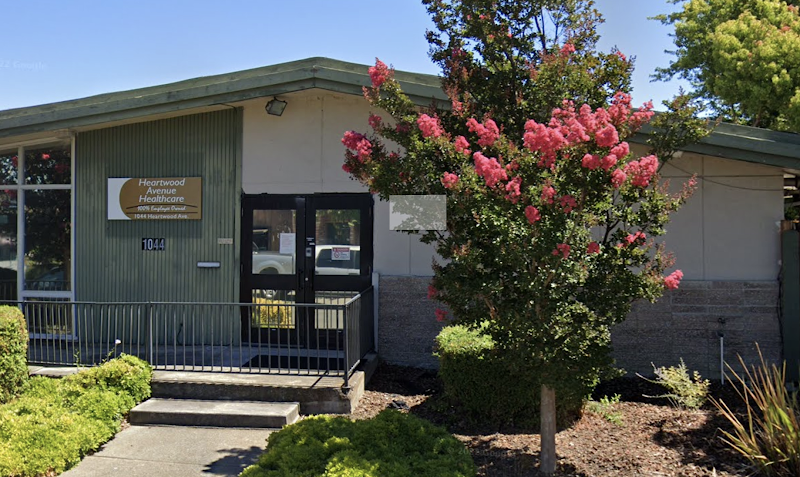
How is Heartwood Avenue Healthcare Staffed?

CMS rates HEARTWOOD AVENUE HEALTHCARE's staffing level at 2 out of 5 stars, which is below average compared to other nursing homes.

What Have Inspectors Found at Heartwood Avenue Healthcare?

State health inspectors documented 39 deficiencies at HEARTWOOD AVENUE HEALTHCARE during 2019 to 2025. These included: 3 that caused actual resident harm and 36 with potential for harm. Deficiencies causing actual harm indicate documented cases where residents experienced negative health consequences.
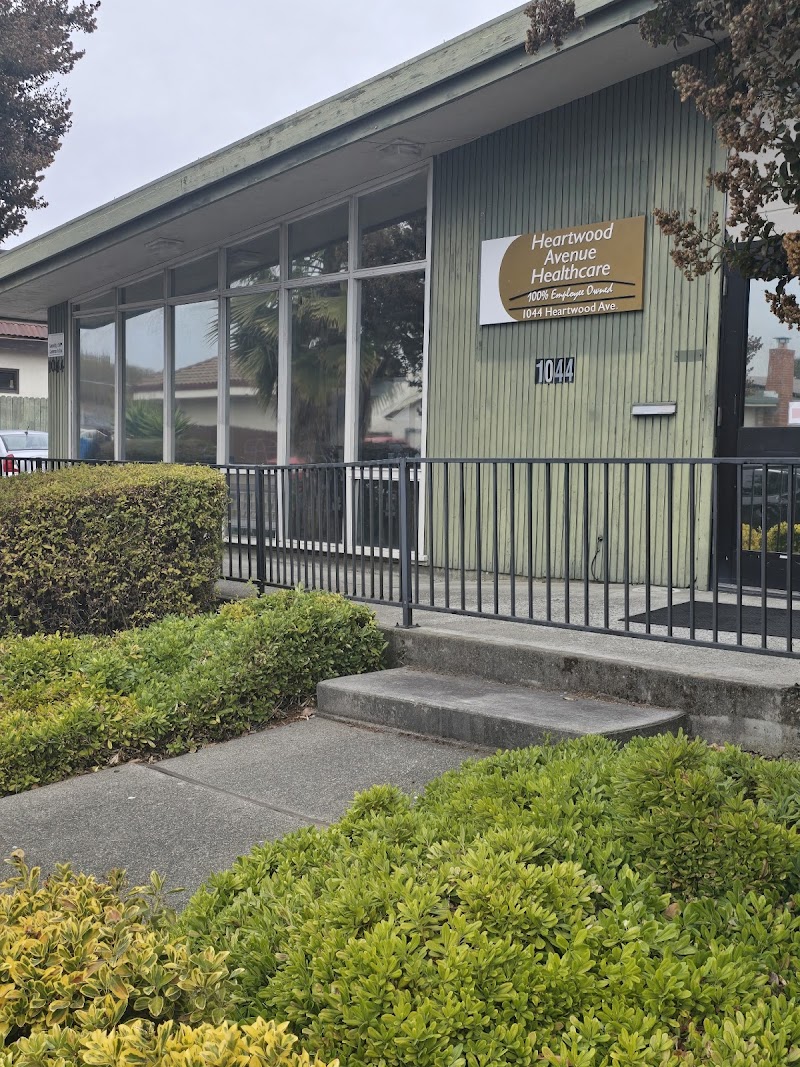
Who Owns and Operates Heartwood Avenue Healthcare?

HEARTWOOD AVENUE HEALTHCARE is owned by a for-profit company. For-profit facilities operate as businesses with obligations to shareholders or private owners. The facility is operated by BVHC, LLC, a chain that manages multiple nursing homes. With 60 certified beds and approximately 55 residents (about 92% occupancy), it is a smaller facility located in VALLEJO, California.
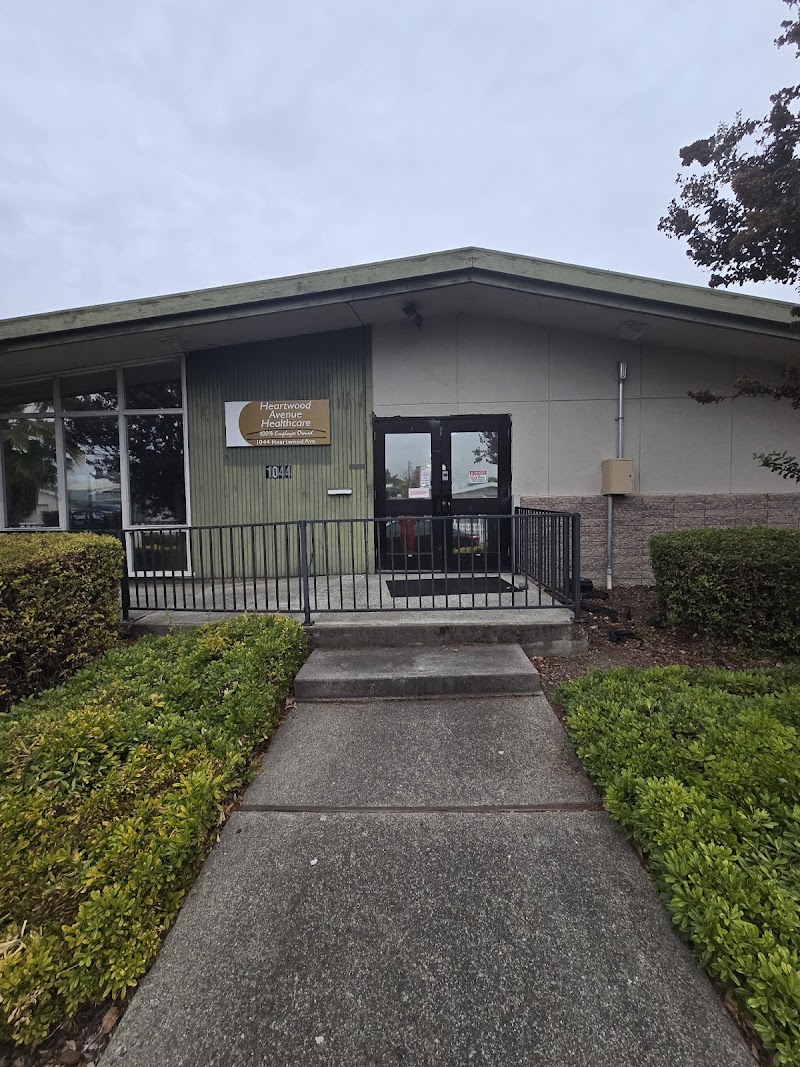
How Does Heartwood Avenue Healthcare Compare to Other California Nursing Homes?

Compared to the 100 nursing homes in California, HEARTWOOD AVENUE HEALTHCARE's overall rating (4 stars) is above the state average of 3.2 and health inspection rating (3 stars) is at the national benchmark.

What Should Families Ask When Visiting Heartwood Avenue Healthcare?

Based on this facility's data, families visiting should ask: "Can you walk me through typical staffing levels on day, evening, and night shifts?" "Can I visit during a mealtime to observe dining assistance and food quality?" "How do you handle medical emergencies, and what is your hospital transfer rate?" "Can I speak with family members of current residents about their experience?" These questions are particularly relevant given the below-average staffing rating.

Is Heartwood Avenue Healthcare Safe?

Based on CMS inspection data, HEARTWOOD AVENUE HEALTHCARE has a clean safety record: no substantiated abuse findings (meaning no confirmed cases of resident harm), no Immediate Jeopardy citations (the most serious violation level indicating risk of serious injury or death), and is not on the Special Focus Facility watch list (a federal program monitoring the lowest-performing 1% of nursing homes). The facility has a 4-star overall rating and ranks #1 of 100 nursing homes in California. While no facility is perfect, families should still ask about staff-to-resident ratios and recent inspection results during their visit.

Do Nurses at Heartwood Avenue Healthcare Stick Around?

HEARTWOOD AVENUE HEALTHCARE has not reported staff turnover data to CMS. Staff turnover matters because consistent caregivers learn residents' individual needs, medications, and preferences. When staff frequently change, this institutional knowledge is lost. Families should ask the facility directly about their staff retention rates and average employee tenure.

Was Heartwood Avenue Healthcare Ever Fined?

HEARTWOOD AVENUE HEALTHCARE has been fined $27,281 across 3 penalty actions. This is below the California average of $33,352. While any fine indicates a compliance issue, fines under $50,000 are relatively common and typically reflect isolated problems that were subsequently corrected. Families should ask what specific issues led to these fines and confirm they've been resolved.

Is Heartwood Avenue Healthcare on Any Federal Watch List?

HEARTWOOD AVENUE HEALTHCARE is not on any federal watch list. The most significant is the Special Focus Facility (SFF) program, which identifies the bottom 1% of nursing homes nationally based on persistent, serious quality problems. Not being on this list means the facility has avoided the pattern of deficiencies that triggers enhanced federal oversight. This is a positive indicator, though families should still review the facility's inspection history directly.