VACAVILLE RANCH POST ACUTE

101 S ORCHARD AVE, VACAVILLE, CA 95688 (707) 448-6458
For profit - Corporation 87 Beds Independent Data: November 2025
Trust Grade
55/100
#488 of 1155 in CA
Last Inspection: August 2025

Inspected within the last 6 months. Data reflects current conditions.

Overview

Vacaville Ranch Post Acute has a Trust Grade of C, which means it is average and positioned in the middle of the pack among nursing homes. It ranks #488 out of 1155 facilities in California, indicating it is in the top half, but ranks #5 out of 7 in Solano County, meaning only one local option is better. The facility is improving, with issues decreasing from 11 in 2024 to 8 in 2025. Staffing is rated 4 out of 5 stars, but the turnover rate is concerning at 61%, significantly higher than the California average of 38%. However, the facility has more RN coverage than 83% of California nursing homes, which is a positive aspect since RNs can catch issues that CNAs might miss. On the downside, the facility has incurred $143,282 in fines, which is higher than 96% of California facilities, suggesting ongoing compliance issues. Specific incidents include improper food storage practices, such as storing wet pans and failing to label opened food items, which could lead to food safety risks. Additionally, garbage dumpsters were found uncovered, posing a risk of pests, and not all residents were offered advance directives, which could prevent their medical wishes from being honored. Overall, while there are strengths such as good RN coverage and a positive trend in reducing issues, the facility does have significant areas that need improvement.

Trust Score
C
55/100
In California
#488/1155
Top 42%
Safety Record
Moderate
Needs review
Inspections
Getting Better
11 → 8 violations
Staff Stability
⚠ Watch
61% turnover. Above average. Higher turnover means staff may not know residents' routines.
Penalties
✓ Good
$143,282 in fines. Lower than most California facilities. Relatively clean record.
Skilled Nurses
✓ Good
Each resident gets 64 minutes of Registered Nurse (RN) attention daily — more than 97% of California nursing homes. RNs are the most trained staff who catch health problems before they become serious.
Violations
⚠ Watch
19 deficiencies on record. Higher than average. Multiple issues found across inspections.
★★★★☆
4.0
Overall Rating
★★★★☆
4.0
Staff Levels
★★★☆☆
3.0
Care Quality
★★★★☆
4.0
Inspection Score
Stable
2024: 11 issues
2025: 8 issues

The Good

  • 4-Star Staffing Rating · Above-average nurse staffing levels
  • Full Sprinkler Coverage · Fire safety systems throughout facility
  • No fines on record

Facility shows strength in staffing levels, fire safety.

The Bad

Staff Turnover: 61%

15pts above California avg (46%)

Frequent staff changes - ask about care continuity

Federal Fines: $143,282

Well above median ($33,413)

Significant penalties indicating serious issues

Staff turnover is elevated (61%)

13 points above California average of 48%

The Ugly 19 deficiencies on record

Aug 2025 8 deficiencies
CONCERN (D)

Potential for Harm - no one hurt, but risky conditions existed

Deficiency F0628 (Tag F0628)

Could have caused harm · This affected 1 resident

**NOTE- TERMS IN BRACKETS HAVE BEEN EDITED TO PROTECT CONFIDENTIALITY** Based on interview and record review, the facility failed to ensure a written notice of bed-hold at the time of transfer was pro...

Read full inspector narrative →
**NOTE- TERMS IN BRACKETS HAVE BEEN EDITED TO PROTECT CONFIDENTIALITY** Based on interview and record review, the facility failed to ensure a written notice of bed-hold at the time of transfer was provided for two of 17 sampled residents (Resident 54 and Resident 6).This failure resulted in Resident 6 and Resident 54 not being fully informed about bed-hold options and rights.Findings: During a review of admission Record (AR) indicated, Resident 54 was admitted to the facility on [DATE] with a diagnosis including Heart Failure (heart failure – the heart is unable to pump blood around the body properly.) A concurrent record review and interview on 8/8/25 at 11:12 a.m. with Director of Nursing (DON), the DON confirmed that there was no documented evidence Resident 54 received a document related to the facility's bed hold policy prior to her transfer to the hospital. During an interview on 8/8/25 at 1:49 p.m. with Social Services Director (SSD), the SSD stated, “admission packet has the bed hold policy, but the facility does not provide bed hold policy upon transfer.” The SSD further stated and confirmed Resident 54 was transferred to the hospital on 6/2/25, and there was no documented evidence Resident 54, or the resident representative was notified in writing of the facility's bed-hold policy prior to transfer to the hospital. During a review of admission Record (AR) indicated, Resident 6 was admitted to the facility on [DATE] with a diagnosis including Congestive Heart Failure (the heart is unable to pump blood around the body properly). A concurrent record review and interview on 8/8/25 at 11:12 a.m. with Director of Nursing (DON), the DON confirmed that there is no documented evidence Resident 6 received a document related to the facility's bed hold policy prior to her transfer to the hospital. During an interview on 8/8/25 at 1:49 p.m. with Social Services Director (SSD), stated, “admission packet has the bed policy, but the facility does not provide bed hold upon transfer.” The SSD stated and confirmed that Resident 6 was transferred to the hospital on 2/11/25, 2/26/25, 6/12/25, and 6/27/25 respectively, and there was no documented evidence Resident 6, or the resident representative was notified in writing of the facility's bed-hold policy prior to transfer to the hospital. During an interview on 8/8/25 at 1:55 p.m. with Administrator (ADM), the ADM stated that no bed hold notification form was given upon transfer and stated per facility policy a bed hold notification must be given to the residents. During a review of the facility's policy and procedure (P&P) titled, Bed Hold, dated 11/16, the P&P indicated, ” It is the policy of this facility to provide resident the right to secure a bed hold during hospitalization or therapeutic leave from the facility…At the time of transfer to acute care hospitalization or as soon as feasible afterwards, the licensed nurse/designee shall obtain a copy of the original bed hold form and complete the bottom portion, second bed notice of bed hold. The facility indicates how the resident/representative was notified, and a copy of the form shall be sent to the representative and/or sent on transfer.”
CONCERN (D)

Potential for Harm - no one hurt, but risky conditions existed

Deficiency F0658 (Tag F0658)

Could have caused harm · This affected 1 resident

Based on observation, interview and record review, the facility failed to ensure care received for two of 17 sampled residents (Resident 58 and Resident 29) met professional standards, when:1) Nursing...

Read full inspector narrative →
Based on observation, interview and record review, the facility failed to ensure care received for two of 17 sampled residents (Resident 58 and Resident 29) met professional standards, when:1) Nursing staff did not notify the physician of Resident 58's fluid imbalance; and2) Nursing staff did not document Resident 29's left heel wound accurately and completely. These failures had the potential to result in Resident 58 having fluid overload, electrolyte imbalance, or urinary retention and Resident 29's left heel to worsen. Findings: 1) During a review of Resident 58's admission record (AR), the AR indicated Resident 58 was admitted to the facility in August 2025 with multiple diagnosis including atherosclerotic heart disease (the buildup of fats, cholesterol and other substances in and on the artery walls). During a review of Resident 58's physician orders, dated 8/5/25, the physician orders indicated Resident 58 had a foley catheter (a flexible, sterile tube inserted into the bladder to drain urine) due to urinary retention (the inability to completely empty the bladder). During a review of Resident 58's Input and Output record (I/O record - a log used in healthcare to track all fluids a patient consumes [intake] and eliminates from the body [output] over a specific time, such as 24 hours), the I/O record indicated the following: On 8/3/25, input was 890 ml (milliliter- a unit of measurement), output was 150 ml, On 8/4/25, input was 900 ml, output was 360 ml, On 8/5/25, input was 810 ml, output was 200 ml, and On 8/7/25, input was 1250 ml, output was 625 ml. During a review of Resident 58's clinical record, the clinical record indicated no documented evidence of any notes indicating a physician was notified of Resident 58's fluid imbalance. During a concurrent interview and record review on 8/7/25 at 1:10 p.m. with Director of Nursing (DON), the DON confirmed Resident 58's input and output record indicated a fluid imbalance. The DON confirmed a physician was not notified of Resident 58's fluid imbalance and follow up was not done. The DON stated the expectation was for staff to notify the physician of any changes to resident's condition including a fluid imbalance. The DON further stated there was a risk for urinary retention, decreased kidney function and urinary tract infection when the physician was not notified of Resident 58's fluid imbalance. During a review of the facility's policy and procedure (P&P) titled “Catheter Care, Urinary” revised September 2014, the P&P indicated, “…Input/Output…Observe the resident's urine level for noticeable increases or decreases…report it to the physician or supervisor…” During a review of the undated document titled, “Nursing Practice Act Rules and Regulations, “the document indicated, “Article 2. Scope of Regulation 2725 (b). The practice of nursing within the meaning of this chapter means those functions, including basic health care, that help people cope with difficulties in daily living that are associated with their actual or potential health or illness problems or the treatment thereof, and that require a substantial amount of scientific knowledge or technical skill, including all of the following: (1) Direct and indirect patient care services that ensure the safety, comfort, personal hygiene, and protection of patients; and the performance of disease prevention and restorative measures.” (Nursing Practice Act Rules and Regulations Issued by Board of Registered Nursing- Stated of California Department of Consumer Affairs). 2) During a review of Resident 29's admission Record indicated, Resident 29 was admitted to the facility in May 2025 with multiple diagnoses that included dementia (a progressive state of decline in mental abilities) and severe protein calorie malnutrition (calorie and protein intake are inadequate). During an observation on 8/6/25 at 11:53 a.m. in Resident 29's room, Resident 29 had eyes closed lying on his right side on a low air loss mattress (designed to distribute the body's weight over a broad surface and help prevent skin breakdown) with 6 pillows on the bed and positioned under his heels. During a record review of Resident 29's Order Summary Report (OSR), dated 8/8/25, Resident 29 had a wound treatment, indicated, “TX [treatment] LEFT HEEL: DTI [Deep tissue injury] clean with NS [normal saline], pat dry, apply betadine, cover with foam dressing, every day and evening shift for pressure injury [localized, pressure-related damage to the skin and/or underlying tissue usually over a bony prominence ] until resolved.” During a record review of Resident 29's Skin & Wound Evaluation, dated 6/14/25 and 7/19/25 respectively, Resident 29 had a left malleolus (ankle bone) stage 1- pressure injury (unbroken skin redness - intact skin with persistent, non-blanchable redness over a bony prominence, meaning the area of redness will not turn white when pressed, even when the pressure is removed.) During a record review of Resident 29's Skin and Wound Evaluation (assessment), dated 7/19/25, 7/28/25, 8/1/25, 8/4/25, and 8/8/25 respectively, indicated, the skin assessments were not completed and filled out by Licensed Nurse (LN) 5. During a concurrent interview and record review with LN 5 on 8/8/25 at 9:13 a.m., LN 5 confirmed Resident 29's original left malleolus wound location on 6/14/25 was documented wrong and was changed to the left heel on 7/19/25. LN 5 further confirmed documentation was inaccurate and incomplete on the Skin and Wound Evaluation assessments. LN 5 also confirmed the wound had worsened while Resident 29 was in the facility. During an interview with the Director of Nursing (DON) on 8/8/25 at 10:30 a.m., the DON stated the expectation for the licensed nurses is to document in all categories of the Skin and Wound Evaluation assessments. The DON confirmed LN 5 did not have a wound certification as part of continuing education. The DON further confirmed all the assessments were incomplete. During a review of the facility's policy and procedures (P&P) titled, Prevention of Pressure Ulcers/Injuries, revised July 2017, the P&P indicated, Conduct a comprehensive skin assessment…evaluate, report and document potential changes in the skin…” During a review of American Nurse's Association document titled “ANA's Principles for Nursing Documentation Guidance for Registered Nurses (https://www.nursingworld.org/globalassets/docs/ana/ethics/principles-of-nursing-documentation.pdf), dated 2010, indicated “Principle 1. Documentation Characteristics…high quality documentation is: clear, concise and complete…reflective of the nursing process…Principle 5. Documentation Entries…the health record…must be: accurate, valid and complete…”
CONCERN (D)

Potential for Harm - no one hurt, but risky conditions existed

Pharmacy Services (Tag F0755)

Could have caused harm · This affected 1 resident

Based on observation, interview and record review, the facility failed to ensure discharged /discontinued controlled medications (substances that have the potential for abuse and addiction and are the...

Read full inspector narrative →
Based on observation, interview and record review, the facility failed to ensure discharged /discontinued controlled medications (substances that have the potential for abuse and addiction and are therefore regulated by law) were jointly counted by the outgoing nurse and an oncoming nurse. This failure had the potential for diversion (obtain or use of prescription medicines such as controlled medications illegally), medication errors, and/or misuse of controlled medications in the facility.During a concurrent observation and interview on 8/5/25 at 10:45 a.m. with Licensed Nurse (LN) 2 of medication carts for A hall and part of B hall, LN 2 unlocked the narcotic box that contained active (active means, in-patient narcotic medications) and discharged /discontinued narcotic medications. LN 2 stated, the outgoing night shift nurse and herself counted the active narcotic medications but did not count the discharged /discontinued narcotic medications. Observed, bubble pack (unit dose packaging, to organize medications into individual doses, typically sealed in compartments with protective bubbles) for the discharged /discontinued narcotic medications that did not have the narcotic count sheet attached as required in the policy and procedures. LN 2 was unable to explain how they can prevent diversion, ensure patient safety and maintain an accurate accounting of the discharged /discontinued controlled substances if they did not perform medication reconciliation during shift change. During an interview on 8/6/25 at 3:45 p.m., with the Director of Nursing (DON), the DON stated nurses must count the active and discharged /discontinued narcotic medications, as there should be an accountability for everyone's' safety. The DON stated that the outgoing nurse and an oncoming nurse must count the physical medications together, documented and signed in the Narcotic Count Sheet to avoid possible drug diversion. A review of the facility's policy and procedure, titled Controlled Medication Storage, effective date March 2018, indicated, Medication included in the Drug Enforcement Administration (DEA) classification as controlled substances are subject to special handling, storage, disposal and recordkeeping in the facility in accordance with federal, state and other applicable laws and regulations. D. At each shift change, a physical inventory of all controlled medications is conducted by two licensed nurses and is documented on the controlled medication accountability record. All discontinued and expired drugs are counted until they can be transferred to the director of nursing.
CONCERN (E)

Potential for Harm - no one hurt, but risky conditions existed

Deficiency F0578 (Tag F0578)

Could have caused harm · This affected multiple residents

**NOTE- TERMS IN BRACKETS HAVE BEEN EDITED TO PROTECT CONFIDENTIALITY** Based on interview and record review, the facility failed to ensure 14 of 17 sampled residents (Resident 16, Resident 30, Reside...

Read full inspector narrative →
**NOTE- TERMS IN BRACKETS HAVE BEEN EDITED TO PROTECT CONFIDENTIALITY** Based on interview and record review, the facility failed to ensure 14 of 17 sampled residents (Resident 16, Resident 30, Resident 32, Resident 37, Resident 43, Resident 60, Resident 4, Resident 57, Resident 58, Resident 59, Resident 2, Resident 6, Resident 9, and Resident 29) were offered an advance directive (a legal document where a competent adult specifies their future medical care wishes in the event they cannot communicate them themselves, often due to illness or injury).This failure had the potential to result in the residents' medical wishes not being honored.Findings: During a record review of Resident 16's admission Record (AR), Resident 16 was admitted to the facility on [DATE] with diagnoses of Cerebral Infarction (a condition where the blood flow to the parts of the brain is blocked, causing tissue damage to the brain), Unspecified dementia (a condition characterized by a progressive decline in cognitive functions, such as memory, thinking, language, judgment, and behavior). During a record review of Resident 30's AR, Resident 30 was admitted on [DATE] with diagnoses including Anoxic Brain Damage (brain damage occurs when the brain is deprived of oxygen), Aphasia (a neurological condition that affects a person's ability to communicate or speak). Review of Resident 16's and Resident 30's medical records, indicated there were no completed Advanced Directive (AD) documents found in Resident 16 and Resident 30's electronic medical records, nor in the physical medical records charts. During an interview with the Social Services Director (SSD) on 8/06/25 at 10:50 a.m., the SSD confirmed the ADs were asked for from the residents or family members upon admission. If there were no ADs completed, the resident or family member would be offered an AD and if they need assistance in completing one, the SSD stated she would help the resident or family. After reviewing the medical records of both Resident 16 and Resident 30, the SSD confirmed there were no Advanced Directive documents on file for Resident 16 and Resident 30. The SSD confirmed she had no documentation the residents or family were offered the services to complete the Advanced Directive documents. During an interview with the Licensed Nurse 4 (LN 4) on 8/8/25 at 7:41 a.m., LN 4 stated if there were no completed Advanced Directive, then the SSD would be notified and the SSD will get in touch with the resident or the resident's Responsible Party (RP, an individual or entity that has the authority and duty to manage and control a specific situation, asset, or area, and is accountable for the outcomes) to see if they would need assistance in completing an Advanced Directive. During an interview with the Director of Nursing (DON) on 8/8/25 at 8 a.m., the DON stated residents who were admitted without an Advanced Directive were referred to the SSD for follow up in obtaining and completing an Advanced Directive document. The SSD will assist in completing an Advanced Directive A review of Resident 32's admission Record (AR), the AR indicated Resident 32 was admitted to the facility on [DATE], with diagnosis that included dementia (decline in mental ability), and history of falling. A review of Resident 37's AR, the AR indicated Resident 37 was admitted to the facility on [DATE], with diagnosis that included depression and anxiety disorder. A review of Resident 43's AR, the AR indicated Resident 43 was admitted to the facility on [DATE] with diagnosis that included sepsis (a life-threatening condition, If not treated it may lead to organ failure, and death), and osteomyelitis (infection of the bone caused by bacteria, treatment requires a medical consult and antibiotics and sometimes surgery). A review of Resident 60's AR, the AR indicated Resident 60 was admitted to the facility on [DATE], with diagnosis that included Heart Failure (also known as congestive heart failure, a condition where the heart can't pump enough blood to meet the body's needs), and insomnia (a common sleep disorder characterized by persistent difficulty falling or staying asleep). During a concurrent interview and record review with the Social Services Director (SSD) on 8/6/25 at 10:55 a.m., the SSD reviewed the resident's electronic chart and physical charts and stated Resident 32, Resident 37, Resident 43 and Resident 60 did not have Advance Directives (AD) in their respective charts. During a review of Resident 4's admission record (AR), the AR indicated Resident 4 was admitted in July 2025 with several diagnosis including seizures (a sudden, uncontrolled electrical disturbance in the brain which can cause uncontrolled jerking, blank stares, and loss of consciousness). During a review of Resident 57's AR, the AR indicated Resident 57 was admitted in June 2025 with several diagnosis including metabolic encephalopathy (a condition where brain dysfunction occurs due to a chemical imbalance in the body, often triggered by systemic illnesses or organ dysfunction). During a review of Resident 58's AR, the AR indicated Resident 58 was admitted in August 2025 with several diagnosis including osteoarthritis (a progressive disorder of the joints, caused by a gradual loss of cartilage). During a review of Resident 59's AR, the AR indicated Resident 59 was admitted in August 2025 with several diagnosis including fracture of left rib. During a review of Resident 4's, Resident 57's, Resident 58's, and Resident 59 ‘s clinical records, the clinical records did not have an advance directive or documentation that indicated an advance directive was offered. During a concurrent interview and record review on 8/8/25 at 9:05 a.m. with Social Services Director (SSD), SSD confirmed Resident 4, Resident 57, Resident 58, and Resident 59 did not have an advance directive or documentation that indicated an advance directive was offered. SSD stated the expectation was for advance directives to be offered at admission. SSD further stated there should have been documentation that indicated an advance directive was offered if residents did not have an advance directive. SSD further stated there was a risk for residents' medical wishes to be unclear when an advance directive was not available. During a review of Resident 2's admission record (AR), the AR indicated Resident 2 was admitted in April 2020 with several diagnosis including chronic respiratory failure (a chronic lung disease causing difficulty in breathing) and muscle weakness. During a review of Resident 6's AR, the AR indicated Resident 6 was admitted to the facility on [DATE] with a diagnosis including Heart Failure (heart failure – the heart is unable to pump blood around the body properly). During a review of Resident 9's AR the AR indicated Resident 9 was admitted in April 2024 with a diagnosis of cerebral infarction (loss of blood flow to a part of the brain). During a review of Resident 29's AR, the AR indicated Resident 29 was admitted [DATE] with multiple diagnoses that included neuromuscular dysfunction of bladder ( nerves controlling the bladder are damaged or not working correctly) and dementia (a progressive state of decline in mental abilities). During a review of Resident 2's, Resident 6's, Resident 9's, and Resident 29 ‘s clinical records, the clinical records did not have an advance directive or documented evidence that indicated an advance directive was offered. During a concurrent interview and record review on 8/8/25 at 1 p.m. with Social Services Director (SSD), SSD confirmed Resident 2, Resident 6, Resident 9, and Resident 29 did not have an advance directive or documentation that indicated an advance directive was offered. SSD stated the expectation was for advance directives to be offered at admission and follow up documentation. During a review of the facility's policy and procedure (P&P) titled, “Advance Directives” revised December 2016, the P&P indicated .Upon admission, the resident will be provided with written information concerning the right to refuse or accept medical or surgical treatment and to formulate an advance directive if he or she chooses to do so .Written information will include a description of the facility's policies to implement advance directives and applicable state law .Prior to or upon admission of a resident, the Social Services Director or designee will inquire of the resident, his/her family members and/or his or her legal representative, about the existence of any written advanced directives .Information about whether or not the resident has executed an Advanced Directive shall be displayed prominently in the medical record .If the resident indicates that he or she has not established advance directives, the facility staff will offer assistance in establishing advance directives .The resident will be given the option to accept to accept or decline the assistance, and care will not be contingent on either decision… Nursing staff will document in the medical record…the offer to assist and the resident's decision to accept or decline assistance… plan of care for reach resident will be consistent with…advance directive…”
CONCERN (E)

Potential for Harm - no one hurt, but risky conditions existed

Menu Adequacy (Tag F0803)

Could have caused harm · This affected multiple residents

Based on observation, interview, and record review, the facility failed to ensure that the menu was followed for the therapeutic diet for lunch on 8/6/25 when:1. 12 residents (Resident 5, Resident 6, ...

Read full inspector narrative →
Based on observation, interview, and record review, the facility failed to ensure that the menu was followed for the therapeutic diet for lunch on 8/6/25 when:1. 12 residents (Resident 5, Resident 6, Resident 9, Resident 15, Resident 18, Resident 21, Resident 29, Resident 31, Resident 35, Resident 39, Resident 41, and Resident 48) who were on a Mechanical Soft/Soft and Bite sized diet (a diet for people with mild to moderate chewing and/or swallowing difficulty) received whole green beans instead of soft and chopped green beans and hard bread instead of soft and buttered bread as indicated on the menu; and,2. Four residents (Resident 16, Resident 30, Resident 40, and Resident 57) who were on a Pureed diet (a diet for people with trouble chewing, swallowing, or fully breaking down food and usually ground, pressed, or strained to pudding like consistency) received 2.07 oz (ounces -unit of measure) serving of garlic bread instead of 2.78 oz serving of garlic bread as indicated on the menu.These failures had the potential to result in compromising the medical and nutrition status of the 16 residents.Findings: During an observation of lunch meal service on 8/6/25 beginning at 11:50 a.m., it was noted as follows:1. Resident 5, Resident 6, Resident 9, Resident 15, Resident 18, Resident 21, Resident 29, Resident 31, Resident 35, Resident 39, Resident 41, and Resident 48 who were on a Mechanical Soft/Soft and Bite sized diet did not receive soft and chopped green beans or soft and buttered bread respectively. A concurrent review of the facility spreadsheet (a menu excel sheet that indicated what items and portions to be served for each prescribed diet) titled, Daily Spreadsheet, Wednesday, indicated that Mechanical Soft/Soft and Bite sized diet should have received herbed whole green beans as soft and chopped and garlic bread as soft and buttered. 2. Resident 16, Resident 30, Resident 40, and Resident 57 who were on a pureed diet, received 2.07 oz serving of garlic bread. A concurrent review of the facility spreadsheet titled, Daily Spreadsheet, Wednesday indicated that pureed diet should have received 2.78 oz serving of garlic bread.During an interview on 8/7/25 at 1:41 p.m. with the Registered Dietician (RD), the RD acknowledged the issues that were found during meal service. The RD stated, residents should have received food items as they were reflected on the menu. The RD further stated there was a risk for residents' nutrition to be affected when the menu was not followed. During a review the facility's policy and procedure (P&P) titled, Cycle Menus revised 3/27/24, the P&P indicated, .Menus meet the daily requirements of the Food and Nutrition Board.Menus must be followed as written with exception for when ethnic, cultural, geographic, or religious preferences of the residents require a substitution.During a review of facility document and job description, titled Cook, revised 9/21/2018, the job description indicated, .Specific responsibilities.ensure appropriate portioned servings according to portion control standards and recipes.
CONCERN (E)

Potential for Harm - no one hurt, but risky conditions existed

Infection Control (Tag F0880)

Could have caused harm · This affected multiple residents

**NOTE- TERMS IN BRACKETS HAVE BEEN EDITED TO PROTECT CONFIDENTIALITY** Based on observation, interview and record review the facility failed to follow guidelines for Enhanced Barrier Precaution (EBP,...

Read full inspector narrative →
**NOTE- TERMS IN BRACKETS HAVE BEEN EDITED TO PROTECT CONFIDENTIALITY** Based on observation, interview and record review the facility failed to follow guidelines for Enhanced Barrier Precaution (EBP, an infection prevention and control intervention and guidance on what and how to properly wear the PPE, [personal protective equipment]) to reduce transmission of multi-drug-resistant organisms) that utilize the use of gowns and gloves during direct care activities for three of 17 sampled residents (Resident 4, Resident 43 and Resident 29) when:1. Licensed Nurse (LN) 3 and Infection Preventionist (IP) did not wear gowns and gloves when they turned Resident 4 to her side;2. Physical Therapy (PT) staff did not wear a gown and gloves when he brought Resident 43 to the gym and back to her room; and,3. Certified Nursing Assistant (CNA) 2 and Physical Therapy staff did not wear gowns and gloves with Resident 29.These failures had the potential to spread multi-drug resistant organisms (MDRO's, bacteria that resist treatment with more than one antibiotic) among residents, staff and visitors. Findings: 1. During a review of Resident 4's admission Record (AR), the AR indicated Resident 4 was admitted to the facility on [DATE] with diagnosis that included Pressure-Induced Deep Tissue Damage of Left Heel (severe types of pressure injury that appeared on the heel), and Diabetes (disorder characterized by difficulty in blood sugar control and poor wound healing). During a review of Resident 4's “Order Summary” report dated 7/24/25, indicated, Resident 4 had a Catheter (urinary catheter - a tube designed to stay in the bladder and drain the urine). During a review of Resident 4's “Order Summary report,” dated 8/4/25, indicated, “…left heel pressure ulcer…” During an observation on 8/6/25 at 8:20 a.m., in Resident 4's room, there was an EBP signage posted by the door. The EBP signage indicated to wear gloves and a gown for “High-Contact Resident Care Activities.” LN 3 and IP were observed not wearing gowns and gloves as indicated on the signage, as they touched and assisted Resident 4 to turn on her side. During an interview with LN 3, on 8/6/25 at 10:40 a.m., LN 3 confirmed that Resident 4 had a Foley Catheter and a wound to left heel which was an indicator to practice EBP to promote infection prevention. LN 3 acknowledged she did wear a gown and gloves when she helped the IP turn Resident 4 to her side. LN 3 stated she should have worn a gown and gloves while rendering direct care to Resident 4. During an interview with the IP on 8/6/25 at 11:35 a.m., the IP stated her responsibility is to educate the facility staff about infection control prevention and conduct in-services such as EBP guidelines. The IP confirmed Resident 4 was on EBP. The IP acknowledged she did not wear a gown when they turned Resident 4 to her side, and the IP explained that she should have worn a gown to prevent the spread of infection. The IP stated that she was embarrassed of her actions as she is the IP of the facility. 2. During a review of Resident 43's AR , the AR indicated, Resident 43 was admitted to the facility on [DATE] with diagnosis that included Sepsis (a life-threatening condition, If not treated it may lead to organ failure, and death), and Osteomyelitis (infection of the bone caused by bacteria, treatment requires a medical consult and antibiotics and sometimes surgery). During a review of Resident 43's “Order Summary,” dated 7/18/25, indicated, “PICC (peripherally inserted central catheter, long, thin, flexible tube inserted into a vein. Used to administer medications) to right upper extremity,” During a review of Resident 43's “Order Summary,” dated 8/4/25, indicated, “Vancomycin (antibiotic) HCL (hydrogen chloride, a solution of hydrogen chloride in water) 650 mg (milligram, dosage) intravenously (through PICC) two times a day related to osteomyelitis. During a concurrent observation and interview with the PT, on 8/5/25 at 9:26 a.m., Resident 43 was seated in her wheelchair as the PT pushed the wheelchair back to her room and assisted Resident 43 transfer to her bed. The PT stated he picked up Resident 43 from her room and took her to the small gym via wheelchair to do leg, arms and strengthening exercises. The PT acknowledged Resident 43 was on EBP, and he did not wear a gown and gloves while assisting Resident 43. The PT further stated, he should have worn a gown and gloves to prevent contamination to keep the residents safe. During an interview with the Director of Nursing (DON), on 8/7/25 at 1:45 p.m., the DON stated, she expected the staff to always practice infection control to avoid the spread of infection. The DON continued, LN 3 and the IP should have worn gowns and gloves when rendering direct nursing care to residents with EBP for safety reasons. The DON expected the IP to be knowledgeable in promoting infection control to the facility staff. 3. During a review of Resident 29's admission Record, indicated, Resident 29 was admitted to the facility in May 2025 with multiple diagnoses that included neuromuscular dysfunction of bladder (nerves controlling the bladder are damaged or not working correctly) and dementia (a progressive state of decline in mental abilities). During an observation on 8/6/25 at 12:00 p.m. outside of Resident 29's room, a sign was posted by above resident name card by the door which indicated, Enhanced Barrier Precaution (EBP). During a concurrent observation and interview on 8/6/25 at 12:05 p.m. in Resident 29's room, CNA 2 and PT entered Resident 29's room without putting on gown and gloves. CNA 2 and PT were observed not wearing gowns or gloves while transferring Resident 29 from bed to wheelchair. PT observed to push Resident 29 to the hallway and CNA 2 started changing bed linens. CNA 2 confirmed that they did not wear gowns and gloves when assisting and transferring Resident 29 to bed. During a concurrent EBP document review and interview on 8/6/25 at 3:15 p.m. with Infection Control (IP), the IP confirmed that Resident 29 was on EBP precautions for foley catheter and open wounds. IP stated that provider and staff must wear gowns and gloves during high contact resident care activities such as transferring and changing linens. IP further stated staff need to wear gowns and gloves to prevent the spread of multi-drug-resistant bacteria on staff clothes to other residents. During a review of the facility's policy and procedures titled “Enhanced Barrier Precautions,” revised June 2024, indicated, “… Enhanced barrier precautions (EBPs) are used as an infection prevention and control intervention to reduce the spread of multi-drug-resistant organisms (MDROs) to residents…EBPs employ targeted gown and glove use during high contact resident care activities… Staff are trained to care for residents on EBPs . Enhanced standard precautions (ESPs) are used as an infection prevention and control intervention to reduce the spread of multi-drug resistant organisms (MDRO's) to residents .high contact care activities requiring the use of gown and gloves for EBP's include…transferring .changing linens …EBPs are indicated .for residents with wounds and/or indwelling medical devices .
CONCERN (F)

Potential for Harm - no one hurt, but risky conditions existed

Food Safety (Tag F0812)

Could have caused harm · This affected most or all residents

Based on observation, interview, and record review, the facility failed to store, prepare, and distribute food in accordance with professional standards for food service safety when:1. Several metal s...

Read full inspector narrative →
Based on observation, interview, and record review, the facility failed to store, prepare, and distribute food in accordance with professional standards for food service safety when:1. Several metal sheet pans in clean and ready-to-use storage areas:a. Were stacked wet while stored awayb. Had food debris and brown substance on outside surface; 2. There were opened bags of food items in dry storage, refrigerator, and freezer with issues:a. 12 opened bottles of spices did not have a use by dateb. One opened bin of chicken soup base did not have a use by date c .One opened loaf of bread did not have a use by dated. Four pallets of bread did not have a receive date e. One package of thawed country fried steak did not have a pull datef. One opened box of frozen beef patties did not have an open or use by dateg .One opened package of frozen cookie dough had an illegible open and use by date 3. The ice machine was not clean; and, 4. The concentration of the sanitizer solution for the sanitation (red) bucket was not in range. These failures had potential to cause food-borne illness in a highly susceptible population of 47 out of 47 residents who received food from the kitchen.Findings:1. During an initial tour concurrent observation and interview with the Dietary Manger (DM) and the Registered Dietician (RD) on 8/5/25 at 8:57 a.m. at the kitchen, several metal sheet pans stored at the clean and ready-to-use storage areas were observed stacked wet, had food debris, and brown substance. The metal pans included:-2 full sheet pans (wet)-2 full sheet pans (food debris and brown substance outside)The RD confirmed the metal sheet pans were wet, had food debris, and brown substance. The RD stated the pans should have been completely air-dried and clean before being stored away. During an interview on 8/7/25 at 1:41 p.m. with RD, RD stated the expectation was for pans to be clean, dry and free from debris. RD acknowledged there was a risk for bacteria and food contamination when pans were stored wet and dirty. During a review of the facility's policy and procedure (P&P) titled, Dish and Utensil Procedure, revised 3/3/2020, the P&P indicated, .dishes, trays, and utensils shall be routinely checked for stains or spots.shall be air dried before storage.any.tray.with debris should not be used. Send back to the dish room to be properly washed and sanitized.2. During a concurrent observation and interview with DM and RD on 8/5/25 at 9:00 a.m. at the kitchen's initial tour, 12 opened bottles of spices did not have a use by date ,one opened bin of chicken soup base did not have a use by date, one opened loaf of bread did not have a use by date, and four pallets of bread did not have a receive date. RD confirmed the food items were not labeled with a receive or use by date. RD acknowledged opened packages of food should have been labeled with a use by date and bread should have been labeled with a receive date. During an initial tour concurrent observation and interview with DM and RD on 8/5/25 at 9:11 a.m., at the kitchen, one package of thawed country fried steak did not have a pulled date (date food was removed from freezer for thawing). RD confirmed the food items were not labeled with a pull date. RD acknowledged food pulled from freezer for thawing should have been labeled with a pull date. During an initial tour concurrent observation and interview with DM and RD on 8/5/25 at 9:17 a.m., at the kitchen, one opened box of frozen beef patties did not have an open or use by date, and one opened package of frozen cookie dough had an illegible open and use by date. RD confirmed the food items were not labeled with open or used by date. RD acknowledged opened packages of food should have been labeled with open or use by date.During an interview on 8/7/25 at 1:41 p.m. with RD, RD stated the expectation was for food to be labeled with received, open, pull, and use by dates. RD further stated there was a risk for expired foods being served to residents when food was not labeled correctly. During a review of the facility's P&P titled, Food Storage revised 7/11/24, the P&P indicated, .All products should be.dated upon receipt, when open, and when prepared.Use Use-By dates on all foods stored.Frozen Meat/Poultry and Foods.label and date all food items.date when meat was taken out of freezer.Dry Storage.any opened products.should be labeled and dated.label and date all storage containers or bins. 3. During a concurrent inspection and interview on 8/5/25, at 11:30 a.m., with Maintenance Supervisor (MS) of the ice machine, MS stated he was responsible for the weekly cleaning and sanitizing of the ice machine. The MS removed the top access panel. There was a slimy grey substance on the upper right portion of the water curtain (a plastic cover rest on the ice making panel of the top machinery component, the function is to prevent ice shooting out and redirect the ice to the ice storage bin). MS confirmed there was a slimy grey substance (dirty, not clean) on the water curtain. During an interview on 8/7/25 at 1:41 p.m. with RD, RD stated the expectation was for the ice machine to be clean. RD further acknowledged there was a risk for residents to receive contaminated ice when the ice machine components were not clean. During a review of the facility's P&P titled, Ice Machine revised 10/18/2018, the P&P indicated, .Weekly.wash inside of the machine.make sure door liner, door gasket, and door frame are free of scale and/or mold.Ice Machine Cleaning Schedule.Clean inside of the ice machine.per manufacturer's instructions.According to 2022 FDA (Food and Drug Administration) Food Code, on section 4-602.11 Equipment Food-Contact Surface and Utensils, it stated equipment like ice makers and ice bins must be cleaned on a routine basis to prevent the development of slime, mold, or soil residues that may contribute to an accumulation of microorganisms (a living thing that is so small it must be viewed with a microscope, such as bacteria or algae). 4. During a concurrent observation and interview on 8/6/25 at 8:36 a.m. with Dietary Aide (DA) 1 and DM, DA 1 checked the concentration levels of the red sanitizing bucket and it was at 0 ppm. DM stated the facility used Quat (Quaternary ammonium solution) as a disinfectant in the red sanitizing bucket. DM further stated the concentration range for red sanitizing bucket should have been 200-400 ppm. DM further stated there was a risk for cross contamination of bacteria when the Quat concentration was not within range. During an interview on 8/7/25 at 1:41 p.m. with RD, RD stated the expectation was for red sanitizing bucket to have appropriate disinfectant concentration. RD acknowledged there was a risk for food borne illness when the red sanitizing bucket was not within recommended FDA ranges. During a review of the facility's P&P titled, Sanitizer Use Concentrations for Food Service and Food Production Facilities revised 4/30/2020, the P&P indicated,.Use chemical sanitizers in accordance with the EPA-registered label.Sanitation buckets must be established with appropriate sanitizing solution.for quaternary solution, 150-400 ppm; or 200 ppm depending on the product.
CONCERN (F)

Potential for Harm - no one hurt, but risky conditions existed

Garbage Disposal (Tag F0814)

Could have caused harm · This affected most or all residents

Based on observation, interview, and record review, the facility failed to ensure proper disposal of garbage for a census of 47, when garbage dumpsters were left uncovered. This failure had the potent...

Read full inspector narrative →
Based on observation, interview, and record review, the facility failed to ensure proper disposal of garbage for a census of 47, when garbage dumpsters were left uncovered. This failure had the potential to expose the facility to pests, disease, and odors.Findings:During a concurrent observation and interview on 8/6/25 at 8:43 a.m., with Dietary Manager (DM), two facility garbage dumpsters did not have a lid on and were open. DM confirmed the lids were open and should have been closed.During an interview on 8/7/25 at 1:41 p.m. with Registered Dietician (RD), RD stated the expectation was for the dumpster garbage lids to be closed. RD further stated there was a risk for contamination in the facility when the dumpster garbage lids were left open.During a review of the facility's policy and procedure (P&P) titled Garbage and Trashcans revised 05/20/2020, the P&P indicated, .All food waste must be placed in covered garbage and trashcans.the dumpster area must be free of debris.and the lid must be closed.
Dec 2024 3 deficiencies
CONCERN (D)

Potential for Harm - no one hurt, but risky conditions existed

Deficiency F0761 (Tag F0761)

Could have caused harm · This affected 1 resident

Based upon observation, interview and record review, the facility failed to remove two expired multi-dose vials of Tuberculin skin test solution (used to test for tuberculosis (TB), which is an airbor...

Read full inspector narrative →
Based upon observation, interview and record review, the facility failed to remove two expired multi-dose vials of Tuberculin skin test solution (used to test for tuberculosis (TB), which is an airborne bacterial infection that primarily affects the lungs) with expired dates from use. Failure to remove the opened, expired vials of Tuberculin skin test solution decreased the facility's potential to safely administer medication and ensure residents benefitted from the full effects of the medications. Findings: During a concurrent observation and interview on 12/10/24, at 11:30 a.m., with Licensed Staff A, two multi-dose vials of Tuberculin skin test solution (Vial 1 one labeled with an opened date of 11/5/24, and an expired date of 12/5/24; and Vial 2 labeled with an opened date of 10/30/24, and an expired date of 11/30/24) were observed in the Medication Storage Room Refrigerator. Licensed Staff A stated, These vials were expired and should have been discarded. Review of the drug information on Tubersol (a prescription drug used to test for the presence of TB), via the National Library of Medicine which provides information about the United States Food & Drug Association (FDA) approved drug labels for humans, indicated, A vial of TUBERSOL which has been entered and in use for 30 days should be discarded. Do not use after expiration date. Review of the facility policy and procedure titled, Storage of Medications, revised April 2007, indicated, .The facility shall not use discontinued, outdated, or deteriorated drugs or biologicals. All such drugs shall be returned to the dispensing pharmacy or destroyed . Drugs shall be stored in an orderly manner in cabinets, draws, carts or automatic dispensing systems .
CONCERN (D)

Potential for Harm - no one hurt, but risky conditions existed

Deficiency F0804 (Tag F0804)

Could have caused harm · This affected 1 resident

**NOTE- TERMS IN BRACKETS HAVE BEEN EDITED TO PROTECT CONFIDENTIALITY** Based on interview and record review, the facility failed to ensure food was appetizing and palatable for three out of three sam...

Read full inspector narrative →
**NOTE- TERMS IN BRACKETS HAVE BEEN EDITED TO PROTECT CONFIDENTIALITY** Based on interview and record review, the facility failed to ensure food was appetizing and palatable for three out of three sampled residents (Residents 42, 33, and 208). This failure put the residents at risk for decreased food intake and decline in their nutritional status. Findings: A review of Resident 42's face sheet (demographics) indicated she was admitted to the facility on [DATE] with a diagnoses of Type II Diabetes Mellitus (DM-a disorder characterized by difficulty in blood sugar control and poor wound healing), Chronic Pain Syndrome (CPS, persistent pain that last longer than 3 months) and Anemia (a condition where the body does not have enough healthy red blood cells). Resident 42's Brief Interview for Mental Status (BIMS, a short cognitive screening test used to assess a patient's mental status) score dated 11/1/24 was 14 over 15 indicating intact cognition (the mental action or process of acquiring knowledge and understanding through thought, experience, and the senses). A review of Resident 33's face sheet indicated an admission date to the facility of 5/5/24 with a diagnoses of Dysphagia (difficulty swallowing), Essential Hypertension (high blood pressure) and Hyperlipidemia (HLP, a condition in which there are high levels of fat particles (lipids) in the blood). A review of Resident 208's face sheet indicated an admission date to the facility of 12/10/24 with a diagnoses of Depression (a common and serious medical illness that negatively affects how you feel, the way you think and how you act), Anxiety disorder (mental health disorder characterized by feelings of worry, anxiety, or fear that are strong enough to interfere with one's daily activities) and Cellulitis (a skin infection that causes swelling and redness). A review of the facility menu for lunch dated 12/11/24 indicated the entrée was oven crisp fish. During an interview on 12/11/24 1at 2:25 p.m., Resident 42 stated the fish served for lunch was dry and had no taste. During an interview on 12/11/24 at 1:12 p.m., after tasting the fish oven crisp on the sample meal tray, the Dietary Assistant (DA) agreed the fish oven crisp fish was dry and did not have a lot of taste. During an interview on 12/11/24 at 3:08 p.m., Resident 208 stated she took a bite of the fish and did not like it. Resident 208 stated the fish was dry and had no taste. During an interview on 12/11/24 at 3:17 p.m., Resident 33 stated he did not like the fish because it was too dry, was chewy and had no taste. During an interview on 12/12/24 at 2:51 p.m., the Registered Dietician (RD) stated she knew there was an issue with the fish that was served last Wednesday, 12/11/24, about being dry. The RD stated it was difficult to keep the fish moist due to it being thinly sliced. The RD stated if the fish was not moist, there was a risk resident might not eat it which could result to poor food intake. A review of the facility policy and procedure (P&P) titled Food Preparation, Healthcare Menus Direct 2023, the P&P indicated, .the food shall be prepared by methods that conserve nutritive value, flavor and appearance .prepared food will be sampled. The food and nutrition services employee who prepares the food will sample it to be sure the food has a satisfactory flavor and consistency .
CONCERN (E)

Potential for Harm - no one hurt, but risky conditions existed

Food Safety (Tag F0812)

Could have caused harm · This affected multiple residents

Based on observations, interviews and record reviews, the facility failed to ensure: 1.Food items inside the refrigerator in the facility kitchen were labeled, open dated and had a use by date. These ...

Read full inspector narrative →
Based on observations, interviews and record reviews, the facility failed to ensure: 1.Food items inside the refrigerator in the facility kitchen were labeled, open dated and had a use by date. These failures could lead to misidentification of food item and a potential for food borne illness (food poisoning) from consuming expired or spoiled items. 2.The utensils were stored in a sanitary condition when the drawers where utensils were stored were dirty with food crumbs and other residue from preparing food. This failure could result to cross contamination and the spread of bacteria. 3.A contaminated food item was not discarded properly. This failure could lead to consumption of unsafe food, diseases, and food borne illnesses. Findings: 1.During a concurrent observation and interview on 12/9/24 at 10:35 a.m., and 10:41 a.m., respectively, [NAME] 1 verified in refrigerator #1 the following items with no label and with no open and use-by-date (UBD): -sliced tomatoes -sliced meat in a clear plastic bag -cut up meat in a blue plastic bag - opened packaging containing hash browns that were taken off the original packaging Cook 1 stated items in the refrigerator should be labeled and should have open and UBD to ensure food items were identified properly, ensure freshness, ensure food served to the residents were not spoiled, and food items were safe for residents' consumption. During a concurrent observation and interview on 12/9/24 at 10:45 a.m., [NAME] 1 verified the carton of soy milk in refrigerator # 5 did not have an opened and used by date. [NAME] 1 stated the facility policy was to ensure items in the kitchen were clearly labeled, had opened and used by date. [NAME] 1 stated not labeling a food item and not placing an open or use by date on a food item, the facility policy was not followed. During an interview on 12/12/24 at 2:51 p.m., the Registered Dietician (RD) stated it was important to label with an open and use by date on food items to prevent food poisoning and food borne illness. The RD stated if the food item was not properly labeled and did not have an open or use by date, the facility policy was not followed. A review of the undated facility policy and procedure (P&P) Labeling and Dating of Foods, the P&P indicated, .all food items in the storeroom, refrigerator and freezer need to be labeled and dated .newly opened food items will need to be closed and labeled with an open date and use by date . 2.During a concurrent observation and interview on 12/9/24 at 10:52 a.m., [NAME] 1 verified drawer # 2, (drawer where utensils were stored) had a cooked macaroni noodle and was dirty. [NAME] 1 stated drawers should be clean and free of food debris because it could attract pests. [NAME] 1 stated pest droppings could make residents sick with infection, diarrhea (loose, watery stools that occur more frequently than usual) or stomach problems. During an interview on 12/12/24 at 2:51 p.m., the RD stated it was important to ensure kitchen and utensils were clean to ensure residents do not get sick from cross contamination. The facility did not have policy specific for cleaning the storage for utensils. 3.During a concurrent observation and interview on 12/11/24 at 10:53 a.m., [NAME] 1 was prepping to cook brown rice and poured the brown rice into the greased pan. [NAME] 1 was observed to pour the brown rice back into the brown rice container. [NAME] 1 stated she should have discarded the brown rice instead of pouring it back into the rice container. [NAME] 1 acknowledged it was a mistake pouring the brown rice back in the rice container. During an interview on 12/12/24 at 2:51 p.m., the RD stated it was not acceptable to put back the brown rice in the container after it was already poured into a pan greased with oil. The RD stated [NAME] 1's action was a risk for cross contamination. The RD stated it was also a concern for allergy. The facility did not have policy specific for discarding contaminated food items.
Jul 2024 6 deficiencies
CONCERN (D)

Potential for Harm - no one hurt, but risky conditions existed

Deficiency F0558 (Tag F0558)

Could have caused harm · This affected 1 resident

Based on observation and interview the facility did not ensure one of one sampled (Resident 6) residents had her preferences honored when she wanted to get out of bed to have meals and was not assiste...

Read full inspector narrative →
Based on observation and interview the facility did not ensure one of one sampled (Resident 6) residents had her preferences honored when she wanted to get out of bed to have meals and was not assisted. This failure had the result of not being able to enjoy meals while out of bed, reduced respiratory exercise from not getting out of bed and increased skin breakdown by staying in bed all day. Findings: During an interview on 7/8/24 at 11:05 a.m., Resident 6 indicated she liked to get out of bed and have meals in her wheelchair in her room or in the dining room, and the facility had not been helping her to get out of bed for her meals. During a concurrent observation and interview on 7/8/24 at 12:46 p.m., Resident 6 was being assisted to sit up in bed by two staff members so she would be able to eat lunch more comfortably in bed. Unlicensed Staff F indicated Resident 6 usually got up to have meals in the dining room but did not that day and could not explain why. During an observation on 7/9/24 at 1 p.m., Resident 6 was sitting in her bed with her lunch tray finished on the bedside table in front of her. Resident 6 indicated she did not get out of bed to have lunch and shrugged her shoulders as if she did not know why. During an observation on 7/10/24 at 11:30 a.m., Resident 6 was laying in her bed, and the lunch trays had not delivered yet. At 1:30 p.m., Resident 6 indicted she did not get out of bed to have lunch; she ate in her bed and pointed downward on the bed. During an interview on 7/11/24 at 9:41 a.m., Unlicensed Staff H indicated Resident 6 usually got up for lunch but did not get on 7/8/24, because Unlicensed Staff H was not working that day. During an observation on 7/11/24 at 12:55 p.m., Resident 6 was sitting in her wheelchair, next to her bed having lunch. During an interview with Licensed Staff A, Licensed Staff A indicated Resident 6 usually got up but could not explain why Resident 6 had not been out of bed on 7/8/24, 7/9/24 and 7/10/24.
CONCERN (D)

Potential for Harm - no one hurt, but risky conditions existed

Deficiency F0761 (Tag F0761)

Could have caused harm · This affected 1 resident

Based on observation, interview, and record review, the facility failed to ensure expired medications were immediately removed from stock and disposed of, when six bottles of medication were in the me...

Read full inspector narrative →
Based on observation, interview, and record review, the facility failed to ensure expired medications were immediately removed from stock and disposed of, when six bottles of medication were in the medication storage room two months after their expiration date. This failure had the potential to expose residents to medications that were less effective or risky due to a decrease in strength or a change in chemical composition. Findings: During a concurrent observation and interview on 7/10/24 at 7:42 AM, with Licensed Staff A in the medication storage room, six 473 ML bottles of Docusate Sodium 50 MG/5 ML had expired 5/2024. Licensed staff A verified the six bottles of Docusate Sodium had expired 5/2024. During an interview on 7/10/24 at 1:40 PM, Licensed Staff A stated expiration dates of medication stored in the medication storage room had been checked at least once per month by the AM (morning shift) Unit Manager. Licensed Staff A further stated the six bottles were stored on a higher shelf and had been overlooked. During a review of the facility's policy and procedure titled, Medication Storage in the Facility, dated March 2018, indicated, Outdated, contaminated, or deteriorated medications .are immediately removed from stock, disposed of according to procedures for medication disposal .
CONCERN (D)

Potential for Harm - no one hurt, but risky conditions existed

Antibiotic Stewardship (Tag F0881)

Could have caused harm · This affected 1 resident

Based on interview and record review, the facility failed to implement its policies and procedures on antibiotic stewardship, when two of 18 residents, who acquired Urinary Tract Infections (UTIs), we...

Read full inspector narrative →
Based on interview and record review, the facility failed to implement its policies and procedures on antibiotic stewardship, when two of 18 residents, who acquired Urinary Tract Infections (UTIs), were prescribed antibiotics prior to the results of a culture sensitivity test (Residents 34 and 31). [A culture sensitivity test is a test to find germs, such as bacteria or a fungus, that can cause an infection. A sensitivity test checks to see what kind of medicine, such as an antibiotics, will work best to treat the illness or infection]. This failure resulted in the inappropriate use of antibiotics and increased the risk for Residents 34 and 31 to develop multi-drug-resistant organisms and other antibiotic-related complications. Findings: During an interview on 7/11/24 at 9 a.m., Licensed Staff B stated the facility tracked the residents' antibiotic use and followed the McGreer Criteria for UTIs (a clinical criteria designed for the surveillance, diagnosis, and appropriate antibiotic use for UTIs in long-term care facilities). Licensed Staff B stated residents suspected of having a UTI should have at least one sign/symptom sub criteria and have urine culture sensitivity test results prior to starting antibiotics. During a concurrent review of the binder labeled, Surveillance Data Collection - Infection Control, Licensed Staff B stated Resident 34 had dysuria (painful urination) and was ordered Macrobid 100 mg (milligrams) for three days prior to receipt of the urine test results. Licensed Staff B stated Resident 34's test results later revealed no growth was detected on her urine culture, meaning there was no evidence of infection. When asked if Resident 34 met the criteria for antibiotic use, Licensed Staff B stated, No. Further review of the binder revealed Resident 31 received Keflex (a brand name of the antibiotic Cephalexin) 500 mg every six hours for seven days after he reported pain in the lower abdomen area and his catheter had purulent (containing pus) discharge. Licensed Staff B stated Resident 31's urine culture later had growth of Pseudomonas aeruginosa (a bacteria that is resistant to Cephalexin). When asked if Resident 31 met the criteria for antibiotic use, Licensed Staff B stated, No. Licensed Staff B stated the facility would not want to start residents on antibiotics if it would not work on the bacteria causing their infection, and added that the inappropriate use of antibiotics could result in multi-drug-resistant organisms. During an interview on 7/11/24 at 2:05 p.m., Medical Director I stated, waiting for the results of culture sensitivity testing was needed before Physicians could start residents on an antibiotic. Medical Director I stated, residents developing MDROs was a risk with the use of the wrong antibiotics. A review of the facility policy titled, Antibiotic Stewardship - Orders for Antibiotics, dated December 2016, indicated, Antibiotics will be prescribed and administered to residents under the guidance of the facility's Antibiotic Stewardship Program and in conjunction with the facility's general policy for Medication Utilization and Prescribing . Appropriate indications for use of antibiotics include: a. Criteria met for clinical definition of active infection or suspected sepsis; and b. Pathogen susceptibility, based on culture and sensitivity, to antimicrobial .
CONCERN (E)

Potential for Harm - no one hurt, but risky conditions existed

Pharmacy Services (Tag F0755)

Could have caused harm · This affected multiple residents

**NOTE- TERMS IN BRACKETS HAVE BEEN EDITED TO PROTECT CONFIDENTIALITY** 2. During an observation on 7/10/24 at 10:43 AM, Licensed Staff E administered Enoxaparin 40 MG/0.4 ML Subcutaneous Injection to...

Read full inspector narrative →
**NOTE- TERMS IN BRACKETS HAVE BEEN EDITED TO PROTECT CONFIDENTIALITY** 2. During an observation on 7/10/24 at 10:43 AM, Licensed Staff E administered Enoxaparin 40 MG/0.4 ML Subcutaneous Injection to Resident 208. Record Review of a document titled, Medication Administration Audit Report, for Resident 208, dated 7/8/24-7/10/24, indicated the following scheduled times of administration and the actual times the medications were given: On 7/10/24, Polyethylene Glycol 3350 Powder, give 15 grams by mouth in the morning for Bowel Regulation, scheduled for 9 AM, and administered at 10:45 AM. On 7/10/24, Lasix Oral Tablet 20 MG, give one tablet by mouth two times a day related to HEART FAILURE, scheduled for 9 AM and administered at 10:45 AM. On 7/10/24, Carvedilol Oral Tablet 3.125 MG, give one tablet by mouth two times a day related to ESSENTIAL PRIMARY HYPERTENSION, scheduled for 9 AM and administered at 10:45 AM. On 7/10/24, Folic Acid Oral Tablet 1 MG, give one tablet by mouth in the morning for supplement, scheduled for 9 AM and administered at 10:45 AM. On 7/10/24, Ferrous Sulfate Oral Tablet 325 (65FE) MG, give one tablet by mouth in the morning related to ANEMIA, scheduled for 9 AM and administered at 10:45 AM. On 7/10/24, Ascorbic Acid Oral Tablet 500 MG, one tablet by mouth in the morning for supplement, scheduled for 9 AM and administered at 10:44 AM. On 7/10/24, Enoxaparin Sodium Injection Solution Pre-filled Syringe 40 MG/0.4 ML, inject 0.4 ML subcutaneously in the morning for DVT prophylaxis, scheduled for 9 AM and administered at 10:44 AM. On 7/10/24, Amiodarone HCl Oral Tablet 200 MG, give one tablet by mouth in the morning related to PAROXYSMAL ATRIAL FIBRILLATION, scheduled for 9 AM and administered at 10:44 AM. On 7/10/24, Finasteride Oral Tablet 5 MG, give one tablet by mouth in the morning related to BENIGN PROSTATIC HYPERPLASIA WITH LOWER URINARY TRACT SYMPTOMS, scheduled for 9 AM and administered at 10:45 AM. During an interview on 7/12/24 at 11:20 AM, Licensed Staff A stated medication administration time was one hour before and one hour after the scheduled time. During a concurrent interview and record review on 7/12/24 at 1:25 PM with Licensed Staff A, the Medication Administration Audit Report for Resident 208, dated 7/10/24, was reviewed. The Medication Administration Audit Report indicated all medications scheduled for 9 AM were administered at 10:44 AM or 10:45 AM. Licensed Staff A stated, all of the medications were administered late. During a review of the facility's policy and procedure titled, Medication Administration, dated March 2018, indicated, Medications are administered within 60 minutes of scheduled time .Unless otherwise specified by the prescriber, routine medications are administered according to the established medication administration schedule for the facility. Based on observation, interview, and record review, the facility failed to provide prescribed medications, as ordered, for two of two sampled residents (Residents 153 and Resident 208), when: 1. Resident 153's Spiriva (an inhaled medication used to treat Chronic Obstructive Pulmonary Disease) was unavailable in the facility for four days; and, 2. Nine of nine scheduled medications (medications to be administered at a specific time) for Resident 208 were administered one hour and forty-five minutes past the scheduled administration time. These failures resulted in: 1. Resident 153 feeling anxious and increased the potential for an exacerbation of her chronic respiratory disease, which may have led to breathing difficulties, increased coughing, fatigue, and trouble sleeping or doing daily activities. 2. The potential to cause discomfort and/or jeopardize the health and safety of Resident 208. Findings: 1. During an interview on 7/8/24 at 3:48 p.m., Resident 153 stated she took inhaler medications at home. A review of Resident 153's, Face Sheet, indicated she was admitted to the facility on [DATE], with diagnoses that included chronic heart failure (a long-term condition that occurs when the heart cannot pump blood well enough to give the body a normal supply), Chronic Obstructive Pulmonary Disease (inflammatory lung disease that causes obstructed airflow from the lungs), muscle weakness and depression. During a concurrent observation and interview on 7/10/24 at 4:42 p.m., Resident 153 stated she had not been getting her Spiriva inhaler since admission. Resident 153 stated she notified the nurses about her use of the Spiriva medication at home but was told by the staff that the medication was, not available yet. Resident 153 appeared mildly distressed, occasionally grimacing throughout the interview, and frequently pausing as if to catch her breath. A review of Resident 153's, Orders History, indicated an order for, Spiriva Respimat Inhalation Aerosol Solution 2.5 MCG/ACT 2 puff inhale orally in the morning, with a Start Date of 7/8/24. A concurrent review of Resident 153's, Medication Administration Record (MAR), dated, 7/1/24-7/31, indicated the following entries for Spiriva: 7/8/24 = 4, 7/9/24 = 9, 7/10/24 = 9, and 7/11/24 = 9. Further review of the MAR indicated, Chart Codes . 4 = Vitals Outside of Parameters for Administration . 9 = Other/See Progress Notes. During a concurrent observation and interview on 7/11/24 at 8:21 a.m., Resident 153 was lying in bed with an oxygen cannula on her nose. The oxygen tank displayed it was running at one lpm (liters per minute). Resident 153 stated she has had shortness of breath since the previous evening. During a concurrent interview and record review on 7/11/24 at 11:32 a.m., Licensed Staff C stated she did not give Resident 153 her Spiriva dose this morning because it was still awaiting delivery from the pharmacy. Upon review of Resident 153's MAR, Licensed Staff C stated Resident 153 did not receive four doses of Spiriva. Licensed Staff C stated she did not even realize Resident 153 had not been receiving her Spiriva since her admission. During a concurrent interview and record review of Resident 153's MAR on 4/12/24 at 9:12 a.m., Licensed Staff A stated Resident 153 missed four doses of the ordered Spiriva. Licensed Staff A stated nurses were expected to notify the Physician of missed medication doses, follow-up with the pharmacy, or if possible, check with the resident or their family if they could bring the medications from home until the ordered ones were delivered by the pharmacy. Licensed Staff A stated there was no documentation of these actions taken by the nurses after being unable to provide the Spiriva. Licensed Staff A stated the primary nurse should have reached out to the pharmacy regarding the delayed delivery. During an interview on 4/12/24 at 9:26 a.m., Pharmacist Consultant J stated it was his expectation that medications ordered for residents should be provided. When asked about the delayed delivery of Resident 153's Spiriva resulting in her to miss four doses, Pharmacist Consultant J stated the urgency needed to be there, and he expected better communication between the staff and the pharmacy. Pharmacist Consultant J stated while it was hard to say what caused Resident 153's recent shortness of breath; her being off the inhaler for several days could possibly have been a factor. A review of the facility policy titled, Medication Ordering and Receiving from Pharmacy, dated March 2018, indicated, Medications and related products are received from the dispensing pharmacy on a timely basis . Timely delivery of new orders is required so that medication administration is not delayed .
CONCERN (E)

Potential for Harm - no one hurt, but risky conditions existed

Drug Regimen Review (Tag F0756)

Could have caused harm · This affected multiple residents

**NOTE- TERMS IN BRACKETS HAVE BEEN EDITED TO PROTECT CONFIDENTIALITY** Based on interview and record review, the attending Physician failed to document that he or she reviewed the Pharmacist's findin...

Read full inspector narrative →
**NOTE- TERMS IN BRACKETS HAVE BEEN EDITED TO PROTECT CONFIDENTIALITY** Based on interview and record review, the attending Physician failed to document that he or she reviewed the Pharmacist's findings and/or failed to document the action taken or not taken to address said recommendations for a period of five months (February 2024 to June 2024). This failure has the potential for all 49 vulnerable residents to experience adverse consequences from medication use, such as errors due to drug-drug interactions, omissions, duplication of therapy, or miscommunication between care providers. Findings: During a record review of the MRR Binder on 7/10/24 at 3:16 p.m., the Medication Regimen Review (MRR) reports by the Pharmacist included a form titled, Note to Attending Physician/Prescriber, which contained the Pharmacist's recommendations. At end of the notes included a section titled, Physician/Prescriber Response, with three boxes labeled, Agree, Disagree, and Other, and blank lines. Further review of the reports indicated: [DATE], had six recommendations, [DATE], had eight, [DATE], had four, MAY 2024, had three, and JUNE 2024, had five recommendations. All 26 notes revealed blank Physician/Prescriber Response sections. During an interview and concurrent review of the MRR on 7/10/24 at 4:35 p.m., Licensed Staff A confirmed the Physician/Prescriber Response sections for the 26 Pharmacist recommendations were empty. Licensed Staff A stated the current process was a verbal discussion of the recommendations between her and the Physician. Licensed Staff A stated, if the Physician agreed with the recommendation, the medication would be added, removed or changed. Licensed Staff A stated, if the Physician did not agree with the recommendation, she would write a Progress Note in the resident's chart about the discussion. Licensed Staff A stated there was no documentation of any rationale of the Physician's disagreement with the recommendation. Licensed Staff A described the process as, unclear, and stated it did not show that the Physician was responding to the Pharmacist's recommendations. During an interview on 7/12/24 at 9:26 a.m., Pharmacist Consultant J stated sometimes it took a while for the Physicians to respond to his recommendations. A review of the facility policy titled, Consultant Pharmacist Reports IIIA-1 Medication Regimen Review (Monthly Report), dated March 2018, indicated, .G. Recommendations are acted upon and documented by the facility staff or the prescriber. 1) Physician accepts and acts upon suggestion or rejects and provides an explanation for disagreeing .
CONCERN (E)

Potential for Harm - no one hurt, but risky conditions existed

Infection Control (Tag F0880)

Could have caused harm · This affected multiple residents

Based on observation, interview, and record review, the facility failed to follow guidelines for standard precautions (infection prevention practices that apply to all residents. Standard precautions ...

Read full inspector narrative →
Based on observation, interview, and record review, the facility failed to follow guidelines for standard precautions (infection prevention practices that apply to all residents. Standard precautions are based on the principal that all blood, body fluids, secretions .may contain transmissible infectious agents. Standard precautions include hand hygiene .), when one licensed staff did not perform hand hygiene (refers to hand washing, antiseptic hand wash, and alcohol-based hand rub) during: 1. the administration of medications for two of five sampled residents (Residents 14 and 209); and, 2. prior to one of one sampled residents (Resident 9) eating her meal. These failures had the potential to expose residents to infectious agents causing illness and potentially death. Findings: 1. During medication administration observation on 07/10/24 at 8:26 AM, with Resident 14, Licensed Staff D did not perform hand hygiene before preparing medications, before entering the room, or after leaving the room. During medication administration observation on 07/10/24 at 12:16 PM, with Resident 209, Licensed Staff D did not perform hand hygiene before preparing medications, before entering the room, or after leaving the room. During medication administration observation on 07/10/24 at 12:20 PM, with Resident 14, Licensed Staff D did not perform hand hygiene before preparing medications, before entering the room, or after leaving the room. During an interview on 07/11/24 at 10 AM, Licensed Staff B stated staff washed hands anytime during medication administration if hands were visibly soiled. Licensed Staff B further stated an alcohol-based hand rub was used when entering a resident room and when leaving a resident room. During an interview on 07/12/24 at 11:20 AM, Licensed Staff A stated staff washed hands anytime during medication administration if hands were visibly soiled. Licensed Staff A further stated an alcohol-based hand rub was used before medication administration and between each resident. 2. During an observation on 7/8/24 at 12:05 p.m., Unlicensed Staff G was assisting in passing the lunch meal to residents who wished to eat in the dining room. This was the first lunch trays to be passed out to the residents. During a concurrent observation and interview on 7/28/24 at 12:28 pm., Resident 6 was laying in bed, and there was no lunch tray on her bedside table. When asked if she had eaten lunch, she indicated, No and indicated the staff would get her up to eat lunch in her wheelchair. During an observation on 7/8/24 at 12:44 p.m., Unlicensed Staff G took the meal cart over from the Dietary Staff for the residents on the hallway which included Resident 6's room. During an observation and interview on 7/8/24 at 12:46 p.m., two Unlicensed Staff members entered Resident 6's room with her lunch meal and repositioned Resident 6 so she could sit up in bed more comfortably to have lunch. Unlicensed Staff F assisted with Resident 6's meal tray, and there was no hand hygiene used by Unlicensed Staff F while setting up Resident 6's meal tray. Unlicensed Staff F was asked if there were hand hygiene wipes on the meal trays for residents to clean their hands. Unlicensed Staff F indicated the meal trays were not served with hand hygiene wipes; the staff had already provided hand hygiene to Resident 6 before the meals was delivered. Unlicensed Staff F could not provide a name of who had provided hand hygiene to Resident 6, but that it was usually done before the meal trays were provided to the residents. Unlicensed Staff F indicated the residents' hands were cleaned with wipes which were located in the dining room. Unlicensed Staff F indicated the dining room had multiple canisters where staff would take a canister and then proceed to wash the residents' hands prior to meals being served. During a review of a policy and procedure titled, Handwashing/Hand Hygiene, dated August 2015, the policy indicated in Step 7, Use an alcohol-based hand rub .or, alternatively, soap and water for the following situations: before and after direct contact with residents and before preparing or handling medications. During a review of the facility's policy and procedure titled, Handwashing/Hand Hygiene, dated 8/2015, indicated .7. Use an alcohol-based hand rub containing at least 62% alcohol; or, alternatively, soap (antimicrobial or non-antimicrobial) and water for the following situations: .P. Before and after assisting a resident with meals.
May 2024 2 deficiencies
CONCERN (D) 📢 Someone Reported This

A family member, employee, or ombudsman was alarmed enough to file a formal complaint

Potential for Harm - no one hurt, but risky conditions existed

Notification of Changes (Tag F0580)

Could have caused harm · This affected 1 resident

**NOTE- TERMS IN BRACKETS HAVE BEEN EDITED TO PROTECT CONFIDENTIALITY** Based on interviews and records review, the facility failed to implement their policy on change of condition/ notification for o...

Read full inspector narrative →
**NOTE- TERMS IN BRACKETS HAVE BEEN EDITED TO PROTECT CONFIDENTIALITY** Based on interviews and records review, the facility failed to implement their policy on change of condition/ notification for one of two sampled residents (Resident 1) when Resident 1's Responsible Party was not notified of Resident 1's new sheared skin (one of the major causes of skin breakdown in sitting and occurs during transfers, reaching, weight shifts or repositioning) to his coccyx (small bone at the bottom of the spine). This failure did not ensure Resident 1's Responsible Party could exercise her right to be informed and to participate with Resident 1's care and treatment. Findings: During a telephone interview with Family Member A on 4/29/24 at 2:21 p.m., Family Member A stated Resident 1 was admitted to the facility with no skin issues. Family Member A stated on the day Resident 1 was discharged home, she noticed blood on Resident 1's underwear while assisting him to the toilet and found a wound on his buttocks. She stated the facility did not notify her of Resident 1's new wound. A review of the admission Record indicated Resident 1 was admitted to the facility on [DATE] with diagnosis including but not limited to Cerebral Infarction (also known as stroke); Diabetes Mellitus (disease that result in too much sugar in the blood); and Dementia (impaired ability to remember, think, or make decisions that interferes with doing everyday activities). A review of the document titled Order Summary Report dated 4/10/24 indicated a physician's order written on 3/27/24 stating Resident 1 does not have the capacity to make health care decisions. A review of the facility document titled SBAR (Situation, Background, Assessment and Recommendation – a tool used by health care professionals to communicate with each other about critical changes in patient's status) Communication Form and Progress Note dated 4/04/24 indicated Resident 1 had skin shearing to coccyx which started on 4/04/24. The document indicated Resident 1 was notified of the new skin issue. During an interview with Licensed Staff B on 4/30/24 at 11:48 a.m., when Licensed Staff B was asked about the facility's policy when a resident was found to have a new skin issue, Licensed Staff B stated she would notify the doctor, the Director of Nursing (DON), and the wound treatment nurse. When Licensed Staff B was asked should resident's responsible party be notified of the new skin issue, she stated if the resident had cognitive impairment, she would notify the responsible party and would document who was notified. During an interview with the DON on 4/30/24 at 12:01 p.m., when the DON was asked if Resident 1's responsible party was notified of Resident 1's new sheared skin to his coccyx, the DON stated Family Member A was not notified because Resident 1's admission record indicated he was responsible for himself. However, the DON stated Resident 1's physician wrote an order on 3/27/24 indicating Resident 1 did not have the capacity to make health care decisions and concurred that Family Member A should have been notified of the new skin issue. A review of the Facility policy and procedure titled Change Of Condition / Notification with effective date 11/2016 indicated, A facility must immediately inform the resident; consult with the resident's physician, and if known, notify the representative or an interested family member when there is an accident or incident, significant change, a need to alter treatments, or a transfer or change in roommate.
CONCERN (D) 📢 Someone Reported This

A family member, employee, or ombudsman was alarmed enough to file a formal complaint

Potential for Harm - no one hurt, but risky conditions existed

Deficiency F0602 (Tag F0602)

Could have caused harm · This affected 1 resident

**NOTE- TERMS IN BRACKETS HAVE BEEN EDITED TO PROTECT CONFIDENTIALITY** Based on interviews and records review, the facility failed to safeguard resident's property for one of two sampled residents (R...

Read full inspector narrative →
**NOTE- TERMS IN BRACKETS HAVE BEEN EDITED TO PROTECT CONFIDENTIALITY** Based on interviews and records review, the facility failed to safeguard resident's property for one of two sampled residents (Resident 1). This failure resulted in Resident 1's missing clothes upon discharge from the facility. Findings: During a telephone interview with Family Member A on 4/29/24 at 2:21 p.m., Family Member A stated Resident 1 lost his gray pants, compression socks, underwear, and black shirt during his thirteen days stay at the facility. Family Member A stated she told the facility staff of the missing clothes; however, Family Member A was only told that they will look for it. Family Member A stated clothes from other residents were sent home with Resident 1. A review of the admission Record indicated Resident 1 was admitted to the facility on [DATE] with diagnosis including but not limited to Cerebral Infarction (also known as stroke); and Dementia (impaired ability to remember, think, or make decisions that interferes with doing everyday activities). A review of the Minimum Data Set (MDS -health status screening and assessment tool used for all residents) dated 3/31/24 indicated Resident 1 had a BIMS score of 7 out of 15 points (Brief Interview for Mental Status - a 15-point cognitive [relating to the mental process involved in knowing, learning, and understanding things] screening measure that evaluates memory and orientation. A score of 00 to 07 is severe impairment). A review of the Progress Note dated 4/10/24 indicated Resident 1 was discharged home. The Progress Note indicated, [Resident 1's] inventory sheet signed upon discharge. [Resident 1] verbalized all belongings are with resident upon discharge from facility. A review of the facility document titled Inventory of Personal Effects for Resident 1 indicated the following items were listed on 3/26/24: one black shirt, one hat, one gray jacket, one black slip on shoes, one gray sweatpants and one gray sweat top, upper and lower dentures and one ring. The document indicated, Upon discharge, use the checkmark columns to indicate that all personal belongings are accounted for. However, the checkmark columns were left blank upon discharge. The document indicated Resident 1's signature and an unknown CNA's (Certified Nursing Assistant) signature on 4/10/24. During an interview with Licensed Staff B on 4/30/24 at 11:48 a.m., when Licensed Staff B was asked about the facility's policy to ensure resident's belongings were returned to them upon discharge, Licensed Staff B stated nurses and CNAs were responsible of recording all items brought to the facility on admission. She stated either the CNA or the nurse will go over the list of items returned to the resident or responsible party upon discharge, then the resident or the responsible party would sign the inventory list to acknowledge what they received. When Licensed Staff B was asked if residents with cognitive impairment were allowed to sign the document, she stated no. During an interview with Licensed Staff C on 4/30/24 at 12:26 p.m., when asked about the facility's policy to ensure resident's belongings were returned upon discharge, Licensed Staff C stated all items listed on the inventory list will be returned to the resident. She stated for missing items, facility staff will start to search, and if unfound, the Social Service Director (SSD) will be notified of the lost items. When Licensed Staff C was asked if Family Member A reported that some of Resident 1's clothes were missing at the time of discharge, Licensed Staff C stated she could not remember. During an interview with the SSD on 4/30/24 at 12:38 p.m., when the SSD was asked about the facility's policy for resident's reported missing items, the SSD stated facility staff will search for the missing items, and if unable to locate, staff will fill out the form for lost items and submit to SSD for processing. When the SSD was asked if she was notified of Resident 1's missing clothes upon discharge, she stated no. A review of the Facility policy and procedure titled Theft and Loss revised on 5/2017 indicated, The facility shall maintain resident belongings in a safe manner to prevent theft and loss to the extent possible; On discharge of a resident, the resident/representative will sign the inventory sheet stating they have taken possession of the resident's personal property.
Understanding Severity Codes (click to expand)
Life-Threatening (Immediate Jeopardy)
J - Isolated K - Pattern L - Widespread
Actual Harm
G - Isolated H - Pattern I - Widespread
Potential for Harm
D - Isolated E - Pattern F - Widespread
No Harm (Minor)
A - Isolated B - Pattern C - Widespread

Questions to Ask on Your Visit

  • "Why is there high staff turnover? How do you retain staff?"
  • "Can I speak with families of current residents?"
  • "What's your RN coverage like on weekends and overnight?"

Our Honest Assessment

Strengths
  • • Licensed and certified facility. Meets minimum state requirements.
Concerns
  • • 19 deficiencies on record. Higher than average. Multiple issues found across inspections.
  • • $143,282 in fines. Extremely high, among the most fined facilities in California. Major compliance failures.
  • • Grade C (55/100). Below average facility with significant concerns.
  • • 61% turnover. Above average. Higher turnover means staff may not know residents' routines.
Bottom line: Mixed indicators with Trust Score of 55/100. Visit in person and ask pointed questions.

About This Facility

What is Vacaville Ranch Post Acute's CMS Rating?

CMS assigns VACAVILLE RANCH POST ACUTE an overall rating of 4 out of 5 stars, which is considered above average nationally. Within California, this rating places the facility higher than 99% of the state's 100 nursing homes. This rating reflects solid performance across the metrics CMS uses to evaluate nursing home quality.

How is Vacaville Ranch Post Acute Staffed?

CMS rates VACAVILLE RANCH POST ACUTE's staffing level at 4 out of 5 stars, which is above average compared to other nursing homes. Staff turnover is 61%, which is 15 percentage points above the California average of 46%. High turnover can affect care consistency as new staff learn residents' individual needs.

What Have Inspectors Found at Vacaville Ranch Post Acute?

State health inspectors documented 19 deficiencies at VACAVILLE RANCH POST ACUTE during 2024 to 2025. These included: 19 with potential for harm.
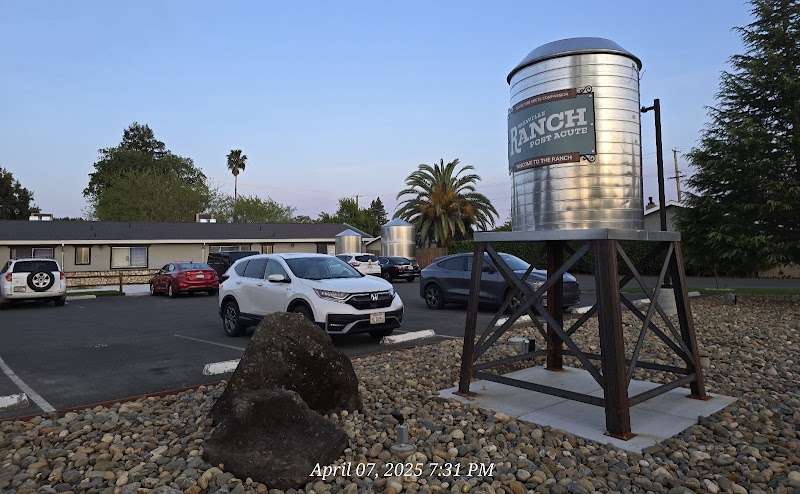
Who Owns and Operates Vacaville Ranch Post Acute?

VACAVILLE RANCH POST ACUTE is owned by a for-profit company. For-profit facilities operate as businesses with obligations to shareholders or private owners. The facility operates independently rather than as part of a larger chain. With 87 certified beds and approximately 49 residents (about 56% occupancy), it is a smaller facility located in VACAVILLE, California.

How Does Vacaville Ranch Post Acute Compare to Other California Nursing Homes?

Compared to the 100 nursing homes in California, VACAVILLE RANCH POST ACUTE's overall rating (4 stars) is above the state average of 3.2, staff turnover (61%) is significantly higher than the state average of 46%, and health inspection rating (4 stars) is above the national benchmark.

What Should Families Ask When Visiting Vacaville Ranch Post Acute?

Based on this facility's data, families visiting should ask: "How do you ensure continuity of care given staff turnover, and what is your staff retention strategy?" "Can I visit during a mealtime to observe dining assistance and food quality?" "How do you handle medical emergencies, and what is your hospital transfer rate?" "Can I speak with family members of current residents about their experience?" These questions are particularly relevant given the facility's high staff turnover rate.

Is Vacaville Ranch Post Acute Safe?

Based on CMS inspection data, VACAVILLE RANCH POST ACUTE has a clean safety record: no substantiated abuse findings (meaning no confirmed cases of resident harm), no Immediate Jeopardy citations (the most serious violation level indicating risk of serious injury or death), and is not on the Special Focus Facility watch list (a federal program monitoring the lowest-performing 1% of nursing homes). The facility has a 4-star overall rating and ranks #1 of 100 nursing homes in California. While no facility is perfect, families should still ask about staff-to-resident ratios and recent inspection results during their visit.

Do Nurses at Vacaville Ranch Post Acute Stick Around?

Staff turnover at VACAVILLE RANCH POST ACUTE is high. At 61%, the facility is 15 percentage points above the California average of 46%. High turnover means new staff may not know residents' individual needs, medications, or preferences. It can also be disorienting for residents, especially those with dementia who rely on familiar faces. Families should ask: What is causing the turnover? What retention programs are in place? How do you ensure care continuity during staff transitions?

Was Vacaville Ranch Post Acute Ever Fined?

VACAVILLE RANCH POST ACUTE has been fined $143,282 across 8 penalty actions. This is 4.2x the California average of $34,512. Fines at this level are uncommon and typically indicate a pattern of serious deficiencies, repeated violations, or failure to correct problems promptly. CMS reserves penalties of this magnitude for facilities that pose significant, documented risk to resident health or safety. Families should request specific documentation of what issues led to these fines and what systemic changes have been implemented.

Is Vacaville Ranch Post Acute on Any Federal Watch List?

VACAVILLE RANCH POST ACUTE is not on any federal watch list. The most significant is the Special Focus Facility (SFF) program, which identifies the bottom 1% of nursing homes nationally based on persistent, serious quality problems. Not being on this list means the facility has avoided the pattern of deficiencies that triggers enhanced federal oversight. This is a positive indicator, though families should still review the facility's inspection history directly.