LAUREL CREEK HEALTH CENTER

2800 ESTATES DRIVE, FAIRFIELD, CA 94533 (707) 432-1200
Non profit - Other 60 Beds Independent Data: November 2025
Trust Grade
55/100
#385 of 1155 in CA
Last Inspection: February 2025

Within standard 12-15 month inspection cycle. Federal law requires annual inspections.

Overview

Laurel Creek Health Center has received a Trust Grade of C, indicating it is average compared to other nursing homes. In California, it ranks #385 out of 1,155 facilities, placing it in the top half, and #4 out of 7 in Solano County, meaning there are only a few local options that are better. Unfortunately, the facility's trend is worsening, with the number of reported issues increasing from 2 in 2024 to 9 in 2025. Staffing is a notable strength, earning a 5-star rating with only 24% turnover, which is significantly lower than the state average, indicating consistent care from familiar staff. However, the facility has faced $60,245 in fines, which is concerning and suggests ongoing compliance issues. Specific incidents include a resident developing a stage 2 pressure ulcer due to the facility's failure to follow skin care protocols, and another resident experiencing multiple fractures from falls that occurred when staff did not ensure safe ambulation practices were followed. While the nursing home has strong RN coverage, being in the top 3% of state facilities, the serious incidents and high fines highlight significant areas needing improvement.

Trust Score
C
55/100
In California
#385/1155
Top 33%
Safety Record
High Risk
Review needed
Inspections
Getting Worse
2 → 9 violations
Staff Stability
✓ Good
24% annual turnover. Excellent stability, 24 points below California's 48% average. Staff who stay learn residents' needs.
Penalties
⚠ Watch
$60,245 in fines. Higher than 86% of California facilities, suggesting repeated compliance issues.
Skilled Nurses
✓ Good
Each resident gets 118 minutes of Registered Nurse (RN) attention daily — more than 97% of California nursing homes. RNs are the most trained staff who catch health problems before they become serious.
Violations
⚠ Watch
25 deficiencies on record. Higher than average. Multiple issues found across inspections.
★★★★☆
4.0
Overall Rating
★★★★★
5.0
Staff Levels
★★★★☆
4.0
Care Quality
★★★☆☆
3.0
Inspection Score
Stable
2024: 2 issues
2025: 9 issues

The Good

  • 5-Star Staffing Rating · Excellent nurse staffing levels
  • 4-Star Quality Measures · Strong clinical quality outcomes
  • Low Staff Turnover (24%) · Staff stability means consistent care
  • Full Sprinkler Coverage · Fire safety systems throughout facility
  • No fines on record
  • Staff turnover is low (24%)

    24 points below California average of 48%

Facility shows strength in staffing levels, quality measures, staff retention, fire safety.

The Bad

Federal Fines: $60,245

Above median ($33,413)

Moderate penalties - review what triggered them

The Ugly 25 deficiencies on record

2 actual harm
Feb 2025 9 deficiencies
CONCERN (D)

Potential for Harm - no one hurt, but risky conditions existed

Deficiency F0692 (Tag F0692)

Could have caused harm · This affected 1 resident

Based on observation, interview, and record review, the facility failed to ensure one of 14 sampled residents (Resident 8), received sufficient fluids to maintain adequate hydration per resident's car...

Read full inspector narrative →
Based on observation, interview, and record review, the facility failed to ensure one of 14 sampled residents (Resident 8), received sufficient fluids to maintain adequate hydration per resident's care plan and per Registered Dietician's assessment. This failure increased Resident 8's risk for dehydration (not enough fluids in the body to carry out normal functions) that can result in complication of the resident's medical conditions. Findings: A review of the Resident 8's admission records indicated the facility admitted the resident in 2024 with multiple diagnoses which included Parkinson's disease with dyskinesia (a progressive disease of the nervous system marked by involuntary shaking, muscular rigidity, and slow, imprecise movement of face, arms and legs), dementia (a progressive state of decline in mental abilities), and constipation (a problem with passing stool, caused by lack of fluids, dietary fiber, and exercises). A review of physician order for Resident 8 dated 12/3/24 indicated, Intake & Output [I&O] Record [the process of measuring and recording how much fluid resident consumes and excretes] once daily. Calculate 24 hour total of I & O from all sources. A review of the Minimum Data Set (MDS- a federally mandated resident assessment tool) dated 12/9/24 indicated Resident 8 scored 12 out of 15 on assessment of cognitive status, which indicated the resident had moderate cognitive impairment. A review of Resident 8's undated 'Alteration in ADLs (activities of daily living, routine tasks/activities such as eating, bathing, dressing and toileting a person performs daily to care for themselves)' care plan indicated the resident required one person and extensive assist for eating. A review of Resident 8's undated 'Hydration Maintenance' care plan indicated, the resident was at risk for dehydration related to constipation. The nursing interventions included,Offer fluids between meals. Keep fluids within resident reach. Encourage fluids during cares [sic] .Encourage resident to consume fluids provided with meals and with medications. A review of the nutrition assessment completed by Registered Dietitian (RD, a healthcare professional who is specialized in food and nutrition) dated 2/4/25 indicated that Resident 8's estimated fluid needs were 1300 milliliters (ml, a unit of measurement of amount) every day. The RD recommended to monitor Resident 8's weights, skin integrity, oral intake, and laboratory results. A review of Intake-Output (I&O) records for the month of January 2025 indicated the average daily intake of fluids was approximately 820 milliliters per day. This represented an average of 480 milliliters per day less than the RD's assessed fluids needs for Resident 8. A review of the I&O records from 2/1/25 through 2/12/25 indicated Resident 8 had an average of 900 milliliters of fluids each day, which was 400 milliliters less than the RD's assessed fluids needs per day. During a concurrent observation and interview on 2/11/25, at 10:48 a.m., with Resident 8 in her room, the resident sat in wheelchair next to her bed. Resident 8 had a soft voice and was able to carry out a minimal conversation. The resident's bedside table was placed in front of resident's wheelchair but there was no water pitcher on the table. A small plastic water cup with cover was observed on the table behind the resident's wheelchair and was not within resident's reach. Resident 8's right hand was visibly shaking when she attempted to grab the call light. Resident 8 stated she was not able to reach her cup with water and added, I shout for help when I'm thirsty and my mouth is dry. During a follow up observation on 2/11/25, at 1:25 p.m., the resident was lying in bed on the left side, propped with pillows. A small plastic cup with brown substance was observed on the small table behind the residents bed, approximately 2-3 feet away and there was no water pitcher observed in resident's room. The resident's bedside table was observed at the entrance to the resident's bathroom. Resident 8 stated she had no water available to drink. During an observation on 2/12/25, at 8:25 a.m., Resident 8 was sitting in wheelchair in her room with breakfast tray in front of her. A small amount of juice was noted in the plastic cup. There was no water pitcher observed on the resident's table or anywhere in the resident's room. Resident 8 stated she liked ice water but the staff did not offer it to her this morning. After a moment, Resident 8 was observed calling help, help and waved her hand when the resident observed a CNA walking in the hall. The CNA was overheard saying ok and continued walking in the hall. The CNA passed the resident's room, entered another resident's room, and closed the door. Resident 8 continued calling help, help in her soft voice. During an observation on 2/12/25, at 4:25 p.m., Resident 8 was lying in bed on her side facing left side of the bed propped by pillows. Bedside table was observed away from the resident on the opposite side of the room. A plastic jug with small amount of water was observed on the small table behind the resident's bed, not within reach. Resident's call light was observed wrapped around the right side rails, hanging toward the floor not within resident's reach. Resident 8 feebly stated, My mouth is so dry. Resident 8 whispered that staff did not offer her water and nodded her head when asked if she wanted to have some water. During an interview on 2/12/25, at 4:30 p.m., Certified Nursing Assistant (CNA 1) stated Resident 8 was confused most of the time, but was able to state her needs. CNA 1 stated Resident 8 liked to drink ice cold water and asked for it when she wanted a drink. CNA 1 stated that Resident 8 had really bad shaking in both of her hands, but the right hand was worse and required assistance with feeding. CNA 1 added that if Resident 8 was not assisted, the resident would spill food and drinks. CNA 1 entered Resident 8's room and acknowledged that the bedside table was away and the call light and water jug were not within resident's reach. CNA 1 stated, She [Resident 8] doesn't know how to use the call light anyway. She always shouts for help and if she needs water. CNA 1 stated the CNAs were supposed to offer water to Resident 8 in between meals. During an interview on 2/12/25, at 4:50 p.m., with Nursing Supervisor (NS) 2, the NS 2 stated the CNAs had to offer the residents water or other beverages throughout the day and in between meals and the nurses were giving water with medications. NS 2 explained that evening shift nursing supervisor totaled the resident's fluids intake for the day and documented in the clinical records. The NS 2 did not provide any answer when asked how the facility monitored Resident 8's fluid intake to identify if the resident was meeting her recommended fluid needs and getting enough hydration. During a telephone interview with RD on 2/12/25, at 2:12 p.m., the RD stated that residents were assessed for their nutrition and hydration needs about two weeks after their admission. The RD explained that to determine if the residents had met their required fluid needs, the residents were reassessed later and the new recommendations were added if needed. The RD stated she sent nutritional recommendations to the dietary manager (DM) who communicated the information to nursing staff. The RD stated she could not remember if she reassessed Resident 8's fluid intake or if she was notified that the resident was not meeting the estimated fluid needs. A review of the facility's policy titled, Hydration - Clinical Protocol, dated 2001, indicated, The physician and staff will help define the individual's current hydration status .The staff .will provide supportive measures such as supplemental fluids .The staff will monitor for the .development, progression .of fluid .imbalance in at-risk individuals. During an interview with Director of Nursing (DON) on 2/13/25, a 10:03 a.m., the DON was asked if the facility had a system in place to monitor residents' fluid intake to ensure their fluid needs were met. The DON explained that CNAs documented the fluid amount the resident consumed on paper logs and then documented electronically for each shift and the evening shift supervisors calculated and entered the total amount into resident's electronic chart. The DON added, RD keeps an eye on that, also nurses address [fluid intake] in their weekly summaries. The DON reviewed the RD's recommendations for Resident 8 to have 1300 milliliters of fluids each day. The DON reviewed nursing weekly summaries dated 2/6/25 and 2/13/25 and acknowledged that the nurses documented in their summaries the amount of the fluid the resident received and validated that the amount was below RD's recommendations. The DON reviewed 24 hour documentation of Resident 8's I&O and acknowledged that the resident have not met her recommended fluid needs per January and February. The DON stated Resident 8's fluid needs were not identified and were not addressed during interdisciplinary meetings. The DON validated that not having proper hydration placed Resident 8 at risk for dehydration and could lead to other health issues related to constipation. The DON added that water and/or other fluids should be always available at Resident 8's bedside to prevent dehydration. The DON stated she would expect nursing to follow the RD's recommendations for fluid needs, expect CNAs round on Resident 8 more frequently, offer, encourage water in between meals, and the nurses address Resident 8's fluid consumption in their weekly summaries or progress notes.
CONCERN (D)

Potential for Harm - no one hurt, but risky conditions existed

Medication Errors (Tag F0758)

Could have caused harm · This affected 1 resident

Based on observation, interview, and record review, the facility failed to ensure one of 14 sampled residents (Resident 35) was free from unnecessary psychotropic medications (drugs that affect brain ...

Read full inspector narrative →
Based on observation, interview, and record review, the facility failed to ensure one of 14 sampled residents (Resident 35) was free from unnecessary psychotropic medications (drugs that affect brain activities associated with mental processes and behaviors) when Resident 35's routine dose of antidepressant was not discontinued after it was changed to PRN (as needed) and the PRN order did not have a specified end date. This failure had the potential to result in unnecessary medication for Resident 35, which had the potential for increased risk and exposure to side effects associated with psychotropic medications. Findings: During a review of Resident 35's admission record, the record indicated Resident 35 was admitted in January 2025 with diagnoses that included insomnia (trouble falling asleep or staying asleep) and depression (a condition characterized by persistent feelings of sadness, loss of interest, and low energy that interfere with daily life). Resident 35's Minimum Data Set (MDS, a federally mandated resident assessment tool) indicated Resident 35 had intact cognition. During a review of Resident 35's physician order, dated 1/12/25, the order indicated, Trazodone [medication used to treat depression] 50 mg [milligrams, a unit of measurement] tablet .Give 0.5 tab via G-tube [gastrostomy tube, a tube that provides access to the stomach] At bedtime for Depression . During a review of Resident 35's physician order, dated 2/9/25, the order indicated, Trazodone 50 mg tablet .0.5 tab G-tube At bedtime as needed For depression . The order further indicated the stop date 00/00/00. During a review of Resident 35's Interdisciplinary Notes, dated 2/7/25, the notes indicated, [Resident 35] noted to have refused routine trazodone at bedtime 4x [four times] this week. [Resident 35] noted to be asking for trazodone later in NOC [night] shift 2x [two times] this week. Faxed MD [Medical Doctor] asking to change routine trazodone to PRN. Awaiting response . During a review of Resident 35's document FAX TO PHYSICIAN, dated 2/7/25, the document indicated, Resident has been refusing 0.5 tab (50mg) Trazodone at bedtime 4x this week. Resident has been asking for Trazodone later in NOC shift. Can we change routine order to PRN? .RESPONSE: OK. Verbal order received 2/9/25. During a review of Resident 35's Interdisciplinary Notes, dated 2/9/25, the notes indicated, .Gave okay to change Trazodone to PRN so [Resident 35] can get at night time when he chooses . During a concurrent interview and record review on 2/13/25 at 2:17 p.m. with the Director of Nursing (DON), the DON confirmed Resident 35 had an order for Trazodone PRN. The DON stated, [Resident 35] had a routine before but it was discontinued now [2/13/25], it was clarified with the doctor. The DON confirmed Resident 35's Trazodone PRN order started on 2/9/25 and verified that the order did not have a stop date. During a concurrent telephone interview and record review on 2/13/25 at 3:05 p.m. with the Pharmacy Consultant (PC), the PC confirmed Resident 35 had an order for Trazodone 0.5 tab PRN for depression started on 2/9/25 and verified the routine dose was cancelled on 2/13/25. The PC stated, It should have been discontinued when they changed it to PRN .so he doesn't get double the dose .I guess they didn't catch it right away . The PC further stated the PRN order was recently added and stated, .they would need a stop date . to make sure psychotropic use is being monitored. During a review of the facility's policy and procedure (P&P) titled Psychotropic Medication Use, revised 7/2022, the P&P indicated, 2. Drugs in the following categories are considered psychotropic medications and are subject to prescribing, monitoring, and review requirements specific to psychotropic medications: .b. Anti-depressants .3 .Psychotropic medication management includes: .b. dose (including duplicate therapy) .12. Psychotropic medications are not prescribed or given on a PRN basis unless that medication is necessary to treat a diagnosed specific condition that is documented in the clinical record .a. PRN orders for psychotropic medications are limited to 14 days .(1) For psychotropic medications that are NOT antipsychotics: If the prescriber or attending physician believes it is appropriate to extend the PRN order beyond 14 days, he or she will document the rationale for extending the use and include the duration for the PRN order .
CONCERN (D)

Potential for Harm - no one hurt, but risky conditions existed

Deficiency F0760 (Tag F0760)

Could have caused harm · This affected 1 resident

Based on observation, interview, and record review, the facility failed to ensure residents are free of any significant medication errors for one of 14 sampled residents (Resident 34) when Resident 34...

Read full inspector narrative →
Based on observation, interview, and record review, the facility failed to ensure residents are free of any significant medication errors for one of 14 sampled residents (Resident 34) when Resident 34's Insulin Lispro (a fast-acting type of insulin - a hormone that removes excess sugar from the blood, can be produced by the body or given artificially via medication) was not administered with meals as ordered by the physician. This failure had the potential to result in the drop in Resident 34's blood sugar and the potential for Resident 34 to experience signs and symptoms of low blood sugar. Findings: During a review of Resident 34's admission records, the records indicated Resident 34 was admitted in January 2025 with diagnoses that included Type 2 Diabetes Mellitus (DM-a disorder characterized by difficulty in blood sugar control and poor wound healing). Resident 34's Minimum Data Set (MDS, a federally mandated resident assessment tool) indicated Resident 34 had intact cognition. During a review of Resident 34's physician order, dated 2/1/25, the order indicated, Insulin lispro .100 unit/mL [milligrams, a unit of measurement] subcutaneous [under the skin] solution - Inject up to 10 units per sliding scale subcutaneously with meals Subcutaneous 3 times a day . During a review of Resident 34's care plan, undated, the care plan indicated, [Resident 34] is receiving insulin Lispro .for diabetes .Assess and monitor for s/s [signs and symptoms] of hypo/hyperglycemia [low/high blood sugar] . During a medication administration observation on 2/12/25 at 11:28 a.m. with Licensed Nurse 1 (LN 1), LN 1 was observed giving 3 units of Insulin Lispro on Resident 34's left abdomen. No food tray was observed at bedside. During a concurrent interview and record review on 2/12/25 at 1:12 p.m. with LN 1, LN 1 confirmed Resident 34's physician order indicated to give Insulin Lispro with meals. LN 1 confirmed Resident 34 did not have lunch yet and stated, They give snacks in between meals, his numbers are usually high . During an interview on 2/13/25 at 2:17 p.m. with the Director of Nursing (DON), the DON stated, If physician order is to give medication with meals, expectation is for it to be given with meals .if there are any concerns, clarify with the doctor .Medications are to be given as ordered and as scheduled, if to be given outside the schedule, clarify with the doctor. During an interview on 2/13/25 at 3:05 p.m. with the Pharmacy Consultant (PC), the PC stated, [The] expectation is to follow specifically what the order says, to maintain some consistency. During a review of the facility's policy and procedure (P&P) titled Administering Medications, revised 4/2019, the P&P indicated, Medications are administered in a safe and timely manner, and as prescribed .4. Medications are administered in accordance with prescriber orders, including any required time frame . During a review of the facility's P&P titled Insulin Administration, revised 9/2014, the P&P indicated, Purpose .To provide guidelines for the safe administration of insulin to residents with diabetes .3. The type of insulin, dosage requirements, strength, and method of administration must be verified before administration, to assure that it corresponds with the order on the medication sheet and the physician's order .Characteristics and Types of Insulin 1. The three key characteristics of insulin are: a. Onset of action - how quickly the insulin reaches the bloodstream and begins to lower blood glucose .2. The four types of insulin and their characteristics are: .Type .Rapid-acting .Onset .10-15 minutes .
CONCERN (D)

Potential for Harm - no one hurt, but risky conditions existed

Deficiency F0805 (Tag F0805)

Could have caused harm · This affected 1 resident

Based on observation, interview and record review, the facility failed to ensure one of 14 sampled residents (Resident 16) received nectar thickened liquids as ordered by the physician, when Resident ...

Read full inspector narrative →
Based on observation, interview and record review, the facility failed to ensure one of 14 sampled residents (Resident 16) received nectar thickened liquids as ordered by the physician, when Resident 16 was served thin liquids by Certified Nursing Assistant (CNA 2). This failure had the potential for Resident 16 to experience aspiration (accidental inhalation of food or fluids into the airways or lungs) and choking. Findings: During a review of Resident 16's face sheet (front page of the chart that contains a summary of basic information about the resident), the face sheet indicated, Resident 16 was admitted to the facility May 2024 with multiple diagnoses which included pneumonia (an infection/inflammation in the lungs). During a review of Resident 16's Minimum Data Set (MDS - a federally mandated resident assessment tool), dated 12/4/24, the MDS indicated Resident 16 had difficulty swallowing and required a mechanically altered diet (change in texture of food or liquids). During a review of Resident 16's physician's orders, dated 9/17/24, the physician's orders indicated, .DIET .Nectar Thick Liquids . During a review of Resident 16's care plan, undated, the care plan indicated, .Resident is at nutritional risk .approach .diet as ordered . During a concurrent observation, interview, and record review on 02/11/25 at 12:24 p.m., Resident 16 was having lunch in the main dining hall. Resident 16 was drinking a glass of regular water and coughing between sips. The tray ticket on Resident 16's tray indicated Resident 16 was on a pureed diet with nectar thickened liquids. Certified Nursing Assistant 2 (CNA 2) confirmed Resident 16 should not have been given regular water. CNA 2 stated, I am sorry. I placed the regular water at each station at the start of the meal and forgot to take hers (Resident 16) away. I did bring her nectar thickened apple juice, that she already drank, but I forgot to come back and take the water away. During an interview on 2/14/25 at 9:35 a.m. with the Director of Nursing (DON), the DON stated the expectation was for all diet orders to be followed (therapeutic and textured). The DON acknowledged there was a risk for aspiration if textured diet orders were not followed. During a review of the facility's policy and procedure ( P&P) titled, Therapeutic Diets, revised October 2017, the P&P indicated, .a 'therapeutic diet' is considered a diet ordered by a physician .as part of treatment for a disease or clinical condition .for example .altered consistency diet .
CONCERN (E)

Potential for Harm - no one hurt, but risky conditions existed

Unnecessary Medications (Tag F0759)

Could have caused harm · This affected multiple residents

Based on observation, interview, and record review, the facility had a 10.34% error rate when three medication errors out of 29 opportunities were observed during a medication pass for two of eight re...

Read full inspector narrative →
Based on observation, interview, and record review, the facility had a 10.34% error rate when three medication errors out of 29 opportunities were observed during a medication pass for two of eight residents (Residents 4 and Resident 34). This failure resulted in medications not being given in accordance with the prescriber's orders and potential to affect the residents' clinical conditions. Findings: 1a. During a review of Resident 4's physician order, dated 1/28/25, the order indicated, .[Metoclopramide HCl] [used to treat nausea and vomiting] - 5 mg (milligrams, a unit of measurement) *via G-tube [gastrostomy tube, a tube that provides access to the stomach]* 3 times a day for gastroparesis [a condition that affects the stomach muscles and prevent proper stomach emptying] . During a medication administration observation on 2/12/25 at 8:29 a.m., Licensed Nurse (LN) 1 administered five medications including Metoclopramide 5 mg by mouth. During a concurrent interview and record review on 2/12/25 at 11:19 a.m. with LN 1, LN 1 verified the order for Metoclopramide was to be given via G-tube and LN confirmed Resident 4 received the medication by mouth. LN 1 stated, [It is] important to make sure there are no interactions, for [Resident 4], the medications can work faster if taken on G-tube. 1b. During a review of Resident 34's physician order, dated 1/29/25, the order indicated, Acetaminophen [used to treat mild to moderate pain] 325 mg tablet .1 tab By Mouth Every 6 hours while awake For pain . During a medication administration observation on 2/12/25 at 11:28 a.m., LN 1 administered three medications including two tablets of Acetaminophen. During a concurrent interview and record review on 2/12/25 at 1:12 p.m. with LN 1, LN 1 verified Resident 34's order indicated to give one tablet of Acetaminophen 325 mg. LN 1 confirmed two tablets of Acetaminophen were given instead of one. 1c. During a review of Resident 34's physician order, dated 2/1/25, the order indicated, Insulin lispro .100 unit/mL [milligrams, a unit of measurement] subcutaneous [under the skin] solution - Inject up to 10 units per sliding scale subcutaneously with meals Subcutaneous 3 times a day . During a medication administration observation on 2/12/25 at 11:28 a.m. with LN 1, LN 1 was observed giving 3 units of Insulin Lispro on Resident 34's left abdomen. No food tray was observed at bedside. During a concurrent interview and record review on 2/12/25 at 1:12 p.m. with LN 1, LN 1 confirmed Resident 34's physician order indicated to give Insulin Lispro with meals. LN 1 confirmed Resident 34 did not have lunch yet and stated, They give snacks in between meals, his numbers are usually high . During an interview on 2/13/25 at 2:17 p.m. with the Director of Nursing (DON), the DON stated, If physician order is to give medication with meals, expectation is for it to be given with meals .if there are any concerns, clarify with the doctor .Medications are to be given as ordered and as scheduled, if to be given outside the schedule, clarify with the doctor. During an interview on 2/13/25 at 3:05 p.m. with the Pharmacy Consultant (PC), the PC stated, [The] expectation is to follow specifically what the order says, to maintain some consistency. During a review of the facility's policy and procedure (P&P) titled Administering Medications, revised 4/2019, the P&P indicated, Medications are administered in a safe and timely manner, and as prescribed .4. Medications are administered in accordance with prescriber orders, including any required time frame .
CONCERN (E)

Potential for Harm - no one hurt, but risky conditions existed

Deficiency F0761 (Tag F0761)

Could have caused harm · This affected multiple residents

Based on observation, interview, and record review, the facility failed to ensure: 1. Expired and discontinued medications were not available for resident use; 2. Expired COVID-19 (a highly contagious...

Read full inspector narrative →
Based on observation, interview, and record review, the facility failed to ensure: 1. Expired and discontinued medications were not available for resident use; 2. Expired COVID-19 (a highly contagious respiratory disease caused by a virus) Test Kits were not available for resident use; 3. Opened single-use vial was discarded after use; 4. Medications were appropriately labeled with a pharmacy label or name to correctly identify which resident they were for; and, 5. Medication refrigerator was maintained in proper working condition. These failures had the potential for residents to receive medications with unsafe or reduced potency from being used past their expiration date or improper storage. Findings: 1. During a concurrent observation and interview on 2/11/25 at 10:49 a.m. with Licensed Nurse 3 (LN 3), an inspection of Station 2 Medication Storage Room identified the following expired and discontinued medications and medical supplies: - 28 Hydrogel absorbent sheet wound dressing (provide a moist environment for wounds to promote faster healing), expired 2/10/25; - Anasept gel antimicrobial skin and wound gel (used to cleanse and prevent infection of minor and serious wounds), 2 tubes expired on 11/1/24 and one tube expired on 10/19/24; and, - 5 Enteral (involves putting food substances or medicine into the digestive system) feeding bags with attached gravity set, expired on 9/8/2024. The LN 3 confirmed the items identified in Station 2 Medication Storage Room were expired and should have been removed from the facility's stock. During an observation on 2/11/25 at 11:37 a.m. in Nurse Station 3, two containers of bleach germicidal (used to kill or prevent the growth of germs) wipes were observed on top of the cart. The containers indicated the wipes were expired on 12/22/24. During a concurrent observation and interview on 2/11/25 at 11:40 a.m. with Nursing Supervisor 1 (NS 1), an inspection of Station 3 Medication Storage Room identified one container of expired bleach germicidal wipes with expiration of 2/8/25, and inside the food refrigerator were two yogurts expired 2/2/25 and one yogurt expired 1/1/25. The NS 1 confirmed the items identified in Station 2 Medication Storage Room were expired and should have been removed from the facility's stock. The NS 1 also confirmed the expired bleach wipes in Station 3 and stated, If they are expired, they don't work. During a concurrent observation and interview on 2/11/25 at 2:52 p.m. with LN 3, an inspection of Station 2 Medication Cart identified the following expired and discontinued medications and medical supplies: - 5 Bisacodyl suppository (used to treat constipation), expired 2/10/25; and, - 1 Debrox earwax removal aid (used to soften and loosen excess ear wax) - no open date, expired 11/1/24. The LN 3 confirmed the items identified in Station 2 Medication Cart were expired and should have been removed from the facility's stock. During a concurrent observation and interview on 2/12/25 at 11:37 a.m. with LN 1, an inspection of Station 3 Medication Cart identified the following expired and discontinued medications and medical supplies: - 1 Miralax (used to treat constipation) 26.9 oz bottle, expired on 1/2025; and, - 1 box containing 9 sachets arginaid arginine powder (supplement to support the nutritional needs of people with chronic wounds), expired on 12/4/24. The LN 1 confirmed the items identified in Station 3 Medication Cart were expired and should have been removed from the facility's stock. 2. During an observation on 2/11/25 at 11:32 a.m. in Nurse Station 2, a box of BinaxNOW COVID-19 test kits was observed on top of the cart. The lot number on the box was peeled off and an expiration date of 5/2025 was handwritten on the box. The box contained multiple BinaxNOW test kits and a box of Osang Healthcare (OHC) containing two self-test kits with expiration date of 12/9/23. During a concurrent interview and record review on 2/11/25 at 11:35 a.m. with the Infection Preventionist (IP), a list of COVID-19 test extension of expiration dates was provided by the IP. The list indicated the lot numbers for BinaxNOW with corresponding extended expiration dates. The list did not indicate any lot number with expiration date of 2025. The list further indicated the OHC test kits' lot number was extended until 12/9/24. The IP stated the list provided was the latest list and confirmed the test kits were expired. During an interview on 2/11/25 at 3 p.m. with the Administrator (ADM), the ADM stated the facility received the COVID-19 test kits from another facility during the pandemic. The ADM stated they should have pulled out the expired kits when they received the new stocks. During an interview on 2/13/25 at 11:50 a.m. with the IP, the IP stated, We should not keep expired [medications and supplies], risk of efficacy is affected, not effective anymore and the potential side effects are more increased if they are expired, and they are less effective. During an interview on 2/13/25 at 2:17 p.m. with the Director of Nursing (DON), the DON stated expired medications should be in the destruction area. The DON further stated, If it's expired it should not be given, and we don't want to take the risk for it to be given .Those should be tossed. When asked regarding the expired COVID-19 test kits, the DON stated, We already went through, and we discarded everything that we were not sure off .It can result in incorrect results. During a telephone interview on 2/13/25 at 3:05 p.m. with the Pharmacy Consultant (PC), the PC stated, .certain medication, we make sure they are labeled, not expired, we don't want to give resident expired medications. During a review of the facility's policy and procedure (P&P) titled 4.1: STORAGE OF MEDICATIONS, dated 6/2015, the P&P indicated, Procedures .H. Outdated, contaminated, or deteriorated medications and those in containers that are cracked, soiled or without secure closures are immediately removed from inventory, disposed of according to procedures for medication disposal .Expiration Dating (Beyond-use dating) .G. All expired medications will be removed from the active supply and destroyed in the facility, regardless of amount remaining. The medication will be destroyed in the usual manner . 3. During a concurrent observation and interview on 2/11/25 at 11:40 a.m. with NS 1, an inspection of Station 2 Medication Storage Room identified an undated open single-dose sterile water vial inside the medication refrigerator. NS 1 confirmed the observation and stated the sterile water vial should be labeled with resident name and open date. During an interview on 2/13/25 at 2:17 p.m. with the DON, the DON stated opened vials are expected to be labeled with open date, and single-use vials should be discarded after use. During a review of the facility's P&P titled Administering Medications, revised 4/2019, the P&P indicated, 13. Vials labeled as single dose or single use are not used on multiple residents. Such vials are used only for one resident in a single procedure . 4. During a concurrent observation and interview on 2/11/25 at 10:49 a.m. with LN 3, an inspection of Station 2 Medication Storage Room identified one box of acetaminophen suppositories (administered rectally to treat mild to moderate pain) with peeled resident label. LN 3 confirmed the observation and verified unable to identify the resident on the label. During a concurrent observation and interview on 2/11/25 at 11:40 a.m. with NS 1, an inspection of Station 2 Medication Storage Room identified one box of acetaminophen suppositories with peeled resident label inside the medication refrigerator. NS 1 confirmed the observations and verified unable to identify the resident on the label on the box of acetaminophen. The NS 1 stated, We shouldn't rip the label, it should be destroyed, it might be used for residents. During a concurrent observation and interview on 2/12/25 at 11:37 a.m. with LN 1, an inspection of Station 3 Medication Cart identified one box of Culturelle probiotics (used to improve digestion and restore the natural balance of good bacteria in the digestive system) with peeled resident label. LN 1 confirmed the observation and stated, It needs to be thrown out because we don't know who it was for. During an interview on 2/13/25 at 2:17 p.m. with the DON, the DON stated, Once a medication is discontinued, they [staff] store them in the medication room for discarding . During a review of the facility's P&P titled Medication Labeling and Storage, revised 2/2023, the P&P indicated, Medication labeling .1. Labeling of medications and biologicals dispensed by the pharmacy is consistent with applicable federal and state requirements and currently accepted pharmaceutical practices .8. If medication containers have missing, incomplete, improper, or incorrect labels, contact the dispensing pharmacy for instructions regarding returning or destroying these items . 5. During a concurrent observation and interview on 2/12/25 at 12:07 p.m. with LN 4, an inspection of Station 1 Medication Storage Room identified ice buildup on the medication refrigerator containing flu vaccines. LN 4 confirmed the observation. During a concurrent observation and interview on 2/13/25 at 9:03 a.m. with the DON in Station 1 Medication Storage Room, ice buildup was still observed on the medication refrigerator containing flu vaccines. The DON confirmed the observation. During an interview on 2/13/25 at 2:17 p.m. with the DON, the DON stated, Fridges are not supposed to have ice buildup, it could affect the temperature and cause temperature fluctuations. During a review of the facility's P&P titled Medication Labeling and Storage, revised 2/2023, the P&P indicated, The facility stores all medications, and biologicals in locked compartments under proper temperature, humidity and light controls .
CONCERN (E)

Potential for Harm - no one hurt, but risky conditions existed

Menu Adequacy (Tag F0803)

Could have caused harm · This affected multiple residents

Based on observation, interview, and record review, the facility failed to ensure the menu was being followed for the therapeutic diet (a modification of a regular diet, tailored to fit the nutritiona...

Read full inspector narrative →
Based on observation, interview, and record review, the facility failed to ensure the menu was being followed for the therapeutic diet (a modification of a regular diet, tailored to fit the nutritional needs of a particular person - may be part of a treatment or medical condition and usually prescribed by a physician) for lunch on 2/12/25 when four residents (Resident 4, 10, 16, 17) who were on Pureed (diet for people with trouble chewing, swallowing, or fully breaking down food and usually ground, pressed, or strained to pudding like consistency) received 1/4 cup serving of meat instead of 1/2 cup of meat as indicated on the menu. This failure had the potential to result in compromising the medical and nutrition status of the four residents. Findings: During an observation of lunch meal service on 2/12/25 beginning at 11:39 a.m., the following was observed: Residents 4, 10, 16, 17 who were on a pureed diet, received 1/4 cup of pureed chicken. A concurrent review of the facility spreadsheet (a menu excel sheet that indicated what items and portions to be served for each prescribed diet) titled, WEEK 2 EXTENDED MENUS, WEDNESDAY WEEK 2 indicated that residents on pureed diet should have received 1/2 cup of pureed chicken. During an interview on 2/12/25 at 11:42 a.m. with Dietary Manager (DM), DM confirmed the blue scoop used to serve pureed chicken during lunch that day was equivalent to 1/4 cup. During a follow up interview on 2/14/25 at 10:00 a.m. with DM, DM acknowledged that not following the menu can affect residents nutrition. During a review the facility's policy and procedure (P&P) titled, Food Preparation and Timing dated 1/1/18, indicated, .Food preparation begins with menu. It should be followed to ensure that adequate nutrients are being served .
CONCERN (E)

Potential for Harm - no one hurt, but risky conditions existed

Food Safety (Tag F0812)

Could have caused harm · This affected multiple residents

Based on observation, interview, and facility document review, the facility failed to store, prepare, and distribute food in accordance with professional standards for food service safety when: 1. An ...

Read full inspector narrative →
Based on observation, interview, and facility document review, the facility failed to store, prepare, and distribute food in accordance with professional standards for food service safety when: 1. An ice machine was not clean; 2. Refrigerated food and a nutritional shake were not labeled with open, prepared, use by, or expiration dates; and, 3. The concentration of the sanitizer solution for a sanitation solution (red) bucket was less than 200 ppm. These failures had the potential to cause food-borne illness in a highly susceptible population of 31 of 31 residents who received food from the kitchen. Findings: 1. During a concurrent observation and interview on 2/11/25 at 8:16 a.m. with Director of Dietary Services (DDS), during the initial kitchen tour, an ice machine was observed to have dark stains resembling rust in a compartment directly next to ice bin, white matter on the exterior of the ice machine, and white debris in the ice scoop container. The DDS stated that an outside vendor is responsible for maintenance of the ice machine and the ice machine was serviced last week. During an interview on 2/14/25 at 10:00 a.m. with the Dietary Manager (DM), DM confirmed rust inside inner compartments, white stains outside the ice machine, and debris inside ice scoop container. DM stated that an outside vendor was responsible for maintenance of the ice machine every 6 months. DM further stated facility staff were responsible for cleaning the ice machine weekly. DM acknowledged the expectation was for the ice machine to be clean including the ice scoop container. During a review of the facility's policy and procedure (P&P) titled, Cleaning procedure #24- Ice Machine, undated, the P&P indicated, .ICE SCOOP .Keep it protected from contamination . During a review of the ice machine's service manual, dated 6/18, the service manual indicated, .Clean and sanitize the ice machine every six months for efficient operation .if the ice machine requires more frequent cleaning and sanitizing, consult a qualified service company to test the water quality and recommend appropriate water treatment . 2. During a concurrent observation and interview on 2/11/25 at 8:27 a.m. with Dietary Supervisor (DS) and DM, during the kitchen's initial tour, an open tray of pasteurized eggs was not labeled with a received, opened, or use by date. DS confirmed the tray of eggs was not labeled. During a concurrent observation and interview on 2/11/25 at 10:49 a.m. with Licensed Nurse 3 (LN 3), there were two plates of dessert from the kitchen, in the Station 2 refrigerator. The food was not labeled with a prepared or use by date. LN 3 stated the food should have been labeled with a name and date. LN 3 further stated food could be spoiled if there was no date or wrong resident could have the received food. During a concurrent observation and interview on 2/13/25 at 10:33 a.m. with LN 1, there was an open carton of nutritional shake in the Station 3 refrigerator. The opened nutritional shake was not labeled with a use by date. LN 1 confirmed the nutritional shake did not have a use by date. LN 1 further stated she was not sure how long the shake could be kept once it was opened. During an interview on 2/14/25 at 10 a.m. with DM, DM acknowledged that food that was not properly labeled can be a risk for expired food being served to residents. During a review of the facility's P&P titled, Food storage revised 1/1/18, the P&P indicated, .All open food items will have an open and use-by-date . During a review of the facility's P&P titled, Labeling/Date Marking and Safe Storage of Refrigerated and Frozen Foods revised 1/1/18, the P&P indicated, .foods produced in the community should be dated with day one .and discarded on or before the 7th day . 3. During a concurrent observation and interview on 2/11/25 at 8:37 a.m. with DM, during the kitchen's initial tour, a red sanitation bucket did not have the appropriate sanitizer solution. DM tested the solution in the red sanitation bucket. The solution tested below 200 ppm (parts per million). Dietary Aide 1 (DA 1) stated she prepared the solution with a mixture of soapy water and Quaternary ammonia solution (disinfectant). DM stated the concentration range for red bucket sanitizer solution should be 200-400 ppm and should not be mixed with soapy water. During an interview on 2/12/24 at 10:29 a.m. with [NAME] 1 (CK 1), CK 1 confirmed that he used the red sanitation bucket that had the diluted Quaternary ammonia solution to clean food preparation area. During an interview on 2/14/25 at 10 a.m. with DM, DM acknowledged the facility used Quat ammonia solution and not maintaining solution at an effective level was a risk for food contamination. During a review of the facility's P&P titled, Sanitizer Bucket for Cleaning Cloths revised 11/1/21, the P&P indicated, .Sanitizer buckets are filled with .appropriate sanitizer at a high concentration .Quat ppm at 200 .
CONCERN (E)

Potential for Harm - no one hurt, but risky conditions existed

Infection Control (Tag F0880)

Could have caused harm · This affected multiple residents

**NOTE- TERMS IN BRACKETS HAVE BEEN EDITED TO PROTECT CONFIDENTIALITY** Based on observation, interview, and record review, the facility failed to follow and maintain an effective infection prevention...

Read full inspector narrative →
**NOTE- TERMS IN BRACKETS HAVE BEEN EDITED TO PROTECT CONFIDENTIALITY** Based on observation, interview, and record review, the facility failed to follow and maintain an effective infection prevention and control program for a census of 33 when: 1. Unlabeled and undated jug of distilled water used for CPAP (continuous positive airway pressure-a breathing machine designed to increase air pressure, keeping the airway open when the person breathes in) was observed on the floor at Resident 13's bedside; 2. Coffee mug was observed on a commode seat in Resident 31's bathroom; 3. Blood pressure (BP) cuff was not disinfected after use between residents (Resident 139, Resident 2, Resident 188, and Resident 4); 4. BP cuff and BP machine was not disinfected with appropriate disinfectant; 5. Dust particles were observed on the exhaust in the clean linen room in the laundry area; 6. Dirt and black stagnant water was observed on the drain at the back of washers in the laundry area; 7. Resident 4, who used a CPAP, had an opened and unlabeled bottle of distilled water on his nightstand; and 8. Resident 5, who had a chronic pressure ulcer (localized, pressure-related damage to the skin and/or underlying tissue usually over a bony prominence), was not on Enhanced Barrier Precautions (EBP- a set of infection control measures that use gowns and gloves to reduce the spread of multidrug-resistant organisms [MRDOs]). These failures resulted in an increased risk for cross-contamination (movement or transfer of harmful bacteria from one person, object, or place to another), and potential exposure to these residents. Findings: 1. During a review of Resident 13's admission record, the record indicated Resident 13 was admitted in [DATE] with diagnoses that included sepsis (a life-threatening blood infection) and obstructive sleep apnea (intermittent airflow blockage during sleep. Resident 13's Minimum Data Set (MDS, a federally mandated resident assessment tool) indicated Resident 13 had moderate cognitive impairment. During a review of Resident 13's physician order, dated, [DATE], the order indicated, C-PAP machine - Apply at bedtime and OFF in AM [morning] For Sleep apnea . During a review of Resident 13's care plan, undated, the care plan indicated, [Resident 13] Utilizes Continuous Positive Airway Pressure (CPAP) for COPD [chronic obstructive pulmonary disease, a chronic lung disease causing difficulty in breathing] .Monitor proper functioning of the device and make sure its [sic] clean . During a concurrent observation and interview on [DATE] at 9:13 a.m. with Resident 13 in his room, an unlabeled and undated jug of open distilled water used for CPAP was observed on top of the nightstand. Resident 13 stated he does not use CPAP very often and cannot remember when the last use was. During an observation on [DATE] at 3:13 p.m. in Resident 13's room, a jug of unlabeled and undated open jug of distilled water was observed on the floor on the side of the nightstand. During an interview on [DATE] at 9:38 a.m. with Licensed Nurse (LN) 4, LN 4 stated CPAP machines are filled with distilled water. LN 4 stated jugs are labeled to know when it was opened and if it can still be used. LN 4 stated, .we don't know if it was two months already. During a concurrent observation and interview on [DATE] at 9:44 a.m. with LN 4 in Resident 13's room, an opened, unlabeled and undated jug of distilled water was observed on the floor on the side of the nightstand. LN 4 confirmed the observation and stated, [Staff] usually label it .It should not be on the floor. During an interview on [DATE] at 11:50 a.m. with the Infection Preventionist (IP), the IP stated distilled water should be labeled with the resident's name and anything for therapeutic purposes have an open date to know how long it has been used. The IP further stated jugs of distilled water are not placed on the floor for infection control. During an interview on [DATE] at 2:17 p.m. with the Director of Nursing (DON), the DON stated any fluids should be dated upon opening so staff will know when to discard them. During a review of the facility's policy and procedure (P&P) titled CPAP/BiPAP [Bilevel Positive Airway Pressure, a breathing support therapy to deliver oxygen under positive pressure] Support, revised 3/2015, the P&P indicated, 5. Humidifier (if used): a. Use clean, distilled water only in the humidifier chamber . 2. During a review of Resident 31's admission record, the record indicated Resident 31 was admitted in [DATE] with diagnoses that included cerebral infarction (blood flow to the brain is interrupted, causing brain tissue to die), hemiplegia (total paralysis of the arm, leg, and trunk on the same side of the body), and unsteadiness on feet. Resident 31's MDS indicated Resident 31 was cognitively intact. During an observation on [DATE] at 10:08 a.m. in Resident 31's bathroom, a mug with a small amount of coffee was observed on top of the commode seat. During a concurrent observation and interview on [DATE] at 10:10 a.m. with Certified Nursing Assistant (CNA) 3 in Resident 31's bathroom, CNA 3 confirmed the mug was on top of the commode seat and stated she put it there and forgot to take it. CNA 3 stated, It is important not to do that because of hygiene. During an interview on [DATE] at 11:50 a.m. with the IP, the IP stated coffee mugs are taken out to be washed once the resident was done with it. When a photo of the mug on the commode seat was shown, the IP stated, That's not supposed to be there .That is considered contaminated. The IP added that it was a hazard and an infection control issue and stated, It's definitely contaminated .that's not acceptable to me. During a review of the facility's P&P titled Infection Prevention and Control Program, revised 12/2023, the P&P indicated, An infection prevention and control program (IPCP) is established and maintained to provide a safe, sanitary, and comfortable environment and to help prevent the development and transmission of communicable diseases and infections. 3. During a medication administration observation on [DATE] at 7:34 a.m. with LN 1, LN 1 was observed checking Resident 139's blood pressure before giving medications. After obtaining the blood pressure, LN 1 removed the cuff from Resident 139's left upper arm and hanged it on the blood pressure machine stand without sanitizing or disinfecting it. During a medication administration observation on [DATE] at 7:49 a.m. with LN 1, LN 1 was observed checking Resident 2's blood pressure before giving medications using the same blood pressure cuff and machine used for Resident 139. After obtaining the blood pressure, LN 1 removed the cuff from Resident 2's left upper arm and hanged it on the blood pressure machine stand without sanitizing or disinfecting it. During a medication administration observation on [DATE] at 8:08 a.m. with LN 1, LN 1 was observed checking Resident 188's blood pressure before giving medications using the same blood pressure cuff and machine used for Resident 139 and Resident 2. After obtaining the blood pressure, LN 1 removed the cuff from Resident 188's left upper arm and hanged it on the blood pressure machine stand without sanitizing or disinfecting it. During a medication administration observation on [DATE] at 8:14 a.m. with LN 1, LN 1 was observed checking Resident 4's blood pressure before giving medications using the same blood pressure cuff and machine used for Resident 139, Resident 2, and Resident 188. After obtaining the blood pressure, LN 1 removed the cuff from Resident 4's left upper arm and hanged it on the blood pressure machine stand without sanitizing or disinfecting it. During an interview on [DATE] at 8:36 a.m. with LN 1, LN 1 stated bleach wipes are used to disinfect blood pressure cuffs in between residents. LN 1 confirmed the blood pressure cuff was not disinfected in between residents during the medication pass observation and stated, [It is] important to prevent cross contamination. During an interview on [DATE] at 11:50 a.m. with the IP, the IP stated, We disinfect equipment before and after use in between residents, we have sanitizing wipes on all stations . During an interview on [DATE] at 2:17 p.m. with the DON, the DON stated the expectation was to disinfect blood pressure cuffs between each resident to not spread potential infection. During a review of the facility's P&P titled Cleaning and Disinfection of Resident-Care Items and Equipment, revised 9/2022, the P&P indicated, 5. Reusable items are cleaned and disinfected or sterilized between residents . 4. During a medication administration observation on [DATE] at 9:17 a.m. with LN 2, LN 2 was observed disinfecting the blood pressure cuff and machine with hand sanitizer wipes before checking Resident 11's blood pressure after using it from another resident. During an interview on [DATE] at 12:18 a.m. with LN 2, LN 2 confirmed she used the hand sanitizer wipes and stated she should have used the manufacturer-approved disinfectant wipes. LN 2 further stated, [It is] important because that wipe [manufacturer-approved disinfectant wipe] is used to kill bacteria on equipment and the wipe that was used do not. During an interview on [DATE] at 11:50 a.m. with the IP, the IP stated hand sanitizer wipes are used for residents' hands before and after eating. The IP stated, If it's not according to manufacturer's directions, it should not be used. During an interview on [DATE] at 2:17 p.m. with the DON, the DON stated the expectation was to disinfect equipment using the manufacturer-approved wipes. During a review of the facility's P&P titled Cleaning and Disinfection of Resident-Care Items and Equipment, revised 9/2022, the P&P indicated, (1) Non-critical resident-care items include bedpans, blood pressure cuffs, crutches .(3) Non-critical items require cleaning followed by either low- or intermediate-level disinfection following manufacturers' instructions. Disinfection is performed with an EPA [Environment Protection Agency]-registered disinfectant labeled for use in healthcare settings . 5. During a concurrent observation and interview on [DATE] at 12:58 p.m. with the Lead Housekeeper (LHS) in the clean linen area of the laundry room, dust particles were observed on the exhaust and the LHS confirmed the observation. During a concurrent observation and interview on [DATE] at 9:31 a.m. with the Maintenance Coordinator (MC) in the clean linen area of the laundry room, dust particles were still observed on the exhaust. The MC confirmed the observation and stated that it should be clean. During an interview on [DATE] at 11:50 a.m. with the IP, when a photo of the exhaust was shown, the IP stated, .the likelihood [of the dust falling] was less likely but nevertheless, it should also be clean, the function is lesser if it's full of dust, and by gravity, it could fall. The IP further stated, .vents should be clean, not just for the linen but also for the people working there [laundry area]. During a review of the facility's P&P titled Departmental (Environmental Services) - Laundry and Linen, revised 1/2014, the P&P indicated, 7. Clean linen will remain hygienically clean (free of pathogens in sufficient numbers to cause human illness) through measures designed to protect it from environmental contamination . 6. During a concurrent observation and interview on [DATE] at 12:58 p.m. with the LHS in the washer area of the laundry room, dirt and black stagnant water was observed on the drain at the back of the washers and the LHS confirmed the observation. During an interview on [DATE] at 9:31 a.m. with the MC, the MC stated he cleaned the drain yesterday [[DATE]] after being notified about it. The MC stated, .it probably not supposed to look like that. During an interview on [DATE] at 1:28 p.m. with the IP, the IP stated the drainage in the washer room was not included in the monitoring for Legionella (a bacteria commonly found in water) because there was no report or any problem. The IP stated, I did not see the drainage, I did not know any open drainage. The IP further stated, We need to update the water management areas .that's definitely a water management issue .We missed that one .we don't want any stagnant water. During a review of the facility's P&P titled Departmental (Environmental Services) - Laundry and Linen, revised 1/2014, the P&P indicated, The purpose of this procedure is to provide a process for the safe and aseptic handling, washing, and storage of linen . 7. During a review of Resident 4's face sheet (contains a summary of basic information about the resident), the face sheet indicated, Resident 4 was admitted to the facility [DATE] with multiple diagnoses which included pneumonia (an infection/inflammation in the lungs). During a review of Resident 4's Physician's Orders, the Physician's Orders indicated Resident 4 had a CPAP and needed assistance with CPAP. During a concurrent observation and interview on [DATE] at 10:03 a.m., an open bottle of distilled water was on Resident 4's nightstand next to the CPAP machine. The bottle was not dated with an open or use by date. Resident 4 stated that he used the CPAP at night and is not sure how long the open bottle of distilled water had been there. During an interview on [DATE] at 9:38 a.m. with Licensed Nurse (LN) 4, LN 4 stated CPAP machines are filled with distilled water. LN 4 stated jugs are labeled to know when it was opened and if it can still be used. During an interview on [DATE] at 9:35 a.m. with Director of Nursing (DON), DON stated the expectation is for open bottles of distilled water to be labeled with open and use by date. DON acknowledged risk for resident to use expired distilled water if open bottles are not labeled. During a review of the facility's policy and procedure (P&P) titled CPAP/BiPAP [Bilevel Positive Airway Pressure, a breathing support therapy to deliver oxygen under positive pressure] Support, revised 3/2015, the P&P indicated, 5. Humidifier (if used): a. Use clean, distilled water only in the humidifier chamber . 8. During a review of Resident 5's face sheet, the face sheet indicated, Resident 5 was admitted to the facility February 2019 with multiple diagnoses including dementia (a progressive state of decline in mental abilities). During a review of Resident 5's skin evaluation form, dated [DATE], the skin evaluation form indicated Resident 5 had a pressure injury to her left buttock from [DATE] and needed treatment. During an observation on [DATE] at 3:35 p.m., enhanced barrier precautions (EBP, infection control measures) were not in place for Resident 5 including signs on the door or outside Resident 5's room and personal protective equipments (PPEs) were not readily available outside Resident 5's room. During an interview on [DATE] at 9:35 a.m. with DON, DON stated EBP should be observed for residents at high risk for infection including pressure ulcers. During a review of the facility's P&P, titled Enhanced Barrier Precautions, revised [DATE], the P&P indicated, .EBP's are indicated .for residents with wounds .wound generally include chronic wounds .i.e., pressure ulcers .signs are posted in the door or wall outside residents room indicating the type of precautions and PPE required .PPE is available outside of the residents rooms .
Apr 2024 2 deficiencies 1 Harm
SERIOUS (G) 📢 Someone Reported This

A family member, employee, or ombudsman was alarmed enough to file a formal complaint

Actual Harm - a resident was hurt due to facility failures

Pressure Ulcer Prevention (Tag F0686)

A resident was harmed · This affected 1 resident

**NOTE- TERMS IN BRACKETS HAVE BEEN EDITED TO PROTECT CONFIDENTIALITY** Based on interviews and record reviews, the facility failed to ensure one out of two sampled resident (Resident 1) did not devel...

Read full inspector narrative →
**NOTE- TERMS IN BRACKETS HAVE BEEN EDITED TO PROTECT CONFIDENTIALITY** Based on interviews and record reviews, the facility failed to ensure one out of two sampled resident (Resident 1) did not develop a pressure ulcer when the facility did not follow their policy and procedure for prevention of pressure injuries such as inspecting the skin daily when performing or assisting with personal care or activities of daily living (ADL, tasks of everyday life), did not continually evaluate Resident 1 ' s potential for skin breakdown per physician ' s order and request a preventative treatment prescribed by the physician once Resident 1 became incontinent of both bladder (the ability to control on when to empty the urine)and bowel function (the ability to control when to have a bowel movement). These failures resulted to Resident 1 acquiring a stage 2 pressure ulcer (PU, a shallow open ulcer with a red or pink wound bed, caused when an area of skin is placed under pressure ). Findings: A review of Resident 1 face sheet (demographics) indicated he was admitted on [DATE] with a diagnoses of Essential Hypertension (HTN, high blood pressure), Hyperlipidemia (HLP, an elevated level of lipids like cholesterol and triglycerides in your blood) and Type 2 Diabetes Mellitus (DM, a disease that occurs when your blood glucose, also called blood sugar, is too high). His Minimum Data Sheet Assessment (MDS, a federally mandated process for clinical assessment of all residents in Medicare and Medicaid certified nursing homes) dated 1/23/24 Brief Interview for Mental Status (BIMS, a mandatory tool used to screen and identify the cognitive (the mental action or process of acquiring knowledge and understanding through thought, experience, and the senses) condition of residents, indicated Resident 1 had a short term and long-term memory impairment. Resident 1 ' s MDS assessment also indicated he was always incontinent of both bladder and bowel. His MDS assessment also indicated Resident 1 had 1 unhealed pressure ulcer when he was discharged at the facility on 1/23/24. Resident 1 ' s admission note dated 1/2/24 22:34 indicated the admission skin assessment was done, and the coccyx (tailbone) and bony prominences (areas where bones are close to the surface and areas that are under the most pressure are at greatest risk for developing pressure sores) were intact. His skin Interdisciplinary Team (IDT, professional disciplines, as appropriate, will work together to provide the greatest benefit for the resident) note dated 1/22/24 13:58 indicated Resident 1 was noted with a Stage 2 PU on his left buttock. A review of Resident 1 ' s PO indicated there was no order for preventive treatment once Resident 1 became incontinent of bowel and bladder function. Further review of Resident 1 ' s Physician Order (PO, the instruction the physician had written for a resident ' s treatment) dated 1/2/24, indicated to complete the Braden Scale assessment (a standardized, evidence-based assessment tool commonly used in health care to assess and document a patient's risk for developing pressure ulcer) upon admission and then weekly for the next 4 weeks. There was only 1 Braden Scale Skin Assessment completed dated 1/3/24, the score was 17, indicating Resident 1 had a mild risk for developing pressure ulcer. As per Braden Scale Skin assessment dated [DATE], Resident 1 ' s skin was occasionally moist, walks occasionally during the day but for very short distance, had slight limited ability to change and control body position, had inadequate food intake, and issue with friction and shear during movement in bed or chair. There were no further Braden Scale Skin Assessment completed after 1/3/24. A review of Resident 1 ' s ADL charting did not indicate he was being offered toileting or incontinence care every 2 hours. There were no documentations provided to indicate Resident 1 was being turned and repositioned every 2 hours. During an interview on 2/20/24 at 10:12 a.m., Unlicensed Staff A stated it was the facility ' s policy to ensure residents were turned and repositioned every 2 hours to offload weight and to check and change incontinent residents every 2 hours or more often as needed. Unlicensed Staff A stated staff would also apply a barrier cream on residents who were incontinent. Unlicensed Staff A stated not doing these could result to development of pressure sores, open wounds, pain and infections. During an interview on 2/20/24 at 10:30 a.m., Licensed Staff B stated it was the facility ' s P&P with pressure sore prevention to turn and reposition residents every 2 hours as needed and as tolerated and to check and change incontinent residents every 2 hours or more often as needed. Licensed Staff B stated residents who were incontinent were more prone to develop pressure ulcer so it was important to initiate a preventive treatment per physician ' s order. Licensed Staff B stated if these were not done, residents could develop pressure ulcer. When asked how often a Braden Scale Skin Assessment should be completed, Licensed Staff B stated Braden Scale Skin Assessment must be completed upon admission then weekly. Licensed Staff B stated if not done weekly, staff could miss important changes in risk factors that could be addressed to decrease likelihood of a resident developing a pressure ulcer. During an interview on 2/20/24 at 11:12 a.m., Licensed Staff C stated it was the facility ' s P&P with pressure ulcer prevention to turn and reposition residents every 2 hours, to provide good perineal care and to check and change incontinent residents every 2 hours and as needed. Licensed Staff C stated if these were not done, it meant facility policy was not followed which could result to worsened pressure injury, infection and pain. Licensed Staff C stated quality of life decreases when a resident was in pain. Licensed Staff C stated once a resident was deemed incontinent, a preventative treatment should be requested to the physician. Licensed Staff C stated if these were not done, resident could develop pressure ulcer. When asked how often a Braden Scale Skin Assessment should be completed, Licensed Staff C stated it should be completed upon admission then weekly. Licensed Staff C stated if this was not done weekly, staff may not be able to address risk factor changes that could lessen the likelihood of resident developing a pressure ulcer. During an interview on 2/20/24 at 12:06 p.m., Unlicensed Staff D stated for pressure ulcer prevention, it was facility ' s policy to ensure residents were turned and repositioned every 2 hours and to provide incontinence care every 2 hours or more often as needed. Unlicensed Staff D stated if these were not done, it could lead to the development of new skin issues or worsening of pressure ulcer. Unlicensed Staff D stated staff also provide a preventative treatment to apply on resident who were incontinent to prevent them from developing pressure sore. During an interview on 2/20/24 at 12:20 p.m., the MDS coordinator stated it was the facility ' s policy to turn and reposition residents every 2 hours, to provide incontinent care every 2 hours or more often as needed and to use barrier cream for incontinent residents per physician ' s order to decrease the risk of residents acquiring a pressure ulcer. When asked if Resident 1 had an individualized turning and repositioning schedule based on his risk factors, the MDS coordinator stated Resident 1 did not have an individualized turning and repositioning schedule based on his risk factor. The MDS coordinator verified Resident 1 pressure ulcer was acquired while he was at the facility. When asked when does staff conduct skin assessments, the MDS coordinator stated the Braden Scale Skin assessment was done upon admission and weekly for the next 3 weeks post admission per facility policy. The MDS coordinator stated staff should follow this and if this was not done, then the facility was not following the skin policy. The MDS coordinator stated if the Braden Scale Skin assessment was not done, there could be risk for staff to miss skin and risk changes, that if known, staff could implement interventions to decrease the risk of resident developing a pressure ulcer. The MDS coordinator stated skin issues could develop and worsen if not being assessed regularly. During an interview on 2/20/24 at 12:40 p.m., the Director of Nursing (DON) stated it was the facility ' s policy to turn and reposition residents every 2 hours or more frequently as needed, to provide incontinent care to residents every 2 hours and more often as needed to decrease the risk of residents developing a pressure ulcer. The DON stated Resident 1 ' s skin was intact upon admission, however on 1/15/24, it was noted he developed a pressure ulcer on his left buttock up to his tail bone. Per the Interdisciplinary Team (IDT, a group of dedicated healthcare professionals who work together to provide you with the care you need, when you need it) skin review note dated 1/22/24, the Stage 2 PU on Resident 1 ' s left buttock size was 5.0 by 1.0 centimeter (cm, a unit of measure). DON stated Resident 1 ' s pressure sore developed in the facility. The DON was unable to determine if Resident 1 ' s pressures ulcer was avoidable or unavoidable. When asked when staff conducts skin assessments, the DON stated the Braden Scale Skin Assessments was done upon admission then weekly for the next 4 weeks per facility policy. The DON stated the Braden Scale Skin Assessment was important because it identifies a residents ' risk for developing pressure sore. The DON stated if the Braden Scale Skin Assessment was not done per facility policy, it could lead to missing other skin issues. The DON stated it could also lead to missed related risk factors that predispose residents to pressure sore development. During an interview on 2/23/24 at 10:01 a.m., a request was made to see Resident 1 ' s daily skin assessment. The DON was only able to provide 1 skin evaluation form dated 1/15/24 and 5 shower skin sheets dated 1/3/24, 1/6/24, 1/10/24, 1/17/24 and 1/20/24. The shower skin sheet on 1/17 and 1/20 did not indicate Resident 1 had a pressure ulcer on his left buttocks. A review of the facility ' s policy and procedure (P&P) titled Prevention of Pressure Injuries, revised 4/2020, the P&P indicated to assess the resident on admission for existing pressure injury risk factors and to repeat risk assessments weekly and upon any changes in condition .inspect the skin on a daily basis when performing or assisting with personal care or activities of daily living .use a barrier product to protect skin from moisture .reposition all residents with or at risk of pressure injuries on an individualized schedule .frequency for repositioning based on residents risk factors and current clinical practice. Based on interviews and record reviews, the facility failed to ensure one out of two sampled resident (Resident 1) did not develop a pressure ulcer when the facility did not follow their policy and procedure for prevention of pressure injuries such as inspecting the skin daily when performing or assisting with personal care or activities of daily living (ADL, tasks of everyday life), did not continually evaluate Resident 1's potential for skin breakdown per physician's order and request a preventative treatment prescribed by the physician once Resident 1 became incontinent of both bladder (the ability to control on when to empty the urine)and bowel function (the ability to control when to have a bowel movement). These failures resulted to Resident 1 acquiring a stage 2 pressure ulcer (PU, a shallow open ulcer with a red or pink wound bed, caused when an area of skin is placed under pressure ). Findings: A review of Resident 1 face sheet (demographics) indicated he was admitted on [DATE] with a diagnoses of Essential Hypertension (HTN, high blood pressure), Hyperlipidemia (HLP, an elevated level of lipids like cholesterol and triglycerides in your blood) and Type 2 Diabetes Mellitus (DM, a disease that occurs when your blood glucose, also called blood sugar, is too high). His Minimum Data Sheet Assessment (MDS, a federally mandated process for clinical assessment of all residents in Medicare and Medicaid certified nursing homes) dated 1/23/24 Brief Interview for Mental Status (BIMS, a mandatory tool used to screen and identify the cognitive (the mental action or process of acquiring knowledge and understanding through thought, experience, and the senses) condition of residents, indicated Resident 1 had a short term and long-term memory impairment. Resident 1's MDS assessment also indicated he was always incontinent of both bladder and bowel. His MDS assessment also indicated Resident 1 had 1 unhealed pressure ulcer when he was discharged at the facility on 1/23/24. Resident 1's admission note dated 1/2/24 22:34 indicated the admission skin assessment was done, and the coccyx (tailbone) and bony prominences (areas where bones are close to the surface and areas that are under the most pressure are at greatest risk for developing pressure sores) were intact. His skin Interdisciplinary Team (IDT, professional disciplines, as appropriate, will work together to provide the greatest benefit for the resident) note dated 1/22/24 13:58 indicated Resident 1 was noted with a Stage 2 PU on his left buttock. A review of Resident 1's PO indicated there was no order for preventive treatment once Resident 1 became incontinent of bowel and bladder function. Further review of Resident 1's Physician Order (PO, the instruction the physician had written for a resident's treatment) dated 1/2/24, indicated to complete the Braden Scale assessment (a standardized, evidence-based assessment tool commonly used in health care to assess and document a patient's risk for developing pressure ulcer) upon admission and then weekly for the next 4 weeks. There was only 1 Braden Scale Skin Assessment completed dated 1/3/24, the score was 17, indicating Resident 1 had a mild risk for developing pressure ulcer. As per Braden Scale Skin assessment dated [DATE], Resident 1's skin was occasionally moist, walks occasionally during the day but for very short distance, had slight limited ability to change and control body position, had inadequate food intake, and issue with friction and shear during movement in bed or chair. There were no further Braden Scale Skin Assessment completed after 1/3/24. A review of Resident 1's ADL charting did not indicate he was being offered toileting or incontinence care every 2 hours. There were no documentations provided to indicate Resident 1 was being turned and repositioned every 2 hours. During an interview on 2/20/24 at 10:12 a.m., Unlicensed Staff A stated it was the facility's policy to ensure residents were turned and repositioned every 2 hours to offload weight and to check and change incontinent residents every 2 hours or more often as needed. Unlicensed Staff A stated staff would also apply a barrier cream on residents who were incontinent. Unlicensed Staff A stated not doing these could result to development of pressure sores, open wounds, pain and infections. During an interview on 2/20/24 at 10:30 a.m., Licensed Staff B stated it was the facility's P&P with pressure sore prevention to turn and reposition residents every 2 hours as needed and as tolerated and to check and change incontinent residents every 2 hours or more often as needed. Licensed Staff B stated residents who were incontinent were more prone to develop pressure ulcer so it was important to initiate a preventive treatment per physician's order. Licensed Staff B stated if these were not done, residents could develop pressure ulcer. When asked how often a Braden Scale Skin Assessment should be completed, Licensed Staff B stated Braden Scale Skin Assessment must be completed upon admission then weekly. Licensed Staff B stated if not done weekly, staff could miss important changes in risk factors that could be addressed to decrease likelihood of a resident developing a pressure ulcer. During an interview on 2/20/24 at 11:12 a.m., Licensed Staff C stated it was the facility's P&P with pressure ulcer prevention to turn and reposition residents every 2 hours, to provide good perineal care and to check and change incontinent residents every 2 hours and as needed. Licensed Staff C stated if these were not done, it meant facility policy was not followed which could result to worsened pressure injury, infection and pain. Licensed Staff C stated quality of life decreases when a resident was in pain. Licensed Staff C stated once a resident was deemed incontinent, a preventative treatment should be requested to the physician. Licensed Staff C stated if these were not done, resident could develop pressure ulcer. When asked how often a Braden Scale Skin Assessment should be completed, Licensed Staff C stated it should be completed upon admission then weekly. Licensed Staff C stated if this was not done weekly, staff may not be able to address risk factor changes that could lessen the likelihood of resident developing a pressure ulcer. During an interview on 2/20/24 at 12:06 p.m., Unlicensed Staff D stated for pressure ulcer prevention, it was facility's policy to ensure residents were turned and repositioned every 2 hours and to provide incontinence care every 2 hours or more often as needed. Unlicensed Staff D stated if these were not done, it could lead to the development of new skin issues or worsening of pressure ulcer. Unlicensed Staff D stated staff also provide a preventative treatment to apply on resident who were incontinent to prevent them from developing pressure sore. During an interview on 2/20/24 at 12:20 p.m., the MDS coordinator stated it was the facility's policy to turn and reposition residents every 2 hours, to provide incontinent care every 2 hours or more often as needed and to use barrier cream for incontinent residents per physician's order to decrease the risk of residents acquiring a pressure ulcer. When asked if Resident 1 had an individualized turning and repositioning schedule based on his risk factors, the MDS coordinator stated Resident 1 did not have an individualized turning and repositioning schedule based on his risk factor. The MDS coordinator verified Resident 1 pressure ulcer was acquired while he was at the facility. When asked when does staff conduct skin assessments, the MDS coordinator stated the Braden Scale Skin assessment was done upon admission and weekly for the next 3 weeks post admission per facility policy. The MDS coordinator stated staff should follow this and if this was not done, then the facility was not following the skin policy. The MDS coordinator stated if the Braden Scale Skin assessment was not done, there could be risk for staff to miss skin and risk changes, that if known, staff could implement interventions to decrease the risk of resident developing a pressure ulcer. The MDS coordinator stated skin issues could develop and worsen if not being assessed regularly. During an interview on 2/20/24 at 12:40 p.m., the Director of Nursing (DON) stated it was the facility's policy to turn and reposition residents every 2 hours or more frequently as needed, to provide incontinent care to residents every 2 hours and more often as needed to decrease the risk of residents developing a pressure ulcer. The DON stated Resident 1's skin was intact upon admission, however on 1/15/24, it was noted he developed a pressure ulcer on his left buttock up to his tail bone. Per the Interdisciplinary Team (IDT, a group of dedicated healthcare professionals who work together to provide you with the care you need, when you need it) skin review note dated 1/22/24, the Stage 2 PU on Resident 1's left buttock size was 5.0 by 1.0 centimeter (cm, a unit of measure). DON stated Resident 1's pressure sore developed in the facility. The DON was unable to determine if Resident 1's pressures ulcer was avoidable or unavoidable. When asked when staff conducts skin assessments, the DON stated the Braden Scale Skin Assessments was done upon admission then weekly for the next 4 weeks per facility policy. The DON stated the Braden Scale Skin Assessment was important because it identifies a residents' risk for developing pressure sore. The DON stated if the Braden Scale Skin Assessment was not done per facility policy, it could lead to missing other skin issues. The DON stated it could also lead to missed related risk factors that predispose residents to pressure sore development. During an interview on 2/23/24 at 10:01 a.m., a request was made to see Resident 1's daily skin assessment. The DON was only able to provide 1 skin evaluation form dated 1/15/24 and 5 shower skin sheets dated 1/3/24, 1/6/24, 1/10/24, 1/17/24 and 1/20/24. The shower skin sheet on 1/17 and 1/20 did not indicate Resident 1 had a pressure ulcer on his left buttocks. A review of the facility's policy and procedure (P&P) titled Prevention of Pressure Injuries , revised 4/2020, the P&P indicated to assess the resident on admission for existing pressure injury risk factors and to repeat risk assessments weekly and upon any changes in condition .inspect the skin on a daily basis when performing or assisting with personal care or activities of daily living .use a barrier product to protect skin from moisture .reposition all residents with or at risk of pressure injuries on an individualized schedule .frequency for repositioning based on residents risk factors and current clinical practice.
CONCERN (E) 📢 Someone Reported This

A family member, employee, or ombudsman was alarmed enough to file a formal complaint

Potential for Harm - no one hurt, but risky conditions existed

Deficiency F0726 (Tag F0726)

Could have caused harm · This affected multiple residents

**NOTE- TERMS IN BRACKETS HAVE BEEN EDITED TO PROTECT CONFIDENTIALITY** Based on interviews and record reviews, the facility failed to ensure nursing staff were competent and had skills to provide nur...

Read full inspector narrative →
**NOTE- TERMS IN BRACKETS HAVE BEEN EDITED TO PROTECT CONFIDENTIALITY** Based on interviews and record reviews, the facility failed to ensure nursing staff were competent and had skills to provide nursing and related services to assure resident safety when the nurses did not follow the facility ' s policy and procedure on narcotic (drug that causes stupor or insensibility) count reconciliation (physical inventory of all controlled substances), when nurses left the medicine cart (med cart) keys on top of the med cart unattended and the nurses did not know Baza Cream (an incontinent cream that contains zinc oxide, a medicated cream, ointment or paste that treats or prevents skin irritation) requires a Physician Order (PO, the instruction the physician had written for a patients ' treatment ) prior to applying it on a resident skin. These failures were a safety risk that resulted in missing /unaccounted 3 tablets of narcotics (a medication that dulls the senses and treat pain) for one out of two sampled residents (Resident 2). These failures could lead to unauthorized access to the med cart, medication error (med error) and residents not receiving the correct treatment medication to address a skin issue. Findings: A review of resident 2 ' s face sheet (demographics) indicated she was admitted to the facility on [DATE] with a diagnoses of Parkinson ' s Disease (PD, a progressive disorder that affects the nervous system and the parts of the body controlled by the nerves), Dysphagia (difficulty swallowing) and Hyperlipidemia (HLP, an elevated level of lipids like cholesterol and triglycerides in your blood). Her Minimum Data Sheet Assessment (MDS, a federally mandated process for clinical assessment of all residents in Medicare and Medicaid certified nursing homes) dated 2/2/24 Brief Interview for Mental Status (BIMS, a mandatory tool used to screen and identify the cognitive (the mental action or process of acquiring knowledge and understanding through thought, experience, and the senses) condition of residents, indicated Resident 2 had a short term and long-term memory impairment. A review of Resident 2 ' s PO indicated she had an order for a Percocet (a narcotic) 5 milligram (mg, a unit of measure) - 325 mg 1 tablet by mouth every 8 hours for pain management. A review of the letter addressed to the Department, dated 1/31/24 , indicated there were unexplained 3 missing tablets of Percocet 5 mg- 325 mg. During an interview on 2/23/24 at 10:01 a.m., the Director of Nursing (DON) stated based on her investigation, nobody could tell her where the missing Percocet went and her investigation did not provide an answer as to what happened in this situation. During an interview on 2/20/24 at 10:30 a.m. Licensed Staff B stated it was the facility ' s policy for nurses to reconcile narcotic count before the start and end of their shift to ensure narcotics count were accurate and to ensure there were no missing narcotics. When asked why staff need to do narcotic count reconciliation, Licensed Staff B stated it was done to prevent missing narcotics and to account for all narcotics. When asked what the risk were if a narcotic reconciliation was not done, Licensed Staff B stated it could result to medication errors, drug diversion and residents not receiving their pain medication. When asked where staff kept the med cart keys, Licensed Staff B stated med cart keys should be with the nurse at all times. When asked if it was ever okay to leave the med cart key on top of the med cart, unattended, Licensed Staff B stated no. Licensed Staff B stated med cart keys should be with the nurses even if they were on a break. When asked what the risk were if the med cart keys were left on top of the med cart, Licensed Staff B stated anybody could take the key and open the med cart. Licensed Staff B stated residents could also get into the med cart, take meds that was not meant for them that could affect them negatively. During an interview on 2/20/24 at 11:32 a.m., Licensed Staff C stated when she came on her morning shift on 1/22/24 and 1/23/24 the outgoing nurse from night shift never came to give her report nor do a narcotic count reconciliation. Licensed Staff C stated that on both days, she also did not complete a narcotic count reconciliation with the incoming nurse at the end of her shift. She stated she counted the narcotics by herself. When asked if the facility policy was followed when the narcotic count reconciliation with the incoming and outgoing nurse were not completed, Licensed Staff C answered no. When asked what the risk were of not completing the narcotic count reconciliation with the incoming and outgoing nurse before the start and the end of shift, Licensed Staff C stated, for the residents, there could be a risk for drug diversion, pain medication may not be available and resident would continue to be in pain which affects quality of life. Licensed Staff C stated she found the med cart key on top of the med cart unattended. Licensed Staff C stated on 1/22/24 and 1/23/24 the med cart keys were sitting at the top of the med cart unattended which was a no-no. Licensed Staff C stated it was always just sitting there when I come in. When asked what the risk were if med cart keys were left unattended at the top of a med cart, Licensed Staff C stated it was a safety issue as unauthorized person or a resident may get ahold of the key, open the med cart and take meds not meant for them. Licensed Staff C stated residents might get a hold of medications or take medications that would make them sick, could cause allergy, even death. Licensed Staff C stated not completing a narcotic count reconciliation per facility policy and not holding on to the med cart keys was a big safety and liability issue. During an interview on 2/20/24 at 12:13 p.m., Unlicensed Staff D stated she had seen nurses leave the med cart keys on top of the med cart sometimes. During an interview on 2/20/24 at 12:20 p.m., the Minimum Data Set (MDS) Coordinator stated it was the facility ' s policy to ensure narcotic count reconciliation was completed by 2 nurses at the beginning and end of shift. The MDS Coordinator stated if this was not done, it meant the facility policy was not followed. The MDS Coordinator stated this was unacceptable. When asked what the risk were if a narcotic count reconciliation was not completed by 2 nurses at the beginning and end of shift, she stated it was a safety issue, there could be a risk for discrepancy in narcotic count, narcotic could be stolen by anyone. The MDS coordinator stated the med cart keys should always be with the nurse and it was not acceptable to leave the med cart keys unattended on top of a med cart. The MDS Coordinator stated this was a safety issue. When asked what the risks were if the med cart keys were left on top of the med cart unattended, the MDS Coordinator stated it was a safety issue, anyone could take the key and gain access to the med cart. The MDS Coordinator stated only nurses were allowed access to med cart. During an interview on 2/23/24 at 10:01 a.m., the Director of Nursing (DON) stated it was the facility ' s policy to complete a narcotic count reconciliation between the incoming and outgoing nurses to verify narcotic counts were accurate and to prevent missing narcotics. The DON stated the facility policy was not followed if the nurses were not doing that. The DON stated not completing a narcotic count reconciliation between the incoming and outgoing nurses could result to narcotics missing and if unaccounted for, narcotic may not be available. When asked what the risks were for resident if a narcotic goes missing, the DON stated if there were no available narcotics, resident would continue to be in pain. When asked where nurses should keep the med cart keys, the DON stated med cart keys should be with the nurse at all times, even during break times. The DON also stated it was not okay to leave the med cart key unattended on top of the med cart. Leaving the med cart key unattended on top of the med cart meant the facility policy was not followed and it could result to unauthorized staff or residents gaining access to the med cart. The DON stated this was a safety issue. The DON stated staff were putting Baza cream on residents buttocks with every incontinent episodes. The DON stated Baza cream did not need an order because it was a nursing intervention. During an interview on 2/23/24 at 10:38 a.m., Licensed Staff E stated she was not sure if Baza cream had to have an order prior to applying on a resident skin. Licensed Staff E stated the facility had used Baza cream without a physician ' s order. Licensed Staff E stated the facility had no authorization to apply Baza cream on a resident ' s body without an order. Licensed Staff E stated putting Baza cream without a physician order could result to allergies, skin issue worsening and development of skin rashes. During an interview on 2/23/24 at 10:40 a.m., Licensed Staff F verified Baza cream had zinc oxide. Licensed Staff F stated the facility used Baza Incontinence cream for incontinence episode. Licensed Staff F stated, typically nurses at the facility do not ask the physician for a Baza cream order. During an interview on 2/23/24 at 11:07 a.m., the MDS Coordinator stated Baza cream should be ordered by the physician prior to applying on a resident ' s skin. The MDS Coordinator stated applying Baza cream without a physician order was beyond our scope of practice. During a telephone interview on 2/26/24 at 10:45 a.m., Licensed Staff G stated the facility policy was not followed when she did not complete a narcotic count reconciliation with another nurse before the start and end of her shift. Licensed Staff G stated not completing a narcotic count reconciliation could result to missing narcotics. Licensed Staff G stated the facility policy was also not followed when she left the med cart key unattended on top of the medication cart. Licensed Staff G stated not keeping the med cart key with her at all times could lead to unauthorized personnel or residents gaining access to the med cart. Licensed Staff G stated it was a safety issue. During a telephone interview on 2/26/24 at 3:00 p.m., the Pharmacist stated nurses should be completing a narcotic count reconciliation at the beginning and end of their shift. The Pharmacist stated not doing so could lead to missing narcotics. The Pharmacist stated staff should also be keeping the med cart keys with them and not leave the med cart key unattended on top of the med cart for safety purposes and to ensure only the nurses have access to the med cart. The Pharmacist stated Baza Incontinence cream is a medication that needs a physician ' s order before applying to a resident skin. The Pharmacist stated it should not be used without a physician ' s order. A review of the facility ' s policy and procedure (P&P) titled Controlled Substance Storage, revised 8/2014, the P&P indicated medications included in the Drug Enforcement Administration (DEA, the agency responsible for enforcing the controlled substances laws and regulations of the United States) classification as controlled substance are subject to special handling, storage, disposal and record keeping in the facility .if a key system is used, the medication nurse on duty maintains the possession of the key to the controlled substance storage areas .at each shift change, or when keys were transferred, a physical inventory of all controlled substances is conducted by 2 licensed nurses and is documented. A review og the facility ' s P&P titled Administering Medication revised 4/2019, the P&P indicated medications are administered in accordance with prescriber orders, including any required time frame. The P&P for Baza Cream use was requested but not provided. The DON stated the facility did not have a policy specific to Baza Cream usage. Based on interviews and record reviews, the facility failed to ensure nursing staff were competent and had skills to provide nursing and related services to assure resident safety when the nurses did not follow the facility's policy and procedure on narcotic (drug that causes stupor or insensibility) count reconciliation (physical inventory of all controlled substances), when nurses left the medicine cart (med cart) keys on top of the med cart unattended and the nurses did not know Baza Cream (an incontinent cream that contains zinc oxide, a medicated cream, ointment or paste that treats or prevents skin irritation) requires a Physician Order (PO, the instruction the physician had written for a patients' treatment ) prior to applying it on a resident skin. These failures were a safety risk that resulted in missing /unaccounted 3 tablets of narcotics (a medication that dulls the senses and treat pain) for one out of two sampled residents (Resident 2). These failures could lead to unauthorized access to the med cart, medication error (med error) and residents not receiving the correct treatment medication to address a skin issue. Findings: A review of resident 2's face sheet (demographics) indicated she was admitted to the facility on [DATE] with a diagnoses of Parkinson's Disease (PD, a progressive disorder that affects the nervous system and the parts of the body controlled by the nerves), Dysphagia (difficulty swallowing) and Hyperlipidemia (HLP, an elevated level of lipids like cholesterol and triglycerides in your blood). Her Minimum Data Sheet Assessment (MDS, a federally mandated process for clinical assessment of all residents in Medicare and Medicaid certified nursing homes) dated 2/2/24 Brief Interview for Mental Status (BIMS, a mandatory tool used to screen and identify the cognitive (the mental action or process of acquiring knowledge and understanding through thought, experience, and the senses) condition of residents, indicated Resident 2 had a short term and long-term memory impairment. A review of Resident 2's PO indicated she had an order for a Percocet (a narcotic) 5 milligram (mg, a unit of measure) – 325 mg 1 tablet by mouth every 8 hours for pain management. A review of the letter addressed to the Department, dated 1/31/24 , indicated there were unexplained 3 missing tablets of Percocet 5 mg- 325 mg. During an interview on 2/23/24 at 10:01 a.m., the Director of Nursing (DON) stated based on her investigation, nobody could tell her where the missing Percocet went and her investigation did not provide an answer as to what happened in this situation. During an interview on 2/20/24 at 10:30 a.m. Licensed Staff B stated it was the facility's policy for nurses to reconcile narcotic count before the start and end of their shift to ensure narcotics count were accurate and to ensure there were no missing narcotics. When asked why staff need to do narcotic count reconciliation, Licensed Staff B stated it was done to prevent missing narcotics and to account for all narcotics. When asked what the risk were if a narcotic reconciliation was not done, Licensed Staff B stated it could result to medication errors, drug diversion and residents not receiving their pain medication. When asked where staff kept the med cart keys, Licensed Staff B stated med cart keys should be with the nurse at all times. When asked if it was ever okay to leave the med cart key on top of the med cart, unattended, Licensed Staff B stated no. Licensed Staff B stated med cart keys should be with the nurses even if they were on a break. When asked what the risk were if the med cart keys were left on top of the med cart, Licensed Staff B stated anybody could take the key and open the med cart. Licensed Staff B stated residents could also get into the med cart, take meds that was not meant for them that could affect them negatively. During an interview on 2/20/24 at 11:32 a.m., Licensed Staff C stated when she came on her morning shift on 1/22/24 and 1/23/24 the outgoing nurse from night shift never came to give her report nor do a narcotic count reconciliation. Licensed Staff C stated that on both days, she also did not complete a narcotic count reconciliation with the incoming nurse at the end of her shift. She stated she counted the narcotics by herself. When asked if the facility policy was followed when the narcotic count reconciliation with the incoming and outgoing nurse were not completed, Licensed Staff C answered no. When asked what the risk were of not completing the narcotic count reconciliation with the incoming and outgoing nurse before the start and the end of shift, Licensed Staff C stated, for the residents, there could be a risk for drug diversion, pain medication may not be available and resident would continue to be in pain which affects quality of life. Licensed Staff C stated she found the med cart key on top of the med cart unattended. Licensed Staff C stated on 1/22/24 and 1/23/24 the med cart keys were sitting at the top of the med cart unattended which was a no-no . Licensed Staff C stated it was always just sitting there when I come in . When asked what the risk were if med cart keys were left unattended at the top of a med cart, Licensed Staff C stated it was a safety issue as unauthorized person or a resident may get ahold of the key, open the med cart and take meds not meant for them. Licensed Staff C stated residents might get a hold of medications or take medications that would make them sick, could cause allergy, even death. Licensed Staff C stated not completing a narcotic count reconciliation per facility policy and not holding on to the med cart keys was a big safety and liability issue. During an interview on 2/20/24 at 12:13 p.m., Unlicensed Staff D stated she had seen nurses leave the med cart keys on top of the med cart sometimes. During an interview on 2/20/24 at 12:20 p.m., the Minimum Data Set (MDS) Coordinator stated it was the facility's policy to ensure narcotic count reconciliation was completed by 2 nurses at the beginning and end of shift. The MDS Coordinator stated if this was not done, it meant the facility policy was not followed. The MDS Coordinator stated this was unacceptable. When asked what the risk were if a narcotic count reconciliation was not completed by 2 nurses at the beginning and end of shift, she stated it was a safety issue, there could be a risk for discrepancy in narcotic count, narcotic could be stolen by anyone. The MDS coordinator stated the med cart keys should always be with the nurse and it was not acceptable to leave the med cart keys unattended on top of a med cart. The MDS Coordinator stated this was a safety issue. When asked what the risks were if the med cart keys were left on top of the med cart unattended, the MDS Coordinator stated it was a safety issue, anyone could take the key and gain access to the med cart. The MDS Coordinator stated only nurses were allowed access to med cart. During an interview on 2/23/24 at 10:01 a.m., the Director of Nursing (DON) stated it was the facility's policy to complete a narcotic count reconciliation between the incoming and outgoing nurses to verify narcotic counts were accurate and to prevent missing narcotics. The DON stated the facility policy was not followed if the nurses were not doing that. The DON stated not completing a narcotic count reconciliation between the incoming and outgoing nurses could result to narcotics missing and if unaccounted for, narcotic may not be available. When asked what the risks were for resident if a narcotic goes missing, the DON stated if there were no available narcotics, resident would continue to be in pain. When asked where nurses should keep the med cart keys, the DON stated med cart keys should be with the nurse at all times, even during break times. The DON also stated it was not okay to leave the med cart key unattended on top of the med cart. Leaving the med cart key unattended on top of the med cart meant the facility policy was not followed and it could result to unauthorized staff or residents gaining access to the med cart. The DON stated this was a safety issue. The DON stated staff were putting Baza cream on residents buttocks with every incontinent episodes. The DON stated Baza cream did not need an order because it was a nursing intervention. During an interview on 2/23/24 at 10:38 a.m., Licensed Staff E stated she was not sure if Baza cream had to have an order prior to applying on a resident skin. Licensed Staff E stated the facility had used Baza cream without a physician's order. Licensed Staff E stated the facility had no authorization to apply Baza cream on a resident's body without an order. Licensed Staff E stated putting Baza cream without a physician order could result to allergies, skin issue worsening and development of skin rashes. During an interview on 2/23/24 at 10:40 a.m., Licensed Staff F verified Baza cream had zinc oxide. Licensed Staff F stated the facility used Baza Incontinence cream for incontinence episode. Licensed Staff F stated, typically nurses at the facility do not ask the physician for a Baza cream order. During an interview on 2/23/24 at 11:07 a.m., the MDS Coordinator stated Baza cream should be ordered by the physician prior to applying on a resident's skin. The MDS Coordinator stated applying Baza cream without a physician order was beyond our scope of practice . During a telephone interview on 2/26/24 at 10:45 a.m., Licensed Staff G stated the facility policy was not followed when she did not complete a narcotic count reconciliation with another nurse before the start and end of her shift. Licensed Staff G stated not completing a narcotic count reconciliation could result to missing narcotics. Licensed Staff G stated the facility policy was also not followed when she left the med cart key unattended on top of the medication cart. Licensed Staff G stated not keeping the med cart key with her at all times could lead to unauthorized personnel or residents gaining access to the med cart. Licensed Staff G stated it was a safety issue. During a telephone interview on 2/26/24 at 3:00 p.m., the Pharmacist stated nurses should be completing a narcotic count reconciliation at the beginning and end of their shift. The Pharmacist stated not doing so could lead to missing narcotics. The Pharmacist stated staff should also be keeping the med cart keys with them and not leave the med cart key unattended on top of the med cart for safety purposes and to ensure only the nurses have access to the med cart. The Pharmacist stated Baza Incontinence cream is a medication that needs a physician's order before applying to a resident skin. The Pharmacist stated it should not be used without a physician's order. A review of the facility's policy and procedure (P&P) titled Controlled Substance Storage, revised 8/2014, the P&P indicated medications included in the Drug Enforcement Administration (DEA, the agency responsible for enforcing the controlled substances laws and regulations of the United States) classification as controlled substance are subject to special handling, storage, disposal and record keeping in the facility .if a key system is used, the medication nurse on duty maintains the possession of the key to the controlled substance storage areas .at each shift change, or when keys were transferred, a physical inventory of all controlled substances is conducted by 2 licensed nurses and is documented. A review og the facility's P&P titled Administering Medication revised 4/2019, the P&P indicated medications are administered in accordance with prescriber orders, including any required time frame. The P&P for Baza Cream use was requested but not provided. The DON stated the facility did not have a policy specific to Baza Cream usage.
Mar 2023 11 deficiencies 1 Harm
SERIOUS (G) 📢 Someone Reported This

A family member, employee, or ombudsman was alarmed enough to file a formal complaint

Actual Harm - a resident was hurt due to facility failures

Accident Prevention (Tag F0689)

A resident was harmed · This affected 1 resident

**NOTE- TERMS IN BRACKETS HAVE BEEN EDITED TO PROTECT CONFIDENTIALITY** Based on observation, interview and record review, the facility failed to ensure a resident was free from falls/accidents when t...

Read full inspector narrative →
**NOTE- TERMS IN BRACKETS HAVE BEEN EDITED TO PROTECT CONFIDENTIALITY** Based on observation, interview and record review, the facility failed to ensure a resident was free from falls/accidents when they allowed a resident's spouse to ambulate (walk) the resident by herself with no appropriate gait training (helping a patient re-learn to walk safely and efficiently) provided, no return demonstration by the spouse that she could ambulate the resident by herself safely and staff did not follow the fall intervention to ensure a resident's bed height was appropriate as stated in the fall care plan for one out of two sampled residents (Resident 6). These falls resulted in two fractures (a break in bone) such as left super pubic ramus (upper part of hip) and fifth metacarpal bone (fifth finger joint) following a fall on 8/12/22 and multiple fractures such as right clavicle (collar bone), right femur (thigh), and right inferior and superior pubic rami (hip fracture) following a fall on 11/29/22. Findings: A review of Resident 6's face sheet (a facility demographic) indicated Resident 6 was initially admitted to the facility on [DATE]. Resident 6's diagnoses included End Stage Renal (kidney) Disease (ESRD, a medical condition in which a person's kidneys cease functioning on a permanent basis leading to the need for a regular course of long-term dialysis - a procedure to remove waste products and excess fluid from the blood when the kidneys stop working properly, or a kidney transplant- a medical procedure that transfers a healthy kidney from one person into the body of a person who has little or no kidney function), Diabetes Mellitus (DM, a chronic, metabolic disease characterized by elevated levels of blood glucose - or blood sugar, which leads, over time, to serious damage to the heart, blood vessels, eyes, kidneys and nerves), Chronic Obstructive Pulmonary Disease (COPD, a group of diseases that cause airflow blockage and breathing-related problems) and Peripheral Vascular Disease (PVD, the narrowing or blockage of the vessels that carry blood from the heart to the legs). Resident 6's Minimum Data Sheet assessment (MDS, a standardized assessment tool that measures health status in nursing home residents) dated 12/13/22, Brief Interview of Mental Status (BIMS, a mandatory tool used to screen and identify the cognitive condition of residents upon admission into a long term care facility) had a score of 11 which indicated moderately impaired cognition. His MDS assessment also indicated he needed an extensive assistance of one person when performing his Activities of Daily Living tasks (ADL's, activities related to personal care such as bathing or showering, dressing, getting in and out of bed or a chair, walking, using the toilet, and eating). During a concurrent observation and interview on 3/6/23 at 2:55 p.m., Resident 6 was awake in bed. His bed height position from the floor to the top of the mattress was elevated and his call light button (a device used by a patient to signal his or her need for assistance from staff) was not in reach. When asked about the details of his falls at the facility, Resident 6 stated he could not recall any details of his falls. Resident 6 stated It's funny because I knew I fell but I could not remember the details about my falls. I do remember having broken bones after I fell though. During an interview on 3/9/23 at 2:23 p.m., Licensed Staff A stated, the facility's Fall Policy included completing fall risk assessment upon admission. Licensed Staff A stated, Fall care plans needs to be developed for all residents within 24 hours upon admission and as soon as possible after a fall incident. Licensed Staff A stated, staff should ensure residents were oriented to their room, call light button was always within reach, room was free from clutter and frequent visual rounding (staff lay eyes on the resident) as often as every 15 minutes if a resident was a high fall risk. Licensed Staff A stated Resident 6 was a high fall risk, however he was not on was not on every 15 minutes visual checks. When asked why, Licensed Staff A was silent. During a concurrent observation and interview in Resident 6's room on 3/9/23 at 3:59 p.m., Unlicensed Staff B stated, to decrease the risk of falls, the facility policy was to ensure the call light button was always within reach, the bed was in low position, and residents who were a high risk for falls were visually checked every 15 minutes. Unlicensed Staff B verified Resident 6 was a high fall risk. Unlicensed Staff B verified Resident 6's bed was in a high position and Resident 6's call light was not within reach. Licensed Staff B stated Resident 6 fell frequently and his bed should be in a low position and the call light should always be within reach. Licensed Staff B stated this was important to ensure the likelihood for falls and major injury was decreased. Unlicensed Staff B stated, if a call light button was not within a resident's reach, the resident would not be able to call for assistance, and the resident could feel frustrated, or would attempt to do a task themselves and they could end up hurting themselves. Unlicensed Staff B stated, staff were really concerned that Resident 6 would die from his most recent fall. Unlicensed Staff B was unsure of the exact date of Resident 6's most recent fall. Unlicensed Staff B stated, Resident 6 most recent fall resulted to a hip and clavicle fracture. Unlicensed Staff B stated Resident 6 sustained the fractures because he fell from the bed which was in a high position at the time of his fall. During a concurrent observation and interview on 3/9/23 at 4:07 p.m., Licensed Staff A verified Resident 6's bed was currently in a high position. Licensed Staff A stated, Resident 6 was a high risk for falls and his bed should be in low position to ensure risk for a fall with injury was decreased. During a concurrent interview and care plan record review in the conference room on 3/9/23 at 4:10 p.m., the Director of Nursing (DON) verified Resident 6's fall care plan (a document that outlines your assessed health and social care needs and how you will be supported. It specifies who will provide your care, what type of care you need and how the support will be given. The care plan also serves as a record of care provided) interventions, dated 1/10/23, included every 15 minutes visual rounding and appropriate bed height. When asked what appropriate bed height was for resident 6, the DON hesitated but responded, I believe it is whenever a resident's feet were touching the ground. She stated, the Physical Therapist (PT) or the Director of Staff Development (DSD) might have given the staff an in-service on what was the appropriate bed height for Resident 6. During an interview on 3/9/23 at 4:16 p.m., the DSD was unable to provide an answer on what the appropriate bed height for Resident 6 was. The DSD stated, the therapist would have given an in-service to staff explaining what the appropriate bed height for Resident 6 was. During an interview on 3/10/23 at 9:40 a.m., Licensed Staff C stated she was not sure what the appropriate bed height was for Resident 6 was. Licensed Staff C stated the appropriate bed height intervention was too vague. Licensed Staff C stated, the therapist would give a training to staff with regards to what was the appropriate bed height for Resident 6. Licensed Staff C stated she was not sure if the therapist had given a staff in-service on the appropriate bed height for Resident 6. Licensed Staff C stated, care plans should be clear and specific, and staff should follow the care plan consistently. Licensed Staff C stated, if care plans were not clear and were not being followed by staff, residents would be at risk for receiving care that is not in alignment with their goals. Licensed Staff C stated this could be a safety risk for falls and accidents. During an interview on 3/10/23 at 9:43 a.m., Unlicensed Staff D was unable to explain what appropriate bed height meant. Unlicensed Staff D stated, the therapist would do a staff teaching with transfer. Unlicensed Staff D stated, she did not recall receiving an in-service from the therapist on what the appropriate bed height for Resident 6 was. During an interview on 3/10/23 at 10:38 a.m., the Director of Staff Development (DSD) verified she had not given an in-service to staff indicating the appropriate bed height for Resident 6. DSD stated, care plans were supposed to be clear and specific. The DSD stated an appropriate bed height intervention was vague and staff could have different perception of what an appropriate bed height was. The DSD stated this was an issue. During a concurrent interview, and review of 11/2020 electronic medication administration record (EMAR, a digital version of a standard paper MAR), Fall Risk assessment dated [DATE] and 11/29/22, IDT notes (IDT - team members from different disciplines working collaboratively, with a common purpose, to set goals, make decisions and share resources and responsibilities) dated 8/15/22 and 11/30 22, care plan dated 10/20/22 and 1/10/22, Discharge Notes from the hospital dated 8/13/22, History and Physical documents from the hospital dated 11/30/22 record review in the conference room on 3/10/23 at 11:27 a.m., the MDS coordinator verified Resident 6 fell on 8/12/22 resulting in a displaced fracture of the left hand, fifth finger joint. The MDS coordinator verified Resident 6's Fall risk score dated 8/12/23 was 16 which indicated a high risk for falls. The MDS coordinator verified Resident 6 fell on 8/12/22 at 10:40 a.m. while ambulating in the hallway with a walker while his spouse was following with a wheelchair behind him. The MDS coordinator stated, responsible party (RP, the person who is responsible for paying for resident's medical bill and or making medical decisions on their behalf) were allowed to perform ADL's for their loved ones while at the facility as long as it was safe. The MDS coordinator stated, safety could only be established if the RP was provided training and teaching prior to performing a specific task and the RP demonstrated they were able to perform a specific task safely. The MDS coordinator stated she thought there was a teaching provided by the rehabilitation staff to Resident 6 spouse prior to allowing her to walk with the resident unassisted by staff. The MDS coordinator stated, if Resident 6's spouse wished to perform a specific task for him, it would be care planned. The MDS coordinator stated it would also need a doctor's approval before implementing. The MDS coordinator verified there were no documentation that Resident 6 spouse demonstrated she was safe to ambulate the resident by herself without staff assistance. The MDS coordinator also verified there was no care plan and no physician's acknowledgement indicating Resident 6 spouse was allowed to ambulate Resident 6 by herself without staff assistance. The MDS coordinator stated Resident 6 ambulating with his spouse, without staff assistance, potentially caused Resident 6 to fall on 8/12/22. The MDS coordinator stated, the missing gait training to Resident 6's spouse, lack of Resident 6 spouse return demonstration- a test of proficiency completed by a layman (not a member of a given profession) to show proficiency in ambulating Resident 6 by herself safely, missing physician acknowledgement, and missing care plan to indicate Resident 6's spouse was safe to ambulate him by herself, was a contributing factor for this fall on 8/12/22. The MDS coordinator verified Resident 6 had a fall on 11/29/22 which resulted in a right clavicle fracture, right hip fracture and right femur fracture. The MDS coordinator verified these fractures were the direct result of the fall on 11/29/22. The MDS coordinator stated care plans were important because it directed care for the residents. The MDS coordinator stated care plans should be clear and understandable by staff. When asked what the appropriate bed height for resident was 6, the MDS coordinator stated it meant Resident 6 should be sitting on the bed at a 90 degrees angle, knees on 90 a degree angle and with both feet touching the ground. When asked if staff knew this was what an appropriate bed height meant, the MDS coordinator responded, staff should know, usually the therapist would provide an in-service on what was the appropriate bed height for a resident. The MDS coordinator verified Resident 6 was on Restorative Nursing Assistant program (RNA, a program that increase the patients' independence, promote safety, preserve function, increase self-esteem, promote improvement in function and minimize deterioration) for ambulation three times a week, with no specific days. The MDS coordinator stated, staff were aware of Resident 6's dialysis days and made sure the RNA sessions did not fall on those dialysis days. The MDS coordinator verified Resident 6 should have had 12 RNA treatment sessions for 11/2022. The eMAR for 11/2022 indicated Resident 6 only had five RNA treatment sessions dated 11/9/22, 11/11/22, 11/16/22, 11/24/22 and 11/25/22 with one documented refusal. The MDS coordinator verified the RNA log in the eMAR was missing information on why Resident 6 missed a total of six RNA sessions. The MDS coordinator stated the RNA program was important because it could help strengthen Resident 6 and could help Resident 6 with safe ambulation. The MDS coordinator stated, the IDT note dated 11/30/22 indicated Resident 6 probably attempted to transfer and ambulate with no assistance from the staff. When asked if Resident 6's bed was at an appropriate height when he fell, the MDS coordinator was silent. The MDS coordinator stated that a bed not at an appropriate height could contribute to falls and could put residents at risk for falls and injuries. During an interview in the DSD's office on 3/10/23 at 1:49 p.m., the DSD stated, if the spouse would like to ambulate Resident 6 by herself, then it should have been care planned because that was an information the staff needed to know for safety purposes. The DSD stated Resident 6's spouse, ambulating him by herself, would need a physician's order as well. The DSD stated, if there was no physician's order that indicated Resident 6 spouse was allowed to ambulate the resident, the spouse should not have been ambulating Resident 6. The DSD stated if the spouse was allowed to ambulate Resident 6 by herself with no staff assistance, there would be guidelines to be followed prior to ambulating Resident 6 by herself. The DSD stated prior to allowing Resident 6 spouse to ambulate him by herself with no staff assistance, a care giving teaching on how to ambulate Resident 6 by herself safely should be given to Resident 6 spouse first. The DSD stated there should have been a note indicating Resident 6's spouse understood the teaching and and a return demonstration which would show she was capable to ambulate Resident 6 safely by herself. The DSD stated there should have been documentation that Resident 6's RP understood and was also able to execute the ambulation task safely. The DSD stated, not having a documentation indicating Resident 6's spouse was able to ambulate Resident 6 by herself safely, a physician's order or care plan indicating Resident 6's spouse was safe to ambulate with the resident could have contributed to his fall. The DSD stated, if these components were present, Resident 6's fall could have been prevented. During a concurrent interview and review of Physical Therapy Assistant (PTA) note dated 8/2/22, Residents 6's Discharge note from the hospital dated 8/13/22, History and Physical note from the hospital dated 8/13/22, fall care plan for 10/20/22 and 1/10/23,in the conference room on 3/10/23 at 2:17 p.m., the DON verified Resident 6 sustained a left super pubic ramus (upper part of hip) and fifth metacarpal bone (fifth finger joint) following a fall on 8/12/22 and multiple fractures such as right clavicle (collar bone), right femur (thigh), and right inferior and superior pubic rami (hip fracture) following a fall on 11/29/22. The DON verified that although the PTA had indicated in her daily skilled notes dated 8/2/22 that a caregiver teaching was provided to Resident 6's spouse, it did not indicate Resident 6 spouse was instructed on how to perform safe ambulation with the resident. The DON verified the PTA notes also did not indicate whether Resident 6 spouse was able to demonstrate she could ambulate Resident 6 by herself safely. The DON verified there was no physician's acknowledgement or care plan to indicate Resident 6 spouse was allowed to ambulate Resident 6 safely by herself. The DON stated there were no indications the physician was notified on whether Resident 6 spouse was safe to ambulate Resident 6 by herself. The DON stated Resident 6's fall on 8/12/22 could have been prevented if there was a clear indication through caregiver training, return demonstration, PTA notes, physician notes and care plan that Resident 6 spouse was safe to ambulate with him by herself. A request for every 15 minutes visual rounding documentation per the fall care plan dated 1/10/23 and pharmacist medication regimen review specific for the falls on 8/12/22 and 11/29/22 was requested but not provided. During an interview in the rehabilitation room on 3/10/23 at 3:07 p.m., the Director of Rehab services (DOR) stated the appropriate bed height was based on resident safety, meaning, whenever a resident was safe to transfer in and out of bed. The DOR stated, therapists were hesitant to use the appropriate bed height fall intervention because it changed so often. The DOR stated, she would not know how nursing staff would interpret which bed height was appropriate for a resident. The DOR confirmed the rehab department did not conduct an in-service to the nursing staff to indicate which bed height was appropriate for Resident 6. During a review of facility's policy and procedure (P&P) titled Falls - Clinical Protocol, revised 3/2018, the P&P indicated the staff, and the physician will identify pertinent interventions to try to prevent subsequent falls and to address the risk of clinically significant consequences of falling. During a review of facility's policy and procedure (P&P) titled Fall Risk Assessment, revised 3/2018, the P&P indicated the staff, the attending physician and the pharmacist will review for medications that could relate to falls or fall risk . During a review of facility's policy and procedure (P&P) titled Falls and Fall Risks, Managing, revised 3/2018, the P&P indicated the staff will identify interventions related to resident's specific risk and causes to try to prevent the resident from falling and to try to minimize complications from falling .fall risk factors such as incorrect bed height .in conjunction with the pharmacist, the attending physician will identify and adjust medications that may be associated with an increased risk of falling or indicate why those medications could not be tapered or stopped, even for a trial period .
CONCERN (D)

Potential for Harm - no one hurt, but risky conditions existed

Deficiency F0655 (Tag F0655)

Could have caused harm · This affected 1 resident

**NOTE- TERMS IN BRACKETS HAVE BEEN EDITED TO PROTECT CONFIDENTIALITY** Based on observation, interviews and record reviews, the facility failed to ensure they had developed a baseline care plan for o...

Read full inspector narrative →
**NOTE- TERMS IN BRACKETS HAVE BEEN EDITED TO PROTECT CONFIDENTIALITY** Based on observation, interviews and record reviews, the facility failed to ensure they had developed a baseline care plan for one out of seven sampled residents (Resident 240) within the first 48 hours of admission which should have provided instructions for the provision of effective and person-centered care for Resident 240. This failure could adversely affect the resident's health and safety. Findings: A review of Resident 240's face sheet (demographics) indicated Resident 240 was [AGE] years old, admitted to the facility on [DATE]. Her diagnoses included Esophageal Obstruction (a deformity in which the esophagus, a hollow, muscular tube that passes food and liquid from your throat to your stomach, was partially or completely blocked), Cachexia (Loss of body weight and muscle mass, and weakness that may occur in patients with chronic diseases) and Hypertension (high or raised blood pressure, a condition in which the blood vessels have persistently raised pressure). Resident 240 received her nutrition via a Percutaneous Endoscopic Gastrostomy tube (PEG, a tube inserted through the wall of the abdomen directly into the stomach. It allows air and fluid to leave the stomach and can be used to give drugs and liquids, including liquid food, to the patient). Her Minimum Data Sheet assessment (MDS, a standardized assessment tool that measures health status in nursing home residents) dated 3/10/23, Brief Interview of Mental Status (BIMS, a mandatory tool used to screen and identify the cognitive condition of residents upon admission into a long term care facility) had a score of 14 which indicated intact cognition. Her MDS also indicated she needed extensive assistance of 1 to 2 staff when performing her Activities of Daily Living tasks (ADL's, activities related to personal care such as bathing or showering, dressing, getting in and out of bed or a chair, walking, using the toilet, and eating). During a care plan record review on 3/8/23 at 9:32 a.m., Resident 240 did not have a baseline care plan (a document created to promote continuity of care and communication among nursing home staff, increase resident safety, safeguard against adverse events that are most likely to occur right after admission) initiated within 48 hours. It was also noted there was no baseline care plan for PEG tube feeding and care created within 48 hours of her admission to the facility on 3/3/23. During a concurrent interview and care plan record review on 3/8/23 at 9:50 a.m., the Minimum data Set (MDS) coordinator, verified Resident 240 did not have a baseline care plan created for Resident 240 within 48 hours of admission. During an interview on 3/8/23 at 9:53 a.m., the Director of Nursing (DON) verified Resident 240 did not have a baseline care plan for PEG tube. The DON stated Resident 240 should have had a baseline care plan for PEG tube within 48 hours of admission During an interview on 3/8/23 at 10:06 a.m., the MDS coordinator stated if the baseline care plan was not done, the resident would not have any input on his/her care and staff would not know what person-centered care approach to provide for the resident. During an interview on 3/8/23 at 10:08 a.m., the DON verified there was no baseline care plan created for Resident 240 within 48 hours of her admission to the facility. The DON stated the facility expected the staff to complete this baseline care plan within 24 to 48 hours of admission. During a concurrent interview and care plan record review on 3/8/23 at 4:03 p.m., the MDS coordinator stated she added the PEG tube care plan after we discussed the missing PEG tube care plan this morning. The MDS coordinator stated care plan was important because it directs resident care. The MDS coordinator verified the baseline care plan was not completed within 48 hours of admission and was just completed today. The MDS coordinator stated that the baseline care plan was important because it directed staff how to achieve resident goals and how to care for residents based on their needs. The MDS coordinator stated if the baseline CP was not done timely it could lead to unmet resident needs and expectations. The MDS coordinator stated this could lead to improper care. During an interview on 3/10/23 at 10:53 a.m., the Director of Staff Development stated she was not aware of what were the completion time frames for the baseline care plan. During a review of facility's policy and procedure (P&P) titled Care Plans- Baseline, revised 3/2022, the P&P indicated a baseline plan of care to meet the resident's immediate health and safety needs is developed for each resident within 48 hours of admission.
CONCERN (D)

Potential for Harm - no one hurt, but risky conditions existed

Pharmacy Services (Tag F0755)

Could have caused harm · This affected 1 resident

Based on observation, interview, and record review, the facility failed to implement pharmaceutical policies and procedures when Expired E-Kits (Emergency-Kit, storage box containing emergency supplie...

Read full inspector narrative →
Based on observation, interview, and record review, the facility failed to implement pharmaceutical policies and procedures when Expired E-Kits (Emergency-Kit, storage box containing emergency supplies of medication) medications were not removed and replaced according to facility policy, with the potential for administration of expired and ineffective emergency medications or having medication errors. Findings: During a concurrent observation of medication room's refrigerator (station 2) and interview with Licensed Staff Q (LS Q) on 3/6/23 at 10:45 a.m., three medication E-Kits were found in the refrigerator which expired on 7/31/21, 7/31/21, and 1/4/23. LS Q confirmed all E-kits in the refrigerator were expired and needed to be replaced by the pharmacy. During an interview with the Director of Nursing (DON) on 3/9/23 at 9:05 a.m., the DON acknowledged that expired E-Kits should have been removed by the staff. The DON further stated that E-kits were also discontinued. The DON confirmed that having discontinued and expired medications available to staff could increase the risk of medication error or administering expired and ineffective medications to residents. A review of the facility policy Emergency Pharmacy Service and Emergency Kits, revised 12/17, indicated The kits are monitored/inventoried by the [consultant pharmacist/provider pharmacy] at least [every thirty (30) days] for completeness and expiration dating of the contents. A review of the facility policy Storage of Medications, revised 5/19, indicated Outdated, contaminated or deteriorated medications and those in containers that are cracked, soiled, or without secure closures are immediately removed from inventory, disposed of according to procedures for medication disposal.
CONCERN (D)

Potential for Harm - no one hurt, but risky conditions existed

Drug Regimen Review (Tag F0756)

Could have caused harm · This affected 1 resident

**NOTE- TERMS IN BRACKETS HAVE BEEN EDITED TO PROTECT CONFIDENTIALITY** 2. A record review titled Detailed Summary (a facility demographic) dated 11/14/22 for Resident 23 revealed she was admitted on ...

Read full inspector narrative →
**NOTE- TERMS IN BRACKETS HAVE BEEN EDITED TO PROTECT CONFIDENTIALITY** 2. A record review titled Detailed Summary (a facility demographic) dated 11/14/22 for Resident 23 revealed she was admitted on [DATE] with diagnosis of Sepsis (Severe Infection) due to bacterial infection and on Palliative (specialized medical care for people living with a serious illness) care. Depression was not listed as one of her diagnoses. A record review titled Physician's Orders for Resident 23 dated 11/18/22 revealed start date 11/20/22, to give Remeron 7.5 mg tablet once daily at nighttime for Depression. A review of MRR (Medication Regimen Review a comprehensive review of each resident's medication regimen) dated 1/31/23 revealed, Remeron (Mirtazapine) for depression. Under Plan of Correction (POC) No changes at this time. A record review titled Detailed Summary for Resident 25 revealed she was admitted on [DATE] with diagnosis of Diabetes (increase sugar in the blood) with kidney disease, a heart condition which required heart pacemaker (a small device that's placed (implanted) in the chest to help control the heartbeat), and Hemiplegia (one sided weakness of the body). Depression illness was not listed as one of her diagnoses. A record review titled Physician's Orders dated 1/20/23 revealed, give Trazadone 50 mg tablet by mouth at bedtime for Depression. During a concurrent telephone interview and record review on 3/9/23 at 3:26 p.m., the CP stated that he conduct's monthly MRR in the facility. When asked CP if there's a diagnosis of depression for Resident 23 & 25, CP stated he reviewed he medical records for Resident 23 & 25 and found no diagnosis for Depression. CP stated, when he conducts monthly MRR he normally doesn't review and compare the diagnosis according to medical records. A review of MRR dated 1/24/23 revealed, Current Orders for Resident 25 Trazodone 50 for depression. Under Recommendation: Monitor target behavior and side effects for the medications for Trazodone. A review of the facility's policy titled Medication regimen review revised 8/17, indicated consultant pharmacist's recommendations are acted upon and documented by the facility staff and/or the prescriber. The prescriber accepts and acts upon the suggestion or rejects and provides an explanation for disagreeing. If there is a potential for serious harm to the resident, this process must be completed in a manner to ensure no actual harm occurs. 2. A review of facility document titled, Provider pharmacy requirements revised 8/14, indicated the provider pharmacy screens each new medication order for an appropriate indication or diagnosis. If the diagnosis or indication is not available, notify the nursing staff of the need to obtain the information from the prescriber prior to administration of the drug. A review of the facility document titled Medication regimen review revised 8/14 indicated the consultant pharmacist identifies irregularities by reviewing and evaluating a written diagnosis, indication, or documented objective findings to support each medication order. A review of the Facility's Policy & Procedure titled Medication and Treatment Orders revised 7/2016 revealed, Orders for medications and treatments will be consistent with principles of safe and effective order writing #9 (e) revealed, Orders for medications must include. (e) Clinical condition or symptoms for which the medication is prescribed. Based on interviews, and records review, the facility failed to: 1. act on the facility's Consultant Pharmacist's (CP) recommendation for one of three residents (Resident 15) when the physician, the Director of Nursing (DON), and new CP did not follow-through the recommendation to gradually reduce the dose of escitalopram (medication for depression - a mood disorder that causes a persistent feeling of sadness and loss of interest affecting how you feel, think and behave and can lead to a variety of emotional and physical problems) with the addition of buspirone (medication for anxiety - a mental disorder in which a person is often worried or anxious about many things and finds it hard to control this anxiety). This failure had the potential to increase the risk of a rare but serious condition characterized by confusion, hallucination (hearing, seeing, feeling, smelling, or even tasting things that seem real, but they're not), seizure, extreme changes in blood pressure, increased heart rate, fever, excessive sweating, shivering or shaking, blurred vision, muscle spasm or stiffness, tremor (a neurological disorder that causes shaking movements in one or more parts of the body, most often in your hands caused by unintentional (involuntary) muscle contractions), incoordination, stomach cramp, nausea, vomiting, and diarrhea. Severe cases may result in coma and even death. 2. ensure two of three residents (Resident 23 and Resident 25) were free of unnecessary medication when the facility pharmacy consultant did not identify the indication for use of Remeron (or Mirtazapine, a medication used to treat depression) for Resident 23, and Trazodone (medication used to treat depression and anxiety) for Resident 25. These failures had the potential to result in confusion or unusual drowsiness and age-related liver, kidney, or heart problems, for Resident 23. Unintended intake of trazodone may result in adverse health consequences such as somnolence/sedation, dizziness, constipation, and blurred vision increasing the risk for falls for Resident 25. Findings: 1. During a review of records, Resident 15's electronic medical information indicated, she was admitted to the facility on [DATE]. Resident 15's quarterly Minimum Data Set (MDS - a federally mandated process for clinical assessment of all residents in Medicare and Medicaid certified nursing homes. This process provides a comprehensive assessment of each resident's functional capabilities and helps nursing home staff identify health problems) dated 12/29/22, indicated, she was reported feeling down, depressed, hopeless, feeling bad about herself, and thought of better off dead almost every day. Active diagnosis included non-Alzheimer's dementia (medical condition caused by progressive damage to the cells of the front and temporal part of the brain manifested by progressive deficits in behavior, executive function, or language), anxiety disorder, major depressive disorder, and insomnia. Residents 15's medications included an antianxiety, and antidepressant. A review of the Physician Orders indicated Resident 15 was receiving escitalopram 20 mg (milligram - unit of measure) once daily for depression since 7/31/21. Further review of the facility's pharmacy consultant's Medication Regimen Review (MRR) dated 6/1/22, and the Interdisciplinary Team notes (IDT) dated 6/9/22, indicated the physician ordered to decrease the dose of escitalopram per the CP's recommendation, but Resident 15's designated DPOA (or durable medical POA - also called a healthcare POA - someone given the authority to make decisions about your medical care if you become incapacitated. These decisions could be about treatment options, medication, surgery, end-of-life care, and more) and IDT agreed during discussion to keep the current dose. In an electronic correspondence dated 3/9/23 at 9:07 PM, the CP confirmed Resident 15's DPOA preferred to keep her on escitalopram 20 mg in June 2022, after a gradual dose reduction (GDR) was requested. On continued review of records, an IDT notes dated 1/31/23 indicated a discussion between facility CP and nurse supervisor of Resident 15's increased aggressiveness and angry outburst. The Plan of Care was to add buspirone (anti-anxiety) 7.5 mg twice daily while gradually decreasing the dose of escitalopram. A review of a fax message received by the facility on 2/1/23 indicated the response of Resident 15's physician to the request to add buspirone to Resident 1's medication while gradually decreasing escitalopram was, okay to add buspirone 15mg, 1/2-tablet twice a day, check urine analysis and culture and sensitivity, then will consider the lexapro dose. During an interview on 3/09/23, at 3 P.M., the DON when asked how the facility pharmacy consultant's MRR was processed by the facility, the DON stated Nursing conducted reviews of behavior for psychotropic medication (any drug capable of affecting the mind, emotions, and behavior) at least quarterly but did it every month with the same CP who did the monthly MRR. Nursing follows-through with the recommendations if any, by communicating the recommendations with the physician and obtaining an order or a response to the recommendation. When asked what action was taken on the recommendation dated 1/31/23 to start buspirone and gradually reduce escitalopram, the DON stated buspirone was started. When asked what action was taken to gradually reduce the dose of escitalopram, the DON stated she did not see documentation of any action. During a concurrent review of records and interview on 3/10/23, at 2:27 PM, the DON showed the IDT notes dated 2/4/23 indicating Resident 1 did not have a urinary tract infection. When asked what action was taken on the Pharmacist's recommendation to gradually reduce escitalopram, the DON stated there was none. The DON acknowledged nursing should have followed through with the recommendation. A review of the facility policy titled, Medication Regimen Review, revised 8/17, indicated CP's recommendations are acted upon and documented by the facility staff and/or the prescriber. The prescriber accepts and acts upon the suggestion or rejects and provides an explanation for disagreeing. If there is a potential for serious harm to the resident, this process must be completed in a manner to ensure no actual harm occurs.
CONCERN (D)

Potential for Harm - no one hurt, but risky conditions existed

Unnecessary Medications (Tag F0759)

Could have caused harm · This affected 1 resident

Based on observation, interview, and record review, the facility failed to ensure the medication error rate did not exceed 5% (percent) for three sampled residents (Resident 142, Resident 190, and Res...

Read full inspector narrative →
Based on observation, interview, and record review, the facility failed to ensure the medication error rate did not exceed 5% (percent) for three sampled residents (Resident 142, Resident 190, and Resident 8) when: 1. For Resident 142, a licensed staff did not administer Resident's oxybutin (a medication for overactive bladder), as ordered by the physician. 2. For Resident 190, a licensed staff did not administer Resident's fish oil (a medication for heart health), as ordered by the physician. 3a. For Resident 8, a licensed staff did not administer Resident 8's fish oil as ordered by the physician. 3b. For Resident 3, a licensed staff did not administer Resident 8's glucosamine (a medication for joint health) as ordered by the physician. These failures resulted in four errors identified out of 34 opportunities during the observation of medication administration; the facility medication error rate was 11.76 %. Findings: 1. During an observation of medication administration on 3/6/23 at 10:45 a.m., Licensed Staff Q (LS Q) prepared and administered Resident 142's medications which did not include oxybutin. During an interview on 3/6/23 at 10:55 a.m. with LS Q, LS Q stated that a dose of oxybutin could not be given to Resident 142 since the facility was still waiting to receive Resident 142's oxybutin. LS Q stated that two other doses were missed on Saturday (3/4/23) and Sunday (3/5/23) making the Monday dose (3/6/23) the third missed dose. LS Q also stated that this could negatively affect the resident's quality of care. Reconciliation of the observation of medication administration with Resident 142's current Physician Orders indicated an order for oxybutin . ER [Extended Release] 5 mg [milligram, unit of measure] .by mouth once daily for overactive bladder ordered on 3/2/23 with the start date of 3/4/23. A review of Resident 142's March 2023 Medication Administration Record (MAR) for oxybutin indicated three doses were not given on 3/4/23, 3/5/23, and 3/6/23. During an interview on 3/9/23 at 9:30 a.m. with the Director of Nursing (DON), the DON acknowledged that the prescribed oxybutin medication needed to be given to Resident 142 on time as ordered by the physician. A review of facility policy titled, Medication Administration - General Guidelines, revised 12/17, indicated Medications are administered as prescribed .If a medication with a current active order cannot be located in the medication cart/drawer .the pharmacy is contacted or the medication removed from the night box/emergency kit .Medications are administered in accordance with written orders of prescriber. 2. During an observation of medication administration on 3/7/23 at 8:55 a.m., LS Q prepared and administered Resident 190's medications which included one capsule of fish oil, 500 mg, for Resident 190's fish oil order. Reconciliation of the observation of medication administration with Resident 190's current Physician Orders indicated an order dated 3/4/23 for Fish Oil 1,000 mg 1 CAP [capsule] by mouth once daily. During an interview on 3/7/23 at 12:05 p.m., LS Q stated only one 500 mg capsule of fish oil was given to Resident 192. During an interview on 3/9/23 at 9:30 a.m. with the DON, the DON acknowledged that the prescribed fish oil dose was not given to Resident 192. A review of facility policy titled, Medication Administration - General Guidelines, revised 12/17, indicated Medications are administered in accordance with written orders of prescriber .The medication administration record (MAR) should contain supplemental information to help assure accurate dosing. Examples of supplemental information that can be added without requiring a prescriber's order include numbers of tablets or capsules required for the dose (1/2 tablet, 2 capsules, 4 tablets, etc.) . 3a. During an observation of medication administration on 3/7/23 at 12:13 p.m., LS S prepared and administered Resident 8's medications which included one capsule of fish oil, 700 mg, for Resident 8's fish oil order. Reconciliation of the observation of medication administration with Resident 8's current Physician Orders indicated an order dated 1/5/23 for Fish Oil 1400 mg 1 softgel [a type of capsule] by mouth once daily for supplement. During an interview on 3/7/23 at 2:45 p.m., LS S stated only one 700 mg capsule of fish oil was given to Resident 8. LS S also stated that per medication bottle, the serving size to give 1400 mg of fish oil was 2 softgels; therefore, only 700 mg of fish oil was administered during the afternoon medication pass. 3b. During an observation of medication administration on 3/7/23 at 12:13 p.m., LS S prepared and administered Resident 8's medications which included one capsule of glucosamine 800 mg, for Resident 8's glucosamine order. Reconciliation of the observation of medication administration with Resident 8's current Physician Orders indicated an order dated 1/5/23 for glucosamine 500 mg 1 tab [tablet] by mouth once daily for supplement. During an interview on 3/7/23 at 2:45 p.m., LS S stated one 800 mg tablet of glucosamine was given to Resident 8. LS S also stated that per medication bottle, the serving size for 3 tablets equaled to 2400 mg of glucosamine; therefore, one table, 800 mg, was more than the prescribed amount of 500 mg. During an interview on 3/9/23 at 9:30 a.m. with the DON, the DON acknowledged that the prescribed doses of fish oil and glucosamine were not given to Resident 8. A review of facility policy titled, Medication Administration - General Guidelines, revised 12/17, indicated Medications are administered in accordance with written orders of prescriber .The medication administration record (MAR) should contain supplemental information to help assure accurate dosing. Examples of supplemental information that can be added without requiring a prescriber's order include numbers of tablets or capsules required for the dose (1/2 tablet, 2 capsules, 4 tablets, etc.) .
CONCERN (D)

Potential for Harm - no one hurt, but risky conditions existed

Deficiency F0895 (Tag F0895)

Could have caused harm · This affected 1 resident

Based on observation, interview and record review, the facility failed to implement their compliance and ethics policy when a medication temperature monitoring log was falsified with a potential to ne...

Read full inspector narrative →
Based on observation, interview and record review, the facility failed to implement their compliance and ethics policy when a medication temperature monitoring log was falsified with a potential to negatively impact the quality of pharmaceutical products being stored in a medication storage room or a medication refrigerator. Findings: During a concurrent inspection of station 1's medication refrigerator and interview with Licensed Staff R (LS R) on 3/7/23 at 9:40 a.m., the temperature of the refrigerator, in which vaccines were stored, was observed to be at 50 degrees F (Fahrenheit, unit of measure for temperature). LS R acknowledged that the temperature in the refrigerator was out of range (36-46 F). LS R also confirmed that the temperature log was not being completed by the facility and the log was not completed for at least 4 consecutive days in March (3/2/23, 3/3/23, 3/4/23, 3/5/23) in the morning and in the evening. During a concurrent inspection of station 1's medication refrigerator and interview with LS A on 3/8/23 at 11:30 a.m., the temperature of the refrigerator was observed to be at 50 degrees F a day after the first observation. LS A confirmed that the temperature was still out of range. During a concurrent record review and interview with Director of Staff and Development (DSD) on 3/8/23 at 2 p.m., the provided copy of the temperature log was filled out completely which did not match with the surveyor's documented records from 3/6/23 and 3/7/23. When asked DSD about the discrepancy among the records, the DSD acknowledged that the staff had completed the form on the day that it was requested. During an interview with the DON on 3/9/23 at 9:10 a.m., the DON acknowledged that the facility had to replace station 1's medication refrigerator since the facility was unable to bring the temperature down and keep it within the required temperature range. The DON confirmed that the room and refrigerator temperatures were not checked and documented by the facility and the log was not completed for at least 4 consecutive days in March (3/2/23, 3/3/23, 3/4/23, 3/5/23) in the morning and in the evening. The DON acknowledged that the provided copy of temperature log to the surveyors was not accurate and it was completed with inaccurate data. A review of the facility policy Compliance and Ethics Program Components, revised 12/20, indicated This facility is committed to integrity, transparency, and accountability, and to promoting a culture of ethical and lawful practices .The program includes the following components .A process for investigations and remedies, including: (1) cooperating with government inquiries and investigations; (2) recordkeeping during investigation . A review of the facility policy Storage of Medications, revised 5/19, indicated Medications requiring refrigeration are kept in a refrigerator at temperatures between 36 [degree] F and 46 [degree] F with a thermometer to allow temperature monitoring .The facility should maintain a temperature log in the storage area to record temperatures .The facility should check the refrigerator or freezer in which vaccines are stored, at least two times a day .
CONCERN (D)

Potential for Harm - no one hurt, but risky conditions existed

Deficiency F0919 (Tag F0919)

Could have caused harm · This affected 1 resident

**NOTE- TERMS IN BRACKETS HAVE BEEN EDITED TO PROTECT CONFIDENTIALITY** Based on observation, interview and record review the facility failed to ensure the call light (a device used by a patient to si...

Read full inspector narrative →
**NOTE- TERMS IN BRACKETS HAVE BEEN EDITED TO PROTECT CONFIDENTIALITY** Based on observation, interview and record review the facility failed to ensure the call light (a device used by a patient to signal his or her need for assistance from staff) for one out of five sampled residents (Resident 36) was working as indicated by the funtioning of the red light above Resident 36's door. This failure could result in residents not being able to call staff for assistance which had the potential to result in late provision of care, care not rendered, or accidents and falls. Findings: A review of Resident 36 face sheet (demographics) indicated Resident 36 was initially admitted to the facility on [DATE]. Resident 36's diagnoses included Bilateral Hearing Loss (hearing loss on both ears), Hypertension (high or raised blood pressure, a condition in which the blood vessels have persistently raised pressure) and Polyneuropathy (when multiple peripheral nerves become damaged, symptoms includes problems with sensation, coordination, or other body functions). Her Minimum Data Sheet assessment (MDS, a standardized assessment tool that measures health status in nursing home residents) dated 1/27/23, Brief Interview of Mental Status (BIMS, a mandatory tool used to screen and identify the cognitive condition of residents upon admission into a long term care facility) score of 14 which indicated intact cognition. Her MDS also indicated she needed an extensive assist from 1 staff when performing her Activities of Daily Living tasks (ADL's, activities related to personal care such as bathing or showering, dressing, getting in and out of bed or a chair, walking, using the toilet, and eating). During a concurrent observation and interview on 3/7/23 at 10:12 a.m., Resident 36 was up in bed, reading the morning paper. Resident 36 stated she had been pressing her call light this morning to alert staff she needed help clearing her bedside table. When Resident 36 pressed the call light again it was noted that the red light by the resident's door was not on. During a concurrent observation and interview on 3/7/23 at 10:16 a.m., Unlicensed Staff G verified Resident 36's call light was not working due to a loose [wall] socket. During an observation on 3/7/23 at 10:47 a.m., the call light was pressed but there was no red light visible by Resident 36's door which indicated the call light was still not working. Total time of the call light not working was 35 minutes. During an observation on 3/7/23 at 11:20 a.m., the call light was pressed again but there was no red light visible by Resident 36 door which indicated the call light was still not working. Total time of the call light not working was 1 hour and 8 minutes. During an observation on 03/07/23 at 12:13 p.m., the call light was pressed again but there was no red light visible by Resident 36's door which indicated the call light was still not working. Total time of the call light not working was 2 hours and 1 minute. During a concurrent observation and interview on 03/07/23 at 2:16 p.m., Resident 36's food on the bedside table was untouched. Resident 36 stated she pressed the call light to alert staff she need help repositioning herself in bed, but nobody came so she did not eat. Resident 36 pressed the call light again but there was no red light visible by Resident 36's door indicated the call light was still not working. Total time of the call light not working was 4 hours and 4 mins. During an observation on 3/7/23 at 3:41 p.m., the call light was pressed but there was no red light visible by Resident 36 door, which indicated the call light was still not working. Total time of the call light not working was 5 hours and 29 minutes. During a concurrent observation and interview on 3/7/23 4:07 p.m., Unlicensed Staff B verified Resident 36's call light was not working initially, however, when she removed the call light from the socket and repositioned it, the call light functioned. Unlicensed Staff B stated the call light's [wall] socket was loose. Unlicensed Staff B stated she would report this to the nurse so she could notify the receptionist to call maintenance to fix Resident 36's call light system. Unlicensed Staff B stated the expectation was for maintenance to get call light issues fixed within an hour. Unlicensed Staff B stated a non-functioning call light could result in late provision of care, accidents, falls and residents feeling anxious. During an interview on 3/8/23 at 11:33 a.m., Unlicensed Staff H stated non-working call light issues would need to be reported to the front desk as they would be the one to enter a work order for maintenance. Unlicensed Staff H stated if a call light was nonfunctioning, it had to be fixed as soon as possible. Unlicensed Staff H stated if the non-working call light was not fixed right away it could lead to falls and accidents. During an interview on 3/8/23 at 11:35 a.m., Licensed Staff I stated if the call light was nonfunctioning it would need to be fixed immediately. Licensed Staff I stated if the call light was not fixed immediately it could put residents at risk for falls and accidents. Licensed Staff I stated that [the process was] staff would report the nonfunctioning call light to front desk who then entered work order for maintenance to review. During an interview on 3/8/23 at 11:38 a.m., Receptionist J verified the facility policy was staff would call front desk to report if there was anything broken for the maintenance to fix and they would log it in the computer for the maintenance staff to review. During a concurrent interview and maintenance log record review on 3/8/23 at 1:22 p.m., Receptionist K reviewed the maintenance log. Receptionist K verified that from 3/7/23 up to 3/8/23, nothing was called to the front desk to fix the call light in Resident 36's room. During an interview on 3/8/23 at 2:15 p.m. Licensed Staff A stated if a socket connecting to the call light was loose and the call light ceased working then it had to be reported to the maintenance as soon as possible. Licensed Staff A stated a non-working call light was dangerous and could lead to residents' accidents or falls. During an interview on 3/8/23 at 3:14 p.m., the Minimum Data Set Coordinator/ Infection Preventionist (MDS/IP) stated if a call light was not working, due to a loose socket, it would need to be reported to maintenance as soon as possible. MDS/IP stated if a call light was nonfunctioning, residents would not be able to call for assistance which could lead to delay in care. MDS/IP stated a nonfunctioning call light could put residents at risk for not receiving care timely or needs not being met at all. MDS /IP stated this could also result to falls and accidents. During an interview on 3/8/23 at 4:26 p.m., the Director of Staff Development (DSD) stated, a non-working call light due to a loose socket needs to be reported so maintenance could get it fixed as soon as possible. The DSD stated a nonfunctioning call light could lead to late provision of care and accidents. During an interview on 3/9/23 at 9:56 a.m., the Director of Nursing (DON) stated that a loose socket which resulted in a nonfunctional call light needed to be reported to maintenance right away. The DON stated a nonfunctioning call light could lead to resident's needs not being met on time which could lead to a resident feeling frustrated. During a concurrent observation and interview on 3/9/23 at 10:55 a.m., Resident 36 pressed her call light three times and the call light was still not working. Unlicensed Staff L verified Resident 36's call light was not working (no red light went on at Resident 36's door). Unlicensed Staff L stated that Resident 36's nonfunctioning call light had been reported to the maintenance multiple times in the past, however, staff was told that unfortunately, Resident 36's call light could not be fixed since there was an issue with the wiring itself. Unlicensed Staff L stated, if a call light was not working this could lead to residents feeling scared. Unlicensed Staff L stated a nonfunctioning call light could also result to delay in provision care. During an interview on 3/9/23 at 2:17 p.m., Licensed Staff A stated loose socket or faulty wiring for a non-working call light had to be reported to maintenance. Licensed Staff A stated the facility policy was to call the front desk to report a nonfunctioning call light. Licensed Staff A stated the receptionist (at the front desk) put in the work orders for maintenance. Licensed Staff A stated a nonfunctioning call light had to be fixed right away, within hour or at least by the end of the day. Licensed Staff A stated if a call light was not working it could lead to fall, mismanaged care and delayed provision of care. During a concurrent interview and maintenance work log record review on 3/9/23 at 3:15 p.m., the DON verified there was no work order called in for Resident 36's nonfunctioning call light due loose socket and faulty wiring between 3/7/23 and 3/9/23. The DON verified the Work Order Policy she handed me was not the one they follow. The DON verified there was no policy and procedure in place for their new system, where staff would call the front desk receptionist who would then put in the work order request for the maintanence department. A request for Work Order Policy and Procedure was requested, however, was told the facility had no policy and procedure in place for the facility's new work order system. During a concurrent observation and interview on 3/9/23 at 3:20 p.m., Licensed Staff M verified Resident 36's call light was still not working. Licensed Staff M stated this would be reported to maintenance. Licensed Staff M stated if a call light was not working it could lead to residents getting anxious, which could lead to accidents and falls.
CONCERN (E)

Potential for Harm - no one hurt, but risky conditions existed

Comprehensive Care Plan (Tag F0656)

Could have caused harm · This affected multiple residents

**NOTE- TERMS IN BRACKETS HAVE BEEN EDITED TO PROTECT CONFIDENTIALITY** Based on observation, interview and record review, the facility failed to ensure that three of 12 sampled residents (Residents 2...

Read full inspector narrative →
**NOTE- TERMS IN BRACKETS HAVE BEEN EDITED TO PROTECT CONFIDENTIALITY** Based on observation, interview and record review, the facility failed to ensure that three of 12 sampled residents (Residents 23, 25, 141) had interdisciplinary (interventions from all departments) and comprehensive person-centered care plans that addressed their preferences (choices), goals (measurable expected outcomes) and interventions (care and services necessary to achieve those goals) when: 1) Resident 23 was on a Regular diet (one that does not include any dietary restrictions). A care plan for food preferences of broth, cheese & crackers, and pineapple to treat weight loss recommended by Registered Dietician (RD) was not developed, implemented and no interventions. 2) Resident 23 was taking Remeron (antidepressant) for depression (A mental health disorder characterized by persistently low mood or loss of interest in activities). A care plan was not developed which included the specific medications being used, the specific target behaviors for each medication, the expected goals to be achieved from using each medication, potential unwanted adverse side effects or specific target interventions that included approaches from all disciplines and described the care and services necessary, including non-pharmacological (non-medication) interventions for Resident 23 to achieve her goals. 3) Resident 25 was taking Trazadone (antidepressant) for depression. A care plan was not developed which included the specific medications being used, the specific target behaviors for each medication, the expected goals to be achieved from using each medication, potential unwanted adverse side effects or specific target interventions that included approaches from all disciplines and described the care and services necessary, including non-pharmacological (non-medication) intervention for Resident 25 to achieve her goals. 4) Resident 141 had a doctor's order for continuous oxygen. A care plan for Oxygen administration was not developed and no specific goals and amount of oxygen to deliver (how much oxygen to give) to achieve and nursing and other IDT intervention for respiratory care. These failures had the potential to result in worsening symptoms for these residents to have not receive the care they needed to treat their medical and mental conditions. Findings: (1) Resident 23 Regular Diet A record review titled Detailed Summary dated 11/14/22 for Resident 23, revealed she was admitted on [DATE] with diagnosis of Sepsis (Severe Infection) due to bacterial infection and on Palliative (specialized medical care for people living with a serious illness) Care. A Depression illness was not listed as her diagnosis. A record review titled Physician's Orders dated 11/14/22, the Primary Medical Doctor (PMD) ordered Regular diet for Resident 23. During a concurrent observation and record review on 3/6/23 at 12:15 p.m., in the Resident 23's room, Unlicensed Staff T brought in Resident 23's lunch tray and placed it on top of a bedside table. Resident 23 was laying in her bed, and responded to questions with the sound of a moan, then closed her eyes. This Surveyor checked the contents of the lunch tray and compared with the corresponding meal ticket. Resident 23 had a regular diet with turkey loaf on the lunch tray. The meal ticket revealed no food preference of broth, cheese & crackers and pineapple listed. Unlicensed Staff T assisted Resident 23 with her meal but Resident 23 did not eat. Unlicensed Staff T did not offer an alternate meal or the recommended food preferences. A review of record titled IDT (Interdisciplinary Team) Notes, under RD (Registered Dietitian), dated 2/23/23, revealed Regular diet, prefers broth, cheese and crackers, pineapple, dislikes Ensure/health shakes. A review of Resident 23's Care Plan dated 1/13/23 revealed, under Nutrition, [Resident 23] has a potential risk for altered nutritional status and/or weight loss. Under Approach Offer house supplement per recommendation. The care plan did not reflect, under approach or interventions, the preferences recommended by the RD. (2) Resident 23 Remeron A Review of Physician's Orders for Resident 23 dated 11/18/22 revealed start date 11/20/22, to give Remeron 7.5 mg (milligrams) tablet once daily at nighttime for depression. A Review of Resident 23's Medication Administration Record (MAR) dated 1/23, 2/23, 3/23, revealed under Behavior Monitoring, Monitor for statements of 'I would better off dead.' All shifts for 1/23, 2/23, 3/23 documented 0, which indicated zero episodes of statements, I would be better off dead. During an interview on 03/10/23 at 2:38 p.m., Licensed Staff U stated nurses usually write observed behaviors in the Behavior Monitoring portion of the electronic chart in the MAR. A review of Resident 23's Care Plan revealed, no Depression diagnosis. Under Problems, there was no behavioral monitoring pertaining to depression noted, no medication Remeron was noted or monitoring for any side effect from taking Remeron. (3) Resident 25 Trazadone A record review titled Detailed Summary dated 1/14/23 for Resident 25, revealed she was admitted on [DATE] with diagnosis of Diabetes (increase sugar in the blood) with kidney disease, a heart condition which required a pacemaker (a small device that's placed implanted in the chest to help control the heartbeat), and hemiplegia (one sided weakness of the body). Depression was not listed as her diagnosis. A record review titled Physician's Orders dated 1/20/23 revealed, give Trazadone 50 mg tablet by mouth at bedtime for depression. A record review titled Care Plan for Resident 25 revealed, under Problems, Depression diagnosis was not noted. The intention for the use of Trazadone medication was not noted nor the monitoring of Resident 25's behavior, side effects of Trazadone or goals for treatment. (4) Resident 141 Oxygen A record review titled Detailed Summary for Resident 141 revealed she was admitted on [DATE] with diagnosis of heart disease with heart failure (a condition that develops when your heart doesn't pump enough blood for your body's needs), pleural effusion (A buildup of fluid between the tissues that line the lungs and the chest), chronic respiratory failure, with hypoxia (oxygen deficiency) and hypercapnia (abnormally elevated carbon dioxide (CO2) levels in the blood.) Respiratory failure results from acute (severe or intense degree) or chronic (long term) impairment of gas (air) exchange between the lungs and the blood causing hypoxia, low oxygen in the blood with or without hypercapnia - the failure of the lung to properly remove carbon dioxide (CO2). During an observation on 03/07/23 at 10:13 a.m., Resident 141 received oxygen via nasal cannula (nc - a plastic tube attached to nose) which delivered 3 Liters of oxygen (amount of oxygen). A record review titled Physician's Orders dated 2/22/23 revealed, Oxygen via Nasal Cannula Continuous for Pleural Effusions. A record review titled Care Plan start date 2/22/2023 revealed, [Resident 141] at risk or falls related to Pleural effusion, Hypertensive Heart Disease with Heart Failure Goal: Minimize risk or falls and injuries. Under Approach: there was no oxygen amount (liters) of oxygen to deliver in the Care Plan, Goals for Oxygen therapy, or any Monitoring for adverse reactions. A record review titled Care Plan start date 3/9/2023, revealed [Resident 141] requires continuous oxygen related to pleural effusions, Goal date 6/7/23 [Resident 141] will be able to taper off supplemental oxygen need through next review. Under Approach: Administer oxygen as ordered start date 3/9/23. This care plan did not discuss the amount of oxygen to deliver. During an interview on 3/9/23 at 2:59 p.m. DON stated Resident 141's [lung] Problem must be in the Care Plan. DON stated oxygen administration must be in Care Plan such as the amount of oxygen to deliver to a resident. DON stated, if there was no indication of the amount of oxygen to deliver, a resident may suffer from severe respiratory distress if there was too much or too little oxygen administered. A review of Facility's Policy & Procedure titled Care plans, Comprehensive Person-Centered revised on 3/2022 revealed, A comprehensive person-centered care plan that includes measurable objectives and timetables to meet the resident's physical, psychosocial and functional needs is developed and implemented for each resident. Under interpretation and implementation, #2, The comprehensive, person-centered care plan is developed within seven (7) days of the completion of the required MDS assessment (Admission, Annual or Significant Change in Status) and no more than 21 days after admissions. #4 (f, g) Participate in determining the type, amount, frequency, and duration of care. Receive the services and/or items included in the plan of care.
CONCERN (E)

Potential for Harm - no one hurt, but risky conditions existed

Deficiency F0726 (Tag F0726)

Could have caused harm · This affected multiple residents

Based on observation, interview, and record review, the facility failed to ensure six Licensed Staff, which included one Physical Therapist had the appropriate skills and competencies (a measurable pa...

Read full inspector narrative →
Based on observation, interview, and record review, the facility failed to ensure six Licensed Staff, which included one Physical Therapist had the appropriate skills and competencies (a measurable pattern of knowledge, skills, abilities, behaviors, and other characteristics that an individual needs to perform work roles) in providing care included but not limited to assessing, evaluating, planning, and implementing resident care plans and responding to resident's needs when: 1) A care plan was not developed and implemented for Resident 23, 25, 141 for special diet recommended by Registered Dietician (RD) and medications Remeron & Trazadone and oxygen administration. 2) A Licensed nurse did not clarify order with the Medical Doctor (MD) for medications called Remeron and Trazadone for Depression. Residents 23 & 25 did not have a Depression diagnosis documented. 3) A Doctor's order for oxygen was not clarified before administering Oxygen. The MD ordered continuous Oxygen, however, it did not have the amount of Oxygen to administer (for example, the number of liters of Oxygen). 4) A Physical Therapist (PT) performed oxygen titration (to keep within the target oxygen saturation-oxygen in blood - range) without a Doctor's order. 5) Licensed Nurses did not routinely sign the temperature refrigerator logbook to indicate that the refrigerator's temperature was checked, to note the actual temperature of the refrigerator, the date and time noted, sign the Treatment Administrator Record (TAR) to indicate the oxygen tubes were changed. 6) The Licensed Nurses did not fill out the Refrigerator Temperature Log dated 3/23. This failure had the potential to result in worsening respiratory symptoms for Resident 141, illness related to depression medication and side effects for Resident 23 & 25, and all refrigerated medication's potency (the concentration or amount of the drug required to produce a defined effect) due to refrigerator temperature log was not monitored. All these failures may lead to severe illnesses and may lead to death. Findings: (1) A record review titled Care Plan for Resident 23, 25, & 141 revealed, Registered Dietician (RD) special dietary recommendations dated 2/23/23, were not developed and implemented. Medications Remeron, Trazadone and oxygen administration were not developed and implemented. During an interview on 03/08/23 at 10:49 a.m. the Dietary Manager (DM) stated, RD came to the facility once a week, either Thursday or Friday for any dietary recommendations. DM stated when RD made recommendations, it would be given to a Licensed Nurse or nurse supervisor and DM received recommendations written in the summary (intra-department report), then Licensed Nurses sent recommendations to the MD. Once an MD's order was received, Licensed Nurses would add the new order to the Physician's Orders list, then DM received the communication slip from nursing department of the new dietary ordered by the MD and then the DM would update the diet order and the meal tickets. A record review titled Physician's Orders dated 11/14/22 revealed, the MD ordered, Regular diet for Resident 23. The Physician's Order list dated 3/8/23 did not have any added special diet recommendations from the RD. During an interview on 03/09/23 at 2:59 p.m. Director of Nursing (DON) stated oxygen administration must be in [Resident 141's] Care Plan such as the amount of oxygen to deliver to a resident. DON stated, if no indication of the amount of oxygen to deliver is ordered then the resident may suffer from severe respiratory distress if there's too much or too little oxygen administered. (2) During a concurrent interview and record review on 3/10/23, The Physician's Orders revealed, Remeron was ordered for Resident 23 and Trazadone for Resident 25 for depression. The Detailed Summary (a facility demographic of resident information) dated 10/28/22 for Residents 23, and Detailed Summary dated 1/14/23 for Resident 25, did not have a diagnosis of depression listed. DON stated a Licensed Nurse needed to clarify an order for Remeron and Trazodone. (3) During a concurrent observation and interview on 3/9/2023 at 11:25 a.m., Resident 141 was on continuous oxygen at 1 liter (unit of measurement) via Nasal Cannula (NC - a clear plastic tube connected to oxygen and placed in nostrils). Licensed Staff A was asked, how she knew the amount of oxygen to deliver/administer to Resident 141 if the MD did not specify. Licensed Staff A stated 2 liters was the standard. When asked, what needed to be done when the doctor's order was not clear, Licensed Staff A stated that a Licensed Nurse needed to call the MD to clarify the order. A record review titled Physician's Orders dated 2/22/23, revealed oxygen via Nasal Cannula (NC) continuous for Pleural Effusions (A buildup of fluid between the tissues that line the lungs and the chest). The Physician's order did not state the amount (liters) of oxygen to deliver. During a concurrent interview and record review on 03/09/23 at 2:59 p.m. DON stated, the doctor's order was not clear because it did not provide the amount of oxygen to deliver. DON stated a Licensed nurse should have called the doctor to clarify the oxygen order. DON stated when a nurse administered oxygen without a doctor's order it was like administering medication without a doctor's order. DON stated, without an order of the amount of oxygen, Resident 141 may receive too much or too little oxygen. DON stated Resident 141 may develop respiratory distress. (4) During a concurrent interview and record review on 3/9/2023 at 11:25 a.m., Licensed Staff A stated, PTA V (Physical Therapist Assistant) titrated the amount of oxygen for Resident 141 to keep within a targeted oxygen saturation (a measurement of oxygenated blood). Licensed Staff A stated, Resident 141's oxygen saturation (the amount of oxygenated blood) was 94%. Normal range of oxygen is typically 94% - 100%. During a concurrent interview and record review on 3/10/23 at 10:30 a.m., the Director of Rehabilitation (DR PTA) stated the process of titration depends on the doctor's orders. DR PTA stated usually it was to keep the oxygen saturation above 90%. When asked to review the Physician's Order's (for Resident 141) for titration of oxygen, DR PTA stated there was no doctor's order for oxygen titration. During a telephone interview on 3/10/23 at 12:15 p.m., PTA V, stated that she performed oxygen titration for Resident 141. PTA V stated, she did not verify the Physician's Order for titrating the oxygen for Resident 141. PTA V stated that it was their practice to verify orders before performing any evaluation. When asked what a possible outcome could be performing procedures without a doctor's order, PTA V stated, Resident 141's oxygen saturation may go below normal value and may have developed respiratory distress. (5) During a concurrent observation and record review on 3/7/2023, in Resident 141's room, the NC (nasal cannula) had a sticker dated 3/7/2023 to indicate the oxygen tubing was changed. Treatment administration record (TAR) revealed, no Licensed Nurse initialed to indicate the oxygen tubing was changed. (6) A record review titled Refrigeration Temperature Log dated 3/23, revealed Licensed Nurses did not complete the necessary information such as date and time of [medication] refrigerator temperature logs by initialing on dates of 3/2/23, 3/3/23, 3/4/23 and 3/5/23 in the morning and in the evening. The Facility did not provide a Policy & Procedure for Competency of Licensed Nurses. A review of the regulations §483.70(e), the facilities are required to address the staff competencies that are necessary to provide the level and types of care needed for the resident population considering the types of diseases, conditions, physical and cognitive disabilities, overall acuity, and other pertinent facts that are present within that population.
CONCERN (E)

Potential for Harm - no one hurt, but risky conditions existed

Deficiency F0761 (Tag F0761)

Could have caused harm · This affected multiple residents

Based on observation, interview, and record review, the facility failed to implement their medication storage policy when: 1. A medication storage room was left unlocked and unattended, with the poten...

Read full inspector narrative →
Based on observation, interview, and record review, the facility failed to implement their medication storage policy when: 1. A medication storage room was left unlocked and unattended, with the potential for access by unlicensed staff or facility residents. 2. Expired medications were not removed and destroyed according to facility policy, with the potential for administration of expired and ineffective medications. 3. Medications requiring storage in the refrigerator were kept at a temperature higher than the recommended temperature range, with the potential for negative impact on effectiveness of the medications stored in the refrigerator. 4. Medications requiring storage at room temperature were kept in a medication room without monitoring the room temperature, a thermometer, or a temperature log with the potential for negative impact on potency of the stored medications. 5. A used inhaler and a bottle of sugar test strips were found in the medication cart without having the date opened and the new expiration date, with the potential for administration of expired medications or pharmaceutical products. Findings: 1. During a medication room inspection on 3/6/23 at 10:32 a.m., medication room (station 2) was observed to be unlocked and unattended. During an interview with Licensed Staff Q (LS Q) on 3/6/23 at 10:35 a.m., LS Q acknowledged the medication room (station 2) was unlocked and unattended. LS Q also confirmed that the unlocked medication room increased the risk of drug diversion and accidental medication use by the residents or staff. During an interview with the Director of Nursing (DON) on 3/9/23 at 9 a.m., the DON acknowledged that leaving the medication room unlocked and unattended was an issue that made pharmaceutical products accessible to other residents and unlicensed personnel. The DON stated there was an issue with the doorknob that was not allowing the door to be locked. A review of the facility policy Storage of Medications, revised 5/19, indicated Medications and biologicals are stored safely, securely, and properly .Medication rooms, carts, and medication supplies are locked when not attended by persons with authorized access. 2. During a concurrent inspection of medication room (station 2) and interview with LS Q on 3/6/23 at 10:55 a.m., an expired bottle of vitamin D3 (a nutrient that body needs for building and maintaining healthy bones) 10 mcg (microgram, unit of measure) was found in the medication room with an expiration date of 5/2022. LS Q acknowledged that the medication was expired and should have been removed from the medication shelf. During a concurrent inspection of treatment cart (station 1) and interview with LS R on 3/7/23 at 10 a.m., an expired tube of clotrimazole and betamethasone cream (combination of two medications used to treat skin infection and inflammation)1%/0.05% (percentage, unit of measure) and two expired tubes of lidocaine (a medication used for pain) 2% were found in the treatment cart. LS R acknowledged that the three tubes had the expiration dates of 8/2022, 9/2022, and 9/2022 and should have been removed per facility's policy. During an interview with the DON on 3/9/23 at 9:225 a.m., the DON acknowledged that the expired medications with the potential of being ineffective should have been removed from the treatment cart. A review of the facility policy Storage of Medications, revised 5/19, indicated Outdated, contaminated or deteriorated medications and those in containers that are cracked, soiled, or without secure closures are immediately removed from inventory, disposed of according to procedures for medication disposal. 3. During a concurrent inspection of station 1's medication refrigerator and interview with LS R on 3/7/23 at 9:40 a.m., the temperature of the refrigerator, in which vaccines were stored, was observed to be at 50 degrees F (Fahrenheit, unit of measure for temperature). LS R acknowledged that the temperature in the refrigerator was out of range (36-46 F). LS R also confirmed that the temperature log was not being completed by the facility and the log was not completed for at least 4 consecutive days in March (3/2/23, 3/3/23, 3/4/23, 3/5/23) in the morning and in the evening. During a concurrent inspection of station 1's medication refrigerator and interview with LS A on 3/8/23 at 11:30 a.m., the temperature of the refrigerator was observed to be at 50 degrees F a day after the first observation. LS A confirmed that the temperature was still out of range. During an interview with the DON on 3/9/23 at 9:10 a.m., the DON acknowledged that the facility had to replace station 1's medication refrigerator since the facility was unable to bring the temperature down and keep it within the required temperature range. The DON confirmed that having temperatures warmer than the required temperature range could negatively affect the quality of pharmaceutical products in the refrigerator. A review of the facility policy Storage of Medications, revised 5/19, indicated Medications requiring refrigeration are kept in a refrigerator at temperatures between 36 [degree] F and 46 [degree] F with a thermometer to allow temperature monitoring .The facility should maintain a temperature log in the storage area to record temperatures .The facility should check the refrigerator or freezer in which vaccines are stored, at least two times a day . 4. During a concurrent inspection of station 1's medication room and interview with LS R on 3/7/23 at 9:40 a.m., the LS R was unable to check the medication room's temperature, find a thermometer in the medication room, or provide a temperature log for the medication room. The LS R acknowledged that the facility never checked the medication room's temperature which was being used for storage of pharmaceutical products. During a concurrent inspection of station 1's medication room and interview with LS A on 3/8/23 at 11:30 a.m., the LS A was unable to check the medication room's temperature, find a thermometer in the medication room, or provide a temperature log for the medication room. The LS R also acknowledged that the facility never checked the medication room's temperature. During an interview with the DON on 3/9/23 at 9:15 a.m., the DON acknowledged that the facility needed to monitor station 1's medication room's temperature. The DON stated that a new thermometer and a new temperature log were placed in the medication room to monitor the medication room's temperature. The DON confirmed that having out of range temperatures in the medication could affect the quality of pharmaceutical products in the medication room. A review of the facility policy Storage of Medications, revised 5/19, indicated Medications requiring storage at room temperature are kept at temperatures ranging from 59 [degree] F to 77 [degree] F .The facility should maintain a temperature log in the storage area to record temperatures at least one a day. 5. During a concurrent inspection of station 2's medication cart and interview with LS Q on 3/7/23 at 9:15 a.m., an opened unit of umeclidinium and vilanterol inhalation powder, combination of two medications to help with breathing problems, was observed without an open date. LS Q acknowledged that the unit was previously used without documenting the open date on the inhaler or the box. LS Q stated that the nurse who opened the inhaler for the first time must have forgotten to write the open date on the medication. She acknowledged and confirmed per manufacture's recommendation the inhaler needed to be discard 6 weeks after opening the foil tray. During a concurrent inspection of station 1's medication cart and interview with LS R on 3/7/23 at 9:45 a.m., an opened bottle of blood glucose test strips (test strips collect blood sample to measure blood sugar level) was observed without an open date. LS R acknowledged that more than half of the test strips were used, but the bottle still did not have an open date. LS R also confirmed that the blood glucose test strips bottle needed to have an open date label to determine the product's expiration date which had to be used within three months of first opening per manufactures recommendation. During an interview with the DON on 3/9/23 at 9:20 a.m., the DON acknowledged that the open date labels should have been documented on the inhaler and blood glucose test strips to determine the expiration dates and reduce the risk of using expired medications or pharmaceutical supplies. A review of the facility policy Storage of Medications, revised 5/19, indicated Drugs dispensed in the manufacture's original container will carry the manufacture's expiration date. Once opened, there will be good to use until the manufacture's expiration date is reached unless the medication is .an item for which the manufacture has specified a usable life after opening .When the original seal of a manufacture's container or vial is initially broken, it is recommended that a nurse write the date opened on the medication container or vial .The nurse will check the expiration date of each medication before administering it .Certain medications or package types, such as .blood sugar testing solutions and strips, once opened, require an expiration date shorter than the manufacture's expiration date to insure medication purity and potency.
CONCERN (E)

Potential for Harm - no one hurt, but risky conditions existed

Infection Control (Tag F0880)

Could have caused harm · This affected multiple residents

**NOTE- TERMS IN BRACKETS HAVE BEEN EDITED TO PROTECT CONFIDENTIALITY** Based on observations, interviews, and records review, the facility failed to implement measures to reduce the risk of disease a...

Read full inspector narrative →
**NOTE- TERMS IN BRACKETS HAVE BEEN EDITED TO PROTECT CONFIDENTIALITY** Based on observations, interviews, and records review, the facility failed to implement measures to reduce the risk of disease and infection transmission, when: 1. The Certified Nursing Assistants (CNA) did not perform proper hand hygiene before and after assisting residents with meals and before and after passing individual food trays, for 12 out of 12 residents (Residents 2, 3, 5, 10, 11, 12, 14, 15, 22, 29, 34 and 38). This failure had the potential to result in spread of infections and/or transmission of diseases to the staff and vulnerable residents. 2. The facility failed to ensure staff were not wearing gloves while feeding a resident (Resident 11). This failure had the potential for an issue with resident dignity and/or increased infection transmission. 3. The facility failed to ensure the Freestyle Libre 2 reader (a continuous glucose monitoring reader) for Resident 14 was adequately sanitized when staff used a sanitizing wipe that was not recommended by the manufacturer. These failures had the potential to result in contamination, infections and faulty glucose readings. Findings: 1. During an observation at the communal dining room on 3/6/23 at 12:00 p.m., there was no hand hygiene offered to Residents 11, 5, 22, 14, 3 and 10. During an observation on 3/6/23 at 12:08 p.m., Resident 34 was eating his lunch while his wife assisted him. The staff did not offer hand hygiene prior to Resident 36 eating his lunch. During an observation on 3/6/23 at 12:12 p.m., Unlicensed Staff N assisted multiple residents with no hand hygiene performed in between helping residents. Unlicensed Staff N was also observed touching the IPAD (a touchscreen computer tablet) located in the dining room then proceeded to assist Resident 3 with no hand hygiene prior to assisting her. During an observation on 3/6/23 at 12:27 p.m., Unlicensed Staff N took the drinking glass from Resident 14 to get her some water and then proceeded to assist Resident 11, Resident 3 and Resident 14 with no hand hygiene in between. During an observation on 3/6/23 at 12:42 p.m., there was no hand hygiene offered to Resident 11 after eating her lunch. Unlicensed Staff L assisted Resident 11 out of the dining room and no hand hygiene was offered to the resident before bringing Resident 11 back to her room. During an observation on 3/6/23 at 12:43 p.m., Resident 22 was not offered hand hygiene after eating her lunch. During an observation on 3/6/23 at 12:45 p.m., Resident 34 was not offered a hand hygiene after eating lunch. During an observation on 3/6/23 at 12:47 p.m., staff did not offer Resident 14 hand hygiene after eating her lunch. During an observation on 3/6/23 at 12:49 p.m., staff did not offer Resident 5 hand hygiene after eating her lunch. During an observation on 3/6/23 at 12:50 p.m., staff did not offer Resident 10 hand hygiene after eating her lunch. During an interview on 3/6/23 at 12:52 p.m., Unlicensed Staff N verified Resident 14 was using her hands while she was eating lunch. Unlicensed Staff N verified staff did not offer Resident 14 hand hygiene after eating her lunch. During an interview on 3/7/23 at 10:12 a.m., Resident 36 stated it was seldom staff would offer hand hygiene to her prior to and after meals. Resident 36 stated she was not offered hand hygiene before and after her breakfast this morning. During an observation on 3/7/23 at 11:36 a.m., Resident 14 was observed using a spoon to take off dirt from her nails. During an observation 3/7/23 at 11:36 a.m., Resident 34 was eating food brought in by his family. Staff did not offer hand hygiene prior to Resident 34 eating his lunch. During an observation on 3/7/23 at 11:39 a.m., Staff did not offer hand hygiene to Residents 14, 10, and 15 prior to serving their soup. During an observation on 3/7/23 at 11:57 a.m., staff did not offer Resident 34 hand hygiene prior to leaving the dining room. During an observation 3/7/23 12:01 p.m., Unlicensed Staff D did not perform hand hygiene first when she took Resident 14's food tray in the food cart. Resident 14 started eating her lunch but there was no hand hygiene offered by staff first. During an observation on 3/7/23 at 12:03 p.m., Resident 10 was served her lunch, but staff did not offer hand hygiene first. During an observation on 3/7/23 at 12:04 p.m., Unlicensed Staff D served the food trays for Resident 10, 15 and 11 with no hand hygiene performed between tasks. There was no hand hygiene offered by staff to Residents 10, 15 and 11 before consuming their lunch. During an observation on 3/7/23 at 12:05 p.m., Unlicensed Staff N did not offer hand hygiene to Resident 22 when he served her lunch. During an observation on 3/7/23 at 12:08 p.m., Unlicensed Staff D did not perform hand hygiene prior to feeding Resident 11. During an observation on 3/7/23 at 12:10 p.m., Unlicensed Staff N delivered Resident 16's lunch in her room at room [ROOM NUMBER]. Unlicensed Staff N did not offer hand hygiene to Resident 16 prior to her eating her lunch. During consecutive observations on 3/7/23 at 12:11 p.m. and 12:13 p.m., Unlicensed Staff E brought lunch trays to Resident 38's room and Resident 29's room. Unlicensed Staff F did not offer to wash these residents' hands nor offer wet wipes or wet hand towels. During an interview on 3/7/23 at 12:16 p.m., Resident 34 stated, sometimes staff would ask to clean [Resident 34's] hands before and after meals, sometimes they don't, it was mixed. Resident 34 verified staff did not offer to clean his hands before and after lunch today. During an observation on 3/7/23 at 12:20 p.m., Unlicensed Staff F brought Resident 2's lunch tray to his/her room. Unlicensed Staff F did not offer to wash or wipe the resident's hand prior to setting up the lunch tray. During an interview on 3/7/23 at 12:22 p.m., when Unlicensed Staff F was informed she was not observed to offer to wash or wipe the resident's hands before serving lunch, Unlicensed Staff F stated she had not practiced the hand hygiene before although she can use hot towels if the residents wanted. During an interview on 3/7/23 at 12:23 p.m., when asked why she did not offer hand hygiene to residents prior to serving lunch trays, Unlicensed Staff E stated she offered to wipe the residents' hand with wet wipes prior to serving trays. Unlicensed Staff E however admitted she did not do that with Resident 29. During an interview on 3/7/23 at 3:45 p.m., the Infection Preventionist (IP) stated hand hygiene should be performed prior to resident going into the DR (dining room). IP verified staff should ensure hand hygiene was done for the residents before and after meals. IP stated hand hygiene was very important. IP stated hand hygiene was done before and after meals, and staff should perform hand hygiene whenever they're changing task or helping in between residents. IP verified staff should be performing hand hygiene every time they take out trays from the food cart. IP stated if hand hygiene was not being done by staff and the residents, it could lead to spread of infection and gastrointestinal disease (GI, any health problem that occurs in the digestive tract, from mouth to anus). During an interview on 3/8/23 at 4:26 p.m., the Director of Staff Development (DSD) stated staff should perform hand hygiene on residents before and after meals. The DSD stated staff should be performing hand hygiene to resident prior to leaving the resident rooms for meals and then again, perform hand hygiene after meals, which should be done in the dining room. When asked how the facility ensured hand hygiene was performed prior to residents leaving their rooms for meals, DSD was silent. When asked, how the facility ensured residents who were already in the dining room, after attending the activity of the day, had hand hygiene prior to eating their meals, DSD was silent. DSD stated the current policy of staff performing hand hygiene to resident before they leave their room was ineffective. The DSD stated not performing hand hygiene before and after meals indicated staff were not following the facility policy. DSD stated not performing hand hygiene before and after meals could result to resident getting sick and acquiring infection. During an interview on 3/9/23 at 9:56 a.m., the DON stated staff were expected to perform hand hygiene between task and between residents. The DON stated staff was expected to perform hand hygiene every single time they hand out residents' food trays and whenever they change task, before touching trays and before and after helping residents in between. The DON stated if hand hygiene were not done for these tasks, the facility was not in compliance and this could lead to infection, residents getting sick, and staff passing on disease or infection to other staff and the residents. The DON also stated resident were expected to perform hand hygiene before and after meals. The DON stated staff performs hand hygiene before bringing the resident to the DR. The DON stated staff need to perform hand hygiene on residents before and after meals. When asked what would happen when residents were already in the dining room, because they had attended activities prior to lunch, the DON stated there were hand sanitizers across the dining room and expecedt staff to perform hand hygiene on these residents before they started eating their meal. The DON stated if the staff were not performing hand hygiene on residents before and after meals, it could result in [spreading] infection and GI (gastrointestinal) issues. During an interview on 3/9/23 at 2:31 p.m., Licensed Staff A stated staff should be providing hand hygiene to the residents before and after meals. Licensed Staff A stated if hand hygiene was not done, it could result in contamination and illness. Licensed Staff A stated hand hygiene should be performed when helping in between resident and in between task. Licensed Staff A stated hand hygiene should be performed every time staff touches a food tray. During an interview on 3/10/23 at 11:00 a.m. the Wellness Assistant verified that on 3/6/23, Residents 3, 11, 5, 22, 10 and 14 had attended the activities in the dining room and did not go back to their rooms before lunch. The Wellness Assistant Verified that on 3/7/23 Residents 14, 10, 15 and 11 attended the activities in the dining room and did not go back to their rooms before lunch. During a review of facility's policy and procedure (P&P) titled Handwashing/Hand Hygiene revised 8/2019, the P&P indicated all personnel shall follow the hand washing/hand hygiene procedures to help prevent the spread of infections to other personnel, residents and visitors .use an alcohol based hand run containing at least 62% alcohol or alternatively soap and water, before and after direct contact with residents, after contact with resident skin, before and after eating or handling food, before and after assisting residents with meals. 2. A review of Resident 11 face sheet (demographics) indicated Resident 11 was [AGE] years old with diagnoses which included Hypertension (high or raised blood pressure, a condition in which the blood vessels have persistently raised pressure), Alzheimer's Disease (a progressive disease beginning with mild memory loss and possibly leading to loss of the ability to carry on a conversation and respond to the environment) and Depression (a common and serious medical illness that negatively affects how you feel, the way you think and how you act). Resident 11's Minimum Data Set assessment (MDS, a standardized assessment tool that measures health status in nursing home residents) dated 1/16/23, Brief Interview of Mental Status (BIMS, a mandatory tool used to screen and identify the cognitive condition of residents upon admission into a long term care facility) indicated she had both short term and long term memory impairment. Her MDS also indicated she required extensive assistance of one to two staff when performing her Activities of Daily Living tasks (ADL's, activities related to personal care such as bathing or showering, dressing, getting in and out of bed or a chair, walking, using the toilet, and eating). During an observation on 3/6/23 at 12:14 p.m., Unlicensed Staff L was wearing gloves while feeding Resident 11. During an interview on 3/8/23 at 3:45 p.m., the Infection Preventionist (IP) stated staff should not be wearing gloves when feeding a resident, per facility policy. IP stated staff wearing gloves while feeding a resident was a dignity issue and could lead to residents or visitors thinking they have infection. IP stated wearing gloves could lead to infections because it provides staff a false sense of security. The IP stated staff should not be wearing gloves when feeding the residents as this was an infection control issue. The IP stated if staff was wearing gloves while feeding a resident with no infection, it meant the facility policy was not followed. During an interview on 3/8/23 4:26 p.m., the Director of Staff Development (DSD) verified staff should not be wearing gloves when feeding residents for infection control and for dignity purposes. During an interview on 3/9/23 at 11:03 a.m., Unlicensed Staff L stated staff were not supposed to wear gloves while feeding residents for infection control purposes and for resident's dignity. During an interview on 3/9/23 at 11:03 a.m., Unlicensed Staff P stated staff should not wear gloves while feeding residents for infection control purposes and for resident's dignity. Unlicensed Staff P stated, if staff wore gloves while feeding a resident, then the facility policy was not followed. Policy and Procedure for glove usage while feeding a resident was requested but not provided. 3. A review of Resident 14's face sheet (demographics) indicated Resident 14 was [AGE] years old with diagnoses which included Diabetes Mellitus (DM, a chronic disease associated with abnormally high levels of the sugar glucose in the blood). Alzheimer's Disease (a progressive disease beginning with mild memory loss and possibly leading to loss of the ability to carry on a conversation and respond to the environment), Depression (a common and serious medical illness that negatively affects how you feel, the way you think and how you act) and Muscle Weakness. Her Minimum Data Sheet assessment (MDS, a standardized assessment tool that measures health status in nursing home residents) dated 1/16/23, Brief Interview of Mental Status (BIMS, a mandatory tool used to screen and identify the cognitive condition of residents upon admission into a long term care facility) indicated she had both short term and long term memory impairment. Her MDS also indicated she needed an extensive assistance from one staff when performing her ADL's. During a concurrent observation and interview on 3/7/23 at 4:01 p.m., Licensed Staff M verified she had used one sheet of a purple-top sani cloth sanitizing wipe to sanitize Resident 14's continuous glucose monitoring reader (a glucose monitor gives a blood sugar result). Licensed Staff M verified she only sanitized the continuous glucose monitoring sensor after she had checked Resident 14's blood sugar. During an interview on 3/8/23 at 4:00 p.m., the Infection Preventionist stated the continuous glucose monitoring reader should be sanitized before and after use. The IP verified staff were using the purple-top sani wipes to sanitize the reader. During a concurrent interview on 3/9/23 at 9:56 a.m., the DON stated the continuous glucose monitoring reader should be sanitized before and after use, using the manufacturer recommended sanitizing wipes. The DON stated if staff were not using the approved sanitizing wipes it could lead to a sensor malfunction, and could lead to inaccurate blood sugar readings which could result in resident harm. The DON verified the purple-top sanitizing wipes' active ingredient was ammonium chloride. During an interview on 3/9/23 at 10:59 a.m., Licensed Staff I stated she had already checked Resident 14's blood sugar using the continuous glucose monitoring reader this morning. Licensed Staff I verified she had used 1 piece of purple top sanitizing wipe to sanitize the sensor. Licensed Staff I stated she only sanitized the sensor once, after use. During an interview on 3/10/23 at 3:46 p.m., the DON verified the facility did not have policy and procedure in place for sanitizing the continuous glucose monitoring reader. The DON verified the current sanitizing wipe the staff were using to sanitize the reader did not contain 0.55% of sodium hypochlorite (bleach solution). The DON verified, based on manufacturer's recommendation, in order to adequately sanitize the continuous glucose monitoring reader, the sanitizing wipe should contain 0.55% sodium hypochlorite. Based on manufacturers recommendation, to clean and disinfect the continuous glucose monitoring reader, a wipe containing 0.55% Sodium Hypochlorite (NaOCl, or bleach) solution should be used as it has been shown to be safe for use with the reader . use a second bleach wipe to wipe all outside surfaces of the Reader until they are wet .the reader should be cleaned and disinfected prior to being handled by any person providing testing assistance to the user.
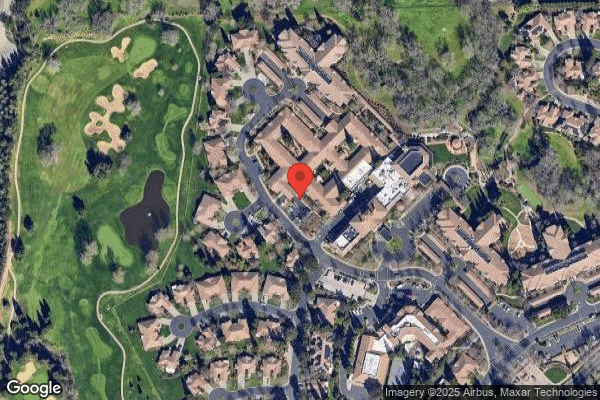
Apr 2019 3 deficiencies
CONCERN (D)

Potential for Harm - no one hurt, but risky conditions existed

Deficiency F0761 (Tag F0761)

Could have caused harm · This affected 1 resident

Based on observation, interview, and record review, the facility failed to label one ophthalmic (eye) medication according to their policy and procedures on medication administration, as well as curre...

Read full inspector narrative →
Based on observation, interview, and record review, the facility failed to label one ophthalmic (eye) medication according to their policy and procedures on medication administration, as well as currently accepted standards of practice. This failure increased the risk of administering expired medications to the residents. Findings: During an observation on 4/10/2019 at 12:09 P.M., an opened bottle of the eye drop Latanoprost (a medication used to treat high pressure inside the eye due to glaucoma or other eye diseases) was seen in the Station 3 Medication Cart. A concurrent interview with Licensed Staff B revealed the facility adhered to the expiration date deemed by the manufacturer. She further added, For some specific medications, we have a different guideline for expiration dates. A review of the document titled Recommended Expiration Dates dated June 2018 indicated, Medication: Latanoprost - Recommended Discard Date: 6 weeks after opening/42 days. When queried if the Latanoprost was expired, she confirmed she was unable to say so because it was not labeled [with the date] when it was first opened. During an interview with Administrative Staff A on 4/10/2019 at 2:57 P.M., she stated her expectation was for the nurses to label medications according to policy, and to check the expiration date before giving it to the residents. A review of the facility's policy and procedure on 4/10/2019, titled Administering Medications dated December 2012, indicated When opening a multi-dose container, the date opened shall be recorded on the container.
CONCERN (E)

Potential for Harm - no one hurt, but risky conditions existed

Deficiency F0804 (Tag F0804)

Could have caused harm · This affected multiple residents

Based on observation, interview, and facility document review, the facility failed to ensure that each resident received food that was palatable, and at a safe appetizing temperature, when temperature...

Read full inspector narrative →
Based on observation, interview, and facility document review, the facility failed to ensure that each resident received food that was palatable, and at a safe appetizing temperature, when temperatures of pureed chicken and pureed vegetables were taken and too low. The pureed chicken and vegetables were placed back on the stove to re-heat. Charge [NAME] K, Dietary Aide M, and Training [NAME] L immediately used the reheating foods by placing these foods on plates to be served. No temperature of the pureed chicken or vegetables was re-taken to ensure it was at proper holding temperature on the steam table, or had been raised to a palatable temperature for consumption. This failure had the potential to allow potentially hazardous foods (PHF) served to residents resulting in food borne illness, or to have them be over-heated and potentially scald residents. Findings: During an observation and concurrent interview on 4/10/19 from 11:30 a.m. to 12:00 p.m., the temperature of the pureed chicken was 110 degrees F, and pureed vegetables was 118 degrees F. Charge [NAME] K placed the food containers with pureed chicken and pureed vegetables back on the stove to heat them to acceptable temperatures (Per Training [NAME] L interview the acceptable temperatures were 165 degrees for the chicken, and 135 for the vegetables.) Dietary Aide M removed pureed chicken and pureed vegetables immediately after they were placed onto the stove for re-heating, in Charge [NAME] K's presence. There were 11 additional plates prepared for serving from the foods re-heating. No temperatures were taken of the re-heating food prior to placing food onto the plates. Charge [NAME] K was asked why the temperatures were not re-taken, she stated it just slipped her mind. The facility policy and procedure titled Food Service Management, dated 1/1/17, indicated: .Hot food items shall be held at 140 degrees F or above and served at not less than 120 degree F at bedside or in dining room to ensure serving temperatures are palatable .
CONCERN (F)

Potential for Harm - no one hurt, but risky conditions existed

Food Safety (Tag F0812)

Could have caused harm · This affected most or all residents

Based on observation, interview, and facility document review, the facility failed to ensure food safety requirements were followed when; 1. Gallon sized salad dressings in the walk-in refrigerator w...

Read full inspector narrative →
Based on observation, interview, and facility document review, the facility failed to ensure food safety requirements were followed when; 1. Gallon sized salad dressings in the walk-in refrigerator were not labeled correctly with date opened and use-by dates. 2. A large bin of meats defrosting held two open packages of meat without label or date. 3. The freezer had link sausage stored in thin bags, the bags were cracked, and open with meat protruding out of them, and 3 bags were not labeled or dated. 4. During tray-line the pureed chicken, and vegetables were tempted at 110/118 degrees (F) Fahrenheit respectively. Both the chicken and vegetables were placed back on the stove to cook, but not re-tempted before plating. 5. Dietary staff did not demonstrate proper testing of Quationary solution, and used expired test strips. 6. The ice machine scooper was handled by staff with bare hands, re-introduced into the ice bin, and staff continued to use it without sanitizing it. These failures had the potential to cause growth of bacteria, cross-contamination, and food-borne illness in residents. Findings: 1. During an observation and concurrent interview on 4/8/19 at 10:20 a.m., two 1 gallon containers of salad dressing were in the refrigerator dated with only one date (3/15/19). When questioned as to the date's meaning, Administrative Staff C and Administrative Staff D stated the date on refrigerated items was the use-by date, but staff should place open and use-by dates on all containers. During an observation and concurrent interview on 4/8/19 at 3:30 p.m., re-check of label in refrigerator for the two items found with questionable date additional containers were found with one single date for dressings. Repeated requests for the labels of items found in refrigerator in order to see the manufacturer's expiration date were made, but they were not provided. 2. During an observation and concurrent interview on 4/8/19 at 10:23 a.m., a large bin with several meats in a second walk-in refrigerator was being held . Two of the meat packages were open without label or date. When questioned as to why the meats were not labeled with date, Administrative Staff C stated that this was not part of their supply. It belonged to the Independent Living side. There was no separation sign or indication in any food supply area was off limits to either Independent Living or Skilled Nursing staff of the kitchen observed. During the tray-line observation on 4/10/19 at 11:42 a.m., Training [NAME] L was asked what happens if supply of a menu item runs out. Training [NAME] L stated the staff could get it from the other side (the independent side). 3. During an observation and concurrent interview on 4/8/19 at 10:28 a.m., in the freezer there was a large bin of link sausages in thin bags. One of the bags was cracked and open in several places and had links sticking out of the openings. That bag and two other bags were not labeled, or dated. Administrator D stated that it should be labeled. 4. During an observation and concurrent interview on 4/10/19 from 11:30 a.m. to 12:00 p.m., the temperature of the pureed chicken was 110 degrees F, and pureed vegetables was 118 degrees F. Charge [NAME] K placed the food containers with pureed chicken and pureed vegetables back on the stove to heat them to acceptable temperatures (Per Training [NAME] L interview the acceptable temperatures were 165 degrees for the chicken, and 135 for the vegetables.) Dietary Aide M removed pureed chicken and pureed vegetables immediately after they were placed onto the stove for re-heating, in Charge [NAME] K's presence. There were 11 additional plates prepared for serving from the foods re-heating. No temperatures were taken of the re-heating food prior to placing food onto the plates. Charge [NAME] K was asked why the temperatures were not re-taken, she stated it just slipped her mind. 5. During an observation and concurrent interview on 4/8/19 at 3:45 p.m. Dietary Staff E, F, and G were asked to demonstrate test to ensure quationary solution used to clean food preparation surfaces was at appropriate level. Dietary Staff E, and G had not read the instructions, and had not held test strip in quaternary solution for the proper amount of time. The test strip had an expiration date of 5/15/15, but was still in use. When questioned about the expiration date, Dietary Staff F stated these were the only test strips he had seen, and the test strips he always used. 6. During the initial brief kitchen tour of the facility on 4/8/2019, at 10:57 a.m., Dietary Aide I passed in front of this surveyor holding on to an ice scooper. Dietary Aide I was ready to empty the ice contents of the ice scooper to a large plastic dish pan that contained foods that were in plastic storage containers. Dietary Aide I, with bare hands, one hand was on to the handle of the ice scooper and her other hand was holding the bottom part of the scooper, the part which actually scoops the ice from the ice machine. After the ice scooper was emptied, Dietary Aide I walked toward Dietary Aide J and handed her the ice scooper. Dietary Aide J, who was preparing beverages during this time, used the same ice scooper to scoop ice from the ice machine and placed the ice on the pitchers that were lined in front of her. Dietary Aide J filled these pitchers with water and juices. During an interview with Administrative Staff C, and witnessed by Administrative Staff D on 4/11/19, at 3:20 p.m., Administrative Staff C stated that the facility did not have a policy regarding the proper handling of the ice scooper. She also stated that the facility did not require dietary staff to wear gloves when using the ice scooper to get ice from the ice machine. Administrative Staff C was asked if they allowed the bare hands of the dietary staff to handle the bottom part of the ice scooper which came into contact with the ice contents of the ice machine, she stated that this practice was not acceptable. The facility policy titled Food Service Management, dated 1/1/17, indicated: .Sanitizer buckets are filled with warm water and an appropriate sanitizer at a high concentration to ensure that the solution stays effective (Quat ppm [parts per million] at 200 or bleach/chlorine at 100 ppm) Test concentration of sanitizer with appropriate test strip and document. The policy and procedure titled Food Service Management, dated 1/1/17, indicated: Policy. To provide a means for the safe storage of refrigerated items that have been opened and may not be in their original container. 1. Any foods removed from original container will be properly labeled as follows: The name of the food item being stored and the date the food was removed from its original container and stored. 2. Foods must be stored in approved food storage container .Most commercially processed foods are safe until their expiration or 'use by' date on the label, .Exceptions that require a Seven Day-Date mark rule: Commercially processed foods that are not pH adjusted, must be dated when opened and are good for 7 days, or until the expiration date (such as milk, cottage cheese and soft cheese) .Labeling/Date marking frozen foods. a. Frozen food is to be used within 90 days. Most frozen foods have delivery dates. When foods do not, or when food that is produced in the facility is frozen, label with current date (will be day 1).
Understanding Severity Codes (click to expand)
Life-Threatening (Immediate Jeopardy)
J - Isolated K - Pattern L - Widespread
Actual Harm
G - Isolated H - Pattern I - Widespread
Potential for Harm
D - Isolated E - Pattern F - Widespread
No Harm (Minor)
A - Isolated B - Pattern C - Widespread

Questions to Ask on Your Visit

  • "Can I speak with families of current residents?"
  • "What's your RN coverage like on weekends and overnight?"

Our Honest Assessment

Strengths
  • • 24% annual turnover. Excellent stability, 24 points below California's 48% average. Staff who stay learn residents' needs.
Concerns
  • • Multiple safety concerns identified: 2 harm violation(s), $60,245 in fines. Review inspection reports carefully.
  • • 25 deficiencies on record, including 2 serious (caused harm) violations. Ask about corrective actions taken.
  • • $60,245 in fines. Extremely high, among the most fined facilities in California. Major compliance failures.
  • • Grade C (55/100). Below average facility with significant concerns.
Bottom line: Mixed indicators with Trust Score of 55/100. Visit in person and ask pointed questions.

About This Facility

What is Laurel Creek's CMS Rating?

CMS assigns LAUREL CREEK HEALTH CENTER an overall rating of 4 out of 5 stars, which is considered above average nationally. Within California, this rating places the facility higher than 99% of the state's 100 nursing homes. This rating reflects solid performance across the metrics CMS uses to evaluate nursing home quality.

How is Laurel Creek Staffed?

CMS rates LAUREL CREEK HEALTH CENTER's staffing level at 5 out of 5 stars, which is much above average compared to other nursing homes. Staff turnover is 24%, compared to the California average of 46%. This relatively stable workforce can support continuity of care.

What Have Inspectors Found at Laurel Creek?

State health inspectors documented 25 deficiencies at LAUREL CREEK HEALTH CENTER during 2019 to 2025. These included: 2 that caused actual resident harm and 23 with potential for harm. Deficiencies causing actual harm indicate documented cases where residents experienced negative health consequences.

Who Owns and Operates Laurel Creek?

LAUREL CREEK HEALTH CENTER is owned by a non-profit organization. Non-profit facilities reinvest revenue into operations rather than distributing to shareholders. The facility operates independently rather than as part of a larger chain. With 60 certified beds and approximately 30 residents (about 50% occupancy), it is a smaller facility located in FAIRFIELD, California.

How Does Laurel Creek Compare to Other California Nursing Homes?

Compared to the 100 nursing homes in California, LAUREL CREEK HEALTH CENTER's overall rating (4 stars) is above the state average of 3.2, staff turnover (24%) is significantly lower than the state average of 46%, and health inspection rating (3 stars) is at the national benchmark.

What Should Families Ask When Visiting Laurel Creek?

Based on this facility's data, families visiting should ask: "Can I visit during a mealtime to observe dining assistance and food quality?" "How do you handle medical emergencies, and what is your hospital transfer rate?" "Can I speak with family members of current residents about their experience?"

Is Laurel Creek Safe?

Based on CMS inspection data, LAUREL CREEK HEALTH CENTER has a clean safety record: no substantiated abuse findings (meaning no confirmed cases of resident harm), no Immediate Jeopardy citations (the most serious violation level indicating risk of serious injury or death), and is not on the Special Focus Facility watch list (a federal program monitoring the lowest-performing 1% of nursing homes). The facility has a 4-star overall rating and ranks #1 of 100 nursing homes in California. While no facility is perfect, families should still ask about staff-to-resident ratios and recent inspection results during their visit.

Do Nurses at Laurel Creek Stick Around?

Staff at LAUREL CREEK HEALTH CENTER tend to stick around. With a turnover rate of 24%, the facility is 22 percentage points below the California average of 46%. Low turnover is a positive sign. It means caregivers have time to learn each resident's needs, medications, and personal preferences. Consistent staff also notice subtle changes in a resident's condition more quickly. Registered Nurse turnover is also low at 12%, meaning experienced RNs are available to handle complex medical needs.

Was Laurel Creek Ever Fined?

LAUREL CREEK HEALTH CENTER has been fined $60,245 across 2 penalty actions. This is above the California average of $33,681. Fines in this range indicate compliance issues significant enough for CMS to impose meaningful financial consequences. Common causes include delayed correction of deficiencies, repeat violations, or care failures affecting resident safety. Families should ask facility leadership what changes have been made since these penalties.

Is Laurel Creek on Any Federal Watch List?

LAUREL CREEK HEALTH CENTER is not on any federal watch list. The most significant is the Special Focus Facility (SFF) program, which identifies the bottom 1% of nursing homes nationally based on persistent, serious quality problems. Not being on this list means the facility has avoided the pattern of deficiencies that triggers enhanced federal oversight. This is a positive indicator, though families should still review the facility's inspection history directly.