Greenfield Care Center of Fillmore, LLC
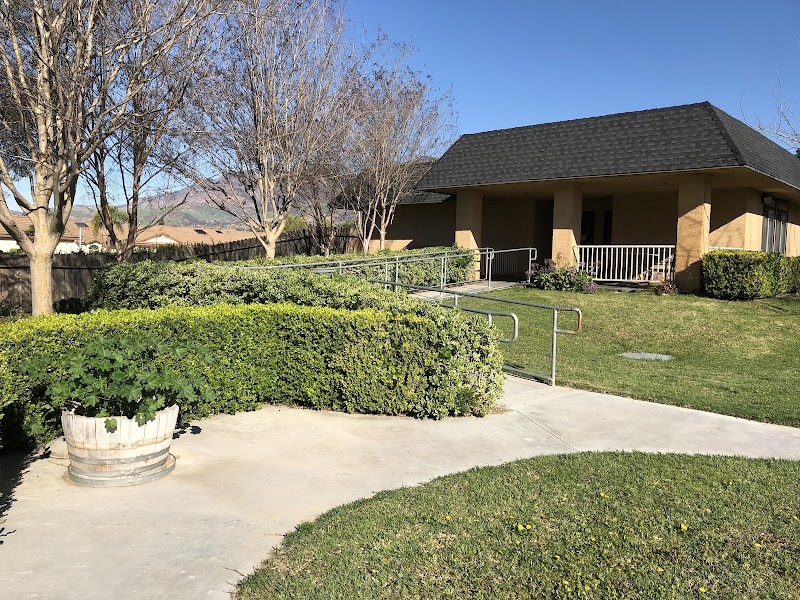
118 B Street, Fillmore, CA 93015 (805) 524-5250
For profit - Corporation 99 Beds EVA CARE GROUP Data: November 2025
Trust Grade
53/100
#590 of 1155 in CA
Last Inspection: March 2025

Within standard 12-15 month inspection cycle. Federal law requires annual inspections.

Overview

Greenfield Care Center of Fillmore has a Trust Grade of C, which means it is average and stands in the middle of the pack compared to other facilities. It ranks #590 out of 1155 in California, placing it in the bottom half, and #17 out of 19 in Ventura County, indicating that there is only one local option that is better. The facility's trend is worsening, with issues increasing from 7 in 2024 to 12 in 2025. Staffing is rated average with a turnover rate of 39%, which is comparable to the state average. However, it has good RN coverage, exceeding that of 76% of California facilities, which is beneficial for resident care. On the downside, the facility has incurred $8,018 in fines, which is concerning but average for the area. Specific incidents include a resident falling and sustaining a fracture due to insufficient supervision while smoking outside the facility, and multiple residents not receiving individualized care plans or medications as ordered, which could lead to unmet health needs. Overall, while there are strengths in staffing and RN coverage, the increasing number of issues and specific care failures raise significant concerns for prospective residents and their families.

Trust Score
C
53/100
In California
#590/1155
Bottom 49%
Safety Record
Moderate
Needs review
Inspections
Getting Worse
7 → 12 violations
Staff Stability
○ Average
39% turnover. Near California's 48% average. Typical for the industry.
Penalties
○ Average
$8,018 in fines. Higher than 58% of California facilities. Some compliance issues.
Skilled Nurses
✓ Good
Each resident gets 46 minutes of Registered Nurse (RN) attention daily — more than average for California. RNs are trained to catch health problems early.
Violations
⚠ Watch
41 deficiencies on record. Higher than average. Multiple issues found across inspections.
★★★☆☆
3.0
Overall Rating
★★★☆☆
3.0
Staff Levels
★★★★☆
4.0
Care Quality
★★★☆☆
3.0
Inspection Score
Stable
2024: 7 issues
2025: 12 issues

The Good

  • 4-Star Quality Measures · Strong clinical quality outcomes
  • Full Sprinkler Coverage · Fire safety systems throughout facility
  • No fines on record
  • Staff turnover below average (39%)

    9 points below California average of 48%

Facility shows strength in quality measures, fire safety.

The Bad

3-Star Overall Rating

Near California average (3.1)

Meets federal standards, typical of most facilities

Staff Turnover: 39%

Near California avg (46%)

Typical for the industry

Federal Fines: $8,018

Below median ($33,413)

Minor penalties assessed

Chain: EVA CARE GROUP

Part of a multi-facility chain

Ask about local staffing decisions and management

The Ugly 41 deficiencies on record

1 actual harm
Mar 2025 11 deficiencies
CONCERN (D)

Potential for Harm - no one hurt, but risky conditions existed

Deficiency F0554 (Tag F0554)

Could have caused harm · This affected 1 resident

Based on observation, interview and record revie and facility policy and procedure, the facility failed to ensure Interdisciplinary Team (IDT- a group of healthcare professionals from various discipli...

Read full inspector narrative →
Based on observation, interview and record revie and facility policy and procedure, the facility failed to ensure Interdisciplinary Team (IDT- a group of healthcare professionals from various disciplines who collaborate to provide comprehensive, patient-centered care) assessed resident's cognitive and physical abilities to determine whether self-administering medications is safe and clinically appropriate for 1 of 20 sampled residents (Resident 51). This failure can result with resident not taking the medication correctly. Findings: During a concurrent observation and interview on 3/6/25 at 2:45 p.m., in Resident 51's room, two vials of DuoNeb (a medication in a small plastic container that contains as a liquid that you breathe into the lungs with a nebulizer (special breathing machine) breathing treatments were observed in Resident 51's drawer. When resident was asked about the medication, Resident 51stated he administers the medication himself. During a concurrent observation and interview on 3/6/25 at 3:02 p.m. in Resident 51's room, Licensed Nurse (LN 1) confirmed the two DuoNeb vials in Resident 51's drawer and stated, they shouldn't be there, and that the resident was not allowed to administer the breathing treatments himself. During an interview with the Director of Nursing (DON) on 3/6/25 at 1:39 p.m., DON stated that an IDT meeting is required to determine whether a resident can safely self-administer medications, along with a physician order. DON acknowledged there was no IDT meeting for the authorization for Resident 51 to self-administer medications. During a review of the facility's policy and procedure (P&P) titled Self- Administration of Medications, revised February 2021, the P&P indicated, 1. As part of the evaluation comprehensive assessment, the interdisciplinary team (IDT) assesses each resident's cognitive and physical abilities to determine whether self-administering medications is safe and clinically appropriate for the resident.
CONCERN (D)

Potential for Harm - no one hurt, but risky conditions existed

Deficiency F0577 (Tag F0577)

Could have caused harm · This affected 1 resident

Based on observation interview and record review, the facility failed to have the most current survey results accessible to the public, in the facility survey results binder. This facility failure den...

Read full inspector narrative →
Based on observation interview and record review, the facility failed to have the most current survey results accessible to the public, in the facility survey results binder. This facility failure denied the opportunity for residents, family members, and legal representatives of residents, to be aware of the most recent survey results. Findings: During a concurrent observation and interview, on 3/6/25 at with the Director of Nursing (DON) inside the facility's main entrance, the facility's survey results binder was reviewed. The most current survey results in the binder were from 5/22/24. The survey results binder lacked the survey results from 8/8/24 through 2/19/25. The DON acknowledged the survey results binder was not current and verbalized the survey results binder would need to be updated. During a review of the facility's policy and procedure tilted Survey Results, Examination of dated 4/7, indicated in part A copy of the most recent standard survey, including any subsequent extended surveys, follow-up revisits reports, etc., along with state approved plans of correction of noted deficiencies, is maintained in a 3-ring binder located in an area frequented by most residents, such as the main lobby or resident activity room, hallway.
CONCERN (D)

Potential for Harm - no one hurt, but risky conditions existed

Assessment Accuracy (Tag F0641)

Could have caused harm · This affected 1 resident

Based on observation, interview and record review, the facility failed to accurately assess 2 of 20 sampled residents (Resident 35 and 39) using the Minimum Data Set (MDS - a standardized tool used to...

Read full inspector narrative →
Based on observation, interview and record review, the facility failed to accurately assess 2 of 20 sampled residents (Resident 35 and 39) using the Minimum Data Set (MDS - a standardized tool used to assess and plan care of residents in a nursing home) when: 1. Resident 35 - had an inaccurate language assessment. 2. Resident 39 - had an inaccurate functional status assessment. These failures resulted in the facility reporting inaccurate data to Centers for Medicare & Medicaid Services (CMS) that does not reflect Resident 35 and 39 statuses in MDS assessment. Findings: 1. During a review of Resident 35's admission Record (AR), dated 3/6/25, the AR indicated, Resident 35's primary language is Spanish. During a review of Resident 35's most recent MDS Annual Assessment, Assessment Reference Date (ARD - the end of observation period), dated 12/21/24, section A for language indicated, Resident 35's preferred language is Spanish. Further review of the language assessment, section A1110B was coded 0 (meaning an interpreter was not needed to communicate with a doctor or health care staff). During an observation and interview on 3/5/25, at 10:59 a.m. with Resident 35, Resident 35 was observed responding in Spanish after being questioned in English translated by a Spanish speaking Certified Nursing Assistant (CNA 2) related to Resident 35's need for a Spanish speaking interpreter. Resident 35 verbalized, wanting to have an interpreter to discuss about his plan of care. Resident 35 further verbalized, that no one had offered and asked him this question before. During a concurrent record review and interview on 3/6/25, at 8:22 a.m. with the MDS Coordinator (MDSC), Resident 35's MDS Annual Assessment for language was reviewed. MDSC acknowledged, Resident 35 requiring a Spanish speaking interpreter. MDSC further acknowledged, the inaccurate assessment. During an interview on 3/7/25, at 10:41 a.m. with the Director of Nursing (DON), the DON acknowledged, the inaccurate MDS language assessment. 2. During a review of the P&P titled, Resident Assessment Instrument (RAI), dated October 2024, the P&P indicated, During each assessment period, the IDT [Interdisciplinary Team] will gather data to complete all sections of the MDS . Each person completing a section of the MDS attests to its accuracy by affixing his/her electronic signature to that section of the MDS .GG115 Functional Limitation in Range of Motion (ROM - describes how far and in what directions your joints can move). Code for limitations that interfered with daily functions or placed resident at risk of injury in the last 7 days. Coding 0 - no impairment, 1 impairment on one side . During a review of Resident 35's AR, dated 3/6/25, the AR indicated, Resident 35 had a diagnosis of Multiple Sclerosis (a condition that affects the brain and spinal cord), foot drop on the foot (difficulty lifting the front part of the foot, causing to drag the toes during walking), difficulty in walking and muscle wasting and atrophy (thinning of muscle and loss of muscle tissue). During a review of Resident 39's MDS Significant Change (multiple areas of major decline or improvement on resident status) Functional Assessment, ARD 2/8/25, Resident 39's Functional Limitation on ROM was coded 0 (no impairment) on upper and lower extremities. During a review of Resident 39's Occupational Therapist (OT - healthcare professional that focuses on helping people participate in daily activities), dated 2/4/25, the OT assessment indicated, Resident 39 has an impairment on the left upper and lower extremities. During a concurrent record review and interview on 3/6/25, at 11:18 a.m. with the MDSC, Resident 39's MDS Significant Change Functional Assessment and OT assessment were reviewed. MDSC acknowledged, Resident 39's inaccurate functional assessment. During an interview on 3/7/25, at 10:41 a.m. with the DON, the DON acknowledged, Resident 39's inaccurate MDS functional assessment. A review of the facility's policy and procedure (P&P) titled, Resident Assessment Instrument (RAI), dated October 2024, the P&P indicated, During each assessment period, the IDT [Interdisciplinary Team] will gather data to complete all sections of the MDS . Each person completing a section of the MDS attests to its accuracy by affixing his/her electronic signature to that section of the MDS .Coding instruction for 110B .Code 1, Yes: if the resident .indicates there is no need or want of an interpreter to communicate with a doctor or healthcare staff. Ensure that preferred language is indicated.
CONCERN (D)

Potential for Harm - no one hurt, but risky conditions existed

Deficiency F0761 (Tag F0761)

Could have caused harm · This affected 1 resident

Based on review of the facility's medication refrigerator logs, review of the facility's policy and procedures, and interview with the facility's I P Nurse the facility failed to ensure that the refri...

Read full inspector narrative →
Based on review of the facility's medication refrigerator logs, review of the facility's policy and procedures, and interview with the facility's I P Nurse the facility failed to ensure that the refrigerator temperatures had been documented and remained within the temperature requirements as outlined by the facility's policy and procedure. Findings include: Inspection of the facility's Medication refrigerator temperature logs for station 3 on 3/4/2025 at 4:10 pm revealed that on 12/4/2024 the refrigerator temperature had been recorded as 35-degree Fahrenheit (which was below the facility's policy range). Review of the facility's policy and procedure entitled: Policy and Procedure on medication refrigerator temperature, date 1/2025, read: Per regulations, the Medication refrigerator temperature range should be between 36 degrees Fahrenheit and 46 degrees. Further review of the facility's refrigerator logs revealed that on 2/19/2025, that no temperature had been documented on the facility's refrigerator temperature logs, so the facility was unable to indicate what the actual temperature of the refrigerator was on that date.
CONCERN (D)

Potential for Harm - no one hurt, but risky conditions existed

Food Safety (Tag F0812)

Could have caused harm · This affected 1 resident

Based on observation, interview and record review, the facility failed to follow policies and procedures for labelling and dating foods. This failure has the potential for Foodborne illnesses (infect...

Read full inspector narrative →
Based on observation, interview and record review, the facility failed to follow policies and procedures for labelling and dating foods. This failure has the potential for Foodborne illnesses (infections or intoxications caused by consuming contaminated food or beverages). Findings: During an observation on 03/05/25 at 9:00 AM, the following were observed: 6 large bins each containing rice, pinto beans, long grain rice, brown rice and split peas with different dates but does not indicate received date/opened date and or expiry date; 1 bin labelled pasta with dated 9/18/24 not indicating expiry date or open date and contains 2 packs of pasta with 2 different dates; 1 box containing mixed vegetables, baby lima beans, green beans but the labeled delivery dates on the side of the box is not specific for the packaged produce. During an interview on 03/05/25 at 07:30 AM with the Kitchen Manager (KM) and Dietician (DT), both staff acknowledge the labelling is not specific and should indicate the expiry date and or opened date. During a review of Policies and Procedures (P&P) titled Labelling and Dating of Foods dated 2023, the labelling and dating of foods indicated in part Newly opened food items will need to be closed and labelled with an open date and used by date that follows the various storage guidelines .
CONCERN (D)

Potential for Harm - no one hurt, but risky conditions existed

Infection Control (Tag F0880)

Could have caused harm · This affected 1 resident

**NOTE- TERMS IN BRACKETS HAVE BEEN EDITED TO PROTECT CONFIDENTIALITY** Based on observation, interview, and record review the facility failed to maintain infection control practices when: 1. Respirat...

Read full inspector narrative →
**NOTE- TERMS IN BRACKETS HAVE BEEN EDITED TO PROTECT CONFIDENTIALITY** Based on observation, interview, and record review the facility failed to maintain infection control practices when: 1. Respiratory care equipment was not stored properly after use by Residents (4 and 27) 2. Oxygen plastic tubing and nasal cannula were not labelled according to the facility's policy for one of four residents (Resident 27). 3. Personal protective equipment (PPE) was not available prior to entering resident rooms on contact precautions in rooms [ROOM NUMBERS]. These facility failures had the potential to result in cross-contamination (the transfer of harmful bacteria) that could impact residents' health and safety and cause preventable Healthcare Associated Infections (HAI) for residents with compromised condition. Findings: 1. During review of Resident 4's, admission Record (AD), the AD indicated diagnoses including gastrostomy (an opening into the stomach from the abdominal wall used to insert a tube to provide a route for tube feeding), dysphagia (difficulty swallowing) following a cerebral infarction (blood flow to the brain is interrupted), type 2 diabetes mellitus (chronic condition where the body does not use insulin properly or does not produce enough insulin to regulate blood sugar levels) with hyperglycemia (high blood sugar) and neuropathy (numbness, weakness, and pain from nerve damage), hemiplegia (paralysis on one side of the body) affecting the right dominant side. During an observation on 3/04/25 at 10:02 a.m. in Resident 4's room, a nebulizer (a device that converts liquid medication into a fine mist, allowing it to be inhaled directly into the lungs) with attached nose mask and tubing were observed on top of a nightstand exposed and not covered. During an interview on 3/05/25 at 08:20 a.m. with respiratory therapist (RT), RT stated that oxygen masks and tubing must be stored inside a plastic bag with the resident's name when they are not in use. During an observation and interview on 3/05/25 at 8:50 a.m. with the assistant director of nursing (ADON), the ADON stated the facility's policy is to store nebulizer, ventilator, and oxygen equipment inside a plastic bag when not in use. The ADON acknowledged resident 4's nebulizer mask was not stored appropriately per facility policy. 2. During review of Resident 27's, admission Record (AD) the AD. indicated diagnoses including acute and chronic respiratory failure with hypoxia (difficulty breathing and not getting enough oxygen in the blood), pseudomonas (bacteria that causes infections in people with weakened immune systems), chronic obstructive pulmonary disease (progressive and irreversible damage to the airways and air sacs in the lungs causing breathing difficulties), methicillin resistant staphylococcus aureus infection (bacterial infection that is resistant to many common antibiotics), and tracheostomy (an incision on the front of the neck to open a direct airway to breathe). During an observation on 3/04/25 at 10:40 a.m. in Resident 27's room, oxygen tubing was wrapped around a portable oxygen tank without a label or date, and it was not stored inside a plastic bag. During a concurrent observation and interview on 3/06/25 at 9:52 a.m. inside Resident 27's room, with Licensed Nurse (LN 4) LN 4 acknowledged there was no date or label on the oxygen nasal canula and oxygen tubing that was wrapped around oxygen tank located on Resident 27's wheelchair. LN 4 further stated the nasal cannula and tubing were not stored inside a plastic bag as required by the facility's policy. During a review of the facility's policy and procedure (P&P) titled Departmental (Respiratory Therapy) - Prevention of Infection, dated November 2011, the P &P indicated, Purpose: The purpose of this procedure is to guide prevention of infection associated with respiratory therapy tasks and equipment, including ventilators, among residents and staff. Infection Control Considerations Related to Medication Nebulizers/Continuous Aerosol: 7. Store the circuit in plastic bag, marked with date and resident's name, between uses. Control Considerations Related to Oxygen Administration 7. Change the oxygen cannulae and tubing every seven (7) days, or as needed. 8. Keep the oxygen cannulae and tubing used PRN in a plastic bag when not in use. 3. During an observation on 3/05/25 at 08:32 a.m. in the sub-acute unit, contact precaution signs were posted outside resident rooms [ROOM NUMBERS], but no personal protective equipment (PPE) was available to put on prior to entering the rooms. During an interview on 3/05/25 at 8:37 a.m. in the sub-acute unit with Assistant Director of Nursing (ADON), the ADON stated PPE was located inside the resident rooms and acknowledged that per the signage, providers and visitors must put on gloves and gowns before entering the room. During a review of the facility's policy and procedure (P&P) titled, Enhanced Barrier Precautions Policy, dated 2024, the P&P indicated, Provide isolation cart with Personal Protective Equipment immediately outside resident room.
CONCERN (E)

Potential for Harm - no one hurt, but risky conditions existed

Comprehensive Care Plan (Tag F0656)

Could have caused harm · This affected multiple residents

**NOTE- TERMS IN BRACKETS HAVE BEEN EDITED TO PROTECT CONFIDENTIALITY** Based on observation, interview and record review, the facility failed to develop a comprehensive and individualized plan of car...

Read full inspector narrative →
**NOTE- TERMS IN BRACKETS HAVE BEEN EDITED TO PROTECT CONFIDENTIALITY** Based on observation, interview and record review, the facility failed to develop a comprehensive and individualized plan of care (care plan) for 3 of 20 Sampled residents ( Resident 35, 11 and 47) when: 1. Resident 35's preference for communicating. 2. Resident 11's alarming devices on a wheelchair and bed. 3. Resident 47's need for the appropriate communication device based on physical condition . These failures had the potential for not meeting resident's needs. Findings: 1. During a review of Resident 35's most recent MDS Annual Assessment, Assessment Reference Date (ARD - the end of observation period), dated 12/21/24, section A for language indicated, Resident 35's preferred language is Spanish. Further review of the language assessment, section A1110B was coded 0 (meaning an interpreter was not needed to communicate with a doctor or health care staff). During an observation and interview on 3/5/25, at 10:59 a.m. with Resident 35, Resident 35 was observed responding in Spanish after being questioned in English translated by a Spanish speaking Certified Nursing Assistant (CNA 2) related to Resident 35's need for a Spanish speaking interpreter. Resident 35 verbalized, wanting to have an interpreter to discuss about his plan of care. Resident 35 further verbalized, that no one had offered and asked him this question before. During a concurrent record review and interview on 3/6/25, at 8:22 a.m. with the MDS Coordinator (MDSC), Resident 35's clinical record was reviewed. MDSC verified that Resident 35 speaks only Spanish and required a Spanish speaking interpreter when caring for Resident 35. MDSC further verified, the missing plan of care that addressed Resident 35's preferred language for communication. During an interview on 3/7/25, at 10:41 a.m. with the Director of Nursing (DON), the DON acknowledged, the missing care plan for communication for Resident 35. During a review of the facility's policy and procedure (P&P) titled, Care Plans, Comprehensive Person-Centered, revised date 4/24/24, the P&P indicated, 1. The interdisciplinary team (IDT), in conjunction with the resident and his/her family or legal representative, develops and implements a comprehensive, person-centered care plan for each resident. 3. During review of Resident 47's, admission Record (AD) dated 3/5/25, the AD indicated a list of diagnoses including acute and chronic respiratory failure with hypoxia (difficulty breathing and not getting enough oxygen in the blood), gastrostomy (an opening into the stomach from the abdominal wall used to insert a tube to provide a route for liquid feeding), contracture of muscles (stiff muscles and bones), quadriplegia (partial or total loss of function in all four limbs and the torso) and tracheostomy (an incision on the front of the neck to open a direct airway to breathe). During an observation on 3/05/25 at 7:50 a.m. inside Resident 47's room, a push button call light was noted placed next to the resident on the bed however, not within the reach of the resident because Resident 47's was Quadriplegic and had a loss of functions to all four limbs. During a concurrent observation and interview on 3/07/25 at 9:11 a.m. with Certified Nursing Assistant (CNA 4), inside Resident 47's room, CNA 4 observed call light was laying over the bedside table. And CNA 4 explained that Resident 47 had just been bathed and CNA 4 forgot to put call light back within the resident's reach. CNA 4 stated the push button call light was not appropriate for the resident because Resident 47 is unable to push the button. During a concurrent observation and interview on 3/07/25 at 9:21 a.m. with the Director of Nursing (DON), inside Resident 47's room, the DON acknowledged the push button call light was inappropriate for Resident 47. DON stated, A more appropriate call light would be a pad alarm placed by his head. It is during the admission process that the appropriate type of call light is assessed, but in this case, it was not done. During a review of the facility's policy and procedure titled, Answering the Call Light, dated September 2022, the P&P indicated Purpose: The purpose of this procedure is to ensure timely responses to the resident's requests and needs. General Guidelines: 1. Upon admission and periodically as needed, explain, and demonstrate use of the call light to the resident. 2. Ask the resident to return the demonstration .5. Ensure that the call light is accessible to the resident when in bed . 2. During a review of Resident 11's admission Record (AR), dated 3/6/25, AR indicated Resident 11 was admitted on [DATE] with diagnoses that include dementia (a progressive state of decline in mental abilities) and repeated falls. During a concurrent observation and interview on 3/4/25 at 12:40 p.m., with CNA 3, Resident 11 was observed in the activity room with a tab alarm (a safety device that sounds an alarm when a person tries to leave a bed, chair, or wheelchair) on his wheelchair. CNA 3 verbalized Resident 11 has three tab alarms, one on the wheelchair and two on the bed. During a concurrent interview and record review on 3/7/25 at 1:39 p.m., with the Director of Nursing (DON), Resident 11's care plans were reviewed. There is no documented evidence of a care plan to address the tab alarms. The DON stated, There is no care plan . there should be a care plan for alarms. During a review of the facility's policy and procedure (P&P) titled Falls and Fall Risk, Managing, revised 4/2024, the P&P indicated, Resident-Centered Approaches to Managing Falls and Fall Risk. 8. The use of alarms will be monitored for efficacy. During a review of the facility's P&P titled Care Plans, Comprehensive Person-Centered, revised date 4/24/24, the P&P indicated, 1. The interdisciplinary team (IDT), in conjunction with the resident and his/her family or legal representative, develops and implements a comprehensive, person-centered care plan for each resident.
CONCERN (E)

Potential for Harm - no one hurt, but risky conditions existed

Deficiency F0658 (Tag F0658)

Could have caused harm · This affected multiple residents

**NOTE- TERMS IN BRACKETS HAVE BEEN EDITED TO PROTECT CONFIDENTIALITY** Based on observation, interview, and record review, the facility failed to meet professional standards when : 1. Resident 719 s...

Read full inspector narrative →
**NOTE- TERMS IN BRACKETS HAVE BEEN EDITED TO PROTECT CONFIDENTIALITY** Based on observation, interview, and record review, the facility failed to meet professional standards when : 1. Resident 719 supplemental oxygen was administered without a physician order. 2. Acetylcysteine (an oral inhalation used to help with breathing) was not administered as ordered by the physician for one of four sampled residents (Resident 27). 3. A respiratory therapist (RT1) failed to follow the facility's policy and procedure on medication administration ( nebulizer /aerosol medication) and documentation for one of four sampled residents (Resident 27). 4. Resident 4's insulin (a medication to lower blood sugar levels) was not administered per physician's ordered insulin sliding scale parameters. 5. Resident 4's insulin medication was not administered in a timely manner. These failures can result to residents medications ordered at a specified dose for a designated reason with specific timing and maximum dosing parameters when needed to be missed. Findings: Review of [NAME] and [NAME], 7th Edition, Mosby's Fundamentals of Nursing, page 419 in the section titled, Legal Implications in Nursing Practice indicates, Nurses are obligated to follow physician order unless they believe they orders are in error or would harm clients. 1. During a review of Resident 719's admission Record (AD), the AD indicated Resident 719 was admitted on [DATE] with diagnoses that include COVID-19 (contagious viral infection that affects breathing) and acute cough (a cough that begins suddenly and lasts for two to three weeks). During a concurrent observation and interview on 3/6/25 at 3:02 p.m. with Licensed Nurse (LN) 1, Resident 719 was observed in bed receiving supplemental oxygen through a nasal cannula (a small plastic tube, which fits into the person's nostrils for providing supplemental oxygen). LN 1 stated Yes, [Resident 719] uses oxygen. During a review of Resident 719's Minimum Data Set (MDS - a standardized tool used to assess and plan care of residents in a nursing home) dated 2/18/25, the MDS Section O- special treatments, procedures and programs indicated, Resident 719 received oxygen therapy on admission and while a resident in the facility. During a concurrent interview and record review on 3/6/25 at 3:50 p.m., with the Assistant Director of Nursing (ADON), Resident 719's Medication Review Report was reviewed. There is no physician order for the supplemental oxygen. ADON stated, I don't see an order and acknowledge there should be one. During a review of the facility's policy and procedure (P&P) titled Oxygen Administration, revised October 2010, the P&P indicates Preparation 1. Verify that there is a physician order for this procedure. 2. During review of Resident 27's admission Record (AR), the AR indicated Resident 27 was admitted on [DATE] with diagnoses that include acute and chronic respiratory failure with hypoxia (difficulty breathing and not getting enough oxygen in the blood), chronic obstructive pulmonary disease (progressive and irreversible damage to the airways and air sacs in the lungs causing breathing difficulties), and a tracheostomy (an incision on the front of the neck to open a direct airway to breathe). During an interview on 3/04/25 at 10:40 a.m. with Resident 27, Resident 27 stated the Acetylcysteine was not administered on the night of 3/03/25 and in the morning (3/04/25). Resident stated, I need that medication, I have breathing problems. During an interview on 3/04/25 at 3:29 p.m. with RT1, RT1 stated Resident 27 received the acetylcysteine twice on 3/03/25 during the 7 a.m. -7 p.m. shift but was unaware if the third treatment of acetylcysteine was given by the nocturnal shift. RT1 acknowledged not being able to administer the acetylcysteine the morning of 3/04/25 because there was no more acetylcysteine left. RT1 stated the medication refill was received on 3/04/25 in the afternoon. During a review of Resident 27's Medication Administration Record (MAR, a legal record of the drugs administered to a patient), dated March 1, 2025 - March 31, 2025, the MAR indicated, Resident 27 did not receive acetylcysteine on 3/04/25 at 09:00 a.m. as scheduled. Further review of the electronic MAR notes indicated, Acetylcysteine Inhalation Solution 20% .Waiting for meds from pharmacy. Pt. aware. There was no documented evidence indicating the physician had been notified of the missed acetylcysteine dose. During a review of the facility's policy and procedure (P&P) titled, Policy and Procedure in Medication Administration, dated January 2024, the P&P indicated in part, 1. Drugs must be administered in accordance with the written orders of the attending physician. 3. During a concurrent observation and interview on 3/05/25 at 4:06 p.m. with RT1, outside Resident 27's room, RT1 was observed holding a clear plastic cap with clear liquid. RT1 stated she was about to give Resident 27 the Acetylcysteine Inhalation Solution 20 % that had just been received from the pharmacy. After administering the inhalation medication, RT1 reviewed the MAR. The MAR indicated acetylcysteine was administered at 1300 and the next scheduled dose was at 5:00 p.m. RT1 stated the acetylcysteine was not given at 1300 because the resident prefers to have it done at 4:00 p.m. RT1 stated it was documented as given in the electronic medical record so the MAR doesn't flag in red. During a review of the facility's P&P titled, Policy and Procedure in Medication Administration, dated January 2024, the P&P indicated in part, 1. Drugs must be administered in accordance with the written orders of the attending physician .12. Medications must be immediately charted following the administration by the licensed nurse that administers the medication .13. All medications will be administered following the scheduled medication administration for medication for routine medications unless otherwise specified by MD which is different from the routine medication administration schedule. 4. During review of Resident 4's AD, the AD indicated Resident 4 was admitted on [DATE] with diagnoses that include gastrostomy (an opening into the stomach from the abdominal wall used to insert a tube to provide a route for tube feeding) and type 2 diabetes mellitus (chronic condition where the body does not use insulin properly or does not produce enough insulin to regulate blood sugar levels) with hyperglycemia (high blood sugar). During a review of Resident 4's MAR, dated 01/01/25 - 01/31/25 and 02/01/25 - 02/19/25, the MAR's indicated Insulin Aspart (a synthetic, rapid-acting insulin analog used to treat diabetes) Solution Cartridge 100 Unit/mL subcutaneously (under the skin) before meals and at bedtime related to Type 2 Diabetes Mellitus with Diabetic Neuropathy (a complication of diabetes that damages the nerves, affecting their ability to send and receive signals), unspecified. Inject as per sliding scale: If 150-200 = 6 units, 201-300 = 9 units, 301 - 400 = 12 units, >400 = 15 units and notify MD. Upon further review of Resident 4's MAR's, the MAR's indicated insulin was not given, and the reasons were coded as 5 (Hold/See Nurse Notes) on the following dates and times: 1/07/25 at 06:00 a.m., BS was 192 (6 units should have been administered per MD order) 1/19/25 at 11:00 a.m., BS was 155 (9 units should have been administered per MD order) 1/19/25 at 17:00 p.m., BS was 150 (6 units should have been administered per MD order) 1/29/25 at 06:00 a.m., BS was 217 (9 units should have been administered per MD order) 1/30/25 at 06:00 a.m., BS was 178 (6 units should have been administered per MD order) 1/31/25 at 06:00 a.m., BS was 189 (6 units should have been administered per MD order) 2/01/25 at 06:00 a.m., BS was 171 (6 units should have been administered per MD order) 2/05/25 at 06:00 a.m., BS was 177 (6 units should have been administered per MD order) 2/08/25 at 06:00 a.m., BS was 160 (6 units should have been administered per MD order) 2/12/25 at 06:00 a.m., BS was 191 (6 units should have been administered per MD order) 2/17/25 at 06:00 a.m., BS was 186 (6 units should have been administered per MD order) 2/25/25 at 06:00 a.m., BS was 151 (6 units should have been administered per MD order) 2/26/25 at 06:00 a.m., BS was 170 (6 units should have been administered per MD order) 2/28/25 at 06:00 a.m., BS was 163 (6 units should have been administered per MD order) During a review of Resident 4's Progress Notes (PN - a written record of a patient's health and treatment), dated 02/03/25 - 03/06/25, the PN indicated the Aspart insulin was held for episodes of low BS. There was no documented evidence indicating the physician had been notified of low episodes of BS. During an interview on 3/07/25 at 4:15 p.m. with the Assistant Director of Nursing (ADON), ADON acknowledged the insulin sliding scale was not followed for Resident 4 on multiple dates in January and February 2025. During a review of the facility's P&P titled Policy and Procedure in Medication Administration, dated January 2024, the P&P indicated, 8. Diabetic resident on insulin should follow MD order and comply with the sliding scale. M.D. should be notified if blood sugar is below 60 or over 400. FBS (fasting blood sugar) should be done before diabetic medication is administered. Hold diabetic medication if there is an NPO order unless M.D. has specific ordered. 5. During a review of Resident 4's MAR, dated 01/01/25 - 01/31/25 and 02/01/25 - 02/28/25, and the Location of Administration (LOA, a record with the name of the medication, scheduled time, administration time, route, and location of administration) indicated three insulin orders were administered greater than one hour before or after the scheduled time for the following: Insulin Aspart (a synthetic, rapid-acting insulin analog used to treat diabetes) Solution Cartridge 100 Unit/mL subcutaneously (under the skin) before meals and at bedtime related to Type 2 Diabetes Mellitus with Diabetic Neuropathy (a complication of diabetes that damages the nerves, affecting their ability to send and receive signals), unspecified. Inject as per sliding scale. 1/10/25 scheduled at 17:00 administered at 19:47 (1 hour and 45 minutes later) 1/25/25 scheduled at 11:00 administered at 14:15 (3 hours and 15 minutes later) 1/25ter/25 scheduled at 17:00 administered at 19:47 (2 hours and 45 minutes later) 1/27/25 scheduled at 11:00 administered at 12:41 (1 hour and 41 minutes later) 1/28/25 scheduled at 11:00 administered at 12:31 (1 hour and 31 minutes later) 1/29/25 scheduled at 17:00 administered at 18:50 (1 hour and 50 minutes later) 2/02/25 scheduled at 17:00 administered at 18:45 (1 hour and 45 minutes later) 2/03/25 scheduled at 17:00 administered at 18:18 (1 hour and 18 minutes later) 2/04/25 scheduled at 11:00 administered at 13:17 (2 hours and 17 minutes later) 2/07/25 scheduled at 17:00 administered at 19:25 (2 hours and 25 minutes later) 2/12/25 scheduled at 17:00 administered at 18:27 (1 hour and 27 minutes later) 2/13/25 scheduled at 17:00 administered at 18:49 (1 hour and 49 minutes later) 2/25/25 scheduled at 21:00 administered at 23:13 (2 hours and 13 minutes later) Lantus Subcutaneous Solution 100 UNIT/ML (Insulin Glargine) Inject 54 units subcutaneously two times a day related to type 2 diabetes mellitus with hyperglycemia [scheduled times are 0900 and 1700] and Lantus Subcutaneous Solution 100 UNIT/ML (Insulin Glargine) Inject 9 units [order date 11/20/24 - 1/22/25], 11 units [order date 1/22/25 - 2/17/25], and 13 units [order date 2/17/25] subcutaneously at bedtime related to type 2 diabetes mellitus with hyperglycemia [scheduled time listed as 2100]. 1/05/25 scheduled at 09:00 administered at 10:35 (1 hour and 35 minutes later) 1/07/25 scheduled at 09:00 administered at 10:30 (1 hour and 30 minutes later) 1/10/25 scheduled at 17:00 administered at 22:29 (5 hours and 29 minutes later) 1/10/25 scheduled at 21:00 administered at 22:33 (1 hour and 33 minutes later) 1/12/25 scheduled at 17:00 administered at 18:24 (1 hour and 24 minutes later) 1/17/25 scheduled at 17:00 administered at 18:50 (1 hour and 50 minutes later) 1/19/25 scheduled at 09:00 administered at 12:45 (3 hours and 45 minutes later) 1/23/25 scheduled at 09:00 administered at 10:56 (1 hour and 56 minutes later) 1/25/25 scheduled at 09:00 administered at 14:14 (5 hours and 14 minutes later) 1/25/25 scheduled at 17:00 administered at 19:46 (2 hours and 46 minutes later) 1/29/25 scheduled at 09:00 administered at 10:40 (1 hour and 40 minutes later) 1/29/25 scheduled at 17:00 administered at 18:51 (1 hour and 51 minutes later) 1/30/25 scheduled at 17:00 administered at 19:00 (2 hours later) 2/02/25 scheduled at 09:00 administered at 12:04 (3 hours and 4 minutes later) 2/02/25 scheduled at 17:00 administered at 18:44 (1 hour and 44 minutes later) 2/03/25 scheduled at 17:00 administered at 18:17 (1 hour and 17 minutes later) 2/05/25 scheduled at 09:00 administered at 11:15 (2 hours and 15 minutes later) 2/07/25 scheduled at 09:00 administered at 10:20 (1 hour and 20 minutes later) 2/07/25 scheduled at 17:00 administered at 19:25 (2 hours and 25 minutes later) 2/08/25 scheduled at 17:00 administered at 18:21 (1 hour and 21 minutes later) 2/09/25 scheduled at 17:00 administered at 18:20 (1 hour and 20 minutes later) 2/12/25 scheduled at 17:00 administered at 18:27 (1 hour and 27 minutes later) 2/13/25 scheduled at 17:00 administered at 18:48 (1 hour and 48 minutes later) 2/15/25 scheduled at 09:00 administered at 11:08 (2 hours and 8 minutes later) 2/18/25 scheduled at 17:00 administered at 18:46 (1 hour and 46 minutes later) 2/23/25 scheduled at 17:00 administered at 18:37 (1 hour and 37 minutes later) 2/25/25 scheduled at 21:00 administered at 23:14 (2 hours and 14 minutes later) 2/26/27 scheduled at 09:00 administered at 12:26 (3 hours and 26 minutes later) During an interview on 3/07/25 at 4:15 p.m. with the Assistant Director of Nursing (ADON), ADON acknowledged the insulin was not administered as scheduled for Resident 4 on multiple dates in January and February 2025. During a review of the facility's P&P titled, Policy and Procedure in Medication Administration, dated January 2024, the P&P indicated in part, 4. Medication must not be prepared in advance and must be administered within one hour before or after administration time per M.D. order.
CONCERN (E)

Potential for Harm - no one hurt, but risky conditions existed

Pharmacy Services (Tag F0755)

Could have caused harm · This affected multiple residents

**NOTE- TERMS IN BRACKETS HAVE BEEN EDITED TO PROTECT CONFIDENTIALITY** Based on inspection of the facility's Medication storage room on Unit 3, interview with the facility's IP, and review of the fac...

Read full inspector narrative →
**NOTE- TERMS IN BRACKETS HAVE BEEN EDITED TO PROTECT CONFIDENTIALITY** Based on inspection of the facility's Medication storage room on Unit 3, interview with the facility's IP, and review of the facility's policy and procedures the facility failed to: 1. follow their policy and procedure for sharps waste, 2. ensure that Emergency Drug supplies (E-Kits), had not been opened for more than 72 hours as outlined in the facility's policy and procedure, 3. ensure that no expired medications were available for use, 4. ensure that medications were administered in accordance with the hospital's policies and procedures and 5. ensure that medications are immediately documented in the Medication Administration record (MAR) after the administration of medications to a resident. Findings include: 1) Inspection of the facility's Blue and white (non-controlled) waste containers (which were open, and not closed or sealed), the surveyor found three syringes full of drugs with needles still attached to the syringes. One syringe contained the dilutant for Glucagon (1 ml) and the other two syringes contained (Enoxaparin 40mg/0.4 ml). Enoxaparin is a low molecular weight heparin (also known as an anticlotting drug). During an interview with the facility's Infection Prevention Nurse (IP) on 3/4/2025 at 10:35 am, the IP stated that the facility's P & P indicates that sharps (needle syringes) are not to be put into these containers (non-controlled waste bins), which were open and not locked. [NAME] indicated that the facility's policy and procedure labeled syringe and needle disposal, dated 1/2025 read: Policy, used syringes and needles are disposed of safely and in accordance with applicable state laws and safety regulations .Immediately after use, syringes and needles are placed into a puncture resistant, one-way containers specifically designed for that purpose .the disposal containers are fitted with a lid that prohibits reaching into the container. 2) Further inspection of the medication storage room on Unit 3 revealed an Antibiotic Emergency drug kit (E-Kit). This E-kit had been opened on 2/24/2025 at 5:00 pm when one of the facility's nursing staff had retrieved Metronidazole 500mg capsules for unsampled resident 65. This emergency drug kit had not been replaced since it had originally been opened on 2/24/2025. This E-Kit had not been replaced, as outlined in the facility's policy and procedure for 8 days, after opening. Review of the facility's policy and procedure entitled: Emergency Kit (E-Kit) Use, dated 1/2025, read: 6. The pharmacy is to be notified as soon as possible that the E-Kit has been opened so that it can be replaced within 72 hours (3 days). Additional inspection of the facility's Narcotic E-Kit on station 3, revealed that this E-Kit had been opened by facility staff for the removal of Alprazolam 0.25 mg tablets on 2/20/2025 at 1:00 am for one resident. The Narcotic E-Kit had been opened for 12 days, without being replaced, contrary to the facility's policy and procedure above. 3) Inspection of the Director of Nurse's medication storage room on 3/4/2025 at 2:55 pm, revealed one case of Ceftazidime 2-gram vials for reconstitution and injection (a total of 10 vials), with an expiration date of 7/2024 (almost 8 months beyond the drug manufacturer's expiration date). 4) Interview with the medication Nurse on the facility's subacute station on 3/5/2025 and 3/6/2025 between 8:25 am and 11:00 am, revealed that these medication nurses (LVNs 1 & 3), indicated that all of the medication Nurses, on all of the Nursing units within the facility, have to start passing their medications to the residents, as early as 7:20 am and/or as late as 7:40 am (for medications which are due at 9:00 am according to the physician orders), in order for the nurses to finish their medication administration tasks in the morning, around 11:00 or 11:15 am. Concurrent interviews with Nursing staff on Stations 1, 3, and 4 confirmed that they all have to start passing medications every morning about 7:20 am. When these Nurses were asked why they had to start medication pass every day outside of the facility's policy and procedure which is entitled: Policy and procedure in Medication Administration, dated 1/2025, read: 4. Medication must and administered within one hour before or after administration time per M.D. order. The 1 hour before or 1 hour after policy and procedure means that the medication nurse could start passing their medications to the residents at 8:00 am and they must complete their medication pass by 10:00 am. The facility's policy and procedure above also read: 13. All medications will be administered following the scheduled medication administration for routine medication unless otherwise specified by M.D. which is different from the routine medication administration schedule. Review of the current physician's orders revealed that, no physician orders had been written which specified any different times for the administration of any medications. All of the Nurses indicated that it was impossible for them to pass all of the morning medications timely, for the following reasons: 1. each medication Nurse was also responsible for administering all of the treatments on their station, 2. these medication Nurses were also responsible for any admissions which came onto the unit, 3. medication Nurses were responsible for addressing any resident falls which occurred on their units, 4. Receiving and accepting any new medications and emergency drug kits which are being delivered to the facility, these are just a few examples why these Medication Nurses are unable to provide the morning medications to the residents. Further interview the Medication Nurses revealed that if the Medication Nurses had additional help with some of these tasks, that they may be able to get the residents their medications timely every day. 5) During an interview with Medication Nurse LVN 1, on 3/5/2025 at 11:15 am she acknowledged that she goes back after giving her medications in the morning and signs for these medications, after she finishes her medication passing the morning. She stated that: she does this in part because when she starts passing medications before 8:00 am and if she enters these medication administrations into the facility's computer then, these medications which had been given before 8:00 am, would get flagged by the computer for these administration entries. This practice is also contrary to the facility's policy and procedure entitled: Policy and procedure in Medication Administration, dated 1/2025, read: 12. Medications must be immediately charted following the administration by the license Nurse who administered the medication. This medication Nurse failed to follow this policy and procedure.
CONCERN (E)

Potential for Harm - no one hurt, but risky conditions existed

Unnecessary Medications (Tag F0759)

Could have caused harm · This affected multiple residents

Based on Medication Pass observation, review of the resident's Medication Administration Record (MAR) and Physician's orders, Two out of two medication nurses observed for a total of 45 medication pas...

Read full inspector narrative →
Based on Medication Pass observation, review of the resident's Medication Administration Record (MAR) and Physician's orders, Two out of two medication nurses observed for a total of 45 medication pass opportunities. Out of these 45 medication pass opportunities, there were a total of 8 medication errors which were observed. These 8 medication errors resulted in an overall medication error rate of 17.7% for the facility. Findings include: This LVN 3 administered medications to sample Resident 29 on 3/6/2025 at 9:00 am, which included Divalproex DR 250 mg tablet. The medication nurse proceeded to crush all of this resident's medications including this resident's Divalproex which had the designation of DR on the label of the bubble pack. Review of the manufacturer's package insert for this medication read: .The tablets should be swallowed whole and can be taken with or without food, Divalproex sodium delayed-release tablets are intended for oral administration. Divalproex sodium delayed-release tablets should be swallowed whole and should not be crushed or chewed, based on the drug manufacturer Aidarex Pharmaceuticals LLC.'s package insert. The DR on the product label stands for Delayed Release. By crushing this DR formulation, the Nurse altered the delivery of this making it immediate release rather than delayed release, which this product had been designed to be delivered. This resulted in one medication error. During a medication pass observation on 3/5/2025 at 8:27 am with LVN 1, this nurse passed medications to sampled Resident 63, this Medication Nurse administered 10 medications to this resident, with Cranberry juice and Ready Care (Med Pass). Upon review of Resident's Physician's orders and Resident 63's Medication Administration Record (MAR), the following 9:00 am medications had not been administered to this resident as ordered by the resident's physician: 1. Cetizine HCL 10 mg, 2. Magnesium Oxide 400 mg, 3. MiraLAX 3350 Powder, 4. Thera tears Ophthalmic Solution 1 drop in both eyes, and 5. Cranberry Oral tablet 450 mg. During an interview on 3/5/2025 at 11:15 am with the medication Nurse (LVN 1), this nurse acknowledged that her medication process is to give all of her medications to the residents first and then go back later to sign off all of the medications that she had previously given. The medication Nurse during the interview on 3/5/2025 at 11:15 am was asked if she had given this resident any other medications to this resident outside of the time that the surveyor had observed medication pass and the medication Nurse indicated that she had only given Resident 63 medications when the surveyor had been present for that morning. The medication Nurse had also been asked if she could recall giving any of the five medications above to resident 63 on the morning of 3/5/2025 and the nurse confirmed that she did not remember giving any of these medications to resident 63 that morning. Medication Nurse (LVN 1) had also been observed during the medication pass, administering medications to sampled Resident 27. The medication Nurse was observed administering Testosterone Gel 1.62 % to Resident 27. Two pumps of the Testosterone had been administered to Resident 27, yet during a review of the physician's order indicated that this resident should have only been administered 1 pump of Testosterone. Resident 27 also received Diclofenac Sodium cream (approximately 1 inch in total) [non-steroidal anti-inflammatory cream), which had been administered to both sides the resident's neck. Review of the Physician's order, written on 8/28/2024 read: .apply 2 inches to affected area. The medication Nurse only administered half of the dose of the Diclofenac to this resident. The culmination of these 8 medication errors resulted in this facility's medication error rate of 17.7%.
CONCERN (E)

Potential for Harm - no one hurt, but risky conditions existed

Room Equipment (Tag F0908)

Could have caused harm · This affected multiple residents

**NOTE- TERMS IN BRACKETS HAVE BEEN EDITED TO PROTECT CONFIDENTIALITY** Based on observation, interview, and record review the facility failed to ensure the exhaust hoses of the portable air condition...

Read full inspector narrative →
**NOTE- TERMS IN BRACKETS HAVE BEEN EDITED TO PROTECT CONFIDENTIALITY** Based on observation, interview, and record review the facility failed to ensure the exhaust hoses of the portable air conditioning units (PACU) were properly installed as directed (not duct taped to the window frames) and filters were routinely cleaned according to manufacturer's guidelines (MFU) in 12 of 12 PACU's found inside Rooms 15, 20,21,22,23,24,25,26,27,28,30, and 32. This failure had the risk for entrapment in the event of a fire secondary to the windows becoming inoperable due to exhaust hoses duct taped to the window frames, with the potential for poor air quality as filters were not cleaned as directed. Findings: During an observation on 3/04/25 at 10:40 a.m. the slider kits (plastic frame where exhaust hoses are attached) of the PACUs, inside Rooms 15, 20, 21, 22, 23, 24, 25, 26, 27, 28, 30, and 32 were noted to be short in length, horizontally installed, and card boards were used to fill in the gaps in the windows. The sliders were then duct taped to the window frames, preventing the windows to be opened when needed. During a review of the PACUs MFU titled, Keystone KSTAP14B, indicated in part, the window slider kit can be fixed with a bolt. Further review of the MFU, showed a window diagram of a window that can still be closed and opened once the slider is fixed or bolted, with foam cut according to the slide kit's length and placed/attached to the sliding window edge. During a concurrent observation and interview on 3/06/25 at 3:40 p.m., with the facility's Maintenance Supervisor (MS) was asked how often the air filters were cleaned, and why the exhaust hoses were duct taped to the window frames preventing the windows to be opened, the MS stated the air filters on the PACUs are cleaned every three months. The MS was not able to present any documentation or a tracking method for the cleaning of air filters. The MS further stated, the slider kits the PACUs came with were for smaller windows and not for the facility windows size/type. During a concurrent interview and record review on 03/07/25 at 9:49 a.m. with the MS inside room [ROOM NUMBER], the PACU's MFU was reviewed with the MS. Under the section for Care and Maintenance, the MFU stated, Clean the air filter at least once every two weeks to prevent inferior fan operation because of dust .This unit has two filters. Take the upper filter out .Remove the lower filter .Wash the air filter by immersing in gently warm water (about 40 degrees Celsius/104 degrees Fahrenheit) with a neutral detergent. Rinse the filter and dry it in a [NAME] place. The MS stated he was unaware the PACU's had two filters or that cleaning had to be done every two weeks.
Feb 2025 1 deficiency
CONCERN (E) 📢 Someone Reported This

A family member, employee, or ombudsman was alarmed enough to file a formal complaint

Potential for Harm - no one hurt, but risky conditions existed

Deficiency F0565 (Tag F0565)

Could have caused harm · This affected multiple residents

Based on record review and interview, the facility failed to document its response and resolution on the recurring complaints of call lights not being answered in a timely manner raised by residents a...

Read full inspector narrative →
Based on record review and interview, the facility failed to document its response and resolution on the recurring complaints of call lights not being answered in a timely manner raised by residents at its Resident Council Meetings for two consecutive months. This failure put the residents at risk of receiving poor and unmonitored care, with the possibility of the issues continuing. Findings: During a review of the resident council minutes for 12/2024 and 01/2025, recurring complaints were identified. On 12/2024, the resident council attendees expressed concerns about a long wait time for call lights to be answered, taking an hour to answer call lights, and lights being turned off; the resident reported that this occurred during the night shift. On 1/2025, the complaints were call lights not being answered in a timely manner; one patient stated that when the call lights were turned on, the staff that came in the room attended to a resident who does not use the call light; another resident stated that she had to hold her bladder longer, and that staff did not help much. During a concurrent interview and document review on 3/3/25 at 12:19 p.m. with the assistant director of nursing (ADON), the resident council meeting minutes dated 12/2024 and 1/2025 were reviewed. The minutes indicated, there was no documentation the resident council issues were addressed, resolved and if anyone was informed of the outcome. The ADON concurred the resident council meeting minutes that were reviewed did not indicate which issues were addressed, resolved and which residents were notified. During a review of the facility policy and procedure (P&P) titled, Resident Council, revised 11/2023, the P&P indicated, .A Resident Council Response Form will be utilized to track issues and their resolution. The facility department related to any issues will be responsible for addressing the item(s) of concern .
Nov 2024 1 deficiency
CONCERN (D) 📢 Someone Reported This

A family member, employee, or ombudsman was alarmed enough to file a formal complaint

Potential for Harm - no one hurt, but risky conditions existed

Pressure Ulcer Prevention (Tag F0686)

Could have caused harm · This affected 1 resident

**NOTE- TERMS IN BRACKETS HAVE BEEN EDITED TO PROTECT CONFIDENTIALITY** Based on record review and interview, the facility failed to ensure that a total dependent resident (Resident 1) received necess...

Read full inspector narrative →
**NOTE- TERMS IN BRACKETS HAVE BEEN EDITED TO PROTECT CONFIDENTIALITY** Based on record review and interview, the facility failed to ensure that a total dependent resident (Resident 1) received necessary treatment and services, to promote healing, and prevent new pressure ulcers (deep tissue injury) from developing. This facility failure resulted in Resident 1 acquiring a new stage 3 pressure ulcer (full thickness tissue loss) to the right buttock. Findings: Review of Resident 1's medical record indicated, resident was admitted to the facility on [DATE] with diagnoses that included history of respiratory failure (a condition that makes it difficult to breathe on your own), Tracheostomy (opening in the windpipe to help with breathing), Quadriplegia (paralysis (loss of the ability to move and sometimes feel of all four limbs), Epilepsy (is a chronic brain disorder that causes repeated seizures, which are episodes of abnormal electrical activity in the brain), Diabetes (high sugar in the blood). Review of Resident 1 ' s admission Minimum Data Set (MDS (a standardized assessment tool that measures health status in nursing home residents)) dated 8/8/24 indicated, Resident 1 was totally dependent on staff for all activities of daily living including repositioning. During a review of Resident 1's admission nursing assessment dated [DATE], the assessment indicated, resident was with a stage 3 (full thickness tissue loss) pressure ulcer to the sacrococcyx (is the fused sacrum and coccyx bones in the human body). And no other pressure ulcers were documented for Resident 1 on admission nursing assessment. Review of Resident 1's medical record dated 9/29/24 indicated, Resident 1 was noted to have stage 2 pressure ulcer (partial thickness loss of skin) to right hip (buttocks) measuring 3 cm (centimeter) X 3 cm X 0.1 cm. During a review of Resident 1's Wound Consultation (WC) notes dated 10/7/24 indicated, right buttocks pressure ulcer, Stage 3, deteriorating. During a review of Resident 1's care plan (CP (a document that summarizes care needs and treatment plans) dated 8/2/24, the CP indicated, Resident 1 was at risk for skin breakdown. And further indicated that Resident 1, be turned and repositioned every 2 hours. During an interview with Wound Care Nurse (WCN), on 11/18/24 at 1:59 p.m., WCN stated that a resident with pressure ulcers should be turned every two hours minimal. Review of records showed no evidence that Resident 1 was repositioned every two hours or more frequently as needed throughout the month of August 2024 and some missing documentation for the month of September, and October 2024. During an interview on 10//31/24 at 12:52 p.m. with registered nurse (RN), RN confirmed that Resident 1 acquired a right buttock stage 3 pressure ulcer while in the facility. During an interview on 11/18/24 at 2:25 p.m. with WCN, WCN confirmed Resident 1 was not consistently turned and repositioned every two hours during the months of August, September, and October 2024. During a review of the facility ' s policy and procedure (P&P) titled Prevention of Pressure Ulcers, last revised 12/2014 indicated, change position at least every two hours or more frequently if needed.
May 2024 1 deficiency
CONCERN (E) 📢 Someone Reported This

A family member, employee, or ombudsman was alarmed enough to file a formal complaint

Potential for Harm - no one hurt, but risky conditions existed

Comprehensive Care Plan (Tag F0656)

Could have caused harm · This affected multiple residents

**NOTE- TERMS IN BRACKETS HAVE BEEN EDITED TO PROTECT CONFIDENTIALITY** Based on observation, interview, and record review, the facility failed to implement comprehensive person-centered care plans (C...

Read full inspector narrative →
**NOTE- TERMS IN BRACKETS HAVE BEEN EDITED TO PROTECT CONFIDENTIALITY** Based on observation, interview, and record review, the facility failed to implement comprehensive person-centered care plans (CP) with regard to the Restorative Nursing Assistant (RNA- provides support and assistance to patients in their recovery and maintenance of physical function) program for fourteen sampled residents (Resident 1, 4, 5, 6, 7, 8, 9, 10, 11, 12, 13, 14, 15, and 16). These failures increased the potential for Residents 1, 4, 5, 6, 7, 8, 9, 10, 11, 12, 13, 14, 15, and 16 to not receive treatment and care according to their needs. Findings: 1. During a review of Resident 1's admission Record, the admission Record indicated, Resident 1 was admitted on [DATE] with diagnoses including, Acute Chronic Respiratory Failure with Hypoxia (a condition where you don't have enough oxygen in the tissues in your body), Amyotrophic Lateral Sclerosis (ALS; a disease that weakens muscles and impacts physical function), Chronic Obstructive Pulmonary Disease (COPD; a group of lung diseases that block airflow and make it difficult to breathe), among others. During a review of Resident 1's CP initiated on 02/13/2024, the CP indicated, Resident 1 is on a RNA program for Assisted Active Range of Motion (AAROM) bilateral upper extremities/lower extremities (BUE/LE) to maintain Range of Motion (ROM), and muscle strength. Interventions included, medications in the form of Baclofen (a muscle relaxant), back and forth (sic ambulation with wheelchair) in the hallway for one week, provide RNA as ordered three times a week for AAROM BUE/LE to residence tolerance to maintain ROM and muscle strength, monitor resident's comfort and progress, monitor tolerance, and RNA weekly summary. During an interview on 05/22/2024 at 10:43 a.m. with Resident 1, Resident 1 stated RNA exercises have not been provided since the RNA went on vacation. During a review of Resident 1's Attending Physician (AMD orders), dated 02/09/2024 and 04/10/2024 the AMD order indicated in part, RNA order 3 times a week for AAROM BUE/LE to residence tolerance to maintain ROM and muscle strength, and RNA Program every day 3 times a week for AAROM BUE/LE and propel self in wheelchair as tolerated to maintain ROM and muscle strength. During a review of Resident 1's RNA Flow Sheet, the RNA Flow Sheet indicated, there was no evidence of documentation that RNA was provided for the dates of 05/09/2024 to 05/21/2024. 2. During a review of Resident 4's AMD orders dated 03/21/2024, the AMD orders indicated in part RNA program for ambulation with hemi walker (a walker that allows the user to lean on just one side for support) on right side with minimal assist times one person to resident tolerance daily three times a week to maintain current level of function and strength. During a review of Resident 4's RNA Flow Sheet, the RNA Flow Sheet indicated, there was no evidence of documentation that RNA was provided for the dates of 05/07/2024 to 05/21/2024. 3. During a review of Resident 5's AMD orders dated 05/07/2024, the AMD orders indicated in part, RNA program for AAROM to BUE/BLE daily three times per patient tolerance to maintain available ROM and to protect joint/skin integrity. During a review of Resident 4's RNA Flow Sheet, the RNA Flow Sheet indicated, there was no evidence of documentation that RNA was provided for the dates of 05/09/2024 to 05/21/2024. 4. During a review of Resident 6's AMD orders dated 05/14/2024, the AMD orders indicated in part, RNA program for BUE/BLE Passive Range of Motion (PROM) daily three times a week to resident tolerance and to donn (to put on) wrist braces to reduce risk for contractures (a permanent tightening of the muscles, skin, and nearby tissues that causes the joints to shorten and become very stiff), protect joint, skin integrity and maintain available ROM. During a review of Resident 6's RNA Flow Sheet, the RNA Flow Sheet indicated, there was no evidence of documentation that RNA was provided for the dates of 05/07/2024 to 05/21/2024. 5. During a review of Resident 7's AMD orders dated 04/17/2023, the AMD orders indicated in part, RNA for PROM program daily three times a week to left upper extremity (LUE) and left lower extremity (LLE) to maintain available ROM to resident tolerance. During a review of Resident 7's RNA Flow Sheet, the RNA Flow Sheet indicated, there was no evidence of documentation that RNA was provided for the dates of 05/07/2024 to 05/21/2024. 6. During a review of Resident 8's AMD orders dated 05/02/2024, the AMD orders indicated in part, RNA program for BUE/BLE gentle PROM and application of devices to protect skin integrity with application of bilateral hand rolls, bilateral foot protectors to be work daily three times per week to resident's tolerance. During a review of Resident 8's RNA Flow Sheet, the RNA Flow Sheet indicated, there was no evidence of documentation that RNA was provided for the dates of 05/07/2024 to 05/21/2024. 7. During a review of Resident 9's AMD orders dated 05/02/2024, the AMD orders indicated in part, RNA program daily three times a week PROM to resident tolerance to BUE/BLE to reduce risk for or further contractures and maintain available ROM. During a review of Resident 9's RNA Flow Sheet, the RNA Flow Sheet indicated, there was no evidence of documentation that RNA was provided for the dates of 05/07/2024 to 05/21/2024. 8. During a review of Resident 10's AMD orders dated 01/16/2024, the AMD orders indicated in part, RNA program for ambulation with front wheel walker (FWW) times sixty feet times one-person minimal assist daily three times a week to resident tolerance to maintain muscle strength and functional mobility. During a review of Resident 10's RNA Flow Sheet, the RNA Flow Sheet indicated, there was no evidence of documentation that RNA was provided for the dates of 05/08/2024 to 05/21/2024. 9. During a review of Resident 11's AMD orders dated 05/12/2023 and 03/13/2024, the AMD orders indicated in part, RNA program daily three times a week to resident tolerance for LUE/LLE PROM and hand splint application to left hand to tolerance, left multiboot applied to left foot to tolerance after PROM to reduce further contracture and RNA transfer exercises for resident bed to up in wheelchair with maximal times two person assist daily three times per week to resident tolerance to increase access to his environment and increase out of bed (OOB) sitting in wheelchair tolerance. During a review of Resident 11's RNA Flow Sheet, the RNA Flow Sheet indicated, there was no evidence of documentation that RNA was provided for the dates of 05/09/2024 to 05/21/2024 10. During a review of Resident 12's AMD orders dated 07/11/2023, the AMD orders indicated in part, RNA program AAROM to BUE daily three times a week to maintain available ROM to resident tolerance. During a review of Resident 12's RNA Flow Sheet, the RNA Flow Sheet indicated, there was no evidence of documentation that RNA was provided for the dates of 05/07/2024 to 05/21/2024. 11. During a review of Resident 13's AMD orders dated 04/25/2024, the AMD orders indicated in part, RNA program for PROM BLE to reduce contractures and improve functional mobility daily three times a week to resident tolerance. During a review of Resident 13's RNA Flow Sheet, the RNA Flow Sheet indicated, there was no evidence of documentation that RNA was provided for the dates of 05/09/2024 to 05/21/2024. 12. During a review of Resident 14's AMD orders dated 07/27/2023, the AMD orders indicated in part, RNA program for AAROM to BLE daily three times a week to patient tolerance to maintain available ROM and muscle strength. During a review of Resident 14's RNA Flow Sheet, the RNA Flow Sheet indicated, there was no evidence of documentation that RNA was provided for the dates of 05/09/2024 to 05/21/2024. 13. During a review of Resident 15's AMD orders dated 03/13/2024, the AMD orders indicated in part, RNA program for AAROM for sit to stand with hand rails in hallway moderate assist and PROM exercises to LUE/LLE and donning of left hand splint and left ankle-foot orthoses (AFO; a device designed to improve function, encourage proper joint alignment or to protect an existing limb) to resident tolerance daily and three times a week to maintain available ROM and reduce risk for contracture. During a review of Resident 15's RNA Flow Sheet, the RNA Flow Sheet indicated, there was no evidence of documentation that RNA was provided for the dates of 05/09/2024 to 05/21/2024. 14. During a review of Resident 16's AMD orders dated 03/13/2024, the AMD orders indicated in part, RNA program daily three times a week for AAROM exercises to BUE/BLE to resident tolerance to maintain current available ROM and muscle strength with donning BUE hand rolls and BLE heel protectors for skin integrity protection. During a review of Resident 16's RNA Flow Sheet, the RNA Flow Sheet indicated, there was no evidence of documentation that RNA was provided for the dates of 05/08/2024 to 05/21/2024. During an interview on 05/24/2024 at 11:12 a.m. with the Director of Staff Development Assistant (DSDA), the DSDA stated one of the Certified Nursing Assistants (CNAs) who was trained as an RNA would be assigned to do the RNA program but was needed to take CNA group instead on May 9, 11, 14, 15, and 19. There was no documented replacement to take over the RNA program. During a concurrent interview and record review on 5/22/2024 at 12:15 p.m. with the director of nurses (DON), the resident's RNA flow sheets were reviewed. The DON validated that there was no RNA documentation for the above-mentioned residents. During a review of facility's policy and procedure (P&P) titled, Restorative Program, undated, the P&P indicated in part, The Restorative Program focuses on achieving and maintaining optimal physical, mental and psychological functioning of the resident to attain/maintain each resident's highest practicable functioning. During a review of facility's P&P titled, Formulation of Care Plan, dated 07/12, the P&P indicated, 7. All approaches/interventions must be implemented by the staff members/IDT to attain residents' goals and minimize if not totally eradicate or solve the problem.
May 2024 1 deficiency
CONCERN (D) 📢 Someone Reported This

A family member, employee, or ombudsman was alarmed enough to file a formal complaint

Potential for Harm - no one hurt, but risky conditions existed

Accident Prevention (Tag F0689)

Could have caused harm · This affected 1 resident

Based on observation, interview and record review, the facility failed to ensure adequate supervision and assistance was provided for one of three sampled residents (Resident 1) to prevent avoidable a...

Read full inspector narrative →
Based on observation, interview and record review, the facility failed to ensure adequate supervision and assistance was provided for one of three sampled residents (Resident 1) to prevent avoidable accident and injury. This failure resulted in, Resident 1 fell on the floor and sustained a right distal (further from the trunk of the body) femur (thighbone) fracture (partial or complete break in the bone). Findings: During a concurrent observation and interview, on 4/4/2024 at 9:45 a.m., in Resident 1's room, Resident 1 was observed on a bed wearing a soft helmet (head protection) with blankets up to her chest. No bed tab alarm was observed. Resident 1 was awake and asked about her recent fall stated, My knee hurts, right side .I don't remember. I think I was going to get up or something, but I don't know. Certified Nursing Assistant (CNA 1) entered Resident 1's room and verbalized, Resident 1 didn't have a bed alarm. During an interview on 4/4/2024 at 9:53 a.m., in Resident 1's room with a Licensed Nurse (LN 2), when asked if Resident 1 had a bed tab alarm LN 2 stated, Not that I can currently see. Resident 1 assessed by the facility as, history of falling, unspecified dementia (loss of brain function), hemiplegia (loss of ability to move one side of the body) and hemiparesis (weakness or inability to move one side of the body) following cerebral infarction (stroke, damage to tissues in brain) affecting right dominant side, muscle weakness, and epilepsy (uncontrollable body movements), was to have a tab alarm (alerts staff that resident is on the move) while on her bed. While in her room, Resident 1 fell to the ground and was found near her bed by a Certified Nursing Assistant (CNA) during the CNA's rounds. During an interview on 4/4/2024 at with the Administrator (Admin), the Admin was asked if a bed alarm was in use when Resident 1 fell. The Admin verbalized no and further stated, It was an unwitnessed fall. (CNA 2) found the resident. She was on her way to change (Resident 1) and found her on the floor. During a concurrent interview and record review on 4/4/2024 at 10:53 a.m., with Admin, the facility's policy and procedure (P&P) titled Accident/Fall Risk/Injury Assessment and Prevention, dated 2/2012 was reviewed. The P&P indicated, Strategies for reducing fall risk .Environmental .bed alarm for moderate and high-risk residents. The Admin stated, The bed alarm wasn't on. This section definitely wasn't followed. During a review of Resident 1's care plan, dated 9/16/2020, the care plan indicated Resident at risk for falling related to impaired balance, unsteady gait, behavior of trying to get up of bed, confusion, hallucination, seizure episode, use of psychotropic medications .Goal L Will prevent fall or will not have injury during fall X 30 day, date initiated 9/16/2020, revision on 7/28/2023, target date 4/22/24. Interventions: increase visual checks, frequent visual checks, reordered tab alarm while on bed . During a concurrent interview and record review on 4/4/2024 at 12:06 p.m., with Admin, the facility's policy and procedure (P&P) titled Neurological Evaluation, dated 10/16 was reviewed. The P&P indicated, Neurological evaluations are indicated: 1.b. following an unwitnessed fall. The Admin stated, We did not follow the P&P.
Apr 2024 2 deficiencies
CONCERN (D) 📢 Someone Reported This

A family member, employee, or ombudsman was alarmed enough to file a formal complaint

Potential for Harm - no one hurt, but risky conditions existed

Deficiency F0658 (Tag F0658)

Could have caused harm · This affected 1 resident

**NOTE- TERMS IN BRACKETS HAVE BEEN EDITED TO PROTECT CONFIDENTIALITY** Based on interview and record review, the facility failed to ensure nursing professional standards of care for one of two sample...

Read full inspector narrative →
**NOTE- TERMS IN BRACKETS HAVE BEEN EDITED TO PROTECT CONFIDENTIALITY** Based on interview and record review, the facility failed to ensure nursing professional standards of care for one of two sampled residents (Resident 1) when: 1. A graft site discharge order was not followed up with the admitting physician. 2. Removal of the sutures from a post tracheostomy (surgical procedure that help with breathing through an opening on the neck) site was not obtained per facility policies and procedures. 3. Skin assessment was not accurately done upon admission ([NAME]-coccyx (tail bone)redness, right side open area on the neck). These failures had the potential and risk for Resident 1 to develop further skin breakdown, and infections from unmonitored skin areas with issues. Findings: According to Fundamentals of Nursing, Mosby ' s sixth edition by [NAME] and [NAME]; Chapter 34, page 847, A registered nurse checks all transcribed orders against the original order for accuracy and thoroughness. If an order seems incorrect or inappropriate, the nurse consults the prescriber. Review of [NAME] and [NAME], 7thEdition, Mosby ' s Fundamentals of Nursing, page 243 in the section titled, Data Documentation indicates, Observation and recording of client status is a legal and professional responsibility. The nurse practice acts in all states and the American Nurses Association Nursing ' s Social Policy Statement (2003) mandate, or require, accurate data collection and recording as independent functions essential to the role of the professional nurse. Review of [NAME] and [NAME], Tenth Edition, Fundamentals of Nursing, page 365 in the section titled, Informatics and Documentation, indicated Documentation is a key communication strategy that produces a written account of pertinent data, clinical decisions and interventions, and patient responses in a health record. Documentation in a patient ' s health record is a vital aspect of nursing practice. 1. A review of the clinical record for Resident 1, indicated, Resident 1 was admitted to the facility on [DATE], from a hospital approximately 200 miles away with diagnoses of status post hemi-glossectomy (removal of the half portion of the tongue) secondary to cancer, post tracheostomy and left arm grafted site (skin surgically removed and placed in the dissected tongue part). The Discharge summary (DS) from the discharging hospital indicated an order/instruction of Left arm wrap, to maintain ace wrap and splint in place, will replace in outpatient clinic in one week. Review of the admission Orders of the admitting facility dated, recapped, February 2024, indicated, the order/instruction to keep left arm wrap, maintain ace wrap and splint in place, will replace in outpatient clinic in one week was not captured, and not clarified with the admitting physician when the resident was admitted to the facility on [DATE]. On 2/14/24, Resident 1 was seen by the attending physician in the admitting facility with orders for wound consult. On 2/19/24, seven days later from admission [DATE]), and five days later from the wound consult order (2/14/24), Resident 1 was seen by the wound doctor. The wound doctor ' s notes indicated, It appears skin graft has failed on the arm, will require debridement of the parts of it, if not all eventually. On 2/27/24, Resident 1 was transferred out from the facility to a local hospital secondary to altered level of consciousness. The wound notes from the hospital, dated 2/28/24, at 12:09 a.m., showed pictures taken with the left arm post graft area with black necrotic (dead) skin around the graft site measuring 6 centimeters by length. During interview on 4/24/24, at 4:35 p.m., with the Director of Nursing (DON), the DON acknowledged, the surgeon should have been contacted on what to do with the graft site upon the resident ' s admission to the facility and orders should have been obtained or clarified with either the surgeon or admitting physician and it was not done. 2. During a review of the facility ' s policy and procedure (P&P) titled, Physician ' s Order, dated 7/2012, the PO indicated, 4. Medications, diets, therapy, or any other treatment may not be administered to the resident without the written approval from the attending physician. During a review of the respiratory therapist Progress Notes (RPN), dated 2/17/24, the RPN indicated, Scheduled trach-tube exchange .completed. Sutures removed . in part RN observed . During an interview on 4/24/24 at 4:35 p.m., with the respiratory therapist (RT1), RT1 verbalized, they got a go signal from Nursing to remove the sutures from the post-surgical area of the tracheostomy site. RT1 did not verify if there were physician ' s order for the removal of the sutures. RT1 further verbalized, Nursing is responsible to removing getting orders for suture removal. During an interview with the DON on 4/24/24 at 4:25 p.m., the DON acknowledged, there must be a physician order prior to the removal of the sutures, and it was not obtained. 3. Review of the clinical record for Resident 1, indicated a admission date of 2/12/24, with the diagnoses of status post hemi-glossectomy secondary to cancer, post tracheostomy and left arm grafted site. On 2/27/24, Resident 1 was transferred out from the facility to a local hospital secondary to altered level of consciousness. During a review of the hospital records dated 2/28/24 at 2 a.m., indicated a massive moisture associated skin damage (MASD) located on the sacro coccyx area of Resident 1, extending to the perineal, to the lateral thighs. The hospital photos of the site taken on 2/28/24 at 2 a.m., revealed deep ripened, red colored skin, with slightly peeled off skin, on the sacro coccyx area of the resident which was staged at 2 ((two) - skin damaged to second layer of skin). The clinical record in the facility of Resident 1 was further reviewed. No Weekly Skin Integrity Assessment (WSIA) was located for 2/12/24 (admission), 2/17/24 (the week after admission) and 2/26/24 (the day prior to discharge) was documented only as sacro coccyx redness without further description of the site. During a review if P&P titled Wound Care, dated 12/2024, The P&P indicated, The following information should be recorded on the resident ' s medical record: .6. All assessment data, i.e. (that is) wound bed color, size, drainage, color, pain, etc.) obtained when inspecting the wound .). During an interview on 4/18/24, at 1:39 p.m., with the admission nurse (RN 3), RN 3 acknowledged, the incomplete details of the documentation of the reddened areas on Resident 1 ' s sacro coccyx area. During another interview on 4/22/24, at 2:01 p.m., with the treatment nurse (RN 4), RN 4 verbalized, when assessing the wound, the nurse must indicate the location, measurement, wound description, wound bed color, wound size, discharge, odor, and for redness on pressure location must indicate if redness is blanchable (skin remains white or pale than normal when pressed) or non-blanchable (redness of the skin does not turn white when pressed) when pressing redness remained or a MASD. During an interview on 4/24/24 at 4:35 p.m., with the DON, the DON acknowledged the detailed documentation of Resident 1 ' s skin redness should be in place but was not done.
CONCERN (D) 📢 Someone Reported This

A family member, employee, or ombudsman was alarmed enough to file a formal complaint

Potential for Harm - no one hurt, but risky conditions existed

Medical Records (Tag F0842)

Could have caused harm · This affected 1 resident

Based on interview and record review, the facility failed to ensure one of two sampled residents (Resident 1) had an accurate documentation of Resident 1 ' s tracheostomy (a procedure that help with b...

Read full inspector narrative →
Based on interview and record review, the facility failed to ensure one of two sampled residents (Resident 1) had an accurate documentation of Resident 1 ' s tracheostomy (a procedure that help with breathing through an opening on the neck) site skin condition. This failure had the potential for Resident 1 ' s skin condition to be unmanaged and posed a risk for the delay in treatment. Findings: During a review of the facility's policy and procedure (P&P) titled, Surgical Wound Care, dated 7/12, the Surgical Wound Care indicated, It is the policy of this facility to care for all types of wounds and prevent possible complications .4. Assess the surgical wound site for signs of infection like skin irritation, swelling, redness and drainage . During a review of admission Nursing Assessment (ANA), dated 2/13/24, the ANA indicated, Resident 1 was admitted with tracheostomy with redness on the surrounding area of the tracheostomy stoma (opening). During a review of the document titled, Skilled Charting, dated 2/13, 2/14, 2/18, 2/18, 2/20, 2/21, 2/22, 2/23, 2/24, 2/25, 2/26, and 2/27, the Skilled Charting indicated, Resident 1 had redness on the stoma trach site. Further review of the Skilled Charting, dated 2/26, and 2/27, the Skilled Charting indicated, Resident 1 had a developing chin area skin inflammation. During a review of Respiratory orders Administration Record (RAR), dated 2/2024, the RAR indicated, Resident 1 was monitored every shift for signs and symptoms of infection - redness, swelling (inflammation), drainage from stoma. The RAR further indicated, the there was no signs and symptoms of infection on trach site from 2/13 to 2/27. During an interview on 4/24/24, at 4:25 p.m., with the Director of Nursing (DON), the DON acknowledged the inaccurate documentation in Resident 1 ' s clinical record.
Apr 2024 1 deficiency
CONCERN (D) 📢 Someone Reported This

A family member, employee, or ombudsman was alarmed enough to file a formal complaint

Potential for Harm - no one hurt, but risky conditions existed

Comprehensive Care Plan (Tag F0656)

Could have caused harm · This affected 1 resident

**NOTE- TERMS IN BRACKETS HAVE BEEN EDITED TO PROTECT CONFIDENTIALITY** Based on interview and record review, the facility failed to develop and implement a comprensive person-centered care plan (docu...

Read full inspector narrative →
**NOTE- TERMS IN BRACKETS HAVE BEEN EDITED TO PROTECT CONFIDENTIALITY** Based on interview and record review, the facility failed to develop and implement a comprensive person-centered care plan (document that provides the resident's condition, diagnosis and the nursing team's goals) for one of three residents (Resident 1), when Resident 1 had a new onset of right leg redness and swelling and required medical treatment. This failure had the potential for Resident 1's care needs to go unmet. Findings: During a review of Resident 1's medical record titled face sheet (a document that gives a resident's information at a quick glance) indicated, Resident 1 was with admitted to the facility on [DATE] with diagnoses of end stage Huntington ' s disease (a progressive breakdown of nerve cells in the brain) severe depression, dementia, and muscle wasting. During a record review of Resident 1 ' s Nursing Progress Notes (NPN- accurate descriptions of nursing assessments and changes in patient conditions)) dated 4/3/24, the NPN indicated, upon assessment redness and swelling was noted on right leg, and warm to the touch, cause unknown. During an interview with the director of nursing (DON) and concurrent review of Resident 1's medical record on 4/16/24 at 1:00 p.m., the DON acknowledged Resident 1 had a new onset of redness and swelling to right leg. DON stated, There should be a care plan. DON confirmed the facility did not develop or implement a care plan that included the instructions needed to provide effective and person-centered care for Resident 1's redness and swelling to right leg. During a review of the facility ' s policy and procedure (P&P) titled, Care Planning dated June 2012, the P&P indicated, POLICY - It is the policy of the facility to provide the needed care and services of residents to maximum level . In order to attain and to meet this standard set forth by the facility a plan of care for each admitted individual resident will be formulated. Plan of care will be based on comprehensive assessment of resident within 7 days upon admission, quarterly, annually and often as needed.
Mar 2024 1 deficiency 1 Harm
SERIOUS (G) 📢 Someone Reported This

A family member, employee, or ombudsman was alarmed enough to file a formal complaint

Actual Harm - a resident was hurt due to facility failures

Accident Prevention (Tag F0689)

A resident was harmed · This affected 1 resident

Based on observation, interview and record review, the facility failed to implement interventions of a smoking care plan and ensure adequate supervision and assistance were provided as assessed for on...

Read full inspector narrative →
Based on observation, interview and record review, the facility failed to implement interventions of a smoking care plan and ensure adequate supervision and assistance were provided as assessed for one of three sampled residents (Resident 1). This failure resulted in Resident 1 smoking by himself off the facility premises and falling from the wheelchair to the ground sustaining an acute fracture of the left humerus (partial or complete break in the bone, upper arm between shoulder and elbow). Findings: During a concurrent observation and interview, on 2/12/24 at 10:03 a.m., inside Resident 1's room, the resident was awake and on bed with the left forearm resting on a pillow. Resident 1 stated, Out in the front of facility .having a cigarette and finished and headed back into the facility .I was trying to step up on the curb and slid and fell forward on my left shoulder .Left shoulder hurt after the fall. Resident 3 saw the fall and staff took fifteen minutes to come help. During a concurrent observation and interview, on 2/12/24 at 11:44 a.m., with the Assistant Director of Nursing (ADON), the location where Resident 1 fell was observed. The fall area was beside the facility's parking lot away from the facility's front/entrance door to a separate medical clinic's parking lot. The ADON pointed to an area in the medical clinic's parking lot, and indicated, the location where the resident fell. The ADON stated, I was in the office and noticed that staff were going outside, and I was told someone fell outside. I went outside and saw staff assisting him. He was face down with a soft helmet (a protective head covering) on, and the wheelchair was off to the side. During a review of the clinical record for Resident 1, the : Face sheet (document with resident's information) with printed date of 2/12/24, listed diagnoses, including, history of traumatic brain injury (head injury), generalized muscle weakness, flaccid (not firm) hemiplegia (loss of ability to move one side of the body). The Minimum Data Set (MDS -assessment) dated 12/22/23, indicated Resident 1 was with a BIMS (brief interview for mental status) score of 14 (cognition intact). The resident uses a wheelchair as the mode for locomotion, walking 10 feet is not attempted due to medical condition. Resident 1 was assessed as independent in bed mobility, and sit to stand/transfers requires supervision. The medication review report (MRR) dated 2/12/24 with an order dated 5/17/23, have an active status order of no smoking at all times. No stop date was noted on the MRR for the order dated 5/17/23 ( meaning it is an ongoing/current order). The care plan for Resident 1 dated 2/23/23 for risk of falling indicated, risk for falling related to impaired balance, motor agitation, pain, poor coordination, unstable health condition, unsteady gait, use of psychotropic medications. Interventions included: provide frequent reminders to as for assistance as resident forgets his capabilities, give resident verbal reminders not to ambulate/transfer without assistance, observe frequently and place in supervised area when out of bed, place resident on fall prevention program, provide frequent staff monitoring, teach safety measures remind to call for assistance, staff to frequently monitor need for assistance and check safety. Another care plan for Resident 1 for risk for injury related to smoking dated 7/6/23, had multiple interventions including one dated 7/6/23 indicating staff member to stay with resident while he is smoking. No care plan was located in the resident's clinical record about the MRR dated 2/12/24 of no smoking at all times. The nurses' notes dated 2/6/24, indicated Resident 1 had a witnessed fall outside. Resident 1 was smoking with another resident and found on the ground face down. Resident 1 stated, He was trying to go up the curb and slid resulting to a fall. The nurses' notes further indicated upon assessment, Resident 1 complained of left shoulder pain. The MD (physician) and family were notified of the fall and pain. With orders for left shoulder X-ray. The radiology report dated 2/7/24 had documented findings of acute fracture of the proximal humerus. During an interview on 2/12/24 at 1:20 p.m., with the Director of Nursing (DON), the DON indicated, the resident should be supervised when he is smoking and was not. During a telephone interview with the DON on 3/6/24 at 9:18 a.m., the care plan for risk for injury related to impaired balance dated 02/23/2023 was reviewed with the facility's policy and procedure (P&P) titled, falls & fall risk managing, undated was reviewed. The P&P indicated, Fall risk factors 2 - Resident conditions that may contribute to the risk of falls include: cognitive impairment, pain, poor grip strength, medication side effects, functional impairments. 3 - Medical factors that contribute to the risk of falls include: d) neurological disorders, e) balance and gait disorders. Resident-Centered approaches to managing falls and fall risk 1 - The staff, with the input of the attending physician, will implement a resident-centered fall prevention plan to reduce the specific risk factor(s) of falls for each resident at risk or with a history of falls. Monitoring subsequent falls and fall risk 1 - The staff will monitor and document each resident ' s response to interventions intended to reduce falling or the risks of falling. Potential interventions for fall prevention - Mobility, place resident in view of staff when out of bed. The DON verbalized, Resident 1 was not in a supervised area when the resident fell, and the P&P falls and fall risk managing was not followed. The DON further verbalized Resident 1's care plan was not followed.
Nov 2023 6 deficiencies
CONCERN (D)

Potential for Harm - no one hurt, but risky conditions existed

Deficiency F0658 (Tag F0658)

Could have caused harm · This affected 1 resident

**NOTE- TERMS IN BRACKETS HAVE BEEN EDITED TO PROTECT CONFIDENTIALITY** Based on observation, interview, record review, the facility failed to follow professional standards of nursing practice for 2 o...

Read full inspector narrative →
**NOTE- TERMS IN BRACKETS HAVE BEEN EDITED TO PROTECT CONFIDENTIALITY** Based on observation, interview, record review, the facility failed to follow professional standards of nursing practice for 2 of 16 sampled residents (Resident 52 and 63) when: 1. Licensed Nurse (LN3) flushed the gastrostomy tube (G-tube - a tube inserted through the abdomen that delivers nutrition directly to the stomach) of Resident 52, with 10 milliliters (ml) of water in between medication administration with no physician orders or standard of practice reference. This failure can result to the clogging of the GT or less water intake of the resident which can be both detrimental to the resident's overall condition . 2. Resident 63's head-of-the-bed was not elevated ( at 30 degrees high instead of 45 ) enough, while the resident's feeding formula was infusing via G-tube. This failure can result to the formula going directly to the resident's lungs instead to the stomach causing aspiration pneumonia (occurs when food or liquid is breathed into the airways or lungs, instead of being swallowed). Findings: 1. Review of [NAME] and [NAME], 10th Edition, Clinical Nursing Skills & Techniques , page 617 indicated, a. After giving only one dose of medication, flush tubing with 30 to 60 ml of water after administration. b. To administer more than one medication give each seperately and flush with 15 to 30 ml of water. And c. Last dose of medication with 15 to 60ml of water. During a review of Resident 52's admission Record, Resident was admitted to the facility on [DATE] with diagnoses that include but are not limited to Acute Respiratory Failure with Hypoxia (an impairment of gas exchange between the lungs and blood causing shortness of breath, anxiety, confusion, high heart rate, and cardiac dysfunction). Dependence on Ventilator Status (machine that breathes for the resident), and Attention to Gastrostomy (Routine care provided such as flushing of tube between feedings and medication administration to prevent clogs) During a concurrent observation and interview on 11/15/23 at 9:58 a.m. with Licensed Nurse (LN) 3 in Resident 52's room during medication pass. LN 3 was observed to flush the G-tube with 10 milliliters (ml) of water in between medications. LN 3 stated, there are no active orders given how much water should be used to flush the G-tube in between each medication, stating usually there are orders and our other residents on G-tubes have them. I will be conservative as I don't want to overload her on fluid so I will flush with 10 milliliters in between medications. During a review of Resident 52's Active Orders dated 11/15/23. The Active Orders did not indicate an order from the Medical Doctor specifying the amount of water to flush in between medications administered via G-tube. During an interview on 11/15/23 at 11:25 a.m. with Director of Nursing (DON), DON confirmed there should be orders given as to how much to flush in between medications, it's usually no less than 5 milliliters, but the expectation is that the nurses clarify the order with the MD (Medical Doctor). 2. Review of [NAME] and [NAME], 7th Edition, Mosby's Fundamentals of Nursing, page 419 in the section titled, Legal Implications in Nursing Practice indicates, Nurses are obligated to follow physician order unless they believe they orders are in error or would harm clients. During a review of Resident 63's admission Record, Resident was admitted to the facility on [DATE] with diagnoses that include but are not limited to Acute and Chronic Respiratory Failure (A sudden and over time condition with symptom of feeling like your lungs are not getting enough air), Quadriplegia (paralysis of all four limbs), and contracture of muscle (occurs when your muscles, tendons, joints, or other tissues tighten or shorten causing a deformity. Contracture symptoms include pain and loss of movement in the joint.) During an observation on 11/13/23 at 9:30 a.m. in Resident 63's room, Resident 63 was observed laying on his back with the head of the bed elevated at a 30-degree angle as indicated by the level on the side of the bed, while the G-tube is infusing (providing continuous flow of liquid nutrition) During an interview on 11/13/23 at 9:35 a.m. with Licensed Nurse (LN) 2, LN 2 confirmed the residents head of bed is currently at 30-degree angle but should be at 45 degrees. During a review of Resident 63's Active Orders dated 9/12/23. The Active Orders indicated, Keep head of the bed elevated 35-45 degrees while GT (G-tube) feeding is on.
CONCERN (D)

Potential for Harm - no one hurt, but risky conditions existed

Deficiency F0761 (Tag F0761)

Could have caused harm · This affected 1 resident

Based on observation, interview, and record review, the facility failed to ensure medications were locked, and inaccessible to unauthorized staff, residents, and visitors when medications were left on...

Read full inspector narrative →
Based on observation, interview, and record review, the facility failed to ensure medications were locked, and inaccessible to unauthorized staff, residents, and visitors when medications were left on top of a treatment cart (large capacity, flexible organization and simple maneuverability for easy transport and storage of medical or treatment supplies) unattended. This failure had the potential for visitors, residents, and unauthorized staff to access prescription medication assigned to residents. Findings: During an observation at station 2 hallway on 11/15/23 at 9:17 a.m., medications meant for residents was seen left on the treatment cart by a Pharmacy delivery personnel, unattended and easily accessible to anyone. During an interview with Licensed Nurse (LN 3) on 11/15/23 at 9:25 a.m. LN 3 stated It wasn't supposed to be left on the treatment cart unattended and further stated that she had told the pharmacy delivery personnel to wait for a Supervisor. During a concurrent observation and interview with Director of Nursing (DON) on 11/15/23 at 9:25 a.m. DON picked up the medication left on the treatment cart and confirmed they shouldn't have been left unattended. A review of the facility's policy and procedure (P&P) titled, Accepting Delivery of Medications, dated February 2021, the P&P indicated, A nurse shall personally accept each medication delivery.
CONCERN (D)

Potential for Harm - no one hurt, but risky conditions existed

Deficiency F0802 (Tag F0802)

Could have caused harm · This affected 1 resident

Based on observation, interview and record review, the facility failed to ensure a cook had the skill set to calibrate a food thermometer ( gadget to measure food themperature) to verify appropriate a...

Read full inspector narrative →
Based on observation, interview and record review, the facility failed to ensure a cook had the skill set to calibrate a food thermometer ( gadget to measure food themperature) to verify appropriate and acceptable food temperatures. This failure had the potential to place residents at risk for developing foodborne illness (food contaminated with bacteria, viruses, parasites, or toxins). Findings: During a concurrent observation and interview on 11/14/23, at 09:22 a.m., with [NAME] (C), in the presence of the facility's Dietary Services Supervisor (DSS), in the kitchen, C was observed calibrating a digital thermometer she used to check food temperatures. C obtained a cup with a small amount of ice and inserted the thermometer into the cup of ice. C stated the thermometer read 44 degrees F (Fahrenheit). DSS spoke to C in Spanish to ask C if 44 degrees F meant that the thermometer was calibrated, and C stated, yes. DSS stated, C should have known to look for 32 degrees F to demonstrate the thermometer was calibrated, and how to manually calibrate the digital thermometer from 44 degrees F to 32 degrees F, and C wasn't able to. During a review of the facility's policy and procedure (P&P) titled, Thermometer Use and Calibration, dated 2023, the P&P indicated, It is the policy of the facility to ensure that any equipment big or small is properly calibrated. This includes but not limited to the thermometer used in the kitchen ., Food thermometers are to be used properly and calibrated to ensure accurate temperature reading ., Procedure ., if the thermometer does not read 32 degrees F, then the thermometer must be calibrated or discarded .
CONCERN (D)

Potential for Harm - no one hurt, but risky conditions existed

Menu Adequacy (Tag F0803)

Could have caused harm · This affected 1 resident

Based on observation, interview and record review, the facility failed to follow the menu and/or resident's individualized meal tray card as planned when: 1. The portion size for one pureed item did ...

Read full inspector narrative →
Based on observation, interview and record review, the facility failed to follow the menu and/or resident's individualized meal tray card as planned when: 1. The portion size for one pureed item did not match the menu for one of 16 sampled residents (Resident 14). 2. The small portion size directions listed on Resident 44's meal tray card was not honored during lunch trayline ( A system of food preparation in which trays move along an assembly line) in the kitchen. 3. A diet order that included chopped was not followed during lunch trayline in the kitchen for one of 16 sampled residents (Resident 4). This facility failure had the potential to not meet the resident's nutritional needs per the planned menu as approved by the facility's Registered Dietitian. In addition, failure of kitchen staff recognizing the chopped portion of a diet order and lack of knowledge base to follow the therapeutic menu spreadsheet for size of chopped placed resident's with a chopped diet order at an increased risk of choking. Findings: 1. During a concurrent observation and interview on 11/14/23, at 11:55 a.m., with [NAME] (C), in the kitchen during lunch trayline, C was observed placing a # (number) 16 scoop portion of puree carrots onto Resident 14's plate. [NAME] C handed Resident 14's lunch plate to dietary aide (DA) to be placed on the meal delivery cart for distribution. [NAME] C was asked to double check the accuracy of Resident 14's lunch meal served as compared to Resident 14's meal tray card, and the planned menu. [NAME] C stated, Resident 14's meal tray card indicated small portions. [NAME] C stated, the planned menu for small portions indicated a regular sized portion of puree carrots gets served on a small portion diet. [NAME] C was asked to double check the scoop size she used for the puree carrots for Resident 14, and [NAME] C pointed to the scoop she had just used, and said it was a #16 scoop portion. [NAME] C reviewed the planned therapeutic menu spreadsheet and stated she used a #16 scoop in error, and should have used a #8 scoop portion (1/2 cup), as indicated on the therapeutic menu spreadsheet. Concurrently, the Dietary Services Supervisor (DSS) verified a #8 scoop for small portion puree carrots should have been served. During a review of Resident 14's diet order (DO), dated 2/17/22, the DO indicated, .NAS (No Added Salt) diet, puree texture, thin liquids consistency, small portions. During a review of the planned therapeutic menu spreadsheet (TMS), the TMS indicated under the column for small portions to use a #8 scoop for the carrots, under the Puree column a #8 was indicated for the puree carrots. During a review of the facility's policy and procedure (P&P) titled, 'Portion Control', dated 2023, the P&P indicated, Policy: To provide specific portion control information. Procedure: To be sure portions served equal portion sizes listed on the menu, portion control equipment must be used. A variety of portion control equipment should be available and utilized by employees portioning food. 1. Scoops are sized by number (the number of scoopfuls needed to equal one quart). The smaller the number, the larger the size. Scoop numbers and amounts are listed within the . recipe books and on menu spreadsheet. During a review of the facility's policy and procedure (P&P) titled, Dietary Tray Card [used interchangeably with meal tray card], undated, the P&P indicated, The food and nutrition services department maintains a tray card system to record dietary information necessary to use on the resident's tray card, .Procedure .Tray cards are maintained until the resident is discharged . 2. During a concurrent observation and interview on 11/14/23, at 12:00 p.m., with [NAME] (C), in the kitchen during lunch trayline, C was observed using scoop sizes that was planned for a regular portion diet, per therapeutic menu spreadsheet, to serve the lunch meal onto Resident 44's plate. C observed Resident 44's meal tray card, and C stated, the diet order listed at the top of the meal tray card had not indicated small or large portions, so regular portions were served. During a concurrent observation and interview on 11/14/23, at 12:02 p.m., with dietary services supervisor (DSS), in the kitchen during lunch trayline, DSS observed Resident 44's meal tray card. DSS stated, small portions was listed further down on Resident 44's meal tray card and was not in the usual spot that dietary staff was used to. DSS stated, small portions should have been served as listed on Resident 44's individualized meal tray card. DSS verified dietary staff were expected to follow the directions listed on each resident's individualized meal tray card. During a review of the facility's policy and procedure (P&P) titled, Dietary Tray Card [used interchangeably with meal tray card], undated, the P&P indicated, The food and nutrition services department maintains a tray card system to record dietary information necessary to use on the resident's tray card, .Procedure .Tray cards are maintained until the resident is discharged . 3. During a concurrent observation and interview on 11/14/23, at 12:15 p.m., with dietary aide (DA) and [NAME] (C), in the kitchen during lunch trayline, DA was observed telling [NAME] a diet order for mech soft (mechanical soft diet order) for Resident 4. DA was not observed to have informed the cook that Resident 4's diet order included chopped as listed on the meal tray card. [NAME] C followed the planned menu for mechanical soft diet as indicated on the therapeutic menu spreadsheet to prepare Resident 4's lunch plate. [NAME] C handed Resident 4's lunch plate to DA, and DA proceeded to put Resident 4's lunch meal tray onto the meal delivery cart for distribution. During a concurrent observation and interview on 11/14/23, at 12:17 p.m., with dietary services supervisor (DSS), in the kitchen during lunch trayline, DSS was asked to remove Resident 4's meal tray from the meal delivery cart and check it for accuracy. DSS observed Resident 4's meal tray and compared it to Resident 4's meal tray card that included mech soft chopped. DSS verified Resident 4 had not received chopped food as indicated in the diet order listed on Resident 4's meal tray card, and should have. DSS and [NAME] were asked what chopped meant in terms of size, and both DSS and [NAME] stated, it just meant chopped. DSS was shown the directions listed on the therapeutic menu spreadsheet that indicated chop = 1/2. DSS verified Resident 4's diet order and planned therapeutic menu were not followed for chopped. During a review of Resident 4's diet order (DO), dated 3/6/21, the DO indicated, NAS (No Added Salt) diet CHOPPED texture, THIN LIQUIDS consistency, small portions. During a review of Resident 4's IDT (interdisciplinary team) nutrition care plan (NCP), initiated on 11/02/2019, the NCP indicated, .interventions .Provide, serve NAS mech soft diet chopped texture as ordered . During a review of the facility's policy and procedure (P&P) titled, Dietary Tray Card [used interchangeably with meal tray card], undated, the P&P indicated, The food and nutrition services department maintains a tray card system to record dietary information necessary to use on the resident's tray card, .Procedure .Tray cards are maintained until the resident is discharged .
CONCERN (D)

Potential for Harm - no one hurt, but risky conditions existed

Food Safety (Tag F0812)

Could have caused harm · This affected 1 resident

Based on observation, interview and record review, the facility failed to ensure the fans inside the walk-in refrigerator were maintained in a sanitary manner. This failure had the potential to cause...

Read full inspector narrative →
Based on observation, interview and record review, the facility failed to ensure the fans inside the walk-in refrigerator were maintained in a sanitary manner. This failure had the potential to cause cross contamination and place residents at risk for developing a foodborne illness (Illness caused by food contaminated with bacteria, viruses, parasites, or toxins). Findings: During a concurrent observation and interview on 11/13/23, at 8:57 a.m., with Dietary Services Supervisor (DSS), inside the walk-in refrigerator located in the kitchen, two fans were observed circulating and appeared with brown fuzzy extensive build up of debris along the circular rims of both fans. DSS stated, there were dust bunnies and the fans were not clean. During an interview on 11/13/23, at 10:14 am., with DSS, DSS stated, maintenance was responsible for cleaning the fans inside the refrigerator and should be done once a month. DSS was asked if the fans were on a cleaning schedule, and DSS stated, she did not know. During a concurrent observation and interview on 11/13/23, at 10:38 am., with Maintenance Supervisor (MS) and DSS, in the kitchen, MS was observed coming out of the walk-in refrigerator. MS confirmed the fans located in the walk-in refrigerator were not clean. MS verified it was his responsibility to clean the fans inside the refrigerator and MS stated, he cleaned them once a month. MS stated, he did not have a log or cleaning schedule specifically for the fans but cleans them on the same day he cleans the ice-machine, and pointed to the log on the ice-machine last dated 10/18/23. DSS and MS verified the fans were not clean and acknowledged the frequency for which the fans should be cleaned needed to be re-evaluated in order to maintain a sanitary environment and prevent the potential for cross-contamination. During a review of the facility's policy and procedure (P&P) titled, Refrigerator and Freezer, dated 2023, the P & P indicated, Maintaining a clean refrigerator and freezer can improve the safety and quality of your foods. 1. Refrigerator and freezer should be on a weekly cleaning schedule .
CONCERN (E)

Potential for Harm - no one hurt, but risky conditions existed

Safe Environment (Tag F0584)

Could have caused harm · This affected multiple residents

Based on observation, interview, and record review, the facility failed to repair a loose, broken handrail in the hallway of station three (3) where three sampled residents (Residents 10, 21, 10) and ...

Read full inspector narrative →
Based on observation, interview, and record review, the facility failed to repair a loose, broken handrail in the hallway of station three (3) where three sampled residents (Residents 10, 21, 10) and 16 unsampled residents, resides. This failure placed the residents at risk for injuries and accidents. Findings: During a concurrent observation and interview on 11/13/23 at 12:00 PM with a licensed nurse (LN1), in the hallway of station 3, the corner piece of an assistive handrail was loose and broken with a sharp edge. LN1 stated, the broken handrail was loose and sharp and should be replaced. During an interview on 11/13/23 at 12:04 PM with the maintenance supervisor (MS), MS stated the handrail on station 3 is loose and sharp and should be replaced. During an interview on 11/13/23 at 15:15 PM with the administrator (Admin), Admin stated the handrail on station 3 is loose and sharp and should be replaced. During a review of the facility's Policy and Procedure (P/P) titled, Handrails/Grab Bars, undated, indicated in part . 1. The Maintenance Supervisor or his/her designee will check all handrails in the hallway and all grab bars in resident bathrooms/shower-tub rooms to insure they are in excellent condition and securely fastened to wall.
Oct 2023 1 deficiency
CONCERN (D) 📢 Someone Reported This

A family member, employee, or ombudsman was alarmed enough to file a formal complaint

Potential for Harm - no one hurt, but risky conditions existed

Accident Prevention (Tag F0689)

Could have caused harm · This affected 1 resident

Based on interview and record review, the facility failed to assess one of two sampled residents (Resident 1) for the safe handling and use of an electronic cigarette (a cigarette-shaped device contai...

Read full inspector narrative →
Based on interview and record review, the facility failed to assess one of two sampled residents (Resident 1) for the safe handling and use of an electronic cigarette (a cigarette-shaped device containing a nicotine-based liquid that is vaporized and inhaled, used to simulate the experience of smoking tobacco). This facility failure had the potential for Resident 1 to experience negative outcomes. Findings: During an interview on 10/18/23 at 12:16 p.m. with Certified Nursing Assistant (CNA 1), CNA 1 confirmed prior to 9/11/23, CNA 1 had seen Resident 1 with an electronic cigarette in Resident 1's possession. During an interview on 10/17/23, at 3 p.m., with Licensed Nurse (LN 1), LN 1 verbalized a couple of weeks prior to 9/11/23, LN 1 saw Resident 1 in the possession of an electronic cigarette and verbally reminded Resident 1 that he wasn't allowed to smoke. During an interview on 10/18/23 starting at 11:34 a.m. with the Administrator (Admin 1), Admin 1 was asked if Resident 1 had been assessed for the ability to safely use an electronic cigarette prior to 9/11/23. Admin 1 acknowledged the facility did not have a policy and procedure in place at that time regarding residents using electronic cigarettes, and confirmed the facility had not assessed Resident 1 prior to 9/11/23, regarding electronic cigarette use. During an interview on 10/18/23 at 12:31 p.m. with the Director of Staff Development (DSD 1), DSD 1 confirmed direct care staff had not received an in-service as of 10/18/23, regarding resident electronic cigarette use. During a review of the facility's policy and procedure (P&P) titled, Smoking Policy, undated, the P&P lacked any information regarding assessing residents for their ability to safely use an electronic cigarette, or how staff are to handle and store electronic batteries and refill cartridges.
May 2023 3 deficiencies
CONCERN (D) 📢 Someone Reported This

A family member, employee, or ombudsman was alarmed enough to file a formal complaint

Potential for Harm - no one hurt, but risky conditions existed

Transfer Requirements (Tag F0622)

Could have caused harm · This affected 1 resident

**NOTE- TERMS IN BRACKETS HAVE BEEN EDITED TO PROTECT CONFIDENTIALITY** Based on interview and record review, the facility failed to identify and develop a safe discharge plan for one of two sampled r...

Read full inspector narrative →
**NOTE- TERMS IN BRACKETS HAVE BEEN EDITED TO PROTECT CONFIDENTIALITY** Based on interview and record review, the facility failed to identify and develop a safe discharge plan for one of two sampled residents (Resident 1). This facility failure resulted in Resident 1 being discharged to the Social Services Designee's (SSD) house, where resident fell and was admitted to the hospital within eight days of being discharged . Findings: A record review for Resident 1 was conducted on 4/12/23 and 4/18/23. The record indicated, Resident 1 was admitted to the facility on [DATE]. Resident 1 was a [AGE] year-old female with diagnoses including: chronic obstructive pulmonary disease (chronic inflammatory lung disease that causes obstructed airflow from the lungs), generalized muscle weakness, opioid dependency, obesity, anxiety disorder, low back pain, presence of bilateral artificial knee joint, and open abdominal wall wound. The admission physician note, dated 2/15/23 at 6:30 a.m., and the physician attending note, dated 3/4/23 at 8:06 a.m., indicated resident was being re-admitted to facility for presumed long term activities of daily living (ADL). The Minimum Data Set (MDS-a standardized assessment tool that measures health status in nursing home residents), dated 3/10/23, indicated, resident required limited assistance with bed mobility and supervision with all ADLs. The physician's Discharge summary, dated [DATE], indicated, resident's prognosis was guarded. During an interview on 4/12/23, at 2:01 p.m., with SSD, the SSD explained, Resident 1 had been evicted from her apartment. According to the business office, the resident's insurance coverage, for the stay at facility, last date was 3/10/23. Resident had received a denial letter from insurance, that is why resident needed to be discharged on 3/10/23. Resident had no place to go, and no money. Resident went to live with the SSD for approximately a week. Within that week, resident fell, and then SSD dropped off resident at Santa [NAME] hospital. SSD was asked if he had sought options for resident to go to live e.g., Board and Care (B & C- senior living facility licensed to care for residents who need some assistance, but do not require ongoing skilled nursing care), or apply for custodial care for this resident before being discharged . SSD stated, No, (resident) did not have any money. During a review of Resident 1's admission social service assessment, dated 2/22/23, the assessment indicated, plans are to find a B & C prior to discharge (DC). During a review of Resident 1's admission interdisciplinary team care (IDT) conference notes, dated 2/15/23, created by SSD and without a conference with other members, in the social services part indicated, [resident's name] understands the need for skilled nursing facility (SNF) once again for skilled nursing and rehab services, this time she is seeking for possible long-term care (LTC) services due to not able to care for herself and got evicted from her apartment. The IDT conference notes, dated 3/6/23, created by SSD and without having a conference with other members, in the social services part indicated, [resident's name] was reminded of the discharge (DC) date to be 3/10/23 to the undisclosed location . not in [NAME] nor Santa [NAME] . During a concurrent record review and interview, on 4/18/23, at 1:03 p.m., all the SSD notes were reviewed with the SSD. The notes did not indicate the resident's discharge plan was identified, developed and/or implemented prior to discharging resident. The SSD stated, There was no discharge plan. She (resident) did not have any money to pay. SSD was asked to review all the notes and point out the resident's discharge plan, and the documentation on the resident's progression, to accomplish that discharge plan. SSD was not able to show such documentation existed in his notes. Furthermore, SSD acknowledged and confirmed, not contacting any B & Cs to place resident; and an application for custodial care was not done before resident was discharged . During an interview on 3/18/23, at 1:20 p.m., with Registered Nurse (RN 1), RN 1 confirmed, not being aware of Resident 1's discharge plan, RN 1 only knew that resident was being discharged . On 3/10/23, RN 1 provided Resident 1 with a discharge summary and resident was escorted to the facility's parking lot to wait for someone. During a concurrent record review and interview, on 4/18/23, at 3:05 p.m., Resident 1's clinical records were reviewed with Director of Nursing (DON) and Administrator (Admin). Admin confirmed, the residents' discharge planning is conducted by the SSD. The SSD was responsible to perform all aspects of Resident 1 discharge planning process. Admin acknowledged and confirmed, the SSD notes lack a discharge plan and there is no documentation as to what was done by the SSD, in efforts to place Resident 1 in a B & C or long-term custodial care, before resident being discharged to the SSD home. Facility was not able to provide Resident 1's insurance denial letter and documentation indicating the options resident was offered if resident wanted to stay at the facility. During an interview with Resident 1 on 4/19/23 at 2:00 p.m., Resident 1 stated, I thought that I was going to stay at [SNF name] for a long time because of what happened with my daughter, and I have no place to go. [SSD name] told me too that I was going to stay at [SNF name] for a long time. Several days later [SSD name] told me that my insurance was going to be terminated and I was supposed to leave on March 10, 2023. At that time [SSD name] said that he didn't want me to be homeless and that I could go to his house in [NAME] and that I will pay him $800.00 a month for a room. [SSD name] did not want anyone at [SNF name] to know where I was going, so he asked me to lie. [SSD name] told me to say that I was going to go with a friend in Santa Clarita, but that wasn't true. The day I was discharged , [SSD name] arranged for an Uber driver to pick me up from [SNF name]. The Uber driver drove 10 miles away from [SNF name] and dropped me off at a street near a school . I got off the Uber car and [SSD name] was waiting. We drove to [NAME]. A couple days after living with [SSD name], I developed pneumonia, and I couldn't breathe, so I was taken to Palmdale Hospital Emergency Department. I was there for about 30 hours, then I was discharged home. One morning, I was in the bathroom . As I was hurrying to get out of the bathroom I collapsed (fell) . I was in so much in pain that [SSD name] realized that it was too much for him to take care of me, because of my illnesses, so he decided to bring me back to Santa [NAME] hospital. After [SSD name] dropped me off at the hospital, [SSD name] told me not to go back to [SNF name]. Furthermore Resident 1 confirmed, the facility's SSD did not offer her any other placement options before being discharged . No one at the facility offered the resident the option of applying for custodial care. Resident was not provided with any type of denial letter from her insurance. Resident was not provided with the cost of staying in the facility, if resident wanted to remain in the facility. Resident stated, No, [SSD name] knew I wanted to stay there. No one talked to me about a (discharge) plan. During a review of the facility's policy and procedure (P&P) titled, Discharge Plan and Post Discharge Plan of Care, dated 01/15, the P&P indicated, The discharge planning coordinator, with consultation from the interdisciplinary team, should provide a discharge planning service and process, for each resident admitted , that identifies and evaluates the resident's needs and assists him/her in moving from one environment to another. The purpose of discharge planning is to ensure that each resident has a planned program of continuing care which meets his/her post discharge plan of needs. In the Guidelines part indicated, The discharge planning coordinator, with the interdisciplinary team, should complete an assessment and develop a planned program for discharge . discharge planning is continuous . The comprehensiveness of the care is that there must be an individual discharge plan for each resident, which reflects input from all services involved in caring for the resident. All discharge planning activities and pre discharge preparation, including . contacts with resources, counseling and discussions with the resident and the interdisciplinary team . are to be documented in the resident's health record.
CONCERN (D) 📢 Someone Reported This

A family member, employee, or ombudsman was alarmed enough to file a formal complaint

Potential for Harm - no one hurt, but risky conditions existed

Transfer Notice (Tag F0623)

Could have caused harm · This affected 1 resident

**NOTE- TERMS IN BRACKETS HAVE BEEN EDITED TO PROTECT CONFIDENTIALITY** Based on record review and interview, the facility failed to notify one of two sampled residents (Resident 1), the reason for di...

Read full inspector narrative →
**NOTE- TERMS IN BRACKETS HAVE BEEN EDITED TO PROTECT CONFIDENTIALITY** Based on record review and interview, the facility failed to notify one of two sampled residents (Resident 1), the reason for discharge from the facility; and failed to provide a written discharge notice, as soon as practical or within 30 days, before resident was discharged . This facility failure resulted in Resident 1 receiving a notice of the proposed discharge, at the same time that the resident was being discharged from the facility. This resulted in an unsafe, disorderly discharge to a location, where it was unknown if resident would have access to a methadone (medicine used to treat opiod addictions) clinic. Findings: A review of Resident 1's medical record was conducted on 4/12/23 and 4/18/23. The Notice of Proposed Transfer/Discharge, dated 3/10/2023 indicated, resident's health has improved sufficiently so the resident no longer needs the services provided by the facility. The nurses' progress note, dated 3/10/23, at 11:21 p.m., indicated, resident was discharged on 3/10/23; and left the facility at 3:10 p.m. Resident while at the facility, was going to a local methadone clinic daily. Resident was discharged to the Social Services Designee's (SSD) home in [NAME], without making any arrangements as to how the resident was going to have access to a local methadone clinic. During a concurrent record review and interview, on 4/18/23, at 12:20 p.m., Resident 1's Notice of Proposed Transfer/Discharge, dated 3/10/23 was reviewed with the MDS Coordinator (MDSC). The notice indicated, the form was dated 3/10/23. MDSC reported, this document is prepared by the nurse who is going to discharge the resident, and is one of the documents that are completed when, or as the resident is discharged . During a concurrent record review and interview, on 4/18/23, at 12:42 p.m., Resident 1's Notice of Proposed Transfer/Discharge, dated 3/10/23 was reviewed with the Administrator (Admin). Admin explained, the Notice is the same document in this facility. This document is provided to the residents when or as they are being discharged .
CONCERN (D) 📢 Someone Reported This

A family member, employee, or ombudsman was alarmed enough to file a formal complaint

Potential for Harm - no one hurt, but risky conditions existed

Deficiency F0658 (Tag F0658)

Could have caused harm · This affected 1 resident

Based on record review and interview, the facility failed to ensure one of two sampled residents (Resident 1's), discharge care assessment was performed by a Registered Nurse (RN), to meet professiona...

Read full inspector narrative →
Based on record review and interview, the facility failed to ensure one of two sampled residents (Resident 1's), discharge care assessment was performed by a Registered Nurse (RN), to meet professional standards of practice. This facility failure resulted in resident being assessed by a Licensed Vocational Nurse (LVN), instead of a RN; thus not being assessed appropriately for their discharge needs, prior to discharge. Findings: According to the Nursing Practice Act, Business & Professions Code, Chapter 6, Nursing Section 2725, the Act indicates, .(b) The practice of nursing .require a substantial amount of scientific knowledge or technical skill, including all of the following: RN is accountable for an ongoing comprehensive assessment that includes data collection (LVN data collection contribution), analysis, and drawing conclusions/making judgments in order to: formulate diagnoses and update diagnoses, formulate or change the plan of care, decide on specific activities to implement the plan of care (immediate and long-term), prioritize and coordinate delivery of care . RN uses scientific knowledge and experience to make clinical judgments/assessments about observed abnormalities and changes based on a series of complex, independent and collaborative decision-making activities. According to the Standards Of Competent Performance, California Code Of Regulations, Title 16, Section 1443.5, the Standards indicates, A registered nurse . consistently demonstrates the ability to transfer scientific knowledge from social, biological and physical sciences in applying the nursing process, as follows: formulates a care plan in collaboration with the client .RN role necessitates rapid information processing and application of scientific knowledge to coordinate, delegate and supervise the delivery of safe, timely care. This includes knowledge, skill, and ability to: Check accuracy/reliability of information (LVN data collection); Recognize inconsistencies and missing information; Search for additional information; Generate a hypothesis about . patient needs; Make predictions about findings, needs, use of interventions, outcomes; Set priorities for implementation of nursing care, priorities regarding urgency of patient concerns. Evaluate and revise based on review of new information; LVN is not prepared by formal education to make RN level nursing judgments/assessments that include independent analysis, synthesis, and decision-making. RN is responsible for collecting (LVN data collection), analyzing, and collaborating with all information sources to ensure a comprehensive written plan of care that is based on current standards of safe practice. According to the Scope of Vocational Nursing Practice, section 518.5, the Scope indicates, The licensed vocational nurse performs services requiring technical and manual skills which include the following: (a) Uses and practices basic assessment (data collection), participates in planning, executes interventions in accordance with the care plan or treatment plan, and contributes to evaluation of individualized interventions related to the care plan or treatment plan. The data collection performed by the LVN is integrated to the data collection the RN collects to analyzed, synthesized, and make decisions regarding patient/residents care as outlined above. During a concurrent record review and interview, on 4/18/23, at 2:04 p.m., Resident 1's Discharge Summary Comprehensive Assessment, dated 3/10/23, was reviewed with Director of Nursing (DON). DON confirmed, this assessment was performed by a LVN. During a concurrent record review and interview on 4/18/23, at 3:20 p.m., Resident 1's Discharge Summary Comprehensive Assessment, dated 3/10/23 was reviewed with Administrator (Admin). Admin acknowledged and confirmed, this assessment was performed by an LVN only. Admin stated, LVNs cannot do assessments only RNs can.
Mar 2023 2 deficiencies
CONCERN (D) 📢 Someone Reported This

A family member, employee, or ombudsman was alarmed enough to file a formal complaint

Potential for Harm - no one hurt, but risky conditions existed

Deficiency F0558 (Tag F0558)

Could have caused harm · This affected 1 resident

Based on observation an interview, the facility failed to accommodate one of 2 sample residents (Resident 1) with a large Geri-chair (large padded chair to assist residents with limited mobility) to p...

Read full inspector narrative →
Based on observation an interview, the facility failed to accommodate one of 2 sample residents (Resident 1) with a large Geri-chair (large padded chair to assist residents with limited mobility) to prevent Resident 1's feet from hanging off the geri-chair. This facility failure placed Resident 1 at risk of falling off the geri-chair. Findings: During an interview on 2/21/23, at 1:15 p.m., with Resident 1's family member (FM), FM reported staff are getting Resident 1 up into a geri-chair that is too small for Resident 1. Resident 1's feet are hanging off the chair's footrest and if Resident 1 moves, Resident 1 might fall off the chair. FM has notified staff at the facility of this concern, numerous times, but up to now, Resident 1 is still being sat up into a geri-chair that is too small for Resident 1. During a concurrent observation and interview on 2/22/23, at 1:30 p.m., with FM, Resident 1 was observed sitting up in a geri-chair which appeared to be too small for Resident 1. Resident 1's feet were off or hanging off the footrest, and Resident 1's body appeared to be squeezed into the chair. FM reported looking into Resident 1's insurance to see if insurance would pay for a larger geri-chair, because Resident 1 is tall. During an interview on 2/22/23, at 2:48 p.m., with the director of nursing (DON) and administrator (Admin), the DON and Admin confirmed being aware that Resident 1 required a larger geri-chair. The DON and Admin acknowledged that the facility is responsible to provide any equipment the resident requires while in the facility. Furthermore, DON and Admin acknowledged and confirmed, the facility failed to accommodate Resident 1's needs by not providing a large geri-chair to ensure Resident 1's feet were not hanging off the footrest and Resident 1 was not squeezed into a small geri-chair.
CONCERN (D) 📢 Someone Reported This

A family member, employee, or ombudsman was alarmed enough to file a formal complaint

Potential for Harm - no one hurt, but risky conditions existed

Deficiency F0657 (Tag F0657)

Could have caused harm · This affected 1 resident

Based on interview and record review, the facility failed to include one of two sampled residents (Resident 1's) family member (FM) in the interdisciplinary treatment (IDT) meeting or care plan meetin...

Read full inspector narrative →
Based on interview and record review, the facility failed to include one of two sampled residents (Resident 1's) family member (FM) in the interdisciplinary treatment (IDT) meeting or care plan meeting after Resident 1 had a fall. This facility failure resulted in FM not being informed of Resident 1's treatment plan after the fall. Findings: During an interview on 2/21/23, at 1:15 p.m., with Resident 1 FM, FM reported Resident 1 fell out of the bed on 2/19/23. FM does not know what the facility is doing to ensure Resident 1 does not fall out the bed again. FM has not been invited, and/or attended any meeting where it has been discussed what future treatment or implementations are in place, to ensure Resident 1 does not fall out of bed again. During a concurrent record review and interview on 2/22/23, at 2:48 p.m., Resident 1's clinical record was reviewed with the director of nursing (DON) and administrator (Admin). Resident 1's IDT Post Fall Follow-Up Report, dated 2/21/23, was reviewed. The report indicated, a meeting was held to discuss future implementations after Resident 1's fall. In the list of meeting attendees, no family member was listed. Further record review indicated, a Fall care plan was developed on 2/19/23, after resident's fall. The DON and Admin confirmed the facility held a meeting to discuss Resident 1's fall and future treatment, and a fall care plan was developed after the fall. Furthermore, the DON and Admin confirmed resident's FM was not present in the IDT/Care Plan meeting. During a review of the facility's policy and procedure (P&P) titled, Care Planning-Interdisciplinary Team, revised 07/17, the P&P indicated, 3. The resident, the resident's family and or the resident's legal representative/guardian or surrogate are encouraged to participate in the development of and revisions to the resident's care plan. 4. Every effort will be made to schedule care plan meetings at the best time of the day for the resident and family.
Dec 2022 1 deficiency
CONCERN (D) 📢 Someone Reported This

A family member, employee, or ombudsman was alarmed enough to file a formal complaint

Potential for Harm - no one hurt, but risky conditions existed

Deficiency F0658 (Tag F0658)

Could have caused harm · This affected 1 resident

**NOTE- TERMS IN BRACKETS HAVE BEEN EDITED TO PROTECT CONFIDENTIALITY** Based on record review, and interview, the facility failed to ensure physician orders for the administration of pain medications...

Read full inspector narrative →
**NOTE- TERMS IN BRACKETS HAVE BEEN EDITED TO PROTECT CONFIDENTIALITY** Based on record review, and interview, the facility failed to ensure physician orders for the administration of pain medications were documented as administered or not for one of two sampled residents (Resident 1). This failure had the potential for the pain condition of Resident 1 to be not followed up, and monitored for effective treatment , due to lack of any evidence if the pain medications were adminsitered as ordered. Findings: During a review of [NAME] and [NAME], seventh Edition, Mosby's Fundamentals of Nursing, page 336 in the section titled, Physician's Orders, indicates,Nurses follow physician orders unless they believe the orders are in error or harm clients. According to Nursing Fundamentals by [NAME], [NAME] and [NAME], second edition, 2010 p. 322, Documentation is the professional responsibility of all health care practitioners. It provides written evidence of the practitioner's accountability to the client, the institution, the profession, and society. During a review of the facility document titled Policy and Procedure in Medication Administration, revised 7/13, indicated in part, 1. Drugs must be administered in accordance with the written orders of the attending physician, and, 12. Medications must be immediately charted following the administration by the license nurse who administered the medication. During a review of Resident 1's Medication Review Report' the physicians orders dated 2/10/22, indicated in part, Gabapentin Capsule 300mg Give one capsule by mouth three times a day for neurotic pain related to OTHER CHRONIC PAIN, Baclofen Tablet 10mg Give one tablet by mouth two times a day for muscle spasms, Naproxen Tablet 500mg Give one tablet by mouth two times a day related to OTHER CHRONIC PAIN, and Diclofenac Sodium Gel 1% Apply to legs topically four times a day related to OTHER CHRONIC PAIN. During an interview, and concurrent record review, with the director of nursing (DON), on 11/1/22, at 2:15 p.m., the document titled Medication Administration Record (MAR) for Resident 1 was reviewed. The MAR indicated in part on 2/14/22, Gabapentin 300mg, Baclofen 10mg, Naproxen 500mg, and Diclofenac Sodium Gel 1%, all scheduled for 5:00 p.m. and the Diclofenac Sodium Gel 1% scheduled for 9:00 p.m., were without a licensed nurse ' s signature. The DON verbalized medications were to be signed for by the licensed nurse upon administration and these medications were not given as ordered by the physician. Further review of the document titled, Location of Administration Report for Resident 1 indicated in part on 2/13/22 at 4:33 p.m., 2/13/22 at 9:00 p.m., and 2/14/22 at 12:20 p.m., Diclofenac Sodium Gel 1% was applied to Resident 1's arms but the MAR have no documentation or signature, Diclofenac gel was administered . The DON confirmed the physicians ' orders were not followed and this medication was to be applied to Resident 1's legs.
Apr 2022 9 deficiencies
CONCERN (D)

Potential for Harm - no one hurt, but risky conditions existed

Deficiency F0552 (Tag F0552)

Could have caused harm · This affected 1 resident

Based on interview and record review the facility failed to ensure: 1. Resident 16's Influenza and Pneumococcal Immunizations/vaccinations was dated and signed. 2. Consent was obtained prior to the a...

Read full inspector narrative →
Based on interview and record review the facility failed to ensure: 1. Resident 16's Influenza and Pneumococcal Immunizations/vaccinations was dated and signed. 2. Consent was obtained prior to the administration of the medication Sertraline (treat depression, anxiety, panic disorder) on Resident 26. These failures had the potential to deny the residents and/or the responsible party (RP) the right to be informed and make decisions about taking the vaccinations and certain medications. Findings: During a clinical record review for Resident 16, the consent form titled Consent Form for Influenza Vaccine and Pneumococcal Immunization, was undated and not signed by the responsible party. During an interview on 4/13/22 at 11:06 a.m. with the Infection Preventionist (IP), the IP verbally acknowledged the vaccination consent for Resident 16 was not dated and signed. Further review of the clinical record for Resident 16 indicated no documentation the resident or RP were informed about theInfluenza Vaccine and Pneumococcal Immunization and if the RP agreed or refused the immunization for the resident . During a review of the Policies and Procedures (P&P) titled Vaccination of Residents dated 2019, the P&P indicated in part: 1. Prior to receiving vaccinations, the resident or legal representative will be provided information and education regarding the benefits and potential side effects of the vaccinations . 3. All new residents shall be assessed for current vaccination status upon admission . 5. If vaccines are refused, the refusal shall be documented in the patient's medical record. 2. During an interview and concurrent record review on 4/12/22, at 4:04 pm, with a licensed nurse (LN 6) and IP, LN 6 reviewed Resident 26's chart and stated there is no consent for Sertraline (medication used to treat deression, anxiety, panic disorder, etc.) 100 mg. IP confirmed no consent was obtained. Review of Resident 26's MD orders indicated, Sertraline HCl Tablet 100mg Give by mouth one time a day for depression m/b being sad related to Major Depressive Disorder, Recurrent, Mild; order dated 2/26/22. Review of Resident 26's Medication Administration Record (MAR), dated 2/1/22 through 4/30/22, indicated Resident 26 recieved Sertraline HCl Tablet 100 mg daily from 2/27/22 to 4/12/22. Review of the facility policy titled, Informed Consent of Physical and Chemical Restraints, undated, indicated in part . It is the policy of this facility to have an informed consent prior to initiation of Chemical/Physical treatment or procedure . Chemical Restraints include: Antianxiety Medication, Antidepressant Medication . Please be advised that medication/restraint is not to be given or appied until the informed consent is given by the resident or resident representative, with MD order, unless it is an emergency situation.
CONCERN (D)

Potential for Harm - no one hurt, but risky conditions existed

Deficiency F0578 (Tag F0578)

Could have caused harm · This affected 1 resident

**NOTE- TERMS IN BRACKETS HAVE BEEN EDITED TO PROTECT CONFIDENTIALITY** Based on interview and record review the facility failed to ensure the Physician Orders for Life-Sustaining Treatment (POLST-a c...

Read full inspector narrative →
**NOTE- TERMS IN BRACKETS HAVE BEEN EDITED TO PROTECT CONFIDENTIALITY** Based on interview and record review the facility failed to ensure the Physician Orders for Life-Sustaining Treatment (POLST-a care directive during life threatening situations) were reflected as signed and ordered by the attending physician on to the residents electronic medical record (EMR) for 3 of 4 sampled residents (Residents 18, 19, and 112). This failure had the potential to cause a delay or violate resident's rights as to wishes on administering life-sustaining treatments during an emergency because of inaccurate or inconsistent documentation in the EMR. Findings: 1. During a concurrent interview and record review on [DATE], at 9:33 a.m., with medical records director (MRD), Resident 18's POLST dated [DATE] indicated to . Attempt Resuscitation (CPR-cardiopulmonary resuscitation), provide Selective Treatment- IV (in the vein) fluids, IV antibiotics, do not intubate and no artificial means nutrition, including feeding tubes, and no advance directives. Resident 18's Physician Orders (PO) with the run date of [DATE] indicated an order for Full Cardiopulmonary Resuscitation (CPR) dated [DATE]. No orders for selective treatment and no artificial nutrition, including feeding tubes, were noted in the PO dated [DATE]. The MRD acknowledged the PO in the EMR did not reflect the signed orders on the POLST dated [DATE] and stated, We do not put all the POLST information in the EMR. The MRD acknowledged and verbalized Resident 18's EMR should be updated to match the current POLST. 2. During a concurrent interview and record review on [DATE], at 9:08 a.m., with the MRD, Resident 19's POLST dated [DATE] indicated to . Attempt Resuscitation (CPR-cardiopulmonary resuscitation), provide Full Treatment, Trial period of artificial nutrition, including feeding tubes, and no advance directives. Resident 19's PO with the run date of [DATE] had an order of Full Cardiopulmonary Resuscitation (CPR) dated [DATE]. The PO in the EMR did not reflect the orders for full-treatment, a trial artificial nutrition, including feeding tubes, and no advanced directives. The MRD acknowledged the PO in the EMR did not match what was documented on the POLST dated [DATE]. The MRD acknowledged and verbalized Resident 19's EMR should be updated to match the current POLST. 3. During a concurrent interview and record review on [DATE], at 8:58 a.m., with the MRD, Resident 112's POLST dated [DATE] indicated .Do Not Attempt Resuscitation (DNR), provide Comfort-focused Treatment- relieve pain and suffering with medication, use oxygen, suctioning, and manual treatment of airway obstruction, and no artificial means of nutrition, including feeding tubes. Resident 112's PO in the EMR with the run date [DATE] indicated a Do Not Resuscitate (DNR) order dated [DATE] . No orders in the PO was noted for comfort-focused treatment and no artificial means of nutrition, including feeding tubes were noted. The MRD acknowledged the PO in the EMR did not match what was documented on the POLST. The MRD acknowledged and verbalized Resident 112's EMR should be updated to match the current POLST. During a review of the facility's policy and procedures the facility did not have a policy for the POLST.
CONCERN (D)

Potential for Harm - no one hurt, but risky conditions existed

Deficiency F0655 (Tag F0655)

Could have caused harm · This affected 1 resident

**NOTE- TERMS IN BRACKETS HAVE BEEN EDITED TO PROTECT CONFIDENTIALITY** Based on record review and interview, the facility failed to ensure one of 24 sample residents (Resident 21), had a completed ba...

Read full inspector narrative →
**NOTE- TERMS IN BRACKETS HAVE BEEN EDITED TO PROTECT CONFIDENTIALITY** Based on record review and interview, the facility failed to ensure one of 24 sample residents (Resident 21), had a completed baseline care plan (plan to care for the resident), that was signed and given to Resident 21 or Responsible Party (RP). This failure had the potential for the resident to have no base or intial careplan in place to formulate an overall program for care to assist the resident attain the highest capability to function. Findings: During a review of the facility's policy and procedure (P&P), titled Policy and Procedure-Care plan, undated, the P&P indicated, .Upon admission the resident baseline care plan is done within 48 hours of admission .The facility must provide the resident and their representative with a summary of the baseline care plan. During a review of Resident 21's admission Record (AR), dated 1/22/22, the AR indicated, Resident 21 was admitted to the facility on [DATE]. During a concurrent interview and record review on 4/13/22, at 4:00 p.m., with the Director of Nursing (DON), Resident 1's Baseline Care Plan (BLCP), dated 1/22/22, was reviewed. Resident 1's BLCP indicated, Resident 1 or RP did not sign the care plan, the care plan was incomplete, and there was no indication that Resident 1 or RP had received a copy of the BLCP. The DON verbalized, Resident 1' 'BLCP was not signed, was incomplete, and no documented indication that a copy was given to Resident 1 or RP.
CONCERN (D)

Potential for Harm - no one hurt, but risky conditions existed

Comprehensive Care Plan (Tag F0656)

Could have caused harm · This affected 1 resident

Based on observation, interview, and record review, the facility failed to ensure one of 24 sampled residents (Resident 21), had a comprehensive care plan (plan to care for resident) in place, that ad...

Read full inspector narrative →
Based on observation, interview, and record review, the facility failed to ensure one of 24 sampled residents (Resident 21), had a comprehensive care plan (plan to care for resident) in place, that addressed Resident 1's lymphedema (build-up of fluid in soft body tissues when the lymph [extra body fluid] system is damaged or blocked), and insomnia (inability to sleep). This failure had the potential for Resident 1's lymphedema and insomnia to increase and deteriorate with no plan in place on how to address the resident's condition . Findings: During a review of the facility's policy and procedure (P&P), titled Policy and Procedure-Care plan, undated, the P&P indicated, .A care plan is the summation of the resident concerns, goals, approaches and interventions in order to meet the goals and help minimize if not totally eradicate residents' problems .The facility must develop and implement a comprehensive person-centered care plan for each resident .to meet a resident's medical, nursing, and mental and psychosocial needs . During a review of Resident 1's Progress Notes (PN), dated 1/22/22, Resident 21's PN on admission indicated, Resident 21 has a history of insomnia and lymphedema. During a concurrent observation and interview on 04/11/22, at 3:11 p.m., in Resident 21's room, Resident 21's legs were observed, while talking with Resident 21. Resident 21 was in bed, with legs elevated. Both legs with edema (swelling). Resident 21 verbalized, Resident 21 has had the swelling for a few years, but now the swelling is worse. Resident 21 further verbalized, Resident 21 had received physical therapy (PT) in the past, but no compression on legs (special pressure for helping to decrease swelling). During an interview on 4/13/22, at 8:24 a.m., with Resident 21's responsible party (RP), the RP verbalized, Resident 21 does not sleep well. During a concurrent interview and record review on 04/13/22, at 4:00 p.m., Resident 21's care plans (CP) were reviewed in the Electronic Health Record with the Director of Nursing (DON). Resident 21's CP did not address lymphedema or insomnia. The DON verbalized, there were no CP addressing Resident 21's lymphedema, or insomnia. The DON further verbalized, these diagnoses should have been addressed on admission.
CONCERN (D)

Potential for Harm - no one hurt, but risky conditions existed

Deficiency F0658 (Tag F0658)

Could have caused harm · This affected 1 resident

Based on observation, interview, and record review, the facility failed to ensure physician orders were followed during the administration of Resident 16's diabetic (chronic condition that affects the...

Read full inspector narrative →
Based on observation, interview, and record review, the facility failed to ensure physician orders were followed during the administration of Resident 16's diabetic (chronic condition that affects the way the body processes blood sugar) medication (Acarbose-medication to control high blood sugar) This failure had potential for the diabetic medication to be ineffective in controlling Resident 16's blood sugar. Findings: During a concurrent observation and interview on 4/13/22, at 9:45 a.m., with licensed nurse (LN 5), LN 5 was observed giving medications to Resident 16. Resident 16's medication instruction label on the medication bubble pack, indicated to give Acarbose 50 mg by mouth, one tablet twice a day, before meals. Resident 16's medication order on the electronic medication administration record (eMAR) indicated to give Acarbose 50 mg by mouth one tablet twice a day, before meals, and is scheduled to be given at 9:00 a.m. LN 5 verbalized Resident 16 had already eaten breakfast and the medication is being given after the resident ate. LN 5 acknowledged the physician order for before meals was not being followed and the schedule for the 9:00 a.m. medication administration time, for the medication Acarbose 50 mg, is being scheduled too late. During an interview on 4/14/22, at 3:37 p.m., with the director of nursing (DON), the DON verbalized the admission nurse receives the physician orders and inputs them into the electronic medical record (EMR) and inputs the medication administration times according to the order. The DON verbalized if the medication order is to be given twice a day before meals, then the medication should be given before breakfast and dinner. The DON verbalized the medication administration time before breakfast should be 6:30 a.m. or 7:00 a.m. and further verbalized 9:00 a.m. is too late. The DON acknowledged the physician order was not followed and the nurse should have called the physician for clarification of the order. During a review of the facility policy and procedure titled, Medication Administration dated 5/19, indicated in part . It is the policy of the facility that medications for residents be administrated in a safe and timely manner, and as prescribed .medication must be administered in accordance with the physician orders, including any required time frame .the licensed nurse administering the medication must check the label three (3) times to verify the right resident, the right medication, the right dosage, the right time and route of administration before giving the dose.
CONCERN (D)

Potential for Harm - no one hurt, but risky conditions existed

Pharmacy Services (Tag F0755)

Could have caused harm · This affected 1 resident

**NOTE- TERMS IN BRACKETS HAVE BEEN EDITED TO PROTECT CONFIDENTIALITY** Based on observation, interview, and record review, the facility failed to ensure controlled medications were wasted and dispose...

Read full inspector narrative →
**NOTE- TERMS IN BRACKETS HAVE BEEN EDITED TO PROTECT CONFIDENTIALITY** Based on observation, interview, and record review, the facility failed to ensure controlled medications were wasted and disposed of in a safe manner. This failure had the potential for medications to go missing or be diverted (drug diversion). Findings: During a review of the facility's policy and procedure titled, Controlled Medications dated 2/15, indicated in part . Medications included in the Drug Enforcement Administration (DEA) classification as controlled substances are subject to special handling, storage, disposal, and recordkeeping in the facility, in accordance with the federal and state laws and regulations .E. When a dose of controlled medication is removed from the container for administration but refused by the resident or not given for any reason, it is not placed back in the container .it must be destroyed according to facility policy and the disposal documented on the accountability record on the line representing that dose .the same process applies to the disposal of unused partial tablets and unused portions of single dose ampules. During a concurrent observation and interview on [DATE], at 10:30 a.m., with the director of staff development (DSD), at the nursing station a narcotic count was being performed for medication cart #2. Resident 15's bubble pack containing Clonazepam 1 mg tablet (the medication is a controlled substance and sedative to treat seizures, panic disorder, and anxiety) had a medication tablet in a plastic pouch stapled to the right top hand corner. The plastic pouch was also dated [DATE] with two signatures written on it. When asked why is the pill stapled like this on the bubble pack, the DSD verbalized that is a wasted medication. The DSD verbalized the wasted medication is signed by two nurses on the plastic pouch and on the medication reconciliation count sheet for controlled substances (narcotics). When asked why is the wasted medication still stored in the medication cart, the DSD verbalized the medication stays with the bubble pack until the bubble pack is empty, then it is given to the director of nursing (DON) to be destroyed. During an interview on [DATE], at 9:41 a.m., with the director of nursing (DON), the DON acknowledged the medication stapled to the top of the bubble pack is the facility system for wasting controlled medications (narcotics). The DON verbalized the medication bubble pack stays in the medication cart until the bubble pack is empty and further verbalized once empty, the bubble pack is given to me, and is locked in a cabinet in my office, until the pharmacist consultant can come destroy the medications. When informing the DON that the controlled medication Clonazepam, wasted on [DATE], had been sitting in the medication cart for about a month, and the medication is at risk for being taken, the DON acknowledged the facility practice is unsafe. The DON further verbalized moving forward will find a more secure way to waste controlled medications per the regulations. During a review of the facility's policy and procedure titled, Destruction of Unused Drugs undated, indicated in part . All unused, contaminated, or expired prescription drugs shall be disposed of in accordance with our established procedures as outlined below .1. Drugs will be destroyed in a manner that renders the drugs unfit for human consumption and disposed of in compliance with all current and applicable state and federal requirements .2. Unused, unwanted and non-returnable medications should be removed from their storage area and secured until destroyed.
CONCERN (D)

Potential for Harm - no one hurt, but risky conditions existed

Drug Regimen Review (Tag F0756)

Could have caused harm · This affected 1 resident

2. During a review of the facility's policy and procedure (P&P) titled, Medication Regimen Review (MRR), (undated), the P&P indicated, The Consultant Pharmacist reviews the medication regimen of each ...

Read full inspector narrative →
2. During a review of the facility's policy and procedure (P&P) titled, Medication Regimen Review (MRR), (undated), the P&P indicated, The Consultant Pharmacist reviews the medication regimen of each resident at least monthly .provides a written report to the attending physicians for each resident identified as having a non-life threatening medication irregularity .The attending physician documents in the medical record that the irregularity has been reviewed and what (if any) action was taken to address it. During a concurrent interview and record review on 4/14/22, at 9:46 a.m. with the Infection Preventionist (IP), Resident 21's CPMRR, dated 2/10/22, was reviewed, along with Resident 21's medical record. Resident 21's CPMRR indicated, Metoprolol Tartrate to be taken with food to maximize medication's effectiveness and reduce adverse drug reactions; Metoprolol Tartrate may cause bradycardia (too slow heart rate), obtain apical pulse (heart beat heard over chest wall) holding parameters from the doctor; Losartan Potassium order to be clarified and recommend blood pressure monitoring; Potassium Chloride to be administered with food/snack and full glass of water or juice (to avoid stomach irritation); and for Apixaban, to monitor resident every shift for bruises, bleeding, skin discoloration and to inform the doctor. The IP verbalized, Resident 21's CPMRR was not reviewed by the doctor and no changes were made to Resident 21's orders or plan of care. During a concurrent interview and record review on 4/14/22, at 11:32 a.m., with the DON Resident 21's medical record was reviewed. Resident 21's CPMRR, dated 2/10/22, was not signed as reviewed by the doctor. The DON could not locate any documentation that the doctor reviewed the irregularities, actions need to be taken or rationale if no action taken. The DON verbalized, the doctor needs to review the recommendations and make changes, it needs to be in the resident's chart. Based on interview and record review, the facility failed to ensure a physician reviewed and responded to the Consultant Pharmacist monthly medication regimen review ( CPMRR- safety and effectiveness of ordered medications) for two of twenty-four sampled residents (Residents 48 and 21) when: 1. The physician order for a Fentanyl patch (controlled medication for pain) to be replaced every two days instead of every three days was not clarified for Resident 48. 2. The Pharmacist recommendations for: Metoprolol, and Losartan Potassium (blood pressure medications), Potassium Chloride (supplement), and Apixaban (blood thinner) were not addressed for Resident 21. These failures had the potential to cause unsafe medication administration which can affect the residents overall health being. Findings: The facility policy and procedure titled, Medication Regimen Review undated indicated, The Consultant Pharmacist reviews the medication regimen of each resident at least monthly .provides a written report to the attending physicians for each resident identified as having a non-life threatening medication irregularity .The attending physician documents in the medical record that the irregularity has been reviewed and what (if any) action was taken to address it. 1. During a clinical record review on 4/13/22 at 4:50 p.m. Resident 48's, CPMRR dated 2/10/22, indicated the resident was currently on multiple pain medications including Fentanyl patch. The CPMRR notes included in part . Fentanyl patch is ordered for every 2 days (48 hours.). Note that Fentanyl patch is indicated as Q 72 hrs (every 3 days) not every 2 Days. Clarify order/frequency. The CP also indicated the multiple pain relievers put Resident 48 at risk for falls, dizziness, poor balance, excess sleepiness, and breathing difficulties. Review of the physician orders for Fentanyl Patch indicated an order date of 8/21/21 to 4/1/22 and restart date of 4/2/22 , The orders instructions was Fentanyl patch every 72 hour (three days) 12 mcg/hr, apply 1 patch transdermally (stick onto skin) one time a day every 2 days for back pain related to fibromyalgia and remove per schedule During a concurrent interview on 4/14/22 at 11:55 a.m. with licensed nurse (LN3) and review of the CPMRR dated 2/10/22 for Resident 48, no documentation was located in the resident's clinical record the Fentanyl order was clarified with the physician as recommended by the pharmacist. LN3 stated, There is no documentation of any communications, progress notes, and any physician review and clarification of order for Fentanyl Patch replaced every 2 days (instead of every three days as recommended by Pharmacist) from 2/10/22 through 4/11/22. During an interview with the Director of Nursing (DON) on 4/14/22 at 12:44 p.m., the DON stated, I should have reviewed the CPMRR dated 2/10/22 to clarify the Fentanyl Patch order of replacing every two days instead of the recommended three days with the doctor and notified the Physician of the Pharmacist's recommendations. Of course, the Physician should have reviewed the Fentanyl Patch order also. This should have been done and it wasn't done.
CONCERN (D)

Potential for Harm - no one hurt, but risky conditions existed

Deficiency F0761 (Tag F0761)

Could have caused harm · This affected 1 resident

**NOTE- TERMS IN BRACKETS HAVE BEEN EDITED TO PROTECT CONFIDENTIALITY** Based on observation, interview, and record review, the facility failed to properly label and store medication and medication su...

Read full inspector narrative →
**NOTE- TERMS IN BRACKETS HAVE BEEN EDITED TO PROTECT CONFIDENTIALITY** Based on observation, interview, and record review, the facility failed to properly label and store medication and medication supplies, in a safe and sanitary manner, according to policy and procedures, standards of practice, and manufacturer's instructions when: 1. A vial of injectable Epinephrine 1 mg/ml (medication used for emergency treatment of severe allergic reactions) had expired on 11/2021. 2. A multi-use vial of eye drops Timolol Maleate 0.5% solution (medication used to treat increased pressure in the eye) had expired. 3. A medication bubble pack of Carvedilol 3.125 mg tablets (medication to treat high blood pressure) was mislabeled and did not match the physician order. 4. A vial of glucometer (medical device to determine concentration of glucose [sugar] in the blood) control solutions were opened and undated. 5. Four 10 ml medication syringes were open and out of protective packaging. These facility failures had the potential to result in administering expired and ineffective medications to residents, had potential for medication administration errors, had potential for inaccurate blood sugar readings, and contamination of supplies. Findings: 1. During a concurrent observation and interview on 4/12/22, at 3:00 p.m., with the director of staff development (DSD), in the medication storage room at nursing station 3, a vial of Epinephrine 1 mg/ml had an expiration date of 11/2021. The DSD acknowledged the medication had expired and verbalized the medication should not be in the medication room and removed it. During a review of the facility's policy and procedure titled, Medication Storage undated, indicated in part . Medications will be monitored by the unit nurse, charge nurse, and consultant pharmacist to assure that they are not expired, contaminated, or unusable. 2. During a concurrent observation and interview on 4/12/22, at 3:35 p.m., with the DSD, at the nursing station 3 medication cart, a vial of Timolol Maleate 5% eye drop solution was found with an open date of 2/5/22. DSD verbalized the eyedrops are a multi-use medication and can be used for 28 days. The DSD acknowledged the eyedrops had been opened for longer than 28 days and had expired. DSD verbalized expired medications should not be in the medication cart and removed the eye drops. Review of the CDC (Centers for Disease Control) website, https://www.cdc.gov/injectionsafety/providers/providerfaqsmultivials.html accessed on 4/20/22, indicated Questions about Multi-dose vials: If a multi-dose has been opened or accessed the vial should be dated and discarded within 28 days unless the manufacturer specifies a different (shorter or longer) date for that opened vial. 3. During a concurrent observation and interview on 4/13/22, at 9:15 a.m., with licensed nurse (LN 5), LN 5 was observed giving medications to Resident 54. Resident 54's medication instruction label on the medication bubble pack, indicated to give Carvedilol 3.125 mg by mouth, one tablet twice a day, with food, and hold medication if blood pressure is < 110/80 or the heart rate is < 80. Resident 54's medication order on the electronic medication administration record (eMAR) indicated to give Carvedilol 3.125 mg by mouth, one tablet twice a day, with food, and hold medication if blood pressure is <110/60 or the heart rate is < 60. LN 5 acknowledged the medication label on the bubble pack was wrong and verbalized the blood pressure and heart rate parameters did not match the physician order. LN 5 verbalized Resident 54's blood pressure was 126/70 and heart rate was 76. LN 5 gave the medication. LN 5 further acknowledged there is potential for medication error. During a review of the facility's policy and procedure titled, Medication Ordering and Receiving- Medication Labels dated 2/15, indicated in part . Medications are labeled in accordance with facility requirements and state and federal laws .only the dispensing pharmacy can modify or change prescription labels .D. Improperly or inaccurately labeled medications are rejected and returned to the dispensing pharmacy. 4. During a concurrent observation and interview on 4/12/22 at 3:44 p.m., with the DSD, at the nursing station 3 medication cart, the glucometer control solution vials were observed opened and undated. The DSD acknowledged the control solutions were opened and undated and did not know how long the control solution vials had been open for. The DSD further acknowledged the control solutions should be dated when opened and further verbalized did not know many days, after opening, the control solutions are good for before they expire. During a review of the manufacturer instructions for use (MIFU's) for the glucometer indicated in part . Important Control Solution Information: .Use only FORA control solutions .check the expiration date on the control solution vial. Do not used if expired .use only for 90 days after first opening. 5. During a concurrent observation and interview on 4/12/22 at 3:44 p.m., with the DSD, at the nursing station 3 medication cart, DSD acknowledged four 10 ml syringes were open and out of protective packaging. DSD verbalized she did not know if the syringes were clean or dirty. DSD acknowledged the syringes should be covered in manufacturer's packaging and then removed the syringes from the medication storage cart. According to [NAME] & [NAME] Fundamentals of Nursing 9th Edition, dated 2017, Infection Prevention and Control: indicated in part . Sterile items such as syringes, gauze dressings, or catheters, are packaged in paper or plastic containers and are impervious to microorganisms as long as they are dry and intact .sterile items are kept in clean , enclosed storage cabinets and separated from dirty equipment.
CONCERN (D)

Potential for Harm - no one hurt, but risky conditions existed

Infection Control (Tag F0880)

Could have caused harm · This affected 1 resident

**NOTE- TERMS IN BRACKETS HAVE BEEN EDITED TO PROTECT CONFIDENTIALITY** Based on observation, interview, and record review, the facility failed to follow manufacturer's instructions for use and for cl...

Read full inspector narrative →
**NOTE- TERMS IN BRACKETS HAVE BEEN EDITED TO PROTECT CONFIDENTIALITY** Based on observation, interview, and record review, the facility failed to follow manufacturer's instructions for use and for cleaning when the facility shared vital sign equipment (blood pressure monitor and pulse oximeter [a device placed on fingertip to read oxygen in blood and reads heart rate]) between two residents ( Resident 112 and Resident 51) who were on contact precautions when Resident 112 may be infected with Scabies (a contagious itchy skin condition caused by a tiny, burrowing mite and spreads quickly through close physical contact). This failure had potential to spread the Scabies infection to both Residents (Resident 112 and Resident 51). Findings: During a concurrent observation and interview on 4/11/22, at 11:00 a.m., with Resident 112 and licensed nurse (LN 2) in room [ROOM NUMBER], Resident 112 was observed to be on contact precautions for possible Scabies. Resident 112 was observed scratching her legs and stated, I'm itchy and need some cream. Resident 112 was further observed to have a red rash on chest with scabbing. LN 2 verbalized Resident 112 started itching on 4/6/22 and the physician ordered a skin scrapping to go to the lab to rule out Scabies. When asked about Resident 112 sharing a room with Resident 51, when on contact precautions, LN 2 verbalized they have been roomates since 1/14/22 and was decided to put both residents on contact precautions. During a concurrent interview and observation on 4/11/22, at 11:15 a.m., with certified nurse assistant (CNA 1), CNA 1 verbalized she was taking care of both residents (Resident 112 and Resident 51) in room [ROOM NUMBER]. When asked about taking vital signs and what equipment was used for both residents in contact isolation, CNA 1 verbalized she used a wrist blood pressure monitor and a pulse oximeter, on both residents. CNA 1 verbalized the vital sign equipment is used only for those two residents and no one else in facility. The blood pressure monitor was observed to have dark brown sticky substance (like tape residue) around the face display, the cuff made out of porous fabric and velcro (non-wipeable surface), and the pulse oximeter was made out of plastic. When asked how the blood pressure monitor and pulse oximeter were cleaned, CNA 1 verbalized using Virex 11 256 disinfectant cleaner. CNA 1 verbalized the disinfectant is sprayed on a cloth to clean the blood pressure monitor and pulse oximeter, and further verbalized cleaning the equipment between each use. CNA 1 verbalized she puts a plastic bag covering over Resident 112's arm and then uses the wrist blood pressure monitor to take the blood pressure, then cleans the equipment. CNA 1 verbalized she puts a glove covering Resident 112's finger and then uses the pulse oximeter to get a reading, then cleans the equipment before using on Resident 51. During a review of the manufacturer instructions for use (MIFU's) for the IProven Blood Pressure Monitor indicated in part . The blood pressure monitor is intended for home use . store the device in a dry place .when you want to clean the device, you should use a dry cloth .do not place it in water or clean it with wet cloths .the cuff should not be cleaned as it may affect the accuracy of the reading. During an interview on 4/13/22, at 7:54 a.m., with the director of nursing (DON), the DON was asked about the shared vital sign equipment (blood pressure monitor and pulse oximeter) between the two residents (Resident 112 and Resident 51) in contact isolation and was informed the IProven blood pressure monitor was for home use and not able to be cleaned and disinfected per MIFU's. The DON acknowledged the IProven wrist blood pressure monitor was not the right equipment to be using on the residents, and verbalized the equipment should not be shared between the residents in contact isolation. During a review of Resident 112's Laboratory Results, dated 4/12/22, indicated Resident 112 was positive for Scabies. Review of the CDC (Centers for Disease Control) website, https://www.cdc.gov/infectioncontrol/basics/transmission-based precautions.html accessed on 4/20/22, indicated Contact Precautions: Use Contact Precautions for patients with known or suspected infections that represent an increased risk for contact transmission .Ensure appropriate placement in a single space or room if available in acute care hospitals .in long term and other residential settings, make room placement decisions balancing risks to other patients .Use disposable or dedicated patient-care equipment (e.g. blood pressure cuffs).
Understanding Severity Codes (click to expand)
Life-Threatening (Immediate Jeopardy)
J - Isolated K - Pattern L - Widespread
Actual Harm
G - Isolated H - Pattern I - Widespread
Potential for Harm
D - Isolated E - Pattern F - Widespread
No Harm (Minor)
A - Isolated B - Pattern C - Widespread

Questions to Ask on Your Visit

  • "Can I speak with families of current residents?"
  • "What's your RN coverage like on weekends and overnight?"

Our Honest Assessment

Strengths
  • • 39% turnover. Below California's 48% average. Good staff retention means consistent care.
Concerns
  • • 41 deficiencies on record, including 1 serious (caused harm) violation. Ask about corrective actions taken.
  • • Grade C (53/100). Below average facility with significant concerns.
Bottom line: Mixed indicators with Trust Score of 53/100. Visit in person and ask pointed questions.

About This Facility

What is Greenfield Care Center Of Fillmore, Llc's CMS Rating?

CMS assigns Greenfield Care Center of Fillmore, LLC an overall rating of 3 out of 5 stars, which is considered average nationally. Within California, this rating places the facility higher than 0% of the state's 100 nursing homes. This mid-range rating indicates the facility meets federal standards but may have areas for improvement.

How is Greenfield Care Center Of Fillmore, Llc Staffed?

CMS rates Greenfield Care Center of Fillmore, LLC's staffing level at 3 out of 5 stars, which is average compared to other nursing homes. Staff turnover is 39%, compared to the California average of 46%. This relatively stable workforce can support continuity of care.

What Have Inspectors Found at Greenfield Care Center Of Fillmore, Llc?

State health inspectors documented 41 deficiencies at Greenfield Care Center of Fillmore, LLC during 2022 to 2025. These included: 1 that caused actual resident harm and 40 with potential for harm. Deficiencies causing actual harm indicate documented cases where residents experienced negative health consequences.
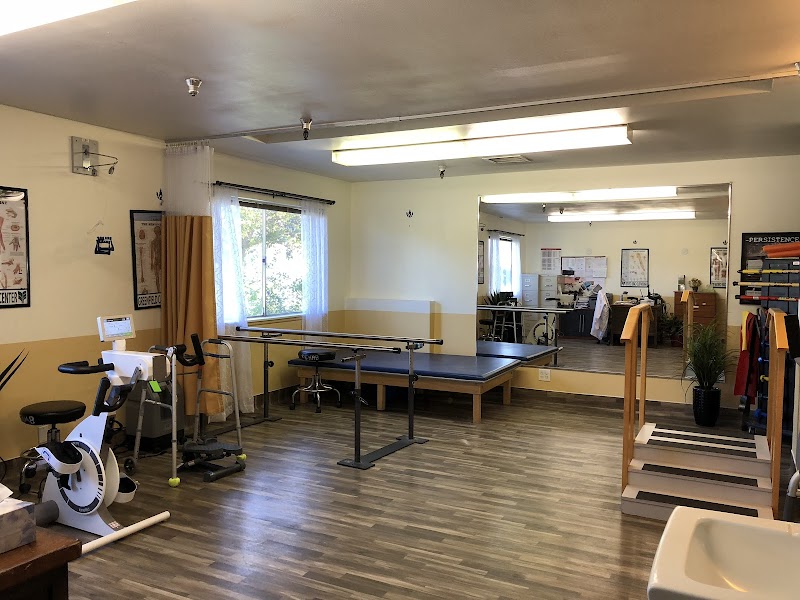
Who Owns and Operates Greenfield Care Center Of Fillmore, Llc?

Greenfield Care Center of Fillmore, LLC is owned by a for-profit company. For-profit facilities operate as businesses with obligations to shareholders or private owners. The facility is operated by EVA CARE GROUP, a chain that manages multiple nursing homes. With 99 certified beds and approximately 70 residents (about 71% occupancy), it is a smaller facility located in Fillmore, California.
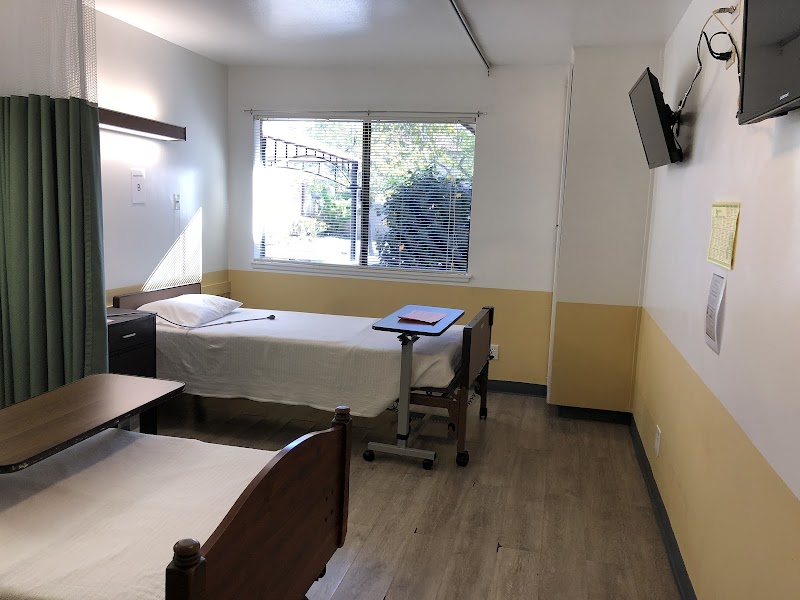
How Does Greenfield Care Center Of Fillmore, Llc Compare to Other California Nursing Homes?

Compared to the 100 nursing homes in California, Greenfield Care Center of Fillmore, LLC's overall rating (3 stars) is below the state average of 3.1, staff turnover (39%) is near the state average of 46%, and health inspection rating (3 stars) is at the national benchmark.

What Should Families Ask When Visiting Greenfield Care Center Of Fillmore, Llc?

Based on this facility's data, families visiting should ask: "Can I visit during a mealtime to observe dining assistance and food quality?" "How do you handle medical emergencies, and what is your hospital transfer rate?" "Can I speak with family members of current residents about their experience?"

Is Greenfield Care Center Of Fillmore, Llc Safe?

Based on CMS inspection data, Greenfield Care Center of Fillmore, LLC has a clean safety record: no substantiated abuse findings (meaning no confirmed cases of resident harm), no Immediate Jeopardy citations (the most serious violation level indicating risk of serious injury or death), and is not on the Special Focus Facility watch list (a federal program monitoring the lowest-performing 1% of nursing homes). The facility has a 3-star overall rating and ranks #100 of 100 nursing homes in California. While no facility is perfect, families should still ask about staff-to-resident ratios and recent inspection results during their visit.

Do Nurses at Greenfield Care Center Of Fillmore, Llc Stick Around?

Greenfield Care Center of Fillmore, LLC has a staff turnover rate of 39%, which is about average for California nursing homes (state average: 46%). Moderate turnover is common in nursing homes, but families should still ask about staff tenure and how the facility maintains care continuity when employees leave.

Was Greenfield Care Center Of Fillmore, Llc Ever Fined?

Greenfield Care Center of Fillmore, LLC has been fined $8,018 across 1 penalty action. This is below the California average of $33,159. While any fine indicates a compliance issue, fines under $50,000 are relatively common and typically reflect isolated problems that were subsequently corrected. Families should ask what specific issues led to these fines and confirm they've been resolved.

Is Greenfield Care Center Of Fillmore, Llc on Any Federal Watch List?

Greenfield Care Center of Fillmore, LLC is not on any federal watch list. The most significant is the Special Focus Facility (SFF) program, which identifies the bottom 1% of nursing homes nationally based on persistent, serious quality problems. Not being on this list means the facility has avoided the pattern of deficiencies that triggers enhanced federal oversight. This is a positive indicator, though families should still review the facility's inspection history directly.