CITRUS NURSING CENTER
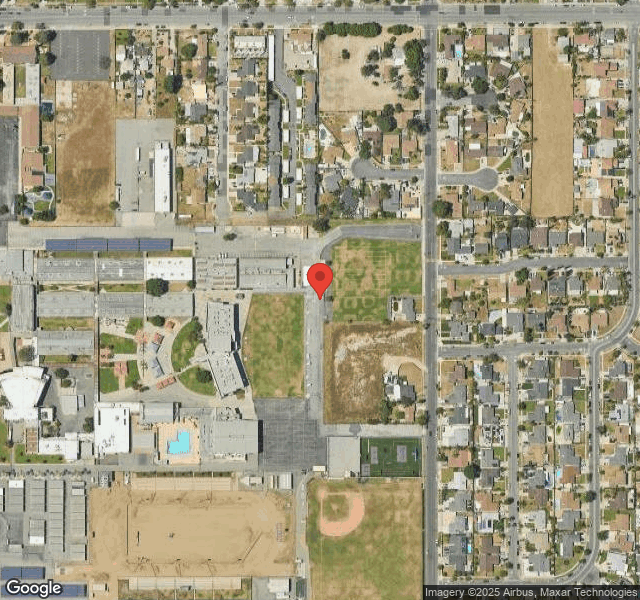
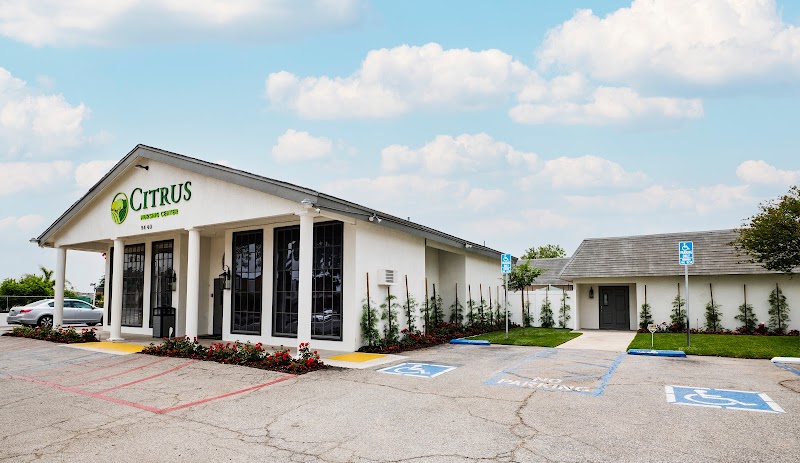
9440 CITRUS AVENUE, FONTANA, CA 92335 (909) 823-3481
For profit - Corporation 99 Beds DAVID & FRANK JOHNSON Data: November 2025 1 Immediate Jeopardy citation
Trust Grade
56/100
#313 of 1155 in CA
Last Inspection: July 2025

Inspected within the last 6 months. Data reflects current conditions.

Overview

Citrus Nursing Center in Fontana, California, has a Trust Grade of C, which means it is average compared to other facilities. It ranks #313 out of 1,155 facilities in California, placing it in the top half, and #21 out of 54 in San Bernardino County, indicating there are only a few better options locally. Unfortunately, the facility is experiencing a worsening trend, with issues increasing from 1 in 2024 to 7 in 2025. Staffing is a mixed bag; while turnover is below the state average at 36%, the facility has an average staffing rating of 3 out of 5 stars. However, there are significant concerns, including a critical incident where a confused resident eloped from the facility and was later found unresponsive in a nearby yard, indicating a failure in supervision. Additionally, there have been concerns about infection control practices, such as unlabelled oxygen equipment and unsanitary food preparation practices, which pose health risks to residents. Overall, while there are some strengths, such as decent staffing levels, the facility's recent issues and incidents raise important questions for families considering this nursing home.

Trust Score
C
56/100
In California
#313/1155
Top 27%
Safety Record
High Risk
Review needed
Inspections
Getting Worse
1 → 7 violations
Staff Stability
○ Average
36% turnover. Near California's 48% average. Typical for the industry.
Penalties
✓ Good
$7,446 in fines. Lower than most California facilities. Relatively clean record.
Skilled Nurses
⚠ Watch
Each resident gets only 21 minutes of Registered Nurse (RN) attention daily — below average for California. Fewer RN minutes means fewer trained eyes watching for problems.
Violations
⚠ Watch
23 deficiencies on record. Higher than average. Multiple issues found across inspections.
★★★★☆
4.0
Overall Rating
★★★☆☆
3.0
Staff Levels
★★★★☆
4.0
Care Quality
★★★★☆
4.0
Inspection Score
Stable
2024: 1 issues
2025: 7 issues

The Good

  • 4-Star Quality Measures · Strong clinical quality outcomes
  • Full Sprinkler Coverage · Fire safety systems throughout facility
  • No fines on record
  • Staff turnover below average (36%)

    12 points below California average of 48%

Facility shows strength in quality measures, fire safety.

The Bad

Staff Turnover: 36%

10pts below California avg (46%)

Typical for the industry

Federal Fines: $7,446

Below median ($33,413)

Minor penalties assessed

Chain: DAVID & FRANK JOHNSON

Part of a multi-facility chain

Ask about local staffing decisions and management

The Ugly 23 deficiencies on record

1 life-threatening
Jul 2025 7 deficiencies
CONCERN (D)

Potential for Harm - no one hurt, but risky conditions existed

Incontinence Care (Tag F0690)

Could have caused harm · This affected 1 resident

**NOTE- TERMS IN BRACKETS HAVE BEEN EDITED TO PROTECT CONFIDENTIALITY** Based on observation, interview, and record review, the facility failed to ensure licensed nursing staff accurately and consiste...

Read full inspector narrative →
**NOTE- TERMS IN BRACKETS HAVE BEEN EDITED TO PROTECT CONFIDENTIALITY** Based on observation, interview, and record review, the facility failed to ensure licensed nursing staff accurately and consistently monitored and documented fluid intake and output (intake refers to the total amount of fluids a person consumes, while output refers to the total amount of fluids the body eliminates) for one of one resident reviewed for urinary catheters (Resident 100), when Resident 100's intake and output record had blanks (no data recorded), documentation was not in the correct milliliter (ml - unit of measure) format, and there was no policy and procedure regarding monitoring and documenting intake and output as specified in Resident 100's care plan (an individualized plan for the medical care of a resident).These failures resulted in inconsistencies in the monitoring and documentation of Resident 100's intake and output which had the potential for Resident 100's medical record to inaccurately portray his fluid balance, and functional urinary status.Findings:During a review of Resident 100's admission Record (contains medical and demographic information), the admission Record, indicated Resident 100 was admitted on [DATE], with diagnoses which included benign prostatic hyperplasia with lower urinary tract symptoms (the non-cancerous enlargement of the prostate gland, causing a range of urinary problems), hereditary and idiopathic neuropathy (hereditary neuropathy is a group of genetic disorders causing peripheral nerve damage, while idiopathic neuropathy refers to nerve damage with an unknown cause), and secondary malignant neoplasm of the brain (cancer that has started somewhere else in the body has spread to the brain).During a concurrent observation and interview on July 29, 2025, at 10:00 AM, with Resident 100, Resident 100 was observed lying in bed. Resident 100 stated he recently had an indwelling urinary catheter placed because he was not able to urinate on his own.During a review of Resident 100's physician's orders, dated July 22, 2025, indicated, Record intake & [and] output every shift x14 [for fourteen] days. Reassess continuation of intake & output after 14 days.During a review of Resident 100's physician's orders, dated July 23, 2025, the order indicated Resident 100 had an indwelling foley catheter (a thin, flexible tube inserted into the bladder to drain urine).During a concurrent interview and record review on July 31, 2025, at 9:51 AM, with the Director Of Nursing (DON), Resident 100's Monitor Record (document used by licensed nursing staff to record intake and output), dated July 1, 2025, through July 31, 2025, was reviewed. The Monitor Record, indicated the following:-For Friday, July 25, 2025, during the 7:00 AM - 3:00 PM nursing shift, and Tuesday, July 29, 2025, during the 3:00 PM - 11:00 PM nursing shift, there were blanks where Resident 100's intake and output was supposed to be documented.-For thirteen (13) of 26 documented shifts, output was documented as x1 (one time) or x2 (two times) and was not in milliliter (volume) format.-For 10 of 26 documented shifts, output was documented as milliliters volume.The DON acknowledged Resident 100's intake and output Monitor Record, for the month of July 2025 had blanks where intake and output was not documented by staff and stated licensed nurses should have documented the resident's intake and output on the days where there were blanks but stated they did not. Additionally, the DON stated output should have been recorded in milliliter volume instead of the number of times the resident urinated and stated the documentation was incorrect. The DON stated the certified nursing assistants (CNA) also recorded the amount of urine output they drained from the catheter bag but stated she was not sure if the CNA documented values were in addition to the values recorded by the licensed nurses. The DON stated the documentation for intake and output seemed to be inconsistent.During a review of Resident 100's care plan titled, The resident has indwelling catheter: neurogenic bladder [a condition where the nerves that control bladder function are damaged or impaired] . dated July 23, 2025, the care plan indicated, the resident has indwelling catheter: neurogenic bladder.Monitor and document intake and output as per facility policy.During an interview on July 31, 2025, at 2:05 PM, with the DON, when asked for the facility's policy and procedure (P&P) regarding monitoring and documenting of intake and output as specified in Resident 100's care plan. The DON stated she was not sure if the facility had a P&P regarding monitoring and documenting intake and output and stated the Nurse Consultant (NC) would know.During a concurrent interview and record review on July 31, 2025, at 2:06 PM, with the NC, Resident 100's care plan titled, The resident has indwelling catheter: neurogenic bladder . dated July 23, 2025, was reviewed. The NC acknowledged the care plan indicated Monitor and document intake and output as per facility policy. The NC stated the facility did not have a P&P regarding monitoring and documenting intake and output as specified in Resident 100's care plan and that she had looked but was unable to find one.During a review of the facility's P&P titled, Documentation in Medical Record, dated December 19, 2022, the policy indicated, .Licensed staff and interdisciplinary team members shall document all assessments, observations, and services provided in the resident's medical record in accordance with state law and facility policy.3. Principles of documentation include, but are not limited to: .b. Documentation shall be accurate, relevant, and complete, containing sufficient details about the resident's care and/or responses to care.
CONCERN (D)

Potential for Harm - no one hurt, but risky conditions existed

Deficiency F0692 (Tag F0692)

Could have caused harm · This affected 1 resident

**NOTE- TERMS IN BRACKETS HAVE BEEN EDITED TO PROTECT CONFIDENTIALITY** Based on observation, interview, and record review, the facility failed to ensure the Order Summary Diet Order (a list of provid...

Read full inspector narrative →
**NOTE- TERMS IN BRACKETS HAVE BEEN EDITED TO PROTECT CONFIDENTIALITY** Based on observation, interview, and record review, the facility failed to ensure the Order Summary Diet Order (a list of provider orders) was followed for one of three residents (Resident 21) reviewed for dining observations when Resident 21 did not receive his physician ordered Boost VHC ( nutritional supplement, very high calories) with meals for lunch on July 29, 2025 and for breakfast on July 30, 2025.These failures had the potential to have contributed to Resident 21's weight loss.Findings:During a review of Resident 21's admission Record (contains medical and demographic information), it indicated Resident 21 was admitted to the facility on [DATE], with the diagnoses which included Myocardial infraction (heart attack), Dementia (a progressive state of decline in mental abilities) and immunodeficiency( a condition where the body's immune system is weakened, making it less able to fight off infections and diseases).During a review of Residents 21's Order Summary Diet Order, dated July 18, 2025, the Order Summary Diet Order indicated, receive boost VHC TID (three time a day) with meals . During a review of Resident 21's weight record, the weight record indicated Resident 21's weight on March 28,2025 was 118 pounds, and 102 pounds on July 8, 2025 (Resident 21 lost 16 pounds from March 28, 2025, to July 8, 2025).During a review of Resident 21's IDT (Interdisciplinary Team) Progress Notes, dated July 16, 2025, indicated .weight loss of 13 pounds in one month and a 15-pound weight loss in three months due to poor meal intake range of 10%-70% average per week. Registered Dietitian recommended appetite simulant. add Boost VHC TID with meals.During a lunch observation on July 29, 2025, at 12:42 PM in Resident 21's room, Resident 21 was sitting at the edge of the bed with a lunch tray on his side table. No Boost VHC was observed on the tray, and none was provided after Resident 21 finished eating. During a breakfast observation on July 30, 2025, at 7:30 AM, in Resident 21's room, Resident 21 was sitting at the end of the bed with a breakfast tray on his side table. No Boost VHC was observed on the tray, and none was provided after Resident 21 finished eating.During a concurrent observation, interview, and record review on July 30, 2025, at 8:06 AM with a Licensed Vocational Nurse 4 (LVN 4) in Resident 21's room, Resident 21's meal tray did not have Boost VHC. LVN 4 reviewed Resident 21's Order Summary Diet Order and stated the order was not followed and should have been. During a phone interview on July 30, 2025, at 1:22 PM with the Registered Dietician (RD), the RD stated Resident 21 currently has a Boost VHC ordered TID and should be given with meals.During a concurrent interview and record review on July 30, 2025, at 1:43 PM with the Director of Nursing (DON), the Order Summary Diet Order dated July 18, 2025, was reviewed. The Order Summary Diet Order indicated, Boost VHC TID with meals. Subsequently, the DON reviewed Resident 21's medical record from July 18,2025 to July 29, 2025. The DON stated there was no documentation for Resident 21's Boost VHC intake. During a concurrent interview and record review on July 30, 2025, at 2:09 PM, with the DON, the facility's policy and procedure (P&P) titled, Nutritional and Dietary Supplements, dated December 2022 was reviewed. The P&P indicated, .2. The facility will provide nutritional and dietary supplements to each resident, consistent with the resident's assessed needs.The DON stated the P&P was not followed for Resident 21.
CONCERN (D)

Potential for Harm - no one hurt, but risky conditions existed

Pharmacy Services (Tag F0755)

Could have caused harm · This affected 1 resident

**NOTE- TERMS IN BRACKETS HAVE BEEN EDITED TO PROTECT CONFIDENTIALITY** Based on observation, interview, and record review, the facility failed to maintain accurate records of controlled medications (...

Read full inspector narrative →
**NOTE- TERMS IN BRACKETS HAVE BEEN EDITED TO PROTECT CONFIDENTIALITY** Based on observation, interview, and record review, the facility failed to maintain accurate records of controlled medications (medications that are controlled by the government because it may be abused or cause addiction) for one of three sampled medication carts (South Cart ) with narcotics when Resident 100's Controlled Drug Receipt/Record/Disposition Form (CDR - document used to record the administration or destruction of a controlled drug for tracking purposes) was found to be inaccurate.This failure had the potential to place the facility at risk for drug diversion (illegal distribution of controlled drugs for any illicit use) of controlled medications by staff .Findings:During a review of Resident 100's clinical records, the admission Record, indicated Resident 100 was admitted on [DATE], with diagnoses which included, pressure ulcers stage 4 (Full-thickness skin and tissue loss with exposed muscle, tendon, ligament, cartilage, or bone), Type two diabetes mellitus (DM-a disorder characterized by difficulty in blood sugar control and poor wound healing), spinal stenosis (a condition where the spinal canal narrows, putting pressure on the spinal cord and/or the nerves), and neuropathy (damage to or disease affecting the nerves, outside the brain and spinal cord).During a review of Resident 100's Order Summary, dated July21, 2025, indicated, Pregabalin (medication used to treat neuropathic pain) oral capsule 25 mg (miligrams-a unit of measurement), give 1 capsule by mouth two times a day for Neuropathy.During a concurrent observation, interview, and record review on July 31, 2025, at 9:00 AM, with a Licensed Vocational Nurse 4 (LVN 4), at South Unit Station Cart, the South Unit Station Cart CDR was inspected. Resident 100's Pregabalin 25 mg CDR indicated 13 tablets were administered (one tablet was unaccounted for). Resident 100's Pregabalin 25 milligram pill bubble packet (a card that packages doses of medications within plastic bubbles organized by day and time of the day) indicated it contained 28 quantities. LVN 4 counted the contents of the bubble pack and stated there were 14 remaining tablets, and 14 tablets had been administered to Resident 100. During a follow up interview on July 31, 2025, at 9:10 AM, with LVN 4, LVN 4 stated one pill was given to Resident 100, and she forgot to document it on the CDR but did document it in the EMR. She further stated the expectation is when a controlled medication is given it should be documented in the CDR and the EMR and the contents of the bubble pack should match its CDR to prevent drug diversion.During a concurrent interview and record review, on July 31, 2025, at 12:24 PM, with the Director of Nursing (DON), the facility's policy and procedure (P&P) titled, Controlled Substances Administration & Accountability, dated June 2023, was reviewed. The P&P indicated, .1. General Protocols. f. In all cases, the dose noted on the usage form or entered into the automated dispensing system must match the dose recorded on the medication administration record, controlled drug record, or other facility specified form and placed in the patient's medical record. h. The controlled drug (or other specified form) serves the dual purpose of recording both narcotic disposition and patient administration. i. The Controlled Drug Record is a permanent medical record document and in conjunction with the MAR is the source for documenting any patient specific narcotic dispensed from the pharmacy.4. Obtaining/Removing/Destroying Medications.a. The entire amount of controlled substances obtained or dispensed is accounted for. The DON stated the licensed nurse is expected to document dispensed narcotics in Resident's MAR and CDR to prevent potential drug diversion.The DON further stated the facility's policy was not followed.
CONCERN (D)

Potential for Harm - no one hurt, but risky conditions existed

Deficiency F0761 (Tag F0761)

Could have caused harm · This affected 1 resident

**NOTE- TERMS IN BRACKETS HAVE BEEN EDITED TO PROTECT CONFIDENTIALITY** Based on observation, interview, and record review, the facility failed to ensure medical supplies were labeled and stored in ac...

Read full inspector narrative →
**NOTE- TERMS IN BRACKETS HAVE BEEN EDITED TO PROTECT CONFIDENTIALITY** Based on observation, interview, and record review, the facility failed to ensure medical supplies were labeled and stored in accordance with currently accepted professional principles when an intravenous (giving medications through the vein) (IV) cart (a mobile cart used to store and transport medications and other supplies to patients) was found with expired supplies.These failures had the potential for the supplies to be less effective and compromised health and safety for the highly vulnerable population of 85 Residents in the facility.Findings:During a concurrent observation and interview on [DATE], at 12:23 PM, with the Director of Nursing (DON), the intravenous (IV) cart (a mobile storage unit designated to hold and transport medical supplies for intravenous medication and other treatment) was inspected. The following items were found expired and available for use:1. Six alcohol swabs (small, disposable pads or wipes that are saturated with isopropyl alcohol) were found with the following expiration dates: three with an expiration date of [DATE] (484 days expired) and three with an expiration date of March,2025 (119 days expired).2. Two povidone -iodine swab sticks (two swab sticks per pack- an antiseptic prep used on the skin to decrease risk of infection) were found with an expiration date of [DATE] (861 days expired).3. Eight Chlora prep triple swab sticks (sterile skin antiseptic swab stick) were found with the following expiration dates: one with an expiration date of [DATE] (908 days expired), Five with an expiration date of [DATE] ( 849 days expired), one with an expiration date of [DATE] ( 605 days expired), and one with an expiration date of [DATE] (574 days expired).4. Five luer lock tip caps (tip used to keep material in a syringe or IV when not in use and prevent contamination) were found with an expiration date of [DATE] (88 days expired).5. 24 red end caps (end caps used to keep material in a syringe or IV, when not in use, protected and to prevent contamination) were found with an expiration date of [DATE] (23 days expired).The DON acknowledged the items in the IV cart were expired and should have been discarded. The DON further stated the license staff are responsible for checking expiration date in the IV cart every shift. During an interview on [DATE], at 4:10 PM with the DON, the DON stated that the facility does not have a policy for supply storage and management.
CONCERN (D)

Potential for Harm - no one hurt, but risky conditions existed

Medical Records (Tag F0842)

Could have caused harm · This affected 1 resident

**NOTE- TERMS IN BRACKETS HAVE BEEN EDITED TO PROTECT CONFIDENTIALITY** Based on observation, interview, and record review, the facility failed to adequately protect and safeguard the healthcare ident...

Read full inspector narrative →
**NOTE- TERMS IN BRACKETS HAVE BEEN EDITED TO PROTECT CONFIDENTIALITY** Based on observation, interview, and record review, the facility failed to adequately protect and safeguard the healthcare identifiable information for two out of 25 sampled residents (Resident 7 and 89) when on July 30, 2025, the laptop screen of the Electronic Medical Record (EMR) (electronic form of record keeping) used by Licensed Vocational Nurse 3 (LVN 3) were:1. Left open, unsecured and unattended from 05:44 AM to 5:47 AM, for a total of 3 minutes in the North hallway for Resident 7.2. Left open, unsecured and unattended from 6:08 AM AM to 6:12 AM, for a total of 4 minutes in the North hallway for Resident 89. This failure resulted in the exposure of health-related identifiable information for Residents 7 and 89 when records were left unsecured and unattended in a location easily accessible to residents, visitors, and other unauthorized individuals, which led to a breach of resident confidentiality, violations of resident's privacy, potential loss of sensitive personal information.Findings:1. During an observation on July 30, 2025, at 5:44 AM, LVN 3 was in the North hallway preparing the morning medications for Resident 7. LVN 3 frequently referred to the Electronic Medical Records (EMR) displayed on a laptop situated on top of the medication cart. After performing hand hygiene and locking the medication cart, LVN 3 entered Resident 7's room leaving the EMR laptop screen containing Resident 7's medical information open, unsecured, and unattended. During an observation on July 30, 2025, at 5:47 AM, LVN 3 exited the Resident 7's room. Upon stepping back into the hallway, LVN 3 realized that the EMR laptop screen was open and unsecured. LVN 3 immediately stated that she usually turns off or hides screens containing private information because she understands the importance of protecting patient confidentiality and knows that leaving the screen open constitutes a Health Insurance Portability and Accountability Act (HIPPA is a U.S. federal law enacted in 1996 and primarily aims to protect sensitive patient health information from being disclosed without the patient's consent or knowledge) violation confirming she should have not left the EMP laptop screening open, unsecured, and unattended. A review of the Resident 7's Face Sheet (document containing demographic information) indicated Resident 7 was admitted to the facility on [DATE], with diagnoses which include this dysphasia (difficulty swallowing), chronic obstructive pulmonary disease (lung diseases that block airflow, making it difficult to breathe), hypertension (high blood pressure).A review of Resident 7's History and Physical (H&P) dated April 2, 2025, indicated Resident 7 does not have the capacity to understand and make decisions.2. During an observation on July 30, 2025 at 6:08 AM, LVN 3 was stationed on the North hallway. Further observation, LVN 3 unlocked the laptop screen situated on top of the medication cart to check Resident 89's physician orders. LVN 3 left the North hallway, leaving the laptop screen unlocked, unsecured, and unattended, with Resident 89's medical information visible to anyone passing by. LVN 3 returned to the medication cart at 6:12 AM, explaining that she had gone to the nursing station to wash her hands. LVN 3 confirmed the laptop screen remained open and acknowledged that she had forgotten to lock it and secure it again. A review of the Resident 89's Face Sheet indicated Resident 89 was admitted to the facility on [DATE], with diagnoses which include chronic obstructive pulmonary disease (lung diseases that block airflow, making it difficult to breathe), heart failure (a condition where the heart muscle cannot pump blood effectively enough to meet the body's needs), diabetes mellitus (a disease that occurs when your blood sugar is too high).A review of the resident 89's History and Physical (H&P) dated May 21, 2025, indicated Resident 89 does not have the capacity to understand and make decisions.During an interview with LVN 4 on July 31, 2025, at 10:22 AM, LVN 4 was asked how staff protect electronic medical records from unauthorized viewing. LVN 4 explained she uses a lock button feature that hides the screen when not in use and states she locks the screen every time she turns away or steps away from the laptop. LVN 4 further emphasized the importance of adhering to stringent security protocols to safeguard sensitive patient information. LVN 4 highlighted that consistently utilizing the lock button feature significantly reduces the risk of unauthorized access to electronic medical records. LVN 4 underlined that this practice is in accordance with HIPPA regulations which requires strict measures to protect patient data.During an interview with Registered Nurse 1 (RN 1) on July 31, 2025, at 10:33 AM, RN 1 was asked how staff protect electronic medical records from unauthorized viewing. RN 1 explained her approach to safeguarding electronic medical records (EMR) by completely turning off and logging out of computers when stepping away, rather than just relying on privacy screens. She emphasized this practice is especially important when using mobile computers for medication administration.During a concurrent interview and record review on July 31, 2025, at 10:52 AM, with the administrator (ADMIN), the facility's Policy and Procedure (P&P) titled, Safeguarding of Resident Identifiable Information, revised on December 19, 2022, was reviewed. The P&P states, It is the facility's policy to implement reasonable and appropriate measures to protect and maintain the safety and confidentiality of the resident's identifiable information and to safeguard against destruction or unauthorized release of information and records. Policy explanation and compliance guidelines: .4. Medical records shall not be left in open areas where unauthorized persons could access identifiable resident information . 7. Computer screens showing clinical record information may not be left unattended and readily observable or accessible by other residents or visitors. The ADMIN confirmed that staff are expected to lock computers when stepping away to protect resident information. The ADMIN confirmed LVN 3 did not follow the facility's P&P.During a concurrent interview and record review on July 31, 2025, at 11:15 AM, with the Director of Nursing (DON), the P&P titled, Safeguarding of Resident Identifiable Information, revised on December 19, 2022, was reviewed. The P&P states, 4. Medical records shall not be left in open areas where unauthorized persons could access identifiable resident information . 7. Computer screens showing clinical record information may not be left unattended and readily observable or accessible by other residents or visitors. The DON acknowledged LVN 3 did not follow the facility's P&P.
CONCERN (E)

Potential for Harm - no one hurt, but risky conditions existed

Safe Environment (Tag F0921)

Could have caused harm · This affected multiple residents

Based on observation, interview, and record review, the facility failed to maintain a clean and sanitary environment for residents who reside in the facility when on July 29, 2025, the North hallway s...

Read full inspector narrative →
Based on observation, interview, and record review, the facility failed to maintain a clean and sanitary environment for residents who reside in the facility when on July 29, 2025, the North hallway shower room was found to have black substance on the shower stalls.This failure had the potential to exposed the residents using this shower room to increased risks of developing allergies, skin irritation, and serious respiratory issues.Findings:During an observation on July 29, 2025, at 2:30 PM in the residents' shower room in North hallway, the three shower stalls were found to have a black substance on the shower stalls floors, walls, and where the wall meets the floor and the ceiling. The substance was also present on the wall joints, and on and between the tiles. During an interview on July 29, 2025, at 2:40 PM, Certified Nursing Assistant 1 (CNA 1) confirmed and stated that this shower room is used by all residents in North hallway.During a concurrent observation and interview with the Environmental Services Director of Maintenance (ESD) on July 29, 2025, at 2:58 PM, the ESD acknowledged the presence of a black substance on the shower stalls floors, walls, and where the wall meets the floor and the ceiling in the North Hallway shower room multiple shower stalls. The ESD stated this black substance might be a buildup from shampoo oils and soap scum. He mentioned a black crack where the ceiling meets the wall noting that this was the first time he had observed the ceiling issue since he started working at the facility in April 2025.During an observation and interview with the Director of Nursing (DON) on July 29, 2025, at 3:33 PM, the DON inspected the North Hallway shower room multiple shower stalls. She identified and confirmed the presence of black substances between the tiles, on tile surfaces, and observed black mold bleeding from the walls and ceilings. When ask about the suitability of the shower room for resident's use, the DON acknowledged that the showers were not suitable for residents in their current state.During a concurrent interview and record review on July 30, 2025, at 4:12 PM the facility's Policy and Procedure (P&P) titled, Routine bathroom cleaning, revised on December 19, 2022, was reviewed with the Administrator (Admin) and the ESD. The facility's P&P indicated, It is the policy of this facility to establish policies, procedures and guidelines to provide a clean and sanitary environment for residents, staff and visitors in order to prevent cross contamination and transmission of health care associated infection (HAI) . Procedure 1. (h) clean shower/tub faucets, walls and railing, scrubbing as required to remove soap scum. Inspect grout for mold, apply disinfectant to interior surfaces of shower/tub, including soap dish, faucets and shower head. Allow sufficient contact time for disinfectant according to manufacturer's recommendations. Rinse and wipe dry. Inspect shower curtain and replace as required . 4. Report areas of mold, cracked, leaking or damaged items in need of repair. The ADMIN and the ESD stated the facility's P&P were not followed.
CONCERN (F)

Potential for Harm - no one hurt, but risky conditions existed

Infection Control (Tag F0880)

Could have caused harm · This affected most or all residents

**NOTE- TERMS IN BRACKETS HAVE BEEN EDITED TO PROTECT CONFIDENTIALITY** Based on observation, interview, and record review, the facility failed to ensure safe infection control practices and sanitary ...

Read full inspector narrative →
**NOTE- TERMS IN BRACKETS HAVE BEEN EDITED TO PROTECT CONFIDENTIALITY** Based on observation, interview, and record review, the facility failed to ensure safe infection control practices and sanitary environment were followed when:a. Resident 101's oxygen nasal cannula tubing (device used to deliver oxygen into the nose via a tube) was found unlabeled and undated.b. Resident 84's oxygen tubing (is a small flexible plastic tube that connects to an oxygen source) [like machine or tank] was not labeled and dated per facility's policy and procedure (P&P). c. A facility's janitor ([DATE]) removed multiple pillows from several trash containers and placed them on a handrail at the facility's rear entrance/exit next to the laundry room.These failures had the potential to spread infectious disease (disease caused by bacteria, viruses, fungi or parasite) to 85 medically compromised residents and staff in the facility.Findings: a. During a review of Resident 101's admission Record (contains medical and demographic information), the “admission Record” indicated Resident 101 was admitted to the facility on [DATE] with the diagnoses which included chronic respiratory failure with hypercapnia (lungs are unable to exchange oxygen leading to too much carbon dioxide in the blood), Cardiomegaly (enlarged heart), and Myocardial Infraction (heart attack). During a review of Resident 101's Physician Order dated July 28, 2025, the “Physician Order” indicated, Change oxygen nasal cannula q [every] day shift, on Sunday and PRN [as needed]. During an observation on July 28, 2025, at 3:21 PM, in Resident 101's room, Resident 101 was lying in bed, watching television. There was an oxygen nasal cannula tubing in use by Resident 101, attached to an oxygen concentrator (device that provides supplemental oxygen). The oxygen nasal cannula tubing was unlabeled and undated. During a concurrent observation and interview on July 28, 2025, at 3:27 PM, with a Licensed Vocational Nurse 2 (LVN 2), in Resident 101's room, LVN 2 inspected Resident 101’s oxygen nasal cannula tubing. LVN 2 stated the oxygen nasal cannula tubing was not labeled and should have been labeled and dated. During a concurrent interview and record review on July 31, 2025, at 8:31 AM, with the Director of Nursing (DON), the facility's policy and procedure (P&P) titled, Oxygen Administration,” dated May 2024 was reviewed. The P&P indicated, . 4.b. Change the oxygen tubing and mask/cannula weekly and as needed if it becomes soiled or contaminated. The DON stated the P&P was not followed and should have been for infection control prevention. b. During a review of Resident 84’s “admission Record (contains demographic and medical information) the admission record indicated Resident 84 was admitted to the facility on [DATE], with the diagnoses of acute respiratory failure with hypoxia (not enough oxygen in the blood), heart failure, unspecified (heart not pumping enough blood), and hypertensive heart disease with heart failure (condition that forces the heart to work harder that it should). During an observation on July 28, 2025, at 1:17 PM, Resident 84 with a nasal cannula tubing in place (oxygen through a nose) was sitting in a wheelchair in the south nursing station flipping through magazines. Resident 84’s nasal cannula oxygen tubing was connected to a portable oxygen tank (oxygen storage) that was stored behind the wheelchair. There was no label and no date on the nasal cannula oxygen tubing. During an interview on July 28, 2025, at 1:20 PM with a Licensed Vocational Nurse 1 (LVN 1), LVN 1 stated the oxygen tubing was not labeled and is unsure when it was changed. During an interview on July 28, 2025, at 1:21 PM with Registered Nurse 1 (RN 1), RN 1 stated the oxygen tubing was not labeled and has no date. During a review of Resident 84’s “Physician Order” dated March 24, 2025, the “Physician Order” indicated, “…Oxygen via Nasal Canula at 2 liters per minute (L-liters-unit of measurement/min-minutes) may titrate (slowly increase or decrease over a period of time) O2 (Oxygen) to maintain SPO2 (levels of oxygen in the blood) greater or equal to 92% (95-100 is considered normal, with lower levels being acceptable for COPD), as needed for sob (shortness of breath) r/t (related to), CHF (congestive heart failure…”) During a concurrent interview and record review on July 31, 2025, at 8:31 AM, with the Director of Nursing (DON), the facility's policy and procedure (P&P) titled, Oxygen Administration,” dated May 2024 was reviewed. The P&P indicated, . 4.b. Change the oxygen tubing and mask/cannula weekly and as needed if it becomes soiled or contaminated. The DON stated the P&P was not followed and should have been for infection control prevention. c. During an observation on July 29, 2025, at 2:28 PM, there were five pillows (without pillowcases) observed to be on the handrail at the rear entrance/exit of the facility near the laundry room. The pillows were tucked between the handrail and a wooden fence where multiple staff members were observed to be entering and exiting the building. During an observation on July 30, 2025, at 9:45 AM, the five pillows observed to be on the handrail near the entrance/exit of the facility were still on the handrail. During an interview on July 31, 2025, at 2:05 PM, with the Environmental Services Director (ESD), the ESD stated janitor 1 ([DATE]) placed the pillows on the handrail between the railing and the fence outside the exit/entrance door near the laundry room because the ([DATE]) thought the pillows needed to be washed and returned to residents. ESD stated the pillows actually were meant to be thrown away by the laundry staff and needed to be replaced. ESD stated [DATE] thought they were mistakenly placed in the trash so he ([DATE]) removed them from the trash and placed them on the handrail. ESD further stated the pillows should never have been removed from the trash and should have remained in the trash and been discarded with the trash. During an interview on July 31, 2025, at 2:40 PM, [DATE] stated the ESD had previously told him to be on the lookout for things in the trash that may not actually be trash but were in the trash bins. When asked about the pillows observed to be on the handrail near the rear entrance/exit of the facility. [DATE] stated he removed multiple pillows from trash bins which were part of the dirty linen and trash bin carts (a cart with wheels that has two bags, one bag is for dirty linen while the other bag is allocated for trash) located throughout the facility. [DATE] stated the dirty linen/trash bin carts which he retrieved the pillows from were from multiple different carts throughout the facility and stated the carts contained dirty linen and trash from resident rooms throughout the facility. [DATE] stated he thought the pillows were placed in the trash side of the cart by accident, so he removed them (the pillows) from the trash and placed them on the rail for processing by laundry staff. During an interview on July 31, 2025, at 2:46 PM, with the Infection Preventionist (IP), the IP stated the janitor should not have removed anything from the trash and the pillows he removed from the trash should not have been placed on the railing outside the laundry area. The IP further stated the pillows were already in the trash and disposed of and were dirty with “who knows what kind of bacteria or germs so once its in there it should be discarded.” During an interview on July 31, 2025, at 3:20 PM, with the Director of Nursing (DON), the DON stated the trash should stay in the trash containers and pillows should not have been removed from trash receptacles and placed on the rail near the laundry because of infection control reasons. During a review of the facility’s policy and procedure (P&P) titled, “Infection Prevention and Control Program,” dated September 2, 2022, the P&P indicated, “This facility has established and maintains an infection prevention and control program designed to provide a safe, sanitary, and comfortable environment and to help prevent the development and transmission of communicable diseases and infections as per accepted national standards and guidelines…9. Equipment protocol: …c. Reusable items potentially contaminated with infectious materials shall be placed in a impervious clear plastic bag. Label bag as “CONTAMINATED” and place in the soiled utility room for pickup and processing…11. Linens: a. Laundry and direct care staff shall handle, store, process, and transport linens to prevent spread of infection…”
Dec 2024 1 deficiency
CONCERN (D) 📢 Someone Reported This

A family member, employee, or ombudsman was alarmed enough to file a formal complaint

Potential for Harm - no one hurt, but risky conditions existed

Pressure Ulcer Prevention (Tag F0686)

Could have caused harm · This affected 1 resident

**NOTE- TERMS IN BRACKETS HAVE BEEN EDITED TO PROTECT CONFIDENTIALITY** Based on interview and record review, the facility failed to ensure proper care was provided to prevent a blister (a painful swe...

Read full inspector narrative →
**NOTE- TERMS IN BRACKETS HAVE BEEN EDITED TO PROTECT CONFIDENTIALITY** Based on interview and record review, the facility failed to ensure proper care was provided to prevent a blister (a painful swelling on the surface of the skin), for one of three sampled residents (Resident 1). This failure placed a clinically compromised Residents (Resident 1) health and safety at risk, when a facility acquired blister to the right heel (back of the human foot below the ankle) developed while in the facility. Findings: During a review of Residents 1 ' s admission Record (general demographics), the document indicated Resident 1 was admitted to the facility on [DATE], with diagnoses which included type 2 diabetes mellitus (a disease in which there is too much sugar in the blood and the body is not able to control the sugar ), muscle wasting and atrophy (a condition with shrinking and loss of muscle), and depression (a condition with feeling of sadness and hopelessness). During an interview on November 19, 2024, at 8::55 AM, with Resident 1, Resident stated, They told me, I got a blister on my foot. I did not have any wounds on my feet until I got here. During an interview on November 19, 2024, at 10:15 AM, with Wound Treatment Nurse (WTN), WTN stated, She has a wound on her right heel which started as a blister some weeks ago. During an interview on November 19, 2024, at 10:20 AM, with Assistant Director of Nursing (ADON), ADON stated, The blister on her right heel developed after admission but was already there before November 1, 2024. During a phone interview on December 3, 2024, at 10:40 AM, with the ADON, ADON acknowledged that Resident 1 did not have wounds on her heels upon admission [DATE]). ADON stated, A fluid blister was observed on October 30, 2024. Review of following facility records: 1. admission Skin Issues: October 5, 2024, 10:43. Skin warm and dry, skin color within normal limit and turgor (the ability of skin to change shape and return to normal) is normal. Resident does not have an external device. Foot evaluation completed . Skin Issue: # (number) 001 . Lower back . #002: Right shin . 2. Braden Evaluation ([Severe risk total score: less than 9, High risk total score: 10-12, moderate risk total score: 13-14, Mild risk: total score: 15-18]): .Braden score: 13.0 3. Situation, Background, Assessment and Recommendation (SBAR) communication record dated October 30, 2024, indicate, . Noted fluid blister to right heel 2x2cm, . 4. Progress Notes: Skin issue: .# 003: New skin issue. Location: Right heel. Issue type: Blister. Wound acquired in-house. Wound is new . 5. Order Summary: October 30, 2024, 16:41: Wound Treatment: Wound type: blister. Wound site: right heel. Cleanse with normal saline pat dry apply dry dressing daily, every day shift for 30 days. 6. Care Plan: Focus: The resident is at risk for skin breakdown pressure ulcer r/t (related to) history of pressure injury impaired mobility, incontinence, DM (diabetes mellitus) Date initiated: October 7, 2024. Revision on: November 19, 2024. Goal: The resident will have intact skin, free of redness, blisters or discoloration by/through review date. During a review of the facility ' s policy and procedure (P&P), titled, Pressure Injury Prevention and Management, revised September 2023, the P&P indicated, This facility is committed to the prevention of avoidable pressure injuries, unless clinically unavoidable and to provide treatment and services to heal the pressure ulcer/injury, prevent infection and the development of additional pressure ulcers/injuries .
Aug 2023 1 deficiency 1 IJ
CRITICAL (J) 📢 Someone Reported This

A family member, employee, or ombudsman was alarmed enough to file a formal complaint

Immediate Jeopardy (IJ) - the most serious Medicare violation

Accident Prevention (Tag F0689)

Someone could have died · This affected 1 resident

**NOTE- TERMS IN BRACKETS HAVE BEEN EDITED TO PROTECT CONFIDENTIALITY** Based on interview, and record review, the facility failed to provide routine supervision and monitoring for one of 93 residents...

Read full inspector narrative →
**NOTE- TERMS IN BRACKETS HAVE BEEN EDITED TO PROTECT CONFIDENTIALITY** Based on interview, and record review, the facility failed to provide routine supervision and monitoring for one of 93 residents (Resident 1) and failed to implement interventions developed to help prevent an elopement (unauthorized and unsupervised exit from the facility) when: 1) On August 1, 2023, staff was unaware Resident 1 (a confused resident with cognitive deficit and required assistance with walking) had eloped from the facility. In addition, it was not identified Resident 1 was missing from the facility despite Resident 1 not being present during the evening meal (Resident 1 required direct 1:1 [one to one] staff assistance during mealtime). This failure resulted in Resident 1 subsequently being found (by non-facility staff) in a neighboring backyard unresponsive, on the ground, and covered with vomit. Resident 1 required hospitalization and intubation (a tube placed through the airway to help the resident breath when they are unable to breath on their own). This also had the potential to result in death to Resident 1 due to exposure of the (outdoor) elements and without vital resources such as food, water, and shelter. 2) The facility ' s front door alarm was not armed to audibly alert staff (as specified in the facility ' s policy and procedure for elopement prevention) and staff did not provide supervision of the facility ' s main entrance and exit while the alarm was unarmed. This failure resulted in staff to not be alerted to the unauthorized exit of Resident 1 from the facility and therefore, did not provide staff an opportunity to prevent the Resident 1 ' s elopement by responding to the area in a timely manner to divert Resident 1 back into the facility. Findings: 1) A review of Resident 1 ' s clinical record titled, admission Record (contains medical and demographic information) dated August 2, 2023, indicated Resident 1 was admitted to the facility on [DATE], with diagnoses which included Craniotomy (surgical opening in the skull), altered mental status, unsteady gait (walking uncoordinated), Epilepsy (Neurological disorder marked by sudden recurrent episodes of sensory disturbance, loss of consciousness, or convulsions), anxiety disorder (feelings of fear and/or worry that interfere with daily activities), and restlessness and agitation. During a review of Resident 1 ' s Minimum Data Set (MDS), Section C - Cognitive Patterns (section used to determine a resident cognitive functioning status) dated, July 31, 2023, the MDS indicated Resident 1 had a Brief Interview for Mental Status (BIMS a score 0-15 used to determine cognitive functioning) score of 3 (severe impairment). During a review of Resident 1 ' s MDS, Section G Functional Status dated, July 31, 2023, the MDS indicated Resident 1 required, .2 (Limited Assistance .staff provide guided maneuvering of limbs or other non-weight-bearing assistance .one person physical assist.). During a review of Resident 1 ' s History and Physical (H&P) dated July 28, 2023, the H&P indicated Resident 1 did not have the capacity to understand and make decisions. During a review of Resident 1 ' s care plan (an individualize plan of care) dated July 28, 2023, the care plan titled, At risk for re-hospitalization r/t [related to] hx [history of] altered mental status, [confusion] HTN [elevated blood pressure], alcohol dependence [When the person can ' t stop drinking alcohol] craniotomy [surgery of the skull]. The interventions included, .Turn and reposition every 2 hours and PRN [as needed] for circulation and comfort. During a review of Resident 1 ' s physician orders, dated July 27, 2023, the order indicated, one to one feeding assistance . During a review of Resident 1 ' s care plan dated July 28, 2023, the care plan titled, The resident has limited physical mobility r/t weakness/unsteadiness of feet . The interventions included, .Provide supportive care, assistance with mobility as needed . During an interview on August 4, 2023, at 12:28 PM, with the Administrator (ADMIN), the ADMIN stated Resident 1 eloped from the facility on August 1, 2023, and was last seen by staff in the facility at 3:15 PM. The ADMIN further stated the facility staff was unaware Resident 1 was missing until around 7:15 PM (four hours later) on August 1, 2023, when Resident 1 ' s family called the facility to notify them Resident 1 was in the hospital. During an interview on August 4, 2023, at 3:23 PM with the Director of Nursing (DON), the DON stated Certified Nurse Assistant 1 (CNA 1) was assigned to care for Resident 1 but failed report to Licensed Vocational Nurse (LVN 1) Resident 1 was not present for, and did not eat his dinner when it was served at 5:00 PM. The DON further stated CNA 1 did not look for Resident 1 to determine the whereabouts of Resident 1. The DON stated the CNA 1 should have checked on Resident 1 more frequently throughout the shift. During an interview on August 7, 2023, at 4:22 PM with CNA 1, CNA 1 stated that she was not aware Resident 1 required 1:1 (one on one) assistance with eating his meals and that CNA 2 delivered Resident 1 ' s meal tray to his room at approximately 5:00 PM on August 1, 2023. CNA 1 further stated she picked up Resident 1 ' s dinner tray at approximately 8:30PM and it was untouched, but she (CNA 1) did not look for Resident 1 and did not assist Resident 1 during dinner mealtime. During an interview on August 8, 2023, at 3:04 PM with CNA 2, CNA 2 stated she delivered Resident 1 ' s dinner tray to his room on August 1, 2023. CNA 2 stated when she delivered the tray, she noticed Resident 1 was not in his room. CNA 2 further stated she asked Resident 1 ' s roommate where Resident 1 was at and the roommate informed her that Resident 1 was in therapy. CNA 2 stated she left the meal tray inside Resident 1 ' s room but never looked for or checked on Resident 1. CNA 2 stated Receptionist 2 (R2) came to Resident 1 ' s room looking for Resident 1, and the tray was still in the room, untouched. CNA 2 stated CNA 1 should have provided Resident 1 assistance with his meal. During a review of the facility ' s job description for Certified Nurse Assistant dated 2003, the job description indicated, The primary purpose of your job position is to provide each of your assigned residents with routine daily nursing care and services in accordance with the resident ' s assessment and care plan as may be directed by your supervisors ., ensure that residents who are unable to call for help are checked frequently ., check each resident routinely to ensure that his / her personal needs are being met in accordance with his/her wishes ., serve food trays. Assist with feeding as indicated (i.e., cutting, foods, feeding assist in the dining room supervision, etc.) . immediately notify the nurse supervisor/charge nurse of any resident leaving/missing from the facility. During a review of CNA 1 ' s Counseling/Disciplinary Notice dated, August 1, 2023, the document indicated, Failure to do rounds adequately to ensure the safety of your patients. During an interview on August 7, 2023, at 3:06 PM with Licensed Vocational Nurse 1 (LVN 1), LVN 1 stated it was her first time working with Resident 1 and she did not see Resident 1 from the beginning of her shift around 3:00 PM, because she got busy with her assignment. LVN 1 further stated, CNA 1 did not report to her that Resident 1 did not eat his dinner. LVN 1 stated she did not check on or look for Resident 1. During a review of the facility ' s job description for Licensed Vocational Nurse dated 2003, the job description indicated, The primary purpose of your job position is to provide direct nursing care to the residents and to supervise the day-to-day nursing activities performed by nursing assistants ., make daily rounds of your unit / shift to ensure that nursing service personnel are performing their work assignments in accordance with acceptable nursing standards ., make periodic checks to ensure the prescribed treatment are being properly administered by certified nursing assistants and to evaluate the resident ' s physical and emotional status ., ensure that residents who are unable to call for help are checked frequently . During a review of LVN 1 ' s Counseling / disciplinary notice, dated, August 1, 2023, signed by LVN 1, the document indicated, .Failure to be accountable for your patients to ensure their safety. During an interview on August 7, 2023, at 3:47 PM with Receptionist 2 (R2), R2 stated that on August 1, 2023, around 7:15 PM she received a phone call from Resident 1 ' s family member to inform the facility Resident 1 was admitted to the hospital. Resident 1 ' s family wanted to speak to the facility ' s Registered Nurse 1 (RN 1). During an interview on August 7, 2023, at 4:45 PM with RN 1, RN 1 stated on August 1, 2023, around 7:15 PM, Resident 1 ' s family called to inform the facility Resident 1 was missing from the facility and Resident 1 was admitted to the Emergency Department. RN 1 stated she looked around the facility for Resident 1, but she was not able to find him. RN 1 further stated the ADMIN checked the surveillance camera located by the main entrance and noticed Resident 1 walked out of the facility at approximately 3:30 PM. RN 1 stated she knew Resident 1 needed full assistance with meals. RN 1 stated she did not check if Resident 1 received assistance with his meals. During a review of the RN job description dated 2003, the job description indicated, The primary purpose of your job position is to supervise the day-to-day nursing activities of the facility during your tour of duty ., ensure that all nursing service personal are in compliance with their respective job description ., make daily rounds of the nursing service department to ensure that all nursing service personnel are performing their work assignments in accordance with acceptable nursing standard. Report findings to the Director . During a review of Resident 1 ' s care plan titled, Resident 1 has impaired cognitive function or impaired thought process related to head injury/craniotomy ., dated July 28, 2023, the care plan indicated, .Interventions .Cue, reorient and supervise as needed. During a review of Resident 1 ' s care plan titled, Resident 1 is at risk for falls related to poor safety awareness. dated July 28, 2023, the care plan indicated, .Interventions .The resident needs a safe environment. During a review of Resident 1 ' s care plan titled, Resident 1 has risk for re-hospitalization related to history of altered mental status, HTN, Alcohol dependence, craniotomy . dated July 28, 2023, the care plan indicated, .interventions .Diet as ordered and assist with meals as needed. During a review of Resident 1 ' s medical records from the hospital, dated, August 1, 2023, at 6:08 PM, the records indicated, [AGE] year-old male who presents with a GCS [Glasgow Coma Scale used to describe the extent of impaired consciousness] of 3 [the lowest possible score, unresponsive] after he was found outside someone ' s yard. Patient also noted to be hypotensive [low blood pressure] and have emesis [vomit] on his clothes. He was intubated in the Emergency Department. 2. During an interview on August 4, 2023, at 12:28 PM with the Administrator (ADMIN), the ADMIN stated Resident 1 eloped from the facility on August 1, 2023, and was last seen by staff in the facility at 3:15 PM. The ADMIN further stated Resident 1 eloped from the facility after the main entrance door alarm was disarmed by the receptionist 1 (R1). A review of Resident 1 ' s clinical record title, Interdisciplinary (IDT - team composed of staff from various disciplines) dated August 2, 2023, at 4:50 PM, indicated, per charge nurses, (pt) patient was seen last approx. [approximately] August 1, 2023, at 3:15 PM. Resident was seen in walking from his room to the hallway without helmet. Resident was redirected and encourage to wear his helmet for safety. Resident went back to the room and put on his helmet patient [Pt] has a medical history and not limited to altered mental status, unsteadiness of feet, seizure, HTN (elevated blood pressure) alcohol dependence, (is the body ' s inability to stop drinking) Craniotomy (Surgery into the skull) ., RN supervisor received a call from the hospital, stating that resident was found at someone ' s backyard unresponsive and was brought to [the admitting hospital] for further evaluation ., recommendations: ., all exit door alarm must be functional ., front door alarm will remain armed at all times ., if at any time, the alarm goes off, receptionist / designee needs to be reset alarm immediately to remain functional. During an interview on August 7, 2023, at 2:30 PM, with the ADMIN, the ADMIN stated the facility had a protocol which indicated the door alarm was to be kept ON at all times to prevent elopement of their residents. The ADMIN further stated it was an error from the staff to disarm the main entrance door alarm. During an interview on August 8, 2023, at 8:53 AM with R1 via telephone, R1 stated on August 1, 2023, at 3:00 PM, she disarmed the main entrance alarm because she was working by herself, and it was hard for her to answer the phone calls. R1 stated it was hard to be in two places at the same time, and when Resident 1 eloped from the facility she was probably busy doing something because she missed it. She further stated she was aware that main entrance alarm should be ON at all times to alert the staff if someone was leaving through the front door. During a review of the facility ' s policy and procedure (P&P) titled, Elopement and Wandering Resident ' s dated, December 19, 2022, the P&P indicated, 1. The facility is equipped with door locks / alarms to help avoid elopements., 2. Alarm are not replacement for necessary supervision, Staff are to be vigilant in responding to alarms in a timely manner .d. Adequate supervision will be provided to help prevent accidents or elopements . During a review of the facility ' s P&P titled, Accidents and Supervision dated, December 19, 2022, the P&P indicated, The resident environment will remain as free of accident hazards as is possible. Each resident will receive adequate supervision and assistive devices to prevent accidents. This includes: 1. Identifying hazard and risk (s) ., 3. Implementing interventions to reduce hazard (s) and (risk) ., 4. Monitoring for effectiveness and modifying interventions when necessary ., 5. Supervision-Supervision is an intervention and means of mitigating accident risk. The Facility will provide adequate supervision to prevent accidents. Adequacy of supervision: A. Defined by type and frequency ., B. based on the individual resident ' s assessed needs and identified hazards in the resident environment. An Immediate Jeopardy (IJ-a situation that has threatened or is likely to threaten the health and safety of a resident) was called under F689 §483.25(d)(2) Each resident receives adequate supervision and assistance devices to prevent accidents) on August 8, 2023 at 2:16 PM, after determined Resident 1 did not receive supervision and monitoring required to keep Resident 1 safe on August 1, 2023 when Resident 1 was found to have eloped from the facility. The IJ was called in the presence of the Director or Nursing (DON) and Administrator (ADMIN). A Corrective Action Plan (CAP- a plan which includes interventions to remove the potential or actual harm of an immediate jeopardy situation) was requested and a preliminary CAP was received on August 10, 2023, at 2:52 PM and included the following: · Facility staff activated the entrance alarm as soon as she finished answering the phones on August 1, 2023, at approximately 3:30 PM. · Facility Head Count was completed on August 1, 2023, with a total count of 93 in-house residents. Facility head count will continue to be performed on a daily basis. · The DON, and designee(s) re-evaluated 93 residents for risk for wandering/elopement using an elopement risk assessment tool on August 2, 2023. The residents (5) identified on elopement risk continue the use of wander guard. As of August 2, 2023, four of the five residents as who are at elopement risk continue with use of wander guard system, while the other one resident previously identified at risk for elopement is on every two-hour monitoring, due to non-compliance with wearing the wander guard bracelet. Effective August 10, 2023, at 12:00 PM, all elopement risk residents will be monitored every hour on a daily basis. This monitoring will be ongoing at this time. · Nursing will continue to monitor. · Facility staff assigned to resident on August 1, 2023, received an In-service education as it relates to monitoring/supervising of assigned resident by the DON/Administrator. · On August 3, 2023, the facility administrator provided an in-service education to the receptionist related to the facility alarm. · The facility licensed nurses, CNAs, therapists, environmental services, social services, activities, dietary services, and administrative personnel received education on wandering, elopement, wander guard use, and resident safety as per facility policy and procedure, on August 1, 2023, August 2, 2023, and August 3, 2023, from the DON and designee. Any staff on leave will receive education on their next scheduled workday. Facility will continue to perform on going in-service trainings regarding wandering, elopement, resident safety, wander guard use, and resident monitoring/supervision to facility staff monthly for 3 months. · Receptionist desk was re-located next to the entry door to increase supervision and monitor alarm on August 2, 2023. A keyed security box was placed over the alarm keypad to ensure that the alarm can ' t be turned off on August 2, 2023. Everyone must use the bypass keypad to disarm alarm for 45 supervised seconds. The receptionist/administrative team were given an in-service education training regarding these changes on August 2, 2023, and August 3, 2023. · Elopement and wandering resident ' s policy was reviewed on August 2, 2023. · Residents identified at risk for elopement were reviewed by the DON/Designee for appropriate care plan interventions on August 2, 202. If wander guard is implemented, they were checked for appropriate placement, function, and documentation. An in-service education training was provided to facility staff on August 1, 2023, August 2,2023, and August 3, 2023. · On August 3, 2023, an IDT meeting was conducted for residents at risk for elopement to discuss the identified residents at risk for elopement, with documentation in the identified medical record. · An ongoing daily check of facility doors and alarms are performed by the Maintenance Department to ensure function and securement. An increase in the frequency of facility door and alarm checks was initiated on August 2, 2023. · Elopement risk binders were reviewed by the DON/Designee on August 2, 2023, and were up to date. Elopement risk binders are available at each nursing station and at the reception area. Elopement binders are updated by the DSD Monthly and PRN with oversite by the DON. · On August 2, 2023, the administrator reviewed the elopement binder and residents at risk for elopement with the receptionist. · Elopement code drills were initiated on all shifts starting on August 2, 2023, and will continue to perform drills monthly for three months then quarterly thereafter. · New hires will receive education on wandering, elopement, and resident safety by the Director of staff development (DSD). · All In-service education training will continue to be performed with lesson plans. · A Quality Assurance Performance Improvement (QAPI) Performance Improvement Project (PIP) was implemented to review and interpret all audit findings. All findings will be discussed at the monthly QAA meeting for a minimum of three months or until the pattern of compliance is maintained. The acceptable corrective action was verified with the facility to be implemented through observation, interview, and record review. The IJ was lifted on August 11, 2023, at 3:40 PM, in the presence of the ADMIN and DON.
Feb 2023 1 deficiency
CONCERN (D) 📢 Someone Reported This

A family member, employee, or ombudsman was alarmed enough to file a formal complaint

Potential for Harm - no one hurt, but risky conditions existed

Accident Prevention (Tag F0689)

Could have caused harm · This affected 1 resident

**NOTE- TERMS IN BRACKETS HAVE BEEN EDITED TO PROTECT CONFIDENTIALITY** Based on observations, interviews, and record reviews, the facility failed to provide adequate supervision for one of three samp...

Read full inspector narrative →
**NOTE- TERMS IN BRACKETS HAVE BEEN EDITED TO PROTECT CONFIDENTIALITY** Based on observations, interviews, and record reviews, the facility failed to provide adequate supervision for one of three sampled residents (Resident A) who was identified as a wanderer and had a history of elopement. This failure resulted in Resident A leaving the facility on foot without staff's knowledge and being found 1.8 miles away, having crossed a main thoroughfare, placing him at risk for injuries or even death. Findings: During an unannounced visit to the facility on January 27,2023, at 3:30 PM, to investigate a Facility Related Incident for the elopement of Resident A, an interview was conducted with Administrator at 3:46 P.M. The Administrator stated he was notified of the elopement on January 26,2023 at 12:45 P.M. He stated the resident was alert to name only and had confusion. The Administrator's stated that it is his belief that Resident A exited through the front door of the building. He further stated Resident A was found on Citrus and Foothill (1.8 miles from the facility) and verbalized he wanted to go home. During a review of Resident A's admission Record (contains demographic information), undated, indicated Resident A was admitted [DATE], with a diagnosis of urinary tract infection (infection of the bladder), Streptococcal (bacteria) infection, and personal history of other mental and behavioral disorders (unspecified). During a review of Resident A's minimum data set (MDS: a computerized assessment tool) record, under Section C: Cognitive Patterns, dated November 19, 2022, indicated Resident A's Brief Summary of Mental Status (BIMS a screening tool assess cognition) BIMS score is 00. ( A score of 13-15 = cognitively intact; 8 - 12 = moderate impaired; 0-7 = severely impaired.) During an interview on February 1, 2023, at 9: 11 A.M., with the Receptionist, she stated her role as a receptionist was to make sure the front door was locked, the alarm was activated, and residents did not go out without staff supervision. She stated she was on duty when Resident A eloped and knew he did not leave through the front door because she would have seen him and stopped him. She further stated she was told by management after they had reviewed the cameras that Resident A would have left through a back door. During an observation in the reception area, several residents were observed near the front door unsupervised including Resident A and one other who was identified as being a wanderer . During an observation on February 1 ,2023, at 9:26 A.M., in the north hallway where Resident A had resided prior to his elopement on January 26, 2023, it was observed staff going in and out of resident's rooms and residents sitting outside of their room, walking or self-propelling their wheelchairs in the hallway. During an interview on February 1, 2023, at 10:37 A.M., with the Director of Nursing (DON), DON stated, it was her expectation that staff would be closely monitoring residents identified as an elopement risk such as Resident A. The DON further stated it is her belief that Resident A exited though a door at the far end of the North hallway and nobody had noticed. During an interview on February 1, 2023, at 10:52 A.M. with the Administrator, the Administrator stated, I am assuming the resident exited at the North end door where there is a lot of traffic . He stated when he had interviewed staff he was informed that no one had noticed or saw Resident A exit the building. Administrator stated there are cameras mounted only at the front of the building not in the back and upon reviewing the camera footage the direction Resident A had taken when he left the facility was not shown. During a concurrent interview and record review, on February 2, 2023, at 10:00 A.M., with the Administrator, Resident A's Elopement Risk - V(version)2 dated November 30, 2022, was reviewed. It indicated .Category: at risk for elopement . score: 4.0 ( indicates a high risk for elopement) . The Administrator stated Resident A did not have a Wander Guard ( a bracelet worn by a resident that will set of an alarm when a door with a sensor is approached ) until after his 2nd elopement attempt. During a concurrent interview and record review, on February 2, 2023, at 10:33 A.M., with the DON Resident A's care plan created after an elopement attempt dated November 30,2022 was reviewed. The care plan indicated, Focus: the resident is an elopement risk/wanderer disoriented to place, Resident wanders aimlessly. Goal: The resident's safety will be maintained through the review date .Interventions .Safety measures in place . When asked what the safety measures were the DON stated neuro check assessments, visual checks every 30 minutes, wander guard monitoring device and redirecting the resident. However, the DON stated, We didn't have anything in place before this incident. We just had the nurse's keep an eye on the resident . implemented interventions as stated in their policy. During an interview on February 6, 2023, at 9:50 A.M. with a Certified Nurse Assistant (CNA2), CNA2 stated she noticed the North end (back) door alarm was not working when she went and got an extra cereal for her resident on the morning of January 26, 2023. She stated she had notified the maintenance staff but failed to notify the DON or the Administrator. During an interview on February 6, 2023, at 10:03 A.M. with the Administrator, the Administrator stated it is staff's responsibility to monitor Resident A and when asked if this occurred on January 26, 2023, prior to Resident A leaving the building he replied. No. no staff was supervising Resident A .
Jun 2022 7 deficiencies
CONCERN (D)

Potential for Harm - no one hurt, but risky conditions existed

Pressure Ulcer Prevention (Tag F0686)

Could have caused harm · This affected 1 resident

**NOTE- TERMS IN BRACKETS HAVE BEEN EDITED TO PROTECT CONFIDENTIALITY** Based on observation, interview, and record review, the facility failed to ensure wound care dressings were labeled in accordanc...

Read full inspector narrative →
**NOTE- TERMS IN BRACKETS HAVE BEEN EDITED TO PROTECT CONFIDENTIALITY** Based on observation, interview, and record review, the facility failed to ensure wound care dressings were labeled in accordance with the facility's policy and procedure for four of five residents (Residents 61, 693, 53, 490) reviewed for pressure injury (or pressure ulcers- wounds that happen on areas of the skin that are under pressure). This failure had the potential for inconsistent care coordination, and for Resident's 61, 693, 53, 490, not to receive the optimal care they need, which would hinder the healing of their pressure injuries. Findings: 1. During a review of Resident 61's admission Record (clinical record with demographic information), on June 7, 2022, at 10:00 AM, the admission Record indicated Resident 61 was admitted to the facility on [DATE], with diagnoses that included type 2 diabetes mellitus (elevated sugar levels in the blood), hypertensive heart disease with heart failure (elevated blood pressure), pressure ulcer of sacral (tail bone) region stage three (the sore gets worse and extends into the tissue beneath the skin, forming a small crater) and pressure ulcer of sacral region stage four (wound that is very deep, reaching into muscle and bone and causing extensive damage). During a review of Resident 61's Physician's Order Sheet, dated May 17, 2022, it indicated, Wound Treatment: Cleanse sacral coccyx (tailbone) Stage four pressure ulcer with normal saline pat dry apply collagen (a protein found in connective tissue, skin, tendon, bone, and cartilage) to wound bed and Zinc oxide (skin care and preventive medicine) to peri wound (tissue surrounding a wound), cover with dry dressing every day for 30 days. During a concurrent observation and interview with a Licensed Vocational Nurse (LVN 4), on June 7, 2022, at 9:30 AM, in Resident 61's room, LVN 4 inspected the wound care dressing at Resident 61's sacral area. It was not labeled by the initial of the licensed nurse who rendered the wound care treatment, and the date and time it was provided. LVN 4 stated she did not label the dressing. An observation of Resident 61's wound care treatment was conducted on June 8, 2022, at 8:42 AM, in Resident 61's room. LVN 4 rendered wound care treatment on Resident 61's sacral pressure injury. The wound care dressing was labeled with a date. It did not include the initials of LVN 4 and the time it was provided. During an interview on June 9, 2022, at 1:20 PM, with LVN 4, LVN 4 stated per facility policy, wound care dressing should be labeled with a date, time, and initials. During a concurrent observation and interview with LVN 4, on June 9, 2022, at 1:22 PM, in Resident 61's room, LVN 4 inspected the wound care dressing at Resident 61's sacral area. It was not labeled by the initial of the licensed nurse who rendered the wound care treatment, and the date and time it was provided. LVN 4 stated she labeled the wound care dressing with a date but did not include her initials and the time it was provided. 2. During a review of Resident 693's admission Record, on June 10, 2022, at 11:15 AM, the admission Record indicated Resident 693, was admitted to the facility on [DATE], with diagnoses that included type 2 diabetes mellitus, paroxysmal tachycardia (a type of abnormal rhythm), pressure ulcer on the sacral region unstageable (UTD- an ulcer having full thickness tissue loss, in which the base of the ulcer cannot be seen, and thus the depth of the wound) and pressure ulcer of left buttocks stage one (redness). During a review of Resident 693's Physician's Order Sheet, dated June 1, 2022, it indicated, Wound Treatment: Pressure Injury - UTD left posterior thigh. Cleanse with normal saline pat dry apply skin prep and dry dressing q (every) day x 30 days . During a concurrent observation and interview with LVN 5, on June 9, 2022, at 1:14 PM, in Resident 693's room, LVN 5 inspected the wound care dressing at Resident 693's sacral area and left buttocks. The wound dressings were not labeled by the initial of the licensed nurse who rendered the wound care treatment, and time it was provided. LVN 5 stated he did not label the wound care dressings with time because wound care dressing changes was ordered daily. 3. During a review of Resident 53's admission Record, on June 10, 2022, at 11:20 AM, the admission Record indicated Resident 53, was admitted to the facility on [DATE] with diagnoses that included hemiplegia and hemiparesis (muscle weakness or partial paralysis on one side of the body that can affect the arms, legs, and facial muscles) following cerebral infarction (occurs because of disrupted blood flow to the brain due to problems with the blood vessels that supply it) affecting right dominant side, and pressure ulcer sacral region stage four. During a review of Resident 53's Physician's Order Sheet, dated June 10, 2022, it indicated, Cleanse sacral coccyx pressure injury with ns pat dry apply Medihoney (honey that is used for burn and wound that has been filtered to a higher level than food grade honey, and has been sterilized) and skin prep to peri wound, cover with dd q day x 30days. Every day shift for 30 days. During a concurrent observation and interview with LVN 4 on June 9, 2022, at 1:25 PM, in Resident 53's room, LVN 4 inspected the wound care dressing at Resident 53's sacral area. It was not labeled by the initial of the licensed nurse who rendered the wound care treatment, and the date and time it was provided. LVN 4 stated she did not label the dressing. 4. During a review of Resident 490's admission Record, on June 10, 2022, at 11:25 AM, the admission Record indicated Resident 490 was admitted to the facility on [DATE], with diagnoses that included edema (swelling) pressure ulcer of left buttocks stage four and pressure ulcer of right buttocks stage four. During a review of Resident 490's Physician's Order Sheet, dated May 10, 2022, it indicated, Wound Treatment: stage four pressure injury right ischium (the curved bone forming the base of each half of the pelvis). Cleanse with NS (Normal Saline)apply collagen and cover with dry dressing every day shift. During a review of Resident 490's Physician's Order Sheet, dated May 10, 2022, it indicated, Wound Treatment: stage four pressure injury left ischium Cleanse with NS apply collagen and cover with dry dressing every day shift for 30 days. An observation of Resident 490's wound care treatment was conducted on June 9, 2022, at 12:45 PM, in Resident 490's room. LVN 4 rendered wound care treatment on Resident 490's pressure injury on the left and right buttocks. The wound care dressing was labeled with a date. It did not include the initials of LVN 4 and the time it was provided. During a concurrent interview and record review on June 9, 2022, at 2:35 PM, with the Director of Nursing (DON), the DON reviewed the facility's policy and procedure titled Wound Care dated 2002. The Wound Care policy indicated, Steps in the procedure . 13. Dress wound, pick up sponge with paper and apply directly to area. [NAME] tape with initials, time, date and apply to dressing. The DON stated the policy was not followed. The DON further stated her expectation on wound care dressing are dated, timed, and initialed by the licensed nurse who performed the dressing change.
CONCERN (D)

Potential for Harm - no one hurt, but risky conditions existed

Deficiency F0726 (Tag F0726)

Could have caused harm · This affected 1 resident

Based on interview and record review, the facility failed to ensure a process to routinely evaluate staff skill levels (range of tasks and duties to be performed) and develop individualized competency...

Read full inspector narrative →
Based on interview and record review, the facility failed to ensure a process to routinely evaluate staff skill levels (range of tasks and duties to be performed) and develop individualized competency-based training (a process to acquire skills and knowledge to be able to perform a task to a specified standard) was implemented for three of four licensed nurses (Registered Nurse 1, Licensed Vocational Nurse 4, and Licensed Vocational Nurse 5). This failure had the potential to compromise the services and types of care necessary to safely meet the resident's needs. Findings: During an interview on June 10, 2022, at 9:35 AM, with the Director for Staff Development (DSD), the DSD stated he has not done a performance evaluation and skills competencies on any of the staff since he started on this role February 2022. He also stated he has no process of tracking staff competencies and performance evaluations. During an interview on June 10, 2022, at 2:20 PM, with the Administrator and the DSD, the Administrator stated they do not have the following polices: Performance Evaluation and Staff Competencies. During a record review of the employee files, it indicated the following: a. Registered Nurse (RN 1) was hired on February 22, 2019. b. Licensed Vocational Nurse (LVN 4) was hired on July 16, 2013. c. Licensed Vocational Nurse (LVN 5) was hired October 16, 2014. During a concurrent interview and record review with the DSD, on June 10, 2022, at 2:35 PM, the DSD reviewed the employee files of RN 1, LVN 1 and LVN 2, and stated he was unable to find documented evidence to indicate performance evaluation and skills competencies were conducted for the three (3) employees. During a review of an undated facility document titled Facility Assessment Tool, it indicated Staff training/education and competencies, 3.4. If any staff require certification, we validate that it's happened upon hire and routinely thereafter. During a review of the RN Job Description, dated 2003, it indicated, Competency evaluation are required for this position. During a review of the LVN Job Description, dated 2003, it indicated, Competency evaluation are required for this position. The facility was not able to provide a policy and procedure regarding Performance Evaluation and Staff Competencies.
CONCERN (D)

Potential for Harm - no one hurt, but risky conditions existed

Pharmacy Services (Tag F0755)

Could have caused harm · This affected 1 resident

Based on observation, interview, and record review, the facility failed to maintain accurate records of controlled medications (medications that are controlled by the government because it may be abus...

Read full inspector narrative →
Based on observation, interview, and record review, the facility failed to maintain accurate records of controlled medications (medications that are controlled by the government because it may be abused or cause addiction) for four of four medication carts (South, South-Center, North, and North-Center carts). These failures placed the facility at potential for diversion (illegal distribution of controlled drugs for any illicit use) of controlled medications by staff in a highly vulnerable population of 92 residents. Findings: 1. During a concurrent observation and interview on June 9, 2022, at 12:50 PM, with a License Vocational Nurse (LVN 3), the North-Center medication cart's Controlled Drug Inventory (CDI- narcotic records, a form used by the facility to verify counting of controlled drugs at the change of shift by oncoming and off going licensed nurses), dated May 19, 2022, to June 8, 2022, was reviewed. The CDI indicated the following: a. On May 22, 2022, missing signature from the night shift (11:00 PM - 7:00 AM) oncoming nurse and a missing discrepancy count (counting the number of medication present in a particular location compared to the number expected) at 11:00 PM. b. On June 1, 2022, missing signature from the night shift (11:00 PM- 7:00 AM) oncoming nurse. c. On June 7, 2022, missing signature from the night shift (11:00 PM- 7:00 AM) oncoming nurse and missing discrepancy count at 11:00 PM. d. On June 8, 2022, missing signatures from the evening shift (3:00 PM to 11:00 PM) oncoming and evening shift (3:00 PM to 11:00 PM) off going nurses. LVN 3 confirmed missing signatures and missing discrepancy count in the CDI. LVN 3 stated oncoming and off going nurses must sign the form and indicate if there are any missing discrepancy count. 2. During a concurrent observation and interview on June 9, 2022, at 1:00 PM, with LVN 3, the South-Center medication cart's CDI, dated May 6, 2022, to June 9, 2022, was reviewed. The CDI indicated the following: a. On May 7, 2022, missing signature from the day shift (7:00 AM to 3:00 PM) off going nurse. b. On May 8, 2022, missing signature from the day shift (7:00 AM to 3:00 PM) oncoming nurse. c. On May 12, 2022, missing signature from the evening shift (3:00 PM to 11:00 PM) off going nurse. d. On May 26, 2022, missing signature from the night shift (11:00 PM to 7:00 AM) oncoming nurse and missing discrepancy count at 11:00 PM. e. On June 2, 2022, missing discrepancy count at 11:00 PM. f. On June 7, 2022, missing signature from the night shift (11:00 PM to 7:00 AM) oncoming nurse. g. On June 8, 2022, missing signature from the night shift (11:00 PM to 7:00 AM) off going nurse. LVN 3 confirmed missing signatures and missing discrepancy count in the CDI and stated oncoming and off going nurses must sign the form and indicate if there are any missing discrepancy count. 3. During a concurrent observation and interview on June 9, 2022, at 1:06 PM, with a Registered Nurse (RN 1), the South medication cart's CDI, dated May 26, 2022, to June 8, 2022, was reviewed. The CDI indicated the following: a. On June 6, 2022, missing discrepancy count at 11:00 PM. b. On June 7, 2022, missing discrepancy count at 7:00 AM and 11:00 PM. c. On June 8, 2022, missing signature from the day shift (7:00 AM to 3:00 PM) off going nurse and missing discrepancy count at 3:00 PM. d. On June 8, 2022, missing discrepancy count at 11:00 PM. RN 1 confirmed missing signatures and missing discrepancy count in the CDI and stated oncoming and off going nurses must sign the form and indicate if there are any missing discrepancy count. 4. During a concurrent observation and interview on June 9, 2022, at 1:25 PM, with LVN 2, the North medication cart's CDI, dated June 3, 2022, to June 9, 2022, was reviewed. The CDI indicated the following: a. On June 8, 2022, missing discrepancy count at 11:00 PM. b. On June 9, 2022, missing discrepancy count at 7:00 AM. LVN 2 confirmed missing discrepancy count in the CDI and stated oncoming and outgoing nurses must indicate if there are any missing discrepancy count. During a concurrent interview and record review, on June 10, 2022, at 9:22 AM, with the Director of Nursing (DON), the facility's policy and procedure (P&P) titled, MEDICATION STORAGE IN THE FACILITY: ID3: CONTROLLED SUBSTANCE STORAGE, dated August 2019, was reviewed. The P&P indicated, Medications included in the Drug Enforcement Administration (DEA) classification as controlled substances are subject to special handling, storage, disposal and recordkeeping in the facility, in accordance with federal and state laws and regulations . At each shift change, or when keys are transferred, a physical inventory of all controlled substances, including the emergency supply, is conducted by two licensed nurses and is documented. The DON stated the policy was not followed. During a concurrent interview and record review, on June 10, 2022, at 9:26 AM, with the DON, the facility's document titled, Job Description- Licensed Vocational Nurse (LVN), dated 2003, was reviewed. The Job Description indicated, Ensure that narcotic records are accurate for your shift.
CONCERN (D)

Potential for Harm - no one hurt, but risky conditions existed

Menu Adequacy (Tag F0803)

Could have caused harm · This affected 1 resident

Based on observation, interview, and record review, the facility failed to follow the menu, and serve the correct size of roast beef for the regular texture diets (food with no modifications) for lunc...

Read full inspector narrative →
Based on observation, interview, and record review, the facility failed to follow the menu, and serve the correct size of roast beef for the regular texture diets (food with no modifications) for lunch on June 7, 2022. This failure had the potential to impair the nutritional status of 58 out of 92 residents who receive food from the kitchen. Findings: During a concurrent observation and interview, on June 7, 2022, at 11:45 AM, in the kitchen, during lunch tray line (when the cook puts food on the plates for the residents), a [NAME] served two ounces of roast beef for the regular textured diets. [NAME] verified the roast beef should have measured at three ounces per the menu. During a review of the facility's Cooks Spreadsheet - Summer Menus dated June 7, 2022, the spreadsheet menu indicated for lunch as serving size of three ounces of Herb and Spice Roast Beef, the roast beef should have been served for the regular, 2 gm (gram-unit of measurement) Na (sodium), CCHO (consistent carbohydrate diet), Renal diets (special diet for residents with kidney problems), and low fat/cholesterol diets. During a review of the facility's policy and procedure (P&P) entitled Food Preparation, dated 2018, the P&P indicated, 1. To be sure portions served equal portion sizes listed on the menu, portion control equipment must be used. 2. A diet scale should be used to weigh meats. 3. It is not always necessary to weigh every slice of meat, but test weighing should be done periodically to ensure accuracy.
CONCERN (D)

Potential for Harm - no one hurt, but risky conditions existed

Food Safety (Tag F0812)

Could have caused harm · This affected 1 resident

Based on observation, interview, and record review, the facility failed to store, prepare, distribute, and serve food in accordance with professional standards for food service safety when: 1. There w...

Read full inspector narrative →
Based on observation, interview, and record review, the facility failed to store, prepare, distribute, and serve food in accordance with professional standards for food service safety when: 1. There were two open style rodent bait traps which had the potential to contaminate the area if a rodent was trapped. 2. There was a meatball, crumbs and loose trash under the food prep table and black grime and crumbs at the side of the stove which had the potential for microorganism (small organism like bacteria, virus, or fungus) growth and attract pests. 3. The underside of the dishwasher counter had a patch and repair area with foam installation and a T-shaped piece of wood supporting the counter. This area was not smooth and easily cleanable, which could lead to microorganism growth that could inadvertently be transferred to food. These failures had the potential to cause foodborne illness in a highly susceptible population of 92 residents who received food from the kitchen. Findings: 1. During an observation and concurrent interview with the Dietary Services Supervisor (DSS), on June 7, 2022, at 8:44 AM, in the kitchen, there was an open wire mesh rodent trap under the lower cabinets. The DSS stated she does not handle the rodent traps, and a company comes once a month to check and maintain them. During an observation on June 8, 2022, at 11:00 AM, in the kitchen, under the counter in the dishwashing area there was an open rodent snap style trap. During a review of the FDA Federal Food Code, dated 2017, the Food Code indicated 7-206.12 Rodent Bait Stations. Rodent bait shall be contained in a covered, tamper-resistant bait station. 2. During an observation and concurrent interview with the DSS, on June 7, 2022, at 8:46 AM, in the kitchen, there was a meatball, crumbs, and loose trash under food prep table. The DSS stated the meatball and trash should have been cleaned up when the meatball was dropped the night prior. During an observation and concurrent interview with the DSS, on June 7, 2022, at 8:50 AM, in the kitchen, there was black grime and crumbs at the side of the stove. The DSS stated the area should be kept clean. During a review of the facility's policy and procedure (P&P) titled General Appearance of Food & Nutrition Department, dated 2018, the P&P indicated a. Floors, floor mats, and walls must be scheduled for routine cleaning and maintained in good condition. b. Floors must be mopped at least once per day. c. Sweep the floor, pushing all debris forward. Use a dustpan to remove and disposed of debris as it accumulates. d. Mop under and around equipment, along the walls and in corners. Wipe all splash and soil mark from baseboards and walls. e. Wipe up all spills as they occur. During a review of the facility's policy and procedure (P&P) titled Food Borne Illness Outbreak, dated 2018, the P&P indicated, Important Factors Which Lead to Many Foodborne Illness Outbreak: Insects and Rodents: Failure to eliminate pest breeding or entry areas; failure to eliminate grime, spilled food, breeding and nesting attractions for pest. 3. During an observation on June 8, 2022, at 11:00 AM, in the kitchen, the counter under the dishwasher had a patch and repair area with foam insulation in the corner and the underside of the counter was supported with a T-shaped piece of wood. During a review of the FDA Federal Food Code, dated 2017, the Food Code indicated 4-202.16 Nonfood-Contact Surfaces. Non FOOD-CONTACT SURFACES shall be free of unnecessary ledges, projections, and crevices, and designed and constructed to allow easy cleaning and to facilitate maintenance;
CONCERN (D)

Potential for Harm - no one hurt, but risky conditions existed

Infection Control (Tag F0880)

Could have caused harm · This affected 1 resident

**NOTE- TERMS IN BRACKETS HAVE BEEN EDITED TO PROTECT CONFIDENTIALITY** Based on observation, interview, and record review, the facility failed to maintain infection control practices when a Registere...

Read full inspector narrative →
**NOTE- TERMS IN BRACKETS HAVE BEEN EDITED TO PROTECT CONFIDENTIALITY** Based on observation, interview, and record review, the facility failed to maintain infection control practices when a Registered Nurse (RN 1) did not wear gloves when disconnecting the IV (a thin bendable tube that slides into one of your veins) tubing on June 10, 2022, for one of six residents (Resident 53) reviewed for intravenous therapy in accordance with the facility's policy and procedure. This failure had the potential to spread infectious disease (disease caused by bacteria, viruses, fungi, or parasites) to Resident 53. Findings: 1. During a review of Resident 53's admission Record (clinical record with demographic information), the admission Record indicated, Resident 53 was admitted to the facility on [DATE], with diagnoses which included acute pancreatitis (a condition where the pancreas becomes inflamed (swollen) over a short period of time), gastrostomy (is a tube inserted through the belly that brings nutrition directly to the stomach) status, Stage 4 pressure ulcer of sacral region (wound involving full-thickness skin loss potentially extending into the subcutaneous tissue layer). During a review of Resident 53's Physician's Order Sheet, dated May 10, 2022, it indicated Resident 53 had an order to receive 1,000 ml (milliliter is a smaller metric unit that represents the volume or the capacity of a liquid) of normal saline (a mixture of sodium chloride and water) for hydration twice a day via peripheral IV site (cannula/catheter inserted into a small peripheral vein for therapeutic purposes such as administration of medications or fluids). During an observation for Resident 53's wound care treatment, with Licensed Vocational Nurse (LVN 1) and a Restorative Nurse Assistant (RNA 1), on June 10, 2022, at 10:45 AM, in Resident 53's room, Registered Nurse (RN 1) came inside the room and turned off Resident 53's IV infusion pump (a medical device that delivers fluids, such as nutrients and medications, into a patient's body in controlled amounts). She disconnected Resident 53's IV tubing from her peripheral IV line. RN 1 was not wearing gloves. LVN 1 and RNA 1 asked RN 1 if she wanted gloves and she did not respond. During an interview on June 10, 2022, at 11:00 AM, with RN 1, RN 1 was asked if she should be wearing gloves when hanging IVs, RN 1 stated, Yes, I knew it when I entered the room [Resident 53's room] but I wanted to hurry and stop the machine from beeping. During record review of the facility's undated policy and procedure, titled 3. Infection Control, Universal Precautions, it indicated 5. It is imperative to wash hands prior to and immediately after a procedure .7. Gloves shall be worn during all IV therapy procedures.
CONCERN (E)

Potential for Harm - no one hurt, but risky conditions existed

Deficiency F0692 (Tag F0692)

Could have caused harm · This affected multiple residents

**NOTE- TERMS IN BRACKETS HAVE BEEN EDITED TO PROTECT CONFIDENTIALITY** Based on observation, interview, and record review, the facility failed to maintain acceptable parameters of nutrition status fo...

Read full inspector narrative →
**NOTE- TERMS IN BRACKETS HAVE BEEN EDITED TO PROTECT CONFIDENTIALITY** Based on observation, interview, and record review, the facility failed to maintain acceptable parameters of nutrition status for 2 out of 40 residents (Residents 13 and 62) reviewed for nutrition when: 1. Resident 62 lost 18% of his body weight in the last 6 months. Since September 5, 2021, he had poor food intake. Three different registered dietitians recommended an appetite stimulant on September 28, 2021, October 7, 2021, and March 14, 2022. The appetite stimulant was ordered on April 10, 2022. Consequently, Resident 62 lost 26 pounds during that time. 2. Residents 13 and 62, who were on a fortified diet (diet to increase calories for residents who need to maintain or gain weight) were given fortified cereal for breakfast and fortified mashed potatoes for lunch and dinner daily. These foods were in addition to the foods that were already on the menu. Multiple observations indicated Residents 13 and 62 were not consuming the extra fortified foods provided. This intervention was intended to add additional calories so that residents would either maintain or gain weight. However, a) Resident 13 lost 10 pounds from January 3, 2022, to June 6, 2022. b) Resident 62 lost 23 pounds from January 5, 2022, to June 6, 2022. These failures had the potential to cause additional weight loss and increase Residents 13 and 62 risk of morbidity (the condition of suffering from a disease or medical condition) and mortality (death). A study showed that nursing home residents had a significantly higher mortality rate in the six months after losing 10 percent of their body weight and another study indicated that elderly residents in nursing homes who lost 5 percent of their body weight in one month were found to be four times more likely to die within one year. Findings: 1. During an observation on June 9, 2022, 12:20 PM, Resident 62 was in bed. He was able to respond to questions with yes or no. He stated he was not hungry. His food tray was on the side table and appeared untouched. The tray ticket (paper that identifies patient and their diet and food likes, and dislikes) indicated Resident 62 was on a puree diet. A review of Resident 62's face sheet (a document that gives a summary of patient's information) indicated Resident 62 was admitted to the facility on [DATE], with diagnoses that included Parkinson's Disease (brain disorder that causes unintended or uncontrollable movements, such as shaking, stiffness, and difficulty with balance and coordination), anxiety (intense, excessive, and persistent worry and fear about everyday situations), and chronic pain. During an interview with the Registered Dietitian (RD 1), on June 10, 2022, at 11:13 AM, the RD 1 stated she did not have a conversation with the Medical Doctor after he did not follow her recommendation to put Resident 62 on an appetite stimulant. She stated she did not question the Medical Doctors rationale for not ordering the appetite stimulant even though the resident continued to have poor meal intake despite multiple supplement and food interventions and continued to lose weight. During a review of Resident 62's Weights, undated, it indicated the following: January 5, 2022 - 127 lbs. (pound- unit of measurement) February 5, 2022 - 132 lbs. March 6, 2022 - 122 lbs. April 4, 2022 - 116 lbs. May 5, 2022 - 116 lbs. June 6, 2022 - 104 lbs. During a review of Residents 62's Monthly Weight Variance, dated September 28, 2021, documented by RD 3, it indicated RD [Registered Dietitian 3] recommends physician review for addition of appetite stimulant and variable PO (by mouth) intake. During a review of Resident 62's Weight Change Progress Note, dated October 12, 2021, documented by RD 2, it indicated, Recommendation: to have an appetite stimulant Megace (brand of appetite stimulant) per MD (medical doctor) consent. And PO (by mouth) intake 26% x 39 meals; resident often refuses to eat. During a review of Resident 62's Weight Change Progress Note, dated March 14, 2022, documented by RD 1, indicated wt (weight) change r/t (related to) poor PO intake; pt (patient) refusing meals consecutively. Recommendation: recommend appetite stimulant per MD order to aid in increasing PO intake. During a review of Resident 62's Weight Change Progress Note, dated April 8, 2022, documented by RD 1, it indicated wt change: significant wt change x three months r/t poor PO intake. Pt refusing meals with poor appetite. Recommend appetite stimulant per MD order to aid with increasing PO intake. During a review of Resident 62's Order Listing Report, dated June 10, 2022, it indicated April 10, 2022 order date and May 27, 2022 discontinued- Remeron (medication for depression also used to stimulate appetite) tablet 15 mg (milligrams) give one tablet by mouth at bedtime for depression m/b (manifested by) loss of appetite. And May 27, 2022 order date - Remeron tablet 15mg .give one tablet by mouth at bedtime for depression m/b self report of sadness. During a review of Resident 62's Nutritional Assessment, dated October 17, 2021, it indicated Assessment: wt change: current wt 116# (pounds) (10/4/21): -7# (-5.7%) x one month; -18# (-13.4%) x three months; -16# (-12.1%) x six months; all are significant (weight loss), d/t (due to) inadequate calorie intake; resident is put on RNA (restorative nursing assistant) feeding program at this time; Average percentage of meals eaten: 56% x 33 meals .Dietary supplements/nutritional interventions/other: Boost (high calorie drink) QD (every day), Health shake (high calorie drink) with meals, prostat (high protein drink) QD; fortified food with lunch and dinner. During a review of Resident 62's Nutritional Assessment, dated April 20, 2022, it indicated Assessment: current wt : (April 4, 2022) 116# ; (April 16, 2022 120#, wt change; significant wt change x three months. Pt (patient) with BMI (calculation using height in weight to determine health risk) underweight, currently on appetite stimulant expected new weight gain, beneficial for pt overall health. Noted increase in PO intake. Average Percentage of meals eaten: 46% x seven days . Dietary Supplements/nutritional interventions/other: HS (Health Shake) BID (two times a day), Prostat BID, Boost TID (three times a day), Fortified cereal with breakfast. 2. a) During a concurrent observation and interview with Resident 13, in his room, on June 9, 2022, at 12:45 PM, Resident 13 was sitting up in bed, eating his lunch. Resident 13 did not eat the mashed potatoes that were in a separate bowl to the side of this plate. He stated, I don't like mashed potatoes. His meal ticket on his tray indicated that he was on a regular diet with fortified mashed potatoes for lunch. A review of Resident 13's face sheet indicated he was admitted to the facility on [DATE] with diagnoses that included hydronephrosis (swelling of a kidney due to a build-up of urine), and hypertension (high blood pressure), and major depressive disorder (mental health disorder characterized by persistently depressed mood or loss of interest in activities, causing significant impairment in daily life) During an interview on June 9, 2022, at 1:15 PM with Dietary Services Supervisor (DSS), the DSS stated the practice of the facility was to serve fortified cereal for breakfast and fortified mashed potatoes for lunch and dinner. She stated the doctor's orders indicate whether they will get the fortified foods and for what meal. She stated if mashed potatoes was not the menu for dinner they will serve a fortified soup. During an interview with a Certified Nursing Assistant (CNA 1), on June 9, 2022, at 1:40 PM, CNA 1 stated Resident 13 gets mashed potatoes every day on his meal trays and sometimes does not eat them. During an interview on June 10, 2022, at 10:30 AM, with the RD 1, the RD 1 stated there was no system in place to document or track if fortified items are being consumed by residents. The RD 1 also stated she had not done any in-service (training) for CNAs on promoting and encouraging fortified items to be consumed first. During an interview with the DSS, on June 10, 2022, at 2:45 PM, the DSS stated the fortified diet facility policy and fortified diet description from the facilities Nutrition Care Manual were not being followed. The DSS stated the intent of the fortified diet was to add calories to the diet without adding additional food. The DSS further stated when the former dietitian was employed, there was going to be a change in the practice of mashed potatoes and cereal as the fortified items to avoid overwhelming the residents with too many food items and redundancy of items. During a record review of Resident 13's medical record, it indicated the following body weights of Resident 13: January 3, 2022, weight 131 pounds February 5, 2022 weight 129 pounds March 6, 2022, weight 124 pounds April 4, 2022, weight 124 pounds May 5, 2022, weight 124 pounds June 6, 2022, weight 121 pounds During a record review of Resident 13's Physician's Order Sheet, dated May 23, 2022, it indicated Resident 13 had a diet order of Fortified cereal at breakfast and Fortified foods BID with lunch and dinner During a record review of Resident 13's meal tickets (paper include on the tray to indicate what diet the resident is on, and also resident likes and dislikes), dated June 9, 2022, it indicated Breakfast: Fortified cereal - 6 oz (ounces - a unit of measurement), Lunch: Fortified mashed potatoes - 4 oz and Dinner: Fortified mashed potatoes - 4 oz 2. b) During an observation, interview, and record review, on June 9, 2022, 12:20 PM, Resident 62 was lying in bed. He was able to respond to questions with yes or no. He stated he was not hungry. His food tray was on the side table and appeared untouched. The meal ticket indicated Resident 62 was on a puree diet. Each item of the meal was separated into a mug to assist the resident in consuming the food. The menu indicated that he received puree fish with dill sauce, seasoned fries, herbed corn and tomatoes and a wheat roll. An additional mug was on the tray with the fortified mashed potatoes. For a total of 6 mugs with puree food. A review of Resident 62's face sheet indicated Resident 62 was admitted to the facility on [DATE], with diagnoses that included Parkinson's disease, anxiety, and chronic pain. During an interview with CNA 2, on June 9, 2022, at 12:46 PM, she stated Resident 62 refused lunch today (June 9, 2022). During an interview on June 10, 2022 at 10:30 AM, with the RD 1, the RD 1 stated there is no system in place to document or track if fortified items are being consumed by residents. The RD 1 also stated that she had not done any in-service (training) for CNAs on promoting and encouraging fortified items to be consumed first. During a review of Resident 62's Order Listing Report, dated June 10, 2022, it indicated Resident 62 had an order on April 21, 2022 fortified cereal with breakfast. During a review of Resident 62's Care Plan, untitled, it indicated interventions/tasks: Fortified mashed potatoes BID (two times per day), fortified cereal with breakfast, date initiated September 28, 2022. During a review of the facility's policy and procedure (P&P) titled Fortification of Food: Increasing Calories and/or Protein in the Diet, it indicated a) .Careful thought is to be given to avoid overwhelming the resident with food. b) Reducing the portions to 1/2 size versus small or regular may help a resident who is eating less than 50% of meal. The portions will not be as overwhelming and better consumption may be viewed as an attainable goal for residents. During a review of a document titled Fortified Diet, dated 2020, it indicated The Fortified Diet is designed for residents who cannot consume adequate amounts of calories and/or protein to maintain their weight or nutritional status. Further review indicated Example of adding calories may include: Extra margarine or butter to food items such as vegetables, potatoes, hot cereal, break toast, pancakes, waffles, rice, pasta, etc.; Extra gravy and sauces to meats, casseroles, potatoes, rice and pasta; Non-dairy creamer on half and half to drink, or added to hot cereal or soups; Extra mayonnaise added to sandwiches and mayonnaise based salads; Extra jelly on breads; Non-fat dry milk powder added to soups, puddings and drinks; Commercial calorie and/or protein powder added to beverages, puddings, cereals or soups; Top with whipped topping or chocolate sauce; Add cheese to soups, pasta or vegetables. During a review of the article, Evaluating and Treating Unintentional Weight loss in the Elderly, American Family Physician, Volume 64, Number 2, dated February 15, 2002, it indicated nursing home patients had a significantly higher mortality rate in the six months after losing 10 percent of their body weight, irrespective of diagnoses or cause of death. In another study, institutionalized elderly patients who lost 5 percent of their body weight in one month were found to be four times more likely to die within one year.
Aug 2019 6 deficiencies
CONCERN (D)

Potential for Harm - no one hurt, but risky conditions existed

Quality of Care (Tag F0684)

Could have caused harm · This affected 1 resident

Based on observation, interview, and record review, the facility failed to ensure two Licensed Vocational Nurses (LVN 1 and LVN 3) followed the facility policy and procedure for obtaining a fingerstic...

Read full inspector narrative →
Based on observation, interview, and record review, the facility failed to ensure two Licensed Vocational Nurses (LVN 1 and LVN 3) followed the facility policy and procedure for obtaining a fingerstick blood glucose level (blood sugar level) for four of seven residents sampled for blood sugar levels (Residents 66, 40, 78, and 50) when the staff tested the first drop of blood after using alcohol to clean the residents' finger, instead of discarding that drop and using the second drop for an accurate blood glucose reading. This failure had the potential to result in inaccurate blood sugar levels which may lead to alterations in treatment provided to the residents. Findings: During a medication pass observation with Licensed Vocational Nurse 1 (LVN 1), on August 21, 2019, at 5:19 AM, LVN 1 wiped Resident 66's finger with alcohol, used a lancet (a tool used to prick a finger) to create a blood drop, then used a glucometer (device used to test blood sugar) to test the first drop of blood from the residents' finger. A review of the physician's order for Resident 66, dated July 15, 2019, indicated Accucheck [glucometer blood sugar test] AC [before meals] meals and QHS [Every evening] . During continued medication pass observation with LVN 1, on August 21, 2019, at 5:28 AM, LVN 1 wiped Resident 40's finger with alcohol, used a lancet to create a drop of blood, then used a glucometer to test the first drop of blood from the residents' finger. A review of the physician's order for Resident 40, dated July 1, 2019, indicated Accucheck via FS [finger stick] BID [twice a day] AC breakfast and QHS . During a medication pass observation with LVN 3, on August 21, 2019, at 11:08 AM, LVN 3 wiped Resident 78's finger with alcohol, used a lancet to create a drop of blood, then used a glucometer to test the first drop of blood from the resident's finger. A review of the physician's order for Resident 78, dated May 6, 2019, indicated Accucheck AC meals TID [three times a day] . During continued medication pass observation with LVN 3, on August 21, 2019, at 11:18 AM, LVN 3 wiped Resident 50's finger with alcohol, used a lancet to create a drop of blood, then used a glucometer to test the first drop of blood from the resident's finger. A review of the physicians order for Resident 50, dated July 3, 2019, indicated Accucheck AC and HS . During an interview with LVN 3, on August 21, 2019, at 11:29 AM, LVN 3 stated she was supposed to wipe the first drop of blood and test the second drop of blood according to the facility policy and procedure. LVN 3 further stated she did not know why she had not been doing that. During an interview with the Director of Nursing (DON), on August 23, 2019, at 8:40 AM, the DON stated the facility policy and procedure indicated staff should be discarding the first drop of blood and testing the second drop of blood if alcohol is used because alcohol may alter the blood sugar result. The facility policy and procedure titled Obtaining a Fingerstick Glucose Level revised December 2011, indicated Steps in the Procedure: .7. Obtain a blood sample by using a sterile lancet (a spring-loaded lancet or manual lancet). Discard the first drop of blood if alcohol is used to clean the fingertips because alcohol may alter the results.
CONCERN (D)

Potential for Harm - no one hurt, but risky conditions existed

Accident Prevention (Tag F0689)

Could have caused harm · This affected 1 resident

**NOTE- TERMS IN BRACKETS HAVE BEEN EDITED TO PROTECT CONFIDENTIALITY** 2. During an observation on August 19, 2019, at 9:10 AM, an oxygen concentrator (A device that provides concentrated oxygen by t...

Read full inspector narrative →
**NOTE- TERMS IN BRACKETS HAVE BEEN EDITED TO PROTECT CONFIDENTIALITY** 2. During an observation on August 19, 2019, at 9:10 AM, an oxygen concentrator (A device that provides concentrated oxygen by taking in air, purifying it, then delivering the oxygen) and oxygen tubing in a dated plastic bag was noted at Resident 87's bedside. During review of the clinical record for Resident 87, the admitting physician orders dated July 15, 2019, is written for Oxygen at 2 liters (liter-a unit of measurement) per minute via nasal cannula PRN (as needed) for SOB (shortness of breath). During an observation on August 19, 2019, at 9:32 AM, a Certified Nursing Assistant (CNA 4) observed placing a Oxygen in use/No smoking sign out outside of Resident 87's room (35 days after the oxygen use was initiated). During review of the clinical record for Resident 87, the admission assessment dated [DATE], indicated Resident 87's current room and bed assignment was unchanged since admission. During an interview with CNA 4 on August 20, 2019, at 10:10 AM, he stated that he was told that the Resident 87's room needed an oxygen in use sign. During interview with CNA 4 on August 21, 2019, at 8:10 AM, he stated he does rounds every Monday to inventory and inspect oxygen concentrators. He stated that he noticed that Resident 87's room did not have an oxygen in use sign on the door and he put up an oxygen in use sign after discovering that oxygen was being used in the room. The facility policy and procedure titled Oxygen Therapy revised July 2018 states under the section Equipment and Supplies, The following equipment and supplies will be necessary when performing this procedure .Oxygen in use sign. Based on observation, interview, and record review, the facility failed to ensure a safe environment when: 1. For one of three residents (Resident 13), the resident was found in possession of smoking materials without being provided a locked drawer to keep them in, as per the facility policy and procedure titled, Smoking. 2. For one of one residents (Resident 87), there was no Oxygen in Use/No smoking sign posted outside Resident 87's room while there was oxygen in her room. This failure had the potential cause harm and placed residents at risk for harm due to the potential for fire. Findings: 1. During a concurrent observation and interview with Resident 13, on August 20, 2019, at 11:00 AM, the resident was observed with cigarettes which were seen in her open purse lying on her bed. Resident 13 stated that she does smoke and she signed a paper at the time of admission so she could smoke. Resident 13 further stated that she always keeps her cigarettes and lighter in her purse. During review of the facility provided list of Current Residents Who Smoke on August 19. 2019, at 10:00 AM, Resident 13 was not included on the list. During a follow up interview with Resident 13, on August 20, 2019, at 3:30 PM, in the smoking area, when asked where she keeps her cigarettes and lighter, Resident 13 pulled the cigarettes and lighter from her purse and stated, I always carry everything in my purse. During an interview with the maintenance staff (MS 1) on August 22. 2019, at 1:145 PM, he stated that he placed a lock on Resident 13's drawer this week to keep her smoking materials safe. During a review of the clinical record for Resident 13, the Smoking Assessment dated August 6, 2019, indicated Resident 13 was assessed for smoking and determined to be safe. The facility policy and procedure titled, Smoking revised August 2017, indicated Policy and Interpretation and Implementation: if smoking materials are kept in the resident's possession, they must be stored in a locked box or drawer. If the resident cannot safely manage their own smoking materials, they will be maintained by the facility staff and distributed to residents at their request.
CONCERN (D)

Potential for Harm - no one hurt, but risky conditions existed

Deficiency F0761 (Tag F0761)

Could have caused harm · This affected 1 resident

Based on observation, interview, and record review, the facility failed to safely store medications for one of one sampled residents (Resident 445) when two medications were stored beyond the expirati...

Read full inspector narrative →
Based on observation, interview, and record review, the facility failed to safely store medications for one of one sampled residents (Resident 445) when two medications were stored beyond the expiration date. This failure had the potential to result in decreased efficacy of the medications for Resident 445. Findings: During observation of medication storage on August 21, 2019, at 7:10 AM, the south station medication cart was noted to contain the following prescriptions for Resident 445: a. Sertraline (an antidepressant) 25 mg (milligram a unit of measurement) with an expiration date of February 12, 2019 b. Atorvastatin (cholesterol lowering medication) (40 mg) with an expiration date of April 22, 2019 During an interview with a Licensed Vocational Nurse (LVN 6) on August 21, 2109, at 7:15 AM, she stated that the medications for Resident 445 were expired. She stated that the nurses are supposed to look at dates every day and that she was going to discard the medications. During a review of the facility's policy and procedure titled Storage of Medications revised June 2016, under the section titled Expiration Dating the policy indicated The nurse will check the expiration date of each medication before administering it. No expired medication will be administered to a resident .All expired medications will be removed from the active supply
CONCERN (D)

Potential for Harm - no one hurt, but risky conditions existed

Medical Records (Tag F0842)

Could have caused harm · This affected 1 resident

**NOTE- TERMS IN BRACKETS HAVE BEEN EDITED TO PROTECT CONFIDENTIALITY** Based on observation, interview, and record review, the facility failed to ensure a Licensed Vocational Nurse (LVN 1) followed t...

Read full inspector narrative →
**NOTE- TERMS IN BRACKETS HAVE BEEN EDITED TO PROTECT CONFIDENTIALITY** Based on observation, interview, and record review, the facility failed to ensure a Licensed Vocational Nurse (LVN 1) followed the facility policy and procedure for medication administration when the LVN did not document the administration of one medication in the Medication Administration Record (MAR-a record used to document the administration of medications) for one of 16 Residents sampled for medication pass (Resident 340). This failure lead to the facility not having complete nor accurate medication administration records for Resident 340 which may put the residents' health and safety at risk. Findings: During a review of Resident 340's clinical record, the Record of admission (contains demographic and medical information), indicated Resident 340 was admitted to the facility on [DATE]. A review of the Physicians admission Orders/Medication Record, dated August 17, 2019, indicated the resident had diagnoses which included acute ischemic stroke (the sudden loss of blood circulation to an area of the brain), lung cancer, and hypotension (low blood pressure). During further review of Resident 340's clinical record, a physician's order dated August 17, 2019, indicated Midodrine [a medication used to increase blood pressure] 10 mg [mg/milligram-unit of measure] 1 tab [tablet] PO [PO-taken by the mouth] Q8h [every 8 hours] hold if SBP [systolic blood pressure] > [greater than] 120. During a medication pass observation on August 21, 2019, at 5:34 AM, the Licensed Vocational Nurse 1 (LVN 1), took Resident 340's blood pressure and received a result of 100/68 (100 systolic and 68 diastolic). During continued medication pass observation on August 21, 2019, at 5:45 AM, LVN 1 administered midodrine 10 mg 1 tablet PO to Resident 340. After administering the medication, LVN 1 did not document the administration of the medication midodrine in Resident 340's Medication Administration Record (MAR). The medication was scheduled to be administered at 6:00 AM. During an interview and concurrent record review with LVN 2, on August 21, 2019, at 11:54 AM, LVN 2 reviewed the MAR, dated August 2019, for Resident 340, and confirmed there was no documentation regarding the administration of the medication midodrine for the 6:00 AM scheduled medication pass on August 21, 2019. LVN 2 stated the medication should have been documented if it was administered. During an interview and concurrent record review with the Director of Nursing (DON), on August 21, 2019, at 11:58 AM, the DON reviewed the MAR, dated August 2019, for Resident 340, and confirmed there was no documentation regarding the administration of the medication midodrine for the 6:00 AM scheduled medication pass on August 21, 2019. The DON stated she expects nurses to document the administration of medications in the residents' MAR. During an interview and concurrent record review with LVN 1, on August 22, 2019, at 9:15 AM, LVN 1 reviewed the MAR, dated August 2019, for Resident 340, and confirmed the medication midodrine was not documented as administered for the 6:00 AM scheduled medication pass on August 21, 2019. LVN 1 stated she forgot to document the medication in Resident 340's MAR because she got distracted when another resident asked for assistance. The facility policy and procedure titled Medication Administration revised February 2013, indicated Documentation: 1. The individual who administers the medication dose, records the administration on the resident's MAR following the medication being given. In no case should the individual who administered the medications report off-duty without first recording the administration of any medications.
CONCERN (D)

Potential for Harm - no one hurt, but risky conditions existed

Infection Control (Tag F0880)

Could have caused harm · This affected 1 resident

2. During dining observation on August 19, 2019, at 12:10 PM, CNA 4 was observed touching with bare hands, the base of the sitting stool he sat on prior to touching Resident 15's drinking straw multip...

Read full inspector narrative →
2. During dining observation on August 19, 2019, at 12:10 PM, CNA 4 was observed touching with bare hands, the base of the sitting stool he sat on prior to touching Resident 15's drinking straw multiple times. He did not sanitize his bare hands while providing feeding assistance to Resident 15. During an interview with CNA 4 on August 19, 2019, at 12:28 PM, CNA 4 stated hands should be cleaned between residents. When CNA 4 was asked if he opens the resident's straws with bare hands, he responded Yes. When asked if the sitting stool was considered clean, CNA 4 answered, No. During an interview with LVN 5 on August 19, 2019, at 12:40 PM, she was asked if she would perform hand hygiene after touching a sitting stool. LVN 5 states she would clean her hands after touching the sitting stool prior to feeding a resident. During an interview with CNA 5 on August 19, 2019, at 12:40 PM, she was asked if she would perform hand hygiene after touching a sitting stool. She answered yes. During an interview with the Director of Nurses (DON) on August 22, 2019, at 11:21 AM, she was asked what should staff do if they touch a sitting stool with bare hands while assisting a resident with eating. The DON stated she would expect the staff and herself to at the least sanitize their hands. The facility's policy and procedure titled Handwashing/Hand Hygiene revised February 28, 2017 states When to use alcohol-based hand rub . 6. In most situations, the preferred method of hand hygiene is with an alcohol-based hand rub. If hands are not visibly soiled, use an alcohol-based hand rub containing 60-95% ethanol or isopropanol for all the following situations: .i. After contact with objects (e.g. medical equipment) in the immediate vicinity of the resident. Based observation, interview, and record review, the facility failed to ensure infection control prevention was implemented when: 1. For one of one residents (Resident 18) a urinary catheter (a hollow, flexible tube that collects urine from the bladder and leads to a drainage bag) tubing was dragging on the floor while the resident self-propelled in the wheelchair across the hallway. 2. For Resident 15 a Certified Nursing Assistant (CNA 4) was observed touching the sitting stool he sat on and then touching the straw multiple times of a resident's beverage. These failures had the potential for cross contamination and the spread of infection. FINDINGS: 1. During an observation on August 20, 2019, at 11:30 AM, in the hallway on the north side of the facility, Resident 18 was sitting in a wheelchair. He was observed wheeling himself down the hallway with tubing from a urinary catheter dragging on the floor. During an interview with Licensed Vocational Nurse (LVN 4), on August 20, 2019, at 11:30 AM, she was asked if the resident's catheter was positioned correctly. LVN stated What? The tubing? LVN 4 donned gloves and bent down to put the excess tubing in the black urinary bag holder to keep it off the ground. During an interview with CNA 2, on August 22, 2019, at 11:40 AM, she stated that when she cares for Resident 18, she places the catheter tubing down Resident 18's pant leg and into the black urinary bag holder or to the side of his bed. She further stated that the urinary catheter tubing is not to touch the ground. During an interview with CNA 3, on August 22, 2019, at 11:45 AM, she stated the urinary catheter tubing is not to touch the floor, for infection control. The facility policy and procedure titled Catheter Care, Urinary, revised December 2004, indicated The purpose of this procedure is to prevent infection of the resident's urinary tract 11. Be sure the catheter tubing and drainage bag are kept off the floor.
CONCERN (F)

Potential for Harm - no one hurt, but risky conditions existed

Food Safety (Tag F0812)

Could have caused harm · This affected most or all residents

Based on observation, interview and record review, the facility failed to ensure safe and sanitary food preparation and storage practices for dietary services when: 1. Plastic tray bins were found sta...

Read full inspector narrative →
Based on observation, interview and record review, the facility failed to ensure safe and sanitary food preparation and storage practices for dietary services when: 1. Plastic tray bins were found stacked and stored wet. 2. Ice machine Cooling Compartment (where the ice is made) had a build-up of yellowish orange residue, that was removable with a white paper towel. These failures had the potential to lead to harmful bacteria and cross contamination that could lead to foodborne illness for a medically compromised population of 91 residents who receive food and water from dietary services. Findings: 1. During an observation and interview on August 19, 2019, at 9:00 AM, with Dietary Supervisor (DS). Nine out of Nine plastic tray bins were found clean and stacked wet for use. The DS stated these plastic bins are used for the residents drinks to be kept on ice on the tray line and verified they were found stacked clean and wet. The DS stated stacking them wet had the potential for bacterial growth. During a record review and interview on August 19, 2019, at 2:56 PM, of the Policy and Procedure for Manual Warewashing, revised on September, 2017, under Procedures . 3. All serviceware and cookware will be air dried prior to storage. The DS validated by stating this was the correct procedure and it had not been followed. During an interview on August 21, 2019, at 9:29 AM, with the Registered Dietician (RD), the RD stated clean trays stacked wet and ready for use, should not be considered ready for use because they need to be air dried. The RD stated this needs to be done in order to prevent bacterial growth and cross contamination to the residents. During an interview on August 23, 2019, at 2:08 PM, with the Infection Preventionist (IP) the IP stated stacking washed, clean trays wet and ready for residents use in the kitchen has the potential for bacterial growth and cross contamination to the residents. 2. During an observation of the ice machine and interview on August 21, 2019, at 8:58 AM, with the Maintenance Supervisor (MS). The ice making/cooling compartment was found to have a yellow to orange colored residue on the side wall of the compartment which was easily wiped off with a white paper towel. The MS validated seeing the residue and stated this is a potential for contamination of the ice, which could make residents ill from the ice being dirty. During an interview on August 21, 2019, at 9:29 AM, the RD stated an ice machine found dirty has the potential for bacterial growth and cross contamination to the residents. During an interview on August 21, 2019, at 10:45 AM, with the DS, the DS stated all ice obtained for resident use including for the water pitchers at the bedside comes from the only ice machine in this facility, which is outside of the kitchen. During an interview on August 23, 2019, at 10:20 AM, with a Certified Nursing Assistant (CNA 1), CNA 1 stated all ice including the ice for the water pitchers at residents' bedside is obtained from the only ice machine in the facility which is located outside in the hallway by the kitchen. During an interview on August 23, 2019, at 2:08 PM, with the Infection Preventionist (IP), the IP stated the Ice Machine found with yellowish/orange residue on the ice making/cooling compartment has the potential for bacterial growth and cross contamination to the residents. During a review of the facility's policy and procedure, titled Ice, revised on September, 2017, indicated .2. The Dining Service Director will coordinate with the Maintenance Director to ensure that the ice machine will be disconnected, cleaned and sanitized quarterly and as needed, or according to manufacturer guidelines. The Manufacturer Guideline under section III. Maintenance A. Maintenance Schedule. The maintenance schedule below is a guideline. More frequent maintenance may be required depending on water quality, the appliance's environment and local sanitation regulations. Under Maintenance Schedule, it reveals maintenance is to clean on a monthly frequency for the underside of Icemaker and Top Kits; Bin Door and Snout.
Understanding Severity Codes (click to expand)
Life-Threatening (Immediate Jeopardy)
J - Isolated K - Pattern L - Widespread
Actual Harm
G - Isolated H - Pattern I - Widespread
Potential for Harm
D - Isolated E - Pattern F - Widespread
No Harm (Minor)
A - Isolated B - Pattern C - Widespread

Questions to Ask on Your Visit

  • "What changes have you made since the serious inspection findings?"
  • "Can I speak with families of current residents?"
  • "What's your RN coverage like on weekends and overnight?"

Our Honest Assessment

Strengths
  • • 36% turnover. Below California's 48% average. Good staff retention means consistent care.
Concerns
  • • Multiple safety concerns identified: 1 life-threatening violation(s). Review inspection reports carefully.
  • • 23 deficiencies on record, including 1 critical (life-threatening) violation. These warrant careful review before choosing this facility.
  • • Grade C (56/100). Below average facility with significant concerns.
Bottom line: Mixed indicators with Trust Score of 56/100. Visit in person and ask pointed questions.

About This Facility

What is Citrus Nursing Center's CMS Rating?

CMS assigns CITRUS NURSING CENTER an overall rating of 4 out of 5 stars, which is considered above average nationally. Within California, this rating places the facility higher than 99% of the state's 100 nursing homes. This rating reflects solid performance across the metrics CMS uses to evaluate nursing home quality.
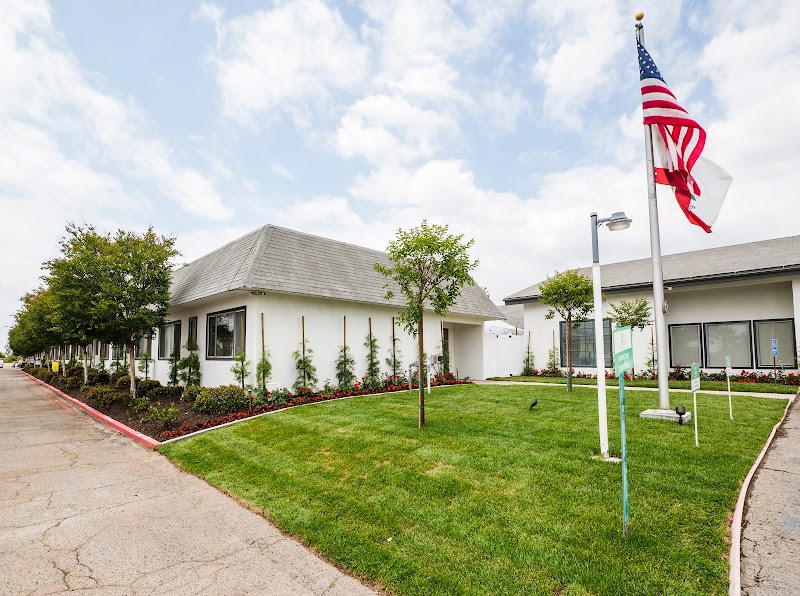
How is Citrus Nursing Center Staffed?

CMS rates CITRUS NURSING CENTER's staffing level at 3 out of 5 stars, which is average compared to other nursing homes. Staff turnover is 36%, compared to the California average of 46%. This relatively stable workforce can support continuity of care. RN turnover specifically is 64%, which is notably high. RNs provide skilled clinical oversight, so turnover in this role can affect medical care quality.

What Have Inspectors Found at Citrus Nursing Center?

State health inspectors documented 23 deficiencies at CITRUS NURSING CENTER during 2019 to 2025. These included: 1 Immediate Jeopardy (the most serious level, indicating potential for serious harm or death) and 22 with potential for harm. Immediate Jeopardy findings are rare and represent the most serious regulatory concerns. They require immediate corrective action.
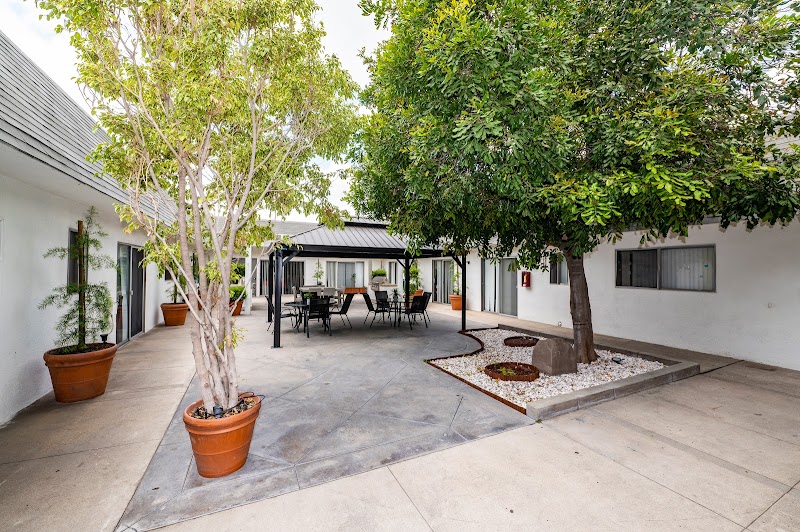
Who Owns and Operates Citrus Nursing Center?

CITRUS NURSING CENTER is owned by a for-profit company. For-profit facilities operate as businesses with obligations to shareholders or private owners. The facility is operated by DAVID & FRANK JOHNSON, a chain that manages multiple nursing homes. With 99 certified beds and approximately 89 residents (about 90% occupancy), it is a smaller facility located in FONTANA, California.
How Does Citrus Nursing Center Compare to Other California Nursing Homes?

Compared to the 100 nursing homes in California, CITRUS NURSING CENTER's overall rating (4 stars) is above the state average of 3.2, staff turnover (36%) is significantly lower than the state average of 46%, and health inspection rating (4 stars) is above the national benchmark.

What Should Families Ask When Visiting Citrus Nursing Center?

Based on this facility's data, families visiting should ask: "What changes have been made since the serious inspection findings, and how are you preventing similar issues?" "Can I visit during a mealtime to observe dining assistance and food quality?" "How do you handle medical emergencies, and what is your hospital transfer rate?" "Can I speak with family members of current residents about their experience?" These questions are particularly relevant given the facility's Immediate Jeopardy citations.

Is Citrus Nursing Center Safe?

Based on CMS inspection data, CITRUS NURSING CENTER has documented safety concerns. Inspectors have issued 1 Immediate Jeopardy citation (the most serious violation level indicating risk of serious injury or death). The facility has a 4-star overall rating and ranks #1 of 100 nursing homes in California. Families considering this facility should ask detailed questions about what corrective actions have been taken since these incidents.

Do Nurses at Citrus Nursing Center Stick Around?

CITRUS NURSING CENTER has a staff turnover rate of 36%, which is about average for California nursing homes (state average: 46%). Moderate turnover is common in nursing homes, but families should still ask about staff tenure and how the facility maintains care continuity when employees leave.

Was Citrus Nursing Center Ever Fined?

CITRUS NURSING CENTER has been fined $7,446 across 1 penalty action. This is below the California average of $33,153. While any fine indicates a compliance issue, fines under $50,000 are relatively common and typically reflect isolated problems that were subsequently corrected. Families should ask what specific issues led to these fines and confirm they've been resolved.

Is Citrus Nursing Center on Any Federal Watch List?

CITRUS NURSING CENTER is not on any federal watch list. The most significant is the Special Focus Facility (SFF) program, which identifies the bottom 1% of nursing homes nationally based on persistent, serious quality problems. Not being on this list means the facility has avoided the pattern of deficiencies that triggers enhanced federal oversight. This is a positive indicator, though families should still review the facility's inspection history directly.