LAUREL CONVALESCENT HOSPITAL
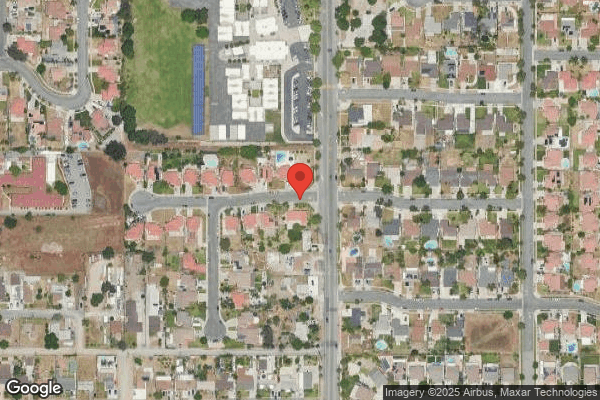
7509 N LAUREL AVE, FONTANA, CA 92336 (909) 822-8066
For profit - Limited Liability company 99 Beds LONGWOOD MANAGEMENT CORPORATION Data: November 2025 3 Immediate Jeopardy citations
Trust Grade
29/100
#384 of 1155 in CA
Last Inspection: November 2024

Within standard 12-15 month inspection cycle. Federal law requires annual inspections.

Overview

Laurel Convalescent Hospital has received a Trust Grade of F, indicating significant concerns about care quality. It ranks #384 out of 1155 facilities in California, placing it in the top half, but its overall poor grade raises red flags. The facility’s trend is worsening, with reported issues increasing from 1 in 2023 to 15 in 2024, suggesting deteriorating conditions. Staffing is a weak point, with a 2/5 star rating and a troubling turnover rate of 61%, well above the state average of 38%. While the hospital has not incurred any fines, there have been critical incidents, such as failing to ensure insulin was administered correctly, posing serious risks to residents' health. Additionally, there was a hazardous situation where a resident had an electrical space heater in a closed room, which could lead to fire risks. Overall, while there are some good aspects, such as no fines and decent quality ratings, the significant issues with staffing and safety are concerning for families considering this facility.

Trust Score
F
29/100
In California
#384/1155
Top 33%
Safety Record
High Risk
Review needed
Inspections
Getting Worse
1 → 15 violations
Staff Stability
⚠ Watch
61% turnover. Above average. Higher turnover means staff may not know residents' routines.
Penalties
✓ Good
No fines on record. Clean compliance history, better than most California facilities.
Skilled Nurses
⚠ Watch
Each resident gets only 20 minutes of Registered Nurse (RN) attention daily — below average for California. Fewer RN minutes means fewer trained eyes watching for problems.
Violations
⚠ Watch
41 deficiencies on record. Higher than average. Multiple issues found across inspections.
★★★★☆
4.0
Overall Rating
★★☆☆☆
2.0
Staff Levels
★★★★☆
4.0
Care Quality
★★★★☆
4.0
Inspection Score
Stable
2023: 1 issues
2024: 15 issues

The Good

  • 4-Star Quality Measures · Strong clinical quality outcomes
  • Full Sprinkler Coverage · Fire safety systems throughout facility
  • No fines on record

Facility shows strength in quality measures, fire safety.

The Bad

Staff Turnover: 61%

15pts above California avg (46%)

Frequent staff changes - ask about care continuity

Chain: LONGWOOD MANAGEMENT CORPORATION

Part of a multi-facility chain

Ask about local staffing decisions and management

Staff turnover is elevated (61%)

13 points above California average of 48%

The Ugly 41 deficiencies on record

3 life-threatening
Dec 2024 1 deficiency
CONCERN (D) 📢 Someone Reported This

A family member, employee, or ombudsman was alarmed enough to file a formal complaint

Potential for Harm - no one hurt, but risky conditions existed

Quality of Care (Tag F0684)

Could have caused harm · This affected 1 resident

**NOTE- TERMS IN BRACKETS HAVE BEEN EDITED TO PROTECT CONFIDENTIALITY** Based on interview and record review, the facility failed to prevent one of three sampled residents (Resident 1), who was diabet...

Read full inspector narrative →
**NOTE- TERMS IN BRACKETS HAVE BEEN EDITED TO PROTECT CONFIDENTIALITY** Based on interview and record review, the facility failed to prevent one of three sampled residents (Resident 1), who was diabetic, obese, and immobile and at risk for skin breakdown develop pressure injuries (pressure on body prominence causes breakdown to tissue) as follows: a. Left heel, left great toe and 1st metatarsal developed a deep tissue injury (DTI). And right medial foot fluid blister. b. Acquired an open wound to left elbow and sacral (tailbone) c. No family notification of left elbow and sacral open wound and wound treatment. This failure had the potential to result in a clinically compromised resident, (Resident 1) to be placed at risk for unnecessary pain, infection and death due to wounds not being identified and treated to prevent progressing. Findings: During review of Residents 1's admission Record (general demographics), the document indicated Resident 1 was admitted to the facility on [DATE], with diagnoses which included: myocardial infarction type 2 (heart attack), diabetes type 2 (body does not produce enough insulin, or resist insulin), hemiplegia and hemiparesis (partial paralysis on one side of body), hypertension (high blood pressure). During a record review of Resident 1's medical records, reviewed and verified the following with Assistant Director of Nursing (ADON): a. admission Reassessment dated [DATE], wound sites: Abdomen (gastrostomy (gastrostomy tube-a tube surgically inserted through abdominal wall to administer medications and liquid nourishment), right inner arm discoloration, sacrococcyx (tailbone)(scar tissue). No other skin breakdown. b. Change of Condition (COC) dated May 25, 2024, 10:54, Multiple skin Conditions: Treatment nurse noted that resident had multiple skin conditions. As follows: 1 Right medial foot fluid filled bister 2. Left heel Deep Tissue Injury (DTI) 3x3 Unstageable full thickness or tissue loss depth unknown (UTD). 3. Left Great Toe (DTI 0.5x0.5xUTD. 4. Left 1stMetatarsal DTI 1.5x1.5 UTD. c. COC dated July 03, 2024, at 1359, Noted with Left elbow trauma wound reopened and pressure injury to sacrum .treatment initiated as order .attempted to call daughter {name}, no answer and could not leave voicemail. Called son {name}, no answer and could not leave voice mail. (Family was not notified, no follow up notification noted in medical records). During an interview on December 12, 2024, with the Treatment Nurse (TXT Nurse), TXT nurse stated, When there is a new wound, we do a COC, we monitor for 3 days, update the careplan, call the doctor and family. I leave a voice message and call back number, if voice message full, I would continue to call the family. Resident 1 did develop the Sacrococcyx wound in facility, he was on the heavier side, and be pushed back when we tried to reposition him. He was not able to reposition himself. I can agree the family was not notified and we should have continued with follow up call to inform. During an interview on December 12, 2024, with the Assistant Director of Nursing (ADON), ADON states, Just based on the records reviewed, He did come in with no wounds and he did develop the wounds here. I can agree they should not have developed here. There is no note that the family was ever notified of wound on July 06, 2024, he was sent out July 10, 2024. He was getting wound care treatment on the new wounds. During an interview on December 12, 2024, with the Administrator (Admin), Admin states, Resident 1, I can agree he should not have developed any wounds, I am aware of the documentation. The family was called but there should have been follow through on the notification of new wounds and wound treatments we started. During a review of the facility's policy and procedure titled, Pressure Sore Management (no date), the policy and procedure indicated, All available measures shall be taken to reduce skin breakdown and pressure sores. During a review of the facility's policy and procedure titled, Prevention of Pressure Injuries revised March 2023, the policy and procedure indicated, The purpose of this procedure is to provide information regarding identification of pressure injury risk factors and interventions for specific factors .Assess the resident on admission for existing pressure injury risk factors. Repeat the risk assessment weekly and upon any changes in condition .reposition all residents with or at risk for pressure injuries on an individualized schedule, as determined by the interdisciplinary team .evaluate, report and document potential changes in the skin, review the interventions and strategies for effective ness on an ongoing basis. During a review of the facility's policy and procedure titled, Change in a Resident's Condition or Status revised (February 2021), the policy and procedure indicated, Our facility promptly notifies the resident, his or her attending physician, and the resident representative of changes in the resident's medical/mental condition and or status (e.g., changes in level of care .).
Nov 2024 3 deficiencies
CONCERN (D)

Potential for Harm - no one hurt, but risky conditions existed

ADL Care (Tag F0677)

Could have caused harm · This affected 1 resident

**NOTE- TERMS IN BRACKETS HAVE BEEN EDITED TO PROTECT CONFIDENTIALITY** Based on observation, interview, record review, and facility policy review, the facility failed to ensure the residents' fingern...

Read full inspector narrative →
**NOTE- TERMS IN BRACKETS HAVE BEEN EDITED TO PROTECT CONFIDENTIALITY** Based on observation, interview, record review, and facility policy review, the facility failed to ensure the residents' fingernails were clean and trimmed for 2 (Resident #2 and Resident #136) of 3 sampled residents reviewed for activities of daily living (ADLs). Findings included: A facility policy titled, Activities of Daily Living (ADLs), Supporting, revised 03/2023, revealed, Residents will be provided with care, treatment and services as appropriate to maintain or improve their ability to carry out activities of daily living. The policy specified, 2. Appropriate care and services will be provided for resident's who are unable to carry out ADLs independently, with the consent of the resident and in accordance with the plan of care, including appropriate support and assistance with: a hygiene (bathing, dressing, grooming, and oral care.) 1. An admission Record revealed the facility admitted Resident #2 on 11/20/2007. According to the admission Record, the resident had a medical history that included diagnoses of contracture of the right and left knee, personal history of transient ischemic attack, age-related osteoporosis, hemiplegia and hemiparesis following cerebral infarction affecting left non-dominant side, and dementia. A quarterly Minimum Data Set (MDS), with an Assessment Reference Date (ARD) of 09/16/2024, revealed Resident #2 had a Staff Assessment for Mental Status (SAMS), which indicated the resident was severely impaired in cognitive skills for daily decision making. The MDS indicated that Resident #2 was dependent on staff for all ADLs. Resident #2's care plan, included a focus area initiated 11/27/2018, that indicated the resident required assistance with ADLs because of a history of dementia and cognitive impairment. Interventions directed staff to assist with grooming and trimming of the resident's fingernails. During an observation on 11/12/2024 at 8:19 AM, Resident #2's fingernails were black and curled under. During an interview on 11/13/2024 at 9:32 AM, Certified Nurse Aide (CNA) #1 stated the trimming of a resident's fingernails was done by the restorative nurse aide (RNA). CNA #1 stated Resident #2's fingernails needed to be trimmed and that she noticed this a few weeks ago. According to CNA #1, she told a nurse, but she did not remember who, and the nurse stated she would direct the RNA to trim the resident's fingernails. During an interview on 11/13/2024 at 9:47 AM, Registered Nurse (RN) #3 stated the aides were allowed to trim the fingernails of residents who were not diabetic or at risk for infection of complications. During a concurrent follow-up interview and observation on 11/13/2024 at 10:22 AM, RN #3 stated she was not notified that Resident #2 needed their fingernails trimmed. RN #3 observed Resident #2's fingernails and stated eight of the resident's 10 fingernails needed to be trimmed. During an observation on 11/13/2024 at 10:24 AM, RN #3 stated Resident #2's fingernail in the middle of their left hand was black, long, and curled over. 2. An admission Minimum Data Set (MDS), with an Assessment Reference Date (ARD) of 10/28/2024, revealed the facility admitted Resident #136 on 10/23/2024. Per the MDS, the resident had a Brief Interview for Mental Status (BIMS) score of 12, which indicated the resident had moderate cognitive impairment. The MDS indicated Resident #136 required partial/moderate assistance with personal hygiene. According to the MDS, the resident had active diagnoses to include other fracture, atrial fibrillation, hypertension, and abnormal posture, Resident #136's care plan, included a focus area initiated 10/26/2024, that indicated the resident required assistance with ADLs because of a history of displaced fracture of lateral malleolus of left fibula. Interventions directed staff to assist with grooming and trimming of the resident's fingernails. During an observation on 11/13/2024 at 10:06 AM, Resident #136's fingernails were long and black in color underneath. During an interview on 11/13/2024 at 10:07 AM, Resident #136 stated they would like to have their fingernails cut, but that has not happened for them. During an interview on 11/13/2024 at 9:47 AM, Registered Nurse (RN) #3 stated the aides were allowed to trim the fingernails of residents who were not diabetic or at risk for infection of complications. During a concurrent interview and observation on 11/13/2024 at 10:10 AM, Restorative Nurse Aide (RNA) #5 stated CNAs and RNAs could trim the fingernails of residents who were not diabetic. RNA #5 stated Resident #136's nails were long, dirty, and needed to be cut. During a concurrent follow-up interview and record review on 11/13/2024 at 10:15 AM, RNA #5 stated Resident #136 was a newly admitted resident and that was why their nails had not been cleaned or trimmed. RNA #5 reviewed Resident #136's medical record and stated the resident admitted to the facility on [DATE]. During a concurrent follow-up interview and observation on 11/13/2024 at 10:22 AM, RN #3 stated Resident #136 had been in the facility for three weeks and the resident should have had their fingernails trimmed. RN #3 stated Resident #136's fingernails were dirty and needed to be trimmed. Per RN #3, seven of the resident's 10 fingernails need to be trimmed and had black/brown stains underneath the fingernails. During an interview on 11/14/2024 at 8:39 AM, the Director of Nursing stated she expected the residents' fingernails to be clean and trimmed. During an interview on 11/14/2024 at 9:26 AM, the Administrator stated the residents' fingernails should be checked daily and their fingernails should be trimmed and cleaned regularly.
CONCERN (D)

Potential for Harm - no one hurt, but risky conditions existed

Incontinence Care (Tag F0690)

Could have caused harm · This affected 1 resident

Based on observation, interview, record review, and facility policy review, the facility failed to ensure a resident's catheter was secured using a securement device for 1 (Resident #52) of 2 sampled ...

Read full inspector narrative →
Based on observation, interview, record review, and facility policy review, the facility failed to ensure a resident's catheter was secured using a securement device for 1 (Resident #52) of 2 sampled residents reviewed for urinary catheters. Findings included: A facility policy titled, Catheter Care, Urinary, revised 08/2022, indicated 4. Ensure that the catheters remains secured with a securement device to reduce friction and movement at the insertion site. An admission Record indicated the facility admitted Resident #52 on 07/22/2022. According to the admission Record, the resident had a medical history that included diagnoses of chronic kidney disease, benign prostate hypertrophy with lower urinary symptoms, obstructive and reflex uropathy, and urinary tract infection. A quarterly Minimum Data Set (MDS), with an Assessment Reference Date (ARD) of 10/04/2024, revealed Resident #52 had a Brief Interview for Mental Status (BIMS) score of 12, which indicated the resident had moderate cognitive impairment. The MDS revealed Resident #52 had an indwelling catheter. Resident #52's Order Summary Report, which contained active orders as of 11/13/2024, revealed an order dated 09/07/2024, that directed staff to secure the resident's indwelling catheter tubing with anchor, every shift to minimize dislodgement of the catheter. During catheter care observation on 11/12/2024 at 11:07 AM, Resident #52's indwelling care was not secured with a securement device. During an interview on 11/12/2024 at 11:13 AM, Licensed Vocational Nurse (LVN) #6 stated a resident's securement device for an indwelling catheter should be checked daily. LVN #6 stated she did not know why Resident #52 did not have a securement device, but there should be one. During an interview on 11/12/2024 at 11:49 AM, the Director of Nursing (DON) stated a leg band or anchor device should be in place for all residents with a catheter to ensure the catheter was kept in place. According to the DON, nurses were to ensure the device was in place at all times. During an interview on 11/14/2024 at 9:48 AM, the Administrator stated he expected the nurse aides to verify a resident's securement device was in place every shift and notify the nurse if it was not, so that it could be replaced.
CONCERN (F)

Potential for Harm - no one hurt, but risky conditions existed

Food Safety (Tag F0812)

Could have caused harm · This affected most or all residents

Based on observation, interview, and facility policy review, the facility failed to ensure the kitchen refrigerator temperature was maintained at 40 degrees Fahrenheit (F) or lower. This deficient pra...

Read full inspector narrative →
Based on observation, interview, and facility policy review, the facility failed to ensure the kitchen refrigerator temperature was maintained at 40 degrees Fahrenheit (F) or lower. This deficient practice had the potential to affect all residents who received food from the kitchen. Findings included: An undated facility policy titled, Refrigerator/Freezer Storage revealed, 3. If temperatures are not within appropriate range, dietary staff will notify the dietary supervisor and / or Maintenance Supervisor and Administrator: Refrigerator Temperature 40 degrees F or lower. During an observation of the kitchen on 11/11/2024 at 8:35 AM, 8:43 AM, and 10:06 AM, the refrigerator temperature was noted as 45 degrees F. During a concurrent observation and interview on 11/11/2024 at 1:45 PM, the Dietary Supervisor (DS) checked the thermometer inside the refrigerator and stated the temperature was 45 degrees F. The DS stated a temperature reading of 45 degrees F could impact the food. The DS stated the temperature of the refrigerator should not be above 41 degrees F. During an observation on 11/11/2024 at 2:00 PM, the internal thermometer of the refrigerator temperature was listed as 49 degrees F. During an interview on 11/ 11/2024 at 2:45 PM, the Regional Dietician stated it was not okay for the refrigerator temperature to be 45 degrees F because dependent on how long it was 45 degrees F, it could cause a food-borne illness. During an interview on 11/14/2024 at 8:32 AM, the Director of Nursing (DON) stated she would not know the temperature, but expected staff to follow the food code regulations. The DON stated she believed that food should not be served if it was in the danger zone as bacteria loved heat. During an interview on 11/14/2024 at 9:31 AM, the Administrator stated the refrigerator temperature should be 41 degrees F or lower and acknowledged the facility policy indicated a temperature of 40 degrees of F or less. According to the Administrator, the refrigerator temperature should be maintained at 41 degrees F to ensure the prevention of food-borne illnesses.
Oct 2024 1 deficiency
CONCERN (D) 📢 Someone Reported This

A family member, employee, or ombudsman was alarmed enough to file a formal complaint

Potential for Harm - no one hurt, but risky conditions existed

Resident Rights (Tag F0550)

Could have caused harm · This affected 1 resident

Based on observation, interview, and record review the facility failed to follow their Policy when the nursing staff failed to provide care for 2 of 3 sampled Residents (Resident 1 and 2). This failur...

Read full inspector narrative →
Based on observation, interview, and record review the facility failed to follow their Policy when the nursing staff failed to provide care for 2 of 3 sampled Residents (Resident 1 and 2). This failure had the potential to place two clinically compromised Residents (Resident 1 and 2) psychosocial health and safety at risk. When facility staff failed to provide Resident ' s 1 and 2 with requested care and services. Findings: During an interview on October 2, 2024, at 4:37 PM, with Resident 1, Resident 1 in bed, is alert and oriented. Resident 1 stated it will take hours for the nursing staff to change her diaper no matter what time of day she activates the call light. During review of Resident 1 ' s admission Record (General demographics) on October 2, 2024, indicates admitted to facility on September 18, 2024, with diagnosis (DX) include Enterocolitis (inflammation of both the small intestine and the colon) muscle weakness, abnormalities of gait (the way a person walks) and mobility, hypertension (high blood pressure), Gastro-esophageal reflux (heartburn). During an interview on October 2, 2024, at 4:45 PM, with Resident 2. Resident 2 in bed, is alert and oriented Resident 2 stated three hours was the longest he had to wait before his call light was answered. He further added, sometimes they answer the light, leave without giving him the assistance he needs, and never return. During review of Resident 1 ' s admission Record (General demographics) on October 2, 2024, indicates admitted to facility on March 1, 2024, with diagnosis (DX) include Myocardial infraction (heart attack), abnormal posture, muscle weakness, pleural effusion (a condition where too much fluid builds up in the space between the lungs and the chest wall), type 2 Diabetes Mellitus (a chronic disease that occurs when the body can ' t properly use glucose, or blood sugar), Hypertension (High blood pressure). During concurrent observation and interview on October 2, 2024, at 5:20 PM with the Certified Nursing Assistant (CNA 1). From 4:43 PM to 5:20 PM, the call light was heard, but nobody answered. CNA 1 claimed that since she had not heard the call light, the sound must have come from the DSD office; however, when examining the call light panel, it was discovered that the sound was coming from a resident ' s room. During an interview on October 2, 2024, at 5:43 PM, with the Director of Staff Development (DSD 1), When asked why staff was not alerted by the call light sound, DSD 1 stated staff may have look at the hallway and don ' t see light on and didn ' t do anything. Stated they should have look at the panel to check where the sound came from. Stated in this case her staff is not following the guideline and policy. A review of the facility Policy and Procedure titled, Answering the Call light, Version 1.3 (H5MAPR0016), indicated, . 1. Answer the resident call system in timely manner .
Sept 2024 1 deficiency
CONCERN (D) 📢 Someone Reported This

A family member, employee, or ombudsman was alarmed enough to file a formal complaint

Potential for Harm - no one hurt, but risky conditions existed

Quality of Care (Tag F0684)

Could have caused harm · This affected 1 resident

**NOTE- TERMS IN BRACKETS HAVE BEEN EDITED TO PROTECT CONFIDENTIALITY** Based on interview and record review the facility failed to prevent for one of three sampled residents Resident 1, two pressure ...

Read full inspector narrative →
**NOTE- TERMS IN BRACKETS HAVE BEEN EDITED TO PROTECT CONFIDENTIALITY** Based on interview and record review the facility failed to prevent for one of three sampled residents Resident 1, two pressure injuries from reopening and an physician order placed a Computed tomography (CT) to right foot, instead of left foot. This failure placed a clinically compromised Residents (Resident 1) health and safety at risk and could have delayed treatment. Findings: During review of Residents 1 ' s admission Record (general demographics), the document indicated Resident 1 was admitted to the facility on [DATE], with diagnoses to include: contracture right knee (stiffness), vascular dementia (brain damage by multiple strokes, causing memory loss), flaccid neuropathic bladder (bladder doesn ' t contract, lead to urine retention). During a review concurrent interview and record review of Resident 1 ' s Medical Record with the Assistant Director of Nursing (ADON), reviewed are as follows: 1. SKIN PROGRESS REPORT: July 12, 2024, Coccyx Stage 4, measuring 3.5cmx4.6cmx0.1cm . Reopened sacrococcyx wound. 2. Skilled Nursing Facility (SNF) Wound Care Note dated July 12, 2024, Left hip reopened stage 3 measuring, 0.7x0.7x0.1, post debridement measurements 0.7x0.7x0.2. 3. Interdisciplinary Team (IDT) Note dated August 02, 2024, ' Meeting with daughter to discuss plan of care. Notified doctor family has concerns of foul smell and we are referring to osteomyelitis . 4. Order dated August 02, 2024, at 1457: May have Computed tomography (CT) (computerized X-ray imaging to Right heel to rule out osteomyelitis. (ORDER FOR THE WRONG FOOT, Right heel resolved June 03, 2024, per notes). During an interview on September 05, 2024, with the Treatment Nurse (TXT), the TXT nurse states, Resident 1 had right and left heel wounds, the right one was resolved. We were just treating his Left heel, I ' m not sure who put in the order for the Right Foot CT scan, that nurse is no longer here anymore. The wound specialist did not see signs of infection, we did notice a slight smell .she wound debride every time she came, there was slough to it. The daughter told me around the time he was sent out, it does not look well. During a concurrent interview and record review on September 05, 2024, with the Assistant Director of Nursing (ADON), the ADON states, On August 02, 2024, we had meeting with family, the concerns were the foot infection. We called the doctor and got an order for (CT) right heel for osteomyelitis. The family wanted to send him out, so we did not get a chance to do the CT on the foot. Acknowledge after record review, order was written for the wrong foot. During an interview with the Director of Nursing (DON), DON states, Resident 1 wounds did reopen here, he does have medical history that can attribute. Acknowledge after record review, order was written for the wrong foot. During a review of the facility ' s policy and procedure titled, Prevention of Pressure Injuries revised March 2023, the policy and procedure indicated, The purpose of this procedure is to provide information regarding identification of pressure injury risk factors and interventions for specific factors .Assess the resident on admission for existing pressure injury risk factors. Repeat the risk assessment weekly and upon any changes in condition .reposition all residents with or at risk for pressure injuries on an individualized schedule, as determined by the interdisciplinary team .evaluate, report and document potential changes in the skin, review the interventions and strategies for effective ness on an ongoing basis. During a review of the facility ' s policy and procedure titled, Wound Care 2021, the policy and procedure indicated, The purpose of this procedure is to provide guidelines for the care of wounds to promote healing.
May 2024 1 deficiency
CONCERN (D) 📢 Someone Reported This

A family member, employee, or ombudsman was alarmed enough to file a formal complaint

Potential for Harm - no one hurt, but risky conditions existed

Free from Abuse/Neglect (Tag F0600)

Could have caused harm · This affected 1 resident

ased on interview and record review, the facility failed to protect against physical and verbal abuse for one of three sampled residents (Resident 1) when Resident 1 fell out of bed and a Certified Nu...

Read full inspector narrative →
ased on interview and record review, the facility failed to protect against physical and verbal abuse for one of three sampled residents (Resident 1) when Resident 1 fell out of bed and a Certified Nursing Assistant (CNA 1) pulled Resident 1 by one arm back onto the bed and Resident 1 ' s hip rubbed against the footrest. The CNA 1 stated to Resident 1 Stop that! you ' re being annoying! This failure caused Resident 1 to suffer physical and verbal abuse. Findings: An unannounced visit was made to the facility on May 21, 2024, at 9:48 AM, to investigate a facility reported incident regarding an allegation of physical and verbal abuse. A review of Resident 1 ' s face sheet (a document that gives a summary of resident ' s information), undated, indicated an initial admission date of April 9, 2019. Resident 1 had diagnoses that included partial paralysis of the left side of the body following a stroke and dementia (a group of thinking and social symptoms that interferes with daily functioning). A review of a Registered Nurse Supervisor ' s (RNS) witness statement, undated, indicated, RN [RNS]: I walked into the room and noticed that resident [Resident 1] had rolled off her bed unto the other mattress, so I said to CNA [CNA 1], ' hold on, let me put on my gloves. ' Unfortunately, she didn't wait, and CNA [CNA 1] pulled resident by one arm onto the bed and the resident rubbed hip against the footrest. The RNS was unavailable for interview. During an interview with Resident 1 on May 21, 2024, at 11:14 AM, Resident 1 stated, I'm sorry I don't feel like talking. During an interview with a Minimum Data Set/Licensed Vocational Nurse (MDS/LVN 1) on May 21, 2024, at 2:14 PM, The MDS/LVN 1 stated she was walking out of her office and overheard CNA 1 say, Stop that! you're being annoying! from Resident 1 ' s room. The MDS/LVN 1 stated she knew CNA 1 well enough to know it had been her voice. During an interview with a Licensed Vocational Nurse/Infection Preventionist (LVN/IP) on May 21, 2024, at 2:21 PM, The LVN/IP stated she saw CNA 1 walk into Resident 1's room and heard her state Stop that! you're being annoying! A review of CNA 1 ' s statement, undated, indicated, CNA [CNA 1] Statement: At around 12:00 pm we asked CNA [CNA 1] if she had been a little rough with resident [Resident 1] and she answer ' No. ' The CNA 1 was unavailable for interview. During an interview with the Administrator (Admin) on May 21, 2024, at 12 PM, the Admin stated he was the facility ' s abuse coordinator. The Admin stated he was not working as the Administrator at the time of the incident, however, after reviewing the interviews and records from the prior Administrator he determined the facility had failed to protect Resident 1 from verbal and physical abuse. The Admin stated the facility ' s policy and procedure titled, Abuse and Mistreatment of Residents, dated May 3, 2023, had not been followed. A review of the facility ' s policy and procedure titled, Abuse and Mistreatment of Residents, dated May 3, 2023, indicated, Purpose: To uphold a resident ' s right to be free from verbal, sexual, and mental abuse, corporal punishment, neglect, and involuntary seclusion. Prevention Guidelines: Facility shall institute procedures to provide residents, families, and staff information on how and to whom they may report concerns, incidents, and grievance without the fear of retribution. The facility shall also provide feedback regarding the concerns that have been expressed. Facility shall also institute procedures that allow for identification, correction, and intervention in situations in which abuse, neglect, and/or misappropriation of resident property is more likely to occur. Areas of identification, correction, and intervention may include, but are not limited to facility environment, staffing and supervision of staff, identification of residents with potential for behavioral symptoms and manifestations that may lead to conflict or anger through comprehensive assessment, care planning, and monitoring.
May 2024 1 deficiency
CONCERN (D) 📢 Someone Reported This

A family member, employee, or ombudsman was alarmed enough to file a formal complaint

Potential for Harm - no one hurt, but risky conditions existed

Notification of Changes (Tag F0580)

Could have caused harm · This affected 1 resident

**NOTE- TERMS IN BRACKETS HAVE BEEN EDITED TO PROTECT CONFIDENTIALITY** Based on interview and record review the facility failed to follow their policy when staff did not notify the physician and alte...

Read full inspector narrative →
**NOTE- TERMS IN BRACKETS HAVE BEEN EDITED TO PROTECT CONFIDENTIALITY** Based on interview and record review the facility failed to follow their policy when staff did not notify the physician and alternative physician promptly for a change of condition for one of four sampled residents (Resident 1). This failure had the potential to result in a delay of treatment for redness, swelling and tender to touch of the left foot of Resident 1. Findings: During a review of Resident 1 ' s admission Record (general demographics) on May 22, 2024, the document indicated Resident 1 was last admitted to the facility on [DATE], with diagnosis that included type 2 diabetes mellitus (a condition of that occurs when the sugar in the blood is too high), osteoporosis ( a condition that causes bones to become weak and more likely to break), hypertension, rheumatoid arthritis (a condition of joint swelling and pain), contracture of muscle left lower leg (a condition that occurs when the muscles, tendons, joints and tissues tighten or shorten). During a review on May 22, 2024, at 10:00 am, of Resident 1 ' s document, COC (Change of Condition)/INTERACT ASSESSMENT FORM (SBAR) (Situation Background Assessment Recommendation) v1.4 dated, May 14, 2024, at 11:47 am, the document indicated, .0900 alerted by cna (Certified Nursing Assistant) that pt is complaining of L. (left foot) pain. 0915 resident assessed. All vitals WNL (within normal limit) redness and swelling noted to L. foot tender to touch .0920 dr (Doctor) [Name of physician] notified, picture attached. No response . 1435 dr [Name of physician] updated, no response this shift. endorsing to next shift. daughter contacted and no response, message left . A review on May 22, 2024, at 10:00 am, of Resident 1 ' s Progress Notes, dated, May 14, 2024, at 9:47 pm, indicated, MD made aware of resident noted with edema and discoloration to left ankle and foot. MD order for CBC (complete blood count) AND XRAY TO LEFT FOOT AND ankle. Resident made aware . A review on May 22, 2024, at 10:00 am of Resident 1 ' s Progress Notes, dated, May 15, 2024, at 2:28 am, indicated, RECEIVED NEW ORDER FROM DR. [Name of physician]. MAY TRANSFER RESIDENT TO ACUTE HOSPITAL TO RULE OUT DVT (deep vein thrombosis) due to left leg swelling discoloration . During an interview on May 22, 2024, at 1:48 PM, with the Registered Nurse Supervisor (RNS), the RNS was asked about a change of condition of Resident 1. The RNS stated, Usually, we call to report to the physician immediately any change of condition and follow new orders if any. The RNS further stated, Usually, another call is made shortly to follow up with the physician if there is not an immediate response. A review of the facility ' s policy and procedure (P&P), titled, Change of Condition dated, March14, 2024, indicated, Purpose: TO ENSURE PROPER ASSESSMENT AND FOLLOW-THROUGH FOR ANY RESIDENT WITH A CHANGE OF CONDITION . CONTENT: A. ALL CHANGES OF CONDITION IN A RESIDENT SHALL BE HANDLED PROMPTLY . C. Upon a Change in Condition for any reason, nursing staff members are to take the following actions . b. PHYSICIAN SHALL BE CALLED PROMPTLY. If for some reason physician cannot be reached, alternative physician shall be contacted. If alternate cannot be reached, Medical Director is to be contacted. All contacts or attempt to contact shall be documented and include the correct time of the activity . During a concurrent interview and record review on May 22, 2024, at 1:55 PM, with the Administrator (Admin), the P & P titled, Change of Condition dated, March14, 2024, was reviewed. The Admin. acknowledged that nursing staff did not follow facility policy for promptly notifying the physician of a change in condition of Resident 1. The Admin. further stated, The staff should have called and notified an alternative physician or the Medical Director.
May 2024 1 deficiency
CONCERN (D) 📢 Someone Reported This

A family member, employee, or ombudsman was alarmed enough to file a formal complaint

Potential for Harm - no one hurt, but risky conditions existed

Deficiency F0745 (Tag F0745)

Could have caused harm · This affected 1 resident

**NOTE- TERMS IN BRACKETS HAVE BEEN EDITED TO PROTECT CONFIDENTIALITY** Based on interview and record review the facility failed to ensure one of four clinically compromised residents (Resident 1) was...

Read full inspector narrative →
**NOTE- TERMS IN BRACKETS HAVE BEEN EDITED TO PROTECT CONFIDENTIALITY** Based on interview and record review the facility failed to ensure one of four clinically compromised residents (Resident 1) was provided transportation for his dialysis treatment appointment. This failure had the potential to result in a delay of treatment that could adversely affect and further compromise Resident 1 ' s health. Findings: During a review of Resident 1 ' s admission RECORD (general demographics) on May 23, 2024, the document indicated Resident 1 was originally admitted to the facility on [DATE], with diagnoses that include diabetes mellitus (a condition that affects the way the body process blood sugar), end stage renal dialysis (a condition that cause the kidney to cease working), hypertension (a condition with blood pressure that is higher than normal), congestive heart failure (a condition that occurs when the heart muscle does not pump blood as well as it should) and hyperparathyroidism (a condition where the thyroid does not create and release enough thyroid hormone into the bloodstream). A review on May 23, 2024, at 2:40 PM, of Resident 1 ' s document, titled, PHYSICIAN HISTORY & PHYSICAL dated, 05/10/2024, indicated, . PAST MEDICAL HISTORY . History This is an [AGE] year-old male past medical history significant for end-stage renal disease on HD [(Hemodialysis) a way to clean the blood if the kidneys are no longer working properly] . During a review of the Physician Orders on May 23, 2023, the order dated May 10, 2024, indicated, DIALYSIS CENTER: DAVITA [NAME] RANCH ADDESS & CONTACT INFOR: 7223 CHURCH ST. UNIT A14 [NAME], CA 92346 (909) [PHONE NUMBER] DIALYSIS DAYS: T, TH, S (Tuesdays, Thursdays, Saturday) NEPHROLOGIST: DR. [NAME] TRANSPORTATION AND CONTACT INFO: [SPECIFY] SPECIAL INSTRUCTIONS: TIME 12:15 PM. A review on May 23, 2024, at 2:40 pm, of Resident 1 ' s COC (Change of Condition)/INTERACT ASSESSMENT FORM (SBAR) (Situation Background Assessment Recommendation) v1.4 dated, May 9, 2024, indicated, 7:00 AM . Res (Resident) noted in bed ready for dialysis, with paperwork and sacks lunch. 12.00 PM CNA (Certified Nursing Assistant) notified charge nurse of transportation not arriving. Chains of command followed. Transportation was called. Transportation claims to not have known about routine scheduled pick up for resident. MD (Medical Director) notified, family aware. 1300 PM we were able to get in touch with dialysis center to reschedule extra chair time for resident for following day (5/10/24 @ (at) 7:15 AM. Transportation notified. MD notified, family made aware. Orders to monitor res for fluid overload r/t (related to) missed dialysis . During an interview May 23, 2024, at 4:25 PM, with the Director of Nursing (DON), the DON was asked about the missed dialysis treatment on May 9, 2024, for Resident 1. The DON stated, The resident should not have missed his dialysis treatment. She further stated, The staff should have called and notified the transportation services for pick up for dialysis, upon his return from the hospital. During a concurrent interview and review on May 23, 2024, at 4:25 PM, with the Administrator (Admin) the facility ' s policy and procedure (P&P), titled, Transportation, Social Services, dated, December 2008, was reviewed. The P&P indicated, Our facility shall help arrange transportation for residents as needed . 2). Social services will help the resident as needed to obtain transportation . The Admin stated, The staff did not follow the facility policy. The resident should not have missed his dialysis treatment on May 9, 2024. The Admin further stated, The staff should have called for transportation for dialysis treatment for the resident when he returned from the hospital.
May 2024 3 deficiencies
CONCERN (D) 📢 Someone Reported This

A family member, employee, or ombudsman was alarmed enough to file a formal complaint

Potential for Harm - no one hurt, but risky conditions existed

Notification of Changes (Tag F0580)

Could have caused harm · This affected 1 resident

**NOTE- TERMS IN BRACKETS HAVE BEEN EDITED TO PROTECT CONFIDENTIALITY** Based on interview and record review the facility failed when the Licensed Vocational Nurse (LVN 1) failed to assess, notify the...

Read full inspector narrative →
**NOTE- TERMS IN BRACKETS HAVE BEEN EDITED TO PROTECT CONFIDENTIALITY** Based on interview and record review the facility failed when the Licensed Vocational Nurse (LVN 1) failed to assess, notify the physician and the responsible party of a change of condition for one of three sampled residents (Resident 1) according to facility policy. This failure placed a clinically compromised Resident (Resident 1) health and safety at risk by causing a delay in treatment, and transfer to acute hospital for evaluation. Findings: During review of Residents 1's admission Record (general demographics), the document indicated Resident 1 was admitted to the facility on [DATE], with diagnoses to include: encephalopathy (brain disease causing declining concentration, memory loss, personality changes, sepsis (infection in bloodstream), type 2 diabetes mellitus ( body does not make enough insulin or does not use insulin well), urinary tract infection (urine infection), hypertension (high blood pressure), hemiplegia and hemiparesis following cerebrovascular disease affecting right dominant side (paralysis to one side, partial weakness , conditions affection blood flow to the brain), osteoarthritis (wear down of bones), methicillin susceptible staphylococcus aureus infection MRSA (bacteria that's become resistant to many antibiotics used to treat infections). During a review concurrent interview and record review of Resident 1's Medical Record with the Intern Director of Nursing (DON) and Administrator, reviewed are as follows: Change of Condition (COC)Note dated April 04, 2024, at 1615: Blood sugar 44, Blood pressure 135/70, Pulse 62, respiration 17, 02 87%, 7:15AM received patient stable resting in bed head elevated 35-45-degree angle. Patient awake, alert and oriented. Able to talk and respond questions .730 received breakfast, 9AM patient received all medications BS 208 .insulin administered as ordered, inject 20 unit sub-q one time a day for Diabetes Mellitus (DM) replace Lantus .patient daughter call for info patient status and remind patient, answer the cell phone 12:30, Certified Nursing Assistant (CNA) report Patient is sleeping no respond feed, respiration even labored, no distress noted. 3:00PM Daughter and granddaughter came visit patient. 3:10PM Patient' Daughter report Patient does not respond as usual, and deep sleeping. 3:11 PM: Monitor patient oxygen (02) 84, Blood Sugar (BS) 44. immediately call 911, make doctor aware. given sugar and orange juice, 02/2 Liters. Reposition patient for comfort Patient awake respond the question. back to sleep. 3:15: Monitor BS 47, 02 86 give orange juice and sugar/ spoons, Patient awake and smile. back to sleep. encourage patient to stay awake. 3:20: monitor BS 42, orange juice and sugar/spoons 3:33 PM: Monitor BS 44 02 83 3:39: Glucagon (treats very low blood sugar) administer. Arrive First Responded Firefighters. 3:40: Emergency Medical Responder (EMR) Take over Patient. During an interview on May 01, 2024, with the Certified Nursing Assistant (CNA), the CNA stated, In the morning, Resident 1 seemed fine in the start of the day, during breakfast I sat her up, she is a feeder. She would take a bite and dose off and fall asleep. I did report to charge nurse, License Vocational Nurse (LVN 1), during breakfast time, I told her she's not staying awake to continue feeding her. She came in the room and took her vitals, Lunch time, I came back at to feed her, and she was doing the same as in the morning time, she wasn't eating not chewing or swallowing, I told (LVN 1) yet again. I actually had to put on gloves and remove the food in her mouth, I told her this is the same thing happening from breakfast time, I think she went to take vitals .the family came back at 3 PM, family closed the door, I heard them banging the bed and daughter came out saying she is not waking up , all the nurses came to the room with oxygen and they called 911. I only day I had her, I did notify the nurse, I reported it both times to the LVN. I didn't document, I should have taken the extra step to document. I would have written about her not staying awake, removed food from mouth and charge nurse made aware. There should have been documentation of this, but it was reported both times. I followed chain of command, reported to my LVN and then LVN reports to Registered Nursing (RN) supervisor. During an interview on May 01, 2024, with the License Vocational Nurse (LVN 1), the LVN1 stated, I started rounds I checked Resident 1 orders, Blood sugar 208 in the morning, breakfast she was stable, she request pain medications for 7/10 pain, at 9:30 no pain noted. Around 10:30 daughter called on status on resident, that she kept calling the mom can you let her know I'm calling can she pick up the phone. I also sent info to the CNAs. Around 1230 lunch time CNAs said resident was sleeping with no respond feed, no distress noted. I checked her respirations and when I called for her, she opened eyes and went back to sleep. Around PM the daughter and granddaughter came to visit the resident, on time shift, at 3:10 resident was not responding was usual and deep sleeping. Immediate I went to the room [ROOM NUMBER]:11 . Blood Sugar 44, immediately we call 911, we called the doctor. She had episodes of awake and sleeping . she was in sitting 90-degree position, she was alert but fell back to sleep. They tried to encourage her to wake up. The CNA did not inform me about this resident not eating and being sleepy starting breakfast time. I was not informed that CNA had to extract food from her mouth because she was not eating or chewing due to her sleepiness. The CNA did not tell my anything about this. At 1230 the CNA said Resident 1 was sleepy, I checked on respirations I did not check vital signs, she responded to me when I called her, and she went back to sleep. He reported she was sleeping and no response feed. She would have periods of sleepy and awake; she was not awake all the time. She answered my commands. The CNA did not tell me any other conditions. I would have told my RN supervisor and go assist with vitals and blood sugar. For me in that moment, she did response in that moment. During an interview on May 01, 2024, and May 07, 2024, with the Director of Nursing DON (DON), the DON stated, Regarding the Change of Condition, yes, I can agree, there should have been a better assessment for this resident. There was a delay in treatment for this resident. There should be documentation for the blood sugar results. During an interview on May 01, 2024, and May 07, 2024, with the Administrator (Admin), the Admin stated, Based on the interview I heard with LVN1 regarding the Change of Condition, I can agree, there should have been a better assessment for this resident. There was a delay in treatment for this resident. During a review of the facility's policy and procedure titled, Change of Condition revised January 24, 2017, the policy and procedure indicated: To ensure proper assessment and follow-through for any resident with a change of condition .Definition: A change of condition is a sudden or marked difference in resident's: 3. Appetite .14. Level of consciousness, 15. Level of functioning. Content: A. All changes of condition in a resident shall be handled promptly.
CONCERN (D) 📢 Someone Reported This

A family member, employee, or ombudsman was alarmed enough to file a formal complaint

Potential for Harm - no one hurt, but risky conditions existed

Quality of Care (Tag F0684)

Could have caused harm · This affected 1 resident

**NOTE- TERMS IN BRACKETS HAVE BEEN EDITED TO PROTECT CONFIDENTIALITY** Based on interview and record review the facility failed to continually document blood sugar results in the medical record for o...

Read full inspector narrative →
**NOTE- TERMS IN BRACKETS HAVE BEEN EDITED TO PROTECT CONFIDENTIALITY** Based on interview and record review the facility failed to continually document blood sugar results in the medical record for one of three sampled residents (Resident 1). This failure placed a clinically compromised Resident (Resident 1's) health and safety at risk when the facility was not able to track blood sugar patterns and results. Findings: During review of Residents 1's admission Record (general demographics), the document indicated Resident 1 was admitted to the facility on [DATE], with diagnoses to include: encephalopathy (brain disease causing declining concentration, memory loss, personality changes, sepsis (infection in bloodstream), type 2 diabetes mellitus ( body does not make enough insulin or does not use insulin well), urinary tract infection (urine infection), hypertension (high blood pressure), hemiplegia and hemiparesis following cerebrovascular disease affecting right dominant side (paralysis to one side, partial weakness , conditions affection blood flow to the brain), osteoarthritis (wear down of bones), methicillin susceptible staphylococcus aureus infection MRSA (bacteria that's become resistant to many antibiotics used to treat infections). During a review concurrent interview and record review of Resident 1's Medical Record with the Intern Director of Nursing (DON) and Administrator, reviewed are as follows: Medication Administration Record (MAR) March 2024 and April 2024: order fingerstick blood sugar check, every shift for Diabetes Mellitus, order date March 30, 2024. One touch ultra test strips four times a day for blood sugar before meals and bedtime order date March 28, 2024 1921. Order for Insulin Glargine-yfgn 100 unti/mL inject 20 Units subcutaneously daily . (No complete Documentation of blood sugar results in MAR or progress notes, no clarification of sliding scale). During an interview and record review of Resident 1's (MAR) for March 2024 and April 2024 on May 07, 2024, with the License Vocational Nurse (LVN 2), the LVN2 stated, For diabetes residents most of them have a sliding scale, they all have a sliding scale. We check the blood sugar in the MAR we put in the results, the number, in the MAR it lights up how many units. If we are not giving insulin because of the range, we document why we are not giving insulin as well. The results are usually on the MAR. You are not tracking the Blood Sugar if it's no documented. There should be another row in the MAR to document. There should be a sliding scale, I would clarify this order. Once resident is admitted and the fax is sent to the pharmacy, the medications are here within 4 hours from admission. During an interview on May 07, 2024, with the License Vocational Nurse (LVN 3), the LVN3 stated, Usually for all resident that have diabetes they have a sliding care, but I have seen some orders that don't have a sliding scale, just glucose checks. We still document the results, if there is no space in the MAR we document in progress notes. We have to document the results of the blood sugar check. During an interview on May 01, 2024, and May 07, 2024, with the Registered Nurse Supervisor (RN), the RN stated, If resident is diabetic, we take initial Blood Sugar on admission and then follow the orders. The results should be recorded in the MAR, there should be documentation. You have to document the results and the ranges. There has to be a sliding scale with our Diabetic residents or clarify the orders. During an interview on May 01, 2024, and May 07, 2024, with the Director of Nursing DON (DON), the DON stated, When asked, why was there no documentation of blood sugar results? Stated, the order was imputing incorrectly, parameters were not added to the order. The RN supervisor also reviews the medications reconciliation for admitting residents. Resident 1 had blood sugar checks every shift. Some nurses were documenting in the progress notes, I seen two results and one in the COC. Reviewing the admitting orders page 8-9 start there is no sliding scale on admitting orders. Which is why she [admitting nurse] entered it and discontinued it in the same day. The admitting orders states to stop certain medications Humulin N NPH which has the sliding scale and continue with Insulin Glargine-yfgn. Regarding the documentation, yes, there should be documentation for the blood sugar results. During an interview on May 01, 2024, and May 07, 2024, with the Administrator (Admin), the Admin stated, There should be documentation for the blood sugar results and there is not, we cannot find it in the medical record for this resident. During a review of the facility's policy and procedure titled, Obtaining a Fingerstick Glucose Level revised October 2011, the policy and procedure indicated: The purpose of this procedure is to obtain a blood sample to determine the residents blood glucose level. Documentation 1 the nurse shall assess and document/report the following .b. Level of consciousness, change in orientation, c. dose and time of mist recent antihyperglycemic given .i. resident's blood sugar history over 48 hours, j. usual patterns (fluctuations, trends) of blood sugar over recent months .6. Documentation .6. The blood sugar results. During a review of the facility's policy and procedure titled, Charting and Documentation revised July 2017, the policy and procedure indicated: All services provided to the resident, progress toward the care plan goals, or any changes in the resident's medical physical, functional or psychosocial condition, shall be documented in the resident's medical record. The medical record should facilitate communication between the interdisciplinary team regarding the resident's condition and response to care.
CONCERN (D) 📢 Someone Reported This

A family member, employee, or ombudsman was alarmed enough to file a formal complaint

Potential for Harm - no one hurt, but risky conditions existed

Deficiency F0694 (Tag F0694)

Could have caused harm · This affected 1 resident

**NOTE- TERMS IN BRACKETS HAVE BEEN EDITED TO PROTECT CONFIDENTIALITY** Based on interview and record review the facility failed to ensure one of three sampled residents (Resident 1) received intraven...

Read full inspector narrative →
**NOTE- TERMS IN BRACKETS HAVE BEEN EDITED TO PROTECT CONFIDENTIALITY** Based on interview and record review the facility failed to ensure one of three sampled residents (Resident 1) received intravenous antibiotic medications as prescribed by the physician. This failure had placed a clinically compromised Resident (Resident 1) health and safety at risk by causing a delay in treatment when IV antibiotic medication were not given as ordered by a physician. Findings: During review of Residents 1's admission Record (general demographics), the document indicated Resident 1 was admitted to the facility on [DATE], with diagnoses to include: encephalopathy (brain disease causing declining concentration, memory loss, personality changes, sepsis (infection in bloodstream), type 2 diabetes mellitus ( body does not make enough insulin or does not use insulin well), urinary tract infection (urine infection), hypertension (high blood pressure), hemiplegia and hemiparesis following cerebrovascular disease affecting right dominant side (paralysis to one side, partial weakness , conditions affection blood flow to the brain), osteoarthritis (wear down of bones), methicillin susceptible staphylococcus aureus infection MRSA (bacteria that's become resistant to many antibiotics used to treat infections). During a review concurrent interview and record review of Resident 1's Medical Record with the Intern Director of Nursing (DON) and Administrator, reviewed are as follows: Discharge Continue Medication list from [admitting hospital]: Page 2 of 9, Daptomycin 500mg in sodium Chloride 0.9% 50mL IVPB every 24 hours . Route Intravenous (IV) start March 18, 2024, Ertapenem Adapter Vial 1 gram (INVANZ) every 24 hours .IV route start March 11, 2024, page 10 .Plan for 6 weeks total of ertapenem 1 gram daily therapy March 11, 2024-Arpil 22, 2024, plan for 6 weeks total of daptomycin 8 mg/kg IV every 24 hours from fist negative blood culture March 13, 2024-April 24, 2024. Consolidated Deliver Sheets Pharmacy IVs Delivered March 30, 2024: Dapto 500mg/Normal saline 100 quantity 2. (Resident 1 admitted [DATE]). IV Medication Administration Record (MAR) March,2024; Daptomycin Chloride Intravenous Solution 500-0.9mg/50mL% one time a day for negative blood culture until 04/24/24 23:59 Given at 1000 March 30, 2024. (Resident 1 admitted [DATE]). During an interview and record review on May 01, 2024, and May 07, 2024, with the Registered Nurse Supervisor (RN), the RN stated, We get inquire paperwork, from admitting hospital and I have to compare the medications and call the doctor. We take vitals and do full assessment. We enter the medication orders in our system and fax it to pharmacy, if any questions about the medications, I talk to nurse. When the orders are put in, its usually 4 hours when we get the medications in facility. We also have an E-kit (emergency medications kit) we can use. I talked to the Resident 1's daughter that day, we told her the medications were not here yet. During an interview on May 01, 2024, and May 07, 2024, with the Director of Nursing DON (DON), the DON stated, Resident 1 was admitted [DATE], late evening, the following morning we sent her out March 29, 2024, because we did not have the IV medications in yet from pharmacy. The admitting nurse for that day is no longer here. The pharmacy does come in the evenings to provide medications. During an interview on May 01, 2024, and May 07, 2024, with the Administrator (Admin), the Admin stated, Resident 1 was sent out March 29, 2024, due to daughter request because the pharmacy had not sent over the IV antibiotics, she came back March 30, 2024, and the antibiotics were delivered that day. We did not have the IV medication to administer until March 30, 2024, but we did send her out to the hospital per daughter's request, we did everything for that situation. During a review of the facility's policy and procedure titled, Administering Medications revised April 2019, the policy and procedure indicated: Medications are administrated in a safe and timely manner and as prescribed .4. Medications are administered in accordance with prescriber orders, including any required time frame .7. Medications are administered within one (1) hour of their prescribed time, unless otherwise specified example, before and after meal orders.
Apr 2024 1 deficiency
CONCERN (D) 📢 Someone Reported This

A family member, employee, or ombudsman was alarmed enough to file a formal complaint

Potential for Harm - no one hurt, but risky conditions existed

Report Alleged Abuse (Tag F0609)

Could have caused harm · This affected 1 resident

**NOTE- TERMS IN BRACKETS HAVE BEEN EDITED TO PROTECT CONFIDENTIALITY** Based on interview, and record review, the facility failed to ensure staff reported an allegation of abuse to outside agencies i...

Read full inspector narrative →
**NOTE- TERMS IN BRACKETS HAVE BEEN EDITED TO PROTECT CONFIDENTIALITY** Based on interview, and record review, the facility failed to ensure staff reported an allegation of abuse to outside agencies in the timeframe specified by the facility's policy and procedures (P&P) and as required by federal regulations. This failure resulted in an allegation of abuse to not be reported timely which had the potential to place Resident 1 at risk for ongoing abuse or mistreatment due to a delay in the reporting and investigation of the alleged incident. Findings: A review of Resident 1's admission Record (contains medical and demographic information), indicated Resident 1 was initially admitted to the facility on [DATE], with diagnoses which included heart failure, major depressive disorder, schizophrenia (a serious mental disorder in which people interpret reality abnormally), and monoplegia of upper limb affecting left dominant side (paralysis of the left arm). During an interview on February 27, 2024, at 2:55 PM, with Social Worker 1 (SW 1), SW 1 stated the facility reported an allegation of abuse towards Resident 1 regarding an incident which occurred between two residents on February 9, 2024. SW 1 stated Resident 1 reported the incident to Licensed Vocational Nurse 1 (LVN 1) on February 10, 2024, and LVN 1 believed the incident was alleged abuse. The DSD further stated the incident was not reported to outside agencies until February 12, 2024 (2 days after facility staff was made aware of the allegation). During an interview on February 27, 2024, at 3:35 PM, with SW 1, SW 1 stated the incident was not reported until Monday, February 12, 2024, because the incident occurred on a weekend and the staff who usually report and investigate abuse incidents was not at the facility on the weekend. The SW 1 stated the incident should have been reported immediately or within 2 hours from the time LVN 1 suspected abuse. SW 1 further stated Resident 1 was sent to the emergency room for evaluation per instructions received from the resident's physician. During a review of Resident 1's clinical record, a change of condition nurses note titled, COC [change of condition]/Interact Assessment Form (SBAR) [Situation, Background, Assessment, Recommendation] with an incident date of February 21, 2024 (LVN stated this was an incorrect date and should have been February 10, 2024), entered by Licensed Vocational Nurse 1 (LVN 1), the COC indicated, .0800 [8:00 AM] pt [name of Resident 1] claims resident [name o Resident 2] hit her on R [right] shoulder during activities the previous day [February 9, 2024] and now her front R shoulder hurts. Pt [Resident 1] is assessed by this lvn [Licensed Vocational Nurse] and is sent to ER on Dr [doctor] recommendation . During a review of Resident 1's physicians orders, an order dated February 10, 2024, indicated, Pt [patient] transported to ER [emergency room] .via gurney .for R [right] shoulder pain due to physical altercation with another pt. During a review of Resident 1's clinical record, an emergency room document titled, ED [emergency department] in [name of hospital] Emergency, dated February 10, 2024, indicated, .77 yo [years old] F [female] brought in from outside nursing facility after being punched by another resident in the right arm. Patient complains of R [right] shoulder, L [left] shoulder R arm pain .She is mad at the other patient who hit her . During an interview on February 27, 2024, at 3:57 PM, with the Director of Staff Development (DSD), the DSD stated the alleged abuse incident should have been reported immediately but states there was miscommunication regarding the incident which caused confusion. During an interview on April 12, 2024, at 1:50 PM, with LVN 1, stated on February 10, 2024, Resident 1 informed her that Resident 2 had hit her on the shoulder while in activities. LVN 1 further stated she assessed Resident 1 who was in a lot of pain. LVN 1 stated she informed the doctor and was instructed to send Resident 1 to the hospital for evaluation. LVN 1 stated she did not inform anyone else about the incident and was unable to interview Resident 2 regarding the incident because she was non-verbal (did not talk) when she attempted to discuss the incident with her. LVN 1 stated she did not inform anyone else regarding the incident and did not contact the facility's abuse prevention coordinator (APC). LVN 1 stated at the time of the incident she was not aware of the process for reporting abuse on the weekends. During a review of the facility's job description for Licensed Vocational Nurse, dated January 27, 2022, the job description indicated, .Nursing Care - Reports .condition changes, and incidents, etc., in a timely manner to physicians and family members/responsible parties as needed. During a review of the facility's policy and procedure titled, Abuse, Neglect, Exploitation or Misappropriation - Reporting and Investigating, revised September 2022, the policy indicated, All reports of resident abuse .neglect, exploitation, or theft/misappropriation of resident property are reported to local, state and federal agencies (as required by current regulations) and thoroughly investigated by facility management .If a resident abuse, neglect, exploitation, misappropriation of resident property or injury of unknown source is suspected, the suspicion must be reported immediately to the administrator and to other officials according to state law .2. The administrator or the individual making the allegation immediately reports his or her suspicion to the following persons or agencies: a. The state licensing/certification agency responsible or surveying/licensing the facility; b. The local/state ombudsman; c. The resident's representative; d. Adult protective services (where state law provides jurisdiction in long-term care); e. law enforcement officials; f. The resident's attending physician; and g. the facility medical director .3. Immediately is defined as: a. Within two hours of an allegation involving abuse or result in serious bodily injury; or b. within 24 hours of an allegation that does not involve abuse or result in serious bodily injury . During a review of the facility's policy and procedure titled, Abuse, Neglect, Exploitation and Misappropriation Prevention Program, revised April 2021, the policy indicated, .The resident abuse, neglect and exploitation prevention program consists of a facility-wide commitment and resource allocation to support the following objectives: .9. Investigate and report any allegations within timeframes required by federal requirements .
Mar 2024 1 deficiency
CONCERN (D) 📢 Someone Reported This

A family member, employee, or ombudsman was alarmed enough to file a formal complaint

Potential for Harm - no one hurt, but risky conditions existed

Quality of Care (Tag F0684)

Could have caused harm · This affected 1 resident

**NOTE- TERMS IN BRACKETS HAVE BEEN EDITED TO PROTECT CONFIDENTIALITY** Based on observation, interview, and record review, the facility failed to prevent a serious injury for one of three sampled res...

Read full inspector narrative →
**NOTE- TERMS IN BRACKETS HAVE BEEN EDITED TO PROTECT CONFIDENTIALITY** Based on observation, interview, and record review, the facility failed to prevent a serious injury for one of three sampled residents' (Resident 1) who sustained a right distal humeral fracture (a break in lower end of the humerus bone) while Certified Nursing Assistant CNA1 was performing care, for one of three sampled residents (Resident 1). This failure contributed to a clinically compromised Resident 1 having to be transferred to general acute hospital for emergency treatment of fracture. Findings: During review of Residents 1's admission Record (general demographics), the document indicated Resident 1 was admitted to the facility on [DATE], with diagnoses to include: cerebral infarction (damage to tissues in brain due to loss of oxygen), hypertension (high blood pressure), age related osteoporosis without current pathological fracture (bones become brittle and fragile from loss of tissue). During a concurrent interview and record review of Resident 1's Medical Record with the Director of Staff Development (DSD) and Administrator (Admin), reviewed and verified the following: 1. Change of Condition Assessment Form (COC) dated March 06, 2024, at 11:00, Right arm pain .CNA called charge nurse to room, Patient noted screaming in pain, with sling under patient. Patient not able to answer any questions .Per interview Certified Nursing Assistant CNAs (1 and 2) CNA1 states she was helping CNA2 to transfer patient in wheelchair. CNA1 states she was dressing patient and lifted arm to put gown on when she heard a popping sound and patient started screaming in pain .CNA2 states leaving room to go get lift machine (to safely transfer patients) when entering room with machine he heard popping sound and stated patient screaming in pain .doctor notified, medication given .per family, sent out to hospital . 2. [Hospital] discharge Notes dated March 06, 2024, no acute fracture is identified. 3. COC dated March 07, 2024, at 1330: Right Elbow swollen .Upon observation, right elbow swollen and red. Patient verbalized pain. Right arm kept immobilized; Registered Nurse (RN) instructed to inform doctor. Doctor ordered STAT (as soon as possible) Xrays (a photographic/ electromagnetic digital image), and family notified .03/08/24 at 1230 Xray technician took xrays .waiting for results, family notified. 4. Radiology Results Report: reported date March 08, 2024, at 12:53, Findings: Distal humeral transcondylar fracture with malalignment. Acute appearing distal Humeral Fracture.COC dated March 08, 2024, at 1700, Acute Appearing Distal Humeral Fracture (broken humerus bone in lower portion), Xray received. Transportation to hospital .family notified of results. 5. Phone order dated March 09, 2024, 1721: Per MD orders please schedule patient for Orthopedic ASAP . 6. Careplan: -Bone Disorders .at risk for spontaneous/pathological/stress fracture because of osteoporosis .Date initiated June 18,2020, revision January 26, 2024, Goal: will minimize my risk of injury through appropriate interventions, Interventions: Staff will handle gently and carefully during care, Staff will help position me for comfort, staff will provide a safe and hazard free environment. - Activities of Daily Living (ADL)/Self-care deficit, currently require up to extensive assist with ADL, Interventions: Provide a safe environment, provide me with an assistive device for ADLs as needed. During an interview on March 12, 2024, with the Certified Nursing Assistant (CNA1), CNA1 stated, I was putting the gown on Resident 1 (R1), and I heard a sound to her right arm, when I heard the sound and she kept saying it hurts it hurts. I immediately went to go call the LVN to come and assess her. Soon after they sent her out to the hospital. I was (CNA 2), it was his resident, and I was helping him that day. Before she would be able to eat and drink, not able to move her arm fully but was able to eat and drink. But now she is full assist, we feed her and give her water. We have a 2-person assist to change and reposition this resident. CNA 1 demonstrating, she is on (R1) left side of bed, with the bed flushed against the wall on resident right side to the wall. Then proceed to say, I was standing on left side placing the gown on the right arm them heard a pop sound and stopped. The resident said it hurts and I went to go get the nurse. During an interview on March 12, 2024, with the Certified Nursing Assistant (CNA2), CNA2 stated, I was in the room with CNA 1, but the resident doesn't let me touch her, so I was just here, CNA 1 was changing the gown and she said, I heard a sound , so we called the LVN. The resident bed was against the wall and CNA 1 was on one side (left side) with the bed against the wall (right side). It's usually a 2 CNA assist with this resident. During an interview on March 12, 2024, with the Director of Staff Development (DSD), DSD stated, While the CNAs1 and 2 were providing care, putting her arm in the gown and they heard a popping sound, they stopped they called the nurse to assess resident. When we notified the doctor, the doctor wanted to do Xrays, we called the son and he wanted to send her to the hospital. She got back from hospital, the report was a sprain, fracture was negative, she came back the same day .the following day her arm was swelling, we ordered another Xray, they came out here to do the Xray and that's when they said she had a fracture, the doctor was here when we received the results in the facility. Usually it is 2 CNAs for (R1). she's a lift machine resident so she is always a 2 person assist. States, when we did our interview with CNA 2, and he was getting the lift machine to get her up in the chair. He was in the room assisting CNA1. This is the first time I'm hearing about this resident not wanting CNA2 not to touch her due to him being male. During an interview on March 12, 2024, with the Administrator (Admin), Admin stated, This was reported to state agencies on March 03, 2024, because of the fracture. When asked, should (R1) had acquired a fracture in your care? No, it was not purposely done, she is older, and bones are very brittle. Of course, we don't want any fractures, we are continually investigating this incident. During a review of the facility's policy and procedure titled, Resident Rights revised February 2021, the policy and procedure indicated: Employees shall treat all resident with kindness, respect and dignity. During a review of the facility's policy and procedure titled, Activities of Daily Living (ADLS, Supporting revised March 2018, the policy and procedure indicated: Residents will be provided with care, treatment and services as appropriate to maintain or improve their ability to carry out activities of daily living (ADLs). 3. Care and services to prevent and/or minimize functional decline .
Mar 2024 1 deficiency
CONCERN (D) 📢 Someone Reported This

A family member, employee, or ombudsman was alarmed enough to file a formal complaint

Potential for Harm - no one hurt, but risky conditions existed

Quality of Care (Tag F0684)

Could have caused harm · This affected 1 resident

**NOTE- TERMS IN BRACKETS HAVE BEEN EDITED TO PROTECT CONFIDENTIALITY** Based on interview and record review the facility failed to ensure a change in condition of one of four sampled residents (Resid...

Read full inspector narrative →
**NOTE- TERMS IN BRACKETS HAVE BEEN EDITED TO PROTECT CONFIDENTIALITY** Based on interview and record review the facility failed to ensure a change in condition of one of four sampled residents (Resident 1) was reported to the attending physician and the representative in accordance with the facility's policy and procedure. This failure had potential to result in a delay of diagnosis and early treatment for symptoms of low blood sugar. Findings: During a review of Resident 1's admission Record (general demographics), on March 5, 2024, the document indicated Resident 1 was admitted to the facility on [DATE], with diagnosis that included type 2 diabetes mellitus (a disease that occurs when the blood sugar is too high), dysphagia (a condition with difficulty swallowing), respiratory failure (a condition that makes it difficult to breathe on your own) hypertension (high blood pressure) and hyperlipidemia (high concentration of fats in blood). During a review of Resident 1's Order Summary Report (physician's orders), on March 5, 2024, the orders included, Insulin Regular NOTIFY MD [(Medical Director) IF BS (Blood Sugar) ABOVE 451 MG/DL [milligrams per deciliter] OR BELOW 70 MG/DL AND GIVE 8 OZ . During a review of the Medication Administration Record (MAR), on March 5, 2024, the MAR indicated on February 23, 2024, at 6:30 AM a blood sugar of 44 mg/dl (below 70) was recorded. During a concurrent interview and record review on March 5, 2024, at 1:10 PM, with the Registered Nurse Supervisor (RNS), the RNS stated there was no record of any notification to the Resident 1's attending physician and representative for the change in condition for the blood sugar of 44 mg/dl (below 70) for February 23, 2024, at 6:30 AM. The RNS further stated the attending physician, and the representative of Resident 1 should have been notified of blood sugar of 44 mg/dl. During a concurrent interview and record on March 5, 2024, at 1:20 PM, with the Administrator, the RNS stated there was no record of any notification to the Resident 1's attending physician and representative for the change in condition for the blood sugar of 44 mg/dl (below 70) at 6:30 AM of February 23, 2024. The Administrator stated the attending physician, and the representative of Resident 1 should have been notified of the blood sugar of 44 mg/dl. During a concurrent interview and record review on March 5, 2024, at 1:30 PM, with the Administrator, the facility's policy and procedure (P&P), titled, Change in a Resident's Condition or Status, dated, May 2023, was reviewed. The P&P indicated, Policy Statement: Our facility promptly notifies the resident, his or her attending physician, and the representative of changes in the resident's medical/mental condition and/or status (e.g., changes in level of care, billing/payments, resident rights, etc . Policy Interpretation and Implementation . 1. The nurse will notify the resident's attending physician or physician on call when there has been a(an): . d. significant change in the resident's physical/emotional/mental condition; 4. Unless otherwise instructed by the resident, a nurse will notify the resident's representative when . b. there is a significant change in the resident's physical, mental, or psychosocial status; . The Administrator stated the staff did not follow the facility P&P and expected the blood sugar of 44 mg/dl (below 70) at 6:30 AM to have been reported to the attending physician and the resident's representative.
Sept 2023 1 deficiency
CONCERN (D) 📢 Someone Reported This

A family member, employee, or ombudsman was alarmed enough to file a formal complaint

Potential for Harm - no one hurt, but risky conditions existed

Accident Prevention (Tag F0689)

Could have caused harm · This affected 1 resident

Based on observation, interview, and record review, the facility failed to implement safeguards to prevent accident hazards, for one of three sampled residents (Resident 1) when Resident 1 was struck ...

Read full inspector narrative →
Based on observation, interview, and record review, the facility failed to implement safeguards to prevent accident hazards, for one of three sampled residents (Resident 1) when Resident 1 was struck by an object falling from the roof during facility approved roof maintenance. This failure caused Resident 1 to suffer an injury to her left shoulder after being struck by the object falling from the roof. Findings: An unannounced visit was made to the facility on August 29, 2023, at 9:50 AM, to investigate a facility reported incident in regard to a resident accident and injury. A review of Resident 1 ' s face sheet (a document that gives a summary of resident information), undated, indicated an admission date of July 13, 2023, with diagnoses that included: end stage renal disease (a medical condition where the kidneys cease functioning on a permanent basis). During an observation and interview with the Maintenance Director (M/D), Administrator (Admin) and Director of Nursing (DON) on August 29, 2023, at 10:20 AM, the M/D stated he was performing maintenance on the roof on August 18, 2023. The M/D stated he was cleaning leaves from the gutters before the tropical storm arrived. The M/D directed the group to an outside patio at the front of the building. The M/D showed the group a chair positioned just under the roof's eve and stated Resident 1's daughter was sitting in the chair and Resident 1 was standing next to the chair under the eve but Resident 1 ' s left shoulder was just outside the edge of the eve. The M/D stated it was about 11:15 AM and no one else was on the patio. The M/D stated he saw Resident 1 and her daughter from his roof position and decided to go to the other side of the roof to work while they were on the patio. The M/D stated he was wheeling a trash can along with him and when he turned to move to the other side of the roof the bottom disk with the wheels of the trash can came off and rolled down the roof and hit Resident 1's left shoulder. The falling object was a 1 1/2 foot to 2-foot round disk made of dense plastic with 4 wheels attached. The M/D stated he had not cordoned off the patio area while he was working on the roof. The M/D stated he should have secured the patio area as a no access/hazard zone while he was working on the roof, and he had not. The Admin and DON stated the area should have been cleared and secured as a no access zone before the M/D started work on the roof and the area had not been secured. The Admin, DON, and M/D agreed the facility's policy and procedure titled Maintenance Service, dated December 2009, was not followed. During an observation and interview with Resident 1 on August 29, 2023, at 2:11 PM, Resident 1 stated she had been on the outside patio with her daughter when something fell from the roof and hit her shoulder. Resident 1 pulled the left sleeve of her blouse down and showed an apple sized round bruise with deep purple and green colors. A review of the facility's policy and procedure titled Maintenance Service, dated December 2009, indicated, Policy Interpretation and Implementation: . 2. Functions of maintenance personnel include but are not limited to: . b. maintaining the building in good repair and free from hazards. 10. Maintenance personnel shall follow established safety regulations to ensure the safety and well-being of all concerned.
Nov 2022 1 deficiency
CONCERN (D) 📢 Someone Reported This

A family member, employee, or ombudsman was alarmed enough to file a formal complaint

Potential for Harm - no one hurt, but risky conditions existed

Accident Prevention (Tag F0689)

Could have caused harm · This affected 1 resident

**NOTE- TERMS IN BRACKETS HAVE BEEN EDITED TO PROTECT CONFIDENTIALITY** Based on interview and record review, the facility failed to ensure proper supervision for one of three sampled residents (Resid...

Read full inspector narrative →
**NOTE- TERMS IN BRACKETS HAVE BEEN EDITED TO PROTECT CONFIDENTIALITY** Based on interview and record review, the facility failed to ensure proper supervision for one of three sampled residents (Resident 1) when the resident who was to be on 1:1 monitoring (resident is within arms-length of staff) was left unattended by staff in the bathroom. This failure resulted in Resident 1, exiting through the opposite bathroom door into Resident 2 ' s adjoining bedroom and unprovoked assaulted Resident 2 who was in bed. The assigned 1:1 sitter was unaware of Resident 1 not being in the bathroom until she heard Resident 2 calling for help. Findings: During an observation on November 1, 2022, at 9:35 AM, Resident 1's room [ROOM NUMBER] was observed to share a bathroom with the adjoining room [ROOM NUMBER], where Resident 2 resided. The bathroom was in the middle of the two rooms, with a door on either side for residents to access, and potentially pass through into the other room. During a review of Resident 1's clinical record, the Face Sheet (contains medical and demographic information) indicated Resident 1 was admitted to the facility on [DATE], with diagnoses which included encephalopathy (a brain disease or condition that alters brain function), schizophrenia (a mental disorder that causes disruptions in thought processes and perceptions), and muscle weakness. Resident 1 was placed on one-on-one supervision, for closer monitoring due to his risk of elopement (leaving facility without staff knowledge). During an interview with a Restorative Nursing Assistant (RNA 1-a certified nursing assistant who receives specialized training by the rehabilitation staff) on November 1, 2022, at 10:30 AM, RNA 1 stated that she was providing one-on-one supervision for Resident 1 on October 30, 2022. She stated that while under her supervision, Resident 1 went into the bathroom and closed the door. RNA 1 stated that after Resident 1 closed the door, she went back and sat in the chair near the bed. RNA 1 stated she heard screams from the adjoining room a few minutes later, and that was where she found Resident 1 hitting Resident 2. During a review of Resident 2's clinical record, the Face Sheet (contains medical and demographic information indicated Resident 2 was admitted to the facility on [DATE], with diagnoses which included chronic obstructive pulmonary disease (long term condition which obstructs airflow to the lungs due to inflammation), end stage renal disease (a disease in which the kidneys stop functioning on a permanent basis), and type 2 diabetes (uncontrolled blood sugar levels). Resident 2 was unavailable for observation or interview due to being at dialysis during first onsite visit, and was unavailable for observation or interview during second onsite visit due to being transferred to the general acute care hospital for a condition unrelated to the incident. During a review of the facility's Interdisciplinary Team Meeting (IDT - a meeting held with multiple departments of the facility to review a resident ' s plan of care and other occurrences) Notes for Resident 2, dated October 30, 2022, the IDT Notes indicated that an interview had been held with Resident 2 regarding the incident. Resident 2 stated Resident 1 had come out of the bathroom, and into room [ROOM NUMBER]. Resident 2 stated Resident 1 was upset and accused Resident 2 of not flushing the toilet. Resident 2 stated he tried explaining to Resident 1 that he doesn ' t use that bathroom. Resident further stated that Resident 1 did not verbally respond, and went straight at me and started hitting me. Resident 2 stated he did not fight back, he only yelled out for staff to help him. During a review of the facility document titled COC(Change of condition)/Interact Assessment Form, dated October 30, 2022, the Nursing Notes section of the Assessment Form indicated Resident 2 was assessed by licensed nursing staff after the incident occurred. The notes further indicated, .no acute distress noted. No visible injuries noted, patient in stable condition . During a concurrent interview and record review with the Director of Nursing (DON) on November 9, 2022, at 8:35 AM, the facility ' s undated policy and procedure (P&P) titled Close Monitoring Process was reviewed. The P&P indicated, .5. Follow the resident to the bathroom and standing at the door .6. Staff is to stay with the resident at all times. The DON stated the expectations were for the resident to remain within arm ' s length and within visibility of the person supervising. The DON stated that the facility did not provide adequate supervision for Resident 1. The DON further stated they did not follow their policy.
Nov 2021 11 deficiencies
CONCERN (D)

Potential for Harm - no one hurt, but risky conditions existed

Deficiency F0558 (Tag F0558)

Could have caused harm · This affected 1 resident

Based on observation, interview, and record review, the facility failed to provide two out of 18 sampled residents (Residents 71 and 63) the choice to eat their meals in the dining room when there wer...

Read full inspector narrative →
Based on observation, interview, and record review, the facility failed to provide two out of 18 sampled residents (Residents 71 and 63) the choice to eat their meals in the dining room when there were not enough staff to accommodate them. This failure had a potential to cause psychological harm due to loss of interaction with other residents and the provision of rights that are conducive to a homelike environment. Findings: During an observation and concurrent interview on November 15, 2021, at 12:45 PM, with Resident 71, it was noted that she was eating her lunch within her room. She stated, that the dining room was closed but she didn't know why. She expressed that she very much preferred to eat in the dining room. During an observation and concurrent interview on November 15, 2021, at 12:53 PM, with a Resident 63, who was observed to be eating lunch in her room. She stated, I don't like eating in my room, but the dining room is closed today because they don't have enough staff to watch us. During an interview on November 15, 2021, at 12:55 PM, with a certified nursing assistant (CNA 2), she stated that the dining room is closed again, because they probably don't have enough staff. During an interview on November 15, 2021 at 1:05 PM, with the Director of Nursing (DON), she stated, that the dining room was closed because there is only one restorative nursing assistant (RNA) today. During a review of a facility document titled Resident Rights .[(h)] Environment. The facility must provide - [(1)] A safe, clean, comfortable and homelike environment.
CONCERN (D)

Potential for Harm - no one hurt, but risky conditions existed

Deficiency F0698 (Tag F0698)

Could have caused harm · This affected 1 resident

**NOTE- TERMS IN BRACKETS HAVE BEEN EDITED TO PROTECT CONFIDENTIALITY** Based on observation, interview and record review, the facility failed to hold the medication as per physician's orders for one ...

Read full inspector narrative →
**NOTE- TERMS IN BRACKETS HAVE BEEN EDITED TO PROTECT CONFIDENTIALITY** Based on observation, interview and record review, the facility failed to hold the medication as per physician's orders for one of four residents (Resident 25) when the dialysis center recommendation was not followed. This failure has the potential to place Resident 25 at risk of developing complications such as bone fractures, bone pain and muscle weakness. Findings: During a review of Resident 25's admission Record (clinical record with demographic information), the admission Record indicated, Resident 25 was admitted to the facility on [DATE], with diagnoses which included End Stage Renal Disease (a condition where kidneys cannot longer function on their own) and dependence of renal dialysis (a medical procedure of removing waste and excess fluid from the body). During an observation on November 15, 2021, at 9:03 AM, Resident 25 was sitting on his wheelchair, outside his room, waiting for transportation to the dialysis center. During a review of Resident 25's Dialysis Communication Record (DCR) (a communication form between the dialysis center and the skilled nursing facility), the DCR indicated, that Resident 25's Phosphorus level was low and to hold Calcium Acetate (medication to control high levels of phosphorus), dated November 15, 2021, at 11:40 AM. During a concurrent interview and record review, on November 16, 2021, at 12:08 PM, with the Registered Nurse (RN 1), Resident's 25 Medication Administration Record (MAR), dated November 2021 was reviewed. The MAR indicated that Calcium Acetate 1,334 milligrams (mg-unit of measurement) was given on November 15, 2021 at 12:30 PM and 5:30 PM, and on November 16, 2021 at 7:30 AM. RN 1 stated that Calcium Acetate should have been held, as per dialysis center recommendations. During a concurrent interview and record review, on November 17, 2021, at 1:15 PM, with the Director of Nurses (DON), Resident's 25 Medication Administration Record (MAR), dated November 2021 was reviewed. The MAR indicated that Calcium Acetate 1,334 milligrams (mg-unit of measurement) was given on November 15, 2021 at 12:30 PM and 5:30 PM, and on November 16, 2021 at 7:30 AM. DON stated that the medication was not held. During a review of document titled Order summary Report, dated November 15, 2021, the Order Summary report indicated, Calcium Acetate Tablet 667 mg, give 2 tablet by mouth after meals., order still active since October 21, 2021 and there was no physicians order to hold the medication. During a review of Resident 25's document titled, Progress Notes, from October 21, 2021 to November 16, 2021, there was no documentation of contact with the physician to clarify the order and communication from dialysis center. During a concurrent interview and record review, on November 17, 2021 at 1:18 PM, with the DON, the facility's policy and procedure (P&P) titled, Care of Resident Receiving Renal Dialysis, undated, was reviewed. The P&P indicated, 9 .d. Follow up on any dialysis center recommendations. The DON stated the policy was not followed.
CONCERN (D)

Potential for Harm - no one hurt, but risky conditions existed

Pharmacy Services (Tag F0755)

Could have caused harm · This affected 1 resident

**NOTE- TERMS IN BRACKETS HAVE BEEN EDITED TO PROTECT CONFIDENTIALITY** Based on observation, interview and record review, the facility failed to ensure a system for the disposition of all controlled ...

Read full inspector narrative →
**NOTE- TERMS IN BRACKETS HAVE BEEN EDITED TO PROTECT CONFIDENTIALITY** Based on observation, interview and record review, the facility failed to ensure a system for the disposition of all controlled drugs was maintained in a universe of 83 residents, when two containers, used for the destruction of expired or discontinued controlled drugs, were not secured in a double locked location and contained non-destroyed drugs. This failure had the potential to cause drug diversion (the transfer of any legally prescribed controlled substance from the individual for whom it was prescribed to another person for any illicit use) and accidental exposure. Findings: During a medication storage and disposition observation and interview with the Director of Nursing (DON) on [DATE] at 11:58 AM, the DON stated when controlled drugs were expired or discontinued, I place them here. The DON indicated a metal, two drawer, filing cabinet. The filing cabinet had two locks. The DON opened the filing cabinet, the filing cabinet contained multiple containers of controlled drugs. The DON stated she was the only individual who held keys to the filing cabinet. The DON stated when she was ready to destroy the controlled drugs, she called the Consultant Pharmacist (PC) who came to the facility and they destroyed the drugs together. During a continued observation and interview, the DON stated the controlled drugs were placed in one of three containers. The DON indicated three plastic containers positioned under a small desk in her office. The three containers did not have the ability to lock. The DON stated she had been instructed by the PC to add hot water to the containers to destroy the drugs. Container number one was not opened as the DON stated in was unsafe due to decaying drugs. Container number two was filled halfway with intact drugs. Container three contained, intact drugs, partially filled glass vials and drugs still in their packaging. The DON acknowledged containers number two and three contained intact drugs and the containers did not lock. The DON stated she allowed nurses to dispose of non-controlled drugs in the controlled drug destruction containers. During a telephone interview with the Consultant Pharmacist (PC) on [DATE] at 12:09 PM, the PC stated the controlled substances were put into one of the three controlled substances destruction containers and hot water was added to destroy the medications. The PC stated the controlled substances destruction containers should not contain any other type of medication. The PC stated the three controlled substances destruction containers should be in a separate secured locked area not freely accessible in the DON's office. The PC stated, We should have a secure place to lock it up. I thought it was locked up. The PC stated there should be no medications in the controlled substance destruction containers left intact. During an interview with the DON on [DATE] at 2:46 PM, the DON stated she was not aware of a regulation that indicated controlled substances could be mixed with non-controlled substances. The DON stated she did not follow the facility's policy for disposition of controlled substances. The DON stated the containers were used to destroy narcotics, but she allowed the nurses to put non-narcotic drugs into the containers too. A review of the facility's policy and procedure titled, IE1: Controlled Medication Disposal, dated [DATE] indicated the following: Policy: Medications included in the Drug Enforcement Administration (DEA) classification as controlled substances are subject to special handling, storage, disposal, and recordkeeping in the facility in accordance with federal and state laws and regulations. Procedures: A. The director of nursing and the consultant pharmacist are responsible for the facility's compliance with federal and state laws and regulations in the handling of controlled medications. Only authorized licensed nursing and pharmacy personnel have access to controlled medications. B. When a dose of a controlled medication is removed from the container for administration but refused by the resident or not given for any reason, it is not placed back in the container. It is destroyed in the presence of two licensed nurses, and the disposal is documented on the accountability record on the line representing that dose. The same process applies to the disposal of unused partial tablets and unused portions of single dose ampules and doses of controlled substances wasted for any reason. C. D. Schedule II-V controlled substances remaining in the facility after a resident has been discharged , or the order discontinued, are disposed of in the facility by the director of nursing or designated facility registered nurse in conjunction with the pharmacist. A review of the facility's policy and procedure titled, IE5: Medication Destruction, dated [DATE] indicated the following: Policy: Discontinued medications and medications left in the facility after a resident's discharge, .are destroyed. Procedures: A. All medications are placed in the proper waste container per facility policy. The facility maintains a contract with a waste disposal company specifying pick-up and disposal procedures. B. Controlled substances are retained in a securely locked area using double-lock procedures, with restricted access until destroyed by the facility director of nursing or a registered nurse employed by the facility and a consultant pharmacist .
CONCERN (D)

Potential for Harm - no one hurt, but risky conditions existed

Drug Regimen Review (Tag F0756)

Could have caused harm · This affected 1 resident

**NOTE- TERMS IN BRACKETS HAVE BEEN EDITED TO PROTECT CONFIDENTIALITY** Based on interview and record review, the facility failed to ensure a drug regimen review system was maintained for one of 18 sa...

Read full inspector narrative →
**NOTE- TERMS IN BRACKETS HAVE BEEN EDITED TO PROTECT CONFIDENTIALITY** Based on interview and record review, the facility failed to ensure a drug regimen review system was maintained for one of 18 sampled residents (Resident 56) when the pharmacist's reported irregularities were not acted upon for four months. This failure had the potential to cause Resident 56 to receive too much antidepressant medication. Findings: A review of Resident 56's face sheet (a document that gives a summary of a resident's information), undated, indicated Resident 56 was admitted to the facility on [DATE] with diagnoses that included bipolar disorder (a disorder associated with episodes of mood swings ranging from depressive lows to manic highs). A review of Resident 56's Note To Attending Physician/Prescriber, dated July 20, 2021 indicated the following: Resident has been on Remeron [an antidepressant medication] 7.5 mg [milligrams] qhs [every night] for depression m/b [manifested by] poor appetite since 4/20 [April 2020] and Depakote [an anticonvulsant medication used to treat bipolar disorder] 125 mg qhs for bipolar disorder since 1/21 [January 2021]. Current CMS [Centers for Medicare and Medicaid Services] regulations for antidepressants require that a patient [resident] be assessed for a dosage reduction every 6 [six] months unless 'clinically contraindicated.' Would you consider discontinuing one of these at this time? . Physician/Prescriber Response [by a Nurse Practitioner (NP)] dated July 27, 2021 . (1) Cont. [continue] Remeron (2) D/C [discontinue] Depokote order A review of Resident 56's Order Summary Report, dated November 17, 2021 indicated the following current physician orders: 1. Depakote Sprinkles Capsule Delayed Release Sprinkle 125 mg . Give 1 [one] capsule by mouth at bedtime for bipolar disorder .Order Status: Active, Order Date: January 20, 2021, Start Date: January 20, 2021. 2. Remeron Tablet 15 mg . Give 0.5 tablet by mouth at bedtime for depression .Order Status: Active, Order Date: April 13, 2020, Start Date: April 13, 2020. A review of Resident 56's Medication Administration Record (MAR) from July 1, 2021 to November 17, 2021 was conducted. The MAR indicated Resident 56 received both the Depakote and Remeron according to the physician's orders. During an interview with the Director of Nursing (DON) on November 17, 2021 at 1:53 PM the DON stated the pharmacist's recommendation dated July 20, 2021 was documented on by a Nurse Practitioner (NP) and indicated to keep the Remeron and discontinue the Depokote, however the NP made a mistake. The DON stated Resident 56 was not the resident the NP meant to document on. The DON stated that due to the NP documenting on the wrong resident, Resident 56's pharmacy recommendation was not acted upon. The DON stated Resident 56 continued to receive both the Remeron and Depakote from July 20, 2021 to today (November 17, 2021) approximately 4 months. The DON stated the facility's policy and procedure for Medication Regimen Review was not followed. A review of the facility's policy and procedure titled IIIA1: Medication Regimen Review (Monthly Report), dated June 2021 indicated the following: Policy: The consultant pharmacist performs a comprehensive medication regimen review (MRR) at least monthly. The MRR includes evaluating the resident's response to medication therapy to determine that the resident maintains the highest practicable level of functioning and prevents or minimizes adverse consequences related to medication therapy. Procedures: . 1c. The findings are phoned, faxed, or e-mailed to the director of nursing or designee and documented and stored with the consultant pharmacist recommendations within 72 hours. 1d. The prescriber and/or medical director is notified if needed. D. Resident-specific irregularities and/or clinically significant risks resulting from or associated with medications are documented and reported to the Director of Nursing, and/or prescriber as appropriate . E. Recommendations are acted upon and documented by the facility staff and or the prescriber. 1. Physician accepts and acts upon suggestion or rejects and provides an explanation for disagreeing by the next physician visit.
CONCERN (D)

Potential for Harm - no one hurt, but risky conditions existed

Deficiency F0761 (Tag F0761)

Could have caused harm · This affected 1 resident

Based on observation, interview, and record review, the facility failed to secure a metered dose inhaler (a device used to administer medication by breathing it into the lungs) containing Fluticasone,...

Read full inspector narrative →
Based on observation, interview, and record review, the facility failed to secure a metered dose inhaler (a device used to administer medication by breathing it into the lungs) containing Fluticasone, Proprianate and Salmeterol, (medications commonly used for respiratory conditions) when it was observed on a resident's (Resident 7's) bedside table. This failure had a potential to cause harm to other residents who could access the medication without the appropriate knowledge of its use. Findings: During a tour of the facility on November 15, 2021, at 9:08 AM, a metered dose inhaler of Fluticasone, Proprianate, and Salmeterol, was observed to have been left unattended and accessible to other residents on Resident 7's bedside table. During an interview on November 15, 2021, at 9:10 AM, with a Licensed Vocational Nurse (LVN 6), she stated that the inhaler should not have been left at Resident 7's bedside. It should have been locked back into the medication cart as soon as she had taken it. She doesn't have a doctor's order to keep it at her bedside and even if she did it would be locked away and not just sat exposed on her table. During an interview on November 15, 2021 at 9:29 AM, with a Registered Nurse (RN 1), he stated that there are currently no residents in the facility who have a doctor's order to keep medications at their bedside. During an interview on November 15, 2021, at 2:12 PM, with the Director of Nursing (DON), she stated that medication should never be left unattended and accessible to anyone. medication should be stored in a locked cart or storage area. During a record review on November 16, 2021, of Resident 7's medical record document titled Self Administration of Drugs Assessment V.1 signed on November 4, 2021, at 8:56 AM .3. Comments, Resident agrees for nurses to administer medication. During a record review on November 17, 2021, of the facility policy titled Medication Storage in the Facility, with an effective date of April 2008, under the section Procedures .B. Only licensed nurses, pharmacy personnel, and those lawfully authorized are allowed access to medications. Medication rooms, carts and medication supplies are locked or attended by persons with authorized access.
CONCERN (D)

Potential for Harm - no one hurt, but risky conditions existed

Menu Adequacy (Tag F0803)

Could have caused harm · This affected 1 resident

Based on observation, interview, and record review, the facility failed to follow the menu for the dysphagia mechanical diet (texture-modified diet that restricts foods that are difficult to chew or s...

Read full inspector narrative →
Based on observation, interview, and record review, the facility failed to follow the menu for the dysphagia mechanical diet (texture-modified diet that restricts foods that are difficult to chew or swallow) when Resident 45 received puree (smooth without any lumps) green beans instead of mash-able chopped green beans. This had the potential to lead to the resident not eating the food because it was a more restrictive texture modification than physician prescribed. Findings: During an observation on November 15, 2021 at 11:54 AM, Dietary Aide 1 (DA1) was plating the food for residents and served Resident 45 who was on a dysphagia mechanical soft diet puree green beans. During an interview with the Dietary Services Supervisor (DSS) on November 15, 2021, at 04:22 PM, she stated, DA 1 should have served the mash-able green beans, as specified on the menu, not puree green beans. A review of the recipe: Southern [NAME] Beans, Dysphagia, dated 2019, make with cut green beans chopped ½ or less. May add bacon fat or margarine, onions chopped ½ or less, and salt and pepper. [NAME] until mash-able texture. A review of Policy Menu, dated 2019, indicated 5. The menus will be prepared as written using standardized recipes.
CONCERN (D)

Potential for Harm - no one hurt, but risky conditions existed

Food Safety (Tag F0812)

Could have caused harm · This affected 1 resident

Based on observation, interview and record review, the facility did not store, and prepare food in accordance with professional standards for food service safety when: 1. There was no air gap on the ...

Read full inspector narrative →
Based on observation, interview and record review, the facility did not store, and prepare food in accordance with professional standards for food service safety when: 1. There was no air gap on the food preparation sink (a gap between the water supply outlet and the flood level rim of a plumbing fixture or equipment that prevents contamination that may be caused by backflow) 2. Can opener had residue on the blade 3. Bottom shelf of the refrigerator had debris and food stain 4. Pepperoni was uncovered in the freezer 5. The bulk sugar was contaminated with a bug 6. Floor in the dry storage had food debris and trash This had the potential to lead to food borne illness in an immune-compromised population of 80 residents who received food from the kitchen. Findings: 1. During the kitchen observation on November 15, 2021 at 07:40 AM, there was no air gap on the food preparation sink. During an interview with the Dietary Services Supervisor (DSS) on November 15, 2021, at 08:11 AM, the DSS stated she would let maintenance know, she did not know the sink needed an air gap. During an interview the Registered Dietitian (RD), on November 16, 2019 at 03:01PM, the RD stated, she did monthly audits, which included the storage area, food preparation area, and dish room. The RD stated she checked the check tray line monthly. The RD stated she had worked at facility for one year. The RD stated she did not know that the food preparation sink needed an air gap. During a review of the Federal Drug Administration (FDA) Federal Food Code 2017, indicated during periods of extraordinary demand, drinking water systems may develop negative pressure in portions of the system. If a connection exists between the system and a source of contaminated water during times of negative pressure, contaminated water may be drawn into and foul the entire system. Providing an air gap between the water supply outlet and the flood level rim of a plumbing fixture or equipment prevents contamination that may be caused by backflow. 2. During the kitchen tour observation on November 15, 2021 at 07:40 AM, the can opener on the counter had residue on the blade. During an interview with the Dietary Aide (DA 1) on November 15, 2021 at 07:40AM, DA1 stated, The can opener should be cleaned every time they use it. During an interview the Registered Dietitian (RD), on November 16, 2019 at 03:01PM, the RD stated, The can opener should be cleaned after each use. During review of the facility policy and procedure titled Sanitizing equipment and Surfaces with Quaternary Ammonia (QUAT) Sanitizer, dated 2019 indicated, Equipment and surface will be sanitized using QUAT solution after each use or as needed. 3. During the kitchen observation on November 15, 2021 at 07:40 AM, the bottom shelf of the reach in refrigerator near the stove was dirty with food stain and debris. During an interview with the DSS on November 15, 2021 at 08:11 AM, the DSS stated, The fridge should be clean, the person who cleans the fridge is on vacation, they clean it before deliveries come in. During an interview with the (RD) on November 16, 2019 at 03:01PM, the RD stated, she expected the refrigerator to be clean. The RD stated she reminded staff to clean as often as possible and had this to her monthly check list. During a review of the facility's policy and procedure titled Cleaning Schedule, dated 2019 indicated, the dietary staff will maintain a clean and sanitary kitchen through compliance with a written cleaning schedule. All areas and equipment in the kitchen will be cleaned and sanitized on a daily or weekly basis. 4. During the kitchen observation on November 15, 2021 at 07:40 AM, the pepperoni was uncovered in the freezer. During an interview with the DSS on November 15, 2021 at 08:11 AM, the DSS stated the pepperoni should be in a plastic container with a lid or covered in plastic. During an interview with the RD on November 16, 2019 at 03:01PM, the RD stated, food in the freezer, should be wrapped or covered to keep item from getting freezer burn. During a review of the facility policy and procedure titled Refrigerator/Freezer Storage, dated 2019, indicated, 6. Leftover food or unused portions of packaged foods should be covered, dated, and labeled to ensure they will be used first. 12. Frozen food taken from original packaging should be labeled and dated. Food that has freezer burn should be discarded. 13. Leftovers will be covered. 5. During the kitchen observation on November 15, 2021 at 07:40 AM, the bulk sugar bin in the dry storage room was contained an insect. During an interview with the DSS on November 15, 2021 at 08:11 AM, the DSS stated, It should be thrown out, when it is contaminated it needs to be thrown out. During an interview the RD on November 16, 2019 at 03:01 PM, the RD stated she expected food items not to ben contaminated and if they were to be thrown out. During review of the facility policy and procedure titled Storage of Canned and Dry Foods, dated 2019 indicated, Food and supplies will be stored properly and in a safe manner. The storage area will be clean. 6. During the kitchen observation on November 15, 2021 at 07:40 AM, the floor in the dry storage had food debris and trash under the shelving. During an interview with the DSS on November 15, 2021 at 07:40 AM, the DSS stated the shelves were bolted to the walls, so they could not be moved. The DSS stated They should clean under the shelves. The DSS stated they had one person who deep cleaned and put away deliveries, but she was on vacation. During an interview the RD on November 16, 2019 at 03:01PM, the RD stated, The floors in the dry storage should be cleaned on a daily basis, no debris should be found. During a review of the facility policy and procedure titled, Cleaning Schedule, dated 2019 indicated, The dietary staff will maintain a clean and sanitary kitchen through compliance with a written cleaning schedule. All areas and equipment in the kitchen will be cleaned and sanitized on a daily or weekly basis.
CONCERN (D)

Potential for Harm - no one hurt, but risky conditions existed

Infection Control (Tag F0880)

Could have caused harm · This affected 1 resident

**NOTE- TERMS IN BRACKETS HAVE BEEN EDITED TO PROTECT CONFIDENTIALITY** Based on observation, interview, and facility record review, the facility failed to maintain infection control practices when: 1...

Read full inspector narrative →
**NOTE- TERMS IN BRACKETS HAVE BEEN EDITED TO PROTECT CONFIDENTIALITY** Based on observation, interview, and facility record review, the facility failed to maintain infection control practices when: 1. Three of eighty-three residents (Resident 25, 40 and 64) had urinals in their rooms which were not labeled with room/bed number and/or resident's name. 2. Staff was observed not performing hand hygiene after providing care for one resident (Resident 13) and retrieve clean linen from the closet. These failures had the potential to spread infectious disease to other residents and staff in the facility. Findings: 1a. During a review of Resident 25's admission Record (clinical record with demographic information), the admission Record indicated, Resident 25 was admitted to the facility on [DATE], with diagnoses which included End Stage Renal Disease (a condition where kidneys cannot longer function on their own) and dependence of renal dialysis (a medical procedure of removing waste and excess fluid from the body). During a concurrent observation and interview on November 16, 2021, at 9:07 AM, inside Resident 25's room, a urinal (a bottle for urination) was observed on Resident 25's bed rail. The urinal was not labeled with the resident's name and/ or room number. Resident 25 stated that the staff never wrote his name and room number on the urinal. During a concurrent observation and interview on November 16, 2021, at 9:09 AM, with the Director of Staff Developer (DSD), the DSD acknowledged that the urinal was not labeled with Resident 25's name and/ or room number and stated that it should it be labeled. 1b. During a review of Resident 64's admission Record ( a clinical record with demographic information ), the admission Record indicated, Resident 64 was admitted on [DATE] with a diagnosis of Alzheimer's (a progressive disease that destroys memory and other important mental function). During an observation in the room of Resident 64 on November 15, 2021 at 11:00 AM, a urinal ( a bottle used for receiving urine) was observed hanging from Resident bedrail. The urinal was not labeled with the residents name and/or room number. During an interview on November 15, 2021 at 11:21 AM with Certified Nursing Assistant (CNA 1) she stated, urinals should be labeled with the resident's name and room number, she went to get a marker to label the urinal. 1c. During a review of Resident 40's admission Record (clinical record with demographic information), the admission Record indicated, Resident 40 was admitted on [DATE] with a diagnosis of Limited Range of Motion (a joint that has a reduction in its ability to move), and paraplegia (paralysis of the legs and lower body, typically caused by spinal injury or disease). During an observation in the room of Resident 40 on November 16, 2021 at 2:00 PM, a urinal (a bottle used for receiving urine) was observed sitting on Resident 40 bedside table. The urinal was not labeled with the residents name and/or room number. During an interview with the Director of Nursing (DON) on November 16, 2021 at 2:13 PM, she stated, all urinals should be labeled , she will take care of it right now. During a concurrent interview and record review on November 17, 2021, at 1:25 PM, with the DON, the facility's policy and procedure (P&P) titled, Disinfection of Bedpans and Urinals, undated, was reviewed. The P&P indicated, .Disposable bedpans and urinals are for single resident use only. [NAME] with the resident's name and discard upon discharge . The DON stated that the policy was not followed. 2. During a review of Resident 13's admission Record (clinical record with demographic information), the admission Record indicated, Resident 13 was admitted to the facility on [DATE], with diagnoses which included Chronic obstructive pulmonary disease (lung disease that causes obstructed airflow from the lungs), hypertensive heart disease (heart problems caused by high blood pressure), chronic kidney disease (a disease of the kidneys leading to renal failure), emphysema (a condition in which the air sacs of the lungs are damaged). During an observation on November 15, 2021, at 9:12 AM, a Certified Nursing Assistant (CNA 8) was observed exiting a resident's shared room after provided care of Resident 13, opening the soiled linen hamper and disposing the dirty linen. CNA 8 removed his gloves and entered the Linen storage room [ROOM NUMBER] (a closet with shelves for the storage of clean linen to protect it from splash, dust or other contamination), located next to Resident 13's room and grabbed bedsheets, pillowcases and a blanket. CNA 8 entered Resident 13's room applied gloves and proceed to make the bed. After CNA 8 finished, he removed his gloves and exit the room. During an interview on November 15, 2021, at 9:20 AM, with the CNA 8, he acknowledged that he did not wash his hands after removal of his gloves and stated that he should do it. During a concurrent interview and record review on November 17, 2021, at 1:38 PM, with the Director of Nurses (DON), the facility's policy and procedure (P&P) titled, Infection Control, undated, was reviewed. The P&P indicated, .5. Hand Hygiene . Some situations that require hand hygiene, include: .Before and after any resident contact .After handling linens, dressings, bedpans, catheters and urinals .After removing gloves and aprons The DON stated that facility did not follow the policy.
CONCERN (E)

Potential for Harm - no one hurt, but risky conditions existed

Accident Prevention (Tag F0689)

Could have caused harm · This affected multiple residents

**NOTE- TERMS IN BRACKETS HAVE BEEN EDITED TO PROTECT CONFIDENTIALITY** Based on observation, interview, and record review, the facility failed to perform preventative maintenance on five out of fifte...

Read full inspector narrative →
**NOTE- TERMS IN BRACKETS HAVE BEEN EDITED TO PROTECT CONFIDENTIALITY** Based on observation, interview, and record review, the facility failed to perform preventative maintenance on five out of fifteen oxygen concentrators (an electrically powered medical device that uses environmental air and delivers it to a patient in the form of supplemental oxygen), when preventative maintenance was not completed by the expiration date listed on the machine. This failure had a potential to cause avoidable hazards and accidents to residents due to electrical failure, electric shock, and lack of oxygen due to inadequate levels of oxygen being produced by the machine. Findings: During an observation on November 15, 2021, at 7:08 AM, in room [ROOM NUMBER]-A, an oxygen concentrator was present and had a label noting that preventative maintenance was due on March 5, 2021. During an observation on November 15, 2021, at 9:38 AM, in room [ROOM NUMBER]-B, an oxygen concentrator was present and had a label noting that preventative maintenance was due on March 5, 2021. During an observation on November 15, 2021, at 9:49 AM, in room [ROOM NUMBER]-A, an oxygen concentrator was present and had a label noting that preventative maintenance was due on March 5, 2021. During an observation on November 15, 2021, at 9:57 AM, in room [ROOM NUMBER]-A, an oxygen concentrator was present and had a label noting that preventative maintenance was due on March 5, 2021. During an observation on November 15, 2021, at 10:08 AM, in room [ROOM NUMBER]-B, an oxygen concentrator was present and had a label noting that preventative maintenance was due on March 5, 2021. During an interview on November 15, 2021, at 10:29 AM, with a licensed vocational nurse (LVN 1), she stated that the oxygen concentrators should have had preventative maintenance completed by the expiration date. During an interview on November 15, 2021, at 10:33 AM, with the Director of Nursing (DON), she stated that the oxygen concentrators should have had preventative maintenance done in March 2021 according to the label on the machine. During an interview on November 15, 2021, at 4:42 PM, with the Director of Maintenance, he stated that the oxygen concentrators have labels which show that preventative maintenance should have been completed by March 5, 2021. During a review of the facility policy titled Oxygen Concentrator Maintenance. undated, documents, Oxygen Concentrator Preventative Maintenance should be done before the past due date. During an interview on November 17, 2021, at 06:45 AM with a respiratory therapist (RT), he stated that he is responsible for completing the preventative maintenance and states that that includes checking them for electrical defects and ensuring that the oxygen levels are being produced by the machine above 87% at five liters.
CONCERN (E)

Potential for Harm - no one hurt, but risky conditions existed

Deficiency F0725 (Tag F0725)

Could have caused harm · This affected multiple residents

Based on interview, and record review the facility failed to provide direct care service hours for the entire patient day when there was a shortage of certified nursing assistant (CNA) hours noted on:...

Read full inspector narrative →
Based on interview, and record review the facility failed to provide direct care service hours for the entire patient day when there was a shortage of certified nursing assistant (CNA) hours noted on: October 24, 2021, November 5,6,13,and 14 2021 (Dates reviewed October 15, 2021 to November 14, 2021). This failure had the potential of putting the health and safety of clinically compromised residents residing in the facility at risk. Findings: During an interview with Resident 29 on November 15, 2021 at 10:59 AM, he stated, he believed there was a shortness of staff, sometimes he has to wait up to half an hour or more when he needs assistance. During an interview with Resident 40 on November 15, 2021 at 11:23 AM, he stated, staffing was poor at times, sometimes one CNA was running around trying to do everything. Resident 40 stated he knew they were short of staff at nighttime the most. During an interview with CNA 2 on November 15, 2021 at 2:02 PM she stated sometimes we were really short of CNA's, sometimes only three CNA's or less on the night shift. During an interview with Resident 51 on November 16, 2021 at 9:34 AM, he stated, the staff has to work really hard because there isn't enough staffing, nighttime is the worst with the lack of staffing. During an interview with CNA 3, on November 17, 2021 at 6:00 AM, she stated, we get short during the 11 PM to 7:30 AM shift the most. There are only three of us at times. During a concurrent interview with CNA 4, on November 17, 2021 at 6:00 AM, she stated, we are short on the nightshift the most with only three CNA's sometimes. During an interview with CNA 5, on November 17, 2021 at 6: 11 AM, she stated, during night shifts there are only three or four CNA's at times. During an interview with CNA 6, on November 17, 2021 at 6:15 AM, she stated, there are a lot of call offs during the night shift leaving us short. During an interview with the Director of Staff Development (DSD), on November 17, 2021 at 9:02 AM, she stated, there have been times when there isn't enough staff, there are call offs during the night shift and it gets hard getting someone to work. We have a registry, but it depends on if someone is available. During an interview with the Director of Nursing (DON) on November 17, 2021 at 11:10 AM, she stated, sometimes we don't have coverage. During an interview with the Administrator (ADMIN) on November 17, 2021 at 11:34 AM, she stated, at times we have been short of staff. During an interview on November 18, 2021 at 8:20 AM, the DSD was shown the document titled, Census and Direct Care Service Hours Per Patient Day (DHPPD), from October 24, 2021, and November 5, 6, 13, and 14, 2021. The DSD agreed that the facility did not meet the minimum state mandated Skilled Nursing Facility (SNF) staffing hours on those dates. During an interview with the DON on November 18, 2021 at 9:26 AM, the DON was shown a document titled, Census and Direct Care Service Hours Per Patient Day, (DHPPD), from October 24, 2021, and November 5, 6, 13,and 14, 2021. The DON agreed that the facility did not meet the minimum state mandated Skilled Nursing Facility (SNF) staffing hours on those dates. During an interview with the ADMIN on November 18, 2021 at 9: 34 AM, the ADMIN was shown a document titled, Census and Direct Care Service Hours Per Patient Day, (DHPPD), from October 24, 2021, and November 5, 6, 13, and 14, 2021. The ADMIN agreed that the facility did not meet the minimum state mandated Skilled Nursing Facility (SNF) staffing hours on those dates. During a record review of the facility's DHPPD dated October 24, 2021 indicated the facility had an actual PPD of 3.39 hours (below the state's 3.5 hour minimum). The document further indicated the facility had an actual CNA DHPPD of 2.22 hours (below the state's 2.4 hour minimum). During a record review of the facility's DHPPD dated November 5, 2021 indicated the facility had an actual PPD of 3.41 hours (below the state's 3.5 hour minimum).The document further indicated the facility had an actual CNA DHPPD of 1.91 (below the state's 2.4 hour minimum). During a record review of the facility's DHPPD dated November 6, 2021 indicated the facility had an actual PPD of 3.00 hours (below the state's 3.5 hour minimum). The document further indicated the facility had an actual CNA DHPPD of 1.85 hours (below the state's 2.4 hour minimum). During a record review of the facility's DHPPD dated November 13, 2021 indicated the facility had an actual PPD of 3.14 hours (below the state's 3.5 hour minimum). The document further indicated the facility had an actual CNA DHPPD of 1.92 hours (below the state's 2.4 minimum). During a record review of the facility's DHPPD dated November 14, 2021 indicated the facility had an actual PPD of 3.28 hours (below the state's 3.5 hour minimum). The document further indicated the facility had an actual CNA DHPPD of 2.29 hours (below the state's 2.4 minimum). During a record review of the facility's policy and procedure titled, SNF Staffing undated, indicated, Policy: The facility will meet the minimum state-mandated SNF staffing to provide a minimum of 3.5 direct care service hours per patient day, with a minimum of 2.4 performed by certified nurse assistants. Procedure: *Daily staffing is projected to at least meet the State-mandated 3.5/2.4 Nursing Hours Per Patient Day (NHPPD) and *The facility will develop and implement staffing contingency plan to manage staffing shortage.
CONCERN (F)

Potential for Harm - no one hurt, but risky conditions existed

Deficiency F0813 (Tag F0813)

Could have caused harm · This affected most or all residents

Based on observation, interview and record review, the facility did not have a policy regarding use and storage of foods brought in for residents by family and other visitors, that indicated how they ...

Read full inspector narrative →
Based on observation, interview and record review, the facility did not have a policy regarding use and storage of foods brought in for residents by family and other visitors, that indicated how they would ensure safe and sanitary storage, handling, and consumption. This had the potential to lead to unsafe food handling and foodborne illness in a medically compromised population of 83 residents. Findings: During interview with a Certified Nursing Assistant (CNA 7) on November 16, 2021 at 09:17 AM, she stated we do not allow food to be brought in from home or outside because of Covid -19, if there was a food borne infection it would be our fault. During an interview with the Registered Nurse Supervisor (RN 1), on November 16, 2021 at 9:17 AM, he stated that they do not have refrigerators for residents to use to store food. During interview with the Dietary Services Supervisor (DSS) on November 16, 2021 at 09:56 AM, she stated they cannot store food in the kitchen from outside. They do not have a refrigerator to store resident food, if family brings in something from home, they need to eat it right away. We currently don't allow families to bring in food from home because of COVID-19. During a review of policy titled Food from Outside Sources, dated 2019, indicates, Food from outside sources is discouraged due to concerns with food safety and infection control and maintaining control of therapeutic diet orders.
Mar 2019 13 deficiencies 3 IJ
CRITICAL (J)

Immediate Jeopardy (IJ) - the most serious Medicare violation

Accident Prevention (Tag F0689)

Someone could have died · This affected 1 resident

**NOTE- TERMS IN BRACKETS HAVE BEEN EDITED TO PROTECT CONFIDENTIALITY** Based on observation, interview, and record review, the facility failed to ensure the resident's environment was free of hazards...

Read full inspector narrative →
**NOTE- TERMS IN BRACKETS HAVE BEEN EDITED TO PROTECT CONFIDENTIALITY** Based on observation, interview, and record review, the facility failed to ensure the resident's environment was free of hazards when one resident (Resident 342) was observed with an electrical space heater in his room with the doors closed for one of 95 sampled residents. This failure had the potential to develop electrical hazards to the residents through the improper use or maintenance of the space heater, which can potentially jeopardize the resident's safety with fire risks, burns and death. Findings: During an observation on March 18, 2019, at 11:10 AM, a space heater was found on the bedside table and it was used by the resident (Resident 342) in the room with the doors closed. During a concurrent interview with Resident 342 he stated he always felt the room was cold and would like to keep the space heater nearby him turned on. Resident further stated he told the facility staff about the room temperature and they did not do anything. A review of Resident 342's admission Record (basic information containing demographic and medical information) indicated, Resident 342 was admitted on [DATE], with a diagnoses of Hypertension (high blood pressure), polyneuropathy (Polyneuropathy is a condition in which a person's peripheral nerves are damaged), and Diabetes mellitus (DM- high blood sugar). During a review of Resident 342's admission Minimum Data Set (MDS, an assessment tool) dated March 12, 2019, indicated a Brief Interview for Mental Status (BIMS, an assessment tool) with a score of 15 (a BIMS score of above 13 show little to no impairment on a person's cognition). During an interview with the Maintenance Supervisor (MS) on March 18, 2019, at 2:37 PM, the MS acknowledged that Resident 342 was using a space heater and the resident did not want to remove it. The MS further stated as long as the space heater cord was good and there were no frayed wires, it was safe to use. During an interview with the administrator (ADMIN) on March 18, 2019, at 2:40 PM, the ADMIN acknowledged Resident 342 was using a space heater in his room. During a concurrent interview and observation with the Director of Nursing (DON) in Resident 342's room, on March 18, 2019, at 2:43 PM, the DON stated it was not okay to have a space heater being used with doors closed. The DON further acknowledged the room (Resident 342's) doors were closed and the space heater being used by Resident 342. The DON further stated the family brought in the space heater couple of days after his admission. During a review of Resident 342's Interdisciplinary Team Conference record (IDT- group of health care professionals from diverse fields), dated March 17, 2019, the IDT meeting conducted for the refusal to leave the door open and prefers to use portable heater. During a review of Resident 342's clinical record reflects, a Care plan: Noncompliance (an individualized plan for the medical care of a resident) dated March 17,2019, which indicated, Patient prefers to use his personal heater, patient refused to leave door open with a goal of turn on heater for a few hours and recheck During a concurrent interview and record review with the Licensed Vocational Nurse (LVN 6) on March 18, 2019, at 2:55 PM, LVN 6 stated the resident (Resident 342) preferred to close his room doors always and complains the room was cold. LVN 6 further reviewed Resident 342's inventory list dated March 5, 2019, and acknowledged there was no space heater listed. LVN 6 stated CNAs and any other staff would usually update the inventory list any time the family brings any other personal belongings with a plastic tab for additional belongings and acknowledged there were no additional belongings updated in the inventory list of Resident 342. During a follow up interview with the MS on March 18, 2019, at 3:15 PM, the MS stated when a resident or family brings in any portable electric equipment, the MS or his assistant will do a continuity test of the equipment initially and then monthly. The MS was unable to provide the initial continuity test document on March 18, 2019. During a follow up interview and record review with the DON on March 19, 2019, at 10:05 AM, the DON reviewed and acknowledged the facility's record titled Maintenance Request Log for the month of March, 2019. The Maintenance Request Log did not indicate Resident 342 had a complaint of the room temperature. This failure to follow the regulation resulted in an Immediate Jeopardy (IJ- immediate danger of harm). An IJ situation was identified and called on March 18, 2019, at 4:15 PM, in the presence of the Administrator (ADMIN) and the Director of Nursing (DON). The ADMIN and DON was informed of the observations, interviews, and record reviews with the facility staff concerning the space heater for Resident 342. The facility provided a corrective action plan, which included the space heater was immediately removed from Resident 342's room, blankets were offered to the resident to keep him warm. The MS adjusted room temperature to 75 degrees Fahrenheit (F-a unit of measurement). All residents room were checked by the MS/assistant to ensure no other rooms have space heater. No other rooms were identified to have deficient practice. ADMIN provided one on one in service education to the MS and maintenance assistant that no space heater is to be in resident's room. All employees present were provided with in-service education by the DSD after the deficient practice was identified to ensure resident's safety. Will continue to provide on-going in-services for all employees. Certified Nursing Assistants (CNA) while doing the inventory upon admission and readmission, they are to remove any space heater, maintenance supervisor/assistant are to do the daily rounds on all new residents to the facility to ensure no space heater. During the admission process the admission coordinator will notify residents and family that no space heaters are allowed in the facility. The staff developer will continue to provide ongoing in service education on space heater. Department heads are to do visual checks on their assigned room rounds and ensure that no space heater are in the resident's rooms. All staffs were also informed via On-shift regarding space heater. MS/Assistant will do a daily monitoring for 4 weeks, then monthly for three months, then quarterly for a year and onwards. MS/Assistant will report to the ADMIN of his findings. The ADMIN will report the findings and monitoring as part of our QAPI during the monthly Utilization review meeting for evaluation and recommendations. The IJ was lifted on March 19, 2019, at 3:35 PM, in the presence of the ADMIN and DON after submission of an acceptable corrective action plan. Observation, staff interviews, and record reviews were conducted to ensure corrective action plan was implemented.
CRITICAL (J)

Immediate Jeopardy (IJ) - the most serious Medicare violation

Pharmacy Services (Tag F0755)

Someone could have died · This affected 1 resident

**NOTE- TERMS IN BRACKETS HAVE BEEN EDITED TO PROTECT CONFIDENTIALITY** Based on observation, interview, and record review, the facility failed to ensure for two of 23 residents (Resident 47 and 80) w...

Read full inspector narrative →
**NOTE- TERMS IN BRACKETS HAVE BEEN EDITED TO PROTECT CONFIDENTIALITY** Based on observation, interview, and record review, the facility failed to ensure for two of 23 residents (Resident 47 and 80) who receive insulin (an injectable medication which helps keep blood sugar level from getting too high or too low) that the insulin is administered according to the physician's orders when: 1. For Resident 47, review of the Medication Administration Record (MAR), revealed Licensed Vocational Nurse (LVN 5) failed to administer insulin in accordance with the physician's orders, which resulted in LVN 5 not giving insulin when the blood sugar orders indicated it should be given, and giving the insulin without verifying the blood sugar result as ordered. This placed Resident 47 at risk for hyperglycemia (high blood sugar) or hypoglycemia (low blood sugar). 2. For Resident 80, Licensed Vocational Nurse (LVN 7) did not perform the blood sugar testing and administer the insulin as per the physician's order on March 17, 2019. These failures had the potential to cause harm and even death to Resident 47 and Resident 80 due to the effects of hyperglycemia and hypoglycemia. Findings: 1. A review of Resident 47's clinical record, indicated Resident 47 was admitted to the facility on [DATE] with diagnoses which included diabetes Mellitus (a disease that affects the blood sugar levels). A review of Resident 47's physician's orders, dated January 6, 2019, indicated, Glargine (a medication use to treat diabetes, Lantus a long acting insulin) insulin 7 units (a unit of measurement) subcutaneously (an injection under skin) Q AM (every morning) hold if BS (blood sugar) is below 100. A review of the Resident 47's medication administration record (MAR) for the month of March 2019 indicated the following: On March 2, 2019, March 3, 2019, March 5, 2019, March 9, 2019, March 10, 2019, March 14, 2019 and March 19, 2019, there was no documented evidence in Resident 47's clinical record the blood sugar testing had been performed and documented. A further review of the MAR for the month of March 2019, indicated the following: On March 1, 2019, the long acting insulin was held with a documented blood sugar of 100. On March 17, 2019, the long acting insulin was held with a blood sugar documented as 100. On March 18, 2019, the long acting insulin was held with a blood sugar documented as 108. A further review of the MAR for the month of March 2019, indicated the following: On March 3, 2019, insulin was administered with no blood sugar results documented. On March 5, 2019, there was no long acting insulin given and no blood sugar results documented. On March 2, 2019, The long acting insulin was held and there was no blood sugar reading. On March 3, 2019, the long acting insulin was administered with no blood sugar results. On March 5, 2019, there was no blood sugar reading. There was no long acting insulin given. On March 7, 2019, the long acting insulin was held with no blood sugar reading. On March 9, 2019, the long acting insulin was held with no documented blood sugar reading. On March 10, 2019, the long acting insulin was held with no documented blood sugar reading. On March 14, 2019, the long acting insulin was held with no documented blood sugar reading. During an interview with LVN 3, on March 19, 2019 at 2:00 PM, she stated, I would check the blood sugar and record it on the MAR and hold for the parameter. LVN 3 stated It was not being consistently documented on the MAR. During an interview with medical records (MR), on March 19, 2019 at 3:32 PM she confirmed and stated the insulin is being held at times when the orders show it should have been given. During an interview and concurrent record review with the Director of Nurses (DON) on March 19, 2019 at 3:36 PM, the DON confirmed there was no documented evidence the blood sugars were checked on March 2, 2019, March 3, 2019, March 5, 2019, March 9, 2019, March 10, 2019, March 14, 2019, and March 19, 2019. The DON stated, Doctor's orders were not followed. The DON further stated, Insulin should have been given March 1, 2019, March 17, 2019, and March 18, 2019. The DON confirmed there was no documented evidence in the nurses notes to show a change of condition for holding the long acting insulin. There was no documented evidence of notification to the physician for the held insulin. This had the potential to cause harm or death to Resident 47. During an interview on March 20, 2019 at 7:30 AM, with LVN 5, regarding the blood sugar check on March 1, 2019, when Lantus (long acting) insulin was held for blood sugar of 100, he stated that it was what he did, held it in error. On Mach 2, 2019, LVN 5, held Lantus insulin but did not document it anywhere. On March 3, 2019 Lantus insulin was given per LVN 5, with no documented blood sugar check. LVN 5 stated, I cannot prove that I did check the blood sugar. LVN 5 stated he held the Lantus insulin on March 18, 2019, for a blood sugar result of 108. LVN 5 stated he did not document the blood sugar result and gave the Lantus insulin on March 19, 2019. LVN 5 verified the MAR documentation. During a record review of the Licensed Nurse Competency Check List for LVN 5 it revealed LVN 5 as being signed off as competent for Demonstrates ability to perform blood sugar checks using glucometer . on October 12, 2018 and for Demonstrates ability to administer medications efficiently and correctly on October 12, 2018. During a telephone interview on March 20, 2019 at 2:25 PM, with the facility pharmacist (PHARM), she stated she reviews the Medication Administration Record (MAR) of which she audits once a month and if she found a discrepancy she would talk to the charge nurse and give her a report and also report it to the Director of Nurses. The PHARM states her last two reviews were done on February 17, 2019 and chart review only on March 17, 2019. The PHARM was informed for the date of February 28, 2019 there was no blood sugar documented and the Lantus Insulin was held, and on March 1, 2019 blood sugar documented as 100 and Lantus Insulin was held, and on March 2, 2019 no blood sugar documented and Lantus Insulin was held for Resident 47. The PHARM stated, I don't have anything on that, I haven't reviewed all the MAR's for the month of March. The PHARM stated, I did not inform anyone of the discrepancy on the MAR for Resident 47. The PHARM stated, Insulin is considered a high alert medication. A review of the facility's policy and procedure titled, Blood Sugar Monitoring with Insulin Administration, undated, indicated, This facility will administer insulin according to the physician's orders. 2. The blood sugar value will be documented and, if ordered, insulin coverage given will be administered and documented. A review of the facility's policy and procedure titled, Medication Administration-General Guidelines, dated April 2018, indicated, Medications are administered in accordance with written orders of the attending physician. 2. During a review of the clinical record for Resident 80, the admission Record (a document containing demographic and medical information) indicated, Resident 80 was admitted on [DATE], with a diagnoses of dementia (a brain disease that causes memory disorders, personality changes, and impaired reasoning). During a review of Resident 80's History and Physical (H&P) dated August 17, 2018, the H&P indicated resident has a diagnosis of Diabetes Mellitus (DM- elevated blood sugar) and resident does not have the capacity to understand and make decisions. During a review of the clinical record for Resident 80, the Order Summary Report dated February 26, 2019, indicated, Finger stick blood sugar(BS) Monitoring :BID (twice a day) AC meals (before meals)with regular insulin sliding scale coverage sub Q (Subcutaneous-route to administer insulin under the skin with a needle) as follows: 150-200 = 2U (Unit is a measurement), 201-250 = 4U, 251-300 = 6U, 301-350 = 8U, 351-400 = 10U. Notify MD if blood sugar is above 400 and below 60 MG/DL(Milligrams -MG/Desi liter-DL- unit of measurement) two times a day for DM. Insulin NPH (Human) (Isophane) suspension (type of medicine to control the blood sugar level) 100U/ML inject 4 unit sub Q two times a day for DM hold if BS below 100 MG/DL. During a review of the clinical record for Resident 80, the Medication Administration Record (MAR- record of drugs administered to the resident) for the month of March 2019, indicated, on March 17, 2019, at 4:30 PM, neither the BS was performed nor the sliding scale insulin was administered. During further review of the MAR indicated on March 17,2019, at 6:00 PM, for insulin NPH BS level and the site of insulin administration were left blank. During a concurrent interview and record review with Licensed Vocational Nurse (LVN 6) on March 20, 2019, at 12:20 PM, LVN 6 reviewed Resident 80's MAR for the Month of March 2019 and verified March 17, 2019, at 4:30 PM, neither the BS was performed nor the sliding scale insulin administered. During further review of the MAR indicated on March 17, 2019, at 6:00 PM, for insulin NPH BS level and the site were left blank. LVN 6 further stated if they withhold or did not perform the BS the LVN will document behind the MAR for the rationale to withhold the medication. LVN 6 further reviewed the back side of the MAR and acknowledged there was no documentation on March 17, 2019, indicated with the reason for withholding the medication. During a concurrent interview and record review with the Director of Nursing (DON) on March 20, 2019, at 12:25 PM, the DON reviewed Resident 80's MAR for the Month of March 2019 and verified March 17, 2019, at 4:30 PM and 6:00 PM, the BS and the insulin administration were left blank. The DON further reviewed resident 80's care plan (an individualized plan for the medical care of a resident) for Accucheck (finger stick BS monitoring) revised on February 27, 2019, indicated administer my medications as ordered. The DON further stated, If it was not documented, it was not happened. The DON further reviewed Resident 80's Multidisciplinary Progress Record and acknowledged there no documentation by the Licensed Nurses (LNs) for the rationale for not having performed the BS and the medication was not administered. During a telephone interview with Licensed Vocational Nurse (LVN 7), on March 20, 2019, at 4:25 PM, LVN 7 acknowledged she was assigned to Resident 80 on March 17, 2019. LVN 7 further stated she was expected to document on the resident's MAR immediately after the BS check and the medication administration with the site and amount of insulin given. The facility's undated policy and procedure titled, Blood Sugar Monitoring with Insulin Administration, indicated, .1. If ordered, blood sugar will be monitored using a glucometer. 2. The blood sugar value will be documented and if ordered, insulin coverage will be administered and documented . During a follow up interview and record review with the DON on March 21, 2019, at 9:45 AM, the DON reviewed the facility's undated policy and procedure titled, Blood Sugar Monitoring with Insulin Administration, and acknowledged the facility did not follow the policy and procedure for blood sugar monitoring and insulin administration. The facility's undated policies and procedure [NAME] titled Appendix . indicated, insulin .use of antidiabetic medications should include monitoring for example, periodic blood sugar) for effectiveness based on desired goals . An IJ situation was identified and called on March 20, 2019, at 4:00 PM, in the presence of the Administrator (ADMIN) and the Director of Nursing (DON). The DON and the ADMIN were informed of the observations, interviews, and record reviews concerning insulin administration and blood sugar monitoring being performed. A Corrective Action Plan (CAP) was requested. Observation, staff interviews, and record review were conducted on March 21, 2019 at 10 AM to ensure the corrective action plan provided by the facility was implemented. The facility's corrective action plan included Resident assessed with no signs or symptom of hyperglycemia or hypoglycemia, Resident chart and MAR in room [ROOM NUMBER]B (Resident 47) and 121B (Resident 80) was reviewed to ensure appropriate orders. DON have in-serviced the identified nurse assigned for that particular patient immediately. All licensed nurses were given an On-Shift memo and notification in regards to insulin parameters and blood sugar readings documentation. Director of Nursing Services or designee will identify other residents with insulin and parameter order. Physician orders and MAR is being reviewed and updated to ensure that no other Resident experienced the same deficient practice. During admission process, admission nurse will review orders for insulin and make sure that Parameters are properly indicated and written in the telephone orders and MAR. RN (Registered Nurse) Supervisor will review all residents identified with insulin and parameter orders and will ensure that the MAR will indicate area to record blood sugar reading, Medical Record or designee will review recapped MAR monthly times two months before giving to licensed nurse for use. Will ensure there is a specific area to record blood sugar readings. An acceptable Corrective Action Plan was verified with the facility to be implemented through observation, interview, and record review. The IJ was lifted on March 21, 2019 at 2:30 PM, in the presence of the ADMIN., and DON.
CRITICAL (J)

Immediate Jeopardy (IJ) - the most serious Medicare violation

Infection Control (Tag F0880)

Someone could have died · This affected 1 resident

**NOTE- TERMS IN BRACKETS HAVE BEEN EDITED TO PROTECT CONFIDENTIALITY** Based on observation, interview, and record review, the facility failed to ensure the glucometer (a device used to perform the f...

Read full inspector narrative →
**NOTE- TERMS IN BRACKETS HAVE BEEN EDITED TO PROTECT CONFIDENTIALITY** Based on observation, interview, and record review, the facility failed to ensure the glucometer (a device used to perform the finger stick blood test (pricking with a tiny needle and then using a little strip and a glucometer to test blood sugar levels) was disinfected according to the manufacturer's guidelines and adhere to use specified Environmental Protection Agency (EPA) approved disinfectant (a chemical agent that destroy bacteria, virus, and fungi) and to the facility's policy and procedure to use the appropriate disinfectant before and after residents' use for four of 35 sampled residents (Residents 63, 56, 30, and 9) in the universe of 95 residents. 1. For Resident 63, the Licensed Vocational Nurse (LVN 2) did not disinfect the glucometer before resident use. 2. For resident 56, 30 and 9 the LVN 5 did not disinfect the glucometer before, after and between the finger stick blood test. These failures created an overall danger of transmission of a blood borne infection (disease that can be spread through contaminated blood and other body fluids) to 35 residents who shared a potentially contaminated glucometer. Findings: 1. During a review of the clinical record for Resident 63, the admission Record (a document containing demographic and medical information) indicated, Resident 63 was admitted on [DATE], with a diagnoses of Hypertension (high blood pressure), Type 2 Diabetes Mellitus (DM-elevated blood sugar). During a review of Resident 63's Order summary report dated February 26, 2019, indicated, Finger stick blood sugar monitoring: AC meals (before meals) During a review of the clinical record for Resident 63, the Medication Administration Record (MAR- record of drugs administered to the resident) for the month of March 2019, indicated the finger stick blood sugar monitoring was performed three times (6:30AM, 11:30AM, 4:30PM) before meals. During an observation on March 18, 2019, at 12:19 PM, LVN 2 took the glucometer out of the medication cart then put on gloves. LVN 2 then placed the glucometer on Resident 63's bed and performed a finger stick blood test. LVN 2 removed the gloves along with the blood test strip and placed the glucometer on the medication cart. LVN 2 disinfected the glucometer with the disinfectant wipes. LVN 2 did not disinfect the glucometer prior to use and he failed to perform hand hygiene after the finger stick blood sugar was checked on Resident 63. During an interview with LVN 2 on March 18, 2019, at 12:28 PM, LVN 2 acknowledged he did not wash his hands after Resident 63's finger stick blood test and instead he wore the gloves in order to prevent infection. LVN 2 further stated he would not disinfect the glucometer prior to use and only disinfect after the use. 2. A review of the clinical record for Resident 56, the admission Record (a document containing demographic and medical information) indicated, Resident 56 was admitted on [DATE] with diagnoses that included, Hypertension (high blood pressure), Type 2 Diabetes Mellitus (DM- elevated blood sugar). During a review of Resident 56's History and Physical (H&P) dated May 10, 2018 indicated, Resident 56 had a medical diagnosis of DM and Resident 56 did not have the capacity to understand and make decisions. During a review of Resident 56's Order summary report dated February 26, 2019, indicated, blood sugar monitoring: BID (twice a day) AC meals (before meals) During an observation on March 20, 2019, at 5:35 AM, LVN 5 placed the glucometer on the Medication Cart B and inserted the strip, put on gloves and placed the glucometer on Resident 56's bed and performed the finger stick blood test on Resident 56. LVN 5 removed gloves and the discarded the lancet (tiny needle) in to the sharp container and placed the glucometer on the medication cart B. LVN 5 did not disinfect the glucometer before and after the finger stick blood test on Resident 56. A review of the clinical record for Resident 30, the admission Record (a document containing demographic and medical information) indicated, Resident 30 was admitted on [DATE], with diagnoses that included Anemia (decreased hemoglobin in the blood, resulting in pallor), Hypertension (high blood pressure), Type 2 diabetes Mellitus (DM-elevated blood sugar). During a review of Resident 30's Order summary report dated February 26, 2019, indicated, Finger stick blood sugar monitoring BID (twice a day) AC meals (before meals) @6:30 AM and 4:30 PM During an observation on March 20, 2019, at 5:51 AM, LVN 5 took the strip out of the container and attached to the glucometer, put on gloves and placed the glucometer on Resident 30's bed. LVN 5 pricked the right index finger of the resident (Resident 30) and obtained the blood sample and placed the glucometer with the blood sampled strip on the medication cart B and removed the blood strip after the meter read the blood sugar. LVN 5 did not disinfect the glucometer before and after the finger stick blood test on Resident 30. A review of the clinical record for Resident 9, the admission Record (a document containing demographic and medical information) indicated, Resident 9 was admitted on [DATE], with diagnoses that included, heart failure (Inability of the heart to pump adequate blood supply to other organs), Hypertension (high blood pressure), Type 2 Diabetes Mellitus (DM-elevated blood sugar). During a review of Resident 9's Order summary report dated February 26, 2019, indicated, Finger stick blood sugar monitoring daily . During an observation on March 20, 2019, at 5:58 AM, LVN 5 attached the blood sugar strip on the glucometer then put on gloves and placed the glucometer on Resident 9's bedside table and obtained the blood sample to the strip after pricking the finger of the resident with a lancet. LVN placed the glucometer on the Medication Cart B after removing the blood sampled strip. LVN 5 did not disinfect the glucometer before and after the finger stick blood test on Resident 30. During an interview with LVN 5 on March 20, 2019, at 6:05 AM, LVN 5 stated he did not clean the glucometer with disinfectant wipes before and after these three residents (Residents 56, 30 and 9). LVN 5 further stated he usually cleans the glucometer with alcohol swabs or if the disinfectant wipes available. LVN 5 was unable to find a disinfectant wipe on his medication cart. During an interview with the Director of Staff Development/Infection Preventionist (DSD/IP) on March 20, 2019, at 8:48 AM, the DSD/IP, stated staff are expected to clean the glucometer with the facility approved disinfectant wipes [BRAND NAME] before, after and between the resident's use. The DSD/IP further stated the facility used red lid [BRAND NAME] disinfectant wipes to disinfect the glucometer, in order to prevent the cross contamination and blood borne infection. During a review of the facility's undated policy and procedure titled Cleaning Glucometers indicated .3. Wipe glucometer thoroughly with appropriate disinfectant, such as Sani-cloth HB, Cavi Wipe, or Sani- cloth plus, and leave for recommended time .6. Wipe the outside of the meter .after each resident use During a concurrent interview and record review with the Director of Nursing (DON) on March 20, 2019, at 9:02 AM, the DON, stated staffs are expected to disinfect the glucometer with the facility's approved disinfectant wipes [red lid BRAND NAME], before after and between resident's finger stick blood test and wait for air dry. The DON further reviewed the facility's approved disinfectant wipes canister and stated the kill time was 2 minutes and staff are expected to wait for two minutes after disinfection of the glucometer. The DON further reviewed the facility's undated policy and procedure titled Cleaning Glucometers and acknowledged the facility did not follow the policy and procedure. During a review of the [BRAND NAME] undated glucometer's reference manual, indicated, the EPA registered wipes with the name [BRAND NAME]. The failure to follow and implement infection control prevention policy and procedure and manufacturer's guideline resulted in an Immediate Jeopardy (IJ- immediate danger of harm). An IJ was identified and called on March 20, 2019, at 1:15 PM, in the presence of the Administrator (ADMIN) and the Director of Nursing (DON). The ADMIN and DON was informed of the observations, interviews, and record reviews with the facility staff. The facility provided a corrective action plan, which included employee asked to come in for a 1:1 in serviced/ re- education about, Infection control guidelines that includes but is not limited to handwashing, disinfection of equipment particularly glucometers. Proper use of glucometer, strips, and control solution. Including performance and documentation of glucose monitoring system record. Employee received performance corrective notice. Deficient practice immediately rectified, and employee will be monitored for performance during the next 30 days. Initiated in service/ re- education amongst Licensed Nurses(LN) about Infection control guidelines that includes but is not limited to handwashing, disinfection of equipment particularly glucometers. Proper use of glucometer, strips, and control solution. Including performance and documentation of glucometer quality control (QC) monitoring system record. Ordered new glucometers: once available old glucometers to be replaced and initial QC check performed prior to use. Update policy and procedures for glucometer to include steps how to clean the equipment. All residents who uses the glucometer for blood sugar monitoring are being assessed by a Registered Nurse(RN) for any signs and symptoms of infection. Glucometers will continuously be monitored fro QC by checking daily. All staff were informed electronically via On- shift regarding proper handwashing. All LNs were reminded electronically via On- shift regarding proper disinfection of glucometers. The Staff Developer (DSD) or Designee will continue to provide ongoing in services or re- education about handwashing and proper disinfection of glucometers. The DSD or designee will review glucometer QC monitoring weekly for completeness for four weeks. The corrective plan will be used as a part of our QAPI and will be reviewed at the monthly utilization review meeting for evaluation and recommendations. Facility's policy and procedure titled Disinfecting Glucometers dated March 20, 2019 updated with .3. Wipe glucometer thoroughly with disinfectant wipes (Red BRAND NAME). Keep glucometer wet for two minutes and allow to dry . The IJ was lifted on March 21, 2019, at 2:30 PM, in the presence of the ADMIN and DON after submission of an acceptable corrective action plan. Observation, staff interviews, and record reviews were conducted to ensure corrective action plan was implemented.
CONCERN (D)

Potential for Harm - no one hurt, but risky conditions existed

Deficiency F0688 (Tag F0688)

Could have caused harm · This affected 1 resident

**NOTE- TERMS IN BRACKETS HAVE BEEN EDITED TO PROTECT CONFIDENTIALITY** Based on observation, interview, and record review, the facility failed to ensure restorative nursing assistant services [RNA-a ...

Read full inspector narrative →
**NOTE- TERMS IN BRACKETS HAVE BEEN EDITED TO PROTECT CONFIDENTIALITY** Based on observation, interview, and record review, the facility failed to ensure restorative nursing assistant services [RNA-a certified nurse assistant trained to perform specific rehabilitation services] was initiated timely for one of 25 sampled residents (Resident 85) after being discharged from physical therapy (PT-rehabilitation focusing on regaining or improving physical abilities) services. This failed practice placed Resident 85 at risk for a decline in functional mobility and quality of life when RNA services was initiated 63 days after the resident was discharged from PT services. Findings: During an observation on March 18, 2019, at 10:30 AM, in Nursing Unit A, Resident 85 was seen walking the corridor with a front wheeled walker (an assistive device used for walking) with two staff members present. During a review of Resident 85's clinical record, the facesheet (contain demographic information) indicated Resident 85 was admitted on [DATE], with diagnoses of weakness, abnormal posture, and difficulty in walking. Resident 85's History and Physical dated November 13, 2018, indicated Resident 85 did not have the capacity to understand and make decisions. A review of Resident 85's Resident Assessment Instrument (RAI-a facility comprehensive tool), dated February 18, 2019, indicated Resident 85 was not steady with walking and required staff assistance. Resident 85's Physician and Telephone Order dated March 6, 2019, indicated an order for RNA for ambulation with FWW [front wheeled walker] QD [every day] 5xwk [five times a week] as tolerated. The Physician and Telephone Order dated January 1, 2019, indicated Resident 85 was discharged from PT services. During an interview with the Therapy Director (T.D.) on March 19, 2019, at 1:36 PM, he stated once a resident is discharged from therapy services and the recommendation is for RNA services, a physician order and referral is completed to initiate RNA services. The T.D. further stated, there should not be a delay when a resident is transitioning from therapy services to RNA services if RNA services is recommended. During a review of Resident 85's PT [physical therapy] Discharge Summary dated January 2, 2019, indicated a recommendation for RNA for ambulation five times a week. There was no documented evidence of a physician order or referral to RNA services at that time. The Joint Mobility Screening dated February 18, 2019, indicated Resident 85 may benefit from RNA ambulation program to improve safety and reduce risk for fall. There was no documented evidence of a physician order or referral to RNA services at that time. During an interview and record review with the Director of Nursing (DON), on March 19, 2019, at 3:18 PM, she acknowledged the PT [physical therapy] Discharge Summary dated January 2, 2019, indicated a recommendation for RNA for ambulation five times a week and the Joint Mobility Screening dated February 18, 2019, indicated Resident 85 may benefit from RNA ambulation program to improve safety and reduce risk for fall. The DON further acknowledged the physician order for RNA services was not obtained until March 6, 2019, 63 days after the original recommendation for RNA services. She stated she did not know the cause of delay. The facility's policy and procedure titled Screening Referral To Rehabilitation Services reviewed March 19, 2019, indicated .if a referral for RNA services is indicated, the therapist will follow-up with facility RNA referral process. RNA to provide services . The facility's policy and procedure titled Discharge Summary/RNA Referral reviewed March 19, 2019, indicated the therapist needs to complete a hands-on training with the RNA .this needs to be completed prior to the last day of therapy .specific RNA orders need to be completed in the chart .
CONCERN (D)

Potential for Harm - no one hurt, but risky conditions existed

Laboratory Services (Tag F0770)

Could have caused harm · This affected 1 resident

**NOTE- TERMS IN BRACKETS HAVE BEEN EDITED TO PROTECT CONFIDENTIALITY** Based on observation, interview, and record review, the facility failed to ensure for one of 25 sampled residents (Resident 71) ...

Read full inspector narrative →
**NOTE- TERMS IN BRACKETS HAVE BEEN EDITED TO PROTECT CONFIDENTIALITY** Based on observation, interview, and record review, the facility failed to ensure for one of 25 sampled residents (Resident 71) a throat culture swab (a lab test that is done to identified a bacteria) was done as ordered by the doctor. This failure had to potential to adversely affect the health of Resident 71. Findings: A review of Resident 71's clinical record, indicated Resident 71 was admitted to the facility on [DATE] with diagnoses which included hypertension (high blood pressure), dysphagia (difficulty swallowing), and hemiplegia (unable to move one side of the body). A review of Resident 71's physician's orders, dated February 7, 2019, indicated Resident 71 had a lab order for a throat culture swab related to cough/sore throat to be done on February 8, 2019. A review of Resident 71's lab results for the month of February 2019, indicated there was no documented evidence the throat culture swab was done on February 8, 2019. During an interview with MDS Licensed Vocational Nurse (MDS LVN) on March 19, 2019 at 10:30 AM. MDS LVN confirmed there was no documented evidence in Resident 71's clinical record a throat culture swab was done on February 9, 2019 as ordered by the physician . MDS LVN stated, It was not. During an interview with the Director of Nurses (DON) on March 20, 2019 at 10:15 AM, the DON confirmed there was no documented evidence the throat culture swab was not done. The DON stated. It should have not been missed. A review of the facility's policy and procedure titled, Laboratory Test, undated, indicated, 2. Specimens will be drawn and/or obtained as ordered.
CONCERN (D)

Potential for Harm - no one hurt, but risky conditions existed

Deficiency F0773 (Tag F0773)

Could have caused harm · This affected 1 resident

**NOTE- TERMS IN BRACKETS HAVE BEEN EDITED TO PROTECT CONFIDENTIALITY** Based on interview, and record review, the facility failed to ensure for one of 25 sampled Residents (Resident 22) an abnormal L...

Read full inspector narrative →
**NOTE- TERMS IN BRACKETS HAVE BEEN EDITED TO PROTECT CONFIDENTIALITY** Based on interview, and record review, the facility failed to ensure for one of 25 sampled Residents (Resident 22) an abnormal LFTS (liver functional tests- a group of lab tests to determine the level of liver enzymes) and lipid panel (a group of lab tests to determine cholesterol level) physician was notified about abnormal LFTS and lipid panel results. This failure had to potential to adversely affect the health of Resident 22. Findings: A review of Resident 22's clinical record, indicated Resident 22 was admitted to the facility on [DATE] with diagnoses which included hypertension (high blood pressure), diabetes mellitus (high blood sugar) and osteoporosis (brittle bones). A review of Resident 22's physician's orders, dated December 20, 2018, indicated Resident 22 had an order for LFTS and lipid panel to be done. A review of Resident 22's lab results, dated, December 20, 2018 at 6:41 PM, indicated the following: Bilirubin (a liver enzyme) was elevated, cholesterol was low, and HDL (a type of cholesterol) was low. A review of Resident 22's Clinical record indicated there was no documented evidence the physician was notified about the abnormal labs results. During an interview with the Director of Nurses (DON) on March 20, 2019 at 10:30 AM. The DON confirmed there was no documented evidence in Resident 22's clinical record the physician was notified about the abnormal lab results. The DON stated, The doctor should have been notified and documented. During an interview with MDS Licensed Vocational Nurse (MDS LVN) on March 20, 2019 at 10:15 AM, The MDS LVN confirmed there was no documented evidence the physician was notified. The MDS LVN stated. The doctor should have been notified. A review of the facility's policy and procedure titled, Laboratory tests, undated, indicated, Abnormal labs results will be communicated to attending physician in a timely manner.
CONCERN (D)

Potential for Harm - no one hurt, but risky conditions existed

Deficiency F0805 (Tag F0805)

Could have caused harm · This affected 1 resident

**NOTE- TERMS IN BRACKETS HAVE BEEN EDITED TO PROTECT CONFIDENTIALITY** Based on observation, interview, and record review, the facility failed to follow their policy and procedure for one of 25 sampl...

Read full inspector narrative →
**NOTE- TERMS IN BRACKETS HAVE BEEN EDITED TO PROTECT CONFIDENTIALITY** Based on observation, interview, and record review, the facility failed to follow their policy and procedure for one of 25 sampled residents (Resident 6), when the Licensed Vocational Nurse (LVN 1) was observed mixing four teaspoons (tsp, a unit of measurement) of thickening powder (a powder used to thicken fluids or food for individuals on a mechanically altered diet) into a 32-ounce (oz, a unit of measurement) pitcher of water and placed it at the bedside for resident use. This failed practice had the potential to result in harm which increased Resident 6's risk of aspiration (when a person inhales food, stomach acid, or saliva into the lungs) due to the recommended amount of thickening powder not being properly mixed by designated dietary staff in the specified amount of water. Findings: During an observation on March 20, 2019, at 6:42 AM, at Medication Cart A, Certified Nursing Assistant (CNA 1) approached LVN 1 with a pitcher of ice water and asked LVN 1 to add thickening powder to the container for Resident 6. LVN 1 was observed using a plastic spoon equivalent to one teaspoon to add the thickening powder to the pitcher of ice water. During an interview with LVN 1 on March 20, 2019, at 7:20 AM, LVN 1 stated the nursing staff is allowed to mix thickened liquid consistencies for resident use. LVN 1 confirmed he mixed 4 teaspoons of the thickening powder to a 32-ounce pitcher of water. During a review of Resident 6's clinical record, the face sheet (contains demographic information) indicated Resident 6 was initially admitted to the facility on [DATE] and was re-admitted to the facility on [DATE] under hospice care, with diagnoses of protein-calorie malnutrition (when protein and calorie intake does not meet the individual's needs), cerebrovascular disease (a group of diseases that affect blood supply to the brain), and aphasia (impaired ability to speak or express oneself). A review of Resident 6's History and Physical dated March 17, 2019, indicated Resident 6 had a recent diagnosis of aspiration pneumonia (a lung infection that occurs when a person inhales food, stomach acid, or saliva into the lungs instead of the stomach) and does not have the capacity to understand and make decisions. Resident 6's admission Orders dated March 13, 2019, at 7:30 PM, indicated a diet order of nectar thickened liquid (a mildly thickened fluid) for oral gratification x [times] 2 days then reassess. During an interview with LVN 2 on March 20, 2019, at 12:40 PM, he stated thickened liquids should be obtained from the kitchen, we don't mix it ourselves. The LVN 2 further stated, the dietary staff will mix the thickened liquid to the correct consistency. During an interview and record review with the Registered Dietician Consultant (RD-C), on March 20, 2019, at 1:15 PM, she stated the dietary staff is responsible for providing thickened consistency fluids to ensure the fluid is mixed at the correct physician ordered consistency. During an observation and interview with LVN 2 on March 20, 2019, at 2:39 PM, the LVN 2 confirmed the Lyons ReadyCare Instant Food Thickener date opened January 12, 2019, indicated for every 4 oz of fluid, 1 tablespoon of thickener powder was needed to mix to a nectar-like consistency. If the nursing staff was allowed to mix thickened consistency water, LVN 1 needed to mix a total of eight tablespoons of Lyons ReadyCare Instant Food Thickener in the 32 oz pitcher of water provided to Resident 6 to get a nectar thick consistency instead of 4 teaspoons. During an interview and record review with the Director of Nursing (DON), on March 21, 2019, at 9:04AM, she stated the nursing staff is not allowed to mix thickened consistency fluids. The DON further stated, the nursing staff should get thickened fluids from the kitchen. The DON reviewed the policy and procedure titled Thickened Liquids revised 2019. The DON acknowledged staff did not follow the policy and procedure for Resident 6. A review of the facility's Beverages document undated, indicated to add a half cup of Lyons ReadyCare Instant Food Thickener to 32-oz of water and to .use level measuring spoon and/or cup for accurate results. The facility's policy and procedure titled Thickened Liquids revised 2019, indicated .4. Water pitchers will be thickened in the dietary department. Nursing staff will distribute the water pitchers to the resident.
CONCERN (D)

Potential for Harm - no one hurt, but risky conditions existed

Deficiency F0808 (Tag F0808)

Could have caused harm · This affected 1 resident

**NOTE- TERMS IN BRACKETS HAVE BEEN EDITED TO PROTECT CONFIDENTIALITY** Based on observation, interview, and record review, the facility failed to have a physician order for a mechanically altered die...

Read full inspector narrative →
**NOTE- TERMS IN BRACKETS HAVE BEEN EDITED TO PROTECT CONFIDENTIALITY** Based on observation, interview, and record review, the facility failed to have a physician order for a mechanically altered diet (the texture of food items are changed from the original consistency) for one of 25 sampled residents (Resident 6). This failed practice had the potential to cause harm and inadequate nutrition to Resident 6; who was at risk for aspiration, when staff provided a meal tray for 15 out of 17 meals to Resident 6 without a physician order specifying the type of diet needed. Findings: During a review of Resident 6's clinical record, the face sheet (contains demographic information) indicated Resident 6 was initially admitted to the facility on [DATE] and was re-admitted to the facility on [DATE] under hospice care, with diagnoses of protein-calorie malnutrition (when protein and calorie intake does not meet the individual's needs), cerebrovascular disease (a group of diseases that affect blood supply to the brain), and aphasia (impaired ability to speak or express oneself). A review of Resident 6's History and Physical dated March 17, 2019, indicated Resident 6 had a recent diagnosis of aspiration pneumonia (a lung infection that occurs when a person inhales food, stomach acid, or saliva into the lungs instead of the stomach) and does not have the capacity to understand and make decisions. During an observation on March 20, 2019, at 8:30 AM, in Resident 6's room, she was in bed lying in an upright position with a covered meal tray on the bedside table. The meal card listed Resident 6's diet as an oral gratification puree diet with Nectar Thicken Liquid (NTL). During a review of Resident 6's admission Orders dated March 13, 2019, at 7:30 PM, indicated a diet order of nectar thickened liquid for oral gratification x [times] 2 days then reassess. A review of Resident 6's Certified Nursing Assistant ADL [activities of daily living] Sheet dated March 2019, indicated Resident received her first meal on March 14, 2019 after being re-admitted to the facility and a diet reassessment was due no later than March 15, 2019. The Certified Nursing Assistant ADL [activities of daily living] Sheet further indicated Resident 6 received a total of 17 meals A review of Resident 6's hospice plan of care assessment, dated March 13, 2019, at 4:30 PM, indicated .Explained to sons, (son's name), the risks of aspiration of feeding PO [by mouth] at this time is very high but (son's name) insisted that patient should be eating something by mouth . During an interview and record review with the Registered Dietician Consultant (RD-C), on March 20, 2019, at 1:15 PM, she acknowledged Resident 6's admission diet order and stated speech therapy was responsible for reassessing the resident's diet. The RD-C further acknowledged Resident 6's Nutritional Assessment dated March 15, 2019, indicated Rec [recommend] NAS [no added salt] Puree with NTL with all meals .SLP [speech language pathologist, definition] assessed resident and rec [recommended] puree with NTL as per SLP 3/15/19. The RD-C stated there was no order in place for a diet as per recommendation. During an observation and interview with the resident representative (RR), on March 20, 2019, at 1:25 PM, in Resident 6's room, the RR was feeding Resident 6 an oral gratification puree diet with NTL per meal card and stated Resident 6 ate all of her pudding and she's eating good .she's almost done, I'm feeding her the meat now. During an interview and record review with the Registered Nurse (RN 1), on March 20, 2019, at 2:30 PM, she acknowledged the admission order for Resident 6 dated March 13, 2019 and stated reassess means the speech therapist will have to evaluate and recommend a diet. She further stated there was not an updated order in the chart reflecting the current diet order and Resident 6 should not receive a meal tray without a physician order. During an interview and record review with the Director of Nursing (DON), on March 20, 2019, at 12:00 PM, she acknowledged there was no diet order for Resident 6. The DON further stated, all residents should have a physician order for their diet and the nursing staff was responsible for informing the physician of any RD recommendations. The DON reviewed the policy and procedure titled Consultant Dietician Recommendation Completion revised 2019. The DON acknowledged staff did not follow the policy and procedure for Resident 6. The facility's policy and procedure titled Consultant Dietician Recommendation Completion revised 2019, indicated .2. MD [medical doctor] will be notified of any recommendations within 72 hours. Evident as noted in the following: a. Nurse's notes reflect that recommendations have been relayed to the MD. b. Physician's Orders reflect new MD orders based on noted recommendations.
CONCERN (D)

Potential for Harm - no one hurt, but risky conditions existed

Food Safety (Tag F0812)

Could have caused harm · This affected 1 resident

Based on observation, interview and record review the facility failed to ensure safe and sanitary food preparation and storage practices when: 1. Diet Aide 1 (DA 1) failed to practice appropriate han...

Read full inspector narrative →
Based on observation, interview and record review the facility failed to ensure safe and sanitary food preparation and storage practices when: 1. Diet Aide 1 (DA 1) failed to practice appropriate hand hygiene and came into the kitchen from outside and did not stop to wash their hands. 2. Metal bowls, sheet pans and baking pans were found stacked and stored wet. These failures had the potential for the growth of harmful bacteria and cross contamination that could lead to food borne illness for a medically compromised population of 95 residents who received food from the kitchen out of a facility census of 95. Findings: 1. During an initial tour of the kitchen on March 18, 2019 at 8:05 AM, DA 1, left the kitchen to remove her jacket and grab her apron and came back into the kitchen and proceeded to handle clean dishware without first washing her hands. According to the FDA Food Code 2017, staff should hand wash Employees must wash their hands after any activity which may result in contamination of the hands. Handwashing is a critical factor in reducing fecal-oral pathogens that can be transmitted from hands to RTE food as well as other pathogens that can be transmitted from environmental sources. During an interview on March 18, 2019 at 8:05 AM, DA 1 stated she forgot to wash her hands because she had to grab her apron and put her jacket away. During an interview with the Registered Dietitian- consultant (RD-C) on March 18, 2019 at 11:05 AM, she stated she instructs the dietary staff to wash their hands upon entering the kitchen, upon removal or change of gloves, between touching dirty vs. clean dishes, before preparing foods, between touching raw and cooked foods, after handling carts, etc. and she gives in-service instruction to the staff on proper hand washing. During a review of the facilities policies and procedures titled Infection Control for the Foodservice Department (review date 5/2006), it states Careful hand washing by personnel will be done as follows: a) prior to entering the work area and reporting to the work station. 2. During an observation on March 20, 2019 at 8:50 AM, in the main kitchen area, with the [NAME] and DA 2, metal bowls, sheet pans and baking pans of various sizes were observed on shelves in the food production area, stacked and stored wet without air circulation. Items were separated and placed on the counter to verify with staff that they did in fact have water drops. Diet Aide 2 and the [NAME] verified that the items had water. According to the FDA Food Code 2017, Items must be allowed to drain and air-dry before being stacked and stored. Stacking wet items such as pans prevents them from drying and may allow an environment where microorganisms can begin to grow. During an interview on March 20, 2019 at 8:52 AM with DA 2, indicated that all dishware should be dry before storing. During an interview on March 20, 2019 at 9:05 AM, indicated that dishes should be air dried. RD indicated that the expectation is that staff should not store dishes wet. During a review of the facilities policies and procedures titled Dish washing procedures- Dish machine (review date 2019), it states that dishes and utensils will be air dried before storage.
CONCERN (D)

Potential for Harm - no one hurt, but risky conditions existed

Medical Records (Tag F0842)

Could have caused harm · This affected 1 resident

**NOTE- TERMS IN BRACKETS HAVE BEEN EDITED TO PROTECT CONFIDENTIALITY** Based on observation, interview, and record review, the facility failed to ensure for one of 25 sampled Resident (Resident 22) a...

Read full inspector narrative →
**NOTE- TERMS IN BRACKETS HAVE BEEN EDITED TO PROTECT CONFIDENTIALITY** Based on observation, interview, and record review, the facility failed to ensure for one of 25 sampled Resident (Resident 22) an abnormal LFTS (liver functional tests- a group of lab tests to determine the level of liver enzymes) and lipid panel (a group of lab tests to determine cholesterol level) results were available in Resident 22 clinical record. This failure had to potential to adversely affect the health of Resident 22 by not having the abnormal lab available in Resident 22 clinical record for health care providers to review. Finding: A review of Resident 22's clinical record, indicated Resident 22's was admitted to the facility on [DATE] with diagnoses which included hypertension (high blood pressure), diabetes mellitus (high blood sugar) and osteoporosis (brittle bones). A review of Resident 22's physician's orders, dated December 20, 2018, indicated Resident 22 had an order for LFTS and lipid panel to be done. A review of Resident 22 clinical record on March 20, 2019 at 10:15 AM, revealed there was no lab results available in the Resident 22 clinical record. During an interview with MDS Licensed Vocational Nurse (MDS LVN) on March 20, 2019 at 10:15 AM, The MDS LVN confirmed there was no lab results available in Resident 22's clinical record. The MDS LVN stated, The lab should be available in the resident's chart for the doctor to review. During an interview with the Director of Nurses (DON) on March 20, 2019 at 10:30 AM. The DON confirmed there was no lab results available in Resident 22's clinical record. The DON stated, The labs should be available in the resident's chart.
CONCERN (D)

Potential for Harm - no one hurt, but risky conditions existed

Deficiency F0868 (Tag F0868)

Could have caused harm · This affected 1 resident

Based on observation, interview, and record review, the facility failed to identify systemic issues that included the following: 1. The staff not disinfecting multi use glucometer before and after use...

Read full inspector narrative →
Based on observation, interview, and record review, the facility failed to identify systemic issues that included the following: 1. The staff not disinfecting multi use glucometer before and after use for residents. 2. The staff not following doctor's orders for insulin administration and blood sugar monitoring. 3. The staff allowing personal use of a space heater in resident's room. These failures may increase the risk for the following: 1. Residents to be exposed to blood borne infection for non-disinfected glucometers. 2. Residents not receiving the correct dose of insulin administration based on blood sugar monitoring according to the physician's orders. 3. Residents safety due to the personal use of a space heater in resident's room. Findings: 1.During an observation on March 20, 2019, at 5:35 AM, the licensed vocational nurse (LVN 5) did not disinfect the glucometer before and after it was used for the Residents 56, 30 and 9. LVN 5 continued to check the blood sugar without disinfecting the glucometer and placed the glucometer on Resident 56's bed and checked the blood sugar and placed the glucometer on the medication cart B without disinfection of the glucometer. 2. During an observation, record review, and interview, the licensed vocational nurse failed to administer insulin in accordance with the physician's order which resulted in licensed vocational nurses not giving insulin when blood sugar orders indicated it should be given, and giving insulin without verifying the blood sugar results. 3. During an observation on march 18, 2019, at 11:10 AM, a space heater was found on the bedside table and it was used by the resident (Resident 342)'s room with the doors closed. During a meeting for the QAPI (Quality Assurance and Performance Improvement) review on March 22, 2019 at 1:45 PM, attended by the administrator (ADMIN) and Director of Nurses (DON), the ADMIN and DON discussed the current Quality Assessment and Assurance (QAA) issues which they identified prior to the recertification. During an interview with the ADMIN on March 22, 2019 at 2 PM, the ADMIN stated that the Quality Assurance consists of the following members: ADMIN.,DON, dietary supervisor, director of staff developement, activity director, medical records director, social service director, three doctors, pharmacy consultant, and laboratory consultant. The ADMIN. stated, The QAPI meets at least quarterly to discuss issues. A review of the facility's QAPI's Performance Improvement Project (PIP) for the months of: January 2018, February 2018, March 2018, April 2018, May 2018, June 2018, July 2018, August 2018, September 2018, October 2018, November 2018, and December 2018, revealed there was no documented evidence QAPI committee had PIPs identified for nurses not disinfecting glucometers before and after use; for nurses not following doctor's orders for insulin administration and blood sugar monitoring; and space heaters being allowed for personal use in the resident's room. A review of the facility's QAPI's PIP for the month of January 2019, February 2019, and March 2019, revealed there was no documented evidence QAPI committee had PIPs identified for nurses not disinfecting glucometers before and after use; for nurses not following doctor's orders for insulin administration and blood sugar monitoring; and space heaters being allowed for personal use in the resident's room. During an interview with the ADMIN on March 22, 2019 at 2:30 PM, the ADMIN., confirmed there was no PIP addressing the identified systemic issues for the year 2018 and current year 2019. The ADMIN. stated, I was not aware of nurses not disinfecting glucometers before and after use; the nurse not following doctor's orders for insulin administration and blood sugar monitoring. I was not aware that the space heater in the resident's room was not allowed. During an interview with the DON on March 22, 2019 at 2:45 PM, the DON confirmed there was no PIP addressing the identified systemic issues. DON stated, I did not know about the nurses not disinfecting glucometers before and afer use; the nurse not following doctor's orders for insulin administration and blood sugar monitoring, and the space heater in the resident's room was not allowed. DON further stated, We have QAPI those issues. A review of the facility's document titled, Quality Assurance Improvement Plan, undated, indicated under I. QAPI Goals/purpose Statement, indicated, Our purpose is to take a proactive approach to continually provide the best services to all residents in accordance with the state and federal regulations.
CONCERN (E)

Potential for Harm - no one hurt, but risky conditions existed

Deficiency F0698 (Tag F0698)

Could have caused harm · This affected multiple residents

**NOTE- TERMS IN BRACKETS HAVE BEEN EDITED TO PROTECT CONFIDENTIALITY** Based on observation, interview, and record review, the facility failed to ensure nursing assessments were completed and documen...

Read full inspector narrative →
**NOTE- TERMS IN BRACKETS HAVE BEEN EDITED TO PROTECT CONFIDENTIALITY** Based on observation, interview, and record review, the facility failed to ensure nursing assessments were completed and documented before or after renal (kidney) dialysis (dialysis - a process of cleaning and purifying the blood) for four of four (4) sampled residents (Resident 29,84,90 and 89) when: 1.Resident 29's clinical record did not show any evidence that the post dialysis assessment (an evaluation of the resident's health status which included the cognitive status, temperature, blood pressure, breathing pattern, dialysis dressing site) was completed by the nursing staff. 2. Resident 84's clinical record did not show any evidence of a completed post dialysis assessment by the nursing staff. 3. Resident 90's clinical record did not show any evidence of a completed pre and post dialysis assessment by the nursing staff. 4. Resident 89's clinical record did not show any evidence of a completed post dialysis assessment by the nursing staff. These failures had the potential to lead to a delay in the recognition of complications associated with dialysis such as prolonged bleeding or difficulties with vascular access (vascular access - a way to reach the blood for dialysis). Findings: 1.During a review of Resident 29's clinical record, the admission Record (a document containing demographic and medical information) indicated the resident was admitted to the facility on [DATE], with a diagnoses that included end stage renal disease (ESRD- a disease that causes irreversible kidney failure) with dependence on renal dialysis. During a review of Resident 29's annual Minimum Data Set (MDS- an assessment tool) dated on January 18, 2019, indicated, a Brief Interview Metal Status (BIMS- a screening tool used to determine metal status) with a score of 15 (a BIMS score of above 13 show little to no impairment on a person's cognition). Further review of the MDS indicated, Resident 29 was on a special treatment of dialysis. During a review of the clinical record for Resident 29's Physician's Orders dated on February 25, 2019, indicated Monitor central line dialysis access to right chest every shift, Dialysis days: Tuesday, Thursday and Saturday, Dialysis center [NAME]. During a concurrent interview and record review with the Director of Staff Development/Infection Preventionist (DSD/IP) on March 20, 2019 at 6:50 AM, DSD/IP indicated that staff should have filled out the Post- Dialysis section of the form. The DSD/IP reviewed Resident 29's Dialysis communication record (an assessment form used for dialysis residents) for the following date verified they were incomplete: March 5, 2019, on the post dialysis assessment, cognitive status, vital signs, thrill, bleeding at site, breathing pattern/breath sounds and the signature of the nurse were left blank. During a concurrent interview and record review on March 20, 2019 at 7:02 AM with Licensed Vocational Nurse (LVN 5), indicated that the LN is responsible for filling out the Dialysis Communication Record. LVN 5 stated it (post dialysis assessment) should never be left blank. During a concurrent interview and record review with the Director of Nurses (DON) on March 20, 2019 at 10:09 AM indicated that it is very important that staff assess a resident after dialysis because there could be a change in condition. She stated that they might leave the dialysis center stable but could have a change of condition during transport. She stated that the LVN is responsible for completing the Pre and Post Dialysis Assessment and if anything is unusual they must call the Licensed Nurse. She indicated that they should document the assessment on the Dialysis Communication Record. The DON verified that it is their policy that a LN should complete the pre and post dialysis assessment. Based on the policy, the DON verified that staff did not follow policy and procedure. 2. During a review of Resident 84's clinical record, the admission Record (a document containing demographic and medical information) indicated the resident was admitted to the facility on [DATE], with a diagnoses that included end stage renal disease (ESRD- a disease that causes irreversible kidney failure) with dependence on renal dialysis. During a review of Resident 84's annual Minimum Data Set (MDS- an assessment tool) dated on February 18, 2019, indicated, a Brief Interview Metal Status (BIMS- a screening tool used to determine metal status) with a score of 12 (a BIMS score of above 13 show little to no impairment on a person's cognition). Further review of the MDS indicated, Resident 84 was on a special treatment of dialysis. During a review of the clinical record for Resident 84's Physician's Orders dated on February 25, 2019, indicated Monitor fluid restriction, fore arm for pain, itching, bleeding and swelling. Monitor shunt/graft site and document Bruit and thrill. Dialysis days: Monday, Wednesday, Friday, Dialysis center [NAME]. During a review of the clinical record for Resident 84's, Dialysis communication record, the following dates were incomplete: March 1, 2019, March 6, 2019 and March 15, 2019 on post dialysis assessment, cognitive status, vital signs, thrill, bleeding at site, breathing pattern/breath sounds and signature of the nurse were left blank. 3. During a review of Resident 90's clinical record, the admission Record (a document containing demographic and medical information) indicated the resident was admitted to the facility on [DATE], with a diagnoses that included end stage renal disease ((ESRD- a disease which causes irreversible kidney failure) with dependence on renal dialysis. During a review of Resident 90's annual Minimum Data Set (MDS- an assessment tool) dated March 11, 2019, indicated, a Brief Interview Mental Status (BIMS- a screening tool used to determine mental status) with a score of 11(a BIMS score of above 13 show little to no impairment on a person's cognition). Further review of the MDS indicated, Resident 90 was on special treatment of dialysis. During a review of the clinical record for Resident 90's Physician's Orders' dated February 22, 2019, indicated Monitor shunt/graft site right upper arm for bruit and thrill, monitor shunt/ graft site for the following site at right upper arm for swelling, pain, bleeding, itching. Dialysis days: Monday- Wednesday- Friday, dialysis center [NAME]. During an interview with resident (Resident 90) on March 19, 2019, at 9:00 AM, Resident 90 stated he is a dialysis dependent resident and his access site was his right upper arm. During a concurrent interview and record review of the dialysis communication record with the Licensed Vocational Nurse (LVN 3) on March 20, 2019, at 7:23 AM, LVN 3 stated Licensed Nurses (LN) are expected to do pre and post dialysis assessment prior to sending out and after receiving from the dialysis center. LVN 3 further stated pre and post dialysis assessment included resident's cognitive status, vital signs, access site for bruit and thrill, graft site for any bleeding, breath sounds and it will be documented in a record called dialysis communication record. LVN 3 further reviewed Resident 90's clinical record titled Dialysis communication Record (an assessment form used for dialysis residents) for the following date were incomplete: March 13, 2019, on post dialysis assessment, cognitive status, vital signs bruit, thrill, bleeding at site, breathing pattern/breath sounds and the signature of the nurse were left blank. During a concurrent interview and record review with the Director of Nursing (DON) on March 21, 2019, at 2:57 PM, the DON stated assigned LNs are expected to do pre and post dialysis assessment for the dialysis resident, specifically their cognition, vital signs, dialysis access site for bruit and thrill, bleeding and breath sounds. The DON reviewed the care plan reviewed on March 14, 2019 for Resident 90, indicated, Post dialysis: document date, time and condition of when I come back . The DON further reviewed and verified Resident 90's clinical record titled Dialysis communication Record for the following date were incomplete: a) March 13, 2019, on post dialysis assessment-facility, cognitive status, vital signs bruit, thrill, bleeding at site, breathing pattern/breath sounds and the signature of the nurse were left blank. b) March 15, 2019, on pre and post dialysis assessment-facility cognitive status were left blank. c) March 15, 2019, post dialysis assessment-facility breath sounds and the signature of the LN were left blank. d) March 18, 2019, on post dialysis assessment-facility, cognitive status and the signature of the LNs were left blank. The DON further reviewed the facility's undated policy and procedure titled Care of resident receiving renal dialysis indicated, Complete dialysis communication record and complete post dialysis assessment. The DON further stated facility did not follow the policy and procedure for pre and post dialysis assessment. The facility's undated policy and procedure titled Care of resident receiving renal dialysis indicated, .9. Complete dialysis communication record .a. Complete pre dialysis assessment .complete post dialysis assessment on return from treatment . 4. During a review of the clinical record for Resident 89's admission record (a document containing demographic and medical information) indicated the resident was admitted on [DATE], with a diagnoses of end stage renal disease ((ESRD- a disease which causes irreversible kidney failure) with dependence on renal dialysis. During a review of the clinical record for resident 89's History and physical (H&P) dated February 23, 2019, the H&P indicated, resident has the capacity to understand and make decisions. During a further review of Resident 89's Physician Telephone Orders dated February 26, 2019, indicated, Starting March 5, 2019, Dialysis days will be Tuesday at 1:15PM, Thursday at 1:15 PM, Saturday at 1:15PM. During a concurrent observation and interview with Resident 89 on March 20, 2019, at 7:12 AM, Resident 89 was sitting on his wheelchair self-propelling to the hall way. Resident 89 stated, he was a dialysis patient and his dialysis access site was his left arm. During a concurrent interview and record review with Licensed Vocational Nurse (LVN 3) on March 20, 2019, at 7:25 AM, LVN 3 stated Licensed Nurses (LN) are expected to do pre and post dialysis assessment prior to sending out and after receiving from the dialysis center. LVN 3 further reviewed Resident 89's clinical record titled Dialysis communication Record (an assessment form used for dialysis residents) for the following date were incomplete: March 16, 2019, on post dialysis assessment-facility, cognitive status, vital signs bruit, thrill, bleeding at site, breathing pattern/breath sounds and the signature of the nurse were left blank During a concurrent interview and record review with the Director of Nursing (DON) on March 21,2019, at 2:39 PM, the DON stated post dialysis assessment should include not only checking the site for bruit , thrill and signs and symptoms for bleeding ,itching but also included with the cognitive status, breath sounds and vital signs. The DON further reviewed Resident 89's Dialysis Communication Record dated March 16, 2019, and acknowledged the post dialysis assessment - facility was left blank. The DON further reviewed Resident 89's Care Plan (an individualized plan for the medical care of a resident) for hemodialysis revised on March 11,2019, and verified the post dialysis assessment should include with date time and condition when he comes back. The DON further stated the facility did not follow the policy and procedure for pre and post dialysis assessment. The facility's undated policy and procedure titled Care of resident receiving renal dialysis indicated, .9. Complete dialysis communication record .a. Complete pre dialysis assessment .complete post dialysis assessment on return from treatment .
CONCERN (E)

Potential for Harm - no one hurt, but risky conditions existed

Deficiency F0726 (Tag F0726)

Could have caused harm · This affected multiple residents

**NOTE- TERMS IN BRACKETS HAVE BEEN EDITED TO PROTECT CONFIDENTIALITY** Based on observation, interview, and record review, the facility failed to ensure licensed staff had appropriate competencies an...

Read full inspector narrative →
**NOTE- TERMS IN BRACKETS HAVE BEEN EDITED TO PROTECT CONFIDENTIALITY** Based on observation, interview, and record review, the facility failed to ensure licensed staff had appropriate competencies and skills necessary to perform their daily essential duties and responsibilities when: 1. For Resident 24, the staff did not carry out a physician order for discharge planning for 4 days. 2. For Resident 69, the Licensed Vocational Nurse (LVN 1) administered Pantoproprazole (a medication used to treat stomach problems) Delayed Release (DR-a medication that does not easily break down and release into the bloodstream when ingested) 40 milligrams (mg, unit of measurement) 1 tablet one hour and 45 minutes before the resident received and began to eat his breakfast. 3. The glucometer quality control (QC) log (a had missing entries with no documented evidence of an intervention performed by licensed staff on the following dates: A. Nurse Unit B: March 5, 2019; March 15, 2019; and March 16, 2019; B. Nurse Unit C: March 5, 2019; March 15, 2019; and March 16, 2019; C. Nurse Unit A: March 18, 2019; 4. The glucometer QC log had a level one and/or level two QC solution result out of range with no documented evidence of an intervention performed by licensed staff on the following dates: A. Nurse Unit C: January 27 and 28, 2019 level two QC solution result documented at 278 with a recommended range of 207 to 258 and February 4, 2019 level two QC solution result documented at 261 with a recommended range at 205 to 256. B. Nurse Unit A: February 10, 2019 level two QC solution result documented at 285 with a recommended range at 211 to 265. C. Nurse Unit B: March 1, 2019 level one QC solution result documented at 90 with a recommended range at 95 to 106. 5. For Resident 25, LVN 1 dissolved two packets of Potassium Chloride (a medication used to prevent or treat low blood levels of potassium) powder 20 milliequivalent (mEq) in 25 cubic centimeters (cc, unit of measurement) of water when the pharmacy instructions indicated to dissolve in four to eight ounces (oz, unit of measurement) of cold water. 6. Expired Quality Control(QC) solution (a solution used as a QC check to verify the accuracy of blood glucose (blood sugar) test results was used to perform the QC check of the glucometer (device used to check blood sugar) on one of the three (3) medication cart (Medication cart C). 7. For Resident 242, the staff did not obtain a sputum culture as ordered by the physician for 10 days. These failed practices had the potential to affect an already compromised universe of 95 resident's safety and ability to attain and maintain their highest practicable physical, mental and psychosocial well-being when standard infection control practices were not followed, medication administration instructions were not followed potentially decreasing the therapeutic effect, not following manufacturer's guidelines for the glucometer QC solution potentially effecting the accuracy of resident's blood sugar results, and a delay in care and services. Findings: 1. During an observation and interview with Resident 24, on March 18, 2019, at 3:31 PM, Resident 24 stated he would like to be at a facility closer to his children. During a review of Resident 24's clinical record, the facesheet (contains demographic information) indicated Resident 24 was admitted on [DATE], with diagnosis that included mixed receptive-expressive language disorder and epilepsy. Resident 24's Physician and Telephone Orders dated March 18, 2019, indicated an order for D/C [discharge] planning to a lower level of care near children's home. During an interview with Licensed Vocational Nurse (LVN 6), on March 19, 2019, at 10:05 AM, she stated all physician orders need to be noted and carried out by a licensed nurse as soon as an order is received or written, During an interview and record review with the Director of Nursing (DON), on March 19, 2019, at 10:16 AM, she stated as soon as the physician or practitioner writes an order, it should be carried out by licensed staff right away. The DON acknowledged the March 18, 2019 physician order for discharge planning was not noted and carried out by the licensed staff. The DON reviewed the facility's policy and procedure titled Physician Orders and Telephone Orders revised January 2004. The DON acknowledge the licensed staff did not follow the policy and procedure for Resident 24. During a follow-up interview and record review with the Director of Nursing (DON), on March 22, 2019, at 10:45 AM; 4 days after the physician order was received, she acknowledged there was still no documented evidence the physician order for discharge planning was noted and carried out by licensed staff. The facility's policy and procedure titled Physician Orders and Telephone Orders revised January 2004, indicated .5. All orders must include the date and time received and must be noted by the professional staff taking the order. 2. During an observation of medication administration on March 20, 2019, at 5:55 AM, on medication cart A with LVN 1, he administered Pantoproprazole DR 40 mg 1 tablet to Resident 69. A review of Resident 69's Pantoproprazole DR 40 mg bubble pack (definition), indicated take 1 Tab [tablet] by mouth every morning 30 mins [minutes] before breakfast for GERD [definition]. Resident 69's Medication Administration Record dated March 2019, indicated the Pantoproprazole DR 40 mg 1 tablet was scheduled to be given daily at 6:45 AM. During an interview with LVN 1, on March 20, 2019 at 7:20 AM, he stated the facility starts serving breakfast at 7:15 AM. LVN 1 acknowledged by giving Resident 69 his Pantoproprazole DR medication at 5:55 AM and breakfast starts being served at 7:15 AM, the medication was given too early based on the order and pharmacy instructions. During an observation on March 20, 2019, at 7:40 AM, Resident 69 received his breakfast tray and began eating indicating the Pantoproprazole DR was given one hour and 45 minutes before the resident received and began to eat his breakfast. The facility's policy and procedure titled Med Pass undated, indicated .B. Special-time meds [medication] are to be given as close to the scheduled time as possible. These meds are not subject to a two-hour window. Special-time meds may include: a. AC [before] meals; b. PC [after] meals; c. Meds to be given with meals; d. Meds to be given at a specific time according to order. 3. During an interview with LVN 1 on March 20, 2019, at 6:10 AM, he stated the night shift licensed staff is responsible for completing the QC check for the glucometers and document the results on the QC log daily. LVN 1 further stated the importance of completing this task is to ensure the resident's blood sugar results are accurate. A.A review of nursing unit B's Daily Quality Control Record dated March 2019, indicated a missing entry on March 5, 15, and 16, 2019 with no documented evidence of an intervention performed by licensed staff. B. A review of nursing unit C's Daily Quality Control Record dated March 2019, indicated a missing entry on March 5, 15, and 16, 2019 with no documented evidence of an intervention performed by licensed staff. C. A review of nursing unit A's Daily Quality Control Record dated March 2019, indicated a missing entry on March 18, 2019 with no documented evidence of an intervention performed by licensed staff. During an interview and record review with the Director of Nursing (DON), on March 20, 2019, at 9:16 AM, she acknowledged the missing entries on the Daily Quality Control Record for March 18, 2019 for nursing unit A and for March 5, 15, and 16, 2019 for nursing unit B and C. The DON further stated the expectation is for the QC check to be performed nightly and the importance of making sure the QC was done is to ensure the resident's blood sugar results are accurate. A review of [Product Name] blood glucose monitoring system use instruction manual revised January 2017, indicated Healthcare Professional: Perform control solution tests in accordance with your state regulatory guidelines .record result in the quality log book. The facility was unable to provide a policy and procedure on the frequency and documentation of quality control for the glucometer. 4. During an interview with LVN 1 on March 20, 2019, at 6:10 AM, he stated the night shift licensed staff is responsible for completing the QC check for the glucometers and document the results on the QC log daily. LVN 1 further stated if the results are out of range, he would retest the QC solution and attempt to troubleshoot. A. A review of nursing unit C's Daily Quality Control Record dated January 2019, indicated the level two control result was out of range at 278 on February 27 and 28, 2019 with an expected level 2 control range at 207 to 258. The Daily Quality Control Record dated February 2019, indicated the level two control result was out of range at 261 on January 4, 2019 with an expected level 2 control range at 205 to 256. There was no documented evidence of an intervention performed by licensed staff. B. A review of nursing unit A's Daily Quality Control Record dated February 2019, indicated the level two control result was out of range at 285 on February 10, 2019 with an expected level two control range at 211 to 265. There was no documented evidence of an intervention performed by licensed staff. C. A review of nursing unit B's Daily Quality Control Record dated March 2019, indicated the level one control result was out of range at 90 on March 1, 2019 with an expected level one control range at 95 to 106. There was no documented evidence of an intervention performed by licensed staff. During an interview and record review with the Director of Nursing (DON), on March 20, 2019, at 9:16 AM, she acknowledged the out of range QC solution results and stated the licensed nurse should have performed a retest. She further stated, if the ranges continued to be out of range, licensed staff would get a new glucometer and inform maintenance. A review of [Product Name] blood glucose monitoring system use instruction manual revised January 2017, indicated after troubleshooting and retesting the system, do not use the system to test you blood glucose until the control solution result is within range The facility was unable to provide a policy and procedure on out of range quality control solutions. 5. During an observation of medication administration on March 20, 2019, at 6:50 AM, on medication cart A with LVN 1, LVN 1 opened two packets of Potassium Chloride 20 mEq to equal 40 mEq and placed the powdered content into a plastic cup. The LVN 1 poured water into the plastic cup and administered the medication to Resident 25 via percutaneous endoscopic gastrostomy tube (PEG tube- a surgical opening from the abdominal wall into the stomach for the introduction of food). A review of Resident 25's Potassium Chloride 20 mEq packets medication pouch indicated dissolve 2 packets (=40mEq) in water. Then give via peg-tube daily and to completely dissolve in 4-8 oz [ounce, unit of measurement] of cold water. Resident 25's admission Orders dated March 8, 2019, indicated to mix (dissolve) 2 packets with 8oz of water prior to administration. During an interview with LVN 1, on March 20, 2019 at 7:20 AM, he stated he dissolved the Potassium Chloride powder in 25 cc of water. When asked how much water should the medication be dissolved in, he stated from his knowledge it should be at least eight ounces. LVN 1 acknowledged the instructions on the medication pouch to dissolve the medication in four to eight ounces of water. During an interview with the Registered Nurse (RN 1) on March 20, 2019, at 11:48 AM, she acknowledged the instructions on Resident 25's Potassium Chloride medication pouch to dissolve the medication in four to eight ounces of water and stated 25 cc of water was not sufficient to dissolve and administer the medication. A review of the facility's job description Licensed Vocational Nurse revised June 26, 2018, indicated .Administer medications according to policy and procedure . The facility's policy and procedure titled Medication Administration-General Guideline dated April 2008, indicated .2. Medication are administered in accordance with written orders of the attending physician. 6. During a medication administration observation on March 20,2019, at 6:22 AM, observed the QC solution from the medication cart C, bottle did not have any date on the bottle and instead the QC solution's box's inside was dated as December 1,2018. During a concurrent interview with the Licensed Vocational Nurse (LVN 5) on March 20, 2019, LVN 5 stated 11:00PM to 7:00 AM shift staffs are expected to perform the QC check daily. LVN 5, further acknowledged that he did not know the expiration date of the QC solution and how many days the solution can be used once after the bottle opened. LVN 5, reviewed the QC solution bottle and verified there were no dates on the QC solution bottle and he further stated there was a date inside the QC solution box and it was December 1, 2018. During a concurrent interview and record review with the Director of Nursing (DON) on March 20, 2019, at 9:11 AM, the DON stated the 11:00 PM -7:00 AM (night shift) Licensed Nurses (LN) are responsible for QC check of the glucometer. The DON further stated, once the QC solution bottle opened LNs would be placing the date of opening on the bottle and the solution should be discarded after 90 days of opening. The DON further reviewed the QC solution of medication cart C and verified the solution box was dated as December 1, 2018. The DON further stated based on the date the QC solution passed 90 days and should have been discarded. During a review of the [NAME] control solution manufacturer's insert revised on March 2014, indicated, .Use the control solution within 90 days (3 months) of first opening. It is recommended that you write the date of opening on the control solution bottle label (Date opened) as a reminder to dispose of the opened solution after 90 days . A review of [Product Name] blood glucose monitoring system user instruction manual revised January 2017, indicated, .Use the control solution within 90 days (3 months) of first opening. It is recommended that you write the date of opening on the control solution bottle label (Date opened) as a reminder to dispose of the opened solution after 90 days . 7. During an interview and observation with Resident 242, on March 18, 2019, at 9:42 AM, Resident 242 states he was recently in the hospital during Christmas time for Pneumonia (a lung infection) and has had an intermittent cough. During a review of Resident 242's clinical record, the facesheet (contain demographic information) indicated Resident 242 was admitted on [DATE], with diagnosis that included heart failure (heart disease that affects the pumping action of the heart muscles). Resident's History and Physical dated March 11, 2019, indicated Resident 242 has the capacity to understand and make decisions. A review of Resident 242's Physician and Telephone Orders dated March 12, 2019, at 7:35 AM, indicated an order for X-ray [chest x-ray, an imaging test that uses small amounts of radiation to take a picture of the chest] today, sputum c&s [culture and sensitivity, a sample of chest secretions tested for bacteria or other infectious agents] . due to a productive cough. A review of the Resident Care Plan-Short Term Problems dated March 12, 2019 indicated a goal to resolve the productive cough with complications by March 19, 2019. During an interview and record review with the Director of Staff Development/Infection Preventionist (DSD/IP), on March 22, 2019, at 9:42 AM, she stated when a sputum culture and sensitivity is ordered, the resident is expected to expectorate in a specimen cup and the specimen is sent to the laboratory for testing. When asked what is the expectation of the licensed staff if they cannot obtain a sample, the DSD/IP stated the licensed staff is responsible for notifying the physician for further instructions and document in their nurse's notes. The DSD/IP found the laboratory requisition in the lab book indicating the specimen had not been obtained. She further acknowledged there was no documented evidence the physician was notified the sputum specimen was not collected, 10 days after the original telephone order was received. During an interview with the Director of Nursing (DON), on March 22, 2019, at 9:53 AM, she stated licensed staff need to attempt to obtain a specimen at least 3 times and if unable to collect the specimen, the physician needs to be notified for further instructions. The facility's policy and procedure titled Laboratory Tests undated, indicated .2. Specimens will be drawn and/or obtained as ordered.
Understanding Severity Codes (click to expand)
Life-Threatening (Immediate Jeopardy)
J - Isolated K - Pattern L - Widespread
Actual Harm
G - Isolated H - Pattern I - Widespread
Potential for Harm
D - Isolated E - Pattern F - Widespread
No Harm (Minor)
A - Isolated B - Pattern C - Widespread

Questions to Ask on Your Visit

  • "What changes have you made since the serious inspection findings?"
  • "Why is there high staff turnover? How do you retain staff?"
  • "Can I speak with families of current residents?"
  • "What's your RN coverage like on weekends and overnight?"

Our Honest Assessment

Strengths
  • • No fines on record. Clean compliance history, better than most California facilities.
Concerns
  • • Multiple safety concerns identified: 3 life-threatening violation(s). Review inspection reports carefully.
  • • 41 deficiencies on record, including 3 critical (life-threatening) violations. These warrant careful review before choosing this facility.
  • • Grade F (29/100). Below average facility with significant concerns.
  • • 61% turnover. Above average. Higher turnover means staff may not know residents' routines.
Bottom line: This facility has 3 Immediate Jeopardy findings. Serious concerns require careful evaluation.

About This Facility

What is Laurel Convalescent Hospital's CMS Rating?

CMS assigns LAUREL CONVALESCENT HOSPITAL an overall rating of 4 out of 5 stars, which is considered above average nationally. Within California, this rating places the facility higher than 99% of the state's 100 nursing homes. This rating reflects solid performance across the metrics CMS uses to evaluate nursing home quality.

How is Laurel Convalescent Hospital Staffed?

CMS rates LAUREL CONVALESCENT HOSPITAL's staffing level at 2 out of 5 stars, which is below average compared to other nursing homes. Staff turnover is 61%, which is 15 percentage points above the California average of 46%. High turnover can affect care consistency as new staff learn residents' individual needs. RN turnover specifically is 77%, which is notably high. RNs provide skilled clinical oversight, so turnover in this role can affect medical care quality.

What Have Inspectors Found at Laurel Convalescent Hospital?

State health inspectors documented 41 deficiencies at LAUREL CONVALESCENT HOSPITAL during 2019 to 2024. These included: 3 Immediate Jeopardy (the most serious level, indicating potential for serious harm or death) and 38 with potential for harm. Immediate Jeopardy findings are rare and represent the most serious regulatory concerns. They require immediate corrective action.

Who Owns and Operates Laurel Convalescent Hospital?

LAUREL CONVALESCENT HOSPITAL is owned by a for-profit company. For-profit facilities operate as businesses with obligations to shareholders or private owners. The facility is operated by LONGWOOD MANAGEMENT CORPORATION, a chain that manages multiple nursing homes. With 99 certified beds and approximately 91 residents (about 92% occupancy), it is a smaller facility located in FONTANA, California.

How Does Laurel Convalescent Hospital Compare to Other California Nursing Homes?

Compared to the 100 nursing homes in California, LAUREL CONVALESCENT HOSPITAL's overall rating (4 stars) is above the state average of 3.2, staff turnover (61%) is significantly higher than the state average of 46%, and health inspection rating (4 stars) is above the national benchmark.

What Should Families Ask When Visiting Laurel Convalescent Hospital?

Based on this facility's data, families visiting should ask: "What changes have been made since the serious inspection findings, and how are you preventing similar issues?" "How do you ensure continuity of care given staff turnover, and what is your staff retention strategy?" "Can you walk me through typical staffing levels on day, evening, and night shifts?" "Can I visit during a mealtime to observe dining assistance and food quality?" These questions are particularly relevant given the facility's Immediate Jeopardy citations, the facility's high staff turnover rate, and the below-average staffing rating.

Is Laurel Convalescent Hospital Safe?

Based on CMS inspection data, LAUREL CONVALESCENT HOSPITAL has documented safety concerns. Inspectors have issued 3 Immediate Jeopardy citations (the most serious violation level indicating risk of serious injury or death). The facility has a 4-star overall rating and ranks #1 of 100 nursing homes in California. Families considering this facility should ask detailed questions about what corrective actions have been taken since these incidents.

Do Nurses at Laurel Convalescent Hospital Stick Around?

Staff turnover at LAUREL CONVALESCENT HOSPITAL is high. At 61%, the facility is 15 percentage points above the California average of 46%. Registered Nurse turnover is particularly concerning at 77%. RNs handle complex medical decisions and coordinate care — frequent RN changes can directly impact care quality. High turnover means new staff may not know residents' individual needs, medications, or preferences. It can also be disorienting for residents, especially those with dementia who rely on familiar faces. Families should ask: What is causing the turnover? What retention programs are in place? How do you ensure care continuity during staff transitions?

Was Laurel Convalescent Hospital Ever Fined?

LAUREL CONVALESCENT HOSPITAL has no federal fines on record. CMS issues fines when nursing homes fail to meet care standards or don't correct problems found during inspections. The absence of fines suggests the facility has either maintained compliance or corrected any issues before penalties were assessed. This is a positive indicator, though families should still review recent inspection reports for the full picture.

Is Laurel Convalescent Hospital on Any Federal Watch List?

LAUREL CONVALESCENT HOSPITAL is not on any federal watch list. The most significant is the Special Focus Facility (SFF) program, which identifies the bottom 1% of nursing homes nationally based on persistent, serious quality problems. Not being on this list means the facility has avoided the pattern of deficiencies that triggers enhanced federal oversight. This is a positive indicator, though families should still review the facility's inspection history directly.