Country Drive Post Acute
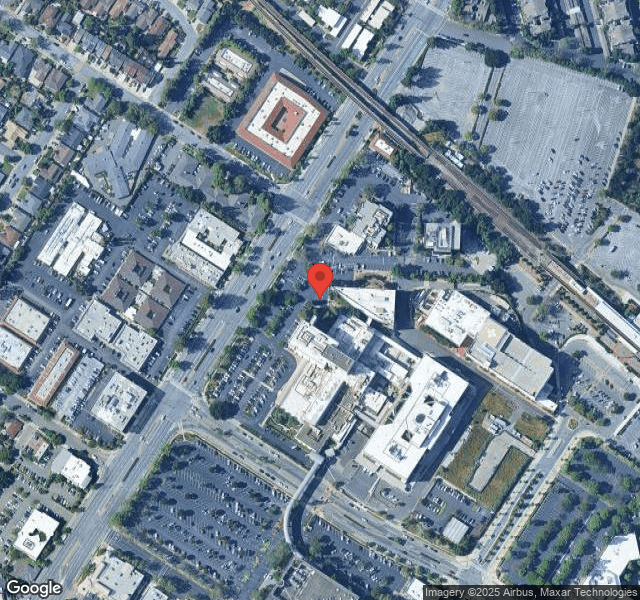

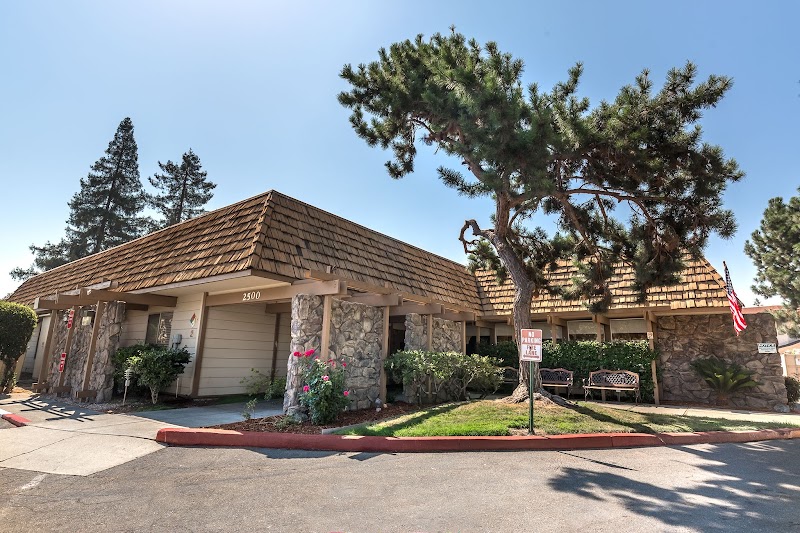
2500 COUNTRY DRIVE, FREMONT, CA 94536 (510) 792-4242
For profit - Limited Liability company 126 Beds WINDSOR Data: November 2025
Trust Grade
65/100
#332 of 1155 in CA
Last Inspection: April 2025

Within standard 12-15 month inspection cycle. Federal law requires annual inspections.

Overview

Country Drive Post Acute in Fremont, California has a Trust Grade of C+, indicating that it is slightly above average but not outstanding. It ranks #332 out of 1,155 facilities in the state, placing it in the top half, and #30 out of 69 in Alameda County, meaning there are only a few local options that perform better. The facility is improving, with issues decreasing from 10 in 2023 to 6 in 2025, but it has reported some concerning incidents. While staffing is rated as good with a 4 out of 5 stars and only 38% turnover, recent inspections found that staffing levels fell below required standards on weekends, which could impact care quality. Additionally, a serious incident involved a resident developing a pressure ulcer due to inadequate monitoring, and there were concerns about kitchen sanitation that could lead to foodborne illness for residents. Overall, while there are strengths in staffing and overall quality, families should be aware of the specific areas needing improvement.
Trust Score
C+
65/100
In California
#332/1155
Top 28%
Safety Record
Moderate
Needs review
Inspections
Getting Better
10 → 6 violations
Staff Stability
○ Average
38% turnover. Near California's 48% average. Typical for the industry.
Penalties
✓ Good
No fines on record. Clean compliance history, better than most California facilities.
Skilled Nurses
○ Average
Each resident gets 38 minutes of Registered Nurse (RN) attention daily — about average for California. RNs are the most trained staff who monitor for health changes.
Violations
⚠ Watch
32 deficiencies on record. Higher than average. Multiple issues found across inspections.
★★★★☆
4.0
Overall Rating
★★★★☆
4.0
Staff Levels
★★★★☆
4.0
Care Quality
★★★★☆
4.0
Inspection Score
Stable
2023: 10 issues
2025: 6 issues

The Good

  • 4-Star Staffing Rating · Above-average nurse staffing levels
  • 4-Star Quality Measures · Strong clinical quality outcomes
  • Full Sprinkler Coverage · Fire safety systems throughout facility
  • No fines on record
  • Staff turnover below average (38%)

    10 points below California average of 48%

Facility shows strength in staffing levels, quality measures, fire safety.

The Bad

Staff Turnover: 38%

Near California avg (46%)

Typical for the industry

Chain: WINDSOR

Part of a multi-facility chain

Ask about local staffing decisions and management

The Ugly 32 deficiencies on record

1 actual harm
Apr 2025 5 deficiencies
CONCERN (D)

Potential for Harm - no one hurt, but risky conditions existed

Deficiency F0679 (Tag F0679)

Could have caused harm · This affected 1 resident

**NOTE- TERMS IN BRACKETS HAVE BEEN EDITED TO PROTECT CONFIDENTIALITY** Based on observation, interview, and record review, the facility failed to provide activities for one resident of 23 sampled res...

Read full inspector narrative →
**NOTE- TERMS IN BRACKETS HAVE BEEN EDITED TO PROTECT CONFIDENTIALITY** Based on observation, interview, and record review, the facility failed to provide activities for one resident of 23 sampled residents (Resident 266) based on assessment and care plan, preferences, and in a manner designed to meet the resident's needs. This failure placed Resident 266 at risk for isolation and boredom and may negatively impact his psychosocial well-being. Findings: A review of Resident 266's admission record indicated Resident 266 was admitted on [DATE] with diagnoses that included pneumonia, weakness, and difficulty in walking. During an observation on the intial tour, on 4/21/25 at 10:45 a.m., Resident 266 was lying in bed, awake, alert. Resident 266 had in his hands a plastic syringe used for his Gastrostomy tube (G Tube- A medical device inserted into the stomach to deliver food and liquids) and played with it. Resident 266 unable to talk when spoken to. No TV or music was playing in the room.When alerted, CNA 1 entered Resident 266's room and took the syringe from Resident 266 and placed it on his nightstand and picked the paper cover for the syringe from the floor by Resident 266's bed and trashed it. During an observation on 4/22/25 at 9:20 a.m. Resident 266 was lying in bed, awake alert. Resident's GT was connected to his stomach and GT feed was running via the GT pump. No TV or music was playing in the room. Resident 266 responded to greeting with a smile, but did not talk when spoken to. A review of the Minimum Data Set (MDS - an assessment tool used to direct care) Section C - Cognitive Patterns indicated Resident 266 with short- and long-term memory problem and Cognitive skills for Daily Decision Making indicated Modified independence - some difficulty in new situations only. During an interview on 4/22/25 at 12:26 p.m. with the Activity Director (AD), AD stated Resident 266 was not getting out of bed and they did in-room visits for him. AD could not state what activities they provided during room visits. AD stated she would go and check. The activity care plan for Resident 266 was requested from AD. AD did not return until around 2 p.m. During a review of Resident 266's electronic medical record on 4/22/25 at around 1:28 p.m. there was no activity care plan found on record. During a review of the MDS Section F, Preference for Customary Routine and Activities, F0800 Staff Assessment for Daily and Activity Preferences dated 3/31/25, indicated no resident's choice and preferences for Resident 266. During a concurrent interview and record review on 4/23/25 at 9:30 a.m. with AD, AD acknowledged there was no individualized activity assessment for Resident 266 because she left a message for the family/significant other regarding resident's preferences for activity. AD stated she did not follow up with them since 4/4/25 and just did yesterday 4/22/25. AD stated they have been doing in room visit for Resident 266 and they have the logs for visit and would provide them. She stated the logs were paper forms and not on the computer. AD stated they just anticipated what activities they would offer resident when they do room visit. She stated they were supposed to follow the plan and Resident 266 did not have a plan when he should have had one. AD stated the care plan was generated after the assessment was done on 4/22/25. AD stated the individual assessment needed to be done within five to seven days of resident's admission. AD stated it was important so that they assess and find out what residents like and don't like. During an interview on 4/23/25 at 9:54 a.m. with the Director of Nursing (DON), DON stated it was important they get an assessment so they can have a plan. She stated activity was important to know what the residents like, to get them engaged. During a review of the facility's policy and procedure (P&P) titled, Individual Activities and Room Visit program dated Revised 2018, the P&P indicated, Individual activities are provided for individuals who have conditions or situations that prevent them from participating in group activities, or who do not wish to do so .Individualized activities are offered reflective of the resident's activity interests, as identified in the Activity Assessment, .and the resident's Comprehensive Care Plan . During a review of the facility's policy and procedure (P&P) titled, Care Plan Comprehensive, dated 8/5/21 indicated, An individualized comprehensive care plan that incudes measurable objectives and timetables to meet the resident's medical, physical, mental and psychosocial needs shall be developed for each resident .The resident's comprehensive care plan is developed within seven (7) days of the completion of the resident's comprehensive assessment (MDS) .
CONCERN (D)

Potential for Harm - no one hurt, but risky conditions existed

Deficiency F0698 (Tag F0698)

Could have caused harm · This affected 1 resident

**NOTE- TERMS IN BRACKETS HAVE BEEN EDITED TO PROTECT CONFIDENTIALITY** Based on observation, interview, and record review, the facility failed to ensure for one out of 29 sampled residents (Resident ...

Read full inspector narrative →
**NOTE- TERMS IN BRACKETS HAVE BEEN EDITED TO PROTECT CONFIDENTIALITY** Based on observation, interview, and record review, the facility failed to ensure for one out of 29 sampled residents (Resident 220), an ongoing and consistent collaboration with dialysis center for Resident 220 was established. Resident 220's dialysis communication binder did not contain the current physicians orders, no follow up for recommended medication to be discontinued, and facility staff was noting inconsistent assessment on the dialysis access site. These failures had the potential to affect Resident 220's health and safety due to lack of coordination with dialysis center. Findings: During a review of facility's admission Record indicated Resident 220 was admitted on [DATE], with diagnoses that included severe kidney disease and hypertensive emergency. Resident 220's physician orders indicated Clonidine (medication used to treat high blood pressure) transdermal patch weekly 0.3 milligram (mg)/24 hour. Apply two patches transdermally one time a day every seven days related to essential hypertension. Resident 220's Minimum Data Set (MDS - resident assessment tool) dated 04/15/2025, indicated a Brief Interview for Mental Status (BIMS, a scoring system used to determine the resident's cognitive status regarding attention, orientation, and ability to register and recall information) score of 13, (BIMS score of 13 - 15, cognitively intact). During a review of Resident 220's Dialysis Communication Record (DCR), dated 4/14/25 indicated Resident 220's dialysis access site was located on L-perm cath [left chest permacatheter - catheter used for short-term dialysis treatment. The catheter is placed inside a blood vessel in your neck or just under your collarbone and through the right side of the heart]. The dialysis center noted Can you please give us her home med [medication] list? Section Post Hemodialysis Assessment indicated Resident 220's access site was RUA [right upper arm], and the access site had bruit (swooshing sound of a dialysis fistula caused by the high-pressure flow of blood through the fistula), and thrill (vibration caused by blood flowing through the fistula). Resident 220 would not have bruit and thrill since her dialysis access site was a permacatheter on her left chest. Resident 220's DCR dated 4/18/25 Post Hemodialysis Assessment dialysis access site was RUA, with bruit and thrill present. Further, the DCR indicated a post dialysis notes from the dialysis center per nephrologist Dr . discontinue Clonidine patches. During a review of Resident 220 medication administration record (MAR) for the month of April 2025 indicated Resident 220 attended dialysis three times a week on Monday, Wednesday, and Friday. Resident 220's MAR indicated Clonidine Transdermal patch weekly 0.3 mg/24 HR, apply 2 patches transdermally one time a day every seven days. Clonidine 0.3 mg patches were applied on 4/19/25. During a concurrent observation and interview on 04/22/25 at 07:36 A.M., in Resident 220's room with Resident 220 lying down on her bed. Resident 220 stated she went to the dialysis center the previous afternoon. Resident 220 stated the dialysis center would like to have a list of her medications, because it was not in the communication binder. Resident 220 stated access site for her dialysis was on the left side of her chest. Resident 220 stated she had the Clonidine patches on her both sides of her upper back. During a concurrent interview and record review on 04/23/25 at 7:45 A.M., with Director of Staff Development (DSD), DSD stated the physicians order had to be in the dialysis communication binder. DSD reviewed Resident 220's dialysis binder and there was no copy of the medication list. DSD reviewed Resident 220's Resident 220's DCR dated 4/18/25, which indicated to discontinue Clonidine patches, and dialysis access site located at right upper arm with bruit and thrill. DSD stated that Resident 220's dialysis access site was on her left upper chest would not have bruit and thrill because she had permacatheter. DSD stated she would notify Resident 220 about the Clonidine patches. During a review of facility's policy and procedure titled Dialysis Care with effective date 08/25/2021, indicated I. Purpose. To provide dialysis care for residents in renal failure and those residents who require ongoing dialysis treatments III Procedure 4. Communication and Collaboration. a. The Nursing Staff, Dialysis Provider Staff, and the Attending Physician (Dialysis Staff) will collaborate on a regular basis concerning the resident's care as follows: i. Nursing staff will communicate the following information in writing to the Dialysis Staff: The resident's current vital signs. Any changes of condition specific to the resident with each treatment. ii. The dialysis Provider will communicate in writing to the facility any problems encountered while the resident was at the dialysis provider and any ongoing monitoring required. iii. Nursing Staff will keep the Attending Physician, the resident and the resident's family informed of any change in condition. iv. Nursing Staff may use the Hemodialysis communication record.
CONCERN (D)

Potential for Harm - no one hurt, but risky conditions existed

Unnecessary Medications (Tag F0759)

Could have caused harm · This affected 1 resident

Based on observation, interview, and record review, the facility failed to ensure accurate medication administration for 2 of 25 medications observed during a medication pass, resulting in a medicatio...

Read full inspector narrative →
Based on observation, interview, and record review, the facility failed to ensure accurate medication administration for 2 of 25 medications observed during a medication pass, resulting in a medication error rate of 8%, which exceeds the acceptable federal threshold of 5%. This failure created the potential for subtherapeutic treatment, adverse side effects, and inadequate symptom control for Resident 38. Findings: On 4/2/125, at approximately 1:16 PM, the surveyor conducted a medication administration observation with Registered Nurse (RN) 1. During this observation, RN 1 administered Lantus Insulin, 17 units subcutaneously (SC), and Novolog Insulin, 4 units SC, to Resident 38. During the administration of Novolog Insulin, the surveyor observed that RN 1 failed to follow proper technique by not holding the insulin pen in place for the full manufacturer-recommended time following injection. The needle was held in place for approximately 2 to 3 seconds before being withdrawn. According to manufacturer package insert, insulin pens must be held in place for at least 5 to 10 seconds to ensure full delivery of the medication and to prevent insulin leakage, which could lead to underdosing and ineffective glycemic control. Each instance of incorrect administration of a different insulin medication is counted as a separate medication error. Therefore, the incorrect technique affected both Lantus and Novolog administration and constitutes two medication errors during the single observation period. These errors contributed to a medication error rate of 8%-a rate which exceeds the maximum allowable error rate of 5% as defined by federal standards. During a follow-up interview conducted immediately after the observation on 4/2/125, at approximately 1:16 PM, RN 1 was asked about the technique used during insulin administration. She said she forgot and will do better next time.
CONCERN (E)

Potential for Harm - no one hurt, but risky conditions existed

Deficiency F0761 (Tag F0761)

Could have caused harm · This affected multiple residents

Based on observation, interview, and record review, the facility failed to ensure that prescription medications were properly labeled and stored as evidenced by: 1. This failure was identified during ...

Read full inspector narrative →
Based on observation, interview, and record review, the facility failed to ensure that prescription medications were properly labeled and stored as evidenced by: 1. This failure was identified during the inspection of one of three medication carts and had the potential to result in medication errors, including the risk of incorrect administration, diversion, or harm to residents receiving medications from that cart when multiple medications were found without a prescription label. 2. The facility stored multiple medications in a medication refrigerator that was operating at a temperature of 14°F, significantly below the required refrigeration range of 36°F to 46°F. This deficiency created the potential for insulin degradation, rendering the medication ineffective or unsafe for resident use. The failure to maintain proper storage conditions compromised the integrity of medications administered to multiple residents. Findings: 1. During an observation on 4/21/25, at approximately 2:00 PM, it was observed alongside Registered Nurse (RN 1). During the inspection, it was observed multiple medications within the cart drawers that lacked prescription labels and any identifying resident information. Among the items found was a Humalog (insulin lispro) KwikPen, which did not have a prescription label or any indication of which resident it was intended for. Additionally, a pink circular pill organizer containing a mixture of various oral tablets-differing in size, shape, and color-was present. The only marking on this organizer was the handwritten number 157 in black ink; it lacked any resident name, prescription label, or clear medication identifiers. Also present was an Albuterol Sulfate Inhaler that displayed only the product name and usage directions, but did not include any labeling from a pharmacy or the name of the resident for whom it was prescribed. These medications were not separated from other facility-stocked medications and were stored in a manner that failed to prevent potential medication administration errors. The lack of segregation and secure storage increased the likelihood that medications could be given to the wrong resident or accessed inappropriately, thereby compromising resident safety. During an interview on 4/21/25 at 2:00 PM, RN 1 acknowledged that the medications were brought in by a resident and admitted that they had not been properly labeled. She stated, They were brought in by the resident. I know they're supposed to be labeled. They should have been. RN 1 confirmed that she was aware these items were stored in the cart and further acknowledged that they should not have been in use or available for administration without proper pharmacy labeling and verification. This deficient practice indicates a systemic failure to adhere to established medication management policies and compromises the facility's obligation to ensure safe and accurate pharmaceutical care for all residents. 2. During an observation 4/22/25 at 1:50 PM, the surveyor observed the medication refrigerator located in the facility's medication storage area. The thermometer inside the unit displayed a temperature of 14°F, indicating that the contents of the refrigerator were exposed to freezing conditions. Multiple insulin vials and pens were observed inside the refrigerator, all of which were clearly labeled with manufacturer stickers stating, Refrigerate until used. Once in use, store at room temperature. According to the manufacturers and current pharmaceutical standards, insulin must never be frozen, as freezing compromises its molecular structure and can result in the loss of therapeutic efficacy and safety. During an interview 4/22/25 at 1:50 PM, the facility's nursing supervisor 1 acknowledged the issue. When asked about the temperature reading, she stated, I wasn't aware it was out of range. That's not appropriate. We'll start monitoring and have maintenance look at it. This admission confirmed that staff had not previously identified or addressed the unsafe storage condition. There was no indication that the affected insulin had been evaluated for safety or removed from circulation. The facility's failure to ensure appropriate storage of refrigerated medications placed residents at risk for receiving medications that may have been rendered ineffective or harmful due to improper handling.
CONCERN (F)

Potential for Harm - no one hurt, but risky conditions existed

Deficiency F0725 (Tag F0725)

Could have caused harm · This affected most or all residents

Based on interview, and record review the facility failed to ensure a minimum of 3.5 Direct Care Service Hours Per Patient Day (DHPPD - refers to the minimum number of direct care service hours a faci...

Read full inspector narrative →
Based on interview, and record review the facility failed to ensure a minimum of 3.5 Direct Care Service Hours Per Patient Day (DHPPD - refers to the minimum number of direct care service hours a facility is required to provide to each resident per day) and a minimuim of 2.4 Certified Nursing Assistant (CNA) DHPPD on ten weekend days. This failure had the potential to result insufficient nursing staff and inadequate nursing care for the facility residents. Findings: During an interview on 4/23/25, at 9:53 a.m., with Staff Developer Assistant (SDA), SDA stated they completed the daily staffing schedule and were required to staff for a minimum of 3.5 DHPPD and 2.4 CNA DHPPD. During an interview on 4/23/25, at 10:28 a.m., with Director of Staff Development (DSD), DSD stated staffing effected patient care, and patient care was a top priority. During a concurrent interview and record review on 4/23/25, at 11:11 a.m. with Payroll Coordinator (PC), the Facility's Census and Direct Care Service Hours Per Patient Day (DHPPD) reports between 5/1/24 through 6/30/24 were reviewed. PC stated the following Census and Direct Care Service Hours Per Patient Day (DHPPD) reports indicated low DHPPD and low CNA DHPPD on the following days: 5/1/24 DHPPD was 3.49 and CNA DHPPD was 2.23 5/30/24 DHPPD was 3.42 and CNA DHPPD was 2.19 6/1/24 DHPPD was 3.18 and CNA DHPPD was 1.84 6/2/24 DHPPD was 3.07 and CNA DHPPD was 1.86 6/9/24 DHPPD was 3.20 and CNA DHPPD was 2.04 6/15/24 DHPPD was 3.38 and CNA DHPPD was 1.99 6/16/24 DHPPD was 3.12 and CNA DHPPD was 1.99 6/22/24 DHPPD was 3.11 and CNA DHPPD was 1.93 6/23/24 DHPPD was 3.27 and CNA DHPPD was 2.07 6/30/24 DHPPD was 3.18 and CNA DHPPD was 1.79 During a review of the facility's Staffing Waiver dated 6/20/23, the Waiver indicated, The facility shall provide no less than 3.5 direct care service hours per patient day.
Mar 2025 1 deficiency 1 Harm
SERIOUS (G) 📢 Someone Reported This

A family member, employee, or ombudsman was alarmed enough to file a formal complaint

Actual Harm - a resident was hurt due to facility failures

Pressure Ulcer Prevention (Tag F0686)

A resident was harmed · This affected 1 resident

**NOTE- TERMS IN BRACKETS HAVE BEEN EDITED TO PROTECT CONFIDENTIALITY** Based on interview and record review, the facility failed to ensure for one out of three sampled residents (Resident 1), monitor...

Read full inspector narrative →
**NOTE- TERMS IN BRACKETS HAVE BEEN EDITED TO PROTECT CONFIDENTIALITY** Based on interview and record review, the facility failed to ensure for one out of three sampled residents (Resident 1), monitoring and interventions were in place to prevent development of pressure ulcer (skin and soft tissue injuries that develop due to prolonged pressure exerted over specific areas of the body). Resident 1 developed a pressure ulcer on posterior of the right lower leg where an immobilizer (a device used to support and stabilize the leg and knee) was applied. These failures resulted in a facility acquired, unstageable pressure ulcer (pressure ulcer known but not stageable due to coverage of wound bed by moist dead tissue and/or crusty, dry, and dead tissue), on the right lower leg that caused pain and extended Resident 1 ' s stay at the facility. Findings: During a review of facility ' s admission Record (AR) printed on [DATE], the AR indicated Resident 1 was admitted on [DATE], with diagnoses that included Periprosthetic Fracture Around Internal Prosthetic Right Hip Joint, (A broken bone around a hip replacement). Resident 1 ' s physician Order Recap Report for [DATE] indicated, right leg-knee immobilizer at all times, and non-weight bearing tight [right] leg. Resident 1 ' s Braden Scale for Predicting Pressure Sore Risk, (an assessment tool used evaluate a risk for developing pressure ulcer) dated [DATE] indicated a score of 13 (Moderate risk score 13 - 14). Resident 1 ' s Body Check dated [DATE], indicated there were no identified skin problem on Resident 1 ' s right leg. During a review of Resident 1 ' s clinical record titled Care Plan Report (CPR), initiated on [DATE], indicated Resident 1 Has higher risk of/potential for pressure ulcer development r/t [related to] Disease process. Planned interventions in the CPR included Assess/record/monitor wound healing (FREQ) [Frequency]. Measure length, width and depth where possible. Assess and document status of wound perimeter, wound bed and healing progress . Follow facility policies/protocols for the prevention/treatment of skin breakdown. Resident 1 ' s CPR did not identify and include interventions for Resident 1 ' s risk of skin breakdown on the right leg from the use of immobilizer. Resident 1 ' s CPR did not indicate a refusal of care for skin check underneath the right leg immobilizer. Further, Resident 1 ' s CPR was not updated when a pressure ulcer was identified on [DATE]. During a review of Resident 1 ' s Minimum Data Set (MDS - resident assessment tool) dated [DATE], the MDS indicated a Brief Interview for Mental Status (BIMS, a scoring system used to determine the resident ' s cognitive status regarding attention, orientation, and ability to register and recall information) score of 10, (BIMS score of 08 - 12, moderate cognitive impairment). Resident 1 ' s MDS skin assessment, indicated Resident 1 was at risk developing pressure ulcers/injuries, and had no unhealed pressure ulcer/injuries. During a review of Resident 1 ' s clinical record titled Change in Condition Evaluation - V5.1 (CICE) dated [DATE], the CICE indicated, Resident 1 was identified to have Skin wound or ulcer. The CICE indicated, Resident has c/o [complaint of] pain and discomfort. The CICE indicated Resident 1 ' s skin changes were in Site 43. Right lower leg (rear), and Description: wound and redness on R [right] -leg (rear). Resident 1 ' s skin wound or ulcer was not measured in length, width, and depth, and there was no description of the underlying tissue of the wound. During a review of Resident 1 ' s Physician Progress Notes (PPN) dated [DATE], indicated Staff reported wound on rt [right] leg at lower end of knee immobilizer . Plan- hold d/c [discharge] until wound healing . Visit Diagnoses Primary: Pressure Ulcer, Unspecified site and stage. During an interview on [DATE] at 2:22 p.m., with Licensed Vocational Nurse (LVN) 1, LVN 1 stated when Resident 1 ' s pressure ulcer was discovered on [DATE], there was no wound measurement done. LVN 1 stated Resident 1 ' s physician was visiting the facility, and they took a picture of the wound. LVN 1 stated that on [DATE], physician ordered a treatment with Medi honey with calcium alginate (dressing used for moderate to heavy oozing wounds and to cover a shallow or fill a deep wound) indicating the pressure ulcer had slough (dead tissue usually yellow, tan, gray, or green in color, usually moist and stingy in texture). During a concurrent interview and record review on [DATE] at 9:49 a.m., with Director of Nursing (DON), DON stated Resident 1 was admitted with right leg immobilizer. DON reviewed Resident 1 ' s clinical record for skin monitoring on the right leg underneath the immobilizer. DON was unable to show that Resident 1 ' s right leg skin underneath the immobilizer was being checked. DON stated the Resident 1 ' s skin should have been checked at least once every shift. During an interview on [DATE] at 12:35 p.m., with Registered Nurse (RN) 1, RN 1 stated if Resident 1 ' s skin was checked underneath the immobilizer, it would be documented in the treatment administration record (TAR). During a concurrent interview and record review on [DATE] at 10:21 a.m., with DON, DON provided Resident 1 ' s Order Recap Report for the month of [DATE]. DON stated there was an order to check to check the skin on Resident 1 ' s right leg. The physicians order dated [DATE], indicated monitor the skin under brace to right leg daily, notify MD [Medical Doctor] if any changes of condition. every day shift. During a concurrent interview and record review on [DATE] at 12:50 p.m., with DON, DON presented Resident 1 ' s Skin Monitoring Comprehensive CNA Shower Review for the following dates [DATE], [DATE], and [DATE]. DON stated after the CNA provided Resident 1 ' s bed bath, CNA would provide the forms to the licensed nurse to sign acknowledging it with a counter signature. The skin monitoring form shower review forms revealed Resident 1 ' s skin underneath the immobilizer on the right leg were not checked. During an interview on [DATE] at 12:18 p.m., with Certified Nursing Assistant (CNA) 1, CNA 1 stated only the licensed nurses would check the resident ' s skin under the immobilizer. During a review of Resident 1 ' s clinical record titled Interdisciplinary Care Conference - V 5 (IDCC) dated [DATE], IDCC indicated a Care Conference for Skin Alteration, for a Trauma - device acquired injury, located at Resident 1 ' s right shin, the measurement for length, width, and depth were blank, and the comment indicated IHA, (In house acquired). The ordered treatment was right lower shin posterior device related pressure injury: cleanse with NS, pat dry apply iodosorb cream and cover with border foam dressing daily, (NS - normal saline; Iodosord - medication used treat wet pressure ulcers and wounds). During a concurrent interview and record review on [DATE] at 10:40 a.m., with DON, DON reviewed Resident 1 ' s Interdisciplinary Care Conference - V 5 (IDCC) dated [DATE], IDCC indicated a Care Conference for Skin Alteration, a wound type was Trauma - device acquired injury, located at Resident 1 ' s right shin, with length in centimeter (cm) 10 cm, width 3 cm, and depth was left blank, and a comment indicated IHA. DON stated Resident 1 ' s pressure ulcer measurement was done on [DATE], and there was no measurement done when pressure ulcer was identified on [DATE]. DON stated the pressure ulcer was IHA. During a review of Resident 1 ' s clinical record dated [DATE], the Physician Progress Notes (PPN), indicated Add cefadroxil bid [two times a day] for 1wk [week] for possible cellulitis (bacterial skin infection) around wound-no fever, ., (Cefadroxil - mediation used to treat bacterial infection). Primary visit diagnoses: Pressure ulcer, unspecified site and stage. Resident 1 ' s PPN dated [DATE] indicated D/w [Discussed with] wound nurse, pt [patient] may need surgical debridement (medical procedure to remove the dead or infected tissue), by surgeon or ortho [orthopedic doctor] given proximity to tendon. Dtr [Daughter] was notified that wound healing may take few wks [weeks]. Resident 1 ' s PPN dated [DATE], indicated, Had lengthy discussion with dtr [Daughter] last week, dtr [Daughter] was concerned about avoidable decub [decubitus/pressure ulcer], pt ' s [patient ' s] lack of socialization and motivation etc, worry if pt [patient] giving up. Size of decub [decubitus/pressure ulcer] getting smaller, slough getting softer too. During a review of Resident 1 ' s clinical record titled Skilled Nursing Facility Discharge Summary SNFDS dated [DATE], SNFDS indicated Resident 1 ' s Date of Discharge was [DATE] with diagnoses that included rt [Right] femur fracture, and rt [right] calf decub [decubitus/pressure ulcer]. During an interview on [DATE] at 1:27 p.m., with Resident 1 ' Responsible Party (RP), RP stated prior to Resident 1 falling, she used to live in an assisted living facility, in her own apartment. Resident 1 could inject herself insulin on her stomach after the staff prepared the insulin. Resident 1 could walk to and from the dining hall with the use of front wheeled walker. RP stated Resident 1 could have a conversation. RP stated currently, Resident 1 not very verbal and she could only respond in a Yes or No answer on somedays. RP stated Resident 1 was discharge on [DATE], with hospice (specialized care that support a person nearing the end of life) care. During a review of the facility ' s policy and procedure (P&P) titled Skin Integrity Management with effective date of [DATE], the P&P indicated The implementation of an individual patient ' s skin integrity management occurs within the care delivery process. Staff continually observes and monitors patients for changes and implements revisions to the plan of care as needed . 2.1 Complete risk evaluation on admission/re-admission, weekly for the first month, quarterly, and with significant change in condition. 3. Identify patient ' s skin integrity status and need for prevention intervention or treatment modalities through review of all appropriate assessment information. 3.1 Perform skin inspection on admission/re-admission and weekly. Document on Treatment Administration Record (TAR) or in Point Click Care [electronic health records] (PCC). 3.2 Perform wound observations and measurements upon initial identification of altered skin integrity, weekly, and with anticipated decline of wound.
Jul 2023 1 deficiency
CONCERN (D) 📢 Someone Reported This

A family member, employee, or ombudsman was alarmed enough to file a formal complaint

Potential for Harm - no one hurt, but risky conditions existed

Deficiency F0757 (Tag F0757)

Could have caused harm · This affected 1 resident

**NOTE- TERMS IN BRACKETS HAVE BEEN EDITED TO PROTECT CONFIDENTIALITY** Based on interview and record review, for one of three sampled residents (Resident 1), the facility failed to ensure Resident 1 ...

Read full inspector narrative →
**NOTE- TERMS IN BRACKETS HAVE BEEN EDITED TO PROTECT CONFIDENTIALITY** Based on interview and record review, for one of three sampled residents (Resident 1), the facility failed to ensure Resident 1 was administered buspirone (treats anxiety) with adequate monitoring of adverse effects from the medication. This failure had the potential to result in delayed management of adverse effects and unnecessary use of medication. Findings: Review of Resident 1's admission Record indicated Resident 1 was admitted to the facility on [DATE] with diagnoses that included generalized anxiety disorder (excessive and overwhelming worry about ordinary issues like work, money and family) and anoxic brain damage (brain is deprived of oxygen, symptoms include changes in sleep pattern, trouble speaking and swallowing). Review of Resident 1's Order Summary Report for September 2022 indicated an order for Resident 1 to receive buspirone 5 milligrams via PEG (percutaneous endoscopic gastrostomy, a flexible tube is placed through the abdominal wall into the stomach to receive nutrition and/or medication) two times daily for agitation, restlessness and falling tendency. During a concurrent interview and review of Medication Administration Record (MAR) for August 2022 with Assistant Director of Nursing (ADON) on 7/25/23 at 11:59 a.m., ADON stated, Resident 1's MAR indicated monitoring for antipsychotic (medication that treats psychosis, a severe mental illness) adverse effects was done. ADON stated, Resident 1 was given buspirone, which was an anti anxiety and not an antipsychotic, and had different adverse effects. Review of Resident 1's Medication Administration Record (MAR) for September 2022 indicated Resident 1 was monitored for the presence of tardive dyskinesia (facial tongue movement), cognitive impairment (decreased mental status), akathisia (inability to sit still), parkinsonism (tremors, rigidity, drooling). According to Dailymed, a nationally-recognized publication of the National Institute of Health in the U.S. National Library of Medicine and includes references to drug information submitted to the Food and Drug Administration, buspirone adverse events include; dizziness, insomnia, nervousness, drowsiness, lightheadedness, nausea, headache and fatigue. Review of the facility's policy and procedure titled Psychotropic Medication Management last revised 10/24/17 indicated, Medication effects will be monitored and documented on the medication administration record, to include target behavior monitoring, and monitoring for adverse effects when the medications are used.
May 2023 9 deficiencies
CONCERN (D)

Potential for Harm - no one hurt, but risky conditions existed

Deficiency F0655 (Tag F0655)

Could have caused harm · This affected 1 resident

**NOTE- TERMS IN BRACKETS HAVE BEEN EDITED TO PROTECT CONFIDENTIALITY** Based on observation, interview and record review, the facility failed to develop a baseline care plan for one of six residents ...

Read full inspector narrative →
**NOTE- TERMS IN BRACKETS HAVE BEEN EDITED TO PROTECT CONFIDENTIALITY** Based on observation, interview and record review, the facility failed to develop a baseline care plan for one of six residents (Resident 351) within 48 hours of admission to the facility. This failure ha the potential to not providing an effective, person-centered and quality resident care. Findings: Resident 351 is a [AGE] year old, admitted [DATE], with diagnoses including Hypertension (high blood pressure), difficulty in walking and hyperlipidemia (cholesterol in the blood), Hemodialysis(treatment of filtering waste and water from your Blood). During the initial facility tour on 5/15/23 at 10:30 am, observed Resident 351 in bed with Oxygen at 2L/min, lying on a low air loss bed, turned to her left side facing the glass sliding door. A follow up visit with Resident 351, on 5/17/23, at 10:05 am, observed resident in bed turned to left side facing the glass sliding door. Resident 351 said ouch when surveyor introduced self to resident. Did not verbalize any words or response to questions asked by surveyor. During an interview with AD, on 5/17/23, at 11 am, AD stated, no assessment done yet, resident was only admitted last Sunday 5/14/23. During a review of the 20 pages document titled Initial Baseline Care Plan dated 5/14/23, the document did not indicate initial goals, ADL (activities of daily living) needs/goals, nutritional needs/goals, special treatments and procedures, bowel and bladder, skin integrity concerns, medical diagnosis requiring care, physician's orders, medication, discharge planning, any interdisciplinary team members contribution, any family contribution. During an interview with the DON, on 5/18/23, at 11:21 am, the DON stated, the baseline care plan was not completed within 48 hours of admission. DON further stated, the SSA just called the family to schedule conference and discuss the baseline care plan. During a review of the facilty policy and procedure (P&P), titled Baseline and Comprehensive, dated 11/2017, the P&P indicated, .policy of this facilty to develop upon admission .an interim .care plan for the resident .(1) A baseline care plan will be implemented within 48 hours of admission. (2) Addresses immediate resident's need .(3)Will provide the residents and representative with a written summary of the baseline care plan .
CONCERN (D)

Potential for Harm - no one hurt, but risky conditions existed

Deficiency F0657 (Tag F0657)

Could have caused harm · This affected 1 resident

**NOTE- TERMS IN BRACKETS HAVE BEEN EDITED TO PROTECT CONFIDENTIALITY** Based on observation, interview and record review, the facility failed to review and revise a comprehensive plan of care for one...

Read full inspector narrative →
**NOTE- TERMS IN BRACKETS HAVE BEEN EDITED TO PROTECT CONFIDENTIALITY** Based on observation, interview and record review, the facility failed to review and revise a comprehensive plan of care for one of six residents, (Resident 27), when her wounds were healed and wanted to get out of bed and do more things outside the facility. This failure had the potential for Resident 27 to cause further decline of mobility and psychosocial issues. Findings: Resident 27 is a [AGE] year-old female admitted in December 2021 with diagnoses including protein-calorie malnutrition; type 2 diabetes mellitus (blood sugar disorder) and contracture (shortening or stiffening) of muscles. The minimum data set (MDS- assessment tool), brief interview for mental status (BIMS), dated 12/14/22, score 13, indicating intact cognition. During the initial tour of the facility, on 5/15/23 at 10:38 am, observed Resident 27 lying in bed. A follow up visit with Resident 27 on 5/17/23, at 11 am, observed Resident 27 is still in bed. When asked if she had been getting up, she stated ,I do not get up at all . I had a lot of sores but now I'm better .I want a mobile wheelchair to get around. When asked about discussing her concerns with anyone in the facility, Resident 27 stated, I have not seen a social worker. I have not attended any meeting or care conference to discuss my care .I want to talk to my doctor to know more about my condition .I had blood test done but no one had discussed results with me .I requested a copy of my records couple of months back when I was at the other hall but have not received it yet .I asked again for a copy of my record but had not gotten it yet .I really want to know about my care .I want to be prepared to go and live outside but I do not know how to go about .I heard from someone who is now in an assisted living that I can be evaluated and be referred to some services . During a record review of the Multidisciplinary Care Conference 1 Notes, dated 6/29/22, the note indicated, social worker and activity department in attendance and did not indicate resident participation. During an interview with SSA and SSD, on 5/17/23, at 1:44 pm, SSA stated, he had just started two months ago, he sets up care conferences now, following the MDS schedule and had not receive any information of pending ancillary referrals nor any social service needs of residents. The SSD who was present during the interview stated, he just started last Wednesday. During a review of the active Order Summary Report, dated 5/18/23, the Order Summary Report indicated, out of bed for meals-upright in chair for eating with meals. During a review of the Policy and Procedure (P&P) titled Care Plan Goals and Objectives, dated 11/2012, the P&P indicated, .will incorporate goals and objectives .1(a) Resident oriented .(2) .reviewed by all staff involved .(3) .reviewed and revised .(c) .quarterly. During a review of the Policy and Procedure (P&P), titled Care Plan Comprehensive, dated 8/25/21, the P&P indicated, the facility's interdisciplinary team, in coordination with resident and his or her family must develop and implement a comprehensive person-centered care plan for each resident .
CONCERN (D)

Potential for Harm - no one hurt, but risky conditions existed

Quality of Care (Tag F0684)

Could have caused harm · This affected 1 resident

**NOTE- TERMS IN BRACKETS HAVE BEEN EDITED TO PROTECT CONFIDENTIALITY** Based on observation, interview, record review, the facility failed to ensure one of 21 sampled residents (Resident 251), had cl...

Read full inspector narrative →
**NOTE- TERMS IN BRACKETS HAVE BEEN EDITED TO PROTECT CONFIDENTIALITY** Based on observation, interview, record review, the facility failed to ensure one of 21 sampled residents (Resident 251), had clean and groomed fingernails. This failure had the potential to cause Resident 251 pain, injury, and infection. Finding: During a concurrent observation and interview on 5/16/23, at 10:04 a.m., Resident 251's fingernails were long, and dirty with black matter inside the nails. Resident stated,, they told staff about it and staff didn't do anything about it. Resident 251 stated it was upsetting. During a concurrent observation and interview on 5/17/23, at 1:02 p.m., with Director of Nursing (DON), Resident 251's fingernails were observed. DON stated Resident's 251's fingernails were long and dirty. During an interview on 5/17/23, at 1:25 p.m., with licensed vocational nurse (LVN) 3, LVN 3 stated Resident 251's long and dirty fingernails should have been identified on admission and were a risk for infection. During an interview on 5/18/23, at 11:01 a.m., with CNA 1, CNA 1 stated, they cleaned and cut Resident 251's fingernails on 5/17/23. CNA 1 stated, CNAs should have checked Resident fingernails every day and notified the nurse if they were long and dirty. CNA 1 stated, Resident 251's fingernails were missed and should have been checked and cleaned earlier. During a review of Resident 251's Order Summary dated 5/18/23, the Order Summary indicated Resident 251 was admitted on [DATE]. During a review of Resident 251's Brief Interview for Mental Status (BIMS, a screening tool used to assess cognition), dated 5/8/23, the BIMS indicated Resident 251 had intact cognition. During a review of the facility's policy and procedure (P&P) titled, Fingernail/ Toenails, Care of, Revised 2012, the P&P indicated, .nails are clean and trimmed regularly .
CONCERN (D)

Potential for Harm - no one hurt, but risky conditions existed

Respiratory Care (Tag F0695)

Could have caused harm · This affected 1 resident

**NOTE- TERMS IN BRACKETS HAVE BEEN EDITED TO PROTECT CONFIDENTIALITY** Based on observation, interview, and record review, the facility failed to obtain a physician's order for oxygen administration ...

Read full inspector narrative →
**NOTE- TERMS IN BRACKETS HAVE BEEN EDITED TO PROTECT CONFIDENTIALITY** Based on observation, interview, and record review, the facility failed to obtain a physician's order for oxygen administration for one of four sampled residents (Resident 150). This failure had the potential to place Resident 150 at risk for incorrect oxygen treatments and jeopardize Resident 150's health and wellbeing. Findings: Resident 150 was admitted to the facility on [DATE] with admitting diagnoses that included weakness and lack of coordination. During an observation on 5/15/23, at 11 am, Resident 150 was observed sitting in a chair by her bedside, with oxygen (O2) via nasal cannula (a two-pronged plastic tubing used to deliver oxygen therapy through the nose), attached through the long tubing to the oxygen concentrator ((a medical device for oxygen therapy, it takes in air from the room and filter out nitrogen). Resident 150's O2 was observed at 2 Liters per minute (L/min). During an observation on 5/17/23, at 11:05 am, Resident 150 was observed sitting in her wheelchair. Resident was waiting for the physical therapist per family. Resident with oxygen nasal cannula on but tubing not attached to the oxygen concentrator set at O2 1 liter. When asked, Resident stated she was currently having a little shortness of breath. During a concurrent record review and interview with Licensed vocational nurse LVN 3 stated, Resident 150 is on O2 at 2L and believe there is a doctor's order. LVN 3 searched for the physician order for oxygen for Resident 150 in the electronic health record but could not find it. LVN 3 stated, I don't see any order for oxygen in electronic and would verify in hard chart. She looked in the hard paper chart for the physician order for O2 and could not find it. LVN acknowledged there was no physician order for oxygen. During a review of the facility's policy and procedure (P & P) titled, Nursing Policies and Procedures Manual. Dated November 2012, the P & P indicated OXYGEN . Procedures for Documentation: Obtain or verify physician's order .a. mode of delivery b. Liter flow rate. C. Duration of therapy, i.e., continuous, prn shortness of breath, or .as specified by the physician.
CONCERN (D)

Potential for Harm - no one hurt, but risky conditions existed

Medication Errors (Tag F0758)

Could have caused harm · This affected 1 resident

**NOTE- TERMS IN BRACKETS HAVE BEEN EDITED TO PROTECT CONFIDENTIALITY** Based on observation, interview, and record review, for one of three sampled residents (Resident 15), the facility failed to doc...

Read full inspector narrative →
**NOTE- TERMS IN BRACKETS HAVE BEEN EDITED TO PROTECT CONFIDENTIALITY** Based on observation, interview, and record review, for one of three sampled residents (Resident 15), the facility failed to document an adequate indication and diagnosis for the use of Seroquel (a medication used to treat certain mental/mood condition). This failure placed Resident at unnecessary risk for adverse consequences related to the use of Seroquel. Findings: During a review of Resident's 15 face sheet, the face sheet indicated Resident 15 was admitted on [DATE] (originally admitted on [DATE]), with diagnoses that included Alzheimer's disease [a degenerative disease and is the most common cause of dementia (gradual loss of memory and decision-making capacity)]. During a review of Resident 15's Minimum Data Set (MDS- an assessment tool used to direct resident care dated 4/20/23 indicated a brief interview for mental status (BIMS, a brief scanner to help detect cognitive impairment) indicated score of 01 indicating Resident 15 had severe cognitive impairment. During a review of the physician order dated 5/18/23 had a Seroquel order (dated 11/1/21) 25 milligrams (mg) Give 3 tablet by mouth two times a day m/b people are stealing her belongings related to Psychotic disorder with delusions due to known physiological condition. Also had a Lorazepam order (dated 4/11/21) 1 mg Give 1 tablet by mouth two times a day for m/b physical and verbal aggression related to anxiety disorder. During a review of MDS for Resident 15's active diagnoses, the MDS indicated diagnoses that included Anxiety disorder, Manic depression (bipolar disease), Psychotic disorder (other than Schizophrenia), Alzheimer's disease. During a review of Resident's 15 care plan for Seroquel medication, the revised care plan dated 3/8/23 indicated Box warning for use of Seroquel - Seroquel (quetiapine) is not approved for the treatment of patients with Dementia-related psychosis and care plan dated 4/29/21 indicated Geriatric use: increased mortality in elderly patients with Dementia-related psychosis. During an interview with Assistant Director of Nursing (ADON) on 5/17/23, around 8:30 am, ADON indicated, Resident was taking Seroquel for psychotic disorder. ADON stated, she was unable to find any history of mental illness (before admission) for Resident 15. During a review of the Level 1 Pre-admission Screening and Resident Review (PASRR - a tool that helps identify possible serious mental illness or related conditions) dated 1/23/20, indicated Resident had no diagnosis of mental disorder such as Schizophrenia/Schizoaffective Disorder, Psychotic/Psychosis, Delusional, Depression, Mood disorder, Bipolar, or Panic/Anxiety. During a review of Resident 15's Medication Administration record/behavior data for Seroquel. ADON did not provide one for the month of April 2023 as requested. Review of the behavior data dated 3/1 to 3/31 2023, 5/1 to 5/16 2023, indicated zero (0) number of behavior episodes per shift. During a review of the Medication Regimen Review (MRR) done by the pharmacy consultant, for March and April 2023. The MRR for March 2023 indicated no recommendations. The MRR for April 2023 dated 4/19/23, indicated, Psych Referral to CHE Behavioral Health Services recommended at this time. During an interview with ADON on 5/17/23 at around 2:20 pm and 5/18/23, at 8:20 am, ADON stated Pharmacy consultant's recommendation dated 4/19/23 has not been acted upon due to the transition of the facility to a new owner and they would be acting now. ADON verified that she was aware of the box warning (a type of warning that appears on the package insert for certain prescription drugs) of Seroquel for Resident 15 in Resident's care plan, and they were monitoring Resident for side effects. During an interview with ADON on 5/18/23, at 1:22 pm, ADON stated, she was unaware that the there was misdiagnosis of Resident 15's indication for Seroquel. According to the manufacturer, Seroquel is not approved for the treatment of patients with dementia-related psychosis (Reference www.nih.gov)
CONCERN (D)

Potential for Harm - no one hurt, but risky conditions existed

Deficiency F0760 (Tag F0760)

Could have caused harm · This affected 1 resident

Based on observation, interview and record review, the facility failed to ensure one of five sampled residents (Resident 43) was free of significant medication errors when the Amiodarone HCL ( anti ar...

Read full inspector narrative →
Based on observation, interview and record review, the facility failed to ensure one of five sampled residents (Resident 43) was free of significant medication errors when the Amiodarone HCL ( anti arrhythmic-a type of drug that is used to help the heart stay in a normal rhythm) and Keppra (antiepileptics- a type of drug that is used to prevent or treat seizures) medications for Resident 43 were not entirely administered via gastrostomy tube (G-tube- a tube inserted through the wall of the abdomen directly into the stomach). This failure resulted for Resident 43 not to receive an accurate dosage and full therapeutic effect of the medications which could potentially lead to more serious medical complications. Findings: A Review of Resident 43's Order Summary Report active orders as of 5/16/23, indicated an order on 2/6/23 for Amiodarone HCL 50 milligram (mg- a measure of weight) once a day for Cardiac Arrythmia (irregular heartbeat) and Keppra tablet 500 mg twice a day to be administered via G-tube for Epilepsy (a brain disorder that causes seizure). During the medication administration observation on 5/16/23, at 8:50 AM, Licensed Vocational Nurse 1 (LVN1) prepared and crushed 50 mg of Amiodarone tablet and 500 mg of Keppra tablet medications one at a time and put in an individual medication cup for Resident 43. LVN1 diluted each crushed medication with 20 to 30 cubic centimeters (cc-a measure of volume in the metric system) of water in each cup. LVN1 checked the placement of the G-tube and the gastric residual. LVN1 then proceeded to flush Resident 43's G-tube with 130 cc of water and started to pour the diluted medications via G-tube. LVN1 was observed flushing 20 cc of water after each medication administration via G-tube. After providing the medications, it was observed there were medication particles left in the cup of Amiodarone and Keppra medications. LVN1 then proceeded to discard the cups still with medication particles During an interview with the LVN 1 on 5/16/23, at 9:10 AM, LVN 1 verified and acknowledged that there were medication particles left in the Amiodarone and Keppra's medication cups after she administered the medications via G-tube. LVN1 stated she should have diluted the medication particles left in the cup with water and should have given to Resident 43 before discarding the cups. The LVN1 added she should have ensured there were no particles left in the medication cup which have altered the dosages of Amiodarone and Keppra medications administered to Resident 43. During an interview with the Director of Nursing (DON) on 5/17//23 at 10:30 AM, the DON stated, her expectations for the nurses during medications administration via G-tube included ensuring the right medication, correct dosage, administered at the right time, the right route and right resident. The DON stated when providing medications via G-tube, it is important to provide the crushed and liquid medications entirely. The DON added if there were particles left in the medication cup, it means the medication dosage was not fully given. The DON stated the dosage would not be accurate and would not have the full therapeutic effect of the medications. Review of the facility's policy and procedure titled 11A7: ENTERAL TUBE MEDICATION ADMINISTRATION dated 4/2008, indicated The facility assures the safe and effective administration of enteral formulas and medications via enteral tubes .Enteral tubes are flushed with at least 30 ml of water before administering medications and after all medications have been administered .
CONCERN (E)

Potential for Harm - no one hurt, but risky conditions existed

Deficiency F0698 (Tag F0698)

Could have caused harm · This affected multiple residents

Based on interview and record review, the facility failed to ensure dialysis (a treatment to remove extra fluid and waste products from the blood when the kidneys cannot) communication records were co...

Read full inspector narrative →
Based on interview and record review, the facility failed to ensure dialysis (a treatment to remove extra fluid and waste products from the blood when the kidneys cannot) communication records were completed for three residents (Resident 201, Resident 54, and Resident 56) out of 5 sampled residents. This failure has the potential to miss signs of illness such as fever or bleeding, which could lead to hospitalization. Findings: A review of Resident 201's admission record indicated admission date of 5/14/23 with a diagnosis of end stage renal disease (the last stage of long-term kidney disease where the kidneys no longer work), with a dependence on renal dialysis. A review of Resident 54's admission record indicated an admission date of 04/08/23 with a diagnosis of end stage renal disease with a dependence on renal dialysis. A review of Resident 56's admission record indicated an admission date of 08/26/22 with a diagnosis of hypertensive chronic kidney disease with stage 5 chronic kidney disease or end stage renal disease and dependence on renal dialysis. During a record review of Resident 201's Order Summary Report, dated 5/18/23, Order Summary Report indicated, Resident 201 was to have dialysis three times a week on Tuesdays, Thursdays, and Saturdays. During a record review of Resident 54's Dialysis Communication Record, dated 4/22/23, the Dialysis Communication Record section Post Hemodialysis Assessment indicated, blank areas as well as section labeled Graft Assessment. During a record review of Resident 56's Dialysis Communication Records, dated from 2/10/23 until 4/24/23, the Dialysis Communication Records indicated missing information for post-hemodialysis assessment section in the dialysis records dated 2/10/23, 2/22/23, 3/24/23, 4/10/23, and 4/24/23. During a concurrent interview and record review of Resident 201's Dialysis Communication Records, dated 5/16/23 and 5/17/23, with Registered Nurse (RN 1), RN 1 confirmed the Dialysis Communication Records had missing information in the pre-hemodialysis assessment on 5/16/23, and post-hemodialysis assessment on 5/17/23. RN 1 stated it was important to assess the resident prior to and after coming back from the dialysis center. He stated there needs to be communication with the dialysis center if there are any changes in the resident such as infection, illness. RN 1 further stated it is important to monitor the resident for any bleeding from the dialysis access site since that would be an emergent situation. During a review of the facility's policy and procedure titled, Dialysis, Coordination of Care & Assessment of Resident, dated 1/2018, policy indicated, 2. While at the skilled facility: This facility as direct responsibility for .the customary standard care provided by the facility and the following: [ .] 2. Monitoring of vital signs post dialysis or per physicians order
CONCERN (E)

Potential for Harm - no one hurt, but risky conditions existed

Unnecessary Medications (Tag F0759)

Could have caused harm · This affected multiple residents

Based on observation, interview, and record review, the facility failed to ensure medication error rate of less than 5% when three errors were observed in 36 medication pass opportunities which result...

Read full inspector narrative →
Based on observation, interview, and record review, the facility failed to ensure medication error rate of less than 5% when three errors were observed in 36 medication pass opportunities which resulted in 8.33 % medication error rate. The errors as follows: Dorzolamide HCl solution 2%, (used to lower high eye pressure), Fish Oil capsule (Omega -3 Fatty acids- supplements) and Multivitamin with minerals medications were omitted for Resident 43, during medication pass observation on 5/16/23. This failure had the potential to put resident (Resident 43) at risk for harm and/or adverse consequences. Findings: During medication pass observation and concurrent interview with LVN 1 on 5/16/23, at the beginning of 8:50 AM, at the doorway of Resident 43's room, Licensed Vocational Nurse (LVN) 1 was preparing Resident 43's medications with gloves on. LN 1 was observed administering the following medications via G-tube (Gastrostomy tube- a tube inserted through the wall of the abdomen directly into the stomach) to Resident 43: Amiodarone HCL (anti arrhythmic-a type of drug that is used to help the heart stay in a normal rhythm)50 mg (milligram, a unit of measurement) ½ tablet, Vitamin C 500 mg, Keppra (antiepileptics- a type of drug that is used to prevent or treat seizures) 500 mg one tablet, Senna (Laxative) 8.6 mg 2 tablets. LVN 1 crushed the medication individually and put in an individual medication cup. LVN 1 diluted each crushed medication with 20 cc to 30 cc (cubic centimeter- measure of volume in the metric system) of water in each cup. After the prepared medications were administered to Resident 43, LVN 1 washed her hands and stated she was done giving resident 43's medications and asked the resident if he preferred yoghurt to eat. During Medication Reconciliation (the process of comparing a patient's medication orders to all the medications that the patient has been taking to avoid medication errors such as omissions, duplications, dosing errors, or drug interactions) on 5/16/23 at 10:30 AM, with the Director of Nursing (DON), Resident 43's Medication Administration Record (MAR) dated 5/16/23 was reviewed. The MAR indicated the Domazoline eye drops, Multivitamin with minerals and Fish oil 1 capsule 1000 mg were documented as being administered during the medication pass observed on 5/16/23 at 8:50 AM, in addition to the medications listed above. During an interview with the Director of Nursing (DON) on 5/17//23 at 10:30 AM, the DON stated, her expectations for the nurses during medications administration via G-tube included ensuring the right medication, correct dosage, administered at the right time, the right route and right resident. The DON stated the nurses should be giving the medication as ordered. She added LVN 1 was given an Inservice regarding medication pass and will follow it up. During a review of the facility's policy and procedure titled SPECIFIC MEDICATION ADMINISTRATION PROCEDURES dated 4/2008, indicated 11B1 PROCEDURE FOR ALL MEDICATIONS To administer medications in a safe and effective manner. There was no information indicated for omitted medications.
CONCERN (F)

Potential for Harm - no one hurt, but risky conditions existed

Food Safety (Tag F0812)

Could have caused harm · This affected most or all residents

Based on observation and interview, the facility failed to ensure dietary services followed proper sanitation for food service safety when: the three compartment sink was not maintained clean. This fa...

Read full inspector narrative →
Based on observation and interview, the facility failed to ensure dietary services followed proper sanitation for food service safety when: the three compartment sink was not maintained clean. This failure had the potential to cause cross contamination and an outbreak of food borne illness to 98 residents who received food from the kitchen. Findings: During a concurrent observation and interview, in the initial tour of the kitchen, on 5/15/23, at 10:03 a.m., with Dietary Supervisor (DS), observed the three compartment sink right counter with a green worn out sponge and a silvery mesh, a red bucket, an open box of traditional bakery cornbread mix, and surface of the counter was wet and dirty with brownish black and white food particles. The DS stated, they used the compartment sink for manual washing of dishes and pans and were currently using the dish machine. During a concurent observation and interview in a follow-up tour of the kitchen, on 5/17/23, at 10:17 a.m., there was a white residue on the side of the middle sink of the three compartment sink and vegetable food particles in the sink drain. On the side of the first sink was white food residue on the side, and a dirty green sponge with food particles on it, on top of the divider between the middle and first sink. The DS confirmed the three compartment sink was dirty, and will find out the staff who used it. During another interview, in the kitchen, on 5/17/23, at around 1 p.m., the DS agreed that it was not okay that the compartment sink was dirty earlier. DS stated, staff was supposed to be using the dish machine. According to the Federal Food Code (2022), Warewashing Equipment, Cleaning Frequency. A Wareashing machine; the compartments of sinks, basins, or other receptacles used for washing and rinsing equipment, utensils, or raw foods, or laundering wiping cloths; . shall be cleaned: (A) Before use; (B) Throughout the day at a frequency necessary to prevent recontamination of equipment and utensils and to ensure that the equipment performs its intended function; and (C) If used, at least every 24 hours . Warewashing Sinks, Use Limitation. If the wash sink is used for functions other than warewashing, such as washing wiping cloths or washing and thawing foods, contamination of equipment and utensils could occur.
Mar 2019 16 deficiencies
CONCERN (D)

Potential for Harm - no one hurt, but risky conditions existed

Deficiency F0582 (Tag F0582)

Could have caused harm · This affected 1 resident

**NOTE- TERMS IN BRACKETS HAVE BEEN EDITED TO PROTECT CONFIDENTIALITY** Based on interview and record review, for three of three residents (Residents 36, 98 and 172) who received Medicare benefits, th...

Read full inspector narrative →
**NOTE- TERMS IN BRACKETS HAVE BEEN EDITED TO PROTECT CONFIDENTIALITY** Based on interview and record review, for three of three residents (Residents 36, 98 and 172) who received Medicare benefits, the facility failed to inform residents of charges for services that would not be covered under Medicare or the facility's per diem rates should residents opted to stay in the facility after Medicare services were discontinued when: 1. For Resident 36, Skilled Nursing Facility Advance Beneficiary Notice of Non-Coverage (SNFABN) Form issued was not completely filled out. 2. For Resident 98, SNFABN form did not have the resident or resident representative's signature. 3. For Resident 172, SNFABN form was not completely filled out and did not have resident's or resident representative's signature. This failure had the potential to result in uninformed healthcare decisions. Findings: 1. Review of the clinical record indicated Resident 36 was admitted to the facility on [DATE] with diagnoses that included diabetes mellitus (abnormal levels of blood sugar) and left leg amputation. The Order Summary Report for March 2019 indicated a physician's order dated 1/2/19 for Resident 36 to be discharged home. Review of Resident 36's Skilled Nursing Facility Advance Beneficiary Notice of Non-Coverage (SNF ABN, a notice issued to original Medicare beneficiaries before the skilled facility provides service that is usually paid for by Medicare, but may not be covered because it is not medically necessary or when the resident would receive custodial care.) dated and signed by Resident 36 on 12/16/18. The notice indicated Beginning 12/16/18, you may have to pay out of pocket for this care if you do not have other insurance that may cover these costs. The notice did not indicate the care, reason Medicare may not pay for the care and estimated cost of the service/care (that Resident 36 may have to pay out of pocket if Medicare did not pay for it). 2. Review of the clinical record indicated Resident 98 was admitted to the facility on [DATE] with diagnoses included pneumonitis (infection of the lungs), hemiplegia and hemiparesis (paralysis/weakness of one side of the body) and muscle weakness. The Order Summary Report for March 2019 indicated Resident 98 received Occupational Therapy (OT, therapy based on engagement in meaningful life activities such as self-care, work or social interaction) Physical Therapy (PT, therapy for the preservation or restoration of movement and physical function like walking) and Speech Therapy (ST, addresses communication and speech-related challenges to improve verbal, non-verbal and social communication). 3. Review of the clinical record indicated Resident 172 was admitted to the facility on [DATE] with diagnoses that included muscle weakness, heart failure, and intracerebral hemorrhage (bleeding in the brain). The Order Summary Report printed on 3/19/19 indicated Occupational Therapy was ordered for Resident 172, but was discharged from OT on 11/8/18. The report also indicated an order dated 11/16/18 for Resident 172 to be discharged to home. Review of Resident 172's SNFABN did not indicated care, reason why Medicare will not pay for the care and estimated cost of the care. The notice also did not indicate any signature and it was not dated. During interview and concurrent review of the SNFABNs issued to Residents 36, 98 and 172 with Administrator (ADM) and Minimum Data Set Coordinator (MDSC) on 3/19/19 at 11:19 p.m., both ADM and MDSC stated the forms issued to the residents did not indicate the charges that residents were expected to pay out of pocket should they decide to stay at the facility and avail of the services and care. ADM stated the forms should indicate the charges and the reason why Medicare will not pay, and should have the signature of the person the notice was issued to. ADM also stated the form should be completely filled out so that residents know how much they were supposed to pay.
CONCERN (D)

Potential for Harm - no one hurt, but risky conditions existed

Deficiency F0688 (Tag F0688)

Could have caused harm · This affected 1 resident

**NOTE- TERMS IN BRACKETS HAVE BEEN EDITED TO PROTECT CONFIDENTIALITY** Based on observation, interview, and record review the facility failed to provide Range Of Motion (ROM) exercises to three (Resi...

Read full inspector narrative →
**NOTE- TERMS IN BRACKETS HAVE BEEN EDITED TO PROTECT CONFIDENTIALITY** Based on observation, interview, and record review the facility failed to provide Range Of Motion (ROM) exercises to three (Resident 69, 75 and 13) of 33 sampled residents for limited ROM in extremities. This failure had the potential for Resident 69, 75 and 13 to suffer from worsening of limitation in ROM in extremities. Findings: 1. Review of admission Record dated 3/21/19 showed Resident 69 was initially admitted to the facility on [DATE]. During an observation on 3/19/19 at 7:51 a.m., Resident 69 was lying in bed with left arm and left leg covered under the bed sheet. When asked if she was able to move left arm and left leg, Resident 69 nodded her head as no. Review of Initial History and Physical dated 1/22/19 showed Resident 69 had an active diagnosis of left hemiplegia (paralysis of left side). During a concurrent interview and record review on 3/21/19 at 9:29 a.m., Registered Nurse (RN 2) confirmed Resident 69 did not receive ROM exercises for left side weakness. During a concurrent interview and record review on 3/21/19 at 10:05 a.m., Rehab Program Director (Rehab Dir.) confirmed Resident 69 did not receive any therapy after 12/11/18. During an interview with facility's Restorative Nurse Aide (RNA 1) on 3/21/19 at 10:28 a.m., RNA 1 stated, I was told by Rehab Department two weeks ago to provide ROM exercises to Resident 69. I have been doing ROM exercises for Resident 69, but I have not documented because there was no orders in the computer. During a concurrent interview and record review on 3/21/19 at 10:55 a.m., Health Information Director (HIM) confirmed Resident 69's electronic health record had Task- Daily exercise, Morning Stretch assigned for the RNA and CNA. HIM also confirmed there was no documentation if the task was being completed in the past 30 days. Review of facility's policy and procedure titled Contracture Management revised 11/2012 showed Residents will be assisted to maintain normal joint mobility, prevent complications associated with joint deformity and prevent worsening of existing contractures. Document interventions implemented to meet the resident's immediate needs which may include, but not limited to: ROM . 2. Review of admission Record dated 3/20/19 showed Resident 75 was admitted to the facility on [DATE] Review of Physician Progress notes dated 1/17/19 showed Resident 75 had Hemiplegia with Right sided weakness. During a concurrent observation and interview on 3/19/19 at 8:42 a.m., CNA 4 confirmed Resident 75's right arm and right leg were contracted since admission. CNA 4 also stated Resident 75 was not receiving therapy or ROM exercises for past couple weeks. Review of Occupation Therapy Daily Treatment Note dated 3/14/19 showed Resident 75 was discharged from therapy on the same date. During an interview on 3/19/19 at 10:04 a.m., RNA 1 stated Resident 75 was not receiving ROM exercises at that time as she did not receive RNA recommendations yet. During a follow up interview on 3/20/19 at 10:22 a.m., RNA 1 stated she had received Resident 75's RNA recommendations on 3/15/19, and did not provide ROM exercises to her for four days because nurses did not put in orders in the computer. During an interview with Director of Nursing (DON) on 3/20/19 at 10:49 a.m., DON stated Resident 75's RNA recommendations should be entered in clinical record on 3/14/19 and must not be delayed. Review of Resident 75's Task- Daily Exercise Passive ROM for 30 day look back period, showed Resident 75 did not receive ROM exercises on 3/14/19, 3/15/19, 3/16/19, 3/17/19 and 3/18/19. Review of facility's policy and procedure titled Contracture Management revised 11/2012 showed Residents will be assisted to maintain normal joint mobility, prevent complications associated with joint deformity and prevent worsening of existing contractures. Document interventions implemented to meet the resident's immediate needs which may include, but not limited to: ROM . 3. Review of the clinical record indicated Resident 13 was admitted to the facility on [DATE] with diagnoses that included hemiplegia and hemiparesis (paralysis/weakness on one side of the body) following a stroke. Review of Resident 13's Minimum Data Set (MDS, an assessment tool used to direct resident care) dated 12/17/18 indicated Resident 13 was not able to verbalize needs and had short term and long term memory impairment. The assessment also indicated Resident 13 required extensive staff assistance daily tasks that included transfers, moving in bed, dressing, toilet use and personal hygiene. Resident 13 was not able to eat without total help from staff. During an observation and concurrent interview with Registered Nurse (RN) 8 on 3/18/19 at 11:23 a.m., Resident 13 was in bed and tried to extend his arm in front of his chest. Resident 13's was not able to open his right hand that was closed in a tight fist. RN 8 stated Resident 13's hand had been contracted (from the word contracture, an abnormal or permanent shortening of the muscle that results in distortion of a joint) for awhile now but RN 8 was not able to stated for how long. RN 8 attempted to help Resident 13 spread his right fingers and Resident 13 moaned and grimaced. Resident 13 did not have any hand rolls in his right hand. During a telephone interview with Family Member (FM) 2 on 3/19/19 at 12:40 p.m., FM 1 stated not being happy that Resident 13 seemed to have pain on his right hand when Resident 13 attempted to open or when somebody tried to open his right hand. FM 1 stated Resident 13 cried in pain whenever FM 1 tried to open his right hand. FM 1 stated it would have helped if the facility provided exercises because it had gotten very stiff. During joint interviews and concurrent review of the clinical record with Minimum Data Set Coordinator (MDSC) and Restorative Nursing Assistant (RNA) 1 on 3/20/19 at 2:17 p.m., RNA 1 confirmed there was an order dated 3/3/15 for application of a splint on Resident 13's right hand for 4 hours five times weekly or as tolerated. Resident 13's MDS assessment dated [DATE] indicated Resident 13 had functional limitations on both sides of upper and lower extremities. MDSC stated there was no care plan developed to address Resident 13's limited range of motion problem. Review of the facility's policy and procedure titled Contracture Management last revised 11/2012 indicated joint mobility limitations/contractures will be identified through nursing assessment and MDS assessment. When new joint mobility or increased contractures are identified, rehabilitation department will be consulted for further evaluation and treatment. Intervention will be documented to meet the resident's immediate needs which may include pain relief, proper alignment, repositioning for comfort and assistance with daily life activities. Nurse will complete and revise the plan of care that included current or potential joint mobility limitations. During an interview with concurrent review of Documentation Survey Report for February 2019 and March 2019 with RNA 1 on 3/21/19 at 10:18 a.m., RNA 1 confirmed there were weeks that Resident 13 did not have RNA program as ordered. For February 2019, Resident 13 received RNA program eight times out of 20 opportunities for RNA program. In March 2019, Resident received RNA program 10 times out of 15 opportunities. RNA 1 stated she was the only RNA for the whole facility and there were days that she had to work as a CNA on the floor. RNA 1 stated on those days that she had to work as CNA, RNA program and exercises for residents were not done. When asked if right hand range of motion exercises were attempted for Resident 13, RNA 1 stated range of motion exercises took a lot of time and that she did not have much time to spend on one resident. RNA 1 added splinting is much better option because you just have to apply the splint, leave, and move on to another resident.
CONCERN (D)

Potential for Harm - no one hurt, but risky conditions existed

Deficiency F0697 (Tag F0697)

Could have caused harm · This affected 1 resident

**NOTE- TERMS IN BRACKETS HAVE BEEN EDITED TO PROTECT CONFIDENTIALITY** Based on observation, interview and record review, the facility failed to manage pain for two (Resident 120 and 26) of 46 sample...

Read full inspector narrative →
**NOTE- TERMS IN BRACKETS HAVE BEEN EDITED TO PROTECT CONFIDENTIALITY** Based on observation, interview and record review, the facility failed to manage pain for two (Resident 120 and 26) of 46 sampled residents, when: 1. Resident 120 did not receive pain medication as desired prior to therapy session. 2. Resident 26 did not receive scheduled pain medication in a timely manner. This failure had the potential for Resident 120 and 26 to suffer from complications of pain such as limited mobility, and decreased participation in therapy. Findings: 1. Review of admission Record showed Resident 120 was admitted to the facility on [DATE] with active diagnosis of fracture of neck of Right femur (hip bone) and fracture of left acetabulum (socket of hip bone). Review of Resident 120's Physicians Order Summary Report dated 3/18/19 showed Resident 120 to receive: Morphine Sulphate Solution 20 mg/ml Give 10 mg by mouth every 6 hours as needed for severe pain. During an observation and interview with Resident 120 on 3/18/19 at 9:20 a.m., Resident 120 was lying in bed. Resident 120 stated severe pain was affecting his ability to perform physical therapy over the course of time. Resident 120 also stated that he requested nursing staff to give Morphine Sulphate dose prior to therapy at 2:00 p.m., however nursing staff was not following his request. During an interview on 3/18/19 at 10:28 a.m., when asked how did nursing staff address Resident 120's pain levels and participation in physical therapy, Registered Nurse (RN 2) stated Resident 120 does not really have that much pain, but he says he has high pain levels. During an interview on 3/20/19 at 11:54 a.m., Director of Nursing (DON) stated Pain is always what Resident tells us, we can not assume what the pain level is. Review of Resident 120's Medication Administration Record dated 3/18/19 showed documented pain levels were ranging from 2-9 between time period of 3/4/19 till 3/18/19. Further review showed Resident 120 received MS prior to therapy only for 3 occasions. During a concurrent interview and record review on 3/20/19 at 12:45 p.m., DON confirmed Resident 120's care plan for pain management and physician order for Morphine Sulphate did not specify to give MS prior to therapy. Review of Resident 120's Occupational Therapy Note dated 3/13/19 showed toilet transfer attempted using grab bars, Resident 120 unable to complete due to pain. Review of Centers of Medicare Services (CMS's) Resident Assessment Instrument (RAI) Version 3.0 Manual 10/2017 showed Definition of Pain: Any type of physical pain or discomfort in any part of the body. It may be localized to one area or may be more generalized. It may be acute or chronic, continuous or intermittent, or occur at rest or with movement. Pain is very subjective; pain is whatever the experiencing person says it is and exists whenever he or she says it does. Review of facility's policy and procedure titled Pain Management revised 11/28/17 showed A pain management plan provides an organized mechanism for the assessment and treatment of pain includes: appropriately trained staff determined competent to assess and treat pain using standardized pain rating scales. Further review showed A plan of care is developed for patients, documented and updated as needed. 2. A review of the admission record for Resident 26 indicated she was readmitted on [DATE] with multiple diagnoses including chronic pain. During an interview with Resident 26 on 3/18/19 at 9:27 a.m., she stated she was taking long acting Morphine Sulfate tablets every eight hours for her pain, but she was constantly getting it late. She stated it made her very anxious, and she worried that it would not be available to alleviate her pain. A review of Resident 26's physician orders dated 5/9/17 indicated, Morphine Sulfate (MS) Tablet Extended Release 15 mg *Controlled Drug*-Give one tablet by mouth every eight hours for pain management . During an interview and concurrent record review with the Director of Nursing (DON) on 3/20/19 at 10:44 a.m. of the documented medication administration times for Resident 26 for February 2018 and March 2018, Morphine Sulfate was given more than one hour after the scheduled administration time on thirty-four occasions. The DON stated she did not know why the Morphine Sulfate had been given late. She stated it should be given within one hour of the scheduled time. That was the policy. She stated she would need to inservice the licensed nurses. The facility policy and procedure titled, Medication Administration-General Guidelines dated October 2017, indicated, Medications are administered within sixty minutes of scheduled time (one hour before and one hour after).
CONCERN (D)

Potential for Harm - no one hurt, but risky conditions existed

Deficiency F0726 (Tag F0726)

Could have caused harm · This affected 1 resident

Based on observation, interview and record review, facility failed to have sufficient nursing staff with appropriate competencies and skill sets to provide nursing and related services as determined b...

Read full inspector narrative →
Based on observation, interview and record review, facility failed to have sufficient nursing staff with appropriate competencies and skill sets to provide nursing and related services as determined by the acuity and diagnoses of resident population in accordance with the facility assessment when three of three licensed staff did not have skills competency skills check. This failure had the potential to result in poorly trained and incompetent staff providing substandard care to residents. Findings: During an interview and concurrent review of the employee files with Director of Staff Development (DSD) on 3/21/19 at 11:55 a.m., DSD stated RN 2 did not have skills check for infection control, RN 6 (hired in 2017) and LVN 4 (hired in 2016) both did not have any skills performance checklist. All three licensed staff did not have annual performance evaluations done. Review of the Facility Assessment provided by the facility at time of survey indicated facility admits and provide care that may present common diseases that included renal failure, end stage kidney disease, and infectious diseases. It also indicated special treatments and conditions that facility staff expected residents to require that included isolation for active infectious diseases. Services and care facility offered based on residents' needs included indwelling urinary catheter and identification and containment of infections. The facility assessment also indicated Once staffs have been successfully screened, background cleared, reference checked, license .verified, they are placed on orientation for a minimum of 16 hours. Competency skills evaluations are checked on hire and annually thereafter. Performance evaluations are performed annually to ensure staffs are meeting our facility standards or performance and conduct.
CONCERN (E)

Potential for Harm - no one hurt, but risky conditions existed

Resident Rights (Tag F0550)

Could have caused harm · This affected multiple residents

**NOTE- TERMS IN BRACKETS HAVE BEEN EDITED TO PROTECT CONFIDENTIALITY** 2. Review of admission Record dated 3/20/19 showed Resident 82 was admitted to the facility on [DATE]. Review of admission Recor...

Read full inspector narrative →
**NOTE- TERMS IN BRACKETS HAVE BEEN EDITED TO PROTECT CONFIDENTIALITY** 2. Review of admission Record dated 3/20/19 showed Resident 82 was admitted to the facility on [DATE]. Review of admission Record dated 3/20/19 showed Resident 31 was admitted to the facility on [DATE]. During dining observation on 3/18/19 at 12:44 p.m., Resident 82 and Resident 31 were sitting at the same dining table for lunch in the main dining area. By further observation on 3/18/19 at 12:44 p.m., CNA 1 was observed sitting on a chair while feeding lunch to Resident 82. Without explaining anything to Resident 82, CNA 1 got up to grab another chair from another dining table. CNA 1 then came and sat on the same previous chair, and started feeding Resident 82. By further observation while feeding Resident 82, CNA 1 got up again and wheeled Resident 31 out of the dining area. CNA 1 then picked up Resident 31's lunch tray to put it away. CNA 1 then came back and started feeding Resident 82 again. During an interview on 3/18/19 at 12:58 p.m., CNA 1 did not comment on getting up and going away from Resident 82, two times in the middle of assisting with meals. During an interview on 3/18/19 at 1:02 p.m., Director of Staff Development (DSD) stated Staff needs to show respect and full attention while assisting the residents. DSD also stated CNA 1 should have asked another staff to wheel Resident 31 out of the dining area. During a concurrent interview and record review on 3/20/19 at 9:50 a.m., DSD confirmed that CNA 1 was recently trained on Dignity for Residents on 2/19/19. Review of facility's policy and procedure titled Privacy/Dignity revised 10/24/17 showed Always ensure dignity of resident is respected during care and during conversation with residents. Based on observation, interview and record review, for 4 of 46 sampled residents (Resident 76, 82, 112, and 105), facility failed to ensure residents were treated with dignity and respect when: 1. Facility staff assisted Residents 76, 105 and 112 with their meals while standing. 2. Facility staff who assisted Resident 82 with meals stood up two times, interrupting the resident's meal. This failure had the potential to result in undignified treatment. Findings: 1. During an observation and concurrent interview with Licensed Vocational Nurse (LVN) 4 on 3/18/19 at 8:55 a.m., LVN 7 was in Resident 105's room. LVN 7 stood by Resident 105's left side as Resident 105 was sitting up in bed and being assisted by LVN 7. LVN 7 stated she made sure to stand up while assisting Resident 105 with her meals because LVN 7 had already sat down doing paperwork. During an observation and concurrent interview with Director of Nursing (DON) on 3/19/19 at 8:36 a.m., Residents 112 and Resident 76 were assisted by two facility staff with their lunch. Certified Nursing Assistant (CNA) 4 was standing at Resident 112's right side and Staffing Coordinator (SC) stood at Resident 76's left side. Both Residents 112 and 76 were sitting up in their respective beds. At this time, DON entered Residents 112 and 76's room. When asked if the two staff were supposed to be standing while they assisted with meals, DON stated both CNA 4 and SD should be sitting on a chair. DON exited the room and stated she would get two chairs so both staff could sit down. Review of the facility's policy and procedure titled Dining Program last revised 11/2012 indicated Staff is to sit while feeding residents (Dependent Diners), and food is to be removed from the trays when it is appropriate to do so.
CONCERN (E)

Potential for Harm - no one hurt, but risky conditions existed

Comprehensive Care Plan (Tag F0656)

Could have caused harm · This affected multiple residents

**NOTE- TERMS IN BRACKETS HAVE BEEN EDITED TO PROTECT CONFIDENTIALITY** Based on interview and record review, the facility failed to develop a care plan for pain for one of 46 sampled residents (Resid...

Read full inspector narrative →
**NOTE- TERMS IN BRACKETS HAVE BEEN EDITED TO PROTECT CONFIDENTIALITY** Based on interview and record review, the facility failed to develop a care plan for pain for one of 46 sampled residents (Resident 74), which had the potential to cause Resident 74 to have unmet pain relief needs. Findings: Review of the admission record for Resident 74 indicated that he was admitted on [DATE] with multiple diagnoses including chronic pain. During an interview with Resident 74 on 3/18/19 at 10:51 a.m., he stated he was in a lot of pain most of the time. He stated he can get pain medication every six hours, but it was not enough. He stated he could also have Tylenol as needed, but that did not help. During an interview and concurrent record review with Director of Nursing (DON) on 3/21/19 at 10:05 a.m. of Resident 74's care plan, she stated there was no care plan for pain. She stated Resident 74 should have a care plan for pain since he was on pain medications and was assessed for pain. The facility policy and procedure titled,Care Plan, Baseline and Comprehensive, revised 11/2017, indicated, A comprehensive person-centered care plan consistent with residents rights will include measurable objectives and time frames to meet a resident's medical, nursing, and mental and psychosocial needs.
CONCERN (E)

Potential for Harm - no one hurt, but risky conditions existed

Quality of Care (Tag F0684)

Could have caused harm · This affected multiple residents

**NOTE- TERMS IN BRACKETS HAVE BEEN EDITED TO PROTECT CONFIDENTIALITY** Based on observation, interview and record review, for two of two (Residents 37 and 76) sampled residents who were dependent on ...

Read full inspector narrative →
**NOTE- TERMS IN BRACKETS HAVE BEEN EDITED TO PROTECT CONFIDENTIALITY** Based on observation, interview and record review, for two of two (Residents 37 and 76) sampled residents who were dependent on dialysis (a treatment where a machine cleans and filters the blood of toxins when the kidneys are not healthy enough to do it adequately, will be used interchangeably with hemodialysis), the facility failed to ensure services were provided in accordance with professional practice and comprehensive person-centered plan of care when phosphate binders (medications that binds with dietary phosphorus in the gastrointestinal tract) were not administered as ordered by the physician. This failure had resulted in increased phosphorus level in Resident 37 and had potential to result in increased phosphorus level for Resident 76. Findings: 1. Review of the clinical record indicated Resident 37 was admitted to the facility on [DATE] with diagnoses that included diabetes mellitus (abnormal levels of blood sugar) and end stage kidney failure and required hemodialysis. The Order Summary Report as of 3/1/19 indicated an order dated 12/23/18 for Resident 37 to receive sevelamer carbonate 800 mg (a phosphate binder) one tablet by mouth with meals three times daily. The Order Summary Report also indicated Resident 37 had hemodialysis every three times weekly on Monday, Wednesday, and Friday from 10 a.m. until 2 p.m During an interview with Resident 37 on 3/19/19 at 8:49 a.m., Resident 37 stated he brought his own lunch to dialysis center. Resident 37 stated dialysis staff did not administer any medication during lunch. During an interview and concurrent review of Resident 37's Medication Administration Record (MAR) for March 2019 with Licensed Vocational Nurse (LVN) 4 on 3/19/19 at 10:53 a.m., LVN 4 stated, on dialysis days, Resident 37 left for dialysis at 9:45 a.m. and did not return to the facility until 3 p.m. so Resident 37 was given sack lunch to eat at the dialysis center. LVN 4 stated Resident 37 was not given sevelamer carbonate along with the sack lunch. LVN 4 also stated she thought dialysis center licensed staff administered sevelamer while Resident 37 was at the dialysis center. Review of Resident 37's MAR indicated the following: -In January 2019, calcium acetate (another phosphate binder) 667 mg. by mouth with meals was ordered on 12/23/18. The MAR indicated calcium acetate was not administered 15 out of 90 times for reason that Resident 37 was off the unit. Calcium acetate was discontinued on 1/30/19. Sevelamer carbonate was not administered 15 out of 90 times for the same reason that Resident 37 was off the unit. -In February 2019, 12 out of 90 doses were not administered to Resident 37. -In March 2019, 9 out of 58 doses were not administered to Resident 37. During a telephone interview with Registered Nurse (RN) 3 on 3/20/19 at 8:18 a.m., RN 3 stated Resident 37 did not have sevelamer acetate in his binder or with his sack lunch. RN 3 also stated if the facility wanted the medication administered at the dialysis center, the medication should have been sent with Resident 37's communication binder. RN 3 also stated it was not the dialysis center's responsibility to administer the medication since Resident 37 was alert and able to follow instructions. Review of Resident 37's laboratory results dated [DATE] indicated phosphorus level of 4.5 mg/dL, a laboratory result collected on 1/21/19 indicated Resident 37's phosphorus level as 4.5 mg/dL. The laboratory result dated 2/18/19 indicated Resident 37's phosphorus level was 5.7 mg/dL (goal range: 3.5-5.5). During a telephone interview with Registered Dietician (RD) 2 on 3/20/19 at 1:45 p.m., RD 2 stated she did not know Resident 37 missed his lunch dose of sevelamer on dialysis days. RD 2 stated missed doses of sevelamer acetate could result in elevated phosphorus level. 2. Review of the clinical record indicated Resident 76 was admitted to the facility on [DATE] with diagnoses that included chronic kidney disease and was dependent on dialysis. Resident 76's Order Summary Report dated 3/20/19 indicated Resident 7 went to dialysis center every Monday, Wednesday and Friday from 6 a.m. until 10 a.m. The report also indicated an order dated 1/18/19 for Resident 76 to receive calcium acetate capsule 667 mg by mouth with meals. During an observation and concurrent interview with Resident 76 and Family Member (FM) 1 on 3/18/19 at 10:38 a.m., both Resident 76 and FM 1 stated they had just returned from dialysis center and had just finished eating breakfast that staff had left at the bedside for Resident 76. Resident 76's breakfast tray, which was almost empty, was on the overbed table. Both Resident 76 and FM 1 also stated Resident 76 was getting ready to go to the rehabilitation gym for exercises. Resident 76 stated he has not taken any medications yet since returning from dialysis center. During an interview and review of Resident 76's MAR for March 2019 with Registered Nurse (RN) 4 on 3/19/19 at 9:37 a.m., RN 4 stated she administered phosphate binder to Resident 76 at 9:07 a.m RN 4 also stated she administered the medication 20-30 minutes after Resident 76 had eaten his meals. RN 4 stated, because Resident 76 left facility at 5 a.m for dialysis, sevelamer acetate that was administered with breakfast was not given on dialysis days. RN 4 stated she marked the MAR with 11 which was code for off the unit for when residents were not at the facility during medication pass. Further review of the MARs indicated the following: - In January 2019, three of 40 doses were not administered. - In February 2019, six out of 84 doses were not administered. - In March 2019, eight out 52 doses were not administered. During a telephone interview with RD 2 on 3/20/19 at 1:45 p.m., RD 2 stated phosphate binders should be given just before the resident eats, administering the medication 10-15 minutes after the resident completed the meal is not very effective. Review of the manufacturer's prescribing information indicated oral dosage forms must be administered with meals to be effective. [Reference:https://online.[NAME].com/lco/action/doc/retrieve/docid/patch_f/6501#f_administration-and-storage-issues]. During review of Resident 76's clinical record with Licensed Vocational Nurse (LVN) 3 on 3/20/19 at 11:05 a.m., LVN 3 stated the laboratory results for Resident 76 was not in the chart. LVN 3 stated she would have to call the dialysis center to obtain the results. LVN 3 did not answer when asked who was responsible to make sure the laboratory results were available in Resident 76's chart. Review of the facility's policy and procedure titled Dialysis, Coordination of Care & Assessment of Resident last revised 1/2018 indicated that while the resident is at the facility, the facility has direct responsibility for assessment of the resident that including monitoring laboratory studies ordered and performed. According to the National kidney Foundation, normally, kidneys can remove phosphorus from the blood but if the kidneys are not well enough, they cannot remove phosphorus very well. High levels of phosphorus can cause damage to the body and pulls calcium out of the bones making them weak. High phosphorus and calcium levels also lead to dangerous deposits in the blood vessels, eyes, and heart. [Reference:https://www.kidney.org/atoz/content/phosphorus].
CONCERN (E)

Potential for Harm - no one hurt, but risky conditions existed

Deficiency F0725 (Tag F0725)

Could have caused harm · This affected multiple residents

Based on observation, interview and document review, the facility failed to provide adequate staff to aid 11 of 11 sampled residents who needed feeding assistance during lunch time. This deficient pra...

Read full inspector narrative →
Based on observation, interview and document review, the facility failed to provide adequate staff to aid 11 of 11 sampled residents who needed feeding assistance during lunch time. This deficient practice does not promote residents' physical, mental, and psychosocial well-being. Findings: During an observation on 3/18/19 at 12:10 p.m. in the dining room, eleven of eleven dependent dining residents had their meals placed in front of them and were waiting to be assisted by staff. There were two licensed vocational nurses (LVN 7 and 8) in the dining room assisting dependent residents with eating. During an observation on 3/18/19 at 12:32 p.m. in the dining room, six of eleven dependent dining residents (Residents 13, 22, 48, 105, 112, and 117) were still waiting for assistance with eating their lunch. Resident 22 attempted to drink his chocolate milk without assistance and started choking. He continued to cough for approximately three minutes. During an interview with LVN 7 on 3/18/19 at 12:39 p.m. in the dining room, she stated residents should not be waiting for assistance with eating, and she left the dining room to get more staff for assistance. During an interview with the Assistant Director of Nursing (ADON) on 3/21/19 at 11:24 a.m., she stated one of her functions was to assist dependent residents with eating their lunch. She stated she was busy on 3/18/19, and she was unable to get to the dining room to assist for approximately forty-five minutes after lunch was served. The facility assessment stated, Registered Nurses and Licensed Vocational Nurses are available around the clock to monitor, provide and deliver the clinical care and skilled nursing services. Certified Nursing Assistants are available on each shift to provide activities of daily living (ADL) assistance . The facility policy and procedure titled, Dining Program, revised 11/2012, indicated, Meals are to be served from the kitchen within fifteen minutes of the scheduled time.
CONCERN (E)

Potential for Harm - no one hurt, but risky conditions existed

Pharmacy Services (Tag F0755)

Could have caused harm · This affected multiple residents

**NOTE- TERMS IN BRACKETS HAVE BEEN EDITED TO PROTECT CONFIDENTIALITY** Based on observation, interview and record review, the facility failed to ensure drugs and biologicals were labeled and stored i...

Read full inspector narrative →
**NOTE- TERMS IN BRACKETS HAVE BEEN EDITED TO PROTECT CONFIDENTIALITY** Based on observation, interview and record review, the facility failed to ensure drugs and biologicals were labeled and stored in accordance with professional principles when: 1. multiple medications were expired and were not labeled; 2. controlled substance drugs were not accounted; 3. a medication cart was left unsecured and unattended. These failures had the potential to result in decreased medication efficacy, risk of unauthorized access, use and abuse of controlled substances. Findings: 1. During a medication room inspection on [DATE] at 10:21 a.m., the following medications and biologicals were observed: a. a bottle of Ativan (also know as Lorazepam, a sedative controlled substance used to treat seizure disorders, epilepsy and to relieve anxiety) with an expiration date of [DATE] was stored with the currently used medications in the medication refrigerator; b. a bottle of Ativan with unreadable expiration date was stored with the currently used medications in the refrigerator; c. a bottle containing 100 tables of Aspirin 325 milligrams (mg) had an expiration date of February 2019 was stored in the shelf along with the currently used medications; d. an opened vial of Influenza vaccine (lot number 252229) with an expiration date of [DATE] was stored along with the currently used vaccines. In an interview with the Licensed Vocational Nurse (LVN7) on [DATE] at 10:21 a.m., LVN7 confirmed that the ativan expired and another bottle of Ativan had an unreadable expiration date. Review of the facility's policy titled, Disposal of Medications and Medication Related Supplies. dated [DATE] indicated, If the medication expires, or a prescriber discontinues a medication, the discontinued drug container shall be marked or otherwise identified and shall be stored in a separate location designated solely for this purpose. 2. During a medication cart inspections on [DATE] at 12:40 p.m., one of four medication carts (Med Cart B), inside the Controlled Substance drawer, the following were observed: a. a bottle of Promethazine (an antihistamine used to treat for allergies and motion sickness) with Codeine syrup (a narcotic controlled substance, High risk for addiction and dependence) had 150 millilitter (ml) left in the bottle. The Controlled Substance Count sheet indicated that the count should have been 190 ml. b. a bottle of Morphine Sulfate (a narcotic controlled substance used to treat moderate to severe pain) 100 mg/5ml had 30 ml solution in the bottle. There was no Controlled Substance Count sheet available. c. a bubble pack containing 8 tablets of Lorazepam 0.5 mg tablets where left in the bubble card. The Controlled Substance log count showed that there should have been 13 tablets left. In an interview with LVN2 on [DATE] at 12:40 p.m., LVN2 confirmed the Controlled Substance Count log discrepancies. In a separate interview on [DATE] at 12:40 p.m., the Director of Nursing (DON) stated that she was aware of the narcotic count discrepancies. The DON stated that the facility was working on an action plan to resolve the issue. In a telephone interview with the Pharmacist (RP) on [DATE] at 12:45 p.m., RP stated that he reviewed the resident's medications monthly but must have overlooked the narcotic count discrepancies. RP added that he was involved in resolving the issues with the facility. Review of the facility's policy titled, Preparation and General Guidelines - Controlled Medications, dated [DATE] indicated, At each shift change, a physical inventory of all controlled medications, including the emergency supply is conducted by two licensed nurses and is documented on the controlled medication accountability record. Any discrepancy in controlled substance medication counts is reported to the Director of Nursing immediately. 3. In a facility tour inspection on [DATE] at 8:56 a.m., Med Cart C was observed against the wall between resident rooms [ROOM NUMBERS] with the drawers facing the hallway. Med Cart C was left unsecured and unattended. In an interview with LVN4 on [DATE] at 8:56 a.m., LVN4 confirmed that she was responsible for Med Cart C. LVN4 stated that the facility's policy was to lock and secure the medication cart at all times when not attended. Review of the facility's policy titled, Medication Administration - General Guidelines, dated [DATE] indicated, During administration of medications, the medication cart is kept closed, locked and secure. The medication cart needs to be secured and locked when unattended. 4. During the medication pass observation on [DATE] at 9:00 a.m., a bottle of Artificial tears was found on Resident 83's over the bed table. In an interview with LVN5 on [DATE] at 9:00 a.m., LVN5 stated that she was not aware that Resident 83 was keeping a bottle of Artificial Tear at the bedside. LVN5 confirmed that there was no physician's order and that there was no physician's order for Resident 83 to self-administer the eye drops. Review of the facility's policy titled, Medication Administration - General Guidelines, dated [DATE] indicated, Residents are allowed to self-administer medications when specifically authorized by the attending physician and is in accordance with procedures for self-administration of medications.
CONCERN (E)

Potential for Harm - no one hurt, but risky conditions existed

Drug Regimen Review (Tag F0756)

Could have caused harm · This affected multiple residents

**NOTE- TERMS IN BRACKETS HAVE BEEN EDITED TO PROTECT CONFIDENTIALITY** Based on interview and record review, for two of two (Residents 37 and 76) sampled residents who were dependent on dialysis, the...

Read full inspector narrative →
**NOTE- TERMS IN BRACKETS HAVE BEEN EDITED TO PROTECT CONFIDENTIALITY** Based on interview and record review, for two of two (Residents 37 and 76) sampled residents who were dependent on dialysis, the facility failed to ensure pharmacist identified and reported irregularities in medication regimen when missed doses of phosphate binders (medications that binds with dietary phosphorus in the gastrointestinal tract) were not identified and evaluated. This failure had resulted in multiple missed doses of phosphate binders that were not addressed in a timely manner. Findings: 1. Review of the clinical record indicated Resident 37 was admitted to the facility on [DATE] with diagnoses that included diabetes mellitus (abnormal levels of blood sugar) and end stage kidney failure and required hemodialysis. The Order Summary Report as of 3/1/19 indicated an order dated 12/23/18 for Resident 37 to receive sevelamer carbonate 800 mg (a phosphate binder) one tablet by mouth with meals three times daily. During an interview and concurrent review of Resident 37's Medication Administration Record (MAR) for March 2019 with Licensed Vocational Nurse (LVN) 4 on 3/19/19 at 10:53 a.m., LVN 4 stated, on dialysis days, Resident 37 left for dialysis at 9:45 a.m. and did not return to the facility until 3 p.m., so Resident 37 was given sack lunch to eat at the dialysis center. LVN 4 stated Resident 37 was not given sevelamer carbonate along with the sack lunch. LVN 4 also stated she thought dialysis center licensed staff administered sevelamer while Resident 37 was at the dialysis center. Review of Resident 37's MAR indicated the following: -In January 2019, calcium acetate (another phosphate binder) 667 mg by mouth with meals was ordered on 12/23/18. The MAR indicated calcium acetate was not administered 15 out of 90 times for reason that Resident 37 was off the unit. Calcium acetate was discontinued on 1/30/19. Sevelamer carbonate was not administered 15 out of 90 times for the same reason that Resident 37 was off the unit. -In February 2019, 12 out of 90 doses were not administered to Resident 37. -In March 2019, 9 out of 58 doses were not administered to Resident 37. 2. Review of the clinical record indicated Resident 76 was admitted to the facility on [DATE] with diagnoses that included chronic kidney disease and was dependent on dialysis. The report indicated an order dated 1/18/19 for Resident 76 to receive calcium acetate capsule 667 mg by mouth with meals. During an interview and review of Resident 76's MAR for March 2019 with Registered Nurse (RN) 4 on 3/19/19 at 9:37 a.m., RN 4 stated she administered phosphate binder to Resident 76 at 9:07 a.m RN 4 also stated she administered the medication 20-30 minutes after Resident 76 had eaten his meals. RN 4 stated, because Resident 76 left facility at 5 a.m for dialysis, sevelamer acetate that was administered with breakfast was not given on dialysis days. RN 4 stated she marked the MAR with 11 which was code for off the unit for when residents were not at the facility during medication pass. Further review of the MARs indicate the following: - In January 2019, three of 40 doses were not administered. - In February 2019, six out of 84 doses were not administered. - In March 2019, eight out 52 doses were not administered. During an interview with Registered Pharmacist (RP) 1 on 3/18/19 at 1:00 p.m., RP stated he missed Resident 76's chart and did not identify an irregularity about the missed doses of phosphate binder. RP stated he was supposed to check the MARs when doing Medication Regimen Reviews. During an interview and concurrent review of the clinical record with Director of Nursing (DON) on 3/21/19 at 10:30 a.m., DON stated, during monthly medication review by RP, RP was expected to check residents' laboratory values, physician's orders, MAR and identify irregularities that included: errors in dosing, time of administration, and missed medication doses. Review of Consultant Pharmacist's Medication Regimen Review/Listing of Residents With No Recommendations created between 2/1/19 and 2/20/19 indicated RP did not have any recommendations for Resident 76. DON stated, Resident 37 had a recommendation that was not related to Resident 37's phosphate binder. Review of the facility's policy and procedure titled Organizational Aspects: IA2: Consultant Pharmacist Service Provider Requirements effective October 2017 indicated, in collaboration with facility staff, consultant pharmacist helps to identify, communicate, address and resolve concerns related to the provision of pharmaceutical services that included assisting facility in identification of medication-related issues, assisting facility in defining schedules of medication administration to maximize medication's effectiveness and to maintain appropriate blood concentrations. The consultant pharmacist performs medication regimen review incorporating professional standards and communicating to the prescriber and facility potential or actual problems identified related to medication therapy orders as well as recommendations for changes in medication therapy.
CONCERN (E)

Potential for Harm - no one hurt, but risky conditions existed

Unnecessary Medications (Tag F0759)

Could have caused harm · This affected multiple residents

**NOTE- TERMS IN BRACKETS HAVE BEEN EDITED TO PROTECT CONFIDENTIALITY** Based on observation, interview and record review, the facility failed to ensure that the medication error rate was not five per...

Read full inspector narrative →
**NOTE- TERMS IN BRACKETS HAVE BEEN EDITED TO PROTECT CONFIDENTIALITY** Based on observation, interview and record review, the facility failed to ensure that the medication error rate was not five percent (%) or greater. The facility's medication pass observation on 3/18/19 resulted in three errors out of 27 opportunities indicating a medication error rate of 11.11%. These failures placed both Resident 36 and 83 at risk for not getting the full therapeutic effect of their prescribed medications and could result in undesired health care outcomes. Findings: 1. Review of the admission Record showed Resident 35 was admitted to the facility with multiple diagnosis which included diabetes (high blood sugar). During a med pass observation on 3/18/19 at 12:30 p.m., Registered Nurse (RN2) drew up 10 milliliters (ml) of 100 unit/ml Admelog solution (a short-acting insulin indicated to improve control in blood sugar levels) that had an opened date of 2/9/19. RN2 entered Resident 36's room and was about to give the medication. In an interview on 3/18/19 at 12:35 p.m, RN2 stated that she was aware the opened date of the vial was over 28 days. RN2 added that she called the physician because she was not able to find another vial of admelog. Review of the physician's order, dated 2/7/19 indicated, Admelog solution, 100 unit/ml Inject 10 units subcutaneously before meals related to Type 2 Diabetes . Review of the facility's policy titled, Preparation and General Guidelines - Vials and Ampoules of Injectable Medications, dated April 2008 indicated, The date opened and the initials of the first person to use the vial are recorded on multi-dose vials. In a telephone interview with the Pharmacist (RP) on 3/20/19 at 10:00 a.m., RP stated that the multi-dose vial should be discarded 28 days after it is opened. According to the Joint Commission Accreditation of Healthcare Organizations publication titled, Standard Interpretation - The Misuse of Vials, A Followup to Sentinel Event, dated 9/11/14, Multi-dose vial expire 28 days after it is opened or when the manufacturer's expiration date is reached whichever is sooner. [Reference: https://www.jointcommission.org/assets/1/6/Webinar_on_misuse_of_vials.pdf] 2. Review of admission Record showed Resident 83 was admitted to the facility on [DATE] with multiple diagnoses which included diabetes, Myocardial Infarction (MI, Heart Attack), Atherosclerotic Heart Disease (a disease in which plaque builds up inside the arteries). Review of the physician's order dated 6/30/18, indicated, Benztropine Mesylate tablet 1 milligram (mg) give 1 tablet by mouth two times a day to prevent drug induced EPS (extrapyramidal disorders - side effects that may result from taking anti-psychotic medications. Further review of the physician's order dated, 1/18/18 indicated, Pletal Tablet 100 mg Give 1 tablet by mouth two times a day for MI. During a medication pass observation on 3/19/19 at 8:11 a.m., the Licensed Vocational Nurse (LVN5) prepared medication intended for Resident 83 to be given at 9:00 a.m. LVN5 was not able to find two medications in the cart (Benztropine Mesylate and Pletal) for Resident 83. In an interview with LVN5 on 3/19/19 at 8:11 a.m., LVN5 stated that the staff was supposed to reorder the medications five days in advance to ensure availability. LVN5 added that she will contact the pharmacy so the missing medications can be administered. Review of the facility's policy titled, Medication Ordering and Receiving from Pharmacy, dated April 2018 indicated, Medications and related products are received from the dispensing pharmacy on a timely basis . Reorder medication five days in advance of need to assure an adequate supply is on hand.
CONCERN (E)

Potential for Harm - no one hurt, but risky conditions existed

Deficiency F0804 (Tag F0804)

Could have caused harm · This affected multiple residents

Based on observation, interview and record review, the facility failed to ensure seven (Resident 115, 83, 44, 104, 73, 64, 56) out of 113 residents received food that was at an appetizing temperature....

Read full inspector narrative →
Based on observation, interview and record review, the facility failed to ensure seven (Resident 115, 83, 44, 104, 73, 64, 56) out of 113 residents received food that was at an appetizing temperature. This failure had the potential to affect all the residents who received their meals from the kitchen. Findings: In an interview on 3/18/19 at 9:20 a.m., Resident 115 stated, Food is cold and I do not like that. During resident council meeting on 3/19/19 at 10:56 a.m., Resident 83, 44, 104, 73, 64 and 56 stated food was served cold at the facility. During observation and concurrent interview on 3/19/19 at 12:58 p.m., a Test Tray was prepared for Regular and Puree consistency meal. While accompanied by facility's Dietary Supervisor (DM), the following observations were made: a. A Regular tray contained Chicken, Red Pinto Beans, [NAME] Beans and Orange Juice. Chicken- lukewarm, at 138 degrees Fahrenheit (°F) Red Pinto Beans- lukewarm, at 131 °F Green Beans- cold, at 116 °F Orange Juice- at 50 °F b. A Puree tray contained Chicken, Red Pinto Beans, and Spinach. Chicken- lukewarm, at 132 °F Red Pinto Beans- lukewarm, at 140 °F Spinach- cold, 132 °F By further observation after the completion of temperature check of test tray meals, DS stated food was cold and he needed to figure out how to cook it properly so it was not served cold.
CONCERN (E)

Potential for Harm - no one hurt, but risky conditions existed

Deficiency F0809 (Tag F0809)

Could have caused harm · This affected multiple residents

Based on observation, interview, and record review, the facility failed to offer therapeutic bedtime snacks to six (Residents 44, 56, 64, 73, 83 and 104) of 46 sampled residents. This failure had resu...

Read full inspector narrative →
Based on observation, interview, and record review, the facility failed to offer therapeutic bedtime snacks to six (Residents 44, 56, 64, 73, 83 and 104) of 46 sampled residents. This failure had resulted in Residents 44, 56, 64, 73, 83 and 104 feeling very hungry due to long periods of time in between an early dinner and having late breakfast the following day. Additionally, for Resident 44 and 83, who had a diagnosis of Diabetes Mellitus, this failure placed them at risk for Hypoglycemia (low blood sugar level which could result in a potentially dangerous health outcome up to and including death). Findings: In a resident group interview on 3/19/19 at 10:00 a.m., Residents 44, 56, 64, 73, 83 and 104 stated they were not offered snacks at night. Residents 44, 56, 64, 73, 83 and 104 added that dinner was served daily around 5:00 p.m. and breakfast was served past 7:30 a.m. the following day. Resident 73 and 104 stated that sometimes breakfast was served late and they felt very hungry not having had anything since 5:00 p.m. the previous evening. Residents 44, 56, 64, 73, 83 and 104 further stated that they were unaware that the facility was suppose to offer snacks to all residents. Resident 44 stated that she requested a snack around 9:00 p.m. one evening and staff told her that she had just finished dinner and that when the kitchen closes at 7:00 p.m. there was no more food. In a telephone interview with the Certified Nursing Assistant (CNA 3) on 3/19/19 at 9:09 p.m., CNA3 stated that she only distributes snacks to specific residents whose names appear on labeled food item. CNA3 added that she does not give or offer snacks to everyone unless they asked for one. CNA3 confirmed that dinner was served between 4:45 to 5:30 p.m. In a separate telephone interview with the Licensed Vocational Nurse (LVN6) on 3/19/19 9:10 p.m., LVN6 stated, she only distributes snacks to residents whose names appeared on labeled sandwiches. In an interview on 3/19/19 at 10:50 a.m., Dietary Supervisor (DS) stated that the kitchen prepared snacks only to the residents on the list for bedtime snacks. Review of the List for Bedtime snacks, undated, showed that thirty snacks were prepared for residents at bedtime. Residents 44, 56, 64, 73, 83 and 104 were not on the list to receive bedtime snacks. In an observation on 3/20/19 at 7:51 a.m., the first breakfast cart came out of the kitchen at 7:45 a.m. In an interview with the Dietician (RD) on 3/20/19 at 8:50 a.m., RD stated that the residents with diabetes should receive bedside snacks. Review of the facility's Policy and Procedure titled, Nourishment and H.S. (bed time) Snacks, dated November 2012, indicated, Bed time snacks will be offered to all residents unless contraindicated.
CONCERN (E)

Potential for Harm - no one hurt, but risky conditions existed

Food Safety (Tag F0812)

Could have caused harm · This affected multiple residents

**NOTE- TERMS IN BRACKETS HAVE BEEN EDITED TO PROTECT CONFIDENTIALITY** Based on observation, interviews, and document review, the facility failed to store, distribute and serve food in accordance wit...

Read full inspector narrative →
**NOTE- TERMS IN BRACKETS HAVE BEEN EDITED TO PROTECT CONFIDENTIALITY** Based on observation, interviews, and document review, the facility failed to store, distribute and serve food in accordance with professional standards for food service safety when: 1. A bag of frozen diced egg in walk in refrigerator was open, not dated and not labeled. 2. Six out of Six chopping boards were worn out with deep cuts and brown colored stains. 3. Employees personal belongings were stored in emergency food storage area inside the Kitchen. 4. Three compartment sink did not have an air gap. 5. Dietary Aide (DA 1) did not cover beard in the food service area. 6. Nursing Station 2 Refrigerator (Ref 1) had residents' food that was open, but not dated and not labeled. discharged residents' food was kept in Ref 1. 7. Nursing Station 1 Refrigerator (Ref 2)'s thermometer was broken, frozen food was not frozen solid. discharged residents' food was kept in Ref 2. This failure placed the residents at risk for food borne illnesses. Findings: 1. During an initial tour of the Kitchen accompanied by Dietary Supervisor (DS) on 3/18/19 at 8:36 a.m., A clear bag of frozen diced egg in kitchen's walk in Refrigerator was open, not dated and not labeled. DS took the bag away and stated,oh we have to date it. 2. During kitchen's initial tour accompanied by DS on 3/18/19 at 8:40 a.m., six out of six chopping boards were worn out with deep cuts and brown stains. A white chopping board was on the steam table with slices of bread on it. When asked how often the chopping boards were used, DS stated Chopping boards were used every day. DS also stated we have to replace them once they are worn out, I do not have specific time after how long it should be replaced. 3. During an observation of Emergency food storage area in kitchen on 3/18/19 at 8:54 a.m., a pink colored 24 ounces' bottle with clear liquid was observed on food storage shelf. DS stated it's employee's water bottle. By further observation, a cell phone with pink color leather texture cover was observed right next to the water bottle. DS stated, It should not be here. When asked if facility has a policy for storage of personal belongings, DS stated, We do not have a policy for that. By further observation of emergency food storage area in kitchen on 3/18/19 at 9:00 a.m., following clothing items were observed behind the door on a wall mounted clothing rack with hooks. a. A black colored male jacket. b. A pink, blue and cream colored scarf with stripes. c. A white colored female cardigan. d. A black colored sweatshirt with commercial logo in the front. e. A blue colored bag pack with commercial logo in the front. f. A blue and black check printed sweatshirt. During an interview with DS on 3/18/19 at 9:00 a.m., DS stated the clothing belonged to the kitchen staff, they did not have space in employee locker. DS also stated employee's personal belongings were not transmitting any infections, so it was okay to keep it there. During another interview on 3/18/19 at 12:05 p.m., DS stated he was not aware if staff was storing their personal items inside the kitchen. And that it was for the first time that he noticed staff's personal items in food storage area. During an interview with Director of Staff Development (DSD) who was also Infection Prevention Nurse on 3/20/19 at 9:50 a.m., DSD stated,Staff's personal items should be in lockers or shelves in the break room. They should not be stored inside the kitchen. During a follow up interview on 3/21/19 at 9:52 a.m., DSD stated facility did not have a policy for storing personal items. DSD also stated she was taught by previous DSD that way to store personal items only in staff's lockers and shelves in break room. 4. During kitchen's initial tour accompanied by DS on 3/18/19 at 9:10 a.m., three compartment sink was noted with no air-gap (a gap created to prevent back flow of contaminated water) at the drain line. DS did not comment on having a need of air gap. During a follow up observation and interview on 3/18/19 at 1:55 p.m., Maintenance Supervisor (MS) stated the sink had 90 degrees gooseneck (elbow) installed in the drain pipe. MS also stated the sink did not need an air gap and gooseneck was sufficient to prevent the back flow. During an interview on 3/18/19 at 1:56 p.m., DS stated,this is an old [AGE] years old grandfathers kitchen, so we do not have to have an air gap. We do not have a policy on that. DS also stated if facility was to build a new sink, only then air gap was a requirement. During another interview on 3/21/19 at 10:52 a.m., Administrator (Adm) stated, I do not think we need an air gap because there is gooseneck. During unusual situations drinking water systems may develop negative pressure in portions of the system. If a connection exists between the system and a source of contaminated water during times of negative pressure, contaminated water may be drawn into and foul the entire system. Providing an air gap between the water supply outlet and the flood level rim of a plumbing fixture or equipment prevents contamination that may be caused by backflow (USDA Food Code Annex 2013, Section 5-202.13). 5. During an observation on 3/19/19 at 12:09 p.m., DA 1 was observed with uncovered beard in kitchen's food service area. DA 1 stated he forgot to cover the beard. DS stated DA 1 was supposed to cover his beard. Review of facility's policy and procedure titled Dress Code revised 01/2013 showed Beards and mustaches which are not closely cropped and neatly trimmed should be covered. 6. During an observation of Ref. 1 accompanied by Registered Nurse (RN 1) on 3/19/19 at 11:34 a.m., following items were found in Ref. 1. a. A bottle of Ranch dressing 1.06 Liters (L), open, marked with Resident 25's room number. b. Coffee mate French vanilla drink 946 milliliters (ml), open, marked with Resident 326's room number. c. Trader Joe's Coconut water 1 L, open, marked with Resident 49's room number. Manufacturer label showed use within three days. d. Sun sweet prune juice 946 ml, open, marked with Resident 59's room number. Manufacturer label showed use with 7-10 days. During an interview with RN 1 on 3/19/19 at 11:34 a.m., RN 1 stated above items must be labeled and dated with an open date. During a follow up observation of Ref 1 items and interview with Assistant Director of Nursing (ADON) on 3/19/19 at 2:07 p.m., ADON took the items away and stated she would contact the family representative if above items could be thrown away. ADON also stated Resident 326 was not at the facility anymore. Review of Transfer/Discharge Report dated 3/20/19 showed Resident 326 was discharged from the facility on 3/4/19, indicating Resident 326's food was in Ref 1 for more than two weeks. Review of facility's policy and procedure titled Personal food storage revised 4/2017 showed All opened food will be labeled with resident's name, date and place in storage. Food should not be stored for more than 72 hours. 7. During an observation of Ref. 2 accompanied by RN 5 on 3/19/19 at 11:45 a.m., RN 5 stated thermometer in Ref. 2 was no readable. RN 5 stated, looks like its mercury is broken, it looks like its reading 50 degrees. RN 5 took the thermometer and put it back in Ref. 2. Following items were noted in Ref. 2: a. Ice cream, brown colored, soft, stored in a white colored Styrofoam container, with no label, hand written dated 3/7/19 - in Freezer compartment. b. Ben [NAME] Vanilla 473 ml dated 3/12/19, soft in texture- in Freezer compartment. RN 5 stated above items belonged to Resident 327, who was discharged from the facility. Review of Transfer/Discharge Report dated 3/20/19 showed Resident 327 was discharged from the facility on 3/14/19. Review of facility's policy and procedure titled Personal food storage revised 4/2017 showed All opened food will be labeled with resident's name, date and placed in storage. Food should not be stored for more than 72 hours. During a follow up observation of Ref. 2 and interview on 3/19/19 at 1:31 p.m., LVN 3 stated, I cannot read the thermometer, its broken, it was working this morning. LVN 3 took the thermometer out and brought it at Nursing station 1. By further observation and interview with LVN 3, LVN 3 took away both ice cream containers and threw them in the garbage can at Nursing station 1. During an interview on 3/19/19 at 1:33 p.m. at Nursing Station 1, DON stated the thermometer was broken and must be replaced. Review of facility's policy and procedure Storing Refrigerated foods revised 01/2013 showed Refrigerators are used to maintain foods at internal temperature of 41 degrees Fahrenheit or lower.
CONCERN (E)

Potential for Harm - no one hurt, but risky conditions existed

Infection Control (Tag F0880)

Could have caused harm · This affected multiple residents

**NOTE- TERMS IN BRACKETS HAVE BEEN EDITED TO PROTECT CONFIDENTIALITY** 3. Review of admission Record dated 3/20/19 showed Resident 14 was admitted to the facility on [DATE] with diagnosis of Diabetic...

Read full inspector narrative →
**NOTE- TERMS IN BRACKETS HAVE BEEN EDITED TO PROTECT CONFIDENTIALITY** 3. Review of admission Record dated 3/20/19 showed Resident 14 was admitted to the facility on [DATE] with diagnosis of Diabetic foot ulcer and Acquired absence of Right toe(s). Review of Resident 14's Physician Order Summary Report dated 3/20/19 showed an order stating Right 3rd toe amputation site wound: Clean with normal saline, pat dry, Apply Santyl to wound bed, pack with hydrogel impregnated 1/4 packing strip every day shift. During an observation on 3/19/19 at 9:24 a.m., Licensed Vocational Nurse (LVN 2) was observed during wound treatment for Resident 14's Right 3rd toe amputation site wound. LVN 2 prepared the wound treatment supplies at Resident 14's bedside. While wearing Right hand glove, one glove fell on the floor at Resident 14's bedside. LVN 2 put on another glove on right hand and picked up the glove from the floor. LVN 2 removed the right hand glove and without washing her hand she put on another glove. LVN 2 then pulled the privacy curtain and without washing hands and without changing gloves she used a pair of scissors to cut the bandage on Resident 14's Right 3rd toe and put the scissors back on the bedside table. LVN 2 then removed the soiled dressing with red-yellow thick matter on it. LVN 2 stated it was slough (dead tissue) on the bandage. LVN 2 then removed soiled gloves and, without washing her hands, put on new gloves. LVN 2 cleaned Resident 14's Right 3rd toe amputation site with normal saline and pat dried. LVN 2 then used the same pair of scissors at bedside table to cut Hydrogel impregnated gauze and applied it on the wound. During an interview on 3/19/19 at 9:45 a.m., LVN 2 stated she washed her hands only if gloved hands were really soiled and Resident 14's soiled dressing only had slough. LVN 2 also stated she does not perform hand hygiene in between changing gloves. During an interview on 3/19/19 at 11:00 a.m., Assistant Director of Nursing (ADON) stated Staff should wash their hands after touching anything soiled, speacially after removing soiled wound dressing. ADON also stated hand washing was important after touching curtains as we do not know what is on the curtain. During a follow up interview on 3/21/19 at 7:41 a.m., LVN 2 stated she forgot to sanitize the scissors after removing soiled dressing from Resident 14's Right 3rd toe amputation site. LVN 2 also stated she should not touch the privacy curtain during wound treatment procedures. Review of facility's policy and procedure titled Hand Hygiene P&P revised 1/10/19 showed Employees are required to wash their hands thoroughly after touching objects that may be soiled and after removing gloves. 4. Review of admission Record dated 3/20/19 showed Resident 82 was admitted to the facility on [DATE]. Review of admission Record dated 3/20/19 showed Resident 31 was admitted to the facility on [DATE]. During dining observation on 3/18/19 at 12:44 p.m., Resident 82 and Resident 31 were sitting at the same dining table for lunch in the main dining area. During an observation on 3/18/19 at 12:44 p.m., CNA 1 was observed sitting on chair while feeding lunch to Resident 82. CNA 1 got up from the chair and grabbed another chair from another dining table. Without washing her hands, CNA 1 came and sat on the same previous chair, and started feeding Resident 82. By further observation while feeding Resident 82, CNA 1 got up again and wheeled Resident 31 out of the dining area. CNA 1 then picked up resident 31's tray to put it away. CNA 1 then came back and without performing hand hygiene, started feeding Resident 82 again. During an interview on 3/18/19 at 12:58 p.m., CNA 1 stated she forgot to wash hands after touching the chair and after touching the wheelchair and meal tray for Resident 31. During an interview with Director of Staff Development (DSD) who was also facility's Infection Prevention Nurse on 3/18/19 at 1:02 p.m., DSD stated CNA 1 was supposed to wash hands after touching the chair and after touching another resident's wheelchair and meal tray to prevent chances of infection. Review of facility's policy and procedure titled Hand Hygiene P&P revised 1/10/19 showed Employees are required to wash their hands thouroghly after touching objects that may be soiled 2. In an observation and concurrent interview on 3/20/19 at 8:30 a.m., the housekeeping aide (HA) was observed removing clean laundry out of the washer, dropping a clean washcloth on the floor, picking up the washcloth and placing it onto the laundry cart containing clean linen. She stated she should have put it into the soiled linen container in the soiled area of the laundry room. The facility policy and procedure titled, Description of Steps in the Laundry Process, dated 10/7/16 indicated, No clean linen may touch floor . If it does, the clean linen is then considered to be soiled . Soiled linen must never come in contact with clean linen. Based on observation, interview and record review, the facility failed to ensure infection control procedures were followed when: 1. For Resident 99, Licensed Vocational Nurse (LVN) 4 changed Resident 99's urinary drainage bag (collects urine, connects to a tubing that is placed in the bladder to drain urine) with a newly opened kit with an uncovered tubing that touched Resident 99's bedside linens. Resident 99's urinary drainage bag was on the floor. 2. Housekeeping Aide (HA) picked up a linen off the floor and placed it on a clean cart with clean linens. 3. For Resident 14, Licensed Vocational Nurse (LVN) 2 did not perform hand hygiene after touching the privacy curtain before wound treatment and after removing soiled gloves. LVN 2 did not sanitize the scissors after it was used to cut a soiled dressing and before cutting ready-to use hydrogel gauze (a type of gauze used for wound dressings and treatments). 4. For Resident 82, Certified Nurse Assistant (CNA) 1 did not perform hand hygiene before assisting Resident 82 with meals after CNA 1 touched a chair and pushed Resident 31's wheelchair out of the room. These failures had the potential to result in spread of infection. Findings: 1. Review of the clinical record indicated Resident 99 was admitted to the facility on [DATE] with diagnoses that included urinary tract infection, acute kidney failure. Resident 99 had a foley catheter (a hollow flexible tube inserted into the bladder through the urethra) in place. During observation and concurrent interview with Licensed Vocational Nurse (LVN) 4 on 3/18/19 at 9:14 a.m., Resident 99's urinary drainage bag was on the floor and it was full. LVN 4 stated the urinary bag should not be on the floor because of the risk of the catheter being pulled out. During an observation and concurrent interview with LVN 4 on 3/18/19 at 9:26 a.m., LVN 4 returned to Resident 99's room with a drainage bag that did not have a cover. The tip of the tubing that was to be connected to the catheter was uncovered and was touching Resident 99's bed linens. LVN 4 stated she needed to change Resident 99's drainage bag because it touched the floor. LVN 4 asked Assistant Director of Nursing (ADON) to show her how to change the drainage bag because she has not done it before. ADON and LVN 4 both donned gloves and were about to change the bag by pulling out the old one and inserting the tip of the tubing that had repeatedly touched the bed linens. When asked if they were going to continue despite the tubing being potentially contaminated, ADON told LVN 4 to get another unopened urinary drainage kit. During an interview with Director of Staff Development (DSD) on 3/20/19 at 12:30 p.m., DSD stated when changing a urinary drainage bag, a licensed staff should do the following: 1. drain urine from the bag into a container or urinal, 2. kink the catheter, 3. old drainage bag is pulled out and goes into a garbage bag that should be on the floor, 4. open the urinary drainage bag kit, 5. remove the cover from the tubing and connect the tubing to the end of the catheter. DSD stated the cover of the drainage bag tubing should only be removed right before it is connected to the catheter and should not be touching the bed linens or any items at the bedside to avoid contaminating the urinary catheter and potentially allowing bacteria or microorganism to enter the urinary tract. Review of the facility's policy and procedure titled Urinary Catheters Change Indwelling Urinary Catheters last revised 11/2012 did not indicate procedures in changing the urinary drainage bag.
CONCERN (E)

Potential for Harm - no one hurt, but risky conditions existed

Room Equipment (Tag F0908)

Could have caused harm · This affected multiple residents

Based on observation, interview and record review, the facility failed to ensure that two of two dryers were in safe operating condition when the lint screens were observed full of lint. This deficie...

Read full inspector narrative →
Based on observation, interview and record review, the facility failed to ensure that two of two dryers were in safe operating condition when the lint screens were observed full of lint. This deficient practice has the potential to cause overheating of the dryer and fire related consequences. Findings: During an observation and concurrent interview on 3/20/19 at 8:30 a.m. in the laundry room, the lint screens on both dryers were observed full of lint with excess lint in the bottom compartments of the dryers. The housekeeping supervisor (HS) stated the lint screens should be cleaned every two hours and documented on the lint clean out log. The housekeeping aide (HA) stated she did not clean the lint screens on her shift and did not document on the lint clean out log. Review of the Dryer Lint Clean Out Schedule, revised 10/7/16, indicated no initials for cleaning lint screens on 3/20/19 at 6:00 a.m. and 8:00 a.m. The facility policy and procedure titled, Description of Steps in the Laundry Process dated 10/7/16, indicated, These lint screens must be brushed and cleaned after every load or every hour.
Understanding Severity Codes (click to expand)
Life-Threatening (Immediate Jeopardy)
J - Isolated K - Pattern L - Widespread
Actual Harm
G - Isolated H - Pattern I - Widespread
Potential for Harm
D - Isolated E - Pattern F - Widespread
No Harm (Minor)
A - Isolated B - Pattern C - Widespread

Questions to Ask on Your Visit

  • "Can I speak with families of current residents?"
  • "What's your RN coverage like on weekends and overnight?"

Our Honest Assessment

Strengths
  • • No fines on record. Clean compliance history, better than most California facilities.
  • • 38% turnover. Below California's 48% average. Good staff retention means consistent care.
Concerns
  • • 32 deficiencies on record, including 1 serious (caused harm) violation. Ask about corrective actions taken.
Bottom line: Mixed indicators with Trust Score of 65/100. Visit in person and ask pointed questions.

About This Facility

What is Country Drive Post Acute's CMS Rating?

CMS assigns Country Drive Post Acute an overall rating of 4 out of 5 stars, which is considered above average nationally. Within California, this rating places the facility higher than 99% of the state's 100 nursing homes. This rating reflects solid performance across the metrics CMS uses to evaluate nursing home quality.
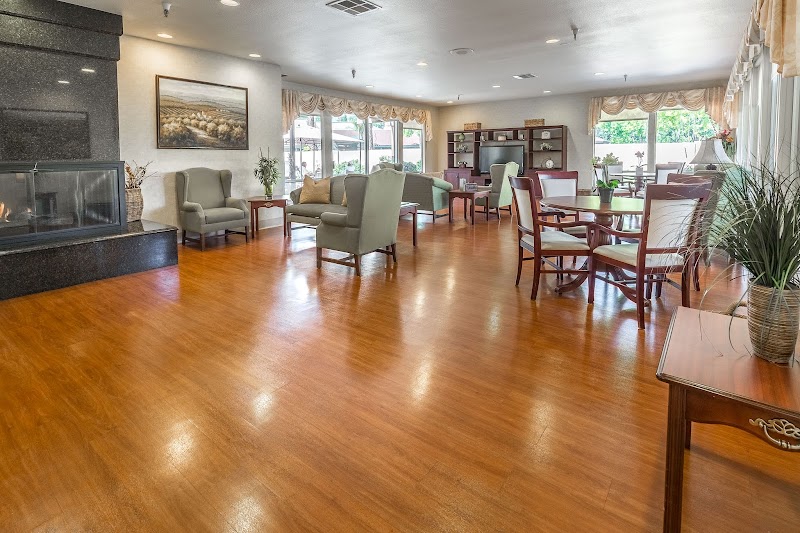
How is Country Drive Post Acute Staffed?

CMS rates Country Drive Post Acute's staffing level at 4 out of 5 stars, which is above average compared to other nursing homes. Staff turnover is 38%, compared to the California average of 46%. This relatively stable workforce can support continuity of care.

What Have Inspectors Found at Country Drive Post Acute?

State health inspectors documented 32 deficiencies at Country Drive Post Acute during 2019 to 2025. These included: 1 that caused actual resident harm and 31 with potential for harm. Deficiencies causing actual harm indicate documented cases where residents experienced negative health consequences.

Who Owns and Operates Country Drive Post Acute?

Country Drive Post Acute is owned by a for-profit company. For-profit facilities operate as businesses with obligations to shareholders or private owners. The facility is operated by WINDSOR, a chain that manages multiple nursing homes. With 126 certified beds and approximately 109 residents (about 87% occupancy), it is a mid-sized facility located in FREMONT, California.

How Does Country Drive Post Acute Compare to Other California Nursing Homes?

Compared to the 100 nursing homes in California, Country Drive Post Acute's overall rating (4 stars) is above the state average of 3.2, staff turnover (38%) is near the state average of 46%, and health inspection rating (4 stars) is above the national benchmark.

What Should Families Ask When Visiting Country Drive Post Acute?

Based on this facility's data, families visiting should ask: "Can I visit during a mealtime to observe dining assistance and food quality?" "How do you handle medical emergencies, and what is your hospital transfer rate?" "Can I speak with family members of current residents about their experience?"

Is Country Drive Post Acute Safe?

Based on CMS inspection data, Country Drive Post Acute has a clean safety record: no substantiated abuse findings (meaning no confirmed cases of resident harm), no Immediate Jeopardy citations (the most serious violation level indicating risk of serious injury or death), and is not on the Special Focus Facility watch list (a federal program monitoring the lowest-performing 1% of nursing homes). The facility has a 4-star overall rating and ranks #1 of 100 nursing homes in California. While no facility is perfect, families should still ask about staff-to-resident ratios and recent inspection results during their visit.

Do Nurses at Country Drive Post Acute Stick Around?

Country Drive Post Acute has a staff turnover rate of 38%, which is about average for California nursing homes (state average: 46%). Moderate turnover is common in nursing homes, but families should still ask about staff tenure and how the facility maintains care continuity when employees leave.

Was Country Drive Post Acute Ever Fined?

Country Drive Post Acute has no federal fines on record. CMS issues fines when nursing homes fail to meet care standards or don't correct problems found during inspections. The absence of fines suggests the facility has either maintained compliance or corrected any issues before penalties were assessed. This is a positive indicator, though families should still review recent inspection reports for the full picture.

Is Country Drive Post Acute on Any Federal Watch List?

Country Drive Post Acute is not on any federal watch list. The most significant is the Special Focus Facility (SFF) program, which identifies the bottom 1% of nursing homes nationally based on persistent, serious quality problems. Not being on this list means the facility has avoided the pattern of deficiencies that triggers enhanced federal oversight. This is a positive indicator, though families should still review the facility's inspection history directly.