CRESTWOOD MANOR - FREMONT
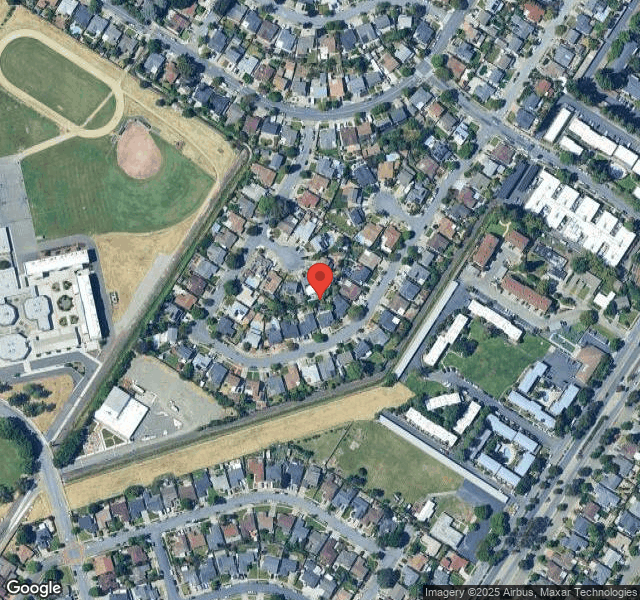
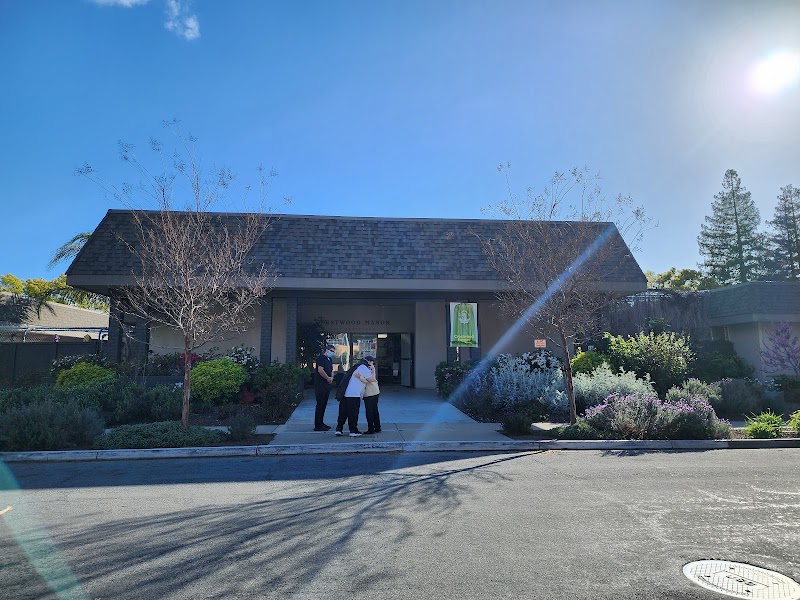
4303 STEVENSON BOULEVARD, FREMONT, CA 94538 (510) 651-1244
For profit - Corporation 126 Beds Independent Data: November 2025
Trust Grade
70/100
#325 of 1155 in CA
Last Inspection: April 2025

Within standard 12-15 month inspection cycle. Federal law requires annual inspections.

Overview

Crestwood Manor in Fremont, California has a Trust Grade of B, indicating it is a good choice for families, meaning it performs solidly among nursing homes. It ranks #325 out of 1,155 facilities statewide, placing it in the top half of California options, and #29 out of 69 in Alameda County, suggesting only a handful of local facilities are better. The facility is improving, with issues decreasing from 8 in 2023 to 5 in 2025. Staffing is a concern, scoring only 1 out of 5, but with a 0% turnover rate, staff retention is strong; however, it indicates that staffing levels may be inadequate. Notably, there have been no fines recorded, which is a positive sign. However, there are serious weaknesses to consider. For instance, a resident suffered a broken femur due to improper use of a mechanical lift during a transfer, resulting in hospitalization. Additionally, there were failures in food safety protocols, as the temperature of a refrigerator was not maintained, and there was a delay in notifying a physician about a resident's worsening condition. While the facility has some strengths, families should weigh these significant issues carefully.

Trust Score
B
70/100
In California
#325/1155
Top 28%
Safety Record
Moderate
Needs review
Inspections
Getting Better
8 → 5 violations
Staff Stability
○ Average
Turnover data not reported for this facility.
Penalties
✓ Good
No fines on record. Clean compliance history, better than most California facilities.
Skilled Nurses
○ Average
RN staffing data not reported for this facility.
Violations
⚠ Watch
17 deficiencies on record. Higher than average. Multiple issues found across inspections.
★★★★☆
4.0
Overall Rating
★☆☆☆☆
1.0
Staff Levels
★★☆☆☆
2.0
Care Quality
★★★★★
5.0
Inspection Score
Stable
2023: 8 issues
2025: 5 issues

The Good

  • Full Sprinkler Coverage · Fire safety systems throughout facility
  • No fines on record

Facility shows strength in fire safety.

The Bad

No Significant Concerns Identified

This facility shows no red flags. Among California's 100 nursing homes, only 0% achieve this.

The Ugly 17 deficiencies on record

1 actual harm
Jun 2025 1 deficiency
CONCERN (D) 📢 Someone Reported This

A family member, employee, or ombudsman was alarmed enough to file a formal complaint

Potential for Harm - no one hurt, but risky conditions existed

Deficiency F0557 (Tag F0557)

Could have caused harm · This affected 1 resident

Based on interview, and record review, the facility failed to provide care in a manner that maintains dignity and respect for one resident (Resident 1) of three sampled residents when: Registered Nurs...

Read full inspector narrative →
Based on interview, and record review, the facility failed to provide care in a manner that maintains dignity and respect for one resident (Resident 1) of three sampled residents when: Registered Nurse (RN 1) grabbed and struggled with Resident 1 ' s arm to take away a cup of water. This failure caused Resident 1 to feel like a child, emotional distress, and injury. Findings: During a review of Resident 1's Minimum Data Set (MDS - Resident assessment and care guide tool), dated 3/4/25, the MDS indicated Resident 1 had no verbal or behavioral symptoms directed towards others e.g., hitting, kicking, pushing, scratching, grabbing, threatening others, screaming at others. MDS indicated Resident 1 had clear speech, able to express his ideas and wants, and understood what others said to him. MDS indicated Resident 1's diagnoses included schizoaffective disorder (a mental disorder characterized by disruptions in thought processes, perceptions, emotional responsiveness, and social interactions). During an interview on 6/10/25, at 11:40 a.m., with Resident 1, Resident 1 stated that RN 1 grabbed his arm and struggled with him to take away a cup of water and scratched his hand. Resident 1 stated he was thirsty and wanted a drink. Resident 1 stated RN 1 told him he was on fluid restriction and grabbed the cup from Resident 1. Resident 1 stated he was treated like a child. Resident 1 stated RN 1 scratched and hurt his arm. During a review of Resident 1 ' s progress notes, dated 5/14/25, progress notes indicated Resident 1 showed a nurse a scratch to his left forearm that was scabbing and a superficial red mark underneath it. Resident 1 stated, the nurse grabbed my arm and dug her nails into me and scratched me. During an interview on 6/10/25, at 11:45 a.m., with RN 2, RN 2 stated she saw RN 1 and Resident 1 in the hallway. RN 2 stated RN 1 and Resident 1 both held the cup of water. RN 2 stated she asked RN 1 and Resident 1 to give RN 2 the cup of water and no need for the struggle. RN 2 stated the water from the cup was spilled on the floor. RN 2 stated she took a towel to wipe the floor. During an interview on 6/10/25, at 12:43 p.m., with Certified Nursing Assistant (CNA 1), CNA 1 stated Resident 1 had a cup of water. CNA 1 stated RN 1 told Resident 1 not to drink anymore. CNA 1 said RN 1 grabbed the cup from Resident 1. CNA 1 stated Resident 1 refused to give RN 1 the cup of water. During an interview on 6/10/25, at 12:16 p.m., with RN 1, RN 1 stated Resident 1 was on fluid restriction. RN 1 stated Resident 1 had a cup of water. RN 1 stated she tried to stop Resident 1 from drinking from the cup and Resident 1 said no. RN 1 stated she tried to take the cup of water from Resident 1 . RN 1 stated Resident 1 pulled back and forth and refused to give up the cup of water. RN 1 stated she had training in crisis prevention. RN 1 said next time she will talk to Resident 1 and calm Resident 1 down. During an interview on 6/10/25, at 12:18 p.m., with Crisis Prevention Instructor (CPI), CPI stated unless a resident is a danger to self or others, staff are not allowed to physically handle residents. During an interview on 6/10/25, at 12:48 p.m., with Director of Nursing (DON), DON stated the expectation was for licensed nurses to talk with residents in a calm manner, explain risk of having too much fluid, notify the physician and try not to have an altercation with residents. Based on interview, and record review, the facility failed to provide care in a manner that maintains dignity and respect for one resident (Resident 1) of three sampled residents when: Registered Nurse (RN 1) grabbed and struggled with Resident 1's arm to take away a cup of water. This failure caused Resident 1 to feel like a child, emotional distress, and injury. Findings: During a review of Resident 1's Minimum Data Set (MDS - Resident assessment and care guide tool), dated 3/4/25, the MDS indicated Resident 1 had no verbal or behavioral symptoms directed towards others e.g., hitting, kicking, pushing, scratching, grabbing, threatening others, screaming at others. MDS indicated Resident 1 had clear speech, able to express his ideas and wants, and understood what others said to him. MDS indicated Resident 1's diagnoses included schizoaffective disorder (a mental disorder characterized by disruptions in thought processes, perceptions, emotional responsiveness, and social interactions). During an interview on 6/10/25, at 11:40 a.m., with Resident 1, Resident 1 stated that RN 1 grabbed his arm and struggled with him to take away a cup of water and scratched his hand. Resident 1 stated he was thirsty and wanted a drink. Resident 1 stated RN 1 told him he was on fluid restriction and grabbed the cup from Resident 1. Resident 1 stated he was treated like a child. Resident 1 stated RN 1 scratched and hurt his arm. During a review of Resident 1's progress notes, dated 5/14/25, progress notes indicated Resident 1 showed a nurse a scratch to his left forearm that was scabbing and a superficial red mark underneath it. Resident 1 stated, the nurse grabbed my arm and dug her nails into me and scratched me. During an interview on 6/10/25, at 11:45 a.m., with RN 2, RN 2 stated she saw RN 1 and Resident 1 in the hallway. RN 2 stated RN 1 and Resident 1 both held the cup of water. RN 2 stated she asked RN 1 and Resident 1 to give RN 2 the cup of water and no need for the struggle. RN 2 stated the water from the cup was spilled on the floor. RN 2 stated she took a towel to wipe the floor. During an interview on 6/10/25, at 12:43 p.m., with Certified Nursing Assistant (CNA 1), CNA 1 stated Resident 1 had a cup of water. CNA 1 stated RN 1 told Resident 1 not to drink anymore. CNA 1 said RN 1 grabbed the cup from Resident 1. CNA 1 stated Resident 1 refused to give RN 1 the cup of water. During an interview on 6/10/25, at 12:16 p.m., with RN 1, RN 1 stated Resident 1 was on fluid restriction. RN 1 stated Resident 1 had a cup of water. RN 1 stated she tried to stop Resident 1 from drinking from the cup and Resident 1 said no. RN 1 stated she tried to take the cup of water from Resident 1 . RN 1 stated Resident 1 pulled back and forth and refused to give up the cup of water. RN 1 stated she had training in crisis prevention. RN 1 said next time she will talk to Resident 1 and calm Resident 1 down. During an interview on 6/10/25, at 12:18 p.m., with Crisis Prevention Instructor (CPI), CPI stated unless a resident is a danger to self or others, staff are not allowed to physically handle residents. During an interview on 6/10/25, at 12:48 p.m., with Director of Nursing (DON), DON stated the expectation was for licensed nurses to talk with residents in a calm manner, explain risk of having too much fluid, notify the physician and try not to have an altercation with residents.
Apr 2025 4 deficiencies
CONCERN (D) 📢 Someone Reported This

A family member, employee, or ombudsman was alarmed enough to file a formal complaint

Potential for Harm - no one hurt, but risky conditions existed

Free from Abuse/Neglect (Tag F0600)

Could have caused harm · This affected 1 resident

Based on interview, record review, facility document review, and facility policy review, the facility failed to protect a resident's right to be free from abuse perpetrated by staff for 1 (Resident #1...

Read full inspector narrative →
Based on interview, record review, facility document review, and facility policy review, the facility failed to protect a resident's right to be free from abuse perpetrated by staff for 1 (Resident #103) of 1 sampled resident reviewed for abuse. Findings included: A facility policy titled, Elder and Dependent Adult Abuse/Suspicion of a Crime, revised 01/10/2019, indicated, First and foremost, [facility name] believes every person served, or resident has the right to be free of: a) Physical abuse, neglect, financial abuse, abandonment, isolation, abduction, exploitation, or other treatment with resulting physical harm or pain or mental suffering. This includes but is not limited to freedom from corporal punishment, involuntary seclusion and any physical or chemical restraint not required to treat the resident's medical symptoms. b) Deprivation of goods or services that is necessary to avoid physical harm or mental suffering. An admission Record indicated the facility admitted Resident #103 on 04/04/2024. According to the admission Record, the resident had a medical history that included diagnoses of schizoaffective disorder and type 2 diabetes. A quarterly Minimum Data Set (MDS), with an Assessment Reference Date (ARD) of 10/09/2024, revealed Resident #103 had a Brief Interview for Mental Status (BIMS) score of 15, which indicated the resident had intact cognition. Resident #103's Care Plan Report included a focus area initiated 04/04/2024, that indicated the resident had a history of assaultive behavior and was easily upset or frustrated related to their diagnoses and poor impulse control. Interventions directed staff to place a stop sign at the resident's door (initiated 04/18/2024) and encourage attendance in special treatment program (STP) groups and activities that encouraged impulse control and development of social skills (initiated 04/04/2024). Resident #103's Progress Notes, dated 11/18/2024 at 11:35 AM and electronically signed by Registered Nurse (RN) #4, revealed that an incident took place at lunch time in the community center/dining room. The note indicated that a CNA reached for Resident #103's cup of juice, and the resident picked up the cup and threw it at the CNA. Per the note, a program staff entered the dining room and attempted to de-escalate the situation and wheel the resident back to their room. The note indicated that the CNA approached Resident #103 with a disinfectant spray bottle, aimed at the resident, then stated something along the lines of Do you think I'm afraid of you? The note indicated that a program staff and RN #4 notified their supervisor of the incident. A Report of Suspected Dependent Adult/Elder Abuse report form, dated 11/18/2024, indicated that on 11/18/2024 at 11:40 AM, Resident #103 threw juice on CNA #3 when the CNA took the juice off the resident's meal tray. The report indicated that CNA #3 then threw juice on the resident from the same cup. The report indicated that the CNA gestured with a spray bottle as if she was going to spray the resident and said, I am not afraid of you. Per the report, the CNA did not deny the incident. The report indicated CNA #3 was suspended pending the investigation and their employment would be terminated pending the results. An untitled handwritten document, dated 11/18/2024, provided as part of the facility's investigation indicated that CNA #3 did not deny what happened and stated that there may have been juice in the cup. The document indicated that CNA #3 apologized and stated that they lost their temper. A handwritten statement, dated 11/18/2024 and signed by the Director of Nursing (DON), indicated that the resident was interviewed about the incident and stated that they attacked a staff member, and the staff member pointed a spray bottle at them. A handwritten statement, dated 11/18/2024 and signed by RN #4, indicated that she was waiting for Resident #103 to finish their meal when a CNA grabbed a cup of juice the resident had on their table. The statement indicated the resident got upset with the CNA for touching their juice and threw the juice at the CNA. The statement indicated that a program staff member came to deescalate the situation and as they wheeled the resident back to their room, the CNA walked up to the resident holding a cleaning spray bottle, aimed it at the resident, and asked, Do you think I'm afraid of you? A typed statement, dated 11/18/2024 by Special Treatment Program Counselor (STPC) #5, indicated that at 11:35 AM, he entered the community center and upon entering, he heard a resident having a verbal disagreement with a CNA. The statement indicated that he witnessed the CNA throw juice on the resident. Per the statement, when he began to wheel the resident out of the community center, the CNA walked up to them holding a cleaning bottle, aimed it at the resident, and gestured as if she was going to squeeze the trigger and spray the cleaner on the resident. The statement indicated that the CNA stated, I'm not afraid of you! During an interview on 04/15/2025 at 1:36 PM, RN #4 stated that she had been watching dining, and Resident #103 was the last resident in the room to finish their meal. She stated CNA #3 grabbed Resident #103's food, which made the resident get agitated and start yelling, eventually throwing juice in a cup at the CNA. She stated that she told CNA #3 that she would handle the situation and attempted to de-escalate when the CNA and Resident #103 started to argue. She stated that a program staff member walked into the room and attempted to calm Resident #103. She stated that the program staff started to wheel the resident out of the door to go back to the resident's room when CNA #3 pointed a cleaning bottle at Resident #103. She stated that Resident #103 was removed to their room and RN #4 reported the incident immediately to the CNA supervisor, the DON, and the Administrator. She stated that she wrote out a statement. She stated Resident #103 did not suffer any injuries and had no changes in behavior after the incident. She stated that she was not aware of any prior history between CNA #3 and Resident #103. She stated that she had never witnessed CNA #3 being inappropriate with other residents. During an interview on 04/15/2025 at 1:16 PM, STPC #5 stated that he walked through the dining room and witnessed the incident. He stated that Resident #103 was the last person in the dining room, and other staff in the room included RN #4 and CNA #3. He stated he noticed Resident #103 and CNA #3 were arguing and when he went to intervene, CNA #3 made a motion like she was going to throw juice from a cup on Resident #103, but he did not actually see any liquid. He stated he tried to wheel the resident back to their room through the right door, since CNA #3 was on the left side of the room. STPC #5 stated CNA #3 came to the right side of the room and made a motion like she was going to spray Resident #103 with a yellow bleach spray bottle. He stated he got Resident #103 safely to their room and then reported to the nurse and the Administrator. He stated that CNA #3 was serious and was mad. He stated CNA #3 spoke with a raised voice and said, You think I'm scared of you? STPC #5 stated Resident #103 did not have any injuries, and no juice or bleach actually got on the resident. He stated that he did not notice any changes in behavior for the resident. He stated that there was no history between CNA #3 or Resident #103 that he was aware of. During an interview on 04/15/2025 at 1:59 PM, the Assistant Administrator, who investigated the incident, stated she was notified of the allegation of abuse by STPC #5 immediately after it happened. She stated CNA #3 was put in a separate room to protect the alleged victim. She stated CNA #3 was called to the front office and was suspended immediately. She stated CNA #3 admitted to committing the abuse. She stated what was reported to her was that STPC #5 said that Resident #103 threw juice on CNA #3, then CNA #3 tossed the same glass contents on Resident #103, then pointed a spray bottle at the resident as a threat. The Assistant Administrator stated they notified the nursing board, local police department, the Ombudsman, and the state survey agency. During an interview on 04/15/2025 at 2:28 PM, the Administrator stated that the administration staff was notified of the alleged abuse within minutes of it happening. She stated CNA #3, the alleged perpetrator, was suspended and taken off the premises immediately.
CONCERN (D) 📢 Someone Reported This

A family member, employee, or ombudsman was alarmed enough to file a formal complaint

Potential for Harm - no one hurt, but risky conditions existed

Abuse Prevention Policies (Tag F0607)

Could have caused harm · This affected 1 resident

Based on interview, record review, facility document review, and facility policy review, the facility failed to implement their policy to complete a thorough investigation, which affected 1 (Resident ...

Read full inspector narrative →
Based on interview, record review, facility document review, and facility policy review, the facility failed to implement their policy to complete a thorough investigation, which affected 1 (Resident #103) of 1 sampled resident reviewed for abuse. Specifically, the facility failed to interview additional cognitively intact residents to determine if there was a history of inappropriate behaviors by Certified Nursing Assistant (CNA) #3 or other staff following an incident of abuse which involved CNA #3 and Resident #103. Findings included: A facility policy titled, Elder and Dependent Adult Abuse/Suspicion of a Crime, revised 01/10/2019, indicated, II. Investigation & Protection A. All incidents require a thorough investigation in an attempt to determine what occurred and to make changes, as needed, to prevent reoccurrence. A thorough investigation is a systemic (consistent and ordered) collection of information (evidence) that describes and explains an event or a series of events. The policy specified, (g) Interview other cognitively alert persons served to determine if there is a possible history of inappropriate staff behavior toward persons served. An admission Record indicated the facility admitted Resident #103 on 04/04/2024. According to the admission Record, the resident had a medical history that included diagnoses of schizoaffective disorder and type 2 diabetes. A quarterly Minimum Data Set (MDS), with an Assessment Reference Date (ARD) of 10/09/2024, revealed Resident #103 had a Brief Interview for Mental Status (BIMS) score of 15, which indicated the resident had intact cognition. Resident #103's Care Plan Report included a focus area initiated 04/04/2024, that indicated the resident had a history of assaultive behavior and was easily upset or frustrated related to their diagnoses and poor impulse control. Interventions directed staff to place a stop sign at the resident's door (initiated 04/18/2024) and encourage attendance in special treatment program (STP) groups and activities that encouraged impulse control and development of social skills (initiated 04/04/2024). Resident #103's Progress Notes dated 11/18/2024 at 11:35 AM and electronically signed by Registered Nurse (RN) #4, revealed that an incident took place at lunch time in the community center/dining room. The note indicated that a CNA reached for Resident #103's cup of juice, and the resident picked up the cup and threw it at the CNA. Per the note, a program staff entered the dining room and attempted to de-escalate the situation and wheel the resident back to their room. The note indicated that the CNA approached Resident #103 with a disinfectant spray bottle, aimed at the resident, then stated something along the lines of Do you think I'm afraid of you? The note indicated that a program staff and RN #4 notified their supervisor of the incident. A Report of Suspected Dependent Adult/Elder Abuse report form, dated 11/18/2024, indicated that on 11/18/2024 at 11:40 AM, Resident #103 threw juice on CNA #3 when the CNA took the juice off the resident's meal tray. The report indicated that CNA #3 then threw juice on the resident from the same cup. The report indicated that the CNA gestured with a spray bottle as if she was going to spray the resident and said, I am not afraid of you. Per the report, the CNA did not deny the incident. The report indicated CNA #3 was suspended pending the investigation and their employment would be terminated pending the results. During an interview on 04/15/2025 at 11:49 AM, the Administrator provided the file of the facility's investigation of the incident and stated that no resident interviews had been completed because CNA #3 was well liked by residents and did not have any history of abuse and had worked at the facility for a long time. During an interview on 04/15/2025 at 1:59 PM, the Assistant Administrator stated she was unsure if any other potentially affected residents were interviewed. She stated the Director of Nursing (DON) would have been the one to do so. During an interview on 04/15/2025 at 2:21 PM, the DON stated that she interviewed the alleged victim and reported the incident to the resident's doctor, Conservator, and to the local police department. The DON stated she did not interview any other residents because Resident #103 was the only resident in the dining room at the time. The DON stated she did not interview any residents on the unit that CNA #3 may have had contact with.
CONCERN (D) 📢 Someone Reported This

A family member, employee, or ombudsman was alarmed enough to file a formal complaint

Potential for Harm - no one hurt, but risky conditions existed

Report Alleged Abuse (Tag F0609)

Could have caused harm · This affected 1 resident

Based on interview, record review, facility document review, and facility policy review, the facility failed to report an allegation of misappropriation of resident property to the state survey agency...

Read full inspector narrative →
Based on interview, record review, facility document review, and facility policy review, the facility failed to report an allegation of misappropriation of resident property to the state survey agency for one (Resident #93) of 22 sampled residents. The facility further failed to timely report an allegation of abuse to the state survey agency and submit the results of the investigation to the state survey agency for 1 (Resident #103) of 1 sampled resident reviewed for abuse. Findings included: A facility policy titled, Elder and Dependent Adult Abuse/Suspicion of a Crime, revised 01/10/2019, indicated, If the alleged violation involves abuse OR results in serious bodily injury: Immediately but no later than 2 hours to the State & local police. The policy specified, Results of all investigations of allegation violations: Within 5 working days of the incident. 1. An admission Record revealed the facility admitted Resident #93 on 03/06/2024. According to the admission Record, the resident had a medical history that included a diagnosis of schizoaffective disorder. An annual Minimum Data Set (MDS), with an Assessment Reference Date (ARD) of 03/13/2025, revealed Resident #93 had a Brief Interview for Mental Status (BIMS) score of 15, which indicated the resident had intact cognition. Resident #93's Progress Notes, dated 03/07/2024 at 8:56 AM and electronically signed by Social Services (SS) #27, revealed Resident #93 accused SS #27 of stealing $1,400.00. During an interview on 04/17/2025 at 11:48 AM, the Administrator stated they did not have any self-reports made to the state survey agency for Resident #93. She stated that she did not report to the state because there was no actual property missing. During a follow-up interview on 04/17/2025 at 12:40 PM, the Administrator stated that by talking to other staff that, she found that Resident #93 alleged previously that social services staff stole $1,400. She stated that her process when an allegation of abuse was reported to her was to immediately report to the state agency. She stated that during the timeframe when they had to report to the state agency, she verified through interviews and gathering information to determine if in fact abuse/misappropriation of property occurred. During an interview 04/17/2025 at 2:41 PM, SS #27 stated that upon admission, Resident #93 reported they were missing a $1,400 check. She stated that she talked to other staff about if the resident had a check. She stated that because there was no evidence, she felt no need to proceed with reporting misappropriation to the Administrator. She stated that if there had been evidence Resident #93 had a check, she would have gone to the Administrator and notified the Conservator. During an interview on 04/18/2025 at 9:04 AM, the Director of Nursing (DON) stated that she had not been notified of an allegation of misappropriation of property in March 2024 from Resident #93. The DON stated that she expected staff to report the allegation of theft to her or the Administrator, who was the Abuse Coordinator, and she would need to do a full investigation. The DON stated she would verify it first with social services staff if the resident really had money but then would report to the state agency after verifying that the resident had money. During an interview on 04/18/2025 at 10:49 AM, the Assistant Administrator stated that she did not recall if the allegation of misappropriation of funds on 03/07/2024 had been reported to her, but SS #27 was trained to notify her of allegations. 2. An admission Record indicated the facility admitted Resident #103 on 04/04/2024. According to the admission Record, the resident had a medical history that included diagnoses of schizoaffective disorder and type 2 diabetes. A quarterly Minimum Data Set (MDS), with an Assessment Reference Date (ARD) of 10/09/2024, revealed Resident #103 had a Brief Interview for Mental Status (BIMS) score of 15, which indicated the resident had intact cognition. Resident #103's Care Plan Report included a focus area initiated 04/04/2024, that indicated the resident had a history of assaultive behavior and was easily upset or frustrated related to their diagnoses and poor impulse control. Interventions directed staff to place a stop sign at the resident's door (initiated 04/18/2024) and encourage attendance in special treatment program (STP) groups and activities that encouraged impulse control and development of social skills (initiated 04/04/2024). Resident #103's Progress Notes, dated 11/18/2024 at 11:35 AM and electronically signed by Registered Nurse (RN) #4, revealed that an incident took place at lunch time in the community center/dining room. The note indicated that a CNA reached for Resident #103's cup of juice, and the resident picked up the cup and threw it at the CNA. Per the note, a program staff entered the dining room and attempted to de-escalate the situation and wheel the resident back to their room. The note indicated that the CNA approached Resident #103 with a disinfectant spray bottle, aimed at the resident, then stated something along the lines of Do you think I'm afraid of you? The note indicated that a program staff and RN #4 notified their supervisor of the incident. A Report of Suspected Dependent Adult/Elder Abuse report form, dated 11/18/2024, indicated that on 11/18/2024 at 11:40 AM, Resident #103 threw juice on CNA #3 when the CNA took the juice off the resident's meal tray. The report indicated that CNA #3 then threw juice on the resident from the same cup. The report indicated that the CNA gestured with a spray bottle as if she was going to spray the resident and said, I am not afraid of you. Per the report, the CNA did not deny the incident. The report indicated CNA #3 was suspended pending the investigation and their employment would be terminated pending the results. An email from the Administrator, who was the Assistant Administrator at the time of the incident, to the state survey agency, dated 11/18/2024, indicated the facility notified the state survey agency of the abuse allegation on 11/18/2024 at 3:39 PM. The facility's investigation revealed no evidence that the facility submitted the required five-day investigation report to the state agency. During an interview on 04/15/2025 at 1:59 PM, the Assistant Administrator, who was the Administrator at the time of the incident and who investigated the incident, stated she was notified of the allegation of abuse immediately after it happened. The Assistant Administrator stated they notified the nursing board, police, Ombudsman, and the state survey agency. She stated that she could not recall if they submitted a five-day final report to the state survey agency. During an interview on 04/16/2025 at 11:21 AM, the Administrator stated abuse should be reported as soon as possible. She stated that Resident #103's incident did not get reported within two hours because there was not an injury.
CONCERN (E)

Potential for Harm - no one hurt, but risky conditions existed

Food Safety (Tag F0812)

Could have caused harm · This affected multiple residents

Based on observation, interview, facility document review, and facility policy review, the facility failed to ensure the temperature of the [NAME] Hall nourishment refrigerator was maintained at 41 de...

Read full inspector narrative →
Based on observation, interview, facility document review, and facility policy review, the facility failed to ensure the temperature of the [NAME] Hall nourishment refrigerator was maintained at 41 degrees Fahrenheit (F) or below and food items in the nourishment refrigerator were dated and labeled for the 64 of the 111 residents who resided on the [NAME] Hall. Findings included: A facility policy titled, Labeling and Dating of Foods, dated 2023, revealed, Policy: All food items in the storeroom, refrigerator, and freezer need to be labeled and dated. The policy specified, Leftovers will be covered, labeled, and dated. A facility policy titled, Cold Storage Temperature Monitoring and Record Keeping dated 2023, revealed, Policy: Food & Nutrition Services staff shall review and record temperatures of all refrigerators and freezers to ensure they are at the correct temperature for food storage and handling. The policy specified, 3. If temperatures are not within standards, Food & Nutrition Services staff will notify the FNS [Food Nutrition Services] Director. In the Director's absence, notify both Maintenance and the Administrator. Refrigerator temperature standards are less or equal to 41 [degrees] F. The goal is to keep the temperature at 34 [degrees] F - 39 [degrees] F. This will allow for a 2 [degrees] rise in temperature when the door is opened throughout the day. This will also keep food at less than 41 [degrees] F. The [NAME] Hall Refrigerator/Freezer Temperature Log, for 03/2025, revealed staff documented the refrigerator temperature as the following: - On 03/01/2025, 42 degrees F during the night shift, 44 degrees F during the ante meridiem (AM, before midday) shift, and 45 degrees during the post meridiem (PM, after midday) shift. - On 03/02/2025, 42 degrees F during the AM shift. - On 03/04/2025, 42 degrees F during the AM shift and 43 degrees F during the PM shift. - On 03/05/2025, 43 degrees during the night shift. - On 03/07/2025, 46 degrees F during the PM shift. - On 03/08/2025, 42 degrees F during the AM shift. - On 03/11/2025, 45 degrees F during the PM shift. - On 03/12/2025, 45 degrees F during the night shift and 42 degrees F during the PM shift. - On 03/13/2025, 42 degrees F during the AM and PM shift. - On 03/14/2025, 42 degrees F during the AM shift. - On 03/15/2025, 42 degrees F during the night, AM, and PM shift. - On 03/17/2025, 42 degrees F during the night shift. - On 03/18/2025, 42 degrees F during the AM shift. - On 03/21/2025, 42 degrees F during the PM shift. - On 03/25/2025, 42 degrees F during the AM shift and 44 degrees F during the PM shift. - On 03/26/2025, 44 degrees F during the night shift, 42 degrees F during the AM shift, and 46 degrees F during the PM shift. - On 03/27/2025, 42 degrees F during the night shift. - On 03/30/2025, 42 degrees F during the PM shift. - On 03/31/2025, 46 degrees F during the night shift and 42 degrees F during the AM and PM shift. The [NAME] Hall Refrigerator/Freezer Temperature Log, for 04/2025, revealed staff documented the refrigerator temperature as the following: - On 04/02/2025, 48 degrees F during the PM shift. - On 04/03/2025, 44 degrees F during the night shift and 46 degrees F during the PM shift. - On 04/06/2025, 42 degrees F during the night shift. - On 04/07/2025, 46 degrees F during the PM shift. - On 04/08/2025, 46 degrees F during the night and PM shift. - On 04/09/2025, 46 degrees F during the night, AM, and PM shift. - On 04/10/2025, 46 degrees F during the night, AM, and PM shift. - On 04/11/2025, 46 degrees F during the night shift and 44 degrees F during the AM and PM shift. - On 04/12/2025, 44 degrees F during the night shift, 43 degrees F during the AM shift, and 46 degrees F during the PM shift. - On 04/13/2025, 46 degrees F during the night shift and 44 degrees F during the AM shift. - On 04/14/2025, 46 degrees F during the night and PM shift. - On 04/15/2025, 46 degrees F during the night shift, 45 degrees F during the AM shift, and 46 degrees F during the PM shift. - On 04/16/2025, 44 degrees F during the night, AM, and PM shift. - On 04/17/2025, 42 degrees F during the night shift. During a concurrent interview and observation of the [NAME] Hall nourishment refrigerator on 04/17/2025, at 8:52 AM, the temperature was recorded as 47 degrees F and there was a half-eaten black carton of spaghetti that was not labeled or dated. Licensed Vocational Nurse (LVN) #1 stated all items in refrigerator should be dated and labeled and she did not believe the food belonged to the staff. During an interview on 04/17/2025, at 10:32 AM, LVN #1 stated the temperature of the refrigerator should be between 36 degrees F and 46 degrees F. LVN #1 stated she did not know the temperature should be below 41 degrees F. Per LVN #1, she was not sure who the spaghetti belonged to and anything in the refrigerator should be dated and labeled. During an interview on 04/17/2025, at 1:52 PM, the Dietary Manager (DM) stated she did not monitor the nourishment refrigerators or the temperature of the nourishment refrigerators on the nursing units. The DM stated the temperature of the nourishment refrigerator should be below 41 degrees F. According to the DM, when staff placed food items in the nourishment refrigerator, they should label and date the item. The DM confirmed that if there was no date or label on the spaghetti found in the [NAME] Hall nourishment refrigerator, there would be no way to determine who the food item belonged to. During an interview on 04/17/2025, at 4:35 PM, Registered Nurse (RN) #2 stated she worked on both the East and [NAME] Halls as an RN during the 3:00 PM - 11:00 PM shift. RN #2 stated as part of a nurse's daily routine when they came on shift, the nurses were to check the temperatures of the refrigerators on the nursing units. RN #2 stated the temperature of the refrigerator should be between 36 degrees F and 48 degrees F and if it was outside of those parameters, maintenance should be notified. RN #2 acknowledged she was not aware of the regulation that specified what the temperature of the refrigerator should be. RN #2 stated the nourishment refrigerator was only for resident food items and when someone placed a food item in the refrigerator it should be dated and labeled. During an interview on 04/18/2025, at 10:02 AM, the Maintenance Supervisor (MS) stated prior to 04/17/2025, no one had notified him about the high temperatures on the [NAME] Hall nourishment refrigerator or that the temperature was not below 41 degrees F. Per the MS, the DM informed him on 04/17/2025 that the refrigerator temperatures were high on the [NAME] Hall. The MS stated he monitored the refrigerator temperature monthly and his last recorded temperature of the nourishment refrigerator was 38 degrees F on 03/25/2025. During an interview on 04/18/2025, at 10:50 AM, the Administrator stated the refrigerator temperature should be 41 degrees F or below. During a follow-up interview on 04/18/2025, at 11:55 AM, the Administrator stated she expected all staff to label and date any food items stored in the nourishment refrigerator. During an interview on 04/18/2025, at 11:59 AM, the Director of Nursing stated she expected the temperature of the refrigerator to be within range and food items in the refrigerator should be dated and labeled.
Sept 2023 7 deficiencies
CONCERN (D)

Potential for Harm - no one hurt, but risky conditions existed

Deficiency F0561 (Tag F0561)

Could have caused harm · This affected 1 resident

**NOTE- TERMS IN BRACKETS HAVE BEEN EDITED TO PROTECT CONFIDENTIALITY** Based on observation, interview, and record review, the facility failed to facilitate and promote the rights of two (Resident 79...

Read full inspector narrative →
**NOTE- TERMS IN BRACKETS HAVE BEEN EDITED TO PROTECT CONFIDENTIALITY** Based on observation, interview, and record review, the facility failed to facilitate and promote the rights of two (Resident 79 and Resident 21) of 23 sampled residents who requested privacy for meetings together. The facility failure to provide a private space for intimate meetings despite requests by Resident 79 and Resident 21 resulted in public displays of affection between Resident 79 and Resident 21 which caused Resident 79 to feel embarrassed and guilty for the public displays, and Resident 79 to feel ignored and disrespected by the facility. Findings: During a review of the admission Record (AR) for Resident 79, undated, the AR indicated Resident 79 was admitted in 2021, with a diagnosis of a mental condition which made it difficult to think clearly, have normal emotional responses, act normally in social situations, and tell the difference between what is real and what is not real. During a review of Resident 79's Minimum Data Set (MDS, a resident assessment instrument used to identify resident care problems to be addressed in an individualized care plan.) dated 7/6/23, indicated Resident 79 was understood by others and was able to understand others with a score of 15 on the Brief Interview for Mental Status exam. (BIMS, is a scoring system used to determine the resident's cognitive status regarding attention, orientation, and ability to register and recall information. A BIMS score of thirteen to fifteen is an indication of intact cognitive status.) During a review of Resident 21's AR, undated, the AR indicated Resident 21 was admitted in 2008 with a diagnosis of a mental condition which made it difficult to think clearly, have normal emotional responses, act normally in social situations, tell the difference between what is real and what is not real, and sometimes have feelings that others are out to get him. During a review of Resident 21's Minimum Data Set, dated [DATE], indicated Resident 21 was understood by others and was able to understand others with a BIMS score of 12. (A BIMS score of 12 is in the eight to twelve range for moderate cognitive impairment.) During an interview on 9/25/23, at 11:55 a.m., with Resident 79, Resident 79 stated she had a boyfriend who resided at the facility, and they had requested to room together or to be provided with a private place so they could be together alone. Resident 79 stated she had spoken with the Social Services Designee (SSD), but nothing had been done to accommodate their request. Resident 79 acknowledged she and Resident 21 had sexual relations several times in Resident 21's room while his roommates were present. Resident 79 stated she felt embarrassed, exposed, and guilty since Resident 21's roommates were aware of her personal business. During an interview on 9/25/23, at 12:15 p.m., with Resident 21, Resident 21 stated he and Resident 79 were intimate partners and wanted to be together in a more private space than the room he shared with two other roommates. Resident 21 stated there had been times when he and Resident 79 had sexual relations in his room while his roommates were present; Resident 21 stated he and Resident 21 had to try to be quiet and not make any noise so his roommates would not hear them. Resident 21 stated having to ask for permission to do what was natural for adults to do, made him feel like he was being treated like a child. Resident 21 stated he also felt ignored by the facility because he and Resident 79 had requested privacy accommodations and had never received any private space. During an interview on 9/25/23, at 1:25 p.m., with Social Services Designee 1 (SSD 1) and Social Services Designee 2 (SSD 2), SSD 1 stated the facility was aware of Resident 79 and Resident 21's request to room together, but the facility predominantly had three residents per room, so it would be difficult to accommodate the request. SSD 2 stated Resident 79 was always in Resident 21's room laying in his bed, even when Resident 79's roommates were present in the room. SSD 1 and SSD 2 stated no arrangements had been made for Resident 21 and 79 to have a place for private meetings. During a concurrent interview and record review, on 9/26/23, at 10:36 a.m., with the Program Manager (PM), the facility's Intimate Sexual Relations Agreement (ISRA) and Intimacy Issues Handout (IIH), undated, were reviewed. The ISRA indicated Residents 79 and 21 had been counseled on the facility's policy regarding intimate sexual relationships. The ISRA also indicated the following conditions would apply if sexual contact was contemplated: 1) The parties must each meet with a member of the program staff to discuss expected guidelines of sexual conduct. 2) The consenting parties must make provision to be alone in the room and 3) Any roommates must agree to vacate the room for a specified length of time. The PM stated she had known Resident 79 and Resident 21 wanted to share a room, so PM had them both sign an agreement, and gave them a copy of the Intimate Issues Handout. PM stated both Resident 79 and Resident 21 had signed the consent for intimacy, and they had both also requested to room together if possible or to be provided a private space. PM stated the facility had not assisted Resident 79 and Resident 21 with location and provision of a private space for Resident 79 and Resident 21 to be together, but had required the residents to get their roommates to agree to vacate the shared room for a designated time period to allow Resident 21 and Resident 79 the desired privacy. During a concurrent observation and joint interview on 9/26/23, at 11:43 a.m., with Resident 79 and Resident 21, in Resident 21's room, Resident 79 lay in bed with Resident 21, in Resident 21's twin bed. Resident 79 stated she enjoyed cuddling at night. Both residents stated they needed a bigger bed and a place where they could be together in a private setting. Resident 79 stated every night at 11 p.m. she was told to leave Resident 21's room; they were not allowed to spend the night together. During an interview on 9/27/23, at 6:08 a.m., with Certified Nursing Assistant 3 (CNA 3), CNA 3 stated she had been assigned to Resident 21's room and had often found Resident 21 laying in Resident 21's bed at 11 p.m. CNA 3 stated she had asked Resident 79 to return to her room for the night on those occasions. During an observation on September 27th, 2023, at 9:10 a.m., in Resident 21's room, Resident 79 lay in Resident 21's bed with him; Resident 21's two male roommates were also present in the room. During a review of the facility's policy and procedure (P&P) titled, Resident's Rights, revised 11/15/16, the P&P indicated, The facility respects and supports the rights as stated under OBRA (Omnibus Budget Reconciliation Act also known as the Nursing Home Reform Act of 1987) per Federal Regulation. F172- The right to receive visitors in a private place if requested. F175- The right to share a room with his or her roommate of choice when practicable, when both residents live in the same facility and both residents' consent to the arrangement. The right to share a room does not mean another resident is forced to move from his/her room to accommodate a couple, but the facility will provide for room sharing as quickly as possible.
CONCERN (D)

Potential for Harm - no one hurt, but risky conditions existed

Deficiency F0760 (Tag F0760)

Could have caused harm · This affected 1 resident

Based on interviews and record review the facility failed to ensure one (Resident 66) of 23 sampled residents was free of a significant medication error when Registered Nurse (RN 2) administered medic...

Read full inspector narrative →
Based on interviews and record review the facility failed to ensure one (Resident 66) of 23 sampled residents was free of a significant medication error when Registered Nurse (RN 2) administered medications that were not prescribed for Resident 66 during a medication pass. The failure to ensure Resident 66 only received medications prescribed for Resident 66 resulted in a transfer to the hospital emergency room (ER) for evaluation, emotional distress from the event, and had the potential to result in adverse side effects from administration of unprescribed and unnecessary medications. Findings: During a review of Resident 66's Minimum Data Set (MDS, a resident assessment instrument used to identify resident care problems to be addressed in an individualized care plan.) dated 8/22/23, indicated Resident 66 had a score of 15 on the Brief Interview for Mental Status exam. (BIMS, is a scoring system used to determine the resident's cognitive status regarding attention, orientation, and ability to register and recall information. A BIMS score of thirteen to fifteen is an indication of intact cognitive status.) The MDS indicated Resident 66 was able to understand others and be understood by others. The MDS indicated Resident 66 had diagnoses of Alzheimer's Disease (a loss of brain function effecting one or more brain functions such as memory, thinking, language, judgment, or behavior) and a mental condition which made it difficult to think clearly, have normal emotional responses, act normally in social situations, and tell the difference between what was real and what was not real. During an interview on 9/25/23 at 1:47 p.m., Resident 66 stated Registered Nurse 2 (RN 2) had given her a cup of medications that belonged to another resident and insisted she take the medications, even though Resident 66 told RN 2 the medications were not her medications. Resident 66 stated the facility transferred her to the hospital after they found she had received someone else's medications. Resident 66 stated she had been stressed and had panic attacks and had been afraid of staying at the facility for a little while after the incident. During an interview on 9/26/23 at 2:17 p.m., Director of Nursing (DON) stated she was aware of an incident in March 2022 when RN 2 administered another resident's medications to Resident 66. DON said Resident 66 was transferred to the hospital for evaluation related to the medication error. During a review of a medication error report dated 3/14/22, the report indicated during the 7:30 p.m. medication pass, nursing staff administered unprescribed prescription medications to Resident 66 as follows: 20 milligrams (mg) of olanzapine (a medication used to treat mental conditions which have some loss of contact with reality), and 2 mg of benztropine (used to treat tremors associated with specific medical conditions). During an interview on 9/27/23 at 11:42 a.m., with RN 2, RN 2 stated he was in orientation with Registered Nurse 3 doing a medication pass on 3/14/22. RN 2 stated he and RN 3 prepared medications for administration in the medication room: the medications were poured into medication cups, the cups were placed on a tray labeled with resident names, and then the trays were taken into the facility and distributed on a room-by-room basis to the residents. RN 2 stated RN 3 was called away to care for another resident and told RN 2 to proceed with administration of Resident 66's medications. RN 2 stated he checked the Medication Administration Record (MAR) to verify Resident 66's name and picture, but he accidentally picked up the wrong medication cup from the tray and gave another resident's medications to Resident 66. RN 2 stated he discovered the error when there was no medication for the resident whose medications were given to Resident 66. During a review of progress notes dated 3/14/22, at 9:05 p.m., the progress notes indicated Resident 66 left the facility via gurney for the acute care hospital emergency room. During a review of Resident 66's emergency department (ED) notes dated 3/14/22, the ED notes indicated Resident 66 should be monitored for oversedation and a potentially lethal abnormal heart rhythm following the ingestion of the unprescribed medications benztropine and olanzapine.
CONCERN (D)

Potential for Harm - no one hurt, but risky conditions existed

Deficiency F0919 (Tag F0919)

Could have caused harm · This affected 1 resident

Based on observation, interview, and record review, the facility failed to implement its call light policy and procedure (P&P) for one (Resident 60) of 23 sampled residents. For Residents 60, the faci...

Read full inspector narrative →
Based on observation, interview, and record review, the facility failed to implement its call light policy and procedure (P&P) for one (Resident 60) of 23 sampled residents. For Residents 60, the facility failure to provide an accessible call light at the bedside or other means to alert staff to resident needs after the request of Resident 60 for such a device, resulted in Resident 60 feeling ignored and had the potential to result in injury or delayed treatment in the event of an emergency. Findings: A review of Resident 60's admission Record, undated, indicated she was admitted in April 2023 with diagnoses of a mental condition which made it difficult to think clearly, have normal emotional responses, act normally in social situations, and tell the difference between what is real and what is not real. A review of Resident 60's Minimum Data Set (MDS, a resident assessment instrument used to identify resident care problems to be addressed in an individualized care plan.) dated 9/19/23, the MDS indicated Resident 60 was able to both make herself understood and was able to understand others. The MDSD indicated Resident 60 had a score of 13 on the Brief Interview for Mental Status exam (BIMS, is a scoring system used to determine the resident's cognitive status regarding attention, orientation, and ability to register and recall information. A BIMS score of thirteen to fifteen is an indication of intact cognitive status.) The MDS indicated Resident 60 used a walker (an assistive device with handlebars and three to four wheeled legs to provide increased stability during ambulation) for ambulation and was able to transfer independently between surfaces with some set-up assistance. During a concurrent observation and interview on September 25th at 10:40 a.m., in the Unit 2 (Rooms 200-250) hallway, Resident 60 walked in the corridor using a four-wheeled walker. Resident 60 stated she had no way to summon staff when she was in her room and needed assistance, except by getting out of bed and going to the nurse's station. During a concurrent observation and interview on September 25th, 2023, at 11:10 a.m., with Resident 60, in her room, there was no call light, or any means to alert staff to her needs, at her bedside. Resident 60 stated it was hard to alert staff to come in when she needed something. Resident 60 stated even if she only wanted water, she would have to get up and go to the nurse's station. Resident 60 stated it was difficult to get out of bed, and she felt ignored by staff because she had to yell for attention and didn't always get a response. During a concurrent interview and record review on 9/28/23, at 9:23 a.m., with Licensed Vocational Nurse (LVN) 6, Resident 60's care plans were reviewed. LVN 6 stated she was the regular charge nurse for Unit 2. LVN 6 stated the call light cords had been taken away for safety reasons on Unit 2. LVN 6 stated she had heard Resident 60 complain of not having a call light at her bedside. LVN 6 was unable to provide a plan of care to address how Resident 60 could make her needs known to staff from her bedside in the absence of a call bell. During a concurrent observation and interview on September 28th, 2023, at 9:23 a.m., with Licensed Vocational Nurse (LVN) 6, and Resident 60, in Resident 60's room, Resident 60 stated it was difficult to have to get out of bed and grab her walker to get the attention of staff. LVN 6 pulled back the privacy curtain around Resident 60's roommate's bed and pointed to a push button on the wall at eye level, and stated it was a call button. Resident 60 stated she had not known about the wall call button and was not able to reach that button without getting out of bed. Resident 60 stated she still wanted a call bell she could reach while in bed. During a concurrent interview and record review on September 28th, 2023, at 2:15 p.m., with the facility's Administrator (Admin), a program flex (A program flex is the legal granting of program flexibility for a facility to waiver from strict adherence to regulatory requirements after demonstration that the facility can meet statutory requirements and justifies with supporting adequate documentation the proposed alternative does not compromise patient care.) document was provided by the Admin and was reviewed. The Admin stated the facility had a program flex for not having call lights at each bedside. The program flex, undated, indicated, This is in response to the request for program flexibility for section 72631 (b), Title 22, California Code of Regulations regarding detachable extension cords. 2. Patients will be closely monitored to ensure that the safety/care needs are always provided. 3. Any patient or family member who requests a detachable extension cord or any patient that the Interdisciplinary Team feels would benefit from a detachable extension cord will be provided one. The Admin stated she interpreted the program flex for extension cords to apply to the cord used to extend the call light to the bedside.
CONCERN (E)

Potential for Harm - no one hurt, but risky conditions existed

Notification of Changes (Tag F0580)

Could have caused harm · This affected multiple residents

Based on observation, interview, record review, the facility failed to notify the physician of a change in the medical condition for one of 23 sampled residents (Resident 74). The failure to notify t...

Read full inspector narrative →
Based on observation, interview, record review, the facility failed to notify the physician of a change in the medical condition for one of 23 sampled residents (Resident 74). The failure to notify the physician about marked increase in swelling of Resident 74 's right leg and right ankle delayed treatment and had the potential to result in Resident 74's condition worsening. Findings: A review of Resident 74's admission record indicated Resident 74 was admitted to the facility in 2019 with diagnoses that included peripheral vascular disease (PVD is narrowing or blockage of the blood vessels that carry blood from the heart to the legs, impeding circulation.) A review of the Minimum Data Set (MDS, a resident assessment instrument used to identify resident care problems to be addressed in an individualized care plan.) dated 7/6/23, the MDS indicated Resident 74 had a score of 15 on the Brief Interview for Mental Status exam. (BIMS is a scoring system used to determine the resident's cognitive status regarding attention, orientation, and ability to register and recall information. A BIMS score of thirteen to fifteen is an indication of intact cognitive status.) During a review of Resident 74's Active Physician's Orders (PO), dated 9/29/23, the physician order indicated an order, start date 10/17/19, to apply knee-high Thrombo-Embolic Deterrent hose (TED hose, a type of compression stocking used to help prevent blood clots and swelling in the legs) hose every morning and remove the TED hose every evening. The physician orders indicated an order, start date of 2/1/23, for Resident 74 to participate in the restorative nursing assistant program (RNA, a certified nursing assistant with specialized training in rehabilitation skills who assists the physical therapy team with supervised and delegated restorative programs such as active range of motion exercises of upper and lower extremities.) with active range of motion exercises (the performance of an exercise to move a joint without any assistance or effort of another person to the muscles surrounding the joint) to both upper and lower extremities. A review of Resident 74's Care Plan titled, Potential for poor circulation due to diagnosis of PVD, dated 10/11/19, indicated the goal was for Resident 74 to not experience edema through the review date of 10/10/23. The care plan interventions included, to apply TED hose as ordered and monitor for noncompliance and . inspect feet regularly. During a concurrent observation and interview on 9/25/23, at 11:00 a.m., with Resident 74, in Resident 74's room, Resident 74 had a swollen right lower leg and right ankle. Resident 74 stated her right ankle had been swollen for a few months and was uncomfortable and painful when she bent her right foot to the left. Resident 74 stated she had told staff members about her painful swollen ankle. During a concurrent observation and interview on 9/27/23, at 8:20 a.m., with Registered Nurse (RN) 1 and Resident 74, in Resident 74's room, RN 1 examined Resident 74's lower legs. RN 1 stated Resident 74's lower legs were both swollen, but the right lower leg and right ankle were more swollen and appeared very shiny, with mild redness and pitting edema (a result of excess fluid buildup in the body, causing swelling; when pressure is applied to the swollen area, a pit, or indentation, will remain). RN 1 stated she had been assigned as the Resident 74's nurse many times in the last months, but she was not aware of Resident 74's swollen right lower leg and ankle. RN 1 stated there was no care plan for the increased right leg swelling, which should be addressed to help prevent complications such as blood clot formation in the swollen areas. During a concurrent observation and interview on 9/28/23, at 9:54 a.m., with Certified Nursing Assistant (CNA) 1, in Resident 74's room, CNA 1 examined Resident 74's right lower leg and stated the leg appeared to be swollen. CNA 1 stated she had not noticed the right leg and ankle swelling when she had performed Resident 74's skin check during the resident's shower. During an interview on 9/28/23, at 9:30 a.m., with RN 1, RN 1 stated Resident 74 had been refusing to apply the TED hose, so the licensed nurses had not assessed Resident 74's legs. RN 1 stated she had not reported Resident 74's refusals to wear the TED hose to the physician. During a review of Resident 74's Treatment Administration Record (TAR) dated September 2023, the TAR indicated nine days of documented refusal of the TED hose: 9/3/23, 9/4/23, 9/14/23, 9/15/23, 9/17/23, 9/19/23, 9/20/23, 9/23/23, 9/25/23. During an interview on 9/29/23, at 10:45 a.m., with Restorative Nursing Assistant (RNA) 2, RNA 2 stated she had been doing exercises with Resident 74 for 15 minutes a day, five days a week for the RNA program ever since 2/1/23. RNA 2 stated she had noticed the swelling in the right lower leg and ankle some time ago and had reported it to Resident 74's assigned certified nursing assistant, CNA 4. RNA 2 stated she did not remember the exact date, and she had not directly reported the swelling to a licensed nurse. During an interview on 9/29/23, at 10:48 a.m., with Certified Nursing Assistant 4 (CNA 4), CNA 4 stated she had noticed the swelling sometime several months ago and had notified the charge nurse. CNA 4 was unable to provide the name of the nurse who was notified or the exact date of the notification. During a review of the facility's policy and procedure (P&P) titled, Treatment of Skin Conditions, dated 2023, the P&P indicated, It is the policy of the facility to identify and treat skin conditions promptly and effectively .Once the skin issue or problem area has been identified, nursing personnel will assess and treat the condition as directed by the Medical Doctor. Documentation should note the size, color, and treatment of the problem area or if the resident refuses for the area to be treated. The medical doctor and responsible party should be notified of skin conditions.
CONCERN (E)

Potential for Harm - no one hurt, but risky conditions existed

Pharmacy Services (Tag F0755)

Could have caused harm · This affected multiple residents

Based on observation, interview, and record review, the facility failed to ensure: 1. The consultant pharmacist (CP) established and implemented a system to provide for disposition of expired/disconti...

Read full inspector narrative →
Based on observation, interview, and record review, the facility failed to ensure: 1. The consultant pharmacist (CP) established and implemented a system to provide for disposition of expired/discontinued to prevent unauthorized access and use of controlled medications (substances that have an accepted medical use, medications which fall under US Drug Enforcement Agency (DEA) Schedules II-V, and have a potential for abuse, ranging from low to high, and may also lead to physical or psychological dependence) when: there was no permanently affixed, locked container for storage of the expired/discontinued controlled medications, and individual, unpackaged tablets were not destroyed or stored in a sealed, tamper-resistant, locked container before transfer to the disposal company. 2. The [NAME] Side medication cart contained Resident 19's expired Incruse Ellipta inhaler (a device to provide inhaled medication used to treat a long-term lung disease which causes difficulty breathing). The facility failures to provide a permanently affixed, locked container for storage of the expired/discontinued controlled medications and the failure to have a sealed, tamper-resistant container for the loose tablets of expired/discontinued medications that had been removed from packaging in preparation for destruction, had the potential to result in loss, diversion, or accidental exposure to controlled medications. The failure to prevent access to expired medications resulted in Resident 19 receiving three doses of the expired Incruse Ellipta inhaler potentially resulting in an ineffective medication regimen and worsened breathing problems. Findings: 1. During a concurrent observation and interview on 9/27/23, at 2:42 p.m., with the Director of Nursing (DON) in the DON's office, there was a gray, wooden box on the floor against the back wall of the office with a round metal lock affixed to the outside of the box. The DON stated the box was a lock box which contained the unit dose packages (a type of medication packaging for distribution) for discontinued and expired controlled substance medications. The DON walked to the box pulled the box away from the wall and spun the box so a slot was visible. The DON stated she had placed expired and discontinued blister packs (A blister pack is a form of tamper-evident packaging where tablets are individually sealed on a stiff card.) of controlled medications in the box, through the slot, for storage of the medications that were waiting for final disposition to a biohazard disposal company for destruction. The DON unlocked the box: the box contained several blister packs loose in a cardboard box. The DON stated when she prepared the medications for destruction, the DON and the Consultant Pharmacist (CP) removed the individual tablets from each blister pack, logged the pills, and placed the pills in a clear plastic bag. The DON stated the clear bag was the type of bag used in a trash can. The DON stated she and the CP wrote their names on the pill log sheet, filed the log, and placed the clear plastic bag inside the cardboard box of the wooden lock box. The DON stated when the biohazard company arrived to pick up the facility's biohazardous waste, she would remove the clear plastic bag from the lock box, place the clear bag in the pharmaceutical waste bin, seal the waste bin, and give it to the biohazardous waste company for destruction. During a telephone interview with the CP on 9/28/23 at 2:31 p.m., the CP stated the process for expired/discontinued controlled medications disposal was for himself and the DON to count the medications in the blister pack, remove the tablets from the blister pack, place the loose pills in a bag, verify the pill count was correct, and sign the log sheet. The CP stated he told the DON to add enough water to the bag of loose pills to cover the pills with water to destroy the medications, and then place the pills in water in the pharmaceutical waste bin while waiting for pick-up by the biohazard waster company. During a review of facility's P&P titled 8.2 Disposal/Destruction of Expired or Discontinued Medication dated 5/2010, the P&P stated, .11.1 Prior to destruction, an authorized Facility staff member should remove medications, including pills, capsules, liquids, creams, etc., from their dispensing containers and pour the medications into a container or plastic bag. An authorized Facility staff may add a substance that renders the medications unusable to the plastic bag or container . During a review of the facility's Policy & Procedure (P&P) titled, 5.3 Storage and Expiration Dating of Medications, Biologicals, Syringes and Needles subsections titled, 3. General Storage Procedures and 13. Controlled Substances Storage dated 3/6/18, the P&P stated, .Facility should store Schedule II Controlled Substances and other medication deemed by the facility to be at risk for abuse or diversion in a separate compartment .13.2 After receiving controlled substances and adding to inventory, Facility should ensure that Schedule II-V controlled substances are immediately placed into a secured storage area (i.e., a safe, self-locked cabinet or locked room .) and double locked . 2. During a review of Resident 19's admission record titled Resident Face Sheet dated 9/27/23, the face sheet showed Resident 19 was admitted to the facility in 2010. During a review of Resident 19's Minimum Data Set (MDS, a resident assessment instrument used to identify resident care problems to be addressed in an individualized care plan.) dated 6/8/23, the MDS indicated Resident 19 had diagnoses of chronic obstructive pulmonary disease (COPD, a long-term disease which causes difficulty breathing) and diabetes mellitus (a long-term disease in which the body cannot regulate the amount of sugar in the blood). During a review of Resident 19's Order Summary Report, dated 9/27/23, the Summary Report indicated an order, start date 3/4/23, for the Incruse Ellipta inhaler to be administered once a day for COPD. During a review of Resident 19's Medication Administration Record (MAR) for September 2023, the MAR indicated administration of the Incruse Ellipta inhaler at 9:00 a.m. daily on 9/25/23, 9/26/23, 9/27/23. During a concurrent observation and interview on 9/27/23 at 2:07 p.m., with Licensed Vocational Nurse 2 (LVN 2) the west side medication cart was examined. The medication cart drawer had a box with one Incruse Ellipta inhaler labeled as a medication for Resident 19. The Incruse Ellipta inhaler, located inside the box, showed nine doses of 30 total remaining. The outside of the box had a green sticker which indicated, date opened 8/14/23, and, discard after 9/24/23. The box also indicated, Discard the inhaler 6 weeks after opening . LVN 2 stated she had administered the Incruse Ellipta inhaler to Resident 19 earlier that morning. LVN 2 stated the green sticker indicated the Incruse Ellipta inhaler was expired. During a concurrent observation and interview on 9/27/23 at 2:12 p.m., with Licensed Vocational Nurse 3 (LVN 3), at the west side medication cart, LVN 3 examined the west side medication cart box with Resident 19's Incruse Ellipta inhaler. LVN 3 stated Resident 19 only had the one Incruse Ellipta inhaler stored in the west side medication cart for use in the facility. LVN 3 stated the green sticker on the box indicated the Incruse Ellipta inhaler had expired. During a review of facility's P&P titled 8.2 Disposal/Destruction of Expired or Discontinued Medication dated 5/2010, the P&P stated, .4. Facility should place all discontinued or out-dated medications in a designated, secure location which is solely for discontinued medications or marked to identify the medications are discontinued and subject to destruction . During a review of the facility's Policy & Procedure (P&P) titled, 5.3 Storage and Expiration Dating of Medications, Biologicals, Syringes and Needles dated 3/6/18, the P&P stated, .4. Facility should ensure that medications and biologicals that: (1) have an expired date on the label; (2) have been retained longer than recommended by manufacturer or supplier guidelines; or (3) have been contaminated or deteriorated, are stored separate from other medications until destroyed .
CONCERN (E)

Potential for Harm - no one hurt, but risky conditions existed

Unnecessary Medications (Tag F0759)

Could have caused harm · This affected multiple residents

Based on observation, interview and record review, the facility failed to keep the medication error rate at less than five percent. 1. Registered Nurse (RN) 1 attempted to administer furosemide (a med...

Read full inspector narrative →
Based on observation, interview and record review, the facility failed to keep the medication error rate at less than five percent. 1. Registered Nurse (RN) 1 attempted to administer furosemide (a medication used to reduce extra fluid in the body) 20 milligrams (mg-a unit of measure) instead of 40 mg as prescribed to Resident 33. 2. RN 1 administered two puffs of the metered-dose inhaler (MDI) Ventolin Hydrofluoroalkane (HFA) (an inhaled medication used to prevent and treat wheezing and shortness of breath caused by breathing problems) 90 micrograms (mcg, a unit of measure) per actuation (act, a single inhaled dose) to Resident 33 without first shaking the cannister per manufacturer's instructions. These failures resulted in two medication errors during 36 medication administration observations. Calculation of the error rate: Two errors divided by 36 observations multiplied by 100 resulted in a 5.5 percent error rate. Findings: During a review of Resident 33's admission record titled, Resident Face Sheet, undated, the face sheet indicated Resident 33 was admitted to the facility in 2021. During a review of Resident 33's Minimum Data Set (MDS a resident assessment instrument used to identify resident care problems to be addressed in an individualized care plan.) dated 4/12/23, the MDS indicated Resident 33 had diagnoses of congestive heart failure (a condition in which the heart doesn't pump blood as efficiently as it should) and hypertension (high blood pressure), and pulmonary hypertension (a type of high blood pressure that affects arteries in the lungs and in the heart causing difficulty breathing). During a review of Resident 33's Order Summary Report, dated 9/27/23, indicated an order for, Furosemide Tablet 40 mg to be given every morning beginning 9/13/23. The report also indicated, Furosemide Oral Tablet 20 mg was to be given every evening beginning 9/12/23. During a review of Resident 33's Order Summary Report, dated 9/27/23, indicated two puffs of Ventolin HFA (90 base) mcg/act was to be inhaled orally three times a day beginning 12/13/21. 1. During a concurrent interview and medication pass observation, on 9/26/23, at 9:40 a.m., with Registered Nurse 1 (RN 1), in the doorway of Resident 33's room, RN 1 stood in front of a medication cart and asked Resident 33 to come to the medication cart to receive her morning medications. RN 1 held a medication cup containing tablets; a glass of water was on top of the medication cart. RN 1 stated she had prepared Resident 33's morning medications earlier that day and would demonstrate the preparation process. RN 1 placed Resident 33's medications inside the medication cart and pushed the cart into the [NAME] Side nursing station medication room. During a concurrent observation and interview on 9/26/23, at 9:45 a.m., with RN 1, in the [NAME] Side nursing station medication room, RN 1 stated she had prepared the medications in advance per the facility policy and procedure. RN 1 took out Resident 33's medication cup from the medication cart and began to check the medications in the cup. RN 1 stated the tablets in the cup were correct except the furosemide. RN 1 stated the 20 mg furosemide tablet was not the correct medication, as the morning dose had been increased to 40 mg. RN 1 discarded the 20 mg tablet of furosemide and placed a 40 mg tablet in the medication cup. 2. During a concurrent observation on 9/26/23, at 10:16 a.m., with RN 1, in the hallway outside of Resident 33's room, RN 1 removed a MDI Ventolin HFA 90 mcg/act inhaler labeled with Resident 33's name. RN 1 handed the inhaler to Resident 33 who self-administered two puffs of the inhaler. Resident 33 handed the inhaler to RN 1 who placed the inhaler back in the medication cart. During a concurrent interview and record review on 9/26/23 at 11:38 a.m., with RN 1, at the medication cart, Resident 33's MDI Ventolin HFA 90 mcg/act inhaler label was reviewed. RN 1 stated the inhaler label had a sticker which indicated, .shake well before using . RN 1 stated she had forgotten to shake the inhaler before handing it to Resident 33. During a review of the insert information for the MDI Ventolin HFA 90 mcg/act, the insert indicated, .shake well before each spray. A review of the facility's policy and procedure (P&P) titled, Med Pass, Medication Administration Essentials, Administration of Medications, dated 12/28/18, stated, .Medications and treatments are to be administered as prescribed
CONCERN (E)

Potential for Harm - no one hurt, but risky conditions existed

Deficiency F0761 (Tag F0761)

Could have caused harm · This affected multiple residents

Based on observation, interview, and record review, the facility failed to ensure the secure storage of controlled substances (substances that have an accepted medical use, medications which fall unde...

Read full inspector narrative →
Based on observation, interview, and record review, the facility failed to ensure the secure storage of controlled substances (substances that have an accepted medical use, medications which fall under US Drug Enforcement Agency (DEA) Schedules II-V, and have a potential for abuse, ranging from low to high, and may also lead to physical or psychological dependence) when the East Side nursing station medication room had the following controlled substances in unsecured locations: 1. A unlocked drawer contained an unlocked box with controlled substances (schedule II-V medication with high risk of abuse and addiction) and narcotic medications (medications used to treat pain with high risk of abuse and addiction) 2. An unlocked refrigerator contained an unlocked container with 41vials of lorazepam (a schedule IV-controlled medication used to treat anxiety, insomnia, and seizures). These failures had the potential to result in untraceable loss and unauthorized access and use or diversion of controlled substances. Findings: 1. During a concurrent observation and interview on 9/26/23 at 9:06 a.m., with Licensed Vocational Nurse (LVN) 3, in the East Side nursing station medication room, there was a drawer with an attached round metal lock; the drawer was labeled, Narcotics. LVN 3 pulled on the handle of the drawer, and the drawer opened: inside the drawer were three metal boxes, each box had an attached round metal lock. LVN 3 pulled on the lid of one of the metal boxes and the box opened: the box contained multiple blister packs (A blister pack is a form of tamper-evident packaging where tablets are individually sealed on a stiff card). LVN 3 stated the box contained controlled medications for residents in that unit. LVN 3 stated both the drawer and the metal lock box inside the drawer should be locked. During a review of the facility's Policy & Procedure (P&P) titled, 5.3 Storage and Expiration Dating of Medications, Biologicals, Syringes and Needles, Controlled Substances Storage, dated 3/6/18, the P&P indicated, .13.2 After receiving controlled substances and adding to inventory, Facility should ensure that Schedule II-V controlled substances are immediately placed into a secured storage area (i.e., a safe, self-locked cabinet or locked room .) and double locked . 2. During a concurrent observation and interview on 9/27/23 at 11:30 a.m., with Licensed Vocational Nurse 1 (LVN 1), there was a two-door combination refrigerator/freezer. LVN 1 opened the refrigerator door and inside the refrigerator was a plastic container. LVN 1 opened the unlocked plastic container: inside the container were 41 vials of lorazepam, a controlled substance. LVN 3 stated neither the refrigerator nor plastic container with lorazepam had been locked. During a review of the facility's Policy & Procedure (P&P) titled, 5.3 Storage and Expiration Dating of Medications, Biologicals, Syringes and Needles subsections titled, 3. General Storage Procedures and 13. Controlled Substances Storage dated 3/6/18, the P&P stated, .Facility should store Schedule II Controlled Substances and other medication deemed by the facility to be at risk for abuse or diversion in a separate compartment .13.2 After receiving controlled substances and adding to inventory, Facility should ensure that Schedule II-V controlled substances are immediately placed into a secured storage area (i.e., a safe, self-locked cabinet or locked room .) and double locked .
Sept 2023 1 deficiency 1 Harm
SERIOUS (G) 📢 Someone Reported This

A family member, employee, or ombudsman was alarmed enough to file a formal complaint

Actual Harm - a resident was hurt due to facility failures

Accident Prevention (Tag F0689)

A resident was harmed · This affected 1 resident

**NOTE- TERMS IN BRACKETS HAVE BEEN EDITED TO PROTECT CONFIDENTIALITY** Based on observation, interview, and record review, the facility failed to ensure nursing staff followed policy and procedure fo...

Read full inspector narrative →
**NOTE- TERMS IN BRACKETS HAVE BEEN EDITED TO PROTECT CONFIDENTIALITY** Based on observation, interview, and record review, the facility failed to ensure nursing staff followed policy and procedure for use of a mechanical lift (an assistive device for lifting and transferring people from one surface to another) for one of two residents (Resident 1) when two staff members attempted transfer of Resident 1 instead of the four staff members as per Resident 1's care plan. These failures resulted in the mechanical lift tipping over, causing Resident 1 to fall and break her femur (the thigh bone) during a transfer from her bed to her wheelchair. Resident 1 ' s broken femur resulted in a five-day hospitalization, pain and emotional distress. Findings: During a review of Resident 1 ' s admission Record (AR), undated, the AR indicated the facility admitted Resident 1 in 2015 with diagnoses of obesity, difficulty walking, and general weakness. The AR indicated Resident 1 had a conservator (a person appointed through legal proceedings to make healthcare and/or financial decisions for a person adjudged to be without mental capacity to make such decisions). During a review of the Minimum Data Set (MDS, a resident assessment instrument used to identify resident care problems to be addressed in an individualized care plan.) dated 10/18/21, the MDS indicated Resident 1 had impaired vision which required use of corrective lenses, was totally dependent upon two or more staff for transfer between surfaces, and required extensive assistance from one person for dressing, toilet use, personal hygiene, and bathing. The MDS indicated Resident 1 had a score of 12 on the Brief Interview for Mental Status exam (BIMS, a scoring system used to determine the resident ' s cognitive status with regard to attention, orientation, and ability to register and recall information. A BIMS score of 8-12 is an indication of moderate cognitive impairment.) During a review of Resident 1 ' s Fall Risk Assessment (FRA), dated 9/8/21, the FRA indicated Resident 1 had a score of 16. The FRA indicated a score of 10 or more represents high risk. During a review of Resident 1 ' s care plan titled, Safety, initiated 2/23/17, the care plan indicated Resident 1 was a high risk for falls due to impaired mobility, lacked awareness of safety needs, disorientation, mood-altering medications, and shortness of breath (SOB). The care plan indicated Resident 1 was provided a wheelchair for mobility and safety. The care plan indicated an intervention dated 2/22/19, cancelled on 12/22/21, for transfers between surfaces to be completed through use of a mechanical lift with the assistance of three certified nursing assistants and one licensed nurse. During a review of Resident 1 ' s progress notes dated 11/30/21, by Licensed Nurse 1 (LN 1), the progress notes indicated on 11/30/21 at 5:00 a.m., while Certified Nursing Assistant 1 (CNA 1) and Certified Nursing Assistant 2 (CNA 2) transferred Resident 1 with the mechanical lift, the mechanical lift tilted sideways, and Resident 1 fell on the floor. The progress notes indicated six staff physically assisted Resident 1 from the floor to the wheelchair. The progress notes indicated Resident 1 was given acetaminophen at 5:45 p.m. for right knee pain. During an interview on 5/22/23, at 11:30 a.m., with CNA 1, CNA 1 stated she and CNA 2 were transferring Resident 1 from the bed to a wheelchair using a mechanical lift. CNA 1 stated the legs of the lift hit the bed frame when turning toward the wheelchair which caused the lift to tilt to one side and required the certified nursing assistants to lower Resident 1 to the floor. During an interview on 5/22/23, 12:50 a.m., with CNA 2, CNA 2 stated she and CNA 1 had been using a mechanical lift to transfer Resident 1 out of bed, while Licensed Vocational Nurse 1 (LVN 1) and Registered Nurse 1 (RN 1) observed the process. CNA 2 stated the lift wheels had hit the bed frame during the transfer causing the lift to tilt and drop Resident 1 to the floor in a seated position. During an interview on 8/31/23, at 2:40 p.m., with LVN 1, LVN 1 stated on the morning of 11/30/21, he and RN 1 had been supervising while CNA 1 and CNA 2 had transferred Resident 1 from the bed to a wheelchair. LVN 1 stated CNA 1 and CNA 2 were turning and backing up when the mechanical lift hit the bedframe, tilted, and Resident 1 fell to the floor. During an interview on 8/31/23, at 2:52 p.m., with RN 1, RN 1 stated she and LVN 1 were in Resident 1 ' s room supervising Resident 1 ' s transfer with the mechanical lift while CNA 1 and CNA 2 placed Resident 1 in the mechanical lift to transfer her from the bed to a wheelchair. RN 1 stated she had not known how to use the manual mechanical lift which the certified nursing assistants were using. RN 1 stated when Resident 1 was lifted off the bed, the mechanical lift tilted and dropped Resident 1 on the floor. During a concurrent observation and interview on 5/22/23, at 1:30 p.m., with Resident 1, in her room, Resident sat on the side of her bed with her feet dangling off the side of the bed. Resident 1 stated she had been clobbered and asked why she had received a bill after being injured. During an interview on 8/31/23, at 3:30 p.m., with the Director of Nursing (DON), the DON stated Resident 1 ' s fall was caused by lack of sufficient staff as Resident 1 ' s care plan required the use of four staff members during transfer with the mechanical lift. The DON stated only the two certified nursing assistants had used the lift while licensed staff had observed and had not provided necessary hands-on assistance. During a review of Resident 1 ' s Radiology Report, dated 11/30/21, the Radiology Report indicated another X-ray would need to be completed as the 11/30/21 exam was not adequate to definitely conclude whether Resident 1 had sustained a supracondylar fracture of the right femur (the thigh bone is broken at the knee joint). During a review of Resident 1 ' s Radiology Report, dated 12/1/21, the Radiology Report indicated the repeat X-ray was not able to determine if Resident 1 had a supracondylar fracture of the right femur. During a review of Resident 1 ' s progress notes dated 12/1/21, at 5:05 a.m., the progress notes indicated Resident 1 had received acetaminophen for a complaint of pain at the right knee at a level of three (on a scale of zero to ten with zero equal to no pain and ten the worst pain). During a review of Resident 1 ' s progress notes dated 12/2/21, at 1:30 p.m., the progress notes indicated Resident 1 was sent to acute care hospital for a computerized tomography (CT, an imaging method that uses x-rays and a computer to create pictures of cross-sections of the body) scan of the right knee to rule out a fracture. During a review of Resident 1 ' s CT report of Lower Extremity without Contrast-Knee from the acute care hospital, dated 12/2/21, the CT report confirmed there was a comminuted (broken in at least two places) fracture of the right femur at the knee joint. During a review of Resident 1's discharge notes from the acute care hospital dated 12/7/2023, the progress notes indicated Resident 1 was hospitalized from [DATE] to 12/7/21. During a review of the facility ' s Lifting Machine policy and procedure (P&P) dated 9/1/13, the Lifting Machine P&P indicated the policy of the facility was to utilize portable lifting equipment in a safe and comfortable manner, based on individual resident ' s needs and/or plan of care.
Oct 2019 4 deficiencies
CONCERN (D)

Potential for Harm - no one hurt, but risky conditions existed

Deficiency F0583 (Tag F0583)

Could have caused harm · This affected 1 resident

Based on observation, interview and record review for one of one sampled resident (Resident 76), the facility failed to provide Resident 76 privacy, when Licensed Vocational Nurse (LVN 1) performed wo...

Read full inspector narrative →
Based on observation, interview and record review for one of one sampled resident (Resident 76), the facility failed to provide Resident 76 privacy, when Licensed Vocational Nurse (LVN 1) performed wound treatment without closing the privacy curtain. Resident 76's buttock area was exposed for people passing by the hallway. This deficient practice placed Resident 76 at risk for body exposure. Findings: According to admission Record dated 10/22/19, Resident 76 was admitted to the facility in 2015 and was re-admitted in 2019. A review of the admission Minimum Data Set (MDS - an assessment tool used to guide care) dated 10/2/19, Resident 76 had Brief Interview for Mental Status (BIMS) score of 13, able to understand and understood others. The MDS also indicated Resident 76 had multiple diagnoses including a pressure ulcer (injuries to skin and underlying tissue resulting from prolonged pressure on the skin). A review of Resident 76's Skin Condition Report dated 10/21/19, showed two stage 3 (Full-thickness skin loss) pressure ulcers in Resident 76's coccyx (tailbone). During an observation on 10/22/19 at 1:58 p.m., with the assistance of CNA 2, LVN 1 started the treatment of Resident 76's pressure ulcer in the coccyx area. LVN 1 was observed going in and out of Resident 76's room during the procedure without drawing the privacy curtain. Resident 76's buttock area was exposed for the people passing by the hallway. During a concurrent interview on 10/22/19 2:10 p.m., LVN 1 and CNA 2 acknowledged the privacy curtain was left open during treatment. LVN 1 stated privacy curtain should have been closed for privacy during treatment. CNA 2 stated curtain should have been closed during care and treatment of Resident 76. A review of the facility policy and procedure titled Dressings, Non-Sterile & Sterile, under procedure it indicated position resident/client to expose area to be dressed. Avoid exposing the patient unnecessarily.
CONCERN (D)

Potential for Harm - no one hurt, but risky conditions existed

Deficiency F0761 (Tag F0761)

Could have caused harm · This affected 1 resident

Based on observation, interview and record review, the facility failed to ensure safe storage of medications when: 1. three eye drops were not stored in accordance to the manufacturers recommendation...

Read full inspector narrative →
Based on observation, interview and record review, the facility failed to ensure safe storage of medications when: 1. three eye drops were not stored in accordance to the manufacturers recommendation. 2. injectable medications were co-mingled with eye drop medications. These deficient practices had the potential for the medications to be less effective, the potential for not getting the full therapeutic benefit of the medications, and the potential for cross-contamination. Findings: During an observation of Medication room A and concurrent interview with Licensed Vocational Nurse (LVN 2) on 10/23/19 at 11:30 a.m., the medication refrigerator's temperature was 38 degrees Fahrenheit. There was a bottle of Brimonidine Tartrate Ophthalmic Solution 0.2% (used to lower high eye pressure) stored inside the refrigerator. The eyedrop bottle indicated Store between 59-77 degrees Fahrenheit. LVN 2 checked the eyedrop bottle and stated the eye drop should be stored at room temperature. During an observation of the Medication Room B with Licensed Vocational Nurse (LVN 3) on 10/23/19 at 11:35 a.m., the medication refrigerator was 36 degrees Fahrenheit. There was a bottle of Brimonidine Tartrate opthalmic solution 0.2% and a bottle of Dorzolamide HCL 2% opthalmic solution (used to lower high eye pressure) stored in the refrigerator. There were also three vials of purified protein derivative injectable solutions (PPD- skin test used to screen tuberculosis) mixed with four bottles of eyedrops in the refrigerator. During a concurrent interview with the Director of Nursing (DON) and Assistant Director of Nursing (ADON) on 10/23/19 at 11:35 a.m., the ADON stated if the medications were stored at the wrong temperature, the efficacy of the medication will be diminished. The DON stated she thought it was ok for the and eyedrops to be stored together. During an interview with the Infection Preventionist (IP 1) and IP 2 on 10/23/19 at 12 p.m., IP 1 stated PPD and eye drops should not be mixed together to prevent cross-contamination They are for different uses. The PPD should be stored separately. IP 2 also stated the medications should be stored separately to prevent cross-contamination. The facility policy and procedure titled Storage and expiration, Dating of medications, Biological, Syringes and Needles dated 12/01/07 indicated Facility should ensure that external use medications and biologicals are stored separately from internal use medications and biologicals. Facility should store all medications and biologicals requiring special containers for stability in accordance with manufacturer/supplier specifications. Facility should ensure medications and biologicals are stored at their appropriate temperatures according to the United States Pharmacopoeia guidelines for temperature ranges: Room Temperature 59-86 degrees Fahrenheit or 15-30 degrees Celsius.
CONCERN (E)

Potential for Harm - no one hurt, but risky conditions existed

Food Safety (Tag F0812)

Could have caused harm · This affected multiple residents

Based on observation, interview and record review, the facility failed to use proper hygiene practices and ensure food was prepared and stored under sanitary condition when: 1. There were multiple fo...

Read full inspector narrative →
Based on observation, interview and record review, the facility failed to use proper hygiene practices and ensure food was prepared and stored under sanitary condition when: 1. There were multiple food items that were stored beyond their use-by date inside the walk-in refrigerator. 2. A dietary staff entered the kitchen, donned on hair cover and proceeded to touch food items in the walk-in refrigerator without washing hands. These failures placed residents at risk for food borne illness. Findings: During the initial observation of kitchen on 10/21/19 at 9:04 a.m., in the presence of the DMA (Dietary Manager Assistant), the following items were noted: 1. DMA entered the kitchen thru the side door of the facility, DMA then touched her hair while putting on hair cover and proceeded directly to the walk-in refrigerator without washing hands. 2. During an observation of the walk-in refrigerator on 10/21/19 at 9:06 a.m., there were: a. Turkey Salad in a container was stored beyond used by date of 10/20/19. b. Four-five pound bags of low moisture part skim mozzarella cheese was stored beyond used by date of 10/15/19. c. Three packs of Turkey Slices (cold cuts) were stored beyond used by date of 10/19/19. DMA acknowledged not washing her hands upon entry to the kitchen and stated staff were supposed to wash their hands after toucing the hair. DMA further stated, the policy was to wash hands right away when entering the kitchen. A review of facility policy and procedure titled, Sanitation and Infection Control. Subject: Handwashing under procedures . 2. When to wash hands . F. Touching the face or hair.
CONCERN (E)

Potential for Harm - no one hurt, but risky conditions existed

Garbage Disposal (Tag F0814)

Could have caused harm · This affected multiple residents

Based on observation and interview, the facility failed to ensure garbage and refuse were properly stored in dumpster when the lid of one of two dumpsters was broken and did not securely cover the bin...

Read full inspector narrative →
Based on observation and interview, the facility failed to ensure garbage and refuse were properly stored in dumpster when the lid of one of two dumpsters was broken and did not securely cover the bin. This failure had the potential for pests infestation and spread of diseases in the facility. Findings: During a concurrent observation and interview on 10/23/19 at 11:35 a.m. with MS (Maintenance Supervisor), one garbage dumpster in the rear parking lot was noted with the lid propped open. MS stated the lid was broken and it was preventing the lid from fully closing. MS further stated dumpster lid should be closed all the way.
Understanding Severity Codes (click to expand)
Life-Threatening (Immediate Jeopardy)
J - Isolated K - Pattern L - Widespread
Actual Harm
G - Isolated H - Pattern I - Widespread
Potential for Harm
D - Isolated E - Pattern F - Widespread
No Harm (Minor)
A - Isolated B - Pattern C - Widespread

Questions to Ask on Your Visit

  • "Can I speak with families of current residents?"
  • "What's your RN coverage like on weekends and overnight?"

Our Honest Assessment

Strengths
  • • No fines on record. Clean compliance history, better than most California facilities.
Concerns
  • • 17 deficiencies on record, including 1 serious (caused harm) violation. Ask about corrective actions taken.
Bottom line: Mixed indicators with Trust Score of 70/100. Visit in person and ask pointed questions.

About This Facility

What is Crestwood Manor - Fremont's CMS Rating?

CMS assigns CRESTWOOD MANOR - FREMONT an overall rating of 4 out of 5 stars, which is considered above average nationally. Within California, this rating places the facility higher than 99% of the state's 100 nursing homes. This rating reflects solid performance across the metrics CMS uses to evaluate nursing home quality.

How is Crestwood Manor - Fremont Staffed?

CMS rates CRESTWOOD MANOR - FREMONT's staffing level at 1 out of 5 stars, which is much below average compared to other nursing homes.

What Have Inspectors Found at Crestwood Manor - Fremont?

State health inspectors documented 17 deficiencies at CRESTWOOD MANOR - FREMONT during 2019 to 2025. These included: 1 that caused actual resident harm and 16 with potential for harm. Deficiencies causing actual harm indicate documented cases where residents experienced negative health consequences.

Who Owns and Operates Crestwood Manor - Fremont?

CRESTWOOD MANOR - FREMONT is owned by a for-profit company. For-profit facilities operate as businesses with obligations to shareholders or private owners. The facility operates independently rather than as part of a larger chain. With 126 certified beds and approximately 109 residents (about 87% occupancy), it is a mid-sized facility located in FREMONT, California.

How Does Crestwood Manor - Fremont Compare to Other California Nursing Homes?

Compared to the 100 nursing homes in California, CRESTWOOD MANOR - FREMONT's overall rating (4 stars) is above the state average of 3.2 and health inspection rating (5 stars) is much above the national benchmark.

What Should Families Ask When Visiting Crestwood Manor - Fremont?

Based on this facility's data, families visiting should ask: "Can you walk me through typical staffing levels on day, evening, and night shifts?" "Can I visit during a mealtime to observe dining assistance and food quality?" "How do you handle medical emergencies, and what is your hospital transfer rate?" "Can I speak with family members of current residents about their experience?" These questions are particularly relevant given the below-average staffing rating.

Is Crestwood Manor - Fremont Safe?

Based on CMS inspection data, CRESTWOOD MANOR - FREMONT has a clean safety record: no substantiated abuse findings (meaning no confirmed cases of resident harm), no Immediate Jeopardy citations (the most serious violation level indicating risk of serious injury or death), and is not on the Special Focus Facility watch list (a federal program monitoring the lowest-performing 1% of nursing homes). The facility has a 4-star overall rating and ranks #1 of 100 nursing homes in California. While no facility is perfect, families should still ask about staff-to-resident ratios and recent inspection results during their visit.

Do Nurses at Crestwood Manor - Fremont Stick Around?

CRESTWOOD MANOR - FREMONT has not reported staff turnover data to CMS. Staff turnover matters because consistent caregivers learn residents' individual needs, medications, and preferences. When staff frequently change, this institutional knowledge is lost. Families should ask the facility directly about their staff retention rates and average employee tenure.

Was Crestwood Manor - Fremont Ever Fined?

CRESTWOOD MANOR - FREMONT has no federal fines on record. CMS issues fines when nursing homes fail to meet care standards or don't correct problems found during inspections. The absence of fines suggests the facility has either maintained compliance or corrected any issues before penalties were assessed. This is a positive indicator, though families should still review recent inspection reports for the full picture.

Is Crestwood Manor - Fremont on Any Federal Watch List?

CRESTWOOD MANOR - FREMONT is not on any federal watch list. The most significant is the Special Focus Facility (SFF) program, which identifies the bottom 1% of nursing homes nationally based on persistent, serious quality problems. Not being on this list means the facility has avoided the pattern of deficiencies that triggers enhanced federal oversight. This is a positive indicator, though families should still review the facility's inspection history directly.