CRESTWOOD TREATMENT CENTER
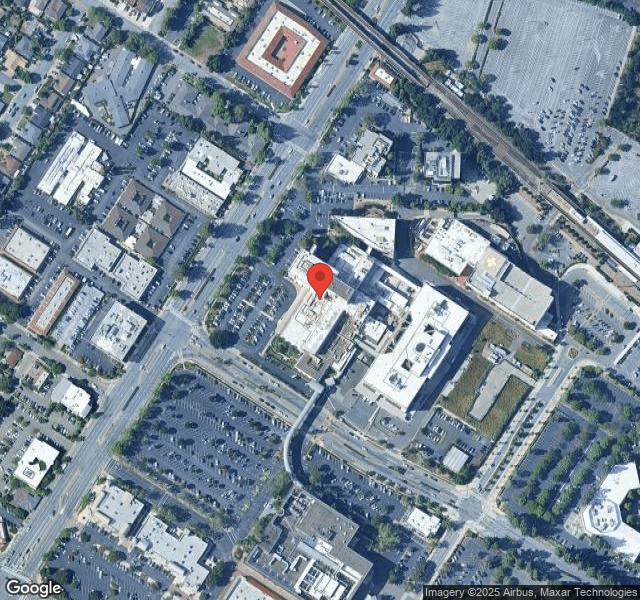

2171 MOWRY AVENUE, FREMONT, CA 94538 (510) 793-8383
For profit - Corporation 88 Beds Independent Data: November 2025
Trust Grade
95/100
#60 of 1155 in CA
Last Inspection: February 2025

Within standard 12-15 month inspection cycle. Federal law requires annual inspections.

Overview

Crestwood Treatment Center in Fremont, California has an impressive Trust Grade of A+, indicating it is an elite facility with top-tier care. It ranks #60 out of 1,155 nursing homes in California, placing it in the top half, and #9 out of 69 in Alameda County, which means it is one of the better options available locally. The facility's trend is stable, with a consistent number of issues reported in both 2023 and 2025. Staffing is a strength, with a 5-star rating and a low turnover rate of 15%, far below the state average, allowing staff to build strong relationships with residents. However, there are some concerns, including a failure to conduct necessary medication reviews for residents and improper food storage practices that could lead to contamination. Overall, while Crestwood Treatment Center has strong ratings and stability, families should be aware of these specific incidents that require attention.

Trust Score
A+
95/100
In California
#60/1155
Top 5%
Safety Record
Low Risk
No red flags
Inspections
Holding Steady
4 → 4 violations
Staff Stability
✓ Good
15% annual turnover. Excellent stability, 33 points below California's 48% average. Staff who stay learn residents' needs.
Penalties
✓ Good
No fines on record. Clean compliance history, better than most California facilities.
Skilled Nurses
○ Average
Each resident gets 38 minutes of Registered Nurse (RN) attention daily — about average for California. RNs are the most trained staff who monitor for health changes.
Violations
○ Average
10 deficiencies on record. Average for a facility this size. Mostly minor or procedural issues.
★★★★★
5.0
Overall Rating
★★★★★
5.0
Staff Levels
★★★★★
5.0
Care Quality
★★★★★
5.0
Inspection Score
Stable
2023: 4 issues
2025: 4 issues

The Good

  • 5-Star Staffing Rating · Excellent nurse staffing levels
  • 5-Star Quality Measures · Strong clinical quality outcomes
  • Low Staff Turnover (15%) · Staff stability means consistent care
  • Full Sprinkler Coverage · Fire safety systems throughout facility
  • No fines on record
  • Staff turnover is low (15%)

    33 points below California average of 48%

Facility shows strength in staffing levels, quality measures, staff retention, fire safety.

The Bad

No Significant Concerns Identified

This facility shows no red flags. Among California's 100 nursing homes, only 1% achieve this.

The Ugly 10 deficiencies on record

Feb 2025 4 deficiencies
CONCERN (D)

Potential for Harm - no one hurt, but risky conditions existed

Deficiency F0761 (Tag F0761)

Could have caused harm · This affected 1 resident

Based on observation, interview, and record review, the facility failed to ensure open date/ use-by date was added to the insulin pen (a device which contains long-acting insulin used to help manage b...

Read full inspector narrative →
Based on observation, interview, and record review, the facility failed to ensure open date/ use-by date was added to the insulin pen (a device which contains long-acting insulin used to help manage blood sugar levels in residents with high blood sugar levels) after it was removed from the refrigerator for administration to one of 16 sampled residents (Resident 35). This failure placed Resident 35 at risk for receiving the insulin beyond the use by date with the potential to result in unsafe and ineffective administration of the medication. Findings: During a record review of Resident 35's Order Summary Report (OSR), dated 02/2025, the OSR indicated, Resident 35 had an order to administer Basaglar KwikPen Subcutaneous Solution Pen Injector 100 unit/mL [milliliter, unit of measure] every morning) since 12/3/24. During a concurrent observation and interview on 2/24/25, at 10:16 a.m., with Licensed Vocational Nurse 1 (LVN 1) and Director of Nursing (DON), Resident 35's Basaglar KwikPen Insulin pen 100 unit/1 mL was stored inside Resident 35's medication tray in the Medication Room at Nursing Station 1. The pen had a green label stating Date Opened and Discard After adhered to it, however both areas were left blank. LVN 1 stated the pen had another label which indicated, Discard unused medication after 28 days. Staff had no way of knowing when to discard the insulin pen or if the pen was in use beyond 28 days, and the pen still had medication left in it, since there was no date opened listed on the pen.
CONCERN (E)

Potential for Harm - no one hurt, but risky conditions existed

Food Safety (Tag F0812)

Could have caused harm · This affected multiple residents

Based on observation, interview, and record review, the facility failed to follow proper food storage, sanitation, and food handling, when: 1. Kitchen pantry had two food items that were stored past ...

Read full inspector narrative →
Based on observation, interview, and record review, the facility failed to follow proper food storage, sanitation, and food handling, when: 1. Kitchen pantry had two food items that were stored past their used-by dates; 2. Microwave was not cleaned routinely; 3. The lid of the ice machine was dirty; 4. Chopping boards had deep cuts and scratches. These failures had the potential to result in food contamination and resident foodborne illnesses. Findings: 1. During a concurrent observation and interview on 2/24/25, at 10:30 a.m., with Dietary Manager (DM), DM stated the kitchen pantry had food items that were stored past their used-by dates: - An unopened Sweet Pickle Relish gallon container with received date of 11/8/23 and used-by date of 11/8/24. - An unopened Thousand Island Salad Dressing gallon container with received date of 9/4/24 and used-by date of 12/4/24. DM stated the food items should have been thrown out as they were past the used-by dates. During an interview on 2/27/25, at 10:50 a.m., DM stated food items past the used-by dates may have salmonella and cause food contamination. During a review of the facility's policy and procedure (P&P) titled, Storage of Food and Supplies, dated 2017, the P&P indicated, Food and supplies will be stored properly and in a safe manner .All food products will be used per the times specified in the Dry Food Storage Guidelines, . During a review of the facility's Dry Goods Storage Guidelines, dated 2018, the guidelines indicated: Pickles, relish - storage length when unopened on shelf - one year Salad dressing, bottled - storage length when unopened on shelf - four months. 2. During a concurrent observation and interview on 2/24/25, at 10:30 a.m., with DM, DM stated the kitchen microwave interior (inside) had dried food build-up from food splashes. During an interview on 2/27/25, at 10:50 a.m., DM stated microwave had to be cleaned after every use due to danger of food contamination. During a review of the facility's P&P titled, Equipment and Supplies, dated 2018, the P&P indicated, Effective maintenance management does not just happen! It is brought about by a thorough understanding and implementation of the principles of sanitation, and a knowledge of the necessary tools required for each cleaning task . Sanitizers or Germicides . a sanitizer is recommended for sanitizing utensils or surfaces which have direct contact with food, but which cannot be sanitized by immersion in 180 degrees Fahrenheit (F) water for 30 seconds, such as refrigerators or tables. It is important to thoroughly rinse the utensils or surface prior to applying the sanitizing agent as sanitizers will be effective in the present of some detergents and food particles . 3. During a concurrent observation and interview on 2/24/25, at 10:30 a.m., with DM, there were multiple areas of black residue on the baffle (lid) of the ice machine. DM stated kitchen staff were to clean it monthly. DM also stated the ice machine had preventive maintenance done twice a year by an outside service. When the surveyor wiped the surface of the lid with a white paper towel, the surface felt rough, and some black residue came off onto the paper towel. During an interview on 2/25/25, at 3:35 p.m., with Maintenance Assistant (MA), MA stated residue and discoloration was due to wear and tear, however, after he cleaned an area of the lid, there was less residue. MA stated he had not been informed of the residue build-up until yesterday. During a review of the facility's P&P, dated 2018, titled Ice Machine Cleaning Procedures, the P&P indicated, Be sure special attention is paid to cleaning the door molding and the lid of the machine. 4. During a concurrent observation and interview on 2/24/25, at 10:30 a.m., with DM, there were five cutting boards (cream, white, green, red, off-white) that had faded colors, scratches, and deep cuts on the surfaces. DM stated there was a danger of bacteria and cross contamination since the cutting boards could not be adequately cleaned. According to the 2017 Federal Food Code, food contact surfaces are to be smooth, free from inclusions, pits, and similar imperfections and are to be smooth and clean to sight and touch. Also, according to the Food Code Annex, cutting surfaces such as cutting boards and blocks that become scratched and scored may be difficult to clean and sanitize. As a result, pathogenic microorganisms transmissible through food may build up or accumulate. These microorganisms may be transferred to foods that are prepared on such surfaces.
CONCERN (E)

Potential for Harm - no one hurt, but risky conditions existed

Garbage Disposal (Tag F0814)

Could have caused harm · This affected multiple residents

Based on observation, interview, and record review, the facility failed to ensure the garbage dumpster bin located outside the facility grounds had lids that tightly closed. This failure had the pote...

Read full inspector narrative →
Based on observation, interview, and record review, the facility failed to ensure the garbage dumpster bin located outside the facility grounds had lids that tightly closed. This failure had the potential to attract pests to the facility and lead to pest-related diseases for 58 residents out of a facility census of 58. Findings: During an observation on 2/24/25, at 9:00 a.m., outside the facility, there was a garbage dumpster bin located on the parking lot at the right side of the facility. The garbage bin had two panels of black-colored lids. The garbage dumpster bin had excess garbage inside which created gaps as both lids could not be closed. The gap between the lid and the bin on the left side was at least twelve inches. The gap between the lid and the bin on right side was at least six inches. On the ground, to the left of the dumpster bin, were at least ten plastic bags of garbage. During a concurrent observation and interview on 2/24/25, at 10:00 a.m., with Maintenance Director (MD), MD stated the two black-colored lids of the garbage bin could not be closed because of overflowing garbage. Per MD, he had no concerns with gaps between the lid and bin. MD added he had no concerns with overflowing garbage as long as the surrounding areas on the ground were neat, clean, and had no scatter. During an interview on 2/27/25, at 10:50 a.m., with Dietary Manager (DM), DM stated the trash bin should not be overflowing. Per DM, lids should be closed for safety due to rodents potentially getting inside the dumpster bin and in the facility. During a review of the facility's policy and procedure (P&P) titled, Garbage and Trash, dated 2018, the P&P indicated, Adequate, clean, vermin-proof areas must be provided for storage of garbage and rubbish.
CONCERN (E)

Potential for Harm - no one hurt, but risky conditions existed

Infection Control (Tag F0880)

Could have caused harm · This affected multiple residents

**NOTE- TERMS IN BRACKETS HAVE BEEN EDITED TO PROTECT CONFIDENTIALITY** Based on observation, interview, and record review, the facility failed to ensure three of 25 sampled residents (Resident 1, Res...

Read full inspector narrative →
**NOTE- TERMS IN BRACKETS HAVE BEEN EDITED TO PROTECT CONFIDENTIALITY** Based on observation, interview, and record review, the facility failed to ensure three of 25 sampled residents (Resident 1, Resident 3, and Resident 12) received proper care in a manner to prevent the spread of infection during meal assistance. These failures to perform hand hygiene after each contact with Resident 1, Resident 3, and Resident 12, had the potential to result in transmission of pathogens (bacteria, virus, or other microorganisms capable of causing infection or disease) from one resident to the next and cause infection or disease. Findings: A review of Resident 12's admission Record, printed 2/27/25, indicated resident was admitted in 2007 with multiple diagnoses of dementia (memory loss; a group of thinking and social symptoms that interferes with daily functioning), traumatic brain injury, and hemiplegia (muscle weakness on one side of the body) affecting right dominant side. A review of Resident 12's Minimum Data Set (MDS, a resident assessment tool used to provide care), dated 11/20/24, indicated resident required supervision or touching assistance (helper provides verbal cues and/or touching/steadying and/or contact guard assistance as resident completes activity. Assistance may be provided throughout the activity or intermittently) during eating. The MDS further indicated Resident 12 had a swallowing disorder and was at risk for coughing or choking during meals or when swallowing medications. A review of Resident 12's Care Plan, dated 7/7/23, indicated resident had a nutritional challenge or a potential nutritional challenge related to cognitive and behavioral deficits .One intervention indicated, .may provide proactive feeding assistance as needed and as tolerated when exhibiting impulsivity (tendency to act without thinking) and poor safety awareness at meals . A review of Resident 12's Physician Order, dated 4/2/24, indicated resident had an order of pureed (to blend, chop, mash, or strain food until it has the soft consistency) diet, pureed texture, and honey-thick (slightly thicker like honey or milkshake) liquids consistency. A review of Resident 1's admission Record, printed 2/27/25, indicated resident was admitted in 2006 with multiple diagnoses of dementia, Schizophrenia (a disorder that affects a person's ability to think, feel, and behave clearly), and gastro-esophageal reflux disease (when stomach contents move up to the esophagus). A review of Resident 1's MDS, dated [DATE], indicated resident required supervision or touching assistance during eating, but without a swallowing disorder. A review of Resident 1's Care Plan, dated 1/13/21, indicated resident had a nutritional challenge or a potential nutritional challenge related to cognitive and behavioral deficits .One intervention indicated, .Resident may demand assistance beyond need, may ask for staff to feed him, responds to gentle encouragement, guiding tactile initiation of movement, or assistance scooping then placing utensil in resident's hand. A review of Resident 1's Physician Order, dated 9/20/23, indicated resident had an order of mechanical soft diet, mechanical soft (foods that are soft and easy to chew) texture, and honey-thick liquids consistency. A review of Resident 3's admission Record, printed 2/27/25, indicated resident was admitted in 2003 with multiple diagnoses of dementia and traumatic brain injury. A review of Resident 3's MDS, dated [DATE], indicated resident required supervision or touching assistance during eating, but without a swallowing disorder. A review of Resident 3's Care Plan, dated 1/13/21, indicated resident had a nutritional challenge or a potential nutritional challenge related to cognitive and behavioral deficits .One intervention indicated, .Provide gentle cues as needed to increase alertness if noted to be sleepy at meals . A review of Resident 3's Physician Order, dated 2/11/21, indicated resident had an order of cut-up meat texture, regular consistency . During a lunch dining observation on 2/24/25, at 12:10 p.m., in the main dining room, Licensed Vocational Nurse 3 (LVN 3) was noted assisting one of the three residents seated around the table. LVN 3 was observed guiding Resident 12's right hand as the resident put food in his mouth. While Resident 12 continued to work on his lunch meal, LVN 3, without performing hand hygiene, turned to assist Resident 1 who was seated to the right of LVN 3. LVN 3 picked Resident 1's cup and moved it closer so that it was within Resident 1's reach. LVN 3 also assisted Resident 1 in scooping the food with his spoon. LVN 3 then turned back toward Resident 12 to continue assisting Resident 12. LVN 3 was noted switching from assisting Resident 12 to Resident 1 at least twice, then LVN 3 walked to a nearby table where Resident 3 was seated with another resident. LVN 3 touched Resident 3's bowl and moved it closer to Resident 3. LVN 3 was observed providing feeding assistance to Resident 12, Resident 1, and Resident 3 without performing hand hygiene in between switches. During an interview on 2/24/25, at 12:20 p.m., with the Director of Staff Development (DSD), DSD stated, during feeding assistance, staff should not move from one resident to the next without hand hygiene due to cross contamination, infection control, and the dynamics of each resident. During an interview on 2/24/25, at 12:30 p.m., LVN 3 stated she should have washed her hands in between feeding more than one resident. LVN 3 stated it was important to sanitize or wash hands in between feeding residents to prevent cross contamination. During an interview on 2/25/25, at 8:44 a.m., with the Director of Nursing (DON), DON stated one staff per resident is usually assigned to assist in feeding. DON further stated if a staff needed to feed more than one resident, the staff should wash hands in between residents to prevent infection and cross contamination. A review of the facility's policy and procedure (P&P) titled, Dining Program, dated 9/1/13, indicated, Each resident/client receives nourishing, palatable, attractive meals to meet their individual needs in an environment that provides a supporting setting with the services necessary to maintain and/or improve each resident/client's dining skills .Hygiene: Hand washing should be completed for staff prior to and after mealtime . A review of the facility's P&P titled, Infection Control Program, undated, indicated, The facility shall establish an infection control program designed to provide a safe, sanitary, and comfortable environment for residents and staff to help prevent the development and transmission of disease and infection .
Apr 2023 4 deficiencies
CONCERN (D)

Potential for Harm - no one hurt, but risky conditions existed

Medical Records (Tag F0842)

Could have caused harm · This affected 1 resident

Based on interview and record review, the facility failed to maintain complete and accurate clinical records for two of two sampled residents (Resident 52 and Resident 44) when Licensed Vocational Nur...

Read full inspector narrative →
Based on interview and record review, the facility failed to maintain complete and accurate clinical records for two of two sampled residents (Resident 52 and Resident 44) when Licensed Vocational Nurse 1 (LVN 1) did not complete the 72-hour Neurological Check (a simple assessment tool used to check a person's level of consciousness [LOC], pupil reaction, speech, hand grasp, movement, and vital signs) on 4/11/23. This failure had the potential to result in inaccurate assessments of Resident 52 and Resident 44 and delay in the provision of resident care needs. Findings: A review of Resident 52's admission Record, dated 4/11/23, indicated Resident 52 was admitted in May 2023, with diagnoses of dementia (memory loss) and Schizophrenia (a mental illness that affects how a person thinks, feels, and behaves). A review of Resident 52's Change of Condition Notes, dated 4/9/23, indicated Resident 52 was a recipient of physical aggression and obtained an abrasion (scrape) on middle of forehead and swelling around the left eye. Recommendations include medical charting times (x) 72 hours, Neuro Check x 72 hours, and Weekly Skin Assessment initiated. A review of Resident 44's admission Record, dated 4/11/23, indicated Resident 44 was admitted in November 2018, with diagnoses of dementia, Schizophrenia, and traumatic brain injury. A review of Resident 44's Change of Condition Notes, dated 4/9/23, indicated Resident 44 had an episode of initiating physical aggressive behavior towards peer and in return he was struck on the right side of face without injury. Recommendations include medical charting x 72 hours, Neuro Check x 72 hours, and Weekly Skin Assessment initiated. During a concurrent interview and record review on 4/12/23, at 12:35 p.m., with the Director of Nursing (DON), Resident 52 and Resident 44's Neurological Flow Sheets were reviewed. DON stated neuro checks for both residents should be done every 15 minutes for first hour, every hour for the next 4 hours, and every shift for a total of 72 hours. DON stated LVN 1 did not complete flow sheets for both residents during day shift on 4/11/23. DON stated, She was supposed to continue the neuro check but it was missed. During an interview on 4/12/23, at 2:08 p.m., with LVN 1, LVN 1 confirmed she worked the morning shift of 4/11/23. LVN 1 stated she assessed Resident 52 and Resident 44 but forgot to document on their Neurological Flow Sheets nor in the Nurses Progress Notes. LVN 1 further stated, because it was not documented on 4/11/23, LVN 1 had no proof that neuro checks were performed as needed for both residents. During a review of the facility's policy and procedure (P&P) titled, Neurological Assessments (Neuro Checks), dated 9/1/13, the P&P indicated, Neuro-checks are performed by a licensed nurse per physician's order, or upon changes in condition when neurological deficits are suspected or anticipated, including, but not limited to .Suspected head injury, i.e. sudden change in LOC, or signs/symptoms of head injury (i.e .bleeding .altercation, or other event) .Collect neurological signs data as follows (unless otherwise ordered per physician) and record on Neurological Evaluation Flow Sheet: a. every 15 minutes for the first hour. b. Every hour for the next (four) 4 hours. c. Every shift for a total of 72 hours .
CONCERN (E)

Potential for Harm - no one hurt, but risky conditions existed

Food Safety (Tag F0812)

Could have caused harm · This affected multiple residents

Based on observation, interview, and record review, the facility failed to follow proper sanitation, food handling, and food storage practices when: 1. Kitchen Pantry had multiple food items that were...

Read full inspector narrative →
Based on observation, interview, and record review, the facility failed to follow proper sanitation, food handling, and food storage practices when: 1. Kitchen Pantry had multiple food items that were stored past its used-by dates. 2. Reach-in Refrigerator 1 had four trays of prepared jelly in cups that were not labeled and dated. 3. Walk-in Refrigerator had: - two boxes of iceberg lettuce that were discolored, wilted, and did not have received-by or used-by dates. - half a bag of breadsticks was hard, dry, and without a date or label. 4. Microwave was not cleaned routinely. 5. Chest freezer had ice build-up around the wall and freezer rim and did not have a thermometer or a temperature log monitoring system. These failures had the potential to result in food contamination and resident foodborne illnesses. Findings: 1. During a concurrent observation and interview on 4/10/23, at 10:30 a.m., with the Dietary Manager (DM), DM stated the kitchen pantry had food items that were stored past its used-by dates: - A half-full clear bin of sugar with received date 12/8/21 and used-by date 12/8/22. - Two clear bins of saltine crackers with received date 9/14/22 and used-by date 12/14/22. - A clear bin of graham crackers with received date 1/4/23 and used-by date 3/4/23. - A clear bin of hot cocoa mix (regular chocolate and diet chocolate) with received date 9/21/22 and used-by date 12/21/22. - A a clear bin of jam/jellies (jelly regular and diet) with received date 7/24/19 and used-by date 7/24/20. - A clear bin of corn flakes cereals with received date 1/6/23, used-by date 4/6/23. DM stated the food items should have been discarded once used-by dates had been reached. During a review of the facility's policy and procedure (P&P) titled, Storage of Food and Supplies, undated, the P&P indicated, Food and supplies will be stored properly and in a safe manner .All food products will be used per the times specified in the Dry Food Storage Guidelines, .The storage times in the guidelines are intended to be on the safe side . During a review of the facility's Dry Goods Storage Guidelines, dated 2018, the guidelines indicated: Sugar - storage length when opened on shelf - one year Saltine crackers - storage length when opened on shelf - one month Graham crackers - storage length when opened on shelf - one month Cocoa mixes - storage length when unopened on shelf - six months Jam/jellies - storage length when unopened on shelf - one year Corn flakes - storage length when opened on shelf - two months 2. During a concurrent observation and interview on 4/10/23, at 10:50 a.m., with DM, the Reach-in Refrigerator 1 had four trays of prepared jelly in cups that were not labeled and dated. DM stated the jelly in cups will be served for lunch on the same day of 4/10/23 but should have been labeled and dated when prepared by the dietary staff. During a review of the facility's P&P titled, Procedure for Refrigerated Storage, undated, the P&P indicated, .Food items should be arranged so that older items will be used first. Dating the packages or containers will facilitate this practice .Individual packages of refrigerated or frozen food taken from the original packing box need to be labeled and dated . 3. During a concurrent observation and interview on 4/10/23, at 10:55 a.m., with DM, the Walk-in Refrigerator was observed with half a bag of breadsticks that was hard, dry, and without a date or label. In the same refrigerator were two boxes of iceberg lettuce, one box with five heads of lettuce and the other, a full unopened box. DM stated the two boxes of iceberg lettuce did not have received-by or used-by dates. DM also confirmed all the heads of iceberg lettuce in both boxes were discolored, wilted, soft, and wrinkled which can no longer be used or served. During a review of the facility's P&P titled, Storage of Food and Supplies, undated, the P&P indicated, .Bread will be delivered frequently and used in the order that it was delivered to assure freshness. Bread products not used within 5 days can be frozen. Some breads do last 5-7 days. Check manufacturer's recommendations. Do not store bread in the refrigerator . During a review of the facility's P&P titled, General Receiving of Delivery of Food and Supplies, undated, the P&P indicated, .Produce is to be fresh and free of any wilting or spoilage .Label all items with the delivery date or used-by date. 4. During a concurrent observation and interview on 4/10/23, at 11:15 a.m., DM stated the kitchen microwave interior (inside) and exterior (outside) walls had dried food particle build-up from spills and splashes. DM stated it should be cleaned routinely to avoid bacterial growth. During a follow-up observation on 4/11/23, at 11:06 a.m., the microwave was still observed uncleaned. During a review of the facility's P&P titled, Equipment and Supplies, dated 2018, the P&P indicated, Effective maintenance management does not just happen! It is brought about by a thorough understanding and implementation of the principles of sanitation, and a knowledge of the necessary tools required for each cleaning task .Sanitizers or Germicides .a sanitizer is recommended for sanitizing utensils or surfaces which have direct contact with food, but which cannot be sanitized by immersion in 180 degrees Fahrenheit (F) water for 30 seconds, such as refrigerators or tables. It is important to thoroughly rinse the utensils or surface prior to applying the sanitizing agent as sanitizers will be effective in the presence of some detergents and food particles . 5. During a concurrent observation and interview on 4/11/23, at 10:59 a.m., with [NAME] 2, in the Dish Room, the chest freezer was opened and observed. There were no thermometers inside or outside the appliance to monitor the freezer temperature, no posted or unposted Temperature Log or Cleaning Monitoring System, and there was ice build-up all around the inside freezer wall and rim. [NAME] 2 stated ice build-up was not good as air can get in and freezer will not function properly and may affect food shelf life. During a follow-up interview on 4/11/23, at 12:10 p.m., DM stated the freezer needed a thermometer and a temperature log to monitor the temperature. DM also stated the freezer had to be defrosted and cleaned regularly to prevent ice build-up. During a review of the facility's P&P titled, Procedure for Freezer Storage, undated, the P&P indicated, .Each freezer must have two thermometers that are easily visible. Freezer temperatures should be recorded twice. Temperatures are to be recorded upon opening and closing of kitchen by a designated employee, and logged in the Cold Storage Temperature Log .Freezer doors are to close tightly .
CONCERN (F)

Potential for Harm - no one hurt, but risky conditions existed

Drug Regimen Review (Tag F0756)

Could have caused harm · This affected most or all residents

Based on interview and record review, the facility failed to ensure 56 of 56 sampled residents received a Medication Regimen Review (MRR, a pharmacist review of resident's medications to ensure safe a...

Read full inspector narrative →
Based on interview and record review, the facility failed to ensure 56 of 56 sampled residents received a Medication Regimen Review (MRR, a pharmacist review of resident's medications to ensure safe and appropriate medications were prescribed by physician) for two months. This failure placed the facility's 56 residents at risk of side effects from psychoactive medications (medications used in the treatment psychiatric disorders and require monitoring for side effects), insulin (medication to treat high blood sugar and require monitoring to maintain normal blood sugar) and anti-coagulation medications (medications that prevent blood clots and require monitoring for excessive bleeding). Findings: A review of the facility document titled, MDS Resident Matrix, dated 4/10/23, indicated the facility had 54 residents on psychoactive medications, six residents on insulin, and three residents on anti-coagulation medications. During a concurrent interview and record review, on 4/12/23, at 10:53 a.m., with the Director of Nursing (DON), the facility MRR binder was reviewed. The DON stated the February 2023 and March 2023 MRR were not in the binder, and the pharmacist (PH) had the two MRR's for February and March. The DON stated the PH was expected to complete a monthly MRR for all residents. During an interview on 4/12/23, at 11:43 a.m., with PH, PH stated he completed the MRR for February 2023, and March 2023, but was unable to provide completed copies of either the March 2023 MRR, or the February 2023 MRR. PH stated the facility had not received copies of the MRR for February 2023 and March 2023. PH stated monthly MRR were completed to ensure resident medications were reviewed and monitored to prevent unwanted side effects of medications. A review of facility policies and procedures indicated the facility did not have a policy or procedure for the pharmacist to follow to ensure residents received a monthly MRR.
CONCERN (F)

Potential for Harm - no one hurt, but risky conditions existed

Infection Control (Tag F0880)

Could have caused harm · This affected most or all residents

Based on observation and record review, the facility infection prevention plan did not include a system or process to monitor for bacteria in the facility water system. The facility failed to develop...

Read full inspector narrative →
Based on observation and record review, the facility infection prevention plan did not include a system or process to monitor for bacteria in the facility water system. The facility failed to develop or implement policies or procedures to ensure the facility water system was free of bacterial contamination including Legionella (the bacterium which flourishes in stagnant water and air conditioning and central heating systems and can cause disease). This failure had the potential to result in illness or death for residents exposed to contaminated water from ingestion or airborne exposure from ventilation systems. Findings: During an interview on 04/13/23, at 10:58 AM, with the Director of Nurses (DON) and Administrator (Admin), the Admin stated questions about facility water testing to rule out Legionella bacteria should be directed to the Maintenance Director (Main-D). During an interview and concurrent record review on 04/13/23, at 11:30 AM, with Main-D, the facility's maintenance records were reviewed. Main-D was unable to provide documentation of a facility water management plan to include a system, verification or validation process to ensure the facility remained free of Legionella in accordance with nationally accepted standards. Main-D stated the facility had no policies or procedures or any measure in place to ensure there was no Legionella in the water system.
Jun 2019 2 deficiencies
CONCERN (D)

Potential for Harm - no one hurt, but risky conditions existed

Quality of Care (Tag F0684)

Could have caused harm · This affected 1 resident

**NOTE- TERMS IN BRACKETS HAVE BEEN EDITED TO PROTECT CONFIDENTIALITY** Based on observation, interview and record review, for one of three sampled residents (Resident 59), the facility failed to ensu...

Read full inspector narrative →
**NOTE- TERMS IN BRACKETS HAVE BEEN EDITED TO PROTECT CONFIDENTIALITY** Based on observation, interview and record review, for one of three sampled residents (Resident 59), the facility failed to ensure Resident 59 received treatment and services when Resident 59's eyes developed thick, purulent, sticky yellow drainage without assessment and initiation of treatment. This failure resulted in the delay of treatment and had the potential to result in complications. Findings: Review of Resident 59's admission Record on 6/10/19 indicated Resident 59 was admitted to the facility on [DATE] with multiple diagnoses which included unspecified dementia with behavioral disturbances (a brain condition that affects memory and other brain functions) and seborrheic dermatitis ( a common skin condition affecting the scalp and resulting in dry, scaly skin). During an observation on 6/10/19 at 12:54 p.m., Resident 59's eyes had thick, purulent, sticky, yellow drainage. Additionally, by continued observation, both of Resident 59's eyes had a brown, dried, crusty substance around them. During an interview on 6/10/19 at 12:54 p.m., Certified Nursing Assistant (CNA 1) stated she assisted Resident 59 in the bathroom the morning of 6/10/19, however had not noticed Resident 59's eyes. CNA 1 then checked Resident 59's eyes, confirmed that both eyes had drainage, then stated, I will let the nurse know right now. In a concurrent interview and record review with Registered Nurse (RN 1) and the Director of Nursing (DON) on 6/10/19 at 1 p.m., RN 1 stated Resident 59's eye drainage was normal. RN 1 then stated that Resident 59 refused to have his eyes cleaned at times. RN 1 acknowledged she had not noticed Resident 59's eyes on 6/10/19. The DON stated Resident 59 had a chronic eye condition which was treated with an antibiotic May 2019, however was unable to show that the facility had assessed or developed a plan of care for Resident 59's purulent eye drainage. The DON then stated, We will call the doctor now. Review of an undated facility policy and procedure titled, Change of Patient Status, indicated that all residents who have a significant change in condition, medical or behavioral, will be assessed by the licensed nurse and the findings will be reported to the medical or behavioral doctor, psychiatrist and conservator.
CONCERN (E)

Potential for Harm - no one hurt, but risky conditions existed

Food Safety (Tag F0812)

Could have caused harm · This affected multiple residents

Based on observation, interview, and record review, the facility failed to follow proper sanitation and food storage when the following were noted: 1. Two dietary staff did not have their hair fully c...

Read full inspector narrative →
Based on observation, interview, and record review, the facility failed to follow proper sanitation and food storage when the following were noted: 1. Two dietary staff did not have their hair fully covered; 2. In refrigerator #2, a tray of raw eggs were placed on top of prepared snacks, and a container labeled menudo had an use-by-date of 6/8/19; and, 3. There were two packages of mousse mix and one packet of whipped topping with expiration dates of 12/2018 in the dried storage area of the kitchen. These deficient practices had the potential to cause food-borne illnesses to residents receiving their meals in the kitchen of facility. Findings: During a kitchen observation with the Food Service Director (FSD) and concurrent interviews on 6/10/19 at 8:18 a.m., the Dietary Aide (DA 1) was observed with braided hair hanging down her back with her hair net covering only the top of her head. The DA 1 stated her braids were just done yesterday and that she could not figure out how to cover her braids/hair with a hairnet. DA 1 then stated, It still hurts to gather my hair up together. By observation on 6/10/19 at 8:20 a.m., in Refrigerator #2, a tray of raw eggs was placed on top of prepared sandwiches and pudding. Additionally, a container labeled, menudo, dated 6/3/19 with an use by date of 6/8/19. The FSD stated that the eggs should not be placed on top of prepared foods. During an observation and concurrent interview with the FSD while in the dry storage room area on 6/10/19 at 8:30 a.m., there were two packages of mousse mix and one packet of whipped topping with expiration date of 12/2018. The FSD stated, These are expired., and then proceeded to remove the packets. The FSD stated there was no designated staff to check the storage room and that, Whoever is on duty should do it. During a follow-up kitchen observation on 6/10/19 at 10:43 a.m., a second Dietary Aide (DA 2) had her hair partially covered with her bangs and hair exposed down her back. The DA 2 then stated, Yes, this is how I cover it. A review of the facility policy and procedure titled, Dress Code, dated for 2018, indicated female staff should wear a, Hair net or hat which completely covers the hair. Review of the facility policy and procedure titled, Food Preparation, dated 2018, indicated that the facility would, Use refrigerated leftovers within 72 hours.
Understanding Severity Codes (click to expand)
Life-Threatening (Immediate Jeopardy)
J - Isolated K - Pattern L - Widespread
Actual Harm
G - Isolated H - Pattern I - Widespread
Potential for Harm
D - Isolated E - Pattern F - Widespread
No Harm (Minor)
A - Isolated B - Pattern C - Widespread

Questions to Ask on Your Visit

  • "Can I speak with families of current residents?"
  • "What's your RN coverage like on weekends and overnight?"

Our Honest Assessment

Strengths
  • • Grade A+ (95/100). Above average facility, better than most options in California.
  • • No major safety red flags. No abuse findings, life-threatening violations, or SFF status.
  • • No fines on record. Clean compliance history, better than most California facilities.
  • • 15% annual turnover. Excellent stability, 33 points below California's 48% average. Staff who stay learn residents' needs.
Concerns
  • • No significant concerns identified. This facility shows no red flags across CMS ratings, staff turnover, or federal penalties.
Bottom line: Generally positive indicators. Standard due diligence and a personal visit recommended.

About This Facility

What is Crestwood Treatment Center's CMS Rating?

CMS assigns CRESTWOOD TREATMENT CENTER an overall rating of 5 out of 5 stars, which is considered much above average nationally. Within California, this rating places the facility higher than 99% of the state's 100 nursing homes. This rating reflects solid performance across the metrics CMS uses to evaluate nursing home quality.

How is Crestwood Treatment Center Staffed?

CMS rates CRESTWOOD TREATMENT CENTER's staffing level at 5 out of 5 stars, which is much above average compared to other nursing homes. Staff turnover is 15%, compared to the California average of 46%. This relatively stable workforce can support continuity of care.

What Have Inspectors Found at Crestwood Treatment Center?

State health inspectors documented 10 deficiencies at CRESTWOOD TREATMENT CENTER during 2019 to 2025. These included: 10 with potential for harm.

Who Owns and Operates Crestwood Treatment Center?

CRESTWOOD TREATMENT CENTER is owned by a for-profit company. For-profit facilities operate as businesses with obligations to shareholders or private owners. The facility operates independently rather than as part of a larger chain. With 88 certified beds and approximately 57 residents (about 65% occupancy), it is a smaller facility located in FREMONT, California.

How Does Crestwood Treatment Center Compare to Other California Nursing Homes?

Compared to the 100 nursing homes in California, CRESTWOOD TREATMENT CENTER's overall rating (5 stars) is above the state average of 3.2, staff turnover (15%) is significantly lower than the state average of 46%, and health inspection rating (5 stars) is much above the national benchmark.

What Should Families Ask When Visiting Crestwood Treatment Center?

Based on this facility's data, families visiting should ask: "Can I visit during a mealtime to observe dining assistance and food quality?" "How do you handle medical emergencies, and what is your hospital transfer rate?" "Can I speak with family members of current residents about their experience?"

Is Crestwood Treatment Center Safe?

Based on CMS inspection data, CRESTWOOD TREATMENT CENTER has a clean safety record: no substantiated abuse findings (meaning no confirmed cases of resident harm), no Immediate Jeopardy citations (the most serious violation level indicating risk of serious injury or death), and is not on the Special Focus Facility watch list (a federal program monitoring the lowest-performing 1% of nursing homes). The facility has a 5-star overall rating and ranks #1 of 100 nursing homes in California. While no facility is perfect, families should still ask about staff-to-resident ratios and recent inspection results during their visit.

Do Nurses at Crestwood Treatment Center Stick Around?

Staff at CRESTWOOD TREATMENT CENTER tend to stick around. With a turnover rate of 15%, the facility is 30 percentage points below the California average of 46%. Low turnover is a positive sign. It means caregivers have time to learn each resident's needs, medications, and personal preferences. Consistent staff also notice subtle changes in a resident's condition more quickly. Registered Nurse turnover is also low at 11%, meaning experienced RNs are available to handle complex medical needs.

Was Crestwood Treatment Center Ever Fined?

CRESTWOOD TREATMENT CENTER has no federal fines on record. CMS issues fines when nursing homes fail to meet care standards or don't correct problems found during inspections. The absence of fines suggests the facility has either maintained compliance or corrected any issues before penalties were assessed. This is a positive indicator, though families should still review recent inspection reports for the full picture.

Is Crestwood Treatment Center on Any Federal Watch List?

CRESTWOOD TREATMENT CENTER is not on any federal watch list. The most significant is the Special Focus Facility (SFF) program, which identifies the bottom 1% of nursing homes nationally based on persistent, serious quality problems. Not being on this list means the facility has avoided the pattern of deficiencies that triggers enhanced federal oversight. This is a positive indicator, though families should still review the facility's inspection history directly.