FREMONT HEALTHCARE CENTER
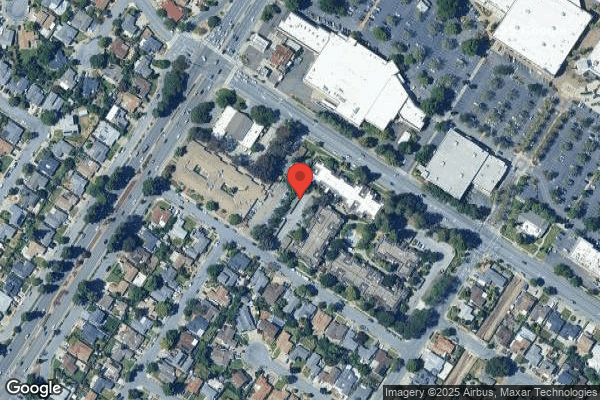
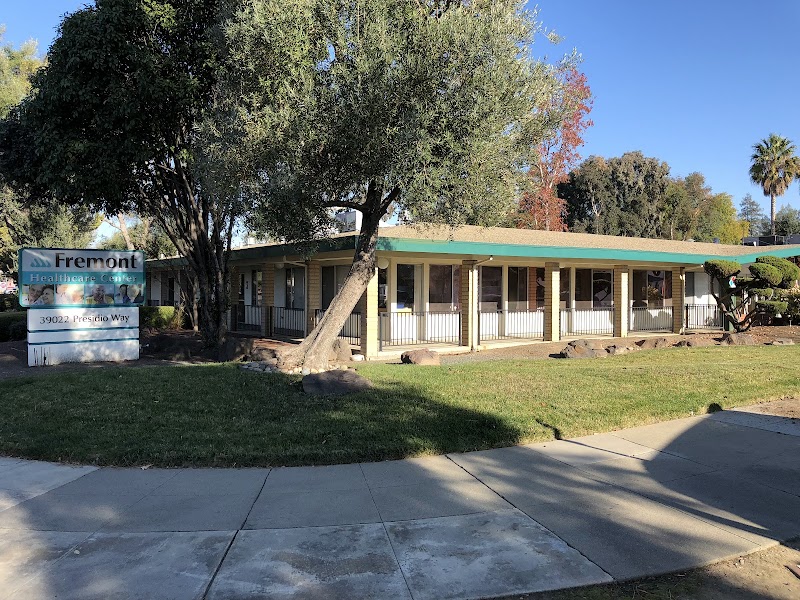
39022 PRESIDIO WAY, FREMONT, CA 94538 (510) 792-3743
For profit - Limited Liability company 115 Beds MARINER HEALTH CARE Data: November 2025
Trust Grade
68/100
#350 of 1155 in CA
Last Inspection: March 2024

Within standard 12-15 month inspection cycle. Federal law requires annual inspections.

Overview

Fremont Healthcare Center has a Trust Grade of C+, indicating it is slightly above average, but not exceptional. It ranks #350 out of 1,155 nursing homes in California, placing it in the top half of facilities statewide, and #31 out of 69 in Alameda County, meaning there are only a few better options nearby. The facility's performance has been stable over recent years, with the same number of issues reported in both 2021 and 2024. Staffing is a positive aspect, with a 4/5 rating and a turnover rate of 35%, which is lower than the state average, suggesting that staff are experienced and familiar with residents. However, there have been concerning incidents, such as residents not receiving proper assistance with personal care tasks, leading to hygiene issues, and failures in food safety practices, which could pose health risks. Overall, while the center has strengths in staffing and ranking, families should be aware of the hygiene and care deficiencies noted by inspectors.

Trust Score
C+
68/100
In California
#350/1155
Top 30%
Safety Record
Low Risk
No red flags
Inspections
Holding Steady
8 → 8 violations
Staff Stability
○ Average
35% turnover. Near California's 48% average. Typical for the industry.
Penalties
○ Average
$12,051 in fines. Higher than 50% of California facilities. Some compliance issues.
Skilled Nurses
✓ Good
Each resident gets 52 minutes of Registered Nurse (RN) attention daily — more than average for California. RNs are trained to catch health problems early.
Violations
⚠ Watch
21 deficiencies on record. Higher than average. Multiple issues found across inspections.
★★★★☆
4.0
Overall Rating
★★★★☆
4.0
Staff Levels
★★★☆☆
3.0
Care Quality
★★★★☆
4.0
Inspection Score
Stable
2021: 8 issues
2024: 8 issues

The Good

  • 4-Star Staffing Rating · Above-average nurse staffing levels
  • Full Sprinkler Coverage · Fire safety systems throughout facility
  • No fines on record
  • Staff turnover below average (35%)

    13 points below California average of 48%

Facility shows strength in staffing levels, fire safety.

The Bad

Staff Turnover: 35%

11pts below California avg (46%)

Typical for the industry

Federal Fines: $12,051

Below median ($33,413)

Minor penalties assessed

Chain: MARINER HEALTH CARE

Part of a multi-facility chain

Ask about local staffing decisions and management

The Ugly 21 deficiencies on record

Mar 2024 7 deficiencies
CONCERN (D)

Potential for Harm - no one hurt, but risky conditions existed

Resident Rights (Tag F0550)

Could have caused harm · This affected 1 resident

Based on observation, interview and record review, the facility failed to protect the dignity and privacy of one of 28 sampled residents (Resident 92), when Resident 92's entire back side of body was ...

Read full inspector narrative →
Based on observation, interview and record review, the facility failed to protect the dignity and privacy of one of 28 sampled residents (Resident 92), when Resident 92's entire back side of body was exposed in the hallway while Certified Nursing Assistant was transferring Resident 92 from shower room. This failure had the potential to negatively affect Resident 92's self-esteem and cause embarrassment. Findings: During a review of Resident 92's Face Sheet, printed on 2/29/24, the Face Sheet showed Resident 92 was originally admitted to the facility in January 2024 with a diagnosis of cerebral infarction (death of an area of brain tissue when a blocked blood vessel prevents delivery of an adequate blood and oxygen supply to the brain). During a record review of Resident 92's Minimum Data Set (MDS- a resident assessment instrument used to identify resident care problems to be addressed in an individualized care plan), dated 1/8/24, Resident 92's Brief Interview for Mental Status (BIMS, is a scoring system used to determine the resident's cognitive status in regard to attention, orientation, and ability to register and recall information. A BIMS score of eight to twelve is an indication of moderate cognitive impairment.) was 11 out of 15. Review of section GG (Functional Abilities and Goal) indicated Resident 92 was dependent on staff for shower and toileting. During an observation on 2/28/24 at 9:05 a.m., Certified Nursing Assistant (CNA )4 brought Resident 92 out of the shower room into the hallway in the shower chair. CNA 4 did not cover Resident 92's back for privacy and was exposed in the hallway. During an interview on 2/28/24 at 9:27 a.m. with CNA 4, CNA 4 stated Resident 92 is confused, and she forgot to cover Resident 92s back as she was rushing. CNA 4 also stated it is important to cover residents for privacy and dignity. During an interview on 2/29/24 at 10:35 a.m. with Director of Nursing (DON), DON stated staff should always make sure residents are covered fully to prevent exposure when taken for a shower. DON stated when residents are exposed it affects their dignity and privacy. During a review of the facility's undated Policy and Procedure (P&P) titled, Resident Dignity and Privacy, printed on 2/29/24, the P&P indicated, Procedure .3. Drape and dress residents appropriately at all times to avoid exposure and embarrassment. 4.Maintain resident privacy during toileting, bathing, and other activities of personal hygiene .a. Use a top sheet or blanket as a cover-up during bedside care. B. Cover resident during transfer to shower or toilet.
CONCERN (D)

Potential for Harm - no one hurt, but risky conditions existed

Accident Prevention (Tag F0689)

Could have caused harm · This affected 1 resident

**NOTE- TERMS IN BRACKETS HAVE BEEN EDITED TO PROTECT CONFIDENTIALITY** Based on observation, interview, and record review, the facility failed to ensure two of five sampled residents (Resident 70 and...

Read full inspector narrative →
**NOTE- TERMS IN BRACKETS HAVE BEEN EDITED TO PROTECT CONFIDENTIALITY** Based on observation, interview, and record review, the facility failed to ensure two of five sampled residents (Resident 70 and Resident 42) environment remained free of accident hazards when housekeeping staff placed a bedsheet in the bathroom floor in front of the toilet. This deficient practice had the potential to place Resident 70 and Resident 42 at risk for falls and possible injury. Findings: During a concurrent observation and interview on 2/27/24 at 11:07 a.m., with Certified Nursing Assistant (CNA) 1, a folded white bedsheet was observed on the bathroom floor in front of the toilet under the raised toilet seat in the shared bathroom in Resident 70's and Resident 42's room. CNA 1 stated Resident 42 urinates all over the floor and the housekeeping staff (HSK) placed the bedsheet on the floor. During an interview on 2/27/24 at 11:10 a.m. with Licensed Vocational Nurse (LVN) 1, LVN 1 stated she does not know who placed the bedsheet on the bathroom floor and this situation is not safe for residents and can cause falls. During a concurrent observation and interview on 2/27/24 at 11:15 a.m., with HSK 2, the shared bathroom in Resident 70 and Resident 42 room was observed to have the bedsheet on the floor. HSK 2 stated Resident 42 urinates all over the floor and Resident 70 puts paper towel on the floor to prevent his sock from getting wet. HSK stated she cleans the bathroom in the morning and puts the bedsheet on the floor. During an interview on 2/29/24 at 10:43 a.m. with Director of Nursing (DON), DON stated putting bedsheet on the toilet floor is a hazard as residents can trip and fall. During an interview on 2/29/24 at 12:24 p.m. with CNA 2, CNA 2 stated Resident 70 and Resident 42 are able to independently go to the bathroom and use the toilet. During a review of Resident 70's Face Sheet, printed on 2/29/24, the Face Sheet showed Resident 70 was originally admitted to the facility on [DATE] with a diagnosis of sepsis (a potentially life-threatening condition that arises when the body's response to infection causes injury to its own tissues and organs). During a record review of Resident 70'S Care Plan on fall prevention, initiated 4/12/23, the Care Plan indicated to keep the environment free of hazards and clutter. During a review of Resident 42's Face sheet, printed on 2/29/24, the Face Sheet showed Resident 42 was originally admitted to the facility in January 2020 with a diagnosis to include cerebral infarction (death of an area of brain tissue when a blocked blood vessel prevents delivery of an adequate blood and oxygen supply to the brain). During a record review of Resident 42's Care Plan on fall prevention, initiated on 4/11/23, the Care Plan indicated to keep environment free of hazards and clutter. During a review of the facility's undated policy and procedure (P&P) titled, Safety Supervision of Residents, the P&P indicated, Individualized, Resident -Centered Approach to Safety .1. Our individualized, resident -centered approach to safety addresses safety and accident hazards for individual residents. 3.The care team shall target interventions to reduce individual risks related to hazards in the environment, including adequate supervision and assistive devices. During a review of the facility's undated P&P titled, Fall management, the P&P indicated, Purpose- Based on previous evaluations and current date, the staff will identify interventions related to the resident's risks and causes to try to reduce the risk of the resident falling and try to minimize complications from falling.
CONCERN (D)

Potential for Harm - no one hurt, but risky conditions existed

Pharmacy Services (Tag F0755)

Could have caused harm · This affected 1 resident

Based on observation, interview, and record review, the facility failed to provide pharmaceutical services to meet the needs of the residents for one of three sampled residents (Resident 73) when busp...

Read full inspector narrative →
Based on observation, interview, and record review, the facility failed to provide pharmaceutical services to meet the needs of the residents for one of three sampled residents (Resident 73) when buspirone (medication that treats anxiety) was not available for medication administration. This failure had the potential to result in ineffective medication regimen and Resident 73 suffering from unnecessary anxiety. Findings: During a review of Resident 73's Face Sheet, undated, the Face Sheet indicated Resident 73 was admitted to the facility in August 2021 with diagnoses that included anxiety disorder (characterized by feelings of worry, anxiety, or fear that are strong enough to interfere with one's daily activities). During a review of Resident 73's Physician Order Report for 1/28/24- 2/28/24, the Physician Order Report indicated an order to administer buspirone 10 milligram (mg, a unit of measurement) tablet one tablet by mouth three times daily for anxiety. During an interview and concurrent record review on 2/28/24 at 1:02 p.m. with LVN 1, Resident 73's Medications Administration History (MAH) from 2/1/24-2/28/24 was reviewed. LVN 1 stated buspirone was not given to Resident 73 during medication pass administration because the medication was not available. Resident 73's MAH indicated an order to administer buspirone 10 milligram tablet, one tablet by mouth three times daily. The MAH indicated buspirone was Not administered: Drug/Item unavailable. During an observation for medication pass administration on 2/28/24 at 9:50 a.m. with LVN 1, LVN 1 administered scheduled morning medications (a total of 11 pills) to Resident 73 except buspirone. During an interview on 2/28/24 at 1:02 p.m. with LVN 1, LVN 1 stated she did not give buspirone because it was not available. During a review of Resident 73's MAH from 2/1/24-2/28/24, the MAH indicated Resident 73 did not receive six doses of buspirone on 2/23/24 and 2/24/24. During a review of Resident 73's Progress Notes, dated 2/23/24, the Progress Notes indicated Resident 73 Is showing behavior issues earlier. [Resident] kept on asking for pain medication every hour and kept reasoning it's not working .Also noticed that resident is exaggerating stories. Another Progress Notes, dated 2/23/24 at 12:08 p.m. indicated Resident 73 Kept coming to the nursing station and complaining of pain all over the body .threatened to call 911 .has drug seeking behavior .
CONCERN (D)

Potential for Harm - no one hurt, but risky conditions existed

Unnecessary Medications (Tag F0759)

Could have caused harm · This affected 1 resident

Based on observations, interviews, and record reviews, the facility failed to ensure that its medication error rates are less than five percent when four medication errors were observed out of 26 oppo...

Read full inspector narrative →
Based on observations, interviews, and record reviews, the facility failed to ensure that its medication error rates are less than five percent when four medication errors were observed out of 26 opportunities. The medication error rate was calculated as follows: four divided by 26 then multiplied by 100, which was equal to 15 percent. This failure had the potential to result in ineffective medication regimen for the affected residents (Residents 73 and 74). Findings: 1. During a review of the manufacturer's insert for Breo Ellipta (fluticasone furoate and vilanterol inhalation powder, medication used for asthma), the manufacturer's insert indicated, Instructions For Use .BREO ELLIPTA .How to use your inhaler .Step 2 .While holding the inhaler away from your mouth breathe out (exhale) fully. Do not breathe out into the mouthpiece .Step 3. Put the mouthpiece between your lips and close your lips firmly around it. Your lips should fit over the curved shape of the mouthpiece. Take one long, steady, deep breathe in through your mouth. Do not breathe in through your nose .Remove the inhaler from your mouth and hold your breath for about 3 to 4 seconds (or as long as comfortable for you) .Step 4. Breathe out slowly and gently .Step 6. Rinse your mouth with water after you have used the inhaler and spit the water out. Do not swallow the water . During an observation on 2/28/24 at 9:50 a.m. with Licensed Vocational Nurse (LVN) 1, LVN 1 did not instruct Resident 73 to breathe out as much air as possible prior to the administration of Breo Ellipta. LVN 1 did not provide water for mouth rinse after breathing in the Breo Ellipta. During an interview on 2/28/24 at 10:36 a.m. with LVN 1, LVN 1 stated she did not follow Step 2, Step 3 and Step 6 as indicated by the Breo Ellipta manufacturer's insert. LVN 1 stated she did not instruct Resident 73 to breathe out as much air prior to administration. LVN 1 stated it was important to exhale before administration to open the airway for the medication to work effectively. LVN 1 stated she forgot to give Resident 73 water for mouth rinse. LVN 1 stated mouth rinse after inhaler administration was important to prevent development of oral candidiasis (a fungal infection). During an interview and concurrent record review on 2/28/24 at 1:02 p.m. with LVN 1, Resident 73's Medications Administration History (MAH) from 2/1/24-2/28/24 was reviewed. LVN 1 stated buspirone (treats anxiety-intense, excessive, and persistent worry and fear about everyday situations. Fast heart rate, rapid breathing may occur) was not given to Resident 73 during medication pass administration because the medication was not available. Resident 73's MAH indicated an order to administer buspirone 10 milligram tablet, one tablet by mouth three times daily. The MAH indicated buspirone was Not administered: Drug/Item unavailable. 2. During an observation on 2/28/24 from 10:05 a.m. to 10:30 a.m. with LVN 2, LVN 2 took out Flovent HFA from an unopened box, labeled the box and the inhaler with an opened-on date. LVN 2 handed the Flovent HFA to Resident 74 without priming the medication and without giving instructions on how to use the inhaler medication. Resident 74 took the medication from LVN 2 and administered two quick puffs to self. LVN 2 did not provide water for Resident 74 for mouth rinse. During a review of the manufacturer's insert for Flovent HFA (fluticasone propionate inhalation aerosol, medication for asthma), the manufacturer's insert indicated, Instructions For Use .Priming Your Flovent Inhaler .Shake the inhaler well for 5 seconds .Spray the inhaler 1 time into the air away from your face .Shake and spray the inhaler like this 3 more times to finish priming it .How to use your FLOVENT HFA inhaler .Follow these steps every time you use FLOVENT HFA .Step 2. Hold the inhaler with the mouthpiece and shake it well for 5 seconds .Step 3. Breathe out through your mouth and push as much air from your lungs as you can .Step 4 .breathe in deeply and slowly through your mouth .Step 6. Hold your breath for about 10 seconds, or for as long as is comfortable. Breathe out slowly as long as you can .Step 7. Rinse your mouth with water after breathing in the medicine. During an interview on 2/28/24 at 10:32 a.m. with LVN 2, LVN 2 stated not giving instructions on how to take the medication to Resident 74. LVN 2 stated realizing she had made multiple errors that included failing to give instruction to Resident 74 to take only one puff of the inhaler medication. During a review of Resident 74's Physician Order Report from 1/28/24-2/28/24, the Physician Order Report indicated an order dated 12/29/22 for Flovent HFA aerosol inhaler, inhale one puff by mouth twice daily, rinse off mouth thoroughly after each use. During a review of the facility's policy and procedure (P&P) titled Metered-Dose Inhaler (MDI) printed 2/28/24, the P&P indicated procedures to administer inhaler medications that included, 8. Remove the cap from the mouthpiece. It is recommended to 'test-spray' the inhaler .by spraying four times into the air before using for the first time .9. Have resident breath[e] out through the mouth .11. While breathing in deeply and slowly through the mouth, press down firmly and fully on the top of the metal canister with index finger .12. Continue to inhale and try to hold breath for 5-10 seconds. Before breathing out, remove inhaler from mouth and release finger from the canister. 13. Exhale slowly through pursed lips.
CONCERN (E)

Potential for Harm - no one hurt, but risky conditions existed

ADL Care (Tag F0677)

Could have caused harm · This affected multiple residents

**NOTE- TERMS IN BRACKETS HAVE BEEN EDITED TO PROTECT CONFIDENTIALITY** Based on observation, interview, and record review, the facility failed to ensure three of seven sampled residents (Resident 35,...

Read full inspector narrative →
**NOTE- TERMS IN BRACKETS HAVE BEEN EDITED TO PROTECT CONFIDENTIALITY** Based on observation, interview, and record review, the facility failed to ensure three of seven sampled residents (Resident 35, Resident 69, and Resident 5) were assisted with Activities of Daily Living (ADLs, Activities of daily living are those needed for self-care and mobility and include activities such as bathing, dressing, grooming, oral care, ambulation, toileting, eating, transferring, and communicating.) when: 1. Resident 35 had long and chipped fingernails; 2. Resident 69 had long fingernails with black matter underneath; 3. Resident 5 did not received showers as scheduled. These failures resulted in Resident 5 feeling upset; and placed Resident 69 and Resident 35 at risk for getting infections from lack of proper hygiene and injuring themselves with long fingernails. 1. During a review of Resident 35's Face Sheet, undated, the Face Sheet indicated Resident 35 was admitted to the facility in August 2022, with medical diagnoses to include cerebral infarction (death of an area of brain tissue when a blocked blood vessel prevents delivery of an adequate blood and oxygen supply to the brain) and dementia (a loss of brain function that occurs with certain diseases, affecting one or more brain functions such as memory, thinking, language, judgment, or behavior). During a review of Resident 35's Minimum Data Set (MDS, a resident assessment instrument used to identify resident care problems to be addressed in an individualized care plan.), dated 12/03/23, the MDS indicated Resident 35's Brief Interview for Mental Status (BIMS, is a scoring system used to determine the resident's cognitive status in regard to attention, orientation, and ability to register and recall information.) score was seven (7) out of 15, indicating severely impaired in mental status. The MDS assessment also indicated that Resident 35 required maximum assistance with personal hygiene. During a concurrent observation and interview on 2/28/24 at 10:05 a.m. with Certified Nursing Assistant (CNA) 6, Resident 35 had long and chipped fingernails about ¼ inch in length on both hands. CNA stated that Resident 35's fingernails needed trimming however he did not provide it. During concurrent observation and interview on 2/28/24 at 2:55 p.m. with Registered Nurse (RN) 2, RN 2 stated Resident 35's fingernails were due for trimming. RN 2 also stated that Resident 35 did not have a diagnosis of diabetes (a long-term chronic disease in which the body cannot regulate the amount of sugar in the blood), so CNAs could trim Resident 35's fingernails. RN 2 stated, if long fingernails were left untrimmed, it could cause Resident 35 to suffer from infection and skin injury. During a review of facility's policy and procedure (P&P) titled Fingernail Care, undated, the P&P indicated, Care of fingernails promotes circulation to the hands and helps prevent small tears around the nails that could lead to infections .use nail clippers to cut fingernails. 2. During a review of Resident 5's Face Sheet, indicated, Resident 5 was admitted to the facility in June 2021, with medical diagnoses to include cerebral infarction and hemiplegia (the loss of muscle function on one side of the body). During a review of Resident 5's MDS, dated 12/30/23, the MDS indicated Resident 5's BIMS score was 14 out of 15, indicating an intact mental status. The MDS assessment also indicated that Resident 5 required maximum assistance with showers. During a review of Resident 5's Self-Care Deficit Care Plan, dated December 2023, the care plan indicated, Resident will be provided with needed assistance in ADL. During an interview on 2/26/24 at 10:00 a.m. with Resident 5, Resident 5 stated her shower schedule was every Wednesday and Saturday, however, she did not receive three showers as scheduled two weeks ago. Resident 5 also stated that it made her very upset to not received her showers as scheduled. During a review of facility's Daily Shower Schedule, the schedule indicated, Resident 5's showers were every Wednesdays and Saturdays in the morning. During an interview on 3/1/24 at 8:09 a.m. with Director of Staff Development (DSD), DSD stated that CNAs should filled out the Shower Day Skin Inspection and complete the Point of care ADL Report on the electronic health record for shower task completion. During a concurrent interview and record review on 3/1/24 at 8:12 a.m. with DSD, facility's form titled Shower Day Skin Inspection, dated 2/21/24 was reviewed. The form had a section that includes Resident 5's name and Room number. Additionally, there were checklists provided to document shower, tub baths and bed baths if rendered or if refused. The form indicated Resident 5 was provided bed bath on that 2/21/24. DSD stated he interviewed Resident 5 and she confirmed that she also received shower on 2/17 and 2/24, however, DSD did not find the forms for those dates. During a concurrent interview and record review on 3/1/24 at 8:16 a.m. with DSD, Resident 5's Point of care ADL report on bathing, dated 2/12/24 through 2/25/24 was reviewed. The Point of care ADL report indicated there was no documentation for Resident 5 bathing for morning shift on Wednesdays/Saturdays falling on 2/17/24, 2/21/24 and 2/24/24. DSD stated if shower completion was not documented on that shift, it was not provided. During a telephone interview on 3/1/24 at 9:08 a.m. with CNA 7, CNA 7 stated she did not provide a shower to Resident 5 on 2/17/24. During a review of the facility's policy and procedure (P &P) titled, Tub Bath and Shower, undated, the P&P indicated, The purpose of this procedure are to promote cleanliness, provide comfort to the resident. 3. During a review of Resident 69's admission Record, printed on 2/29/24, the admission Record showed Resident 69 was admitted to the facility in February 2024 and is deaf and mute. During a record review of Resident 69's MDS, dated [DATE], Resident 69's BIMS score was 13 out of 15, indicating intact mental status. Review of section GG (Functional Abilities and Goal) indicated Resident 69 was dependent on staff for self-care. During a concurrent observation and interview on 2/26/24 at 11:30 a.m. with Certified Nursing Assistant (CNA) 8, Resident 69 had long fingernails with black matter underneath. CNA 8 stated the Nurses and CNA's can trim resident 69's nails. During a concurrent observation and interview on 2/26/24, at 11:32 a.m., with CNA 8 and Resident 69, CNA 8 stated Resident 69 is deaf and mute. Resident 69 indicated through gestures and facial expression that she would like to have her nails trimmed and cleaned. During an interview on 2/29/24, at 9:38 a.m. with Unit Manager (UM)2, UM2 stated Resident 69 is Diabetic and Licensed Nurses are responsible to trim resident 69's fingernails. Stated it is important to maintain the dignity of resident. During an interview on 2/29/24 at 10:35 a.m. with Director of Nursing (DON), DON stated the risk of not providing nail care is that food materials, and other dirt can get stuck, and resident can scratch themselves which can lead to skin issues and can be a source of infection. During a review of Resident 69's Care Plan-Self-care deficit dated 2/10/24, the care plan indicated to assist resident 69 in ADL (Activities of daily living) to maintain comfort and dignity. During a review of the facility's undated Policy and Procedure (P&P) titled, Fingernails/Toenails, Care of, printed on 2/29/24, the P&P indicated, Purpose-Care of fingernails promotes circulation to the hands and helps prevent small tears around the nails that could lead to infections.
CONCERN (E)

Potential for Harm - no one hurt, but risky conditions existed

Food Safety (Tag F0812)

Could have caused harm · This affected multiple residents

Based on observation, interview, and record review, the facility failed to store, distribute, and serve food under sanitary conditions when: 1. Multiple food items in freezer #1 and freezer #2 were op...

Read full inspector narrative →
Based on observation, interview, and record review, the facility failed to store, distribute, and serve food under sanitary conditions when: 1. Multiple food items in freezer #1 and freezer #2 were opened and undated. 2. Food items in freezers #1 and #2 had expired. 3. Multiple individually packaged food items in an opened box in the dry storage had expired. 4. Freezer #3 was not clean. 5. The three-compartment sink was not clean. 6. One scoop from the clean drawer for scoops was not clean. This failure had the potential to cause cross contamination and an outbreak of food borne illness to 90 residents who received food from the kitchen. Findings: During a concurrent observation and interview on 2/26/24 at 9:20 a.m. accompanied by the Dietary Manager (DM) and Registered Dietician (RD), Freezer #1 had brown patties in a plastic package and light brown patties in another plastic package that were not labeled with open dates. There was diced, cooked chicken in a plastic package with no open date. There were two Sysco stuffed cabbage rolls with beef and sauce in the box with date 7/7/23. DM confirmed the stuffed cabbage rolls had expired. Freezer #2 had one plastic package of potato wedge not labeled with an open date, one plastic package of French toast with no open date or use by date. Freezer # 2 also had garlic bread in a plastic package with label dated 9/15/23, and ice cream in a box with received date of 8/31/23. DM acknowledged the French toast, garlic bread, and ice cream were outdated. Freezer #3 was dirty with brown paper from the bottom of one of the Original Cakerie, a frozen dessert, stuck to the surface of the freezer. Also, on the surface of the freezer were whitish particles. DM acknowledged the freezer was dirty. The three-compartment sink near the cooking area was dirty with water and white particles on the right top counter. On the counter, were the red and green buckets with towels soaked in solution in the red bucket. In the middle sink of the three-compartment sink were two deep pans stacked together, with white substance around the sides of the pan stacked inside, filled with some water. Inside the sink was some brownish particles. DM stated they do not use the three-compartment sink and acknowledged it was dirty. One scoop with blue handle in the clean drawer for scoops was dirty with yellowish green substance at the back, between the scoop and handle. DM stated it needed to be rewashed. During a concurrent observation and interview on 2/27/24 at 8:14 a.m. with DM and RD in the dry storage room, there were multiple individual use half and half milk in an open box with a use by date 12/31/23. DM stated they needed to be thrown away. During an interview on 2/28/24 at 2:45 p.m. with RD, RD stated the food items should always have received date and open date. RD stated the three-compartment sink area should be clean and dry. RD stated it was not okay for the scoop to be dirty and put in the drawer. During a review of the facility's policy and procedure (P&P) titled, Food receiving and storage of cold foods, dated 2023, the P&P indicated, .All open food items will have an open date and use-by date per manufacturer's guidelines .cold food storage will be clean, dry, and free of contamination by condensation, stored following proper storage hierarchy, . During a review of the facility's P&P, titled, Suggested Freezer Storage Guidelines, the P&P indicated Ice Cream Recommended Maximum Storage Period 3 months. During a review of the facility's P&P titled, Cleaning and Defrosting Freezers, dated 2023, the P&P indicated Reach-In freezers will be cleaned and sanitized once a week .or more often as necessary. According to the Federal Food Code (2022), Warewashing Equipment, Cleaning Frequency. A Warewashing machine; the compartments of sinks, basins, or other receptacles used for washing and rinsing equipment, utensils, or raw foods, or laundering wiping cloths; . shall be cleaned: (A) Before use; (B) Throughout the day at a frequency necessary to prevent recontamination of equipment and utensils and to ensure that the equipment performs its intended function; and (C) If used, at least every 24 hours .Warewashing Sinks, Use Limitation. If the wash sink is used for functions other than warewashing, such as washing wiping cloths or washing and thawing foods, contamination of equipment and utensils could occur.
CONCERN (E)

Potential for Harm - no one hurt, but risky conditions existed

Infection Control (Tag F0880)

Could have caused harm · This affected multiple residents

**NOTE- TERMS IN BRACKETS HAVE BEEN EDITED TO PROTECT CONFIDENTIALITY** Based on observation, interview, and record review, the facility failed to ensure staff followed the infection prevention and co...

Read full inspector narrative →
**NOTE- TERMS IN BRACKETS HAVE BEEN EDITED TO PROTECT CONFIDENTIALITY** Based on observation, interview, and record review, the facility failed to ensure staff followed the infection prevention and control policy to prevent spread of infection when: 1) Clean personal clothing of residents was not covered and were stored exposed in the laundry room. 2) Housekeeping Staff (HSK) 1 did not perform hand hygiene after cleaning resident rooms and did not perform hand hygiene before entering and exiting room and touched multiple high touch surface areas in resident rooms. These deficient practices had the potential to transmit infectious microorganisms and increase the risk of infection for residents and staff. Findings: 1. During a concurrent interview and observation on 2/28/24 at 8:46 a.m., with Laundry Staff (LS), a blue container for residents personal clothing was open and exposed to air towards the back side of the dryer and washer. LS stated that clean clothing should always be covered, and it is not considered clean when it is open and exposed to air. LS also stated the clothes can get dusty and cause itchiness and coughing for residents. During an interview on 2/28/24 at 3:16 p.m. with Infection Preventionist (IP), IP stated the clean linen and clothes should be covered to protect from getting contaminated with bacteria and dust. During a review of the facility's undated Policy and Procedures (P&P) titled, Linen storage, printed on 3/1/24, the P&P indicated, Purpose- Store linen in a manner that prevent cross-contaminated. 2. During an observation on 2/28/24 at 9:16 a.m., HSK 1 was observed to exit room [ROOM NUMBER] after cleaning the room and discarded the gloves and without performing hand hygiene took the mop from housekeeping cart and swept waste from the floor on the hallway. HSK 1 then entered room [ROOM NUMBER] again without performing hand hygiene and put mini waste collection plastic bags on the two tray tables in room [ROOM NUMBER]. HSK 1 then exited room [ROOM NUMBER] and without hand hygiene entered room [ROOM NUMBER]. HSK 1, without donning gloves, proceeded to mop the floor of room [ROOM NUMBER] and clean the room. HSK 1 then touched the door handle without performing hand hygiene. HSK 1 then exited room [ROOM NUMBER] with waste bag and discarded waste and without performing hand hygiene entered room [ROOM NUMBER] again. HSK 1 then continued to grab supplies from HSK cart and entered room [ROOM NUMBER] without performing hand hygiene. During an interview on 2/28/24 at 9:49 a.m., with HSK 1, HSK 1 stated she should always use gloves when cleaning inside the room and must discard and sanitize hands after removing gloves. HSK 1 stated it is important to do hand hygiene as she can get germs. During an interview on 2/28/24 at 9:50 a.m., with Maintenance Supervisor (MS), MS stated it is important to do hand hygiene to prevent bringing germs to other rooms. During an interview on 2/28/24 at 3:22 p.m. with IP, IP stated staff should perform hand hygiene before entering and exiting resident rooms to prevent spread of infection through direct person to person transmission and through indirect transmission. During a review of the facility's, undated P&P titled, Standard precautions, printed on 2/29/24, the P&P indicated, Purpose- All employees are expected to practice standard precautions to reduce both the risk of transmitting infections and the likelihood of exposure to bloodborne pathogens .4 .Remove gloves promptly after use, and wash hands immediately before touching non- contaminated items and environmental surfaces, and before going to another resident.
Feb 2024 1 deficiency
CONCERN (D) 📢 Someone Reported This

A family member, employee, or ombudsman was alarmed enough to file a formal complaint

Potential for Harm - no one hurt, but risky conditions existed

Deficiency F0582 (Tag F0582)

Could have caused harm · This affected 1 resident

Based on interview and record review, the facility failed to inform one of two sampled residents (Resident 1) of the applicable Medicaid items and services, specifically bed availability, when Residen...

Read full inspector narrative →
Based on interview and record review, the facility failed to inform one of two sampled residents (Resident 1) of the applicable Medicaid items and services, specifically bed availability, when Resident 1 became Medicaid eligible. The failure to provide Resident 1 and Resident 1 ' s Representative 1 (RR 1) with accurate information about potential charges resulted in Resident 1 ' s premature discharge home with the need for hospitalization two days after discharge. Findings: During a review of Resident 1's Face Sheet, the Face Sheet indicated Resident 1 was admitted to the facility in September 2023 with diagnoses that included end stage kidney disease (the final stage of long-term kidney disease when the kidneys are no longer sufficiently able to remove waste products and excess water to support the body ' s needs.), pneumocystosis (an infection of the lungs caused by the microorganism Pneumocystis carinii), congestive heart failure (serious condition in which the heart doesn't pump blood as efficiently as it should), type 1 diabetes mellitus (a long-term (chronic) disease in which the body cannot regulate the amount of sugar in the blood), and anemia (blood produces a lower-than-normal amount of healthy red blood cells). During an interview on 1/18/24 at 1:05 p.m. with Case Manager (CM), CM stated on 12/6/23, Resident 1 and RR 1 were told the insurance would stop paying for Resident 1's stay at the facility on 12/7/23. CM stated RR 1 was told an appeal could be made with the insurance but if denied, RR 1 and Resident 1 could end up paying out of pocket should Resident 1 choose to stay in the facility. CM stated RR 1 agreed for Resident 1 to be discharged home. CM stated the equipment that Resident 1 would need at home did not come before the planned discharge day, so CM stated she filed for insurance coverage for long term care to cover for Resident 1's stay at the facility while waiting for the equipment to be delivered. CM stated Resident 1 was approved for another year of long-term care services. CM stated the notice of approval for insurance coverage was received on 1/1/24 and would have covered Resident 1's stay at the facility for one year starting 1/1/24. During a review of Resident 1's Physician Order Report, dated 1/1/24 to 1/16/24, the Physician Order Report indicated an order dated 1/4/24 for Resident 1 to be under custodial care effective 1/1/24. During a review of Resident 1's Progress Notes, dated 1/16/24, the Progress Notes indicated on 1/16/24, RR 1 told CM that RR 1 wanted to keep Resident 1 as a resident in the facility but was told by CM the facility could not accommodate Resident 1 ' s last-minute request and the facility did, Not have a Long Term Care Bed available at the moment but can put [Resident 1's] name on our waiting list and [Resident 1] will be our top priority. During a telephone interview on 1/18/24 at 2:32 p.m. with RR 1, RR 1 stated he was told Resident 1 was to be discharged from the facility because there was no long-term bed available. RR 1 stated he was told by the facility the bed that Resident 1 occupied at the time was a short term-bed. RR 1 stated Resident 1 would have been safer at the facility than at home where 24/7 care was not available. RR 1 stated he was told there were two ways for Resident 1 could return to a facility once discharged , one was for RR 1 to look for a long-term care facility himself, and two, when Resident 1 goes to a hospital, RR 1 was to tell the hospital physician that Resident 1 needed to go to a skilled nursing facility. RR 1 stated the facility discharged Resident 1 on 1/16/24 despite RR 1's request for Resident 1 to stay at the facility for custodial care (care that is non-medical care provided to assist people with daily living such as bathing, cooking, cleaning, and other necessary functions). RR 1 stated, Resident 1 was taken to the hospital for blacking out on 1/18/24 after only being home two days. During a review of Resident 1's Emergency Department (ED) Notes, dated 1/18/24, the ED Notes indicated Resident 1 was brought to the hospital unresponsive with abundant top ramen noodles suctioned from Resident 1's throat. The ED Notes indicated Resident 1's blood pressure on 1/18/24 at 10:54 a.m. was 84/55 (normal range: 120/80), Complete Blood Count (CBC, a blood test to look at overall health and find a wide range of conditions including infection and anemia) result: hemoglobin (a protein in red blood cells that carries oxygen) 6.4 grams per deciliter (gm/DL) (normal range: 11.2-15.7 mg/DL). The ED Notes also indicated interventions performed included intravenous (administering into a vein) blood transfusion, intravenous antibiotics, and intravenous fluids, that were done urgently to prevent sudden or life-threatening deterioration. Resident 1 tested positive for Methicillin-Resistant Staphylococcus Aureus (MRSA, a cause of infection that is difficult to treat because of resistance to some antibiotics). During a review of the facility certification information, the facility certification information indicated the facility had 115 beds which were all dually certified by Medicare and Medicaid. During a review of the facility ' s census report dated 1/16/24, the facility ' s census indicated there were 103 beds occupied and 5 female beds available. During a review of the facility's undated policy and procedure (P&P), titled, Transfer and Discharge, the P&P indicated each resident will be permitted to remain in the facility, and not be transferred or discharged unless; discharge is necessary for the resident's welfare and needs cannot be met in the facility, resident's health has improved sufficiently so the resident no longer needs the services provided by the facility, the safety, or health of other individuals in the facility is endangered, resident failed to pay for a stay in the facility or if the facility ceases to operate.
Dec 2021 8 deficiencies
CONCERN (D)

Potential for Harm - no one hurt, but risky conditions existed

Deficiency F0553 (Tag F0553)

Could have caused harm · This affected 1 resident

**NOTE- TERMS IN BRACKETS HAVE BEEN EDITED TO PROTECT CONFIDENTIALITY** Based on observation, interview, and record review the facility failed to support one (Resident 120) of 12 sampled residents in ...

Read full inspector narrative →
**NOTE- TERMS IN BRACKETS HAVE BEEN EDITED TO PROTECT CONFIDENTIALITY** Based on observation, interview, and record review the facility failed to support one (Resident 120) of 12 sampled residents in the development of a person-centered care plan which incorporated his cultural preferences when the facility failed to honor Resident 120's request for a male certified nursing assistant (CNA) to help him with his personal hygiene in accordance with his religious beliefs. This failure resulted in Resident 120 not receiving a shower for three weeks which made him feel angry and frustrated. Findings: A review of Resident 120's Face Sheet, undated, indicated Resident 120 was admitted with a diagnosis of generalized muscle weakness. A review of Resident 120's MDS dated [DATE] indicated Resident 120 felt it was very important for him to be able to choose his type of bathing: a tub bath, shower, bed bath, or sponge bath. A review of Resident 120's Minimum Data Set (MDS, a resident assessment tool used to guide care) dated 11/13/21, indicated Resident 120 had a score of 15 on the Brief Interview for Mental Status exam. (BIMS is a scoring system used to determine the resident's cognitive status in regard to attention, orientation, and ability to register and recall information. A BIMS score of thirteen to fifteen is an indication of intact cognitive status.) The MDS indicated Resident 15 was totally dependent on one person for assistance with bathing and required extensive physical assistance from one person for personal hygiene (shaving, combing hair, washing/drying face, and hands, brushing teeth). A review of the facility's shower schedule on 12/16/21 at 1:00 p.m., indicated Resident 120 was scheduled for a shower on the evening shift on Monday and Thursday. During an observation and concurrent interview on 12/15/21 at 9:00 a.m., Resident 120 lay awake in bed, with the head of the bed elevated. Resident 120 was unshaven and had flaky skin on his face and arms. Resident 120 stated he had asked multiple times for a male CNA so he could shower. Resident 120 stated he had refused showers in the past because a male CNA was not available to help him. Resident 120 stated his religious beliefs prohibited him from having someone of the opposite sex assist him with showering. Resident 120 stated he had last showered on 11/11/21, three weeks ago, and his skin was now itchy. Resident 120 stated it was frustrating to not have the assistance of a male CNA so that he could shower. A review of Resident 120's Point of Care History for 11/1/21 to 12/14/21 indicated Resident 120 received only one shower on 11/11/21. During an interview on 12/15/21 at 3:53 p.m., with Certified Nursing Assistant 2 (CNA 2), CNA 2 stated she had taken care of Resident 120 many times. CNA 2 stated Resident 120 did not allow her to wash or powder his groin. CNA 2 stated when she offered a shower, Resident 120 would sometimes accept initially, but would then refuse before transport to the shower room. CNA 2 stated Resident 120 had expressed his preference for a male CNA for his personal care, and CNA 2 had told the licensed nurses of Resident 120's preference. CNA 2 stated she had noticed Resident 120's frustration when he could not have male CNAs for his personal care. During an interview and concurrent record review on 12/15/21 at 12:25 p.m., with the Unit Manager (UM), Resident 120's care plans were reviewed. The UM stated Resident 120 did not have a care plan which incorporated his preference for a male CNA for showers. The UM stated she was unaware of Resident 120 had a preference for a male CNA for shower assistance because of his religious beliefs.
CONCERN (D)

Potential for Harm - no one hurt, but risky conditions existed

Deficiency F0687 (Tag F0687)

Could have caused harm · This affected 1 resident

**NOTE- TERMS IN BRACKETS HAVE BEEN EDITED TO PROTECT CONFIDENTIALITY** Based on observation, interview, and record review, the facility failed to follow professional standards of practice to assess a...

Read full inspector narrative →
**NOTE- TERMS IN BRACKETS HAVE BEEN EDITED TO PROTECT CONFIDENTIALITY** Based on observation, interview, and record review, the facility failed to follow professional standards of practice to assess and treat itchy rashes on the feet of one (Resident 13) of 12 sampled residents. This failure resulted in Resident 13 having physical and mental discomfort from intense itching and scratching her feet to the point of causing breaks in the skin and had the potential to result in a foot infection due to Resident 13's increased risk of foot infection from having diabetes mellitus. (Diabetes mellitus is a chronic condition resulting in increased blood sugar levels.) Findings: A review of Resident 13's Face Sheet, undated, indicated Resident 13 was re-admitted to the facility on [DATE] with a diagnosis of diabetes mellitus. A review of Resident 13's Physician Order Report dated 11/16/21 - 12/16/21, indicated an order to update weekly skin sheets on Thursday's, with a start date of 12/8/21. During an observation and concurrent interview on 12/13/21 at 12:37 p.m., with Licensed Vocational Nurse 1 (LVN), in Resident 13's room, Resident 13 had pink, clustered rashes on the top part of both feet and in between her toes. Resident 13's feet also had scratch marks, some red, some scabbed. LVN 1 stated Resident 13 had returned from the hospital on [DATE] with rashes and multiple scratches and scabs on both legs and her feet. LVN 1 stated Resident 13 had been scratching her legs and feet, so staff had applied A & D ointment to the areas. During an interview and concurrent record review with Unit Manager (UM) on 12/16/21 at 9:56 a.m., Resident 13's 12/2/21 re-admission records, weekly skin sheets, and physician orders were reviewed. UM stated there was no documentation of Resident 13's of the rashes on Resident 13's feet in the re-admission records. UM stated there were no orders to monitor the rashes on Resident 13's feet, no treatments ordered for the rashes, and no weekly skin assessments. During an observation and concurrent interview with UM and Resident 13 on 12/16/21 at 10:08 a.m., UM stated she was aware of the scratches and scabs on Resident 13's legs but had not known about the rashes and scratches on Resident 13's feet. Resident 13 stated the itch was intense and felt like flea bites. UM stated Resident 13 had not received any medication for treatment of the itchiness. During an interview on 12/16/21 at 10:13 a.m., with Treatment Nurse (TN), TN stated he had not known Resident 13 had rashes on her feet but would call the physician to request a treatment order for the rashes. A review of the Center for Disease Control and Prevention article, Diabetes and your Feet, dated 5/7/21, indicated, About half of all people with diabetes have some kind of nerve damage. You can have nerve damage in any part of your body, but nerves in your feet and legs are most often affected. Nerve damage can cause you to lose feeling in your feet. Nerve damage, along with poor blood flow-another diabetes complication-puts you at risk for developing a foot ulcer (a sore or wound) that could get infected and not heal well. If an infection doesn't get better with treatment, your toe, foot, or part of your leg may need to be amputated (removed by surgery) to prevent the infection from spreading and to save your life. When you check your feet every day, you can catch problems early and get them treated right away. Early treatment greatly reduces your risk of amputation.
CONCERN (D)

Potential for Harm - no one hurt, but risky conditions existed

Smoking Policies (Tag F0926)

Could have caused harm · This affected 1 resident

Based on interview and record review, for one (Resident 119) of two residents who smoked, the facility failed to complete a smoking care plan. This failure had the potential to result in unsafe smoki...

Read full inspector narrative →
Based on interview and record review, for one (Resident 119) of two residents who smoked, the facility failed to complete a smoking care plan. This failure had the potential to result in unsafe smoking practices which resulted in injury to residents or property. Findings: A review of Resident 119's Face Sheet, undated, indicated Resident 119 was admitted to the facility in November 2021 with difficulty walking. A review of Resident 119's Safe Smoking Assessment/Evaluation dated 11/3/21, indicated Resident 119 was a safe smoker who needed supervision to smoke independently. The assessment indicated Resident 119 would have a care plan to indicate what degree of supervision was needed, what protective devices were needed, and where smoking materials would be stored. During an interview and concurrent record review on 12/14/21 at 11:30 a.m., with Director of Nursing (DON), Resident 119's care plans were reviewed. DON was unable to provide a care plan for Resident 119's smoking. DON stated the facility policy was for smokers to have a care plan for smoking. A review of the facility's policy titled, Smoking, revised May 2020, indicated, A Safe Smoking Assessment is going to be completed to ensure safety of residents who may smoke and residents other than smokers. The purpose of the smoking safety assessment is to: identify risk factors indicating the resident's ability to smoke safely, develop a plan of care that promotes safety for the resident who smokes All residents that desire to exercise the privilege to smoke will be assessed to determine their smoking safety awareness.Care plans will be then be developed based on the assessment and findings .
CONCERN (E)

Potential for Harm - no one hurt, but risky conditions existed

Safe Environment (Tag F0584)

Could have caused harm · This affected multiple residents

Based on observation, interview, and record review, the facility failed to provide a functional bathroom sink for the use of one (Resident 8) of 12 sampled residents. This failure resulted in Resident...

Read full inspector narrative →
Based on observation, interview, and record review, the facility failed to provide a functional bathroom sink for the use of one (Resident 8) of 12 sampled residents. This failure resulted in Resident 8 being unable to maximize her independent performance of activities of daily living (ADL, activities such as eating, dressing, personal hygiene, locomotion). Findings: A review of Resident 8's Minimum Data Set (MDS, an assessment tool used to guide care) dated 10/5/2021, indicated Resident 8 was able to make herself understood and could understand others. The MDS indicated needed limited assistance from one person for personal hygiene (brushing teeth, washing/drying face and hands). The MDS indicated Resident 8 was able to walk in her room with a walker or wheelchair, with only supervision and setup help needed. During an observation on 12/13/2021, at 12:38 p.m., in Resident 8's shared bathroom, the bathroom sink contained a piece of brown paper on top of a pile linen. The words, Do not use were written on the brown paper. During an interview on 12/14/2021, at 10:00 a.m., in Resident 8's room, Resident 8 stated her bathroom sink had been broken for two to three days, so she had not been able to use the sink as usual. Resident 8 stated she had to brush her teeth at the bedside, and spit into a cup. Resident 8 stated she had not been able to wash her hands but had to clean her hands with a moist towelette. Resident 8 stated it had bothered her when the sink was out of order. During an observation on 12/14/2021, at 11:35 a.m., Resident 8 used a walker (an assistive device for locomotion) in her room. During an interview and concurrent record review on 12/14/2021, at 11:40 a.m., with the Maintenance Director, the Maintenance Log was reviewed. MD stated the maintenance log did not reflect Resident 8's sink had been inoperable. MD stated maintenance issues were either written in the maintenance log or relayed verbally. MD stated he did not know who had repaired the sink or when the sink was repaired. During an interview on 12/15/2021, at 12:05 PM, with the Administrator (ADM), the ADM stated the malfunctioning sink had been noticed on the morning of 12/13/2021, and repaired on the afternoon of 12/13/2021. The ADM was unable to provide documentation for how long the sink had been out of order.
CONCERN (E)

Potential for Harm - no one hurt, but risky conditions existed

MDS Data Transmission (Tag F0640)

Could have caused harm · This affected multiple residents

Based on interview and document review, the facility failed to transmit the completed annual assessments for three residents (Residents 21, 25, and 26), and failed to transmit the quarterly assessment...

Read full inspector narrative →
Based on interview and document review, the facility failed to transmit the completed annual assessments for three residents (Residents 21, 25, and 26), and failed to transmit the quarterly assessments for 19 residents of 26 residents (Residents 6, 16, 11, 7, 17, 14, 29, 19, 8, 18, 28, 13, 9, 15, 23, 24, 10, 22, 12) within required timeframes. This failure resulted in lack of monitoring of quality measures and resident status with a potential for inadequate care plan revision and care provision. Findings: A review of the facility Resident Assessment task, received 12/16/21 from Licensed Vocational Nurse 2 (LVN 2), indicated 23 residents (Residents 21, 25, 26, 6, 16, 11, 7, 20, 17, 14, 29, 19, 8, 18, 28, 13, 9, 15, 23, 24, 10, 22, 12) had the transmission of Minimum Data Set (MDS, an assessment used to plan care) information overdue for more than 35 days from the Assessment Reference Date (ARD, a date set to establish a uniform look-back period for all responses to MDS coding items) when: Resident 6 had an ARD of 9/26/21, with an MDS transmitted date of 12/14/21. Resident 16 had an ARD of 10/6/21, with no MDS transmitted date. Resident 11 had an ARD of 10/5/21, with an MDS transmitted date of 12/14/21. Resident 7 had an ARD of 9/29/21, with an MDS transmitted date of 12/14/21. Resident 17 had an ARD of 10/27/21, with no MDS transmitted date. Resident 14 had an ARD of 10/5/21, with no MDS transmitted date. Resident 29 had an ARD of 10/24/21, with no MDS transmitted date. Resident 19 had an ARD of 10/17/21, no MDS transmitted date. Resident 8 had an ARD of 10/5/21, with an MDS transmitted date of 12/14/21. Resident 21 had an ARD of 10/25/21, with an MDS transmitted date of 12/15/21. Resident 18 had an ARD of 10/12/21, with no MDS transmitted date. Resident 28 had an ARD of 10/20/21, with no MDS transmitted date. Resident 26 had an ARD of 10/15/21, with an MDS transmitted date of 12/15/21. Resident 13 had an ARD of 10/5/21, with no MDS transmitted date. Resident 9 had an ARD of 9/23/21, with an MDS transmitted date of 12/14/21. Resident 15 had an ARD of 10/6/21, with no MDS transmitted date. Resident 23 had an ARD of 10/26/21, with no MDS transmitted date. Resident 25 had an ARD of 10/15/21, with an MDS transmitted date of 12/14/21. Resident 24 had an ARD of 10/28/21, with no MDS transmitted date. Resident 10 had an ARD of 10/5/21, with no MDS transmitted date. Resident 22 had an ARD of 10/25/21, with no MDS transmitted date. Resident 12 had an ARD of 10/5/21, with no MDS transmitted date. During an interview on 12/15/2021 at 2:10 p.m., with the Administrator (ADM), the ADM stated the facility was currently looking for an MDS Coordinator, as the facility had not had a full-time MDS coordinator since September 2020. The ADM stated the facility had been relying on nursing staff to assist with the MDS assessments, and the prior MDS coordinator (RN 1/MDSC), who worked one or two days a week, to transmit the completed MDS assessments. During an interview on 12/15/21, at 2:10 p.m., with Licensed Vocational Nurse 2 (LVN 2), LVN 2 stated he had started assisting the facility with completion of MDS assessments yesterday. LVN 2 stated there was a backlog of assessments since the MDS coordinator had stopped working full time in September. LVN 2 stated he did not have the qualifications to verify the completion and transmission of the MDS assessments. During an interview on 12/15/21 at 3:30 p.m., with the Director of Nursing (DON), the DON stated RN 1/MDSC was the only person in the facility trained to do transmission of completed MDS assessments. A review of the document titled, RAI-OBRA (Resident Assessment Instrument-Omnibus Budget Reconciliation Act) Required Assessment Summary, dated 10/2019, the document indicated a facility had 14 calendar days to complete the Annual and Quarterly MDS assessments from the assessment reference dates. A review of the CMS RAI Version 3.0 Manual, the OBRA-required comprehensive assessment, dated October 2019, indicated the MDS completion date must be no later than day 14 after the ARD and the care plan completion date must be no later than 7 calendar days after day 14. The MDS must be transmitted (submitted and accepted into the QIES ASAP system) electronically no later than 14 calendar days after the care plan completion date.
CONCERN (E)

Potential for Harm - no one hurt, but risky conditions existed

Accident Prevention (Tag F0689)

Could have caused harm · This affected multiple residents

**NOTE- TERMS IN BRACKETS HAVE BEEN EDITED TO PROTECT CONFIDENTIALITY** Based on observation and interview, the facility failed to keep the environment free from accident hazards when: 1. The facility...

Read full inspector narrative →
**NOTE- TERMS IN BRACKETS HAVE BEEN EDITED TO PROTECT CONFIDENTIALITY** Based on observation and interview, the facility failed to keep the environment free from accident hazards when: 1. The facility hallways' flooring from room [ROOM NUMBER] to room [ROOM NUMBER] was warped and had adhesive tape applied to the warped flooring. This failure created a tripping hazard for 29 of 29 residents who could ambulate. 2. One (Resident 119) of two sampled residents who smoked, stored smoking materials (cigarettes and lighter) on his person. This failure had the potential to result in physical injury to Resident 119 or other residents. Findings: 1. A review of the facility, Resident Census and Conditions of Residents, dated 12/13/21, indicated the facility had one resident who was independently ambulatory, and 28 residents who were ambulatory with assistance or the aid of an assistive device. During an observation on 12/13/21, at 12:30 p.m., in the hallways from room [ROOM NUMBER] to room [ROOM NUMBER], the flooring was warped and uplifted. The uplifted sections of flooring had red tape applied to the surfaces. During a concurrent observation and interview on 12/15/21, at 1:30 p.m., with Maintenance Director (MD), of the flooring in the hallway of rooms 31 to 38, MD stated the flooring was warped, and the red tape was used to keep the flooring from any more uplifting. MD stated the red tape was a tripping hazard. During an observation on 12/16/21, at 10:25 a.m., Resident 237 walked in the hallway from the direction of room [ROOM NUMBER] toward room [ROOM NUMBER], using a walker (a device used to stabilize persons with poor balance or mobility) with the assistance of Occupational Therapist (OT). Resident 237 looked down at the floor, hesitated, and muttered to himself, as he started to step onto an area with red tape on the floor. During an interview on 12/16/21, at 11:14 p.m., with OT, OT stated the flooring between room [ROOM NUMBER] to room [ROOM NUMBER] had been warped and taped down for several months. OT stated the uneven flooring required the residents to lift their legs higher when they walked, and if they were not able to do so, they could only walk in the physical therapy room. During an interview on 12/16/21, at 11:45 p.m., with Resident 127, Resident 127 stated he had been doing physical therapy in the hallway with his walker and had almost tripped on the flooring and red tape in the hallway. A review of the facility Safety Committee Minutes dated 8/26/21, indicated, Regional Project Manager Notified of floor issues in the hallway . 2. A review of Resident 119's Face Sheet, undated, indicated Resident 119 was admitted to the facility in November 2021 with difficulty walking. A review of Resident 119's Safe Smoking Assessment/Evaluation dated 11/3/21, indicated Resident 119 was a safe smoker who needed supervision to smoke independently. A review of Resident 119's Independent Smoker Contract dated 11/3/21, indicated, I will store my lighting materials per the facility policy and the IDT's [Interdisciplinary Team] decision (at the nurse's station). The Contract was signed with Resident 119's name in the area labeled Resident Signature, with a date of 11/3/21. During an interview on 12/14/21 at 11:17 a.m., inside the facility, with Resident 119, Resident 119 stated he kept his cigarettes and lighter in his pocket. During an observation and concurrent interview on 12/14/21 at 11:28 a.m., with Unit Manager (UM), UM stated all smoking materials were supposed to be kept at the nurses' station or inside the medication cart. UM left the interview for a few minutes, and then returned and stated she had spoken with Resident 119 and verified Resident 119 had his lighter and cigarettes on his person. Review of the facility's policy titled, Smoking, revised May 2020, indicated, A Safe Smoking Assessment is going to be completed to ensure safety of residents who may smoke and residents other than smokers. The purpose of the smoking safety assessment is to: identify risk factors indicating the resident's ability to smoke safely, develop a plan of care that promotes safety for the resident who smokes Residents, regardless of Safe Smoking Assessment result, will need to keep smoking materials in the nurses' station.
CONCERN (E)

Potential for Harm - no one hurt, but risky conditions existed

Food Safety (Tag F0812)

Could have caused harm · This affected multiple residents

Based on observation, interview, and record review, the facility failed to store food in accordance with professional standards for food service safety when: 1. Refrigerator #1 had: a. An opened bag...

Read full inspector narrative →
Based on observation, interview, and record review, the facility failed to store food in accordance with professional standards for food service safety when: 1. Refrigerator #1 had: a. An opened bag of English muffins and an opened bottle of soy sauce were not labeled with opened-on dates. b. An open tub on the top shelf, collected water leaking from a rusted evaporator. c. The bottom shelf had a box of raw, unwashed cabbage. On top of the box of cabbage was a tray of ready-to-serve sliced pies. Adjacent to the box of cabbage and stacked sliced pies was an opened carton of thawing, raw, chicken leg quarters. 2. Refrigerator# 5 had: a. Rusty interior walls. b. An opened bottle of soy sauce was not labeled with an opened-on date. 3. Multiple plate covers and bases (a two-piece container of a cover and base designed to enclose a meal plate during transportation to and from a resident) had peeling layers of a surface film. 4. The ice machine air filter had a thick build-up of grayish white fluffy substances. The interior of the ice machine drain pan had a white slimy substance and scattered brownish grime. These failures had the potential to result in food-borne illness for residents. Findings: During an initial kitchen observation on 12/13/21 at 11:19 a.m., with Director of Food and Nutrition Services (DFNS) and Registered Dietary Nutritionist (RDN) the following was observed: 1. Inside refrigerator/freezer #1: a. An opened bag of English muffins was not labeled with an opened-on date. During a concurrent interview, DFNS could not say when the bag of English muffins had been opened. b. There was an open tub on the top shelf, collecting water leaking from a rusted evaporator. During an interview with Dietary Aide (DA) on 12/13/21 at 11:35 a.m., DA stated Refrigerator/freezer #1 had been leaking for two weeks. and the Maintenance Director (MD) had been informed of the leak. c. The bottom shelf had a box of raw, unwashed cabbage. On top of the box of cabbage was a tray of ready-to-serve sliced pies. Adjacent to the box of cabbage and stacked sliced pies was an opened carton of thawing, raw, chicken leg quarters. During a concurrent interview on 12/13/21 at 11:19 a.m., with DA, DA stated the box of chicken leg quarters was delivered on 12/9/21, and had been placed into the refrigerator, in its original carton packaging, directly from the delivery truck. A review of the facility's Safe Refrigerator Storage, undated, posted on the refrigerators indicated raw poultry such as chicken, turkey, and duck, should be stored on the bottom shelf, and ready-to-eat, fully cooked food items should be stored on the top shelf. A review of the facility's, Food Service Policy and Procedures Manual, Sanitation and Infection Control, Refrigerated Storage, 2018, indicated, Fresh fruits and vegetables should be washed and stored in designated bins or containers in a designated area of the refrigerator Leftover food or unused portions of packaged foods should be covered, labeled and dated to assure they will be used first All frozen uncooked meat, poultry and fish should be placed on the bottom shelf for proper thawing, with pull by date and used by date. All meat and perishable food, e.g. pudding, milkshakes, juices, etc. placed in the refrigerator for thawing must be labeled and re-dated with the date the item was transferred to the refrigerator, with pull by date and used by date. 2. Inside Refrigerator# 5: a. The interior walls were rusty. b. An opened bottle of soy sauce was not labeled with an opened-on date. 3. During an observation and concurrent interview on 12/15/21 at 11:21 a.m., with DFNS in the kitchen, multiple plate serving covers and bases had peeling layers of a surface film. DFNS stated she did not know if the sanitizing level of the plate covers were affected by the peeling layer. During an observation and concurrent interview on 12/13/21 at 11:48 a.m., with DA, DA stated the facility used chlorine sanitizer for dishwashing and that both dishware and plate bases should be sanitized. A review of the U.S. Food and Drug Administration, Food Code 2017, indicated, 4-101.11 Characteristics. Materials that are used in the construction of utensils and foodcontact surfaces of equipment may not allow the migration of deleterious substances or impart colors, odors, or tastes to food and under normal use conditions shall be: P (A) Safe; P (B) Durable, corrosion-resistant and nonabsorbent; (C) Sufficient in weight and thickness to withstand repeated 113 warewashing; (D) Finished to have a smooth, easily cleanable surface; and (E) Resistant to pitting, chipping, crazing, scratching, scoring, distortion, and decomposition .4-101.19 Nonfood-Contact Surfaces. Nonfood-contact surfaces of equipment that are exposed to splash, spillage, or other food soiling or that require frequent cleaning shall be constructed of a corrosion-resistant, nonabsorbent, and smooth material. 4. During an observation and concurrent interview with Maintenance Director (MD) on 12/14/21 at 12:38 p.m., MD stated, there was only one ice machine in the facility and was located outside the kitchen hallway. MD confirmed the ice machine's drip pan contained white slimy substances and scattered brownish grime. A review of the U.S. Food and Drug Administration, Food Code 2017, indicated, 4-204.120 Equipment Compartments, Drainage. Equipment compartments that are subject to accumulation of moisture due to conditions such as condensation, food or beverage drip, or water from melting ice shall be sloped to an outlet that allows complete draining.
MINOR (B)

Minor Issue - procedural, no safety impact

Staffing Information (Tag F0732)

Minor procedural issue · This affected multiple residents

Based on observation and interview, the facility failed to post daily staffing information in a prominent place readily accessible to residents and visitors. This failure had the potential to result i...

Read full inspector narrative →
Based on observation and interview, the facility failed to post daily staffing information in a prominent place readily accessible to residents and visitors. This failure had the potential to result in the lack of information for residents and family about facility's staffing. Findings: During an observation and concurrent interview with Director of Staff Development (DSD) on 12/16/21 at 11:21 a.m., DSD stated staffing information was recorded and kept in a binder at the nurses station. DSD went to the nurses station and took a binder from an overhead cabinet inside the nurses' station, and stated this was the binder for the staffing information.
Feb 2019 5 deficiencies
CONCERN (D)

Potential for Harm - no one hurt, but risky conditions existed

Deficiency F0576 (Tag F0576)

Could have caused harm · This affected 1 resident

Based on interview and record review, the facility failed to deliver mail unopened to one of 22 sampled residents (Resident 67). For Resident 67, the facility failure resulted in a violation of his r...

Read full inspector narrative →
Based on interview and record review, the facility failed to deliver mail unopened to one of 22 sampled residents (Resident 67). For Resident 67, the facility failure resulted in a violation of his right to receive unopened mail. Findings: A review of Resident 67's Minimal Data Set (MDS, an assessment screening tool used to guide care) dated 1/29/19, indicated Resident 67 could understand and be understood by others. During an interview with Resident 67 on 2/25/19 at 9:28 a.m., Resident 67 stated the facility Receptionist (RC) delivered opened mail that was addressed to him, on two occasions. Resident 67 stated the facility invaded his privacy. During an interview with RC on 02/26/19 at 9:24 a.m., RC stated she accidentally opened one letter addressed to Resident 67. During an interview with the Administrator on 2/26/19 at 8:50 a.m., the Administrator confirmed opened mail was delivered to Resident 67 on one occasion. The facility's policy and procedure, Resident Mail, dated 4/15/2001, indicated residents had the right to privacy in written communications, including the right to send and promptly receive unopened mail.
CONCERN (D)

Potential for Harm - no one hurt, but risky conditions existed

Safe Environment (Tag F0584)

Could have caused harm · This affected 1 resident

Based on observation, interview and record review, the facility failed to patch a hole in the wall, and repair a broken baseboard in the shared room of two of 22 sampled residents' (Resident 25 and Re...

Read full inspector narrative →
Based on observation, interview and record review, the facility failed to patch a hole in the wall, and repair a broken baseboard in the shared room of two of 22 sampled residents' (Resident 25 and Resident 67) For Resident 25 and Resident 67, this failure had the potential to result in an uncomfortable living environment. Findings: During an observation and concurrent interview with Resident 67 on 2/25/19 at 9:28 a.m., Resident 67 stated there was hole in the wall of his room. Observation of the roommate's (Resident 25) bed area showed the bed frame pushed up to the wall, holding a pillow in place against the wall, which coverd a hole in the wall. The baseboard area (the molding on the wall at the juncture of the floor and wall) beneath the hole was cracked and splintered; there were wood chips on the floor beneath the hole. Resident 67 stated he had informed the facility staff about the hole in the wall two weeks ago. During an observation in Resident 67's room, and interview with Maintenance Manager (MM), on 2/25/19 at 9:37 a.m., MM confirmed presence of the hole in the wall, and damaged baseboard. MM stated he had not been aware of the damages, and relied on housekeeping to report all observed maintenance to maintenance staff, or request repair work in the maintenance log. In a concurrent review of the maintenance log, MM confirmed there was no documentation of the damaged wall and baseboard. During an interview with Housekeeping Staff (HS) on 2/25/19 at 11:02 a.m., HS stated she had cleaned the room shared by Resident 25 and 67, but had not noticed any hole or break in the wall. The facility policy and procedure, Preventative Maintenance Schedule, dated 4/15/2001, indicated resident rooms should be inspected weekly for maintenance issues, and, inspect cove base throughout building, repair if needed.
CONCERN (D)

Potential for Harm - no one hurt, but risky conditions existed

Deficiency F0685 (Tag F0685)

Could have caused harm · This affected 1 resident

**NOTE- TERMS IN BRACKETS HAVE BEEN EDITED TO PROTECT CONFIDENTIALITY** Based on observation, interview, and record review, the facility failed to provide services to obtain prescription eyeglasses fo...

Read full inspector narrative →
**NOTE- TERMS IN BRACKETS HAVE BEEN EDITED TO PROTECT CONFIDENTIALITY** Based on observation, interview, and record review, the facility failed to provide services to obtain prescription eyeglasses for one of 22 sampled residents (Resident 74). For Resident 74, this failure resulted in impaired vision, and had the potential to result in decreased participation in activities requiring visual acuity. Findings: A review of Resident 74's Minimum Data Set (MDS, an assessment used to guide care), dated [DATE], showed Resident 74 had clear speech, was able to understand and be understand by others, and had impaired vision with no corrective lenses. During an observation and concurrent interview on [DATE] at 8:17 a.m., Resident 74 wore a hospital gown while lying awake in bed, without eyeglasses. Resident 74 stated she had a prescription for eyeglasses, but had not been able to get the eyeglasses, which she needed in order to see clearly. A review of Resident 74's physician orders dated [DATE], indicated an order to, refer for eye and vision consult, with follow up treatment as indicated. During an interview with Certified Nursing Assistant 1 (CNA 1) on [DATE] at 8:18 a.m., CNA 1 stated Resident 74 did not have any eyeglasses. During an interview with Social Service Director (SSD), and concurrent record review on [DATE] at 9:48 a.m., SSD confirmed Resident 74 had a prescription for eyeglasses that had expired [DATE]. SSD said she had not known Resident 74 had needed prescription eyeglasses, or that Resident 74 had a prescription for eyeglasses that had needed filling. SSD stated she relied on the staff providing care to residents for information on residents' needs.
CONCERN (E)

Potential for Harm - no one hurt, but risky conditions existed

Food Safety (Tag F0812)

Could have caused harm · This affected multiple residents

Based on observation, interview, and record review, the facility failed to follow proper food handling, food storage, and sanitation practices by: 1. Food items in the residents' refrigerator were not...

Read full inspector narrative →
Based on observation, interview, and record review, the facility failed to follow proper food handling, food storage, and sanitation practices by: 1. Food items in the residents' refrigerator were not labeled and/or dated, 2. Dry storage room had flying insects. These deficient practices had the potential to result in resident foodborne illness. Findings: 1. During an observation and concurrent interview with Licensed Vocational Nurse (LVN) 1 on 2/27/19 at 1:06 p.m., LVN 1 confirmed presence of the following food items inside the residents' common refrigerator: undated container with beans, sweet potato, and mashed potato; undated paper bag with seven pieces of loose cheese slices and labeled only with a room number; an undated, unidentified food product in a plastic container labeled with a room number. LVN 1 stated the refrigerator is checked by the Unit Manager twice a day, once in the morning, and once in the afternoon. A review of the facility's policy and procedure, Food Brought from Outside the Facility, effective revised date of 2/2018, indicated, .Food brought in by family/visitors that is left with the resident to consume later will be labeled and stored in a manner that is clearly distinguishable from facility-prepared food .Containers will be labeled with the resident's name, the item, and the use by date .The nursing staff will discard perishable foods on or before the use by date. 2. During an observation and interview with the Registered Dietician (RD) of the dry storage room on 2/26/19 at 2:16 p.m., RD confirmed the open box of red sweet potatoes, dated 2/21/19, contained flying insects. A review of the facility's policy and procedure, Sanitation and Infection Control - Canned and Dry Goods Storage, dated 2012 indicated, .The storeroom will be checked routinely for any evidence of pests . protected from rodents, roaches, flies, and other insects A review of the facility's policy and procedure, Sanitation and Infection Control - Canned and Dry Goods Storage, dated 2012 indicated, The kitchen will be kept clean, free from litter and rubbish.
MINOR (B)

Minor Issue - procedural, no safety impact

Deficiency F0804 (Tag F0804)

Minor procedural issue · This affected multiple residents

Based on observation, interview and record review, the facility failed to ensure that six of 25 sampled residents (Resident 22, Resident 77, Resident 91, Resident 37, Resident 87, and Resident 93) rec...

Read full inspector narrative →
Based on observation, interview and record review, the facility failed to ensure that six of 25 sampled residents (Resident 22, Resident 77, Resident 91, Resident 37, Resident 87, and Resident 93) received seasonings, and hot food at their preferred temperature. The facility failure to provide residents' food according to individual preferences for taste and/or temperature had the potential to result in decreased satisfaction with their meals. Findings: 1. During an interview with Resident 22 on 2/25/19 at 12:10 p.m., Resident 22 stated, The food is very bland. The food is cold every morning. 2. During an interview with Resident 77 on 2/25/19 at 9:24 a.m., Resident 77 stated, The food has a terrible taste. It is never warm. 3. During an interview with Resident 91 on 2/25/19 at 11:05 a.m., Resident 91 stated, I do not like the food. It is often cold. It is very bland. 4. During an interview with Resident 37 on 2/25/19 at 2:09 p.m., Resident 37 stated, The food is always cold. The only meal not to have been cold, since I have been here, was our Thanksgiving meal. The food is always bland. I have to buy my own spices to add for flavor. During an observation of the breakfast tray received by Resident 37 on 2/28/19 at 8:44 a.m., the tray did not contain any facility-provided seasoning packets; Resident 37 used personal seasoning packets of salt, pepper, and artificial sweetener. Resident 37 stated she provided her own seasonings because the facility would not provide her preferred seasonings. 5. During an interview with Resident 87 on 2/26/19 at 9:44 a.m., Resident 87 stated, The food is almost always cold. During a lunchtime observation on 2/26/19 at 12:35 p.m., Certified Nurse Assistant 1 (CNA 1) removed a food tray from the kitchen food cart, entered Resident 87's room, and gave the food tray to Resident 87. The meal plate contained fish, rice, green beans, and sliced pineapple; there were no seasoning packets on the tray. Resident 87 tasted each of the food items and stated, This is okay, but I would still like it to be warmer when it arrives. This is warmer than it usually is. 6. During an interview with Resident 93 on 2/25/19 at 10:28 a.m., Resident 93 stated, The food is always cold and very bland. Just no taste at all. During an observation of the breakfast tray received by Resident 93 on 2/28/19 at 8:24 a.m., the tray contained no seasoning packets. In a concurrent interview, Resident 93 stated the meal trays never arrived with seasoning packets, and although he had asked for seasoning packets on several occasions, he rarely received any. Resident 93 stated the hot food was warm today, but not hot. During an interview with Certified Nursing Assistant 2 (CNA 2) on 2/28/19 at 8:58 a.m., CNA 2 stated seasoning packets were not routinely provided on food trays, but when residents asked for seasoning packets, CNA 2 tried to bring them to the residents. CNA 2 stated she often received complaints from residents that their food was cold. CNA 2 stated she tried to complete all resident requests to reheat food, but was sometimes unable to complete all requests due to the number of requests received. During an interview with Licensed Vocational Nurse 2 (LVN 2) on 2/28/19 at 9:12 a.m., LVN 2 stated residents had complained on several occasions that the food tasted bad. LVN 2 stated the CNA's distributed food trays from the kitchen food cart when the cart arrived, but the food was sometimes already cold on arrival. LVN 2 stated there were times many residents asked for their food to be reheated, but when the staff was unable to complete all the requests for reheated food in a timely manner, some residents just ate cold food. During an interview on with Dietary Manager (DM) on 2/28/19 at 9:40 a.m., DM stated the facility followed a standardized recipe with seasonings already included in the ingredients. DM stated extra seasonings are only placed on the tray at resident request. DM stated the goal was for hot food to leave the kitchen at 140 °F, and for staff to distribute food as quickly as possible. DM confirmed the facility had received complaints about hot food being cold, and stated the policy was for nursing to reheat the food, or to provide a new plate of food.
Understanding Severity Codes (click to expand)
Life-Threatening (Immediate Jeopardy)
J - Isolated K - Pattern L - Widespread
Actual Harm
G - Isolated H - Pattern I - Widespread
Potential for Harm
D - Isolated E - Pattern F - Widespread
No Harm (Minor)
A - Isolated B - Pattern C - Widespread

Questions to Ask on Your Visit

  • "Can I speak with families of current residents?"
  • "What's your RN coverage like on weekends and overnight?"

Our Honest Assessment

Strengths
  • • No major safety red flags. No abuse findings, life-threatening violations, or SFF status.
  • • 35% turnover. Below California's 48% average. Good staff retention means consistent care.
Concerns
  • • 21 deficiencies on record. Higher than average. Multiple issues found across inspections.
  • • $12,051 in fines. Above average for California. Some compliance problems on record.
Bottom line: Mixed indicators with Trust Score of 68/100. Visit in person and ask pointed questions.

About This Facility

What is Fremont Healthcare Center's CMS Rating?

CMS assigns FREMONT HEALTHCARE CENTER an overall rating of 4 out of 5 stars, which is considered above average nationally. Within California, this rating places the facility higher than 99% of the state's 100 nursing homes. This rating reflects solid performance across the metrics CMS uses to evaluate nursing home quality.
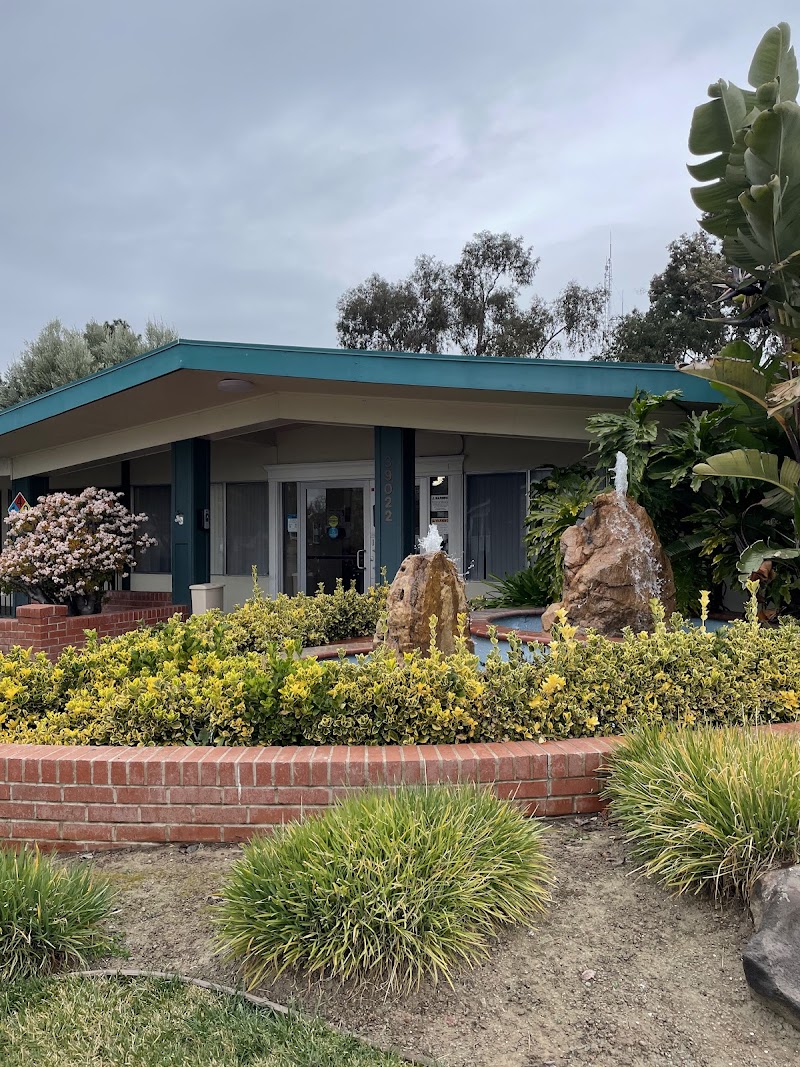
How is Fremont Healthcare Center Staffed?

CMS rates FREMONT HEALTHCARE CENTER's staffing level at 4 out of 5 stars, which is above average compared to other nursing homes. Staff turnover is 35%, compared to the California average of 46%. This relatively stable workforce can support continuity of care.

What Have Inspectors Found at Fremont Healthcare Center?

State health inspectors documented 21 deficiencies at FREMONT HEALTHCARE CENTER during 2019 to 2024. These included: 19 with potential for harm and 2 minor or isolated issues.
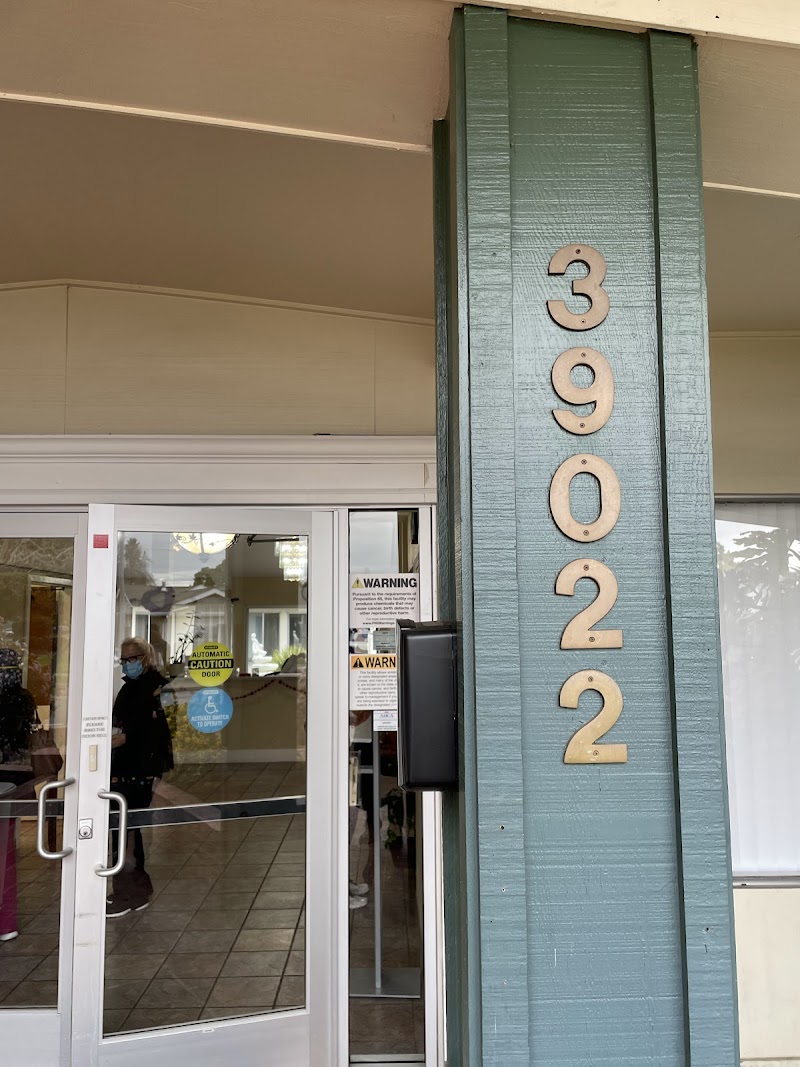
Who Owns and Operates Fremont Healthcare Center?

FREMONT HEALTHCARE CENTER is owned by a for-profit company. For-profit facilities operate as businesses with obligations to shareholders or private owners. The facility is operated by MARINER HEALTH CARE, a chain that manages multiple nursing homes. With 115 certified beds and approximately 102 residents (about 89% occupancy), it is a mid-sized facility located in FREMONT, California.
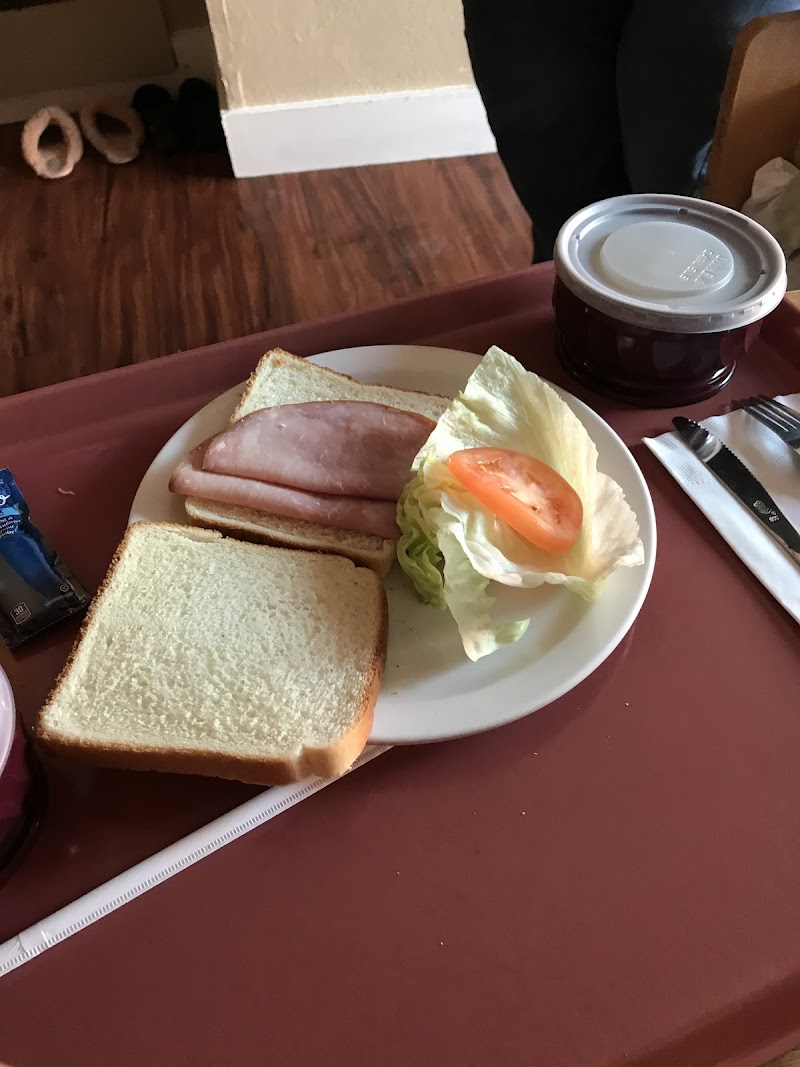
How Does Fremont Healthcare Center Compare to Other California Nursing Homes?

Compared to the 100 nursing homes in California, FREMONT HEALTHCARE CENTER's overall rating (4 stars) is above the state average of 3.2, staff turnover (35%) is significantly lower than the state average of 46%, and health inspection rating (4 stars) is above the national benchmark.

What Should Families Ask When Visiting Fremont Healthcare Center?

Based on this facility's data, families visiting should ask: "Can I visit during a mealtime to observe dining assistance and food quality?" "How do you handle medical emergencies, and what is your hospital transfer rate?" "Can I speak with family members of current residents about their experience?"

Is Fremont Healthcare Center Safe?

Based on CMS inspection data, FREMONT HEALTHCARE CENTER has a clean safety record: no substantiated abuse findings (meaning no confirmed cases of resident harm), no Immediate Jeopardy citations (the most serious violation level indicating risk of serious injury or death), and is not on the Special Focus Facility watch list (a federal program monitoring the lowest-performing 1% of nursing homes). The facility has a 4-star overall rating and ranks #1 of 100 nursing homes in California. While no facility is perfect, families should still ask about staff-to-resident ratios and recent inspection results during their visit.

Do Nurses at Fremont Healthcare Center Stick Around?

FREMONT HEALTHCARE CENTER has a staff turnover rate of 35%, which is about average for California nursing homes (state average: 46%). Moderate turnover is common in nursing homes, but families should still ask about staff tenure and how the facility maintains care continuity when employees leave.

Was Fremont Healthcare Center Ever Fined?

FREMONT HEALTHCARE CENTER has been fined $12,051 across 1 penalty action. This is below the California average of $33,199. While any fine indicates a compliance issue, fines under $50,000 are relatively common and typically reflect isolated problems that were subsequently corrected. Families should ask what specific issues led to these fines and confirm they've been resolved.

Is Fremont Healthcare Center on Any Federal Watch List?

FREMONT HEALTHCARE CENTER is not on any federal watch list. The most significant is the Special Focus Facility (SFF) program, which identifies the bottom 1% of nursing homes nationally based on persistent, serious quality problems. Not being on this list means the facility has avoided the pattern of deficiencies that triggers enhanced federal oversight. This is a positive indicator, though families should still review the facility's inspection history directly.