MISSION VALLEY POST ACUTE

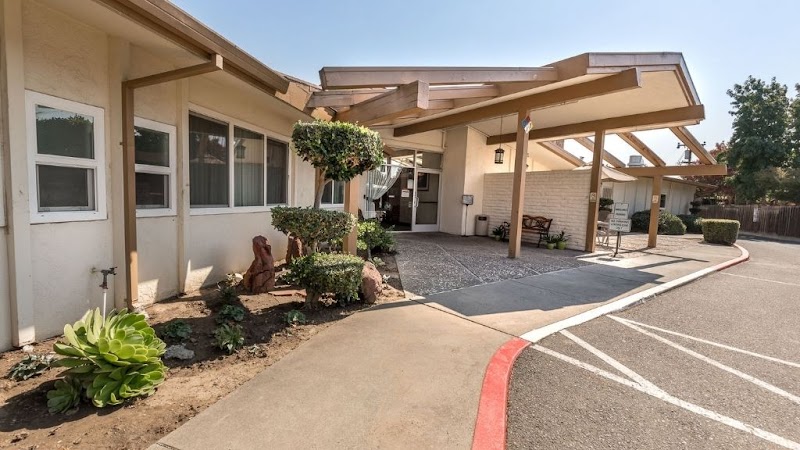
2400 PARKSIDE DRIVE, FREMONT, CA 94536 (510) 793-7222
For profit - Limited Liability company 85 Beds PACS GROUP Data: November 2025
Trust Grade
80/100
#133 of 1155 in CA
Last Inspection: October 2024

Within standard 12-15 month inspection cycle. Federal law requires annual inspections.

Overview

Mission Valley Post Acute in Fremont, California has a Trust Grade of B+, which indicates it is above average and recommended for families considering care options. It ranks #133 out of 1,155 facilities in California, placing it in the top half, and #12 of 69 in Alameda County, meaning there are only 11 local options that are better. The facility is improving, having reduced issues from 17 in 2021 to just 3 in 2024. However, staffing is a concern with a 52% turnover rate, higher than the state average, although they have more RN coverage than 79% of California facilities, which is a positive sign. There have been some troubling incidents, such as multiple medication errors where residents did not receive their prescribed medications, and concerns about food safety and quality, including serving unpasteurized eggs and unappetizing meals. Overall, while there are strengths in RN coverage and improvement in quality measures, families should be aware of staffing challenges and past issues related to medication and food safety.

Trust Score
B+
80/100
In California
#133/1155
Top 11%
Safety Record
Low Risk
No red flags
Inspections
Getting Better
17 → 3 violations
Staff Stability
⚠ Watch
52% turnover. Above average. Higher turnover means staff may not know residents' routines.
Penalties
✓ Good
No fines on record. Clean compliance history, better than most California facilities.
Skilled Nurses
○ Average
Each resident gets 40 minutes of Registered Nurse (RN) attention daily — about average for California. RNs are the most trained staff who monitor for health changes.
Violations
⚠ Watch
22 deficiencies on record. Higher than average. Multiple issues found across inspections.
★★★★★
5.0
Overall Rating
★★★☆☆
3.0
Staff Levels
★★★★★
5.0
Care Quality
★★★★★
5.0
Inspection Score
Stable
2021: 17 issues
2024: 3 issues

The Good

  • 5-Star Quality Measures · Strong clinical quality outcomes
  • Full Sprinkler Coverage · Fire safety systems throughout facility
  • No fines on record

Facility shows strength in quality measures, fire safety.

The Bad

Staff Turnover: 52%

Near California avg (46%)

Higher turnover may affect care consistency

Chain: PACS GROUP

Part of a multi-facility chain

Ask about local staffing decisions and management

The Ugly 22 deficiencies on record

Oct 2024 2 deficiencies
CONCERN (D)

Potential for Harm - no one hurt, but risky conditions existed

Deficiency F0645 (Tag F0645)

Could have caused harm · This affected 1 resident

Based on interview, record review, and facility policy review, the facility failed to ensure the accuracy of a Level I preadmission screening resident review (PASARR) screening for 1 (Resident #74) of...

Read full inspector narrative →
Based on interview, record review, and facility policy review, the facility failed to ensure the accuracy of a Level I preadmission screening resident review (PASARR) screening for 1 (Resident #74) of 1 sampled resident reviewed for PASARR screening. Findings included: An admission Record indicated the facility admitted Resident #74 on 08/20/2024. According to the admission Record, the resident had a medical history that included diagnoses of unspecified disorder of psychological development, unspecified psychosis, and depression. An admission Minimum Data Set (MDS), with an Assessment Reference Date (ARD) of 08/23/2024, revealed Resident #74 had a Brief Interview for Mental Status (BIMS) score of 10, which indicated the resident had moderate cognitive impairment. The MDS indicated the resident had active diagnoses to include depression, psychotic disorder, and unspecified disorder of psychological development. Per the MDS, the resident received an antipsychotic medication during this assessment period. Resident #74's care plan included a focus area initiated 08/20/2024, revealed Resident #74 received Risperdal, an antipsychotic medication. Resident #74's Order Summary Report that contained active orders as of 10/09/2024, revealed an order dated 08/20/2024, for Risperdal oral tablet 1 milligram (mg), give one tablet by mouth at bedtime for unspecified psychosis and risperidone oral tablet 1 mg, give a half a tablet by mouth one time a day for unspecified psychosis. Resident #74's Preadmission Screening and Resident Review Level I Screening dated 08/20/2024, indicated Resident #72 did not have a serious diagnoses mental disorder such as depressive disorder, anxiety disorder, panic disorder, schizophrenia/schizoaffective disorder, or symptoms of psychosis, delusion, and/or mood disturbance. During an interview on 10/10/2024 at 3:26 PM the MDS Coordinator (MDS) stated she was responsible for checking the PASARR for accuracy when residents admitted to the facility. The MDS Coordinator stated a diagnosis of psychosis would be considered a mental illness. The MDS Coordinator stated Resident #74 received an antipsychotic medication and had a diagnosis of psychosis and the resident's mental illness diagnosis should have been indicated on the Level I PASARR screening. During an interview on 10/10/2024 at 9:16 AM the Director of Nursing (DON) stated her expectation was that the PASARR screening was completed. According to the DON, the MDS Coordinator followed up after a resident's admission to ensure the PASARR was completed accurately. The DON stated she thought Resident #74 had a mental illness diagnosis. The DON stated if the Level I screening was not accurate, no one would complete a Level II review, and the facility would not know what services were available for Resident #74. In an interview on 10/10/2024 at 10:02 AM, the Administrator stated his expectation was that the PASARR was completed timely and the MDS Coordinator verified that the PASARR for accuracy. A facility policy titled admission Criteria, revised 03/2023, indicated 9. All new admissions and readmissions are screened for mental disorders (MD), intellectual disabilities (ID) or related disorders (RD) per the Medicaid Pre-admission Screening and Resident Review (PASARR) process. The policy indicated b. If the level I screen indicates that the individual may meet the criteria for a MD, ID, or RD, he or she is referred to the state PASARR representative for the Level II (evaluation and determination) screening process.
MINOR (B)

Minor Issue - procedural, no safety impact

Deficiency F0912 (Tag F0912)

Minor procedural issue · This affected multiple residents

**NOTE- TERMS IN BRACKETS HAVE BEEN EDITED TO PROTECT CONFIDENTIALITY** Based on observation and interview, the facility failed to ensure residents' rooms measured at least 80 square (sq) feet (ft) pe...

Read full inspector narrative →
**NOTE- TERMS IN BRACKETS HAVE BEEN EDITED TO PROTECT CONFIDENTIALITY** Based on observation and interview, the facility failed to ensure residents' rooms measured at least 80 square (sq) feet (ft) per resident in 8 (Rooms 27 - 34) of 13 residents' rooms on 1 (Station 3) of 3 units in the facility. Findings included: On 10/10/2024 at 8:28 AM, the Maintenance Director measured the following rooms and confirmed the following dimensions: - In room [ROOM NUMBER], there was 70 sq feet for resident. - In room [ROOM NUMBER], there was 70 sq ft for each resident. - In room [ROOM NUMBER], there was 70 sq ft for each resident. - In room [ROOM NUMBER], there was 70 sq ft for each resident. - In room [ROOM NUMBER], there was 70 sq ft for each resident. - In room [ROOM NUMBER], there was 70 sq ft for each resident. - In room [ROOM NUMBER], there was 78.75 sq ft for each resident. - In room [ROOM NUMBER], there was 75sq ft for each resident. During an interview on 10/10/2024 at 9:40 AM, Certified Nursing Assistant (CNA) #1, stated she had no problems with providing care due to a resident's room size. During an interview on 10/10/2024 at 9:42 AM, CNA #2 stated she had no issues with providing care due to a resident's room size. During an interview on 10/10/2024 at 9:45 AM, Licensed Vocational Nurse #3 stated she never had an issue providing care due to a resident's room size. During an interview on 10/10/2024 at 10:09 AM, the Administrator stated he was aware of the room size requirements. The Administrator stated it was important for resident rooms to be a certain size so staff could provide care for the resident and for the size of the room to not impede the care provided. During an interview on 10/10/2024 at 10:19 AM, the Director of Nursing (DON) stated she thought the minimum resident room size requirements were 80 to 100 sq ft. The DON stated she expected the facility to meet whatever the regulation was regarding resident room sizes.
Mar 2024 1 deficiency
CONCERN (D) 📢 Someone Reported This

A family member, employee, or ombudsman was alarmed enough to file a formal complaint

Potential for Harm - no one hurt, but risky conditions existed

Deficiency F0658 (Tag F0658)

Could have caused harm · This affected 1 resident

**NOTE- TERMS IN BRACKETS HAVE BEEN EDITED TO PROTECT CONFIDENTIALITY** Based on interview and record review the facility failed to provide services which met professional standards for one resident (...

Read full inspector narrative →
**NOTE- TERMS IN BRACKETS HAVE BEEN EDITED TO PROTECT CONFIDENTIALITY** Based on interview and record review the facility failed to provide services which met professional standards for one resident (Resident 1) of three sampled residents when nursing staff did not document physician's orders were carried out. This failure contributed to formation and worsening of Resident 1's sacrococcyx (the backside area between a person ' s hips and down to the tailbone) wound. Findings: A review of Resident 1's admission record indicated an initial admission date of 2/15/23 with diagnoses which included mitral valve insufficiency (a condition in which the valve between two heard chambers does not close tightly, which allows blood to flow backward in the heart) and traumatic hemorrhage of the cerebrum (trauma to the head which results in blood intermixing with brain tissue). A review of Resident 1's Braden Scale (an assessment tool used for predicting pressure injury risk) assessment dated [DATE] at 6:22 p.m. indicated a score of 9 which indicated Resident 1 was at very high risk for developing a pressure injury. A review of Resident 1's history and physical written by a physician dated 2/16/23 at 1:13 p.m. indicated, SNF [Skilled Nursing Facility] admission .Skin- SC [sacroccoccyx] Stage 1 [injury of the skin as a result of continuous pressure characterized by superficial reddening that when pressed does not turn white] redness .Assessment and Plan .Decubitus [laying down area] ulcer: recommendation(s) barrier cream, foam dressing, position changes . A review of a care plan which focused on Resident 1's Stage 1 pressure injury on the coccyx (tailbone), initiated on 2/21/23, indicated nursing staff would, provide proper skin care to assist Resident 1 to reach her goal of preventing further deterioration of skin integrity. A review of Resident 1's Treatment Administration Record (TAR) dated February 2023 indicated staff did not document the physician's order, Barrier cream with foam dressing to redness to coccyx .change every day with diaper change and/or .when soiled .every shift . was carried out on: the day and night shifts of 2/17/23, on the day and evening shifts of 2/19/23, day shift of 2/20/023, and the evening shift of 2/23/23. A review of Resident 1's TAR dated March 2023 indicated the following physician's orders: · Cleanse coccyx area noted with redness with NS [normal saline, a solution used to cleanse wounds], pat dry and apply .paste .every shift . was not carried out on: night shift of 3/6/23, day shift of 3/12/23, night shifts of 3/15/23 and 3/16/23, day shift of 3/20/23, evening shift of 3/21/23, and night shifts of 3/23/23 to 3/27/23; · Air mattress every shift was not carried out on: night shift of 3/6/23, day shifts of 3/10/23 and 3/11/23, night shifts of 3/15/23 and 3/16/23, day shift of 3/20/23, evening shift of 3/21/23, and night shifts of 3/24/23 to 3/27/23; and, · Apply barrier cream with every diaper change and PRN [as needed] when soiled .every shift for peri-care . was not carried out on: night shift of 3/6/23, day shift of 3/12/23, night shifts of 3/15/23 and 3/16/23, day shift of 3/20/23, evening shift of 3/21/23, and night shifts of 3/24/23 to 3/27/23. A review of Resident 1's TAR dated April 2023 indicated the following physician's orders: · Cleanse coccyx area noted with redness with NS, pat dry and apply .paste .every shift . was not carried out on: evening shift of 4/15/23, night shift of 4/16/23, evening shift of 4/19/23, evening shift of 4/21/23, day and evening shifts of 4/22/23, day shift of 4/24/23, day shift of 4/26/23, evening shift of 4/28/23, and day shift of 4/29/23; · Air mattress every shift was not carried out on: evening shift of 4/15/23, night shift of 4/16/23, evening shift of 4/19/23, evening shift of 4/21/23, day and evening shifts of 4/22/23, day shift of 4/24/23, day shift of 4/26/23, evening shift of 4/28/23, and day shift of 4/29/23; and, · Apply barrier cream with every diaper change and PRN when soiled .every shift for peri-care . was not carried out on: evening shift of 4/15/23, night shift of 4/16/23, evening shift of 4/19/23, evening shift of 4/21/23, day and evening shifts of 4/22/23, day shift of 4/24/23, day shift of 4/26/23, evening shift of 4/28/23, and day shift of 4/29/23. A review of Resident 1's TAR dated May 2023 indicated the following physician's orders: · Cleanse coccyx area noted with redness with NS, pat dry and apply .paste .every shift . was not carried out on: day shift of 5/3/23, day and evening shifts of 5/6/23, night shift of 5/10/23, day shift of 5/12/23, evening shifts of 5/15/23 and 5/16/23, day shift of 5/17/23, evening shift of 5/18/23, evening shifts of 5/21/23 to 5/23/23, and day shift of 5/24/23; · Air mattress every shift was not carried out on: day shift of 5/3/23, day and evening shifts of 5/6/23, night shift of 5/10/23, day shift of 5/12/23, evening shifts of 5/15/23 and 5/16/23, day shift of 5/17/23, evening shift of 5/18/23, evening shifts of 5/21/23 to 5/23/23, and day shift of 5/24/23; and, · Apply barrier cream with every diaper change and PRN when soiled .every shift for peri-care . was not carried out on: day shift of 5/3/23, day and evening shifts of 5/6/23, night shift of 5/10/23, day shift of 5/12/23, evening shifts of 5/15/23 and 5/16/23, day shift of 5/17/23, evening shift of 5/18/23, evening shifts of 5/21/23 to 5/23/23, and day shift of 5/24/23. A review of Resident 1's TAR dated June 2023 indicated the following physician's orders: · Cleanse coccyx area noted with redness with NS, pat dry and apply .paste .every shift . was not carried out on: evening shift of 6/1/23, day shift of 6/3/23, day shift of 6/5/23, day shift of 6/11/23, day shift of 6/13/23, day shift of 6/16/23, and day shift of 6/19/23; · Air mattress every shift was not carried out on: evening shift of 6/1/23, day shift of 6/3/23, day shift of 6/5/23, day shift of 6/11/23, day shift of 6/13/23, day shift of 6/16/23, and day shift of 6/19/23; and, · Apply barrier cream with every diaper change and PRN when soiled .every shift for peri-care . was not carried out on: evening shift of 6/1/23, day shift of 6/3/23, day shift of 6/5/23, day shift of 6/11/23, day shift of 6/13/23, day shift of 6/16/23, and day shift of 6/19/23. A review of a SNF rounding note written by a physician dated 6/20/23 at 9:50 a.m. indicated, .Patient noted to have blisters and open area on the back, noted by staff over the weekend .Assessment and Plan .Pressure [Injury] of buttock Stage 2 (partial thickness skin loss), unspecified side has blisters and open area, DTI [Deep Tissue Injury, a purple or maroon localized area of discolored intact skin or blood-filled blister due to damage of underlying soft tissue from pressure] most likely with stage 2 on the open area .Has blister filled with fluid .Will apply [foam dressing] for now, continue to monitor, Patient already on airflow mattress . A review of Resident 1's wound evaluation dated 7/21/23 at 3:33 p.m. indicated, Body Location .Sacrum .Pressure [ulcer]- Unstageable (slough and/or eschar) .Area .+133% .Length .+24% .Width .+37% .Deepest Point .+100% .Longest Tunnel .+100% .Negative percentage values indicate wound is getting smaller .[Resident] sacrum area has opened up with an unstageable wound . A review of Resident 1's wound evaluation dated 7/27/23 at 10:32 a.m. indicated, Body Location .Sacrum .Pressure [ulcer]- Stage 4 .[Resident] has open wound on sacrum stage 4 . In a concurrent interview and record review on 5/17/24 at 10:49 a.m. with the Director of Nursing (DON), Resident 1 ' s TARs dated February 2023 through June 2023 were reviewed. The TARs indicated innumerable dates with no licensed staff initials in the boxes to demonstrate wound treatment orders were administered. The DON confirmed and stated, .If you did not document, it did not happen .[It was] the LN ' s responsibility to ensure orders are carried out .Yes, LN should document .according to TAR ' s chart codes . The DON acknowledged it was a deficiency. A review of the facility ' s policy and procedure titled Medication and Treatment Orders, revised July 2016, indicated, Orders for . treatments . shall be administered . upon the written order of a person duly licensed and authorized to prescribe . A review of the facility ' s policy and procedure titled, Prevention of Pressure Injuries, revised April 2020, indicated, The purpose of this procedure is to provide information regarding identification of pressure injury risk factors and interventions for specific risk factors. Review the resident's care plan and identify the risk factors as well as the interventions designed to reduce or eliminate those considered modifiable . Prevention .Keep the skin clean and hydrated . Clean promptly after episodes of incontinence .Use a barrier product to protect skin from moisture .Select appropriate support surfaces based the resident's risk factors .
Oct 2021 17 deficiencies
CONCERN (D)

Potential for Harm - no one hurt, but risky conditions existed

Comprehensive Assessments (Tag F0636)

Could have caused harm · This affected 1 resident

**NOTE- TERMS IN BRACKETS HAVE BEEN EDITED TO PROTECT CONFIDENTIALITY** Based on interview and record review, the facility failed to complete the Comprehensive Minimum Data Set (MDS, an assessment too...

Read full inspector narrative →
**NOTE- TERMS IN BRACKETS HAVE BEEN EDITED TO PROTECT CONFIDENTIALITY** Based on interview and record review, the facility failed to complete the Comprehensive Minimum Data Set (MDS, an assessment tool used to direct care) within 14-calendar days of admission for two of five sampled residents (Resident 1 and 56). This failure had the potential to delay the development of a comprehensive care plan necessary to provide the appropriate individualized care and services for each resident related to the care areas identified on their Comprehensive MDS. Findings: 1. Review of Resident 1's Face Sheet indicated Resident 1 was admitted to the facility on [DATE]. Review of Resident 1's admission Comprehensive MDS assessment indicated it was due on 4/26/21 and completed on 5/6/21 (10 days late). 2. Review of Resident 56's Face Sheet indicated Resident 56 was admitted to the facility on [DATE]. Review of Resident 56's admission Comprehensive MDS assessment indicated it was due on 5/31/21 and completed on 6/13/21 (13 days late). During an interview with the Regional MDS Coordinator (RMC), on 10/21/21, at 10:30 a.m., the RMC stated Resident 1 and 56's Comprehensive MDS were not completed on time and verified Resident 1's Comprehensive MDS was due on 4/26/21 and completed late on 5/6/21. Furthermore, Resident 56's Comprehensive MDS was due on 5/31/21 and completed late on 6/13/21. During a review of the policy and procedure (P&P) titled, Resident Assessment Instrument, revised 11/2012, the P&P indicated, The Resident Assessment Instrument will be completed timely and accurately, per Federal Guidelines, and will serve as a foundation for the comprehensive care planning process.
CONCERN (D)

Potential for Harm - no one hurt, but risky conditions existed

Deficiency F0638 (Tag F0638)

Could have caused harm · This affected 1 resident

**NOTE- TERMS IN BRACKETS HAVE BEEN EDITED TO PROTECT CONFIDENTIALITY** Based on interview and record review, for three of five (Resident 56, 57, and 58) sampled residents, the facility failed to comp...

Read full inspector narrative →
**NOTE- TERMS IN BRACKETS HAVE BEEN EDITED TO PROTECT CONFIDENTIALITY** Based on interview and record review, for three of five (Resident 56, 57, and 58) sampled residents, the facility failed to complete Quarterly Minimum Data Set (MDS, an assessment tool used to direct care) Assessments in the regulatory specified manner. This failure had the potential for Residents 56, 57, and 58 to not receive care and services based on their current health status. Findings: 1. Review of Resident 56's the Face Sheet indicated Resident 56 was admitted to the facility on [DATE]. Review of Resident 56's Quarterly MDS assessment indicated it was due on 8/31/21 and completed on 10/14/21 (44 days late). 2. Review of Resident 57's the Face Sheet indicated Resident 57 was admitted to the facility on [DATE]. Review of Resident 57's Quarterly MDS assessment indicated it was due on 9/9/21 and completed on 10/14/21/ (35 days late). 3. Review of Resident 58's Face Sheet indicated Resident 58 was admitted to the facility on [DATE]. Review of Resident 58's MDS Quarterly MDS Assessment indicated it was due on 9/14/21 and completed on 10/16/21 (32 days late). During an interview and concurrent record review of Residents 56, 57, and 58's last MDS Assessments on 10/21/21 at 10:30 a.m., the Regional MDS Coordinator (RMC) stated the Quarterly MDS assessments were completed late for Residents 56, 57, and 58.
CONCERN (D)

Potential for Harm - no one hurt, but risky conditions existed

Assessment Accuracy (Tag F0641)

Could have caused harm · This affected 1 resident

**NOTE- TERMS IN BRACKETS HAVE BEEN EDITED TO PROTECT CONFIDENTIALITY** Based on record review and interview, the facility failed to ensure one of two sampled residents (Resident 11) was accurately as...

Read full inspector narrative →
**NOTE- TERMS IN BRACKETS HAVE BEEN EDITED TO PROTECT CONFIDENTIALITY** Based on record review and interview, the facility failed to ensure one of two sampled residents (Resident 11) was accurately assessed using the Minimum Data Set (MDS - an assessment tool), when Resident 11's MDS was inaccurately assessed as not being a hospice patient. This deficient practice had the potential for Resident 11 to not receive hospice care due to incorrect data entered and receive planned care not consistent with the resident's condition. Findings: During a review of Resident 11's MDS, dated [DATE], which indicated Resident 11 had a BIMS (Brief Interview for Mental Status) score of 02, indicating Resident 11 is severely, cognitively impaired. In addition, it reflected Resident 11 was not receiving hospice care. The medical diagnoses for Resident 11 included heart failure, kidney failure, and Alzheimer's Disease. During a review of Resident 11's physician orders dated 5/3/21 indicated Resident 11 was placed on pallative (relieving pain and optimizing quality of life) care. During an interview with the Assistant Director of Nursing (ADON) on 10/20/21 at 3 p.m., ADON stated Resident 11 was coded incorrectly on the MDS. ADON stated it was marked she was on dialysis and she has never been on dialysis. She is on hospice, which was not marked. Review of the policy, Resident Assessment Instrument (RAI/MDS) last revision 11/2012, indicated the RAI will be completed timely and accurately.
CONCERN (D)

Potential for Harm - no one hurt, but risky conditions existed

Quality of Care (Tag F0684)

Could have caused harm · This affected 1 resident

**NOTE- TERMS IN BRACKETS HAVE BEEN EDITED TO PROTECT CONFIDENTIALITY** Based on interview and record review, the facility failed to provide care that met the professional standards of care for one re...

Read full inspector narrative →
**NOTE- TERMS IN BRACKETS HAVE BEEN EDITED TO PROTECT CONFIDENTIALITY** Based on interview and record review, the facility failed to provide care that met the professional standards of care for one resident out of 20 sampled (Resident 170) when she was cleaned after being incontinent of feces with Chlorox bleach wipes. This deficient practice had the potential to cause pain and chemical burns to Resident 170. Findings: During a review of Resident 170's Minimum Data Set (MDS, an assessment tool used to guide care), dated 10/11/21, indicated she was admitted to the facility on [DATE]. Resident 170 had a BIMS (Brief Interview for Mental Status) score of 13/15, indicating Resident 170 is cognitively intact. The medical diagnoses for Resident 170 included cancer, hip fracture, and pelvic fracture. During an interview with Resident 170 on 10/19/21 at 10:38 a.m., Resident 170 stated the staff from therapy cleaned her after she had a bowel movement and used Chlorox wipes on her bottom. Resident 170 stated she did not know their names and has not seen them since and she thought it was a Sunday that it happened. During an interview with the Occupational Therapy Assistant (OTA) on 10/20/21 at 3:09 p.m., OTA stated Resident 170 had a bowel movement and needed to be cleaned before therapy. OTA stated she grabbed the Chlorox wipes without realizing what it was and cleaned Resident 170. OTA stated she flushed Resident 170's skin with warm water immediately upon realizing what she had done. OTA further stated Resident 170 did not complain of pain or discomfort and reported this to the nurse immediately. OTA stated she should have read the label more carefully. During an interview with the Licensed Vocational Nurse (LVN) 7 on 10/20/21 at 1:40 p.m., LVN 7 stated OTA told her she had cleaned Resident 170 using disinfectant wipes. LVN 7 stated she assessed Resident 170 and did not see any evidence of redness or chemical burn. Resident 170 did not complain of pain or burning. LVN 7 reported the incident to the Administrator right away. During a review of the OT Daily Treatment Note dated 10/16/21 at 12:20 p.m., the note reflected Resident 170 was cleaned with disinfectant wipes by OTA.
CONCERN (D)

Potential for Harm - no one hurt, but risky conditions existed

Respiratory Care (Tag F0695)

Could have caused harm · This affected 1 resident

**NOTE- TERMS IN BRACKETS HAVE BEEN EDITED TO PROTECT CONFIDENTIALITY** Based on observation, interview, and record review, the facility failed to provide care for two (Resident 55 and 65) of four res...

Read full inspector narrative →
**NOTE- TERMS IN BRACKETS HAVE BEEN EDITED TO PROTECT CONFIDENTIALITY** Based on observation, interview, and record review, the facility failed to provide care for two (Resident 55 and 65) of four residents that required oxygen therapy when Resident 55 and 65 were given oxygen without doctor's orders. These deficient practices had the potential to result in Resident's 55 and 65's inadequate monitoring of Resident 55 and 65's safe use of oxygen and response to oxygen therapy. Findings: A review of the document titled, admission Record, dated 10/21/21 indicated Resident 55 was admitted to the facility on [DATE] with a diagnosis of acute respiratory failure (occurs when fluid builds up in the air sacs in your lungs. When that happens, your lungs can't release oxygen into your blood). A review of Resident 55's Minimum Data Set (MDS- an assessment tool) dated 8/11/21 indicated Resident 55 required the use of oxygen. During an observation on 10/19/21 at 11:20 a.m. Resident 55 was using oxygen at 3 liters per minute through a nasal canula (tube with prongs inserted into the nostrils) and confirmed by Licensed Vocational Nurse 3 (LVN 3). During a concurrent record review and interview on 10/19/21 at 11:40 a.m. of Resident 55's doctor's orders with LVN 6, there were no orders for oxygen use. LVN 3 confirmed there were no doctor's orders for the use of oxygen for Resident 55. LVN 3 further stated Resident 55 has always been on oxygen at the facility and will get an order from the doctor for the use of oxygen. LVN 3 stated there has to be a doctor's orders to give oxygen and monitoring of Resident 55's oxygen use to check on how the resident tolerates the supplemental oxygen. A review of the document titled, admission Record, dated 10/20/21 indicated Resident 65 was admitted to the facility on [DATE] with a diagnosis of chronic obstructive pulmonary disease (COPD- a group of diseases that cause airflow blockage and breathing-related problems). A review of Resident 65's MDS dated [DATE] indicated Resident 65 required the use of oxygen. During an observation on 10/19/21 at 11:25 a.m. Resident 65 was using oxygen at 3.5 liters per minute through a nasal canula as confirmed by LVN 3. During a concurrent record review and interview on 10/19/21 at 11:45 a.m. of Resident 65's doctor's orders with LVN 6, there were no orders for oxygen use. LVN 3 confirmed there were no doctor's orders for the use of oxygen for Resident 65. LVN 3 further stated Resident 65 has always been on oxygen at the facility and will get an order from the doctor for the use of oxygen. LVN 3 stated it is important to have a doctor's orders for Resident 65's oxygen use because she has COPD. He further added there can be complications that can occur with oxygen use for resident's with COPD.
CONCERN (D)

Potential for Harm - no one hurt, but risky conditions existed

Deficiency F0698 (Tag F0698)

Could have caused harm · This affected 1 resident

**NOTE- TERMS IN BRACKETS HAVE BEEN EDITED TO PROTECT CONFIDENTIALITY** Based on record review and interview, the facility failed to provide care for three (Resident 44, 45 and 118) of three residents...

Read full inspector narrative →
**NOTE- TERMS IN BRACKETS HAVE BEEN EDITED TO PROTECT CONFIDENTIALITY** Based on record review and interview, the facility failed to provide care for three (Resident 44, 45 and 118) of three residents that required dialysis (artificial kidney machine that rids your blood of unwanted toxins, waste products and excess fluids by filtering your blood). Staff did not do a complete assessment before Resident 45 and Resident 118's dialysis treatment or complete the dialysis communication record for Resident 45 and 118 before they went to their dialysis treatments. This deficient practice resulted in an inaccurate assessment of Resident 45 and 118's dialysis access site and functionality and failure to communicate potential changes in the resident's physical condition prior to receiving dialysis care. Findings: A review of the document titled, admission Record, dated 10/20/21 indicated Resident 44 was admitted to the facility and had a diagnosis of End Stage Renal (kidney) Disease or ESRD, a longstanding disease of the kidneys leading to renal failure. A review of Resident 44's Minimum Data Set (MDS- an assessment tool) dated 10/3/21 indicated Resident 44 is on dialysis. A review of Resident 45's Order Summary Report dated 10/21/21 indicated Resident 44 has dialysis treatments on Tuesdays, Thursdays, and Saturdays. A review of the document titled, admission Record dated 10/20/21 indicated Resident 45 was admitted to the facility with a diagnosis of ESRD. A review of Resident 45's MDS dated [DATE] indicated Resident 45 is on dialysis. A review of Resident 45's Order Summary Report dated 10/21/21 indicated Resident 45 has dialysis treatment on Mondays, Wednesdays and Fridays. A review of the document titled, admission Record, dated 10/20/21 indicated Resident 118 was admitted to the facility with a diagnosis of ESRD. A review of Resident 45's MDS dated [DATE] indicated Resident 45 is on dialysis. A review of Resident 118's Order Summary Report dated 10/20/21 indicated Resident 118 has dialysis treatment on Tuesdays, Thursdays, and Saturdays. During a concurrent record review and interview on 10/20/21 at 10:40 a.m. of Resident 45's Dialysis Communication Record treatment on 10/14/21, with the Assistant Director of Nursing (ADON), the staff indicated a bruit (an audible vascular sound associated with turbulent blood flow) and thrill (a vibratory sensation felt on the skin) were present on Resident 45's access site. ADON stated the nursing staff's assessment of Resident 45's access site was not correct because there is no bruit or thrill present on a permacath (a flexible tube that is inserted in a vein). During a concurrent record review and interview on 10/20/21 at 10:40 a.m., of Resident 118's Dialysis Communication Record dated 10/9/21, 10/21/21, 10/14/21, 10/16/21, and 10/21/21 with ADON, the staff indicated a bruit and thrill were present on Resident 118's access site. ADON stated the nursing staff's assessment of Resident 118's access site was not correct because there is no bruit or thrill present on a permacath. During a concurrent record review and interview with ADON on 10/21/21 at 10:45 a.m., of Resident 45's Dialysis Communication Record, there was one dialysis treatment record dated 10/14/21. ADON stated Resident 45 has attended all dialysis treatment appointments. ADON further stated there should be dialysis communication records for every treatment Resident 45 received, including Resident 45's condition before dialysis treatment and for the dialysis center to communicate Resident 45's condition during her dialysis treatment to the facility upon return. During a concurrent record review and interview with ADON on 10/21/21 at 10:55 a.m., of Resident 44's Dialysis Communication Record, there were three records for Resident 44's dialysis treatment dated 10/6/21, 10/9, 21 and 10/16 which ADON confirmed. ADON further stated Resident 45 has been in the facility since 9/29/21 and attended all dialysis treatments. She stated there should be a dialysis communication in the binder for every treatment Resident 44 attended and the communication information from the dialysis center after dialysis treatment. During an interview on 10/28/21 at 9:45 a.m. with the Facility Administrator (FA), FA stated Resident 118 has a permacath. He further stated a bruit or thrill will not be present for a resident with a permacath. During an interview on 10/28/21 at 10:30 a.m. with the Clinic Manager (CM), CM stated Resident 45 has a permacath, and a bruit or thrill will not be present for a resident with a permacath.
CONCERN (D)

Potential for Harm - no one hurt, but risky conditions existed

Drug Regimen Review (Tag F0756)

Could have caused harm · This affected 1 resident

Based on interview and record review, the facility failed to ensure the pharmacist's medication regimen review (MRR) was promptly acted upon for two (Residents 63 and 66) of 20 sampled residents. This...

Read full inspector narrative →
Based on interview and record review, the facility failed to ensure the pharmacist's medication regimen review (MRR) was promptly acted upon for two (Residents 63 and 66) of 20 sampled residents. This failure had the potential for a delay in treatment and risk for serious side effects for Residents 63 and 66. Findings: Review of the admission Record indicated Resident 63 was admitted to the facility with multiple diagnoses that included seizures (a disorder in which nerve cell activity in the brain is disturbed, casing seizures). Review of the facility's Consultant Pharmacist (CP) Medication Regimen Review (MRR) dated 8/1/2021 and 9/1/2021, indicated Resident 63 was currently on Carbidopa-Levodopa tablet 10-100 mg (milligram) for seizures. The recommendation indicated please clarify diagnosis for Carbidopa/Levodopa use- this is not used for seizures but Parkinson's Disease. Review of the admission Record indicated Resident 66 was admitted to the facility with multiple diagnoses that included major depressive disorder and dementia (memory disorder) in other disease classified elsewhere with behavioral disturbance. Review of the facility's Consultant Pharmacist (CP) Medication Regimen Review (MRR) dated 9/26/2021, indicated Resident 66 was currently on Paxil 10 mg and Trazadone 100 mg for depression, Zyprexa 2.5 mg every morning and 5 mg every night for psychosis, and Ativan 0.5 mg BID for anxiety. The recommendation indicated, Per regulations, a GDR (gradual dose reduction) should be attempted in two separate quarters within the first year (with at least one month between attempts) and annually unless clinically contraindicated. She continues with some behaviors of yelling/cursing, making statements of sadness, and screaming/yelling. She is redirectable at times and non-pharmacological interventions attempted. Trazadone was recently increased and no side effects noted at this time. Is a GDR of Zypreza, Ativan, or Paxil indicated at this time? During an interview on 10/20/2021 at 11:40 a.m., with the Assistant Director of Nursing (ADON) ADON stated Resident 63 and 66's MRR were not done. In a telephone interview with CP on 10/20/2021 at 11:45 a.m., CP stated the facility has 72-hours to complete the MRR after the date the facility receives the recommendations. CP further stated she emailed her recommendations to the Director of Nursing/ Administrator the next day after her visit. Review of the policy and procedure titled, Medication Regimen Review (Monthly Report) dated 6/2021 indicated, The findings are phoned, faxed, or e-mailed to the director of nursing or designee and documented and stored with the other consultant pharmacist recommendations within 72-hours. The prescriber and / or medical director is notified if needed. Recommendations are acted upon and documented by the facility staff and or the prescriber.
CONCERN (D)

Potential for Harm - no one hurt, but risky conditions existed

Medication Errors (Tag F0758)

Could have caused harm · This affected 1 resident

Based on observation, interview, and record review, the facility failed to ensure one (Resident 66) of 20 sampled residents was free from unnecessary psychotropic (drugs that affect the brain activiti...

Read full inspector narrative →
Based on observation, interview, and record review, the facility failed to ensure one (Resident 66) of 20 sampled residents was free from unnecessary psychotropic (drugs that affect the brain activities associated with mental processes behavior) medications when Resident 66 received: 1. Zyprexa ( used to treat certain mental/mood conditions (such us schizophrenia, bipolar disorder) without a gradual dose reduction (GDR, a tapering of a dose to determine if symptoms, conditions, or risk can be managed by a lower dose or if the dose medication can be discontinued) attempt or resident -specific clinical rationale for continuing the medication since 7/30/2020. 2. Ativan (used to treat anxiety) without a GDR attempt or resident -specific clinical rationale for continuing the medication since 6/25/2020. 3 Paxil (used to treat depression) without a GDR attempt or resident -specific clinical rationale for continuing the medication since 6/8/2020. Review of the admission Record indicated Resident 66 was admitted to the facility with multiple diagnoses that included major depressive disorder, dementia in other disease classified elsewhere with behavioral disturbance and unspecified psychosis not due to a substance or known physiological disturbance. Review of Physician order dated 7/30/2020 indicated the resident had been on Zyprexa 2.5 mg (milligram) in the morning and 5 mg at each bedtime for screaming/yelling, making disruptive sounds since 7/30/2020. Further review indicated resident had been on Ativan 0.5 mg twice a day since 6/25/2020 and had been on Paxil 10 mg daily since 6/8/2020. There was no documented evidence to show the facility attempted a GDR or had a resident-specific clinical rationale for continuing the medications. During an interview on 10/20/2021 at 11:40 a.m., with the Assistant Director of Nursing (ADON), ADON confirmed there was no evidence of any GDR attempts or a clinical rationale for Zyprexa, Paxil and Ativan. Review of policy and procedure titled, Psychotropic Medication Management dated 10/24/17 indicated, The Director of Nursing or designee, will be responsible for reviewing new psychoactive medication orders for clinical compliance with federal regulations as identified through the change-in-condition process, 24 hour reporting process, and review of new incoming orders. Referrals will be made to the IDT (interdisciplinary team) as indicated. Residents who use psychotropic drugs receive gradual dose reductions, and behavioral interventions, unless clinically contraindicated, in an effort to discontinue these drugs. If antipsychotic medications are used, an AIMES (abnormal involuntary movement scale) assessment will be completed upon admission, at the onset of a new order, and every 6 months while receiving anti psychotic therapy.
CONCERN (D)

Potential for Harm - no one hurt, but risky conditions existed

Deficiency F0760 (Tag F0760)

Could have caused harm · This affected 1 resident

Based on observation, interview, and record review, the facility failed to ensure one (Resident 45) of 20 sampled residents was free of significant medication errors when Eliquis tablet 5 mg (Apixaban...

Read full inspector narrative →
Based on observation, interview, and record review, the facility failed to ensure one (Resident 45) of 20 sampled residents was free of significant medication errors when Eliquis tablet 5 mg (Apixaban- used to prevent serious blood clots due to an irregular heartbeat) was not administered as prescribed by the physician. This failure had the potential for an increased risk of stroke (not enough blood flow and oxygen to the brain due to a clot) when the medication was not provided. Findings: Review of the admission Record indicated Resident 45 was admitted to the facility with multiple diagnoses that included Long standing persistent Atrial Fibrillation (an irregular, often rapid heart rate that commonly causes poor blood flow). During the morning medication pass observation and concurrent interview on 10/19/2021 at 9:15 a.m.,with Licensed Vocational Nurse (LVN 2), LVN 2 gave all 9 medications by mouth, except the Eliquis. LVN 2 stated, Resident 45 will not receive her morning dose of Eliquis because it is not available. Review of Physician order dated 9/11/2021 indicated Eliquis tablet 5 mg give one tablet by mouth two times daily for Longstanding persistent Atrial Fibrillation. Further review indicated Eliquis is supposed to be given at 9 a.m. and 5 p.m. In a follow up interview and record review on 10/20/2021 at 8:15 a.m., with Registered Nurse (RN) 2, RN 2 confirmed Eliquis 5 mg was not administered yesterday at 9 a.m. Review of facility's policy and procedure titled, Medication Administration -General Guidelines, dated April 2008 indicated Medications are administered as prescribed in accordance with good nursing principles and practices and only by persons legally authorized to do so. If a dose seems excessive considering the resident's age and condition, or a medication order seems to be unrelated to the resident's current diagnosis or conditions, the nurse calls the provider pharmacy for clarification prior to to administration of the medication or if necessary contacts the prescriber for clarification. This interaction with the pharmacy and/or prescriber and the resulting order clarification are documented in the nursing notes and elsewhere in the medical record as appropriate.
CONCERN (D)

Potential for Harm - no one hurt, but risky conditions existed

Deficiency F0761 (Tag F0761)

Could have caused harm · This affected 1 resident

Based on observation, interview and record review, the facility failed to ensure safe medication storage when: 1. In the Medication Room, there were multiple unlabeled, discontinued intravenous (admin...

Read full inspector narrative →
Based on observation, interview and record review, the facility failed to ensure safe medication storage when: 1. In the Medication Room, there were multiple unlabeled, discontinued intravenous (administered into the vein) solution in a medium size plastic bin. 2. Station 3-Medication Cart 3 was dirty with small pieces of aluminum paper and multiple loose tablets in the bottom of the cart. 3. Station 2-Medication Cart 2 was dirty with small pieces of aluminum paper and multiple loose tablets in the bottom of the cart. Discontinued medication was still stored in Medication Cart 2 and had multiple opened eyedrops, an unlabeled bottle of nitroglycerine (used for heart/chest pain), and bisacodyl suppositories (laxative) were stored together in a small plastic bin. These failures had the potential for medication tampering, receiving expired medications that could lose their efficacy or the wrong medication. Findings: 1. During a concurrent observation and interview on 10/18/2021 at 5:40 p.m., with the Assistant Director of Nursing (ADON), the medication room had a medium size bin with 10 bags of unlabeled discontinued intravenous medications. ADON stated, It is my responsibility to check the medication room daily and discard the discontinued medications. 2. During an inspection of Medication Cart 3 and concurrent interview with Licensed Vocational Nurse (LVN) 5, on 10/20/2021 at 11:40 a.m., LVN 5 confirmed Medication Cart 3's second and third drawers contained 13 loose tablets and small pieces of aluminum papers. 3. During an inspection of Medication Cart 2 and concurrent interview with LVN 6 on 10/20/2021 at 1:10 p.m., LVN 6 confirmed Medication Cart 2's second and third drawers contained 24 loose tablets and small pieces of aluminum papers, and a half bottle of discontinued liquid Amoxicillin antibiotic while the first drawer had a small bin with multiple eyedrops unlabeled, an opened bottle of nitroglycerine, and 12 pieces of bisacodyl suppository stored together. LVN 6 stated discontinued medications should be place in the medication room for disposal and suppository, eyedrops and tablets should not store in one container. During a review of the facility's policy and procedure (P&P) titled,Medication Storage, dated 4/2008 which indicated, C: Orally administered medications are kept separate from externally used medications, such as suppositories, liquids, and lotions. During a review of the facility's (P&P) titled, Disposal of Medications and Medication-related Supplies, dated 10/17 indicated, A: if a medication expires, or a prescriber discontinues a medication, the discontinued drug container shall be marked or otherwise identified and shall be stored in a separate location designated solely for this purpose. The date the medication was discontinued shall be indicated on the medication container. B: internal and External medications shall be stored separately. C: Discontinued medications are destroyed in accordance with Medication Destruction policy.
CONCERN (D)

Potential for Harm - no one hurt, but risky conditions existed

Medical Records (Tag F0842)

Could have caused harm · This affected 1 resident

**NOTE- TERMS IN BRACKETS HAVE BEEN EDITED TO PROTECT CONFIDENTIALITY** Based on interview and record review, the facility failed to ensure the accuracy of the electronic medical record for one of 20 ...

Read full inspector narrative →
**NOTE- TERMS IN BRACKETS HAVE BEEN EDITED TO PROTECT CONFIDENTIALITY** Based on interview and record review, the facility failed to ensure the accuracy of the electronic medical record for one of 20 sampled residents (Resident 2), when Resident 2's medical record had information scanned into it belonging to Resident 171. This deficient practice did not ensure the medical record contained records specifically for Resident 2. For Resident 171, the resident's confidential record was not protected and the Preadmission Screening and Resident Review (PASRR), a screening tool to ensure individuals with mental illness are not inappropriately placed and receive specialized services if indicated) was not readily available to the healthcare team. Findings: During a review of Resident 2's Minimum Data Set (MDS - an assessment tool used to guide care) dated 10/14/21 indicated Resident 2 had a readmission date of 10/6/21. The Brief Interview for Mental Status (BIMS) reflected Resident 2 scored 11/15 which meant moderately, cognitively impaired. Resident 2's diagnoses included end stage kidney disease, dialysis (artificial kidney machine to filter the blood of waste products), diabetes (blood sugar disorder), and stroke (not enough oxygen to the brain caused by a clot or bleeding). During a review of Resident 171's MDS dated [DATE], Resident 171 had an admission date of 10/6/21. On the Brief Interview for Mental Status (BIMS), Resident 171 scored 15/15, or cognitively intact. Resident 171's diagnoses include respiratory failure, frequent falls, atrial fibrillation (irregular heart beat), and encephalopathy (disease that alters brain function). During a review of Resident 2's PASRR, Resident 171's PASRR was in Resident 2's electronic medical record. During an interview with the Regional Clinical Consultant (RCC) on 10/21/21 at 10:06 a.m., RCC stated the PASRR was in the wrong chart.
CONCERN (E)

Potential for Harm - no one hurt, but risky conditions existed

Unnecessary Medications (Tag F0759)

Could have caused harm · This affected multiple residents

Based on observation, interview and record review, the facility had a score of 11.43% medication error rate when four medication errors of 35 opportunities were observed during medication pass observa...

Read full inspector narrative →
Based on observation, interview and record review, the facility had a score of 11.43% medication error rate when four medication errors of 35 opportunities were observed during medication pass observation as follows: 1. Eliquis tablet 5 mg (milligram) also known as Apixaban- used to prevent serious blood clots due to irregular heartbeat) was not administered as prescribed by the physician. 2. Metformin HCL (hydrochloride) 500 mg (oral diabetes medicine that helps control blood sugar levels ) was given on an empty stomach. 3. Reglan 10 mg (metoclopramide-use to treat nausea,vomiting) was not administered as prescribed by the physician. 4. Peridex solution (Chlorhexidine gluconate, used as an oral rinse to treat the symptoms of gingivitis-gum disease) 5 ml.(milliliters) was not administered as prescribed by the physician. These failures had the potential of ineffective medication treatment for Residents 45, 318 and 118. Findings: 1. Review of the admission Record indicated Resident 45 was admitted to the facility with multiple diagnoses that included Long standing persistent Atrial Fibrillation (an irregular, often rapid heart rate that commonly causes poor blood flow). During the morning medication pass observation and concurrent interview on 10/19/2021 at 9:10 a.m.,with Licensed Vocational Nurse (LVN 2), LVN 2 gave all 9 a.m. medications by mouth, except Eliquis. LVN 2 stated resident 45 will not receive her morning dose of Eliquis because it is not available. Review of the physician orders dated 9/11/2021 indicated Eliquis tablet 5 mg give one tablet by mouth two times daily for longstanding persistent Atrial Fibrillation. Review of the Medication Administration Record (MAR) dated October 2021 indicated Eliquis was to be given at 9 a.m. 5 p.m. 2. Review of the admission Record indicated Resident 318 was admitted to the facility with multiple diagnoses that included Type 2 diabetes mellitus ( the body either doesn't produce enough insulin, or resists insulin). During the morning medication pass observation on 10/20/2021 at 6:32 a.m., Resident 318 was in his wheelchair in his room. LVN 4 gave Resident 318 his Metformin. Review of the Physician order dated 10/13/2021 indicated Metformin HCL tablet 500 mg give 0.5 tablet by mouth one time daily take with meals. Review of the MAR dated 10/14/2021 indicated Metformin 500 mg give 0.5 mg take with meal at 6:30 a.m. During an interview on 10/20/2021 at 7:10 a.m., with Resident 318. He stated he usually eats breakfast around 7:30 a.m. to 7:45 a.m. In a telephone interview on 10/20/2021 at 11:45 with the Consultant Pharmacist (CP), CP stated Metformin is best given with meals especially for a new order and has on the medication card to take it with meals. 3. Review of the admission Record indicated Resident 118 was admitted to the facility with multiple diagnoses that included severe sepsis (sepsis associated with organ dysfunction) with septic shock and gastro-esophageal reflux disease (GERD, a condition in which acidic acid gastric fluid flows backward into the esophagus, resulting in heartburn). During the morning medication pass observation and concurrent interview on 10/20/2021 at 8:55 a.m., with Registered Nurse (RN 1). RN 1 gave the 9 a.m. medications by mouth, except metoclopramide HCl 10 mg give 0.5 mg and Peridex solution 5 ml. RN 1 stated, The metoclopramide and Peridex are not available. Review of the physician orders dated 10/19/2021 indicated metoclopramide HCl tablet give 0.5 tablet by mouth two times a day related to GERD and Peridex solution dissolve 5 ml buccally (inside the cheek) every 12 hours for pneumonia prevention. Review of the MAR dated October 2021 indicated that Reglan was to be given at 9 a.m. and 5 p.m., and Peridex to be given at 9 a.m. and 9 p.m. During an interview on 10/20/2021 at 1:15 p.m. with RN 2, RN 2 stated it is everyone's responsibility to order medications, especially when the orders are three times or two times a day. During an interview and concurrent record review on 10/20/2021 at 2:15 p.m., with the Assistant Director of Nursing (ADON), ADON stated there was no documentation to show the physician was notified. Review of facility's policy and procedure titled, Medication Administration -General Guidelines, dated April 2008 indicated Medications are administered as prescribed in accordance with good nursing principles and practices and only by persons legally authorized to do so. If a dose seems excessive considering the resident's age and condition, or a medication order seems to be unrelated to the resident's current diagnosis or conditions, the nurse calls the provider pharmacy for clarification prior to to administration of the medication or if necessary contacts the prescriber for clarification. This interaction with the pharmacy and/or prescriber and the resulting order clarification are documented in the nursing notes and elsewhere in the medical record as appropriate.
CONCERN (E)

Potential for Harm - no one hurt, but risky conditions existed

Deficiency F0804 (Tag F0804)

Could have caused harm · This affected multiple residents

Based on observation, interview, and record review, the facility failed to ensure the nutritive value, flavor, and appearance of the food prior to serving. This failure had the potential to decrease t...

Read full inspector narrative →
Based on observation, interview, and record review, the facility failed to ensure the nutritive value, flavor, and appearance of the food prior to serving. This failure had the potential to decrease the nutrition status of the residents in promoting recovery from illness or injury. Findings: Observations made in the kitchen on 10/18/21 at 11:50 a.m., showed the bread dressing and pork loin lacked color. The pork loin appeared dry and brussel sprouts looked mushy. During an interview with Resident 61 on 10/18/21 at 1 p.m., Resident 61 stated he could not eat most of his lunch because the chicken was tough and dry and the brussel sprouts were mushy. Resident 61 stated they would not serve food like this at their home, so why would they serve this to us? Surveyor informed Resident 61 it was not chicken but pork loin. Resident 61 stated he could not tell from the taste. During an observation of Resident 61's tray after eating on 10/18/21 at 1 p.m., indicated Resident 61 did not eat the pork loin or the brussel sprouts. During an interview with Resident 170 on 10/19/21 at 10:11 a.m., Resident 170 stated the food is awful. During an interview with Resident 15 on 10/19/21 at 10:56 a.m., Resident 15 stated the food is not good. Resident 15 stated she can not eat it most of the time. A test tray was prepared on 10/19/21 at 12 p.m., which contained chicken thigh, baked potato, green beans, apple crisp, and milk. Observations of the test tray by the survey team showed the chicken was dry and tough to cut. The green beans was over cooked, mushy and had no flavor. During an interview with the Dietary Manager Assistant (DMA) on 10/20/21 at 8:30 a.m., DMA stated we are aware there are issues with the food. We are trying to work through them. During a review of the facility policy, Food: Quality and Palatability (last revision 9/2017) indicated foods are prepared in a manner that meets the resident's needs and the cook uses proper cooking techniques to ensure color and flavor.
CONCERN (E)

Potential for Harm - no one hurt, but risky conditions existed

Food Safety (Tag F0812)

Could have caused harm · This affected multiple residents

Based on observation, interview, and record review, the facility failed to prepare, store, and serve food under sanitary conditions when they were using unpasteurized eggs and proper hand washing was ...

Read full inspector narrative →
Based on observation, interview, and record review, the facility failed to prepare, store, and serve food under sanitary conditions when they were using unpasteurized eggs and proper hand washing was not done. These failures had the potential to expose residents who received nutritional services from the kitchen to food borne illness. Findings: 1. During an observation of the kitchen on 10/18/21 at 11:18 a.m.,the eggs stored in refrigerator #3 were not pasteurized. During an interview with the [NAME] on 10/18/21 at 11:50 a.m., [NAME] stated if a resident asked for eggs over easy she would cook them. [NAME] stated she does get that request. During an interview with Dietary Manager (DM) and Dietary Manager Assistant (DMA) on 10/18/21 at 11:20 a.m., stated they were not aware the eggs were not pasteurized. 2. During an observation in the kitchen on 10/18/21 at 12:10 p.m., [NAME] was plating lunches while wearing gloves. [NAME] touched dinner rolls with gloved hand after touching other items. During an interview with [NAME] on 10/18/21 at 1 p.m., [NAME] stated she should have removed her gloves, washed her hands, and put on clean gloves before touching the dinner rolls. Review of the policy, Food: Preparation (last revision 9/2017) indicated, all staff will practice proper hand washing techniques and glove use. It further indicated that only pasteurized egg products will be used for soft cooked egg items.
CONCERN (E)

Potential for Harm - no one hurt, but risky conditions existed

Infection Control (Tag F0880)

Could have caused harm · This affected multiple residents

**NOTE- TERMS IN BRACKETS HAVE BEEN EDITED TO PROTECT CONFIDENTIALITY** Based on observation, interview and record review, the facility failed to follow infection control practices when; 1. The staff ...

Read full inspector narrative →
**NOTE- TERMS IN BRACKETS HAVE BEEN EDITED TO PROTECT CONFIDENTIALITY** Based on observation, interview and record review, the facility failed to follow infection control practices when; 1. The staff did not wash hands between residents during medication pass for Resident 54 and Resident 7. 2. The staff did not change gloves between residents when obtaining blood pressures (BP) or sanitize the BP cuff for Residents 63 and 22. 3. In the medication room specimen refrigerator, there was a urine specimen dated 10/15/2021 and unlabeled [NAME] - [NAME] (JP- drain is a closed- suction medical device for collecting body fluids from surgical sites) with 30 ml (milliliter) of brown color liquid. These failures increased the potential for cross contamination. Findings: 1. During the medication pass observation on 10/18/2021 at 4:10 p.m., with Licensed Vocational Nurse (LVN ) 1, LVN 1 gave medications to Resident 54 and Resident 7 without performing hand hygiene between resident medication administration. 2. Further medication observation on 10/18/2021 at 4:26 p.m., LVN 1 was obtaining the BP of Resident 63 and Resident 22. LVN 1 did not change gloves or sanitize the BP cuff between Resident 63 and Resident 22. During an interview on 10/18/2021 at 4:50 p.m., LVN 1 stated she should have washed her hands between residents during medication pass, changed her gloves and sanitized the BP cuff between residents for infection control purposes. During a review of the facility's policy and procedure (P&P) titled, Hand Hygiene dated 1/10/2019 which indicated, Employees are required to wash theirs hands thoroughly: Before beginning work day, Between patients, Between procedures on the same patient After touching objects that may be soiled and after removing gloves,After removing gloves, Anytime hands become soiled, before meals and after restroom use. Equipment Cleaning and Disinfecting: Shared patient care equipment will be cleaned and disinfect according to current infection prevention guidelines. 3. During an inspection of the medication room and concurrent interview on 10/18/2021 at 5:15 p.m.,with the Director of Nursing (DON), the medication room specimen refrigerator had a urine specimen dated 10/15/2021 and an unlabeled JP drainage bag with 30 ml of brown colored liquid. DON stated the urine specimen belonged to a resident that was discharged and the JP drain should not be stored in the refrigerator. During an interview on 10/20/2021 at 3:05 p.m., with Director of Staff Development (DSD), DSD stated they (staff) don't store JP drain fluids in the refrigerator. Nurses are supposed to measure and check the character of the fluid, document the assessment in the residents record, then discard the fluid. DSD further stated the night shift nurses are responsible to check and document the temperature of the room and refrigerator when recording the refrigerator log temperature.
MINOR (B)

Minor Issue - procedural, no safety impact

Deficiency F0912 (Tag F0912)

Minor procedural issue · This affected multiple residents

**NOTE- TERMS IN BRACKETS HAVE BEEN EDITED TO PROTECT CONFIDENTIALITY** Based on observation and interview, the facility failed to provide 22 of 22 residents in the following multiple resident rooms (...

Read full inspector narrative →
**NOTE- TERMS IN BRACKETS HAVE BEEN EDITED TO PROTECT CONFIDENTIALITY** Based on observation and interview, the facility failed to provide 22 of 22 residents in the following multiple resident rooms (27, 28, 29, 30, 31, 32, 34) with at least 80 square feet per resident. This failure had the potential to result in a lack of sufficient space for the provision of care by facility staff and for the lack of sufficient space for residents to have personal belongings at the bedside. After observation and interview, there was adequate space for residents and staff to move about without obstruction. Recommend granting waiver. Findings: Accompanied by the Maintenance Director (MD), on 10/20/21, at 1:40 p.m., the following multiple resident rooms were measured in feet (ft) and inches (in) which were less than 80 square ft: room [ROOM NUMBER]: 11 ft. 3.5 in x 19 ft 2 in room [ROOM NUMBER]: 11 ft 1 in x 19 ft 2 in room [ROOM NUMBER]: 11 ft 1 in x 19 ft 2 in room [ROOM NUMBER] 11 ft 3.5 in x 19 ft 2 in room [ROOM NUMBER] 11 ft 3.4 in x 19 ft 1 in room [ROOM NUMBER] 11 ft 2 in x 19 ft 2 in room [ROOM NUMBER] 14 ft 10 in x 20 ft 4 in During an interview with the Administrator (Admin), on 10/18/21, at 10:42 a.m., Admin stated there were no personal space issues from the residents residing in those rooms.
MINOR (B)

Minor Issue - procedural, no safety impact

Safe Environment (Tag F0921)

Minor procedural issue · This affected multiple residents

Deficiency Text Not Available

Read full inspector narrative →
Deficiency Text Not Available
Nov 2019 2 deficiencies
CONCERN (E)

Potential for Harm - no one hurt, but risky conditions existed

Food Safety (Tag F0812)

Could have caused harm · This affected multiple residents

**NOTE- TERMS IN BRACKETS HAVE BEEN EDITED TO PROTECT CONFIDENTIALITY** Based on observation, interview, and record review, the facility failed to ensure food was stored under sanitary conditions when...

Read full inspector narrative →
**NOTE- TERMS IN BRACKETS HAVE BEEN EDITED TO PROTECT CONFIDENTIALITY** Based on observation, interview, and record review, the facility failed to ensure food was stored under sanitary conditions when food in dry storage was undated and beyond the discard date. This failure had the potential to result in food borne illness. Findings: During an observation on 11/18/19 at 8:30 a.m., an opened and undated bottle of sesame oil was in the dry storage. During an interview on 11/18/19 at 8:30 a.m., the Dietary Manager (DM) stated the bottle of sesame oil should have had a label with the date written on it when it was opened. DM stated she would immediately throw the bottle of sesame oil out. During an observation on 11/18/19 at 8:30 a.m., an opened bottle of [NAME] cooking wine dated 3/7/19 was kept in the dry storage. During an interview on 11/18/19 at 8:30 a.m., DM stated the 3/7/19 date indicated the bottle was opened on 3/7/19. She stated the bottle should have been discarded on or before six months after it was opened. DM stated the bottle was beyond the discard date and she would immediately throw it out. A record review of the undated policy and procedure titled, LABELING AND DATING OF FOOD indicated all products must be clearly labeled with the date when the product was opened.
MINOR (B)

Minor Issue - procedural, no safety impact

Deficiency F0912 (Tag F0912)

Minor procedural issue · This affected multiple residents

**NOTE- TERMS IN BRACKETS HAVE BEEN EDITED TO PROTECT CONFIDENTIALITY** Based on observation and interview, the facility had seven resident Rooms (27, 28, 29, 30, 31, 32, and 34) with multiple beds th...

Read full inspector narrative →
**NOTE- TERMS IN BRACKETS HAVE BEEN EDITED TO PROTECT CONFIDENTIALITY** Based on observation and interview, the facility had seven resident Rooms (27, 28, 29, 30, 31, 32, and 34) with multiple beds that provided less than 80 square feet per resident who occupied these rooms. This failure had the potential to result in inadequate space for the delivery of care to each of the residents in each room, or for the storage of the residents' belongings. Findings: During an observation on 11/20/19 at 8:55 a.m., the following rooms and corresponding square footage (sq. ft.) per bed were identified. Room Activity Size 27 215.66 sq ft 71.88 sq ft/bed 28 212.40 sq ft 70.80 sq ft/bed 29 212.40 sq ft 70.80 sq ft/bed 30 215.66 sq ft 71.88 sq ft/bed 31 215.66 sq ft 71.88 sq ft/bed 32 213.93 sq ft 71.31 sq ft/bed 34 303.75 sq ft 75.93 sq ft/bed During an interview on 11/20/19 at 9:11 a.m., Resident 3 stated that he liked his room. He stated his room was large enough and he could maneuver his wheel chair in his room. During an interview on 11/20/19 at 9 a.m., the Licensed Vocational Nurse 1 (LVN 1) stated he had worked many times with residents in Rooms 27-32 and room [ROOM NUMBER], and the rooms were large enough to move around and provide care. During an interview on 11/20/19 at 9:05 a.m., the Certified Nursing Assistant 1 (CNA 1) stated she had worked many times with residents in Rooms 27- 32 and room [ROOM NUMBER], and the rooms were large enough to move around in and provide care. During an interview on 11/20/19 at 9:06 a.m., Licensed Resource Nurse 1 (LRN 1) stated she had worked many times with residents in Rooms 27 - 32 and room [ROOM NUMBER], and the rooms were large enough to move around in and provide care. During random observations of care and services from 11/18/19 to 11/21/19, there was sufficient space for the provision of care for the residents in Rooms 27 - 32 and 34. There was no heavy equipment kept in the rooms that might interfere with residents' care and each resident had adequate personal space and privacy. There were no complaints from residents regarding insufficient space for their belongings. There were no negative consequences attributed to the decreased space and/or safety concerns in the seven rooms. The Department recommends granting the room size waiver.
Understanding Severity Codes (click to expand)
Life-Threatening (Immediate Jeopardy)
J - Isolated K - Pattern L - Widespread
Actual Harm
G - Isolated H - Pattern I - Widespread
Potential for Harm
D - Isolated E - Pattern F - Widespread
No Harm (Minor)
A - Isolated B - Pattern C - Widespread

Questions to Ask on Your Visit

  • "Can I speak with families of current residents?"
  • "What's your RN coverage like on weekends and overnight?"

Our Honest Assessment

Strengths
  • • Grade B+ (80/100). Above average facility, better than most options in California.
  • • No major safety red flags. No abuse findings, life-threatening violations, or SFF status.
  • • No fines on record. Clean compliance history, better than most California facilities.
Concerns
  • • 22 deficiencies on record. Higher than average. Multiple issues found across inspections.
Bottom line: Generally positive indicators. Standard due diligence and a personal visit recommended.

About This Facility

What is Mission Valley Post Acute's CMS Rating?

CMS assigns MISSION VALLEY POST ACUTE an overall rating of 5 out of 5 stars, which is considered much above average nationally. Within California, this rating places the facility higher than 99% of the state's 100 nursing homes. This rating reflects solid performance across the metrics CMS uses to evaluate nursing home quality.
How is Mission Valley Post Acute Staffed?

CMS rates MISSION VALLEY POST ACUTE's staffing level at 3 out of 5 stars, which is average compared to other nursing homes. Staff turnover is 52%, compared to the California average of 46%. RN turnover specifically is 67%, which is notably high. RNs provide skilled clinical oversight, so turnover in this role can affect medical care quality.

What Have Inspectors Found at Mission Valley Post Acute?

State health inspectors documented 22 deficiencies at MISSION VALLEY POST ACUTE during 2019 to 2024. These included: 18 with potential for harm and 4 minor or isolated issues.

Who Owns and Operates Mission Valley Post Acute?

MISSION VALLEY POST ACUTE is owned by a for-profit company. For-profit facilities operate as businesses with obligations to shareholders or private owners. The facility is operated by PACS GROUP, a chain that manages multiple nursing homes. With 85 certified beds and approximately 80 residents (about 94% occupancy), it is a smaller facility located in FREMONT, California.

How Does Mission Valley Post Acute Compare to Other California Nursing Homes?

Compared to the 100 nursing homes in California, MISSION VALLEY POST ACUTE's overall rating (5 stars) is above the state average of 3.2, staff turnover (52%) is near the state average of 46%, and health inspection rating (5 stars) is much above the national benchmark.

What Should Families Ask When Visiting Mission Valley Post Acute?

Based on this facility's data, families visiting should ask: "Can I visit during a mealtime to observe dining assistance and food quality?" "How do you handle medical emergencies, and what is your hospital transfer rate?" "Can I speak with family members of current residents about their experience?"

Is Mission Valley Post Acute Safe?

Based on CMS inspection data, MISSION VALLEY POST ACUTE has a clean safety record: no substantiated abuse findings (meaning no confirmed cases of resident harm), no Immediate Jeopardy citations (the most serious violation level indicating risk of serious injury or death), and is not on the Special Focus Facility watch list (a federal program monitoring the lowest-performing 1% of nursing homes). The facility has a 5-star overall rating and ranks #1 of 100 nursing homes in California. While no facility is perfect, families should still ask about staff-to-resident ratios and recent inspection results during their visit.

Do Nurses at Mission Valley Post Acute Stick Around?

MISSION VALLEY POST ACUTE has a staff turnover rate of 52%, which is 5 percentage points above the California average of 46%. Moderate turnover is common in nursing homes, but families should still ask about staff tenure and how the facility maintains care continuity when employees leave.

Was Mission Valley Post Acute Ever Fined?

MISSION VALLEY POST ACUTE has no federal fines on record. CMS issues fines when nursing homes fail to meet care standards or don't correct problems found during inspections. The absence of fines suggests the facility has either maintained compliance or corrected any issues before penalties were assessed. This is a positive indicator, though families should still review recent inspection reports for the full picture.

Is Mission Valley Post Acute on Any Federal Watch List?

MISSION VALLEY POST ACUTE is not on any federal watch list. The most significant is the Special Focus Facility (SFF) program, which identifies the bottom 1% of nursing homes nationally based on persistent, serious quality problems. Not being on this list means the facility has avoided the pattern of deficiencies that triggers enhanced federal oversight. This is a positive indicator, though families should still review the facility's inspection history directly.