NILES CANYON POST ACUTE
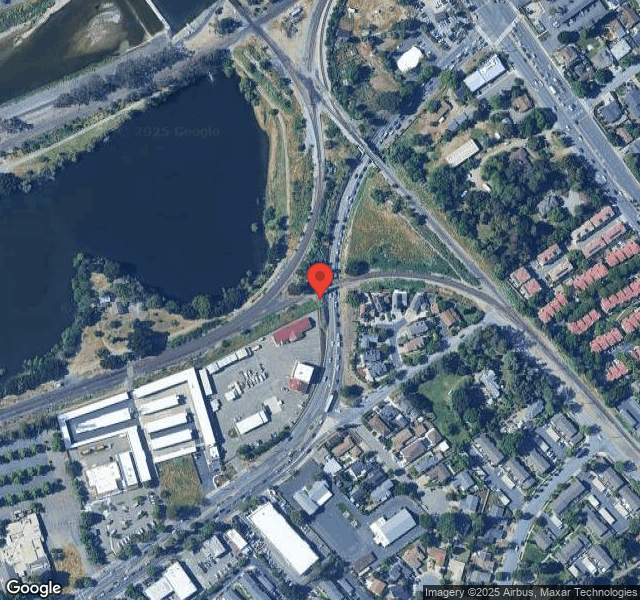
38650 MISSION BOULEVARD, FREMONT, CA 94536 (510) 793-3000
For profit - Limited Liability company 73 Beds WEST HARBOR HEALTHCARE Data: November 2025
Trust Grade
88/100
#144 of 1155 in CA
Last Inspection: June 2025

Inspected within the last 6 months. Data reflects current conditions.

Overview

Niles Canyon Post Acute in Fremont, California has a Trust Grade of B+, indicating it is above average and recommended for families considering care options. It ranks #144 out of 1,155 facilities statewide, placing it in the top half of California nursing homes, and #14 out of 69 in Alameda County, suggesting only a few local options are better. The facility's trend is stable, with one issue reported in both 2024 and 2025, though they have had a total of 10 issues found, primarily concerning food safety practices that could lead to infection risks. Staffing is average with a 3/5 star rating and a turnover rate of 33%, which is below the state average, indicating some staff stability. However, they have incurred $6,292 in fines, which is an average level of financial penalty and indicates some compliance issues to be aware of. Specific incidents included dietary staff failing to wash hands before preparing food and storing expired or improperly sealed food items, both of which could pose health risks to residents. Overall, while there are strengths in staffing and a good overall rating, families should be mindful of the food safety concerns.

Trust Score
B+
88/100
In California
#144/1155
Top 12%
Safety Record
Low Risk
No red flags
Inspections
Holding Steady
1 → 1 violations
Staff Stability
○ Average
33% turnover. Near California's 48% average. Typical for the industry.
Penalties
✓ Good
$6,292 in fines. Lower than most California facilities. Relatively clean record.
Skilled Nurses
⚠ Watch
Each resident gets only 22 minutes of Registered Nurse (RN) attention daily — below average for California. Fewer RN minutes means fewer trained eyes watching for problems.
Violations
○ Average
10 deficiencies on record. Average for a facility this size. Mostly minor or procedural issues.
★★★★★
5.0
Overall Rating
★★★☆☆
3.0
Staff Levels
★★★★☆
4.0
Care Quality
★★★★★
5.0
Inspection Score
Stable
2024: 1 issues
2025: 1 issues

The Good

  • 4-Star Quality Measures · Strong clinical quality outcomes
  • Full Sprinkler Coverage · Fire safety systems throughout facility
  • No fines on record
  • Staff turnover below average (33%)

    15 points below California average of 48%

Facility shows strength in quality measures, fire safety.

The Bad

Staff Turnover: 33%

13pts below California avg (46%)

Typical for the industry

Federal Fines: $6,292

Below median ($33,413)

Minor penalties assessed

Chain: WEST HARBOR HEALTHCARE

Part of a multi-facility chain

Ask about local staffing decisions and management

The Ugly 10 deficiencies on record

Jun 2025 1 deficiency
CONCERN (D)

Potential for Harm - no one hurt, but risky conditions existed

Safe Environment (Tag F0584)

Could have caused harm · This affected 1 resident

Based on observation, interview, and record review, the facility failed to protect one of 15 sampled residents (Resident 164's) property from loss when their cell phone went missing. This failure had ...

Read full inspector narrative →
Based on observation, interview, and record review, the facility failed to protect one of 15 sampled residents (Resident 164's) property from loss when their cell phone went missing. This failure had the potential to cause Resident 164 anxiety and stress. Findings: During a review of Resident 164's admission Record, printed 6/25/25, the record indicated Resident 164 was admitted to the facility in June 2025 with a diagnosis of Depression and Chinese as their primary language. During a review of Resident 164's Minimum Data Set (MDS, a resident assessment instrument used to identify resident care problems to be addressed in an individualized care plan), dated 6/18/25, the MDS indicated, Usually understood - difficulty communicating some words or finishing thoughts but is able if prompted or given time. The MDS also indicated, Ability To Understand Others . Usually understands - misses some part / intent of message but comprehends most conversation. During an interview on 6/23/25, at 3:04 p.m., with Resident 164 and their caregiver (CG) 1, CG 1 stated Resident 164's cell phone went missing on 6/21/25. CG 1 stated they told staff, but no one did anything or got back to them. CG 1 stated Resident 164 was anxious because Resident 164 couldn't call their family with their cell phone. Resident 164 stated they needed to talk to their daughter and family, but they couldn't because their cell phone was missing. During a concurrent interview and record review on 06/25/25, at 09:57 a.m., with Social Services Director (SSD), the Theft and Loss Binder, dated 2025, was reviewed. The binder indicated Resident 164's missing cell phone was not reported. SSD stated Resident 164's cell phone was not reported to them. SSD stated they were responsible for investigating and resolving theft and loss issues. SSD stated staff should have filled out a Theft and Loss Report and notified SSD as soon as possible when Resident 164's cell phone went missing. SSD stated it was important to resolve Resident 164's missing cell phone immediately because it could have caused Resident 164 frustration if they could not talk to their family. During an interview on 6/25/25, at 4:49 p.m., with Licensed Vocational Nurse (LVN) 1, LVN 1 stated CG 1 told LVN 1 Resident 164's cell phone went missing on 6/22/25. LVN 1 stated they did not fill out a Theft and Loss Report and did not notify SSD. During an interview on 6/26/25, at 12:16 p.m. with Director of Nursing (DON), DON stated it was important to resolve Resident 164's missing cell phone as soon as possible so Resident 164 could have had peace of mind and Resident 164 really needed their cell phone because of their language barrier. During a review of Resident 164's Inventory of Personal Effects, dated 6/12/25, the Inventory of Personal Effects, indicated, Resident 164 had 1 Cell Phone During a review of the facility's policy and procedure (P&P) titled, Investigating Incidents of Theft and/or Misappropriation of Resident Property, revised November 2010, the P&P indicated, All reports of theft or misappropriation of resident property shall be promptly and thoroughly investigated.
Feb 2024 1 deficiency
CONCERN (E)

Potential for Harm - no one hurt, but risky conditions existed

Food Safety (Tag F0812)

Could have caused harm · This affected multiple residents

Based on observation, interview, and record review, the facility failed to ensure resident food was stored in a safe and sanitary manner. This failure had the potential to cause infection and food bo...

Read full inspector narrative →
Based on observation, interview, and record review, the facility failed to ensure resident food was stored in a safe and sanitary manner. This failure had the potential to cause infection and food borne illness to the residents that received food from the kitchen. Findings: During an observation on 2/12/24, at 10:17 a.m., the dry food storage and freezer room was observed. Sixteen prune juice cups, 118 mL (milliter) each, had a manufacturer's use by date of 11/1/23, were stored on a shelf. An open box of bananas, a container with 17 quarts of brown rice, a container with 9 quarts of white rice, and a container with 48 cups of flour were stored on shelves about 3.5 inches above floor. Freezer 3 had a box of frozen dinner rolls that were unsealed and had a manufacturer's use by date of 1/15/24. Freezer 2 had a 3-gallon container of strawberry ice cream with an unsealed ripped lid. Freezer 1 had a 15-pound box of fish fillets and an opened bag of frozen chicken unsealed, a 300-slice box of bacon unsealed with a use by date of 1/27/24, beef that was not labeled with date, and frozen meat and a bag of chopped meat that was unlabeled and undated. During a concurrent observation and interview on 2/12/24, at 11:02 a.m., with Dietary Manager (DM) the dry storage and freezer room was observed. DM stated anything expired and without a label should have been thrown out. DM did not know the minimum storage height for food. DM stated unsealed frozen food in freezer was ok. During an interview on 2/13/24, at 2:00 p.m., with Registered Dietician (RD), RD stated frozen food in freezer should always be sealed and it was important to prevent freezer burn, maintain the quality, texture, and palatability of the food, and to prevent infection and food borne illness. RD stated food should have been stored at least 6 inches above the floor to prevent contamination from pests, infection, and food borne illness. RD stated it was the facility's policy to label all food items with received, opened, and use by date. RD stated it was important to throw out unlabeled, undated, and expired food because it could have caused the residents to get infection and food borne illness. During a review of the facility's policy and procedure (P&P) titled, Freezer Storage, dated 2023, the P&P indicated, Store frozen foods in an airtight moisture-resistant wrapper such as a plastic bag or freezer paper to prevent freezer burn. The P&P indicated, All frozen foods should be labeled and dated. During a review of the facility's policy and procedure (P&P) titled, Storage of Food and Supplies, dated 2023, the P&P indicated, All food and food containers are to be stored 6 off the floor and on clean surfaces in a manner that protects it from contamination. The P&P indicated All food will be dated - month, day, year.
Apr 2022 8 deficiencies
CONCERN (D)

Potential for Harm - no one hurt, but risky conditions existed

Deficiency F0655 (Tag F0655)

Could have caused harm · This affected 1 resident

**NOTE- TERMS IN BRACKETS HAVE BEEN EDITED TO PROTECT CONFIDENTIALITY** Based on interview and record review facility failed to provide a written summary of baseline care plan to one of three sampled ...

Read full inspector narrative →
**NOTE- TERMS IN BRACKETS HAVE BEEN EDITED TO PROTECT CONFIDENTIALITY** Based on interview and record review facility failed to provide a written summary of baseline care plan to one of three sampled residents (Resident 257). This failure resulted in Resident 257 not being aware of his plan of care. Findings: During a review of Resident 257's admission Record, dated 4/14/22, the admission Record indicated Resident 257 was admitted to the facility on [DATE]. The admission record indicated that Resident 257 was his own responsible party. During an interview on 4/11/22, at 10:01 a.m., Resident 257 stated he was not aware of his plan of discharge from the facility. During a concurrent interview and record review on 4/13/22, at 10:10 p.m., with Assistant Director of Nursing (ADON), Baseline care plan v1.1 dated 3/31/22 was reviewed in Resident 257's Electronic Medical Record (EMR). Resident 257's baseline care plan showed the discharge plan was part of the extensive baseline care planning process. ADON stated facility completed Resident 257's baseline care plan on 3/31/22, however it did not indicate if Resident 257 or his family representative was involved in care planning process. ADON also stated there was no evidence if facility provided a written summary of baseline care plan to Resident 257 and or his family representative. During an interview on 4/15/22, at 9:03 a.m., with the Director of Nursing (DON), the DON stated facility didn't have a system to ensure a written summary of baseline care plan was provided to residents. The DON also stated she was aware that baseline care plan must be completed within 48 hours of admission and a written summary must be provided to the residents and/or their representatives. During a review of the facility's undated Policy and Procedure (P&P) titled, Care plans- Baseline, revised on 12/2016, indicated, Policy Interpretation and Implementation .4. The resident and their representative will be provided a summary of the baseline care plan .
CONCERN (E)

Potential for Harm - no one hurt, but risky conditions existed

PASARR Coordination (Tag F0644)

Could have caused harm · This affected multiple residents

**NOTE- TERMS IN BRACKETS HAVE BEEN EDITED TO PROTECT CONFIDENTIALITY** 2. During a review of Resident 35's admission Record dated 4/12/22 indicated Resident 35 was originally admitted to the facility...

Read full inspector narrative →
**NOTE- TERMS IN BRACKETS HAVE BEEN EDITED TO PROTECT CONFIDENTIALITY** 2. During a review of Resident 35's admission Record dated 4/12/22 indicated Resident 35 was originally admitted to the facility on [DATE]. During a concurrent interview and record review on 4/12/22, at 1:56 p.m., with Assistant Director of Nursing (ADON), Resident 35's Preadmission Screening and Resident Review (PASSR) Level 1 Screening Document, dated 5/24/19 was reviewed. Resident 35's PASSR indicated facility answered No to Question 19b. Does the individual have serious difficulty communicating their needs, responding appropriately to direct questions, or otherwise engaging in a meaningful verbal interaction as a result of a cognitive deficit? During a concurrent interview and record review on 4/12/22, at 2:09 p.m., with Social Services Director (SSD), Resident 35's Minimum Data Set (MDS, a resident assessment tool used to guide care) dated 5/17/19 was reviewed. The MDS assessment indicated Resident 35's Brief Interview of Mental Status (BIMS- an assessment for cognition status) score was zero out of 15 which indicates severe mental impairment. During an interview on 4/12/22, at 2:11 p.m., the SSD stated since Resident 35's had severe cognition impairment, facility was expected to code Yes to Question 19b on the PASSAR Level I assessment completed on 5/24/19. SSD stated the documentation in PASSR level 1 assessment was incorrect. During an interview on 4/15/22, at 9:03 a.m., the Director of Nursing (DON) stated completing the PASRR Level I assessment accurately was important to identify if residents with mental disorder required Level II evaluation or not. The DON stated Level II evaluation was completed by a State Organization to ensure if the resident with a mental disorder received appropriate and individualized care. The DON stated Resident 35's PASSR assessment was overlooked for accuracy. During a review of the facility's undated Policy and Procedure (P&P) titled, admission Criteria updated 3/2019, indicated Policy Interpretation and Implementation .9. b. If the level I screen indicates that the individual may meet the criteria for a MD, ID or RD, he or she is referred to the state PASARR representative for the level II (evaluation and determination) screening process .c. Upon completion of the Level II evaluation, state PASARR representative determines if the individual has a physical or mental condition, what specialized or rehabilitative services he or she needs, and whether placement in the facility is appropriate. Based on interview and record review the facility failed to accurately follow through the Preadmission Screening and Resident Review (PASARR) assessment process (a screening tool used to prevent individuals with mental illness (MI), intellectual disability (ID) or related conditions (RC) from being inappropriately placed in a Medicaid certified nursing facility (NF) for long-term care) for two of two sampled residents (Resident 1 and Resident 35) when following was noted: 1. Resident 1 did not receive PASSR level II evaluation. 2. Resident 35's PASSR level 1 assessmentwas not completed accurately to reflect the severely impaired cognitive status (mental status). This failure placed Resident 1 and Resident 35 at risk to not receive care and services appropriate to their needs. Findings: 1. During a review of Resident 1's admission Record, the admission Record indicated Resident 1 was admitted to the facility on [DATE], and was readmitted on [DATE]. During a review of Resident 1's 'Minimum Data Set (MDS - a standardized assessment and care screening tool), dated 9/25/21, the MDS indicated Resident 1 had a Brief Interview for Mental Status (BIMS) score of three of 15. Meaning, Resident 1 had severe impaired cognition. The MDS also indicated, Resident 1 had multiple diagnoses that included psychotic disorder (severe mental disorder that causes abnormal thinking and perceptions). During a review of Resident 1's PASARR Level I Screening, dated 11/17/21, the PASARR Level I Screening indicated the level I screening result was positive. The PASARR Level I Screening also indicated, Resident 1 was suspected with mental illness. During a concurrent interview and record review on 4/11/22, at 11:36 a.m., with the Assistant Director of Nursing (ADON), the ADON stated, Resident 1 was positive for PASARR Level I. ADON further stated, she did not coordinate PASARR level II Evaluation because she was not aware of the process.
CONCERN (E)

Potential for Harm - no one hurt, but risky conditions existed

ADL Care (Tag F0677)

Could have caused harm · This affected multiple residents

**NOTE- TERMS IN BRACKETS HAVE BEEN EDITED TO PROTECT CONFIDENTIALITY** Based on observation, interview, and record review, the facility failed to ensure one of four sampled residents (Resident 254) r...

Read full inspector narrative →
**NOTE- TERMS IN BRACKETS HAVE BEEN EDITED TO PROTECT CONFIDENTIALITY** Based on observation, interview, and record review, the facility failed to ensure one of four sampled residents (Resident 254) received care when following was noted: 1. Resident 254 had long fingernails with black matter underneath on both hands. 2. Resident 254 did not receive shower/bed bath for four of five days within one week of readmission to the facility. This failure resulted in Resident 254 to feel helpless, placed him at risk for infections and hurting himself with long fingernails. Findings: 1. During a review of Resident 254's admission Record dated 4/14/22, the admission Record indicated Resident 254 was originally admitted to the facility on [DATE]. During a record review of Resident 254's Minimum Data Set (MDS, a resident assessment tool used to guide care) dated 12/6/21, the MDS assessment also indicated Resident 254's Brief Interview of Mental Status (BIMS- an assessment for cognition status) score was 15 out of 15 which indicates intact mental status. During a concurrent observation and interview on 4/11/22, at 11:15 a.m., with Certified Nursing Assistant 3 (CNA 3), Resident 254 had long fingernails and black matter underneath fingernails on on both hands. CNA 3 stated Resident 254's could scratch himself and cause skin tears with his long fingernails. During a follow up observation and interview on 4/12/22 at 11:20 a.m., Resident 254 still had long fingernails with black matter underneath on both hands. Resident 254 stated no one helped to trim his fingernails and that made him feel helpless. During an interview on 4/13/22 at 11:31 a.m., with Registered Nurse 1 (RN1), RN1 stated it was important to trim residents' fingernails as it was an essential part of grooming and there was a risk of causing skin tears from scratching. During a review of the facility's undated P&P titled, Fingernails/Toenails, Care of, revised 02/2018, the P&P indicated, The purpose of this procedure are to clean the nail bed, to keep nails trimmed, and to prevent infections. 2) During an interview on 4/13/22 at 11:32 a.m.,with Resident 254, Resident 254 stated staff delayed the shower time till end of their shift and then never provided him showers since he got re-admitted to the facility on [DATE]. During a record review of Resident 254's MDS assessment dated [DATE], the MDS assessment indicated Resident 254 was totally dependent on staff for showers/bed bath. During a review of Resident 254's Care Plan- ADL Self-care deficit, revised on 4/7/22, the care plan indicated to provide one staff assistance to Resident 254 for upper and lower body bathing related to weakness and impaired mobility. During a concurrent interview and record review with the Director of Staff Development (DSD) on 4/15/22, at 9:55 a.m., residents' shower schedule was reviewed. The shower schedule indicated Resident 254 was scheduled to receive shower every Monday and Friday [4/8/22 and 4/11/22 since he got readmitted on [DATE]]. During an interview on 4/14/22, at 9:36 a.m., Certified Nursing Assistant (CNA 3) stated she checked shower schedule every day at beginning of shift to see which resident was scheduled for shower. CNA 3 stated residents received bed baths if they did not want showers on the scheduled days. During a concurrent interview and record review with Assistant Director of Nursing (ADON) on 4/13/22, at 10:53 a.m., Resident 254's Electronic Medical Record (EMR) for shower for the period of 4/7/22 to 4/13/22 was reviewed. The ADON stated Resident 254 did not receive showers and/or bed bath on 4/8/22, 4/9/22, 4/11/22, 4/12/22 since he got readmitted on [DATE]. During an interview on 4/15/22, at 9:03 a.m., the Director of Nursing (DON) stated staff was expected to provide bed bath on non-shower days. The DON also stated the risk of not providing showers/bed bath could result in skin issues getting overlooked and/or getting worse; and affect quality of life of residents. The DON stated not providing the care, that the residents required, was not acceptable. During a review of the facility's undated Policy and Procedure (P&P) titled, Activities of daily living (ADL), Supporting, revised on 3/2018, the P&P indicated, Residents who are unable to carry out activities of daily living independently will receive the services necessary to maintain good nutrition, grooming, and personal and oral hygiene. During a review of the facility's undated policy and procedure (P&P) titled, Bath, Shower/Tub, revised 02/2018, the P&P indicated, The purpose of this procedure are to promote cleanliness, provide comfort to the resident and to observe the conditions of the resident's skin.
CONCERN (E)

Potential for Harm - no one hurt, but risky conditions existed

Respiratory Care (Tag F0695)

Could have caused harm · This affected multiple residents

**NOTE- TERMS IN BRACKETS HAVE BEEN EDITED TO PROTECT CONFIDENTIALITY** Based on observation, interview and record review, the facility failed to ensure a resident received the volume of oxygen as ord...

Read full inspector narrative →
**NOTE- TERMS IN BRACKETS HAVE BEEN EDITED TO PROTECT CONFIDENTIALITY** Based on observation, interview and record review, the facility failed to ensure a resident received the volume of oxygen as ordered by the physician for two of two sampled residents (Resident 2 and Resident 37). This deficient practice resulted in Resident 2 and Resident 37 receiving more oxygen than required and can negatively impact both resident's the health and well-being. Findings: 1. During a review of Resident 37's admission Record, the admission Record indicated, Resident 37 was originally admitted to the facility on [DATE], and was readmitted on [DATE]. During an observation on 4/11/22, at 9:40 a.m., in Resident 37's room, Resident 37 was laying in bed receiving oxygen at three liters (L-liters, unit of measurement) per minute via nasal cannula (NC -a device to provide supplemental oxygen therapy) from an oxygen concentrator (medical device that gives extra oxygen). During a concurrent observation and interview on 4/11/22, at 9:42 a.m., with the Licensed Vocational Nurse (LVN) 1, in Resident 37's room, the oxygen concentrator was delivering three liters of oxygen per minute to Resident 37 via NC. LVN 1 confirmed the oxygen concentrator was set to deliver three liters of oxygen. During a review of Resident 37's Order Summary Report, dated 1/20/21, the Order Summary Report indicated, Give 2L per minute oxygen per nasal cannula as needed (prn) for dyspnea (difficulty breathing) . 2. During a review of Resident 2's admission Record, the admission Record indicated, Resident 2 was originally admitted to the facility on [DATE], and was readmitted on [DATE]. During a concurrent observation and interview on 4/11/22, at 9:53 a.m., with LVN 1, in Resident 2's room, LVN 1 confirmed the the oxygen concentrator was delivering three liters of oxygen per minute to Resident 2 via NC. During a review of Resident 2's Order Summary Report, dated 2/16/22, the Order Summary Report indicated, Give 2L per minute oxygen per nasal cannula prn for shortness of breath (SOB). During a review of the facility's policy and procedure (P&P) titled, Oxygen Administration, revised October 2010, the P&P indicated, The purpose of this procedure is to provide guidelines for safe oxygen administration. Under preparation, 1. Verify that there is a physician's order for the procedure, review the physician's order or facility protocol for oxygen administration.
CONCERN (E)

Potential for Harm - no one hurt, but risky conditions existed

Infection Control (Tag F0880)

Could have caused harm · This affected multiple residents

Based on observation, interview and record review, the facility failed to ensure Activity Assistant (AA) performed hand hygiene in between residents while preparing and serving coffee to three of thre...

Read full inspector narrative →
Based on observation, interview and record review, the facility failed to ensure Activity Assistant (AA) performed hand hygiene in between residents while preparing and serving coffee to three of three sampled residents (Resident 52, 11 and 13). This failure placed Resident 52, 11 and 13 at risk for cross contamination. Findings: During an observation on 4/12/22 at 9:00 a.m., Resident 52 was sitting in wheelchair in the activity room. AA repositioned Resident 52's wheelchair while she touched the wheelchair handles, and repositioned Resident 52's feet on the footrest. Without performing hand hygiene, AA then prepared and served coffee to Resident 11 and 13 while touching the inside of coffee mugs. During an interview with AA on 4/12/22, at 9:07 a.m., AA stated she missed to clean hands with a hand sanitizer in between Resident 52, 11 and 13. AA also stated performing hand hygiene was important to protect the residents from Coronavirus (a highly infectious disease, commonly known as COVID-19). During an interview with Director of Staff Development/ Infection Preventionist (DSD/IP), on 4/12/22, at 9:48 a.m., the DSD/IP stated staff was expected to perform hand hygiene anytime they touched resident's environment. DSD/IP also stated hand hygiene was important to break the chain of transmission of infections. During a review of facility's policy and procedure titled Handwashing/Hand Hygiene dated 08/2019 indicated, The facility considers hand hygiene the primary means to prevent the spread of infection .7. Use an alcohol-based hand rub containing at least 62% alcohol; or, alternatively, soap (antibacterial or non- antibacterial) and water for the following situations: b. Before and after direct contact with residents; o. Before and after eating or handling food .
CONCERN (E)

Potential for Harm - no one hurt, but risky conditions existed

Deficiency F0919 (Tag F0919)

Could have caused harm · This affected multiple residents

**NOTE- TERMS IN BRACKETS HAVE BEEN EDITED TO PROTECT CONFIDENTIALITY** Based on observation, interview, and record review, the facility failed to ensure the call light (a device used by a patient to ...

Read full inspector narrative →
**NOTE- TERMS IN BRACKETS HAVE BEEN EDITED TO PROTECT CONFIDENTIALITY** Based on observation, interview, and record review, the facility failed to ensure the call light (a device used by a patient to signal his or her needs for assistance) was within reached for four of 18 sampled residents (Resident 10, 33, 40 and 3). This deficient practice had the potential to result in the delay of care and services. Findings: 1. During a review of Resident 10's admission Record, the admission Record indicated Resident 10 was admitted to the facility on [DATE], with multiple diagnoses that included abnormal posture and abnormalities of gait and mobility (unable to move and walk in a usual way). During a review of Resident 10's Minimum Data Set (MDS - a standardized assessment and screening tool), dated 11/2/21, the MDS indicated Resident 10 required extensive assistance with bed mobility, transfer, dressing, toilet use and hygiene. During an observation on 4/11/22, at 10:07 a.m., in Resident 10's room. Resident 10 was seen crawling on floor mattress. Resident 10 indicated he needed assistance with toilet use. Resident 10's call light was missing from the electrical outlet. During an interview on 4/11/22, at 10:11 a.m., with Certified Nurse Assistant (CNA) 1, CNA 1 confirmed, there was no call light connected. CNA 1 stated she was not aware Resident 10's call light was missing. CNA 1 further stated, Resident 10 required assistance with toilet use and needed call light within reached at all times. 2. During a review of Resident 33's admission Record, the admission Record indicated Resident 33 was originally admitted to the facility on [DATE], and was readmitted on [DATE], with multiple diagnoses that included muscle wasting and atrophy (thinning of muscle mass causing numbness, weakness and tingling sensation). During a review of Resident 33's MDS, dated 2/22/22, the MDS indicated Resident 33 was totally dependent on staff with bed mobility, dressing, eating, toilet use and hygiene. During a concurrent observation and interview on 4/11/22, at 10:18 a.m., with Licensed Vocational Nurse (LVN) 1, in Resident 33's room. Call light was observed on the floor under Resident 33's bed. LVN 1 picked up the call light, placed it within reached on Resident 33's right side. LVN 1 stated, call light should be within reached of Resident 33 all the time. 3. During a review of Resident 40's admission Record, the admission Record indicated Resident 40 was originally admitted to the facility on [DATE], and was readmitted on [DATE], with multiple diagnoses that included Cerebrovascular Disease (CVA - loss of blood flow to part of the brain), muscle wasting and atrophy, abnormal posture, muscle weakness and hemiplegia [paralysis (loss of ability to move) of one side of the body] and hemiparesis (minor to severe weakness or paralysis on one side of the body) affecting left non-dominant side. Durng a review of Resident 40's MDS, dated 3/13/22, the MDS indicated Resident 40 required extensive assistance with bed mobility, dressing and hygiene. The MDS also indicated, Resident 40 was totally dependent on staff with toilet use. During an observation on 4/11/22, at 10:24 a.m., Resident 40's call light cord was wrapped on left side of bed rail and call light was on the floor. During a concurrent observation and interview on 4/11/22, at 10:26 a.m., with the Director of Staff Development/Infection Preventionist (DSD/IP), in Resident 40's room, DSD/IP unwrapped call light cord from left bed rails, picked up call light from the floor. DSD/IP then placed call light on right side of Resident 40 and stated, Resident 40's needs must be attended and required call light within reached at all times. 4. During a review of Resident 3's admission Record, the admission Record indicated Resident 3 was admitted to the facility on [DATE], with multiple diagnoses that included, extrapyramidal and movement disorder (involuntary or uncontrollable movements, tremors and muscle contractions), muscle weakness and abnormal posture. During a review of Resident 3's MDS, dated 7/6/21, MDS indicated Resident 3 required extensive assistance with bed mobility. The MDS also indicated, Resident 3 was totally dependent on staff with dressing, toilet use and personal hygiene. During a concurrent observation and interview on 4/11/22, at 10:27 a.m with DSD/IP, in Resident 3's room. Call light was observed on the floor behind Resident 3's bed. DSD/IP was observed picking up the call light, then secured it on Resident 3's bed. DSD/IP stated, call light should be within reached at all times for safety of Resident 3. During an interview on 4/11/22, at 12:16 p.m., with the Director Of Nursing (DON), DON stated, facility protocol should always ensure resident's call lights are within reached so staff can tend to residents needs right away. During a record review of the facility's policy and procedure (P&P) titled, Answering the Call Light, dated October 2010, the P&P indicated, under general guidelines.4. Be sure that the call light is plugged in at all times. 5. When the resident is in bed or confined to a chair be sure the call light is within easy reach of the resident.
CONCERN (F)

Potential for Harm - no one hurt, but risky conditions existed

Food Safety (Tag F0812)

Could have caused harm · This affected most or all residents

**NOTE- TERMS IN BRACKETS HAVE BEEN EDITED TO PROTECT CONFIDENTIALITY** Based on observation, interview and record review the facility failed to follow food safety requirements when the following were...

Read full inspector narrative →
**NOTE- TERMS IN BRACKETS HAVE BEEN EDITED TO PROTECT CONFIDENTIALITY** Based on observation, interview and record review the facility failed to follow food safety requirements when the following were noted: 1. Dietary staff did not perform hand hygiene after entering the kitchen. 2. Dishwasher did not reach 120ºF (degrees Fahrenheit) each time. 3. Multiple items were unlabeled and undated in the unit refrigerator. These failures had the potential for cross contamination. Findings 1. During an observation on 4/11/22 10:24 a.m., in the kitchen, Dietary Aide (DA) was observed donning an apron and gloves, without first performing proper hand hygiene. During an interview on 4/12/22, at 2:20 p.m., with Dietary Manager (DM), DM stated everyone should stop and wash their hands before doing anything in the kitchen. DM stated it's a risk for cross contamination. 2. During a concurrent observation and interview on 4/11/22, at 9:50 a.m., with DA, observed temperature reading on thermometer used to test dishwasher temperature at 110ºF, DA stated the dishwasher should be 120ºF. DA stated the dishwasher is mostly 120º and sometimes less. DA stated they must run the dishwasher a few times to get to 120ºF. During a concurrent observation and interview on 4/11/22, at 9:50 a.m., with DM, DM stated the dishwasher was supposed to be 120ºF per manufacturer guidance. During a concurrent observation and interview on 4/11/22, at 10:28 a.m., with DM, observed temperature reading on thermometer used to test dishwasher temperature at 110ºF, DM stated the dishwasher was 110ºF, and directed DA to stop the dishwasher and get maintenance. During an interview on 4/12/22, at 2:22 p.m., with Registered Dietician (RD), RD stated the dishwasher temperature should go to 120ºF or there would be a risk that the dishes were not as clean, and it may not get enough debris off. RD stated she was aware that the dishwashing machine temperature did not reach 120ºF. RD stated she did a return demonstration on 3/15/22 and had to run the dishwasher three times to reach 120ºF. During a record review of the ES-2000 & ES-4000 Series Installation/ Operation Manual, revised 5/9/05, the manual indicated the minimum wash and rinse temperature was 120 ºF. 3. During a concurrent observation and interview on 4/12/22, at 1:52 p.m., with Infection Preventionist (IP), IP stated the unit refrigerator between rooms [ROOM NUMBERS] was used for snacks for short term residents. The following items were found in the refrigerator and were not labeled with resident's name or date: one pre-packaged store-bought lunch item, one string cheese, one opened 330 milliliter (ml) bottle of lemon drink, one opened 330 milliliter (ml) bottle of sparkling water, one opened 236ml milk bottle, and one opened 828ml sports drink. The following items were found in the refrigerator and were not labeled with date: one opened 828ml sports drink labeled Resident 254, and one 500ml water bottle labeled Resident 254. There was one plastic cup of uncovered cut fruit which IP stated was cantaloupe, labeled Resident 206. During a concurrent observation and interview on 4/12/22, at 2:03 p.m., with Certified Nursing Assistant 2 (CNA), CNA 2 stated CNAs are responsible for labeling food. CNA 2 stated the sports drink, and lemon drink were for Resident 254. CNA 2 stated Resident 206 was not in the facility anymore. During a concurrent observation and interview on 4/12/22, 2:07 p.m., with IP, IP stated if food is not labeled and dated, they can go bad, mold and fungus can grow, other food can get contaminated, and it can attract bugs. IP stated residents are risk for upset stomach, and vomiting. IP stated she will throw all the opened and unlabeled food away. During an interview on 4/15/22, at 12:11 p.m. with Director of Nursing (DON), DON stated Resident 206 was discharged on 4/5/22. During a record review of the Refrigerator Cleaning Log, dated April 2022, the log indicated all food that has no date and label will be discarded. During a record review of the facility's policy and procedure (P&P) titled, Foods Brought by Family/Visitors, revised October 2017, the P&P indicated, Food brought by family/visitors that is left with the resident to consume later will be labeled and stored in a manner that it is clearly distinguishable from facility prepared food . The P&P indicated, Perishable foods must be stored in re-sealable containers with tight-fitting lids in a refrigerator. Containers will be labeled with the resident's name, the item and the use by date.
MINOR (B)

Minor Issue - procedural, no safety impact

Deficiency F0577 (Tag F0577)

Minor procedural issue · This affected multiple residents

Based on observation, interview and record review, the facility failed to ensure the results of past State Inspections were readily accessible to the residents without having to ask the facility's sta...

Read full inspector narrative →
Based on observation, interview and record review, the facility failed to ensure the results of past State Inspections were readily accessible to the residents without having to ask the facility's staff for it. This failure placed the facility's residents at risk of not being informed of state inspections results for the past years. Findings: During an observation on 4/11/22, at 9:15 a.m., facility's survey binder with state inspection results was not at the nursing station. During Resident Council Meeting on 4/12/22, at 10:40 a.m., Resident 13 and Resident 29 both indicated they did not know where to find or read state inspection results. During an interview with the Director of Staff Development/Infection Preventionist (DSD/IP) on 4/12/22, at 11 a.m., DSD/IP stated facility kept the past state inspections in a binder. The DSD/IP stated the survey binder was kept on the Nursing Station desk facing the main door of the facility. DSD/IP looked around the nursing station, checked resident's charts cart,and nursing station desk but was unable to find it. DSD/IP then looked into a closed cabinet high above the sink at the nursing station. DSD/IP stated the state inspection survey binder was inside the closed cabinet. During a review of the facility's policy and procedure titled, Residents Rights revised 12/2016, indicated, Federal and state laws guarantee certain basic rights to all residents of this facility. These rights include: w. examine survey results.
Understanding Severity Codes (click to expand)
Life-Threatening (Immediate Jeopardy)
J - Isolated K - Pattern L - Widespread
Actual Harm
G - Isolated H - Pattern I - Widespread
Potential for Harm
D - Isolated E - Pattern F - Widespread
No Harm (Minor)
A - Isolated B - Pattern C - Widespread

Questions to Ask on Your Visit

  • "Can I speak with families of current residents?"
  • "What's your RN coverage like on weekends and overnight?"

Our Honest Assessment

Strengths
  • • Grade B+ (88/100). Above average facility, better than most options in California.
  • • No major safety red flags. No abuse findings, life-threatening violations, or SFF status.
  • • 33% turnover. Below California's 48% average. Good staff retention means consistent care.
Concerns
  • • No significant concerns identified. This facility shows no red flags across CMS ratings, staff turnover, or federal penalties.
Bottom line: Generally positive indicators. Standard due diligence and a personal visit recommended.

About This Facility

What is Niles Canyon Post Acute's CMS Rating?

CMS assigns NILES CANYON POST ACUTE an overall rating of 5 out of 5 stars, which is considered much above average nationally. Within California, this rating places the facility higher than 99% of the state's 100 nursing homes. This rating reflects solid performance across the metrics CMS uses to evaluate nursing home quality.

How is Niles Canyon Post Acute Staffed?

CMS rates NILES CANYON POST ACUTE's staffing level at 3 out of 5 stars, which is average compared to other nursing homes. Staff turnover is 33%, compared to the California average of 46%. This relatively stable workforce can support continuity of care.

What Have Inspectors Found at Niles Canyon Post Acute?

State health inspectors documented 10 deficiencies at NILES CANYON POST ACUTE during 2022 to 2025. These included: 9 with potential for harm and 1 minor or isolated issues.
Who Owns and Operates Niles Canyon Post Acute?

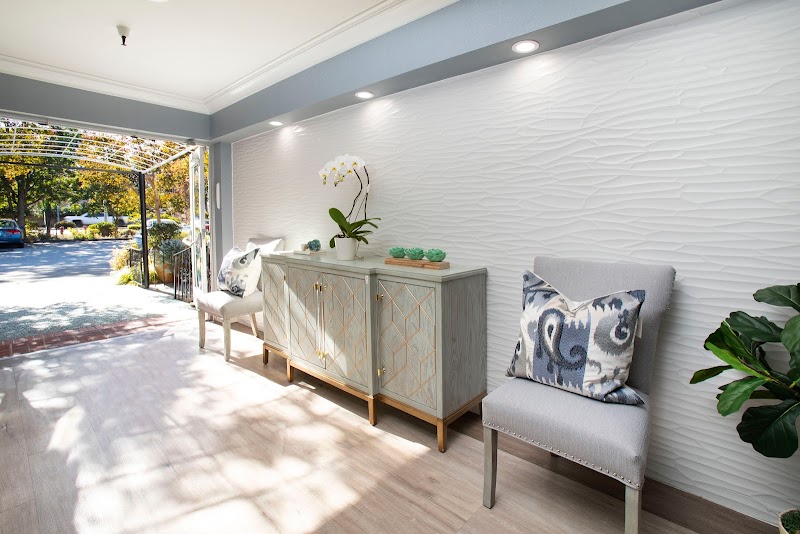
NILES CANYON POST ACUTE is owned by a for-profit company. For-profit facilities operate as businesses with obligations to shareholders or private owners. The facility is operated by WEST HARBOR HEALTHCARE, a chain that manages multiple nursing homes. With 73 certified beds and approximately 60 residents (about 82% occupancy), it is a smaller facility located in FREMONT, California.
How Does Niles Canyon Post Acute Compare to Other California Nursing Homes?

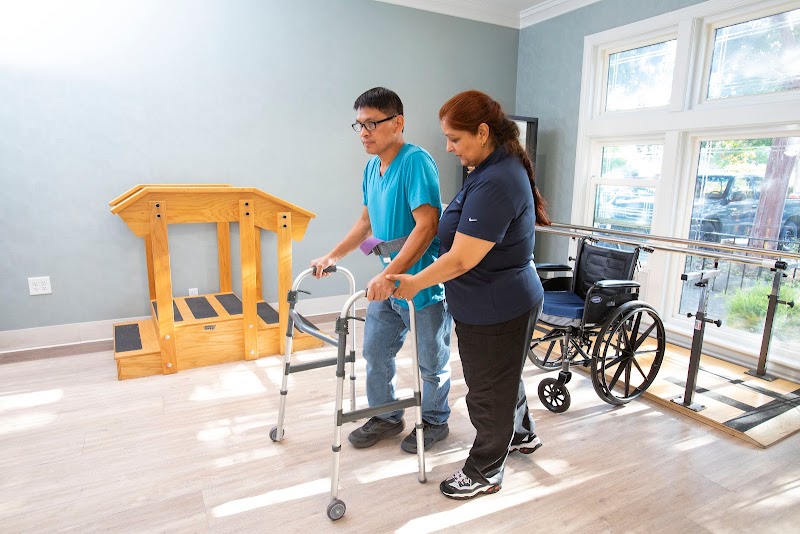
Compared to the 100 nursing homes in California, NILES CANYON POST ACUTE's overall rating (5 stars) is above the state average of 3.2, staff turnover (33%) is significantly lower than the state average of 46%, and health inspection rating (5 stars) is much above the national benchmark.

What Should Families Ask When Visiting Niles Canyon Post Acute?

Based on this facility's data, families visiting should ask: "Can I visit during a mealtime to observe dining assistance and food quality?" "How do you handle medical emergencies, and what is your hospital transfer rate?" "Can I speak with family members of current residents about their experience?"

Is Niles Canyon Post Acute Safe?

Based on CMS inspection data, NILES CANYON POST ACUTE has a clean safety record: no substantiated abuse findings (meaning no confirmed cases of resident harm), no Immediate Jeopardy citations (the most serious violation level indicating risk of serious injury or death), and is not on the Special Focus Facility watch list (a federal program monitoring the lowest-performing 1% of nursing homes). The facility has a 5-star overall rating and ranks #1 of 100 nursing homes in California. While no facility is perfect, families should still ask about staff-to-resident ratios and recent inspection results during their visit.

Do Nurses at Niles Canyon Post Acute Stick Around?

NILES CANYON POST ACUTE has a staff turnover rate of 33%, which is about average for California nursing homes (state average: 46%). Moderate turnover is common in nursing homes, but families should still ask about staff tenure and how the facility maintains care continuity when employees leave.

Was Niles Canyon Post Acute Ever Fined?

NILES CANYON POST ACUTE has been fined $6,292 across 2 penalty actions. This is below the California average of $33,142. While any fine indicates a compliance issue, fines under $50,000 are relatively common and typically reflect isolated problems that were subsequently corrected. Families should ask what specific issues led to these fines and confirm they've been resolved.

Is Niles Canyon Post Acute on Any Federal Watch List?

NILES CANYON POST ACUTE is not on any federal watch list. The most significant is the Special Focus Facility (SFF) program, which identifies the bottom 1% of nursing homes nationally based on persistent, serious quality problems. Not being on this list means the facility has avoided the pattern of deficiencies that triggers enhanced federal oversight. This is a positive indicator, though families should still review the facility's inspection history directly.