WE CARE SKILLED NURSING - FREMONT
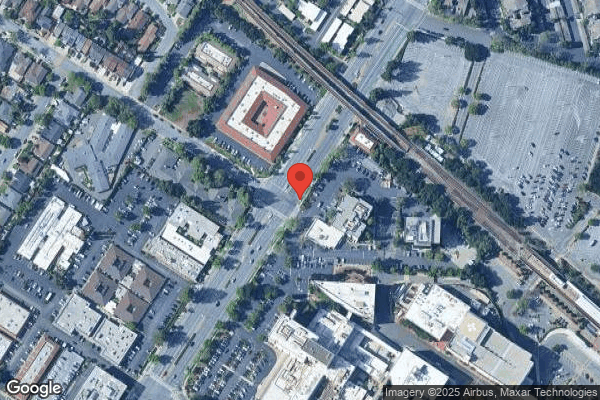
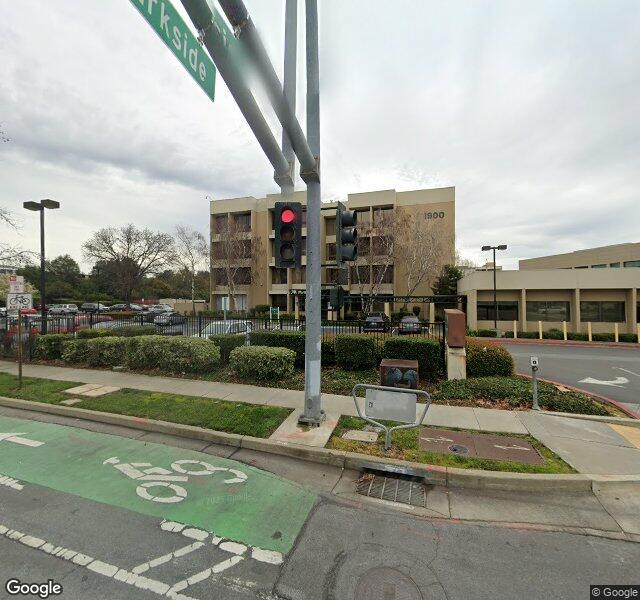
2100 PARKSIDE DRIVE, FREMONT, CA 94536 (510) 797-5300
For profit - Corporation 99 Beds Independent Data: November 2025
Trust Grade
60/100
#719 of 1155 in CA
Last Inspection: September 2023

Over 2 years since last inspection. Current conditions may differ from available data.

Overview

We Care Skilled Nursing in Fremont has a Trust Grade of C+, which means it is slightly above average but not exceptional. It ranks #719 out of 1155 facilities in California, putting it in the bottom half, and #57 out of 69 in Alameda County, indicating limited local options that are better. The facility is experiencing a worsening trend, with issues increasing from 5 in 2019 to 9 in 2023. Staffing is a concern, rated 2 out of 5 stars, but with a good turnover rate of 0%, suggesting that staff members tend to stay long-term despite the overall low rating. The facility has not incurred any fines, which is a positive sign, and it provides average RN coverage, essential for ensuring proper care. However, specific incidents noted include a lack of proper annual competency assessments for nursing staff, which could compromise care for residents, and concerns about food storage practices that could lead to foodborne illnesses. While there are strengths in staffing stability and lack of fines, these serious concerns highlight the need for improvement in care quality and safety.

Trust Score
C+
60/100
In California
#719/1155
Bottom 38%
Safety Record
Moderate
Needs review
Inspections
Getting Worse
5 → 9 violations
Staff Stability
○ Average
Turnover data not reported for this facility.
Penalties
✓ Good
No fines on record. Clean compliance history, better than most California facilities.
Skilled Nurses
○ Average
Each resident gets 32 minutes of Registered Nurse (RN) attention daily — about average for California. RNs are the most trained staff who monitor for health changes.
Violations
⚠ Watch
20 deficiencies on record. Higher than average. Multiple issues found across inspections.
★★★☆☆
3.0
Overall Rating
★★☆☆☆
2.0
Staff Levels
★★★★☆
4.0
Care Quality
★★★☆☆
3.0
Inspection Score
Stable
2019: 5 issues
2023: 9 issues

The Good

  • 4-Star Quality Measures · Strong clinical quality outcomes
  • Full Sprinkler Coverage · Fire safety systems throughout facility
  • No fines on record

Facility shows strength in quality measures, fire safety.

The Bad

3-Star Overall Rating

Near California average (3.1)

Meets federal standards, typical of most facilities

The Ugly 20 deficiencies on record

1 actual harm
Sept 2023 9 deficiencies 1 Harm
SERIOUS (G)

Actual Harm - a resident was hurt due to facility failures

Deficiency F0692 (Tag F0692)

A resident was harmed · This affected 1 resident

Deficiency Text Not Available

Read full inspector narrative →
Deficiency Text Not Available
CONCERN (D)

Potential for Harm - no one hurt, but risky conditions existed

Medication Errors (Tag F0758)

Could have caused harm · This affected 1 resident

**NOTE- TERMS IN BRACKETS HAVE BEEN EDITED TO PROTECT CONFIDENTIALITY** Based on interviews and record review, the facility failed to ensure three (Resident 12, 28 and 40) of five sampled residents we...

Read full inspector narrative →
**NOTE- TERMS IN BRACKETS HAVE BEEN EDITED TO PROTECT CONFIDENTIALITY** Based on interviews and record review, the facility failed to ensure three (Resident 12, 28 and 40) of five sampled residents were free from unnecessary drugs when; Resident 12, 28 and 40 with Alzheimer Dementia were administered antipsychotic medications without adequate clinical indication for use: Resident 12 was administered Olanzapin (Zyprexa) an antipsychotic medication for fighting and resisting care. Resident 28 was administered Risperdal an antipsychotic for people conspiring against her. Resident 40 was administered Seroquel an antipsychotic for combativeness and hitting staff for no reasons. {Alzheimer's Dementia-is a progressive disease that destroys memory and other important mental functions}. {Antipsychotic medication are drugs used to treat schizophrenia and bipolar serious mental health conditions, capable of affecting the mind, emotions, and behavior}. According to the manufacturer, elderly patients with dementia-related psychosis treated with antipsychotic drugs are at an increased risk of death. Risperidal, Seroquel and Zyprexa can increase the risk of death in elderly people who have memory loss and is not approved for use in psychotic conditions related to dementia. [Reference: https://www.[NAME].com]. These failures had the potential for residents to receive unnecessary drugs and to suffer adverse medication side effects. Findings: Review of Minimum Data Set (MDS), Resident Assessment and care guide tool, dated 7/17/23, MDS indicated, Resident 12 had short-term and long-term memory problems. Resident 12 was incoherent with rambling conversation was not able to express herself and could not understand others. Resident 12 exhibited no physical or verbal behavioral symptoms towards others such as hitting or scratching and screaming. Resident 12's diagnoses included Non-Alzheimer's Dementia (a group of diseases characterized by progressive deficits in behavior, executive function or language), Review of alteration in behavior care plan initiated 4/12/19, care plan indicated, Resident 12 had behavior manifested by calling out continuously, refuses care/ restlessness, refuses to wear armband and climb out of bed. Review of order summary report dated 6/30/23, summary report indicated, physician prescribed Resident 12 Olanzapine (Zyprexa) 10 mg give one tablet via G-Tube (tube inserted through the belly that brings nutrition directly to the stomach) at bedtime for psychotic disorder manifested by disorganized behavior, fighting and resisting care. Review of the Medication Administration Record (MAR), dated June, July and August 2023, MAR indicated, Resident 12 was administered Zyprexa 10 mg by via G-tube at bedtime for fighting and resisting care. During an interview on 8/29/23 at 8:51am, with Resident 12, in bed in her room. Resident 12 was verbal with incomprehensible sounds. During an interview on 8/29/23 at 8:55 am, with Certified Nursing Assistant (CNA1), CNA1 stated, she was Resident 12's care giver during the morning shift. CNA1 stated, Resident 12 had no behavioral problems, no kicking or fighting. CNA 1 said Resident 12 only screams and talks aloud sometimes. During an interview on 8/31/23 at 10:23 am, Licensed Vocational Nurse/Nurse Supervisor (LVN1) in the presence of Director of Nursing (DON), LVN1 stated, Resident 12 was referred to the psychiatrist and was prescribed Zyprexa for fighting and kicking staff. Review of Consultant Pharmacist note to attending physician, dated 10/19/22, the pharmacist note indicated, Resident 12 has been receiving the antipsychotic medication Zyprexa 10 mg every hour of sleep since 7/2022 for behavioral and psychological symptoms of psychosis/dementia. Please evaluate for possible discontinuation or gradual dose reduction. Further review indicated, the attending physician/Physician Assistant ordered no change to current order. Review of Minimum Data Set (MDS), Resident Assessment and care guide tool, dated 7/29/23, MDS indicated, Resident 28 had clear speech, able to express herself and could understand what others said to her. Resident 28 exhibited no physical or verbal behavioral symptoms towards others such as hitting, kicking, scratching and screaming. Resident 28's diagnoses included Non-Alzheimer's Dementia and psychotic disorder (a mental disorder characterized by a disconnection from reality) Review of alteration in behavior care plan initiated 8/2/21, behavior care plan indicated, Resident 28 behavior manifestation included agitation causing distress and paranoia related to diagnosis of dementia, depression, anxiety and psychosis. Review of order summary report dated 9/10/22, the order summary report indicated, physician prescribed Resident 28 Risperidone tablet 0.25 mg give one tablet by mouth at bedtime for paranoid thoughts. Review of the Medication Administration Record (MAR), dated June, July and August 2023, the MAR indicated, Resident 28 was administered Risperidone tablet 0.25 mg give one tablet by mouth at bedtime for paranoid thoughts. During an interview on 8/29/23 at 10:38 am, with CNA2, CNA2 stated, Resident 28 was pleasant and had no aggressive behavior. CNA2 stated, she was a regular' care giver for Resident 28 during morning shift. During an interview on 8/29/23 at 10:42 am, withLicensed Vocational Nurse (LVN3), LVN3 stated, Resident 28 behavioral symptoms for use of risperdal included refusing medication During an interview on 8/31/23 at 10:23 am, with LVN1 in the presence of DON, LVN1 stated, Resident 28 diagnosis was dementia. After psychiatrist consultation Resident 28 was prescribed Risperdal and diagnosed with psychosis for paranoid thought, people conspiring against her. Review of Consultant Pharmacist note to attending physician, dated 11/28/22, the consultant pharmacist note indicated, Resident 28 had been receiving the antipsychotic medication Risperdal 0.25 mg every hour of sleep since 8/2022 for behavioral and psychological symptoms of psychosis/dementia. Please evaluate for possible discontinuation or gradual dose reduction. During an interview on 9/1/23 at 9:46 a.m., in the presence of DON, with Resident 28's physician (MD 1), MD1stated, Resident 28 felt her family did not frequently visit and support her. MD1 stated, low dose Risperdal was prescribed to make Resident 28's life comfortable. Review of Minimum Data Set (MDS), Resident Assessment and care guide tool, dated 6/18/23, MDS indicated, Resident 40 had a clear speech, sometimes understood and respond adequately to simple direct communication only. Resident 40 exhibited no physical or verbal behavioral symptoms towards others such as hitting, kicking, pushing, screaming at others, scratching or grabbing. Resident 40's diagnoses included Non-Alzheimer's Dementia. Review of alteration in behavior care plan initiated 8/12/21, the care plan indicated, Resident 40 had behavior manifested by striking out, angry outburst, kicking and continuous yelling and screaming. Review of order summary report dated 4/3/23, the order summary report indicated, physician prescribed Resident 40 Seroquel tablet 25 mg give one tablet by mouth at bedtime for dementia with behavior disturbances manifested by combativeness, hitting staff for no reason. Review of the Medication Administration Record (MAR), date June, July and August 2023, the MAR indicated, Resident 40 was administered Seroquel tablet 25 mg one tablet by mouth at bedtime for dementia with behavior disturbances. During an observation on 8/29/23 at 8:59 am, Resident 40 was awake in bed in her room. Resident 40 was pleasant, smiled and whispered during conversation. Resident 40 stated, she was okay. During an interview on 8/29/23 at 9:00 am, with CNA 1, CNA1 stated, Resident 40 was pleasant and no behaviors. During an interview on 8/29/23 at 9:03 a.m., with LVN2, LVN2 stated, Resident 40's behavioral symptoms included throwing object, combativeness, agitation and restlessness. Review of Consultant Pharmacist note to attending physician, dated 10/19/22, Pharmacist note indicated, Resident 40 has been receiving the antipsychotic medication Seroque 12.5 mg every morning since 7/2022 for behavioral and psychological symptoms of psychosis/dementia. Please evaluate for possible discontinuation or gradual dose reduction. Further review indicated the attending physician/Physician Assistant ordered no change to current order. Review of the facility's policy and procedure, titled, Antipsychotic Medication Use revised December 2016, policy and procedure indicated, Diagnosis of a specific condition for which antipsychotic medications are necessary to treat will be based on a comprehensive assessment of the resident. Diagnoses alone do not warrant the use of antipsychotic medication. Antipsychotic medications will not be used if the only symptoms are one or more of the followings: a. Wandering; b. Poor self-care; c. Restlessness; d. Impaired memory; e. Mild anxiety; f. Insomnia; g. Inattention or indifference to surroundings; h. Sadness; i. Fidgeting; j. Nervousness; or k. Uncooperativeness.
CONCERN (D)

Potential for Harm - no one hurt, but risky conditions existed

Deficiency F0849 (Tag F0849)

Could have caused harm · This affected 1 resident

Based on interviews and record review, the facility failed to coordinate care planning in collaboration with resident, family and hospice care provider for one (Resident 2) of two sampled residents. T...

Read full inspector narrative →
Based on interviews and record review, the facility failed to coordinate care planning in collaboration with resident, family and hospice care provider for one (Resident 2) of two sampled residents. This failure had the potential to result in residents to not received person centered care. Findings: Review of Resident 2's Minimum Data Set, Resident Assessment and Care Screening, dated 6/11/23, indicated Resident 2 diagnoses included Non-Alzheimer's Dementia (a group of diseases characterized by progressive deficits in behavior, executive function or language), schizophrenia ( a disorder that affects a person's ability to think, feel and behave clearly) and encounter for palliative care and on hospice care ( a type of care that focuses on interdisciplinary approach to specialized nursing care for people with life limiting illnesses, available to people with a life expectancy of six months or less, does not focus on treatments to cure the cause of the terminal illness. It seeks to keep the individual comfortable and make their remaining time as meaningfully as possible). Review of order summary report, dated 12/5/2020, the summary report indicated, Resident 2 was admitted to hospice care. Review of hospice care plan initiated 12/6/2020, the care plan indicated, Resident 2's was on routine level of hospice care with terminal diagnosis of COPD ( a group of lung disease that block airflow and make it difficult to breathe). Further review of Resident 2's care plans on 8/30/23 at 8:57 a.m., with Registered Nurse/Assistant Director of Nursing (ADON) in the presence of Director of Nursing (DON), the care plan indicated, hospice representatives did not participate in Resident 2's care planning. During an interview on 8/29/23 at 9:50 a.m., with the Social Service Designee (SSD), SSD stated, facility had invited hospice provider for care plan conferences. SSD stated, hospice staff had not attended and participated in Resident 2's care plan conferences because hospice case manager said they cannot attend because they are short of staff. SSD could not provide documentation of communication with Resident 2's hospice provider regarding coordination of care plan conferences. During an interview on 8/30/23 at 8:57 a.m., with ADON in the presence of DON, ADON stated, she and Social Services Director (SSD) were assigned as contact with hospice provider. ADON stated, facility's Interdisciplinary Team (IDT -group of healthcare professionals with various areas of expertise who work together toward the goals of their clients ) had not met with hospice representatives to coordinate care planning conference with Resident 2, family and hospice provider. ADON stated, hospice provider did not participate in Resident 2's care plan conferences. The facility's policy and procedure, titled, Hospice Program, revised July 2017, policy and procedure indicated, Collaborating with hospice representatives and coordinating facility staff participation in the hospice care planning process for residents receiving these services. Coordinated care plans for residents receiving hospice services will include the most recent hospice plan of care as well as the care and services provided by our facility including the responsible provider and discipline assigned to specific tasks in order to maintain the resident's highest practicable physical, mental, and psychosocial well-being.
CONCERN (E)

Potential for Harm - no one hurt, but risky conditions existed

Deficiency F0727 (Tag F0727)

Could have caused harm · This affected multiple residents

Based on interview and record review, the facility failed to have a Registered Nurse (RN) on duty for at least eight consecutive hours for nine weekends during the month of June, July and August of 20...

Read full inspector narrative →
Based on interview and record review, the facility failed to have a Registered Nurse (RN) on duty for at least eight consecutive hours for nine weekends during the month of June, July and August of 2023. This failure had the potential to place residents residing at the facility at risk to receive limited nursing assessment and compromised health and safety. Findings: During an interview on 8/30/23 at 11:49 a.m. with Licensed Vocational Nurse (LVN 14), LVN 14 stated, there were no RN on duty on some weekends but she was unable to remember the exact dates with no RN coverage. During an interview on 8/30/23 at 12:02 p.m. with Certified Nursing Assistant (CNA 3), CNA 3 stated, facility had only LVNs working during weekends. During a review of Licensed Nurses (LNs) monthly schedule, dated June 2023, July 2023 and August 2023, the schedule indicated, weekends with respective dates of 6/4/23, 6/18/23, 6/25/23, 7/9/23, 7/22/23, 7/23/23, 7/29/23, 7/30/23, 8/5/23, 8/6/23, 8/12/23, 8/13/23 and 8/20/23, no RN who was scheduled to work. During a concurrent interview and record review on 8/30/23, at 1:18 p.m., with Payroll/Human Resource (P/HR), the facility's document titled, Nursing Staffing Assignment and Sign-In Sheet, dated 6/4/23, 6/18/23, 6/25/23, 7/9/23, 7/22/23, 7/23/23, 7/29/23, 7/30/23, 8/5/23, 8/6/23, 8/12/23, 8/13/23 and 8/20/23 were reviewed. The P/HR stated, staff on duty signed the assignment sheet every time they came to work. P/HR stated, there were no RNs who signed the assignment sheet for the dates reviewed. During an interview on 9/1/23 at 7:52 a.m., LVN 2 stated, lack of RN coverage was difficult for the LVNs to handle residents' emergencies such as falls, bleeding, intense pain and difficulty breathing, she had to phone/call an RN for advice on assessment/intervention. LVN 2 also stated, the time spent in calling an RN and the Doctor caused delayed treatment that could further worsen the resident's condition. LVN 2 stated, an RN coverage was essential daily including the weekends, due to their advanced assessment skills and decision-making process. During an interview on 9/1/23 at 8:39 a.m., the DON stated, an absence of RN in the facility would potentially decrease the excellence of care and health of residents living at the facility.
CONCERN (E)

Potential for Harm - no one hurt, but risky conditions existed

Deficiency F0761 (Tag F0761)

Could have caused harm · This affected multiple residents

**NOTE- TERMS IN BRACKETS HAVE BEEN EDITED TO PROTECT CONFIDENTIALITY** Based on observation, interview, and record review, the facility failed to label according to accepted professional principle an...

Read full inspector narrative →
**NOTE- TERMS IN BRACKETS HAVE BEEN EDITED TO PROTECT CONFIDENTIALITY** Based on observation, interview, and record review, the facility failed to label according to accepted professional principle and did not safely store drugs and biologicals under proper temperature controls when: 1. Temperature of medication refrigerator on Stations 1 & 2's Medication Room were not within the recommended temperature range. 2. Expired pharmaceutical products were stored in Medication Cart #2. 3. Pharmaceutical products stored in Med Cart# 2 were opened and not dated. 4. Non-pharmaceutical products were stored in the Medication Cart #2. This failure had the potential for residents to receive ineffective medications and treatments. Findings: 1. During a concurrent observation and interview on 8/28/23 at 11:22 a.m. with Licensed Vocational Nurse (LVN) 1 in the medication room [ROOM NUMBER], LVN 1 stated, the temperature of the medication refrigerator containing pharmaceutical products, was 32-33 degrees Fahrenheit (unit of measurement). LVN 1 stated, the recommended temperature is 36-46 °F. During a concurrent observation and interview on 8/29/23 at 9:37 a.m. with LVN 1 in the medication room [ROOM NUMBER], LVN 1 stated, the temperature of the medication refrigerator was 32°F- out of acceptable range. During an interview on 8/29/2023 at 11:02 a.m. with Director of Nursing (DON), the DON stated, the medications in the refrigerator would not be effective, if stored outside the recommended temperature range of 36°F - 46 °F. During a review of facility's document titled Temperature Log, dated August 2023, the document indicated the medication refrigerator acceptable range: 36°F - 46 °F. 2. During an inspection on 8/28/23 at 11:27 a.m. of medication cart 2 in nursing Station 2, LVN 14 verified, two insulin pens (medication used to lower high blood sugar levels) and one insulin bottle was out of date. During an interview on 8/29/23 at 11:05 a.m. with the DON, the DON stated expired medications should have been pulled out of the medication cart as the expired medications will not be effective. During a review of the facility's policy and procedure (P&P) titled, Storage of Medications, dated April 2007, the P&P indicated, All medications maintained in the facility shall be properly labeled in accordance with current state and federal regulations .the facility shall not use discontinued, outdated, or deteriorated drugs or biologicals. All such drugs shall be returned to the dispensing pharmacy or destroyed. 3. During an inspection on 8/28/23 at 11:29 a.m. of medication cart 2 in nursing Station 2, LVN 14 verified two bottles of blood glucose strips (test strips used to measure the blood sugar level in the blood) had no open date. During an inspection on 8/28/23 at 11:31 a.m. of medication cart 2 in nursing Station 2, LVN 14 verified three bottles of latanoprost eyedrop (used to treat eye condition) had no open date and a bottle of brimonidine tartrate eyedrop (also used to treat a certain eye condition) had an unreadable black marking. During an interview on 8/29/23 at 11:35 a.m. with LVN 14, LVN 14 was unable to determine the proper expiration date for the pharmaceutical products. During an interview on 8/29/23 at 11:37 a.m. with DON, she stated eyedrops and blood glucose strips were to be labeled with open date once opened. DON stated, eyedrops expires within 28 days and blood glucose strips were according to manufacturer's expiration date. During a review of the facility's policy and procedure (P&P) titled, Labeling of Medication Containers, dated April 2007, the P&P indicated, All medications maintained in the facility shall be properly labeled in accordance with current state and federal regulations .Medication labels must be legible at all times .Any medication packaging or containers that are inadequately or improperly labeled shall be returned to the issuing pharmacy .Labels for each floor's stock medications shall include all necessary information, such as: the expiration date when applicable. 4. During an inspection on 8/28/23 at 11:33 a.m. of medication cart 2 locked box for controlled drugs, LVN 14 verified items of: jewelry on a zip lock bag, keys on a plastic container, an opened box of wander guard (device worn by resident to alert staff when resident wanders out of the facility) wander guard testing device, and envelope with a black paper clip. During an interview on 8/29/23 at 11:35 a.m. with LVN 14, LVN 14 acknowledged that the non-pharmaceutical products should not have been stored in the medication cart. During an interview on 8/29/2023 at 11:39 a.m. with DON, DON she stated, medications only should be on the medication carts. The DON also acknowledged that having random non-pharmaceutical items in the medication cart could potentially contaminate the medications stored in the cart. During a review of the facility's policy and procedure (P&P) titled, Storage of Medications, dated April 2007, the P&P indicated, The facility shall store all drugs and biologicals in a safe, secure, and orderly manner .The nursing staff shall be responsible for maintaining medication storage and preparation areas in a clean, safe and sanitary manner.
CONCERN (F)

Potential for Harm - no one hurt, but risky conditions existed

Deficiency F0726 (Tag F0726)

Could have caused harm · This affected most or all residents

Based on interview and record review, the facility failed to ensure if safe skilled nursing care was provided to all 62 residents residing at the facility when Licensed Nurses (LNs) including, three o...

Read full inspector narrative →
Based on interview and record review, the facility failed to ensure if safe skilled nursing care was provided to all 62 residents residing at the facility when Licensed Nurses (LNs) including, three of three sampled Registered Nurses (RNs) and 12 of 12 sampled Licensed Vocational Nurses (LVNs) who had been working at the facility for more than one year, did not receive an annual competency assessment (a measure of an employee's knowledge, skills and behaviors used in performing specific job tasks) since their date of hire. This failure had the potential to cause compromised skilled nursing care to all 63 residents residing in the facility. Findings: During a review of facility's untitled, undated, document for current nursing employee list, the employee list indicated, the facility employed 17 direct care LNs including 12 LVNs and three (3) RNs whose hire dates ranged from 4/26/2002 till 8/18/2023. During a concurrent interview and record review on 8/31/23 at 10:30 a.m. with Director of Staff Development (DSD), LVN 2 and LVN 3's personnel files were reviewed. DSD stated, LVN 2 was hired on 8/31/2004 and LVN 3 was hired on 5/29/2009. DSD stated, there were no competency skills check found on both files since their date of hire. During a concurrent interview and record review on 8/31/23 at 10:45 a.m. with DSD, personnel files for sampled three RNs and 12 LVNs were reviewed. The DSD stated, RN 1, RN 2 and IP were hired on 8/16/21, 10/17/15 and 10/16/18 respectively. The DSD stated, LVN 1, LVN 4, LVN 5, LVN 6, LVN 7, LVN 9, LVN 10, LVN 11, LVN 12 and LVN 14 were hired on 11/14/05, 7/1/03, 12/03/13, 2/17/22, 6/16/10, 10/07/15, 6/1/22, 10/21/16, 4/26/02 and 2/27/08 respectively. The personnel files indicated, all 15 sampled nurses were working at the facility for more than a year. The DSD stated, there were no competency skills check found on all the files. The DSD stated, the Director of Nursing (DON) was responsible for LNs annual competency evaluation. During an interview on 8/31/23 at 1:50 p.m., the DON stated, she checked LNs skills during her rounds/observations. The DON stated, most LNs worked in the facility for number of years and were familiar with resident's needs. The DON stated, she did not complete competency assessment/evaluation for any LNs on an annual basis. During an interview on 9/1/23 at 11:15 a.m. with Administrator (Admin), the Admin stated, he expected the DON to conduct the required annual competency assessment for LNs and he was not aware that LNs competency assessments weren't done since their date of hire. During a review of the facility's undated Policy and Procedure (P&P) titled, Knowledge and Skills Competency Evaluation, the P&P indicated, In an effort to provide optimal clinical care, direct care nursing staff are required to meet minimum standards before caring for residents. Knowledge and skill competencies are evaluated upon hire, annually thereafter and as needed, as indicated by job performance, newly introduced procedures, specific techniques required for an individual resident or new products and equipment .Employees will be evaluated as part of their annual performance review. They will also be evaluated on an ongoing basis by senior staff members and/or external consultants to ensure that their skills and knowledge are still sharp.
CONCERN (F)

Potential for Harm - no one hurt, but risky conditions existed

Food Safety (Tag F0812)

Could have caused harm · This affected most or all residents

Based on observation, interviews and record review, the facility failed to ensure food are stored under sanitary conditions when; The following food items in refrigerator were not labeled and no use b...

Read full inspector narrative →
Based on observation, interviews and record review, the facility failed to ensure food are stored under sanitary conditions when; The following food items in refrigerator were not labeled and no use by date: One bottle of jalapeno peppers opened 8/8/23 with no use by date One container of garlic in water opened, unlabeled with no use by date One container of beef base opened with no use by date Walk in freezer was cluttered with several boxes of food items. These failures had the potential to result in food borne illnesses. Findings: During the initial tour of the kitchen on 8/28/23 at 10:30 a.m., accompanied by Dietary Supervisor (DS) the followings were observed in the walk-in refrigerator; one bottle of jalapeno peppers opened 8/8/23 with no use by date; one container of garlic in water opened and unlabeled with no use by date; one container of beef base opened with no use by date. Walk-in freezer was cluttered with several boxes of food items over each other and tightly packed with no space to check food items. During an interview on 8/28/23 at 10:43 a.m. with DS, DS stated, food items must be labeled and dated when opened and placed in the refrigerator with use by date. DS stated, the walk-in freezer was cluttered since when she was hired 10 months ago. Review of the facility's policy and procedure, titled Labeling and Dating of Foods dated 2020, indicated ; All food items in the storeroom, refrigerator, and freezer need to be labeled and dated.
CONCERN (F)

Potential for Harm - no one hurt, but risky conditions existed

Deficiency F0813 (Tag F0813)

Could have caused harm · This affected most or all residents

Based on observation, interview and record review, the facility failed to follow food safety requirements when following was noted: 1. Food items kept in the refrigerator designated for food brought ...

Read full inspector narrative →
Based on observation, interview and record review, the facility failed to follow food safety requirements when following was noted: 1. Food items kept in the refrigerator designated for food brought from outside the facility were not labeled and not separated from staff's food. 2. Facility did not allow heating/ reheating cold food leftovers for residents brought from outside. These failures had the potential to cause foodborne illness for residents in the facility. Findings: During a concurrent observation and interview on 8/31/23 at 12:04 p.m. with the Assistant Director of Nursing (ADON), at nursing station one's medication room, the ADON opened a 3.7 cubic foot refrigerator located inside nursing station one's medication room. A small, circular, clear, plastic container that contained small, chopped pieces of yellow food labeled with Resident 16's name, dated 8/29/23; and a small, clear, unlabeled and undated container with a blue lid that contained white pasta was in the refrigerator. The ADON stated, facility policy was to label food with the item and use by date. The ADON stated, she was unable to find who the unlabeled food belonged to. Licensed Vocational Nurse 1 (LVN 1) then walked in the medication room and stated, the unlabeled and undated container with the blue lid belonged to them. LVN 1 stated, staff food should not be stored in the refrigerator designated for residents' food brought from outside the facility. During an interview with LVN 14 on 8/31/23 at 12:16 p.m., LVN 14 stated, she was unable to reheat food for residents because staff did not have food thermometer available to check the temperature of the food. During an interview with Certified Nursing Assistant (CNA) 4 on 8/31/23 at 12:18 p.m., CNA 4 stated she was unaware that staff was to label the date on residents' food/ leftovers brought from outside prior to keeping them in the refrigerator. CNA 4 stated, she labels leftover food items only with residents' name. During an interview with Family Member 1 (FM 1- family of a resident who was identified as eating food from home) on 9/1/23 at 9:42 a.m., FM 1 stated, they never received a copy of the facility's foods brought by family/visitors policy. FM 1 stated, facility staff told them that they would not warm food brought from home and to only bring enough food for that specific mealtime. During a review of the facility's Policy and Procedure (P&P) titled Foods Brought by Family/Visitors revised 10/ 2017, the P&P showed, .Facility staff will strive to balance resident choice and a homelike environment .2. Nursing staff will provide family/visitors who wish to bring foods to the facility with a copy of this policy. Residents will also be provided a copy in a language and format he or she can understand .7b. Perishable foods must be stored in re-sealable containers with tightly fitting lids in a refrigerator. Containers will be labeled with the resident's name, the item and the [use by] date .
CONCERN (F)

Potential for Harm - no one hurt, but risky conditions existed

Room Equipment (Tag F0908)

Could have caused harm · This affected most or all residents

Based on observation, interviews and record review the facility failed to maintain ice machine in a safe and proper working condition when ice machine located in the kitchen was not sanitized per manu...

Read full inspector narrative →
Based on observation, interviews and record review the facility failed to maintain ice machine in a safe and proper working condition when ice machine located in the kitchen was not sanitized per manufacturers instructions. This failures had the potential to result in food borne illnesses. Findings: During an observation and concurrent interview on 8/28/23 at 11:12 a.m., the ice machine located in the kitchen was filled with water and small tiny ice floating in the ice bin. DS stated, the ice machine was not harvesting ice properly, freezes from time to time and had to be unplugged to dispense ice. DS said she had complained about the ice machine not making proper ice for several months. During an interview on 8/29/23 at 9:33 a.m., with [NAME] (CK), CK stated, ice machine freezes up ice and had to be un plug from time to time. Ck stated, the ice from ice machine are used in the kitchen, distributed to ice chest placed outside the nurses station for residents use. CK stated, she had worked in the Kitchen for 20 years. During an interview on 8/29/23 at 9:35 a.m., with Dietary Aide (DA 2), D2 stated, ice from ice machine are distributed to ice chest cooler, place at the nurses station and hall ways for residents' use. During an interview on 8/31/23 at 9:52 a.m., with Administrator (Admin), Admin stated, ice machine started having problem with harvesting ice from time to time in June 2023. Admin stated, the ice machine problem progressing got worse. Admin stated, Ice machine was last sanitized in June 2023. Admin stated, routine ice machine sanitation was not included in the preventative maintenance contract. During an interview on 8/31/23 at 1:22 a.m., with Registered Dietician (RD), RD stated, she visited facility weekly on Thursdays. RD stated she checked kitchen for sanitation practices. RD stated, she was aware the ice machine was having trouble making ice from time to time. RD stated, she had not looked for the ice machine sanitation log. During an interview on 9/1/23 at 10:39 a.m., with DS, DS stated, she was told by Maintenance Supervisor (MS) that the ice machine was to be sanitized annually by an outside contractor. DS stated ice machine could incubate bacteria when not sanitized per manufacturer instruction. Review of the Maintenance Manual-Ice Series Cubers date 02/2020, indicated; General Maintenance Procedure; Cleaning Instruction for Ice-O-Matic CIM Series Ice Machines: Note: Proper cleaning of an ice machine requires two parts: descaling and sanitizing. Sanitizing should be performed after each descaling but no more than once per month. Sanitizing disinfects the machine and removes microbial growth including mold and slime. Ice-O-Matic requires anickel-safe sanitizer such as Nu-Calgon ImS-III or equivalent diluted per manufacturer instructions. To insure economical, trouble free operation of your machine, it is recommended that the following maintenance be performed every 6 months. Clean the ice-making section per the instructions below: Routine cleaning with Cleaning should be performed a minimum of every 6 months. Local water conditions may require that cleaning be performed more often. (Reference: www.iceomatic.com)
Sept 2019 5 deficiencies
CONCERN (D)

Potential for Harm - no one hurt, but risky conditions existed

Grievances (Tag F0585)

Could have caused harm · This affected 1 resident

Based on interviews and record review, the facility failed to follow its theft and loss program policy and procedure to make reasonable efforts to safeguard a resident's property for one (Resident 25)...

Read full inspector narrative →
Based on interviews and record review, the facility failed to follow its theft and loss program policy and procedure to make reasonable efforts to safeguard a resident's property for one (Resident 25) of twenty-four sampled residents when Resident 25's clothing's had bleached patches after a laundry wash. This failure had the potential to cause residents emotional distress. Findings: During a resident council meeting on 9/24/19 at 10:03 a.m., Resident 25 stated her gray pants and clothes had bleach spots after being returned from laundry wash. Resident 25 stated laundry staff threw away her pants and clothes that was bleached and facility did not replace her clothing items. Review of the Minimum Data Set (MDS - an assessment screening tool used to guide care), dated 8/11/19, indicated Resident 25 had good long and short term memory. Resident 25 could identify the correct year. Resident 25 was able to express her ideas and wants, had clear speech, and could understand communication with others. During an interview on 9/25/19 at 11:28 a.m., the Maintenance Supervisor (MS), stated Resident 25's clothes had bleach spots. MS stated the wash cycle smeared the clothing, some clothing came back with blotches. MS stated the social services was informed of the damage to Resident 25's personal clothing. During an interview on 9/25/19 at 1:02 p.m., the Social Service Director (SSD) stated he heard about Resident 25 bleached clothing during standup but had not followed up. The facility's policy and procedure, titled Theft & Loss Program, undated, indicated, It is a policy of this facility to make reasonable efforts to safeguard a resident property.
CONCERN (D)

Potential for Harm - no one hurt, but risky conditions existed

Deficiency F0655 (Tag F0655)

Could have caused harm · This affected 1 resident

**NOTE- TERMS IN BRACKETS HAVE BEEN EDITED TO PROTECT CONFIDENTIALITY** Based on interviews and record review, the facility failed to follow its policy and procedure to provide one (Resident 166) of t...

Read full inspector narrative →
**NOTE- TERMS IN BRACKETS HAVE BEEN EDITED TO PROTECT CONFIDENTIALITY** Based on interviews and record review, the facility failed to follow its policy and procedure to provide one (Resident 166) of twenty four sampled residents and their representatives with a summary of the baseline care plan. This failure had the potential to cause miscommunication with the care provided to residents. Findings: Review of the admission Record indicated Resident 116 was admitted to the facility on [DATE] with diagnoses that included dyspnea (shortness of breath). Review of the baseline care plan dated 9/19/19, indicated the facility did not review and discuss care instructions with Resident 116 and their representatives. During an interview on 9/23/19 at 10:15 a.m., Resident 116 stated facility had not provided a care plan instructions to him and his representatives. During an interview 9/26/19 at 10:16 a.m., the Director of Nursing (DON), stated facility had not discussed care plan instructions and was not aware a summary of baseline care plan was to be provided to Resident 116 and their representatives. The facility's policy and procedure, titled, Baseline Care Plan, undated, indicated: Ensure that the resident and representative, if applicable, are informed of the initial plan for delivery of care and services by receiving a written summary of the baseline care plan within 48-hour period.
CONCERN (D)

Potential for Harm - no one hurt, but risky conditions existed

Deficiency F0757 (Tag F0757)

Could have caused harm · This affected 1 resident

Based on interview and record review, the facility failed to ensure one (Resident 17) of twenty four sampled residents was free of unnecessary drugs, when Resident 1 was administered Ativan (anti-anxi...

Read full inspector narrative →
Based on interview and record review, the facility failed to ensure one (Resident 17) of twenty four sampled residents was free of unnecessary drugs, when Resident 1 was administered Ativan (anti-anxiety medication) for tremors/seizures without being monitored for its target behavior manifestations. This failure had the potential for residents to receive unnecessary medication and to suffer adverse medication side effects. Definitions: Ativan is anti-anxiety medication taken to reduce tension or anxiety. Its adverse consequences include increased risk of confusion, sedation and falls. Findings: Review of the Annual Minimum Data Set (MDS - an assessment screening tool used to guide care), dated 1/20/19, indicated Resident 17's diagnoses included seizure disorder or epilepsy. Review of the Physician Orders dated 8/17/18 indicated the Resident 17 was prescribed Ativan 0.5 mg one tablets by mouth every 6 hours as needed for tremors/seizures. Review of the Medication Administration Record (MAR), dated 9/1/19 to 9/30/19 indicated Resident 17 was administered Ativan 0.5 mg one tablets by mouth for tremors. Further review indicated there was no monitoring of the target behavior. Review of care plan dated 8/22/19, indicated Resident 17 required the use Ativan medication for seizure. Care plan interventions indicated to document seizures. During clinical record review and concurrent interview on 9/25/19 at 8:52 a.m. the Director of Nursing (DON) stated Resident 17's seizure episodes were not monitored and documented. The facility's policy and procedure, titled, Psychotherapeutic Drug Management dated 7/17/08 did not indicate when and how to monitor and document behaviors manifestations for residents' use of Ativan.
CONCERN (E)

Potential for Harm - no one hurt, but risky conditions existed

Deficiency F0578 (Tag F0578)

Could have caused harm · This affected multiple residents

Based on interview and record review, for four (Residents 23, 34, 54 and 59) of 73 sampled residents the facility had no process in place to ensure residents had an Advance Directive (a written instru...

Read full inspector narrative →
Based on interview and record review, for four (Residents 23, 34, 54 and 59) of 73 sampled residents the facility had no process in place to ensure residents had an Advance Directive (a written instruction relating to the provision of health care when the individual is incapacitated) on file. This failure had the potential for the residents' preference for treatment not to be implemented, in the event the resident was incapacitated. Findings: During a review of the medical record, on 9/24/29 at 11 am, the POLST (Physician Orders for Life Sustaining Treatment) dated 2/10/18, showed Resident 34 did not have an Advance Directive. In an interview, on 9/24/19 at 12:15 p.m., the admission Director (AD) stated when a resident was admitted , the resident or the responsible party (RP=person making decisions for resident) was given information on Advance Directives as a part of the admission packet. The resident or RP was asked if they had an Advance Directive. If the response was no, the POLST was checked, No Advance Directive. The AD stated she would make a note to follow up with the resident or RP. The AD was unable to provide any documentation of follow up with Resident 34 or a record of an Advance Directive for Resident 34. During an interview, on 9/26/19 at 10:15 a.m., Resident 34 stated she was given information on Advance Directives during her admission but did not want to make a decision at that time. Resident 34 stated no one had spoken to her since that time but she would be interested in doing an Advance Directive. During a review of the medical record, on 9/24/29 at 1:10 p.m., the POLST dated 2/27/17, showed Resident 54 did not have an Advance Directive. During a review of the medical records, on 9/26/29 at 11:45 a.m., the POLST dated 8/4/16, for Resident 23 and the POLST dated 7/4/16, for Resident 59 did not indicate any choices for an Advance Directive. Review of the POLST form showed, POLST does not replace the Advance Directive. When available, review the Advance Directive and POLST form to ensure consistency, and update forms appropriately to resolve any conflicts. During a concurrent interview and record review with the Social Services Director (SSD) on 9/27/19 at 11:15 a.m., SSD stated the Advance Directive should be discussed with the resident/family within 48 hours of admission. If resident indicated they had an Advance Directive, the facility would ask the family to provide a copy for the medical records. If there was no Advance Directive, information was provided with follow up in five to seven days by the SSD to make sure the assessment was completed. If the resident or RP refused the Advance Directive, it was documented in the Interdisciplinary Team (IDT) notes. The SSD was unable to provide documentation of Advance Directives for Residents 23, 54 and 59 or any documentation of follow up with the residents, RP or family. Review of the facility's policy and procedure (P&P) titled Advance Directives, indicated the purpose was to ensure the resident's choice in treatment options should the resident be unable to speak for themselves is honored.
CONCERN (E)

Potential for Harm - no one hurt, but risky conditions existed

Food Safety (Tag F0812)

Could have caused harm · This affected multiple residents

Based on observation, interview and record review the facility failed to serve food under sanitary conditions when the dry food storage room had a box of brown bananas on a shelf with unexpired food. ...

Read full inspector narrative →
Based on observation, interview and record review the facility failed to serve food under sanitary conditions when the dry food storage room had a box of brown bananas on a shelf with unexpired food. This deficiency practice has the potential to place residents at risk for foodborne illnesses. Findings: During an initial tour of the kitchen on 9/23/19 at 8:05 a.m., a box of brown bananas dated 9/20/19 was stored on a shelf with unexpired food in the dry food storage area. During interviews at a resident council meeting on 9/24/19 at 10:00 a.m., Resident 23 and Resident 24 stated that they did not like it when they were served brown bananas at meals. During an interview on 9/26/19 at 11:00 a.m., [NAME] 1 stated that all kitchen staff are responsible for checking for expired food. During an interview on 9/26/19 at 11:05 a.m., the Dietary Supervisor (DM) stated that she inspected the dry food storage area each day for expired food items and expected other kitchen staff to do the same thing. Review of the facility's Procedure For Refrigerated Storage policy dated 2018 indicated, Produce will be delivered frequently to assure that a fresh product is used, free of any wilting or spoilage.
Aug 2018 6 deficiencies
CONCERN (D)

Potential for Harm - no one hurt, but risky conditions existed

Notification of Changes (Tag F0580)

Could have caused harm · This affected 1 resident

**NOTE- TERMS IN BRACKETS HAVE BEEN EDITED TO PROTECT CONFIDENTIALITY** Based on observation, interview, and record review, the facility failed to notify the physician of a need to alter the treatment...

Read full inspector narrative →
**NOTE- TERMS IN BRACKETS HAVE BEEN EDITED TO PROTECT CONFIDENTIALITY** Based on observation, interview, and record review, the facility failed to notify the physician of a need to alter the treatment for one (Resident 19) of 22 sampled residents when the facility did not notify the physician of Resident 19's refusal of weights. This failure could result in delay of initiation of life saving treatment. Findings: Review of the admission Record indicated Resident 19 was readmitted to the facility on [DATE] with multiple medical diagnoses that included unspecified atrial fibrillation (an irregular and often rapid heart rate that can increase risk of stroke, heart failure, and other heart-related complications), Hypothyroidism (abnormally low activity of the thyroid gland and congestive heart failure (CHF-occurs when heart cannot pump blood to provide what the body demands). During an observation of Resident 19 and interview with Licensed Vocational (LVN) 3 on 8/6/18 at 1: 48 p.m., Resident 19 was sitting in her wheelchair outside room [ROOM NUMBER] with both legs resting in each of the footrest. LVN 3 stated Resident 19's legs were swelling. Review of the Physician Orders dated 5/29/18 indicated Bumex (used to reduce extra fluid in the body) 1 milligram, by mouth, daily for CHF. Further review of Physician Orders dated 6/28/18 indicated an order to fax Resident 19's weight records every two weeks to the physician. Rewiew of the Medication Administration Record for June 2018 and July 2018 revealed no weight was obtained from 6/28/18 through 7/31/18. During an interview and concurrent record review with LVN 1 on 8/7/18 at 12:35 p.m., LVN 1 stated refused to be weighed and that the physician was not notified of Resident 19's refusal to take weights on 7/2/18 and 7/16/18. LVN 1 added We should notify the physician when she refuses to be weighed. During an interview and concurrent record review with the Director of Nursing (DON) on 8/7/18 at 1:35 p.m., the DON confirmed there were no weights done for 7/2/18 and 7/16/18 for Resident 19. Review of undated policy and procedure titled Refusal of Treatment indicated Should the resident refuse to accept treatment, detailed information relating to the refusal must be entered into the resident's medical record. The attending physician must be notified of such refusal without delay.
CONCERN (D)

Potential for Harm - no one hurt, but risky conditions existed

Deficiency F0661 (Tag F0661)

Could have caused harm · This affected 1 resident

**NOTE- TERMS IN BRACKETS HAVE BEEN EDITED TO PROTECT CONFIDENTIALITY** Based on interview and record review, the facility failed to ensure there was physician discharge summary in the clinical record...

Read full inspector narrative →
**NOTE- TERMS IN BRACKETS HAVE BEEN EDITED TO PROTECT CONFIDENTIALITY** Based on interview and record review, the facility failed to ensure there was physician discharge summary in the clinical record for one (Resident 100) of 22 sampled residents. This failure could result in lack of treatment received and coordination of continued treatment needs in the community. Findings: Review of the admission Record indicated Resident 100 was admitted to the facility on [DATE] with multiple diagnoses that included high blood pressure and Hypothyroidism (a disorder of the endocrine system in which the thyroid gland does not produce enough thyroid hormone). Further review indicated Resident 100 was discharge home on 5/22/18. Review of the clinical record indicated there was no discharge summary in the clinical record that provided discharge justification or coordination of care after discharge. In an interview and concurrent record review with the Assistant Medical Record (AMR), on 8/8/18 at 11:52 a.m., the AMR stated there was no discharge summary in Resident 100's clinical record. In a follow up interview with Medical Record Director (MRD) on 8/9/18 at 11:20 a.m., MRD stated after residents' discharge they faxed the discharge summary form to the physician and they have 30 days to follow up. Review of undated policy and procedure titled discharged Summary indicated A discharge summary will be prepared for each resident discharged from the facility. An explanation of the care will be provided to the resident and/or family or surrogate decision maker and discharge summary will be signed indicating that the information was explained to the resident and/ or family surrogate decision maker. The original Discharge Summary will be provided to the resident or surrogate decision maker and a copy filed in the resident's medical record.
CONCERN (D)

Potential for Harm - no one hurt, but risky conditions existed

Drug Regimen Review (Tag F0756)

Could have caused harm · This affected 1 resident

**NOTE- TERMS IN BRACKETS HAVE BEEN EDITED TO PROTECT CONFIDENTIALITY** Based on interview and record review, the facility failed to ensure the pharmacist's medication regimen review (MRR) was promptl...

Read full inspector narrative →
**NOTE- TERMS IN BRACKETS HAVE BEEN EDITED TO PROTECT CONFIDENTIALITY** Based on interview and record review, the facility failed to ensure the pharmacist's medication regimen review (MRR) was promptly acted upon for one (Resident 19) of 22 sampled residents. This failure had the potential to delay Resident 19's treatment and placed Resident 19 at risk for serious side effects. Findings: Review of the admission Record indicated Resident 19 was readmitted to the facility on [DATE] with multiple medical diagnoses that included unspecified atrial fibrillation (an irregular and often rapid heart rate that can increase risk of stroke, heart failure, and other heart-related complications) Hypothyroidism (abnormally low activity of the thyroid gland), and Congestive Heart Failure (CHF,occurs when heart cannot pump blood to provide what the body demands). Review of the facility's Consultant Pharmacist (CP) Medication Regimen Review (MRR) dated 7/9/18, indicated Resident 19 was currently receiving warfarin [used to treat or prevent clots] and amiodarone [used to treat and prevent a number of types of irregular heartbeats], which may increase INR's [International Normalized Ratio, a test used to determine the clotting tendency of blood] and risk for bleeding related adverse effects. Since this combination can affect proper control of the INR, do the benefits of using these medications with Coumadin outweigh the risk? . Further review revealed no response from the physician. Review of another Consultant Pharmacist (CP) Medication Regimen Review (MRR) dated 7/9/18, indicated Resident 19 was on Ativan 0.5 mg three times a day as need. It further indicated Please specify a 14-day duration of the therapy and reevaluate the continued need. Further review revealed no response from the physician. During an interview with Licensed Vocational Nurse (LVN) 1 on 8/7/18 at 10:15 a.m., he stated that the MRR was faxed to the attending physician on 7/27/18, but LVN 1 did not follow up on the issues. During an interview with Director of Nursing (DON) on 08/08/18 at 9:38 a.m., the DON stated the MRR was received on 7/20/18. Usually the MRR was divided between her Assistant Director of Nursing (ADON) and and her LVN to report to the physician any recommendations made by the Consultant Pharmacist. DON added that on 7/27/18 the MRR was given to her ADON and LVN 1. The DON further stated pharmacy recommendation should be followed up within 72 hours from the day it was received. In a telephone interview with the CP on 8/09/18 at 9:21 a.m., CP stated the facility has 72 hours to complete the MRR after the date facility received the recommendations.
CONCERN (D)

Potential for Harm - no one hurt, but risky conditions existed

Deficiency F0777 (Tag F0777)

Could have caused harm · This affected 1 resident

**NOTE- TERMS IN BRACKETS HAVE BEEN EDITED TO PROTECT CONFIDENTIALITY** Based on interview and record review, the facility failed to promptly provide diagnostic services for one (Resident 19) of 22 sa...

Read full inspector narrative →
**NOTE- TERMS IN BRACKETS HAVE BEEN EDITED TO PROTECT CONFIDENTIALITY** Based on interview and record review, the facility failed to promptly provide diagnostic services for one (Resident 19) of 22 sampled residents when the facility did not provide four laboratory test as ordered by the physician. This failure had the potential to delay identification of worsening medical condition and delay initiation of appropriate treatment. Findings: Review of the admission Record indicated Resident 19 was admitted to the facility on [DATE] with multiple medical diagnoses that included unspecified atrial fibrillation (an irregular and often rapid heart rate), congestive heart failure (CHF, occurs when heart cannot pump blood to provide what the body demands) and Hypothyroidism (abnormally low activity of the thyroid gland). Review of Physician orders dated 5/29/18 indicated Resident 19 had an order for Chem 7 (blood tests that provides information about metabolism) and B-type natriuretic peptide test (BNP, used to help detect, diagnose, and evaluate the severity of heart failure) to be done every month and Complete Blood Count (CBC, a blood test used to evaluate overall health) and Thyroid Stimulating Hormone (TSH, used to check the level of thyroid-stimulating hormone) to be done every two months. During an interview and concurrent record review with Licensed Vocational Nurse (LVN) 1 on 8/7/18 at 12:45 p.m., LVN 1 was unable to find the results of Chem-7 and BNP for June and July 2018 and CBC and TSH for the month of August 2018. During an interview with the Director of Nursing (DON) on 8/7/18 at 1:15 p.m., the DON stated they missed the physician orders for Resident 19's monthly and every two months blood draw.
CONCERN (E)

Potential for Harm - no one hurt, but risky conditions existed

Food Safety (Tag F0812)

Could have caused harm · This affected multiple residents

Based on observation, interview, and record review, the facility failed to store food under sanitary conditions when multiple outdated food items were stored in the reach in and walk in refrigerator. ...

Read full inspector narrative →
Based on observation, interview, and record review, the facility failed to store food under sanitary conditions when multiple outdated food items were stored in the reach in and walk in refrigerator. These failures had the potential to cause food-borne illness. Findings: During the initial kitchen tour observation on 08/06/18 at 7:10 a.m., the following was observed inside walk in refrigerator and the reach-in refrigerator: a. 1/2 a jar of pudding with used by date 8/5/18 b. 1/2 a jar of jelly with used by date 8/2/18 c. 1/2 a jar of cottage cheese with use by date 8/4/18 . d. 1/2 a pitcher of nepro drink (a therapeutic nutrition drink that is specifically designed to help meet the nutritional needs of patients on dialysis ) with used by date 8/2/18 e. 1/2 a cartoon lactose free milk used by date 8/5/18. and; f. 1/2 a cartoon thickened liquid drink with a used by date on 8/5/18. During an interview with Dietary Aide 1(DA 1) on 8/6/18 at 7:30 a.m., she stated that leftover food or drinks should be kept for two days only. Review of the facility undated policy and procedure titled Food Preparation Leftover Foods indicated Leftover foods will be stored and served in a safe manner. Storage of leftovers. Label and date. Use refrigerated leftovers within 72 hours.
CONCERN (E)

Potential for Harm - no one hurt, but risky conditions existed

Deficiency F0838 (Tag F0838)

Could have caused harm · This affected multiple residents

Based on observation, interview and record review, the facility failed to ensure adequate emergency food supply was available for one (Resident 17) of 22 sampled residents when multiple food items wer...

Read full inspector narrative →
Based on observation, interview and record review, the facility failed to ensure adequate emergency food supply was available for one (Resident 17) of 22 sampled residents when multiple food items were not readily available as specified in the facility's emergency menu. This failure had the potential to result in inadequate food supplies for residents in the event of an emergency or disaster. Findings: During an inspection of emergency food supply in the dry food storage area with Dietary Supervisor(DS) on 8/7/18 at 8:30 a.m., the DS confirmed the following food items were missing from the emergency food supply storage section as indicated in the facility's list of emergency food supply. a. eight cans of Canned chicken b. one can pork and beans c. one cans beef stew d. one can peas /beets e. one can tuna f. one three bean salad g. two one-gallon container of mayonnaise h. one box of sugar cookies i. 39 8-ounces ready to serve apple juice During a concurrent interview, DS stated he checked the emergency food supplies few months ago and used some of the food supplies but forgot to replace the used items. Review of facility's undated policy and procedure titled Emergency and Disaster Procedures indicated facilities will have a written plan of action which includes emergency menus to be in the event of an emergency or disaster (i.e. fire, earthquake, explosion, flood or strike). Facilities will maintain an emergency food supply on the premises to last for a three -day period.
Understanding Severity Codes (click to expand)
Life-Threatening (Immediate Jeopardy)
J - Isolated K - Pattern L - Widespread
Actual Harm
G - Isolated H - Pattern I - Widespread
Potential for Harm
D - Isolated E - Pattern F - Widespread
No Harm (Minor)
A - Isolated B - Pattern C - Widespread

Questions to Ask on Your Visit

  • "Can I speak with families of current residents?"
  • "What's your RN coverage like on weekends and overnight?"

Our Honest Assessment

Strengths
  • • No fines on record. Clean compliance history, better than most California facilities.
Concerns
  • • 20 deficiencies on record, including 1 serious (caused harm) violation. Ask about corrective actions taken.
Bottom line: Mixed indicators with Trust Score of 60/100. Visit in person and ask pointed questions.

About This Facility

What is We Care Skilled Nursing - Fremont's CMS Rating?

CMS assigns WE CARE SKILLED NURSING - FREMONT an overall rating of 3 out of 5 stars, which is considered average nationally. Within California, this rating places the facility higher than 0% of the state's 100 nursing homes. This mid-range rating indicates the facility meets federal standards but may have areas for improvement.

How is We Care Skilled Nursing - Fremont Staffed?

CMS rates WE CARE SKILLED NURSING - FREMONT's staffing level at 2 out of 5 stars, which is below average compared to other nursing homes.

What Have Inspectors Found at We Care Skilled Nursing - Fremont?

State health inspectors documented 20 deficiencies at WE CARE SKILLED NURSING - FREMONT during 2018 to 2023. These included: 1 that caused actual resident harm and 19 with potential for harm. Deficiencies causing actual harm indicate documented cases where residents experienced negative health consequences.

Who Owns and Operates We Care Skilled Nursing - Fremont?

WE CARE SKILLED NURSING - FREMONT is owned by a for-profit company. For-profit facilities operate as businesses with obligations to shareholders or private owners. The facility operates independently rather than as part of a larger chain. With 99 certified beds and approximately 80 residents (about 81% occupancy), it is a smaller facility located in FREMONT, California.

How Does We Care Skilled Nursing - Fremont Compare to Other California Nursing Homes?

Compared to the 100 nursing homes in California, WE CARE SKILLED NURSING - FREMONT's overall rating (3 stars) is below the state average of 3.1 and health inspection rating (3 stars) is at the national benchmark.

What Should Families Ask When Visiting We Care Skilled Nursing - Fremont?

Based on this facility's data, families visiting should ask: "Can you walk me through typical staffing levels on day, evening, and night shifts?" "Can I visit during a mealtime to observe dining assistance and food quality?" "How do you handle medical emergencies, and what is your hospital transfer rate?" "Can I speak with family members of current residents about their experience?" These questions are particularly relevant given the below-average staffing rating.

Is We Care Skilled Nursing - Fremont Safe?

Based on CMS inspection data, WE CARE SKILLED NURSING - FREMONT has a clean safety record: no substantiated abuse findings (meaning no confirmed cases of resident harm), no Immediate Jeopardy citations (the most serious violation level indicating risk of serious injury or death), and is not on the Special Focus Facility watch list (a federal program monitoring the lowest-performing 1% of nursing homes). The facility has a 3-star overall rating and ranks #100 of 100 nursing homes in California. While no facility is perfect, families should still ask about staff-to-resident ratios and recent inspection results during their visit.

Do Nurses at We Care Skilled Nursing - Fremont Stick Around?

WE CARE SKILLED NURSING - FREMONT has not reported staff turnover data to CMS. Staff turnover matters because consistent caregivers learn residents' individual needs, medications, and preferences. When staff frequently change, this institutional knowledge is lost. Families should ask the facility directly about their staff retention rates and average employee tenure.

Was We Care Skilled Nursing - Fremont Ever Fined?

WE CARE SKILLED NURSING - FREMONT has no federal fines on record. CMS issues fines when nursing homes fail to meet care standards or don't correct problems found during inspections. The absence of fines suggests the facility has either maintained compliance or corrected any issues before penalties were assessed. This is a positive indicator, though families should still review recent inspection reports for the full picture.

Is We Care Skilled Nursing - Fremont on Any Federal Watch List?

WE CARE SKILLED NURSING - FREMONT is not on any federal watch list. The most significant is the Special Focus Facility (SFF) program, which identifies the bottom 1% of nursing homes nationally based on persistent, serious quality problems. Not being on this list means the facility has avoided the pattern of deficiencies that triggers enhanced federal oversight. This is a positive indicator, though families should still review the facility's inspection history directly.