GREENFIELD CARE CENTER OF FULLERTON, LLC
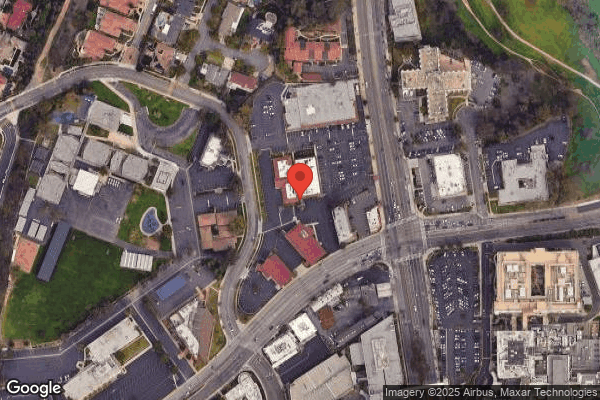
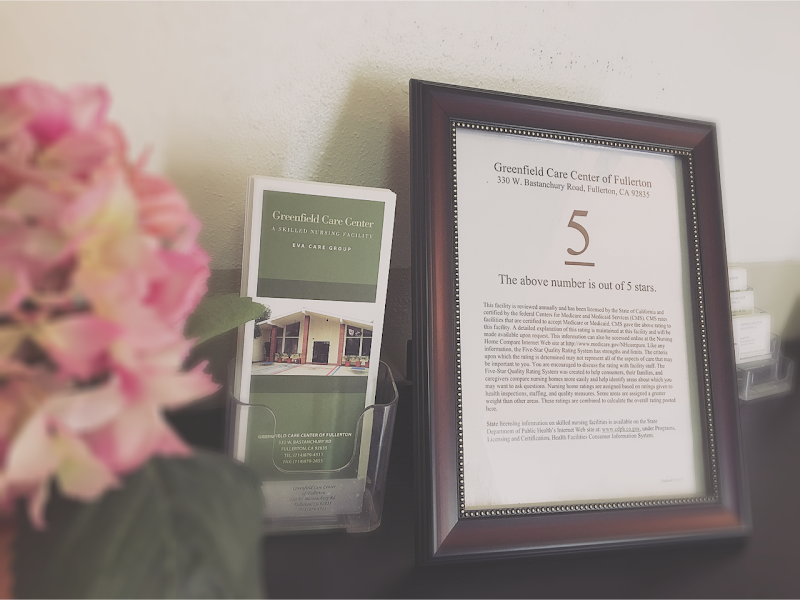
330 W. BASTANCHURY ROAD, FULLERTON, CA 92835 (714) 879-4511
For profit - Limited Liability company 99 Beds EVA CARE GROUP Data: November 2025
Trust Grade
83/100
#86 of 1155 in CA
Last Inspection: September 2025

Inspected within the last 6 months. Data reflects current conditions.

Overview

Greenfield Care Center of Fullerton has a Trust Grade of B+, indicating it is above average and recommended for families considering care options. It ranks #86 out of 1,155 facilities in California, placing it in the top half, and #7 out of 72 in Orange County, meaning there are only a few local facilities that rank higher. However, the facility's trend is worsening, as the number of issues reported increased from 11 in 2024 to 12 in 2025. Staffing is a strong point, with a perfect 5-star rating and a turnover rate of just 22%, significantly lower than the California average of 38%. On the downside, the facility has been fined $3,250, which is considered average, but it has encountered several concerning issues. For example, staff have failed to perform proper hand hygiene during wound care, which risks infection spread, and the facility did not maintain the ice machine properly, potentially exposing residents to illness. Additionally, there were lapses in infection control practices that could lead to the growth of harmful bacteria in the water system. Overall, while Greenfield Care Center has strengths in staffing and ranking, families should be aware of the recent compliance issues that need addressing.

Trust Score
B+
83/100
In California
#86/1155
Top 7%
Safety Record
Low Risk
No red flags
Inspections
Getting Worse
11 → 12 violations
Staff Stability
✓ Good
22% annual turnover. Excellent stability, 26 points below California's 48% average. Staff who stay learn residents' needs.
Penalties
✓ Good
$3,250 in fines. Lower than most California facilities. Relatively clean record.
Skilled Nurses
○ Average
Each resident gets 41 minutes of Registered Nurse (RN) attention daily — about average for California. RNs are the most trained staff who monitor for health changes.
Violations
⚠ Watch
31 deficiencies on record. Higher than average. Multiple issues found across inspections.
★★★★★
5.0
Overall Rating
★★★★★
5.0
Staff Levels
★★★★★
5.0
Care Quality
★★★★☆
4.0
Inspection Score
Stable
2024: 11 issues
2025: 12 issues

The Good

  • 5-Star Staffing Rating · Excellent nurse staffing levels
  • 5-Star Quality Measures · Strong clinical quality outcomes
  • Low Staff Turnover (22%) · Staff stability means consistent care
  • Full Sprinkler Coverage · Fire safety systems throughout facility
  • No fines on record
  • Staff turnover is low (22%)

    26 points below California average of 48%

Facility shows strength in staffing levels, quality measures, staff retention, fire safety.

The Bad

Federal Fines: $3,250

Below median ($33,413)

Minor penalties assessed

Chain: EVA CARE GROUP

Part of a multi-facility chain

Ask about local staffing decisions and management

The Ugly 31 deficiencies on record

Sept 2025 12 deficiencies
CONCERN (D)

Potential for Harm - no one hurt, but risky conditions existed

Comprehensive Care Plan (Tag F0656)

Could have caused harm · This affected 1 resident

**NOTE- TERMS IN BRACKETS HAVE BEEN EDITED TO PROTECT CONFIDENTIALITY** Based on interview, medical record review, and facility P&P review, the facility failed to ensure the comprehensive care plan wa...

Read full inspector narrative →
**NOTE- TERMS IN BRACKETS HAVE BEEN EDITED TO PROTECT CONFIDENTIALITY** Based on interview, medical record review, and facility P&P review, the facility failed to ensure the comprehensive care plan was implemented for one of 21 final sampled residents (Resident 91). * The facility failed to implement the compressive care plan for Resident 91's right upper arm AV shunt (arteriovenous shunt is a direct connection between an artery and a vein that bypasses the normal network of small capillaries). The facility failed to ensure the facility staff did not obtain Resident 91's blood pressure on his right arm, the arm with his dialysis access site/ AV shunt). This failure had the potential to damage the AV shunt and/or increase the risk of blood clots for Resident 91.Findings: Review of the facility's P&P titled Care Plan revised 4/2024 showed a care plan is the summation of the resident concerns, goals, approaches, and interventions, in order to meet the goals and help minimize if not totally eradicate residents' problems. Medical record review for Resident 91 was initiated on 9/8/25. Resident 91 was admitted to the facility on [DATE]. Review of Resident 91's care plan focus titled End Stage Renal Disease (ESRD) initiated 8/27/25, showed an intervention to not obtain Resident 91's blood pressure on his right arm, the site of his AV shunt. Review of Resident 91's Order Summary Report showed the following physician's orders:- dated 8/26/25, for the nursing staff not to obtain Resident 91's blood pressure on his right arm (location of AV shunt); and- dated 8/29/25, for Resident 91 to receive hemodialysis (a medical treatment for kidney failure that uses an artificial kidney (dialyzer) to filter waste, salts, and excess fluid from a patient's blood when the kidneys are unable to do so) twice a week on Monday and Friday at 0430 hours. Review of Resident 91's Weights and Vitals Summary showed documentation the nursing staff obtained Resident 91's blood pressure on his right arm (location of AV shunt) on the following dates and times:- on 8/28/25 at 0822 hours (blood pressure measured at 155/63 mmHg);- 8/30/25 at 0934 hours (blood pressure measured at 118/80 mmHg);- 9/4/25 at 0827 hours (blood pressure measured at 112/50 mmHg);- 9/5/25 at 0918 hours (blood pressure measured at 130/80 mmHg);- 9/6/25 at 0816 hours (blood pressure measured at 138/70 mmHg); and- 9/6/25 at 0916 hours (blood pressure measured at 134/82 mmHg). On 9/10/25 at 0922 hours, an interview and concurrent medical record review was conducted with LVN 1. LVN 1 verified the findings and stated the nursing staff should not have obtained Resident 91's blood pressure utilizing his right arm, the location of Resident 91's AV shunt, in accordance with Resident 91's ESRD care plan. Cross reference F698, example # 2.
CONCERN (D)

Potential for Harm - no one hurt, but risky conditions existed

Pressure Ulcer Prevention (Tag F0686)

Could have caused harm · This affected 1 resident

**NOTE- TERMS IN BRACKETS HAVE BEEN EDITED TO PROTECT CONFIDENTIALITY** Based on observation, interview, medical record review, and facility P&P review, the facility failed to ensure the necessary car...

Read full inspector narrative →
**NOTE- TERMS IN BRACKETS HAVE BEEN EDITED TO PROTECT CONFIDENTIALITY** Based on observation, interview, medical record review, and facility P&P review, the facility failed to ensure the necessary care and services related to pressure injuries (areas of damaged skin caused by staying in one position for a long time which reduces blood flow to the area and causes the skin to die and develop a sore to promote wound healing) were provided to one of two final sampled residents (Resident 2) reviewed for pressure injuries. * The facility failed to ensure LVN 3 administered the wound treatment as per the physician's orders to Resident 2's right heel pressure injury. This had the potential for Resident 2 not receiving the appropriate care and services to promote healing of the pressure injury.Findings: Review of the facility's P&P titled Wound Care revised 1/2025 showed it is the policy for the facility to provide guidelines for the care of wounds to promote healing. To review the resident's care plan to assess for any special needs of the resident. To use no -touch technique. Use sterile tongue blades and applicators to remove ointments and creams from their containers. Place gauze to cover all broken skin.Remove dry gauze and apply treatments as indicated. Medical record review for Resident 2 was initiated on 9/8/25. Resident 2 was admitted to the facility on [DATE], and had a diagnosis of Stage 3 (full thickness tissue loss, subcutaneous fat may be visible, but bone, tendon or muscle are not exposed) pressure injury of the right heel. Review of Resident 2's H&P examination dated 11/25/24, showed Resident 2 had no capacity to understand and make medical decisions. Review of Resident 2's plan of care showed a care plan problem dated 6/11/25, addressing Resident 2's right heel Stage 3 pressure injury. The interventions showed Resident 2 was seen by the Wound Care Physician Assistant and the right heel was reassessed and measured, with the new order to cleanse with normal saline, pat dry, apply collagen (powder, wound filler dressing topically applied and promotes wound healing), and Thera honey (sterile, medical-grade honey dressing used to treat a variety of wounds), and alginate (absorb wound fluid resulting in gels that maintain a physiologically moist environment and minimize bacterial infections at the wound site), then apply the dry sterile dressing/kerlix for 21 days. Review of Resident 2's MDS assessment dated [DATE], showed Resident 2 was at risk for developing pressure injuries and had an unhealed Stage 3 pressure injury. Review of Resident 2's Order Summary Report showed a physician's order dated 9/5/25, for the right heel Stage 3 pressure injury, to cleanse with normal saline (NS), pat dry, apply collagen, Thera honey, alginate, and dry sterile dressing/kerlix every day shift for 21 days. On 9/10/2025 at 831 hours, a wound treatment observation for Resident 2 was conducted with LVN 3 and the IP. LVN 3 was observed preparing the following:- a 250 ml bottle of sterile 0.9% normal saline;- an unopened packet of calcium alginate dressing, with silver;- an unopened 1 gram packet of collagen powder; and- a 0.5-ounce tube of Thera honey gel. During the wound treatment observation, after cleaning the right heel, LVN 3 was observed using a tongue depressor to apply the Thera honey gel to the right heel wound bed. LVN 3 was then observed removing the collagen powder with a tongue depressor and applying the powder on top of the Thera honey gel. However, a significant amount of the white- collagen powder was observed on Resident 2's bed, directly under the right heel, and not on the wound bed. After performing hand hygiene and donning new gloves, LVN 3 proceeded to apply the calcium alginate (with silver) dressing. LVN 3 was stopped and verified the collagen powder on the resident's bed and the minimal amount of collagen powder observed on the right heel wound bed. LVN 3 was observed reapplying the collagen powder to the wound bed, on top of the Thera honey gel, and applied the calcium alginate (with silver) dressing, dry dressing and kerlix. On 9/10/25 at 0909 hours, an interview and concurrent medical record review for Resident 2 was conducted with LVN 3. LVN 3 was asked about the resident's physician's order for the treatment medications for Resident 2's right heel pressure injury. LVN 3 stated the Thera honey gel should be applied first, followed by the collagen powder on top of the Thera honey. LVN 3 verified during the wound treatment observation for Resident 2, she applied the Thera honey gel to the wound bed, followed by the collagen powder. When asked about the treatment order for the alginate dressing, LVN 3 reviewed the physician's order and verified the physician's order showed to apply the alginate dressing, however, LVN 3 stated the order did not show to use calcium alginate with silver. LVN 3 verified during the wound treatment observation she used the calcium alginate with silver. LVN 3 stated the wound treatments should be administered as per the physician's order. On 9/10/25 at 0958 hours, a telephone interview was conducted with Physician Assistant 1. When asked about the physician's order for the treatment medications for Resident 2's right heel pressure injury, Physician Assistant 1 stated the treatment nurse was expected to first apply the collagen powder to the wound bed, followed by the Thera honey gel, and then the alginate dressing. When asked about the alginate dressing, Physician Assistant 1 stated the facility could use the calcium alginate, however, calcium alginate with silver was not needed for Resident 2's wound. On 9/11/25 at 1234 hours, an interview was conducted with the DON. The DON stated the treatment nurse was expected to administer the wound treatments as per the physician's order. The DON stated if the wound treatment order had multiple medications, the treatment nurse was expected to administer the wound treatment as listed per the physician's order. The DON further stated if the treatment nurse had any questions, the treatment nurse should obtain an order clarification. On 9/11/25 at 1248 hours, an interview was conducted with the DON. The DON was informed and acknowledged the above findings.
CONCERN (D)

Potential for Harm - no one hurt, but risky conditions existed

Accident Prevention (Tag F0689)

Could have caused harm · This affected 1 resident

**NOTE- TERMS IN BRACKETS HAVE BEEN EDITED TO PROTECT CONFIDENTIALITY** Based on observation, interview, and facility P&P review, the facility failed to ensure the environment remained free from accid...

Read full inspector narrative →
**NOTE- TERMS IN BRACKETS HAVE BEEN EDITED TO PROTECT CONFIDENTIALITY** Based on observation, interview, and facility P&P review, the facility failed to ensure the environment remained free from accident hazards for one of one final sampled resident (Resident 43) reviewed for falls. * The facility failed to ensure Resident 43's post fall risk assessment was completed accurately to identify the resident's risk for fall and to prevent further falls and/or injuries. This failure posed the risk of not providing the necessary care to the resident to prevent further falls and/or injuries.Findings: Review of the facility's P&P titled Fall Management revised on 12/2024 showed the following:- the licensed nurses/designee will gather data from the resident, family of interested party about the resident's history of falling; and- the licensed nurse will evaluate, and document falls that occur while the resident is in the facility; for example, when and where the fall occurs, observations of the events, injuries, treatments, etc. Review of the facility's P&P titled Documentations revised on 1/2025 showed the following:- documentation should reflect all findings after assessment was done and reflect concern or problems of resident; and - However, it is discouraged to have a late entry, if possible, licensed nurses should be precise and accurate which will be reflected in the resident medical record. Medical record review for Resident 43 was initiated on 9/10/25. Resident 43 was admitted to the facility on [DATE]. Review of Resident 43's H&P examination dated 12/31/24, showed Resident 43 had no capacity to understand and make decisions. Review of Resident 43's MDS assessment dated [DATE], showed Resident 43's BIMS score was nine, indicating moderate cognitive impairment. Review of Resident 43's Fall Risk Assessment (post fall) dated 8/7/25, showed under the section for history of falls, no falls in the past six months was marked. In addition, the assessment showed a total score of nine, which placed Resident 43 at a low risk of fall. On 9/10/25 at 1445 hours, an interview and concurrent medical record review was conducted with RN 1. RN 1 reviewed Resident 43's Fall Risk Assessment (post fall) dated 8/7/25, and verified the above findings. RN 1 stated the resident's Fall Risk assessment dated [DATE], was inaccurate because Resident 43 had a fall episode on 8/7/25. RN 1 stated if the post Fall Risk Assessment was completed accurately, Resident 43's fall risk score would have been 10, which placed Resident 43 at a high risk of fall. Furthermore, RN 1 stated the negative outcome of the inaccurate assessment would affect Resident 43's fall prevention and plan of care. On 9/11/25 at 0944 hours, an interview was conducted with the Administrator and DON. The DON stated she reviewed Resident 43's documentation and assessments and conducted an IDT meeting after the resident's fall on 8/7/25. The DON stated she reviewed Resident 43's post Fall Risk assessment dated [DATE], however, she did not notice the inaccuracy of the assessment. In addition, the DON stated if Resident 43's Fall Risk Assessment was completed accurately, Resident 43's fall risk score would have been 10, which placed Resident 43 at a high risk of fall. The Administrator and DON were informed and acknowledged the above findings.
CONCERN (D)

Potential for Harm - no one hurt, but risky conditions existed

Deficiency F0698 (Tag F0698)

Could have caused harm · This affected 1 resident

**NOTE- TERMS IN BRACKETS HAVE BEEN EDITED TO PROTECT CONFIDENTIALITY** Based on interview, medical record review, and facility P&P review, the facility failed to provide the necessary dialysis care a...

Read full inspector narrative →
**NOTE- TERMS IN BRACKETS HAVE BEEN EDITED TO PROTECT CONFIDENTIALITY** Based on interview, medical record review, and facility P&P review, the facility failed to provide the necessary dialysis care and services for two of two final sampled residents (Residents 10 and 91) reviewed for dialysis care. * The facility failed to follow up on Resident 10's laboratory results for the laboratory tests obtained at the dialysis center. * The facility failed to ensure the facility staff did not obtain Resident 91's blood pressure on six occasions on the arm with his AV shunt. These failures had the potential for the residents to experience medical complications and negatively affect Residents 10 and 91's physical well-being. Findings: Review of the facility's P&P titled Dialysis Services 1/2025 showed it is the policy of this facility to provide adequate and appropriate care to dialysis clients in coordination with the dialysis center. Coordination of care may include the following: information transmitted to the dialysis unit by the facility prior to dialysis through the phone and/or communication binder which resident carries when going to the dialysis center, where information regarding resident is reflected for the dialysis center awareness. The same binder is brought back by the resident to the facility where the dialysis center relayed any information regarding post dialysis findings or other concerns and/or special treatment to be followed by the facility if applicable. The facility may be required to provide the following interventions for dialysis residents” assessment of laboratory values such as: BUN, serum creatinine, sodium, potassium, calcium, magnesium, phosphate levels, hemoglobin and hematocrit. The dialysis access site is to include avoidance of blood pressure readings, venipunctures and trauma to the dialysis access extremity. 1. Medical record review for Resident 10 was initiated on 9/8/25. Resident 10 was admitted to the facility on [DATE], and readmitted on [DATE], with the diagnosis of renal dialysis dependence. Review of Resident 10's H&P examination dated 9/1/25, showed Resident 10 had the capacity to understand and make decisions. The H&P also showed Resident 10 had ESRD and received hemodialysis treatments. Review of Resident 10's Order Summary Report for September 2025 showed a physician's order dated 8/27/25, for hemodialysis treatment on Mondays, Wednesdays, and Fridays at 0900 hours, pick-up at 0830 hours. Review of Resident 10 ‘s Nurse's Dialysis Communication Record for 9/3/25, showed the dialysis center documented the monthly laboratory tests for Resident 10 were obtained. However, further review of Resident 10's medical record failed to show if the laboratory test results were obtained from the dialysis center and/or placed in the resident's medical record. On 9/9/25 at 1413 hours, an interview and concurrent medical record review for Resident 10 was conducted with the ADON. The ADON reviewed Resident 10's Nurse's Dialysis Communication Record for 9/3/25, and verified the dialysis center documented the monthly labs for Resident 10 was obtained. The ADON reviewed Resident 10's medical record and verified Resident 10's monthly laboratory test results were not in Resident 10's medical records. On 9/9/25 at 1442 hours, an interview and concurrent medical record review for Resident 10 was conducted with the DON. The DON stated for any laboratory tests obtained at the dialysis center, the RN supervisor was responsible for following up to ensure the laboratory results were in the resident's medical records. The DON stated the RN supervisor should follow up as soon as possible, within 24 hours. On 9/11/25 at 1234 hours, a follow up interview was conducted with the DON. The DON stated if any laboratory tests were drawn at the dialysis center and documented in the communication record, the receiving licensed nurse at the facility should follow up and obtain the laboratory results. On 9/11/25 at 1248 hours, an interview was conducted with the DON. The DON was informed and acknowledged the above findings. 2. Medical record review for Resident 91 was initiated on 9/8/25. Resident 91 was admitted to the facility on [DATE]. Review of Resident 91's Order Summary Report showed the following physician's orders: - dated 8/26/25, to monitor Resident 91's AV shunt on his right upper arm every shift; - dated 8/26/25, for the nursing staff not to obtain Resident 91's blood pressure on his right arm (location of AV shunt); and - dated 8/29/25, for Resident 91 to receive hemodialysis twice a week on Monday and Friday at 0430 hours. Review of Resident 91's Weights and Vitals Summary showed documentation the nursing staff obtained Resident 91's blood pressure on his right arm (location of AV shunt) on the following dates and times: - on 8/28/25 at 0822 hours (blood pressure measured at 155/63 mm Hg); - 8/30/25 at 0934 hours (blood pressure measured at 118/80 mm Hg); - 9/4/25 at 0827 hours (blood pressure measured at 112/50 mm Hg); - 9/5/25 at 0918 hours (blood pressure measured at 130/80 mm Hg); - 9/6/25 at 0816 hours (blood pressure measured at 138/70 mm Hg); and - 9/6/25 at 0916 hours (blood pressure measured at 134/82 mm Hg). On 9/10/25 at 0922 hours, an interview and concurrent medical record review was conducted with LVN 1. LVN 1 stated she was assigned to provide care for Resident 91. LVN 1 was asked what arm she utilized to obtain Resident 91's blood pressure. LVN 1 stated she would obtain Resident 91's blood pressure utilizing his left arm (the arm without the AV shunt). LVN 1 stated she would not and should not obtain Resident 91's blood pressure utilizing his right arm, due to the location of his AV shunt, which was located on his right arm. LVN 1 stated obtaining the blood pressure on Resident 91's right arm (location of AV shunt) had the potential to damage Resident 91's dialysis access site (right arm AV shunt). LVN 1 then reviewed Resident 91's medical record and verified the nursing staff documented having obtained Resident 91's blood pressure on his right arm, on the following dates and times: 8/28/25 at 0822 hours, 8/30/25 at 0934 hours, 9/4/25 at 0827 hours, 9/5/25 at 0918 hours, 9/6/25 at 0816 hours, and 9/6/25 at 0916 hours. LVN 1 stated the nursing staff should not have obtained Resident 91's blood pressure utilizing his right arm, where Resident 91's AV shunt was located. On 9/11/25 at 1330 hours, an interview and concurrent medical record review was conducted with the DON. The DON verified the above findings and stated the nursing staff should not obtain Resident 91's blood pressure having utilized his right arm, the location of Resident 91's AV shunt. The DON stated obtaining the blood pressure on the arm in which Resident 91's AV shunt was located had the potential to damage Resident 91's AV shunt.
CONCERN (D) 📢 Someone Reported This

A family member, employee, or ombudsman was alarmed enough to file a formal complaint

Potential for Harm - no one hurt, but risky conditions existed

Deficiency F0744 (Tag F0744)

Could have caused harm · This affected 1 resident

**NOTE- TERMS IN BRACKETS HAVE BEEN EDITED TO PROTECT CONFIDENTIALITY** Based on interview, medical record review, and facility P&P review, the facility failed to provide the appropriate treatment and...

Read full inspector narrative →
**NOTE- TERMS IN BRACKETS HAVE BEEN EDITED TO PROTECT CONFIDENTIALITY** Based on interview, medical record review, and facility P&P review, the facility failed to provide the appropriate treatment and services designed to help attain and maintain a resident's highest practical physical, mental, and psychosocial well-being for one of one final sampled resident (Resident 24) reviewed for dementia (group of conditions that cause a progressive decline in cognitive abilities, including memory, thinking and reasoning) care. * The facility failed to obtain the neurologist's progress notes and develop a dementia care plan for Resident 24. This failure had the potential for Resident 24 to not receive the appropriate treatment and services needed for her dementia.Findings: Review of the facility's P&P titled Dementia - Clinical Management revised 1/2025 showed the staff and physician will evaluate individuals with new or progressive cognitive impairment and help identify symptoms and findings that differentiate dementia from other causes. The staff and physician will review the current physical, functional, and psychosocial status of each individual with dementia to formulate an accurate overall picture of the individual's condition, related complications, and functional impairments. As needed, the physician may obtain a psychiatrist or neurologist consultation to assist with diagnosis, treatment selection, monitoring of responses to treatment, and adjustment of medications. For the individual with confirmed dementia, the staff and physician will identify a resident-centered care plan to maximize remaining function and quality of life. Medical record review for Resident 24 was initiated on 9/8/25. Resident was admitted to the facility on [DATE]. Further review of Resident 24's medical record showed on 7/30/25 (after her admission to the facility), Resident 24 had the diagnosis of unspecified dementia, unspecified severity, without behavioral disturbance, psychotic disturbance, mood disturbance, and anxiety. Review of Resident 24 's H&P examination dated 11/18/24, showed Resident 24 had no capacity to understand and make medical decisions. Review of Resident 24's progress note for a licensed nurse's entry dated 7/30/25 at 1630 hours, showed Resident 24's returned to the facility from her neurology appointment with the physician's note and orders. Review of Resident 24's Physician's Progress Note dated 7/30/25, showed a full progress note would be sent to the facility in a day or two. The preliminary clinical conclusion showed the following:- Should start anti-dementia medications.- For arrhythmia, two options are to be presented to the current cardiologist for his decisions. Review of Resident 24's Order Summary Report for September 2025 showed the following physician's orders:- dated 7/30/25, to administer galantamine hydrobromide (dementia medication) 4 mg one tablet by mouth two times a day for unspecified dementia, and- dated 7/30/25, to administer memantine (dementia medication) 5 mg, one tablet by mouth two times a day related to unspecified dementia. Review of Resident 24's MAR for 9/2025 showed Resident 24 was administered the galantamine hydrobromide and memantine medications from 9/1 to 9/9/25 at 0900 and 1700 hours, except on 9/6 and 9/7/25. Review of Resident 24's medical record failed to show the facility had developed or implemented a plan of care to address Resident 24's dementia. Further review of Resident 24's medical record failed to show Resident 24's complete neurology progress notes from 7/30/25. In addition, the resident's medical record failed to show the documentation the facility had attempted to obtain the progress notes from the neurologist. On 9/10/25 at 1403 hours, an interview and concurrent medical record review for Resident 24 was conducted with RN 2. RN 2 stated Resident 24 was alert and oriented to person and place but was forgetful and confused at times. RN 2 verified Resident 24 was diagnosed with dementia; however, the facility did not develop a care plan addressing the resident's dementia. RN 2 stated for the residents diagnosed with dementia, there should be a care plan developed specific to the resident's dementia. RN 2 reviewed Resident 24's medical record and verified the above findings. On 9/10/25 at 1601 hours, an interview and concurrent medical record review for Resident 24 was conducted with the DON. The DON stated when the resident was seen by a consultant, the facility was responsible for obtaining the consultation progress notes and the progress notes should be placed inside the resident's medical record within 24 hours. The DON stated for the residents with a new diagnosis of dementia, while at the facility, there should be monitoring of the residents' behaviors. The DON stated the interventions for the residents were dependent on the behaviors the residents were exhibiting. The DON further stated the facility should review the resident's neurology progress notes to determine certain behaviors to monitor for. The DON reviewed Resident 24's medical record and verified the neurology progress notes was not in Resident 24's medical record. The DON stated the IDT meeting should have been conducted specific to the resident's diagnosis of dementia to determine what needs Resident 24 may have at the facility and a care plan should have been developed specific to Resident 24's dementia. On 9/11/25 at 1248 hours, an interview was conducted with the DON. The DON was informed and acknowledged the above findings.
CONCERN (D)

Potential for Harm - no one hurt, but risky conditions existed

Pharmacy Services (Tag F0755)

Could have caused harm · This affected 1 resident

**NOTE- TERMS IN BRACKETS HAVE BEEN EDITED TO PROTECT CONFIDENTIALITY** Based on observation, interview, medical record review, and facility P&P review, the facility failed to ensure the pharmaceutica...

Read full inspector narrative →
**NOTE- TERMS IN BRACKETS HAVE BEEN EDITED TO PROTECT CONFIDENTIALITY** Based on observation, interview, medical record review, and facility P&P review, the facility failed to ensure the pharmaceutical services were provided to meet the needs for two of two final sampled residents (Residents 10 and 91) reviewed for dialysis care. * The facility failed to ensure accurate monitoring for the administration of Resident 10's blood pressure medications on the days Resident 10 had dialysis treatments. Resident 10's BP medications were sent with the resident to be administered by the dialysis nurse, however the facility's licensed nurses documented the administrations in Resident 10's MAR (Medication Administration Record). * The facility failed to ensure Resident 91's carvedilol (used to treat high blood pressure) and calcium acetate (supplement) medications were administered on time, in accordance with the facility's P&P. These failures had the potential to negatively affect Residents 10 and 91's health condition.Findings: Review of the facility's P&P titled Medication Administration revised 1/2025 showed medications shall be administered in accordance with the facility's established policies and procedures. Medications must be administered by the same person preparing the dosage for administration. Medications must not be prepared in advance and must be administered within one hour before or after the administration time per the physician's order. The medications should be immediately charted following the administration by the licensed nurse who administered the medication. In the event that the resident is not in the facility during the scheduled medication administration time (i.e. out on pass, on dialysis services, appointment services and other emergencies), the physician will be notified for any orders and will be documented. 1. Medical record review for Resident 10 was initiated on 9/8/25. Resident 10 was admitted to the facility on [DATE], and readmitted on [DATE]. Review of Resident 10's H&P examination dated 9/1/25, showed Resident 10 had the capacity to understand and make decisions. The H&P further showed the resident had ESRD and received hemodialysis treatment. On 9/9/25 at 1413 hours, an interview and concurrent medical record review for Resident 10 was conducted with the ADON. When asked about the facility's process for the administration of the BP medications to Resident 10 on the days the resident was scheduled for dialysis treatment, the ADON stated the dialysis center had called and informed her of Resident 10's BP dropping during the dialysis treatment. The ADON stated she had instructed the licensed nurses assigned to Resident 10, to send the scheduled 0900 hours blood pressure medications with Resident 10, to be administered at the dialysis center. The ADON stated she did not document the call from the dialysis center in Resident 10's medical record or informed Resident 10's physician. Additionally, the ADON reviewed Resident 10's medical record and stated there were no physician's orders to send the BP medications with Resident 10 to the dialysis center. The ADON stated for the BP medications that were sent with Resident 10, the dialysis center should document the administration of the BP medications in the resident's Nurse's Dialysis Communication Record. However, review of Resident 10's Nurse Dialysis Communication Record dated 8/29, 9/1, 9/3, and 9/5/25 failed to show documented evidence Resident 10's BP medications scheduled at 0900 hours were administered in the dialysis center during the resident's scheduled dialysis days. The ADON reviewed Resident 10's listed Nurse Dialysis Communication Record and verified the dialysis center did not document the administration of any BP medication during the dialysis treatment. Review of Resident 10's Order Summary Report for September 2025 showed the following physician's orders: - dated 8/27/25, for hemodialysis treatment on Mondays, Wednesdays, and Fridays at 0900 hours, pick-up at 0830 hours; - dated 8/27/25, to administer amlodipine (blood pressure medication) 10 mg one tablet by mouth daily; and - dated 8/27/25, to administer hydralazine (blood pressure medication) 100 mg one tablet by mouth three times a day. Review of Resident 10's MAR for 8/2025 and 9/2025 showed the following: * For the amlodipine 10 mg one tablet by mouth one time a day, the amlodipine medication was administered to Resident 10 from 8/28 to 9/9/25 at 0900 hours. * For the hydralazine 100 mg one tablet by mouth three times a day, the hydralazine medication was administered to Resident 10 from 8/1 to 8/22/25 and from 9/1 to 9/8/25 at 0900, 1300, and 1700 hours. * For the clonidine 0.1 mg one tablet three times a day dated 6/21/25, and discontinued 8/26/25, the clonidine medication was administered to Resident 10 from 8/1 to 8/22/25 at 0900, 1300, and 1700 hours. Review of Resident 10's Medication Admin Audit Report for 9/3/25, showed the following documentation: * For the amlodipine 10 mg one tablet by mouth one time a day, RN 4 documented the amlodipine medication was administered at 0800 hours. * For the hydralazine 100 mg one tablet by mouth three times a day, RN 4 documented the hydralazine medication was administered at 0800 hours. On 9/9/25 at 1505 hours, an interview was conducted with Resident 10. Resident 10 stated she had dialysis treatments on Mondays, Wednesdays, and Fridays. Resident 10 stated on the days she had dialysis treatment, the facility sent the BP medications: clonidine, hydralazine, and sometimes amlodipine with her, to be administered by the dialysis nurse. On 9/10/25 at 1045 hours, a telephone interview was conducted with RN 4. RN 4 stated Resident 10 received dialysis treatment on Mondays, Wednesdays, and Fridays, left the facility at around 0800 hours and returned around lunch time. When asked about Resident 10's BP medications scheduled on 9/3/25 at 0900 hours, RN 4 stated he did not administer Resident 10's BP medications scheduled at 0900 hours but instead, placed Resident 10's BP medications in the medication pouch and sent the medications with the resident, to bring to the dialysis center. When RN 4 was asked how he knew the BP medications were administered to Resident 10, RN 4 stated he asked Resident 10, and she told him she took the medications at the dialysis center. On 9/10/25 at 1552 hours, an interview and concurrent medical record review for Resident 10 was conducted with the DON. The DON stated she spoke with RN 4 and RN 4 had informed the DON on 9/3/25, he sent Resident 10's BP medication with her to the dialysis center. The DON reviewed Resident 10's Nurse's Dialysis Communication Record for 9/3/25, and verified the dialysis nurse did not document the administration of the BP medications. The DON also reviewed Resident 10's MAR for 9/2025 and verified RN 4 documented he administered Resident 10's amlodipine 10 mg and hydralazine 100 mg on 9/3/25 at 0900 hours. On 9/11/25 at 1234 hours, a follow up interview was conducted with the DON. The DON stated the licensed nurse who prepared the resident's medication and removed the medication from the medication pack should be the person to administer the medication. The DON stated once the medication was administered to the resident, the licensed nurse should sign/document the administration of the medication in the resident's MAR. On 9/11/25 at 1248 hours, a follow up interview was conducted with the DON. The DON was informed and acknowledged the above findings. 2. Medical record review for Resident 91 was initiated on 9/8/25. Resident 91 was admitted to the facility on [DATE]. Review of Resident 91's Order Summary Report showed the following physician's orders: - dated 8/26/25, to administer calcium acetate (medication to lower phosphate in the blood) 667 mg orally three times a day (scheduled at 0730 hours, 1230 hours, and 1730 hours). - dated 9/2/25, to administer carvedilol (anti-hypertension medication) 6.25 mg orally two times a day (scheduled at 0730 hours and 1730 hours). Review of Resident 91's Nurse's Dialysis Communication Record dated 9/8/25, showed Resident 91 left the facility for his dialysis appointment on 9/8/25 at 0400 hours, and had returned to the facility at 0840 hours. Review of Resident 91's Medication Administration Audit Report dated 9/8/25, showed the following documentations: - the licensed nurse administered Resident 91's carvedilol 6.25 mg medication orally on 9/8/25 at 0841 hours. Resident 91's carvedilol 6.25 mg medication was scheduled to be administered at 0730 hours. - the licensed nurse administered Resident 91's calcium acetate 667 mg medication orally on 9/8/25 at 0840 hours. Resident 91's calcium acetate 667 mg medication was scheduled to be administered at 0730 hours. In accordance with the facility's P&P, the carvedilol and calcium acetate medications should have been administered within one hour of the scheduled administration time. On 9/9/25 at 1554 hours, an interview and concurrent medical record review was conducted with RN 3. RN 3 verified Resident 91's Nurse's Dialysis Communication Record dated 9/8/25, showed Resident 91 left the facility for his dialysis appointment on 9/8/25 at 0400 hours, and then returned to the facility at 0840 hours. RN 3 stated the facility did not send any medications with Resident 91 to be taken at the dialysis center. RN 3 stated Resident 91's carvedilol 6.25 mg and calcium acetate 667 mg medications (scheduled for 0730 hours) should have been administered within one hour of the scheduled administration time, in accordance with the facility's Medication Administration P&P, however, the facility failed to do so.
CONCERN (D)

Potential for Harm - no one hurt, but risky conditions existed

Unnecessary Medications (Tag F0759)

Could have caused harm · This affected 1 resident

**NOTE- TERMS IN BRACKETS HAVE BEEN EDITED TO PROTECT CONFIDENTIALITY** Based on observation, interview, medical record review, and facility P&P review, the facility failed to ensure the medication er...

Read full inspector narrative →
**NOTE- TERMS IN BRACKETS HAVE BEEN EDITED TO PROTECT CONFIDENTIALITY** Based on observation, interview, medical record review, and facility P&P review, the facility failed to ensure the medication error rate was below 5%. The facility's medication error rate was 8%. Two of the three licensed nurses (LVN 1 and RN 1) observed were found to have made errors during the medication administration observation for two final sampled residents (Residents 33 and 54). * LVN 1 did not administer Resident 54's Creon (medication used to help digest food) medication with meals or food as ordered by the physician. * RN 1 did not administer Resident's 33's artificial tears ophthalmic solution (used for dry eye) as ordered by the physician. These failures had the potential to negatively impact the residents' health outcomes and posed the risk of possible complications.Findings: Review of the facility's P&P titled Policy and Procedure in Medication Administration revised 1/2025 showed the medications shall be administered in accordance with our established policies and procedures. The drugs must be administered in according with the written orders of the attending physicians (Five Rights). 1. Review of the facility's P&P titled Policy and Procedure on Administration of Eye Drops revised 1/2025 showed to ensure that eyecare/medication are appropriately provided based on the physician's order in consideration with OBRA regulation.The following procedures will be undertaken in eye drop administration:- Check the label and follow the physician's instructions. On 9/9/25 at 0911 hours, a medication administration observation for Resident 33 was conducted with RN 1. RN 1 prepared the following medications for Resident 33:- one capsule of aspirin-dipyridamole (anti-platelet medication) 25 - 200 mg;- one tablet of amlodipine (medication to treat high blood pressure) 5 mg, hold if the systolic blood pressure was below 110 mmHg;- one tablet of Lasix (diuretic medication) 20 mg;- one tablet of losartan potassium (medication to treat high blood pressure) 50 mg, hold if the systolic blood pressure was below 110 mmHg;- one tablet of multi-vitamins with minerals (supplement);- one tablet of potassium chloride (supplement) extended release 20 mEq;- one patch of lidocaine (local anesthetic medication) 5%, to apply topically to both knees and right shoulder;- one nasal spray of fluticasone propionate nasal spray (nasal spray primarily used to relieve symptoms associated with allergies and other conditions affecting the nasal passages) to each nostril;- two tablets of acetaminophen (an analgesic medication used to relieve mild pain) 325 mg;- two tablets of bisacodyl (laxative) 5 mg;- two tablets of docusate sodium (stool softener) 100 mg; and- artificial tears ophthalmic solution (eye drop, use for dry eye) to both eyes. RN 1 was observed administering two drops of the artificial tears ophthalmic solution to Resident 33's right eye and then administered two drops of the artificial tears ophthalmic solution to the resident's left eye. Medical record review for Resident 33 was initiated on 9/8/25. Resident 33 was admitted to the facility on [DATE], and readmitted on [DATE]. Review of Resident 33's Order Summary Report dated 9/9/25, showed a physician's order dated 12/27/22, to administer one drop of the artificial tears ophthalmic solution in both eyes two times a day for dry eyes. On 9/9/25 at 1053 hours, an interview was conducted with Resident 33. Resident 33 verified she always got two drops of the artificial tears ophthalmic solution to her left and right eye from the licensed nurses during the medication administration. On 9/9/25 at 1425 hours, an interview and concurrent medical record review was conducted with RN 1. RN 1 was informed and verified the findings. RN 1 stated she did not follow the physician's order when she administered the artificial tears ophthalmic solution to Resident 33 during the medication observation. 2. Review of the facility's P&P titled Medication Administration Schedule revised 1/2025 showed the medications are administered according to established schedules. Scheduled medications that must be given around mealtimes may fluctuate based on delivery and consumption of meals. Time critical medications are designated by the pharmacy and include medications that need to be administered before, with, or after meals. On 9/9/25 at 1201 hours, a medication administration observation for Resident 54 was conducted with LVN 1. During the medication administration observation, Resident 54 was not observed with a lunch tray or food at the bedside. LVN 1 prepared the following medications for Resident 54:- artificial tears lubricant (eye drop, use for dry eye);- one tablet of carbidopa-levodopa (medication to treat Parkinson's disease) 25-100 mg; and- one capsule of Creon delay-release 24,000 units, to give with meals. LVN 1 was observed administering the Creon medication to Resident 54 without food. Medical record review for Resident 54 was initiated on 9/8/25. Resident 54 was admitted to the facility on [DATE], and readmitted on [DATE]. Review of Resident 54's Order Summary Report dated 9/9/25, showed the following physician's order dated 8/20/22, to administer Creon capsule delayed release particles 24,000 units by mouth with meals for peptic ulcer, do not crush, chew or break open a capsule. Swallow the capsule whole with a full glass of water. On 9/9/25 at 1401 hours, an interview and concurrent medical record review was conducted with LVN 1. LVN 1 verified the Creon medication was not administered to Resident 54 with meals nor food. On 9/11/25 at 0919 hours, an interview was conducted with the Administrator and DON. The Administrator and DON were informed and acknowledged the above findings.
CONCERN (D)

Potential for Harm - no one hurt, but risky conditions existed

Deficiency F0761 (Tag F0761)

Could have caused harm · This affected 1 resident

**NOTE- TERMS IN BRACKETS HAVE BEEN EDITED TO PROTECT CONFIDENTIALITY** Based on observation, interview, medical record review, and facility P&P review, the facility failed to provide the necessary ph...

Read full inspector narrative →
**NOTE- TERMS IN BRACKETS HAVE BEEN EDITED TO PROTECT CONFIDENTIALITY** Based on observation, interview, medical record review, and facility P&P review, the facility failed to provide the necessary pharmacy services to ensure proper storage and disposal of medications. * The facility failed to ensure Resident 78's medication was stored properly and safely. * The facility failed to ensure the opened package of the [NAME] collagen powder (sterile, medical grade wound dressing, manage wounds by providing a moist healing environment) medication was stored properly in Medication Cart A. * The facility failed to dispose of the expired supply from the Medication Storage Room A. These failures had the potential to alter the efficacy of the stored medications, infection risk to the residents, and result in inappropriate administration of the prescription medications.Findings: Review of the facility's P&P titled Labeling and Storing Medications revised 1/2025 showed it is the policy of this facility that resident's medication will be properly labeled and stored in the locked medication room/carts. In addition, the medications no longer in use or medications which have expired will be disposed of in accordance with the Federal and State Laws. 1. Medical record review for Resident 78 was initiated on [DATE]. Resident 78 was admitted to the facility on [DATE]. Review of Resident 78's Quarterly MDS assessment dated [DATE], showed Resident 78 has a BIMS score of six, indicating severe cognitive impairment. On [DATE] at 0917 hours, during the initial tour of the facility, Resident 78 was observed sitting on his wheelchair. There was a medication box container labeled with each day of the week, on the resident's overbed table. Resident 78 stated he was not aware of the medication box container on his overbed table. On [DATE] at 0941 hours, an observation, interview, and concurrent medical record review for Resident 78 was conducted with LVN 2. LVN 2 verified the medication box container labeled with each day of the week contained the following:- Monday compartment: two white capsules and one gray capsule;- Tuesday compartment: two white capsules and two gray capsules;- Wednesday compartment: two white capsules and two gray capsules;- Thursday compartment: empty;- Friday compartment: empty;- Saturday compartment: two white capsules and two gray capsules; and- Sunday compartment: two white capsules and two gray capsules. LVN 2 verified the above findings and stated she was not familiar with the medications inside the medication box container. LVN 2 further stated there was no need to have the medications at Resident 78's bedside. On [DATE] at 1526 hours, an interview and concurrent medical record review was conducted with the DON. The DON was informed and acknowledged the above findings. The DON stated there was no need to have the medications at the resident's bedside. 2. a. On [DATE] at 1526 hours, an inspection for Medication Cart A was conducted with RN 5. During the inspection of Medication Cart A, the following was observed: - one opened individual pack of the [NAME] collagen powder. The package's description showed the medication was a single use only. On [DATE] at 1534 hours, an interview was conducted with RN 5. RN 5 verified the above findings. RN 5 was asked regarding the facility's process when opening an individual package of medication. RN 5 stated the individual package was single use only and needed to be discarded after the single use. b. On [DATE] at 1018 hours, an inspection of Medication Storage Room A was conducted with RN 6. During the inspection of Medication Storage Room A, the following was observed:- nine sealed individual packages of BBL culture swab (used to collect and transport clinical samples, such as from the wounds, throat or skin to a laboratory for culture and testing) with an expiration date of [DATE]. On [DATE] at 1041 hours, an interview was conducted with RN 6. RN 6 verified the above findings. On [DATE] at 0919 hours, an interview was conducted with the Administrator and DON. The Administrator and DON was informed and acknowledged the above findings.
CONCERN (D)

Potential for Harm - no one hurt, but risky conditions existed

Food Safety (Tag F0812)

Could have caused harm · This affected 1 resident

Based on observation, interview, facility document review, and facility P&P review, the facility failed to ensure the food safety and sanitation guidelines were followed in the kitchen. * The facility...

Read full inspector narrative →
Based on observation, interview, facility document review, and facility P&P review, the facility failed to ensure the food safety and sanitation guidelines were followed in the kitchen. * The facility failed to ensure the blender used for meal was air dried prior to storing. * The facility failed to ensure the food preparation utensil was not clean and in good working condition. These failures had the potential for cross contamination and foodborne illnesses for the residents consuming the food prepared in the facility's kitchen.Findings: Review of the facility's Order List dated 9/8/25, showed 85 of 88 residents consumed the food prepared in the kitchen. 1. According to the USDA Food Code 2022, 4-901.11, Equipment and Utensils, Air-Drying Required, that after cleaning and sanitizing, equipment, and utensils shall be air-dried or used after adequate draining before getting in contact with food. According to the USDA Food Code 2022, 4-903.11 Equipment, Utensils, Linens, and Single-Service and Single-Use Articles, cleaned equipment and utensils shall be stored in a self-draining position that allows air drying. Review of the facility's P&P titled General Food Preparation and Handling revised 1/2025 showed all the equipment should be cleaned, sanitized, air-dried and reassembled after each use. On 9/8/25 at 0753 hours, during the initial tour of the kitchen, an observation and concurrent interview was conducted with the DSS. The following was observed:- one clean blender was observed stored wet with visible water inside and the lid on. The DSS verified the inside of the blender and the lid was not air-dried. The DSS stated the dietary aide used it earlier and washed it. 2. According to the USDA Food Code 2022, 4-601.11 Equipment, Food - Contact Surfaces, Nonfood Contact Surface, and Utensils, the equipment food-contact surfaces and utensils shall be clean to sight and touch, the food-contact surfaces of cooking equipment and pans shall be kept free of encrusted grease deposits and other soil accumulations; and the nonfood- contact surface of equipment shall be kept free of an accumulation of dust, dirt, food residue, and other debris. Review of the facility's P&P titled General Food Preparation and Handling revised 1/2025 showed the plastic-ware or dishware that has lost its glaze or is chipped or cracked must be disposed of. On 9/9/25 at 0950 hours, during the kitchen observation, an observation and concurrent interview was conducted with the DSS. The following was observed:- one serving scoop with food residue and melted white handle. The DSS verified the above findings. On 9/11/25 at 0944 hours, an interview was conducted with the Administrator and DSS. The Administrator and DSS were informed and acknowledged the above findings.
CONCERN (D)

Potential for Harm - no one hurt, but risky conditions existed

Medical Records (Tag F0842)

Could have caused harm · This affected 1 resident

**NOTE- TERMS IN BRACKETS HAVE BEEN EDITED TO PROTECT CONFIDENTIALITY** Based on interview and medical record review, the facility failed to ensure the medical record was accurately maintained for one...

Read full inspector narrative →
**NOTE- TERMS IN BRACKETS HAVE BEEN EDITED TO PROTECT CONFIDENTIALITY** Based on interview and medical record review, the facility failed to ensure the medical record was accurately maintained for one of 21 final sampled residents (Resident 91). * The facility documented (on three separate days) having obtained Resident 91's blood sugar, however, Resident 91 was out of the facility for his dialysis appointment, during the times the facility documented having obtained Resident 91's blood sugar. This failure resulted in Resident 91's medical record containing inaccurate information.Findings: Medical record review for Resident 91 was initiated on 9/8/25. Resident 91 was admitted to the facility on [DATE]. Review of Resident 91's Order Summary Report showed the following physician's orders:- dated 8/29/25, for Resident 91 to receive hemodialysis twice a week on Monday and Friday at 0430 hours.- dated 8/26/25, to obtain Resident 91's blood sugar once daily and to contact the physician if Resident 91's blood sugar was less than 60 mg/dL or greater than 250 mg/dL. a. Review of Resident 91's Nurse's Dialysis Communication Record dated 9/1/25, showed Resident 91 left the facility for his dialysis appointment on 9/1/25 at 0345 hours, and returned to the facility at 0750 hours. Review of Resident 91's Vitals Summary dated 9/1/25, showed documentation Resident 91's blood sugar was obtained on 9/1/25 at 0530 hours (measured at 115 mg/dL). However, Resident 91 was at the dialysis center at this time (Resident 91 left the facility at 0345 hours, and returned to the facility at 0750 hours). Review of Resident 91's MAR dated 9/2025 showed documentation Resident 91's blood sugar was obtained on 9/1/25 at 0630 hours (measured at 115 mg/dL). However, Resident 91 was at the dialysis center at this time (Resident 91 left the facility at 0345 hours, and returned to the facility at 0750 hours). b. Review of Resident 91's Nurse's Dialysis Communication Record dated 9/5/25, showed Resident 91 left the facility for his dialysis appointment on 9/5/25 at 0400 hours, and returned to the facility at 0830 hours. Review of Resident 91's Vitals Summary dated 9/5/25, showed documentation Resident 91's blood sugar was obtained on 9/5/25 at 0533 hours (measured at 117 mg/dL). However, Resident 91 was at the dialysis center at this time (Resident 91 left the facility at 0400 hours, and returned to the facility at 0830 hours). Review of Resident 91's MAR dated 9/2025 showed documentation Resident 91's blood sugar was obtained on 9/5/25 at 0630 hours (measured at 117 mg/dL) . However, Resident 91 was at the dialysis center at this time (Resident 91 left the facility at 0400 hours, and returned to the facility at 0830 hours). 3. Review of Resident 91's Nurse's Dialysis Communication Record dated 9/8/25, showed Resident 91 left the facility for his dialysis appointment on 9/8/25 at 0400 hours, and returned to the facility at 0840 hours. Review of Resident 91's Vitals Summary dated 9/8/225, showed documentation Resident 91's blood sugar was obtained on 9/8/25 at 0533 hours (measured at 107 mg/dL). However, Resident 91 was at the dialysis center at this time (Resident 91 left the facility at 0400 hours, and returned to the facility at 0840 hours). Review of Resident 91's MAR dated 9/2025 showed documentation Resident 91's blood sugar was obtained on 9/8/25 at 0630 hours (measured at 107 mg/dL). However, Resident 91 was at the dialysis center at this time (Resident 91 left the facility at 0400 hours, and returned to the facility at 0840 hours). On 9/9/25 at 1534 hours, an interview and concurrent medical record review was conducted with RN 3. RN 3 verified the above findings. RN 3 verified Resident 91 was at the dialysis center on 9/1, 9/5, and 9/8/25, during the times the facility documented (on the Vitals Summary and MAR) having obtained Resident 91's blood sugar.
CONCERN (D)

Potential for Harm - no one hurt, but risky conditions existed

Infection Control (Tag F0880)

Could have caused harm · This affected 1 resident

**NOTE- TERMS IN BRACKETS HAVE BEEN EDITED TO PROTECT CONFIDENTIALITY** Based on observation, interview, medical record review, and facility P&P review, the facility failed to implement the infection ...

Read full inspector narrative →
**NOTE- TERMS IN BRACKETS HAVE BEEN EDITED TO PROTECT CONFIDENTIALITY** Based on observation, interview, medical record review, and facility P&P review, the facility failed to implement the infection control practices designed to provide the safe and sanitary environment, and help prevent the development and transmission of diseases and infections. * The facility failed to ensure Kitchen Aide 1 performed proper hand hygiene after picking up trash off the floor. * The facility failed to ensure LVN 3 followed the infection control practices during the wound observation for Resident 2. LVN 3 placed Resident 2's right heel on the pillow after cleaning the wound. * The facility failed to ensure the facility staff performed hand hygiene after handling soiled linen. These failures posed the risk of the transmission of communicable diseases to the residents and employees throughout the facility.Findings: 1. Review of the facility's P&P titled Sanitation and Infection Control – Handwashing dated 2018 showed the Food Service workers will keep their hands and exposed portion of their arms clean. Hands must be properly and frequently washed to prevent cross contamination of food supplies or equipment. On 9/10/25 at 0934 hours, during the kitchen observation with the DSS, an observation and concurrent interview was conducted with the DDS and Kitchen Aide 1. Kitchen Aide 1 was observed picking up a small piece of white paper off the floor with her bare hand, touching the lid of the gray trash receptacle, and throwing the piece of paper in the trash receptacle. Kitchen Aide 1 then touched the empty metal cart. Kitchen Aide 1 was not observed washing her hands after touching the floor and the trash receptacle. Kitchen Aide 1 and the DSS verified the above findings. In addition, Kitchen Aide 1 stated the importance of proper hand washing was to prevent contamination. The DSS stated all the kitchen staff must wash their hands after picking up anything from the floor. The DSS stated the floor was not considered clean. Furthermore, the DSS stated the negative outcome of failing to perform proper hand washing would contaminate the food and kitchen areas. On 9/11/25 at 0944 hours, an interview was conducted with the Administrator and DSS. The Administrator and DSS were informed and acknowledged the above findings. 2. Review of the facility's P&P titled Wound Care revised 1/2025 showed it is the policy for the facility to provide guidelines for the care of wounds to promote healing. To position the resident and place a disposable cloth next to the resident (under the wound) to serve as a barrier to protect the bed linen and other body sites. Medical record review for Resident 2 was initiated on 9/8/25. Resident 2 was admitted to the facility on [DATE]. Review of Resident 2's H&P examination dated 11/25/24, showed Resident 2 had no capacity to understand and make medical decisions. On 9/10/25 at 831 hours, a wound treatment observation for Resident 2 was conducted with LVN 3 and the IP. During the wound treatment observation, LVN 3 was observed cleaning Resident 2's right heel Stage 3 pressure injury with normal saline and gauze. After cleansing the right heel pressure wound, LVN 3 was observed placing Resident 2's right heel on the pillow and performing hand-hygiene. The pillow was observed making direct contact with the wound bed of Resident 2's right heel pressure wound. The IP verified the above findings. LVN 3 was then observed using a dry gauze to pat dry the right heel pressure wound and applying the Thera Honey gel to the right heel wound bed. On 9/10/25 at 0909 hours, an interview was conducted with LVN 3. LVN 3 stated after cleaning the resident's wound bed, if the wound touched anything in the resident's environment, the wound should be cleansed again to ensure a clean environment for the wound bed prior to the administration of the medication. On 9/10/25 at 0942 hours, an interview was conducted with the IP. The IP stated for the residents with wounds, the goal was for the wounds to not have any infections. The IP stated when providing wound treatments, after the wound bed was cleaned, the wound should be kept clean prior to the application of the topical treatments. The IP further stated if the wound was observed touching the bed or linen, the treatment nurse was expected to cleanse the wound again to prevent any possible infection. On 9/11/25 at 1248 hours, an interview was conducted with the DON. The DON was informed and acknowledged the above findings. 3. Review of the facility's P&P titled Handwashing/Hand Hygiene revised 1/2025 showed the facility considers hand hygiene the primary means to prevent the spread of infection. On 9/9/25 at 1128 hours, during the observation in the hallway in front of Room A, the Activity Assistant was observed going into Room A. The Activity Assistant was observed taking the soiled linen with her bare hand from Resident 14, who was standing in the room. The Activity Assistant then took the soiled linen to Shower Room A and went back to the Activity Room without washing or sanitizing her hands. On 9/9/25 at 1130 hours, an interview was conducted with the Activity Assistant. The Activity Assistant verified she did not perform hand hygiene after taking the soiled linen to Shower Room A. On 9/10/25 at 1526 hours, an interview was conducted with the DON. The DON was informed and acknowledged the above findings. The DON stated the facility staff were supposed to perform hand hygiene after handling soiled linens. On 9/11/25 at 0919 hours an interview was conducted with the Administrator and DON. The Administrator and DON were informed and acknowledged the above findings.
MINOR (B)

Minor Issue - procedural, no safety impact

Deficiency F0657 (Tag F0657)

Minor procedural issue · This affected multiple residents

**NOTE- TERMS IN BRACKETS HAVE BEEN EDITED TO PROTECT CONFIDENTIALITY** Based on interview, medical record review, and facility P&P review, the facility failed to ensure the comprehensive plan of care...

Read full inspector narrative →
**NOTE- TERMS IN BRACKETS HAVE BEEN EDITED TO PROTECT CONFIDENTIALITY** Based on interview, medical record review, and facility P&P review, the facility failed to ensure the comprehensive plan of care for one of 21 final sampled residents (Resident 43) was revised to reflect the resident's current care needs and interventions. * The facility failed to revise Resident 43's long-term care plan addressing the resident's high risk for fall when Resident 43 sustained a fall on 8/7/25. This posed the risk of not providing Resident 43 with an individualized and person-centered care.Findings: Review of the facility's P&P titled Comprehensive Person-Centered Care Plans revised on 4/2025 showed the assessments of the residents are ongoing and care plans are revised as information about the residents and the residents' conditions change. Review of the facility's P&P titled Care Plan revised on 1/2025 showed the following:- Long term care plan: this is a problem or concern of the residents that has been ongoing for longer periods of time;- A short-term problem that has been noted twice should be included in the long-term care plan;- The resident care plan is developed within seven days upon resident's admission, reviewed quarterly, annually or as often as needed as there is a change of condition; and- The evidence of a care plan that has been reviewed should include but not be limited to the new interventions that have been added in addition to the current ones. These interventions should be in chronological order as implemented or carried out. Medical record review for Resident 43 was initiated on 9/10/25. Resident 43 was admitted to the facility on [DATE]. Review of Resident 43's H&P examination dated 12/31/24, showed Resident 43 had no capacity to understand and make decisions. Review of Resident 43's MDS assessment dated [DATE], showed Resident 43's BIMS score was nine, indicating moderate cognitive impairment. Further review of Resident 43's medical record showed Resident 43 had a recent fall on 8/7/25. However, review of Resident 43's plan of care revised 7/15/25, failed to show the resident's long-term care plan addressing the resident's high risk for fall reflected the resident's recent fall on 8/7/25. On 9/10/25 at 1445 hours, an interview and concurrent medical record review was conducted with RN 1. RN 1 reviewed Resident 43's plan of care. RN 1 verified Resident 43's long term care plan addressing the resident's high risk for fall was not revised to reflect the resident's fall episode on 8/7/25. RN 1 stated for new fall episodes, the licensed nurses must revise the residents' long-term care plan. On 9/10/25 at 1520 hours, an interview and concurrent medical record review was conducted with the MDS Assistant. The MDS Assistant reviewed Resident 43's plan of care and verified Resident 43's long-term care plan addressing the resident's high risk for fall was not revised to reflect the resident's recent fall episode on 8/7/25. The MDS Assistant stated she did not revise Resident 43's long-term care plan when the resident had a fall episode on 8/7/25. The MDS Assistant stated the negative outcome for not revising the resident's care plan would result in not having the current recommendations from the resident's recent fall episode. Furthermore, the MDS Assistant stated when revising the long-term care plan addressing the residents' risk for fall, the licensed nurses must add the new interventions and recommendations from the physician to prevent future falls. On 9/11/25 at 0944 hours, an interview was conducted with the Administrator and DON. The Administrator and DON were informed and acknowledged the above findings.
Sept 2024 11 deficiencies
CONCERN (D)

Potential for Harm - no one hurt, but risky conditions existed

Deficiency F0561 (Tag F0561)

Could have caused harm · This affected 1 resident

**NOTE- TERMS IN BRACKETS HAVE BEEN EDITED TO PROTECT CONFIDENTIALITY** c. Review of Resident 61's medical record showed the resident was admitted to the facility on [DATE], with diagnosis of unspecif...

Read full inspector narrative →
**NOTE- TERMS IN BRACKETS HAVE BEEN EDITED TO PROTECT CONFIDENTIALITY** c. Review of Resident 61's medical record showed the resident was admitted to the facility on [DATE], with diagnosis of unspecified protein-calories malnutrition. On 9/4/24 at 0735 hours, a breakfast observation was conducted with Resident 61. Resident 61 had poured scrambled eggs into a bland rice porridge and taken out a Korean Soy paste from the drawer and ate with the porridge. Resident 61 did not eat the sandwich. On 9/4/24 at 1215 hours, an interview was conducted with Resident 61 with a translator. Resident 61 stated she did not like the sandwich or toast so she did not eat them. Resident 61 stated nobody asked her what she preferred to eat or if she liked to eat the sandwich or toast. Resident 61 preferred Korean food but the facility always gave her American breakfast. On 9/4/24 at 1626 hours, an interview was conducted with RN 3. RN 3 stated most Korean residents liked to eat Korean food, and if they liked to eat American food, she could change it for them. RN 3 confirmed Resident 61 liked to eat Korean food and did not like American food. Based on observation, interview, and medical record review, the facility failed to facilitate the residents' preferences and choices for food for three of 19 final sampled residents (Residents 22, 61, and 70). * Residents 22, 61, and 70 were not offered Korean breakfast. In addition, the Korean menu was posted in English. These failures posed the risk of the residents not being able to choose food items according to their ethnic preferences. Findings: Review of the facility's P&P for Nutrition Care - Resident Food Preferences revised 2018 showed the resident food preferences should be reviewed with the resident by the DSS and ethnic food preferences should be taken into consideration. 1.a. On 9/3/24 at 0951 hours, an interview was conducted with the DSS. When asked about breakfast served to residents, the DSS stated all residents were served breakfast from the American menu. On 9/4/24 at 0851 hours, Resident 22 was observed with her breakfast tray of scrambled eggs, toast, oatmeal, orange slice, and milk. On 9/4/24 at 1218 hours, an interview was conducted with Resident 22 and Resident 22's RP. When asked about Resident 22's breakfast, the RP verbalized when Resident 22 lived at home Resident 22 would have Korean breakfast. The RP stated Resident 22 would like Korean breakfast and to have the Korean menu in Korean language. Resident 22 could read the Korean menu if provided in Korean language. On 9/4/24, medical record review for Resident 22 was initiated. Resident 22 was admitted to the facility on [DATE]. Review of Resident 22's H&P examination dated 4/1/24, showed Resident 22 was able to understand and express herself in Korean. b. On 9/4/25 at 0730 hours, Resident 70 was observed with her breakfast tray of eggs, oatmeal, orange slice, milk, and a red liquid. When asked about being served a Korean breakfast, Resident 70 stated she would like Korean breakfast if possible. When asked if the staff had offered her a Korean breakfast, Resident 70 stated no. On 9/4/24, medical record review for Resident 70 was initiated. Resident 70 was readmitted [DATE]. Review of Resident 70's H&P examination dated 12/21/23 showed Resident 70 was able to understand and express herself in Korean. On 9/4/24 at 1418 hours, a concurrent interview and medical record review was conducted with the DSS. The DSS verified Korean menus were not provided to the residents and Korean menus posted in the hallway outside the kitchen and in the dining room were posted in English. The DSS verified the majority of residents in the facility were Korean. On 9/6/24 at 1503 hours, an interview was conducted with the DON. When asked about the ethnic population of the residents at the facility, the DON stated 89 residents spoke and read primarily Korean. The DON stated 91 residents received meals prepared by the kitchen.
CONCERN (D) 📢 Someone Reported This

A family member, employee, or ombudsman was alarmed enough to file a formal complaint

Potential for Harm - no one hurt, but risky conditions existed

Report Alleged Abuse (Tag F0609)

Could have caused harm · This affected 1 resident

**NOTE- TERMS IN BRACKETS HAVE BEEN EDITED TO PROTECT CONFIDENTIALITY** Based on interview, medical record review, and facility P&P review, the facility failed to implement the P&P for ensuring the re...

Read full inspector narrative →
**NOTE- TERMS IN BRACKETS HAVE BEEN EDITED TO PROTECT CONFIDENTIALITY** Based on interview, medical record review, and facility P&P review, the facility failed to implement the P&P for ensuring the reporting of a reasonable suspicion of a crime in accordance with section 1150B of the Act when the facility failed to report an abuse allegation to the local law enforcement for one of one final sampled resident investigated for abuse (Resident 47). This failure had the potential for a delay in law enforcement response to the allegation. Findings: Review of the facility's Abuse and Neglect Prevention Management revised August 2018 showed all allegation of abuse or mistreatment will be reported per state law including the local law enforcement. Medical record review for Resident 47 was initiated on 9/3/26. Resident 47 was admitted to the facility on [DATE]. On 9/3/24 at 1455 hours, an interview was conducted with Resident 47 at their bedside. Resident 47 made an abuse allegation that three staff members were mean to her and rough. On 9/3/24 at 1523 hours, the Administrator was informed of Resident 47's allegations. Review of the facility's Report of Suspected Dependent Adult/Elder Abuse faxed to CDPH on 9/3/24, failed to show the report was submitted to the local law enforcement. Review of the facility's Follow Up Abuse Investigation Report for the Facility Reported Incident on 9/3/24, the report faxed to CDPH on 9/5/24, failed to show the local law enforcement agency was notified of the abuse allegation. On 9/5/24 at 1552 hours, an interview was conducted with the Administrator. The Administrator verified the facility did not notify the local law enforcement of the abuse allegation.
CONCERN (D)

Potential for Harm - no one hurt, but risky conditions existed

Pressure Ulcer Prevention (Tag F0686)

Could have caused harm · This affected 1 resident

**NOTE- TERMS IN BRACKETS HAVE BEEN EDITED TO PROTECT CONFIDENTIALITY** Based on observation, interview, medical record review, facility document review, and facility P&P review, the facility failed t...

Read full inspector narrative →
**NOTE- TERMS IN BRACKETS HAVE BEEN EDITED TO PROTECT CONFIDENTIALITY** Based on observation, interview, medical record review, facility document review, and facility P&P review, the facility failed to ensure the low air loss mattress (pressure redistributing support surface) was set appropriately according to the resident's weight for one of two final sampled residents (Resident 486) reviewed for pressure ulcer (skin injury caused by prolonged pressure on an area of the body). This failure had the potential of Residents 486 not receiving the appropriate care and services to promote healing or prevent the development of the pressure ulcers. Findings: Review of the facility's P&P titled Pressure Reducing Mattresses revised 1/2024 showed specialized mattress/beds are to be utilized according to suppliers' direction for use. Review of the facility's document titled Operating Instruction Comfy Aire Series, undated, showed the Comfy Aire system is designed for patient weighting between 35- 145 pounds, using the comfort control. Depending on the desired resident comfort level the micro-controller/sensor will set appropriate air pressure in the mattress and maintain the desired pressure in the mattress. On 9/3/24 at 0849 hours, 9/4/24 at 0931 hours, and 9/5/24 at 1250 hours, Resident 486 was observed lying on a low air loss mattress. The low air loss mattress was observed set to comfort level 4 which corresponded to the weight of 175 pounds. Medical record review for Resident 486 was initiated on 9/3/24. Resident 486 was admitted to the facility on [DATE]. Review of Resident 486's Weekly Skin Integrity Assessment for Pressure Sore dated 8/28/24, showed Resident 486 had a Stage 3 pressure ulcer (full-thickness skin loss that extends into deeper tissue and fat) to the sacrococcyx area. Review of Resident 486 's Order Summary Report showed a physician's order dated 8/1/24, for a low air loss mattress for wound management. Review of Resident 486's MDS dated [DATE], showed Resident 486 was totally dependent on the staff for bed mobility. Further review of the MDS showed Resident 486 had memory problem. Review of Resident 486's History and Physical Examination dated 7/23/24, showed Resident 486 did not have the capacity to understand and make medical decisions. Further medical record review for Resident 486 showed Resident 486's weight was documented as 99 pounds on 8/12/24. On 9/5/24 at 1301 hours, an observation, interview, and concurrent medical record review for Resident 486 was conducted with LVN 2. LVN 2 verified Resident 486's low air loss mattress was set to level 4. LVN 2 verified Resident 486 was 99 pounds and did not have the capacity to understand and verbalize comfort level of the mattress. LVN 2 further stated Resident 486's comfort level for the low air loss mattress was supposed to be set to Resident 486's weight of 99 pounds at level 2, not at level 4 (175 pounds). On 9/5/24 at 1318 hours, an interview was conducted with the DON. The DON was informed and acknowledged the above findings. The DON stated if the resident could not verbalize the comfort level for the low air loss mattress, then it should be set to the resident's weight.
CONCERN (D)

Potential for Harm - no one hurt, but risky conditions existed

Respiratory Care (Tag F0695)

Could have caused harm · This affected 1 resident

**NOTE- TERMS IN BRACKETS HAVE BEEN EDITED TO PROTECT CONFIDENTIALITY** Based on observation, interview, medical record review, and facility P&P review, the facility failed to ensure the physician ord...

Read full inspector narrative →
**NOTE- TERMS IN BRACKETS HAVE BEEN EDITED TO PROTECT CONFIDENTIALITY** Based on observation, interview, medical record review, and facility P&P review, the facility failed to ensure the physician order for oxygen therapy was followed for one of one final sampled resident reviewed for oxygen therapy (Resident 17). This failure had the potential for Resident 17 to not to receive appropriate respiratory care and posed the risk to negatively affect Resident 17's medical condition. Findings: Review of the facility's P&P titled Oxygen Therapy revised 1/2024, showed it is the policy of the facility that oxygen to be administered as ordered by the physician or as an emergency measure until the order could be obtained. Under the section Procedure showed to adjust oxygen flow as ordered by the physician. On 9/3/24 at 0940 hours, an observation was conducted for Resident 17. Resident 17 was observed lying in bed and receiving oxygen at six liters per minute via nasal cannula. Medical record review for Resident 17 was initiated on 9/3/24. Resident 17 was admitted to the facility on [DATE]. Review of Resident 17's Order Summary Report dated 9/4/24, showed the following physician's orders: - dated 8/24/24, to administer oxygen at two liters per minute via nasal cannula continuously. - dated 8/24/24, may titrate up to five liters per minute via mask for respiratory comfort if oxygen saturation level less than 90%. On 9/3/24 at 0951 hours, an observation, interview and concurrent medical record review for Resident 17 was conducted with the IP. Resident 17 was observed lying in bed and receiving oxygen at six liters per minute via nasal cannula. The IP verified the observation and Resident 17's physician order for oxygen. The IP further stated Resident 17 was not receiving oxygen as per the physician order and Resident 17 should have received oxygen at two liters per minute via nasal cannula continuously as per the physician's order. The IP stated if the residents' condition needed an increase in oxygen, then the physician should be notified and documented in the medical record. On 9/5/24 at 1028 hours, an interview was conducted with the DON. The DON was informed and acknowledged the above findings.
CONCERN (D)

Potential for Harm - no one hurt, but risky conditions existed

Unnecessary Medications (Tag F0759)

Could have caused harm · This affected 1 resident

**NOTE- TERMS IN BRACKETS HAVE BEEN EDITED TO PROTECT CONFIDENTIALITY** Based on observation, interview, medical record review, and facility P&P review, the facility failed to ensure the medication er...

Read full inspector narrative →
**NOTE- TERMS IN BRACKETS HAVE BEEN EDITED TO PROTECT CONFIDENTIALITY** Based on observation, interview, medical record review, and facility P&P review, the facility failed to ensure the medication error rate was below 5%. The facility's medication error rate was 7.41% (for two medication errors out of 27 total opportunities). * The facility failed to ensure LVN 1 administered Resident 63's medication as ordered. This failure had the potential to cause the negative outcomes to Resident 63. Findings: Review of the facility's P&P titled Policy and Procedure In Medication Administration revised January 2024 showed medications must be administered in accordance with the physicians' orders. On 9/4/24 at 0838 hours, a medication administration observation was conducted with LVN 1 for Resident 63. LVN 1 administered the following medications: - one tablet of Extra Strength Glucosamine Hcl (hydrochloride) with MSM (methylsulfonylmethane). - one softgel of Vision Formula 50+ dietary supplement with Lutein, Zeaxanthin, and Omega 3. LVN 1 stated Resident 63's family member brought the supplements to the facility. Review of the medication labels showed the following: -For the Extra Strength Glucosamine Hcl with MSM medication, the dosage showed for two tablets to provide 1500 mg of glucosamine and 1500 mg of MSM. The medication did not contain chondroitin. -For the Vision Formula 50+ dietary supplement with Lutein, Zeaxanthin and Omega 3 medication, the label showed one softgel contained Lutein 5 mg, Omega-3 fatty acids 250 mg, Zeaxanthin Isomers 1 mg. Medical record review for Resident 63 was initiated on 9/3/24. Resident 63 was admitted to the facility on [DATE]. Review of Resident 63's Order Summary Report dated 9/4/24, showed the following physician's orders: -dated 7/28/24, to administer glucosamine-chondroitin (a supplement) one tablet by mouth daily. -dated 8/4/24, to administer lutein (a supplement) 20 mg by mouth daily. On 9/4/24 1058 hours, an observation and concurrent interview was conducted with LVN 1. LVN 1 reviewed the medication labels for the Extra Strength Glucosamine Hcl with MSM, and Vision Formula 50 + dietary supplement with Lutein, Zeaxanthin, and Omega 3 medication. LVN 1 compared the labels for the above medications to Resident 63's physician's orders and verified the physician's orders did not match what LVN 1 administered to Resident 63.
CONCERN (D)

Potential for Harm - no one hurt, but risky conditions existed

Deficiency F0760 (Tag F0760)

Could have caused harm · This affected 1 resident

**NOTE- TERMS IN BRACKETS HAVE BEEN EDITED TO PROTECT CONFIDENTIALITY** 2. Medical record review for Resident 62 was initiated on 9/3/24. Resident 62 was admitted to the facility on [DATE]. Review of...

Read full inspector narrative →
**NOTE- TERMS IN BRACKETS HAVE BEEN EDITED TO PROTECT CONFIDENTIALITY** 2. Medical record review for Resident 62 was initiated on 9/3/24. Resident 62 was admitted to the facility on [DATE]. Review of Resident 62's Order Summary Report dated 7/14/24, showed to administer carvedilol oral tablet 6.25 mg by mouth two times a day with meal, and to hold the medication if systolic blood pressure less 110 mmHg, or heart rate less than 60 beats per minute. Review of Resident 62's MAR for September 2024 showed on 9/3/24 at 0730 hours, Resident 62's heart rate was 57 beats per minute. The MAR further showed on 9/3/24 at 0730 hours, medication carvedilol 6.25 mg was administered to Resident 62. On 9/5/24 at 0952 hours, an interview and concurrent record review for Resident 62 was conducted with RN 5. RN 5 verified the above findings and stated when the heart rate for Resident 62's was 57 beats per minute on 9/3/24 at 0730 hours, the licensed nurse should have held the medication as per the physician order. RN 5 further stated administering medication when the resident's heart rate was below ordered parameters could further lower the heart rate and affect the resident. On 9/5/24 at 1024 hours, a concurrent interview and medical record review for Resident 62 was conducted with the DON. The DON verified above findings and stated that was a medication error incident and she would in-service licensed nurse involved. Based on observation, interview, medical record review, and facility P&P review, the facility failed to ensure two of five final sampled residents obseved for the medication administration (Residents 28 and 62) were free from significant medication errors. * Residents 28 and 62's blood pressure medications were not held as ordered by the physician. These failures had the potential for the adverse outcomes to the residents. Findings: Review of the facility's P&P titled Policy and Procedure In Medication Administration revised 1/2024 showed medications must be administered in accordance with the physicians' orders 1. Medical record review for Resident 28 was initiated on 9/3/24. Resident 28 was admitted to the facility on [DATE]. a. Review of Resident 28's Order Summary Report dated 9/6/24, showed an order dated 9/20/22, for amlodipine besylate (a medication to treat high blood pressure) 5 mg daily, hold for a SBP less than 110 mmHg. Review of Resident 28's MAR for July 2024 showed on 7/19/24, amlodipine besylate was administered to the resident with SBP of 102 mmHg instead of holding the medication as per the ordered parameter. b. Review of Resident 28's Order Summary Report dated 9/6/24, showed an order dated 9/20/22, for losartan potassium-HCTZ (hydrochlorothiazide) (a medication to treat high blood pressure) 100-12.5 mg daily, hold for a SBP (systolic blood pressure) less than 110 mmHg. Review of Resident 28's MAR for July 2024, showed on 7/19/24, losartan potassium-HCTZ was administered to the resident with SBP of 102 mmHg instead of holding the medication as per the ordered parameter. On 9/6/24 at 0904 hours, a concurrent interview and medical record review was conducted with the DON. The DON verified Resident 28's MAR showed the amlodipine besylate losartan potassium-HCTZ was documented as administered on 7/19/24 at 0900 hours, with a SBP within the ordered parameters to hold the medication. The DON stated the medications should not have been administered with a SBP of 102 mmHg.
CONCERN (D)

Potential for Harm - no one hurt, but risky conditions existed

Medical Records (Tag F0842)

Could have caused harm · This affected 1 resident

**NOTE- TERMS IN BRACKETS HAVE BEEN EDITED TO PROTECT CONFIDENTIALITY** Based on observation, interview, medical record review, and facility P&P review, the facility failed to document the medication ...

Read full inspector narrative →
**NOTE- TERMS IN BRACKETS HAVE BEEN EDITED TO PROTECT CONFIDENTIALITY** Based on observation, interview, medical record review, and facility P&P review, the facility failed to document the medication as refused for one nonsampled resident observed for the medication adminstration (Resident 83). This failure resulted in inaccurate medication administration records, which had the potential for the resident's well-being. Findings: Review of the facility's P&P titled Policy and Procedure In Medication Administration revised 1/2024 showed the medications must be documented immediately after administering. Medical record review for Resident 83 was initiated on 8/4/24. Resident 83 was admitted to the facility on [DATE]. On 9/4/24 at 0848 hours, an observation was conducted of Resident 83's medication administration by LVN 1. During the observation, LVN 1 poured polyethylene glycol (laxative medication) 17 gm and mixed it with water. LVN 1 brought the medication to Resident 83's bedside for administration. Resident 83 refused it because he was leaving for an appointment. LVN 1 administrated the rest of the resident's scheduled medications and took the polyethylene glycol with her. LVN 1 then documented the medication as administered in the resident's medical record. Review of Resident 83's MAR dated 9/4/24, showed Resident 83's polyethylene glycol 17 gm was documented as administered. On 9/4/24 at 1058 hours, a concurrent interview and medical record review was conducted with LVN 1. LVN 1 reviewed the MAR and verified it showed polyethylene glycol 17 gm was administered to Resident 83 that morning, and stated she forgot to document the resident had refused the medication. On 9/6/24 at 0904 hours, an interview was conducted with the DON. The DON stated when a resident refused a medication, it should be documented as refused.
CONCERN (D)

Potential for Harm - no one hurt, but risky conditions existed

Antibiotic Stewardship (Tag F0881)

Could have caused harm · This affected 1 resident

Based on interview, medical record review, and facility P&P review, the facility failed to monitor and address the use of antibiotics when the resident's condition did not meet McGeer's criteria (a se...

Read full inspector narrative →
Based on interview, medical record review, and facility P&P review, the facility failed to monitor and address the use of antibiotics when the resident's condition did not meet McGeer's criteria (a set of specific definitions to identify true infections in long term nursing facilities) for one of 19 final sample residents (Resident 24) and one nonsampled resident (Resident 73); and failed to identify if the residents' condition met the McGeer's criteria for infection for one nonsampled resident (Resident 29). These failures had the potential for antibiotics to be used when it was not indicated and the development of antibiotic-resistant bacteria. Findings: Review of the facility's P&P titled Antibiotic Stewardship- Order for Antibiotics dated 12/2016 showed appropriate use of antibiotic included criteria met for clinical definition of active infection or suspected sepsis and pathogen susceptibility, based on culture and sensitivity, to antimicrobial (or therapy begun while culture is pending). Review of the facility's P&P titled Antibiotic Stewardship-Review and Surveillance of Antibiotic Use and Outcome revised 12/2016 showed the IP or designee, will review antibiotic utilization as a part of the antibiotic stewardship program and identify specific situation that are not consistent with the appropriate use of antibiotic. The P&P further showed at the conclusion of the review, the provider to be notified of the review findings. Review of the facility's document titled Infection Prevention and Control Surveillance dated July 2024 showed Residents 24 and 73 were prescribed antibiotics but did not meet the McGeer's criteria for infection. Further review of the document showed Resident 29 was prescribed an antibiotic for swelling and tenderness for right lower gum. The document did not show if the Resident 29's condition met the McGeer's criteria for infection. Review of the Surveillance Data Collection Form dated 7/10/24, showed Resident 73 was prescribed triple antibiotic ointment to apply to skin tear in the occipital area. Further review of the document showed the symptoms did not meet the McGeer's criteria for infection. Review of the Surveillance Data Collection Form dated 7/9/24, showed Resident 24 was prescribed triple antibiotic ointment to open blister on the right anterior and right posterior leg. Further review of the document showed the symptoms did not meet the McGeer's criteria for infection. Review of the Surveillance Data Collection Form dated 7/6/24, showed Resident 29 was prescribed Amoxicillin (antibiotic) 500 mg three times a day for 5 days for swelling and tenderness for right lower gum. Further review of the document did not show if the symptoms of Resident 29 met the McGeer's criteria for infection. On 9/6/24 at 1003 hours, an interview and concurrent facility document review was conducted with the IP. The IP verified the above findings. The IP was asked about the facility's antibiotic stewardship program. The IP stated the facility used the McGeer criteria. The IP stated if a resident did not meet the criteria for an infection using McGeer criteria, the physician would be notified. The IP was asked to show the documentation if the physicians had been notified when the infection criteria were not met for Residents 24 and 73, and if Resident 29's condition met the criteria for infection. The IP reviewed the medical records for the above residents and stated he was unable to provide the documentation of the physician's notification for Residents 24 and 73. The IP further stated he followed up with the public health nurse and was advised Resident 29's condition did not met the criteria for infection; however, he did not document it and stated he should have followed up with the physician when the antibiotic was ordered. On 9/6/24 at 1110 hours an interview with the DON was conducted. The DON was informed and acknowledged the above findings.
CONCERN (E)

Potential for Harm - no one hurt, but risky conditions existed

Food Safety (Tag F0812)

Could have caused harm · This affected multiple residents

Based on observation, interview, and facility document review, the facility failed to ensure the ice machine was cleaned and sanitized according to the manufacturer's instructions. This failure posed ...

Read full inspector narrative →
Based on observation, interview, and facility document review, the facility failed to ensure the ice machine was cleaned and sanitized according to the manufacturer's instructions. This failure posed the risk of the residents contracting the illnesses from the ice served to them. Findings: Review of the facility matrix showed 93 of 93 residents residing in the facility received food prepared in the kitchen. On 9/3/24 at 0951 hours, a concurrent observation, interview, and facility document review was conducted with the Maintenance Director. The facility was equipped with one ice machine. When asked about cleaning and sanitizing the ice machine, the Maintenance Director showed an inner panel on the ice machine containing the instructions on how to clean and sanitize. Review of the instructions on the panel included the descaling and sanitizing solutions were to be mixed with water. On 9/4/24 at 1544 hours, a concurrent interview and facility document review was conducted with the Maintenance Director. The Maintenance Director verified he was not mixing the descaling and sanitizing solutions correctly as per the manufacturer's instructions.
CONCERN (E)

Potential for Harm - no one hurt, but risky conditions existed

Infection Control (Tag F0880)

Could have caused harm · This affected multiple residents

**NOTE- TERMS IN BRACKETS HAVE BEEN EDITED TO PROTECT CONFIDENTIALITY** Based on observation, interview, medical record review, facility document review, and facility P&P review, the facility failed t...

Read full inspector narrative →
**NOTE- TERMS IN BRACKETS HAVE BEEN EDITED TO PROTECT CONFIDENTIALITY** Based on observation, interview, medical record review, facility document review, and facility P&P review, the facility failed to maintain the infection control practices to help prevent the development and transmission of diseases and infections. * The facility failed to plan and implement the control measures to prevent the growth of the Legionella (a bacteria that can cause a serious type of lung infection) in the facility's water system. * The facility failed to ensure LVN 2 performed hand hygiene in between glove change while providing wound care to Resident 486. These failures had the potential for the spread of infection in the facility. Findings: According to the CMS QSO 17-30 titled Requirement to Reduce Legionella Risk in Healthcare Facility Water Systems to Prevent Cases and Outbreaks of Legionnaire's Disease revised 7/6/2018, the facilities must develop and adhere to policies and procedures that inhibit microbial growth in building water systems that reduce the risk of growth and spread of Legionella and other opportunistic pathogens in building water systems. These facilities must have water management plans and documentation that, at a minimum, ensure each facility: - Conducts a facility risk assessment to identify where Legionella and other opportunistic waterborne pathogens (e.g. Pseudomonas, Acinetobacter, Burkholderia, Stenotrophomonas, nontuberculous mycobacteria, and fungi) could grow and spread in the facility water system; - Develops and implements a water management program that considers the ASHRAE (American Society of Heating, Refrigerating and Air-Conditioning Engineers) industry standard and the CDC (Center for Disease Control and Prevention) tool kit; and, - Specifies testing protocols and acceptable ranges for control measures and documents the results of testing and corrective actions when control limits are not maintained. Review of the facility's P&P titled Legionella Water Management Program revised 7/2017 showed as part of the infection prevention and control program, the facility has a water management program which is overseen by the water management team. The P&P further stated water management program included specific measures used to control the introduction and/or spread of legionella (e.g. temperature, disinfectant), the control limits or parameters that are acceptable and that are monitored, and a diagram where the control measures are applied. On 9/6/24 at 0834 hours, a concurrent interview and facility document review was conducted with the Maintenance Supervisor. The Maintenance Supervisor stated the facility had a legionella risk assessment with areas of possible legionella growth in the water system and tested the water for legionella every six months; however, the Maintenance Supervisor was not able to show if the facility had planned and implemented the control measures to prevent the growth of the legionella or other opportunistic waterborne pathogens in the facility's water system. On 9/6/24 at 0840 hours, a concurrent interview and facility document review was conducted with the Administrator. The Administrator verified and acknowledged the above findings. 2. Review of the facility's P&P titled Handwashing/Hand Hygiene revised 8/2019 showed to use an alcohol-based hand rub containing at least 62% alcohol; or alternatively, soap and water for the following situations: - Before handling clean or soiled dressings, gauze pads, etc.; - After handling used dressings, contaminated equipment, etc.; and, - After removing gloves. Further review of the facility's P&P showed the use of gloves does not replace hand washing/hand hygiene. Integration of gloves use along with routine hand hygiene is recognized as the best practice for preventing healthcare-associated infections. Medical record review for Resident 486 was initiated on 9/3/24. Resident 486 was admitted to the facility on [DATE]. Review of the Resident 486's Physician Order Summary dated 9/4/24, showed to cleanse sacrococcyx Stage III with normal saline, pat dry, apply thera honey gel (a gel that supports removal of dead tissue and promotes wound healing), barrier, lotrizone (antifungal ointment) cream to fungal dermatitis periwound (tissue surrounding a wound) and a foam dressing once a day for 30 days. On 9/6/24 at 0734 hours, a wound care observation for Resident 486 was conducted with LVN 2 and RN 5. RN 5 was observed assisting LVN 2. Resident 486 was observed awake in bed. LVN 2 performed hand hygiene, donned gloves and gown, and entered the room with prepared medications on the tray. LVN 2 removed the dressing from Resident 486's sacrococcyx area. LVN 2 doffed her gloves, washed her hands with soap and water, and donned a clean pair of gloves. LVN 2 then cleaned Resident 486's wound with normal saline and patted it dry with a gauze. LVN 2 changed her gloves without performing hand hygiene in between and was observed donning a clean pair of gloves without performing hand hygiene. LVN 2 proceeded to apply thera honey on the wound, barrier cream, and lotrizone to the periwound of Resident 486. Finally, LVN 2 covered and secured Resident 486's wound with a foam dressing. On 9/6/24 at 0754 hours, an interview was conducted with LVN 2. LVN 2 verified the above observation and stated she should have performed hand hygiene in between glove change and before donning another pair of clean gloves. On 9/6/24 at 0757 hours, an interview was conducted with RN 5. RN 5 verified the above observation and stated LVN 2 should have performed hand hygiene in between glove change during wound care. On 9/6/24 at 1110 hours, an interview was conducted with the DON. The DON was informed and acknowledged the above findings.
MINOR (B)

Minor Issue - procedural, no safety impact

Deficiency F0847 (Tag F0847)

Minor procedural issue · This affected multiple residents

**NOTE- TERMS IN BRACKETS HAVE BEEN EDITED TO PROTECT CONFIDENTIALITY** Based on interview, medical record review and facility P&P review, the facility failed to ensure the arbitration agreement was e...

Read full inspector narrative →
**NOTE- TERMS IN BRACKETS HAVE BEEN EDITED TO PROTECT CONFIDENTIALITY** Based on interview, medical record review and facility P&P review, the facility failed to ensure the arbitration agreement was explained to one nonsampled resident (Resident 12). This failure posed the risk for the resident to not have the right to file an appeal if there was any issue of medical malpractice. Findings: Review of the facility's admission Agreement P&P - Binding Arbitration Agreements revised 4/2024 showed the facility will explain the agreement in a form, manner and language the resident and representative understand. Medical record review for Resident 12 was initated on 9/5/24. Resident 12 was admitted to the facility on [DATE]. Review of Resident 12's MDS showed her BIMS score was 9, indicating the resident had moderate cognitive impairment. Review of Resident 12's Facesheet showed the resident had one son and three daughters listed as responsible parties. Review of Resident 12's Arbitration Agreement, undated, showed Resident 12 signed the statement agreeing to have any issue of medical malpractice decided by neutral arbitration and giving up the right to a jury or court trial. On 9/5/24 at 0903 hours, an interview with Resident 12 was conducted with a translator. Resident 12 confirmed it was her signature on the Arbitration Agreement. Resident 12 further stated she did not know English, and at that time, the staff came to her with the document and told her to sign it, so she did. Resident 12 stated she did not know what the document was about. On 9/5/24 at 1251 hours, a concurrent interview and medical record review was conducted with the Director of Admissions. The Director of Admissions verified the front desk staff brought the document to Resident 12. The Director of Admissions stated the front desk staff did not speak Korean (the resident's language). The Director of Admissions also stated Resident 12 was not fully alert, so she probably did not know what she signed. The Director of Admissions further also stated the facility should have the Arbitration Agreement in Korean, so the Korean residents and family members could read and understand the document before they signed it.
Jan 2023 2 deficiencies
CONCERN (D)

Potential for Harm - no one hurt, but risky conditions existed

Infection Control (Tag F0880)

Could have caused harm · This affected 1 resident

**NOTE- TERMS IN BRACKETS HAVE BEEN EDITED TO PROTECT CONFIDENTIALITY** Based on observation, interview, medical record review, facility document review, and facility P&P review, the facility failed t...

Read full inspector narrative →
**NOTE- TERMS IN BRACKETS HAVE BEEN EDITED TO PROTECT CONFIDENTIALITY** Based on observation, interview, medical record review, facility document review, and facility P&P review, the facility failed to maintain the infection control practices to help prevent the transmission of COVID-19 and other disease-causing microorganisms. * The facility failed to ensure the staff practiced the appropriate doffing procedure of personal protective equipment (PPE) upon exiting a room on contact and droplet precautions for one of three sampled residents (Resident 1). * The facility failed to ensure the door to a room on contact and droplet precautions was kept closed to prevent infection for one of three sampled residents (Resident 1). * The facility failed to ensure all staff were informed of the facility's COVID-19 cases. These failures posed the risk of infection and transmission of COVID-19 and other disease-causing microorganisms. Findings: According to the CDC's Interim Infection Prevention and Control Recommendations for Healthcare Personnel During the Coronavirus Disease 2019 (COVID-19) Pandemic, health care providers who enter the room of a patient with COVID-19 should adhere to standard precautions and use a NIOSH-approved particulate respirator with N95 filters or higher, gown, gloves, and eye protection (i.e., goggles or a face shield that covers the front and sides of the face). Review of the facility's P&P titled Personal Protective Equipment revised June 2020 showed see the doffing Info-graphic for removal sequence if an N95 respirator is worn. The Info-graphic showed that except for respirator, remove PPE at doorway or in anteroom, then to remove respirator after leaving patient room and closing door. Medical record review for Resident 1 was conducted on 1/11/23. Resident 1 was admitted to the facility on [DATE], with diagnoses including COVID-19. Review of Resident 1's laboratory results dated [DATE], showed Resident 1 was tested positive for COVID-19. Review of Resident 1's Physician Orders dated 1/4/23, showed an order for contact and droplet isolation for 10 days. Review of Resident 1's Care Plan dated 1/4/23, showed Resident 1 was to be on contact and droplet isolation due to COVID-19. Listed interventions included staff to continue to wear PPE during care. 1. On 1/10/23 at 1008 hours, RN 1 was observed exiting Resident 1's room without wearing an N95 mask. RN 1 continued to keep the door open upon exiting. CNA 1 proceeded to don an isolation gown in front of Resident 1's room. RN 1 proceeded to don a new N95 face mask, then closed the door. On 1/10/23 at 1016 hours, CNA 1 was observed exiting Resident 1's room without wearing an N95 mask. CNA 1 closed the door, then proceeded to don a new mask. On 1/10/23 at 1147 hours, an interview was conducted with CNA 1. CNA 1 stated he removed all PPE with the exception of the face shield before exiting Resident 1's room. On 1/10/23 at 1158 hours, a concurrent observation and interview was conducted with the SSA. The SSA was observed exiting Resident 1's room without wearing an N95 mask. The SSA washed her hands with an alcohol-based hand rub and donned a new surgical mask. The SSA stated she removed all PPE, including the N95 mask inside the resident's room. The SSA further stated the DSD instructed the staff to doff all PPE including the N95 mask inside the resident's room during an in-service in December 2022 On 1/10/23 at 1208 hours, an interview was conducted with RN 1. RN 1 stated upon exiting Resident 1's room, all PPE including the N95 mask were ttaken off inside the resident's room. RN 1 further stated she was instructed to doff all PPE including the N95 mask inside the resident's room. On 1/10/23 at 1515 hours, a concurrent interview and facility document review was conducted with the DSD. Review of the latest in-service to all facility staff dated 12/27/22, was conducted with the DSD. The DSD stated she informed of all staff who received the in-service to doff all PPE including the N95 mask inside the resident's room. On 1/11/23 at 1000 hours, a concurrent interview and facility document review was conducted with the IP. The IP stated upon exiting a COVID-19 isolation room, the doffing procedure was for the staff to remove gloves, gown, and face shield. Staff should perform hand hygiene and step outside the resident's room. Staff should remove the N95 mask, perform hand hygiene, and then put on a new surgical mask. The IP stated the staff should put on a new mask with the door of the COVID-19 isolation room closed. The IP stated he instructed staff to remove all PPE including their N95 mask inside the room with the door closed because the trash was located inside the room. When asked about the risks of staff removing their N95 masks inside Resident 1's room, the IP stated the staff were at risk for exposure to COVID-19. 2. According to the CDC's Interim Infection Prevention and Control Recommendations for Healthcare Personnel During the Coronavirus Disease 2019 (COVID-19) Pandemic, patients with suspected or confirmed COVID-19 infection are placed in a single-person room. The door should be kept closed (if safe to do so). a. On 1/10/23 at 1008 hours, RN 1 was observed exiting Resident 1's room without wearing an N95 mask. RN 1 continued to keep the door open upon exiting. CNA 1 proceeded to don an isolation gown in front of Resident 1's room. RN 1 proceeded to don a new N95 face mask and then closed the door. On 1/10/23 at 1016 hours, an interview was conducted with RN 1. RN 1 stated the door to Resident 1's room should be closed to prevent the spread of COVID. RN 1 stated she kept the door to Resident 1's room open because CNA 1 was going to enter Resident 1's room. On 1/10/23 at 1515 hours, a concurrent interview and facility document review was conducted with the DSD. A review of the latest in-service to all facility staff dated 12/27/22, was reviewed with the DSD. When questioned why Resident 1's door should be closed, the DSD stated the door should kept closed at all times because of the transmission of COVID-19. On 1/11/23 at 1000 hours, a concurrent interview and facility document review was conducted with the IP. The IP stated for COVID-19 residents, the door should be kept closed at all times to prevent unnecessary spread of infection. b. On 1/10/23 at 1358 hours, a concurrent observation of Resident 1's room and interview with RN 1 was conducted. Resident 1's door was observed with one yellow sign which showed the resident was on contact precautions and one green sign which showed the resident was on droplet precautions. The door to Resident 1's room was observed open. RN 1 verified the door to Resident 1's room was left open and should not have been. When asked why it was important the door to Resident 1's room remain closed, RN 1 stated to prevent the spread of infection. 3. Review of the facility document titled OSHA COVID-19 Healthcare Emergency Temporary Standards (ETS) Policy & Procedure Manual, undated, showed on page 9 under the heading Employer Notification to Employees of COVID-19 Exposure in the Workplace, bullet two - Notify all employees who were not wearing a respirator any other required PPE and worked in a well-defined portion of a workplace (e.g. a particular floor) in which the person with COVID-19 was present during the potential transmission period. The notification must specify the date(s) the person with COVID-19 was in the workplace during the potential transmission period. On 1/10/23 at 1343 hours, an interview with CNA 2 was conducted. When asked how staff were informed when a positive COVID-19 case identified in the building, CNA 2 stated there was a posting at the entrance of the break room in the nurses' station. CNA 2 further stated the staff were informed during the morning shift announcements. When asked if the staff were informed by the facility when they were not on duty, CNA 2 stated no. When asked if the staff should be, CNA 2 stated would think so. When asked why that was important, CNA 2 stated because the staff may have been exposed or working with someone who was exposed, and would not know if not informed by the facility timely. On 1/11/23 at 1017 hours, an interview with the DSD was conducted. When asked how the facility notified the staff who were not working when a positive COVID-19 case identified in the building, the DSD stated the facility did not contact employees unless they were identified as exposed. When asked if the DSD knew what the facility's policy showed the DSD stated all staff needed to be notified. When asked why it was important to notify the staff, the DSD stated because this was their workplace and they needed to know what precautions to take. Some staff may be asymptomatic and could spread it without knowing. On 1/11/23 at 1055 hours, an interview with the IP was conducted. The IP stated the facility did not have a policy on notifying all staff in the event of a positive COVID-19 case. The IP verified the above findings.
CONCERN (D)

Potential for Harm - no one hurt, but risky conditions existed

Deficiency F0883 (Tag F0883)

Could have caused harm · This affected 1 resident

**NOTE- TERMS IN BRACKETS HAVE BEEN EDITED TO PROTECT CONFIDENTIALITY** Based on interview, medical record review, and facility P&P review, the facility failed to ensure the pneumococcal vaccines were...

Read full inspector narrative →
**NOTE- TERMS IN BRACKETS HAVE BEEN EDITED TO PROTECT CONFIDENTIALITY** Based on interview, medical record review, and facility P&P review, the facility failed to ensure the pneumococcal vaccines were offered and administered to two of five sampled residents (Residents 2 and 3). This failure put Residents 2 and 3 at risk for pneumonia. Findings Review of the facility's P&P titled Pneumococcal Vaccine dated 10/2016 showed the staff are to offer the recommended pneumococcal vaccines to all eligible residents to reduce morbidity and mortality from pneumococcal disease. Review of the medical records for Resdients 2 and 3 was initiated on 1/11/23, and showed the following: - Resident 2 was readmitted to the facility on [DATE]. Resident 2 was over [AGE] years of age. - Resident 3 was readmitted to the facility on [DATE]. Resident 3 was over [AGE] years of age. On 1/11/23 at 0939 hours, an interview and concurrent medical record review was conducted with the IP. The IP was asked what the requirements were for a resident to receive the pneumococcal vaccine. The IP stated the requirements for a resident to receive the pneumococcal vaccine included being over [AGE] years of age and not having the vaccine in the past five years. When asked when the residents should be offered the vaccines, the IP stated within seven days of admission. When asked why it was important to offer the pneumococcal vaccines to the residents, the IP stated the residents were at risk for getting pneumonia and had a higher chance of having severe symptoms. Review of Residents 2 and 3's medical records were conducted with the IP. The IP verified both Residents 2 and 3 had not been offered the appropriate pneumococcal vaccines and should have been.
Oct 2021 6 deficiencies
CONCERN (D)

Potential for Harm - no one hurt, but risky conditions existed

Deficiency F0558 (Tag F0558)

Could have caused harm · This affected 1 resident

**NOTE- TERMS IN BRACKETS HAVE BEEN EDITED TO PROTECT CONFIDENTIALITY** Based on observation, interview, and medical record review, the facility failed to ensure the bed remote control and call light ...

Read full inspector narrative →
**NOTE- TERMS IN BRACKETS HAVE BEEN EDITED TO PROTECT CONFIDENTIALITY** Based on observation, interview, and medical record review, the facility failed to ensure the bed remote control and call light were kept within reach for one of 19 final sampled residents (Resident 4). This failure resulted in Resident 4 not being able to use the bed remote control to lower the head of the bed and the call light for assistance when she was in pain, which had the potential to negatively impact the resident's well-being. Findings: On 10/26/21 at 1243 hours, Resident 4 was observed lying in bed with the head of bed elevated. Resident 4 was calling on staff asking to put her bed down, and stating her right shoulder was painful. Resident 4 was observed rubbing her right shoulder. The bed remote control was observed at the foot of the bed and the call light was observed on the floor, out of Resident 4's reach. On 10/26/21 at 1250 hours, a concurrent observation and interview was conducted with LVN 3. LVN 3 verified the bed remote control was at the foot of the bed and the call light was on the floor, not within Resident 4's reach. LVN 3 stated the staff usually do not give the residents the bed remote control as long as the call light was within reach. LVN 3 acknowledged Resident 4's call had to be within reach. Medical record review for Resident 4 was initiated on 10/26/21. Resident 4 was admitted to the facility on [DATE] and was readmitted on [DATE]. Review of the MDS dated [DATE], showed Resident 4 was cognitively intact and was able to make herself understood. Resident 4 needed assistance with her ADL care.
CONCERN (D)

Potential for Harm - no one hurt, but risky conditions existed

Safe Environment (Tag F0584)

Could have caused harm · This affected 1 resident

**NOTE- TERMS IN BRACKETS HAVE BEEN EDITED TO PROTECT CONFIDENTIALITY** Based on observation, interview, medical record review, and facility P&P review, the facility failed to provide reasonable care ...

Read full inspector narrative →
**NOTE- TERMS IN BRACKETS HAVE BEEN EDITED TO PROTECT CONFIDENTIALITY** Based on observation, interview, medical record review, and facility P&P review, the facility failed to provide reasonable care for the protection of the resident's personal property from loss or theft for one of 19 sampled residents (Resident 39). Resident 39's cabinet was locked with a chain and a padlock; however, when she was transferred to another room, the facility failed to ensure the chain and padlock were placed in the resident's cabinet in the new room. This resulted in Resident 39 feeling upset and stressed about her personal belongings, which had the potential to negatively impact the resident's well-being. Findings: Review of the facility's P&P titled Personal Property revised 9/12 showed upon request, the facility shall provide or allow the resident to place a lock, chain or other security device on his/ her night stand, bed side table, and/or closet door as appropriate. On 10/26/21 at 1000 hours, during the initial tour of the facility, an interview was conducted with Resident 39. Resident 39 stated when she was admitted to the facility, she placed a chain and lock to her cabinet because she did not want to lose her belongings. Resident 39 stated when she came back to the facility from an out on pass leave(therapeutic leave, a non-medical visit outside the facility), she was told she needed to be transferred to another room. Resident 39 stated the SSD asked for the key to her cabinet lock so they could transfer her belongings to the other room. Resident 39 stated the SSD told her she could not lock her cabinet. Resident 39 stated she felt upset and stressed about not being able to lock her cabinet where she kept her personal belongings. Medical record review for Resident 39 was initiated on 10/26/21. Resident 39 was admitted to the facility on [DATE]. Review of the MDS dated [DATE], showed Resident 39 was cognitively intact. On 10/28/21 at 1613 hours, an interview was conducted with the SSD. The SSD stated she only knew Resident 39 locked her cabinet with a chain and padlock when they were about to transfer her belongings to another room. The SSD stated she asked Resident 39 for the key to her padlock and gave the key to the Maintenance Director. The SSD stated it was the Maintenance Director who opened the cabinet and transferred the resident's belongings to the new room. The SSD stated they did not place Resident 39's chain and padlock in the dresser in the new room because the Maintenance Director stated it was against facility code. The SSD stated she knew Resident 39 was upset when she was not allowed to use her chain and lock on her new cabinet. When asked if she documented this incident, the SSD stated she did not document because she did not want to make a big deal out of it. On 10/28/21 at 1656 hours, an interview was conducted with the Maintenance Director. The Maintenance Director stated when Resident 39 came back from out on pass, he had to transfer the resident's belongings to another room. The Maintenance Director stated he noticed Resident 39 used a medium-sized chain and a heavy pad lock to lock her cabinet. The Maintenance Director stated it was his personal opinion that it was not safe for the resident to use this type of chain and pad lock. The Maintenance Director stated it was a safety issue because the resident might lose the key, and they would have to cut the chain or the padlock. The Maintenance Director stated he told the SSD it was not safe for Resident 39 to use the chain and lock. The Maintenance Director stated he did not offer Resident 39 another type of lock to secure her cabinet.
CONCERN (D)

Potential for Harm - no one hurt, but risky conditions existed

Pharmacy Services (Tag F0755)

Could have caused harm · This affected 1 resident

Based on observation, interview, medical record review, and facility P&P review, the facility failed to ensure the medications were administered in accordance with the standards of practice for one of...

Read full inspector narrative →
Based on observation, interview, medical record review, and facility P&P review, the facility failed to ensure the medications were administered in accordance with the standards of practice for one of the nonsampled resident (Resident 48). * Resident 48's polyethylene glycol (laxative medication) was not administered in a timely manner. This failure had the potential for medication errors. Findings: Review of facility's P&P titled Medication Administration, revised 07/13, under the section Procedures, showed Medication must not be prepared in advance and must be administered within one hour before and after administration time per the physician's order. On 10/28/21 at 0749 hours, a medication administration observation was conducted for Resident 48 with LVN 2. LVN 2 withheld Resident 48's polyethylene glycol 3350 powder 17 grams, 1 scoop by mouth one time a day for bowel management. LVN 2 was stated she had to check the medications later. Review of the Order Summary Report for October 2021, showed a physician's order dated 10/28/21 to administer polyethylene glycol 3350 powder 17 gm/scoop, 1 scoop by mouth one time a day for bowel management and hold for loose stool. Pour the powder into a cup containing 8 ounces (240 milliliters) of water, juice, soda, coffee, or tea. Stir to dissolve the powder. Review the Medication Administration Record dated 10/1/21-10/31/21, showed, Resident 48's polyethylene glycol was not administered at 0900 hours. On 10/28/21 at 1008 hours, a follow-up interview was conducted with LVN 2. When asked about Resident 48's polyethylene glycol medication, LVN 2 acknowledged she had not administered the medication yet since she was not aware of the dose. LVN 2 acknowledged she was running late in giving Resident 48's medication.
CONCERN (E)

Potential for Harm - no one hurt, but risky conditions existed

Food Safety (Tag F0812)

Could have caused harm · This affected multiple residents

Based on observation, interview, and facility document review, the facility failed to ensure the food safety and sanitation requirements were met in the kitchen. * The facility failed to ensure label...

Read full inspector narrative →
Based on observation, interview, and facility document review, the facility failed to ensure the food safety and sanitation requirements were met in the kitchen. * The facility failed to ensure labeling and dating of foods in the refrigerator and open storage area used for resident food. * The facility failed to air dry equipment. * The facility failed to ensure the kitchen utensils had a smooth cleanable surface. These failures had the potential to cause foodborne illnesses in a medically vulnerable resident population who consumed food prepared in the kitchen. Findings: Review of the form CMS-672 Resident Census and Conditions of Residents completed by the facility dated 11/2/21, showed 90 of 92 residents residing in the facility received food prepared in the kitchen. 1. Review of the facility's P&P titled Food Receiving and Storage of Cold Foods dated 2018, showed all the perishable food items purchased by the department of food and dining services will be stored properly. All open food items will have an open date and use-by-date per manufacturer's guidelines. On 10/26/21 at 0744 hours, during the initial tour of the kitchen conducted with DSS, the following were observed: - a bag of cheese inside the refrigerator was observed opened and undated; and - two containers of granulated garlic, and cinnamon sticks stored in the open storage area were observed opened with illegible opened dates. The DSS verified the findings and stated the food items should have been properly labeled and dated with received and open dates. 2. According to the USDA Food Code 2017, Section 4-901.11, Equipment and Utensils, Air-Drying Required, items must be allowed to drain and to air-dry before being stacked or stored. Stacking wet items prevents them from drying and may allow an environment where microorganism can begin to grow. On 10/28/21 at 1205 hours, during a trayline observation, several divided plates were observed stacked on top of each other and were observed wet. The DSS verified the finding and stated the plates should have airdried as they pass through the dishwashing machine. The DSS stated and the staff should have waited for the plates to be airdried before placing them in the trayline area. 3. According to the USDA Food Code 2017, Section 4-101.11, Multiuse, Characteristics, materials that are used in the construction of utensils and food contact surfaces of equipment may not allow the migration of deleterious substances or impart colors, odors, or tastes to food and under normal use conditions shall be durable, corrosion-resistant, nonabsorbent, finished to have a smooth, easily cleanable surface, and resistant to pitting, chipping, crazing, scratching, scoring, distortion, and decomposition. On 10/28/21 at 0740 hours, an observation and concurrent interview was conducted with the DSS. Two flipper spatulas were observed to be worn off and melted. The DSS verified the findings. The DSS stated these may have melted when used in the grill and should have been discarded.
CONCERN (F)

Potential for Harm - no one hurt, but risky conditions existed

Infection Control (Tag F0880)

Could have caused harm · This affected most or all residents

**NOTE- TERMS IN BRACKETS HAVE BEEN EDITED TO PROTECT CONFIDENTIALITY** 3. Review of the facility's P&P titled Handwashing/Hand Hygiene rrevised August 2019 showed showed all personnel shall follow th...

Read full inspector narrative →
**NOTE- TERMS IN BRACKETS HAVE BEEN EDITED TO PROTECT CONFIDENTIALITY** 3. Review of the facility's P&P titled Handwashing/Hand Hygiene rrevised August 2019 showed showed all personnel shall follow the handwashing/hand hygiene procedures to help prevent the spread of infection to other personnel, residents, and visitors. Use an alcohol-based hand rub containing at least 62% alcohol; or alternatively, soap (antimicrobial or non-antimicrobial) and water for the following situation - after contact with resident's intact skin. On 10/27/21 at 0854 hours, a wound care observation for Resident 26 was conducted with LVN 1. The IP was assisting LVN 1. LVN 1 was observed performing wound care to Resident 22's bilateral hip pressure injuries. LVN 1 was not observed performing hand hygiene during the procedure when she changed gloves and touched a clean and dirty area. On 10/28/21 at 0930 hours, an interview was conducted with LVN 1 and the IP. The IP stated the licensed nurse needed to perform hand hygiene before, during (every time they changed gloves), and after wound care treatment. The IP verified LVN 1 did not perform hand hygiene between changing of gloves during wound care treatment for Resident 26. LVN 1 verified the findings. 4. On 10/28/21 at 0858 hours, a medication administration observation for Resident 30 was conducted with LVN 6. The following was observed: - LVN 6 was observed preparing the oral medications in a medication cup and placing the cup on a tray. LVN 6 was observed elevating the head of the bed and administered the oral medications to Resident 30, then proceeding to the medication cart, and touching the medication cart and the computer. LVN 6 was not observed performing hand hygiene. - LVN 6 prepared and instilled one drop of timolol (medication used to treat increased eye pressure) eye drops in each eye of Resident 30 by gently pulling the lower eye lid. LVN 6 then proceeded to the medication cart and was observed touching the computer. LVN 6 was not observed perforing hand hygiene before and after adminstering the timolol eye drops. - LVN 6 prepared and administered brimonidine (medication used to treat increased eye pressure) eye drop to Resident 30, one drop in each eye by gently pulling the lower eye lid. LVN 6 was not observed performing hand hygiene before administering the brimonidine eye drops. On 10/28/21, at 1013 hours, an interview was conducted with LVN 6. LVN 6 acknowledged she did not perform hand hygiene after the administration of oral medications, before and after the administration of timolol eye drops and before the administration of brimonidine eye drops. LVN 6 stated she was supposed to perform hand hygiene before and after medication administration. On 10/29/21, at 1411 hours, an interview with the DON was conducted. The DON verified the above findings. 5. On 10/28/21 at 0827 hours, a medication administration observation for Resident 77 was conducted with LVN 5. LVN 5 was observed preparing and administering medications to Resident 77. LVN 5 was observed touching Resident 77's hand while administering the oral medications. LVN 5 proceeded to wear gloves without performing hand hygiene. LVN 5 gently pulled down Resident 77's lower eye lid and instilled one drop of artificial tear eye drop in each eye. LVN 5 was not observed performing hand hygiene before administering the eye drops. On 10/28/21, at 0846 hours, an interview was conducted with LVN 5. LVN 5 acknowledged he did not perform hand hygiene before administering the eye drops to Resident 77. LVN 5 stated he forgot to perform hand hygiene and acknowledged that he was supposed to perform hand hygiene before administering the eye drops. On 10/29/21, at 1409 hours, an interview with the DON was conducted. The DON stated LVN 5 should have performed hand hygiene before donning gloves to administer the eye drops. Based on observation, interview, medical record review, facility P&P review, and facility document review, the facility failed to maintain the infection control practices to help prevent the development and transmission of diseases and infections. * The facility failed to show documentation of the Legionella (a bacteria that can cause a serious type of lung infection) facility risk assessment and Legionella testing protocols. * The facility failed to ensure the trash bin and laundry hamper were available for used gloves and used washable gowns in Resident 39's room, who was on isolation precautions. * LVN 3 failed to perform hand hygiene while providing wound care to Resident 26. * LVN s 5 and 6 failed to perform hand hygiene during medication administration. These failures had the potential to result in the transmission of infection to a vulnerable population of residents in the facility. Findings: 1. According to the CMS QSO 17-30 titled Requirement to Reduce Legionella Risk in Healthcare Facility Water Systems to Prevent Cases and Outbreaks of Legionnaire's Disease dated 6/2/17, the facilities must develop and adhere to policies and procedures that inhibit microbial growth in building water systems that reduce the risk of growth and spread of Legionella and other opportunistic pathogens in building water systems. These facilities must have water management plans and documentation that, at a minimum, ensure each facility: - Conducts a facility risk assessment to identify where Legionella and other opportunistic waterborne pathogens (e.g. Pseudomonas, Acinetobacter, Burkholderia, Stenotrophomonas, nontuberculous mycobacteria, and fungi) could grow and spread in the facility water system; - Specifies testing protocols and acceptable ranges for control measures and documents the results of testing and corrective actions when control limits are not maintained. The facility failed to show documentation a facility risk assessment was conducted to identify, test, and prevent Legionella and other opportunistic waterborne pathogens in the facility. On 10/27/21 at 1041 hours, an interview was conducted with the Maintenance Supervisor. The Maintenance Supervisor verified the facility did not conduct a facility risk assessment for Legionella. The Maintenance Supervisor verified the facility did not have testing protocols for Legionella. 2. On 10/26/21 at 1020 hours, Resident 39's room was observed to be on isolation precautions. There was no trash bin for used gloves, and no laundry hamper for used washable gowns available in Resident 39's room. On 10/26/21 at 1024 hours, an observation and concurrent interview was conducted with CNA 2. CNA 2 verified there was no trash bin and laundry hamper near the exit by the door. CNA 2 stated she used the double CNA barrels (linen hampers), one to discard the used gloves, and the other for the used washable gowns. Medical record review for Resident 39 was initiated on 10/26/21. Resident 39 was admitted to the facility on [DATE]. Review of the Order Summary Report showed a physician's order dated 10/13/21, for contact and droplet isolation for 14 days related to contact with and suspected exposure to COVID-19 (SARS-CoV-2, a virus which causes severe respiratory infection). On 10/28/21 at 1353 hours, an interview was conducted with the DSD. The DSD verified there were no trash bin for used gloves, and laundry hamper for used washable gowns inside the isolation room. The DSD stated it was the facility's practice to use the CNA barrels to dispose used gloves and used washable gowns.
MINOR (B)

Minor Issue - procedural, no safety impact

Garbage Disposal (Tag F0814)

Minor procedural issue · This affected multiple residents

Based on observation and interview, the facility failed to ensure the garbage and refuse were properly stored in two of two garbage dumpsters. The lid of the facility's garbage dumpsters were left ope...

Read full inspector narrative →
Based on observation and interview, the facility failed to ensure the garbage and refuse were properly stored in two of two garbage dumpsters. The lid of the facility's garbage dumpsters were left open. This failure had the potential to harbor pests or rodents which carry diseases. Findings: According to the US Food Code 2013, 5-501.113, Covering Receptacles, receptacle units for refuse shall be kept covered with tight fitting lids after they are filled. Review of the facility's P&P titled Food-Related Garbage and Rubbish Disposal revised 12/2014, showed outside dumpsters provided by garbage pick up services will be kept closed and free of surrounding litter. On 10/28/21 at 0740 hours, an observation and concurrent interview was conducted with the DSS. The two garbage dumpsters located outside of the facility adjacent to the kitchen were observed with the lids propped open. The DSS verified the findings.
Understanding Severity Codes (click to expand)
Life-Threatening (Immediate Jeopardy)
J - Isolated K - Pattern L - Widespread
Actual Harm
G - Isolated H - Pattern I - Widespread
Potential for Harm
D - Isolated E - Pattern F - Widespread
No Harm (Minor)
A - Isolated B - Pattern C - Widespread

Questions to Ask on Your Visit

  • "Can I speak with families of current residents?"
  • "What's your RN coverage like on weekends and overnight?"

Our Honest Assessment

Strengths
  • • Grade B+ (83/100). Above average facility, better than most options in California.
  • • No major safety red flags. No abuse findings, life-threatening violations, or SFF status.
  • • $3,250 in fines. Lower than most California facilities. Relatively clean record.
  • • 22% annual turnover. Excellent stability, 26 points below California's 48% average. Staff who stay learn residents' needs.
Concerns
  • • 31 deficiencies on record. Higher than average. Multiple issues found across inspections.
Bottom line: Generally positive indicators. Standard due diligence and a personal visit recommended.

About This Facility

What is Greenfield Of Fullerton, Llc's CMS Rating?

CMS assigns GREENFIELD CARE CENTER OF FULLERTON, LLC an overall rating of 5 out of 5 stars, which is considered much above average nationally. Within California, this rating places the facility higher than 99% of the state's 100 nursing homes. This rating reflects solid performance across the metrics CMS uses to evaluate nursing home quality.
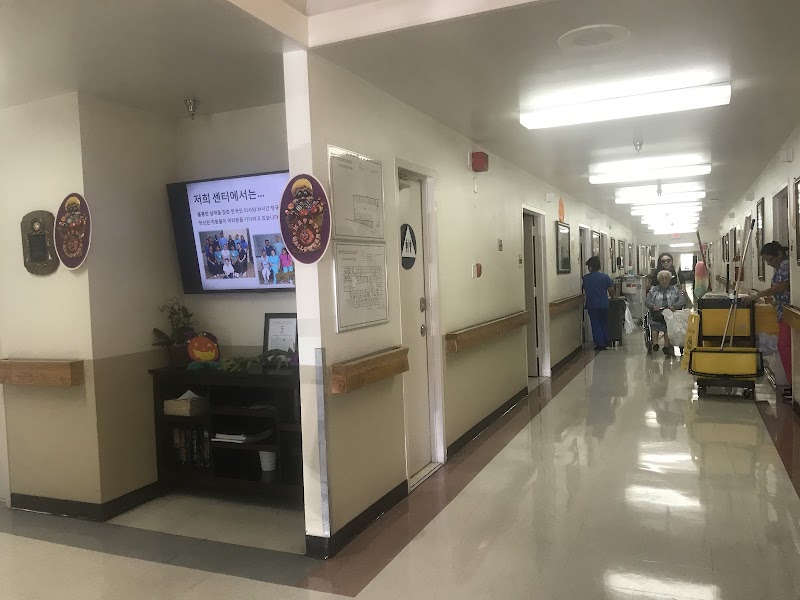
How is Greenfield Of Fullerton, Llc Staffed?

CMS rates GREENFIELD CARE CENTER OF FULLERTON, LLC's staffing level at 5 out of 5 stars, which is much above average compared to other nursing homes. Staff turnover is 22%, compared to the California average of 46%. This relatively stable workforce can support continuity of care.

What Have Inspectors Found at Greenfield Of Fullerton, Llc?

State health inspectors documented 31 deficiencies at GREENFIELD CARE CENTER OF FULLERTON, LLC during 2021 to 2025. These included: 28 with potential for harm and 3 minor or isolated issues.

Who Owns and Operates Greenfield Of Fullerton, Llc?

GREENFIELD CARE CENTER OF FULLERTON, LLC is owned by a for-profit company. For-profit facilities operate as businesses with obligations to shareholders or private owners. The facility is operated by EVA CARE GROUP, a chain that manages multiple nursing homes. With 99 certified beds and approximately 88 residents (about 89% occupancy), it is a smaller facility located in FULLERTON, California.
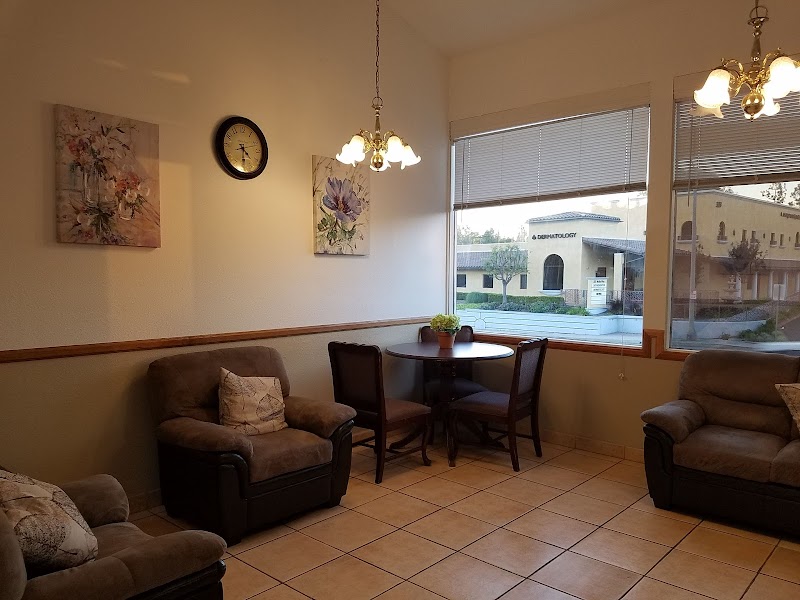
How Does Greenfield Of Fullerton, Llc Compare to Other California Nursing Homes?

Compared to the 100 nursing homes in California, GREENFIELD CARE CENTER OF FULLERTON, LLC's overall rating (5 stars) is above the state average of 3.2, staff turnover (22%) is significantly lower than the state average of 46%, and health inspection rating (4 stars) is above the national benchmark.

What Should Families Ask When Visiting Greenfield Of Fullerton, Llc?

Based on this facility's data, families visiting should ask: "Can I visit during a mealtime to observe dining assistance and food quality?" "How do you handle medical emergencies, and what is your hospital transfer rate?" "Can I speak with family members of current residents about their experience?"

Is Greenfield Of Fullerton, Llc Safe?

Based on CMS inspection data, GREENFIELD CARE CENTER OF FULLERTON, LLC has a clean safety record: no substantiated abuse findings (meaning no confirmed cases of resident harm), no Immediate Jeopardy citations (the most serious violation level indicating risk of serious injury or death), and is not on the Special Focus Facility watch list (a federal program monitoring the lowest-performing 1% of nursing homes). The facility has a 5-star overall rating and ranks #1 of 100 nursing homes in California. While no facility is perfect, families should still ask about staff-to-resident ratios and recent inspection results during their visit.

Do Nurses at Greenfield Of Fullerton, Llc Stick Around?

Staff at GREENFIELD CARE CENTER OF FULLERTON, LLC tend to stick around. With a turnover rate of 22%, the facility is 24 percentage points below the California average of 46%. Low turnover is a positive sign. It means caregivers have time to learn each resident's needs, medications, and personal preferences. Consistent staff also notice subtle changes in a resident's condition more quickly. Registered Nurse turnover is also low at 14%, meaning experienced RNs are available to handle complex medical needs.

Was Greenfield Of Fullerton, Llc Ever Fined?

GREENFIELD CARE CENTER OF FULLERTON, LLC has been fined $3,250 across 1 penalty action. This is below the California average of $33,111. While any fine indicates a compliance issue, fines under $50,000 are relatively common and typically reflect isolated problems that were subsequently corrected. Families should ask what specific issues led to these fines and confirm they've been resolved.

Is Greenfield Of Fullerton, Llc on Any Federal Watch List?

GREENFIELD CARE CENTER OF FULLERTON, LLC is not on any federal watch list. The most significant is the Special Focus Facility (SFF) program, which identifies the bottom 1% of nursing homes nationally based on persistent, serious quality problems. Not being on this list means the facility has avoided the pattern of deficiencies that triggers enhanced federal oversight. This is a positive indicator, though families should still review the facility's inspection history directly.