CLEAR VIEW CONVALESCENT CENTER
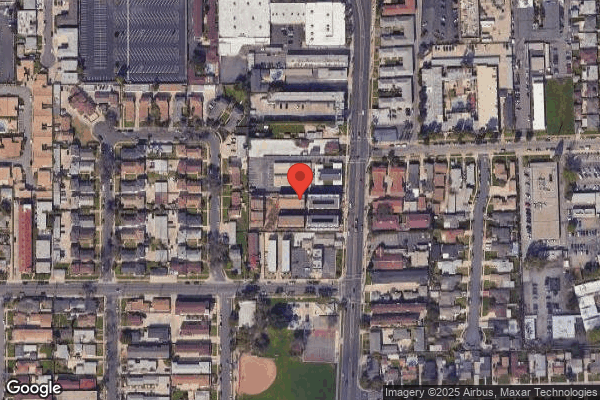
15823 SO. WESTERN AVE., GARDENA, CA 90247 (310) 538-2323
For profit - Corporation 99 Beds Independent Data: November 2025
Trust Grade
88/100
#47 of 1155 in CA
Last Inspection: February 2025

Within standard 12-15 month inspection cycle. Federal law requires annual inspections.

Overview

Clear View Convalescent Center has a Trust Grade of B+, which means it is above average and recommended for families seeking care. It ranks #47 out of 1,155 facilities in California, placing it in the top half, and #8 out of 369 in Los Angeles County, indicating that only seven local facilities are rated higher. The facility's performance has been stable, with 20 identified issues over the past two years, and it has not faced any fines, which is a positive aspect. Staffing is a relative strength with a 4/5 star rating and a turnover rate of 28%, which is below the state average, but the facility does have less RN coverage than 78% of facilities in California, which could be a concern. Specific incidents noted by inspectors include the failure to ensure that call lights were accessible for residents, which could hinder their ability to request assistance, and issues with food storage practices that could lead to foodborne illness. Overall, while there are notable strengths in staffing and no fines, the facility does have some weaknesses in safety measures that families should consider.

Trust Score
B+
88/100
In California
#47/1155
Top 4%
Safety Record
Low Risk
No red flags
Inspections
Holding Steady
6 → 6 violations
Staff Stability
✓ Good
28% annual turnover. Excellent stability, 20 points below California's 48% average. Staff who stay learn residents' needs.
Penalties
✓ Good
No fines on record. Clean compliance history, better than most California facilities.
Skilled Nurses
⚠ Watch
Each resident gets only 19 minutes of Registered Nurse (RN) attention daily — below average for California. Fewer RN minutes means fewer trained eyes watching for problems.
Violations
⚠ Watch
20 deficiencies on record. Higher than average. Multiple issues found across inspections.
★★★★★
5.0
Overall Rating
★★★★☆
4.0
Staff Levels
★★★★★
5.0
Care Quality
★★★★★
5.0
Inspection Score
Stable
2024: 6 issues
2025: 6 issues

The Good

  • 4-Star Staffing Rating · Above-average nurse staffing levels
  • 5-Star Quality Measures · Strong clinical quality outcomes
  • Low Staff Turnover (28%) · Staff stability means consistent care
  • Full Sprinkler Coverage · Fire safety systems throughout facility
  • No fines on record
  • Staff turnover is low (28%)

    20 points below California average of 48%

Facility shows strength in staffing levels, quality measures, staff retention, fire safety.

The Bad

No Significant Concerns Identified

This facility shows no red flags. Among California's 100 nursing homes, only 1% achieve this.

The Ugly 20 deficiencies on record

Feb 2025 5 deficiencies
CONCERN (D) 📢 Someone Reported This

A family member, employee, or ombudsman was alarmed enough to file a formal complaint

Potential for Harm - no one hurt, but risky conditions existed

Report Alleged Abuse (Tag F0609)

Could have caused harm · This affected 1 resident

**NOTE- TERMS IN BRACKETS HAVE BEEN EDITED TO PROTECT CONFIDENTIALITY** Based on observation, interview, and record review, the facility failed to: 1. Implement its undated Policy and Procedure (P&P) ...

Read full inspector narrative →
**NOTE- TERMS IN BRACKETS HAVE BEEN EDITED TO PROTECT CONFIDENTIALITY** Based on observation, interview, and record review, the facility failed to: 1. Implement its undated Policy and Procedure (P&P) titled, Reporting Suspected Crimes Under The Federal Elder Justice Act which indicated the reporting individual will notify local law enforcement immediately by phone and the Long Term care Ombudsman (an agency who investigates, reports on, and helps settle complaints against the facility) and licensing agency (California Department of Public Health) within 2 hours by fax when an incident involves abuse or serious bodily injury, after Resident 14 was alleged to have kicked Resident 56 in the stomach, approxiamately two weeks ago. This deficient practice had the potential to place Resident 56 at risk for further abuse. Findings: During a review of Resident 56's Admitting and Discharge Record (front page of the chart that contains a summary of basic information about the resident), the Admitting and Discharge Record indicated, Resident 56 was initially admitted to the facility on [DATE] and readmitted on [DATE]. The Admitting and Discharge Record indicated, Resident 56's diagnoses included cerebral infarction (a brain injury caused by a lack of blood flow) and vascular dementia (a condition that affects memory, thinking, and behavior due to reduced blood flow to the brain). During a review of Resident 56's History and Physical (H&P), dated 4/2/2024, the H&P indicated, Resident 56 did not have the capacity to understand and make decisions. During a review of Resident 56's Minimum Data Set ([MDS] - a resident assessment tool), dated 12/30/2024, the MDS indicated, Resident 56's cognitive (ability to think and reason) skills for daily decision making was moderately impaired. The MDS indicated, Resident 56 required supervision (helper provides verbal cues) with eating and oral hygiene. Section C for cognitive skills and Section GG for ADLs. During a review of Resident 14's Admitting and Discharge Record (front page of the chart that contains a summary of basic information about the resident), the Admitting and Discharge Record indicated, Resident 14 was initially admitted to the facility on [DATE] and readmitted on [DATE]. The Admitting and Discharge Record indicated, Resident 14's diagnoses included schizoaffective disorder (a mental illness that can affect thoughts, mood, and behavior) and anxiety disorder (a mental health condition that causes excessive fear and worry). During a review of Resident 14's History and Physical (H&P), dated 11/10/2024, the H&P indicated, Resident 14 did not have the capacity to understand and make decisions. During a review of Resident 14's MDS assessment, dated 11/6/2024, the MDS indicated, Resident 56's cognitive (ability to think and reason) skills for daily decision making was intact. The MDS indicated, Resident 14 required supervision (helper provides verbal cues) with oral hygiene and toileting hygiene. During a medication pass observation on 2/6/2025 at 12:30 p.m., with Licensed Vocational Nurse 3 (LVN 3), Resident 56 approached LVN 3 and reported he was kicked in the stomach by someone. LVN 3 stated he will talk to resident 56 later. During a review of facility fax cover sheet dated 2/7/2025 at 12:16 p.m. sent to CDPH, the cover sheet fax was regarding a Report of Suspected Dependent Adult/Elder Abuse (SOC 341). The SOC 341 indicated information of Resident 14's allegedly kicked Resident 56 in the stomach that occurred 2 weeks ago. During a review of Resident 56's Situation, Background, Assessment, Recommendation ([SBAR] - a communication tool used by healthcare workers when there is a change of condition among the residents), dated 2/7/2025 at 7:23 a.m., the SBAR indicated, on 2/6/2025 at 5:00 p.m., Resident 56 stated another resident kicked him in the stomach 2 weeks ago. During an interview on 2/7/2025 at 1:49 p.m., with LVN 3, LVN 3 stated the allegation of Resident 14 that he was allegedly kicked in the stomach was reported to him on 2/6/2025 at around 12:30 p.m. during the medication pass observation. LVN 3 stated he did not report the allegation of physical abuse to his Director of Nursing (DON) and Administrator (ADM). LVN 3 stated he got sidetracked and was busy with other tasks and that was the reason why he did not report the allegation of physical abuse. LVN 3 stated he was a mandated reporter, and any allegation of abuse should be reported immediately or within 2 hours to the ADM, Ombudsman, and CDPH. LVN 3 stated it was the responsibility of the ADM being the abuse coordinator to notify the Ombudsman and CDPH. LVN 3 stated it was required by law to report in a timely manner any allegation of abuse to the Ombudsman and CDPH for the safety and well-being of residents. LVN 3 stated next time he would be better when it comes to reporting of abuse allegation. During an interview on 2/7/2025 at 2:32 p.m., with the DON, the DON stated ADM 2 completed and faxed the SOC 341 and reported the allegation of physical abuse between Resident 56 and Resident 14 to the Ombudsman and CDPH on 2/7/2025 (one day later). The DON stated she was aware of the allegation of physical abuse between Resident 56 and Resident 14 on 2/6/2025 but did not report to the CDPH and Ombudsman. The DON stated it was important to report allegation of abuse to the CDPH within 2 hours after knowledge of the incident so there would be no delay in their investigation. During a concurrent interview and record review on 2/7/2025 at 3:33 p.m., with ADM 2, the facility's undated P&P titled, Reporting Suspected Crimes Under The Federal Elder Justice Act was reviewed. ADM 2 stated the P&P indicated, The reporting individual will notify local law enforcement immediately by phone and the Long-Term Care Ombudsman, law enforcement and licensing agency within 2 hours by fax when an incident involves abuse or serious bodily injury. ADM 2 stated this was the facility's policy when it comes to abuse reporting. ADM 2 stated the DON reported to him today (2/7/2025) between 8:30 a.m. to 9:00 a.m. regarding Resident 56's allegation he was kicked in the stomach by Resident 14. ADM 2 acknowledged he completed the SOC 341 and faxed to the Ombudsman and CDPH on 2/7/2025 at around 12:00 p.m. ADM 2 stated the allegation of abuse should have been reported to the Ombudsman and CDPH on 2/6/2025. ADM 2 stated it was important to report any allegation of abuse within 2 hours to the CDPH so they could intervene and prevent the recurrence of abuse. ADM 2 stated the facility was cited in the past for late reporting of allegation of abuse.
CONCERN (D)

Potential for Harm - no one hurt, but risky conditions existed

Assessment Accuracy (Tag F0641)

Could have caused harm · This affected 1 resident

**NOTE- TERMS IN BRACKETS HAVE BEEN EDITED TO PROTECT CONFIDENTIALITY** Based on interview and record review, the facility failed to ensure an accurate Minimum Data Set ([MDS] - a resident assessment ...

Read full inspector narrative →
**NOTE- TERMS IN BRACKETS HAVE BEEN EDITED TO PROTECT CONFIDENTIALITY** Based on interview and record review, the facility failed to ensure an accurate Minimum Data Set ([MDS] - a resident assessment tool) was completed accurately for one of 19 sampled residents (Resident 23) by failing to: 1. Ensure Resident 23's Lasix (a diuretic drug that helps reduce the amount of excess fluid in the body by increasing the amount of urine produced) medication was coded as diuretic and reflected in the MDS assessment under Section N (N0415) High-Risk Drug Classes) Medications. This deficient practice resulted in incorrect data transmitted to Center for Medicare and Medicaid Services (CMS) related to facility's inappropriate MDS care screening and assessment tool practices. Findings: During a review of Resident 23's Admitting and Discharge Record (front page of the chart that contains a summary of basic information about the resident), the Admitting and Discharge Record indicated, Resident 23 was admitted to the facility on [DATE]. The Admitting and Discharge Record indicated, Resident 23's diagnoses included hypertension ([HTN] - high blood pressure) and chronic kidney disease (a long-term condition that occurs when the kidneys are damaged and can't filter blood properly). During a review of Resident 23's History and Physical (H&P), dated 11/29/2024, the H&P indicated, Resident 23 did not have the capacity to understand and make decision. During a review of Resident 23's MDS assessment, dated 11/11/2024, the MDS indicated, Resident 23's cognitive (ability to think and reason) skills for daily decision making was severely impaired. The MDS indicated, Resident 23 required moderate assistance (helper does less than effort) from staff with oral hygiene, upper body dressing, and personal hygiene. During a review of Resident 23's Physician Orders, dated 7/1/2024, the Physician Orders, indicated, Resident 23's physician prescribed Lasix 20 milligrams ([mg] - metric unit of measurement, used for medication dosage and/or amount) by mouth daily at 9 a.m. for HTN. During a concurrent interview and record review on 2/5/2025 at 9:19 a.m., with the Minimum Data Set Nurse (MDSN), Resident 23's MDS assessment, dated 11/11/2024, was reviewed. The MDSN stated the MDS assessment was completed inaccurately. The MDSN stated there was a wrong entry and omission on the MDS section N0415. The MDSN stated Resident 23 was taking Lasix which was considered as a diuretic medication and was not checked on Resident 23's MDS assessment under section N0415. The MDSN stated MDS assessment serve as a tool to recognize residents problem and reflects facility's plan of care. The MDSN stated inaccuracy of assessment in the MDS could affect the plan of care of the resident, the data sent to CMS, and facility's quality measures (a tool that quantifies how well a facility provides healthcare). During an interview on 2/5/2025 at 10:02 a.m., with the Director of Nursing (DON), the DON stated accuracy of assessment in the MDS was important because the plan of care of resident was based on the need of the resident. During a review of the facility's undated policy and procedure (P&P), titled Record Assessment Instrument/Record Content, the P&P indicated, Healthcare professionals completing portions of the MDS are to certify the accuracy of the section they have completed.
CONCERN (D)

Potential for Harm - no one hurt, but risky conditions existed

Comprehensive Care Plan (Tag F0656)

Could have caused harm · This affected 1 resident

**NOTE- TERMS IN BRACKETS HAVE BEEN EDITED TO PROTECT CONFIDENTIALITY** Based on interview and record review the facility failed to develop a person-centered care plan for two of 19 sampled residents ...

Read full inspector narrative →
**NOTE- TERMS IN BRACKETS HAVE BEEN EDITED TO PROTECT CONFIDENTIALITY** Based on interview and record review the facility failed to develop a person-centered care plan for two of 19 sampled residents (Resident 23 and Resident 85) by failing to: 1. Develop a comprehensive care plan addressing Resident 23's use of diuretic (drug that helps reduce the amount of excess fluid in the body by increasing the amount of urine produced) medication. 2. Develop a comprehensive care plan addressing Resident 85's diagnosis of Post Traumatic Stress Disorder ([PTSD] - a disorder in which a person has difficulty recovering after experiencing or witnessing a traumatic event). This deficient practice had the potential to result in a lack of meeting necessary care and addressing medical needs for Resident 23 and Resident 85. Findings: 1. During a review of Resident 23's Admitting and Discharge Record (front page of the chart that contains a summary of basic information about the resident), the Admitting and Discharge Record indicated, Resident 23 was admitted to the facility on [DATE]. The Admitting and Discharge Record indicated, Resident 23's diagnoses included hypertension ([HTN] - high blood pressure) and chronic kidney disease (a long-term condition that occurs when the kidneys are damaged and can't filter blood properly). During a review of Resident 23's History and Physical (H&P), dated 11/29/2024, the H&P indicated, Resident 23 did not have the capacity to understand and make decision. During a review of Resident 23's MDS assessment, dated 11/11/2024, the MDS indicated, Resident 23's cognitive (ability to think and reason) skills for daily decision making was severely impaired. The MDS indicated, Resident 23 required moderate assistance (helper does less than effort) from staff with oral hygiene, upper body dressing, and personal hygiene. During a review of Resident 23's Physician Orders, dated 7/1/2024, the Physician Orders, indicated, Resident 23's physician prescribed Lasix 20 milligrams ([mg] - metric unit of measurement, used for medication dosage and/or amount) by mouth daily at 9 a.m. for HTN. During a concurrent interview and record review on 2/5/2025 at 9:45 a.m., with the Minimum Data Set Nurse (MDSN), Resident 23's electronic clinical records were reviewed. The MDSN stated when the problem was identified then the facility staff needs to develop a care plan. The MDSN stated there was no care plan addressing Resident 23's use of diuretic medication. The MDSN stated Resident 23 was taking Lasix which was considered as a diuretic medication. The MDSN stated by not developing a care plan for Resident 23's diuretic medication, the facility staff would not be able to monitor its side-effects (an effect of a drug beyond its desired effect) and provide interventions to care for resident. The MDSN stated it was important to develop an individualized focused care plan so the facility could safely care the needs of the residents. 2. During a review of Resident 85's Admitting and Discharge Record (front page of the chart that contains a summary of basic information about the resident), the Admitting and Discharge Record indicated, Resident 85 was admitted to the facility on [DATE]. The Admitting and Discharge Record indicated, Resident 85's diagnoses included PTSD, hypertension ([HTN] - high blood pressure), and major depressive disorder (a mood disorder that causes a persistent feeling of sadness and loss of interest). During a review of Resident 85's MDS assessment, dated 12/10/2024, the MDS indicated, Resident 85's cognitive (ability to think and reason) skills for daily decision making was intact. The MDS indicated, Resident 85 required supervision (helper provides verbal cues) from staff with oral hygiene, lower body dressing, and personal hygiene. The MDS indicated, Resident 85's had a diagnosis of PTSD. During a concurrent interview and record review on 2/5/2025 at 1:48 p.m., with the Social Service Designee (SSD), Resident 85's electronic clinical records were reviewed. The SSD stated there was no care plan addressing Resident 85's PTSD and no interventions to alleviate his trauma. The SSD stated it was important to develop a care plan for resident's continuity of care. During a review of the facility's undated policy and procedure (P&P), titled Resident's Care Plan Long and Short Term. the P&P indicated, Problems which are triggered from the MDS and will proceed to care planning. During a review of the facility's undated P&P, titled Record Assessment Instrument/Record Content, indicated care plans shall be updated when necessary and as the resident's condition or need change.
CONCERN (D)

Potential for Harm - no one hurt, but risky conditions existed

Deficiency F0699 (Tag F0699)

Could have caused harm · This affected 1 resident

**NOTE- TERMS IN BRACKETS HAVE BEEN EDITED TO PROTECT CONFIDENTIALITY** Based on observation, interview and record review, the facility failed to: 1. Ensure one of one sampled resident (Resident 85) w...

Read full inspector narrative →
**NOTE- TERMS IN BRACKETS HAVE BEEN EDITED TO PROTECT CONFIDENTIALITY** Based on observation, interview and record review, the facility failed to: 1. Ensure one of one sampled resident (Resident 85) with Post Traumatic Stress Disorder ([PTSD] - a disorder in which a person has difficulty recovering after experiencing or witnessing a traumatic event) received Trauma Informed Care ([TIC] - an intervention and approach that focuses on how trauma may affect an individual's life and his or her response to behavioral health). This deficient practice had the potential for the staff's inability to identify possible triggers that could result in re-traumatization (the reactivation of trauma symptoms via thoughts, memories, or feelings related to the past traumatic experience) for Resident 85. Findings: During a review of Resident 85's Admitting and Discharge Record (front page of the chart that contains a summary of basic information about the resident), the Admitting and Discharge Record indicated, Resident 85 was admitted to the facility on [DATE]. The Admitting and Discharge Record indicated, Resident 85's diagnoses included PTSD, hypertension ([HTN] - high blood pressure), and major depressive disorder (a mood disorder that causes a persistent feeling of sadness and loss of interest). During a review of Resident 85's MDS assessment, dated 12/10/2024, the MDS indicated, Resident 85's cognitive (ability to think and reason) skills for daily decision making was intact. The MDS indicated, Resident 85 required supervision (helper provides verbal cues) from staff with oral hygiene, lower body dressing, and personal hygiene. During a review of Resident 85's Physician Orders, dated 6/7/2024, the Physician Orders indicated, may have psychological evaluation and follow-up. During a review of Resident 85's Trauma Informed Care Note, dated 6/10/2024, the Trauma Informed Care Note indicated, Resident 85 served in a war or served in non-combat job that exposed to war-related casualties. During an interview on 2/4/2025 at 9:28 a.m., with Resident 85, Resident 85 stated he was in the United States [NAME] Corps and served during the Vietnam war. Resident 85 stated they were in patrol and ambushed the enemy which are young Vietnamese female soldiers. Resident 85 was very emotional narrating his Vietnam war experience. Resident 85 stated until now he was still thinking the experienced, he had during the Vietnam war. Resident 85 stated that was the worst experience and traumatic event in his life. Resident 85 stated there were certain things that could trigger his war trauma experience. Resident 85 stated when the phone rang, he thinks it was a fierce battle like the sound of a bullet. Resident 85 stated he exercise to cope up with that trauma experience. Resident 85 stated he would like to attend group therapy so he could share his thoughts and experience. Resident 85 stated he attended psychological counselling (a therapy that helps people address emotional and mental health challenges) at the Veterans Affair (VA) and would like to continue the treatment but was not offered by the facility staff. During a concurrent interview and record review on 2/5/2025 at 1:48 p.m., with the Social Service Designee (SSD), Resident 85's electronic clinical records were reviewed. The SSD stated Resident 85 was never referred to the psychologist (a mental health professional who studies and treats the human mind, emotions, and behavior) since he was admitted to the facility. The SSD stated she could not validate if the facility staff had interventions to alleviate his trauma and address Resident 85's PTSD. The SSD stated there was no documentation that Trauma Informed Care was provided to Resident 85. The SSD stated it was important to provide Trauma Informed Care to residents in order to identify the risk involved and to prevent re-traumatization. During an interview on 2/6/2025 at 11:53 a.m., with the Director of Nursing (DON), the DON stated the facility did not provide individual counselling and group therapy to Resident 85. The DON stated it was essential to provide Trauma Informed Care to residents in order to assess, monitor, and address residents past traumatic experience. The DON stated the risk of not providing Trauma Informed Care had the possibility that resident would diminish his psychosocial functioning that would affect his activities of daily living. During a review of the document titled Facility Assessment, dated 1/23/2025, under Part 2: Services and Care We Offer Based on our Resident's Needs, the Facility Assessment Indicated, Residents with mental health and behavior to identify and implement interventions to help support individuals with issues such as dealing with anxiety, care of someone with cognitive impairments, care of individuals with depression, trauma/PTSD, schizophrenia, bipolar disorder and other psychiatric diagnoses.
CONCERN (D)

Potential for Harm - no one hurt, but risky conditions existed

Deficiency F0726 (Tag F0726)

Could have caused harm · This affected 1 resident

Based on interview and record review, the facility failed to: 1. Ensure a competency assessment skill (a measurable pattern of knowledge, skills, abilities, behaviors, and other characteristics in per...

Read full inspector narrative →
Based on interview and record review, the facility failed to: 1. Ensure a competency assessment skill (a measurable pattern of knowledge, skills, abilities, behaviors, and other characteristics in performing that an individual need to perform work roles or occupational functions successfully) checks performed annually for one out of five randomly selected staff. This deficient practice had the potential for the facility not be able to assess the skills necessary to provide nursing services to assure resident safety and to attain or maintain the highest practicable physical, mental, and psychosocial well-being of each resident will not be performed within the acceptable standards of practice. Findings: During a concurrent interview and record review on 2/6/2025 at 8:02 a.m., with the Director of Staff Development (DSD), five random employees file were checked. The DSD stated Minimum Data Set Nurse (MDSN) did not have an annual competency assessment skills check on file. The DSD stated MDSN last competency skills check was 12/6/2023. The DSD stated competency assessment skills check must be done upon hire and annually. The DSD stated the Director of Nursing (DON) was responsible in completing the annual competency assessment skills check for licensed nursing staff. The DSD stated licensed nursing staff cannot work on the floor without completing and passed a competency assessment skills. The DSD stated the importance of completing the competency assessment skills was to validate the staff capability of performing their job. The DSD stated without an annual and updated competency assessment skills checklist of licensed nursing staff, there was a possibility that residents health and safety would be jeopardized. During an interview on 2/6/2025 at 8:38 a.m., with the DON, the DON stated it was important to conduct an annual competency assessment checklist to review the skills of the licensed nursing staff for them to perform their daily tasks and to validate their skills to provide standard of care. The DON stated it was an oversight on her part by not completing MDSN annual competency assessment skills checklist. During an interview on 2/6/2025 at 3:52 p.m., with the DON, the DON stated the facility has no policy and procedure (P&P) on staff competency check. During a review of the document titled Facility Assessment, dated 1/23/2025, the Facility Assessment indicated, Competency skills evaluation and skill set are checked on hire and annually thereafter.
Jan 2025 1 deficiency
CONCERN (D) 📢 Someone Reported This

A family member, employee, or ombudsman was alarmed enough to file a formal complaint

Potential for Harm - no one hurt, but risky conditions existed

Accident Prevention (Tag F0689)

Could have caused harm · This affected 1 resident

**NOTE- TERMS IN BRACKETS HAVE BEEN EDITED TO PROTECT CONFIDENTIALITY** Based on interview and record review, the facility failed to ensure one of three sampled residents (Resident 1) was free from an...

Read full inspector narrative →
**NOTE- TERMS IN BRACKETS HAVE BEEN EDITED TO PROTECT CONFIDENTIALITY** Based on interview and record review, the facility failed to ensure one of three sampled residents (Resident 1) was free from an avoidable fall when the facility: 1. Did not conduct an Interdisciplinary Team (IDT, group of different disciplines working together towards a common goal of a resident) meeting as indicated in the Change of Condition (COC) assessment dated [DATE], following Resident 1 ' s fall on 11/12/2024. 2. Did not reassess Resident 1 ' s Fall Risk Assessment following Resident 1 ' s fall on 11/12/2024. 3. Did not develop a comprehensive person-centered care plan to address Resident 1 ' s impulsive behavior, tendency to overestimate abilities and get up without asking for assistance during the daytime or while up in chair and did not specify the type of supervision and monitoring Resident 1 required for safety. These deficient practices had the potential to result in recurrent falls and injuries for Resident 1. Findings: During a review of Resident 1 ' s admission Record, the admission Record indicated Resident 1 was admitted to the facility on [DATE]. The admission Record indicated Resident 1 ' s diagnoses included severe dementia (a progressive state of decline in mental abilities), chronic (long-term) venous insufficiency (a condition where blood does not efficiently return to the heart), Vitamin B12 deficiency (a condition when the body doesn't have enough vitamin B12 to produce red blood cells), anemia (a condition where the body does not have enough healthy red blood cells), and polyneuropathy (disease or dysfunction of one or more nerves, typically causing numbness or weakness in the hands and feet). During a review of Resident 1 ' s History and Physical (H&P), dated 7/28/2022, the H&P indicated Resident 1 had a history of glaucoma (nerve damage in the eye that can lead to vision loss or blindness). The H&P indicated Resident 1 did not have the capacity to understand and make decisions. During a review of Resident 1 ' s Minimum Data Set (MDS, a resident assessment tool), dated 10/29/2024, the MDS indicated Resident 1 had severe cognitive impairment (problems with the ability to think, learn, remember, and make decisions). The MDS indicated Resident 1 required supervision to touch assistance (staff provides verbal cues and/or touching/steadying and/or contact guard assistance as resident completes activity) for Activities of Daily Living (ADLs) such as eating, oral hygiene, toileting hygiene, sit to stand (the ability to come to a standing position from sitting in a chair, wheelchair, or on the side of the bed), transfers (ability to transfer to and from a bed to a chair, get on and off a toilet or commode or get in and out of a tub/shower) and ambulating (walking) 10-150 feet. During a review of Resident 1 ' s Fall Risk Assessment, dated 10/29/2024, the assessment indicated Resident 1 was at risk of falling. The Assessment indicated the following for Resident 1 ' s mental status: poor recall, judgement, and safety awareness. During a review of Resident 1 ' s Care Plan titled, Potential for Trauma- Falls, and complications from falls related to dementia, use of hypertensives (medicine for high blood pressure), dated 10/30/2024, the Care Plan indicated staff utilized a sensory alarm in Resident 1 ' s bed during the evening and night shifts and provide frequent visual checks. The Care Plan did not indicate what frequency the visual checks should be for Resident 1. The Care Plan did not indicate safety interventions related to Resident 1 ' s mental status while up in the chair or during the daytime. During a review of Resident 1 ' s Change of Condition (COC), dated 11/12/2024, the COC assessment indicated on 11/12/2024, Resident 1 fell on his right knee while out of the facility at an appointment. The COC assessment indicated Resident 1 sustained a right knee abrasion. The COC indicated an IDT Meeting was required. During a review of Resident 1 ' s Physical Therapy (PT) Discharge summary, dated [DATE], the PT Discharge Summary indicated Resident 1 had diagnoses of severe dementia and abnormalities of gait (manner of walking) and mobility. The Discharge Summary indicated Resident 1 required verbal cues, redirection, and tactile cues (physical touch) for safety measures due to the resident ' s cognition level. The summary indicated it was not safe for Resident 1 to use RW (Rolling walker) at this time as the resident was unable to recall and demonstrate safe use of RW with locking and unlocking mechanism. The summary indicated Resident 1 needed SBA (stand by assist, staff is nearby to help prevent injury or falls) to supervision level to transfer body weight over center of gravity, perform multi-step tasks, and navigating while ambulating. During a review of Resident 1 ' s Nurses Notes dated 12/29/24, the Nurses Notes indicated Resident 1 ' s vision was highly impaired and object identification was in question. The Notes indicated Resident 1 made poor decisions and required cues/supervision. During a review of Resident 1 ' s COC dated 1/2/2025, the COC indicated Resident 1 had an unwitnessed fall on 1/1/2025 at 6:37 p.m. The COC indicated Licensed Vocational Nurse (LVN) 2 found Resident 1 sitting on floor in Resident 1 ' s room, near the restroom, facing toward Resident 1 ' s bed. The COC indicated Resident 1 complained of right lower extremity (leg) pain. The COC indicated Resident 1 ' s doctor ordered a STAT (immediate) x-ray (imaging procedure to diagnose injuries) to the right leg. During a review of Resident 1 ' s Radiology (X-ray) Interpretation, dated 1/2/2025, the Radiology Interpretation indicated Resident 1 had a fracture of the right femur. During a review of Resident 1 ' s Nurses Note dated 1/2/2025, the Nurses Note indicated Resident 1 was transferred to GACH 1 by ambulance on 1/2/2025 at 6:30 a.m. due to Resident 1 ' s acute (sudden) fracture of the right femur. During an interview on 1/7/2025 at 10:10 a.m. with Certified Nursing Assistant (CNA) 1, the CNA 1 stated Resident 1 was impulsive, required constant supervision, and should never walk or transfer from of a chair without staff supervision and assistance. During a concurrent interview and record review on 1/7/2025 at 10:47 a.m. with LVN 1, Resident 1 ' s COC dated 1/2/2025 was reviewed. LVN 1 stated Resident 1 was unsupervised when Resident 1 transferred from sitting to standing and ambulated in Resident 1 ' s room. LVN 1 stated, this resulted in Resident 1 experiencing an unwitnessed fall. LVN 1 stated Resident 1 overestimated his physical abilities, required frequent cueing while ambulating, did not call or use the call light for assistance, and required constant supervision when awake. LVN 1 stated staff should not have left Resident 1 in a chair without supervision. LVN 1 stated Resident 1 should have sat in front of nursing station or in the activity room while awake to ensure supervision for safety. LVN 1 stated staff at the facility could have provided fall pads, call light alarms, and clip alarms for fall prevention and resident safety. LVN 1 stated the COC indicated Resident 1 sustained a right femur fracture after a fall on 1/1/2025. LVN 1 stated resident falls had the potential to result in broken bones and death. During a concurrent interview and record review on 1/7/2025 at 12:34 p.m. with the Director of Nursing (DON), Resident 1 ' s Fall Risk assessment dated [DATE] was reviewed. The DON stated Resident 1 ' s fall risk was not reassessed by nursing after Resident 1 fell on [DATE]. The DON stated a Fall Risk Reassessment should have been performed by the Rehabilitation (Rehab) Department after Resident 1 ' s fall on 11/12/2024. The DON stated implementing a call light alarm or clip alarm could have notified staff of Resident 1 ' s attempt to transfer out of chair and alerted staff to assist Resident 1 for safety. The DON stated Resident 1 did not have a call light alarm or clip alarm installed when Resident 1 transferred out of chair, ambulated in his room, and fell on 1/1/2025. During a concurrent interview and record review on 1/7/2025 at 12:39 p.m. with the Director of Rehabilitation (DOR), Resident 1 ' s PT (Physical Therapy) Discharge summary dated [DATE] was reviewed. The DOR stated the PT Discharge Summary indicated Resident 1 required supervision to transfer body weight over center of gravity (where the total weight of the body is), transfer from sitting to standing, perform multi-step tasks, and navigating while ambulating. The DOR stated Resident 1 should not transfer from sitting to standing or walk around without supervision. The DOR stated Resident 1 also required safety measures due to cognition level. The DOR stated the Rehab department did not complete Resident 1 ' s Fall Risk Reassessment after Resident 1 ' s fall on 11/12/2024. The DOR stated Nursing staff were responsible for completing a Fall Risk Reassessment and should have incorporated the Rehab ' s post-fall assessments when completing the Fall Risk Reassessment Form. During an interview on 1/7/2025 at 4:12 p.m. with CNA 2, CNA 2 stated CNA 2 was assigned to Resident 1 and was the last staff member to see Resident 1 prior to the resident ' s fall on 1/1/2025. CNA 2 stated Resident 1 was confused, needed cueing to find the bathroom and work through his steps. CNA 2 stated Resident 1 did not use the call light and would not wait for staff assistance if staff was not present in the room. CNA 2 stated she left Resident 1 unattended in the resident ' s room while up in the chair at around 6:20 p.m. and was later (time unknown) notified by LVN (unnamed) that Resident 1 fell in his room. CNA 2 stated, she was not aware of Resident 1 ' s prior fall or that the resident was a fall risk. During a concurrent interview and record review on 1/7/2025 at 4:49 p.m. with LVN 2, the facility ' s undated policy and procedure (P&P) titled Policy and Procedure on Fall Prevention and Reduction Program and Resident 1 ' s Care Plan titled Potential for Trauma- Falls, and complications from falls dated 10/30/2024 were reviewed. LVN 2 stated LVN 2 was not aware of Resident 1 ' s history of falling. LVN 2 stated LVN 2 discovered Resident 1 on the floor in Resident 1 ' s room at 6:37 p.m. on 1/2/2025 (17 minutes after Resident 1 was last seen by CNA 2). LVN 2 stated the Care Plan indicated an intervention to perform frequent visual checks. LVN 2 stated frequent was not specific. LVN 2 stated the P&P indicated visual checks every 15 minutes should be performed for residents identified to be a fall risk. LVN 2 stated Resident 1 ' s fall could have been prevented if Resident 1 was supervised. During a concurrent interview and record review on 1/8/2025 at 11:16 a.m. with RN 2, Resident 1 ' s COC dated 11/12/2025, MDS dated [DATE], the IDT Meeting notes dated 11/2024, Care Plan titled Short Term Problem: fell on his right knee dated 11/12/2025, Care Plan titled Potential for Trauma- Falls, and complications from falls dated 10/30/2024, the undated P&P titled Policy and Procedure on Fall Prevention and Reduction Program and undated P&P titled Policy of Care of Dementia Residents were reviewed. RN 2 stated the COC indicated an IDT meeting was required after Resident 1 fell on [DATE] however, it was not done. RN 2 stated the IDT should have reviewed Resident 1 ' s treatment plan related to Resident 1 ' s fall on 11/12/2024 to evaluate the appropriateness of corrective actions taken. RN 2 stated a Fall Risk Reassessment should occur after a significant change of condition (a major change in a resident's health that requires a reassessment and potential change in care plan). RN 2 stated a fall is a significant change of condition, regardless of where the fall occurs. RN 2 stated the Care Plan titled Potential for Trauma- Falls, and complications from falls should have been individualized and specific. RN 2 stated PT recommendations should have been added to Resident 1 ' s care plan but were not. RN 2 stated there were no measures to notify staff of Resident 1 ' s unsupervised transfer out of the chair and ambulation prior to Resident 1 ' s fall. RN 2 stated Resident 1 should have sat at the nursing station for supervision and safety. RN 2 stated specific and individualized care plans, Fall Risk Reassessments, and IDT Meetings were three opportunities to have assessed Resident 1 and developed resident-centered interventions to prevent additional falls. RN 2 stated no interventions were developed based on Resident 1 ' s needs. RN 2 stated Resident 1 ' s fall on 1/1/2025 could have been prevented. RN 2 stated Resident 1 ' s fall on 1/1/2025 resulted in Resident 1 breaking the right femur and transferring to the hospital. During an interview on 1/8/2025 at 4:40 p.m. with the Administrator, the Administrator stated an IDT meeting was not indicated after Resident 1 ' s fall on 11/12/2024. During a review of the facility ' s undated P&P titled, Policy of Care of Dementia Residents, the P&P indicated the IDT shall review the treatment plan of a resident with dementia quarterly or as needed. During a review of the facility ' s undated P&P titled, Policy and Procedure on Fall Prevention and Reduction Program, the P&P indicated a Fall Risk Assessment shall be reviewed during a significant change in resident condition. The P&P indicated comprehensive care planning should be developed for resident identified to be at high risk for falls or further falls and should identify interventions to prevent falls or further falls. The P&P indicated the facility Administrator, DON, Director of Staff Development, and IDT Members meet to evaluate fall incidents and the appropriateness of corrective actions taken. The P&P indicated residents identified to be at a greater risk or falls or further falls should be monitored closely to prevent further occurrence of fall incidents. The P&P indicated monitoring may be done by placing a high-risk resident near the nurse ' s station for increased visual monitoring, involving the resident in group activities, doing visual checks for the resident at least every 15 minutes, using mobility monitors (Chair Monitoring Device, Sensor Floor Mat, Sensor Pad Alarms), if deemed effective for a particular resident. The P&P indicated the facility must ensure continuous assessment of resident to reflect current status and condition. The P&P also indicated any changes in resident condition that may impact risk of falls should be noted and reflected in the Fall Risk Assessment and Plan of Care. The P&P indicated the facility should have a system in place that will allow for monitoring of fall incidences. The P&P indicated, for example, the incident reports are submitted to the DON and/or designee for further review and assessment and reviewed to ensure appropriate corrective actions/ measures have taken to prevent further falls. The P&P also indicated another example, the Administrator, DON, Director of Staff Development, and IDT members meet on a weekly, monthly and as needed basis to discuss & evaluate nature of fall incidences, appropriateness of corrective actions taken, etc.
Feb 2024 6 deficiencies
CONCERN (D)

Potential for Harm - no one hurt, but risky conditions existed

Deficiency F0582 (Tag F0582)

Could have caused harm · This affected 1 resident

**NOTE- TERMS IN BRACKETS HAVE BEEN EDITED TO PROTECT CONFIDENTIALITY** Based on interview and record review, the facility failed to provide the Notice of Medicare Non-Coverage (NOMNC) and Advance Ben...

Read full inspector narrative →
**NOTE- TERMS IN BRACKETS HAVE BEEN EDITED TO PROTECT CONFIDENTIALITY** Based on interview and record review, the facility failed to provide the Notice of Medicare Non-Coverage (NOMNC) and Advance Beneficiary Notice of Non-Coverage (ABN) forms to the Health Care Responsible Party for two of two sampled residents (Resident 22 and 26). This deficient practice had the potential to result in the responsible parties not being able to exercise their right to file an appeal and unknowingly paying for non-covered care expenses. Findings: During a review of Resident 22's Admitting and Discharge Record, the Admitting and Discharge Record indicated, Resident 22 was originally admitted to the facility on [DATE] and was readmitted on [DATE] with diagnoses including dementia (impaired ability to remember, think, or make decisions that interferes with doing everyday activities), major depressive disorder (a mood disorder that causes a persistent feeling of sadness and loss of interest), and hyperlipidemia ((too many fats in your blood). The Admitting and Discharge Record indicated, Resident 22 had health care responsible party. During a review of Resident 22's History and Physical (H&P), dated 11/9/2023, the H&P indicated, Resident 22 does not have the capacity to understand and make decision. During a review of Resident 26's Admitting and Discharge Record, the Admitting and Discharge Record indicated, Resident 26 was originally admitted to the facility on [DATE] and was readmitted on [DATE] with diagnoses including dementia (impaired ability to remember, think, or make decisions that interferes with doing everyday activities), Alzheimer's disease (a brain condition that causes a worsening decline in memory, thinking, learning and organizing skills), and hypertension (high blood pressure). The Admitting and Discharge Record indicated, Resident 26 had health care responsible party. During a review of Resident 26's History and Physical (H&P), dated 12/7/2023, the H&P indicated, Resident 26 does not have the capacity to understand and make decision. During an interview on 2/21/2024 at 1:15 p.m. with Minimum Data Set nurse 1 (MDS 1), MDS 1 stated the Social Service Director (SSD) was responsible in providing and explaining the NOMNC and ABN forms. MDS 1 stated the NOMNC and ABN forms should be issued to the health care responsible party as listed in the Admitting and Discharge Record form for residents who does not have the capacity to make healthcare decision. During a concurrent interview and record review on 2/21/2024 at 3:10 p.m. with SSD, the NOMNC and SNF ABN forms of Residents 22 and 26 were reviewed. SSD stated Resident 22's last covered day for Medicare Part A skilled services will end 1/5/2024 and Resident 26's last covered day for Medicare Part A skilled services will end 1/18/2024. SSD acknowledged that she had asked Residents 22 and 26 signed the NOMNC and ABN forms since the insurance coverage belongs to them. SSD confirmed and stated the NOMNC and ABN forms had not been sent to the healthcare responsible party for Resident 22 and 26. SSD acknowledged that Residents 22 and 26 were not cognitively intact. SSD stated by not informing the healthcare responsible party of Residents 22 and 26, their rights to appeal for their coverage were not honored. During an interview on 2/21/2024 at 3:25 p.m. with the Director of Nursing 1 (DON 1), DON 1 stated the SSD should have called or mailed the NOMNC and ABN forms to the healthcare responsible party of Resident 22 and 26 since both residents have a diagnosis of dementia. During an interview on 2/21/2024 at 3:41 p.m. with the Administrator (ADM), ADM stated the facility has no policy and procedure for issuing NOMNC and ABN to the resident or responsible party. During a review of Form Instructions for the Notice of Medicare Non-Coverage (NOMNC) CMS-10123, the Form Instructions, indicated Center for Medicare and Medicaid Services (CMS) requires that notification of changes in coverage for an institutionalized beneficiary/enrollee who is not competent be made to a representative. Providers are required to develop procedures to use when then beneficiary/enrollee is incapable or incompetent, and the provider cannot obtain the signature of the enrollee's representative through direct personal contact. If the provider is personally unable to deliver a NOMNC to a person acting on behalf of an enrollee, then the provider should telephone the representative to advise him or her when the enrollee's services are no longer covered.
CONCERN (D)

Potential for Harm - no one hurt, but risky conditions existed

PASARR Coordination (Tag F0644)

Could have caused harm · This affected 1 resident

**NOTE- TERMS IN BRACKETS HAVE BEEN EDITED TO PROTECT CONFIDENTIALITY** Based on interview and record review, the facility failed to ensure an accurate Level I Pre-admission screening and resident rev...

Read full inspector narrative →
**NOTE- TERMS IN BRACKETS HAVE BEEN EDITED TO PROTECT CONFIDENTIALITY** Based on interview and record review, the facility failed to ensure an accurate Level I Pre-admission screening and resident review (PASARR - a mental health assessment tool) was submitted to the state-designated authority in a timely manner for one out of five residents (Resident 76). This failure had the potential to result in Resident 76 not receiving appropriate mental health care. Findings: During a review of Resident 76's admission Record (Face Sheet), the Face Sheet indicated Resident 76 was initially admitted to the facility on [DATE] and was readmitted on [DATE]. Resident 76's diagnoses included chronic kidney disease (damaged kidneys), schizoaffective disorder (mental health disorder marked with a combination of symptoms such as hallucinations, delusion, and depression), and atherosclerosis (thickening or hardening of the arteries). During a review of Resident 76's History and Physical (H&P), dated 2/5/2024, the H&P indicated Resident 76 does not have the capacity to understand and make decision. During a review of Resident 76's Minimum Data Set ([MDS] a comprehensive assessment and care-screening tool), dated 12/07/2023, the MDS indicated Resident 60's cognition (ability to learn, reason, remember, understand, and make decisions) was not able to recall information when ask to repeat information. The MDS indicated active diagnoses under psychiatric and mood disorder 1. Depression 2. Bipolar 3. Schizophrenia. During a review of Resident 76's admission Record (Face Sheet), dated 1/27/2023, the Face Sheet indicated Resident 76 was diagnosed with schizoaffective disorder, bipolar (a mental illness that causes dramatic shifts in a person's mood, energy, and ability to think clearly) type on 1/27/2023. During a review of Resident 76's PASARR Level I letter, dated 12/8/2021, the PASARR Level I indicated results were negative and no additional requirements necessary for the diagnosis of bipolar disorder. During a concurrent interview and record review on 2/22/2024 at 2:17 p.m. with Certified Nursing Assistant (CNA) 2, Resident 76's admission Record, dated 1/27/2023 was reviewed. The admission Record indicated, on 1/27/2023 there was a new diagnosis of schizoaffective disorder, bipolar type. CNA 2 stated the resident went to the hospital 12/2022 and the bipolar diagnosis was discontinued. CNA 2 returned to the facility 1/27/2023 and the diagnosis was changed from bipolar disorder to schizoaffective disorder. CNA 2 stated my role is to send out the PASARR letter after the MDS (Minimum Data Set) Coordinator notifies me to send the letter out. CNA 2 stated a new PASARR letter is sent out when there is a new psychotropic diagnosis. CNA 2 stated there should have been a new PASARR letter due to the diagnosis to schizoaffective disorder. CNA 2 stated by the PASARR not being sent this had the potential for Resident 76 to be lacking in health services needed for the resident. During a concurrent interview and record review on 2/22/2024 at 2:17 p.m. with MDS Coordinator, Resident 76's admission Record, dated 1/27/2023 was reviewed. The admission Record indicated, on 1/27/2023 there was a new diagnosis of schizoaffective disorder, bipolar (a mental illness that causes dramatic shifts in a person's mood, energy, and ability to think clearly) type. The MDS Coordinator stated Resident 76 had a diagnosis changed from bipolar to schizoaffective disorder. The MDS Coordinator stated the last letter for the PASARR was sent out on 1/20/2021 and was not able to locate a new PASARR letter since the diagnosis change on 1/27/2023. The MDS Coordinator stated it was important to send the PASARR letter so we can categories the needs for Resident 76. The MDS Coordinator stated PASARR letter helps to give a clearer view on how to take care of the resident with a diagnosis of schizoaffective disorder. The MDS Coordinator stated since the new letter was not sent it placed the facility in a position of not knowing if Resident 76 can be taking care of at this facility or needed to be sent somewhere else. During a review of the facility's policy and procedure (P&P) titled, As part of the readmission process, the facility participates in the Preadmission Screening and Resident Review (PASRR) screening process (Level I) for all new and readmissions per requirement to determine if the individual meets the criterion for mental disorder .The PASRR will be evaluated annually and upon any significant change for those individuals identified.
CONCERN (D)

Potential for Harm - no one hurt, but risky conditions existed

Pharmacy Services (Tag F0755)

Could have caused harm · This affected 1 resident

**NOTE- TERMS IN BRACKETS HAVE BEEN EDITED TO PROTECT CONFIDENTIALITY** Based on observation, interview, and record review, the facility failed to: 1. Check the blood pressure prior to administering P...

Read full inspector narrative →
**NOTE- TERMS IN BRACKETS HAVE BEEN EDITED TO PROTECT CONFIDENTIALITY** Based on observation, interview, and record review, the facility failed to: 1. Check the blood pressure prior to administering Propranolol (blood pressure lowering medication) and Spironolactone (medication that removes extra fluid from the body). This deficient practice had the potential to result in a dangerously low blood pressure for one of five sampled residents (Resident 91). Findings: During a concurrent observation and interview on 2/22/24 at 8:26 AM with LVN1, LVN1 prepared Propranolol and Spironolactone for Resident 91. LVN1 was stopped from administering the medications to Resident 91 due to failure to check the blood pressure. LVN1 stated the blood pressure was not checked prior to giving the medications because the doctor didn't order parameters (a defined range) to hold the medication. If there are no parameters, nurses don't check the blood pressure. LVN1 stated if the blood pressure is already low prior to giving the medications, the medications will lower the blood pressure more. Low blood pressure can make the resident dizzy and they could fall. During an interview on 2/22/24 at 8:39 AM with LVN3, LVN3 stated prior to giving Propranolol and Spironolactone the blood pressure should be checked. The blood pressure should be checked because the medications will lower the blood pressure. If the blood pressure goes too low the resident could pass out or die. Nurses only check the blood pressure if there are parameters. During a review of Resident 91's admission Record (Face Sheet), the Face Sheet indicated Resident 91 was admitted to the facility on [DATE] with diagnoses of dementia (impaired ability to remember and make decisions), fracture of the right humerus (upper arm bone), hypertension (high blood pressure), osteoporosis (weak bones), and history of falling.
CONCERN (D)

Potential for Harm - no one hurt, but risky conditions existed

Laboratory Services (Tag F0770)

Could have caused harm · This affected 1 resident

**NOTE- TERMS IN BRACKETS HAVE BEEN EDITED TO PROTECT CONFIDENTIALITY** Based on interview and record review, the facility failed to ensure laboratory test ordered by the physician was available in th...

Read full inspector narrative →
**NOTE- TERMS IN BRACKETS HAVE BEEN EDITED TO PROTECT CONFIDENTIALITY** Based on interview and record review, the facility failed to ensure laboratory test ordered by the physician was available in the resident's clinical records and results reported to the physician in a timely manner for one of one sampled resident (Resident 80). This deficient practice had the potential for Resident 80 not receiving necessary medical treatment. Findings: During a review of Resident 80's Admitting and Discharge Record, the Admitting and Discharge Record indicated, Resident 80 was admitted to the facility on [DATE] with diagnoses including schizoaffective disorder (a mental illness that can affect your thoughts, mood and behavior), hypertension (high blood pressure), and hyperlipidemia (too many fats in your blood). During a review of Resident 80's History and Physical (H&P), dated 6/1/2023, the H&P indicated, Resident 80 does not have the capacity to understand and make decision. During a review of Resident 80's Minimum Data Set ([MDS] resident assessment and care screening tool), dated 12/14/2023, the MDS indicated, Resident 80 needs supervision in toileting hygiene and personal hygiene. During a review of Resident 80's Physician Orders, dated 6/2/2023, the Physician Order's indicated to monitor Resident 80's lipid panel (a blood test that measures the amount of cholesterol [type of fat] in your blood), every six months of June and December. During a concurrent interview and record review on 2/22/2024 at 2:13 p.m. with Registered Nurse 1 (RN 1), Resident 80's Electronic Health Record (EHR) were reviewed. RN 1 stated there were no laboratory results of lipid panel that was drawn December of last year available in Resident 80's EHR. RN 1 stated there was no documentation indicating the facility communicates with the physician of Resident 80 that lipid panel results were reported and there was no documented evidence of follow-up with the diagnostic laboratory of what happened with the lipid panel result that should had been drawn December of last year. RN 1 stated it was important for Resident 80's to monitor her lipid panel since Resident 80 had been taking statin (drugs that can lower cholesterol) and Resident 80 is a high risk for heart attack and other cardiac complications. During an interview on 2/22/2024 at 3:34 p.m. with the Administrator (ADM), the ADM stated the facility does not have a policy and procedure for diagnostic laboratory and laboratory reporting to the physician. During an interview on 2/23/2024 at 10:50 a.m. with the Director of Nursing 1 (DON 1), DON 1 stated the facility does not have a process to track all residents laboratory results.
CONCERN (E)

Potential for Harm - no one hurt, but risky conditions existed

Deficiency F0558 (Tag F0558)

Could have caused harm · This affected multiple residents

**NOTE- TERMS IN BRACKETS HAVE BEEN EDITED TO PROTECT CONFIDENTIALITY** Based on observation, interview, and record review, the facility failed to ensure call lights or light strings were accessible f...

Read full inspector narrative →
**NOTE- TERMS IN BRACKETS HAVE BEEN EDITED TO PROTECT CONFIDENTIALITY** Based on observation, interview, and record review, the facility failed to ensure call lights or light strings were accessible for two of four sampled residents (Residents 60 and 81). This deficient practice had the potential for avoidable harm as the two residents would not be able to use their call light to request assistance if needed. Findings: a. During a review of Resident 81's Admitting and Discharge Record, the Admitting and Discharge Record indicated, Resident 81was originally admitted to the facility on [DATE] and was readmitted on [DATE], with diagnoses including atrial fibrillation (irregular heartbeat), dementia (loss of cognitive functioning, thinking, remembering, and reasoning), and macular degeneration (an eye disease that affects your vision). During a review of Resident 81's History and Physical (H&P), dated 3/9/2023, the H&P indicated, Resident 81 does not have the capacity to understand and make decision. During a review of Resident 81's Minimum Data Set ([MDS] resident assessment and care screening tool), dated 1/2/2024, the MDS indicated, Resident 81 needs supervision in eating, oral hygiene, and toileting hygiene. During an observation in Resident 81's room on 2/20/2024 at 12:12 p.m. Resident 81 was observed in bed with his call light wrapped around a fixture hanging on the wall and not accessible to Resident 81. During an interview on 2/20/2024 at 12:15 p.m. with Certified Nursing Assistant 1 (CNA 1), CNA 1 stated call light serves to alert staff to address resident needs. During a concurrent observation and interview on 2/20/2024 at 12:22 p.m. with Licensed Vocational Nurse 2 (LVN 2) in Resident 81's room, LVN 2 stated Resident 81's could not reach his call light because it was wrapped and hanging on the wall. LVN 2 stated all staff are responsible for checking if the resident had their call lights within reach. LVN 2 stated the purpose of the call light was to ensure residents can call for help if needed especially during emergency. During a review of facility's policy and procedure (P&P) titled, Answering Call lights, undated, the P&P indicated, light cords should be within reach of the patient. b. During a review of Resident 60's admission Record (Face Sheet), the Face Sheet indicated Resident 60 was initially admitted to the facility on [DATE]. Resident 60's diagnoses included dementia (the loss of thinking, remembering, and reasoning), anxiety (a mental state of being anxious, worried, and unable to relax), fibromyalgia (a condition that causes pain and tenderness throughout the body), and hypertension (a condition in which the force of the blood against the artery walls is too high). During a review of Resident 60's History and Physical (H&P), dated 6/5/2023, the H&P indicated Resident 60 does not have the capacity to understand and make decision. During a review of Resident 60's Minimum Data Set ([MDS] a comprehensive assessment and care-screening tool), dated 2/13/2024, the MDS indicated Resident 60's cognition (ability to learn, reason, remember, understand, and make decisions) was not able to recall information when ask to repeat information. The MDS indicated Resident 60 needed partial assistance with activities of daily living (ADL) with dressing, putting on and taking off footwear, and toileting hygiene. During an observation on 2/20/2024 at 10:36 a.m. in Resident 60's room, the call light cord was hanging in the back of the bedside nightstand. The call light cord was not within reach for Resident 60 to use. During an observation on 2/21/2024 at 9:33 a.m. in Resident 60's room the call light cord was hanging in the back of the bedside nightstand. The call light cord was not within reach for Resident 60 to use. During a review of Resident 60's Care Plan-Falls, dated 8/21/2023, the Care Plan-Falls indicated, nurse aide was to 1. Encourage to ask for assistance 2. Call button in reach 3. Assist with ambulating, transferring, toileting. 4. Frequent visual checks 5. Anticipate needs as needed 6. Report pain indicators. During an interview on 2/22/2024 at 2:33 p.m. with Restorative Nurse Assistant (RNA) 1, RNA 1 stated the call light cords are attached to the sheets or even attached to the residents. RNA 1 stated our Residents at the facility had memory problems including Resident 60. RNA 1 stated Resident 60 the call light cord needs to be attached to Resident 60 or within reach. RNA 1 stated its important to have the call light cord within reach just in case Resident 60 needed something. RNA 1 stated if the call light cord is not within reach Resident 60 will not be able to get what she needs. During an interview on 2/23/2024 at 11:19 a.m. with Registered Nurse (RN) 1, RN 1 stated the process for the call light cords is to place the call light cord clip it on the pillow or sheets and if they needed assistance, we could get to Resident 60 right away. RN 1 stated the call light cord needed to be within reach and not behind the bedside nightstand. RN 1 stated Resident 60 had poor safety awareness and is at risk for falls. During an interview on 2/23/2024 at 11:36 a.m. with Director of Nursing (DON) 1, the DON 1 stated the call light cord is clipped to the beddings such as pillows. The DON 1 stated the call light cord can attached to the Residents clothing for the Residents that are confused. The DON 1 stated Resident 60 is confused, and the call light cord should be attached to her clothing. The DON 1 stated if the call light cord is not within reach Resident 60 could try to reach for the call light cord and could loss her balance and could fall. During a review of the facility's policy and procedure (P&P) titled, Answering Call Lights, date unknown, the P&P indicated, To give routine or emergency service to patients as need on request .Light cords should be within reach of the patient .Be sure to put the signal cord back where the patient can reach it easily.
CONCERN (E)

Potential for Harm - no one hurt, but risky conditions existed

Food Safety (Tag F0812)

Could have caused harm · This affected multiple residents

Based on observation, interview, and record review the facility failed to ensure safe food storage and food date and labeling practices in the kitchen: 1. The facility failed to date split peas after ...

Read full inspector narrative →
Based on observation, interview, and record review the facility failed to ensure safe food storage and food date and labeling practices in the kitchen: 1. The facility failed to date split peas after opening. 2. The facility failed to date individual cups of prune juices. This deficient practice had the potential to result in harmful bacteria growth that could lead to foodborne illness in 92 residents who will receive food and drinks from the kitchen. Findings: During an observation on 2/20/2024 at 9:00 a.m. in kitchen storage room, there was a clear container storing green split peas with no date of opening. During an observation on 2/20/2024 at 9:20 a.m. in the kitchen refrigerator had individual cups of prune juices with not date or labeled. During an interview on 2/21/2024 at 3:39 p.m. with Dietary Aide (DA) 1, DA 1 stated when a food item is opened and what is left over put the remaining item into a closed container. DA 1 stated the remaining food item should have an open date. DA 1 stated the food item was to be labeled with the name of the food product and put a date. DA 1 stated it is important to label and date the food so we can keep track of what needs to be thrown out. During an interview on 2/21/2024 at 3:39 p.m. with Dietary Aide (DA) 1, DA 1 stated the individual cups of prune juice should have been dated. DA 1 stated if the cups of prune juice do not have a date on them, we do not know if the prune juice is spoiled or not. DA 1 stated we would possible be giving the residents spoiled of prune juice and that could cause them to become sick. During an interview on 2/21/2024 at 3:44 p.m. with Dietary Supervisor (DS) 1, DS 1 stated once the food item is opened the remaining of the food is placed in a container. DS 1 stated the food should have a label and date. DS 1 stated the staff forgot to put the date on the split peas when the remaining split peas were put in the container. DS 1 stated not having the date on the food can altered the taste of the food after its prepared. DS 1 stated it is important to have the date to make sure the food is served fresh to the residents. During an interview on 2/21/2024 at 3:44 p.m. with Dietary Supervisor (DS) 1, DS 1 stated the cups of prune juice after it is poured into the cups it should have a date. DS 1 stated the cups of prune juice are good for two days and since there were no dates on the cups of prune juice we don't know when the prune juice was poured. DS 1 stated if the cups of prune juice were served to the residents; the residents had the potential to become sick. During a review of the facility's policy and procedure titled, Food Production and Storage, unknown date, All foods left over are to be placed in appropriate containers which are covered and labeled and dated .Dry storage open packages should be stored in lidded containers and properly labeled .Refrigerated storage all food items that are out of the original container will be properly covered, labeled, and dated.
Nov 2021 8 deficiencies
CONCERN (D)

Potential for Harm - no one hurt, but risky conditions existed

Resident Rights (Tag F0550)

Could have caused harm · This affected 1 resident

**NOTE- TERMS IN BRACKETS HAVE BEEN EDITED TO PROTECT CONFIDENTIALITY** Based on observation, interview and record review, the facility failed to ensure staff (CNA 5 and CNA 6) promoted dignity for tw...

Read full inspector narrative →
**NOTE- TERMS IN BRACKETS HAVE BEEN EDITED TO PROTECT CONFIDENTIALITY** Based on observation, interview and record review, the facility failed to ensure staff (CNA 5 and CNA 6) promoted dignity for two of two sampled residents (Resident 49 and 84), by not standing over the residents as they were assisted with dining during breakfast. This deficient practice had the potential to affect Residents 49 and 84's self-esteem and self-worth. Findings: a. During a review of Resident 49's admission record, it indicated Resident 49 was originally admitted to the facility on [DATE] and readmitted on [DATE], with diagnosis that included unspecified dementia without behavioral disturbance (long term and often gradual decrease in the ability to think and remember, severe enough to affect a person's daily functioning), bilateral osteoarthritis of the hip (the cartilage within a joint begins to break down and the underlying bone begins to change), and spondylosis (age-related change of the bones (vertebrae) and discs of the spine). During a review of Resident 49's quarterly Minimum Data Set (MDS - a standardized assessment and screening tool) dated 9/13/21, indicated Resident 49 had severely impaired cognitive skills for daily decision-making. The MDS indicated the resident needed extensive assistance with bed mobility, transfers, and dressing. The MDS also indicated Resident 49 was totally dependent with locomotion, toilet use, personal hygiene, and bathing, and required limited assistance in eating (indicated staff provide guided maneuvering of limbs or other non-weight-bearing assistance). During an observation and interview on 11/2/21, at 8:47 a.m., in Resident 49's room, Resident 49 was observed seated on a wheelchair. Certified Nursing Assistant 5 (CNA 5) was observed standing while feeding breakfast to Resident 49. Resident 49 was observed extending her neck to look up to CNA 5. CNA 5 stated when assisting resident to eat, they are supposedly sitting down. CNA 5 was not able to answer why she should sit down. She stated, I forgot the word for it. CNA 5 stated she was passing by and just started helping the resident. CNA 5 later stated the reason staff sit down while feeding residents is for dignity. b. During a review of Resident 84's admission records, it indicated Resident 84 was originally admitted to the facility on [DATE], and readmitted on [DATE], with diagnosis that included osteoporosis (disease that weakens bones), epilepsy (a central nervous system (neurological) disorder in which brain activity becomes abnormal, causing seizures or periods of unusual behavior, sensations and sometimes loss of awareness), and generalized anxiety disorder (marked by excessive, exaggerated anxiety and worry about everyday life events for no obvious reason). During a review of Resident 84's Quarterly Minimum Data Set (MDS - a standardized assessment and screening tool) dated 10/24/21, indicated the resident had moderately impaired cognitive skills for daily decision-making, and was totally dependent on staff for bed mobility, transfers, and dressing, locomotion, toilet use, eating, personal hygiene, and bathing. During an observation and interview on 11/2/21, at 8:52 a.m. in Resident 84's room, CNA 6 (employed for 27 years) was observed standing over Resident 84 while assisting the resident to eat. CNA 6 stated I can sit down if I want, but it's easier to stand up. CNA 6 further stated she is not aware of any protocols to use while assisting residents as they are eating. During an interview with the Registered Nurse 2 (RN 2) on 11/4/21, at 3:35 p.m. RN 2 stated the facility orients staff upon hire to sit down while assisting with feeding, the facility also does in-services periodically. RN 2 stated staff sitting down while assisting residents to eat is mainly for dignity. RN 2 stated some staff come inside the room not intending to stay but go to encourage residents to eat and help in cueing.
CONCERN (D)

Potential for Harm - no one hurt, but risky conditions existed

Deficiency F0685 (Tag F0685)

Could have caused harm · This affected 1 resident

**NOTE- TERMS IN BRACKETS HAVE BEEN EDITED TO PROTECT CONFIDENTIALITY** During observation, interview, and record review the facility failed to ensure one out of two residents (Resident 5) received pr...

Read full inspector narrative →
**NOTE- TERMS IN BRACKETS HAVE BEEN EDITED TO PROTECT CONFIDENTIALITY** During observation, interview, and record review the facility failed to ensure one out of two residents (Resident 5) received proper assistance to locate his lost device and maintain his vision. The deficient practice resulted in Resident 5 delay in receiving his as corrective glasses to maintain his visual abilities and had the potential to decrease Resident 5 quality of life. Findings: During a review of the clinical records for Resident 5, the Admitting and Discharge Record indicated Resident 5 was originally admitted on [DATE]. Diagnosis included dementia (memory loss), chronic kidney disease (damage kidneys), and dependent on hemodialysis. During a review of the clinical records for Resident 5, the optometry assessment dated [DATE], indicated Resident 5 had recommendations and was prescribed new bifocal glasses for quality of life. During a review of the clinical records for Resident 5, the Theft and Loss Monitoring Report dated 11/4/21, indicated Resident 5 lost his eyeglasses around 10/27/21. The report indicated Resident 5 received a pair of reading glasses and the faxed the order for Resident 5 bifocal glasses replacement. During a review of the clinical records for Resident 5, the Physician Orders dated 8/1/20, indicated Resident 5 may have eye health vision consultation with follow up treatment if indicated During a review of the clinical records for Resident 5, the Minimum Data Set ([MDS] a standardized assessment and care screening tool) dated 8/3/2021, indicated Resident 5 had the ability to understand others and to make self-understood. The MDS indicated Resident 5 required supervision with bed mobility, transfer, dressing, eating, toilet use, and personal hygiene. During a review of the clinical records for Resident 5, the Care Plan During a review of the clinical records for resident 5, the Nurses Notes dated 10/18/21 and timed 10:53 p.m., indicated Resident 5 had glasses with corrective lenses. A note on 11/1/2021 and timed 4:28 p.m., indicated Resident 5 vision was impaired with ability to see large print but not regular print. During an interview on 11/2/2021 at 9:33 a.m., Resident 5 stated his eyeglasses broken and got lost. Resident 5 stated he was having difficulty seen and doing things without his glasses. Resident 5 stated he notified the licensed vocational nurse (LVN 5) and she told him the facility was going to follow up on his glasses. During a concurrent interview and record review on 11/4/21, at 10:12 a.m., Social Services Director (SSD) stated about two weeks ago, she was notified about Resident 5 eyeglasses being misplaced. SSD stated she did not complete a theft and loss report and had not looked for the missing glasses for resident 5. SSD stated she had not looked for Resident 5's eyeglasses because she thought Resident 5 glasses were shades. SSD review the optometrist records dated 3/25/21 and stated Resident 5 received new bifocal eyeglasses. During an interview on 11/4/21, at 4:14 p.m., SSD stated the facility did not find Resident 5's eyeglasses and she ordered a replacement. SSD stated the facility provided Resident 5 a pair of readers to ensure Resident 5 could do his crossword puzzle until he waited for his new glasses. The facility's policy titled Theft and Loss undated, indicated the social services designee would review and evaluate the Theft and Log entries as well as address each incident at the time of occurrence. The policy indicated the facility would take a photo of the resident's eyeglasses for easy identification, complete a theft and lost report for lost or stolen properties. The policy indicated prompt communication about the theft and loss would potentially quickly recover the missing item.
CONCERN (D)

Potential for Harm - no one hurt, but risky conditions existed

Accident Prevention (Tag F0689)

Could have caused harm · This affected 1 resident

**NOTE- TERMS IN BRACKETS HAVE BEEN EDITED TO PROTECT CONFIDENTIALITY** Based on interview and record review, the facility failed to ensure one of seven sampled residents (Resident 89) who was at risk...

Read full inspector narrative →
**NOTE- TERMS IN BRACKETS HAVE BEEN EDITED TO PROTECT CONFIDENTIALITY** Based on interview and record review, the facility failed to ensure one of seven sampled residents (Resident 89) who was at risk for falls was assisted by two staff after a shower as indicated in the resident's functional assessment. This deficient practice resulted in Resident 89 sustaining a fall and hitting her head on the floor. Findings: During a review of Resident 84's admission record indicated Resident 84 was initially admitted on [DATE] and latest readmission date was on May 24,2018 with diagnoses not limited to, Osteoporosis (disease that weakens bones), Epilepsy (a central nervous system (neurological) disorder in which brain activity becomes abnormal, causing seizures or periods of unusual behavior, sensations and sometimes loss of awareness), and Generalized Anxiety disorder (marked by excessive, exaggerated anxiety and worry about everyday life events for no obvious reason). During a review of Resident 84's Minimum Data Set (MDS - a standardized assessment and screening tool) dated October 24, 2021, indicated the resident had severe impairment of cognitive skills for daily decision-making. The MDS indicated the resident needed total dependence with bed mobility, two-persons assist on transfers, and dressing. The MDS also indicated Resident 84 was totally dependent with locomotion, toilet use, eating, personal hygiene, and bathing. During a review of records of Resident 89's history of falls indicated an incident reported on October 31, 2021 at 10:15 a.m. was documented. The records indicated s/p (status/post - after) fall, slipped in shower/tub lying left. During a record review of the document titled Nurses Notes dated October 31, 2021 at 3:07 p.m. indicated at the time of incident Resident 89 was in chair. The Nurses notes indicated the Certified Nurse Assistant 12 (CNA 12) was attempting to pull up resident's pants after giving her shower, when the CNA slipped, then resident slid from shower chair on the floor, bumped back of head. The CNA immediately assisted resident, and slight redness noted to lower back area but no first aid was required. The notes indicated no floor mat was in place and the floor was slippery. CNA 12 was instructed to assure and use proper safety precautions are always in place. During a review of Resident 89's care plan for History of Falls dated August 03, 2020, indicated nursing aide will assist with safe transfers with two-person assist, ambulation with one person assists and two as needed, anticipate needs. On November 02, 2021, the care plan indicated Nursing fall update: October 31, 2021 instruct staff on proper positioning and proper transfer technique of resident, ask for assistance during bathing/dressing and have proper safety precautions in place. During an interview and record review with Registered Nurse (RN 2) on November 04, 2021 at 11:57 a.m., RN 2 stated Resident 89 needs two person assist with transferring but when showering, it is okay for one person assist. RN 2 stated the documentation indicated only CNA 12 was assisting when transferring the resident on the day of fall. During an interview with CNA 12 on November 04, 2021 at 12:01 p.m., stated she was helping to pull up Resident 89 on the wheelchair when she lost her balance, resident fell and hit her head. CNA 12 stated she should have asked for help, but she thought she can pull the resident by herself. CNA 12 stated she reported to Licensed Vocational Nurse 2 (LVN 2), who was the charge nurse (CN) that time. CNA 12 stated the Resident was monitored throughout her shift and was endorsed to the next shift. During an interview with CNA 6 on November 04, 2021 at 12:11 p.m., CNA 6 stated Resident 89 needs two staff to transfer. CNA 6 stated she will not attempt to transfer Resident 89 without assistance. CNA 6 stated Resident 89 can bear weight on her legs but was still heavy. During an inter view with the DSD on November 04, 2021 at 12:11 p.m., DSD stated the facility conducts in-services training and routine meetings for fall precautions. There is also a stand up meeting in the start of every shift. The training starts upon employment, every six months, and incidental as well. The DSD stated a total assist resident needs to two persons assist, if the staff cannot do it, ask for help. The DSD instructs staff on transferring and moving techniques and ask the therapy department for assistance, when needed. The DSD stated if the CNA was not following the plan of care (POC), the CNA gets written up for the safety of residents and employees. The DSD stated when injury occurs, fractures, and hospital admission, will have to report to health department. DSD stated all staff was responsible specially DSD because he has to reeducate the staff again. DSD stated CNA 12 is a newly graduated CNA and the CNA just had her orientation. During an interview with LVN 2 on November 04, 2021 at 1:55 p.m., LVN 2 stated CNA 12 changed her story a couple of times. LVN 2 stated she was called in the shower room and found Resident 89 down, side lying. LVN 2 stated Resident 89 made eye contact after neuro assessment. LVN 2 stated neuro checks should be done for 72 hours to monitor for change in level of consciousness. LVN 2 stated at the start of every shift, staff are made aware of what are the specific needs of residents and expects them to know if a resident needs two persons assist. LVN 2 stated she continuously reminded other staff to ask for assistance. LVN 2 stated Resident 89's fall was avoidable because CNA 12 should have asked for assistance. LVN 2 stated the CNA did not use the stuff (fall mat) and towels when the floor was wet. During a review of the facility's Policy and Procedure titled Policy and Procedure on Fall Prevention Program indicated on the Facility-wide Environmental Assessment an environmental assessment should be done regularly as part of the Fall Prevention Program. Facility should identify common, recognizable hazards that impact risk for falls. Staff must recognize and view the environment from the prospective of a resident with multiple limitations. Environmental Interventions that can help prevent falls entails as much environmental check and modification, such as bathrooms: Check floors frequently to ensure they are not slippery, especially when wet. Tubs, showers, and floors should have non-skid mats. Care Planning - comprehensive long term care plan should be developed for residents identified to be at high risk for falls or further falls. Plan of care should: Identify and address risk & confounding factors to fall incidents, such as: Impaired physical functioning -resident would require assistance with mobility and locomotion.
CONCERN (D)

Potential for Harm - no one hurt, but risky conditions existed

Deficiency F0726 (Tag F0726)

Could have caused harm · This affected 1 resident

**NOTE- TERMS IN BRACKETS HAVE BEEN EDITED TO PROTECT CONFIDENTIALITY** Based on observation, interview and record review the facility's Administrative staff failed to ensure the Certified Nurse Assis...

Read full inspector narrative →
**NOTE- TERMS IN BRACKETS HAVE BEEN EDITED TO PROTECT CONFIDENTIALITY** Based on observation, interview and record review the facility's Administrative staff failed to ensure the Certified Nurse Assistant (CNA) staff was competent and had the necessary skills to safely care for one out of one resident (Resident 5) who was receiving hemodialysis ([HD] is a process of purifying the blood of a person whose kidneys are not working normally). This deficient practice had the potential to result in severe bleeding and malfunction of the HD shunt (a silicone tube surgically implanted into a vein and into an artery to move blood through a filter at a high rate) site for Resident 5. Findings: During a review of Resident 5's admission and Discharge Record indicated, the resident was originally admitted to the skilled nursing facility on [DATE]. The resident's diagnoses included dementia (a group of thinking and social symptoms that interferes with daily functioning), chronic kidney disease (a longstanding disease of the kidneys leading to renal failure) and was dependent on hemodialysis (a treatment to filter wastes and water from your blood, as your kidneys did when they were healthy). During a review of Resident 5's Physician Orders dated 8/1/20, indicated the resident went to hemodialysis on Monday, Wednesday, and Friday. During a review of the physician's order indicated a nursing alert that read, no blood pressures on the left arm. During a review of Resident 5's Minimum Data Set ([MDS] a standardized assessment and care plan screening tool) dated 8/3/2021, indicated Resident 5 had the ability to understand others and to make self-understood. The MDS also indicated, Resident 5 required supervision with bed mobility, transfers, dressing, eating, toilet use and personal hygiene. The MDS further indicated that Resident 5 required HD treatment. During a review of Resident 5's Care Plan dated 10/21/20, identified the resident's problem was the presence of a left upper arm shunt related to hemodialysis. The care plan intervention for this problem included to carefully handle the left upper arm during care and to observe for redness and bleeding. During a review of a written dialysis note dated 11/1/21, indicated Resident 5 had a hemodialysis access, on the upper left arm. During a review of Resident's 5 Care Plan dated 11/4/21, indicated the facility had identified a problem for end stage renal disease which required HD treatment, three times a week via (by) a shunt on the upper left arm. During a concurrent observation and interview on 11/3/2021 at 9:06 a.m., Certified Nurse Assistant (CNA 2) stated, she did not know where Resident 5's hemodialysis site was. CNA 2 also stated, she did not have to take any special precautions to measure the resident's blood pressure (the force of circulating blood on the walls of the arteries). CNA 2 stated, she measured the blood pressure for the resident on his left arm, because it was closer to his heart. CNA 2 said, she did not know what a HD emergency kit was and had not seen one in the facility. The HD emergency kit was shown to CNA 2 and she stated, the kit was used when residents scratched themselves. During a concurrent interview and record review on 11/3/21 at 1:42 p.m., Licensed Vocational Nurse (LVN 1) stated, she notified the CNAs not to measure the blood pressure for Resident 5 on the left arm, where the shunt is. LVN 1 stated, measuring the blood pressure on Resident 5's extremity could cause the resident to lose a lot of blood, cause the blood pressure to drop and the resident could faint. During a concurrent interview and record review on 11/4/21 at 7:51 a.m., the Director of Nurses (DON) stated the CNAs should know not to take the blood pressure on the resident's left arm. During an interview on 11/04/21 at 9:50 a.m., CNA 4 stated when she was assigned to work with the resident and was told to measure his blood pressure, on the right arm. CNA 4 stated, she did not know the reason why she was told to take the blood pressure for the resident, on the right arm. CNA 4 stated, she assumed the reason was not to take the blood pressure on the left arm was to obtain an accurate measurement. During an interview on 11/4/21 at 3:18 p.m., the Director of Staff Development (DSD) stated he did not provide hemodialysis in-service (training) for the staff. The DSD stated, he needed to include hemodialysis in-service to the staff to ensure the CNAs knew how to safely care for a HD resident. During a review of the facility's policy titled Care of the resident Receiving Renal Dialysis (undated), indicated the shunt care where the shunt was located was important to prevent stress and tension which could cause irritation to the canula-blood vessel connection as pressure above or below the extremity should be avoided at all times. The policy also indicated, post dialysis care included the CNA would take the resident's vital signs upon return from dialysis and would not take the blood pressure on the arm with the shunt. During a review of another facility's policy titled Care of the resident Receiving renal Dialysis undated indicated, staff would be aware of special care and needs of the resident receiving renal dialyses. The policy further indicated, the medical records would alert staff to location of shunt and blood pressure would not be taken on arm with shunt.
CONCERN (D)

Potential for Harm - no one hurt, but risky conditions existed

Deficiency F0813 (Tag F0813)

Could have caused harm · This affected 1 resident

Based on observation, interview, and record review, the facility's policy on Food brought in by family and visitors, does not address how to store and reheat food to ensure safe and sanitary storage, ...

Read full inspector narrative →
Based on observation, interview, and record review, the facility's policy on Food brought in by family and visitors, does not address how to store and reheat food to ensure safe and sanitary storage, handling, and consumption. This deficient practice had the potential to cause foodborne illness for a total of 84 residents that has food brought in by family or visitors. Findings: During an observation on 11/3/21, at 10:25 a.m., there were staff lunch bags in the residents' nourishment refrigerator, located in nursing Station 2. A label on the bottom drawer that indicted for resident food only. There was no food inside the drawer for resident food only. During an interview on 11/3/21, at 10:25AM, with Licensed Vocational Nurse 3 (LVN 3), the LVN stated With Covid, food for resident was not stored because we do not know where the food is coming from LVN 3 also stated, the refrigerator had a designated drawer for resident's food. During an interview on 11/3/21, at 10:26a.m., Director of Nursing (DON), stated, the facility does not store food for residents. If a family member brings food, the food must be eaten when the family member is here. The rest of the food will be discarded. DON further stated, If we want to store food for residents', the nourishment refrigerator has a dedicated space to store residents' food. A review of the facility's policy titled Food Brought in by Responsible Parties, Resident Self Determination and Participation Policy indicated the facility protected residents from foodborne illnesses. The policy also indicated the facility would allow residents to eat foods brought in by their responsible parties and visitors, if the food was brought in and eaten in the presence of the responsible party. According to this policy, Food brought in by family members, friends and visitors would not be stored at the facility, served or reheated by the facility's employees.
CONCERN (E)

Potential for Harm - no one hurt, but risky conditions existed

Comprehensive Care Plan (Tag F0656)

Could have caused harm · This affected multiple residents

**NOTE- TERMS IN BRACKETS HAVE BEEN EDITED TO PROTECT CONFIDENTIALITY** Based on observation, interview and record review, the facility failed to develop a plan of care for two of two sampled resident...

Read full inspector narrative →
**NOTE- TERMS IN BRACKETS HAVE BEEN EDITED TO PROTECT CONFIDENTIALITY** Based on observation, interview and record review, the facility failed to develop a plan of care for two of two sampled residents (Residents 50 and 56): a. Resident 50 had wandering and intrusive behavior, would enter other resident's rooms, make their beds without permission and without washing her hands. b. Resident 56 had a high risk for falls. These deficient practices had the potential to result in a delay in care and services needed for Resident 50, and falls for Resident 56. Findings: a. During a review of the admission record, Resident 50 was admitted to the facility on [DATE], with diagnoses of Alzheimer's disease (general term for memory loss and other cognitive abilities serious enough to interfere with daily life), major depressive disorder (mood disorder that causes a persistent feeling of sadness and loss of interest and can interfere with daily life), and disorder of bone density and structure (more likely to break). During a review of the Minimum Data Set (MDS - a comprehensive assessment and care screening tool) dated 9/13/21, indicated Resident 50 had moderately impaired cognitive skills for daily decision making and required minimal assistance and minimal assist for bed mobility, transfer, dressing, toilet use, and bathing. During an observation on 11/2/21, at 9 a.m., Resident 50 was observed in another resident's room making the residents bed. Resident 50 stated it was okay for her to make the other resident's bed, because it was her Hermana, my sister. Resident 50 stated she always made her bed. During a concurrent observation and interview on 11/2/21, at 10:35 a.m. Resident 50 was observed putting her own purse in Resident 51's closet. Resident 50 also complained of missing some clothes. CNA 7, (who has been employed by the facility for one year) stated she has seen Resident 50 in other resident rooms making other resident's bed. CNA 7 stated when staff see her, they tell her to stop and redirect her. CNA 7 stated Resident 50 always says it is her mother's bed she is making. Also, Resident 50 also thinks her daughter works in the facility. CNA 7 then moved the purse Resident 50 placed in Resident 51's closet. CNA 7 does not know why Resident 50's closet was empty. During an interview with CNA 11 on 11/4/21, at 8:08 a.m., CNA 11 stated Resident 51 always takes her clothes from the closet and packs them every morning, as if she is leaving the facility. The staff place Resident 50's belongings in a box and put the clothes back when the resident needs them. During an observation on 11/3/21, at 8:23 a.m. Resident 50 was observed making the bed for Resident 51 without washing her hands before and after touching Resident 51's linens and pillow. Resident 51 was observed speaking Korean only to Resident 50, while tapping Resident 50's arm to get her to stop but Resident 50 did not stop. Resident 51 sat quietly next to the bed. During a record review on 11/4/21, at 9:50 a.m., there was no care plan developed to address Resident 50's behavior of wandering and intrusions to other resident's room. During a concurrent interview and record review on 11/4/21, at 3:20 p.m. RN 2 stated, As long as Resident 50 is not harming herself or anyone staff just redirect the resident. RN 2 stated there is no care plan for walking room to room, but there is a care plan for restlessness and anxiety. RN 2 stated Resident 50 goes to other resident's room to say Hi and make conversations to other residents, that behavior does not need a care plan. RN 2 stated it is important to have a care plan as part of Resident 50's care and to monitor her behavior. During a record review of the Baseline/Admission/Working Resident Centered Care Plans dated 11/4/21, a care plan had been developed to address Resident 50's episodes of intrusiveness related to doing (fixing) other resident's beds related to Dementia with behavioral disturbance. During a review of the facility's undated policy and procedure titled, Assessments and Care Plans, it indicated all residents admitted to the facility shall be fully assessed by the attending physician and all disciplines within the facility to identify all problems and needs. This assessment will serve as a basis for the resident plan of care and shall be updated and revised as deemed necessary by the interdisciplinary team and required by OBRA. b. During a review of Resident 56's admission and Discharge records indicated, the resident was originally admitted to the skilled nursing facility on [DATE]. Resident 56's diagnoses included dementia (memory loss) with behavioral disturbance and chronic obstructive pulmonary disease ([COPD] a long-term lung disease that makes it hard to breath). During a review of Resident 56's Fall Risk Assessment record dated 3/19/21, indicated the resident was a high risk for falls. During a review of another Fall Risk Assessment record dated 6/28/21, indicated Resident 56 was at a high risk for falls. During a review of Resident 56's Post Fall Assessment record dated 8/18/21, indicated the resident was found on the floor face down. The resident had sustained a skin tear on the right forearm and a cut on the bridge of the nose with discoloration. During a review of Resident 56's Short-Term Care Plan dated 8/18/21, indicated Resident 56 was observed on the floor with a skin tear on the right forearm and a cut on the bridge of the nose. The short-term care plan goal was to minimize the resident's fall risk. The short-term care plan intervention included to instruct the Certified Nurse Assistant to place Resident 56 in a reclining position when he's up in the wheelchair. During a review of the clinical records for Resident 56, the Fall Care Plans dated 9/28/21, indicated Resident 56 had the potential for a recurrent fall incident. The care plan goal indicated for Resident 56 to not have any recurrent falls. During a review of Resident 56's Minimum Data Set ([MDS] a standardized assessment and care plan screening tool) dated 9/22/21, indicated the resident was rarely or never had the ability to understand others and the ability to make self-understood. The MDS indicated, Resident 56 was totally dependent on a two-person assistance with bed mobility and transfers. The MDS also indicated, Resident 56 had one fall with an injury. During an interview on 11/3/21 at 1:42 p.m., Licensed Vocational Nurse (LVN 1) stated residents who were at risk for falls, the facility created a long-term care plan with interventions to prevent falls. During a concurrent interview and record review on 11/4/21 at 7:30 a.m., LVN 1 stated Resident 56 was identified as a high risk for falls on 6/26/21. LVN 1 stated, she could not find a care plan for Resident 56 prior to the fall on 8/18/21. LVN 1 stated, the resident should have had a care plan developed prior to his fall incident. LVN 1 stated, the care plan would have provided a plan to prevent a fall for this resident. During a concurrent interview and record review on 11/4/21 at 7:51 a.m., the Director of Nurses (DON) stated the facility develops a care plan for the residents according to their risk factors and the resident's interventions are individualized. The DON reviewed the care plans for Resident 56 and was unable to find a written care plan prior to the fall incident on 8/18/21. The DON stated, a care plan should have been developed for Resident 56 prior to the fall incident. During a review of the facility's policy titled Fall Prevention and Reduction Program undated, indicated the foundation of a fall prevention program was the assessment. The policy also indicated, a comprehensive long term care plan should be developed for residents identified to be at high risk for falls and should identify and address risk, goals, and interventions or approach plan to prevent falls. The facility's policy titled Assessments and Care Plans undated, indicated all residents admitted to the facility should be fully assessed to identify all problems and needs. The policy indicated this assessment would serve as the basis for the resident care plan. The facility's policy titled Resident's Care Plan long & Short Term undated, indicated the objective was to provide a systematic way of documenting the plan of care for each resident
CONCERN (E)

Potential for Harm - no one hurt, but risky conditions existed

Menu Adequacy (Tag F0803)

Could have caused harm · This affected multiple residents

Based on observation, interview, and record review, the facility failed to follow the menu as written for 34 of 84 sampled residents on a regular diet. These residents received less rice and beans tha...

Read full inspector narrative →
Based on observation, interview, and record review, the facility failed to follow the menu as written for 34 of 84 sampled residents on a regular diet. These residents received less rice and beans than what was written on their menus. This deficient practice had the potential to result in weight loss. Findings: During a review of the facility's undated Daily Menu Planner, the planner indicated the following items will be served: Enchilada 1, beans ½ cup, rice ½ cup, fresh fruit ½ cup, green salad ½ cup, beverage 8oz, and coffee or tea. During a concurrent observation and interview with a [NAME] (Cook 1) on 11/2/21, at 1:10PM, in the kitchen, during tray line service for lunch, residents who were on regular diet, were served 1/3 cup of rice instead of ½ cup as indicated on menu. [NAME] 1 also served 1/3 cup of beans instead of ½ cup beans as written on the daily menu. According to [NAME] 1, he didn't check the scoop sizes. [NAME] 1 also stated, he should have followed the menu. 34 out of 84 residents During a concurrent observation and interview on 11/2/21, at 1:12pm, with Dietary Supervisor (DS), DS stated, Residents got less rice and beans. DS also stated, Staff should always follow the menu and portion sizes. DS added that he will provide in-services to the kitchen staff to ensure residents are provided propre portion sizes, moving forward. During a review of the facility's undated policy and procedure manual titled, Menu planning 4.9 Portion control indicated, Portion control aids in maintaining satisfactory food cost, uniformity of product, ease in food service, and helps assure that residents receive a nutritionally adequate diet. Foods are to be served in the portion size designated on the menu. The policy also indicated the Dietary Supervisor was responsible for training employees on the use of scoops, ladles, and scales, which facilitate portion control.
CONCERN (E)

Potential for Harm - no one hurt, but risky conditions existed

Food Safety (Tag F0812)

Could have caused harm · This affected multiple residents

Based on observation and interview, the facility failed to store, prepare and serve food in accordance with professional standards for food service safety when: 1. One container of open tomato juice w...

Read full inspector narrative →
Based on observation and interview, the facility failed to store, prepare and serve food in accordance with professional standards for food service safety when: 1. One container of open tomato juice was stored in the reach in refrigerator with no open date. There was also one container of thickened lemon water with an open date of 9/3/21, exceeding storage periods for ready to eat food. 2. Nutritional supplements labeled store frozen with manufacturer's instructions to use within 14 days of thawing, were not monitored for the date they were thawed to ensure expired shakes were discarded after the indicated timeframes. One box of vanilla no sugar added shakes and one box of chocolate soy shakes were stored in the walk-in refrigerator with no thaw date. 3. A tablespoon was stored inside a large plastic container of food thickener and the handle of the spoon was inside the food thickener. 4. The facility did not use a food safe chemical sanitizer to clean food contact surfaces in the kitchen for food preparation areas. These deficient practices had the potential to result in foodborne illness in a medically vulnerable population of a total of 84 residents. Findings: 1.During a concurrent observation and interview in the kitchen on 11/2/21, at 9: 10a.m, Dietary Supervisor (DS), stated, there was one container of open tomato juice in the reach in refrigerator next to the food preparation area, with no open date. DS stated there was also one container of lemon-flavored thickened water with an open date of 9/3/21. According to the DS, the dietary staff forgot to add the open date on the tomato juice. DS stated, open items should be discarded within 24 hours per facility's policy, and that the thickened water had exceeded its storage my two months. According to the DS it was important to indicate open dates on items and discard expired items to prevent food borne illnesses. 2.During a concurrent observation and interview on 11/2/21, at 9:35a.m., DS there was one box of individual cartons of vanilla flavored no sugar added shakes and one box of individual containers of chocolate flavored soy shakes stored in the walk-in refrigerator with no thaw date. DS stated, when the facility received the shipment the shakes were frozen. Ds also stated the shakes were stored in the refrigerator to thaw. According to DS once the shakes thawed, they were good for 14 days and verified that there were no thaw dates to monitor shakes if its expired. During a review of the U.S. Food and Drug Administration Food Code, dated 2017, indicated, the ready-to-eat, time/temperature control for safety, food should be marked by date or day of preparation, with a procedure to discard the food on or before the last date or day by which the food must be consumed, sold or discarded. The U.S. Food Code further stated, time/temperature control for safety refrigerated food must be consumed, sold or discarded by the expiration date. 3.During a concurrent observation and interview on 11/2/21, at 9:15a.m., in the food preparation area, DS stated there was a spoon inside one large container of food thickener powder, with the spoon's handle touching the thickener powder. DS also stated, the spoon should not be stored in the food. During a review of the U.S. Food and Drug Administration (FDA) Food Code, dated 2017, the FDA Food Code indicated, during pauses in food preparation or dispensing, food preparation and dispensing utensils shall be stored, in food that is not time/temperature control for safety food with their handles above the top of the food within containers or equipment that can be closed, such as bins of sugar, flour, or cinnamon. It further indicated, the handles of utensils, even if manipulated with gloved hands, are particularly susceptible to contamination. 4.During a concurrent observation and interview on 11/2/21, at 8:50 a.m., in the kitchen, Dietary Aide (DA 1) prepared a sanitizer using a container of germicidal cleaner found on the cart. The manufactures' specifications on the container of germicidal cleaner did not indicate that the product was safe to use on food preparation areas. DA1 stated he uses this solution to clean the counters and all of the food preparation areas a as disinfectant. During an interview on 11/2/21, at 8:52 a.m., DS stated, that the facility recently started using germicidal cleaner found on the cart in the kitchen to disinfect counters used for food and meal service carts. DS stated that the sanitizer solution company attached an automatic dispenser of the germicidal cleaner in the chemical storage room for easy dispensing. DS added that was not aware if the product was food safe. A review of Mix mate Germicidal Cleaner Technical data sheet, dated 2021, indicated, this product is not for use on food contact surfaces. During a review of the U.S. Food and Drug Administration Food Code, dated 2017, indicated, Code 7-204.11 Chemical sanitizers, including chemical sanitizing solutions generated on -site, and other chemical antimicrobials applied to food-contact surfaces shall Meet the requirements specified in 40 CFR 180.940 Tolerance exemptions for active and inert ingredients for use in antimicrobial formulations (Food-Contact surface sanitizing solutions).
Understanding Severity Codes (click to expand)
Life-Threatening (Immediate Jeopardy)
J - Isolated K - Pattern L - Widespread
Actual Harm
G - Isolated H - Pattern I - Widespread
Potential for Harm
D - Isolated E - Pattern F - Widespread
No Harm (Minor)
A - Isolated B - Pattern C - Widespread

Questions to Ask on Your Visit

  • "Can I speak with families of current residents?"
  • "What's your RN coverage like on weekends and overnight?"

Our Honest Assessment

Strengths
  • • Grade B+ (88/100). Above average facility, better than most options in California.
  • • No major safety red flags. No abuse findings, life-threatening violations, or SFF status.
  • • No fines on record. Clean compliance history, better than most California facilities.
  • • 28% annual turnover. Excellent stability, 20 points below California's 48% average. Staff who stay learn residents' needs.
Concerns
  • • 20 deficiencies on record. Higher than average. Multiple issues found across inspections.
Bottom line: Generally positive indicators. Standard due diligence and a personal visit recommended.

About This Facility

What is Clear View Convalescent Center's CMS Rating?

CMS assigns CLEAR VIEW CONVALESCENT CENTER an overall rating of 5 out of 5 stars, which is considered much above average nationally. Within California, this rating places the facility higher than 99% of the state's 100 nursing homes. This rating reflects solid performance across the metrics CMS uses to evaluate nursing home quality.

How is Clear View Convalescent Center Staffed?

CMS rates CLEAR VIEW CONVALESCENT CENTER's staffing level at 4 out of 5 stars, which is above average compared to other nursing homes. Staff turnover is 28%, compared to the California average of 46%. This relatively stable workforce can support continuity of care.

What Have Inspectors Found at Clear View Convalescent Center?

State health inspectors documented 20 deficiencies at CLEAR VIEW CONVALESCENT CENTER during 2021 to 2025. These included: 20 with potential for harm.

Who Owns and Operates Clear View Convalescent Center?

CLEAR VIEW CONVALESCENT CENTER is owned by a for-profit company. For-profit facilities operate as businesses with obligations to shareholders or private owners. The facility operates independently rather than as part of a larger chain. With 99 certified beds and approximately 96 residents (about 97% occupancy), it is a smaller facility located in GARDENA, California.

How Does Clear View Convalescent Center Compare to Other California Nursing Homes?

Compared to the 100 nursing homes in California, CLEAR VIEW CONVALESCENT CENTER's overall rating (5 stars) is above the state average of 3.2, staff turnover (28%) is significantly lower than the state average of 46%, and health inspection rating (5 stars) is much above the national benchmark.

What Should Families Ask When Visiting Clear View Convalescent Center?

Based on this facility's data, families visiting should ask: "Can I visit during a mealtime to observe dining assistance and food quality?" "How do you handle medical emergencies, and what is your hospital transfer rate?" "Can I speak with family members of current residents about their experience?"

Is Clear View Convalescent Center Safe?

Based on CMS inspection data, CLEAR VIEW CONVALESCENT CENTER has a clean safety record: no substantiated abuse findings (meaning no confirmed cases of resident harm), no Immediate Jeopardy citations (the most serious violation level indicating risk of serious injury or death), and is not on the Special Focus Facility watch list (a federal program monitoring the lowest-performing 1% of nursing homes). The facility has a 5-star overall rating and ranks #1 of 100 nursing homes in California. While no facility is perfect, families should still ask about staff-to-resident ratios and recent inspection results during their visit.

Do Nurses at Clear View Convalescent Center Stick Around?

Staff at CLEAR VIEW CONVALESCENT CENTER tend to stick around. With a turnover rate of 28%, the facility is 18 percentage points below the California average of 46%. Low turnover is a positive sign. It means caregivers have time to learn each resident's needs, medications, and personal preferences. Consistent staff also notice subtle changes in a resident's condition more quickly. Registered Nurse turnover is also low at 12%, meaning experienced RNs are available to handle complex medical needs.

Was Clear View Convalescent Center Ever Fined?

CLEAR VIEW CONVALESCENT CENTER has no federal fines on record. CMS issues fines when nursing homes fail to meet care standards or don't correct problems found during inspections. The absence of fines suggests the facility has either maintained compliance or corrected any issues before penalties were assessed. This is a positive indicator, though families should still review recent inspection reports for the full picture.

Is Clear View Convalescent Center on Any Federal Watch List?

CLEAR VIEW CONVALESCENT CENTER is not on any federal watch list. The most significant is the Special Focus Facility (SFF) program, which identifies the bottom 1% of nursing homes nationally based on persistent, serious quality problems. Not being on this list means the facility has avoided the pattern of deficiencies that triggers enhanced federal oversight. This is a positive indicator, though families should still review the facility's inspection history directly.