CLEAR VIEW SANITARIUM
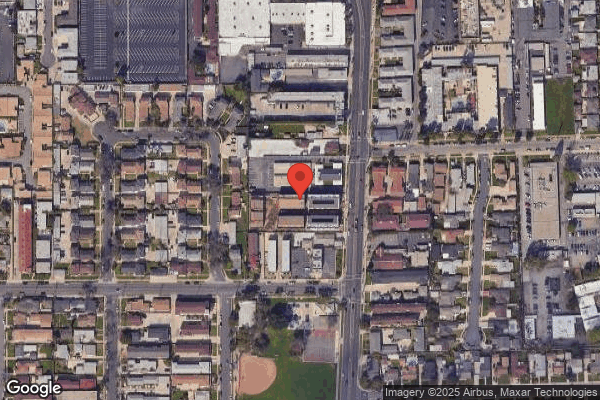
15823 SO. WESTERN AVE., GARDENA, CA 90247 (310) 538-2323
For profit - Corporation 73 Beds Independent Data: November 2025
Trust Grade
90/100
#48 of 1155 in CA
Last Inspection: November 2024

Within standard 12-15 month inspection cycle. Federal law requires annual inspections.

Overview

Clear View Sanitarium in Gardena, California, has received an excellent Trust Grade of A, indicating it is highly recommended. It ranks #48 out of 1155 nursing homes in California, placing it in the top half of facilities statewide, and #9 out of 369 in Los Angeles County, meaning only eight local options are better. However, the facility's trend is worsening, with the number of issues found increasing from 3 in 2023 to 5 in 2024. Staffing is a strong point with a 5-star rating and a turnover rate of 30%, which is below the California average, suggesting that staff are experienced and familiar with the residents. Notably, there have been no fines, indicating good compliance with regulations. Despite these strengths, there are some concerning incidents. For example, a turkey breast that was not used within its safe storage time was found in the kitchen, posing a risk of serving spoiled food to residents. Additionally, there were issues with call lights not being accessible to some residents, which could lead to falls if they are unable to call for help. Lastly, the facility failed to resubmit a required assessment for a resident with mental health needs, potentially jeopardizing their access to appropriate care. While Clear View Sanitarium has many advantages, potential residents and their families should be aware of these issues.

Trust Score
A
90/100
In California
#48/1155
Top 4%
Safety Record
Low Risk
No red flags
Inspections
Getting Worse
3 → 5 violations
Staff Stability
○ Average
30% turnover. Near California's 48% average. Typical for the industry.
Penalties
✓ Good
No fines on record. Clean compliance history, better than most California facilities.
Skilled Nurses
⚠ Watch
Each resident gets only 26 minutes of Registered Nurse (RN) attention daily — below average for California. Fewer RN minutes means fewer trained eyes watching for problems.
Violations
⚠ Watch
11 deficiencies on record. Higher than average. Multiple issues found across inspections.
★★★★★
5.0
Overall Rating
★★★★★
5.0
Staff Levels
★★★★☆
4.0
Care Quality
★★★★★
5.0
Inspection Score
Stable
2023: 3 issues
2024: 5 issues

The Good

  • 5-Star Staffing Rating · Excellent nurse staffing levels
  • 4-Star Quality Measures · Strong clinical quality outcomes
  • Full Sprinkler Coverage · Fire safety systems throughout facility
  • No fines on record
  • Staff turnover below average (30%)

    18 points below California average of 48%

Facility shows strength in staffing levels, quality measures, fire safety.

The Bad

Staff Turnover: 30%

16pts below California avg (46%)

Typical for the industry

The Ugly 11 deficiencies on record

Nov 2024 5 deficiencies
CONCERN (D)

Potential for Harm - no one hurt, but risky conditions existed

PASARR Coordination (Tag F0644)

Could have caused harm · This affected 1 resident

**NOTE- TERMS IN BRACKETS HAVE BEEN EDITED TO PROTECT CONFIDENTIALITY** Based on interview and record review, the facility failed to: 1. Ensure a Pre-admission Screening and Resident Review (PASRR- a ...

Read full inspector narrative →
**NOTE- TERMS IN BRACKETS HAVE BEEN EDITED TO PROTECT CONFIDENTIALITY** Based on interview and record review, the facility failed to: 1. Ensure a Pre-admission Screening and Resident Review (PASRR- a federal assessment requirement to help ensure that individuals who have a mental disorder or intellectual disabilities are placed in facilities that can provide the appropriate care) assessment was resubmitted for one of 6 sampled residents (Resident 57). This deficient practice had the potential to place the resident at risk of not receiving necessary care and mental health services. Findings: During a review of Resident 57's face sheet, the face sheet indicated Resident 57 was admitted to the facility on [DATE]. The face sheet also indicated Resident 57 had diagnoses which included bipolar disorder (a serious mental illness that causes extreme shifts in mood, energy, activity levels, and concentration), depression (a serious mental health condition that involves a persistent low mood or loss of interest in activities), post-traumatic stress disorder (PTSD- a disorder in which a person has difficulty recovering after experiencing or witnessing a traumatic event) and hypertension (a condition in which the pressure of your blood in your blood vessels is consistently too high). During a review of Resident 57's Minimum Data Set (MDS- a federally mandated resident assessment tool), dated 9/19/2024, the MDS indicated Resident 57's cognitive skills were severely impaired. The MDS also indicated Resident 57 required supervision with toileting hygiene, showering and upper/lower body dressing. During a review of Resident 57's PASRR Level 1 screening, the PASRR indicated Resident 57 did not have a mental health disorder. During a review of Resident 57's diagnosis list, the diagnosis list indicated Resident 57 was diagnosed with bipolar disorder, PTSD, and depression. During a concurrent interview and record review, on 11/14/2024, at 11:58 a.m., with the Resident Care Coordinator (RCC), the RCC stated PASRR's were conducted before admission to the facility or if a resident had a change of condition. The RCC stated Resident 57's PASRR Level 1 results were negative, indicating Resident 57 did not have a mental illness. The RCC stated Resident 57's diagnosis list indicated Resident 57 had a diagnosis of bipolar disorder upon admission on [DATE]. The RCC stated a PASRR should had been resubmitted for Resident 57. The RCC stated the risk of not resubmitting a PASRR for a resident could result in a lack of mental health resources that a resident need. During a interview, on 11/15/2024 at 1:03 p.m., with the Director of Nursing, the DON stated the RCC was responsible for completing the PASRR for residents. The DON stated PASRRs are conducted prior to admission and for any change of condition. The DON stated a PASRR should had been resubmitted for Resident 57. The DON stated the risk of not resubmitting a PASRR for a resident could result in not providing the best care possible for the resident and a lack of care. During a review of the facility's policy and procedures, titled Pre-admission Screening and Resident Review (PASRR) Policy, undated, the policy and procedure indicated, The facility will refer all Level 2 residents and all residents with newly evident or possible serious mental disorder, intellectual disability, or related condition for a Level 2 review upon a significant change in status assessment to the State PASRR representative.
CONCERN (D)

Potential for Harm - no one hurt, but risky conditions existed

Medication Errors (Tag F0758)

Could have caused harm · This affected 1 resident

**NOTE- TERMS IN BRACKETS HAVE BEEN EDITED TO PROTECT CONFIDENTIALITY** Based on interview and record review, the facility failed to: 1. Ensure Resident 30 was not prescribed Seroquel (an anti-psychot...

Read full inspector narrative →
**NOTE- TERMS IN BRACKETS HAVE BEEN EDITED TO PROTECT CONFIDENTIALITY** Based on interview and record review, the facility failed to: 1. Ensure Resident 30 was not prescribed Seroquel (an anti-psychotic medication used to treat mental illness) to control dementia (condition where there is a decline in mental abilities and memory) symptoms. This deficient practice put Resident 30 at risk of an adverse reaction (bad outcome) from taking an anti-psychotic without a diagnosis of a mental illness. Findings: During a review of Resident 30's admission Record, the admission Record indicated Resident 30 was admitted to the facility on [DATE] with diagnoses including dementia, diabetes (high blood sugar), and hypertension (high blood pressure). During a review of Resident 30's History and Physical (H&P), dated 4/28/2023, the H&P indicated Resident 30 does not have the capacity to understand and make decisions. During a review of Resident 30's Minimum Data Set ([MDS] a standardized assessment and care screening tool), dated 10/24/2024, the MDS indicated Resident 30's cognition (ability to gain knowledge and understand) was moderately impaired. Resident 30 does not have indicators of psychosis (symptoms that make it difficult to determine reality). There are no behavioral symptoms. During a review of Resident 30's Physician Orders, dated 11/14/2024, the orders indicated Resident 30 is taking Seroquel 50 mg three times a day for dementia with behavioral disturbances manifested by striking out. During a concurrent interview and record review on 11/15/2024 at 2:13 p.m. with Registered Nurse (RN) 1, Resident 30's medical record was reviewed. The record indicated Resident 30 does not have a diagnosed mental illness. RN1 stated Resident 30 takes Seroquel to control dementia behaviors. RN1 stated giving an anti-psychotic to an elderly person with dementia can be harmful because it increases their risk of falls.
CONCERN (D)

Potential for Harm - no one hurt, but risky conditions existed

Deficiency F0761 (Tag F0761)

Could have caused harm · This affected 1 resident

Based on observation and interview, the facility failed to: 1. Ensure that the medication storage room had a room thermometer that was monitored, and the readings recorded in a room temperature log to...

Read full inspector narrative →
Based on observation and interview, the facility failed to: 1. Ensure that the medication storage room had a room thermometer that was monitored, and the readings recorded in a room temperature log to ensure a safe temperature range for medication storage. This deficient practice had the potential for harm to residents due to the potential loss of strength of the drugs, and the potential for the residents to receive ineffective drug dosages. Findings: During a concurrent observation and interview, on November 15, 2024, at 9:00 am of the medication room with the Director of Nursing (DON), there was no room thermometer to monitor the temperature. The DON stated there usually is a thermometer in the medication storage room. DON looked around the room and stated, The room was reorganized, and I do not know where it is now. When the surveyor asked if there is a logbook to record room temperatures, the DON stated, We do not have a logbook for room temperatures, only the refrigerator has a log. The DON stated they would request maintenance to come check the room temperature if it felt too warm or cold. During an observation, on November 15, 2024, at 9:22 am, Administrator (ADM) 1, opened a new package containing a room thermometer and hung it on a bulletin board near the medication room door. During a review of the facility's policy and procedures titled Storing Drugs, indicated Keep drugs requiring storage at 'room temperature' at no less than 15 degrees Celsius (59 degrees Fahrenheit) or more than 30 degrees Celsius (86 degrees Fahrenheit).
CONCERN (D)

Potential for Harm - no one hurt, but risky conditions existed

Food Safety (Tag F0812)

Could have caused harm · This affected 1 resident

Based on observation and interview, the facility failed to: 1. Ensure the walk-in refrigerator did not contain a spoiled bag of cilantro. This deficient practice had the potential to result in food bo...

Read full inspector narrative →
Based on observation and interview, the facility failed to: 1. Ensure the walk-in refrigerator did not contain a spoiled bag of cilantro. This deficient practice had the potential to result in food borne illness (sickness from eating food with harmful bacteria) for any resident consuming the cilantro. Findings: During a concurrent observation and interview on 11/12/2024 at 9:13 a.m. with the Dietary Supervisor (DS) in the walk-in refrigerator, a bag of cilantro was found with brown leaves and brown liquid collecting in the bottom of the bag. The bag of cilantro was labeled with a received date of 10/28/2024. The DS stated, It's expired. You should remove it. You can't eat it because it's spoiled. The DS cannot state what may happen if a resident eats the expired food.
CONCERN (D)

Potential for Harm - no one hurt, but risky conditions existed

Garbage Disposal (Tag F0814)

Could have caused harm · This affected 1 resident

Based on observation and interview, the facility failed to: 1. Ensure the dumpsters were kept closed and all trash was contained. This deficient practice had the potential to attract rodents to the tr...

Read full inspector narrative →
Based on observation and interview, the facility failed to: 1. Ensure the dumpsters were kept closed and all trash was contained. This deficient practice had the potential to attract rodents to the trash area. Findings: During a concurrent observation and interview on 11/12/2024 at 9:05 a.m. with the Dietary Supervisor (DS) at the dumpster area, both dumpsters were open, one was overflowing. Three uncovered gray bins containing loose trash were sitting in front of the dumpsters. The DS stated the dumpsters should be closed at all times. The DS further stated, by leaving the dumpster open could attract animals.
Nov 2023 1 deficiency
CONCERN (E)

Potential for Harm - no one hurt, but risky conditions existed

Food Safety (Tag F0812)

Could have caused harm · This affected multiple residents

Based on observation, interview, and record review, the facility failed to use one unopened browned turkey breast before its use fresh or freeze by date on 10/6/2023 or throw it after the safe time li...

Read full inspector narrative →
Based on observation, interview, and record review, the facility failed to use one unopened browned turkey breast before its use fresh or freeze by date on 10/6/2023 or throw it after the safe time limit of 14 days of thawing (a process of taking a frozen product from frozen to unfrozen state) and refrigeration storage time on 11/1/2023 in the walk-in refrigerator. This failure had the potential to result in dietary staff serving the browned turkey breast to residents and cause spoiled or unsafely stored food symptoms of vomiting and diarrhea to residents. Findings: During a concurrent observation and interview on 11/07/2023, at 9:26 a.m., with Dietary Supervisor (DS), inside the walk-in refrigerator, there was a [NAME] Farms Browned Turkey Breast in a gray basin on the second level of the shelf with use fresh or freeze by date on 10/6/2023 and thaw date on 10/19/2023. The Dietary Supervisor stated, it passed the 14 days refrigeration storage time so, he will throw it away upon finding it with the surveyor. During a concurrent interview and record review on 11/9/2023, at 3:05 p.m., with Dietary Supervisor, the facility's policy and procedure (P&P) titled, Food Production and Storage, undated, was reviewed. The P&P indicated, frozen food will be thawed in the refrigerator or according to sanitary standards. The Dietary Supervisor stated, unopened, thawed, cooked food products were usually kept in their walk-in refrigerator up to 14 days. During a concurrent interview and record review on 11/9/2023, at 3:05 p.m., with Dietary Supervisor, the U.S. Food and Drug Administration (FDA) Refrigerator and Freezer Storage Chart, dated 3/2018, was reviewed. The U.S. FDA Refrigerator and Freezer Storage Chart indicated, these short but safe time limits will help keep refrigerated food from spoiling or becoming dangerous. Unopened lunch meats are safe in the refrigerator for 2 weeks (or 14 days). The Dietary Supervisor stated, the [NAME] Farms Browned Turkey Breast is considered an unopened lunch meat that was thawed on 10/19/2023 based on the written label. The Dietary Supervisor stated, he threw it away upon discovery with the surveyor because it was moved from the freezer to the refrigerator for more than 14 days and it can cause symptoms of vomiting and diarrhea if it was served to the residents.
Jul 2023 1 deficiency
CONCERN (D) 📢 Someone Reported This

A family member, employee, or ombudsman was alarmed enough to file a formal complaint

Potential for Harm - no one hurt, but risky conditions existed

Report Alleged Abuse (Tag F0609)

Could have caused harm · This affected 1 resident

**NOTE- TERMS IN BRACKETS HAVE BEEN EDITED TO PROTECT CONFIDENTIALITY** Based on interview and record review, the facility failed to report an allegation of abuse for two of two sampled Residents (Res...

Read full inspector narrative →
**NOTE- TERMS IN BRACKETS HAVE BEEN EDITED TO PROTECT CONFIDENTIALITY** Based on interview and record review, the facility failed to report an allegation of abuse for two of two sampled Residents (Residents 1 and 2). This deficient practice resulted in a delay for the State Agency to investigate the allegation of abuse. Findings: During a review of Resident 1's admission Record, the admission Record indicated Resident 1 was admitted to the facility on [DATE] and readmitted on [DATE] with diagnoses including dementia (group of conditions characterized by impairment in brain function affecting memory and judgment) with mild mood disturbances, major depressive disorder (mood disorder causing persistent feeling of sadness and loss of interest) and generalized anxiety disorder. During a review of Resident 1's Minimum Data Set ([MDS], a standardized assessment and care planning tool) dated 5/18/2023, the MDS indicated Resident 1 had intact cognition (thought process) and required supervision for most of the Activities of Daily Living (ADLs) including bed mobility, transfer, walking, eating and toilet use. During a review of Resident 1's Nurses Notes dated 7/11/2023 at 12:53 a.m., the Notes indicated on 7/10/2023 at 7:25 p.m., Resident 1's roommate (Resident 2) punched Resident 1 on the back of his head and left cheek with a closed fist without reason. During a review of Resident 2's admission Record, the admission Record indicated Resident 2 was admitted to the facility on [DATE] with diagnoses including Alzheimer's disease (a brain disorder that causes gradual decline in memory), dementia with psychotic disturbances (false beliefs that make it hard for someone to think clearly) and schizophrenia (severe brain disorder that can cause disorganized thinking). During a review of Resident 2's MDS dated [DATE], the MDS indicated Resident 2 had severe cognitive impairment and required supervision for most ADL's including bed mobility, transfer, walking and eating. During a review of Registered Nurse' (RNS 2) Statement dated 7/10/2023, the Statement indicated RNS 2 heard a resident (Resident 5) call for help and saw Resident 2 grabbing Resident 1's shoulder from behind with his fist raised ready to hit Resident 1. The statement also indicated Resident 5 claimed Resident 2 had already struck Resident 1 from behind 3 times and that Resident 1 stated he was struck once by Resident 2. During a review of the facility's email correspondence dated 7/11/2023 at 5:27 p.m., the email indicated an SOC 341 (a form to report suspected dependent adult/elder abuse) was sent to the State Agency reporting Resident 2 grabbed Resident 1's shoulder and possibly struck Resident 1. During interviews on 7/18/23 at 9:23 a.m. and 9:50 a.m. with Resident 1, Resident 1 stated on (7/10/2023), he was speaking to his neighbor (Resident 5) when Resident 2 came up behind him and hit him on the left side of his face. Resident 1 stated he did not feel safe. Resident 1 stated Resident 2 also tried to hit a nurse when he did not want to take a shower two days prior to the incident on 7/10/23. During an interview on 7/18/23 at 1:24 p.m. with the Administrator (ADMN), the ADMN stated abuse was any kind of harm presented towards someone which could include neglect, exploitation, sexual, and emotional harm. The ADMN stated he had reported the incident because Resident 1 said he was hit, and it was confirmed that two staff members had to remove Resident 2 away from Resident 1. The ADMN stated it was important for incidents to be reported to the State Agency so that a thorough investigation could be conducted and to keep residents safe. The ADMN also stated any incident resulting in serious harm should be reported to the State Agency within 2 hours and could still report the incident within 24 hours. During an interview on 7/19/23 at 1:42 p.m. with the Director of Nurse (DON), DON stated the facility did not have report the allegation of abuse to State Agency within 2 hours because Resident 1 had no injuries or evidence of abuse. During a review of the facility's undated Policy and Procedure (P&P) titled, Policy and Procedure for Reporting Suspected Crimes Under the Federal Elder Justice Act , the P&P indicated the following: 1. When staff suspect a crime has occurred against a resident, they must report the incident. 2. Staff must report a suspicion of a crime to the state survey agency, local law enforcement, and/or the Ombudsman within a designated time frame by e-mail, fax or telephone. 3. The reporting individual will notify Local Law Enforcement immediately by phone and the LCT Ombudsman, Law Enforcement and Licensing Agency within 2 hours by fax when an incident involves abuse or serious bodily injury. During a review of the facility's undated P&P titled, Reporting Abuse to Facility Management , the P&P indicated the following: When an alleged or suspected case of mistreatment, neglect, injuries of an unknown source, or abuse was reported, the facility administrator, or his/her designee, may notify the following persons or agencies of such incident: a) The State licensing/certification agency responsible for surveying/licensing the facility; b) The local/State Ombudsman; c) The Resident`s Representative (Sponsor) of Record; d) Law Enforcement Officials; e) The Resident`s Attending Physician; and f) The Facility Medical Director
Apr 2023 1 deficiency
CONCERN (D) 📢 Someone Reported This

A family member, employee, or ombudsman was alarmed enough to file a formal complaint

Potential for Harm - no one hurt, but risky conditions existed

Deficiency F0552 (Tag F0552)

Could have caused harm · This affected 1 resident

**NOTE- TERMS IN BRACKETS HAVE BEEN EDITED TO PROTECT CONFIDENTIALITY** Based on interview and record review, the facility failed to notify the Conservator (person appointed by a judge to act or make ...

Read full inspector narrative →
**NOTE- TERMS IN BRACKETS HAVE BEEN EDITED TO PROTECT CONFIDENTIALITY** Based on interview and record review, the facility failed to notify the Conservator (person appointed by a judge to act or make decisions on behalf of another person who needed help) of changes in the care or treatment for one of three sampled residents (Resident 1). Resident 1 ' s Conservator designated a Caregiver to assist in feeding Resident 1 during meals and the facility stopped allowing this provision of care by the Caregiver without notifying the Conservator. This deficient practice violated Resident 1 ' s Conservator ' s right to be informed, be an active participant in Resident 1 ' s care planning process and had the potential to cause feelings of rejection and discrimination. Findings: During a record review of Resident 1 ' s admission Record (AR), The AR indicated Resident 1 was admitted to the facility on [DATE] with diagnoses including epilepsy (a group of disorders marked by problems in the normal functioning of the brain), visual loss and dysphagia (swallowing difficulties). The AR indicated Resident 1 had a private Conservator. During a record review of Resident 1 ' s Minimum Data Set ([MDS], a standardized assessment and care planning tool) dated 3/2/2023, the MDS indicated Resident 1 had unclear speech, limited ability to making concrete requests and responded adequately to simple, direct communication only. The MDS also indicated Resident 1 required extensive assistance with eating, dressing and personal hygiene. During an interview on 3/28/2023 at 11:30 a.m. with the Conservator, the Conservator stated she was very frustrated with the facility for not allowing the caregiver to assist with feeding Resident 1. The Conservator also stated the facility never communicated to her about any issues with the caregiver feeding the resident. During a concurrent interview and record review on 4/10/2023 at 4:35 p.m. with the Caregiver, the Record of Inservice (ROI) was reviewed. The ROI indicated the topic included safe swallowing strategies, small bites, and feeding at a slow rate. The Caregiver stated after she completed the in-service training, she was allowed to feed Resident 1 then the facility changed the rules and had now refused to allow her to feed Resident 1. During interviews on 4/11/2023 at 10:05 a.m. and 4/17/2023 at 1:20 p.m. with the Director of Nursing (DON), DON stated, the change of not allowing Resident 1 ' s Caregiver to assist the resident with feeding during meals, was discussed during the Interdisciplinary Team meeting ([IDT]-structured meeting to address the needs of participants through frequent, organized, and documented communication across disciplines and with the participant) on 12/8/2022 and believed to have notified the conservator at this time however could not find any documentation to indicate the notification was done. During a concurrent interview and record review on 4/17/2023 at 2:37 p.m. with Social Services Director (SSD), Resident 1 ' s Care Conference Notes dated 12/8/2022 and 3/2/2023 were reviewed. SSD stated, Resident 1 ' s Conservator was present during the meeting on 12/8/2022 and was not present during the meeting on 3/2/2023. SSD stated the notes did not indicate the IDT discussed Resident 1 ' s Caregiver not being able to assist in feeding the resident nor did she recall discussing this issue in the IDT meetings. During an interview on 4/13/2023 at 10:05 a.m. and 4/18/2023 at 2:59 p.m., with ADM, ADM stated he decided a couple of weeks ago to stop the caregiver from feeding Resident 1 because she had not completed the required state course. ADM stated he was not sure what date this change was made and was not sure when the Conservator was notified of the change. ADM stated there was no documentation that the facility notified the Conservator. ADM also stated it was important to provide notification to the Conservator to ensure R/P was informed, involved, and understood the plan of care and changes related to the resident. During a review of the facility ' s policy and procedure (P/P) titled, Policy on Resident Rights, undated, The P/P indicated the facility should provide each resident the right to a dignified existence, self-determination, and communication with access to persons and services inside and outside the facility. This facility should promote the exercise of rights for all residents, including those who face barriers, such as communication problems, hearing problems and cognitive limitations, in the exercise of these rights. A resident, even though determined to be incompetent, should be able to assert these rights based on his or her degree of capability. In the event a resident is adjudged incompetent under the laws of the State by a court of competent jurisdiction, the rights of the resident are exercised by the person appointed under the State law to act on the resident ' s behalf. During a review of the facility ' s P/P titled, Resident/Family Education, undated, the P/P indicated education was provided by the IDT members to appropriate residents and/or responsible party when applicable if it is felt that it would be efficacious in order to reduce a resident ' s stress or anxiety, or to increase the likelihood of adherence to therapeutic care plans, promote healthy lifestyles, and/or speed the resident ' s return to independence if discharge is appropriate/eminent. The P/P also indicated resident/family was provided with appropriate education and training about illness and care needs.
Oct 2022 3 deficiencies
CONCERN (D)

Potential for Harm - no one hurt, but risky conditions existed

Deficiency F0726 (Tag F0726)

Could have caused harm · This affected 1 resident

**NOTE- TERMS IN BRACKETS HAVE BEEN EDITED TO PROTECT CONFIDENTIALITY** Based on observation, interview, and record review, the facility failed to ensure licensed and registered nurses assessed two of...

Read full inspector narrative →
**NOTE- TERMS IN BRACKETS HAVE BEEN EDITED TO PROTECT CONFIDENTIALITY** Based on observation, interview, and record review, the facility failed to ensure licensed and registered nurses assessed two of 21 sampled residents ((Resident 63 and 25) for the need of restraints prior to placing the residents on physical restraints. This deficient practice had the potential to place the residents at risk for unnecessary prolonged use of restraints. It also had the potential to lead to a decline in physical functioning, residents not being treated with respect and dignity, skin injuries and severe injuries such as strangulation or entrapment. Findings: a. During a review of Resident 63's admission Record (face sheet), the face sheet indicated Resident 63 was originally admitted to the facility on [DATE], with diagnoses including Vascular dementia (problems with reasoning, planning, judgment, memory and other thought processes caused by brain damage) with behavioral disturbance and major depressive disorder (a mental disorder characterized by loss of pleasure or interest in life, often with other symptoms such as disturbed sleep, feelings of guilt or inadequacy, and suicidal thought). During a review of Resident 63's Minimum Data Set ([MDS] a standardized care assessment and assessment tool), dated 9/23/2022, the MDS indicated Resident 63 sometimes had the ability to understand others and usually was understood by others. The MDS indicated Resident 63 required one-person physical assist for bed mobility, transfer, walking in the room, and corridor, dressing, toilet use and personal hygiene. The MDS indicated Resident 63 required setup for eating. During a review of Resident 63's History and Physical (H/P), dated 10/3/2022, the H/P indicated Resident 63 did not have the capacity to understand and make decisions. During a review of Resident 63's Physician Orders dated 6/10/2022, Physician Orders indicated resident was to be restraint free, without wheelchair pelvic support one time per month starting on 6/19/2022 During an observation in Resident 63's room on 10/17/22 at 1:40 p.m. Resident 63 was sleeping in a wheelchair with pelvic support attached to the back of the resident's wheelchair. During an interview with Certified Nurse Assistant (CNA 5) on 10/19/2022 at 10:32 a.m. CNA 5 stated Resident 63 was always on restraints while in the wheelchair. CNA 5 stated Resident 63 was always sleepy and needed encouragement to wake up during meals. During an interview with the Director of Nursing (DON) on 10/19/2022 at 3:04 p.m. the DON stated Resident 63 was on restraints while in wheelchair. DON stated the facility performed restraint assessment for residents only one time per month. b. During a review of Resident 25's face sheet, the face sheet indicated Resident 25 was originally admitted to the facility on [DATE] and readmitted on [DATE]. Resident 25's diagnoses included unspecified psychosis (a severe mental disorder in which thought, and emotions were so impaired that contact is lost with external reality) and major depressive disorder (a mental disorder characterized by a persistently loss of pleasure or interest in life, disturbed sleep, feelings of guilt or inadequacy, and suicidal thought). During a review of Resident 25's MDS dated [DATE], the MDS indicated Resident 25 sometimes had the ability to understand and be understood by others. The MDS indicated Resident 25 required one-person physical assist for bed mobility, transfer, walking in the room, corridor, dressing, eating, toilet use and personal hygiene. During a review of Resident 25's H/P, dated 10/3/2022, the H/P indicated Resident 20 did not have the capacity to understand and make decisions. During a review of Resident 25's Care plans, there was no care plan for the use of a wheelchair self-release seatbelt. During a review of Resident 25's physician Orders dated 10/16/2022, Physician Orders indicated Resident 25 was to be restraint free, without a wheelchair self-release seatbelt one time per month starting on 6/12/2022 During an interview with Licensed Vocational Nurse (LVN 3) on 10/20/2022 at 11:30 a.m., LVN 3 stated Resident 25 had a self-release belt because the resident had fallen several times before and the seatbelt was supposed to prevent Resident 25 from having further falls. LVN 3 stated a restraint assessment was done once a month and discontinued based on each resident's needs. A review of the facility's undated policy and procedure (P/P) titled Restraints/Supports, the P/P indicated restraints/supports will be used only when warranted by a medical condition and ordered by the attending physician, and only when less restrictive measures had been tried and failed. The P/P indicated an ordering physician was required to obtain informed consent. The P/P indicated restraint procedures were used if medically appropriate and possible, used for a maximum of six days a week. The P/P also indicated the facility will practice approaches that will attempt to keep independent functioning to a maximum level.
CONCERN (D)

Potential for Harm - no one hurt, but risky conditions existed

Pharmacy Services (Tag F0755)

Could have caused harm · This affected 1 resident

Based on observation, interview, and record review, the facility failed to follow their policies and procedure on destroying controlled drugs (medications that can cause physical and mental dependence...

Read full inspector narrative →
Based on observation, interview, and record review, the facility failed to follow their policies and procedure on destroying controlled drugs (medications that can cause physical and mental dependence) for one out one medication storage room. Resident 17's Lorazepam (medication used to treat anxiety) 1 milligram ([mg] unit of measurement) was stored in a drawer easily accessed by all licensed staff, instead of a sperate, locked drawer, where all controlled drugs were stored when awaiting destruction. This deficient practice had the potential to result in residents receiving the discontinued medication and drug diversion (illegal distribution or abuse of prescription drugs or their use for purposes not intended by the prescriber) Findings: During a concurrent observation and interview on 10/19/2022, at 1:20 p.m., with the Director of Nursing (DON) in the medication room, Resident 17's medication, Lorazepam 1 mg was observed in a locked drawer. The DON stated that the locked drawer was where the licensed nurses stored all discontinued narcotics (opioids derived medications to alleviate pain), and other controlled drugs. The DON stated when an order for a narcotic or controlled drug was discontinued, the licensed nurses were supposed to gather the receipt, wrap it around the cassette, and place the controlled medication in the locked drawer. The DON stated once the licensed nurses place the discontinued controlled medication in the second drawer, the licensed nurses were supposed to inform her (the DON), and she would place the controlled medication in a third drawer until the pharmacist picked them up for disposal. The DON also stated she was the only staff with access to the discontinued controlled medications. During an observation on 10/19/2022, at 1:25 p.m., in the medication room, Resident 17's Lorazepam 1 mg was observed with a discontinuation date of 10/5/2022. During an interview on 10/19/2022, at 1:30 p.m., with the DON, the DON stated she did not check the storage room second drawer daily. The DON stated was important for the licensed nurses to notify her when a narcotic or a controlled medication was discontinued so that she (the DON) could remove it from the second drawer and placed in on the third drawer where it was locked away until a pharmacist arrives to dispose of it. The DON stated the medication, Lorazepam 1 mg, should have been in the third drawer since it was discontinued on 10/5/2022. The DON stated the licensed nurse did not dispose of the controlled drug correctly and did not notify her the medication was discontinued. The DON stated the risk of a narcotic, or a controlled drug not being disposed correctly was the licensed nurses administering the discontinued medication to a resident. During a review of the facility's undated job description for licensed vocational nurse (LVN), the LVN job description indicated the responsibilities for an LVN was to maintain an accurate and safe control of all medication including narcotics. During a review of the facility's undated job description for DON, the DON job description indicated the principal duties of the DON was to maintain the medication and drug records as well as assure compliance with departmental policies and procedures. During a review of the facility's undated policy and procedure (P&P) titled Destroying Drugs the P&P indicated, the DON should store the controlled drugs awaiting destruction under separate lock. A record of stored controlled dugs would be maintained.
CONCERN (E)

Potential for Harm - no one hurt, but risky conditions existed

Resident Rights (Tag F0550)

Could have caused harm · This affected multiple residents

**NOTE- TERMS IN BRACKETS HAVE BEEN EDITED TO PROTECT CONFIDENTIALITY** Based on observation, interview, and record review, the facility failed to ensure the call light was within reach and accessible...

Read full inspector narrative →
**NOTE- TERMS IN BRACKETS HAVE BEEN EDITED TO PROTECT CONFIDENTIALITY** Based on observation, interview, and record review, the facility failed to ensure the call light was within reach and accessible for three out of twenty-one sampled residents (Resident 20, 27, and 46) who needed assistance. This deficient practice had the potential to result in Residents 20, 27, and 46 not being able to call for help and result in a fall or accident. Findings: During a review of Resident 20's admission Record (face sheet), the face sheet indicated Resident 20 was originally admitted to the facility on [DATE], with diagnoses that included hyperlipidemia (high cholesterol) and hypertension (high blood pressure). During a review of Resident 20's Care Plan titled Potential for Trauma-Falls dated 5/3/2022, the care plan's interventions indicated facility would have a call button in reach. During a review of Resident 20's Minimum Data Set ([MDS] a standardized care assessment and care screening tool), dated 8/5/22, the MDS indicated Resident 20 usually had the ability to understand and be understood by others. The MDS indicated Resident 20 required set up assistance with bed mobility, transfer, walk in room, walk in corridor, locomotion (moving from place to place), eating, toilet use and one-person assist for dressing, and personal hygiene. During a review of Resident 20's History and Physical (H/P), dated 10/3/2022, the H/P indicated Resident 20 did not have the capacity to understand and make decisions. During a concurrent observation and interview with Licensed Vocational Nurse (LVN 3), on 10/17/2022, at 11:28 a.m., Resident 20 did not have the call light within reach. Resident 20 attempted to get out of bed to use his neighbors call light. LVN3 stated Resident 27 was at risk for falls and could suffer a fracture (broken bone) or hit his head while trying to get up to reach for the call light. During a concurrent observation and interview with LVN 4, on 10/17/2022, at 11:50 a.m., LVN 4 stated Resident 20's call light was not within his reach. LVN 4 stated Resident 20 was not able to call for assistance and could suffer a fall. LVN 4 stated the Resident could feel abandoned and confused when they were unable to use the call light to get assistance when they needed it. During a review of Residents 27's admission record, the admission record indicated the resident was originally admitted on [DATE] and readmitted to the facility on [DATE], diagnosis included generalized anxiety disorder (a condition in which a person has excessive worry and feelings of fear, dread, and uneasiness), and extrapyramidal (drug-induced movement disorders) movement disorder. During a review of Residents 27's Care Plan titled Self-Care Deficit dated 11/30/2021, indicated the care plan interventions included to keep the call button in reach. During a review of Resident 27's H/P dated 12/15/2021 indicated Resident 27 did not have the capacity to understand and make decisions. During a review of Resident 27's MDS dated [DATE], indicated Resident 27 usually had the ability to understand and be understood by others. The MDS indicated Resident 27 required set up only for bed mobility, transfer, walk in room, walk in corridor, locomotion (moving from place to place), eating, toilet use, for dressing and personal hygiene. During an observation on 10/17/2027, at 11:00 a.m., Resident 27 did not have a call light and was requesting coffee. Resident 27 attempted to reach for his neighbors call light, lost his balance, and felt down on his bed. During a concurrent observation and interview with Certified Nurse Assistant (CNA 1), on 10/17/2022, at 11:15 a.m., CNA 1 stated Resident 27 did not have the call light within reach all morning because Resident 27 call light clip was broken. CNA 1 stated not having the call light within reach could put Resident 27 at risk for falls. During a review of Residents 46's admission record, indicated Resident 46 was admitted to the facility on [DATE], diagnosis included visual loss, epilepsy (is a burst of uncontrolled electrical activity between brain cells that causes temporary abnormalities in muscle tone or movements (stiffness, twitching or limpness), behaviors, sensations or states of awareness), unspecified osteoarthritis (wearing down of the protective tissue at the ends of bones) spastic hemiplegia (muscle on one side of the body being in a constant state of contraction) affecting right dominant side, and contracture (shorten and hardening of muscles) to the right upper arm. During a review of Resident 46's Physician Assessment H&P dated 2/8/2019, indicated Resident 46 was cooperative and alert. During a review of Resident 46's MDS dated [DATE], the MDS indicated Resident 46's usually was able to understand and be understood by others. The MDS indicated Resident 46 requires two- person physical assist with bed mobility, transfer, toilet use, walk in corridor, and walk in room. During a review of Residents 46's Care Plan titled Baseline/Comprehensive Care Plans dated 2/9/2022, indicated the care plan interventions for Resident 46 included call light attached to Resident 46 to alert the nursing staff when resident 46 attempted to get out of bed or slide out of the bed on his own, and call button within reach. During an observation 10/17/22, 10:18AM, Resident 46 was seating on a chair next to his bed and his call light was not within reach. Resident 46 had a contracted left hand and appeared to have difficulty opening and closing both of his hands. During a concurrent observation and interview with Resident 46 and CNA7 on 10/19/22, at 9:14 AM, Resident 46 call light was clamped to Resident 46's left shoulder. The call light had a long string attached to the light switch. Resident 46 demonstrated how he used the call light by leaning forward and moving his left shoulder, but the call light was not triggered. The string attached to the call light was too long. CNA 7 stated Resident 46 used the call light by having the call light clamped was in the room next to Resident 46 and when asked how does Resident 46 call for assistance? CNA 7 explained that the clamped to Resident 46. CNA 7 asked Resident 46 to demonstrate how he use the call light for assistance. Resident 46 leaned forward and tried to move his left shoulder, but the call light did not call for assistance. During a review of the facility's undated policy and procedures (P/P) titled Nursing Policies and Procedures in Answering Call Lights the P/P, indicated a purpose to provide routine or emergency service to patients as needed on request. The policy further indicated the light cords should be within reach of the patient.
Understanding Severity Codes (click to expand)
Life-Threatening (Immediate Jeopardy)
J - Isolated K - Pattern L - Widespread
Actual Harm
G - Isolated H - Pattern I - Widespread
Potential for Harm
D - Isolated E - Pattern F - Widespread
No Harm (Minor)
A - Isolated B - Pattern C - Widespread

Questions to Ask on Your Visit

  • "Can I speak with families of current residents?"
  • "What's your RN coverage like on weekends and overnight?"

Our Honest Assessment

Strengths
  • • Grade A (90/100). Above average facility, better than most options in California.
  • • No major safety red flags. No abuse findings, life-threatening violations, or SFF status.
  • • No fines on record. Clean compliance history, better than most California facilities.
  • • 30% turnover. Below California's 48% average. Good staff retention means consistent care.
Concerns
  • • 11 deficiencies on record. Higher than average. Multiple issues found across inspections.
Bottom line: Generally positive indicators. Standard due diligence and a personal visit recommended.

About This Facility

What is Clear View Sanitarium's CMS Rating?

CMS assigns CLEAR VIEW SANITARIUM an overall rating of 5 out of 5 stars, which is considered much above average nationally. Within California, this rating places the facility higher than 99% of the state's 100 nursing homes. This rating reflects solid performance across the metrics CMS uses to evaluate nursing home quality.

How is Clear View Sanitarium Staffed?

CMS rates CLEAR VIEW SANITARIUM's staffing level at 5 out of 5 stars, which is much above average compared to other nursing homes. Staff turnover is 30%, compared to the California average of 46%. This relatively stable workforce can support continuity of care.

What Have Inspectors Found at Clear View Sanitarium?

State health inspectors documented 11 deficiencies at CLEAR VIEW SANITARIUM during 2022 to 2024. These included: 11 with potential for harm.

Who Owns and Operates Clear View Sanitarium?

CLEAR VIEW SANITARIUM is owned by a for-profit company. For-profit facilities operate as businesses with obligations to shareholders or private owners. The facility operates independently rather than as part of a larger chain. With 73 certified beds and approximately 69 residents (about 95% occupancy), it is a smaller facility located in GARDENA, California.

How Does Clear View Sanitarium Compare to Other California Nursing Homes?

Compared to the 100 nursing homes in California, CLEAR VIEW SANITARIUM's overall rating (5 stars) is above the state average of 3.2, staff turnover (30%) is significantly lower than the state average of 46%, and health inspection rating (5 stars) is much above the national benchmark.

What Should Families Ask When Visiting Clear View Sanitarium?

Based on this facility's data, families visiting should ask: "Can I visit during a mealtime to observe dining assistance and food quality?" "How do you handle medical emergencies, and what is your hospital transfer rate?" "Can I speak with family members of current residents about their experience?"

Is Clear View Sanitarium Safe?

Based on CMS inspection data, CLEAR VIEW SANITARIUM has a clean safety record: no substantiated abuse findings (meaning no confirmed cases of resident harm), no Immediate Jeopardy citations (the most serious violation level indicating risk of serious injury or death), and is not on the Special Focus Facility watch list (a federal program monitoring the lowest-performing 1% of nursing homes). The facility has a 5-star overall rating and ranks #1 of 100 nursing homes in California. While no facility is perfect, families should still ask about staff-to-resident ratios and recent inspection results during their visit.

Do Nurses at Clear View Sanitarium Stick Around?

CLEAR VIEW SANITARIUM has a staff turnover rate of 30%, which is about average for California nursing homes (state average: 46%). Moderate turnover is common in nursing homes, but families should still ask about staff tenure and how the facility maintains care continuity when employees leave.

Was Clear View Sanitarium Ever Fined?

CLEAR VIEW SANITARIUM has no federal fines on record. CMS issues fines when nursing homes fail to meet care standards or don't correct problems found during inspections. The absence of fines suggests the facility has either maintained compliance or corrected any issues before penalties were assessed. This is a positive indicator, though families should still review recent inspection reports for the full picture.

Is Clear View Sanitarium on Any Federal Watch List?

CLEAR VIEW SANITARIUM is not on any federal watch list. The most significant is the Special Focus Facility (SFF) program, which identifies the bottom 1% of nursing homes nationally based on persistent, serious quality problems. Not being on this list means the facility has avoided the pattern of deficiencies that triggers enhanced federal oversight. This is a positive indicator, though families should still review the facility's inspection history directly.