KEI-AI SOUTH BAY HEALTHCARE CENTER
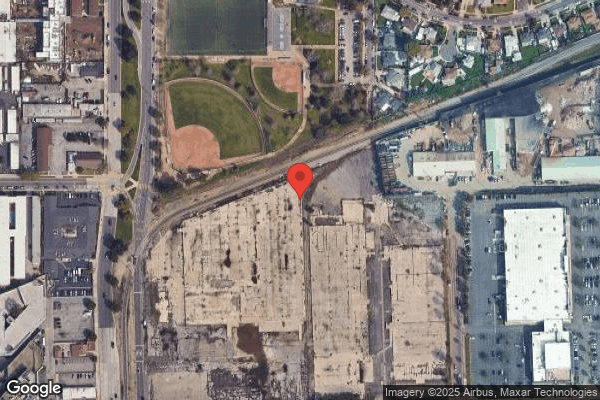

15115 S VERMONT AVE, GARDENA, CA 90247 (310) 532-0700
For profit - Limited Liability company 98 Beds ASPEN SKILLED HEALTHCARE Data: November 2025
Trust Grade
38/100
#830 of 1155 in CA
Last Inspection: January 2025

Within standard 12-15 month inspection cycle. Federal law requires annual inspections.

Overview

Kei-Ai South Bay Healthcare Center has received a Trust Grade of F, which indicates significant concerns about the quality of care provided. Ranked #830 out of 1155 facilities in California, this places them in the bottom half, while their county rank of #196 out of 369 means only a few local options are worse. Although the facility is improving, having reduced issues from 20 in 2024 to 17 in 2025, it still faces serious deficiencies. Staffing has a moderate rating of 3 out of 5 stars, with a turnover rate of 40%, which is average for the state. However, RN coverage is concerning, as they have less than 80% of California facilities, which can compromise resident care. Specific incidents raise alarms, including a serious case where a resident's change in condition was not reassessed, leading to their death. In another case, a resident suffered burns from a homemade compress that was too hot, indicating a failure to follow proper care procedures. Additionally, call light buttons were found out of reach for several residents, which could delay assistance and lead to potential injuries. While there are some strengths, such as a decent rating in quality measures, the overall picture suggests families should proceed with caution when considering this facility.

Trust Score
F
38/100
In California
#830/1155
Bottom 29%
Safety Record
Moderate
Needs review
Inspections
Getting Better
20 → 17 violations
Staff Stability
○ Average
40% turnover. Near California's 48% average. Typical for the industry.
Penalties
○ Average
$17,088 in fines. Higher than 69% of California facilities. Some compliance issues.
Skilled Nurses
⚠ Watch
Each resident gets only 19 minutes of Registered Nurse (RN) attention daily — below average for California. Fewer RN minutes means fewer trained eyes watching for problems.
Violations
⚠ Watch
69 deficiencies on record. Higher than average. Multiple issues found across inspections.
★★☆☆☆
2.0
Overall Rating
★★★☆☆
3.0
Staff Levels
★★★★☆
4.0
Care Quality
★★☆☆☆
2.0
Inspection Score
Stable
2024: 20 issues
2025: 17 issues

The Good

  • 4-Star Quality Measures · Strong clinical quality outcomes
  • Full Sprinkler Coverage · Fire safety systems throughout facility
  • No fines on record
  • Staff turnover below average (40%)

    8 points below California average of 48%

Facility shows strength in quality measures, fire safety.

The Bad

2-Star Overall Rating

Below California average (3.1)

Below average - review inspection findings carefully

Staff Turnover: 40%

Near California avg (46%)

Typical for the industry

Federal Fines: $17,088

Below median ($33,413)

Minor penalties assessed

Chain: ASPEN SKILLED HEALTHCARE

Part of a multi-facility chain

Ask about local staffing decisions and management

The Ugly 69 deficiencies on record

2 actual harm
Aug 2025 1 deficiency
CONCERN (D) 📢 Someone Reported This

A family member, employee, or ombudsman was alarmed enough to file a formal complaint

Potential for Harm - no one hurt, but risky conditions existed

Deficiency F0628 (Tag F0628)

Could have caused harm · This affected 1 resident

**NOTE- TERMS IN BRACKETS HAVE BEEN EDITED TO PROTECT CONFIDENTIALITY** Based on interview and record review, the facility failed to ensure one of three sampled residents' (Resident 1) transfer summar...

Read full inspector narrative →
**NOTE- TERMS IN BRACKETS HAVE BEEN EDITED TO PROTECT CONFIDENTIALITY** Based on interview and record review, the facility failed to ensure one of three sampled residents' (Resident 1) transfer summary was completed, and telephone report was called to the receiving facility, prior to discharge on [DATE], as indicated in the facility's policy and procedure (P&P) titled, Discharging the Resident. This failure caused Resident 1's discharge to the independent living facility (ILF, a community for active seniors who want to maintain their independence but desire the benefits of a maintenance-free lifestyle and community amenities, such as dining, fitness centers, housekeeping, and social activities) on 8/20/2025, who could not fully provide and accommodate the resident's needs and had the potential to affect the resident's highest practicable physical, mental and psychosocial well-being.Findings:During a review of Resident 1's admission Record, the admission Record indicated Resident 1 was admitted to the facility on [DATE], with diagnoses including diabetes mellitus (DM-a disorder characterized by difficulty in blood sugar control and poor wound healing,) hypertension (HTN-high blood pressure) and hyperlipidemia (a condition characterized by high levels of lipids (fats) in the blood, including cholesterol and triglycerides).During a review of Resident 1's History and Physical (H&P) dated 3/15/2025, the H&P indicated Resident 1 had the capacity to understand and make decisions.During a review of Resident 1's Care Plan titled, Discharge Plan, dated 1/16/2025, the discharge plan indicated Resident 1 would remain in this facility long term. The discharge care plan goals indicated Resident 1 will be assisted post-discharge and the services required to meet needs before discharge. The discharge care plan interventions included identifying Resident 1's needs, discuss and address limitations, risk, benefits and needs for maximum independence. During a review of Residents 1's Minimum Data Set (MDS - a resident assessment tool) dated 6/5/2025, the MDS indicated Resident 1 had intact cognition. The MDS indicated Resident 1 required supervision or touching assistance with activities of daily living (ADLs) such as dressing, toilet use, personal hygiene, transfer and mobility. During a review of Resident 1's Interdisciplinary Team ([IDT] group of healthcare professionals, including resident/ resident representative, working together to provide residents with needed care) meeting notes from 8/11/2025 to 8/20/2025, the notes did not indicate documented evidence that an IDT meeting was done prior Resident 1's discharge on [DATE]. During a review of Resident 1's Social Services (SS) progress notes dated 8/19/2025, the SS progress notes indicated the SS spoke to Resident 1 about possible discharge planning. The SS progress notes indicated Resident 1 was open to the idea of transitioning to a lower level of care facility. During a review of Resident 1's Physicians Orders dated 8/20/2025, the physician's order indicated to discharge Resident 1 to an independent living facility with home health services (an agency that provides skilled medical care to patients in their own homes to treat an illness or injury, often after a hospital stay or for chronic condition) and physical therapy. During an interview on 8/26/2025 at 11:20 a.m. with Licensed Vocational Nurse (LVN) 1, LVN 1 stated part of a discharge process is to conduct an IDT meeting, one-week prior residents are being discharged . LVN 1 stated the purpose for an IDT meeting is to discuss Resident 1's needs and to make sure the new place was safe and could accommodate Resident 1's needs. During an interview on 8/26/2025 at 2:42 p.m. with the complainant, the complainant stated, I visited Resident 1 on 8/21/2025 at the ILF, the place was small, and Resident 1 stayed on a couch in the living room. The complainant stated there were 3 more people living at this place and Resident 1 did not have a room for him. The complainant stated this facility could not accommodate Resident 1's needs. During an interview on 8/27/2025 at 9:23 a.m. with the SS, the SS stated IDT meetings are done one-week prior to a resident's discharge. The SS stated Resident 1's IDT meeting was not scheduled prior to the discharge on [DATE]. The SS stated Resident 1's plan of care should have been reviewed to resolve any worries Resident 1 may have before discharge. The SS stated the discharge was only communicated with Resident 1 and the resident was open to the idea to be discharged . The SS stated on 8/20/2025, a discharge coordinator from the ILF called and stated Resident 1 had a room in the ILF. The SS stated Resident 1 was made aware and agreed with transfer to the ILF. The SS stated the communication about Resident 1's discharge was directly with the discharge planner and Resident 1 was discharged to the ILF on 8/20/2025. The SS stated, I was not sure if the place was safe for Resident 1. The SS stated, I failed to call and check with the independent living if they could accommodate Resident 1's needs, such as medications administrations, blood glucose (blood sugar level) checks and if the room was available for him. The SS stated the facility failed to provide Resident 1 a safe discharge to the ILF. During an interview on 8/27/2025 at 10:45 a.m. with the ILF owner (ILFO), the ILFO stated, on 8/19/2025, the discharge coordinator was instructed to provide Resident 1's weight, so the ILF would know if Resident 1 needed a bigger bed, but the weight was not provided. The ILFO stated Resident 1 arrived at the ILF on 8/20/2025. The ILFO stated that the ILF does not administer medications or check resident's blood glucose levels. During an interview on 8/27/2025 at 11:10 a.m. with the ILFO, the ILFO stated Resident 1's skilled nursing facility did not call the ILF to ask what services or accommodation the ILF can provide to the resident prior to the discharge on [DATE]. During an interview on 8/27/2025 at 11:34 a.m. with the Director of Nursing (DON), the DON the facility's protocol prior to discharge was to call the receiving facility (ILF) where Resident 1 will be discharged to make sure the ILF can accommodate Resident 1's needs. The DON stated the risk of not following this protocol can cause Resident 1 to not receive his medication and care on a daily basis. The DON stated it can jeopardize Resident 1's physical and psychological health. During an interview on 8/29/2025 at 1:00 p.m. with Resident 1, Resident 1 stated I was living at an apartment, but the place and the bed was small, so I slept on the couch, and I wanted to move out of that place. Resident 1 stated the ILF care giver reminded him about medications, but they do not administer insulin (a type of medication used to treat type 2 diabetes) shots. During a concurrent interview and record review on 8/29/2025 at 3:24 p.m. with RN 1, Resident 1's nurses notes dated 8/20/2025, discharge instructions summary dated 8/20/2025, were reviewed. RN 1 stated the discharge instructions were incomplete. RN 1 stated the discharge summary under special training instructions such as injections, blood sugar checks, blood pressure check, and special diet was not properly marked. RN 1 stated the discharge instruction summary did not include the last time Resident 1 received all his medications and the next doses due. RN 1 stated the licensed nurses should call the receiving facility to provide reports regarding resident's care needs, such as skin issues, medications to be administrated, ADL needs and status and if there were any behavioral issues. RN 1 stated Resident 1's receiving ILF was not called prior to the resident's discharge to provide the report. RN 1 stated it was important to call the receiving facility so they can prepare what Resident 1 needed prior to discharge. RN 1 stated the SS notified nursing on 8/20/2025 that Resident 1 will be discharged on same day (8/20/2025), reason why Resident 1 was not provided education about his medications and how to administer insulin, at least 3 days prior to the discharge on [DATE]. RN 1 stated the danger of not properly discharging Resident 1 can cause Resident 1 to be at risk of hospitalization due to HTN crisis, hypoglycemia (low sugar level) or hyperglycemia (high blood sugar). During a review of the facility's undated P&P titled, Director of Social Services, the P&P indicated Social Services administrative functions duties and responsibilities are to participate in discharge planning, development and implementation of social care plan and resident assessment. The P&P indicated social services should schedule and announce departmental meeting times, dates, places. During a review of the facility's P&P titled, Discharging the Resident, dated 12/2016, the P&P indicated, if the resident was being discharged , the facility should ensure that resident and/or responsible party received teaching and discharge instructions. The P&P indicated if the resident was being discharge to another facility, the facility should ensure that a transfer summary is completed, and telephone report is called to the receiving facility. During a review of the facility's P&P titled, Discharge Summary and Plan, dated 12/2016, the P&P indicated the discharge summary should include a recapitulation of the resident's stay at the facility and a final summary of the resident's status at the time of discharge. The P&P indicate the discharge summary shall include a description of the resident's: Nutrition's status and requirements Special treatments or procedures. Medication therapy
Jul 2025 1 deficiency
CONCERN (D) 📢 Someone Reported This

A family member, employee, or ombudsman was alarmed enough to file a formal complaint

Potential for Harm - no one hurt, but risky conditions existed

Accident Prevention (Tag F0689)

Could have caused harm · This affected 1 resident

**NOTE- TERMS IN BRACKETS HAVE BEEN EDITED TO PROTECT CONFIDENTIALITY** Based on interview and record review, the facility failed to provide staff supervision for 2 of three sampled residents (Residen...

Read full inspector narrative →
**NOTE- TERMS IN BRACKETS HAVE BEEN EDITED TO PROTECT CONFIDENTIALITY** Based on interview and record review, the facility failed to provide staff supervision for 2 of three sampled residents (Resident 1 and 2) by failing to ensure Resident 1 and Resident 2 were separated immediately by staff when Resident 2 was verbally aggressive towards Resident 1.This failure resulted in Resident 2 hitting Resident 1 on the left side of the face. Findings: During a review of Resident 1's admission Record (Front page of the chart that contains a summary of basic information about the resident), the admission Record indicated, Resident 1 was admitted to the facility on [DATE]. Resident 1's diagnoses included end stage renal disease ([ESRD] - irreversible kidney failure) on hemodialysis (a treatment to cleanse the blood of wastes and extra fluids artificially through a machine when the kidneys have failed), chronic obstructive pulmonary disease ([COPD] - a chronic lung disease causing difficulty in breathing), and Diabetes Mellitus ([DM] - a disorder characterized by difficulty in blood sugar control and poor wound healing). During a review of Resident 1's Minimum Data Set ([MDS] - a resident assessment tool), dated 7/19/2025, the MDS indicated, Resident 1's cognitive (ability to think and reason) skills for daily decision making was moderately impaired (decisions poor, cues/supervision required). The MDS indicated, Resident 1 required maximal assistance (helper does more than half the effort) from staff with toileting hygiene and lower body dressing.During a review of Resident 2's admission Record, the admission Record indicated, Resident 2 was initially admitted to the facility on [DATE] and readmitted on [DATE]. Resident 2's diagnoses included urinary tract infection ([UTI] - an infection in the bladder/urinary tract), bilateral (both) below the knee amputation (a surgical procedure where a portion of the lower leg, below the knee joint, is removed), and chronic obstructive pulmonary disease ([COPD] - a chronic lung disease causing difficulty in breathing). During a review of Resident 2's MDS, dated [DATE], the MDS indicated, Resident 2's cognitive (ability to think and reason) skills for daily decision making was moderately impaired (decisions poor, cues/supervision required). The MDS indicated, Resident 2 required supervision (helper provides verbal cues) from staff with toileting hygiene and lower body dressing. During a review of Resident 1's Change in Condition Evaluation, dated 7/21/2025, the Change in Condition Evaluation indicated, Resident 1 was hit by Resident 2. During a phone interview on 7/31/2025 at 12:21 p.m., with Certified Nurse Assistant 1 (CNA 1), CNA 1 stated she was inside the room when she saw Resident 2 who came outside the room in his wheelchair going back to his bed. CNA 1 stated when Resident 1 passed by Resident 2's sitting on his wheelchair eating lunch, CNA 1 saw Resident 2 was verbally aggressive and calling out names and told Resident 1 to get out of his way. CNA 1 stated she was standing between Resident 1 and Resident 2. CNA 1 stated she told Resident 2 to be nice to Resident 1 then Resident 2 suddenly swayed his right-hand hitting Resident 1 on left side of his face. CNA 1 stated she thought she could talk to Resident 1, but his behavior got worst. CNA 1 stated she should have wheeled Resident 1 outside of the room at the time when he was exhibiting verbally aggressive behavior. CNA 1 stated the incident could have been prevented if she called for help and separated Resident 1 and Resident 2 immediately. During an interview on 7/31/2025 at 1:05 p.m., with the Director of Staff Development (DSD), the DSD stated if resident has verbally aggressive behavior with other resident, the initial intervention is to separate them immediately to de-escalate (diminish/minimize) the situation in order to prevent potential harm. During an interview on 7/31/2025 at 1:47 p.m., with the Director of Nursing (DON), the DON stated it is the facility's responsibility to provide supervision to prevent an accident and for the safety and welfare of the residents. The DON stated for resident-to-resident altercation to act promptly by separating them immediately to prevent further altercation. During a review of the facility's policy and procedure (P&P), titled Safety and Supervision of Residents, dated 7/2017, the P&P indicated, Resident safety and supervision and assistance to prevent accidents are facility-wide priorities. During a review of the facility's P&P, titled Resident-to-Resident Altercation, dated 11/29/2022, the P&P indicated, the facility acts promptly and conscientiously to prevent and address recurrent altercations. The P&P also indicated residents involved will be separated immediately, and measures to calm or diffuse the situation will be instituted.
Jul 2025 1 deficiency
CONCERN (D) 📢 Someone Reported This

A family member, employee, or ombudsman was alarmed enough to file a formal complaint

Potential for Harm - no one hurt, but risky conditions existed

Assessment Accuracy (Tag F0641)

Could have caused harm · This affected 1 resident

**NOTE- TERMS IN BRACKETS HAVE BEEN EDITED TO PROTECT CONFIDENTIALITY** Based on interview and record review the facility failed to ensure one out of three sampled residents (Resident 1) had an accura...

Read full inspector narrative →
**NOTE- TERMS IN BRACKETS HAVE BEEN EDITED TO PROTECT CONFIDENTIALITY** Based on interview and record review the facility failed to ensure one out of three sampled residents (Resident 1) had an accurate resident assessment (the process of systematically evaluating a resident's needs, strengths, and preferences to promote quality of life) on the Minimum Data Set ([MDS]- resident assessment tool) assessment for wandering (a resident tendency to move about aimlessly repeatedly). This deficient practice of not accurately documenting on the MDS of Resident 1 wandering behavior placed the residents at risk of not receiving accurate treatment Findings: During a review of Resident 1's admission Record, the admission Record indicated Resident 1 was admitted to the facility on [DATE] and was readmitted on [DATE]. Resident 1 diagnoses Alzheimer's Disease (a disease characterized by a progressive decline in mental abilities), anxiety (a vague, uneasy feeling of discomfort or dread), and dementia (a progressive state of decline in mental abilities). During a review of Resident 1's History and Physical (H&P), dated 7/28/2024, the H&P indicated Resident 1 did not have the capacity to understand and make decisions. During a review of Resident 1's MDS, dated [DATE], had indicated Resident 1's cognition (ability to learn, reason, remember, understand, and make decisions) was severely impaired. The MDS indicated Resident 1 exhibited behavioral symptoms such as hitting, screaming, and rummaging. The MDS indicated Resident 1 required partial/moderate assistance (helper does less than half the effort. Helper lifts, holds, or supports trunk or limbs, but provides less than half the effort ) from staff for personal hygiene and dressing. During a record review of Resident 1's progress notes, dated 1/31/2025 and 4/9/2025, the progress note indicated Resident 1's risk factor was wandering behavior. During a record review of Resident 1's progress notes, dated 3/24/2025, indicated Resident 1 was monitored for taking other resident belongings while propelling herself throughout the facility. During a record review of Resident 1's care plan titled, Resident has a behavior of entering other resident's room, dated 3/25/2025, the interventions monitor resident's whereabouts and direct her into her room when observed entering other resident's room. During a record review of Resident 1's MDS, dated [DATE], the MDS indicated Resident 1 did not exhibit wandering behavior. During an interview on 7/15/2025 at 2:07 p.m. with Certified Nursing Assistant (CNA) 1, the CNA stated Resident 1 did wandered and tried to go into other Residents' rooms. CNA 1 stated Resident 1 attempted to go into other Residents' rooms daily and needed to be redirected. During a concurrent interview and record review on 7/15/2025 at 2:41 p.m. with MDS Coordinator Nurse, Resident 1's MDS, dated [DATE], indicated Resident 1 did not exhibit wandering behavior. A review of facility's policy and procedure (P&P) titled, Resident Assessment Instrument, dated 10/2023, indicated each discipline assigned to complete the designated section of the MDS assessment is responsible for the accuracy of the information. The MDS Coordinator Nurse stated the MDS should reflect the condition of the resident so the staff can manage the condition of the resident. During a concurrent interview and record review on 7/15/2025 at 3:00 p.m. with Director of Nursing (DON), Resident 1's MDS, dated [DATE], indicated Resident 1 did not exhibit wandering behavior. The DON stated the MDS was not accurate, and Resident 1 did exhibit wandering behavior. The DON stated MDS should coincide with the behavior of the residents. During a concurrent interview and record review on 7/15/2025 at 4:05 p.m. with Social Service Assistant (SSA) 1, Resident 1's MDS, dated [DATE], indicated Resident 1 did not exhibit wandering behavior. SSA 1 stated the MDS was presented that she was not a wanderer, and the nursing staff is presenting that Resident 1 was a wanderer. SSA 1 stated it was important to accurately document the MDS to provide accurate care for Resident 1. During a review of facility's policy and procedure (P&P) titled, Resident Assessment Instrument, dated 10/2023, the P&P indicated each discipline assigned to complete the designated section of the MDS assessment is responsible for the accuracy of the information.
May 2025 1 deficiency
CONCERN (E) 📢 Someone Reported This

A family member, employee, or ombudsman was alarmed enough to file a formal complaint

Potential for Harm - no one hurt, but risky conditions existed

Deficiency F0919 (Tag F0919)

Could have caused harm · This affected multiple residents

**NOTE- TERMS IN BRACKETS HAVE BEEN EDITED TO PROTECT CONFIDENTIALITY** Based on observation, interview and record review, the facility failed to place the call light buttons for 4 of 6 sampled reside...

Read full inspector narrative →
**NOTE- TERMS IN BRACKETS HAVE BEEN EDITED TO PROTECT CONFIDENTIALITY** Based on observation, interview and record review, the facility failed to place the call light buttons for 4 of 6 sampled residents (Residents 2, 4, 5 and 6), within their reach. This deficient practice placed Residents 2, 4, 5, and 6 at risk for not being able to call for help when needed and can result to needs not being attended to timely. This deficient practice had the potential to cause falls, other injuries, including hospitalization and death. Findings: During an inspection of the facility, on 5/16/25 at 10:45 am, the call light buttons in each residents ' room were inspected along with the Assistant Director of Nursing (ADON) for functioning and placement. Resident 2, the call light button was observed at the head of Resident 2 ' s bed, behind the pillow, Resident 2 could not reach the call light button. Resident 4, the call button was observed on the floor away from Resident 4 ' s reach. Residents 5, and 6, the call light button was on the bed away from Resident ' s reach. a). During a review of Resident 2 ' s admission Record, the admission Record indicated Resident 2 was admitted to the facility on [DATE] with diagnoses including diabetes mellitus (DM-a disorder characterized by difficulty in blood sugar control and poor wound healing), heart failure (a condition where the heart can't pump enough blood to meet the body's needs), kidney failure (Resident 2 occurs when the kidneys are no longer able to effectively remove waste and excess fluid from the blood), Resident 2 had a history of falling. During a review of Resident 2 ' s Minimum data Set ([MDS] a comprehensive resident assessment and care-screening too) dated 4/7/2025, the MDS indicated Resident 2 has some cognitive impairment, but can make her needs known. MDS indicated Resident 2 needs assistance with mobility and transfer from bed to chair. During a review of Resident 2 ' s nurses note on 3/13/2025 and 3/18/2025, the nurse ' s notes indicated Resident 2 had a fall incident on 3/13/2025 and 3/18/2025. During a review of Resident 2 ' s care plans to minimize and prevent falls, one of the interventions indicatedto place Resident 2 ' s call light button within resident ' s reach and encourage resident to use the call light button. During interview on 5/16/2025 at 10:45 a.m., with Resident 2, Resident 2 stated that she cannot reach her call light button. b). During a review of Resident 4 ' s admission Record, the admission Record indicated Resident 4 was admitted to the facility on [DATE] with diagnoses including Epilepsy (a neurological disorder characterized by recurrent seizures), Osteoarthritis (a progressive disorder of the joints, caused by a gradual loss of cartilage) and Hypertension (HTN-high blood pressure). During a review of Resident 4 ' s MDS dated [DATE], the MDS indicated Resident 4 had the ability to make her needs known and needs assistance with transfer from bed to chair. During an interview on 5/16/2025 at 1:20 p.m., with Resident 4, Resident 4 stated that she needs the call light button close to her, so she can call for help when she needs help. During an interview on 5/16/2025 at 1:30 p.m., with a Certified Nurse Assistant (CNA 1), CNA 1 stated that she placed the call light button on Resident 2 ' s bed within her reach after cleaning up the resident. CNA 1 stated that call button must have fallen to the floor. c). During a review of Resident 5 ' s admission Record, the admission Record indicated Resident 5 was admitted to the facility on [DATE] with diagnoses including Encephalopathy (any brain disorder that affects its function or structure, leading to an altered mental state), Schizophrenia ((a mental illness that is characterized by disturbances in thought), and HTN. During a review of Resident 5 ' s MDS dated [DATE], the MDS indicated Resident 5 had some cognitive impairment. The MDS indicated Resident 5 needs assistance with transfer from bed to chair. d). During a review of Resident 6 admission record, the admission Record indicated Resident 6 was admitted to the facility on [DATE] with diagnoses including Dementia (a progressive state of decline in mental abilities), Dysphasia (difficulty swallowing), and contracted right hand. During a review of Resident 6 ' s MDS dated [DATE], the MDS indicated Resident 6 had some cognitive impairment. The MDS indicated Resident 6 needs assistance with transfer from bed to chair. During an interview on 5/16/2025 at 1:50 p.m., with CNA 2, CNA 2 stated that the call light button was not placed within reach for Residents 5 and 6 because both residents cannot use the call light button. During an interview on 5/16/2025 at 2:10 p.m., with Licensed Vocational Nurse (LVN 1), LVN 1 stated the residents ' call lights should be placed within reach so that the residents can call for help when needed. During a review of the facility ' s policy and procedure (P&P) titled, Call Light Answering, dated 12/2021, the P&P indicated that it is the policy of the facility to provide the residents a means of communication with the nursing staff. The P&P indicated to place the call device within resident ' s reach before leaving the room.
Feb 2025 2 deficiencies
CONCERN (D) 📢 Someone Reported This

A family member, employee, or ombudsman was alarmed enough to file a formal complaint

Potential for Harm - no one hurt, but risky conditions existed

Deficiency F0712 (Tag F0712)

Could have caused harm · This affected 1 resident

**NOTE- TERMS IN BRACKETS HAVE BEEN EDITED TO PROTECT CONFIDENTIALITY** Based on observation, interview, and record review, the facility failed to follow its policy and procedure (P&P) titled, Physici...

Read full inspector narrative →
**NOTE- TERMS IN BRACKETS HAVE BEEN EDITED TO PROTECT CONFIDENTIALITY** Based on observation, interview, and record review, the facility failed to follow its policy and procedure (P&P) titled, Physician Services, which indicated physicians must perform the initial face-to-face visit, sign admitting physician orders, and perform alternating visits with a non-physician practitioner (NPP), for one of three residents (Resident 1). This failure had the potential for Resident 1 to not be thoroughly assessed, not receive safe and adequate care. Findings: During a review of Resident 1's admission Record, the admission Record indicated Resident 1 was admitted to the facility on [DATE]. The admission Record indicated Resident 1 had a history of subdural hematoma (a collection of blood outside of a blood vessel between the skill and brain), end stage renal disease (ESRD-irreversible kidney failure) with dependency on renal dialysis (a treatment to cleanse the blood of wastes and extra fluids artificially through a machine when the kidney(s) have failed), and multiple myeloma (blood cancer). The admission Record indicated Resident 1 had a responsible party. During a review of Resident 1's History and Physical (H&P), dated 7/27/2024, the H&P indicated Resident 1 did not have the capacity to make medical decisions due to mental and physical condition. The H&P was signed by a NPP. During a review of Resident 1's Physician Orders, dated 7/24/2024, the Physician Orders were signed by an NPP. During a review of Resident 1's Physician Progress Notes dated 8/2/2024, 8/21/2024, 9/2/2024, 9/22/204, 10/8/2024, 10/20/2024, 11/3/2024, 11/13/2024, 11/20/2024, and 12/5/2024, the Physician Progress Notes indicated they were signed by an NPP. During a concurrent interview and record review on 2/6/2025 with Director of Nursing (DON), Resident 1's Physician Orders dated 7/24/2024, H&P dated 7/27/2024, Physician Progress Notes dated 8/2/2024, 8/21/2024, 9/2/2024, 9/22/204, 10/8/2024, 10/20/2024, 11/3/2024, 11/13/2024, 11/20/2024, and 12/5/2024, P&P titled Physician Services dated April 2013, and Code of Federal Regulations (CFR- federal law) 483.30(c) dated 10/4/2026, were reviewed. The DON stated, the P&P indicated physician visits, frequency of visits, progress notes, and physician orders should have been provided in accordance with current regulations, which indicated physicians must perform the initial face-to-face visit, sign admitting physician orders, and can perform alternating visits with an NPP. The DON stated all of Resident 1's Physician Orders on admission, H&P, and Physician Progress Notes were signed by an NPP. The DON stated there was no evidence in Resident 1's chart that Resident 1's physician had face-to-face contact with Resident 1. The DON stated Resident 1's care could have been compromised and unsafe. During a review of the facility's P&P titled Physician Services, dated April 2013, the P&P indicated physician visits, frequency of visits, progress notes, and physician orders should be provided in accordance with current regulations. During a review of Code of Federal Regulations (CFR- federal law) 483.30(c), dated 10/4/2016, the CFR indicated NPPs may not perform the initial comprehensive visit or write admission orders for residents in skilled nursing facilities. The CFR indicated a physician may not delegate a task when the regulations specify that the physician must perform it personally. The CFR indicated physicians and NPPs may alternate in-person visits and that physicians must write, sign, and date progress notes at each visit.
CONCERN (E) 📢 Someone Reported This

A family member, employee, or ombudsman was alarmed enough to file a formal complaint

Potential for Harm - no one hurt, but risky conditions existed

Transfer Notice (Tag F0623)

Could have caused harm · This affected multiple residents

**NOTE- TERMS IN BRACKETS HAVE BEEN EDITED TO PROTECT CONFIDENTIALITY** Based on interview, and record review, the facility failed to follow its policy and procedure (P&P) titled, Transfer and Dischar...

Read full inspector narrative →
**NOTE- TERMS IN BRACKETS HAVE BEEN EDITED TO PROTECT CONFIDENTIALITY** Based on interview, and record review, the facility failed to follow its policy and procedure (P&P) titled, Transfer and Discharge Notice, when three of three residents (Resident 1, 2, 3) and their representatives did not receive written notification of transfer after transfer to the general acute care hospital (GACH). This failure had the potential for Resident 1's, Resident 2's, and Resident 3's representatives to not know their transfer rights and destination of the residents' transfers. Findings: 1. During a review of Resident 1's admission Record, the admission Record indicated Resident 1 was admitted to the facility on [DATE]. The admission Record indicated Resident 1 had a history of subdural hematoma (a collection of blood outside of a blood vessel between the skill and brain). The admission Record indicated Resident 1 had a responsible party. During a review of Resident 1's History and Physical (H&P), dated 7/27/2024, the H&P indicated Resident 1 did not have the capacity to make medical decisions due to mental and physical condition. During a review of Resident 1's Physician Orders, dated 12/24/2024, the Physician Orders indicated Resident 1 was ordered to transfer to a GACH 1. During a review of Resident 1's Progress Note, dated 12/24/2024, the progress notes indicated Resident 1 was transported to GACH 1 via ambulance. During an interview on 2/6/2025 at 3:30 p.m. with Registered Nurse (RN 1), RN 1 stated licensed nurses did not provide written Notification of Transfer to Resident 1 or their resident representative. RN 1 stated Resident 1's right may be violated if their representative was not notified in writing of Resident 1's transfer. During a concurrent interview and record review on 2/6/2025 with Director of Nursing (DON), Resident 1's Physician Orders dated 12/24/2024, Progress Notes dated 12/24/2024, and P&P titled Transfer or Discharge Notice, dated December 2016, were reviewed. The DON stated Resident 1 was transported to GACH 1 on 12/24/2024. The DON stated a written notice of transfer was not provided to Resident 1 or their representative. The DON stated the P&P indicated written notice must be provided to resident representative for all transfers. The DON stated a written notice was not provided to Resident 1. The DON stated the facility did not have a process for providing written notices of transfer. 2. During a review of Resident 2's admission Record, the admission Record indicated Resident 2 was admitted to the facility on [DATE]. The admission Record indicated Resident 2 had a history of hemiparesis (total paralysis of the arm, leg, and trunk on the same side of the body) following cerebral infarction (stroke, loss of blood flow to a part of the brain). The admission Record indicated Resident 2 had an emergency contact. During a review of Resident 2's H&P, dated 1/18/2025, the H&P indicated Resident 2 had the capacity to make medical decisions. During a review of Resident 2's Transfer Form, dated 1/18/2025, the Transfer Form indicated Resident 2 was transferred to GACH 2. The Transfer Form indicated Resident 2's emergency contact was notified about the transfer and clinical situation via telephone. During an interview on 2/6/2025 at 3:30 p.m. with RN 1, RN 1 stated licensed nurses did not provide written Notification of Transfer to Resident 2 or their representative. During a concurrent interview and record review on 2/6/2025 at 4:00 p.m. with the DON, Resident 2's clinical record was reviewed. The DON stated a written notice of transfer was not provided to Resident 2 or their representative. 3. During a review of Resident 3's admission Record, the admission Record indicated Resident 3 was admitted to the facility on [DATE]. The admission Record indicated Resident 3 had a history of quadriplegia (paralysis from the neck down, including legs, and arms). During a review of Resident 3's H&P, dated 1/22/2025, the H&P indicated Resident 3 had the capacity to make medical decisions. During a review of Resident 3's Transfer Form, dated 1/18/2025, the Transfer Form indicated Resident 3 was transferred to GACH 1. The Transfer Form indicated Resident 2's emergency contact was notified about the transfer and clinical situation via telephone. During an interview on 2/6/2025 at 3:30 p.m. with RN 1, RN 1 stated licensed nurses did not provide written Notification of Transfer to Resident 3 or their representative. During a concurrent interview and record review on 2/6/2025 at 4:00 p.m. with the DON, Resident 3's clinical record was reviewed. The DON stated a written notice of transfer was not provided to Resident 3 or their representative. During a concurrent interview and record review on 2/6/2025 at 4:00 p.m., the facility's P&P titled Transfer or Discharge Notice, dated December 2016, was reviewed. The DON stated the P&P indicated written notification of transfer must be provided to residents and their representatives to inform them of the reason, time, and location of transfer. The DON stated the written notice would notify residents of their rights, such as their right to appeal the transfer. The DON stated the facility does not have a process in place to notify residents and their representatives in writing. During a review of the facility's P&P titled, Transfer or Discharge Notice, dated 12/2016, the P&P indicated the resident and/or repressentative should be notified in writing the reason for the transfer or discharge, the effective date and location of discharge, statement of resident's right to appeal, the facility's bedhold policy, the Ombudsman's information, name and phone number of the state health department.
Jan 2025 11 deficiencies
CONCERN (D)

Potential for Harm - no one hurt, but risky conditions existed

Resident Rights (Tag F0550)

Could have caused harm · This affected 1 resident

**NOTE- TERMS IN BRACKETS HAVE BEEN EDITED TO PROTECT CONFIDENTIALITY** Based on observation, interview, and record review the facility failed to: 1. Ensure one out of seven residents (Resident 73) ha...

Read full inspector narrative →
**NOTE- TERMS IN BRACKETS HAVE BEEN EDITED TO PROTECT CONFIDENTIALITY** Based on observation, interview, and record review the facility failed to: 1. Ensure one out of seven residents (Resident 73) had a privacy bag for the indwelling catheter (a device that is inserted into the bladder that collects and drain urine). This deficient practice of not covering the indwelling catheter had the potential to effect Resident 73's dignity. Findings: During a review of Resident 73's admission Record ([Face Sheet] front page of the chart that contains a summary of basic information about the resident), the Face Sheet indicated Resident 73 was initially admitted to the facility on [DATE] and was readmitted on [DATE]. Resident 73's diagnoses included paroxysmal atrial fibrillation (irregular heartbeat that causes blood to pool in the heart), benign prostatic hyperplasia (a non-cancerous enlargement of the prostate gland), retention of urine (a condition that makes it difficult or impossible to empty the bladder), and extrapyramidal movement disorder (a condition that involve impaired motor control and abnormal movements). During a review of Resident 73's History and Physical (H&P), dated 1/8/2025, the H&P indicated, Resident 73 had the capacity to make decisions. During a review of Resident 73's Minimum Data Set ([MDS] a resident assessment tool), dated 12/31/2024, the MDS indicated Resident 73's cognition (ability to learn, reason, remember, understand, and make decisions) was cognitively intact. The MDS indicated Resident 73 was dependent on staff for showering, dressing, and personal hygiene. The MDS indicated Resident 73 had an indwelling catheter. During an observation on 1/7/2025 at 9:45 a.m. in Resident 73's room the resident had an indwelling catheter without a privacy bag. During a concurrent interview and record review on 1/8/2025 at 1:40 p.m. with Licensed Vocational Nurse (LVN) 1, a picture taken on 1/7/2025 of Resident 73's indwelling catheter was reviewed. LVN 1 stated Resident 73 did not have a privacy bag cover for his indwelling catheter. LVN 1 stated Resident 73 should have a privacy bag to cover the indwelling catheter. LVN 1 stated the privacy bag on the indwelling catheter is to keep the personal integrity for the resident. LVN 1 stated the result of not having the privacy bag could cause the resident to feel embarrassed when socializing with other residents and visitors. LVN 1 stated this could lead to him to stop participating with care. During a concurrent interview and record review on 1/10/2025 at 9:09 a.m. with Certified Nursing Assistant (CNA) 1, a picture taken on 1/7/2025 of Resident 73's indwelling catheter was reviewed. CNA 1 stated there should be a privacy bag placed on the indwelling catheter at all times. CNA 1 stated not having a privacy bag on the indwelling catheter could make Resident 73 feel that everyone knows it's an indwelling catheter and he no longer had privacy. During a review of the facility's policy and procedure (P&P) titled, Quality of Life-Dignity, dated 8/2029, the P&P indicated each resident shall be cared for in a manner that promotes of enhances quality of life, dignity, respect, and individuality. The P&P indicated demeaning practices and standards of care that compromise dignity is prohibited including staff shall promote dignity and assist residents as needed by helping the resident to keep urinary catheter bags covered.
CONCERN (D)

Potential for Harm - no one hurt, but risky conditions existed

Deficiency F0558 (Tag F0558)

Could have caused harm · This affected 1 resident

**NOTE- TERMS IN BRACKETS HAVE BEEN EDITED TO PROTECT CONFIDENTIALITY** Based on observation, interview, and record review the facility failed to: 1. Ensure one out of seven sampled residents (Residen...

Read full inspector narrative →
**NOTE- TERMS IN BRACKETS HAVE BEEN EDITED TO PROTECT CONFIDENTIALITY** Based on observation, interview, and record review the facility failed to: 1. Ensure one out of seven sampled residents (Resident 45) had the call light (a button or device that a patient can press to signal a nurse or healthcare provider that they need assistance) within reach. This has the potential for the resident's needs will not be met promptly. Findings: During a review of Resident 45's admission Record ([Face Sheet] front page of the chart that contains a summary of basic information about the resident), the Face Sheet indicated Resident 45 was initially admitted to the facility on [DATE] and was readmitted on [DATE]. Resident 45's diagnoses included heart failure (a clinical syndrome where the heart can't pump enough blood to the body), acute myocardial infarction (a sudden and severe blockage of a coronary artery that leads to the death of the heart muscle tissue due to lack of oxygen), and [NAME] syndrome (a condition that causes the colon to suddenly expand without a mechanical blockage). During a review of Resident 45's History and Physical (H&P), dated 5/31/2024, the H&P indicated, Resident 45 did not have the capacity to understand and make decisions. During a review of Resident 45's Minimum Data Set ([MDS] a resident assessment tool), dated 10/30/2024, the MDS indicated Resident 45's cognition (ability to learn, reason, remember, understand, and make decisions) was severely impaired. The MDS indicated Resident 45 was dependent on staff for showering, dressing, and personal hygiene. During an observation on 1/7/2025 at 12:36 p.m. in Resident 45's room the call light was not within reach. During an observation on 1/7/2025 at 3:45 p.m. in Resident 45's room the call light was not within reach. During a concurrent interview and record review on 1/8/2025 at 1:46 p.m. with Licensed Vocational Nurse (LVN) 1, picture taken on 1/7/2025 of Resident 45's call light not within reach was reviewed. LVN 1 stated the call light was not within reach. LVN 1 stated the call light needed to be within reach for Resident 45 in case he needs to call for help. LVN 1 stated not having the call light within reach the resident could try to stand up and fall. LVN 1 stated keeping the call light within reach helps to prevent falls. During a concurrent interview and record review on 1/8/2025 at 2:08 p.m. with Certified Nursing Assistant (CNA) 2, picture taken on 1/7/2025 of Resident 45's call light not within reach was reviewed. CNA 2 stated the call light was not within reach. CNA 2 stated the call light should have been in front of the resident and not hanging down away from the resident. CNA 2 stated it was important to have the call light within reach so Resident 45 could call for help and be assisted. During a review of facility's policy and procedure (P&P) titled, Call Light Answering, dated 12/2023, the P&P indicated it is the policy of this facility to provide the resident a means of communication with nursing staff. The P&P indicated placed the call device within resident's reach before leaving room. The P&P indicated the nursing staff will check the placement of the call light during care.
CONCERN (D)

Potential for Harm - no one hurt, but risky conditions existed

ADL Care (Tag F0677)

Could have caused harm · This affected 1 resident

**NOTE- TERMS IN BRACKETS HAVE BEEN EDITED TO PROTECT CONFIDENTIALITY** Based on observation, interview, and record review the facility failed to: 1. Ensure one out of seven sample residents (Resident...

Read full inspector narrative →
**NOTE- TERMS IN BRACKETS HAVE BEEN EDITED TO PROTECT CONFIDENTIALITY** Based on observation, interview, and record review the facility failed to: 1. Ensure one out of seven sample residents (Resident 144) had trimmed fingernails. This failure of not properly trimming Resident 144's fingernails had the potential to cause skin breakdown (a tear, blister, or cuts of the skin with the destruction of tissue and discomfort). Findings: During a review of Resident 144's admission Record ([Face Sheet] front page of the chart that contains a summary of basic information about the resident), the Face Sheet indicated Resident 143 was admitted to the facility on [DATE]. Resident 143's diagnoses included chronic obstructive pulmonary disease ([COPD]- a chronic lung disease causing difficulty in breathing), respiratory failure (when the body's respiratory system is unable to exchange oxygen and carbon dioxide properly), and pleural effusion (a condition where too much fluid builds up between the lungs and the chest cavity). During a review of Resident 143's History and Physical (H&P), dated 12/21/2024, the H&P indicated, Resident 143 had fluctuated capacity to make decisions. During a review of Resident 143's Minimum Data Set ([MDS] a resident assessment tool), dated 12/30/2024, the MDS indicated Resident 143's cognition (ability to learn, reason, remember, understand, and make decisions) was mildly impaired. The MDS indicated Resident 143 was dependent on staff for showering, dressing, and personal hygiene. The MDS indicated Resident 143 required respiratory treatment of oxygen therapy. During an observation on 1/7/2024 at 10:45 a.m. in Resident 144's room, Resident 144 had dirty and long untrimmed fingernails. During a concurrent observation and interview on 1/8/2024 at 1:35 p.m. with Licensed Vocational Nurse (LVN) 1, Resident 144 had dirty and untrimmed fingernails. LVN 1 stated the fingernails needed to be trimmed. LVN 1 stated the process was the Certified Nursing Assistants were to clean and cut the fingernails. LVN 1 stated it was important to keep the resident fingernails trimmed and clean to prevent the harboring of bacteria (microorganisms that can cause infections). LVN 1 stated due to the fingernails being long and dirty the resident could hurt himself by cutting into his skin. LVN 1 stated Resident 144's dirty and long fingernails was not a good appearance and that it is a part of daily grooming. During a concurrent observation and interview on 1/8/2024 at 2:04 p.m. with Certified Nursing Assistant (CNA) 2, in Resident 144's room, CNA 2 stated Resident 144 had dirty and untrimmed fingernails. CNA 2 stated keeping Resident 144's nails clean and trimmed was a part of daily grooming. CNA 2 stated not having clean fingernails could cause infection while the resident is eating. During a review of the facility's policy and procedure (P&P) titled, Fingernails/Toenails, Care of, dated 2/2018, the P&P indicated the purpose of this procedure are to clean the nail bed, to keep nails trimmed, and to prevent infections. The P&P indicated general guidelines nail care includes daily cleaning and regular trimming, proper nail care to prevent skin problems around the nail bed, trimmed and smooth nails to prevent the resident from accidentally scratching and injuring his or her skin.
CONCERN (D)

Potential for Harm - no one hurt, but risky conditions existed

Pressure Ulcer Prevention (Tag F0686)

Could have caused harm · This affected 1 resident

**NOTE- TERMS IN BRACKETS HAVE BEEN EDITED TO PROTECT CONFIDENTIALITY** Based on observation, interview, and record review the facility failed to: 1. Ensure one out of seven sampled residents (Residen...

Read full inspector narrative →
**NOTE- TERMS IN BRACKETS HAVE BEEN EDITED TO PROTECT CONFIDENTIALITY** Based on observation, interview, and record review the facility failed to: 1. Ensure one out of seven sampled residents (Resident 84) the low air loss ([LAL] a mattress that helps prevent and treat pressure injuries) mattress had the correct settings. This deficient practice of not having the correct LAL mattress settings had the potential for Resident 84 to have skin breakdown (damage to the skin or underlying tissue caused by a loss of blood flow). Findings: During a review of Resident 84's admission Record (Face Sheet), the Face Sheet indicated Resident 84 was initially admitted to the facility on [DATE] and was readmitted on [DATE]. Resident 84's diagnoses included encephalopathy (a medical condition where brain function is impaired, leading to symptoms like confusion, memory loss, and personality changes), pressure ulcer (localized, pressure-related damage to the skin and/or underlying tissue usually over a bony prominence), and chronic obstructive pulmonary disease ([COPD] a chronic lung disease causing difficulty in breathing). During a review of Resident 84's History and Physical (H&P), dated 11/8/2024, the H&P indicated, Resident 84 did not have the capacity to understand and make decisions. During a review of Resident 84's Minimum Data Set ([MDS] a resident assessment tool), dated 11/11/2024, the MDS indicated Resident 84's cognition (ability to learn, reason, remember, understand, and make decisions) was severely impaired. The MDS indicated Resident 84 was dependent on staff for showering, dressing, and personal hygiene. The MDS indicated Resident 84 required oxygen therapy. The MDS indicated Resident 84 had one or more unhealed pressure ulcers. During a concurrent observation and interview on 1/8/2025 at 1:32 p.m. with Licensed Vocational Nurse (LVN) 1 in Resident 84's room, Resident 84's LAL mattress settings were set at 400 pounds ([lbs.] a unit of measurement for weight). LVN 1 stated Resident 84 weighed 135 lbs. LVN 1 stated the LAL mattress settings should be set closes to the resident's weight. LVN 1 stated the purpose of the LAL mattress is to help prevent pressure ulcers (localized, pressure-related damage to the skin and/or underlying tissue usually over a bony prominence) and help with healing of pressure ulcers. LVN 1 stated if the LAL mattress settings are not correct Resident 84's skin integrity will not be sustained and could cause skin break down. During a review of the facility's policy and procedure (P&P) titled, Support Surface Guidelines, dated 9/2013, the P&P indicated the purpose of this procedure is to provide guidelines for the assessment of appropriate pressure reducing and relieving devices for residents at risk of skin breakdown. The P&P indicated selecting a mattress for the resident based on pressure ulcer risk. The P&P did not indicate how to use the LAL mattress. During a review of the facility's policy and procedure (P&P) titled, Prevention of Pressure Ulcers/Injuries, dated 7/2017, the P&P indicated the purpose of this procedure is to provide information regarding identification of pressure ulcer/injury risk factors and interventions for specific risk factors. The P&P indicated support surfaces and pressure redistribution support surfaces based the resident's mobility, continence, skin moisture, body size, weight, and overall risk factors.
CONCERN (D)

Potential for Harm - no one hurt, but risky conditions existed

Deficiency F0711 (Tag F0711)

Could have caused harm · This affected 1 resident

**NOTE- TERMS IN BRACKETS HAVE BEEN EDITED TO PROTECT CONFIDENTIALITY** Based on observation, interview, and record review the facility failed to: 1. Ensure one out of seven sampled residents (Residen...

Read full inspector narrative →
**NOTE- TERMS IN BRACKETS HAVE BEEN EDITED TO PROTECT CONFIDENTIALITY** Based on observation, interview, and record review the facility failed to: 1. Ensure one out of seven sampled residents (Resident 143) to follow physician orders for oxygen therapy (a medical treatment that provides extra oxygen to a patient through a mask or nasal cannula). This failure had the potential of the resident not receiving appropriate medical care. Findings: During a review of Resident 143's admission Record ([Face Sheet] front page of the chart that contains a summary of basic information about the resident), the Face Sheet indicated Resident 143 was admitted to the facility on [DATE]. Resident 143's diagnoses included chronic obstructive pulmonary disease ([COPD]- a chronic lung disease causing difficulty in breathing), respiratory failure (when the body's respiratory system is unable to exchange oxygen and carbon dioxide properly), and pleural effusion (a condition where to much fluid builds up between the lungs and the chest cavity). During a review of Resident 143's History and Physical (H&P), dated 12/21/2024, the H&P indicated, Resident 143 had fluctuated capacity to make decisions. During a review of Resident 143's Minimum Data Set ([MDS] a resident assessment tool), dated 12/30/2024, the MDS indicated Resident 143's cognition (ability to learn, reason, remember, understand, and make decisions) was mildly impaired. The MDS indicated Resident 143 was dependent on staff for showering, dressing, and personal hygiene. The MDS indicated Resident 143 required respiratory treatment of oxygen therapy. During an observation on 1/8/2025 at 11:30 a.m. in Resident 143's room the oxygen therapy was set at 3 liters. During a review of Resident 143's physician order, titled Order Summary Report, dated 12/25/2024, the Order Summary Report indicated, Resident 143 was to receive 2 liters of oxygen via nasal canula (a device that delivers extra oxygen through a tube and into your nose) continuously every shift. During a concurrent observation and interview on 1/8/2025 at 1:17 p.m. with Licensed Vocational Nurse (LVN) 1, in Resident 143's room, Resident 143 had oxygen therapy at 3 liters. LVN 1 stated Resident 143 oxygen therapy should be set at 2 liters. LVN 1 stated the physician orders were not being followed. LVN 1 stated having the oxygen therapy set at 3 liters could be dangerous since the resident had COPD. LVN 1 stated the oxygen at 3 liters continuously could be uncomfortable due to it being greater than 2 liters and could cause oxygen poisoning (occurs when someone breathes in too much oxygen). During a review of the facility's policy and procedure (P&P) titled, Oxygen Administration, dated 10/2010, the P&P indicated the purpose of this procedure is to provide guidelines for safe oxygen administration. The P&P indicated verify that there is a physician's order for this procedure and review the physician's orders or facility protocol for oxygen administration.
CONCERN (D)

Potential for Harm - no one hurt, but risky conditions existed

Pharmacy Services (Tag F0755)

Could have caused harm · This affected 1 resident

**NOTE- TERMS IN BRACKETS HAVE BEEN EDITED TO PROTECT CONFIDENTIALITY** Based on observation, interview and record review, the facility failed to: 1. Ensure blood pressure medication was administered ...

Read full inspector narrative →
**NOTE- TERMS IN BRACKETS HAVE BEEN EDITED TO PROTECT CONFIDENTIALITY** Based on observation, interview and record review, the facility failed to: 1. Ensure blood pressure medication was administered in a timely manner for one of 7 sampled residents (Resident 36). This deficient practice had the potential to result in high blood pressure, dizziness, and a stroke. Findings: During a review of Resident 36's face sheet (front page of the chart that contains a summary of basic information about the resident), the face sheet indicated Resident 36 was originally admitted on [DATE] with a readmission date of 5/11/2024. The face sheet indicated Resident 36 had diagnoses which included atrial fibrillation (an irregular and often very rapid heart rhythm), atherosclerotic heart disease (a condition where plaque builds up in the arteries, narrowing them and reducing blood flow) and hypertensive heart disease (a group of heart problems that develop over time due to high blood pressure). During a review of Resident 36's Minimum Data Set (MDS- a federally mandated resident assessment tool), the MDS indicated Resident 36 cognitive skills were moderately impaired. The MDS also indicated Resident 36 was dependent on staff for toileting hygiene, showering, and upper/lower body dressing. During a review of Resident 36's physician orders, Resident 36 had an order for Metoprolol (a medication that lowers your blood pressure and heart rate) 25 milligrams MG- a measure of weight) once a day for hypertension (high blood pressure) with a start date of 10/31/2024. During a concurrent interview and record review, on 01/08/2025, at 8:51 a.m., with Licensed Vocational Nurse 1 (LVN 1), LVN 1 stated the time frame for administering medications was one hour before and/or one hour after scheduled time. LVN 1 stated Resident 36's Metoprolol was scheduled to be administered at 7:30 a.m. LVN 1 stated Resident 36's blood pressure medication was considered late. LVN 1 stated the risk of not administering medication in a timely manner could result in a drop or rise in blood pressure, especially if not administered on time. During an interview, on 01/10/2025, at 4:03 p.m., with the Administrator (ADM), the ADM stated medication could be given one hour before or one hour after its scheduled time. The ADM stated Resident 36's medication was administered late. The ADM stated the risk of not administering medication in a timely manner could result in adverse side effects and not being consistent with a resident's medication regimen. During a review of the facility's policy and procedures, titled Medication Administration, dated 8/18/2022, indicated Medications shall be administered in accordance with the orders, including any required time frame and Medications shall be administered, as soon as possible but no more than one (1) hour of their prescribed time, unless otherwise specified (for example, before and after meal orders).
CONCERN (D)

Potential for Harm - no one hurt, but risky conditions existed

Unnecessary Medications (Tag F0759)

Could have caused harm · This affected 1 resident

**NOTE- TERMS IN BRACKETS HAVE BEEN EDITED TO PROTECT CONFIDENTIALITY** Based on observation, interview and record review, the facility failed to: 1. Ensure the medication error rate was less than 5% ...

Read full inspector narrative →
**NOTE- TERMS IN BRACKETS HAVE BEEN EDITED TO PROTECT CONFIDENTIALITY** Based on observation, interview and record review, the facility failed to: 1. Ensure the medication error rate was less than 5% for two of 2 sampled residents (Resident 36 and resident 148). This deficient practice had the potential to affect the efficacy and side effects of the medications. Findings: During observation of medication administration with Cart 1 and Cart 2, the combined medication error rate was 6.67% with 2 mediation errors out of 30 opportunities. a. During a review of Resident 36's face sheet (front page of the chart that contains a summary of basic information about the resident), the face sheet indicated Resident 36 was originally admitted on [DATE] with a readmission date of 5/11/2024. The face sheet indicated Resident 36 had diagnoses which included atrial fibrillation (an irregular and often very rapid heart rhythm), atherosclerotic heart disease (a condition where plaque builds up in the arteries, narrowing them and reducing blood flow) and hypertensive heart disease (a group of heart problems that develop over time due to high blood pressure). During a review of Resident 36's Minimum Data Set (MDS- a federally mandated resident assessment tool), the MDS indicated Resident 36 cognitive skills were moderately impaired. The MDS also indicated Resident 36 was dependent on staff for toileting hygiene, showering, and upper/lower body dressing. During a review of Resident 36's physician orders, Resident 36 had an order for Metoprolol 25mg (a medication that lowers your blood pressure and heart rate) once a day for hypertension with a start date of 10/31/2024. During a concurrent observation and interview, on 01/08/2025 at 8:51 a.m., with Licensed Vocational Nurse 1 (LVN 1), LVN 1 stated Resident 36's Metoprolol was scheduled to be administered at 7:30 a.m. LVN 1 stated Resident 36's blood pressure medication was considered late. LVN 1 stated the risk of not administering medication in a timely manner could result in medication errors and a drop or rise in blood pressure, chest pain or heart attack. b. During a review of Resident 148's face sheet, the face sheet indicated Resident 148 was admitted to the facility on [DATE]. The face sheet indicated Resident 148 had diagnoses which included psychosis (a severe mental condition in which thought, and emotions are so affected that contact is lost with reality), dementia (a progressive state of decline in mental abilities), urinary tract infection (UTI- an infection in the bladder/urinary tract) and dehydration (a dangerous loss of body fluid caused by illness, sweating, or inadequate intake. During a review of Resident 148's Minimum Data Set (MDS), the MDS indicated Resident 148 cognitive skills was severely impaired. The MDS also indicated Resident 148 was dependent on staff for toileting hygiene, showering, and upper/lower body dressing. During a concurrent observation and interview, on 01/08/2025, at 9:15 a.m., with LVN 2, LVN 2 stated Resident 148's Depakote (a medication used to treat aggression) medication was not available in the medication cart nor the facility. LVN 2 stated the medication was not ordered. LVN 2 stated he called the pharmacy at 9:07 a.m. and Resident 148's medication was to be delivered to the facility later during the day on 1/2/2025. LVN 2 stated the risk of not administering a scheduled medication could result in medication errors and aggressive behaviors. During an interview on 1/08/2025 at 2:53 p.m., with LVN 2, LVN 2 stated the medication was delivered at 2:45 p.m. During a review of the facility's policy and procedures, titled Medication Administration, dated 8/18/2022, indicated Medications shall be administered in accordance with the orders, including any required time frame and Medications shall be administered, as soon as possible but no more than one (1) hour of their prescribed time, unless otherwise specified (for example, before and after meal orders. During a review of the facility's policy and procedures, titled Medication Administration (General), dated 8/18/2022, indicated If a drug is withheld, refused or given at a time other than the scheduled time, the individual administering the medication shall initial and document the applicable code for specific situation as indicated on the eMAR, and document the reason why the drug is withheld, refused, or given at a time other than the scheduled prescribed time.
CONCERN (D)

Potential for Harm - no one hurt, but risky conditions existed

Deficiency F0760 (Tag F0760)

Could have caused harm · This affected 1 resident

**NOTE- TERMS IN BRACKETS HAVE BEEN EDITED TO PROTECT CONFIDENTIALITY** Based on observation, interview and record review, the facility failed to: 1. Ensure medication was ordered from the pharmacy fo...

Read full inspector narrative →
**NOTE- TERMS IN BRACKETS HAVE BEEN EDITED TO PROTECT CONFIDENTIALITY** Based on observation, interview and record review, the facility failed to: 1. Ensure medication was ordered from the pharmacy for one of 8 sampled residents (Resident 148). This deficient practice resulted in Resident 148 missing 9 doses and had the potential to result in resident exhibiting physical aggression, restlessness, and manic behavior. Findings: During a review of Resident 148's face sheet (front page of the chart that contains a summary of basic information about the resident), the face sheet indicated Resident 148 was admitted to the facility on [DATE]. The face sheet indicated Resident 148 had diagnoses which included psychosis (a severe mental condition in which thought, and emotions are so affected that contact is lost with reality), dementia (a progressive state of decline in mental abilities), urinary tract infection (UTI- an infection in the bladder/urinary tract) and dehydration (a dangerous loss of body fluid caused by illness, sweating, or inadequate intake). During a review of Resident 148's Minimum Data Set (MDS- a federally mandated resident assessment tool), the MDS indicated Resident 148 cognitive skills was severely impaired. The MDS also indicated Resident 148 was dependent on staff for toileting hygiene, showering, and upper/lower body dressing. During a concurrent observation and interview, on 01/08/2024, at 9:15 a.m., with Licensed Vocational Nurse 2 (LVN 2), LVN 2 stated Resident 148's Depakote (a medication used to treat aggression) medication was not available in the facility. LVN 2 stated the medication was should had been delivered to the facility on 1/2/2025. LVN 2 stated he called the pharmacy on 01/08/2025 at 9:10 a.m. regarding Resident 148's medication but the pharmacy stated they never received a faxed order for Depakote. During a concurrent interview and record review, on 01/08/2024, at 9:56 a.m., with LVN 2, LVN 2 stated Resident 148 had not received his Depakote medication since 1/3/2025. LVN 2 stated Resident 148 missed 9 doses of Depakote from 1/3/25 to 1/8/25. LVN 2 stated the risk of not having the medication in the facility could result in an unsafe environment and Resident 148 could become aggressive to other residents. During an interview, on 01/10/24, at 4:03 p.m., with the Administrator (ADM), the ADM stated the licensed staff was to call and fax any new physician orders to the pharmacy. The ADM stated the pharmacy could deliver medication on the same day as a new order was faxed or deliver the following day if the medication was prescribed late during the day. The ADM stated there was no reason on why Resident 148's medication was not ordered and filled. The ADM stated, The residents are here to get taken care of. If we don't have the medications they need, we aren't taking care of them the way we should. During a review of the facility's policy and procedures, titled Medication Administration (General), dated 8/18/2022, indicated If a drug is withheld, refused or given at a time other than the scheduled time, the individual administering the medication shall initial and document the applicable code for specific situation as indicated on the eMAR, and document the reason why the drug is withheld, refused, or given at a time other than the scheduled prescribed time. Cross-reference F759.
CONCERN (D)

Potential for Harm - no one hurt, but risky conditions existed

Deficiency F0761 (Tag F0761)

Could have caused harm · This affected 1 resident

Based on observation, interview and record review, the facility failed to: 1. Ensure Tylenol suppositories (a rectal medication used to relieve mild to moderate pain from headaches or muscle aches and...

Read full inspector narrative →
Based on observation, interview and record review, the facility failed to: 1. Ensure Tylenol suppositories (a rectal medication used to relieve mild to moderate pain from headaches or muscle aches and to reduce a fever) stored in a clear, Ziplock bag was labeled and dated in the Station 1 Medication Storage room. This deficient practice had the potential to result in medication errors. Findings: During a concurrent observation and interview, on 01/10/2025, at 9:17 a.m., with Licensed Vocational Nurse 3 (LVN 3), LVN 3 observed an unlabeled and undated clear Ziplock bag with 52 rectal Tylenol suppositories stored in the medication fridge. LVN 3 stated the Ziplock bag should had been labeled and dated with an open date and expiration date. LVN 3 stated the risk of storing an unlabeled bag of medication in the medication refrigerator could result in medication errors. LVN 3 stated there was no label on the bag. LVN 3 stated We don't know if the medication is expired, if it belongs to a resident or what the medication is. During an interview, on 01/10/2025, at 4:03 p.m., with the Administrator (ADM), the ADM stated all medication in the medication storage room was to be labeled and dated with open dates and expiration dates. The ADM stated the risk of having unlabeled medication in the medication storage refrigerator could result in medication errors. The ADM stated, We wouldn't know if the medication belongs to a resident or if it's a house medication. We also wouldn't know if the medication is expired. It could result in bad consequences if given to the wrong resident. During a review of the facility's policy and procedures, titled Storage of Medications, dated 4/2007, indicated Medications requiring refrigeration must be stored in a refrigerator located in the drug room at the nurses' station or other secured location. Medications must be stored separately from food and must be labeled accordingly.
CONCERN (D)

Potential for Harm - no one hurt, but risky conditions existed

Deficiency F0790 (Tag F0790)

Could have caused harm · This affected 1 resident

**NOTE- TERMS IN BRACKETS HAVE BEEN EDITED TO PROTECT CONFIDENTIALITY** Based on observation, interview, and record review, the facility failed to: 1. Ensure dental services were provided for one of 7...

Read full inspector narrative →
**NOTE- TERMS IN BRACKETS HAVE BEEN EDITED TO PROTECT CONFIDENTIALITY** Based on observation, interview, and record review, the facility failed to: 1. Ensure dental services were provided for one of 7 sampled residents (Resident 35). This deficient practice had the potential to result in a delay in necessary dental care and services. Findings: During a review of Resident 35's face sheet (front page of the chart that contains a summary of basic information about the resident), the face sheet indicated Resident 35 was originally admitted to the facility on [DATE] with a readmission date of 07/19/2023. The face sheet indicated Resident 35's had diagnoses which included dementia (a progressive state of decline in mental abilities), dysphagia (difficulty swallowing), atrial fibrillation (an irregular and often very rapid heart rhythm), and pneumonia (an infection/inflammation in the lungs). During a review of Resident 35's Minimum Data Set (MDS- a federally mandated resident assessment tool), the MDS indicated Resident 35 cognitive skills was severely impaired. The MDS also indicated Resident 35 was dependent on staff with toileting hygiene, showering and upper/lower body dressing. During an interview, on 01/07/2025, at 11:20 a.m., with Resident 35's son, Resident 35's son stated the facility's dental services, Golden Age Dental Care, visited residents monthly. Resident 35's son stated Resident 35's upper dentures had been loose for the past year. Resident 35's son stated Resident 35's upper dentures was supposed to be realigned for a better fit and was not. During an interview, on 01/10/2025, at 11:00 a.m., with Social Services Director (SSD), the SSD stated the facility's dental service visited all residents every month. The SSD stated Resident 35's last dental appt with Golden Age was 11/1/2024. SSD stated Resident 35 needed a realignment of her upper dentures. The SSD stated the Social Services department was responsible for following up with dental services for residents. The SSD stated there was no follow up with dental services for Resident 35. The SSD stated the risk of not following up on dental services could result in a resident not being able to eat, pain and discomfort. During an interview, on 01/10/2025, at 11:31 a.m., with the SSD, SSD stated she had called Golden Age at 11:25 a.m. on 01/10/2025 and received an approval to have Resident 35's dentures fixed. During an interview, on 1/10/2025, at 4:03 p.m., with the Administrator (ADM), the ADM stated Social Services was responsible for setting appointments, follow ups, transportation, and reimbursements of dental services. The ADM stated Resident 35's upper dentures should had been followed up on. The ADM stated the risk of not following up with dental services could result in weight loss, not eating and being uncomfortable. During a review of the facility's policy and procedures, titled Dental Services, revised 12/2016, indicated Social services representatives will assist residents with appointments, transportation arrangements, and for reimbursement of dental services under the state plan, if eligible.
CONCERN (D)

Potential for Harm - no one hurt, but risky conditions existed

Infection Control (Tag F0880)

Could have caused harm · This affected 1 resident

**NOTE- TERMS IN BRACKETS HAVE BEEN EDITED TO PROTECT CONFIDENTIALITY** Based on observation and interview the facility failed to change oxygen tubing in seven days for one out of five Residents (Resi...

Read full inspector narrative →
**NOTE- TERMS IN BRACKETS HAVE BEEN EDITED TO PROTECT CONFIDENTIALITY** Based on observation and interview the facility failed to change oxygen tubing in seven days for one out of five Residents (Resident 66). This deficient practice placed Resident 66 at risk for infection. Findings: During a review of Resident 66's admission Record (Face Sheet), the Face Sheet indicated Resident 66 was initially admitted to the facility on [DATE] and readmitted to the facility on [DATE]. Resident 66's diagnoses included chronic obstructive pulmonary disease (a medical condition that cause airflow blockage and breathing-related problems), heart failure (a medical condition that develops when the heart does not pump enough blood for your body's needs), and chronic kidney disease (a condition in which the kidneys are damaged and cannot filter blood). During a review of Resident 66's History and Physical (H&P), dated 12/7/2023, the H&P indicated Resident 66 does not have the capacity to understand and make decisions. During a review of Resident 66's Minimum Data Set ([MDS] a comprehensive assessment and care-screening tool), dated 12/7/2023, the MDS indicated Resident 66's cognition (ability to learn, reason, remember, understand, and make decisions) to recall information when ask to repeat information with some cueing (giving a signal or reminding member to do a task). The MDS indicated Resident 66 activities of daily living (ADL) dependent assistance with toileting, showering, and dressing. During an observation on 12/26/2023 at 9:43a.m. in Resident 66's room there was oxygen tubing (a device that gives additional oxygen through your nose) infusing to Resident 66 at 2 liters per unit attached to a humidifier (a device for keeping the atmosphere moist) unit with the date of 12/18/2023. During an interview on 12/28/2023 at 9:30a.m. with Licensed Vocational Nurse (LVN) 1. LVN 1 stated oxygen tubing is changed once a week. LVN 1 stated the humidity () build up in the oxygen tubing and can get in the lungs of Resident 66 if the oxygen tubing is not changed every 7 days. LVN 1 stated it is important to change the oxygen tubing once a week to prevent infection. During an interview on 12/28/2023 at 1:20p.m. with Assistant Director of Nursing (ADON) 1. ADON 1 stated oxygen tubing is changed once a week. ADON 1 stated the oxygen tubing needed to be changed for Resident 66 to prevent infection. During an interview on 12/28/2023 at 1:32p.m. with Infection Preventionist Nurse (IPN) 1. IPN 1 stated 1oxygen tubing should be changed every seven days. IPN 1 stated If the oxygen tubing is not changed it can put Resident 66 at risk for infection. During a review of the facility's policy and procedure titled, Infection Prevention and Control Program, dated 6/2021, the P&P indicated, An infection prevention and control program (IPCP) is established and maintained to provide a safe, sanitary and comfortable environment and to help prevent the development and transmission of communicable diseases and infections .Policies and procedures reflect the current infection prevention and control standards of practice .Updating or supplementing polices and procedures as needed . Assessment of staff compliance with existing policies and regulations. During a review of facility's policy and procedure titled, Respiratory Therapy-Prevention of Infection, dated 11/2023, the P&P indicated, The purpose of this procedure is to guide prevention of infection associated with respiratory therapy tasks and equipment .Change the oxygen cannula and tubing every seven days.
Dec 2024 4 deficiencies
CONCERN (D) 📢 Someone Reported This

A family member, employee, or ombudsman was alarmed enough to file a formal complaint

Potential for Harm - no one hurt, but risky conditions existed

Notification of Changes (Tag F0580)

Could have caused harm · This affected 1 resident

**NOTE- TERMS IN BRACKETS HAVE BEEN EDITED TO PROTECT CONFIDENTIALITY** Based on interview and record review, the facility failed to implement its policy and procedure (P&P) titled Change in Resident'...

Read full inspector narrative →
**NOTE- TERMS IN BRACKETS HAVE BEEN EDITED TO PROTECT CONFIDENTIALITY** Based on interview and record review, the facility failed to implement its policy and procedure (P&P) titled Change in Resident's Condition or Status for one of three sampled residents when the facility failed to notify a resident's representative within 24 hours of a significant change in Resident 1's health status. This failure resulted in a violation of Resident 1's rights. Findings: During a review of Resident 1's admission Record, the admission Record indicated Resident 1 was admitted to the facility on [DATE] and had a resident representative. Resident 1's diagnoses included history of multiple myeloma (blood cancer that decreases the ability to fight infection), type II diabetes mellitus (DM- a disorder characterized by difficulty in blood sugar control and poor wound healing), and end-stage renal disease (ESRD- irreversible kidney failure) with dependence on dialysis (a treatment to cleanse the blood of wastes and extra fluids artificially through a machine when the kidney(s) have failed). During a review of Resident 1's History and Physical (H&P), dated 7/24/2024, the H&P indicated Resident 1 was not able to make medical decisions. During a review of Resident 1's Minimum Data Set (MDS – a resident assessment tool), dated 10/30/2024, the MDS indicated Resident 1 did not have any ulcers, wounds, or skin problems. During a review of Resident 1's care plan titled Altered skin integrity related to swelling on the right buttock dated 11/13/2024, the care plan indicated an intervention to observe for signs and symptoms of foul smelling drainage on the right upper buttock site and notify the responsible party. During an interview on 12/13/2024 at 12:10 p.m. with the Director of Nursing (DON), the DON stated resident representatives must be notified about changes in a resident's condition because they have a right to know about the resident's health status. The DON stated if a resident representative was not informed of changes, the resident's condition could continue to decline without the resident representative knowing. During an interview on 12/13/2024 at 1:51 p.m. with Registered Nurse (RN 1), RN 1 stated a new wound was a change of condition and the resident and resident representative must be immediately informed of all changes in a resident's condition or treatment plan. During a concurrent interview and record review on 12/16/2024 at 1:30 p.m. with Licensed Vocation Nurse (LVN 1), Resident 1's Physician Orders dated 11/28/2024 and Progress Notes dated November 2024 were reviewed. LVN 1 stated the Progress Note on 11/28/2024 indicated new dermatology medication orders were noted and carried out. LVN 1 stated Resident 1 had new physician orders for multiple new medications and a wound culture (a test that measures if a wound is infected) on 11/28/2024. LVN 1 stated LVN 1 identified and treated Resident 1's open wound on 11/28/2024. LVN 1 stated LVN 1 collected Resident 1's wound culture sample from Resident 1's open wound on 11/28/2024. LVN 1 stated Resident 1's representative (Family Member [FM] 1) was not notified on 11/28/2024 when Resident 1's condition and orders changed. LVN 1 stated the progress note on 11/30/2024 indicated FM 1 was notified on 11/30/2024, two days after the new wound was identified and new orders were administered to Resident 1. LVN 1 stated there were no notes or assessments about Resident 1's new wound until 11/30/2024. LVN 1 stated nursing staff should have notified FM 1 when the wound was discovered and when Resident 1's treatment was modified. During an interview on 12/19/2024 at 12:15 p.m. with FM 1, FM 1 stated FM 1 was Resident 1's resident representative and medical decision maker. FM 1 stated facility staff notified FM 1 of Resident 1's wound and change in care on 11/30/2024 (2 days later). During a review of the facility's undated P&P titled Change in Resident's Condition or Status, the P&P indicated a significant change was a change in health status that would not resolve itself without intervention by staff. The P&P indicated staff must notify a resident's representative within 24 hours of a significant change occurring in the resident's medical condition.
CONCERN (D) 📢 Someone Reported This

A family member, employee, or ombudsman was alarmed enough to file a formal complaint

Potential for Harm - no one hurt, but risky conditions existed

Comprehensive Care Plan (Tag F0656)

Could have caused harm · This affected 1 resident

**NOTE- TERMS IN BRACKETS HAVE BEEN EDITED TO PROTECT CONFIDENTIALITY** Based on interview and record review, the facility failed to develop and implement a care plan for one of three sampled resident...

Read full inspector narrative →
**NOTE- TERMS IN BRACKETS HAVE BEEN EDITED TO PROTECT CONFIDENTIALITY** Based on interview and record review, the facility failed to develop and implement a care plan for one of three sampled residents (Resident 1) after a new wound was identified. This failure had the potential to result in Resident 1 not receiving appropriate care and developing an infection and further skin breakdown. Findings: During a review of Resident 1's admission Record, the admission Record indicated Resident 1 was admitted to the facility on [DATE]. Resident 1's diagnoses included history of multiple myeloma (blood cancer that decreases the ability to fight infection), type II diabetes mellitus (DM- a disorder characterized by difficulty in blood sugar control and poor wound healing), and end-stage renal disease (ESRD- irreversible kidney failure) with dependence on dialysis (a treatment to cleanse the blood of wastes and extra fluids artificially through a machine when the kidney(s) have failed). During a review of Resident 1's History and Physical (H&P), dated 7/27/2024, the H&P indicated Resident 1 was not able to make medical decisions due to medical and physical condition. During a review of Resident 1's Minimum Data Set (MDS – a resident assessment tool), dated 10/30/2024, the MDS indicated Resident 1 did not have any ulcers (open wounds), wounds, or skin problems. During a review of Resident 1's Physician Orders dated 11/28/2024, the Physician Orders indicated the following: Perform a wound culture (a test that measures if a wound is infected) collection. Apply Betamethasone Dipropionate (medication to treat swelling) External Cream 0.05% (concentration) topically (on the skin) two times per day for skin discomfort. Apply Povidone-Iodine (antiseptic medication to prevent infection) 10% (concentration) to the right buttock topically two times a day for localized swelling. Apply Clotrimazole (antibiotic, medication to treat infection) External Cream 1% (concentration) topically two times per day for skin discomfort. Administer Doxycycline Hyclate (antibiotic, medication to treat infection) 100 milligrams (mg- metric unit of measurement, used for medication dosage) one tablet by mouth every 12 hours for abscess (a pus-filled lump) on the right buttock. Administer Sulfamethoxazole Trimethoprim (antibiotic, medication to treat infection) Oral Tablet 800-160 mg by mouth two times a day for abscess on the right buttock. During a review of Resident 1's Weekly Non-Pressure Ulcer Observation Tool dated 12/2/2024, the Weekly Non-Pressure Ulcer Observation Tool indicated Resident 1's right buttock had copious (a large amount of) pus drainage with a sign of infection. During a concurrent interview and record review on 12/16/2024 at 1:30 p.m. with Licensed Vocational Nurse (LVN 1), Resident 1's Physician Orders dated 11/28/2024, Weekly Non-Pressure Ulcer Observation Tool dated 12/2/2024, and Care Plans dated December 2024 were reviewed. LVN 1 stated Resident 1 received new orders for multiple antibiotics and a wound culture on 11/28/2024. LVN 1 stated the orders indicated five medication orders and a wound culture test were ordered when the wound opened on 11/28/2024. LVN 1 stated the Weekly Non-Pressure Ulcer Observation Tool dated 12/2/2024 indicated Resident 1 had an abscess on the right buttock with a large amount of pus that indicated infection. LVN 1 stated there were no care plans related to Resident 1's wound and new treatment orders. LVN 1 stated a care plan should have been implemented by licensed nurses when the wound was discovered and when Resident 1's treatment was modified. LVN 1 stated Resident 1 had the potential to not receive proper care and services for his condition because a care plan was not created and implemented. During a review of the facility's policy and procedure (P&P) titled Care Plans, Comprehensive Person-Centered, dated December 2016, indicated comprehensive, person-centered care plans describe services that are to be provided to support the resident's highest practicable well-being and support the resident's goals. The P&P indicated care plans will identify professional services for each element of care. The P&P indicated assessments of residents are ongoing and care plans are revised as information about the resident's treatment goals and the residents' conditions change.
CONCERN (D) 📢 Someone Reported This

A family member, employee, or ombudsman was alarmed enough to file a formal complaint

Potential for Harm - no one hurt, but risky conditions existed

Quality of Care (Tag F0684)

Could have caused harm · This affected 1 resident

**NOTE- TERMS IN BRACKETS HAVE BEEN EDITED TO PROTECT CONFIDENTIALITY** Based on interview and record review, the facility failed to provide one of three residents (Resident 1) with a physician-ordere...

Read full inspector narrative →
**NOTE- TERMS IN BRACKETS HAVE BEEN EDITED TO PROTECT CONFIDENTIALITY** Based on interview and record review, the facility failed to provide one of three residents (Resident 1) with a physician-ordered computerized tomography scan (CT scan- an imaging test that helps detect diseases) and general surgeon referral. This failure had the potential to result in a delay in care and worsening of Resident 1's localized swelling and severe ascites (fluid buildup in the abdomen). Findings: During a review of Resident 1's admission Record, the admission Record indicated Resident 1 was admitted to the facility on [DATE]. Resident 1's diagnoses included history of multiple myeloma (blood cancer that decreases the ability to fight infection), ulcerative colitis (chronic inflammation of the lining of the digestive tract) with rectal bleeding, and end-stage renal disease (ESRD- irreversible kidney failure) with dependence on dialysis (a treatment to cleanse the blood of waste and extra fluid artificially through a machine when the kidney(s) have failed). During a review of Resident 1's History and Physical (H&P), dated 7/27/2024, the H&P indicated Resident 1 was not able to make medical decisions. The H&P indicated Resident 1 had a gastrostomy (a surgical opening fitted with a device to allow feedings to be administered directly to the stomach common for people with swallowing problems). During a review of Resident 1's Physician Orders dated 11/14/2024, the Physician Orders indicated a referral to a general surgeon due to Resident 1's ascites. During a review of Resident 1's Physician Orders dated 11/20/2024, the Physician Orders indicated a CT scan of the right gluteus maximus (buttock) area related to localized swelling, mass, and lump. During a concurrent interview and record review on 12/13/2024 at 1:08 p.m. with Licensed Vocational Nurse (LVN) 2, Resident 1's Physician Orders dated November 2024, Progress Notes dated November 2024 and December 2024, and fax receipts dated November 2024 were reviewed. LVN 2 stated the Progress Notes and fax receipts indicated the facility last spoke to Resident 1's general surgeon on 11/25/2024, 18 days earlier. During a concurrent interview and record review on 12/13/2024 at 3:15 p.m. with LVN 3, Resident 1's Physician Orders dated 11/20/2024, Progress Notes dated November 2024 and December 2024, and fax receipts dated 11/25/2024 were reviewed. LVN 3 stated Resident 1's Physician Orders indicated a CT scan of the right gluteus maximus area. LVN 3 stated Resident 1's Progress Notes and fax receipts indicated the facility faxed general acute care hospital (GACH 1) information about Resident 1's CT scan order on 11/25/2024. LVN 3 stated there were no Progress Notes indicated the facility contacted GACH 1 since 11/25/2024, 18 days earlier. LVN 3 stated desk nurses and Resident 1's assigned nurse were responsible for organizing CT scan orders and general surgery referrals. During an interview on 12/16/2024 at 11:34 a.m. with LVN 4, LVN 4 stated desk nurses organize and coordinate scans and referrals outside the facility. LVN 4 stated the facility should contact the doctors offices and scan providers every three days. LVN 4 stated Resident 1's general surgeon referral should have been notified again on 11/28/2024. LVN 4 stated delayed in care coordination could result in a resident's condition worsening. During a review of the facility's policy and procedure (P&P) titled, Referrals, Social Services, dated December 2008, the P&P indicated social services will collaborate with nursing staff to arrange physician-ordered services. The P&P indicated nursing staff and physicians will directly arrange specialized services.
CONCERN (D) 📢 Someone Reported This

A family member, employee, or ombudsman was alarmed enough to file a formal complaint

Potential for Harm - no one hurt, but risky conditions existed

Infection Control (Tag F0880)

Could have caused harm · This affected 1 resident

**NOTE- TERMS IN BRACKETS HAVE BEEN EDITED TO PROTECT CONFIDENTIALITY** Based on observation, interview, and record review, the facility failed to implement infection prevention precautions for one of...

Read full inspector narrative →
**NOTE- TERMS IN BRACKETS HAVE BEEN EDITED TO PROTECT CONFIDENTIALITY** Based on observation, interview, and record review, the facility failed to implement infection prevention precautions for one of three sampled residents (Resident 1) when Resident 1's wound dressing was soiled and not changed, and when one certified nursing assistant (CNA 1) did not wear required personal protective equipment (PPE) when providing care to Resident 1. These failures had the potential to result in contamination and infection of Resident 1's wound and spread of Resident 1's infection to other residents and staff members. Findings: During a review of Resident 1's admission Record, the admission Record indicated Resident 1 was admitted to the facility on [DATE]. Resident 1's diagnoses included history of multiple myeloma (blood cancer that decreases the ability to fight infection), type II diabetes mellitus (DM- a disorder characterized by difficulty in blood sugar control and poor wound healing), and end-stage renal disease (ESRD- irreversible kidney failure) with dependence on dialysis (a treatment to cleanse the blood of wastes and extra fluids artificially through a machine when the kidney(s) have failed). During a review of Resident 1's History and Physical (H&P), dated 7/27/2024, the H&P indicated Resident 1 was not able to make medical decisions. The H&P indicated Resident 1 had a gastrostomy (a surgical opening fitted with a device to allow feedings to be administered directly to the stomach common for people with swallowing problems) and permacath (a flexible tube that's inserted into a blood vessel to provide long-term access to the bloodstream) in the right upper chest. a. During a review of Resident 1's Physician Orders dated 12/24/2024, the Physician Orders indicated to cleanse with normal saline (NS) pat dry apply triple antibiotic (ABT) ointment and dry dressing (DD) every day shift. During a concurrent observation and interview on 12/13/2024 at 9:16 a.m. with Licensed Vocational Nurse (LVN 1) and Certified Nursing Assistant (CNA 3) in Resident 1's room, Resident 1's dressing had large green spots on the bottom left quadrant. LVN 1 stated the dressing was soiled with old, dried stool from a previous bowel movement and that Resident 1's incontinent brief was clean and dry. CNA 3 stated Resident 1 had not had a bowel movement since 6:00 a.m LVN 1 stated all nursing staff should monitor residents' dressings and change the dressings when soiled. LVN 1 stated Resident 1's wound could get infected if the dressing was soiled and not changed. During a review the facility's job description titled Charge Nurse dated 2003, the job description indicated charge nurses must administer professional services such as applying and changing dressings/bandages. b. During a review of Resident 1's care plan titled Required isolation precautions . dated 12/3/2024, the care plan indicated an intervention to observe contact isolation precautions (used to prevent the spread of germs that are transmitted by touching a person or object they have touched). During a review of Resident 1's Physician Orders dated 12/3/2024, the Physician Orders indicated to implement contact isolation precautions (guidelines to wear a gown and gloves prior to entering a resident's room) due to Methicillin-resistant Staphylococcus aureus (MRSA - a bacteria that does not respond to antibiotics) of the wound. During a concurrent observation and interview on 12/16/2024 at 11:14 a.m. with CNA 1 and CNA 2, in Resident 1's room, CNA 1 was observed not wearing a gown while physically touching Resident 1's left arm and adjusting the linens in Resident 1's bed. CNA 2 stated CNA 1 was not wearing the correct PPE and should have donned (put on) a gown prior to entering Resident 1's room. During a concurrent interview and record review on 12/16/2024 at 11:50 a.m. with Licensed Vocational Nurse 5 (LVN 5), Resident 1's Physician Orders dated 12/3/2024 were reviewed. LVN 5 stated all staff and visitors must follow Resident 1's Physician Order for contact precautions prior to entering Resident 1's room. LVN 5 stated there was potential for Resident 1's infection to spread to Resident 1's implanted medical equipment or spread to other residents if staff do not implement Resident 1's contact precautions. During a review the facility's job description titled Charge Nurse dated 2003, the job description indicated charge nurses must ensure assigned personnel follow established infection control procedures and ensure assigned personnel use and dispose of personal protective equipment. During a review of the facility's policy and procedure (P&P) titled, Infection Prevention and Control Program, dated June 2021, the P&P indicated infection prevention includes identifying possible infections or potential complications of existing infections and implementing measures to avoid complications.
Sept 2024 2 deficiencies 1 Harm
SERIOUS (G) 📢 Someone Reported This

A family member, employee, or ombudsman was alarmed enough to file a formal complaint

Actual Harm - a resident was hurt due to facility failures

Quality of Care (Tag F0684)

A resident was harmed · This affected 1 resident

**NOTE- TERMS IN BRACKETS HAVE BEEN EDITED TO PROTECT CONFIDENTIALITY** Based on interview and record review, the facility failed to provide the necessary care and services for one of three sampled re...

Read full inspector narrative →
**NOTE- TERMS IN BRACKETS HAVE BEEN EDITED TO PROTECT CONFIDENTIALITY** Based on interview and record review, the facility failed to provide the necessary care and services for one of three sampled residents (Resident 1) by failing to: 1. Ensure Licensed Vocational Nurse (LVN) 2 reassessed Resident 1 after a change of condition ([COC] a sudden or gradual change in a patient's physical, cognitive, behavioral, or functional status) of wheezing (when breathing becomes difficult due to narrowed or blocked airways in the lungs), vomiting, and sweating on 9/15/2024 at 8:00 a.m. This deficient practice resulted in Resident 1's death, at 10:57 a.m., approximately 3 hours after she was observed with shortness of breath, wheezing, vomiting, and sweating. Findings: During a review of Resident 1's admission Record (Face Sheet), the Face Sheet indicated Resident 1 was initially admitted to the facility on [DATE] and last readmitted on [DATE]. Resident 1's diagnoses included hydrocephalus (a condition in which fluid accumulates in the brain), diabetes mellitus (when the body is unable to control the amount of glucose in the blood), aphasia (a language disorder that affects a person ' s ability to understand and express written and spoken language), gastro-esophageal reflux disease ( a chronic condition that occurs when stomach contents leak into the esophagus, causing irritation), gastrostomy ([G-tube] a surgical opening in the stomach for nutrition, hydration, and medication), and right sided hemiplegia (in ability to move one side of the body) and hemiparesis (weakness to one side of the body). During a review of Resident 1's care plan titled, At risk for aspiration (when food, liquid, or other material is inhaled into the lungs), dehydration, and tube feeding intolerance ., dated 5/16/2023, the care plan indicated Resident 1 will be free from signs and symptoms of dehydration daily. The staff interventions indicated to observe and report signs and symptoms of tube feeding intolerance such as nausea and vomiting, aspiration, choking, cough, change of level of consciousness, increase in shortness of breath, wet voice, gurgled sounding voice, and congestion. During a review of Resident 1's care plan titled, Impaired nutritional and hydration status related to dependence on enteral feed (a method of delivering nutrients and fluids directly into the digestive system through a tube) dated 5/16/2023, the care plan indicated Resident 1 will show evidence of good hydration. The staff interventions included to observe and report coughing, choking, vomiting, congestion, gurgling sounding voice, cyanosis (a bluish discoloration of the skin resulting from poor circulation or inadequate oxygenation of the blood), runny nose, teary eyes, increase temperature, throat clearing, shortness of breath, rhonchi (abnormal breath sounds that resemble snoring or gurgling)/wheezing to the physician and speech therapist (a licensed professional who assesses and treats communication and swallowing disorders) promptly. During a review of Resident 1's History and Physical (H&P), dated 5/13/2024, the H&P indicated Resident 1 did not have the capacity to understand and make decisions. During a review of Resident 1's Minimum Data Set ([MDS] a comprehensive assessment and care-screening tool), dated 8/12/2024 the MDS indicated, Resident 1's cognition (ability to learn, reason, remember, understand, and make decisions) was severely impaired. The MDS indicated Resident 1 was dependent on staff for personal hygiene, showering, and dressing. The MDS indicated Resident 1 required the use of tube feeding (a method of providing nutrition, fluids, and medications directly into the stomach through a tube). During a review of Resident 1's Order Summary Report, indicated active orders as of 9/15/2024, indicated to administer Tylenol (medication used to relive mild pain) 325mg 2 tablets via G-tube every 6 hours as needed for fever, Ipratropium-Albuterol Solution (a medication that dilates the airways of the lungs) 0.5-2.5 milligram ([mg] a unit of mass or weight) per (/) milliliter ([ml] a unit of measurement), inhale orally every 4 hours as needed for shortness of breath, wheezing, and congestion via nebulizer (a small machine that turns liquid medicine into a mist that be easily inhaled) and Zofran (a medication used to prevent nausea and vomiting) 4mg 1 tablet via G-tube every 4 hours as needed for nausea and vomiting. During a review of Resident 1's Change in Condition Evaluation, dated 9/15/2024 at 8:00 a.m. the COC Evaluation indicated Resident 1 had an episode of wheezing, vomiting of clear mucous (viscous [thick] secretions produced by the mucous membranes [moist inner linings of nose, mouth, lungs, and stomach]), and sweating. The COC Evaluation indicated Resident 1's physician was not notified. During a review of Resident 1's Paramedic Run Sheet, dated 9/15/2024 at 10:29 a.m., the Paramedic Run Sheet indicated 911 (an emergency number for any police, fire, or medic) was called at 10:29 a.m. Paramedics arrived at the facility at 10:35 a.m. and continued cardiopulmonary resuscitation ([CPR] an emergency life-saving procedure that is done when breathing or heartbeat has stopped). Paramedics pronounced Resident 1 deceased at 10:57 a.m. During a review of Resident 1's Progress Notes, dated 9/15/2024 at 11:15 a.m., the Progress Notes indicated, Resident 1 had wheezing, sweating, and vomited at 7:45 a.m. The Progress Notes indicated Resident 1 was treated for the symptoms, reassessed, and administered 2 liters (L, unit of measurement) of oxygen. During an interview on 9/17/24 at 1:28 p.m. with Certified Nursing Assistant (CNA) 3, CNA 3 stated Resident 1 was total care (provides all the care for a patient during their shift). CNA 3 stated on 9/15/2024 at 7:45 a.m., Resident 1 looked tired and had lots of saliva (a bodily fluid) coming out of her mouth. CNA 3 stated she reported the resident ' s condition to LVN 2. CNA 3 stated LVN 2 gave Resident 1 a breathing treatment around 8:00 a.m. CNA 3 stated she found Resident 1 unresponsive around 10:13 a.m. and called for help. During a concurrent interview and record review on 9/18/2024 at 1:45 p.m., Resident 1 ' s care plan titled, At risk for aspiration (when food, liquid, or other material is inhaled into the lungs), dehydration, and tube feeding intolerance ., dated 5/16/2023, was reviewed with LVN 1. LVN 1 stated Resident 1 ' s condition changed, and the physician needed to be notified because the resident had shortness of breath, wheezing, vomiting, and sweating per the care plan. LVN 1 stated it was important to notify the physician for the safety and the care of the resident. LVN 1 stated calling the physician would have helped to prevent these conditions from worsening. During a telephone interview on 9/18/2024 at 3:07 p.m. with LVN 2, LVN 2 stated on 9/15/2024 at 7:40 a.m. CNA 2 notified her (LVN 2) that Resident 1 vomited and was sweating. LVN 2 stated she assessed Resident 1 and observed Resident 1 had shortness of breath, was wheezing and sweating. LVN 2 stated she observed vomit on Resident 1 ' s shirt and on the side of the resident ' s mouth. LVN 2 stated on 9/15/2024 at 7:50 a.m. she administered Ipratropium-Albuterol Solution 0.5-2.5 mg/ml, Zofran, and Tylenol. LVN 2 stated at 7:51 a.m., she removed Resident 1 ' s blankets. LVN 2 stated at 8:04 a.m., she took Resident 1 ' s vital signs (measurements of the body ' s basic functions) and the readings were as follows: 1. Blood pressure was 128/62 millimeters of mercury ([mm/hg] a unit of measurement for pressure, normal range 120/80mm/hg), 2. Pulse was 68 (a measurement of a patient's heart rate, normal range 60-100 beats per minute), 3. Respirations was 22 (number of breaths per minute, normal range 12 to 20), 4. Temperature was 98.5 Fahrenheit (a scale for measuring temperature, normal range 97F to 99F), 5. Oxygen saturation was 95 percent (%) (measures how much oxygen is in the blood, normal range 95% to 100%). LVN 2 stated there were no documented follow-up vital signs after interventions and treatment were provided to Resident 1. LVN 2 stated, If it was not documented then it was not done. LVN 2 stated she did not notify Resident 1's physician of the change of condition because she wanted to administer medications to the other residents in the facility. LVN 2 stated Resident 1's airway should have been the priority. LVN 2 stated it was very important to reassess the resident to assess the effectiveness of the interventions. LVN 2 stated not reassessing and not notifying the physician placed Resident 1 at risk for worsening of her condition. During a telephone interview on 9/19/2024 at 11:15 a.m. with Registered Nurse (RN) 1, RN 1 stated LVN 2 did not report that Resident 1 had shortness of breath, wheezing, vomited and was sweating. RN 1 stated Resident 1's symptoms were considered a change of condition. RN 1 stated once the medications were given to Resident 1, LVN 2 should have reassessed Resident 1 at least 15 minutes after the breathing treatment was administered. RN 1 stated LVN 2 should have reassessed resident's oxygen saturation again after 30 minutes. RN 1 stated LVN 2 should have reassessed and monitored Resident 1 in 15 to 30 minutes intervals to see if the interventions were effective. RN 1 stated the interventions should have been documented in detail, and the physician notified when the symptoms were identified. RN 1 stated if the physician was called another treatment such as an Xray (used to create images of the inside of the body to help diagnose and treat a variety of conditions) could have been ordered. RN 1 stated due to Resident 1 ' s risk for aspiration the Xray would show if the resident had an infection or aspirated (the act of breathing in food or liquid into the lungs). RN 1 stated LVN 1's failure to notify his physician when the resident was observed with shortness of breath, wheezing, vomiting, and sweating, might have resulted in Resident 1's death. During a concurrent interview and record review on 9/19/2024 at 2:30 p.m., Resident 1's care plans titled, At risk for aspiration, dehydration, and tube feeding intolerance ., dated 5/16/2023, and Impaired nutritional and hydration status related to dependence on enteral feed, dated 5/16/2023 were reviewed with the Assistant Director of Nursing (ADON). The ADON stated Resident 1 was at risk for aspiration. RN 1 stated the care plan interventions indicated to call Resident 1' s physician promptly for signs and symptoms of shortness of breath, wheezing, and vomiting. The ADON stated Resident 1's physician was not notified for the sign and symptoms to be corrected with new interventions, and possibly new physician orders. During a concurrent interview and record review on 9/19/2024 at 2:40 p.m., Resident 1's Change in Condition Evaluation, dated 9/15/2024 was reviewed with the ADON. The ADON stated Resident 1's physician was not notified of the resident's change of condition. The ADON stated the physician should have been called as soon as possible because Resident 1 was vomiting and sweating. The ADON stated 30 minutes after treatment, a new set of vitals should have been documented and Resident 1 should have been reassessed. The ADON stated Resident 1 was found unresponsive at 10:13 a.m. and was pronounced dead at 10:57 a.m. The ADON stated if the physician was notified earlier, the physician would have probably ordered a stat (immediately without delay) Xray to rule out aspiration to prevent worsening the condition of the resident. During a concurrent interview and record review on 9/19/2024 at 2:50 p.m., Resident 1's Progress Notes, dated 9/15/2024 at 11:15 a.m. was reviewed with the ADON. The ADON stated reassessing a resident within 30 minutes after interventions were performed was a generalized standard of practice. The ADON stated the vital signs were not documented and that meant the vital signs were not done. The ADON stated auscultation (listening to the sounds of the body) of Resident 1's lung sounds were not documented, and it was unclear if the treatment was effective. During a review of the facility's policy and procedure (P&P) titled, Charge Nurse, dated 2003, the P&P indicated, the Charge Nurse was delegated the administrative authority, responsibility, and accountability necessary for carrying out you assigned duties. The P&P indicated to chart nurses notes in an informative and descriptive manner that reflects the care provided to the resident, as well as the resident ' s response to the care. The P&P indicated to notify the resident's attending physician and next of kin when there is a change in the resident's condition and ensure that residents who are unable to call for help are checked frequently. The P&P indicated to review care plans daily to ensure that appropriate care is being rendered, inform the Nurse Supervisor of any changes, and ensure the nurses' notes reflect that the care plan is being followed when administering nursing care or treatment. During a review of the facility ' s policy and procedure (P&P) titled, Change in a Resident's Condition or Status, dated 5/2017, the P&P indicated, prior to notifying the physician the nurse will make detailed observations and gather relevant and pertinent information. The P&P indicated the staff will monitor and document the resident's progress and response to treatment and the physician will adjust accordingly.
CONCERN (D) 📢 Someone Reported This

A family member, employee, or ombudsman was alarmed enough to file a formal complaint

Potential for Harm - no one hurt, but risky conditions existed

Medical Records (Tag F0842)

Could have caused harm · This affected 1 resident

**NOTE- TERMS IN BRACKETS HAVE BEEN EDITED TO PROTECT CONFIDENTIALITY** Based on interview and record review, the facility failed to document vital signs after treatment for shortness of breath, wheez...

Read full inspector narrative →
**NOTE- TERMS IN BRACKETS HAVE BEEN EDITED TO PROTECT CONFIDENTIALITY** Based on interview and record review, the facility failed to document vital signs after treatment for shortness of breath, wheezing, vomiting, and sweating interventions were performed, for one of three sampled residents, (Resident 1). This failure had the potential for vital signs not taken, the necessary care and services Resident 1 would have needed not provided, and contributed to Resident 1 ' s death on [DATE] at 10:57 a.m. Findings: During a review of Resident 1 ' s admission Record (Face Sheet), the Face Sheet indicated Resident 1 was initially admitted to the facility on [DATE] and last readmitted on [DATE]. Resident 1 ' s diagnoses included hydrocephalus (a condition in which fluid accumulates in the brain), diabetes mellitus (when the body is unable to control the amount of glucose in the blood), aphasia (a language disorder that affects a person ' s ability to understand and express written and spoken language), gastro-esophageal reflux disease ( a chronic condition that occurs when stomach contents leak into the esophagus, causing irritation), gastrostomy ([G-tube] a surgical opening in the stomach for nutrition, hydration, and medication), and right sided hemiplegia (in ability to move one side of the body) and hemiparesis (weakness to one side of the body). During a review of Resident 1 ' s History and Physical (H&P), dated [DATE], the H&P indicated Resident 1 did not have the capacity to understand and make decisions. During a review of Resident 1 ' s Minimum Data Set ([MDS] a comprehensive assessment and care-screening tool), dated [DATE] the MDS indicated, Resident 1 ' s cognition (ability to learn, reason, remember, understand, and make decisions) was severely impaired. The MDS indicated Resident 1 was dependent on staff for personal hygiene, showering, and dressing. The MDS indicated Resident 1 required the use of tube feeding (a method of providing nutrition, fluids, and medications directly into the stomach through a tube). During a telephone interview on [DATE] at 3:07 p.m. with LVN 2, LVN 2 stated on [DATE] at 7:40 a.m., Resident 1 vomited and was sweating. LVN 2 stated she assessed Resident 1 and observed Resident 1 had shortness of breath, was wheezing and sweating. LVN 2 stated she observed vomit on Resident 1 ' s shirt and on the side of the resident ' s mouth. LVN 2 stated on [DATE] at 7:50 a.m. she administered Ipratropium-Albuterol Solution 0.5-2.5 mg/ml, Zofran, and Tylenol. LVN 2 stated at 7:51 a.m., she removed Resident 1 ' s blankets. LVN 2 stated at 8:04 a.m., she took Resident 1 ' s vital signs. LVN 2 stated there were no documented follow-up vital signs after interventions and treatment were provided to Resident 1. LVN 2 stated she did not document the next set of vitals after reassessing Resident 1. LVN 2 stated, If it was not documented then it was not done. During a telephone interview on [DATE] at 11:15 a.m. with Registered Nurse (RN) 1, RN 1 stated Resident 1 ' s symptoms were considered a change of condition. RN 1 stated once the medications were given to Resident 1, LVN 2 should have reassessed Resident 1 at least 15 minutes after the breathing treatment was administered, reassessed resident ' s oxygen saturation again after 30 minutes. RN 1 stated LVN 2 should have reassessed and monitored Resident 1 in 15 to 30 minutes intervals to see if the interventions were effective. RN 1 stated the interventions should have been documented in detail, and the physician notified when the symptoms were identified. During a concurrent interview and record review on [DATE] at 2:50 p.m., Resident 1 ' s Progress Notes, dated [DATE] at 11:15 a.m. was reviewed with the ADON. The ADON stated reassessing a resident within 30 minutes after interventions were performed, was a general standard of practice. The ADON stated the vital signs were not documented and that meant the vital signs were not done. The ADON stated auscultation (listening to the sounds of the body) of Resident 1 ' s lung sounds were not documented, and it was unclear if the treatment was effective. During a review of the facility ' s policy and procedure (P&P) titled, Charting and Documentation, dated 7/2017, the P&P indicated, all services provided to the resident, progress toward the care plan goals, or any changes in the resident ' s medical, physical, functional, or psychosocial condition, shall be documented in the resident ' s medical record and should be communicated. The P&P indicated the resident ' s condition and response to care should be documented. The P&P indicated documentation in the medical record will be objective, complete, and accurate. The P&P indicated documentation of procedures and treatments will include care-specific details, including notification of family, physician, or other staff.
Jul 2024 1 deficiency
CONCERN (D) 📢 Someone Reported This

A family member, employee, or ombudsman was alarmed enough to file a formal complaint

Potential for Harm - no one hurt, but risky conditions existed

Infection Control (Tag F0880)

Could have caused harm · This affected 1 resident

**NOTE- TERMS IN BRACKETS HAVE BEEN EDITED TO PROTECT CONFIDENTIALITY** Based on observation, and interview, the facility failed to ensure the licensed nurse performed hand washing or hand sanitizing ...

Read full inspector narrative →
**NOTE- TERMS IN BRACKETS HAVE BEEN EDITED TO PROTECT CONFIDENTIALITY** Based on observation, and interview, the facility failed to ensure the licensed nurse performed hand washing or hand sanitizing in between changing to new pair of gloves, when wound care were performed for three of five sampled residents (Residents 2, 3, and 4). This deficient practice had the potential for cross contamination and to spread infection between resident which could result to delay in wound healing and wound infection. Findings: During an observation on 7/30/2024 at 8:55 a.m., in Resident 2's room, Resident 2 was observed on bed awake, and alert. Licensed Vocational Nurse 1 (LVN) 1 prepared the wound care supplies inside a plastic basket.LVN 1 was observed washed her hands, put on a pair of gloves then removed dressing from Resident 2's gastric tube site ([GT] a surgical opening on the abdomen, into the stomach for food and medication administration), then, LVN 1 applied a clean dressing on the GT site. LVN 1 then changed gloves and applied A&D ointment (skin moisturizer) on Resident 2's upper back for dry skin. LVN 1 was then observed changed the pair of gloves and changed the dressing on Resident 2's sacral area. LVN 1 cleansed the sacral wound with normal saline ([NS] a solution) and applied zinc oxide (medicated cream to treat or prevent skin irritation). During an observation on 7/30/2024 at 9:52 a.m. in Resident 3's room, Resident 3 was observed on bed awake, and alert. LVN 1 prepared the wound care supplies inside a plastic basket. LVN 1 was observed washed her hands, put [NAME] pair of gloves, then removed the dressing on Resident 3's GT site. LVN 1 then applied a clean dressing on the GT site, changed to another pair of gloves and applied A&D ointment to Resident 3's heels. LVN 1 then changed the gloves and applied dermaseptim ointment (skin cream to prevent irritation from moisture & promotes healing) ointment to the perineal area. During an observation on 7/30/2024 at 10:44 a.m., in Resident 4's room, Resident 4 was observed on bed awake, alert, and oriented. LVN 1 prepared the wound care supplies inside a plastic basket. LVN 1 was observed washed her hands, put on a pair of gloves and applied A&D ointment to Resident 3's left heel. LVN 1 changed gloves and removed the soiled dressing on Resident 4's right heel. LVN 1 then changed the gloves and cleansed Resident 4's right heel wound with NS. LVN 1 removed gloves and applied a clean pair of gloves then applied Medi honey gel (a gel to support to removal of necrotic tissue) and covered the heel with a gauze. a) During a review of Resident 2's admission record, the admission record indicated Resident 2 was admitted on [DATE], with a diagnosis that included sepsis (a serious condition in which the body responds improperly to an infection), pressure ulcer of right buttocks, Stage 3 pressure ulcer (deep and painful wounds in the skin) and gastrostomy tube. During a review of Resident 2's history and physical (H&P) dated 7/26/2024, indicated Resident 2 does not have the mental capacity to understand and make medical decisions. During a review of Resident 2's Minimum Data Set ([MDS] a standardized care assessment and care screening tool), dated 7/31/2024, the MDS indicated Resident 2 had cognitive impairment. The MDS indicated Resident 2 was dependent with activities of daily living (ADLs) such as dressing, toilet use, personal hygiene, transfer (moving between surfaces to and from bed, chair, and wheelchair) and bed mobility (how resident moves from lying to turning side to side). During a review of Resident 2's physician's order dated 7/29/2024, the physician's order indicated Resident 2 had an order for Moisture Associated Skin Damage (MASD) on sacro coccyx area to cleanse with NS, pat dry and to apply zinc oxide two times a day. b). During a review of Resident 3's admission record, the admission record indicated Resident 3 was originally admitted to the facility on [DATE], and readmitted on [DATE] with diagnoses that included unspecified dementia (serious condition in which the body responds improperly to an infection), hemiplegia (severe or complete loss of strength) and hemiparesis (mild loss of strength), and gastrostomy. During a review of Resident 3's H&P dated 6/17/2024, the H&P indicated Resident 3 did not have the mental capacity to understand and make medical decisions. During a review of Resident 3's MDS dated [DATE], the MDS indicated Resident 3 had cognitive impairment. The MDS indicated Resident 3 was dependent with ADLs such as dressing, toilet use, personal hygiene, transfer and bed mobility . During a review of Resident 3's physician's order dated 7/6/2024, the physician orders indicated order to cleanse perianal area with NS, pat dry, and apply Dermaseptin ointment every shift for skin maintenance. c) During a review of Resident 4's admission record, the admission record indicated Resident 4 was admitted on [DATE], with diagnosis that included unspecified malignant neoplasm of colon (colon cancer), metabolic encephalopathy (chemical imbalance in the blood), and pressure ulcer of right heel injury to the heel). During a review of Resident 4's H&P dated 7/22/2024, the H&P indicated Resident 4 had the mental capacity to understand and make medical decisions. During a review of Resident 4's MDS dated [DATE], the MDS indicated Resident 4's cognitive skills (thought process) was understood and can understand others. The MDS indicated Resident 4 was dependent with ADLs such as dressing, toilet use, personal hygiene, transfer and bed mobility. During a review of Resident 4's physician's order dated 7/10/2024, the physician's order indicated apply A &D ointment to the left heel and cover with dry dressing every day, per resident's preference for skin maintenance. During a review of Resident 4's physician's order dated 7/22/2024, the physician's order indicated to cleanse right heel pressure ulcer with NS, pat dry and to apply medihoney, dry dressing and wrap with kerlix every day. During an interview on 7/31/2024 at 3:21 p.m., LVN 1 stated it was important to wash or sanitized hands between changing to a new pair of clean gloves to prevent spread of infection and to avoid cross contamination. LVN 1 stated she should have sanitized hands in between changing gloves when wound care were performed to Residents 2, 3 and 4. During a review of the facility's policy and procedure (P&P) titled, Dressing Dry/Clean, dated 9/2017, the P&P indicated, to put on clean glove, loosen tape and remove soiled dressing. The P&P indicated to pull gloves over dressing and discard into plastic or biohazard bag, wash and dry hands thoroughly then open dry, clean dressing(s), wash and dry your hands thoroughly, then put on clean gloves.
Jul 2024 4 deficiencies
CONCERN (D) 📢 Someone Reported This

A family member, employee, or ombudsman was alarmed enough to file a formal complaint

Potential for Harm - no one hurt, but risky conditions existed

Comprehensive Care Plan (Tag F0656)

Could have caused harm · This affected 1 resident

**NOTE- TERMS IN BRACKETS HAVE BEEN EDITED TO PROTECT CONFIDENTIALITY** Based on interviews and record review, the facility failed to develop a comprehensive care plan for one of three sampled residen...

Read full inspector narrative →
**NOTE- TERMS IN BRACKETS HAVE BEEN EDITED TO PROTECT CONFIDENTIALITY** Based on interviews and record review, the facility failed to develop a comprehensive care plan for one of three sampled residents (Resident 1) who was refusing to participate in Restorative Nurse Assistant (RNA) program due to pain. This deficient practice had the potential to result in unidentified interventions to address Resident 1 ' s refusal and negatively affect the resident ' s well-being. Findings: A review of Resident 1 ' s admission Record indicated Resident 1 was admitted to the facility on [DATE] with diagnoses including acute respiratory failure (a condition when the lungs could not get enough oxygen into the blood), metabolic encephalopathy (brain disorder) and UTI. The admission Record indicated Resident 1 was discharged from the facility on 4/22/2022. A review of Resident 1 ' s History and Physical (H&P), dated 1/29/2022, indicated Resident 1 did not have the capacity to understand and make decisions. A review of Resident 1 ' s Minimum Data Set ([MDS] a standardized assessment and care screening tool), dated 2/9/2022, indicated Resident 1 was able to understand and be understood. The MDS indicated Resident 1 required limited assistance (resident highly involved in activity; staff provide guided maneuvering of limbs or other non-weight bearing assistance) to extensive assistance (resident involved in activity, staff provide weight-bearing support) for activities of daily living (ADLs) such as dressing, toilet use, personal hygiene, bed mobility, and transfers (how resident moves to and from lying position, turns side to side and positions body while in bed). A review of Resident 1 ' s Order Summary Report, dated 7/3/2024, indicated Resident 1 was on a Restorative Nurse Assistant (RNA) program to ambulate (walk) using a front wheeled walker daily five times a week as tolerated. A review of Resident 1 ' s progress note, dated 4/6/2022, indicated Resident 1 had been complaining of pain and refused to walk with RNA for the past five days. The progress note indicated Resident 1 stated he was in pain, was not able to walk or stand, and was reported to the charge nurse. A review of Resident 1 ' s RNA Documentation Survey Report, dated 3/2022 and 4/2022, indicated Resident 1 refused to walk on 3/30/2022, 4/1/2022, 4/2/2022, 4/5/2022, 4/6/2022, 4/8/2022, 4/12/2022-4/14/2022, and 4/19/2022-4/21/2022. During a concurrent interview and record review on 7/9/2024 at 9:50 a.m. with the Assistant Director of Nursing (ADON), Resident 1 ' s progress notes were reviewed. The ADON stated, the notes indicated Resident 1 refused to walk with RNA for five days due to pain. The ADON stated, Resident 1 ' s refusal to participate in RNA due to pain should have been care planned. The ADON stated the care plan ' s purpose was to be the blueprint of the resident ' s care. During a concurrent interview and record review on 7/10/2024 at 1:39 p.m. with the ADON, Resident 1 ' s care plans were reviewed. The ADON stated, a care plan for noncompliance was created on 4/21/2022. The ADON stated, the initiation of the care plan was delayed and should have been created after the RNA first documented the resident ' s refusal, however, was not completed. A review of the facility ' s policy and procedure (P&P) titled, Care Plans-Comprehensive, dated 9/2010, indicated individualized comprehensive care plans that included measurable objectives and timetables to meet the resident ' s medical, nursing, mental, and psychological needs were developed for each resident. The P&P indicated the care planning/interdisciplinary team was responsible for the reviewing and updating of care plans when there had been a significant change in the resident ' s condition.
CONCERN (D) 📢 Someone Reported This

A family member, employee, or ombudsman was alarmed enough to file a formal complaint

Potential for Harm - no one hurt, but risky conditions existed

Quality of Care (Tag F0684)

Could have caused harm · This affected 1 resident

**NOTE- TERMS IN BRACKETS HAVE BEEN EDITED TO PROTECT CONFIDENTIALITY** Based on interview and record review, the facility failed to thoroughly assess and monitor an elevated skin (lump like) for an i...

Read full inspector narrative →
**NOTE- TERMS IN BRACKETS HAVE BEEN EDITED TO PROTECT CONFIDENTIALITY** Based on interview and record review, the facility failed to thoroughly assess and monitor an elevated skin (lump like) for an increase in size, for one of three sampled residents (Resident 1) according to the physician ' s order and the facility ' s Policy and Procedure (P&P). This deficient practice had the potential to result in a delay in necessary treatment and worsening of the skin condition/lump for Resident 1. Findings: A review of Resident 1 ' s admission Record indicated Resident 1 was admitted to the facility on [DATE] with diagnoses including acute respiratory failure (a condition when the lungs could not get enough oxygen into the blood), metabolic encephalopathy (brain disorder) and UTI. The admission Record indicated Resident 1 was discharged from the facility on 4/22/2022. A review of Resident 1 ' s History and Physical (H&P), dated 1/29/2022, indicated Resident 1 did not have the capacity to understand and make decisions. A review of Resident 1 ' s Minimum Data Set ([MDS] a standardized assessment and care screening tool), dated 2/9/2022, indicated Resident 1 was able to understand and be understood. The MDS indicated Resident 1 required limited assistance (resident highly involved in activity; staff provide guided maneuvering of limbs or other non-weight bearing assistance) to extensive assistance (resident involved in activity, staff provide weight-bearing support) for activities of daily living (ADLs) such as dressing, toilet use, personal hygiene, bed mobility, and transfers (how resident moves to and from lying position, turns side to side and positions body while in bed). A review of Resident 1 ' s Order Summary Report, dated 7/3/2024, indicated Resident 1 had a physician ' s order to monitor elevated skin (lump like) on left posterior thigh for pain, drainage and increase in size every shift, on 1/28/2022. A review of Resident 1 ' s progress notes, dated 1/29/2022, indicated Resident 1 had an elevated skin (lump like) on left posterior thigh on admission. The notes indicated there were no measurements indicating the size of the resident ' s lump. A review of Resident 1 ' s progress note, dated 4/6/2022, indicated Resident 1 had been complaining of pain and refused to walk with the Restorative Nursing Assistant (RNA) for the past five days. The progress note indicated Resident 1 stated he was in pain and was not able to walk or stand and it was reported to the charge nurse. A review of Resident 1 ' s Treatment Administration Record (TAR), dated 7/3/2024, indicated there were check marks for monitoring the elevated skin on left posterior thigh for pain, drainage, and increase in size every shift. The TAR indicated the treatment was administered during that shift. During a concurrent interview and record review on 7/3/2024 at 10:49 a.m. with Licensed Vocational Nurse (LVN 1), Resident 1 ' s Order Summary Report and progress notes were reviewed. LVN 1 stated Resident 1 had an order to monitor the lump on the resident ' s left thigh for pain, drainage, and increase in size. LVN 1 stated, there were no measurements of the size of the lump and if there were no measures, staff could not tell if the lump was increasing in size. During a concurrent interview and record review on 7/9/2024 at 10:05 a.m. with the Assistant Director of Nursing (ADON), Resident 1 ' s physician orders and Treatment Administration Record (TAR) were reviewed. The ADON stated Resident 1 ' s physician order indicated to monitor the size of the resident ' s lump. The ADON stated, nurses should have obtained measurements the lump to monitor for changes in size according to the physician ' s order, however, was not done. A review of the facility ' s Treatment Nurse Job Description dated 2003, indicated the Treatment Nurse ' Medical Care Function included identifying, managing and treating skin disorders and primary and secondary lesions such as skin abrasions (scrape), ulcers, benign tumors, as well as providing assessment services to residents. A review of the facility ' s undated P&P titled, Skin Assessment/Evaluation indicated it was the facility ' s policy to monitor resident ' s skin condition to ensure any changes in skin condition would be addressed and reported to the physician for proper treatment and intervention. The P&P indicated, upon identification of a wound, a full wound assessment including its location, size and description would be completed and documented in the resident ' s clinical records. Changes in the resident ' s skin condition identified would be reported to the physician for proper treatment regimen.
CONCERN (D) 📢 Someone Reported This

A family member, employee, or ombudsman was alarmed enough to file a formal complaint

Potential for Harm - no one hurt, but risky conditions existed

Deficiency F0697 (Tag F0697)

Could have caused harm · This affected 1 resident

**NOTE- TERMS IN BRACKETS HAVE BEEN EDITED TO PROTECT CONFIDENTIALITY** Based on interview and record review, the facility failed to implement proper pain management to one of three sampled residents,...

Read full inspector narrative →
**NOTE- TERMS IN BRACKETS HAVE BEEN EDITED TO PROTECT CONFIDENTIALITY** Based on interview and record review, the facility failed to implement proper pain management to one of three sampled residents, (Resident 1). This failure had the potential to result in a decline in activities of daily living and mobility when pain was not managed. Findings: A review of Resident 1 ' s admission Record, indicated Resident 1 was admitted to the facility on [DATE] with diagnoses including acute respiratory failure (a condition when the lungs cannot get enough oxygen into the blood), metabolic encephalopathy (a condition in which brain function is disturbed either temporarily or permanently due to different diseases or toxins in the body), and urinary tract infection [(UTI), an infection in any part of the urinary tract). Resident 1 ' s admission Record indicated Resident 1 was discharged from the facility on 4/22/2022. A review of Resident 1 ' s History and Physical (H&P), dated 1/29/2022, indicated Resident 1 did not have the capacity to understand and make decisions. A review of Resident 1 ' s Minimum Data Set (MDS), a standardized assessment and care screening tool, dated 2/9/2022, indicated Resident 1 was able to understand and be understood. The MDS indicated Resident 1 required extensive assistance for activities of daily living such as dressing, toilet use, and personal hygiene. The MDs indicated Resident 1 required limited assistance from staff with bed mobility, transfers, and walking in room. The MDs indicated Resident 1 required supervision from staff for eating, and locomotion on the unit. A review of Resident 1 ' s Restorative Nursing Assistant (RNA) weekly summary, dated 4/6/2022, indicated Resident 1 had complained of pain (dates not specified) and had been refusing to walk and stand with the RNA for the past five days (dates not specified). The progress note indicated the RNA had reported Resident 1 ' s complaint of pain to the charge nurse. The progress notes indicated on 4/6/2024 at 4:35 p.m., the Registered Nurse 1 (RN1) received a physician order of Norco 5-325 milligram ([mg, a unit of measurement) 1 tablet to be given every 12 hours as needed for moderate to severe pain. However, Resident 1 ' s progress notes did not indicate RN1 assessed Resident 1 ' s pain status after the RNA report. The Medication Administration Record (MAR) did not indicate Resident 1 was provided Norco medicine ordered as needed for pan. During a concurrent interview and record review on 7/9/2024 at 9:45 a.m., with the Assistant Director of Nursing (ADON), Resident 1 ' s progress notes and MAR for April 2022 were reviewed. The ADON stated the RNA notes indicated Resident 1 had complained of pain. The ADON stated the progress notes did not indicate if Resident 1 ' s pain was assessed. The ADON stated the MAR did not indicate if Resident 1 was given Norco for pain. The ADON stated if an RNA reported to the Charge Nurse a resident had pain during exercise, the charge nurse would assess the resident and document the result of assessments. The ADON stated Resident 1 ' s progress notes did not indicate pain assessment was performed. The DON stated the pain assessment was not done and Resident 1 ' s pain was not managed. The ADON stated if Resident 1 ' s pain was not managed, Resident 1 ' s range of motion or ambulation could decline. A review of the facility ' s policy and procedure (P&P), titled Pain Assessment and Management, dated 11/30/2022, indicated the facility should conduct a comprehensive pain assessment when there is a significant change in condition and when there is an onset of new pain or worsening of existing pain. The P&P indicated the facility should implement the medication regimen as ordered and carefully document the results of the interventions. The P&P indicated the facility was to document the resident ' s reported pain level with adequate detail to gauge the status of pain and the effectiveness of interventions for pain, as necessary, in the resident ' s medical record.
CONCERN (D) 📢 Someone Reported This

A family member, employee, or ombudsman was alarmed enough to file a formal complaint

Potential for Harm - no one hurt, but risky conditions existed

Deficiency F0773 (Tag F0773)

Could have caused harm · This affected 1 resident

**NOTE- TERMS IN BRACKETS HAVE BEEN EDITED TO PROTECT CONFIDENTIALITY** Based on interview and record review, the facility failed to ensure timely notification to the physician was conducted for one o...

Read full inspector narrative →
**NOTE- TERMS IN BRACKETS HAVE BEEN EDITED TO PROTECT CONFIDENTIALITY** Based on interview and record review, the facility failed to ensure timely notification to the physician was conducted for one of three sampled residents ' (Resident 1) abnormal urinalysis (analysis of urine by physical, chemical, and microscopical means to test for the presence of disease) results. This deficient practice resulted in the delay of the urinary tract infection ([UTI] when bacteria enter the urinary tract; kidneys, bladder, or urethra) treatment for Resident 1. Findings: A review of Resident 1 ' s admission Record indicated Resident 1 was admitted to the facility on [DATE] with diagnoses including acute respiratory failure (a condition when the lungs could not get enough oxygen into the blood), metabolic encephalopathy (brain disorder) and UTI. The admission Record indicated Resident 1 was discharged from the facility on 4/22/2022. A review of Resident 1 ' s History and Physical (H&P), dated 1/29/2022, indicated Resident 1 did not have the capacity to understand and make decisions. A review of Resident 1 ' s Minimum Data Set ([MDS] a standardized assessment and care screening tool), dated 2/9/2022, indicated Resident 1 was able to understand and be understood. The MDS indicated Resident 1 required limited assistance (resident highly involved in activity; staff provide guided maneuvering of limbs or other non-weight bearing assistance) to extensive assistance (resident involved in activity, staff provide weight-bearing support) for activities of daily living (ADLs) such as dressing, toilet use, personal hygiene, bed mobility, and transfers (how resident moves to and from lying position, turns side to side and positions body while in bed). A review of Resident 1 ' s Change of Condition Evaluation (COC), dated 3/22/2022, indicated Resident 1 had cloudy urine (not normal), increased weakness, and poor oral intake (reduced consumption of food by mouth). The COC indicated a urinalysis ([UA] a test of the urine) and culture and sensitivity ([CS] a test to find which bacteria caused the infection and what antibiotic could treat it) were ordered by the physician. A review of Resident 1 ' s UA laboratory report dated 3/24/2022, indicated the UA was collected and resulted on 3/24/2022. The laboratory report result indicated the urine was turbid (caused by cloudy urine), had white blood cells ([WBC] normal reference range 0-2) and presence of small a bacteria (normal reference range none). The laboratory report indicated the physician was notified of the test results on 4/4/2022. A review of Resident 1 ' s urine culture laboratory report dated 3/24/24, indicated the CS was collected on 3/24/2022 and resulted on 3/28/2022. The laboratory report result indicated multiple organisms were isolated, had probable contaminant and to repeat culture, if indicated. The urine culture report indicated the physician was notified of the result on 3/28/2022 and had no new orders. During a concurrent interview and record review on 7/2/2024 at 3:52 p.m. with the Infection Prevention Nurse (IPN), Resident 1 ' s UA laboratory report dated 3/24/2022 and progress notes were reviewed. The IPN stated she reported the urine CS results to the physician on 3/28/2022 but was not sure if the UA results were reported to the physician. The IPN stated she did not report the UA results to the doctor since the UA results were received on 3/24/2022. The IPN stated she did not see any notes indicating a nurse reported the abnormal UA results to the physician. During a concurrent interview and record review on 7/9/2024 at 9:28 a.m. with the Assistant Director of Nursing (ADON), Resident 1 ' s UA laboratory report was reviewed. The ADON stated the UA result was received on 3/24/2022 and the doctor was notified on 4/4/2022. The ADON stated the doctor notification on 4/4/2022 was late. The ADON stated, the delay in reporting of abnormal laboratory UA results to the physician could lead to the delay in care and could result in complications. A review of the facility ' s policy and procedure (P&P) titled, Lab and Diagnostic Test Results-Clinical Protocol, dated 11/2018, indicated a nurse would identify the urgency of communicating with the physician based on physician request, the seriousness of any abnormality, and the individual ' s current condition. The P&P indicated if the resident had signs and symptoms of acute illness or condition change and he/she was not stable or improving, or there were no previous results for comparison, then the nurse would notify the physician promptly to discuss the situation, including a description of relevant clinical findings as well as the test results. The P&P also indicated when facility staff notify physicians, facility staff should document information about when, how, and to whom the information was provided and the response in the progress notes of the medical record.
May 2024 2 deficiencies
CONCERN (D) 📢 Someone Reported This

A family member, employee, or ombudsman was alarmed enough to file a formal complaint

Potential for Harm - no one hurt, but risky conditions existed

Report Alleged Abuse (Tag F0609)

Could have caused harm · This affected 1 resident

**NOTE- TERMS IN BRACKETS HAVE BEEN EDITED TO PROTECT CONFIDENTIALITY** Based on interview and record review, the facility failed to implement its abuse policy and procedure (P&P) titled, Abuse Report...

Read full inspector narrative →
**NOTE- TERMS IN BRACKETS HAVE BEEN EDITED TO PROTECT CONFIDENTIALITY** Based on interview and record review, the facility failed to implement its abuse policy and procedure (P&P) titled, Abuse Reporting and Investigation, by failing to report misappropriation of funds to the State Licensing Agency (SA) within two hours, for one out of three sampled residents (Resident 2). This deficient practice resulted to the delay in investigation by the California Department of Public Health (CDPH). Findings: A review of Resident 2 ' s admission record indicated Resident 2 was admitted to the facility on [DATE], with diagnoses that included fracture of the left femur (a break in the left thigh bone), hypertension (high blood pressure) and history of falling. A review of Resident 2 ' s history and physical (H&P) dated 1/12/2024, the H&P indicated Resident 2 had the capacity to understand and make medical decisions. During a review of Resident 2 ' s minimum data set ([MDS] a standardized care assessment and care screening tool), dated 2/28/2024, the MDS indicated Resident 2 ' s cognitive skills (thought process) was intact and could understand and be understood by others. The MDS indicated Resident 2 required partial to moderate assistance with activities such as dressing, toilet use, personal hygiene, transfer (moving between surfaces to and from bed, chair, and wheelchair) and bed mobility (how resident moves from lying to turning side to side). The MDS indicated Resident 1 was always incontinent of bowel and bladder. A review of Resident 2 ' s inventory list dated 1/11/2024, the inventory list indicated Resident 2 was admitted to the facility with the following personal items: 1. Two (2) black cell phones 2. One charger 3. One wristwatch 4. One long black sleeve shirt 5. One short sleeve shirt 6. One gray pajama 7. One upper denture 8. One dark blue wallet with identification (ID), cards and three dollars. A review of Resident 2 ' s credit card statement dated 1/12/2024-1/25/2024, indicated a total of $928.18 unauthorized charges. A review of Resident 2 ' s credit card statement dated 2/8/2024-2/21/2024, indicated a total of $1,358.39 unauthorized charges. A review of an electronic mail (email) dated 4/23/2024 from the Ombudsman (patient advocate) office to the facility ' s business officer manager, indicated Resident 2 ' s wallet was missing, and his credit cards had incurred thousands of dollars in fraudulent (unauthorized) charges. The email from the ombudsman ' s office indicated an inquiry if the facility had investigated this incident. The email indicated the business manager from the facility was unaware of the matter (unauthorized charges) and included the Social Worker (SW) and the Administrator (ADM) to the email for further investigation. During an interview on 5/13/2024 at 8:30 a.m. with family member 1 (FM 1), FM 1 stated, Resident 2 was admitted to the facility with credit cards and cash money at his possession. FM 1 stated Resident 2 ' s credit cards were being used fraudulently within the first week of his stay at the facility. FM 1 stated she notified the ADM at the facility about the missing credit cards and cash. FM1 stated the ADM told FM1 he would investigate the incident. FM 1 stated she also contacted the SW and left several voicemails, but the SW never returned her calls. FM 1 stated after not hearing from the ADM or the SW, she proceeded to report this issue to the Ombudsman. During a concurrent interview and record review on 5/14/2024 at 12:37 p.m., the email between the Business Office and Ombudsman was reviewed with the Director of Social Services (DSS). The DSS stated she was not aware that Resident 2 was missing a wallet or that there had been fraudulent charges made to Resident 2 ' s credit card until after Resident 2 was discharged from the facility. The DSS stated she confirmed she received the email from the ombudsman indicating Resident 2 ' s missing wallet and the fraudulent charges that were made. The DSS stated she did not report the fraudulent charges or investigated the incident because the report was from the Ombudsman and the Ombudsman did not provide more information regarding the missing wallet or fraudulent charges. The DSS stated she did not attempt to reach out to Resident 2 or his family because the allegations were made from the Ombudsman and not the family members or the resident. During an interview on 5/14/2024 at 1:30 p.m. with the Director of Nursing (DON), the DON stated she was not aware that Resident 2 ' s wallet had gone missing and there had been fraudulent charges made on his wallet. The DON stated she was not aware of the email the Ombudsman had sent to the business office. The DON stated if the ADM and the DSS were aware of Resident 2 ' s missing belongings and fraudulent charges, a theft and loss report should have been opened and the case should have been investigated. A review of the P&P titled Abuse Reporting and Investigation, dated 1/10/2024, indicated all alleged violations involving abuse, neglect, exploitation or mistreatment, including injuries of unknown source and misappropriation of resident property, should be reported by the Abuse Prevention Coordinator to local CDPH, long term care (LTC) Ombudsman, and local law enforcement either by telephone, email, or in writing immediately or within two (2) hours after the allegations is made or reported, if the alleged violation involves abuse with or without serious bodily injury.
CONCERN (D) 📢 Someone Reported This

A family member, employee, or ombudsman was alarmed enough to file a formal complaint

Potential for Harm - no one hurt, but risky conditions existed

Investigate Abuse (Tag F0610)

Could have caused harm · This affected 1 resident

**NOTE- TERMS IN BRACKETS HAVE BEEN EDITED TO PROTECT CONFIDENTIALITY** Based on interview and record review, the facility failed to ensure a thorough investigation was conducted for one of three resi...

Read full inspector narrative →
**NOTE- TERMS IN BRACKETS HAVE BEEN EDITED TO PROTECT CONFIDENTIALITY** Based on interview and record review, the facility failed to ensure a thorough investigation was conducted for one of three residents (Resident 2), after alleged fraudulent (unauthorized) charges were reported to the facility by the Ombudsman ' s office (patient advocate). This deficient practice resulted to the misappropriation of Resident 2 ' s funds and placed Resident 2 and other residents at risk for further financial abuse. Findings: A review of Resident 2 ' s admission record indicated Resident 2 was admitted to the facility on [DATE], with diagnoses that included fracture of the left femur (a break in the left thigh bone), hypertension (high blood pressure) and history of falling. A review of Resident 2 ' s history and physical (H&P) dated 1/12/2024, the H&P indicated Resident 2 had the capacity to understand and make medical decisions. During a review of Resident 2 ' s minimum data set ([MDS] a standardized care assessment and care screening tool), dated 2/28/2024, the MDS indicated Resident 2 ' s cognitive skills (thought process) was intact and could understand and be understood by others. The MDS indicated Resident 2 required partial to moderate assistance with activities such as dressing, toilet use, personal hygiene, transfer (moving between surfaces to and from bed, chair, and wheelchair) and bed mobility (how resident moves from lying to turning side to side). The MDS indicated Resident 1 was always incontinent of bowel and bladder. A review of Resident 2 ' s inventory list dated 1/11/2024, the inventory list indicated Resident 2 was admitted to the facility with the following personal items: 1. Two (2) black cell phones 2. One charger 3. One wristwatch 4. One long black sleeve shirt 5. One short sleeve shirt 6. One gray pajama 7. One upper denture 8. One dark blue wallet with identification (ID), cards and three dollars. A review of Resident 2 ' s credit card statement dated 1/12/2024-1/25/2024, indicated a total of $928.18 unauthorized charges. A review of Resident 2 ' s credit card statement dated 2/8/2024-2/21/2024, indicated a total of $1,358.39 unauthorized charges. A review of an electronic mail (email) dated 4/23/2024 from the Ombudsman office to the facility ' s business officer manager, indicated Resident 2 ' s wallet was missing, and his credit cards had incurred thousands of dollars in fraudulent charges. The email from the ombudsman ' s office indicated an inquiry if the facility had investigated this incident. The email indicated the business manager from the facility was unaware of the matter (unauthorized charges) and included the Social Worker (SW) and the Administrator (ADM) to the email for further investigation. During an interview on 5/13/2024 at 8:30 a.m. with family member 1 (FM 1), FM 1 stated, Resident 2 was admitted to the facility with credit cards and cash money at his possession. FM 1 stated Resident 2 ' s credit cards were being used fraudulently within the first week of his stay at the facility. FM 1 stated she notified the ADM at the facility about the missing credit cards and cash. FM1 stated the ADM told FM1 he would investigate the incident. FM 1 stated she also contacted the SW and left several voicemails, but the SW never returned her calls. FM 1 stated after not hearing from the ADM or the SW, she proceeded to report this issue to the Ombudsman. During a concurrent interview and record review on 5/14/2024 at 12:37 p.m., the email between the Business Office and Ombudsman was reviewed with the Director of Social Services (DSS). The DSS stated she was not aware that Resident 2 was missing a wallet or that there had been fraudulent charges made to Resident 2 ' s credit card until after Resident 2 was discharged from the facility. The DSS stated she confirmed she received the email from the ombudsman indicating Resident 2 ' s missing wallet and the fraudulent charges that were made. The DSS stated she did not report the fraudulent charges or investigated the incident because the report was from the Ombudsman and the Ombudsman did not provide more information regarding the missing wallet or fraudulent charges. The DSS stated she did not attempt to reach out to Resident 2 or his family because the allegations were made from the Ombudsman and not the family members or the resident. During an interview on 5/14/2024 at 1:30 p.m. with the Director of Nursing (DON), the DON stated she was not aware that Resident 2 ' s wallet had gone missing and there had been fraudulent charges made on his wallet. The DON stated she was not aware of the email the Ombudsman had sent to the business office. The DON stated if the ADM and the DSS were aware of Resident 2 ' s missing belongings and fraudulent charges, a theft and loss report should have been opened and the case should have been investigated. The DON stated the DSS and the ADM should have reached out to the family and not depending on the Ombudsman ' s response. During an interview on 5/22/2024 at 2:00 p.m. with the Ombudsman, the Ombudsman stated she emailed the facility twice, inquiring for an official investigation regarding Resident 2 ' s missing belongings and fraudulent charges. The Ombudsman stated she never received a response from the DSS or the ADM. A review of the facility ' s policy and procedure (P&P) titled, Investigating Incidents of Theft and/ or misappropriation of Resident Property, dated 12/2006, indicated all reports of theft or misappropriation of resident property shall be promptly and thoroughly investigated.
May 2024 3 deficiencies
CONCERN (D) 📢 Someone Reported This

A family member, employee, or ombudsman was alarmed enough to file a formal complaint

Potential for Harm - no one hurt, but risky conditions existed

Report Alleged Abuse (Tag F0609)

Could have caused harm · This affected 1 resident

**NOTE- TERMS IN BRACKETS HAVE BEEN EDITED TO PROTECT CONFIDENTIALITY** Based on interview and record review, the facility failed to implement its Policy and Procedure (P&P) titled, Abuse Reporting an...

Read full inspector narrative →
**NOTE- TERMS IN BRACKETS HAVE BEEN EDITED TO PROTECT CONFIDENTIALITY** Based on interview and record review, the facility failed to implement its Policy and Procedure (P&P) titled, Abuse Reporting and Investigation dated 1/10/2024 which indicated, all allegations of abuse would be reported to the California Department of Public Health (CDPH) within 2 hours for two of five sampled residents (Resident 1 and Resident 4) after Resident 1 threw water towards Resident 4. This deficient practice had the potential for the underreporting of abuse incidents and a delay in the investigation by the CDPH. Findings: A review of Resident 1 ' s admission Record, indicated Resident 1 was admitted to the facility on [DATE], with diagnoses including respiratory failure (condition that makes it difficult to breath), hemiplegia (paralysis that affects one side of the body) and hemiparesis (muscle weakness one side of the body) following cerebral infarction (stroke). A review of Resident 1 ' s History and Physical (H&P) dated 12/6/2023, indicated Resident 1 had the capacity to decisions. A review of Resident 1 ' s Minimum Data Set ([MDS] a standardized care assessment and care screening tool), dated 3/12/2024, indicated Resident 1 was able to understand and be understood by others. The MDS indicated Resident 1 required partial to moderate assistance (helper did less than half of the effort) for Activities of Daily Living (ADLs) such as bed mobility (how the resident moved in bed), transfer (how resident moved between surfaces to and from bed, chair, wheelchair), upper body dressing, and required substantial/ maximal assistance (staff did more than half the effort) for toilet use, showering, lower body dressing and putting on/taking off footwear. A review of Resident 1 ' s Care Plan focused on Resident 1 ' s potential to be physically aggressive r/t (related to) throwing water at roommate (Resident 4) dated 3/14/2024, the Care Plan indicated the Resident ' s goal was not to harm self or others and would verbalize understanding of need to control physically aggressive behavior. A review of Resident 1 ' s Change in Condition (COC) dated 3/14/2024, the COC indicated Resident 1threw water at roommate. The COC indicated Resident 1 informed Certified Nursing Assistant (CNA) he threw water at his roommate when CNA asked Resident 1 why the floor and roommate ' s bed was wet. During an interview on 5/9/2024 at 9:45 a.m. with Resident 1, Resident 1 stated, he threw water towards his roommate a few months ago because Resident 4 was opening and closing the curtain. A review of Resident 4 ' s admission Record indicated Resident 4 was admitted to the facility on [DATE] and re-admitted on [DATE], with diagnoses including traumatic subdural hemorrhage (brain bleed), muscle weakness and other abnormalities of gait and mobility (unable to walk in a typical way). A review of Resident 4 ' s H&P dated 5/13/2024, indicated Resident 4 did not have the capacity to understand and make medical decisions. A review of Resident 4 ' s MDS dated [DATE], indicated Resident 4 ' s could not understand and be understood by others. The MDS indicated Resident 4 required substantial/maximal assistance form staff for ADLs such as dressing, personal hygiene, bed mobility, transfer and walking. During an interview on 5/9/2024 at 12:50 p.m. with CNA 5, CNA 5 stated, she walked in Resident 1 and Resident 4 ' s room (on 3/14/2024) and saw the floor and Resident 4 ' s bed was wet. CNA 5 stated Resident 1 informed her he was upset that Resident 4 kept touching and making noises with the curtains and threw the water at Resident 4. During an interview on 5/9/2024 at 6:20 p.m. with Licensed Vocational Nurses (LVN) 2, LVN 2 stated, (on 3/14/2024) CNA 5 reported to her, the allegation that Resident 1 threw water at Resident 4. LVN 2 stated, Resident 1 informed her he threw water at Resident 4, because Resident 1 was upset with the sound of the curtain ' s movement. LVN 2 stated, she did not report the incident because she thought it not physical abuse and the water barely touched Resident 4. During an interview on 5/10/2024 at 12:40 p.m. with the Director of Nursing (DON), the DON stated she was not aware of the incident between Resident 1 and Resident 4 until this morning. The DON stated, it was not acceptable for Resident 1 to throw water towards Resident 4 and any kind of abuse needed to be reported to the CDPH within two hours, however, was not done. The DON stated it was important to report abuse and allegations of abuse to the CDPH to ensure the incidents were investigated and to prevent future abuse. A review of the facility ' s P&P titled, Abuse Reporting and Investigation dated 1/10/2024 indicated, All alleged violations involving abuse, including but not limited to neglect, exploitation, or mistreatment, injury of an unknown origin and misappropriation of property , shall be reported by Abuse Prevention Coordinator (APC)/ Designee to local CDPH, LTC Ombudsman and Local Enforcement either by telephone, e-mail or in writing (SOC 341) immediately: within 2 hours after the allegation is made or reported if alleged violation involves abuse with or without serious bodily injury.
CONCERN (D) 📢 Someone Reported This

A family member, employee, or ombudsman was alarmed enough to file a formal complaint

Potential for Harm - no one hurt, but risky conditions existed

Investigate Abuse (Tag F0610)

Could have caused harm · This affected 1 resident

**NOTE- TERMS IN BRACKETS HAVE BEEN EDITED TO PROTECT CONFIDENTIALITY** Based on observation, interview and record review, the facility failed to thoroughly investigate an allegation of abuse and sepa...

Read full inspector narrative →
**NOTE- TERMS IN BRACKETS HAVE BEEN EDITED TO PROTECT CONFIDENTIALITY** Based on observation, interview and record review, the facility failed to thoroughly investigate an allegation of abuse and separate two of five sampled residents (Resident 1 and Resident 4) after Resident 1 reported to Certified Nurse Assistant (CNA) 5, he threw water at Resident 4 on 3/14/2024. This deficient practice had the potential to result in unidentified abuse and ongoing abuse for Resident 4. Findings: A review of Resident 1 ' s admission Record, indicated Resident 1 was admitted to the facility on [DATE], with diagnoses including respiratory failure (condition that makes it difficult to breath), hemiplegia (paralysis that affects one side of the body) and hemiparesis (muscle weakness one side of the body) following cerebral infarction (stroke). A review of Resident 1 ' s History and Physical (H&P) dated 12/6/2023, indicated Resident 1 had the capacity to decisions. A review of Resident 1 ' s Minimum Data Set ([MDS] a standardized care assessment and care screening tool), dated 3/12/2024, indicated Resident 1 was able to understand and be understood by others. The MDS indicated Resident 1 required partial to moderate assistance (helper did less than half of the effort) for Activities of Daily Living (ADLs) such as bed mobility (how the resident moved in bed), transfer (how resident moved between surfaces to and from bed, chair, wheelchair), upper body dressing, and required substantial/ maximal assistance (staff did more than half the effort) for toilet use, showering, lower body dressing and putting on/taking off footwear. A review of Resident 1 ' s Change in Condition (COC) dated 3/14/2024, the COC indicated Resident 1 threw water at roommate. The COC indicated Resident 1 informed Certified Nursing Assistant (CNA) he threw water at his roommate when CNA asked Resident 1 why the floor and roommate ' s bed was wet. During an interview on 5/9/2024 at 9:45 a.m. with Resident 1, Resident 1 stated, he threw water towards his roommate a few months ago because Resident 4 was opening and closing the curtain. A review of Resident 4 ' s admission Record indicated Resident 4 was admitted to the facility on [DATE] and re-admitted on [DATE], with diagnoses including traumatic subdural hemorrhage (brain bleed), muscle weakness and other abnormalities of gait and mobility (unable to walk in a typical way). A review of Resident 4 ' s H&P dated 5/13/2024, indicated Resident 4 did not have the capacity to understand and make medical decisions. A review of Resident 4 ' s MDS dated [DATE], indicated Resident 4 ' s could not understand and be understood by others. The MDS indicated Resident 4 required substantial/maximal assistance form staff for ADLs such as dressing, personal hygiene, bed mobility, transfer and walking. During an observation on 5/9/2024 at 9:40 a.m., Resident 1 and Resident 4 were observed in the same room. During an interview on 5/9/2024 at 12:50 p.m. with CNA 5, CNA 5 stated, she walked in Resident 1 and Resident 4 ' s room (on 3/14/2024) and saw the floor and Resident 4 ' s bed was wet. CNA 5 stated Resident 1 informed her he was upset that Resident 4 kept touching and making noises with the curtains and threw water at Resident 4. CNA 5 stated she reported the incident to the Charge Nurse (Licensed Vocational Nurse [LVN 2]). CNA 5 also stated she was not asked to provide any statement or interviewed as part of an investigation of the incident. During an interview on 5/9/2024 at 6:20 p.m. with Licensed Vocational Nurses (LVN) 2, LVN 2 stated, (on 3/14/2024) CNA 5 reported to her, the allegation that Resident 1 threw water at Resident 4. LVN 2 stated, Resident 1 informed her he threw water at Resident 4, because Resident 1 was upset with the sound of the curtain ' s movement. LVN 2 stated, she did not report the incident because she thought it not physical abuse and the water barely touched Resident 4. During an interview on 5/10/2024 at 12:40 p.m. with the Director of Nursing (DON), the DON stated, Residents involved in an alleged abuse should be separated and the facility should investigate the incident. The DON stated, she was not aware of the incident between Resident 1 and Resident 4 until this morning and had started the investigation of the incident today. The DON also stated she had just instructed the Social Services Director (SSD) to initiate a room change to separate Residents 1 and 4 from each other. A review of the facility ' s Policy and Procedure (P&P) titled, Abuse Reporting and Investigation dated 1/10/2024 indicated, it was the facility ' s policy to thoroughly investigate reports of all allegations of abuse, to keep residents safe and prevent from future or recurrent potential abuse. The P&P indicated, the Abuse Prevention Coordinator (APC) should provide a safe environment for the resident and if the suspected perpetrator was another resident, the residents should be separated. The P&P indicated the APC should conduct the investigation and interview individuals who may have information relevant to the allegation, including but not limited to interview the person(s) reporting the incident, interview witnesses to the incident and review all events leading up to the alleged incident.
CONCERN (E) 📢 Someone Reported This

A family member, employee, or ombudsman was alarmed enough to file a formal complaint

Potential for Harm - no one hurt, but risky conditions existed

Medical Records (Tag F0842)

Could have caused harm · This affected multiple residents

**NOTE- TERMS IN BRACKETS HAVE BEEN EDITED TO PROTECT CONFIDENTIALITY** Based on observation, interview and record review, the facility failed to accurately document provision of Restorative Nursing A...

Read full inspector narrative →
**NOTE- TERMS IN BRACKETS HAVE BEEN EDITED TO PROTECT CONFIDENTIALITY** Based on observation, interview and record review, the facility failed to accurately document provision of Restorative Nursing Assistant (RNA) services for three of three sampled residents (Resident 1, Resident 5 and Resident 6). This deficient practice had the potential to negatively affect delivery of care/services to Residents 1, 5 and 6. Findings: A review of Resident 1 ' s admission Record, indicated Resident 1 was admitted to the facility on [DATE], with diagnoses including respiratory failure (condition that makes it difficult to breath), hemiplegia (paralysis that affects one side of the body) and hemiparesis (muscle weakness one side of the body) following cerebral infarction (stroke). A review of Resident 1 ' s History and Physical (H&P) dated 12/6/2023, indicated Resident 1 had the capacity to decisions. A review of Resident 1 ' s Minimum Data Set ([MDS] a standardized care assessment and care screening tool), dated 3/12/2024, indicated Resident 1 was able to understand and be understood by others. The MDS indicated Resident 1 required partial to moderate assistance (helper did less than half of the effort) for Activities of Daily Living (ADLs) such as bed mobility (how the resident moved in bed), transfer (how resident moved between surfaces to and from bed, chair, wheelchair), upper body dressing, and required substantial/ maximal assistance (staff did more than half the effort) for toilet use, showering, lower body dressing and putting on/taking off footwear. A review of Resident 1 ' s physician orders dated 3/12/2024, indicated RNA to provide Active Assistance Range of Motion (AAROM) to bilateral lower extremities ([BLE] both legs) everyday 5 times a week as tolerated. A review of Resident 1 ' s Restorative Documentation Survey Report, dated 4/2024 and 5/2024 indicated there was no documentation of Resident 1 received RNA services on 4/1/24, 4/11/24, 4/17/2024, 4/23/2024, 4/24/2024, 4/25/2024, 5/2/2024 and 5/4/2024. During an interview on 5/8/2024 at 2:30 p.m. with Resident 1 in Resident 1 ' s room, Resident 1 stated, he was receiving RNA services. Resident 1 stated, RNA exercised his lower extremities, 5 times a week and sometimes on weekends. A review of Resident 5 ' s admission record indicated Resident 5 was admitted to the facility on [DATE], with diagnoses including osteoarthritis (joint disease in which tissues in join break down over time) muscle weakness and other abnormalities of gait and mobility (unable to walk in a typical way). A review of Resident 5 ' s H&P dated 5/6/2023, indicated Resident 5 had the capacity to understand and make decisions. A review of Resident 5 ' s MDS dated [DATE], indicated Resident 5 ' s could understand and be understood by others. The MDS indicated Resident 5 required substantial/ maximal assistance with ADLs such as toilet use, showering, dressing and transfer. A review of Resident 5 ' s physician orders dated 2/6/2024, indicated RNA to ambulate (walk) Resident 5 using platform walker every day, 5 times a week as tolerated and Active Range of Motion (AROM) to bilateral upper extremities ([BUE] both arms) 5 times a week as tolerated. A review of Resident 5 ' s Restorative Documentation Survey Report, dated 4/2024 and 5/2024 indicated, there was no documentation of Resident 5 receiving RNA therapy on 4/1/24, 4/2/24, 4/5/2024, 4/12/2024, 4/16/2024, 4/18/2024, 4/19/2024, 4/20/2054, 5/3/2024 and 5/4/2024. During an interview on 5/10/2024 at 1:40 p.m. with Resident 5 in Resident 5 ' s room. Resident 5 Resident 5 stated, she was weak, unable to walk and unable to sit down on her chair and now she was able to perform these activities. Resident 5 stated, the nurses helped her to the chair using the stand-up machine and was receiving RNA services. A review of Resident 6 ' s admission record indicated Resident 6 was admitted to the facility on [DATE] and re admitted on [DATE], with diagnoses including contracture (tightening of the muscles, tendons, skin and nearby tissues that causes the joints to become very stiff) of the right hand, obesity (too much body fat) and major depressive disorder (lack of energy, poor concentration). A review of Resident 6 ' s H&P dated 1/24/2024 indicated Resident 6 did not have the capacity to make medical decisions. A review of Resident 6 ' s MDS dated [DATE] indicated Resident 6 could understand and be understood by others. The MDS indicated Resident 6 was dependent on staff for ADLs such as dressing, toilet use, shower and lower body dressing. A review of Resident 6 ' s physician orders dated 12/7/2023 indicated RNA to provide AAROM to BUE, passive range of motion (PROM) to the resident ' s right wrist and fingers 5 times a week as tolerated and apply wrist hand splint (device that provides support) up to 4 hours daily everyday 5 times a week as tolerated. A review of Resident 6 ' s physician orders dated 5/6/2024, the physician orders indicated Resident 6 had an order for Physical Therapist (PT) orders everyday 3 times a week for 4 weeks for therapeutic exercises, therapeutic activities, gait training. A review of Resident 6 ' s Restorative Nursing Documentation Survey Report dated 4/2024 and 5/2024 indicated, there was no documentation of Resident 6 receiving RNA services on 4/1/24, 4/2/24, 4/5/2024, 4/16/2024, 4/18/2024, 4/19/2024, 4/20/2024, 5/2/2024, and 5/4/2024. During a concurrent interview and record review on 5/9/2024 at 11:34 a.m. with RNA 1, Resident 1 ' s Restorative Documentation Report dated 4/2024 and 5/2024 were reviewed. RNA 1 stated Resident 1 received RNA services 5 times a week as ordered. RNA stated, provision of RNA services must be documented daily and did not see documentation RNA was completed on some dates. RNA 1 stated, sometimes she had to assist as a Certified Nurse Assistant and was not able to complete documentation. During an interview on 5/9/2024 at 1:11 p.m., with Registered Nurse (RN), RN stated, RNA services were completed to prevent Resident decline in terms of mobility and overall health. RN stated, when RNA did not document the therapy, it would be hard to determine the status of the therapy program for the resident. During an interview on 5/10/2024 at 12:40 p.m., with the Director of Nursing (DON), the DON stated, RNAs were responsible in documenting the services provided. The DON stated, if the RNA did not document, it could be taken as the services not provided as ordered. The DON also stated it was important to ensure consistency in the documentation of RNA services for the patient ' s well-being. During a concurrent observation and interview on 5/10/2024 at 1:45 p.m. with Resident 6, Resident 6 was observed wearing a blue splint on the right hand. Resident 6 stated, she received RNA services and that she was better and able to get up to her chair and attend activities. During an interview on 5/16/2024 at 4:14 p.m. with RNA 2, RNA 2 stated, RNA 2 stated, all assigned residents received RNA services as ordered and was not sure why there were missed documentation. During an interview on 5/16/2024 at 4:20 p.m., with RNA 3, RNA 3 stated, RNA 3 stated, he always provided RNA services to residents as ordered. RNA 3 stated he was using his phone to complete his documentation and did not reflect on the RNA sheets. A review of the facility ' s Job Description titled, Restorative Care Nurse dated 2003, indicated Restorative Care Nurse were delegated the administrative authority, responsibility and accountability necessary for carry ' s out assigned duties. Job function included maintaining treatment records, resident files and progress notes as required. A review of the facility ' s P&P titled, Charting and documentations dated 7/2017 indicated, all services provided to the resident, progress toward the care plan goals or any changes in the residents medical, physical condition should be documented in the resident ' s medical record. The medical record should facilitate communication between the interdisciplinary team regarding the resident ' s condition and response to care. The P&P also indicated documentation in the medical record would be objective, complete and accurate.
Jan 2024 2 deficiencies
CONCERN (D) 📢 Someone Reported This

A family member, employee, or ombudsman was alarmed enough to file a formal complaint

Potential for Harm - no one hurt, but risky conditions existed

Quality of Care (Tag F0684)

Could have caused harm · This affected 1 resident

**NOTE- TERMS IN BRACKETS HAVE BEEN EDITED TO PROTECT CONFIDENTIALITY** Based on interview and record review, the facility failed to ensure skin treatment was provided and monitoring for bilateral (bo...

Read full inspector narrative →
**NOTE- TERMS IN BRACKETS HAVE BEEN EDITED TO PROTECT CONFIDENTIALITY** Based on interview and record review, the facility failed to ensure skin treatment was provided and monitoring for bilateral (both) upper and lower extremities (arms and legs) swelling were conducted according to the physician ' s orders for one of four sampled residents (Resident 1). These failures had the potential to result in the worsening of Resident 1 ' s skin condition and could negatively affect the resident ' s health and well-being. Findings: During a record review of Resident 1 ' s admission Record (Face Sheet), the admission Record indicated Resident 1 was initially admitted to the facility on [DATE] and re-admitted on [DATE] with diagnoses including pneumonia (an infection that inflames the air sacs in one or both lungs), adult failure to thrive (a state of decline that may be caused by diseases and impairments causing weight loss, poor nutrition and inactivity), and heart failure (occurs when the heart muscle doesn't pump blood as well as it should). During a review of Resident 1 ' s physician ' s orders dated 9/6/2023, the orders indicated to monitor Resident 1 ' s left upper and lower extremity, right lower extremity and bilateral hand swelling. During a review of Resident 1 ' s physician ' s orders dated 11/29/2023, the orders indicated to administer Nystatin External Cream (a medicated cream or ointment that treats fungal or yeast infections in your skin) 100000 units/GM (unit of measurement), apply to face topically (on the skin) two times a day for seborrheic dermatitis (inflammatory skin disease) for Resident 1. During a review of Resident 2 ' s Minimum Data Set ([MDS] a comprehensive standardized assessment and care planning tool), dated 12/5/23, the MDS indicated Resident 1 was sometimes able to make self understood and understand others. The MDS indicated Resident 1 was dependent (helper does all the effort) on staff for Activities of Daily Living (ADLs) such as eating, personal hygiene and dressing. During a concurrent interview and record review on 1/29/24 at 12 noon with the Director of Nursing (DON), Resident 1 ' s Treatment Administration Records dated 12/1/23 through 12/31/23 were reviewed. There was no supporting documentation to indicate the nystatin cream were administered nor monitoring for swelling of the resident ' s extremities was conducted as ordered on the evening shifts of 12/5/2023, 12/17/2023, 12/18/2023 and 12/24/2023. The DON stated failure to administer skin/wound treatments would lead to worsening of the resident ' s skin and wound condition. During a review of the facility ' s policy and procedure titled Wound Care revised dated 10/2010, indicated the purpose of this procedure was to provide guidelines for the care of wounds to promote healing. The policy indicated to apply treatment as indicated and document date and time wound care was given, and the signature and title of the person recording the data.
CONCERN (D) 📢 Someone Reported This

A family member, employee, or ombudsman was alarmed enough to file a formal complaint

Potential for Harm - no one hurt, but risky conditions existed

Pressure Ulcer Prevention (Tag F0686)

Could have caused harm · This affected 1 resident

**NOTE- TERMS IN BRACKETS HAVE BEEN EDITED TO PROTECT CONFIDENTIALITY** Based on interview and record review, the facility failed to ensure one of four sampled residents (Resident 1) received care and...

Read full inspector narrative →
**NOTE- TERMS IN BRACKETS HAVE BEEN EDITED TO PROTECT CONFIDENTIALITY** Based on interview and record review, the facility failed to ensure one of four sampled residents (Resident 1) received care and services to prevent the development of a pressure ulcer (damage to the skin and/or underlying skin tissue) according to the physician ' s orders, care plan and standards of practices. This deficient practice had the potential to result in the development of pressure ulcer for Resident 1. Findings: During a record review of Resident 1 ' s admission Record (Face Sheet), the admission Record indicated Resident 1 was initially admitted to the facility on [DATE] and re-admitted on [DATE] with diagnoses including pneumonia (an infection that inflames the air sacs in one or both lungs), adult failure to thrive (a state of decline that may be caused by diseases and impairments causing weight loss, poor nutrition and inactivity), and heart failure (occurs when the heart muscle doesn't pump blood as well as it should). During a review of Resident 1 ' s physician ' s orders dated 9/6/2023, the orders indicated the following be provided for Resident 1: May apply heel protectors (tool used in the prevention and management of heel pressure ulcers) on bilateral (both) heels every shift while in bed for skin maintenance. Sacrococcyx (tailbone region area of the body), cleanse with Normal Saline ([NS] mixture of sodium chloride and water), pat dry, apply dermaseptin ointment (skin cream to prevent irritation from moisture and promote heeling) every shift for skin maintenance. During a record review of Resident 1 ' s Care Plan titled At Risk for Skin Breakdown, dated 11/6/23, the care plan indicated Resident 1 was at risk for skin breakdown related to cognitive impairment (problems with the ability to think, learn, remember, use judgement, and make decisions), fragile skin, and arterial ulcers (damage to the arteries due to lack of blood flow to tissue). The care plan goal indicated Resident 1 would adhere to treatment regimen through next review date and would maintain skin integrity through next review date. The care plan indicated interventions including providing good skin care and explaining to Resident 1 the importance of adhering to treatment regimen. During a review of Resident 2 ' s Minimum Data Set ([MDS] a comprehensive standardized assessment and care planning tool), dated 12/5/23, the MDS indicated Resident 1 was sometimes able to make self understood and understand others. The MDS indicated Resident 1 was dependent (helper does all the effort) on staff for Activities of Daily Living (ADLs) such as eating, personal hygiene and dressing. During a record review of Resident 2 ' s Braden Scale (a standardized, evidence-based assessment tool used to assess and document a patient ' s risk for developing pressure injuries) dated 12/5/2023, the Braden Scale indicated Resident 2 was at high risk. During a concurrent interview and record review on 1/29/24 at 12 noon with the Director of Nursing (DON), Resident 1 ' s Treatment Administration Records dated 12/1/23 through 12/31/23 were reviewed. There was no supporting documentation to indicate bilateral heel protectors were applied and the sacrococcyx treatment were administered on the evening shifts of 12/5/2023, 12/17/2023, 12/18/2023 and 12/24/23. The DON stated failure to administer and provide skin/wound treatments would lead to worsening of the resident ' s skin and wound condition. During a review of the facility ' s policy and procedure titled Wound Care revised dated 10/2010, indicated the purpose of this procedure was to provide guidelines for the care of wounds to promote healing. The policy indicated to apply treatment as indicated and document date and time wound care was given, and the signature and title of the person recording the data.
Jan 2024 2 deficiencies
CONCERN (D) 📢 Someone Reported This

A family member, employee, or ombudsman was alarmed enough to file a formal complaint

Potential for Harm - no one hurt, but risky conditions existed

Deficiency F0624 (Tag F0624)

Could have caused harm · This affected 1 resident

**NOTE- TERMS IN BRACKETS HAVE BEEN EDITED TO PROTECT CONFIDENTIALITY** Based on interview and record review, the facility failed to ensure appropriate discharge was provided for a one of eight reside...

Read full inspector narrative →
**NOTE- TERMS IN BRACKETS HAVE BEEN EDITED TO PROTECT CONFIDENTIALITY** Based on interview and record review, the facility failed to ensure appropriate discharge was provided for a one of eight residents (Resident 8). Resident 8 was discharged home, pending the result of the second Medicare appeal (a notice of discharged from the hospital or that other types of services will be discontinued) results filed with the Livanta (reviewers that conduct medical record review by following Medicare medical review standards for various beneficiary appeals related to the cessation of services, such as hospital discharges, termination of skilled nursing services, and other beneficiary appeals.) This deficient practice had the potential to result in resident's needs not being met at discharge and placed the resident's safety in jeopardy. Findings: During a review of Resident 8 ' s admission record, the admission record indicated Resident 8 was admitted on [DATE], with a diagnosis that included displaced intertrochanteric fracture of right femur (break between the lesser trochanter and the area approximately 5 centimeters below the lesser trochanter), fusion of spine, cervical region (stop the motion caused by segmental instability), and muscle weakness (lack of muscle strength) During a review of Resident 8 ' s history and physical (H&P) dated 12/12/2023, the H&P indicated Resident 8 had the mental capacity grossly intact. During a review of Resident 8 ' s minimum data set ([MDS] a standardized care assessment and care screening tool), dated 12/15/2023, the MDS indicated Resident 8 ' s cognitive skills (thought process) was clear comprehension and could understand and be understood by others. The MDS indicated Resident 8 required dependent assistance with activities of daily living (ADLs) such as dressing, toilet use, personal hygiene, transfer (moving between surfaces to and from bed, chair, and wheelchair) and bed mobility (how resident moves from lying to turning side to side). During a review of Resident 8 ' s physician orders dated 1/11/2024 at 6:53 p.m., the physician orders indicated Resident 5 had an order for discharge home with family on 1/11/2024. During a review of Resident 8 ' s Livanta (is the designated BFCC-QIO for claims review nationwide) BFCC QIO Final Determination letter dated 1/10/2024, review of first appeal, the physician reviewer agree with the termination of services liability starts on 1/10/2024. The beneficiary may request a reconsideration by contacting Livanta LLC by noon tomorrow. During a review of Resident 8 ' s Livanta second appeal on 1/16/2024 at 10:45 a.m., there is no proof of Residents 8 second appeal as per Resident 8 request. During an interview on 1/16/2024 at 11:25 a.m., with Resident 8, Resident 8 stated, on 12/8/2023 I had a right hip surgery. Resident 8 stated, on 12/10/2023, I was transferred to the facility for a rehabilitation. Resident 8 stated, I was at the facility for 4 weeks. Resident 8 stated, on 1/6/2024 an insurance representative from the facility came to my room and gave me a notice of Medicare non-coverage, that will end on 1/9/2024. Resident 8 stated, I applied for an appeal on 1/9/2024 and I got denial the next day. Resident 8 stated, then I applied for a second appeal on 1/10/24. Resident 8 stated, the facility did not want to wait for the second appeal results and proceeded with the discharge. Resident 8 stated, I got so frustrated with all this, and I let them discharged me. During an interview on 1/16/2024 at 9:51 a.m. with the Rehabilitation Director (RD), the RD stated Resident 8 needed one person assistance with daily care, assistance with transferring from her bed to the wheelchair. RD stated, the medical group have a weekly communication to follow up with Resident 8 ' s care and discharge planning. The RD stated, I reported that Resident 8 was progressing with therapy. The RD stated that Physical Therapist suggested that if Resident 8 goes home, she will need a care giver for assistance. The RD stated, it could be a possibility, that Resident 8 would have benefitted of staying at the facility for more therapy. During an interview on 1/16/2024 at 10:45 a.m. with admission Supervisor (AS), the AS stated, Resident 8 had a Medicare managed by an insurance company. As stated, when Resident 8 had exhausted the Medicare days, Resident 8 could have applied for medical, and Resident 8 had the right to appeal to hold her discharge. During a concurrent record review and interview on 1/16/24 at 1:15 p.m. with Social Services Assistance (SSA), the SSA stated, we had an interdisciplinary team meeting once a week and discussed Resident 8 ' s discharge. Resident 8 needed to have a 48 hours ' notice before discharge and if residents would not agree with the discharge, they have the right to appeal. SSA stated, Resident 8 was discharged on 1/11/2024 with home health. The SSA stated, the first appeal was denied. Resident 8 got the information from NOMNC regarding any appeal. SSA stated, if Resident decided to appeal, Livanta will contact the facility medical records for Resident 8's documents. The SSA stated, Livanta will determine its approval or not. The SSA stated, Resident 8's first denial was on file, but the second appeal was not documented. During an interview on 1/16/2024 at 2:00 p.m., with Business Office Manager (BOM), the BOM stated, Resident 8 had questions about her insurance. BOM stated, I recalled Resident 8 applied for the first appeal on 1/7/2024 and we received a letter of denial. BOM stated the second appeal, we never received the letter from Livanta. The Social Services (SS) should follow up with Livanta. BOM stated, I sent the documents for the second appeal to Livanta and I never received a confirmation and I checked the case and still open, the second approval was not finalized. BOM stated, it was Resident 8's choice to leave and not wait for the second appeal because all home equipment had been received. BOM stated, Resident 8 called the Livanta for second appealed and Livanta called us on 1/9/2024 and we sent the documents, since then we waited to receive the letter and no letter had been received. BOM stated, the SS should have followed up for the second appeal. BOM stated, there was no documentation that the second appeal letter was followed up. BOM stated, it was important to make sure the resident was satisfied with insurance and the services at the facility. BOM stated, this can affect Resident 8's emotional and result to anxiety. BOM stated, Resident 8 wanted to know the results before discharge and the facility should have ensured a safe discharge. During an interview on 1/16/2024 at 2:30 p.m. with Director of Nursing (DON), the DON stated Resident 8 was admitted to the facility for rehabilitation, and she was to be discharged home. DON stated, the SS and BO took care of the appeals. The SS should have documented any follow up or condition of the resident when discharged . It was important to follow up with anything that Resident 8 had pending and to prove we did something for Resident 8. DON stated, Resident 8 should have stayed at the facility until the second appeal result was back. Resident 8 was placed at risk of being anxious and distress without knowing the result of the second appeal. During a review of the facility ' s Policy and Procedure (P&P) titled, Medicare Denial Process dated, 11/27/2023, the P&P indicated the Director of Social Services or designee prepares and issue the appropriate denial notice to the resident. The beneficiary ' s appeal right must be explained to the representative and the name and telephone number of the appropriated Quality Improvement Organization should be provided as indicated in the genetic notice. The QIC has 72 hours from the receipt of both the request from the beneficiary and the medical records. If beneficiary disagrees with the QIO, they may request an expedited reconsideration.
CONCERN (D) 📢 Someone Reported This

A family member, employee, or ombudsman was alarmed enough to file a formal complaint

Potential for Harm - no one hurt, but risky conditions existed

Comprehensive Care Plan (Tag F0656)

Could have caused harm · This affected 1 resident

**NOTE- TERMS IN BRACKETS HAVE BEEN EDITED TO PROTECT CONFIDENTIALITY** Based on interview and record review, the facility failed to develop a care plan for three of five sampled residents (Resident 2...

Read full inspector narrative →
**NOTE- TERMS IN BRACKETS HAVE BEEN EDITED TO PROTECT CONFIDENTIALITY** Based on interview and record review, the facility failed to develop a care plan for three of five sampled residents (Resident 2, Resident 4, Resident 5), who were exposed to the corona virus ([COVID-19]- an infectious virus that spreads from person to person and affects how a person breathes] infection. This deficient practice had the potential to place Resident 2, Resident 4 and Resident 5 at risk for COVID-19 infection. Findings: During a review of Resident 2 ' s admission Record, the admission record indicated Resident 2 was admitted on [DATE] with a diagnosis that included colon cancer (cancer cells in the colon or rectum grow out of control), bladder mass (tumor in the bladder), muscle weakness (loss of muscle mass). During a review of Resident 2 ' s history and physical (H&P) dated 1/9/2024, the H&P indicated Resident 2 had the mental capacity to understand and make medical decisions. During a review of Resident 2 ' s physician orders dated 1/9/2024, the physician orders indicated Resident 2 had an order to monitor for the following signs and symptoms of Covid-19: fever, cough, shortness of breath, loss of sense of taste or smell, muscle pain, diarrhea, nausea, vomiting, chills, sore throat, not feeling well, agitation. During a review of Resident 4 ' s admission Record, the admission record indicated Resident 4 was admitted on [DATE], and re-admitted on [DATE] with a diagnosis that included hemiplegia (paralysis of partial or total body function on one side of the body) and hemiparesis (one-sided weakness, but without complete paralysis), diabetes (DM-high blood sugar), and hypertension (HTN-high blood pressure). During a review of Resident 4 ' s history and physical (H&P) dated 8/8/2023, the H&P indicated Resident 4 does not have the mental capacity to understand and make medical decisions. During a review of Resident 4 ' s minimum data set ([MDS] a standardized care assessment and care screening tool), dated 11/15/2023, the MDS indicated Resident 4 ' s cognitive skills (thought process) was usually understood and be understood by others, the MDS indicated Resident 4 required dependent assistance with activities of daily living (ADLs) such as dressing, toilet use, personal hygiene, transfer (moving between surfaces to and from bed, chair, and wheelchair) and bed mobility (how resident moves from lying to turning side to side). During a review of Resident 4 ' s physician orders dated 5/15/2023, the physician orders indicated Resident 4 had an order to monitor for the following signs and symptoms of Covid-19: fever, cough, shortness of breath, loss of sense of taste or smell, muscle pain, diarrhea, nausea, vomiting, chills, sore throat, not feeling well, agitation. During a review of Resident 5 ' s admission Record, the admission record indicated Resident 5 was admitted on [DATE], with a diagnosis that included hemiplegia and hemiparesis, muscle weakness (loss of muscle mass), and HTN. During a review of Resident 5 ' s H&P dated 12/22/2023, the H&P indicated Resident 5 does not have the mental capacity to understand and make medical decisions. During a review of Resident 5 ' s MDS, dated [DATE], the MDS indicated Resident 5 ' s cognitive skills (thought process) was usually understood and be understood by others. The MDS indicated Resident 5 required dependent assistance with activities of daily living (ADLs) such as dressing, toilet use, personal hygiene, transfer (moving between surfaces to and from bed, chair, and wheelchair) and bed mobility (how resident moves from lying to turning side to side). During a review of Resident 5 ' s physician orders dated 12/15/2023, the physician orders indicated Resident 5 had an order to monitor for the following signs and symptoms of COVID-19: fever, cough, shortness of breath, loss of sense of taste or smell, muscle pain, diarrhea, nausea, vomiting, chills, sore throat, not feeling well, agitation. During a record review on 1/12/2024 at 2:25 p.m., with Infection Control Nurse (IP), the IP was unable to find a care plan for Resident 2, Resident 4 and Resident 5 indicating exposure to COVID-19 infection. During an interview on 1/12/2024 at 2:32 p.m. with IP, the IP stated, care plans are guidance for nurses in what we need to do for resident ' s care. The IP stated, care plan includes the problem, goal, and interventions. IP stated, it is important to have a care plan because they are information for nurses to follow. IP stated, the risk of the resident not having a care plan is not giving the proper care to resident. IP stated, it should be a care plan for residents at risk for COVID-19 exposure. The IP stated, I do not know why there was no care plan created. During an interview on 1/12/2024 at 3:00 p.m., with Director of Nursing (DON), the DON stated, care plans are guide for nurses with what needs to be done for the resident. The DON stated, the importance of developing a resident care plan are for nurses to follow the interventions in order to prevent the transmission of COVID-19. The DON stated all residents at the facility should have an at risk for COVID-19 care plan. DON stated, not having a care plan, the nurses will not have a guide to follow for the resident's care. The DON stated, Residen t2, Resident 4 and Resident 5 were at risk of not receiving the proper care they need. During a review of the facility ' s Policy and Procedure titled, Care Plans, Comprehensive Person-Centered, dated 12/2016, the P&P indicated, describe the services that are to be furnished to attain or maintain the resident ' s highest practical, physical, mental and psychosocial well-being. The comprehensive person-centered care plan will: incorporate risk factor associated with identified problems.
Dec 2023 10 deficiencies
CONCERN (D)

Potential for Harm - no one hurt, but risky conditions existed

Deficiency F0558 (Tag F0558)

Could have caused harm · This affected 1 resident

**NOTE- TERMS IN BRACKETS HAVE BEEN EDITED TO PROTECT CONFIDENTIALITY** Based on observation and interview the facility failed to ensure the nightstand table drawer easily opened and closed for one ou...

Read full inspector narrative →
**NOTE- TERMS IN BRACKETS HAVE BEEN EDITED TO PROTECT CONFIDENTIALITY** Based on observation and interview the facility failed to ensure the nightstand table drawer easily opened and closed for one out of five Residents (Resident 34). This deficient practice had the potential not to meet Resident 34's needs. Findings: During a review of Resident 34's admission Record (Face Sheet), the Face Sheet indicated Resident 34 admitted to the facility on [DATE]. Resident 34's diagnoses included epilepsy (a sudden, uncontrolled burst of electrical activity in the brain), osteoarthritis (degenerative joint disease in which the tissues in the joint breakdown over time), and neuropathy (when nerve damage leads to pain, weakness, numbness or tingling in one or more parts of the body). During a review of Resident 34's History and Physical (H&P), dated 4/5/2023, the H&P indicated Resident 34 has the capacity to understand a make decision. During a review of Resident 34's Minimum Data Set ([MDS] a comprehensive assessment and care-screening tool), dated 10/12/2023, the MDS indicated Resident 34's cognition (ability to learn, reason, remember, understand, and make decisions) to recall information when ask to repeat information. The MDS indicated Resident 34 activities of daily living (ADL) required limited assistance with toileting, dressing, and locomotion. During a concurrent observation and interview on 12/26/2023 at 10a.m. with Resident 34 in Resident 34 room, the nightstand top dresser drawer was not functioning. Resident 34 stated the drawer is broken and it hard to open and close. Resident 34 stated this has been going on for a long time. Resident 34 stated the staff had not come and changed the nightstand dresser. Resident 34 stated they just put it back on the track and each time the drawer is opened it gets off track and it hard to close back. During an observation and interview on 12/28/2023 at 12:35p.m. with Certified Nursing Assistant (CNA) 1 in Resident 34 room, the nightstand top dresser drawer was not functioning. CNA 1 stated the dresser drawer was not working. CNA 1 stated it is hard for the drawer to open and close. CNA 1 stated the drawer is not on the track and I should report to maintenance. CNA 1 stated if the drawer is not working Resident 34 could not safely put her items in the drawer. CNA 1 stated it is important to make sure the drawer is working because it had the potential for an accident. During an observation and interview on 12/28/2023 at 12:42p.m. with Maintenance 1 in Resident 34 room, the nightstand top dresser drawer was not functioning. Maintenance 1 stated the staff reports to me when items are not working. Maintenance 1 stated dresser drawers was not working and had not been reported that the dresser drawer was off the track. Maintenance 1 stated there is no one reported the dresser drawer was not working and it is not logged in the maintenance book for repairs. Maintenance 1 stated it is important for the staff to report because it puts the resident at risk to get hurt. During an interview on 12/28/2023 at 1:18p.m. with Assistant Director of Nursing (ADON) 1, ADON 1 stated when an item is broken the staff should report it to maintenance. ADON 1 stated the broken dresser should have been reported and placed in the maintenance logbook for items that are not working or broken. ADON 1 stated Resident 34 dresser drawer should have easily opened and closed. ADON 1 stated it important to fix the nightstand dresser drawer to prevent the potential for injury to Resident 34 and the employees. During a review of policy and procedure (P&P), titled Accommodation of Needs, dated 8/2009, the P&P indicated, Our facility's environment and staff behaviors are directed toward assisting the resident in maintaining and/or achieving independent functioning, dignity and well-being .Installing adaptive handles or providing assistive devices so that drawers are easily opened and closed. During a review of policy and procedure (P&P), titled Maintenance Service, dated 12/2009, the P&P indicated, The Maintenance Department is responsible for maintaining the buildings, grounds, and equipment in a safe and operable manner at all times .Maintenance personnel shall follow established safety regulations to ensure the safety and well-being of all concerned.
CONCERN (D)

Potential for Harm - no one hurt, but risky conditions existed

Deficiency F0646 (Tag F0646)

Could have caused harm · This affected 1 resident

**NOTE- TERMS IN BRACKETS HAVE BEEN EDITED TO PROTECT CONFIDENTIALITY** Based on interview and record review the facility failed to ensure one out of five residents (Resident 134) had a physician orde...

Read full inspector narrative →
**NOTE- TERMS IN BRACKETS HAVE BEEN EDITED TO PROTECT CONFIDENTIALITY** Based on interview and record review the facility failed to ensure one out of five residents (Resident 134) had a physician order for isolation precautions. This deficient practice of not having a physician order for isolation precautions placed the Resident 134 at risk for having the incorrect protection against infection for the staff and other residents. Findings: During a review of Resident 134's admission Record (Face Sheet), the Face Sheet indicated Resident 134 admitted to the facility on [DATE]. Resident 34's diagnoses included femur fracture (a break in the thighbone), hypertension (a condition in which the blood vessels have persistently raided pressure), and glaucoma (a chronic, progressive eye disease caused by damage to the optic nerve, which leads to visual field loss). During a review of Resident 134's History and Physical (H&P), dated 12/16/2023, the H&P indicated Resident 134 has the capacity to understand a make decision. During an observation on 12/26/2023 at 9:30a.m. a sign was noted on the outside of Resident 134 room of droplet precautions (to prevent the spread of germs). Personal Protective Equipment (PPE) set up on the outside of the room. During a review of Resident 134's Minimum Data Set ([MDS] a comprehensive assessment and care-screening tool), dated 12/19/2023, the MDS indicated Resident 134's cognition (ability to learn, reason, remember, understand, and make decisions) to recall information when ask to repeat information with some cueing (giving a signal or reminding member to do a task). The MDS indicated Resident 66 activities of daily living (ADL) dependent assistance with toileting, showering, and dressing. During a concurrent interview and record review on 12/28/2023 at 12:57p.m. with Licensed Vocational Nurse (LVN) 2, Resident 134's Change of Condition (COC), dated 12/19/2023 was reviewed. The COC indicated Resident 134 is on droplet isolation precaution. LVN 2 stated Resident 134 had shingles (inflammation with skin eruption around the middle of the body) and was on droplet isolation. LVN 2 stated Resident 134 is not on the correct isolation. LVN 2 stated the correct isolation should have been airborne (to prevent the spread of germs) precautions instead of droplet precautions, because Resident 134 had shingles. LVN 2 stated the doctor should have been contacted for clarification what type of isolation precaution Resident 134 should have been on. LVN 2 stated it is important to clarify doctor orders, so we know what to do for Resident 134 care. During a concurrent interview and record review on 12/28/2023 at 12:57p.m. with Licensed Vocational Nurse (LVN) 2, Resident 134's Order Summary Report, dated 12/19/2023 was reviewed. The Order Summary Report had no indication of isolation precaution. LVN 2 stated there were no doctor orders for isolation precautions. LVN 2 stated Resident 134 should had been on airborne precautions. LVN 2 stated it is important to clarify doctor orders, so we know what to do for Resident 134 care. During a concurrent interview and record review on 12/28/2023 at 1:32p.m. with Infection Preventionist Nurse (IPN) 1, Resident 134's Change of Condition (COC), dated 12/19/2023 was reviewed. The COC indicated Resident 134 was placed on droplet precaution. IPN 1 stated Resident 134 had shingles and should have been placed on airborne precautions instead of droplet. During a concurrent interview and record review on 12/28/2023 at 1:32p.m. with Infection Preventionist Nurse (IPN) 1, Resident 134's Order Summary Report, dated 12/19/2023 was reviewed. The Order Summary Report had no indication of isolation precaution. IPN 1 stated there were no doctor order to place Resident 134 on isolation precautions. IPN 1 stated a doctor order is required for Resident 134 in isolation. IPN 1 stated it is important to have a doctor order to prevent the spread of infection and take care of Resident 134. During a concurrent interview and record review on 12/28/2023 at 1:20p.m. with Assistant Director of Nursing (ADON) 1, Resident 134's Order Summary Report, dated 12/19/2023 was reviewed. The Order Summary Report had no indication of isolation precaution. ADON 1 stated there were no orders from the doctor to place Resident 134 in isolation. ADON 1 stated this required clarification from the doctor. ADON 1 stated it was important to get clarification so we can plan better and give the right care to Resident 134. During a review of the facility's policy and procedure titled, Charge Nurse, dated 2003, the P&P indicated, As Charge Nurse you are delegated the administrative authority, responsibility, and accountability necessary for carrying out your assigned duties .Transcribe physician's orders to resident charts .Review the resident's chart for specific treatments.
CONCERN (D)

Potential for Harm - no one hurt, but risky conditions existed

Comprehensive Care Plan (Tag F0656)

Could have caused harm · This affected 1 resident

**NOTE- TERMS IN BRACKETS HAVE BEEN EDITED TO PROTECT CONFIDENTIALITY** Based on interview and record review, the facility failed to implement a comprehensive care plans for one of two sampled residen...

Read full inspector narrative →
**NOTE- TERMS IN BRACKETS HAVE BEEN EDITED TO PROTECT CONFIDENTIALITY** Based on interview and record review, the facility failed to implement a comprehensive care plans for one of two sampled residents (Resident 31). This failure had the potential for unmet care needs. Findings: During a review of Resident 31's admission Record, dated 12/23/2023, the admission record indicated Resident 31 was initially admitted to the facility on [DATE] and readmitted on [DATE] with the following diagnoses which included pneumonia (an infection of the lungs), diabetes (blood sugar level is too high), dementia (a loss of memory, language, problem-solving and other thinking abilities that are severe enough to interfere with daily life), and heart failure (a condition that develops when your heart doesn't pump enough blood for your body's needs). During a review of Resident 31's Minimum Data Set (MDS - a standardized resident assessment care screening tool), dated 12/5/2023, the MDS indicated Resident 31 was severely impaired with cognitive skills (ability to understand and make decision) for daily decision making and required extensive assistance eating, bed mobility (ability to move around in bed), dressing, toileting, bathing, and personal hygiene. During a review of Resident 31's History and Physical (H&P), dated 6/12/2023, the H&P indicated, Resident 31 does not have the capacity to understand and make decisions. During a review of Resident 31's current care plans on 12/27/2023, the care plans indicated that there was no care plan included for AD. During an interview on 12/29/2023 at 10:58 a.m., with the Director of Nursing (DON), the DON stated that the Social Services Director (SSD) and the MDS Coordinators, MDS Nurse 1 and MDS Nurse 2 can initiate a care plan for ADs. The DON stated that a care plan for AD is necessary because it would inform the staff of what the resident or the resident's representative's wishes are and the interventions to follow. The DON also stated that the care plan is used so that the staff will know what to do for the resident and help the nurses know what needs to be done in case something happens. The DON states, If the AD care plan is not there, then the staff cannot follow it. The AD care plan is there for the good and safety of the resident. During an interview on 12/29/23 at 2:48 p.m. with the SSD, the SSD was asked if she could locate an AD care plan for Resident 31. The SSD stated that a care plan was not needed for AD. During an interview on 12/29/2023 at 2:50 p.m. with the Minimum Data Set (MDS) Nurse 1 and MDS Nurse 2, asked both MDS nurses if an AD care plan was initiated and implemented for Resident 31. Both MDS Nurse 1 and MDS Nurse 2 stated that they were not aware of an AD care plan Resident 31 and neither MDS Nurse 1 or MDS Nurse 2 was able to locate an AD care plan for Resident 31. Asked both MDS Nurse 1 and MDS Nurse 2 if the resident should have an AD care plan if it is stated in the facility's policy and procedure (P&P). MDS Nurse 1 stated that if the facility's P&P stated that an AD care plan should be developed, then Resident they must follow the policy and provide Resident 31 with an AD care plan. During an interview on 12/29/2023 at 3:15 p.m. with Assistant, DON (ADON), the ADON stated that if the facility has a P&P for an AD care plan, then a care plan should be done. The ADON stated that the AD care plan are the wishes of the resident as noted on their ADs and these wishes must be documented in the care plan. During a concurrent interview and record review on 12/29/2023 at 3:30 p.m. with the SSD, the facility's P&P titled, Advance Directives, revised date December 2016 was reviewed. The P&P indicated, The attending physician will provide to the resident and legal representative regarding the resident's health status, treatment options and expected outcomes during the development of the initial comprehensive assessment and care plan and the plan of care for each resident will be consistent with his or her documented treatment preferences and/or advance directive. The SSD agreed that according to the facility's P&P an AD care plan should have been developed but was not. During a review of the facility's P&P titled, Care Plans, Comprehensive Person-Centered, revised December 2016, the P&P indicated, A comprehensive, person-centered care plan that includes measurable objective and timetable to meet the resident's physical, psychosocial and functional needs is developed and implemented for each resident. The P&P also indicates that the care plan interventions are derived from a thorough analysis of the information gather as part of the comprehensive assessment and reflects the resident's expressed wishes regarding care and treatment goals. The comprehensive care plan is developed within seven days of the completion of the required comprehensive assessment (MDS).
CONCERN (D)

Potential for Harm - no one hurt, but risky conditions existed

Deficiency F0657 (Tag F0657)

Could have caused harm · This affected 1 resident

**NOTE- TERMS IN BRACKETS HAVE BEEN EDITED TO PROTECT CONFIDENTIALITY** Based on interview and record review the facility failed to ensure one out of five Residents (Resident 134) had a revised care p...

Read full inspector narrative →
**NOTE- TERMS IN BRACKETS HAVE BEEN EDITED TO PROTECT CONFIDENTIALITY** Based on interview and record review the facility failed to ensure one out of five Residents (Resident 134) had a revised care plan. This deficient practice of not revising the care plan for Resident 134 had the potential to spread infection to other Residents and Staff. Findings: During a review of Resident 134's admission Record (Face Sheet), the Face Sheet indicated Resident 134 admitted to the facility on [DATE]. Resident 34's diagnoses included femur fracture (a break in the thighbone), hypertension (a condition in which the blood vessels have persistently raided pressure), and glaucoma (a chronic, progressive eye disease caused by damage to the optic nerve, which leads to visual field loss). During a review of Resident 134's History and Physical (H&P), dated 12/16/2023, the H&P indicated Resident 134 has the capacity to understand a make decision. During a review of Resident 134's Minimum Data Set ([MDS] a comprehensive assessment and care-screening tool), dated 12/19/2023, the MDS indicated Resident 134's cognition (ability to learn, reason, remember, understand, and make decisions) to recall information when ask to repeat information with some cueing (giving a signal or reminding member to do a task). The MDS indicated Resident 66 activities of daily living (ADL) dependent assistance with toileting, showering, and dressing. During an observation on 12/26/2023 at 9:30a.m. signage on the outside of Resident 134 room of droplet precautions (to prevent the spread of germs). Personal Protective Equipment (PPE) set up on the outside of the room. During a concurrent interview and record review on 12/28/2023 at 12:57p.m. with Licensed Vocational Nurse (LVN) 2, Resident 134's Care Plan (CP), dated 12/19/2023 was reviewed. The CP indicated, on 12/19/2023 Resident 134 LVN 2 stated Resident 134 was on droplet precaution due to shingles (inflammation with skin eruption around the middle of the body) and the interventions was to maintain Contact isolation precautions. LVN 2 stated the CP interventions should have read Airborne precautions instead of Contact. LVN 2 stated the CP is incorrect and the CP needed to be revised. LVN 2 stated it was important to revise the CP so the interventions, so we don't infect other Residents and other Staff. During a concurrent interview and record review on 12/28/2023 at 1:32p.m. with Infection Preventionist Nurse (IPN) 1, Resident 134's Care Plan (CP), dated 12/19/2023 was reviewed. The CP indicated, on 12/19/2023 Resident 134 was on droplet precaution due to shingles (inflammation with skin eruption around the middle of the body) and the interventions was to maintain Contact isolation precautions. IPN 1 stated the CP should have been revised to Airborne precautions for the interventions. IPN 1 stated the CP is important because it guides the nurses on how to care for Resident 134. During a concurrent interview and record review on 12/28/2023 at 1:45p.m. Assistant Director of Nursing (ADON) 1, Resident 134's Care Plan (CP), dated 12/19/2023 was reviewed. The CP indicated, on 12/19/2023 Resident 134 was droplet precaution due to shingles (inflammation with skin eruption around the middle of the body) and the interventions was to maintain Contact isolation precautions. ADON 1 stated Resident 134 have been on Airborne precaution because she had shingles. ADON 1 stated the CP interventions should had been revised to reflect the correct isolation precaution. ADON 1 stated it is important to have the correct intervention so Resident 134 would receive the right care. ADON 1 stated if the intervention is incorrect, it had put other Residents at risk for spread of infection. During a review of the facility's policy and procedure titled, Charge Nurse, dated 2003, the P&P indicated, As Charge Nurse you are delegated the administrative authority, responsibility, and accountability necessary for carrying out your assigned duties .Review the resident's chart for specific treatments .Review resident care plans for appropriate resident goals, problems, approaches, and revisions based on nursing needs. During a review of the facility's policy and procedure titled, Care Plans, Comprehensive Person-Centered, dated 12/2016, the P&P indicated, A comprehensive, person-centered care plan that includes measurable objectives and timetables to meet the resident's physical, psychosocial and functional needs is developed and implemented for each resident .Interventions are chosen after careful consideration of the relationship between the resident's problem areas and their causes .Assessments of resident are ongoing and care plans are revised as information about the residents and the residents' conditions change.
CONCERN (D)

Potential for Harm - no one hurt, but risky conditions existed

Deficiency F0697 (Tag F0697)

Could have caused harm · This affected 1 resident

Based interview and record review, the facility failed to effectively manage a resident's pain for one of one resident, Resident 70 as evidenced by. 1. The facility staff failed to call the physici...

Read full inspector narrative →
Based interview and record review, the facility failed to effectively manage a resident's pain for one of one resident, Resident 70 as evidenced by. 1. The facility staff failed to call the physician after Resident 70 experienced excruciating pain unrelieved by the pain medication administered as ordered by the physician. As a result, after ineffective pain management, Resident 70 was laid in the bed all night in pain. Findings: A review of Resident 70 admission Record, dated 12/28/23, with a diagnosis that included abnormalities of gait and mobility (a change in walking pattern), muscle weakness (a lack of muscle strength), inflammatory response syndrome (Sepsis if the systemic response to infection), Respiratory failure (a condition in which your blood doesn't have enough oxygen or has too much carbon dioxide), Type 2 diabetes mellitus (happens because of a problem in the way the body regulates and uses sugar as a fuel)with hyperglycemia (high blood sugar level), Hemiplegia and Hemiparesis (paralysis that affects only one side of your body), Hyperlipidemia (abnormally high concentration of fats or lipids in the blood), Chronic Kidney disease (a gradual loss of kidney function over time), Myocardial infarction (caused by decreased or complete cessation of blood flow to a portion of the myocardium), Hyperkalemia (a higher than normal level of potassium in the bloodstream), Iron deficiency anemias (a type of anemia that develops if you do not have enough iron in your body), Heart failure (a chronic condition in which the heart doesn't pump or fill adequately). A review of Resident 70's Minimum Data Set (MDS-a standardized assessment and care screening tool) dated 12/5/2023, indicated Resident 70 was moderately impaired cognitive skills for daily decision making, needed limited to total assistance from the staff for the activities of daily living, and had pain. A review of Resident 70's History and Physical (H&P), dated 12/7/2023, indicated the Resident 70's has the capacity to make decision. During a review of Resident 70's Care Plan, dated 12/5/2023, indicated alteration in comfort due to pain related to percutaneous coronary angioplasty. Goal: The resident will verbalize relief from pain within 60 minutes of administration of pain medication through the next review date. Interventions include Observe and report any signs and symptoms of non-verbal pain. Changes in breathing (noisy, deep/shallow, labored, fast/slow); vocalization (grunting, moans, yelling out, silence); mood/behavior (changes, more irritable, restless, aggressive, squirmy, constant motion, fearful facial expressions, fidgeting), eyes (wide open/narrow, slits/shut, glazed, tearing, no focus); face(sad, crying, worried, scared, clenched teeth, grimacing), body (tense, rigid, rocking, curled up, thrashing. Observe for presence of pain during care and during ADL performance, Observe and report changes in usual routine, sleep patterns, decrease in functional abilities, decrease ROM, withdrawal, or refusal of care. Communicate any change in usual activity attendance patterns or refusal to attend activities related complaint of pain or discomfort. Document characteristics of pain using pain management scales. Observe/assess pain, location, duration, frequency, strength. Determine cause of pain and activity that aggravates pain, Identify, and treat existing conditions which may increase pain and discomfort. During a record review of Resident 70's Physician Order Summary Report, dated 12/28/2023, indicated Gabapentin Oral Tablet 800mg, give 1 tablet by mouth every 8 hours for Neuropathic pain. Start date 12/18/2023. Tylenol Tablet 325mg (Acetaminophen) give 2 tablets by mouth every 6 hours as needed for pain-mild (1-3) do not exceed 3000mg in 24 hours. During a record review of Resident 70's Nursing Progress Notes dated 12/28/2023, indicated Pain, left shoulder, XR showed mild degenerative changes, continue pain control with lidocaine patch, gabapentin. During an interview and record review on 12/28/2023 at 11:30 a.m. with LVN 3. LVN 3 stated she did not document Resident 70's pain or include it in the care plan. LVN 3 states she did not call the physician to report increase in pain and discomfort. LVN 3 states Resident's 70 pain was not addressed until 6:00 a.m. the next morning, when she gave him Tylenol 325mg. During a review of the facility's policy and procedures (P&P) titled, Change in a Resident's Condition or Status, dated 5/2017, indicated the nurse shall promptly notify the resident, his or her attending physician, or representative of change in the resident's medical/mental condition and/or status.
CONCERN (D)

Potential for Harm - no one hurt, but risky conditions existed

Drug Regimen Review (Tag F0756)

Could have caused harm · This affected 1 resident

Based on interviews and record review, the facility failed to ensure that a licensed pharmacist performed a monthly medication regimen review (MRR- a thorough evaluation of the medication regimen of a...

Read full inspector narrative →
Based on interviews and record review, the facility failed to ensure that a licensed pharmacist performed a monthly medication regimen review (MRR- a thorough evaluation of the medication regimen of a resident to promote positive outcomes and minimize adverse consequences and potential risks associated with medication) for one of three sampled residents (Resident 10) reviewed for unnecessary medications. This deficient practice placed Resident 10 at risk of receiving unnecessary medications that could lead to significant medication-related adverse consequences (a harmful effect could by a medication). Findings: During a review, Resident 10's admission Record, dated 1/2/2023, indicated an admission to the facility on 9/6/2023 with diagnoses that included Parkinsonism (a problem of the brain and spinal cord which causes a person to have trouble controlling their body's movements that gets worse over time), anxiety disorder (persistent, excessive, and unrealistic worry about everyday things), schizophrenia (a serious mental illness in which people interpret reality abnormally and affects how a person thinks, feels, and behaves), and essential tremors (a condition that affects the nervous system, causing involuntary shaking or trembling). During a review, Resident 10's Minimum Data Set (MDS - a standardized assessment care screening tool), dated 10/13/2023, indicated Resident 10 was cognitively intact (ability to understand and make decisions) for daily decision making, had potential behaviors of hallucinations, and was taking high-risk antipsychotics (used to treat people with schizophrenia) and antianxiety (used to prevent or relieve anxiety) medications. The MDS also indicated Resident 10 depended on staff for bed mobility, dressing, toilet use, and personal hygiene. During a review, the MRR provided by the Director of Nursing's (DON's) office on 12/28/2023, indicated Resident 10 had no pharmacy reviews for October 2023 and December 2023. During a concurrent interview and record review, on 12/29/2023 at 10:42 a.m., the DON stated that she could not find a pharmacy review in the MRR for Resident 10 for October 2023 or December 2023. The DON stated because the facility carries out the recommendations of the pharmacy, these missed months could have caused the resident to miss medication changes or necessary lab work. The DON stated that from now on, she will make sure that every resident has been reviewed by the pharmacy each month, and she would contact the pharmacy to make sure the pharmacist reviewed all residents' charts for MRR. During a review, the facility's policy and procedure (P&P) titled Medication Regimen Reviews, revised in April 2007, indicated that the pharmacist would perform a monthly MRR for every resident in the facility.
CONCERN (D)

Potential for Harm - no one hurt, but risky conditions existed

Deficiency F0761 (Tag F0761)

Could have caused harm · This affected 1 resident

Based on observation, interview, and record review, the facility failed to remove an unlabeled, expired bottle of Pedialyte (an oral rehydration solution) from the medication room located at Nursing S...

Read full inspector narrative →
Based on observation, interview, and record review, the facility failed to remove an unlabeled, expired bottle of Pedialyte (an oral rehydration solution) from the medication room located at Nursing Station 1. This deficient practice had the potential to cause harm to a resident. The unlabeled, expired Pedialyte had the potential to grow harmful bacteria which could cause food poisoning or other illness and could mistakenly be given to one of the residents. Findings: During a concurrent observation and interview on 12/28/2023 at 1:07 p.m. at the medication room in Nursing Station 1, Licensed Vocational Nurse (LVN) 4, found one unlabeled, expired bottle of Pedialyte. The Pedialyte expired on November 20, 2023. LVN 4 stated no one should store expired Pedialyte in the medication room. LVN 4 also stated because the Pedialyte was not labeled she did not know which resident it belonged to. LVN 4 stated she does not believe any of the residents at the facility had an order for Pedialyte and she did not know why it was in the medication room. LVN 4 stated she would discard the expired Pedialyte. During an interview on 12/29/23 10:58 a.m., the Director of Nursing (DON), stated no residents in the facility used Pedialyte and it should not be in the medication room. The DON stated she would make sure that all expired medications are removed from the medication room. The DON also stated a nurse could mistakenly give the expired Pedialyte to a resident which could cause harm. The DON stated expiration dates are placed on items to make sure they are not used after expiration. During a review of the facility's P&P titled, Storage of Medications revised April 2023, the P&P indicated, The facility shall store all drugs and biologicals in a safe, secure, and orderly manner. The facility shall not use discontinued, outdated, or deteriorated drugs or biologicals. All such drugs shall be returned to the dispensing pharmacy or destroyed. The P&P also indicated, Medications must be stored separately from food and must be labeled accordingly. During a review of the facility's P&P titled, Labeling of Medication Container revised April 2023, the P&P indicated, All medications maintained in the facility shall be properly labeled in accordance with current state and federal regulations. Labels for over-the-counter drugs shall include all necessary information, such as the original label, the resident's name, the expiration date, and directions for use.
CONCERN (D)

Potential for Harm - no one hurt, but risky conditions existed

Food Safety (Tag F0812)

Could have caused harm · This affected 1 resident

Based on observation, interview, and product information review, the facility failed to maintain safe food handling practices. The facility failed to ensure frozen food products were labeled. This had...

Read full inspector narrative →
Based on observation, interview, and product information review, the facility failed to maintain safe food handling practices. The facility failed to ensure frozen food products were labeled. This had the potential to result in foodborne illnesses in the highly susceptible resident population. Findings: During an observation on 12/26/2023 at 8:30 a.m., there was one bag of hashbrowns dated 6/8/2023 use by 12/8/2023, undated opened muffins, cookies, cheese, pastry dough. and the top of the coffee maker was dusty. During an observation and interview on 12/27/2023 at 8:57 a.m. with DSS. The DSS stated when food is left open it can cause cross contamination and resident can get sick. DSS stated when food is not used by date a resident might become sick. A review of the facility policy & proceedure (P&P), titled Labeling and dating of foods (undated) indicated all food items in the storeroom, refrigerator, and freezer need to be labeled and dated. Newly opened food items will need to be closed and labeled with an open date and used by the date that follows the various storage guidelines within this Refrigerated Storage Guidelines, Produce storage guidelines and freezer storage guidelines. A review of the facility's P&P, titled Coffee Brewing Equipment (policy no. 8.29) (undated) indicated coffee service equipment must be free of stains and foreign film build-up.
CONCERN (D)

Potential for Harm - no one hurt, but risky conditions existed

Infection Control (Tag F0880)

Could have caused harm · This affected 1 resident

**NOTE- TERMS IN BRACKETS HAVE BEEN EDITED TO PROTECT CONFIDENTIALITY** Based on observation and interview, the facility failed to implement infection control measures by failing to: 1. Ensure the fa...

Read full inspector narrative →
**NOTE- TERMS IN BRACKETS HAVE BEEN EDITED TO PROTECT CONFIDENTIALITY** Based on observation and interview, the facility failed to implement infection control measures by failing to: 1. Ensure the facility's housekeeping aide performed hand hygiene after cleaning resident's rooms. 2. Perform appropriate hand hygiene while providing wound care treatment for one od one residents (Resident 15). 3. Change one of one sampled residents (Resident 66) oxygen tubing every seven days. These deficient practices had the potential to result in cross contamination of residents' environment, and the potential to spread microorganisms between the residents and the public. Findings: A. During an observation on 12/27/2023 at 9:34 a.m., in room [ROOM NUMBER], Housekeeping Aide 1 (HA 1) cleaned room [ROOM NUMBER]. HA 1 exited room [ROOM NUMBER] while wearing the same gloves. HA 1 touched the housekeeping cart and supplies removed the gloves and touched a personal protective equipment (PPE equipment worn to minimize exposure to hazards) storage cart outside of room [ROOM NUMBER]. HA 1 walked directly to the next room, room [ROOM NUMBER], without performing hand hygiene. During an observation, on 12/27/2023, at 9:41 a.m., in room [ROOM NUMBER], HA 1 applied a new pair of gloves and walked into room [ROOM NUMBER]. HA 1 began mopping the floor and emptying trash bags out of room [ROOM NUMBER]. HA 1 exited the room and entered the hallway with the same gloves on touching the door frame of room [ROOM NUMBER]. HA 1 removed and discarded the gloves and walked down the hallway but did not perform hand hygiene. During an interview, on 12/27/2023 at 9:55 a.m., HA 1 stated hand hygiene should be performed before, during, and after entering each room. HA 1 acknowledged that she did not perform hand hygiene after entering rooms 20, 21 and 22. HA 1 stated the risk of not performing hand hygiene before and after entering a resident's room could be an infection control issue and spread germs. HA 1 stated, I am sorry. During an interview on 12/28/23 at 4:12 p.m., the Infection Prevention Nurse (IPN) stated the benefits of hand hygiene is to prevent transmission of any infections or illnesses. The IPN states hand hygiene is performed with any task such as entering and exiting rooms, donning (to put on) gloves, doffing (to take off) gloves. IPN stated the risks of not performing hand hygiene can result in transmission of any infection to all residents and staff members. A review of the facility's policy, dated June 2021, titled Handwashing/ Hand Hygiene, indicated that all personnel shall follow hand hygiene procedures to help prevent the spread of infections to other personnel, residents, and visitors. B. During a review, Resident 15's admission Record, dated 11/29/2023, indicated Resident 15 was initially admitted to the facility on [DATE] and was readmitted on [DATE] with diagnoses that included cerebral infarction (damage to tissues in the brain due to a loss of oxygen to the area) diabetes (too much sugar circulating in the blood), sepsis (a body's overwhelming and life-threatening response to infection), stage 4 (full thickness tissue loss with exposed bone, tendon, or muscle) pressure ulcer (bed sores or injuries to skin and underlying tissue resulting from prolonged pressure on the skin) of the sacral-coccyx region (low back and tailbone), paraplegia (unable to make voluntary muscle movements of the lower part of the body, including the legs) and acute kidney failure. During a review, Resident 15's Minimum Data Set (MDS - a standardized resident assessment care screening tool), dated 10/13/2023, indicated Resident 15 was cognitively intact (ability to understand and make decision) for daily decision making and required extensive assistance with transfers, bed mobility (ability to move around in bed), dressing, toileting, and personal hygiene. During a review, Resident 15's History and Physical (H&P), dated 10/17/2023, indicated Resident 15 had the capacity to make decisions. During a review, Resident 15's care plan for altered skin integrity related to pressure ulcer stage 4 on sacral-coccyx extending to right buttock and left buttocks, initiated on 9/21/2023 and revised 12/27/2023, indicated the pressure will not deteriorate with intervention through the next review date. The care plan interventions indicated provide treatment as ordered using aseptic (a collection of practices to prevent infections) technique. During a concurrent observation and interview on 12/28/2023 at 8:15 a.m., in Resident 15's room, Licensed Vocational Nurse (LVN) 5 performed wound care to Resident 15's pressure ulcer on the sacral-coccyx region. LVN 5 removed the soiled dressing from the wound, discarded the soiled dressing in a plastic bag, removed her gloves and washed her hands. LVN 5 then applied clean gloves and applied medication to Resident 15's pressure ulcer. LVN 5 removed her soiled gloves and applied a clean pair of gloves without using hand hygiene. LVN 5 touched the bag used to discard the soiled dressings with her gloved hand and then proceeded to apply ointment to the resident's wound without removing the contaminated gloves. When asked, LVN 5 stated she does not have to wash her hands after removing soiled gloves if she stays in the clean environment. LVN 5 stated that it is appropriate to change gloves in a clean environment without washing her hands, and added she only needs to change her gloves. LVN 5 stated she should have removed her gloves and washed her hands after touching the bag with soiled dressings because touching the bag with soiled dressings then touching Resident 15's wounds could possibly lead to an infection. During an interview on 12/28/2023 at 4:12 p.m., the IPN stated, Hand hygiene is important to prevent transmission of any pathogens or infections that we can contact by our hands. The IPN also stated handwashing should be done before performing any task, before entering and exiting any room and before donning gloves and after removing gloves. The IPN stated when removing gloves during wound care, hands must be washed with soap and water or hand sanitizer. The IPN added LVN 5 should have discarded the gloves and washed her hands after touching the bag with the soiled dressings. Not following proper hand hygiene can cause a high risk of transmitting infection and put residents at risk for developing an infection. The IPN stated she will give an in-service to staff regarding the importance hand hygiene. During an interview on 12/29/2023 at 10:58 a.m., the Director of Nursing (DON) stated LVN 5, the wound care nurse, should wash her hands every time she changed her gloves. The DON also stated after the nurse touched the soiled dressing bag, the nurse should have washed her hands and changed her gloves. The DON stated this practice prevents the spreading of infection to the residents. During a review of the facility's policy and procedure (P&P) titled, Hand Washing/Hand Hygiene, revised June 2021, the P&P indicated that the facility considers hand hygiene the primary means to prevent the spread of infection. The P&P also indicated to use an alcohol-based hand rub containing at least 62% alcohol or soap before donning sterile gloves, before handling clean or soiled dressings, after handling used dressings and contaminated equipment and after removing gloves. The P&P indicates that hand hygiene is the final step after removing and disposing of personal protective equipment. During a review of the facility's policy and procedure (P&P) titled, Infection Prevention and Control Program, revised June 2021, the P&P indicated t an important aspect of infection prevention included educating staff and ensuring they adhere to proper techniques and procedures. C. During a review, Resident 66's admission Record (Face Sheet) indicated an admission to the facility on 8/8/2023 and a readmission on [DATE]. Resident 66's diagnoses included chronic obstructive pulmonary disease (a medical condition that cause airflow blockage and breathing-related problems), heart failure (a medical condition that develops when the heart does not pump enough blood for your body's needs), and chronic kidney disease (a condition in which the kidneys are damaged and cannot filter blood). During a review, Resident 66's History and Physical (H&P), dated 12/7/2023, indicated Resident 66 does not have the capacity to understand and make decisions. During a review, Resident 66's Minimum Data Set ([MDS] a comprehensive assessment and care-screening tool), dated 12/7/2023, indicated Resident 66 had poor cognition (ability to learn, reason, remember, understand, and make decisions) to recall information when ask to repeat information with some cueing (giving a signal or reminding member to do a task). The MDS also indicated Resident 66 depended on staff for activities of daily living (ADL) and needed assistance with toileting, showering, and dressing. During an observation on 12/26/2023 at 9:43 a.m. in Resident 66's room an oxygen tubing (a device that gives additional oxygen through your nose) dated12/18/2023 infused at 2 liters per unit attached to a humidifier (a device for keeping the atmosphere moist) unit. During an interview on 12/28/2023 at 9:30 a.m., Licensed Vocational Nurse (LVN) 1 stated the oxygen tubing is changed once a week. LVN 1 stated the humidity can build up in the oxygen tubing and get into the lungs. That is why the oxygen tubing is changed every 7 days to prevent infection. During an interview on 12/28/2023 at 1:20 p.m., Assistant Director of Nursing (ADON) 1 stated oxygen tubing is changed once a week. ADON 1 stated to prevent infections the staff must change Resident 66's oxygen tubing. During an interview on 12/28/2023 at 1:32 p.m., the IPN stated oxygen tubing should be changed every seven days. The IPN stated if the oxygen tubing is not changed it can put Resident 66 at risk for infection. During a review, the facility's policy and procedure titled, Infection Prevention and Control Program, dated 6/2021, indicated, An infection prevention and control program (IPCP) is established and maintained to provide a safe, sanitary and comfortable environment and to help prevent the development and transmission of communicable diseases and infections. Policies and procedures reflect the current infection prevention and control standards of practice. Updating or supplementing policies and procedures as needed. Assessment of staff compliance with existing policies and regulations. During a review, the facility's policy and procedure titled, Respiratory Therapy-Prevention of Infection, dated 11/2023, indicated, The purpose of this procedure is to guide prevention of infection associated with respiratory therapy tasks and equipment. Change the oxygen cannula and tubing every seven days. D. During an interview regarding the facility's Water Management for Legionnaires' Disease on 12/28/2023 at 9:36 a.m., the IPN stated We do not have anyone is testing for legionella or other opportunistic waterborne Pathogens. During a subsequent interview on 12/29/2023 at 9:48 a.m., the ADM and Regional Operations stated, we did not have a legionella waterborne pathogen and was unsure if the purchased test kit for another pathogen would test for Legionnaires' Disease or whether the facility had a water management policy for other pathogens. The ADM stated the facility had no logbook to track activities related to water testing. During a review, the facility's policy and procedure (P&P) titled Legionella Water Management Program dated revised 7/2017, indicated the purposes of the water management program are to identify areas in the water system where Legionella bacteria can grow and spread, and to reduce the risk of Legionnaire's disease. The P&P indicated the water management program will be reviewed at least once a year, or sooner if any of the following occur: the control limits are consistently not met, there is a major maintenance or water service change, the control limits or parameters that are acceptable and that are monitored. The policy also indicated a diagram of where control measures are applied, a system to monitor control limits and the effectiveness of control measures, a plan for when control limits are not met and/or control measures are not effective, and documentation of the program.
CONCERN (E)

Potential for Harm - no one hurt, but risky conditions existed

Deficiency F0578 (Tag F0578)

Could have caused harm · This affected multiple residents

**NOTE- TERMS IN BRACKETS HAVE BEEN EDITED TO PROTECT CONFIDENTIALITY** B. During a review of Resident 66's admission Record (Face Sheet), the Face Sheet indicated Resident 66 was initially admitted t...

Read full inspector narrative →
**NOTE- TERMS IN BRACKETS HAVE BEEN EDITED TO PROTECT CONFIDENTIALITY** B. During a review of Resident 66's admission Record (Face Sheet), the Face Sheet indicated Resident 66 was initially admitted to the facility on [DATE] and readmitted to the facility on [DATE]. Resident 66's diagnoses included chronic obstructive pulmonary disease (a medical condition that cause airflow blockage and breathing-related problems), heart failure (a medical condition that develops when the heart does not pump enough blood for your body's needs), and chronic kidney disease (a condition in which the kidneys are damaged and cannot filter blood). During a review of Resident 66's History and Physical (H&P), dated [DATE], the H&P indicated Resident 66 does not have the capacity to understand and make decisions. During a review of Resident 66's Minimum Data Set ([MDS] a comprehensive assessment and care-screening tool), dated [DATE], the MDS indicated Resident 66's cognition (ability to learn, reason, remember, understand, and make decisions) to recall information when ask to repeat information with some cueing (giving a signal or reminding member to do a task). The MDS indicated Resident 66 activities of daily living (ADL) dependent assistance with toileting, showering, and dressing. During a concurrent interview and record review on [DATE] at 9:45a.m. with Social Service Director (SSD) 1, Resident 134's Physician Orders for Life-Sustaining Treatment (POLST), date unknown was reviewed. SSD 1 stated the POLST on the chart is not completed when Resident 66 was readmitted on [DATE]. SSD 1 stated there is a completed POLST on the old chart and a blank POLST was placed in the new chart to be completed. SSD 1 stated the chart for POLST is reviewed quarterly and on admission. SSD 1 stated the POLST that is currently in chart does not say what the wishes are for Resident 66. SSD 1 stated the importance of having the POLST completed so we know to resuscitate (revive someone) Resident 66 or not to resuscitate. During a concurrent interview and record review on [DATE] at 10:15a.m. with Licensed Vocational Nurse (LVN) 3, Resident 66's Physician Orders for Life-Sustaining Treatment (POLST), date unknown was reviewed. LVN 3 stated the POLST on the chart is not done. LVN 3 stated if the POLST is not completed and if something happened to Resident 66, we would not know if we should resuscitate the Resident 66 or not. LVN 3 stated if the POLST is not in the chart we will not know if Resident 66 is a full code (when a person heart stop beating) or not and what medical actions to take for Resident 66. During a concurrent interview and record review on [DATE] at 1:20p.m. with Assistant Director of Nursing (ADON) 1, Resident 134's Physician Orders for Life-Sustaining Treatment (POLST), date unknown was reviewed. ADON 1 stated the POLST form is not completed. ADON 1 stated the completed POLST should be on the chart. ADON 1 stated it is important to have the POLST on the chart, so we know what to do if the patient went into cardiac arrest (a sudden, sometimes temporary, cessation of function of the heart) or had some type of medical event. ADON 1 stated the POLST would guide on what services to provide for Resident 66. During a review of the facility's policy and procedure titled, Physician Orders for Life Sustaining Treatment (POLST), dated 3/2018, the P&P indicated, The facility will advise residents about their rights to make health care decisions and the facility will honor those wishes. The POLST will be honored if received on admission and signed by both the resident and a physician in accordance with the guidelines. Advanced Directives complement the POLST .Review of the POLST for completion by a registered nurse or social worker will review the POLST for completeness. D. During a review of Resident 31's admission Record, dated [DATE], the admission record indicated Resident 31 was initially admitted to the facility on [DATE] and readmitted on [DATE] with the following diagnoses which included pneumonia, diabetes, failure to thrive, dementia, and heart failure. During a review of Resident 31's Minimum Data Set (MDS - a standardized resident assessment care screening tool), dated [DATE], the MDS indicated Resident 31 was severely impaired with cognitive skills (ability to understand and make decision) for daily decision making and required extensive assistance eating, bed mobility (ability to move around in bed), dressing, toileting, bathing, and personal hygiene. During a review of Resident 31's History and Physical (H&P), dated [DATE], the H&P, indicated Resident 31 does not have the capacity to understand and make decisions. During a review of Resident 31's electronic medical record on [DATE], Resident 31's medical record did not include an AD or an AD acknowledgment. During a review of Resident 31's physical medical record on [DATE], Resident 31's medical record did not include an AD or an AD acknowledgment. During a concurrent interview and record review on [DATE] at 10:18 a.m. with Medical Records Director (MRD), the MRD was asked if she could locate an AD in Resident 31's medical record. The MRD stated that an AD or an AD acknowledgment was not located in Resident 31's medical record. During a concurrent interview and record review on [DATE] at 11:07 a.m. with Social Service Director (SSD), the SSD stated that Resident 31's did not have an AD in her medical record and a that her assistant just placed an AD Acknowledgment in Resident 31's medical record yesterday ([DATE]). The SSD stated that if a resident does not have an AD in the medical records, the facility will not know the wishes of the resident or the family. The SSD stated that an AD acknowledgment is done so that everyone will know if the resident has an AD to follow or not. During an interview on [DATE] at 10:48 a.m. with the DON, the DON stated that an AD is the responsibility of the Social Services Department. The DON stated that an AD is an important document in case something happens to the resident. The AD ensures that the staff follow the wishes of the resident or the resident's representative. The DON stated that there can be a problem if the resident has an AD that is not followed according to the wishes of the resident or the resident's representative. The DON also stated that if the resident does not have an AD, an AD acknowledgement must be placed in the chart, to provide proof that an AD was discussed with the resident or the resident's representative. During a review of the facility's policy and procedure (P&P) titled, Advance Directives, revised [DATE], the P&P indicated that upon admission, the resident will be provided with written information concerning the right to refuse or accept medical or surgical treatment and to formulate an AD if he or she chooses to do so. The P&P also indicates that the Social Services Director or designee will inquire of the resident, his/her family member and or his or her legal representative about the existence of any written ADs. Information about whether or not the resident has executed an AD shall be displayed prominently in the medical record. C. During a review of Resident 31's admission Record, dated [DATE], the admission record indicated Resident 31 was initially admitted to the facility on [DATE] and readmitted on [DATE] with the following diagnoses which included pneumonia, diabetes, failure to thrive, dementia, and heart failure. During a review of Resident 31's Minimum Data Set (MDS - a standardized resident assessment care screening tool), dated [DATE], the MDS indicated Resident 31 was severely impaired with cognitive skills (ability to understand and make decision) for daily decision making and required extensive assistance eating, bed mobility (ability to move around in bed), dressing, toileting, bathing, and personal hygiene. During a review of Resident 31's History and Physical (H&P), dated [DATE], the H&P, indicated Resident 31 does not have the capacity to understand and make decisions. During a review of Resident 31's electronic medical record on [DATE], Resident 31's medical record did not include an AD or an AD acknowledgment. During a review of Resident 31's physical medical record on [DATE], Resident 31's medical record did not include an AD or an AD acknowledgment. During a concurrent interview and record review on [DATE] at 10:18 a.m. with Medical Records Director (MRD), the MRD was asked if she could locate an AD in Resident 31's medical record. The MRD stated that an AD or an AD acknowledgment was not located in Resident 31's medical record. During a concurrent interview and record review on [DATE] at 11:07 a.m. with Social Service Director (SSD), the SSD stated that Resident 31's did not have an AD in her medical record and a that her assistant just placed an AD Acknowledgment in Resident 31's medical record yesterday ([DATE]). The SSD stated that if a resident does not have an AD in the medical records, the facility will not know the wishes of the resident or the family. The SSD stated that an AD acknowledgment is done so that everyone will know if the resident has an AD to follow or not. During an interview on [DATE] at 10:48 a.m. with the DON, the DON stated that an AD is the responsibility of the Social Services Department. The DON stated that an AD is an important document in case something happens to the resident. The AD ensures that the staff follow the wishes of the resident or the resident's representative. The DON stated that there can be a problem if the resident has an AD that is not followed according to the wishes of the resident or the resident's representative. The DON also stated that if the resident does not have an AD, an AD acknowledgement must be placed in the chart, to provide proof that an AD was discussed with the resident or the resident's representative. During a review of the facility's policy and procedure (P&P) titled, Advance Directives, revised [DATE], the P&P indicated that upon admission, the resident will be provided with written information concerning the right to refuse or accept medical or surgical treatment and to formulate an AD if he or she chooses to do so. The P&P also indicates that the Social Services Director or designee will inquire of the resident, his/her family member and or his or her legal representative about the existence of any written ADs. Information about whether or not the resident has executed an AD shall be displayed prominently in the medical record. Based on observation, interview and record review, the facility failed to ensure four of 14 sampled residents (Residents 54, 134, 66, and 31) medical records were initiated and/or updated to show documentation that Physician Orders for Life Sustaining Treatment (POLST- a form with written medical orders from a physician, nurse practitioner or physician assistant that helps give people with serious illnesses more control over their own care by specifying the types of medical treatment they want to receive during serious illness) and advance directives (a written statement of a person's wishes regarding medical treatment made to ensure those wishes are carried out should the person be unable to communicate them to a doctor) were discussed and written information were provided to the residents and/or responsible parties. 1. Facility failed to have Resident 54 Advance Directive in the medical chart. 2. Facility failed to complete part C of the POLST for Resident 134. 3. Facility failed to have a completed POLST in the medical chart for Resident 66. 4. Facility failed to have an Advance Directive or an Advance Directive acknowledgment letter in Resident 31's medical chart. These deficient practice violated the residents' and/or the representatives' right to be fully informed of the option to formulate their advance directives and had the potential to cause conflict with the residents' wishes regarding health care. Findings: A. During a record review of Resident 54's Face Sheet, the admission record indicated Resident 54 was initially admitted to the facility on [DATE] with the diagnoses that include multiple sclerosis (a disease in which the immune system eats away at the protective covering of nerves), hemiplegia (muscle weakness or partial paralysis on one side of the body that can affect the arms, legs, and facial muscles), and Raynaud's Syndrome (a condition in which some areas of the body feel numb and cool in certain circumstances.). During a record review of Resident 54's History and Physical (H&P), dated [DATE], the H&P indicated Resident 54 had the capacity to understand and make decisions. During a record review of Resident 54's Minimum Data Set (MDS- a standardized assessment and care planning tool), dated [DATE], the MDS indicated Resident 18's cognitive skills were intact. Resident 54 required maximal assistance with bed mobility, transfer, toileting, personal hygiene and was dependent on one-to-two-person assistance with bathing. During a concurrent observation and record review, on [DATE] at 1:26 PM, record review showed there was no Advanced Healthcare Directive and POLST in Resident 54's medical record. During a concurrent interview and record review, on [DATE] at 09:08 AM, with Social Services Director (SSD), SSD stated the Social Services Department oversees all Advance Directives and/or the Advanced Directive Acknowledgement form are completed by residents. SSD stated the Advance Directive was acknowledgement form was completed by Resident 54 and was in the medical chart. SSD acknowledges Resident 54's Advance Directive was not in the medical chart on [DATE]. SSD stated the risk of not having an advance directive/Advance Directive acknowledgement form in a resident's chart can cause a resident's wishes to not be fulfilled. During a review of the facility's policy and procedure (P&P) titled, Advance Directives, undated, the P&P indicated, Upon admission the Company will provide a resident or the resident's representative with written information regarding the Company's policies on Advance Directives and a copy of this policy. During a review of the facility's policy and procedure (P&P) titled, Advance Directives, dated 12/2016, the P&P indicated, Upon admission, resident will be provided with written information concerning the right to refuse or accept medical or surgical treatment and to formulate an advance directive if he or she chooses to do so. During a review of the facility's policy and procedure titled, Physician Orders for Life Sustaining Treatment (POLST), dated 3/2018, the P&P indicated, The facility will advise residents about their rights to make health care decisions and the facility will honor those wishes. The POLST will be honored if received on admission and signed by both the resident and a physician in accordance with the guidelines. Advanced Directives complement the POLST .Review of the POLST for completion by a registered nurse or social worker will review the POLST for completeness.
Nov 2023 1 deficiency
CONCERN (D) 📢 Someone Reported This

A family member, employee, or ombudsman was alarmed enough to file a formal complaint

Potential for Harm - no one hurt, but risky conditions existed

Infection Control (Tag F0880)

Could have caused harm · This affected 1 resident

Based on observation, interview and record review, the facility failed to follow their infection prevention and control policy and procedure (P&P) by failing to report the facility's Coronavirus Disea...

Read full inspector narrative →
Based on observation, interview and record review, the facility failed to follow their infection prevention and control policy and procedure (P&P) by failing to report the facility's Coronavirus Disease ([Covid-19] a highly contagious respiratory infection caused by a virus that could easily spread from person to person) outbreak (at least one confirmed Covid-19 resident case who had resided in the facility for at least 7 days) to the California Department of Public Health (CDPH) District Office. This deficient practice had the potential to result in a delay of the District Office' response to the the facility's Covid-19 outbreak and result in the spread of covid-19 infection to other residents, staff, and visitors. Findings: During an observation on 11/8/2023 at 9:20 a.m., 13 residents were observed in the red cohort/zone (area in the facility to house residents who was positive for Covid-19). During an interview on 11/8/2023 at 10:30 a.m., with the Assistant Director of Nursing (ADON), the ADON stated the Covid-19 outbreak started on 11/4/23 with one resident who had symptoms of coughing and fever. ADON stated the facility had a total of 13 residents positive with Covid-19. During an interview on 11/8/2023 at 4:32 p.m. with the Administrator (ADM), ADM stated that the Covid-19 outbreak was reported the local department public health and was not sure if the outbreak was reported to the CDPH District Office. During an interview on 11/12/2023 at 10:46 a.m., with the Infection Prevention Nurse (IP), IP stated the Covid-19 outbreak was reported to the local department of public health and did not know the facility also needed to report to CDPH District Office therefore was not done. During a review of the facility's P&P titled, Infection Prevention and Control Program dated 6/2021, the P&P indicated an infection prevention and control program was established and maintained to provide a safe, sanitary, and comfortable environment and to help prevent the development and transmission of communicable diseases and infections. The P&P also indicated outbreak management was a process that consisted of determining the presence of an outbreak, preventing the spread to other residents, and reporting the information to the appropriate public health authorities.
May 2023 2 deficiencies
CONCERN (D) 📢 Someone Reported This

A family member, employee, or ombudsman was alarmed enough to file a formal complaint

Potential for Harm - no one hurt, but risky conditions existed

Deficiency F0625 (Tag F0625)

Could have caused harm · This affected 1 resident

**NOTE- TERMS IN BRACKETS HAVE BEEN EDITED TO PROTECT CONFIDENTIALITY** Based on interview and record review, the facility failed to provide three of three sampled residents (Resident 1, 2, and 3) wit...

Read full inspector narrative →
**NOTE- TERMS IN BRACKETS HAVE BEEN EDITED TO PROTECT CONFIDENTIALITY** Based on interview and record review, the facility failed to provide three of three sampled residents (Resident 1, 2, and 3) with a bed-hold (holding or reserving a resident ' s bed while the resident is absent from the facility for therapeutic leave or hospitalization) notice upon transfer to an acute hospital (GACH). This deficient practice had the potential to result in the residents not knowing if they had a bed prior to being discharged from the GACH. Findings a. A review of Resident 1 ' s face sheet (admission Record) dated 5/16/2023, the face sheet indicated Resident 1 was originally admitted to the facility on [DATE] and readmitted on [DATE] with diagnoses including Parkinson ' s disease (a disorder of nervous system that affects movement, including tremors), dementia (a group of conditions characterized by impairment of memory and abstract thinking), and depression (a group of conditions associated with the elevation or lowering of mood). The face sheet indicated Resident 1 was transferred to the GACH on 5/8/2023. A review of Resident 1 ' s History and Physical (H&P) dated 4/15/2023, the H&P indicated Resident 1 had the capacity to understand and make decisions. A review of Resident 1 ' s Minimum Data Set ([MDS], a standardized assessment and care planning tool), dated 3/13/2023, the MDS indicated Resident 1 was able to understand and be understood by others. The MDS indicated Resident 1 required extensive assistance from staff for activities of daily living (ADLs) such as bed mobility dressing and personal hygiene, limited assistance for walking and transferring, and only supervision for eating. A review of Resident 1 ' s bed hold notification (bed hold notice), dated 4/17/2023, the bed hold notice indicated it was signed upon admission on [DATE] by the resident but there was no signature for the confirmation of transfer and bed hold or 24 hour notification of the bed hold notice. During an interview with Resident 1 ' s family member on 5/24/2023 at 9:42 a.m., the family member stated the facility did not notify her about the bed hold when Resident 1 went to the hospital. b. A review of Resident 2 ' s face sheet dated 5/16/2023, the face sheet indicated Resident 2 was originally admitted to the facility on [DATE] and readmitted on [DATE] with diagnoses including heart failure (a chronic condition in which the heart does not pump blood as well as it should), osteomyelitis (an inflammation of bone or bone marrow usually caused by infection), and chronic kidney disease (a gradual loss of kidney function). The face sheet indicated Resident 2 was discharged on 4/29/2023. A review of Resident 2 ' s H&P dated 4/19/2023, the H&P indicated Resident 2 had capacity for decision making. A review of Resident 2 ' s MDS, dated [DATE], the MDS indicated Resident 2 was able to understand and be understood by others. The MDS indicated Resident 2 required extensive assistance for ADLs such as transferring and dressing, limited assistance for walking, toileting, and personal hygiene, and supervision for eating. A review of Resident 2 ' s bed hold notice, dated 4/19/2023, the bed hold notice indicated it was signed upon admission on [DATE] by the resident but there was no signature for the confirmation of transfer and bed hold or 24 hour notification of the bed hold notice. c. A review of Resident 3 ' s face sheet dated 5/16/2023, the face sheet indicated Resident 3 was originally admitted to the facility on [DATE] and readmitted on [DATE] with diagnoses including encephalopathy (a brain disease that alters brain function or structure), diabetes (a group of diseases that result in too much sugar in the blood), and chronic obstructive pulmonary disease [(COPD), a group of lung diseases that block airflow and make it difficult to breathe]. A review of Resident 3 ' s H&P dated 2/14/2023, the H&P indicated Resident 3 had the capacity to understand and make decisions. A review of Resident 3 ' s MDS, dated [DATE], the MDS indicated Resident 3 was able to understand and be understood by others. The MDS indicated Resident 3 was totally dependent of staff for all aspects of ADLs. A review of Resident 3 ' s bed hold notice, dated 4/20/2023, the bed hold notice indicated it was signed upon admission on [DATE] by the resident ' s representative but there was no signature for the confirmation of transfer and bed hold or the 24 hour notification of the bed hold notice. During an interview and concurrent record review of the bed hold notification with the social services director (SSD) on 5/16/2023 at 11:33 a.m., the SSD stated staff will call the resident or resident ' s representative if they want the bed hold. The SSD stated the confirmation and 24 hour notification should be documented on the from and if it was not documented, it was not done. During an interview with licensed vocational nurse (LVN 1) on 5/16/2023 at 12:09 p.m., LVN 1 stated nursing staff would document when they notified family of the transfer on a transfer form but they would not document the notification on the bed hold notification. A review of the bed hold notice, the bed hold notice indicated the resident has the option of requesting a seven day bed hold to keep the bed vacant and available for return to the facility and if the bed hold was desired, the facility must be notified within 24 hours of the transfer. A review of the facility ' s policy and procedure (P&P) titled, Bed holds and Returns, dated 3/2017, the P&P indicated prior to transfers and therapeutic leaves, residents or resident representatives will be informed in writing of the bed-hold and return policy. The P&P indicated prior to a transfer, written information would be given to the residents and the resident representatives that explains in detail the rights and limitations of the resident regarding bed holds.
CONCERN (D) 📢 Someone Reported This

A family member, employee, or ombudsman was alarmed enough to file a formal complaint

Potential for Harm - no one hurt, but risky conditions existed

Safe Transfer (Tag F0626)

Could have caused harm · This affected 1 resident

**NOTE- TERMS IN BRACKETS HAVE BEEN EDITED TO PROTECT CONFIDENTIALITY** Based on interview and record review, the facility failed to permit Resident 1 to return to the facility after being hospitalize...

Read full inspector narrative →
**NOTE- TERMS IN BRACKETS HAVE BEEN EDITED TO PROTECT CONFIDENTIALITY** Based on interview and record review, the facility failed to permit Resident 1 to return to the facility after being hospitalized in the general acute care hospital (GACH) within the seven day bed hold period per policy. This deficient practice resulted in the Resident 1 to be needlessly being transferred to another facility. Findings A review of Resident 1's face sheet (admission Record) dated 5/16/2023, the face sheet indicated Resident 1 was originally admitted to the facility on [DATE] and readmitted on [DATE] with diagnoses including Parkinson's disease (a disorder of nervous system that affects movement, including tremors), dementia (a group of conditions characterized by impairment of memory and abstract thinking), and depression (a group of conditions associated with the elevation or lowering ). The face sheet indicated Resident 1 was transferred to the GACH on 5/8/2023. A review of Resident 1's History and Physical (H&P) dated 4/15/2023, the H&P indicated Resident 1 had the capacity to understand and make decisions. A review of Resident 1's Minimum Data Set ([MDS], a standardized assessment and care planning tool), dated 3/13/2023, the MDS indicated Resident 1 was able to understand and be understood by others. The MDS indicated Resident 1 required extensive assistance from staff for activities of daily living (ADLs) such as bed mobility dressing and personal hygiene, limited assistance for walking and transferring, and only supervision for eating. During an interview with the Admissions coordinator (Admissions) on 5/16/2023 at 9:55 a.m., the coordinator tated the bed hold means that while the resident was in the GACH, the facility will keep the resident's bed available to the resident. The coordinator further stated the facility will not be accepting Resident 1 back. During an interview with the Licensed Vocational Nurse (LVN) 1 on 5/16/2023 at 12:09 p.m., LVN 1 stated Resident 1 would refuse care, but staff were able to take care of Resident 1 when Resident 1 did not refuse care. During an interview with the Administrator (Admin) on 5/16/2023 at 12:28 p.m., the Admin stated the facility did not accept Resident 1 back to the facility because they could not meet Resident 1 ' s needs. The admin further stated, the the facility did not have a medical reason for not accepting Resident 1 back to the facility. A a review of the facility's policy and procedure (P&P) titled Bed-Holds and Returns, dated 3/2017, the P&P indicated residents may return to and resume residence in the facility after hospitalization or therapeutic leave.
May 2023 1 deficiency
CONCERN (D) 📢 Someone Reported This

A family member, employee, or ombudsman was alarmed enough to file a formal complaint

Potential for Harm - no one hurt, but risky conditions existed

Notification of Changes (Tag F0580)

Could have caused harm · This affected 1 resident

**NOTE- TERMS IN BRACKETS HAVE BEEN EDITED TO PROTECT CONFIDENTIALITY** Based on observation, interview and record review, the facility staff member failed to notify the responsible party and attendin...

Read full inspector narrative →
**NOTE- TERMS IN BRACKETS HAVE BEEN EDITED TO PROTECT CONFIDENTIALITY** Based on observation, interview and record review, the facility staff member failed to notify the responsible party and attending physician when one of four sampled residents (Resident 1), had a hypoglycemic (a condition that occurs when the blood sugar level in a body is very low) episode. This deficient practice violated the resident's rights of notification of resident's representative (family member) and had a potential to result in lack and delay of proper care and services. Findings: A review of Resident 1's admission record (AR), the AR indicated that Resident 1 was admitted to the facility on [DATE] with diagnoses of hemiplegia/hemiparesis (inability to move on one side of the body) following cerebral infarction (disruption of blood flow to brain cells which can cause brain cells to die off), diabetes mellitus (a chronic disease where the body is unable to regulate processing of sugar in the blood), aphasia (unable to communicate), dysphagia (difficulty swallowing), hyperlipidemia (excess of fat cells in blood), and dementia. A review of Resident 1's Minimum Data Set (MDS, an assessment and care screening tool), dated 5/19/2022, the MDS indicated Resident 1's cognitive (ability to learn, remember, understand, and make decision) skills for daily decision making were severely impaired. The MDS also indicated that Resident 1 needs extensive assistance with bed mobility, transfer, dressing, toileting, eating and personal hygiene. Resident 1 required a feeding tube and a mechanically altered diet (foods that can be safely and successfully swallowed). A review of Resident 1's History and Physical (H&P), dated 5/2/2022, the H&P indicated that Resident 1 does not have the capacity to understand and make decisions. A review of Resident 1's Physician Orders (PO) dated 12/05/2022, the PO indicated Resident 1 had an order for Humulin R (medicine used to treat the symptoms of diabetes mellitus) solution 100 units/milliliter ([ml] unit of volume) inject as per sliding scale (varies the dose of insulin based on blood glucose level) if <70mg/dl give orange juice (OJ) and call medical doctor (MD) <150 give 0 units 151-200= 3 units 201-250= 5 units 301-400= 12 units 401-450= 14 units >450 give 18 units and call MD A review of Resident 1's Progress Note (PN), dated 12/20/2022, the PN indicated Resident 1 had a blood sugar (amount of sugar found in blood) of 37. Orange Juice was given but Resident 1's attending physician was not notified. During an interview with Licensed Vocational Nurse 1 (LVN 1) on 04/10/2023 at 2:33 p.m., LVN 1 stated when there was a change of condition ([COC] a change in the participant's physical, mental, or psychological status as identified by the comprehensive assessment), interventions were done before calling the physician. Orders are carried out that were given by the physician and then family or their responsible party (RP) was notified. During an interview with the Minimum Data Set Nurse (MDSN) on 4/11/2023 at 1:33 p.m., the MDSN stated that it was important to notify the resident's RP of any COC that occurs because we need to keep them informed of any changes on resident's health condition. The MDSN also stated that notifying the resident's RP was important so staff can provide them emotional support as needed. During an interview with the Director of Nursing (DON) on 4/11/2023 at 2:07 p.m., the DON stated the expectation of the staff when a COC occurs was to use nursing judgement, call the attending physician, notify the RP and start a new care plan if necessary. The DON stated that facility need to keep everyone that was involved with resident's care informed of any changes. During a review of the facility's policy and procedure (P/P) titled Change in a Resident's Condition or Status , revised May 2017, the P/P indicated that the facility shall promptly notify the resident, his or her attending physician, and representative of changes in the resident's medical/mental and/or status. During a review of the facility's P/P titled Resident Rights , revised December 2016, the P/P indicated that federal and state laws guarantee certain basic rights to all residents of this facility. These rights include the resident's right to be notified of his or her medical condition and of any changes in his or her condition. During a review of the facility's P/P titled Obtaining a Fingerstick Glucose Level , the P/P indicated that blood glucose levels must be reported promptly to the supervisor and the attending physician and report other information in accordance with facility policy and professional standards of practice. During a review of the facility's document Charge Nurse job description dated June 2003, indicated that the resident's attending physician and next of kin must be notified when there was a change of condition in resident.
Apr 2023 2 deficiencies
CONCERN (D) 📢 Someone Reported This

A family member, employee, or ombudsman was alarmed enough to file a formal complaint

Potential for Harm - no one hurt, but risky conditions existed

ADL Care (Tag F0677)

Could have caused harm · This affected 1 resident

**NOTE- TERMS IN BRACKETS HAVE BEEN EDITED TO PROTECT CONFIDENTIALITY** Based on observation, interview and record review, the facility failed to ensure one of 4 sampled residents (Resident 3) receive...

Read full inspector narrative →
**NOTE- TERMS IN BRACKETS HAVE BEEN EDITED TO PROTECT CONFIDENTIALITY** Based on observation, interview and record review, the facility failed to ensure one of 4 sampled residents (Resident 3) received oral care (refers to maintenance of a healthy mouth which includes teeth, lips, gums and supporting tissues). This deficient practice had the potential to cause infection and tooth decay for Resident 1. Findings: During a review of Residents 3 ' s Face Sheet (admission Record), the record indicated Resident 3 was originally admitted to the facility on [DATE] and readmitted to the facility on [DATE], with diagnoses that included bacteremia (bacteria in the blood) and contracture (permanent tightening of the muscles, tendons, skin causing joints to become very stiff) to left knee. During a review of Resident 3's Minimum Data Set ([MDS], a standardized care assessment and care screening tool)dated 1/25/2023, the MDS indicated Resident 3 usually had the ability to understand and be understood by others and required limited (resident highly involved in activity; staff provide guided maneuvering of limbs or other non-weight bearing assistance) to extensive (resident involved in activity, staff provide weight-bearing support) assistance for activities of daily living (ADL ' s) including bed mobility, dressing, toilet use and personal hygiene. During a review of Resident 3 ' s Care plan titled, At risk for aspiration dated 2/10/2023, the Care Plan ' s indicated interventions included staff to provide good oral hygiene. During a concurrent observation and interview on 4/17/2023 at 1:50 p.m. with Resident 3, Resident 3 ' s mouth was observed with yellow, sticky, gooey substance, crusty lips, and flaky skin around the mouth. Resident 3 stated, he had not been provided oral care since the day before. During interviews on 4/17/2023 at 2:07 p.m. and 3:03 p.m. with Certified Nurse Assistant (CNA 3), CNA 3 stated she would wash Resident 3 ' s mouth and that not brushing Resident 3 ' s on a regular basis could lead to infection and deterioration for the teeth. CNA 3 also stated Resident 3 could not provide oral care by himself, and not providing oral care for the resident could cause the resident to feel badly. During a review of the facility ' s policy and procedure (P/P) titled, Mouth Care dated 2/2018, the P/P indicated that the purposes of the procedure were to keep the residents ' lips and oral tissues moist, to cleanse and freshen the residents ' mouth, and to prevent oral infection.
CONCERN (D) 📢 Someone Reported This

A family member, employee, or ombudsman was alarmed enough to file a formal complaint

Potential for Harm - no one hurt, but risky conditions existed

Pharmacy Services (Tag F0755)

Could have caused harm · This affected 1 resident

**NOTE- TERMS IN BRACKETS HAVE BEEN EDITED TO PROTECT CONFIDENTIALITY** Based on interview and record review, the facility failed to ensure one of 4 sampled residents (Resident 1) medication list was ...

Read full inspector narrative →
**NOTE- TERMS IN BRACKETS HAVE BEEN EDITED TO PROTECT CONFIDENTIALITY** Based on interview and record review, the facility failed to ensure one of 4 sampled residents (Resident 1) medication list was properly reconciled (process of comparing patient ' s medication orders to all the medications that the patient had been taking to avoid omissions, duplications, dosing errors or drug interactions) according to the policy and procedure (P/P) upon readmission to the facility from the General Acute Care Hospital (GACH). This deficient practice had the potential to result in a medication error and worsening of Resident 1 ' s condition and symptoms. Findings: During a review of Residents 1 ' s Face Sheet (admission Record), the record indicated Resident 3 was originally admitted to the facility on [DATE] and readmitted to the facility on [DATE], with diagnoses including Parkinson ' s disease (a disorder of the central nervous system that affected movement) and urinary tract infections. During a review of Resident 1's Minimum Data Set ([MDS], a standardized care assessment and care screening tool) dated 3/13/2023, the MDS indicated Resident 1 had the ability to understand, be understood by others and required one-person assist for bed mobility, transfers, dressing, eating, toilet use and personal hygiene. During a review of Resident 1 ' s physician orders dated 9/15/2022 and 9/18/2022, the orders indicated, the resident should be admininistered carbidopa-levodopa ([Sinemet], combination medication used to treat Parkinson ' s disease) CR 50-200 mg 1 tablet (tab) by mouth (PO) two times a day and Sinemet 10-100 mg 1 tab four times a day respectively. During a review of Resident 1 ' s GACH Discharge summary dated [DATE], the Summary indicated Resident 1 was admitted to GACH on 2/18/2023 and discharged to the facility on 2/20/2023. The Summary indicated Transferred Medications of continued medications from Inpatient included Sinemet 50-200 mg 1 tab PO two times a day; continued medications from home included Sinemet 10-100 mg 1 tab, PO four times a day and Sinemet 50-200mg 1 tab PO two times a day. The Summary also indicated under hospital course, to continue with home Sinemet for Parkinson ' s dementia. During an interview on 4/17/2023 at 8:46 a.m. with Family Member (FM 1), FM 1 stated, Resident 1 ' s hands were shaking a lot when she visited the resident on 4/3/2023 and that the resident was not receiving the correct dosage of Sinemet. During an interview on 4/27/2023 at 9:59 p.m. with Nurse Practitioner (NP), NP stated, Parkinson ' s could present with symptoms including tremors, gait disturbances and stiffness. NP also stated the resident could experience these symptoms if the resident was not provided the medications as ordered. During an interview on 5/2/2023 at 7:55 p.m. with Licensed Vocational Nurse (LVN 3), LVN 3 stated he readmitted Resident 1 on 2/20/2023. LVN 3 stated, Resident 1 had a physician ' s order for Sinemet CR 50- 200 mg 1 tab PO two times a day and Sinemet 10-100 mg. 1 tab PO four times a day for Parkinson ' s at the facility prior to transfer to GACH and the hospital transfer medication records did not list the order for Sinemet 10-100 mg 1 tab PO four times daily upon discharge to the facility. LVN 3 stated he was not sure why the medication dose was not continued upon return to the facility. LVN 3 also stated he did not review Resident 1 ' s prior medications during the medication reconciliation upon the resident ' s readmission to the facility. During an interview and concurrent record review on 5/3/2023 at 2:30 p.m. with Assistant Director of Nursing (ADON), the facility ' s P/P titled, Reconciliation of Medications on Admission was reviewed. ADON stated, nurses should review and reconcile all medications upon readmission to the facility including prior medications and hospital transfer medications; the nurse should clarify any discrepancies found during the medication reconciliation process with the physician or NP and document. ADON stated there was no supporting documentation to indicate the facility followed up on the discrepancy for Resident 1 ' s physician order for Sinemet upon readmission on [DATE]. ADON also stated it was important to properly conduct medication reconciliation according to the facility's P/P upon readmission to ensure residents were receiving appropriate medications and to prevent the resident's from experiencing side effects that could occur if the incorrect dosage was continued. During a review of the facility ' s P/P titled, Reconciliation of Medications on Admission revised 7/2017, the P/P indicated the purpose of the procedure was to ensure medication safety by accurately accounting for the residents ' medications, routes and dosages upon admission or readmission to the facility. The P/P indicated steps in the Procedure included using an approved medication reconciliation form or other record, to list all medications from the medication history, the discharge summary, the previous MAR (Medication Administration Record) and the admitting orders, to list the dose, route and frequency of all medications; Review the list carefully to determine if there are any discrepancies/conflicts. For example, the dosage on the discharge summary did not match the dosage from the resident ' s previous MAR. The P/P also indicated if there was a discrepancy or conflict in medications, dose, route or frequency, determine the most appropriate action to resolve the discrepancy. For example, contact the admitting and/or attending physician and document findings and actions.
Apr 2023 1 deficiency 1 Harm
SERIOUS (G) 📢 Someone Reported This

A family member, employee, or ombudsman was alarmed enough to file a formal complaint

Actual Harm - a resident was hurt due to facility failures

Quality of Care (Tag F0684)

A resident was harmed · This affected 1 resident

**NOTE- TERMS IN BRACKETS HAVE BEEN EDITED TO PROTECT CONFIDENTIALITY** Based on observation, interview and record review, the facility failed to provide the necessary care and services to prevent inj...

Read full inspector narrative →
**NOTE- TERMS IN BRACKETS HAVE BEEN EDITED TO PROTECT CONFIDENTIALITY** Based on observation, interview and record review, the facility failed to provide the necessary care and services to prevent injury to one of three sampled residents (Resident 1), by failing to: 1. Ensure Certified Nurse Assistant (CNA) 1 did not make a homemade non-temperature regulated warm compress (method of applying heat to the body) and placed it on Resident 1's back. 2. Notify the charge nurse (Licensed Vocational Nurse [LVN] 1 that Resident 1 was having back pain. 3. Follow the facility's policy and procedure (P&P) titled, Compress or Soak, Applying Warm. As a result, CNA 1 prepared a compress that was hot, gave it to Resident 1 who had type 2 diabetes mellitus (a condition of high level of sugar in the blood) and applied it to Resident 1's mid-back (middle portion of the back). Resident 1's skin was burned by the home-made compress made by CNA 1. The resident developed blister (a condition where fluid fills a space between layers of skin) and was treated by the physician for the open blister. Findings: During a review of Resident 1's admission Record face sheet, dated 3/20/2023, the face sheet indicated Resident 1 was admitted to the facility on [DATE], with diagnoses including compression fracture of first lumber vertebra (a type of broken bone that causes the spine to collapse), type 2 diabetes mellitus, and syncope (fainting or passing out). During a review of Resident 1's Minimum Data Set (MDS), a standardized assessment and care screening tool, dated 3/6/2023, the MDS indicated Resident 1's cognitive (the ability to think and process information) and skills for daily decisions making was impaired, and required one-person physical assist for activities of daily living ([ADL] daily self-care activities). During a review of Resident 1's History and Physical (H&P), dated 3/1/2023, the H&P indicated Resident 1 did not have the capacity to make decisions. During a review of the clinical record for Resident 1 titled, The Weekly Non-Pressure Ulcer Observation Tool, dated 3/5/2023, indicated that Resident 1 had a closed fluid blister on the left upper back measuring 10 centimeters ([cm] unit of measurement) by 10 cm. During a review of Resident 1's Change in Condition ([COC] a clinical deviation from a resident's baseline) Evaluation Form, dated 3/5/2023, the COC indicated Resident 1's physician was notified of Resident 1 having a closed fluid filled blister on the mid-back. The physician recommended cleaning the blister with normal saline (a mixture of sodium chloride [salt] and water. It has several uses in medicine including cleaning wounds) and apply a dry dressing every day for 10 days. During a review of Resident 1's Interdisciplinary Team ([IDT]-comprises professionals from various disciplines who work in collaboration to address a patient with multiple physical and psychological [mental and emotional] needs) notes dated 3/6/2023, the IDT notes indicated on 3/4/2023, the facility's staff (CNA 1) placed a warm compress on Resident 1's back per family request. CNA 1 did not use the facility's ready-made warm compress. CNA1 made his own warm compress. During the review of Resident 1's clinical record Surgical Consult dated 3/6/2023, indicated Resident 1 was seen by a wound care doctor and was treated for an open blister, superficial skin breakdown with Silvadene (used to treat or prevent serious infection on areas of skin with second degree burn [affect the outer layer of the skin] or third-degree burn [burn reaches to the fat layer beneath the skin]) ointment During an interview on 3/20/23 at 10:05 a.m., with CNA 1, CNA 1 stated on 3/4/2023, he was asked by Resident 1's family member (FM 1) for a warm compress because Resident 1 was having pain in her mid-back. CNA 1 stated he mixed hot and cold water together from the dining room faucet, wet a towel with the water, placed the wet towel in a plastic bag, double bagged the towel to prevent leakage, then put the bag inside a pillowcase. CNA 1 stated he handed the warm towel to Resident 1's family member who then instructed him to put it on Resident 1's back. CNA 1 stated he placed the warm towel on Resident 1's back and layered it with the resident's draw sheet (a small bed sheet placed crosswise over the middle of the bottom sheet of a mattress to cover the area between the person's upper back and thighs, often used by medical professionals to move patients). CNA 1 stated he did not have any intention of hurting Resident 1. He (CNA1) was following the family member's instruction. CNA 1 stated he did not check the temperature of the towel and did not check on Resident 1 again after he (CNA 1) applied the warm compress. CNA 1 stated he did not notify the charge nurse about Resident 1 complaining of pain and the family member request of a warm compress. During an interview on 3/20/2023 at 12:55 p.m., with LVN 1, LVN 1 stated that she was not aware that Resident 1's family requested a warm compress. LVN 1 stated that facility have premade warm compresses with regulated temperatures. CNA 1 could have used it instead of making his own. LVN 1 stated there was no physician order for Resident 1 to get a warm compress. During an interview on 3/24/23 at 3 p.m., with the Director of Nursing (DON), the DON stated CNA 1 and other staff have been in-serviced and educated on how to apply warm or cold compresses to residents. The DON stated there should be a physician's order before warm or cold compresses can be used on residents. Staff should use the facility supply instant hot pack (used to treat minor bumps, bruises, muscle aches, strains, and other minor injuries. Single use and activate with a squeeze and quick shake for fast and effective therapeutic heat treatment) instead of making their own warm pack. During an interview on 4/6/23 at 10:24 a.m., with FM 1, FM 1 stated that he requested a warm compress for Resident 1 because she had a chronic back pain. CNA 1 did not use the normal warm compress that hospitals used, rather staff brought a bag in a pillowcase looks like a balloon and placed it on Resident1's back. FM 1 stated he received a call from the facility the next day that Resident 1 had a burn on her back. During a concurrent interview and observation on 4/6/2023 with the facility maintenance supervisor (MS), the temperature of the hot water in the dining area faucet was checked by MS and observed water temperature registered 119-degree Fahrenheit ([°F] unit of measurement) on the thermometer. The MS stated the temperature of the water heaters that service the resident's rooms, bathrooms and common areas were set to be not more than 120 °F. During a review of facility supply warm compressed (instant hot pack) label, the label indicated the temperature of warm compress was 110 °F. During a review of the facility's P&P titled, Compress or Soak, Applying Warm revised February 2018, the P&P indicated, that the purpose of the procedure is to ease the body of pain caused by inflammation and congestion, to aid in the treatment of the resident's condition, to improve circulation and to apply heat to an area. The P&P indicated: 1. To verify that there is a physician's order for the procedure. 2. Review the resident's care plans to assess for any special needs. 3. Be sure that resident is in a safe and comfortable position. 4. Avoid spilling warm water on the resident. 5. Check the resident's skin often every five (5) minutes for redness or discoloration. 6. Check temperature with bath thermometer and temperature should be around 115 ° F. 7. Unless otherwise instructed apply the warm compress for 20 minutes and do not apply a warm compress to a resident who is diabetic or has circulatory problems.
Mar 2023 1 deficiency
CONCERN (D) 📢 Someone Reported This

A family member, employee, or ombudsman was alarmed enough to file a formal complaint

Potential for Harm - no one hurt, but risky conditions existed

Deficiency F0657 (Tag F0657)

Could have caused harm · This affected 1 resident

**NOTE- TERMS IN BRACKETS HAVE BEEN EDITED TO PROTECT CONFIDENTIALITY** Based on interview and record review, the facility failed to update the care plan after a fall for one of two residents (Residen...

Read full inspector narrative →
**NOTE- TERMS IN BRACKETS HAVE BEEN EDITED TO PROTECT CONFIDENTIALITY** Based on interview and record review, the facility failed to update the care plan after a fall for one of two residents (Resident 1). The deficient practice had the potential for Resident to sustain another fall from his bed. Findings: During a review of Resident 1's face sheet, the face sheet indicated Resident 1 was originally admitted to the facility on [DATE] and re admitted on [DATE]. Resident 1 ' s diagnoses included muscle weakness (lack of strength in the muscles.), other abnormalities of gait and mobility (unusual and uncontrollable walking patterns), dementia (impaired ability to remember, think, or make decisions that interferes with doing everyday activities. During a review of Residents 1's Minimum Data Set ([MDS] a standardized assessment and care screening tool) dated 12/6/2022, the MDS indicated Resident 1 was able to understand and be understood by others. The MDS indicated Resident 1 required limited assistance for bed mobility, transfer, walking, eating, personal hygiene and toileting. The MDS indicated Resident 1 not steady during transition and walking. During a review of Resident 1's change of condition (COC) dated 2/4/2023, the COC indicated Resident 1 had an unwitnessed fall with laceration on forehead and blood coming out in his nose and mouth. During a review of Resident 1's progress notes (PN) dated 2/15/2023 and timed 12:20 p.m., the PN indicated Resident 1 was readmitted to the facility S/P fall, Head injury. Resident was alert and oriented x2, w/ forgetfulness/confusion, English speaking, follows simple instructions, able to make needs known. States he is comfortable during admission, denies any pain/discomfort. Requires mostly extensive assistance x1 staff with ADLs currently. During a review of Resident 1's Physical therapist notes (PT) dated 2/16/2023, the PT notes indicated resident 1 had a decreased in step length, decreased cadence and narrow base of support to prevent falls. PT notes indicated, Resident 1 requiring 50% verbal cues and support taking steps to improve gait and reduce the risk of falls. PT notes indicate resident 1 needs moderate assistance with verbal cues to supine to sit, sitting to lying, sit to stand position and transfer. During a review of Resident 1's ADL's care plan dated 2/15/2023, the care plan interventions indicated resident 1 was encourage to participate in transfer to and from the bed to a chair or wheelchair and get on and off a toilet or commode and praise accomplishments. The ADL ' s does not indicate resident 1 needs assistance from 1 or 2 nurses while transferring. During a concurrent observation and interview on 2/21/2023 at 10:50 a.m., with Resident 1 outside of his room in the hallway. Resident 1 was observed sitting in his wheelchair, wearing clothes, well groomed. Resident stated, I want to go to my room, and I want to go back to bed. Resident ' s 1 was observed with 6 black stitches in his forehead and dime size green bruise on the left side of his nose. Observed two nurses assisting resident 1 going back to bed. Resident 1 stated I fell; I do not remember when. Resident 1 stated, because I cannot get up by myself. Resident 1 stated, when I fell, I went to the hospital. Resident 1 stated, before I used to walk with my walker, but now, I need the nurse to help me to the wheelchair. During an interview on 2/21/2023 at 11:54 a.m., with Certified Nurses Assistance (CNA) 1 stated, Resident 1 needs two nurses' assistance to go on and off bed. CNA 1 stated, Resident 1 is alert for the most part, but he has some periods of confusion. CNA 1 stated, Resident 1 does not used the walker anymore; we assisted him to the wheelchair in a daily basis. During an interview on 2/21/2023 at 12:23 p.m., with Rehabilitation Director (RD) stated, Resident 1 have his own wishes, before he was walking by himself with a walker Resident 1 had a fall on 2/4/2023, resident 1 sustain a skin laceration of the forehead with stitches and nose fracture per hospital report. RD stated, when Resident 1 come back from the hospital, physical therapist (PT) evaluations was done, and the recommendations was to do PT for 4 weeks. RD stated, resident 1 shows a changed in ADL ' s, he needs one or two nurses ' assistance getting on and off bed, while transferring, and walking. RD stated, Resident 1 is a little weaker and his balance had change. During a concurrent interview and record review on 2/21/2023 at 1:20 p.m., with Director of Nursing (DON) stated, resident 1 is alert with periods of confusion. DON stated resident 1 was walking with a walker getting up by himself with only supervision. DON stated, after resident 1 come back from the hospital, he now needs assistance from nurses to get on and off bed. DON record review of ADL ' s care plan does not indicate resident 1 need one or two nurses ' assistance to get on and off bed. DON stated resident 1 needs assistance from nurses with transfer. DON stated, it is important to update the care plan with any changes in residents ' health status. DON stated, the interventions from the care plan, is a guide for nurses to better take care of residents. DON stated, the ADLs care plan should include resident 1 need it assistance from one or two nurses while transferring. During an interview on 2/24/2023 at 3:30 p.m., with Registered Nurse (RN) 1 stated, resident 1 come back from the hospital after he fell, and his activity level was not the same. RN 1 stated, resident 1 likes to be in bed now he does used the call light, resident 1 needs assistance to get up from bed from one nurse. RN 1 stated, every time there is a changed in residents ' activity of daily living, licensed nurses must update the care plan. RN 1 stated, the care plan is a tool that help nurses to take care of the patient include plan, interventions, and goals to follow for resident ' s care. RN 1 stated, resident 1 ADL care plan must be update reflecting that he needs assistance from a nurse to get up from bed. RN 1 stated, it is very important to follow the care plan and all the nurses must be aware of the changes on Resident 1 so we can prevent a recurrent fall. During a review of facility's policy and procedure (P&P) titled Activities of Daily Living (ADLs), dated 3/2018, the P&P indicated appropriate care and services will be provided for resident who are unable to carry out ADL ' s independently in accordance with the plan of care. The policy includes appropriate support and assistance with mobility, transfer, and ambulation.
Mar 2023 1 deficiency
CONCERN (D) 📢 Someone Reported This

A family member, employee, or ombudsman was alarmed enough to file a formal complaint

Potential for Harm - no one hurt, but risky conditions existed

Comprehensive Care Plan (Tag F0656)

Could have caused harm · This affected 1 resident

**NOTE- TERMS IN BRACKETS HAVE BEEN EDITED TO PROTECT CONFIDENTIALITY** Based on interview, and record review, the facility failed to develop an individualized plan of care for the use of Oxygen (O2) ...

Read full inspector narrative →
**NOTE- TERMS IN BRACKETS HAVE BEEN EDITED TO PROTECT CONFIDENTIALITY** Based on interview, and record review, the facility failed to develop an individualized plan of care for the use of Oxygen (O2) for one of one sampled resident (Resident 1) who had an episode of desaturation (low O2 level). This deficient practice had the potential to result in recurrent episodes of desaturation which could lead to loss of consciousness and death for Resident 1. Findings: During a review of Residents 1's Face Sheet (admission record), the admission record indicated Resident 1 was originally admitted to the facility on [DATE], with diagnoses including pneumonitis (a form of acute respiratory infection that affects the lungs) and dysphagia (difficulty swallowing). During a review of Resident 1's History and Physical (H/P) dated 1/10/2023, the H/P indicated Resident 1 had the capacity to understand and make decisions. During a review of Resident 1's most recent Minimum Data Set ([MDS], a standardized care assessment and care screening tool) dated 1/10/2023, the MDS indicated Resident extensive assistance (resident involved in activity; staff provide weight-bearing support) for eating and personal hygiene and was totally dependent on staff for dressing and toilet use. During a review of Resident 1's Order Summary Report dated 3/1/2023, the report indicated there was a physician order to administer O2 2 liters per minute ([l/min], unit of measurement) via nasal canula ([N/C], tube delivering O2 through the nose) to Resident 1 as needed for shortness of breath (SOB) and wheezing . During a review of Resident 1's Progress Notes dated 2/7/2023 at 8:20 p.m. the note indicated Resident 1 was administered O2 at 2 l/min via N/C for SOB. During a concurrent interview and record review on 3/1/2023 at 1:00 p.m. with Licensed Vocational Nurse (LVN 2), LVN 2 stated Resident 1 did not have a care plan for O2 use. LVN 1 stated it was important to have a care plan for O2 use because it was a form of communication between staff, and everyone needed to be aware of the resident's use of O2. LVN 1 also stated care plans helped staff monitor for flammability, proper placement, and patency, as well as to assess for O2 toxicity (lung damage from breathing in too much extra supplemental O2) and desaturation to keep the resident safe. During a review of the facility's policy and procedure (P/P) titled, Care Plan, Comprehensive Person-Centered revised 12/2016, the P/P indicated a comprehensive, person-centered care plan that included measurable objectives and timetables to meet the resident's physical, psychosocial and functional needs was developed and implemented for each resident. The P/P also indicated assessments of residents were ongoing and care plans are revised as information about the residents and the residents' conditions change.
Jan 2023 1 deficiency
CONCERN (D) 📢 Someone Reported This

A family member, employee, or ombudsman was alarmed enough to file a formal complaint

Potential for Harm - no one hurt, but risky conditions existed

Deficiency F0726 (Tag F0726)

Could have caused harm · This affected 1 resident

**NOTE- TERMS IN BRACKETS HAVE BEEN EDITED TO PROTECT CONFIDENTIALITY** Based on observation, interview, and record review, the Director of Nursing (DON), failed to provide an in-service to the nursin...

Read full inspector narrative →
**NOTE- TERMS IN BRACKETS HAVE BEEN EDITED TO PROTECT CONFIDENTIALITY** Based on observation, interview, and record review, the Director of Nursing (DON), failed to provide an in-service to the nursing staff on how to apply a purewick external catheter (a non-invasive urine collection system used for incontinent (loss of bladder control) women) and check for placement and function for one out of three sampled residents (Resident 1). This deficient practice had the potential to result in Resident 1 having a urinary tract infection ([UTI] infection in any part of the urinary system) and had the potential to result in injury to the area where the catheter was placed for Resident 1. Findings: During a review of Resident 1 ' s admission Record (Face sheet), the face sheet indicated Resident 1 was admitted on [DATE] with a diagnosis that included diabetes (abnormal blood sugar), dementia (impairment of the brain leading to memory loss and judgment), and UTI. During a review of Resident 1 ' s History and Physical (H&P), dated 10/2/2022, the H&P indicated Resident 1 had fluctuating capacity to make decisions. During a review of Resident 1 ' s Minimum Data Set ([MDS] a standardized care assessment and care screening tool), dated 12/14/2022, the MDS indicated Resident 1 ' s cognitive skills (thought process) was moderately impaired, and Resident 1 could understand and be understood by others. The MDS indicated Resident 1 required one-person extensive assistance with activities such as bed mobility, dressing, and toilet use. The MDS indicated Resident 1 was frequently incontinent of urine and bowel. During a review of Resident 1 ' s Physician Orders dated 12/28/2022, the physician orders indicated Resident 1 had an order for purewick external catheter to be checked for placement and function every shift. During a review of Resident 1 ' s care plan titled High Risk for Developing Complications Including UTI due to the Presence of Purewick Device with an initiation date of 12/28/2022, the care plan interventions indicated the purewick device would be checked for placement and function every shift. The care plan interventions indicated the purewick device would be checked for any leaking or discharge. During an interview on 12/28/2022, at 12:20 p.m. with family member 1 (FM 1), FM 1 stated Resident 1 had spoken to Resident 1 who expressed she removed the purewick catheter herself because the nurses had not changed the wand attached to the purewick catheter. FM 1 stated she called the facility and spoke to a nursing staff who stated the staff was waiting to be in-serviced on by the DON on how to apply and care for the purewick catheter. FM 1 stated she was frustrated with the nursing staff lack of knowledge on how to apply the purewick catheter because it placed Resident 1 at risk for a UTI. During an interview on 12/28/2022, at 2:44 p.m., with License Vocational Nurse 1 (LVN 1), LVN 1 stated when she started her shift at 7 a.m., the purewick catheter was already placed on Resident 1. LVN 1 stated she had not been in-serviced on how to use the purewick device and how to check if the device was working appropriately. LVN 1 stated since the start of her shift, she had not changed the catheter or checked if the purewick was functioning. During an interview on 12/28/2022, at 2:53 p.m., with Certified Nurse Assistant 1 (CNA 1), CNA 1 stated the charge nurse had applied the purewick catheter to Resident 1 on 12/27/2022 after Resident 1 had dinner. CNA 1 stated she was not in-serviced on checking if the purewick catheter was functioning or if it is properly placed. During an interview on 12/28/2022, at 2:56 p.m., with CNA 2, CNA 2 stated even though Resident 1 had the purewick catheter on, she changed Resident 1 ' s diaper twice, because Resident 1 still wet her diaper. CNA 2 stated Resident 1 was the first resident she cared for with a purewick catheter. CAN 2 stated she was not in-serviced on checking if the purewick catheter was functioning or if it was properly placed. During an interview on 12/28/2022, at 3:26 p.m., with DON, the DON stated she did not in-serviced the nursing staff on how to apply the purewick catheter and check if the catheter was functioning because she had a busy morning. The DON stated it was important for the nursing staff to be knowledgeable on how to correctly apply the purewick catheter because improper placement could lead to a UTI, or the resident could sustain injury to the area where the catheter was placed. During a review of the facility ' s undated job duties and responsibilities for the DON, the job duties and responsibilities indicated the DON must develop and participate in the planning, conducting, and scheduling of timely in-service training classes that provided instructions on how to do the job, and ensure a well-educated nursing service department.
Apr 2021 12 deficiencies
CONCERN (D)

Potential for Harm - no one hurt, but risky conditions existed

Deficiency F0557 (Tag F0557)

Could have caused harm · This affected 1 resident

Based on interview and record review, the facility failed to ensure that the residents care plan had been revised for 1 of 18 residents, (Resident 71) during a change in condition. This failure resul...

Read full inspector narrative →
Based on interview and record review, the facility failed to ensure that the residents care plan had been revised for 1 of 18 residents, (Resident 71) during a change in condition. This failure resulted to the rehospitalization of Resident 71 with the same condition. Findings: During a review of the clinical record on 4/6/21 at 2:52 p.m.,, the hospital transfer form indicated Resident 71 was transferred to acute hospital on 2/7/21 for further evaluation of three (3) episodes of moderate rectal bleeding, and was also transferred to acute hospital on 2/26/21 for gastrointestinal bleeding [(GI), a symptom of a disorder in the digestive tract. Blood often appears in stool or vomit but isn't always visible, though it may cause the stool to look black or tarry and can be life-threatening]. During a review of the Minimum Data Set (MDS) for Resident 71 indicated a diagnosis of anemia (low blood count), personal history of other diseases in the digestive tract (organs that include the mouth, pharynx (throat), esophagus, stomach, small intestine, large intestine, rectum, and anus). During a review of the licensed nurses progress notes for Resident 71 dated 2/7/21 indicated that aspirin (blood thinner) was held for 7 days. During a review of the resident care plan for Resident 71 did not indicate interventions for the GI bleeding. During an interview on 4/9/21 at 11:51 a.m., Licensed Vocational Nurse 9 (LVN) stated It is important to have a care plan for any residents who are at risk for bleeding so nurses would know how to care for the patient properly, give guidelines what to monitor. We should monitor the bleeding every shift. LVN9 also stated that it is not acceptable not to have a care plan. If the care plan is not effective, we must notify the physician and make new interventions. During an interview on 4/9/21 at 12:47 p.m., LVN1 stated If a care plan is not effective, we evaluate the patient and inform the doctor and the responsible party. I would update the care plan that I already have. During an interview and concurrent record review on 4/8/21 at 1:59 p.m., LVN 5 stated on 2/7/21, Resident 71 had rectal bleeding and was sent out to the hospital and returned on 2/10/21 and was sent out again on 2/26/21. LVN5 reviewed Resident 71's care plan and did not indicate any interventions for the GI bleed. LVN5 stated the plan of care should include the prevention of further GI bleeding. It should include monitoring of laboratory tests, vital signs, discomforts, pain, vomiting, emesis, bleeding in stools and any dark stools. LVN5 also stated the risk is rehospitalization and needs to be prevented. I will update the care plan. A review of the facility's undated policy and procedure titled Care Plans, Comprehensive Person-Centered, revised December 2016 indicated assessments of residents are ongoing and care plans are revised as information about the residents and the residents' conditions change.
CONCERN (D)

Potential for Harm - no one hurt, but risky conditions existed

Deficiency F0583 (Tag F0583)

Could have caused harm · This affected 1 resident

Based on observation, interview and record review, the facility failed to ensure that visual privacy was provided to 2 of 18 residents (9 & 184) while receiving care. This failure had the potential fo...

Read full inspector narrative →
Based on observation, interview and record review, the facility failed to ensure that visual privacy was provided to 2 of 18 residents (9 & 184) while receiving care. This failure had the potential for psychosocial harm to the residents involved. Findings: a. During an observation on 4/9/21 at 9:36 a.m., Licensed Vocational Nurse 2 (LVN) did not close the curtains for privacy while administering an injection to Resident 184's abdomen. During a review of the Minimum Data Set (MDS, a comprehensive assessment and care planning tool) dated 3/25/21, indicated Resident 184 had an intact cognition. During an interview with Resident 184 on 4/9/21 at 11:30 a.m., Resident 184 just smiled. During a review of the physician order dated 3/18/21 indicated Heparin Sodium 5000 unit/milliliter (ml) (blood thinner), inject one (1) ml subcutaneously every 12 hours for deep vein thrombosis (blood clots in a vein lying deep below the skin, especially in the legs) prophylaxis. During an interview on 4/9/21 at 10:06 a.m., LVN 2 stated I forgot to close the curtains before giving the shot to provide privacy. LVN 2 further stated that privacy is important to provide dignity to the resident. During an interview on 4/9/21 11:51 a.m., LVN 9 stated During administration of medicine and injections, we should make sure to close the residents curtains. If it's not done, we are violating the residents privacy and rights to dignity. b. During an observation on 4/9/21 at 10:01 a.m., Certified Nurse Assistant 4 (CNA) was observed pushing the shower chair with Resident 9 down the hallway. The residents buttocks were exposed. CNA4 stated She don't want to be covered. During a review of the Minimum Data Set (MDS a comprehensive assessment and care planning tool) dated 2/3/21, indicated Resident 9 had severe impairment with cognitive skills for decision making, required extensive assistance with dressing and personal hygiene and total dependence with bathing. During an interview on 4/9/21 at 11:24 a.m., CNA 4 stated For residents who has shower schedules, we get all the supplies ready like the flat sheet, fitted sheet, blanket, chucks, pillowcases and arrange it on the table. I introduce myself and explain to them we are providing the shower. We remove the gown, diaper, and put them on the shower chair, and we cover them with the shower blanket. It is important to completely cover them for privacy and to keep them warmer. During a review of the facility's policy titled Resident Rights, revised December 2016, indicated employees shall treat all residents with kindness, respect, and dignity. Federal and state laws guarantee certain basic rights to all residents of this facility. These rights include the resident's right to: a dignified existence; be treated with respect, kindness, and dignity.
CONCERN (D)

Potential for Harm - no one hurt, but risky conditions existed

Deficiency F0655 (Tag F0655)

Could have caused harm · This affected 1 resident

**NOTE- TERMS IN BRACKETS HAVE BEEN EDITED TO PROTECT CONFIDENTIALITY** Based on observation, interview, and record review, the facility failed to ensure a baseline care plan was developed and impleme...

Read full inspector narrative →
**NOTE- TERMS IN BRACKETS HAVE BEEN EDITED TO PROTECT CONFIDENTIALITY** Based on observation, interview, and record review, the facility failed to ensure a baseline care plan was developed and implemented for two of eighteen (18) sampled residents (Residents 286 & 289) addressing: 1. Oxygen therapy for Resident 286 as indicated by physician orders, and, 2. Hearing aid use for Resident 289 who is hard of hearing. This deficient practice placed Residents 286 and 289 at risk of not having goals and interventions to fulfill their needs, and had the potential to negatively affect the residents' well-being. Findings: a. During a review of Resident 286 admission Record indicated the resident was admitted to the facility on [DATE] with diagnoses including atrial fibrillation (irregular heartbeat); type 2 diabetes mellitus (chronic condition that affects how the body processes sugar); hypertension (high blood pressure); dementia (a decline in memory, language, problem-solving and other thinking skills that affect a person's ability to perform everyday activities); congestive heart failure (CHF - a condition in which the heart cannot pump enough blood to meet the body's needs); and dependence on supplemental (extra) oxygen. During a review of Resident 286 Order Summary Report indicated the resident had a physician order, dated 4/1/21, for continuous oxygen at two liters but did not indicate the route of oxygen delivery or medical reason for treatment. Noted a new physician order, dated 4/12/21, for continuous oxygen at two liters via nasal cannula (a device used to deliver oxygen) for CHF. During a telephone interview on 4/8/21, at 9:23 a.m., with Resident 286 family member, the family member stated the resident was using oxygen at home prior to her admission to the facility. During a concurrent interview and record review on 4/8/21, at 2:00 p.m., with Licensed Vocational Nurse 4 (LVN 4), LVN 4 stated Resident 286 had a physician order for continuous oxygen at two liters. During a concurrent interview and record review on 4/8/21, at 8:00 a.m., with Licensed Vocational Nurse 9 (LVN 9), LVN 9 stated Resident 286 had a physician order for continuous oxygen at two liters, and that she was not aware that the resident needed oxygen. During a concurrent interview and record review on 4/9/21, at 8:13 a.m., with Licensed Vocational Nurse 6 (LVN6), LVN6 stated information regarding residents is shared with staff through Communication in the electronic medical record and endorsed during change-of-shift report. LVN6 also stated information for newly admitted residents is also endorsed during beginning-of-shift huddles. During a concurrent interview and record review on 4/12/21, at 8:43 a.m., with Licensed Vocational Nurse 10 (LVN10), LVN10 stated for residents who require oxygen, nurses should date the oxygen tube, ensure it is connected to oxygen, and check for the order. LVN10 confirmed that Resident 286 had a physician order for continuous oxygen at two liters, dated 4/12/21. LVN10 further stated nurses document oxygen placement on the electronic medication administration record (E-MAR). LVN10 reviewed Resident 286's care plan and stated there is no care plan for the resident's use of oxygen but that there should have been one. LVN10 stated care plans are supposed to be completed on admission by the nurse or charge nurse. LVN10 stated it is important to have care plans to indicate interventions for the resident and so that all staff are aware that the resident needs oxygen. LVN10 reviewed Resident 286's E-MAR and stated there was nothing on the E-MAR to indicate oxygen placement for the resident. LVN10 stated certified nurse assistants (CNAs) and charge nurses check on residents every shift, all the time, to ensure residents have their oxygen on. b. During a review of Resident 289 admission Record indicated the resident was admitted to the facility on [DATE], with diagnoses including dementia, hearing loss, hypertension, chronic kidney disease (lasting damage to the kidneys), and major depressive disorder (a mental health disorder characterized by persistently depressed mood or loss of interest in activities, causing significant impairment in daily life). During a review of Resident 289 Minimum Data Set (MDS - a standardized assessment and care-screening tool), indicated the resident had moderate difficulty in ability to hear, in which a speaker has to increase volume and speak distinctly. During a concurrent observation and attempted interview on 4/6/21, at 10:42 a.m., Resident 289 was observed sitting up in bed and continuously pointing to her ear. The resident stated she could not hear. The resident was observed not wearing hearing aids as ordered. During an interview on 4/6/21, at 10:57 a.m., with Licensed Vocational Nurse 3 (LVN3) and Licensed Vocational Nurse 7 (LVN7), both LVN3 and LVN7 stated they were not sure if Resident 289 had hearing aids but would check. During a concurrent interview and record review on 4/6/21, at 10:57 a.m., with LVN3, Resident 289's Inventory List, dated 4/5/21, indicated the resident had two pairs of hearing aids. LVN3 was asked where the resident's hearing aids were kept, to which he responded he needed to check with the charge nurse because he was not sure. During a concurrent observation and interview on 4/6/21, at 11:02 a.m., with Certified Nurse Assistant 7 (CNA7), CNA7 confirmed that Resident 289 was not wearing hearing aids, then found one pair of hearing aids in a case in the resident's bedside drawer. During a concurrent observation and attempted interview on 4/8/21, at 1:45 p.m., Resident 289 was not wearing hearing aids and repeatedly stated that she could not hear. During an interview on 4/8/21, at 2:00 p.m., with Licensed Vocational Nurse 4 (LVN4), LVN4 stated Resident 289 did not have hearing aids. LVN4 stated if a resident has hearing aids, they would be placed by nursing in the morning and be removed at night to be stored and locked in the medication cart so it does not get lost. During a concurrent interview and record review on 4/8/21, at 4:12 p.m., with Licensed Vocational Nurse 12 (LVN12), LVN12 stated Resident 289 did not have a care plan regarding the resident's hearing. LVN12 stated upon new admissions, the Registered Nurse (RN) Supervisor completes an initial assessment of the resident to determine their needs. LVN12 stated staff are able to see all follow-ups and residents' needs in the electronic medical records under Communications. LVN12 stated residents' hearing aids are kept in the medication carts and are labeled with the resident's name and room, and kept in a bag or container. LVN12 stated it is the charge nurses' responsibility to place hearing aids in the morning and remove them before bedtime. If a resident refuses to wear their hearing aids or to remove them, LVN12 stated nurses must ensure hearing aids are not lost, and refusal should be communicated to staff and endorsed to the next shift. During a concurrent interview and record review on 4/8/21, at 8:13 a.m., with LVN6, Resident 289's Care Plan, dated April 8, 2021, indicated the resident has a communication problem related to hearing impairment with bilateral (right and left side) hearing aids with intervention to encourage the resident to wear her hearing aids during the daytime. During a concurrent interview and record review on 4/9/21, at 8:49 a.m., with LVN6, LVN6 stated there was only one nursing note documented to indicate the resident refused to wear her hearing aids dated 4/6/21; LVN6 stated there were no nursing notes indicating the resident had refused to wear her hearing aids on 4/7/21, 4/8/21, and/or 4/9/21. LVN6 stated nurses should be documenting when the resident refuses to wear her hearing aids because it is indicated in her care plan to use them. LVN6 stated she would amend the resident's care plan to reflect the resident's refusal to wear her hearing aids. LVN6 stated nurse should endorse to other shifts of any residents' refusal of care. During an interview on 4/9/21, at 9:18 a.m., LVN6 stated there was supposed to be a treatment order to document the placement and removal of hearing aids for Resident 289, but that there was none. LVN6 stated she would create a treatment order to ensure nurses can document the resident's refusal to wear her hearing aids. During a record review on 4/9/21, with LVN6, LVN6 presented a physician phone order, dated 4/9/21, for Resident 289 indicating hearings aids may be applied in the morning and removed at bedtime, every day on the evening shift. LVN6 stated nurses would now be able to document Resident 289's refusal to wear hearing aids, also. A review of the facility's policy and procedure (P&P) titled, Care Plans - Baseline, revised December 2016, indicated: 1. To assure that the resident's immediate care needs are met and maintained, a baseline care plan will be developed within forty-eight (48) hours of the resident's admission., and 2. The Interdisciplinary Team will review the healthcare practitioner's orders (e.g., dietary needs, medication, routine treatments, etc.) and implement a baseline care plan to meet the resident's immediate care needs .
CONCERN (D)

Potential for Harm - no one hurt, but risky conditions existed

Deficiency F0658 (Tag F0658)

Could have caused harm · This affected 1 resident

**NOTE- TERMS IN BRACKETS HAVE BEEN EDITED TO PROTECT CONFIDENTIALITY** Based on observation, interview, and record review, the facility failed to ensure one of 5 sampled residents (Resident 8) route ...

Read full inspector narrative →
**NOTE- TERMS IN BRACKETS HAVE BEEN EDITED TO PROTECT CONFIDENTIALITY** Based on observation, interview, and record review, the facility failed to ensure one of 5 sampled residents (Resident 8) route and dosage of medication was clarified with the physician prior to administering lidocaine (medication used to treat pain) patches to Resident 8. These deficient practices had the potential to cause Resident 8 to receive an excessive dose and have adverse side effects (unwanted, uncomfortable, or dangerous effects that a drug may have, such as impairment or decline in an individual's mental or physical condition or functional and psychosocial status). Findings: During an observation of medication administration for Resident 8, on 4/7/21, at 9:11 a.m., Licensed Vocational Nurse (LVN 7) had selected two lidocaine patch packages 4% and applied one to each knee of Resident 8. During an interview and concurrent record review on 4/8/21, at 11:52 a.m., LVN 7 stated Resident 8 had two orders for lidocaine one for a cream and one for a patch and she was not sure which one she was supposed to give to Resident 8. LVN 7 stated after administering the medication she clarified the order with the physician who discontinued the lidocaine cream. LVN 7 reviewed the order for the lidocaine patch and stated the order was not clear if the resident should have received one patch for each knee or one patch for both knees. LVN 7 stated she needed to clarify the order. During an interview and concurrent record review on 4/8/21, at 4:30 p.m., LVN 7 stated she clarified the lidocaine patch order and Resident 8 should receive one patch to each knee. During a record review for Resident 8 the admission Records indicated Resident 8 was admitted on [DATE]. Diagnoses included Parkinson's disease (disorder that affects a specific area of the brain causing a person to have tremors at rest, limb rigidity, and balance problems), diabetes mellitus 2 (abnormal blood sugar), and history of falls. During a record review for Resident 8 the History and Physical Examination dated 1/21/2021, indicated Resident 8 could make her needs known, but could not make medical decision. During a record review for Resident 8 the phone orders dated 4/8/2021, and timed 8:38 p.m., indicated aspercreme with lidocaine cream 4% applied to both knees two times a day was discontinued. On 4/8/2021, timed 12:00 p.m., indicated the medication order for Aspercreme lidocaine Patch 4% was clarified to apply one patch of the medication to each knee. During a record review for Resident 8 the Order Summary Report dated 4/8/21, indicated Resident 8 had a order for Aspercreme Lidocaine Patch 4%. The order indicated to apply the patch to both knees for pain management. During a review of the facility's undated policy titled, Policy and Procedures for Med Pass undated, indicated medications were administered as prescribed in accordance with good nursing principles and practices. During a review of the facility's policy titled, Medication Orders revised 4/2014, indicating when recording orders for a medication specify the type, route, dosage, strength, and reason for administration. During a review of the facility's policy titled, Medication and Treatment Orders revised 4/2014, indicated orders for medication must include name and strength of the drug, quantity, dosage and frequency of the dosage, route of administration and reason for which is given. The policy indicated orders not specifying the number of dose should be subjected to automatic stop orders and would be controlled by automatic stop orders. One day prior to the date the stop order was to become effective the nurse supervisor or charge nurse on duty must contact the prescriber or attending physician to determine if the medication was to be continued. During a review of the facility's policy titled, Charting and Documenting revised 7/2017, indicated the documentation in the medical records would be objective, complete, and accurate.
CONCERN (D)

Potential for Harm - no one hurt, but risky conditions existed

Drug Regimen Review (Tag F0756)

Could have caused harm · This affected 1 resident

**NOTE- TERMS IN BRACKETS HAVE BEEN EDITED TO PROTECT CONFIDENTIALITY** Based on interview, and record review, the facility failed to act on the pharmacist recommendation for two out of two medication...

Read full inspector narrative →
**NOTE- TERMS IN BRACKETS HAVE BEEN EDITED TO PROTECT CONFIDENTIALITY** Based on interview, and record review, the facility failed to act on the pharmacist recommendation for two out of two medications (donepezil (medication used to treat dementia), verapamil (medication used to decrease blood pressure) and mirtazapine (medication used to treat depression) after Resident 20 had a fall incident. The deficient practice had the potential to result in adverse consequences (unwanted, uncomfortable, or dangerous effects that a drug may have, such as impairment or decline in an individual's mental or physical condition or functional and psychosocial status) such as a falls for Resident 20 Finding: a. During an interview on 4/9/21, at 7:20 a.m., the director of nurses (DON) stated the facility requested for a medication review after Resident 20's fall incident. The DON stated once the facility received the MRR, the nurses were notified, and the nurse were responsible to notify the physician. DON stated the DON and the assistant director of nurse (ADON) were responsible to follow up with the nurses the pharmacy recommendations were acted on it. During an interview and record review on 4/9/21, at 7:20 a.m., the director of nurses (DON) stated MRR for Resident 20 was received on 1/26/21 and identified medications that contributed for fall as verapamil and donepezil. The DON stated on 4/9/21 the physician agreed to discontinue verapamil. DON could not say if the physician agreed or disagreed with the pharmacist about the recommendation for donepezil. DON stated she did not know the reason why the facility did not follow up on the pharmacist recommendations for Resident 20. During an interview on 4/9/21, at 10:25 a.m., the pharmacy consultant (Pharmacist) stated after he completed the MRR he submitted a report with the recommendations that was given to the DON, nurses, and the physician. Pharmacist stated he recommended the discontinuation of verapamil for Resident 20 as the medication could cause dizziness and falls for resident 20. Pharmacist stated he recommended to discontinue donepezil (medication used to treat dementia) for Resident 20 as could cause residents to stumble and Resident 20 was elderly and had a history of falls. During an interview on 4/12/21, at 7:13 a.m., the DON stated the physician agreed with the pharmacist and discontinued donepezil due to the fall risk for the Resident 20. The DON stated she needed to ensure the pharmacist recommendations were followed up and acted on it. During a record review for Resident 20 the admission Record indicated Resident 20 was originally admitted on [DATE] and readmitted on [DATE]. Diagnoses included dementia (memory loss), atrial fibrillation rapid, irregular beating of the heart), fracture (broken bone) of the right humerus (arm), and pelvis (hip area). During a record review for Resident 20, the History and Physical Examination (H/P) dated 5/31/20, indicated Resident 20 could make her needs known, but could not make medical decisions. The H/P indicated Resident 20 had a history of falls. During a record review for Resident 20 the Minimum Data Set ([MDS] a standardized assessment and care screening tool) dated 1/21/2021, indicated Resident 20 could usually understand and make herself understood. The MDS indicated Resident 1 had a previous fall. During a record review for Resident 20, the Progress Note dated 1/22/21, timed 11:31 a.m., indicated Resident 20 had an unwitnessed fall transferring from the wheelchair to the bed and suffered a left should fracture. On 4/9/21, at 9:57 a.m., the progress note indicated verapamil was discontinued as resident 20 was at risk for falls with major injuries. On 4/9/21, at 11:14 a.m., the progress note indicated donepezil was discontinue as the medications could contribute to falls. During a record review for Resident 20, the Post Fall Evaluation dated 1/22/21, timed 11:31 a.m., indicated Resident 20 had an abnormal low blood pressure During a record review for Resident 20, the Consultant Pharmacist's Interim Medication Regimen Reviewed (MRR) dated 1/26/21, indicated Resident 20 had a fall and medications that may had contributed to her fall were Donepezil (medication used to treat dementia) and verapamil (medication used to treat high blood pressure). The MRR indicated Resident 20 was taking both Namenda and donepezil to control Alzheimer's (memory loss) disease and may have a risk for falls. The MRR indicated Resident 20 was taking both lisinopril and verapamil, which verapamil could be reduced if needed as doses had been held a few times in 1/2020. A note in the MRR recommendation dated 4/9/20, indicated to discontinue verapamil. During a record review for Resident 20, the Medication Administration Record (MAR) for 2/2021 and 3/2021, indicated Resident 20 was administered Donepezil (medication used to treat dementia) 10 mg, memantine HCL (medication used to treat dementia) 10 mg, lisinopril (medication used to treat blood pressure) 5 mg, and Verapamil hydrochloride (HCL) extended release (ER) (medication used to treat high blood pressure) 240 mg daily. During a record review for Resident 20, the Order Summary dated 4/2021, indicated: On 4/17/2020 Donepezil (medication used to treat dementia) 10 mg, orally, at bedtime. On 4/17/2020 lisinopril (medication used to treat blood pressure) 5 mg one tablet by mouth daily. On 4/17/2020 Verapamil hydrochloride (HCL) extended release (ER) (medication used to treat high blood pressure 240 mg at bedtime for hypertension (High blood pressure). On 12/21/2020 orders for memantine HCL (medication used to treat dementia)10 mg daily for dementia. During a record review for Resident 20, the phone order dated 4/9/21 at 10:26, indicated to discontinue verapamil HCL ER 240 mg. On 4/9/21, at 11:13 a.m., an order to discontinue donepezil HCL 10 mg. The reason for the order was donepezil could contribute to falls. During a review of the facility's undated policy titled, Policy and Procedure for Med Pass undated, indicated the drug regimen review DRR was a systemic evaluation of drug therapy viewed within the context of resident specific data. The consultant pharmacist reviewed the medication regimen of each resident at least monthly and findings and recommendations were reported to the administrator, director of nursing, physician assistant, and the medical director. The policy indicated DRR activities included evaluate medication orders to determine the resident's orders represented optimal therapy for that individual and duplication or medications order included a written rationale for the duplication. The policy indicated resident specific DRR recommendations and findings were documented and acted upon the facility licensed personal and physician. b. During an interview on 4/9/21, at 7:20 a.m., the director of nurses (DON) stated the facility requested for a medication review after Resident 20's fall incident. The DON stated once the facility received the MRR, the nurses were notified, and nurse were responsible to notify the pharmacy recommendations to the physician. DON stated the DON and the assistant director of nurse (ADON) were responsible to follow up with and ensure the pharmacist recommendations were acted on it. During an interview and concurrent record review on 4/9/21, at 7:20 a.m., the director of nurses (DON) stated MRR for Resident 20 was received on 1/26/21 and the identified mirtazapine as one of the medications that contributed for falls. DON could not say if the physician agreed or disagreed with the pharmacist about discontinuing mirtazapine. DON stated she did not know the reason why the facility did not follow up on the pharmacist recommendations for Resident 20. During an interview on 4/9/21, at 10:25 a.m., the pharmacy consultant (Pharmacist) stated after he completed the MRR and submitted a report with the recommendations to the DON, nurses, and the physician. Pharmacist stated he recommended changes to mirtazapine for Resident 20 as Resident 20 was elderly, and had a history of falls. During an interview on 4/12/21, at 7:13 a.m., the DON stated the physician discontinued the fluoxetine (medication used to treat depression) for resident 20 as could contribute to a fall incident. The DON stated she needed to ensure the pharmacist recommendations were followed up and acted on it. During a record review for Resident 20 the admission Record indicated Resident 20 was originally admitted on [DATE] and readmitted on [DATE]. Diagnoses included dementia (memory loss), fracture (broken bone) of the right humerus (arm), and pelvis (hip area), major depressive disorder ([MDD] a common but serious mood disorder. It causes severe symptoms that affect how you feel, think, and handle daily activities, such as sleeping, eating, or working). During a record review for Resident 20, the History and Physical Examination (H/P) dated 5/31/20, indicated Resident 20 could make her needs known, but could not make medical decisions. The H/P indicated Resident 20 had a history of falls During a record review for Resident 20 the Minimum Data Set ([MDS] a standardized assessment and care screening tool) dated 1/21/2021, indicated Resident 20 could usually understand and make herself understood. The MDS indicated Resident 1 had a previous fall. During a record review for Resident 20, the Consultant Pharmacist's Interim Medication Regimen Reviewed (MRR) dated 1/26/21, indicated Resident 20 had a fall and mirtazapine (medication used to treat depression) may had contributed to her fall. The MRR indicated Resident 20 was taking both mirtazapine and fluoxetine to treat depression and mirtazapine could contribute to drowsiness, and poor gait (walk). The recommendation was for the facility to consider a dose reduction for mirtazapine. During a record review for Resident 20, the Progress Note dated 1/22/21, timed 11:31 a.m., indicated Resident 20 had an unwitnessed fall transferring from the wheelchair to the bed and suffered a left shoulder fracture (broken bone). A note dated 4/7/21, timed 10:08 a.m., indicated the physician discontinue fluoxetine and mirtazapine. A note on 4/9/21, timed 9:57 a.m., indicated the physician was notified Resident 20 was taking mirtazapine as the two medications could contribute for falls. During a record review for Resident 20, the Medication Administration Record (MAR) for 2/2021 and 3/2021, indicated Resident 20 was administered fluoxetine (medication used to treat depression) 60 mg daily and mirtazapine (medication used to treat depression daily). During a record review for Resident 20, the Order Summary dated 4/2021, indicated On 8/5/2020 fluoxetine (medication used to treat depression) 60 mg, orally, daily, for depression. On 8/5/2020 Mirtazapine (medication used to treat depression) 15 mg one tablet by mouth daily at bedtime for depression. During a review of the facility's policy titled, Policy and Procedure for Med Pass undated, indicated the drug regimen review DRR was a systemic evaluation of drug therapy viewed within the context of resident specific data. The consultant pharmacist reviewed the medication regimen of each resident at least monthly and findings and recommendations were reported to the administrator, director of nursing, physician assistant, and the medical director. The policy indicated DRR activities included evaluate medication orders to determine the resident's orders represented optimal therapy for that individual and duplication or medications order included a written rationale for the duplication. The policy indicated resident specific DRR recommendations and findings were documented and acted upon the facility licensed personal and physician.
CONCERN (D)

Potential for Harm - no one hurt, but risky conditions existed

Deficiency F0757 (Tag F0757)

Could have caused harm · This affected 1 resident

**NOTE- TERMS IN BRACKETS HAVE BEEN EDITED TO PROTECT CONFIDENTIALITY** Based on interview, and record review, the facility failed to ensure one out of three residents (Resident 20) did not receive un...

Read full inspector narrative →
**NOTE- TERMS IN BRACKETS HAVE BEEN EDITED TO PROTECT CONFIDENTIALITY** Based on interview, and record review, the facility failed to ensure one out of three residents (Resident 20) did not receive unnecessary medication for the treatment of dementia (memory loss) and hypertension (Increased blood pressure) and receiving duplicate medication for blood pressure (lisinopril and Verapamil hydrochloride [HCL]) and dementia (Donepezil and memantine HCL) b. Identify an unnecessary medication for two out of two medication (aspirin (medication used to thin the blood) and rivaroxaban (medication used to thin the blood) ordered for Resident 20. These deficient practices of administering Resident 20 duplicated medications had the potential to result in adverse consequences (unwanted, uncomfortable, or dangerous effects that a drug may have, such as impairment or decline in an individual's mental or physical condition or functional and psychosocial status) such as a fall and bleeding. Finding: a. During an interview on 4/9/21, at 7:20 a.m., the director of nurses (DON) stated the facility requested for a medication review after Resident 20's fall incident. The DON stated once the facility received the MRR, the nurses were notified, and the nurse were responsible to notify the physician. DON stated the DON and the assistant director of nurse (ADON) were responsible to follow up with the nurses the pharmacy recommendations were acted on it. During an interview and record review on 4/9/21, at 7:20 a.m., the director of nurses (DON) stated MRR for Resident 20 was received on 1/26/21 and identified medications that contributed for fall as verapamil and donepezil. The DON stated on 4/9/21 the physician agreed to discontinue verapamil. DON could not say if the physician agreed or disagreed with the pharmacist about the recommendation for donepezil. DON stated she did not know the reason why the facility did not follow up on the pharmacist recommendations for Resident 20. During an interview on 4/9/21, at 10:25 a.m., the pharmacy consultant (Pharmacist) stated after he completed the MRR he submitted a report with the recommendations that was given to the DON, nurses, and the physician. Pharmacist stated he recommended the discontinuation of verapamil for Resident 20 as the medication could cause dizziness and falls for resident 20. Pharmacist stated he recommended to discontinue donepezil (medication used to treat dementia) for Resident 20 as could cause residents to stumble and Resident 20 was elderly and had a history of falls. During an interview on 4/12/21, at 7:13 a.m., the DON stated the physician agreed with the pharmacist and discontinued donepezil due to the fall risk for the Resident 20. The DON stated she needed to ensure the pharmacist recommendations were followed up and acted on it. During a record review for Resident 20 the admission Record indicated Resident 20 was originally admitted on [DATE] and readmitted on [DATE]. Diagnoses included dementia (memory loss), atrial fibrillation rapid, irregular beating of the heart), fracture (broken bone) of the right humerus (arm), and pelvis (hip area). During a record review for Resident 20, the History and Physical Examination (H/P) dated 5/31/20, indicated Resident 20 could make her needs known, but could not make medical decisions. The H/P indicated Resident 20 had a history of falls During a record review for Resident 20 the Minimum Data Set ([MDS] a standardized assessment and care screening tool) dated 1/21/2021, indicated Resident 20 could usually understand and make herself understood. The MDS indicated Resident 1 had a previous fall. During a record review for Resident 20, the Progress Note dated 1/22/21, timed 11:31 a.m., indicated Resident 20 had an unwitnessed fall transferring from the wheelchair to the bed and suffered a left should fracture. On 4/9/21, at 9:57 a.m., the progress note indicated verapamil was discontinued as resident 20 was at risk for falls with major injuries. On 4/9/21, at 11:14 a.m., the progress note indicated donepezil was discontinue as the medications could contribute to falls. During a record review for Resident 20, the Post Fall Evaluation dated 1/22/21, timed 11:31 a.m., indicated Resident 20 had an abnormal low blood pressure During a record review for Resident 20, the Consultant Pharmacist's Interim Medication Regimen Reviewed (MRR) dated 1/26/21, indicated Resident 20 had a fall and medications that may had contributed to her fall were Donepezil (medication used to treat dementia) and verapamil (medication used to treat high blood pressure). The MRR indicated Resident 20 was taking both Namenda and donepezil to control Alzheimer's (memory loss) disease and may have a risk for falls. The MRR indicated Resident 20 was taking both lisinopril and verapamil, which verapamil could be reduced if needed as doses had been held a few times in 1/2020. A note in the MRR recommendation dated 4/9/20, indicated to discontinue verapamil. During a record review for Resident 20, the Medication Administration Record (MAR) for 2/2021 and 3/2021, indicated Resident 20 was administered Donepezil (medication used to treat dementia) 10 mg, memantine HCL (medication used to treat dementia) 10 mg, lisinopril (medication used to treat blood pressure) 5 mg, and Verapamil hydrochloride (HCL) extended release (ER) (medication used to treat high blood pressure) 240 mg daily. During a record review for Resident 20, the Order Summary dated 4/2021, indicated: On 4/17/2020 Donepezil (medication used to treat dementia) 10 mg, orally, at bedtime On 4/17/2020 lisinopril (medication used to treat blood pressure) 5 mg one tablet by mouth daily On 4/17/2020 Verapamil hydrochloride (HCL) extended release (ER) (medication used to treat high blood pressure 240 mg at bedtime for hypertension (High blood pressure) On 12/21/2020 orders for memantine HCL (medication used to treat dementia)10 mg daily for dementia During a record review for Resident 20, the phone order dated 4/9/21 at 10:26, indicated to discontinue verapamil HCL ER 240 mg. On 4/9/21, at 11:13 a.m., an order to discontinue donepezil HCL 10 mg. The reason for the order was donepezil could contribute to falls. During a review the facility policy titled, Policy and Procedure for Med Pass undated, indicated the drug regimen review DRR was a systemic evaluation of drug therapy viewed within the context of resident specific data. The consultant pharmacist reviewed the medication regimen of each resident at least monthly and findings and recommendations were reported to the administrator, director of nursing, physician assistant, and the medical director. The policy indicated DRR activities included evaluate medication orders to determine the resident's orders represented optimal therapy for that individual and duplication or medications order included a written rationale for the duplication. The policy indicated resident specific DRR recommendations and findings were documented and acted upon the facility licensed personal and physician. b. During an interview on 4/9/21, at 7:20 a.m., the director of nurses (DON) stated Resident 20 was taking rivaroxaban due to a history of fall and fracture. The DON stated once the facility received the MRR, the nurses were notified, and the nurse were responsible to notify the physician the pharmacist recommendations. DON stated the DON and the ADON were responsible to follow up with the nurses that the pharmacist recommendations were acted on it. During an interview on 4/9/21, at 10:25 a.m., the pharmacy consultant (Pharmacist) stated after he completed the MRR he submitted a report with the recommendations that was given to the DON, nurses, and the physician. Pharmacist stated he did not have any recommendations for Resident 20 about the aspirin and the rivaroxaban as Resident 20 did not have any bruises. During an interview on 4/12/21, at 7:13 a.m., the DON stated the physician discontinued the aspirin for resident 20 as could contribute to a fall incident. During a record review for Resident 20 the admission Record indicated Resident 20 was originally admitted on [DATE] and readmitted on [DATE]. Diagnoses included dementia (memory loss), atrial fibrillation rapid, irregular beating of the heart), fracture (broken bone) of the right humerus (arm), and pelvis (hip area). During a record review for Resident 20, the History and Physical Examination (H/P) dated 5/31/20, indicated Resident 20 could make her needs known, but could not make medical decisions. The H/P indicated Resident 20 had a history of falls During a record review for Resident 20 the Minimum Data Set ([MDS] a standardized assessment and care screening tool) dated 1/21/2021, indicated Resident 20 could usually understand and make herself understood. The MDS indicated Resident 1 had a previous fall. During a record review for Resident 20, the Progress Note dated 4/9/21, timed 11:14 a.m., indicated aspirin was discontinue as the medication could contribute for falls. During a record review for Resident 20, the Medication Administration Record (MAR) for 2/2021 and 3/2021, indicated Resident 20 was administered Aspirin (medication to thin the blood) 81 mg and rivaroxaban (medication to thin the blood)15 mg daily. During a record review for Resident 20, the Order Summary dated 4/2021, indicated: On 4/17/2020 an order for aspirin (medication used to thin the blood) 81 mg, orally, daily for cerebral vascular accident ([CVA] occurs if the flow of oxygen-rich blood to a portion of the brain is blocked and without oxygen, brain cells start to die after a few minutes). During a review on 7/30/2020 an order for Rivaroxaban (medication used to thin the blood) 15 mg, orally, for deep venous thrombosis ([DVT] a blood clot that forms in a vein deep in the body). During a record review for Resident 20, the phone order dated 4/9/21, timed 11:11 a.m., indicated to discontinue aspirin tablet 81 mg. The rational for the order was aspirin could contribute to a fall. During a review of the facility's undated policy and procedure titled, Policy and Procedure for Med Pass undated, indicated the drug regimen review DRR was a systemic evaluation of drug therapy viewed within the context of resident specific data. The consultant pharmacist reviewed the medication regimen of each resident at least monthly and findings and recommendations were reported to the administrator, director of nursing, physician assistant, and the medical director. The policy indicated DRR activities included evaluate medication orders to determine the resident's orders represented optimal therapy for that individual and duplication or medications order included a written rationale for the duplication. The policy indicated resident specific DRR recommendations and findings were documented and acted upon the facility licensed personal and physician.
CONCERN (D)

Potential for Harm - no one hurt, but risky conditions existed

Medication Errors (Tag F0758)

Could have caused harm · This affected 1 resident

**NOTE- TERMS IN BRACKETS HAVE BEEN EDITED TO PROTECT CONFIDENTIALITY** Based on interview, and record review, the facility failed to ensure one out of three residents (Resident 20) did not received d...

Read full inspector narrative →
**NOTE- TERMS IN BRACKETS HAVE BEEN EDITED TO PROTECT CONFIDENTIALITY** Based on interview, and record review, the facility failed to ensure one out of three residents (Resident 20) did not received duplicate medication to treat depression (a disorder that affects mood, behavior, and overall health). Resident 20 who was receiving mirtazapine (medication used to treat depression) and fluoxetine (medication used to treat depression) for depression. The deficient practice had the potential to result in adverse consequences (unwanted, uncomfortable, or dangerous effects that a drug may have, such as impairment or decline in an individual's mental or physical condition or functional and psychosocial status) such as a falls for Resident 20. Finding: During an interview on 4/9/21, at 7:20 a.m., the director of nurses (DON) stated the facility requested for a medication review after Resident 20's fall incident. The DON stated once the facility received the MRR, the nurses were notified, and nurse were responsible to notify the pharmacy recommendations to the physician. DON stated the DON and the assistant director of nurse (ADON) were responsible to follow up with and ensure the pharmacist recommendations were acted on it. During an interview and concurrent record review on 4/9/21, at 7:20 a.m., the director of nurses (DON) stated MRR for Resident 20 was received on 1/26/21 and the identified mirtazapine as one of the medications that contributed for falls. DON could not say if the physician agreed or disagreed with the pharmacist about discontinuing mirtazapine. DON stated she did not know the reason why the facility did not follow up on the pharmacist recommendations for Resident 20. During an interview on 4/9/21, at 10:25 a.m., the pharmacy consultant (Pharmacist) stated after he completed the MRR and submitted a report with the recommendations to the DON, nurses, and the physician. Pharmacist stated he recommended changes to mirtazapine for Resident 20 as Resident 20 was elderly, and had a history of falls. During an interview on 4/12/21, at 7:13 a.m., the DON stated the physician discontinued the fluoxetine (medication used to treat depression) for resident 20 as could contribute to a fall incident. The DON stated she needed to ensure the pharmacist recommendations were followed up and acted on it. During a record review for Resident 20 the admission Record indicated Resident 20 was originally admitted on [DATE] and readmitted on [DATE]. Diagnoses included dementia (memory loss), fracture (broken bone) of the right humerus (arm), and pelvis (hip area), major depressive disorder ([MDD] a common but serious mood disorder. It causes severe symptoms that affect how you feel, think, and handle daily activities, such as sleeping, eating, or working). During a record review for Resident 20, the History and Physical Examination (H/P) dated 5/31/20, indicated Resident 20 could make her needs known, but could not make medical decisions. The H/P indicated Resident 20 had a history of falls During a record review for Resident 20 the Minimum Data Set ([MDS] a standardized assessment and care screening tool) dated 1/21/2021, indicated Resident 20 could usually understand and make herself understood. The MDS indicated Resident 1 had a previous fall. During a record review for Resident 20, the Consultant Pharmacist's Interim Medication Regimen Reviewed (MRR) dated 1/26/21, indicated Resident 20 had a fall and mirtazapine (medication used to treat depression) may had contributed to her fall. The MRR indicated Resident 20 was taking both mirtazapine and fluoxetine to treat depression and mirtazapine could contribute to drowsiness, and poor gait (walk). The recommendation was for the facility to consider a dose reduction for mirtazapine. During a record review for Resident 20, the Progress Note dated 1/22/21, timed 11:31 a.m., indicated Resident 20 had an unwitnessed fall transferring from the wheelchair to the bed and suffered a left shoulder fracture (broken bone). A note dated 4/7/21, timed 10:08 a.m., indicated the physician discontinue fluoxetine and mirtazapine. A note on 4/9/21, timed 9:57 a.m., indicated the physician was notified Resident 20 was taking mirtazapine as the two medications could contribute for falls. During a record review for Resident 20, the Medication Administration Record (MAR) for 2/2021 and 3/2021, indicated Resident 20 was administered fluoxetine (medication used to treat depression) 60 mg daily and mirtazapine (medication used to treat depression daily). During a record review for Resident 20, the Order Summary dated 4/2021, indicated on 8/5/2020 fluoxetine (medication used to treat depression) 60 mg, orally, daily, for depression and Mirtazapine (medication used to treat depression) 15 mg one tablet by mouth daily at bedtime for depression. During a review of the facility's undated policy titled, Policy and Procedure for Med Pass undated, indicated the drug regimen review DRR was a systemic evaluation of drug therapy viewed within the context of resident specific data. The consultant pharmacist reviewed the medication regimen of each resident at least monthly and findings and recommendations were reported to the administrator, director of nursing, physician assistant, and the medical director. The policy indicated DRR activities included evaluate medication orders to determine the resident's orders represented optimal therapy for that individual and duplication or medications order included a written rationale for the duplication. The policy indicated resident specific DRR recommendations and findings were documented and acted upon the facility licensed personal and physician.
CONCERN (E)

Potential for Harm - no one hurt, but risky conditions existed

Deficiency F0578 (Tag F0578)

Could have caused harm · This affected multiple residents

**NOTE- TERMS IN BRACKETS HAVE BEEN EDITED TO PROTECT CONFIDENTIALITY** b. A review of Resident 289's admission Record indicated the resident was admitted to the facility on [DATE], with diagnoses inc...

Read full inspector narrative →
**NOTE- TERMS IN BRACKETS HAVE BEEN EDITED TO PROTECT CONFIDENTIALITY** b. A review of Resident 289's admission Record indicated the resident was admitted to the facility on [DATE], with diagnoses including dementia; hearing loss; hypertension (high blood pressure); chronic kidney disease (lasting damage to the kidneys); and major depressive disorder (a mental health disorder characterized by persistently depressed mood or loss of interest in activities, causing significant impairment in daily life). During a concurrent interview and record review on [DATE], at 9:36 a.m., with the Social Services Director (SSD), observed that there was no Physician Orders for Life-Sustaining Treatment (POLST - an end-of-life planning tool containing instructions for medication treatments for specific health-related emergencies or conditions), nor an Advance Directive (a legal document that states a person's wishes about receiving medical care if that person is no longer able to make medical decisions because of a serious illness or injury) in Resident 289's chart. The SSD reviewed both the resident's physical and electronic charts and verbalized that were was no POLST or advanced directive for the resident. c. During a review of Resident 3's admission Record indicated the resident was initially admitted to the facility on [DATE] and readmitted to the facility on [DATE], with diagnoses including type 2 diabetes mellitus (chronic condition that affects how the body processes sugar); CKD; asthma (a condition in which a person's airways become inflamed, narrow and swell, and produce extra mucus, which makes it difficult to breathe); and heart failure (condition in which the body is not able to pump blood as it should to meet the body's needs). During a review of Resident 3's chart on [DATE], at 10:54 a.m., indicated that the resident did not have a POLST or advance directive. During an interview on [DATE], at 11:17 a.m., with the SSD, the SSD stated Resident 3 did not have a current POLST but had an old POLST, dated [DATE] from a previous admission to the facility, indicating the resident's wish for attempt of cardiopulmonary resuscitation (CPR - an emergency lifesaving procedure performed when someone's breathing or heartbeat has stopped). The SSD also stated she had not yet spoken to Resident 3 regarding advance directives but that she would speak with the resident today. During an interview on [DATE], at 9:09 a.m., with the SSD, the SSD stated she had spoken with Resident 3 and offered information on advance directives but the resident declined advance directives at this time. The SSD stated she needed to check the resident's chart for documentation indicating the resident had refused an advance directive. During a review of the facility's policy and procedure (P&P), titled Advance Directives, revised 12/2016, indicated Upon admission, the resident will be provided with written information concerning the right to refuse or accept medical or surgical treatment and to formulate an advance directive if he or she chooses to do so, and Information about whether or not the resident has executed an advance directive shall be displayed prominently in the medical record. Based on interview, and record review, the facility failed to provide 7 out of 12 sampled residents (3, 16, 24, 30, 36, 67, 289), and or their responsible parties, with written information on how to formulate an Advanced Directive (a written statement of a person's wishes regarding medical treatment, often including a living will, made to ensure those wishes are carried out should the person be unable to communicate them to a doctor). This deficient practice had the potential for violating Residents 3, 16, 24, 30, 36, 67 & 289 choices about their medical care. Findings: a. During a review of Resident's medical records, the following information was missing: Resident 3 (admitted on [DATE], readmitted on [DATE]) did not have an advanced directive or a signature declining information on how to obtain an advanced directive. Resident 16 (admitted on [DATE]) did not have an advanced directive or a signature declining information on how to obtain an advanced directive. Resident 24 (admitted on [DATE]) did not have an advanced directive or a signature declining information on how to obtain an advanced directive. Resident 30 (admitted on [DATE]) did not have an advanced directive or a signature declining information on how to obtain an advanced directive. Resident 36 (admitted on [DATE]) did not have an advanced directive or a signature declining information on how to obtain an advanced directive. Resident 67 (admitted on [DATE]) did not have an advanced directive or a signature declining information on how to obtain an advanced directive. Resident 289 (admitted on [DATE]) did not have an advanced directive or a signature declining information on how to obtain an advanced directive. During an interview and concurrent record review on [DATE] at 9:04 a.m., Social Services Director (SSD) stated the advance directives was offered to the residents or the responsible party on admission. SSD stated when the residents or the responsible party refused the advanced directive was indicated in the form with the date of refusal attached to their chart. SSD stated when the residents said they already had an advance directive, the facility obtained a copy and added to the file. It's their choice. SSD stated the nurses offered the advanced directive on admission and she checked the advanced directive was offered the following day The facility's policy and procedure titled Advance Directives dated 12/16, indicated upon admission, the resident would be provided with written information concerning the right to refuse or accept medical or surgical treatment and to formulate an advance directive if he or she chose to do so. Prior to or upon admission of a resident, the SSD or designee would inquire of the resident, his/her family members and/or his or her legal representative, about the existence of any written advanced directives. Information about whether or not the resident has executed an advanced directive shall be displayed prominently in the medical record. If the resident indicates that he or she has not established advanced directives, the facility staff will offer assistance in stablishing advance directives. The resident will be given the option to accept or decline the assistance. Nursing staff will document in the medical records the offer to assist and the resident's decision to accept or decline. d. During a record review on [DATE] at 1:57 p.m., the face sheet (admission record) indicated that Resident 16 was admitted on [DATE]. The physician orders for life sustaining treatment [POLST] a form designed to improve patient care by creating a portable medical order form that records patients' treatment wishes so that emergency personnel know what treatments the patient wants in the event of a medical emergency) did not indicate that it had been discussed to the resident or resident representative. During a review of the physician order dated [DATE], indicated that Resident 16 was admitted under hospice care (a type of health care that focuses on the palliation of a terminally ill patient's pain and symptoms and attending to their emotional and spiritual needs at the end of life and prioritizes comfort and quality of life by reducing pain and suffering). The acknowledgement of medical treatment decision making, advance medical directive forms indicated that Resident 16 had an advance directive, however, there was no copy placed in the clinical record. During a record review on [DATE] at 2:15 p.m., the face sheet (admission record) indicated that Resident 24 was admitted on [DATE]. The physician orders for life sustaining treatment [POLST] a form designed to improve patient care by creating a portable medical order form that records patients' treatment wishes so that emergency personnel know what treatments the patient wants in the event of a medical emergency) did not indicate that advance directive had been discussed with the resident or resident representative. During a review of the acknowledgement of medical treatment decision making, advance medical directive form for Resident 24 did not indicate that information regarding advance directives had been received, nor had any advance directives or did not wish to create an advance directive. During an interview and concurrent record review on [DATE] at 9:04 a.m., Social Services Director (SSD) stated that advance directives (a written statement of a person's wishes regarding medical treatment, often including a living will, made to ensure those wishes are carried out should the person be unable to communicate them to a doctor) are offered on admission. When they have responsible party, we discuss it with them. When residents are alert and oriented and able to decide for themselves, we discuss it with them and offer to formulate advance directives. If they refuse, we have the form we fill up and attach it to their chart. When they said they already have an advance directive, we make sure we have it on file, we get a copy from them. SSD also stated It's their choice. When offered, it's also documented in the form and if they didn't choose to create one there should still be the form in the chart and it serves as our documentation. Nurses offers it on admission. When we see the advance directives from were not done, we check the following day and take care of it.
CONCERN (E)

Potential for Harm - no one hurt, but risky conditions existed

Quality of Care (Tag F0684)

Could have caused harm · This affected multiple residents

**NOTE- TERMS IN BRACKETS HAVE BEEN EDITED TO PROTECT CONFIDENTIALITY** Based on observation, interview, and record review, the facility failed to ensure three of eighteen (18) sampled residents (Resi...

Read full inspector narrative →
**NOTE- TERMS IN BRACKETS HAVE BEEN EDITED TO PROTECT CONFIDENTIALITY** Based on observation, interview, and record review, the facility failed to ensure three of eighteen (18) sampled residents (Residents 286, 67, and 51) received treatment and care in accordance with professional standards of practice to meet the residents' physical, mental, and psychosocial needs as evidenced by: Findings: a. During a review of Resident 286 admission Record indicated the resident was admitted to the facility on [DATE], with diagnoses including atrial fibrillation (irregular heartbeat); type 2 diabetes mellitus (chronic condition that affects how the body processes sugar); hypertension (high blood pressure); dementia (a decline in memory, language, problem-solving and other thinking skills that affect a person's ability to perform everyday activities); congestive heart failure (CHF - a condition in which the heart cannot pump enough blood to meet the body's needs); and dependence on supplemental (extra) oxygen. During a review of Resident 286 Order Summary Report indicated the resident had a physician telephone order, dated 4/2/21, with instructions to elevate bilateral [both sides - left and right] foot with pillows while in bed. The Order Summary Report also indicated the resident had a physician order, dated 4/2/21, to monitor left and right foot for edema. During a concurrent observation and interview, on 4/7/21, at 3:10 p.m., with Resident 286, resident was observed lying in bed on her right side with a wedge pillow on her left side. Also observed that the resident's feet both appeared swollen. Resident 286 stated her feet had been swollen for a while now and that the nurses do not elevate her feet. During an observation, on 4/8/21, at 8:20 a.m., Resident 286 was lying in bed with the head of the bed elevated, on her right side with a wedge pillow on her left side, but without a pillow elevating her feet. During an observation, on 4/8/21, at 10:31 a.m., observed Resident 286 sleeping in bed on her right side with a wedge pillow on her left side, but without a pillow elevating her feet. During a concurrent interview and observation, on 4/9/21, at 8:00 a.m., with Licensed Vocational Nurse 9 (LVN 9), observed Resident 286 with edema on both of her feet. LVN 9 verbalized that she could also see edema on the resident's bilateral feet and ankles, depressed the resident's skin with her finger, and stated that the edema appeared to be 3+ pitting edema (pressure on the skin leaves an indentation of 5-6 millimeters that takes 30 seconds to rebound). LVN 9 stated she was not aware that Resident 286 had edema and that no one (nursing staff) had endorsed it to her. During a concurrent interview and record review, on 4/9/1, at 8:05 a.m., LVN 9 reviewed Resident 286 physician orders on the electronic medical record and informed the resident had orders indicating elevate bilateral foot with pillows while in bed, and monitor left and right foot for edema, both dated April 2, 2021. During a concurrent observation and interview, on 4/9/21, at 8:49 a.m., with Licensed Vocational Nurse 6 (LVN6), observed Resident 286 lying supine (facing upward) in bed without a pillow elevating her feet. LVN6 verbally confirmed that the resident did not have her feet elevated with a pillow. LVN6 stated it was important to elevate the resident's feet to prevent edema and pressure ulcers (localized injury to the skin and underlying tissue resulting from prolonged pressure). LVN6 stated nurses should know to elevate residents' feet as informed by the charge or treatment nurse during beginning-of-shift huddles. During a review of the facility's policy and procedure (P&P), titled Safety and Supervision of Resident, revised 7/2017, indicated: 4. Implementing interventions to reduce accident risks and hazards shall include the following: a. Communicating specific interventions to all relevant staff; b. Assigning responsibility for carrying out interventions; c. Providing training, as necessary; d. Ensuring that interventions are implemented; and e. Documenting the interventions. 5. Monitoring the effectiveness of interventions shall include the following: a. Ensuring that interventions are implemented correctly and consistently; b. Evaluating the effectiveness of interventions; c. Modifying or replacing interventions as needed; and d. Evaluating the effectiveness of new or revised interventions. b. During an observation and concurrent interview on 04/06/21, at 11:10 AM, Resident 67 stated the thought the five red spots on her forehead were flea bites. Resident 67 stated the area was not itch but looked bad because she often picked at it. Resident 67 stated no one had addressed her skin issues but she did not reported to anyone. During an observation and concurrent interview on 4/7/21, at 2:44 p.m., certified nurse assistant (CAN 9) stated Resident 67 often scratched the spots on her forehead. Resident 67 stated she had the red spots on her forehead for about a week. During an observation, interview, and concurrent record review on 4/7/21, at 2:54 p.m., licensed vocational nurse (LVN 7) stated Resident 67 medical records did indicated any skin issues. LVN 7 went to the Resident 65's room and stated she had noticed the red spots on Resident 67's forehead before, but she was not sure if was assessed or reported. LVN 7 asked LVN 8 if she was treating Resident 67's forehead. LVN 8 responded she was not aware of any skin issues for Resident 67 and she would go assess her skin and report to the physician. During a record review for resident 67, the admission Record indicated Resident 67 was admitted on [DATE]. Diagnoses included femur (leg bone) fracture (broken bone), chronic obstructive pulmonary disease ([COPD] a long-term lung disease that make it hard to breath), and severe obesity. During a record review for resident 67, the Minimum Data Set ([MDS] a standardized assessment and care screening tool) dated 4/8/21, indicated Resident 67 could understand and be understood. During a record review for resident 67, the Order Summary Report dated 4/2021, indicated an order dated 4/8/21 for red raised red bumps to be cleansed, pat dry, and apply hydrocortisone 1% cream two times a day for 14 days. During a record review for resident 67, the Care Plan for altered Skin Integrity related to red bumps on the forehead dated 4/7/21, indicated staff interventions to observe signs and symptoms of pain, redness, swelling, and foul smelling drainage in the forehead site, notify the physician, check resident's skin condition for presence of skin breakdown during care, bathing, and shower and monitor response to treatment. During a record review for resident 67, the Change in Condition Evaluation ([COC] an internal communication tool) dated 4/7/21, timed 2:50 p.m., indicated Resident 67 had red bumps on the forehead and bilateral upper extremities. The COC indicated resident 67 had red scattered bumps on the forehead and both arms and resident was picking on the bumps. The COC indicated Resident 67 reported she had a history of red bumps in the past. During a review of the facility's policy titled, Change in the Resident's Condition or Status revised on 1/2019, indicated the facility should promptly notify the attending physician of changes in the resident's medical condition and status. The policy indicated the nurse would record in the resident's medical records information relative to changes in the resident's medical condition or status. During a review of the facility's policy titled, Skin Check Sheet revised 1/2019, indicated the facility would identify any pertinent skin issues with residents during routine inspections of residents at shower/bath times and the certified nurse assistant would document any skin discoloration, red areas, skin lesions, or ulcers, which would be reviewed by the assigned LVN/RN and filed in the medical records. c) During an observation on 4/6/21 at 9:52 a.m., Resident 51 had a nasal cannula tubing that was not connected to the oxygen concentrator [a device that concentrates the oxygen from a gas supply (typically ambient air) by selectively removing nitrogen to supply an oxygen-enriched product gas stream]. During a concurrent interview and observation, Certified Nurse Assistant 1 (CNA) verified that oxygen tubing was not connected to the oxygen concentrator and stated she will call the charge nurse. During an interview on 4/6/21 at 9:53 a.m., LVN 2 came and verified that the oxygen concentrator was not connected to the oxygen tubing that Resident 51 had. LVN 2 stated Resident 1 should be on oxygen at two (2) liters per minute (LPM). LVN 2 stated the risk involved of Resident 51 when not connected to the oxygen is She's going to have a hard time breathing, respiratory rate would have been higher, Resident 51 could get into respiratory distress that is very dangerous and could die from it. During a review of the clinical record on 4/6/21 at 2:14 p.m., the physician's orders for Resident 51 for February to March 2021 did not indicate an order for oxygen use. During a review of the face sheet (admission record) indicated Resident 51 was admitted on [DATE]. During a review of the Minimum Data Set (MDS a comprehensive assessment and care planning tool) dated 2/24/21, indicated Resident 51 had diagnosis of pneumonia (lung inflammation caused by bacterial or viral infection), bronchiectasis (abnormal widening of the bronchi or their branches, causing a risk of infection), asthma (a respiratory condition marked by spasms in the bronchi of the lungs, causing difficulty in breathing), chronic obstructive pulmonary disease [(COPD), a lung disease characterized by chronic obstruction of lung airflow that interferes with normal breathing and is not fully reversible], cough. During a review of the clinical record for Resident 51 on 4/7/21 at 1:10 p.m., the care plan did not indicate any concerns, goals and interventions for asthma, COPD, bronchiectasis, and the chronic productive cough. During a review of the admission notes dated 2/17/21 indicated Resident 51 had an oxygen at 2 liters via nasal cannula. During a review of the licensed progress notes from 2/18/21 to 4/6/21 indicated Resident 51 is alert and oriented. During a review of the physician order from 2/17/21 to 2/28/21 did not indicate that Resident 51 had an order for oxygen administration. Resident 51 completed cough medication from 2/21/21 to 2/28/21. A physician order dated 2/23/21 indicated that Resident 51 had an order of dextromethorphan guaifenesin 10 milliliters (ml) (cough medicine) by mouth every six (6) hours as needed for cough. During an observation and concurrent interview on 4/6/21 at 12:29 p.m., Resident 51 was noted to have productive cough. Resident 51 stated No, I'm not getting any medicine for it right now During a review of the medication administration record (MAR) for April 2021 indicated a cough medicine was administered three (3) times a day, however, MAR did not indicate that Resident 51 had received any cough medications when needed to relieve the cough. During an interview and concurrent record review on 4/7/21 at 2:56 p.m., Director of Staff Development (DSD) stated an order is needed to administer oxygen to all residents. During a concurrent review, the physician order for Resident 51 did not indicate an order for oxygen and the oxygen saturation is being monitored. DSD stated When a resident is on oxygen, we monitor their vital signs and oxygen saturation. There should be an order and should be in the MAR. If oxygen use is not monitored, the risk involved is oxygen toxicity. DSD confirmed Resident 51 had been receiving oxygen since admission, was admitted with chronic productive cough and had no care plan to address Resident 51's respiratory issues and the chronic productive cough. During a record review on 4/8/21 at 4:10 p.m., a physician order was noted for levaquin 750 milligram (mg) tablet to be given 1 tablet by mouth one time only for pneumonia and to give 1 tablet by mouth one time a day for six (6) days, an order for chest xray on 4/8/21 and on 4/14/21 and oxygen (O2) at 2 lpm via nasal cannula continuously every shift for to maintain O2 saturation at 93 percent (%). During a review of the facility's policy titled Oxygen Administration, revised October 2010, indicated to verify that there is a physician's order for this procedure. Review the physician's orders or facility protocol for oxygen administration, review the resident's care plan to assess for any special needs of the resident. Turn on the oxygen. Place appropriate oxygen device on the resident (i.e., mask, nasal cannula and/or nasal catheter), adjust the oxygen delivery device so that it is comfortable for the resident and the proper flow of oxygen is being administered. During a review of the facility's policy titled Care Plans- Baseline revised December 2106, indicated a baseline plan of care to meet the resident's immediate needs shall be developed for each resident within fortyeight ( 48) hours of admission. During a review of the facility's policy titled Care Plans, Comprehensive Person-centered revised December 2106, indicated A comprehensive, person-centered care plan that includes measurable objectives and timetables to meet the resident's physical, psychosocial and functional needs is developed and implemented for each resident. It also indicated that the comprehensive, person-centered care plan is developed within seven (7) days of the completion of the required comprehensive assessment (MDS), assessments of residents are ongoing and care plans are revised as information about the residents and the residents' conditions change. The Interdisciplinary Team must review and update the care plan when there has been a significant change in the resident's condition, when the desired outcome is not met.
CONCERN (E)

Potential for Harm - no one hurt, but risky conditions existed

Deficiency F0761 (Tag F0761)

Could have caused harm · This affected multiple residents

Based on observation, interview, and record review, the facility failed to ensure hazardous materials were stored separately from medications in one of two medication carts. This deficient practice ha...

Read full inspector narrative →
Based on observation, interview, and record review, the facility failed to ensure hazardous materials were stored separately from medications in one of two medication carts. This deficient practice had the potential to result in cross contamination of hazardous materials with the medications, and placed residents at risk of receiving contaminated medications. Findings: During a concurrent observation and interview on April 12, 2021, at 10:12 a.m., with Licensed Vocational Nurse 11 (LVN 11), a container of bleach sani-wipes was observed in the bottom cart stored with liquid medication cart 2. LVN 11 stated the bleach sani-wipes should not be stored in the medication cart because it should not be mixed with medications. During a review of the facility's undated policy and procedure (P&P), titled Medication Storage in the Facility, not dated, indicated potentially harmful substances (such as . household poisons, cleaning supplies, and disinfectants) are clearly identified and stored in a locked area separately from medications.
CONCERN (E)

Potential for Harm - no one hurt, but risky conditions existed

Food Safety (Tag F0812)

Could have caused harm · This affected multiple residents

Based on observation, interview and record review, the facility staff failed to ensure leftover food was labeled, staff members food was not kept on top of the residents' juice fountain, appropriate i...

Read full inspector narrative →
Based on observation, interview and record review, the facility staff failed to ensure leftover food was labeled, staff members food was not kept on top of the residents' juice fountain, appropriate infection control practices were used when working in the kitchen and staff waere knowledgeable about the temperature for beverages and thermometer calibrations (procedure used to check and adjust the thermometer to ensure provides an accurate temperature). These deficient practices had the potential to cause foodborne illnesses for the residents. Findings: a. During the initial kitchen tour on 4/6/21, at 8:23 a.m., the refrigerated had one tray with seven plastic cups with a brown, thick substance were not label, one tray with 12 plastic cups with a brown, thick substance were not label, and one plate with three sandwiches were not label. During a observation and concurrent interview on 4/6/21, at 8:29 a.m., in the kitchen dietary aid (DA 1) stated the three sandwiches not labeled were peanut butter and jelly sandwiches made on 4/6/21 for the hemodialysis (a treatment that does some of the things done by healthy kidneys. It is needed when your own kidneys can no longer take care of your body's needs) residents and they were supposed to be labeled. DA 1 stated the plastic cups with a brown substance was sweet beans made on 4/6/21 and should be labeled. During an interview on 4/7/21, at 11:38 a.m., Dietary supervisor (DS) stated all the items store in the refrigerator should have been labeled with the name and date that was prepare to ensure the staff knows when the food was prepare to properly dispose the food. DS stated sometimes the staff may be in a hurry and forget to label the food. During a review of the facility's policy and procedure titled, Refrigerators and freezers, revised 12/2014, indicated the facility would ensure safe refrigerators and freezer maintenance, temperature, and sanitation, and would observe food expiration guidelines. The policy indicated all foods should appropriately dated to ensure proper rotation by expiration dates and used by dates would be completed with expiration dates on all prepared food in the refrigerator. The policy indicated the supervisors would be responsible for ensuring food items were not expired or past perish date. During a review of the facility's policy titled Food Receiving and Storage, revised 10/2017, indicated all foods stored in the refrigerator would be covered, labeled, and dated. b. During an observation on 4/7/21, at 6:28 a.m., in the kitchen, a brown sandwich bag fluff out, appeared to have some time of content in it, label Jersey Subs on top of the juice fountain. During an observation and concurrent interview on 4/7/21, at 6:31 a.m., dishwasher 1 stated he had seen the brown sandwich bag earlier, but he did not know who was it for. Dishwasher 1 stated he thought was from the staff the night before and he did not know the reason why the sandwich was on top of the fountain. DA 1 told Dishwasher 1 to throw the sandwich in the trash. During an interview on 4/7/21, at 10:06 a.m., dishwasher 1 stated the sandwich that was on top of the juice fountain was left there from one of the staff who worked on 4/6/21 and he did not threw it on the trash because was not his sandwich. During an interview on 4/7/21, at 11:38 a.m., Dietary supervisor (DS) stated all the items store in the kitchen should have been labeled with the name and date that was prepare to ensure the staff knows when the food was prepare to properly dispose the food. DS stated sometimes the staff may be in a hurry and forget to label the food. During a review of the facility's undated job description titles Head Cook undated, indicated the cook would prepare food in accordance with sanitary regulations, as well as with established policies and procedures, followed established infection control and universal precautions policies and procedures when performing daily tasks, ensured the department was maintained in a clean and safe manner, conducted daily inspections of assigned work areas to assure that cleanliness and sanitary conditions were maintained and ensure dietary personnel wore protective clothing/devices to assure the facility was maintained in a clean, safe, and comfortable manner. d. During an observation on 4/7/21, at 6:39 a.m., Dishwasher 1 was adding containers to the trays that were in the meal cart, his face mask was hanging from his left ear and his face was uncovered. Dishwasher 1 covered his face by looping the right side of his ear at 6:45 a.m. During an observation on 4/7/21, at 6:54 a.m., [NAME] 1 grabbed the plates from a machine by putting both of his knees on the floor causing his plastic gown to sweep the floor. [NAME] 1 returned to trayline to serve food and his plastic gown keep on sweeping the clean pots underneath the food. During an interview on 4/7/21, at 10:44 a.m., DA 2 stated the staff in the kitchen were supposed to keep their mask on at all times to prevent the spread of Coronavirus (a highly contagious virus that can easily spread from person to person) During an interview on 4/7/21, at 10:26 a.m., [NAME] 1 stated he put both of his knees on the floor to reach the plates but he had not noticed his gown touched the floor. [NAME] 1 stated he should not do that. [NAME] 1 stated the staff should not take his mask off when working in the kitchen to prevent the spread of germs. During an interview on 4/7/21, at 11:38 a.m., Dietary supervisor (DS) stated the staff should always have a face mask on while working to prevent contamination. DS stated the cook should not be putting his knees on the floor with his gown rubbing on the floor. During a review of the favcilty's undated job description titled Head Cook undated, indicated the cook would prepare food in accordance with sanitary regulations, as well as with established policies and procedures, followed established infection control and universal precautions policies and procedures when performing daily tasks, ensured the department was maintained in a clean and safe manner, conducted daily inspections of assigned work areas to assure that cleanliness and sanitary conditions were maintained and ensure dietary personnel wore protective clothing/devices to assure the facility was maintained in a clean, safe, and comfortable manner. During a review of the facility's policy titled Preventing Foodborne Illness-Food Handling revised 7/2014, indicated food would be stored, prepared, handled, and served so that risk of foodborne illness was minimized. The policy indicated the facility would recognize that the critical factors implicated in foodborne illness were poor personal hygiene of food services employee, inadequate cooking and improper holding temperatures. d. During an observation and interview with the cook on 4/7/21, at at 7:04 a.m., the cook calibrated the kitchen thermometer in a container with a little be of ice and a lot of water. The thermometer read 42 degrees Fahrenheit ([F] unit measurement) and the cook stated that was the temperature the thermometer should be during calibrations. [NAME] 1 stated the temperature should be between 38 F to 42 F. The cook took the temperature of a white beverage on one of the trays, the thermometer read 46 F, which cook 1 stated that was the proper temperature for the beverage. Dishwasher 1 stated the beverage should be below 40 F and 46F should throw in the trash. During an interview on 4/7/21, at 10:06 a.m., dishwasher 1 stated the beverages should be at a temperature bellow 40 F or they could be spoiled, taste nasty, and become poisoness for the residents. During an interview on 4/7/21, at 10:26 a.m., [NAME] 1 stated the thermometer was calibrated once the temperature reached 40 F. Is that ok? [NAME] 1 stated the beverages were danger for the residents at 46F was too hot. During an interview on 4/7/21, at 11:38 a.m., Dietary supervisor (DS) stated all the staff was supposed to know the temperature of the foods and beverages. DS stated the temperature for the thermometer calibration was 32F in a cup of ice a a little be of water not a lot of water. DS stated the cook should know the right temperature. During a review of the facility's undated policy titled Dietetic Service-Steam Table/Refrigerated Foods Temperature Logs undated, indicated the facility would monitor the temperature of foods and bevarages held in the steam table and stored in the refrigerator prior to meal services daily to ensure the food was stores and served under sanitary conditions and within the approved temperature ranges. The policy indicated foods held cold for service temperature was 41 F The facility's job description titles Head Cook undated, indicated the cook would prepare food in accordance with sanitary regulations, as well as with stablished policies and procedures, followed established infection control and universal precautions policies and procedures when performing daily tasks, ensured the department was maintained in a clean and safe manner, conducted daily inspections of assigned work areas to assure that cleanliness and sanitary conditions were maintained and ensure dietary personnel wore protective clothing/devices to assure the facility was maintained in a clean, safe, and comfortable manner. The facility's policy titled Food Receiving and Storage revised 10/2017, indicated refrigerated foods must be stored bellow 41 F unless otherwise specified by law
CONCERN (E)

Potential for Harm - no one hurt, but risky conditions existed

Infection Control (Tag F0880)

Could have caused harm · This affected multiple residents

Based on observation, interview and record review the facility failed to ensure three nursing staff appropriately wore their N95 respirator masks while working in the facility's Yellow Zone (rooms 27 ...

Read full inspector narrative →
Based on observation, interview and record review the facility failed to ensure three nursing staff appropriately wore their N95 respirator masks while working in the facility's Yellow Zone (rooms 27 - 36). This deficient practice had the potential to result in staff and residents contracting the novel coronavirus, which could lead to serious health-related problems or death. Findings: 1. During a concurrent observation and interview, on 4/6/21, at 11:15 a.m., with Certified Nurse Assistant 6 (CNA 6), in the facility's Yellow Zone, observed CNA 6 wearing her N95 respirator mask incorrectly with the mask's elastic straps both placed around the ears. CNA 6 stated she had been fit-tested for her mask but was wearing the mask wrongly because wearing it correctly gave her a headache. CNA 6 stated the correct way to wear the N95 respirator mask was to place one elastic strap high above the back of the head and the other at the base of the neck. CNA 6 stated it is important to wear the mask correctly so that no air can get in, so as not to get herself or anyone else sick with coronavirus. CNA 6 stated the charge nurses and Director of Staff Development (DSD) provide personal protective equipment (PPE) in-services to staff, and that the last PPE in-service she attended was last week. During a concurrent observation and interview, on 4/6/21, at 12:23 p.m., with Certified Nurse Assistant 8 (CNA 8), in the facility's Yellow Zone, observed CNA 8 wearing her N95 respirator mask incorrectly with the mask's elastic straps both placed around the ears while assisting with meal pass. CNA 8 stated she was wearing her mask wrongly because wearing it correctly hurt her head. CNA 8 stated the correct way to wear the N95 respirator mask was to place one elastic strap behind the top of the head and the other at the base of the neck. CNA 8 stated it is important to wear the mask correctly to prevent the spread of coronavirus. CNA 8 stated she had been fit-tested for the N95 respirator mask she was currently wearing and had last received a PPE in-service two months ago. During a concurrent observation and interview, on 4/6/21, at 3:33 p.m., with Licensed Vocational Nurse 8 (LVN 8), in the facility's Yellow Zone, observed five out of ten PPE carts without isolation gowns (rooms 30, 31, 32, 33, and 34). LVN8 stated the housekeeper is responsible for refilling the PPE carts. During an interview, on 4/8/21, at 11:30 a.m., with Certified Nurse Assistant 5 (CNA 5), she stated if a trash bin were full, she would throw the trash away herself. CNA 5 stated housekeeping checks the residents' rooms throughout the day and throws away trash, or staff can call housekeeping if needed. CNA5 stated laundry personnel takes soiled reusable gowns during their rounds or staff can communicate to laundry if they need to be changed. CNA5 stated laundry fills the PPE carts with gown and housekeepers refill the gloves and hand sanitizers. During a concurrent observation and interview, on 4/9//21, at 9:25 a.m., with Certified Nurse Assistant 1 (CNA 1), in the facility's Yellow Zone, CNA 1 stated staff wear a surgical mask while working in the facility's [NAME] Zone (rooms 1 - 26) and a N95 respirator mask while working in the Yellow Zone. CNA 1 stated while working in the Yellow Zone, staff must wear a N95 respirator mask and face shield, and wear a gown and gloves when entering residents' room. Observed CNA1 was not wearing a face shield and was wearing her N95 respirator mask incorrectly with the mask's elastic straps both placed at the base of the neck. When asked if she was wearing her N95 respirator mask correctly, CNA 1 responded yes and that she had been fit-tested for her N95 respirator mask. CNA1 stated the facility provided her with a face shield today and had it stored in her locker, which she forgot to wear while in the Yellow Zone. CNA1 stated it is important that staff wear the correct PPE to prevent the spread and contraction of COVID-19. CNA1 stated the Infection Prevention and Control Nurse (IPN) provides in-services on how to wear PPE appropriately during morning huddles. During an interview, on April 9, 2021, at 12:05 p.m., with Licensed Vocational Nurse 1 (LVN 1), who is also the IPN, LVN 1 stated she conducts in-services with staff to inform them about new COVID-19 updates and appropriate PPE use. LVN1 stated she, along with the Director of Staff Development (DSD), also performs skills checks with all staff to check PPE and hand hygiene knowledge approximately one to two times per week. LVN 1 stated she provides in-services to staff with every COVID-19 information update and that the last in-service she conducted was in March 2021. LVN 1 stated she or the charge nurses conducts rounds of the facility every thirty minutes or less to ensure staff are wearing appropriate PPE, and every hour remind staff to perform hand hygiene through announcements or in-person. LVN 1 stated while providing resident care in the Yellow Zone, staff must wear a N95 respirator mask, gown, gloves, and a face shield or goggles. Staff are responsible for obtaining their masks and face shields at the beginning of every shift, and that she, inventory personnel, or Registered Nurses (RNs) will provide masks as staff enter the facility. LVN 1 stated N95 respirator masks are supposed to be double-strapped with the bottom strap placed first, top strap placed second, then press along the nose bridge strap to ensure a tight seal. LVN 1 stated staff were taught how to perform seal checks of their N95 respirator masks upon their fit tests. When asked to demonstrate or explain how to perform a seal check of her N95 respirator mask, LVN 1 demonstrated and reiterated to press along the nose bridge strap but could not elaborate any further; LVN 1 stated she would have to get back to me regarding how to perform a seal check. Per LVN 1, laundry personnel stocks PPE carts with gloves and gowns, and inventory personnel also restocks gloves frequently and as needed. Hand sanitizers and soaps are refilled by housekeeping and maintenance staff, and are checked every shift. When asked how often housekeeping cleans throughout the facility, LVN 1 stated she was not sure and had to check, but that they should be cleaning every hour - bedside table, high-touch areas (all knobs, lights, and cords), and floors. In the case there is a COVID-positive resident and a Red Zone needs to be established, LVN 1 stated nursing should check vital signs every fifteen minutes but also stated she was unsure and would get back to me regarding correct times; vital signs include oxygenation, respirations, temperature, heart rate, blood pressure, and gastrointestinal (GI) problems. LVN1 stated signs and symptoms of COVID-19 include shortness of breath, fever (over 100 degrees Fahrenheit), cough, rashes, and GI issues such as diarrhea or stomach pain; LVN 1 stated she had nothing else regarding signs and symptoms of COVID-19 that required monitoring. During a review of the facility's policy and procedure (P&P), titled Infection Prevention and Control: Novel Coronavirus (COVID-19), revised on 10/30/20, indicated Facemasks help to provide protection against respiratory droplet spread. Wearing a facemask very effectively contains respiratory secretions and prevents an infected healthcare personnel from spreading the virus to our residents or coworkers. During a review of the Centers for Disease Control and Prevention (CDC) instruction flyer, titled How to Properly Put On and Take Off a Disposable Respirator, not dated, indicated The top strap . goes over and rests at the top back of your head. The bottom strap is positioned around the neck and below the ears.
Understanding Severity Codes (click to expand)
Life-Threatening (Immediate Jeopardy)
J - Isolated K - Pattern L - Widespread
Actual Harm
G - Isolated H - Pattern I - Widespread
Potential for Harm
D - Isolated E - Pattern F - Widespread
No Harm (Minor)
A - Isolated B - Pattern C - Widespread

Questions to Ask on Your Visit

  • "Can I speak with families of current residents?"
  • "What's your RN coverage like on weekends and overnight?"

Our Honest Assessment

Strengths
  • • 40% turnover. Below California's 48% average. Good staff retention means consistent care.
Concerns
  • • 69 deficiencies on record, including 2 serious (caused harm) violations. Ask about corrective actions taken.
  • • $17,088 in fines. Above average for California. Some compliance problems on record.
  • • Grade F (38/100). Below average facility with significant concerns.
Bottom line: Trust Score of 38/100 indicates significant concerns. Thoroughly evaluate alternatives.

About This Facility

What is Kei-Ai South Bay Healthcare Center's CMS Rating?

CMS assigns KEI-AI SOUTH BAY HEALTHCARE CENTER an overall rating of 2 out of 5 stars, which is considered below average nationally. Within California, this rating places the facility higher than 0% of the state's 100 nursing homes. A rating at this level reflects concerns identified through health inspections, staffing assessments, or quality measures that families should carefully consider.
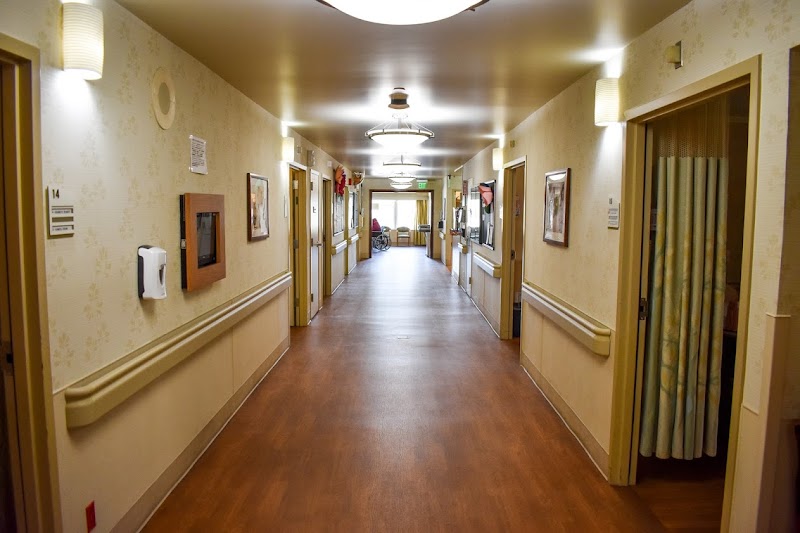
How is Kei-Ai South Bay Healthcare Center Staffed?

CMS rates KEI-AI SOUTH BAY HEALTHCARE CENTER's staffing level at 3 out of 5 stars, which is average compared to other nursing homes. Staff turnover is 40%, compared to the California average of 46%. This relatively stable workforce can support continuity of care.

What Have Inspectors Found at Kei-Ai South Bay Healthcare Center?

State health inspectors documented 69 deficiencies at KEI-AI SOUTH BAY HEALTHCARE CENTER during 2021 to 2025. These included: 2 that caused actual resident harm and 67 with potential for harm. Deficiencies causing actual harm indicate documented cases where residents experienced negative health consequences.

Who Owns and Operates Kei-Ai South Bay Healthcare Center?

KEI-AI SOUTH BAY HEALTHCARE CENTER is owned by a for-profit company. For-profit facilities operate as businesses with obligations to shareholders or private owners. The facility is operated by ASPEN SKILLED HEALTHCARE, a chain that manages multiple nursing homes. With 98 certified beds and approximately 90 residents (about 92% occupancy), it is a smaller facility located in GARDENA, California.

How Does Kei-Ai South Bay Healthcare Center Compare to Other California Nursing Homes?

Compared to the 100 nursing homes in California, KEI-AI SOUTH BAY HEALTHCARE CENTER's overall rating (2 stars) is below the state average of 3.1, staff turnover (40%) is near the state average of 46%, and health inspection rating (2 stars) is below the national benchmark.

What Should Families Ask When Visiting Kei-Ai South Bay Healthcare Center?

Based on this facility's data, families visiting should ask: "Can I visit during a mealtime to observe dining assistance and food quality?" "How do you handle medical emergencies, and what is your hospital transfer rate?" "Can I speak with family members of current residents about their experience?"

Is Kei-Ai South Bay Healthcare Center Safe?

Based on CMS inspection data, KEI-AI SOUTH BAY HEALTHCARE CENTER has a clean safety record: no substantiated abuse findings (meaning no confirmed cases of resident harm), no Immediate Jeopardy citations (the most serious violation level indicating risk of serious injury or death), and is not on the Special Focus Facility watch list (a federal program monitoring the lowest-performing 1% of nursing homes). The facility has a 2-star overall rating and ranks #100 of 100 nursing homes in California. While no facility is perfect, families should still ask about staff-to-resident ratios and recent inspection results during their visit.

Do Nurses at Kei-Ai South Bay Healthcare Center Stick Around?

KEI-AI SOUTH BAY HEALTHCARE CENTER has a staff turnover rate of 40%, which is about average for California nursing homes (state average: 46%). Moderate turnover is common in nursing homes, but families should still ask about staff tenure and how the facility maintains care continuity when employees leave.

Was Kei-Ai South Bay Healthcare Center Ever Fined?

KEI-AI SOUTH BAY HEALTHCARE CENTER has been fined $17,088 across 1 penalty action. This is below the California average of $33,250. While any fine indicates a compliance issue, fines under $50,000 are relatively common and typically reflect isolated problems that were subsequently corrected. Families should ask what specific issues led to these fines and confirm they've been resolved.

Is Kei-Ai South Bay Healthcare Center on Any Federal Watch List?

KEI-AI SOUTH BAY HEALTHCARE CENTER is not on any federal watch list. The most significant is the Special Focus Facility (SFF) program, which identifies the bottom 1% of nursing homes nationally based on persistent, serious quality problems. Not being on this list means the facility has avoided the pattern of deficiencies that triggers enhanced federal oversight. This is a positive indicator, though families should still review the facility's inspection history directly.