LAS FLORES CONVALESCENT HOSPITAL
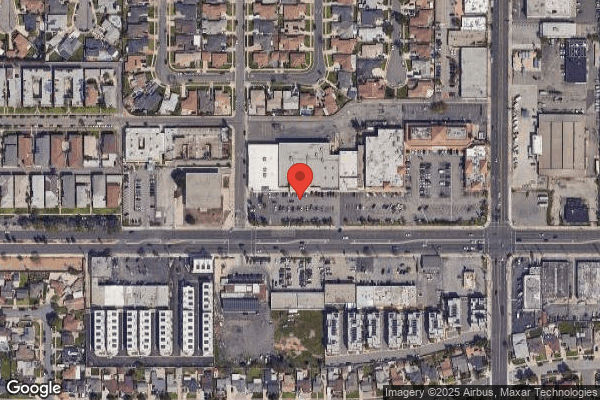
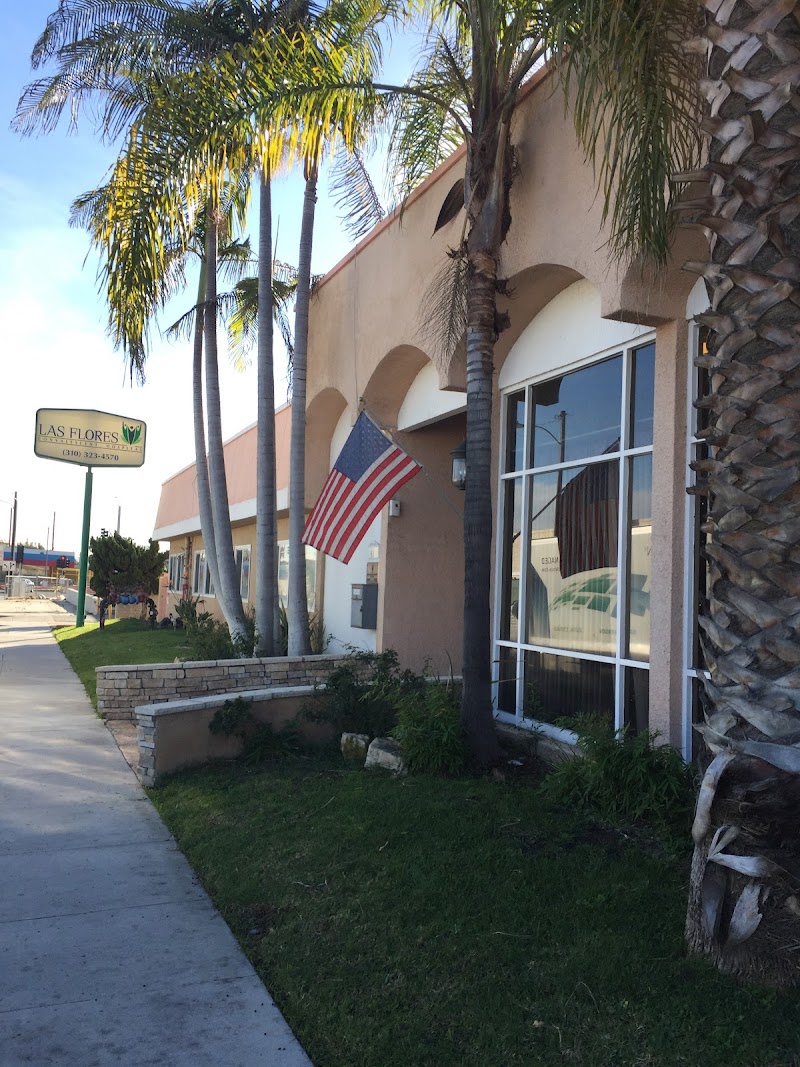
14165 PURCHE AVE., GARDENA, CA 90249 (310) 323-4570
For profit - Limited Liability company 144 Beds PACIFIC HEALTHCARE HOLDINGS Data: November 2025 2 Immediate Jeopardy citations
Trust Grade
0/100
#1056 of 1155 in CA
Last Inspection: March 2025

Within standard 12-15 month inspection cycle. Federal law requires annual inspections.

Overview

Las Flores Convalescent Hospital has received a Trust Grade of F, indicating significant concerns about its overall quality of care. It ranks #1056 out of 1155 facilities in California, placing it in the bottom half overall, and #315 out of 369 in Los Angeles County, meaning there are not many local options that are better. The facility is worsening, with issues increasing from 28 in 2024 to 29 in 2025. While staffing is relatively stable with a turnover rate of 28%, which is below the state average, RN coverage is concerning as it is less than 90% of California facilities, potentially impacting the quality of care. The facility has faced $44,151 in fines, suggesting some compliance issues, and there are serious concerns highlighted in inspector findings, such as a resident eloping due to inadequate supervision and an incident of physical abuse where one resident harmed another, raising serious safety concerns.

Trust Score
F
0/100
In California
#1056/1155
Bottom 9%
Safety Record
High Risk
Review needed
Inspections
Getting Worse
28 → 29 violations
Staff Stability
✓ Good
28% annual turnover. Excellent stability, 20 points below California's 48% average. Staff who stay learn residents' needs.
Penalties
○ Average
$44,151 in fines. Higher than 57% of California facilities. Some compliance issues.
Skilled Nurses
⚠ Watch
Each resident gets only 16 minutes of Registered Nurse (RN) attention daily — below average for California. Fewer RN minutes means fewer trained eyes watching for problems.
Violations
⚠ Watch
86 deficiencies on record. Higher than average. Multiple issues found across inspections.
★☆☆☆☆
1.0
Overall Rating
★★★☆☆
3.0
Staff Levels
★★★☆☆
3.0
Care Quality
★☆☆☆☆
1.0
Inspection Score
Stable
2024: 28 issues
2025: 29 issues

The Good

  • Low Staff Turnover (28%) · Staff stability means consistent care
  • Full Sprinkler Coverage · Fire safety systems throughout facility
  • No fines on record
  • Staff turnover is low (28%)

    20 points below California average of 48%

Facility shows strength in staff retention, fire safety.

The Bad

1-Star Overall Rating

Below California average (3.1)

Significant quality concerns identified by CMS

Federal Fines: $44,151

Above median ($33,413)

Moderate penalties - review what triggered them

Chain: PACIFIC HEALTHCARE HOLDINGS

Part of a multi-facility chain

Ask about local staffing decisions and management

The Ugly 86 deficiencies on record

2 life-threatening 1 actual harm
Jul 2025 1 deficiency
CONCERN (D) 📢 Someone Reported This

A family member, employee, or ombudsman was alarmed enough to file a formal complaint

Potential for Harm - no one hurt, but risky conditions existed

Accident Prevention (Tag F0689)

Could have caused harm · This affected 1 resident

**NOTE- TERMS IN BRACKETS HAVE BEEN EDITED TO PROTECT CONFIDENTIALITY** Based on interview and record review, the facility failed to provide close supervision for two of seven sampled residents (Resid...

Read full inspector narrative →
**NOTE- TERMS IN BRACKETS HAVE BEEN EDITED TO PROTECT CONFIDENTIALITY** Based on interview and record review, the facility failed to provide close supervision for two of seven sampled residents (Resident 1 and Resident 2) reviewed for elopement (the act of leaving a facility unsupervised and without prior authorization) risk, by failing to ensure: 1. One-to-one (1:1- a dedicated nurse assigned to continuously observe and attend to a single resident, providing close supervision and immediate interventions when needed) monitoring every shift as indicated in the care plan. 2. The functionality of the wander guard system (a technology solution designed to detect, track, and alert staff when at high risk for elopement resident attempt to exit a designated area).These deficient practices resulted in Residents 1 and 2 eloping from the facility on 7/19/2025, unsupervised for several hours, placing the residents at risk for serious harm, including injury, exposure to environmental hazards, and death. Findings: a. During a review of Resident 1's admission Record, the admission Record indicated Resident 1 was admitted to the facility on [DATE] with diagnoses including schizophrenia (a mental illness that is characterized by disturbances in thought), major depression (a mood disorder that causes a persistent feeling of sadness and loss of interest), hypertension (HTN- high blood pressure), and anxiety (a feeling of fear). During a review of Resident 1's History and Physical (H&P), dated 3/2/2025, the H&P indicated Resident 1 did not have the capacity to understand and make decisions. During a review of Resident 1's Minimum Data Set (MDS- a resident assessment tool), dated 6/5/2025, the MDS indicated Resident 1's cognition (process of thinking) was severely impaired. The MDS indicated Resident 1 required moderate (helper does less than half the effort) assistance from staff with activities of daily living (ADLs- routine tasks/activities such as bathing, dressing and toileting a person performs daily to care for themselves). During a review of Resident 1's care plan titled Resident is an elopement risk/wanderer., initiated 5/7/2025, the care plan indicated interventions included use a wander guard bracelet and one-to-one staff monitoring on every shift to maintain the resident's safety due to elopement risk. During a review of Resident 1's Change of Condition (COC), dated 7/19/2025, timed at 11:45 a.m., the COC indicated on 7/19/2025 at approximately 10:00 a.m., Resident 1 was observed in the hallway pushing another resident (Resident 2) in a wheelchair. The COC also indicated at 11:00 a.m., during visual check rounds, the staff could not locate Resident 1 anywhere in the facility. Staff also were unable to locate the resident in the surrounding neighborhood. Resident 1 was returned to the facility on 7/19/2025 at approximately 4:45 p.m., by the Administrator (ADM). b. During a review of Resident 2's admission Record, the admission Record indicated Resident 2 was admitted to the facility on [DATE] with diagnoses which included dementia (a progressive state of decline in mental abilities), anxiety, dysphagia (difficulty swallowing), and muscle weakness (loss of muscle strength). During a review of Resident 2's H&P, dated 1/30/2025, the H&P indicated Resident 2 did not have the capacity to understand and make medical decisions. During a review of Resident 2's MDS, dated [DATE], the MDS indicated Resident 2's cognition was severely impaired. The MDS indicated Resident 2 required moderate assistance from staff with ADLs and did not have the ability to walk. The MDS indicated Resident 2 required the use of a wheelchair for mobility. During a review of Resident 2's COC, dated 7/19/2025, timed at 11:45 a.m., the COC indicated on 7/19/2025 at approximately 10:00 a.m., Resident 2 was observed in the hallway in her wheelchair being pushed by another resident (Resident 1). The COC indicated at 11:00 a.m., the staff could not locate Resident 2 in the facility or the surrounding neighborhood. The COC indicated Resident 2 was brought back to the facility on 7/19/2025 at approximately 3:22 p.m., by a local hospital ambulance. During an interview on 7/29/2025 at 12:02 p.m., with Licensed Vocational Nurse (LVN) 1, LVN 1 stated on 7/19/2025 at approximately 10:00 a.m., Resident 1 was observed in the hallway pushing Resident 2 in her wheelchair towards nurses' station near the front exit door. LVN 1 stated Resident 1 was high risk for elopement and had been issued a wander guard bracelet. LVN 1 stated Resident 1 was not on one-to-one monitoring, and instead was being checked during hourly visual rounds. LVN 1 stated Resident 2 was non-ambulatory (able to walk), used a wheelchair, and required staff assistance for mobility. LVN 1 stated at 11:00 a.m., during scheduled visual rounds check, staff were unable to locate Residents 1 and 2. LVN 1 stated she reported the missing residents to the charge nurse and staff initiated a search. LVN 1 stated she did not observe the residents exiting the facility and did not hear the front door alarm which indicated that staff were not monitoring the exit door as required to prevent residents from exiting the facility unsupervised. LVN 1 stated it was the responsibility of the Director of Staff Development (DSD) to ensure such assignments as exit monitoring were reflected in the daily staff assignment. LVN 1 stated the front exit door should be continuously monitored by staff to prevent residents from leaving the facility unsupervised, especially those at high risk for elopement. LVN 1 stated someone should have been watching the exit. During a telephone interview on 7/29/2025 at 1:06 p.m., with Registered Nurse (RN) 1, RN 1 stated she was the charge nurse on duty the morning of 7/19/2025. RN 1 stated she was made aware by LVN 1 that Residents 1 and 2 were missing during the 11:00 a.m. visual check rounds. RN 1 stated Resident 1 had a wander guard bracelet, but she was unaware if the system was active or functioning. RN 1 stated she was not able to recall if Resident 1 was on one-to-one monitoring at the time of the elopement incident on 7/19/2025. RN 1 stated she did not receive any alerts from the wander guard system. RN 1 stated she did not see or hear the residents exiting the facility. RN 1 stated staff should have been assigned to monitor the front exit to prevent residents from leaving unsupervised, especially those with elopement risk. RN 1 stated she believed a staff member (unable to recall name) had been assigned to monitor the front exit on the morning of 7/19/2025, but she was not able to confirm whether that assigned staff was present at the time of the elopement. RN 1 stated I was busy with other duties, and I honestly don't know if they were at the door. RN 1 stated the facility did not have a written policy for monitoring the exit door, it was an informal expectation, and everyone was responsible for the residents' supervision. During a concurrent interview record review on 7/29/2025 at 4:07 p.m., with the Director of Staff Development (DSD), the facility record titled Nursing Staffing Assignment and Sign-in-Sheet, dated 7/19/2025, was reviewed. The staff assignment record indicated Certified Nursing Assistant (CNA) 1 had initially been assigned to monitor the facility's front exit door and observe for any resident attempting to leave unsupervised. The DSD stated all staff were expected to monitor residents by keeping an eye on them, especially those with documented elopement risks. The DSD stated the facility did not have a formal, written protocol requiring staff to be specially assigned to monitor exit doors. The DSD stated she was responsible for preparing the staff assignment sheet for 7/19/2025. The DSD stated CNA 1 was reassigned to provide care to another resident in room [ROOM NUMBER]. The DSD stated there was no one to replace CNA 1 after his reassignment and staff at the nurses' station (located near the exit) were to assist with watching and monitoring the exit. The DSD stated this oversight resulted in Residents 1 and 2's elopement on the morning of 7/19/2025. During an interview on 7/29/2025 at 4:50 p.m., with the Administrator (ADM), the ADM stated on the morning of 7/19/2025, while Resident 1 pushed Resident 2 in her wheelchair, the residents exited the facility without staff knowledge. The ADM stated both residents were later located off-site and returned to the facility in the afternoon. The ADM stated Resident 1 had a wander guard bracelet, but the system failed to function at the time of the elopement, and no alarm was received by staff. The ADM stated the facility did not have a specific written policy designating which staff member was responsible for monitoring the front exit. The ADM stated it was an informal facility process that available staff were assigned to monitor the exit. The ADM stated it was expected that all staff would be vigilant and visually monitor the front exit and monitor the residents to prevent the residents from leaving the facility unsupervised. The ADM stated current practices were inadequate and that steps would be taken to create a formal front exit monitoring system. During a review of the facility's policy and procedures (P&P) titled Safety-Resident Monitoring, undated, the P&P indicated:1. The facility would ensure the safety and well-being of all residents by establishing guidelines for effective monitoring, supervision, and timely interventions.2. Staff must ensure resident whereabouts, especially for residents at risk of elopement.3. All staff would be informed of residents under 1:1 observation. During a review of the facility's P&P titled Wandering & Elopement, revised 5/1/2023, the P&P indicated the facility would identify and monitor residents at risk for elopement and facility staff would prevent residents from leaving the facility unsupervised. During a review of the facility P&P titled Safety of Residents, revised 5/1/2023, the P&P indicated the facility would provide a safe environment for residents at the facility.
Jul 2025 3 deficiencies 1 Harm
SERIOUS (G) 📢 Someone Reported This

A family member, employee, or ombudsman was alarmed enough to file a formal complaint

Actual Harm - a resident was hurt due to facility failures

Free from Abuse/Neglect (Tag F0600)

A resident was harmed · This affected 1 resident

**NOTE- TERMS IN BRACKETS HAVE BEEN EDITED TO PROTECT CONFIDENTIALITY** Based on observation, interview and record review, the facility failed to protect the resident's right to be free from physical ...

Read full inspector narrative →
**NOTE- TERMS IN BRACKETS HAVE BEEN EDITED TO PROTECT CONFIDENTIALITY** Based on observation, interview and record review, the facility failed to protect the resident's right to be free from physical abuse (deliberate, aggressive, or violent behavior with the intention to cause harm), for one of two sampled residents (Resident 3) when Resident 4 physically attacked Resident 3.This deficient practice resulted in Resident 3 sustaining welts (raised, red, or skin-colored bumps that appear on the skin) to his left arm, after Resident 4 hit him with a clothes hanger.Findings: During a review of Resident 3's admission Record (face sheet), the face sheet indicated Resident 3 was originally admitted to the facility on [DATE] and readmitted [DATE] with diagnoses including schizophrenia (a mental illness that is characterized by disturbances in thought), anxiety (a feeling of worry or fear, often about potential future problems), and dementia (a progressive state of decline in mental abilities) with other behavioral disturbance. During a review of Resident 3's Care Plan titled, the resident has been physically aggressive by throwing his food tray at nursing staff, dated 3/19/2024 indicated interventions including anticipate resident's needs, monitor/document observed behavior and attempted interventions in behavior log. The interventions also indicated that when the residents become agitated, staff will intervene before agitation escalates. During a review of Resident 3's History and Physical (H&P) dated 5/23/2025, the H&P indicated Resident 3 had fluctuating capacity to understand and make medical decisions. During a review of Resident 3's Minimum Data Set (MDS - a comprehensive quarterly resident assessment) dated 6/4/2025, the MDS indicated Resident 3 had the ability to make self-understood and the ability to understand others. During a review of Resident 3's Change of Condition Evaluation (COC) dated 6/25/2025, the COC indicated Resident 3 exhibited behavioral changes when he pulled on another resident's call light, curtain, and yanked his bed. The COC indicated Resident 3 had a left arm open scratch, with a sad and frightened facial expression. The COC indicated Resident 3 showed facial grimacing when his left arm was touched during assessment. During a review of Resident 3's Skin Check (an assessment of the residents' skin), dated 6/25/2025, the skin check indicated Resident 3 had three welts measuring 8.0 cm, and 0.4 cm (centimeter-a unit of measurement), in length on the left outer forearm after Resident 3 was hit with a hanger by Resident 4. The assessment indicated one of the welts included a scratch. During a review of Resident 3's Order Summary Report dated 6/25/2025, the order summary report indicated cleanse the left arm open scratch and apply Bacitracin ointment (a topical antibiotic used to prevent and treat minor skin infections from cuts, scrapes, and burns) for 14 days, one time a day until finished. During a review of Resident 4's admission Record, the admission record indicated Resident 4 was originally admitted to the facility on [DATE] and readmitted on [DATE] with diagnoses including polyarthritis (swelling or tenderness in five or more joints causing pain or stiffness that gets worse with age), cardiomegaly (an enlarged heart), left leg above knee amputation (surgical removal of the leg when it is severely damaged). During a review of Resident 4's H&P dated 10/28/2024, the H&P indicated Resident 4 had the capacity to understand and make medical decisions. During a review of Resident 4's MDS dated [DATE], the MDS indicated Resident 4 had the ability to make self-understood and the ability to understand others. During a review of Resident 4's Change of Condition Evaluation (COC) dated 6/25/2025, the COC indicated Resident 4 alleged hitting another resident (Resident 3) with a hanger. The COC indicated staff will monitor Resident 4 for 72 hours. During a concurrent observation and interview on 6/27/2025 at 4:08 pm in Resident 3's room, Resident 3 was observed lying in bed with a small, dry, scab (a crusty protective covering) on the left arm. Resident 3 stated he was lying in his bed a few days ago, when Resident 4 hit him with a hanger. Resident 3 stated Resident 4 accused him of throwing dirty towels under his bed. Resident 3 stated he sustained a bruise and had pain in his left arm after Resident 4 hit him with a hanger. Resident 3 stated it made him feel scared and afraid. During an interview on 6/27/2025 at 4:23 pm in Resident 4's room, Resident 4 stated a few days ago, he hit Resident 3 because Resident 3 was pulling and pushing his (Resident 4's) bed, pulling on the privacy curtains, and call light. Resident 4 stated Resident 3 had done this several times before and had thrown dirty towels under his bed, but he did not report it to staff. During an interview on 7/2/2025 at 1:40 pm, with LVN (Licensed Vocational Nurse) 1, the LVN stated no resident should be abused. During a review of the facility's Policy & Procedure (P&P) titled, Abuse Prevention and Prohibition Program revised 8/1/2023, indicated Each resident has the right to be free from abuse, neglect, or misappropriation of resident property. The P&P indicated welts and bruises are signs and symptoms of physical abuse. The P&P indicated The Administrator is the Abuse Coordinator. In order to facilitate reporting, ensure confidentiality, and promote order at the Facility, the Administrator, or his/her designee, shall be the individual who reports known or suspected instances of abuse of residents at the Facility to the proper authorities. During a review of the facility's P&P titled, Behavior - Management revised 5/1/2018, indicated When the resident exhibits behaviors, the Licensed Nurse will document the resident's behavior in the medical record and include the following as indicated: Any precipitating factors, interventions used to redirect behavior, the resident's response to the intervention, notification of attending physician and responsible party as indicated, update the plan of care as indicated. During a review of the facility's P&P titled Resident - Resident Altercations revised 8/1/2023, the P&P indicated Facility staff monitors residents for aggressive or inappropriate behavior toward other residents, family members, visitors, and facility staff.
CONCERN (D) 📢 Someone Reported This

A family member, employee, or ombudsman was alarmed enough to file a formal complaint

Potential for Harm - no one hurt, but risky conditions existed

Deficiency F0655 (Tag F0655)

Could have caused harm · This affected 1 resident

**NOTE- TERMS IN BRACKETS HAVE BEEN EDITED TO PROTECT CONFIDENTIALITY** Based on observation, interview, and record review, the licensed nursing staff failed to develop a baseline care plan addressing...

Read full inspector narrative →
**NOTE- TERMS IN BRACKETS HAVE BEEN EDITED TO PROTECT CONFIDENTIALITY** Based on observation, interview, and record review, the licensed nursing staff failed to develop a baseline care plan addressing identified mood/behavior concerns for one of five sampled residents (Resident 2).This deficient practice had the potential for delayed provision of necessary care and services.Findings:During a review of Resident 1's admission Record (face sheet), the admission record indicated Resident 1 was admitted to the facility on [DATE] with diagnoses including anxiety (a feeling of worry or fear, often about potential future problems), psychosis (a severe mental condition in which thought, and emotions are so affected that contact is lost with reality), and depression (a mood disorder characterized by persistent feelings of sadness, loss of interest in activities, and a range of other symptoms that can significantly impair daily functioning.)During a review of Resident 1's History and Physical (H&P) dated 4/1/2025, the H&P indicated Resident 1 did not have capacity to understand and make medical decisions.During a review of Resident 1's Minimum Data Set (MDS - a comprehensive quarterly resident assessment) dated 4/19/2025, the MDS indicated Resident 1 was dependent on a helper to do all of the effort for eating, bathing, and dressing upper and lower body.During a review of Resident 1's Behavior Care Plan dated 4/21/2025, Resident 1 had a behavior problem of taking clothes off and playing with his penis out in the open. The care plan indicated interventions to administer medications as ordered, anticipate the resident's needs, discuss the resident's behavior, intervene as necessary to protect the rights and safety of others, and minimize the potential of Resident 1 exposing himself by offering tasks which divert attention such as inviting/escorting to activities.During a review of Resident 2's admission Record, the admission record indicated Resident 2 was originally admitted to the facility on [DATE] and readmitted on [DATE] with diagnoses including unspecified mood (affective) disorder (a group of mental illnesses characterized by significant disturbances in a person's emotional state [mood]), anxiety, and difficulty walking.During a review of Resident 2's Minimum Data Set (MDS - a comprehensive quarterly resident assessment) dated 4/30/2025, the MDS indicated Resident 2 was independent (completes the activity by themselves with no assistance from a helper) with personal hygiene.During a review of Resident 2's H&P dated 6/20/2025, the H&P indicated Resident 2 had the capacity to understand and make decisions.During a review of Resident 2's Medication Administration Record (MAR) dated 6/1/2025 - 6/30/2025, the MAR indicated an order to monitor Resident 2 for episodes of verbal aggressiveness towards staff every shift. The MAR indicated Resident 2 had 24 episodes of verbal aggression between 6/5/2025 and 6/12/2025.During an observation and interview on 6/27/2025 at 3:35 pm Resident 1 was observed lying in bed, uncovered, wearing a hospital gown and adult diaper, knees bent, moving his legs up and down. Resident 1 stated Resident 2 poured water on him because he was acting up. I was laying in my bed. I do not remember what I did, but I know I was acting up. Resident 1 stated he felt cold because the water had ice in it.During an observation and interview on 6/27/2025 at 3:47 pm with Resident 2, Resident 2 was observed lying in bed wearing a hospital gown, emptying a colostomy (a surgical procedure that brings one of the large intestine out through the abdominal wall to allow waste to leave the body.) Resident 2 tossed the bag of waste on the floor. Resident 2 stated Resident 1 kept taking his clothes off and playing with himself. Every time you come in the room, he is naked. All you see is nuts and dick. My daughter came in and saw him like that, so I threw water on him. I got tired of that shit. He had to go.During an interview on 7/2/2025 at 8:44 am, with RN 1, RN 1 stated Resident 1's care plan interventions are not working. We talk to him, and he does not listen. There should be more specific interventions, but I do not know what else we can do. RN 1 stated Resident 2 should have a care plan for his behavioral diagnoses with interventions when he has aggressive behavior. RN 1 stated any licensed nurse could implement care plans. During a concurrent interview and record review on 7/2/2025 at 4:01 pm with the Director of Nursing (DON), Resident 2's care plan was reviewed. The DON stated there were no care plans for his behavior diagnoses of mood disorder and anxiety. The DON stated Resident 2 should have care plans to list interventions needed for his behavior to protect staff and other residents.During an interview on 7/3/2025 at 3:27 pm with the Administrator (ADM), the ADM stated It was Resident 1's right to pleasure himself. We try to give Resident 1 privacy but Resident 2 does not like the privacy curtain closed.A review of the facility's Policy and Procedures (P&P) titled Care Planning revised 10/22/2024, the P&P indicated The Comprehensive Care Plan must be implemented within seven days after completion of the Comprehensive admission Assessment and must be periodically reviewed and revised by a team of qualified persons after each assessment. The P&P also indicated A culturally competent and trauma-informed Comprehensive Care Plan will be developed for each resident. The Care Plan will include measurable objectives and timetables to meet a resident's medical, nursing, mental and psychosocial needs.
CONCERN (D) 📢 Someone Reported This

A family member, employee, or ombudsman was alarmed enough to file a formal complaint

Potential for Harm - no one hurt, but risky conditions existed

Deficiency F0943 (Tag F0943)

Could have caused harm · This affected 1 resident

**NOTE- TERMS IN BRACKETS HAVE BEEN EDITED TO PROTECT CONFIDENTIALITY** Based on interview and record review, the facility failed to ensure Certified Nursing Assistant (CNA) 1 received staff training ...

Read full inspector narrative →
**NOTE- TERMS IN BRACKETS HAVE BEEN EDITED TO PROTECT CONFIDENTIALITY** Based on interview and record review, the facility failed to ensure Certified Nursing Assistant (CNA) 1 received staff training after a resident (Resident 5) accused CNA 1 of abuse during personal hygiene care.This deficient practice had the potential for CNA 1 to cause harm to residents if not properly trained regarding abuse.Findings:During a review of Resident 5's admission Record (face sheet), the admission record indicated Resident 5 was originally admitted to the facility on [DATE] and readmitted [DATE] with diagnoses including muscle weakness, schizophrenia (a mental illness that is characterized by disturbances in thought), anxiety (a feeling of worry or fear, often about potential future problems), dementia (a progressive state of decline in mental abilities) with psychotic disturbance (a severe mental condition in which thought, and emotions are so affected that contact is lost with reality.) During a review of Resident 5's History and Physical (H&P), dated 3/11/2025, the H&P indicated Resident 5 had the capacity to understand and make medical decisions. During a review of Resident 5's Verbally Aggressive Care Plan dated 3/11/2025, the care plan indicated Resident 5 had the potential to be verbally aggressive toward staff, related to anxiety disorder. A review of Resident 5's Refusing Care Care plan dated 3/11/2025, the care plan indicated Resident 5 had episodes of refusing care, refusing to take meds at times, refusal to be repositioned and refusing care as ordered.During a review of Resident 5's Minimum Data Set (MDS, a comprehensive quarterly resident assessment) dated 4/26/2025, the MDS indicated Resident 5 had the ability to make self understood and the ability to understand others. The MDS indicated Resident 5 was dependent (helper does all of the effort) for toileting hygiene and lower body dressing.During a concurrent observation and interview on 6/27/2025 at 3:51 pm in the activities room with resident 5, Resident 5 was sitting in a wheelchair watching television. When asked about the allegation he made regarding CNA 1 grabbing his arm during care, Resident 5 stated he told CNA 1 to leave him alone and go get someone else to clean him then CNA 1 grabbed his arm. Resident 5 did not remember which arm was grabbed. Observation of both arms showed skin was intact without bruising or swelling. Resident 5 denied pain in both arms.During a concurrent record review and interview on 7/2/2025 at 10:55 am with the Director of Staff Development (DSD), Certified Nursing Assistant (CNA) 1's most recent abuse training titled Abuse (Reporting abuse, Mandated Reporter) dated 8/24/2024, was reviewed. The DSD stated CNA 1 was suspended 6/18/2025 pending investigation of Resident 5's allegation of abuse. The DSD stated that when CNA 1 returned to work 6/23/2025, CNA 1 should have received staff training regarding abuse. The DSD stated staff training is important to remind staff what abuse is and how to prevent it. The DSD stated Staff need to know how to prevent abuse, what protocols to follow if abuse happens including reporting abuse. The DSD stated scheduling CNA 1 for training was difficult due to her schedule on night shift (11:00 pm - 7:00 am).During an interview on 7/2/2025 at 2:30 pm with CNA 1, CNA 1 stated she was providing hygiene care to Resident 5 Resident 5 demanded CNA 1 get his pants immediately and yelled I do not want you to be my nurse, leave me alone! CNA 1 stated Resident 5 then cursed at her and she left the room. CNA 1 stated she did not report the incident to a supervisor because this behavior happens often. CNA 1 stated she had not received abuse training since the incident.During a concurrent record review and interview on 7/2/2025 at 4:06 pm with the Director of Nursing (DON), Resident 5's Refusing Care - Care Plan dated 3/11/2025 was reviewed. The care plan indicated Resident 5 had episodes of refusing care, refusing to take meds at times, refusal to be repositioned, and refusing care as offered. The care plan indicated a goal that Resident 5 would have no complications related to refusing medications/care and will have fewer episodes through the review date. The care plan interventions included: Implement behavior management techniques such as reality orientation, explaining care/procedures before carrying out, provide reality orientation during care, provide resident with adequate time to express needs or concerns, notify MD if any recurrence of behavior problem noted, administer medications as ordered. The DON stated, The care plan should include interventions specific to the resident having the right to refuse care and if the resident says stop, you should stop. The DON stated, The CNA's want to make sure the residents are clean before they finish their shift. The DON also stated, CNA 1 should have immediately been retrained regarding abuse upon returning from suspension. The DON stated it is important to retrain staff regarding policies and procedures periodically and after incidents with residents.A review of the facility Policy and Procedure (P&P), titled, Staff Development Program dated 10/24/2022, the P&P indicated the primary objective of the staff development program was to ensure that staff had the knowledge, skills, and critical thinking necessary to provide excellent resident care.A review of the facility P&P titled Refusal of Treatment revised 5/1/2023, the P&P indicated the facility will honor a resident's request not to receive medical treatment as prescribed by his/her attending physician, as well as services outlined on the resident's assessment and care plan.
Mar 2025 25 deficiencies
CONCERN (D)

Potential for Harm - no one hurt, but risky conditions existed

Deficiency F0552 (Tag F0552)

Could have caused harm · This affected 1 resident

**NOTE- TERMS IN BRACKETS HAVE BEEN EDITED TO PROTECT CONFIDENTIALITY** Based on interview and record review the facility failed to: 1. Ensure a resident and/or responsible party (RP) was informed in ...

Read full inspector narrative →
**NOTE- TERMS IN BRACKETS HAVE BEEN EDITED TO PROTECT CONFIDENTIALITY** Based on interview and record review the facility failed to: 1. Ensure a resident and/or responsible party (RP) was informed in advance, of the risks and benefits of psychoactive medication (a drug that changes brain function and results in altercations in perception, mood, consciousness, or behavior) for one of five residents (Resident 46). This deficient practice violated the residents' right to make an informed decision regarding the use of psychoactive medications. Findings: During a review of Resident 46's admission Record, the admission Record indicated, Resident 46 was initially admitted to the facility on [DATE] and latest readmission was on 2/7/2025. Resident 46's diagnoses included diabetes mellitus (DM-a disorder characterized by difficulty in blood sugar control and poor wound healing), chronic kidney disease (CKD-condition which the kidneys are damaged and cannot filter blood as well as they should), and bipolar disorder (sometimes called manic-depressive disorder; mood swings that range from the lows of depression to elevated periods of emotional highs). During a review of Resident 46's History and Physical (H&P), dated 2/19/2025, the H&P indicated Resident 46 had the capacity to understand and make decisions. A review of Resident 46's Minimum Data Set (MDS - a resident assessment tool), dated 2/12/2025, the MDS indicated Resident 46 was assessed to have clear comprehension (the action or capability of understanding something) in daily decision making. The MDS indicated Resident 46 was receiving antipsychotic (medications used to treat mental disorders) and antidepressant (medications used to treat depression [feelings of low mood]) medications. During a review of Resident 46's Order Summary Report (physician orders), dated 3/7/2025, the physician orders indicated, the physician placed a telephone order on 2/15/2025 for Resident 46 to start Seroquel (a medication used to treat certain mental disorders, such as schizophrenia and bipolar disease) 300 milligrams (mg- metric unit of measurement, used for medication dosage and/or amount). The physician orders indicated another telephone order was placed on 2/16/2025 to start Duloxetine HCI (a medication used to treat major depressive disorder) 30 mg. During a review of Resident 46's Medication Administration Record (MAR), dated 2/2025 and 3/2025, the MARs indicated, Resident 46 had been receiving Duloxetine HCI 30 mg and Seroquel 300 mg. During an interview on 3/7/20025 at 9:30 a.m., with Registered Nurse (RN) 1, RN 1 stated an informed consent should be drug specific for the use of psychoactive medication, as it explained the risks and benefits, and side effects. RN 1 stated the resident or RP needed to give consent to administer a psychoactive medication. RN 1 stated the staff needed to make sure the consents were completed and in the resident's chart before medication was started. RN 1 stated, This is not the proper way to do it, the policy is we consent before giving the medication. RN 1 stated if the consent was not in the chart there would be no way to know if the resident was educated and made the informed decision whether to receive the medication or not. RN 1 stated it could also affect the resident's behavior. During a concurrent interview and record review on 3/7/2025 at 9:50 a.m., with the Assistant Director of Nursing (ADON), Resident 46's chart was reviewed. No informed consent for Seroquel or Duloxetine HCI was found in the chart. The ADON stated there was no consent for Seroquel or Duloxetine HCI in the chart. The ADON stated the resident or RP needed to be informed completely about the side effects, the effectiveness, and the reason the medication was needed before medication was started. The ADON stated if no informed consent was obtained the resident could potentially have taken medication they did not want to take. The ADON stated that it was very important to make sure the consent was in the chart and that the resident or RP had been informed. The ADON stated the resident or RP had the right to decline the medications. During an interview on 3/7/2025 at 10:55 a.m., with the Director of Nursing (DON), the DON stated it was the staff's responsibility to verify if the informed consent was signed and in the chart before medication was administered. The DON stated the resident and/or RP has the right to make an informed decision to accept or decline the mediation. The DON stated starting the medication without an informed consent could potentially affect the resident by taking medication they did not want to take. During a review of the facility's policy and procedure (P&P) titled, Informed Consent, revised 4/2024, the P&P indicated, to ensure the facility respects the resident's right to make an informed decision prior to deciding to undergo certain medical therapies and procedures. The P&P indicated informed consent/notice will be documented and placed in the resident's medical record. The P&P indicated the facility will maintain documentation of verification of the informed consent/Notice in the resident's medical record. During a review of the facility's policy and procedure (P&P) titled, Psychotherapeutic Drug Management, revised 5/2024, the P&P indicated, when obtaining consent for use of psychotherapeutic drugs, the resident will be informed of the risks and benefits for the use of these medications. The P&P indicated consent will remain in place until medication is discontinued or until consent is revoked by resident/responsible party.
CONCERN (D)

Potential for Harm - no one hurt, but risky conditions existed

Deficiency F0553 (Tag F0553)

Could have caused harm · This affected 1 resident

**NOTE- TERMS IN BRACKETS HAVE BEEN EDITED TO PROTECT CONFIDENTIALITY** Based on interview and record review, the facility failed to: 1. Ensure one of 25 sampled residents (Resident 275) participated ...

Read full inspector narrative →
**NOTE- TERMS IN BRACKETS HAVE BEEN EDITED TO PROTECT CONFIDENTIALITY** Based on interview and record review, the facility failed to: 1. Ensure one of 25 sampled residents (Resident 275) participated in care planning meetings. This deficient practice violated Resident 275's rights to be fully informed of the resident's plan of care and had the potential to result in delay of care and services. Findings: During a review of Resident 275's admission Record (front page of the chart that contains a summary of basic information about the resident), the admission Record indicated, Resident 275 was admitted to the facility on [DATE]. Resident 275's diagnoses included chronic obstructive pulmonary disease ([COPD] - a chronic lung disease causing difficulty in breathing), hypertension ([HTN] - high blood pressure), and congestive heart failure ([CHF] - a heart disorder which causes the heart to not pump the blood efficiently, sometimes resulting in leg swelling). During a review of Resident 275's History and Physical (H&P), dated 1/7/2025, the H&P indicated, Resident 275 had the capacity to understand and make medical decision. During a review of Resident 275's Minimum Data Set ([MDS] - a resident assessment tool), dated 1/7/2025, the MDS indicated, Resident 275 required moderate assistance (helper does less than half the effort) from staff with eating, oral hygiene, and personal hygiene. During an interview on 3/4/2025 at 12:15 p.m., with Resident 275, Resident 275 stated she is a retired nurse, and no facility staff offered for the resident to attend her care plan meetings to discuss her care. During a concurrent interview and record review on 3/5/2025 at 2:35 p.m., with the Director of Nursing (DON), Resident 275's Baseline Care Plan, dated 1/2/2025, was reviewed. The DON stated the Baseline Care Plan did not indicate Resident 275 or her representative was among the members who attended the meeting. The DON stated it was the responsibility of the nursing or social service staff to notify and invite the resident or resident representative to attend the care plan meetings. The DON stated care plan meetings allowed Resident 275 to share information about her condition with the facility staff. The DON stated it was important for Resident 275 to be involved in care plan meeting so the facility's Interdisciplinary Team ([IDT] - team members from different disciplines who come together to discuss resident care) could discuss and ensure the resident's needs are met. The DON stated it was a violation of the resident's rights by not allowing Resident 275 to participate in the care planning process. During a review of the facility's policy and procedure (P&P), titled Care Planning, dated 10/24/2022, the P&P indicated, The facility will invite the resident, if capable, and their family to care planning meetings and use its best efforts to schedule care planning meetings at times convenient for the resident and family. During a review of the facility's P&P, titled Resident Rights, dated 5/1/2023, the P&P indicated, The resident has the right to be fully informed and participate in their treatment in a language that they can understand.
CONCERN (D)

Potential for Harm - no one hurt, but risky conditions existed

Deficiency F0558 (Tag F0558)

Could have caused harm · This affected 1 resident

**NOTE- TERMS IN BRACKETS HAVE BEEN EDITED TO PROTECT CONFIDENTIALITY** Based on observation, interview, and record review, the facility failed to ensure one out of six sampled resident's (Resident 36...

Read full inspector narrative →
**NOTE- TERMS IN BRACKETS HAVE BEEN EDITED TO PROTECT CONFIDENTIALITY** Based on observation, interview, and record review, the facility failed to ensure one out of six sampled resident's (Resident 36 and Resident 224) call light was within reach. This deficient practice had the potential to result in a delay in or an inability for the residents to obtain necessary care and services. Findings: A. During a review of Resident 36's admission Record ([Face Sheet] front page of the chart that contains a summary of basic information about the resident), the Face Sheet indicated Resident 36 was admitted to the facility on [DATE]. Resident 36's diagnoses included chronic obstructive pulmonary disease ([COPD]- a chronic lung disease causing difficulty in breathing), hemiplegia (paralysis of the arm, leg, and trunk on the same side of the body), and muscle weakness (a lack of muscle strength). During a review of Resident 36's History and Physical (H&P), date unknown, the H&P indicated, Resident 36 had the capacity to understand and make decisions. During a review of Resident 36's Minimum Data Set ([MDS] a resident assessment tool), dated 2/5/2025, the MDS indicated Resident 36's cognition sometimes understands. The MDS indicated Resident 36 was dependent on staff for hygiene, showering, and dressing. During an observation on 3/4/2025 at 11:10 a.m., in Resident 36's room, observed the call light not within reach. The call light was behind Resident 36's bed, on the floor. During a concurrent observation and interview on 3/4/2025 at 11:15 a.m. with Certified Nursing Assistant (CNA) 3, in Resident 36's room, observed the call light on the floor behind the bed. CNA 3 stated the call light was not within reach. CNA 3 stated the protocol was to make sure the call light was within reach at all times. CNA 3 stated it was important to have the call light within reach, so the resident does not try to get out a of the bed. CNA 3 stated keeping the call light within reach helped to prevent falls. During an interview on 3/6/2025 at 1:57 p.m. with Registered Nurse (RN) 1, RN 1 stated the call light should be near the resident and on the chest area at all times. RN 1 stated the call light was used to communicate with staff the resident's needs. RN 1 stated when the call light was not within reach it would cause a delay in service and care for the residents. B. During a review of Resident 224's admission Record, the admission Record indicated, Resident 224 was admitted to the facility on [DATE]. Resident 224's diagnoses included difficulty walking, muscle weakness, asthma (a chronic lung disease making it difficult to breathe), and congestive heart failure (CHF- heart disorder which causes the heart to not pump the blood efficiently, sometimes resulting in leg swelling). During a review of Resident 224's H&P, dated 2/16/2025, the H&P indicated Resident 224 had the capacity to understand and make decisions. During a review of Resident 224's MDS, dated [DATE], indicated Resident 224 was able to comprehend most conversation. The MDS indicated Resident 224 was dependent on staff for activities of daily living (ADLs- activities such as bathing, dressing and toileting a person performs daily) such as showering and toileting and stand, chair/bed-to-chair transfer, and toilet transfer. During a review of Resident 224's Care Plan, revision dated 2/12/2025, the care plan indicated, Resident 224 had a self-care and mobility deficit. The staff interventions indicated to keep the call system within reach and answer promptly and encourage the resident to use bell to call for assistance. During a concurrent observation and interview on 3/4/2025 at 10:44 a.m. with CNA 5, in Resident 224's room, observed the call light device behind Resident's 224 bed on the floor, not within reach of the resident. CNA 5 stated the call light was not within Resident 224's reach. CNA 5 stated the call light should have been within reach. CNA 5 stated the call light was for safety purposes, emergencies, and if the resident was to need anything. CNA 5 stated if the call light was not within reach there was no way the staff would know the resident needed. CNA 5 stated not addressing Resident 224's call light could affect the resident mentally, physically and emotionally. During an interview on 3/4/2025 at 10:50 a.m. with Licensed Vocational Nurse (LVN) 5, LVN 5 stated the call light should be placed next to the resident for easy access. LVN 5 stated if the call light was not within reach the resident could not alert the nurse for an emergency, which would create a safety risk, and could impact access to pain medication. LVN 5 stated the needs of the resident would not be addressed in a timely manner and could potentially cause the resident to experience pain for longer than necessary. During an interview on 3/7/2025 at 10:55 a.m. with the Director of Nursing (DON), the DON stated the call light should be within the resident's reach. The DON stated when the call light was out of reach, the needs of the resident would not be met in a timely manner. During a review of the facility's policy and procedure (P&P) titled, Communication-Call System, dated 10/2022, the P&P indicated the facility will provide a call system to enable residents to alert the nursing staff from their beds and toileting/bathing facilities. The P&P indicated call cords will be placed within the resident's reach in the resident's room. The P&P indicated the purpose of a call system is to provide a mechanism for residents to promptly communicate with nursing staff. The P&P indicated call cords will be placed within the resident's reach in the resident's room.
CONCERN (D)

Potential for Harm - no one hurt, but risky conditions existed

Deficiency F0561 (Tag F0561)

Could have caused harm · This affected 1 resident

**NOTE- TERMS IN BRACKETS HAVE BEEN EDITED TO PROTECT CONFIDENTIALITY** Based on interview and record review, the facility failed to ensure one of 25 sampled resident's (Resident 273) preference to ha...

Read full inspector narrative →
**NOTE- TERMS IN BRACKETS HAVE BEEN EDITED TO PROTECT CONFIDENTIALITY** Based on interview and record review, the facility failed to ensure one of 25 sampled resident's (Resident 273) preference to have a shower was honored. This deficient practice had the potential to affect Resident 273's psychosocial wellbeing. Findings: During a review of Resident 273's admission Record (front page of the chart that contains a summary of basic information about the resident), the admission Record indicated, Resident 273 was admitted to the facility on [DATE]. Resident 273's diagnoses included urinary retention (a condition that makes it difficult to empty your bladder), dysphagia (difficulty of swallowing), and urinary tract infection ([UTI] - an infection in the bladder/urinary tract). During a review of Resident 273's History and Physical (H&P), dated 3/2/2025, the H&P indicated, Resident 273 had the capacity to understand and make decisions. During a review of Resident 273's Minimum Data Set ([MDS] - a resident assessment tool), dated 3/4/2025, the MDS indicated Resident 273 was independent in cognitive (ability to think and reason) skills for daily decision making. The MDS indicated Resident 273 required moderate assistance (helper does more than half the effort) from staff with oral hygiene, toileting hygiene, and personal hygiene. During a review of the facility's shower schedule, the shower schedule indicated Resident 273's shower days were on Mondays and Thursdays. During an interview on 3/4/2025 at 10:22 a.m., with Resident 273, Resident 273 stated he had been asking staff for showers instead of bed baths (a wash that you give to someone who cannot leave their bed) since his admission to the facility. Resident 273 stated he was told by staff they could not provide him with a shower because the staff needed an approval from the Physical Therapist ([PT] - a healthcare professional who helps people improve their movement aiming to restore function and prevent further problems). Resident 273 stated he was embarrassed for not having showered for 5 days. During an interview on 3/5/2025 at 10:17 a.m., with Certified Nurse Assistant 1 (CNA 1), CNA 1 stated Resident 273 had an approval from the PT for him to have a shower. CNA 1 stated Resident 273 should have been given a shower as scheduled on Thursday and Monday. CNA 1 stated Resident 273 was not given a shower since his admission. CNA 1 stated it was important for Resident 273 to shower to be clean and comfortable. During an interview on 3/5/2025 at 10:33 a.m., with the Director of Staff Development (DSD), the DSD stated Resident 273 had the right to choose their own shower day schedule. The DSD stated the risk of not honoring the resident's preference would cause the resident to be upset and embarrassed affecting his quality of life. During an interview on 3/5/2025 at 10:38 a.m., with the Director of Rehab (DOR), the DOR stated Resident 273 was able to stand up, ambulate (walk) and required minimum assistance (helper assist only prior to or following the activity) with transfer. The DOR stated there was no reason for staff not to give Resident 273 a shower. During a review of the facility's policy and procedure (P&P), titled Showering a Resident, dated 5/1/2018, the P&P indicated, Residents are offered a shower at a minimum of once weekly and given per resident request. During a review of the facility's P&P, titled Resident Rights, dated 5/1/2023, the P&P indicated, Residents are allowed to choose activities, schedules and health care that are consistent with their interest, assessments and plan of care including personal care needs such as bathing methods and grooming styles.
CONCERN (D)

Potential for Harm - no one hurt, but risky conditions existed

Deficiency F0582 (Tag F0582)

Could have caused harm · This affected 1 resident

**NOTE- TERMS IN BRACKETS HAVE BEEN EDITED TO PROTECT CONFIDENTIALITY** Based on interview and record review, the facility failed to inform and provide the Notice of Medicare Non-Coverage ([NOMNC] - a...

Read full inspector narrative →
**NOTE- TERMS IN BRACKETS HAVE BEEN EDITED TO PROTECT CONFIDENTIALITY** Based on interview and record review, the facility failed to inform and provide the Notice of Medicare Non-Coverage ([NOMNC] - a notice that indicates when your care is set to end from a skilled nursing facility) form 48 hours prior to the end of skilled nursing services to resident representative for one of three sampled residents (Resident 32). This deficient practice had the potential to result in the resident not being able to exercise his right to file an appeal and unknowingly paying for non-covered care expenses. Findings: During a review of Resident 32's admission Record (front page of the chart that contains a summary of basic information about the resident), the admission Record indicated Resident 32 was admitted to the facility on [DATE]. Resident 32's diagnoses included unspecified dementia (a progressive state of decline in mental abilities), cerebrovascular accident ([CVA] - a stroke, loss of blood flow to a part of the brain), and dysphagia (difficulty of swallowing). During a review of Resident 32's Minimum Data Set ([MDS] - a resident assessment tool), dated 1/14/2025, the MDS indicated Resident 32's cognitive (ability to think and reason) skills for daily decision making was moderately impaired (decisions poor, cues/supervision required). The MDS indicated Resident 32 required set-up assistance (helper sets up, resident completes activity) from staff with eating, oral hygiene, and upper body dressing. During a concurrent interview and record review on 3/6/2025 at 9:09 a.m., with the Business Office Manager (BOM), Resident 32's Notice of Medicare Non-Coverage ([NOMNC] - a notice that indicates when your care is set to end from a skilled nursing facility) form was reviewed. The BOM stated she was responsible in providing and maintaining signed copies of the NOMNC form. The BOM stated Resident 32's last covered day for Medicare Part A skilled services ended on 11/18/2024. The BOM stated Resident 32's NOMNC was given to the resident representative on 11/17/2024. The BOM stated the facility process was to give NOMNC to the resident or resident representative 48 to 72 hours prior to the end of Medicare Part A skilled services so they would have time enough time to make an appeal. The BOM stated Resident 32's representative was deprived of her rights to appeal for financial coverage should the representative wish to continue Resident 32 to receive skilled care services. During a review of the facility's policy and procedure (P&P), titled Medicare Denial Process, dated 10/24/2022, the P&P indicated, The Notice of Medicare Non-Coverage (CMS-10123) is required to be delivered to the resident/representative at least two calendar days before Medicare covered services end.
CONCERN (D)

Potential for Harm - no one hurt, but risky conditions existed

MDS Data Transmission (Tag F0640)

Could have caused harm · This affected 1 resident

**NOTE- TERMS IN BRACKETS HAVE BEEN EDITED TO PROTECT CONFIDENTIALITY** Based on interview and record review, the facility failed to transmit the Minimum Data Set ([MDS] - a resident assessment tool) ...

Read full inspector narrative →
**NOTE- TERMS IN BRACKETS HAVE BEEN EDITED TO PROTECT CONFIDENTIALITY** Based on interview and record review, the facility failed to transmit the Minimum Data Set ([MDS] - a resident assessment tool) within 14 days after completion to the Centers for Medicare and Medicaid Services (CMS) for one of 25 sampled residents (Resident 93). This deficient practice resulted in incorrect data transmitted to CMS and had the potential to affect continuity of care. Findings: During a review of Resident 93's admission Record (front page of the chart that contains a summary of basic information about the resident), the admission Record indicated Resident 93 was admitted to the facility on [DATE]. Resident 93's diagnoses included diabetes mellitus ([DM] - a disorder characterized by difficulty in blood sugar control and poor wound healing), cerebrovascular accident ([CVA] - a stroke, loss of blood flow to a part of the brain), and anemia (a condition where the body does not have enough healthy red blood cells). During a review of Resident 93's Minimum Data Set ([MDS] - a resident assessment tool), dated 10/21/2024, the MDS indicated Resident 93's cognitive (ability to think and reason) skills for daily decision making was independent (decisions consistent/reasonable). The MDS indicated Resident 93 was totally dependent (helper does all of the effort) on staff with eating, oral hygiene and personal hygiene. During a review of the CMS MDS Validation Report, the CMS MDS Validation Report indicated Resident 93's MDS assessment was submitted more than 14 days after the comprehensive assessment. During a concurrent interview and record review on 3/5/2025 at 12:02 p.m., with the Minimum Data Set Nurse (MDSN), Resident 93's MDS assessment, dated 10/21/2024, was reviewed. The MDSN stated Resident 93's MDS Assessment Reference Date ([ARD] - the specific date used as the endpoint of the observation period when assessing resident's condition) was 10/21/2024 and the MDS assessment was submitted late to the CMS on 11/21/2024. The MDSN stated Resident 93's MDS assessment should have been submitted to the CMS within 14 days from the ARD. The MDSN stated the MDS assessment reflects the condition and care provided to the resident. The MDSN stated it was essential to transmit the MDS assessment in a timely manner so the facility would be in compliance with the regulation. During a review of the facility's policy and procedure (P&P), titled MDS Completion and Submission Timeframes, dated 1/2018, the P&P indicated, The facility will conduct and submit resident assessments in accordance with current federal and state submission timeframes.
CONCERN (D)

Potential for Harm - no one hurt, but risky conditions existed

Comprehensive Care Plan (Tag F0656)

Could have caused harm · This affected 1 resident

**NOTE- TERMS IN BRACKETS HAVE BEEN EDITED TO PROTECT CONFIDENTIALITY** Based on interview and record review the facility failed to ensure a care plan for Seroquel (antipsychotic, class of medications...

Read full inspector narrative →
**NOTE- TERMS IN BRACKETS HAVE BEEN EDITED TO PROTECT CONFIDENTIALITY** Based on interview and record review the facility failed to ensure a care plan for Seroquel (antipsychotic, class of medications that treat mental illness) or Duloxetine (antidepressant, used to treat depression [feeling of sadness and low mood] was formulated for one of 25 sampled residents (Residents 46). This deficient practice had the potential for the affected resident not to receive the care and services needed and the provision of a poor-quality care. Findings: During a review of Resident 46's admission Record, the admission Record indicated Resident 46 was initially admitted to the facility on [DATE] and latest readmission was on 2/7/2025. Resident 46's diagnoses included diabetes mellitus (DM- a disorder characterized by difficulty in blood sugar control and poor wound healing), chronic kidney disease (CKD-condition which the kidneys are damaged and cannot filter blood as well as they should), and bipolar disorder (sometimes called manic-depressive disorder; mood swings that range from the lows of depression to elevated periods of emotional highs). During a review of Resident 46's History and Physical (H&P), dated 2/19/2025, the H&P indicated Resident 46 had the capacity to understand and make decisions. A review of Resident 46's Minimum Data Set (MDS - a resident assessment tool), dated 2/12/2025, the MDS indicated Resident 46 was assessed to have clear comprehension (the action or capability of understanding something) in daily decision making. The MDS indicated Resident 46 was receiving antipsychotic and antidepressant medications. During a concurrent interview and record review on 3/7/2025 at 9:20 a.m., with Registered Nurse (RN) 1, Resident 46's electronic medical record and care plan was reviewed. No care plan was found for the administration of Seroquel and Duloxetine HCL. RN 1 stated there was not a care plan for the use of psychotropic medication. RN 1 stated a care plan should have been created for the psychotropic medication. RN 1 stated a care plan was important to let the staff know how to care for the resdient's behavior, provide proper care, what signs to look for and interventions to use. RN 1 stated if a care plan was not completed, proper treatment could not be given to the resident. During an interview on 3/7/2025 at 9:44 a.m., with the Minimum Data Set Nurse (MDSN), the MDSN stated care plans were initiated upon admission, with any change of condition and new orders. The MDSN stated care plans were a guide to give residents personal individualized care. The MDSN stated there should have been a care plan for the use of antipsychotic and antidepressant medication. The MDSN stated if a care plan was not developed the resident could be missing out on effective care they may need. During an interview on 3/7/2025 at 10:55 a.m., with the Director of Nursing (DON), the DON stated care plans were individualized to implement the plan of care to meet the resident's needs. The DON stated the staff incorporated the goals and interventions for the resident. The DON stated a care plan was needed when a resident was receiving psychotropic medications. The DON stated if a care plan was not developed interventions, goals, and the needs of the resident may not be met. During a review of the policy and procedure (P&P) titled, Care Planning, revised 10/2022, the P&P indicated, a comprehensive person-centered care plan is developed for each resident based on their individual assessed needs. The P&P indicated the care plan will include measurable objectives and timetables to meet a resident's medical, nursing, mental and psychosocial needs. During a review of the facility's P&P titled, Psychotherapeutic Drug Management, revised 5/2024, the P&P indicated nursing responsibility is to implement and update the care plan as indicated. The P&P indicated licensed nurses will not administer psychotherapeutic medication until an informed consent has been obtained and documented by the Attending Physician/LHP (Licensed Healthcare Professional) from the resident and/or surrogate decision maker.
CONCERN (D)

Potential for Harm - no one hurt, but risky conditions existed

Deficiency F0676 (Tag F0676)

Could have caused harm · This affected 1 resident

**NOTE- TERMS IN BRACKETS HAVE BEEN EDITED TO PROTECT CONFIDENTIALITY** Based on observation, interview, and record review, the facility failed to provide one of six sampled residents (Resident 104) w...

Read full inspector narrative →
**NOTE- TERMS IN BRACKETS HAVE BEEN EDITED TO PROTECT CONFIDENTIALITY** Based on observation, interview, and record review, the facility failed to provide one of six sampled residents (Resident 104) with care and services to perform activities of daily living (ADLs, basic daily activities such as eating and transferring) by failing to provide Resident 104 with an appropriate wheelchair (WC, chair fitted with wheels for transport) for transfers and out of bed activities. This deficient practice had the potential for Resident 104 to experience a decline in overall physical and mental wellbeing. Findings: During a review of Resident 104's admission Record, the admission record indicated Resident 104 was readmitted to the facility on [DATE] with diagnoses including muscle weakness and lack of coordination. During a review of Resident 104's Initial History and Physical (H&P) dated 12/3/2024, the H&P indicated Resident 104 had the capacity to understand and make decisions. During a review of Resident 104's Minimum Data Set (MDS, resident assessment tool) dated 12/9/2024, the MDS indicated Resident 104 had severe cognitive impairment (mental processes involved in gaining knowledge and comprehension, includes thinking, knowing, remembering, judging, problem-solving). The MDS indicated Resident 104 did not exhibit any behavior of rejecting care for health and well-being. The MDS indicated Resident 104 had functional limitations in range of motion (ROM, full movement potential of a joint) on both sides of the upper extremities (shoulder, elbow, wrist/hand) and both sides of the lower extremities (hip, knee, ankle/foot). The MDS indicated no mobility devices were used. The MDS indicated Resident 104 required dependent assistance for bed to chair transfers. During a review of Resident 104's Care Plan revised on 1/6/2025, the care plan indicated Resident 104 had functional abilities (self-care and mobility) deficit. The goal indicated Resident 104 will improve current level of function. The interventions indicated to provide necessary equipment and adequate time for self performance or participation with daily care tasks. During a concurrent observation and interview on 3/4/2025 at 11:54 a.m. in Resident 104's room, Resident 104 was observed laying on the bed. Resident 104 was able to move the left arm up and down about halfway and both legs a little. Resident 104 stated the right arm was bad and required use of the left arm to assist moving the right arm up and down. Resident 104 stated he was never given a wheelchair (WC) since admission to the facility and had been asking for a WC. Resident 104 stated that he could not go outside or do activities because he was waiting for a WC. Resident 104 stated he was waiting for his wife to buy a WC because the facility was not providing a WC for him. There was no WC observed in Resident 104's room. During an interview on 3/5/2025 at 8:53 a.m., in the therapy gym, with the Director of Rehabilitation (DOR), the DOR stated when a resident was admitted to the facility, physical therapy staff would identify a resident's sitting balance and endurance to see what device was best for a resident such as a WC. The DOR stated there were many benefits for a resident to get out of bed and be out of the room and this required the facility providing the proper equipment such as a WC. The DOR stated if a resident was in bed all the time, then the muscles would atrophy (to become smaller). The DOR stated residents benefit from getting out of bed and out of the room, because residents would use their muscles and receive environmental stimulation. During a concurrent observation and interview on 3/5/2025 at 10:17 a.m., with Resident 104, in Resident 104's room, there was no WC observed. Resident 104 stated in an excited tone that he was going to get his WC that day (3/5/2025). Resident 104 stated once he got his WC he would be out and about in the facility. During a concurrent observation and interview on 3/5/2025 at 1:03 p.m., with Resident 104, in Resident 104's room, Resident 104 was observed laying in bed. Resident 104 stated he was still waiting for the facility to order him a WC. Resident 104 stated he would like to get out of bed and around the facility. Resident 104 stated it was the first time the staff indicated they would get him a WC. During an interview on 3/5/2025 at 1:16 p.m., in the therapy gym, with the DOR, the DOR stated he found a WC for Resident 104, but the WC was wet because it was outside in the rain and had to wait for the WC cushion to dry before Resident 104 could use the WC. The DOR stated residents should always have the opportunity to get out of bed and that the facility should have started the process of assessing and providing Resident 104 for an appropriate WC once Resident 104 was admitted in 12/2024. The DOR stated therapy staff should not have waited until that day (3/5/2025) to start assessing and providing a proper WC for Resident 104. The DOR stated it was the responsibility of staff to encourage and ask the resident if they wanted to get out of bed. During an interview on 3/5/2025 at 1:29 p.m., with Certified Nursing Assistant (CNA 4), CNA 4 stated he had never gotten Resident 104 out of bed before. During an interview on 3/5/2025 at 1:32 p.m., with Licensed Vocational Nurse (LVN 1), LVN 1 stated staff should encourage residents to get out of bed, because residents who stay in bed had a risk of contracting pneumonia (infection of lungs). During an interview on 3/6/2025 at 12:39 p.m., with the Director of Nursing (DON), the DON stated all residents should get out of bed, because it helped a resident's mental health to meet and talk to other people and for physical health such as increased circulation. The DON stated the facility provided the proper WC or devices so that residents could get out of bed and out of the room. The DON stated that no resident wanted to be in bed all the time. During an interview on 3/6/2025 at 11:24 a.m., with the Medical Records Supervisor, the Medical Records Supervisor stated the facility did not have a policy and procedure for providing wheelchairs and equipment and getting residents out of bed.
CONCERN (D)

Potential for Harm - no one hurt, but risky conditions existed

Deficiency F0679 (Tag F0679)

Could have caused harm · This affected 1 resident

**NOTE- TERMS IN BRACKETS HAVE BEEN EDITED TO PROTECT CONFIDENTIALITY** Based on observation, interview, and record review, the facility failed to provide one of three sampled residents (Resident 24),...

Read full inspector narrative →
**NOTE- TERMS IN BRACKETS HAVE BEEN EDITED TO PROTECT CONFIDENTIALITY** Based on observation, interview, and record review, the facility failed to provide one of three sampled residents (Resident 24), with activities outside of the resident's room. This failure caused the resident to feel isolated and lacking socializing with residents outside her room. Findings: During a review of Resident 24's admission Record, the admission record indicated the facility admitted Resident 24 on 5/18/2016 and re-admitted on [DATE], with diagnoses that included hemiplegia and hemiparesis affecting left side (conditions that causes paralysis and weakness) and epilepsy (a chronic brain disorder that causes recurrent seizures). During a review of Resident 24's Minimum Data Set (MDS - a resident assessment tool) dated 2/10/2025, the MDS indicated Resident 24 had the ability to express ideas and wants and the ability to understand others. The MDS also indicated it was very important for Resident 24 to do things with groups of people and go outside to get fresh air when the weather is good. During a review of Resident 24's Care Plan focusing on activities, initiated 1/11/2019 and revised on 8/26/2022, the care plan indicated interventions for Resident 24 included, The resident needs a variety of activity types and locations to maintain interests and The resident needs assistance/escort to activity functions. During an observation and interview on 3/5/2025 at 8:33 am, with Resident 24, Resident 24 was observed in the hallway near her room in a Geri-chair (a supportive reclining chair that provides more support and comfort than a wheelchair). Resident 24 stated the only time she leaves the room is when housekeeping deep cleans weekly. Resident 24 stated the Activities Director (AD) does come to her room and offer games. Resident 24 stated she wanted to get out of the room sometimes and go to the activity room with the other residents and outside to get some sun. During an interview on 3/5/2025 at 2:39 pm with the AD, the AD stated the facility provided one to one activities with Resident 24 in Resident 24's room, three times a week. The AD also stated when Resident 24 is asked to go to the activities room, she usually declined. The AD stated staff will continue to encourage Resident 24 to participate in group activities and to go outside if it is not too cold so she will not feel isolated or left out. During an interview on 3/5/2025 at 4:02 pm with the Director of Rehabilitation (DOR), the DOR stated Resident 24 has expressed wanting to go outside of her room and the building. The DOR stated on 11/25/2024, he ordered a custom wheelchair for Resident 24 so the resident would be safe and comfortable when out of the bed. The DOR stated Resident 24 could become sad or depressed if no one takes her out of her room for activities. During a review of the facility's policy & procedure (P&P) titled Activities Program, revised 4/1/2021, the P&P indicated, The facility provides an activity program designed to meet the needs, interests, and preferences of the residents.
CONCERN (D)

Potential for Harm - no one hurt, but risky conditions existed

Deficiency F0688 (Tag F0688)

Could have caused harm · This affected 1 resident

**NOTE- TERMS IN BRACKETS HAVE BEEN EDITED TO PROTECT CONFIDENTIALITY** Based on observation, interview, and record review, the facility failed to provide appropriate services to prevent a decline in ...

Read full inspector narrative →
**NOTE- TERMS IN BRACKETS HAVE BEEN EDITED TO PROTECT CONFIDENTIALITY** Based on observation, interview, and record review, the facility failed to provide appropriate services to prevent a decline in joint range of motion (ROM, full movement potential of a joint) for two out of 10 sampled residents (Resident 3 and 27) who had limited ROM by failing to: 1. Ensure Resident 3 received timely quarterly (every three months) Rehabilitation Joint Mobility Assessments (JMA) to monitor changes in joint range of motion. 2. Ensure Resident 27 had a left elbow splint was placed five days a week. These deficient practices had the potential to cause further decline in Resident 3 and Resident 27's ROM and overall quality of life. Findings: A. During a review of Resident 3's admission Record, the admission record indicated Resident 3 was re-admitted to the facility on [DATE] with diagnoses including but not limited to hemiplegia (weakness to one side of the body) and hemiparesis (inability to move one side of the body) cerebrovascular disease (disease of the blood vessels, especially blood vessels to the brain) affecting left non-dominant side. During a review of Resident 3's Minimum Data Set (MDS, a resident assessment tool) dated 11/20/2024, the MDS indicated Resident 3 had severe cognitive impairments (mental processes involved in gaining knowledge and comprehension, includes thinking, knowing, remembering, judging, problem-solving). The MDS indicated Resident 3 had functional limitations in ROM on one side of the upper extremity (UE, shoulder, elbow, wrist/hand) and one side of the lower extremity (LE, hip, knee, ankle/foot). The MDS indicated Resident 3 required supervision assistance with eating, oral hygiene, and was dependent with bathing, lower body dressing, and bed to chair transfers. During a review of Resident 3's care plan revised on 4/3/2024, the care plan indicated Resident 3 required a Restorative Nursing Aide program (RNA, nursing aide program that help residents to maintain their function and joint mobility) to maintain maximum joint capacity, minimize risk for contractures, and minimize risk for functional decline. The goal indicated Resident 3 will maintain maximum joint capacity, maintain/minimize risk for functional decline, and minimize risk for contractures (loss of motion of a joint). The care plan interventions indicated for passive range of motion (PROM, movement at a given joint with full assistance from another person) exercises for both UE and both LE, apply resting hand splint (rigid material or apparatus used to support and immobilize a broken bone or impaired joint) and elbow extension splint on left UE up to four hours or as tolerated. During a review of Resident 3's Rehabilitation Joint Mobility Assessments (JMAs), the JMAs indicated completion dates of 8/23/2024 and 11/20/2024. During an observation on 3/5/2025 at 12:28 p.m. in the dining room, Resident 3 was observed sitting in a wheelchair and eating lunch with the right hand. Resident 3's left elbow was in a splint and left wrist/hand was in a splint. During a concurrent interview and record review on 3/5/2025 at 1:10 p.m., with the Director of Rehabilitation (DOR), the DOR stated the JMAs were completed upon admission, quarterly, and as needed. DOR reviewed Resident 3's JMAs and stated the last JMA completed was on 11/20/2024 and another quarterly JMA should have been completed by 2/2024. DOR stated it was not completed and the quarterly JMA due 2/2024 was late. DOR stated rehabilitation staff completed JMAs to monitor and identify any contractures upon admission and to track the ROM. DOR stated it was important to complete the JMAs quarterly to catch any declines in ROM as soon as possible to prevent contractures, because contractures can happen quickly, and staff needed to identify any contractures quickly. During an interview on 3/6/2025 at 11:18 a.m., with the Director of Nursing (DON), the DON stated JMAs should be completed at least quarterly and timely. B. During a review of Resident 27's admission Record, the admission record indicated Resident 27 was initially admitted to the facility on [DATE] and was last readmitted on [DATE]. Resident 27's diagnoses included muscle weakness (a decrease ability to generate and control muscle force, leading to a reduced strength and difficulty in performing normal movements), pressure ulcer stage 4 (full-thickness skin and tissue loss with exposed muscle, tendon, ligament, cartilage or bone), and hemiplegia (a condition by paralysis of one side of the body). During a review of Resident 27's History and Physical (H&P), date 9/25/2024 the H&P indicated, Resident 27 had capacity to understand and make decisions. During a review of Resident 27's MDS, dated [DATE], the MDS indicated Resident 27's cognition was severely impaired. The MDS indicated Resident 27 was dependent on staff for toileting hygiene, showering, and dressing. During a review of Resident 27's physician orders titled, Order Summary Report, dated 12/26/2024, the Order Summary Report indicated Resident 27 was to have a left elbow extension splint placed one time a day for four to six hours on Monday, Tuesday, Wednesday, Thursday, and Fridays. During a review of Resident 27's Medication Administration Record ([MAR] -a daily documentation record used by a licensed nurse to document medications and treatments given to a resident), dated 2/1/2025, 2/17/2025, 2/24/2025, and 3/3/2025, the MAR indicated Resident 27's left elbow extension splint was not placed on the resident. During a concurrent interview and record review on 3/4/2025 at 2:40 p.m. with Restorative Nurse Assistant (RNA) 3, Resident 27's MAR, dated 2/1/2025, 2/17/2025, 2/24/2025, and 3/3/2025 was reviewed. The MAR indicated on 2/1/2025, 2/17/2025, 2/24/2025, and 3/3/2025 the left elbow extension splint was not placed on Resident 27. RNA 3 stated the left elbow splint was to be placed on Resident 27 five days a week on Mondays, Tuesdays, Wednesdays, Thursdays, and Fridays. RNA 3 stated the MAR showed the splint was not placed on Resident 27. RNA 3 stated when the splint is not placed regularly it could cause a decline in the resident left elbow. During a concurrent interview and record review on 3/4/2025 at 2:40 p.m. with Registered Nurse (RN) 1, Resident 27's MAR, dated 2/1/2025, 2/17/2025, 2/24/2025, and 3/3/2025 was reviewed. The MAR indicated on 2/1/2025, 2/17/2025, 2/24/2025, and 3/3/2025 the left elbow extension splint was not placed on Resident 27. RN 1 stated on the MAR there was no documentation that the left elbow splint was placed on Resident 27. RN 1 stated the resident did not receive the treatment for left elbow extension splint on 2/1/2025, 2/17/2025, 2/24/2025, and 3/3/2025. RN 1 stated if it was not documented was not done. RN 1 stated the left elbow splint is used to prevent contractures (a permanent tightening of the muscles, tendons, and skin that causes the joints to shorten and become very stiff). RN 1 stated not placing the left elbow extension splint could cause Resident 27's arm to become flaccid (muscle weakness or paralysis where muscles are soft, limp, and lacking in tone) over time or become contracted. During a review of the facility's policy and procedures (P&P) dated 1/2018, titled Resident Mobility and Range of Motion, the P&P indicated as part of the resident's assessment, staff will identify the resident's current ROM of his or her joints. During a review of the facility's P&P titled, Splinting, dated 5/2018, the P&P indicated to prevent contractures or decrease tone and to protect joint alignment. The P&P indicated the RNA is responsible for splint application, will document, and initial on the schedule for splint application each time splint is applied and removed.
CONCERN (D)

Potential for Harm - no one hurt, but risky conditions existed

Tube Feeding (Tag F0693)

Could have caused harm · This affected 1 resident

**NOTE- TERMS IN BRACKETS HAVE BEEN EDITED TO PROTECT CONFIDENTIALITY** Based on observation, interview, and record review the facility failed to ensure one out of six sampled residents (Resident 57) ...

Read full inspector narrative →
**NOTE- TERMS IN BRACKETS HAVE BEEN EDITED TO PROTECT CONFIDENTIALITY** Based on observation, interview, and record review the facility failed to ensure one out of six sampled residents (Resident 57) head of bed ([HOB] -raising the head of the bed to help patients reduce the risk of aspiration in patients receiving enteral nutrition) was in proper position while the enteral tube feed ([TF]- a delivery of nutrition bypassing the mouth directed to the stomach when a patient cannot safely eat nutrition directly ) was running. This deficient practice of not having the HOB in proper position placed Resident 57 at risk for aspiration (inhalation of food, liquids, other material into the lungs). Findings: During a review of Resident 57's admission Record ([Face Sheet] front page of the chart that contains a summary of basic information about the resident), the Face Sheet indicated Resident 57 was initially admitted to the facility on [DATE] and was last readmitted on [DATE]. Resident 57's diagnoses included gastro-esophageal reflux disease ([GERD]- a condition which stomach contents, including acid flow back up into the esophagus), dysphagia (swallowing difficulties), and gastrostomy (a surgical opening fitted with a device to allow feedings to be administered directly to the stomach common for people with swallowing problems). During a review of Resident 57's History and Physical (H&P), date unknown the H&P indicated, Resident 57 did not have capacity to understand and make decisions. During a review of Resident 57's Minimum Data Set ([MDS] a resident assessment tool), dated 12/13/2024, the MDS indicated Resident 57's cognition (ability to learn, reason, remember, understand, and make decisions) had the ability to sometimes understand. The MDS indicated Resident was dependent on staff for personal hygiene, showering, and dressing. During an observation on 3/5/2025 at 8:03 a.m. in Resident 57's room, Resident 57's was observed in the bed lying flat on her back while the tube feeding (TF) was running. During a concurrent observation and interview on 3/5/2025 at 8:06 a.m. with Licensed Vocational Nurse (LVN) 6, in Resident 57's room, Resident 57 was observed in the bed lying flat on her back while the TF was running. LVN 6 stated Resident 57's HOB should be up more. LVN 6 stated the HOB should be 30 to 45 degrees (a unit of measurement of angles) when the TF is running. LVN 6 stated if the HOB is not 30 to 45 degrees the resident is at risk for aspiration and could get aspiration pneumonia (a lung infection that occurs when food, liquid, other material is inhaled into the lungs). During a review of the facility's policy and procedure (P&P) titled, Enteral Feedings-Safety Precautions, dated 11/2018, the P&P indicated to ensure the safe administration of enteral nutrition. The P&P indicated prevention of aspiration was to elevate the HOB at least 30 degrees during tube feeding and at least one hour after feeding.
CONCERN (D)

Potential for Harm - no one hurt, but risky conditions existed

Deficiency F0694 (Tag F0694)

Could have caused harm · This affected 1 resident

**NOTE- TERMS IN BRACKETS HAVE BEEN EDITED TO PROTECT CONFIDENTIALITY** Based on interview and record review, the facility failed to: 1. Assess the insertion site of a Peripherally Inserted Central Ca...

Read full inspector narrative →
**NOTE- TERMS IN BRACKETS HAVE BEEN EDITED TO PROTECT CONFIDENTIALITY** Based on interview and record review, the facility failed to: 1. Assess the insertion site of a Peripherally Inserted Central Catheter ([PICC Line] - a flexible tube that is inserted into a vein in the upper arm and guided into a large vein above the right side of the heart) at least once every shift and change the dressing every 7 days for one of one sampled resident (Resident 21). This deficient practice had the potential for Resident 21's PICC line insertion site to develop infection and other complications. Findings: During a review of Resident 21's admission Record (front page of the chart that contains a summary of basic information about the resident), the admission Record indicated, Resident 21 was initially admitted to the facility on [DATE] and readmitted on [DATE]. Resident 275's diagnoses included sepsis (a life-threatening infection), diabetes mellitus ([DM] - a disorder characterized by difficulty in blood sugar control and poor wound healing), and hypertension ([HTN] - high blood sugar). During a review of Resident 21's Minimum Data Set ([MDS] - a resident assessment tool), dated 1/29/2025, the MDS indicated, Resident 21's cognitive (ability to think and reason) skills for daily decision making was severely impaired (never/rarely made decisions). The MDS indicated, Resident 21was totally dependent (helper does all of the effort) from staff with oral hygiene, toileting hygiene, and personal hygiene. During a review of Resident 21's Order Summary Report (a document containing active orders), dated 3/6/2025, the order summary report indicated Resident 21's physician prescribed Meropenem (drug used to treat infection) 1 gram ([gm] - metric unit of measurement, used for medication dosage and/or amount) intravenously ([IV] - into or within the vein) every 12 hours for 7 days for sepsis. During an observation on 3/4/2025 at 10:54 a.m., in Resident 21's room, Resident 21 was observed with a PICC line to the left upper arm. During a concurrent interview and record review on 3/5/2025 at 2:53 p.m., with the Director of Nursing (DON), Resident 21's IV Medication Administration Record ([MAR] - a daily documentation record used by licensed nurse to document medications/treatment given to a resident) from 2/28 to 3/5/2025 were reviewed. The DON stated Resident 21's PICC line site was not assessed once every shift by Registered Nurse (RN) and the dressing was not changed since it was inserted. The DON stated it was important to monitor the PICC line site for redness, swelling, and pain and document in IV MAR to identify infection and for resident safety. During a review of the facility's policy and procedure (P&P), titled PICC Line Maintenance and Cleaning in a Skilled Nursing Facility, dated 5/1/2018, the P&P indicated, The facility ensure safe and effective maintenance and cleaning of Peripherally Inserted Central Catheters (PICC lines) to prevent infection, maintain patency, and ensure patient safety. The P&P indicated to record all assessments, dressing changes, flushing, cap changes, and any observed complications in the patient's medical records.
CONCERN (D)

Potential for Harm - no one hurt, but risky conditions existed

Deficiency F0697 (Tag F0697)

Could have caused harm · This affected 1 resident

**NOTE- TERMS IN BRACKETS HAVE BEEN EDITED TO PROTECT CONFIDENTIALITY** Based on interview and record review, the facility failed to: 1. Ensure pain was managed for one of 25 sampled residents (Reside...

Read full inspector narrative →
**NOTE- TERMS IN BRACKETS HAVE BEEN EDITED TO PROTECT CONFIDENTIALITY** Based on interview and record review, the facility failed to: 1. Ensure pain was managed for one of 25 sampled residents (Resident 224) in a timely manner. This deficient practice resulted in Resident 224 experiencing unnecessary pain. Findings: During a review of Resident 224's admission Record, the admission Record indicated, Resident 224 was admitted to the facility on [DATE]. Resident 224's diagnoses included difficulty walking, muscle weakness, asthma (a chronic lung disease making it difficult to breathe), and congestive heart failure (CHF- heart disorder which causes the heart to not pump the blood efficiently, sometimes resulting in leg swelling). During a review of Resident 224's History and Physical (H&P), dated 2/16/2025, the H&P indicated Resident 224 had the capacity to understand and make decisions. A review of Resident 224's Minimum Data Set (MDS - a resident assessment tool), dated 2/21/2025, indicated Resident 224 was assessed to comprehend (the action or capability of understanding something) most conversation. The MDS indicated Resident 224 was dependent on staff for activities of daily living (ADLs- activities such as bathing, dressing and toileting a person performs daily) such as showering and toileting and stand, chair/bed-to-chair transfer, and toilet transfer. During a concurrent observation and interview on 3/4/2025 at 10:34 a.m., with Resident 224, in Resident 224's room, the resident call light device was obseved behind the bed on the floor, not within reach for the resident. Resident 224 stated their back had been hurting for a while and wanted Tylenol (a medication for pain) for the pain. Resident 224 stated the call light was not pressed. Resident 224 stated, I lost it, I don't know where it is, I want some Tylenol for my back. During a review of Resident 224's Physician Order Summary (physician orders), dated 3/6/2025, the physician orders dated 2/6/2025 indicated to administer Tylenol tablet 325 milligrams (mg- metric unit of measurement, used for medication dosage and/or amount), give 2 tablets by mouth every six hours as needed for mild pain 1-3 (zero is no pain and ten as the worst pain a person may experience). During a review of Resident 224's Care Plan, revision dated 2/12/2025, the care plan indicated Resident 224 had a self-care and mobility deficit. The interventions indicated to keep the call system within reach and answer promptly and encourage the resident to use bell to call for assistance. During a review of Resident 224's care plan, revision dated 2/28/2025, the care plan indicated Resident 224 had complained of lower back pain. The goal was pain would be a bearable level per resident tolerance. The intervention indicated to anticipate the resident's need for pain relief and respond immediately to any complaint of pain. During an interview on 3/4/2025 at 10:50 a.m. with Licensed Vocational Nurse (LVN) 5, LVN 5 stated that pain needed to be addressed as soon as possible; it was important for the resident. LVN 5 stated that the resident would experience pain longer than necessary if they could not alert nursing due to the call light not being within reach. LVN 5 stated the resident could potentially isolate and not interact with others due to the pain not being addressed in a timely manner. During an interview on 3/7/2025 at 10:55 a.m. with the Director of Nursing (DON), the DON stated if a resident was in pain we would address it as soon as possible. The DON stated if the call light was not within reach the resident would have no way to alert nursing about their pain. The DON stated it was important for residents to get their needs met in a timely manner to not have pain longer than necessary. During a review of the facility's policy and procedure (P&P) titled, Pain Management, revised 5/2018, the P&P indicated, facility staff is responsible for helping the resident attain or maintain their highest level of well-being while working to prevent or manage the resident's pain. Nursing staff will implement timely intervention to reduce the increase in severity of pain.
CONCERN (D)

Potential for Harm - no one hurt, but risky conditions existed

Deficiency F0711 (Tag F0711)

Could have caused harm · This affected 1 resident

**NOTE- TERMS IN BRACKETS HAVE BEEN EDITED TO PROTECT CONFIDENTIALITY** Based on interview and record review, the facility failed to ensure one out of six sampled residents (Resident 100) orders for p...

Read full inspector narrative →
**NOTE- TERMS IN BRACKETS HAVE BEEN EDITED TO PROTECT CONFIDENTIALITY** Based on interview and record review, the facility failed to ensure one out of six sampled residents (Resident 100) orders for prescribed eye drops were carried out. This deficient practice of not following the physician orders for prescribed eye drops had the potential for worsening of Resident 100's eye conditions. Findings: During a review of Resident 100's admission Record ([Face Sheet] front page of the chart that contains a summary of basic information about the resident), the Face Sheet indicated Resident 100 was admitted to the facility on [DATE]. Resident 100's diagnoses included respiratory failure (a condition in which you blood does not have enough oxygen or has too much carbon dioxide), epilepsy (a condition characterized by recurrent, unprovoked seizures, caused by abnormal electrical activity in the brain), and polycystic kidney (a genetic disorder characterized by the growth of numerous fluid-filled cysts in the kidneys). During a review of Resident 100's History and Physical (H&P), the H&P indicated Resident 100 did not have capacity to understand and make decisions. During a review of Resident 100's Minimum Data Set ([MDS] a resident assessment tool), dated 12/13/2024, the MDS indicated Resident 100's cognition (ability to learn, reason, remember, understand, and make decisions) was moderately impaired. The MDS indicated Resident 100's vision was impaired. The MDS indicated Resident 100 required substantial assistance from staff for personal hygiene, showering, and dressing. During a review of Resident 100's ophthalmologist (eye doctor) services, dated 2/7/2025, the ophthalmologist indicated Resident 100 had glaucoma (a eye disease that damage the optic nerve, potentially leading to vision loss and blindness, due to increased pressure inside the eye) to both eyes and aged related nuclear cataracts (affects the central part of the eye's lens, leading to a gradual clouding and yellowing, potentially causing blurry vision) to both eyes. During a review of Resident 100's ophthalmologist services report, dated 2/7/2025, the report indicated the ophthalmologist indicated to start the following medications: 1. Latanoprost (to lower eye pressure to treat glaucoma) 1 drop at bedtime in both eyes. 2. Cosopt (to lower eye pressure) 1 drop two times a day in both eyes. During a concurrent interview and record review on 3/6/2025 at 9:21 a.m. with Registered Nurse (RN) 1, Residents 100's ophthalmologist services report was reviewed. The ophthalmologist services report had indicated Resident 100 was to start to start the following medications: 1. Latanoprost 1 drop at bedtime in both eyes. 2. Cosopt 1 drop two times a day in both eyes. RN 1 stated the order was faxed on 2/10/2025 after Resident 100's eye appointment. RN 1 stated once the orders are faxed over to the facility; staff will call the physician for clarification of the order. RN 1 was not able to locate the clarification to the physician for the eye drops medications. RN 1 stated the eye drops Latanoprost and Cosopt were not initiated and needed to be carried out. RN 1 stated the resident needed the medications to prevent further complications of his decrease vision and decrease his discomfort of not being able to see well. During a review of facility's policy and procedure (P&P) titled, Telephone Orders for Medication, dated 5/2018, the P&P indicated to reduce errors associated with misinterpreted verbal or telephone communication of physician orders. The P&P indicated the receiver documents the order immediately on the prescriber order form including 1. Date and time order is received 2. Patient name 3. Drug name 4. Strength 5. Dose 6. Frequency 7. Route 8. Quantity and/or duration 8. Name of prescriber 9. Signature of or recipient.
CONCERN (D)

Potential for Harm - no one hurt, but risky conditions existed

Deficiency F0813 (Tag F0813)

Could have caused harm · This affected 1 resident

**NOTE- TERMS IN BRACKETS HAVE BEEN EDITED TO PROTECT CONFIDENTIALITY** Based on observation, interview, and record review, the facility failed to ensure safe and sanitary storage practices of foods b...

Read full inspector narrative →
**NOTE- TERMS IN BRACKETS HAVE BEEN EDITED TO PROTECT CONFIDENTIALITY** Based on observation, interview, and record review, the facility failed to ensure safe and sanitary storage practices of foods brought to residents by family and other visitors were followed for one of three sampled residents (Resident 42) when: 1. Resident 42's personal food item was not stored per manufacturer's directions. 2. Resident 42's personal food item was not labeled according to the facility's policy and procedure (P&P) titled, Food Brought in by Visitors which indicated perishable food will be labeled, dated, and discarded after 48 hours. This deficient practice had the potential for Resident 42 to experience foodborne illness (food poisoning). Findings: During a review of Resident 42's admission Record, the admission Record indicated Resident 42 was initially admitted on [DATE] and readmitted on [DATE]. Resident 42's diagnoses included Vitamin D deficiency, hyperlipidemia (high level of fats in the blood), and gastro-esophageal reflux disease (GERD- stomach contents flow back up into the esophagus, causing irritation and inflammation). During a review of Resident 42's Minimum Data Set (MDS- a resident assessment tool), dated 11/21/2024, the MDS indicated Resident 42 was cognitively intact (ability to reason, understand, remember, judge, and learn). During an observation on 3/4/2024 at 10:06 a.m. in Resident 42's room, a bottle of opened, and used creamy horseradish was seen on her bedside table with a label that indicated to refrigerate after opening. The bottle did not have a label with the resident's name on it. During an interview on 3/4/2025 at 3:23 p.m. with Resident 42, Resident 42 stated the creamy horseradish belonged to her and was brought to the facility by her sister. During a concurrent observation and interview on 3/4/2025 at 4:00 p.m. with Licensed Vocational Nurse (LVN) 2, in Resident 42's room, LVN 2 stated the opened bottle of creamy horseradish left on Resident 42's bedside table was not labeled or refrigerated and was not sure when the bottle was opened. LVN 2 stated, the resident personal food items that required refrigeration should be stored in the refrigerator in the dining room and should be dated and labeled with the resident's name. LVN 1 stated there was no LVN 2 further stated if eaten, this could have caused an upset stomach. During an interview on 3/6/2025 at 2:32 p.m. with the Dietary Service Supervisor (DSS), the DSS stated perishable food (food likely to go bad quickly) items could only be left out at the bedside for no longer than 2 hours and must be thrown away after 2 hours to avoid the resident eating food that was spoiled. If it has been less than 2 hours, the residents can have it be placed in the refrigerator in the activity room meant to store residents' food for up to 48 hours. During a review of the facility's P&P titled, Food Brought in by Visitors, dated 5/1/2023, the P&P indicated perishable food requiring refrigeration will be discarded after 2 hours at bedside, and if refrigerated, it will be labeled, dated, and discarded after 48 hours. The P&P indicated if the resident desires to have food brought in, the Dietary Staff would provide education regarding safe food handling practices and need to have the resident's name and date it was brought to the facility.
CONCERN (D)

Potential for Harm - no one hurt, but risky conditions existed

Medical Records (Tag F0842)

Could have caused harm · This affected 1 resident

**NOTE- TERMS IN BRACKETS HAVE BEEN EDITED TO PROTECT CONFIDENTIALITY** Based on interview and record review, the facility failed to document in resident clinical records, when one of 25 sampled resid...

Read full inspector narrative →
**NOTE- TERMS IN BRACKETS HAVE BEEN EDITED TO PROTECT CONFIDENTIALITY** Based on interview and record review, the facility failed to document in resident clinical records, when one of 25 sampled residents (Resident 76), was sent to General Acute Care Hospital (GACH) from dialysis center (a health office/clinic for treatment to cleanse the blood of wastes and extra fluids artificially through a machine when the kidneys have failed) due to unresponsiveness (a state where resident was not responding to stimuli). This deficient practice had the potential to cause delay in communication among staff and placed Resident 76 at risk of not receiving appropriate care. Findings: During a review of Resident 76's admission Record, the admission Record indicated, Resident 76 was admitted to the facility on [DATE]. Resident 76's diagnoses included End Stage Renal Disease ([ESRD] - irreversible kidney failure), anemia (a condition where the body does not have enough healthy red blood cells), and dysphagia (difficulty of swallowing). During a review of Resident 76's Minimum Data Set ([MDS] - a resident assessment tool), dated 12/19/2024, the MDS indicated, Resident 76's cognitive (ability to think and reason) skills for daily decision making was moderately impaired (decisions poor/cues/supervision required). The MDS indicated, Resident 76 was totally dependent (helper does all the effort) from staff with toileting hygiene, upper body dressing, and personal hygiene. During a review of Resident 76's progress notes, dated 3/3/2025, the progress notes indicated Resident 76 was picked at 4:20 a.m. for dialysis in stable condition. During a concurrent interview and record review on 3/6/2025 at 11:26 a.m., with Registered Nurse 1 (RN 1), Resident 76's clinical records were reviewed. RN 1 stated on 3/3/2025 at approximately 9:00 a.m., she received a call from Resident 76's representative informing her that Resident 76 was transferred to the hospital from the dialysis center due to unresponsiveness. RN 1 stated Resident 76's clinical record was incomplete due to missing note of Resident 76's transfer to the hospital. RN 1 stated she was busy and forgot to document. RN 1 stated resident medical records should be complete to provide continuity of care and to prevent communication breakdown among healthcare providers. During a review of the facility's policy and procedure (P&P), titled Nursing Documentation, dated 5/1/2018, the P&P indicated, any communication with family, durable power of attorney, or physician, should be noted in the nurse's notes. During a review of the facility's P&P, titled Care Standards, dated 5/1/2018, the P&P indicated, care should be documented in the medical record according to state and/or federal regulations.
CONCERN (E)

Potential for Harm - no one hurt, but risky conditions existed

Deficiency F0658 (Tag F0658)

Could have caused harm · This affected multiple residents

**NOTE- TERMS IN BRACKETS HAVE BEEN EDITED TO PROTECT CONFIDENTIALITY** b. During a review of Resident 1's admission Record, the admission Record indicated Resident 1 was initially admitted to the fac...

Read full inspector narrative →
**NOTE- TERMS IN BRACKETS HAVE BEEN EDITED TO PROTECT CONFIDENTIALITY** b. During a review of Resident 1's admission Record, the admission Record indicated Resident 1 was initially admitted to the facility on [DATE] and last readmitted on [DATE]. Resident 1's diagnoses included schizophrenia (a mental illness that is characterized by disturbances in thought), bipolar disorder (sometimes called manic-depressive disorder; mood swings that range from the lows of depression to elevated periods of emotional highs), and chronic obstructive pulmonary disease (COPD- a chronic lung disease causing difficulty in breathing). During a review of Resident 1's History and Physical (H&P), dated 8/21/2024, the H&P indicated Resident 1 did not have the capacity to understand and make medical decisions. A review of Resident 1's MDS, dated [DATE], the MDS indicated Resident 1 was assessed to have some understanding, responds to direct adequately to simple, direct communication only. The MDS indicated Resident 1 needed maximal assistance from staff for activities of daily living (ADLs- activities such as bathing, dressing and toileting a person performs daily) such as showering, personal hygiene and supervision from staff for sit to lying and lying to sitting. During a review of Resident 1's Order Summary, the Order Summary indicated an order was placed on 11/9/2024 for to start orthostatic hypotension monitoring every evening shift every Saturday while lying and sitting. During a review of Resident 1's MAR for the months of February and March 2025, the MARs showed the results of the orthostatic blood pressure (BP) which were: 3/1/2025 9:33 p.m. - 133/69 mmHg (Lying l /arm). 2/22/2025 9:07 p.m. - 127/63 mmHg (Lying upper r /arm). 2/1512025 9:35 p.m. - 118/76 mmHg (Sitting r /arm). 2/15/2025 9:34 p.m. - 122/78 mmHg (Lying right r /arm). 2/8/2025 9:05 p.m. - 122/70 mmHg (Sitting l /arm). 2/8/2025 9:05 p.m. - 128/72 mmHg (Sitting r /arm). 2/1/2025 8:40 p.m. - 119/71 mmHg (Lying l /arm). During a concurrent interview and record review on 3/6/2025 at 11:30 a.m., with Licensed Vocational Nurse (LVN) 4, Resident 1's Orthostatic Blood Pressure readings were reviewed for the month of February 2025 and March 2025. LVN 4 stated on 2/1/2025 the BP was 119/71, 2/22/2025 the BP was 127/63, and 3/1/2025 the BP was 133/69, the blood pressure readings for lying and sitting were the same. LVN 4 stated No, I don't really know how to take orthostatic blood pressures. During an interview on 3/7/2025 at 10:55 a.m., with the Director of Nursing (DON), the DON stated residents receiving antipsychotic medication were ordered for orthostatic BPs. The DON stated the orthostatic BPs would never be the same, there should always be a difference. The DON stated if it was documented that both siting and lying BPs were the same or taken at the same time, you would not be able to tell if the BPs were taken from both locations and taken correctly. The DON stated orthostatic BP's need to be done correctly, so the physician would know how to manage the medication, dosage and treatment plan depending on the results. The DON stated if the orthostatic BPs are not accurate the resident may receive a medication that needed to be discontinued or dosage decreased, which could potentially harm the resident. During a review of the facility's policy and procedure (P&P), titled Blood Pressure, Measuring, dated 1/2018, the P&P indicated orthostatic hypotension is defined as 20 millimeters of mercury (mmHg- unit of measurement0 decline in systolic blood pressure (the contraction phase of the hear) or a 10 mmHg decline in diastolic blood pressure (relaxing phase of the heart) upon standing. To measure orthostatic hypotension, note the changes in both the systolic and diastolic blood pressure in the standing position compared to the sitting position. 2. During a review of Resident 55's admission Record, the admission Record indicated, Resident 55 was initially admitted to the facility on [DATE] and latest readmission was on 3/17/2024. Resident 55's diagnoses included ESRD (End Stage Renal Disease-irreversible kidney failure), congestive heart failure (CHF- a heart disorder which causes the heart to not pump the blood efficiently, sometimes resulting in leg swelling), and major depressive disorder (a mood disorder that causes a persistent feeling of sadness and loss of interest). During a review of Resident 55's H&P, dated 3/22/2024, the H&P indicated Resident 55 did not have the capacity to understand and make decisions. During a review of Resident 55's MDS, dated [DATE], the MDS indicated Resident 55 was assessed to have clear comprehension in daily decision making. The MDS indicated Resident 55 required supervision from staff for ADLs such as tub/shower transfer, walk 10 feet, wake 50 feet with two turns, and walk 150 feet. During a review of Resident 55's Order Summary, an order was placed on 3/17/2024 for Resident 55 to start Midodrine HCI 5 mg, give 5 milligrams (mg) orally every 8 hours for hypotension; hold if systolic (top number in a blood pressure reading) blood pressure (SBP) is greater than 110, not to be taken after the evening meal or less than 3-4 hours before bed. During a concurrent interview and record review on 3/7/2025 at 1:20 p.m., with LVN 5, Resident 55's MAR for February 2025 and March 2025 was reviewed. The MAR showed Midodrine HCI 5 mg tablet was administered when the SBP and 10:00 p.m. dosage was not within parameters which were: 2/1/2025 -2:00 p.m. SBP 126. 2/3/2025 - 6:00 a.m. SBP 119 - 10:00 p.m. SBP 104. 2/4/2025 - 6:00 a.m. SBP 116 - 2:00 p.m. SBP 116. 2/5/2025 - 6:00 a.m. SBP 113. 2/6/2025 - 6:00 a.m. SBP 126 - 10:00 p.m. SBP 109. 2/7/2025 - 6:00 a.m. SBP 111. 2/8/2025 -10:00 p.m. SBP 109. 2/10/2025 -6:00 a.m. SBP 120. 2/11/2025 -10:00 p.m. SBP 106. 2/13/2025 - 6:00 a.m. SBP120 - 10:00 p.m. SBP 105. 2/15/2025 - 6:00 a.m. SBP 116 - 10:00 p.m. SBP 105. 2/16/2025 - 6:00 a.m. SBP118 - 2:00 p.m. SBP 118 - 10:00 p.m. SBP 98. 2/17/2025 - 10:00 p.m. SBP 98. 2/18/2025 - 10:00 p.m. SBP 106. 2/19/2025 - 6:00 a.m. SBP 115 - 10:00 p.m. SBP 102. 2/20/2025 -6:00 a.m. SBP 113. 2/21/2025 - 6:00 a.m. SBP 136 - 10:00 p.m. SBP 115. 2/22/2025 - 6:00 a.m. SBP 120. 2/23/2025 - 6:00 a.m. SBP 130 - 2:00 p.m. SBP 130. 2/24/2025 - 6:00 a.m. SBP116 - 10:00 p.m. SBP 108. 2/25/2025 - 6:00 a.m. SBP 114. 2/26/2025 - 6:00 a.m. SBP 124. 2/28/2025 - 6:00 a.m. SBP124 - 10:00 p.m. SBP 105. 3/1/2025 - 6:00 a.m. SBP 120. 3/2/2025 - 6:00 a.m. SBP 125. 3/3/2025 - 6:00 a.m. SBP 115. 3/4/2025 - 6:00 a.m. SBP 113. 3/5/2025 - 6:00 a.m. SBP 112 - 2:00 p.m. SBP112 - 10:00 p.m. SBP 101. 3/6/2025 - 6:00 a.m. SBP 123. LVN 5 stated the medication should not have been administered when the SBP was greater than 110 and the 10:00 p.m. dose of Midodrine HCI should not have been given at all. LVN 5 stated it could possibly put the resident at risk for hypertension or a stroke. During a concurrent interview and record review on 3/7/2025 at 1:40 p.m., with the DON, Resident 55's MAR for February 2025 and March 2025 was reviewed. The Medication order indicated Midodrine HCI 5mg tablet, give 5mg orally every 8 hours for hypotension, HOLD if SPB was greater than 110; not to be taken after the evening meal or less than 3-4 hours before bed. The DON stated there were many entries when the medication was administered with the SBP greater than 110 and administered the 10:00 p.m. dose. The DON stated the 10:00 p.m. dose should have been clarified with the physician. The DON stated the licensed nursing staff should have held the medication when the SBP was greater than 110 and not administer the 10:00 p.m. dose at all. The DON stated this could affect the resident, it could cause potential harm, an episode of hypertension, or a stroke. During a review of the facility's P&P titled, Medication -Administration, revised 5/2018, the P&P indicated, Test and taking of vital signs, upon which administration of medications or treatments are conditioned, will be performed as required and the results recorded. When administration of the drug is dependent upon vital signs or testing, the vital signs/testing will be completed prior to administration of the medication and recorded in the medical record. The resident's MAR will be reviewed for allergies and/or special consideration for administration including, vital sign parameter and lab results as appropriate. 3. During a review of Resident 96's admission Record, the admission Record indicated, Resident 96 was admitted to the facility on [DATE]. Resident 96's diagnoses included chronic obstructive pulmonary disease (COPD- a chronic lung disease causing difficulty in breathing), dementia (a progressive state of decline in mental abilities), congestive heart failure (CHF- a heart disorder which causes the heart to not pump the blood efficiently, sometimes resulting in leg swelling), hemiplegia (total paralysis of the arm, leg, and trunk on the same side of the body) and hemiparesis (weakness or the inability to move on one side of the body, making it hard to perform everyday activities like eating or dressing). During a review of Resident 96's H&P, dated 11/3/2024, the H&P indicated Resident 96 did have the capacity to understand and make decisions. During a review of Resident 96's MDS, dated [DATE], the MDS indicated Resident 96 was assessed to have clear comprehension in daily decision making. The MDS indicated Resident 96 was dependent on staff for ADLs such as toileting, upper and lower body dressing, personal hygiene, putting on/taking off footwear, and lying to sitting. During an observation on 3/6/2025 at 9:20 a.m., with LVN 4, medication administration, in Resident 96's room. Resident 96 complained of shoulder pain. LVN 4 let resident know it was not time for her oral pain medication, but she had the gel that would help the pain. LVN 4 was observed to check the medication Diclofenac Sodium External Gel 1% (a medication to treat pain and inflammation), label, and then prepared the gel. LVN 4 proceeded to apply the gel to Resident 96's right shoulder. During a concurrent interview and record review on 3/6/2025 at 1:38 p.m., with LVN 4, Resident 96's Order Summary was reviewed, an order was placed on 2/3/2025 for Resident 96 to start Diclofenac Sodium External Gel 1%, apply to bilateral (both) knee topically every 12 hours as needed for knee pain, apply 4 gram (a metric unit of measurement) 4.5 inches to bilateral knee. LVN 4 stated the medication order was for Diclofenac Sodium External Gel 1% applied to bilateral knee for pain. LVN 4 acknowledged administering the medication to Resident 96's right shoulder. LVN 4 stated I remember the resident did have an order for placing the diclofenac gel to the shoulder, LVN 4 reviewed the orders and stated No, there was not a current order for Diclofenac gel applied to shoulder. LVN 4 stated I checked the system for the right medication, I guess I didn't realized there was no order for the shoulder just the knees. LVN 4 stated that it could affect the resident by potentially giving more medication than needed, cause adverse reaction, or harm the resident. During an interview on 3/7/20025 AT 9:30 a.m., with Registered Nurse (RN) 1, RN 1 stated it was important to follow the physician's order before administering a medication. RN 1 stated double check the medication label with the order in the chart, if not done there could potentially be a medication error. RN 1 stated it could affect the resident by potentially giving a wrong medication, wrong dosage, or have an adverse reaction. During an interview on 3/7/2025 at 10:55 a.m., with the DON, the DON stated before a medication was administered the medication's 5 rights needed to be checked, right patient, right medication, right dosage, right time and right route. The DON stated a medication should not be given if there is not an order for that medication or route, notify the physician. The DON stated it was not within the nursing scope of practice to not follow the physician's order. The DON stated this could potentially harm the resident. During a review of the facility's P&P titled, Medication -Administration, revised 5/2018, the P&P indicated, the purpose is to provide practice standards for safe administration of medications for residents in the facility. The licensed nurse must know the following information about any medication they are administering, the drug's route of administration, the drug's indication for use and desired outcome. Nursing staff will keep in mind the seven rights of medication when administering medication, right medication, right amount, right resident, right time, right route, right indication, and right outcome. The rule of 3 - the licensed nurse administering medications will perform 3 checks comparing the physician's order, pharmacy label, and medication administration record (MAR). Based on interview and record review, the facility failed to meet the professional standards of nursing practice by failing to: 1. Properly obtain accurate orthostatic blood pressure (a form of low blood pressure that happens when standing after sitting or lying down) readings for two of two sampled residents (Residents 1 and 25). This deficient practice had the potential for Residents 1 and 25 to experience a delay in interventions if they were positive for orthostatic hypotension (low blood pressure). 2. Ensure medication, Diclofenac Sodium External Gel 1% (a medication to treat pain and inflammation), was administered to the correct site as ordered by the physician for one of five sampled residents (Resident 96). This deficient practice had the potential to result in unintended complications of the medication, which could potentially lead to overdose or an adverse reaction for Resident 96. 3. Administer Midodrine HCI (a medication to treat low blood pressure) following parameters set by physician order for one of four sampled residents (Resident 55). This deficient practice had the potential to result in unintended consequences of the management of blood pressure such as hypertension (HTN- high blood pressure) for Resident 55. Findings: 1a. During a review of Resident 25's admission Record, the admission record indicated Resident 25 was admitted to the facility on [DATE] and readmitted on [DATE] with diagnoses that included muscles weakness, schizophrenia (a mental illness that is characterized by disturbances in thought), and restlessness and agitation. During a review of Resident 25's Minimum Data Set (MDS- a resident assessment tool), dated 12/8/2024, the MDS indicated Resident 25 was cognitively intact (ability to reason, understand, remember, judge, and learn). During a review of Resident 25's Order Summary, the Order Summary indicated an order was placed on 12/5/2024 to have orthostatic hypotension monitoring done every evening shift on Saturdays while lying and sitting. During a review of Resident 25's Care Plan, dated 11/16/2023, the care plan indicated Resident 25 uses psychotropic (used to treat mental illness) medications related to schizoaffective disorders (a mental illness that can affect thoughts, mood, and behavior). The interventions indicated to monitor orthostatic hypotension while sitting and lying weekly on Saturdays. During a review of Resident 25's Medication Administration Record (MAR), for the month of February 2025, the MAR indicated the following blood pressure readings: 2/22/2025 8:20 p.m. - 128/70 millimeters of mercury (mmHg- unit of measurement) -Lying rightt (r)/ arm. 2/22/2025 11:30 a.m. -124/72 mmHg -Lying r/arm. 2/22/2025 1:34 a.m. - 126/74 mmHg -Lying r/arm. 2/15/2025 10:13 p.m. - 128/70 mmHg -Lying r/arm. 2/15/2025 11:34 a.m. - 126/74 mmHg - Lying r/arm. 2/15/2025 2:01 a.m. - 128/74 mmHg -Lying Left (l)/arm. 2/8/2025 10:28 p.m. - 132/78 mmHg -Lying r/arm. 2/8/2025 7:46 p.m. - 128/74 mmHg -Lying r/arm. 2/8/2025 1:46 p.m. -124/78 mmHg -Lying r/arm. 2/8/2025 1:43 a.m. -126/74 mmHg -Lying l/arm. 2/1/2025 9:21 p.m. -139/76 mmHg -Lying l/arm. 2/1/2025 6:52 p.m. - 137/74 mmHg -Sitting l/arm. 2/1/2025 1:32 p.m. - 148/79 mmHg -Sitting l/arm. 2/1/2025 1:22 a.m. - 128/74 mmHg -Lying l/arm. During a concurrent interview and record review on 3/6/2025 at 1:41 p.m. with the Director of Staff Development (DSD), Resident 25's Orthostatic Blood Pressure readings were reviewed for the month of February 2024. The DSD stated on 2/8/2025, 2/15/2025, 2/22/2025 the blood pressure readings for both lying and sitting were the exact same. The DSD stated on 2/8/2025 it was 132/78 for both lying and sitting, on 2/15/2025 it was 128/70 for both lying and sitting, and on 2/22/2025 it was 128/70 for both lying and sitting. The DSD stated that is suspicious because there would always be a change in the blood pressure reading even if the change was minor, but the fact that it was the same reading on 3 separate dates it was suspicious something was not done correctly. During an interview on 3/6/2025 at 2:00 p.m. with the DSD, the DSD stated it is inaccurate if a nurse stated that the purpose of taking orthostatic blood pressure readings was to determine the high and low ranges of their blood pressures. The DSD also stated it would be inaccurate if the staff stated the method of taking orthostatic blood pressures was by having the resident sit up wait a few minutes and then take the blood pressure because there would not be enough information to determine if the resident had orthostatic hypotension.
CONCERN (E)

Potential for Harm - no one hurt, but risky conditions existed

Deficiency F0726 (Tag F0726)

Could have caused harm · This affected multiple residents

Based on interview, and record review, the facility failed to: 1. Complete initial and annual skills competencies for four of four Restorative Nursing Aide (RNA, nursing aide program that help residen...

Read full inspector narrative →
Based on interview, and record review, the facility failed to: 1. Complete initial and annual skills competencies for four of four Restorative Nursing Aide (RNA, nursing aide program that help residents to maintain their function and joint mobility) staff. This deficient practice had the potential to cause injury and worsening contractures (loss of motion of a joint) for 51 current residents who required RNA treatments. 2. Ensure their Licensed Vocational Nurse knew what the purpose of checking orthostatic hypotension (a condition where blood pressure drops significantly when a person stands up from a sitting or lying position or sits up from a lying position) was for and how to obtain blood pressure readings to check for orthostatic hypotension. This deficient practice had the potential to place residents at risk for a delay in care and services which could result in falls or injury. Findings: 1. During a concurrent interview and record review with the Director of Staff Development (DSD), on 3/6/2025 at 9:58 a.m., Restorative Nursing Aide 1 (RNA 1), Restorative Nursing Aide 2 (RNA 2), Restorative Nursing Aide 3 (RNA 3), and Restorative Nursing Aide 4 (RNA 4)'s employee files were reviewed. The DSD stated there were no annual RNA competencies completed for RNA 1, RNA 2, and RNA 3. The DSD stated RNA 4 was a newly hired RNA and did not complete an initial RNA competency upon hire. The DSD stated RNA staff had different job tasks than Certified Nursing Assistants and the RNA staff focused primarily on resident mobility, range of motion (ROM, full movement potential of a joint), ability to do activities of daily living (ADLs - routine tasks/activities such as bathing, dressing and toileting a person performs daily to care for themselves) such as feeding, ambulation, and putting on and taking off splints (rigid material or apparatus used to support and immobilize a broken bone or impaired joint) and orthotics (an external device to support, align, or correct a movable part of the body). The DSD stated RNA staff would need to know how to perform specific RNA tasks with residents. The DSD stated the purpose of an annual competency skills check was to make sure the staff was up to date on their skills and that the staff was competent to do their job for the residents. The DSD stated if there was not an initial or annual competency skills check for the RNAs, then the residents who received RNA treatments could have injuries, RNA staff may not know how to identify declines in ROM or mobility, and residents may not receive their RNA treatments properly. The DSD stated the rehabilitation department should be the staff to complete the annual competencies and be included in the employee file. During an interview on 3/6/2025 at 10:41 a.m., with the Director of Rehabilitation (DOR), the DOR stated the rehabilitation department did not complete any initial or annual skills competencies for RNA staff. During an interview on 3/6/2025 at 12:39 p.m., with the Director of Nursing (DON), the DON stated the RNA program was to assist residents in keeping their functional abilities and to prevent contractures (loss of motion of a joint). The DON stated there were specific RNA staff to carry out the RNA program. The DON stated there should be an annual competency for all clinical staff and the annual competencies were important to complete, because the facility needed to make sure that whatever skills the staff were completing care wise, that the staff were doing it right with the residents. The DON stated it was important for the RNA staff to complete initial and annual competencies specifically for RNA skills and tasks. During a review of the facility's policy and procedure (P&P), revised 5/1/2018, titled, Restorative Nursing Program Guidelines, the P&P indicated nursing aides are trained in the techniques that promote resident involvement in the activity. During a review of the facility's undated Job Description for Restorative Nurse Aide, the Job Description indicated the Restorative Nurse Aide performs restorative nursing duties to the residents.2a. During a concurrent interview and record review on 3/6/2025 at 11:30 a.m., with Licensed Vocational Nurse (LVN) 4, Resident 1's orthostatic (measuring blood pressure both while lying down and standing to assess for a significant drop in blood pressure upon standing) blood pressure readings were reviewed for the month of February 2025 and March 2025. LVN 4 stated on 2/1/2025, 2/22/2025, and 3/1/2025 the blood pressure readings for lying and sitting were the same. LVN 4 stated No, I don't really know how to take orthostatic blood pressures. LVN 4 stated I did not ask for guidance on how to take orthostatic blood pressures. During an interview on 3/7/2025 at 10:55 a.m., with the DON, the DON stated residents on antipsychotic medication were ordered for orthostatic blood pressures. The DON stated the orthostatic blood pressures would never be the same, there should always be a difference. The DON stated if it was documented that both siting and lying blood pressures were the same or taken at the same time, could tell if the blood pressures were taken from both positions and taken correctly. The DON stated orthostatic blood pressures need to be done correctly, so the physician would know how to manage the medication, dosage and treatment plan depending on the results. The DON stated if the orthostatic blood pressures are not accurate the resident may receive a medication that needed to be discontinued or dosage decreased, which could potentially harm the resident. 2b. During an interview on 3/5/2025 at 3:46 p.m. with LVN 2, LVN 2 was asked how orthostatic blood pressure readings were obtained. LVN 2 stated she would first start but introducing herself to the resident, perform hand hygiene, and explain to the resident what she would be doing. LVN 2 stated she would ask the resident to sit down and then apply the blood pressure cuff on their arm and obtain a blood pressure reading. LVN 2 stated she would then document the blood pressure reading and clean the equipment she used. LVN 2 stated the purpose of taking orthostatic blood pressure is to determine if the resident's blood pressure is too high or too low and to determine what their high and low ranges are. LVN 2 further stated that before taking any of the blood pressure, it is important to ensure that if the resident was doing any activities beforehand, to let them rest for a bit so she could obtain a more accurate reading. During a concurrent interview and record review on 3/6/2025 at 1:41 p.m. with the Director of Staff Development (DSD), Resident 25's orthostatic blood pressure readings were reviewed for the month of February 2025. The DSD stated on 2/8/2025, 2/15/2025, 2/22/2025 the blood pressure readings for both lying and sitting were the exact same. The DSD stated that is suspicious because there would always be a change in the blood pressure reading even if the change was minor, but the fact that it was the same reading on 3 separate dates it was suspicious something was not done correctly. During an interview on 3/6/2025 at 2:00 p.m. with the DSD, the DSD stated it is inaccurate if a nurse stated that the purpose of taking orthostatic blood pressure readings was to determine the high and low ranges of their blood pressures. The DSD also stated it would be inaccurate if the staff stated the method of taking orthostatic blood pressures was by having the resident sit up wait a few minutes and then taking the blood pressure because there would not be enough information to determine if the resident had orthostatic hypotension. During a follow-up concurrent interview and record review on 3/6/2025 at 4:15 p.m. with LVN 2, Resident 25's Order Summary Report and Medication Administration Record (MAR) for the month of February 2025 was reviewed. LVN 2 stated Resident 25 had an order to monitor vital signs every shift which included checking their blood pressure, and on Saturday's, there was also an order to check orthostatic hypotension blood pressures. LVN 2 stated she did not question or ask another staff member what the difference was in checking a blood pressure every shift and checking the orthostatic blood pressures on Saturday. LVN 2 also stated she does not recall or remember if there were any in-services provided on how to obtain orthostatic blood pressure readings. During a review of the facility's P&P, titled Blood Pressure, Measuring, dated 1/2018, it indicated orthostatic hypotension is defined as 20 millimeters of mercury (mmHg- unit of measurement0 decline in systolic blood pressure (the contraction phase of the hear) or a 10 mmHg decline in diastolic blood pressure (relaxing phase of the heart) upon standing. To measure orthostatic hypotension, note the changes in both the systolic and diastolic blood pressure in the standing position compared to the sitting position. During a review of the facility's job description for LVN Charge Nurse, dated 5/2008, the job description indicated the LVN should have knowledge of an ability to provide basic principles of nursing care and techniques. It also stated they perform tests, treatments, and procedures as ordered by the physician in accordance to written plan of care and facility policy.
CONCERN (E)

Potential for Harm - no one hurt, but risky conditions existed

Deficiency F0761 (Tag F0761)

Could have caused harm · This affected multiple residents

Based on observation, interview, and record review the facility failed to store medications properly by failing to: 1. Ensure an unopened Lantus (a long lasting insulin [a hormone that removes excess ...

Read full inspector narrative →
Based on observation, interview, and record review the facility failed to store medications properly by failing to: 1. Ensure an unopened Lantus (a long lasting insulin [a hormone that removes excess sugar from the blood, can be produced by the body or given artificially via medication]) pen, an unopened insulin vial and insulin pen of Glargine YFGN (a long lasting insulin [a hormone that removes excess sugar from the blood, can be produced by the body or given artificially via medication]) were stored inside the refrigerator per manufacturer's guidelines. 2. Ensure a multi-dose medication container was clean and free from particles stored in medication cart 1. These deficient practices had the potential for the loss of efficacy of Lantus and Insulin Glargine YFGN, cause ineffective management of the residents' diabetes mellitus (DM-a disorder characterized by difficulty in blood sugar control and poor wound healing) and had the potential for the resident to receive contaminated medications. Findings: 1. During a concurrent observation and interview on 3/6/2025 at 1:45 p.m., with Licensed Vocational Nurse (LVN) 4 at medication cart 1, an unopened insulin pen of Lantus, an unopen insulin vial and an insulin pen of Glargine YFGN and was found on the cart. LVN 4 stated the insulins were stored in medication cart 1 and unopened. LVN 4 stated all insulin should be stored in the refrigerator until it was used or opened. LVN 4 stated the directions were to keep unopened insulin refrigerated until opened. During an interview on 3/7/2025 at 10:55 a.m., with the Director of Nursing (DON), the DON stated unopened insulin should be stored in the refrigerator and not put into the cart until it is opened. The DON stated this practice would decrease the potency and the effectiveness of the medication. The DON stated the blood sugar would be uncontrolled and negatively affect the resident. During a review of the facility's policy and procedure (P&P) titled, Medication Storage in the Facility; Storage of Medications, undated, the P&P indicated, medications and biologicals are stored safely, securely, and properly, following manufacturer's recommendations or those of the suppliers. The P&P indicated medications requiring refrigeration or temperatures between 36 degrees Fahrenheit and 46 degrees Fahrenheit are kept in a refrigerator with a thermometer to allow temperature monitoring. 2. During a concurrent observation and interview on 3/6/2025 at 1:45 p.m., with LVN 4 at medication cart 1, a multi-dose bottle of Clear Lax (a stool softener) was observed soiled and uncleaned, LVN 4 stated the medication bottle was soiled and unclean. LVN 4 stated it was an infection control issue, and the medication bottle should always be clean. LVN 4 stated if the bottle was unclean and contaminated the resident could get sick or be harmed. During an interview on 3/7/20025 at 9:36 a.m., with Registered Nurse (RN) 1, RN 1 stated all items in the medication cart should be clean and free from any particles. RN 1 stated this was an infection control issue. RN 1 stated there could be bacteria on the dirty container which could cause the resident to become sick. During an interview on 3/7/2025 at 10:55 a.m., with the DON, the DON stated the licensed nursing staff assigned to a medication cart should check the cart and medications to make sure everything is in place and clean. The DON stated a medication bottle should never be dirty because there could be bacteria around the bottle. The DON stated this is an infection control issue. The DON stated this practice could make residents sick, if there is any cross contamination. During a review of the facility's policy and procedure (P&P) titled, Medication Storage in the Facility; Storage of Medications, undated, the P&P indicated, outdated, contaminated, or deteriorated medications and those in containers that are cracked, soiled, or without secure closures are immediately removed from stock, disposed of according to procedures for medication disposal and reordered from the pharmacy.
CONCERN (E)

Potential for Harm - no one hurt, but risky conditions existed

Laboratory Services (Tag F0770)

Could have caused harm · This affected multiple residents

**NOTE- TERMS IN BRACKETS HAVE BEEN EDITED TO PROTECT CONFIDENTIALITY** 3. During a review of Resident 100's admission Record indicated Resident 100 was admitted to the facility on [DATE]. The admissi...

Read full inspector narrative →
**NOTE- TERMS IN BRACKETS HAVE BEEN EDITED TO PROTECT CONFIDENTIALITY** 3. During a review of Resident 100's admission Record indicated Resident 100 was admitted to the facility on [DATE]. The admission Record indicated Resident 100's diagnoses included respiratory failure (a condition in which you blood does not have enough oxygen or has too much carbon dioxide), epilepsy (a condition characterized by recurrent, unprovoked seizures, caused by abnormal electrical activity in the brain), and polycystic kidney (a genetic disorder characterized by the growth of numerous fluid-filled cysts in the kidneys). During a review of Resident 100's History and Physical (H&P), dated unknown, the H&P indicated, Resident 100 did not have capacity to understand and make decisions. During a review of Resident 100's Minimum Data Set, dated [DATE], the MDS indicated Resident 100's cognition (ability to learn, reason, remember, understand, and make decisions) was moderately impaired. The MDS indicated Resident 100's vision was impaired. The MDS indicated Resident 100 required substantial assistance (a helper does more than half the effort. Helper lifts or holds trunk or limbs and provides more than half the effort) from staff for personal hygiene, showering, and dressing. During a review of Resident 100's physician orders titled, Order Summary Report, dated 11/13/2024, the Order Summary Report indicated Resident 100 to have Keppra level drawn every month. During a concurrent interview and record review on 3/5/2025 at 3:37 p.m. with Registered Nurse (RN) 1, RN 1 stated, Resident 100's Order Summary Report, dated 11/13/2024 was reviewed. The Order Summary Report indicated Resident 100 was to have Keppra blood level draw every month. RN 1 stated the last Keppra blood level was drawn 11/15/2024. RN 1 stated December 2024, January 2025, February 2025, the Keppra blood level was not done. RN 1 stated Resident 100 had epilepsy and Keppra blood levels were to track of the therapeutic levels to prevent seizures. RN 1 stated not completing the Keppra blood draws can cause worsened the resident epilepsy disorder. During a review of the facility's policy and procedure (P&P) titled, dated 5/2018, the P&P indicated to ensure that laboratory, diagnostic, and radiology services are provided to meet resident needs. The P&P indicated laboratory services ordered will be documented on the 24-hour report or electronic health record, to ensure that services are coordinated, and results are received. Based on interview, and record review, the facility failed to have laboratory orders implemented for three of six sampled residents (Residents 25, 42 and Resident 100) by failing to: 1.Ensure Resident 25 and Resident 42 had laboratory orders drawn as ordered by the physician. 2. Ensure Resident 100 had a Keppra (anti-seizure drug) level blood draw (a procedure in which a needle is used to take blood from a vein, usually for laboratory testing) monthly. These deficient practices caused Resident 25 and Resident 42 a delay in care and placed Resident 100 at risk for seizures (a sudden, uncontrolled electrical disturbance in the brain which can cause uncontrolled jerking, blank stares, and loss of consciousness) Findings: 1. During a review of Resident 25's admission Record (document containing basic information regarding a resident), The admission Record indicated Resident 25 was admitted on [DATE] and readmitted on [DATE] with diagnoses that included acute kidney failure (a sudden decline in kidney function), anemia (a condition in which the blood does not have enough healthy red blood cells), severe obesity (overweight), and Type 2 diabetes mellitus (a disorder characterized by difficulty in blood sugar control and poor wound healing). During a review of Resident 25's Minimum Data Set (MDS- a resident assessment tool), dated 12/8/2024, the MDS indicated Resident 25 was cognitively intact (ability to reason, understand, remember, judge, and learn). During a review of Resident 25's Order Summary, dated 12/5/2024 the Order Summary Report indicated Resident 25 to have drawn a complete blood count ([CBC]- a blood test that measures the number and types of blood cells, including red blood cells, white blood cells, and platelets), complete metabolic panel ([CMP]- a blood test which measures various substances in the blood to provide information about the body's overall chemical balance, including kidney and liver function, electrolyte levels, and blood sugar levels) and a Hemoglobin A1C ([Hgb A1C]- a blood test that measures the average blood sugar level over the past 2-3 months) drawn every 3 months in November, February, May, and August. During a review of Resident 25's Care Plan, dated 5/28/2024, the care plan indicated Resident 25 had acute kidney injury and chronic kidney disease (a condition where the kidneys gradually lose their ability to filter waste products from the blood). The care plan interventions included monitoring laboratory reports and reporting to the physician if the potassium (a mineral the body needs to function) is high. 2. During a review of Resident 42's admission Record, the admission record indicated Resident 42 was initially admitted on [DATE] and readmitted on [DATE] with diagnoses that included Vitamin D deficiency (body has less than normal amounts of this vitamin), hyperlipidemia (high level of fats in the blood), and gastro-esophageal reflux disease (GERD- stomach contents flow back up into the esophagus, causing irritation and inflammation). During a review of Resident 42's Minimum Data Set, dated [DATE], the MDS indicated Resident 42 was cognitively intact (ability to reason, understand, remember, judge, and learn). During a review of Resident 42's Care Plan, dated 6/2/2023, the care plan indicated Resident 42 was at risk for poor food intake, weight loss, and dehydration. The care plan interventions included to obtain and monitor laboratory work as ordered, report results to the doctor, and follow up as indicated. During a review of Resident 42's Order Summary, dated 9/17/2024, the Order Summary report indicated to have a CBC and CMP, and a Lipid Panel (a blood test that measures the levels of various fats in the blood) drawn every 3 months, in September 2024, December 2024, March 2025, and June 2025. During a review of Resident 42's Care Plan, dated 8/27/2024, the care plan indicated Resident 42 was at risk for poor oral intake (decreased eating and drinking), weight loss, and dehydration (body losing more amounts of water than usual). The care plan goals included to obtain, monitor laboratory results as ordered and to report results to the doctor as needed. During a review of Resident 42's laboratory results dated [DATE], a CMP was not done for the month of September. During a review of Resident 42's laboratory results dated [DATE] a CMP was not done for the month of December. During a concurrent interview and record review on 3/5/2025 at 1:48 p.m. with Licensed Vocational Nurse (LVN) 1, Resident 25 laboratory results and orders were reviewed. LVN 1 stated Resident 25 had orders for a CBC, CMP, and Hgb A1C to be drawn every 3 months in November, February, May and August. LVN 1 stated it was not done in the month of February. LVN 1 stated if laboratory tests are not done, the doctor would not know if there were any issues with the residents' blood work. During a concurrent interview and record review on 3/5/2025 at 2:11 p.m. with LVN 1, Resident 42's laboratory results and orders were reviewed. LVN 1 stated a CMP was not done. LVN 1 stated the doctor would not know if there would be any abnormal results with the CMP because it was not done. During a review of the facility's policy and procedure (P&P), titled Laboratory, Diagnostic and Radiology Services, dated 5/1/2018, the P&P indicated the facility is responsible for the quality and timeliness of services provided by the laboratory.
CONCERN (E)

Potential for Harm - no one hurt, but risky conditions existed

Food Safety (Tag F0812)

Could have caused harm · This affected multiple residents

Based on observation, interview, and record review, the facility failed to ensure the dietary staff followed proper storage practices in the kitchen by: 1. Not properly closing opened bags of dry food...

Read full inspector narrative →
Based on observation, interview, and record review, the facility failed to ensure the dietary staff followed proper storage practices in the kitchen by: 1. Not properly closing opened bags of dry food and ensuring the dry food products were stored in containers with tight fitting lids. 2. Not dating opened multi-use containers. This deficient practice had the potential to result in the attraction of pests and contamination of food served to residents. Findings: During an observation on 3/4/2025 at 8:20 a.m. in the kitchen dry storage room, three bags of dry cereal were observed with plastic wrap tied loosely around the bag, causing the bag to stay open. An opened gallon of pancake mix and waffle syrup without a label indicating the date it was opened was also observed. During a concurrent observation and interview on 3/4/2025 at 8:25 am in the kitchen dry storage room with Dietary Aide (DA), the DA stated the dry cereal bags were not tied close and could allow pests to enter the bag and contaminate the food. The DA stated the bottle of pancake mix and waffle syrup were not labeled with the opened date. The DA also stated, the bottle of pancake and waffle syrup should have been labeled with the opened date to ensure residents did not receive an expired product that could make them sick. During a concurrent interview and record review on 3/6/2025 at 1:05 p.m. with the Dietary Service Supervisor (DSS), the facility's policy and procedure (P&P) titled, Food Storage dated 3/1/2018, was reviewed. DDS stated the P&P indicated opened products should be placed in storage containers with tight fitting lids and storage products should be labeled and dated.
CONCERN (E)

Potential for Harm - no one hurt, but risky conditions existed

Deficiency F0838 (Tag F0838)

Could have caused harm · This affected multiple residents

**NOTE- TERMS IN BRACKETS HAVE BEEN EDITED TO PROTECT CONFIDENTIALITY** Based on interview and record review, the facility failed to ensure a contingency plan (a pre-defined set of actions to be taken...

Read full inspector narrative →
**NOTE- TERMS IN BRACKETS HAVE BEEN EDITED TO PROTECT CONFIDENTIALITY** Based on interview and record review, the facility failed to ensure a contingency plan (a pre-defined set of actions to be taken if an original plan fails or an unexpected event occurs) was developed and included in the Facility Assessment (a process for evaluating a facility's resident population and identifying the resources needed to provide care and services). This deficient practice had the potential for the facility to ineffectively respond during unexpected circumstances and negatively impact resident care. Findings: During a concurrent interview and record review on 3/5/2025 at 9:25 a.m., with the Administrator (ADM), the Facility's assessment dated [DATE], was reviewed. The ADM stated the Facility's Assessment was incomplete. The ADM stated the Facility's Assessment did not include the contingency plan including staffing needs during emergency that would affect resident's care. The ADM stated the Facility Assessment was an overview of the resident population and it reflected the services provided by the facility to the residents. The ADM stated a contingency plan should be included in the Facility Assessment so the facility would be able to identify risks and operate fully without delay to safeguard the health and safety of the residents during unforeseeable events. During a review of the facility's, undated policy and procedure (P&P) titled, Facility Assessment, the P&P indicated The facility must use the Facility Assessment to inform contingency planning for events that do not require activation of the facility's emergency plan, but do have the potential to affect resident care, such as, but not limited to the availability of direct care nurse staffing or other resources needed for resident care. During a review of Centers for Medicare and Medicaid Services (CMS), reference QSO-24-13-NH (Quality, Safety and Oversight-guidance clarifications and instructions for facilities) dated 6/18/2024 titled, Revised Guidance for Long-Term Care Facility Assessment Requirements, indicated the new requirements specify that the facility must conduct and document a facility-wide assessment to determine what resources are necessary to care for its residents competently during both day-to-day operations including nights and weekends and emergencies.
CONCERN (E)

Potential for Harm - no one hurt, but risky conditions existed

Deficiency F0865 (Tag F0865)

Could have caused harm · This affected multiple residents

Based on interview and record review, the facility failed to provide meeting minutes (notes) of the Quality Assurance and Performance Improvement ([QAPI] - a data driven proactive approach to improvem...

Read full inspector narrative →
Based on interview and record review, the facility failed to provide meeting minutes (notes) of the Quality Assurance and Performance Improvement ([QAPI] - a data driven proactive approach to improvement used to ensure services are meeting quality standards) program to prove three repeat deficiencies in the areas of Resident Rights, Laboratory Services, and Pharmacy Services, cited during the previous recertification survey of 2024, were discussed and evaluated. This deficient practice had the potential for repeated deficiencies and placed the residents at risk for harm if areas identified were not investigated, analyzed and ensure corrective actions or activities to improve performance were effectively implemented. Findings: During a review of documents titled, Statement of Deficiencies (SOD), dated 3/8/2024, the SOD indicated the facility had deficiencies related to Resident Rights, Laboratory Services, and Pharmacy Services. During an interview on 3/7/2025 at 11:47 a.m., with the Administrator (ADM), the ADM stated the facility did not have any minutes or any evidence of QAPI program efforts to correct the previous and repeat deficiencies identified by the California Department of Public Health ([CDPH] - licensing and certification agency). The ADM stated it was important to discuss and develop a QAPI program for the deficient practices identified by the CDPH so the facility would be in compliance with their policy and procedure (P&P) and for areas of improvement. The ADM stated an effective QAPI program should have identified and analyze the root cause, develop intervention and goal and how the facility would monitor and audit the program. During a review of the facility's, undated P&P, titled QAPI Plan, the P&P indicated, the QAPI Steering committee analyzes performance to identify and follow up on areas of opportunity. The P&P indicated the facility should continually identify opportunities for improvement and uses the criteria to prioritize opportunities such as aspects of care affecting large numbers of residents and regulatory requirements. The P&P indicated meeting minutes will be recorded and shared with the QAPI Steering committee, executive leadership, and staff.
CONCERN (E)

Potential for Harm - no one hurt, but risky conditions existed

Deficiency F0907 (Tag F0907)

Could have caused harm · This affected multiple residents

Based on observation and interview, the facility failed to ensure five wheelchairs (WC, chair fitted with wheels for transport) and one geriatric chair (a large, padded chair designed to help persons ...

Read full inspector narrative →
Based on observation and interview, the facility failed to ensure five wheelchairs (WC, chair fitted with wheels for transport) and one geriatric chair (a large, padded chair designed to help persons with limited mobility) were not stored outside, under the rain. This deficient practice had the potential to cause damage to medical equipment and prevent safe use of WCs and geriatric chairs for residents residing the facility. Findings: During an interview on 3/5/2025 at 8:53 a.m. with the Director of Rehabilitation (DOR), the DOR stated the facility had difficulty maintaining and keeping WCs, because the WCs get lost. During an observation and interview on 3/5/2025 at 1:16 p.m. in the therapy gym, the DOR stated he prepared and cleaned a WC for a resident, but it was stored outside in the rain, and now needed to be dried. The DOR stated because the WC was outside and was wet, the WC could not be used for the resident today and hopefully, would be dried by tomorrow for resident use. The DOR stated there was no other WC for the resident to use because the resident required a custom WC. The wheelchair was observed with thick and wet cushion and could not be used. During an observation and interview at 3/5/2025 at 3:56 p.m., the Maintenance Supervisor (MS) walked outside to a rectangular outdoor area bordered by resident rooms. In the outside rectangular patio area, there were four WCs and one geriatric chair. The MS stated the covered shed was full and mainly for activity equipment. The MS stated the four WCs and one geriatric chair outside in the rain and elements, should have been stored inside the resident's room. The MS stated the medical equipment should be stored in a covered storage area, and not outside because they could get wet, dirty, or hot. The MS stated the facility had no covered storage space to store extra WCs and equipment. During an interview on 3/6/2025 at 12:39 pm. with the Director of Nursing (DON), the DON stated WCs and other medical equipment should not be stored outside ,uncovered area but in a covered storage area. During an interview on 3/6/2025 at 11:24 a.m., the Medical Records Supervisor stated the facility did not have a policy regarding storing medical equipment in the facility.
CONCERN (F)

Potential for Harm - no one hurt, but risky conditions existed

Pharmacy Services (Tag F0755)

Could have caused harm · This affected most or all residents

Based on observation, interview, and record review the facility failed to: 1. Follow its policy and procedure (P&P) to replace the portable container non-antibiotic medication Emergency-Kit (E-Kit) wi...

Read full inspector narrative →
Based on observation, interview, and record review the facility failed to: 1. Follow its policy and procedure (P&P) to replace the portable container non-antibiotic medication Emergency-Kit (E-Kit) within 48-72 hours. 2. Implement its P&P titled, Disposal of Medication and Medication-Related Supplies, which indicated to ensure accurate destruction of all medications including narcotic (drug which relieves pain and induces drowsiness, stupor, or unconsciousness) were conducted with the signature of licensed nurse. These deficient practices placed all residents at risk for not providing medication during emergency situations and had the potential of loss or diversion of controlled medication. Findings: 1. During a concurrent observation and interview on 3/6/2025 at 2:16 p.m., in station 1 medication storage room with Licensed Vocational Nurse (LVN) 4, one E-Kit with prescription #836, with a red zip tie and one E-Kit with prescription #890 with a red zip tie was observed. LVN 4 stated a red zip tie meant the E-Kit had been opened. During a concurrent interview and record review on 3/6/2025 at 2:20 p.m., with LVN 4, Emergency Drug Kit Slips were reviewed. LVN 4 stated the E-Kit in the first refrigerator was opened on 2/25/2025 at 10:00 a.m. and the E-Kit had not been replaced. LVN 4 stated the E-Kit in the second refrigerator was opened on 12/23/2024 at 12:20 a.m. and the E-Kit had not been replaced. LVN 4 stated the E-Kits should have been replaced within 48 hours after they were opened. LVN 4 stated it was important to have the E-Kit available to administer medication to residents during emergency situations. LVN 4 stated if the medication was not available there would be a delay of treatment for the resident. During an interview on 3/6/2025 at 2:39 p.m., with the Director of Nursing (DON), the DON stated it was the responsibility of the licensed nursing staff to check and document all the E-Kits were sealed and intact. The DON stated there was no documentation or monitoring log by the licensed nursing staff that showed the E-Kits were being checked daily. The DON stated the E-Kits should be replaced immediately not to exceed 72 hours. The DON stated there could potentially be an emergency and the medication in the E-Kit would not be available. The DON stated this could cause a delay in care for residents. During a review of the facility's P&P titled, Medication Ordering and Receiving from Pharmacy, undated, the P&P indicated, emergency needs for medication are met by using the facility's approved emergency medication supply or by special order from the provider pharmacy. The P&P indicated as soon as possible, the nurse calls the pharmacy for replacement of the kit/dose and flags the kit with a color-coded lock to indicate need for replacement of kit/dose. The P&P indicated, if exchanging kits, opened kits are replaced with sealed kits within 72 hours of opening. The P&P indicated If replacing used medications, the replacement doses are added to the kit withing 72 hours of opening. 2. During a concurrent observation and interview on 3/6/2025 at 3:06 p.m., with the DON in her office, a controlled medication area inspection was conducted. The DON produced multiple Controlled Drug Record sheets (a log containing the time, quantity, and nurse's signature each time a dose is administered) that were destroyed by her and facility's pharmacy consultant. The DON stated the facility's Controlled Drug Record dated 12/12/2024, had twenty-four resident medications disposed (to get rid of) without the signature of licensed nurse witnessing the destruction of the medications. The disposed medications included the following: 1. Lorazepam (medication used to relieve anxiety) 1 milligrams (mg- metric unit of measurement, used for medication dosage and/or amount) tablet. 2. Hydrocodone-Acetaminophen (narcotic medication used to treat pain) 5-325 mg tablet. 3. Temazepam (a sedative-hypnotic medication to help one sleep) 7.5 mg capsule. 4. Morphine Sulfate (narcotic medication used to treat pain) 0.25 milliliter (mL-unit of volume). 5. Temazepam 15 mg capsule. 6. Tramadol HCL (narcotic medication used to treat pain) 50 mg tablet. 7. Tramadol HCL 50 mg tablet. 8. Diazepam (medication used to relieve anxiety) 4 mg tablet. 9. Tramadol HCL 50 mg tablet. 10. Tramadol HCL 50 mg tablet. 11. Hydrocodone-Acetaminophen 5-325 mg tablet. 12. Temazepam 15 mg capsule. 13. Pregabalin (medication used to treat nerve pain) 75 mg capsule. 14. Alprazolam (medication used to treat anxiety) 0.5 mg tablet. 15. Hydrocodone-Acetaminophen 5-325 mg tablet. 16. Tramadol HCL 50 mg tablet. 17. Hydrocodone-Acetaminophen 5-325 mg tablet. 18. Hydrocodone-Acetaminophen 5-325 mg tablet. 19. Temazepam 15 mg capsule. 20. Morphine Sulfate 7.5 mg tablet. 21. Morphine Sulfate 15 mg tablet. 22. Hydrocodone-Acetaminophen 5-325 mg tablet. 23. Lorazepam 2 mg / per ml. 24. Morphine Sulfate 0.25 ml. During an interview on 3/6/2025 at 2:39 p.m., with the DON, the DON stated the process of controlled substance destruction includes two signatures on the Controlled Drug Record, one from the Registered Pharmacy (RPH) Consultant and from a Registered Nurse (RN). The DON stated, she was the only licensed nurse responsible for the controlled substance destruction. The DON stated she was busy with other tasks on 12/12/2024 and that was the reason she was not able to sign the Controlled Drug Record sheets. The DON stated, she made a mistake and should have signed the destruction form along with the RPH Consultant, but she did not. The DON stated, the RPH Consultant was the only one signed the form for destruction of the medications. The DON stated if the narcotic/controlled substance destruction was not documented accurately, there was no validation that it was done and there was a risk for diversion and theft of the medications if the process was not completed accurately. During a review of the facility's policy and procedure (P&P) titled, Disposal of Medications and Medication-Related Supplies, undated, the P&P indicated, controlled substances are retained in a securely locked area with restricted access until destroyed by a Drug Enforcement Administration (DEA) representative; or by the facility director of nursing and/or consultant pharmacist and/or administrator.
Nov 2024 1 deficiency
CONCERN (D) 📢 Someone Reported This

A family member, employee, or ombudsman was alarmed enough to file a formal complaint

Potential for Harm - no one hurt, but risky conditions existed

Resident Rights (Tag F0550)

Could have caused harm · This affected 1 resident

**NOTE- TERMS IN BRACKETS HAVE BEEN EDITED TO PROTECT CONFIDENTIALITY** Based on interview and record review, the facility failed to allow one of three sampled residents, (Resident 2), to exercise the...

Read full inspector narrative →
**NOTE- TERMS IN BRACKETS HAVE BEEN EDITED TO PROTECT CONFIDENTIALITY** Based on interview and record review, the facility failed to allow one of three sampled residents, (Resident 2), to exercise the right to refuse treatment, as indicated in the facility's operational manual, titled Resident Rights: Refusal of Treatment. This failure had the potential to cause Resident 2 to experience psychosocial harm. Findings: During a review of Resident 2 ' s admission Record indicated Resident 2 was admitted to the facility on [DATE] with a diagnosis of Type 2 Diabetes Mellitus ([DM], a disorder characterized by difficulty in blood sugar control and poor wound healing) without complications, hypertension (HTN-high blood pressure) and hoarding disorder. During a review of Resident 2 ' s History and Physical (H&P), dated 10/07/2024, the H&P indicated Resident 2 had the capacity (the ability to hold) to understand and make decisions. During a review of Resident 2 ' s Minimum Data Set (Minimum Data Set [MDS] a federally mandated resident assessment tool), the MDS dated [DATE], indicated Resident 2 was cognitively (the ability to think and reason) intact. The MDS indicated Resident 2 was independent (did not require help) with activities such as oral hygiene, upper and lower body dressing, and putting on/taking off footwear. During a review of Resident 2 ' s complaint filed to the California Department of Public Health (CDPH) on 10/24/2024, the allegation indicated on 10/24/2024 at 12:50 p.m., the Licensed Vocational Nurse (LVN- unidentified) held her and forced her to take her insulin. During a review of Resident 2 ' s Medication Administration Record (MAR) dated, 10/24/2024, Resident 2 had an insulin (a hormone that removes excess sugar from the blood, can be produced by the body or given artificially via medication) administered per sliding scale (a scale used to determine the amount of insulin to be given based off of a blood sugar value). The MAR indicated Resident 2 ' s blood sugar level at 11:30 a.m. was 355 milligrams per deciliter (mg/dl- unit of measurement [normal blood sugar level is 70-100 mg/dl). The MAR indicated Resident 2 would require five (5) units of insulin as ordered by the physician. The MAR indicated Resident 2 received the 5 units of insulin. During an interview on 11/1/2024 at 3:09 p.m. with the Director of Nursing (DON), the DON stated she interviewed LVN 3 regarding Resident 2 ' s allegation of being forced to take insulin on 10/24/2024, around noontime. The DON stated per LVN 3, LVN 3 provided education to Resident 2 when she refused the insulin because of the high blood sugar level. The DON stated LVN 3 reported that she did not want to leave Resident 2 with high blood sugar level so LVN 3 reeducated Resident 2, gently moved the arm and administered the insulin. The DON stated, LVN 3 should have waited for Resident 2 to agree on taking the insulin. The DON stated Resident 2 had the right to refuse the insulin medication. During an interview on 11/1/2024 at 3:26 p.m. with LVN 3, LVN 3 stated, if a resident refused medication, staff should educate the resident and attempt to offer three times. LVN 3 stated, residents still have the right to refuse medication even after risks were explained. LVN 3 stated, the medication was administered to Resident 2 without consent. LVN 3 stated it went against patient ' s right and was not acceptable. During a review of the facility ' s policy and procedure (P&P) titled, Operational Manual – Resident Rights: Refusal of Treatment, dated 5/1/2023, the P&P indicated, the facility should honor a resident ' s request not to receive medical treatment as prescribed by the Attending Physician, as well as services outlined on the resident ' s assessment and care plan. The P&P indicated, residents should not be forced to accept any medical treatment and may refuse or request to discontinue a specific treatment even though it is prescribed by the Attending Physician. The P&P indicated, when a resident refused a treatment, the Charge Nurse or Director of Nursing (DON) should interview the resident to determine why the resident is refusing the treatment.
Oct 2024 2 deficiencies
CONCERN (E) 📢 Someone Reported This

A family member, employee, or ombudsman was alarmed enough to file a formal complaint

Potential for Harm - no one hurt, but risky conditions existed

Resident Rights (Tag F0550)

Could have caused harm · This affected multiple residents

**NOTE- TERMS IN BRACKETS HAVE BEEN EDITED TO PROTECT CONFIDENTIALITY** Based on interview and record review, the facility failed to ensure four of four sampled residents (Residents 1, 7, 8, and 9) wa...

Read full inspector narrative →
**NOTE- TERMS IN BRACKETS HAVE BEEN EDITED TO PROTECT CONFIDENTIALITY** Based on interview and record review, the facility failed to ensure four of four sampled residents (Residents 1, 7, 8, and 9) was treated with respect and dignity when Certified Nurse Assistant (CNA 4): 1. Acted rudely and spoke to Resident 1 in a demanding voice during care. 2. Refused to stay with Resident 7 when the resident asked the CNA to wait for her while having a bowel movement. 3. Spoke loudly towards Resident 8. 4. Spoke in a harsh tone towards Resident 9 and repositioned the resident in a fast and hurried way. This deficient practice violated the resident's rights to be treated with respect and dignity and had the potential to negatively affect the self-esteem and psychosocial well-being of the residents. Findings: During a Review of Resident 1 ' s admission Record, the admission Record indicated Resident 1 was admitted to the facility on [DATE] and re-admitted on [DATE]. Resident 1 ' s diagnoses included diabetes mellitus ([DM] a disorder characterized by difficulty in blood sugar control and poor wound healing), and dysphagia (difficulty swallowing). During a review of Resident 1 ' s Minimum Data Set ([MDS], a federally mandated resident assessment tool) dated 9/6/2024, the MDS indicated Resident 1 was able to understand and was usually understood by others. The MDS indicated Resident 1 was dependent (staff did all the effort) for Activities of Daily Living (ADLs) such as toileting hygiene, dressing and transfers. During an interview on 10/22/2024 at 11:40 a.m. with Resident 1, Resident 1 stated, CNA 4 was rude to her, and spoke to her in a demanding voice when CNA 4 would change her. Resident 1 stated, CNA 4 was mean, and she did not like her attitude. During a Review of Resident 7 ' s admission Record, the admission Record indicated Resident 7 was admitted to the facility on [DATE] and re-admitted on [DATE]. Resident 7 ' s diagnoses included muscle weakness and dysphagia. During a review of Resident 7 ' s MDS dated [DATE], the MDS indicated Resident 7 was able to understand was usually understood by others. The MDS indicated Resident 7 required partial/moderate assistance (staff less than half the effort. Staff lifts, holds, or supports trunk or limbs but provides less than half the effort) for ADLs such as bed mobility (ability to roll from lying on back to left and right side on the bed) and transfers. During an interview on 10/23/2024 at 11:00 a.m. with Resident 7, Resident 7 stated CNA 4 sometimes would get upset when assisting her. Resident 7 stated, CNA 4 complained a lot and was harsh with her and Resident 9 (Resident ' s roommate). Resident 7 stated she would hear CNA 4 talk loudly to Resident 9 and was not nice to the resident. Resident 7 stated, she asked CNA 4 to wait for her (Resident 7) while having a bowel movement and CNA 4 told the resident no, she could not stay and wait for her. During a Review of Resident 8 ' s admission Record, the admission Record indicated Resident 8 was admitted to the facility on [DATE] and re-admitted on [DATE]. Resident 8 ' s diagnoses included major depressive disorder (a mood disorder that causes a persistent feeling of sadness and loss of interest) and schizophrenia, (a mental illness that is characterized by disturbances in thought). During a review of Resident 8 ' s MDS dated [DATE], the MDS indicated Resident 8 was able to understand and be understood by others. The MDS indicated Resident 8 required supervision or touching assistance (staff provides verbal cues and/or touching/steadying and/or contact guard assist as resident completes activity) for ADLs such as transfers and walking. During an interview on 10/23/2024 at 11:10 a.m. with Resident 8, Resident 8 stated CNA 4 was sometimes assigned to her, and CNA 4 had a harsh personality. CNA 4 stated her words sounded mean and was loud towards residents including her roommate (Resident 9). During a Review of Resident 9 ' s admission Record, the admission Record indicated Resident 9 was admitted to the facility on [DATE] and re-admitted on [DATE]. Resident 9 ' s diagnoses included hemiplegia (total paralysis of the arm, leg, and trunk on the same side of the body) and hemiparesis (muscle weakness or partial paralysis) affecting left side and epilepsy (a chronic brain disorder that causes seizures, which are abnormal electric discharges in the brain). During a review of Resident 9 ' s MDS dated [DATE], the MDS indicated Resident 9 was able to understand and be understood by others. The MDS indicated Resident 9 was dependent on staff for ADLs such as toileting, personal hygiene, and lower body dressing. During an interview on 10/23/2024 at 12:00 p.m. with Resident 9, Resident 9 stated, CNA 4 was always working and was not nice to her. Resident 9 stated, CNA 4 was harsh when speaking to her during care and felt CNA 4 did not like her. Resident 9 stated, CNA 4 was fast when she repositioned the resident. During a review of the facility ' s Policy and Procedure, titled Resident Rights dated 5/1/2023, the P&P indicated the facility must treat each resident with respect, dignity, and care for each resident in a manner and in an environment, that promotes maintenance or enhancement of his or her quality of life, recognizing each resident ' s individuality.
CONCERN (E) 📢 Someone Reported This

A family member, employee, or ombudsman was alarmed enough to file a formal complaint

Potential for Harm - no one hurt, but risky conditions existed

Food Safety (Tag F0812)

Could have caused harm · This affected multiple residents

Based on observation and interview, the facility failed to ensure Dietary staff followed proper sanitation practices in the kitchen by not sweeping and mopping the kitchen floors as indicated on the C...

Read full inspector narrative →
Based on observation and interview, the facility failed to ensure Dietary staff followed proper sanitation practices in the kitchen by not sweeping and mopping the kitchen floors as indicated on the Cleaning Schedule. This deficient practice had the potential to result in attracting pests in the kitchen and contamination of food served to the residents. Findings: During an observation on 10/22/2024 at 11:30 a.m., in the kitchen, food residue, dirt, and other debris on the floors behind black cabinets, behind and on the side of the dish washing machine, under the sink, under the refrigerator, and under and on the side of the stove were observed. During an interview on 10/23/2024 at 11:19 a.m., with the Dietary Aid (DA), the DA stated the daily assigned dishwasher would sweep after washing the dishes. The DA stated if the kitchen floor was not cleaned well, resident ' s food could become contaminated and could attract bugs. During a concurrent record review and interview on 10/23/2024 at 11:33 a.m., with the Dietary Supervisor (DS), surveyor pictures of the kitchen were reviewed. The DS stated some areas in the kitchen did not appear to have been cleaned daily. During a review of the facility ' s Daily Cleaning Schedule Sanitation and Maintenance dated 9/1/2024-10/25/2024, the Cleaning Schedule indicated directions which included DS assigned duties and Dietary staff initialed each box daily, after completing task and before clocking out. The Cleaning Schedule indicated a line item titled Floor swept, mopped with Frequency to be completed 3 times daily. There was no supporting documentation to indicate the floors were swept and mopped on 9/8/2024, 9/29/2024, 9/30/2024, 10/2/2024, 10/3/2024, 10/4/2024, and 10/5/2024-10/12/2024. During a review of the facility ' s Policy and Procedure (P&P), titled, Cleaning Schedule dated 5/1/2018, the P&P indicated, dietary staff will maintain a sanitary environment in the dietary department by complying with the routine cleaning schedule developed by the Dietary Manager.
Oct 2024 1 deficiency 1 IJ
CRITICAL (J) 📢 Someone Reported This

A family member, employee, or ombudsman was alarmed enough to file a formal complaint

Immediate Jeopardy (IJ) - the most serious Medicare violation

Comprehensive Care Plan (Tag F0656)

Someone could have died · This affected 1 resident

**NOTE- TERMS IN BRACKETS HAVE BEEN EDITED TO PROTECT CONFIDENTIALITY** Based on interview and record review, the facility failed to implement care plan intervention to monitor routinely, one of three...

Read full inspector narrative →
**NOTE- TERMS IN BRACKETS HAVE BEEN EDITED TO PROTECT CONFIDENTIALITY** Based on interview and record review, the facility failed to implement care plan intervention to monitor routinely, one of three residents (Resident 1), to prevent from leaving the facility unsupervised by failing to specify: a. The type of supervision (the act of watching) Resident 1 needed after he eloped (when a resident who is cognitively, physically, mentally, emotionally, and/or chemically impaired leaves a care-giving facility or environment unsupervised, unnoticed, and/or prior to their scheduled discharge) from the facility on 6/19/2024 and 8/24/2024. b. How often Resident 1 would be monitored (watched), daily. This failure resulted in Resident 1 eloping from the facility and placed the resident at risk for medical complications, such as hypertensive crisis (dangerously high blood pressure), diabetic coma (loss of consciousness due to uncontrolled blood sugar), stroke (loss of blood flow to a part of the brain), behavioral crisis (inability to control oneself, becoming a danger to themselves or others), embolism (blockage of blood flow in the body), sepsis (a life-threatening blood infection), malnourishment (lack of food), motor vehicle accident, and death. On 10/21/2024, Resident 1 had still not been found. On 10/16/2023 at 5:10 p.m., an Immediate Jeopardy ([IJ] a situation in which the facility's noncompliance with one or more requirements of participation has cause, or is likely to cause serious injury, harm, impairment, or death to a resident) was called in the presence of Director of Nursing (DON) and Administrator (Admin) due to the facility ' s failure to implement care plan intervention to monitor Resident 1 routinely, to prevent Resident 1 from leaving the facility unsupervised, for the third (3rd) time. On 10/17/2024 at 4:58 p.m., the facility submitted an acceptable IJ removal plan ([IJRP] interventions to immediately correct the deficient practices). After verification of IJRP implementation through observation, interview, and record review, the IJ was removed onsite on 10/18/2024 at 10:30 a.m., in the presence of the Admin and DON. The IJRP included the following immediate actions: 1). On 10/16/24, the DON contacted the physicians of residents identified for being at risk for wandering (roaming) /elopement to obtain orders to monitor each resident every (q) 2 hours. On 10/17/24, the DON contacted the physicians of the residents identified with history of elopement to obtain orders to monitor each resident q 1 hour. Residents with history of elopement: Resident 1 - monitor q1 hour Resident 4 - monitor q1 hour Resident 5 - monitor q1 hour Resident 9 - monitor q1 hour Residents identified to be at risk for elopement: Resident 2 - monitor q2 hour Resident 3 - monitor q2 hour Resident 6 - monitor q2 hour Resident 7 - monitor q2 hour Resident 8 - monitor q2 hour Orders were noted and carried out. Rounding during change of shift by outgoing and oncoming nursing staff (Licensed Vocational Nurse [LVN], Registered Nurse [RN], and Certified Nurse Assistant [CNA]) will take place to account for all residents with emphasis on identifying the whereabouts of residents that were at risk for elopement. The LVN or RN will record on the Medication Administration Record (MAR) their visual check of the residents and document in the progress note the location of the residents. Medical Records will audit the MAR for compliance of Licensed Staff documenting on residents who has orders to monitor every 2 hours for risk for wandering/elopement and 1 hour for residents with history of elopement. The audits will be daily for one week, weekly for two weeks and monthly for 3 months (x3) thereafter. Medical Records will report to the Administrator/designee the findings of the audit daily for one week, weekly for two weeks, and monthly x3 thereafter. 2). On 10/16/24 and 10/17/24, the Minimum Data Set (MDS) Coordinator reviewed the care plans for the nine (9) residents identified for being at risk for wandering to ensure residents have measurable interventions. Resident interventions were updated to include interventions such as but not limited to monitor residents ' location every 2 hours or 1 hour, Department Managers Monday through Friday and the RN Supervisor on weekends will provide room visits daily to provide orientation for socialization and sensory stimulation and apply wander guard bracelet by Admissions or Licensed Nurse. Resident Specific Monitoring: Resident 1 - had eloped; care plan will be updated when/if resident returns. Resident 2 - activities to provide accessory for her to take care of her babies/dolls to provide a sense of comfort. Resident 3 - redirected and reorientate resident that wife has passed away. Resident 4 - activities and social services to offer escort for shopping throughout the week. Resident 5 - reorient resident he has no friends across the street or nearby; reassure resident that everyone who ' s not here with him is okay; activities to distract resident from wandering by offering pleasant diversions such as listening to oldies on the patio and socializing with peers. Resident 6 - provide Restorative Nurse Assistant (RNA) services as ordered, activities and social services to provide escort when resident goes shopping across the street. Resident 7 - activities and social services to escort resident to gardening patio, nonsmoking, or smoking patio for fresh area. Resident 8 - offer resident to be escorted to store/shopping plaza nearby. Resident 9 - distract resident from wandering, offer pleasant diversions, resident usually prefers to stay in room but at times will do activities involving food. 3). Licensed staff to complete wandering/elopement assessments on admission/readmission, quarterly and when a change of condition occurs. The Quality Assurance (QA) Nurse updates the residents special need binders/postings as residents are identified. The Admissions Coordinator updates the facility wanderguard (a wearable device to help track residents who are at risk of wandering) binder located at each station with resident ' s face sheets who were identified to be at risk to elope/ wander and have wander guards applied as needed. Wander guard binder will be checked by Admissions or QA nurse during the weekday and designated RN/LVN on the weekend. All residents who have been identified to be at risk for elopement/wandering will have identifiable pink color name bands. Residents identified to be at risk, will be discussed with facility staff during daily shift huddle and weekday stand-up meetings. This allows facility staff to be aware of residents identified to be at risk for wandering/elopement. Staff will be informed of the pink color name band, special need binder/posting and wander guard binder through in-services held by the Director of Staff Development, QA nurse and/or Administrator. 4). On 10/14/24 the Administrator, DON, Director of Staff Development (DSD) began in servicing facility staff, which included but not limited to Nursing, Housekeeping, Maintenance, Dietary, Department Managers including front door staff and contracted rehab staff, on residents at risk for wandering/elopement and what behaviors to monitor for each resident. Behaviors to monitor for at risk for wandering/elopement: -Aggressive episodes - Angry outbursts - Sitting near exit doors - Resident being withdrawn, isolative - Attempts to leave unattended - Resident saying they want to leave for fresh air instead of the patio area - Resident attempting to smoke out front instead of designated patio area - Resident saying they miss their family and want to go see them, and attempts to leave to see them. - Resident saying I ' m not a child, I don ' t need an order to go outside - Resident verbalizing, they want to go somewhere else but not details of where they want to go. - Paranoid or suspicious behavior. Example - resident says they don ' t belong there. The in-service also included facility ' s policy and procedure titled, Wandering & Elopement and Wandering Policy. The in-servicing is on-going. The QA nurse will audit the in-service provided to staff daily and report the findings to the Administrator. The Administrator will ensure all staff on assignment and currently working daily are in-serviced by October 21, 2024. Findings: During a review of Resident 1 ' s admission Record, the admission Record indicated Resident 1 was originally admitted to the facility on [DATE] and readmitted on [DATE]. The admission Record indicated Resident 1 had diagnoses including schizophrenia (a mental illness that is characterized by disturbances in thought), chronic obstructive pulmonary disease (COPD-a chronic lung disease causing difficulty in breathing), diabetes mellitus (DM-abnormal blood sugar levels), heart failure (a heart disorder which causes the heart not to pump the blood efficiently), chronic (long-term) atrial fibrillation (A-fib, irregular heart beat that increases risk of blood clots), and hypertension (HTN-high blood pressure). The admission Record indicated Resident 1 had a conservator (a judge-appointed person to act or make decisions for the resident). During a review of Resident 1 ' s care plan titled, Noted with repetitive pacing behaviors; no actual destination or purpose, dated 11/14/2023, the interventions indicated staff will monitor Resident 1 ' s behavior every shift, record and notify the physician if behavioral episodes increased, provide visual checks and frequent (nonstop/constant) monitoring of behavior, remind the resident not to leave the facility unassisted and encourage him to be involved in activities of choice. During a review of Resident 1 ' s Minimum Data Set ([MDS], a standardized assessment and care screening tool) dated 3/22/2024, the MDS indicated Resident 1 had intact cognition (awareness). The MDS indicated Resident 1 did not experience hallucinations (thinking or feeling that something is real, when it is not) or delusions (beliefs that are firmly held and do not align with reality). The MDS indicated Resident 1 was independent with sitting to standing, lying to sitting position, and walking 10 feet. The MDS indicated Resident 1 required supervision with transfer to and from the toilet and with walking 50 feet (a unit of measurement) with two turns and walking 150 feet. During a review of Resident 1 ' s Elopement Evaluation, dated 5/19/2024, the evaluation did not indicate Resident 1 was at risk for elopement or had elopement attempts. During a review of Resident 1 ' s Change in Condition (COC) Evaluation form, dated 6/19/2024 at 6:33 a.m., the COC indicated on 6/19/2024, at night (time not indicated), Resident 1 walked out of the premises with his travelling bag. The COC also indicated Resident 1 was observed walking back and forth the hallway with a travelling bag, stating the facility cannot tell me when and where to smoke, so I walked out the building. The COC indicated the police was notified and 10 minutes later, Resident 1 returned to the building. During a review of Resident 1 ' s Elopement Evaluation, dated 6/19/2024 at 7:33 a.m., (first post elopement evaluation), the evaluation indicated Resident 1 had a history of, or an attempted elopement while at home. The report indicated Resident 1 had a history of leaving the facility without informing staff. The report indicated Resident 1 verbally expressed the desire to go home, packed his belongings and stayed near an exit door. The evaluation report also indicated Resident 1 ' s wandering behavior was likely to affect his safety or wellbeing and that of others. The evaluation ' s clinical suggestions section indicated staff will apply an identification (ID) bracelet on Resident 1, monitor the resident ' s location frequently, use visual barriers such as stop signs, ribbons, and tapes, and notify staff of Resident 1 ' s wandering and elopement risk. During a review of Resident 1 ' s care plan titled Resident left facility this morning without notifying staff, dated 6/19/2024, the interventions indicated the staff will monitor Resident 1 for wandering behavior and provide diversional activities frequently. During a review of Resident 1 ' s Interdisciplinary Team (IDT-group of healthcare professionals, including the resident/ resident representative, working together to provide residents with needed care) meeting notes dated 6/19/2024, the IDT meeting notes indicated Resident 1 stated he eloped so he can smoke cigarettes at his preferred times. The IDT meeting notes indicated Resident 1 was reminded of the facility ' s rules. The IDT meeting notes indicated Resident 1 was offered smoking cessation assistance but refused. During a review of Resident 1 ' s Elopement Evaluation, dated 8/24/2024 (second post elopement evaluation), the evaluation indicated Resident 1 had a history of elopement and attempts to leave the facility. The evaluation indicated Resident 1 verbally expressed a desire to go home, packed his belongings, or stayed near an exit door. The evaluation indicated Resident 1 ' s wandering behavior occurred in a pattern, likely to affect the privacy of others. The clinical suggestions section was left blank with no suggestions on how staff would care for Resident 1 to prevent him from eloping. During a review of Resident 1 ' s care plan titled Resident left the faciity on 8/24/2024 without notifying staff, dated 8/26/2024, the interventions indicated staff will distract Resident 1 from wandering by offering the resident pleasant diversions, structured activities, food, conversation, television, book resident prefers. During a review of Resident 1 ' s care plan titled, Noted with repetitive pacing behaviors, dated 8/26/2024, the interventions indicated the staff will monitor Resident 1 ' s location routinely, monitor the resident for wandering behavior, and provide diversional activities. The care plan indicated the staff will monitor Resident 1 ' s triggers for eloping and de-escalate (calm down) the behaviors. During a review of Resident 1 ' s physician order dated 8/26/2024, the order indicated to apply a wanderguard bracelet (a wearable device to help track residents who are at risk of wandering) to alert staff if Resident 1 attempted to leave the facility. The physician ' s order indicated to check the wanderguard bracelet ' s placement at the left wrist every shift, monitor the number of attempts to leave the facility every shift, weekly check of wanderguard bracelet to ensure it is functioning properly every day shift every 7 days. During a review of Resident 1 ' s IDT meeting notes dated 8/26/2024, the notes indicated on 8/24/2024, at 12:30 a.m., Resident 1 eloped from the facility, and at 1:15a.m., he was accompanied back to the facility by a staff member. The notes indicated Resident 1 was educated on the dangers and risk of going out alone, and a wanderguard was offered to Resident 1 to remind him not to leave the facility unattended. During a review of Resident 1 ' s COC Evaluation form dated 8/30/2024, the COC indicated Resident 1 left the faciity on 8/24/2024 at around 5:45 a.m., through the front door. The COC indicated the door alarm turned on and two (2) staff members went after Resident 1 and brought Resident 1 back inside the facility. During a review of Resident 1 ' s physician orders for October 2024, the physician order indicated the following: 1. Advair Diskus Aerosol Powder Breath Activated 250 50 microgram (mcg- unit of measurement)/ Fluticasone-Salmeterol 1 inhalation orally two times a day for chronic obstructive pulmonary disease (COPD- lung disease). 2. Aspirin Tablet Chewable 81 milligram (mg - a unit of measurement) 1 tablet by mouth daily for cerebral vascular accident (CVA- stroke) prophylaxis (PPX- prevention). 3. Coreg Tablet 6.25 mg 1 tablet by mouth two times a day for hypertension (HTN- high blood pressure). 4. Digoxin (medication for Atrial-fibrillation ([A-fib] irregular heart rate) oral tablet 125 micrograms (mcg- a unit of measurement) 1 tablet by mouth in the morning. 5. Insulin (a hormone that removes excess sugar from the blood, can be produced by the body or given artificially via medication) glargine (long-acting medication for DM) 100 units (measurement for insulin)/milliliter (mL- a unit of measurement) inject 8 units subcutaneously (under the skin) at bedtime for DM 6. Insulin lispro (fast-acting medication for DM) 100 units/mL injected as per sliding scale (dose adjusted based on current blood sugar) subcutaneously before meals and at bedtime for DM 7. Glyburide (medication for DM) tablet 5 mg by mouth in the morning for DM 8. Tiotropium bromide monohydrate (medication for COPD) 1 capsule inhale orally one time per day for COPD 9. Risperidone (medication for schizophrenia) tablet 2 mg by mouth two times per day for schizophrenia manifested by (m/b) auditory hallucinations (hearing sounds that are not real) 10. Benztropine mesylate (medication for movement disorders) 1 mg by mouth two times per day for extrapyramidal symptoms (EPS - uncontrollable movements due to antipsychotic medications) During a concurrent interview and record review on 10/16/2024 at 8:03 a.m., with Licensed Vocational Nurse (LVN) 1, Resident 1 ' s care plans dated 11/14/2023, 6/19/2024, and 10/15/2024, Elopement Evaluations dated 6/19/2024 and 8/26/2024, Physician Orders dated 8/26/2024 were reviewed. LVN 1 stated the Elopement Evaluation dated 6/19/2024 and 8/26/2024 indicated Resident 1 was at risk of eloping due to Resident 1 ' s past attempts and successful elopements. LVN 1 stated Resident 1 ' s Elopement Evaluations indicated Resident 1 eloped from the facility two times (on 6/19/2024 and 8/24/2024), prior to the third elopement on 10/13/2024. LVN 1 stated Resident 1 ' s care plan dated 11/14/2023 indicated the staff will visually monitor Resident 1 ' s location, Resident 1 ' s behavior, and remind Resident 1 not to leave the facility unassisted. LVN 1 stated staff did not monitor Resident 1 ' s location or wandering behavior. LVN 1 stated the visual checks were not performed or documented in Resident 1 ' s clinical record. LVN 1 stated the interventions in Resident 1 ' s care plan dated 6/19/2024 which indicated staff will monitor Resident 1 ' s wandering behavior and location, were not documented in Resident 1 ' s clinical record. LVN 1 stated Resident 1 ' s care plan regarding elopement was not individualized and not specific to Resident 1 ' s needs. LVN 1 stated Resident 1 ' s physician ' s order dated 8/26/2024 indicated to apply a wanderguard bracelet on 8/26/2024. LVN 1 stated the wanderguard was on the resident but was not incorporated (added) to the care plan until 10/15/2024, after Resident 1 had eloped 10/13/2024 (third elopement). During an interview on 10/16/2024 at 10:50 a.m. with the Director of Nursing (DON), the DON stated the intervention on Resident 1 ' s care plan to monitor for location routinely was vague (unclear) and not measurable. The DON stated the care plan ' s interventions should have been specific on the type of supervision Resident 1 needed and how often the staff had to monitor Resident 1. The DON stated the facility did not know where or when Resident 1 left the facility, or where Resident 1 was, after last seen on 10/13/2024 at 5:30 am. During an interview on 10/16/2024 at 12:37 p.m. with Certified Nursing Assistant (CNA 1), CNA 1 stated Resident 1 was last seen in the facility on 10/13/2024 at 5:30 a.m. and was discovered missing on 10/13/2024 at 7:30 a.m. CNA 1 stated Resident 1 ' s assigned staff were supposed to always monitor the resident ' s whereabouts and during the change of shift. CNA 1 stated on 10/13/2024 at 7:00 am, no staff monitored Resident 1 during the change of shift. CNA 1 stated Resident 1 had eloped because staff was not monitoring his (Resident 1) location. During a concurrent interview and record review on 10/16/2024 at 2:18 p.m. with Registered Nurse (RN 2), Resident 1 ' s physician orders for October 2024 and MAR for October 2024 were reviewed. RN 2 stated Resident 1 had no physician order to monitor his (Resident 1) location or his wandering behaviors. RN 2 stated the facility did not monitor Resident 1 ' s location or wandering behaviors, which may have been the reason why the facility did not know where Resident 1 was. RN 2 stated there was no documentation in Resident 1 ' s MAR indicating the resident ' s location. RN 2 stated Resident 1 eloped again because staff was not monitoring him. RN 2 stated Resident 1 ' s elopement placed Resident 1 ' s safety in danger. RN 2 stated, because Resident 1 eloped, Resident 1 missed his daily medications like digoxin, carvedilol, aspirin, insulin, insulin lispro, glyburide, tiotropium bromide, advair diskus aerosol, risperidone and benztropine. RN 2 stated without receiving his daily medications, Resident 1 was at risk for hypertensive crisis, diabetic coma, stroke, behavioral crisis, embolism. RN 2 stated Resident 1 could get struck by vehicles, possibly injured himself, resulting to hospitalization and death. During a concurrent interview and record review on 10/15/2024 at 4:47 p.m. with RN 3, Resident 1 ' s care plan titled, Resident left the facility without notifying staff or having escort, dated 8/24/2024, was reviewed. RN 3 stated the care plan interventions included to monitor for fatigue and weight loss, offer diversions, and monitor the resident ' s location routinely. RN 3 stated, the interventions were not individualized according to Resident 1 ' s needs, who attempted to elope many times. RN 3 stated the intervention should have been specified to monitor the resident ' s location every hour. RN 3 stated the interventions listed on the care plan did not have a physician ' s order, therefore, the monitoring of location routinely was not conducted and documented in Resident 1 ' s MAR. During a review of the facility ' s undated policy and procedure (P&P) titled Wandering & Elopement, the P&P indicated its purpose was to enhance safety of residents in the facility. The P&P indicated the license nurse in collaboration with the IDT, will assess residents upon identification of significant change in condition, resident ' s risk for elopement and preventative interventions for elopement will be documented in resident ' s medical record, will be reviewed, and re-evaluated by the IDT upon change in condition. The P&P indicated the license nurse will implement immediate interventions to prevent further wandering/ elopement by the resident. During a review of the facility ' s undated P&P titled, Care Planning, the P&P indicated the facility must ensure care plans were comprehensive person-centered and were developed based on the resident ' s individual assessed needs. The P&P indicated changes may be made to the comprehensive care plan on an ongoing basis for the duration of the resident ' s stay and reflected to the baseline care plan. The P&P indicated residents ' care plans should describe the services to be provided to attain or maintain the resident ' s highest practicable physical, mental, and psychosocial well-being.
Aug 2024 1 deficiency
CONCERN (D) 📢 Someone Reported This

A family member, employee, or ombudsman was alarmed enough to file a formal complaint

Potential for Harm - no one hurt, but risky conditions existed

Report Alleged Abuse (Tag F0609)

Could have caused harm · This affected 1 resident

**NOTE- TERMS IN BRACKETS HAVE BEEN EDITED TO PROTECT CONFIDENTIALITY** Based on interview and record review, the facility failed to implement the abuse prevention program policy and procedure by not ...

Read full inspector narrative →
**NOTE- TERMS IN BRACKETS HAVE BEEN EDITED TO PROTECT CONFIDENTIALITY** Based on interview and record review, the facility failed to implement the abuse prevention program policy and procedure by not reporting an allegation of abuse for one of four sampled residents (Resident 1) to the California Department of Public Health ([CDPH]- state agency), after Family Member (FM) 1 stated Certified Nurse Assistant (CNA) 1 raised her arm to hit Resident 1. This deficient practice had the potential for under-reporting abuse incidents, delay in investigation of an abuse allegation, and placed Resident 1 and other residents at risk for further abuse. Findings: During a review of Resident 1 ' s admission Record, the admission Record indicated Resident 1 was admitted to the facility on [DATE] with diagnoses including hemiplegia (paralysis on one side of the body), and hemiparesis (weakness or inability to move one side of the body) following intracranial hemorrhage (brain bleed), and syncope (fainting or passing out). During a review of Resident 1 ' s Minimum Data Set ([MDS]- a standardized assessment and care screening tool), dated 6/21/2024, indicated Resident 1 was cognitively intact (ability to reason, understand, remember, judge, and learn). During a review of Resident 1 ' s Situation, Background, Assessment, and Recommendation form ([SBAR]- a communication tool used by licensed staff after a resident has a change in condition), dated 8/17/24 at 12:02 AM, signed by Licensed Vocational Nurse (LVN) 2, the SBAR indicated FM 1 spoke with LVN 2 and told LVN 2 that CNA 1 raised their hand in a motion like they were going to hit Resident 1 but stopped before actually doing so. During a phone interview on 8/28/24 at 10:30 AM with LVN 2, LVN 2 stated she spoke with FM 1 and was informed that CNA 1 made a motion like CNA 1 was going to hit Resident 1. LVN 2 stated she reported the incident to Registered Nurse (RN) 2. LVN 2 stated CNA 1 provided a written statement regarding the events that night and LVN 2 stated RN 2 sent CNA 1 home for the rest of the shift. LVN 2 stated because there was no actual physical contact they did not need to complete and fax the Report of Suspected Dependent Adult/Elder Abuse (SOC 341) to notify the state agency. During an interview on 8/28/24 at 11:33 AM with the Administrator (ADM), the ADM stated all allegations of abuse must be reported to the state agency. The ADM stated all staff are trained to report any allegations of abuse to the appropriate agencies and the staff did not report the abuse allegation on the evening of 8/17/2024. During a review of the policy and procedure, Abuse Prevention and Prohibition Program, dated 8/1/2023, indicated the facility will report allegations of abuse immediately but no later than 2 hours after forming the suspicion of abuse.
Jun 2024 1 deficiency
CONCERN (D) 📢 Someone Reported This

A family member, employee, or ombudsman was alarmed enough to file a formal complaint

Potential for Harm - no one hurt, but risky conditions existed

Investigate Abuse (Tag F0610)

Could have caused harm · This affected 1 resident

**NOTE- TERMS IN BRACKETS HAVE BEEN EDITED TO PROTECT CONFIDENTIALITY** Based on interview and record review, the facility failed to submit the results of the investigation of an injuries of unknown s...

Read full inspector narrative →
**NOTE- TERMS IN BRACKETS HAVE BEEN EDITED TO PROTECT CONFIDENTIALITY** Based on interview and record review, the facility failed to submit the results of the investigation of an injuries of unknown source to the state agency (California Department of Public Health [CDPH]) within 5 working days of the incident for one of three sampled residents (Resident 1). This deficient practice delayed the CDPH investigation of unknown source of injury of Resident 1. Findings: A review of Resident 1's admission Record, the admission Record indicated, Resident 1 was originally admitted to the facility on [DATE] and readmitted on [DATE]. Resident 1's diagnoses included dementia (loss of cognitive functioning, thinking, remembering, and reasoning), cerebral infarction (loss of blood flow to part of the brain) with hemiparesis (weakness or inability to move on one side of the body), and contractures (limitation in range of motion) on left elbow, left ankle, and right ankle. A review of Resident 1's History and Physical (H&P), dated 3/1/2024, indicated, Resident 1 did not have the capacity to understand and make decisions. A review of Resident 1's Minimum Data Set ([MDS] resident assessment an care screening tool) dated 5/29/2024, the MDS indicated Resident 1 was totally dependent in bed mobility, oral hygiene, and toileting hygiene. A review of Resident 1's Change in Condition Evaluation, dated 6/3/2024, indicated Resident 1 was noted with left humerus (upper arm bone) dislocation, no swelling, no bruising, and no open area. During an interview on 6/13/2024 at 12:40 p.m., with the Director of Nursing (DON), the DON stated Resident 1's left humerus dislocation was considered as unusual occurrence of injury of unknown origin and the initial report was submitted to the state licensing agency on 6/3/2024. The DON stated the facility should submit a written final conclusion report to CDPH within 5 working days after the incident so the state licensing agency would have an idea of the outcome of the facility's investigation. The DON stated the Administrator (ADM) was responsible in sending the 5-day final investigation result to CDPH. The DON stated she did not have any answer why the ADM did not submit the final written result of the investigation to CDPH. During an interview on 6/13/2024 at 1:15 p.m., with the ADM, the ADM stated any allegation of injuries of unknown origin, he needs to submit the initial report immediately and the final 5-day investigation result after the incident occurrence to CDPH. The ADM stated he failed to submit to CDPH the final investigation summary result within the timeframe. The ADM stated informing the CDPH of the final investigation result within 5 working days was a facility's process as well as state and federal requirements. A review of the facility's policy and procedure (P&P) titled, Unusual Occurrence Reporting, dated 5/1/2018, the P&P indicated, The facility will follow all applicable state and federal laws and regulations regarding the reporting of unusual occurrences. A review of the facility's P&P titled, Abuse Prevention and Prohibition Program, dated 8/1/2023, the P&P indicated, The facility will report allegations of injuries of unknown source and the ADM will provide the state survey agency with a copy of the investigative report within 5 days of the incident.
Jun 2024 2 deficiencies 1 IJ
CRITICAL (J) 📢 Someone Reported This

A family member, employee, or ombudsman was alarmed enough to file a formal complaint

Immediate Jeopardy (IJ) - the most serious Medicare violation

Accident Prevention (Tag F0689)

Someone could have died · This affected 1 resident

**NOTE- TERMS IN BRACKETS HAVE BEEN EDITED TO PROTECT CONFIDENTIALITY** Based on observation, interview, and record review, the facility failed to ensure residents had an environment free of accident ...

Read full inspector narrative →
**NOTE- TERMS IN BRACKETS HAVE BEEN EDITED TO PROTECT CONFIDENTIALITY** Based on observation, interview, and record review, the facility failed to ensure residents had an environment free of accident hazards (risk) for three (3) of 3 sampled residents (Residents 1, 2, and 3) who were smokers by failing to: 1). Ensure Resident 1 did not have a cigarette lighter on his bedside table on 5/29/2024 at 11:24 a.m. 2). Ensure Resident 2 did not have a lighter and two (2) cigarette sticks in her (Resident 2) purse on 5/29/2024 at 2:51 p.m. 3) Ensure Resident 3 did not have a lighter and 2 cigarette sticks while in the hallway, and at the bedside table on 5/30/2024 at 9:07 a.m. 4). Implement its policy and procedure (P&P) titled, Smoking: Nursing Manual-Nursing Administration, which indicated smoking materials such as cigarettes, and lighters should be stored in a secured area (area where access was limited to authorized persons only), and residents who smoked will be assessed for the most appropriate method to securely store smoking materials such as lighters, and cigarettes. These deficient practices had the potential for Residents 1, 2, and 3 to turn on the lighters, cause a fire that could affect the health, safety, and wellbeing of all 118 residents in the facility, staff and visitors and result in serious injuries, hospitalization, and death. On 5/30/2024 at 5:05 p.m., an Immediate Jeopardy ([IJ] a situation in which the facility's noncompliance with one or more requirements of participation had caused, or is likely to cause serious injury, harm, impairment, or death to a resident) was called in the presence of the Administrator (Admin) and Director of Nursing (DON) due to the facility ' s failure to ensure Residents 1, 2 and 3 ' s lighters were stored in a secured area which had the potential to cause a fire affecting the health, safety and wellbeing of all 118 residents in the facility including staffs and visitors. On 6/1/2024 at 1:59 p.m., the facility submitted an acceptable IJ Removal Plan ([IJRP] a plan with interventions to correct the deficient practice). After validating the IJRP ' s implementation onsite, the IJ was removed on 6/1/2024 at 5:00 p.m., in the presence of the Admin and DON. The IJRP included the following immediate actions: 1. On 5/30/2024, the DON, Admin, and Registered Nurse (RN) 1 immediately informed all residents, both nonsmokers and smokers, that according to the facility ' s Smoking Policy and Procedure, residents will not keep cigarettes, e-cigarettes, and lighters in their possession, bedside or rooms. Residents were informed all smoking materials were to be kept at the nurses ' Station 1 in a locked drawer and the activity office. 2. On 5/30/2024 and 5/31/2024, the Director of Staff Development (DSD) Assistant and Social Service Designee (SSD) checked bedsides of all residents and ensured there were no cigarettes, e-cigarettes, or lighters at the bedsides. The DSD Assistant and SSD removed any cigarettes, e-cigarettes, and lighters found. 3. Residents ' bedside tables and nightstands were to be checked every shift by the assigned Certified Nursing Assistant (CNA) for 2 weeks, then daily for 2 months. Results of those rounds were to be reported to the charge nurse per shift. A log will be used to record results of rounds and reported to the charge nurse per shift. Residents found with cigarettes, e-cigarettes, and lighters will be removed immediately by the assigned CNA. 4. A daily census will be used by the RN shift Supervisor to record the results of room observations during rounding. Residents found with cigarettes, e-cigarettes, and lighters will be removed immediately by assigned CNA. 5. Of the 27 residents identified to smoke, nine residents were assessed by the shift RN, were unable to store smoking items at the bedside and the items should be secured by staff safely. 6. On 5/30/2024 and 5/31/2024, the DON, Admin, DSD, and Designee in-serviced staff on checking to ensure there were no cigarettes, e-cigarettes, or lighters at any of the residents ' bedsides and to remove those items for the safety and security of residents. 7. On 5/31/2024, the DON, Admin, DSD, and SSD held Resident Council Meetings to inform residents of the facility ' s smoking policy, specifically the safety of properly securing cigarettes, e-cigarettes, and lighters and of the deficient practice found by California Department of Public Health (CDPH) on 5/30/2024 which placed the facility in non-compliance and in Immediate Jeopardy. 8. The Admin ensured all 152 staff on assignment and who worked daily were in-serviced by 6/7/2024. Non-active staff, not currently on assignment and on leave, in-serviced by 6/15/2024 prior to returning to assignment/ work/ duty. 9. On 5/31/2024 and 6/1/2024, the Admin, DON, DSD, Quality Assurance (QA) Nurse, and RN 1 met with facility staff to educate staff on the facility ' s smoking P&P specifically the safe and secure storage of cigarettes, e-cigarettes, and lighters. 10. The Admin posted a notice of the IJ at the front and rear entrance door, the activity room, and at all four Nurses ' Stations to inform residents, families, and staff of the following: I. Visitors, friends, and family were not allowed to provide cigarettes, e-cigarettes, or lighters directly to the resident. These items must be checked in with the on-duty staff nurse. The nurses will place the smoking items at Station 1 in a locked drawer until picked up by the Activity Director. II. All residents ' cigarettes, e-cigarettes, and lighter must be kept by the facility in Station 1 drawer and in the activity office ' s locked cabinet. The resident ' s name will be labeled on the cigarettes, e-cigarettes, and lighters. III. Residents who smoke, should not keep cigarettes, e-cigarettes, or lighters at their bedside. IV. The 10 smoking sessions were held on the smoking patio located by Station 2 with supervision provided by the activity staff and assigned nursing staff for residents ' safety. V. Residents that smoked should abide by the facility ' s policy regarding smoking session times to ensure residents, visitors, and staff safety. 11. The Activity Supervisor who was in charge of the smoking sessions will report any concerns to the facility Admin in the daily meeting or as needed. 12. The QA Nurse developed the Performance Improvement Plan (PIP) to address the assessment, safety, and storage of cigarettes, e-cigarettes, and lighters to ensure residents ' safety. The QA nurse will monitor findings and report to the Quality Assurance Committee monthly for three months to ensure the system ' s effectiveness and performance was sustained. Findings: 1). A review of Resident 1 ' s admission Record indicated Resident 1 was admitted to the facility on [DATE] with diagnoses that included cerebral infarction (stroke), schizophrenia (a chronic and severe mental disorder that affects how a person thinks, feels, and behaves) and extrapyramidal movements (involuntary, uncontrollable movements). A review of Resident 1 ' s care plan titled At risk for accidental injuries due to smoking, but not limited to risk/benefit/outcome explained and understood, dated 9/21/2023, indicated the facility will provide safe smoking environment and resident will smoke safely while abiding (follow) the facility policy. The interventions indicated Resident 1 was informed of designated smoking areas because smoking is prohibited within the facility. The interventions indicated Resident 1 required visual monitoring during scheduled smoke breaks. The interventions indicated the smoking policy was discussed with Resident 1 during resident council meeting (an organized group of residents who meet regularly to discuss and address concerns about their rights, quality of care and quality of life). A review of Resident 1 ' s Smoking Safety Evaluation, dated 4/11/2024, indicated supervision will be required for all residents during designated smoking times. The Smoking Safety Evaluation indicated evaluation will be utilized for resident ' s smoking care plan on admission and as indicated. However, the Smoking Safety Evaluation form did not indicate a system for safe storage of Resident 1 ' s smoking materials. A review of Resident 1 ' s Minimum Data Set ([MDS] a standardized assessment and care screening tool) dated 4/15/2024, indicated Resident 1 had severe cognitive impairment (ability to think and reason). The MDS indicated Resident 1 required supervision with sit to lying (ability to move from sitting on the side of bed to lying flat on the bed), sit to stand (ability to come to a standing position from sitting in a chair, wheelchair, or on the side of the bed), chair/bed-to-chair transfer (ability to transfer to and from a bed to a chair (or wheelchair) and walk of 10 feet. The MDS indicated Resident 1 independently used a wheelchair for mobility (the ability to move freely). During an observation in Resident 1 ' s room on 5/29/2024 at 11:24 a.m., a cigarette lighter was observed on Resident 1 ' s bedside table. During a concurrent observation and interview on 5/29/2024 at 11:28 a.m. with the DON, in Resident 1 ' s room, a lighter was observed at Resident 1 ' s bedside table. The DON stated residents should not have lighters in their room or at bedside because it is dangerous and could cause accidents to happen. During an interview on 5/29/2024 at 2:09 p.m., with the Activity Assistant, the Activity Assistant stated smoking paraphernalia (materials) should be stored in the activity ' s office. The Activities Assistant indicated residents were not allowed to keep smoking materials with them because it was hazard and residents could burn themselves. 2). A review of Resident 2 ' admission Record indicated Resident 2 was admitted to the facility on [DATE] with diagnoses including paralytic syndrome (progressive weakness) following cerebral infarction (stroke) and generalized weakness (weakness on most areas of the body). A review of Resident 2 ' s care plan titled At risk for accidental injuries due to smoking, dated 9/21/2023, indicated the facility will provide Resident 2 with a safe smoking environment and the resident will smoke safely per the facility ' s policy. The care plan interventions indicated staff informed Resident 2 of designated smoking areas because smoking was prohibited within the facility. The interventions indicated staff will provide Resident 2 with an ash tray when smoking, remind, provide diversional activities to minimize smoking tendencies and visual monitoring during scheduled smoke breaks. A review of Resident 2 ' s Smoking Safety Evaluation, dated 4/11/2024, indicated supervision will be required for all residents during designated smoking times. The Smoking Safety Evaluation indicated evaluation will be utilized for resident ' s smoking care plan on admission and as indicated. However, the Smoking Safety Evaluation form did not indicate a system for safe storage of Resident 2 ' s smoking materials. A review of Resident 2 ' s MDS dated [DATE], indicated Resident 2 had intact cognition (ability to think and reason). The MDS indicated Resident 2 had impairment to both sides (left and right) of the lower extremities (lower body). The MDS indicated Resident 2 was dependent with chair/bed-chair transfer. The MDS indicated Resident 2 independently used a wheelchair for mobility. During a concurrent observation and interview on 5/29/2024 at 2:51 p.m. in Resident 2 ' s room, Resident 2 was observed with 2 cigarette sticks and a lighter in her purse. Resident 2 stated she (Resident 2) always kept the lighter and cigarettes in her (Resident 2) room. 3). A review of Resident 3 ' s admission Record indicated Resident 3 was admitted to the facility on [DATE] with diagnosis of unspecified (not named or stated) mood disorder (unstable mood) and schizophrenia. A review of Resident 3 ' s MDS, dated , 3/21/2024, indicated Resident 3 had cognitive impairment (loss). The MDS indicated Resident 3 had no impairment with upper and lower body. The MDS indicated Resident 3 was able to walk 10 feet with supervision. The MDS indicated Resident 3 required supervision with sit to stand, chair/bed-to-chair transfer. The MDS indicated Resident 2 independently used a wheelchair. A review of Resident 3 ' s Smoking Safety Evaluation, dated 3/19/2024, indicated supervision will be required for all residents during designated smoking times. The Smoking Safety Evaluation indicated evaluation will be utilized for resident ' s smoking care plan on admission and as indicated. However, the Smoking Safety Evaluation form did not indicate a system for safe storage of Resident 3 ' s smoking materials. A review of Resident 3 ' s care plan titled, Resident is a smoker and agreed to abide with facility ' s policy for smoking, (risk/benefit/outcome explained and understood), risk for injuries to self and others, dated, 9/15/2022, indicated the resident will be free from injuries related to smoking and no injuries to others. The interventions indicated the facility will monitor Resident 3 frequently during smoke durations and remind the resident of the designated smoking area. A review of Resident 3 ' s care plan titled, Resident is a smoker, at risk for injury to self or others, required supervision with smoking, dated 9/16/2022, indicated Resident 3 will not smoke without supervision or suffer any injury from unsafe smoking. The interventions indicated Resident 3 required supervision while smoking and staff will inform Resident 3 about smoking locations, times, and safety concerns. The interventions indicated staff will allow Resident 3 to smoke only in designated areas, and monitor Resident 3 frequently during smoking breaks. During an observation on 5/30/2024 at 9:07 a.m., Resident 3 was observed in the hallway with 2 cigarettes in one hand and a cigarette lighter on the other hand. During a concurrent observation and interview on 5/30/2024 at 10:05 a.m. with Resident 3, in Resident 3 ' s room, a cigarette lighter and a pack of cigarettes were observed on Resident 3 ' s bedside table. Resident 3 stated the cigarettes were provided by the facility and the cigarette lighter was kept in his (Resident 3) room. Resident 3 stated he always had the cigarette lighter in his room and was never taken away by the staff. Resident 3 stated he did not have to wait for staff to provide him a cigarette or a lighter, whenever he wanted to smoke. During a concurrent observation and interview on 5/30/2024 at 10:17 a.m. with Licensed Vocational Nurse (LVN) 2, in Resident 3 ' s room, LVN 2 stated there was a cigarette lighter and a pack of cigarettes on Resident 3 ' s bedside table. LVN 3 stated some of the residents bought their own packs of cigarettes. LVN 3 stated cigarette lighters should not be kept by residents because it could be a safety hazard and could result in a fire. LVN 3 stated all lighters should be kept in the Activities Department. During an interview on 5/30/2024 at 11:56 a.m. with the Activities Director (AD), the AD stated, he (the AD) assessed all residents who smoked during admission, by completing the Smoking Safety Evaluation form in the electronics medical record. The AD stated residents ' lighters and cigarettes were stored in the activities department. The AD stated the facility did not have documentation of room checks performed by the activities department to ensure residents did not have smoking materials in their room. During an interview on 5/30/2024 at 3:55 p.m. with CNA 2, CNA 2 stated residents should not have lighters or cigarettes in their room due to the risks involved. Residents could light up linens which could lead to fire, burn themselves or other safety concerns (not specified) if residents had oxygen in the room. During an interview on 5/30/2024 at 4:33 p.m., with RN 1, RN 1 stated residents should not keep lighters or cigarettes by themselves. RN 1 stated if a resident lit a cigarette in a room with oxygen, it could lead to injuries and burns. RN 1 stated appropriate storage of residents ' smoking materials is part of assessing for a smoker resident ' s safety. During a concurrent interview and record review on 5/30/2024 at 4:50 p.m. with the DON, Resident 1 ' s Smoking Safety Evaluation dated 4/11/2024 was reviewed. The DON stated appropriate assessment and storage of smoking materials were part of safety evaluation because residents who were not responsible, could light a cigarette anytime and cause burns. The DON stated the evaluation did not indicate where Resident 1 ' s smoking materials should be stored. The DON stated residents ' bedside tables were not a secure area to store smoking materials, especially a lighter, as anyone could grab the lighter and start a fire even if they were alert and oriented. The DON stated residents using oxygen were in danger if a resident lit a lighter or cigarette close to oxygen. The DON stated per the facility ' s smoking policy, smoking materials were to be stored in a secured area. A review of the facility ' s P&P titled, Smoking: Nursing Manual – Nursing Administration dated 2/19/2022, indicated all smoking materials should be stored in a secured area basing on the resident ' s smoking safety assessment to ensure safety. The P&P indicated the facility staff should determine the most appropriate method of secured storage.
CONCERN (D) 📢 Someone Reported This

A family member, employee, or ombudsman was alarmed enough to file a formal complaint

Potential for Harm - no one hurt, but risky conditions existed

Report Alleged Abuse (Tag F0609)

Could have caused harm · This affected 1 resident

**NOTE- TERMS IN BRACKETS HAVE BEEN EDITED TO PROTECT CONFIDENTIALITY** Based on interview and record review, the facility failed to implement its policy and procedure (P&P) titled, Abuse Prevention a...

Read full inspector narrative →
**NOTE- TERMS IN BRACKETS HAVE BEEN EDITED TO PROTECT CONFIDENTIALITY** Based on interview and record review, the facility failed to implement its policy and procedure (P&P) titled, Abuse Prevention and Prohibition Program: Operational Manual-Abuse & Neglect, which indicated the facility should report allegations of abuse immediately, but no later than two hours. This failure delayed the investigation by the California Department of Public Health (CDPH). Findings: 1). A review of Resident 1 ' s admission Record indicated Resident 1 was admitted to the facility on [DATE] with diagnoses including cerebral infarction (stroke), schizophrenia (a chronic and severe mental disorder that affects how a person thinks, feels, and behaves) and extrapyramidal movements (involuntary, uncontrollable movements). A review of Resident 1 ' s Minimum Data Set (Minimum Data Sheet [MDS] a standardized assessment and care screening tool), dated 4/15/2024, indicated Resident 1 had severe cognitive impairment (the ability to think and reason). The MDS indicated Resident 1 was independent with mobility. 2). A review of Resident 4 ' s admission Record indicated Resident 4 was admitted to the facility on [DATE], with diagnoses including encephalopathy (a brain disorder) and transient cerebral ischemic attack (stroke). A review of Resident 4 ' s MDS dated [DATE], indicated Resident 4 had moderate (not extreme, within proper limits) cognitive impairment. The MDS indicated Resident 4 required supervision with walking and chair/bed-to-chair transfer. The MDS indicated Resident 4 required supervision with walking. A review of the State of California Form 341 (report of suspected dependent and elder abuse) dated 5/17/2024, faxed by the facility to CDPH, indicated Residents 1 and 4 were observed exchanging unwanted physical contact on 5/17/2024 at 9:35 a.m. with no physical injuries. During an interview on 5/29/2024 at 5:14 p.m., with Director of Nursing (DON), the DON stated stated abuse should be reported to the CDPH within two hours. During a concurrent interview and record review on 5/312024 at 3:30 p.m., with the Quality Assurance (QA) Nurse, the Transmission Verification Reports dated 5/17/2024 at 11:50 a.m. was reviewed. The QA nurse stated the Transmission Verification Report dated 5/17/2024 at 11:50 a.m. was the proof the facility informed CDPH regarding alleged incident. During an interview on 5/31/2024 at 4:18 p.m., with the Administrator (Admin), the Admin stated a resident who punched another resident is an abuse. The Admin stated any sort of unwanted touching is also abuse. The Admin stated abuse should be reported to CDPH immediately, within two hours to make sure resident had a plan of correction in placed to provide safety. A review of facility ' s P&P titled, Abuse Prevention and Prohibition Program: Operational Manual – Abuse & Neglect, dated 8/1/2023, indicated facility should report allegations of abuse, neglect, mistreatment, injuries of unknown source, misappropriation of resident property, or other incidents that qualify as a crime, immediately, but no later than two hours after forming the suspicion.
May 2024 1 deficiency
CONCERN (D) 📢 Someone Reported This

A family member, employee, or ombudsman was alarmed enough to file a formal complaint

Potential for Harm - no one hurt, but risky conditions existed

Quality of Care (Tag F0684)

Could have caused harm · This affected 1 resident

**NOTE- TERMS IN BRACKETS HAVE BEEN EDITED TO PROTECT CONFIDENTIALITY** Based on interview and record review the facility failed to document and implement a physician telephone order to flush urinary ...

Read full inspector narrative →
**NOTE- TERMS IN BRACKETS HAVE BEEN EDITED TO PROTECT CONFIDENTIALITY** Based on interview and record review the facility failed to document and implement a physician telephone order to flush urinary catheter (a tube placed in the body to drain and collect urine from the bladder), monitor characteristics of urine and document urine output for 1 of 4 sampled residents (Resident 1). These failures resulted in Resident 1 being admitted to the general acute care hospital (GACH) with bladder distention (when the pouch that holds your urine is enlarged) and infection. Findings: A review of Resident 1 ' s admission record, dated 5/15/24, the admission record indicated Resident 1 was initially admitted on [DATE] and re-admitted [DATE], with diagnosis of benign prostate hyperplasia ([BPH]a condition in men in which the prostate gland is enlarged and not cancerous) with lower urinary tract symptom ' s, adult failure to thrive, and cardiomegaly (enlargement of the heart). A review of Resident 1 ' s Minimum Data Set (MDS-an assessment and care planning tool) dated 5/16/24, the MDS indicated Resident 1 had clear speech, the ability to express ideas, wants, and understands. The MDS indicated Resident 1 required substantial (helper does more than half the effort) assistance with oral hygiene, toileting hygiene and upper body dressing. A record review of Resident 1 ' s Bowel & Bladder Evaluation, dated 4/20/24. The Bowel & Bladder Evaluation indicated Resident 1 was a possible candidate for B&B Program based on alertness and oriented, not continent (the ability to retain a bodily discharge voluntarily) of both bowel and bladder and has risk factor of using a catheter. During a concurrent interview and record review on 5/29/24 at 11:21 a.m. with Registered Nurse (RN 1), Resident 1 ' s Order Summary Report, dated 4/30/24, was reviewed. The order summary report indicated a physician order dated 4/19/24, to monitor intake and output every shift for 30 days, and to monitor catheter urinary drainage bag: color, consistency, odor, hematuria (blood in the urine), bladder distention, burning sensation every shift, document + equals signs and symptoms of urinary tract infection ([UTI] infection in the urine), O equals no signs and symptoms. The physician order indicated to notify the medical doctor if signs and symptoms are present. During a concurrent interview and record review on 5/29/24 at 11:21 a.m. with RN 1, the Medication Administration Record, dated April 2024, was reviewed. A record review of the medication administration record indicated staff documented output as X2 on April 20th through April 28th on the day and evening shifts, and night shifts on April 23, 24, 25th, 26th, 27th, 28th, and 29th. The record review indicated on the night shift, April 20 and April 21 staff documented Resident 1 ' s output as X1. RN 1 stated staff documented Resident 1 ' s output according to number of diaper changes and the output is not monitored correctly and may lead to bladder distention. During a concurrent interview and record review on 5/29/24 at 11:21 a.m., with RN 1, the Treatment Administration Record, dated April 2024 was reviewed. The Treatment Administration record indicated staff documented a checkmark instead of documenting + (s/s/of UTI) or O (no s/s of UTI). RN 1 stated staff did not document according to the medical doctor ' s order and did not take care of the resident. During a concurrent interview and record review on 5/29/24 at 12:22 p.m. with the wound treatment nurse (LVN 1), Resident 1 ' s progress note, dated 4/21/24 at 12:40 p.m., was reviewed. The progress note indicated RN 2 spoke with the medical doctor regarding bloody urine in Resident 1 ' s catheter tubing and the medical doctor ordered to have the nurse flush catheter tubing and leave urinary catheter in place for 10-14 days. During a concurrent interview and record review on 5/29/24 at 12:55 p.m. with LVN 1, Resident 1 ' s Order Summary Report, dated 4/30/24, was reviewed. The order summary report did not indicate a physician order dated 4/21/24 to flush the catheter tubing and leave urinary catheter in place for 10-14 days. LVN 1 stated she could not recall flushing Resident 1 ' s catheter tubing, and not flushing Resident 1 ' s tubing would be a delay in treatment. A review of Resident 1 ' s Change of Condition Evaluation, dated 4/30/24, the change of condition indicated Resident 1 had abdominal distention and the medical doctor ordered to transfer Resident 1 to the GACH for further evaluation and treatment. A review of Resident 1 ' s GACH record, dated 4/30/24, the emergency department course indicated Resident 1 ' s urinary catheter balloon was inflated in his urethra (a tube through which urine moves from the urinary bladder out of the body) blocking drainage of urine. The GACH record indicated the urinary catheter was removed and a new urinary catheter was inserted and almost 1800 cc of urine output was noted with instant relief. A review of Resident 1 ' s care plan, dated 4/21/24, indicated Resident 1 has a urinary catheter and is at risk for dislodgement, obstruction, UTI, pain at urethra, and impaired mobility. The care plan goal indicated Resident 1 will be free from catheter-related trauma and no signs and symptoms of UTI through review. The care plan interventions included to monitor/record/report to medical doctor for signs and symptoms of UTI: pain, burning, blood-tinged urine, cloudiness, no output, deepening of urine color, increased pulse, increased temperature, urinary frequency, foul smelling urine, fever, chills, altered mental status, change in behavior, and change in eating pattern. A review of the facilities policy and procedure (P&P) titled, Documentation-Nursing, dated May 1, 2018, indicated the purpose of this policy is to provide documentation of resident status and care given by nursing staff. The P&P indicated nursing documentation will be concise, clear, pertinent, and accurate. The P&P indicated narrative charting, as outlines in specific policies and procedures will be used for initial treatments or procedures. And checklists, flow charts, and other documentation tools will be used as appropriate. The P&P indicated medication administration records and treatment administration records are completed with each medication or treatment completed and documentation will be completed by the end of the assigned shift. A review of the facility ' s P&P titled Catheter-Care of, dated May 1, 2018, indicated each resident who is incontinent of urine is identified, assessed, and provided appropriate treatment and services to achieve or maintain as much normal urinary function as possible; a resident, with or without a catheter, receives the appropriate care and services to prevent infections to the extent possible. The P&P indicated daily catheter care includes recording urinary output and reporting any signs or symptoms of UTI to the attending physician.
May 2024 1 deficiency
CONCERN (D) 📢 Someone Reported This

A family member, employee, or ombudsman was alarmed enough to file a formal complaint

Potential for Harm - no one hurt, but risky conditions existed

Quality of Care (Tag F0684)

Could have caused harm · This affected 1 resident

**NOTE- TERMS IN BRACKETS HAVE BEEN EDITED TO PROTECT CONFIDENTIALITY** Based on interview and record review, the facility failed to ensure Resident 1 received cast/splint care for 5 months after bein...

Read full inspector narrative →
**NOTE- TERMS IN BRACKETS HAVE BEEN EDITED TO PROTECT CONFIDENTIALITY** Based on interview and record review, the facility failed to ensure Resident 1 received cast/splint care for 5 months after being transferred to the SNF in accordance with professional standards of practice for one of one sampled resident (Resident 1). Resident 1 did not receive cast/splint care for 5 months after being transferred to SNF. Which resulted in Resident 1 not receiving proper cast care. These deficient practices resulted in the failure in the delivery of necessary care and services in receiving cast care, failing to implement its policy and procedures (P&P) related to cast care and accurately documenting in the initial admission assessment records. Findings: A review of Resident 1's admission records indicated Resident 1 was a 56- year-old male, admitted to the facility on [DATE]. Resident 1's diagnoses included non-displaced fracture of lateral malleolus of right fibula (ankle fracture), peripheral vascular disease (a condition in which narrowed blood vessels reduce blood flow to the limbs), venous insufficiency (improper functioning of the vein valves in the leg, causing swelling and skin changes), hypertensive heart disease with heart failure (high blood pressure), benign prostatic hyperplasia (a enlarged prostate which blocks urine flow). A review of Resident 1's history and physical (H&P), dated 11/24/2023, indicated Resident 1 has the capacity to understand and make medical decision. A review of Resident 1's Minimum Data Set ([MDS] a standardized assessment and care screening tool), dated 2/19/2024, indicated Resident 1's cognitive (the ability to think and process information) skills for daily decision making was cognitively intact. The MDS indicated Resident 1 required a wheelchair for walking. Section GG dated 2/19/2023, indicated Resident 1 was in a wheelchair. Resident 1 was dependent (helper does all the effort, resident does none of the efforts to complete the activity, or the assistance of 2 or more helpers is required for the resident to complete the activity). A review of Resident 1's admission Screening History, dated 11/14/2023, indicated there was no mention of a right lower leg cast. A review of Resident 1 initial assessment dated [DATE], indicated there was no mention of the right lower leg cast/splint. A review of Resident 1's Care Plan, titled old distal right non-displaced fracture dated 11/15/2023, indicated Resident 1 had an old distal right non-displaced fibula fracture with recent cast placement. The care plan indicated Resident 1 required assistance with physical functioning and mobility. The care plan interventions indicated staff will assess Resident 1 for any pre-disposing diseases that increase the risk/frequency of fractures, document, and report to physician. During a concurrent observation and interview on 5/2/2024 at 10:17 a.m. with Resident 1, Resident 1 stated the General Acute Care Hospital (GACH) took the cast-off last Thursday 5/25/2024 after having it on since 11/14/2023. Resident 1 stated the doctor told him his foot was broken and a cast was placed below the knee on the right foot. During an interview on 5/2/2024 at 10:46 a.m. with the Treatment Nurse (TN1). The TN1 stated she recently found out it was her responsibility to evaluate Resident 1 cast. TN1 stated she was not even aware Resident 1 had a cast on his right leg/foot. TN stated on 11/15/2023, she assessed the resident and did not note the cast on the right leg. TN1 stated she missed the right leg cast. The TN stated unfortunately no one was taking care of the right lower leg cast since his admission on [DATE] until 4/25/2024. During an interview on 5/2/2024 at 11:40 a.m. with Occupational Therapist (OT), OT stated we treated Resident 1 when he was admitted , and the treatment ended on 12/29/2023. The OT stated, Resident 1 had a cast on his lower right leg. During a concurrent interview on 5/2/2024 at 12:52 p.m. with RN Supervisor. The RN Supervisor stated the appointment was not made. The RN Supervisor stated the admitting nurse did not include cast assessment in her initial assessment. During an interview on 5/2/2024 at 1:02 p.m. with the Case Manager (CM). The CM stated he scheduled an appointment with Resident 1 primary physician on 11/29/2023, the appointment was for 12/12/2023 because the primary needed to see Resident 1 first before a referral for orthopedic to remove the cast. The CM stated he make the first appointment with the primary physician; then passed it on for the RN Supervisor to schedule the next appointment. CM stated he was not made aware that a follow up appointment was not done until 2/7/2024. CM stated he then called the GACH for another appointment with the primary doctor to see Resident 1 and was told the next available appointment was 3/5/2024. During an interview on 5/3/2024 at 11:24 a.m. with PTA 1. PTA 1 stated she was exercising both legs right and left, Resident 1 had a L shape splint (a device that supports and protects a broken bone) on his right leg, PTA 1 stated she discharged Resident 1 from PT services on 12/29/2023. During an interview on 5/3/2024 at 12:23 p.m. with Certified Nursing Assistant (CNA 1). CNA 1 stated Resident 1 had a cast on his lower right leg. CNA1 stated Resident 1's casted leg was wrapped, and she could not see Resident 1 leg. CNA1 stated she took care of Resident 1 on the day he returned from the hospital and the resident still had a cast on his leg. During an interview on 5/3/2024 at 1:14 p.m. with the Registered Nurse (RN 1), RN1 stated it is nursing responsibility to make sure the resident gets a referral to the orthopedic. RN1 stated the orthopedic referral was never obtained. RN 1 stated, it was important to get an orthopedic referral because the resident had the cast on since November 2023. During an interview on 5/7/2024 at 8:56 a.m. with DON, the DON stated the admitting nurse did not document the Resident 1 has a cast on. The DON stated the facility failed to follow up on Resident 1 cast and document correctly. The DON stated this could have led to resident having worsening wound on his leg pain, nerve problems, tingling and numbness. The DON stated there it was excuse for the missed cast care of Resident 1. The DON stated it is the RN Supervisor to make appointments for residents' doctor's appointment. A review of the facility's policy and procedure (P&P) titled Cast Care, which indicated to inspect casted extremity every shift for first 48 hours, then every day, for adequate circulation, infection, and skin integrity. The P&P indicated to chart all pertinent observations in the resident's medical record and to report any problems to the attending physician promptly. A review of the facility's P&P titled, admission Assessment, indicated the assessment process must include direct and indirect observation and communication with the resident, as well as communication with licensed and non-licensed direct are staff members on all shifts. The P&P indicated the assessment may include separate paper or electronic forms such as a pain assessment or skin risk assessment.
Mar 2024 16 deficiencies
CONCERN (D)

Potential for Harm - no one hurt, but risky conditions existed

Deficiency F0558 (Tag F0558)

Could have caused harm · This affected 1 resident

**NOTE- TERMS IN BRACKETS HAVE BEEN EDITED TO PROTECT CONFIDENTIALITY** C. During a review of the admission Record, Resident 120 was originally admitted to the facility on [DATE] and was readmitted on...

Read full inspector narrative →
**NOTE- TERMS IN BRACKETS HAVE BEEN EDITED TO PROTECT CONFIDENTIALITY** C. During a review of the admission Record, Resident 120 was originally admitted to the facility on [DATE] and was readmitted on [DATE] with diagnoses that included nontraumatic intracerebral hemorrhage in cerebellum (bleeding inside the brain tissue), and muscle weakness. During a review of Resident 120's Minimum Data Set [MDS- a comprehensive assessment and screening tool] dated December 29, 2017, indicated the resident was cognitively intact (ability to reason, understand, remember, judge, and learn), and required extensive assistance with toileting, personal hygiene, and eating. During an observation on 3/5/2024 at 10:50 AM, in room [ROOM NUMBER]B, Resident 120 was lying on his bed in his room. Resident stated he is unable to use his right arm but can use his left arm. Resident 120 was asked where his call light was and pointed to the call light hanging on the right siderail using his left hand. Resident 120 proceeded to try to reach for the call light with his left hand but was unable to reach it. During a concurrent observation and interview on 3/5/2024 at 3:00 PM, with Licensed Vocational Nurse 1 (LVN 1), in Resident 120's room, 121B, Resident 120 was asked if he can reach his call light. Resident 120 proceeded to reach the call light on the right siderail using his left hand but was unable to reach it and stated, I can't. LVN 1 stated the call light should be within reach of the resident because the staff needs to know if a resident needs help or assistance. If a resident is unable to call, staff will not be able to appropriately respond to their needs. During a review of the Care Plan ([CP]- a form that summarizes a resident's health conditions, care needs and current treatment) dated 12/6/2023, the CP indicated Resident 120 is at risk for falls. The interventions include having the call light within reach and encourage the resident to use it for assistance as needed. During a review of the facility's policy and procedure (P&P) titled, Communication-Call System, revised 10/24/2022, the P&P indicated, An adaptive call bell (e.g., flat pad call cord, hand bell, etc.) will be provided to a resident per the resident's needs. During a review of the policy and procedure titled, Communication- Call System, revised 10/24/2022, the P&P indicated, that call cords will be placed within the resident's reach in the resident's room. During a review of the facility's policy and procedure (P&P) titled, Resident Rights-Accommodation of Needs dated 5/1/2023, the P&P indicated, To ensure that the facility provides an environment and services that meet resident's individual needs. B. During an observation on 3/5/24 at 1:49 p.m. in Resident 29's room, the call light was not in her reach. The call light was hanging on the wall slung across the site where it is plugged in. During an interview on 3/5/24 at 1:53 p.m. with CNA4, CNA4 stated the call light should be within the residents reach in case they need to call for anything. If the call light is not within reach, it's abandonment because the resident can't reach out. During an interview on 3/6/24 2:26 p.m. with RN1, RN1 stated the call light should be beside the resident within reach. If the resident can't call, they may have an emergency and you can't get to them. The resident can also fall. During a review of Resident 29's admission Record (Face Sheet), the Face Sheet indicated Resident 29 was admitted to the facility on [DATE] with diagnoses of muscle weakness, hemiplegia (inability to move one side), anxiety (intense worry and fear), and seizures. During a review of Resident 29's History and Physical (H&P) dated 1/16/22, the H&P indicated Resident 29 is unable to make decisions. During a review of Resident 29's Minimum Data Set [MDS] (a standardized assessment and care screening tool) dated 2/20/24, the MDS indicated Resident 29 has functional limitations in upper extremities (arms) and lower extremities (legs). Resident 29 needs maximum assistance eating and dressing the upper body. Resident 29 is dependent (requires full assistance) with bathing, dressing the lower body, performing personal hygiene, and transferring from bed to chair. During a review of Resident 29's care plan dated 1/11/2019, the care plan indicated Resident 29 had a deficit (loss) in her ability to perform self-care. Resident 29 has limited physical mobility and is at risk for falls related to balance problems. Resident 29 has a swallowing problem and is at risk for choking. Based on observation, interview, and record review, the facility failed to: A. Ensure a resident, who was totally dependent on staff for activities of daily living (ADL) a basic skill needed to carry out tasks of everyday life) and was not able to use a regular call light, was provided with a specialized call light in the form of a pad for one Resident 275. B. Ensure the call light was within reach for Resident 29 and Resident 120. This deficient practice had the potential for three out of five sampled resident's (Resident 275, 29 and 120), not being able to summon a staff member for help as needed and at risk for delay in obtaining necessary care and services. Findings: A. During a review of Resident 275's admission Record, the admission Record indicated, Resident 275 was admitted to the facility on [DATE] with diagnoses including cerebral infarction (damage to tissues in the brain due to a loss of oxygen to the area) with hemiplegia (one-sided muscle paralysis or weakness) and hemiparesis (weakness or the inability to move on one side of the body), local infection of the skin and subcutaneous tissue (deepest layer of the skin), and left hand contracture (decrease in range of motion). During a review of Resident 275's History and Physical (H&P), dated 2/19/2024, the H&P indicated, Resident 275 had the capacity to understand and make medical decision. During a review of Resident 275's Minimum Data Set ([MDS] resident assessment and care screening tool), dated 2/19/2024, the MDS indicated, Resident 275 was totally dependent in eating, oral hygiene, and personal hygiene. The MDS indicated, Resident 275 had functional limitation in range of motion (impairment on both sides) on upper extremity (shoulder, elbow, wrist, and hand). During a concurrent observation and interview on 3/5/2024 at 9:29 a.m. with Certified Nursing Assistant 1 (CNA 1) in Resident 275's room, Resident 275 was awake, slurred speech (trouble speaking), able to responds yes or no by nodding or shaking head, left hand contracture and weakness on right side of the body. Resident 275 was observed with regular call light within reach but unable to press the call light button. CNA 1 stated Resident 275 should have a touch pad call light instead so she can still call for assistance. During an interview on 3/5/2024 at 2:58 p.m. with the Director of Nursing 1 (DON 1), DON 1 stated Resident 275 was moved to another room and the staff forgot to changed his call light to a touch pad. DON 1 stated it was important to have the correct call light system to meet the needs of the resident. DON 1 stated touch or flat pad call light was appropriate for Resident 275 due to his physical condition.
CONCERN (D)

Potential for Harm - no one hurt, but risky conditions existed

Deficiency F0658 (Tag F0658)

Could have caused harm · This affected 1 resident

**NOTE- TERMS IN BRACKETS HAVE BEEN EDITED TO PROTECT CONFIDENTIALITY** Based on observation, interview, and record review the facility failed to: 1. Ensure Resident 44 had her blood pressure checked ...

Read full inspector narrative →
**NOTE- TERMS IN BRACKETS HAVE BEEN EDITED TO PROTECT CONFIDENTIALITY** Based on observation, interview, and record review the facility failed to: 1. Ensure Resident 44 had her blood pressure checked every six hours as ordered. This deficient practice had the potential to result in Resident 44 having a dangerously high blood pressure. Findings: During an interview on 3/8/24 at 11:30 a.m. with LVN4, LVN4 stated it is important to check the blood pressure as the doctor ordered because the blood pressure can go higher or lower than the normal range, and the resident can get dizzy and fall. During an interview on 3/8/24 at 11:50 a.m. with RN2, RN2 stated if the blood pressure is ordered to be checked every six hours it should be checked at 12:00 a.m., 6:00 a.m., 12:00 p.m., and 6:00 p.m. You have to monitor the blood pressure every six hours as the doctor ordered it because the blood pressure might go too high, and the resident can have a stroke. During a review of Resident 44's admission Record (Face Sheet), the Face Sheet indicated Resident 44 was admitted to the facility on [DATE] with diagnoses of Hypertension (high blood pressure), anxiety (intense worry and fear), and Diabetes (high blood sugar) During a review of Resident 44's History and Physical (H&P), dated 10/11/23, the H&P indicated Resident 44 is able to understand and make decisions. During a review of Resident 44's Order Summary Report, the Order Summary Report indicated there was a doctor's order to monitor the blood pressure every six hours for Clonidine (medication that lowers blood pressure) use. There was an order for Clonidine to be given every six hours if the systolic (top number of the blood pressure) blood pressure is greater than 160. During a review of Resident 44's Weights and Vitals Summary, the Weights and Vitals Summary indicated the blood pressure was checked on 3/2/24 at 12:45 a.m. and 3:20 p.m. The blood pressure was checked on 3/3/24 at 12:36 a.m. and 2:54 p.m.
CONCERN (D)

Potential for Harm - no one hurt, but risky conditions existed

ADL Care (Tag F0677)

Could have caused harm · This affected 1 resident

**NOTE- TERMS IN BRACKETS HAVE BEEN EDITED TO PROTECT CONFIDENTIALITY** Based on observation, interview, and record review the facility failed to: 1. Ensure Resident 24 received assistance with feedin...

Read full inspector narrative →
**NOTE- TERMS IN BRACKETS HAVE BEEN EDITED TO PROTECT CONFIDENTIALITY** Based on observation, interview, and record review the facility failed to: 1. Ensure Resident 24 received assistance with feeding as ordered by the physician. This deficient practice resulted in Resident 24 eating with her hand and had the potential to result in weight loss due to Resident 24's inability to eat properly. Findings: During an observation on 3/8/24 at 1:00 p.m., Resident 24 was eating unsupervised. Resident 24 was eating fish with a spoon using the right hand. Resident 24 was unable to eat the fish so she began eating it with her hand. Resident 24 was unable to reach her juice. Resident 24 was unable to see the mashed potatoes behind the coffee cup. Resident 24 is unable to use her left arm. During an interview on 3/8/24 1:05 p.m. with CNA5, CNA5 stated Resident 24 cannot use her left arm. CNA5 stated if no one is there to assist the resident it's a problem because the resident could have an issue getting something. During an interview on 3/8/24 at 1:09 p.m. with RN2, RN2 stated when a resident has an order for one to one assistance with meals a CNA is assigned to sit and feed them. The CNA must be there to observe to ensure the resident is safe. If the resident doesn't receive assistance they may not be able to eat properly and this could lead to weight loss. Without observation the resident could also choke. During a review of Resident 24's admission Record (Face Sheet), the Face Sheet indicated Resident 24 was admitted to the facility on [DATE] with diagnoses of neuropathy (pain due to nerve damage), paraplegia (inability to move the lower body), anxiety (intense worry and fear), seizures, and multiple sclerosis (nerve damage that results in disability). During a review of Resident 24's History and Physical (H&P) dated 10/30/23, the H&P indicated Resident 24 is able to make needs known but cannot make medical decisions. During a review of Resident 24's Minimum Data Set [MDS] (a standardized assessment and care screening tool) dated 2/1/24, the MDS indicated Resident 24 needs supervision or touching assistance with eating, oral hygiene, and dressing the upper body. During a review of Resident 24's Order Summary Report dated 3/8/24, the Order Summary Report indicated there was a doctor's order for one to one supervision during meals. During a review of Resident 24's care plan dated 10/28/2019, the care plan indicated Resident 24 had a deficit (loss) in her ability to perform self-care.
CONCERN (D)

Potential for Harm - no one hurt, but risky conditions existed

Deficiency F0711 (Tag F0711)

Could have caused harm · This affected 1 resident

**NOTE- TERMS IN BRACKETS HAVE BEEN EDITED TO PROTECT CONFIDENTIALITY** Based on observation, interview, and record review the facility failed to have a medical doctors order for one of five sampled R...

Read full inspector narrative →
**NOTE- TERMS IN BRACKETS HAVE BEEN EDITED TO PROTECT CONFIDENTIALITY** Based on observation, interview, and record review the facility failed to have a medical doctors order for one of five sampled Residents (Resident 175). This deficient practice of not having a medical doctors order to cover Resident 175 right hand with a sock had the potential to cause Resident 175 psychosocial harm. Findings: During a review of Residents 175's admission Record (Face Sheet), dated 2/25/2024, the admission Record indicated Resident 175 was initially admitted to the facility on [DATE] and readmitted on [DATE]. Resident 175 diagnoses not limited to encephalopathy (damage or disease that affects the brain), type 2 diabetes mellitus (a disease that occurs when your blood sugar is too high), and respiratory failure (a lung issue that happens when there is insufficient oxygen passing through the lungs and into the blood). During a review of Residents 175's History and Physical (H&P), dated 3/1/2024, the H&P indicated, Resident 175 does not have the capacity to understand and make medical decisions. During a review of Resident 175's Minimum Data Set ([MDS] a standardized assessment and care screening tool), dated 1/2/2024, the MDS indicated Resident 175 cognition (ability to learn, reason, remember, understand, and make decisions) was severely impaired. The MDS indicated Resident 175 was dependent for Activities of Daily Living (ADLs) including bed mobility, transfers between surfaces (from bed to chair), toilet use, and personal hygiene. During an observation on 3/5/2024 at 9:00 a.m. to 4:00 p.m. (7 hours), Resident 175 was observed in bed with a sock covering the entire right hand. During an observation on 3/6/2024 at 10:00 a.m. to 4:00 p.m. (6 hours), Resident 175 was observed in bed with a sock covering the right hand. During a concurrent interview and record review on 3/8/2024 at 10:53 a.m. with Licensed Vocational Nurse (LVN) 3, Resident 175's Oder Summary Report, dated 3/6/2024 was reviewed. LVN 3 stated there was no doctor order for the right hand to be covered with a sock. LVN 3 stated there should have been a doctor order to cover Resident 175 right hand with a sock (mitten) and it would be considered a mitten for safety measures. LVN 3 stated it was important to have an order to provide care for Resident 175. LVN 3 stated the doctor needed to be included in the intervention to place a sock on Resident 175 right hand. LVN 3 stated by the doctor unaware that a sock was place on Resident 175 right hand we are not sure if that is what the doctor wants done. During an interview on 3/8/2024 at 11:34 a.m. with Infection Preventionist (IP) 1, IP 1 stated when a resident has a sock over his hand there should be a doctor's order. IP 1 stated our process is to notify the medical doctor if Resident 175 is scratching or pulling on medical devices that could cause harm. IP 1 stated it is important to obtain doctor's order for a mitten of some type to prevent harm to Resident 175. IP 1 stated we needed to communicate with the doctor to allow the doctor to decide how long to leave the sock on and when to take it off. IP 1 stated not getting a doctor order was a breach of protocol. During a review of the facility's policy and procedure (P&P) titled, Restraints, dated 5/2018, the P&P indicated, Residents shall be provided an environment that is restraint-free, unless a restraint is necessary to treat a medical symptom in which case the least restrictive measures shall be used .the Attending Physician must be notified of such use and the reason for the order.
CONCERN (D)

Potential for Harm - no one hurt, but risky conditions existed

Deficiency F0745 (Tag F0745)

Could have caused harm · This affected 1 resident

**NOTE- TERMS IN BRACKETS HAVE BEEN EDITED TO PROTECT CONFIDENTIALITY** Based on interview and record review, the facility failed to ensure a resident was provided with emotional support while grievin...

Read full inspector narrative →
**NOTE- TERMS IN BRACKETS HAVE BEEN EDITED TO PROTECT CONFIDENTIALITY** Based on interview and record review, the facility failed to ensure a resident was provided with emotional support while grieving for one of one sampled resident (Resident 18). This deficient practice placed Resident 18 at risk for further depression and ineffective coping ability. Findings: During a review of Resident 18's admission Record, the admission Record indicated, Resident 18 was originally admitted to the facility on [DATE] and was readmitted on [DATE] with diagnoses including end stage renal disease (a medical condition in which a person's kidney cease functioning on a permanent basis leading to the need for regular course of long-term dialysis or a kidney transplant to maintain life), anemia (blood disorder), and peripheral vascular disease (reduced circulation of blood to a body part). During a review of Resident 18's History and Physical (H&P), dated 10/18/2022, the H&P indicated, Resident 18 had fluctuating capacity to understand and make decisions. During a review of Resident 18's Minimum Data Set ([MDS] resident assessment and care screening tool), dated 12/1/2023, the MDS indicated, Resident 18 needs set up assistance in eating and oral hygiene and totally dependent in toileting hygiene. During a review of Resident 18's Progress Notes, dated 2/27/2024, the Progress Notes indicated, Resident 18 was in emotional distress following the passing of his Family Member 1 (FM 1), as evidenced by yelling and crying. The Progress Notes indicated, Resident 18 was provided with ample time to express his feelings and stated FM 1 was the only thing he was living for. The Progress Notes indicated, Resident 18's primary physician gave an order for Ativan (a medication indicated for treatment of anxiety) 0.5 milligrams (mg) every six hours as needed for anxiety. During an interview on 3/7/2024 at 8:50 a.m. with Resident 18, Resident 18 stated his FM 1 passed away last week and he lost his lovely FM 1 who is also a resident in the facility. Resident 18 stated it still hurts and he misses her and he is coping day by day and keeping himself busy. Resident stated he was not seen by a psychologist (a person who specializes in the study of mind and behavior or in the treatment of mental, emotional, and behavioral disorders) since the passing of his FM 1. During an interview on 3/7/2024 at 10:33 a.m. with Social Service Director 1 (SSD 1), SSD 1 stated she only talked to Resident 18 after his FM 1 passed away to make sure he is coping well and he is feeling safe. SSD 1 stated she recommended a psychological evaluation because Resident 18 was crying and yelling. SSD 1 stated one of my function was to assess the behavior, mental and psychosocial issues of all residents in the facility. SSD 1 was unable to provide other interventions were attempted to provide emotional support to Resident 18. SSD 1 could not provide any documentation that daily supportive visits were done and support groups were offered to Resident 18. SSD 1 stated she did not receive the findings or the outcome of the recent visit by the psychologist. During a concurrent interview and record review on 3/7/2024 at 11:03 a.m. with Director of Nursing 1(DON 1), Resident 18's clinical records were reviewed. DON 1 acknowledged there were no documentation indicating that the facility offered psychosocial services to Resident 18. DON 1 stated if it is not documented, it was not done. During a review of the facility's policy and procedure (P&P) titled, Social Services Program, dated 6/1/2021, the P&P indicated, Medically related social services are provided to residents in order to maintain and improve the resident's wellbeing. The resident is assessed for factors that may have a negative impact on psychosocial development, including, but not limited to: A. Anxiety B. Coping ability C. Depression D. Anger E. Substance abuse, and F. Bereavement services.
CONCERN (D)

Potential for Harm - no one hurt, but risky conditions existed

Drug Regimen Review (Tag F0756)

Could have caused harm · This affected 1 resident

**NOTE- TERMS IN BRACKETS HAVE BEEN EDITED TO PROTECT CONFIDENTIALITY** Based on interview and record review, the facility failed to act on one recommendation from the pharmacy consultant (a professio...

Read full inspector narrative →
**NOTE- TERMS IN BRACKETS HAVE BEEN EDITED TO PROTECT CONFIDENTIALITY** Based on interview and record review, the facility failed to act on one recommendation from the pharmacy consultant (a professional responsible for reviewing each resident's medication profile monthly to identify and report changes) from December 2023, in one of five sampled residents (Resident 32). This deficient practice of failing to respond to recommendation from consultant pharmacist had the potential to result in Resident 32 receiving unnecessary medication. Findings: During a review of Resident 32's admission Record, the admission Record indicated, Resident 32 was originally admitted to the facility on [DATE] and was readmitted on [DATE] with diagnoses including emphysema (a type of lung disease that causes breathlessness), diabetes mellitus type 2 (a chronic condition that happens when you have persistently high blood sugar levels), and peripheral vascular disorder (reduced circulation of blood to a body part). During a review of Resident 32's History and Physical (H&P), dated 9/17/2022, the H&P indicated, Resident 32 had the capacity to understand and make decisions. During a review of Resident 32's Order Summary Report, dated 3/7/2024, the Order Summary report, indicated Resident 32 is receiving Pepcid (a medicine used to treat heartburn, a painful burning feeling in your chest or throat) 20 milligrams (mg) one tablet before meals. During a review of the Consultant Pharmacist Medication Regimen Review (MRR), dated 12/12/2023, indicated the consultant pharmacist made a recommendation to Resident 32's attending physician to re-evaluate the current regimen of Pepcid 20mg daily since Resident 32 had been taking this medication since 6/2021. During a review of Resident 32's clinical record indicated the facility did not document a response from the attending physician regarding the consultant pharmacist recommendation. During an interview on 3/8/2024 at 1:46 p.m. with Registered Nurse 2 (RN 2), RN 2 stated the facility failed to take any action on the consultant pharmacist recommendation by not informing Resident 32's attending physician. During an interview on 3/8/2024 at 2:17 p.m. with Director of Nursing 1 (DON 1), DON 1 stated physicians should act on the consultant pharmacist recommendations and when they don't nursing should follow up with them. DON 1 stated the timeframe to follow-up consultant pharmacist recommendation to physician is one month. DON 1 stated it was important for Resident 32's physician to be informed of the consultant pharmacist recommendation to ensure Resident 32 not receiving unnecessary medication. During a review of the facility's policy and procedure (P&P) titled, Drug Regimen Review, dated 5/1/2018, the P&P indicated, The pharmacist will report any irregularities to the attending physician and the facility's medical director and director of nursing, and these reports must be acted upon.
CONCERN (D)

Potential for Harm - no one hurt, but risky conditions existed

Deficiency F0761 (Tag F0761)

Could have caused harm · This affected 1 resident

Based on observation, interview, and record review, the facility failed to: 1. Remove one unopened vial of expired insulin a (medication that lowers blood sugar) from the facility's medication refrig...

Read full inspector narrative →
Based on observation, interview, and record review, the facility failed to: 1. Remove one unopened vial of expired insulin a (medication that lowers blood sugar) from the facility's medication refrigerator room station one. 2. Remove one unopened vial of expired lorazepam (a medication indicated for treatment of anxiety) from the facility's emergency kit medication refrigerator room station two and station four. 3. Ensure routine room temperature monitoring and documentation were in place to ensure medications were within the temperature ranges as specified by the drug manufacturers, in three of three medication storage rooms. This deficient practice had the potential for harm to the residents due to potential loss of strength and ineffective medication dosages and had the potential for expired medications administered to the residents and can cause severe drug adverse reactions including hospitalizations. Findings: During a concurrent observation and interview on 3/8/2024 at 9:05 a.m. of the medication storage one with Licensed Vocational Nurse 5 (LVN 5), one expired unopened vial of insulin (Glargine - long acting, 5 milliliter per vial) with expiration date of January 2024, were observed. LVN 5 stated it was the responsibility of the nurses every shift to check the medication refrigerator room for expired medications. LVN 5 stated administering expired insulin medication to residents can cause harm by resulting in high or low blood sugar. LVN 5 confirmed there was no room temperature monitoring record log in medication storage one. LVN 5 acknowledged she does not know the safe room temperature for medication storage. During a concurrent observation and interview on 3/8/2024 at 9:35 a.m. of the medication storage two with LVN 5, one unopened vial of expired lorazepam (2 milligrams per vial) from emergency kit refrigerator number 722, with expiration date of February 2024, were observed. LVN 5 stated it was not safe to administer expired medication to the resident and can cause medical complications. LVN 5 confirmed there was no room temperature monitoring record log in medication storage two. During a concurrent observation and interview on 3/8/2024 at 9:58 a.m. of the medication storage four with LVN 5, one unopened vial of expired lorazepam (2 milligrams per vial) from emergency kit refrigerator number 884, with expiration date of February 2024, were observed. LVN 5 confirmed there was no room temperature monitoring record log in medication storage four. During an interview on 3/8/2024 at 10:12 a.m. with the Director of Nursing 1 (DON 1), DON 1 stated all expired medications in the refrigerator should be removed immediately and call the pharmacy to replace it. DON 1 stated there would be negative outcome in residents health condition by administering expired medications. DON 1 stated it was very important to monitor and document the temperature of medication room storage because it could affect the stability and life span of the medication. During a review of the facility's policy and procedure (P&P) titled, Medication-Administration, dated 5/1/2018, the P&P indicated, to provide practice standards for safe administration of medications for residents in the facility.
CONCERN (D)

Potential for Harm - no one hurt, but risky conditions existed

Laboratory Services (Tag F0770)

Could have caused harm · This affected 1 resident

**NOTE- TERMS IN BRACKETS HAVE BEEN EDITED TO PROTECT CONFIDENTIALITY** Based on interview and record review, the facility failed to ensure laboratory test ordered by the physician was completed and r...

Read full inspector narrative →
**NOTE- TERMS IN BRACKETS HAVE BEEN EDITED TO PROTECT CONFIDENTIALITY** Based on interview and record review, the facility failed to ensure laboratory test ordered by the physician was completed and results available in the resident's clinical records for one of thirty-one sampled residents (Resident 275). This deficient practice had the potential to result in Resident 275 experiencing preventable complications from abnormal lab values, possibly leading to medical complications requiring hospitalization. Findings: During a review of Resident 275's admission Record, the admission Record indicated, Resident 275 was admitted to the facility on [DATE] with diagnoses including cerebral infarction (damage to tissues in the brain due to a loss of oxygen to the area) with hemiplegia (one-sided muscle paralysis or weakness) and hemiparesis (weakness or the inability to move on one side of the body), local infection of the skin and subcutaneous tissue (deepest layer of the skin), and left hand contracture (decrease in range of motion). During a review of Resident 275's History and Physical (H&P), dated 2/19/2024, the H&P indicated, Resident 275 had the capacity to understand and make medical decision. During a review of Resident 275's Minimum Data Set ([MDS] resident assessment and care screening tool), dated 2/19/2024, the MDS indicated, Resident 275 was totally dependent in eating, oral hygiene, and personal hygiene. During a review of Resident 275's Order Summary Report, dated 3/7/2024, the Order Summary report, indicated to monitor Resident 275's blood test of complete blood count ([CBC] a blood test used to look at overall health conditions and blood disorders), and comprehensive metabolic panel ([CMP] a test that measures different substances in the blood, and provides important information of your body's chemical balance and how it uses food and energy) every three months of February, May, August and November. During a concurrent interview and record review on 3/6/2024 at 2:32 p.m. with Licensed Vocational Nurse 1 (LVN 1), Resident 275's clinical records were reviewed. LVN 1 stated the laboratory tests and results of CBC and CMP for the month of February for Resident 275 as ordered by the physician were not available and completed. LVN 1 stated there was no documentation indicating the facility communicates with the physician of Resident 275 that CBC and CMP were not done and no documented evidence of follow-up with the diagnostic laboratory of what happened with the previous blood draw. LVN 1 stated it was important to monitor Resident 275's CBC and CMP since Resident 275 had an infection and taking heart medications (medications that are used to treat medical conditions associated with the heart). During an interview on 3/6/2024 at 2:52 p.m. with the Director of Nursing 1 (DON 1), DON 1 confirmed Resident 275's laboratory tests were not drawn. During a review of the facility's policy and procedure (P&P) titled, Laboratory, Diagnostic and Radiology Services, dated 5/1/2018, the P&P indicated, The facility is responsible for the quality and timeliness of services provided by the laboratory, diagnostic or radiology provider. The Licensed Nurse will document the time when results were reported to the ordering practitioner and the ordering practitioner's response or additional orders, if any.
CONCERN (D)

Potential for Harm - no one hurt, but risky conditions existed

Medical Records (Tag F0842)

Could have caused harm · This affected 1 resident

**NOTE- TERMS IN BRACKETS HAVE BEEN EDITED TO PROTECT CONFIDENTIALITY** Based on observation, interview, and record review, the facility failed to accurately document the dialysis (a treatment that re...

Read full inspector narrative →
**NOTE- TERMS IN BRACKETS HAVE BEEN EDITED TO PROTECT CONFIDENTIALITY** Based on observation, interview, and record review, the facility failed to accurately document the dialysis (a treatment that removes wastes and extra fluid from your blood) access type for one of two sampled residents (Resident 18). This deficient practice had the potential for Resident 18 to receive misinformation and not receiving the appropriate care and services and poor continuity of care. Findings: During a review of Resident 18's admission Record, the admission Record indicated, Resident 18 was originally admitted to the facility on [DATE] and was readmitted on [DATE] with diagnoses including end stage renal disease (a medical condition in which a person's kidney cease functioning on a permanent basis leading to the need for regular course of long-term dialysis or a kidney transplant to maintain life), anemia (blood disorder), and peripheral vascular disease (reduced circulation of blood to a body part). During a review of Resident 18's History and Physical (H&P), dated 10/18/2022, the H&P indicated, Resident 18 had fluctuating capacity to understand and make decisions. During a review of Resident 18's Minimum Data Set ([MDS] resident assessment and care screening tool), dated 12/1/2023, the MDS indicated, Resident 18 needs set up assistance in eating and oral hygiene and totally dependent in toileting hygiene. During a review of Resident 18's Order Summary Report, dated 3/7/2024, the Order Summary report, indicated Resident 18 has an active order for hemodialysis treatment three times a week every Monday, Wednesday, and Friday and to monitor left chest Permacath (a flexible tube placed into the blood vessel in neck or upper chest used for dialysis treatment) site every shift for bleeding, swelling, pain, or signs and symptoms of infection. During an observation on 3/5/2024 at 9:47 a.m. in Resident 18's room, Resident 18 observed awake, alert, oriented, and able to make needs known, permacath left upper chest with dry dressing. Resident 18 stated his next dialysis treatment is tomorrow. During a concurrent interview and record review on 3/5/2024 at 3:10 p.m. with Registered Nurse 2 (RN 2), Resident 18's pre and post dialysis evaluation documentation on 3/4/2024, 3/1/2024, 2/28/2024, 2/26/2024, 2/23/2024, and 2/21/2024, were reviewed. The pre and post dialysis evaluation documentation indicated Resident 18's dialysis type and access site is left upper chest shunt. RN 2 stated Resident 18's type of dialysis access is a permacath not a shunt (surgically created connection between vein and artery, typically done in the arm and used for dialysis treatment). RN 2 stated Resident 18's clinical records does not accurately reflect his dialysis access type. RN 2 stated accurate clinical documentation provides resident safety and quality of care. During a review of the facility's policy and procedure (P&P) titled, Documentation-Nursing, dated 5/1/2018, the P&P indicated, Nursing documentation will be concise, clear, pertinent, and accurate.
CONCERN (D)

Potential for Harm - no one hurt, but risky conditions existed

Deficiency F0868 (Tag F0868)

Could have caused harm · This affected 1 resident

Based on interview and record review, the facility failed to ensure the Infection Preventionist (a person designated by the facility to be responsible for the infection prevention and control program)...

Read full inspector narrative →
Based on interview and record review, the facility failed to ensure the Infection Preventionist (a person designated by the facility to be responsible for the infection prevention and control program) Nurse attend, participate and give findings on a regular basis to Quality Assessment and Assurance ([QAA] develop and implement appropriate plans of action to correct identified quality deficiencies) committee. This deficient practice had the potential to negatively impact resident safety and unable to monitor infection control practices and outcome of the facility. Findings: During an interview on 3/7/2024 at 9:50 a.m. with IP Nurse, IP Nurse stated he works with the nursing staff to curtail (reduce in extent or quantity) infection in the facility, in charge of antibiotic stewardship program (refers to a set of commitments and actions designed to optimize the treatment of infections while reducing the adverse events associated with antibiotic use) and educate staff about proper infection control measures. IP Nurse stated he is part of the QAA committee and attends the meeting every month. During a concurrent interview and record review on 3/8/2024 at 12:37 p.m. with Administrator (ADM), QAA committee sign in sheets and minutes on 1/25/2023, 2/22/2023, 3/29/2023, 5/31/2023, 6/28/2023, 7/26/2023, 8/30/2023, 9/25/2023, 11/29/2023, 12/27/2023 and 2/28/2024 were reviewed. The QAA committee sign in sheets and minutes indicated IP Nurse did not sign and did not present any infection control report or findings to the QAA committee. ADM stated QAA committee meet once a month and each discipline discuss the areas of concern in their own department. ADM stated it is mandatory for IP Nurse to attend and participate every month in the QAA committee so he can discuss the current infection rate and infection control practices of the facility. ADM could not explain why the IP Nurse had missing signatures on the QAA committee sign in sheets. During a review of the facility's policy and procedure (P&P) titled, QAA Committee-Composition and Duties, dated 5/1/2028, the P&P indicated, The QAA committee consists of the following individuals: A. Director of Nursing Services B. The Medical Director or his or her designee, C. A minimum of one physician D. Pharmacist Consultant E. Director of Activities F. Infection Control Coordinator G. Director of Dietetic services H. Director of Medical Records I. Director of Rehabilitation Services, and J. Directors of other Departments as necessary. The QAA committee maintains minutes of all meetings that include at least the following information: A. Findings and recommended corrective actions. During a review of the Job Description titled Infection Control Coordinator, the Job Description, indicated Develop and recommend infection control polices, procedures, and rules for the infection control and QAA committee. Actively participates in departmental QAA activities.
CONCERN (D)

Potential for Harm - no one hurt, but risky conditions existed

Infection Control (Tag F0880)

Could have caused harm · This affected 1 resident

**NOTE- TERMS IN BRACKETS HAVE BEEN EDITED TO PROTECT CONFIDENTIALITY** Based on observation, interview, and record review the facility failed to: 1. Ensure humidifier (helps to relieve respiratory s...

Read full inspector narrative →
**NOTE- TERMS IN BRACKETS HAVE BEEN EDITED TO PROTECT CONFIDENTIALITY** Based on observation, interview, and record review the facility failed to: 1. Ensure humidifier (helps to relieve respiratory symptoms such as shortness of breath) was labeled and dated for one out of five Residents (Resident 34). 2. Ensure housekeeping washed their hands after removing dirty gloves. These deficient practices had the potential to cause the spread infection. Findings: a. During a review of Residents 34's admission Record (Face Sheet), the admission Record indicated Resident 34 was initially admitted to the facility on [DATE] and readmitted to the facility 1/20/2024. Resident 34 diagnoses not limited to chronic obstructive pulmonary disease (a group of diseases that cause airflow blockage and breathing-related problems), cardiomegaly (a disease affecting the heart muscle), and metabolic encephalopathy (an alteration in consciousness caused due to brain dysfunction). During a review of Residents 34's History and Physical (H&P), dated 1/26/2024, the H&P indicated, Resident 34 had the capacity to make some needs known but cannot make medical decisions. During a review of Resident 34's Minimum Data Set ([MDS] a standardized assessment and care screening tool), dated 2/6/2024, MDS indicated Resident 34 cognitive (the ability to understand or to be understood by others) Resident 34 was severely impaired. The MDS indicated Resident 34 activities of daily living ([ADL] activities related to personal care) Resident 34 was dependent with toileting, hygiene, showering, and transferring from bed to chair. During an observation on 3/5/2024 at 9:26 a.m. in Resident 34's room, there was a humidifier connected to a nasal canula (a device that delivers extra oxygen through a tube and into your nose) that was in the Resident 34's nostrils. The humidifier was not labeled or dated. During an interview on 3/6/2024 at 3:40 p.m. with Infection Preventionist (IP) 1, IP 1 stated the humidifier should be changed every seven days. IP 1 stated the process is the humidifier is changed every Monday. IP 1 stated changing the humidifier every week is a way to keep track if it was changed or not. IP 1 stated once the humidifier is changed the nurse is to label and date the humidifier. IP 1 stated if the humidifier is not dated and goes unchecked pass the expiration date it can cause harm to Resident 34. IP 1 stated Resident 34 could breathe in the condensation (the process where water vapor becomes liquid) from the tubing. IP 1 stated the condensation can build up and go into Resident 34 lungs and cause an infection. During an interview on 3/6/2024 at 4:02 p.m. with Director of Nursing (DON) 1, DON 1 stated the humidifier should be changed weekly or depending on the use of the humidifier meaning changed sooner than seven days. The DON 1 stated the humidifier should be labeled and dated and changed weekly. The DON 1 stated if the humidifier is not changed it could cause bacteria to grow in the tubing. Then DON 1 stated the bacteria growing could cause Resident 34 to become sick. During a review of the facility's policy and procedure titled, Oxygen Administration, dated 5/2018, the P&P indicated, To prevent or reverse hypoxemia and provide oxygen to the tissues .Document in patient's records the date and time. b. During an observation on 3/6/2024 at 9:59 a.m. housekeeping came out of the resident's room wearing gloves, removed gloves, placed the gloves in the housekeeping supply cart, and put on new gloves. The Housekeeper continued to clean the resident's room. The Housekeeper 1 came out of the resident's room removed used gloves, placed in the housekeeping supply cart, and preceded to push the cart down the hallway without washing her hands. During an interview on 3/6/2024 at 3:44p.m. with Infection Preventionist (IP) 1, the IP 1 stated the Housekeeper 1 was to wash her hands after removing the gloves. IP 1 stated hand hygiene was important to prevent the spread of germs. During an interview on 3/6/2024 at 3:48 p.m. with Director of Nursing (DON) 1, the DON 1 stated the Housekeeper 1 should have washed her hands after removing the gloves. The DON 1 stated it is important that the housekeeper 1 washed her hands after removing gloves to prevent the spread of infection. The DON 1 stated hand hygiene can prevent the spread of infections to other residents. During an interview on 3/7/2024 at 8:50 a.m. with Housekeeping 2, the Housekeeping 2 stated the process of hand hygiene is to wash my hands before going into the Residents rooms. Housekeeping 2 stated when I finished with cleaning, I will remove my dirty gloves and wash my hands. Housekeeping 2 stated hand washing after removing gloves are important to prevent the spread of germs. During a review of the facility's policy and procedure titled, Hand Hygiene, dated 5/2018, the P&P indicated, To ensure that all individuals use appropriate hand hygiene while at the facility .alcohol-based hand hygiene products can and should be used to decontaminate hands .immediately upon entering a resident occupied area regardless of glove use .immediately upon exiting a resident occupied are regardless of glove use.
CONCERN (D)

Potential for Harm - no one hurt, but risky conditions existed

Deficiency F0910 (Tag F0910)

Could have caused harm · This affected 1 resident

**NOTE- TERMS IN BRACKETS HAVE BEEN EDITED TO PROTECT CONFIDENTIALITY** Based on observation, interview, and record review the facility failed to ensure one out of five Residents (Resident 8) was able...

Read full inspector narrative →
**NOTE- TERMS IN BRACKETS HAVE BEEN EDITED TO PROTECT CONFIDENTIALITY** Based on observation, interview, and record review the facility failed to ensure one out of five Residents (Resident 8) was able to open the glass door in Resident 8 room. This deficient practice of the glass door not able to easily open and closing affected the ability for Resident 8 not to be able to freely exit nor enter into Resident 8 room from the outside patio. Findings: During a review of Residents 8's admission Record (Face Sheet), the admission Record indicated Resident 8 was initially admitted to the facility on [DATE] and readmitted to the facility 3/22/2021. Resident 8 diagnoses not limited to generalized muscle weakness (an overall reduced of body strength or lack of energy makes it difficult to perform activities), osteoarthritis (a clinical syndrome of joint pain accompanied by varying degrees of functional limitation and reduced quality of life), hypertensive heart disease (changes in the function of the heart as a result of chronic blood pressure elevation). During a review of Residents 8's History and Physical (H&P), dated 1/10/2024, the H&P indicated, Resident 8 had the capacity to understand and make medical decisions. During a review of Resident 8's Minimum Data Set ([MDS] a standardized assessment and care screening tool), dated 1/10/2024, MDS indicated Resident 8 cognitive (the ability to understand or to be understood by others) Resident 8 was able to recall information after cueing. The MDS indicated Resident 8 required supervision from sit to lying and when using the wheelchair. The MDS indicated Resident 8 required total assistance with Activities of Daily Living (ADLs) including transfers between surfaces (from bed to chair), toilet use, and showering. During a concurrent observation and interview on 3/6/2024 at 9:44 a.m. with Resident 8, in Resident 8 room, Resident 8 stated I have difficulty opening and closing the sliding glass door to go to the patio area. Resident 8 demonstrated the difficulty of opening and closing the sliding glass door. Resident 8 was not able to completely open nor close the sliding glass door without it getting stuck in a fixed position. Resident 8 stated the door does not open wide enough for the wheelchair to fit so he can exit out to the patio area. Resident 8 stated he had told the staff about the sliding door not working and it had not been fixed for the last three months. Resident 8 stated it is frustrating when the sliding glass door does not work, and he had to scoot in the wheelchair all the way around through the other door leading to outside. During a concurrent observation and interview on 3/6/2024 at 3:15 p.m. with Certified Nursing Assistant (CNA) 3, in Resident 8 room, CNA 3 demonstrated the sliding glass door would get stuck in a fix position when opening and closing. CNA 3 stated the door is hard to open and close. CNA 3 stated the process is to report this issue to Maintenance and put a note of the sliding glass not functioning in the Maintenance Logbook. CNA 3 stated the sliding glass door not working could make Resident 8 feel frustrated when trying to exit to the patio area. During a concurrent interview and record review on 3/6/2024 at 3:22 p.m. with Maintenance 1, the Maintenance Repair Record, date unknown was reviewed. The Maintenance Repair Record indicated there was no indication there was a malfunction of the sliding glass door. Maintenance 1 stated I check daily if doors are working, and I was not aware that the sliding glass door was not working in Resident 8 room. Maintenance 1 stated the process is when something is not working properly the staff will let me know and or put in the Maintenance Repair Record and will check the log daily. Maintenance 1 stated the sliding glass is not opening nor closing all the way it had the potential to let insects in the room. Maintenance 1 stated the insects can disturb the residents in the room. During an interview on 3/6/2024 at 3:30 p.m. with Director of Nursing (DON) 1, the DON 1 stated if something is malfunctioning, we have to put it in the Maintenance Repair Record Logbook. The DON 1 stated the Maintenance will review the repair log daily and fix the issues from the logbook. The DON 1 stated the sliding glass door in Resident 8 room is not working properly and should have been documented in the Maintenance Repair Record Logbook. The DON 1 stated if it's not documented the sliding glass door is not working; the Maintenance will not be aware of the issue. The DON 1 stated it was important that the staff reported to Maintenance and it's important that Maintenance to check the sliding glass doors to see if they are functioning. The DON 1 stated Resident 8 could become frustrated when trying to pull and push the door closed. During a review of the facility's policy and procedure (P&P) titled, Resident Rights-Accommodation of Needs, dated 5/2023, the P&P indicated, To ensure that the facility provides an environment and services that meet residents' individual needs .The facility's environment is designed to assist the resident in achieving independent functioning and maintaining the resident's dignity and well-being .In order to accommodate residents' individual needs and preferences, facility staff will assist residents in maintaining independence, dignity and well-being to the extent possible.
CONCERN (E)

Potential for Harm - no one hurt, but risky conditions existed

Accident Prevention (Tag F0689)

Could have caused harm · This affected multiple residents

**NOTE- TERMS IN BRACKETS HAVE BEEN EDITED TO PROTECT CONFIDENTIALITY** Based on observation, interview and record review, the facility failed to: 1. Ensure all smoking residents are supervised while...

Read full inspector narrative →
**NOTE- TERMS IN BRACKETS HAVE BEEN EDITED TO PROTECT CONFIDENTIALITY** Based on observation, interview and record review, the facility failed to: 1. Ensure all smoking residents are supervised while they smoke. 2. Cigarette butts are disposed of properly. This deficient practice had the potential to cause injury to residents. Findings: During an observation on 3/8/2024, at 9:03 AM, in the courtyard across from room [ROOM NUMBER], multiple cigarette butts were seen lying throughout the courtyard. There were no smoking bibs, fire extinguisher, ash trays and cigarette disposal bins in the courtyard. During an interview with the Activities Director (AD 1), on 3/8/2024 at 9:45 AM, AD 1 stated smoking is done at the designated smoking patio, and residents who are smoking are to be supervised by a staff member during the day and night. The times for smoking are posted throughout the facility and in the rooms of residents who do smoke. The smoking patio has smoking apron for residents to use, fire extinguisher, cigarette disposal bin and ash trays, and drinking water for residents. During a concurrent observation and interview with AD 1 on 3/8/2024 at 9:55 AM, at the courtyard across from room [ROOM NUMBER], AD 1 was shown the multiple cigarette butts throughout the courtyard. AD 1 stated this is not where residents are supposed to smoke because this is not the smoking patio. AD 1 was asked if employees may have smoked here, and AD 1 stated no, these cigarette butts are from the residents here. AD 1 stated residents should not be smoking out here because there is no staff to monitor them, and it is a safety concern because there can be a risk of fire or injury to the residents. AD 1 was asked if cigarette butts are to be tossed onto the ground, AD 1 stated they are supposed to be disposed of in the cigarette disposal bin, but there are none here and only in the smoking patio. During a review of the policy and procedure titled, Smoking, revised on 2/1/2022, it indicated that all smoking sessions will be supervised by facility staff members, and cigarette butts are disposed of only in provided receptacles.
CONCERN (E)

Potential for Harm - no one hurt, but risky conditions existed

Respiratory Care (Tag F0695)

Could have caused harm · This affected multiple residents

**NOTE- TERMS IN BRACKETS HAVE BEEN EDITED TO PROTECT CONFIDENTIALITY** Based on observation, interview, and record review, the facility failed to: A. Ensure oxygen (air) tubing were dated, labeled, ...

Read full inspector narrative →
**NOTE- TERMS IN BRACKETS HAVE BEEN EDITED TO PROTECT CONFIDENTIALITY** Based on observation, interview, and record review, the facility failed to: A. Ensure oxygen (air) tubing were dated, labeled, and changed every seven days per policy and procedure (P&P) for three of five sampled residents (Residents 77, 102, and 276). B. Ensure Resident 110 received three liters of oxygen as per physician's order. This deficient practice had the potential for four out of five sampled resident's (Residents 77, 102 and 276), to cause respiratory infection for residents on oxygen therapy and Resident 110's receiving less oxygen than required and can negatively impact the residents health and well-being. Findings: A. During an observation on 3/6/24 at 10:45 a.m., Resident 77 was wearing a nasal cannula (plastic tube used to give oxygen) and the tubing was not dated. During an interview on 3/7/24 at 8:47 a.m. with RN1, RN1 stated oxygen tubing should be used for a max of seven days. The tubing must be dated for infection control. During an interview on 3/8/24 at 11:30 a.m. with LVN4, LVN4 stated when you set up the oxygen you have to label the tubing so you know when it needs to be changed. If you leave the tubing on too long it can collect things from the sinuses (air spaces behind the nose) and cause an infection. During a review of Resident 77's admission Record (Face Sheet), the Face Sheet indicated Resident 77 was admitted to the facility on [DATE] with diagnoses of muscle weakness, seizures, asthma, and dependence on oxygen. During a review of Resident 77's History and Physical (H&P) dated 1/16/24, the H&P indicated Resident 77 does not have the capacity to understand and make decisions. During a review of Resident 77's Minimum Data Set [MDS] (a standardized assessment and care screening tool) dated 1/19/24, the MDS indicated Resident 77 required oxygen on admission and continued to be on oxygen. B. During a review of Resident 102's admission Record, the admission Record indicated, Resident 102 was originally admitted to the facility on [DATE] and was readmitted on [DATE] with diagnoses including acute respiratory failure (a serious condition that makes it difficult to breathe on your own), chronic obstructive pulmonary disease (progressive lung disease that affects your ability to breathe), and congestive heart failure (a condition in which the heart has trouble pumping blood through the body). During a review of Resident 102's Minimum Data Set ([MDS] resident assessment and care screening tool), dated 1/4/2024, the MDS indicated, Resident 102 had a Brief Interview for Mental Status total score of 6 (severely impaired cognitive skills for daily decision making). The MDS indicated, Resident 102 needs supervision in eating and oral hygiene. During a review of Resident 102's Order Summary Report, dated 3/7/2024, the Order Summary report, indicated Resident 102 had an order for oxygen at 2 liters per minute via nasal cannula small (flexible tube that has two open prongs that sit inside the nostrils used to deliver oxygen) continuously. C. During a review of Resident 276's admission Record, the admission Record indicated, Resident 276 was originally admitted to the facility on [DATE] and was readmitted on [DATE] with diagnoses including cerebral infarction (damage to tissues in the brain due to a loss of oxygen to the area), cellulitis (a common bacterial skin infection that causes redness, swelling, and pain) of right lower limb (arms or legs), and hypotension (low blood pressure). During a review of Resident 276's Minimum Data Set ([MDS] resident assessment and care screening tool), dated 1/22/2024, the MDS indicated, Resident 276's cognitive skills for daily decision making was severely impaired. The MDS indicated, Resident 276's was totally dependent in oral hygiene, toileting hygiene, and personal hygiene. During a review of Resident 276's Order Summary Report, dated 3/7/2024, the Order Summary report, indicated Resident 276 had an order for oxygen at 2 liters per minute via nasal cannula continuously for shortness of breath. During a concurrent observation and interview on 3/5/2024 at 9:56 a.m. in Resident 102's and 276's room, with Registered Nurse 1 (RN 1), the oxygen tubing was observed not dated and labeled. RN 1 can't verify when was the oxygen tubing was changed because it was not labeled and dated. RN 1 stated if the oxygen tubing was not changed in 7 days, it can cause bacterial growth that could lead to respiratory infection. During an interview on 3/5/2024 at 11:41 a.m. with the Director of Nursing 1 (DON 1), DON 1 stated the facility policy was to change the oxygen tubing every 7 days and as needed. DON 1 stated she already asked RN 1 to change the oxygen tubing's of Resident 102 and 276 immediately. DON 1 stated it was essential to label and put the date for oxygen tubing for infection control purposes.
CONCERN (E)

Potential for Harm - no one hurt, but risky conditions existed

Food Safety (Tag F0812)

Could have caused harm · This affected multiple residents

Based on observation, interview, and record review the facility failed to ensure safe and sanitary food storage and food preparation practices in the kitchen when: 1. Unlabeled/undated food was found ...

Read full inspector narrative →
Based on observation, interview, and record review the facility failed to ensure safe and sanitary food storage and food preparation practices in the kitchen when: 1. Unlabeled/undated food was found in the refrigerator and freezer. 2. Personal belongings were found stored with kitchen and resident supplies This deficient practice had the potential to result in the residents obtaining a food borne illness. Findings: 1. During an observation on 3/5/24 at 8:30 a.m., undated frozen ground beef was found in the freezer. Unlabeled and undated yogurt, salsa, and drinks were in the refrigerator. During an interview on 3/6/24 at 9:02 a.m. with CK3, CK3 stated when you stock and prepare food you have to put a date so you know how many days it has been there. If you don't know the date and give it to a resident, the resident can get sick. During an interview on 3/6/24 at 1:45 p.m. with DS1, DS1 stated all prepared foods in the refrigerator should have a date because you can only keep it for so many days. If the resident eats something that doesn't have a date they can get sick. Frozen foods should have a date because you need to know the shelf life (how long an item is usable). You need to know how long the food has been in the freezer because it can cause foodborne illness. 2. During an observation on 3/6/24 at 8:35 a.m., a jacket, purse, and cell phone was found inside supply carts containing kitchen and resident items. During an interview on 3/6/24 at 9:02 a.m. with CK3, CK3 stated the jacket on the supply cart belonged to him. Stated the jacket shouldn't be on the cart with the resident and kitchen supplies because it could make the residents sick. During an interview on 3/6/24 at 1:45 p.m. with DS1, DS1 stated staff personal belongings should be kept in the lockers. Belongings should not be on the supply cart because it can cause cross contamination (the transfer of bacteria from one item to another). During a review of the facility's policy and procedure (P&P) titled, Food Storage, dated 5/1/18, the P&P indicated staff will label and date all food items.
CONCERN (E)

Potential for Harm - no one hurt, but risky conditions existed

Garbage Disposal (Tag F0814)

Could have caused harm · This affected multiple residents

Based on observation and interview the facility failed to: 1. Ensure one out of three dumpsters were covered. This deficient practice had the potential to result in attracting rodents to the garbage s...

Read full inspector narrative →
Based on observation and interview the facility failed to: 1. Ensure one out of three dumpsters were covered. This deficient practice had the potential to result in attracting rodents to the garbage site. Findings: During an observation on 3/7/24 at 8:55 a.m. one of the dumpsters was found propped open with a stick. During an interview on 3/7/24 at 9:02 a.m. with DS1, DS1 stated the dumpsters should be closed at all times. Leaving the dumpster open can attract rodents, pests and maggots. During an interview on 3/7/24 at 9:06 a.m. with Maintenance1, Maintenance1 stated the dumpsters should be closed. Leaving the dumpster open brings flies that can carry germs.
Feb 2024 1 deficiency
CONCERN (D) 📢 Someone Reported This

A family member, employee, or ombudsman was alarmed enough to file a formal complaint

Potential for Harm - no one hurt, but risky conditions existed

Assessment Accuracy (Tag F0641)

Could have caused harm · This affected 1 resident

**NOTE- TERMS IN BRACKETS HAVE BEEN EDITED TO PROTECT CONFIDENTIALITY** Based on observation, interview, and record review, the facility failed to accurately conduct a baseline assessment of wounds fo...

Read full inspector narrative →
**NOTE- TERMS IN BRACKETS HAVE BEEN EDITED TO PROTECT CONFIDENTIALITY** Based on observation, interview, and record review, the facility failed to accurately conduct a baseline assessment of wounds for one out of three residents (Resident 3). This deficient practice could have potentially resulted in Resident 3 ' s wounds worsening without acknowledgement of the facility to intervene. Findings: During a review of Resident 3 ' s admission Record, dated 2/14/2024, the admission Record indicated Resident 3 was initially admitted to the facility on [DATE] with admitting diagnoses of dementia (the impaired ability to remember, think, or make decisions that interferes with doing everyday activities), and functional quadriplegia (complete immobility due to severe disability or frailty from another medical condition without injury to the brain or spinal cord). During a review of Resident 3 ' s History and Physical (H&P), dated 2/8/2024 the H&P indicated Resident 3 was nonverbal and could not communicate. During a review of Resident 3 ' s admission Screening/History, dated 2/2/2024, the admission Screening/History indicated Resident 3 had wounds on the left heel, right ankle, right buttock, and with scar tissue noted on the sacrum (a shield-shaped bony structure that is located at the base of the spine and that is connected to the pelvis). During a review of Resident 3 ' s Skin Observation Tool, dated 2/3/2024, the Skin Observation Tool indicated Resident 3 had a left buttock pressure ulcer (injury to skin and underlying tissue resulting from prolonged pressure on the skin) which measuring 3.5 centimeters ([cm] a unit of measurement) in length and 3.0 cm width, a left ankle pressure ulcer measuring 1.0 cm in length and 1.5 cm in width, a right heel pressure ulcer that extended to the 5th toe measuring 21.5 cm in length and 8.5 cm in width, and right buttock scar tissue (a healed wound). During an observation on 2/14/2024, at 9:42 a.m., Resident 3 was observed lying in bed, turned to his left side, eyes closed, bed bound, and with fixed position. Resident 3 was not able to communicate, move, or respond to verbal stimuli. During an interview on 2/14/2024, at 10:35 a.m., with Licensed Vocational Nurse (LVN) 1, who was also the treatment nurse, LVN 1 stated when a resident was admitted to the facility the registered nurse (RN) would first assess the residents' wounds and then LVN 1 would assess the residents after, usually the next day. During an interview on 2/14/2024, at 10:52 a.m., with RN 1, RN 1 stated Resident 3 was admitted on [DATE] originally, and that there were no baseline measurements of the resident's wounds noted until 2/3/2024 which were done by LVN 1. RN 1 stated as an admitting nurse she would measure the wounds as part of her admission assessment, and the treatment nurse would conduct a secondary assessment with measurements to ensure accuracy or note changes. During an interview on 2/14/2024, at 8:22 a.m., with the Director of Nursing (DON), the DON stated the admitting nurse should conduct a skin assessment which included the measurement of wounds which should be done immediately upon admission, and then the treatment nurse will reassess and measure the wounds again the next day. The DON stated the reason why the wounds should be measured upon initial assessment was because the skin could change quickly, and a wound could worsen or develop even in less than a few hours sometimes. During a review of the facility's policy and procedure (P&P) titled, Pressure Ulcer Prevention, dated 5/1/2018, the Pressure Ulcer Prevention P&P indicated the licensed nurse will conduct a skin assessment for a resident upon admission, and if a wound is identified it shall be documented in the resident admission Assessment. During a review of the facility's P&P titled, admission Assessment, dated 8/30/2019, the admission Assessment P&P indicated the purpose of the admission assessment is to ensure residents ' needs .are identified and a Plan of Care .is developed accordingly.
Feb 2024 1 deficiency
CONCERN (D) 📢 Someone Reported This

A family member, employee, or ombudsman was alarmed enough to file a formal complaint

Potential for Harm - no one hurt, but risky conditions existed

Report Alleged Abuse (Tag F0609)

Could have caused harm · This affected 1 resident

**NOTE- TERMS IN BRACKETS HAVE BEEN EDITED TO PROTECT CONFIDENTIALITY** Based on interview and record review, the facility failed to follow its policy and procedure (P/P) titled, Abuse Prevention and ...

Read full inspector narrative →
**NOTE- TERMS IN BRACKETS HAVE BEEN EDITED TO PROTECT CONFIDENTIALITY** Based on interview and record review, the facility failed to follow its policy and procedure (P/P) titled, Abuse Prevention and Prohibition Program, to report allegation of abuse to the state survey agency, for the two of five sampled residents, (Resident 3 and Resident 4). Resident 3 who went to Resident 4 ' s room and poured/sprinkled his urine on Resident 4, who was on bed This deficient practice resulted to the delay in the investigation by the California Department of Public Health (CDPH) and placed Residents 3 and 4, and other residents at risk for continuous abuse. Findings: During a review of Resident 3 ' s admission record, the admission record indicated Resident 3 was originally admitted on [DATE] and re-admitted on [DATE] with a diagnosis including osteoarthritis (progressive, degenerative joint disease), muscle weakness (a decrease in muscle strength), and intervertebral disc degeneration (breakdown of one or more of the discs). During a review of Resident 3 ' s history and physical (H&P) dated 6/20/2023, the H&P indicated Resident 3 had the mental capacity to understand and make medical decisions. During a review of Resident 3 ' s minimum data set ([MDS] a standardized care assessment and care screening tool), dated 12/14/2023, the MDS indicated Resident 3 ' s cognitive skills (thought process) was adequate and could understand and be understood by others. The MDS indicated Resident 3 required supervision with activities of daily living (ADLs) such as dressing, toilet use, personal hygiene, transfer (moving between surfaces to and from bed, chair, and wheelchair) and bed mobility (how resident moves from lying to turning side to side). During a review of Resident 3 ' s change in condition (COC) dated 2/2/2024 at 11:16 a.m., the COC indicated Resident 3 went to another resident ' s room (Resident 4) and poured/sprinkled his urine on Resident 4 who was in bed. The COC indicated Resident 3 was upset that Resident 4 had always locked the bathroom door and made it difficult for him to go use the bathroom. During an interview on 2/9/2024 at 11:11a.m., with Resident 3 in Residents 3 ' s room, Resident 3 stated, when I was in my previous room, I had to share the bathroom with Resident 4. Resident 3 stated, I got angry that Resident 4 had always locked the bathroom door. Resident 3 stated, one day (2/2/2024), he wanted to use the bathroom to urinate and defecate, and the door was locked. Resident 3 stated, he used his urinal, placed some urine, and added more water. Resident 3 stated he went to the next room into Resident 4 ' s room and asked Resident 4 why he locked the door. Resident 3 stated he threw urine with water on Resident 4 ' s face. During a review of Resident 4 ' s admission record, the admission record indicated Resident 4 was admitted on [DATE] with a diagnosis including osteoarthritis right hip (progressive, degenerative joint disease), muscle weakness (a decrease in muscle strength), and difficult in walking (Problems with the joints, bones and circulation make it difficult to walk properly). During a review of Resident 4 ' s H&P dated 8/13/2023, the H&P indicated Resident 4 had the mental capacity to understand and make medical decisions. During a review of Resident MDS, dated [DATE], the MDS indicated Resident 4 ' s cognitive skills (thought process) was adequate and could understand and be understood by others. The MDS indicated Resident 4 required setup or clean-up assistance with activities of daily living (ADLs) such as dressing, toilet use, personal hygiene, transfer (moving between surfaces to and from bed, chair, and wheelchair) and bed mobility (how resident moves from lying to turning side to side). During a review of Resident 4 ' s change in condition (COC) dated 2/2/2024, at 11:16 a.m., the COC indicated Resident 3 went to Resident 4 ' s room with aggressive behavior to confront Resident 4 because Resident 4 had always locked the bathroom door, making it impossible for Resident 3 to use the bathroom and dump his urine. The COC indicated Resident 3 went to Resident 4 ' s room and sprinkled/poured his urine on the resident while on bed. The COC indicated Resident 3 was transferred to another room. During an interview on 2/9/2024 at 11:45 a.m., with Resident 4 in Residents 4 ' s room, Resident 4 stated, last week, 2/2/2024, in the morning, Resident 3 came to my room, and I could not understand, what he was telling me. Resident 3 threw a bottle of urine on my shoulder and the left side of my face, then Resident 3 left the room During an interview on 2/9/2024 at 12:15 p.m., with Certified Nursing Assistance (CNA) 1, CNA 1 stated, we immediately report to the charge nurses and Administrator (ADM) any kind of abuse. CNA 1 stated, I heard from one of my supervisors that Resident 3 threw some kind of liquid to Resident 4 last 2/2/2024. During an interview on 2/9/2024 at 1:55 p.m., with Licensed Vocational Nurse (LVN) 3, LVN 3 stated, abuse can be physical, emotional, or financial. LVN 3 stated, we report any types of abuse to the Administrator (ADM), Director of Nursing (DON), Ombudsman, Police, and Department of Public health (DPH) in a timely manner, within 24 hours. During an interview on 2/9/2024 at 1:10 p.m., with Social Services (SS), the SS stated, abuse can be negligence, sexual, verbal, financial, misappropriation of funds, and must be reported to the abuse coordinator, ADM. The SS stated, the abuse incident between Resident 3 and Resident 4 was not reported to the police, or ombudsman, and nor to CDPH. The SS stated, the facility should have reported the abuse within 24 hours. During an interview on 2/9/2024 at 3:22 p.m., with the DON, the DON stated, Resident 3 ' s report to the nurses about him sprinkled urine with water to Resident 4 was considered an abuse and failed to report to CDPH, Police and Ombudsman. The DON stated, the facility should have reported abuse to CDPH to provide protection and safety to Resident 3 and Resident 4. During an interview on 2/9/2024 at 3:54 p.m. with the ADM, the ADM stated, any allegations of abuse the nurses should report to the supervisor, DON and ADM. The ADM stated, the abuse allegation last 2/2/2024 between Resident 3 and Resident 4 should have been reported to DPH to conduct investigations. The ADM stated, if abuse was not reported, placed residents at risk for future injuries or retaliations. During a review of the facility ' s policy and procedure (P/P) titled, Abuse Prevention and Prohibition Program dated 8/1/2023, the P/P indicated the facility will report allegations of abuse, neglect, mistreatment, injuries of unknows source, misappropriation of resident property of other incident that qualify as crime immediately, but no later than 2 hours after forming the suspicion- if the alleged violation involves abuse or results in serious bodily injury to the state survey agency, adult protector services, law enforcement and the ombudsman.
Nov 2023 1 deficiency
CONCERN (D) 📢 Someone Reported This

A family member, employee, or ombudsman was alarmed enough to file a formal complaint

Potential for Harm - no one hurt, but risky conditions existed

ADL Care (Tag F0677)

Could have caused harm · This affected 1 resident

**NOTE- TERMS IN BRACKETS HAVE BEEN EDITED TO PROTECT CONFIDENTIALITY** Based on interview and record review, the facility failed to provide personal hygiene and assistance with toileting for 1 of 4 s...

Read full inspector narrative →
**NOTE- TERMS IN BRACKETS HAVE BEEN EDITED TO PROTECT CONFIDENTIALITY** Based on interview and record review, the facility failed to provide personal hygiene and assistance with toileting for 1 of 4 sampled residents, Resident 1. This failure had the potential to result in Resident 1 lying in soiled undergarments for several hours and causing further skin damage. Findings: During a record review of Resident 1's admission record dated 11/6/2023, the admission record indicated Resident 1 was admitted to the facility on [DATE] with diagnosis of muscle weakness, urinary tract infection (an infection in any part of the urinary system, the kidneys, bladder, or urethra), and irritable bowel syndrome (an intestinal disorder causing pain in the belly, gas, diarrhea, and constipation) without diarrhea. During a record review of Resident 1's Minimum Data Set (MDS-an assessment and care planning tool) dated 9/18/2023, indicated Resident 1 has clear speech, has the ability to express ideas and wants, and clear comprehension. The MDS indicated Resident 1 required extensive assistance with dressing, toilet use and personal hygiene. During a review of Resident 1's care plan dated 9/13/2023, the care plan focus indicated Resident 1 has the potential for pressure ulcer development and/or impaired skin integrity. The care plan goal indicated Resident 1 will maintain clean and intact skin by the review date of 12/12/2023. The care plan nursing interventions included to keep skin clean and dry. Use lotion on dry skin and assist with turning and repositioning as needed. During a record review of Resident 1's Documentation Survey Report dated September 2023, the Documentation Survey Report indicated personal hygiene care and toileting assistance was not provided on September 13th, 14th, 15th, 18th, 19th, 20th, 21st, 22nd, 25th, 27th, and 29th, 2023 on the 7 am to 3 pm shift. On the 3 p.m. to 11 p.m. shift, personal hygiene care and toileting assistance was not provided on September 19th, 2023. On the 11 p.m. to 7 a.m., personal hygiene care and toileting assistance was not provided on September 23rd, 24th, 25th, 28th, and 29th, 2023. During a record review of Resident 1's Documentation Survey Report dated October 2023. The Documentation Survey Report indicated personal hygiene and toileting assistance was not provided on October 10th, 13th, 19th, 20th, 21st 2023 on the 7 a.m. to 3 p.m. shift. On the 3 p.m. to 11 p.m. shift personal hygiene and/or toileting assistance was not provided on October 10th, 12th, 14th, 19th, 21st, and October 23rd, 2023. On the 11 p.m. to 7 a.m. shift personal hygiene care and toileting assistance was not provided on October 11th, 12th, 14th, 19th, and October 21st, 2023. During a telephone interview on 11/14/2023 at 11:50 a.m., with the Director of Nursing (DON). The DON stated certified nurse assistants are responsible for providing incontinence care, bowel and bladder care and documenting. If tasks are not documented, then they are not done. Resident 1's skin may get irritated from a lack of personal hygiene care. During a review of the facility's policy and procedure titled, Documentation-Nursing , dated May 1, 2018, indicated the purpose of this policy is to provide documentation of resident status and care given by nursing staff. Nursing documentation will be concise, clear, pertinent, and accurate. Documentation for subsequent and/or routine care and procedures may be completed by exception. Activities of Daily Living documentation includes the certified nurse will document the care provided on the facility's method of documentation, manually or electronic. The CNA will sign each entry on the ADL Flow Sheet in the appropriate area of the record according to the date and shift that services were performed. Documentation will be completed by the end of the assigned shift.
Oct 2023 1 deficiency
CONCERN (D) 📢 Someone Reported This

A family member, employee, or ombudsman was alarmed enough to file a formal complaint

Potential for Harm - no one hurt, but risky conditions existed

Assessment Accuracy (Tag F0641)

Could have caused harm · This affected 1 resident

**NOTE- TERMS IN BRACKETS HAVE BEEN EDITED TO PROTECT CONFIDENTIALITY** Based on interview, and record review the certified nurse assistants (CNA) failed to document accurate skin assessment for 1 of ...

Read full inspector narrative →
**NOTE- TERMS IN BRACKETS HAVE BEEN EDITED TO PROTECT CONFIDENTIALITY** Based on interview, and record review the certified nurse assistants (CNA) failed to document accurate skin assessment for 1 of 3 residents (Resident 1) who had a pressure ulcer (injury to the skin) stage 3 (full thickness of tissue loss) on the left sacrum (triangular shaped bony structure located at the base of the spine) and an unstageable pressure ulcer (full thickness loss but is covered by dead tissue) on the right sacrum for the month of September 2023. This deficient practice had the potential to cause further skin breakdown, delay treatment and place the resident at risk for infection leading to hospitalization. Findings During a review of Resident 1 ' s admission record (Face sheet), the face sheet indicated Resident 1 was originally admitted to the facility on [DATE] and re-admitted from general acute care hospital (GACH) on 8/5/2023, with a diagnosis of osteoarthritis (degenerative joint disease), muscle weakness, and anemia (lack of red blood cells). During a review of the Resident 1 ' s history and physical (H&P) dated 9/3/2023, the H&P indicated Resident 1 did not have the capacity to understand and make medical decisions. During a review of Resident 1 ' s minimum data set ([MDS] a standardized care assessment and care screening tool), dated 9/24/2023, the MDS indicated Resident 1 ' s cognitive skills (thought process) was moderately impaired and could understand and be understood by others. The MDS indicated Resident 1 required extensive assistance with two person assist with activities such as dressing, toilet use, personal hygiene, transfer (moving between surfaces to and from bed, chair, and wheelchair) and bed mobility (how resident moves from lying to turning side to side). The MDS indicated Resident 1 had one pressure ulcer stage 4. During a review of Resident 1 ' s skin observation tool dated 7/19/2023, the skin observation tool indicated Resident 1 ' s pressure ulcer on the sacrum had resolved and was at risk for reopening due to incontinence and limited mobility. The skin observation tool indicated Resident 1 would be discontinued from wound care. During a review of Resident 1 ' s skin observation tool dated 8/30/2023, the skin observation tool indicated Resident 1 had a pressure ulcer stage 3 on the left sacrum and an unstageable pressure ulcer on the right sacrum. During a review of Resident 1 ' s change in condition (COC) form dated 8/30/2023, the COC indicated while CNA was rendering care to Resident 1, CNA noted right and left buttock with open area. During a review of Resident 1 ' s pressure ulcer stage 4 care plan dated 8/30/2023, the care plan interventions indicated to assess/record/monitor wound healing. During a review of Resident 1 ' s CNA skin observation for the month of September 2023 the following skin assessments were documented: 1. Day shift: 11 entries by CNA ' s indicating there were no skin issues from 9/1/2023-9/23/2023. 2. Evening shift: 21 entries by CNA ' s indicating there were no skin issues from 9/1/2023-9/23/2023 3. Night Shift: 19 entries by CNA ' s indicating there were no skin issues from 9/1/2023-9/23/2023 During an interview on 10/11/2023 at 3:40 p.m. with the treatment nurse (TN), the treatment nurse stated that Resident 1 had been discharged from wound care on 7/19/2023 because it was noted that the pressure ulcers had resolved. TN stated Resident 1 had a skin re-assessment conducted on 8/7/2023 after returning from GACH, and skin was noted to be intact. TN stated that on 8/30/2023, Resident 1 ' s CNA informed her that Resident 1 was noted with an open injury on the left sacrum and the right sacrum. TN stated prior to 8/30/2023, she was not notified of any changes in Resident 1 ' s skin integrity and she did not see any documentation indicating any changes either. TN stated by the time she assessed Resident 1 ' s wound, the pressure ulcer was a stage 3 on the left sacrum and an unstageable on the right sacrum. During a concurrent interview and record review on 10/12/2023 at 4:30 p.m. with the director of nursing (DON), Resident 1 ' s CNA skin observation for the month of September 2023 was reviewed. DON stated that the CNAs skin documentation was not acceptable, and it was not how CNAs should document. The DON stated CNAs are required to document accurate skin assessments especially for residents with skin breakdown. DON stated that documenting incorrectly can affect how care is provided, it can harm the residents and it could delay treatment when documentation is done incorrectly. During an interview on 10/20/2023 at 12:35 p.m. with CNA 3, CNA 3 stated a after Resident 1 returned from GACH, she observed a skin opening on the sacrum. CNA 3 stated she reported the findings to the charge nurse. CNA 3 stated she did not document the changes in the skin assessment, she only reported the findings to the charge nurse. CNA 3 stated it was important to chart accurate skin assessments on the residents because documentation serves as a communication amongst staff, and it shows if the resident ' s condition is improving or declining. A review of the facilities policies and procedures (P&P) titled Documentation with a revised date of May 1, 2018, the P&P indicated Nursing documentation will be concise, clear, pertinent, and accurate.
Aug 2023 5 deficiencies
CONCERN (D) 📢 Someone Reported This

A family member, employee, or ombudsman was alarmed enough to file a formal complaint

Potential for Harm - no one hurt, but risky conditions existed

Notification of Changes (Tag F0580)

Could have caused harm · This affected 1 resident

**NOTE- TERMS IN BRACKETS HAVE BEEN EDITED TO PROTECT CONFIDENTIALITY** Based on interview and record review, the facility failed to notify the physician when one out of four sampled residents (Reside...

Read full inspector narrative →
**NOTE- TERMS IN BRACKETS HAVE BEEN EDITED TO PROTECT CONFIDENTIALITY** Based on interview and record review, the facility failed to notify the physician when one out of four sampled residents (Resident 2) was exhibiting aggressive behavior due to being intoxicated and was in possession of bottles of liquor. This deficient practice had the potential to delay medical interventions if applicable for Resident 2 and put other residents as risk of the resident's aggressive behavior. Findings: During a record review of the Resident 2's Face Sheet (admission record), the Face Sheet indicated Resident 2 was admitted to the facility on [DATE] with diagnosis including schizophrenia (mental disorder that affects how an individual thinks), epilepsy (seizure, sudden and uncontrolled burst of electrical activity in the brain), and a ligament disorder (short band of tough, flexible fibrous connective tissue which connects two bones or cartilages or holds together a joint) of the left wrist. During a record review of Resident 2's Minimum Data Set, ([MDS]) a standardized assessment and care screening tool), dated 8/1/2023, the MDS indicated Resident 2's cognitive skills were moderately impaired (ability to think and reason). The MDS indicated Resident 2 required limited assistance for dressing, toilet use, and personal hygiene, and required supervision for transferring, moving within the facility, bed mobility, and eating. The MDS indicated Resident 2 was not steady when walking and was only able to stabilize with staff assistance. The MDS indicated Resident 2 had an impairment on one side on the upper and lower extremities and used a wheelchair for mobility. During a record review of Resident 2's care plan (CP) untitled, initiated on 8/4/2023, the CP indicated Resident 2 had an episode of refusing to come inside after the last smoke break and became verbally abusive to staff, cursing and screaming that he was not going to go anywhere. The staff's interventions included to monitor for possession or illegal substances while outside in the patio without supervision and explain to Resident 2 the facility's rules and regulations that must be followed to prevent getting evicted. During a review of Resident 2's Change of Condition (COC) Evaluation, dated 8/4/2023, documented by Registered Nurse Supervisor (RNS) 2, the COC indicated, on 8/4/2023, Resident 2 was heavily drunk with alcohol and in possession of bottles of liquor. The COC continued Resident 2 was escorted back insisde the building and exhibited extreme aggression manifested by becoming verbally abusive towards staff and other residents. The COC indicated this incident was notified to the physician on 8/4/2023, at 3:00 a.m., but there was no response. During an interview on 8/16/2023 at 9:48 a.m., with Resident 2, Resident 2 stated he obtained his alcohol at a liquor store when he leaves the facility. Resident 2 stated there was no one with him and when he went to the liquor store and returned to the facility with alcohol. Resident 2 stated the staff did not know when he obtained alcohol and drinks occasionally. During a concurrent interview and record review on 8/16/2023 at 2:28 p.m., with Registered Nurse Supervisor (RNS) 3, RNS 3 stated she received a report regarding Resident 2's COC (on 8/4/2023) on 8/7/2023, and there were no new orders between 8/4/2023 to 8/6/2023. During a concurrent interview and record review on 8/16/2023 at 4:19 p.m. with Licensed Vocational Nurse (LVN) 5, LVN 5 stated the facility's P&P titled, Resident Drug and Alcohol Abuse, revised on 10/24/2022, the P&P indicated, the facility has a zero-tolerance policy for the use of alcohol in the Facility or on the grounds of the Facility without a physician order. LVN 5 stated the resident's physician would be notified of the resident's alcohol abuse. LVN 5 stated if a resident was observed with alcohol, she would talk to the resident, notify the supervisor and have everything care planned so that the resident would not return to the facility with alcohol again. LVN 5 stated if she witnessed a resident that was described on the COC on 8/4/2023, LVN 5 would notify the physician and let them know the resident had an order for out of pass (residents permitted to go out of the facility) and may have potentially purchased the alcohol. LVN 5 stated she would inform the physician the resident was drunk, wait for a response, and monitor the resident. During an interview on 8/17/2023 at 4:16 p.m. with RNS 2, RNS 2 stated on 8/4/2023, RNS 2 went to the smoking patio past midnight and while reorienting Resident 2 back to his room, Resident 2 was yelling, cussing, and screaming loudly. RNS 2 stated Resident 2 refused to go back to his room and after yelling, she observed Resident 2 go into his room but came out again and continued to yell and scream. RNS 2 stated she told Resident 2 she would call the police so that Resident 2 would go back to his room. RNS 2 stated after he went back into his room, she closed the door and went back to Nursing Station 1. RNS 2 stated she did not know if Resident 2 came out of the room afterwards. RNS 2 stated shedid not know Resident 2 well and did not know if this behavior of cussing and yelling was his baseline. RNS 2 stated Resident 2's room was covered in bottles and could not describe the content of the bottle, but it was not like water bottles and did not know if it was actually alcohol. RNS 2 stated Resident 2 was a mad man and only someone under the influence of alcohol could exhibit that kind of behavior. RNS 2 stated she did not remove the bottles from Resident 2's room and the Director of Staff Development Assistant (DSDA) was the one that removed the bottles for safety as it could be used as a weapon. RNS 2 stated bottles were not safe in the room and since Resident 2 was aggressive, the bottles were removed for safety. RNS 2 stated she did not really call Resident 2's physician at the time of the incident. RNS 2 stated she did not want to call the physician in the middle of the night as she would have to call 911. RNS 2 stated if the incident occurred multiple times, she would have called the physician, but since she had the situation under control and it was not an emergency and she did not call Resident 2's physician. RNS 2 stated she was supposed to call the physician but did not because it was not an emergency and there was no follow up as it was a onetime occurrence. RNS 2 stated she had to document the incident and it was resolved as she had other residents to take care of. RNS 2 stated she did the COC and should have called the physician and was apologetic. RNS 2 stated you would contact the physician as there were other residents and would have to have Resident 2 evaluated or recommend having him seen to know what could be done going forward. RNS 2 stated she did not know if Resident 2's behavior would have changed if she had called the physician at that time. During an interview on 8/18/2023 at 4:44 p.m. with RNS 5, RNS 5 stated if she saw a resident with alcohol, she would inform the resident that due to medications, alcohol was not allowed, and if the resident was noncompliant, she would notify the Director of Nursing (DON). RSN 5 stated there was always someone to contact, and if there was a COC, the doctor had the right to know what was happening because they were the one that gives the orders. RNS 5 stated many of the residents are in the facility due to their condition and RNS 5 would refer to the facility's policy. RNS 5 stated if the doctor was not notified of a COC, as the nurse you would need to carry out the order and cannot do things without letting the doctor know as it would be out of RNS 5's scope of practice RNS 5 stated if the physician did not know, something serious could happen. During an interview on 8/18/2023 at 5:53 p.m. with DSDA, DSDA stated he had seen Resident 2 with clear-colored alcohol a while back. The DSDA stated he took the alcohol, reported it to the Administrator (ADM), flushed the alcohol in the toilet, and threw the bottle away in the trash. The DSDA stated he did not want Resident 2 to get drunk as he might act up and the medication might not go well with the alcohol. During a concurrent interview and record review on 8/21/2023 at 2:07 p.m. with the DON, the DON stated if there was a COC, the nurse should call the physician as some of the medications could interact with the alcohol, await the physician's orders, and follow the physician's orders. The DON stated on the COC, it was noted that the physician was notified but did not see any response. The DON stated the staff were supposed to follow up when it says awaiting response even if the nurse left a message. During an interview on 8/21/2023 at 3:35 p.m. with the Administator (ADM), the ADM stated he had not heard or seen any residents with alcohol, but if a nurse found alcohol, they would have to call the physician first to see what could be done. During a review of the facility's policy and procedure (P&P) titled, Change of Condition Notification, revised on 5/1/2018, the P&P indicated, the facility will promptly inform the resident, consult with the resident's Attending Physician .when the resident endures a significant change in their condition caused by, but not limited to: a significant change in the resident's physical, cognitive, behavior of functional status. The Attending Physician will be notified timely with a resident's change in condition .notification to the Attending Physician will include a summary of the condition change and an assessment of the resident's vital signs and system review focusing on the condition and/or signs and symptoms for which the notification is required. During a review of the facility's P&P titled, Documentation—Nursing, revised on 5/1/2018, the P&P indicated, nursing documentation will be concise, clear, pertinent, and accurate. During a review of the facility's P&P titled, Resident Drug and Alcohol Abuse, revised on 10/24/2022, the P&P indicated, the facility has a zero-tolerance policy for the use of alcohol in the Facility or on the grounds of the Facility without a physician order. Violations of this policy will result in notifications ot the Attending Physician, responsible party, and law enforcement or state agencies as appropriate. The Care Plan will be communicated to the Attending Physician and Facility Staff to specifically address the resident's behavioral problems, as applicable.
CONCERN (D) 📢 Someone Reported This

A family member, employee, or ombudsman was alarmed enough to file a formal complaint

Potential for Harm - no one hurt, but risky conditions existed

Free from Abuse/Neglect (Tag F0600)

Could have caused harm · This affected 1 resident

**NOTE- TERMS IN BRACKETS HAVE BEEN EDITED TO PROTECT CONFIDENTIALITY** Based on interview and record review, the facility failed to protect two of four sampled resident's (Resident 1 and Resident 2) ...

Read full inspector narrative →
**NOTE- TERMS IN BRACKETS HAVE BEEN EDITED TO PROTECT CONFIDENTIALITY** Based on interview and record review, the facility failed to protect two of four sampled resident's (Resident 1 and Resident 2) right to be free from verbal and physical abuse. Resident 1 and Resident 2 had a physical altercation in the smoking patio at midnight, on 8/6/2023. This failure resulted in Resident 1 and Resident 2 physically assaulting each other. Resident 2 sustained a skin abrasion on the left side of the face with skin discoloration and slight bleeding. Findings: a. During a review of Resident 1's Face Sheet (admission record), the Face Sheet indicated Resident 1 was admitted to the facility on [DATE] with diagnosis including chronic obstructive pulmonary disease (COPD, inflammatory lung disease that cause airflow obstruction) with acute exacerbation, muscle weakness, and nicotine dependence (cigarettes). During a review of Resident 1's Minimum Data Set [(MDS) a standardized assessment and care screening tool], dated 7/6/2023, the MDS indicated Resident 1's cognitive skills (the mental action or process of acquiring knowledge and understanding through thought, experience, and the senses) were intact. The MDS indicated Resident 1 required extensive assistance for bed mobility, transfer, moving within the unit, and walking. Resident 1 required limited assistance for dressing, toileting, and personal hygiene. The MDS indicated Resident 1 was not steady when walking and could only stabilize with staff assistance. The MDS indicated Resident 1 used a walker for mobility and did not have any impairments on both the upper and lower extremities (arms and legs). During a record review of Resident 1's untitled care plan (CP), initiated on 6/30/2023, the CP indicated Resident 1 had a potential risk for behavioral disturbances, and drug/alcohol seeking behavior. The CP goal indicated Resident 1 would have no complications related to alcohol or drug use. The staff interventions indicated to intervene as necessary to protect the rights and safety of others, approach Resident 1 in a calm manner, monitor behavior episodes and attempt to determine underlying cause, and document behavior and potential causes. During a review of Resident 1's Change of Condition (COC) Evaluation dated 8/6/2023, documented by Licensed Vocational Nurse (LVN) 3, the COC indicated at 11:00 p.m. on 8/5/2023, Resident 1 was smoking in the patio watching a movie from his cellphone with no unusual behavior. At 12:04 a.m. on 8/6/2023, a Certified Nursing Assistant (CNA) informed the charge nurse Resident 2 reported Resident 1 hit him on his face. The COC indicated the charge nurse immediately went out to the patio and found Resident 1 was calmly sitting watching a movie with Resident 3. The COC indicated Resident 1 stated that he, and Resident 3 (Resident 2's roommate) were minding their own business and Resident 2 started calling him names, advanced towards him and hit Resident 1 first. Resident 1 stated he then punched Resident 2 three times. The behavioral status evaluation indicated Resident 1 had behavioral changes which included hitting another resident on the face causing injury. During an interview on 8/14/2023 at 9:55 a.m. with Resident 1, Resident 1 stated he was out in the smoking patio watching something on his cellphone with Resident 3 when Resident 2 loudly stated he was going to drink his whisky. Resident 1 stated during the verbal altercation, Resident 1 called Resident 2 a derogatory word, and Resident 2 proceeded to ram Resident 1 with his wheelchair on his leg and punched him. Resident 1 stated he punched Resident 2 three times and calmed down afterwards. Resident 1 stated when the incident with Resident 2 occurred there were no staff present. Resident 1 stated Resident 2 was always yelling, loud, and getting in trouble. b. During a record review of Resident 2's Face Sheet, the Face Sheet indicated Resident 2 was admitted to the facility on [DATE] with diagnosis including schizophrenia (mental disorder that affects how an individual thinks), epilepsy (seizure, sudden and uncontrolled burst of electrical activity in the brain), and a ligament disorder (short band of tough, flexible fibrous connective tissue which connects two bones or cartilages or holds together a joint) of the left wrist. During a record review of Resident 2's MDS, dated [DATE], the MDS indicated Resident 2's cognitive skills were moderately impaired. The MDS indicated Resident 2 required limited assistance for dressing, toilet use, and personal hygiene, and required supervision for transferring, moving within the facility, bed mobility, and eating. The MDS indicated Resident 2 was not steady when walking and was only able to stabilize with staff assistance. The MDS indicated Resident 2 had an impairment on one side on the upper and lower extremities and used a wheelchair for mobility. During a record review of Resident 2's Psychiatric Consultation Notes dated 5/1/2023, the notes indicated Resident 2 remained guarded and paranoid and exhibited mood swings and manic signs and symptoms of agitation and labile moods (rapid changes in mood where strong emotions or feelings occur) at times. During a record review of Resident 2's untitled CP, initiated on 5/6/2023, the CP indicated Resident 2 was involved in a verbal altercation with his roommate with contributing factors not limited to narcotic/opioid drug (strong medications used to treat pain), antipsychotic medication (used to treat mental illness) use related to schizophrenia. The CP goal indicated Resident 2 would have no psychosocial decline. The staff interventions included to assess/monitor Resident 2 for any abnormalities including psychosocial decline, feelings of not being secure or safe, and to not ignore Resident 2's emotions. Resident 2's CP was revised on 8/8/2023, which indicated Resident 2 had a verbal altercation with another resident that turned physical with Resident 2 being struck in the face. During a record review of Resident 2's untitled CP, initiated on 8/4/2023, the CP indicated Resident 2 had an episode of refusing to come inside after the last smoke break and became verbally abusive to staff, cursing and screaming that he was not going to go anywhere, despite the attempt made to explain the risk of Resident 2's behavior, the yelling and cursing escalated. The CP goal indicated Resident 2 would have no complications or injury to self/other related to verbal aggression and refusing to come in from the patio at night. The staff's interventions included to intervene before agitation escalates, engage calmly in conversation, and if response was aggressive, staff to walk away calmly. During a review of Resident 2's COC Evaluation dated 8/4/2023, documented by Registered Nurse Supervisor (RNS) 2, the COC indicated, on 8/4/2023 Resident 2 was sitting outside with a few other residents at 2 a.m. Resident 2 remained outside the patio against advice and frequent visual checks were made to the patio for safety precautions. The COC indicated at 3 a.m., Resident 2 was escorted back to the building and Resident 2 then became extremely aggressive manifested by being verbally abusive towards staff and other residents using derogatory words and got uncontrollably loud. The behavioral status evaluation included physical and verbal aggression and a danger to self or others. During a review of Resident 2's COC Evaluation dated 8/6/2023, documented by RNS 1, the COC indicated there was a resident-to-resident altercation. The COC indicated Resident 2 was punched by Resident 1. Resident 2 sustained a skin abrasion on the left side of his face with skin discoloration and slight bleeding. Resident 2 refused to go to the emergency room (ER) and the risks and benefits were explained by the paramedics and staff, and neurological checks (exam to assess changes in neurological status) were initiated. During an interview on 8/14/2023 at 10:09 a.m. with Resident 2, Resident 2 stated Resident 1 started calling him names and he (Resident 2) swung at Resident 1 to shut him up. Resident 2 stated Resident 1 hit him first around his left eye and stated there were no staff present during that time as it was late at night. Resident 2 stated he went out to the smoking patio when he needed to smoke and came out during that time to smoke. During an interview on 8/16/2023 at 9:48 a.m. with Resident 2, Resident 2 stated he went out to the patio on 8/6/2023 to smoke. Resident 2 reiterated that there were no staff present after the smoking hours ended and that he smoked outside with no supervision. c. During a review of Resident 3's Face Sheet (admission record), the Face Sheet indicated Resident 3 was admitted to the facility on [DATE] with diagnoses including pneumonia (infection of the lung), COPD, muscle weakness, and chronic pulmonary edema (excess fluid accumulation in the tissue and airspace in the lungs). During a review of Resident 3's MDS, dated [DATE], the MDS indicated Resident 3 was cognitively intact. The MDS indicated Resident 3 required extensive assistance with transferring, walking, toileting, and bed mobility, and required limited assistance for dressing and personal hygiene. The MDS indicated Resident 3 was not steady when walking and was only able to stabilize with staff assistance. The MDS indicated Resident 3 did not have any impairments on both sides of the upper and lower extremities and the resident used a wheelchair and walker for mobility. During an interview on 8/14/2023 at 10:52 a.m. with LVN 4, LVN 4 stated she completed the COC on 8/6/2023 regarding the physical altercation between Residents 1 and 2. LVN 4 stated around midnight, on 8/6/2023, Resident 2 came and reported to her (LVN 4) he got hit multiple times by Resident 1. LVN 4 stated Resident 2 stated Resident 1 started the altercation, and that Resident 1 and Resident 2 were arguing. LVN 4 stated Resident 1 hit Resident 2 in the head several times. LVN 4 stated Resident 1 and Resident 2 both stated the other party was the one that started the altercation. LVN 4 stated she assessed Resident 2 and called 911, but Resident 2 refused to go to emergency room (ER). LVN 4 stated she performed neurochecks and monitored Resident 2. LVN 4 stated it was Resident 2's first physical altercation but the resident had a few episodes of confrontations with other residents regarding not liking his roommates and had been verbally aggressive but was not physically aggressive. LVN 4 stated Resident 3 was there at the time of the incident as a witness. LVN 4 stated Resident 3 mentioned Resident 2 started the argument but did not provide any other information. LVN 4 stated there was a smoking schedule, but residents who were alert went out to the patio whenever they wanted and had been doing so for a while. LVN 4 stated she checked on the residents while doing her rounds but did not sit outside and supervise while the residents who were smoking after hours. During an interview on 8/14/2023 at 11:30 a.m., with Resident 3, Resident 3 stated on the night of 8/6/2023, he had gone outside to the patio to smoke and did not recall what caused the incident but stated it was two guys (Resident 1 and Resident 2) arguing. During an interview on 8/14/2023 at 4:09 p.m. with RNS 1, RNS 1 stated on 8/6/2023, Resident 2 came to Nursing Station 2 saying he got hit by another resident (Resident 1). RNS 1 stated she went outside and only saw Resident 1 out by the patio. RNS 1 stated Resident 1 told her there was a verbal altercation that became physical. RNS 1 stated she did not know what happened or what caused the altercation. RNS 1 stated there were no staff present when the incident occurred and was not sure if the residents needed supervision as they were both alert and oriented. RNS 1 stated if there was supervision, the incident might have been prevented. RNS 1 stated staff did frequent checks and nothing like that had happened between Resident 1 and Resident 2. RNS 1 stated while looking at both Resident 1 and Resident 2's chart, Resident 1, and Resident 2 both had behavioral issues and saw some documentation regarding behavior issues and arguing. During an interview on 8/14/2023 at 5:07 p.m. with LVN 3, LVN 3 stated she did not see what happened on 8/6/2023, but Resident 2 reported he was punched several times. LVN 3 stated Resident 1 was with Resident 3 in the smoking patio watching a movie. LVN 3 stated some of the residents go out to the patio even though they were advised not to and past smoking hours. LVN 3 stated residents were supervised at night but was not sure if the residents should be supervised as they were alert and oriented. The residents could go out whenever they wanted. LVN 3 stated if Residents 1 and 2 were supervised, the altercation could have been prevented, but unfortunately the residents were on their own. During an interview on 8/16/2023 at 2:28 p.m. with RNS 3, RNS 3 stated if there was a resident-to-resident alteration, she would go to the room, check who the resident is, who is involved, separate the residents involved, and assess the resident. RNS 3 would ask what was going on and talk to the residents involved, what the reasons was, what happened, and what were the factors. RNS 3 would identify the aggressor and victim and document the timeline from the beginning of her shift and report to the Director of Nursing (DON) and the Administrator (ADM) as soon as possible. RNS 3 stated it was important to notify everyone regarding altercations so that they could take care of the resident and be aware of the situation as another similar incident could occur again. During an interview on 8/16/2023 at 3:11 p.m. with LVN 3, LVN 3 stated Resident 2 had a prior episode of being extremely aggressive with the nurses and some of the residents. LVN 3 stated Resident 2 was irritated and did not know if he had consumed something that triggered his aggressive behavior. During an interview on 8/17/2023 at 9:38 a.m. with LVN 4 stated on 8/6/2023, when she went to check the patio, she only saw Residents 1, 2, and 3. LVN 4 stated Resident 2 was seated alone, and Resident 1 and Resident 3 were gathered together. LVN 4 stated Resident 2 had not previously caused any harm to anyone and that this incident was the first time. During an interview on 8/21/2023 at 2:07 p.m. with the Director of Nursing (DON), the DON stated on 8/6/2023, Resident 2 came to the nurses' station saying Resident 1 had hit him. The DON stated on 8/7/2023, when the DON asked Resident 2 what happened, Resident 2 stated the resident went outside and saw Resident 1 with another resident (Resident 3). Resident 2 made a comment and Resident 1 got upset and hit him. The DON stated Resident 1 stated the same thing happened and the DON educated both residents to not get physical. The DON stated staff make frequent visual checks and there were no staff present, but the incident could have been avoided. The DON stated staff would have been able to separate the residents quicker to prevent further injuries. The DON stated this was Residents 1 and 2's first physical altercation. The DON stated if there was another altercation, the facility staff could request a 5150 (a code that refers to a 72-hour psychiatric treatment and evaluation if someone is suspected of having a mental disorder). The DON stated the nurses did frequent visual checks but did not document and staff were not assigned to physically be outside to monitor the residents. The DON stated Resident 2's first outburst was in May 2023 and did not have another outburst until August 2023. The DON stated if a resident was verbally aggressive, the staff would have to move away from the resident and come back at another time and ask another staff for assistance and notify the physician. The DON stated when you talk to Resident 2, he would usually calm down, but Resident 2 became calmer when the DSDA talked to him. The DON stated the interventions were enough to prevent the incident between the two residents. During a concurrent interview and record review on 8/21/2023 at 3:35 p.m. with the Administrator (ADM), the ADM stated he was not aware of Resident 2 was having psychological issues or any aggressive behaviors. The ADM stated the incident on 8/6/2023, was the first time something like that happened between the Residents 1 and 2. The ADM stated the facility was responsible for the residents and were to provide supervision and frequent visual checks, but they cannot lock the residents up and do not provide a 1:1 (one to one) sitter for safety. The ADM stated the staff could have been able to intervene quicker if someone was there, but to have a staff monitoring the residents twenty-four seven would be unreasonable. During a review of the facility's policy and procedure (P&P) titled, Abuse Prevention and Prohibition Program revised on 8/1/2023, the P&P indicated each resident has the right to be free from abuse, neglect, mistreatment, and/or misappropriation of property. Staff must not permit anyone to engage in verbal, mental, sexual, or physical abuse, neglect, mistreatment, or misappropriation of resident property. The facility conducts an ongoing review and analysis of abuse incidents and implements corrective actions to prevent future occurrences of abuse. Resident assessments and care planning are performed to monitor resident needs and address behaviors that may lead to conflict. During a review of the facility's P&P titled, Resident-to-Resident Altercations, revised 8/1/2023, the P&P indicated, facility staff monitors residents for aggressive or inappropriate behavior toward other residents, family members, visitors, and facility staff.
CONCERN (D) 📢 Someone Reported This

A family member, employee, or ombudsman was alarmed enough to file a formal complaint

Potential for Harm - no one hurt, but risky conditions existed

Investigate Abuse (Tag F0610)

Could have caused harm · This affected 1 resident

**NOTE- TERMS IN BRACKETS HAVE BEEN EDITED TO PROTECT CONFIDENTIALITY** Based on interview and record review, the facility failed to do a thorough investigation for a resident-to-resident altercation ...

Read full inspector narrative →
**NOTE- TERMS IN BRACKETS HAVE BEEN EDITED TO PROTECT CONFIDENTIALITY** Based on interview and record review, the facility failed to do a thorough investigation for a resident-to-resident altercation for two of four sampled residents (Resident 1 and Resident 2) that resulted in Resident 2 sustaining an injury on the left side of his face. This deficient practice had the potential to place other residents at risk for abuse. Findings: a. During a review of the Resident 1's Face Sheet (admission record), the Face Sheet indicated Resident 1 was admitted to the facility on [DATE] with diagnosis including chronic obstructive pulmonary disease (COPD, inflammatory lung disease that cause airflow obstruction) with acute exacerbation, muscle weakness, and nicotine dependence (cigarettes). During a review of Resident 1's Minimum Data Set [(MDS) a standardized assessment and care screening tool], dated 7/6/2023, the MDS indicated Resident 1's cognitive skills (the mental action or process of acquiring knowledge and understanding through thought, experience, and the senses) were intact. The MDS indicated Resident 1 required extensive assistance for bed mobility, transfer, moving within the unit, and walking. Resident 1 required limited assistance for dressing, toileting, and personal hygiene. The MDS indicated Resident 1 was not steady when walking and could only stabilize with staff assistance. The MDS indicated Resident 1 used a walker for mobility and did not have any impairments on both the upper and lower extremities (arms and legs). During a review of Resident 1's Change of Condition (COC) Evaluation dated 8/6/2023, documented by Licensed Vocational Nurse 3 (LVN 3), the COC indicated at 11:00 p.m. on 8/5/2023, Resident 1 was smoking in the patio watching a movie from his cellphone with no unusual behavior. At 12:04 a.m. on 8/6/2023, a Certified Nursing Assistant (CNA) informed the charge nurse Resident 2 reported Resident 1 hit him. The COC indicated the charge nurse immediately went out to the patio and found Resident 1 was calmly watching a movie with Resident 3. The COC indicated Resident 1 stated that he, and Resident 3 (Resident 2's roommate) were minding their own business and Resident 2 started calling him names, advanced towards him and hit Resident 1 first. Resident 1 stated he then punched Resident 2 three times. During an interview on 8/14/2023 at 9:55 a.m. with Resident 1, Resident 1 stated he was out in the smoking patio watching something on his cellphone with Resident 3 when Resident 2 loudly stated he was going to drink his whisky. Resident 1 stated during the verbal altercation, Resident 1 called Resident 2 a derogatory word, and Resident 2 proceeded to ram Resident 1 with his wheelchair on his leg and punched him. Resident 1 stated he punched Resident 2 three times and calmed down afterwards. Resident 1 stated the incident occurred at approximately 9:30 p.m., and that there were no staff present. b. During a record review of the Resident 2's Face Sheet, the Face Sheet indicated Resident 2 was admitted to the facility on [DATE] with diagnosis including schizophrenia (mental disorder that affects how an individual thinks), epilepsy (seizure, sudden and uncontrolled burst of electrical activity in the brain), and a ligament disorder (short band of tough, flexible fibrous connective tissue which connects two bones or cartilages or holds together a joint) of the left wrist. During a record review of Resident 2's MDS, dated [DATE], the MDS indicated Resident 2's cognitive skills were moderately impaired. The MDS indicated Resident 2 required limited assistance for dressing, toilet use, and personal hygiene, and required supervision for transferring, moving within the facility, bed mobility, and eating. The MDS indicated Resident 2 was not steady when walking and was only able to stabilize with staff assistance. The MDS indicated Resident 2 had an impairment on one side on the upper and lower extremities and used a wheelchair for mobility. During a review of Resident 2's COC Evaluation dated 8/6/2023, documented by RNS 1, the COC indicated there was a resident-to-resident altercation. The COC indicated Resident 2 was punched by Resident 1. Resident 2 sustained a skin abrasion on the left side of his face with skin discoloration and slight bleeding. Resident 2 refused to go to the emergency room (ER) and the risks and benefits were explained by the paramedics and staff, and neurological checks (exam to assess neurological status) were initiated. c. During a review of the Resident 3's Face Sheet, the Face Sheet indicated Resident 3 was admitted to the facility on [DATE] with diagnoses including pneumonia (infection of the lung), COPD, muscle weakness, and chronic pulmonary edema (excess fluid accumulation in the tissue and airspace in the lungs). During a review of Resident 3's MDS, dated [DATE], the MDS indicated Resident 3 was cognitively intact. The MDS indicated Resident 3 required extensive assistance with transferring, walking, toileting, and bed mobility, and required limited assistance for dressing and personal hygiene. The MDS indicated Resident 3 was not steady when walking and was only able to stabilize with staff assistance. The MDS indicated Resident 3 did not have any impairments on both sides of the upper and lower extremities and the resident used a wheelchair and walker for mobility. During an interview on 8/14/2023 at 10:52 a.m. with Licensed Vocational Nurse 4 (LVN 4), LVN 4 stated she completed the COC on 8/6/2023. LVN 4 stated around midnight, on 8/6/2023, Resident 2 reported he got hit multiple times by Resident 1. LVN 4 stated Resident 1 hit Resident 2 in the head several times. LVN 4 stated Resident 1 and Resident 2 both stated the other party was the one that started the altercation. LVN 4 stated Resident 3 was there at the time of the incident as a witness. LVN 4 stated Resident 3 mentioned Resident 2 started the argument but did not provide any other information. LVN 4 stated she informed Registered Nurse Supervisor (RNS) 1 and spoke to the police, paramedic, and left a message with the Director of Nursing (DON), but never spoke to the Administrator (ADM, the facility's abuse coordinator). During an interview on 8/14/2023 at 11:30 a.m. with Resident 3, Resident 3 stated on the night of 8/6/2023, he had gone outside to smoke and did not recall what caused the incident but stated it was two guys arguing. During an interview on 8/14/2023 at 4:09 p.m. with RNS 1, RNS 1 stated on 8/6/2023, Resident 2 came to Nursing Station 2 saying he got hit by another resident (Resident 1). RNS 1 stated she went outside and only saw Resident 1 out by the patio. RNS 1 stated Resident 1 told her there was a verbal altercation that became physical. RNS 1 stated she did not know what happened or what caused the altercation. During an interview on 8/14/2023 at 5:07 p.m. with LVN 3, LVN 3 did not see what happened on 8/6/2023, but Resident 2 reported he was punched several times. LVN 3 stated Resident 1 was with Resident 3 in the smoking patio watching a movie. During an interview on 8/21/2023 at 2:07 p.m. with the Director of Nursing (DON), the DON stated Resident 2 came to the station at midnight stating Resident 1 had hit him and on 8/6/2023. Resident 2 stated he went outside, and Resident 1 was with other people. Resident 2 made a comment, and Resident 1 got upset so he hit him. The DON stated Resident 1 said the same thing as Resident 2 and educated them both to not get physical. The DON stated the Quality Assurance Nurse (QAN), ADM, and department heads did the investigation. During a concurrent interview and record review on 8/21/2023 at 3:35 p.m. with ADM, ADM stated during an abuse allegation, you would separate the residents, report the abuse to California Department of Public Health (CDPH) and the police and start the investigation. The ADM stated you would talk to both parties involved, staffs, any witnesses, would report immediately, monitor residents, follow doctors order, follow up with residents, and submit a follow up report within five days. The ADM stated psychiatry consults were requested, and the physician was notified, CDPH, Ombudsman (an individual who serves as an advocate for residents), and police were notified. The ADM stated he instructed the Registered Nurse (RN) to report it to the proper agencies, reviewed the documents, and spoke to both of the residents, social worker, the DON and staff. The ADM stated he was not aware of any witnesses and spoke to RNS 1 who informed him (ADM) that there was an altercation between Resident 1 and Resident 2. THe ADM stated he spoke to Resident 1 and Resident 2 but did not document their statements and did not talk to any other staff as they were not involved aside from Resident 1, Resident 2, and RNS 1. TheADM stated he did not recall asking RNS 1 if there were any other witnesses as she had the situation handled. The ADM stated he spoke to the Interdisciplinary Team (IDT, a group of different disciplines working together towards a common goal of a resident) about the incident, both of the residents were informed about their rights, and social services would be following up if they have any issues. The ADM stated the outcome of the investigation was that there was an altercation due to name calling. Resident 1 and Resident 2 had no history of aggression and believed he did a proper investigation, followed the policy, spoke to Resident 1 and Resident 2 and provided them with ample resources. The ADM stated both of the residents said everything was okay, they felt safe and would not do anything differently. The ADM stated he spoke to the Quality Assurance Nurse (QAN) but did not have much interaction with her when interviewing the residents. The ADM stated he was not aware of Resident 2 having psychological issues or any aggressive behaviors and stated he looked at both of the resident's file and history. The ADM stated he [NAME] not aware about other witnesses, and this is the first time something like this had happened between the two residents. The ADM stated it was important to do a proper investigation to get all of the facts and make an informed decision and did not know what would happen to the residents if they did not do a proper investigation or was not notified about this incident. During an interview on 8/21/2023 at 4:21 p.m. with the QAN, the QAN stated she heard about the incident on 8/6/2023 between Resident 1 and Resident 2 but was not working that day. The QAN stated during a resident-to-resident altercation, you would identify the aggressor and would remove whoever is less aggressive from the scenario. The QAN would ask what happened and bring it up to the IDT team, but if the altercation occurred with a roommate, they would change rooms and monitor them for three days. During a review of the facility's policy and procedure (P&P) titled, Abuse Prevention and Prohibition Program revised on 8/1/2023, the P&P indicated the facility conducts an ongoing review and analysis of abuse incidents and implements corrective actions to prevent future occurrences of abuse. The investigator may take some of all of the following steps: interview the person(s) making the incident report, interview facility staff member who have had contact with the resident during the period of the alleged incident, review all events leading up the alleged incident.
CONCERN (D) 📢 Someone Reported This

A family member, employee, or ombudsman was alarmed enough to file a formal complaint

Potential for Harm - no one hurt, but risky conditions existed

Comprehensive Care Plan (Tag F0656)

Could have caused harm · This affected 1 resident

**NOTE- TERMS IN BRACKETS HAVE BEEN EDITED TO PROTECT CONFIDENTIALITY** Based on interview and record review, the facility failed to implement the care plan for three of four sampled residents (Reside...

Read full inspector narrative →
**NOTE- TERMS IN BRACKETS HAVE BEEN EDITED TO PROTECT CONFIDENTIALITY** Based on interview and record review, the facility failed to implement the care plan for three of four sampled residents (Resident 1, Resident 2, Resident 3). The care plan interventions were not implemented regarding Resident 1, Resident 2, and Resident 3's smoking habits, and the care plan interventions were not implemented addressing Resident 2's aggressive behavior towards staff and residents. This failure resulted in Residents 1, 2, and 3 hanging out in the smoking patio unsupervised, at midnight. Resident 1 and Resident 2 had a physical altercation resulting in Resident 2 sustaining an injury to the face. Findings: a. During a review of the Resident 1's Face Sheet (admission record), the Face Sheet indicated Resident 1 was admitted to the facility on [DATE] with diagnosis including chronic obstructive pulmonary disease (COPD, inflammatory lung disease that cause airflow obstruction) with acute exacerbation, muscle weakness, and nicotine dependence (cigarettes). During a review of Resident 1's Minimum Data Set [(MDS) a standardized assessment and care screening tool], dated 7/6/2023, the MDS indicated Resident 1's cognitive skills (the mental action or process of acquiring knowledge and understanding through thought, experience, and the senses) were intact. The MDS indicated Resident 1 required extensive assistance for bed mobility, transfer, moving within the unit, and walking. Resident 1 required limited assistance for dressing, toileting, and personal hygiene. The MDS indicated Resident 1 was not steady when walking and could only stabilize with staff assistance. The MDS indicated Resident 1 used a walker for mobility and did not have any impairments on both the upper and lower extremities (arms and legs). During a record review of Resident 1's untitled care plan (CP), initiated on 6/30/2023, the CP indicated Resident 1 was a smoker and at risk for injury to self or others and requiresd supervision while smoking. The CP goal indicated Resident 1 would not smoke without supervision or suffer any injury from unsafe smoking practices. The CP interventions indicated to assess each smoking residents capabilities and deficits to determine if supervision was required, and update information as resident capabilities and needs change. According to the CP, the CP indicated Resident 1 required supervision while smoking. During a record review of Resident 1's Smoking Safety Evaluation dated 7/3/2023, the evalutation indicated supervision would be required for all residents during designated smoking times. The evaluation indicated it would be utilized for the resident's smoking care plan on admission as indicated. The evaluation indicated Resident 1 followed the facilitiy's policy on location and time of smoking. During a review of Resident 1's Change of Condition (COC) Evaluation dated 8/6/2023, documented by Licensed Vocational Nurse (LVN) 3, the COC indicated at 11:00 p.m. on 8/5/2023, Resident 1 was smoking in the patio watching a movie from his cellphone with no unusual behavior. At 12:04 a.m. on 8/6/2023, a Certified Nursing Assistant (CNA) informed the charge nurse Resident 2 reported Resident 1 hit him on his face. The COC indicated the charge nurse immediately went out to the patio and found Resident 1 was calmly sitting watching a movie with Resident 3. The COC indicated Resident 1 stated that he, and Resident 3 (Resident 2's roommate) were minding their own business and Resident 2 started calling him names, advanced towards him and hit Resident 1 first. Resident 1 stated he then punched Resident 2 three times. The behavioral status evaluation section of the COC indicated Resident 1 had behavioral changes which included hitting another resident on the face causing injury. During an interview on 8/14/2023 at 9:55 a.m. with Resident 1, Resident 1 stated he was out in the smoking patio watching something on his cellphone with Resident 3 when Resident 2 loudly stated he was going to drink his whisky. Resident 1 stated during the verbal altercation, Resident 1 called Resident 2 a derogatory word, and Resident 2 proceeded to ram Resident 1 with his wheelchair on his leg and punched him. Resident 1 stated he punched Resident 2 three times and calmed down afterwards. Resident 1 stated the incident occurred at approximately 9:30 p.m., and that there were no staff present. b. During a record review of the Resident 2's Face Sheet, the Face Sheet indicated Resident 2 was admitted to the facility on [DATE] with diagnosis including schizophrenia (mental disorder that affects how an individual thinks), epilepsy (seizure, sudden and uncontrolled burst of electrical activity in the brain), and a ligament disorder (short band of tough, flexible fibrous connective tissue which connects two bones or cartilages or holds together a joint) of the left wrist. During a record review of Resident 2's MDS, dated [DATE], the MDS indicated Resident 2's cognitive skills were moderately impaired. The MDS indicated Resident 2 required limited assistance for dressing, toilet use, and personal hygiene, and required supervision for transferring, moving within the facility, bed mobility, and eating. The MDS indicated Resident 2 was not steady when walking and was only able to stabilize with staff assistance. The MDS indicated Resident 2 had an impairment on one side on the upper and lower extremities and used a wheelchair for mobility. During a record review of Resident 2's CP, untitled, initiated on 10/26/2022, the CP indicated Resident 2 was a smoker and at risk for injury to self or others and requires supervision while smoking. The CP goal indicated Resident 2 would not smoke without supervision or suffer any injury from unsafe smoking practices. The staff's interventions indicated to assess each smoking residents capabilities and deficits to determine if supervision is required. Update information as resident capabilities and needs change. During a record review of Resident 2's Psychiatric Consultation Notes dated 5/1/2023, the notes indicated Resident 2 remained guarded and paranoid and exhibited mood swings and manic signs and symptoms of agitation and labile moods (rapid changes in mood where strong emotions or feelings occur) at times. During a record review of Resident 2's CP, untitled, initiated on 5/6/2023, the CP indicated Resident 2 was involved in a verbal altercation with his roommate with contributing factors not limited to narcotic/opioid drug (strong medications used to treat pain), antipsychotic medication (used to treat mental illness) use related to schizophrenia. The staff interventions included to assess/monitor Resident 2 for any abnormalities including psychosocial decline, feelings of not being secure or safe, and to never ignore Resident 2's emotions. Resident 2's CP was revised on 8/8/2023 which indicated Resident 2 had a verbal altercation with another resident that turned physical with Resident 2 being struck in the face. During a record review of Resident 2's Smoking Safety Evaluation dated 7/31/2023, the evaluation indicated supervision would be required for all residents during designated smoking times. The evaluation would be utilized for Resident 2's smoking care plan on admission as indicated. The evaluation indicated Resident 2 did not have total or limited range of motion (ROM) in arms or hands and the resident followed the facilitiy's policy on location and time of smoking. During a record review of Resident 2's CP, untitled, initiated on 8/4/2023, the CP indicated Resident 2 had an episode of refusing to come inside after the last smoke break and became verbally abusive to staff, cursing and screaming that he was not going to go anywhere. The CP goal indicated Resident 2 would have no complications or injury to self/other related to verbal aggression and refusing to come in from the patio at night. The staff's interventions included to intervene before agitation escalates, engage calmly in conversation, and if response was aggressive, staff to walk away calmly. During a review of Resident 2's COC Evaluation dated 8/4/2023, documented by Registered Nurse Supervisor (RNS) 2, the COC indicated, on 8/4/2023, Resident 2 was sitting outside with a few other residents at 2 a.m. Resident 2 remained outside the patio against all advice and frequent visual checks were made to the patio for safety precautions. Resident 2 became extremely aggressive manifested by being verbally abusive towards staff and other residents when he was being escorted. During a review of Resident 2's COC Evaluation dated 8/6/2023, documented by RNS 1, the COC indicated there was a resident-to-resident altercation. The COC indicated Resident 2 was punched by Resident 1. Resident 2 sustained a skin abrasion on the left side of his face with skin discoloration and slight bleeding. During an interview on 8/14/2023 at 10:09 a.m. with Resident 2, Resident 2 stated Resident 1 started calling him names and swung at Resident 1 to shut him up. Resident 2 stated Resident 1 hit him first around his left eye and stated there were no staff during that time as it was late at night. During an interview on 8/16/2023 at 9:48 a.m. with Resident 2, Resident 2 stated he went out on 8/6/2023, to smoke and reiterated that there were no staff present after smoking hours and that he smoked outside with no supervision. c. During a review of the Resident 3's Face Sheet, the Face Sheet indicated Resident 3 was admitted to the facility on [DATE] with diagnoses including pneumonia (infection of the lung), COPD, muscle weakness, and chronic pulmonary edema (excess fluid accumulation in the tissue and airspace in the lungs). During a review of Resident 3's MDS, dated [DATE], the MDS indicated Resident 3 was cognitively intact. The MDS indicated Resident 3 required extensive assistance with transferring, walking, toileting, and bed mobility, and required limited assistance for dressing and personal hygiene. The MDS indicated Resident 3 was not steady when walking and was only able to stabilize with staff assistance. The MDS indicated Resident 3 did not have any impairments on both sides of the upper and lower extremities and the resident used a wheelchair and walker for mobility. During a record review of Resident 3's Smoking Safety Evaluation dated 7/3/23, the evaluation indicated supervision would be required for all residents during designated smoking times. The evaluation would be utilized for the resident's smoking care plan on admission as indicated. The evaluation indicated Resident 3 followed the facilitiy's policy on location and time of smoking. During a record review of Resident 3's CP, untitled, initiated on 7/4/2023, revised on 8/14/2023, the CP indicated Resident 3 was a smoker and at risk for injury to self or others and required supervision while smoking. The CP goal indicated Resident 3 would not smoke without supervision or suffer any injury from unsafe smoking practices. The staff's interventions indicated to assess Resident 3's capabilities and deficits to determine if supervision was required and update information as resident capabilities and needs change. During an interview on 8/18/2023 at 3:58 p.m. with Resident 3, Resident 3 stated at the time of the incident on 8/6/2023, no one was out there aside from himself, Resident 1 and Resident 2. During an interview on 8/14/2023 at 4:09 p.m. with Registered Nurse Supervisor (RNS) 1, RNS 1 stated Resident 2 came to Nursing Station 2 saying he got hit by another resident. RNS 1 went outside and stated she only saw Resident 1 out by the patio. RNS 1 stated there were no staff out there when the incident happened and was not sure if the residents needed supervision. RNS 1 stated the residents needed supervision since it was midnight and if there was supervision, the incident might have been prevented. During an interview on 8/14/2023 at 5:07 p.m. with Licensed Vocational Nurse (LVN) 3, LVN 3 stated Resident 2 reported he was punched several times by Resident 1. Resident 1 was with Resident 3 (Resident 2's roommate) in the smoking patio watching a movie. LVN 3 stated she only saw Resident 1 and Resident 3 and no one else in the smoking patio. LVN 3 stated she was not sure if the residents should be supervised. LVN 3 stated the facility had smoking times, and if there was supervision the incident could have been prevented, but unfortunately the residents were on their own. During an interview on 8/15/2023 at 10:43 a.m. with RNS 2, RNS 2 stated the only thing they could do was supervise and watch the residents and make sure they were safe but could not be outside all day to watch them. During an interview on 8/15/2023 at 10:52 a.m. with LVN 4, LVN 4 stated there was a smoking schedule, but the alert residents went out whenever they wanted to smoke and had been going outside alone for a while. LVN 4 stated she cannot say if it would have made a difference if there was a staff sitting outside with the residents. During an interview on 8/16/2023 at 11:41 a.m. with the Activities Director (AD), the AD stated everyone that went to the smoking patio should be supervised even if they were not smoking. During an interview on 8/16/2023 at 2:03 p.m. with the AD, AD stated the nurses did the care plans for smoking. The AD stated the smoking assessment was done by her, and residents who smoke should have a care plan to ensure no one was at risk for burns and have everything in order to prevent anything from happening to smokers. The AD stated the care plan was important so that everyone knew the capabilities of residents that smoke and be aware of what was going on for precautions and safety measures. During an interview on 8/16/2023 at 2:28 p.m. with RNS 3, RNS 3 stated whether the resident was alert or not, the resident would still need to be accompanied in the smoking patio. RNS 3 stated if the resident was alone and something happened, who would rescue or be there for an emergency. RNS 3 stated the residents should not be allowed to smoke by themselves. During an interview on 8/16/2023 at 3:11 p.m. with LVN 3, LVN 3 stated at night, they did not have anyone to take Resident 2 to the smoking patio, so he took the resident himself. LVN 3 stated no one physically went out to supervise the residents, but if there was someone there physically, they could have broken up the fight and the altercation could have been prevented. During an interview on 8/17/2023 at 9:38 a.m. with LVN 4, LVN 4 stated even if Resident 2 was not smoking, Resident 2 did not have to be supervised as she did frequent visual checks. LVN 4 stated since Resident 2 was alert, Resident 2 could manage himself if he dropped cigarette ashes on himself and would come back into the facility to alert the staff members. LVN 4 stated anything was possible and the facility should always follow the policy and try to do what was best. During an interview on 8/18/2023 at 4:32 p.m. with RNS 5, RNS 5 stated smoking assessments were done at admission, and if a resident had psychological issues or was confused, it was not safe for the resident to be on their own to smoke and needed to be supervised even if they were independent. RNS 5 stated it was important to supervise the residents for safety,. RNS 5 stated it could be a fire hazard, the resident could bring the cigarettes back to their room and smoke inside, and could get into another fight with a resident. During an interview on 8/18/2023 at 5:53 p.m. with the Director of Staff Development Assistant (DSDA), the DSDA stated it was dangerous for Resident 2 to be outside by himself since there was no one watching him to prevent accidents from occurring. The DSDA stated staff have to make sure resident's didmnot go outside on their own. During a concurrent interview and record review on 8/21/2023 at 2:07 p.m. with the Director of Nursing (DON), the DON stated the facility had smoking times and Resident 2 liked to stay outsident after the smoking hours. The DON stated staff made frequent visual checks and there was no particular staff present during after smoking times. The DON stated Resident 2 had outbursts of being verbally abusive towards staff but not physical abuse. The DON stated visual checks had no set time, were not documented, and when the staff looked outside in the smoking patio, no one was expected to be there at that hour, but not everyone would abide by the rules. The DON stated the incident could have been avoided if the staff would have been able to quickly separate the residents to prevent further contact and injuries. The DON stated the interventions for the care plan dated 5/6/2023 were not dated and did not know when the interventions were initiated or revised. The DON stated Resident 2's first outburst was in May 2023 and the resident did not have another outburst until August 2023. The DON stated the care plan indicated Resident 2 was able to be redirected until 8/6/2023. The DON stated if a resident had an outburst, the staff should get away from resident and if they were verbally aggressive, the staff should come back at another time as they might not be in a good mood. The DON stated if a resident was irritated or had anxiety (feeling of unease) it might indicate the resident did not like the facility as there may be some environments that triggers the agitation. The DON stated the interventions that were placed for Resident 2 was enough to prevent the incident between the two residents as Resident 2's last incident occurred in May 2023, and nurses do frequent visual checks. During a concurrent interview and record review on 8/21/2023 at 3:35 p.m. with Administrator (ADM), the ADM stated the facility was responsible for the residents and try to supervise them by doing frequent visual checks but cannot have someone supervising them twenty-four seven (24/7). The ADM stated he was not aware of Resident 2 having psychological issues, recent outbursts, or any aggressive behavior as he looked at both of the resident's file and history. The. ADM stated the staff could have been able to intervene quicker if someone was there. During an interview on 8/21/2023 at 4:21 p.m. with the Quality Assurance Nurse (QAN), the QAN stated all smoking sessions should be supervised. During a review of the facility's policy and procedure (P&P) titled, Smoking, revised on 5/1/2018, the P&P indicated, all smoking sessions will be supervised by Facility Staff members. During a review of the facility's P&P titled, Behavior—Management, revised 5/1/2018 the P&P indicated when a resident exhibits adverse behavioral symptom (e.g., yelling, hitting, resisting care, etc.) Licensed Nursing Staff will document the behaviors in the medical record, noting the time the behavior(s) occur, antecedent events, possible causal factors and interventions attempted. During a review of the facility's P&P titled, Resident Drug and Alcohol Abuse, revised on 10/24/2022, the P&P indicated the Care Plan will be communicated to the Attending Physician and Facility Staff to specifically address the resident's behavioral problems, as applicable. During a review of the facility's P&P titled, Care Planning, revised on 10/24/2022, the P&P indicated the Care Plan serves as a course of action where the resident, resident's Attending Physician, and Interdisciplinary Team (IDT, group of different disciplines working together towards a common goal of a resident) work to help the resident move toward resident-specific goals that address the resident's medical, nursing, mental and psychosocial needs. During a review of the facility's P&P titled, Abuse Prevention and Prohibition Program revised on 8/1/2023, the P&P indicated each resident has the right to be free from abuse, neglect, mistreatment, and/or misappropriation of property. The facility conducts an ongoing review and analysis of abuse incidents and implements corrective actions to prevent future occurrences of abuse. Resident assessments and care planning are performed to monitor resident needs and address behaviors that may lead to conflict. During a review of the facility's P&P titled, Resident-to-Resident Altercations, revised 8/1/2023, the P&P indicated, facility staff monitors residents for aggressive or inappropriate behavior toward other residents, family members, visitors, and facility staff.
CONCERN (E) 📢 Someone Reported This

A family member, employee, or ombudsman was alarmed enough to file a formal complaint

Potential for Harm - no one hurt, but risky conditions existed

Accident Prevention (Tag F0689)

Could have caused harm · This affected multiple residents

**NOTE- TERMS IN BRACKETS HAVE BEEN EDITED TO PROTECT CONFIDENTIALITY** Based on interview and record review, the facility failed to supervise three of four sampled residents (Resident 1, Resident 2, ...

Read full inspector narrative →
**NOTE- TERMS IN BRACKETS HAVE BEEN EDITED TO PROTECT CONFIDENTIALITY** Based on interview and record review, the facility failed to supervise three of four sampled residents (Resident 1, Resident 2, and Resident 3) after smoking hours ended which resulted in Resident 2 sustaining an injury on the left side of the face. This deficient practice resulted in a physical altercation between Resident 1 and Resident 2, and had the potential to place other residents safety at risk. Findings: a. During a review of the Resident 1's Face Sheet (admission record), the Face Sheet indicated Resident 1 was admitted to the facility on [DATE] with diagnosis including chronic obstructive pulmonary disease (COPD, inflammatory lung disease that causes airflow obstruction) with acute exacerbation, muscle weakness, and nicotine dependence (cigarettes). During a review of Resident 1's Minimum Data Set [(MDS) a standardized assessment and care screening tool], dated 7/6/2023, the MDS indicated Resident 1's cognitive skills (the mental action or process of acquiring knowledge and understanding through thought, experience, and the senses) were intact. The MDS indicated Resident 1 required extensive assistance for bed mobility, transfer, moving within the unit, and walking. Resident 1 limited assistance for dressing, toileting, and personal hygiene. The MDS indicated Resident 1 was not steady when walking and could only stabilize with staff assistance. The MDS indicated Resident 1 used a walker for mobility and did not have any impairments on both the upper and lower extremities (arms and legs). During a record review of Resident 1's care plan (CP), untitled, initiated on 6/30/2023, the CP indicated Resident 1 had a history of street drug use and was at risk for behavioral disturbances, depression, isolation, and drug/alcohol seeking behavior. The CP goal indicated Resident 1 would have no complications related to alcohol or drug use. The staff interventions indicated to intervene as necessary to protect the rights and safety of others, approach Resident 1 in a calm manner, monitor behavior episodes and attempt to determine underlying cause, and document behavior and potential causes. During a record review of Resident 1's CP, untitled, initiated on 6/30/2023, the CP indicated Resident 1 was a smoker and at risk for injury to self or others and required supervision while smoking. The CP goal indicated Resident 1 would not smoke without supervision or suffer any injury from unsafe smoking practices. The staff interventions indicated to assess each smoking residents capabilities and deficits to determine if supervision was required, and update information as resident capabilities and needs change. Additionally, the CP indicated the resident required supervision while smoking. During a record review of Resident 1's Smoking Safety Evaluation dated 7/3/2023, the evaluation indicated supervision would be required for all residents during designated smoking times. The evaluation would be utilized for the resident's smoking care plan on admission as indicated. The evaluation indicated Resident 1 followed the facility's policy on location and time of smoking. During an interview on 8/14/2023 at 9:55 a.m. with Resident 1, Resident 1 stated he was out in the smoking patio watching something on his cellphone with Resident 3 when Resident 2 loudly stated he was going to drink his whisky. Resident 1 stated during the verbal altercation, Resident 1 called Resident 2 a derogatory word, and Resident 2 proceeded to ram Resident 1 with his wheelchair on his leg and punched him. Resident 1 stated he punched Resident 2 three times and calmed down afterwards. Resident 1 stated the incident occurred at approximately 9:30 p.m., and that there were no staff present. Resident 1 stated Resident 2 was always yelling, loud, and getting in trouble. b. During a record review of the Resident 2's Face Sheet, the Face Sheet indicated Resident 2 was admitted to the facility on [DATE] with diagnosis including schizophrenia (mental disorder that affects how an individual thinks), epilepsy (seizure, sudden and uncontrolled burst of electrical activity in the brain), and a ligament disorder (short band of tough, flexible fibrous connective tissue which connects two bones or cartilages or holds together a joint) of the left wrist. During a record review of Resident 2's MDS, dated [DATE], the MDS indicated Resident 2's cognitive skills were moderately impaired. The MDS indicated Resident 2 required limited assistance for dressing, toilet use, and personal hygiene, and required supervision for transferring, moving within the facility, bed mobility, and eating. The MDS indicated Resident 2 was not steady when walking and was only able to stabilize with staff assistance. The MDS indicated Resident 2 had an impairment on one side on the upper and lower extremities and used a wheelchair for mobility. During a record review of Resident 2's CP, untitled, initiated on 10/26/2022, the CP indicated Resident 2 was a smoker and at risk for injury to self or others and requires supervision while smoking. The CP goal indicated Resident 2 would not smoke without supervision or suffer any injury from unsafe smoking practices. The staff interventions indicated to assess each smoking residents capabilities and deficits to determine if supervision was required, and update information as resident capabilities and needs change. During a record review of Resident 2's Smoking Safety Evaluation dated 7/31/2023, the evaluation indicated supervision would be required for all residents during designated smoking times. The evaluation would be utilized for the resident's smoking care plan on admission as indicated. The evaluation indicated Resident 2 did not have total or limited range of motion (ROM) in the arms or hands and the resident followed the facility's policy on location and time of smoking. During an interview on 8/14/2023 at 10:09 a.m. with Resident 2, Resident 2 stated Resident 1 started calling him names and swung at Resident 1 to shut him up. Resident 2 stated Resident 1 hit him first around his left eye and stated there were no staff during that time as it was late at night. Resident 2 stated he went out to the smoking patio when he needed to smoke and came out during that time to smoke. During an interview on 8/16/2023 at 9:48 a.m. with Resident 2, Resident 2 stated he went out on 8/6/2023 to smoke and stated there are no staff present after smoking hours and smoked outside with no supervision. Resident 2 stated some other residents were out past the smoking times but found the smoking schedule ridiculous and felt there was no need to have a schedule as smoking was a habit and if you want to smoke, it did not matter what time of day it was. Resident 2 stated he knew not to break the rules of the smoking policy and did not smoke inside, but if he wanted to smoke at three or four o'clock in the morning, he wemt and comes back. Resident 2 stated there were no staff out there with him and the staff have tried to tell him he could not go as it was not smoking hours. Resident 2 stated on the day of the incident, he came from the smoking patio and had to go ask for help. c. During a review of the Resident 3's Face Sheet, the Face Sheet indicated Resident 3 was admitted to the facility on [DATE] with diagnoses including pneumonia (infection of the lung), COPD, muscle weakness, and chronic pulmonary edema (excess fluid accumulation in the tissue and airspace in the lungs). During a review of Resident 3's MDS, dated [DATE], the MDS indicated Resident 3 was cognitively intact. The MDS indicated Resident 3 required extensive assistance with transferring, walking, toileting, and bed mobility, and required limited assistance for dressing and personal hygiene. The MDS indicated Resident 3 was not steady when walking and was only able to stabilize with staff assistance. The MDS indicated Resident 3 did not have any impairments on both sides of the upper and lower extremities and the resident used a wheelchair and walker for mobility. During a record review of Resident 3's Smoking Safety Evaluation dated 7/3/2023, the evaluation indicated supervision would be required for all residents during designated smoking times. The evaluation would be utilized for the resident's smoking care plan on admission as indicated. The evaluation indicated Resident 3 followed the facility's policy on location and time of smoking. During a record review of Resident 3's CP, untitled, initiated on 7/4/2023 revised on 8/14/2023, the CP indicated Resident 3 was a smoker and at risk for injury to self or others and required supervision while smoking. The CP goal indicated Resident 3 would not smoke without supervision or suffer any injury from unsafe smoking practices. The staff interventions indicated to assess each smoking residents capabilities and deficits to determine if supervision was required, and update information as resident capabilities and needs change. During an interview on 8/14/2023 at 11:30 a.m. with Resident 3, Resident 3 stated on the night of 8/6/2023, he had gone outside to smoke and did not recall what caused the incident between Resident 1 and 2, but stated it was two guys arguing. During an interview on 8/18/2023 at 3:58 p.m. with Resident 3, Resident 3 stated cigarettes were given to him by the activities staff and at time of the incident, no one was smoking a cigarette, and no one was outside aside from himself, Resident 1, and Resident 2. Resident 2 stated activities staff gave him the lighter and after he was done smoking, staff take the lighters away. During an interview on 8/14/2023 at 2:04 p.m. with Activities Director (AD), the AD stated staff keep the cigarettes in the AD's office and provide the cigarettes but some of the residents have their own. The AD stated smoking hours start from 9:00 a.m. and end at 9:30 p.m. The AD stated staff monitored while the residents smoked. The AD stated if a resident stated they wanted to go out at 11:00 p.m. to smoke, the resident would be escorted to the smoking patio, and the charge nurse would supervise the residents. The AD stated Resident 2 smoked and was independent. Resident 1 was independent but he was always in his room and come to the smoking patio here and there, socialize a little, smoke, and then go back inside. The AD stated Resident 3 was also independent and went out sometimes to the smoking patio to smoke. During an interview on 8/14/2023 at 4:09 p.m. with Registered Supervising Nurse (RNS) 1, RNS 1 stated Resident 2 came to Nursing Station 2 saying he got hit by another resident. RNS 1 went outside and stated she only saw Resident 1 out by the smoking patio. Resident 1 stated it was a verbal altercation that became physical when RNS 1 asked what happened. RNS 1 stated there were no staff out there when the incident happened and was not sure if the residents needed supervision as they are both alert and oriented. RNS 1 stated the residents needed supervision since it was midnight. RNS 1 stated if there was supervision, the incident might have been prevented, but the staff did frequent checks and nothing like that had happened between the residents. During an interview on 8/14/2023 at 5:07 p.m. with Licensed Vocational Nurse 3 (LVN 3), LVN 3 stated Resident 2 reported that he got punched several times. Resident 1 was with Resident 3 (Resident 2's roommate) in the smoking patio watching a movie. LVN 3 stated she only saw Resident 1 and Resident 3 and no one else in the smoking patio. LVN 3 stated some of the residents went out to the patio even though they were advised not to go as it was late and past smoking hours. LVN 3 stated the patio was by Nursing Station 3 and the door was always open and residents were supervised at night. LVN 3 stated she was not sure if the residents should be supervised and the residents could go out whenever they want. LVN 3 stated they have smoking times, and if supervised, it could prevent altercations, but unfortunately the residents were on their own. During an interview on 8/15/2023 at 10:43a.m. with RNS 2, RNS 2 stated residents were not supposed to be out in the patio in the middle of the night, but some of the residents did not listen and would still go outside. RNS 2 stated the residents were adults and staff could not force the residents to stay as it would be considered abuse. RNS 2 stated the only thing they could do was to supervise and watch them and make sure they were safe but could not be out there all day and watch them. During an interview on 8/15/2023 at 10:52 a.m. with LVN 4, LVN 4 stated there was a smoking schedule, but the alert residents went out whenever they wanted to smoke, and this had been going on for a while. LVN 4 stated Resident 2 went out to smoke, and at the start of her shift, she made rounds but was not sitting outside supervising the residents. LVN 4 stated she could not say if it would have made a difference if there was a staff sitting outside with the resident. During an interview on 8/16/2023 at 11:41 a.m. with the AD, AD stated on the weekends, the facility did not have anyone to work at night after they leave at 5:00 p.m. The AD stated if a resident was nervous or was in a bad mood and needs a cigarette, the nurse could take them outside and should be there monitoring them. The AD stated during the day time, there were four staff supervising the residents on the weekdays, but on the weekend after the activities staff leaves at 5:00 p.m., if a resident wanted to smoke after 5:00 p.m., the staff or anyone available could take the residents out. The AD stated the residents in the smoking patio should be supervised even if they were not smoking. The AD stated residents should not be allowed to go outside after smoking hours and needed to be supervised as even we can be prone to dropping ashes on ourselves and these residents need supervision. The AD stated she wanted to prevent residents going out to the smoking patio after hours and the residents may believe they do not need supervision, but they also have rules they have to follow. The AD stated if she knew someone was outside after smoking hours unsupervised, she would let the department heads know to see how the issue can be fixed. The AD stated if residents wanted to go smoke after hours, it should be 1:1 (one to one: one staff supervising one resident) and no one should be going out there unsupervised for safety issues. The AD stated if a resident did go out to the smoking patio after hours, they did not have their cigarettes as staff keep them for them, so they should not be going out on their own. The AD stated Resident 2 was an individual who would say no one tells me what to do and was always trying to go out. The AD stated some of the residents rooms lead right out to the smoking patio, and it was important to monitor the residents. During an interview on 8/16/2023 at 2:28 p.m. with RNS 3, RNS 3 stated when residents were smoking, there should be a responsible staff to accompany them. RNS 3 stated everyone after 9.30 p.m. should be asleep, and if the resident said they could do whatever they want, you talk to the resident, divert the residents attention, and give them other options. RNS 3 stated whether the resident was alert or not, the resident would still need to be accompanied in the smoking patio. RNS 3 stated if the resident was alone and something happened, who wiould rescue or be there for an emergency. During an interview on 8/16/2023 at 3:11 p.m. with LVN 3, LVN 3 stated Resident 2 went out against advise to smoke and comes back to room. LVN 3 stated at night, they did not have anyone to take him to the smoking patio, so he took himself. LVN 3 stated nurses could take residents who really wanted to smoke and would assist them if they could not smoke by themselves, and bring them back in. LVN 3 stated she could see the resident when they were out by the smoking patio and the staff would be stationed close by. LVN 3 stated when Resident 2 went out, they were watching and no one physically went out to supervise, but if there was someone there physically, they would be able to break the fight and the altercation could have been prevented. LVN 3 stated if Resident 2 went out to smoke, he was not completely unsupervised and could still see him and would not leave him outside because it was late. LVN 3 stated she kept an eye on Resident 2 and if he did not come back, she would go check on him. LVN 3 stated Resident 2 was usually outside at night for about five to eight minutes. LVN 3 stated she did not know if residents were allowed to keep cigarettes in their room. During an interview on 8/17/2023 at 9:38 a.m. with LVN 4, LVN 4 stated smoking hours end at 9:30 p.m. and Resident 2 went out after hours, but would tell him to come back to bed. LVN 4 stated she made trips to the patio to check on him, but no one stays there with the resident while he was out there. LVN 4 stated even if Resident 2 was not smoking, Resident 2 did not have to be supervised as she did frequent visual checks and could not literally stay outside with the resident. LVN 4 stated Resident 2 was alert and he could manage himself. LVN 4 stated if Resident 2 dropped cigarette ashes on himself, he would come back into the facility to alert the staff members. LVN 4 stated anything was possible and the facility should always follow the policy and try to do what was best. During an interview on 8/18/2023 at 4:32 p.m. with RNS 5, RNS 5 stated smoking assessments were done at admission, and if a resident had psychological issues or was confused, it was not safe for the resident to be on their own to smoke and needed to be supervised even if they were independent. RNS 5 stated it was important to supervise the residents for safety, could be a fire hazard, the resident could bring the cigarettes back to their room and smoke inside, or could get into another fight with a resident. RNS 5 stated all smoking sessions have a designated area where residents can smoke, and if a resident wanted to smoke after hours, you have to talk to them calmly that they could not smoke after hours. During an interview on 8/18/2023 at 5:53 p.m. with the Director of Staff Development Assistant (DSDA), the DSDA stated residents were not allowed to have their own cigarettes, but would sneak them in the facility and would go out and smoke on their own. The DSDA stated sometimes Resident 2 was being supervised but would sneak out as he mostly went through the doors, and you would not know the resident was outside. The DSDA stated it was dangerous for Resident 2 to be outside by himself since there was no one watching him and you do not want an accident to happen, so you have to make sure they do not go out there on their own. During an observation on 8/21/2023 at 10:30 a.m., there was a tobacco box in Resident 2's fanny pack while he was wheeling himself through the hallway. During a concurrent observation and interview on 8/21/2023 10:32 a.m. with Resident 2, Resident 2 stated he had his own cigarettes and did not know if the facility had supplies. Resident 2 stated he had a couple of lighters and stored it in his bag. Resident 2 stated the staff had not told him about the danger about having a lighter with him. Resident 2 stated he went to the store and bought cigarettes and did not have any issues lighting it. Resident 2 stated he would not smoke inside but would go out to smoke after hours and staff was out there with him. Resident 2 stated he would not be upset if someone was out there with him and had not dropped any ashes on himself. Resident 2 stated the staff were aware he had his own cigarettes and two blue lighters and a box of cigarettes were observed in his bag. During a concurrent observation and interview on 8/21/2023 at 12:03 p.m. with Resident 1, Resident 1 stated sometimes activities staff offer the cigarettes, but had not smoked in a few days. Resident 1 stated he usually had his own, but activities staff provide up to three cigarettes a day. Resident 1 stated he used to have cigarettes in his drawer and pocket but did not have any cigarettes with him. On Resident 1's bedside table, there was a light blue lighter and Resident 1 was receiveing oxygen. Resident 1 stated the staff never asked whether he had his own cigarettes or not. Resident 1 stated he used to go to the stores to buy tobacco, and when he came back, the facility did not check his belongings. During a concurrent observation and interview on 8/21/2023 at 12:18 p.m. with Licensed Vocational Nurse 2 (LVN 2), LVN 2 stated the resident's closets were lockable but was not sure about the beside nightstand drawers. It was observed the bedside drawer was not lockable and observed the bedside drawer of Resident 2 was open. LVN 2 stated it looked like cigarettes and a lighter. LVN 2 stated residents were not supposed to have cigarettes and there was someone who provided the cigarettes at certain times. LVN 2 stated it was a safety hazard since there was oxygen in the room. During a concurrent interview and record review on 8/21/2023 at 12:30 p.m. with LVN 2, LVN 2 stated when it comes to residents buying cigarettes, it was out of their hands since the resident was alert and oriented. LVN 2 stated on the facility's policy and procefure titled, Smoking, revised 5/1/2018, the P&P indicated, all smoking materials would be stored in a secured area to ensure they were kept safe. Examples of secure areas include but were not necessarily limited to locked drawers or cupboards in the resident's room, locked box in a residents room, labeled box in a locked medication room and clearly identified with the resident's name and room number. LVN 2 stated Resident 2 should not have had the cigarettes and lighters in his room. LVN 2 stated the smoking assessment was done at admission or anytime by the Registered Nurse (RN) or incoming nurse and the resident could also be reassessed. LVN 2 stated a lot could happen and if the resident was not supervised, it would not be good. During a concurrent interview and record review on 8/21/2023 at 1:41 p.m. with the AD, AD stated the smoking assessments were assessed every three months, and when the smoking assessment was performed, staff check how the residents were able to smoke the cigarettes and how they perform. The AD stated when Resident 2 was assessed, he was able to perform everything, did not observe any ashes dropping on himself, and the activities light his cigarette and did not light his own cigarettes. The AD stated Resident 2 was always in a wheelchair and had never stood up. The AD stated the picture shown from Resident 2's drawer was not allowed and was not aware of all of those items in the drawer. The AD stated the residents were not supposed to have a lighter as the activities staff were in charge of the cigarettes and Resident 2 should know the rules. The AD stated Resident 2 could give a cigarette to another resident or a resident could go into Resident 2's room and take it and it would affect the residents in a bad way. During an interview on 8/21/2023 at 2:07 p.m. with the Director of Nursing (DON), the DON stated the facility had smoking times and Resident 2 liked to stay after smoking hours, but the staff make frequent visual checks and there were no particular staff present at that time. The DON stated visual checks have no set time and were not documented, so when the staff looked out in the smoking patio, no one was expected to be there at that hour, but not everyone would abide by the rules. The DON stated the incident could have been avoided if the staff would have been able to quickly separate them to prevent further contact and injuries. During an interview on 8/21/2023 at 3:35 p.m. with Administrator (ADM), the ADM stated the last smoking time for the day was from 9:30 p.m. to 10:00 p.m., but if the residents did not want to go back in and stay outside, they were adults. The ADM stated the facility was responsible for the residents and try to supervise and do visual checks to see if the residents were okay but could not have someone supervising them twenty-four seven (24/7) or lock them up. The ADM stated the facility did not provide 1:1 and did not find it is necessary as they encouraged the residents to come back and as long as the staff checked on the residents periodically (every 15 to 20 minutes). The ADM stated he would take the nurses word that they did frequent checks. The ADM stated staff could have been able to intervene quicker if someone was there during the incident between Resident 1 and Resident 2 . During an interview on 8/21/2023 at 4:21 p.m. with Quality Assurance Nurse (QAN), the QAN stated residents should not be going outside after hours and smoke on their own, and if a staff member was present, this incident could have been avoided. The QAN stated the staff cannot be there 24 hours (hrs) a day and have smoking sessions that were supervised. The QAN stated all smoking sessions should be supervised and staff should give and light the cigarettes for the residents. The QAN stated the charge nurse should be aware of where the residents were and should discourage residents to smoke after hours as it should be supervised due to safety. The QAN stated some residents were safe to smoke on their own, but some may need assistance or require smoking vests for safety. During a review of the facility's policy and procedure (P&P) titled, Smoking, revised 5/1/2018, the P&P indicated, all smoking materials will be stored in a secured area to ensure they are kept safe. Examples of secure areas include but are not necessarily limited to locked drawers or cupboards in the resident's room, locked box in a residents room, labeled box in a locked medication room and clearly identified with the resident's name and room number. All smoking sessions will be supervised by Facility Staff members.
Aug 2023 4 deficiencies
CONCERN (D) 📢 Someone Reported This

A family member, employee, or ombudsman was alarmed enough to file a formal complaint

Potential for Harm - no one hurt, but risky conditions existed

Grievances (Tag F0585)

Could have caused harm · This affected 1 resident

**NOTE- TERMS IN BRACKETS HAVE BEEN EDITED TO PROTECT CONFIDENTIALITY** Based on interview and record review, the facility failed to follow its Policy and Procedure (P&P) to resolve one of three sampl...

Read full inspector narrative →
**NOTE- TERMS IN BRACKETS HAVE BEEN EDITED TO PROTECT CONFIDENTIALITY** Based on interview and record review, the facility failed to follow its Policy and Procedure (P&P) to resolve one of three sampled residents ' (Resident 3) grievance regarding missing clothing at the facility. This deficient practice had the potential to negatively affect the resident ' s psychosocial wellbeing. Findings: During a review of Resident 3 ' s admission Record (Face sheet), the Face Sheet indicated Resident 3 was admitted to the facility on [DATE] and re-admitted on [DATE] with diagnoses that included phantom limb syndrome with pain (the perception of pain or discomfort in a limb that was no longer there ) polyarthritis (inflammation and pain affecting five or more joints are affected) and muscle weakness (commonly due to lack of exercise, aging or muscle injury). During a review of Resident 3 ' s Minimum Data Set ([MDS], a standardized assessment and care screening tool), dated 7/7/2023, the MDS indicated Resident 3 was able to understand and be understood by others. The MDS also indicated Resident 3 required extensive assistance (resident involved in activity, staff provide weight-bearing support) with activities of daily living (ADL ' s) including transfer, dressing, toilet use and personal hygiene. During an interview on 8/8/2023 at 10:00 a.m. with Resident 3, Resident 3 stated, he lost two pairs of pants some time in 6/2023 and had notified laundry staff regarding his concern of the lost clothing however it was not resolved. Resident 3 also stated he really wanted to have his pants back because they matched with the other clothing he had. During an interview on 8/9/2023 at 2:41 p.m. with the Laundry Aid (LA), the LA stated Resident 3 had notified her about his missing pants and had told Resident 3 she would look at the laundry for the items however could not locate them. LA stated she had informed the Social Services Director (SSD) regarding the resident ' s concern of the lost clothing for follow-up. During an interview on 8/9/2023 at 2:53 p.m., with SSD, the SSD stated she would obtain report when residents lost belongings to be investigated. SSD stated the Administrator would need to be notified for replacement or reimbursement if the resident ' s missing belongs could not be found. SSD also stated she was not notified regarding Resident 3 ' s missing pants and needed to follow-up with the resident. During an interview on 8/9/2023 at 4:22 p.m., with the Director of Nursing (DON), the DON stated, staff should report any issues of missing clothing to SSD for investigation. DON also stated missing belongings could cause the resident to feel sad and could affect the resident physiologically (physical condition). During a review of the facility ' s P&P titled, Theft Prevention, dated 5/1/2018 the P&P indicated, the Administrator, or designee would investigate all reports of stolen items and document the investigation on Theft/Loss Report. The P&P also indicated when a resident reported he/she had lost an item, the Administrator or designee would look through the Lost and Found for an item matching the description provided by the resident. During a review of the facility ' s P&P titled, Grievances and Complaints dated 5/1/2023, the P&P indicated when a facility staff member overhears or received a complaint from a resident, a resident ' s representative, or another interested family member of a resident concerning the resident ' s medical care, treatment, clothing etc., the facility staff member was encouraged to advise the resident to file a complaint or grievance without fear of reprisal or discrimination and would assist the resident or person acting on the resident ' s behalf in filing a written complaint with the facility. The P&P also indicated upon receiving a resident grievance/complaint form, the Grievance Official or designee would begin an investigation into the allegations and if follow-up was required, the Administrator was responsible for ensuring the follow-up action was taken in a timely manner.
CONCERN (D) 📢 Someone Reported This

A family member, employee, or ombudsman was alarmed enough to file a formal complaint

Potential for Harm - no one hurt, but risky conditions existed

Pharmacy Services (Tag F0755)

Could have caused harm · This affected 1 resident

**NOTE- TERMS IN BRACKETS HAVE BEEN EDITED TO PROTECT CONFIDENTIALITY** Based on observation, interview, and record review, the facility failed to: a. Ensure the facility followed its Policy and Proce...

Read full inspector narrative →
**NOTE- TERMS IN BRACKETS HAVE BEEN EDITED TO PROTECT CONFIDENTIALITY** Based on observation, interview, and record review, the facility failed to: a. Ensure the facility followed its Policy and Procedure (P&P) for narcotic reconciliation (system of ensuring accurate inventory of medications by accounting for controlled medications that have been received, dispensed, administered and/or, process of disposition) at the change of shift on ten shifts. b. Ensure the facility administered Restoril (medication to help with sleep) for one of 3 sampled residents (Resident 1) according to the physician ' s order. These deficient practices had the potential for diversion (illegal distribution or abuse of prescription or controlled drugs) and inability to sleep for Resident 1 Findings: a. During a review of the shift changes narcotic reconciliation records dated 6/2023, 7/2023, and 8/2023 titled, Narcotic Key Control, the records indicated missing licensed nurse signatures on the signature box for the off-duty nurse on the following shifts: 6/2/2023 day shift, 6/2/2023 evening shift, 6/17/2023 night shift, 6/21/2023 day shift, 6/22/2023 PM shift, 6/25/2023 night shift, 7/8/2023 evening shift, 7/8/2023 night shift, 7/9/2023 day shift, 7/19/2023 PM shift, 7/23/2023 day shift, 7/31/2023 day shift and 8/4/2023 day shift. During a concurrent interview and record review on 8/8/2023 at 10:45 a.m., with Licensed Vocational Nurses 1 (LVN 1), LVN 1 stated, the Narcotic Key Control book should be reconciled and initialed by the incoming and outgoing nurses every shift. LVN 1 also stated there were missing initials in the book. During a concurrent interview and record review on 8/9/2023 at 4:22 p.m., with the Director of Nursing (DON), DON stated, it was important to reconcile narcotic medications each shift, and the missing initials indicate the reconciliation was not completed. During a review of the facility ' s P&P titled, Control of Narcotic Drugs undated, the P&P indicated it was the facility ' s policy to keep an accounting of controlled/narcotic drugs kept in the facility thereby ensure that drugs were inventoried under proper conditions with regard to security and state/federal regulations. The P&P also indicated that at the beginning of each shift, narcotic drugs/medications were counted by the oncoming nurse and outgoing nurse with results documented on the prescribed form. b. During a review of Resident 1 ' s admission record (Face sheet), the Face Sheet indicated Resident 1 was admitted on [DATE] and re-admitted on [DATE] with a diagnosis that included osteoarthritis (joint disease that result in wear and tear and progressive loss of articular cartilage) of the right knee, right hip spondylosis (age-related wear and tear of the spinal disks), neuralgia (pain caused by damaged or irritated nerves) and angina pectoris (chest pain or discomfort due to heart disease). During a review of Resident 1 ' s Minimum Data Set ([MDS], a standardized assessment and care screening tool), dated 4/18/2023, the MDS indicated Resident 1 was able to understand and be understood by others. The MDS also indicated Resident 1 required extensive assistance (resident involved in activity, staff provide weight-bearing support) with activities of daily living (ADL ' s) including bed mobility, transfer, dressing, toilet use and personal hygiene. During a review of Resident 1 ' s Physician Order dated 6/16/2023, the Order to administer Restoril 15 milligrams ([mg], unit of measurement), one capsule by mouth (PO) at bedtime for inability to sleep. During a review of Resident 1 ' s medication administration record (MAR) dated 7/2023 the MAR indicated no documentation of Restoril medications administrated to Resident 2 from 7/19/2023 to 7/25/2023. During an interview on 8/8/2023 at 9:08 a.m., with Resident 1, Resident 1 stated, he was not given medication to help him sleep at night around July 20 for 8 days. During a concurrent interview and record review with the DON on 8/9/2023 at 4:22 p.m., Resident 1 ' s Medication Administration Record (MAR) dated 7/2023 was reviewed. DON stated Resident 1 did not receive Restoril from 7/19/2023 through 7/25/2023. DON stated she did not know why the resident did not receive her medications for 7 days and stated that was the reason the resident was upset. DON also stated, Resident 1 ' s wellbeing and health could be affected because of lack of sleep. During a review of the facility ' s Job Description Document, titled Charge Nurse LVN, undated, the Document indicated, the LVN administered and documented medications and treatments in compliance with the facility ' s policy and procedure. Documentation was always complete and legible. During a review of the facility ' s P&P titled, Medication-Administration dated 5/1/2018 the P&P indicated Medication would be administrated by a Licensed Nurse per the order of an Attending Physician or licensed independent practitioner. The P&P also indicated the time and dose and drug administered to the resident would be recorded in the resident ' s individual record by the person who administered the drug.
CONCERN (D) 📢 Someone Reported This

A family member, employee, or ombudsman was alarmed enough to file a formal complaint

Potential for Harm - no one hurt, but risky conditions existed

Food Safety (Tag F0812)

Could have caused harm · This affected 1 resident

Based on observation, interview and record review, the facility failed to ensure safe and sanitary food storage and preparation practices were followed in the kitchen by failing to ensure dietary staf...

Read full inspector narrative →
Based on observation, interview and record review, the facility failed to ensure safe and sanitary food storage and preparation practices were followed in the kitchen by failing to ensure dietary staff wore hair restraint (coverings or nets designed and worn to keep hair from contacting food, clean equipment, and utensils) in the kitchen. This deficient practice had the potential to lead to cross contamination of food and clean equipment which could cause food borne illness to facility residents. Findings: During a concurrent observation and interview on 8/8/2023 at 8:24 a.m. at the kitchen, Kitchen Aid (KA) was observed not wearing a hair restraint. KA stated her duties included cleaning, washing dishes, make cookies, refilling milk, and helped prepare food for the residents. KA stated, her hair net broke at the start of the shift and had forgotten to put a new one on. KA also stated hair nets were always required in the kitchen to ensure proper hygiene while preparing food for residents and to prevent hair from falling into food or coffee which could cause residents to become sick. During an interview on 8/8/2023 at 12:29 p.m. with Kitchen Supervisor (KS), KS stated, staff in the kitchen were required to wear a hair restraint. KS also stated it was important to used hair net to prevent contamination and prevent hair from going into the food. During a review of the facility ' s Policy and Procedure (P&P) titled, Servsafe Coursebook -The Safe Foodhandler, undated, the P&P indicated the Foodhandler ' s attire played an important role in the prevention of foodborne illness. The P&P indicated Foodhandlers should wear a clean hat or other hair restraint to keep hair away from food and keep the Foodhandler from touching it his/her hair. During a review of the facility ' s Policy and Procedures (P&P) titled, Cross-Contamination, dated 1/2014 the P&P indicated, employees working in food services were required to use hair nets or caps. During a review of the 2022 Food and Drug Administration Food Code (model for safeguarding public health) 2-402.11 titled, Hair restraints Effectiveness, the Food Code indicated food staff should wear hair restraints.
CONCERN (E) 📢 Someone Reported This

A family member, employee, or ombudsman was alarmed enough to file a formal complaint

Potential for Harm - no one hurt, but risky conditions existed

Medical Records (Tag F0842)

Could have caused harm · This affected multiple residents

**NOTE- TERMS IN BRACKETS HAVE BEEN EDITED TO PROTECT CONFIDENTIALITY** Based on interview and record review, the facility staff failed to maintain complete and accurate medical records in accordance ...

Read full inspector narrative →
**NOTE- TERMS IN BRACKETS HAVE BEEN EDITED TO PROTECT CONFIDENTIALITY** Based on interview and record review, the facility staff failed to maintain complete and accurate medical records in accordance with accepted professional standards for two of three residents (Resident 2 and Resident 3) by failing to ensure the Controlled Drug Record ([CDR], charting each dose of narcotic medication administered) and Medication Administration Record (MAR) was complete and accurately documented for Residents 2 and 3. This deficient practice had the potential to result in medication error, medication overdose or hospitalization for Residents 2 and 3. Findings: During a review of Resident 2's admission Record (Face sheet), the Face Sheet indicated Resident 2 was admitted to the facility on [DATE] and re-admitted on [DATE] with diagnoses that included idiopathic peripheral autonomic neuropathy (damage of the nerves), pain left hip and other intervertebral disc degeneration lumbar region (loss of disc space, and compression and irritation of the adjacent nerve root). During a review of Resident 2's Minimum Data Set ([MDS], a standardized assessment and care screening tool), dated 6/8/2023, the MDS indicated Resident 2's was able to understand and be understood by others. The MDS also indicated Resident 2 required limited assistance (resident highly involved in activity; staff provide guided maneuvering of limbs or other non-weight-bearing assistance with Activities of Daily Living (ADL's) including dressing, toilet use and personal hygiene. During a review of Resident 2's Physician Orders dated 7/1/2023, the Orders indicated to administer Norco ( drug for moderate-to-severe pain) 7.5-325 milligrams ([mg] unit of measurement), one tablet by mouth (PO) every 6 hours as needed for severe pain 7-10 pain scale (Numerical Rating Pain Scale reference 0 [no pain], 1-3 [mild pain], 4-6 [moderate pain], 7- 10 [severe pain]) to Resident 2. During a review of Resident 2's CDR dated 7/7/2023-8/8/2023, the CDR indicated Resident 2 received Norco on 7/28/23 at 6:00 p.m., 7/29/2023 at 9:00 p.m., and 8/4/2023 at 8:30 p.m. During a review of Resident 2's Medication Administration Record (MAR) dated 7/2023 and 8/2023, the MAR indicated there was no documentation that Norco was administered on 7/28/2023, 7/29/2023 and 8/4/2023 for Resident 2. During a review of Resident 3's Face Sheet, the Face Sheet indicated Resident 3 was admitted to the facility on [DATE] and re-admitted on [DATE] with diagnoses that included phantom limb syndrome with pain (the perception of pain or discomfort in a limb that was no longer there ) polyarthritis (inflammation and pain affecting five or more joints are affected) and muscle weakness (commonly due to lack of exercise, aging or muscle injury). During a review of Resident 3's MDS dated [DATE], the MDS indicated Resident 3 was able to understand and be understood by others. The MDS also indicated Resident 3 required extensive assistance (resident involved in activity, staff provide weight-bearing support) with activities of daily living (ADL's) including transfer, dressing, toilet use and personal hygiene. During a review of Resident 3's Physician Orders dated 7/4/2023, the Orders indicated to administer Percocet (prescription pain medication) 5-325 mg, one tablet PO every 6 hours as needed for moderate pain 4-6/10 pain scale. During a review of Resident 3's CDR dated 6/2023-9/2023, the CDR indicated Resident 3 received Percocet on 6/13/2023 at 10:15 a.m., 6/14/2023 at 5:45 a.m., and 7/16/2023 at 5:45 a.m. During a review of Resident 3's MAR dated 6/2023 and 7/2023, the MAR indicated there was no documentation that Percocet was administered on 6/13/2023, 6/14/2023 and 7/16/2023 for Resident 3. During an interview on 8/9/2023 at 1:00 p.m., with Licensed Vocational Nurse (LVN) 2. LVN 2 stated, when a licensed nurse removed narcotic medication for pain to be administered to the resident, the medication must be documented in the CDR and MAR respectively for the resident to reflect the date and time the medication was administered. LVN 2 stated a discrepancy in documentation could be perceived as the medication was not given and could cause harm for the resident. During a concurrent interview and record review on 8/9/2023 at 4:22 p.m., with the Director of Nursing (DON), Resident 2 and 3's CDR and MAR were reviewed. The DON stated, the CDR indicated Norco was removed on 6/28/2023, 6/29/2023 and 8/4/2023 however was not documented to be given on the MAR for Resident 2. The DON stated the CDR indicated Percocet was removed on 6/13/2023, 6/14/2023 and 7/16/2023 however was not documented on the MAR for Resident 3. The DON stated, when licensed nurses removed the narcotic medication from the medication cart, the nurse must document in the CDR with the nurse initials, date, time, and number of medications remaining in the bubble pack (individual sealed packaging), then document the administration to the resident on the MAR. The DON also stated it was important to document accurately on these records to prevent drug overdose and so the resident's pain could be assessed correctly. During a review of the facility's undated policies and procedures (P&P) titled Medication-Administration, dated 5/1/2018 the P&P indicated, the licensed nurse would chart the drug, time administrated and initial his/her name with each medications administration and sign full name and title on each page on the MAR. The P&P also indicated the time and dose of the drug or treatment administrated to the resident would be recorded in the resident individual medication record by the person who administrators the drug or treatment.
Dec 2022 1 deficiency
CONCERN (E) 📢 Someone Reported This

A family member, employee, or ombudsman was alarmed enough to file a formal complaint

Potential for Harm - no one hurt, but risky conditions existed

Infection Control (Tag F0880)

Could have caused harm · This affected multiple residents

Based on observation, interview and record review, the facility failed to implement its Infection Prevention and Control Program by failing to ensure Registered Nurse (RN 1) wore a mask while sitting ...

Read full inspector narrative →
Based on observation, interview and record review, the facility failed to implement its Infection Prevention and Control Program by failing to ensure Registered Nurse (RN 1) wore a mask while sitting at the nurse ' s station, within six feet of another staff member. These failures placed residents, staff, and the community at higher risk for cross contamination, and increased spread of COVID-19 (a potentially severe respiratory illness caused by a coronavirus and characterized by fever, coughing, and shortness of breath) infection in the facility and the community. Findings: During an observation on 11/10/2022, at 7:57 a.m., RN 1 was not wearing a mask while sitting at the nurse ' s station while talking to RN 2 who was less than six feet apart from RN 1. During an interview on 11/10/2022, at 7:58 a.m., with RN 1, RN 1 stated he forgot he was not wearing a mask. RN 1 stated he has his mask in his hand. RN 1 then immediately put on his blue surgical mask. RN 1 stated he is putting both resident ' s and staff at risk for transmitting COVID-19 by not wearing his mask and stated he is also putting himself at risk for being infected with COVID-19. During an interview on 11/10/2022, at 8:20 a.m., with Infection Prevention Nurse (IP), IP stated all staff must wear a mask at all times while in the facility, especially at the nurse ' s station, and in resident care areas. During a review of the facilities policy (P/P) titled Infection Prevention and Control Program revised 10/24/2022, the P/P indicated that the facility establishes and maintains an infection control program designed to provide a safe, sanitary and comfortable environment and to help prevent the development and transmission of disease and infection in accordance with federal and state requirements. Infection prevention and control program standards apply to all facility employees, contracted staff, consultants, volunteers, others who provide care and services to residents on behalf of the facility, and students in the facility's nurse aide training program.
Nov 2021 17 deficiencies
CONCERN (D)

Potential for Harm - no one hurt, but risky conditions existed

Deficiency F0573 (Tag F0573)

Could have caused harm · This affected 1 resident

**NOTE- TERMS IN BRACKETS HAVE BEEN EDITED TO PROTECT CONFIDENTIALITY** Based on observation, interview, and record review, the facility failed to provide one out of one sampled resident (Resident 63)...

Read full inspector narrative →
**NOTE- TERMS IN BRACKETS HAVE BEEN EDITED TO PROTECT CONFIDENTIALITY** Based on observation, interview, and record review, the facility failed to provide one out of one sampled resident (Resident 63) with access to his laboratory (lab) test results. This deficient practice had the potential to result in Resident 63 feeling frustrated and stressed without knowing the results of his lab test. Findings: During a review of the clinical record for Resident 63, the admission record indicated Resident 63 was originally admitted to the facility on [DATE], and readmitted on [DATE] with diagnoses that included infection (the establishment of an infective agent in or on a suitable host), and inflammation (a body response to an infection with clinical signs and symptoms such as fever, redness, and heat) of left knee prosthesis (an artificial body part), dementia (memory loss), and schizophrenia (serious mental illness that affects how a person thinks, feels, and behaves), elevated white blood cell count, type II diabetes mellitus (abnormal sugar), and epilepsy (a burst of uncontrolled electrical activity between brain cells that causes temporary abnormalities in muscle tone or movements (stiffness, twitching or limpness), behaviors, sensations or states of awareness). During a review of the clinical record for Resident 63, the History and Physical Examination dated 6/28/21, indicated resident 63 had the capacity to understand and be understood. During a review of the clinical record for Resident 63, the Lab Result Report dated 7/15/21, indicated Resident 63's WBC was elevated. During a review of the clinical record for Resident 63, the Care Plan Elevated WBC level dated 7/16/21, indicated resident 63 was at increased risk for infection and dehydration. The care plan goal was to prevent Resident 63 from having complications from abnormal lab values. During a review of the clinical record for Resident 63, the Minimum Data Set ([MDS] a standardized assessment and care screening tool) dated 9/30/2021, indicated Resident 63 had the ability to be understood and to understand others. During an interview on 11/15/21, at 10:29 a.m., Resident 63 stated he had asked the staff to show him his white blood cells ([WBC] type of blood cells) laboratory (lab) results, but the staff had not provided him access to his laboratory result. During an observation on 11/16/21, at 1:41 p.m., near nurse station 2, Resident 63 was overheard asking licensed Vocational Nurse (LVN 2) to show him the results of his blood test. LVN 2 stated she was going to call the physician. Resident 63 asked LVN 2 if she had already talked to the physician about his request. LVN 2 stated I will. Resident 62 stated I want to know what is going on with my blood. During an interview on 11/17/21, at 7:23 a.m., Licensed Vocational Nurse (LVN 2) stated the residents have the right to see their lab test results when they make a request. LVN 2 stated Resident 63 requested to see his lab results on 11/16/21. LVN 2 stated she told resident 63 she would let him see his lab results later, but she did not get to it. LVN 2 stated she did not have to call the physician to allow Resident 63 to look at his medical records, and it was Resident 63's right to see his medical records. LVN 2 stated she should have allowed Resident 63 to check his lab results, but she was busy and forgot. During an interview on 11/17/21, at 8:32 a.m., the Director of Nurses (DON) stated residents have the right to see their records when they make a request. The facility's policy titled Residents Rights revised 5/1/18, indicated all residents had the right to a dignified existence. The policy indicated the facility must treat each resident with respect and dignity, and care for each resident in a manner that promotes maintenance or enhancement of his or her quality of care. The policy further indicated state and federal laws guarantee certain basic rights to all residents in the facility. The policy indicated some of the resident's rights included being fully informed, employees had the duty to read and be familiar with the resident's rights. Release, access, or disclosure of residents' information must be in accordance with current laws governing privacy of information issues.
CONCERN (D)

Potential for Harm - no one hurt, but risky conditions existed

Deficiency F0645 (Tag F0645)

Could have caused harm · This affected 1 resident

**NOTE- TERMS IN BRACKETS HAVE BEEN EDITED TO PROTECT CONFIDENTIALITY** Based on interview, and record review, the facility failed to ensure the mental health diagnosis of schizoaffective and bipolar ...

Read full inspector narrative →
**NOTE- TERMS IN BRACKETS HAVE BEEN EDITED TO PROTECT CONFIDENTIALITY** Based on interview, and record review, the facility failed to ensure the mental health diagnosis of schizoaffective and bipolar disorder for one of four sampled residents (Resident 102) was identified on the Preadmission Screening and Resident Review ([PASRR] a federal requirement to help ensure that individuals are not inappropriately placed in nursing homes for long term care) assessment to make certain the PASSRR was accurate and complete. This deficient practice had the potential to result in Resident 102 being inappropriately placed at the facility, and not receiving the needed personalized care and services to improve his health. Findings: During a review of the clinical record for Resident 102, the admission record indicated Resident 102 was originally admitted to the facility on [DATE], and readmitted on [DATE], with diagnoses that included Parkinson's disease (disorder that affects a specific area of the brain causing a person to have tremors at rest, limb rigidity, and balance problems), anxiety disorder (a condition in which a person has excessive worry and feelings of fear, dread, and uneasiness, schizoaffective disorder (chronic mental health condition characterized primarily by symptoms such as hallucinations or delusions, and symptoms of a mood disorder, such as mania and depression), bipolar disorder (a brain disorder that causes unusual shifts in mood, energy, activity levels, and the ability to carry out day-to-day tasks), major depressive disorder ([MDD] a common but serious mood disorder. It causes severe symptoms that affect how you feel, think, and handle daily activities, such as sleeping, eating, or working), nicotine dependence, and tobacco use. During a review of the clinical record for Resident 102, the PASRR Level 1 Screening document dated 11/8/19, indicated Resident 109 did not have any diagnoses of a mental disorder such as schizoaffective disorder, bipolar disorder, and MDD. During a review of the clinical record for Resident 102, the history and physical examination dated 7/20/20, indicated resident 102 had the capacity to understand and make decisions. During a review of the clinical record for Resident 102, the Minimum Data Set ([MDS] a standardized assessment and care screening tool) dated 11/3/2021, indicated Resident 102 currently was not considered by the state level II PASRR process to have a serious mental illness. The MDS indicated Resident 102 had the ability understand and be understood. During a concurrent interview and record review on 11/17/21, at 12:37 p.m., Admissions 1 stated Resident 102 had a diagnosis of schizoaffective and bipolar disorder. Admissions 1 stated the PASRR assessment form did not identify that Resident 102 had a mental diagnosis. Admissions 1 stated it is important to accurately complete the PASRR form to ensure Resident 102 received needed mental health services. The facility's policy titled PASRR dated 5/1/21, indicated to ensure all facility applicants were screened for mental illness. The policy indicated the PASRR was a federal requirement to help ensure that individuals who had a mental disorder were not inappropriately placed in nursing homes for long term care. The policy indicated the facility is to ensure that a level I PASRR was completed on all residents to determine if they were mentally ill, and if the resident was identified as negative for mental illness, the process was ended. The policy indicated a positive level I PASRR required an in-depth evaluation of the patient by the state designated authority. The facility's policy titled Documentation dated 5/1/18, indicated documentation would be concise, clear, pertinent, an accurate.
CONCERN (D)

Potential for Harm - no one hurt, but risky conditions existed

Deficiency F0676 (Tag F0676)

Could have caused harm · This affected 1 resident

**NOTE- TERMS IN BRACKETS HAVE BEEN EDITED TO PROTECT CONFIDENTIALITY** Based on observation, interview and record review, the facility failed to ensure one of twenty-four sampled residents (Resident ...

Read full inspector narrative →
**NOTE- TERMS IN BRACKETS HAVE BEEN EDITED TO PROTECT CONFIDENTIALITY** Based on observation, interview and record review, the facility failed to ensure one of twenty-four sampled residents (Resident 71) was provided Restorative Nurse Assistant (RNA) services to assist with ambulation. This deficient practice resulted in Resident feeling forgotten and had the potential risk of physical deterioration. Findings: A review of Resident 71's admission Record indicated Resident 71 was admitted to the facility on [DATE], with diagnosis that included spinal stenosis (narrowing of the spaces within the spine, may cause pain or numbness of the legs), and cerebral infarction (disrupted blood flow causing brain cell death). A review of Resident 71's undated history and physical, indicated the resident had the capacity to understand and make decisions. A review of Resident 71's Minimum Data Set (MDS) a resident assessment and care screening planning tool, dated 10/13/2021, indicated Resident 71 had no memory problems or decision-making, and was able to make needs known and to understand others. The MDS indicated Resident 71 required extensive assist of one-person physical assist for transfers and for bed mobility. The MDS indicated Resident 71 was always incontinent of bowel and frequently incontinent of urine. A review of Resident 71's Care Plan titled Activities of Daily Living self-care dated 7/8/2021, indicated the resident goals were to have all basic ADL (activities of daily living) met daily in a timely manner with the listed interventions and tasks to: 1. Explain plan of care. 2. Provide dignity by ensuring privacy. 3. Conversating with resident while providing care. 4. Keep call system within reach and answer promptly. During an interview with Resident 71 on 11/15/2021, at 11:40 a.m., Resident 71 stated, she did not know why her therapy had been stopped. She stated she not had therapy for two months and cannot walk. She stated she had an assessment two weeks ago and had asked why staff did not come to her room to let her know the reason it was cancelled. They said they would send someone, but no one came. Resident 71 stated she was feeling forgotten. During an interview with Restorative Nurse Assistant (RNA 2) on 11/17/2021, at 2:38 p.m., RNA 2 stated, there was an order, but they did not have her on their schedule. During an interview with Director of Rehab (DOR) on 11/18/2021, at 7:57 a.m., DOR stated, Resident 71 was discharged from OT but was referred to RNA. Not receiving therapy could cause resident to develop weak knees, her health would not improve and there is a risk of declining. The facility's Policy titled Job Description RNA undated, indicated, RNA's are Responsible for providing restorative and rehabilitation care for residents to maintain or regain physical, mental and emotional wellbeing.
CONCERN (D)

Potential for Harm - no one hurt, but risky conditions existed

Pharmacy Services (Tag F0755)

Could have caused harm · This affected 1 resident

During observation, interview and record review, the facility failed to establish a process that clearly records the destruction and disposition of all non-controlled medications. The facilities medic...

Read full inspector narrative →
During observation, interview and record review, the facility failed to establish a process that clearly records the destruction and disposition of all non-controlled medications. The facilities medication disposition record for non-controlled medication did not have the following: 1. Visible names of resident's medications being destroyed, 2. The number of pills being disposed was either missing or not visible, 3. Clear documentation of when the medication was disposed of, 4. Medication lot number labels were overlapping 5. Medication disposition record contained only one signature from a license nurse. This deficient practice had the potential to result in the inappropriate disposal of non-controlled medications. Findings: During an observation on 11/16/2021, at 3:10 p.m., resident medications were observed in the lower left drawer of Medication cart 3. During an interview, with LVN 5, on 11/16/2021, at 3:11 p.m., LVN 5 stated she placed the residents medications in the lower left drawer because she was going to dispose of the medications. LVN 5 stated the non-controlled medications are disposed of in nursing station 1. During an observation in the medication room on nursing station 1, on 11/16/2021, at 3:20 p.m., LVN 5 was observed pulling out a black binder that read Medication Disposition. Medication Disposition logs for non-controlled medications was observed to not have the following: 1. Visible names of resident's medications that were being destroyed. 2. The number of pills being disposed of was either missing or not visible. 3. There was no clear documentation of when the medication was disposed of. 4. The medication lot number labels were overlapping. 5. The medication disposition record contained only one signature from a license nurse. During an interview with LVN 5 on 11/16/2021, at 3:24 p.m., LVN 5 stated the medication disposition log should have a witness signature. LVN 5 stated the medication disposition log is missing witness signature, and destroyer signature for non-controlled medications. During a review of the facilities Medication Disposition Record on 11/16/2021, at 3:30 p.m., Medication Disposition Record for non-controlled medications indicates the medications disposition record requires three (3) license signatures. The medication disposition record for non-controlled medications required the signature of the license nurse who is destroying the medication, signature of the license nurse who is receiving the non-controlled medications, and the signature of the license nurse who is witnessing the destruction of the non-controlled medications. During an interview with DON 1 on 11/16/2021, at 3:46 p.m., DON 1 stated the disposition medication records for non-controlled medications are not acceptable. DON 1 stated the medication labels should be placed where it is visible because they are overlapping. DON 1 stated the name of the residents should be visible and the number of pills being discarded should be visible and not overlapping. DON 1 stated the destruction labels have missing dates, and there is only one license nurse signing off on the destruction of the non-controlled medications when there should be two license nurses. DON 1 stated that the concern with only having one license nurse disposing of the non-controlled medication is that it can result in the inappropriate disposal of the non-controlled medications.
CONCERN (D)

Potential for Harm - no one hurt, but risky conditions existed

Deficiency F0761 (Tag F0761)

Could have caused harm · This affected 1 resident

Based on observation, interview and record review, the facility failed to safely monitor and log refrigerator temperatures for one of three nursing stations, (Nursing Station 1) where resident medicat...

Read full inspector narrative →
Based on observation, interview and record review, the facility failed to safely monitor and log refrigerator temperatures for one of three nursing stations, (Nursing Station 1) where resident medications are stored. The facilities Refrigerator Temperature Log indicated refrigerator temperatures should be monitored twice a shift, at 7:00 a.m., and 5:00 p.m. and the staff documenting the refrigerator temperature should initial on the shift the temperature is being monitored and the date the temperature is monitored. From 9/16/2021-11/15/2021 the facilities Refrigerator Temperature Log for nursing station 1, was observed to have a total of 44 missing staff initials to indicate refrigerator temperatures were safely being monitored. This deficient practice had the potential to alter the lifespan and the effectiveness of the medication due to improper monitoring and storage, which could lead to a negative impact on the resident's health. Findings: During an observation on 11/16/2021, at 3:40 p.m. License Vocational Nurse (LVN) 3 was observed entering the medication room in nursing station 1 and unlocking the refrigerator that holds resident's medications. LVN 3 was observed pointing to the refrigerator temperature which read 40 degrees Fahrenheit. During an interview on 11/16/2021, at 3:45 p.m. LVN 3 stated that the refrigerator temperature is logged in a black binder with a label that states, refrigerator log. During a review of facilities Refrigerator log, refrigerator log indicated the following instructions: 1. Record the temperature twice a day 2. Write your initials in the a.m. or p.m. time 3. Write an x next to the current temperature. 4. If temperature is unacceptable (Above 46 degrees Fahrenheit, or below 35 degrees Fahrenheit), write the temperature in the space provided and take action. During an observation of the facilities refrigerator temperature log dated from 9/16/2021-11/15/2021, the refrigerator temperature log was observed to have 44 missing staff initials and 44 missing temperature logs. During an interview with DON 1 on 11/16/2021, at 3:56 p.m., DON 1 stated the refrigerator temperature log was not acceptable because there are missing dates that staff did not log the temperatures. DON 1 stated that the refrigerator should be monitored twice a shift and staff should write their initials along with the proper temperature. Furthermore, DON 1 stated if the refrigerator temperatures are not properly monitored, the medications lifespan and effectiveness could be impacted, which could lead to potentially causing the medication to be ineffective. DON 1 stated if the medication is ineffective and is administered to the resident, the resident's health could deteriorate. During a review of facilities policies and procedures on Storage of Medications, with an unknown date, the policy indicated medication storage conditions are monitored monthly and corrective actions taken if problems are identified.
CONCERN (D)

Potential for Harm - no one hurt, but risky conditions existed

Laboratory Services (Tag F0770)

Could have caused harm · This affected 1 resident

**NOTE- TERMS IN BRACKETS HAVE BEEN EDITED TO PROTECT CONFIDENTIALITY** Based on interview and record review, the facility failed to ensure one of one of one sampled residents (Resident 63), with a hi...

Read full inspector narrative →
**NOTE- TERMS IN BRACKETS HAVE BEEN EDITED TO PROTECT CONFIDENTIALITY** Based on interview and record review, the facility failed to ensure one of one of one sampled residents (Resident 63), with a history of seizures, had laboratory tests monitored per physician's orders. This deficient practice had the potential to cause uncontrolled seizures to Resident 63. Findings: During a review of the clinical record for Resident 63, the admission Record indicated Resident 63 was originally admitted to the facility on [DATE] and readmitted on [DATE]. Resident 63's diagnoses included inflammation (a body response to an infection with clinical signs and symptoms such as fever, redness, and heat) of left knee prosthesis (an artificial body part), dementia (memory loss), and schizophrenia (serious mental illness that affects how a person thinks, feels, and behaves), elevated white blood cell count, type II diabetes mellitus (abnormal sugar), and epilepsy (uncontrolled electrical activity between brain cells that causes temporary abnormalities in muscle tone or movements (stiffness, twitching or limpness), behaviors, sensations or states of awareness). During a review of Resident 63's History and Physical dated 6/28/21, indicated resident 63 had the capacity to understand and be understood. During a review of Resident 63's Care Plan titled At Risk for Trauma and Injuries Related to Epilepsy, dated 6/4/21, the care plan indicated the goal was for Resident 63 was that the resident would not have traumatic injuries. The care plan's intervention indicated to monitor therapeutic drug levels for Resident 63 . During a review of Resident 63's, Lab Result Report dated 6/15/21, the lab result report indicated Resident 63's Dilantin level was 14.8 microgram per milliliter ([mcg/ml] unit of measurement). The report indicated Resident 63's albumin was 3.4 gram per deciliter ([g/dl] unit of measurement). During a review of the clinical record for Resident 63, the admission Record indicated Resident 63 was originally admitted to the facility on [DATE] and readmitted on [DATE]. Resident 63's diagnoses included inflammation (a body response to an infection with clinical signs and symptoms such as fever, redness, and heat) of left knee prosthesis (an artificial body part), dementia (memory loss), and schizophrenia (serious mental illness that affects how a person thinks, feels, and behaves), elevated white blood cell count, type II diabetes mellitus (abnormal sugar), and epilepsy (uncontrolled electrical activity between brain cells that causes temporary abnormalities in muscle tone or movements (stiffness, twitching or limpness), behaviors, sensations or states of awareness). During a review of Resident 63's History and Physical dated 6/28/21, indicated resident 63 had the capacity to understand and be understood. During a review of Resident 63's Care Plan titled At Risk for Trauma and Injuries Related to Epilepsy, dated 6/4/21, the care plan indicated the goal was for Resident 63 was that the resident would not have traumatic injuries. The care plan's intervention indicated to monitor therapeutic drug levels for Resident 63. During a review of Resident 63's, Lab Result Report dated 6/15/21, the lab result report indicated Resident 63's Dilantin level was 14.8 microgram per milliliter ([mcg/ml] unit of measurement). The report indicated Resident 63's albumin was 3.4 gram per deciliter ([g/dl] unit of measurement). During a review of Resident 63's, Order Summary Report indicated: On 6/22/21, Dilantin, extended released capsule, 200 milligrams ([mg] unit of measure), two times a day, for seizures. On 6/23/21, Dilantin and albumin labs every month. A review of Resident 63's lab result report dated 7/15/21, indicated Resident 63's Dilantin level was 14.3 mcg/ml and the albumin lab was 3.5 g/dl. During a review of Resident 63's, Care Plan titled At Risk for Oral Intake, Dehydration, and Weight Loss, dated 8/23/21, the care plan indicated an intervention to obtain and monitor lab work as ordered. During a review of Resident 63's Medication Administration Record (MAR) dated 8/2021 and 10/2021, indicated resident 63 received Dilantin, extended released capsule, 200 mg, two times a day. During a review of Resident 63's MAR dated 11/2021, the MAR indicated Resident 63 received Dilantin, extended released capsule, 200 mg, two times a day from 11/1/21 till 11/17/21. A review of Resident 63's lab result report dated 9/7/21, indicated Resident 63's Dilantin level was 12.1 mcg/ml and the albumin lab was 3.8 g/dl. During a review of Resident 63's, the Minimum Data Set ([MDS] a standardized assessment and care screening tool) dated 9/30/2021, the MDS indicated Resident 63 had the ability of understand be understood others. During an interview on 11/16/21, at 7:21 a.m., Resident 63 stated the laboratory technician had not drawn his Dilantin labs in a while. Resident 63 stated whenever he asked the staff when his Dilantin lab would be done, the staff would tell him the lab was coming, but no one ever came. During a concurrent interview and record review on 11/18/21, at 2:14 p.m., Licensed Vocational Nurse (LVN 6) stated Resident 63 had a physician order dated from 7/23/21 for monthly Dilantin and albumin labs. LVN 6 stated she could not find the lab results for 8/2021, 10/2021, and 11/2021. LVN 6 stated Resident 63 should have had labs every month and she did not know the reason why Resident 63 did not have his labs drawn. LVN 6 stated the missed labs should have been captured at the end of the month, but they were not. During a concurrent interview and record review on 11/18/21, at 2:24 p.m., Registered Nurse (RN 1) stated Dilantin labs were checked for residents who had seizures disorder. RN 1 stated the Dilantin lab was ordered to help monitor and control seizure disorders. RN 1 stated a high level of Dilantin affected the residents brain activity and could cause the resident to become nonresponsive. RN 1 also stated a low level of Dilantin meant the resident was not receiving the proper amount of seizure medicines and could cause the resident to have seizures. According to RN 1, all the licensed nurses were responsible to check the Dilantin levels of their residents and follow up on lab orders. RN 1 added that albumin labs monitored the resident's nutrition and protein status. RN 1 stated that Resident 63 did not have his labs draw monthly as ordered and it could cause the resident to have seizures. A revie of the facility's policy titled Laboratory, Diagnostic, and Radiology Services revised 5/1/2018, indicated the purpose of the policy was to ensure laboratory services were provided to meet the resident's needs. The policy indicated laboratory services would be coordinated pursuant to an order by a Physician, Physician assistant, Nurse Practitioner, or Clinical Nurse Specialist. The policy indicated the facility was responsible for the quality and timeliness of services provided by the laboratory. The policy also indicated laboratory services ordered would be documented to ensure services were coordinated, results received timely, and maintained as part of the resident's medical records.
CONCERN (D)

Potential for Harm - no one hurt, but risky conditions existed

Medical Records (Tag F0842)

Could have caused harm · This affected 1 resident

**NOTE- TERMS IN BRACKETS HAVE BEEN EDITED TO PROTECT CONFIDENTIALITY** Based on observation, interview, and record review the facility failed to accurately monitor and document the intake and output ...

Read full inspector narrative →
**NOTE- TERMS IN BRACKETS HAVE BEEN EDITED TO PROTECT CONFIDENTIALITY** Based on observation, interview, and record review the facility failed to accurately monitor and document the intake and output for one of three sampled residents (Resident 32). This deficient practice had the potential to result in Resident 32 suffering from fluid overload or dehydration. Findings: During a review of the clinical record for Resident 32, the admission Record indicated Resident 32 was readmitted on [DATE] with diagnoses including cerebral palsy (a spectrum of neuromuscular conditions caused by abnormal brain development or early damage to the brain), aphasia (impairment of language affecting the production or comprehension of speech and the ability to read or write), and severe protein-calorie malnutrition. During a review of the clinical record for Resident 32, the Minimum Data Set ([MDS] a standardized assessment and screening tool) dated 9/20/2021, indicated Resident 32 rarely or never had the ability understand and be understood by others. The MDS indicated Resident 32 was totally dependent and required extensive one person assistance with transfer, dressing, toilet use, and personal hygiene. During a review of the clinical record for Resident 32, the Order Summary Report dated 11/17/21, indicated Resident 32 had orders for a tube feeding formula (liquified nutrition delivered through a plastic tube attached to the resident's intestines through the abdomen) to run at 50 milliliters per hour ([ml/hr] unit of measurement), for 20 hours. The order indicated the tube feeding should be turned off four hours a day and flushed with 100 ml of water every six hours. During a review of the clinical record for Resident 32, the care plan for tube feeding dated 11/9/21, indicated a goal to maintain adequate nutrition and prevent signs and symptoms of aspiration and infection. The care plan interventions included keeping the head of the bed elevated at 45 degree-angle while receiving tube feeding, checking current tube feeding orders, and water flushes. During a review of the clinical record for Resident 32, the care plan for foley catheter (a flexible plastic tube inserted into the bladder to provide continuous urinary drainage) dated 11/9/21, indicated a goal for Resident 32 not to show signs and symptoms of infection. The care plan interventions included monitor and document intake and output per facility policy. During a review of the clinical record for Resident 32, the Medication Administration Record (MAR) dated 11/2021, indicated Resident 32's intake and output was being monitored. The MAR indicated: On 11/10/21 Resident 32 intake was 1170 ml and output were 700 ml and one time. On 11/11/21 Resident 32 intake was 2080 ml and output were 600 ml and two times. On 11/12/21 Resident 32's intake was 1172 ml and output were 750 ml. On 11/13/21 Resident 32's intake was 1460 ml and output were 350 ml and two times On 11/14/21 Resident 32's intake was 2000 ml ant output were 350 ml and three times. On 11/15/21 Resident 32's intake was 1820 ml ant output were 7000 ml and two times. On 11/16/21 Resident 32's intake was 1100 ml ant output were 200 ml and two times. On 11/17/21 Resident 32's intake was 1820 ml ant output were 550 ml and two times. During a concurrent observation and interview on 11/18/21 at 7:17 a.m., Resident 32's tube feeding was running at 50 milliners an hour. Licensed vocational nurse 2 (LVN 2) stated Resident 32's tube feeding was turned off 4 hours a day, from 10 a.m. until 2 p.m. During an interview on 11/19/21, at 7:15 a.m., LVN 2 acknowledged the resident's intake and output were monitored to ensure the residents received the proper amount of fluids to prevent dehydration. During a concurrent interview and record review on 11/19/21, at 8:12 a.m., registered nurse (RN 1) stated Resident 32's intake and output was not accurately measured. RN 1 stated Resident's 32's output was measured in milliliters for total amount of output, not the number of times the resident had urinated. RN 1 calculated Resident 32's intake for 11/2021, compared to Resident's 32 physicians' order, and stated the intake was not accurately calculated. RN 1 stated the intake indicated Resident 32 received more fluids than what the physician ordered. LVN 2 stated she documented Resident 32's output as x 2 because resident 32 urinated twice. RN 1 confirmed was important to accurately monitor the intake and the output for Resident 32 to ensure the resident was not receiving too much fluid and developed edema. During a concurrent interview and record review on 11/19/21, at 9:41 a.m., the Director of Nurses (DON) stated the intake and output for Resident 32 was just wrong. The DON stated the inaccurate intake and output measurement for Resident 32 could affect all of Resident's 32 body systems and lead to fluid overload. The facility's policy titled Intake and Output Recording dated 5/1/2018, indicated a purpose to provide and accurate reading of the residence intake and output. The policy indicated the intake and output was documented when indicated by the attending physician's order. The policy indicated intake and output recording was required for residents with a Foley catheter and receiving tube feeding to evaluate the tolerance of the feeding. The information obtained from the intake and output would be total daily and reviewed to ensure the residents intake and output were sufficient to meet the resident's needs. The facility's policy titled Nursing Documentation dated 5/1/2018. indicated the administration of resident's treatment would be completed and documented as per physician's order.
CONCERN (D)

Potential for Harm - no one hurt, but risky conditions existed

Antibiotic Stewardship (Tag F0881)

Could have caused harm · This affected 1 resident

Based on interview and record review, the facility failed to implement their Antibiotic Stewardship Program (ASP) designated to promote appropriate use of antibiotics while optimizing the treatment of...

Read full inspector narrative →
Based on interview and record review, the facility failed to implement their Antibiotic Stewardship Program (ASP) designated to promote appropriate use of antibiotics while optimizing the treatment of infections, and reducing the possible adverse reactions related to antibiotic use by failing to: a. Provide educational opportunities to two of four license nurses (License Vocational Nurse 1 [LVN1] and License Vocational Nurse 6 [LVN 6]) on the facilities Surveillance Data Collection Form (SDCF) (form indicated to monitor the appropriate use of antibiotics) that is part of ASP. The SDCF indicates that Section A should be filled by Licensed Nurse and Section B should be filled by Infection Preventionist (IP). Section A of the SDCF was being completed by the IP and not the Licensed Nurse. b. Appropriately assess and complete SDCF for one of four residents (Resident 107). Resident 107 was prescribed Keflex 500 mg (medication used to treat various bacterial infections) three times a day for right hand edema (swelling) for five (5) days. SDCF indicated a list of various signs or symptoms and the resident must meet criteria of at least 4 of the signs and symptoms. Resident 107 only met three (3) of four (4) criteria in SDCF. These deficient practices had the potential to promote antibiotic resistance which could jeopardize the resident's health and make treatment ineffective. Findings: A review of Resident 107's admission Record (Face Sheet), dated 11/19/2021, indicated the facility admitted Resident 107 to the facility on 7/23/2017, with diagnosis that included, dementia (disease that affects memory and judgement), chronic obstructive pulmonary disease ([COPD] inflammatory lung disease that obstructs airflow), gout (severe pain, redness and swelling of joints), and hypertension (High blood pressure). A review of Resident 107's nursing progress notes (NPN) dated 11/13/2021 at 3:46 p.m. indicated Resident 107 was noted with right hand pain and edema. Tylenol (medication for fever and pain) was administered. The nurses progress notes indicated Resident 107 does not know how it happened. The physician was called, and an x-ray (type of radiation that creates pictures of the inside of the body) of the right hand was ordered. A review of Resident 107's NPN with a date of 11/14/2021, at 10:09 a.m. indicated Resident 107 was started on Keflex 500 mg, three (3) times a day for five (5) days. A review of Resident 107's Physician telephone order with a date of 11/14/2021 at 10:14 a.m. indicated Resident 107 was prescribed Keflex 500 mg with instructions to administered one capsule by mouth three times a day for right hand edema for five (5) days. During a review of Resident 107's Medical Administration Record (MAR) with a date of 11/19/2021, at 10:09 a.m. indicated Resident 107 received his first dose of Keflex 500 mg on 11/14/2021, at 1:00 p.m. and his last dose of Keflex 500 mg on 11/19/2021at 9:00 a.m. During a review of Resident 107's SDCF dated of 11/16/2021, instructions state the Licensed Nurse will initiate and complete the top portion of the form (Section A). The Infection Preventionist will complete the bottom portion of the form (Section B). Resident 107's SDCF indicates Section A is partially filled out, and the Licensed Nurse signature is missing along with the name/title, and date. Furthermore, Resident 107's SDCF indicates a list of various signs or symptoms and the resident must meet criteria of at least 4 of the signs and symptoms. Resident 107 only met three (3) of four (4) criteria in SDCF. During an interview with Infection Preventionist 1 (IP1) on 11/17/2021, at 8:53 a.m. IP 1 stated when any resident is prescribed an antibiotic, the order will be verified between himself and the Registered Nurse Supervisor (RN Supervisor). IP 1 stated if they feel the medication is not appropriate, the physician and the medical director will be called to finalize the decision to continue the medication or discontinue the medication. During an interview with IP 1 on 11/17/2021, at 8:53 a.m., IP stated that Resident 107's SDCF should have 4 signs and symptoms and not 3 to meet criteria for antibiotic treatment. IP 1 stated he was in a rush when he was completing Resident 107's SDCF and did not realize he had only checked off 3 signs and symptoms. During an interview with IP 1 on 11/17/2021 at 11:38 a.m., IP stated that the SDCF should be completed anywhere between 2-3 days after the antibiotic is ordered to monitor for any side effects or effectiveness of the treatment. IP 1 stated that Section A of the SDCF should be completed by the License Nurse and he is responsible for completing Section B of the SDCF. IP 1 stated that he has completed Section A for the license nurse because the License Nurses forget to complete Section A. IP 1 stated he has reminded the License Nurses to complete Section A, however, the License Nurses do not follow through. IP 1 stated it is important to collaborate with the Licensed Nurse in completing the SDCF because the resident is being affected and the resident is not being monitored carefully to make sure treatment is effective. During an interview with LVN 1 on 11/17/2021, at 1:04 p.m., LVN 1 stated she does not remember being in-serviced regarding filling out a SDCF. LVN 1 stated she is not familiar with SDCF. She has never seen the form before and does not know where to obtain the SDCF form. LVN 1 stated if she would have known about the SDCF, she would have completed the form, however, she was never trained and has never completed the SDCF form before. During an interview with LVN 6 on 11/17/2021, at 1:43 p.m. LVN 6 stated she is not familiar with the SDCF and she has never completed one. LVN 6 stated she does not know where to obtain a SDCF form. LVN 6 stated she was never in-serviced on how to fill out the SDCF. During an interview with IP 1 on 11/17/2021, at 2:30 p.m., IP 1 stated he did not have an in-service sign in log on Antibiotic Stewardship. A review of facilities policies and procedures for Antibiotic Stewardship Program with a revision date of 5/1/2018, indicated educational opportunities as identified by the IP, Medical Director, or Consultant Pharmacist should be provided for clinical staff on the appropriate use of antibiotics.
CONCERN (E)

Potential for Harm - no one hurt, but risky conditions existed

Resident Rights (Tag F0550)

Could have caused harm · This affected multiple residents

**NOTE- TERMS IN BRACKETS HAVE BEEN EDITED TO PROTECT CONFIDENTIALITY** Based on observation, interview, and record review the facility failed to ensure five of twenty-four sampled resident were treat...

Read full inspector narrative →
**NOTE- TERMS IN BRACKETS HAVE BEEN EDITED TO PROTECT CONFIDENTIALITY** Based on observation, interview, and record review the facility failed to ensure five of twenty-four sampled resident were treated with dignithy and respect (Resident 78, 71, 53, 98 and 93). by failing to: 1. Ensure call lights were answered timely for Resident 53, Resident 78 and Resident 71, who had episodes of incontinence. 2. Ensure Staff did not make rude comments to Resident 71 and 78 in a manner that demonstrated a bad attitude (Chip on their shouder) while providing care. 3. Ensure staff fed Resident 98 amd Resident 46 at eye level to maintain face-to-face contact 4. Ensure Staff placed the call light within reach for Resident 93. This deficient practice had the potential to affect the self-worth and self-esteem of the residents, leading to feelings of anger, emotional distress, and disrespect. Findings: 1. A review of Resident 53's admission Record indicated Resident 53 was admitted to the facility on [DATE]. Resident 58's diagnosis included polyosteoarthritis (damaged cartilage resulting in joint pain and swelling), difficulty walking, and muscle weakness, A review of Resident 53's History and Physical (H/P) dated, 8/4/2021, indicated the resident was alert, oriented and had the capacity to understand and make decisions. A review of Resident 53's Minimum Data Set (MDS) a resident assessment and care screening planning tool, dated 9/27/2021, indicated Resident 53 was able to usually make needs known and usually understood others. The MDS indicated Resident 53 required extensive assist with one-person physical assistance for transfers and required limited assistance with one-person physical assistance for bed mobility. The MDS further indicated Resident 53 was always incontinent of urine and frequently incontinent of bowel. A review of Resident 53's Care Plan titled Activities of Daily Living self-care dated 8/7/2020, indicated the resident goals were to maintain Resident 53's current level of function which incuded the listed interventions and tasks: 1. To check, as required, for incontinence. 2. Wash rinse and dry the perineum. 3. Change clothing as necessary after incontinence episodes. 2. A review of Resident 78's admission Record indicated Resident 78 was admitted to the facility on [DATE]. Resident 78's diagnosis included morbid obesity (weight is more than 80 to 100 pounds above ideal body weight), chronic (persisting for a long time) pain syndrome (group of symptoms which occur together), primary osteoarthritis A review of Resident 78's History and Physical (H/P) dated, 7/13/2021, indicated the resident was alert, oriented and had the capacity to understand and make decisions. A review of Resident 78's Minimum Data Set (MDS) a resident assessment and care screening planning tool, dated 10/18/2021, indicated Resident 78 had no memory problems or decision-making, and was able to make needs known and understand others. The MDS indicated Resident 78 felt down, depressed, or hopeless for two to six days over the last two weeks. The MDS indicated Resident 78 required extensive assist with one-person physical assistance for transfers and required limited assistance with one-person physical assist for bed mobility. The MDS indicated Resident 78 was always incontinent of urine and was frequently incontinent of bowel. A review of Resident 78's Care Plan titled Activities of Daily Living self-care dated 7/12/2021, indicated the resident goals were to have all basic ADL (activities of daily living) met daily in a timely manner and the listed interventions and tasks included to: 1. Provide care during all bathing 2. Incontinence care for hygiene and UTI (urinary tract infection) prevention. 3. A review of Resident 71's admission record indicated Resident 71 was admitted to the facility on [DATE]. Resident 71's diagnosis included spinal stenosis (narrowing of the spaces within the spine, may cause pain or numbness of the legs), cerebral infarction (disrupted blood flow causing brain cell death) A review of Resident 71's undated History and Physical (H/P), indicated Resident 71 had the capacity to understand and make decisions. A review of Resident 71's Minimum Data Set (MDS) a resident assessment and care screening planning tool, dated 10/13/2021, indicated Resident 71 had no memory problems or decision-making concerns, and was able to make needs known and understand others. The MDS indicated Resident 71 required extensive assist with one-person physical assistance for transfers and for bed mobility. The MDS indicated Resident 71 was always incontinent of bowel and frequently incontinent of urine. A review of Resident 71's Care Plan titled Activities of Daily Living self-care dated 7/8/2021, indicated the resident goals were to have all basic ADL (activities of daily living) met daily in a timely manner and included listed interventions and tasks to: 1. Explain plan of care. 2. Provide dignity by ensuring privacy, 3. Conversating with resident while providing care. 4. Keep call system within reach and answer promptly. During an interview with Resident 53 (R 53) on 11/15/2021 at 12:08 p.m., R 53 stated, when she needed to get to the bathroom the nurses did not come to her assistance. They do not give her an explanation on why they took so long. During an interview and concurrent observation with Resident 53 (R 53) on 11/17/2021 at 7:41 a.m., R 53 stated, all morning she was not changed until 11:30 a.m. yesterday 11/16/2021. Then at nighttime from 9:00 p.m. she called, and she did not get changed until 10:00 or 11:00 p.m. She is tired of the odor and feeling dirty. She is tired of smelling specially when doing number two. Observed resident with lots of tears falling from her eyes as she discussed her feelings. During an observation on 11/17/2021 at 7:43 a.m., observed Certified Nurse Assistant 1 (CNA 1) entering room to serve R 53's breakfast tray, the resident was too low on the bed and stated would get help to assist resident up on the bed. Observed Certified Nurse Assistant 6 (CNA 6) going into the R 53's room with an upset demeanor and tone of voice telling CNA 1 not to call CNA 6 so often as resident could do it on her own. Then CNA 6 continue with same demeanor and tone of voice told R 53 she should try and do things on her own. During an interview with Certified Nurse Assistant (CNA 8) on 11/17/2021 at 8:23 a.m., CNA 8 stated, that It was very important to respond to call lights because the residents needed them, and they are here to help them. The result of them not responding to call lights could lead to agitation and becoming unsafe. During an interview with Certified Nurse Assistant (CNA 9) on 11/17/2021 at 8:23 a.m., CNA 9 stated, that there have been instances in which CNA 9 has witnessed staff members respond in a rude manner when they ask for assistance. Some staff members do not want to assist with residents. CNA 9 has heard inappropriate comments on from CNA 8 on regards to residents when leaving the room. During an interview with Director of Staff Development (DSD) on 11/17/2021 at 11:30 a.m., DSD, stated being professional means being courteous and respectful. DSD stated that people would probably act out, would be upset, or their feelings would be hurt, it could affect their dignity if not treated in a professional matter. DSD stated having staff being rude to each other. DSD stated not responding to call lights in a timely manner could cause falls and they should respond in timely manner for safety. During an interview with Resident 78 (R 78) on 11/15/2021 at 12:26 p.m., R 78 stated, when she needed to get to the bathroom the nurses did not go to her assistance and most of them yelled at her when she called. R 78 stated she was incontinent, and the staff would get upset if she called. R 78 stated staff did not want to help her, but she could not care for her incontinence on her own. During an interview with Certified Nurse Assistant (CNA 7) on 11/17/2021 at 8:23 a.m., CNA 7 stated witnessing CNA 5 responding to residents in an unprofessional manner. During an interview and concurrent observation with Resident 78 (R 78) on 11/17/2021 at 8:33 a.m., R 78 stated, that CNA 6 and CNA 5 were both rude to her and that they used foul language at her. R 78 stated she responded in the same manner. Resident 78 stated these two staff members do not respond to call lights. Observed CNA 6 responding in a [NAME] voice nuh-uh, you don't CNA 6 noted my presence did not finished statement and walked into the resident's room. During an interview with Resident 71 (R 71) on 11/15/2021 at 11:40 a.m., R 71 stated, that sometimes they do not respond to call lights and when they do respond to call lights, they say they will go back but they don't. Some of the staff members have attitudes. That behavior gets her in a bad mood, and she doesn't think she should be disrespected. 2. A review of Resident 71's admission Record indicated Resident 71 was admitted to the facility on [DATE]. Resident 71's diagnosis included spinal stenosis (narrowing of the spaces within the spine, may cause pain or numbness of the legs), cerebral infarction (disrupted blood flow causing brain cell death) A review of Resident 71's History and Physical (H/P) undated, indicated the resident had the capacity to understand and make decisions. A review of Resident 71's Minimum Data Set (MDS) a resident assessment and care screening planning tool, dated 10/13/2021, indicated Resident 71 had no memory problems or decision-making, and was able to make needs known and understand others. The MDS indicated Resident 71 required extensive assist of one-person physical assist for transfers and for bed mobility. The MDS indicated Resident was always incontinent of bowel and frequently incontinent of urine. A review of Resident 71's Care Plan titled Activities of Daily Living self-care dated 7/8/2021 indicated the resident goals were to have all basic ADL (activities of daily living) met daily in a timely manner with interventions/tasks to explain plan of care, provide dignity by ensuring privacy, conversating with resident while providing care. Keep call system within reach and answer promptly. A review of Resident 78's admission Record indicated Resident 78 was admitted to the facility on [DATE]. Resident 78's diagnosis included morbid obesity (weight is more than 80 to 100 pounds above ideal body weight), chronic (persisting for a long time) pain syndrome (group of symptoms which occur together), primary osteoarthritis A review of Resident 78's History and Physical (H/P) dated, 7/13/2021, indicated the resident was alert, oriented and did not have the capacity to understand and make decisions. A review of Resident 78's Minimum Data Set (MDS) a resident assessment and care screening planning tool, dated 10/18/2021, indicated Resident 78 had no memory problems or decision-making, and was able to make needs known and understand others. The MDS indicated Resident 78 felt down, depressed, or hopeless two to six days over the last two weeks. The MDS indicated Resident 78 required extensive assist of one-person physical assist for transfers and for bed mobility limited assistance with one-person physical assist. The MDS indicated Resident was always incontinent of urine and frequently incontinent of bowel. A review of Resident 78's Care Plan titled Activities of Daily Living self-care dated 7/12/2021 indicated the resident goals were to have all basic ADL (activities of daily living) met daily in a timely manner with interventions/tasks to provide care during all bathing an incontinence care for hygiene and UTI (urinary tract infection) prevention. During an interview with Resident 78 (R 78) on 11/15/2021 at 12:26 p.m., R 78 stated, when she needed to get to the bathroom the nurses did not go to her assistance and most of them yelled at her when she called. R 78 stated she was incontinent, and the staff would get upset if she called. R 78 stated staff did not want to help her, but she could not care for her incontinence on her own. During an interview with Certified Nurse Assistant (CNA 7) on 11/17/2021 at 8:23 a.m., CNA 7 stated witnessing CNA 5 responding to residents in an unprofessional manner. During an interview and concurrent observation with Resident 78 (R 78) on 11/17/2021 at 8:33 a.m., R 78 stated, that CNA 6 and CNA 5 were both rude to her and that they used foul language at her. R 78 stated she responded in the same manner. Resident 78 stated these two staff members do not respond to call lights. Observed CNA 6 responding in a [NAME] voice nuh-uh, you don't CNA 6 noted my presence did not finished statement and walked into the resident's room. During an observation on 11/17/2021 at 7:43 a.m., observed Certified Nurse Assistant 1 (CNA 1) entering room to serve R 53's breakfast tray, the resident was too low on the bed and stated would get help to assist resident up on the bed. Observed Certified Nurse Assistant 6 (CNA 6) going into the R 53's room with an upset demeanor and tone of voice telling CNA 1 not to call CNA 6 so often as resident could do it on her own. Then CNA 6 continue with same demeanor and tone of voice told R 53 she should try and do things on her own. During an interview with Director of Staff Development (DSD) on 11/17/2021 at 11:30 a.m., DSD, stated being professional means being courteous and respectful. DSD stated that people would probably act out, would be upset, or their feelings would be hurt, it could affect their dignity if not treated in a professional matter. DSD stated having staff being rude to each other. DSD stated not responding to call lights in a timely manner could cause falls and they should respond in timely manner for safety. During an interview with Resident 71 (R 71) on 11/15/2021 at 11:40 a.m., R 71 stated, that sometimes they do not respond to call lights and when they do respond to call lights, they say they will go back but they don't. Some of the staff members have attitudes. That behavior gets her in a bad mood, and she doesn't think she should be disrespected. During an interview with Resident 71 (R 71) on 11/15/2021 at 11:40 a.m., R 71 stated, that some staff members and she has had a bowel movement they say that it smells and stinks, it hurts her feelings. She hears them in the hallway saying how bad she smelled or how bad it was. They end up telling her that she better be done because they are not coming back to change her. During an interview with Certified Nurse Assistant (CNA 9) on 11/17/2021 at 8:23 a.m., CNA 9 stated, that there have been instances in which CNA 9 has witnessed staff members respond in a rude manner when they ask for assistance. Some staff members do not want to assist with residents. CNA 9 has heard inappropriate comments on from CNA 8 on regards to resident's odor when leaving the room. During an interview with Director of Nursing (DON) on 11/18/2021 at 9:45 a.m., DON stated, talking to residents in an unprofessional manner would result in feelings of being belittled and that they are at the mercy of others. 3. A review of Resident 98's admission Record indicated the resident was originally admitted to the facility on [DATE] and readmitted on [DATE]. Resident 98's diagnoses included Schizophrenia, Polyarthritis, Dementia without behavioral disturbance, and Hypoxic Ischemic Encephalopathy. A review of Resident 98's Minimum Data Set (MDS, a standardized assessment and care-screening tool) dated 3/26/18, indicated the resident cognitive skills for daily decision-making was severely impaired, rarely understood, and rarely/never understand others. The MDS indicated the resident needs extensive assistance from staff with eating, dressing, and total dependence with toilet use and personal hygiene. During a meal observation on 11/18/21 at 08:17 a.m. in Resident 98's room, observed CNA 1 standing in front of the resident while feeding the resident. Resident 98 was sitting on his wheelchair. CNA stated Resident 98 tends to play with his food and too distracted to eat. He needs assistance on cueing and feeding. Resident 98 is non-verbal, just laughs when someone speaks to him. During an interview with ADON on 11/19/21 at 08:24 a.m. stated, the staff are supposed to sit down, in eye level. ADON stated standing over a resident is not good for comfort, resident stretch their neck looking up, and importantly for respect and dignity. During an interview with CNA 1 on 11/18/21 at 11:34 stated CNA 1 helps Resident 98 with meals. CNA 1 stated it's okay to stand over him. When I sit down, the resident stands up. Stated it is easier to stand up to prevent him from getting up too often when eating. CNA 1 stated there was no chair today but normally CNA 1 would sit to feed Resident 98. CNA 1 then stated it is very important to sit down, not supposed to stand up for his protection (did not elaborate) but stated more protection for me. CNA 1 does not know why the staff should sit down while feeding residents. CNA 1 then stated, it is for respect. A review of an undated policy and procedures revised May 1, 2018 and titled Resident Rights indicated The Facility must treat each resident with respect and dignity and care for each resident in a manner and in an environment, that promotes maintenance or enhancement of his or her quality of life, recognizing each resident's individuality. Employees are to treat all residents with kindness, respect and dignity and honor the exercise of residents' rights. A review of the facility's policy and procedures titled Resident Rights revised in May 2018 indicated the facility must treat each resident with respect and dignity and care for each resident in a manner and in an environment, that promotes maintenance or enhancement of his or her quality of life, recognizing each resident's individuality. 3a. During a mealtime observation on 11/15/21, 12:59 p.m., Resident 46 was being fed by certified nurse assistant (CAN 12). CAN 12 was standing over Resident 46 while feeding the resident. During an interview on 11/17/21, at 9:57 a.m., CAN 12 stated he was standing over Resident 46 during feeding because he had back pain. CAN 12 stated he did not tell anybody about his back pain. CAN 12 agreed that standing over Resident 46 while feeding him could frighten the Resident 46. During a review of the clinical record for Resident 46, the admission Record indicated Resident 46 was originally admitted on [DATE] and readmitted on [DATE]. Diagnoses included dysphasia (difficulty swallowing), dementia (memory loss), and schizophrenia (serious mental illness that affects how a person thinks, feels, and behaves). During a review of the clinical record for Resident 46, the Minimum Data Set ([MDS] a standardized assessment and care screening tool) dated 9/17/2021, indicated Resident 46 rarely had the ability of understand others and sometimes made himself understood. The MDS indicated Resident 4 was totally dependent of one-person physical assistance to eat. The facility's policy titled Restorative Dinning revised 5/1/18, indicated staff members should sit while assisting or feeding residents. The facility's policy titled Residents Rights revised 5/1/18, indicated all residents had the right to have a dignified existence. The policy indicated the facility must treat each resident with respect and dignity and care for each resident in a manner that promotes maintenance or enhancement of his or her quality of care. 4. During an observation on 11/15/21, at 4:11 p.m., Resident 93 was on the bed and the call light was not within reach. The call light cord was wrapped all way back by the wall. During an observation on 11/16/21, at 7:39 a.m., Resident 93 was on the bed and the call light was not within reach. The call light cord was wrapped all way back by the wall During an observation on 11/16/21, at 12:47 p.m., Resident 93 was on the bed and the call light was not within reach. The call light was wrapped all way back by the wall During a concurrent observation and interview on 11/17/21, at 7:35 a.m., licensed vocational nurse (LVN 6) stated Resident 93 call light should be within reach and not by the wall. During a concurrent observation and interview on 11/17/21, at 7:37 a.m., certified nurse assistant (CAN 12) stated the call light for resident 93 should not be all way back by the wall. CAN 12 stated the call light should be within reach in case Resident 93 needed assistance or had an emergency. During a review of the clinical record for Resident 93, the admission Record indicated Resident 93 was admitted on [DATE]. Diagnoses included schizophrenia (serious mental illness that affects how a person thinks, feels, and behaves), bipolar disorder (a brain disorder that causes unusual shifts in mood, energy, activity levels, and the ability to carry out day-to-day tasks), chronic obstructive pulmonary disease ([COPD] a long-term lung disease that make it hard to breath) During a review of the clinical record for Resident 93, the Minimum Data Set ([MDS] a standardized assessment and care screening tool) dated 10/27/21, indicated Resident 93 had the ability of understand and to be understood. The MDS indicated Resident 93 required one -person extensive assistance with bed mobility, transfer, toilet, and personal hygiene. During a review of the clinical record for Resident 93, the Care Plan preference to wear just briefs revised 11/5/21, indicated the goal to honor and respect the resident's rights and choices. The care plan intervention included keep the call light system within reach of resident 93 and answer promptly The facility's Policy titled Communication dated 5/1/18, indicated a purpose was to provide a mechanism for residents to promptly communicate with the nursing staff. The policy indicated the facility would provide a call system to enable residents to alert the nursing staff from their rooms. The policy indicated the call cords would be placed within the resident's reach in the resident's room.
CONCERN (E)

Potential for Harm - no one hurt, but risky conditions existed

Comprehensive Care Plan (Tag F0656)

Could have caused harm · This affected multiple residents

**NOTE- TERMS IN BRACKETS HAVE BEEN EDITED TO PROTECT CONFIDENTIALITY** Based on observation, interview, and record review, the nursing staff failed to develop a comprehensive and resident-centered vi...

Read full inspector narrative →
**NOTE- TERMS IN BRACKETS HAVE BEEN EDITED TO PROTECT CONFIDENTIALITY** Based on observation, interview, and record review, the nursing staff failed to develop a comprehensive and resident-centered vision and dental care plan for Resident 26, and failed to develop a comprehensive and resident-centered hospice care plan for Resident 104. These deficient practices had the potential to increase falls, lead to malnutrition and not address resident's issues properly and effectively. Findings: a. A review of Resident 26's admission record indicated Resident 26 was admitted to the facility on [DATE], with diagnosis that included major depressive disorder, anxiety disorder, and vitamin D deficiency A review of Resident 26's history and physical dated, 12/1/2021, indicated the resident had the capacity to understand and make decisions. A review of Resident 26's Minimum Data Set (MDS) a resident assessment and care screening planning tool, dated 8/13/2021, indicated Resident 26 had no memory problems or decision-making, and was able to make needs known and understood others. The MDS indicated Resident 26 required limited assistance with one-person physical assistance for transfers and for bed mobility. b. A review of Resident 104's (R 104) admission Record indicated Resident 104 was admitted to the facility on [DATE]. Resident 104's diagnosis included encephalopathy (damage or disease that affects the brain), Alzheimer's disease (progressive mental deterioration that can occur in middle or old age, due to generalized degeneration of the brain), diastolic congestive heart failure [a condition where the lower left chamber of the heart (left ventricle) is not able to fill properly with blood, reducing the amount of blood pumped out to the body], and failure to thrive (failure to grow or to gain or maintain weight). A review of Resident 104's undated history and physical, indicated the resident did not have the capacity to understand and make decisions. A review of Resident 104's Minimum Data Set (MDS) a resident assessment and care screening planning tool, dated 9/21/2021, indicated Resident 104 rarely/never was able to make needs known and rarely/never understood others. Resident 104's cognitive skills were severely impaired. The MDS indicated Resident 104 required extensive assist of one-person physical assist for transfers and was totally dependent and required two-person physical assist for bed mobility. During an interview and concurrent observation with Resident 26 on 11/15/2021, at 10:16 a.m., Resident 26 stated, she was not able to wear her dentures because they did not fit well. Resident 26 was also concerned about her bifocals because they are difficult to use because they are too low, and she needs them. Resident 26 was observed wearing her upper dentures and not the lower ones. Resident 26 could not find her glasses. During an interview with Minimal Data Set Coordinator (MDS 1) on 11/16/2021, at 1:41 a.m., MDS 1 stated, Resident 104 did not have a care plan for hospice. Resident 26 is at risk of psychosocial events, might experience sadness and that should be in included in the care plan. The risk of not having a care plan could lead to treating her aggressively instead of palliatively. The care plan should address Resident 26's cognitive, visual communication, and activities of daily living to be effective. During an interview with Licensed Vocational Nurse (LVN 6) on 11/18/2021, at 7:15 a.m., LVN 6, stated that Resident 26 wore glasses, and had dentures. LVN 6 stated there was no care plan for glasses and dentures, but there should be a care plan for dentures, to make sure the dentures and glasses are well taken care of and to ensure the dentures are not lost and fit properly. They can refer to dentist they don't fit. It is also important to have a care plan, follow it and ensure that resident is seen by the eye doctor because the resident's vision can change, and glasses might need adjustment. During an interview with Minimal Data Set Coordinator (MDS 1) on 11/18/2021, at 9:16 a.m., MDS 1 stated, Resident 26 did not have a care plan for dental and vision and it was important to have a care plan for dental needs because it is important for nutrition and for vision because it is important to prevent falls, and for quality of life. During an interview with Director of Nursing (DON) on 11/18/2021, at 9:31 a.m., DON stated, if there was no care plan, they wouldn't know what steps to take, to care for the patient, they would not be able to reach goals because they would not know what the goals were nor the steps to get there. There would be a risk for vision to deteriorate. She further stated, the result for no dental care plan, would be pain and weight loss, because not being able to chew the food would lead to weights loss, and psychological effects. For hospice residents, they would not be able to care for end of life, and wouldn't know how to care for their pain, and it would be difficult to reach their goal. The facility's policy titled Care Plan revised 5/1/18, indicated to ensure that a comprehensive person-centered Care Plan is developed for each resident based on their individual assessed needs. The Facility's Interdisciplinary Team (IDT) will develop a Baseline and/or Comprehensive Care Plan for each resident in accordance with OBRA and MDS guidelines.
CONCERN (E)

Potential for Harm - no one hurt, but risky conditions existed

Deficiency F0658 (Tag F0658)

Could have caused harm · This affected multiple residents

**NOTE- TERMS IN BRACKETS HAVE BEEN EDITED TO PROTECT CONFIDENTIALITY** Based on observation, interview, and record review the facility failed to properly position one out of three sampled residents (...

Read full inspector narrative →
**NOTE- TERMS IN BRACKETS HAVE BEEN EDITED TO PROTECT CONFIDENTIALITY** Based on observation, interview, and record review the facility failed to properly position one out of three sampled residents (Resident 32,) who received nutrients via a tube feeding (the delivery of nutrients through a feeding tube directly into the stomach) and as ordered by the physician. The deficient practice had the potential to result in Resident 32 choking and aspirating (entry of liquid or solid material into the lungs). . Findings: During a concurrent observation and interview on 11/18/21, at 7:17 a.m., Resident 32's tube feeding was infusing at 50 milliners an hour. The head of Resident 32's bed was below a 30 degrees angle. Licensed vocational nurse (LVN 2) stated the head of the bed should have been elevated to prevent Resident 32 from aspirating (entry of liquid or solid material into the lungs) and chocking. During a review of the clinical record for Resident 32, the admission record indicated Resident 32 was originally admitted to the facility on [DATE], and readmitted on [DATE], with diagnoses that included cerebral palsy (a spectrum of neuromuscular conditions caused by abnormal brain development or early damage to the brain), aphasia (impairment of language affecting the production or comprehension of speech and the ability to read or write), and severe protein-calorie malnutrition. During a review of the clinical record for Resident 32, the Minimum Data Set ([MDS] a standardized assessment and screening tool) dated 9/20/2021, indicated Resident 32 rarely or never had the ability to understand and be understood by others. The MDS indicated Resident 32 was totally dependent and required one person assistance with transfers, dressing, toilet use, and personal hygiene. During a review of the clinical record for Resident 102, the history and physical Examination dated 11/14/21, indicated resident 32 did not have the capacity to understand and be understood. During a review of the clinical record for Resident 32, the Order Summary Report dated 11/17/21, indicated Resident 32 had an order dated 11/10/21, to administer Jevity (a tube feeding formula) to infuse at 50 milliliters per hour ([ml/hr.] unit of measurement), for 20 hours. The order indicated every shift, Resident 32 should have the head of the bed elevated, at least at a 35-degree angle, at all times. During a review of the clinical record for Resident 32, the tube feeding care plan dated 11/9/21, revealed a goal to maintain adequate nutrition and to prevent signs and symptoms of aspiration and infection. The care plan interventions included to: 1. Keep the head of the bed elevated at a 45 degree-angle while the tube feeding was infusing. 2. Check current tube feeding orders. 3. Water Flushes The facility's policy titled Nursing Documentation dated 5/1/2018. indicated the administration of resident's treatment would be completed and documented as per physician's order.
CONCERN (E)

Potential for Harm - no one hurt, but risky conditions existed

Quality of Care (Tag F0684)

Could have caused harm · This affected multiple residents

**NOTE- TERMS IN BRACKETS HAVE BEEN EDITED TO PROTECT CONFIDENTIALITY** Based on observation, interview, and record review, the facility failed to provide the necessary care services to attain or main...

Read full inspector narrative →
**NOTE- TERMS IN BRACKETS HAVE BEEN EDITED TO PROTECT CONFIDENTIALITY** Based on observation, interview, and record review, the facility failed to provide the necessary care services to attain or maintain the highest practicable physical well-being for two of 24 sampled residents (Residents 4 and 15) by not: a. Providing indication for blood glucose check on Resident 4 who was not diabetic. b. Following Resident 15's activity order to get out of bed three to five times per week as ordered by the physician. These deficient practices had the potential to negatively affect these residents physical Findings: a. A review of Resident 4's admission record indicated Resident 4 was initially admitted to the facility on [DATE] and readmitted on [DATE]. Resident 4's diagnoses included Polyosteoarthritis (disease that affects the joints in the human body), Vertigo (sensation of feeling off balance), and Hepatic Failure (loss of liver function). A review of Resident 4's Minimum Data Set Assessment [(MDS], a standardized assessment and care screening tool), dated 08/13/21 indicated Resident 4 had moderately impaired cognitive skills for daily decision making and required limited assistance from nursing staff with bed mobility, transferring, and dressing, eating, toilet use, and personal hygiene. A review of Resident 4's Physician's order dated on 11/16/21 indicated Insulin Lispro Solution (fast-acting injection, manmade version of human insulin) twice a day, at 6:30 a.m. and 6:30 p.m. and Glucose (sugar) monitoring with lancets (small needle used to poke the skin normally in finger or arm to get a small drop of blood) and test strips started on 9/10/21. During an interview with Licensed Vocational Nurse (LVN 1) on 11/17/21, at 11:22 a.m. LVN 1 stated Resident 4 was not diabetic and did not need to have blood sugar monitoring. During an interview with LVN 2 on 11/18/21, at 11:40 a.m., LVN 2 stated maybe Resident 4 had a diagnosis of Diabetes ([DM] high blood sugar). LVN 2 stated she did not really know why Resident 4 had blood sugar checks. LVN 2 stated the staff just go by physicians' orders. LVN 2 also stated she was not sure if staff spoke to the physician about the indication for blood sugar checks nor stopped blood sugar checks for Resident 4. According to LVN 2, it was important to have an indication for medications or procedures, it's like giving medications without reasons. During an interview with Certified Nursing Assistant (CNA 4) on 11/18/21, at 11:44 a.m. CNA 4, who was also the representative of Resident 4 stated the resident had never been diagnosed with DM. CNA 4 stated Resident 4's blood sugar was checked three times daily and that sometimes Resident 4 refused to have blood sugar checked because her fingers hurt. CNA 4 stated I don't think she needs it; she has never had high blood sugar. CNA 4 also stated she asked Resident 4's previous primary care physician and the physician stated Resident 4 did not have DM. During a concurrent interview and record review with Registered Nurse (RN 1) on 11/18/21, at 02:13 p.m., RN 1 stated upon admission, sometimes residents get transferred with blood sugar checks but if a resident refused or the blood sugar was stable after multiple checks, the staff would notify the physician right away to change the order. RN 1 stated Resident 4 was still getting blood sugar checks according to Physician orders. RN 1 also stated there was no communication with the physician to change the order of blood sugar checks for the resident. During an interview with Resident 4 on 11/19/21 at 10:03 a.m. translated by CNA 4, Resident 4 stated she never had blood test with high blood sugar. Resident 4 stated she did not want to be bothered with the poking (sugar checks on fingers) and refused at times. Resident 4 stated staff kept on poking her fingers, but nothing happened. b. A review of Resident 15's admitted indicated the resident was admitted to the facility on [DATE] with diagnoses including Cerebral Infarction (damage to tissues in the brain due to a loss of oxygen to the area), Diabetes Mellitus Type 2 and Stage 4 Sacral Pressure Ulcer (very deep pressure injury, reaching into muscle and bone and causing extensive damage). A review of Resident 15's MDS dated [DATE] indicated Resident 15 had severe impaired cognitive skills for daily decision making and required total dependence from nursing staff with bed mobility, transferring, and dressing, eating, toilet use, and personal hygiene. A review of Resident 15's Physician order indicated Resident 15 will attend/participate in activities of choice 3-5 times per week. During an interview on 11/17/21, at 3:00 p.m. with Restorative Nursing Assistant (RNA 1), RNA 1 stated Resident 4 received range of motion exercises once a day (Mondays to Fridays). RNA 1 stated Resident 15 did not walk. RNA 1 stated Resident 15 got out of bed when family visited and that Resident 15 had never been seen out of bed on a Geri-chair (geriatric chairs, large, padded chair with wheeled bases, designed to assist residents with limited mobility) the entire week. During an interview with CNA 1 on 11/18/21, at 08:21 a.m., CNA 1 stated Resident 15 did not get out of bed for the last three days. CNA 1 stated staff transferred Resident 15 to a geri chair only when the family visited. CNA 1 also stated the resident's family had not visited in two weeks and so Resident 15 had not been on geri chair except on shower days. CNA 1 added that Resident 15 had a big sore on her buttocks and grimaced whenever she was transferred from the bed to a geri chair. A review of facility's policy and procedures titled Resident Rights, revised on May 1, 2018, indicated the facility must treat each resident with respect and dignity and care for each resident in a manner and in an environment, that promoted maintenance or enhancement of his or her quality of life, recognizing each resident's individuality.
CONCERN (E)

Potential for Harm - no one hurt, but risky conditions existed

Accident Prevention (Tag F0689)

Could have caused harm · This affected multiple residents

**NOTE- TERMS IN BRACKETS HAVE BEEN EDITED TO PROTECT CONFIDENTIALITY** Based on observation, interview, and record review, the facility failed to ensure one out of one sampled resident (Resident 102)...

Read full inspector narrative →
**NOTE- TERMS IN BRACKETS HAVE BEEN EDITED TO PROTECT CONFIDENTIALITY** Based on observation, interview, and record review, the facility failed to ensure one out of one sampled resident (Resident 102), who was a smoker, did not have a lighter in his possession. The deficient practice had the potential to result in Resident 102 smoking in non-designated smoking areas and to result in burns and fires to Resident 102, other residents, and facility staff. Findings: During a review of the clinical record for Resident 102, the admission Record indicated Resident 102 was originally admitted to the facility on [DATE], and readmitted on [DATE], with diagnoses that included Parkinson's disease (disorder that affects a specific area of the brain causing a person to have tremors at rest, limb rigidity, and balance problems), anxiety disorder (a condition in which a person has excessive worry and feelings of fear, dread, and uneasiness, schizoaffective disorder (chronic mental health condition characterized primarily by symptoms such as hallucinations or delusions, and symptoms of a mood disorder, such as mania and depression), bipolar disorder (a brain disorder that causes unusual shifts in mood, energy, activity levels, and the ability to carry out day-to-day tasks), major depressive disorder ([MDD] a common but serious mood disorder. It causes severe symptoms that affect how you feel, think, and handle daily activities, such as sleeping, eating, or working), nicotine dependence, and tobacco use. During a review of the clinical record for Resident 102, the history and physical examination dated 7/21/20, indicated resident 102 had the capacity to understand and to make decisions. During a review of the clinical record for Resident 102, the Smoke-Safety Screen for Resident 102 dated 2/3/21, and timed at 11:51 a.m., indicated Resident 102 was safe to smoke with supervision. The screening indicated Resident 102 required the facility to store his lighter and cigarettes. The screening indicated Resident 102 only smoked doing supervised smoke breaks and the facility policy required supervision during all smoke breaks. During a review of the clinical record for Resident 102, the Minimum Data Set ([MDS] a standardized assessment and screening tool) dated 11/3/2021, indicated Resident 102 had the ability to understand and to be understood. The MDS further indicated Resident 102 was a current tobacco smoker. During a review of the clinical record for Resident 102, the Smoke- Safety Screen for Resident 102 dated 11/3/21 and timed 12:28 p.m., indicated Resident 102 was safe to smoke with supervision. The screening indicated Resident 102 required the facility to store his lighter and cigarettes. The screening indicated Resident 102 only smoked during supervised smoke breaks, and the facility policy required supervision during all smoke breaks. During a review of the clinical record for Resident 102, the Care Plan for Smoker revised on 5/20/21, indicated Resident 102 was at risk for injury to self and others. The care plan goal indicated Resident 102 would abide by the facility's smoke policy and remain free from injury to self or others related to smoking. The care plan interventions included to: 1. Check skin condition for signs of burns. 2. Inform resident of smoking times. 3. Monitor Resident 102 frequently during smoking durations. 4. Provide an ashtray when resident is smoking. 5. Remind resident of the facility designated smoking areas. During a concurrent observation and interview on 11/15/21, at 9:42 a.m., Resident 102 stated he was a smoker and the facility had allowed him to keep his cigarettes and lighter. Resident 102 reached into his shirt pocket and showed the surveyor his lighter and a pack of cigarettes. During an interview on 11/17/21, at 9:57 a.m., certified nurse assistant (CNA 12) 12 stated Resident 102 had a lighter and cigarettes. CNA12 stated Resident 102 smoked in his room. CNA 12 stated the staff, and the activity staff were aware about Resident 102 having his own lighter. CNA 12 stated it was dangerous for Resident 102 to have a lighter in the room, as this could cause a fire danger to the facility. During an interview on 11/17/21, at 11:03 a.m., licensed vocational nurse (CNA 6) stated Resident 102 could not smoke in his room. CNA 6 stated Resident 102 could not have a lighter because he could cause a fire injury to himself and the other residents. During an interview on 11/17/21, at 12:33 p.m., Activity Director (AD) stated residents had designated smoke times and the facility kept the resident's cigarettes and the lighter. AD stated Resident 102 could not smoke in the room or keep his own lighter as he could get burned. During an interview on 11/18/21, at 8:36 a.m., Resident 102 stated the facility staff confiscated his lighter and his cigarettes and he was told he could not have the lighter in the room. The facility's policy titled Smoking dated 5/1/18, indicated to respect resident's choice to smoke and maintain a safe and healthy environment for both smokers and non-smokers. The policy indicated smoking was not allowed anywhere inside the facility. The policy indicated all smoking material would be stored in a secure area to ensure they were kept safe.
CONCERN (E)

Potential for Harm - no one hurt, but risky conditions existed

Drug Regimen Review (Tag F0756)

Could have caused harm · This affected multiple residents

**NOTE- TERMS IN BRACKETS HAVE BEEN EDITED TO PROTECT CONFIDENTIALITY** Based on interview and record review, the facility failed to follow the Medication Regimen Review [(MRR) for two of twenty-four ...

Read full inspector narrative →
**NOTE- TERMS IN BRACKETS HAVE BEEN EDITED TO PROTECT CONFIDENTIALITY** Based on interview and record review, the facility failed to follow the Medication Regimen Review [(MRR) for two of twenty-four sampled residents (Residents 71 and 63) when staff: 1. Did not notify the physician of pharmacy recommendations for Plavix (blood thinner) and Aspirin (blood thinner) for Resident 71. 2. Did not implement pharmacy recommendation to change the instructions for rapid insulin administration for Resident 63. Theses deficient practices had the potential of residents receiving unnecessary medication and could resulted in adverse reactions such as bleeding, low or high blood sugar levels. Findings: 1. A review of Resident 71's (R 71) admission Record indicated Resident 71 was admitted to the facility on [DATE]. Resident 71's diagnosis included spinal stenosis (narrowing of the spaces within the spine, that may result in pain or numbness of the legs), cerebral infarction (disrupted blood flow causing brain cell death) A review of Resident 71's History and Physical (H/P) undated, indicated the resident had the capacity to understand and make decisions. A review of Resident 71's Minimum Data Set ([MDS]) a resident assessment and care screening tool, dated 10/13/2021, indicated Resident 71 had no memory or decision-making problems, and was able to make needs known and understand others. A review of Resident 71's physician's Orders dated 7/3/2021, indicated Clopidogrel Bisulfate (Plavix) 75 milligrams ([mg] unit of measurement) 1 tablet by mouth (PO) a day, and Aspirin 81mg 1 tablet PO, a day. A review of R71's Medication Administration Record for the month of August, September, October and through November 18, 2021, indicated the resident received Plavix and Aspirin once a day. A review of Resident 71's MRR dated 8/1/2021 and 8/13/2021 indicated pharmacy recommendations to re-evaluate the need for both Plavix and ASA (Aspirin) because the combination may lead to increased risk for bleed and increase clotting time. The recommendations also indicated If each medication was warranted, there should be a documentation indicating the risks versus the benefits of this combination. During an interview with Registered Nurse (RN 1) on 11/18/2021, at 12:01 p.m., RN 1 stated, there was no documentation on when the doctor was notified. RN 1 stated there was no note to attending physician/prescriber noted on Resident 71's chart with agree, disagree or other statement in the chart. During an interview with Director of Nursing (DON) on 11/18/2021, at 12:20 p.m., DON stated, no one was assigned to take on MRR responsibilities. DON stated giving Resident 71 Aspirin and Plavix at the same time increased the risk for Resident 71 bleeding and not clotting. 2. During a review of Resident 63's admission Record, the record indicated Resident 63 was originally admitted to the facility on [DATE] and re-admitted on [DATE]. Resident 63'S diagnoses included inflammation (a body response to an infection with clinical signs and symptoms such as fever, redness, and heat) of left knee prosthesis (an artificial body part), dementia (memory loss), and schizophrenia (serious mental illness that affects how a person thinks, feels, and behaves), elevated white blood cell count, type II diabetes mellitus ([DM] abnormal sugar), and epilepsy (uncontrolled electrical activity between brain cells that causes temporary abnormalities in muscle tone or movements (stiffness, twitching or limpness), behaviors, sensations or states of awareness). During a review of Resident 63's History and Physical (H/P) dated 6/28/21, the H/P indicated resident 63 had the capacity of understand and be understood. During a review of Resident 63's MDS dated [DATE], the MDS indicated Resident 63 had the ability of understand and be understood by others. The MDS indicated Resident 63 was receiving insulin (medication used to treat abnormal blood sugar). During a review of Resident 63's, Order Summary Report dated 11/18/21, the order summary report indicated insulin Aspart flex pen solution (type of blood sugar medication that is rapid acting in the body), pen injector, 100 units for milliliters ([U/ml] unit of measurement) per sliding scale (a numerical range to guide when insulin is administered). During a review of Resident 63's Consultant MRR dated 8/13/21, the MRR indicated a recommendation to give rapid acting insulin Aspart, no more than 15 minutes before meals or at the beginning of meals and to hold the dose if a meal was skipped. The MRR indicated the medication order should be updated with the instructions. During a concurrent interview and record review of Resident 63's MRR, on 11/18/21, at 3:03 p.m., the DON stated Resident 63's pharmacy recommendations dated 8/2021 were not updated and carried out. The DON stated the pharmacist instructions were provided to the facility to prevent Resident 63 from having low blood sugar levels which could cause Resident 63 to have an altered level of consciousness ([LOC] confusion and aware of the surroundings and death). A review of the facility's policy titled Drug Regimen Review dated 5/1/2018, indicated the consultant pharmacist would review the resident's medication and report identified irregularities such as unnecessary drugs (which include but are not limited to excessive dosage, excessive duration, inadequate monitoring, inadequate indications for use or adverse consequences of use) to the Medical Director, DON, and the Attending Physician. The policy indicated irregularities must be addressed in a separate, written report. The policy indicated the attending physician would respond to what actions were taken related to the irregularity and the DON was responsible for following up with the attending physician on any irregularities if needed.
CONCERN (E)

Potential for Harm - no one hurt, but risky conditions existed

Food Safety (Tag F0812)

Could have caused harm · This affected multiple residents

Based on observation, interviews, and record review the facility failed to store, prepare, distribute and service food in accordance with professional standards for food service safety. The facility f...

Read full inspector narrative →
Based on observation, interviews, and record review the facility failed to store, prepare, distribute and service food in accordance with professional standards for food service safety. The facility failed to: a. Label four bowls of milk and cereal time when it was prepared. b. Label three clear bags with chicken, and six hamburger patties before they were stored in the freezer. c. Date one jar of creamy Italian dressing when the product was opened for consumption. d. Ensure one jar of sweet pickles relish and mayonnaise had an expiration date (the last date that a product, such as food, should be used before it is considered spoiled). e. Ensure three out of three staff personal belongings (two jackets and one eyeglasses) were not stored in the kitchen. f. Ensure two out of two containers of raw pork meat were properly stored in the walk-in refrigerator. These deficient practices had the potential to result in harmful bacteria growth and its cross contamination (transfer of harmful bacteria from one place to another) that could lead to food borne illness for the residents who received food from the kitchen. Findings: On 11/15/21 at 8:25 a.m., during facility's kitchen inspection the following was observed: a. There were four brown bowls on a tray and on top of a box. The bowls contained a white fluid and what appeared to be a cereal. Concurrently during an interview, a Dietary Aid (DA 1) stated that was a cold cereal prepared in the morning. DA 1 stated she did not know the time when it was prepared because there was no label to indicate that. DA 1 stated the bowls with cereal should have been labeled. b. In the freezer, there were four clear plastic bags with chicken and six hamburger patties without a label. Concurrently during an interview, DA 1 stated the frozen chicken and hamburgers were usually labeled and they should have been labeled before they were stored in the freezer. During an interview on 11/16/21, at 8:26 a.m., the dietary supervisor designee (DDS) stated, any opened food had to have a label. The DDS stated the cereal bowls, the chicken, and the hamburgers patties should have been labeled. The DDS stated when the food was not labeled had to be thrown away to prevent residents from getting bacteria and becoming sick. c. In the refrigerator, there was a jar of creamy Italian dressing opened and not dated. Concurrently during an interview, [NAME] 2 stated the jar should have been labeled with the first date open to ensure the dressing will not be stored beyond expiration date. During an interview on 11/16/21, at 8:26 a.m., the dietary supervisor designee (DDS) stated any opened food had to have a label. The DDS stated when the food not labeled had to be thrown away to prevent possible food spoilage. d. In the refrigerator, there was a jar of sweet pickles relish and mayonnaise without an expiration date. Concurrently during an interview [NAME] 2 stated he could not find the expiration date on the jar of pickles and mayonnaise. [NAME] 2 stated he had to throw the jars in the trash because it was not known if the jar content was expired. During an interview on 11/16/21, at 8:26 a.m., the dietary supervisor designee (DDS) stated the kitchen staff would not know if the product was bad and expired without the expiration date. e. In the dry storage room, there were observed two jackets on top of a bin with single crackers and a pair of eyeglasses on top of the fountain beverage counter. Concurrently, during an interview, [NAME] 2 stated the jackets should not be stored in the dry storage area. [NAME] 2 stated he forgot to store his jacket in the locker. During an interview on 11/16/21, at 8:26 a.m., the dietary supervisor designee (DDS) stated personal items soul not be kept in the dry storage area and the cooking area because they could contaminate the environment and the resident's food. The U.S Food & Drug Administration titled Food Code dated 2017, indicated food employees shall prevent contamination of food, equipment, and utensils. The food Code indicated street clothing and personal belongings could contaminate food, food equipment, and food-contact surfaces. Proper storage was required for articles such as purses, coats, shoes, and personal medications. f. In the walk-in refrigerator, there was observed a piece of meat labeled as bacon store on the rack above the carrots. Also, there was a piece of raw meat in a silver tray labeled pork stored on a shelf above the eggs. During an interview on 11/16/21, at 8:26 a.m., the dietary supervisor designee (DDS) stated the raw meat should be store on the bottom shelf to prevent contamination to the other food items. DDS stated the raw meat blood could spill on the food items and contaminate them. A review of the facility's policy titled Food Storage revised 5/1/2018, indicated food items would be stored with good sanitary practice. The policy indicated raw meat should be stored in the refrigerator in the following order, on top ready to eat foods, seafood, whole cuts of beef or port, ground meat and ground fish, at the bottom whole and ground poultry. A review of the facility's policy titled Leftovers revised on 5/1/2018, indicated containers with leftover foods would be labeled and dated. A review of the facility's policy titled Food Storage revised 5/1/2018, indicated food stored in the freezer should be stored in their original container if designated for freezing. The policy indicated food to be frozen should be stored in airtight containers or wrapped in heavy-duty aluminum foil or special laminated papers. According to the policy all frozen food should have been labeled and dated. A review of the facility's policy titled Refrigerator and Freezer undated, indicated the facility should observe food expiration guidelines. The policy indicated all food should be appropriately dated to ensure proper rotation by expiration dates. A review of the facility's policy titled Refrigerator and Freezer undated, indicated the facility would observe food expiration guidelines. The policy indicated all foods should be appropriately dated to ensure proper rotation by expiration dates. The policy indicated used by date would be completed with expiration dates on all prepared food in refrigerators. Expiration dates of unopened food items would be observed and used by expiration dates indicated. The policy indicated the supervisor would be responsible for ensuring food items in the refrigerator were not expired or past perish dates. The facility's policy titled Food Storage revised 5/1/2018, indicated the dry storage guidelines included any open products should be placed in storage containers with tight fitting lids. The facility's policy titled Refrigerator and Freezer undated, indicated the supervisor would be responsible for ensuring food items in the pantry were not expired, or past parish dates.
CONCERN (E)

Potential for Harm - no one hurt, but risky conditions existed

Infection Control (Tag F0880)

Could have caused harm · This affected multiple residents

**NOTE- TERMS IN BRACKETS HAVE BEEN EDITED TO PROTECT CONFIDENTIALITY** Based on observation, interview, and record review the facility failed to maintain an infection prevention and control program b...

Read full inspector narrative →
**NOTE- TERMS IN BRACKETS HAVE BEEN EDITED TO PROTECT CONFIDENTIALITY** Based on observation, interview, and record review the facility failed to maintain an infection prevention and control program by failing to: a. Ensure the insulin needles were covered with a plastic safety device and remained covered and not exposed prior to administering insulin to two of three residents (Resident 94, Resident 21) b. Ensure the Multi-use Insulin glucose strips was not takem inside the residents room and not exposed to bacteria or microorganisms which poses a risk of cross-contamination between residents. c. Ensure the staff discontinued the peripheral intravenous (IV) sites after the last dose of antibiotic, as ordered by the physician and ensure the IV site dressing was dated in accordance to facility policy. d. Ensure the treatment nurse did not take a multiuse roll of tape into the resident's room to use on other residents who received skin care treatment. e. Licensed vocational Nurse (LVN 6) kept her nails trimmed and did not wear artificial nails per facility's policy. These deficient practices had the potential to expose residents, to bacteria and other microorganism that could cause the residents to become infected and sick. Findings: a. A review of Resident 21's admission record dated 11/17/2021, indicated Resident 21 was admitted to the facility on [DATE], with diagnosis that included, hypoxic ischemic encephalopathy (reduced blood flow and oxygen to the brain), cardiac arrest (sudden loss of heart function and electrical conductivity), diabetes (high blood sugar), congestive heart failure (condition where the heart does not pump effectively), and end stage renal disease (kidneys no longer function on their own). A review of Resident 21's Order Summary Report dated 11/17/2021, at 9:44 a.m. an order dated 10/30/21, indicated to administer Insulin Lispro Solution (medication used to control high blood sugar), inject per a sliding scale (A dose of Insulin based on blood sugar levels) and inject subcutaneously (the deepest layer of your skin), before meals and at bedtime as follows: If blood sugar level measures 60- 150 = administer 0 units; If blood sugar level measures 151-200= administer 0 units; If blood sugar level measures 201-250= administer 3 units; If blood sugar level measures 251-300= administer 4 units; If blood sugar level measures 301-350= administer 6 units; If blood sugar level measures 351-400= administer 9 units. A review of Resident 21's Medication Administration Record (MAR) dated 11/17/2021, at 10:02 a.m. indicated Resident 21 received Insulin Lispro Solution 2 units for a blood sugar of 242. A review of Resident 94's admission record dated 11/17/2021, at 7:41 a.m indicated Resident 94 was admitted to the facility on [DATE], with diagnosis that included surgical amputation of the right foot, sepsis (a body's extreme response to an infection), diabetes (high blood sugar), hypertension (high blood pressure), muscle weakness, peripheral vascular disease (poor blood circulation in the body due to narrowed vessels), and hyperlipidemia (high cholesterol). A review of Resident 94's Order Summary Report with a date of 11/17/2021 at 7:42 a.m. indicated Resident 94 had an order dated 10/29/21, to administer Insulin Lispro Solution 10/29/2021, inject per sliding scale and inject subcutaneously before meals and at bedtime as follows: If blood sugar level measures 150-200= administer 3 units; If blood sugar level measures 201-250= administer 5 units; If blood sugar level measures 251-300= administer 7 units; If blood sugar level measures 301-350= administer 9 units; If blood sugar level measures 351-400= administer 11 units A review of Resident 94's Medication Administration Record (MAR) with a date of 11/17/2021 at 7:49 a.m. indicated Resident 94 received Insulin Lispro Solution nine (9) units for a blood sugar of 332. During an observation on 11/15/2021, at 11:40 a.m., License Vocational Nurse (LVN) 3, was observed sanitizing hands. LVN 3 removed the glucose meter (machine used to read blood sugar levels) from medication cart #1 and sanitized the glucose meter. LVN 3 was observed removing a medication tray from medication cart #1, and placed glucose strips bottle and lancets (needle used to poke finger to draw blood) on the medication tray. LVN 3 was observed explaining to Resident 21 that she will be checking his blood sugar. LVN 3 was observed disinfecting Resident 21's left thumb, and poke Resident 21's left thumb, and collect a small sample of blood into the glucose meter. Glucose meter read blood sugar was 242. LVN 3 explained to the resident that he would be give the Insulin before lunch. During an observation on 11/15/2021 at 11:58 a.m. LVN 3 was observed, sanitizing the glucose meter. LVN 3 was observed placing glucose strips and lancets on the medication tray. LVN 3 was observed explaining to Resident 94 that she will be checking his blood sugar. LVN 3 was observed disinfecting Resident 94's left thumb, poke Resident 94's left thumb, and collect a small sample of blood into the glucose meter. The Glucose meter read blood sugar was 332. LVN 3 explained to the resident that she would give the Insulin before lunch. During an observation on 11/15/2021, at 12:15 p.m. LVN 3 was observed removing Insulin Lispro vial from medication cart. The Insulin bottle was disinfected, and LVN 3 punctured the top of the vial with the insulin needle and withdrew nine (9) units of Insulin. LVN 3 was observed carrying the exposed needle into Resident 94's room. LVN 3 held the exposed needle in her right hand, used her left hand to close the resident's curtain, swabbed the left lower abdomen with alcohol wipe and injected insulin into Resident 94's left lower abdomen. During an observation on 11/15/2021 at 12:15 p.m. LVN 3 was observed removing Insulin Lispro vial from medication cart. The Insulin bottle was disinfected, and LVN 3 punctured the top of the vial with the insulin needle and withdrew three (3) units of Insulin. LVN 3 was observed carrying the exposed needle into Resident 21's room. LVN 3 held the exposed needle in her right hand, used her left hand to close the resident's curtain, swabbed the left arm with alcohol wipe and injected insulin into Resident 94's left arm. During an interview with LVN 3 on 11/15/2021, at 3:36 p.m., LVN 3 stated the facilities protocol and procedure for administering insulin required the insulin needle should be covered with a plastic safety device and remain covered until the insulin is ready to be administered to the resident. LVN 3 also stated the needle should remain covered with the plastic safety device and not exposed for infection prevention and control, and for safety purposes to avoid needle stick injury. During an interview with Director of Nursing (DON), on 11/18/2021, on 11:23 a.m., DON 1 stated the when administering insulin, and when handling a syringe the practice is to ensure the safety cap, that is attached to the needle, be pulled up to cover the needle. DON 1 stated the importance of the syringe being covered is to prevent cross contamination, safety reasons, and to prevent a needle stick injury. DON 1, further stated the potential harm when handling an exposed needle and not properly covering the needle, could contaminate the needle and introduce bacteria into the residents skin and infect the resident. During a review of the facilities Policies and Procedures of Subcutaneous Injection/Insulin or Heparin dated 5/01/2018, a protective needle cover should be removed as indicated. b. During an observation on 11/15/2021, at 14:46 a.m., LVN 3 was observed placing a glucose test strip bottle on the medication tray and then walk into Resident 21's room. LVN 3 was observed removing a test strip from the bottle and placed the strip inside the glucometer. LVN 3 proceeded with pricking Resident 21's left thumb and collected a small sample of blood to check his blood sugar. LVN 3 was observed collecting the glucometer, medication tray, and the glucose test strip bottle. During an interview with LVN 3 on 11/15/202, at 11:50 a.m LVN 3 stated that the glucose strip test bottles were used for multiple residents. LVN 3 stated the bottle can enter the resident's room, and that the bottle remained on the clean medication tray. During an observation on 11/15/2021, at 12:00 p.m., LVN 3 was observed leaving the glucose strip bottle on top of the medication cart that was left outside of the resident's room while she performed blood sugar checks on three (3) more residents. During an interview with DON 1 on 11/18/2021, at 11:23 a.m., DON 1 stated that when performing blood sugar checks, the glucose strip bottle should be left outside of the resident's room and not be taken inside the resident's room due to infection control issues. DON 1 stated that the potential harm in taking a multi-use bottle inside resident's room is cross-contamination. c. During observation on 11/15 21, at 9: 30 a.m., Resident 412 was observed lying in his bed awake but did not respond to verbal greetings. Resident 412 was observed to have a peripheral IV site on his left upper arm. The IV site was covered with gauze and a tape, but the IV dressing was not dated. During an interview on 11/16/21, at 10:42 a.m., with Registered Nurse supervisor (RN 1), RN 1 stated that Resident 412 was on IV (Intravenous-within the vein) antibiotic Zosyn for the treatment of a urinary tract infection (UTI). RN 2 stated that Resident 412 had completed his intravenous antibiotic, and the last dose was administered on 11/9/21, at 10 p.m. RN 2 stated that the IV was on the left forearm and was discontinued after the last dose of the antibiotic. RN 2 stated that she did not know that resident 412 had another IV on the left upper arm. During a review of Resident 412's face sheet, Resident 412 was admitted to the facility on [DATE], with diagnoses that included cerebral infarction, encephalopathy and acute kidney failure. A review of the history and physical examination dated 11/11/21, Resident 412 did not have the capacity to understand or make decisions. A review of the physician order sheet dated 11/4/21, at 19:59, had an order to administer Zosyn 2.25 gram IV every eight (8) hours till 11/9/21, at 23:59 for a UTI. A review of Resident 412's Medication Administration Records (MAR) for the month of November, indicated Resident 412 received the last dose of Zosyn antibiotic on 11/9/21, at 10 p.m. and the IV site was in the front of the right upper arm. During an interview on 11/17/21, at 1: 30 p.m., with the director of nursing (DON), DON stated that the IV site should be dated with the date of insertion and the IV site should be rotated every three (3) days to prevent an intravenous site infection. Also, the IV site should be discontinued after the last dose of antibiotic therapy, to avoid infection or dislodgment. A review of the Facility's policy and procedure titled star Pharmacy Infusion Manual dated 7/26/10, indicated to prevent the occurrence of IV infections within the facility, a short peripheral catheter will be changed every 48 to 72 hours or per manufactural guidelines. d. During an observation and interview on 11/16/21, at 11:23 a.m., treatment nurse (TN/ LVN 1) took a roll of tape into Resident 55's room during the wound treatment. TN/LVN 1 stated she thought she could take the multiuse role of tape into the resident's room. TN/ LVN 1 returned the remainder of tape into the treatment cart and stored the tape inside the treatment cart. During an interview on 11/19/21, at 7:18 a.m., TN/ LVN 1 stated she should not have taken the roll of tape into Resident's 55 room. TN/LVN 1 stated the tape could not be cleaned and could lead to cross contamination (transfer of harmful bacteria from one place to another) when carrying the tape from room to room. During an interview on 11/19/21, at 9:27 a.m., the infection Preventionist ([IP] nurse in charge of infection prevention for the facility) stated during wound care, multiuse tape could not be taken into the resident's room. The IP stated TN/LVN 1 should only take the amount of tape needed for care and to prevent the spread of infection. The facility's undated job description titled Treatment Nurse, indicated the treatment nurse would provide healthcare services to prevent, maintain, or improve the general status of the resident and would have knowledge of nursing skills and procedures used within the facility. The treatment nurse description of safety and equipment, indicated it is the treatment nurse's responsibility to monitor the inventory of medical supplies and equipment to ensure an adequate supply of skin care products were on hand to meet the needs of the residents e. During an observation and interview on 11/17/21, at 11:03 a.m., LVN 6 had fingernails that were approximately one inch long and curvy. LVN 6 stated her nails were made of gel (a type of artificial material). LVN 6 stated no one in the facility told her she was not allowed to wear artificial nails. LVN 6 stated she did not think her long, artificial nails could spread infection because she knew how to clean her artificial nails. During an interview on 11/17/21, at 11:34 a.m., the IP stated the staff could not have long or fake nails. The IP stated long, fake nails could hide germs underneath and spread to the residents causing them to become sick. The facility's undated policy titled Care of Fingernails/Toenails, indicated staff are to keep their nails trimmed to prevent infection. The Center for Diseases Control and Prevention (CDC) guidelines titled Healthcare Providers updated 1/8/2021, indicated all healthcare providers should not wear artificial fingernails and should keep their natural nails less than one quarter inch long if they care for patients at high risk of acquiring infections. The CDC indicated germs could live under artificial fingernails both before and after using an alcohol-based hand sanitizer and handwashing.
CONCERN (E)

Potential for Harm - no one hurt, but risky conditions existed

Room Equipment (Tag F0908)

Could have caused harm · This affected multiple residents

Based on observation, interview, and record review, the facility failed to maintain the safety of the electrical power strip (an electrical device consisting of a cord with a plug on one end and sever...

Read full inspector narrative →
Based on observation, interview, and record review, the facility failed to maintain the safety of the electrical power strip (an electrical device consisting of a cord with a plug on one end and several outlets on the other) connectors for one out of one power strip. The power strip was connected to the electrical outlets, in the resident care area, hanging over the floor with multiple connectors. The deficient practice had the potential to result in fire and burns to the residents and the staff. Findings During an observation and concurrent interview on 11/15/21, at 10:59 a.m., Resident 29's cellular phone and television were plugged to a power strip. The power strip was hanging from the wall at approximately three (3) inches above the floor. Licensed Vocational Nurse (LVN 2) came into Resident 29's room and stated the power strip should not be hanging from the outlet as that was an environmental hazard. LVN 2 put the power strip on the bed side furniture and stated she did not know who had left the power strip hanging above the floor. During an interview on 11/19/21, at 9:20 a.m., Maintenance Supervisor (MS) stated the facility was not allowed to use a power strip in the resident's rooms. MS stated health and safety inspectors (trained professionals who identify potential hazards in the environment and ensure the quality and safety of the facility) told the facility not to use the power strip in the resident's room due to the risk of causing a fire. The facility's policy titled Fire Safety Precautions dated 8/2021, indicated electrical cords may not be run under carpet, rugs, over doors, etc., only approved electrical extension cords could be used to operate office equipment, avoid overloading circuit, stay clear of fallen electrical wires, used proper equipment for your assigned task, and to report all hazards conditions and safety violations to your supervisor and/or safety coordinator.
Understanding Severity Codes (click to expand)
Life-Threatening (Immediate Jeopardy)
J - Isolated K - Pattern L - Widespread
Actual Harm
G - Isolated H - Pattern I - Widespread
Potential for Harm
D - Isolated E - Pattern F - Widespread
No Harm (Minor)
A - Isolated B - Pattern C - Widespread

Questions to Ask on Your Visit

  • "What changes have you made since the serious inspection findings?"
  • "What safeguards are in place to prevent abuse and neglect?"
  • "Can I speak with families of current residents?"
  • "What's your RN coverage like on weekends and overnight?"

Our Honest Assessment

Strengths
  • • 28% annual turnover. Excellent stability, 20 points below California's 48% average. Staff who stay learn residents' needs.
Concerns
  • • Multiple safety concerns identified: Federal abuse finding, 2 life-threatening violation(s), 1 harm violation(s), $44,151 in fines, Payment denial on record. Review inspection reports carefully.
  • • 86 deficiencies on record, including 2 critical (life-threatening) violations. These warrant careful review before choosing this facility.
  • • $44,151 in fines. Higher than 94% of California facilities, suggesting repeated compliance issues.
  • • Grade F (0/100). Below average facility with significant concerns.
Bottom line: This facility has a substantiated abuse finding. Extreme caution advised. Explore alternatives.

About This Facility

What is Las Flores Convalescent Hospital's CMS Rating?

CMS assigns LAS FLORES CONVALESCENT HOSPITAL an overall rating of 1 out of 5 stars, which is considered much below average nationally. Within California, this rating places the facility higher than 0% of the state's 100 nursing homes. A rating at this level reflects concerns identified through health inspections, staffing assessments, or quality measures that families should carefully consider.
How is Las Flores Convalescent Hospital Staffed?

CMS rates LAS FLORES CONVALESCENT HOSPITAL's staffing level at 3 out of 5 stars, which is average compared to other nursing homes. Staff turnover is 28%, compared to the California average of 46%. This relatively stable workforce can support continuity of care.

What Have Inspectors Found at Las Flores Convalescent Hospital?

State health inspectors documented 86 deficiencies at LAS FLORES CONVALESCENT HOSPITAL during 2021 to 2025. These included: 2 Immediate Jeopardy (the most serious level, indicating potential for serious harm or death), 1 that caused actual resident harm, and 83 with potential for harm. Immediate Jeopardy findings are rare and represent the most serious regulatory concerns. They require immediate corrective action.
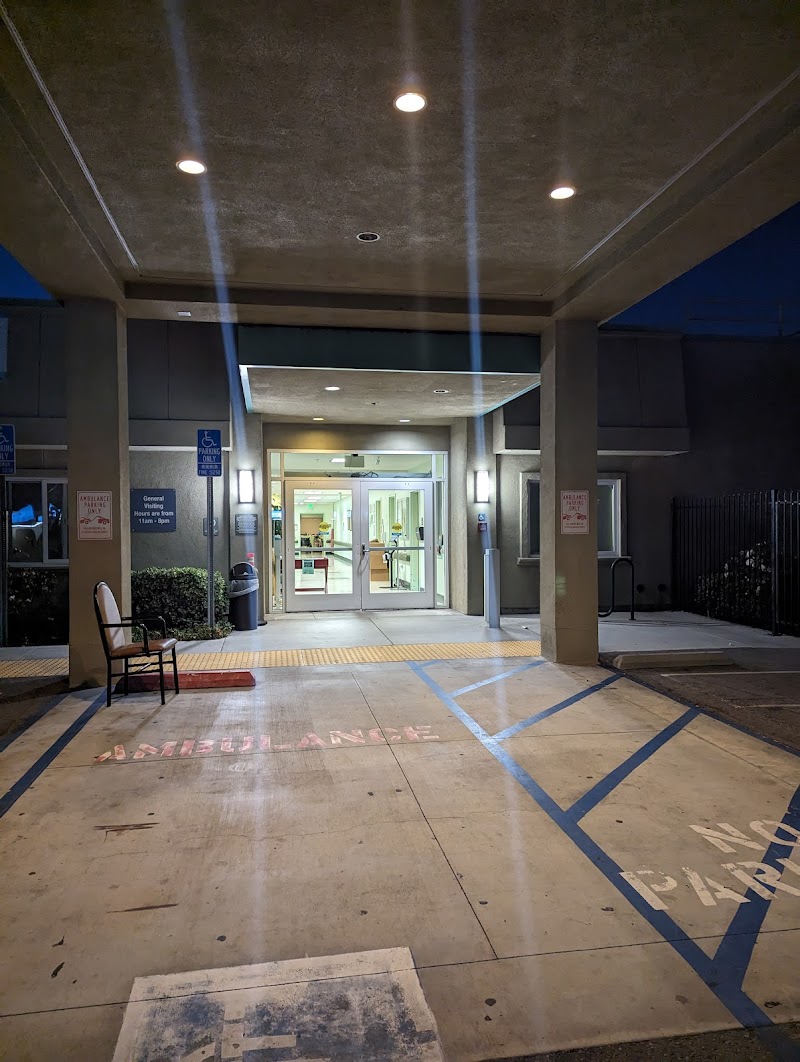
Who Owns and Operates Las Flores Convalescent Hospital?

LAS FLORES CONVALESCENT HOSPITAL is owned by a for-profit company. For-profit facilities operate as businesses with obligations to shareholders or private owners. The facility is operated by PACIFIC HEALTHCARE HOLDINGS, a chain that manages multiple nursing homes. With 144 certified beds and approximately 121 residents (about 84% occupancy), it is a mid-sized facility located in GARDENA, California.
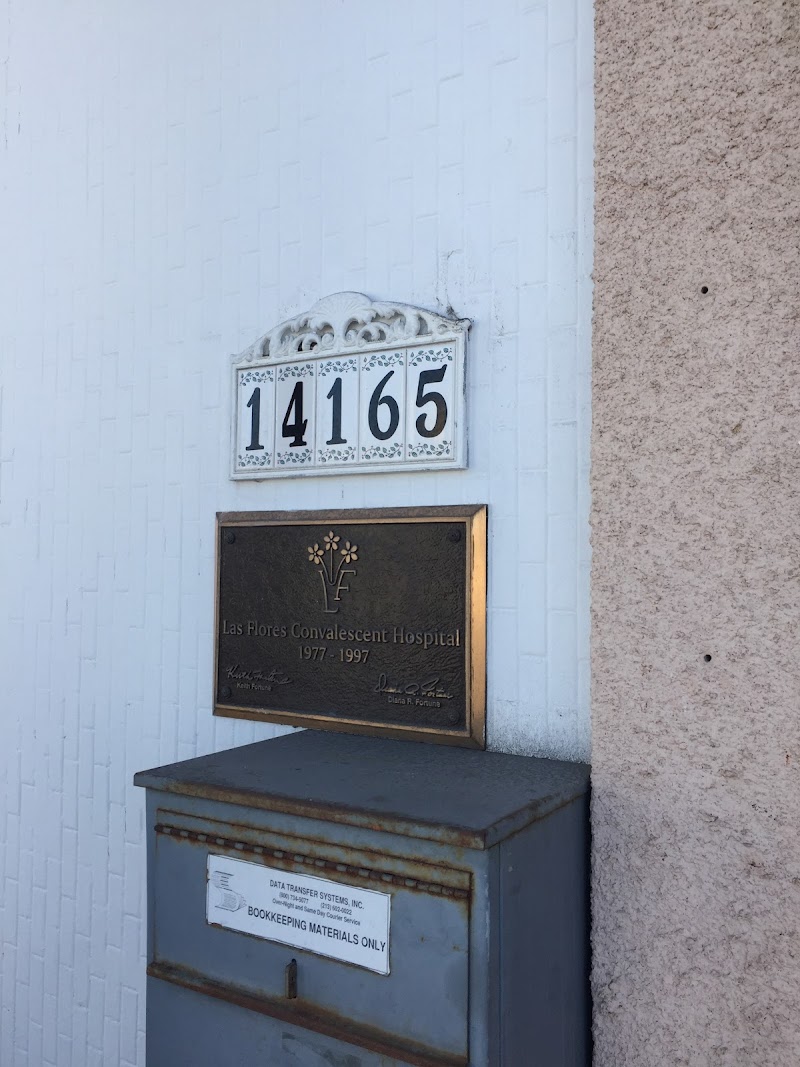
How Does Las Flores Convalescent Hospital Compare to Other California Nursing Homes?

Compared to the 100 nursing homes in California, LAS FLORES CONVALESCENT HOSPITAL's overall rating (1 stars) is below the state average of 3.1, staff turnover (28%) is significantly lower than the state average of 46%, and health inspection rating (1 stars) is much below the national benchmark.

What Should Families Ask When Visiting Las Flores Convalescent Hospital?

Based on this facility's data, families visiting should ask: "What changes have been made since the serious inspection findings, and how are you preventing similar issues?" "What safeguards and monitoring systems are in place to protect residents from abuse or neglect?" "Can I visit during a mealtime to observe dining assistance and food quality?" "How do you handle medical emergencies, and what is your hospital transfer rate?" These questions are particularly relevant given the facility's Immediate Jeopardy citations and the substantiated abuse finding on record.

Is Las Flores Convalescent Hospital Safe?

Based on CMS inspection data, LAS FLORES CONVALESCENT HOSPITAL has documented safety concerns. The facility has 1 substantiated abuse finding (meaning confirmed case of resident harm by staff or other residents). Inspectors have issued 2 Immediate Jeopardy citations (the most serious violation level indicating risk of serious injury or death). The facility has a 1-star overall rating and ranks #100 of 100 nursing homes in California. Families considering this facility should ask detailed questions about what corrective actions have been taken since these incidents.

Do Nurses at Las Flores Convalescent Hospital Stick Around?

Staff at LAS FLORES CONVALESCENT HOSPITAL tend to stick around. With a turnover rate of 28%, the facility is 18 percentage points below the California average of 46%. Low turnover is a positive sign. It means caregivers have time to learn each resident's needs, medications, and personal preferences. Consistent staff also notice subtle changes in a resident's condition more quickly.

Was Las Flores Convalescent Hospital Ever Fined?

LAS FLORES CONVALESCENT HOSPITAL has been fined $44,151 across 2 penalty actions. The California average is $33,520. While any fine indicates a compliance issue, fines under $50,000 are relatively common and typically reflect isolated problems that were subsequently corrected. Families should ask what specific issues led to these fines and confirm they've been resolved.

Is Las Flores Convalescent Hospital on Any Federal Watch List?

LAS FLORES CONVALESCENT HOSPITAL is not on any federal watch list. The most significant is the Special Focus Facility (SFF) program, which identifies the bottom 1% of nursing homes nationally based on persistent, serious quality problems. Not being on this list means the facility has avoided the pattern of deficiencies that triggers enhanced federal oversight. This is a positive indicator, though families should still review the facility's inspection history directly.