MEMORIAL HOSPITAL OF GARDENA D/P SNF

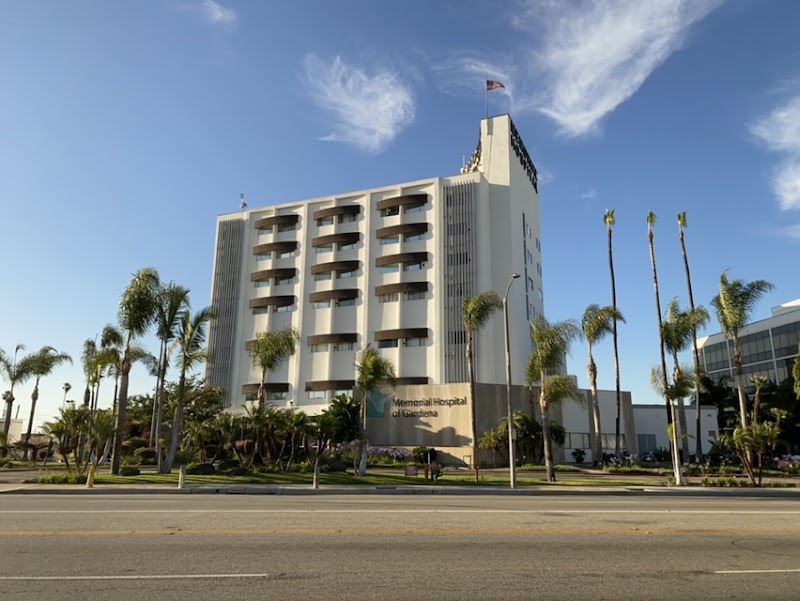
1145 W. REDONDO BEACH, GARDENA, CA 90247 (310) 532-4200
Non profit - Corporation 69 Beds Independent Data: November 2025
Trust Grade
73/100
#127 of 1155 in CA
Last Inspection: February 2025

Within standard 12-15 month inspection cycle. Federal law requires annual inspections.

Overview

Memorial Hospital of Gardena D/P SNF has a Trust Grade of B, indicating it is a good facility overall, suggesting you can expect solid care for your loved one. It ranks #127 out of 1,155 nursing homes in California, placing it in the top half, and #27 out of 369 in Los Angeles County, meaning only a few local options are better. The facility is improving, having reduced its issues from 16 in 2024 to only 7 in 2025. Staffing is rated 4 out of 5 stars, with a turnover rate of 48%, which is around the state average, indicating that while some staff may leave, many stay long enough to develop relationships with residents. However, it has faced some concerning incidents, including a failure to properly reposition a resident at risk for pressure ulcers and not providing wound care as ordered, both of which could lead to worsening health conditions. Additionally, the facility has had issues with its Quality Assurance meetings, which could impact oversight and infection prevention practices. On a positive note, it enjoys more RN coverage than 95% of California facilities, providing excellent support that is crucial for catching potential health issues.

Trust Score
B
73/100
In California
#127/1155
Top 10%
Safety Record
Moderate
Needs review
Inspections
Getting Better
16 → 7 violations
Staff Stability
⚠ Watch
48% turnover. Above average. Higher turnover means staff may not know residents' routines.
Penalties
⚠ Watch
$12,831 in fines. Higher than 76% of California facilities, suggesting repeated compliance issues.
Skilled Nurses
✓ Good
Each resident gets 158 minutes of Registered Nurse (RN) attention daily — more than 97% of California nursing homes. RNs are the most trained staff who catch health problems before they become serious.
Violations
⚠ Watch
37 deficiencies on record. Higher than average. Multiple issues found across inspections.
★★★★★
5.0
Overall Rating
★★★★☆
4.0
Staff Levels
★★★★★
5.0
Care Quality
★★★★☆
4.0
Inspection Score
Stable
2024: 16 issues
2025: 7 issues

The Good

  • 4-Star Staffing Rating · Above-average nurse staffing levels
  • 5-Star Quality Measures · Strong clinical quality outcomes
  • Full Sprinkler Coverage · Fire safety systems throughout facility
  • No fines on record

Facility shows strength in staffing levels, quality measures, fire safety.

The Bad

Staff Turnover: 48%

Near California avg (46%)

Higher turnover may affect care consistency

Federal Fines: $12,831

Below median ($33,413)

Minor penalties assessed

The Ugly 37 deficiencies on record

1 actual harm
Feb 2025 7 deficiencies
CONCERN (D)

Potential for Harm - no one hurt, but risky conditions existed

Assessment Accuracy (Tag F0641)

Could have caused harm · This affected 1 resident

**NOTE- TERMS IN BRACKETS HAVE BEEN EDITED TO PROTECT CONFIDENTIALITY** Based on observation, interview and record review, the facility failed to: 1. Ensure one of 27 sampled residents (Resident 4), w...

Read full inspector narrative →
**NOTE- TERMS IN BRACKETS HAVE BEEN EDITED TO PROTECT CONFIDENTIALITY** Based on observation, interview and record review, the facility failed to: 1. Ensure one of 27 sampled residents (Resident 4), was properly assessed for dry and crusty (rough or thickened texture) skin on his left palm. This deficient practice resulted in lack of or delay in care for Resident 4 and potential risk for skin breakdown. Findings: During an observation on 2/15/2024 at 8:25 a.m. in Resident's 4 room. Resident 4 was laying on the bed and unable to verbally communicate. Resident 4's left hand was closed with very dry skin white in color and rough. During a review of Resident 4's admission record, the admission record indicated Resident 4 was admitted on [DATE], with diagnoses that included cerebral vascular accident (CVA-stroke, loss of blood flow to a part of the brain), tracheostomy (allows air to pass into the windpipe to help with breathing.), and coronary artery disease (a condition where the arteries that supply blood to the heart become narrowed or blocked.) During a review of Resident 4's Minimum Data Set ([MDS] a federally mandated resident assessment tool), dated 12/2/2024, the MDS indicated Resident 4 was rarely/never understood and rarely/never understand. The MDS indicated Resident 4 required dependent assistance with activities of daily living (ADLs) such as dressing, toilet use, personal hygiene, transfer (moving between surfaces to and from bed, chair, and wheelchair) and bed mobility (how resident moves from lying to turning side to side). During a review of Resident 4's TAR dated 2/2025, the TAR did not indicate Resident 4 had a left palm treatment order. During a concurrent observation and interview on 2/16/2025 at 9:52 a.m. with Treatment nurse (TN) 2 TN 2 was observed washing Resident's 4 right hand with water and soap. the skin to tear and keep moisten. It is important to check the skin daily. TN 2 proceeds to applied ammonium lactated lotion (indicated for the treatment of dry, scaly skin) to the right palm. TN 2 observed Resident's 4 left palm and stated the skin looks dry and is at risk for a skin breakdown. TN 2 stated skin assessments are done weekly in every shower day. TN 2 stated yes the left palm is with very dry skin. TN 2 stated I will call the doctor to get an order to applied same lotion to the left palm. TN 2 stated, it is important to keep the skin moist to prevent skin breakdown and assess the skin every day. During an interview on 2/16/2025 at 4:35 p.m. with TN 2, TN 2 stated I called the doctor, and he told me to apply same lotion to the left palm. TN 2 stated in the left hand I was not putting any lotion because I did not call the doctor. During an interview on 2/16/2025 at 5:31 p.m. with the Director of Nursing (DON), the DON stated nurses need to assess and monitor wounds. The DON stated it is very important to assess Residents skin every day. The DON stated if any issues find with skin, nurses need to call the doctor and documented a changed of condition. The DON stated nurses need to follow the treatment doctor recommended. The DON stated, it is not acceptable that nurses do not assess Resident skin every day. During a review of the facility's policy and procedure (P&P) titled, Change in Resident Conditions, dated 4/2013, the P&P indicated, routine medical changes, all symptoms and unusual signs will be communicated to the physician promptly. This included a minor change in physical and mental behavior. During a review of the facility's P&P titled, Scope of Care, dated 1/2025, the P&P indicated, methods used to assess and meet patient needs: Re-assessment ongoing assessment in collaboration with IDT. Extent to which level of care of services meets patient's needs: skilled wound care treatment.
CONCERN (D)

Potential for Harm - no one hurt, but risky conditions existed

Quality of Care (Tag F0684)

Could have caused harm · This affected 1 resident

**NOTE- TERMS IN BRACKETS HAVE BEEN EDITED TO PROTECT CONFIDENTIALITY** Based on observation, and interview, the facility failed to: 1.Implement turning interventions in accordance with the facility's...

Read full inspector narrative →
**NOTE- TERMS IN BRACKETS HAVE BEEN EDITED TO PROTECT CONFIDENTIALITY** Based on observation, and interview, the facility failed to: 1.Implement turning interventions in accordance with the facility's policies and procedures (P/P) for one of 27 sampled residents (Resident 5.) This deficient practice resulted in delayed turning for Resident 3 which resulted in a blister on left trochanter (hip joint) and two blisters on left thigh. Findings: During a review of Resident 5's admission Record, the admission Record, indicated Resident 5's was admitted to the facility on [DATE] with the diagnoses including cerebrovascular accident ([CVA] a medical emergency that occurs when blood flow to the brain is suddenly cut off) and hypertension (high blood pressure.) During a review of Resident 5's History and Physical (H&P), dated 5/18/2024, H&P indicated Resident 5's diagnoses included cerebrovascular accident ([CVA] a medical emergency that occurs when blood flow to the brain is suddenly cut off) and hypertension (high blood pressure.) During a review of Resident 5's Minimum Data Set ([MDS], a standardized assessment and care screening tool), dated 10/12/24, the MDS indicated Resident 5's was able to understand and be understood by others. The MDS indicated Resident 5's required supervision with eating, shower/bath, dressing, and moderate assistance with oral hygiene, toileting hygiene, putting on/off footwear and personal hygiene. The MDS indicated Resident 5's was incontinent of bowel. The MDS indicated Resident 5's was at risk of developing pressure ulcers (damage to an area of the skin caused by constant pressure on the area for a long time) and one unhealed pressure injury. During a review of Resident 5's Care Plan dated 5/18/2024, indicated Resident 5's had a high risk for skin breakdown and interventions indicated to reposition Resident 5's every 2 hours to promote circulation. During a review of Resident 5's Progress Note Inquiry dated 2/16/2024, indicated new blister on left trochanter and left posterior thigh fluid fill blister. During a review of Resident 5's Braden Scale (a medical tool used to assess a patient's risk of developing pressure ulcers) dated 10/9/2024 indicated Resident 5's total scale was 10. The scale indicated anything greater than 12 represented high risk. During a concurrent observation with Licensed Vocational Nurse (LVN 1) on 2/15/2025 at 8:16 a.m. Resident 5's was turned towards the window (left side.) During a concurrent observation with LVN 1 on 2/15/2025 at 9:35 a.m. Resident 5's was turned towards the window (left side.) During a concurrent observation with LVN 1 on 2/15/2025 at 11:00 a.m. Resident 5's was turned towards the window (left side.) During a concurrent observation and concurrent interview with Restorative Nurse Assistant (RNA 1) on 2/15/2025 at 12:42 a.m. Resident 5's was turned towards the window (left side.) RNA 1 stated Resident 5's should have been facing the door (turned to the right side), but she was not. During an interview on 2/16/2025 at 2:13 p.m. with LVN 1, LVN 1 stated from 8:16 a.m. to 11:00 a.m. there were no staff members entering the Resident 5's room to change her position. LVN 1 stated Resident 1 developed blisters could have been a result of her being laying on the same side for more than four hours. During a review of Policy and Procedures (P&P) titled Wound Care Policy and Procedure dated October 2022, indicated the objective of the facilities P&P was to develop a plan of care for prevention of pressure ulcers to patients determined to be at risk and provide guidelines for individualized treatment. The P&P further indicated interventions applied to all bedbound patients that require maximum assist every two hours turning and all other patients while in bed.
CONCERN (D)

Potential for Harm - no one hurt, but risky conditions existed

Deficiency F0725 (Tag F0725)

Could have caused harm · This affected 1 resident

**NOTE- TERMS IN BRACKETS HAVE BEEN EDITED TO PROTECT CONFIDENTIALITY** Based on observation, interview, and record review, the facility failed to: 1. Ensure that the facility staffed sufficient Certi...

Read full inspector narrative →
**NOTE- TERMS IN BRACKETS HAVE BEEN EDITED TO PROTECT CONFIDENTIALITY** Based on observation, interview, and record review, the facility failed to: 1. Ensure that the facility staffed sufficient Certified Nurse Assistant (CNAs) to administer and provide nursing services in a timely manner for one out of 27 sampled residents (Resident 5) The deficient practice resulted in delayed care for Resident 5. Findings: During a review of Resident 5's admission Record, the admission Record, indicated Resident 5's was admitted to the facility on [DATE]. During a review of Resident 5's History and Physical (H&P), dated 5/18/2024, H&P indicated Resident 5's diagnoses included cerebrovascular accident ([CVA] a medical emergency that occurs when blood flow to the brain is suddenly cut off) and hypertension (high blood pressure.) During a review of Resident 5's Minimum Data Set ([MDS], a standardized assessment and care screening tool), dated 10/12/24, the MDS indicated Resident 5's was able to understand and be understood by others. The MDS indicated Resident 5's required supervision with eating, shower/bath, dressing, and moderate assistance with oral hygiene, toileting hygiene, putting on/off footwear and personal hygiene. The MDS indicated Resident 5's was incontinent of bowel. The MDS indicated Resident 5's was at risk of developing pressure ulcers (damage to an area of the skin caused by constant pressure on the area for a long time) and one unhealed pressure injury. During a review of Resident 5's Care Plan dated 5/18/2024, indicated Resident 5's had a high risk for skin breakdown and interventions indicated to reposition Resident 5's every 2 hours to promote circulation. During a review of Resident 5's Progress Note Inquiry dated 2/16/2024, indicated new blister on left trochanter and left posterior thigh fluid filled blister. During a review of Resident 5's Braden Scale (a medical tool used to assess a patient's risk of developing pressure ulcers) dated 10/9/2024 indicated Resident 5's total scale was 10. The scale indicated anything greater than 12 represented high risk. During a concurrent observation with Licensed Vocational Nurse (LVN 1) on 2/15/2025 at 8:16 a.m. Resident 5's was turned towards the window (left side.) During a concurrent observation with LVN 1 on 2/15/2025 at 9:35 a.m. Resident 5's was turned towards the window (left side.) During a concurrent observation with LVN 1 on 2/15/2025 at 11:00 a.m. Resident 5's was turned towards the window (left side.) During a concurrent observation and concurrent interview with Restorative Nurse Assistant (RNA 1) on 2/15/2025 at 12:42 a.m. Resident 5's was turned towards the window (left side.) RNA 1 stated Resident 5's should have been facing the door (turned to the right side), but she was not. During an interview on 2/16/2025 at 2:13 p.m. with LVN 1, LVN 1 stated from 8:16 a.m. to 11:00 a.m. there were no staff members entering the Resident 5's room to change her position. LVN 1 stated not having enough CNAs was one of the problems the facility ha during the weekends and that the blisters Resident 1 developed could have been a result of her being laying on the same side for more than four hours. LVN 1 stated residents suffer from the lack of CNAs. During an interview on 02/16/25 01:56 p.m. with CNA 1, CNA 1 stated the facility was short staffed on weekends and the patients were not getting proper care. CNA 1 stated, sometimes we are not able to turn residents. CNA 1 stated the residents were at risk of skin breakdown due to the lack or missing of turning every two hours. During an interview on 2/16/2025 at 2:13 p.m. with Director of Nursing (DON), DON stated the facility did not have a contract for registry and she could not give a reason on why. DON stated they did not have a strong pool of CNA's the lack of CNAs in the facility could lead to delayed in care, turning and basic care of the residents. During a review of Policy and Procedures (P&P) titled Subacute Staffing Policy and Procedure dated January 2022, indicated Subacute will provide 24 hours nursing care for residents as required by the Department of Health Care Services. It also indicated Core staffing may be augmented as census and acuity changes.
CONCERN (D)

Potential for Harm - no one hurt, but risky conditions existed

Deficiency F0919 (Tag F0919)

Could have caused harm · This affected 1 resident

**NOTE- TERMS IN BRACKETS HAVE BEEN EDITED TO PROTECT CONFIDENTIALITY** Based on observations and interviews, the facility failed to: 1. Provide one of 27 sampled residents (Resident 38) a special cal...

Read full inspector narrative →
**NOTE- TERMS IN BRACKETS HAVE BEEN EDITED TO PROTECT CONFIDENTIALITY** Based on observations and interviews, the facility failed to: 1. Provide one of 27 sampled residents (Resident 38) a special call light system to use. This failure caused Resident 38 to feel frustrated and helpless. Findings During a review of Resident 38's admission Record, dated 1/3/2025, the admission Record indicated Resident 38 was admitted to the facility on [DATE] with diagnosis of chronic respiratory failure with hypoxia (a condition when there is not enough oxygen in the tissues in the body). During a review of Resident 38's History and Physical (H&P), dated 4/24/2024, the H&P indicated Resident 38 had diagnoses of quadriplegia (a paralysis that affects all a person's limbs), multiple pressure sores present on admission (injury to skin caused by prolonged pressure to the skin), and tracheostomy (a procedure to help air and oxygen reach the lungs by creating a hole at the front of the neck). The H&P indicated Resident 38 was awake, alert, and interactive, but compromised in communication due to his tracheostomy. During a review of Resident 38's Minimum Data Set (MDS, a resident assessment tool), dated 1/24/2025, the MDS section B indicated Resident 38 was able to understand and be understood by others. MDS section C indicated Resident 38 was cognitively intact. MDS section GG indicated Resident 38 had impairments on both sides of the upper extremities (shoulder, elbow, wrist, and hand) and lower extremities (hip, knee, ankle, and foot). MDS section GG indicated Resident 38 was dependent on staff for assistance for activities of daily living such as eating, oral hygiene, toileting hygiene, showering, upper and lower body dressing, putting on and taking off footwear, and personal hygiene. MDS section GG indicated Resident 38 was dependent on staff for rolling left and right and chair to bed transfer. During an observation on 2/15/2025 at 10:26 a.m. in Resident 38's room, a call bell was on the bedside table on the resident's left side. During a concurrent observation and interview on 2/15/2025 at 4:58 p.m. with Resident 38, Resident 38 stated he was not able to use the call bell at the bedside because he could not use his arms. Resident 38 gestured towards the call bell but was not able to reach the call bell. Resident 38 stated if his family was not with him, the nurses would not come and if his family was not with him, he would have to yell for help, and it was hard to yell for help and he felt frustrated. Resident 38 stated he had to yell for 45 minutes the previous night before he received help. During an interview on 2/16/2025 at 1:36 p.m. with Resident 38's family member, Resident 38's family member stated the nurses had issues with Resident 38 yelling for him but Resident 38 had no way to get in contact with the nurses. Resident 38's family member stated Resident 38 was not able to use the call bell and the nurses do not respond to Resident 38 yelling. Resident 38's family member stated the facility did not offer an alternative to the call bell. During an interview on 2/16/2025 at 2:24 p.m. with Licensed Vocational Nurse (LVN) 3, LVN 3 stated Resident 38 was not able to use the call bell because Resident 38 was very stiff and could not extend his arm to reach the call bell. LVN 3 stated the call light system had been broken for three years and because Resident 38 could yell, LVN 3 stated he would stay nearby Resident 38's room so that he could hear Resident 38 yell. During an interview on 2/16/2025 at 5:17 p.m. with the Director of Nursing (DON, the DON stated the call lights are broken so they use call bells at the bedside. The DON stated if a resident could not use a call bell, they rely on the family members and the staff doing hourly rounding to see if the residents were in any distress or if the residents needed suctioning. During a subsequent interview on 2/16/2025 at 7:07 p.m. with the DON, the DON stated it was not appropriate for residents to have to yell for care. The DON stated the purpose of the call bell was to let someone know the resident was calling for help and for the attention of the nurse. The DON stated if the resident could not reach the call bell, then the family would have to use the call bell, but if there were no family available, then the nursing staff would have to do more hourly rounding. The DON stated Resident 38 yelling is him trying to get help. During a review of the facility's policy and procedure (P&P), titled Nurse Call System Failure Protocol, dated 7/2010, the P&P indicated if the length of down time was extensive, notify the administrative nursing supervisor to evaluate the situation for additional staff and engineering would assist nursing in providing temporary hand operated bell to each patient in the affected area and if repairs are beyond the scope of the hospital engineering department, the engineering director and or designee would contact the facility approved vender to provide immediate service and repairs to the nurse call system.
CONCERN (E)

Potential for Harm - no one hurt, but risky conditions existed

Pressure Ulcer Prevention (Tag F0686)

Could have caused harm · This affected multiple residents

**NOTE- TERMS IN BRACKETS HAVE BEEN EDITED TO PROTECT CONFIDENTIALITY** Based on observation, interview and record review, the facility failed to ensure two of 27 sampled residents (Resident 5 and Res...

Read full inspector narrative →
**NOTE- TERMS IN BRACKETS HAVE BEEN EDITED TO PROTECT CONFIDENTIALITY** Based on observation, interview and record review, the facility failed to ensure two of 27 sampled residents (Resident 5 and Resident 32) received care in accordance with the facility's policies and procedures (P&P) by failing to: 1. Implement turning interventions for Resident 5. 2. Provide wound care as ordered by the physician for Resident 32. These deficient practice had the potential for the resident to acquire new pressure ulcers and/or worsen current pressure ulcers. Findings: 1. During a review of Resident 5's admission Record, the admission Record, indicated Resident 5's was admitted to the facility on [DATE]. During a review of Resident 5's History and Physical (H&P), dated 5/18/2024, H&P indicated Resident 5's diagnoses included cerebrovascular accident ([CVA] a medical emergency that occurs when blood flow to the brain is suddenly cut off) and hypertension (high blood pressure.) During a review of Resident 5's Minimum Data Set ([MDS], a standardized assessment and care screening tool), dated 10/12/24, the MDS indicated Resident 5's was able to understand and be understood by others. The MDS indicated Resident 5's required supervision with eating, shower/bath, dressing, and moderate assistance with oral hygiene, toileting hygiene, putting on/off footwear and personal hygiene. The MDS indicated Resident 5's was incontinent of bowel. The MDS indicated Resident 5's was at risk of developing pressure ulcers (damage to an area of the skin caused by constant pressure on the area for a long time) and one unhealed pressure injury. During a review of Resident 5's Care Plan dated 5/18/2024, indicated Resident 5's had a high risk for skin breakdown and interventions indicated to reposition Resident 5's every 2 hours to promote circulation. During a review of Resident 5's Progress Note Inquiry dated 2/16/2024, indicated new blister on left trochanter and left posterior thigh fluid fill blister. During a review of Resident 5's Braden Scale (a medical tool used to assess a patient's risk of developing pressure ulcers) dated 10/9/2024 indicated Resident 5's total scale was 10. The scale indicated anything greater than 12 represented high risk. During a concurrent observation with Licensed Vocational Nurse (LVN 1) on 2/15/2025 at 8:16 a.m. Resident 5's was turned towards the window (left side.) During a concurrent observation with LVN 1 on 2/15/2025 at 9:35 a.m. Resident 5's was turned towards the window (left side.) During a concurrent observation with LVN 1 on 2/15/2025 at 11:00 a.m. Resident 5's was turned towards the window (left side.) During a concurrent observation and concurrent interview with Restorative Nurse Assistant (RNA 1) on 2/15/2025 at 12:42 a.m. Resident 5's was turned towards the window (left side.) RNA 1 stated Resident 5's should have been facing the door (turned to the right side), but she was not. During an interview on 2/16/2025 at 2:13 p.m. with LVN 1, LVN 1 stated from 8:16 a.m. to 11:00 a.m. there were no staff members entering the Resident 5's room to change her position. LVN 1 stated Resident 1 developed blisters could have been a result of her being laying on the same side for more than four hours. 2. During an observation on 2/15/2025 at 10:20 a.m. in Resident's 32 room. Resident 32 was laying on the bed, awake, unable to communicate with dressings on both lower extremities. During a concurrent observation and interview on 2/15/2025 at 3:20 p.m. in Resident's 32 room, with Treatment Nurse (TN) 2. TN 2 when inside Resident's 32 room with wound care supplies. TN 2 wash hands and applied clean gloves and removed soiled dressing from Resident 32' s right lower lateral leg open pressure injury. TN 2 clean wound with normal saline [(NS) (saline is a mixture of sodium chloride and water] pat dry and TN 2 proceed to apply a dry foam with no Silvadene ointment (is a topical antimicrobial drug indicated as an adjunct for the prevention and treatment of wound) as order in the Treatment Administration Record (TAR). TN 2 stated yes the order is to apply Silvadene. TN 2 stated I forgot I will get the ointment right now and applied it. TN 2 reach for the Silvadene ointment, washed her hands and applied gloves and proceed to applied Silvadene to right lower lateral leg. TN 2 was observed applying a foam to the wound not an ABD (gauze pads are used to absorb discharges) pad as ordered in TAR. TN 2 stated I will get an ABD pad and applied to wound as ordered. TN 2 applied ABD pad and wrap the wound with Kerlix (a brand of gauze bandage rolls that are used to dress wounds). During a review of Resident 32's admission Record, the admission Record indicated Resident 32 was admitted to the facility on [DATE] with a diagnosis that included Atrial Fibrillation (a condition where the upper chambers of the heart (atria) beat irregularly and rapidly), intracranial bleed (a bleeding that occurs within the skull, affecting the brain), and cardiomyopathy (group of diseases that affect the heart muscle, making it difficult for the heart to pump blood effectively) During a review of Resident 32's MDS, dated [DATE], the MDS indicated Resident 32 was rarely/never understood and rarely/never understand. The MDS indicated Resident 32 required dependent assistance with activities of daily living (ADLs) such as dressing, toilet use, personal hygiene, transfer (moving between surfaces to and from bed, chair, and wheelchair) and bed mobility (how resident moves from lying to turning side to side). During a review of Resident 32's TAR dated 2/2025, the TAR indicated Resident 32 had a right lateral lower leg pressure injury: cleanse with NS pat dry and apply Silvadene cover with ABD pad wrap with kerlix daily per 30 days. During an interview on 2/16/2025 at 10:11 a.m. with TN 2, TN 2 stated the wound treatment doctor comes to see the residents once a week and will place a wound care order for 30 days. TN 2 stated the doctors orders must be followed as prescribed. TN 2 stated nurses are not allowed to switched order for treatments. TN 2 stated if orders are not followed Resident 32 can be at risk for a decline in wound healing and wound can get worse. TN 2 stated before I started with my treatments, I need to check the doctors' orders and make sure I used the right dressing for Residents. TN 2 stated yesterday 2/15/2025, I did not check the orders. TN 2 stated I got confused with so many orders. During an interview on 2/16/2025 at 5:31 p.m. with the Director of nursing (DON), the DON stated TN 2 need to reviewed orders before they started with wound care and follow doctors orders. The DON stated the doctors' orders will indicate what type of material and medications are used for wound care. The DON stated the danger of not following doctors' orders is the wound getting worse. During a review of Policy and Procedures (P&P) titled Wound Care Policy and Procedure dated October 2022, indicated the objective of the facilities P&P was to develop a plan of care for prevention of pressure ulcers to patients determined to be at risk and provide guidelines for individualized treatment. The P&P further indicated interventions applied to all bedbound patients that require maximum assist every two hours turning and all other patients while in bed. During a review of the facility's P&P titled, Wound care, dated 1/2025, the P&P indicated, when patient with a wound use protocol for stage 1 and 2, call MD for consult orders for pressure injuries stage 3 and 4 and all types of wounds.
CONCERN (E)

Potential for Harm - no one hurt, but risky conditions existed

Food Safety (Tag F0812)

Could have caused harm · This affected multiple residents

Based on observation, interview and record review, the facility failed to: 1. Ensure food items were labeled with received and used dates in the dry storage area and two refrigerators. 2. Ensure expi...

Read full inspector narrative →
Based on observation, interview and record review, the facility failed to: 1. Ensure food items were labeled with received and used dates in the dry storage area and two refrigerators. 2. Ensure expired foods were not stored in the kitchen and accessible to be used in food preparation in accordance with food service safety. These failures had the potential to place the residents at risk for developing a foodborne illness. Findings: During a concurrent observation and interview on 2/15/2024 at 11:43 a.m. at entrance of the kitchen observed shelves with plastic containers containing single serve lemon juice bags, 1 container with single serve ranch dressing bags, 1 container with single serve Italian dressing bags, 1 container with single serve grape jelly, 1 container single serve pack syrups, 1 container with single serve ketchup bags and 1 contain with single serve mayonnaise bags. Outside the plastic containers were not label with receiving or used by dated. The Kitchen Supervisor (KS) stated, I do not know the expiration date of these products. The KS stated the expiration date comes in the original box. The KS stated when I pour this product in the containers, I did not put the received or used by date. The KS stated. I understand it is important to know until when these products can be used by. The KS stated it is important ant to avoid give residents any expired food. The KS stated Residents can be at risk of getting sicker. During an observation on 2/15/2024 at 12:30 p.m. in shelves next to cooking area were observed dry chiles containers with exp dated of 6/5/2024, ground cardamom powder exp dated 7/10/2024, poultry season powder exp dated 11/12/2024, crushed spearmint exp dated 11/30/2024, shitake mushrooms powder exp dated 11/24/2024, cream of mushroom soup cans x 2 exp dated 2/17/2024, crush red pepper exp dated 12/25/2024, dark Chile powder exp dated 10/22/2024, basil leaves exp dated 12/2/2024, couscous box exp dated 12/2/2024, and uncooked dry lasagna exp dated 12/12/2024. During a concurrent observation and interview on 2/15/2024 at 12:40 p.m. in Refrigerator #1 were observed shelves with bags of bread with no receiving or used by dated. The Director of Nutritional Services (DNS) stated yes, I understand the bread should be dated as well. During an observation on 2/15/2024 at 12:45 p.m. in Refrigerator #4 were observed shelves with frozen chicken patties with no receiving or used by dated. During an interview on 02/16/2025 at 3:41 p.m. with the DNS the DNS stated food items are delivered to the kitchen three times a week. The DNS stated we have a staff member who oversees receiving and storage the items. The DNS stated the food will be removed from the original boxes and storage on the shelves. The DNS stated every food item received needed to be label with receiving date before storage. The DNS stated yes the products needs to have the used by and expiration date. The DNS stated it is important to do it because we will know when the item will expire. The DNS stated the risk for residents receiving expired food items can be high or low depends on the food consumed. The DNS stated it can possibly cause foodborne symptoms in residents. During a review of the facility's policies and procedures (P&P) titled Freshness Dating and Labeling, dated 6/2024 the P&P indicated all foods will be dated for freshness and food safety. Delivery: Upon delivery of food items, if not already dated, it is the responsibility of the purchasing agent or individual checking the delivery foods to date the items with the current date.
CONCERN (E)

Potential for Harm - no one hurt, but risky conditions existed

Infection Control (Tag F0880)

Could have caused harm · This affected multiple residents

**NOTE- TERMS IN BRACKETS HAVE BEEN EDITED TO PROTECT CONFIDENTIALITY** 3. During a review of Resident 64's admission Record, the admission Record, indicated Resident 64's was admitted to the facility...

Read full inspector narrative →
**NOTE- TERMS IN BRACKETS HAVE BEEN EDITED TO PROTECT CONFIDENTIALITY** 3. During a review of Resident 64's admission Record, the admission Record, indicated Resident 64's was admitted to the facility on [DATE]. During a review of Resident 64's History and Physical (H&P), dated 1/18/2025, H&P indicated Resident 64's diagnoses included history of pneumonia ([PNA] infection of one or both lungs caused by bacteria, viruses, or fungi) and hypertension (high blood pressure.) During a review of Resident 64's Minimum Data Set ([MDS], a standardized assessment and care screening tool), dated 1/23/25, the MDS indicated Resident 64 was not able to understand and be understood by others. The MDS indicated Resident 64's was dependent with oral hygiene, toileting, shower/bath, dressing, putting on/off footwear and personal hygiene. The MDS indicated Resident 64 had an indwelling catheter (thin, flexible tube that drains urine from the bladder). The MDS indicated Resident 64 was always incontinent of bowel. During a review of Resident 64's Care Plan dated 1/17/2025, indicated Resident 64 had a foley catheter and the interventions were to keep catheter patent and in proper position. During a concurrent observation on 2/15/2025 at 4:29 p.m. with Licensed Vocational Nurse (LVN 2), LVN 2 stated the foley bag was on the floor and she did not know how long it had been on the floor. VLN 2 stated having the foley bag on the floor could have led to urinary tract infection for the Resident 64 and it should be placed below the bladder and off the floor. During a concurrent record review on 2/15/2025 at 4:29 p.m. with Licensed Vocational Nurse (LVN 3), LVN 3 stated that the care plan dated 1/17/2025 indicated to keep catheter patent and in proper position which meant no, kinks, below the bladder and not on the floor to prevent bladder infections. During a review of Policy and Procedures (P&P) titled Prevention of Catheter Associated Urinary Tract Infections dated January 2024, indicated foley catheter should be maintained unobstructed urine flow, ensure there are no dependent loops in tubing and use bedsheet clip to keep tubing from falling off bed. The P&P also indicated to always keep the collecting bag below the level of the bladder and off the floor. Based on observation, interview, and record review, the facility failed to observe infection control measures for four out of 27 sampled residents by failing to: 1. Sanitizing their hands between changing gloves, washing hands after cleaning the wound, and applying a clean dressing for Resident 32. 2. Sanitize hands and change gloves after cleaning the colostomy stoma (an opening in the abdomen that allows stool to pass through instead of the anus) and before putting on the new colostomy bag for Resident 38 and after cleaning the wound and before applying the treatment and dressing for Resident 38 and Resident 46. 3. Keep the urinary catheter bag off the floor for Resident 64. These failures had the potential to spread infections and illnesses amongst residents. Findings: 1. During an observation on 2/15/2025 at 3:20 p.m. in Resident's 32 room, with Treatment Nurse (TN) 2. TN 2 when inside Resident's 32 room with wound care supplies. TN 2 wash hands and applied clean gloves and removed soiled dressing from Resident 32' s sacral area. TN 2 removed gloves sanitized hands and applied clean gloves and proceeds to cleaned wound. TN 2 changed gloves and applied new gloves without sanitizing or washing hand and proceed applying new dressing and cover with foam. TN 2 removed gloves and without sanitizing or washing hands applied clean gloves and proceed to changed Resident's 32 left lower extremity scar tissue. TN 2 finished changing left lower leg dressing and changed gloves and proceed to Resident's 32 right lower extremity pressure injury. TN 2 removed dressing, sanitized hands and applied clean gloves. TN 2 clean wound and changed gloves without sanitizing hands and applied a clean dressing. During a review of Resident 32's admission Record, the admission Record indicated Resident 32 was admitted to the facility on [DATE] with a diagnosis that included Atrial Fibrillation (a condition where the upper chambers of the heart (atria) beat irregularly and rapidly), intracranial bleed (a bleeding that occurs within the skull, affecting the brain), and cardiomyopathy (group of diseases that affect the heart muscle, making it difficult for the heart to pump blood effectively) During a review of Resident 32's Minimum Data Set ([MDS] a standardized care assessment and care screening tool), dated 1/8/2025, the MDS indicated Resident 32 was rarely/never understood and rarely/never understand. The MDS indicated Resident 32 required dependent assistance with activities of daily living (ADLs) such as dressing, toilet use, personal hygiene, transfer (moving between surfaces to and from bed, chair, and wheelchair) and bed mobility (how resident moves from lying to turning side to side). During a review of Resident 32's Treatment Administration Record (TAR) dated 2/2025, the TAR indicated Resident 32 had Sacral stage 4 pressure injury: Cleanse with normal saline [(NS) (saline is a mixture of sodium chloride and water], pat dry, apply Medihoney (help promote a moist wound environment that aids and supports autolytic debridement) cover with foam dressing every day for 30 days. During a review of Resident 32's TAR dated 2/2025, the TAR indicated Resident 32 had a left lateral lower scar tissue: cleanse with NS pat dry and apply ABD (gauze pads are used to absorb discharges) pad wrap with kerlix daily per 30 days. During a review of Resident 32's TAR dated 2/2025, the TAR indicated Resident 32 had a right lateral lower leg pressure injury: cleanse with NS pat dry and apply Silvadene (is a topical antimicrobial drug indicated as an adjunct for the prevention and treatment of wound) cover with ABD pad wrap with kerlix daily per 30 days. During an interview on 2/16/2025 at 4:06 p.m. with the TN 2, The TN 2 stated We need to sanitized hand between changing gloves. TN 2 stated, it is important to prevent bacteria entering to the wound. TN 2 stated it is important to wash hands when we are switched from one part of the body to another to prevent contamination of wound and develop of infection. TN 2 stated I did not sanitize my hands while changing gloves TN 2 stated the policy of the facility stated to wash or sanitized hands between gloves changes. During an interview on 2/16/2025 at 5:20 p.m. with the Director of Nursing (DON) The DON stated hand hygiene is very important during wound treatment. The DON stated If hands are visible soiled the nurses need to wash hands. The DON stated if there are several wounds, TN need to sanitized hands before applying clean gloves before switching sizes. The DON stated If the TN does not change gloves or sanitized hands the resident is at risk of potential develop of an infection in the wound. During a review of the facility's policy and procedure (P&P) titled, Hand hygiene, dated 5/2023, the P&P indicated, hand hygiene indications included before touching a resident or patient, before donning (putting on) gloves when providing direct patient/ resident care. 2. During a review of Resident 38's admission Record, dated 1/3/2025, the admission Record indicated Resident 38 was admitted to the facility on [DATE] with diagnosis of chronic respiratory failure with hypoxia (a condition when there is not enough oxygen in the tissues in the body). During a review of Resident 38's History and Physical (H&P), dated 4/24/2024, the H&P indicated Resident 38 had diagnoses of quadriplegia (a paralysis that affects all a person's limbs), multiple pressure sores present on admission (injury to skin caused by prolonged pressure to the skin), and tracheostomy (a procedure to help air and oxygen reach the lungs by creating a hole at the front of the neck). The H&P indicated Resident 38 was awake, alert, and interactive, but compromised in communication due to his tracheostomy. During a review of Resident 38's Minimum Data Set (MDS, a federally mandated resident assessment tool), dated 1/24/2025, the MDS section B indicated Resident 38 was able to understand and be understood by others. MDS section C indicated Resident 38 was cognitively intact. MDS section GG indicated Resident 38 had impairments on both sides of the upper extremities (shoulder, elbow, wrist, and hand) and lower extremities (hip, knee, ankle, and foot). MDS section GG indicated Resident 38 was dependent on staff for assistance for activities of daily living such as eating, oral hygiene, toileting hygiene, showering, upper and lower body dressing, putting on and taking off footwear, and personal hygiene. MDS section GG indicated Resident 38 was dependent on staff for rolling left and right and chair to bed transfer. During a review of Resident 38's physician orders, dated 2/4/2025, the physician orders indicated Resident 38's treatment orders were to cleanse the sacral (lower back), left ischium (left lower hip), right ischium (right lower hip) stage 4 with normal saline, pat dry, apply treatment, cover with gauze and foam dressing daily. The physician orders indicated Resident 38's treatment order for the colostomy was to cleanse with normal saline, pat dry, and change bag every other day or as needed. During a review of Resident 46's admission Record, dated 1/14/2025, the admission Record indicated Resident 46 was admitted to the facility on [DATE] with diagnosis of respiratory failure. During a review of Resident 46's H&P, dated 1/21/2025, the H&P indicated Resident 46 was on full life support with a poor prognosis. The H&P indicated Resident 46 had osteomyelitis (bone infection), pneumonia (lung infection), and multiple pressure sores. During a review of Resident 46's MDS, dated [DATE], MDS section B indicated Resident 46 never understood and was never understood by others. MDS section C indicated Resident 46 was severely cognitively impaired. MDS section GG indicated Resident 46 had impairments on both upper and lower extremities. MDS section GG indicated Resident 46 was dependent on staff for all activities of daily living such as oral hygiene, toileting hygiene, showering, upper and lower body dressing, putting on and taking off footwear, and personal hygiene. MDS section GG indicated Resident 46 was dependent on staff for rolling left and right, chair to bed transfer, and tub and shower transfer. During a review of Resident 46's physician orders, dated 2/5/2025, the physician orders indicated Resident 46's treatment orders for the sacrum, and left and right buttocks were to cleanse with normal saline, pat dry, apply treatment, pack with gauze, and cover with dry dressing daily. During an observation on 2/16/2025 at 8:28 a.m. in Resident 38's room, Treatment nurse (TN) 3 was observed performing a colostomy change. TN 3 performed hand hygiene and put on gloves, removed the colostomy bag, cleansed with normal saline and pat dry, put on the new colostomy bag, removed trash bag and threw the trash away, and took off gloves and performed hand hygiene. TN 3 then put on new gloves and cleaned around the bag and dated the bag before taking off gloves and performing hand hygiene. During an observation on 2/16/2025 at 9:15 a.m. in Resident 38's room, TN 3 was observed performing wound care. Resident 38 had three wounds, one on the left hip, one on the right hip, and one on the sacrum. TN 3 performed hand hygiene and put on gloves, removed the dressings on the left hip, right hip, and sacrum with normal saline and covered with the wounds with gauze. TN 3 then changed gloves and performed hand hygiene, donned new gloves, cleansed the wound on the left hip with normal saline, applied treatment, and applied new dressing. TN 3 then removed gloves and performed hand hygiene before starting treatment on the sacrum. TN 3 then donned gloves, cleaned the wound with normal saline, applied treatment, and applied new dressing. TN 3 then removed gloves, performed hand hygiene, and donned new gloves. TN 3 then cleaned the wound on the right hip with normal saline, applied treatment, and applied new dressing. TN 3 then removed her gloves and performed hand hygiene. During an observation on 2/16/2025 at 10:27 a.m. in Resident 46's room, TN 3 was observed performing wound care. TN 3 performed hand hygiene, donned gloves, and removed the dressing on the sacrum and right and left buttock with normal saline. TN 3 then removed gloves, performed hand hygiene, and donned new gloves before cleaning the wound on the right buttock with normal saline and gauze, applied treatment, packed the wound, and applied the dressing. TN 3 then changed gloves and performed hand hygiene and put on new gloves. TN 3 then cleaned the wound on the sacrum with normal saline and pat dry with gauze, applied treatment, packed the wound, and applied the dressing. TN 3 then cleaned the wound on the left buttock with normal saline and pat dry with gauze, applied treatment, packed the wound, and applied the dressing. TN 3 then changed gloves and performed hand hygiene. TN 3 handled Resident 46's catheter bag and turned Resident 46. TN 3 then removed the dressing on Resident 46's back, cleansed the wound with normal saline and pat dry, put-on treatment and foam dressing. TN 3 then changed gloves and performed hand hygiene and put on new gloves. TN 3 removed the dressing on Resident 46's left hip, cleaned the wound with normal saline and pat dry, put treatment on the wound, packed the wound, and covered the wound with dressing. TN 3 then removed the gloves and performed hand hygiene. During an interview on 2/16/2025 at 1:27 p.m. with TN 3, TN 3 stated she would put on the gloves before the treatment, remove the dressing using normal saline to make it easier to come off and to clean it and cover the wound with gauze. TN 3 stated she would then change gloves and use hand sanitizer before putting on new gloves. TN 3 stated because she used normal saline to remove the dressing, the wound is already clean so she did not have to change gloves, but she would clean the wound again with normal saline and gauze and then put on the dressing. TN 3 stated for changing the colostomy bag, only one pair of gloves would be used, and they did not have to change gloves between cleaning the site and putting on the new bag. During an interview on 2/16/2025 at 2:15 p.m. with the Infection Preventionist (IP), the IP stated gloves and hand hygiene are supposed to be performed at the beginning of the wound care and between each wound. The IP stated new gloves and hand hygiene are required between each step of the wound care. The IP stated gloves and hand hygiene are required after removing the dressing, after cleaning the wound, and before putting on the new dressing. The IP stated for changing the colostomy bag, new gloves and hand hygiene are required after removing the bag, after cleaning the stoma (an opening), and before putting on the new bag. The IP stated if gloves are not changed, the nurse can contaminate clean supplies and can contaminate the wound. During an interview on 2/16/2025 at 5:37 p.m. with the Director of Nursing (DON), the DON stated using normal saline to remove the dressing was not considered cleaning the wound and removing the dressing is considered dirty. The DON stated the nurse would have to remove gloves and perform hand hygiene and put on new gloves before cleaning the wound because after removing the dressing, the gloves were dirty and before putting on new dressings because after cleaning the wound, the gloves were dirty. The DON stated if gloves were not changed and hand hygiene was not performed between the steps of wound care, the wound can get infected. During a review of the facility's policy and procedure (P&P) titled, Hand Hygiene, dated 5/2023, the P&P indicated hand hygiene was indicated before contact with a wound, before handling clean supplies, after contact with wounds, and after removing a dirty dressing and before applying a new dressing. During a review of Policy and Procedures (P&P) titled Prevention of Catheter Associated Urinary Tract Infections dated January 2024, indicated foley catheter should be maintained unobstructed urine flow, ensure there are no dependent loops in tubing and use bedsheet clip to keep tubing from falling off bed. The P&P also indicated to
Feb 2024 16 deficiencies 1 Harm
SERIOUS (G)

Actual Harm - a resident was hurt due to facility failures

Pressure Ulcer Prevention (Tag F0686)

A resident was harmed · This affected 1 resident

**NOTE- TERMS IN BRACKETS HAVE BEEN EDITED TO PROTECT CONFIDENTIALITY** c. During a review of Resident 38's Face Sheet, the Face Sheet indicated Resident 38 was admitted to the facility on [DATE] with...

Read full inspector narrative →
**NOTE- TERMS IN BRACKETS HAVE BEEN EDITED TO PROTECT CONFIDENTIALITY** c. During a review of Resident 38's Face Sheet, the Face Sheet indicated Resident 38 was admitted to the facility on [DATE] with diagnoses including traumatic brain injury, persistent vegetative state (condition of not being aware), respiratory failure (unable to breath on your own), and diabetes (high blood sugar). During a review of Resident 38's admission assessment dated [DATE], the admission Assessment indicated the resident had intact skin. During a review of Resident 38's MDS dated [DATE], the MDS indicated Resident 38 was dependent on staff to reposition from side to side. The MDS indicated Resident 38 was at risk for pressure ulcer development. During a review of Resident 38's care plan for Impaired Skin Integrity (date illegible), the care plan indicated Resident 38 had the potential for impaired skin integrity related to impaired mobility, weight loss, and steroid therapy. The care plan indicated the staff would reposition the resident every two hours and assess skin condition daily. During a review of Resident 38's Braden Scale Highest (a lower score represents a higher risk), dated 10/18/2022, indicated Resident 38 scored 10. During a concurrent interview and record review on 2/8/24 at 12:05 p.m. with TN 1, Resident 38's Wound Management form dated 8/31/23 was reviewed. The Wound Management indicated Resident 38 had a new pressure ulcer to the left gluteal fold (the horizontal skin crease that forms below the buttocks, separating the upper thigh from the buttocks) acquired on 8/31/23. TN 1 stated Resident 38 acquired a pressure ulcer because the resident was immobile. TN 1 stated Resident 38 had to be repositioned every two hours and there was no medical reason why the resident could not be repositioned. During a review of Resident 38's Physician's Orders Report dated 8/31/2023, the Physician's Orders Report indicated an order for Hydrogel (medication that promotes wound healing) with dry dressing to the left gluteal fold pressure ulcer to be done daily. During a review of Resident 38's Physician's Orders Report dated 2/1/2024, the Physician's Orders Report indicated an order to continue Hydrogel with dry dressing to the left gluteal fold pressure ulcer daily. During an interview on 2/8/24 at 12:28 p.m. CNA 1 stated residents were turned every two hours to prevent a pressure ulcer development. CNA 1 stated bed sores (pressure ulcers) are preventable. During an observation on 2/9/24 from 8:10 a.m. until 2:07 p.m. (six hours) Resident 38 was in bed in a supine (on the back) position. During an observation on 2/9/24 at 8:20 a.m. TN 2 observed performing wound care and measuring the pressure ulcer of the left gluteal fold. The pressure ulcer measured 1.5 cm x 1.5 cm and assessed as a Stage II pressure ulcer. During a concurrent interview and record review on 2/9/24 at 11:25 a.m. with RN 2, a wound evaluation (pressure ulcer) order dated 9/1/2023 was reviewed. RN 2 stated it was the responsibility of the treatment nurse to notify the wound nurse of a new pressure ulcer by entering a wound evaluation order. During a review of the facility's P&P titled, Turning and Repositioning, dated 6/2018, the P&P indicated staff will turn and reposition residents every two hours and as needed. Based on observation, interview, and record review, the facility failed to ensure the residents who were admitted to the facility with intact skin did not develop a pressure ulcer ([PU], injury to skin and underlying tissue resulting from prolonged pressure on the skin or bony prominences) for three of three sampled residents (Residents 163, 40, and 38). The facility failed to: 1. Ensure Resident 163's did not develop a Stage III PU (Full thickness tissue loss) to the right buttocks after the admission to the facility. 2. Ensure the nursing staff monitored Resident 163 skin condition to identify development of a PU to the right buttock at the earlier stage to prevent development of a Stage III PU. 3. Ensure the nursing staff implemented Resident 163's care plan titled Skin Integrity by ensuring the resident will not have a skin breakdown. 4. Ensure nursing staff turned and repositioned Resident 40 every two hours to prevent a deep tissue pressure injury ([DTPI] a serious form of pressure injuries defined as purple or maroon localized area of discolored intact skin or blood?filled blister due to damage of underlying soft tissue from pressure and/or shear) from reopening. 5. Ensure the nursing staff turned and repositioned Resident 38 every two hours as care planned to prevent the resident from developing a Stage II pressure ulcer to the left gluteal fold (a horizontal skin crease that forms below the buttocks, separating the upper thigh from the buttocks). These deficient practices resulted in Resident 163 acquiring a Stage III PU, the reopening of Resident 40's DTPI, and Resident 38 developing Stage II pressure ulcer to the left gluteal fold. Findings: a. During a review of Resident 163's Face Sheet (admission Record), the Face Sheet indicated, Resident 163 was admitted to the facility on [DATE], with diagnoses including chronic respiratory failure with hypoxia (a condition that occurs when the lungs cannot get enough oxygen into the blood or eliminate enough carbon dioxide from the body), tracheostomy (an opening created at the front of the neck so a tube can be inserted into the windpipe [trachea] to help you breathe), multiple fractures (partial or complete break of a bone), and gunshot wound. During a review of Resident 163's Minimum Data Set ([MDS] a standardized assessment and care screening tool) assessment, dated 1/4/2024, the MDS indicated, Resident 163 had severely impaired cognitive (ability to think and reason) skills for daily decision making. The MDS indicated, Resident 163 was dependent to staff for oral hygiene, toileting, dressing, and personal hygiene. The MDS Section M (Skin Conditions) indicated, Resident 163 was at risk for developing a pressure ulcer and had one unhealed Stage III to a sacral (tailbone) area. The MDS indicated Resident 163 was incontinent of bowel and had a condom catheter (sheath-like device that is placed around the penis and secured with adhesive or a strap) for a sacral ulcer management. During a review of Resident 163's admission Assessment, dated 12/23/2023, the admission Assessment indicated Resident 163 was admitted with a Stage III pressure ulcer to a sacral area. During a review of Resident 163's Occupational Therapy Evaluation form, dated 12/23/2023, the Occupational Therapy Evaluation Form indicated Resident 163 was totally dependent for bed mobility. During a review of Resident 163's Braden Scale (tool commonly used in healthcare to assess and document a resident's risk for developing pressure ulcers) form, dated 12/24/2023, 12/30/2023, 1/7/2024, and 1/14/2024, the Braden Scale form indicated Resident 163 had very limited sensory perception (ability to respond meaningfully to pressure-related discomfort), was constantly moist, bedfast (confined in bed), completely immobile, was receiving nutrition via a gastrostomy tube ([GT] a soft tube surgically inserted into the stomach through the abdomen) and had a problem in friction and shear. The Braden Scale indicated, Resident 163 had a score of nine (total score of 12 or less represent high risk), indicating the resident was high risk for developing a pressure ulcer. During a review of Resident 163's Daily Assessment Inquiry under Certified Nursing Assistant (CNA) Documentation from 12/23/2023 to 2/7/2024, the Daily Assessment Inquiry indicated there were no documentation of Resident 163 having a pressure ulcer on a right buttock. During a review of Resident 163's Progress Notes Inquiry from 12/23/2023 to 2/6/2024, the Progress Notes Inquiry, indicated there were no documentation of Resident 163 having a pressure ulcer to a right buttock. During a review of Resident 163's Sub-Acute Nursing Weekly Summary dated 12/25/2023, 1/1/2024, 1/8/2024, 1/22/2024, 1/29/2024, and 2/5/2024, the Sub-Acute Nursing Weekly Summary, indicated there were no documentation of Resident 163's having a pressure ulcer to a right buttock. During a review of Resident 163's Wound Photographic Documentation-Nursing, dated 2/8/2024, the Wound Photographic Documentation-Nursing indicated Resident 163 had a Stage III pressure ulcer to the right buttock, which was not present on admission. Resident 163's Stage III pressure ulcer to the right buttock was measured 2.5 centimeters ([cm] unit of measurement) in length, 3.0 cm in width, and 0.1 cm in depth, and documented to have a scant (minimal) amount of serosanguineous (fluid containing both blood and blood serum [clear liquid part of the blood after blood cells have been removed]) fluid with no odor. During a concurrent observation and interview on 2/9/2024 at 9:21 a.m. with Treatment Nurse 1 (TN 1) in Resident 163's room, TN 1 was observed conducting a wound care treatment to Resident 163's pressure ulcer on the right buttock. The wound bed was observed to have an adherent yellow slough (dead tissue, usually cream or yellow in color) dark gray skin and pink tissue, with indistinct (not sharply outlined or separable) wound margins (edge). The Peri wound (tissue surrounding the wound) was noted to have deep purple skin discoloration. TN 1 stated Resident 163's Stage III pressure ulcer to the right buttock was acquired at the facility. TN 1 stated she identified Resident 163 having a Stage III pressure ulcer to the right buttock on 2/7/2024. TN 1 stated she did not document about it and did not notify Resident 163's physician (MD 1) until the next day on 2/8/2024. TN 1 stated she was overwhelmed with other tasks on 2/7/2024 and that was the reason why she did not document about newly identified Resident 163's pressure ulcer and did not called MD 1. TN 1 stated she did not follow the standard of practice by not reporting Resident 163's Stage III pressure ulcer to the right buttock to MD 1 in a timely manner. TN 1 stated she had seen Resident 163's on several occasions soiled (dirty) with urine because his condom catheter was dislodged. TN 1 stated Resident 163 had only one Stage III pressure ulcer to the sacral area upon admission. TN 1 stated she did not observe Resident 163's developing redness, blister, or any skin damage to his right buttock until 2/7/2023 when he developed a Stage III pressure ulcer to his right buttock. TN 1 stated Resident 163 had no skin maintenance treatment order to the right buttock prior to identification of a Stage III pressure ulcer. During an interview on 2/9/2024 at 10:23 a.m. a Certified Nursing Assistant 2 (CNA 2) stated she was giving a bed bath (bathing a patient who is confined to bed and cannot have the physical and mental capability of self-bathing) to Resident 163 every time she was assigned to care for Resident 163. CNA 2 stated, she did not observe Resident 163 had a new pressure ulcer. CNA 2 stated she documents in the flowsheet of a resident's electronic health record if a resident noted with skin issues including bed sore, redness, and skin tear. During an interview on 2/9/2024 at 10:33 a.m. the Registered Nurse 2 (RN 2) stated protecting and monitoring the condition of Resident 163's skin was important for preventing development of a pressure ulcer and identifying a pressure ulcer earlier so it can be treated at the early stage and not to let it to get worse. RN 2 stated she was not aware Resident 163 developed a Stage III pressure ulcer to his right buttock. RN 2 stated the licensed nurses need to check resident's skin when completing the Nursing Weekly Summary and report it to the supervisor when areas of concern identified. During a concurrent interview and record review on 2/9/2024 at 2:25 p.m. with Infection Preventionist Nurse (IP 1), Resident 163's Subacute Pressure Injury Weekly Report dated 12/24/2023 and 1/28/2024 were reviewed. IP 1 stated Resident 163 had only one pressure ulcer Stage III to the sacral area. IP 1 stated it was important to identify the presence of a pressure ulcer and its stages early so nurses can implement the necessary interventions. During a concurrent interview and record review on 2/9/2024 at 3:00 p.m. with Director of Nursing 1 (DON 1), Resident 163's care plan titled Skin Integrity, dated 12/27/2023, was reviewed. The care plan problem indicated, Potential for impaired skin integrity related to impaired mobility, incontinence, fragile skin, history, or current pressure ulcer, and on anticoagulant therapy. The care plan goals included the following: 1. To maintain Resident 163's skin integrity as evidenced by intact skin daily for next three months. 2. Resident 163 will be free from skin breakdown daily for next three months. 3. There will be no further sacral pressure ulcer deterioration daily for the next three months. The DON stated the facility failed to prevent Resident 163's pressure ulcer development to the right buttock and failed to identify this pressure ulcer prior its progression to a Stage III. The DON stated a Stage III pressure ulcer can develop fast but not right away. The DON stated with proper care treatment and interventions and early detection of a pressure ulcer Resident 163's new Stage III pressure ulcer to the right buttock could had been avoided. During a review of facility's policy and procedure (P&P) titled, Dignity, Patient/Resident, dated 9/2023, the P&P indicated, the facility will provide, in accordance with Federal law requirement, every resident with the care and quality of life sufficient for them to attain and maintain their highest practicable physical, emotional, and social well-being. During a review of facility's policy and procedure (P&P) titled, 'Change in Residents Condition, dated 11/2023, the P&P indicated, the licensed nurse in charge will notify the physician immediately of any sudden or serious change in residents condition manifested by a marked change in physical or mental behavior. b. During a review of Resident 40's admission Record (Face Sheet), the admission Record indicated Resident 40 was admitted to the facility on [DATE] with diagnoses including respiratory failure (a condition that makes it difficult to breathe on your own), seizures (a sudden, uncontrolled body movements due to abnormal electrical activity in the brain), and diabetes mellitus (a problem in the way the body regulates and uses sugar as a fuel). During a review of Resident 40's Minimum Data set ([MDS] a standardized assessment and care screening tool), dated 11/30/2023, the MDS indicated, Resident 40's cognitive (ability to learn reason, remember, understand, and make decisions) skills for daily decision making were severely impaired. The MDS indicated Resident 40 was dependent on staff for activities of daily living (ADL) including toileting, hygiene, and showering. During a review of Resident 40's admission assessment dated [DATE], the admission Assessment indicated the resident had the following: 1. Left heel undetermined (UTD) skin injury. 2. Sacral pressure ulcer Stage III. 3. Right lateral malleolus UTD skin injury. 4. Right buttock UTD skin injury. During a review of Resident 40 's care plan for Impaired Skin Integrity dated 8/18/2023, the care plan indicated a goal for the resident was to maintain intact skin daily for the next three months (until next care plan evaluation). One of the care plan interventions was to reposition the resident every two hours. During a review of Progress Note Inquiry dated 9/21/2023 completed by a Wound Consultant, the Progress Note Inquiry indicated Resident 40's left heel was assessed as unstageable pressure ulcer and measured 1.0 cm by 0.8 cm. The Wound Consultant documented recommendation for intervention to promote pressure ulcer healing included heel off loading, heel protector, and turning and repositioning the resident. During a review of Resident 40's Physician's Orders, dated 2/1/2024, Physician's Orders indicated the order to cleanse left heel DTPI with Normal Saline solution, pat dry. Apply Betadine and cover with dry dressing daily. During a review of Wound Photographic Documentation/Nursing dated 2/1/2024, the Wound Photographic Documentation indicated Resident 40 had DTPI to left heel measured 1.0 cm in length by 1.5 cm in width. During an observation on 2/6/2024 from 11:09 a.m. until 4:00 p.m. (a total of five hours), Resident 40 was observed in bed on a left side facing the window. During an observation on 2/7/2024 from 9:17 a.m. until 4:15 p.m. (a total of seven hours), Resident 40 was observed in bed on a left side facing the window. During an observation on 2/8/2024 from 8:15 a.m. until 12:15 p.m. (four hours) Resident 40 was observed lying on the left side facing the window. During a concurrent observation and interview on 2/8/2024 at 12:15 p.m. with Restorative Nurse Assistant (RNA 1) in Resident 40's room, Resident 40 was observed in bed lying on a left side facing the window. Resident 40 was observed to have a heel protector (a soft cushion covering the heel) on the left heel. Resident 40's left heel had a sock on inside the heel protector. RNA 1 confirmed Resident 40 was facing the window and lying on the left side of his body. RNA 1 stated Resident 40 should be facing the door at 12:00 p.m. RNA 1 stated Resident 40 should be repositioned from side to side every two hours to prevent a pressure ulcer from developing, to help with blood circulation (the flow of blood through the heart and blood vessels), and to prevent DTPI to have a recurrent pressure ulcer. During a review of Resident 40's Repositioning Schedule, date unknown, the Repositioning Scheduled indicated Resident 40 should be turned (repositioned) every two hours. During a concurrent observation and interview on 2/8/2024 at 12:30 p.m. with Infection Preventionist (IP 1), in Resident 40's room, Resident 40 was lying on the left side facing the window. IP 1 stated Resident 40 had a sock on and a heel protector. IP stated if the resident is not turned every two hours, even though there is a heel protector on the heel, the resident can develop a pressure ulcer to the skin. IP 1 stated it was 30 minutes passed the time for Resident 40 to be repositioned on the right side and facing the door. IP 1 stated we should be following the reposition schedule every two hours. IP 1 stated it was important to reposition Resident 40 as scheduled to prevent a pressure ulcers development. During a concurrent interview and record review on 2/8/2024 at 3:54 p.m. with the Director of Nursing (DON 2) Resident 40's Progress Notes Inquiry, dated 9/21/2023 were reviewed. The Progress Notes Inquiry indicated Resident 40 had to have heels offloading (not bearing weight) as one of the interventions to promote DTPI healing. The DON 2 stated its important to reposition a resident every two hours to prevent pneumonia (a condition that inflames the air sacs in one or both lungs). The DON 2 stated repositioning Resident 40 every two hours and offloading the left heel would help healing proceed of Resident 40's left heel DTPI. During a concurrent interview and record review on 2/9/2024 at 2:02 p.m. with the Registered Nurse (RN1) Resident 40's Progress Notes Inquiry, dated 9/21/2023 were reviewed. The Progress Notes Inquiry indicated Resident 40 interventions to promote healing to a left heel included offloading. RN 1 stated the left heel had DTPI. RN 1 stated the recommendation were to offload the left heel. RN 1 stated it was important to offload the left heel to prevent skin breakdown and to promote DTPI healing. RN 1 stated by not following the Wound Consultant's recommendations to offload Resident 40's left heel the pressure ulcer on a heel can continue to breakdown further and could become infected. During a review of the facility's policy and procedure (P&P) titled, Pressure Ulcer Assessment, Treatment and Prevention, dated 7/2019, the P&P indicated, preventive measures used to prevent further breakdown of the skin and did not disclose to offload heels. The P&P did not disclose to turn the Residents every two hours. During a review of the facility's P&P titled, Pressure Ulcer Assessment, Treatment and Prevention, dated 7/2019, the P&P indicated that upon admission to the facility each resident shall have a total body check by a licensed nurse for the presence of pressure injuries or risk to develop a pressure injury. The resident care plan will include preventive equipment used to help prevent further ulcer breakdown. DTI is a skin injury resulted from intense or prolonged pressure and shear force at the bone muscle interface.
CONCERN (D)

Potential for Harm - no one hurt, but risky conditions existed

Notification of Changes (Tag F0580)

Could have caused harm · This affected 1 resident

**NOTE- TERMS IN BRACKETS HAVE BEEN EDITED TO PROTECT CONFIDENTIALITY** Based on observation, interview and record review, the facility failed to; 1. Ensure the physician was promptly notified when on...

Read full inspector narrative →
**NOTE- TERMS IN BRACKETS HAVE BEEN EDITED TO PROTECT CONFIDENTIALITY** Based on observation, interview and record review, the facility failed to; 1. Ensure the physician was promptly notified when one of one sampled resident (Resident 163), had a change of condition (a change in resident's normal, physical, mental, or behavioral state). Resident developed full-thickness skin loss potentially extending into the subcutaneous tissue layer (stage 3 pressure ulcer) on the right buttock. A physician notification was made on 2/8/2024 (1 day after the initial identification of the pressure ulcer). This deficient practice had the potential for a delay in care and intervention of Resident 163's Stage 3 pressure ulcer Findings: During a review of Resident 163's Face Sheet, the Face Sheet indicated, Resident 163 was admitted to the facility on [DATE], with diagnoses including chronic respiratory failure with hypoxia (a condition that occurs when the lungs cannot get enough oxygen into the blood or eliminate enough carbon dioxide from the body), tracheostomy (an opening created at the front of the neck so a tube can be inserted into the windpipe [trachea] to help you breathe), multiple fractures (partial or complete break of a bone), and gunshot wound. During a review of Resident 163's Minimum Data Set ([MDS] resident assessment and care screening tool) assessment, dated 1/4/2024, the MDS indicated, Resident 163 was severely impaired with cognitive skills for daily decision making (ability to think and reason). The MDS indicated, Resident 163 was dependent to staff in oral hygiene, toileting hygiene, upper and lower body dressing, and personal hygiene. Section M (Skin Conditions) of the MDS indicated, Resident 163 was at risk for developing pressure ulcers and had one unhealed stage 3 pressure ulcer. During a review of Resident 163's admission Assessment, dated 12/23/2023, the admission Assessment indicated, Resident 163 was admitted with stage 3 pressure ulcer on sacral area. During a review of Resident 163's Braden Scale (tool commonly used in healthcare to assess and document a resident's risk for developing pressure ulcers), dated 12/24/2023, 12/30/2023, 1/7/2024, and 1/14/2024, the Braden Scale indicated Resident 163 had very limited sensory perception (ability to respond meaningfully to pressure-related discomfort), constantly moist, bedfast (confined in bed), completely immobile, adequate nutrition/on tube feeding and had a problem in friction and shear. The Braden Scale indicated, Resident 163 had a total score of 9, indicating resident was high risk for developing pressure ulcers. During a review of Resident 163's Wound Photographic Documentation-Nursing, dated 2/8/2024, the Wound Photographic Documentation-Nursing indicated, Resident 163 had stage 3 pressure ulcer on right buttock, not present on admission, wound size is 2.5 centimeters (cm, unit of measurement) in length, 3 cm in width, and 0.1 cm in depth, scanty amount of serosanguineous (type of wound drainage), and no odor. During a concurrent observation and interview on 2/9/2024 at 9:21 a.m. with Treatment Nurse 1 (TN 1) in Resident 163's room, TN1 observed doing wound care treatment on Resident 163's pressure ulcer on right buttock. The wound bed was observed with adherent yellow slough, dark gray skin and pink tissue, wound margins indistinct. Peri wound noted with deep purple skin discoloration. TN 1 stated Resident 163's stage 3 pressure ulcer on right buttock was acquired in the facility and identified the pressure ulcer on 2/7/2024 and did not document and notify the Medical Doctor (MD 1) until the next day on 2/8/2024. TN 1 stated she was overwhelmed with other tasks on 2/7/2024 and that was the reason why she did not document and called MD 1. TN 1 stated she did not follow the standard of practice by not reporting the pressure ulcer stage 3 on right buttock to the physician in a timely manner. During an interview on 2/9/2024 at 4:48 p.m. with MD 1, MD 1 stated he was notified Resident 163's new stage pressure ulcer on right buttock by TN 1 on 2/8/2024 and not on 2/7/2024. MD 1 stated he thinks Resident 163's new stage 3 pressure ulcer on right buttock had been there but he doesn't want to speculate. During a review of facility's policy and procedure (P&P) titled, 'Change in Residents Condition, dated 11/2023, the P&P indicated, Any sudden or serious change in residents condition manifested by a marked change in physical or mental behavior will be communicated to the physician immediately. The licensed nurse in charge will notify the physician.
CONCERN (D)

Potential for Harm - no one hurt, but risky conditions existed

Comprehensive Assessments (Tag F0636)

Could have caused harm · This affected 1 resident

**NOTE- TERMS IN BRACKETS HAVE BEEN EDITED TO PROTECT CONFIDENTIALITY** Based on interview and record review, the facility failed to: 1.Ensure the comprehensive Minimum Data Set ([MDS] resident assess...

Read full inspector narrative →
**NOTE- TERMS IN BRACKETS HAVE BEEN EDITED TO PROTECT CONFIDENTIALITY** Based on interview and record review, the facility failed to: 1.Ensure the comprehensive Minimum Data Set ([MDS] resident assessment and care screening tool) assessment for one of fifteen sampled residents (Resident 51) was completed within the required timeframe. This deficient practice had the potential to result in Resident 51 not receiving proper care and treatment. Findings: During a review of Resident 51's Face Sheet, the Face Sheet indicated, Resident 51 was admitted to the facility on [DATE], with diagnoses including respiratory failure (a serious condition that makes it difficult to breathe on your own), hypoxia (not enough oxygen), and hypercapnia (when you have too much carbon dioxide in your blood). During a review of Resident 51's MDS assessment, dated 8/21/2023, the MDS assessment, indicated Resident 51's had a Brief Interview for Mental Status (BIMS) score of 8 which indicated Resident 51's cognitive skills for daily decision making was moderately impaired. During a concurrent interview and record review on 2/7/2024 at 3:27 p.m. with MDS 1, Center for Medicare/Medicaid Services (CMS) Validation Report, dated 8/21/2023 was reviewed. The CMS Validation Report of Resident 51's MDS assessment indicated a warning message of assessment completed late for this admission assessment (A0310A, coded as 1), Z0500B (The data on this column contains the date that the Registered Nurse Assessment Coordinator signed the assessment as complete), was more than 13 days after A1600 (Recent admission entry date). MDS 1 stated Resident 51's MDS admission assessment should had been completed on 8/21/2023 since Resident 51 was admitted to the facility on [DATE] but the facility completed Resident 51's admission assessment on 8/26/2023. MDS 1 stated residents MDS assessment should be completed 14 days, quarterly, yearly and if there is a significant change in residents health status. MDS 1 stated she follows the Resident Assessment Instrument ([RAI] is the official instructional guide for completing MDS) manual for completing the MDS assessment. MDS 1 stated it was very important to submit and complete MDS assessment in a timely manner as required by law in order to formulate appropriate plan of care to residents. During a review of facility's policy and procedure (P&P) titled, CMS's RAI Version 3.0 Manual, dated September 2010, the P&P indicated, Federal statute and regulations require that residents are assessed promptly upon admission (but not later than day 14) and the results are used in planning and providing appropriate care to attain or maintain the highest practicable well-being.
CONCERN (D)

Potential for Harm - no one hurt, but risky conditions existed

Assessment Accuracy (Tag F0641)

Could have caused harm · This affected 1 resident

**NOTE- TERMS IN BRACKETS HAVE BEEN EDITED TO PROTECT CONFIDENTIALITY** Based on interview and record review, the facility failed to provide accurate information in the Minimum Data Set ([MDS] residen...

Read full inspector narrative →
**NOTE- TERMS IN BRACKETS HAVE BEEN EDITED TO PROTECT CONFIDENTIALITY** Based on interview and record review, the facility failed to provide accurate information in the Minimum Data Set ([MDS] resident assessment and care screening tool) assessment for two of fifteen sampled residents (Resident 10 and Resident 36). This deficient practice had the potential to result inaccurate care and services for the residents due to inappropriate MDS care screening and assessment tool practices. Findings: a. During a review of Resident 10's Face Sheet, the Face Sheet indicated, Resident 10 was admitted to the facility on [DATE], with diagnoses including respiratory failure (a serious condition that makes it difficult to breathe on your own), Diabetes (a serious condition where your blood glucose level is to high), and congestive heart failure (a chronic condition in which the heart doesn't pump blood as well as it should). During a review of Resident 10's MDS entry assessment, dated 8/24/2023, the MDS assessment under A1000 (Race/Ethnicity) indicated, Resident 10 was Black or African American. During a review of Resident 10's MDS discharge assessment, dated 9/2/2023, the MDS assessment under A1000 (Race/Ethnicity), did not code the race or ethnicity of Resident 10. During a concurrent interview and record review on 2/7/2024 at 3:27 p.m. with MDS 1, Center for Medicare/Medicaid Services (CMS) Validation Report, dated 9/2/2023 was reviewed. MDS 1 stated the CMS Validation Report had a warning message of resident information mismatch. MDS 1 stated Resident 10's discharge assessment on 9/2/2023 was coded and assessed inaccurately due to missing information of Resident 10's race/ethnicity. MDS 1 stated it was essential to submit and complete MDS assessment accurately because it would affect the plan of care of residents. During a review of facility's policy and procedure (P&P) titled, Assessment-Minimum Data Set and Care Area Assessment, dated 2/2019, the P&P indicated, To conduct initial and periodical comprehensive, accurate, standardized, reproducible assessment of each resident's functional capacity.
CONCERN (D)

Potential for Harm - no one hurt, but risky conditions existed

Deficiency F0657 (Tag F0657)

Could have caused harm · This affected 1 resident

**NOTE- TERMS IN BRACKETS HAVE BEEN EDITED TO PROTECT CONFIDENTIALITY** Based on interview and record review the facility failed to: 1. Revise tube feeding (a way to give medications or liquid food th...

Read full inspector narrative →
**NOTE- TERMS IN BRACKETS HAVE BEEN EDITED TO PROTECT CONFIDENTIALITY** Based on interview and record review the facility failed to: 1. Revise tube feeding (a way to give medications or liquid food through a small tube placed into the stomach) care plans for two out of five sampled Residents (Resident 40, and 18). These deficient practices had the potential for repeat occurrences for not revising residents care plans. Findings: a. During a review of Resident 40's admission Record (Face Sheet), the admission Record indicated Resident 40 was admitted to the facility on [DATE] with diagnoses that included respiratory failure (a condition that makes it difficult to breathe on your own), seizures (a sudden, uncontrolled body movements due to abnormal electrical activity in the brain), and diabetes mellitus (a problem in the way the body regulates and uses sugar as a fuel). During a review of Resident 40's History and Physical (H&P), dated 8/18/2023, the H&P indicated, Resident 40 unable to review systems due mental condition. During a review of Resident 40's Minimum Data set ([MDS] a standardized care screening and assessment tool), dated 11/30/2023, the MDS indicated, Resident 40's cognition (ability to learn reason, remember, understand, and make decisions) skills were severely impaired. The MDS indicated, Resident 40 activities of daily living ([ADL] activities related to personal care) Resident 40 was dependent with toileting, hygiene, and showering. During a review of Resident 40's Physician Orders, dated 8/18/2023, the Physician Orders indicated, Resident 40 was to receive Glucerna (liquid food) via gastrostomy tube (G-tube) at 60 milliliters ([ml] to measure fluid volume). During a concurrent interview and record review on 2/8/2024 at 11:26 a.m. with Infection Preventionist (IP) 1, Resident 40's Care Plan: Tube Feeding, dated 8/18/2023 was reviewed. The care plan: tube feeding indicated, the approach for tube feeding was to give Glucerna at 65 ml per hour for 22 hours and Glucerna at 70 ml per hour for 22 hours. IP 1 stated the care plan should match the physician orders. IP 1 the care plan should have been revised. IP 1 stated not revising the care plan could affect the medical treatment for Resident 40 and cause confusion. b. During a review of Resident 18's admission Record (Face Sheet), the admission Record indicated Resident 40 was admitted to the facility on [DATE] with diagnoses that included respiratory failure (a condition that makes it difficult to breathe on your own). During a review of Resident 18's History and Physical (H&P), dated 8/18/2023, the H&P indicated, Resident 18 is lethargic and unresponsive. During a review of Resident 18's Minimum Data set ([MDS] a standardized care screening and assessment tool), dated 11/23/2023, the MDS indicated, Resident 18s cognition (ability to learn reason, remember, understand, and make decisions) skills were severely impaired. The MDS indicated, Resident 18 activities of daily living ([ADL] activities related to personal care) Resident 18 was dependent with eating, toileting, hygiene, and showering. During a review of Resident 18's Physician Orders, dated 1/17/2017 the Physician Orders indicated, Resident 18 was to receive Nepro (liquid food) at 50ml via gastrostomy tube (G-tube) at 60 ml per hour. During a concurrent interview and record review on 2/8/2024 at 11:36 a.m. with Infection Preventionist (IP) 1, Resident 18's Care Plan: Tube Feeding, dated 5/22/2022 was reviewed. The care plan: tube feeding indicated, the approach for tube feeding was to give Nepro at 45 ml per hour for 18 hours and change the rate to 40 ml per hour for 18 hours. IP 1 stated the care plan does not match the doctor orders. IP 1 stated the care plan need to be revised to match the doctor orders. IP 1 stated its important to have revised the care plan to prevent harm. IP 1 stated if the nurse looked at the care plan instead of the doctor orders it had the potential for the nurse to set up the tube feeding at the wrong rate per hour. During a review of the facility's policy and procedure titled, Assessment and Care Planning, dated 2/2019, the P&P indicated, To identify resident needs and to provide a data base to be used in planning the comprehensive nursing care to meet resident's individual needs and to assist the resident reaching high level of independence possible .Physician admission order for immediate care such as diet, medications and routine care are obtained until staff can conduct a comprehensive assessment an develop the resident care plan .The resident assessment information is used to establish, review and update the resident care plan post admission and no less than every three months thereafter.
CONCERN (D)

Potential for Harm - no one hurt, but risky conditions existed

Deficiency F0679 (Tag F0679)

Could have caused harm · This affected 1 resident

**NOTE- TERMS IN BRACKETS HAVE BEEN EDITED TO PROTECT CONFIDENTIALITY** Based on observation, interview, and medical record review, the facility failed to: 1. Provide an ongoing activity program to me...

Read full inspector narrative →
**NOTE- TERMS IN BRACKETS HAVE BEEN EDITED TO PROTECT CONFIDENTIALITY** Based on observation, interview, and medical record review, the facility failed to: 1. Provide an ongoing activity program to meet the needs and interests for one of 5 sampled residents (Residents 40) to ensure residents maintained their highest physical, mental, and psychosocial well-being. This failure had the potential of not enhancing Resident 40's quality of life. Findings: During a review of Resident 40's admission Record (Face Sheet), the admission Record indicated Resident 40 was admitted to the facility on [DATE] with diagnoses that included respiratory failure (a condition that makes it difficult to breathe on your own), seizures (a sudden, uncontrolled body movements due to abnormal electrical activity in the brain), and diabetes mellitus (a problem in the way the body regulates and uses sugar as a fuel). During a review of Resident 40's History and Physical (H&P), dated 8/18/2023, the H&P indicated, Resident 40 unable to review systems due mental condition. During a review of Resident 40's Minimum Data set ([MDS] a standardized care screening and assessment tool), dated 11/30/2023, the MDS indicated, Resident 40's cognition (ability to learn reason, remember, understand, and make decisions) skills were severely impaired. The MDS indicated, Resident 40 activities of daily living ([ADL] activities related to personal care) Resident 40 was dependent with toileting, hygiene, and showering. During an interview and record review on 2/9/2024 at 1:09 p.m. with Activity Coordinator (AC) 2, Resident 40's Care Plan Activities, dated 8/20/2023 was reviewed. The Care Plan Activities indicated, the approach was to take Resident 40 out of bed to Geri-chair. AC 2 stated the process is to plan in the morning with the Registered Nurse (RN) and schedule for the Residents to go to the activity room. AC 2 stated Resident 40 had not been out of bed to Geri-Chair during the week of 2/4/2024 and could not provide any documents nor arrangements for Resident 40 to go to the activity room. AC 2 stated putting Resident 40 in a Geri-chair is important to have movement even if Resident 40 is not fully alert. AC 2 stated if Resident 40 is in the bed all day everyday he is missing out on social interaction. During an interview on 2/9/2024 at 1:29 p.m. with Respiratory Therapist (RT) 1, RT 1 stated the process is I will assist with making sure the resident is ventilated (a form of life support that helps you breathe when you can't breathe on your own) and bring the ventilator (a machine that moves air in and out of the lungs) to the activity room when the resident is placed in a Geri-chair. RT 1 stated I have not seen Resident 40 out of bed to Geri-chair nor in the activity room. RT 1 stated it is important to take Resident 40 out of bed to help with circulation (the flow of blood through the heart and blood vessels), pressure relief to skin, and helps with mentality (a person way of thinking about things). During an interview and record review on 2/9/2024 at 1:40p.m. with Registered Nurse (RN) 1, Resident 40's Care Plan Activities, dated 8/20/2023 was reviewed. The Care Plan Activities indicated, the approach was to take Resident 40 out of bed to Geri-chair. RN 1 stated Resident 40 had not been in the activity room and had not been in the Geri-chair. RN 1 stated Resident 40 should be in the Geri-chair at least twice a week. RN 1 stated Resident 40 was stable to be out of bed to chair. RN 1 stated it is important to place Resident 40 in the Geri-chair and take him to the activity room so it could motivate Resident 40 to feel better and interact with other people. During a review of the facility's policy and procedure titled, Activities Program-Requirements, dated 1/2022, the P&P indicated, The Residents shall be encouraged to participate in activities planned to meet their individual needs .A written, planned schedule of social and other purposeful individual and group activities shall be designed with its purpose to enable each resident to maintain the highest attainable social, physical and emotional functioning .The activities program shall consist of social activities .activities shall be available on a daily basis .The Activity Coordinator develop, implement and supervise the program.
CONCERN (D)

Potential for Harm - no one hurt, but risky conditions existed

Deficiency F0698 (Tag F0698)

Could have caused harm · This affected 1 resident

**NOTE- TERMS IN BRACKETS HAVE BEEN EDITED TO PROTECT CONFIDENTIALITY** Based on interview and record review, the facility failed to ensure a resident who received dialysis (process of removing waste ...

Read full inspector narrative →
**NOTE- TERMS IN BRACKETS HAVE BEEN EDITED TO PROTECT CONFIDENTIALITY** Based on interview and record review, the facility failed to ensure a resident who received dialysis (process of removing waste products and excess fluids from the body) received treatment in accordance with standard of practice for one of one sampled resident (Resident 164) by failing to implement the physician's order for fluid restriction accurately. This deficient practice placed Resident 164 at risk for fluid overload, swelling, shortness of breath and discomfort. Findings: During a review of Resident 164's Face Sheet, the Face Sheet indicated, the facility originally admitted Resident 164 on 12/19/2023 and was readmitted on [DATE], with diagnoses including respiratory failure (a condition that makes it difficult to breathe on your own), tracheostomy (an opening created at the front of the neck so a tube can be inserted into the windpipe [trachea] to help you breathe), gastrostomy (a tube inserted through the wall of the abdomen directly into the stomach to provide nutrition and medication), and end stage renal disease (a condition in which the kidneys no longer function normally). During a review of Resident 164's Minimum Data Set ([MDS] resident assessment and care screening tool) assessment, dated 1/12/2024, the MDS indicated, Resident 164 was severely impaired with cognitive skills for daily decision making (ability to think and reason). The MDS indicated, Resident 164 was dependent to staff in eating, oral hygiene, toileting hygiene, upper and lower body dressing, and personal hygiene. During a concurrent interview and record review on 2/8/2024 at 1:21 p.m. with Registered Nurse 3 (RN 3), Resident 164's Physician's Orders for February 2024 was reviewed. RN 3 stated, Resident 164 had an active order of fluid restriction of 200 cubic centimeter (cc, unit of measurement) every 6 hours. RN 3 stated Resident 164 is on tube feeding and receiving Nepro at 35 cc/hour to provide 770 cc/1386 kilocalorie (kcal, unit of measurement). RN 3 stated charge nurse was responsible for monitoring the intake and recorded in the flow sheet and Certified Nursing Assistant (CNA) was responsible for monitoring the output and recorded in the flowsheet. RN 3 stated Resident is on bedside dialysis treatment every Monday and Friday. RN 3 stated it was very important to follow the physician's order for fluid restriction of Resident 164 consistently and accurately since she is on dialysis treatment and too much fluid would cause shortness of breath, edema and cardiac complications. During a concurrent interview and record review on 2/8/2024 at 1:30 p.m. with Registered Dietitian 1 (RD 1), Resident 164's Intake/Output Report milliliter (ml, unit of measurement), from 1/17/2024 to 2/8/2024, was reviewed. The Intake/Output Report ml, 24-hour total intake indicated as follow: 1/17/2024: 1566 ml 1/18/2024: 1755 ml 1/19/2024: 1910 ml 1/20/2024: not recorded 1/21/2024: 1999 ml 1/22/2024: 1050 ml 1/23/2024: 2733 ml 1/24/2024: 1575 ml 1/25/2024: 1860 ml 1/26/2024: 900 ml 1/27/2024: 2630 ml 1/28/2024: 1960 ml 1/29/2024: 1860 ml 1/30/2024: 1300 ml 1/31/2024: 950 ml 2/1/2024: 2360 ml 2/2/2024: 1170 ml 2/3/2024: 1215 ml 2/4/2024: 1165 ml 2/5/2024: 1390 ml 2/6/2024: 1536 ml 2/7/2024: 1400 ml RD 1 Stated based on the 24-hour total intake of Resident 164 from 1/17/2024 to 2/7/2024, Resident 164 was exceeding the 800 ml in 24 hours fluid restriction ordered by the physician. RD 1 stated the free water of the Nepro formula is 560 ml and the fluid restriction of 800ml in 24 hours ordered by the physician was on the low side. RD stated I could not tell you the complications of giving too much fluid to a dialysis resident since I am not a physician. RD 1 stated she will inform the Director of Nursing 1 (DON 1) immediately to address Resident 164's fluid restriction. During a review of facility's policy and procedure (P&P) titled, 'Fluid Restriction, dated 4/2017, the P&P indicated, To provide a method to ensure fluid intake is restricted as ordered by the physician while maintaining optimum hydration to the extent possible.
CONCERN (D)

Potential for Harm - no one hurt, but risky conditions existed

Deficiency F0726 (Tag F0726)

Could have caused harm · This affected 1 resident

Based on observation, interview, and record review, the facility failed to: 1. Ensure the treatment nurse was competent in wound site identification. This failure had the potential for a resident rec...

Read full inspector narrative →
Based on observation, interview, and record review, the facility failed to: 1. Ensure the treatment nurse was competent in wound site identification. This failure had the potential for a resident receiving treatment at the wrong site. Findings: During a concurrent interview and record review on 2/8/24 at 12:05 p.m. with LVN 2, Resident 38's Photographic Documentation, dated 2/1/24 was reviewed. The Photographic Documentation indicated Resident 38 had a wound in the left glutei fold. The actual picture indicated the wound was on the left buttock. LVN 2 agreed the wound was not in the left gluteal fold. LVN 2 stated he continued to write what the previous nurse wrote. LVN 2 could not verbalize what he would document the site as. LVN 2 stated he was trained in wound care by the facility over a two week orientation. LVN 2 stated he had no prior nursing experience before being hired as a treatment nurse. LVN 2 stated he became a nurse in February 2023 and was hired by the facility in June 2023. During a concurrent observation and interview on 2/9/24 at 8:20 a.m. with LVN 2, LVN2 performed wound care on the left buttock. The wound was observed on the left buttock, not the left gluteal fold. LVN 2 was unable to state what site he would document as the wound site. During a concurrent interview and record review on 2/9/24 at 11:25 a.m. with RN2, Resident 38's Photographic Documentation, dated 2/1/24 was reviewed. RN2 stated the wound site is the left buttocks. During a concurrent interview and record review on 2/9/24 at 2:20 p.m. with IP, Resident 38's Photographic Documentation, dated 2/1/24 was reviewed. IP stated the wound site is the left buttock. IP stated it is not the left gluteal fold because the wound is not in the fold. During an interview on 2/9/24 at 2:57 p.m. with DSD1, DSD1 stated the facility does in-services monthly on wound care. New Treatment Nurses are required to review the nursing policy binder and follow a lead treatment nurse for two weeks before working independently. During a review of the facility's job description titled, LVN/LPT/Treatment Nurse (no date), the job description indicated the nurse will have a minimum of one year of current experience in the area applying for. The nurse will provide accurate written communication of clinical information.
CONCERN (D)

Potential for Harm - no one hurt, but risky conditions existed

Pharmacy Services (Tag F0755)

Could have caused harm · This affected 1 resident

**NOTE- TERMS IN BRACKETS HAVE BEEN EDITED TO PROTECT CONFIDENTIALITY** Based on observation, interview, and record review, the facility failed to: 1. Ensure expired medications were removed from the ...

Read full inspector narrative →
**NOTE- TERMS IN BRACKETS HAVE BEEN EDITED TO PROTECT CONFIDENTIALITY** Based on observation, interview, and record review, the facility failed to: 1. Ensure expired medications were removed from the medication cart for 1 out of 5 sampled Residents (Resident 40). This failure resulted in Resident 40 receiving expired medications. Findings: During an observation on 2/7/24 at 4:19 p.m. at the 7th floor Team 2 medication cart, a packet of expired Atorvastatin (medication that lowers cholesterol) was noted. The packet had an expiration date of 1/31/24. Six pills were removed from the packet for 2/1/24 to 2/6/24. During a review of Resident 40's admission Record (Face Sheet), the admission Record indicated Resident 40 was admitted to the facility on [DATE] with diagnoses that included respiratory failure (a condition that makes it difficult to breathe on your own), seizures (a sudden, uncontrolled body movements due to abnormal electrical activity in the brain), and diabetes mellitus (a problem in the way the body regulates and uses sugar as a fuel). During a review of Resident 40's History and Physical (H&P), dated 8/18/2023, the H&P indicated, Resident 40 unable to review systems due mental condition. During a review of Resident 40's Minimum Data set ([MDS] a standardized care screening and assessment tool), dated 11/30/2023, the MDS indicated, Resident 40's cognition (ability to learn reason, remember, understand, and make decisions) skills were severely impaired. The MDS indicated, Resident 40 activities of daily living ([ADL] activities related to personal care) Resident 40 was dependent with toileting, hygiene, and showering. During an interview on 2/7/24 at 4:25 p.m. with LVN 3, LVN 3 stated the medication cart should be checked every shift for expired medication. LVN3 stated she did not check the medication cart for the day. LVN 3 states the resident received six doses of the expired medication. LVN 3 states if a resident receives an expired medication they could have and adverse reaction (bad response) such as fever, upset stomach, or diarrhea. During an interview on 2/8/24 at 12:22 p.m. with LVN4, LVN4 stated, the expiration date should be checked prior to giving a medication. If an expired medication is given to a resident, you must complete an incident report, notify the doctor, and monitor for adverse reactions (bad response). During a review of the facility's policy and procedure (P&P) titled, Medication Storage-Patient Care Areas, dated 10/2018, the P&P indicated any expired medication is to be returned to the pharmacy or wasted per facility protocol. During a review of the facility's policy and procedure (P&P) titled, Medication Areas-Inspection, dated 6/2017, the P&P indicated the pharmacy department will inspect all medication areas at least monthly. Expired drugs are removed and returned to pharmacy.
CONCERN (D)

Potential for Harm - no one hurt, but risky conditions existed

Deficiency F0760 (Tag F0760)

Could have caused harm · This affected 1 resident

Based on observation, interview, and record review, the facility failed to: 1. Ensure potassium levels were checked prior to administering a potassium supplements. This failure had the potential to re...

Read full inspector narrative →
Based on observation, interview, and record review, the facility failed to: 1. Ensure potassium levels were checked prior to administering a potassium supplements. This failure had the potential to result in the resident having a high potassium level, which can be life threatening. Findings: During an observation of medication pass on 2/8/24 at 11:06 a.m., LVN 1 failed to check the potassium level before giving Effer K (a medication that increases the potassium level). During an interview on 2/8/24 at 11:06 a.m. with LVN 1, LVN 1 stated, you need to check the potassium level before giving the dose. If the level is greater than 5 and you give the dose the patient can be hyperkalemic (condition of having a high potassium level) and you need to call the doctor. A high potassium level can make the heart go fast. It can hurt your heart. During an interview on 2/8/24 at 12:39 p.m., with LVN 2, LVN 2 stated, before giving a dose of potassium you should check the potassium level to ensure it's not above five. If you give the dose without checking the potassium level and the level is above five, the patient could have complications with the heart. They could have a heart attack and die. During a review of the medication administration record on 2/8/24, the doctor's comment states to notify the doctor if the potassium level is five or greater so the dose can be decreased or removed.
CONCERN (D)

Potential for Harm - no one hurt, but risky conditions existed

Deficiency F0761 (Tag F0761)

Could have caused harm · This affected 1 resident

Based on observation, interview, and record review, the facility failed to: 1. Ensure all medication carts were secured after a nurse left the keys on the side of the medication cart. This failure ha...

Read full inspector narrative →
Based on observation, interview, and record review, the facility failed to: 1. Ensure all medication carts were secured after a nurse left the keys on the side of the medication cart. This failure had the potential to result in an unauthorized person obtaining the keys and taking medication from the cart. Findings: During an observation on 2/7/24 at 2:55 p.m. at the Team 1 medication cart, a key with a blue wrist cord was noted on the side of the cart. During an interview on 2/7/24 at 2:55 p.m. with LVN 5, LVN 5 stated the key is for the medication cart. LVN 5 stated the key was left on the cart in an attempt to prevent losing them. LVN 5 stated if someone gets the key they can open the medication cart. That person can then take drugs from the cart and overdose. LVN 5 states she was trained to keep the keys in a secure place. LVN 5 states the location where the keys were observed is not a secure place. During an interview on 2/7/24 at 3:02 p.m. with LVN 6, LVN 6 stated the medication cart key should be kept on your body. If someone gets access to the key they can open the cart and steal the medications. The person who takes the medication can have a medical problem because they don't know the right dose or information about the medication. The person could take too much medication or use it for another purpose. During a review of the facility's policy and procedure (P&P) titled, Medication Storage-Patient Care Areas, dated 10/2018, the P&P indicated all medications are stored in a secure environment that limits access to authorized personnel only. During a review of the facility's policy and procedure (P&P) titled, Medication Storage-Authorized Access, dated 6/2017, the P&P indicated a secure area means that drugs are stored in a manner to prevent unmonitored access by unauthorized individuals.
CONCERN (D)

Potential for Harm - no one hurt, but risky conditions existed

Deficiency F0790 (Tag F0790)

Could have caused harm · This affected 1 resident

**NOTE- TERMS IN BRACKETS HAVE BEEN EDITED TO PROTECT CONFIDENTIALITY** Based on observation, interview and record review, 1. The facility failed to provide periodic dental screening and evaluation f...

Read full inspector narrative →
**NOTE- TERMS IN BRACKETS HAVE BEEN EDITED TO PROTECT CONFIDENTIALITY** Based on observation, interview and record review, 1. The facility failed to provide periodic dental screening and evaluation for two out of two sampled residents (Residents 48 and 36). This deficient practice had the potential to put Resident 36 and Resident 48 at risk for tooth decay, oral infection and other life-threatening health conditions. Findings: a. During a review of Resident 48's Face Sheet, the Face Sheet indicated, Resident 48 was admitted to the facility on [DATE], with diagnoses including respiratory failure (a serious condition that makes it difficult to breathe on your own), s/p tracheostomy (an opening created at the front of the neck so a tube can be inserted into the windpipe [trachea] to help you breathe), and diabetes mellitus (a disorder in which the amount of sugar in the blood is elevated). During a review of Resident 48's MDS assessment, dated 1/10/2024, the MDS assessment, indicated Resident 48's had a Brief Interview for Mental Status (BIMS) total score of 15 (intact cognitive response). During a review of Resident 48's Physician's Order, the Physician's Order indicated, Resident 48 had an order for dental consult and treatment as needed (PRN) for dental problems. During a review of Resident 48's Oral/Dental Assessment, dated 1/10/2024, the Oral/Dental Assessment indicated, Resident 48 had a missing upper teeth. During a concurrent observation and interview on 2/7/2024 at 3:01 p.m. with Resident 48 in his room. Resident 48 was observed with missing upper teeth. Resident 48 stated she had never seen by a dentist since he was admitted to the facility. Resident 48 stated he requested to Director of Staff Development 1 (DSD 1) about 3 months ago for routine dental check-up. During an interview on 2/8/2024 at 9:28 a.m. with DSD, DSD 1 stated she was fully aware of Resident 48's request for dental referral and she already informed her Director of Nursing (DON 1). DSD 1 stated the facility is still looking for a dentist that could come in the facility. DSD 1 stated routine dental screening and work-up are important for all residents in the facility so they could be screened for dental cavities that could lead to oral infection. During an interview on 2/8/2024 at 9:49 a.m. with Social Service Director 1 (SSD1), SSD 1 stated she is responsible for arranging ancillary services such as dental and podiatry. SSD 1 stated it is the facility's policy for dental screening for all residents initially upon admission, yearly and as needed. SSD 1 stated the management are still looking for a dental provider. SSD 1 stated the last time the dentist came in the facility was October 2022. During an interview on 2/8/2024 at 10:23 a.m. with Director of Nursing 1 (DON 1), DON 1 stated it is a must for all residents to be seen by a dentist for dental screening and it is one of the services they provide. DON 1 stated the management is still in the process for negotiating a contract for a new dental provider. During a review of the facility's policy and procedure (P&P) titled, Dental Services, dated 4/2021, the P&P indicated, The facility shall maintain an agreement with an advisory dentist to advise and assist the facility in providing proper dental care to all residents residing in the facility. b. During a review of Resident 36 admission Record (Face Sheet), the admission Record indicated Resident 36 was admitted to the facility on [DATE] with diagnoses that included respiratory failure (a condition that makes it difficult to breathe on your own), renal failure (one or both kidneys no longer function well on their own), and chronic obstructive pulmonary disease (a chronic inflammatory lung disease that causes obstructed airflow from the lungs). During a review of Resident 36 Minimum Data set ([MDS] a standardized care screening and assessment tool), dated 11/12/2023, the MDS indicated, Resident 36's cognition (ability to learn reason, remember, understand, and make decisions) skills Resident 36 was oriented to year, month, year, and could recall questions that were previously asked. The MDS indicated, Resident 36's oral and dental status did not address Resident 36 had mouth discomfort or difficulty with chewing due to missing and broken teeth. During an observation and interview on 2/8/2023 at 9:40 a.m. with Resident 36, in resident room, Resident 36 opened mouth and had missing and broken teeth. Resident 36 stated he had not seen a dentist for a few years. Resident 36 stated now that he can eat food it is uncomfortable to chew the food because of his broken teeth. Resident 36 stated it makes him feel sad that he had not been seen by a dentist to correct his broken and missing teeth. During an interview on 2/28/2024 at 10:24 a.m. with Director of Nursing (DON) 1, DON 1 stated I am the one responsible for the dental screenings. DON 1 stated it is standard practice for the Residents to be screen for dental services. DON 1 stated it had been one year since the last time Resident 36 had been seen by a dentist since there had been no dental services. DON 1 stated if I was a resident at the sub-acute and not receiving dental services; I would feel like I am not being cared for. During an interview on 2/8/2024 at 11:42 a.m. with Infection Preventionist (IP) 1, IP 1 stated we had a dental group that would check the Residents every 6 months and as needed. IP 1 stated the dental contract ended in 10/2022. IP 1 stated Resident 36 had not been seen by the dentist since 4/30/2022. IP 1 stated this put Resident 36 at risk for cavities, gingivitis (gum inflammation), and infection. IP 1 stated if I was a resident and not being seen by a dentist it would make me feel ignored and frustrated. During a review of the facility's policy and procedure (P&P) titled, Dental Services, dated 4/2021, the P&P indicated, To assure residents dental services needs are assessed and provided as needed .Director of Nursing or designee is responsible for the following procedures .Ascertain that dental problems are addressed, when present in their resident's Plan of Care .Maintains a dental log of all complaints and/or appointments for residents and kept with social services.
CONCERN (D)

Potential for Harm - no one hurt, but risky conditions existed

Food Safety (Tag F0812)

Could have caused harm · This affected 1 resident

Based on observation, interview and record review, the facility failed to: 1. Ensure the inside compartment of the ice machine was to be maintained in a sanitary manner for nine out of 59 residents. ...

Read full inspector narrative →
Based on observation, interview and record review, the facility failed to: 1. Ensure the inside compartment of the ice machine was to be maintained in a sanitary manner for nine out of 59 residents. This deficient practice had the potential to result in an outbreak of foodborne illness that could affect all or most of the residents who reside in the facility. Findings: During a concurrent observation and interview on 2/6/2024 at 9:45 a.m. with Dietary Service Supervisor 1 (DSS 1) in the kitchen, found inside compartment of the ice machine was dirty. DSS 1 used a clean paper towel to swipe the inside compartment of the ice machine, produced black residue with hard water deposits. DSS 1 stated it was their engineering department who was responsible for the maintenance of the ice machine every month. DSS 1 stated the ice machine compartment was dirty and not safe for consumption. During a review of Ice Machine Cleaning Schedule 2024, the Ice Machine Cleaning Schedule indicated the ice machine was last cleaned on 1/12/2024. During an interview on 2/6/2024 at 11:50 a.m. with Registered Dietitian 1 (RD 1), RD 1 stated residents can get sick because of food-borne illness if the ice machine was not maintained in a sanitary manner. During a review of the facility's policy and procedure titled, Equipment Use and Sanitation-Ice Machine, dated 4/2019, the P&P indicated, The ice machine in the food and nutrition department will be maintained and sanitized on a regular basis so as to prevent food-borne illness.
CONCERN (D)

Potential for Harm - no one hurt, but risky conditions existed

Medical Records (Tag F0842)

Could have caused harm · This affected 1 resident

**NOTE- TERMS IN BRACKETS HAVE BEEN EDITED TO PROTECT CONFIDENTIALITY** Based on interview and record review the facility failed to: 1. Accurately document fluids (the amount of liquid going into the ...

Read full inspector narrative →
**NOTE- TERMS IN BRACKETS HAVE BEEN EDITED TO PROTECT CONFIDENTIALITY** Based on interview and record review the facility failed to: 1. Accurately document fluids (the amount of liquid going into the body) that were infused intravenously ([IV]a method of putting fluids, including drugs, into the bloodstream) into the body for one out of five sampled Residents (Resident 40). This deficient practice had the potential to result in confusion in the care and services rendered to Residents and inaccurate information could be entered into the resident's clinical record. Findings: During a review of Resident 40's admission Record (Face Sheet), the admission Record indicated Resident 40 was admitted to the facility on [DATE] with diagnoses that included respiratory failure (a condition that makes it difficult to breathe on your own), seizures (a sudden, uncontrolled body movements due to abnormal electrical activity in the brain), and diabetes mellitus (a problem in the way the body regulates and uses sugar as a fuel). During a review of Resident 40's History and Physical (H&P), dated 8/18/2023, the H&P indicated, Resident 40 unable to review systems due mental condition. During a review of Resident 40's Minimum Data set ([MDS] a standardized care screening and assessment tool), dated 11/30/2023, the MDS indicated, Resident 40's cognition (ability to learn reason, remember, understand, and make decisions) skills were severely impaired. The MDS indicated, Resident 40 activities of daily living ([ADL] activities related to personal care) Resident 40 was dependent with toileting, hygiene, and showering. During a concurrent interview and record review During an interview and record review on 2/8/2024 at 1:30 p.m. with Registered Nurse (RN) 1, Resident 40's Intake/Output Inquiry, dated 2/5/2024 was reviewed. The Intake/Output Inquiry indicated, Resident 40 had blood products (any therapeutic substance derived from human blood) for a total amount of 350 milliliters ([ml] a measure of volume that is equal to one-thousandth of a liter) and Resident 40 received intravenous fluids (IVFs) of Dextrose 5% ½ Normal Saline including potassium chlorine (KCL) 20 milliequivalent (meq) ( [D5 1/2NS + 20meq KCL] a solution is used to treat dehydration) at 100ml per hour. RN 1 stated the blood products and the D51/2NS + 20MEQ KCL should not be infused at the same time in the same (IV). RN 1 stated I charted the intake as 1200mls for the D5 ½NS + 20meq KCL at 100ml per hour and the blood product at 100ml an hour. RN 1 stated Resident 40 had one IV. RN 1 stated I did stop the intravenous fluids (IVF) while the blood products were infusing. RN 1 stated I should have charted 850ml for the IVFs and 350mls for the blood products to equal 1200mls for 12 hours I worked. RN 1 stated I charted the fluid input incorrectly and it reflected the blood products and the IVF infused at the same time. RN 1 stated if the IVFs and the blood product were given together Resident 40 could have had a reaction to the blood transfusion. RN 1 stated its important to chart correctly to provide so when someone is reviewing can see the fluids Resident 40 received. During a concurrent interview and record review During an interview and record review on 2/8/2024 at 1:30 p.m. with Director of Nursing (DON) 2, Resident 40's Intake/Output Inquiry, dated 2/5/2024 was reviewed. The Intake/Output Inquiry indicated, Resident 40 had blood products (any therapeutic substance derived from human blood) for a total amount of 350 milliliters ([ml] a measure of volume that is equal to one-thousandth of a liter) and Resident 40 received intravenous fluids (IVFs) of Dextrose 5% ½ NS + 20meq KCL. DON 2 stated RN 1 should have charted 850ml for the IVFs and 350mls for the blood products to equal 1200mls for 12 hours RN 1 worked. DON 2 stated RN 1 had a documentation error and gave the appearance that the blood products and IVFs were infused at the same time. DON 2 stated it was important to document the correct fluids to prevent the misinterpretation of fluids infusing into Resident 40's body. During a review of the facility's policy and procedure (P&P) titled, Administration of Medications-Medication Administration Record (MAR), dated 6/2017, the P&P indicated, MAR recording procedure properly record every dose of every medication administered in the patient's record after administration .For every hour's dosing document clearly with adequate space for documentation.
CONCERN (D)

Potential for Harm - no one hurt, but risky conditions existed

QAPI Program (Tag F0867)

Could have caused harm · This affected 1 resident

**NOTE- TERMS IN BRACKETS HAVE BEEN EDITED TO PROTECT CONFIDENTIALITY** Based on observation, interview, and record review the facility's Quality Assessment and Assurance ([QAA] develop and implement ...

Read full inspector narrative →
**NOTE- TERMS IN BRACKETS HAVE BEEN EDITED TO PROTECT CONFIDENTIALITY** Based on observation, interview, and record review the facility's Quality Assessment and Assurance ([QAA] develop and implement appropriate plans of action to correct identified quality deficiencies) and Quality Assurance Performance Improvement ([QAPI] takes a systematic, interdisciplinary, comprehensive, and data-driven approach to maintaining and improving safety and quality in nursing homes while involving residents and families, and all nursing home caregivers in practical and creative problem solving) committee failed to: 1. Identify facility dental services and care issues for one of one sampled residents (Resident 36). The failure to fulfill and fully implement an active QAPI process had the potential to result in resident harm by not having a system in place to identify significant resident safety issues, develop a plan to correct identified issues, and implement the plan or monitor the results of the facility plan. Findings: During a review of Resident 36 admission Record (Face Sheet), the admission Record indicated Resident 36 was admitted to the facility on [DATE] with diagnoses that included respiratory failure (a condition that makes it difficult to breathe on your own), renal failure (one or both kidneys no longer function well on their own), and chronic obstructive pulmonary disease (a chronic inflammatory lung disease that causes obstructed airflow from the lungs). During a review of Resident 36 Minimum Data set ([MDS] a standardized care screening and assessment tool), dated 11/12/2023, the MDS indicated, Resident 36's cognition (ability to learn reason, remember, understand, and make decisions) skills Resident 36 was oriented to year, month, year, and could recall questions that were previously asked. The MDS indicated, Resident 36's oral and dental status did not address Resident 36 had mouth discomfort or difficulty with chewing due to missing and broken teeth. During an observation and interview on 2/8/2023 at 9:40 a.m. with Resident 36, in resident room, Resident 36 opened mouth and had missing and broken teeth. Resident 36 stated he had not seen a dentist for a few years. Resident 36 stated now that he can eat food it is uncomfortable to chew the food because of his broken teeth. Resident 36 stated it makes him feel sad that he had not been seen by a dentist to correct his broken and missing teeth. During an interview on 2/28/2024 at 10:24 a.m. with Director of Nursing (DON) 1, DON 1 stated I am the one responsible for the dental screenings. DON 1 stated it is standard practice for the Residents to be screen for dental services. DON 1 stated it had been one year since the last time Resident 36 had been seen by a dentist since there had been no dental services. DON 1 stated if I was a resident at the sub-acute and not receiving dental services; I would feel like I am not being cared for. During an interview on 2/8/2024 at 11:42 a.m. with Infection Preventionist (IP) 1, IP 1 stated we had a dental group that would check the Residents every 6 months and as needed. IP 1 stated the dental contract ended in 10/2022. IP 1 stated Resident 36 had not been seen by the dentist since 4/30/2022. IP 1 stated this put Resident 36 at risk for cavities, gingivitis (gum inflammation), and infection. IP 1 stated if I was a resident and not being seen by a dentist it would make me feel ignored and frustrated. During an interview on 2/9/2024 at 2:25 p.m. with Risk Management 1, Risk Management 1 stated there had not been dental services for eights months. Risk Management 1 stated there had been eight QAPI meetings and the dental services was not mentioned. Risk Management 1 stated dental services should have been addressed in the QAPI meetings with an action plan. Risk Management 1 stated the impact of not having dental services for the Residents it could cause the Residents to be uncomfortable and have pain. Risk Management 1 stated it can be difficult for the Residents to chew their food, restrict the type of food they could have, and eat due to having an infected tooth. During an interview on 2/09/2024 at 3:03 p.m. with Director of Nursing (DON) 1, DON 1 stated there were no mentioned of dental service issues in the QAPI meetings. DON 1 stated we have not had dental services since 10/2022. DON 1 stated when there were no longer dental services, we should have realized this was an issue of not having dental services. DON 1 stated dental services should have been included in the QAPI action plan. DON 1 stated there should have been a followed to make sure dental services were in the goods and services for our Residents. DON 1 stated not having an action plan in place had placed the Residents at risk for infection and pain. During a review of the facility's policy and procedure (P&P) titled, Dental Services, dated 4/2021, the P&P indicated, To assure residents dental services needs are assessed and provided as needed .Director of Nursing or designee is responsible for the following procedures .Ascertain that dental problems are addressed, when present in their resident's Plan of Care .Maintains a dental log of all complaints and/or appointments for residents and kept with social services. During a review of the facility's policy and procedure (P&P) titled, Organizational Performance Improvement Plan, dated 6/2022, the P&P indicated, The Plan for Performance Improvement at Memorial Hospital of Gardena reflects the evolution of our efforts to ensure the highest quality, cost efficient and safest care for our patients .Our resources, which are managed carefully, are dedicated to delivering high quality care for our patients .continuously improve outcomes related to the quality of care and service .Design reliable systems and processes that reduce the likelihood of harm for our patients .
CONCERN (E)

Potential for Harm - no one hurt, but risky conditions existed

Comprehensive Care Plan (Tag F0656)

Could have caused harm · This affected multiple residents

**NOTE- TERMS IN BRACKETS HAVE BEEN EDITED TO PROTECT CONFIDENTIALITY** b. During a review of Resident 36's admission Record (Face Sheet), the admission Record indicated Resident 36 was admitted to th...

Read full inspector narrative →
**NOTE- TERMS IN BRACKETS HAVE BEEN EDITED TO PROTECT CONFIDENTIALITY** b. During a review of Resident 36's admission Record (Face Sheet), the admission Record indicated Resident 36 was admitted to the facility on [DATE] with diagnoses that included respiratory failure (a condition that makes it difficult to breathe on your own), renal failure (one or both kidneys no longer function well on their own), and chronic obstructive pulmonary disease (a chronic inflammatory lung disease that causes obstructed airflow from the lungs). During a review of Resident 36's Minimum Data set ([MDS] a standardized care screening and assessment tool), dated 11/12/2023, the MDS indicated, Resident 36's cognition (ability to learn reason, remember, understand, and make decisions) skills Resident 36 was oriented to year, month, year, and could recall questions that were previously asked. The MDS indicated, Resident 36's oral and dental status did not have mouth discomfort or difficulty with chewing. During an observation and interview on 2/8/2023 at 9:40 a.m. with Resident 36, in resident room, Resident 36 opened mouth and had missing and broken teeth. Resident 36 stated he had not seen a dentist for a few years. Resident 36 stated now that he can eat food it is uncomfortable to chew the food because of his broken teeth. Resident 36 stated it makes him feel sad that he had not been seen by a dentist to correct his broken and missing teeth. During a concurrent interview and record review on 2/9/2024 at 10:25 a.m. with Minimum Data Set Coordinator (MDS) 1, Resident 36's Dental Service Note, dated 4/30/2022 was reviewed. The Dental Service Note indicated, on 4/30/2022 dentist recommendation to have Resident 36 to be referred to an oral surgeon to remove teeth and pain medication when needed. MDS 1 stated a care plan should have been set up to address the dentist recommendations. MDS 1 stated the care plan would have consisted of interventions to address the missing teeth and comfort. MDS 1 stated Resident 36 's care plan would be implemented. MDS 1 stated after the care plan is implemented to check if the interventions were effective. MDS 1 stated Resident 36 had missing teeth and difficulty chewing it could had affected his nutrition and put Resident 36 at risk for weight loss. During a concurrent interview and record review on 2/9/2024 at 10:25 a.m. with Infection Preventionist (IP) 1, Resident 36's Dental Service Note, dated 4/30/2022 was reviewed. The Dental Service Note indicated, on 4/30/2022 dentist recommendation to have Resident 36 to be referred to an oral surgeon to remove teeth and pain medication when needed. IP 1 stated Resident 36 had missing and broken teeth. IP 1 stated a care plan needed to be set up to address if Resident 36 were to have discomfort and difficult chewing. IP 1 stated it is important to have a care plan for Resident 36 to make sure the Resident is comfortable and not having issues with chewing his food. During a review of the facility's policy and procedure (P&P) titled, Assessment and Care Planning, dated 2/2019, the P&P indicated, To identify resident needs and to provide a data base to be used in planning the comprehensive nursing care to meet resident's individual needs and to assist the resident reaching high level of independence possible .The assessment identifies risk factors associated with possible functional decline and the resident's objective for maintaining or improving.
Jul 2023 1 deficiency
CONCERN (E) 📢 Someone Reported This

A family member, employee, or ombudsman was alarmed enough to file a formal complaint

Potential for Harm - no one hurt, but risky conditions existed

Deficiency F0678 (Tag F0678)

Could have caused harm · This affected multiple residents

**NOTE- TERMS IN BRACKETS HAVE BEEN EDITED TO PROTECT CONFIDENTIALITY** Based on interview and record review, the facility failed to ensure for three (3) of eight (8) licensed nursing staff (Registere...

Read full inspector narrative →
**NOTE- TERMS IN BRACKETS HAVE BEEN EDITED TO PROTECT CONFIDENTIALITY** Based on interview and record review, the facility failed to ensure for three (3) of eight (8) licensed nursing staff (Registered Nurse 1 [RN 1], Licensed Vocational Nurse 1 [LVN 1], and LVN 2) had a valid Cardiopulmonary resuscitation (CPR - refers to any medical intervention used to restore circulatory and/or respiratory function that has ceased) certification while providing care to the patients. This failure resulted in an unsafe provision of care. This failure had the potential to result for the patients in a medical emergency situation, received CPR from unqualified licensed nursing staff which may cause harm, injury, or death on the patients. Findings: During a record review on [DATE], the following licensed nursing staff CPR certificates and Time Clock Report, indicated: a. For Registered Nurse (RN) 1, RN 1's CPR certificate was issued on [DATE] and needed to be renewed in 3/2023. RN 1's CPR certificate was renewed on [DATE] (RN 1's CPR certificate was expired for three months). RN 1's Time Clock Report indicated RN 1 worked in the Subacute Nursing Unit from [DATE] through [DATE], providing patient care with an expired CPR certificate. b. For Licensed Vocational Nurse (LVN) 1, LVN 1's CPR certificate was issued on [DATE] and needed to be renewed in 5/2023. LVN 1's CPR certificate was renewed on [DATE] (LVN 1's CPR certificate was expired for two months. LVN 1's Time Clock Report indicated LVN 1 worked in the Subacute Nursing Unit from [DATE] through [DATE], providing patient care with an expired CPR certificate. c. For LVN 2, LVN 2's CPR certificate was issued on [DATE] and needed to be renewed in 4/2023. LVN 2's CPR certificate was renewed on [DATE] (LVN 2's CPR certificate was expired for two months. LVN 2's Time Clock Report indicated LVN 2 worked in the Subacute Nursing Unit from [DATE] through [DATE], providing patient care with an expired CPR certificate. During an interview on [DATE] at 9:10 a.m., with the Chief Human Resources Officer (CHRO) and the Chief Nursing Officer (CNO), the CHRO stated the HR staff would monitor the employee credentials required to work, and the HR staff would email the Nursing Managers for the list of their employees with expiring license and certification one month prior to expiration date. The CHRO stated the HR staff who was responsible for monitoring the employee's credentials did not follow the process of emailing the Nurse Managers for the list of employees with expiring license one month prior to expiration date and did not provide the Nurse Managers with the information timely. The CNO stated the Director of Nursing in Subacute (DNSA) was the one responsible in ensuring all employees providing patient care had a valid and current CPR certificate. The CNO stated all employees with expired CPR certification shall not be allowed to work until a valid and current CPR certificate was obtained. During a review of the document titled, Job Description the following were indicated: a. For Registered Nurse, a current BLS (Basic Life Support [CPR]) for Healthcare provider card is required. b. For LVN, a current BLS (CPR) for Healthcare provider card is required.
Mar 2023 13 deficiencies
CONCERN (D)

Potential for Harm - no one hurt, but risky conditions existed

Resident Rights (Tag F0550)

Could have caused harm · This affected 1 resident

**NOTE- TERMS IN BRACKETS HAVE BEEN EDITED TO PROTECT CONFIDENTIALITY** Based on observation, interview, and record review, the facility failed to ensure to feed one of seven sampled residents (Reside...

Read full inspector narrative →
**NOTE- TERMS IN BRACKETS HAVE BEEN EDITED TO PROTECT CONFIDENTIALITY** Based on observation, interview, and record review, the facility failed to ensure to feed one of seven sampled residents (Resident 33) at eye level. This deficient practice had the potential to affect Resident 33's self-worth. Findings: During a review of Resident 33's admission Record (face sheet), the face sheet indicated Resident 33 was initially admitted to the facility on [DATE] with diagnoses including respiratory failure (condition that occurs when the lungs cannot get enough oxygen into the blood or eliminate enough carbon dioxide from the body), tracheostomy (an opening created at the front of the neck so a tube can be inserted into the windpipe [trachea] to help you breathe), and multiple fractures (partial or complete break of a bone). During a review of Resident 33's Minimum Data Set ([MDS], resident assessment and care-screening tool), dated 2/9/2023, the MDS indicated Resident 33 was sometimes able to be understood and sometimes understands other. The MDS indicated Resident 33 required extensive assistance with bed mobility, dressing, and total assistance with transfer, locomotion on and off the unit, toilet use, personal hygiene, and bathing. During a meal observation on 3/7/2023 at 7:37 a.m., in Resident 33's room, Resident 33 was observed seated on her bed. Certified Nursing Assistant (CNA) 1 was observed standing while feeding breakfast to Resident 33. Resident 33 was observed reaching closer to CNA 1 when being fed. During an interview on 3/8/2023 at 7:24 a.m. with CNA 1, CNA 1 stated he was the one assigned to feed Resident 33 breakfast and lunch. During an interview on 3/8/2023 at 2:25 p.m. with the Director of Nursing (DON), the DON stated it was a dignity issue if the CNA feeding a resident was not positioned at eye level or sitting down while assisting the residents to eat. The DON stated there were only three residents on the floor that needed assistance with meals so a chair should be available. During a record review of the facility's policy and procedure (P&P) titled, Dignity, Patient/Resident, reviewed 5/2021, the P&P indicated good practices and recommendations to improve care and dignity for those we serve and provide better conditions for professional caregivers. The facility must promote care for patients/residents in a manner and in an environment that maintains or enhances each patient/ resident's dignity and respect in full recognition of his or her individuality. The P&P indicated promoting resident's independence and dignity in dining such as by avoidance of staff standing over patients/residents while assisting them to eat.
CONCERN (D)

Potential for Harm - no one hurt, but risky conditions existed

Deficiency F0710 (Tag F0710)

Could have caused harm · This affected 1 resident

**NOTE- TERMS IN BRACKETS HAVE BEEN EDITED TO PROTECT CONFIDENTIALITY** Based on interview and record review, the facility failed to ensure one of seven sampled residents (Resident 25) was being follo...

Read full inspector narrative →
**NOTE- TERMS IN BRACKETS HAVE BEEN EDITED TO PROTECT CONFIDENTIALITY** Based on interview and record review, the facility failed to ensure one of seven sampled residents (Resident 25) was being followed up by a wound care Nurse Practitioner (NP, a registered nurse who has additional education and training in how to diagnose and treat disease) as ordered in October 2022. This deficient practice had the potential for delay of necessary services, poor continuity of care and follow- up on Resident 25's status. Findings: During a review of Resident 25's face sheet, the face sheet indicated Resident 25 was initially admitted to the facility on [DATE] with diagnoses including respiratory failure (condition that occurs when the lungs cannot get enough oxygen into the blood or eliminate enough carbon dioxide from the body), tracheostomy (an opening created at the front of the neck so a tube can be inserted into the windpipe [trachea] to help you breathe), gastroparesis (delayed gastric emptying), and anemia (condition in which the body does not have enough healthy red blood cells). During a review of Resident 25's Minimum Data Set ([MDS], resident assessment and care-screening tool) dated 2/9/2023, the MDS indicated Resident 25 was unable to speak, was rarely understood and rarely understands others. The MDS indicated Resident 25 required total dependence on all activities of daily living (ADL's, daily self-care activities such as dressing, eating, and bathing). During an interview with Licensed Vocational Nurse (LVN) 3 and concurrent record review on 3/8/2023 at 10:45 a.m., Resident 25's medical record was reviewed. LVN 3 stated her regular role was as treatment nurse on the floor. LVN 3 stated every time she had a resident with a big wound, the Nurse Practitioner (NP) would visit and LVN 3 would follow up with the NP if the treatment was appropriate for the resident for healing. LVN 3 stated she called and followed up and documented that the NP would visit the next day after the physician's order. During a record review of Resident 25's Progress Note dated 10/08/2022, the progress note indicated while doing patient care, noted blanchable redness (redness that goes away when the skin is pressed) at the resident's left temporal (area at the sides of the skull) area at his old scalp scar. Treatment initiated. Wound consult ordered for evaluation. Resident on 72-hour monitoring for any significant changes noted to modify treatment if needed. Responsible Party made aware. During an interview with the Director of Nursing (DON) and concurrent record review on 3/8/2023 at 11:10 a.m., Resident 25's Physician's Visits were reviewed. The DON stated she could not locate the Physician's Visit notes. The DON stated if the notes were not there, it probably was not done. During an interview on 3/8/2023 at 11:25 a.m. with LVN 3 and the DON, the DON stated she remembered the facility changed the NP wound consultant during the time of Resident 25's wound. LVN 3 stated she remembered calling and the Wound Consultant and the NP stated she would come the next week. The DON stated it should have been followed up and should have been documented. During a record review of the facility's policy and procedure (P&P) titled, Notification of Physician Consultant, dated 9/2021, the P&P indicated Physician services requested by an attending physician will be provided to patients in a timely manner. When the attending physician wishes the nurses to make the call to the consultant, the nurse will: Try to contact the consultant and document each attempt on the nurses' notes. If the consultant cannot be reached or has not seen the patient within 48 hours, contact the attending physician for further orders or alternative consultant to call. If consultant does not respond to see the patient within 48 hours and the attending physician wishes to continue with the same consultant, the DON and Medical Director must be notified for further resolution. All communication must be documented on nurses' and physician progress notes as well.
CONCERN (D)

Potential for Harm - no one hurt, but risky conditions existed

Medication Errors (Tag F0758)

Could have caused harm · This affected 1 resident

**NOTE- TERMS IN BRACKETS HAVE BEEN EDITED TO PROTECT CONFIDENTIALITY** Based on interview and record review the facility failed to perform a gradual dose reduction ([GDR] an attempt to reduce the dos...

Read full inspector narrative →
**NOTE- TERMS IN BRACKETS HAVE BEEN EDITED TO PROTECT CONFIDENTIALITY** Based on interview and record review the facility failed to perform a gradual dose reduction ([GDR] an attempt to reduce the dose of a medication in order to find the lowest effective dose or to discontinue the medication) or provide documentation the attempt would be clinically contraindicated (likely to cause harm to the resident) for Zoloft (medication use for treating several different mood and behavioral conditions) for one of seven sampled resident (Resident 45). This deficient practice had the potential to negatively impact Resident 45's quality of life by increasing the risk of experiencing adverse effect (an undesired harmful effect) from Zoloft. Findings: During a review of Resident 45's admission Record (face sheet), the face sheet indicated Resident 45 was initially admitted to the facility on [DATE] with diagnoses including respiratory failure (condition that occurs when the lungs cannot get enough oxygen into the blood or eliminate enough carbon dioxide from the body), anemia (a condition in which there was lack of enough healthy red blood cells to carry adequate oxygen to body's tissues), diabetes mellitus (a disorder in which the body does not produce enough or respond normally to hormone, causing blood sugar levels to be abnormally high). During a review of Resident 45's Minimum Data Set ([MDS], resident assessment and care-screening tool), dated 2/12/2023, the MDS indicated Resident 45 has unclear speech but able to be understood and understands other. The MDS indicated Resident 45 required extensive assistance with bed mobility, dressing, transfer, locomotion on and off the unit, toilet use, personal hygiene, and total dependence on bathing with limited assistance on eating. During an initial tour to the facility on 3/7/2023 at 7:10 a.m., Resident 45 stated he was not feeling sad or depressed and he was very happy during his stay in the facility. During a record review of Resident 45's physician order (order) dated 11/20/2022, the order indicated Resident 45 was on Zoloft 75 mg ([milligram]unit of measurement) via tube feeding (a flexible plastic tube placed into stomach or bowel to help get nutrition when unable to eat) daily for depressive disorder (a mental disorder characterized by persistently depressed mood or loss of interest in activities, causing significant impairment in daily life). During a record review of Resident 45's Psychotropic medication sheet dated 1/21/2022, the medication sheet indicated that Resident 45 was on Zoloft 50 mg via tube feeding daily for depression manifested by (m/b) feeling of hopelessness. During a concurrent interview and record review on 3/8/2023 at 11:02 a.m., with Minimum Data Set Coordinator (MDSC 1), Resident 45's medical chart record was reviewed, MDSC 1 stated Resident 45 was on anti-depressant medication (Zoloft) since January 2022 and that the Zoloft was not tapered since the time it was ordered. MDSC 1 stated that Zoloft was increased to higher dosage because according to Psychiatric note, Resident 45 verbalized that he was sad or depressed. MDSC 1 stated that from February 2022-October 2022 there was no attempt for GDR and no recommendation found. MDSC 1 stated facility should try to do GDR or tapering as often as possible to prevent residents to have unnecessary medication. During a record review of the GDR medication review dated 11/17/2022, the GDR review indicated Resident 45 was last seen by Psychiatrist on 02/2022 and a Psychiatric consult was needed. During an interview on 3/8/2023 at 3:00 p.m. with the Director of Nursing (DON), the DON stated that Pharmacist should report any irregularities to the Medical Doctor (MD), if the concern was about the Psychotropic medication, either the Psychiatrist or Nurse Practitioner (NP) that comes to the facility will review the medication and respond to the Pharmacist recommendation. The DON stated that GDR needed to be done or at least attempted to be performed once in 6 months after start of the medication. The DON further stated that she couldn ' t find any Psychiatric notes visit during the Month of March to November 2022. During an interview on 3/8/2023 at 3:50 p.m. with the Pharmacist (Pharm), Pharm stated that she was not assigned to attend the IDT meeting and she was not aware about the guidelines when to start the GDR. During a record review of the facility verification of informed consent dated 11/19/2022, the consent indicated Resident 45 was taking Zoloft 75 mg daily via Gastrostomy Tube (GT- a tube that is placed directly into the stomach through an abdominal wall incision for administration of food, fluid, and medications) signed by Resident 45 wife. During a record review of the facility's policy and procedure (P&P) titled Psychoactive Medication dated 06/2022, the P&P indicated alternative behavioral management programs are a continuing part of the resident ' s plan.
CONCERN (E)

Potential for Harm - no one hurt, but risky conditions existed

Notification of Changes (Tag F0580)

Could have caused harm · This affected multiple residents

**NOTE- TERMS IN BRACKETS HAVE BEEN EDITED TO PROTECT CONFIDENTIALITY** Based on observation, interview, and record review, the facility staff failed to inform and consult with the resident's physicia...

Read full inspector narrative →
**NOTE- TERMS IN BRACKETS HAVE BEEN EDITED TO PROTECT CONFIDENTIALITY** Based on observation, interview, and record review, the facility staff failed to inform and consult with the resident's physician when a resident experienced a significant change of condition ([COC] a clinical deviation from a resident's baseline) for two of eight sampled residents (Resident 27 and 258): 1. Resident 27, who had a suprapubic urinary catheter (a urinary drainage device inserted into the bladder through the lower abdominal wall), had a temperature of 101.8 degrees Fahrenheit (F), with sediments (happens when crystals, bacteria, or blood exit through the urine) and cloudy urine noted. Resident 27 was not assessed and monitored for signs and symptoms (S&S) of a urinary tract infection ([UTI] an infection that affects part of the urinary tract.) 2. Resident 258's indwelling catheter (a flexible plastic tube inserted into the bladder that remains there to provide continuous urinary drainage) was leaking from the insertion site and the physician was not notified of the changes of condition for proper and timely intervention. These deficient practices of not notifying the physician of Resident 27's and Resident 258's COC resulted in a delay in evaluation, care, and treatment for both Resident 27 and 258. Cross Reference F690. Findings: a. During a review Resident 27's admission Record (Face Sheet), the admission Record indicated Resident 27 was initially admitted to the facility on [DATE] and readmitted on [DATE] with diagnoses including chronic respiratory failure (a condition that occurs when the lungs cannot get enough oxygen into the blood or eliminate enough carbon dioxide from the body), type 2 diabetes mellitus [(DM) a chronic condition that affects the way the body processes sugar in the blood], encephalopathy (a broad term for any brain disease that alters brain function or structure), and quadriplegia (refers to the inability to move from the neck down, including the trunk, legs and arms). During a review of Resident 27's Minimum Data Set (MDS, a comprehensive standardized assessment and care-screening tool), dated 1/29/2023, the MDS indicated Resident 27 had severe cognitive impairment (ability to think and reason). The MDS indicated Resident 27 required total dependence from staff with all activities of daily living (ADLs, self-care activities performed daily, such as dressing, eating, bathing, and personal hygiene). During a concurrent observation and interview on 3/8/2023 at 10:10 a.m., with Licensed Vocational Nurse (LVN) 5, Resident 27 was observed lying in the bed with a suprapubic urinary catheter. There was no gauze dressing to the surgical site nor a dated statlock (a strap free device, which locks the catheter in place, stabilizes the catheter and eliminates any chance of sudden pull). There was no indication when the urine drainage bag had last been changed. The urine output was observed to be amber-colored (between yellow and orange) with cloudy sediments observed in the indwelling catheter tubing. LVN 5 stated she was not sure when was the last time the indwelling catheter tubing and urine drainage bag had been changed. LVN 5 stated it should have been changed every month. LVN 5 stated the suprapubic catheter's surgical site should be covered with gauze dressing to prevent contamination and a UTI. During a review of Resident 27's Progress Note (PN) dated 3/6/2023, the PN indicated Certified Nurse Assistant (CNA) 5 informed Registered Nurse (RN) 4 Resident 27 had temperature of 101.8 degrees Fahrenheit (?). The note indicated RN 4 administered Acetaminophen (medication to reduce fevers), however there was no documentation Resident 27's physician and responsible party (RP) were notified regarding the change of condition. During a review of Resident 27's Genitourinary (GU, relating to the genital and urinary organs) daily assessments dated 3/4/3023 to 3/7/2023, the GU assessments had incomplete documentation indicating Resident 27's urine was assessed. During an interview with RN 2 on 3/8/2023 at 2:38 p.m., RN 2 stated urine output should be assessed and documented accurately to provide proper care to Resident 27 who had a history of UTIs. RN 2 stated there was no Urologist consult order (a physician who specializes in the study or treatment of the function and disorders of the urinary system) for Resident 27's suprapubic urinary catheter. RN 2 stated the Urologist should see Resident 27 for proper care of the suprapubic urinary catheter because Resident 27 had history of UTIs and sepsis (serious condition resulting from the presence of harmful microorganisms in the blood or other tissues). RN 2 stated due to insurance coverage issues the Urologist could not see Resident 27. During a review of Resident 27's Physician's Order for the month of March 2023. The order indicated to change the suprapubic catheter as needed for leaking and blockage, and to change the urine drainage bag as needed for heavy sediment. During a concurrent interview with RN 2 and record review on 3/8/2023 at 2:38 p.m., Resident 27's Laboratory (lab) result: Culture urine reflex dated 2/1/2023 was reviewed. The lab result indicated there were three or more organisms isolated greater than (>)100,000 colony-forming unit (CFU, a unit commonly used to estimate the concentration of microorganisms in a test) each, indicating probable contamination or colonization. The lab result indicated a repeat lab test was requested on 2/3/2023. RN 2 stated there was no repeat lab test done on 2/3/2023. During a review of Resident 27's Treatment Administration Record (TAR) for the months of January, February, and March 2023. The TARs indicated the following orders: 1. Secure suprapubic catheter with statlock twice a day (BID). 2. Suprapubic urinary catheter change as needed for leaking and blockage. 3. Change urine drainage bag as needed for heavy sediment. There was no documentation Resident 27's suprapubic catheter was assessed and monitored. During a review of Resident 27's care plan titled, Risk for UTI and skin breakdown related to (R/T) use of suprapubic catheter, initiated on 12/7/2022, the care plan indicated the need for the suprapubic catheter was for wound management, neurogenic bladder (when a person lacks bladder control due to brain, spinal cord, or nerve problems), and frequent UTI. The goals of the care plan indicated the following: 1. Resident 27 will remain clean, dry, and odor free daily for 3 months. 2. Resident 27 will remain and free from UTI daily for 3 months. 3. Resident 27 will have no skin breakdown daily for 3 months. 4. Resident 27 will have no further complications from catheter use daily for 3 months The staff's interventions indicated the following: 1. Monitor catheter urinary bag and document the following every shift: color, consistency, odor, hematuria (blood in the urine), bladder distention, and burning sensation. 2. Provide adequate fluids as ordered. 3. Intake and output monitoring every shift per protocol. 4. Provide good peri care (the cleaning of a person's private areas). 5. Monitor labs as ordered. 6. Monitor for urinary retention. 7. Provide catheter care every shift and as needed (PRN) as ordered. 8. Change catheter as needed when clogged, soiled, or pulled out. 9. Change catheter drainage bag as needed. 10. Keep catheter patent (free from clogs) and in proper position. 11. Secure catheter with statlock at all times every shift. 12. Medication as ordered. 13. Urology consult as needed. During a review of the facility's policy and procedures (P&P) titled, Change in resident condition, revised on 4/2013, the P&P indicated to clearly define the guidelines for timely notification of a change in resident's condition by LVN and RN. The P&P indicated it is the policy of this facility that all changes in resident conditions and responses to treatments will be communicated to the physician and family or legal representative. The P&P indicated the following: A. Acute Medical Change 1. Any sudden or serious change in resident's condition manifested by a marked change in physical or mental behavior will be communicated to the physician immediately. The licensed nurse in charge will notify the physician. 2. If unable to contact attending physician or alternate physician notify the Medical Director. 3. The responsible party for making medical decisions regarding the resident will be notified that this has been a change in the resident's condition, and what steps are being taken. (The resident may be the responsible party). 4. All nursing actions will be documented in the licensed progress notes as soon as possible after resident needs have been met. B. Routine Medical Changes/Need to Alter Treatment Significantly. 1. All symptoms and unusual signs will be communicated to the physician promptly. This includes a minor change in physical and mental behavior, abnormal laboratory and x-ray results that are not life threatening, weight loss or gain, and response to treatments. 2. The nurse in charge is responsible for notification of physician and family or legal representative prior to end of assigned shift when a change in a resident's condition is noted. 3. If unable to contact attending physician or alternate TIMELY, notify Medical Director for response and follow-up to change in resident's status. 4. Document resident change in condition and response in Nursing Progress Notes, and update resident care plan as indicated. 5. All attempts to reach the physician and responsible party will be documented in the Nursing Progress Notes in the electronic record. Documentation will include time and response. b. During a review of Resident 258's admission Record, the resident was admitted to the facility on [DATE], with diagnoses including acute tubular necrosis (a kidney disorder involving damage to the tubule cells of the kidneys, which can lead to the kidneys not working), renal failure (a condition in which the kidneys lose the ability to remove waste and balance fluids) and hemodialysis [(dialysis), a treatment to filter wastes and water from the blood when the kidneys are not able to function]. During an interview on 3/7/2023, at 6:50 a.m., Certified Nursing Assistant 3 (CNA 3) stated Resident 258 was being monitored because he attempts to pull out his indwelling catheter [(Foley catheter) a flexible tube that a clinician inserts into the bladder to drain urine]. During an observation and concurrent interview with Certified Nursing Assistant 4 (CNA 4), on 3/8/2023, at 7:43 a.m., CNA 4 stated that Resident 258's catheter sometimes leaked. Resident 258 was observed to be wet with urine, with saturated disposable pads under the buttocks, and having towels under the scrotum, penis, and catheter insertion site. During an interview with the Director of Nursing (DON), on 3/8/2023, at 1:47 p.m., the DON stated Resident 258 was on dialysis but had fluid shifts where the resident will produce urine at times. The DON stated she was not aware that Resident 258's Foley catheter was leaking. The DON stated upon reviewing Resident 258's medical record, there were no notes regarding notifying the physician of Resident 258's leaking Foley catheter. During an interview with Licensed Vocational Nurse 7 (LVN 7), on 3/9/2023, at 8:30 a.m., LVN 7 stated he never received any report that Resident 258's Foley catheter was leaking. LVN 7 stated there was a physician's order for the Foley catheter to be changed when there was leakage (of urine) or blockage. During a review of a document titled Progress Note for Resident 258, dated 3/6/2023, CNA 4 documented Resident 258's chucks (a disposable absorbent pad that is placed underneath a resident with the intent to absorb urine or feces moisture), was wet upon doing patient care, and CNA 4 reported the incident to LVN 7. During a record review of Resident 258's document titled Intake/Output Inquiry, dated 3/6/2023, at 2:35 p.m., indicated urine output was 200 ml, and there was urine leaking at the catheter site. During a review of the active admission Physician's Orders, dated 2/23/2023, indicated the following: 1. Urinary catheter for wound management. 2. Change Urinary Catheter FR 16/ 10 milliliters (ml, unit of measure), PRN (as needed) when leaking/ blockage. During a review of Resident 258's medical record from the time of admission on [DATE], the medical record had no documentation of notification to physician, or any change in catheter due to leaking urine. During a review of Resident 258's care plan titled, Care plan: Catheter Use, indicated Resident 258 was at risk for UTI [(urinary tract infection), an infection in any part of the urinary system] and would remain clean and dry daily for 3 months. The care plan indicated the resident would remain free from UTI and complications for 3 months by monitoring catheter urinary bag, and documenting and the catheter would be changed when clogged, soiled, or pulled out. During a review of the facility's P&P titled, Change in Residents Condition, indicated any sudden or serious change in resident's condition will be notified to the physician immediately.
CONCERN (E)

Potential for Harm - no one hurt, but risky conditions existed

Deficiency F0604 (Tag F0604)

Could have caused harm · This affected multiple residents

**NOTE- TERMS IN BRACKETS HAVE BEEN EDITED TO PROTECT CONFIDENTIALITY** Based on observation, interview, and record review the facility failed to: a. Ensure three of seven sampled residents were free ...

Read full inspector narrative →
**NOTE- TERMS IN BRACKETS HAVE BEEN EDITED TO PROTECT CONFIDENTIALITY** Based on observation, interview, and record review the facility failed to: a. Ensure three of seven sampled residents were free from physical restraints (Resident 7, 25, and 33). b. Obtain physician order, and consent for the use of four (4) side rails for Resident 7, 25 and 33. c. Assess residents for risk of entrapment (an event in which a resident is caught, trapped, or entangled in the space in or about the enclosure of bed rails) and create a care plan for use of four side rails for Resident 7, 25 and 33. These deficient practices resulted in unnecessary restraint use, absence of continued assessment/ monitoring and placed the residents at potential risk for physical injuries. Findings: During a review of Resident 7's admission Record (face sheet), the face sheet indicated Resident 7 was initially admitted to the facility on [DATE] with diagnoses including respiratory failure (condition that occurs when the lungs cannot get enough oxygen into the blood or eliminate enough carbon dioxide from the body), s/p tracheostomy ( an opening created at the front of the neck so a tube can be inserted into the windpipe [traches] to help you breathe ),gastroparesis ( delayed gastric emptying ) , S/P gastrotomy ( an opening into the stomach from the abdominal wall, made surgically for the introduction of food.) During a review of Resident 7's Minimum Data Set ([MDS], resident assessment and care-screening tool), dated 1/8/2023, the MDS indicated Resident 7 was comatose (persistent vegetative state/ no discernible consciousness). The MDS indicated Resident 7 required total assistance with one person assist bed mobility, dressing, transfer, locomotion on and off the unit, toilet use, personal hygiene, and bathing. During a review of Resident 25's face sheet, the face sheet indicated Resident 33 was initially admitted to the facility on [DATE] with diagnoses including respiratory failure, s/p tracheostomy, anemia (a condition in which the body does not have enough healthy red blood cells). During a review of Resident 25's MDS dated [DATE], the MDS indicated Resident 25 was unable to speak, rarely understands and rarely understand others. MDS indicated Resident 25 was totally dependent on all activities of daily living (ADL) like bed mobility, dressing, transfer, locomotion on and off the unit, toilet use, personal hygiene, and bathing. During a review of Resident 33's face sheet, the face sheet indicated Resident 33 was admitted to the facility on [DATE] with diagnoses including respiratory failure, s/p tracheostomy, multiple fracture, epilepsy. During a review of Resident 33's MDS dated [DATE], the MDS indicated Resident 33 sometimes able to be understood and sometimes understands other. The MDS indicated Resident 33 required extensive assistance with bed mobility, dressing, total assistance with transfer, locomotion on and off the unit, toilet use, personal hygiene, and bathing. During an initial tour of the facility on 3/7/2023 at 7:37 a.m., Residents 7, 25 and 33 were observed with four side rails up. During an interview on 3/8/2023 at 8:20 a.m., with Minimum Data Set Coordinator (MDSC 2), the MDSC 2 stated that restraint (a measure or condition that keeps someone or something under control or within limits) needed to have a physician's order, consent, assessment, and a care plan. MDSC 2 stated there was no resident at the facility who was on restraint. MDSC 2 stated that nurses should have put the side rails down when they saw that the four side rails was up. MDSC stated that three side rails were not considered a restraint but if it was four it would be a restraint. During a concurrent interview and record review on 3/8/2023 at 9:46 a.m., with MDSC 2, Resident 7, 25 and 33's medical records were reviewed. MDSC 2 stated that he cannot find a physician order, consent, care plan and assessment for four siderails for Resident 7, 25 and 33. During a concurrent interview and record review on 3/8/2023 at 2:15 p.m. with the Director of Nursing (DON), Resident 7, 25 and 33's medical records were reviewed. The DON stated she was not aware that the staff at the facility put all the 4 siderails up because there were no physician orders, assessment, care plan and most importantly consent for the use of restraint. During a record review of the facility's policy and procedure (P&P) titled, Restraints- Physical, Guidelines for Use and Assessment, dated 3/2020, the P&P indicated to assure that physical restraint will only be utilized for treatment, safety, and protection of the resident when medical symptoms warrant their use and less restrictive measures have been unsuccessful. The Physician will obtain informed consent pertaining to the use of restraints from the resident or resident's representative. The facility will not use restraints in violation of the regulation solely based on a legal surrogate or representative's request or approval. All restraints will require a physician order and order and restraint use will be reflected in the resident's plan of care.
CONCERN (E)

Potential for Harm - no one hurt, but risky conditions existed

Deficiency F0658 (Tag F0658)

Could have caused harm · This affected multiple residents

**NOTE- TERMS IN BRACKETS HAVE BEEN EDITED TO PROTECT CONFIDENTIALITY** Based on observation, interview, and record review, the facility failed to meet professional standards of quality of care for th...

Read full inspector narrative →
**NOTE- TERMS IN BRACKETS HAVE BEEN EDITED TO PROTECT CONFIDENTIALITY** Based on observation, interview, and record review, the facility failed to meet professional standards of quality of care for three of four sampled residents (Resident 37, 26, and 32), by failing to ensure: a. To check Resident 37's gastrostomy tube [(g-tube), tube inserted through the abdomen that brings nutrition directly to the stomach] for placement (ensuring the tube was still inserted into the stomach) prior to medication administration and check the residuals (measuring the amount of liquid contents in stomach) prior to gastrostomy tube medication administration. b. Licensed Vocational Nurse (LVN) 1 flushed Resident 50's feeding tube ([F-tube] tube inserted directly to the stomach for medications) after each medication was administered during medication pass for Resident 50. c. Resident 32's intravenous ([IV] administering medicines and fluids into the bloodstream via a vein) antibiotic (medication that inhibits the growth or destroys germs) was infused with an anti-free flow device (prevents the medication from flowing freely into the patient, or infusate [given over a period of time] from freely entering the patient). These deficient practices placed Resident 37, 26, and 32 at risk for pulmonary aspiration (when food, liquids, saliva, or vomit enters into the airways) due to the stomach reaching content capacity causing pressure on the digestive tract, resulting in pneumonia (an infection affecting the lungs), and ineffective medication therapy. Findings: a. During a review of Resident 37's admission records, the admission records indicated the resident was admitted to the facility on [DATE], with diagnoses including status post tracheostomy (an opening at the front of the neck so a tube can be inserted into the windpipe to help with breathing) due to chronic obstructive pulmonary disease (a group of lung diseases that block airflow and make it difficult to breath), percutaneous endoscopic gastrostomy (a medical procedure where a tube is passed into the stomach through the abdominal wall, to provide nutrition when oral intake is not adequate or possible), and malnutrition (a nutritional status in which reduced availability of nutrients leads to changes in body composition and function). During a review of Resident 37's Minimum Data Set Assessment (MDS), a standardized assessment and care screening tool dated 3/6/2023, indicated Resident 37 required total assistance for all care needs, and that was unable to communicate or make needs known. During an observation on 3/7/2023 at 8:40 a.m., Licensed Vocational Nurse 8 (LVN 8) administered Resident 37's medications via g-tube without checking for placement, or residual. During an interview on 3/7/2023, at 8:50 a.m., LVN 8 stated she forgot to check for placement or residual prior to administering medications but was aware she should always check prior to administering medications via a g-tube. During an interview with the Director of Nursing (DON), on 3/8/2023, at 1:45 p.m., the DON stated staff must always check for placement and check for excessive fluids by aspirating (pulling fluid out to measure amount) prior to administering medications. During a review of the facility's policy and procedure (P/&P) titled, Medication Administration Through a Feeding Tube, indicated prior to administering medication through a gastrointestinal tube, to check for placement and residual. b. During a review of Resident 50's admission Record, the admission Record indicated the facility admitted Resident 50 on 4/24/2022 with diagnoses that included respiratory failure (a serious condition that makes it difficult to breathe on your own). During a review of Resident 50's Minimum MDS, dated [DATE], the MDS indicated Resident 32's cognitive (the ability to understand or to be understood by others) skills for daily decision making was severely impaired. The MDS indicated Resident 50 required extensive assistance with bed mobility and was totally dependent on staff with transfers, dressing, walking, toilet use, and personal hygiene. During a record review of Resident 50's Physician's Orders for the month of March 2023, the orders indicated Resident 50 had a feeding tube. The orders indicated starting on 4/21/2022, flush (to wash out) 5 milliliters (ml, unit of measurement) to 10 milliliters of fluids in between medication administration via F-tube. During a medication pass observation with LVN 1 on 3/7/2023 at 8:47 a.m., LVN 1 was observed administering Resident 50's medications through the F-tube without flushing the F-tube with fluids in between each medication. During an interview with LVN 1 on 3/8/2023 at 2:09 p.m., LVN 1 stated she forgot to flush each medication with 5 to 10 ml of fluid in between each medication. During an interview with Registered Nurse (RN) 1 on 3/8/2023 at 2:25 p.m., RN 1 stated when administering several medications using the F-tube, the F-tube needed to be flushed with 5 ml to 10 ml of fluid in between each medication. During a record review of the facility's P&P titled, Medication Administration through a Feeding Tube, approved 4/2017, the P&P indicated to use a minimum of 5-15 milliliters of water for each medication and do not mix with each other or with formula. c. During a review of Resident 32's admission Record, the admission Record indicated the facility admitted Resident 32 on 4/15/2019 with diagnoses that included respiratory failure. During a review of Resident 32's MDS, dated [DATE], the MDS indicated Resident 32's cognitive skills for daily decision making was severely impaired. The MDS indicated the resident was totally dependent on staff for all activities of daily livings (ADLs, self-care activities performed daily such as dressing, eating, toileting, and personal hygiene). During a record review of Resident 32's Medication Administration History Report, dated from 3/1/2023 to 3/8/2023, the report indicated an order for Piperacillin-tazobactam (antibiotic medication that kills germs) every six hours around the clock, via IV, infuse over thirty minutes, for five days. During a medication pass observation and concurrent interview with Registered Nurse (RN) 1 on 3/7/2023 at 8:24 a.m., RN 1 was observed administering Resident 32's IV Piperacillin-tazobactam. RN 1 was observed infusing the medication via gravity using IV tubing that did not have an anti-free flow device; the medication was infused via gravity and not via an IV pump (device used to infuse the medication at a prescribed rate). RN 1 stated she was not using the medication an IV pump because the medication was infusing through the resident's midline access (IV access inserted in the upper arm with the tip located just below the axilla [armpit]). RN 1 stated the drip rate was estimated and not calculated to infuse in 30 minutes. The medication administration was initiated on 3/7/2023 at 8:28 a.m. During a follow up observation of Resident 32's IV medication infusing on 3/7/2023 at 9:16 a.m., the IV medication was still observed to be infusing via gravity (approximately 48 minutes later). During a follow up observation of Resident 32's IV medication infusing and concurrent interview with Licensed Vocational Nurse (LVN) 1 on 3/7/2023 at 9:33 a.m., the IV medication was observed to have completed and the medication container and the IV tubing was completely dry. LVN 1 stated the IV medication was completed on 3/7/2023 at 9:33 a.m., more than thirty minutes after the dose was initiated. LVN 1 stated the medication infused with regular IV tubing and it was completely empty. During a record review of the facility's P&P titled, Sterile Products: IV Therapy Administration, (approved 10/2017), the P&P indicated the policy was established to ensure safe administration of IV fluids and medication. The P&P indicated administration of IV solutions containing medications shall use anti-free flow infusion control devices.
CONCERN (E)

Potential for Harm - no one hurt, but risky conditions existed

Incontinence Care (Tag F0690)

Could have caused harm · This affected multiple residents

**NOTE- TERMS IN BRACKETS HAVE BEEN EDITED TO PROTECT CONFIDENTIALITY** Based on observation, interview, and record review, the facility staff failed to ensure residents with urinary catheters (a flex...

Read full inspector narrative →
**NOTE- TERMS IN BRACKETS HAVE BEEN EDITED TO PROTECT CONFIDENTIALITY** Based on observation, interview, and record review, the facility staff failed to ensure residents with urinary catheters (a flexible plastic tube inserted into the bladder that remains there to provide continuous urinary drainage) received proper care and services for two of eight sampled residents (Resident 27 and Resident 258): 1. Resident 27, who had a suprapubic urinary catheter (a urinary drainage device inserted into the bladder through the lower abdominal wall), had a temperature of 101.8 degrees Fahrenheit (F), with sediments (happens when crystals, bacteria, or blood exit through the urine) and cloudy urine noted. Resident 27 was not assessed and monitored for signs and symptoms (S&S) of a urinary tract infection ([UTI] an infection that affects part of the urinary tract.) 2. Resident 258's indwelling catheter (a flexible plastic tube inserted into the bladder that remains there to provide continuous urinary drainage) was leaking from the insertion site and the physician was not notified of the changes of condition for proper and timely intervention. This deficient practice had the potential for delayed UTI identification, delayed treatment, and UTI reoccurrence for Resident 27 and Resident 258. Findings: a. During a review Resident 27's admission Record (Face Sheet), the admission Record indicated Resident 27 was initially admitted to the facility on [DATE] and readmitted on [DATE] with diagnoses including chronic respiratory failure (a condition that occurs when the lungs cannot get enough oxygen into the blood or eliminate enough carbon dioxide from the body), type 2 diabetes mellitus [(DM) a chronic condition that affects the way the body processes sugar in the blood], encephalopathy (a broad term for any brain disease that alters brain function or structure), and quadriplegia (refers to the inability to move from the neck down, including the trunk, legs and arms). During a review of Resident 27's Minimum Data Set (MDS, a comprehensive standardized assessment and care-screening tool), dated 1/29/2023, the MDS indicated Resident 27 had severe cognitive impairment (ability to think and reason). The MDS indicated Resident 27 required total dependence from staff with all activities of daily living (ADLs, self-care activities performed daily, such as dressing, eating, bathing, and personal hygiene). During a concurrent observation and interview on 3/8/2023 at 10:10 a.m., with Licensed Vocational Nurse (LVN) 5, Resident 27 was observed lying in the bed with a suprapubic urinary catheter. There was no gauze dressing to the surgical site nor a dated statlock (a strap free device, which locks the catheter in place, stabilizes the catheter and eliminates any chance of sudden pull). There was no indication when the urine drainage bag had last been changed. The urine output was observed to be amber-colored (between yellow and orange) with cloudy sediments observed in the indwelling catheter tubing. LVN 5 stated she was not sure when was the last time the indwelling catheter tubing and urine drainage bag had been changed. LVN 5 stated it should have been changed every month. LVN 5 stated the suprapubic catheter's surgical site should be covered with gauze dressing to prevent contamination and a UTI. During a review of Resident 27's Progress Note (PN) dated 3/6/2023, the PN indicated Certified Nurse Assistant (CNA) 5 informed Registered Nurse (RN) 4 Resident 27 had temperature of 101.8 degrees F. The note indicated RN 4 administered Acetaminophen (medication to reduce fevers), however there was no documentation Resident 27's physician and responsible party (RP) were notified regarding the change of condition. During a review of Resident 27's Genitourinary (GU, relating to the genital and urinary organs) daily assessments dated 3/4/3023 to 3/7/2023, the GU assessments had incomplete documentation indicating Resident 27's urine was assessed. During an interview with RN 2 on 3/8/2023 at 2:38 p.m., RN 2 stated urine output should be assessed and documented accurately to provide proper care to Resident 27 who had a history of UTIs. RN 2 stated there was no Urologist consult order (a physician who specializes in the study or treatment of the function and disorders of the urinary system) for Resident 27's suprapubic urinary catheter. RN 2 stated the Urologist should see Resident 27 for proper care of the suprapubic urinary catheter because Resident 27 had history of UTIs and sepsis (serious condition resulting from the presence of harmful microorganisms in the blood or other tissues). RN 2 stated due to insurance coverage issues the Urologist could not see Resident 27. During a review of Resident 27's Physician's Order for the month of March 2023, the order indicated to change the suprapubic catheter as needed for leaking and blockage, and to change the urine drainage bag as needed for heavy sediment. During a concurrent interview with RN 2 and record review on 3/8/2023 at 2:38 p.m., Resident 27's Laboratory (lab) result: Culture urine reflex dated 2/1/2023 was reviewed. The lab result indicated there were three or more organisms isolated greater than (>)100,000 colony-forming unit (CFU, a unit commonly used to estimate the concentration of microorganisms in a test) each, indicating probable contamination or colonization. The lab result indicated a repeat lab test was requested on 2/3/2023. RN 2 stated there was no repeat lab test done on 2/3/2023. During a review of Resident 27's Treatment Administration Record (TAR) for the months of January, February, and March 2023. The TARs indicated the following orders: 1. Secure suprapubic catheter with statlock twice a day (BID). 2. Suprapubic urinary catheter change as needed for leaking and blockage. 3. Change urine drainage bag as needed for heavy sediment. There was no documentation Resident 27's suprapubic catheter was assessed and monitored. During a review of Resident 27's care plan titled, Risk for UTI and skin breakdown related to (R/T) use of suprapubic catheter, initiated on 12/7/2022, the care plan indicated the need for the suprapubic catheter was for wound management, neurogenic bladder (when a person lacks bladder control due to brain, spinal cord, or nerve problems), and frequent UTI. The goals of the care plan indicated the following: 1. Resident 27 will remain clean, dry, and odor free daily for 3 months. 2. Resident 27 will remain and free from UTI daily for 3 months. 3. Resident 27 will have no skin breakdown daily for 3 months. 4. Resident 27 will have no further complications from catheter use daily for 3 months The staff's interventions indicated the following: 1. Monitor catheter urinary bag and document the following every shift: color, consistency, odor, hematuria (blood in the urine), bladder distention, and burning sensation. 2. Provide adequate fluids as ordered. 3. Intake and output monitoring every shift per protocol. 4. Provide good peri care (the cleaning of a person's private areas). 5. Monitor labs as ordered. 6. Monitor for urinary retention. 7. Provide catheter care every shift and as needed (PRN) as ordered. 8. Change catheter as needed when clogged, soiled, or pulled out. 9. Change catheter drainage bag as needed. 10. Keep catheter patent (free from clogs) and in proper position. 11. Secure catheter with statlock at all times every shift. 12. Medication as ordered. 13. Urology consult as needed. During a review of the facility's policy and procedure (P&P) titled, Indwelling catheter use, revised on 10/2014, the P&P indicated the purpose was for the use and management of residents with an indwelling urinary catheter and to prevent urinary tract infections in residents with an indwelling urinary catheter. 1. Generally, urinary catheterization is indicated for the following and left in place only as long as needed: a. To relieve urinary tract obstruction. b. To permit urinary drainage in patients with neurogenic bladder dysfunction and urinary retention. c. To aid in urologic surgery or other surgery on contiguous structures. d. To obtain accurate measurements of urinary output. 2. Clinical conditions in the resident population demonstrating the necessity of an indwelling catheter may include: a. Urinary retention causing persistent overflow incontinence, symptomatic infections and/or renal dysfunction. b. Urinary retention that cannot be corrected surgically. c. Urinary retention that cannot be managed with intermittent catheterization. d. Skin conditions such as wounds, pressure sore or irritations irritated by presence of urine e. Terminal illness or severe impairment causing discomfort to the resident when bed and clothing changes are performed. 3. Handwashing must be performed immediately before and after any manipulation of the catheter site or apparatus. 4. Specimen collection: a. Cleanse the sampling port with disinfectant and aspirate urine with a sterile syringe. b. Larger volumes of urine for special analysis, should be obtained aseptically from the drainage bag. (i.e., 24-hour urine studies.) 5. Urinary flow: a. Unobstructed flow must be maintained. (Occasionally, it is necessary to temporarily obstruct the catheter for specimen collection or other medical purposes.) b. To achieve free flow of urine: c. The catheter collection should be kept from kinking d. The collecting bag should be emptied regularly using a separate collecting container for each patient. e. The draining spigot and non-sterile collecting container should never come in contact. f. Properly functioning of obstructed catheters should be irrigated or if necessary, replaced. 6. Catheters will only be changed prn when deemed necessary due to obstruction or formation of concretions. 7. Regular bacteriologic monitoring of catheterized patients/residents as an infection control measure is NOT recommended. b. During a review of Resident 258's admission Record, the resident was admitted to the facility on [DATE], with diagnoses including acute tubular necrosis (a kidney disorder involving damage to the tubule cells of the kidneys, which can lead to the kidneys not working), renal failure (a condition in which the kidneys lose the ability to remove waste and balance fluids) and hemodialysis [(dialysis), a treatment to filter wastes and water from the blood when the kidneys are not able to function]. During an interview on 3/7/2023, at 6:50 a.m., Certified Nursing Assistant 3 (CNA 3) stated Resident 258 was being monitored because he attempts to pull out his indwelling catheter [(Foley catheter) a flexible tube that a clinician inserts into the bladder to drain urine]. During an observation and concurrent interview with CNA 4, on 3/8/2023, at 7:43 a.m., CNA 4 stated Resident 258's catheter sometimes leaked. Resident 258 was observed to be wet with urine, with saturated disposable pads under the buttocks, and having towels under the scrotum, penis, and catheter insertion site. During an interview with the Director of Nursing (DON), on 3/8/2023, at 1:47 p.m., the DON stated Resident 258 was on dialysis but had fluid shifts where the resident will produce urine at times. The DON stated she was not aware that Resident 258's Foley catheter was leaking. The DON stated upon reviewing Resident 258's medical record, there were no notes regarding notifying the physician of Resident 258's leaking Foley catheter. During an interview with Licensed Vocational Nurse 7 (LVN 7), on 3/9/2023, at 8:30 a.m., LVN 7 stated he never received any report that Resident 258's Foley catheter was leaking. LVN 7 stated there was a physician's order for the Foley catheter to be changed when there was leakage (of urine) or blockage. During a review of a document titled Progress Note for Resident 258, dated 3/6/2023, CNA 4 documented Resident 258's chucks (a disposable absorbent pad that is placed underneath a resident with the intent to absorb urine or feces moisture), was wet upon doing patient care, and CNA 4 reported the incident to LVN 7. During a record review of Resident 258's medical document titled Intake/Output Inquiry, dated 3/6/2023, at 2:35 p.m., indicated urine output was 200 ml, and there was urine leaking at the catheter site. During a review of the active admission Physician's Orders, dated 2/23/2023, indicated the following: 1. Urinary catheter for wound management. 2. Change Urinary Catheter FR 16/ 10 milliliters (ml, unit of measure), PRN when leaking/ blockage. During a review of Resident 258's medical record from the time of admission on [DATE], the medical record had no documentation of notification to physician, or any change in catheter due to leaking urine. During a review of Resident 258's care plan titled, Care plan: Catheter Use, indicated that Resident 258 was at risk for UTI and will remain clean and dry daily for 3 months. The care plan indicated the resident would remain free from UTI and complications for 3 months by monitoring catheter urinary bag, and documenting and the catheter will be changed when clogged, soiled, or pulled out. During a review of facility policy and procedure titled, Indwelling Foley Catheter Use, indicated Unobstructed flow must be maintained .and that poorly functioning or obstructed catheters should be irrigated or if necessary, replaced. It further indicates that catheters will be changed when deemed necessary due to obstruction.
CONCERN (E)

Potential for Harm - no one hurt, but risky conditions existed

Tube Feeding (Tag F0693)

Could have caused harm · This affected multiple residents

**NOTE- TERMS IN BRACKETS HAVE BEEN EDITED TO PROTECT CONFIDENTIALITY** Based on observation, interview, and record review, the facility failed to ensure two of two sampled residents' (Resident 13 and...

Read full inspector narrative →
**NOTE- TERMS IN BRACKETS HAVE BEEN EDITED TO PROTECT CONFIDENTIALITY** Based on observation, interview, and record review, the facility failed to ensure two of two sampled residents' (Resident 13 and 30) tube feeding (a way of delivering nutrition, hydration, and medication directly to the stomach through a surgically inserted tube) formulas were changed every twenty-four hours as indicated by the facility's policy and procedure (P&P). This deficient practice had the potential to result in bacterial contamination for Resident 13 and Resident 30. Findings: a. During a review of Resident 13's admission Record, the admission Record indicated the facility admitted Resident 13 on 4/19/2017 with diagnoses that included respiratory failure (a serious condition that makes it difficult to breathe on your own). During a review of Resident 13's Minimum Data Set (MDS), a standardized assessment and care screening tool, dated 2/5/2023, the MDS indicated Resident 13's cognitive (the ability to understand or to be understood by others) skills for daily decision making was severely impaired. The MDS indicated Resident 13 was totally dependent on staff for all activities of daily living (ADLs, self-care activities performed daily such as dressing, bathing, toileting, and personal hygiene). During a record review of Resident 13's Physician's Orders for the month of March 2023, the orders indicated Resident 13 had a feeding tube. The orders indicated starting on 4/19/2017, the resident to receive gastrostomy tube ([G tube] tube inserted through the wall of the abdomen directly into the stomach) feeding of Jevity 1.5 (type of tube feeding formula providing nutrition), 60 cubic centimeters (cc, unit of measurement) per hour for eighteen hours to provide 1080 cc/ 1620 kilocalorie per day. During a record review of Resident 13's Medication Record for the month of March 2023, the record indicated starting on 8/27/2020, the resident to receive G tube feeding of Jevity 1.5, 60 cc per hour via pump for eighteen hours to provide 1080 cc/ 1620 kilocalorie per day. The records indicated Resident 13 had been receiving the ordered tube feeding from 3/1/2023 to 3/8/2023. During an observation of Resident 13's tube feeding and concurrent interview with Licensed Vocational Nurse (LVN) 1 on 3/7/2023 at 9:03 a.m., the Jevity 1.5 label was dated 2/19/2023. LVN 1 stated the date on the bottle indicated it was changed on 2/19/2023. b. During a review of Resident 30's admission Record, the admission Record indicated the facility admitted Resident 13 on 5/23/2018 with diagnoses that included respiratory failure. During a review of Resident 30's MDS, dated [DATE], the MDS indicated Resident 30's cognitive skills for daily decision making was severely impaired. The MDS indicated Resident 30 was totally dependent on staff for all ADLs. During a record review of Resident 30's Physician's Orders for the month of March 2023, the orders indicated Resident 30 had a feeding tube. The orders indicated starting on 5/23/2018, resident to receive a G tube feeding of Jevity 1.5, 45 cc per hour for eighteen hours to provide 810 cc/ 1215 kilocalorie per day. During a record review of Resident 30's Medication Record for the month of March 2023, the record indicated starting on 3/4/2023, the resident to receive G tube feeding of Jevity 1.5, 45 cc per hour via pump for eighteen hours to provide 1080 cc/ 1620 kilocalorie per day. The records indicated Resident 30 had been receiving the ordered tube feeding from 3/4/2023 to 3/8/2023. During an observation of Resident 30's tube feeding and concurrent interview with Licensed Vocational Nurse (LVN) 1 on 3/7/2023 at 9:03 a.m., the Jevity 1.5 label was dated 3/5/2023. LVN 1 stated the date on the bottle indicated it was changed on 3/5/2023. LVN 1 stated the bottle should have been changed sooner. During an interview with Licensed Vocational Nurse (LVN) 1 on 3/8/2023 at 2:14 p.m., LVN 1 stated tube feeding formulas need to be changed at least every twenty-four hours. During an interview with the Director of Nursing (DON) on 3/8/2023 at 2:44 p.m., the DON stated tube feeding formulas need to be changed every twenty-hours to ensure it did not get spoiled. During a record review of the facility's policy and procedure (P&P) titled, Enteral Feeding Tube Via Gastrostomy Tube/Jejunostomy Tube, (approved 4/2017), the P&P indicated change feeding bag and tubing every twenty four hours.
CONCERN (E)

Potential for Harm - no one hurt, but risky conditions existed

Deficiency F0698 (Tag F0698)

Could have caused harm · This affected multiple residents

**NOTE- TERMS IN BRACKETS HAVE BEEN EDITED TO PROTECT CONFIDENTIALITY** Based on observation, interview and record review, the facility failed to ensure a resident who received hemodialysis [(HD) proc...

Read full inspector narrative →
**NOTE- TERMS IN BRACKETS HAVE BEEN EDITED TO PROTECT CONFIDENTIALITY** Based on observation, interview and record review, the facility failed to ensure a resident who received hemodialysis [(HD) process of removing waste products and excess fluid from the body] received treatment in accordance with standards of practice for one of six sampled residents (Resident 45) by failing to: 1.Ensure to accurately assess and monitor HD access site of Resident 45. 2.Followed physician order to weigh Resident 45 before and after HD treatment. 3.Ensure the HD emergency kit was always available at bedside for safety measures for HD complications for Resident 45. 4.Ensure to develop and implement individualized resident-centered care plans for Resident 45 on HD treatment. These deficient practices had the potential to delay or lack of identifying complications (such as pain, infection, trauma, and bleeding) of the HD access site, and can lead to a delay provision of HD treatment. Findings: During a review Resident 45's admission Record (Face Sheet), the admission Record indicated Resident 45 was admitted on [DATE] with diagnoses including end stage renal disease ([ESRD] stage when the kidneys can no longer support the body's needs of removing waste and excess water from the body) and dependence on HD, chronic respiratory failure (a condition that occurs when the lungs cannot get enough oxygen into the blood or eliminate enough carbon dioxide from the body), type 2 diabetes mellitus [(DM) a chronic condition that affects the way the body processes blood sugar]. During a review of Resident 45's Minimum Data Set ([MDS]a comprehensive standardized assessment and care-screening tool), dated 2/19/2023, the MDS indicated Resident 45's severely impaired cognition (ability to think and reason). The MDS indicated Resident 45 required total dependence with all activities of daily living (ADL) assistance. During concurrent observation and interview on 3/8/2023 at 10:00 a.m., with Licensed Vocational Nurse (LVN) 5, Resident 45 was seen lying on bed with tracheostomy tube connected to ventilator machine. Resident 45 had HD access of right internal jugular (IJ) permacath (a special IV line into the blood vessel in your neck or upper chest just under the collarbone). Resident 45 was seen crying with tears, however unable to say words. LVN 5 stated Resident 45 was schedule for HD that day. LVN 5 stated that she does not know what type of HD access Resident 45 has. LVN 5 also stated that she was not able to find Resident 45's HD emergency kit at bedside. LVN 5 stated HD kit was necessary for emergency use in the event of complication such as continuous bleeding. During an interview with HD nurse on 3/8/2023 at 3:00 p.m. HD Nurse stated that resident on HD treatment will benefits from having an emergency kit, in case of complication such as bleeding due accidental pulling out of HD access. During an interview with RN 2 on 3/8/2023 at 3:36 p.m. RN 2 stated that regardless of what type of HD access, Resident 45 should have an emergency kit at bedside at all times for any complications such as profuse bleeding. During a review of physician order (PO) on 11/7/2022, PO indicated HD order: bedside every Monday, Wednesday, Friday. Dialysis access: right IJ Permacath. During a review of PO on 11/7/2022, PO indicated fluid restriction: water flush 25 milliliters (ml) every hour. During a review of PO on 11/7/2022, PO indicated weigh the resident before and after HD. During a review of PO on 11/7/2022, PO indicated to inspect HD site for color, warmth, redness, edema, and drainage every shift, leave the dressing in place for 24 hours, if dressing was used after the HD has occurred unless contraindicated. Closely inspect dressing for drainage. Dressing change every week on Mondays and as needed soiled and dislodged. During a review of medication administration record (MAR) for February 2023, MAR indicated bedside HD order Monday, Wednesday, Friday, however documentation was done every shift. During a review of MAR for February 2023, MAR indicated to inspect total shunt site area for the following every shift. Resident 45 has right IJ permacath and not shunt. During a review of MAR for February, MAR indicated weigh resident on HD days pre and post. Resident 45 has no record of weights on the following dates: 2/6/2023 no post weight 2/10/2023 no pre and post weights 2/15/2023 no pre and post weights 2/24/2023 no pre and post weights 3/1/2023 no pre and post weights During a review of care plans (CP) initiated on11/7/2023, titled Hemodialysis: Right Intrajugular permacath at risk for injury, clotting, bleeding, and infection, CP indicated goals: will have no signs and symptoms of injury from HD daily, will maintain patent vascular access every shift daily, and will be free of infection every shift daily. Interventions was not applicable to current HD access of Resident 45 instead for resident with atrioventricular (AV) shunt. During a review of facility's policy and procedures (P&P) revised on 3/2023 titled Care of Dialysis Resident, indicated that employee of will be familiar with the hospital infection control policies and procedures, including but no limited to, standard precautions, medical waste handling and disposal, hazardous material considerations, hand washing and general safety considerations. Provide nursing care that maintains the patency of HD access, prevents complications, and identifies specific measures to be followed if complications occur. Promote the removal of toxic substances and wastes, regulations of fluid balance, and control blood pressure. Dialysis patient data and documentation: 1. Dialysis order 2. Dialysis written consent 3. Dialysis center providing the bedside dialysis-Name and phone number 4. Dialysis days 5. Renal Diet 6. When to feed resident on dialysis days 7. Fluid restrictions as indicated 8. Intake and output as indicated for fluid restrictions, or MD order 9. Hepatitis Panel laboratory result every 28 days 10. Weight frequency- pre and post dialysis weight 11. Dressing changes every week and as needed by RN or Dialysis nurse.
CONCERN (E)

Potential for Harm - no one hurt, but risky conditions existed

Unnecessary Medications (Tag F0759)

Could have caused harm · This affected multiple residents

**NOTE- TERMS IN BRACKETS HAVE BEEN EDITED TO PROTECT CONFIDENTIALITY** Based on observation, interview, and record review, the facility failed to ensure the medication error rate was less than five (...

Read full inspector narrative →
**NOTE- TERMS IN BRACKETS HAVE BEEN EDITED TO PROTECT CONFIDENTIALITY** Based on observation, interview, and record review, the facility failed to ensure the medication error rate was less than five (5) percent, due to improper medication administration for two of four randomly selected residents (Resident 26 and 32) during the medication pass observation. The outcome was two medication errors out of twenty-five opportunities for errors, which resulted in a medication administration error rate of eight (8) percent, that exceeded the five percent threshold. Findings: a. During a review of Resident 32's admission Record, the admission Record indicated the facility admitted Resident 32 on 4/15/2019 with diagnoses including respiratory failure (a serious condition that makes it difficult to breathe on your own). During a review of Resident 32's Minimum Data Set (MDS), a standardized assessment and care screening tool, dated 1/31/2023, the MDS indicated Resident 32's cognitive (the ability to understand or to be understood by others) skills for daily decision making was severely impaired. The MDS indicated Resident 32 was totally dependent on staff for all activities of daily living (ADLs, self-care activities performed daily such as dressing, eating, toileting, and personal hygiene). During a record review of Resident 32's Medication Administration History report, dated from 3/1/2023 to 3/8/2023, the report indicated an order for Piperacillin-tazobactam (antibiotic medication that kills germs) every six hours around the clock intravenous (IV, medication administered directly to the bloodstream through the vein), infuse over thirty minutes, for five days. During a medication pass observation and concurrent interview with Registered Nurse (RN) 1 on 3/7/2023 at 8:24 a.m., RN 1 was observed administering Resident 32's IV piperacillin-tazobactam. RN 1 was observed infusing the medication to gravity using an IV tubing that did not have an anti-free flow device (prevent blood from draining from the patient, or infusate [given over a period of time] from freely entering the patient). RN 1 confirmed she was not using an IV pump (device used to infuse the medication at a prescribed rate) to infuse the IV medication. RN 1 stated the drip rate was estimated and not calculated to infuse in 30 minutes. The medication administration was initiated at on 3/7/2023 at 8:28 a.m. During a follow up observation of Resident 32's IV medication infusing on 3/7/2023 at 9:16 a.m., the IV medication was still observed to be infusing approximately 48 minutes later. During a follow up observation of Resident 32's IV medication infusing and concurrent interview with Licensed Vocational Nurse (LVN) 1 on 3/7/2023 at 9:33 a.m., the IV medication was observed to be completed and the medication container and the IV tubing was completely dry. LVN 1 stated the IV medication completed on 3/7/2023 at 9:33 a.m., more than thirty minutes after the dose was initiated. b. During a review of Resident 26's admission Record, the admission Record indicated the facility admitted Resident 26 on 4/10/2021 with diagnosis that included respiratory failure. During a review of Resident 26's MDS, dated [DATE], the MDS indicated Resident 26's cognitive skills for daily decision making was severely impaired. The MDS indicated Resident 26 was totally dependent on staff for all ADLs. During a record review of Resident 26's Physician's Orders for the month of March 2023, the orders indicated on 9/5/2022, to administer Dilantin (medication for seizure [sudden uncontrolled burst of electrical activity in the brain] 250 milligrams (mg) per 10 milliliters (ml), via feeding tube ([F-tube] tube connected directly to the stomach for medication) to be given twice a day. During an observation on 3/7/2023 at 8:30 a.m., Resident 26's tube feeding was observed to be infusing as ordered. During a medication pass observation and concurrent interview with LVN 2 on 3/7/2023 at 8:42 a.m., Resident 26's tube feeding was observed to be infusing. LVN 2 was then observed administering Dilantin 250 mg/10 ml via the F-tube without holding the tube feeding for one hour as ordered. After the medication pass, the tube feeding was noted to be continuously infusing and it was not held for one hour after the Dilantin was administered. During an interview with the Director of Nursing (DON) on 3/8/2023 at 11:08 a.m., the DON stated when Dilantin was administered through the F-tube, the feeding should be held one (1) hour before and 1 hour after it was administered. During an interview with LVN 2 on 3/8/2023 at 2:25 p.m., LVN 2 stated LVN 2 did not recall turning the tube feeding off one hour before the medication administration of Dilantin and for one hour after Dilantin was administered via the feeding tube. During a record review of Resident 26's Medication Record for the month of March 2023, the record indicated an order to hold the tube feeding one hour prior to and after Dilantin medication administration. During a record review of the facility's policy and procedure (P&P) titled, Medication Error Reduction Plan (approved 7/2019), the P&P indicated the facility planned to eliminate or substantially reduce medication errors and improve patient safety. The P&P defined medication errors as any event that may cause or lead to inappropriate medication use or patient harm while the medication is in the control of the health professional. The P&P indicated wrong rate of infusion and dose administered outside of parameters were examples of medication error.
CONCERN (E)

Potential for Harm - no one hurt, but risky conditions existed

Food Safety (Tag F0812)

Could have caused harm · This affected multiple residents

Based on observation, interview, and record review, the facility failed to store and prepare food under sanitary conditions in one of one kitchen, by failing to: a. Ensure Freezer 4's temperature was ...

Read full inspector narrative →
Based on observation, interview, and record review, the facility failed to store and prepare food under sanitary conditions in one of one kitchen, by failing to: a. Ensure Freezer 4's temperature was at or below 0 degrees Fahrenheit (F, unit of measurement); b. Ensure the breads were labeled with an expiration or received by date; and c. Ensure the ice machine was clean. These deficient practices had the potential to result in contamination of food items placing residents at high risk for food borne illness that could lead to hospitalization and a decline in health. Findings: a. During an observation of the facility's kitchen Freezer 4 with the Kitchen Supervisor (KS) on 3/7/2023 at 6:28 a.m., the freezer thermometer indicated a temperature reading of 28 degrees Fahrenheit. (F, unit of measurement). The KS stated the temperature should be at 0 degrees or lower. The chicken nuggets were observed to be not solid frozen. During record review of the facility's kitchen Freezer 4 log, the log indicated the freezer temperatures must be below 0 degrees F. The log indicated the freezer's temperature to be above 0 degrees F from 3/1/2023 to 3/7/2023. During a record review of the facility's policy and procedure (P&P) titled, Food Purchasing and Handling (revised 9/2021), the P&P indicated frozen foods shall be stored at equal or less than 0 degrees Fahrenheit. Frozen foods were kept frozen at all times until they are removed from the freezer for preparation. b. During an observation of the facility's kitchen with the KS on 3/7/2023 at 6:28 a.m., the breads were all not labeled with an expiration or received date. The KS stated he knew when the bread was stocked but the bread should have a label on each item. During a record review of the facility's P&P titled, Freshness Dating and Labeling (revised 2021), the P&P indicated all foods will be dated for freshness and food safety. The P&P indicated upon delivery of items, if not already dated, it was the responsibility of the purchasing agent (or individual checking the delivery foods) to date the items with the current date. c. During an observation of the facility's ice machine and concurrent interview with the KS on 3/7/2023 at 6:28 a.m., the KS opened the cover to the ice machine and wiped the bin cover over the ice machine. Black residue was observed. The KS stated the ice machine was dirty. The KS stated the ice machine should be clean. During a record review of the facility's P&P titled, Cleaning of Ice Machine (revised 7/2019), the P&P indicated the Environmental Services Department will clean ice machines on a daily basis. During an interview with the facility's Director of Food and Nutrition (DFN) on 3/8/2023 at 12:48 p.m., the DFN stated the ice machine should always be clean, the freezer temperature should be below 0 degrees F, and the bread should be dated.
CONCERN (E)

Potential for Harm - no one hurt, but risky conditions existed

Deficiency F0888 (Tag F0888)

Could have caused harm · This affected multiple residents

Based on interview and record review, the facility failed to ensure a coronavirus disease 2019 ([COVID-19] highly contagious respiratory infection) vaccine (produce immunity against a specific disease...

Read full inspector narrative →
Based on interview and record review, the facility failed to ensure a coronavirus disease 2019 ([COVID-19] highly contagious respiratory infection) vaccine (produce immunity against a specific disease) administration policy and procedure was developed for staff and 69 of 69 residents. This deficiency had the potential to increase the risk of spreading COVID-19 to residents and staff. Findings: During a record review of the facility's policy and procedures (P&P), the facility was unable to provide a P&P to address COVID-19 vaccination for staff and residents. During an interview with the Infection Preventionist Nurse (IP) on 3/8/2023 at 4:12 p.m., the IP stated the facility had no P&P addressing the staff and residents' COVID-19 vaccination. The IP stated the facility used the COVID-19 Mitigation Plan (document that outlines the skilled nursing facility's plan in mitigating COVID-19).
CONCERN (F)

Potential for Harm - no one hurt, but risky conditions existed

Deficiency F0868 (Tag F0868)

Could have caused harm · This affected most or all residents

Based on interview and record review, the facility failed to: 1. Ensure the Quality Assessment and Assurance ([QAA] develop and implement appropriate plans of action to correct identified quality def...

Read full inspector narrative →
Based on interview and record review, the facility failed to: 1. Ensure the Quality Assessment and Assurance ([QAA] develop and implement appropriate plans of action to correct identified quality deficiencies) committee meet at least quarterly and as needed to coordinate and evaluate activities under the Quality Assurance Performance Improvement QAPI ([QAPI] a data driven and proactive approach to quality improvement) program. 2. Ensure the Infection preventionist (IP) and the Medical Director participated on the facility's QAA/QAPI meeting. These deficient practices had the potential to result in a lack of oversight for infection prevention practices, overall medical care being provided by the facility, and ensuring that resident care policies were implemented appropriately. Findings: During a concurrent interview and record review on 3/8/2023 at 3:46 p.m., with the Director of Nursing (DON), the DON stated that the IP does not attend the QAA/QAPI meeting, the DON stated that they had the meeting held for a while since there were some changes in the committee. The DON verified that the last two QAA/QAPI meeting was held last June 2022 and was recently restarted in February 2023. During an interview on 3/9/2023 at 9:05 a.m., with IP, IP stated she never attended the QAA or QAPI meeting because she was never invited to attend the meeting, IP added that it was the DON who attends the monthly meeting. During a concurrent interview and record review on 3/9/2023 at 9:45 a.m., with the Quality Assurance (QA), QAA meeting sign in sheet dated February, April, June 2022, and February 2023 were reviewed. QAA meeting sign in sheet indicated there were no infection preventionist from the sub-acute unit and no medical director signature present in the sign in sheet. The QA also stated that she reviewed and listened to the video recorded for the last QAA meeting held on February 2023, but the Medical Director and the IP did not attend the meeting. During a record review of the sub-acute facility assessment for the year 2022 Roles and responsibilities of Performance Improvement (PI) committee the assessment indicated PI leaders to oversee and hold monthly committee meetings to address all PI indicators. PI team members to attend or send a designee to all meetings to discuss and present data.
Understanding Severity Codes (click to expand)
Life-Threatening (Immediate Jeopardy)
J - Isolated K - Pattern L - Widespread
Actual Harm
G - Isolated H - Pattern I - Widespread
Potential for Harm
D - Isolated E - Pattern F - Widespread
No Harm (Minor)
A - Isolated B - Pattern C - Widespread

Questions to Ask on Your Visit

  • "Can I speak with families of current residents?"
  • "What's your RN coverage like on weekends and overnight?"

Our Honest Assessment

Strengths
  • • Licensed and certified facility. Meets minimum state requirements.
Concerns
  • • 37 deficiencies on record, including 1 serious (caused harm) violation. Ask about corrective actions taken.
  • • $12,831 in fines. Above average for California. Some compliance problems on record.
Bottom line: Mixed indicators with Trust Score of 73/100. Visit in person and ask pointed questions.

About This Facility

What is Memorial Hospital Of Gardena D/P Snf's CMS Rating?

CMS assigns MEMORIAL HOSPITAL OF GARDENA D/P SNF an overall rating of 5 out of 5 stars, which is considered much above average nationally. Within California, this rating places the facility higher than 99% of the state's 100 nursing homes. This rating reflects solid performance across the metrics CMS uses to evaluate nursing home quality.
How is Memorial Hospital Of Gardena D/P Snf Staffed?

CMS rates MEMORIAL HOSPITAL OF GARDENA D/P SNF's staffing level at 4 out of 5 stars, which is above average compared to other nursing homes. Staff turnover is 48%, compared to the California average of 46%. RN turnover specifically is 60%, which is notably high. RNs provide skilled clinical oversight, so turnover in this role can affect medical care quality.

What Have Inspectors Found at Memorial Hospital Of Gardena D/P Snf?

State health inspectors documented 37 deficiencies at MEMORIAL HOSPITAL OF GARDENA D/P SNF during 2023 to 2025. These included: 1 that caused actual resident harm and 36 with potential for harm. Deficiencies causing actual harm indicate documented cases where residents experienced negative health consequences.
Who Owns and Operates Memorial Hospital Of Gardena D/P Snf?

MEMORIAL HOSPITAL OF GARDENA D/P SNF is owned by a non-profit organization. Non-profit facilities reinvest revenue into operations rather than distributing to shareholders. The facility operates independently rather than as part of a larger chain. With 69 certified beds and approximately 63 residents (about 91% occupancy), it is a smaller facility located in GARDENA, California.
How Does Memorial Hospital Of Gardena D/P Snf Compare to Other California Nursing Homes?

Compared to the 100 nursing homes in California, MEMORIAL HOSPITAL OF GARDENA D/P SNF's overall rating (5 stars) is above the state average of 3.2, staff turnover (48%) is near the state average of 46%, and health inspection rating (4 stars) is above the national benchmark.

What Should Families Ask When Visiting Memorial Hospital Of Gardena D/P Snf?

Based on this facility's data, families visiting should ask: "Can I visit during a mealtime to observe dining assistance and food quality?" "How do you handle medical emergencies, and what is your hospital transfer rate?" "Can I speak with family members of current residents about their experience?"

Is Memorial Hospital Of Gardena D/P Snf Safe?

Based on CMS inspection data, MEMORIAL HOSPITAL OF GARDENA D/P SNF has a clean safety record: no substantiated abuse findings (meaning no confirmed cases of resident harm), no Immediate Jeopardy citations (the most serious violation level indicating risk of serious injury or death), and is not on the Special Focus Facility watch list (a federal program monitoring the lowest-performing 1% of nursing homes). The facility has a 5-star overall rating and ranks #1 of 100 nursing homes in California. While no facility is perfect, families should still ask about staff-to-resident ratios and recent inspection results during their visit.

Do Nurses at Memorial Hospital Of Gardena D/P Snf Stick Around?

MEMORIAL HOSPITAL OF GARDENA D/P SNF has a staff turnover rate of 48%, which is about average for California nursing homes (state average: 46%). Moderate turnover is common in nursing homes, but families should still ask about staff tenure and how the facility maintains care continuity when employees leave.

Was Memorial Hospital Of Gardena D/P Snf Ever Fined?

MEMORIAL HOSPITAL OF GARDENA D/P SNF has been fined $12,831 across 1 penalty action. This is below the California average of $33,207. While any fine indicates a compliance issue, fines under $50,000 are relatively common and typically reflect isolated problems that were subsequently corrected. Families should ask what specific issues led to these fines and confirm they've been resolved.

Is Memorial Hospital Of Gardena D/P Snf on Any Federal Watch List?

MEMORIAL HOSPITAL OF GARDENA D/P SNF is not on any federal watch list. The most significant is the Special Focus Facility (SFF) program, which identifies the bottom 1% of nursing homes nationally based on persistent, serious quality problems. Not being on this list means the facility has avoided the pattern of deficiencies that triggers enhanced federal oversight. This is a positive indicator, though families should still review the facility's inspection history directly.