ROSECRANS CARE CENTER
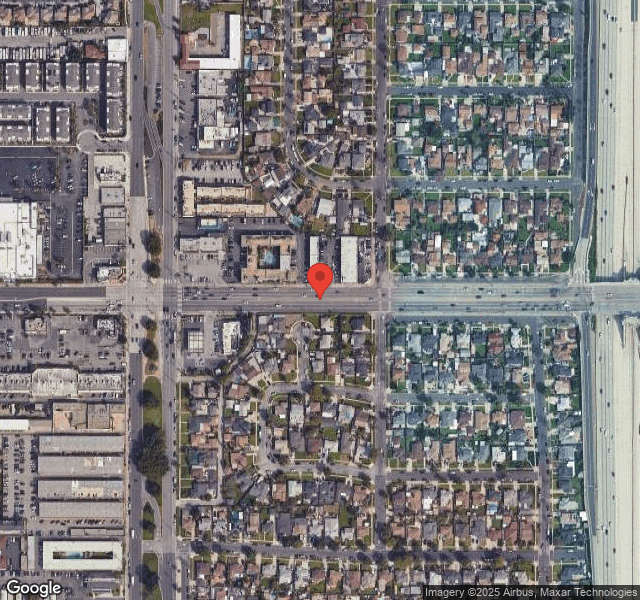

1140 WEST ROSECRANS AVENUE, GARDENA, CA 90247 (310) 323-3194
For profit - Corporation 106 Beds Independent Data: November 2025
Trust Grade
48/100
#672 of 1155 in CA
Last Inspection: April 2025

Within standard 12-15 month inspection cycle. Federal law requires annual inspections.

Overview

Rosecrans Care Center has a Trust Grade of D, indicating below-average performance with some concerning issues. They rank #672 out of 1155 nursing homes in California, placing them in the bottom half of facilities statewide, and #138 out of 369 in Los Angeles County, meaning there are better local options available. The facility is improving, as the number of reported issues decreased from 21 in 2024 to 11 in 2025. Staffing is rated average with a turnover rate of 41%, which is similar to the state average of 38%, but they have less RN coverage than 81% of California facilities, raising concern about care quality. Specific incidents include a resident suffering a broken arm due to inadequate supervision during transfers and failures in monitoring residents at risk of wandering, which could lead to safety risks. While there are some strengths in staffing stability, the facility also faces significant challenges that families should consider.

Trust Score
D
48/100
In California
#672/1155
Bottom 42%
Safety Record
Moderate
Needs review
Inspections
Getting Better
21 → 11 violations
Staff Stability
○ Average
41% turnover. Near California's 48% average. Typical for the industry.
Penalties
✓ Good
$22,767 in fines. Lower than most California facilities. Relatively clean record.
Skilled Nurses
⚠ Watch
Each resident gets only 19 minutes of Registered Nurse (RN) attention daily — below average for California. Fewer RN minutes means fewer trained eyes watching for problems.
Violations
⚠ Watch
50 deficiencies on record. Higher than average. Multiple issues found across inspections.
★★★☆☆
3.0
Overall Rating
★★★☆☆
3.0
Staff Levels
★★☆☆☆
2.0
Care Quality
★★★☆☆
3.0
Inspection Score
Stable
2024: 21 issues
2025: 11 issues

The Good

  • Full Sprinkler Coverage · Fire safety systems throughout facility
  • No fines on record
  • Staff turnover below average (41%)

    7 points below California average of 48%

Facility shows strength in fire safety.

The Bad

3-Star Overall Rating

Near California average (3.1)

Meets federal standards, typical of most facilities

Staff Turnover: 41%

Near California avg (46%)

Typical for the industry

Federal Fines: $22,767

Below median ($33,413)

Minor penalties assessed

The Ugly 50 deficiencies on record

2 actual harm
Sept 2025 1 deficiency
CONCERN (E) 📢 Someone Reported This

A family member, employee, or ombudsman was alarmed enough to file a formal complaint

Potential for Harm - no one hurt, but risky conditions existed

Resident Rights (Tag F0550)

Could have caused harm · This affected multiple residents

**NOTE- TERMS IN BRACKETS HAVE BEEN EDITED TO PROTECT CONFIDENTIALITY** Based on observation, interview, and record review, the facility failed to ensure privacy during care for three of eight residen...

Read full inspector narrative →
**NOTE- TERMS IN BRACKETS HAVE BEEN EDITED TO PROTECT CONFIDENTIALITY** Based on observation, interview, and record review, the facility failed to ensure privacy during care for three of eight residents (Residents 2, 3, and 4) when certified Nursing Assistants (CNA) 1, CNA 2, and CNA 3 did not fully close the privacy curtains while providing care. This failure had the potential to affect the dignity and self-worth of Residents 2, 3, and 4. Findings: a. During a review of Resident 2's admission Record, the admission Record indicated the facility admitted Resident 2 on 8/15/2025 with diagnoses including generalized muscle weakness, difficulty in walking, lymphedema (tissue swelling caused by an accumulation of protein-rich fluid that's usually drained through the body's lymphatic system), and morbid obesity (severely overweight). During a review of Resident 2's History and Physical (H&P), dated 9/1/2025, the H&P indicated, Resident 2 had the capacity to make decisions. During a review of Resident 2's Minimum Data Set (MDS- a resident assessment tool), dated 8/19/2025, the MDS indicated Resident 2 was understood by staff and was able to understand others. The MDS indicated, Resident 2 required partial to moderate assistance for activities of daily living (ADLs-activities such as bathing, dressing, personal/oral hygiene, and toileting). During an observation on 9/22/2025 at 9:00 a.m. in Resident 's room, Certified Nursing Assistant (CNA) 1 was providing ADLs to Resident 2. The privacy curtain was halfway closed while Resident 1 was being provided with incontinent care. Resident 2's bedside window curtains were open, and the resident was visible from the outside of the window. During an interview on 9/22/2025 at 10:05 a.m. with Resident 2, Resident 2 stated having privacy was important to feeling safe. Resident 2 stated feeling embarrassed if exposed to other residents or staff in the room. During an interview on 9/22/2025 at 12:03 p.m. with CNA 1, CNA 1 stated keeping the curtains closed was important for residents' privacy. CNA 1 stated residents would feel embarrassed if curtains were open while receiving care. b. During a review of Resident 3's admission Record, the admission Record indicated, the facilityadmitted Resident 3 on 3/10/2015 with diagnoses including epilepsy (a long-term chronic disease thatcauses repeated seizures due to abnormal electrical signals produced by damaged brain cells), overactivebladder, dementia (a progressive state of decline in mental abilities), and diabetes mellitus (DM-a disordercharacterized by difficulty in blood sugar control and poor wound healing).During a review of Resident 3's H&P, dated 5/28/2025, the H&P indicated Resident 3 did not have the capacity to understand and make decisions. During a review of Resident 3's MDS, dated [DATE], the MDS indicated Resident 3 had severe cognitive (ability to think, learn, remember, use judgement, and make decisions) impairment. The MDS indicated Resident 3 required partial to moderate assistance for ADLs. During a concurrent observation and interview on 9/22/2025 at 9:30 a.m. in Resident 3's room, CNA 2 was providing ADLs to Resident 3. The privacy curtain was halfway closed when Resident 3 was being provided with incontinent care. Resident 3 was observed to be naked. CNA 2 stated the curtains must be closed all the way for residents' privacy. c. During a review of Resident 4's admission Record, the admission Record indicated the facility admitted Resident 4 on 10/4/2023 with diagnoses including epilepsy, generalized muscle weakness, dementia, hemiplegia (total paralysis ofthe arm, leg, and trunk on the same side of the body), hemiparesis (total paralysis of the arm, leg, and trunk on the same side of the body), and diabetes mellitus.During a review of Resident 4's H&P, dated 1/26/2024, the H&P indicated, Resident 4 did not have the capacity to understand and make decisions.During a review of Resident 4's MDS, dated [DATE] the MDS indicated Resident 4 had severe cognitive impairment. The MDS also indicated Resident 4 required maximum assistance for ADLs. During a concurrent observation and interview on 9/22/2025 at 9:57 a.m. in Resident 4's room, CNA 3 was providing ADLs to Resident 4. Resident 4 was observed with the entire body exposed. The privacy curtain was only halfway closed. CNA 3 was in the process of cleaning Resident 4 while the resident remained naked. CNA 3 stated curtains needed to be closed all the way to provide privacy. During an interview on 9/22/2025 at 12:16 p.m. with CNA 3, CNA 3 stated closing the curtain was important to provide privacy to Residents. CNA 3 stated residents would feel embarrassed, and uncomfortable if privacy were not provided to them.During an interview on 9/22/2025 at 1:05 p.m. with the Licensed Vocational Nurse (LVN) 1, LVN 1 stated providing privacy such as closing the doors, and curtains were important for respect and dignity purposes. LVN 1 stated residents would feel embarrassed if they were exposed during care. During an interview on 9/22/2025 at 2:45 p.m. with Registered Nurse (RN) 1, RN 1 stated to ensure residents' privacy, staff are expected to knock before entering, introduce themselves, close privacy curtains, and explain the procedures to be performed. RN 1 stated failing to close curtains before providing care can affect a resident's dignity and make them feel embarrassed, which may affect the residents psychologically. During a review of the facility's Policy & Procedure (P&P) titled, Dignity, revised on February 2021, the P&P indicated, Each resident shall be cared for in a manner that respects and enhances his or her sense of well-being, level of satisfaction with life, and feelings of self-worth and self-esteem .Staff promote, maintain and protect resident privacy, including bodily privacy during assistance with personal care and during treatment procedures. During a review of the facility's P&P titled, Residents Rights Guidelines for all Nursing Procedures, revised on October 2010, the P&P indicated, facility was to close the room entrance door and provide for the resident's privacy.
Jul 2025 2 deficiencies
CONCERN (D) 📢 Someone Reported This

A family member, employee, or ombudsman was alarmed enough to file a formal complaint

Potential for Harm - no one hurt, but risky conditions existed

Deficiency F0628 (Tag F0628)

Could have caused harm · This affected 1 resident

**NOTE- TERMS IN BRACKETS HAVE BEEN EDITED TO PROTECT CONFIDENTIALITY** Based on interview and record review, the facility failed to notify one of four sampled residents (Resident 1), at least 30 days...

Read full inspector narrative →
**NOTE- TERMS IN BRACKETS HAVE BEEN EDITED TO PROTECT CONFIDENTIALITY** Based on interview and record review, the facility failed to notify one of four sampled residents (Resident 1), at least 30 days prior to the resident's discharge plan on 7/19/2025, as indicated in the facility's policy and procedure (P&P) titled, Transfer and Discharge Notice.This deficient practice resulted in Resident 1 not being aware of the discharge plans and had the potential to affect the resident's highest practicable physical, mental and psychosocial well-being. Findings: During a review of Resident 1's admission Record, the admission Record indicated Resident 1 was admitted to the facility on [DATE], with diagnoses including muscle weakness, abnormalities of gait and mobility (deviations from the typical manner of walking) and atrial fibrillation (irregular heartbeat.) During a review of Resident 1's History and Physical (H&P) dated 6/26/2025, the H&P indicated Resident 1 had the mental capacity to understand and make medical decisions. During a review of Residents 1's Minimum Data Set (MDS - a resident assessment tool) dated 6/30/2025, the MDS indicated Resident 1 had intact cognition. The MDS indicated Resident 1 required supervision or touching assistance with activities of daily living (ADLs) such as dressing, toilet use, personal hygiene, transfer and mobility.During a review of Resident 1's progress notes dated 7/21/2025, the progress notes did not indicate an Interdisciplinary Team ([IDT] group of healthcare professionals, including resident/ resident representative, working together to provide residents with needed care) meeting was conducted prior to Resident 1's planned discharge on [DATE]. During a review of Resident 1's undated Notice of Medicare Non-Coverage (NOMNC, a form that Medicare providers are required to give to beneficiaries when their Medicare-covered services are ending), the NOMNC indicated the Medicare coverage of current skilled nursing services would end on 7/21/2025.During an interview on 7/18/2025 at 2:45 p.m. with Resident 1, Resident 1 stated the Rehabilitation Director (RD) did not inform him that he had reached his goals in therapy. Resident 1 stated on 7/18/2025 before lunch time, the Business office representative (BO) came to his room and was asked to sign a document. Resident 1 stated the BO representative told Resident 1 that he will be discharged [DATE] and the resident's Medicare benefits will not be used. Resident 1 stated the Social Services Department (SSD) also came to his room on 7/18/2025 and told him that he will be discharged [DATE]. Resident 1 stated the facility did not talk to him in advance or informed him about any discharge plans. Resident 1 stated he applied an appeal to Livanta (a Medicare-contracted Quality Improvement Organization that provides help, support and resources for Medicare beneficiaries) on 7/18/2025.During an interview on 7/18/2025 at 3:43 p.m. with the BO representative, the BO representative stated the NOMNC should be given to residents 72 hours before the discharge date . The BO representative stated Resident 1's last day of Medicare coverage was 7/21/2025. The BO representative stated she went to Resident 1's room on 7/17/2025 but Resident 1 was not in the room. The BO representative stated she did not go back to Resident 1's room to look for him. The BO representative stated she went back to Resident 1's room on 7/18/2025 and asked Resident 1 to sign the NOMNC, but Resident 1 refused to sign. The BO representative stated the facility did not conduct an IDT meeting before Resident 1's discharge date of 7/19/2025.During an interview on 7/21/2025 at 11:37 a.m. with the RD, the RD stated he (RD) could not remember the facility conducted an IDT meeting for Resident 1's discharge. The RD stated the rehabilitation department should inform the residents when therapies are about to end and provide recommendations for home services as part of discharge planning. The RD stated Resident 1 should be informed about discharge planning before asking him to sign any papers. During an interview on 7/21/2025 at 11:45 a.m. with SSD, the SSD stated the facility did not conduct an IDT meeting prior to Resident 1's planned discharge on [DATE]. The SSD stated on 7/18/2025 at 11:00 a.m., Resident 1's doctor gave a discharge order for Resident 1. The SSD stated she went to Resident 1's room and told Resident 1 about the discharge order, but Resident 1 refused to talk about discharge plans. The SSD stated it was important to schedule IDT meetings when a resident is ready to be discharged to discuss the plan of care and discharge needs. The SSD stated the facility should have given Resident 1 the discharge notice prior to 7/18/2025.During a concurrent interview and record review on 7/21/2025 at 3:55 p.m. with the Director of Nursing (DON), Resident 1's progress notes for 7/2025 were reviewed. The DON stated the progress notes did not indicate SSD scheduled an IDT meeting with Resident 1. The DON stated on 7/16/2025, he asked the SSD to schedule an IDT meeting for Resident 1. The DON stated conducting discharge IDT meetings with residents is very important so the residents will be aware of all discharge plans, and whatever the resident would need will be ready providing residents safe discharge. During a review of the facility's policy and procedures (P&P) titled, Transfer and Discharge Notice, dated 6/2017, the P&P indicated for facility -initiated discharges, a written notice of discharge must be provided to the resident and resident representative, with a copy to the State LTC Ombudsman, at least 30 days prior to the discharge or as soon as possible.
CONCERN (D) 📢 Someone Reported This

A family member, employee, or ombudsman was alarmed enough to file a formal complaint

Potential for Harm - no one hurt, but risky conditions existed

Accident Prevention (Tag F0689)

Could have caused harm · This affected 1 resident

**NOTE- TERMS IN BRACKETS HAVE BEEN EDITED TO PROTECT CONFIDENTIALITY** Based on interview and record review, the facility failed to ensure one of four sampled residents (Residents 2), was not trapped...

Read full inspector narrative →
**NOTE- TERMS IN BRACKETS HAVE BEEN EDITED TO PROTECT CONFIDENTIALITY** Based on interview and record review, the facility failed to ensure one of four sampled residents (Residents 2), was not trapped in Resident 1's room on 7/15/2025 at 4:00 a.m. This failure had the potential to cause resident to resident altercation and resident injuries, leading to hospitalization.1). During a review of Resident 1's admission Record, the admission Record indicated Resident 1 was admitted to the facility on [DATE], with diagnoses including muscle weakness, abnormalities of gait and mobility (deviations from the typical manner of walking,) and Atrial Fibrillation (irregular heartbeat.)During a review of Resident 1's H&P dated 6/26/2025, the H&P indicated Resident 1 had the mental capacity to understand and make medical decisions.During a review of Resident 1's MDS dated [DATE], the MDS indicated Resident 1 had intact cognition. The MDS indicated Resident 1 required supervision or touching assistance with ADLs such as dressing, toilet use, personal hygiene, transfer and mobility.During a review of Resident 1's progress notes dated 7/17/2025, timed 3:44 p.m. the progress notes indicated Resident 1 filed a grievance report to Social Services (SS) that a female resident on a wheelchair, went to his room at 4:00 a.m. on 7/15/2025.During an interview on 7/18/2025 at 2:45 p.m. with Resident 1, Resident 1 stated on 7/15/2025 around 4 a.m., he heard his roommate moaning while furniture moving. Resident 1 stated he heard the moaning again and went to the nurses' station. Resident 1 stated Licensed Vocational Nurses (LVN) 2, came to the room, and saw Resident 2 in her wheelchair trapped between Resident 1's roommate's beds and the curtains. Resident 1 stated LVN 2 stated Resident 2 likes to move around in her wheelchair and make the wrong turn. Resident 1 stated he did not want anybody to appear in his room and needed his privacy. 2). During a review of Resident 2's admission Record, the admission Record indicated Resident 1 was originally admitted to the facility on [DATE], and re-admitted on [DATE] with diagnoses including Alzheimer's Disease (a disease characterized by a progressive decline in mental abilities) dementia (a progressive state of decline in mental abilities) and anxiety disorder (mental conditions characterized by excessive fear of or apprehension about real or perceived threats).During a review of Resident 2's History and Physical (H&P) dated 4/4/2025, the H&P indicated Resident 1 had the mental capacity to make needs known but cannot make medical decisions.During a review of Resident 2's Minimum Data Set (MDS - a resident assessment tool) dated 6/21/2025, the MDS indicated Resident 2 had moderate cognitive impairment. The MDS indicated Resident 2 was dependent on staff with activities of daily living (ADLs) such as dressing, toilet use, personal hygiene. The MDS indicated Resident 2 required substantial to maximal assistance with transfer (moving between surfaces to and from bed, chair, and wheelchair) and bed mobility (how resident moves from lying to turning side to side.) During a review of Resident 2's care plan titled anti-anxiety medication Buspirone care plan, dated 1/8/2025, one of the interventions indicated to monitor/record occurrence of target behavior symptoms like pacing (walking back and forth), wandering and to document per facility protocol.During a review of Resident 1's Medication Administration Record (MAR) dated 7/21/2025 timed 3:55 p.m., the MAR did not indicate Resident 2's wandering behavior was monitored or documented on 7/15/2025 11:00 p.m. to 7:00 a.m. shift.During an interview on 7/21/2025 at 12:45 p.m. with Certified Nursing Assistant (CNA) 2, CNA 2 stated Resident 2 was confused, and likes to go around and follow staff. CNA 2 stated staff are aware of Resident 2's wandering behavior and should have monitored Resident 2 on 7/15/2025 around 4 a.m. and redirect when needed, because it can make other residents agitated and can cause conflict between residents and can lead to abuse. CNA 2 stated it was important to check and supervise the residents because at nighttime they get so confused. During a concurrent interview and record review on 7/21/2025 at 3:55 p.m. with the Director of Nursing (DON), the MAR for 7/15/2025 was reviewed. The DON stated Resident 2's MAR did not indicate Resident 2's wandering behaviors were monitored. The DON stated that when residents are not monitored, it can cause altercations between residents leading to resident-to-resident abuse and invading the other resident's privacy. During a review of the facility's policy and procedures (P&P) titled, Wandering, Unsafe Resident, dated 12/2008, the P&P indicated staff should identify residents who are at risk for harm because of unsafe wandering. The P&P indicated staff should institute a detailed monitoring plan, as indicated for residents who are assessed for unsafe behavior.During a review of the facility's P&P titled, Safety and Supervision of Residents, dated 12/2007, the P&P indicated resident supervision is a core component of the systems approach to safety. The P&P indicated the type and frequency of resident's supervision is determined by the individual resident's assessed needs.
Apr 2025 5 deficiencies
CONCERN (D)

Potential for Harm - no one hurt, but risky conditions existed

Deficiency F0694 (Tag F0694)

Could have caused harm · This affected 1 resident

**NOTE- TERMS IN BRACKETS HAVE BEEN EDITED TO PROTECT CONFIDENTIALITY** Based on observation, interview, and record review, the facility failed to ensure one of one sample residents (Resident 30) had ...

Read full inspector narrative →
**NOTE- TERMS IN BRACKETS HAVE BEEN EDITED TO PROTECT CONFIDENTIALITY** Based on observation, interview, and record review, the facility failed to ensure one of one sample residents (Resident 30) had an intravenous (IV- a thin flexible tube inserted into the vein used to draw blood and give treatments) catheter with the date of insertion on it. This deficient practice had the potential for Resident 30's IV site to go unchanged which could lead to an infection. Findings: During an observation on 11/22/2025 at 11:00 a.m. Resident 30 was observed lying in bed with an IV catheter inserted to the left wrist with no date on the outer dressing of the IV. Resident 30 was receiving IV fluids through the IV catheter inserted to the left wrist. During a review of Resident 30's Face Sheet (front page of the chart that contains a summary of basic information about the resident), the Face Sheet indicated Resident 30 was originally admitted on [DATE] and readmitted on [DATE] with diagnoses that included chronic kidney disease (a condition where the kidneys are damaged and can't filter blood as well), hypokalemia (low potassium levels in the blood), hyperlipidemia (high levels of fats in the blood), and vitamin D deficiency (low levels of vitamin D in the blood). During a review of Resident 30's History and Physical (H&P), dated 8/13/2024, the H&P indicated Resident 30 did not have the ability to understand and make medical decisions. During a review of Resident 30's Minimum Data Set (MDS - a resident assessment tool), dated 3/3/2025, the MDS indicated Resident 30 had severely impaired cognition (ability to learn, reason, remember, understand, and make decisions) and did not have impairments to their upper extremities (related to the arms) and lower extremities (related to the legs). During a review of Resident 30's Progress Notes dated 4/1/2025 at 9:13 p.m., the Progress Notes indicated an order was received to insert a new IV catheter. During an interview on 4/23/2025 at 4:18 p.m. with Registered Nurse (RN) 1, RN 1 stated the RN's are the ones who are responsible for anything related to IV, whether it is giving medication, and inserting and removing the IV, the RN's are also the one who is responsible for any documentation related to the IV as well. During a follow up concurrent interview and observation on 4/23/2025 at 4:24 p.m. with RN 1, Resident 30's IV catheter on the left wrist was observed. RN 1 stated there was no date on it and was unsure why there was no date on it. RN 1 stated the IV catheter site should be changed every 7 days if the IV catheter is not in use and changed every 3 days if it is being used for medications. RN 1 stated having the date on the IV catheter would help the next nurses to determine when the IV catheter should be changed to avoid infection. During a review of the facility's policy and procedure (P&P) titled Peripheral IV Cather Insertion, dated 2/2022, the P&P indicated after taping the IV catheter in place, place a label on one side of the catheter, not over the insertion site and include the date of catheter insertion.
CONCERN (D)

Potential for Harm - no one hurt, but risky conditions existed

Respiratory Care (Tag F0695)

Could have caused harm · This affected 1 resident

**NOTE- TERMS IN BRACKETS HAVE BEEN EDITED TO PROTECT CONFIDENTIALITY** Based on observation, interview, and record review, the facility failed to ensure one of three sampled residents (Resident 82) h...

Read full inspector narrative →
**NOTE- TERMS IN BRACKETS HAVE BEEN EDITED TO PROTECT CONFIDENTIALITY** Based on observation, interview, and record review, the facility failed to ensure one of three sampled residents (Resident 82) had their oxygen saturation level (O2 sat- a measurement of how much oxygen the blood is carrying as a percentage) checked every shift as ordered. This deficient practice had the potential for Resident 82 to be receiving too much or too little oxygen and could lead to difficulty in breathing. Findings: During an observation on 4/22/2025 at 11:13 a.m., Resident 82 was observed in bed and had a nasal cannula (a device that delivers extra oxygen through a tube into your nose) on with oxygen at 2 liters per minute (lpm- flow of oxygen per minute). During a review of Resident 82's Face Sheet (front page of the chart that contains a summary of basic information about the resident), the Face Sheet indicated Resident 82 was admitted on [DATE] with diagnoses that included dependence on supplemental oxygen (a medical treatment that provides extra oxygen to a person), cardiomegaly, and myocardial infarction (heart attack). During a review of Resident 82's History and Physical (H&P), dated 12/8/2024, the H&P indicated Resident 82 did not have the ability to make medical decisions. During a review of Resident 82's Minimum Data Set (MDS - a resident assessment tool), dated 2/19/2025, the MDS indicated Resident 82 was not able to be evaluated for their mental status and had impairments to their upper extremity (related to the arms) and no impairments to their lower extremity (related to the legs). The MDS further indicated Resident 82 was receiving oxygen therapy. During a review of Resident 82's Order Summary Report, the Order Summary Report indicated an order was placed on 4/3/2025 to give Resident 82 oxygen at 2 lpm (via nasal cannula every shift to maintain O2 sat at 92% and above and to titrate (adjust and change the amount of a substance) oxygen 2-4 lpm and to call the doctor if the O2 sat is less than 92%. Another order indicated to monitor the O2 sat every shift for the use of oxygen. During a review of Resident 82's O2 Sat levels dated 4/2025, the O2 sat levels indicated the following O2 sat levels were obtained for Resident 82: 4/4/2025 2:57 p.m. - 97.8% room air (without supplemental oxygen) 4/11/2025 5:28 p.m. - 97% via nasal cannula 4/22/2025 10:20 p.m. - 97% via nasal cannula 4/23/2025 1:54 p.m. - 97% via nasal cannula 4/23/2025 5:36 p.m. - 97.8% via nasal cannula During a concurrent interview and record review on 4/23/2024 at 1:40 p.m. with Licensed Vocational Nurse (LVN) 1, Resident 82's Order Summary Report, and O2 sat levels were reviewed. LVN 1 stated Resident 82 required oxygen and is currently on 2lpm via nasal cannula and does well on it. LVN 1 reviewed Resident 82's Order Summary Report and stated Resident 82 needed to have O2 sat levels checked every shift. LVN 1 reviewed the O2 sat levels for the month of April and stated Resident 82's O2 sat level was not being checked every shift and there have been many days in April where her O2 sat level was not checked at all. LVN 1 stated if the nurses are not monitoring every shift they would not know what the residents O2 sat level was and would not know if further interventions are needed or they need to increase her oxygen. During a review of the facility's policy and procedure (P&P) titled Oxygen Administration, dated 10/2010, the P&P indicated while the resident is receiving oxygen therapy, assess for vital signs, and oxygen saturation if applicable.
CONCERN (E)

Potential for Harm - no one hurt, but risky conditions existed

Deficiency F0757 (Tag F0757)

Could have caused harm · This affected multiple residents

**NOTE- TERMS IN BRACKETS HAVE BEEN EDITED TO PROTECT CONFIDENTIALITY** Based on interview and record review, the facility failed to monitor for signs and symptoms of bleeding and bruising related to ...

Read full inspector narrative →
**NOTE- TERMS IN BRACKETS HAVE BEEN EDITED TO PROTECT CONFIDENTIALITY** Based on interview and record review, the facility failed to monitor for signs and symptoms of bleeding and bruising related to the use of aspirin (a medication used to prevent blood clots) and Eliquis (a medication used to prevent blood clots) between 4/1/25 and 4/24/25 in one of five residents sampled for unnecessary medications (Resident 82). The deficient practice of failing to monitor for signs and symptoms of bleeding during aspirin and Eliquis therapy increased the risk that Resident 82 could have experienced adverse effects (unwanted and dangerous side effects of medication) such as bleeding and bruising leading to medical complications requiring hospitalization. Findings: During a review of Resident 82's admission Record (a record containing diagnostic and demographic resident information), dated 4/24/25, indicated he was admitted to the facility on [DATE] with diagnoses including hemiplegia and hemiparesis following cerebral infarction affecting right dominant side (paralysis and muscle weakness in the right side following a stroke). During a review of Resident 82's History and Physical (H&P - a record of a comprehensive physician's assessment) dated 12/8/24, indicated Resident 82 lacked the capacity to make medical decisions. During a review of Resident 82's Order Summary Report (a summary of all current physician orders), dated 4/24/25, indicated Resident 82's attending physician prescribed: 1. Aspirin 81 milligrams (mg - a unit of measure for mass) via gastrostomy tube (g-tube - a tube surgically inserted into the stomach for administration of nutrition and medication) one time a day for CVA (stroke) prophylaxis (prevention) on 2/27/25. 2. Eliquis 2.5 mg via g-tube two times a day for CVA prophylaxis on 12/23/24. During a review of Resident 82's available Care Plans (a resident-centered plan of care developed to address a resident's unique health care needs), revised 3/31/25, indicated Resident 82 was at high risk of bleeding, bruising, and skin discoloration due to her use of aspirin and Eliquis and facility staff should monitor for and document any signs of bleeding (unexplained bruising, nosebleeds, bleeding gums, signs of gastrointestinal bleeding, etc .) every shift. During a review of Resident 82's Medication Administration Record (MAR - a monthly record of medications administered and monitoring documented for a resident) for April 2025 indicated facility staff failed to monitor for signs and symptoms or bleeding and bruising as potential adverse effects of her therapy with aspirin and Eliquis between 4/1/25 and 4/24/25. During an interview on 4/24/25 at 9:25 AM with the Director of Nursing (DON), the DON stated the facility failed to actively monitor Resident 82 for adverse effects related to the use of apixaban and aspirin. The DON stated because this resident has both apixaban and aspirin therapy as well as care plans for past incidences related to bleeding, it is important to monitor on an ongoing basis for signs and symptoms of bleeding and bruising so that action could be taken swiftly if any is noted. The DON stated failing to monitor this resident's anticoagulant therapy for signs of bleeding and bruising increased the risk that Resident 82 could have complications from bleeding or bruising that were not addressed promptly possibly leading to hospitalization. During a review of the facility's policy and procedure (P&P) Anticoagulation - Clinical Protocol, revised November 2018, the P&P indicated The staff and physician will monitor for possible complications in individuals who are being anticoagulated, and will manage related problems. If an individual on anticoagulation therapy shows signs of excessive bruising, hematuria, hemoptysis, or other evidence of bleeding, the nurse will discuss the situation with the physician before giving the next scheduled dose of anticoagulant .
CONCERN (E)

Potential for Harm - no one hurt, but risky conditions existed

Deficiency F0761 (Tag F0761)

Could have caused harm · This affected multiple residents

**NOTE- TERMS IN BRACKETS HAVE BEEN EDITED TO PROTECT CONFIDENTIALITY** Based on observation, interview, and record review the facility failed to: 1. Label one opened vial of latanoprost (a medicatio...

Read full inspector narrative →
**NOTE- TERMS IN BRACKETS HAVE BEEN EDITED TO PROTECT CONFIDENTIALITY** Based on observation, interview, and record review the facility failed to: 1. Label one opened vial of latanoprost (a medication used to treat eye conditions) eye drops with an open date affecting Resident 16 in one of two inspected medication carts (East Medication Cart). 2. Store lorazepam oral solution (a medication used to treat mental illness) in the refrigerator per the manufacturer's requirements affecting resident 410 in one of two inspected medication carts (East Medication Cart). 3. Store gabapentin oral solution (a medication used to treat nerve pain) in the refrigerator per the manufacturer's requirements affecting resident 410 in one of two inspected medication carts (East Medication Cart). 4. Label one open fluticasone/salmeterol inhaler (a medication used to treat breathing problems) with an open date affecting Resident 411 in one of two inspected medication carts (East Medication Cart). 5. Label one open Lantus insulin pen (a medication used to treat high blood sugar) with an open date affecting Resident 94 in one of two inspected medication carts (East Medication Cart). The deficient practices of failing to store or label medications per the manufacturers' requirements increased the risk that Residents 16, 94, 410, and 411 could have received medication that had become ineffective or toxic due to improper storage possibly leading to health complications resulting in hospitalization or death. Findings: During a concurrent observation and interview on [DATE] at 11:39 AM of East Medication Cart with the Licensed Vocational Nurse (LVN 5), the following medications were found either expired, stored in a manner contrary to their respective manufacturer's requirements, or not labeled with an open date as required by their respective manufacturer's specifications: 1. One bottle of lorazepam oral solution for Resident 410 was found stored at room temperature. According to the product labeling, lorazepam oral solution should be stored in the refrigerator. 1. One opened Lantus insulin pen for Resident 94 was found without a labeled open date. According to the product labeling, opened Lantus insulin pens should be used or discarded within 28 days of opening. 1. One opened vial of latanoprost eye drops for Resident 16 were found without a labeled open date. According to the product labeling, opened vials of latanoprost eye drops should be used or discarded withing six weeks of opening. 1. One opened fluticasone/salmeterol inhaler for Resident 411 was found without a labeled open date. According to the product labeling, fluticasone/salmeterol inhalers should be used or discarded once removed from the protective foil pouch. 1. One bottle of gabapentin oral solution for Resident 410 was found stored at room temperature. According to the product labeling, gabapentin oral solution should be stored in the refrigerator. During a concurrent interview, LVN 5 stated the lorazepam oral solution and the gabapentin oral solution for Resident 410 should be stored in the refrigerator but is stored at room temperature. LVN 5 stated she does not know how long the lorazepam was stored at room temperature but gave a dose of the gabapentin to Resident 410 this morning. LVN 5 stated she failed to return the gabapentin solution to the refrigerator immediately after giving the medication as required. LVN 5 stated giving Resident 410 gabapentin and lorazepam solution which has not been refrigerated could cause the medication not to work as well possibly causing medical complications. LVN 5 stated the Lantus for Resident 94 is opened but not labeled with an open date. LVN 5 stated, when Lantus is opened, it expires 28 days after opening and without an open date, there is a risk that it could continue to be used after it expires. LVN 5 stated Lantus is used to control blood sugar and giving expired insulin to Resident 94 could cause medical complications due to poorly controlled blood sugar. LVN 5 stated the latanoprost for Resident 16 was opened but not labeled with an open date. LVN 5 stated this increased the risk that it could be given to Resident 16 after it expired possibly causing her glaucoma to worsen and negatively affect her sight. LVN 5 stated the inhaler for Resident 411 is opened but not labeled with an open date. LVN 5 stated fluticasone/salmeterol is used to treat or prevent breathing conditions and giving it after it expires could cause Resident 411 to have increased difficulty breathing possibly resulting in hospitalization or death. During a review of the facility's policy and procedure (P&P) Medication Labeling and Storage, revised February 2023, the P&P indicated The facility stores all medication and biologicals in locked compartments under proper temperature, humidity, and light controls . Medications requiring refrigeration are stored in a refrigerator located in the medication room at the nurses' station or other secured locations . The medication label includes . expiration date, when applicable .
MINOR (B)

Minor Issue - procedural, no safety impact

Deficiency F0912 (Tag F0912)

Minor procedural issue · This affected multiple residents

Based on observation, interview, and record review, the facility failed to: 1. Ensure residents in Rooms 6, 7, 14, 15, 16, 18, 19, 20, 21, 22, 23, 24, 25, 26, 27, 28, and 29 had at least 80 square fee...

Read full inspector narrative →
Based on observation, interview, and record review, the facility failed to: 1. Ensure residents in Rooms 6, 7, 14, 15, 16, 18, 19, 20, 21, 22, 23, 24, 25, 26, 27, 28, and 29 had at least 80 square feet ([sqft]- a unit of measure) of living space. This deficient practice had the potential to result in residents not being able to move around freely or store personal items. This also had the potential for staff having difficulty providing care due to a lack of space. Findings: During an observation on 4/22/2025 at 10:51 a.m., Toom 26 was noted to contain four beds. During a review of the Client Accommodation Analysis, dated 4/22/2025, the analysis indicated the facility had the following room measurements: Room # # of beds Floor square footage 6 1 90 7 4 270 14 2 150 15 2 150 16 2 150 18 2 150 19 2 150 20 2 150 21 2 150 22 2 150 23 2 150 24 2 150 25 2 150 26 4 285 27 2 150 28 2 150 29 2 150 During a review of the Room Variance Waiver request letter, dated 4/23/2025, the letter indicated Rooms 6, 7, 14, 15, 16, 18, 19, 20, 21, 22, 23, 24, 25, 26, 27, 28, and 29 fall short of the minimum square footage requirement. During an interview on 4/25/2025 at 12:00 p.m. with the Administrator (Adm), the Adm stated there has not been complaints from residents who reside in the smaller rooms. The Adm stated staff ensure residents have ample room to maneuver wheelchairs. The Adm stated due to the smaller room size, staff can potentially have issues providing care.
Apr 2025 1 deficiency
CONCERN (D) 📢 Someone Reported This

A family member, employee, or ombudsman was alarmed enough to file a formal complaint

Potential for Harm - no one hurt, but risky conditions existed

Deficiency F0697 (Tag F0697)

Could have caused harm · This affected 1 resident

Based on interview and record review, the facility failed to manage a resident ' s pain (Resident 1) after the resident complained of pain to the licensed nurse. This failure resulted in Resident 1 ex...

Read full inspector narrative →
Based on interview and record review, the facility failed to manage a resident ' s pain (Resident 1) after the resident complained of pain to the licensed nurse. This failure resulted in Resident 1 experiencing unrelieved pain and had the potential to interfere with activities of daily living (ADLs). Findings: During a review of Resident 1 ' s admission Record (front page of the chart that contains a summary of basic information about the resident), the admission record indicated the facility admitted Resident 1 on 10/10/2024, with diagnoses including polyneuropathy (disease or dysfunction of one or more nerves, typically causing numbness or weakness in the hands and feet), repeated falls, and diabetes mellitus (DM - a disorder characterized by difficulty in blood sugar control and poor wound healing). During a review of the Minimum Data Set (MDS - a resident assessment tool) dated 1/13/2025, the MDS indicated Resident 1 had the ability to express ideas and wants and the ability to understand others. The MDS also indicated Resident 1 had no impairment in the upper extremities (shoulder, elbow, wrist, hand) and lower extremities (hip, knee, ankle, foot). During review of Resident 1 ' s Order Summary Report on 12/30/2024, the Order Summary Report indicated an order for Acetaminophen [(APAP) a pain reliever] 500 mg 2 tabs; Give 1000 mg by mouth every 6 hours as needed for severe pain (7/10 - 10/10). During an interview on 4/11/2025 at 8:49 am with Resident 1, Resident 1 stated, he had pain under his left eye after being hit by Resident 2. During a concurrent interview and record review on 4/11/2025 at 3:30 pm with Licensed Vocational Nurse (LVN) 1, Resident1 ' s Medical Administration Record (MAR) dated 4/1/2025-4/30/2025 was reviewed. The MAR indicated, on 4/7/2025, 4/9/2025, and 4/10/2025, Resident 1 reported a pain level of 7/10 (on a scale of 1 - 10, 1 being the least pain and 10 being the worst pain) during a total of four nursing shifts. LVN 1 stated, the MAR also indicated no pain medication was given to Resident 1 after reporting 7/10 pain. LVN 1 stated, Resident 1 ' s pain was documented 7/10 four times on the MAR and no pain medication given to Resident 1 as ordered. During a concurrent interview and record review on 4/11/2025 at 4:07 pm with the Director of Nursing (DON), Resident1 ' s MAR dated 4/1/2025-4/30/2025 was reviewed. The DON stated Resident 1 ' s pain of 7/10 was documented four times by the licensed nurses without documentation of pain medication being given to Resident 1. A review of the facility ' s Policy & Procedure (P&P) titled Administering Medications, revised 4/ 2019, the P&P indicated, medications are administered in accordance with prescriber orders. A review of the facility ' s P&P titled Pain-Clinical Protocol, revised 10/2022, the P&P indicated the staff would identify residents who have pain or who are at risk for having pain. The P&P indicated the staff would identify any situations or interventions where an increase in the resident ' s pain may be anticipated, will establish goals of pain treatment, and freedom from pain. Based on interview and record review, the facility failed to manage a resident's pain (Resident 1) after the resident complained of pain to the licensed nurse. This failure resulted in Resident 1 experiencing unrelieved pain and had the potential to interfere with activities of daily living (ADLs). Findings: During a review of Resident 1's admission Record (front page of the chart that contains a summary of basic information about the resident), the admission record indicated the facility admitted Resident 1 on 10/10/2024, with diagnoses including polyneuropathy (disease or dysfunction of one or more nerves, typically causing numbness or weakness in the hands and feet), repeated falls, and diabetes mellitus (DM – a disorder characterized by difficulty in blood sugar control and poor wound healing). During a review of the Minimum Data Set (MDS – a resident assessment tool) dated 1/13/2025, the MDS indicated Resident 1 had the ability to express ideas and wants and the ability to understand others. The MDS also indicated Resident 1 had no impairment in the upper extremities (shoulder, elbow, wrist, hand) and lower extremities (hip, knee, ankle, foot). During review of Resident 1's Order Summary Report on 12/30/2024, the Order Summary Report indicated an order for Acetaminophen [(APAP) a pain reliever] 500 mg 2 tabs; Give 1000 mg by mouth every 6 hours as needed for severe pain (7/10 - 10/10). During an interview on 4/11/2025 at 8:49 am with Resident 1, Resident 1 stated, he had pain under his left eye after being hit by Resident 2. During a concurrent interview and record review on 4/11/2025 at 3:30 pm with Licensed Vocational Nurse (LVN) 1, Resident1's Medical Administration Record (MAR) dated 4/1/2025-4/30/2025 was reviewed. The MAR indicated, on 4/7/2025, 4/9/2025, and 4/10/2025, Resident 1 reported a pain level of 7/10 (on a scale of 1 – 10, 1 being the least pain and 10 being the worst pain) during a total of four nursing shifts. LVN 1 stated, the MAR also indicated no pain medication was given to Resident 1 after reporting 7/10 pain. LVN 1 stated, Resident 1's pain was documented 7/10 four times on the MAR and no pain medication given to Resident 1 as ordered. During a concurrent interview and record review on 4/11/2025 at 4:07 pm with the Director of Nursing (DON), Resident1's MAR dated 4/1/2025-4/30/2025 was reviewed. The DON stated Resident 1's pain of 7/10 was documented four times by the licensed nurses without documentation of pain medication being given to Resident 1. A review of the facility's Policy & Procedure (P&P) titled Administering Medications, revised 4/ 2019, the P&P indicated, medications are administered in accordance with prescriber orders. A review of the facility's P&P titled Pain-Clinical Protocol, revised 10/2022, the P&P indicated the staff would identify residents who have pain or who are at risk for having pain. The P&P indicated the staff would identify any situations or interventions where an increase in the resident's pain may be anticipated, will establish goals of pain treatment, and freedom from pain.
Feb 2025 1 deficiency
CONCERN (D) 📢 Someone Reported This

A family member, employee, or ombudsman was alarmed enough to file a formal complaint

Potential for Harm - no one hurt, but risky conditions existed

Quality of Care (Tag F0684)

Could have caused harm · This affected 1 resident

**NOTE- TERMS IN BRACKETS HAVE BEEN EDITED TO PROTECT CONFIDENTIALITY** Based on observation, interview, and record review, the facility failed to ensure wound dressings for two of three sampled resid...

Read full inspector narrative →
**NOTE- TERMS IN BRACKETS HAVE BEEN EDITED TO PROTECT CONFIDENTIALITY** Based on observation, interview, and record review, the facility failed to ensure wound dressings for two of three sampled residents (Resident 1) were labeled with the nurse's initials, time, and date. This failure had the potential to result in wound dressings not being changed, resulting in wound infections and delayed wound healing. Findings: 1.During a review of Resident 1's admission Record, the admission Record indicated Resident 1 was originally admitted to the facility on [DATE] and readmitted on [DATE]. The admission Record indicated Resident 1's diagnoses included stage 4 pressure ulcer (Full-thickness skin and tissue loss with exposed muscle, tendon, ligament, cartilage, or bone) of the sacral (lower back) region, quadriplegia (paralysis from the neck down, including legs, and arms due to severe physical disability or frailty), and diabetes mellitus (a disorder characterized by difficulty in blood sugar control and poor wound healing). During a review of Resident 1's Minimum Data Set (MDS – a resident assessment tool), dated 12/23/2024, the MDS indicated Resident 1 had severe cognitive (thought process) impairment. The MDS indicated Resident 1 was dependent (staff does all the effort) for toileting and bathing; Resident 1 required moderate assistance (staff does less than half the effort) for personal hygiene. The MDS also indicated Resident 1 had one unhealed stage 4 pressure ulcer and was at risk of developing pressure ulcers. During a review of Resident 1's History and Physical (H&P), dated 1/30/2025, the H&P indicated Resident 1 had fluctuating ability to understand and make medical decisions. During an observation on 2/24/2025 at 1:15 p.m., Resident 1's left forearm dressing and gastrostomy (a surgical opening fitted with a device to allow feedings to be administered directly to the stomach common for people with swallowing problems) dressing were not labeled. During on a concurrent observation and interview on 2/25/2025 at 9:55 a.m. with Licensed Vocational Nurse (LVN 1), LVN 1 stated, Resident 1's left forearm dressing, Sacro coccyx (area at the base of the spine) dressing, and gastrostomy dressing were not labelled with the date and time of the dressing change and initials of the nurse who performed the dressing application. LVN 1 stated she did not label dressings with her initial, time and date when performing wound care dressing changes. LVN 1 also stated, she was not sure of the facility's policy on labeling wound care dressings. 2. During a review of Resident 2's admission Record, the admission Record indicated Resident 2 was originally admitted to the facility on [DATE] and readmitted on [DATE]. The admission Record indicated Resident 2 diagnoses included stage 4 pressure ulcer of the sacral region and malnutrition (a condition when the body does not receive enough protein or calories to function properly). During a review of Resident 2's H&P, dated 3/31/2024, the H&P indicated Resident 2 did not have the ability to understand or make medical decisions. During a review of Resident 2's MDS, dated [DATE], the MDS indicated Resident 2 did not speak and sometimes understood others. The MDS indicated Resident 2 had severe cognitive impairment. The MDS indicated Resident 2 was dependent on staff for toileting, bathing, and personal hygiene. The MDS also indicated Resident 2 had one unhealed stage 4 pressure ulcer and was at risk of developing pressure ulcers. During an observation on 2/24/2025 at 2:00 p.m., Resident 2's Sacro coccyx wound dressing and gastrostomy dressing were not labelled. During a concurrent observation and interview on 2/25/2025 at 10:45 a.m. with LVN 2, LVN 2 stated, Resident 2's Sacro coccyx wound dressing and gastrostomy tube dressing were not labelled with the nurse's initials or the time and date the dressings were changed. LVN 2 stated she did not label any dressings with their initials or the time and date of the dressing change procedure. During an interview on 2/25/2025 at 2:35 p.m. with LVN 4, LVN 4 stated wound dressings should be labelled with the nurse's initials and the time and date of the dressing change. During a concurrent interview and record review on 2/25/2025 at 3:45 p.m. with the Director of Nursing (DON), the facility's P&P titled Wound Care, dated 2001, was reviewed. The DON stated the policy indicated wound dressings must be labelled with initials, time, and date of the dressing change. The DON stated the policy was not followed. A review of the facility's P&P titled Wound Care, dated 2001, the P&P indicated wound dressing tape would be marked with the nurse's initials, time, and date. The P&P indicated the purpose of this practice was to provide guidelines for care to promote wound healing.
Feb 2025 1 deficiency
CONCERN (D) 📢 Someone Reported This

A family member, employee, or ombudsman was alarmed enough to file a formal complaint

Potential for Harm - no one hurt, but risky conditions existed

Infection Control (Tag F0880)

Could have caused harm · This affected 1 resident

**NOTE- TERMS IN BRACKETS HAVE BEEN EDITED TO PROTECT CONFIDENTIALITY** Based on observation, interview and record review, the facility failed to implement its policy and procedure (P&P) titled, Enhan...

Read full inspector narrative →
**NOTE- TERMS IN BRACKETS HAVE BEEN EDITED TO PROTECT CONFIDENTIALITY** Based on observation, interview and record review, the facility failed to implement its policy and procedure (P&P) titled, Enhanced Standard Precautions ([ESP] a framework for reducing multi drug-resistant organism [MDRO] transmission by using gowns and gloves while caring for residents at high risk for MDRO transmission, at the point of care during specific activities, by contmainating health care workers' hands, clothes and the environment), which indicated to don (put on) PPE within room, before engaging in activity (resident care), if splash is anticipated, for two of eight sampled residents (Residents 6 and 7), who had physician ' s orders for wound care. This deficient practice had the potential to result in transmission of a disease-causing organisms, affecting the other residents in the facility, and the potential for the affected residents ' delay in wound healing process. Findings: 1). During a review of Resident 6 ' s admission Record, the admission Record indicated Resident 6 was originally admitted to the facility on [DATE], and re-admitted on [DATE] with diagnoses including muscle weakness (a lack of muscle strength or the inability to control voluntary muscle force) unspecified Dementia (a progressive state of decline in mental abilities) and quadriplegia (a condition characterized by the partial or complete loss of motor and sensory function in all four limbs) of the arms and legs. During a review of Resident 6 ' s History and Physical (H&P) dated 12/13/2024, the H&P indicated Resident 6 did not have the mental capacity to understand and make medical decisions. During a review of Resident 6 ' s Minimum Data Set (MDS – a federally mandated resident assessment tool) dated 12/15/2024, the MDS indicated Resident 6 usually understand and be understood by others. The MDS indicated Resident 6 required substantial to maximum assistance for bed mobility, transfer, walking, eating, personal hygiene and toileting. During a review of Resident 6 ' s physician ' s order dated 1/27/2025, the physician ' s order indicated Resident 6 had a left heel Stage 3 pressure ulcer (deep and painful wounds in the skin). The physician ' s order indicated to cleanse the left heel with antiseptic spray, pat dry and apply santyl (an ointment used to remove damaged tissue from chronic skin ulcers), collagen alginate (type of dressing) then covers with bordered dressing, wrap with kerlix and secure with tape dressing daily, for 30 days. During a concurrent observation and interview on 2/11/2025 at 9:20 a.m. with Licensed Vocational Nurse (LVN) 1, in Resident 6 ' s room, an ESP sign was observed outside Resident 6 ' s room. LVN 1 was observed performing wound care on Resident 6 ' s left heel without an isolation gown. LVN 1 stated, I did not used a gown while providing Resident 6 ' s left heel wound care, which was a precaution to minimize the transmission of bacteria to the wound. 2. During a review of Resident 7 ' s admission Record, the admission Record indicated Resident 7 was admitted to the facility on [DATE], with diagnoses including unstageable pressure ulcer (a pressure sore where the extent of tissue damage cannot be accurately assessed due to a thick layer of dead tissue) to left and right buttocks, unstageable pressure ulcer to right ankle and chronic kidney disease stage 3 (a mild to moderate loss of kidney function). During a review of Resident 7 ' s H&P dated 12/23/2024, the H&P indicated Resident 7 did not have the mental capacity to understand and make medical decisions. During a review of Resident 7 ' s MDS dated [DATE], the MDS indicated Resident 7 usually understand and be understood by others. The MDS indicated Resident 7 required substantial/ maximum assistance for bed mobility, transfer, walking, eating, personal hygiene and toileting. During a review of Resident 7 ' s Treatment Administration Record (TAR) for 2/2025, the TAR indicated Resident 7 had a sacro-coccyx stage 4 (full thickness skin loss with extensive destruction; tissue necrosis; or damage to muscle, bones) pressure injury. The TAR indicated to cleanse the sacrococcyx with normal saline ([NS] a sterile solution containing 0.9% sodium chloride in water), pat dry and apply santyl ointment, then cover with bordered dressing, daily for 21 days. The TAR indicated Resident 7 had a left lateral malleolus stage 4 pressure injury with order to cleanse with NS, pat dry and apply santyl ointment, then cover with bordered dressing, daily for 21 days. During a concurrent observation and interview on 2/11/2025 at 10:23 a.m. with LVN 2, in Resident 7 ' s room, an ESP sign was posted outside Resident 7 ' s room. LVN 2 was observed performing wound care on Resident 7 ' s sacrococcyx area and left lateral malleolus wounds, without an isolation gown. LVN 2 stated I should have worn an isolation gown before entering Resident 7 ' s room to perform the wound care. LVN 2 stated we used the ESP precautions to prevent any transmission of infection to another resident. During an interview on 2/11/2025 at 12:45 p.m. with Certified Nurse Assistant (CNA) 3, CNA 3 stated the ESP sign posted outside residents ' rooms meant, nurses should wear gown, mask and gloves before going inside the room to perform care, because these residents either had open wounds, gastric tube (tube surgically inserted into the stomach for feeding and medication administration) and these residents should be protected from any germs to get into open wounds. During an interview on 2/11/2025 at 2:30 p.m. with the Director of nursing (DON), the DON stated ESP precautions should be used when changing wound dressings. The DON stated ESP is also used on residents with history of Multiple Drug-Resistant Organisms (germs that are resistant to many antibiotics). The DON stated, the nurses must identify the isolation beds and use PPE when providing wound care or any activities involving close contact with the resident to prevent the transmission of any infection During a review of the facility ' s policy and procedure (P&P) titled, Enhance Standard Precautions, dated 2/20/2020, the P&P indicated to use PPE if splash is anticipated. The P&P indicated to don PPE within room before engaging in activity.
Apr 2024 16 deficiencies
CONCERN (D)

Potential for Harm - no one hurt, but risky conditions existed

Resident Rights (Tag F0550)

Could have caused harm · This affected 1 resident

**NOTE- TERMS IN BRACKETS HAVE BEEN EDITED TO PROTECT CONFIDENTIALITY** Based on observation, interview, and record review, the facility failed to: 1. Ensure staff promoted dignity while assisting one...

Read full inspector narrative →
**NOTE- TERMS IN BRACKETS HAVE BEEN EDITED TO PROTECT CONFIDENTIALITY** Based on observation, interview, and record review, the facility failed to: 1. Ensure staff promoted dignity while assisting one of two residents (Resident 56) during meals by standing over the resident and not maintaining face to face eye contact. This deficient practice had the potential to result in feelings of decreased self-esteem and self-worth for Resident 56. Findings: During a review of Resident 56's admission Record, the admission Record indicated Resident 56 was admitted to the facility on [DATE]. Resident 56's diagnoses included epilepsy (a chronic disorder of the brain characterized by recurrent brief episodes of involuntary movement that may involve a part of the body or the entire body), chronic obstructive pulmonary disease (COPD, lung disease that causes blocked airflow from the lungs), schizoaffective disorder (a mental disorder with symptoms of hallucinations or delusions and mood disorder like depression) and major depressive disorder (a mental health condition that causes a persistently low or depressed mood and a loss of interest in activities that once brought joy). During a review of Resident 6's history and physical (H&P), dated 11/1/2023, the H&P indicated Resident 6 could not make own decisions but can make needs known. During a review of Resident 56's Minimum Data Set ([MDS], a standardized assessment and care planning tool), dated 2/19/2024, the MDS indicated Resident 56 had a BIMS - (brief interview for mental status) of 8 which suggested moderate cognitive impairment cognition (ability to think and reason). The MDS indicated Resident 56 was dependent on staff for activities of daily living (ADLs) such as toileting, dressing, eating, and positioning. During a concurrent observation and interview on 4/16/2024 at 1:30 p.m. with Certified Nursing Assistant (CNA 7) in Resident 56's room, CNA 7 was observed standing, not at eye level when assisting Resident 56 with the meal. CNA 7 stated she was standing and not at eye level while assisting Resident 56 with her meal. CNA 7 stated, I should have set down to feed the resident. CNA 7 stated this could potentially make the resident feel rushed when eating and could affect her dignity. During an interview on 4/18/2024 at 10:10 a.m. with Licensed Vocational Nurse (LVN 2), LVN 2 stated when you assist a resident with meals you are eye level and talk to resident when they eat, if this is not done you have not treated the resident with dignity. During an interview on 4/18/2024 at 11:00 a.m. with Registered Nurse (RN 2), RN 2 stated when helping the resident with eating you need to be seated eye level with the resident and talk to them while you assist. RN 2 stated the resident may potentially feel uncomfortable and may think that the staff is in a hurry and resident is rushed. RN 2 stated this is not how we give dignity to a resident. During an interview on 4//18/2024 at 11:11 a.m. with Resident 56, Resident 56 stated I like when the staff sits down and helps me eat. I don't like when they stand and feed me. During an interview on 4/19/2024 at 10:30 a.m. with the Director of Nursing (DON), the DON stated when residents are assisted with feeding, the staff should sit down eye level, not stand up above the resident. The DON stated the way you are positioned while eating matters. The DON stated this was a dignity issue when you stand and assist the resident with eating. The DON stated the resident could potentially feel uncomfortable and rushed while eating. During a review of the facility's policy and procedure (P&P) titled, Dignity, dated February 202, the P&P indicated, each resident shall be cared for in a manner that promotes and enhances his or her sense of well-being, level of satisfaction with life, and feelings of self-worth and self-esteem. The P&P indicated to provide a dignified dining experience.
CONCERN (D)

Potential for Harm - no one hurt, but risky conditions existed

Deficiency F0552 (Tag F0552)

Could have caused harm · This affected 1 resident

**NOTE- TERMS IN BRACKETS HAVE BEEN EDITED TO PROTECT CONFIDENTIALITY** Based on interview and record review the facility failed to: 1. Ensure resident and/or responsible party (RP) was informed in ad...

Read full inspector narrative →
**NOTE- TERMS IN BRACKETS HAVE BEEN EDITED TO PROTECT CONFIDENTIALITY** Based on interview and record review the facility failed to: 1. Ensure resident and/or responsible party (RP) was informed in advance, of the risks and benefits of psychoactive medication (a drug that changes brain function and results in altercations in perception, mood, consciousness, or behavior) for one of three sampled residents (Resident 56). This deficient practice violated the residents' right to make an informed decision regarding the use of psychoactive medications. Findings: During a review of Resident 56's admission Record, the admission Record indicated Resident 56 was admitted to the facility on [DATE]. Resident 56's diagnoses included epilepsy (a chronic disorder of the brain characterized by recurrent brief episodes of involuntary movement that may involve a part of the body or the entire body), chronic obstructive pulmonary disease ([COPD] a lung disease that causes blocked airflow from the lungs), schizoaffective disorder (a mental disorder with symptoms of hallucinations or delusions and mood disorder like depression) and major depressive disorder (a mental health condition that causes a persistently low or depressed mood and a loss of interest in activities that once brought joy). During a review of Resident 6's history and physical (H&P), dated 11/1/2023, the H&P indicated Resident 6 could not make own decisions but could make needs known. During a review of Resident 56's Minimum Data Set ([MDS], a standardized assessment and care planning tool), dated 2/19/2024, the MDS indicated Resident 56 had a BIMS - (brief interview for mental status) of 8 which suggested moderate cognitive impairment cognition (ability to think and reason). The MDS indicated Resident 56 was dependent on staff for activities of daily living (ADLs) such as toileting, dressing, showering, and positioning. During a review of Resident 56's Order Summary Report (physician orders), dated 4/1/2024, the physician orders indicated, the physician placed a phone order on 11/13/2024 for Resident 56 to start Seroquel (a medication used to treat certain mental disorders, such as schizophrenia and bipolar disease) 50 milligrams ([mg] - a unit of measure for mass) every 12 hours twice a day. During a review of Resident 56's Medication Administration Record (MAR), dated 4/18/2024, the MAR indicated, Resident 56 had been taking quetiapine 50 mg every 12 hours twice a day. During a concurrent interview and record review on 4/18/2024 at 10:10 a.m. with Licensed Vocational Nurse (LVN 2), Resident 56's chart was reviewed and no informed consent for Seroquel was found in Resident 56's medical chart. LVN 2 stated there was no informed consent for Seroquel. LVN 2 stated an informed consent is needed from the resident and/or RP to get consent (permission) to administer psychoactive medication. LVN 2 stated an informed consent is obtained prior to starting any psychoactive medication. LVN 2 stated when there is no informed consent obtained from the resident, the resident could potentially take medication they did not want to take or have not been informed of the side effects, risks, and benefits, of the medication. LVN 2 stated that would not be good for the resident. During an interview on 4/18/2024 at 11:00 a.m. with Registered Nurse (RN 2), the RN 2 stated an informed consent for a psychoactive medication explains the side effects, the risks, and benefits, and it is obtained by the physician. RN 2 stated this is done before medication is administered to the resident. RN 2 stated the risk of not giving an informed consent to the resident may potentially have a resident take a medication they did not want to take. During an interview on 4/19/2024 at 10:30 a.m. with the Director of Nursing (DON), the DON stated an informed consent is signed before medication is given. The DON stated an informed consent for a psychoactive medication is when the resident and/or RP gives permission to administer a medication. The DON stated the resident and/or RP has the right to approve or decline the medication. The DON stated without an informed consent there would not be a way to know if the resident and/or RP wanted to take the medication and a resident could be given a medication they did not want to take. During a review of the facility's policy and procedure (P&P) titled, Informed Consent, dated 3/23/2015, the P&P indicated, to verify the resident's record contained documentation that the resident has given informed consent to the proposed treatment or procedure before initiating the administration of psychotherapeutic drugs and to use the facility verification form or statement.
CONCERN (D)

Potential for Harm - no one hurt, but risky conditions existed

Safe Environment (Tag F0584)

Could have caused harm · This affected 1 resident

**NOTE- TERMS IN BRACKETS HAVE BEEN EDITED TO PROTECT CONFIDENTIALITY** Based on observation, and interview the facility failed to ensure one of 20 sampled residents (Resident 6) was provided a safe, ...

Read full inspector narrative →
**NOTE- TERMS IN BRACKETS HAVE BEEN EDITED TO PROTECT CONFIDENTIALITY** Based on observation, and interview the facility failed to ensure one of 20 sampled residents (Resident 6) was provided a safe, clean and homelike environment by failing to provide a room that did not have soiled or peeling paint on the bedroom walls. This deficient practice had the potential for Resident 6 to be exposed to dirt, harsh chemicals, infection and accidents. Findings: During a review of Resident 6's admission Record, the admission Record indicated Resident 6 was admitted to the facility on [DATE]. Resident 6's diagnoses included Type 2 diabetes mellitus (abnormal blood sugar), heart failure (a condition that develops when your heart doesn't pump enough blood for your body's needs), and anxiety disorder (persistent and excessive worry that interferes with daily activities). During a review of Resident 6's history and physical (H&P), dated 10/3/2023, the H&P indicated Resident 6 did not have the capacity to understand and make decisions. During a review of Resident 6's Minimum Data Set ([MDS], a standardized assessment and care planning tool), dated 4/5/2024, the MDS indicated Resident 6 had moderate cognitive impairment (ability to think and reason). The MDS indicated Resident 6 was dependent on staff for activities of daily living (ADLs) such as oral hygiene, toileting, dressing, showering, and positioning. During a concurrent observation and interview on 4/16/2024 at 10:34 a.m. with Resident 6 in the room, the walls next to Resident 6's bed had chipping paint and was visibly soiled. Resident 6 stated the walls were dirty and did not like it. During an interview on 4/18/2024 at 3:45 p.m. with the Maintenance Supervisor (MS), the MS stated there was chipping paint and the walls were not clean in Resident 6's room. The MS stated it is not good, and the room should have a homelike environment. During an interview on 4/18/2024 at 3:55 p.m. with the Housekeeping Supervisor (HS), the HS stated the walls appeared dirty in Resident 6's room. The HS stated it was not ok for Resident 6 to have to see those walls chipped and dirty. The HS stated this could potentially be an infection control issue. The HS stated housekeeping should have cleaned the walls when they were visibly dirty. The HS stated the resident would potentially feel uncomfortable, and not treated with dignity. During an interview on 4/19/2024 at 10:30 a.m. with the Director of Nursing (DON), the DON stated, Resident 6's room should be a homelike environment. The DON stated there should not be paint that has chipped or dirty bedroom walls. The DON stated this could potentially affect the dignity, the resident's mood, and resident rights to have a homelike environment. During a review of the facility's policy and procedure (P&P) titled, Cleaning and Disinfection of Environmental Surfaces, dated August 2019, the P&P indicated walls, blinds, and window curtains in resident areas will be cleaned when these surfaces are visibly contaminated or soiled. During a review of the facility's P&P titled, Maintenance Service, dated December 2009, the P&P indicated, maintenance service shall be provided to all areas of the building. functions of maintenance personnel include but are not limited to maintaining the building in compliance with current federal, state, and local laws, regulations, and guidelines. The P&P indicated the facility will maintain the building in good repair and free from hazards.
CONCERN (D)

Potential for Harm - no one hurt, but risky conditions existed

Assessment Accuracy (Tag F0641)

Could have caused harm · This affected 1 resident

**NOTE- TERMS IN BRACKETS HAVE BEEN EDITED TO PROTECT CONFIDENTIALITY** Based on interview and record review, the facility failed to ensure an accurate Minimum Data Set ([MDS] assessment and care scre...

Read full inspector narrative →
**NOTE- TERMS IN BRACKETS HAVE BEEN EDITED TO PROTECT CONFIDENTIALITY** Based on interview and record review, the facility failed to ensure an accurate Minimum Data Set ([MDS] assessment and care screening tool) assessment regarding the pneumococcal vaccine (a biological preparation that prevents the most common and severe forms of pneumonia [lung infection]) was conducted for one of five sampled residents (Resident 75). This deficient practice had the potential to result inaccurate care and services for Resident 75 due to inappropriate MDS care screening and tool assessment practices. Findings: A review of Resident 75's admission Record, indicated Resident 75 was originally admitted to the facility on [DATE] and readmitted on [DATE]. Resident 75's diagnoses included end stage renal disease ([ESRD] a condition in which the kidneys no longer function normally), diabetes mellitus type 2 ([DM] a chronic condition that affects the way the body processes blood sugar), and heart failure (the heart is unable to pump blood around the body properly). A review of Resident 75's History and Physical (H&P), dated 11/6/2023, indicated Resident 75 had the capacity to understand and make decisions. A review of Resident 75's Immunization (a process by which a person becomes protected against a disease through vaccination) History, indicated Resident 75 was not eligible to receive the pneumococcal vaccine. During a concurrent interview and record review on 4/18/2024 at 9:05 a.m., with the MDS Nurse, Resident 75's MDS Assessment, dated 3/26/2024 was reviewed. The MDS assessment under section OO300 (pneumococcal vaccine) indicated Resident 75's pneumococcal vaccine was not up to date (coded as 0). The MDS indicated the vaccine was offered and was declined (coded as 2). The MDS Nurse stated the assessment was not accurate since Resident 75 was not eligible to receive the pneumococcal vaccine as indicated on the resident's immunization history record. The MDS Nurse stated the MDS assessment should had been coded as 1 (not eligible), and not coded as 2. The MDS Nurse stated there was no documentation in Resident 75's clinical records that the pneumonia vaccine was offered and declined. The MDS Nurse stated it was very important to have an accurate assessment because it would affect the care of residents. A review of the facility's Policy and Procedure (P&P) titled Certifying Accuracy of the Resident Assessment, dated 11/2019, indicated, Any person completing a portion of the Minimum Data Set/MDS (Resident Assessment Instrument) must sign and certify the accuracy of that portion of the assessment.
CONCERN (D)

Potential for Harm - no one hurt, but risky conditions existed

PASARR Coordination (Tag F0644)

Could have caused harm · This affected 1 resident

**NOTE- TERMS IN BRACKETS HAVE BEEN EDITED TO PROTECT CONFIDENTIALITY** Based on interview and record review, the facility failed to complete and re-submit the Preadmission Screening and Resident Revi...

Read full inspector narrative →
**NOTE- TERMS IN BRACKETS HAVE BEEN EDITED TO PROTECT CONFIDENTIALITY** Based on interview and record review, the facility failed to complete and re-submit the Preadmission Screening and Resident Review ([PASRR] a tool to determine if the person had, or was suspected of having a mental illness, intellectual disability [a term used when a person has certain limitations in cognitive functioning and skills, including communication, social and self-care skills], or related condition) level one (I) screening and refer one of eight sampled residents (Resident 22) who had a new diagnosis of psychosis (collection of symptoms that affect the mind, where there has been some loss of contact with reality) to the appropriate state-designated authority for a PASRR level two (II) evaluation and determination. This deficient practice had the potential to result in Resident 22 not receiving appropriate treatment recommendations for psychosis. Findings: A review of Resident 22's admission record, indicated, Resident 22 was originally admitted to the facility on [DATE] and readmitted on [DATE]. Resident 22's diagnoses included psychosis and major depressive disorder (a mood disorder that causes persistent feeling of sadness and loss of interest). A review of Resident 22's History and Physical (H&P), dated 9/1/2023, indicated Resident 22 did not have the capacity to understand and make decisions. A review of Resident 22's Psychiatric Evaluation Report, dated 4/9/2024, indicated Resident 22 was receiving Risperdal (a medication that works in the brain to treat psychosis). During a concurrent interview and record review on 4/18/2024 at 11:26 a.m., with the Business Office Manager (BOM), Resident 22's PASRR Level I Screening submitted by the facility on 6/22/2023 was reviewed. The PASRR Level I Screening indicated Resident 22 had no serious mental illness diagnosis and was not receiving psychotropic medications (any drug that affects brain activities associated with mental processes and behavior). The PASRR Level I Screening also indicated Resident 22's case was closed and a PASRR Level II evaluation and determination was not required. The BOM stated she did not complete the PASRR Level I screening and resubmitted the redetermination since she was not aware that Resident 22 had a new diagnosis of psychosis and was started on Risperdal. The BOM stated the facility nursing staff had no system in place in communicating to the business office if residents had a new diagnosis of mental illness. The BOM stated the importance of PASRR was to determine if a resident had suspected mental illness or intellectual disability and the appropriateness for placement in the skilled nursing facility, facility reimbursement and to avail the mental health services by the State PASRR agency. The BOM stated Resident 22 could possibly receive appropriate treatment recommendations from the State PASRR agency for her psychosis. A review of the facility's Policy and Procedure (P&P) titled Preadmission Screening and Resident Review, dated 11/30/2023, indicated, Facility will refer all level II residents and all residents with newly evident or possible serious mental disorder, intellectual disability, or a related condition and notify the state mental health authority or state intellectual disability authority as applicable and promptly.
CONCERN (D)

Potential for Harm - no one hurt, but risky conditions existed

Comprehensive Care Plan (Tag F0656)

Could have caused harm · This affected 1 resident

**NOTE- TERMS IN BRACKETS HAVE BEEN EDITED TO PROTECT CONFIDENTIALITY** Based on observation, interviews and record review, the facility failed to initiate a care plan for Restorative Nursing Assistan...

Read full inspector narrative →
**NOTE- TERMS IN BRACKETS HAVE BEEN EDITED TO PROTECT CONFIDENTIALITY** Based on observation, interviews and record review, the facility failed to initiate a care plan for Restorative Nursing Assistant ([RNA] assist the patient in performing tasks that restore or maintain physical function as directed by the established care plan) services for one out of four (4) residents' (Resident 74). This deficient practice had the potential to negatively affect the delivery of necessary care and services. During a review of Resident 74's admission record (face sheet), the admission record indicated Resident 74 was initially admitted to the facility on [DATE], with diagnoses that included ataxia (poor muscle control that causes clumsy movements), muscle weakness (decreased strength in the muscles), repeated falls (more than two falls in a six-month period), and cardiomegaly (an enlarged heart). During a review of Resident 74's Minimum Data Set (MDS- assessment and care screening tool), dated 1/17/2024, indicated the resident was assessed to be cognitively intact and required supervision with transferring, dressing, and toilet use. During a review of Resident 74's history and physical (H&P) form dated 7/12/2023, the H&P form indicated Resident 74 had the capacity to understand and make decisions. During a review of Resident 74's physician orders, dated 10/6/2023, Resident 74's physician orders indicated Resident 74 should have RNA services for ambulation with a Front Wheel [NAME] ([FWW] walker that has wheels on the two front legs) daily, five times a week as tolerated. During a concurrent interview and record review, on 4/17/24 at 2:32 p.m., with Licensed Vocational Nurse (LVN 2), LVN 2 stated all licensed nurses were to initiate care plans for residents. LVN 2 stated the importance of creating a care plan was to provide guidance, interventions, and goals for a resident. LVN 2 stated she did not see an RNA care plan for Resident 74 in the medical record. LVN 2 stated the risk of not initiating a care plan for residents could result in not providing necessary and quality care/services for a resident. During an interview, on 4/18/24 at 3:42 p.m., with the Director of Nursing (DON), the DON stated care plans are to be initiated on admission, if a resident has a change of condition and throughout a resident's stay at the facility. The DON stated licensed nurses are responsible for residents' care plans. The DON stated the importance of a care plan was to provide care to a resident based on their condition and a care plan should have been initiated for Resident 74. The DON stated the risk of not initiating a care plan could result in not knowing whether the resident's condition is improving or declining. The DON stated a care plan is initiated to take care of the resident. A review of facility's policy and procedures (P&P) dated 2001 and revised in March 2022, titled Care Plans, Comprehensive Person-Centered, indicated the comprehensive, person-centered care plan includes measurable objectives and timeframes and describes the services that are to be furnished to attain or maintain the resident's highest practicable physical, mental, and psychosocial well-being.
CONCERN (D)

Potential for Harm - no one hurt, but risky conditions existed

Deficiency F0657 (Tag F0657)

Could have caused harm · This affected 1 resident

**NOTE- TERMS IN BRACKETS HAVE BEEN EDITED TO PROTECT CONFIDENTIALITY** Based on interview and record review the facility failed to ensure one out of four Residents (Resident 43) had a revised care pl...

Read full inspector narrative →
**NOTE- TERMS IN BRACKETS HAVE BEEN EDITED TO PROTECT CONFIDENTIALITY** Based on interview and record review the facility failed to ensure one out of four Residents (Resident 43) had a revised care plan to implement an order for a back brace (a device designed to limit the motion of the spine) for support. This deficient practice placed Resident 43 at risk, for providing back support, and had the potential to cause immobility, unsteady gait, and increased back pain. Findings: During a review of Resident 43's admission Record (Face Sheet), the admission Record indicated Resident 43 was initially admitted to the facility on [DATE] and was readmitted on [DATE] with diagnoses that included low back pain (pain between the lower edge of the ribs and the buttock), muscle spasm (a muscle cramp is an uncontrollable and painful of a muscle), and myalgia(soreness and aches in the muscles that can range from mild to severe). During a review of Resident 43's History and Physical (H&P), dated 9/22/2023, the H&P indicated Resident 43 could understand and make their own medical decisions. During a review of Resident 43's Minimum Data set ([MDS] a standardized care screening and assessment tool) dated 2/2/2023, the MDS indicated Resident 43's cognition (ability to learn, reason, understand and make decisions) had the capacity to recall information. The MDS indicated Resident 43's activities of daily living ([ADLs] activities related to personal care such as grooming, eating and walking) required supervision with ADLs. During a review of Resident 43's Order Summary Report dated 3/25/2024 indicated there was a physician's order for Resident 43 to have a back brace support secondary to low back pain. During a concurrent interview and record review on 4/18/2024 at 10:31 a.m. of Resident 43's care plan (CP) with Licensed Vocational Nurse (LVN 1) dated 8/26/2024 indicated on 8/26/2021, Resident 43 had the potential for an alteration in musculoskeletal status related to low back pain. LVN 1 stated Resident 43's CP should have been revised when the doctor placed new orders for a back brace to treat the lower back pain. LVN 1 stated the revised care plan needed to be updated to identify the needs for Resident 43. Resident 43's CP interventions included to: 1. Alternate periods of rest with activity 2. Anticipate and meet needs. 3. Educate Resident on safety measures that need to be taken to reduce risk of falls. 4. Encourage physical activity and daily ambulation. 5. Give analgesics as ordered by the physician. During a concurrent interview and record review on 4/18/2024 at 11:03 a.m. with the Director of Nursing (DON) of Resident 43's CP dated 8/26/2024, the CP indicated on 8/26/2021, Resident 43 had the potential for an alteration in musculoskeletal status related to low back pain. The DON stated, revising Resident 43's CP was important for the continuation of care, setting goals and interventions for the Resident 43's back pain. The DON 1 stated, the CP needed to be revised when the doctor placed a new order for the back brace. The DON stated adding interventions for Resident 43's back brace would help to identify a plan of care effective for the back pain. During a review of the facility's policy and procedure (P&P) titled, Care Plans, Comprehensive Person-Centered, dated 3/2022, the P&P indicated, A comprehensive, person-centered care plan that includes measurable objectives and timetables to meet the resident's physical, psychosocial and functional needs is developed and implemented for each resident .reflects currently recognized standards of practice for problems areas and conditions .Assessments of residents are ongoing and care plans are revised as information about the residents and the residents' conditions change.
CONCERN (D)

Potential for Harm - no one hurt, but risky conditions existed

ADL Care (Tag F0677)

Could have caused harm · This affected 1 resident

**NOTE- TERMS IN BRACKETS HAVE BEEN EDITED TO PROTECT CONFIDENTIALITY** Based on observation, interview, and record review, the facility failed to provide oral hygiene (cleaning the mouth and tongue) ...

Read full inspector narrative →
**NOTE- TERMS IN BRACKETS HAVE BEEN EDITED TO PROTECT CONFIDENTIALITY** Based on observation, interview, and record review, the facility failed to provide oral hygiene (cleaning the mouth and tongue) for one of 20 sampled residents (Resident 92). This deficient practice resulted in Resident 92 having poor oral hygiene with the presence of thick yellowish particles on the mouth and tongue that could lead to an oral infection. Findings: A review of Resident 92's admission record, indicated Resident 92 was originally admitted to the facility on [DATE] and readmitted on [DATE]. Resident 92's diagnoses included cerebral infarction (damage to tissues in the brain due to loss of oxygen to the area) with hemiplegia (weakness) and hemiparesis (inability to move on one side of the body), hypertension ([HTN] high blood pressure), and diabetes mellitus ([DM] a chronic condition that affects the way the body processes blood sugar). A review of Resident 92's History and Physical (H&P), dated 4/17/2024, indicated Resident 92 did not have the capacity to understand and make decisions. A review of Resident 92's Minimum Data Set ([MDS] an assessment and care screening tool), dated 4/4/2024, indicated Resident 92 was totally dependent in eating, oral hygiene, toileting hygiene, and personal hygiene. A review of Resident 92's Treatment Worksheet Part of Plan of Care, dated 4/13/2024, indicated staff would provide oral care every shift and as needed. During a concurrent observation and interview on 4/16/2024 at 12:15 p.m., with Certified Nursing Assistant 5 (CNA 5), in Resident 92's room, Resident 92 was observed breathing through the mouth and had thick dried yellowish particles on her mouth and tongue. CNA 5 stated Resident 92 was under hospice care (focuses on the comfort and quality of life of a person with a serious illness who is approaching the end of life). During an interview on 4/16/2024 at 12:30 p.m., with the Director of Staff Development (DSD), the DSD stated Resident 92's mouth and tongue had a thick dried, crusty yellowish substance. The DSD stated Resident 92 was placed on nothing by mouth ([NPO] to withhold food and fluid). The DSD stated it was her responsibility to oversee that CNAs were providing oral hygiene to all residents. The DSD stated Resident 92 was not provided with good oral care since she was readmitted to the facility on [DATE]. During an interview on 4/17/2024 at 3:23 p.m., with the Director of Nursing (DON), the DON stated by not providing good oral hygiene, Resident 92 would be at risk for an oral infection. The DON stated it would be an embarrassment for the facility if Resident 92 would be seen by her family members not getting good oral care. A review of the facility's Policy and Procedure (P&P) titled Activities of Daily Living, dated 3/2018, indicated, Residents who are unable to carry out activities of daily living independently will receive the services necessary to maintain good nutrition, grooming and personal and oral hygiene.
CONCERN (D)

Potential for Harm - no one hurt, but risky conditions existed

Deficiency F0679 (Tag F0679)

Could have caused harm · This affected 1 resident

**NOTE- TERMS IN BRACKETS HAVE BEEN EDITED TO PROTECT CONFIDENTIALITY** Based on observation, interview, and record review, the facility failed to provide one of three residents (Resident 3) her prefe...

Read full inspector narrative →
**NOTE- TERMS IN BRACKETS HAVE BEEN EDITED TO PROTECT CONFIDENTIALITY** Based on observation, interview, and record review, the facility failed to provide one of three residents (Resident 3) her preferred activity to stay in the dining recreation area to participate in group activity. This deficient practice had the potential to decrease Resident 3's social interaction, sense of belongings, depression, and emotional health. Findings: During a review of Resident 3's admission record, the admission Record indicated, Resident 3 was originally admitted to the facility on [DATE] and readmitted on [DATE]. Resident 3's diagnoses included cerebral infarction (damage to tissues in the brain due to loss of oxygen to the area) with hemiplegia (weakness) and hemiparesis (inability to move on one side of the body), diabetes mellitus ([DM] a chronic condition that affects the way the body processes blood sugar), and epilepsy (a brain condition that causes recurring seizures). During a review of Resident 3's History and Physical (H&P), dated 3/11/2024, the H&P indicated, Resident 3 did not have the capacity to understand and make decisions. During a review of Resident 3's Minimum Data Set ([MDS] resident assessment and care screening tool) assessment, dated 7/1/2023, the MDS indicated, it was very important for Resident 3's doing things with groups of people and participate in religious services. During a review of Resident 3's Activity Progress Notes, dated 4/1/2024, the Activity Progress Notes indicated, Resident 3 continued to engage in group activities, religious activities and was actively involved in mental activities such as memory games, mind games and spelling. During a concurrent observation and interview on 4/16/2024 at 10:12 a.m. in Resident 3's room, Resident 3 was observed in bed awake, alert, and able to make needs known. Resident 3 stated she wanted to go out in the dining recreation area to attend group activities and socialize with other residents. Resident 3 stated she felt bored in her room. During a concurrent observation and interview on 4/18/2024 at 10:09 a.m. in Resident 3's room, Resident 3 was observed still in bed. Resident 3 stated she had been asking the staff to put her in the reclining wheelchair so she can go to the dining recreation area. During an interview on 4/18/2024 at 10:35 a.m., with Licensed Vocational Nurse (LVN 7), LVN 7 stated there was no reason for Resident 3 not to get up in reclining wheelchair and participate in group activities. LVN 7 stated she did not receive any report from the staff that Resident 3 refused to be up in reclining wheelchair today. During an interview on 4/18/2024 at 10:40 a.m., with Certified Nursing Assistant (CNA 4), CNA 4 stated Resident 3 was not on the schedule to get up on reclining wheelchair today and that was the reason why she did not go and attend the group activity in the dining recreation area. CNA 4 stated the facility has limited supply of reclining wheelchairs. During an interview on 4/18/2024 at 11:00 a.m., with the Activity Director, the AD stated Resident 3 likes to attend group and mental activities. The AD stated she noticed Resident 3 was not in the dining recreation area today. The AD stated not providing the preferred activities of residents could result to decline in memory, depression, and self-isolation. During an interview on 4/19/2024 at 9:44 a.m., with the Director of Nursing (DON), the DON stated all residents have their own activity preferences and it was the responsibility of the facility to honor and follow their preferences. During a review of the facility's Policy and Procedure (P&P) titled Activity Programs, dated 6/2018, the P&P indicated, Activity programs are designed to meet the interest of and support the physical, mental and psychosocial well-being of each resident. Activities offered are based on the comprehensive resident-centered assessment and the preferences of each resident.
CONCERN (D)

Potential for Harm - no one hurt, but risky conditions existed

Deficiency F0688 (Tag F0688)

Could have caused harm · This affected 1 resident

**NOTE- TERMS IN BRACKETS HAVE BEEN EDITED TO PROTECT CONFIDENTIALITY** Based on observation, interview, and record review, the facility failed to ensure one of nine sampled residents (Resident 22), w...

Read full inspector narrative →
**NOTE- TERMS IN BRACKETS HAVE BEEN EDITED TO PROTECT CONFIDENTIALITY** Based on observation, interview, and record review, the facility failed to ensure one of nine sampled residents (Resident 22), with a limited range of motion, was provided with a left hand roll (a device that prevents fingers from curling up tightly) as ordered by the physician. This deficient practice had the potential to result in further decline in range of motion and worsening of contracture (decrease in passive range of motion at a joint) for Resident 22. Findings: A review of Resident 22's admission record indicated Resident 22 was originally admitted to the facility on [DATE] and readmitted on [DATE] with diagnoses including osteoarthritis (a degenerative joint disease in which the tissues in the joint break down over time), contractures, and dementia (loss of cognitive functioning, thinking, remembering, and reasoning). A review of Resident 22's care plan titled, Resident at risk for pain due to use or application of hand roll to affected extremity, dated 6/15/2021, indicated Resident 22's goal was to not have further development of contractures or joint limitations. The care plan indicated interventions including RNA to apply hand roll to Resident 22's left hand. A review of Resident 22's History and Physical (H&P) dated 9/1/2023, indicated Resident 22 did not have the capacity to understand and make decisions. A review of Resident 22's Mobility Assessment, dated 2/20/2024, indicated Resident 22 had poor range of motion on the right and left wrist and fingers. A review of Resident 22's Physician's Order, dated 3/8/2024, indicated Resident 22 was to receive Restorative Nursing Assistant (RNA) services to apply left hand roll for four hours to maintain joint integrity daily, 5 times per week or as tolerated every dayshift. A review of Resident 22's Minimum Data Set ([MDS] an assessment and care screening tool), dated 3/23/2024, indicated Resident 22 was totally dependent on staff for mobility, oral hygiene, personal hygiene, and upper and lower body dressing. During an observation on 4/16/2024 at 10:42 a.m., in Resident 22's room, Resident 22 was observed lying in bed with a clenched left hand, without a hand roll. Resident 22 was observed with a hand roll in the resident's right hand. During a concurrent observation and interview on 4/17/2024 at 2:30 p.m., in Resident 22's room, with Restorative Nursing Assistant (RNA 1), RNA 1 stated Resident 22 had a hand roll on the right hand and was applied that morning. RNA 1 stated Resident 22 was recently transitioned from Physical and Occupational Therapy Program to RNA program on 3/8/2024 and she had been putting the handroll to Resident 22's right hand. RNA 1 stated she did not know that the order for the hand roll was to apply it on Resident's 22 left hand. During an interview on 4/17/2024 at 3:03 p.m., with the Occupational Therapist (OT), the OT stated Resident 22's contracture was more severe on the left hand compared to the right hand. The OT stated RNA 1 should be putting the hand roll to Resident 22's left hand to prevent further contractures. During a review of the facility's undated Policy and Procedure (P&P) titled, Splinting, the P&P indicated, Splinting was used to increase hand function and to prevent further contractures. During a review of the facility's P&P titled, Restorative Nursing Services, dated 7/2017, the P&P indicated, Restorative goals and objectives were individualized, resident-centered and were outlined in the resident plan of care.
CONCERN (D)

Potential for Harm - no one hurt, but risky conditions existed

Deficiency F0698 (Tag F0698)

Could have caused harm · This affected 1 resident

**NOTE- TERMS IN BRACKETS HAVE BEEN EDITED TO PROTECT CONFIDENTIALITY** Based on observation, interview, and record review, the facility failed to ensure a resident who received hemodialysis ([HD] pro...

Read full inspector narrative →
**NOTE- TERMS IN BRACKETS HAVE BEEN EDITED TO PROTECT CONFIDENTIALITY** Based on observation, interview, and record review, the facility failed to ensure a resident who received hemodialysis ([HD] process of removing waste products and excess fluid from the body) received treatment in accordance with standards of practice for one of two sampled residents (Resident 75) by failing to: 1. Ensure the HD emergency kit (E-Kit) was always available at bedside for safety measures for HD complications. 2. Communicate to Resident 75's physician regarding the recommendation of dialysis treatment center staff to limit fluid restriction to 32 ounces ([oz] measures volume) per day. These deficient practices had the potential to result in staff inability to manage bleeding from Resident 75's dialysis access site in the event of emergency and risk for fluid overload, swelling, shortness of breath and discomfort. Findings: A review of Resident 75's admission Record, indicated Resident 75 was originally admitted to the facility on [DATE] and readmitted on [DATE]. Resident 75's diagnoses included end stage renal disease ([ESRD] a condition in which the kidneys no longer function normally), diabetes mellitus type 2 ([DM] a chronic condition that affects the way the body processes blood sugar), and heart failure (the heart is unable to pump blood around the body properly). A review of Resident 75's History and Physical (H&P), dated 11/6/2023, indicated Resident 75 had the capacity to understand and make decisions. A review of Resident 75's Minimum Data Set ([MDS] an assessment and care screening tool), dated 3/26/2024, indicated Resident 75 required partial assistance with activities of daily living (ADLs, self-care activities performed daily) including toileting hygiene, bathing, and upper and lower body dressing. A review of Resident 75's Order Summary Report, dated 4/18/2024, indicated Resident 75 had an active order for HD treatment every Monday, Wednesday, and Friday and to monitor the left upper chest Permacath ( a flexible tube placed into the blood vessel used for dialysis treatment) site every shift for redness, swelling, and bleeding. The Order Summary Report also indicated Resident 75 was on 1200 cubic centimeter (cc, unit of measurement) fluid restriction per day. During an observation on 4/16/2024 at 11:01 a.m., in Resident 75's room, there was no dialysis E-Kit at the resident's bedside. During a concurrent observation and interview on 4/17/2024 at 9:23 a.m., with Licensed Vocational Nurse (LVN) 6, in Resident 75' room, LVN 6 stated Resident 75 had a Permacath dialysis access site on the left upper chest. LVN 6 verified there was no dialysis E-Kit available at the bedside. LVN 6 stated a dialysis E-Kit consisted of tape, gauze, alcohol swab, dressing, and kerlix (white gauze dressing) roll. LVN 6 stated the dialysis E-Kit should be readily visible and accessible at all times in case of emergency bleeding. During a concurrent interview and record review on 4/17/2024 at 9:49 a.m., with Registered Nurse (RN) 1, Resident 75's Dialysis Communication Record, dated 4/3/2024, was reviewed. RN 1 stated the Dialysis Communication Record indicated the dialysis treatment center staff recommended to limit Resident 75's fluid restriction to 32 oz per day. RN 1 acknowledged there were no documentation by facility staff that the physician of Resident 75 was notified regarding the recommendation by the dialysis treatment center staff to limit Resident 75's fluid restriction to 32 ounces per day. RN 1 stated giving too much fluid to a dialysis resident would cause shortness of breath and edema (excess swelling). RN 1 stated the Dialysis Communication Record was a tool between the dialysis treatment center and facility staff. During an interview on 4/17/2024 at 3:31 p.m., with the Registered Dietitian ([RD] an expert on diet and nutrition), the RD stated she was not aware of the recommendation by the dialysis treatment center to limit Resident 75's fluid intake to 32 oz per day as indicated in the Dialysis Communication Record on 4/3/2024. The RD stated 32 oz of fluid was equivalent to 960 cc. The RD stated Resident 75 was currently on 1200 cc of fluid restriction per day. The RD stated the dietitian from the dialysis treatment center was the one who made the recommendation to change Resident 75's fluid restriction. During an interview on 4/17/2024 at 3:47 p.m., with the Director of Nursing (DON), the DON stated the standard of practice for dialysis residents was to communicate and collaborate the plan of care with facility staff and the dialysis treatment center. The DON stated the E-Kit was used to control bleeding in case of an emergency. A review of facility's undated policy and procedure (P&P) titled, Dialysis Care, indicated, Recommendations from dialysis unit physician and/or nutritionist shall be promptly communicated with primary care physician to ensure implementation of necessary care and services. The emergency dialysis kits will be made available at the bedside at all times in case of an emergency.
CONCERN (D)

Potential for Harm - no one hurt, but risky conditions existed

Deficiency F0761 (Tag F0761)

Could have caused harm · This affected 1 resident

**NOTE- TERMS IN BRACKETS HAVE BEEN EDITED TO PROTECT CONFIDENTIALITY** Based on observation, interview, and record review, the facility failed to ensure two medications were labeled with medication o...

Read full inspector narrative →
**NOTE- TERMS IN BRACKETS HAVE BEEN EDITED TO PROTECT CONFIDENTIALITY** Based on observation, interview, and record review, the facility failed to ensure two medications were labeled with medication open dates for two of two sampled residents (Resident 13 and 77) and to follow manufacturer's guidelines when foil was opened for budesonide inhalation suspension (medication to help with breathing) for Resident 77. This failure had the potential to result in the loss of medication potency and for residents to receive ineffective medication dosages. Findings: During a review of Resident 13's admission Record, indicated the resident was admitted to the facility on [DATE] and readmitted [DATE] with the diagnoses including chronic obstructive pulmonary disease ([COPD] disease that effects the lungs) and dependence on supplemental oxygen. During a review of Resident 13's Order Summary report dated [DATE], the order summary report indicated Resident 13 was on Spiriva hand inhaler (medication used to help with breathing), one inhalation orally one time a day. During a review of Resident 77's admission Record, indicated Patient 77's admission date was [DATE] with the diagnoses including acute and chronic respiratory failure with hypoxia (disease that effects the lungs), dependence on supplemental oxygen and personal history of nicotine dependence. During a review of Resident 77's Order Summary Report dated [DATE], the order summary report indicated Resident 77 was on budesonide inhalation suspension (medication used to help with breathing), to use one vial twice daily. During a concurrent observation and interview on [DATE] at 3:39 p.m., at the east station medication cart with Licensed Vocational Nurse 1 (LVN 1), Resident 13's opened (in-use) Spiriva hand inhaler (medication used to help with breathing) and Resident 77's opened budesonide inhalation suspension (medication used to help breathing) did not have documented medication open dates. LVN 1 stated when a medication was opened, the licensed nurse needed to write an open date on the medication package. LVN 1 stated this ensures that the resident does not receive a medication that has lost potency or has expired per manufactures guidelines. During an interview on [DATE] at 3:56 p.m., with Director of Nursing (DON), the DON stated after the licensed nurse opens any medication there needs to be an open date indicated on the medication package. The DON stated, this ensures that the medication was not used for longer than the manufactures guidelines. The DON stated, the potency of the medication may also be affected if used for longer than the manufactures guidelines. During a review of manufacturer's storage instructions insert for budesonide inhalation suspension the insert indicated once the foil envelope is opened, use the ampules (container the medication comes in) within two weeks. Use as directed by a physician. Follow the patient instructions for proper use of budesonide inhalation suspension. During a review of the facility's policy and procedure (P&P) titled, Administering Medications, dated [DATE], the P&P indicated, The expiration/beyond use date on the medication label is checked prior to administering. When opening a multi-dose container, the date opened is recorded on the container.
CONCERN (D)

Potential for Harm - no one hurt, but risky conditions existed

Deficiency F0825 (Tag F0825)

Could have caused harm · This affected 1 resident

**NOTE- TERMS IN BRACKETS HAVE BEEN EDITED TO PROTECT CONFIDENTIALITY** Based on observation, interview, and record review the facility failed to ensure one out of four Residents (Resident 43) had a b...

Read full inspector narrative →
**NOTE- TERMS IN BRACKETS HAVE BEEN EDITED TO PROTECT CONFIDENTIALITY** Based on observation, interview, and record review the facility failed to ensure one out of four Residents (Resident 43) had a back brace ordered by the physician to alleviant (relieve) back pain. This deficient practice did not provide Resident 43 with a back brace to help alleviate back pain and had the potential to place Resident 43 of having increased back pain. Findings: During a review of Resident 43's admission Record (Face Sheet), the admission Record indicated Resident 43 was initially admitted to the facility on [DATE] and was readmitted on [DATE] with diagnoses that included low back pain (pain between the lower edge of the ribs and the buttock), muscle spasm (a muscle cramp is an uncontrollable and painful of a muscle), and myalgia(soreness and achiness in the muscles that can range from mild to severe). During a review of Resident 43's History and Physical (H&P), dated 9/22/2023, the H&P indicated, the Resident 43 can understand and make their own medical decisions. During a review of Resident 43's Minimum Data set ([MDS] a standardized care screening and assessment tool), dated 2/2/2023, the MDS indicated Resident 43 had the cognition (ability to learn reason, remember, understand, and make decisions) to recall information. The MDS indicated Resident 43 activities of daily living ([ADL] activities related to personal care) Resident 43 required supervision for toileting, personal hygiene, and eating. During a review of Resident 43's Order Summary Report dated 3/25/2024 indicated there was a physician's order for Resident 43 to have a back brace support secondary to low back pain. During an interview on 4/18/2024 at 9:30 a.m. with Resident 43, Resident 43 stated, I do not have a back brace. Resident 43 stated the doctor came to visit a few weeks ago. Resident 43 stated, the doctor was going to order a back brace to help with the back pain. Resident 43 stated it is taking a long time to receive the back brace the physician ordered and the staff had not updated Resident 43 about the order for the back brace. During a concurrent observation and interview on 4/18/2024 at 10:00 a.m. with Certified Nursing Assistant (CNA 6) at Resident 43's bedside, CNA 6 stated there was no back brace at Resident 43's bedside or closet. CNA 6 stated Resident 43 does complain of having back pain. CNA 6 stated, there was no report of Resident 43 needing a back brace. CNA 6 stated if the back brace was available by the facility, it would haved help to support Resident 43's back pain. During a concurrent interview and record review on 4/18/24 at 10:21 a.m. with Physical Therapist (PT), the Order Summary Report, dated 3/25/2024 was reviewed. The Order Summary Report indicated 3/25/2024, Resident 43 was to have a back brace for back support secondary to low back pain. The PT stated Resident 43's had a physician order to have a back brace that was medically justified due to Resident 43's back pain. The PT stated, Resident 43's back brace had not been ordered by the facility. The PT stated once there is a physician order it should not taken longer than 72 hours for Resident 43 to receive a back brace. The PT stated the back brace would help Resident 43's quality of life and without the back brace Resident 43 could have increased back pain. During a concurrent interview and record review on 4/18/24 at 10:57 a.m. with Director of Nursing (DON) 1, the Order Summary Report indicated on 3/25/2024, Resident 43 was to have a back brace for back support secondary to low back pain. DON 1 stated it was important for the nursing staff and the physical therapists to communicate with each other regarding the physician order for a back brace. The DON stated if Resident 43 had the back brace that was ordered, it could help to relieve the resident's back pain. During a review of the facility' policy and procedure (P&P) titled, Specialized Rehabilitative Services, dated 7/2016, the P&P indicated the facility will provide rehabilitative services to residents .and therapeutic services are provided upon the written order of the resident's attending physician.
CONCERN (D)

Potential for Harm - no one hurt, but risky conditions existed

Deficiency F0883 (Tag F0883)

Could have caused harm · This affected 1 resident

**NOTE- TERMS IN BRACKETS HAVE BEEN EDITED TO PROTECT CONFIDENTIALITY** Based on interview and record review, the facility failed to ensure one out of five sampled residents (Resident 75) was offered ...

Read full inspector narrative →
**NOTE- TERMS IN BRACKETS HAVE BEEN EDITED TO PROTECT CONFIDENTIALITY** Based on interview and record review, the facility failed to ensure one out of five sampled residents (Resident 75) was offered the pneumococcal vaccine ([PNA] a vaccine that prevents the most common and severe forms of pneumonia [ infection of the lung]). This deficient practice placed Resident 75 at higher risk of acquiring pneumonia. Findings: A review of Resident 75's admission Record, indicated Resident 75 was originally admitted to the facility on [DATE] and readmitted on [DATE]. Resident 75's diagnoses included end stage renal disease ([ESRD] a condition in which the kidneys no longer function normally), diabetes mellitus type 2 ([DM] a chronic condition that affects the way the body processes blood sugar), and heart failure (the heart is unable to pump blood around the body properly). A review of Resident 75's History and Physical (H&P), dated 11/6/2023, indicated Resident 75 had the capacity to understand and make decisions. A review of Resident 75's Minimum Data Set ([MDS] an assessment and care screening tool), dated 3/26/2024, indicated Resident 75 required partial assistance with activities of daily living (ADLs, self-care activities performed daily) including toileting hygiene, bathing, and upper and lower body dressing. The MDS also indicated Resident 75's pneumococcal vaccine was not up to date. During a concurrent interview and record review on 4/18/2024 at 8:50 a.m., with the Infection Preventionist (IP) Nurse, Resident 75's immunization (a process by which a person becomes protected against a disease through vaccination) history was reviewed. The IP Nurse stated Resident 75 was not eligible to receive the PNA vaccine because he was under [AGE] years of age. The IP Nurse stated there was no documentation in Resident 75's clinical records that the PNA vaccine was offered, declined, or administered. During a concurrent interview and record on 4/18/2024 at 8:56 a.m., with the IP Nurse, the facility's Policy and Procedure (P&P) titled Pneumococcal Management, dated 3/6/2020 was reviewed. The P&P indicated, Pneumococcal polysaccharide vaccine ([PPSV23] type of pneumonia vaccine) is recommended for anyone 2 through [AGE] years of age with certain long-term health problems or with a weakened immune system. The P&P also indicated, To give the pneumococcal vaccine as per facility administration policy and manufacturer's recommendations. The IP Nurse stated she did not follow the facility's P&P for pneumococcal management. The IP Nurse stated Resident 75 was eligible based on the facility's policy to receive the pneumococcal vaccine since he had multiple medical problems. The IP Nurse stated Resident 75 would be more susceptible to develop pneumonia since he did not receive the vaccine. According to the Centers for Disease Control and Prevention (CDC) website, the document titled, Vaccine Information Statements ([NAME]) located at www.cdc.gov/pneumococcal/vaccination.html indicated Some people with certain medical conditions are also recommended to receive PPSV23. Some adults who have previously received a pneumococcal conjugate vaccine may be recommended to receive another pneumococcal conjugate vaccine.
CONCERN (F)

Potential for Harm - no one hurt, but risky conditions existed

Infection Control (Tag F0880)

Could have caused harm · This affected most or all residents

Based on observation and interview, the facility failed to ensure clean linens were not placed near the facility's washing machines where dirty and soiled clothing was stored. This deficient practice ...

Read full inspector narrative →
Based on observation and interview, the facility failed to ensure clean linens were not placed near the facility's washing machines where dirty and soiled clothing was stored. This deficient practice placed clean linens at risk for bacteria (small single-celled organisms that cause infection) and had the potential for cross contamination and spread of infection throughout the facility. Findings: During an observation on 4/18/2024 at 12:15 p.m. in the facility's laundry room, there were 11 linen carts filled with clean linen and placed alongside of three washing machines with dirty linen washing inside. During a concurrent observation and interview on 4/18/2024 at 12:20 p.m. in the laundry room with the Housekeeping Supervisor (HS), the HS the 11 linen carts placed by soiled linen were clean and will be distributed to the residents throughout the facility. The HS stated having the clean linen close to the washing machines with soiled linen will put residents at risk infection and could spread throughout the facility. During a concurrent observation and interview on 4/18/2024 at 12:45 p.m. with Administrator (ADM) in the laundry room, the ADM stated the 11 carts had clean linen stored on them and should have been separated from the dirty clothing. The ADM stated the dirty linen was possibly soiled and could cause cross contamination (infection) to the clean linen. The ADM stated the clean linen needed to be placed on a side where the dryers are located. ADM 1 stated the cross contamination can cause the spread of infection to all the residents. During a review of the facility's policy and procedure (P&P) titled, Departmental (Environmental Services)-Laundry and Linen, dated 1/2014, the P&P indicated, the purpose of this procedure is to provide a process for the safe and aseptic handling, washing, and storage of linen .keep soiled and clean linen, and their respective hampers and laundry carts, always separate. The P&P indicated clean linen will remain hygienically clean (free of pathogens in sufficient numbers to cause human illness) through measures designed to protect it from environmental contamination.
MINOR (B)

Minor Issue - procedural, no safety impact

Deficiency F0912 (Tag F0912)

Minor procedural issue · This affected multiple residents

**NOTE- TERMS IN BRACKETS HAVE BEEN EDITED TO PROTECT CONFIDENTIALITY** Based on observation, interview, and record review, the facility failed to ensure 17 out of 41 (Rooms 7, 14, 15, 16, 18, 19, 20,...

Read full inspector narrative →
**NOTE- TERMS IN BRACKETS HAVE BEEN EDITED TO PROTECT CONFIDENTIALITY** Based on observation, interview, and record review, the facility failed to ensure 17 out of 41 (Rooms 7, 14, 15, 16, 18, 19, 20, 21, 22, 23, 24, 25, 26 27, 28, and 29) residents' bedrooms measures at least 80 square feet (sq. ft.) per resident in a multi-resident rooms and 100 sq. ft in a single resident room. room [ROOM NUMBER] measured less than 100 sq. ft. per single resident room. This deficient practice placed residents at risk for insufficient space and could have the potential to lead to inadequate nursing care for the residents. Findings: During a facility tour on 4/18/2024 at 9:06 AM, rooms 6 ,7, 14, 15, 16, 18, 19, 20, 21, 22, 23, 24, 25, 26 27, 28, and 29 were observed and measured with the Maintenance Supervisor (MS) less than 80 sq. feet for multi-resident rooms and less than 100 sq. feet for a single resident room. During an interview on 4/19/2024 at 11:19 AM with the Administrator (ADM), the ADM stated resident care has not been affected due to the room sizes being out of compliance. During a review of the facility's waiver request for bedrooms to measure at least 80 square feet per resident letter, dated 1/10/2022 submitted by the ADM for 17 resident rooms was reviewed. The waiver request letter indicated there is adequate space for nursing care, and the health and safety of residents occupying the rooms are not in jeopardy.
Apr 2024 2 deficiencies 1 Harm
SERIOUS (G) 📢 Someone Reported This

A family member, employee, or ombudsman was alarmed enough to file a formal complaint

Actual Harm - a resident was hurt due to facility failures

Accident Prevention (Tag F0689)

A resident was harmed · This affected 1 resident

**NOTE- TERMS IN BRACKETS HAVE BEEN EDITED TO PROTECT CONFIDENTIALITY** Based on interview and record review, the facility failed to ensure one of three sampled residents (Resident 1), was free from i...

Read full inspector narrative →
**NOTE- TERMS IN BRACKETS HAVE BEEN EDITED TO PROTECT CONFIDENTIALITY** Based on interview and record review, the facility failed to ensure one of three sampled residents (Resident 1), was free from injury, by failing to provide two or more staff supervision when providing care with activities of daily living (eating, dressing, getting into or out of a bed or chair, taking a bath or shower, and using the toilet) as indicated in Resident 1 ' s Minimum Data Set ([MDS] a standardized assessment and care screening tool), dated 1/1/2024. The MDS indicated two or more persons will assist Resident 1 with mobility (rolling from left to right, sit to lying, lying to sitting position and with transfer from bed to chair, chair to bed and with tub/ shower transfer), toileting hygiene, shower, and personal hygiene. This failure resulted in Resident 1 sustaining a right upper arm fracture (broken bone) which required hospitalization at a general acute care hospital (GACH) for evaluation and treatment. Findings: A review of Resident 1 ' s admission Record, indicated Resident 1 was originally admitted to the facility on [DATE] and readmitted on [DATE]. Resident 1 ' s diagnoses included quadriplegia (inability to move all parts of the body below the neck), contracture (a condition of shortening and hardening of muscles, tendons, or other tissue, often leading to deformity and rigidity of joints) of right hand, and aphasia (a disorder that results from damage to portions of the brain that are responsible for language). A review of Resident 1 ' s History and Physical (H&P), dated 10/23/2023, indicated Resident 1 did not have the capacity to understand and make decisions. A review of Resident 1 ' s MDS dated [DATE], indicated Resident 1 had functional limitation in range of motion, impairment on both upper and lower extremities. The MDS indicated Resident 1 required two or more persons to assist with mobility, toileting hygiene, shower, and personal hygiene. The MDS indicated Resident 1 had contractures of muscles in multiple sites (on the left and right elbow, right hand, left and right knee). A review of Resident 1 ' s undated care plan titled, Impaired ability to perform or complete activities of daily living (ADLs) task, indicated Resident 1 may be up on geri chair (a specialized, padded recliner chair for patients with limited mobility) for comfort and good body alignment. The interventions also indicated the facility will provide Resident 1, a safe environment and emphasize incident and accident precautions as appropriate. The care plan did not indicate interventions for 2 or more persons assist as indicated in Resident 1 ' s MDS. A review of Resident 1 ' s undated care plan titled the resident has impaired physical mobility due to contractures on the right elbow, the goal indicated Resident 1 will remain free of injuries or complications related to contractures. One of the interventions indicated staff will anticipate and meet Resident 1 ' s needs. The interventions did not indicate safety measures to prevent injuries. A review of Resident 1 ' s undated care plan titled, Potential for bleeding, easily get bruised or skin discoloration due to use of aspirin (blood thinner) and Plavix (blood thinner), indicated staff should handle resident gently during care and transfer. A review of Resident 1 ' s Change in condition (COC) form, dated 2/28/2024 at 2:44 p.m., indicated the Certified Nurse Assistant 2 (CNA 2) notified Licensed Vocational Nurse 1 (LVN 1) of Resident 1 ' s right upper arm discoloration. The COC indicated LVN 1 assessed Resident 1 ' s skin and the resident ' s skin was intact with no signs of redness, bleeding, swelling or discoloration. The COC indicated Resident 1 was not in pain. A review of Resident 1 ' s, x-ray (process of taking pictures of tissues and structures inside the body for diagnosis and treatment) report from the facility, dated 2/28/2024, indicated Resident 1 had an acute obliquely (slant) oriented non-displaced (did not move out of alignment) fracture or surgical neck of humerus (upper arm bone). A review of Resident 1 ' s GACH emergency room (ER) notes dated 2/29/2024, indicated Resident 1 presented at ER for evaluation of right upper arm proximal (near) humerus fracture. The ER notes indicated Resident 1 ' s right upper arm was swollen. The notes also indicated Resident 1 ' s x-ray indicated the resident had a nondisplaced proximal humerus fracture with associated soft tissue swelling. A review of Resident 1 ' s GACH Discharge summary dated [DATE], indicated Resident 1 was discharged back to the facility with a with a sling (a device to immobilize fractured bones). During an interview on 3/26/2024 at 1:27 p.m., with Licensed Vocational Nurse 1 (LVN 1), LVN 1 stated on 2/28/2024 at 2:40 p.m., CNA2 reported (to LVN1)that Resident 1 had a baseball-size (a regulation baseball is 9 to 9.25 inches in circumference) bruise (skin discoloration caused by a blow or impact) on her right upper arm. LVN 1 stated Resident 1 did not usually develop bruises. LVN 1 stated, Resident 1 probably got hurt when the CNA moved her harshly. LVN 1 stated it was suspicious for Resident 1 who did not move, to sustain a bruise on top of the arm. During an interview with LVN 2 on 3/26/2024 at 2:00 p.m., LVN 2 stated a bruise on a resident ' s skin, could be caused by excessive pressure or trauma (injury). LVN 2 stated there was light swelling on Resident 1 ' s arm. Resident 1 was quadriplegic and unable to move her body and all extremities without assistance. During an interview with CNA 1 (CNA assigned to Resident 1 on 2/28/2024 7a.m. to 3p.m. shift) on 4/2/2024 at 12:16 p.m., CNA 1 stated on 2/28/2024, she (CNA1) provided Resident 1 morning bed bath alone. CNA 1 stated, she (CNA1) noticed Resident 1 had discoloration on the right arm and Resident 1 seemed to be in pain. CNA 1 stated, she reported the discoloration to LVN 1. CNA 1 stated she had always performed Resident 1 ' s activities of daily living ([ADLs] such as bathing and dressing) alone, and without asking for any staff ' s assistance. During a concurrent interview and record review with Director of Nursing (DON) on 4/2/2024 at 12:41 p.m., Resident 1 ' s MDS dated [DATE], was reviewed. The DON stated according to MDS, Resident 1 required two persons assist with ADLs and bed mobility. The DON stated she was not aware CNAs were performing daily bed baths and resident transfers, turning and repositioning on Resident 1without assistance. The DON stated all total care residents, or residents ' dependent on staff for ADLs, were supposed to be assisted by two staff members to prevent injuries. The DON stated if she had known that CNAs were performing care on Resident 1 without the second person ' s assistance, facility would have identified the possibility of this causing an injury. A review of the facility ' s policy and procedure (P&P) titled, Safety and Supervision of Residents, dated 7/2017, indicated the resident ' s safety, supervision, and assistance to prevent accidents were facility-wide priorities. The P&P indicated; employees shall be trained on potential accident hazards to prevent avoidable accidents. The P&P also indicated, the care team shall target interventions to reduce individual risks related to hazards in the environment, including adequate supervision and assistive devices. The P&P also indicated, due to their complexity and scope, certain resident risk factors and environmental hazards were addressed in dedicated policies and procedures, that included bed safety, safe lifting, and movement of residents. A review of the facility ' s P&P titled, Care Plans, Comprehensive Person-Centered, dated 3/2022, indicated the care plan interventions were derived from a thorough analysis of the information gathered as part of the comprehensive assessment. The P&P indicated care plan interventions will address the underlying source of the problem area. During a review of the facility ' s P&P titled, Activities of Daily Living (ADLs), Supporting dated 3/2018, the P&P indicated residents will be provided appropriate care and services in accordance with the plan of care.
CONCERN (D) 📢 Someone Reported This

A family member, employee, or ombudsman was alarmed enough to file a formal complaint

Potential for Harm - no one hurt, but risky conditions existed

Report Alleged Abuse (Tag F0609)

Could have caused harm · This affected 1 resident

**NOTE- TERMS IN BRACKETS HAVE BEEN EDITED TO PROTECT CONFIDENTIALITY** Based on interview and record review, the facility failed to follow its Administrative Manual titled, Elder/ Dependent Abuse, wh...

Read full inspector narrative →
**NOTE- TERMS IN BRACKETS HAVE BEEN EDITED TO PROTECT CONFIDENTIALITY** Based on interview and record review, the facility failed to follow its Administrative Manual titled, Elder/ Dependent Abuse, which indicated to report any allegations of abuse or that results in serious bodily injury, to the State Survey agency, immediately but not later than two hours, for one of three residents (Resident 1). Resident 1 sustained a baseball size (a regulation baseball is 9 to 9.25 inches in circumference) bruise (discolored skin) on her right upper forearm. Resident 1 sustained right upper arm bone fracture (broken bone). This deficient practice delayed the investigation by the California Department of Public Health (CDPH). Findings: During a review of Resident 1 ' s admission Record, the admission record indicated Resident 1 was originally admitted to the facility on [DATE] and readmitted on [DATE] with diagnoses that included quadriplegia, contracture of right hand, and aphasia (inability to communicate). During a review of Resident 1 ' s History and Physical (H&P), dated 10/23/2023, the H&P indicated Resident 1 did not have the capacity to understand and make decisions. During a review of Resident 1 ' s MDS dated [DATE], the MDS indicated Resident 1 had functional limitation in range of motion, impairment on both upper and lower extremities. The MDS indicated Resident 1 required two or more persons to assist with mobility (including rolling form left to right, sit to lying, lying to sitting position and with transfer from bed to chair, chair to bed and with tub/ shower transfer) and had contractures of muscles in multiple sites. During a review of Resident 1 ' s undated care plan titled, Impaired ability to perform or complete activities of daily living (ADLs) task, the interventions included Resident 1 may be up on geri chair (a specialized, padded recliner chair for patients with limited mobility) for comfort and good body alignment. The interventions also indicated the facility will provide resident a safe environment and emphasize incident and accident precaution as appropriate. However, the care plan did not indicate interventions for 2 or more persons assist as indicated in Resident 1 ' s MDS. During a review of Resident 1 ' s undated care plan, the care plan indicated Resident 1 had contractures on the left and right elbow, right hand, left and right knee, however the interventions did not indicate safety measures to prevent injuries to Resident 1. During a review of Resident 1 ' s undated care plan titled, Potential for bleeding, easily get bruised or skin discoloration due to use of aspirin (blood thinner) and Plavix (blood thinner). One of the interventions indicated to handle resident gently during care and transfer. During a review of the Change in condition (COC) form, dated 2/28/2024 at 2:44 p.m., the COC indicated the CNA 2 notified LVN 1 of Resident 1 ' s right upper arm discoloration. During a review of facility ' s x-ray (a test used to generate images of tissues and structures inside the body) report for Resident 1, dated 2/28/2024, indicated Resident 1 had sustained an acute obliquely (slant) oriented non-displaced (did not move out of alignment) fracture or surgical neck of humerus (upper arm bone). During an interview on 3/26/2024 at 1:27 p.m. with Licensed Vocational Nurse 1 (LVN 1), LVN 1 stated that on 2/28/2024 at 2:40 p.m., Certified Nurse Assistant 1 (CNA1) reported that Resident 1 had a baseball-size (a regulation baseball is 9 to 9.25 inches in circumference) bruise (an injury appearing as an area of discolored skin on the body, caused by a blow or impact) on her right upper arm. LVN 1 stated Resident 1 usually does not develop bruises. LVN 1 stated, Resident 1 probably got hurt when the CNA moved her harshly. LVN 1 stated that it was suspicious for Resident 1 who does not move sustained a bruise on the top of the arm. During an interview with LVN 2 on 3/26/2024 at 2:00 p.m. LVN 2 stated a bruise could be caused by excessive pressure or trauma (injury). LVN 2 stated there was light swelling on Resident 1 ' s arm. LVN 2 stated the incident (bruise) could have been considered as a suspected abuse or neglect because the Resident 1 was quadriplegic and was unable to move her (Resident 1) body and all extremities without assistance. During an interview with Director of Nursing (DON) on 3/26/2024 at 2:35 p.m., the DON stated that he was informed of incident on 2/28/2024 approximately 3:00 pm. by LVN 1. The DON stated facility notified State Survey Agency 2/29/2024 around 3:00 p.m. The DON stated that the injury of unknow origin was not reported within 2 hours as per their policy. The DON stated not reporting abuse in a timely manner could have led to continued injuries and delayed investigation. During a review of the facility ' s Administrative Manual titled, Elder/ Dependent Abuse, dated 11/19/22, the manual indicated to report any allegations of abuse or that results in serious bodily injury, to the State Survey agency, immediately but not later than two hours.
Mar 2024 1 deficiency 1 Harm
SERIOUS (G) 📢 Someone Reported This

A family member, employee, or ombudsman was alarmed enough to file a formal complaint

Actual Harm - a resident was hurt due to facility failures

Accident Prevention (Tag F0689)

A resident was harmed · This affected 1 resident

**NOTE- TERMS IN BRACKETS HAVE BEEN EDITED TO PROTECT CONFIDENTIALITY** Based on observation, interview and record review, the facility failed to: 1. Supervise and monitor residents at risk for wander...

Read full inspector narrative →
**NOTE- TERMS IN BRACKETS HAVE BEEN EDITED TO PROTECT CONFIDENTIALITY** Based on observation, interview and record review, the facility failed to: 1. Supervise and monitor residents at risk for wandering and elopement (when a resident leaves the facility without the knowledge of the staff), for one of three sampled residents (Resident 1). 2. Ensure the entrance and exit doors of the facility were monitored to prevent Resident 1 from leaving the facility unattended. This deficient practice had the potential to result in an injury for Resident 1. Findings: A review of Resident 1's admission Record (Face Sheet), indicated Resident 1 was admitted to the facility on [DATE] and readmitted on [DATE]. The face sheet indicated Resident 1 had diagnoses including atherosclerotic heart disease (a hardening of your arteries from plaque building up gradually incident the arteries), repeated falls, hyperosmolality and hypernatremia (a cause of decrease in body water, an electrolyte problem), type 2 diabetes Mellitus (abnormal blood sugar), pressure ulcer (a sore to the skin and tissue below the skin) of left buttock, muscle weakness (decreased strength in the muscles), difficulty in walking (inability to walk properly due to abnormal and uncontrollable walking patterns), atrial fibrillation (an irregular and often very rapid heartbeat), benign neoplasm of brain (an abnormal growth in the brain), Hemiplegia (muscle weakness on one side of the body that can affect the arms, legs, and facial muscles), gastro esophageal reflux (a digestive disease in which stomach acid or bile irritates the stomach lining), epilepsy (a disorder in which nerve cell activity in the brain is disturbed, causing seizures), hypertension (a condition in which the force of the blood against the artery walls is to high), dementia (a group of thinking and social symptoms that interferes with daily functioning). A review of Resident 1's history and physical (H&P), dated 2/3/2024, indicated Resident 1 could not make decisions but could make his needs known. A review of Resident 1's Change of Condition (COC), dated 2/7/2024, indicated Resident 1 wandered aimlessly and attempted to get out of the facility unattended. A review of Resident 1's Minimum Data Set ([MDS] a standardized assessment and care screening tool), dated 2/9/2024, indicated Resident 1's cognitive (the ability to think and process information) skills for daily decisions making was severely impaired. The MDS indicated Resident 1 required a cane/crutch and wheelchair for walking. The MDS indicated Resident 1 required moderate assistance in functional abilities with activities of daily living (ADL). A review of Resident 1's care plan titled, elopement, dated 2/13/2024, indicated Resident 1 was at risk for elopement, wandering, and leaving the facility unattended. The care plan intervention indicated Resident 1 would be monitored. A review of the Los Angeles Paramedic Runsheet dated 2/22/24 indicated Resident 1 was found on 2/22/24, at 7:23 p.m., with a head trauma (injury), and injuries indicating a fall. The Runsheet indicated Resident 1 was transferred to a general acute care hospital (GACH). A review of Resident 1's nursing assessment dated [DATE], indicated Resident 1 had an abrasion (scraping) on the nose, forehead, and upper lip. During a concurrent interview and video review on 3/4/24 at 12:01 p.m., with the Administrator (ADM) and Director of Nursing (DON), the facility's video camera was reviewed. The ADM stated Resident 1 was pushing a wheelchair pass the east nursing station, where two nursing staff members were sitting. The ADM stated at 6:12:47 p.m., Resident 1 exited the facility through the east door. The ADM stated at 6:13:55 p.m., the desk nurse was observed going to the east door, opening and shutting the door without looking outside. During an interview on 3/4/24 at 12:45 p.m., with the ADM, the ADM stated the outside video showed it took Resident 1 40 seconds to get around the corner from line of sight. The ADM stated the outside video only keeps the recording for a week. The ADM stated, I knew Resident 1 was a wanderer, he was given a wander guard prior to the elopement date. During an interview on 3/4/24 at 1:03p.m., with the receptionist, the receptionist stated the desk nurse called her to help turn off the door alarm. The receptionist stated the east door alarm was ringing and the nurse did not know how to turn it off and was not aware of Resident 1 leaving the facility. During an interview on 3/4/24 at 1:40 p.m., with LVN 1, LVN 1 stated on 2/25/2024, at an unknown time, she (LVN 1) heard the east door alarm ringing, but she did not get up to check what triggered the alarm. During an interview on 3/4/24 2:00p.m., with the DON, the DON stated the Fire Department dispatch unit called the facility at 7:30p.m., to inform the facility Resident 1 was taken to the hospital after falling and sustaining facial abrasions. A review of Resident 1's GACH record titled History of Present Illness, dated 2/22/2024, indicated Resident 1 was found on the road by paramedics, with a 2-centimeter ([cm] unit of measurement) laceration (skin tear) to his forehead. The record indicated Resident 1's Computerized tomography ([CT] process of taking detailed pictures of internal images of the body for diagnosis and treatment) scan of the brain indicated Resident 1 had a trace parasagittal right frontal subarachnoid hemorrhage (bleeding in the space surrounding the brain). The record indicated Resident 1 was transferred to another GACH (GACH 2) for evaluation and higher level of care. A review of Resident 1's Nursing Notes from the facility, titled admission Notes, dated 2/24/2024, indicated Resident 1 was readmitted to the facility with a diagnosis of traumatic parasagittal right frontal subarachnoid hemorrhage. A review of the facility's policy and procedure (P&P) titled, Wandering and Elopements, dated 3/2019, indicated the facility will identify residents at risk of unsafe wandering, strive to prevent harm, and monitor to maintain the least restrictive environment for residents. A review of the facility's P&P titled, Wander Guard Alarm Policy, undated indicated The wander guard alarm system is an essential tool for ensuring residents at the facility are safe and secure at all times, all exit doors in the hallway are equipped with an alarm system to notify staff when wander guard residents attempt to leave the facility without notification. The P&P indicated residents were provided with the highest level of safety and security, while respecting the rights of other residents from unnecessary disruptions due to a wander guard alarm being triggered. The P&P indicated the facility had instituted the wander guard alarm system will be enabled for 24 hours daily, and never be deactivated (turned off). The P&P indicated all personnel were to monitor residents with wander guards to prevent them from leaving the facility without prior approval/authorization. A review of the facility's P&P titled, Wandering and Elopement, dated 1/31/2023, indicated the facility will identify residents at risk for elopement upon admission and when there was a change in condition to minimize the risk of elopement, and enhance the safety of residents.
Jan 2024 2 deficiencies
CONCERN (E) 📢 Someone Reported This

A family member, employee, or ombudsman was alarmed enough to file a formal complaint

Potential for Harm - no one hurt, but risky conditions existed

Deficiency F0687 (Tag F0687)

Could have caused harm · This affected multiple residents

**NOTE- TERMS IN BRACKETS HAVE BEEN EDITED TO PROTECT CONFIDENTIALITY** Based on observation, interview and record review, the facility failed to ensure three of four sampled residents (Resident 2, Re...

Read full inspector narrative →
**NOTE- TERMS IN BRACKETS HAVE BEEN EDITED TO PROTECT CONFIDENTIALITY** Based on observation, interview and record review, the facility failed to ensure three of four sampled residents (Resident 2, Resident 3, and Resident 4) who had long rough edges toenails, received foot care and treatment. This deficient practiced placed Residents 2, 3 and 4 at risk for infection of the toenails, pain, and injury. Findings: a. During a review of Resident 2 ' s admission Record (Face Sheet), the admission Record indicated Resident 2 was admitted to the facility on [DATE] with diagnoses including parkinsonism (brain conditions which causes slowed movements, stiffness, and tremors), diabetes ([DM] high blood sugar), and muscle weakness. During a review of Resident 2 ' s Minimum Data Set ([MDS] a standardized care assessment and care screening tool), dated 11/19/2023, the MDS indicated Resident 2 required substantial/ maximal assistance (staff lifts or holds trunk or limbs and provided more than half of the effort) to total dependence on staff for activities of daily living (ADLs) such as dressing, toilet use, personal hygiene, transfer (moving between surfaces to and from bed, chair, and wheelchair) and bed mobility (how resident moves from lying to turning side to side). During a review of Resident 2 ' s physician orders dated 11/13/2023, the physician orders indicated Resident 2 had an order Podiatry care (professional care and treatment of resident ' s feet) for mycotic (nail fungus causing thickened, brittle, or ragged nails), keratotic (accumulation of scales under the nail plate often appears thickened), and hypertrophic (nail disorder which causes toenails to grow abnormally thick) nails every 2 months and as needed. During a review of Resident 2 ' Podiatry worksheet dated 11/20/2023, the podiatry worksheet indicated Resident 2 was not seen for podiatrist care. During a review of Resident 2 ' s History and Physical (H&P) dated 12/7/2023, the H&P indicated Resident 2 did not have the mental capacity to make decisions but could make needs known. During an observation on 1/30/2024 at 10:26 a.m., in Resident 2 ' s room. Resident 2 was observed with toenails that were long, curved with rough edges on both feet. b. During a review of Resident 3 ' s admission Record, the admission Record indicated Resident 3 was initially admitted to the facility on [DATE], and re-admitted on [DATE] with a diagnoses including osteoporosis (bone disease that develops when bone mineral density and bone mass decreases), other lack of coordination (problems with movement or coordination), and dementia (impaired ability to remember, think, or make decisions that interferes with doing everyday activities). During a review of Resident 3 ' s H&P dated 8/18/2023, the H&P indicated Resident 3 has fluctuating to understand and make medical decisions. During a review of Resident 3 ' s physician orders dated 10/17/2023, the physician orders indicated Resident 3 had an order Podiatry care for mycotic, keratotic, and hypertrophic nails every 2 months and as needed. During a review of Resident 3 ' s MDS dated [DATE], the MDS indicated Resident 3 was dependent on staff for ADLs such as dressing, toilet use, personal hygiene, and bed mobility. During a review of Resident 3 ' Podiatry worksheet dated of service 11/20/2023, the podiatry worksheet indicated Resident 2 was last seen by podiatrist care on 11/20/2023. During an observation on 1/30/2024 at 10:33 a.m., in Resident 3 ' s room. Resident 3 was observed with long toenails on both feet. c. During a review of Resident 4 ' s admission record, the admission record indicated Resident 4 was admitted on [DATE] with a diagnoses including DM and muscle weakness. During a review of Resident 4 ' s H&P dated 12/3/2023, the H&P indicated Resident 4 did not have the mental capacity to make decisions but could make needs known. During a review of Resident 4 ' s MDS dated [DATE], the MDS indicated Resident 4 was dependent on staff for ADLs such as dressing, toilet use, personal hygiene, transfer, and bed mobility. During a review of Resident 4 ' s physician orders dated 11/30/2023, the physician orders indicated Resident 4 had an order Podiatry care for mycotic, keratotic, and hypertrophic nails every 2 months and as needed. During an observation on 1/30/2024 at 12:00 p.m., in Resident 4 ' s room, Resident 4 was observed with long toenails on both feet. During an interview on 1/30/2024 at 1:10 p.m. with Certified Nurse Assistance (CNA) 1, CNA 1 stated, resident ' s toenails should be assessed every time the resident received a shower or bed bath. CNA 1 stated, CNAs should report to the charge nurses immediately if the resident was observed with long toenails and the doctor would come to the facility and trim the resident ' s toenails. CNA 1 stated, Resident 3 ' s toenails were long, and she had not reported it to the charge nurse yet. CNA 1 stated, it was important to trim the toenails to prevent any pain when the resident wears shoes, or it can get infected and get bacteria on the toenails. During an interview on 1/30/2024 at 1:24 p.m., with CNA 3, CNA 3 stated, she had noticed the Resident ' s toenails were long when she last gave the resident a shower but had not reported to anyone. During an interview on 1/30/2024 at 1:55 p.m., with CNA 4, CNA 4 stated, it was the CNA ' s responsibility to check the resident ' s toenails when providing care and report it if the resident ' s toenails were long so the Social Services (SS) can put the resident on the list to be seen by the podiatrist. CNA 4 stated, Resident 4 had a shower the previous day and saw the residents ' toenails were long however had not reported the issue. CNA 4 stated, Resident 4 needed a toenails trim. During a concurrent interview and record review on 1/30/2024 at 2:59 p.m. with SS, the Podiatry Worksheet, dated 11/20/2023 was reviewed. SS stated, the podiatrist comes once a month to see the residents at the facility. SS stated if the nurses informed her of resident needing to see a podiatrist, she would add the residents to the list. SS stated Resident 3 had been seen by the podiatrist but was unaware of Resident 2 and Resident 4 needing podiatrist care, therefore were not seen. SS stated, the podiatrist did not see any residents since the last visit on 11/20/2023. SS stated, the podiatrist should have come to the facility in December but did not. During an interview on 1/30/2024 at 4:00 p.m. with the Director of Nursing (DON), the DON stated, CNA ' s must assess the resident ' s toenails during ADL care and would inform the charge nurses for any concerns. DON stated the residents with long toenails could be at risk of infection and complications and it was very important to cut the toenails especially diabetic patients. During a review of the facility ' s policies and procedures (P&P) titled Foot Care, dated 10/2022 the P&P indicated residents were provided with foot care and treatment in accordance with professional standards of practice. The P&P indicated resident were assisted in making appointments and with transportation to and from specialist (podiatrist) as needed. Trained staff may provide routine foot care (e.g., toenails clipping) within professional standards for residents without complicating disease process. Residents with foot disorders or medical conditions associated with foot complications were referred to qualified professionals.
CONCERN (E) 📢 Someone Reported This

A family member, employee, or ombudsman was alarmed enough to file a formal complaint

Potential for Harm - no one hurt, but risky conditions existed

Infection Control (Tag F0880)

Could have caused harm · This affected multiple residents

**NOTE- TERMS IN BRACKETS HAVE BEEN EDITED TO PROTECT CONFIDENTIALITY** Based on observation, interview and record review, the facility failed to implement its infection prevention and control policy ...

Read full inspector narrative →
**NOTE- TERMS IN BRACKETS HAVE BEEN EDITED TO PROTECT CONFIDENTIALITY** Based on observation, interview and record review, the facility failed to implement its infection prevention and control policy and procedure (P&P) by failing to ensure staff properly donned (put on) a facemask (protective covering to help prevent spreading of germs and diseases) while in the facility and in resident care areas. This failure had the potential for the spread of transmissible diseases amongst staff, residents, and visitors. Findings: During observations on 1/30/2024 at around 10:09 a.m., the following were observed: 1.Certified Nurse Assistance (CNA) 1 exited room [ROOM NUMBER] and walked down the hallway with her surgical mask down to her chin. 2.CNA 2 was exited room [ROOM NUMBER] and walked to the nurse station without a mask. 3.Activity Director (AD) was standing next to a resident in the activity room wearing a surgical mask on her chin. 4.Restorative Nurse Assistance (RNA) assisted a resident in her wheelchair wearing a mask down to her chin During an interview on 1/30/2024 at 1:10 p.m., with CNA 1. CNA 1 stated, all staff were required to use a mask in the facility. CNA 1 stated the mask should be cover the nose and mouth and should not be on the chin. CNA 1 also stated it was important to ensure masks were worn properly to prevent any disease transmission. During an interview on 1/30/2024 at 2:10 p.m. with CNA 2, CNA 2 stated she was not wearing a mask earlier in the morning because her mask broke and had forgotten to get a new one. During an interview on 1/30/2024 at 2:20 p.m., with AD, AD stated she did not wear her facemask properly. AD stated the mask was used to prevent transmission of viruses and it needed to cover both the nose and mouth. AD also stated it was the facility ' s policy is to wear a mask upon entering the building. During an interview on 1/30/2024 at 2:40 p.m., with RNA, RNA stated, staff needed to wear a mask when entering the building and should be always worn unless staff went on break. During an interview on 1/30/2024 at 2:40 p.m. with the Infection Preventionist (IP), the IP stated, facemasks were mandatory for staff and visitors. IP stated, it was the facility ' s policy for staff to always use a facemask while providing care and while around residents. IP stated masking was important to limit transmission of Coronavirus ([Covid-19] an infectious disease caused by a virus that could easily spread from person to person and influenza (a common contagious viral infection that attacks the respiratory system). During a review of the facility ' s P&P titled, Infection Prevention and Control Program, dated 10/2018 the P&P indicated, an infection prevention and control program was established and maintained to provide a safe, sanitary and comfortable environment and to help prevent the development and transmission of communicable diseases and infections. The P&P indicated prevention of infection included instituting measures to avoid complications or dissemination, educating staff and ensuring that they adhered to proper techniques and procedures.
Sept 2023 2 deficiencies
CONCERN (D) 📢 Someone Reported This

A family member, employee, or ombudsman was alarmed enough to file a formal complaint

Potential for Harm - no one hurt, but risky conditions existed

Tube Feeding (Tag F0693)

Could have caused harm · This affected 1 resident

**NOTE- TERMS IN BRACKETS HAVE BEEN EDITED TO PROTECT CONFIDENTIALITY** Based on observation, interview and record review, the facility failed to follow its policy and procedure (P/P) titled Enteral (...

Read full inspector narrative →
**NOTE- TERMS IN BRACKETS HAVE BEEN EDITED TO PROTECT CONFIDENTIALITY** Based on observation, interview and record review, the facility failed to follow its policy and procedure (P/P) titled Enteral (passing through the intestine, either naturally via the mouth and throat, or through an artificial opening) Feedings-Safety Precautions which indicated to elevate the head of a resident's bed (HOB) at least 30° during tube feeding (gastrostomy [GT] when a tube is inserted through the stomach to administer food and medication) for 1 of 4 sampled residents (Resident 2). This deficient practice had the potential to result in aspiration (when a person swallowed something and it entered the lungs instead of the stomach), difficulty breathing and death. Findings: During a review of Resident 2's admission record dated 9/20/2023, the admission record indicated Resident 2 was originally admitted to the facility on [DATE] and re-admitted on [DATE] with diagnosis including dementia (a group of thinking and social symptoms that interferes with daily functioning), dependence on supplemental oxygen, and chronic systolic congestive heart failure (when the heart no longer works like it should). During a review of Resident 2's Minimum Data Set (MDS-an assessment and care planning tool), dated 9/5/2023, the MDS indicated Resident 2 had clear speech, sometimes understood, and was understood by others. The MDS indicated Resident 2 was dependent on staff for bed mobility (how resident moved to and from a lying position, turned from side to side), dressing, eating and personal hygiene. During a review of Resident 2's Medication Administration Record (MAR), dated September 2023, the MAR indicated G-tube feedings with head of bed elevated at 30-45 degrees while feeding is on every shift. During a review of Resident 2's care plan titled Resident requires tube feeding, dated 6/11/2023, the care plan interventions indicated Resident 2 needed the head of the bed elevated to 45 degrees during and thirty minutes after tube feed, check tube for placement and gastric contents, and discuss with family/caregivers any concerns about the feeding. During a concurrent observation and interview on 9/20/2023 at 12:40 p.m. with the Director of Nursing (DON), Resident 2 was observed sleeping in bed with Diabetic source (tube feeding) at 40 milliliter ([ML] unit of measurement) an hour and the head of the bed elevated at 10 degrees. The DON stated Resident 2's head of the bed was almost flat and not elevated at 30-to-45-degree angle. The DON stated Resident 2 may aspirate. During a review of the facility's P/P titled Enteral (passing through the intestine, either naturally via the mouth and throat, or through an artificial opening) Feedings-Safety Precautions, dated November 2018, the P/P indicated to ensure the safe administration of enteral nutrition, all personnel responsible for preparing, storing, and administering enteral nutrition formulas will be trained, qualified and competent in his or her responsibilities. The P/P indicated, to prevent aspiration, staff will elevate the resident's head of the bed (HOB) at least 30 degrees during tube feeding and at least 1 hour after feeding. The P/P indicated, if elevating the HOB was medically contraindicated, staff will use the reverse Trendelenburg (position in which the resident lies face upward on a tilted bed) position.
CONCERN (D) 📢 Someone Reported This

A family member, employee, or ombudsman was alarmed enough to file a formal complaint

Potential for Harm - no one hurt, but risky conditions existed

Deficiency F0773 (Tag F0773)

Could have caused harm · This affected 1 resident

**NOTE- TERMS IN BRACKETS HAVE BEEN EDITED TO PROTECT CONFIDENTIALITY** Based on interview and record review, the facility failed to follow its policy and procedure (P/P) titled Lab and Diagnostic Tes...

Read full inspector narrative →
**NOTE- TERMS IN BRACKETS HAVE BEEN EDITED TO PROTECT CONFIDENTIALITY** Based on interview and record review, the facility failed to follow its policy and procedure (P/P) titled Lab and Diagnostic Test Results-Clinical Protocol, which indicated the physician will order diagnostic and laboratory tests based on each resident's condition and nurses will identify the urgency of communicating with the physician based on the request, the seriousness of an abnormal result or the resident's current condition, for 1 of 4 sampled residents (Resident 1). This deficient practice had the potential to cause Resident 1 to bruise and bleed. Findings: During a review of Resident 1's admission record indicated Resident 1 was originally admitted to the facility on [DATE] and re-admitted on [DATE] with diagnosis including anemia (not enough healthy red blood cells in the body), hypertension (high blood pressure), and Alzheimer's disease (a brain disorder that causes a gradual decline in memory, language loss, and impaired judgment). During a review of Resident 1's Minimum Data Set (MDS-an assessment and care planning tool), dated 6/18/2021, the MDS indicated Resident had the ability to express ideas and wants, and usually understood others. The MDS indicated Resident 1 required limited assistance from staff with dressing, toilet use and walking. During a review of Resident 1's care plan titled At Risk for Bleeding and Bruising, dated 4/5/2021, the care plan indicated Resident 1 was at risk for bleeding and bruising related to thrombocytopenia (abnormal low platelet [red blood cells] levels). The care plan interventions included labs as ordered and report abnormal results to the physician, monitor for bruising and bleeding, provide a safe environment, and a bleeding kit at bedside. During a review of Resident 1's laboratory results dated [DATE], the result indicated platelets are clumped. Suggest repeat. If clumping has been reported obtain a citrate (blue top) tube and an EDTA (purple top) tube for platelet count. During a review of Resident 1's progress note dated 4/28/2021 at 10:41 a.m., the progress note indicated nursing staff received a critical lab result of potassium level 2.8, the physician was notified, and a new order of potassium chloride extended-release tablets was ordered. The progress notes, however, did not indicate the physician was made aware that Resident 1's platelets were clumped and that a repeat of platelets was suggested. During a review of the Change of Condition (COC) report dated 4/28/2021, the COC report indicated Resident 1 had a low potassium level of 2.8. The COC report did not indicate Resident 1's platelet level or that Resident 1's platelets were clumped, and the lab had requested a repeat platelet lab. During a review of Resident 1's progress note dated 4/29/2021 at 6:30 a.m., the progress note indicated Resident 1 was on monitoring for low potassium level. The progress note did not indicate Resident 1's platelets were clumped and required additional testing. During an interview on 9/20/2023 at 1:30 p.m., with a Registered Nurse (RN 1), RN 1 stated there was no indication Resident 1's Physician was notified the resident's platelets were clumped. RN 1 stated failure to notify the physician of an abnormal lab may result in a lack of treatment. During a telephone interview on 9/27/2023 at 9 a.m., with the lead hospital Lab Technician, Lab Technician stated Resident 1's platelet counts were clumped on 4/6, 4/7, and 4/28/2021. The Lab Technician stated a redraw of the platelet count using the citrate and EDTA test should have been done, but it was not done. During a review of the P/P titled Lab and Diagnostic Test Results-Clinical Protocol dated November 2018, the P/P indicated the physician will identify and order diagnostic and lab testing based on the resident's diagnostic and monitoring needs. The P/P indicated staff will process test requisitions (a demand or request made by proper authority) and arrange for tests. The P/P indicated staff will consider the following factors to help identify situations requiring prompt physician notification concerning lab or diagnostic test results: whether the resident's clinical status was unclear, or he/she had signs and symptoms of acute illness or condition change and is not stable or improving, or there were no previous results for comparison.
Aug 2023 1 deficiency
CONCERN (E) 📢 Someone Reported This

A family member, employee, or ombudsman was alarmed enough to file a formal complaint

Potential for Harm - no one hurt, but risky conditions existed

Pharmacy Services (Tag F0755)

Could have caused harm · This affected multiple residents

Based on observation, interview, and record review, the facility failed to: 1. Maintain accountability of 14 doses of controlled substances (narcotics, medications with a high potential for abuse) loc...

Read full inspector narrative →
Based on observation, interview, and record review, the facility failed to: 1. Maintain accountability of 14 doses of controlled substances (narcotics, medications with a high potential for abuse) located the in the emergency kit (e-kit), affecting all 99 residents within the facility. 2. Ensure emergency narcotics were available in the event narcotic medications are ordered by a physician for severe pain, possible seizure (burst of uncontrolled electrical activity between brain cells) or acute coronary syndrome (range of conditions related to sudden, reduced blood flow to the heart) for all 99 of the residents. 3. Notify local authorities and the Drug Enforcement Agency (DEA) regarding 14 missing doses of controlled substances, affecting all 99 residents within the facility. 4. Securely store nine medication cards (a bubble pack from the dispensing pharmacy labeled with the resident's information that contains the individual doses of the medication) containing unused controlled substances as required by the facility's policy and procedure for eight out of 12 sampled residents (Residents 5, 6, 7, 8, 9, 10, 11, and 12) when three of three medication carts were inspected (East Cart, [NAME] Cart and Central Cart). These failures had the potential to result in the increased risk of drug diversion (when medications are obtained or used illegally) and accidental exposure of unprescribed controlled substances to the residents, which may lead to serious medical conditions and even death. The deficient practice of failing to ensure emergency narcotics were available for emergent use within the facility had the potential to worsen and prolong the treatment of a medical condition (eg. moderate to severe pain, chest pain or even seizure), which may lead to patient harm and even death. Findings: 1. During a record review of the Report of Theft or Loss of Controlled Substances , dated 8/28/2023, authored by facility's contracted pharmacy, the report indicated the following: On Monday, 08/14/2023, an emergency CII (class II narcotic drugs) kit was received from the facility and was identified as opened based on the orange zip ties that were used to keep the kit container closed. It is the common practice of the pharmacy to send an emergency CII e-kit to the skilled nursing facility to be used in case of an emergency. It was discovered that the following 14 doses of medications were missing: - 2 tablets of Hydromorphone (a medication to treat pain) 2 milligrams (mg – a unit of measure for mass) - 2 vials of Hydromorphone 2 mg per 1 milliliters (2 mg/1 ml- a unit of measure for liquid) injection - 2 tablets of Hydrocodone-Acetaminophen (Vidcodin, narcotic used to treat pain) 10/325 mg - 2 tablets of Morphine (a narcotic to treat pain) ER (extended released medication)15 mg - 2 tablets of Oxycodone (a narcotic treat pain) 5 mg - 2 tablets of Oxycodone-Acetaminophen (Percocet, narcotic used to treat pain) 5/325 mg - 2 tablets of Oxycodone-Acetaminophen 10/325 mg There was no documentation provided that indicated medication was taken, and the medication usage sheet was left blank. It was confirmed through interview of the pharmacy driver and review of the video footage (at the facility and pharmacy), that during the exchange on the 8/14/2023, one out of two e-kits (CII e-kit) had orange zip ties secured around the handles of the e-kit. During an interview on 8/30/2023, at 11:55 a.m., with the Director of Nursing (DON), the DON stated the facility did not have a current system of routinely checking the narcotic e-kits to verify the count of the narcotics within the e-kit at the point of delivery and while the medications are housed within the facility. The DON stated the facility relied on the pharmacy to deliver an accurate count of the narcotic medications upon delivery. The DON stated the lack of a system to routinely check the e-kits, had the potential to result in drug diversion, which could also lead to the residents' possible exposure to an impaired nurse, who may be using the narcotics while providing care, and increases the potential for all residents to receive doses of a narcotic medication that had not been ordered. During a review of the C-II E-Kit Procedure (undated), the procedure indicated the facility Medical Director, the Director of Nursing and the Pharmacy will work together to . prevent possible diversion . The procedure also indicated the facility is to monitor and reconcile controlled substances to identify loss or potential diversion in a manner that minimizes the time between loss/diversion and detection/follow-up . During a review of the facility's policy and procedure (P&P) titled, Controlled Substances, dated 11/2022, the P/P indicated reconciliation of controlled substances in the emergency supply were to be conducted at intervals established by the DON. 2. During an interview on 8/29/23, at 2:47 p.m., with the DON, the DON stated there had not been a delivery of the e-kit narcotics since 8/15/2023 and there were no narcotic, C-II narcotic, and Ativan (a medication used for anxiety [fear and uneasiness], seizures, and panic attacks) e-kits within the facility. The DON stated she had arranged to withhold the delivery of all narcotic e-kits until further notice. The DON stated if the facility did not have a certain urgent narcotic medication on hand, like Ativan, and the facility did not have a narcotic e-kit (emergency supply of narcotics), the nursing staff would be expected to send the resident to the hospital. The DON stated if the nurses had a stat (medication to be administered within one hour) order for a narcotic medicine, it would take about 2-3 hours from the request to get the medication in hand. The DON stated the facility did not have the resources to fulfil a stat narcotic or Ativan order if a physician were to order it for a resident who may need the medication in the event of a medical emergency, like a seizure (uncontrollable, sudden burst of electrical brain activity) or new onset of moderate to severe pain . The DON stated that was not the best practice and stated that practice placed the residents at risk for patient harm. During an interview, on 8/29/2023, at 4:02 p.m., with the facility's Pharmacist (Pharmacist) 1, Pharmacist 1 stated the delivery of all narcotic e-kits have been on hold and the facility did not have an emergency supply of narcotics or controlled substances, like Ativan. Pharmacist 1 stated not having narcotic e-kits could cause possible patient harm and even death if emergency narcotics or controlled drugs were not available to the nurses because different medical emergencies could happen at any time, like a seizure or a new onset of moderate to severe pain. During a review of the C-II E-kit Procedure (undated), the procedure indicated the pharmacy will supply one C-II E-Kit to the facility. During a review of the Pharmacy Service Agreement, dated 4/1/2023, the agreement indicated the pharmacy will furnish and replenish, on a regular basis, an emergency and interim medication supply . 3. During an interview on 8/30/2023, at 9:29 a.m., with the DON, the DON stated the facility did not report the missing narcotics and possible drug diversion to the police or the Drug Enforcement Administration. During a concurrent record review and interview, on 8/30/2023, at 9:30a.m., with the DON, the P&P titled, Personal Medications (undated) was reviewed. The policy indicated the facility was to report discrepancies in the controlled drug count and diversions of controlled substances to local law enforcement entity and the Drug Enforcement Administration (DEA). The DON stated she did not think about it, she considered the incident as a crime and stated the facility should have alerted the police. The DON stated the facility was potentially exposing the residents to the administration of narcotics that have been unaccounted for and potentially exposing residents to staff that may have been using these narcotics. The DON stated that was unsafe and could lead to patient harm. 4. During a concurrent observation and interview, on 8/30/2023, at 1:08 p.m., with Licensed Vocational Nurse (LVN) 4, the narcotic medication count was performed at the central medication cart, and four bubble packs remained towards the inside of the narcotic drawer. LVN stated the four medications were discontinued narcotics and stated the nurses are supposed to include these narcotics when the narcotic count is performed between the charge nurse coming off of shift and the oncoming charge nurse. LVN 4 stated she did not count these medications during the endorsement in the morning and these discontinued narcotic medications should be placed immediately in the DON's office. LVN 4 stated this practice can lead to patient harm if a nurse accidentally uses these medications, or it can lead to drug diversion. During a concurrent observation and interview, on 8/30/2023, at 1:12 p.m., with LVN 2, four discontinued medications were in the narcotic drawer. LVN 2 stated the medications were discontinued and she did not usually count the discontinued medications. LVN 2 stated the discontinued medication were not be to be kept in the medication cart because it could increase the risk of diversion and patient harm. During a concurrent observation and interview, on 8/30/2023, at 1:14 p.m. with LVN 3 and the DON, the narcotic count was performed on the east medication cart and one discontinued narcotic medication was found in the medication cart. The DON and LVN 3 stated discontinued narcotic medications need to be counted during change of shift and discontinued narcotic medications need to be immediately placed in the DON's office for proper storage and destruction. During an interview, on 8/30/2023, at 3:18 p.m., with the DON, the DON stated there was a higher chance of diversion if discontinued medications are kept in the medication carts as many LVNs have access to the carts (including registry nurses) and that practice could also place the residents at risk for accidental exposure to the narcotic medications. During a record review of the discontinued list of narcotic medications found in all three of the medication carts, the lists indicated there were a total of nine narcotic discontinued medication orders. The list indicated the medications were as follows: Thirty tablets of oxycodone hydrochloride 5 mg for Resident 5 Twenty-nine tablets of oxycodone hydrochloride 5mg for Resident 5 Twenty-four tablets of hydrocodone-acetaminophen for Resident 6 Ten milliliters (ml) of lorazepam (a medication to treat mental illness) 2mg/ml for Resident 7 Ten ml of morphine sulfate 100mg/5ml for Resident 7 Twenty-five tablets of lorazepam 1mg for Resident 8 Twenty-five tablets of hydrocodone-acetaminophen for Resident 9 Eighteen tablets of lorazepam 1mg for Resident 10 Twenty-five tablets of oxycodone hydrochloride for Resident 11 Thirty tablets of lorazepam 0.5mg for Resident 12 During a review of the facility's P&P titled, Dispensing and Reconciling Controlled Substances , dated 11/2022, the P&P indicated nursing staff is to count controlled medication inventory at the end of each shift . The policy also indicated controlled substances remaining in the facility after the order has been discontinued or the resident has been discharged are to be securely locked in an area with restricted access until destroyed.
Dec 2021 15 deficiencies
CONCERN (D)

Potential for Harm - no one hurt, but risky conditions existed

Resident Rights (Tag F0550)

Could have caused harm · This affected 1 resident

**NOTE- TERMS IN BRACKETS HAVE BEEN EDITED TO PROTECT CONFIDENTIALITY** Based on observation, interview, and record review, the facility failed to ensure staff promoted dignity while assisting two of ...

Read full inspector narrative →
**NOTE- TERMS IN BRACKETS HAVE BEEN EDITED TO PROTECT CONFIDENTIALITY** Based on observation, interview, and record review, the facility failed to ensure staff promoted dignity while assisting two of four residents (Residents 7 and 74) during meals by standing over the residents and not maintaining face-to-face eye contact. This deficient practice had the potential to result in feelings of decreased self-esteem and self-worth for Resident 7 and 74. Findings: During a meal observation on 12/14/21 at 12:55 p.m. in Resident's room, Certified Nurse Assistant (CNA 1) and CNA 2 were observed standing by the side of Resident 7's bed and Resident 74's bed while feeding the residents their lunch. Resident 7 was lying in bed with the head of the bed elevated and Resident 74 was also in bed with the head of the bed elevated. a. During a review of Resident's medical record (Face Sheet) on 12/15/21, indicated Resident 7 was originally admitted to the facility on [DATE] and readmitted on [DATE]. Resident 7's diagnoses included chronic kidney disease (kidney failure), chronic obstructive pulmonary disease [(COPD) a lung disease that block airflow and makes it difficulty to breathe.] and dysphagia (difficulty in swallowing). A review of physician assessment History and Physical (H&P) dated 10/29/21, indicated Resident 7 had the capacity to understand and make decisions. A review of Resident 7's Minimum Data Set (MDS, a standardized assessment and care-screening tool) dated 12/13/21, indicated Resident 7 needed supervision from staff with eating and total dependence with toilet use and personal hygiene. b. During a review of Resident 74's medical record (Face sheet) indicated Resident 74 was originally admitted to the facility 2/12/2009 and was readmitted on [DATE] with diagnoses that include cerebral infarction (stroke) with hemiplegia (complete loss of strength) and hemiparesis (muscle weakness) of right and left sides of the body. A review of physician assessment History and Physical (H&P) dated 11/21/21, indicated Resident 74 had fluctuating capacity to understand and make decisions A review of Resident 74's Minimum Data Set (MDS, a standardized assessment and care-screening tool) dated 11/24/21, indicated tResident 74 was totally dependent on staff with eating, dressing, toilet use and personal hygiene and mobility. During an interview on 12/14/21 at 1:35 p.m., with CNA 1 and CNA 2, both staff stated that they supposed to sit down and make the residents comfortable during assisting residents with their meals. During an interview on 12/15/21 at 2:10 p.m., with the director of staff development (DSD), the DSD stated staff were trained to sit down and be on the same eye level with resident when assisting with meals. The DSD stated by standing up during feeding indicated to the resident that staff were in a hurry and do not have enough time with resident. A review of facility policy and procedure (P/P) titled Quality of life - Dignity dated 1/14/2021, indicated that each resident shall be cared for in a manner that promotes and enhance quality of life, dignity, respect and individuality.
CONCERN (D)

Potential for Harm - no one hurt, but risky conditions existed

Deficiency F0578 (Tag F0578)

Could have caused harm · This affected 1 resident

**NOTE- TERMS IN BRACKETS HAVE BEEN EDITED TO PROTECT CONFIDENTIALITY** Based on interview and record review, the facility failed to ensure one out of four sampled residents (resident 28) and the resp...

Read full inspector narrative →
**NOTE- TERMS IN BRACKETS HAVE BEEN EDITED TO PROTECT CONFIDENTIALITY** Based on interview and record review, the facility failed to ensure one out of four sampled residents (resident 28) and the responsible party was offered an advance directive (written statement of a person's wishes regarding medical treatment made to ensure those wishes are carried out should the person be unable to communicate them to a doctor). This deficient practice had the potential to result in Resident 28 missing the opportunity to express her wishes regarding end-of-life care. Findings: During a review of the Resident 28's admission record, the admission record indicated, Resident 28 was originally admitted to the facility on [DATE], and readmitted on [DATE], with diagnosis that included Alzheimer's disease (a brain disorder that slowly destroys memory and thinking skills and eventually, the ability to carry out the simplest tasks), epilepsy (a disorder in which brain activity becomes abnormal, causing seizures and sometimes loss of awareness), Parkinson's disease (a brain disorder that leads to shaking, stiffness, and difficulty with walking, balance, and coordination), Type II diabetes (a loss in the way the body regulates and uses sugar as a fuel which can lead to disorders of the circulatory, nervous, and immune systems), and high blood pressure (a condition that puts extra strain on your blood vessels located in the heart, brain ,and kidneys which can lead to life- threatening health conditions such as heart disease and heart attacks. During a review of the history and physical examination (H&P), dated 11/11/21, Resident 28 had a history of cerebral vascular accident (occurs when the blood supply to part of your brain is interrupted or reduced preventing brain tissue from getting oxygen and nutrients and brain cells begin to die) with left hemiparesis (a weakness or the inability to move on one side of the body) and macular degeneration (a disease that destroys your sharp central vision). During a review of the Minimum Data Set (MDS) (a standardized assessment and screening tool), dated October 6, 2021, the MDS indicated, Resident 28 had severely impaired understanding. The MDS indicated, Resident 28 needed extensive assistance with bed mobility, dressing, eating, and personal hygiene. The MDS indicated, Resident 28 was totally dependent for transfer and toilet use. During a concurrent interview and record review, on 12/15/21, at 9:32 A.M., with Licensed Vocational Nurse (LVN 6), Resident 28's advance directive was reviewed. The advance directive acknowledgment form dated 11/25/21, was not completed. LVN 6 stated, The advance directive is kept at the front of the resident's chart and should have been completed. LVN 6 also stated, The importance of the advance directive is that it is a part of the resident's rights if the resident would like to receive which treatments he or she would like. During a concurrent interview and record review, on 12/16/21, at 4:49 P.M., with Social Services Assistant stated, the advance directive dated 11/25/21, was not completed. The SSA stated, If the resident is hospitalized for more than 3 days and he or she returns back to the nursing home then a new advance directive needs to be signed by the resident or the responsible party. The advance directive should be signed. The SSA did not know why an advance directive was not completed for Resident 28. During an interview, on 12/17/21, at 9:15 A. M., with SSA stated, On admission the advance directive for Resident 28 should have been offered to resident or responsible party upon admission. SSA stated also I just spoke to resident 28's son, the responsible party and stated he was not offered or signed an advance directive. SSA stated, An audit of the advance directives was done but Resident 28's advance directive was overlooked.
CONCERN (D)

Potential for Harm - no one hurt, but risky conditions existed

Deficiency F0657 (Tag F0657)

Could have caused harm · This affected 1 resident

**NOTE- TERMS IN BRACKETS HAVE BEEN EDITED TO PROTECT CONFIDENTIALITY** Based on interview and record review the license staff failed to establish a care plan for one of three residents (Resident 85) ...

Read full inspector narrative →
**NOTE- TERMS IN BRACKETS HAVE BEEN EDITED TO PROTECT CONFIDENTIALITY** Based on interview and record review the license staff failed to establish a care plan for one of three residents (Resident 85) when Resident 85's Family Representative (FR) refused Resident 85 be transferred to General Acute Care Hospital (GACH) after a change in resident's health condition (COC). This failure resulted in Resident 85 not having a person centered care plan to meet the resident's needs. Findings: A review of Resident 85's admission Record (Facesheet) on 12/16/2021 at 12:07 p.m., indicated Resident 85 was admitted on [DATE] with a diagnoses including cerebral infarction (a disruption of blood flow to the brain), benign prostatic hyperplasia ([BPH]- enlargement of the prostate gland), urinary retention (difficulty urinating and emptying the bladder), atrial fibrillation (irregular heart rhythm), heart failure, and hypertension (high blood pressure) A review of Resident 85's Minimum Data Set (MDS- a standardized care screening and assessment tool) dated on 10/23/2021 indicated Resident 85's cognitive skills (thought process) was severely impaired, required extensive assistance with two-person physical assist for activities of daily living (ADL's) such as bed mobility, transferring from bed to chair, dressing, eating, toileting and personal hygiene. Resident 85 required an indwelling urinary catheter to empty and drain his bladder and was incontinent of bowel. A review of Resident 85's Physician orders on 11/25/2021 at 11:07 a.m. indicated Resident 85 had orders for anticoagulant medication (medication to help prevent blood clots) monitor for signs and symptoms of bleeding such as hematuria (blood in the urine) dark tarry stools, hematemesis (bloody vomit) and any unusual skin bruising every shift. Resident 85's physician orders indicated to monitor urinary catheter for sign and symptoms of Urinary Tract Infection ([UTI]-infection in the urinary system), hematuria (blood in urine), cloudy urine sediments and foul odor urine every shift. A review of Residents Change in Condition dated on 12/14/2021 at 3:40 p.m. indicated Resident 85 was noted with hematuria in his urinary catheter. A review of Resident 85's Physician's telephone order on 12/14/2021 at 4:53 p.m. indicated Resident 85 had orders to transfer to a General Acute Care Hospital (GACH) for treatment and evaluation. A review of Resident 85's NPN dated on 12/14/2021 at 6:10 p.m., Resident 85's NPN indicated Resident 85's Family Member (FM) refused for the resident to be transferred to GACH and attending physician was notified. A review of Resident 85's Physician's telephone order on 12/14/2021 at 10:45 p.m., Resident 85 had orders to discontinue transfer to GACH. Resident 85's physicians telephone order indicates discontinue Aspirin 81 mg (pain reducer and blood thinner medication). Resident 85's physician telephone order indicates immediate collection of blood work to check complete blood count, and a prothrombin and International normalized ration (PT/INR,-a blood test that measures how long it takes the blood to clot). During an interview with LVN 4 on 12/16/2021 at 3:20 p.m., LVN 4 stated she assessed Residents 85's urinary catheter on 12/14/2021 at 10:30 a.m. and noted hematuria present in the urinary catheter. LVN 4 stated she notified the TN 2, and the treatment nurse proceeded to irrigating the urinary catheter and changing the urinary catheter aseptically. LVN 4 stated on 12/14/2021 at 2:00 p.m., LVN 4 re-checked Resident 85's urinary catheter and still noted hematuria. LVN 4 stated she notified the Registered Nurse Supervisor (RN), Resident 85's attending physician and Resident 85's FM. LVN 4 stated Resident 85's attending physician ordered for Resident 85 be transferred to GACH, but Resident 85's FM refused. LVN 4 stated when a resident or family refuses treatment, the physician and RN supervisor should be notified, a COC should be conducted and a care plan should be initiated. LVN 4 stated it was important to have a care plan because it showed the resident was being monitored. LVN 4 stated care plans also allow the residents to have health goals. During an interview with Director of Nursing (DON) on 12/16/2021 at 11:15 a.m., the DON stated when a resident or FM refuses treatment, it should be documented in the progress notes, a COC and care plan should be initiated and the license nurses should continue to monitor the residents condition. During a review of the facilities Policies and Procedures (P&P) titled, Right to Refuse or Discontinue Treatment, dated February 2017, the P&P indicates If the resident's refusal brings about a significant change, a reassessment will be made and such information will be incorporated into the resident's care plan. Modify the care plan to address changes in treatment.
CONCERN (D)

Potential for Harm - no one hurt, but risky conditions existed

Deficiency F0658 (Tag F0658)

Could have caused harm · This affected 1 resident

**NOTE- TERMS IN BRACKETS HAVE BEEN EDITED TO PROTECT CONFIDENTIALITY** Based on observation, interview, and record review, the facility failed to meet professional standards of quality for medication...

Read full inspector narrative →
**NOTE- TERMS IN BRACKETS HAVE BEEN EDITED TO PROTECT CONFIDENTIALITY** Based on observation, interview, and record review, the facility failed to meet professional standards of quality for medication administration for one of three residents (Resident 39) by failing to flush 5 ml (milliliter) of water in between medications through a G-tube (gastrostomy tube-tube that gives passage to the stomach for nutrition and medications) as per physician's order. This deficient practice had a potential for drug-to-drug interactions and clogging up the G-tube which can be harmful to the resident. Findings: A review of the admission Record indicated Resident 39 was originally admitted to the facility on [DATE] and readmitted on [DATE], with diagnoses that included dysphagia (difficult swallowing), cerebrovascular disease (stroke), and Alzheimer's disease (memory loss). A review of the Minimum Data Set (MDS - a comprehensive assessment and care screening tool) dated 10/26/21, indicated Resident 39 had severe impairment of cognitive skills for daily decision making. Resident 39 required extensive two-person physical assistance with bed mobility and transfer. A review of physician's order for G-tube management related to medications dated 12/5/21 indicated flush tubing with 5 ml in between medications. During a concurrent observation and interview of Licensed Vocational Nurse 1 (LVN 1) on 12/14/21 at 10:35 a.m., LVN 1 was observed to have more than eight (8) crushed medications in separate cups labeled, mixed with small amount of water, to administer to Resident 39. LVN 1 checked for G-tube placement, patency (openness of the tube), and residual (remaining contents) of the stomach. LVN 1 was observed giving one medication after another without flushing in between medications. Durign interview, LVN 1 stated she knew she was supposed to flush in between medcations but did not do it. LVN 1 stated flushing was necessary to make sure the medication passed through to prevent clogging. A review of Medication Administration Record (MAR) for 12/14/21, indicated medications that were given at the time of observation were Prostat (protein supplement), Juven (supplement for wound healing), Docusate Sodium (stool softener), Ferrous Sulfate Liquid (Iron supplement), Digoxin (for heart failure), Lisinopril (blood pressure), Pepcid (anti-acid), and Prednisone (corticosteroid- prevent inflammation). During an interview with Registered Nurse (RN) 2 on 12/17/21 at 10:09 a.m., RN 2 stated the medications should be flushed with 5 ml of sterile water in between medications to prevent clogging of G-tube and to prevent mixing of medications that can cause interactions as it was unsafe for residents. A review of the facility's undated policy and procedure, titled Administering Medications through Enteral Tube, indicated the purpose of this procedure is to provide guidelines for the safe administration of medications through an enteral tube. If administering more than one medication, flush with 5 mL (or prescribed amount) warm sterile water between medications.
CONCERN (D)

Potential for Harm - no one hurt, but risky conditions existed

Accident Prevention (Tag F0689)

Could have caused harm · This affected 1 resident

**NOTE- TERMS IN BRACKETS HAVE BEEN EDITED TO PROTECT CONFIDENTIALITY** Based on observation, interview, and record review the facility failed to ensure one out of one sample Resident (Resident 16), w...

Read full inspector narrative →
**NOTE- TERMS IN BRACKETS HAVE BEEN EDITED TO PROTECT CONFIDENTIALITY** Based on observation, interview, and record review the facility failed to ensure one out of one sample Resident (Resident 16), who was a smoker, did not have a lighter in his possession. The deficient practice had the potential to result in Resident 16 smoking in non-designated smoking areas and to result in burns and fires to Resident 102, other residents, and facility staff. Findings: During an observation on 12/14/21 at 11:08 a.m., Resident 16 was in the activities room. Resident 16 had a lighter attached to the left side of his wait belt. By 11:23 am, multiple staff members had passed by Resident 16 and did not appear to notice his lighter. During an interview on 12/14/21, at 11:13 a.m., with Activities (Act 1) while on the smoke patio, Activities 1 stated the residents were not allowed to keep the lighter. Act 1 stated the facility keeps the resident's cigarettes and lighters to ensure the residents would not smoke inside the facility. Act 1 stated the facility has oxygen tanks (a metal cylinder containing oxygen under pressure) and a cigarette lighter was considered a hazard and could cause an explosion and a fire that could cause burns to the residents, staff, and visitors. During a concurrent observation and interview on 12/14/21, in the activities room, The Activities Director (AD) stated Resident 16 could not keep his lighter. AD stated she had to talk to Resident 16 about not having a lighter in the facility. During an interview on 12/15/21, at 3:25 p.m., Resident 16 stated on 12/14/21 the staff confiscated his lighter. Resident 16 stated the staff had mentioned to him that he could not have a lighter, but the staff had never enforced this rule. Resident 16 stated he thought he could keep his own lighter since the staff did not tell him otherwise. During a review of the clinical record for Resident 16, the admission record indicated resident 16 was originally admitted to the facility on [DATE], and readmitted on [DATE], with diagnoses that included hemiplegia (total or partial paralysis of one side of the body), hemiparesis (muscular weakness or partial paralysis restricted to one side of the body), and epilepsy (a burst of uncontrolled electrical activity between brain cells (also called neurons or nerve cells) that causes temporary abnormalities in muscle tone or movements (stiffness, twitching or limpness), behaviors, sensations, or states of awareness). During a review of the clinical record for Resident 16, the history and physical dated 6/10/21, indicated resident 16 had the capacity to understand and make decisions. During a review of the clinical record for Resident 16, the Minimum Data Set ([MDS] a standardized assessment and screening tool) dated 6/25/2021, indicated Resident 16 was a smoker. During a review of the clinical record for Resident 16, the MDS dated [DATE], indicated Resident 16 had the ability to understand and to be understood. The MDS indicated Resident 16 required supervision when moving on and off the unit. During a review of the clinical record for Resident 16, the Resident Smoking assessment dated [DATE] and timed 8:39 a.m., indicated Resident 16 was not safe to light his own cigarette and required supervision with equipment. The assessment note indicated Resident 16 needed reminders about facility smoking practices such as proper safe keeping of cigarettes and lighters. During a review of Resident 16's Care Plan titled At risk for a cigarette burn secondary to cigarette smoking revised on 9/23/21, indicated Resident 16 would be free from cigarette burns and would comply with safe smoking practices daily. The care plan interventions included to: 1. Explain to Resident 16 that the facility would keep all smoking paraphernalia for safe keeping 2. Remind/instruct Resident 16 about the facility's smoking safety practices, such as safe keeping of cigarettes, lighters, and matches. The facility's policy titled Smoking Policy revised 1/11/18, indicated to monitor residents that smoke in the facility. The policy indicated should any resident need to smoke they would notify activity staff or nursing staff to provide them with their cigarettes. The policy indicated all cigarettes would be lit by facility personnel. The policy indicated any facility staff who observed any resident not following the smoking policy would immediately report to Social services for appropriate actions. The facility's undated policy titled Smoking Policy and Procedures, indicated to respect resident's choice to smoke, and maintain a safe and healthy environment for both smokers and non-smokers. The policy indicated residents would be assessed for safe smoking practices and the facility would simultaneously keep smoker, non- smokers, and the whole facility safe.
CONCERN (D)

Potential for Harm - no one hurt, but risky conditions existed

Deficiency F0726 (Tag F0726)

Could have caused harm · This affected 1 resident

**NOTE- TERMS IN BRACKETS HAVE BEEN EDITED TO PROTECT CONFIDENTIALITY** Based on observation, interview, and record review, the Licensed Vocational Nurse (LVN 7) failed to demonstrate competent nurse ...

Read full inspector narrative →
**NOTE- TERMS IN BRACKETS HAVE BEEN EDITED TO PROTECT CONFIDENTIALITY** Based on observation, interview, and record review, the Licensed Vocational Nurse (LVN 7) failed to demonstrate competent nurse to nurse change of shift communication and knowledge for one of three residents' (Resident 85), diagnostic test. This deficient practice had the potential the well-being and safety of the residents not being met. Findings: A review of Resident 85's admission Record (Facesheet) on 12/16/2021 at 12:07 p.m., indicated Resident 85 was admitted to the facility on [DATE] with diagnoses including cerebral infarction (a disruption of blood flow to the brain), urine retention, BPH, atrial fibrillation (irregular heart rhythm), heart failure, and hypertension (high blood pressure) A review of Resident 85's Minimum Data Set (MDS- a standardized care screening and assessment tool) dated on 10/23/2021 indicates Resident 85's cognitive skills (thought process) was severely impaired, required extensive assistance with two-person physical assist for activities of daily living (ADL's) such as bed mobility, transferring from bed to chair, dressing, eating, toileting and personal hygiene. A review of Resident 85's Change in Condition (COC) dated on 12/14/2021 at 3:40 p.m. indicated the resident was noted with hematuria in his urinary catheter. A review of Resident 85's nursing progress notes (NPN) dated 12/16/2021 at 8:20 a.m., indicated Resident 85 went to appointment with staff and was in stable condition. During an interview with LVN 7 on 12/16/2021 at 10:35 a.m., LVN 7 stated Resident 85 was at a doctor's appointment for a colonoscopy. During a concurrent record review of Resident 85's communication report, LVN 7 stated she was incorrect and the resident was not a colonoscopy appointment, but an appointment for a CT scan of the abdomen ([CT Scan], a medical imaging test used in radiology to obtain detailed internal images of the body). LVN 7 stated she did not know why Resident 85 was ordered a CT scan of the abdomen, and she did not ask the outgoing nurse why either. LVN 7 stated that she sometimes does not get enough information from the previous nurse, and she needed to read the communication report to get the latest updates on the residents. LVN 7 stated she was caring for 33 residents and she has not had time to sit and read the communication report for Resident 85. LVN 7 stated it was important to receive the latest updates on the residents' condition because it was for the well-being and safety of the residents. During an interview with Director of Nursing (DON) on 12/16/2021 at 11:15 a.m., the DON stated a full change of shift report consists of resident's care, reporting any changes in condition, laboratory that is pending, resident appointments, and updates on residents that require close observation or monitoring. The DON stated the expectation was for the licensed nurses to report any changes in condition (COC) and to verify by reading the communication report. DON stated if the outgoing license nurse did not give a full report, it was still the duty and responsibility of the oncoming licensed nurse to read up on any changes. During a review of the facilities updated description of LVN job duties and responsibilities, LVN job duties and responsibilities states The LVN is responsible for the comprehensive nursing care of the residents in the facility.
CONCERN (D)

Potential for Harm - no one hurt, but risky conditions existed

Medical Records (Tag F0842)

Could have caused harm · This affected 1 resident

**NOTE- TERMS IN BRACKETS HAVE BEEN EDITED TO PROTECT CONFIDENTIALITY** Based on observation, interview, and record review the license nurses failed to accurately document the presence of blood in the...

Read full inspector narrative →
**NOTE- TERMS IN BRACKETS HAVE BEEN EDITED TO PROTECT CONFIDENTIALITY** Based on observation, interview, and record review the license nurses failed to accurately document the presence of blood in the urine for one of three residents (Resident 85). This failure had the potential for Resident 85's change in condition (COC) not accurately reported to the physician and result in decline in the resident's health. Findings: A review of Resident 85's admission Record (Facesheet) on 12/16/2021 at 12:07 p.m., indicated Resident 85 was admitted on [DATE] with a diagnoses including cerebral infarction (a disruption of blood flow to the brain), benign prostatic hyperplasia ([BPH]- enlargement of the prostate gland), urinary retention (difficulty urinating and emptying the bladder), atrial fibrillation (irregular heart rhythm), heart failure, and hypertension (high blood pressure). During an observation on 121/5/21 at 3:46 p.m., Resident 85's indwelling urinary catheter catheter (allows urine to drain from the bladder for collection) bag was observed with red colored urine. A review of Resident 85's Medication Administration Record (MAR) on 12/16/2021 at 2:00 p.m., the MAR indicated the resident had no presence of blood in the urinary catheter for morning, evening, and night shift. During an interview with License Vocation Nurse 4 (LVN 4), LVN 4 stated that she observed the presence of blood in the urine on 12/14/2021 at 10:30 a.m. but did not document the findings and notify the physician until 2:00 p.m. A review of Resident 85's Minimum Data Set (MDS- a standardized care screening and assessment tool) dated on 10/23/2021 indicated Resident 85's cognitive skills (thought process) was severely impaired, required extensive assistance with two-person physical assist for activities of daily living (ADL's) such as bed mobility, transferring from bed to chair, dressing, eating, toileting and personal hygiene. Resident 85 required a indwelling urinary catheter to empty and drain his bladder, and was incontinent of bowel. A review of Resident 85's undated care plan, indicated Resident 85 will be free from bleeding and discomfort, and anticoagulant (aspirin-medication to prevent blood clots) will be held. A review of Resident 85's physician orders dated 1/25/2021 at 11:07 a.m. indicated the resident had orders for anticoagulant medication (medication to help prevent blood clots) monitor for signs and symptoms of bleeding such as hematuria (blood in the urine) dark tarry stools, hematemesis (bloody vomit) and any unusual skin bruising every shift. Resident 85's physician orders indicated to monitor the urinary catheter for sign and symptoms of urinary tract infection ([UTI]-infection in the urinary system), hematuria, cloudy urine sediments and foul odor urine every shift. A review of Resident 85's MAR on 11/24/2021 at 2:36 p.m. indicates resident 85 had no episodes of hematuria on 12/14/2021 for the morning, evening and night shift. During an interview with LVN 4 on 12/16/2021 at 3:20 p.m., LVN 4 stated she assessed Residents 85's urinary catheter on 12/14/2021 at 10:30 a.m. and noted hematuria present in the urinary catheter. LVN 4 stated she notified the TN 2, and the treatment nurse proceeded to irrigating the urinary catheter and changing the urinary catheter aseptically. LVN 4 stated on 12/14/2021 at 2:00 p.m., LVN 4 re-checked Resident 85's urinary catheter and still noted hematuria. LVN 4 stated she notified the RN Supervisor, Resident 85's attending physician and Resident 85's FM. During an interview with Registered Nurse Supervisor (RN 2) on 12/16/2021 at 3:10 p.m. RN 2 stated for Resident 85 who was noted with hematuria in his urinary catheter, the Resident 85's MAR on 12/14/2021, should have a number 1 (one) for morning, evening and night shift to indicate Resident 85 had an episode was not correct. RN Supervisor 2 stated it was important the documentation on the progress notes should reflect the documentation on the MAR because it shows that it was an accurate assessment and accurate documentation.
CONCERN (D)

Potential for Harm - no one hurt, but risky conditions existed

QAPI Program (Tag F0867)

Could have caused harm · This affected 1 resident

Based on observation, interview, and record review, the facility's Quality Assessment and Assurance (QAA) develop and implement appropriate plans of action to correct identified quality deficiencies) ...

Read full inspector narrative →
Based on observation, interview, and record review, the facility's Quality Assessment and Assurance (QAA) develop and implement appropriate plans of action to correct identified quality deficiencies) and Quality Assurance Performance Improvement (QAPI) (takes a systematic, interdisciplinary, comprehensive, and data-driven approach to maintaining and improving safety and quality in nursing homes while involving residents and families, and all nursing home caregivers in practical and creative problem solving) committee failed to develop and implement appropriate plans of action to ensure the QAA/QAPI committee systematically implemented and evaluated the plan of action facility wide to ensure: a. The residents in the yellow zone did not cross over into to the green zone (space designated to be used and occupied by confirmed negative residents and staff assigned to their care), b. The staff re-directed residents in the yellow zone to place their face masks over their nose and return to their room in the yellow zone. c. The Licensed Vocational Nurses (LVNs) were not assigned according to the facility assessment and resident acuity. These deficient practices had the potential to result in the spread of COVID-19 (a highly contagious infection, caused by a virus that can easily spread from person to person) infection to residents, staff, and the public, and had the potential to prevent residents from receiving the quality treatments necessary to meet their highest potential well-being. Findings: a. During an interview on 12/18/21, at 11:09 A.M., the administrator stated, the facility was not aware that residents in the yellow zone area (space designated to be used and occupied by asymptomatic residents and/or residents that have an unknown testing status and staff assigned to their care) were leaving their rooms and not being re-directed by facility staff to return to their rooms. The facility's policy titled Quality Assurance Performance Improvement (QAPI) Plan dated 2021, indicated the facility was to systematically monitor, analyze, and improve its performance to improve resident outcome. The policy indicated the facility would identify areas for improvement and would review past facility measures to benchmark for improvements in all areas. b. During an interview on 12/18/21, at 11:09 A.M., the administrator stated, For each nursing station, I have one (1) Licensed Vocational Nurse (LVN) charge nurse, one (1) registered nurse (RN), and two (2) certified nurse assistants (CNA). There are 36 residents in each station. Some of my licensed nurses are part time. The facility was staffing according to the unit census. There is a shortage of staff, but the facility was not hiring. The QAPI did not identify how to properly assign the LVNs to provide adequate care for the residents. The facility's policy titled Quality Assurance Performance Improvement (QAPI) Plan dated 2021, indicated, the facility was to systematically monitor, analyze, and improve its performance to improve resident outcome. The policy indicated, the facility would identify areas for improvement and would review past facility measures to benchmark for improvements in all areas.
CONCERN (E)

Potential for Harm - no one hurt, but risky conditions existed

Deficiency F0697 (Tag F0697)

Could have caused harm · This affected multiple residents

**NOTE- TERMS IN BRACKETS HAVE BEEN EDITED TO PROTECT CONFIDENTIALITY** Based on observation, interview, and record review, the facility failed ensure effective pain management was provided for one of...

Read full inspector narrative →
**NOTE- TERMS IN BRACKETS HAVE BEEN EDITED TO PROTECT CONFIDENTIALITY** Based on observation, interview, and record review, the facility failed ensure effective pain management was provided for one of four residents (Resident 80) by not: 1. Identifying and assessing Resident 80's pain who was moaning and groaning while receiving wound care. 2. Offering Resident 80 pain medication prior to wound care as per physician's (MD) orders. 3. Verifying pain medication orders and pain assessment were completed. These deficient practices resulted in Resident 80 experiencing unrecognized pain and had the potential to negatively affect Resident 80's psychosocial well-being and quality of life. Findings: A review of the admission Record indicated Resident 80 was originally admitted to the facility on [DATE] and readmitted on [DATE], with diagnoses that included encephalopathy (damage or disease that affects the brain), type 2 diabetes mellitus (chronic condition that affects the way the processes blood sugar), Stage 3 sacral pressure ulcer (injury and loss of skin, fat maybe visible resulting from prolonged pressure on the skin). A review of the Minimum Data Set (MDS), an assessment and care-screening tool, dated 12/1/21 indicated Resident 80 was moderately impaired cognition in making decisions regarding tasks of daily life, was totally dependent on staff for all activities of daily living such as bathing, bed mobility, transfer to or from bed, dressing, toilet use, personal hygiene, and eating. A review of the Physician's Orders dated 12/13/21, indicated Resident 80 had the order for Acetaminophen Liquid 650 mg every four hours as needed for mild pain scale (1/10-3/10 pain). There were no other pain medications ordered for Resident 80 addressing moderate or severe pain. A separate MD order indicated to monitor pain every four hours using pain scale 1-10 or using faces rating scale. The pressure injury management order indicated to cleanse the sacro-coccyx area with normal saline, pat dry, sprinkle collagen powder, apply calcium alginate and cover with dry dressing one time a day for 30 days. A review of a document titled Nursing Progress Notes dated 12/13/21 indicated Resident 80 was alert with good eye contact, responsive to stimuli, able to make some simple needs known when prompted with very minimal speech and gesture. During an observation on 12/14/21 at 2:59 p.m., Treatment Nurse (TN) 1 was observed at Resident 80's bedside with Nurse Practitioner (NP) providing wound care on a Stage 3 sacral pressure ulcer. During an observation of wound care, Resident 80 was observed facing the wall and heard moaning while TN 1 and NP was changing the wound dressing. TN 1 and NP was observed quickly changing the dressing without stopping or assessing for Resident 80's pain. TN 1 stated Resident 80 came back from the general acute care hospital (GACH) last night after being gone for one and a half weeks. During a concurrent interview and record review with Registered Nurse (RN 2) and Licensed Vocational Nurse (LVN) 2 on 12/16/21 at 10:58 a.m., LVN 2 was asked to see the MAR (Medication Administration Record) if Resident 80 had been receiving pain medications. RN 2 and LVN 2 verbalized there was no printed MAR for Acetaminophen order after recent re-admission on [DATE]. During a concurrent record review, LVN 2 found a physician order dated 12/13/21 which indicated a current order for Acetaminophen 650 mg every four hours as needed for mild pain. LVN 2 stated TN 1 would not have given the pain medicine since the MAR was not printed since readmission on [DATE]. LVN 2 stated if I don't see the order then there's no way to find out unless I investigate. During a concurrent interview and record review on 12/16/21 at 11:05 a.m. Registered Nurse (RN 2) stated Resident 80 does not verbalize pain scale and nods only to answer sometimes. RN 2 also stated the staff who transcribed the physician's order on 12/13/2021 for Acetaminophen 650 mg every four hours as needed for mild pain and should have printed the orders. During an interview with RN 1 on 12/16/21 at 11:23 a.m., RN 1 stated Resident 80 cannot speak and was unable to state her pain level. RN 1 stated the pain assessment should match the resident's capacity to verbalize her needs in order to give medications accurately. RN 1 stated the resident should have medications for moderate pain and severe pain. RN 1 stated the MAR was not printed and had the potential to have a bad outcome, as some medications need continuous administration for therapeutic purposes. During an interview with TN 1 on 12/16/21 at 11:33 a.m., TN 1 stated she cannot recall if she asked the LVN 2 to give pain medicine., she does not administer medications. TN 1 stated it is very hard to assess Resident 80's pain because the resident was non-verbal but moans at times when she wanted to get somebody's attention. TN 1 verbalized she did not stop to assess if the resident needed pain medication at the time of wound care. TN 1 stated she should have stopped and asked for LVN 2 to give pain medications for resident's comfort. During an interview with LVN 2 on 12/17/21 at 10:55 a.m., LVN 2 stated Resident 80 moans or groans when in pain. LVN 2 stated TN 1 usually coordinates with her to give pain medication prior to giving treatment. LVN 2 stated if resident was moaning, the staff should stop what they are doing, assess, and give proper treatment. LVN 2 stated the resident cannot verbalize pain and the moaning should have been a sign to assess for pain. A review of MAR for the month of November 2021 indicated no pain assessment was documented and Acetaminophen was not signed as administered to the resident. The order for Acetaminophen used numeric pain rating scale (a scale of 0 to 10, with 0 being no pain at all and 10 being the worst pain imaginable) of 0 to10. The Numeric Pain Rating Scale are as follows: Rating Pain Level 0 No Pain 1-3 Mild Pain (nagging, annoying, interfering little with ADLs) 4-6 Moderate Pain (interferes significantly with ADLs) 7-10 Severe Pain (disabling; unable to perform ADLs) Non-verbal residents can use the Wong-Baker FACES Pain Scale, another tool that combines pictures and numbers for pain ratings. Six faces depict different expressions, ranging from happy to extremely upset. Each is assigned a numerical rating between 0 (smiling) and 10 (crying). If residents have pain, they can point to the picture that best represents the degree and intensity of their pain (https://wongbakerfaces.org/). A review of facility's policy and procedures titled Pain Assessment and Management revised in March 2015, indicated the purposes of this procedure are to help the staff identify pain in the resident, and to develop interventions that are consistent with the resident's goals and needs and that address the underlying causes of pain with general guidelines of, including: 1. The pain management program is based on a facility-wide commitment to resident comfort. 2. Pain management is defined as the process of alleviating the resident's pain to a level that is acceptable to the resident and is based on his or her clinical condition and established treatment goals. 3. Pain management is a multidisciplinary care process that includes the following: a. Assessing the potential for pain b. Effectively recognizing the presence of pain c. Identifying the characteristics of pain d. Addressing the underlying causes of the pain e. Developing and implementing approaches to pain management f. Identifying and using specific strategies for different levels and sources of pain g. Monitoring for the effectiveness of interventions; and h. Modifying approaches as necessary. General Guidelines Identifying the causes of pain: 2. Review the resident's clinical record to identify conditions or situations that may predispose the resident to pain, including: b. Skin/Wound Conditions: (1) Pressure, venous or arterial ulcers; and (2) Surgical incision. Recognizing Pain: 2. Possible Behavioral Signs of Pain: a. Verbal expressions such as groaning, crying, screaming b. Facial expressions such as grimacing, frowning, clenching of the jaw, etc. Monitoring and modifying approaches: 3. Monitor the resident by performing a basic assessment with enough detail and as needed, with standardized assessment tools (e.g., approved pain scales, etc.) and relevant criteria for measuring pain management (e.g., target signs and symptoms).
CONCERN (E)

Potential for Harm - no one hurt, but risky conditions existed

Pharmacy Services (Tag F0755)

Could have caused harm · This affected multiple residents

Based on observations, interviews, and record reviews, the facility failed to: 1. Ensure that the change of shift narcotics reconciliation records, for one (1) out of three (3) medication carts at the...

Read full inspector narrative →
Based on observations, interviews, and record reviews, the facility failed to: 1. Ensure that the change of shift narcotics reconciliation records, for one (1) out of three (3) medication carts at the facility, were not missing a total of twenty (20) licensed nurse signatures in the designated nurse signature boxes over a one (1) month period. This deficient practice had the potential for loss of accountability, which affected the controls against drug loss, diversion, or theft. 2. Ensure that one (1) medication was accurately entered into the facility's electronic Medication Administration Record (eMAR), physician's order sheet and order summary report in the resident's record. This deficient practice had the potential to result in harm to the resident due to a potential medication administration error. Findings: 1a. During an observation, on 12/15/21, at 3:30 p.m., of the Central Station Medication Cart's controlled drugs (narcotics, drugs with the potential for abuse and addiction controlled by the government) logbook indicated nine (9) blank, unsigned spaces with missing licensed nurses' signatures on the shift change narcotics count sheets, titled, Floor Narcotic Release, dated November 29, 2021 to December 15, 2021. A review of the Floor Narcotic Release dated 11/29/21 to 12/18/21, indicated there were missing nurse signatures in the signature boxes shown by Date, A.M. (morning shift), and P.M. (evening and night shifts), On-Coming Nurse and Retiring (out-going) Nurse for the following dates and times: 1. 11/30/21, at 7 A.M., On-Coming Nurse. 2. 11/30/21, at 3 P.M., Retiring Nurse. 3. 12/1/21, at 3 P.M., Retiring Nurse. 4. 12/2/21, at 11 P.M., On-Coming Nurse. 5. 12/6/21, at 3 P.M., Retiring Nurse. 6. 12/7/21, at 3 P.M., Retiring Nurse. 7. 12/8/21, at 3 P.M., Retiring Nurse. 8. 12/10/21, at 7 A.M., Retiring Nurse. 9. 12/13/21, at 3 P.M., Retiring Nurse. During an interview, on 11/15/21, at 3:20 P.M., the licensed vocational nurse, LVN 4, acknowledged the missing licensed nurses' signatures and stated. Yes. 1b. During an observation, on 12/16/21, at 12:53 p.m., of the East Station Medication Cart's controlled drugs logbook indicated eleven (11) blank, unsigned spaces with missing licensed nurses' signatures on the shift change narcotics count sheets, titled, Floor Narcotic Release, dated November 19, 2021 to December 16, 2021. A review of the Floor Narcotic Release dated 11/19/21 to 12/16/21, indicated eleven missing nurse signatures in the signature boxes shown by Date, A.M. (morning shift), and P.M. (evening and night shifts), On-Coming Nurse, and Retiring (out-going) Nurse: 1. 11/20/21, at 11 P.M., On-Coming Nurse. 2. 11/27/21, at 7 A.M., On-Coming Nurse. 3. 11/27/21, at 3 P.M., On-Coming Nurse. 4. 11/27/21, at 3 P.M., Retiring Nurse. 5. 11/27/21, at 11 P.M., Retiring Nurse. 6. 12/2/21, at 3 P.M., Retiring Nurse. 7. 12/9/21, at 11 PM, On-Coming Nurse, 8. 12/10/21, at 7 A.M., Retiring Nurse. 9. 12/10/21, at 3 P.M., On-Coming Nurse. 10. 12/10/21, at 11 P.M., Retiring Nurse. 11. 12/16/21, at 7 A.M. On-Coming Nurse. During an interview, on 12/16/21, at 1:59 p.m., the licensed vocational nurse, LVN 2, acknowledged the eleven (11) missing licensed nurse signatures, stated, OK. A review of the facility's pharmacy policy and procedures, titled, 'Q Shift (every shift)' Controlled Drug Reconciliation, date not listed, indicated, Policy .Controlled drug quantities will be verified and reconciled at the change of each nursing shift .Procedures .Reconciliation of Controlled Substances At Change of Shift .At the completion of each nursing shift the 'on-coming' and 'off-going' nurses will count and reconcile controlled drugs subject to regulations and/or facility policies for individual counts. Each nurse will sign that such counts on a form .All controlled drugs as defined in the 'routine accountability' will be counted and reconciled before the 'off-going' nurse transfers the keys to the 'on-coming' nurse. 2. During an observation, on 12/14/21, at 10:53 a.m., of the morning medication administration (med pass) at the Central Station Medication Cart, Resident 52's Vitamin C (ascorbic acid, is necessary for the growth, development and repair of all body tissues. It's involved in many body functions, including formation of collagen, absorption of iron, the proper functioning of the immune system, wound healing, and the maintenance of cartilage, bones, and teeth) Liquid 1,000 mg/15 ml (concentration in milligram strength per milliliter volume), the electronic medication administration record, eMAR, indicated the erroneous dose of 5 ml as 500 mg via G-tube (gastrostomy tube, a tube inserted through the wall of the abdomen directly into the stomach. It allows air and fluid to leave the stomach and can be used to give drugs and liquids, including liquid food, to the resident). The licensed vocational nurse, LVN 5, originally stated 5 ml, but realized the error on her own and confirmed that the volume 5 ml was incorrectly entered into Resident 52's eMAR. LVN 5 caught the wrong order in eMAR when surveyor was confirming concentration and dosage. During an interview, on 12/14/21, at 11:21 a.m., LVN 5 stated that she will clarify the order with the physician. On 12/14/21, at 11:25 a.m., LVN 5 corrected the wrong dose printed in the eMAR after speaking with the physician, who changed the order to Vitamin C Liquid 1,000 mg/15 ml, give 7.5 ml or 500 mg via G-tube. During a concurrent interview and record review, on 12/15/21, at 3:58 p.m., the Medical Records Director, MRD, stated that orders were originally entered into the PCC (PointClickCare: a comprehensive network that allows caregivers to monitor patients' history, medical assessments, foods, medications, and schedules online) system when a person was on the phone with the physician and stated, We don't write it on paper. MRD then generated the original Vitamin C order details for 6/12/21 and 10/30/21, both of which indicated, Additional Directions .Give 5 ml. A review of the facility's pharmacy policy and procedures in the section, titled, Documentation of Medication Orders, date not listed, indicated, Every medication order will be entered in the resident's medical record with the date, time, and signature of the person who received the order .The order will be recorded on the Physicians order sheet and the Medication Administration Record (MAR) .Complete documentation of new orders will include the following steps .Clarification of the order .
CONCERN (E)

Potential for Harm - no one hurt, but risky conditions existed

Deficiency F0761 (Tag F0761)

Could have caused harm · This affected multiple residents

Based on observations, interviews, and record reviews, the facility failed to: 1. Ensure that three (3) medications and one (1) emergency kit were not expired, in one (1) out of three (3) medication c...

Read full inspector narrative →
Based on observations, interviews, and record reviews, the facility failed to: 1. Ensure that three (3) medications and one (1) emergency kit were not expired, in one (1) out of three (3) medication carts, out of three (3) medication carts at the facility, and in one (1) out of two (2) medication storage rooms, out of two (2) total medication storage rooms at the facility. This deficient practice had the potential to result in harm to residents due to the potential loss of strength of the medications, and the potential for the resident to receive ineffective medication dosages. 2. Ensure that the facility's pharmacy emergency kits were checked monthly by the pharmacist. This deficient practice had the potential to result in harm to residents receiving potentially expired medications, due to potential loss of strength and ineffective medication dosages. Findings: 1a. During an observation, on 12/15/21, at 2:42 p.m. of the Central Station Medication Cart, there was one (1) opened, expired bottle of Aspirin 81 mg Delayed Release Tablets, labelled quantity 50, with an expiration date of 11/21 (November 2021). During an interview, on 12/16/21, at 2:46 p.m., the licensed vocational nurse, LVN 4, regarding the expired bottle of aspirin Delayed Release tablets, stated, I will change it now. 1b. During an observation, on 12/15/21, at 2:46 p.m., of the Central Station Medication Cart indicated there was one (1) opened, expired bottle of Acidophilus Probiotic (probiotics are live microorganisms promoted with claims that they provide health benefits when consumed, generally by improving or restoring the gut flora. Probiotics are considered generally safe to consume but may cause bacteria-host interactions and unwanted side effects in rare cases.), 100 million lactobacillus acidophilus (a bacteria that is part of the normal flora of the human and animal mouth, intestinal tract, and vagina) CFU (strength in colony forming units) Tablets, labeled quantity 120 tablets, with an expiration date of 06/21 (June 2021). During an interview, on 12/15/21, at 3:05 p.m., with LVN 4, regarding the expired bottle of Acidophilus Probiotic tablets, stated, I'll change it now. 1c. During an observation, on 12/17/21, at 9:36 a.m., of the [NAME] Station Medication Room, there was one (1) expired IM (intramuscular injection, a technique used to deliver a medication deep into the muscles. This allows the medication to be absorbed into the bloodstream) Emergency Kit (E-kit), with an expiration date, of 11/18/21 on the pharmacy label, and 11/31/2021 as printed for each medication visible on two content labels. A non-existent date on the calendar, 11/31/2021, was printed for each medication listed on two content sheets visible from behind the transparent cover of the E-kit. During an interview, on 12/17/21, at 9:59 a.m., the RN (registered nurse) Supervisor, RN 2, acknowledged the expired IM E-kit and stated, Yes, sir. During an interview, on 12/17/21, at 10:24 a.m., the pharmacy technician, PhrmTech, regarding the expired IM emergency kit, stated, We are sending a new one today. A review of the facility's undated pharmacy policy and procedures, titled, Medication Storage and Labeling, indicated, Procedure .Drugs shall not be kept in stock after the expiration date on the label and no contaminated or deteriorated drugs shall be available for use . 2. During an observation, on 12/17/21, at 8:23 a.m., of the [NAME] Station Medication Room, there was one (1) expired IM Emergency Kit (E-kit), with an expiration date of 11/18/21, on the pharmacy label, and 11/31/2021, was printed for each medication visible on two content labels. A non-existent date of 11/31/2021, was on the calendar, and was printed for each medication listed on the two content sheets visible from behind the transparent cover of the E-Kit. During an interview, on 12/17/21, at 10 a.m., with the RN Supervisor, RN2, regarding how often the pharmacist checks the emergency kits, RN 2 stated, I don't remember. During an interview, on 12/17/21, at 10:35 a.m., the pharmacist-in-charge, PIC, of the facility's dispensing pharmacy, regarding who regularly checks the E-kits at the facility, stated Facility is supposed to send it back three (3) to six (6) months before it expires, it is in their policy. Facility is responsible for checking E-kits once it is on the premises. During an interview, on 12/17/21, at 10:47 a.m., with the PIC, regarding the non-existent date of 11/31/21 listed after each medication on the two content sheets, stated, On the sheet, somebody ., then stopped talking. A review of the undated facility's pharmacy policy and procedures section, titled, Emergency Equipment, Supplies and Medications (E-Kits and/or Cubex), indicated, Emergency drug supplies shall meet the following requirements .The supply shall be checked at least monthly by the pharmacist.
CONCERN (E)

Potential for Harm - no one hurt, but risky conditions existed

Food Safety (Tag F0812)

Could have caused harm · This affected multiple residents

Based on observation, interviews, and record review, the facility failed to store, prepare, distribute and service food in accordance with professional standards for food service safety when two out o...

Read full inspector narrative →
Based on observation, interviews, and record review, the facility failed to store, prepare, distribute and service food in accordance with professional standards for food service safety when two out of five staff (Dietary Aid 1 [DA 1] and [NAME] 1) did not perform hand hygiene. The deficient practice had the potential to result in harmful bacteria growth and cross contamination (transfer of harmful bacteria from one place to another) that could lead to food borne illness for the residents who received food from the kitchen. Findings: During an observation on 12/15/21, at 10:58 a.m., [NAME] 1 who was preparing food and grabbed a spoon. [NAME] 1's phone rang and [NAME] 1 reached inside his pocket, answered the phone, returned the phone to his pocket, and grabbed a spoon mixer and mixed a power ingredient. [NAME] 1 did not perform hand hygiene. During a tray line (a line for service where patient trays are assembled and checked for accuracy before food is delivered to patients) observation on 12/15/21, at 12:23 p.m., DA 1 who had gloves on, opened the door, grabbed a tray from the staff who was outside the kitchen, returned the tray to the kitchen, grabbed a new tray from the tray-line, touched the door, gave the tray to the staff outside the kitchen, and returned to the tray line. On 12/15/21, at 12:25 p.m., DA 1 opened the door and returned to the tray line. On 12/15/21, at 12:27 p.m., DA 1 opened the door and gave two beverage glasses to a staff outside the kitchen and returned to the tray line. DA 1 did not change her gloves or wash her hands. On 12/15/21, at 12:29 p.m., DA 1 opened the door and returned to the kitchen, took the gloves off, and washed her hands. During an interview on 12/16/21, at 10:38 a.m., DA 1 stated she was supposed to change her gloves and wash her hands when she touched anything. DA 1 stated she could have infected the resident's food by not washing her hands after opening the door. During an interview on 12/16/21, at 11:35 a.m., [NAME] 1 stated the phone he answered was his personal phone. [NAME] 1 stated he had to wash his hands after he used the phone, but he forgot. DA 1 stated hand washing prevents the food from becoming contaminated. During an interview on 12/16/21, at 11:45 a.m., the Dietary Supervisor (DS) stated whenever the staff touch the doors, they must change their gloves and wash their hands. DS stated when the kitchen staff prepare food, they must wash their hands after they touch something. DS stated hand washing helped to prevent the spread of bacteria and prevented residents from getting sick with stomach pain and diarrhea. The facility's policy titled Proper Hand Hygiene dated 2017, indicated the facility would follow proper hand washing procedures per the current Food Code. The policy indicated employees should wash their hands immediately before engaging in food preparation, including working with unpackaged food, clean equipment and utensils; before dispensing or serving food or handling clean table ware and serving utensils in the food service area; as often as necessary, during food preparation, to remove soil and contamination and to prevent cross-contamination when changing tasks; after taking off soiled gloves and before putting on new gloves; and after engaging in other activities that contaminate the hands.
CONCERN (E)

Potential for Harm - no one hurt, but risky conditions existed

Infection Control (Tag F0880)

Could have caused harm · This affected multiple residents

**NOTE- TERMS IN BRACKETS HAVE BEEN EDITED TO PROTECT CONFIDENTIALITY** Based on interview and record review, the facility failed to enforce their policy related to a safe, sanitary environment, and i...

Read full inspector narrative →
**NOTE- TERMS IN BRACKETS HAVE BEEN EDITED TO PROTECT CONFIDENTIALITY** Based on interview and record review, the facility failed to enforce their policy related to a safe, sanitary environment, and infection control by failing to: a. Place signs and observe proper transmission-based precaution for Resident 41 who was positive for CRE (Carbapenem-resistant Enterobacterales- large order of different types of germs [bacteria], commonly cause infections in healthcare settings that no longer responds to antibiotics designed to kill them). b. Ensure one of one resident's (Resident 39) indwelling catheter (Foley catheter, a tube that allows urine to drain out from the bladder) drainage bag was not touching the floor. This deficient practice had the potential to transmit infectious microorganisms, affect residents residing in the yellow zone, contamination of the resident's care equipment and placed the residents and staff at risk for infection. Findings: a. A review of Resident 41's admission Record indicated the resident was initially admitted to the facility on [DATE] and readmitted on [DATE] with diagnoses that included dementia (loss of cognitive functioning, thinking, remembering and reasoning), myocardial infarction (heart attack), and Klebsiella Pneumoniae (type of bacteria that can cause different types of infections). A review of the Minimum Data Set (MDS, a standardized assessment and care planning tool) dated 10/29/21, indicated Resident 41 had moderate cognitive impairment (process of acquiring knowledge and understanding through thought, experience, and the senses) in daily decision making and needed one-person physical assist with bed mobility, dressing, toilet use, and personal hygiene, transfer to or from bed. A review of Physician Orders on 12/15/21 at 8:20 a.m. indicated there was an order for contact isolation dated 09/27/21 for diagnosis of Klebsiella Pneumoniae, with no discontinued date. A review of Resident 41's care plan initiated on 9/27/21 indicated the need for contact isolation due to CRE in urine. The care plan goal was no urinary tract infection until next review. The care plan intervention included contact isolation and practice good infection control. During an observation on 12/15/21 at 8:30 a.m., Resident 41's room was observed without visible signs of contact isolation (for patients who have germs that can spread by touching the patient or surfaces in their room) and PPE (Personal Protective Equipment, equipment worn to minimize exposure to hazards) cart inside the room. During an interview with Registered Nurse (RN 1) on 12/15/21 at 8:39 a.m., RN 1 stated CRE was like an MDRO (Multidrug-Resistant Organisms-germs that are resistant to many antibiotics, certain treatment may not work or less effective). RN 1 stated residents and staff must avoid contact with the source of infection. RN 1 stated there were no signs anywhere inside the resident's room and the signs should be outside the room posted visibly for everyone to see. RN 1 stated Infection Preventionist (IP) and nursing supervisors are responsible for putting the transmission-based precaution signs and educating others of resident's precaution. RN 1 stated there was no indication in the chart that the resident was in CRE contact precaution. During an interview with Central Supply Coordinator (CS) on 12/15/21 at 8:45 a.m., the CS stated she goes inside Resident 41's room to refill the PPE cart and do not wear gloves when touching and refilling the PPE cart. The CS stated she only wears PPE gown inside the yellow zone (quarantine area for newly admitted unvaccinated or partially vaccinated residents). CS stated she filled up the PPE cart in the resident's room because was told it was for isolation in her urine. During a concurrent observation and interview on 12/15/21 at 8:54 a.m., Housekeeper (HS 1) was observed going into Resident 41's room and opened the privacy curtains without wearing gloves. HS 1 was observed putting on gloves, went inside the resident's restroom, not wearing a gown while cleaning the restroom. HS 1 was observed to walk back to the housekeeping cart, touched her back to pull her pants up while wearing used gloves. HS 1 stated she did not know that the resident was in contact isolation because there were no signs indicating the resident was in isolation. During an interview with Director of Staff Development (DSD), on 12/15/21 at 9:19 a.m., the DSD stated CRE are organisms that are hard for antibiotics treat and resolve. DSD stated Resident 41 was in enhanced isolation precaution where staff should wear protective gowns. DSD stated the sign should be outside to alert staff and should have accessible PPE outside the room. DSD stated a resident with CRE precaution can get sick or transmit to the staff. DSD stated the IP was responsible for signage and in-services regarding isolation precautions. During an interview with Certified Nurse Assistant (CNA 3) on 12/15/21 at 9:50 a.m., CNA 3 stated she was told Resident 41 had a urine infection and was on contact precaution. CNA 3 stated they told me that I don't need to wear PPE unless I am handling her urine. CNA 3 stated Resident 41 had urine infection from her last hospitalization but not sure exactly what kind of infection. CNA 3 verbalized she had seen staff going in and out of the room without wearing proper PPE. During an interview with Registered Nurse (RN 1) on 12/15/21 at 10:39 a.m., RN 1 was observed giving in-service (staff education) regarding CRE at the time. RN 1 stated there were signs outside the door in the past but does not know why there were no signs outside Resident 41's room. RN 1 stated PPE cart should be outside the room to prevent contamination. A review of facility's undated policy and procedure titled Infection-Control- Multidrug-Resistant Organisms (MDROs) indicated risks for transmission including uncontrolled secretions, stool incontinence, draining wounds, diarrhea, total dependence for activities of daily live or behaviors that may increase the risk of transmission may indicate the need for Contact Precautions. Should a resident be placed in Contact Precautions, implement the facility's Contact Precautions policy. According to CDC (Centers for Disease Control and Prevention), use Contact Precautions for patients with known or suspected infections that represent an increased risk for contact transmission. Use personal protective equipment (PPE) appropriately, including gloves and gown. Wear a gown and gloves for all interactions that may involve contact with the patient or the patient's environment. Donning PPE upon room entry and properly discarding before exiting the patient room is done to contain pathogens. (https://www.cdc.gov/infectioncontrol/basics/transmission-based-precautions.html accessed on 12/22/21). b. A review of Resident 387's admission record indicated the resident was admitted to the facility on [DATE] with diagnoses including unspecified dementia (loss of cognitive functioning - thinking, remembering, and reasoning), Alzheimer's disease (brain disorder that slowly destroys memory and thinking skills, and, eventually, the ability to carry out the simplest tasks) and Urinary Tract Infection (UTI-infection in any part of your urinary system, which includes your kidneys, bladder, ureters, and urethra [the tube that allows urine to pass out of the body]). A review of the Minimum Data Set (MDS, a standardized assessment and care planning tool) dated 12/9/21, indicated Resident 387 had moderate cognitive impairment (process of acquiring knowledge and understanding through thought, experience, and the senses) in daily decision making and needed one-person physical assist with bed mobility, dressing, toilet use, and personal hygiene and two-person assist on transfer to or from bed, chair, or wheelchair. Resident 387 was wheelchair bound because of muscle weakness. A review of an undated document titled History and Physical Examination (H&P), indicated Resident 387 does not have the capacity to understand and make decisions and has fluctuating capacity to understand and make decisions. During an observation on 12/15/21 at 8:23 a.m., rooms [ROOM NUMBER] in yellow zone observed doors wide open. During a concurrent interview, the Central Supply Coordinator (CS), who identified herself as Infection Prevention (IP) assistant, stated the doors should be always closed. During an interview with Registered Nurse (RN 1) on 12/15/21 at 8:27 a.m., RN 1 stated residents are admitted with negative Covid test result according to discharging hospital. Residents are tested in the facility using rapid testing (results in 15 minutes approximately). RN 1 stated residents are kept in the yellow zone for 14 days. RN 1 stated residents in yellow zone are either not vaccinated or partially vaccinated with Covid-19 vaccinations. During an observation on 12/15/21 at 12:23 p.m. in the yellow zone, there were no staff observed in the area. Resident 387 was observed coming out of her room without supervision. Resident 387 was observed wearing a mask but was not covering her nose. Resident 387 stood in the hallway for 10 minutes. During a concurrent observation and interview on 12/15/21 at 12:33 p.m., Licensed Vocational Nurse (LVN 3) was observed calling Resident 387 to go back to her room. LVN 3 stated Resident 387 wanders to dining room sometimes and staff tries to redirect her, but she slips through their supervision. During an interview with Registered Nurse (RN2 ) on 12/16/21 at 9:32 a.m., RN 2 stated all residents in the yellow zone was on transmission-based precaution isolation (need to wear personal protective equipment [PPE] to protect resident and staff to prevent spread of germs) and should have short term care plans while in isolation. RN 2 stated there was no care plans for any residents in the yellow zone. RN 2 stated care plans were important to provide better care for residents and prevent spread of any infection. During an interview with Director of Staff Development (DSD) on 12/16/21 at 3:23 p.m., the DSD stated newly admitted residents who were discharged from the hospital and are partially vaccinated or unvaccinated of Covid-19 vaccination are placed in the yellow zone for 14 days to quarantine for observation. The DSD stated there should be care plans for any isolation and should be initiated within 72 hours if not developed during admission. The DSD stated residents in the yellow zone needed a short term care plan for isolation to care for the residents. The DSD stated staff needed to keep the doors closed at all times because if a resident was tested positive for Cvoid-19 then there was a possibility to infect other residents. A review of the facility's lesson plan titled, Covid-19 Facility Policy and Preventative Measures dated 8/25,21, 09/24,21, 10/08/21, and 12/10/21 indicated the yellow zone was for new and re-admitted residents that are non or partially vaccinated, person under investigation (PUI) and/or exposed to a confirm positive resident of staff member, eye protection and N95 (kind of mask that staff were fit tested with), gown, and gloves prior to entering each room; residents need to stay in room, all doors must be closed at all times, and remove gown and gloves properly before leaving the room. c. A review of Resident 39's admission Record indicated the resident was initially admitted to the facility on [DATE] and readmitted on [DATE] with diagnoses that included cerebral infarction (also known as a stroke, refers to damage to tissues in the brain due to a loss of oxygen to the area), diabetes mellitus type 2 (abnormal blood sugar), retention of urine (inability to empty all urine from the bladder), and urinary tract infection (UTI, infection in any part of your urinary system, which includes your kidneys, bladder, ureters, and urethra [the tube that allows urine to pass out of the body). A review of the Minimum Data Set (MDS, a standardized assessment and care planning tool) dated 10/26/21, indicated Resident 39 had severe cognitive impairment (process of acquiring knowledge and understanding through thought, experience, and the senses) in daily decision making and total dependence on staff needed one-person physical assist with bed mobility, dressing, toilet use, and personal hygiene and two-person assist on transfer to or from bed, chair, or wheelchair. During an observation on 12/14/21 at 10:35 a.m., Resident 39 was observed lying on the bed with eyes closed. During an interview Certified Nurse Assistant (CNA 3), stated Resident 39 did not speak the dominant language of the facility, would sometimes nod to yes and no to questions only. The resident's indwelling catheter (foley catheter) bag was observed hanging on right side of the bed touching the floor. During an observation on 12/15/21 at 9:17 a.m. Resident 39's foley catheter bag was observed touching the floor. During an interview with Licensed Vocational Nurse (LVN 2) on 12/15/21 at 9:28 a.m., LVN 2 stated the catheter bag was not supposed to be touching the floor due to infection control. LVN 2 stated this practice can cause different types of bacteria to go into the catheter and cause an infection. LVN 2 stated Resident 39 had a recent UTI. A review of Resident 39's Care Plan for Foley Catheter, initiated on 12/5/21, indicated a goal for the resident to not show signs and symptoms of urinary infection through review date. The care plan had no intervention to address keeping the drainage bag from coming in direct contact with a potentially infectious area such as the floor. During an interview with Director of Staff Development (DSD) on 12/16/21 at 3:21 p.m., the DSD stated the spread of organism, contamination, and further infection can happen if the catheter bag touches the floor. DSD stated we want to prevent residents from having more infections. A review of the policy and procedure titled Indwelling Catheter Care released in February 2017, indicated under maintenance to keep drainage bag off the floor.
CONCERN (E)

Potential for Harm - no one hurt, but risky conditions existed

Deficiency F0912 (Tag F0912)

Could have caused harm · This affected multiple residents

**NOTE- TERMS IN BRACKETS HAVE BEEN EDITED TO PROTECT CONFIDENTIALITY** Based on observation, interview, and record review, the facility failed to ensure 17 out of 41 residents' bedrooms measured at l...

Read full inspector narrative →
**NOTE- TERMS IN BRACKETS HAVE BEEN EDITED TO PROTECT CONFIDENTIALITY** Based on observation, interview, and record review, the facility failed to ensure 17 out of 41 residents' bedrooms measured at least 80 square feet (sq. ft.) per resident in multi-resident bedrooms. Rooms 6, 7, 14, 15, 16, 18, 19, 20, 21, 22, 23, 24, 25, 26, 27, 28, and 29, measured less than 80 sq. ft. per resident or less than 100 sq. ft. per single resident room. The insufficient space could lead to inadequate nursing care for the residents. Findings: During a facility tour on 12/14/21, at 8:54 a.m., observed that room [ROOM NUMBER], 7, 14, 15, 16, 18, 19, 20, 21, 22 ,23, 24, 25, 26, 27, 28, and 29 where residents were able to move in and out of their room, and there was space for the beds, side tables, and resident care equipment. The waiver request for bedroom to measure at least 80 square feet letter dated 11/30/2021, submitted by the administrator for 17 resident rooms was reviewed. The waiver request letter indicated these rooms did not met the 80 square foot requirement by federal regulation. The letter indicated that was enough space to provide each resident's care without affecting their health and safety. The following room provided less than 80 sq. ft. per resident: Rooms # beds sq. ft. 6 1 90.0 7 4 270.0 14 2 150.0 15 2 150.0 16 2 150.0 18 2 150.0 19 2 150.0 20 2 150.0 21 2 150.0 22 2 150.0 23 2 150.0 24 2 150.0 25 2 150.0 26 4 285.0 27 2 150.0 28 2 150.0 29 2 150.0 The minimum sq. ft. for a two bedroom is 160 sq. ft. The minimum sq. ft. for a four bedroom is 320 sq. ft.
MINOR (C)

Minor Issue - procedural, no safety impact

Staffing Information (Tag F0732)

Minor procedural issue · This affected most or all residents

Based on observation, interview and record review, the facility failed to post the nurse staffing information that included the current date, the total number and the actual hours worked by the follow...

Read full inspector narrative →
Based on observation, interview and record review, the facility failed to post the nurse staffing information that included the current date, the total number and the actual hours worked by the following categories of licensed and unlicensed nursing staff directly responsible for resident care per shift: Registered nurses, Licensed Vocational Nurses, Certified nurse aides, along with resident census at the beginning of each day for 73 days. This deficient practice had the potential of not having the information available to the residents and public in a timely manner. Findings: During an observation, on 12/16/21 at 8:28 a.m., the daily staffing information was posted in the glass case located in the lobby at the facility's front entrance was dated 10/4/2021. During an interview, on 12/16/21 at 10:14 a.m., the Director of Staff Development (DSD) stated the daily staffing posting location was in the glass case on the wall in the front lobby entrance, but DSD stated she forgot to print and place it in the display case. DSD stated the daily staffing posting should be visible to staff and visitors daily to show staffing levels. DSD stated the last time statfing posting was updated was on 10/04/2021. During an interview, on 12/16/21 at 10:25 a.m., the Director of Nursing (DON) stated she did not know who was responsible for printing and placing the daily staffing posting in the front lobby glass case. DON stated the importance of the daily staff posting was to show that the facility was fully staffed, and that the facility could provide appropriate care to the residents. During an interview, on 12/16/21 at 10:00 a.m., the Administrator (Admin) stated the staffing should be posted daily by the DSD in the front lobby glass case. Admin stated that the last posting date should be 12/15/21. Admin stated that the daily staff posting was important to show the general public that staffing levels were maintained. A review of the facility's policy and procedure titled Staffing Posting Requirements, dated February 2017, indicated it was the policy of the facility to: 1. Prominently display the daily staff posting 2. Ensure the posting is accessible to patients, visitor, and staff for viewing 3. Complete staffing postings daily at the beginning of each shift; and adjust either upward or downward if staffing changes.
Understanding Severity Codes (click to expand)
Life-Threatening (Immediate Jeopardy)
J - Isolated K - Pattern L - Widespread
Actual Harm
G - Isolated H - Pattern I - Widespread
Potential for Harm
D - Isolated E - Pattern F - Widespread
No Harm (Minor)
A - Isolated B - Pattern C - Widespread

Questions to Ask on Your Visit

  • "Can I speak with families of current residents?"
  • "What's your RN coverage like on weekends and overnight?"

Our Honest Assessment

Strengths
  • • 41% turnover. Below California's 48% average. Good staff retention means consistent care.
Concerns
  • • 50 deficiencies on record, including 2 serious (caused harm) violations. Ask about corrective actions taken.
  • • $22,767 in fines. Higher than 94% of California facilities, suggesting repeated compliance issues.
  • • Grade D (48/100). Below average facility with significant concerns.
Bottom line: Trust Score of 48/100 indicates significant concerns. Thoroughly evaluate alternatives.

About This Facility

What is Rosecrans's CMS Rating?

CMS assigns ROSECRANS CARE CENTER an overall rating of 3 out of 5 stars, which is considered average nationally. Within California, this rating places the facility higher than 0% of the state's 100 nursing homes. This mid-range rating indicates the facility meets federal standards but may have areas for improvement.
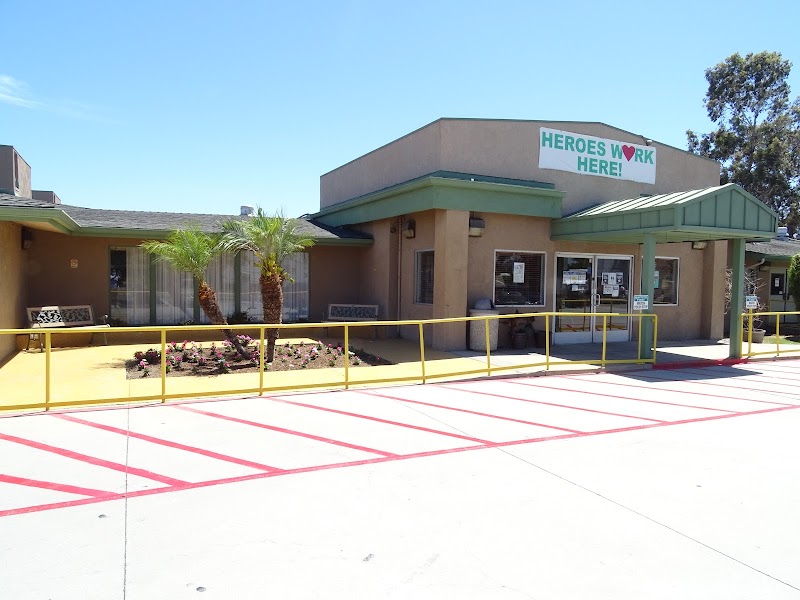
How is Rosecrans Staffed?

CMS rates ROSECRANS CARE CENTER's staffing level at 3 out of 5 stars, which is average compared to other nursing homes. Staff turnover is 41%, compared to the California average of 46%. This relatively stable workforce can support continuity of care.

What Have Inspectors Found at Rosecrans?

State health inspectors documented 50 deficiencies at ROSECRANS CARE CENTER during 2021 to 2025. These included: 2 that caused actual resident harm, 45 with potential for harm, and 3 minor or isolated issues. Deficiencies causing actual harm indicate documented cases where residents experienced negative health consequences.
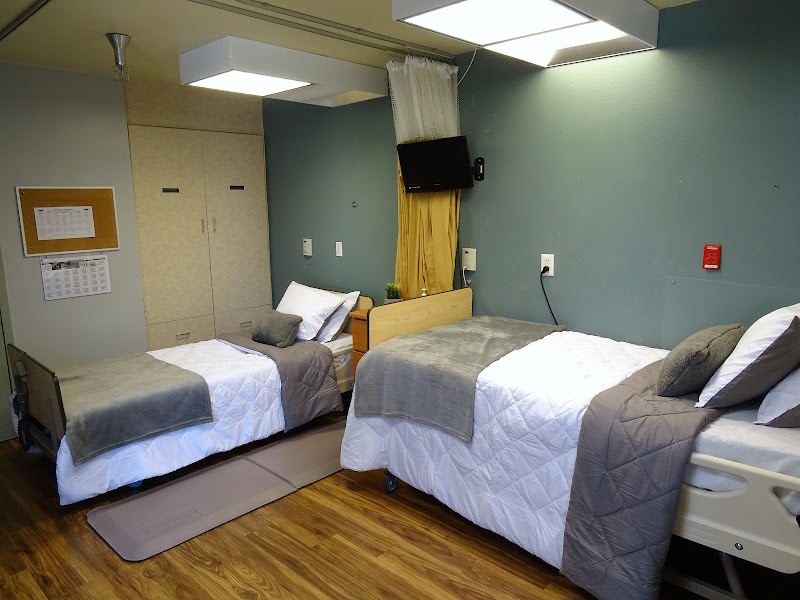
Who Owns and Operates Rosecrans?

ROSECRANS CARE CENTER is owned by a for-profit company. For-profit facilities operate as businesses with obligations to shareholders or private owners. The facility operates independently rather than as part of a larger chain. With 106 certified beds and approximately 102 residents (about 96% occupancy), it is a mid-sized facility located in GARDENA, California.
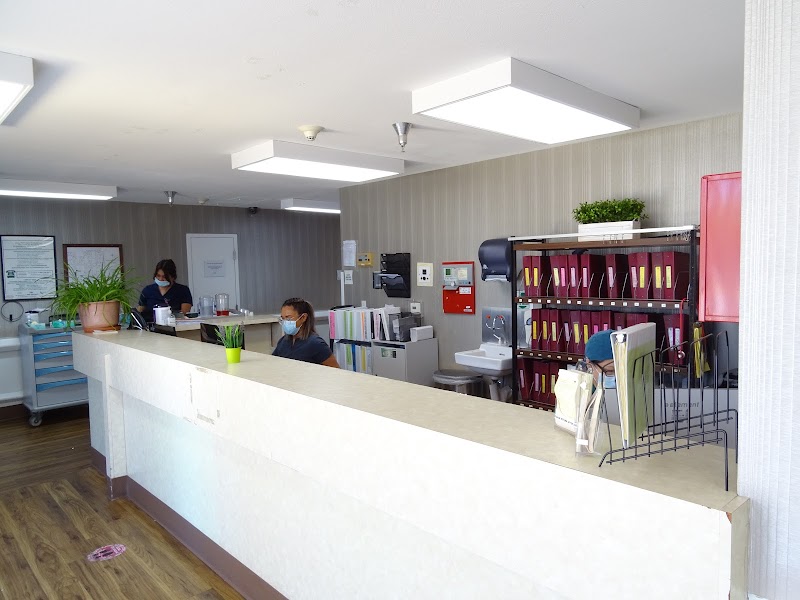
How Does Rosecrans Compare to Other California Nursing Homes?

Compared to the 100 nursing homes in California, ROSECRANS CARE CENTER's overall rating (3 stars) is below the state average of 3.1, staff turnover (41%) is near the state average of 46%, and health inspection rating (3 stars) is at the national benchmark.

What Should Families Ask When Visiting Rosecrans?

Based on this facility's data, families visiting should ask: "Can I visit during a mealtime to observe dining assistance and food quality?" "How do you handle medical emergencies, and what is your hospital transfer rate?" "Can I speak with family members of current residents about their experience?"

Is Rosecrans Safe?

Based on CMS inspection data, ROSECRANS CARE CENTER has a clean safety record: no substantiated abuse findings (meaning no confirmed cases of resident harm), no Immediate Jeopardy citations (the most serious violation level indicating risk of serious injury or death), and is not on the Special Focus Facility watch list (a federal program monitoring the lowest-performing 1% of nursing homes). The facility has a 3-star overall rating and ranks #100 of 100 nursing homes in California. While no facility is perfect, families should still ask about staff-to-resident ratios and recent inspection results during their visit.

Do Nurses at Rosecrans Stick Around?

ROSECRANS CARE CENTER has a staff turnover rate of 41%, which is about average for California nursing homes (state average: 46%). Moderate turnover is common in nursing homes, but families should still ask about staff tenure and how the facility maintains care continuity when employees leave.

Was Rosecrans Ever Fined?

ROSECRANS CARE CENTER has been fined $22,767 across 3 penalty actions. This is below the California average of $33,307. While any fine indicates a compliance issue, fines under $50,000 are relatively common and typically reflect isolated problems that were subsequently corrected. Families should ask what specific issues led to these fines and confirm they've been resolved.

Is Rosecrans on Any Federal Watch List?

ROSECRANS CARE CENTER is not on any federal watch list. The most significant is the Special Focus Facility (SFF) program, which identifies the bottom 1% of nursing homes nationally based on persistent, serious quality problems. Not being on this list means the facility has avoided the pattern of deficiencies that triggers enhanced federal oversight. This is a positive indicator, though families should still review the facility's inspection history directly.