ARARAT POST ACUTE

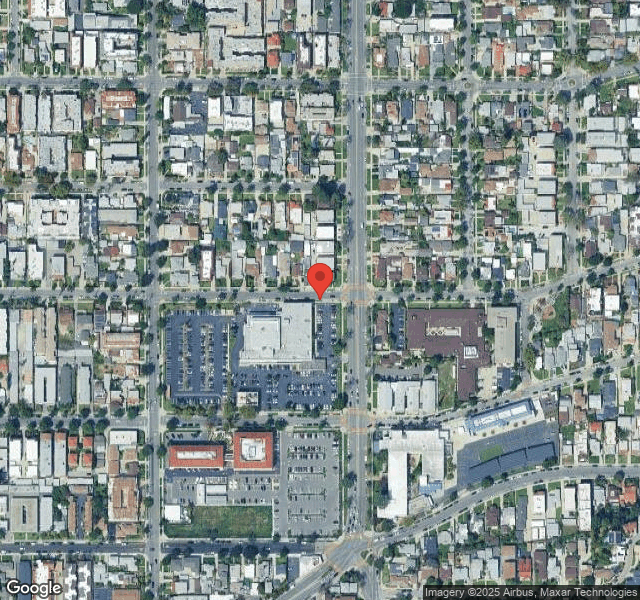
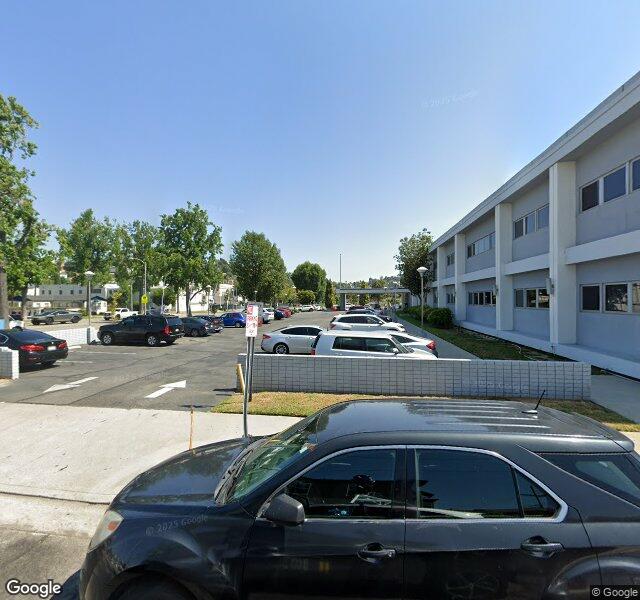
1230 E. WINDSOR RD., GLENDALE, CA 91205 (818) 244-7219
Non profit - Corporation 28 Beds Independent Data: November 2025 1 Immediate Jeopardy citation
Trust Grade
63/100
#9 of 1155 in CA
Last Inspection: December 2024

Within standard 12-15 month inspection cycle. Federal law requires annual inspections.

Overview

Ararat Post Acute in Glendale, California, has received a Trust Grade of C+, indicating it's slightly above average but not exceptional. It ranks #9 out of 1,155 facilities in California, placing it in the top half, and #2 out of 369 in Los Angeles County, making it one of the better local options. The facility is showing improvement, with reported issues dropping from 18 in 2023 to 10 in 2024. Staffing is a strong point, with a 5/5 star rating and a low turnover rate of 22%, significantly better than the state average. However, it has concerning fines of $53,322, which are higher than 97% of California facilities, suggesting ongoing compliance issues, and there have been serious incidents, including failure to provide timely CPR for a resident and pest control problems that posed health risks. Overall, while Ararat Post Acute has strengths in staffing and rankings, families should be aware of the compliance issues that need attention.

Trust Score
C+
63/100
In California
#9/1155
Top 1%
Safety Record
High Risk
Review needed
Inspections
Getting Better
18 → 10 violations
Staff Stability
✓ Good
22% annual turnover. Excellent stability, 26 points below California's 48% average. Staff who stay learn residents' needs.
Penalties
⚠ Watch
$53,322 in fines. Higher than 82% of California facilities, suggesting repeated compliance issues.
Skilled Nurses
✓ Good
Each resident gets 80 minutes of Registered Nurse (RN) attention daily — more than 97% of California nursing homes. RNs are the most trained staff who catch health problems before they become serious.
Violations
⚠ Watch
28 deficiencies on record. Higher than average. Multiple issues found across inspections.
★★★★★
5.0
Overall Rating
★★★★★
5.0
Staff Levels
★★★★★
5.0
Care Quality
★★★☆☆
3.0
Inspection Score
Stable
2023: 18 issues
2024: 10 issues

The Good

  • 5-Star Staffing Rating · Excellent nurse staffing levels
  • 5-Star Quality Measures · Strong clinical quality outcomes
  • Low Staff Turnover (22%) · Staff stability means consistent care
  • Full Sprinkler Coverage · Fire safety systems throughout facility
  • No fines on record
  • Staff turnover is low (22%)

    26 points below California average of 48%

Facility shows strength in staffing levels, quality measures, staff retention, fire safety.

The Bad

Federal Fines: $53,322

Above median ($33,413)

Moderate penalties - review what triggered them

The Ugly 28 deficiencies on record

1 life-threatening
Dec 2024 7 deficiencies
CONCERN (D)

Potential for Harm - no one hurt, but risky conditions existed

Notification of Changes (Tag F0580)

Could have caused harm · This affected 1 resident

**NOTE- TERMS IN BRACKETS HAVE BEEN EDITED TO PROTECT CONFIDENTIALITY** Based on interview and record review, the facility failed to ensure the physician was notified for one of one sampled residents ...

Read full inspector narrative →
**NOTE- TERMS IN BRACKETS HAVE BEEN EDITED TO PROTECT CONFIDENTIALITY** Based on interview and record review, the facility failed to ensure the physician was notified for one of one sampled residents (Resident 18), who refused to receive insulin Lispro injection (a medication that is injected into the skin with a needle to lower the blood sugar level and help keep blood sugar level under control for Resident 18 with diabetes [a group of diseases that result in too much sugar in the blood] complications) on multiple occasions. This deficient practice had the potential for Resident 18 to not receive appropriate care, treatment and/or services and increased the risk for Resident 18 to be hyperglycemic (a condition in which the level of glucose (sugar) in the blood is higher than normal, symptoms include: urinating large amounts of urine, excessive thirst, feeling tired, blurred vision) and suffer from complications of high blood sugar levels such as ketoacidosis (a life-threatening condition that occurs when the body produces too many ketones), kidney failure (failure of the kidney to get rid of toxins and extra fluids, and blindness. Findings: During a review of Resident 18 ' s admission Record indicated the resident was admitted on [DATE] with diagnoses that included periprosthetic fracture (a broken bone that occurs near or around an orthopedic implant, such as a hip or knee replacement) around internal prosthetic (an artificial device that replaces a missing body part) right knee joint, displaced fracture of base of neck of right femur, and type 2 diabetes mellitus (a long term condition in which the body has trouble controlling blood sugar [BS] and using it for energy) with diabetic retinopathy (complication of diabetes that affects the eyes, caused by damage to the blood vessels in the tissue at the back of the eye [retina]) with macular edema (when blood vessels leak in to a part of the retina called the macula, makes the macula swell, causing blurry vision). During a review of Resident 18 ' s History and Physical (H&P), dated 11/30/2024, indicated the resident did not have the capacity to understand and make decisions. During a review of Resident 18 ' s Minimum Data Set (MDS - a federally mandated resident assessment tool), dated 12/1/2024, indicated the resident had severely impaired cognition. During a review of Resident 18 ' s Order Summary indicated the following prescribed physician orders: On 11/27/2024, physician prescribed Insulin Lispro Injection Solution 100 Unit (unit of measure) per Milliliter (mL, unit of measure) (Insulin Lispro) Inject subcutaneously (injection is given in the fatty tissue, just under the skin) before meals for Diabetes Mellitus (DM), Inject as per sliding scale: if 0 - 150 mg/dL (milligrams per deciliter) = 0 UNIT; 151 - 200 mg/dL = 1 UNIT; 201 - 250 mg/dL = 2 UNIT; 251 - 300 mg/dL = 3 UNIT; 301 - 350 mg/dL = 4 UNIT; 351 - 400 mg/dL = 5 UNIT IF GREATER THEN 400 GIVE 6 UNITS NOTIFY Physician (MD), NOTIFY MD IF BS is less than 60, mg/dL subcutaneously before meals for DM On 11/28/2024, physician prescribed Insulin Glargine Solution 100 UNIT/ML Inject 22 unit subcutaneously one time a day for DM (DO NOT MIX WITH OTHER INSULINS) During a review of Resident 18 ' s Medication Administration Record (MAR) from 11/2024 to 12/2024 indicated Resident 18 refused Insulin Lispro on the following occasions: On 11/30/2024 at 5:00 PM, Resident 18 had a BS of 202 mg/dL On 12/3/2024 at 7:00 AM, Resident 18 had a BS of 217 mg/dL On 12/4/2024 at 5:00 PM, Resident 18 had a BS of 234 mg/dL On 12/7/2024 at 7:00 AM, Resident 18 had a BS of 209 mg/dL On 12/7/2024 at 11:30 AM, Resident 18 had a BS of 248 mg/dL On 12/7/2024 at 5:00 PM, Resident 18 had a BS of 171 mg/dL On 12/8/2024 at 11:30 AM, Resident 18 had a BS of 180 mg/dL On 12/9/2024 at 5:00 PM, Resident 18 had a BS of 178 mg/dL On 12/11/2024 at 5:00 PM, Resident 18 had a BS of 180 mg/dL During a review of Resident 18 ' s Progress Notes from 11/2024 to 12/2024 indicated the following: On 11/30/2024 at 5:37 PM, Resident family member (FM) 1 at bedside and resident declined medication three times, risks and benefits explained and FM 1 said, I know, but I don ' t want her to have any insulin this evening. Her BS was low in the afternoon, and I don ' t want her BS to go down again. No insulin, please. Rights honored. On 12/1/2024 at 5:55 PM, Only 1 unit was administered, FM 1 at bedside and declined full dose of 2 units. Risks and benefits explained and FM 1 I know, but I don ' t want her to have 2 units only 1 unit this evening. Her BS was low in the afternoon. I don ' t want her BS to go down. On 12/4/2024 at 4:50 PM, Resident refused 3 times, explained risk and benefit, but continue to refuse, respected resident wishes. On 12/6/2024 at 6:57 AM, Resident refused BS to be checked, FM 1 made aware. On 12/6/2024 at 6:59 AM, Resident refused BS to be checked; informed FM 1 and asked to talk with the resident. The note indicated FM 1 asked to pass for now for BS check until FM 1 comes to see resident. On 12/6/2024 at 11:37 AM, received report from night shift, resident declined BS check and ordered insulin could not be given. The note indicated FM 1 approached the nursing station and requested for Insulin Glargine to be given. The note indicated the medication nurse explained the situation to FM 1, BS checked to be 195 mg/dL and FM 1 insisted Insulin Glargine to be given at this time because Resident 18 missed it in the morning. The note indicated medication nurse made FM 1 aware that the MD would be communicated and made aware, awaiting MD ' s response. On 12/6/2024 at 4:02 PM, FM 1 was made aware that MD has not given any order per the requested Insulin Glargine. FM 1 said okay that means resident wouldn ' t be having it again today. never mind again. The note indicated no response was received from MD and was endorsed to the next shift. On 12/7/2024 at 5:28 PM, FM 1 was at Resident ' s bedside and decline medication 3 times, risks and benefits explained, verbalized understanding, but declined medication. On 12/9/2024 at 4:40 PM, Resident refused three times, explained risks and benefit but continued to refuse. On 12/11/2024 at 4:56 PM, Resident refused three times, explained risk and benefit, but continued to refuse. During a concurrent interview and record review of Resident 18 ' s MAR from 11/2024 to 12/2024 on 12/14/2024 at 2:28 PM, the Minimum Data Set Registered Nurse (MDS RN), verified Resident 18 refused Insulin Lispro on: 11/30/2024 at 5 PM, 12/3/2024 at 7AM, 12/4/2024 at 5PM, 12/7/2024 at 7AM, 11:30 AM, and 5PM, 12/8/2024 at 11:30 AM, 12/9/2024 at 5:00 PM, and 12/11/2024 at 5:00 PM. During a concurrent interview and record review of Resident 18 ' s Progress notes from 11/2024 to 12/2024 on 12/14/2024 at 2:32 PM, the MDS RN stated she could not find documented evidence of notification to Resident 18 ' s physician regarding resident ' s refusal to take Insulin Lispro. MDS RN stated staff should inform the physician that Resident 18 was refusing Insulin, to better plan resident ' s care and communicate with the interdisciplinary team. During an interview with the Director of Nursing (DON) on 12/14/2024 at 4:55 PM, the DON stated the staff was supposed to notify the physician if a resident refuses medication like Insulin. The DON stated it was important to notify the physician so that the physician can give new orders or add something else in Resident 18 ' s care plan. The DON stated resident refusal to receive insulin was considered a significant change in condition and should be documented in progress notes to include the physician notification. The DON stated a care plan should have been initiated for Resident 18 ' s refusal to take Insulin. During a review of the facility ' s policy and procedure (P&P) titled Refusal of Treatment, dated 10/1/2017 indicated the charge nurse or DON will document information relating to the refusal/discontinuance in the resident ' s medical record that will include at least the date and time the Attending Physician was notified and his or her response. The P&P indicated the Attending Physician will be notified of refusal or discontinuance of treatment in a time frame determined by the resident ' s condition and potential serious consequences of the refusal or discontinuance.
CONCERN (D)

Potential for Harm - no one hurt, but risky conditions existed

Comprehensive Care Plan (Tag F0656)

Could have caused harm · This affected 1 resident

**NOTE- TERMS IN BRACKETS HAVE BEEN EDITED TO PROTECT CONFIDENTIALITY** Based on interview and record review, the facility failed to develop a care plan that included for one of one sampled resident (...

Read full inspector narrative →
**NOTE- TERMS IN BRACKETS HAVE BEEN EDITED TO PROTECT CONFIDENTIALITY** Based on interview and record review, the facility failed to develop a care plan that included for one of one sampled resident (Resident 18), that indicated alternative interventions were implemented for refusal receive insulin Lispro injection (a medication that is injected into the skin with a needle to lower the blood sugar level and help keep blood sugar level under control for Resident 18 with diabetes [a group of diseases that result in too much sugar in the blood] complications) on multiple occasions. As a result, Resident 18 ' s blood sugar remained high which can result in complications such as high blood sugar levels such as ketoacidosis (a life-threatening condition that occurs when the body produces too many ketones), kidney failure (failure of the kidney to get rid of toxins and extra fluids, and blindness. Cross Reference to F580 Findings: During a review of Resident 18 ' s admission Record indicated the resident was admitted on [DATE] with diagnoses that included periprosthetic fracture (bone fracture) around internal prosthetic (an artificial device that replaces a missing body part) right knee joint, displaced fracture of base of neck of right femur, and type 2 diabetes mellitus (a long term condition in which the body has trouble controlling blood sugar [BS] and using it for energy) with unspecified diabetic retinopathy (complication of diabetes that affects the eyes, caused by damage to the blood vessels in the tissue at the back of the eye [retina]) with macular edema (when blood vessels leak in to a part of the retina called the macula, makes the macula swell, causing blurry vision). During a review of Resident 18 ' s History and Physical (H&P), dated 11/30/2024, indicated the resident did not have the capacity to understand and make decisions. During a review of Resident 18 ' s Minimum Data Set (MDS - a federally mandated resident assessment tool), dated 12/1/2024, indicated the resident had severely impaired cognition. During a review of Resident 18 ' s Order Summary indicated the following prescribed physician orders: On 11/27/2024, physician prescribed Insulin Lispro Injection Solution 100 Unit (unit of measure) per Milliliter (mL, unit of measure) (Insulin Lispro) Inject subcutaneously (injection is given in the fatty tissue, just under the skin) before meals for Diabetes Mellitus (DM), Inject as per sliding scale: if 0 - 150 = 0 UNIT; 151 - 200 = 1 UNIT; 201 - 250 = 2 UNIT; 251 - 300 = 3 UNIT; 301 - 350 = 4 UNIT; 351 - 400 = 5 UNIT IF GREATER THEN 400 GIVE 6 UNITS NOTIFY Physician (MD), NOTIFY MD IF BS is less than 60, subcutaneously before meals for DM On 11/28/2024, physician prescribed Insulin Glargine Solution 100 UNIT/ML Inject 22 unit subcutaneously one time a day for DM (DO NOT MIX WITH OTHER INSULINS) During a review of Resident 18 ' s Medication Administration Record (MAR) from 11/2024 to 12/2024 indicated Resident 18 refused Insulin Lispro on the following occasions: On 11/30/2024 at 5:00 PM, Resident 18 had a BS of 202 mg/dL On 12/3/2024 at 7:00 AM, Resident 18 had a BS of 217 mg/dL On 12/4/2024 at 5:00 PM, Resident 18 had a BS of 234 mg/dL On 12/7/2024 at 7:00 AM, Resident 18 had a BS of 209 mg/dL On 12/7/2024 at 11:30 AM, Resident 18 had a BS of 248 mg/dL On 12/7/2024 at 5:00 PM, Resident 18 had a BS of 171 mg/dL On 12/8/2024 at 11:30 AM, Resident 18 had a BS of 180 mg/dL On 12/9/2024 at 5:00 PM, Resident 18 had a BS of 178 mg/dL On 12/11/2024 at 5:00 PM, Resident 18 had a BS of 180 mg/dL During a review of Resident 18 ' s Progress Notes from 11/2024 to 12/2024 indicated the following: On 11/30/2024 at 5:37 PM, Resident family member (FM) 1 at bedside and resident declined medication three times, risks and benefits explained and FM 1 said, I know, but I don ' t want her to have any insulin this evening. Her BS was low in the afternoon, and I don ' t want her BS to go down again. No insulin, please. Rights honored. On 12/1/2024 at 5:55 PM, Only 1 unit was administered, FM 1 at bedside and declined full dose of 2 units. Risks and benefits explained and FM 1 I know, but I don ' t want her to have 2 units only 1 unit this evening. Her BS was low in the afternoon. I don ' t want her BS to go down. On 12/4/2024 at 4:50 PM, Resident refused 3 times, explained risk and benefit, but continue to refuse, respected resident wishes. On 12/6/2024 at 6:57 AM, Resident refused BS to be checked, FM 1 made aware. On 12/6/2024 at 6:59 AM, Resident refused BS to be checked; informed FM 1 and asked to talk with the resident. The note indicated FM 1 asked to pass for now for BS check until FM 1 comes to see resident. On 12/6/2024 at 11:37 AM, received report from night shift, resident declined BS check and ordered insulin could not be given. The note indicated FM 1 approached the nursing station and requested for Insulin Glargine to be given. The note indicated the medication nurse explained the situation to FM 1, BS checked to be 195 mg/dL and FM 1 insisted Insulin Glargine to be given at this time because Resident 18 missed it in the morning. The note indicated medication nurse made FM 1 aware that the MD would be communicated and made aware, awaiting MD ' s response. On 12/4/2024 at 4:50 PM, Resident refused 3 times, explained risk and benefit, but continue to refuse, respected resident wishes. On 12/6/2024 at 6:57 AM, Resident refused BS to be checked, FM 1 made aware. On 12/6/2024 at 6:59 AM, Resident refused BS to be checked; informed FM 1 and asked to talk with the resident. The note indicated FM 1 asked to pass for now for BS check until FM 1 comes to see resident. On 12/6/2024 at 11:37 AM, received report from night shift, resident declined BS check and ordered insulin could not be given. The note indicated FM 1 approached the nursing station and requested for Insulin Glargine to be given. The note indicated the medication nurse explained the situation to FM 1, BS checked to be 195 and FM 1 insisted Insulin Glargine to be given at this time because Resident 18 missed it in the morning. The note indicated medication nurse made FM 1 aware that the MD would be communicated and made aware, awaiting MD ' s response. On 12/6/2024 at 4:02 PM, FM 1 was made aware that MD has not given any order per the requested Insulin Glargine. FM 1 said okay that means resident wouldn ' t be having it again today. never mind again. The note indicated no response was received from MD and was endorsed to the next shift. On 12/7/2024 at 5:28 PM, FM 1 was at Resident ' s bedside and decline medication 3 times, risks and benefits explained, verbalized understanding, but declined medication. On 12/9/2024 at 4:40 PM, Resident refused three times, explained risks and benefit but continued to refuse. On 12/11/2024 at 4:56 PM, Resident refused three times, explained risk and benefit, but continued to refuse. During a concurrent interview and record review of Resident 18 ' s MAR from 11/2024 to 12/2024 on 12/14/2024 at 2:28 PM, the Minimum Data Set Registered Nurse (MDS RN), verified Resident 18 refused Insulin Lispro on: 11/30/2024 at 5:00 PM, 12/3/2024 at 7:00 AM, 12/4/2024 at 5:00 PM, 12/7/2024 at 7:00 AM, 11:30 AM, and 5:00 PM, 12/8/2024 at 11:30 AM, 12/9/2024 at 5:00 PM, and 12/11/2024 at 5:00 PM. During a concurrent interview and record review of Resident 18 ' s Progress notes from 11/2024 to 12/2024 on 12/14/2024 at 2:28 PM, the MDS RN could not find documented evidence of a plan of care that addressed Resident 18 ' s refusal to take Insulin Lispro. MDS RN stated staff should inform the physician that Resident 18 was refusing Insulin, to better plan resident ' s care and communicate with the interdisciplinary team. During an interview with the Director of Nursing (DON) on 12/14/2024 at 4:55 PM, the DON stated she expects her staff to notify the physician if a resident refuses medication like Insulin. The DON stated it was important to notify the physician so that the physician can give new orders or add something else in Resident 18 ' s care plan. The DON stated a care plan should have been initiated for Resident 18 ' s refusal to take Insulin. During a review of the facility ' s policy and procedure (P&P) titled Refusal of Treatment, dated 10/1/2017 indicated the Interdisciplinary Team will assess the resident ' s needs, and offer the resident alternative treatments while continuing to provide other services in the Care Plan. The P&P indicated when the resident ' s refusal or discontinuance brings about a significant change in the resident ' s condition, a reassessment is made, and new information is incorporated into the resident ' s Care Plan.
CONCERN (D)

Potential for Harm - no one hurt, but risky conditions existed

Deficiency F0745 (Tag F0745)

Could have caused harm · This affected 1 resident

**NOTE- TERMS IN BRACKETS HAVE BEEN EDITED TO PROTECT CONFIDENTIALITY** Based on observation, interview and record review the facility failed to ensure medically related social services were provided ...

Read full inspector narrative →
**NOTE- TERMS IN BRACKETS HAVE BEEN EDITED TO PROTECT CONFIDENTIALITY** Based on observation, interview and record review the facility failed to ensure medically related social services were provided to one of two (Resident 11) sampled residents, in accordance with the facility ' s policy and procedure titled Social Services Program, when the Social Services Director [SSD] by failing to follow-up or assist when Resident 11's representative requested for additional information about the Advance Directive (AD- A legal document that states a person's wishes about receiving medical care if that person is no longer able to make medical decisions). These deficient practices led to a delay in receiving AD information as requested by Resident 11 and the Responsible Party from the facility that could result in the resident not to receive the healthcare needed in an event of an emergency where the resident and/or responsible party was unable to participate in making healthcare decisions. Findings: During a review of Resident 11 ' s Face Sheet (front page of the chart that contains a summary of basic information about the resident) indicated the resident was readmitted to the facility on [DATE] with diagnoses that included dysphagia (difficulty swallowing foods or liquids), unspecified dementia (loss of memory, language, problem solving and other thinking abilities). During a review of Resident 11 ' s History and Physical [H&P] dated 3/15/2024, the H&P indicated the resident was not able to make her own decisions. During a review of Resident 11 ' s Physicians Order of Life Sustaining Treatment(POLST) dated 12/04/2020, the POLST indicated the resident did not have an Advance Directive. During a review of Resident 11 ' s Advance Healthcare Directive Acknowledgement form dated 3/1/2023, was signed by Resident 11 ' s Responsible Party (RP1) and indicated Resident 11 did not have an Advance Directive and would like to receive more information. During a review of facility provided list titled Advanced Directives Request for Ombudsman, Resident 11 ' s name was not observed in the list. During a concurrent interview and record review of Resident 11 ' s medical chart with the Social Services Director (SSD) on 12/13/2024 at 11:52 AM, the SSD stated his responsible to assists with resident admissions with the admission Coordinator and licensed nurses. The SSD stated he explains the forms to all the Residents and their representatives on admission. SSD stated when a Resident or Resident Representative marks that they would like more information on Advance Directives on the Advance Directive Acknowledgement form, he calls the Ombudsman to coordinate a visit between Ombudsman and the family to ensure their questions of how to create and Advance Directive were addressed by the Ombudsman. SSD stated he had not referred Resident 11 ' s RP to the Ombudsman as he was unaware, they had requested more information with the previous SSD. During a telephone interview on 12/14/2024 at 4:34 PM with Resident 11 ' s Representative (RP 1), RP 1 stated she had requested more information regarding Advance directive over a year ago from SSD, but no one had followed up. RP 1 stated the facility has had a few different SSD since her initial request and she had followed up this year with the previous SSD but never got a response. During a review of facility ' s P&P titled Social Services Program revised on June 01, 2021, the P&P indicated Medically related social services are provided to residents in order to maintain and improve the resident ' s wellbeing.
CONCERN (D)

Potential for Harm - no one hurt, but risky conditions existed

Pharmacy Services (Tag F0755)

Could have caused harm · This affected 1 resident

**NOTE- TERMS IN BRACKETS HAVE BEEN EDITED TO PROTECT CONFIDENTIALITY** Based on interview and record review the facility failed to follow physician ' s orders for one of one sampled resident (Residen...

Read full inspector narrative →
**NOTE- TERMS IN BRACKETS HAVE BEEN EDITED TO PROTECT CONFIDENTIALITY** Based on interview and record review the facility failed to follow physician ' s orders for one of one sampled resident (Resident 18) who was receiving Insulin (medication that helps keep blood sugar under control and prevents diabetes [a group of diseases that result in too much sugar in the blood] complications). This deficient practice increased the risk of Resident 18 to experience adverse effects (unwanted and dangerous side effects of medication) that could lead to health complications, such as hyperglycemia (a condition in which the level of glucose (sugar) in the blood is higher than normal, symptoms include: urinating large amounts of urine, excessive thirst, feeling tired, blurred vision) Findings: During a review of Resident 18 ' s admission Record indicated the resident was admitted on [DATE] with diagnoses that included periprosthetic fracture (bone fracture) around internal prosthetic (an artificial device that replaces a missing body part) right knee joint, displaced fracture of base of neck of right femur, and type 2 diabetes mellitus (a long term condition in which the body has trouble controlling blood sugar [BS] and using it for energy) with unspecified diabetic retinopathy (complication of diabetes that affects the eyes, caused by damage to the blood vessels in the tissue at the back of the eye [retina]) with macular edema (when blood vessels leak in to a part of the retina called the macula, makes the macula swell, causing blurry vision). During a review of Resident 18 ' s History and Physical (H&P), dated 11/30/2024, indicated the resident did not have the capacity to understand and make decisions. During a review of Resident 18 ' s Minimum Data Set (MDS - a federally mandated resident assessment tool), dated 12/1/2024, indicated the resident had severely impaired cognition. During a review of Resident 18 ' s Order Summary indicated the following prescribed physician orders: On 11/27/2024, physician prescribed Insulin Lispro Injection Solution 100 Unit (unit of measure) per Milliliter (mL, unit of measure) (Insulin Lispro) Inject subcutaneously (injection is given in the fatty tissue, just under the skin) before meals for Diabetes Mellitus (DM), Inject as per sliding scale: if 0 - 150 = 0 UNIT; 151 - 200 = 1 UNIT; 201 - 250 = 2 UNIT; 251 - 300 = 3 UNIT; 301 - 350 = 4 UNIT; 351 - 400 = 5 UNIT IF GREATER THEN 400 GIVE 6 UNITS NOTIFY Physician (MD), NOTIFY MD IF BS is less than 60, subcutaneously before meals for DM On 11/28/2024, physician prescribed Insulin Glargine Solution 100 UNIT/ML Inject 22 unit subcutaneously one time a day for DM (DO NOT MIX WITH OTHER INSULINS) During a review of Resident 18 ' s Progress Notes on 12/1/2024 timed at 5:55 PM indicated only 1 unit was administered, Resident 18 ' s Family Member (FM) 1 at bedside and declined full dose of 2 units. Risks and benefits explained and FM 1 I know, but I don ' t want her to have 2 units only 1 unit this evening. Her BS was low in the afternoon. I don ' t want her BS to go down. During a concurrent interview and record review of Resident 18 ' s Progress notes on 12/14/2024 at 2:28 PM, the MDS RN stated the progress note dated 12/1/2024 timed at 5:55 PM indicated the nurse did not give Insulin as ordered by the physician. The MDS RN stated the nurse should have not given the medication. During an interview with the Director of Nursing (DON) on 12/14/2024 at 4:55 PM, the DON stated she expects her staff to always follow the physician orders. The DON stated it was important for staff to follow physician orders to ensure there would not be any negative reaction. During a review of the facility ' s policy and procedure (P&P) titled Medication Administration, dated 7/1/2016 indicated medication will be administered by a licensed nurse per the order of an Attending Physician or licensed independent practitioner. The P&P indicated the Rule of 3 the licensed nurse administering medications will perform 3 checks comparing the physician ' s order, pharmacy label, and medication administration record (MAR).
CONCERN (E)

Potential for Harm - no one hurt, but risky conditions existed

Deficiency F0578 (Tag F0578)

Could have caused harm · This affected multiple residents

**NOTE- TERMS IN BRACKETS HAVE BEEN EDITED TO PROTECT CONFIDENTIALITY** 2. During a review of Resident 15 ' s Face Sheet (front page of the chart that contains a summary of basic information about the...

Read full inspector narrative →
**NOTE- TERMS IN BRACKETS HAVE BEEN EDITED TO PROTECT CONFIDENTIALITY** 2. During a review of Resident 15 ' s Face Sheet (front page of the chart that contains a summary of basic information about the resident), the Face Sheet indicated the resident was admitted to the facility on [DATE] with diagnoses that included hypothyroidism (a condition in which the thyroid gland does not produce enough thyroid hormone),hyperlipidemia(a condition in which there are high levels of fat particles in the blood). During a review of Resident 15 ' s History and Physical Assessment [HPA] dated 7/02/2024, the HPA indicated Resident 15 has the capacity to understand and make medical decisions. During a review of Resident 15 ' s MDS, dated [DATE] indicated Resident 15 ' s cognition was intact. During a review of Resident 15 ' s POLST dated 7/4/2024, the POLST did not indicate if Resident 15 had an Advance directive. During an interview and concurrent record review on 12/13/2024 at 11:58 AM with the Social Services Director (SSD), the SSD stated there was no advance directives or evidence that indicated an Advance Directive acknowledgment form was offered to Resident 15 or the responsible party [RP]. The SSD stated advance directives is completed on admission as part of the resident ' s admission paperwork and it should be in the paper chart to indicate Resident 15 ' s wishes. The SSD stated it was important to get this information, so the facility know what the resident ' s or the RP ' s wishes are in case of an emergency. During a review of the facility ' s policy and procedure titled Advanced Directives with a revision date of 06/01/2021, indicated to provide residents with the opportunity to make decisions regarding their health care .The admission staff will inform and provide written information to all adult residents concerning the right to accept or refuse medical treatment. Based on interview and record review for two of three sampled residents, the facility failed to ensure: 1. Resident 20 ' s Physician Orders for Life Sustaining Treatment (POLST, a form that contains written medical orders for healthcare professionals regarding specific medical treatment that can or cannot be done at the end-of-life) and Advance Directive (living will, legal document in which a person specifies what actions should be taken for their health if they are no longer able to make decisions for themselves because of illness or incapacity) Acknowledgment Form reflected resident's wishes. 2.Resident 15 ' s POLST and Advance Directive Acknowledgment Form reflected Resident 15 Advance Directive. This deficient practice had the potential to result in misinformation of medical care and treatment and not honoring resident's wishes in cases where the resident and/or responsible party was unable to participate in making healthcare decisions. Findings: 1. During a review of Resident 20 ' s admission Record indicated the resident was admitted on [DATE] with diagnoses that included pulmonary aspergillosis (fungal lung infection caused by inhaling certain mold spores), acute embolism (a clot that moves through the bloodstream) and thrombosis (a clot in a blood vessel) of left femoral vein (a large blood vessel in the thigh), left tibial vein (deep veins in the lower extremities [legs]), and left peroneal vein (fibular vein that runs on the lateral side of lower extremity), and malignant neoplasm (cancer) of lower lobe, left bronchus or lung. During a review of Resident 20 ' s History and Physical (H&P), dated 12/11/2024, indicated the resident had the capacity to understand and make decisions. During a review of Resident 20 ' s Minimum Data Set (MDS - a federally mandated resident assessment tool), dated 12/7/2024, indicated the resident had intact cognition. During a review of Resident 20 ' s POLST dated 12/11/2024 did not indicate if resident received information about an Advance Directive or if resident had an advance directive on file. During a review of Resident 20 ' s Advance Directive Acknowledgement form dated 12/3/2024 indicated Resident 20 had an Advance Directive. During a review of Resident 20 ' s medical chart on 12/13/2024 at 12:24 PM, indicated no evidence that Advance Directive was formulated. During a concurrent interview and record review of Resident 20 ' s POLST and Advance Directive Acknowledgment form on 12/14/2024 at 3:15 PM, the Social Services Director (SSD) stated he was aware that Resident ' s 20 ' s POLST and Advance Directive Acknowledgment form did not match. SSD stated the POLST should be filled out to its entirety, to know what the resident ' s healthcare decisions and wishes are. SSD stated the POLST should not be left blank. SSD stated he clarified with family on 12/13/2024 regarding Resident 20 ' s Advance Directive and was told resident did not have an advance directive and would like more information to obtain an AD. SSD stated it was important for all documentation like the POLST and Advance Directive to be the same, in the case of an emergency to know what the resident ' s wishes are. During an interview on 12/14/2024 at 5:01 PM, the Director of Nursing (DON) stated resident ' s POLST and Advance Directive Acknowledgment form should indicate resident ' s wishes. The DON stated if the information is not the same, staff should verify and clarify with the family and resident. The DON stated it was important to make sure all documents indicate the same thing so that resident ' s wishes can be followed.
CONCERN (E)

Potential for Harm - no one hurt, but risky conditions existed

Food Safety (Tag F0812)

Could have caused harm · This affected multiple residents

**NOTE- TERMS IN BRACKETS HAVE BEEN EDITED TO PROTECT CONFIDENTIALITY** Based on observation, interview, and record review the facility failed to follow proper sanitation and safe food handling in acc...

Read full inspector narrative →
**NOTE- TERMS IN BRACKETS HAVE BEEN EDITED TO PROTECT CONFIDENTIALITY** Based on observation, interview, and record review the facility failed to follow proper sanitation and safe food handling in accordance with the facilities policy and procedure by failing to ensure: 1. Rotten plums were not kept in the food supply for residents and stored in the plastic container in kitchen walk in refrigerator. 2. A half full box of Kale vegetable was discarded as indicated in the label to with discard date 12/9/2024. 3. A plastic bag with five Danishes were kept sealed in the freezer with used by date 12/11/24. 4. A sliced can of apple was discard as indicated in the label to be discarded on [DATE] These deficient practices had the potential to place residents at risk for foodborne illnesses (illness caused by food contaminated with bacteria, viruses, parasites, or toxins). Findings: On 12/12/2024 at 9:30 AM, during an initial observation of the kitchen refrigerator with Dietary Supervisor a plastic container containing plums was observed in the walk-in refrigerator with 2 rotten plums and a carton box with kale half full labeled with discard date of 12/9/2024. On 12/12/2024 at 9:35 AM, there was an observation of the facilities walk in freezer of an opened clear plastic bag half full the bag was labeled as Danishes with a use by date of 12/11/2024. During a subsequent observation and interview on 12/12/2024 at of the kitchen dry storage area rack where canned food is stored there was an observation of a metal can containing sliced apples with a label On 12/12/2024 at 9:50 AM during a subsequent interview with Dietary Supervisor, DS stated all staff should be checking the refrigerator every morning for spoiled food and produce. DS stated spoiled plums, kale and Danishes found in freezer should have been discarded by the discard date or once they were observed to be spoiled in the morning when the refrigerator is checked. DS stated cans such as the sliced apple can with discard date of September should be removed from can storage on the discard date to prevent them from being served and possibly making the residents sick and prevent any food borne illness to the residents.
CONCERN (E)

Potential for Harm - no one hurt, but risky conditions existed

Infection Control (Tag F0880)

Could have caused harm · This affected multiple residents

**NOTE- TERMS IN BRACKETS HAVE BEEN EDITED TO PROTECT CONFIDENTIALITY** Based on observation, interview, and record review, the facility failed implement the policy and procedure for infection control...

Read full inspector narrative →
**NOTE- TERMS IN BRACKETS HAVE BEEN EDITED TO PROTECT CONFIDENTIALITY** Based on observation, interview, and record review, the facility failed implement the policy and procedure for infection control by ensuring resident care equipment utilized for residents was sanitary, labeled and properly stored for eight of 8 sampled residents: For Residents 20 and 70 cloth gait belts (safety device used to help people move around safely, especially when they are at risk of falling) were inside the restroom. For Residents 2,3,5,9,11 and 15.the cloth gait belts were inside the restroom that any resident could readily access. This deficient practice had the potential for the residents to share resident care equipment, which can spread infection and cross contamination (transfer disease causing organism) to other residents. Findings: 1a. During a review of Resident 70 ' s admission Record indicated the resident was admitted on [DATE] with diagnoses that included periprosthetic fracture (a broken bone that occurs near or around a hip or knee replacement) around internal prosthetic (an artificial device that replaces a missing body part) left knee joint, repeated falls, and muscle weakness. During a review of Resident 70 ' s History and Physical (H&P), dated 12/11/2024, indicated the resident did not have the capacity to understand and make decisions. During a concurrent observation and interview in Resident 70 ' s room on 12/12/2024 at 11:50 AM, a soiled cloth gait belt with no resident name was observed in the resident restroom. Resident 70 ' s Family Member (FM) 1 stated Resident 70 had a roommate when she was admitted to facility but does not share a room with anyone at the moment. FM 1 stated Resident 70 does not use the restroom. FM 1 stated she was not sure who the belt belonged to. During a concurrent observation and interview in Resident 70 ' s room on 12/12/2024 at 12:15 PM, Registered Nurse (RN) 1 confirmed soiled cloth gait belt was in Resident 70 ' s restroom with no resident name. RN 1 stated the cloth gait belt did not belong to Resident 70 and must have been for someone else. 1b. During a review of Resident 20 ' s admission Record indicated the resident was admitted on [DATE] with diagnoses that included pulmonary aspergillosis (fungal lung infection caused by inhaling certain mold spores), acute embolism (a clot that moves through the bloodstream) and thrombosis (a clot in a blood vessel) of left femoral vein (a large blood vessel in the thigh), left tibial vein (deep veins in the lower extremities [legs]), and left peroneal vein (fibular vein that runs on the lateral side of lower extremity), and malignant neoplasm (cancer) of lower lobe, left bronchus or lung. During a review of Resident 20 ' s History and Physical (H&P), dated 12/11/2024, indicated the resident had the capacity to understand and make decisions. During a review of Resident 20 ' s Minimum Data Set (MDS - a federally mandated resident assessment tool), dated 12/7/2024, indicated the resident had intact cognition. During an observation in Resident 20 ' s room on 12/12/2024 at 11:53 AM, a cloth gait belt labeled Rehab was observed in the resident restroom. During a concurrent observation and interview in Resident 20 ' s room on 12/12/2024 at 12:18 PM, Infection Prevention Nurse (IPN) confirmed cloth gait belt labeled Rehab was in Resident 20 ' s restroom. IPN stated the cloth gait belt belonged to the Rehab department. IPN stated the gait belt was being sanitized. 2a. During a review of Resident 15 ' s Face Sheet indicated the resident was admitted to the facility on [DATE] with diagnoses that included hypothyroidism (a condition in which the thyroid gland does not produce enough thyroid hormone), hyperlipidemia (a condition in which there are high levels of fat particles in the blood). During a review of Resident 15 ' s History and Physical Assessment, dated 7/2/2024, indicated Resident 15 has the capacity to understand and make medical decisions. During a review of Resident 15 ' s Minimum Data Set (MDS-a federally mandated resident assessment tool) dated 9/16/2024 indicated Resident 15 ' s cognition (ability to think and reason) was intact. During a review of Resident 3 ' s Face Sheet, indicated the resident was admitted to the facility on [DATE] with diagnoses that included Type 2 diabetes mellitus (high levels of sugar in the blood) with diabetic neuropathy (a complication of diabetes that damages nerves in the body),Hypertensive heart disease (a group of heart conditions that occurs when high blood pressure is left unmanaged over a long period of time). During a review of Resident 3 ' s History and Physical Assessment, dated 3/23/2024, the HPA indicated Resident 3 has the capacity to understand and make medical decisions. During a review of Resident 3 MDS, dated [DATE], indicated Resident 15 ' s cognition was intact. During an observation on 12/12/24 at 11:47 AM of Resident 15 ' s and 3 ' s shared restroom there was a cloth gait belt with no resident name was observed inside the resident restroom hanging from a metal hook attached to the door. During a concurrent observation and interview in Resident 15 ' s and 3 ' s restroom on 12/12/2024 at 11:55 AM, Registered Nurse (RN) 1 confirmed soiled cloth gait belt was in Resident 15 ' s and 3 ' s shared restroom with no resident name. RN 1 stated she believed the cloth gait belt belonged to Resident 3 but was unsure as there was no name on the gait belt. 2b. During a review of Resident 2 ' s Face Sheet, indicated the resident was admitted to the facility on [DATE] with diagnoses that included chronic kidney disease (a long term condition where the kidneys are damaged) and Type 2 Diabetes mellitus (high levels of sugar in the blood). During a review of Resident 2 ' s History and Physical Assessment [HPA] dated 1/12/2024, the HPA indicated Resident 2 does not have the capacity to understand and make decisions. During a review of Resident 2 ' s Minimum Data Set (MDS - a federally mandated resident assessment tool), dated 12/7/2024, indicated the resident had intact cognition. During a review of Resident 9 ' s Face Sheet indicated the resident was admitted to the facility on [DATE] with diagnoses that included polyneuropathy (a disease affecting the nerves outside the brain and spinal cord), rheumatoid arthritis (a chronic inflammatory disorder usually affecting small joints in the hands and feet) During a review of Resident 9 ' s History and Physical Assessment [HPA] dated 2/15/2024, the HPA indicated Resident 9 does not have the capacity to understand and make decisions. During a review of Resident 9 ' s Minimum Data Set (MDS - a federally mandated resident assessment tool), dated 9/12/2024, indicated the resident had moderately impaired cognition. During a review of Resident 11 ' s Face Sheet indicated the resident was admitted to the facility on [DATE] with diagnoses that included dysphagia (difficulty swallowing foods or liquids), unspecified dementia (loss of memory, language, problem solving and other thinking abilities). During a review of Resident 11 ' s History and Physical [H&P] dated 3/15/2024, the H&P indicated the resident was not able to make her own decisions. During a review of Resident 5 ' s Face Sheet indicated the resident was readmitted to the facility on [DATE] with diagnoses that included dysphagia (difficulty swallowing foods or liquids), chronic kidney disease stage 3 (a moderate level of kidney damage that results in reduced kidney function). During a review of Resident 5 ' s History and Physical [H&P] dated 2/21/2024, the H&P indicated the resident does not have the capacity to understand and make her own decisions. During an observation on 12/12/24 at 12:00 PM of Resident 2,9,11 and 5 ' s shared restroom there was a cloth gait belt with no resident name was observed inside the resident restroom hanging from a metal hook attached to the door. . During a concurrent observation and interview in Resident ' s 2, 9,11 and 5 ' s room on 12/12/2024 at 12:05 PM with Certified Nursing Assistant (CNA 1), CNA 1 stated she will use the cloth gait belt for Resident ' s 2 and 11. CNA 1 stated she was not instructed how to clean the gait belt sometimes she would wipe it down with a wipe in between resident uses but the cloth gait belt was shared for the resident ' s in that room. During a concurrent interview and observation of Resident 2, 9, 11 and 5 shared restroom on 12/12/2024 at 12:08 PM with Infection Prevention Nurse (IPN) , IPN stated there was no identifier in the cloth gait belt in the restroom and gait cloth gait belts should not be shared among different residents as there was no way to properly clean them in between residents use. IPN stated each Resident should have their won personal cloth gait belt labeled with their name and be kept next to residents' bedside. During an interview with the Director of Nursing (DON) on 12/14/2024 at 4:59 PM, the DON stated there was no way to sanitize cloth gait belts. The DON stated all cloth gait belts were removed from resident restrooms and plastic gait belts were ordered to sanitize the gait belts when used between patients. The DON stated it was important to disinfect the gait belts after each use for infection control. During a review of the facility ' s policy and procedure (P&P) titled Cleaning & Disinfection of Resident Care Equipment, dated 5/1/2017 indicated resident- care equipment, including reusable items and durable medical equipment is cleaned and disinfected per current CDC recommendations for disinfection and the OSHA Bloodborne Pathogens Standard.
Nov 2024 2 deficiencies
CONCERN (D) 📢 Someone Reported This

A family member, employee, or ombudsman was alarmed enough to file a formal complaint

Potential for Harm - no one hurt, but risky conditions existed

Notification of Changes (Tag F0580)

Could have caused harm · This affected 1 resident

**NOTE- TERMS IN BRACKETS HAVE BEEN EDITED TO PROTECT CONFIDENTIALITY** Based on interview and record review, the facility failed to notify the physician, for one of three sampled residents (Resident ...

Read full inspector narrative →
**NOTE- TERMS IN BRACKETS HAVE BEEN EDITED TO PROTECT CONFIDENTIALITY** Based on interview and record review, the facility failed to notify the physician, for one of three sampled residents (Resident 1), who was assessed as a moderate risk for falls, and sustained an unwitnessed fall on 11/13/214. This deficient practice had the potential to result in the delay of care and services to Resident 1. Findings: During a review of Resident 1 ' s admission Record, the admission Record indicated Resident 1 was admitted to the facility on [DATE], with diagnoses that included osteoporosis and atrial fibrillation (a heart condition that causes an irregular and often fast heartbeat). During a review of Resident 1 ' s Nursing admission Screening/History dated 11/11/2024 at 4:08 PM, the Nursing admission Screening/ History indicated Resident 1 was alert and orientated to person, place, and time. The Screening indicated that Resident 1 had bilateral (affecting to both the right and left side of the body) upper and lower extremities (part of the body) discoloration. A Review of Resident 1 ' s Fall Risk assessment dated [DATE] at 6:50 PM, the Fall Risk Assessment indicated Resident 1 was assessed as moderate risk for falls. During a review of Resident 1 ' s Risk for Fall Care Plan initiated 11/13/24, the Risk for Fall Care Plan indicated Resident 1 was at risk for fall related to weakness, poor safety judgment, side effects of multiple medications and requires assistance with toileting. The care plan indicated interventions including a safe environment, reachable call light and bed in low position. During a review of Resident 1 ' s Anticoagulant (medications that prevent or reduce blood clotting) and Antiplatelet (medications that prevent blood cells called platelets from clumping together and forming clots) Care Plan, initiated 11/13/24, the Anticoagulant and Antiplatelet Care Plan indicated goals that Resident 1 would be from adverse reactions related to anticoagulant use. The care plan interventions indicated daily skin inspection and monitor for bruising and sudden changes in mental status. During a review of Resident 1 ' s History and Physical Examination (HPE, a comprehensive physician ' s note regarding the assessment of the Patient ' s health status) dated 11/14/2024, the HPE indicated Resident 1 had fluctuating (changing frequently) capacity to understand and make decisions. During a review of Resident 1 ' s Minimum Data Set (MDS, a resident assessment tool) dated 11/15/2024, the MDS indicated Resident 1 had moderately impaired cognition (thought process) and required substantial/maximum assistance (helper did more than half the effort) for activities of daily living (basic tasks such as: eating, dressing, bathing, using the toilet and getting in and out of the bed or chair. During an interview on 11/21/2024 at 9:30 AM with the Director of Nursing (DON), the DON stated Resident 1 was alert and able to answers questions appropriately and was initially assessed as moderate risk for falls. The DON stated that Resident 1 required frequent observations due to Resident 1 ' s history of dementia (neurological conditions affecting the brain that worsen over time). During a telephone interview on 11/21/2024 at 10:01 AM with family member (FM) 2, FM 2 stated that FM 1 ' s family member reported to her on Friday, 11/15/2024 that Resident 1 reported falling on 11/13/2024 with an injury to his left elbow which was reported to registered nurse 1. FM2 stated she was not informed regarding Resident 1 falling on 11/13/24. During an interview on 11/21/2024 at 4:32 PM with the DON, the DON stated that she forgot that the Dietary Manager (DM) reported to the DON that Resident 1 fell on [DATE] with an injury to his left elbow. The DON stated on 11/13/2024, the DON conducted a body assessment on Resident 1 and that there was no injury observed on Resident 1 ' s left elbow. The DON stated that she did not document the unwitnessed fall on 11/13/24 because there was no injury. The DON stated she did not notify the physician (MD 1) regarding the reported unwitnessed fall. The DON stated she should have notified MD 1 regarding Resident 1 ' s fall on 11/13/24 to prevent further injury. During a telephone interview on 11/25/2024 at 10:30 AM with the DM, DM stated Resident 1 informed the DM in the afternoon of 11/13/2024 that Resident 1 fell the morning of 11/13/24. Resident 1 stated he could not reach his call light and was barely able to get back in bed. DM stated that Resident 1 could not recall what specific time he fell or the reason for attempting to get out of bed. DM stated that she immediately notified the DON and that the DON went into the room and assessed Resident 1. During a review of the facility ' s policy and procedure (P&P) titled Change of Condition Notification revised on 1/1/2017, the P&P indicated to ensure residents, family, legal representatives, and physicians are informed of changes in the resident's condition in a timely manner. The P&P indicated the facility would promptly inform the resident, consult with the resident's Attending Physician, and notify the resident's legal representative when the resident endures a significant change in their condition\caused by, but not limited to: an injury/accident, a significant change in the resident's physical, cognitive, behavioral or functional status, and a significant change in treatment. During a review of the facility ' s P&P titled Response to Falls revised 3/1/2015, the P&P indicated to ensure the facility responds quickly and appropriately to resident falls in a manner that addresses both resident ' s immediate needs and longer-term fall prevention. The P&P indicated resident experiencing the fall will be promptly assessed and treated for injuries. The P&P indicated the licensed nurse will notify the attending physician of the fall and implement any new physician orders. The P& P indicated a Licensed Nurse will document notification of physician and responsible party.
CONCERN (E) 📢 Someone Reported This

A family member, employee, or ombudsman was alarmed enough to file a formal complaint

Potential for Harm - no one hurt, but risky conditions existed

Quality of Care (Tag F0684)

Could have caused harm · This affected multiple residents

**NOTE- TERMS IN BRACKETS HAVE BEEN EDITED TO PROTECT CONFIDENTIALITY** Based on interview and record review, the facility failed to ensure one of three sampled residents (Resident 1), was provided ap...

Read full inspector narrative →
**NOTE- TERMS IN BRACKETS HAVE BEEN EDITED TO PROTECT CONFIDENTIALITY** Based on interview and record review, the facility failed to ensure one of three sampled residents (Resident 1), was provided appropriate care and services, that was resident centered, by failing to: 1. Develop an individualized care plan that includes resident specific care needs and interventions for Resident 1 who was assessed at moderate risk for falls in accordance with the facility's policy and procedure for Care Planning. 2. Develop an individualized care plan that includes resident specific care needs and interventions for Resident 1 who had a history and diagnoses of osteoporosis (a bone disease that causes bones to become weak and more likely to break) to prevent fractures (a break in a bone, either partial or complete). 3. Monitor and document a neurological assessment (neurocheck: a non-invasive procedure that can help identify and treat injuries sustained after a fall) after Resident 1 fell on [DATE] (5 days after admission), in accordance with the facility's P&P titled Neurological Assessment. 4. Assess and inform the Physician before the administration of Resident 1 ' s prescribed medication, Apixaban (medication to thin the blood and prevent blood clots) 2.5mg (unit of measure) by mouth (PO) twice a day (BID) at 5PM, after Resident 1 fell on [DATE], in accordance with professional standards of practice and the facility P&P on Neurological Assessment. 5. Review and address the Black Box warning (when serious adverse reactions or special problems occur, particularly those that may lead to death or serious injury) of the drug-to-drug interaction automatically populated in the facility ' s electronic medical record system for licensed nurse to monitor risk for adverse consequences (an undesired effect of a drug or other type of treatment) while on a black box warning medication (Apixaban), in accordance with the facility ' s P&P titled, Medication- Black Box Warning and care plans for the use of Anticoagulant and Antiplatelet. This deficient practice of not addressing automatic generated prompts for drug warnings had the potential for licensed nurses (LN) to disregard potential adverse effects to Resident 1 and other residents in the facility who were on a black box warning medication. 6. Promptly assess and complete a post fall assessment, investigation, document notification of physician and responsible party, a detailed progress note, document the resident's condition in the resident's medical record every shift for 72 hours and revise resident's care plan as necessary for Resident 1 ' s unwitnessed fall on [DATE], as verbalized by Resident 1, on [DATE], in accordance with the facility ' s P&P, titled Response to Falls. The deficient practices of failing to develop a care plan, monitor and document Resident 1 ' s neurocheck consistently, and not notifying the physician and assessing Resident 1 after an alleged fall on [DATE] resulted in Resident 1 sustaining a fall on [DATE] resulting in a 2x2 size bump on the forehead and altered level of consciousness (ALOC: reduced alertness or inability to be aroused), requiring the resident to be transferred to the General Acute Care Hospital (GACH) on [DATE] and had the potential to place other residents at risk for not obtaining care and services tailored to residents specific needs. Findings: During a review of Resident 1 ' s GACH Records dated [DATE], prior to resident ' s admission to the facility, the GACH Records indicated Resident 1 had a history of osteoarthritis and osteoporosis. The GACH record did not indicate that Resident 1 had any previous fractures. During a review of Resident 1 ' s admission Record, the admission Record indicated Resident 1 was admitted to the facility on [DATE], with diagnoses that included osteoporosis and atrial fibrillation (a heart condition that causes an irregular and often fast heartbeat). During a review of Resident 1 ' s Nursing admission Screening/History dated [DATE] at 4:08 PM, the Nursing admission Screening/ History indicated Resident 1 was alert and orientated to person, place and time. The Screening indicated that Resident 1 had bilateral (affecting to both the right and left side of the body) upper and lower extremities (part of the body) discoloration. A Review of Resident 1 ' s Fall Risk assessment dated [DATE] at 6:50 PM, the Fall Risk Assessment indicated Resident 1 was assessed as moderate risk for falls. During a review of Resident 1 ' s Risk for Fall Care Plan initiated on [DATE], the Risk for Fall Care Plan indicated, Resident 1 was at risk for fall related to weakness, poor safety judgment, side effects of multiple medications and requires assistance with toileting. The care plan indicated interventions including a safe environment, reachable call light and bed in low position. During a review of Resident 1 ' s Order Summary Report for 11/2024, the Order Summary Report indicated Resident 1 was prescribed Apixaban (a blood thinner medication to thin the blood and prevent blood clots) 2.5mg (unit of measure) by mouth twice a day (BID), Aspirin (prevents blood clots) 81mg by mouth once a day and Plavix (prevents blood clots) 75mg my mouth once a day. The Report indicated anticoagulation (prevents blood clots) medication required monitoring for discolored urine, black tarry stool, sudden severe headache, nausea, vomiting, diarrhea, muscle joint pain, lethargy, bruising, sudden changes in mental status, shortness of breath and nose bleeds. During a review of Resident 1 ' s Anticoagulant (medications that prevent or reduce blood clotting) and Antiplatelet (medications that prevent blood cells called platelets from clumping together and forming clots) Care Plan , initiated [DATE], the Anticoagulant and Antiplatelet Care Plan indicated goals that Resident 1 would be free from adverse reactions related to anticoagulant use. The care plan interventions indicated daily skin inspection and to monitor for bruising and sudden changes in mental status. During further review of Resident 1's clinical record from [DATE]-[DATE], the clinical record indicated no documented evidence of a care plan for resident's diagnoses of osteoporosis. During a review of Resident 1 ' s Nursing Progress Notes dated [DATE] at 2:47 PM, indicated a drug-to-drug interaction alert/warning generated by the facility ' s electronic medical record, which indicated that the system had identified a possible drug interaction with the following orders: Aspirin oral capsule 81 mg, severity: severe, and interaction: Aspirin may enhance the anticoagulant effects of direct oral anticoagulant Apixaban 2.5mg. During a review of Resident 1 ' s Minimum Data Set (MDS, a resident assessment tool) dated [DATE], the MDS indicated Resident 1 had moderately impaired cognition (thought process) and required substantial/maximum assistance for activities of daily living and getting in and out of the bed or chair. During a review of Resident 1 ' s Post Change in Condition (COC)/Situation, Background, Assessment, Recommendation (SBAR) dated [DATE] at 4:04 PM, the Post COC/SBAR indicated Resident 1 sustained a fall and the Medical Doctor 1(MD 1) was notified, and MD 1 ordered to monitor, observe, and apply ice to bump, located on the left side of Resident 1 ' s forehead. During a review of Resident 1 ' s Medication Audit Report dated [DATE], the Medication Audit Report indicated Apixaban 2.5mg oral tablet was administered at 5:10 PM by Licensed Vocational Nurse (LVN) 1. During a review of Resident 1 ' s Nursing Progress Notes dated [DATE] at 4:45 PM, the Nursing Progress Note indicated Certified Nursing Assistant (CNA 2) found Resident 1 on the floor, laying on the right side with Resident 1 ' s head located beside the foot of the bed (bottom of bed).The progress note indicated Resident 1 sustained a bump to the left side of the forehead measuring 2cm (unit of measurement) by 2cm, and that MD 1 was notified regarding Resident 1 ' s fall. The Progress Note indicated MD ordered for monitoring and to apply and ice pack to Resident 1 ' s bump. During a review of Resident 1 ' s 72 hours Neuro-check List for unwitnessed fall with left forehead bump, dated [DATE], the 72 hours Neuro Check List indicated Resident 1 ' s neuro assessment was not documented at 5:30PM to assess Resident 1 ' s blood pressure, vital signs, level of consciousness, pupils, and hand grip. During a review of Resident 1 ' s Nursing Progress Note dated [DATE] at 6:25 PM, the Nursing Progress Note indicated at 5:00PM Resident 1 ' s prescribed medication, apixaban was administered. The progress note indicated at 5:45PM Family Member (FM 2) 2 was screaming from Resident 1 ' s room requesting assistance. The progress note indicated Resident 1 was agitated and his body was shaking, his eyes were closed, and FM 2 was holding Resident 1 ' s body down. The progress note indicated Resident noted with shakiness body and eyes closed and daughter holding him down to bed/ controlling the shakiness. The progress note indicated that FM 2 called 911 (emergency services) on her personal phone. During a review of Resident 1 ' s Nursing Progress Noted dated [DATE] at 6:45 PM, the Nursing Progress Note indicated Resident 1 was non-verbal, with all extremities shaking, and was not responding to FM 2 ' s verbal calls to Resident 1. The Progress Note indicated Registered Nurse (RN) 1 could not obtain vital signs (measurements of breathing rate, temperature, pulse rate and blood pressure) due to Resident 1 ' s continuous shaking. During a review of Resident 1 ' s Order Summary Report, the Order Summary Report indicated an order to transfer Resident 1 to the GACH via 911 (emergency services) for evaluation on [DATE]. During a review of Resident 1 ' s GACH Records dated [DATE], the GACH Records indicated Resident 1 was transferred to the GACH for altered mental status and concerns for seizures (uncontrolled electrical activity between brain cells that causes temporary abnormalities in muscle tone or movements (stiffness, twitching or limpness). The GACH record indicated after Resident 1 had a computed tomography (CT – a scan that helps detect injuries) scan to rule out intercranial hemorrhage (Bleeding in the head) at 6:50PM Resident 1 went into bradycardia (slow heart rate) and one dose of epinephrine (medication to treat slow heart rate) 20 micrograms (mcg - unit of measure) intravenous (in the vein) was administered to Resident 1 ' s right arm. The GACH records indicated Resident 1 continued to have bradycardia and went into pulseless electrical activity (PEA – a condition where the heart stops beating). The GACH records indicated that Resident 1 received a total of 4 doses of epinephrine with high quality cardiopulmonary resuscitation (CPR – a procedure to restart breathing and heartbeat) performed, as well as required 2 doses of sodium bicarbonate (medication used to treat too much acid in the body fluids) and calcium chloride (medication used during CPR to help regain a heartbeat). The GACH records indicated Resident 1 was intubated (inserting a breathing tube through the mouth) during the cardiac arrest. The GACH records indicated that an electrocardiogram (EKG – a test to record electrical signals in the heart) was obtained postcardiac arrest at 7:40PM and Resident 1 ' s heart rate was 70 beats per minute (a unit of measurement). The GACH records indicated Resident 1 was transferred to the intensive care unit (ICU – a hospital ward that provides critical care and life support for patients who are seriously injured) while on Levophed (medication used to treat life threating low blood pressure) 25 mcg/kilogram (kg – unit of measurement) and Resident 1 ' s condition was critical. During further review of the GACH records, the GACH Records indicated that on [DATE] at 11:36 PM an x-ray was performed on Resident 1 and indicated a proximal (closer to the center of the body) right femur (longest and heaviest bone in the body) fracture. During an interview on [DATE] at 9:30 AM with the Director of Nursing (DON), the DON stated that Resident 1 was admitted on [DATE] with diagnosis of pneumonia (infection in the lungs) and had no previous fractures upon admission. The DON stated Resident 1 was alert and able to answers questions appropriately and was initially assessed as moderate risk for falls. The DON stated that Resident 1 required frequent observations due to Resident 1 ' s history of dementia (neurological conditions affecting the brain that worsen over time). The DON stated that Resident 1 had an unwitnessed fall on [DATE] around 3pm and was found on the floor in a right-side lying position and a body check was conducted by RN 1. The DON stated that Resident 1 had a head injury from the fall and sustained a bump to the left side of Resident 1 ' s forehead. The DON stated on Saturday, [DATE] around 4:30 PM, FM 2 arrived at the facility to assist Resident 1 with meals. The DON stated that FM 2 came to the nursing station at around 5:40 PM calling for help because Resident 1 was nonresponsive, and the resident ' s entire body was shaking. The DON stated that RN 1 went to assess Resident 1 and FM 2 had called 911. The DON stated the paramedics arrived around 6pm and Resident 1 was transferred to the GACH. During a telephone interview on [DATE] at 10:01AM with FM 2, FM 2 stated that LVN 1 entered Resident 1 ' s room at 5:10 PM and administered Apixaban 2.5 mg to Resident 1. During a telephone interview on [DATE] at 10:05AM with FM 2, stated that on Saturday, [DATE] she received a call from the facility at 4:10PM and was informed that Resident 1 sustained a fall with a head injury. FM 2 stated she arrived at the facility at 4:35 PM and observed a golf ball size bump on the left side of Resident 1 ' s forehead. FM 2 stated that Resident was alert but was having episodes of confusion and had difficult time speaking and could not formulate words. FM 2 stated Resident 1 was alert prior to his admission to the facility on [DATE]. FM 2 stated that at 5:40 PM Resident 1 became nonresponsive and started having seizure like shaking to his upper and lower extremities. FM 2 stated she ran to the nursing station and called for help, and RN 1 and LVN 1 came to Resident 1 ' s room. FM 2 stated that she informed RN 1 to call 911 because Resident 1 was nonresponsive and the resident ' s upper and lower extremities were shaking nonstop. FM 2 stated that CNA 1 told FM2 that this had happened before and not to panic. FM 2 stated the paramedics arrived at the facility at approximately 6pm. During an interview on [DATE] at 2:37 PM with licensed vocational nurse (LVN) 1, LVN 1 stated that on [DATE] at 3:45 PM CNA 1 called for assistance in Resident 1 ' s room since Resident 1 was found lying down on the floor. LVN 1 stated that she entered Resident 1 room with RN 1 and found Resident 1 positioned on his right side with a bump observed to the left side of Resident 1 ' s head measuring 2x2 cm. LVN 1 stated that Resident 1 had an unwitnessed fall, then sustained a bump on the left side of his head which contacted the side of bed. During a concurrent interview and record review of Resident 1 ' s Neuro Check List on [DATE] at 2:41 PM, LVN1 stated she was responsible for conducting Resident 1 ' s neurocheck after Resident 1 ' s fall on [DATE]. LVN1 the assessment for 5:30 PM was missing, and that LVN1 was busy passing out medications to other residents. LVN 1 stated she should have conducted Resident 1 ' s 5:30 PM neuro check, especially since LVN1 was aware Resident 1 was on three anticoagulation medications and just sustained a fall. During a concurrent interview and record review of Resident 1 ' s medication administration record (MAR) for [DATE], on [DATE] at 2:45 PM, the MAR indicated Resident 1 was prescribed Apixaban 2.5mg PO BID (two times a day at 9 AM and 5 PM) and Resident 1 required to be monitored for bleeding. LVN 1 stated administering Resident 1 ' s dose of Apixaban at 5:10 PM. LVN1 stated at approximately 5:40 PM, FM 2 came out of Resident 1 ' s room, requesting for help because Resident 1 was nonresponsive with his eyes closed, and upper and lower extremities were shaking. During a follow up interview on [DATE] at 3:50 PM with RN1, RN1 stated on [DATE], Resident 1 was observed lying on the floor at approximately 3:45PM after CNA2 called for assistance. RN1 stated Resident 1 was on the floor, in a right-side lying position and Resident 1 ' s head was at the foot of the bed. Resident 1 was unclothed, with diapers (briefs) pulled halfway down that had bowel movement in the diaper. RN1 stated Resident 1 was still able to follow simple commands but was confused. RN 1 stated Resident 1 had a 2x2 bump to the left side of the forehead, and that after Resident 1 was assessed, Resident 1 was placed back into bed. RN1 stated notifying Resident 1 ' s FM and physician and applied an ice back to the bump on Resident 1 ' s forehead. RN1 stated at approximately 5:30 PM on [DATE], after being administered Resident 1 ' s 5 PM scheduled dose of Apixaban, RN1 was called by CNA1 and licensed vocational nurse (LVN) who were in Resident 1 ' s room. RN1 stated once entering Resident 1 ' s room, Resident 1 was observed continuously being startled while unresponsive. RN1 stated Resident 1 was continuously shaking and RN1 could not obtain Resident 1 ' s VS. RN1 stated Resident 1 was transferred to the GACH on [DATE] at approximately 6:15 PM. During an interview on [DATE] at 12:45 PM with the facility ' s Pharmacist Consultant (PHARM 1), PHARM 1 stated when residents were prescribed and administered three (3) anticoagulation medications, residents were at high risk for bleeding. PHARM 1 stated Resident 1 was at risk for internal bleeding after his fall with a head injury. During an interview on [DATE] at 2 PM with the DON, the DON stated on Resident 1 ' s electronic medical record, prompts would automatically populate that indicated a drug-to-drug interaction, due to Resident 1 being prescribed multiple anticoagulation medications. The DON stated the prompts were a warning to the medication nurse that Resident 1 was at risk for bleeding. During a concurrent interview and record review of Resident 1 ' s progress notes on [DATE] at 2 PM with the Director of Nursing (DON), DON stated there were several drug to drug interaction warning regarding the three anticoagulation medications (Apixaban 2.5mg PO BID (9 AM & 5 PM), Aspirin 81mg PO Daily and Plavix 75mg PO Daily) with a severity level of severe indicating that the medication may enhance the anticoagulation effects when all 3 medications were taken together. DON stated this warning was to inform the medication nurse that Resident 1 had the potential for bleeding and altered level of consciousness (ALOC: a change in a patient's state of awareness (ability to relate to self and the environment) and arousal (alertness). DON stated that LVN 1 should have contacted MD 1 on [DATE] regarding Resident 1 ' s afternoon 5PM dose of Apixaban prior to administering the medication to Resident 1, knowing Resident 1 sustained a fall on [DATE] at approximately 3:45 PM. During a telephone interview on [DATE] at 8 AM with CNA 2, CNA 2 stated that she heard yelling coming from Resident 1 ' s room on [DATE] at approximately 3:15 PM. CNA 2 stated when she entered Resident 1 ' s room, Resident 1 was observed on the floor lying on his right side, and face facing the foot of the bed with a bump on the left side of his head. CNA 2 stated she called for help and RN 1 and LVN 2 came into the room. During a telephone interview on [DATE] at 3:41 PM with Medical Director (MD) 2, MD 2 stated when a resident was prescribed three different anticoagulant medications, the resident was at high risk for bleeding internally and externally. MD 2 stated after Resident 1 sustained a fall on [DATE], a CT scan should have been ordered to rule out any internal bleeding, since Resident 1 sustained a head injury with a bump to the left side of the forehead. MD 2 stated withholding of the 5PM dose of Apixaban 2.5mg PO BID should have been done until the CT scan was cleared since there was a risk for bleeding. During a review of the facility ' s P&P titled Response to Falls revised [DATE], the P&P indicated to ensure the facility responds quickly and appropriately to resident falls in a manner that addresses both resident ' s immediate needs and longer-term fall prevention. The P&P indicated resident experiencing the fall will be promptly assessed and treated for injuries. The P&P indicated after each fall, a licensed nurse will complete a post-fall assessment and investigation. The P&P indicated the licensed nurse will notify the attending physician of the fall and implement any new physician orders. The P&P indicated following each resident fall, the Licensed Nurse will complete an incident report and perform a Post-Fall Assessment & Investigation. The P&P indicated the Licensed Nurse will also complete the Neurological Flow Sheet for any un-witnessed fall or witnessed fall with known head injury for 72 hours following the fall. The P& P indicated a Licensed Nurse will: document all falls on the 24-hour report, document notification of physician and responsible party, compete an incident report and a detailed progress note, and complete the Post-Fall Assessment & Investigation, complete Neurological Flow Sheet for 72 hours following an un-witnessed fall or fall with known head injury, document the resident's condition in the resident's medical record every shift for 72 hours and revise resident's Care Plan as necessary. During a review of the facility ' s P&P titled Fall Management Program revised [DATE], the P&P indicated to prevent resident falls and minimize complications associated with falls through the development of a Fall Management Program. The P&P indicated the Nursing Staff will develop a plan of care specific to the resident's needs with interventions to reduce the risk of falls. The P&P indicated the Interdisciplinary Team will routinely review the plan of care at a minimum of quarterly, with a significant change in condition, and post fall. The P&P indicated following a resident's fall, the licensed nurse will complete an incident report and a Post-Fall Assessment & Investigation within 24 hours or as soon as practicable, the Licensed Nurse will review the circumstances of the fall, review the plan of care, implement new interventions as appropriate, and revise the plan as indicated, the IDT-Falls Committee will meet within 72 hours of a fall and the IDT-Falls Committee will review and document: summary of event following a fall, root cause analysis, referrals, as necessary; and interventions to prevent future falls. During a review of the facility ' s P&P titled Neurological Assessment revised [DATE], The P&P indicated the purpose to provide guidelines for the performance of a neurological assessment on residents. The P& P indicated nursing Staff will perform a neurological assessment in the following circumstances: upon Attending Physician order, following an unwitnessed fall, following a fall or other accident/injury involving head trauma; or when indicated by resident's condition and Neurological checks will be performed as follows or otherwise ordered by the Attending Physician: Every 15 minutes for 1 hour, then, every 30 minutes for 1 hour, then, Every hour for 2 hours, then every 4 hours for a combined total of 72 hours. The P&P indicated take temperature, pulse, respirations, blood pressure, intracranial Pressure (ICP): Respirations are increased and shallow with ICP. The P&P indicated Notify the Attending Physician of any change if a resident's neurological status, Early signs of neurologic compromise include changes in the resident's level of consciousness, pupillary activity and report other information in. accordance with Facility policy and professional standards of practice. During a review of the facility ' s P&P titled Care Planning revised [DATE], the P&P indicated the purpose was to ensure that a comprehensive person-centered Care Plan is developed for each resident based on their individual assessed needs. The P&P indicated a Licensed Nurse will initiate the Care Plan and updated as indicated for change in condition, onset of new problems and on as needed bases. The P&P indicated the Facility will develop a person-centered Baseline Care Plan for each resident within 48 hours of admission. During a review of the facility ' s P&P titled Change of Condition Notification revised on [DATE], the P&P indicated to ensure residents, family, legal representatives, and physicians are informed of changes in the resident's condition in a timely manner. The P&P indicated the definition of acute change of condition (ACOC) is a sudden, clinically important deviation from a patient's baseline in physical, cognitive, behavioral, or functional domains. Clinically important means a deviation that, without intervention, may result in complications or death. The P&P indicated the Facility will promptly inform the resident, consult with the resident's Attending Physician, and notify the resident's legal representative when the resident endures a significant change in their condition\caused by, but not limited to an injury/accident, a significant change in the resident's physical, cognitive, behavioral, or functional status, and a significant change in treatment. During a review of the facility ' s policy and procedure (P&P) titled Medication – Black Box Warning revised [DATE], indicated ensure that residents and Staff are aware of the high-risk factors for medications identified in the Black Box Warning category. The P&P indicated the pharmacy will alert the Facility when a medication ordered falls into the Black Box Warning medication category. Nursing Staff will monitor residents receiving these medications for side effects. A Black Box warning appears on the label of certain prescription medications to alert consumers and health care providers about serious side effects, safety concerns and life-threatening risks concerning medications. The P&P indicated the Licensed Nurse will review the Black Box Warning medication(s) for health risks and will monitor the resident for signs and symptoms of those risks, monitoring will involve periodic planned evaluation of the resident ' s progress toward the therapeutic goals, continued vigilance for adverse consequences, and evaluation of potential adverse consequences as set forth in the Black Box Warning, the Licensed Nurse will document the monitoring parameters in the resident ' s Care Plan, the Licensed Nurse will document signs and symptoms related to monitoring parameters and document any adverse consequences in the nursing progress notes or on the Medication Administration Record (MAR), the Licensed Nurse will inform the Attending Physician of any signs and symptoms related to monitoring parameters and/or any adverse consequences and all documentation related to signs and symptoms or adverse reactions will be maintained in the resident ' s medical record.
May 2024 1 deficiency
CONCERN (E) 📢 Someone Reported This

A family member, employee, or ombudsman was alarmed enough to file a formal complaint

Potential for Harm - no one hurt, but risky conditions existed

Pharmacy Services (Tag F0755)

Could have caused harm · This affected multiple residents

Based on observation, interview, and record review, the facility failed to properly dispose of refused or contaminated medications in a safe, and secure manner. This deficient practice had the potent...

Read full inspector narrative →
Based on observation, interview, and record review, the facility failed to properly dispose of refused or contaminated medications in a safe, and secure manner. This deficient practice had the potential to result in misuse, drug loss, accidental exposure and/or potential diversion (the illegal distribution or abuse of prescription drugs or their use for purposes not intended) of prescription drugs. Findings: During an observation on 5/1/24 at 11:10AM, in the presence of licensed vocational nurse (LVN)1, medication cart 1 (med cart 1) and the contents within med cart 1 was observed. The first drawer from the top of med cart 1 was observed with a blue container that had a transparent lid. The container was labeled indicating pharmaceutical waste. During a concurrent observation and interview on 5/1/2024 at 11:12 a.m. with LVN 1, Med Cart 1's top drawer was observed. In the first drawer, there was a blue container, labeled pharmaceutical waste that had a transparent lid, that could be easily opened by lifting the lid, and closed by placing the lid back on. The pharmaceutical waste container had multiple unknown medications in it. LVN 1 stated, when the resident refused medications, or if medications fell on the floor, these medications were placed in this container and then discarded in the drug and medication biohazard (waste contaminated with potentially infectious agents or other materials that are deemed a threat to public health or the environment) bin located in the biohazard waste room. LVN 1 stated the medications inside the container labeled pharmaceutical waste were medications for the entire facility for residents who refused their medication, or for medication that fell on the floor. LVN1 could not state what all the medications were inside the pharmaceutical waste container or when the container was last emptied into the drug and medication biohazard bin. During an interview on 5/1/2024 at 3:19 p.m., with LVN 2, LVN 2 stated, when a resident refused their medication, LVN 2 would document the refusal in the resident's chart and discard the medication into the blue container labeled Pharmaceutical Waste. LVN 2 stated the pharmaceutical waste container should be later disposed into the large biohazard waste bin each end of the shift (Day shift 7AM-3PM, evening shift 3PM-11PM, and night shift 11PM- 7AM). During an interview on 5/1/2024 at 3:48 p.m., with the Director of Nursing (DON), the DON stated, staff would bring the controlled medications (controlled medications are substances that have an accepted medical use [medications which fall under US Drug Enforcement Agency (DEA) Schedules II-V], have a potential for abuse, ranging from low to high, and may also lead to physical or psychological dependence) with the count sheet (a document used to document and track the administration of controlled substances). The DON stated the controlled medications were locked up in the DON's office until the pharmacist came to the facility. The DON stated, both the DON and the pharmacist would document in the controlled substances disposition folder. The DON stated, for non-controlled medications (medication not tightly controlled by law because it is not considered to be dangerous or to cause addiction) for residents who were discharged or transferred to the hospital, the medications were removed from medication cart, and placed into the medication room's locked cabinet, documented, and then thrown away in the biohazard bin. The DON stated licensed nurses (LN) should not use the container labeled pharmaceutical waste, located in medication cart 1's first drawer. The DON stated the method of discarding medications in the blue container labeled as Pharmaceutical Waste increases the risk for accidental exposure and diversion of prescription drugs because it was not secured and properly disposed. During an interview on 5/3/2025 at 11:44 a.m., with LVN 4, LVN 4 stated, if a resident refused to take a medication during medication administration, LVN 4 would document the resident's refusal on the resident's medical record. LVN 4 stated putting refused medications into the labeled pharmaceutical waste container in Med cart 1's top drawer. LVN 4 could not state how long the medications in the labeled pharmaceutical waste container was there until the medications were properly discarded into the incineration bin (burns drugs and related materials rendering them to a non-retrievable state to prevent their diversion to illicit purposes). LVN 4 stated the blue container labeled Pharmaceutical Waste contained daily medications, over the counter medications, and was an accumulation from previous residents. LVN 4 stated a biohazard bin should be a proper container for safe disposal of medications. During a review of the facility's policy and procedure (P&P) titled, Disposal of Medications, and Medication-Related Supplies, dated October 2017, the P&P indicated, All medications are placed in the proper waste container per facility policy. During a review of the facility's P&P titled, Medication Storage in the Facility, dated April 2008, the P&P indicated, Outdated, contaminated, or deteriorated medications and those in containers that are cracked, soiled, or without secure closures are immediately removed from stock, disposed of according to procedures for medications disposal, and reordered from the pharmacy if a current order exists.
Dec 2023 7 deficiencies 1 IJ
CRITICAL (J)

Immediate Jeopardy (IJ) - the most serious Medicare violation

Deficiency F0678 (Tag F0678)

Someone could have died · This affected 1 resident

**NOTE- TERMS IN BRACKETS HAVE BEEN EDITED TO PROTECT CONFIDENTIALITY** Based on interview and record review, the facility failed to provide immediate cardiopulmonary resuscitation (CPR, an emergency ...

Read full inspector narrative →
**NOTE- TERMS IN BRACKETS HAVE BEEN EDITED TO PROTECT CONFIDENTIALITY** Based on interview and record review, the facility failed to provide immediate cardiopulmonary resuscitation (CPR, an emergency lifesaving procedure, consisting of a combination of chest compressions, mouth-to-mouth, or mechanical breathing [a device used to help someone breathe], performed when the heart stops beating or beats ineffectively and/or to restore breathing), and call 911 (emergency services and/or emergency transfer to the general acute care hospital) for one (1) of three (3) sampled residents (Resident 34), who had a full code status (when resident's heart stopped beating and/or the resident stopped breathing, the resident or his/her representative wished for all lifesaving procedures to be provided to keep the resident alive) by failing to: 1. Ensure Licensed Vocational Nurse (LVN) 1 started CPR on [DATE] at around 11 AM when LVN 1 found Resident 34 unresponsive, in accordance with the facility's policies titled, Physician Orders For Life Sustaining Treatment (POLST, a written medical order that indicated a patient/resident lifesaving treatment wishes), Medical Emergencies- Code Blue (an announcement used to indicate a patient/resident requiring resuscitation or otherwise in need of immediate medical attention, most often as the result of a cardiac arrest [the heart stopped beathing/pumping blood) or respiratory arrest [the lungs stopped working/breathing]), and Emergency Care - General. 2. Ensure Registered Nurse (RN) 1 started CPR immediately, provided full CPR with rescue breathing (inhaling into the patient's/resident's airway and lungs using mouth-to-mouth breathing or mechanical breathing), and sent LVN 1 to call 911 after RN 1 entered Resident 34's room on [DATE] at 11:02 AM, and found Resident 34 unresponsive, in accordance with the facility's policies titled, Physician Orders For Life Sustaining Treatment, Medical Emergencies- Code Blue, and Emergency Care - General. As a result, on [DATE], Resident 1 did not receive immediate and full CPR with rescue breathing as indicated in Resident 34's POLST that Resident 34 wished to be resuscitated (to revive [restore to life] from apparent death or from unconsciousness or provided with CPR, to prolong life by all medically effective means). RN 1 pronounced Resident 34 expired on [DATE] at 11:02 AM and informed Resident 34's Attending Physician (Physician 1) on [DATE] at 11:06 AM that Resident 34 had expired. On [DATE] at 8:47 PM, while onsite at the facility, an Immediate Jeopardy (IJ, a situation in which the facility's noncompliance with one or more requirements of participation have caused, or is likely to cause, serious injury, harm, impairment, or death to a resident) was identified. The surveyor notified the Administrator (ADM) and the Director of Nursing (DON), regarding the facility's failure to provide basic life support (BLS, the type of care that first-responders, healthcare providers and public safety professionals provide to anyone who is experiencing cardiac arrest, respiratory distress or an obstructed airway), including immediate, full CPR with rescue breathing, and call 911 for Resident 34, who had a full code status on [DATE] at 11:02 AM, and the risk for 20 other residents who were residing in the facility with full code status not receiving immediate and full CPR when those residents' hearts stopped beating and or when they stopped breathing. The IJ was called in the presence of the facility's ADM and DON. On [DATE], at 11:45 AM, the facility submitted an acceptable IJ Removal Plan ([Plan of Action] a list of steps taken to correct the deficient practices). The IJ was removed on [DATE] at 5:12 PM, in the presence of the facility's ADM and DON, while onsite at the facility, after the surveyor verified and confirmed the facility's approved IJ Removal Plan (a detailed plan to address the IJ findings) was fully implemented through observations, interviews, and record reviews, in a manner that eliminated the likelihood of serious injury, serious harm, serious impairment, or death with 20 other residents residing in the facility with full code status. The acceptable IJ Removal Plan, dated [DATE] included the following: a. On [DATE], the Director of Staff Developer (DSD) created the BLS (Basic Life Support) Skills Competency Checklist about Code Blue situation. The DSD would provide the in-service about the BLS and Cod Blue situation to LVN 1 by [DATE] after LVN 1 returned from vacation. b. On [DATE], the DON initiated the in-service education for all Licensed Nurses (LVNs and RNs) from three shifts (morning [7 AM to 3 PM,] evening [3 PM to 11 PM,] and night shifts [11 PM to 7 AM,] on Emergency Care Policy, CPR and calling 911. c. On [DATE], the DSD and the DON initiated the BLS Skills Competency checklist for 15 Licensed Nurses and 16 Certified Nurses Assistants (CNAs) with a target completion date of [DATE]. The BLS Skills Competency Checklist would be completed once a week for four (4) weeks, once a month for three (3) months, then quarterly for one year. d. On [DATE], the DON initiated in-service education for all licensed nurses (in general) who worked on [DATE] for the morning, evening, and night shifts on the facility's policy and procedure [NAME], Change of Condition Notification, for residents who have no pulse, unresponsive, and have undetected vital signs (clinical measurements, specifically pulse rate [number of heart beat per minute], temperature [a measurement of the body making and releasing heat], respiration rate [number of breaths per minute], and blood pressure [the force of the blood pushing against the walls of the arteries/blood vessels]). Any nursing staff (RNs, LVNs and CNAs in general) who did not complete the BLS Skills Competency checklist by [DATE] would not be scheduled to work until they completed the in-service education for the BLS Skills Competency Checklist. e. On [DATE], the DSD initiated weekly mock (simulation/pretend) code blue medical emergency drills for 4 weeks to monitor nursing staff's (in general) compliance with the facility's Emergency Care policy. f. On [DATE], the DON completed the BLS Skills Competency Checklist about Code Blue situation that was created by the DSD for RN 1. g. On [DATE], Medical Record Staff (MRS) 1 completed the audit of all Active Resident POLST forms and uploaded the forms into the online documentation software for electronic medical records for quick reference. h. On [DATE], outside BLS Trainer with BLS instructor credentials from the American Heart Association initiated First Aid CPR training for RNs, LVNs, and CNAs (in general). The BLS trainer would be completed the CPR training for all nursing staff from 3 shifts (morning, evening, and night shifts) by [DATE]. Findings: A review of Resident 34's Face Sheet (admission record) indicated the facility admitted Resident 34 on [DATE], with diagnoses that included hemiplegia (paralysis/loss of the ability to move of one side of the body) and hemiparesis (one-sided muscle weakness) following a cerebral infarction (stroke, when something blocked blood supply to part of the brain or when a blood vessel in the brain busted) affected the left non-dominant side. A review of a document titled, Family Medicine Office/Clinic Note, dated [DATE], indicated Resident 34 was alert and oriented to self, time, place, and situation. The note indicated Resident 34 was able to make daily decisions. The Note indicated Resident 34 was doing well. A review of Resident 34's Physician Orders for Life Sustaining Treatment (POLST) dated [DATE], and signed by Resident 34, indicated under Cardiopulmonary Resuscitation (If patient has no pulse and not breathing, showed a handwritten check mark on Attempt/Resuscitation/CPR. The POLST indicated under Medical Interventions showed a check mark on Full Treatment (primary goal of prolonging life by all medically effective means. A review of Resident 34's Progress Notes dated [DATE] timed at 12:53 PM, authored by RN 1 indicated the following events: - At 7 AM, Resident 34 was alert and able to make needs known. The progress note indicated The resident's RR (respiratory rate) was even and unlabored (produced without difficulty or exertion). No SOB (shortness of breath) noted at this time. The resident denied pain. There is no distress noted at this time. The resident is resting comfortably in bed. The resident's VS (vital signs): 98/60 (blood pressure), 61 (pulse rate), 97.8 (temperature), 19 (respiratory rate), PS (pain status): 0/10 (0 equal no pain, 10 equal the worst pain). The resident's oxygen saturation (oxygen level in the blood; 95% to 100% are generally considered normal) was 96%. - At 9 AM, Resident 34 was alert and able to make needs known. The note indicated There is no distress noted at this time. - At 10 AM, Resident (34) was alert and able to make needs known. The resident's RR was even and unlabored. No SOB noted at this time. The note indicated the resident is resting comfortably on the bed at this time. - At 11:02 AM, Resident 34 was noted to look pale. The RN could not detect the resident's pulse and blood pressure. The RN pronounced the resident expired at 11:02 AM. - At 11:06 AM, RN 1 notified the resident's primary doctor. The note indicated RN 1 received new order to endorse the resident's body to the mortuary service (as) requested by the family. During an interview with RN 1 and a concurrent review of Resident 34's Progress Notes dated [DATE] timed at 11:02 AM, on [DATE], at 2:49 PM, RN 1 stated on [DATE], when RN 1 entered Resident 34's room, RN 1 checked Resident 34's pulse and blood pressure. RN 1 stated Resident 34 had no vital signs on [DATE]. RN 1 stated Resident 34 looked pale, not responsive, but Resident 34's body was warm to touch. RN 1 stated RN 1 attempted CPR but RN 1 did not call 911 because Resident 34 had expired. RN 1 stated when the vital signs were not detected in a resident (in general), RN 1 would not call 911. RN 1 stated RN 1 attempted to perform CPR on Resident 34, but he did not document that he attempted the CPR on Resident 34 in Resident 34's Nurses Notes. During a continued interview with RN 1 on [DATE] at 3:03 PM, RN 1 stated that on [DATE], RN 1 was alone when RN 1 went into Resident 34's room. RN 1 stated RN 1 did not see Resident 34's chest rose, and Resident 34 looked pale, on [DATE]. RN 1 stated RN 1 tried to get Resident 34's vital signs, on [DATE] but RN 1 could not get any vital signs. RN 1 stated RN 1 left Resident 34's room to check on Resident 34's POLST and immediately went back to Resident 34's room and started to perform CPR by himself. RN 1 stated at the time, Resident 34's skin color looked gray. RN 1 stated, RN 1 performed chest compressions for five minutes. RN 1 stated There was no pulse or vitals, the patient's (Resident 34's) vital signs were gone. During a telephone interview with LVN 1 on [DATE] at 3:05 PM, LVN 1 stated on [DATE] (did not remember exact time) about 30 minutes prior to finding Resident 34 unresponsive, Resident 34 was alert and awake. LVN 1 stated LVN 1 found Resident 34 unresponsive and LVN 1 notified RN 1. LVN 1 stated they (RN 1 and LVN 1) assessed Resident 34 and the resident had no pulse, no blood pressure, nothing. LVN 1 stated Resident 34 was a full code, and they (RN 1 and LVN 1) did not perform CPR on Resident 34. LVN 1 stated LVN 1 did not see RN 1 performed CPR on Resident 34 and they (LVN 1 and RN 1) did not call 911. LVN 1 did not respond when asked why LVN 1 did not perform CPR for Resident 34 knowing Resident 34 was a full code. During an interview with the DON on [DATE], at 3:07 PM, the DON stated when a resident had a full code status, facility staff (in general) needed to attempt CPR, and call 911. The DON stated it was important to call 911 due to the paramedics (medical professionals who specializes in emergency treatment) might be able to revive Resident 34. The DON stated, Full code means you call 911 and at least you try to save the patient (resident). During another interview with RN 1 on [DATE] at 3:28 PM, RN 1 stated on [DATE] (did not state the time) before RN 1 attempted CPR on Resident 34, RN 1 called a code blue but there was nobody (no staff available). RN 1 stated LVN 1 was in Resident 34's room helped RN 1 with putting the papers. RN 1 stated LVN 1 helped immediately, but RN 1 could not recall exactly what LVN 1 did during that time. RN 1 stated after 5 minutes of performing CPR on Resident 34, RN 1 notified Physician 1 that Resident 34 had expired. During an interview with Certified Nursing Assistant (CNA) 1 on [DATE] at 3:28 PM, CNA 1 stated she was assigned to Resident 34 and was on lunch break on [DATE] (did not remember the time), when RN 1 found Resident 34 unresponsive. CNA 1 stated when she returned from lunch break, Resident 34 had already expired. CNA 1 stated she did not recall any code blue being called on [DATE]. During a telephone interview with CNA 2 on [DATE] at 4:22 PM, CNA 2 stated she worked on [DATE] (with CNA 1) during the 7 AM to 3 PM shift. CNA 2 recalled that on [DATE] (did not remember exact time), during the morning shift, Resident 34 was alert and awake. CNA 2 stated on [DATE], none of the facility's staff called a Code Blue. During a telephone interview with Resident 34's family member (Family) 1 on [DATE] at 4:25 PM, Family 1 stated Resident 34 changed Resident 34's POLST around a month before Resident 34 passed away to full code status. Family 1 stated Resident 34 wished to receive full medical treatment including CPR. During a concurrent review of Resident 34's Progress Notes, dated [DATE], timed 11:02 AM, and interview with the DON on [DATE] at 5:03 PM, the DON stated a physician (in general) needed to pronounce Resident 34 expired and not RN 1. The DON stated RN 1 should have called 911 and 911's staff (paramedics) would pronounce when Resident 34 expired. The DON stated the paramedics needed to check if there was no more life or if they (the paramedics) can provide Advance Life Support (ALS, referred to as Advanced Cardiac Life Support [ACLS], was a set of life-saving protocols and skills that extend beyond BLS) to revive Resident 34, especially Resident 34 had a full code status. During another interview with RN 1 on [DATE] at 5:12 PM, RN 1 stated he needed to call 911 and performed CPR until the physician (in general) pronounced the resident's death. RN 1 stated he could not recall how many chest compressions he performed and RN 1 stated he did not use a bag valve mask (BVM, a type of device known as a bag valve mask, used to provide respiratory support to patients/residents) to provide rescue breathing, RN 1 stated I just try to pump her heart. During a telephone interview on [DATE] at 5:24 PM with Physician 1, who was also the facility's Medical Director, stated that the expectation for the licensed nurses during emergency situations was to perform CPR for full code residents and someone is delegated to call the attending physician or 911. Physician 1 stated it was acceptable for licensed nurses to call 911 first before calling the physician if the resident was not breathing. Physician 1 stated they (licensed nurses) do have the ability to call 911 . for a full code resident. During a concurrent interview and record review on [DATE] at 6:01 PM. The facility's policy and procedure titled, Emergency Care, dated [DATE] (the current policy and procedure provided by the facility), indicated for staff to immediately call 911 for medical emergency assistance during an emergency. The DON stated during emergency situations, facility's staff (in general) needed follow the facility's policy. The DON stated 911 emergency services needed to be called when Resident 34 was not breathing, pulseless, and/or unresponsive, to get help from the paramedics and preserve Resident 34's life. A review of the facility's policy and procedure titled, Emergency Care - General, revised on [DATE] (the current policy and procedure provided by the facility), indicated the purpose of the policy was to give emergency treatment to residents .to prevent further harm, and promote recovery. The policy indicated for facility's staff to determine the nature of the injury/illness .and to summon help and immediately call 911 for medical emergency assistance. The policy indicated these emergency situations would include but are not limited to Cessation of breathing (stop breathing), blockage of airway, pulseless victim .new onset of unconsciousness or unresponsiveness to verbal or physical stimuli. The policy indicated the licensed nurse's role during a code blue included to lead the code blue in the absence of a physician and coordinate the resuscitation efforts until paramedics arrive. The policy indicated that the licensed nurse would assure that . CPR has been initiated, 911 had been called, code blue had been paged overhead, and emergency cart was on the scene. A review of the facility's policy and procedures titled, Medical Emergencies- Code Blue, revised on [DATE] (the current policy and procedure provided by the facility), indicated the following information: 1. The first of facility personnel to arrive and find a resident with any of the above condition . that included Respiratory or Cardiac arrest, should call for help. 2. Send available staff to call a Code Blue and retrieve emergency medical equipment: 3. Assess the resident's level of consciousness, circulation, airway, and breathing; begin CPR according to current practice. A review of the facility's policy and procedure titled, Physician Orders for Life Sustaining Treatment (POLST), revised on [DATE] (the current policy and procedure provided by the facility), indicated the purpose of the policy was to help ensure that Facility honors residents' treatment wishes concerning resuscitation and life sustaining treatment. The policy indicated The POLST is a voluntary form used statewide as a physician order form that converts a resident's wishes regarding life-sustaining treatment and resuscitation into physician orders. The policy further indicated A valid POLST form is to be honored across treatment settings. A review of the facility's policy and procedure titled Change of Condition Notification, revised on [DATE] (the current policy and procedure provided by the facility), indicated the definition of an acute change of condition (ACOC) is a sudden, clinically important deviation from a patient's baseline in physical, cognitive, behavioral, or functional domains. The policy indicated If the resident deteriorates, the symptoms are serious, and the most rapid intervention available by a physician would place the resident in great jeopardy, call 911 for transport to hospital. A review of the American Heart Association CRP & First Aid Emergency Cardiovascular Care website titled, Algorithms, for the year of 2023, the website indicated for adults, look for no breathing or only gasping and check pulse (simultaneously) and if pulse is felt within 10 seconds with no normal breathing, then to provide rescue breathing, one (1) breath every six (6) seconds or 10 breaths per minute, check pulse every two (2) minutes and if no pulse, start CPR. The website indicated, when CPR is started, perform cycles of 30 chest compressions and two (2) breaths and resume CPR cycles until an ALS provider arrived over or the victim started to move. [https://cpr.heart.org/en/resuscitation-science/cpr-and-ecc-guidelines/algorithms#adult]
CONCERN (D)

Potential for Harm - no one hurt, but risky conditions existed

Transfer Requirements (Tag F0622)

Could have caused harm · This affected 1 resident

**NOTE- TERMS IN BRACKETS HAVE BEEN EDITED TO PROTECT CONFIDENTIALITY** Based on interview and record review, the facility failed to ensure that the basis for the discharge and/or the discharge summar...

Read full inspector narrative →
**NOTE- TERMS IN BRACKETS HAVE BEEN EDITED TO PROTECT CONFIDENTIALITY** Based on interview and record review, the facility failed to ensure that the basis for the discharge and/or the discharge summary was documented by the attending physician for one (1) of three (3) sampled residents (Resident 34). This deficient practice resulted in incomplete records for Resident 34. Findings: A review of Resident 34's Face Sheet (admission record) indicated the facility admitted Resident 34 on 9/24/2014, with diagnoses that included hemiplegia (paralysis/loss of the ability to move of one side of the body) and hemiparesis (one-sided muscle weakness) following a cerebral infarction (stroke, when something blocked blood supply to part of the brain or when a blood vessel in the brain busted) affected the left non-dominant side. The admission record indicated Resident 34 was admitted to the facility on [DATE] and discharged on 10/29/2023. A review of a document titled, Family Medicine Office/Clinic Note, dated 8/10/2023, indicated Resident 34 was alert and oriented to self, time, place, and situation. The note indicated Resident 34 was able to make daily decisions. The Note indicated Resident 34 was doing well. A review of Resident 34's physician notes did not indicate that the physician completed a discharge summary. During an interview with the Medical Records Staff (MRS) 1 on 12/18/2023 at 6:23 PM, the MRS 1 stated the discharge summary for Resident 34 was not completed. The MRS 1 stated the discharge summary should be initiated by the discharging nurse and printed out for the physician to sign. The MRS 1 stated upon Resident 34's discharge, the MRS 1 is supposed to make sure the discharge summary was signed. During an interview with the Director of Nursing (DON) on 12/18/2023 at 7:01 PM, the DON stated it is the responsibility of the licensed nurse doing the resident's discharge to provide the discharge summary paper, all medications, and education to whoever is responsible for the resident. The DON stated, for death, there is no discharge summary. When asked if death was considered a discharge from facility, the DON stated No. A review of the facility's policy and procedure titled Transfer and Discharge Planning, dated 6/1/2021 indicated a copy of the Discharge Summary and Discharge Care Plan will be maintained in the resident's medical record. The policy indicated the discharge summary will include recapitulation of the resident's stay including, but not limited to, diagnoses, course of illness, treatment, and pertinent lab, radiology, and other consultation results.
CONCERN (D)

Potential for Harm - no one hurt, but risky conditions existed

Deficiency F0761 (Tag F0761)

Could have caused harm · This affected 1 resident

Based on observation, interview, and record review, during the medication administration, the facility staff failed to ensure the opened (in-use) Basaglar KwikPen insulin (Insulin Glargine - long-acti...

Read full inspector narrative →
Based on observation, interview, and record review, during the medication administration, the facility staff failed to ensure the opened (in-use) Basaglar KwikPen insulin (Insulin Glargine - long-acting insulin- a hormone that works by lowering levels of sugar in the blood) was marked with the date opened for one of four resident (Resident 13) as indicated in the facility policy. This deficient practice had the potential for Resident 13 to receive Basaglar KwikPen insulin (insulin pen) with less efficacy or adverse reaction (not desired effect) of insulin. Findings: A review of Resident 13 ' s admission record, indicated the facility admitted Resident 13 on 4/14/2023, with diagnoses that included Type 2 diabetes mellitus (a condition that affects the way the body processes blood sugar) and dementia (long term and often gradual decrease in the ability to think and remember severe enough to affect a person's daily functioning). During a review of Resident 13 ' s Minimum Data Set (MDS, a standardized assessment and care planning tool), dated 11/10/2023, the MDS indicated, Resident 13 ' s cognition for daily decision making was intact. A review of Resident 13's Physician order, dated 10/19/2023, indicated to inject Basaglar KwikPen, 28 units subcutaneously (administering medication where a short needle is used to inject a medication into the tissue layer between the skin and the muscle) one time a day for Type 2 diabetes mellitus. During a concurrent medication pass observation and interview on 12/17/2023, at 9:50 am, together with License Vocational Nurse (LVN) 2, upon inspection one Basalgar KwikPen was opened but not dated as to when it was first opened and used. LVN 2 stated it was important to label the insulin pen with an open date to know the medication was still effective. LVN 2 stated that based on the facility ' s policy, every insulin should be labeled with an open date and should be discarded after 28 days. During an interview on 12/17/2023 at 10:07 am, the facility ' s Director of Nursing (DON), stated that medications should be labeled with the open date. The DON stated that the efficacy and potency of the medication will be affected because Insulin will expire in 28 to 30 days based on the insulin storage guide from the pharmacy. During a review of the facility's policy and procedure (P&P) titled, Specific Medication Administration Procedures, dated 8/2008, indicated to check expiration date on package/container. The P&P indicated when opening a multi-dose container, place the date on the container. During a review of the pharmacy guide for Insulin storage, dated 8/25/2023, indicated Insulin Glargine 100 units/ml Pen, once in use discard unused portion after 28 days. During a review of the Humalog KwikPen's manufacturer's literature revised in 11/2023, indicated Do not use your Pen past the expiration date printed on the Label or for more than 28 days after you first start using the Pen. https://uspl.lilly.com/basaglar/basaglar.html#ug0
CONCERN (E)

Potential for Harm - no one hurt, but risky conditions existed

Comprehensive Care Plan (Tag F0656)

Could have caused harm · This affected multiple residents

**NOTE- TERMS IN BRACKETS HAVE BEEN EDITED TO PROTECT CONFIDENTIALITY** 4. A review of Resident 4's Facesheet (a document that gives a patient's information at a quick glance) indicated an admission t...

Read full inspector narrative →
**NOTE- TERMS IN BRACKETS HAVE BEEN EDITED TO PROTECT CONFIDENTIALITY** 4. A review of Resident 4's Facesheet (a document that gives a patient's information at a quick glance) indicated an admission to the facility on 9/8/2022 with diagnoses that included hemiplegia (paralysis of one side of the body) and hemiparesis (one-sided muscle weakness) following cerebral infarction (stroke) affection left non-dominant side, dysphagia (difficulty swallowing), and major depressive disorder. A review of Resident 4's History and Physical assessment dated [DATE], indicated Resident 4 had previous medical history of age-related cognitive decline (natural process in which older adults typically experience decline in many functions, such as memory, thinking, concentration). A review of Resident 4's Order Summary Report dated 9/8/2022, indicated a physician order was made for Paxil Oral Tablet 10 milligrams (mg-a unit of measure) give 1 tablet by mouth at bedtime related to major depressive disorder, single episode, severe without psychotic (psychosis, refers to a collection of symptoms that affect the mind, where there has been some loss of contact with reality) features, manifested by verbalization of sadness. Resident 4's Order Summary indicated to monitor behavior for verbalization of sadness every shift for Paxil use. During a concurrent interview and record review of Resident 4's care plans on 12/17/2023 at 10:42 AM, the Director of Nursing (DON) stated there was no documented evidence that indicated how Resident 4 was monitored for the use of Depakote and management of major depressive disorder. The DON stated it was important to have a care plan to know how to take care of the resident. The DON stated it was her fault the care plans were not transferred from the old documentation software (computerized charting) to the new documentation software they are currently using. 5. A review of Resident 19's Facesheet indicated an admission to the facility on 4/15/2022 with diagnoses that included transient cerebral ischemic attack (stroke, occurs when the blood supply to part of the brain is briefly interrupted), hypertensive heart disease (problems with heart that can develop because of high blood pressure that is present over a long time) with heart failure (also known as congestive heart failure, a condition that develops when the heart doesn't pump enough blood for your body's needs) and bipolar disorder. A review of Resident 19's History and Physical assessment dated [DATE] indicated Resident 19 had age-related cognitive decline. A review of Resident 19's Order Summary Report: a. Dated 11/01/2023, indicated the physician ordered Resident 19 to receive chewable Aspirin 81 mg, one oral (given by mouth) tablet time a day for cerebrovascular accident (CVA, stroke) prophylaxis (prevention). b. Dated 7/27/2023, indicated the physician ordered Resident 19 to receive an anticoagulant (blood thinner)/Aspirin medication and to monitor the resident for discolored urine, black tarry stools, sudden severe headache, nausea & vomiting, diarrhea, muscle joint pain, lethargy (lack of energy and enthusiasm), bruising, sudden changes in mental status, shortness of breath and nosebleed, every shift. c. Dated 7/27/2023, indicated the physician ordered Resident 19 to receive Depakote Delayed Release 125 mg, one oral tablet, three times a day related to bipolar disorder, manifested by irritable mood with hallucinations (a false perception of objects or events involving your senses: sight, sound, smell, touch, and taste) seeing people from past. d. Dated 7/27/2023, indicated the physician ordered to monitor Resident 19 for behavior related to Depakote use that included: irritable mood with hallucinations seeing people from past, every shift, related to bipolar disorder. During a concurrent interview and record review of Resident 19's care plans on 12/17/2023 at 10:45 AM, the DON stated there was no documented evidence of a care plan that indicated how Resident 19 was monitored for the use of Aspirin and the use of Depakote. 6. A review of Resident 14's Facesheet indicated an admission to the facility on [DATE] with diagnoses that included aftercare following joint replacement surgery, aftercare following explanation of shoulder joint prosthesis (a device designed to replace a missing part of the body or to make a part of the body work better), and unspecified atrial fibrillation (an abnormal heartbeat). A review of Resident 14's History and Physical assessment dated [DATE] indicated Resident 14 had the capacity to understand and make decisions. A review of Resident 14's Order Summary Report: a. Dated 12/02/2023, indicated the physician ordered Resident 14 to receive chewable Aspirin 81 mg one tablet by oral, two times a day for CVA prophylaxis. b. Dated 11/30/2023, indicated the physician ordered to monitor Resident 14 for signs and symptoms of bruising/bleeding and to monitor for signs and symptoms of thromboembolism (occurs when a blood clot breaks off and blocks another blood vessel) every shift for Aspirin use. During a concurrent interview and record review of Resident 14's care plans on 12/17/2023 at 10:47 AM, the DON stated there was no documented evidence of a care plan that indicated how Resident 14 was monitored for the use of Aspirin. 7. A review of Resident 7's Facesheet indicated an admission to the facility on 6/29/2023 with diagnoses that included cerebral infarction (stroke), surgical aftercare following surgery on the digestive system and type 2 diabetes mellitus (chronic condition that happens when one has persistently high blood sugar levels) without complications. A review of Resident 7's History and Physical assessment dated [DATE] indicated Resident 7 did not have the capacity to make her own decisions. A review of Resident 7's Order Summary Report, dated 10/12/2023, indicated the physician ordered Resident 7 to receive NovoLOG (rapid-acting insulin that lowers the blood sugar level) FlexPen Subcutaneous (injection with a syringe and needle under the skin) Solution Pen-Injector 110 UNIT/ML, inject as per sliding scale: if 150-200 = 1 unit; 201-250= 2 units; 251-300=3 units; 301-350= 4 units; 351-400= 5 units; >400= 6 units, call physician if blood sugar (BS) > 400 or <60, given subcutaneously before meals and at bedtime. During a concurrent interview and record review of Resident 7's care plans on 12/17/2023 at 10:50 AM, the DON stated there was no documented evidence of a care plan that indicated how Resident 7 was monitored for the use of insulin and how Resident 7's diabetes was being managed. Based on interview and record review the facility failed to develop and implement an individualized person-centered plan of care with measurable objectives, timeframe, and interventions to meet the residents' needs for seven (7) of 13 sampled residents (Resident 6, 13, 87, 4, 19, 14, and 4) by failing to: 1. Develop an individualized/person- centered care plan for Resident 6 while receiving Eliquis (blood thinner - a medication that thins the blood and could cause bruising or bleeding) 2. Develop an individualized/person-centered care plan with goals and interventions for Resident 13 who has a diagnosis of type 2 diabetes mellitus (a condition that affects the way the body processes blood sugar) while receiving insulin. 3. Develop an individualized/person- centered care plan for Resident 87 who has a diagnosis of type 2 diabetes mellitus while receiving insulin and Aspirin (a medication that prevents blood clot to form). 4. Developed a plan of care for Resident 4 for management of major depressive disorder (a mood disorder that causes a persistent feeling of sadness and loss of interest) and a care plan to monitor the resident for side effects and specific behaviors to monitor for the use of Paxil (a medication used to treat depressive disorder and anxiety [having the fear of the unknown]) as ordered by the physician. 5. Developed a plan of care to monitor Resident 19, for the side effects of Aspirin (a medication that prevent the blood clots to form which could lead to serious bleeding and bruising) used for prophylaxis (action taken to prevent disease) and Depakote (also known as Divalproex Sodium- an anticonvulsant [prevent epilepsy or abnormal brain activity], medication to used treat seizure disorders and manage bipolar disorder (mental illness causes extreme mood swings that include emotional highs [mania] or emotional lows [hypomania or depression]) as ordered by the physician. 6. Developed a plan of care to monitor Resident 14 for side effects of Aspirin as ordered by the physician. 7. Developed a plan of care for Resident 7 to manage Diabetes Mellitus (a group of diseases that affect how the body uses blood sugar [glucose]), and the use of Insulin (an essential hormone that helps the body turn food into energy and controls by lowering glucose levels in the body). These deficient practices had the potential for the residents to not receive appropriate care treatment and/or services to achieve their highest potential. Findings: 1. During a review of Resident 6's admission Record, indicated the facility admitted Resident 6 on 4/30/2023 with diagnoses that included paroxysmal atrial fibrillation (irregular and often faster heartbeat) and type 2 diabetes mellitus (DM - a chronic condition that affects the way the body processes blood sugar). During a review of Resident 6's Minimum Data Set (MDS, a standardized assessment and care planning tool), dated 11/18/2023, the MDS indicated, Resident 6's cognition for daily decision making was intact. The MDS indicated, Resident 6 required moderated assistance with oral hygiene, toileting hygiene, upper and lower body dressing, and personal hygiene. During a review of Resident 6's Physician Order, dated 4/30/2023, indicated to administer Eliquis oral tablet 5 milligrams (mg-unit of measurement) one tablet by mouth, twice daily for paroxysmal atrial fibrillation. During a concurrent interview and record review on 12/16/2023 at 12:10 pm with the facility's Director of Nursing (DON), Resident 6's medical record was reviewed. The DON stated there was no other clinical documentations that a CP was developed for Resident 6 who was on Eliquis therapy. The DON stated care plan should have been developed and implemented for the management of Eliquis to ensure Resident 6 receive the proper care and effective interventions from the nursing staff as needed. 2. During a review of Resident 13's admission record indicated, the facility admitted Resident 13 on 4/14/2023 with diagnoses that included type 2 DM and dementia (long term and often gradual decrease in the ability to think and remember severe enough to affect a person's daily functioning). During a review of Resident 13's Minimum Data Set (MDS, a standardized assessment and care planning tool), dated 11/10/2023, the MDS indicated, Resident 13's cognition for daily decision making was intact. Resident 13 required moderated assistance with toileting, shower, and lower body dressing. During a review of Resident 13's Physician order, dated 10/19/2023, indicated to inject Basaglar Kwik Pen insulin (Insulin Glargine - long-acting insulin [a hormone that works by lowering levels of sugar in the blood]) 28 units subcutaneously (administering medication where a short needle is used to inject a medication into the tissue layer between the skin and the muscle) one time a day for type 2 DM. During a concurrent interview and record review on 12/16/2023 at 12:15 pm with the facility's DON, Resident 13's medical record was reviewed. The DON stated there was no clinical documentations that CP was developed and implemented for Resident 13 who has a type 2 DM and receiving insulin therapy. The DON stated a care plan should have been developed and implemented for the management of diabetes for Resident 13 to ensure the resident receive the proper care and effective interventions from the nursing staff as needed. 3. During a review of Resident 87's admission record indicated, the facility admitted Resident 13 on 12/8/2023 with diagnoses that included type 2 DM and long term use of insulin (a hormone that helps control your body's blood sugar level) use. During a review of Resident 87's History and Physical (H&P), dated 12/11/2023, indicated Resident 87 did not have the capacity to understand and make decisions. During a review of Resident 87's Physician Order, dated 11/10/2022, indicated to administer Humulin R (type of insulin) subcutaneously per sliding scale coverage (progressive increase in the insulin dose, based on pre-defined blood glucose ranges) before meals and at bedtime for diabetes. During a review of Resident 87's Physician Order, dated 12/08/2022, indicated to Administer Aspirin tablet 81 milligrams (mg) one tablet by mouth, in the evening for Cerebrovascular Accident (CVA, death of some brain cells due to lack of oxygen when the blood flow to the brain is impaired) prophylaxis (prevention) with dinner. During a concurrent interview and record review on 12/16/2023 at 12:28 pm with the facility's DON, Resident 87's medical record was reviewed. The DON stated there was no other clinical documentations that CP was developed and implemented for Resident 87 with a diagnosis of type 2 diabetes mellitus and receiving insulin therapy. The DON stated a care plan should have been developed and implemented for Resident 87 for the management of diabetes to ensure the resident receive the proper care and effective interventions from the nursing staff as needed. During a review of the facility's Policy and Procedure (P&P) titled, Care Planning, revised 10/24/2022, indicated the facility's Interdisciplinary Team (IDT) will develop a Baseline and/or Comprehensive Care Plan for each resident.
CONCERN (E)

Potential for Harm - no one hurt, but risky conditions existed

Deficiency F0757 (Tag F0757)

Could have caused harm · This affected multiple residents

**NOTE- TERMS IN BRACKETS HAVE BEEN EDITED TO PROTECT CONFIDENTIALITY** 3. A review of Resident 7's Face sheet indicated an admission to the facility on 6/29/2023 with diagnoses that included cerebral...

Read full inspector narrative →
**NOTE- TERMS IN BRACKETS HAVE BEEN EDITED TO PROTECT CONFIDENTIALITY** 3. A review of Resident 7's Face sheet indicated an admission to the facility on 6/29/2023 with diagnoses that included cerebral infarction (stroke or interruption of blood flow to the brain due to blood clot or bleeding), surgical aftercare following surgery on the digestive system and type 2 diabetes mellitus (chronic condition that happens when one has persistently high blood sugar levels) without complications. A review of Resident 7's History and Physical assessment dated [DATE] indicated Resident 7 did not have the capacity to make her own decisions. A review of Resident 7's Order Summary Report, dated 12/14/2023, indicated the physician ordered Resident 7 to receive Eliquis (also known as Apixaban- a medication that prevent or delays blood clot formation or blood thinner) one 5 milligrams (mg, unit of measure) tablet given by oral (by mouth) by mouth two times a day for bilateral (both sides) DVT and to monitor Resident 7 for signs and symptoms of bruising/bleeding, and thromboembolism (obstruction of a blood vessel by a blood clot that has become dislodged from another site in the circulation). During a concurrent interview and record review of Resident 7's Medication Administration Record (MAR) with the Director of Nursing (DON) on 12/17/2023 at 11:22 AM, the DON stated she could not find documented evidence in the MAR for 12/14/2023 and 12/15/2023, that licensed nurses monitored the resident for adverse reaction of Eliquis such as bleeding/bruising. The DON stated the use of Eliquis should be monitored for Resident 7 for any discoloration, bruising, and bleeding. Based on interview and record review, the facility failed prevent unnecessary use of medication for three of five sampled residents (Resident 6, Resident 88, and Resident 7) who were not assessed and monitored for complications related to anticoagulant therapy (a medication prevent or delays blood clot to form, also known as blood thinner ) such as bleeding and bruising as indicated in the facility's policy and procedure titled, Anticoagulation Therapy Fact Sheet and the residents plan of care. This deficient practice had the potential to result in Resident 6, Resident 88, and Resident 7's to have undetected bruising and bleeding which could result in blood loss and bleeding in the brain and other major organs to bleed without immediate interventions and lead to a decline in the resident's wellbeing. Findings: 1. During a review of Resident 6's admission Record, indicated the facility admitted Resident 6 on 4/30/2023 with diagnoses that included paroxysmal atrial fibrillation (irregular and often faster heartbeat) and type 2 diabetes mellitus (DM - a chronic condition that affects the way the body processes blood sugar). During a review of Resident 6's Minimum Data Set (MDS, a standardized assessment and care planning tool), dated 11/18/2023, the MDS indicated, Resident 6's cognition for daily decision making was intact. The MDS indicated, Resident 6 required moderated assistance (resident participate in the care) with oral hygiene, toileting hygiene, upper and lower body dressing, and personal hygiene. During a review of Resident 6's Physician Order, dated 4/30/2023, indicated to administer Eliquis (an anticoagulant) 5 milligrams (mg) one tablet by oral (by mouth), twice daily for paroxysmal atrial fibrillation (a rapid, erratic heart rate begins suddenly and then stops on its own within 7 days). During a concurrent interview and record review on 12/16/2023 at 12:19 pm, the facility's Director of Nursing (DON) Resident 6's medical record was reviewed. The DON stated there was no other clinical documentation that Resident 6 was assessed or monitored for side effects of anticoagulant use. The DON stated residents who were receiving anticoagulants should be assessed and monitored for signs and symptoms of bleeding because the residents could easily get skin discoloration or bleed easily. 2. During a review of Resident 88's admission Record, indicated the facility admitted Resident 88 on 12/13/2023 with diagnoses that included unspecified systolic heart failure (a condition that develops when heart doesn't pump enough blood for your body's needs) and hypertension (high blood pressure). During a review of Resident 88's Minimum Data Set (MDS, a standardized assessment and care planning tool), dated 12/17/2023, the MDS indicated, Resident 88's cognition for daily decision making was intact. Resident 88 required moderated assistance with oral hygiene, toileting hygiene, upper and lower body dressing, and personal hygiene. During a review of Resident 88's Physician Order, dated 12/13/2023, indicated to administer Eliquis oral tablet 5 mg one tablet by mouth, twice daily to the resident for unspecified systolic heart failure. During a review of Resident 88's Care Plan titled, Anticoagulant Therapy, initiated on 12/13/2023, indicated Resident 88 was receiving anticoagulant therapy. The interventions indicated the nursing staff will monitor/document/report as needed adverse reactions (undesired effect) of anticoagulant therapy: blood tinged or red blood urine, black tarry stools, dark or bright red stools, sudden severe headaches, nausea, vomiting, diarrhea, muscle joint pain, lethargy (sleepiness or deep unresponsiveness), bruising, blurred vision, shortness of breath, loss of appetite, sudden changes in mental status, significant or sudden changes in vital signs and daily skin inspection and report abnormalities. During a concurrent interview and record review on 12/16/2023 at 12:28 pm, the facility's Director of Nursing (DON) Resident 88's medical record was reviewed. The DON stated there was no clinical documentations that indicated Resident 8 was assessed or monitored for side effects of anticoagulant use. The DON stated, Residents 88 was on anticoagulant and resident should be assessed and monitored for signs and symptoms of bleeding because the residents could easily get skin discoloration or bleed easily. A review of the facility's policy and procedure titled, Anticoagulant Therapy Fact Sheet, revised June 2018, the P&P indicated, the licensed nurse should regularly inspect the patient or resident receiving oral anticoagulants and regularly inspect the patient from bleeding gums, bruises, melena (presence of blood in the stool), tarry stools. hematuria (presence of blood in the urine), and hematemesis (presence of blood in the emesis or vomit).
CONCERN (E)

Potential for Harm - no one hurt, but risky conditions existed

Food Safety (Tag F0812)

Could have caused harm · This affected multiple residents

Based on observation, interview and record review, the facility failed to follow it's policy and procedure on storing, preparing, distributing and serving food in accordance with professional standard...

Read full inspector narrative →
Based on observation, interview and record review, the facility failed to follow it's policy and procedure on storing, preparing, distributing and serving food in accordance with professional standards for food service safety, proper sanitation and food handling practices by failing to ensure the Kitchen Aide (KA 1) 1 was wearing a hair net while cleaning the food preparation area. These deficient practices had the potential for residents to be at risk for contracting food borne illnesses (infections or irritations of the gastrointestinal tract caused by food or beverages that contain harmful bacteria, parasites, viruses, or chemicals). Findings: During an initial tour of the kitchen on 12/15/2023 at 7:19 pm, KA 1 was observed not wearing a hairnet or hair cover while cleaning the food preparation area. KA 1 stated, he forgot to wear the hairnet while in the kitchen. KA 1 stated it was important to wear a hairnet to prevent hair from falling into the kitchen utensils in the food preparation area. During an interview on 12/16/2023 at 11:49 am, the Head [NAME] (HC) stated, before entering the kitchen the staff should wear a hair net or cap because hair might fall in the food or kitchen utensils. During an interview on 12/16/2023 at 11:50 am, the Dietary Supervisor (DS) stated hairnet should be always worn by staff while inside the kitchen. The DS stated, the staff's hair could fall or drop in the food, or kitchen utensils if staff were not wearing hairnet or hair covered when preparing food and contaminate the food and cause food borne illnesses. During a review of the facility's P&P titled, Dietary Department, General, revised on 10/24/2023, the P&P indicated, food service staff must wear hairnets when cooking, preparing, or assembling food.
CONCERN (E)

Potential for Harm - no one hurt, but risky conditions existed

Infection Control (Tag F0880)

Could have caused harm · This affected multiple residents

**NOTE- TERMS IN BRACKETS HAVE BEEN EDITED TO PROTECT CONFIDENTIALITY** Based on observation, interview, and record review, the facility failed to provide safe, and sanitary environment to help preven...

Read full inspector narrative →
**NOTE- TERMS IN BRACKETS HAVE BEEN EDITED TO PROTECT CONFIDENTIALITY** Based on observation, interview, and record review, the facility failed to provide safe, and sanitary environment to help prevent the development and transmission of communicable diseases (one that is spread from one person to another through contact with blood and bodily fluids, or breathing in an airborne virus) for five of six sampled residents (Resident 19, 4, 13, 86 and 87) as indicated int facility's policy and procedure, titled Cleaning and disinfection (process of removing disease causing organism) of Resident Care Equipment. The facility failed to: 1. Sanitize (disinfect something with a chemical, in order to destroy bacteria) the sphygmomanometer (BP [blood pressure] cuff-equipment used to measure blood pressure) cuff and the stethoscope (a medical device use for listening to the internal sounds of the human body) before and after used, between Resident 19 and Resident 4 as indicated in the facility's policy, 2. Sanitize the glucometer (a small, portable device that lets you check your blood sugars (glucose levels) for Resident 13 before and after each use. 3. Ensure Resident 86 and Resident 87's Nasal Cannula (NC) tubing (a plastic tubing used to deliver oxygen to the nares [opening in the nose]) was labeled with the date as indicated in the facility's policy and procedure Oxygen Administration. These deficient practices had the potential to result in cross contamination of disease-causing organisms (the process by which bacteria or other microorganisms are unintentionally transferred from one substance or object to another, with harmful effect) and result in a widespread infection in the facility. Findings: 1. During a review of Resident 4's admission Record, indicated the facility admitted Resident 4 on 9/8/2022 with diagnoses that included hypertension (high blood pressure). During a review of Resident 4's Minimum Data Set (MDS, a standardized assessment and care planning tool), dated 8/1/2023, the MDS indicated Resident 4 required supervision with bed mobility (how resident moves to and from lying position), transfer, oral hygiene, toilet use and personal hygiene. During a medication pass observation, on 12/17/2023 at 8:16 am, the Licensed Vocational Nurse 2 (LVN 2) did not sanitize the BP cuff and the stethoscope (a device used to listen to the heartbeat or pulse and lung sounds) after using to check Resident 4's BP and pulse. During a medication pass observation, on 12/17/2023 at 8:52 am, the LVN 2 did not sanitize the BP cuff and the stethoscope before using for Resident 19. During a review of Resident 19's admission Record, indicated the facility admitted Resident 19 on 4/15/2022 with diagnoses that included hypertensive heart disease (a range of conditions that affect the heart) with heart failure (heart disease that affects pumping action of the heart muscle). During a review of Resident 19's MDS, dated [DATE], the MDS indicated Resident 19 required extensive assistance with one person assist with bed mobility (how resident moves to and from lying position), transfer, oral hygiene, toilet use and personal hygiene. During an interview on 12/17/2023 at 8:53 am with the LVN 2, the LVN 2 stated all equipment should be sanitized before and after each residents use. The LVN 2 stated, it was important to sanitize equipment before and after using between residents to prevent the spread of infection. During an interview on 12/17/2023 at 10:07 am with the facility's Director of Nurses (DON), the DON stated the staff should disinfect or sanitize (clean something with a chemical to destroy bacteria) all equipment used in between residents. The DON stated, staff needed to disinfect or clean equipment before and after use to prevent cross contamination. 2. During a review of Resident 13's admission record indicated, the facility admitted Resident 13 on 4/14/2023 with diagnoses that included type 2 DM Diabetes Mellitus (a condition of having high blood sugar) and dementia (long term and often gradual decrease in the ability to think and remember severe enough to affect a person's daily functioning). During a review of Resident 13's Physician order, dated 10/19/2023, indicated to inject Basaglar Kwik Pen insulin (Insulin Glargine - long-acting insulin [a hormone that works by lowering levels of sugar in the blood]) 28 units subcutaneously (administering medication where a short needle is used to inject a medication into the tissue layer between the skin and the muscle) one time a day for type 2 DM. During a review of Resident 13's Minimum Data Set (MDS, a standardized assessment and care planning tool), dated 11/10/2023, the MDS indicated, Resident 13's cognition for daily decision making was intact. Resident 13 required moderated assistance with toileting, shower, and lower body dressing. During a medication pass observation on 12/17/2023 at 9:46 am, LVN 2 did not sanitize the glucometer prior to testing Resident 13's blood sugar level. LVN 2 stated, the glucometer should have been disinfected before and after use, to make sure it was clean, because there might be a splash of blood in the glucometer. During an interview on 12/17/2023 at 10:09 am with the facility's DON, the DON stated there might be a splash of blood in the glucometer if it was not disinfected before using. The DON stated, the staff needed to disinfect or clean equipment before and after use to prevent cross contamination. During a review of the facility's P&P titled, Cleaning and disinfection of Resident Care Equipment, revised on 5/1/2017, indicated reusable items (equipment that is designated reusable by more than one resident) are cleaned and disinfected or sterilized between residents (e.g., stethoscope, durable medical equipment). 3a. During a review of Resident 86's admission Record, indicated the facility admitted Resident 86 on 12/13/2023 with diagnoses that included acute respiratory failure (a condition in which not enough oxygen passes from the lungs into the blood) with hypoxia (low levels of oxygen in the body tissues). A review of Resident 86's Physician Order's, dated 12/13/2023, indicated to administer oxygen at two (2) liters per minute (L/min) via nasal cannula (a device with two prongs that sit below the nose used to deliver supplemental oxygen directly into the nostrils) to keep oxygen saturation (a percent of blood cells carrying oxygen in the body) 90% and above every eight hours as needed. During a concurrent observation and interview on 12/15/2023, at 8:22 pm, with LVN 3, Resident 86 lying in bed with oxygen in use delivered at 2 LPM via nasal cannula with the tubing unlabeled without date of when it was last changed. LVN 3 stated the nasal cannula should be labeled when first used and if not in used the NC tubing should be placed in a bag with date labeled. LVN 3 stated, NC tubing should be dated for infection control. During an interview on 12/16/2023, at 12:50 pm, with the facility's DON, the DON stated, NC tubing should be labeled when first used and it should be placed inside the bag when not in used for infection control. During a review of the facility's policy and procedure titled, Oxygen Administration, revised on 8/1/2014, indicated, all oxygen tubing, humidifiers (a device used to make supplemental oxygen moist), masks and cannulas used to deliver oxygen will be changed weekly. 3b. During a review of Resident 87's admission record indicated, the facility admitted Resident 13 on 12/8/2023 with diagnoses that included type 2 DM and long-term use of insulin (a hormone that helps control your body's blood sugar level) use. During a review of Resident 87's History and Physical (H&P), dated 12/11/2023, indicated Resident 87 did not have the capacity to understand and make decisions. During a concurrent observation and interview on 12/15/2023, at 8:12 pm, with Director of Staff and Development (DSD), Resident 87 lying in bed with oxygen concentrator (a medical device that concentrates oxygen from environmental air and delivers it to the resident in need of supplemental oxygen) with a humidifier (a bottle connected to the oxygen concentrator used to moisten the air before breathing in via NC) that had no label of the date the humidifier was first used or when to be changed. The NC and the storage bag for the NC at the bedside did not have a label of the time it was first used and when to be change. During a concurrent observation and interview on 12/15/2023, at 8:31 pm, with the DSD, the DSD stated Resident 87's nasal cannula tubing should be labeled with date to know when it was replaced and first used for infection control. The DSD stated, the storage bag should be labeled with resident name and date to know that nasal cannula belonged to Resident 87. During an interview on 12/17/2023, at 10:30 am, with the facility's DON, the DON stated the nasal cannula tubing and the storage bag should be labeled to identify the equipment for infection control. During an interview on 12/17/2023, at 10:39 am, with the facility's Infection Prevention Nurse (IPN), the IPN stated the nasal cannula tubing and the storage bag belonged to Resident 87. The IPN stated she forgot to label the date in the nasal cannula and label the storage bag of Resident 87's name. IPN stated, nasal cannula tubing and storage bag should be dated and labeled with Resident 87's name for infection control. During a review of the facility's policy and procedure titled,Oxygen Administration), revised on 8/1/2014, indicated, for infection control all oxygen tubing, humidifiers, masks and cannulas used to deliver oxygen are for single resident used only.
Mar 2023 2 deficiencies
CONCERN (E) 📢 Someone Reported This

A family member, employee, or ombudsman was alarmed enough to file a formal complaint

Potential for Harm - no one hurt, but risky conditions existed

Food Safety (Tag F0812)

Could have caused harm · This affected multiple residents

**NOTE- TERMS IN BRACKETS HAVE BEEN EDITED TO PROTECT CONFIDENTIALITY** Based on observation, interview, and record review, the facility failed to maintain a safe and sanitary environment in the facil...

Read full inspector narrative →
**NOTE- TERMS IN BRACKETS HAVE BEEN EDITED TO PROTECT CONFIDENTIALITY** Based on observation, interview, and record review, the facility failed to maintain a safe and sanitary environment in the facility ' s kitchen (food storage and food preparation area) for the 22 residents residing in the facility by failing to ensure the facility did not have rodent (small animals capable of transmitting/spreading disease, such as rats or mice) droppings (fecal matter) on the floor throughout the kitchen area. This deficient practice had the potential to result in food contamination and can lead to resident ' s rodent-borne illnesses (disease caused by rodents such as hantavirus infections [can cause kidney damage and leaky blood vessels] and [NAME] fever [virus which causes headache, muscle pain, chest pain and abdominal pain]). Findings: On 3/17/2023, at 2:10 p.m., during a general observational tour of the facility ' s kitchen, in the presence of the Building and Grounds Director (BGD), Department of Public Health (DPH) Environmental Health (EH) inspector, and Food Service Director (FSD), there were rodent droppings (no specific count) throughout the kitchen floor. The DPH EH inspector indicated where he observed evidence of rodent infestation during this tour. A review of the DPH EH Official Inspection (facility ' s kitchen) Report dated 3/17/23, indicated the kitchen will be closed due to violations observed during this investigation. The inspection report indicated suspension of kitchen due to vermin (pests or insects that spread disease) infestation. On 3/17/2023, between 2:27 and 2:50 p.m., during a concurrent observation of the facility ' s kitchen and interview with FSD, there were 30 or more rodent droppings along the walls inside the kitchen perimeter. During the observation, the rodent droppings were underneath the dish washing machines and dishwashing sinks, below the storage rack for the soda fountain syrups, and below food preparation tables. Glue traps (traps with a sticky surface to catch rodents) were also observed under the dish washing sinks and one glue trap under the dish washing sink was observed with rodent droppings on its sticky surface. The FSD stated, the droppings were across the kitchen area. On 3/17/2023, at 4:30 p.m., during an interview with Kitchen Dishwasher (KD), stated the dishwashers are responsible for moping the kitchen, but it was general practice to mop around the floor mats and not to remove them to clean underneath. The floor mats made moping underneath the counters difficult. The mats are removed once a week to clean underneath the equipment. A review of the Centers for Disease Control and Prevention (CDC), Guidelines for Environmental Infection Control in Health Care Facilities, updated 7/23/2019, indicated housekeeping surfaces, including floors, must be visibly clean on a regular basis and spills will be cleaned promptly. A review of the facility ' s cleaning policy titled Cleaning and Disinfection of Environmental Surfaces, revised 10/24/2022 indicated, the facility will ensure that the cleaning and disinfection of environmental surfaces are in accordance with the CDC and Occupational Safety & Health Administration (OSHA).
CONCERN (F) 📢 Someone Reported This

A family member, employee, or ombudsman was alarmed enough to file a formal complaint

Potential for Harm - no one hurt, but risky conditions existed

Deficiency F0925 (Tag F0925)

Could have caused harm · This affected most or all residents

Based on observation, interview, and record review the facility failed to maintain an effective pest control program (measures to eradicate and contain common household pests). On 3/17/2023, multiple ...

Read full inspector narrative →
Based on observation, interview, and record review the facility failed to maintain an effective pest control program (measures to eradicate and contain common household pests). On 3/17/2023, multiple rodent droppings were found throughout the facility ' s kitchen area, which places 22 of 22 residents at risk for rodent-borne diseases (diseases that result from an infection transmitted to human by rodents such as rats or mice). Findings: A review of the facility ' s census report, dated 3/17/23, indicated there were 22 residents residing in the facility. On March 17, 2023, at 2:08 p.m., during an observation, a kitchen closure sign, from Los Angeles County Environmental Health (EH) was posted in the facility ' s lobby. On 3/17/2023, at 2:10 p.m., during a general observational tour of the facility ' s kitchen, in the presence of the Building and Grounds Director (BGD), Department of Public Health (DPH) Environmental Health (EH) inspector, and Food Service Director (FSD), there were rodent droppings (no specific count) throughout the kitchen floor. A review of the DPH EH Official Inspection (facility ' s kitchen) Report dated 3/17/23, indicated the kitchen will be closed due to violations observed during this investigation. The inspection report indicated suspension of kitchen due to vermin (pests/ or insects that spread disease) infestation. A review of the facility ' s previous pest control service reports from September 2022 to February 2023 indicated, a pest control technician applied routine treatments to the facility and that there was no indication of active pest infestation. On 3/17/2023, at 2:18 p.m., during a concurrent observation of the area labeled Ansul Cabinet (a small room separated from the rest of the kitchen by a door) and interview with BGD, there were 20 or more rodent droppings on the floor located behind the cooking equipment (stoves/ovens). Inside the Ansul cabinet, There was a hole on the right side of the wall, just above the floor, measuring about two inches in diameter. The BGD stated, he was not aware of the rodent droppings and/ or the hole on the right side of the Ansul cabinet. On 3/17/2023, at 2:25 p.m., during a concurrent observation in the kitchen and interview, there were 50 or more rodent droppings observed behind the cooking equipment (stoves/ovens). The FSD stated, there was a metal panel that was originally in place which blocked the view of the space behind the cooking equipment that is why FSD was not aware that there this many rodent droppings behind the cooking equipment. On 3/17/2023, between 2:27 p.m. and 2:50 p.m., during observation in the kitchen area there were 30 or more rodent droppings observed along the walls inside the kitchen perimeter. During the observation, the rodent droppings were underneath the dish washing machines and dishwashing sinks, below the storage rack for the soda fountain syrups, and below food preparation tables. Glue traps (traps with a sticky surface to catch rodents) were also observed under the dish washing sinks and one glue trap under the dish washing sink was observed with rodent droppings on its sticky surface. The BGD and FSD stated, they were not aware of the presence of rodent droppings in the kitchen. A review of the Centers for Disease Control and Prevention (CDC), Guidelines for Environmental Infection Control in Health Care Facilities, updated 7/23/2019, indicated, health facilities must develop pest-control strategies for areas prone to pest infestations, such as the kitchen. Health facilities shall contract for routine pest control services from credentialed pest-control specialists and tailor the treatments to the need of the facility. A review of the facility ' s Pest Control policy revised 11/1/2017, indicated the facility will maintain an ongoing pest control program to ensure the building and grounds are kept free of insects, rodents, and other pests. The policy indicated, a pest control company will visit and inspect the facility at least once a year and staff will report any signs of pests to the housekeeping supervisor.
Feb 2023 9 deficiencies
CONCERN (D)

Potential for Harm - no one hurt, but risky conditions existed

Deficiency F0552 (Tag F0552)

Could have caused harm · This affected 1 resident

**NOTE- TERMS IN BRACKETS HAVE BEEN EDITED TO PROTECT CONFIDENTIALITY** Based on interview, and record review, the facility failed to implement its policy and procedure (P&P) for obtaining informed co...

Read full inspector narrative →
**NOTE- TERMS IN BRACKETS HAVE BEEN EDITED TO PROTECT CONFIDENTIALITY** Based on interview, and record review, the facility failed to implement its policy and procedure (P&P) for obtaining informed consent (process in which the residents are given important information including possible risks and benefits, about a medical procedure or treatment) for the use of psychotropic medications (a drug that affects behavior, mood, thoughts, or perception) for one of five sampled residents (Resident 2). For Resident 2, there was no informed consent for the use of Ativan (antianxiety-drug used to treat symptoms of anxiety such as panic attacks or extreme fear and worry) 1 milligram (mg-unit of measurement of mass) to give 1 tablet routine, orally every eight (8) hours. This deficient practice violated the resident and/or the resident's responsible parties' rights to be informed in advance about the resident's treatment and choose a possible treatment alternative or options and had the potential to negatively affect Resident 2's physical, mental, and psychosocial well-being. Findings: A review of Resident 2's admission Record indicated the resident was initially admitted to the facility on [DATE] and re-admitted on [DATE] with diagnoses that included depression (a common and serious medical illness that negatively affects how a person feel, think, and act), anxiety disorder mental health disorder characterized by feelings of worry, anxiety, or fear that are strong enough to interfere with one's daily activities), and age-related cognitive (relating to or involving conscious intellectual and mental activities) decline. Resident 2's admission record indicated Family Member (FM) 1 as Resident 2's responsible party. A review of Resident 2's History and Physical (H&P) dated 9/15/22, indicated Resident 2 was alert and oriented times 3 (level of awareness of self, place, time, and situation). A review of Resident 2's Psychiatric Progress Notes dated 1/12/23, indicated Resident 2 has fragmented thought process (loosening of association); a disturbance in which thoughts become disjointed to such an extent as to no longer be unified, complete, or coherent) and impaired insight/judgment. A review of Resident 2's Minimum Data Set (MDS, a standardized resident assessment and care-screening tool), dated 12/8/22, indicated Resident 2 was considered as cognitively intact. The MDS indicated Resident 2 required extensive assistance (resident involved in activity, staff provide guided maneuvering) with bed mobility, transfer, toilet use, personal hygiene and required limited assistance (resident highly involved in the activity; staff provide guided maneuvering of limbs or other non-weight-bearing assistance) with dressing. The MDS indicated Resident 2 required supervision (oversight, encouragement, and cueing) with eating. The MDS, indicated Resident 2 received scheduled antianxiety medications in the last 7 days prior to the MDS assessment reference date of 12/8/22. A review of Resident 1's Order Summary Report for the month of February 2023 indicated the following a physician order dated 11/17/22, indicated to administer Ativan tablet (Lorazepam) 1 mg to give one tablet orally every 8 hours for anxiety manifested by verbalization of inability to relax. On 2/15/23, during a review of Resident 2's Medication Administration Record (MAR) for February 2023, indicated Resident 2 received Ativan every day as scheduled at 1 AM, 9 AM and 5 PM from 2/1/23 to 2/15/23. A review of Resident 1's care plan for psychotropic drugs dated 9/19/22, indicated Resident 2 required Ativan medication for anxiety. The care plan interventions included to obtain informed consent prior to administration of the medication. On 2/15/23 at 9:14 AM, during a concurrent interview with the Director of Nursing (DON) and record review of Resident 2's Informed Consent Anti-Anxiety Medication Therapy dated 9/11/22 the DON stated FM 1 signed the informed consent for Ativan 1 mg orally as needed (PRN [as needed]) every 8 hours for anxiety for 14 days on 9/8/22, signed and witnessed by Infection Preventionist Nurse (IPN) 1. The DON stated there was no evidence of documentation of signed informed consent for the current order of Ativan 1 mg orally every 8 hours (routine) with order dated 11/17/22 in Resident 2's medical records. During a concurrent interview with Licensed Vocational Nurse (LVN) 3 and record review of Resident 2's clinical records on 2/15/23 at 10:18 AM, LVN 3 stated Resident 2 was taking Ativan every 8 hours routinely at 1 AM, 9 AM and 5 PM. LVN 3 stated Resident 2's responsible party signed the informed consent for Ativan 1 mg PRN but could not find documented evidence that informed consent was obtained and signed for Ativan 1 mg routine order dated 11/17/22. During an interview on 2/15/23 at 12:03 PM, the DON stated that it was the facility's policy for physician to obtain a new informed consent whenever there were new and changes in the resident's psychotropic medication order. The DON stated an informed consent for Ativan should have been updated and obtained when Resident 2's physician changed the order from Ativan 1 mg orally PRN every 8 hours for 14 days to Ativan 1 mg orally every 8 hours (1 AM, 9 AM and 5 PM) routinely. The DON stated Resident 2 and the responsible party should be informed of the risk and benefits of the medication and should agree by signing the informed consent prior to administering the new Ativan order. During an interview on 2/15/23 at 1:10 PM, LVN 3 stated the resident's physician need to obtain the informed consent for psychotropic medication prior to administering the medication. LVN 3 stated the physician needs to inform the resident or responsible party what kind of psychotropic medication, including the dose, frequency and indication that would be administered to the resident. LVN 3 stated licensed nurses who received orders for psychotropic medications should ensure that the family was informed, understood, and gave consent to the treatment/medication prior to administering the psychotropic medication. A review of facility's policy and procedure (P&P) titled Informed Consent revised in 7/8/16, indicated, It is the policy of this Facility to involve residents in their care decisions by facilitating information and obtaining consent for the use of psychotropic drugs, physical restraints and medical devices which may lead to the inability to regain use of a body function after prolonged use. The P&P, indicated When initiating a new order or an increase in psychotropic drugs, the Attending Physician must obtain informed consent from resident or responsible party. The P&P indicated Each time a new order for a psychotropic drug, physical restraint or medical device is obtained, the Licensed Nurse verifies with the resident and/or legal representative that informed consent has been obtained. The Licensed Nurse documents this verification on Informed Consent Verification. A review of facility's P&P titled Resident's Rights revised in 2/21, indicated Federal and state laws guarantee certain basic rights to all residents of this facility. These rights include the resident's rights to be informed of, and participate in, his or her care planning and treatment.
CONCERN (D)

Potential for Harm - no one hurt, but risky conditions existed

Assessment Accuracy (Tag F0641)

Could have caused harm · This affected 1 resident

**NOTE- TERMS IN BRACKETS HAVE BEEN EDITED TO PROTECT CONFIDENTIALITY** Based on interview and record review, the facility failed to ensure that the Minimum Data Set (MDS, a standardized assessment an...

Read full inspector narrative →
**NOTE- TERMS IN BRACKETS HAVE BEEN EDITED TO PROTECT CONFIDENTIALITY** Based on interview and record review, the facility failed to ensure that the Minimum Data Set (MDS, a standardized assessment and care-screening tool) was coded accurately for one out of five sampled residents (Resident 2). This deficient practice had the potential for the resident not to receive treatment, plan of care and/or care services. Findings: A review of Resident 2's admission record indicated the resident was initially admitted to the facility on [DATE] and re-admitted on [DATE] with diagnoses that included depression (a common and serious medical illness that negatively affects how a person feel, think, and act), anxiety disorder mental health disorder characterized by feelings of worry, anxiety, or fear that are strong enough to interfere with one's daily activities), and age-related cognitive (relating to or involving conscious intellectual and mental activities) decline. A review of Resident 2's History and Physical (H&P), dated 9/15/22, indicated Resident 2 was alert and oriented times 3 (level of awareness of self, place, time, and situation). A review of Resident 2's Minimum Data Set (MDS, a standardized resident assessment and care-screening tool), dated 12/8/22, indicated Resident 2 was considered as cognitively intact. The MDS indicated Resident 2 required extensive assistance (resident involved in activity, staff provide guided maneuvering) with bed mobility, transfer, toilet use, personal hygiene and required limited assistance (resident highly involved in the activity; staff provide guided maneuvering of limbs or other non-weight-bearing assistance) with dressing. The MDS indicated Resident 2 required supervision (oversight, encouragement, and cueing) with eating. The MDS indicated under Section N (Medications), N0410, Medications Received, Antidepressant (drug used to treat depression), was coded as 0 (not used), meaning Resident 2 did not received antidepressant prior to completion of MDS quarterly assessment. A review of Resident 2's Order Summary Report for the month of February 2023 indicated the following physician's orders: 1. Order dated 9/8/22, indicated to administer Paxil tablet (Paroxetine-antidepressant) 10 milligrams (mg-unit of measurement of mass) to give 1 tablet orally every evening for depression manifested by verbalization of sadness. A review of Resident 2's Medication Administration Record (MAR) for the month of December 2022, indicated Resident 2 were taking Paxil 10 mg orally every evening at 9 PM from 12/1/2022 to 12/31/2022. A review of Resident 2's care plan for psychotropic drugs dated 9/8/22, indicated Resident 2 requires Paxil medication for depression with an intervention to administer antidepressant medication as ordered. On 2/15/23 at 3:20 PM, during a concurrent interview with the MDS nurse and record review of Resident 2's MDS dated [DATE], MDSN stated she coded the antidepressant under Section N, Medications by mistake. The MDSN stated Resident 2 was taking antidepressant, Paxil routinely and for a long time, hence, she should have coded it as 7 instead of 0. The MDSN stated it is important for MDS assessment to be accurate for it reflects the residents' overall condition and status. The MDSN stated she will modify and make corrections in the MDS immediately. During an interview on 2/16/23 at 1 PM, the Director of Nursing (DON) stated MDS is a Centers for Medicare and Medicaid Services (CMS-a federal agency within the United States Department of Health and Human Services) requirement that reflects resident's overall status, hence, should be accurate. A review of the facility's policy and procedure titled Resident Assessments revised in 11/19 indicated the following: 1. The Resident Assessment Coordinator is responsible for ensuring that the Interdisciplinary Team conducts timely and appropriate resident assessments and reviews according to the following requirements: a. Omnibus Budget Reconciliation Act (OBRA-Nursing Reform Act, set forth specific health and safety rules that nursing homes and nursing home staff members must follow to protect nursing home residents) required assessments-conducted for all residents in the facility: (1) Initial Assessment (Comprehensive)-Conducted within fourteen (14) days of the resident's admission to the facility. (2) Quarterly Assessment-Conducted not less frequently than three (3) months following the most recent OBRA assessment of any type. (3) Significant Change in Status Assessment (Comprehensive)-Conducted when there has been a significant change in the resident's condition. (4) Annual Assessment (Comprehensive)-Conducted not less than once every twelve (12) months. 2. A comprehensive assessment includes: a. Completion of the Minimum Data Set (MDS). A review of CMS's RAI Version 3.0 Manual dated 10/19, indicated Antipsychotic Medication Review has been included in the Medication section of MDS to assist facilities to evaluate the use and management of antipsychotic medications. The RAI Manual indicated Each aspect of antipsychotic medication uses, and management has important associations with the quality of life and quality of care residents receiving these medications.
CONCERN (D)

Potential for Harm - no one hurt, but risky conditions existed

Accident Prevention (Tag F0689)

Could have caused harm · This affected 1 resident

Based on observation, interview, and record review, the facility failed to ensure a licensed nurse was checking diet orders with the meal trays, in accordance with the facility's policy, for two out o...

Read full inspector narrative →
Based on observation, interview, and record review, the facility failed to ensure a licensed nurse was checking diet orders with the meal trays, in accordance with the facility's policy, for two out of three residents in the Dining Room during lunch service (Resident 75 and Resident 5) and one resident (Resident 11) inside her room. The Certified Nursing Assistants were distributing the food and did not check the diet cards against the meal trays. This deficient practice had the potential to result in residents receiving the wrong diets. For a resident who was on mechanical soft diet had the potential to result in chewing, swallowing difficulties, choking, and aspiration. Findings: A review of Resident 75's Face Sheet (admission record) indicated the resident was admitted to facility on 02/03/2023 with medical diagnoses of dysphagia (difficulty swallowing), hypertensive heart disease (heart problems that occur because of high blood pressure that is present over a long time), and aortocoronary bypass graft( surgery in which a healthy blood vessel taken from another part of the body is used to make a new path for blood around a blocked artery leading to the heart to restore the flow of oxygen and nutrients to the heart). A review of Resident 75's History and Physical dated 02/03/2023 indicated Dysphagia diet, ST eval and recs, aspiration precaution, cont. to monitor. A review of Resident 75's Minimum Data Set (MDS, a standardized resident assessment and care screening tool) with no date, indicated Resident 75's cognition was severely impaired. A review of Resident 75's Care Plan with start date 02/03/2023 indicated Provide diet as ordered. Mechanical Soft Thin Liquids Diet. A review of Resident 5's Face Sheet (admission record) indicated the resident was admitted to facility on 01/25/2023 with medical diagnoses of dysphagia (difficulty swallowing), hemiplegia (paralysis of one side of the body), and type 2 diabetes mellitus (high blood sugar). A review of Resident 11's Face Sheet (admission record) indicated the resident was admitted to facility on 10/09/2019 with medical diagnoses of hypertension (high blood pressure), hypothyroidism (the thyroid gland doesn't make enough thyroid hormone), and anemia (a condition in which the body does not have enough healthy red blood cells). During a lunch observation in the dining room on 2/13/2023, at 11:50 AM, [NAME] 2 pour two soups and Certified Nursing Assistant 1 (CNA)1 served the soups to Resident 75 and Resident 5. There was no license nurse present to check the meal trays and ensure the resident's diet were followed before CNA 1 distribute the soup to Resident 75 and Resident 5. During a lunch observation in the Dining Room on 2/13/2023, at 11:58 AM, [NAME] 2 prepared the lunch tray for Resident 11 inside her room. CNA 2 delivered the lunch tray to Resident 11 in her room, no license nurse was present to check the diet for Resident 11. CNA 2 did not check the diet cards against the meal served and deliver Resident 1's tray in her room. During an interview on 2/13/2023, at 12:03 PM, CNA 1 stated no license nurse check the residents' diet before she distributed the soups to Resident 75 and Resident 5. CNA 1 stated based on the facility's policy, a licensed nurse should verify the diet order with the meal trays. CNA 1 stated the negative outcome would be a resident may receive the wrong diet order. During an interview on 2/13/2023, at 12:10 PM, CNA 2 stated she delivered the lunch tray to Resident 11 in her room. CNA 2 stated the licensed nurses did not check the tray before she delivered the tray. CNA 2 stated she was not aware of the facility's policy if licensed nurses are supposed to check the tray prior to delivering it to the residents. CNA 2 stated she does not know Resident's 11 diet and did not check the diet card against the meal served. CNA 2 stated the possible negative outcome could be the potential for the resident to receive a tray that does not belong to them. During an interview on 2/13/2023, at 12:15 PM, Licensed Vocational Nurse 2 (LVN 2) stated his responsibility was to make sure that residents were safe in the Dining Room and check if resident received the diet that was ordered by the physician. LVN 2 stated he did not check the diet cards prior to the CNAs distributing the food or trays to the residents. LVN 2 stated he should have checked the lunch trays before the CNAs deliver them to the residents. LVN 2 stated choking and aspiration may occur for residents who are on pureed diet and would receive a regular diet. During an interview on 2/13/2023, at 2:43 PM, the Director of Nursing (DON) stated that License Staff should verify the resident's diet prior to distributing the trays. A review of the facility's Policy and Procedure titled Dining Program revised in January 2012, indicated To ensure that the Facility serves meals in a timely manner, provides residents with adequate supervision and/or assistance during mealtimes, and maintains adequate nutrition and hydration of residents . Check diet cards against the meal served and notify the Dietary Department of any discrepancies . iii. Check meals against Attending Physician orders .
CONCERN (D)

Potential for Harm - no one hurt, but risky conditions existed

Medication Errors (Tag F0758)

Could have caused harm · This affected 1 resident

Based on interview and record review, the facility failed to monitor the specific behaviors necessary to justify the continued use of an antipsychotic medication (a medication used to treat psychosis ...

Read full inspector narrative →
Based on interview and record review, the facility failed to monitor the specific behaviors necessary to justify the continued use of an antipsychotic medication (a medication used to treat psychosis or mental illness) for one of three sampled residents (Resident 75). Resident 75 was receiving an antidepressant (10 mg of Escitalopram) medication since 2/04/2023, and the resident was not adequately (fully sufficient or suitable) monitored for the specific behaviors necessary to justify the continued use of the medication. The licensed nurses did not monitor and document the behavior and number of behavioral episodes since the start of the anti-depressant medication in 2/04/2023 to provide the physician the necessary information to determine the effectiveness or ineffectiveness of the Escitalopram to manage Resident 75's mental illness. This deficient practice put the resident at risk for overuse of unnecessary medications and undue side effects. Findings: A review of Resident 75's Face Sheet (admission record) indicated the resident was admitted to facility on 2/03/2023 with medical diagnoses of dysphagia (difficulty swallowing), hypertensive heart disease (heart problems that occur because of high blood pressure that is present over a long time), and aortocoronary bypass graft( surgery in which a healthy blood vessel taken from another part of the body is used to make a new path for blood around a blocked artery leading to the heart to restore the flow of oxygen and nutrients to the heart). A review of Resident 75's initial Psychiatrist Evaluation dated 2/16/2023 indicated diagnoses of dementia (impaired ability to remember, think, or make decisions that interferes with doing everyday activities), depression (a mood disorder that causes a persistent feeling of sadness, loss of interest, and interfere with daily functioning), and some issue with insomnia (trouble falling asleep, staying asleep, or getting good quality sleep). A review of Resident 75's Minimum Data Set (MDS, a standardized resident assessment and care screening tool) signed as complete on 2/13/23 by Registered Nurse (RN) 2, indicated Resident 75 cognition was severely impaired. A review of Resident 75's Physician's order with an order date of 2/04/2023 and a start date of 2/04/2023, indicated Escitalopram 10 mg for Depression By mouth once daily. A review of Resident 75's care plan dated 02/03/2023 indicated Resident 75 requires use of Psychotropic Medication: Lexapro to manage and /or behavior issues. Needs monitoring for Drug Related complication. Administer anti-depressant medication as ordered, observe antidepressant side effect. The care plan did not indicate the specific behavior that Resident 75 needed to be monitored for resident's diagnosis of depression. During an interview and record review of Resident 75's MAR for the month of February 2023, on 2/15/23 at 1:10 PM, License Vocational Nurse (LVN) 3 stated Resident 75 received Escitalopram for depression daily since 2/04/23. LVN 3 stated there is no order from the attending physician to monitor Resident 75's behavior. LVN 3 stated she could not find documented evidence that the licensed nurses monitored Resident 75 for the specific behavior for the use of Escitalopram 10 mg daily since her admission. LVN 3 stated it is important to know what kind of behavior to monitor to track resident's progress to know if medication is effective or even the resident needs that medication. During an interview and record review of Resident 75's MAR for the month of February 2023, on 2/15/23 at 3:30 PM, the Director of Nursing (DON) stated for all the residents that are on psychotropic medications, the facility staff/licensed nurses should monitor their behavior and document. The DON stated Resident 75 received Escitalopram for depression daily since 2/04/23. The DON stated he could not find documented evidence that the resident was monitored for the specific behavior for the use of Escitalopram 10 mg daily. The DON stated there is a physician order why Resident 75 was receiving the medication and it was for depression but there was no order from the physician to monitor the resident's behavior. A review of the facility's Policy and Procedure titled Psychotropic Medication Use dated July 2022, indicated Residents will not receive medications that are not clinically indicated to treat a specific condition. A psychotropic medication is any mediation that affects brain activity associated with mental processes and behavior. Drugs in the following categories are considered psychotropic medications and are subject to prescribing, monitoring, and review requirements specific to psychotropic medications: a. Anti-psychotics; b. Anti-depressants; c. Anti-anxiety medications; and d. Hypnotics. 3.Residents, families and/or the representative are involved in the medication management process. Psychotropic medication management includes: a. indications for use; b. dose (including duplicate therapy); c. duration; d. adequate monitoring for efficacy and adverse consequences; and e. preventing, identifying and responding to adverse consequences. 7. Categories of medications which affect brain activity such as antihistamines, anti-cholinergic medications, and central nervous system medications that are prescribed as a substitute for or an adjunct to a psychotropic medication 'are monitored and managed as psychotropic medications. 8.Consideration of the use of any psychotropic medication is based on comprehensive review of the resident. This includes evaluation of the resident's signs and symptoms in order to identify underlying causes.
CONCERN (D)

Potential for Harm - no one hurt, but risky conditions existed

Deficiency F0760 (Tag F0760)

Could have caused harm · This affected 1 resident

**NOTE- TERMS IN BRACKETS HAVE BEEN EDITED TO PROTECT CONFIDENTIALITY** Based on observation, interview, and record review the facility failed to ensure one of three sample residents (Resident 77) was...

Read full inspector narrative →
**NOTE- TERMS IN BRACKETS HAVE BEEN EDITED TO PROTECT CONFIDENTIALITY** Based on observation, interview, and record review the facility failed to ensure one of three sample residents (Resident 77) was free from significant medication error by failing to administer the correct dose of Furosemide (Furosemide is given to help treat fluid retention (edema) and swelling). This deficient practice had a potential to result in permanent damage to Resident 77's kidneys. Findings: A review of Resident 77's admission record indicated the resident was admitted to facility on 08/03/2021 and readmitted on [DATE] with medical diagnoses of chronic kidney disease stage 3 (kidney unable to filter waste products from blood into urine), hypertensive heart disease (heart problems that occur because of high blood pressure that is present over a long time), and chronic heart failure (occurs when the ventricle cannot pump blood efficiently). A review of Resident 77's history and physical dated 02/03/2023 indicated the resident has a diagnosis of chronic heart failure (occurs when the left ventricle can't pump blood efficiently), atrial fibrillation (an irregular and often very rapid heart rhythm), and hypertension (high blood pressure). A review of the Minimum Data Set (MDS - a comprehensive assessment and care screening tool) with no date, indicated the resident's cognition was moderately impaired for daily decision making. A review of Resident 77's Order Summary Report in the facility for February 2023, indicated an order dated 02/13/2023 for the resident to receive Furosemide 20 mg tablet by mouth daily for CHF with a start date 02/14/2023. During an observation of medication pass on February 14, 2023, at 8:10 AM, Licensed Vocational Nurse 3 (LVN 3) was observed removing one whole table of Furosemide 40 mg from bubble pack and place it in a medication cup. The bubble pack indicated Resident 77's name, last name, and room number Furosemide 40 mg tablet one tablet by mouth daily for CHF. During an observation of medication pass on February 14, 2023, at 8:20 AM, LVN 3 was observed administering one whole table of Furosemide 40 mg to the Resident 77. During an interview and record review of Resident 77's medication in bubble pack on 02/14/2023, at 2:25 PM LVN 3 stated, it indicated Furosemide 40 mg tablet one tablet by mouth daily for CHF.LVN 3 stated she removed one whole table of Furosemide from the bubble pack and administer one whole table of Furosemide to Resident 77. During an interview and record review of Resident 77's Physician order, order date 2/14/2023, on 02/14/2023, at 2:25 PM, LVN 3 stated the order is to administer 20 mg furosemide tablet, one tablet by mouth daily for CHF. LVN 3, stated she made a medication error and did not administer the right dose of medication. Stated Resident 77 should have received 20 mg Furosemide per physician order, and she administered 40 mg Furosemide. LVN 3 states she did not check the physician order prior to administering the medication. During an interview and record review of Resident 77's Physician order, order date 2/14/2023, on 02/14/2023, at 2:30 PM, the DON stated Resident 77 should receive Furosemide 20mg daily start date 2/14/23. The DON stated the previous order was Furosemide 40 mg order was changed day prior to 20mg. During an interview on 02/14/2023, at 2:35 PM, LVN 3 in presence of DON, she stated she administered 40 mg Furosemide to Resident 77 on 02/14/2023 during morning medication pass and did not cut the medication in half. On 2/15/2023 at 3:20 PM, during interview and record review of Resident 77 Lab result for Basic Metabolic Panel Test Reported date 02/11/2023, at 9:14 PM with Registered Nurse1(RN 1), RN 1 stated in the test result it indicated Creatinine High 1.44 Ref Range (0.60-1.20 mg/dL). high level of creatinine may be a sign of poor kidney function. RN 1 stated eGFR Low 34 Ref Range >= 60 mL/min/1.73m interpretation of eGFR: 30-59 moderately reduced means kidneys may not be working as well as they should. RN 1 stated because of the lab result (high creatinine and low eGFR) physician change the order for Resident 77 medication, Furosemide, and reduced it form 40 mg daily to 20 mg daily. Stated the negative out of administer higher dose of Lasix is it may cause permanent damage to kidneys. A review of the facility's Policy and Procedure titled Administering Medication revised in April 2019, indicated Medications are administered in a safe and timely manner, and as prescribed. Medications are administered in accordance with prescriber orders, including any required time frame. Only persons licensed or permitted by this state to prepare, administer and document the administration of medications may do so. The director of nursing services supervises and directs all personnel who administer medications and/or have related functions. Staffing schedules are arranged to ensure that medications are administered without unnecessary interruptions. The individual administering the medication checks the label THREE (3) times to verify the right resident, right medication, right dosage, right time and right method (route) of administration before giving the medication.
CONCERN (D)

Potential for Harm - no one hurt, but risky conditions existed

Deficiency F0761 (Tag F0761)

Could have caused harm · This affected 1 resident

Based on observations, interviews, and record reviews, the facility failed to ensure that daily medication room thermometer readings were monitored and recorded for the room & refrigerator log in the ...

Read full inspector narrative →
Based on observations, interviews, and record reviews, the facility failed to ensure that daily medication room thermometer readings were monitored and recorded for the room & refrigerator log in the medication room to assure a safe temperature storage. This deficient practice had the potential loss of strength of the drugs, and the potential for the residents to receive ineffective drug dosages. Findings: During a concurrent observation and record review on 2/15/23 at 8:59 AM in the medication room in the presence with the Director of Nursing (DON), the room temperature log dated 2/1/23, indicated no temperature recorded for the PM shift. The medication room log further indicated on 2/12/23 no temperature was recorded for the AM and PM shift. The refrigerator log indicated on 2/12/23 no temperature was recorded for the AM and PM shift. The DON stated, the temperature logs for the room and refrigerator need to be recorded for the morning and afternoon shifts daily. The DON further stated, any significant change in temperature will alter the medication strength and the resident's will not receive the correct of dose of their medication which could potentially harm the residents that are taking blood pressure medication or taking antibiotics (medications to treat infections). A review of the facility's Policy and Procedure, titled Storage of Medications dated 11/2020, indicated the facility stores all drugs and biologicals in a safe, secure, and orderly manner. The policy further indicates drugs and biologicals used in the facility are stored and locked compartments under proper temperature, light and humidity controls.
CONCERN (D)

Potential for Harm - no one hurt, but risky conditions existed

Food Safety (Tag F0812)

Could have caused harm · This affected 1 resident

Based on observation, interview, and record review, the facility failed to follow proper food handling practices including proper storage to prevent foodborne illnesses (illness contracted from eating...

Read full inspector narrative →
Based on observation, interview, and record review, the facility failed to follow proper food handling practices including proper storage to prevent foodborne illnesses (illness contracted from eating contaminated food or beverages): 1. One canned food item did not have a label to identify the content. 2. One carton of liquid egg whites was not properly sealed and labeled with date and time opened. This deficient practice had the potential to cause food-borne illness. Findings: During an initial kitchen tour on 2/13/23 at 8:30 AM, in the presence of [NAME] (CK 1) in the dry food storage one canned good did not have a label to identify the content. CK 1 confirmed that the canned good had no label to identify the contents and stated, the canned good should not have been placed on the rack without label. During the initial kitchen tour on 2/13/23 at 8:45 AM with CK 1, in the main kitchen area and inside the small refrigerator, a carton of liquid egg whites half full was found opened and unsealed. CK 1 stated the carton of liquid egg whites should be closed or sealed and labeled with a date and time. CK 1 further stated things could fall in and contaminate the liquid egg whites. During an interview on 2/13/23 at 9:14 AM with the Dietary Service Manager (DSM) stated unlabeled canned good should not have been placed on the canned goods rack because the contents inside of the can are unknown and could harm the residents if used. The DSM further stated, the liquid eggs whites should have been sealed or closed to prevent food contamination because the residents could sick from food poisoning. A review of the facility's Policy and Procedure, titled Food and Supply Storage dated 5/1995 and revised 1/2023, indicated all food, non-food items and supplies used in food preparation shall be stored in such a manner as to prevent contamination to maintain the safety and wholesomeness of the food for human consumption. It further indicates foods that are stored on a ladder/speed racks must be fully covered to prevent contamination from airborne contaminants as well as dripping condensation.
CONCERN (D)

Potential for Harm - no one hurt, but risky conditions existed

Infection Control (Tag F0880)

Could have caused harm · This affected 1 resident

**NOTE- TERMS IN BRACKETS HAVE BEEN EDITED TO PROTECT CONFIDENTIALITY** Based on observation, interview, and record review, the facility failed to provide a safe, and sanitary environment for infectio...

Read full inspector narrative →
**NOTE- TERMS IN BRACKETS HAVE BEEN EDITED TO PROTECT CONFIDENTIALITY** Based on observation, interview, and record review, the facility failed to provide a safe, and sanitary environment for infection control by not ensuring facility staff: 1. Perform hand hygiene before and after touching residents 2 of three residents (Resident 125 and 126) during care. 2. Disinfecting medical devices before and after use on one of three sample residents (Resident 125) This deficient practice had the potential to transmit infectious bacteria and increase the risk of infection for the residents. Findings: A review of Resident 125's admission Record indicated the resident was admitted to the facility on [DATE] with medical diagnoses of hemiplegia (paralysis of one side of the body), acute kidney failure (kidneys suddenly become unable to filter waste products from blood into urine), and hypertension (high blood pressure). A review of Resident 125's Minimum Data Set (MDS, a standardized resident assessment and care screening tool) with no date, indicated Resident 125 cognition was severely impaired. A review of Resident 126's admission Record indicated an admission to the facility on 1/31/2023 with medical diagnoses of sepsis (a life-threatening complication of an infection), encephalopathy (encephalopathy is a problem in the brain caused by a chemical imbalance in the blood), and depression (constant feeling of sadness). A review of Resident 126's Minimum Data Set (MDS, a standardized resident assessment and care screening tool) with no date, indicated Resident 126 cognition was moderately impaired. During an observation on 02/14/2023 at 8:20 AM, License Vocational Nurse 3(LVN 3) went to Resident 126 room, no hand hygiene, with no gloves touch and cleaned Resident 126's chest area that was wet, with towel. LVN 3 did not perform hand hygiene and walked out of the resident's room, continued to not perform hand hygiene and touched the blood pressure machine located on top of the medication cart 1. LVN 3 continued to touch surfaces (the drawers of medication card and the keyboard and screen of the computer on medication card). During an interview on 02/14/2023 at 8:25 AM, LVN 3 stated she did touch and clean Resident 126 chest area because it was wet and Resident 126 spilled liquid. LVN 3 stated she did not do hand hygiene after touching the Resident 126 and leaving the Resident 126's room. LVN 3 stated she contaminated the surfaces that she touched (medication card and blood pressure machine). LVN 3 stated she did not follow correct infection control policy and she should have used hand sanitizer before and after providing direct care to the residents. During an observation on 02/14/2023 at 9:03 AM, LVN 3 took the blood pressure machine from medication cart 1 went to Resident 125 room. LVN 3 did not perform hand hygiene and did not disinfect the blood pressure cuff prior to checking Resident 125s blood pressure. LVN 3 was then observed putting the blood pressure cuff in her pocket machine and left the room without performing. LVN 3 did not perform hand hygiene and removed the blood cuff machine from her pocket and place it back on top of medication cart. During an interview on 02/14/2023 at 9:07 AM, LVN 3 stated she did not do hand hygiene before and after checking Resident 125 blood pressure, did not disinfect BP machine before and after checking resident BP. LVN 3 stated she did not disinfect blood pressure cuff machine after, and she place it in her pocket. LVN 3 further stated she should have disinfected the blood pressure machine before and after using it and should have not place it in her pocket. LVN 3 stated she should have performed hand hygiene before and after touching the resident and disinfecting Blood pressure machine to prevent spread of infection. During an interview with DON on 02/16/2023 at 2:20 PM, DON stated staff should do hand hygiene before and after touching the residents. DON stated staff should disinfecting all medical devices before and after using them. DON stated placing the medical device in the pocket is not acceptable. A review of the facility's Policy and Procedure titled Handwashing/Hand Hygiene revised in December 2016, indicated This facility considers hand hygiene the primary means to prevent the spread of infections. All personnel shall be trained and regularly in-serviced on the importance of hand hygiene in preventing the transmission of healthcare-associated infections. All personnel shall follow the handwashing/hand hygiene procedures to help prevent the spread of infections to other personnel, residents, and visitors. Hand hygiene products and supplies (sinks, soap, towels, alcohol-based hand rub, etc.) shall be readily accessible and convenient for staff use to encourage compliance with hand hygiene policies. Use an alcohol-based hand rub containing at least 62% alcohol; or, alternatively, soap (antimicrobial or non-antimicrobial) and water for the following situations: Before and after coming on duty. Before and after direct contact with residents. After contact with objects ( e.g., medical equipment) in the immediate vicinity of the resident. A review of the facility's Policy and Procedure titled Cleaning and Disinfection of Environmental Surfaces revised in August 2019, indicated The following categories are used to distinguish the levels of sterilization/disinfection necessary for items used in resident care and those in the resident's environment: a. Critical items consist of items that carry a high risk of infection if contaminated with any microorganism. Objects that enter sterile tissue ( e.g., urinary catheters) or the vascular system ( e.g., intravenous catheters) are considered critical items and must be sterile. b. Semi-critical items consist of items that may come in contact with mucous membranes or non-intact skin (e.g., respiratory therapy equipment). Such devices should be free from all microorganisms, although small numbers of bacterial spores are permissible. (Note: Some items that may come in contact with non-intact skin for a brief period of time (e.g., hydrotherapy tanks, bed side rails) are usually considered non-critical surfaces and are disinfected with intermediate-level disinfectants.) c. Non-critical items are those that come in contact with intact skin but not mucous membranes.(1) Non-critical environmental surfaces include bed rails, some food utensils, bedside tables, furniture and floors. (2)Most non-critical items can be decontaminated where they are used ( as opposed to being transported to a central processing location). 2.Non-critical surfaces will be disinfected with an EPA-registered intermediate or low-level hospital disinfectant according to the label's safety precautions and use directions. a.Most EPA-registered hospital disinfectants have a label contact time of IO minutes. Devices that are used by staff but not in direct contact with residents (e.g., computer keyboards, PDAs, etc.) shall be cleaned and disinfected regularly (according to facility schedule) by the environmental services staff and as needed by the nursing staff.
CONCERN (E)

Potential for Harm - no one hurt, but risky conditions existed

Deficiency F0578 (Tag F0578)

Could have caused harm · This affected multiple residents

**NOTE- TERMS IN BRACKETS HAVE BEEN EDITED TO PROTECT CONFIDENTIALITY** Based on interview and record review, the facility failed to provide information to the resident their right to formulate an adv...

Read full inspector narrative →
**NOTE- TERMS IN BRACKETS HAVE BEEN EDITED TO PROTECT CONFIDENTIALITY** Based on interview and record review, the facility failed to provide information to the resident their right to formulate an advance directive (a written instruction, such as a living will or durable power of attorney for health care recognized under state law) for two (2) of two (2) sampled residents (Residents 1 and 5). This deficient practice had the potential to delay emergency treatment or had the potential to execute emergency, life sustaining procedures against the resident's personal preferences. Findings: During a concurrent interview and record review with Social Services Director (SSD) on 2/14/21 at 1:31 PM, SSD stated Residents 1 and 5 have no advanced directives in their medical records and no documentation or any evidence showing that the resident and/or resident's representative was given an option to formulate an advance directive. The SSD stated once a resident was admitted in the facility, the SSD would ask the resident or families to sign the Physician's Orders for Life-Sustaining Treatment form (POLST-is a written medical order from a physician, nurse practitioner or physician assistant that helps give people with serious illnesses more control over their own care by specifying the types of medical treatment they want to receive during serious illness), provide copy of the advance directives and/or power of attorney (POA) if available. The SSD stated she would ask and explain about advance directives to the resident or families and if they do not have one, the SSD will follow up back with them. The SSD stated advanced directives is not part of their facility admission, there was no education booklet or acknowledgment form provided to the resident and families. The SSD stated she does not give education to the resident and families on how to obtain and formulate advanced directives. The SSD stated she should have completed the advance directives acknowledgement form during resident's admission date but failed to do it for Residents 1 and 5. The SSD stated if residents and families were able to provide advance directives, it should be placed in the resident's medical records. 1. A review of Resident 1's admission Record indicated the resident was initially admitted to the facility on [DATE] with diagnoses that included dementia (a group of thinking and social symptoms that interferes with daily functioning), chronic obstructive pulmonary disease (COPD-group of lung diseases that block airflow and make it difficult to breathe) and type 2 diabetes mellitus (long term condition that affects the way the body processes blood sugar). A review of Resident 1's History and Physical (H&P), dated 6/22/2022, indicated Resident 1 had the capacity to understand and make her own decision. A review of Resident 1's Minimum Data Set (MDS, a standardized resident assessment and care-screening tool), dated 12/19/22, indicated Resident 1 had moderately impaired (decision poor; cues/supervision required) cognitive skills (core skills that a person's brain uses to think, read, learn, remember, reason, and pay attention) for decision making. The MDS indicated Resident 1 required total dependence (full staff performance every time during entire 7-day period) with eating, toilet use and required extensive assistance (resident involved in activity, staff provide guided maneuvering) with bed mobility, dressing, and personal hygiene. 2. A review of Resident 5's admission Record indicated the resident was initially admitted to the facility on [DATE] with diagnoses that included type 2 diabetes mellitus, chronic kidney disease (kidney failure; gradual loss of kidney function) and atrial fibrillation (irregular heart rate). A review of Resident 5's H&P, dated 12/29/22, indicated Resident 5 had the capacity to understand and make her own decision. A review of Resident 5's MDS dated [DATE], indicated Resident 5 required extensive assistance with bed mobility, transfer, dressing, toilet use, personal hygiene and required supervision (oversight, encouragement, or cueing) with eating. During an interview on 2/15/23 at 8:13 AM, the Assistant Administrator (AADM) stated that the SSD should educate residents and families how to obtain and formulate advance directives if they were not able to provide one. The AADM stated that the SSD should document and in the future can ask residents and families to sign an advance directives acknowledgment form. During a concurrent interview with Licensed Vocational Nurse (LVN) 3 and review of Resident 1 and 5's medical record on 2/15/23 at 8:50 AM, LVN 3 stated there were no advance directives, evidence of documentation and/or acknowledgment form in Resident 1 and 5's medical records. LVN 3 stated advanced directives were the residents' choice during medical emergencies, and it is important to have it readily accessible for the facility staff. During an interview on 2/15/23 at 2:55 PM, the Director of Nursing (DON) stated advanced directives serves as resident's wishes that need to be followed during emergencies. The DON stated advance directives or acknowledgment form should be placed in the resident's medical records. The DON stated the facility should educate residents and families how to obtain and formulate advance directives and those actions should be documented in the resident's records. A review of facility's policy and procedures (P&P) titled Advance Directives revised in 9/22, indicated The resident has the right to formulate an advance directive, including the right to accept or refuse medical or surgical treatment. Advance directives are honored in accordance with state law and facility's policy. The P&P, indicated Advance Directive is a written instruction, such as living will or durable power of attorney for health care, recognized by state law (whether statutory or as recognized by courts of the state), relating o the provisions of health care when the individual is incapacitated. The P&P, indicated the following: 1. If the resident or representative indicates that he or she has not established advance directives, the facility staff will help in establishing advance directives a. The resident or representative is given the option to accept or decline assistance, and care will not be contingent or either decision. b. Nursing staff will document in the medical record the offer to assist and the resident's decision to accept or decline assistance. 2. Information about whether the resident has executed an advance directive is displayed prominently in the medical record in a section of the record that is retrievable by any staff.
Understanding Severity Codes (click to expand)
Life-Threatening (Immediate Jeopardy)
J - Isolated K - Pattern L - Widespread
Actual Harm
G - Isolated H - Pattern I - Widespread
Potential for Harm
D - Isolated E - Pattern F - Widespread
No Harm (Minor)
A - Isolated B - Pattern C - Widespread

Questions to Ask on Your Visit

  • "What changes have you made since the serious inspection findings?"
  • "Can I speak with families of current residents?"
  • "What's your RN coverage like on weekends and overnight?"

Our Honest Assessment

Strengths
  • • 22% annual turnover. Excellent stability, 26 points below California's 48% average. Staff who stay learn residents' needs.
Concerns
  • • Multiple safety concerns identified: 1 life-threatening violation(s), $53,322 in fines. Review inspection reports carefully.
  • • 28 deficiencies on record, including 1 critical (life-threatening) violation. These warrant careful review before choosing this facility.
  • • $53,322 in fines. Extremely high, among the most fined facilities in California. Major compliance failures.
Bottom line: Mixed indicators with Trust Score of 63/100. Visit in person and ask pointed questions.

About This Facility

What is Ararat Post Acute's CMS Rating?

CMS assigns ARARAT POST ACUTE an overall rating of 5 out of 5 stars, which is considered much above average nationally. Within California, this rating places the facility higher than 99% of the state's 100 nursing homes. This rating reflects solid performance across the metrics CMS uses to evaluate nursing home quality.

How is Ararat Post Acute Staffed?

CMS rates ARARAT POST ACUTE's staffing level at 5 out of 5 stars, which is much above average compared to other nursing homes. Staff turnover is 22%, compared to the California average of 46%. This relatively stable workforce can support continuity of care.

What Have Inspectors Found at Ararat Post Acute?

State health inspectors documented 28 deficiencies at ARARAT POST ACUTE during 2023 to 2024. These included: 1 Immediate Jeopardy (the most serious level, indicating potential for serious harm or death) and 27 with potential for harm. Immediate Jeopardy findings are rare and represent the most serious regulatory concerns. They require immediate corrective action.

Who Owns and Operates Ararat Post Acute?

ARARAT POST ACUTE is owned by a non-profit organization. Non-profit facilities reinvest revenue into operations rather than distributing to shareholders. The facility operates independently rather than as part of a larger chain. With 28 certified beds and approximately 21 residents (about 75% occupancy), it is a smaller facility located in GLENDALE, California.

How Does Ararat Post Acute Compare to Other California Nursing Homes?

Compared to the 100 nursing homes in California, ARARAT POST ACUTE's overall rating (5 stars) is above the state average of 3.2, staff turnover (22%) is significantly lower than the state average of 46%, and health inspection rating (3 stars) is at the national benchmark.

What Should Families Ask When Visiting Ararat Post Acute?

Based on this facility's data, families visiting should ask: "What changes have been made since the serious inspection findings, and how are you preventing similar issues?" "Can I visit during a mealtime to observe dining assistance and food quality?" "How do you handle medical emergencies, and what is your hospital transfer rate?" "Can I speak with family members of current residents about their experience?" These questions are particularly relevant given the facility's Immediate Jeopardy citations.

Is Ararat Post Acute Safe?

Based on CMS inspection data, ARARAT POST ACUTE has documented safety concerns. Inspectors have issued 1 Immediate Jeopardy citation (the most serious violation level indicating risk of serious injury or death). The facility has a 5-star overall rating and ranks #1 of 100 nursing homes in California. Families considering this facility should ask detailed questions about what corrective actions have been taken since these incidents.

Do Nurses at Ararat Post Acute Stick Around?

Staff at ARARAT POST ACUTE tend to stick around. With a turnover rate of 22%, the facility is 24 percentage points below the California average of 46%. Low turnover is a positive sign. It means caregivers have time to learn each resident's needs, medications, and personal preferences. Consistent staff also notice subtle changes in a resident's condition more quickly.

Was Ararat Post Acute Ever Fined?

ARARAT POST ACUTE has been fined $53,322 across 3 penalty actions. This is above the California average of $33,612. Fines in this range indicate compliance issues significant enough for CMS to impose meaningful financial consequences. Common causes include delayed correction of deficiencies, repeat violations, or care failures affecting resident safety. Families should ask facility leadership what changes have been made since these penalties.

Is Ararat Post Acute on Any Federal Watch List?

ARARAT POST ACUTE is not on any federal watch list. The most significant is the Special Focus Facility (SFF) program, which identifies the bottom 1% of nursing homes nationally based on persistent, serious quality problems. Not being on this list means the facility has avoided the pattern of deficiencies that triggers enhanced federal oversight. This is a positive indicator, though families should still review the facility's inspection history directly.