AUTUMN HILLS HEALTH CARE CENTER
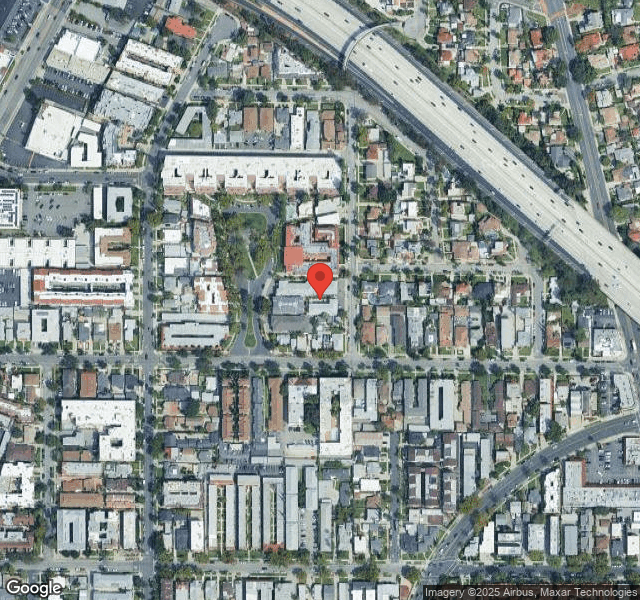
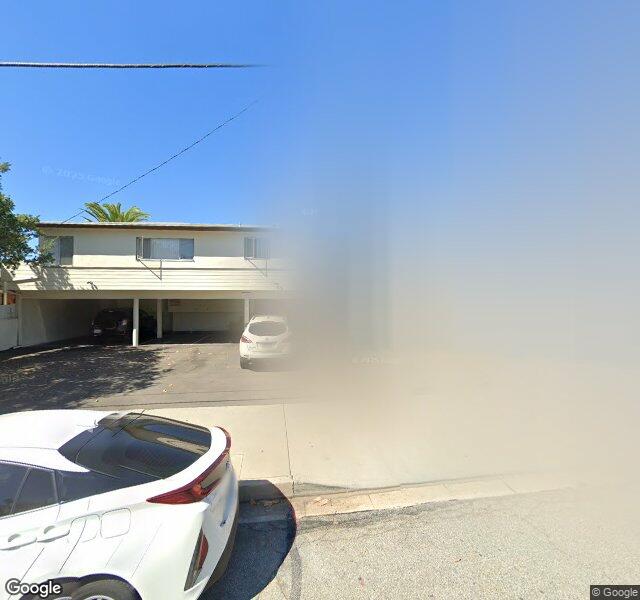
430 N.GLENDALE AVE, GLENDALE, CA 91206 (818) 246-5677
For profit - Corporation 92 Beds MARINER HEALTH CARE Data: November 2025 1 Immediate Jeopardy citation
Trust Grade
41/100
#744 of 1155 in CA
Last Inspection: June 2025

Inspected within the last 6 months. Data reflects current conditions.

Overview

Autumn Hills Health Care Center has a Trust Grade of D, which indicates below average performance and raises some concerns about the quality of care. Ranking #744 out of 1155 facilities in California places it in the bottom half, and at #157 out of 369 in Los Angeles County, it shows that there are better local options available. The facility is improving, having reduced its number of issues from 15 in 2024 to 11 in 2025, but it still reported 48 total issues during inspections, including one critical instance where a resident with chest pain did not receive necessary medication. Staffing is a relative strength, with a 4/5 rating and a low turnover rate of 23%, suggesting that staff are stable and familiar with residents. However, the facility has faced $14,069 in fines, which is fairly average, and there have been concerns such as improper food labeling that could lead to health risks for residents.

Trust Score
D
41/100
In California
#744/1155
Bottom 36%
Safety Record
High Risk
Review needed
Inspections
Getting Better
15 → 11 violations
Staff Stability
✓ Good
23% annual turnover. Excellent stability, 25 points below California's 48% average. Staff who stay learn residents' needs.
Penalties
✓ Good
$14,069 in fines. Lower than most California facilities. Relatively clean record.
Skilled Nurses
⚠ Watch
Each resident gets only 21 minutes of Registered Nurse (RN) attention daily — below average for California. Fewer RN minutes means fewer trained eyes watching for problems.
Violations
⚠ Watch
48 deficiencies on record. Higher than average. Multiple issues found across inspections.
★★☆☆☆
2.0
Overall Rating
★★★★☆
4.0
Staff Levels
★★★★☆
4.0
Care Quality
★★☆☆☆
2.0
Inspection Score
Stable
2024: 15 issues
2025: 11 issues

The Good

  • 4-Star Staffing Rating · Above-average nurse staffing levels
  • 4-Star Quality Measures · Strong clinical quality outcomes
  • Low Staff Turnover (23%) · Staff stability means consistent care
  • Full Sprinkler Coverage · Fire safety systems throughout facility
  • No fines on record
  • Staff turnover is low (23%)

    25 points below California average of 48%

Facility shows strength in staffing levels, quality measures, staff retention, fire safety.

The Bad

2-Star Overall Rating

Below California average (3.1)

Below average - review inspection findings carefully

Federal Fines: $14,069

Below median ($33,413)

Minor penalties assessed

Chain: MARINER HEALTH CARE

Part of a multi-facility chain

Ask about local staffing decisions and management

The Ugly 48 deficiencies on record

1 life-threatening
Jun 2025 1 deficiency
CONCERN (D) 📢 Someone Reported This

A family member, employee, or ombudsman was alarmed enough to file a formal complaint

Potential for Harm - no one hurt, but risky conditions existed

Infection Control (Tag F0880)

Could have caused harm · This affected 1 resident

**NOTE- TERMS IN BRACKETS HAVE BEEN EDITED TO PROTECT CONFIDENTIALITY** Based on observation, interview, and record review, the facility failed to ensure infection prevention and control practices (IP...

Read full inspector narrative →
**NOTE- TERMS IN BRACKETS HAVE BEEN EDITED TO PROTECT CONFIDENTIALITY** Based on observation, interview, and record review, the facility failed to ensure infection prevention and control practices (IPCP, a set of measures designed to protect patients and healthcare workers from avoidable infections) was implemented for one of three sampled residents (Resident 1) who was diagnosed with scabies (an itchy skin condition caused by a tiny bug, mite, that burrows into the skin), by failing to: 1. Place Resident 1 under contact precaution (infection control measures used to prevent the spread of infectious agents that can be transmitted through direct or indirect contact with a patient or their environment) on 5/13/25 when Resident 1 was diagnosed with scabies. Resident 1 was not placed under contact precaution until 5/15/25, two days after confirmed diagnosis. 2. Monitor and assess close contact residents who were exposed to Resident 1, that included, Resident 1's roommates, Resident 2 and Resident 3 and facility staff who had direct contact with Resident 1. 3. Implement MD 1order to administer Ivermectin (antiparasitic medication used to treat a variety of parasitic infections, including scabies) 3 mg oral tablets and Permethrin (topical medication used to treat scabies, a skin condition caused by mites) 5% cream as ordered on 5/15/25. 4. Notify Medical Doctor (MD) 2 after Ivermectin and Permethrin was not administered on 5/17/25 and 5/18/25. 5. Establish a surveillance system that included an accurate line listing of symptomatic residents and healthcare workers that allowed the facility to track, analyze and interpret the data, and identify concerns such an unusual increasing number of residents and employees with new and ongoing rashes. These deficient practices had the potential to spread infection to Resident 2, Resident 3, and all other residents, staff and visitors of the facility, and had the potential for worsening of skin condition and infection by not treating scabies as ordered by the physician. Resident 1 was described by certified nurse assistant (CNA) 1 as looking very uncomfortable. As a result, Resident 1 was transferred to the General Acute Care Hosptial (GACH) for further evaluation on 6/17/25. The General Acute Care (Gach) discharge summary indicated Resident 1 was transferred to the GACH due to extensive skin rashes with probable secondary infection. Finding: 1. During a review of Resident1's Face Sheet, the Face Sheet indicated the resident was admitted to the facility on [DATE] with a diagnosis of but not limited to Type 2 diabetes mellitus (inability to use insulin properly) with hyperglycemia (too much sugar in blood). During a review of Resident 1's Dermatology Report, dated 5/15/2025, the Dermatology Report indicated Resident 1 was evaluated for a rash on the trunk, abdomen, and legs. The Report indicated a reason for visit was for the presence of red, itchy lesions that had been present for over five months. The Report indicated Resident 1 was assessed as having scabies, on the trunk, back, and legs. The Report documented that the lesions were itchy and persistent and Resident 1 was prescribed treatment with Ivermectin 3mg oral tablets and Permethrin 5 % cream to start on 5/15/25. During a review of Resident 1's Physician order Report, dated 5/16/2025, the Report indicated an order to place Resident 1 was to be on contact precautions for scabies on 5/16/2025 to 5/23/2025. During a review Resident 1's Care Plan titled Infectious disease: Scabies Type of infection: Contact Isolation, dated 5/16/2025, the Care Plan indicated Permethrin Cream 5% applied externally from neck down to toes at night on 5/17/2025 then repeat in 1 week on 5/24/2025 then wash off in AM 5/25/2025. During a review of Resident 1's Situation, Background, Assessment, and Recommendation (SBAR) Notes, dated 5/16/2025, indicated orders for Ivermectin 3mg oral to give 5 tablets today (5/16/2025) and Permethrin Cream 5% topical to be administered on (5/17/2025) and wash off on (5/18/2025). Then repeat in 1 week 5/24/2025 then wash off in AM (5/25/2025). During a review of Resident 1's Change of Condition (COC) Notes, dated 5/17/2025, the COC indicated Resident 1 was on monitoring for scabies and general body scattered and distributed open nodules with on going treatment. The COC indicate contact isolation was implemented. During a review of Resident 1's Treatment Administration History (TAR), for May 2025, the TAR indicated the following: 1. On 5/17/25, Permethrin 5% cream was not administered. The TAR indicated a note indicating, spoke to family, she will bring medication tomorrow. 2. On 5/18/2025, Permethrin 5% cream was not administered. The TAR indicated a note indicating, Spoke to family, she said she would bring medication tomorrow. The TAR indicated the first dose of Permethrin 5% cream was not administered until 5/25/2025 at 8 PM,12 days after Resident 1 was diagnosed with scabies and 8 days after the physician ordered Permethrin 5% cream. During a review of Resident 1's Progress Note dated 5/22/25 at 3:31 PM, the Note indicated MD 1 ordered to 'apply cream from head to toe and shower on 5/23/25. The Note indicated a diagnosis of scabies and to keep on contact precaution. During a review of Resident 1's Minimum Data Set (MDS - a resident assessment tool), dated 5/28/2025, the MDS indicated Resident 1 has limited ability to understand, process, and recall information, and unable to answer questions about time, place, or memory. MDS also indicated Resident 1 required Maximal assistance with toileting, showering and walking During a review of Resident 1's History and Physical (H&P), dated 6/11/2025, the H&P indicated, Resident 1 does not have the capacity to understand and make decisions. During a review of Resident 1's Care Plan titled Whole Body Rash, not controlled by Derma Consult, dated 6/17/2025, the Care Plan indicated to send Resident 1 to the GACH ER for therapy. During a review of Resident 1's Transfer Form, dated 6/17/2025, the Transfer form indicated reason for transfer was for further evaluation of generalized body rash and intravenous antibiotics. There as no mention of Resident 1's history of scabies, diagnoses on 5/ 15/2025. During a review of Resident 1's Physician order Report, dated 6/17/2025, the Report indicated no new orders for Permethrin on 5/24/25, on week after Resident 1's initial treatment on 5/17/25. The Report indicated Resident 1 was transferred to the GACH emergency room (ER) for further Evaluation. 2. During a review of Resident 2's Face Sheet, the Face Sheet indicated Resident 2 was admitted on [DATE], with a diagnosis of but not limited to Metabolic encephalopathy (general term that means damage or disease affecting the brain). During a review of Resident 2's H&P dated 1/15/2025, the H&P indicated the resident has the capacity to understand and make decisions. During a review of Resident 2's MDS dated [DATE], the MDS indicated Resident 2 demonstrates adequate memory and recall abilities and was capable of participating in care planning and making informed decisions. Requiring moderate assistance (helper does less than half the work) when using manual wheelchair. During a review of Resident 2's Progress notes from 5/15/2025 to 6/17/2025, there was no documented evidence that indicated monitoring, or assessment was conducted for Resident 2 who was in close contact of Resident 1 who had a confirmed diagnosis of scabies. 3. During a review of Resident 3's Face Sheet, the Face Sheet indicated Resident 3 was admitted on [DATE], with a diagnosis of but not limited to fractures of the ribs and heart disease. During a review of Resident 3's H&P dated 8/22/2024, the H&P indicated the resident does not have the capacity to understand or make decisions. During a review of Resident 3's Progress Notes from 5/15/2025 to 6/17/2025, there was no documented evidence that that indicated monitoring, or assessment was conducted for Resident 3 who was in close contact of Resident 1 who had a confirmed diagnosis of scabies. During a review of Resident 3's MDS dated [DATE], the MDS indicated resident 3 has very limited mental functioning and requires maximum assistance when up in wheelchair. During an interview on 6/26/2025 at 8:47AM with Family Member (FM2), FM 2 stated Resident 1 was hospitalized approximately two weeks ago for open, severe skin wounds. FM 2 stated Resident 1's skin condition had worsened, so FM 2 requested for Resident 1 to go to the GACH. FM 2 stated Resident 1 had the skin condition for about a month and described Resident 1's skin condition as nonstop scratching and that the skin looked like chicken pox. FM 1 and FM 2 while visiting observed Resident 1' s skin looking completely raw with blood present everywhere. FM 2 stated after speaking to Resident 1's Primary Physician and expressing concerns about Resident 1's condition, the resident was transferred to the GACH on 6/17/2025 for evaluation. During an interview on 6/26/2025 at 10:39 AM with Director of Nursing (DON), the DON stated on 5/15/2025, Resident 1 was seen by an outside Dermatologist. The DON stated the facility received a prescription for Permethrin cream for scabies. The DON stated when Resident 1 returned from the Dermatology appointment on 5/15/2025, Resident 1 was placed back into the same room with the roommates (Resident 2 and Resident 3). The DON stated the facility did not have an available room for isolation for Resident 1. The DON stated Resident 1 was on one side of room and Residents 2 and 3 were on the other side of room. The DON stated only Resident 1 was on isolation precautions while Residents 2 and 3 were permitted to move around within the room and around the facility. During a concurrent interview and record review on 6/26/2025 at 12 PM with the DON, Resident 2 and Resident 3's Progress notes from 5/15/2025 to 6/17/2025 were reviewed. The DON stated Resident 1's Progress Notes did not indicate Resident 1 was placed on isolation precautions or was monitored for scabies. During an interview on 6/26/2025 at 1:17 PM with CNA1, CNA1 stated Resident 1 had scabies and that only Resident 1 was placed on isolation inside the same room as Resident 2 and 3. CNA 1 stated Residents 2 and 3 were not placed on isolation, even though Resident 1 shared the same room. Resident 1 scratched a lot and that his arms would bleed from scratching. CNA 1 stated Resident 1 and looked very uncomfortable. During an interview on 6/26/2025 at 1:30 PM with Licensed Vocational Nurse (LVN 1), LVN 1 stated she was informed by the facility's infection preventionist (IP) that Resident 1 had a diagnosis of scabies. LVN 1 stated Resident 1 shared a room with Residents 2 and 3, but LVN 1 only monitored Resident 1. LVN 1 stated Residents 2 and 3 were not assessed or monitored for scabies exposure from Resident 1. During a concurrent interview and record review on 6/26/26/2025 at 1:44 PM with the DON, DON stated no monitoring, or assessment was conducted on Residents 2 and 3 for the exposure of scabies. During a concurrent interview and record review on 6/27/2025 at 9 AM with LVN 2, Resident 1's Short Message Service (SMS) communication between Licensed Vocational Nurse (LVN 2) and the in-house Dermatology Nurse practitioner (NP1) was reviewed. The SMS indicated on 5/13/ 2025 at 12:10 PM, LVN 2 sent a photograph via SMS of Resident 1's torso, arms, and legs to NP 1 for dermatological evaluation. The SMS indicated LVN 1 asked NP 1Does this look like scabies to you? The SMS indicated NP 1's response was Highly suspicious for Scabies and instructed to Treat as scabies - Need weight and face sheet. LVN 2 stated Resident 1's Primary Physician and the IP were notified on 5/13/25 of Resident 1's suspected scabies with no new order was received. During an interview on 6/27/2025 at 9:59 AM with IP, the IP stated that on 5/13/2025, Resident 1 was suspected to have scabies based on a visual review by the in-house dermatology provider who received a text photograph of Resident 1's skin. IP stated the dermatologist instructed staff to Treat as scabies. IP stated Resident 1's isolation was delayed because the resident's family requested to seek an outside dermatologist for a second opinion. IP stated contact isolation was not initiated until 5/16/2025, three days after the initial recommendation to treat as scabies. During an interview on 6/27/2025 at 9:59 AM with IP, IP stated that exposure tracking began on 5/13/2025, after resident 1 was suspected of having scabies. IP stated she obtained information from a form titled Stop and Watch that would be filled out by either the CNA's or the LVN's. IP stated if no form was submitted, she documented no changes.' IP stated no formal documentation, or assessments were being conducted daily or on each shift. IP stated the facility did not perform any diagnostic testing to verify whether any residents had scabies. During a review of the facility's policy and procedure (P&P) titled Scabies, Unknown date, indicated Scabies is defined as an infestation with a mite. Prevention and risk minimization accomplished by early detection, prompt isolation and implementation of transmission- based precautions. Infection control interventions should include residents undergoing treatment for scabies should be confined to their room, including appropriate personal protective equipment and evaluation of all resident contacts, including residents on the affected unit or wing, all nursing staff, and other facility staff who have had close resident contact. Documentation should include a comprehensive plan of care, progress notes describing signs, symptoms, treatment, and follow - up and an updated infection control log to track cases and interventions. During a review of the Facility's Policy and Procedure (P&P) titled infection Control Program, (No date), the P&P indicated outbreak management is a process that includes determining the presence of an outbreak, managing affected residents, preventing the spread to other resident, documenting information related to the outbreak, and educating staff. The policy also describes infection prevention measures, which include to identify possible infections or complications from existing infections, enhanced screening and to follow established general and disease specific guidelines, including those from the Centers for Disease control and prevention (CDC). According to the Centers for Disease Control and Prevention (CDC) publication titled Public Health Strategies for Scabies Outbreaks in Institutional Settings (Published December 18, 2023), prevention of scabies outbreaks requires early detection, prompt treatment, and the implementation of appropriate isolation and infection control practices. These are essential components in preventing the spread of scabies within healthcare facilities. The CDC recommends that facilities establish an active surveillance program to promote early detection of infested Residents and Staff. Facilities should maintain detailed records that include Resident names, skin scraping results, names of all staff members who provided hands on care and documenting dates of symptoms onset and medication administration. Assessing the extent of the outbreak is based on data to guide isolation protocols, treatment coordination, and further preventive measures.
Jun 2025 8 deficiencies
CONCERN (D)

Potential for Harm - no one hurt, but risky conditions existed

Deficiency F0552 (Tag F0552)

Could have caused harm · This affected 1 resident

**NOTE- TERMS IN BRACKETS HAVE BEEN EDITED TO PROTECT CONFIDENTIALITY** Based on observation, interview, and record review, the facility failed to obtain an informed consent for psychotropic/psychothe...

Read full inspector narrative →
**NOTE- TERMS IN BRACKETS HAVE BEEN EDITED TO PROTECT CONFIDENTIALITY** Based on observation, interview, and record review, the facility failed to obtain an informed consent for psychotropic/psychotherapeutic (any drug that affects behavior, mood, thoughts, or perception) drug for one of one sampled resident (Resident 5) who was prescribed Quetiapine (medication used to treat a mental illness that causes disturbed or unusual thinking, loss of interest in life, and strong or inappropriate emotions), and Divalproex (medication used to treat mental/mood conditions). This deficient practice had violated Resident 5's rights to be informed when choosing the type of care or treatment to be received, make decisions on alternative measures the resident or responsible party preferred, which can negatively affect Resident 5's quality of life. Findings: A review of the admission record indicated Resident 5 was admitted to the facility on [DATE] with diagnoses that included dementia (a group of related symptoms associated with an ongoing decline of the brain and its abilities), psychotic disorder (affect the mind, where there has been some loss of contact with reality), and mood disorder (a mental health condition that primarily affects your emotional state). A review of Minimum Data Set (MDS - a federally mandated resident assessment tool), dated 5/26/2025, indicated Resident 5's cognitive status (the mental process of thinking and understanding) status was severely impaired. The MDS indicated Resident 5 had symptoms of little interest or pleasure in doing things and feeling down depressed or hopeless. The MDS indicated Resident 5 required Setup and clean-up assistance (helper sets up and cleans up; resident completes activity) with eating, supervision or touching assistance (Helper provides verbal cues and or touching steadying) with personal hygiene, and substantial/maximal assistance (helper does more than half the effort) with toileting, showering and dressing. A review of Resident 5's facility document Physician Order Report, dated 6/1/2025 to 6/30/2025, the Report indicated Physician Orders for the following: a) Quetiapine 25 mg (unit of weight) to give 1 tablet at bedtime for psychotic disorder b) Divalproex 125 mg to give 1 capsule twice a day for mood disorder. During a concurrent interview and record review, on 6/5/2025, at 11:04 AM, with Registered Nurse (RN 1), Resident 5's electronic health records (EHR) 12/7/2023 to 6/5/2025 was reviewed. The EHR did not indicate any informed consents obtained from Resident 5 or Resident 5's Responsible party (RP) by the prescriber for the use of the psychotropic medications Quetiapine and Divalproex. RN 1 stated there was no documentation by the prescriber in Resident 5's EHR indicating that informed consents for quetiapine and Divalproex. During a concurrent interview and record review, on 6/5/2025, at 11:32 AM, with RN 1 and Medical Record Director (MRD) 2, Resident 5's facility document titled Facility Verification of Informed Consent to Psychotherapeutic Drugs, Physical Restraint, and/or Prolonged Use of Device dated 3/25/2025 was reviewed. The document indicated informed consent for Psychotherapeutic Drugs Quetiapine and Divalproex did not have the prescribers' signature. RN 1 stated, when there was no prescriber's signature, the informed consent was not valid. RN 1 stated the informed consents must be completed in the documents' entirety, which included obtaining the prescriber ' s signature. RN 1 stated the informed consent for the use of Resident 5's psychotropic medications indicated that Resident 5 or Resident 5's RP was aware and agreed with the use and the effects of the medications. RN 1 stated, not having an informed consent for psychotropic medications violates resident rights. MRD 2 stated, informed consent for psychotropic medications should be completed with the prescriber's signature upon obtaining consent as per policy. During an interview on 6/5/2025 at 11:57 AM with Director of Nurses (DON), the DON stated, Resident 5 ' s informed consent for psychotropic medications Quetiapine and Divalproex was not complete and not valid, since it was not signed by the prescriber when the consent to use the medications was obtained. The DON stated having the informed consent signed by the prescriber was required since the signature ensured the medications were discussed and explained to the resident or the RP, and concerns and alternatives were addressed. DON stated, not having an informed consent for psychotropic medications violates resident rights. A review of the facility ' s policy and procedure (P&P) titled Health Information/Record Manual under Behavior Drugs/ Psychotropic (undated): a) when a Physician orders use of psychotropic/psychotherapeutic drug, the physician will obtain the informed consent from the resident or resident representative, b) the safety, appropriateness, and effectiveness of psychotropic medications must be reviewed every six (6) months and consents for continued administration renewed, and c) the Physician or Nurse Practitioner will sign the Informed Consent form upon obtaining consent from the resident or their representative. A review of the facility ' s policy and procedure (P&P) titled Resident Rights (undated), indicated: a) the company protects and promote the rights of each resident, b) Residents have freedom of choice to the maximum extent possible, about how they wish to live their everyday lives and receive care, subject to company ' s rules and regulations affecting residents conduct and those regulations governing protection of resident health and safety.
CONCERN (D)

Potential for Harm - no one hurt, but risky conditions existed

Safe Environment (Tag F0584)

Could have caused harm · This affected 1 resident

**NOTE- TERMS IN BRACKETS HAVE BEEN EDITED TO PROTECT CONFIDENTIALITY** Based on observation, interview and record review, the facility failed to provide a homelike environment for two of two sampled ...

Read full inspector narrative →
**NOTE- TERMS IN BRACKETS HAVE BEEN EDITED TO PROTECT CONFIDENTIALITY** Based on observation, interview and record review, the facility failed to provide a homelike environment for two of two sampled residents (Residents 61 and 42) by failing to ensure: 1. Resident 61 ' s wall clock in the room indicated the accurate time of the day. 2, Resident 42 was provided a wall clock. These deficient practices had the potential to affect the quality of life and cause disorientation for both residents and led to Resident 42's verbalization of feelings of frustration. Findings: 1. A review of Resident 61's admission Record indicated the facility admitted Resident 61 on 5/2/2025 with diagnoses that included dementia (progressive decline in cognitive function, memory, and thinking abilities that can impact daily life), depression (a mental health condition that causes persistent sadness, a loss of interest in activities, and can affect how you think, feel, and act), and muscle wasting and atrophy. A review of Resident 61's Minimum Data Set (MDS - a resident assessment tool), dated 5/1/2025, indicated Resident 61 ' s cognitive status (ability to think and reason) moderately impaired. The MDS indicated Resident 61 required setup or clean-up assistance (helper sets up or cleans up; resident completes activity) with eating, oral hygiene, personal hygiene, required partial/moderate assistance (helper does less than half the effort) with toileting and dressing, and required substantial/maximal assistance (helper does more than half the effort) with bathing. 2. A review of Resident 42's admission Record indicated the facility admitted Resident 42 on 5/2/2025 with diagnoses that included dementia, generalized osteoarthritis (the cartilage in several joints is slowly breaking down), and osteoporosis (a condition in which there is a decrease in the amount and thickness of bone tissue). A review of Resident 42's MDS, dated [DATE], indicated Resident 42 ' s cognitive status (ability to think and reason) impaired. The MDS indicated Resident 42 required supervision or touching assistance (Helper provides verbal cues and or touching steadying) with eating, required partial/moderate assistance with personal hygiene, and dependent (helper does all the effort) with toileting, bathing and dressing. During a concurrent observation and interview on 6/3/2025 at 10:05 AM with Infection Preventionist Nurse (IPN) in Resident 61 ' s room, Resident 61 was observed staring at the wall clock that reads 4:55 (shorthand pointed at #4 and long hand pointed at #11). IPN stated, the wall clock reading was inaccurate, it was not 4:55, the appropriate time was 10:05 AM. During a concurrent observation and interview on 6/3/2025 at 10:10 AM with IPN in Resident 42 ' s room, observed the room did not have a wall clock. IPN stated, all room should have a wall clock for residents' orientation of time. During an interview on 6/3/2025 at 10:20 AM with IPN, IPN stated, to ensure a homelike environment for the residents, a wall clock with an accurate time was important to provide time orientation. During a concurrent observation and interview on 6/4/2025 at 10:15 AM, Resident 42 ' s was in her room, staring at the clock. Resident 42 stated, she had been asking for a wall clock for a while, and it made her frustrated because she had to ask for the time from the staff every day. Resident 42 stated, she was thankful with the surveyor on pointing it out to the facility staff and she stated it made her more comfortable being able to tell time. During an interview on 6/4/2025 at 11:09 AM with the DON (Director of Nurses), DON stated, having a wall clock that reads the accurate time of the day is important to have in every resident ' s room, it provides orientation, a comfortable and homelike environment. DON stated, not having it in the room had the potential to cause disorientation and/or even frustration to the residents. A review of the facility ' s policy and procedure (P&P) titled, Quality of Life - Homelike Environment, dated 10/2017 indicated: a) Residents are provided with a safe, clean , comfortable and homelike environment, b) staff shall provide person-centered care that emphasizes the residents comfort , independence and personal needs and preferences and c) the facility staff and management shall maximize to the extent possible, the characteristics of the facility that reflects a personalized, homelike setting.
CONCERN (D)

Potential for Harm - no one hurt, but risky conditions existed

Deficiency F0655 (Tag F0655)

Could have caused harm · This affected 1 resident

**NOTE- TERMS IN BRACKETS HAVE BEEN EDITED TO PROTECT CONFIDENTIALITY** Based on observation, interview, and record review, the facility failed to develop a baseline care plan within 48 hours of resid...

Read full inspector narrative →
**NOTE- TERMS IN BRACKETS HAVE BEEN EDITED TO PROTECT CONFIDENTIALITY** Based on observation, interview, and record review, the facility failed to develop a baseline care plan within 48 hours of resident ' s admission to address the resident ' s medical and physical needs for one of one sampled resident (Resident 241) who was admitted on [DATE] with diagnoses that included chronic congested hear failure (CHF) (heart doesn't pump enough blood for your body's needs), history of pneumonia (an infection of the lungs) and history of acute respiratory failure with hypoxia (lungs cannot release enough oxygen into your blood, which prevents your organs from properly functioning). Resident 241 had a physician order for oxygen inhalation at two liters per minute (a unit that expresses flow rate) via nasal cannula (lightweight tube with two prongs that go gently inside your nostrils) as needed for shortness of breath (SOB) and albuterol (medication used to treat breathing difficulties) as needed for SOB. This deficient practice had the potential for delayed care and services that could negatively affect Resident 241's quality of life. Findings: A review of Resident 241's admission record indicated the resident was admitted to the facility on [DATE] with diagnoses that included chronic congested heart failure, history of pneumonia and history of acute respiratory failure with hypoxia. A review of Resident 241's History and Physical (H & P) dated 5/30/2025, the H & P indicated Resident 241 did not have the capacity to understand and make decisions. A review of Minimum Data Set (MDS - federally mandated resident assessment tool), dated 6/2/2025, indicated Resident 241 required partial/moderate assistance (helper does less than half the effort) with eating and personal hygiene, and required substantial/maximal assistance (helper does more than half the effort) with toileting, bathing and dressing. A review of Resident 241's Physician Order Report (POR) dated 5/29/2025 to 6/30/2025 indicated: a) provide oxygen inhalation at two liters per minute via nasal cannula as needed for shortness of breath, b) administer solution for nebulization (turns liquid medicine into a mist that can be easily inhaled) 2.5 mg (a unit of measurement of mass) every four hours as need for SOB. During a concurrent interview and record review of care plans, on 6/5/2025, at 8:38 AM, with RN (Registered Nurse)1, Resident 241's Electronic Health Record (EHR) (A collection of medical information about a person that is stored on a computer) dated 5/29/2025 (admission date) up to 6/5/2025 were reviewed. The EHR did not include a baseline care plan for Resident 241that indicated the management of CHF, pneumonia, and acute respiratory failure with hypoxia as well as the interventions for SOB (such as oxygen and Albuterol therapy). RN 1 stated, Resident 241 did not have a care plan and interventions for her respiratory diagnoses. RN 1 stated, having the baseline care plan was important to ensure proper care will be provided to Resident 241, not having a care plan had the potential for delayed of care and treatment. During a concurrent interview and record review, on 6/5/2025, at 9:04 AM, with the DON (Director of Nurses), Resident 241's EHR dated 5/29/2025 (admission date) up to 6/5/2025 care plans was reviewed. DON stated, Resident 241 should have a baseline care plan for her respiratory diagnoses within 48 hours upon admission per facility policy to ensure proper guidance and communication between nursing staff with interventions, goals and to promote safety. DON stated, not having a baseline care plan for Resident 241's respiratory diagnoses had the potential to delay the care and services necessary for her quality of life. A review of the facility's policy and procedure (P&P) titled, Base Line Care Plan, (undated), indicated; a) a baseline plan of care to meet the resident's immediate needs shall be developed for each resident within forty-eight (48) hours of admission, b) assure that the resident's immediate care needs are met and maintained, and c) the interdisciplinary team (a group of professionals from different fields who work together collaboratively to achieve a common goal) will review healthcare practitioner ' s orders and implement a bassline care plan to meet the residents needs includes initial goals based on the admission records.
CONCERN (D)

Potential for Harm - no one hurt, but risky conditions existed

Accident Prevention (Tag F0689)

Could have caused harm · This affected 1 resident

**NOTE- TERMS IN BRACKETS HAVE BEEN EDITED TO PROTECT CONFIDENTIALITY** Based on observation, interview, and record review, the facility failed to provide safe and hazard free environment to two of 3 ...

Read full inspector narrative →
**NOTE- TERMS IN BRACKETS HAVE BEEN EDITED TO PROTECT CONFIDENTIALITY** Based on observation, interview, and record review, the facility failed to provide safe and hazard free environment to two of 3 sampled residents (Resident 12 and 9) by failing to: 1. Ensure to place a bed pad alarm (a weight sensor pad used to alert staff when resident gets out of bed which is the most effective tools for reducing falls within the elderly population) Resident 12 who was at high risk for fall as indicated on physician order and comprehensive care plan. 2. Ensure to place a sheep skin on the side rails and confirm placement every shift as indicated in the care plan and physician's order for Resident 9 who has a diagnose of epilepsy (a neurological disorder characterized by recurrent seizures (eratic electrical activity in the brain that causes uncontrolled movement of body). This deficient practice had the potential for the resident to sustain severe injuries and result a decline the residents well being during a fall or seizure. Findings: 1. During a review of Resident 12's Face Sheet (admission record), the Face Sheet indicated the facility initially admitted the resident on 7/3/2024, and readmitted on [DATE] with diagnoses including respiratory failure (a condition where the lungs cannot adequately exchange oxygen and carbon dioxide, leading to low blood oxygen levels or high carbon dioxide levels), chronic kidney disease ( a progressive and irreversible condition where the kidneys become damaged over time, affecting their ability to filter waste and fluid from the blood ) and unspecified dementia (a progressive state of decline in mental abilities). During a review of Resident 12's History and Physical (H&P - a formal assessment of a patient and their medical condition performed by a healthcare provider, usually during an initial visit) dated 11/21/2024, the H&P indicated Resident 12 did not have the capacity to understand and make decisions. During a review of Resident 12's Minimum Data Set (MDS, a federally mandated resident assessment tool) dated 4/3/2025, the MDS indicated the resident ' s cognition (thought process) was severely impaired (a condition that significantly limits the individual's physical or mental abilities, so that he or she is unable to perform basic work activities). During a review of Resident 12's Fall Risk Data Collection dated 5/29/2025 and timed 12:25 PM, indicated the resident was at high risk for fall with the score 16. During a review of Resident 12's Physician order dated 6/1/2025 to 6/30/2025, the physician order start date 3/26/2025 indicated to apply pad alarm in bed and wheelchair to remind Resident not to get up unassisted and monitor placement and function every shift. During a review of Resident 12's Care Plan with start date 7/4/2024 indicated Resident 12 was at high risk for fall that may result to physical harm due to history of fall, balance problem, and muscle weakness. The goal was to decrease Resident's risk for fall and injury with intervention. The interventions included to apply pad alarm in bed and wheelchair to remind resident not to get up unassisted, monitor placement and function every shift. During an observation on 6/5/2025 at 11:26 AM, in Resident 12 room, Resident 12 was lying in bed without a pad alarm in bed and the resident was trying to get out of bed. During an observation and interview on 6/5/2025 at 11:28 AM, in Resident 12 room, with LVN (Licensed Vocational Nurse) 1, LVN 1 stated she was assigned to Resident 12 who had a tendency to get out of the bed unassisted. LVN 1 stated Resident 12 does not have a bed alarm at this time. During an interview and record review of Resident 12's physician order dated 3/26/2025 with LVN 1 on 6/5/2025 at 11:28 AM, LVN1 stated Resident 12 had a physician order to apply pad alarm in bed and wheelchair to remind the resident not to get up unassisted, and to monitor placement and function every shift. LVN 1 stated the physician order was not followed and there was a potential risk for the resident to fall since she was at high fall risk. During another observation and interview on 6/5/2025 at 11:36 AM, in Resident 12 room, LVN 2 stated Resident 12 has a tendency to get out of the bed unassisted and the resident does not have a bed alarm at this time. During an interview and record review of Resident 12's care plan dated 7/4/2024 with LVN 2 on 6/5/2025 at 11:40 AM, the LVN 2 stated there is a care plan to apply pad alarm in bed to remind Resident 12 to not get up unassisted and to alert the staffs if the resident gets up go to the restroom and to assist the resident to prevent potential fall and injury. During an interview on 6/5/2025 at 12:30 PM with DON, the DON stated Resident 12 was at high risk for fall and there was active care plan and physician order to place pad alarm in bed to prevent fall. DON stated care plan and physician order was not followed and there was a potential for the resident to fall and sustain injury. 2. During a review of Resident 9's Face Sheet (admission record), the Face Sheet indicated the facility initially admitted the resident on 10/16/2020 , and readmitted on [DATE] with diagnoses including epilepsy (is a neurological disorder characterized by recurrent seizures(uncontrolled movement of body), hypertension(high blood pressure), and pneumonia (infection in the lungs). During a review of Resident 9's History and Physical (H&P - a formal assessment of a patient and their medical condition performed by a healthcare provider, usually during an initial visit) dated 5/10/2025, the H&P indicated Resident 9 did not have the capacity to understand and make decisions. During a review of Resident 9's MDS, dated [DATE], indicated the resident ' s cognition was severely impaired [a condition that significantly limits the individual's physical or mental abilities, so that he or she is unable to perform basic work activities]. During a review of Resident 9 ' s Care Plan with the start date 1/19/2022 indicated the resident was at risk of experiencing seizure and sustaining injury during seizure. The goal with target date 8/31/2025 indicated the resident will have decreased risk of sustaining injury during seizure. The interventions included to apply sheep skin on both siderails to prevent injury at the time of seizure activity and to monitor placement every shift. During an observation on 6/4/2025 at 8:37 AM, in Resident 9 room, the resident was lying in bed with no padded siderails. During an observation and interview on 6/04/2025 at 8:39 AM, in Resident 9 room, with LVN 4 stated she was assigned to Resident 9 with diagnosis of seizure and currently on seizure medication and precaution. LVN 4 stated Resident 9 side rails were not padded. During an interview and record review of Resident 9's active care plan dated 1/19/2022, on 6/4/2025 at 8:39 AM with LVN 4, LVN 4 stated the care plan indicated to place sheep skin on both siderails on the side rails and to confirm placement every shift which was not followed. LVN 4 stated the care plan was not followed which could potentially result in injury if Resident 1 has a seizure. During an interview and record review of Resident 9's active care plan dated 1/19/2022, on 6/5/2025 at 12:10 PM with DON, the DON stated Resident 9 has a diagnosis of seizure and there was a care plan to place a sheep skin pad on the siderails and to confirm placement every shift to prevent injury during seizure. The DON stated care plan was not followed and placement was not confirmed every shift which could potentially result in injury to head if Resident 9 has a seizure. During a review of the facility's policy and procedure P&P titled Physician Orders, approved in August 2024, indicated Physician orders are obtained to provide a clear direction in the care of the resident. During a review of the facility's P&P titled Fall Management , approved on March 2025, indicated Based on previous evaluations and current data, the staff will identify interventions related to the resident's specific risks and causes to try to reduce the risk of the resident falling and to try to minimize complications from falling . A fall prevention program will be developed for each resident that will provide staff with creative functional strategies to minimize the risk for falls and undue injuries from such incidents, while recognizing the residents' rights and their need to maintain their highest level of functioning. The nursing staff, in conjunction with the attending physician, consultant pharmacist, therapy staff, and others, will seek to identify and document resident risk factors for falls and establish a resident centered falls prevention plan based on relevant assessment information. During a review of the facility ' s policy and procedure (P&P) titled Comprehensive Plan of care , approved on December 2024, indicated Each resident will have a comprehensive care plan developed that includes goals, measurable objectives, and timetables to meet their medical, nursing, mental, and psychosocial needs identified during the comprehensive assessment.
CONCERN (D)

Potential for Harm - no one hurt, but risky conditions existed

Respiratory Care (Tag F0695)

Could have caused harm · This affected 1 resident

**NOTE- TERMS IN BRACKETS HAVE BEEN EDITED TO PROTECT CONFIDENTIALITY** Based on observation, interview, and record review, the facility failed to provide necessary respiratory care to one of four sam...

Read full inspector narrative →
**NOTE- TERMS IN BRACKETS HAVE BEEN EDITED TO PROTECT CONFIDENTIALITY** Based on observation, interview, and record review, the facility failed to provide necessary respiratory care to one of four sampled residents (Resident 8) as indicated in the physician ' s order and consistent with professional standard of practice by failing to ensure: 1. Nursing staff properly assessed and documented Resident 8 ' s baseline SpO2 level (oxygen saturation level/O2 [oxygen] a measurement of how much oxygen the blood is carrying as a percentage). 2. Ensure the oxygen tubing was not compressed in the side rail to ensure oxygen flow to the resident. 3. Perform respiratory assessment, and document signs and symptoms (S/S) of respiratory distress or shortness of breath (SOB) when providing oxygen therapy to the resident. The deficient practice had the potential to cause over oxygenation (too much oxygen in the lungs) to Resident 8 who has a diagnosis of chronic obstructive pulmonary disease (COPD-a chronic lung disease causing difficulty in breathing) that can lead to dangerous hypercapnia (too much carbon dioxide in the bloodstream). Findings: During a review of Resident 8 ' s admission Record (AR), the AR indicated that Resident 8 was originally admitted to the facility on [DATE], and readmitted on [DATE] with diagnoses including COPD, acute respiratory failure (ARF- a condition where there's not enough oxygen or too much carbon dioxide in the body), and congestive heart failure (CHF-a heart disorder which causes the heart to not pump the blood efficiently, sometimes resulting in leg swelling). During a review of Resident 8 ' s Minimum Data Sheet (MDS- a resident assessment tool) dated 5/11/2025, the MDS indicated Resident 8 had severe cognitive (never/rarely made decisions) impairment. The MDS also indicated Resident 8 was diagnosed with heart failure, COPD, and ARF, and Resident 8 received intermittent oxygen therapy upon admission. During a review of Resident 8 ' s physician orders dated 5/7/2025, the order indicated to provide oxygen inhalation at two (2) LPM (liters per minute- a metric unit of capacity) via N/C (a small plastic tube, which fits into the person ' s nostrils for providing supplemental oxygen) PRN (as needed) for SOB. During a review of Resident 8 ' s physician orders dated 5/21/2025, the order indicated to monitor O2 (oxygen) Saturation level Q Shift (every shift), three times a day. During a review of Resident 8 ' s Progress Note (PN) dated from 5/7/2025 to 6/4/2025, there was no documented evidence that Resident 8 was monitored for any signs or symptoms of respiratory distress or SOB prior to providing Resident 8 with oxygen therapy. During a review of Resident 8 ' s Vitals Report dated from 5/7/2025 to 6/3/2025, the report indicated the following: No documentation of Resident 8 ' s O2 Sat from 5/11/2025 after 5:45 AM to 5/21/2025 at 6:16 PM. When Resident 8 was provided with oxygen NC the liter flow was two (2) to three (3), and Resident 8 ' s O2 Sat was between 95~98%. There was no documented evidence that Resident 8 ' s O2 Sat was assessed for baseline oxygen level on room air prior to oxygen use to indicate the need for oxygen therapy and there was no documentation of oxygen saturation after oxygen N/C was removed. During a review of Resident 8 ' s Daily Medicare Notes (DMN) dated from 5/7/2025 to 6/3/2025, the DMN indicated the following information: DMN dated 5/17/2025 timed at 11:34 AM indicated Resident 8 ' s respiration rate was 18 (per minute) without SOB, lung sound was clear, oxygen saturation was 97 with oxygen given via NC PRN. No S/S of infection or aspiration. The notes indicated Resident 8 was alert, afebrile (no fever), skin warm to touch, resp (breathing) even, unlabored. DMN dated 5/18/2025 timed at 10:44 AM indicated Resident 8 ' s respiration rate was 18 (per minute) with no SOB, lung sound was clear, oxygen saturation was 97 on room air. O2 NC PRN was marked given. Pain level was 0. No S/S of infection or aspiration. And the Narrative Notes indicated Resident 8 was alert, afebrile, skin warm to touch, resp (breathing) even, unlabored. DMN dated 5/21/2025 timed at 3PM indicated Resident 8 ' s respiration rate was 18 (per minute) with no SOB, lung sound was clear, oxygen saturation was 97 with oxygen given via NC PRN. Pain level was 0. No S/S of infection or aspiration. And the Narrative Notes indicated Resident 8 was alert, afebrile, skin warm to touch, resp (breathing) even, unlabored. DMN dated 6/1/2025 timed at 8:39 AM indicated Resident 8 ' s respiration rate was 18 (per minute) with no SOB, lung sound was clear, oxygen saturation was 98 with oxygen given via NC PRN. Pain level was 0. No S/S of infection or aspiration. And the Narrative Notes indicated Resident 8 was alert, afebrile, skin warm to touch, resp (breathing) even, unlabored. DMN dated 6/3/2025 timed at 2:31 PM indicated Resident 8 ' s respiration rate was 18 (per minute) with no SOB, lung sound was clear, oxygen saturation was 97 with oxygen given via NC PRN. Pain level was 0. No S/S of infection or aspiration. And the Narrative Notes indicated Resident 8 was alert, afebrile, skin warm to touch, resp (breathing) even, unlabored. The DMN note documented respiratory assessment per day and not per shift as ordered by the physician. During a review of Resident 8 ' s Care Plan revised 6/5/2025, the care plan indicated to monitor Resident 8 ' s O2 Sat. The care plan also indicated to provide oxygen as prescribed. There was no documented evidence in Resident 8 ' s care plan specifying frequency of monitoring or safe range of O2 Sat or that it included clinical examination or assessment. During an observation and concurrent interview on 6/3/2025 at 10:40 AM with the Licensed Vocational Nurse (LVN 2), LVN 2 stated Resident 8 was receiving oxygen 2 LPM, the O2 tubing was compressed within the side rail and the N/C was not in Resident 8 ' s nose but on the resident ' s chin. LVN 2 stated the O2 tubing should be free from pulling and clear from obstruction. LVN 2 stated the N/C should be in the resident ' s nose to provide supplemental oxygen. During a record review and concurrent interview on 6/4/2025 at 3:30 PM with the registered nurse (RN 1), Resident 8 ' s Physician orders and Daily Medicare Notes (DMN) were reviewed. RN 1 stated Resident 8 ' s physician ordered to provide oxygen via N/C PRN for SOB so it ' s a PRN order. RN 1 stated LVN should document baseline assessment of O2 Sat, SOB present, or any respiratory S/S that made providing oxygen to Resident 8 necessary. RN 1 stated the licensed nurse should not keep Resident 8 on continuous O2 NC when the resident did not need oxygen, because too much oxygen can cause the body to decrease the drive to breathe and it can be toxic especially for residents with COPD. During an interview on 6/4/2025 at 3:50 PM with LVN 1, LVN 1 stated she was the day shift charge nurse for Resident 8 on 6/3/2025. LVN 1 stated she can ' t recall if she reviewed oxygen order when she started her shift that morning. LVN 1 stated she observed Resident 8 was breathing even and unlabored that morning around 9:00 AM, but LVN 1 did not check baseline O2 Sat, but instead Resident 8 continued using O2 NC at 2 LPM because she thought it was better for the resident to keep it on. LVN 1 stated CNAs should not overlook and leave Resident 8 ' s O2 tubing pressed and stuck by the side rail because it could cause limited movement, and the proper amount of O2 may not be delivered to the resident. During a record review and a concurrent interview on 6/6/2025 at 9:30 AM with RN 1, a nursing manual provided by the ADM was reviewed. ADM stated the manual is the standards of practice reference like policy that includes respiratory care for COPD or respiratory failure. RN 1 stated she was unaware of the policy as facility ' s standards of practice reference caring for COPD residents. During a record review and a concurrent interview on 6/6/2025 at 9:50 AM with the Director of Nursing (DON), the Nursing Manual provided by the ADM and DMN dated from 5/7/2025 to 6/3/2025 were reviewed. DON stated she could not find facility policy for COPD or respiratory failure care. DON stated she believed the licensed nurses were following the physician ' s orders and they provided oxygen to Resident 8 to maintain O2 Sat 95% or above. DON stated she could not validate the O2 Sat number she mentioned above as standards of practice because there was no policy to support it. DON also stated licensed nurses ' assessment and documentation should be thorough in regards to Resident 8 ' s oxygen PRN use, such as obtaining the baseline O2 Sat, S/S of respiratory distress, or COPD exacerbation (episodes of worsening of symptoms), and nurses also should have documented assessment again when taking off Resident 8 ' s O2 NC and leaving resident to room air. DON also stated direct care nursing staffs should be careful when they adjust the side rail and make sure O2 tubing not being pulled, pressed, or stuck with side rail. DON stated the nursing staff should also make sure when resident was on O2 NC, the O2 NC need to be in the resident ' s nose not on the chin. During a review of the facility ' s Policy and Procedure (P&P) titled Oxygen Administration undated, the P&P indicated the following: Assist in placing the oxygen delivery device on the resident and make sure it fits properly and is stable. Monitor the resident for signs of hypoxemia (low level of oxygen in the blood) as appropriate, such as: Level of consciousness Pulse oximetry Vital signs Skin and mucous membrane color Breathing patterns Dyspnea Cyanosis, cool, clammy skin In the vitals record, treatment Administration Record and/or Medication Administration Record, record: Date and time of oxygen administration, Type of delivery device Oxygen flow rate Resident ' s vital signs, skin color, respiratory effort, and lung sounds, and Resident ' s response before and after initiation of therapy. During a review of the Facility Assessment revised 5/14/2025, the Facility Assessment indicated that the residents of the facility have both chronic illnesses and post-acute conditions. Long-term residents have range of chronic diseases. COPD, the facility has a comprehensive process in place to assess residents needs and determine the care and services required.
CONCERN (D)

Potential for Harm - no one hurt, but risky conditions existed

Medical Records (Tag F0842)

Could have caused harm · This affected 1 resident

**NOTE- TERMS IN BRACKETS HAVE BEEN EDITED TO PROTECT CONFIDENTIALITY** Based on observation, interview, and record review, the facility failed to ensure Licensed Vocational Nurse (LVN) 3 did not docu...

Read full inspector narrative →
**NOTE- TERMS IN BRACKETS HAVE BEEN EDITED TO PROTECT CONFIDENTIALITY** Based on observation, interview, and record review, the facility failed to ensure Licensed Vocational Nurse (LVN) 3 did not document on the Medication Administration Record (MAR) and the Controlled Drug Record prior to the administration of the medication hydrocodone-acetaminophen (medication to control pain) for one of three sampled residents (Resident 314). This deficient practice had the potential for inaccuracies or discrepancies when administering medications. Findings: During a review of Resident 341 ' s admission Record (AR), the AR indicated the resident was originally admitted to the facility on [DATE], and readmitted on [DATE], with diagnoses that included rheumatoid arthritis (chronic progressive disease-causing inflammation in the joints and resulting in painful deformity and immobility), artificial hip joint, and history of falling. During a review of Resident 341 ' s History and Physical (H&P), dated 5/7/2025, the H&P did not indicate if the resident has the capacity to understand and make decisions. The H&P indicated the resident had pain at the time of assessment. During a review of Resident 341 ' s Minimum Data Set (MDS, a resident assessment tool), dated 5/6/2025, the MDS indicated the resident has intact cognition (the ability to process thoughts). The MDS also indicated the resident receives medication for pain. During a review of Resident 341 ' s Physician Order Report for 6/1/2025 to 6/30/2025, the Report indicated an order for hydrocodone-acetaminophen (medication to control pain), 325 milligrams (mg, a unit of measuring weight) give 1 tablet (by mouth) every six (6) hours, as needed for moderate to severe pain. During a review of Resident 341's Controlled Drug Record for hydrocodone-acetaminophen, the Record indicated one dose of the medication was administered on 6/3/2025 at 9:05 AM. The Record indicated a note to Chart each dose administered. During a review of Resident 341's Medication Administration Record (MAR) for 6/1/20205 to 6/5/2025, the MAR indicated the resident received hydrocodone-acetaminophen at 9:05 AM. During a review of Resident 341's care plan for pain, initiated on 5/2/2025, indicated interventions to administer hydrocodone-acetaminophen. During an observation on 6/3/2025 at 9:05 AM inside Resident 341 ' s room, LVN 3 was observed preparing Resident 341 ' s hydrocodone-acetaminophen inside of a medication cup. After preparing the medication, LVN 3 signed the MAR and Controlled Drug Record. During an observation on 6/3/2025 at 9:08 AM inside Resident 341 ' s room, LVN 3 walked toward Resident 341 and administered the medication hydrocodone-acetaminophen. During an interview on 6/3/2025 at 9:10 AM with LVN 3, LVN 3 stated she signed the Controlled Drug Record and MAR prior to administering the hydrocodone-acetaminophen to Resident 341. LVN 3 stated it was her practice to sign the records prior to administering hydrocodone-acetaminophen since the Controlled Drug Record and MAR must indicate the same time. During a concurrent interview and record review on 6/5/2025 at 9:05 AM with the Director of Nursing (DON), the facility ' s policies and procedures (P&P) titled, Medication Administration, dated 2007, was reviewed. The DON stated when licensed nurses (LN) administer medications, the MAR must be signed after the medication was administered. The DON stated LN must not document on the MAR, prior to the administration of the medication since the resident may still refuse the medication. The DON stated the P&P must be followed by documenting only after a medication was administered. During a review of the facility ' s P&P titled, Medication Administration, dated 2007, the P&P indicated the individual who administers the medication dose, records the administration on the resident ' s MAR immediately following the medication being given. The P&P also indicated when PRN (as needed) medications are administered, the following documentation is provided: a. Date and time of administration, dose, route of administration
CONCERN (E)

Potential for Harm - no one hurt, but risky conditions existed

Comprehensive Care Plan (Tag F0656)

Could have caused harm · This affected multiple residents

**NOTE- TERMS IN BRACKETS HAVE BEEN EDITED TO PROTECT CONFIDENTIALITY** 2. During a review of Resident 9's Face Sheet (admission record), the Face Sheet indicated the facility initially admitted the r...

Read full inspector narrative →
**NOTE- TERMS IN BRACKETS HAVE BEEN EDITED TO PROTECT CONFIDENTIALITY** 2. During a review of Resident 9's Face Sheet (admission record), the Face Sheet indicated the facility initially admitted the resident on 10/16/2020 , and readmitted on [DATE] with diagnoses including epilepsy (is a neurological disorder characterized by recurrent seizures(uncontrolled movement of body), hypertension(high blood pressure), and pneumonia (infection in the lungs). During a review of Resident 9's History and Physical (H&P) dated 5/10/2025, the H&P indicated Resident 9 did not have the capacity to understand and make decisions. During a review of Resident 9's MDS, dated [DATE], indicated the resident's cognition was severely impaired (a condition that significantly limits the individual's physical or mental abilities, so that he or she is unable to perform basic work activities). During a review of Resident 9's Care Plan with the start date 1/19/2022 indicated the resident was at risk of experiencing seizure and sustaining injury during seizure. The goal with target date 8/31/2025 indicated the resident will have decreased risk of sustaining injury during seizure. The interventions included to apply sheep skin on both siderails to prevent injury at the time of seizure activity and to monitor placement every shift. During an observation on 6/4/2025 at 8:37 AM, in Resident 9 room, the resident was lying in bed with no sheep skin or padded siderails. During an observation and interview on 6/04/2025 at 8:39 AM, in Resident 9 room, with LVN 4 stated she was assigned to Resident 9 with diagnosis of seizure and currently on seizure medication and precaution. LVN 4 stated Resident 9 side rails were not padded. During an interview and record review of Resident 9's active care plan approach start date 6/4/2025, on 6/4/2025 at 8:39 AM, LVN 4 stated the care plan indicated to place sheep skin on both siderails on the side rails and to confirm placement every shift which was not followed. LVN 4 stated the care plan was not followed which could potentially result in injury if Resident 1 has a seizure. During an interview and record review of Resident 9's active care plan approach start date 6/4/2025, on 6/5/2025 at 12:10 PM with DON, the DON stated Resident 9 has a diagnosis of seizure and there was a care plan to place a pad on the siderails and to confirm placement every shift to prevent injury during seizure. The DON stated care plan was not followed and placement was not confirmed every shift which could potentially result in injury to head if Resident 9 has a seizure. 3. During a review of Resident 64' s admission Record (AR), the AR indicated that Resident 64 was originally admitted to the facility on [DATE] with diagnoses including left side maxillary fracture (a break in the upper jaw bone), dementia, and concussion (a mild traumatic brain injury that affects brain function) with loss of consciousness (wakefulness, awareness, or alertness). During a review of Resident 64's Physician Orders dated 4/17/2025, the orders indicated the following: a. Donepezil tablet 10 mg one tablet, oral at bedtime 9 PM. Special Instructions: Give one tablet PO at bedtime for Dementia. b. Memantine tablet 10 mg one tablet, oral twice a day at 9 AM, 5PM. Special Instructions: Give one tablet PO BID (bis in die- twice a day) for Dementia. During a review of Resident 64's History and Physical (H&P) dated 4/21/2025, the H&P indicated that Resident 64 had diagnoses that included dementia. During a review of Resident 64's Minimum Data Set (MDS - a federally mandated resident assessment tool) dated 4/21/2025, the MDS indicated that Resident 64 was moderately cognitively impaired (difficulty in memory, language, judgment, and problem-solving). The MDS also indicated that Resident 64 was dependent (Helper does all of the effort. Resident does none of the effort to complete the activity; or the assistance of 2 or more helpers is required for the resident to complete the activity) on rolling left and right, sitting to lying, lying to sitting on side of bed, and sitting to standing. During a review of Resident 64's Care Plans dated from 4/17/2025 to 6/3/2025, there was no documented evidence indicating care plan developed for cognitive impairment / dementia. During a review of Resident 64's Progress Notes dated from 4/17/2025 to 6/3/2025, there was no documented evidence identifying Resident 64's behavior related to cognitive impairment and care interventions addressing care for residents with dementia. During a review of Resident 64's Baseline Care Plan (BCP) dated 4/18/2025, the BCP indicated that Resident 64 was admitted on [DATE] for skilled rehabilitation. The BCP also indicated that the Interdisciplinary Team (IDT) identified behavior concerns related to Resident 64 ' s dementia. There ' s no documented evidence in relation to goals or interventions for dementia care. During an observation on 6/3/2025 and 6/4/2025 in Resident 64's room, observed Resident 64 with disoriented speech such as pointing to the water cup on his bedside table and stated, Is this my water? Resident 64 was also observed pointing to his roommate's area and stated, I think my bed is over there but it ' s fine I ' ll stay here. Resident 64 was also observed making inappropriate comment about surveyor during interview and observation. During a record review and concurrent interview on 6/4/2025 at 3:20 PM with the registered nurse (RN) 1, the RN 1 stated she could not find comprehensive care plan for dementia care in Resident 64 ' s record. RN 1 stated direct care nursing staffs including certified nurse assistants (CNAs) and licensed vocational nurses (LVNs) should follow a comprehensive care plan, which RN 1 stated should have but was never developed since admission, with its focused and person-centered intervention when providing care to Resident 64. The RN 1 also stated that with no care plan developed, Resident 64 ' s dementia care could be compromised when staff had no proper understanding of the goals or clear objectives for Resident 64 about how he should be cared during his stay. During an interview on 6/5/2025 at 3:50 PM with the Director of Nursing (DON), the DON stated a comprehensive care plan for dementia is a guidance for nursing staff who take care of those residents day in day out. DON stated the goal to develop a care plan for residents with impaired cognition generally is to help residents maintain their best function and quality of life. It's the IDT's responsibility to identify and develop a care plan based on the resident ' s condition and level of support needed. During a review of the facility's Policy and Procedure (P&P) titled, Dementia Care Protocol undated. This P&P indicated the following: a. The physician will help identify individuals who have been diagnosed as having dementia and those with otherwise impaired cognition. b. For the individuals with confirmed dementia, the IDT will identify a resident-centered care plan to maximize remaining function and quality of life. c. The IDT will identify and document the resident ' s condition and level of support needed during care planning and review changing needs as they arise. d. The IDT will adjust interventions and the overall plan depending on the individual ' s responses to those interventions and relevant factors. During a review of the facility ' s Policy and Procedure (P&P) titled, Comprehensive Plan of Care undated. This P&P indicated that each resident would have a comprehensive care plan developed that include goals, measurable objectives, and timetables to meet their medical, nursing, mental, and psychosocial needs identified during the comprehensive assessment. The P&P indicated that comprehensive care plan is completed within seven (7) days after completion of the comprehensive assessment (MDS). The P&P also indicated to ensure to maintain the comprehensive care plan in the resident ' s current electronic medical record. Based on observation, interview, and record review, the facility failed to ensure that a comprehensive care plan was completed for three out of three sampled residents (Resident 37, 9, and 64) in accordance to the facility's policy and procedure (P&P) for Comprehensive Plan of Care by failing to: 1. Ensure a care plan for the use of side rails was developed for Resident 37. 2. Ensure a care plan was implemented to apply side rails pads for Resident 9 who has diagnosis of seizure ( an abnormal electrical activity in the brain that cause uncotrolled jerking movements, loss of consciousness). 3. Ensure a care plan was developed for Resident 64 who was admitted with diagnosis of dementia (a progressive state of decline in mental abilities). This deficient practice had the potential for residents to sustian injuries and not receive care and services specific to their needs. Findings: 1. During a review of Resident 37's admission Record (AR), the AR indicated the resident was admitted to the facility on [DATE] with diagnoses that included dementia (a progressive state of decline in mental abilities), difficulty walking, and muscle wasting. During a review of Resident 37's History and Physical (H&P), dated 12/26/2024, the H&P indicated the resident does not have the capacity to understand and make decisions. During a review of Resident 37's Minimum Data Set (MDS- a resident assessment tool), dated 3/28/2025, the MDS indicated the resident has severely impaired cognition (the ability to process thoughts). The MDS indicated the resident requires supervision (helper provides verbal cues and/or touching/steadying and/or contact guard assistance as resident completes activity) on activities such as rolling left and right while in bed, sitting to lying, sitting to standing, and transferring from chair/bed-to -chair. During a review of Resident 37's Facility Verification of Informed Consent, dated 12/24/2024, the Consent indicated the resident may use bilateral half side rails. During a review of Resident 37's active care plans, the care plans did not indicate a care plan initiated for the use of bilateral half side rails. documented evidence of a care plan to address the resident ' s use of bilateral half side rails. During a concurrent interview and record review on 6/4/2025 at 2:23 PM with Registered Nurse (RN) 2, Resident 37's active care plans were reviewed. RN 2 indicated there was no care plan initiated for Resident 37's use of the bilateral side rails. During an interview on 6/4/2025 at 2:38 PM with Director of Nursing (DON), DON stated there should be a care plan for Resident 37's use of the bilateral side rails. DON stated care plans were required to assist facility staff in addressing the residents' specific needs and to track interventions to monitor if they are effective of not. having a care plan helps in meeting the resident ' s needs. DON added having the care plan helps the facility staff track if interventions are working or need revisions. During a review of the facility's P&P titled, Comprehensive Plan of Care, undated, indicated the each resident will have a comprehensive care plan developed that includes goals, measurable objectives, and timetables to meet their medical, nursing, mental, and psychosocial needs identified during the comprehensive assessment. The P&P also indicated the care plan must describe services that are provided to the resident to attain or maintain the resident ' s highest practicable physical, mental, and psychosocial well-being. The P&P also indicated the care plan must reflect interventions to meet both short and long term resident goals.
CONCERN (E)

Potential for Harm - no one hurt, but risky conditions existed

Food Safety (Tag F0812)

Could have caused harm · This affected multiple residents

Based on observation and interview and record review the facility failed to follow its policy and procedure and the professional standards of practice on food storage and safety by failing to label th...

Read full inspector narrative →
Based on observation and interview and record review the facility failed to follow its policy and procedure and the professional standards of practice on food storage and safety by failing to label the date the bag was opened and when to use by date an open plastic bag with 6 hashbrowns. This deficient practice had the potential to result in food contamination, growth of microorganisms (disease causing organism) that could cause foodborne illness (food poisoning or food illness due to pathogens (harmful organism that cause illness such as bacteria, viruses, or parasites) and toxins that contaminate food and negatively affect the health of the residents who consumes it. Findings: During a concurrent initial kitchen tour observation and interview on 6/3/2025 at 8:05 AM with the Dietary Service Supervisor (DSS) the freezer had an open plastic bag with 6 hashbrowns without an opened date and when to be used by date. The DSS stated, foods in the kitchen should be labeled with an opened date and with a used by date as per facility policy. If the bag was opened, it shortens the shelf life of the food. DSS stated, not having a label on an open bag of hashbrowns, had the potential for contamination and served old that can negatively affect residents ' health when consumed. During an interview on 6/4/2025 at 11:09 AM with Director of Nurses (DON), DON stated, food in the kitchen should be labeled with an opened date and with a used by date as per facility policy. DON stated, having the label was important so the kitchen staff would know when to get rid of the food and not to be serve to the residents. DON stated, it was important to follow these practices because, it potentially could cause food contamination, food borne illnesses that can negatively affect residents ' health. A review of the facility ' s policy and procedure (P&P) titled, Food Receiving and Storage of Cold Foods, (undated) indicated; a) all the perishable food items purchased by the department of food and dinning services will be stored properly, all open food items will have an open date and used by date per manufactures guidelines. A review of the Food Code 2022, indicated 3-501.17 Ready-to-Eat, Time/Temperature Control for Safety Food, Date Marking. Indicated READY-TO-EAT, TIME/TEMPERATURE CONTROL FOR SAFETY FOOD prepared and held in a FOOD ESTABLISHMENT for more than 24 hours shall be clearly marked to indicate the date or day by which the FOOD shall be consumed on the PREMISES, sold, or discarded when held at a temperature of 5ºC (Celsius) (41ºF) or less for a maximum of 7 days. The day of preparation shall be counted as Day 1. READY-TO-EAT TIME/TEMPERATURE CONTROL FOR SAFETY FOOD prepared and PACKAGED by a FOOD PROCESSING PLANT shall be clearly marked, at the time the original container is opened in a FOOD ESTABLISHMENT and if the FOOD is held for more than 24 hours, to indicate the date or day by which the FOOD shall be consumed on the PREMISES.
Apr 2025 1 deficiency 1 IJ
CRITICAL (J) 📢 Someone Reported This

A family member, employee, or ombudsman was alarmed enough to file a formal complaint

Immediate Jeopardy (IJ) - the most serious Medicare violation

Quality of Care (Tag F0684)

Someone could have died · This affected 1 resident

**NOTE- TERMS IN BRACKETS HAVE BEEN EDITED TO PROTECT CONFIDENTIALITY** Based on interview, and record review the facility failed to ensure one of three sampled Residents (Resident 1) who had diagnosi...

Read full inspector narrative →
**NOTE- TERMS IN BRACKETS HAVE BEEN EDITED TO PROTECT CONFIDENTIALITY** Based on interview, and record review the facility failed to ensure one of three sampled Residents (Resident 1) who had diagnosis of Non- ST (represents the interval between ventricular depolarization [blood flow into the left ventricle[[one of two large chambers located toward the bottom of the heart]]and repolarization [resting state of the heart]) segment elevation myocardial infarction (NSTEMI, a type of heart attack where a coronary artery is partially blocked, causing reduced blood flow to the heart and resulting in some heart muscle damage) received treatment and services in accordance with professional standards of practice, care plan and the physician's order for the management of the resident's chest pain. The facility failed to: 1. Administer Nitroglycerine tablet (medication used to treat chest pain) as needed for chest pain after Resident 1 's chest pain was re-evaluated as Not effective (NE). 2. Administer Nitroglycerine tablet as needed for chest pain after Resident 1 's chest pain was reevaluated as ' somewhat effective ' (SE) on 3/17/2025 at 3:50 PM by licensed vocational nurse (LVN) 6, on 3/18/2025 at 11:58 AM by LVN 2 and on 3/19/2025 at 9:23 AM by LVN 2. 3. Monitor and document Resident 1 's complaints of chest pain every shift for 72 hours when Resident 1 complained some-what relieved chest pain after LVN 1 administered one dose of Nitroglycerine tablet on 3/17/2025 at 3:50 PM, and on 3/18/2025 at 11:58 AM in accordance with the facility ' s Policy and Procedure for Change in Condition. 4. Notify Resident 1 ' s attending physician (Physician 1) of Resident l's change of condition on 3/18/2025 when Resident 1 complained of unrelieved chest pain around 11:58 AM. 5. Ensure there was no delay in carrying out the physician's order on 3/19/2025 that was placed at around 11:58 AM to perform an electrocardiogram (EKG- a test to check the heartbeat) and to send Resident 1 to the General Acute Care Hospital (GACH) if Resident 1 ' s chest pain continues. Resident l's EKG was done on 3/19/2025, three (3) hours after the EKG order was placed. 911 Emergency Services (EMS a system that provides emergency medical care) arrived at the facility approximately 5 hours after Resident 1 continued to complain of chest pain on 3/19/25. As a result of noncompliance described above, on 3/19/2025 at 3:39 PM, Resident l's EKG result indicated an acute myocardial infarction (Nil) and at 4:50 PM, Resident 1 complained of chest pain of 8 out of 10 on a pain scale (a numerical rating scale used to measure the intensity of pain where 0 to 2 indicated mild pain, 3 to 6 indicated moderate pain, 7 to 10 indicated severe, excruciating pain) , heart rate (HR) of 136 (regular heart rate range is 60-100 beats per minute [bpm]) bpm, and blood pressure (BP) of 81/54 (regular BP range is 120/90 millimeters of mercury (mm/Hg (unit of measurement). Resident 1 was sent to the General Acute Care Hospital (GACH) via 911 EMS on 3/19/2025 at 5 PM. While in the GACH on 3/20/25 at 2:30 AM, a code blue (a rapid response system developed for emergency resuscitation and stabilization of any sudden cardiac arrest [SCA]) was called for Resident 1 and a return of spontaneous circulation (ROSC, resumption of a sustained heart rhythm that perfuses the body after cardiac arrest.) after Resident 1 was intubated (the process of inserting a tube called an endotracheal tube (ET) into the mouth or nose and then into the airway ([trachea]). On 3/20/25 at 4:28 AM, Resident 1 was pronounced dead by the GACH's physician. The GACH ' s Death summary, and the cause of death was Myocardial Infarction (heart attack). On 4/4/2025 at 3:47 PM, while onsite at the facility, the California Department of Public Health (CDPH) identified an Immediate Jeopardy situation (IJ, a situation in which the provider ' s noncompliance with one or more requirements of participation has caused or is likely to cause serious injury, harm, impairment, or death of a resident) regarding the facility ' s failure to ensure a resident with a diagnosis of NSTEMI received treatment and services for chest pain. The survey team notified the Administrator (ADM) of an IJ situation on 4/4/2025 at 3:47 PM, due to the facility ' s failure to ensure Resident 1 received the appropriate care and management for NSTEMI, provided by a physician. On 4/4/2025 at 6:16 PM the Administrator (ADM) provided an acceptable IJ Removal Plan (a detailed plan to address the IJ findings). On 4/5/2025 at 11:45 AM, while onsite and after the surveyor verified/confirmed the facility ' s full implementation of the IJ Removal Plan through observation, interview, and record review, and determined the IJ situation was no longer present, the IJ was removed onsite, in the presence of the ADM and the Director of Nursing (DON). Following the removal of the IJ, the facility ' s noncompliance remained at a scope (refers to how widespread a deficiency is) and severity (level of harm) of G (isolated [one or a very limited number of residents are affected], actual harm, that was not immediate jeopardy). The IJ Removal Plan dated 4/4/2025, included the following: On 4/4/25, LVN 1 and LVN 2 were provided a one-to one- re-education and training by the DON focusing on the proper evaluation of resident ' s change in condition (COC) particularly about residents experiencing chest pain, accurate administration of medications, timely notification of physicians, laboratory ad diagnostic testing procedures (verifying that the vendor will perform the testing without delay) and appropriate documentation practices. On 4/4/25 the DON and the Registered Nurse Supervisor evaluated all other 9 residents who were receiving Nitroglycerin for any change in condition (COC). The facility would designate RN or Nursing Supervisor to evaluate residents experiencing a COC, particularly chest pain, to ensure timely and appropriate interventions. On 4/4/25 the DON initiated daily morning meetings for COC audits, focusing on residents with chest pain, diagnosis of NSTEMI or with prescribed nitroglycerin. On 4/4/25, the DON will initiate in-services for all licensed nurses (LN) for proper evaluation of residents ' change in condition, with an emphasis on residents experiencing chest paint, diagnosed with NSTEMI, and prescribed nitroglycerin. The Inservice will be repeated quarterly, and incorporated into the orientation program for newly- hired LN. Findings: 1. During a review of Resident 1 ' s admission Records (AR), the AR indicated Resident 1 was initially admitted to the facility on [DATE] and readmitted on [DATE] with diagnoses that included NSTEMI, Parkinson ' s disease ( progressive disease of the nervous system marked by tremor, muscular rigidity, and slow, imprecise movement without involuntary, abnormal, and uncontrolled movements), and Atherosclerotic heart disease of the native coronary artery (heart disease caused by the buildup of plaque in the coronary arteries). During a review of Resident 1 ' s History and Physical (H&P, a comprehensive physician ' s note regarding the assessment of the resident ' s health status), dated 5/8/2024, the H&P indicated Resident 1 had fluctuating (sometimes)capacity to understand and make decisions. During a review of Resident 1 ' s Care Plan (CP) for At Risk for Chest Pain, dated 7/07/2024, the CP indicated to administer medication as ordered, inform the physician for any changes and abnormalities in condition, and to monitor for chest pain. During a review of Resident 1 ' s Minimum Data Set (MDS, resident assessment tool), dated 1/28/2025, the MDS indicated the resident had severely impaired (significantly limits one person ' s physical or mental ability to do basic work activities) cognition (thought process). The MDS indicated Resident 1 required maximum assistance (helper does more than half the effort) with sit to lying, lying to sitting, sit to stand, toilet transfer, tub/shower transfer. During a review of Resident 1 ' s Physician Orders for Life-Sustaining Treatment (POLST medical order forms that tell medical staff what to do if you have a medical emergency and are unable to speak for yourself. ), dated 2/9/2023, and signed by Resident 1, the POLST indicated Resident 1 requested attempt resuscitation (the action or process of reviving someone from unconsciousness or apparent death) and medical interventions as full treatment with a primary goal of prolonging life by all medically effective means. During a review of Resident 1 ' s Physician Order Report dated from 03/01/2025 to 03/31/2025, the Physician Order Report indicated the following physician orders: Nitroglycerin (a vasodilatory drug that causes blood vessels to widen [dilate], used primarily to provide relief from chest pain) tablet, sublingual (under the tongue); Special Instructions: Give 1 tablet sublingual every 5 min three times for chest pain, then call the physician. As needed Pro re Nata (PRN) 1, PRN 2, PRN 3 (may give three times every 5 minutes). Lorazepam (a drug to treat anxiety disorders) tablet; 0.5 mg; oral (by mouth) Special Instructions: Give 1 tablet by mouth once a day as needed for anxiety as evidence by excessive verbal worry for 14 days once a day as needed. During a review of Resident 1 ' s Medication Administration Record (MAR), from 03/01/2025 to 03/19/2025, the MAR indicated the following: 1. On 3/16/2025, Nitroglycerin tablet sublingual 0.4 mg was administered by LVN 1 at 11:27 PM for chest pain. The MAR indicated one dose was administered and documented as Not Effective (NE). 2. On 3/18/2025, Nitroglycerin tablet sublingual 0.4 mg was administered by LVN 2 at 11:58 AM for chest pain. The MAR indicated one dose was administered and documented as Somewhat Effective (SE). 3. On 3/19/2025, Nitroglycerin tablet sublingual 0.4 mg was administered by LVN 2 at 9:23 AM for chest pain. The MAR indicated one dose was administered and documented as SE. 4. On 3/19/2025, Nitroglycerin tablet sublingual 0.4 mg was administered by LVN 3 at 4:57 PM for chest pain. The MAR indicated one dose was administered and documented as SE. During a review of a facility provided text message obtained on the facility ' s physician communication phone called Red phone, between Physician 1 and the facility ' s Registered Nurse (RN)1, the text message indicated the following text on 3/19/25 at 11:55 AM, that facility RN1 texted Physician 1 that Resident 1 complained of chest pain with Nitroglycerine given and still complained of chest pain. The Text messages indicated on 3/19/25 at 11:58 AM, Physician 1 responded and ordered to perform an EKG and chest X-ray. The text message indicated Physician 1 responded to RN 1 and stated Resident 1 had been hospitalized twice, and that the cardiologist did not want to do anything. The text message indicated that Physician 1 told RN 1 if Resident 1 ' s chest pain continued, to send Resident 1 to the GACH ER. During a review of Resident 1 ' s Physician 1 Telephone order documented by RN 1, dated 03/19/2025 at 1:03 PM, the Telephone order indicated: Stat EKG today. During a review of Resident 1 ' s Progress Notes for the MAR, dated 3/19/25, documented by Registered Nurse (RN) 1, the Progress Notes indicated at 2:37 PM, RN 1 documented that Physician 1 ordered a Stat (immediately/without delay) Xray (a type of medical imaging that uses radiation to take pictures of the inside of your body) and EKG test. During a review of Resident 1 ' s electrocardiogram EKG result (test to record the electrical signals in the heart. It helps doctors diagnose and monitor various heart conditions by measuring the heart's rate, rhythm, and electrical activity) dated 3/19/2025, the EKG indicated an Acute myocardial infarction (MI, a serious medical condition where blood flow to the heart muscle is suddenly blocked, leading to tissue damage). During a review of a facility provided text message obtained on the facility ' s physician communication phone called Red phone, between Physician 1 and LVN 2, the text messages indicated on 3/19/2025 at 3:52 PM, the text message indicated LVN 4 texted Physician 1 an image of Resident 1 ' s EKG and chest x ray results. On 3/19/2025 at 4:29 PM, LVN 4 texted Physician 1 and asked if there were any physician orders. On 3/19/2025 at 4:38 PM, Physician 1 responded via text message to send Resident 1 to the GACH ER. During a review of the Resident 1 ' s Progress Notes for MAR at 4:50 PM, RN 2 documented that Resident 1 complained of chest pain with pain rated at 8 out of 10 on a pain scale. The Note indicated that Resident 1 was a full code (all medical interventions are permitted to resuscitate a patient in the event of cardiac or respiratory arrest) and 911 EMS was called. The Note indicated at 5 PM, RN 2 documented that the 911 EMS arrived at the facility and Resident 1 was transferred to the GACH ER at 5:05 PM for further evaluation. During a review of the GACH records, Titled Death Summary, dated 3/21/25, the Death Summary indicated Resident 1 was brought to the General Acute Care Hospital (GACH) emergency room (ER) on 3/19/2025 for chest pain. Resident 1's cardiac enzyme (substances released into the bloodstream when the heart muscle is damaged or stressed) results indicated with brain natriuretic peptide (BNP, a hormone produced by the heart, released when the heart has to work harder than usual, particularly in cases like heart failure) of 4700 picogram per millimeter (pg/mL, a unit of measurement normal range is less than 100 pg/mL) and High-sensitivity Troponin (a test to detect protein released due to hearth muscle damage) of 7686 ng/L (nanogram per liter) (level above 14ng/l are considered elevated and heart damage or a heart attack). The Death Summary indicated on 3/20/2025 while in the GACH, a code blue was called for Resident 1 at 2:30 AM and a return of spontaneous circulation (ROSC refers to the resumption of a sustained, effective heart rhythm and breathing after a period of cardiac arrest) after Resident 1 was intubated (a tube has been inserted into someone's trachea (windpipe) to help them breathe). The GACH record indicated another code blue was called at 3:55 AM and Resident 1 was pronounced dead by the GACH's physician at 4:28 AM. During an interview on 4/03/2025 at 10:33 AM with LVN 2, LVN 2 stated she was the assigned nurse to care for Resident 1 on 3/18/2025 for the 7 AM to 3 PM shift. LVN 2 stated Resident 1 was able to answer to yes and no questions. LVN 2 stated on 3/18/2025, Resident 1 complained of chest pain at 11:58 AM. LVN 2 stated she administered one dose of Nitroglycerin to Resident 1 and after she administered the one dose of Nitroglycerin to Resident 1, LVN 1 documented Somewhat Effective (SE) after the nitroglycerin was administered. LVN 2 stated somewhat effective means that the medication was not fully effective. LVN 2 stated she did not administer a second dose of Nitroglycerin to Resident 1 after 5 minutes as indicated in the physician order, did not document in Resident 1 ' s records (Situation, Background, Action, and Response [SBAR]) form, and did not inform Physician 1 that the nitroglycerin was ' not fully effective. ' LVN 2 stated she did not inform Physician 1 of Resident 1 ' s unrelieved chest pain on 3/18/2025 because LVN 2 thought Physician 1 already knew that Resident 1 was having chest pain. During a concurrent interview and record review of Resident 1 ' s MAR, on 4/03/2025 at 10:33 AM with LVN 2, LVN 2 stated she was the assigned nurse to take care of Resident 1 on 3/19/2025 for the 7 AM to 3 PM shift. LVN 2 stated on 3/19/2025 Resident 1 reported having chest pain around 9:23 AM, so LVN 2 administered one dose of Nitroglycerin. LVN 2 stated she reassessed Resident 1 after 5 minutes and then documented on the MAR SE which meant Somewhat Effective. LVN 2 stated she documented Somewhat Effective because Resident 1 looked more comfortable, but still noticed Resident 1 was anxious, in which LVN 2 stated being anxious could be a sign of chest pain. LVN 2 stated she did not ask Resident 1 if she still had chest pain. LVN 2 stated she did not administer a second dose of nitroglycerin and did not inform Physician 1 that the nitroglycerin was not fully effective. LVN 2 stated she reported to RN 1 that Resident 1 ' s chest pain was not relieved around 9:30 AM. LVN 2 stated she thought RN 1 would report Resident 1 ' s unrelieved chest pain to Physician 1 and document in the resident ' s records (SBAR form). LVN 2 stated it was not until around noon time on 3/19/25, that RN 1 informed Physician 1 that Resident 1 still had chest pain, so Physician 1 ordered a Stat EKG and chest x-ray. LVN 2 stated Stat meant immediately, within 10 to 15 minutes, since Physician 1 needed the test results right away. LVN 2 stated it was not until around 3 PM to 3:15 PM that the EKG Technician arrived at the facility and performed the EKG test. LVN 2 stated based on Resident 1 ' s physician orders, she should have administered a second dose of Nitroglycerin and reassessed Resident 1 ' s chest pain, and if Resident 1 continued to have chest pain, LVN 2 should have notified Physician 1 immediately or transferred Resident 1 to the GACH via 911 EMS right away. During an interview on 4/03/2025 at 11:18 AM with RN 1, RN 1 stated she was the supervising nurse on 3/18/2025 for the 7 AM to 3 PM shift. RN 1 stated she texted Physician 1 around 11:55 AM on 3/18/2025 that Resident 1 still complained of chest pain after nitroglycerin was administered to Resident 1. RN 1 stated she did not re-assess Resident 1 at 11:55 AM and did not administer another dose of nitroglycerin as indicated in the physician order. RN 1 stated Physician 1 ordered an EKG Stat on 3/19/25 at 11:58 AM. RN 1 stated the EKG was done on 3/19/25 around 3 PM to 3:30 PM, and Physician 1 was informed about the EKG result on 3/19/25 which indicated an ACUTE MI around 3:52 PM. RN 1 stated she believed Physician 1 already knew about Resident 1 chest pain. During an interview on 4/03/2025 at 11:30 AM with Physician 1, Physician 1 stated when a resident complains of chest pain, the expectation from the licensed nurses was to administer Nitroglycerin 3 times every 5 minutes as needed for chest pain, and that if chest pain was unrelieved, to notify the physician or transfer the resident to the GACH via 911 EMS. Physician 1 stated it was on the morning of 3/19/25 that the licensed nurse had informed Physician 1 that Resident 1 was having chest pain, so Physician 1 ordered a STAT EKG. Physician 1 stated he instructed the licensed nurse to transfer Resident 1 to the GACH ER if Resident 1 ' s chest pain continued. Physician 1 stated as soon as he received the EKG results that indicated Resident 1 had an Acute MI, Physician 1 ordered the facility to transfer Resident 1 to the GACH via 911 EMS immediately to avoid delaying the management of Resident 1 ' s chest pain since it was an emergent situation. During an interview on 4/03/2025 at 3:52 PM with the DON, the DON stated Resident 1 was alert and verbal and was able to answer yes and no questions when asked if she had chest pain. The DON stated Resident 1 complained of chest pain and had an order for Nitroglycerin to give three times as needed every five minutes of each dose, if not effective. The DON stated after the third dose, the Nitroglycerin was administered, and chest pain was unrelieved, the physician must be notified. The DON stated when SE was documented on the MAR, the SE indicated Somewhat Effective, which the DON stated the chest pain was not fully resolved. The DON stated when SE was documented on the MAR, the expectations from the licensed nurses was to reassess the resident and administer a second dose of nitroglycerin until the chest pain was fully resolved. During an interview and record review of Resident 1 ' s MAR on 4/03/2025 at 3:58 PM with the DON, the DON stated a medication was documented as Not Effective (NE) or SE, the licensed nurse must follow up and re-assess Resident 1, and if after the first dose was administered and still ineffective, the Licensed Nurse must administer a second dose after 5 minutes. The DON stated if a third dose was necessary, and still ineffective, the physician must be notified, or Resident 1 should be transferred via 911 EMS to the GACH ER. The DON stated the SBAR form must be created with any physician notification. The DON confirmed that on 3/16/25 at 11:27 PM, 3/18/25 at 11:58 AM, and 3/19/25 at 9:23 AM and 4:57 PM LVN 6 and LVN 2 did not create an SBAR and did not notify the physician regarding Resident 1 ' s continuous, unrelieved chest pain. During an interview on 4/03/2025 at 4:19 PM with RN 2, RN 2 stated Resident 1 complained of chest pain on 3/19/2025 at 4:47 PM, and one dose of nitroglycerin was administered. RN 2 stated Resident 1 continued to have chest pain, but RN 2 documented on the SE and then sent Resident 1 to the GACH via 911. RN 2 stated SE indicated Resident 1 ' s pain was still there and that was the reason she transferred Resident 1 to the GACH. RN 2 stated she saw the Physician order on text message on 3/19/2025 timed at 4:38 PM to transfer Resident 1 to the ER. It was only after, at 5 PM, after RN 2 transferred Resident 1 to the GACH ER had RN 2 seen the text message from Physician 1. During a concurrent interview and record review of Resident 1 ' s MAR from 3/1/2025 to 3/31/2025 on 4/04/2025 at 7:20 AM with LVN 1, LVN 1 stated she was the assigned nurse for Resident 1 on 3/16/2025 from 11 PM to 3/17/2025 7 AM. LVN 1 stated Resident 1 reported chest pain to LVN 1on 3/16/2025 at 11:27 PM, so LVN 1 administered one dose of nitroglycerin and documented ' Not Effective ' (NE) which indicated Resident 1 was still having chest pain. LVN 1 stated she should have assessed Resident 1 after 5 minutes and should have administered a second dose of nitroglycerin on 3/16/2025 at 11:32 PM and notified Resident 1 ' s physician right away when chest pain continued. LVN 1 stated she did not assess Resident 1 after 5 minutes on 3/16/2025 and did not call Physician 1. LVN 1 stated she did not document her assessment of Resident 1 ' s chest pain in the resident ' s records and in the SBAR form. During a review of facility policy & procedure (P&P) titled Change in Resident Condition dated 1/31/2025, the P&P indicated The resident, attending physician and resident representative (if resident has no capacity to make health care decisions or if resident opts to notify a designated family member) are notified when changes in condition or certain events occur . The Licensed Nurse will contact the physician based on the urgency of the situation. For emergencies, the Licensed Nurse will call or page the physician and request a prompt response (within approximately one-half hour or less). The Attending Physician (or a practitioner providing backup coverage) will respond in a timely manner to notification of problems or changes in condition and status. The Licensed Nurse will notify the Medical Director for additional guidance and consultation if a timely or appropriate response is not received from the Attending Physician. If the Attending Physician does not respond upon calling by Licensed Nurse in a life-threatening change of condition, the Licensed Nurse will contact the Medical Director. If the Medical Director does not respond upon calling by Licensed Nurse, emergency services (911) will be called. Changes in condition are communicated by the Licensed Nurses from shift to shift through the twenty-four (24) hour report management system. The P&P further indicated the Policy and Procedure on Daily Shift Report where changes in condition will be documented in the Change of Condition form or Nurses' Progress notes every shift for 72 hours. Changes in the resident status are documented by the Licensed Nurse in the S-B-A-R or progress notes . as soon as practicable. During the review of facility P&P titled Physician Orders with approved date 8/02/2024, the P&P indicated Physician orders are obtained to provide a clear direction in the care of the resident. Orders given by a physician or state permitted health care professional must be accepted by a licensed nurse and documented on the physician order sheet and must be co-signed and dated by the ordering physician or state permitted health care professional. During the review of facility P&P titled Comprehensive Plan of Care with approved date 12/13/2024, the P&P indicated Each resident will have a comprehensive care plan developed that includes goals, measurable objectives, and timetables to meet their medical, nursing, mental, and psychosocial needs identified during the comprehensive assessment. Ensure that interventions specify the frequency of service provided. The comprehensive care plan must describe services that are provided to the resident to attain or maintain the resident's highest practicable physical, mental, and psychosocial wellbeing.
Feb 2025 1 deficiency
CONCERN (D) 📢 Someone Reported This

A family member, employee, or ombudsman was alarmed enough to file a formal complaint

Potential for Harm - no one hurt, but risky conditions existed

Deficiency F0576 (Tag F0576)

Could have caused harm · This affected 1 resident

**NOTE- TERMS IN BRACKETS HAVE BEEN EDITED TO PROTECT CONFIDENTIALITY** Based on observation, interview, and record review, the facility failed to protect and ensure the residents right to access and ...

Read full inspector narrative →
**NOTE- TERMS IN BRACKETS HAVE BEEN EDITED TO PROTECT CONFIDENTIALITY** Based on observation, interview, and record review, the facility failed to protect and ensure the residents right to access and use of a telephone by failing to: 1. Ensure Station B ' s portable phone was available forresidents to use. The portable phone was missing. 2. Ensure LVN 1 did not use her personal phone to contact residents ' families 3. Provide in services for staff including LVN1 that there was an additional cell phone available for residents to use in case the portable phone was not available (in use by other Residents, not working, or had a poor connection). These failures had the potential to negatively affect residents ' psychosocial wellbeing. Findings: During a review of Resident 1 ' s Face Sheet (admission record), the face sheet indicated the resident was admitted to Facility on 12/14/2018 and readmitted on [DATE] with diagnoses of chronic obstructive pulmonary disease (COPD-a chronic lung disease causing difficulty in breathing ), Parkinson Disease (progressive disease of the nervous system marked by tremor, muscular rigidity, and slow, imprecise movements), and acute respiratory failure (a life-threatening condition where the lungs cannot adequately exchange oxygen and carbon dioxide, leading to low blood oxygen levels (hypoxemia) and high carbon dioxide levels (hypercapnia)). During a review of Resident 1 ' s History and Physical, dated 7/15/2024, the History and Physical (H&P) indicated Resident 1 had the capacity to understand and make decisions, sometimes. The H&P indicated Resident Representative (RP) 1 and Resident Representative (RP) 2 are Resident 1 ' s Responsible party. During a review of Resident 1's Minimum Data Set (MDS, a federally mandated resident assessment tool), dated 1/28//2025, the MDS indicated Resident 1 ' s cognition was severely impaired (significant loss or reduction in a person ' s cognitive abilities, such as memory, reasoning, problem-solving, attention, and language, which severely interfered with the individual ' s ability to function normally in everyday life, including performing basic tasks, making decisions, or communicating effectively. During an interview on 2/4/2025 at 10:46 AM with Resident 1 ' s RP 2, RP 2 stated the facility does not have a telephone available for residents to use in their room. They haveportable phones, but the phones are not functioning properly. RP 2 stated that this has been going on for some time now, approximately eight plus years. RP 2 stated when they would call the facility they had to wait on hold for a very long time, because they were being transferred to every station and then the call would drop because the connection for the wireless phone was not strong enough to hold on to the call. If the call was not being dropped, the wireless phones would not work or was broken. RP 2 stated the latest incident took place on Sunday on 1/26/2025 after contacting the facility and speaking to three different nurses and waiting approximately 45-minutes, the call dropped. RP 2 stated the facility informed RP 2 that Station B ' s (Where Resident 1 is located) phone was broken and only Station A and Station C have a phone available. During an interview on 2/4/2025 at 11:25 AM with Licensed Vocational Nurse (LVN) 1, LVN 1 stated she works on Station B and was assigned to Resident 1. LVN 1 stated there were three (3) stations and each has a portable phone for residents to use onStation A, B, and C. LVN 1 stated when family calls the receptionist transfersthe call to the desk phone at the nursing station. Staff then transfer the call to the portable phone and take it to the resident ' s room. LVN 1 stated there are many times that the portable phones are not working, have a poor connection, or not available (other resident using it, at times when the transferred call drops. Sometimes the family calls and tells her they were on the phone for a long time and when she transfers the call to theportable phone and then the call drops. LVN 1 further stated she would use her personal cell phone for resident families whenever the portable phone was not available or not functioning properly. LVN 1 stated it is important for the resident to talk to their family, so they do not feel abandoned. LVN 1 stated she is not aware of any other cell phone or portable phones available that residents can use. During an observation on 2/4/2025 at 12:10 PM of station B, a base of a portable phone was observed at the nursing station but there was no portable phone observed. During an interview on 2/4/2025 at 12:15 PM with RN1, RN 1 stated she could not find Station B ' s portable phone and did not know where it was. RN 1 stated Station A ' s portable phone does not work on station C and Station C ' s portable phone does not work on Station A because it is far from the base which is in each station. RN 1 stated Station A and C ' s portable phones do work in some of the rooms on Station B, but at times the reception is not good. During an interview on 2/4/2025 at 12:36 PM with the DON, the DON stated Station B ' s portable phone was missing (could not recall when) and currently there are only two portable phones available to use between 94 residents. The DON stated thefacility should accommodate Resident ' s needs and a phone should be available to use for Residents and should be available when family calls to contact residents. The DON stated it is the resident ' s right. The DON stated staff are not allowed to use their personal phone to contact family. The DON stated there is a facility cell phone available for staff to use in case the portable phone is not available. The DON stated she cannot provide any document that an in-service was provided for staff indicating there is cell phone available to use if the portable phone was not functioning. During an interview on 2/4/2025 at 1:06 PM with the ADM, the ADM stated the Station B phone wasmissing and only two portable phones are available to use for residents, in addition to thefacility cell phone. The ADM stated staff are not allowed to use their personal phone to call the family and they should limit the use of the personal cell phone at thefacility. TheADM stated she does not have any proof that in-services were provided to staff about using the facility cell phone in case portable phone not available. During an interview on 2/4/2025 at 2:35 PM with LVN 2, LVN 2 stated she received a call from Resident 1 (RP 1), and reported to her that the Station B portable phone was missing and if the facility ' sportable phone was not available, she would use her personal cell phone to contact RP 1. During a review of the facility ' s Policy and Procedure (P&P) titled Resident Access to a Telephone, approved on 8/16/2021, indicated Residents are provided with reasonable access to a telephone where calls can be made without being overheard. Telephones in staff offices or at nurses' stations do not meet the provisions of this policy. The resident must be provided access to a private space for telephone calls. Reasonable Access includes placing telephones at a height accessible to residents who use wheelchairs, and adapting telephones for use by residents with impaired hearing. Make telephones available to residents for placing and receiving telephone calls without being overheard. This may include use of cordless telephones or having phone [NAME] in the resident's room. Do not locate telephones in areas that are locked or otherwise unavailable during evenings, weekends, or holidays. Provide assistance to residents who need or request help with getting to or using the telephone. Any requests for assistance in telephone access should be documented in the medical record. Document in the electronic health records system. If the electronic health records system is not available, the documentation can be accomplished in paper form. During a review of the facility ' s P&P titled Personal Telephone Calls to/From, Employees, Social Media Use, approved on 11/13/2024, indicated The company shall limit the use of personal cell phone and personal telephone calls during work hours. The company shall check the state specific regulations on personal telephone calls to/from employees and social media use while at the workplace. Staff shall not make or receive personal telephone calls in their work area. Employees may request authorization from supervisors to use personal cell phones or facility's telephones during working hours for the purpose of making calls to latch-key children, babysitters, day care providers, teachers and family members to inform them of schedule changes and other essential business. Supervisors shall grant reasonable requests of this nature. Employees shall make every attempt to limit personal phone calls to meal periods and rest breaks. Cell phones owned by the facility and issued to employees shall be used for work-related purposes only.
Dec 2024 2 deficiencies
CONCERN (D) 📢 Someone Reported This

A family member, employee, or ombudsman was alarmed enough to file a formal complaint

Potential for Harm - no one hurt, but risky conditions existed

Deficiency F0557 (Tag F0557)

Could have caused harm · This affected 1 resident

Based on interview and record review, the facility failed to ensure one of three sampled residents (Resident 1) was treated with dignity and respect in accordance with the facility ' s policy and proc...

Read full inspector narrative →
Based on interview and record review, the facility failed to ensure one of three sampled residents (Resident 1) was treated with dignity and respect in accordance with the facility ' s policy and procedure (P&P), titled Quality of life – Dignity while being assisted by certified nurse assistant (CNA)1, and ensure CNA 1 did not come in contact with Resident 1 after Resident 1 reported an incident that happened on 11/24/24, on 11/25/24 to the Administrator, when the Administrator brought CNA 1 to her room on 11/25/24, to make CNA 1 apologize to Resident 1 in accordance to the facility ' s P&P titled Abuse Prevention Program, and Abuse, Neglect, & Exploitation Prohibition. These deficient practices resulted in Resident 1 verbalizing feelings of being embarrassed and upset, and had the potential to place Resident 1 at risk for further abuse. Findings: During a review of Resident 1 ' s admission Record, the admission Record indicated Resident 1 was admitted to facility on 11/12/2022, with a diagnosis of diabetes (a disease that occurs when your blood sugar is too high) with diabetic neuropathy (a nerve problem that causes pain and numbness). During a review of Resident 1 ' s Minimum Data Set (MDS- a resident assessment tool) dated 9/12/2024, the MDS indicated the resident ' s cognition (mental processes) was intact. The MDS indicated Resident 1 required set up assistance (helper sets up, resident completes activity) with eating, oral hygiene, and personal hygiene. The MDS indicated Resident 1 required partial/moderate assistance (helper does less than half the effort) for upper body dressing. The MDS indicated Resident 1 required substantial/maximum assistance (helper does more than half the effort) with toileting hygiene, shower/bathing/ lower body dressing, and putting on/taking off footwear. During a review of Resident 1 ' s Care Plan, titled, Mood State, dated 9/12/24, the care plan indicated to identify situations that might cause mood problem, and to monitor persistent mood. During a review of Resident 1 ' s Care Plan, tilted Self Care Deficit, revised on 9/30/24, the care plan indicated that Resident 1 was totally dependent on staff for all Activities of Daily living (ADL: task of everyday life). The Care plan indicated to provide assistance needed to the resident including continent care (the support and assistance provided to people who have bladder or bowel problems, or who are experiencing incontinence). During a review of Resident 1 ' s Care Plan, tilted Self-Care Deficit, revised on 9/30/24, the care plan indicated that Resident 1 was totally dependent on staff for all Activities of Daily living (ADL: task of everyday life). The Care plan indicated to provide assistance needed to the resident including continent care (the support and assistance provided to people who have bladder or bowel problems, or who are experiencing incontinence). During a review of Resident 1 ' s Care Plan, titled, Behavioral Symptoms, dated 10/4/24, the care plan indicated an approach to encourage Resident 1 to verbalize feelings and to provide support by allowing Resident 1 to express self, and to monitor for behavior. During a review of Resident 1 ' s Care Plan, titled Isolation/Infectious Disease, Resident is confirmed Coronavirus 2019 (COVID-19: respiratory illness), dated 11/21/24, the care plan indicated to place Resident 1 in isolation and to provide in-room activities of choice. During a review of Resident 1 ' s Physician Order, dated 11/21/24, the order indicated Resident 1 was COVID-19 positive, and required isolation (a set of infection control measures implemented to prevent the spread of infectious diseases from an infected patient to healthcare workers, visitors, and other patients. During a review of Resident 1 ' s Care Plan, titled Resident claims certified nurse assistant (CNA) made an inappropriate joke such as a CNA put hard boil egg to his private area, dated 11/25/24, the care plan indicated the approach was for the administrator to investigate, notify the police department, and notify department of health services. During a review of Resident 1 ' s Progress Notes, dated 11/25/24 at 3:46 PM, the Progress Note indicated that Resident 1 verbalized being upset with CNA 1 to the ADM, regarding an inappropriate comment made by CNA 1 about a hard-boiled egg. The Note indicated the incident occurred on 11/24/24 and Resident 1 was assured by the ADM that the ADM would conduct an investigation, interview staff involved and any witnesses and take appropriate steps to protect resident rights. During a review of Resident 1 ' s Resident Interview Questions, dated 11/25/24 to 11/28/24 conducted by the Administrator (ADM) and Director of Nursing (DON), the questions indicated the following general questions: 1. Are you needs being met in this facility? 2. Are your certified nurse assistants and licensed nurses taking care of you 3. Are you afraid of anyone? 4. Do you feel safe in this building? 5. Is there anyone among the staff that you especially trust and confide in? The questions did not integrate or address monitoring of the psychosocial aspect, such as mood or behaviors of Resident 1, so Resident 1 could verbalize feelings and outcome as a result of the specific incident on 11/24/24. During a review of the Nursing Assignments (Direct Care), dated 11/29/24 for the 3 PM to 11 PM shift, the nursing assignment indicated CNA1 was assigned to Resident 1. During an interview with Resident 1 on 12/10/24 at 9:55 AM, Resident 1 stated CNA 1 refused to perform task, such as providing Resident 1 with a fresh gown or changing Resident 1 ' s brief (diaper) when requested. Resident 1 stated on one occasion on 11/24/24, Resident 1 hurried to her meal tray as the meal tray arrived, and CNA 1 stated loudly, can ' t you wait for me to bring your food? This is not a one –to- one (individualized care to a resident) facility, you are not the only one I am assigned to! Resident 1 stated CNA 1 told Resident 1 you should be lucky CNA 1 agreed to take this assignment, and that no one wants this room. Resident 1 stated crying a lot since being told by CNA1 that facility staff did not want to assist Resident 1. During this same interview, Resident 1 stated on that same incident, on 11/24/24, when her meal tray arrived, there was a hard-boiled egg on the meal tray. Resident 1 stated her hard-boiled egg rolled off the tray and landed on Resident 1 ' s bed. After the egg was placed back on the meal tray by CNA 1, Resident 1 stated CNA 1 repositioned Resident 1 in bed, and then the egg rolled off the meal tray again, but this time onto the floor. Resident 1 stated when CNA 1 picked up the egg from the floor, CNA 1 held the egg in front of the area of CNA 1 ' s genital area and CNA 1 asked Resident 1 what to do with the egg that landed on the floor. Resident 1 stated feeling the comment that CNA 1 made regarding the egg and holding it in front of his genital area made Resident 1 stated feel disrespected to be treated this way, embarrassed and afraid. Resident 1 stated reporting the incident on 11/25/24 to the Administrator (ADM). Resident 1 stated not reporting the facility staff on 11/24/24, the day the incident occurred, since she was afraid because the ADM and the DON were not in the facility. Resident 1 stated after reporting the incident to the ADM, no one came to speak to me regarding my feelings or preferences or addressed any concerns I had regarding CNA 1. During the same interview on 12/10/24 at 9:55 AM with Resident 1, Resident 1 stated after the incident on 11/24/24, CNA 1 came into Resident 1 ' s room to obtain Resident 1 ' s blood pressure and blood sugar, which Resident 1 stated was strange. During an interview on 12/10/24 at 10:29 AM with the Administrator (ADM), the ADM stated conducting an interview with CNA 1 regarding the incident on 11/24/24 between Resident 1 and CNA 1 in Resident 1 ' s room. The ADM stated CNA 1 told Resident 1 that no one wanted to go in this room to accept the assignment only because Resident 1 was on isolation precaution (a set of infection control measures implemented to prevent the spread of infectious diseases from an infected patient to healthcare workers, visitors, and other patients), due to Resident 1 being positive for Coronavirus 2019 (COVID-19: respiratory illness). The ADM stated after the incident between Resident 1 and CNA 1, the ADM did not discuss with licensed nurses (LN) to conduct any follow up monitoring on Resident 1, or to evaluate Resident 1 ' s mood or behaviors. During an interview on 12/10/24 at 11 AM with Resident 1, Resident 1 stated the ADM had not followed up with Resident 1 on how Resident 1 felt after the incident between her and CNA 1 on 11/24/24. Resident 1 stated facility staff did not ask Resident 1 about her feelings regarding the incident, or towards CNA 1. Resident 1 stated not wanting CNA 1 to be assigned to her, and that Resident 1 was upset. During an interview with on 12/10/24 at 11:10AM with CNA 1, CNA 1 stated telling Resident 1 that everyone in the facility was scared to be assigned to Resident 1 ' s room, since the resident was COVID-19 positive. CNA 1 stated that Resident 1 rushes CNA 1, so CNA 1 stated telling Resident 1 that she was not his only resident in the facility, and not the only resident that CNA 1 was assigned to. CNA 1 stated a few days after the incident on 11/24/24, CNA 1 assisted licensed vocational nurse (LVN) 1 to obtain Resident 1 ' s blood pressure and blood sugar. During an interview on 12/10/24 at 1:30 PM with the ADM, the ADM stated not conducting an in service to licensed nurses regarding abuse after the 11/24/24 incident between Resident 1 and CNA 1. The ADM stated not informing LN ' s to monitor Resident 1 for depression or sadness or any other changes in mood or behaviors after Resident 1 verbalized the alleged abuse from CNA 1. During a review of the facility ' s policy and procedure (P&P) titled, Quality of life- Dignity, undated, the P&P indicated each resident shall be cared for in a manner that promotes and enhances his or her sense of well-being, level of satisfaction with life, feeling of self-worth and self-esteem. Residents are to be treated with dignity and respect at all times. The facility culture was one that supports and encourages humanization and individuation of residents, and honors resident choices, preferences, values, and beliefs. The P&P indicated that staff would speak respectfully to resident at all times, including addressing the resident by his or her name of choice and not labeling or referring to the resident by his or her room number, diagnosis, or care needs. Demeaning practices and standards of care that compromise dignity are prohibited. Staff are expected to promote dignity and assist resident by promptly responding to a resident ' s request for toileting assistance. During a review of the facility ' s undated policy and procedure (P&P) titled, Quality of life- Dignity, the P&P indicated each resident shall be cared for in a manner that promotes and enhances his or her sense of well-being, level of satisfaction with life, feeling of self-worth and self-esteem. Residents are to be treated with dignity and respect at all times. The facility culture is one that supports and encourages humanization and individuation of residents, and honors resident choices, preferences, values, and beliefs. Further stating that staff speak respectfully to resident at all times, including addressing the resident by his or her name of choice and not labeling or referring to the resident by his or her room number, diagnosis, or care needs. Demeaning practices and standards of care that compromise dignity is prohibited. Staff are expected to promote dignity and assist resident by promptly responding to a resident ' s request for toileting assistance. During a review of the facility ' s undated P&P, titled Abuse Prevention Program, the P&P indicated to investigate and report any allegations of abuse, and to protect residents during the abuse investigations. The P&P indicated to identify and assess all possible incidents of abuse. The P&P indicated to implement changes to prevent future occurrences of abuse. During a review of the facility ' s policy and procedure (P&P) titled, Abuse, Neglect, & Exploitation Prohibition dated 12/1/18, the P&P indicated the purpose of the P&P was for each resident to be free from mistreatment, neglect, abuse, involuntary seclusion and misappropriation of property. The P&P indicated for staff to integrate monitoring of staff and residents which were indicative of high stress levels that may lead to abuse. The P&P indicated that the facility would conduct an investigation of any alleged abuse and would investigate all patterns, trends or incidents that suggest the possible presence of abuse. The P&P indicated that the facility would protect residents from harm during the investigation and to ensure protection of the resident.
CONCERN (D) 📢 Someone Reported This

A family member, employee, or ombudsman was alarmed enough to file a formal complaint

Potential for Harm - no one hurt, but risky conditions existed

Quality of Care (Tag F0684)

Could have caused harm · This affected 1 resident

Based on interview and Record review, the facility failed to ensure one of three sampled residents (Resident 1), who had a diagnoses of type 2 diabetes mellitus (a chronic condition where the body doe...

Read full inspector narrative →
Based on interview and Record review, the facility failed to ensure one of three sampled residents (Resident 1), who had a diagnoses of type 2 diabetes mellitus (a chronic condition where the body does not use insulin properly or does not produce enough insulin to regulate blood sugar levels) and required blood sugar checks, was provided with care and services by the licensed nurse (LN) in accordance to the facility ' s policy and procedure (P&P) titled Blood Glucose Test. This deficient practice had the potential for Resident 1 ' s blood sugar results to not be obtained properly and resulting in an inaccurate reading. Findings: During a review of Resident 1 ' s admission Record, the admission Record indicated Resident 1 was admitted to facility on 11/12/2022, with a diagnosis of diabetes (a disease that occurs when your blood sugar is too high) with diabetic neuropathy (a nerve problem that causes pain and numbness). During a review of Resident 1 ' s Minimum Data Set (MDS- a resident assessment tool) dated 9/12/2024, the MDS indicated the resident ' s cognition (mental processes) was intact. The MDS indicated Resident 1 required set up assistance (helper sets up, resident completes activity) with eating, oral hygiene, and personal hygiene. The MDS indicated Resident 1 required partial/moderate assistance (helper does less than half the effort) for upper body dressing. The MDS indicated Resident 1 required substantial/maximum assistance (helper does more than half the effort) with toileting hygiene, shower/bathing/ lower body dressing, and putting on/taking off footwear. During a review of Resident 1 ' s care plan, titled Risk for hypo(low) /hyper (high) glycemia (blood sugar) related to diabetes mellitus, revised on 9/30/24, the care plan indicated goals for Resident 1 ' s blood sugar level would remain stable. The care plan indicated for blood sugar checks as ordered and to monitor for signs and symptoms of high blood sugar. The care plan indicated to check blood glucose (sugar), and if the blood sugar was below 70 milligrams per deciliter (mg/dL: a unit of measurement), and if the patient was unconscious (a state of being unable to respond to stimuli and a part of the mind that influences behavior or vital signs were absent), then administer Glucagon (a hormone that raises blood sugar) intramuscular (IM: a technique used to deliver a medication deep into the muscles )and call 911. During a review of Resident ' s 1 Medication Administration History, dated Friday 11/29/24 at 4:45pm, the Medication Administration History indicated Resident 1 had a blood sugar of 133mg/dL documented and electronically signed by licensed vocational nurse (LVN) 1. During an interview on 12/10/24 at 9:55AM with Resident 1, Resident 1 stated certified nurse assistant (CNA) 1 had performed her blood sugar check. Resident 1 stated feeling strange since she has never had a CNA obtain her blood sugars before but was afraid to say anything. During an interview on 12/10/24 at 11:10AM with CNA 1, CNA 1 stated on 11/29/24 he was asked by LVN 1 to perform Resident 1 ' s blood sugar check since LVN 1 was busy. CNA 1 stated conducting Resident 1 ' s blood sugar check, and stated it was his first time performing a blood sugar check. During an interview on 12/10/24 at 1:30PM with the ADM, the Administrator stated the facility ' s practices for blood sugar checks were only performed by LN ' s. The ADM stated CNA 1 should not have performed Resident 1 ' s blood sugar check on 11/29/24. During an interview on 12/10/24 at 2:00PM with the Director of Staff Development (DSD), the DSD stated only licensed staff could perform blood glucose checks. The DSD stated CNA1 should not have performed Resident 1 ' s blood sugar check. During a telephone interview on 12/10/24 at 2:40PM with LVN1, LVN1 stated asking CNA1 to obtain Residents 1 ' s blood pressure and blood sugar check. LVN1 stated Resident 1 was in isolation room (a set of practices that prevent the spread of germs in hospitals by creating barriers between people and germs), so while CNA 1 obtained Resident 1 ' s blood pressure and blood sugar, LVN 1 stood at the doorway of Resident 1 ' s room and monitored CNA 1. LVN 1 stated asking CNA 1 to perform the blood sugar check on Resident 1because Resident 1 was in isolation and LVN 1 was busy. During a review of the facility ' s policy and procedure titled, Blood Glucose Tests, dated 12/22/23, the P&P indicated the purpose of policy was to detect or monitor resident ' s blood glucose levels, evaluate findings, and determine appropriate interventions. The P&P indicated licensed nurse administers the test, records the results, communicates with the physician, documents the resident ' s condition, and coordinates and manages the diabetic resident ' s condition.
Oct 2024 2 deficiencies
CONCERN (D) 📢 Someone Reported This

A family member, employee, or ombudsman was alarmed enough to file a formal complaint

Potential for Harm - no one hurt, but risky conditions existed

Report Alleged Abuse (Tag F0609)

Could have caused harm · This affected 1 resident

Based on interview and record review, the facility failed to report an incident of unusual occurrence to the California Department of Public Health (CDPH) according to the facility ' s policy and proc...

Read full inspector narrative →
Based on interview and record review, the facility failed to report an incident of unusual occurrence to the California Department of Public Health (CDPH) according to the facility ' s policy and procedure for one of three sampled residents (Resident 1). This deficient practice resulted in the facility underreporting allegations of abuse and placing Resident 1 at risk for further abuse. Findings: During a review of Resident 1 ' s admission Record (AR), the AR indicated the facility admitted the resident on 11/14/2022, with a diagnosis of major depressive disorder (a persistent feeling of sadness and loss of interest) and paraplegia (loss of muscle function that affects the legs). During a review of Resident 1 ' s History and Physical Examination (HPE, a comprehensive physician ' s note regarding the assessment of the resident ' s health status) dated 9/25/2024, indicated Resident 1 had the capacity to understand and make decisions. During a review of Resident 1 ' s Minimum Data Set (MDS, a federally mandated assessment tool) dated 9/12/2024, indicated the resident ' s cognition (thought process) was intact. During a review of Resident 1 ' s Situation, Background, Assessment, Recommendation (SBAR) Communication Form and Narrative Note dated 9/4/2024 at 10:52PM, indicated two police officers (PO) came to the facility and stated that Resident 1 reported that she was mistreated by certified nurse assistant (CNA) 1. The SBAR indicated the PO reported to the facility that CNA 1 pointed his fingers, like a gun, to Resident 1, and that Resident 1 stated feeling threatened. The SBAR indicated PO spoke to Family Member (FM) 1 and the facility notified the Medical Director (MD) 1. There was no indication on the SBAR that the facility reported the incident to CDPH. During a review of Resident 1 ' s Investigation Summary (IS) dated 9/5/2024, the IS indicated that Resident 1 called for transportation and went to the police department (PD) on 9/4/2024. The IS indicated that Resident 1 reported to the PD that she did not feel safe because Resident 1 alleged CNA1 was carrying a gun in the facility. The IS indicated CNA1 gave Resident 1 a candy for Valentine ' s Day on 2/14/24, and Resident 1 felt special. The IS indicated a misunderstanding between Resident 1 and CNA 1 ' s reasoning for giving Resident 1 a candy. The IS indicated Resident 1 wanted to punish CNA1 therefore, made a false report to the PD, since Resident 1 ' s expectation between her and CNA 1 was not met. During a review of Resident 1 ' s Interdisciplinary Team (IDT) Conference Record dated 9/6/2024, indicated that Resident 1 ' s FM 1 asked the facility if any report was made to the California Department of Public Health (CDPH) regarding the unusual occurrence (Resident 1 making a false allegation to the PD regarding CNA1). The IDT record indicated that the Administrator (ADM) told FM 1 that no report was made to CDPH because Resident 1 was alert and oriented and she had never complained of any staff or reported any unusual occurrence. The IDT indicated ADM asked Resident 1 if she had experienced any issues while in the facility, the Record indicated Resident 1 felt mistreated by CNA 1. The recordindicated that Resident 1 felt rushed by CNA1 during a bed transfer, and that juice spilled all over Resident 1. The IDT indicated Resident 1 made false allegations against CNA1, however, the Record did not indicate why Resident 1 made the false allegations. During a review of Resident 1 ' s Psychology Intake Note (PIN) dated 9/6/2024, indicated Resident 1 was evaluated since Resident 1 reported to the police department regarding CNA 1 carrying a gun while in the facility. The PIN indicated Resident 1 was feeling down and was sad and felt lonely. During an interview on 10/2/2024 at 9:31AM with Resident 1, Resident 1 stated CNA 1 had mistreated her by cursing at me and not giving me care. Resident 1 stated she had called the police and that the police did nothing to punish CNA1. Resident 1 stated the mistreatment from CNA 1 began in February, but she did not want to report it in fear of retaliation, so Resident 1 waited until 9/4/24, when she spoke with the police. Resident 1 stated that the staff would gossip about her stating that she had feelings for CNA 1 and that she was jealous because CNA 1 gave more attention to other female residents and not enough to Resident 1. Resident 1 stated that CNA 1 had feelings for her since CNA1 gave a valentine ' s day chocolate on Valentine ' s Day which indicated I LUV YOU. Resident 1 stated that after she had called the police on CNA 1, and ADM changed her room and only allowed female CNAs to care for Resident 1. Resident 1 stated feeling discriminated against that only female CNA care for her and no more male CNA. During an interview on 10/2/2024 at 11:48AM with SSD, SSD stated that Resident 1 requested transportation on 9/4/2024 and went to the police department. SSD stated two PO came to the facility to investigate Resident 1 ' s allegation that CNA 1 had a gun in his possession while working at the facility. SSD stated an IDT was conducted on 9/5/2024 with FM 1. SSD stated that Resident 1 had withdrew the false allegation she made with the police Regarding CNA1 carrying a gun while at work. SSD stated since Resident 1 ' s allegation, the IDT ' s intervention included for Resident 1 to be only taken care of by female CNA ' s. SSD stated the incident of Resident 1 going to the police department and reporting CNA1 was in possession of a gun, and then retracting her statement was not reported to California Department of Public Health. During an interview on 10/2/2024 at 12:09PM with the Director of Nurses (DON), DON stated that Resident 1 filed a report to the PD to punish CNA1. The DON stated Resident 1 reporting the false allegation to the PD, and the PO coming to the facility was an unusual occurrence. The DON stated the facility had not reported the incident of unusual occurrence to CDPH. During an interview on 10/2/2024 at 3:15PM with CNA 1, CNA 1 stating caring for Resident 1 on more than one occasion. CNA1 stated care provided to Resident 1 took more time than other residents, since Resident 1 was very demanding. CNA1 denied any inappropriate behavior towards Resident 1, however could not state why Resident 1 reported to the PD alleging CNA1 had a gun in the facility. During a phone interview on 10/2/2024 at 3:36PM with FM 1, FM 1 stated Resident 1 had complained about CNA1 being rough. FM 1 stated that the facility should have reported the incident of Resident 1 making false allegations to the PD about CNA1 to CDPH and that the facility should have done a better job on investigating the incident between Resident 1 and CNA1. During a review of the facility ' s P&P titled Abuse Investigation & Reporting dated 4/22/2024, the P&P indicated all allegations of resident abuse, neglect, exploitation, misappropriation of resident property, mistreatment and/or injuries of unknown source (Abuse) shall be promptly reported to the appropriate local, state and/or federal agencies (as defined by current regulations) and thoroughly investigated by Company management. Findings of abuse investigations will also be reported to local law enforcement and the Office of Ombudsman. The P&P indicated if an incident or suspected incident of resident abuse, mistreatment, neglect, or injury of unknown source is reported, the Administrator will assign the investigation to an appropriate individual. The P&P indicated all alleged violations involving abuse, neglect, exploitation, or mistreatment, including injuries of an unknown source and misappropriation of property will be reported by the Company Administrator, or his/her designee, to the following persons or agencies: The State licensing/certification agency responsible for surveying/licensing the facility; the local/State Ombudsman. The P&P indicated an alleged violation of abuse, neglect, exploitation, or mistreatment (Including Injuries of unknown source and misappropriation of resident property) will be reported Immediately, but not later than: Two (2) hours if the alleged violation involves abuse OR has resulted in serious bodily injury; or Twenty-four (24) hours If the alleged violation does not Involve abuse AND has not resulted in serious bodily injury
CONCERN (D) 📢 Someone Reported This

A family member, employee, or ombudsman was alarmed enough to file a formal complaint

Potential for Harm - no one hurt, but risky conditions existed

Comprehensive Care Plan (Tag F0656)

Could have caused harm · This affected 1 resident

Based on interview and record review, the facility failed to develop a resident- centered care plan for one of three sampled residents. This deficient practice had the potential to delay care and serv...

Read full inspector narrative →
Based on interview and record review, the facility failed to develop a resident- centered care plan for one of three sampled residents. This deficient practice had the potential to delay care and services provided to Resident 1 according to Resident 1 ' s specific needs. Findings: During a review of Resident 1 ' s admission Record (AR), the AR indicated the facility admitted the resident on 11/14/2022, with a diagnosis of major depressive disorder (a persistent feeling of sadness and loss of interest) and paraplegia (loss of muscle function that affects the legs). During a review of Resident 1 ' s History and Physical Examination (HPE, a comprehensive physician ' s note regarding the assessment of the resident ' s health status) signed by the attending physician on 9/25/2024, the HPE indicated that Resident 1 had the capacity to understand and make decisions. During a review of Resident 1 ' s Minimum Data Set (MDS, a federally mandated assessment tool) dated 9/12/2024, indicated the resident ' s cognition (thought process) was intact. During a review of Resident 1 ' s Situation, Background, Assessment, Recommendation (SBAR) Communication Form and Narrative Note dated 9/4/2024 at 10:52PM, indicated two police officers (PO) came to the facility and stated that Resident 1 reported that she was mistreated by certified nurse assistant (CNA) 1. The SBAR indicated the PO reported to the facility that CNA 1 pointed his fingers, like a gun, to Resident 1, and that Resident 1 stated feeling threatened. The SBAR indicated PO spoke to Family Member (FM) 1 and the facility notified the Medical Director (MD)1. During a review of Resident 1 ' s Investigation Summary (IS) dated 9/5/2024, the IS indicated that Resident 1 called for transportation and went to the police department (PD) on 9/4/2024. The IS indicated that Resident 1 reported to the PD that she did not feel safe because Resident 1 alleged CNA1 was carrying a gun in the facility. The IS indicated CNA1 gave Resident 1 a candy for Valentine ' s Day on 2/14/24, and Resident 1 felt special. The IS indicated a misunderstanding between Resident 1 and CNA 1 ' s reasoning for giving Resident 1 a candy. The IS indicated Resident 1 wanted to punish CNA1 therefore, made a false report to the PD, since Resident 1 ' s expectation between her and CNA 1 was not met. During a review of Resident 1 ' s Interdisciplinary Team (IDT) Conference Record dated 9/6/2024, indicated that Resident 1 ' s FM 1 asked the facility if any report was made to the California Department of Public Health (CDPH) regarding the unusual occurrence (Resident 1 making a false allegation to the PD regarding CNA1). The IDT record indicated that the Administrator (ADM) told FM 1 that no report was made to CDPH because Resident 1 was alert and oriented and she had never complained of any staff or reported any unusual occurrence. The IDT indicated ADM asked Resident 1 if she had experienced any issues while in the facility, the Record indicated Resident 1 felt mistreated by CNA 1. The recordindicated that Resident 1 felt rushed by CNA1 during a bed transfer, and that juice spilled all over Resident 1. The IDT indicated Resident 1 made false allegations against CNA1, however, the Record did not indicate why Resident 1 made the false allegations. During a review of Resident 1 ' s Psychology Intake Note (PIN) dated 9/6/2024, indicated Resident 1 was evaluated since Resident 1 reported to the police department regarding CNA 1 carrying a gun while in the facility. The PIN indicated Resident 1 was feeling down and was sad and felt lonely. During a review of Resident 1 ' s Care Plan titled Mood State initiated on 9/12/2024, the care plan indicated the following information: Resident 1 has feelings toward male CNA, she believes she fell in love. The care plan goal was to identify the underlying cause of mood disorder. The care plan approach was to encourage family/friend ' s visits. During a review of Resident 1 ' s medical records on 10/2/24, there was no care plans indicating the specific incident of Resident 1 reporting to the police that CNA1 had a gun, or any indication of Resident 1 ' s incident of false allegation about CNA1. During an interview on 10/2/2024 at 12:09PM with the Director of Nursing (DON), DON stated that that Resident 1 had feelings for CNA 1 and then she contacted the police, filed a false report to punish CNA 1 because she was jealous that CNA 1 was giving more attention to female staff and residents. The DON stated a care plan should have been initiated regarding the incident of false allegation against CNA1 from Resident 1. The DON stated care plans were important to address residents ' specific needs and goals for treatment. During a review of the facility ' s P&P titled Comprehensive Plan of Care dated 10/23/2023, indicated that each resident will have a comprehensive care plan developed that includes goals, measurable objectives, and timetables to meet their medical, nursing, mental, and psychosocial needs identified during the comprehensive assessment. The P&P indicated the comprehensive care plan must describe services that are provided to the resident to attain or maintain the resident's highest practicable physical, mental, and psychosocial well-being.
Jun 2024 11 deficiencies
CONCERN (D)

Potential for Harm - no one hurt, but risky conditions existed

Resident Rights (Tag F0550)

Could have caused harm · This affected 1 resident

Based on observation, interview, and record review, the facility failed to ensure respect and dignity was provided for one of two sampled residents (Resident 12), by ensuring the Certified Nursing Ass...

Read full inspector narrative →
Based on observation, interview, and record review, the facility failed to ensure respect and dignity was provided for one of two sampled residents (Resident 12), by ensuring the Certified Nursing Assistant 2 (CNA 2) had eye contact while sitting and feeding the resident. This deficient practice had the potential to result in feelings of decreased self-esteem and self-worth to Residents 12. Findings: During a review of Resident 12's admission Record indicated the facility originally admitted Resident 12 on 1/22/21 and readmitted her on 2/23/24 with diagnoses that included dementia (a general term for the impaired ability to remember, think, or make decisions that interferes with doing everyday activities) and hypertension (high blood pressure). During a review of Resident 12's Minimum Data Set (MDS, a standardized assessment and care planning tool), dated 10/6/23, indicated Resident 12 had severely impaired memory and cognition (ability to think and reasonably) impairment. The MDS indicated Resident 12 required supervision or touching assistance with eating, partial/moderate assistance with oral hygiene, personal hygiene, and dependent with lower body dressing, toilet hygiene, shower/bathe self, and chair/bed-to-chair transfer. During an observation on 6/3/24 at 12:50 PM, Resident 12 was observed sitting on the bed in her room with a bedside tray table in front of her. A plate of beef soft taco in mechanical soft texture was on the bedside tray table. Resident 12 tried to use a spoon to scoop the beef, but she could not scoop up any food. CNA 2 walked into the room and stood on the left side of the bed. CNA 2 used another spoon on the lunch tray and scooped up a spoonful of ground beef, then, she fed it to Resident 12. CNA 2 continued to spoon feed Resident 12 while standing. CNA 2 was not at eye-level with Resident 12. During an interview on 6/3/24 at 12:55 PM with CNA 2, CNA 2 stated she should have respected Resident 12's right to be treated with respect and dignity by sitting down next to the resident at the resident's eye level when assisting her with eating. During an interview on 6/5/24 at 10:45 AM with the Director of Nursing (DON), the DON stated the staff should be sitting down next to the resident at the resident's eye level to ensure the resident was treated with dignity and respect. During a review of the facility's policy and procedure titled, Assisting the Resident to Eat, dated 7/13/23, indicated Assist the resident as necessary. If the resident needs to be fed: sit at eye level in front of the resident. During a review of the updated facility's policy and procedure titled, Quality of Life-Dignity, indicated Residents are treated with dignity and respect at all times.
CONCERN (D)

Potential for Harm - no one hurt, but risky conditions existed

Deficiency F0558 (Tag F0558)

Could have caused harm · This affected 1 resident

Based on observation, interview, and record review, the facility failed to ensure that one of two sampled resident's call light was within reach (Resident 25) during an observation conducted on 6/3/24...

Read full inspector narrative →
Based on observation, interview, and record review, the facility failed to ensure that one of two sampled resident's call light was within reach (Resident 25) during an observation conducted on 6/3/24 at 8:55 AM, inside the resident's room, in accordance with the facility's policy titled Call Lights-Answering Of. This deficient practice had the potential to harm Resident 25 (e.g., falling out of bed due to an unassisted transfer) by not being able to call for assistance when needed. Findings: A review of Resident 25's admission Record indicated the facility initially admitted the resident on 10/7/22 and readmitted the resident on 4/12/24 with diagnoses including anxiety disorder (a mental health disorder characterized by feelings of fear that are strong enough to interfere with one's daily activities). A review of Resident 25's History and Physical assessment, dated 4/15/24, indicated that the resident did not have the capacity to understand and make decisions. A review of Resident 25's Minimum Data Set (MDS - a standardized assessment and screening tool), dated 4/16/24, indicated that the resident ' s cognition (mental action or process of acquiring knowledge and understanding through thought, experience, and senses) was severely impaired and the resident needed maximum assistance (the helper does more than half the effort; lifts or holds the trunk or limbs) to perform daily living activities such as rolling left and right in bed or sitting on the side of the bed to lying flat on the bed. During an observation in Resident 25's room, on 6/3/24 at 8:55 AM, Resident 25 was lying in bed with the call light hanging below the mattress and was not within the resident ' s reach. During a concurrent interview with the Social Services Director (SSD), the SSD stated that the resident's call light needs to be within reach at all times to enable the resident to call for help if needed. During an interview on 6/5/24 at 4:12 PM, Certified Nurse Assistant (CNA 1) stated that the call light is how the resident asks for assistance, and it should always be within the resident ' s reach. A review of the facility ' s policy titled, Call Lights-Answering Of, approved on 3/21/24, revision number 1.0, indicated that the facility would provide an environment that helps meet the resident ' s needs by ensuring that when leaving the room of the resident, the staff places the call light within the resident ' s reach to maintain safety.
CONCERN (D)

Potential for Harm - no one hurt, but risky conditions existed

Deficiency F0604 (Tag F0604)

Could have caused harm · This affected 1 resident

**NOTE- TERMS IN BRACKETS HAVE BEEN EDITED TO PROTECT CONFIDENTIALITY** Based on observation and interview, the facility failed to ensure that one of three sampled residents (Resident 79) was free of ...

Read full inspector narrative →
**NOTE- TERMS IN BRACKETS HAVE BEEN EDITED TO PROTECT CONFIDENTIALITY** Based on observation and interview, the facility failed to ensure that one of three sampled residents (Resident 79) was free of involuntary physical restraints (methods to purposefully limit or obstruct a person's freedom of movement) by failing to remove the overbed (an adjustable table designed to roll over a bed and provide a flat and stable surface with lockable wheels) table over the Resident 79 after breakfast. This failure resulted in Resident 79 restrained in his bed and unable to have freedom of movement with his overbed table over him. Findings: A review of Resident 79's admission Record (Face Sheet), indicated the facility originally admitted Resident 79 on 7/6/2023 and readmitted on [DATE] with diagnoses that include metabolic encephalopathy (a chemical imbalance that affected the brain and made it harder to think clearly and remember things), upper gastrointestinal bleed (bleeding that occurs anywhere in the esophagus [a muscular tube that food passes from the throat to the stomach], stomach, or upper part of the small intestine [long tube organ that helps digest food from the stomach]), and unspecified dementia (a loss of memory, language, and problem solving that is severe enough to interfere with daily life). A review of Resident 79's History and Physical (H&P, a comprehensive physician ' s note regarding the assessment of the resident ' s health status), dated 2/24/2023 and 5/23/2024, indicated Resident 79 sometimes had the capacity to understand and make decisions, however, Resident 79 was only oriented to himself. A review of Resident 79's Minimum Data Set (MDS, a standardized assessment and care screening tool), dated 4/16/2024, indicated Resident 79's cognitive (the ability to think and process information) skills for daily decision making was severely impaired. Resident 79 required set-up and cleaning assistance with eating but required some staff supervision and assistance with other activities of daily living. Resident 79's MDS indicated no methods of physical restraints used. A review of Resident 79's Physician Order Report (instructions that communicated the medical care that the resident received while in the facility), indicated a start date of 2/29/2024 for a low bed with floor mattress. A review of Resident 79's care plan titled Actual Fall from Bed, dated 2/29/2024, the care plan ' s interventions indicated Resident 79's interventions include low bed with floor mattress. The Physician Order Report indicated a start date of 7/13/2023 for Resident 79's left and right half side rails up when in bed to enable independent repositioning and transfers, but released during care, individual visits, meals, and monitored activities. The Physician Order Report indicated a start date of 5/9/2024 for Resident 79 ' s preference for his bed to be against the wall. A review of Resident 79's care plan titled Side rails (non-restraint) dated 7/6/2023, the care plan ' s interventions indicated Resident 79's preference to have his bed against the wall. The care plan ' s intervention indicated for both half side rails (bed rails half the size of the bed) on side of the bed while in bed, but the half side rails to be released during care, one to one visit, meals, and some activities. The care plan interventions indicated to ensure the half side rails do not hinder the resident's freedom of movement to get in and out of bed. A review of Resident 79's Facility Verification of Informed Consent to Psychotherapeutic Drugs, dated 7/7/2023 indicated the physician obtained informed consent for Resident 79 ' s left and right half side rails to be up when in bed to enable independent repositioning and transfer, but released during care, individual visits, meals, and monitored activities. A review of Resident 79's Facility Verification of Informed Consent to Psychotherapeutic Drugs, Physical Restraints, and/or Prolonged use of Device, dated 5/23/2024, indicated the physician obtained informed consent for Resident 79 ' s preference to have his bed against the wall. There were no informed consents for any other form of physical restraints found in the resident ' s records. During an observation and interview on 6/4/2023 at 8:38 AM in Resident 79's room, the overbed table was over Resident 79 who laid in bed. The left side of Resident 79's bed was against the wall, and the right half side rail was up with the floor mattress on by Resident 79's bed. The overbed table ' s wheels were on top of the floor mattress. Resident 79 shook the overbed table, tried to push the overbed table away, grabbed the bedside controls, and started moving the bed into a lower position. The Licensed Vocational Nurse 1 (LVN 1) stated that Resident 79 was shaking the overbed table and unable to push the table away from him. LVN 1 stated the overbed table should not be on top of the floor mattress. LVN 1 stated the overbed table over Resident 79 looked like a form of restraints because Resident 79 is unable to move freely. During an interview on 6/4/2023 at 8:55PM with the Certified Nursing Assistant 1 (CNA 1), CNA 1 stated she sets up Resident 79 ' s overbed table for breakfast. CNA 1 stated that her normal process for meal set-up included pulling Resident 79 up in bed and setting up his breakfast tray by putting the overbed table on top of the floor mattress so he may reach his breakfast. CNA 1 stated after breakfast she should move the overbed table away from the resident and place to the side of the bed, remove the overbed table over the resident, remove the overbed table from the floor mattress, and putting it off to the side of the resident ' s bed. CNA 1 stated it is important to remove the overbed table so the resident may move independently, or it may restrict the resident's movement. During an interview on 6/4/2024 at 9:15AM with Registered Nurse Supervisor 1 (RN1), RN 1 stated the resident's overbed table should not be over the resident except for meal set-up. RN 1 stated that leaving the overbed table over the resident could be a form of restraints because Resident 79 was unable to move freely or independently. During an interview on 6/5/2024 at 10:45 AM with the Director of Nursing (DON), the DON stated Resident 79 had a floor mattress by his bed because the resident may slide down in his bed. The DON stated there was a care plan and the physician gave informed consent to Resident 79 ' s responsible party for the resident ' s bed to be placed against the wall and the bilateral half side rails up while in bed. The DON stated the overbed table should not be on top of the floor mattress because Resident 79 would not be able to push the bedside table way from him. The DON stated the overbed table ' s wheels cannot easily roll over a floor mattress compared to the floor. The DON stated the overbed table should not be over the resident in bed or on top of the floor mattress when not in use. The DON stated it can be a form of restraining the resident because it may be seen as a restriction of the freedom of movement. A review of the facility ' s policies and procedures (P&P) titled Physical Restraints Management, last dated 8/29/2023, indicated a restraint was any mechanical device or equipment attached to or adjacent to the resident ' s body that restricted freedom of movement or access to one ' s body. The P&P indicated if the resident cannot remove the device in the same manner the staff applied it and it limited their typical ability to change position or place, the device was a restraint.
CONCERN (D)

Potential for Harm - no one hurt, but risky conditions existed

Pressure Ulcer Prevention (Tag F0686)

Could have caused harm · This affected 1 resident

**NOTE- TERMS IN BRACKETS HAVE BEEN EDITED TO PROTECT CONFIDENTIALITY** Based on observation, interview, and record review, the facility failed to implement interventions to prevent development of new...

Read full inspector narrative →
**NOTE- TERMS IN BRACKETS HAVE BEEN EDITED TO PROTECT CONFIDENTIALITY** Based on observation, interview, and record review, the facility failed to implement interventions to prevent development of new pressure ulcer (skin injury due to prolonged unrelieved pressure or skin friction) or worsening of existing pressure ulcer for two of five sampled residents (Resident 56, and 76) in consistent with professional standards of practice and facility's policy and procedure by failing to: 1. Set the Alternating Pressure Mattress (APM) (mattress that provides pressure redistribution by filling and un-filling air cells within the mattress so that contact points with the body are reduced) according to the resident's weight as indicated in the manufacturer ' s recommendation for Resident 56. 2. Provide a heel protector (a device to minimize the risk of pressure damage to heels by off-loading) to Resident 76 who had a physician order to apply heel protector to both heels to high risk for pressure ulcer. This deficient practice had the potential for Resident's 56 and 76 to develop, worsened or new pressure ulcer or injury and/or delay the resident's wound to heal. Findings: 1. A review of Residents 56's admission Record indicated the resident was originally admitted , on 4/11/2022 and readmitted [DATE], with diagnoses that included Diabetes (lifelong condition that causes a person's blood sugar level to become too high), protein calorie malnutrition ( poor nutrition ) and atherosclerotic heart disease (the buildup of fats, cholesterol, and other substances in and on the artery walls. A review of Resident 56's History and Physical (H&P) dated 12/11/2023 indicated Resident 56 does not have the capacity to understand and make decisions. A review of Resident 56's Minimum Data Set (MDS- a standardized assessment and screening tool), dated 4/12/2024, indicated Resident 56 mental status was severely impaired. The MDS indicated Resident 56 required substantial/maximal assist (helper does more than half the effort) with rolling left and right and dependent (helper does all the effort) with toileting, bathing, dressing, personal hygiene, sit to lying and lying to sitting on side of the bed. During a concurrent observation and interview on 6/3/2024 at 9:10 AM with Licensed Vocational Nurse (LVN) 2 in Resident 56's room, Resident 56 was observed lying in bed in a supine (lying horizontally with the face and torso facing up position) with the APM setting at 100 pounds. LVN 2 stated, the APM should be set according to Resident 56's weight. LVN 2 stated, Resident 56's current weight was 79.8 lbs., and she does not know why the MAP mattress was set for 100 lbs. person. LVN 2 stated, the APM mattress should always be in the correct setting based on the resident's weight to help Resident 56's wound to heal and prevent development of new pressure injury. During an interview on 6/3/2024 at 10:10 AM with Treatment Nurse (TN) 1, TN 1 stated, she was responsible in making sure Resident 56 ' s APM mattress was setting set according to the resident ' s weight, and she does not know why it ' s not correctly set. TN 1 stated, it was important to set the APM at the right setting for wound management to prevent skin breakdown. A review of Resident 56's the Physician Order Report (POS), indicated the physician ordered on 11/7/2023, to provide Resident 56 with Low Air Loss mattress and to check placement and function Q (every) shift for skin maintenance. A review of Resident 56's facility document titled Care Plan (CP) revised on 11/7/2023, indicated Resident 56 was at risk for development of pressure ulcer/ skin breakdown. CP intervention included, use of pressure relieving device in bed: Low Air Loss mattress (LAL-a type of Alternating Pressure Mattress), check placement and function q shift for skin maintenance. A review of Resident 56 ' s facility document titled Care Plan (CP), revised 12/18/2023, indicated Resident 56 had sacral MASD (moisture associated skin damage), intervention includes low Air Loss mattress, check placement and function every shift for skin maintenance. A review of Resident 56 ' s facility document titled Braden Scale (BS) (assess a patient's risk of developing pressure ulcers), dated 5/28/2024, indicated Resident 56 was high risk in developing pressure ulcer. During an interview on 6/5/2024 at 10:07 AM with the Director of Nurses (DON), DON stated, Resident 56 ' s APM mattress should have been set according to Residents weight, because if it ' s not, it is not doing its job. DON stated, if the APM mattress is not in the right setting, it could prolong wound healing and potentially cause further skin breakdown. A review of manufactures guidelines for Med-Aire 8 Alternating pressure mattress replacement system with Low Air Loss indicated Product function-analog pressure dial adjust the dial to correspond to the patient ' s appropriate weight setting. A review of the facility ' s policy and procedure (P&P) titled, Pressure Ulcer and Skin care Management, dated 12/22/2023, indicated; a) the nursing staff reviews the pressure ulcer prevention and treatment procedure with the resident physicians, b) select the treatment procedures appropriate for the resident and the type of pressure ulcer or wound, and c) the licensed nurse implements the wound care treatment procedures in accordance with current standard of practice. 2) A review of Residents 76 ' s admission Record indicated the resident was originally admitted on [DATE] and readmitted [DATE], with diagnoses that included Diabetes, muscle weakness, and adult failure to thrive (happens when an older adult has a loss of appetite, eats and drinks less than usual, loses weight, and is less active than normal). A review of Resident 76 ' s Minimum Data Set (MDS- a standardized assessment and screening tool), dated 3/19/2024, indicated Resident 76 mental status was severely impaired. The MDS indicated Resident 76 required partial/moderate assistance (helper does less than half the effort) with personal hygiene, required substantial/maximal assist (helper does more than half the effort) with rolling left to right, sit to lying, lying to sitting, and dependent (helper does all the effort) with toileting, bathing, and dressing. A review of Resident 76's facility document titled Braden Scale (BS), dated 5/31/2024, indicated Resident 76 was high risk in developing pressure sore. A review of Resident 76's facility document Physician Order Report (POS), indicated the physician ordered on 5/31/2024 to apply heel protectors at all times. A review of Resident 76's facility document titled Care Plan (CP), dated 5/31/2024, indicated Resident 76 had risk for development of pressure ulcer/skin breakdown. The CP intervention included apply heel protectors at all times. During an observation on 6/3/2024 at 9:47 AM in Resident 76's room, Resident in bed in a supine position noted to not have a heel protector. During a concurrent observation and interview on 6/3/2024 at 12:05 PM with TN 1 in Resident 76 ' s room, Resident 76 remained with no heel protector both heels noted to have redness. TN 1 stated, Resident 76 should have heel protectors as ordered to prevent skin breakdown, she was not sure why Resident 76 does not have one. TN 1 stated, she will go to the central supply room to get heel protectors since it is not in Resident 76 ' s closet. During an interview on 6/3/2024 at 12:30 PM with Registered Nurse (RN) 3, RN 3 stated, Resident 76 ' s heel protectors should be on at all times as ordered, for skin management and prevent skin breakdown since resident 76 has limited mobility. During an interview on 6/5/2024 at 10:10 AM with the DON, DON stated, Resident 76 ' s heel protectors should be applied at all times as ordered to prevent skin breakdown, especially for a resident with fragile skin. A review of the facility's policy and procedure (P&P) titled, Pressure Ulcer and Skin care Management, dated 12/22/2023, indicated; a) the nursing staff reviews the pressure ulcer prevention and treatment procedure with the resident physicians, b) select the treatment procedures appropriate for the resident and the type of pressure ulcer or wound, and c)the licensed nurse implements the wound care treatment procedures in accordance with current standard of practice.
CONCERN (D)

Potential for Harm - no one hurt, but risky conditions existed

Deficiency F0692 (Tag F0692)

Could have caused harm · This affected 1 resident

**NOTE- TERMS IN BRACKETS HAVE BEEN EDITED TO PROTECT CONFIDENTIALITY** Based on observation, interview and record review, the facility failed to ensure a resident maintained an acceptable parameters ...

Read full inspector narrative →
**NOTE- TERMS IN BRACKETS HAVE BEEN EDITED TO PROTECT CONFIDENTIALITY** Based on observation, interview and record review, the facility failed to ensure a resident maintained an acceptable parameters of nutritional status for one of two sampled residents (Resident 56) by failing to address and implement care plan interventions to monitor resident's food intake and hydration due to resident's significant weight loss of more than 5% in 30 days and monitor food intake for the month of May 2024. Resident 56's weights on April 2024 was 84.4 pounds and on May 2024 the resident's weight was 79.8 pounds a total of 4.6 pounds in a month. This deficient practice had the potential for Resident 56 to continue to lose weight that could result in medical complications such as tissue and organ failure. Findings: A review of Residents 56's admission Record indicated the resident was originally admitted , on 4/11/2022 and readmitted on [DATE], with diagnoses that included diabetes (lifelong condition that causes a person's blood sugar level to become too high), protein calorie malnutrition ( poor nutrition ) and dementia (a group of related symptoms associated with an ongoing decline of the brain and its abilities). A review of Resident 56's History and Physical (H&P) dated 12/11/2023, indicated Resident 56 dis not have the capacity to understand and make decisions. A review of Resident 56's Minimum Data Set (MDS- a standardized assessment and screening tool), dated 4/12/2024, indicated Resident 56 mental status was severely impaired. The MDS indicated Resident 56 required substantial/maximal assist (helper does more than half the effort) with eating, rolling left and right and dependent (helper does all the effort) with toileting, bathing, dressing, personal hygiene, sit to lying and lying to sitting on side of the bed. A review of Resident 56's facility document titled Care Plan (CP) dated 4/13/2022 indicated Resident had nutritional risk due to loss of appetite, intervention included to monitor for undesirable weight changes. A review of Resident 56's facility document titled Care Plan (CP) dated 8/8/2023 indicated the resident had risk for dehydration, fluid and electrolyte imbalance with intervention that included to monitor weights as needed. A review of Resident 56's facility document titled Interdisciplinary Team Care Conference Notes (IDTN) dated 4/3/2024 indicated on dietary notes Resident 56 had a poor intake, continue to monitor weight and intake. A review of Resident 56's facility document titled Nutritional Assessment (NA) dated 4/23/2024, indicated Resident 56's current weight was 84.4 pounds, underweight, goals of stable weight and monitor weight and PO (oral) intakes. A review of the facility's Monthly Weight Logs dated 4/30/2024, indicated Resident 56's weights in May 2024 was 79.8 pounds and 84.4 pounds in the previous month of April 2024. A review of Resident 56's Diet oral intake for the month of May 2024 indicated the following entries: -5/2/2024 no documentation for lunch -5/3/2024 no documentation for breakfast -5/6/2024 no documentation for breakfast and lunch -5/7/2024 no documentation for breakfast and lunch -5/8/2024 no documentation for breakfast and lunch -5/9/2024 no documentation for breakfast and lunch -5/11/2024 no documentation for breakfast and lunch -5/13/2024 no documentation for lunch -5/14/2024 no documentation for breakfast and lunch -5/15/2024 no documentation for breakfast and lunch -5/16/2024 no documentation for breakfast -5/17/2024 no documentation for breakfast and lunch -5/18/2024 no documentation for breakfast and lunch -5/19/2024 no documentation for breakfast and lunch -5/22/2024 no documentation for breakfast and lunch -5/23/2024 no documentation for lunch -5/25/2024 no documentation for breakfast and lunch -5/26/2024 no documentation for breakfast and lunch -5/27/2024 no documentation for breakfast and lunch -5/28/2024 no documentation for breakfast and lunch -5/29/2024 no documentation for breakfast and lunch -5/30/2024 no documentation for breakfast -5/31/2024 no documentation for breakfast During a concurrent observation and interview on 6/3/2024 at 9:10 AM with Licensed Vocational Nurse (LVN) 2 in Residents 56's room, Resident 56 was sleeping comfortably. LVN 2 stated, Resident 56 sleeps a lot, Resident 56 ' s current weight was 79.8 pounds. During an interview on 6/4/2024 at 10:35 AM with the Dietary Supervisor (DS), the DS stated, from April to May 2024 Resident 56 had a 4.6 lbs. weight loss and stated that she reported the weight loss to the dietician and the DON. The DS stated, Resident 56 had a poor diet intake. During a concurrent interview and record review on 6/4/2024 at 10:55 AM with the treatment nurse (TN 1), Resident 56's Diet oral intake for the month of May 2024 was reviewed and TN 1 stated, the facility hired a lot of registry certified nurse assistants (CNA) and maybe one of the reason, Resident 56 ' s diet oral intakes were not documented. TN 1 stated it was important to document the oral intake to ensure monitoring of Resident 56 ' s intake. During a concurrent interview and record review of the facility's Monthly Weight Logs dated on 6/4/2024 at 11 AM, the Director of Nurses (DON) stated that Resident 56 ' s weight in May 2024 was 79.8 pounds from 84.4 pounds, a weight loss of 4.6 pounds (5.5%) in 30 days. The DON stated, we missed it, it should have been addressed by herself and dietary. On 6/4/2024, at 11:10 AM, the facility document titled Risk Note Monthly significant weight change for May with recommendations dated 5/7/2024 was reviewed with the DON. The DON stated the Risk Note indicated Resident 56 was not on the list of residents with significant weight change. The DON stated, the dietary supervisor and DON missed Resident 56 ' s significant weight change that is why it was not addressed. The DON stated the facility should have done a weekly weight, instead of continuing the monthly weight, to monitor Resident 56 closely. During a concurrent interview and record review, on 6/4/2024, at 11:20 AM, Resident 56 ' s Diet oral intake for the month of May 2024 (5/2/24 to 5/31/24) was reviewed with the DON, the DON stated, Resident 56's diet oral intake was not monitored and documented consistently for May 2024. The DON stated that Resident 56 ' s oral intakes should be monitored and documented consistently for breakfast, lunch, and dinner. During an interview on 6/4/2024 at 4:20 PM with the Registered Dietician (RD), the RD stated, she always goes by significant weight loss of 5 pounds in a month as a significant weight loss thinking it was more aggressive. The RD stated she should have followed the facility policy of 5% weight loss as significant. The RD stated, hypothetically she would have started weekly weights for Resident 56 beginning of May 2024. During an interview on 6/5/2024 at 10:03 AM with the DON, the DON stated, it was her responsibility and the RD to address Resident 56 ' s significant weight loss. The DON stated that care plan interventions should have been initiated, such as weekly weights to ensure weights are being monitored. The DON also stated, her expectations with the nursing staff would be to document Resident 56's diet oral intake consistently to ensure oral intake are being monitored. The DON stated, not having care plan intervention for the significant weight loss and consistent documentation of Resident 56's oral intake had the potential for Resident 56 to lose more weight. A review of the facility ' s policy and procedure (P&P) titled Nutritional Assessment, (undated), indicated: a) each resident receives a comprehensive nutritional assessment upon admission, annually and whenever a resident is identified as having a significant change in status, b) the assessment of the overall nutritional status of the resident includes; indicate any significant weight changes and expand significant weight changes and percentages (5% in 30 days), c) for estimated intake, information should be determined through observation of meal trays and meal intake consumption records.
CONCERN (D)

Potential for Harm - no one hurt, but risky conditions existed

Respiratory Care (Tag F0695)

Could have caused harm · This affected 1 resident

**NOTE- TERMS IN BRACKETS HAVE BEEN EDITED TO PROTECT CONFIDENTIALITY** Based on observation, interview, and record review, the facility failed to ensure one of one sampled resident (Resident 51) who ...

Read full inspector narrative →
**NOTE- TERMS IN BRACKETS HAVE BEEN EDITED TO PROTECT CONFIDENTIALITY** Based on observation, interview, and record review, the facility failed to ensure one of one sampled resident (Resident 51) who required respiratory care and services was provided with the necessary respiratory care consistent with professional standards of practice by failing to: 1. Ensure the licensed nurses follow Resident 51 ' s physician order dated 5/5/2024, to administer oxygen of 3 liters per minute (LPM) as needed for shortness of breath and may titrate up to 5 LPM, and as indicated in the resident ' s plan of care titled At risk for decreased cardiac output. 2. Ensure Resident 51 ' s oxygen (odorless and colorless gas needed for animal and plant life) tubing was free of any obstruction to provide consistent oxygen therapy (treatment to provide a person with extra oxygen to treat or prevent the symptoms of hypoxia [decrease oxygen flow to the tissues]), in accordance with the facility ' s policy titled Oxygen Administration. These failures resulted in Resident 51 receiving less oxygen than required, experienced symptoms of shortness of breath (SOB, an intense feeling of tightness in the chest or breathlessness), increased work of breathing (an increased use of abdominal and accessory muscle use), and had the potential to cause respiratory decline, anxiety, and fear related to shortness of breath. Findings: A review of Resident 51 ' s admission Record (Face sheet), indicated the facility originally admitted Resident 51 on 3/21/2019 and readmitted on [DATE] with diagnoses that include pneumonia (an infection of the lungs caused by bacteria, virus, or fungi), respiratory failure (a serious condition when the lungs cannot get enough oxygen into the blood, which prevented the body ' s organs from functioning properly), and chronic congestive heart failure (a condition where the heart cannot pump enough blood for the body ' s needs.) A review of Resident 51 ' s History and Physical (H&P, a comprehensive physician ' s note regarding the assessment of the resident ' s health status), dated 5/7/2024, indicated Resident 51 did not have the capacity to understand and make decisions. The H&P indicated Resident 51 ' s current diagnoses included chronic obstructive pulmonary disease (COPD) recovering from pneumonia. A review of Resident 51 ' s Physican Orders for Life-Sustaining Treatment (POLST, a portable medical order form that records patients ' treatment wishes so the emergency, taking the patient ' s current medical condition into consideration), dated 5/4/2024, the POLST indicated Resident 51 was to receive comfort focused treatments (treatments focused on relieving pain and suffering, use of oxygen, and use of suctioning) with a primary goal of maximizing comfort. The POLST indicated Resident 51 may use oxygen, suctioning, and manual treatment of airway obstruction. The POLST indicated additional orders of No Transfer. A review of Resident 51 ' s Physican Order Report (instructions that communicated the medical care that the resident received while in the facility) dated 5/3/2024, indicated Oxygen inhalation at 2 LPM via N/C [nasal cannula] PRN [as needed] for SOB [shortness of breath]. A review of Resident 51 ' s Nursing Progress Notes (documentation kept in the medical record [history of a person ' s health] to keep track of the medication and care a resident received), dated 5/3/2024, indicated the facility admitted the resident from an acute general hospital with a diagnosis of pneumonia, and she received oxygen therapy at 2 liters per minute (LPM, a measurement of gas flow rate) through the nasal cannula (a device used to deliver supplemental oxygen directly in the resident ' s nostrils) with oxygen saturations (the amount of oxygen circulating in a person ' s blood with the normal range percentage above 95%) of 95%. A review of Resident 51 ' s Nursing Progress Notes, dated 5/5/2024 at 12:50 PM, indicated Resident 51 had an episode of desaturation (amount of oxygen circulating in a person ' s blood drops below the normal levels of 95% to 100%) between 84 to 86% while on 2 LPM through the nasal cannula. The progress notes indicated Resident 51 had increased work of breathing, confusion, and disorientation (a transient state of confusion especially to time, place, or person). The progress notes indicated Resident 51 ' s responsible party was present at bedside, and the licensed staff notified the physician. The progress notes indicated the physician added a new order to increase Furosemide (a water pill used to eliminate extra fluid from the body) to 80 milligrams (mg, a unit of mass) and to increase oxygen through the nasal cannula to 3LPM and may be titrated to 5LPM if needed. A review of Resident 51 ' s SBAR (Situation, Background, Assessment, Recommendation, verbal or written communication tool to provide essential and concise information in emergency situations)- General, dated 5/5/2024 at 1:54 PM, indicated Resident 51 had a desaturation of 86%. The SBAR indicated the physician ordered increase furosemide to 80mg and increase O2 [oxygen] to 3LPM; may titrate up to 5LPM. A review of Resident 51 ' s Physician ' s Order Report, indicated a physician order dated 5/5/2024 to administer Oxygen inhalation at 3 LPM via N/C [nasal cannula] PRN [as needed] for SOB [shortness of breath]. The physician order indicated May titrate to up to 5 LPM. Resident 51 ' s record did not indicate if the previous physician order dated 5/3/2024 for oxygen inhalation at 2 LPM PRN for SOB was discontinued. A review of Resident 51 ' s care plan titled At risk for decreased cardiac output dated 5/5/2024,indicated to monitor Resident 51 ' s oxygen saturation (the amount of oxygen circulating in a person ' s blood with the normal range percentage above 95%) every shift and to administer oxygen as prescribed: 3 LPM via NC; may titrate up to 5LPM. A review of Resident 51 ' s Nursing Progress Notes, dated 5/5/2024 at 10:45 PM, indicated Resident 51 experienced another episode of labored breathing and the oxygen therapy was increased to 4 LPM through the nasal cannula with oxygen saturations of 92%. A review of Resident 51 ' s Minimum Data Set (MDS, a standardized assessment and care screening tool), dated 5/14/2024, indicated the resident ' s cognitive (the ability to think and process information) skills for daily decision making was severely impaired and required complete staff assistance and supervision for all activities of daily living. The MDS indicated Resident 51 experienced SOB while at rest and required oxygen therapy as a resident in the facility within the last 14 days. A review of Resident 51 ' s Vitals Report from 5/20/2024 to 6/10/2024, indicated Resident 51 ' s recorded oxygen saturations. The Vitals Report from 5/20/2024 to 6/10/2024 indicated 31 entries that showed Resident 51 ' s oxygen saturations were measured with oxygen use at 2 LPM, instead of 3 LPM or titrated up to 5 LPM, as indicated in the physician ' s order. -5/21/2024 timed at 6:19 AM, O2 (oxygen) saturation at 96%, Oxygen Use at 2 liters -5/22/2024 timed at 1:11 AM, O2 (oxygen) saturation at 98%, Oxygen Use at 2 liters -5/22/2024 timed at 6:34 PM, O2 (oxygen) saturation at 97%, Oxygen Use at 2 liters -5/23/2024 timed at 12:51 AM, O2 (oxygen) saturation at 98%, Oxygen Use at 2 liters - 5/23/2024 timed at 6:08 PM, O2 (oxygen) saturation at 97%, Oxygen Use at 2 liters - 5/24/2024 timed at 1:07 AM, O2 (oxygen) saturation at 98%, Oxygen Use at 2 liters - 5/24/2024 timed at 5:32 PM, O2 (oxygen) saturation at 97%, Oxygen Use at 2 liters - 5/25/2024 timed at 1:51 AM, O2 (oxygen) saturation at 98%, Oxygen Use at 2 liters - 5/25/2024 timed at 1:55 PM, O2 (oxygen) saturation at 96%, Oxygen Use at 2 liters - 5/25/2024 timed at 5:36 PM, O2 (oxygen) saturation at 96%, Oxygen Use at 2 liters - 5/26/2024 timed at 11:31 AM, O2 (oxygen) saturation at 97%, Oxygen Use at 2 liters - 5/27/2024 timed at 12:21AM, O2 (oxygen) saturation at 97%, Oxygen Use at 2 liters - 5/27/2024 timed at 5:45 PM, O2 (oxygen) saturation at 96%, Oxygen Use at 2 liters - 5/28/2024 timed at 5:26 AM, O2 (oxygen) saturation at 96%, Oxygen use at 2 liters - 5/28/2024 timed at 5:40 PM, O2 (oxygen) saturation at 96%, Oxygen use at 2 liters - 5/29/2024 timed at 12:36 AM, O2 (oxygen) saturation at 98%, Oxygen use at 2 liters - 5/30/2024 timed at 5:53 PM, O2 (oxygen) saturation at 97%, Oxygen use at 2 liters - 5/31/2024 timed at 5:37 PM, O2 (oxygen) saturation at 96%, Oxygen use at 2 liters - 6/1/2024 timed at 11:16 AM, O2 (oxygen) saturation at 96%, Oxygen use at 2 liters - 6/2/2024 timed at 2:08 AM, O2 (oxygen) saturation at 96%, Oxygen use at 2 liters - 6/2/2024 timed at 11:04 AM, O2 (oxygen) saturation at 96%, Oxygen use at 2 liters - 6/3/2024 timed at 12:36 AM, O2 (oxygen) saturation at 96%, Oxygen use at 2 liters - 6/4/2024 timed at 6:15 PM, O2 (oxygen) saturation at 97%, Oxygen use at 2 liters - 6/5/2024 timed at 12:30 AM, O2 (oxygen) saturation at 98%, Oxygen use at 2 liters - 6/6/2024 timed at 5:06 PM, O2 (oxygen) saturation at 96%, Oxygen use at 2 liters - 6/7/2024 timed at 12:42 AM, O2 (oxygen) saturation at 98%, Oxygen use at 2 liters - 6/7/2024 timed at 3:16 PM, O2 (oxygen) saturation at 97%, Oxygen use at 2 liters - 6/7/2024 timed at 5:31 PM, O2 (oxygen) saturation at 96%, Oxygen use at 2 liters - 6/8/2024 timed at 2:15 PM, O2 (oxygen) saturation at 97%, Oxygen use at 2 liters - 6/9/2024 timed at 1:14 AM, O2 (oxygen) saturation at 96%, Oxygen use at 2 liters - 6/10/2024 timed at 12:44 AM, O2 (oxygen) saturation at 97%, Oxygen use at 2 liters During a concurrent observation and interview on 6/3/2024 at 9:20AM with Licensed Vocational Nurse 1 (LVN 1), in Resident 51 ' s room, Resident 51 slept on her back with increased work of breathing. The nasal cannula was in Resident 51 ' s nostrils and connected to the oxygen concentrator (a medical device that concentrated oxygen from environmental air and delivered it to the resident in need of supplement oxygen) with a flow rate of 4.5 LPM. The nasal cannula tubing appeared pinched and obstructed at the connecting site between the tubing and oxygen concentrator. LVN 1 stated Resident 51 had some increased work of breathing. LVN 1 stated the nasal cannula tubing should not pinched while in use. LVN 1 stated any oxygen therapy device tubing should be open and unobstructed. LVN 1 stated the negative impact of an obstructive nasal cannula tubing indicated the resident received the oxygen air flow she needed to breathe comfortably. During a concurrent observation and interview on 6/6/2024 at 10:45AM with Treatment Nurse 1 (TN 1), in Resident 51's room, Resident 51 slept on her back with increased work of breathing. Resident 51's oxygen tubing was noted to be pinched at the base of the oxygen concentrator and oxygen tubing with 4.5 LPM of continuous oxygen flowing through her nasal cannula. TN 1 stated the oxygen device tubing should be free of blockage. TN 1 stated the licensed staff was responsible for checking the patency of all tubing. TN 1 stated the negative impact of an obstructed oxygen tubing implied the resident did not receive the correct oxygen flow that she needed. During an interview on 6/6/2024 at 10:55AM with the Registered Nurse Supervisor 1 (RN 1), RN 1 stated that the licensed staff completed their rounds and assessed the residents at least twice a shift. RN 1 stated the negative sign and symptoms of an obstructed oxygen tubing included signs of respiratory distress (a serious lung condition that cases low blood oxygen levels in the body) or respiratory failure manifested by cyanosis (when the skin, lips, or nails turn blue due to the lack of oxygen in a person ' s blood), increased breathing rate, nasal flaring (openings of the nose spreading open while breathing), and increased abdominal and accessory muscle use as the body ' s way to bring in more air into the lungs. RN 1 stated the Certified Nursing Assistants (CNAs) and Licensed Vocational Nurses (LVNs) should check that the oxygen tubing was is free of obstructions especially after moving the resident and before leaving the room. During an interview on 6/6/2024 at 11:30 AM with the Director of Nursing (DON), the DON stated the licensed staff will assess the resident and determine if there was a change of condition that required additional supplemental oxygen. The DON stated the licensed staff would notify the physician and wait for an order. The DON stated if the resident experienced an emergency, the licensed staff would start oxygen therapy and follow up with the physician. The DON stated the oxygen tubing should be free of obstruction. The DON stated the negative impact of an obstructed oxygen tubing meant the resident cannot receive the supplemental oxygen therapy she may need to breath comfortable, and the resident may experience signs and symptoms of respiratory distress or respiratory failure. During a review of the facility's policies and procedures (P&P), titled Oxygen Administration, dated 12/18/2023, the P&P indicated the resident will need to start oxygen therapy when hypoxemia (low oxygen in blood) occurs. The P&P indicated Licensed Nurse or Respiratory Care Practitioner must secure and attach all connections of the oxygen unit and flow meter (an equipment used to control the oxygen flow delivery) to the oxygen delivery device correctly. The P&P indicated the Licensed Nurse or Respiratory Care Practitioner must turn on the unit to the desired flow rate and check the tubing for proper airflow and diffused bubbles in the humidified bottle. The P&P also indicated if there is no evidence of oxygen flow, the licensed staff must check the oxygen unit ' s connections and oxygen devices tubes for leaks.
CONCERN (D)

Potential for Harm - no one hurt, but risky conditions existed

Deficiency F0745 (Tag F0745)

Could have caused harm · This affected 1 resident

**NOTE- TERMS IN BRACKETS HAVE BEEN EDITED TO PROTECT CONFIDENTIALITY** Based on interview, and record review, the facility failed to ensure that the Social Services Director (SSD) confirmed that the ...

Read full inspector narrative →
**NOTE- TERMS IN BRACKETS HAVE BEEN EDITED TO PROTECT CONFIDENTIALITY** Based on interview, and record review, the facility failed to ensure that the Social Services Director (SSD) confirmed that the physician filled out the Physician Orders for Life-Sustaining Treatment (POLST, a form that communicates the individual's wishes regarding life-sustaining treatment and resuscitation) form completely for one of four sampled residents (Resident 46). This deficient practice had the potential for the facility not to fulfill the resident's end-of-life wishes when he stops breathing. Findings: A review of Resident 46's admission Record indicated that the facility initially admitted the resident on [DATE] and readmitted the resident on [DATE] with diagnoses that included a history of traumatic brain injury (a brain dysfunction caused by an outside force, usually a violent blow to the head). A review of Resident 46's Minimum Data Set (MDS - a standardized assessment and screening tool), dated [DATE], indicated that the resident ' s cognition (mental action or process of acquiring knowledge and understanding through thought, experience, and senses) was severely impaired. A review of Resident 46's POLST, prepared by the facility on [DATE], indicated that the physician has not signed or has indicated in the form, the treatment the resident should receive when he stops breathing and/or has no more pulse. There is no documented evidence the resident ' s conservator (a guardian or protector) signed the form. During an interview on [DATE] at 11:18 AM, Registered Nurse 1 (RN 1) stated that the SSD is responsible for ensuring that the physician, resident, and/or responsible party fills out and signs the POLST form within a reasonable time after the facility admits the resident. During a concurrent interview with the SSD, she stated that the facility asks the resident to fill out the POLST form during admission. If the resident is unable to make decisions for himself, the facility asks the responsible party (RP) to fill out the form. If the RP is unreachable, the facility notifies the physician, and the resident becomes a Full Code (full support which includes cardiopulmonary resuscitation (CPR) if the patient has no heartbeat and is not breathing) by default. The SSD stated that she does not know who ensures that signatures from the resident and/or responsible party and the physician are present on the POLST form and filled out, after the facility admits the resident. During a concurrent interview with the Administrator, she stated that the SSD is responsible in making sure that the POLST is signed, dated, and complete. A review of the SSD's job description titled, Social Services Director - Hourly, Job Code 61, indicated that the SSD reports to the administrator and has essential duties and responsibilities including the completion of required forms and documents in accordance with company policy and state and/or federal regulations.
CONCERN (D)

Potential for Harm - no one hurt, but risky conditions existed

Deficiency F0849 (Tag F0849)

Could have caused harm · This affected 1 resident

**NOTE- TERMS IN BRACKETS HAVE BEEN EDITED TO PROTECT CONFIDENTIALITY** 2. During a review of Resident 59's Face Sheet indicated the facility admitted Resident 59 on 1/3/24 with diagnoses that include...

Read full inspector narrative →
**NOTE- TERMS IN BRACKETS HAVE BEEN EDITED TO PROTECT CONFIDENTIALITY** 2. During a review of Resident 59's Face Sheet indicated the facility admitted Resident 59 on 1/3/24 with diagnoses that included dementia (a general term to describe a group of symptoms related to loss of memory and judgment) and hypertension (high blood pressure). During a review of Resident 59's MDS, dated [DATE], indicated Resident 59 had severely impaired cognitive skills for daily decision making. The MDS indicated Resident 59 required substantial/maximal assistance with eating, oral hygiene, and personal hygiene, and dependent with toileting hygiene, shower/bathe self and chair/bed-to-chair transfer. During a review of Resident 59's physician Order Report, dated 6/1/24 to 6/30/24, indicated to admit Resident 59 to receive hospice care on 1/3/24. During an interview and record review on 6/5/24 at 9:43 AM with Registered Nurse (RN) 2, Resident 59's Hospice Binder (a binder that contains the resident ' s progress notes and care plan used to communicate the residents care needs and progress) was reviewed. RN 2 stated the facility nurses and the hospice staff communicated about the resident's care through the hospice binder. RN 2 stated there was no care plan and consistent visiting notes from the hospice in Resident 59 ' s Hospice Binder. RN 2 stated she would not know what care the hospice staff will or provided to Resident 59. RN 2 stated the Hospice CP should be kept in the Hospice Binder to ensure Resident 59 receive consistent care from the facility and the hospice. During an interview and record review on 6/5/24 at 10:14 AM with the Director of Nursing (DON), Resident 59 ' s Hospice Binder and medical records were reviewed, the DON stated Resident 59 ' s Hospice Binder did not have Resident 59's care plan and hospice nurse notes did not indicate that the hospice nurse consistently visited from the hospice in Resident 59's Hospice Binder and her medical record. The DON stated the care plan and visiting notes from the hospice should be kept in Resident 59's Hospice Binder and readily available for review to ensure the facility and the hospice staff maintain a good communication and collaborate effectively to deliver consistent care to Resident 59. During a review of the facility's policy and procedure titled, Hospice Services Agreement, dated 5/3/19, indicated hospice and facility each shall maintain a copy of each Hospice Patient's POC (plan of Care) in the respective clinical records maintained by each Party. During a review of the updated facility's policy and procedure titled, Hospice Care, indicated When a resident participates in the hospice program, a coordinated plan of care between the Company, hospice agency and resident/family will be developed and shall include directives for managing pain and other uncomfortable symptoms. The care plan shall be revised and updated as necessary to reflect the resident ' s current status. Based on interview, and record review, the facility failed to ensure the Hospice binder (a binder that contains the care and services provided and being provided to residents under hospice care [end of life care]) was completed by the hospice nurses and used to communicate with the facility staffs) was completed by the hospice nurses during their visits and reviewed by the facility staffs for 2 of 2 sampled residents (Resident 59 and Resident 77). The Hospice binder contains hospice nurse sign-in sheet, weekly calendar visits and hospice nurse ' s notes, care plans and treatment recommendations. This deficient practice had the potential for the residents not to receive appropriate hospice care which could negatively affect the delivery of care and services related to the resident ' s change of health (including but not limited to pain, shortness of breath, spiritual and psychosocial needs related to dying), and result in the resident ' s personal needs for the end of life issues not to be met. Findings: 1. During a review of Resident 77's Face Sheet indicated the facility admitted Resident 77 on 3/21/2022 with diagnoses that included dementia (a general term to describe a group of symptoms related to loss of memory and judgment) and heart failure (when the heart doesn ' t pump enough blood for the body's needs). During a review of Resident 77's Minimum Data Set (MDS, a standardized assessment and care planning tool), dated 4/30/2024, indicated Resident 77 had severely impaired cognitive (ability to think and reasonably) skills for daily decision making. The MDS indicated Resident 77 required dependent care for shower/bathe self and chair/bed-to-chair transfer. During an interview and record view on 6/5/2024 at 9:43AM with Registered Nurse (RN) 2, RN 2 stated Resident 77 ' s Hospice binder was reviewed. RN 2 stated that Resident 77 hospice binder did not contain any nursing notes, resident assessment, and no plan of care for Resident 77. RN 2 stated she would not know what care is being provide by the hospice nurse. During an interview and record review on 6/5/24 at 10:11 AM with the Director of Nursing (DON), Resident 77 ' s Hospice binder and medical records were reviewed, the DON stated Resident 77 ' s Hospice Binder did not have Resident 77 ' s hospice nurse notes, resident assessment, and no plan of care. DON stated the care plan and visiting notes from the hospice should be kept in Resident 77 ' s hospice binder and readily available for review to ensure the facility and the hospice staff maintain a good communication and collaborate effectively to deliver consistent comfort care for end of life.
CONCERN (D)

Potential for Harm - no one hurt, but risky conditions existed

Safe Environment (Tag F0921)

Could have caused harm · This affected 1 resident

Based on observation and interview and record review, the facility staff failed to provide a safe environment for residents by leaving a Hoyer Lift (a device that allows a person to be lifted and tran...

Read full inspector narrative →
Based on observation and interview and record review, the facility staff failed to provide a safe environment for residents by leaving a Hoyer Lift (a device that allows a person to be lifted and transferred with minimum physical effort) unattended in the resident ' s room. This had the potential for residents to be placed at risk for accidents and injury. Additionally the staff will have limited space in the room to comfortably provide care to the residents. Findings: During an observation on 6/3/2024 at 10:01 AM, a Hoyer lift was left unattended near by a resident ' s bed. During an interview on 6/3/2024 at 10:05 AM with Certified Nursing Assistant (CNA 3) 3, CNA 3 stated that she had left the Hoyer lift unattended it in the resident ' s room while assisting a resident to get up to a wheelchair and taking the resident to the dining area. CNA 3 stated the Hoyer lift should not be left in the resident ' s room unattended because the residents in the room might trip over the device and get injured. CNA stated the Hoyer lifts had to be put in the proper storage area when not in use. During an interview on 6/3/2024 at 10:10AM with the Director of Nurses (DON), DON stated the Hoyer lift needs to be placed outside of the resident ' s room in the proper storage area so that residents in the room won ' t get injured. DON and she will educate the staff not to leave the Hoyer lift in the resident ' s room to prevent residents from getting injured. A review of the facility ' s policy titled, Safety Supervision of Residents dated 9/24/2023, indicated our company strives to make the environment as free from accidents hazards as possible. The policy indicated employee shall be trained on potential accident hazards and demonstrate competency on how to identify and report accidents hazard, and try to prevent
CONCERN (E)

Potential for Harm - no one hurt, but risky conditions existed

Deficiency F0578 (Tag F0578)

Could have caused harm · This affected multiple residents

**NOTE- TERMS IN BRACKETS HAVE BEEN EDITED TO PROTECT CONFIDENTIALITY** 4. A review of Resident 79's admission Record (Face Sheet), indicated the facility originally admitted Resident 79 on 7/6/2023 a...

Read full inspector narrative →
**NOTE- TERMS IN BRACKETS HAVE BEEN EDITED TO PROTECT CONFIDENTIALITY** 4. A review of Resident 79's admission Record (Face Sheet), indicated the facility originally admitted Resident 79 on 7/6/2023 and readmitted on [DATE] with diagnoses that include metabolic encephalopathy (a chemical imbalance that affected the brain and made it harder to think clearly and remember things), upper gastrointestinal bleed (bleeding that occurs anywhere in the esophagus [a muscular tube that food passes from the throat to the stomach], stomach, or upper part of the small intestine [long tube organ that helps digest food from the stomach]), and unspecified dementia (a loss of memory, language, and problem solving that is severe enough to interfere with daily life). A review of Resident 79's History and Physical (H&P, a comprehensive physician ' s note regarding the assessment of the resident's health status), dated 2/24/2023 and 5/23/2024, indicated Resident 79 sometimes had the capacity to understand and make decisions, however, Resident 79 was only oriented to himself. A review of Resident 79's Minimum Data Set (MDS, a standardized assessment and care screening tool), dated 4/16/2024, indicated Resident 79's cognitive (the ability to think and process information) skills for daily decision making was severely impaired. Resident 79 required set-up and cleaning assistance with eating but required some staff supervision and assistance with other activities of daily living. A review of Resident 79's POLST date prepared 7/8/2023, indicated the medical interventions, artificially administered nutrition, and advance directive were blank. A review of Resident 79's POLST date prepared 2/10/2024 indicated the advance directive section was blank. A review of Resident 79's Social Services Assessment - Initial dated 7/13/2023, indicated Resident 79 des not have an advance directive available. The Social Services Assessment - Initial that indicated if information was provided to the Resident/Resident Representative on initiating an advance directive was blank. A review of Resident 79's Social Services Assessment - Quarterly, Annual, SCOCS, Discharge Notes 82023, dated 5/23/2024, indicated the facility offered Resident 79 and his responsible party information about initiating an advance directive, but both refused. During a concurrent interview and record review on 6/4/2024 at 10:13AM with Registered Nurse Supervisor 1 (RN 1), Resident 79's POLST, dated 2/10/2024, was reviewed. RN 1 stated the POLST did not indicate if there was an advance directive available or discussed with the resident or representative party. RN 1 stated the POLST form in the resident ' s physical medical chart (a thorough record of resident ' s medical history and clinical data) should indicate whether there was an advance directive available or discussed with the resident or responsible party. RN 1 stated the licensed and medical staff need quick access to what treatments the residents and responsible party desire in an event of a medical emergency (an acute illness or injury that poses an immediate risk to a person's health or long-term health). RN 1 stated that it was the Social Services Director's (SSD) responsibility to ensure the physician, resident or responsible party signed and dated the POLST. During a concurrent interview and record review on 6/4/2024 at 10:22AM with the SSD, Social Services Assessment - Quarterly, Annual, SCOS, Discharge Notes_082023, dated 5/23/2024, was reviewed. The SSD stated the facility asked the resident or the responsible party to fill out the POLST. The SSD stated she documented Resident 79 and his responsible party ' s refusal for an advance direction in the Electronic Medical Record (EMR, an electronic medical chart) but did not indicate it in the physical medical chart. The SSD stated she should have put it in the physical medical chart so the licensed staff can quickly access the information in case of an emergency. During an interview on 6/4/2024 at 12:00PM with the Administrator (ADM), the ADM stated the licensed nurses give the POLST to the resident or the responsible party to sign on admission. The ADM stated the physician should check off the sections and sign the POLST. The ADM stated the SSD was responsible for double checking that the physician, resident, or responsible party filled out the POLST completely. During a review of the facility ' s policies and procedures (P&P), titled Physician ' s Orders for Life Sustaining Treatment (POLST), dated 7/18/2023, the P&P indicated a completed POLST form reflects the process of careful decision making by the resident or the legally recognized responsible party in consultation with the Physician about the resident ' s medical condition and known treatment preferences. The P&P indicated the licensed nurses will review the POLST form for completeness on admission. The P&P indicated the social worker will conduct an initial review of the POLST for completeness with the resident or the responsible party. The P&P indicated if the POLST is incomplete, the social worker should refer the omissions to the attending physician. 2. During a review of Resident 91's Face Sheet indicated the facility admitted Resident 91 on 5/13/24 with diagnoses that included dementia and hypertension. During a review of Resident 91's History and Physical Examination (H&P), dated 5/13/24, indicated Resident 91 have the capacity to understand and make decisions. During a review of Resident 91's MDS, dated [DATE], indicated Resident 91 had intact cognitive skills for daily decision making. During a concurrent interview and record review on 6/4/24 at 10:13 AM with Registered Nurse (RN) 1, Resident 91's POLST, dated 5/16/24, and Resident 91's clinical charts were reviewed, RN 1 stated the physician signed Resident 91's POLST but did not put the date on the order. RN 1 stated the physician should sign and date the POLST. RN 1 stated Resident's POLST indicated Resident 91 did not have an AD, RN 1 stated she did not know if Resident 91 was informed about her rights to formulate an AD because there was no documentation in Resident 91's clinical chart that indicated that the AD was offered or assisted the resident to formulate and AD. RN 1 stated POLST was the only documentation regarding AD that was kept in the resident's chart. 3. During a review of Resident 59's Face Sheet indicated the facility admitted Resident 59 on 1/3/24 with diagnoses that included dementia and hypertension. During a review of Resident 59's, MDS, dated [DATE], indicated Resident 59 had severely impaired cognitive skills for daily decision making. During a concurrent interview and record review on 6/4/24 at 10:15 AM with Registered Nurse (RN) 1, Resident 59's POLST, dated 1/3/24, and Resident 59's clinical chart were reviewed, RN 1 stated Resident 59's POLST was prepared on 1/3/24 and was signed by the RP on 4/2/24, but the physician had not sign and date the POLST yet. RN 1 stated the physician should sign and date the POLST when the RP signed it. RN 1 stated Resident ' s POLST indicated Resident 59 did not have an AD, but she did not know if Resident's RP was informed about the right to formulate the AD for Resident 59 because there was no documentation in Resident 59 ' s clinical chart indicated that this information was provided to the resident. RN 1 stated POLST was the only documentation regarding AD that was kept in the resident's chart, and she did not know where else to look for AD information and documents. During an interview on 6/4/24 at 10:22 AM with the Social Service Director (SSD), the SSD stated when the facility admitted a resident, she would invite the resident and the RPs to the Interdisciplinary Team Meeting (IDT) and she would provide advance directive information to them, then, she would document it on Social Services Assessment (SSA) form in the electronic medical records (EMR). During an observation on 6/4/24 at 10:23 AM, the SSD logged into her assess and looked through the SSA forms in Resident 59's EMR. The SSD opened one file, read it and stated this was not the one. Then, she closed the current file, and continued to look through the files. During an observation on 6/4/24 at 10:24 AM, the SSD opened another Resident 59's file on EMR, read it, and was able to locate the documentation indicated she provided the AD information to RPs. During an interview on 6/4/24 at 10: 25 AM, the SSD stated the documentation of the residents and their RPs acknowledging their rights to formulate AD should be kept in the residents ' clinical chart. The SSD stated in case of an emergency, the malfunction of hardware, and the downtime of electronic health record system, the facility nurses and other interdisciplinary providers could still have the immediate access to the AD information and provide care in accordance with the resident and the RP's wishes during emergency. During a review of the facility ' s policy and procedure titled, Physician Orders, dated 7/13/23, indicated the licensed nurse must verify to ensure the order is complete and that is includes physician signature and date. During a review of the facility ' s policy and procedure titled, Advance Directive, dated 8/16/21, indicated the resident or representative is provided with written information concerning the right to formulate an AD if he or she chooses to do so, and the information about whether or not the resident has executed an AD is displayed prominently in the medical record in a section of the record that is retrievable by any staff. Based on interview and record review, the facility failed to complete Physician Orders for Life-Sustaining Treatment (POLST) for four of four sampled residents (Resident 91, 59, 79, and 82) and ensure residents' medical records were updated to show documentation that advance directives (written statement of a person's wishes regarding medical treatment made to ensure those wishes are carried out should the person be unable to communicate them to a doctor) were discussed and written information were provided to the residents and/or responsible parties. These deficient practices violated the residents' and/or the responsible party (RP)'s right to be fully informed of the option to formulate their advance directives (AD) and had the potential to cause conflict with the residents' wishes regarding health care. Findings: 1. During a review of Resident 82's Face Sheet indicated the facility admitted Resident 82 on 11/26/2022 with diagnoses that included dementia (a general term to describe a group of symptoms related to loss of memory and judgment) and hypertension (high blood pressure). During a review of Resident 82's History and Physical Examination, dated 11/7/23, indicated Resident 82 did not have the capacity to understand and make decisions. During a review of Resident 82's Minimum Data Set (MDS, a standardized assessment and care planning tool), dated 5/17/24, indicated Resident 82 had a severe cognitive (ability to think and reason) impairment for daily decision making. During a concurrent interview and record review on 6/4/24 at 3:51PM with Director of Nursing (DON), Resident 82 ' s clinical record indicated the POLST, dated 11/6/23 was signed by the physician and the DON stated the physician signed Resident 82 ' s POLST but did indicate what he discussed with the responsible party, and no boxes were marked in section D of the POLST. The DON stated the physician should have indicated what was discussed with the responsible party and what the responsible party ' s wishes for Resident 82. DON stated that Resident 82 chart did not have an Advance Directive Notification form. The DON stated by not having a completed AD form it could delay care for Resident 82 in the event of an emergency.
CONCERN (E)

Potential for Harm - no one hurt, but risky conditions existed

Food Safety (Tag F0812)

Could have caused harm · This affected multiple residents

Based on observation, interview and record review, the facility failed to ensure one kitchen staff was wearing a hair net prior to entering the kitchen and when properly storing foods in the refrigera...

Read full inspector narrative →
Based on observation, interview and record review, the facility failed to ensure one kitchen staff was wearing a hair net prior to entering the kitchen and when properly storing foods in the refrigerator. 1. There were 26 applesauce containers not labeled or dated in the food storage. 2. There was one gallon of milk without a label on when it was opened. These deficient practices had the potential to result in food contamination (foods that are spoiled or tainted because of microorganisms, such as bacteria or parasites, or toxic substances that make them dangerous for consumption) and result in the resident to be exposed to food borne illnesses ( an illnesses contracted from eating contaminated food or beverages). Findings: 1. During an initial kitchen tour on 6/3/2024 at 8:23AM with the Dietary Supervisor (DS), Refrigerator 1 was observed to have prepared applesauce in a cups or bowl without labels or dates and one gallon of milk that was open and had no date on when it was opened. The DS stated that the applesauce should have been all labeled to identify the contents in the container and to identify if the food was expired. DS stated the milk container was opened and should have had a open date to indicate when the milk would expire. The DS stated dating and labeling food was important to ensure food were not expired, and to prevent residents from becoming sick. 2. During an observation of the kitchen on 6/3/2024 at 8:50AM Kitchen Staff (KS 1) was observed entering the kitchen without a hair net. During an interview on 6/3/2024 at 8:53AM, KS 1 stated he was in rush to get ice that he forgot his hair net was in his back pocket. KS 1 stated that he should have been wearing the hair net inside the kitchen to prevent his hair from contaminating the ice and that resident could get sick. During an interview on 6/3/2024 at 8:55AM, DS stated that wearing a hair net is important to wear in the kitchen to prevent food & drink from being contaminated and residents getting sick, that hair net acts as a form of protection. A review of the facility ' s policy titled, Food Handling Practices dated 1/11/2024, indicated food services employees comply with strict time and temperature requirements and use proper food handling techniques to prevent the occurrence of foodborne illness. The policy indicated practice good personal hygiene: restrain hair appropriately. The policy indicated store contents open cans in clean, approved containers in refrigerator units, cover, date and use within 48hrs.
Oct 2023 1 deficiency
CONCERN (D) 📢 Someone Reported This

A family member, employee, or ombudsman was alarmed enough to file a formal complaint

Potential for Harm - no one hurt, but risky conditions existed

Accident Prevention (Tag F0689)

Could have caused harm · This affected 1 resident

**NOTE- TERMS IN BRACKETS HAVE BEEN EDITED TO PROTECT CONFIDENTIALITY** Based on interview and record review, the facility failed to ensure one of four sampled residents (Resident 1), who had severely...

Read full inspector narrative →
**NOTE- TERMS IN BRACKETS HAVE BEEN EDITED TO PROTECT CONFIDENTIALITY** Based on interview and record review, the facility failed to ensure one of four sampled residents (Resident 1), who had severely impaired cognition (thought process)who required extensive (means when a resident is totally dependent or requires weight - bearing support while performing part of an activity), two plus person physical assistance during transfer (how resident moves between surfaces Including to or from: bed, chair, wheelchair, standing position), and was at risk for falls was provided an environment free of hazard, assistance by facility staff, and a nursing care plan to decrease resident's risk of fall and injury. On 9/27/2023, Certified Nursing Assistant (CNA) 1 attempted to transfer the resident, who required maximum assist 2 people assist for transfer, from bed to wheelchair by herself. This deficient practice resulted in Resident 1 fall on 9/27/2023 at 11:00 AM. On 9/27/2023 at 3:01 PM Resident 1 ' s X-ray (a photographic or digital image of the internal composition of a part of the body) result revealed the resident had a left distal (away from center of body) fibula(long bone in lower leg) fracture (break). Findings: A review of Resident 1's Face Sheet (admission record) indicated the resident was admitted to the facility on [DATE] and readmitted on [DATE] with diagnoses including pathological (bone fracture which occurs without adequate trauma) fracture right femur (long bone in upper part of body), dementia (impaired ability to remember, think, or make decisions),and hypertension (a condition of high blood pressure). A review of resident 1 Fall Risk Data Collection Assessment dated 08/02/2023 indicated Resident 1 scored a sixteen (16) that was considered at high risk for falling. A review of Resident 1's Minimum Data Set (MDS, a standardized resident assessment and care screening tool) dated 7/06/2023, indicated the resident ' s cognition was severely impaired. The MDS indicated Resident 1 required extensive (means when a resident is totally dependent or requires weight - bearing support while performing part of an activity), two plus person physical assistance during transfer (how resident moves between surfaces Including to or from: bed, chair, wheelchair, standing position (excludes to/from bath/toilet). Resident 1 required extensive, one-person assistance for bed mobility, dressing, eating, toilet use, and personal hygiene. The MDS indicated Resident 1 could not walk. A review of Resident 1 ' s care plan titled Incident of actual fall with injuries: Upper mid forehead abrasion with bump and small discoloration initiated on 10/18/2020, indicated Fall risk assessment score 16 (10 and above high risk). The care plan goal with a target date of 12/31/2023 indicated having a decrease in Resident 1 ' s number of falls. The care plan interventions with approach start date of 10/19/2020 indicated obtain information of patient's preference and history that may contribute to promoting safety and comfort during inpatient stay. A review of Resident 1 ' s PT (Physical Therapy) Evaluation and Plan of Treatment dated 3/28/2023 indicated resident will safely perform functional transfers with Maximum assist. Skilled PT services are warranted to assess functional abilities, minimize falls, increase functional activity tolerance and improve dynamic balance in order to enhance patient's quality of life by improving ability to decrease level of assistance from caregivers. A review of facility census dated 9/27/2023 , Resident 1 name colored. A review of Resident 1 ' s nurses notes dated 9/27/2023 and timed at 11:00 AM (7 AM to 3 PM shift) documented by RN 1 indicated CNA 1 assisted Resident 1 to transfer from bed to wheelchair. Resident 1 both legs weak and unable to support herself despite CAN assistance. CAN assisted Resident to laying position to the ground. A review of Resident 1's Situation, Background, Assessment, and Recommendation (SBAR, a technique used to facilitate prompt and appropriate communication) Communication Form (SBAR) date recorded 9/27/2023 and timed 11:28 AM , indicated Resident 1 date and time of fall 9/27/2023 11:00 AM. A review of Resident 1's Patient Report for the X-ray examination of the distal (away from center of the body) ,left tibula(the larger of the two bones in the lower leg) dated 9/27/2023 timed at 3:01 PM, indicated an acute fracture (break in a bone that occurs quickly, rapidly, and usually traumatically). A review of Resident 1's General Acute Care Hospital (GACH) records, dated 9/27/2023 and timed 7:27 PM titled General Diagnostic 2view X-ray indicated Medial malleolus and lateral malleolus fracture.????(should we include this on based on ?) A review of the facility ' s investigation report conducted and signed by administrator indicated the following: 1. Report dated 9/28/2022 and no time, indicated LVN 1 stated that she reported to CAN 1 to ask for help when transferring Resident 1 form bed to wheelchair. 2. Report dated 9/27/2022 and no time, indicated CNA 1 stated she stood up Resident 1 from bed and suddenly her legs gave out and she slide down the Resident 1 to the ground and her left foot twisted while Resident 1 slide on floor. During an interview on 10/16/2023 at 10:02 AM, Administrator (ADM stated) incident happen on 9/27/23 around 11:00 AM when CAN 1 stood up the Resident 1 from the bed to transfer to wheelchair, CAN 1 could not accomplish the transfer and Resident 1 slide down the floor and ankle twisted which lead to fracture. ADM stated Resident 1 need assistance because h [NAME] contracted. ADM stated per her investigation LVN 1 informed the CAN 1 that Resident 1 needs two people assist for transfer. ADM stated MDS indicated two people assist to transfer. During an observation inside Resident 1 ' s room, on 10/16/2023 at 10:15 AM, Resident 1 was observed in bed. Resident 1 was oriented to self, not oriented to time, place, and situation and unable to respond appropriately to interview. During an interview on 10/16/2023 at 11:02 AM, CAN 2 stated Resident 1 is on her usual round , Resident 1 bed bound and needs 2 people assist to transfer her from wheelchair to bed and also use gait belt to prevent injury and fall. Resident is heavy and cannot help during transfer. One person cannot hold the Resident 1 weight and transferring her form bed to wheelchair will lead to fall. On census the people who needs two people assist for transfer are color coded (shaded). Resident 1 name is shaded which means she needs two people to transfer her to prevent fall. During an interview on 10/16/2023 at 11:15 AM, and record review of Resident 1 MDS dated [DATE], LVN 2 stated Resident 1 needs two people assist for transfer if MDS indicted two people it means two people must perform the task of transferring Resident form bed to wheelchair. One person cannot carry the weight of the resident. It can lead to harm, fracture head injury and even death. During an interview on 10/16/2023 at 11:32 AM, CAN 1 stated on 9/27/23 she was assigned to Resident 1 for first time, stated around 11 AM she transferred Resident 1 by herself from bed to wheelchair. Stated she stood up the Resident 1from the bed and while assisting her from bed to wheelchair which was located next to bed Resident 1 could not stand anymore and she fell on ground. Stated did not receive any report from charge nurse that Resident 1 needs 2 people assist for transfer. Stated if she knew resident 1 needs two people assist would have asked for help and that would have prevented or lower the risk of fall. CNA 1 stated how she would anticipate the needs of Resident 1 if it was not communicated to her. During an interview on 10/16/2023 at 11:45 AM, and record review of Resident 1 MDS dated [DATE], RN 1 stated, she is familiar with Resident 1, Resident 1 heavy and needs two people assistant always use giant belt to transfer from bed to chair. One nurse should not attempt the transfer, result of transferring one person is fall and injury. Resident did not had a fall within last 6 months. On 9/27/2023 went to room Resident 1 was on ground parallel to bed, CAN 1 next to her, CAN 1 stated she was transferring resident from bed to wheelchair while resident 1 could not stand anymore and fell on ground. Incident could have been prevented if CAN 1 had asked for help and two people were transferring the Resident 1. Resident 1 name is colored (shaded on census which mean she needs two people assist for transfer. During an interview on 10/16/2023 at 12:02 PM, and record review of Resident 1 Physical Therapy noted dated 3/23/2023, indicated Resident 1 is total dependent for transfer without attempt to initiate , also indicated maximum assist for transfer which means resident needs maximum assist for transfer at least two people should provide the activity for safety and to prevent fall. During an interview on 10/16/2023 at 12:15 PM, and record review of Resident 1 MDS dated [DATE], DON stated MDS indicated 2 people assist for transfer in addition on census residents who are on fall risk identified by colored shaded and Resident 1 name is shaded which means needs two people assist for transfer to prevent the fall. DON stated CNA 1 transferred Resident by herself and did not ask for help which led to fall and left ankle fracture. During an interview on 10/16/2023 at 1:10 PM, and record review of Resident 1 Care Plan dated 10/18/2020, LVN 3 stated resident 1 care plan start dated, 10/18/2020 the intervention is not specific, it ' s too general missing the information about the resident needs such as extensive assist, or two people assist. If transfer resident who needs 2 people assist it can lead to fall. Care plan is a tool that staff use to communicate, care plan should be specific and anticipate resident needs. During an interview on 10/16/2023 at 1:20 PM, and record review of Resident 1 Care Plan dated 10/18/2020, MDS nurse stated there is only one care plan regarding fall for Resident 1, dated 10/18/2020. MDS nurse stated MDS is a tool to assess resident current ADL, address, and anticipate resident ' s needs. Care plan should be specific and describes the services to meet resident ' s needs. Resident 1 care plan start date 10/1 8/2020, is generalized it is not resident specific, does not elaborate which means there is nothing about no information about transferring the resident, or how many people it needs to transfer. During an interview on 10/16/2023 at 3:28 PM, LVN 1 stated Resident 1 bed bound and minimum two people assist for transfer, she can hardly stand and very heavy for one person to do the transfer. Check facility census if shaded means 2 people assist. Stated she reported to CAN 1 beginning of shift that resident needs two people assist for transfer to prevent the fall. LVN 1 stated if CAN 1 have called for help fall could have been prevented. A review of the facility ' s policy and procedure for titled Falls Management, approved on 4/11/2023, indicated the following information: Based on previous evaluations and current data, the staff will identify interventions related to the resident's specific risks and causes to try to reduce the risk of the resident falling and to try to minimize complications from falling. A fall prevention program will be developed for each resident that will provide staff with creative functional strategies to minimize the risk for falls and undue injuries from such incidents, while recognizing the residents' rights and their need to maintain their highest level of functioning. According to the MDS, fall is defined as: Unintentionally coming to rest on the ground, floor, or other lower level, but not as a result of an overwhelming external force (e.g., a resident pushes another resident). Fall-Lowered I. Resident lowered to floor by staff. The nursing staff, in conjunction with the attending physician, consultant pharmacist, therapy staff, and others, will seek to identify and document resident risk factors for falls and establish a resident centered falls prevention plan based on relevant assessment information. The staff, with the input of the attending physician, will implement a resident centered fall prevention plan to reduce the specific risk factor(s) of falls for each resident at risk or with a history of falls. If a systematic evaluation of a resident's fall risk identifies several possible interventions, the staff may choose to prioritize interventions (i.e., to try one or a few at a time, rather than many at once). A review of the facility ' s policy and procedure for titled The Comprehensive Plan of Care , approved on 4/11/2023, indicated the following information: Each resident will have a comprehensive care plan developed that includes goals, measurable objectives, and timetables to meet their medical, nursing, mental, and psychosocial needs identified during the comprehensive assessment. The comprehensive care plan must describe services that are provided to the resident to attain or maintain the resident's highest practicable physical, mental, and psychosocial well being. The comprehensive plan of care must: · Address the resident's individual needs, strengths, and preferences; · Reflect current standards of professional practice; · Include treatment goals with measurable objectives; · Reflect interventions to meet both short and long term resident goals;
Mar 2023 2 deficiencies
CONCERN (D) 📢 Someone Reported This

A family member, employee, or ombudsman was alarmed enough to file a formal complaint

Potential for Harm - no one hurt, but risky conditions existed

Accident Prevention (Tag F0689)

Could have caused harm · This affected 1 resident

**NOTE- TERMS IN BRACKETS HAVE BEEN EDITED TO PROTECT CONFIDENTIALITY** Based on observation, interview and record review, the facility failed to maintain adequate supervision for two of three sampled...

Read full inspector narrative →
**NOTE- TERMS IN BRACKETS HAVE BEEN EDITED TO PROTECT CONFIDENTIALITY** Based on observation, interview and record review, the facility failed to maintain adequate supervision for two of three sampled residents (Resident 1 and Resident 2) who were assessed at risk for falls and were left unsupervised in front of the Nurses' Station. 1. Resident 1 was placed and left unsupervised at the Nurses' Station while waiting for Activities Staff to arrive and take Resident 1 to activities, on 3/15/2023. Resident 1 fell forward from the wheelchair and sustained bruising to the face and arm with moderate pain. 2. Resident 2 was placed and left unsupervised at the Nurses' Station on 2/28/2023. Resident 1 fell forward from the wheelchair. Resident 2 was transferred to the general acute care hospital (GACH) and sustained bruising around the right eye, right frontal scalp swelling and bilateral nasal bone and septal fractures. Findings: 1. A review of Resident 1's admission Record dated 2/9/2022, indicated the resident was admitted for diagnoses including congestive heart failure (chronic condition in which the heart doesn't pump blood as well as it should), diabetes (chronic condition that affects the way the body processes blood sugar), malnutrition, sacral fracture (fracture of the bone that is at the base of the back and connected to the pelvis), pelvic fracture (broken pelvis bone and/or part of hip that connects to the pelvis), muscle weakness, and history of falling. A review of Resident 1's History and Physical dated 1/29/2023, indicated the resident did not have the capacity to understand or make decisions. A review of Resident 1's Minimum Data Set (MDS) (tool used to assess residents for needs) dated 2/14/2023, indicated the resident did not exhibit any wandering tendencies or physical behavioral symptoms like hitting, kicking, grabbing, or pushing towards others. The MDS indicated the resident required extensive assistance from one person to assist with activities of daily living like dressing, bathing, transfers, walking in the room or corridor and going to the bathroom. The MDS indicated Resident 1 had severe cognitive impairment. A review of Resident 1's care plan dated 2/9/2022 indicated the resident was a high risk for falls. Resident 1's fall risk score was 18 (a score greater than ten indicates the resident is a high risk for falls). The care plan indicated bed and chair pad alarms were to be used. The care plan for falls initiated on 8/9/2022 indicated the plan for fall prevention was discontinued on 1/28/2023 because the resident fell from a low bed to the floor. An updated care plan on 2/9/2022 indicated the resident would have pad alarms applied in bed and in the wheelchair and staff would remind the resident not to get up unassisted. The care plan also indicated staff would monitor the placement and functions of the pad every shift. A review of the Physical Therapy Progress Report dated 2/14/2023, indicated Resident 1 still required physical therapy to increase the range of motion and strength in the lower extremities and to increase balance and activity tolerance. Resident 1 required moderate assistance with going from a sitting to standing position and required one to two persons with maximum assistance to ambulate with a front wheel walker for fifteen feet. A review of Resident 1's Situation, Background, Assessment, and Recommendations (SBAR) report dated 3/15/2023, indicated at 11:35 AM, Resident 1 had a witnessed fall from the wheelchair that was placed in the hallway in front of the Nurses' Station. The SBAR indicated at Resident 1 sustained bruising, a bump on the forehead, skin tear, and moderate pain. The SBAR indicated the physician was called and declined to send Resident 1 to the acute hospital. The SBAR indicated the physician ordered an Xray, to apply ice pack and perform neurological checks (set of assessments that checks for mental status, reflexes, coordination and motor and sensory functions). A review of the Investigation Summary for Resident 1, (undated), indicated Resident 1 sustained a bump on the forehead, bruises on the face, nasal bridge redness and right arm skin tear. During a concurrent observation and interview on 3/24/2023, at 10:33 AM, Resident 1 was observed sitting in a wheelchair in the hallway outside of her room with a self-release seat belt on. Resident 1 had semicircular black bruises under both eyes and yellowing across the nasal bridge with a swollen nose. There was a bandage on Resident 1's right forearm. Certified Nursing Assistant (CNA) 1 stated that she was notified during nurses' shift report that Resident 1 was at the Nurses' Station on 3/15/2023 and was trying to reposition a blanket in her lap and fell forward out of the wheelchair on 3/15/2023. CNA 1 stated that after the fall, a seatbelt was implemented. CNA 1 stated Resident 1 injured the arm during the fall. During an interview on 3/24/2023, at 10:48 AM, with Licensed Vocational Nurse (LVN) 1, LVN 1 stated she did not witness the fall. LVN 1 stated she was told about Resident 1's fall during report from other staff. LVN 1 stated other staff reported Resident 1 was placed in the hallway of the Nurses' Station on 3/15/2023 and was waiting for Activities Staff to arrive to take Resident 1 to activities. LVN 1 stated Resident 1 was fixing a blanket that was on Resident 1's lap and then Resident 1 leaned over and fell. LVN 1 stated the physician advised the staff to monitor the resident, perform neurological checks for seventy-two hours, and apply an ice pack to the resident's head. During an interview on 3/24/2023, at 12:01 PM with Registered Nurse Supervisor (RNS) 1, RNS 1 stated Resident 1 was placed at the Nurses' Station for activities and at some point, the CNA monitoring Resident 1 (CNA 3) left, and another CNA ran to the Nurses' Station when the CNA heard the alarm sound on Resident 1's wheelchair pad alarm. During an interview on 3/28/2023, at 2:23 PM, with CNA 3, CNA 3 stated residents that were high risk of falling should have frequent monitoring because those residents might try to get up from their chairs and fall. CNA 3 stated these residents were placed at the Nurses' Station because a nurse is always there to monitor those residents. CNA 3 stated the charge nurse is usually at the Nurses' Station and if the charge nurse needs to leave, the charge nurse might ask a CNA to monitor any residents that were placed at the Nurses' Station for monitoring. CNA 3 stated she was the one monitoring Resident 1 on 3/15/2023 when Resident 1 fell. CNA 3 stated another resident requested water and CNA 3 made the decision to leave Resident 1 unattended at the Nurses' Station. CNA 3 stated it should have only taken a few minutes to get water for the other resident and did not think anything would happen to Resident 1 in a short period of time. CNA 3 stated there was no one at the Nurses Station to monitor Resident when she left, on 3/15/2023. CNA 3 stated another staff member should had been available at the Nurses' Station should had been done for resident safety. During an interview on 3/28/2023, at 4:05 PM, the Administrator (ADM) stated Resident 1 was not a high risk for falls and was at the Nurses' Station because Resident 1 liked to look at people passing by and interact with people. The ADM stated that Resident 1 was not at the Nurses' Station for monitoring and thinks Resident 1 may have gotten stronger with the therapy that had been provided. 2. A review of Resident 2's admission record dated 1/25/2023 indicated the resident was admitted for diagnoses including chronic atrial fibrillation (irregular heart rhythm), muscle weakness, osteoporosis (condition with weak and brittle bones), osteoarthritis in the knees, diabetes (chronic condition that affects the way the body processes blood sugar), morbid obesity (being 100 pounds heavier than the ideal body weight), dementia (condition with impairment of brain functions like memory and judgment), and other abnormalities of gait and mobility. A review of Resident 2's History and Physical dated 3/14/2023 indicated Resident 2 does not have the capacity to understand and make decisions because of dementia. A review of the facility's Investigation Summary dated 2/28/2023, indicated Resident 2 was at the Nurses' Station in a wheelchair at 4:40 AM because Resident 2 had difficulty sleeping and was at risk to be left at room on bed. The summary indicated Resident 2 had been trying to get out of bed and was taken to the nurses' station for closer monitoring. The summary indicated the charge nurse left Resident 2 alone at the Nurses' Station to assist another resident. The summary indicated Resident 2 fell out of the wheelchair while moving forward in the wheelchair and sustained facial injuries. A review of the GACH Emergency Department (ED) Reports dated 2/28/2023 indicated under ED Physician Notes that Resident 2 arrived from the facility due to falling forward from the wheelchair with swelling on right orbital (around eye) and nosebleed. A review of Resident 2's MDS dated [DATE], indicated Resident 2 had moderate cognitive impairment and did not exhibit any wandering or physical behavioral symptoms. The MDS indicated Resident 2 required extensive assistance with one person for performing activities of daily living (ADLs) like bathing, dressing, and going to the bathroom. A review of Resident 2's care plan dated 1/25/2023, indicated Resident 2 was susceptible to falls because of having a balance problem, loss of muscle strength and taking medication that increased the risk for falls. This care plan indicated facility staff would establish the resident's physical function and capabilities and provide measures or approaches to assist the resident in decreasing the resident's risk of fall. The care plan indicated Resident 2's bed height would be adjusted for ease in getting in and out of bed, Resident 2's would be assessed for medical conditions and symptoms predisposing Resident 2 to falls (dizziness, headache, fatigue, low blood pressure, urinary tract infections), encouraging/reminding Resident 2 to ask for assistance, and provide Resident 2 with assistance with transferring and mobility. The care plan for Resident 2 indicated the environment would be kept free of hazards and clutter and Resident 2's fall risk factors would be assessed. A review of Resident 2's Nurses' Progress Notes dated 2/28/2023 and timed at 4:40 AM, indicated the resident was located on the floor with a cut on forehead with small drainage. Nosebleed with large amount of drainage 911 called. A review of Resident 2's Physical Therapy Progress Notes dated 2/2/2023, indicated Resident 2 was a fall risk. A review of the SBAR report dated 2/28/2023, indicated Resident 2 had an unwitnessed fall at 4:40 AM in the hallway in front of the Nurses' Station. The report indicated that Resident 2 sustained a right forehead laceration, nosebleed and moderate pain. During an interview on 3/28/2023, at 2:40 PM, LVN 2 stated Resident 2 did not fall while LVN 2 was working. LVN 2 stated some residents are forgetful or get confused and the staff constantly reminds those residents to use the call lights or call the nurse for help. LVN 2 stated those residents think they could still walk to the bathroom but they could not, so facility staff has to monitor them frequently to prevent falls. LVN 2 stated sometimes these types of residents were placed at the Nurses' Station because of their fall risk. LVN 2 stated if the resident was placed at the Nurses' Station, the expectation is that nurses would watch the residents and not leave the residents alone to go and do other tasks. During an interview on 3/28/2023, at 3:13 PM, RNS 2 stated Resident 1 and Resident 2 were placed at the Nurses' Station for frequent monitoring because they were high risk for falls. RNS 2 stated nurses were expected to stay at the Nurses' Station when monitoring high risk residents at the Nurses' Station and should ask another nurse for help if the nurse need to leave the Nurses Station. RNS 2 stated nurses must stay at the Nurses' Station and should not leave fall risk residents that were placed at the Nurses' Station for monitoring, unattended. During an interview on 3/28/2023, at 3:50 PM, the Director of Nurses (DON) stated it is unrealistic to expect nurses to always stay at the Nurses' Station. The DON stated nurses are supposed to immediately respond to a resident when the pad alarm sounds and prevent the fall. The DON stated Resident 2 was known to try to get out of bed and the nurse placed Resident 2 at the Nurses' Station thinking Resident 2 would not try to get out the wheelchair because Resident 2 had only tried getting out of bed. A review of the facility's policy titled Fall Management (undated) indicated that a fall prevention program will be developed for each resident that will provide staff with creative functional strategies to prevent fall and undue injuries from such incidents. A review of the facility policy Falling Star Program, (undated) indicated the program was designed to provide residents with adequate supervision and assistive devices to prevent or decrease the risk of injury from falls. The policy indicated residents having a lack of insight into his/her limitations or has a history of falls in/outside of the facility or found to have predisposing factors that increase the risk for falls may be considered for the Falling Star program.
CONCERN (D) 📢 Someone Reported This

A family member, employee, or ombudsman was alarmed enough to file a formal complaint

Potential for Harm - no one hurt, but risky conditions existed

Infection Control (Tag F0880)

Could have caused harm · This affected 1 resident

Based on observation, interview and record review, the facility failed to implement infection control measures in accordance with the facility's policy, for two of three sampled residents (Resident 2 ...

Read full inspector narrative →
Based on observation, interview and record review, the facility failed to implement infection control measures in accordance with the facility's policy, for two of three sampled residents (Resident 2 and Resident 3) when: 1. Resident 2 was diagnosed with shingles (reactivation of the chicken pox virus causing a painful rash with blisters or vesicles and can be contagious if not covered) and remained in a room with another uninfected resident for one day (2/27/23) and placed at the facility's hallway of the Nurses' Station on one night shift dated 2/28/2023. Resident 2's attending physician ordered the resident to be placed on contact precautions on 2/27/23 due to shingles. This had the potential for Resident 2' s roommate to contract the shingles virus and spread among the other residents, visitors, and/or facility staff. 2. Resident 3 exhibited signs of Clostridium Difficile (C. diff. [an inflammation of the colon causing diarrhea that can be contagious and fatal]) and remained in a room with another uninfected resident for two days after exhibiting symptoms. These deficient practices had the potential for other residents to contract these infectious conditions and spread to other residents, visitors, and facility staff. Findings: 1. A review of Resident 2's admission Record dated 1/25/2023 indicated the resident was admitted for diagnoses including chronic atrial fibrillation (irregular heart rhythm), muscle weakness, osteoporosis (condition with weak and brittle bones), osteoarthritis in the knees, diabetes (chronic condition that affects the way the body processes blood sugar), morbid obesity (being 100 pounds heavier than the ideal body weight), dementia (condition with impairment of brain functions like memory and judgment), and other abnormalities of gait and mobility. A review of Resident 2's History and Physical dated 3/14/2023 indicated Resident 2 did not have the capacity to understand and make decisions because of dementia. A review of the SBAR report dated 2/20/2023 at 4:45 PM, indicated Resident 2's family member noticed an abrasion on Resident 2's back. The report indicated Resident 2 had a 5 x 2 x 0 abrasion on the lower back. The units of measure were not specified. The report indicated the nurse practitioner was notified and the nurse practitioner ordered for the abrasion to be cleaned with normal saline, patted dry, have bacitracin antibiotic ointment applied and for the area to be left open to air for two weeks. A review of Resident 2's Nurses' Progress Notes dated 2/27/2023 at 12:30 AM, indicated Resident 2 had mid upper back rash. The Notes indicated the physician was notified. At 12:48PM, the Nurses' Progress Notes indicated the rash was on the mid back extending to the left breast .scattered blisters, and a telemedicine consult was conducted with the nurse practitioner. The Notes indicated Resident 2 was diagnosed with shingles and orders given for Valtrex (antiviral for shingles) tramadol and gabapentin (pain medications). A review of the SBAR dated 2/27/2023 at 5:07 PM, indicated Resident 2 had a fever, sore throat, hoarse voice and complained of generalized body pain. A review of Resident 2's physician's order dated 2/27/2023 indicated to place the resident in contact isolation for shingles. A review of the facility census dated 2/27/2023 indicated Resident 2 was sharing a room with another resident. A review of the facility census dated 2/28/2023, indicated Resident 2 was still sharing a room with the same resident and was not placed to another room. A review of the facility's Investigation Summary dated 2/28/2023, indicated Resident 2 was taken to the facility's hallway in front of the Nurses' Station and sitting on a wheelchair for close monitoring. According to the Centers for Diseases Control and Prevention (CDC), shingles, also known as herpes zoster, is a painful rash that consists of blisters and develops on one side of the body or face. The CDC website indicated it usually takes about 7 to 10 days for scabs to occur. Active shingles lesions are contagious through direct contact with the vesicular fluid (fluid from the blisters) until they dry and crust over into scabs. People with these vesicles or lesions (blisters) should cover their lesions and avoid contact with susceptible people in their households. In healthcare settings, in all cases of shingles, standard infection control precautions are to be followed. Additional infection protocols precautions are required with managing immunocompetent and immunocompromised patients. For immunocompetent patients with shingles, the lesions should be completed covered and standard precautions followed until the lesions are dry and crusted. For immunocompromised patients with shingles, airborne and contact precautions are to be used until disseminated infection is ruled out. On the CDC page for management of patients with Varicella, it indicates that healthcare providers should follow standard precautions plus airborne precautions (negative air flow rooms) and contact precautions until lesions are dry and crusted. If negative air flow rooms are not available, patients with varicella should be isolated in closed rooms with no contact with people without evidence of immunity. Patients without evidence of immunity include immunocompromised people and pregnant women. The CDC site indicates that transmissions in healthcare settings have been attributed to delays in diagnosis or reporting or failing to implement control measures promptly. During an interview on 3/28/2023, at 2:23 PM, Certified Nurse Assistant (CNA) 3 stated if a resident appears to have a contagious condition, the charge nurse is notified and the charge nurse informs the supervisor. CNA 3 stated the supervisor calls the physician and if the resident needs to be moved, the supervisor tells the housekeeper to move the resident. During an interview on 3/24/2023, at 12:01 PM, the RN Supervisor (RNS) 1 stated residents suspected of having shingles should be isolated. RNS 1 stated the nurses assess for shingles by assessing residents for a reddened, painful rash with vesicles on the resident's side or trunk or shoulder. RNS 1 stated the physician and Infection Preventionist (IP) are called for orders for treatment and isolation. RNS 1 stated residents without shingles cannot stay in a room with a resident positive for shingles. During an interview on 3/24/2023, at 2:55 PM, the Treatment Nurse (TN) stated the night nurse was notified about Resident 2's rash on 2/27/2023 and left a handoff to TN about the rash. The TN stated that a follow up was made to the physician's office and the nurse practitioner completed a video assessment and diagnosed Resident 2 with shingles. The TN stated the facility's policy was to put up the isolation sign, PPE cart on the resident's door and notify the family after speaking with the physician about the diagnosis. The TN stated Resident 2 should have been isolated and moved from the room that Resident 2 was sharing with another resident when it was known that Resident 2 was diagnosed with shingles. The TN stated that after speaking with the nurse practitioner, TN put the isolation orders into the resident record in the computer and placed the PPE cart on Resident 2's door and wrote the information in the communication book for IP to review. The TN stated Resident 2 was not moved at that time because TN did not have the authority to do the room change assignment. During an interview on 3/24/2023, at 3:39 PM, the Medical Records Director (MRD) stated Resident 2 was placed on contact isolation on 2/27/2023 and was not moved out of the room Resident 2 shared with another resident until Resident 2 was sent to the acute hospital on 2/28/2023. During an interview on 3/24/2023, at 4:04 PM, the IP stated that TN should have contacted the DON or the IP when the isolation orders for Resident 2 were obtained so the room assignment change could have been made. 2. A review of Resident 3's admission Record dated 6/19/2022, indicated Resident 3 was admitted for diagnoses including neuropathy, hyperlipidemia, lumbar region spondylosis, muscle wasting, osteoporosis, dementia, and other abnormalities of gait and mobility. A review of Resident 3's History and Physical dated 6/21/2022 indicated Resident 3 does not have the capacity to understand and make decisions. A review of Resident 3's Physician Progress Notes dated 2/7/2023, indicated Resident 3 was treated for a urinary tract infection and receiving wound care for a sacral pressure ulcer. A review of the facility's list of current isolations, undated, provided by the DON, indicated Resident 3 was on contact isolation for C. diff since 3/17/2023. A review of Resident 3's Nurses Progress Notes dated 3/15/2023 timed at 2:35 PM, indicated a telephone order was obtained from the physician to test Resident 3's stool for C. diff. A review of Resident 3's Interdisciplinary Team (IDT) Notes dated 3/21/2023 and the Medication Administration Record (MAR) dated 3/1/2023 to 3/24/2023, indicated Resident 3 started vancomycin (antibiotic to treat C. diff) on 3/17/2023. A review of Resident 3's care plan, dated 3/17/2023, indicated Resident 3 was placed on contact isolation for C. diff. A review of the facility's census dated 3/15/2023, 3/16/2023 and 3/17/2023 indicated Resident 3 was sharing a room with another resident. For all dates indicated, Resident 3 shared the room with one other resident. A review of the facility census dated 3/18/2023 (3 days after) indicated Resident 3 was moved to another room. Resident 3's roommate stayed in the same room. During an interview with the IP on 3/24/2023 at 4:04 PM, the IP stated Resident 3 had one episode of diarrhea on 3/14/2023. The IP stated on 3/15/2023, Resident 3 had multiple episodes of diarrhea and the physician was called for orders to check the stool for C. diff. The IP stated on 3/17/2023, the results for C. diff came back positive and Resident 3 was isolated by moving to another room without a roommate. The IP stated that per facility policy, isolation should have been implemented on 3/15/2023 when Resident 3 experienced symptoms characterized by multiple episodes of diarrhea. The IP stated Resident 3 should have had isolation initiated on 3/15/2023 when Resident 3 had multiple episodes of diarrhea to protect the resident that was sharing a room with Resident 3. During an interview on 3/28/2023, at 3:50 PM, the DON stated residents suspected of C. diff should be placed on isolation when the nurse suspects C. diff, which is usually after several episodes of diarrhea, and before the test comes back positive. The DON stated it is very contagious. The DON stated residents contracting C. diff could have dehydration, urinary tract infection, weight loss and decreased mobility. The DON stated the residents would have to be moved and a deep cleaning would be done in the room. A review of the facility's policy, Infection Control Program (undated) indicated the facility procedure with prevention of infection included, identifying possible infections or potential complications of existing infections, instituting measures to avoid complications or dissemination, implementing appropriate isolation precautions when necessary and following established general and disease-specific guidelines such as those of the Centers for Disease Control. A review of the facility's policy, Initiating Isolation (undated), indicated the facility will initiate isolation precautions when there is reason to believe that a resident has an infectious or communicable disease to prevent the spread of disease to other residents, staff or visitors. A review of the facility policy Infection Prevention and Control Education, (undated), indicated employees are educated on how to report significant infectious illnesses to their supervisor or the designated infection preventionist and are educated on the prevention of disease transmission.
Nov 2022 3 deficiencies
CONCERN (D) 📢 Someone Reported This

A family member, employee, or ombudsman was alarmed enough to file a formal complaint

Potential for Harm - no one hurt, but risky conditions existed

Resident Rights (Tag F0550)

Could have caused harm · This affected 1 resident

Based on observations, interviews and record review, the facility failed to accommodate resident rights by restricting communal dining and facility activities when the facility had possible COVID-19 c...

Read full inspector narrative →
Based on observations, interviews and record review, the facility failed to accommodate resident rights by restricting communal dining and facility activities when the facility had possible COVID-19 cases. This deficient practice had the potential to restrict residents' movement within the facility and prevent socialization with other residents of the facility. Findings: During an interview on 11/14/22 at 9:36AM, in the presence of the Administrator (ADM), the Director of Nursing (DON) stated the facility did not allow communal dining and activities among the residents of the facility due to the increase in COVID-19 cases in the facility. The DON stated residents were only allowed to eat their meals inside their rooms and activities were conducted on a one to one room visits. The DON stated the facility was awaiting a call or visit from the Public Health for guidance. The ADM stated because of the increase cases in COVID-19, the facility decided to close communal dining and group activities among all the residents. During a facility tour on 11/14/22 at 9:52 AM, in the presence of the DON, the dining room was observed empty with no residents. The DON stated the dining room was used for residents during mealtimes and activity, but since the facility had closed for communal dining and activities on 11/7/22, the facility did not allow communal dining for residents. During an interview on 11/14/22 at 11AM, the infection Preventionist (IP) stated the facility closed communal dining and activities because of COVID-19 cases in the facility and did not currently allow residents to have meals in the facility's dining room. The IP stated activities were conducted in resident rooms. The IP stated there was no guidance or recommendation given by Public Health to close the facility for communal dining or activities, since Public Health had not contacted the facility yet. The IP stated the facility administration decided to close the communal dining and activities due to the increase in COVID-19 cases. A review of Centers for Medicare and Medicaid Services, Reference Quality Safety and Oversight (QSO) 20-39-NH, revised 9/23/22 indicated communal activities and dining may occur. The QSO indicated the safest approach is for everyone, particularly those at high risk for severe illness, to wear a face covering or mask while in communal areas of the facility.
CONCERN (D) 📢 Someone Reported This

A family member, employee, or ombudsman was alarmed enough to file a formal complaint

Potential for Harm - no one hurt, but risky conditions existed

Deficiency F0563 (Tag F0563)

Could have caused harm · This affected 1 resident

Based on interviews and record reviews, the facility failed to respect the rights of the residents to receive/deny visitors and restricted the rights of residents to receive visitors for three to nine...

Read full inspector narrative →
Based on interviews and record reviews, the facility failed to respect the rights of the residents to receive/deny visitors and restricted the rights of residents to receive visitors for three to nine days during the start of the facility's COVID- 19 ([Coronavirus] a disease that can triggers a respiratory [lung] tract infection affecting the upper respiratory tract [sinuses, nose, and throat] and/or lower respiratory tract [windpipe and lungs] the virus spreads mainly through person-to-person contact) outbreak. This deficient practice had the potential to negatively affect the resident's psychosocial wellbeing. Findings: During an observation, on 11/14/22 at 9:17AM, the facility front entrance door was observed with two (2) signage typed on white paper indicating NO VISITATIONS COVID OUTBREAK. There were no signage from the Public Health Department indicating facility was in outbreak. During an interview on 11/14/22 at 9:37 AM, the Administrator (ADM) and the Director of Nurses (DON) stated the facility had closed for visitations on 11/7/22 due to the increase in COVID-19 cases in the facility. The ADM stated she had not contacted the Public Health Nurse regarding visitation closure. The DON and ADM stated on 11/7/22 the DON, ADM and unnamed Licensed nurses (LN) had contacted family to inform them that the facility was closed for indoor and outdoor visitations, and only facetiming was made available for family to see residents in the facility. The DON and ADM stated all facility staff were informed of the facility not allowing onsite visitations from residents in the facility. During an interview on 11/14/22 at 11:04 AM, the Infection Preventionist (IP) stated the facility was closed for all indoor and outdoor visitations due to the increase in COVID-19 cases. The IP stated the ADM and DON informed the IP to no longer have facility visitations for all residents. The IP did not have any form of contact with the Public Health Nurse (PHN) yet. During an interview on 11/14/22 at 1:45 PM, the ADM, in the presence of the DON, stated the facility would open and resume with visitations, indoor and outdoor. During an interview on 11/15/22 at 11:23 AM, Licensed Vocational Nurse (LVN2) stated visitations was initially held on 11/7/22, but had been restarted today, 11/15/22. LVN 2 stated visitations must be scheduled among residents family and visitors. During an interview on 11/15/22 at 12:01 PM, the Activity Assistant stated visitations were closed, but was re-opened today, 11/15/22 after an onsite visit from a surveyor was conducted on 11/14/22. Activity Assistant stated visitations must be scheduled. The Activity Assistant stated restricting visitations may affect residents and they may feel isolated. The Activity Assistants stated during previous visitation restrictions, residents were getting crazy since the door was closed and that residents would be scared. During a telephone interview on 11/15/22 at 12:19PM, Family Member 1 (FM1) stated she was not informed of visitation restrictions and on 11/8/22, FM 1 came to visit and was informed that there were no visitations in the facility at that time FM 1 stated feeling upset since she was not notified. During a telephone interview on 11/15/22 at 12:22 PM, FM 2 stated she was informed by the facility on 11/9/22 that visitations were restricted and could not visit the facility. During an interview on 11/15/22 at 12:37PM, the ADM stated visitations were not banned in the facility, but due to the increasing numbers of COVID-19 cases, the ADM was awaiting guidance from Public Health, therefore decided to hold visitations beginning 11/7/22. The ADM stated visitations should not have been restricted at that time. During an interview on 11/15/22 at 1:15PM, the DON stated visitations were restarted on 11/15/22 and all visitors were screened and educated on appropriate personal protective equipment (PPE: equipment worn by an employee for protection against infectious materials.). The DON stated visitations were conducted indoor in resident rooms and outdoor in designated patios, separated for Yellow (PUI- exposed to COVID-19) and Red Zone (confirmed positive COVID-19 residents) residents. The DON stated when visitation was restricted, residents could feel isolated from the family, and may feel lonely. A review of Centers for Medicare and Medicaid Services, Reference Quality Safety and Oversight (QSO) 20-39-NH, revised 9/23/22, indicated visitation should be person-centered, consider the residents' physical, mental, and psychosocial well-being, and support their quality of life. The QSO indicated CMS, in conjunction with the Centers for Disease Control and Prevention (CDC), is updating its visitation guidance accordingly, but emphasizing the importance of maintaining infection prevention practices and restrictions on this vital resident's right are no longer necessary. The QSO indicated Facilities must allow indoor visitation at all times and for all residents as permitted under the regulations. Facilities can no longer limit the frequency and length of visits for residents, the number of visitors, or require advance scheduling of visits. The QSO indicated residents who are on transmission-based precautions (TBP) or quarantine can still receive visitors. The QSO indicated there are no longer scenarios related to COVID-19 where visitation should be limited. The QSO indicatged Facilities shall not restrict visitation without a reasonable clinical or safety cause, consistent with 42 CFR § 483.10(f)(4)(v).
CONCERN (E) 📢 Someone Reported This

A family member, employee, or ombudsman was alarmed enough to file a formal complaint

Potential for Harm - no one hurt, but risky conditions existed

Infection Control (Tag F0880)

Could have caused harm · This affected multiple residents

**NOTE- TERMS IN BRACKETS HAVE BEEN EDITED TO PROTECT CONFIDENTIALITY** Based on observations, interview, and record review, the facility failed to adhere to proper infection control practices in acco...

Read full inspector narrative →
**NOTE- TERMS IN BRACKETS HAVE BEEN EDITED TO PROTECT CONFIDENTIALITY** Based on observations, interview, and record review, the facility failed to adhere to proper infection control practices in accordance with the facility's policy and procedures for Infection Control for 4 sampled facility staff (LVN 1, HK 1, CNA1, and CNA2). This deficient practice had the potential to spread Coronavirus 2019 ([COVID-19] disease that can triggers a respiratory [lung] tract infection affecting the upper respiratory tract [sinuses, nose, and throat] and/or lower respiratory tract [windpipe and lungs] the virus spreads mainly through person-to-person contact) from person to person Findings: During an interview, upon entrance to the facility on [DATE] at 9:18 AM, the Director of Nursing stated the facility had a total of 38 positive COVID-19 residents. The DON stated the facility placed all COVID-19 residents in the facility's dedicated Red Zone. The DON stated the remainder of the 50 residents were in the Yellow Zone, and that the facility did not have a [NAME] Zone. The facility census was 88. A review of Resident 1's COVID-19 testing results with a collection date of 11/10/22, indicated Resident 1 was positive for COVID-19. A review of Resident 1's Face Sheet indicated an admission to the facility on 3/20/20, with diagnoses of heart failure (heart can't pump blood well enough to meet your body's needs all the time) encephalopathy (damage or disease that affects the brain) and dementia (general term for loss of memory, language, problem-solving and other thinking abilities that are severe enough to interfere with daily life). A review of Resident 1's History and Physical dated 9/4/22, indicated no capacity to understand and make decisions. A review of Resident 1's Minimum Data Set (MDS: a care area screening and assessment tool) dated 9/8/22 indicated Resident 1 required limited assistance (staff provide guided maneuvering) with one-person assist for bed mobility. The MDS indicated Resident 1 required extensive assistance (staff provide weight bearing support) with one-person assist with transfers, dressing, toilet use, and personal hygiene. The MDS indicated Resident 1 required supervision with eating. During an observation on 11/14/22 at 9:57 AM, in the presence of the DON, Resident 1, who was observed in the facility's Red Zone, was observed exiting his room seated in his wheelchair and entering the facility hallway by the Minimum Data Set Nurse (MDSN) office. Licensed Vocational Nurse (LVN) 1, who was a dedicated Red Zone Staff, was observed assisting Resident 1 back to his room. LVN 1 assisted Resident 1 by pushing his wheelchair without wearing gloves. LVN 1 entered Resident 1's room without performing hand hygiene or donning on the appropriate PPE (PPE: specialized clothing or equipment worn by an employee for protection against infectious materials) which included a gown and pair of gloves. A review of Resident 1's Care Plan for COVID-19 indicated Resident 1 was on transmission based precaution due to COVID-19 positive (Red Zone). The Care Plan indicated to place Resident 1 on enhanced droplet (used for residents known or suspected to be infected with pathogens transmitted by respiratory droplets)/contact isolation (transmitted from direct or indirect contact) precautions per facility plan and Center for Disease Control and Prevention (CDC) recommendations on optimizing PPE use. The Care Plan indicated to educate the resident and staff on the importance of following infection control practices to prevent transmission of COVID-19 to other residents and a staff . During an interview on 11/14/22 at 9:58 AM, in the presence of the DON, LVN 1 stated prior to entering Resident 1's room, proper PPE must be donned. LVN 1 stated the purpose in donning on PPE was for infection control and to prevent the spread of infection. The DON stated proper donning of PPE, which included an N95 respirator (a respiratory protective device designed to achieve a very close facial fit and very efficient filtration of airborne particles), goggles or face shield, gown, and gloves, was expected from the facility staff whenever entering any residents room within the Yellow and Red Zones. The DON stated LVN 1 should have donned on a gown and gloves. The DON and LVN 1 confirmed that Resident 1 was in the facility's Red Zone. During a concurrent observation and interview on 11/14/22 at 10:10 AM, at the doorway of room [ROOM NUMBER], a PUI (Yellow Zone; a cohort for residents who have direct or potential exposure to individual with confirmed COVID 19) room, Housekeeper (HK) 1 stated there were three (3) HK in the facility, and that she was the only assigned HK to the Yellow Zone (PUI). HK 1 stated the Red Zone had a dedicated HK. HK 1 was observed wearing an N95 and a face shield. HK 1 was observed entering room [ROOM NUMBER] within the Yellow Zone area without donning on the appropriate PPE which included a gown and gloves while holding a mop and then shutting the door. A fully stocked PPE bin was located directly in front of room [ROOM NUMBER]. During an observation on 11/14/22 at 10:14 AM, a dirty linen cart was observed outside of room [ROOM NUMBER], a Yellow Zone Room. Certified nurse assistant (CNA1) was observed coming out of room [ROOM NUMBER], not wearing the appropriate PPE which included a gown and gloves, and disposing linen into the dirty linen cart located directly outside of room [ROOM NUMBER]. CNA 1 was observed going back to room [ROOM NUMBER] without performing hand hygiene (after dispsoing soiled linens), and did not don the appropriate PPE again which included a gown or gloves. During a concurrent observation and interview in the facility hallway between rooms [ROOM NUMBERS] on 11/14/22 at 10:15 AM, in the presence of the DON and the Administrator (ADM), the DON and Administrator (ADM), observed HK 1 and CNA 1 not wearing proper PPE while HK 1 was in room [ROOM NUMBER] and CNA 1 was in room [ROOM NUMBER]. At this time, the DON and ADM verbalized to HK 1 and CNA 1 that they needed to wear the appropriate PPE which included gowns and gloves. The Administrator stated they had already been provided an in-service. HK 1 and CNA 1 were both observed reaching for a gown in their room's dedicated PPE bins, located at the entrance of their rooms. Both CNA 1 and HK 1 did not perform hand hygiene prior to obtaining a gown in the PPE bin. The DON and the ADM stated that all staff must wear full PPE, such as gown, gloves, N95 respirator, and face shield or goggles, upon entering any of the resident's room since the facility was all in Yellow and Red Zone. The DON stated it was important for infection control and to prevent transmission from resident to resident or staff to resident. The ADM stated all staff have been continuously provided in-service on infection control and were aware they need to wear full PPE in the resident's room. During an interview on 11/14/22 at 10:40 AM, the Infection Preventionist (IP) stated all staff must wear full PPE when entering all residents rooms since the facility only had a yellow and red zone. The IP state prior to exiting residents room, PPE such as gown and gloves must be doffed and disposed in a labeled trash bin with a lid in the residents rooms prior to exiting. The IP stated the importance of following infection control practices was to prevent the spread of COVID-19, and to protect both the staff and residents from being exposed to the COVID-19. The IP stated in-services had been provided to inform staff regarding COVID-19 infection control and proper donning of appropriate PPE. During an interview on 11/15/22 at 9:40 AM, the DON stated there were seven (7) newly positive COVID-19 residents reported from the facility's testing collection on 11/14/22. The DON stated there were pending additional results for residents and staff. During an interview on 11/15/22 10:25 AM, the IP confirmed there were currently 49 residents in the Red zone and 39 residents in the Yellow Zone. The IP stated three (3) additional staff have tested positive from the facility's COVID-19 testing on 11/14/22 . During a concurrent observation and interview on 11/15/22 at 1:09 PM, CNA2 was observed holding on to a dirty linen coming from room [ROOM NUMBER] and placing the dirty linen in an unlabeled dirty linen bin located outside of room [ROOM NUMBER]. CNA 2 stated she would place the dirty linen back in room [ROOM NUMBER]. CNA 2 could not state why the dirty linen bin was located outside of room [ROOM NUMBER] . A review of the facility provided Precaution, titled Enhanced Standard Precautions for Skilled Nursing Facilities, revised 9/22, indicated to wear a gown and glove while performing high-contact tasks such as, changing bed linens, any care activity involving contact with environmental surfaces like contaminated by the residents, including cleaning and disinfecting performed by environmental service (EVS) personnel. The precaution indicated during transport of a resident to an area within the same facility, to wear gloves and gowns to prepare resident for transport. A review of the facility's policy titled, Administration, Infection Control, revised 7/30/20, indicated it is the policy of the facility to protect form harm our residents, staff and other who may be in our facility during emergency events. The policy indicated the facility had developed procedures for the safe care and treatment of COVID-19 in designated spaces. The policy indicated red space was designated and occupied by confirmed positive residents and staff assigned to their care. The policy indicated the yellow space was designated and occupied by residents that have an unknown COVID-19 status and staff assigned to their care.
Mar 2022 16 deficiencies
CONCERN (D)

Potential for Harm - no one hurt, but risky conditions existed

Deficiency F0558 (Tag F0558)

Could have caused harm · This affected 1 resident

**NOTE- TERMS IN BRACKETS HAVE BEEN EDITED TO PROTECT CONFIDENTIALITY** Based on observation, interview and record review, the facility failed to reasonably accommodate the needs of one of 20 sampled ...

Read full inspector narrative →
**NOTE- TERMS IN BRACKETS HAVE BEEN EDITED TO PROTECT CONFIDENTIALITY** Based on observation, interview and record review, the facility failed to reasonably accommodate the needs of one of 20 sampled residents (Resident 26) in accordance to the facility policy and care plan. Resident 26's call light was observed not within resident's reach. This deficient practice had the potential to endanger the health and safety of the resident. Findings: A review of the admission Record indicated Resident 26 was admitted to the facility on [DATE] with diagnoses including multiple rib fractures (break), dysphagia (difficulty swallowing), dementia (loss of memory, language, problem-solving and other thinking abilities that are severe enough to interfere with daily life and schizophrenia (a chronic, severe mental disorder that affects the way a person thinks, acts, expresses emotions, perceives reality, and relates to others). A review of the Minimum Data Set (MDS, a resident assessment and care screening tool), dated 1/21/2022, indicated Resident 26 was severely impaired with cognitive (ability to think and reason) skills for daily decision making. Resident 26 required extensive assistance with one person physical assist with bed mobility, dressing, eating, personal hygiene and bathing. Resident 26 was totally dependent on the staff for toilet use. During a concurrent observation and interview with the Director of Staff Development (DSD) on 3/20/2022 at 5:05 PM, Resident 26's call light was observed hanging on the left side of the bed, away from arm's reach. DSD stated call light should have been placed within resident's reach in case of emergency. DSD stated this was important so the residents could notify staff of their needs. A review of Resident 26's Care Plan, dated 4/21/2022, indicated Resident 26 was at risk for falls. Staff interventions included to prevent falls were to keep Resident 26's environment free of hazards, free of clutter and call light within reach. A review of the facility's policy and procedure titled, Answering of Call Lights, dated 6/2011, indicated staff intervention included was to ensure the call light was placed within the resident's reach when leaving the room.
CONCERN (D)

Potential for Harm - no one hurt, but risky conditions existed

Comprehensive Care Plan (Tag F0656)

Could have caused harm · This affected 1 resident

**NOTE- TERMS IN BRACKETS HAVE BEEN EDITED TO PROTECT CONFIDENTIALITY** Based on observation, interview and record review, the facility failed to develop and/or implement a plan of care for two of 20 ...

Read full inspector narrative →
**NOTE- TERMS IN BRACKETS HAVE BEEN EDITED TO PROTECT CONFIDENTIALITY** Based on observation, interview and record review, the facility failed to develop and/or implement a plan of care for two of 20 residents (Resident 80 and 9) who were on anticoagulant therapy (a medication that thins blood and prevents blood clot, which could result into bleeding or bruising): a. Resident 80 was not monitored for increased bruising or ecchymosis (skin discoloration due to bleeding underneath), hematuria (blood in the urine) or hematoma (pooling of blood under the skin), hematemesis (vomiting blood) and other signs and symptoms of bleeding for the use of Eliquis (an anticoagulant), as indicated in the care plan b. Resident 9 did not have a comprehensive patient centered care plan to address the use of Xarelto (an anticoagulant). As a result of the deficient practice, Residents 9 and 80 were not monitored and assessed for increased bruising or bleeding, which could lead to decline in well-being. Findings: a. A review of the admission Record indicated Resident 80 was admitted to the facility on [DATE] with diagnoses of heart failure (failure of the heart to pump blood to meet the body's demand), atrial fibrillation (irregular heart beat) and encephalopathy (damage or disease that affects the brain and cause in confusion). A review of the Minimum Data Set (MDS, a standardized assessment and care screening tool), dated 3/5/2022, indicated Resident 80 had severe impairment in cognitive skills (ability to make daily decisions) and required extensive assistance (resident involved with activity, staff provided weight-bearing support) for dressing, eating, toileting, and personal hygiene. A review of the Care Plan, dated 3/3/2022, indicated Resident 80 was at risk for bleeding secondary to anticoagulant therapy. Staff interventions included to minimize the risk for bleeding and complications included to monitor the resident for bleeding, ecchymosis, hematoma, hematuria, hematemesis, and other signs and symptoms of bleeding. A review of Resident 80's Physician's Order, dated 3/3/2022, indicated Eliquis 2.5 milligrams (mg, unit of measurement) tablet by mouth BID (twice a day) for deep vein thrombosis (DVT, blockage in the vein due to blood clot) prophylaxis (prevention). During an observation on 3/19/2022 at 8:45 AM, Resident 80 was observed lying in bed in his room, with scattered red and purplish discoloration and dry scabs on all extremities. During an observation on 3/20/2022 at 10:30 AM, while Resident 80 was lying in bed in his room, Resident 80 was observed scratching and picking on the dry scabs of his arms, which resulted in blood oozing from the gauze covering the scabs. During a concurrent record review of Resident 80's clinical record and interview with Director of Nursing (DON) on 3/20/22 at 3:49 PM, DON stated Resident 80's plan of care was not implemented to ensure the resident was assessed for increased bruising or increased bleeding, such as blood in the urine and stool. DON stated Resident 80's Medication Administration Record (MAR) only reflected monitoring of Resident 80's increase in skin breakdown. A review of the facility's policy and procedure titled, Comprehensive Care Plan, dated 11/15/2001, indicated the facility will develop a plan of care that describes the services provided to the residents to attain and maintain the resident's highest practicable physical wellbeing, which included interventions to attempt to manage risk factors. b. A review of the admission Record indicated Resident 9 was admitted to the facility on [DATE] with diagnoses including hemiplegia (paralysis on one side of body) and hemiparesis (a mild or partial weakness or loss of strength on one side of the body) following cerebrovascular disease affecting left side, anemia (lack of red blood cells to carry adequate oxygen to the body's tissues.) and paroxysmal atrial fibrillation (irregular, rapid erratic heart rate that begins suddenly and then stops). A review of the Minimum Data Set (MDS, a resident assessment and care screening tool), dated 12/30/2021, indicated Resident 9 had severe cognitive (ability to think and reason) impairment. Resident 9 required extensive assistance with one person physical assist with bed mobility, transfer, dressing, toilet use, and was totally dependent with bathing. A review of Resident 9's Physician Orders, dated 9/29/2021 indicated Xarelto (Rivaroxaban, a medication used to prevent blood clots) one tablet 15 milligrams (mg, unit of measurement) by mouth daily with evening meal. During a record review of Resident 9's care plan and interview with Director of Nursing (DON) on 3/19/2022 at 3:49 PM, DON stated Resident 9 did not have a care plan for the use of Xarelto to monitor resident for bleeding and bruising. DON stated it was important to develop a plan of care for the use Xarelto to ensure resident does not bleed. A review of the facility's policy and procedure titled, Anticoagulant Therapy, dated 7/31/2003, indicated to effectively monitor residents receiving anticoagulation therapy and reduce the risk of bleeding by maintaining therapeutic blood levels in accordance with physician orders. The policy indicated, throughout anticoagulant therapy, monitor the resident for signs and symptoms of bleeding. The policy indicated if signs and symptoms are noted, hold anticoagulation medication and notify physician immediately. A review of the facility's policy and procedure titled, Comprehensive Care Plan, dated 11/15/2001, indicated the facility will develop a plan of care that describes the services provided to the residents to attain and maintain the resident's highest practicable physical wellbeing, which included interventions to attempt to manage risk factors.
CONCERN (D)

Potential for Harm - no one hurt, but risky conditions existed

Deficiency F0675 (Tag F0675)

Could have caused harm · This affected 1 resident

**NOTE- TERMS IN BRACKETS HAVE BEEN EDITED TO PROTECT CONFIDENTIALITY** Based on observation, interview and record review, the facility failed to ensure one of 20 sampled residents (Resident 70) was a...

Read full inspector narrative →
**NOTE- TERMS IN BRACKETS HAVE BEEN EDITED TO PROTECT CONFIDENTIALITY** Based on observation, interview and record review, the facility failed to ensure one of 20 sampled residents (Resident 70) was assisted by the staff and was positioned and maintained in an upright position (90 degrees angle) during meals, in accordance with the care plan. This deficient practice had the potential to result in food aspiration (inhalation of food and fluid into the lungs) pneumonia (severe infection of the lungs). Cross reference to F677 Findings: A review of the admission Record indicated Resident 70 was admitted to the facility on [DATE] with diagnoses including acute respiratory disease (a lung disease that results in difficulty breathing), dementia (a progressive brain disorder that results in loss of memory and ability to make daily decisions), and malnutrition (lack of proper nutrition) signs and symptoms that concerns food and fluid intake. A review of the Minimum Data Set (MDS, a standardized assessment and care screening tool), dated 2/22/2022, indicated Resident 70 had severe impairment in cognitive skills (ability to make daily decisions) and required extensive assistance (resident involved with activity, staff provided weight-bearing support) from staff for eating and personal hygiene. A review of the Physician's Order, dated 1/24/2022, indicated to serve Resident 70 puree diet (blended food with liquid to make it easy to swallow). During an observation in Resident 70's room on 3/20/2022 at 8:02 AM, Resident 70 was observed unable to speak and was coughing with food in his mouth. Resident 70's bed was positioned less than 90 degree angle during meal, with pureed food on his tray. Resident 70 was observed without any staff assisting him with his meal. Restorative Nursing Assistant (RNA 1) was asked to assist Resident 70. RNA 1 immediately positioned Resident 70 upright and the resident stopped coughing. RNA 1 stated Resident 70 should not have been left alone because he was at risk for aspiration. During an interview with the Director of Nursing (DON) on 3/20/2022 at 12:10 PM, DON stated the residents who need assistance with eating should be positioned upright. DON stated resident's meal tray should be placed at the bedside when and if the staff was available to assist the Resident. DON stated staff should not leave the resident when eating due to the risk of aspiration. A review of Resident 70's Plan of Care, dated 8/ 23/2021, indicated Resident 70 needed extensive assist during meals. Staff interventions included were to ensure Resident 70 was provided assistance with Activities of Daily Living (ADL) and facility to keep and maintain the resident in an upright position (90 degrees) while feeding.
CONCERN (D)

Potential for Harm - no one hurt, but risky conditions existed

Deficiency F0676 (Tag F0676)

Could have caused harm · This affected 1 resident

**NOTE- TERMS IN BRACKETS HAVE BEEN EDITED TO PROTECT CONFIDENTIALITY** Based on observation, interview, and record review, the facility failed to provide a communication board for one of one sampled ...

Read full inspector narrative →
**NOTE- TERMS IN BRACKETS HAVE BEEN EDITED TO PROTECT CONFIDENTIALITY** Based on observation, interview, and record review, the facility failed to provide a communication board for one of one sampled resident (Resident 300) as indicated in the facility policy. This deficient practice had the potential for Resident 300's condition to decline due to the inability to communicate needs to the staff. Findings: A review of the admission Record indicated Resident 300 was admitted to the facility on [DATE] with the diagnoses of subacute cutaneous lupus erythematosus (occurs when the immune system attacks itself, causing a condition that causes skin sores or rashes), abnormalities of gait (a person's manner of walking) and mobility (ability to move or be moved freely and easily), myalgia (pain in a muscle or group of muscles), and anxiety disorder (a mental health disorder characterized by feelings of worry or fear that are strong enough to interfere with one's daily activities). A review of Resident 300's Care Plan titled, Activities of Daily Living /Rehabilitation Potential, dated 3/14/2022, indicated Resident 300 has self care deficit and required extensive assistance. Staff interventions included were to provide assistance needed including incontinent (having no or insufficient voluntary control over urination or with bowel movements) care and incorporate range of motion (ROM, how far a person can move or stretch a part of their body such as a joint or a muscle) exercises during care, and for nursing staff to provide privacy and promote verbal communication if able. During an observation and interview on 3/19/2022 at 9:08 AM in Resident 300's room, Resident 300 stated she does not speak English. Resident 300 was unable to answer basic questions. There was no communication board at the bedside or in the room. During an interview on 3/19/2022 at 9:27 AM, Certified Nurse Assistant 3 (CNA 3) stated Resident 300 should have a communication board at bedside. CNA 3 stated if residents do not have a communication board at bedside, the residents may not be able to communicate their needs. During an interview on 3/20/2022 at 12:55 PM, Director of Nursing (DON) stated communication board was important so the residents can make their needs known to the staff. DON stated if the residents were not able to communicate with staff, the residents' condition may decline due to not being able to communicate their needs. A review of the facility's Policy and Procedure (P&P) titled, Alternative Communication Device, dated 3/2000, indicated the purpose of developing and training use of an alternative communication device was to provide the non-verbal resident with a means of functionally communicating his or her wants and needs. P&P also indicated the facility will develop a system that may include . c. Written choice conversation . This may assist the resident in answering questions, giving specific information, and elaborating upon a topic for Communication boards: compiling a group of pictures and/or words on a board to assist the resident in expressing wants and needs.
CONCERN (D)

Potential for Harm - no one hurt, but risky conditions existed

ADL Care (Tag F0677)

Could have caused harm · This affected 1 resident

**NOTE- TERMS IN BRACKETS HAVE BEEN EDITED TO PROTECT CONFIDENTIALITY** Based on observation, interview and record review, facility failed to provide assistance with eating to one of 20 sampled reside...

Read full inspector narrative →
**NOTE- TERMS IN BRACKETS HAVE BEEN EDITED TO PROTECT CONFIDENTIALITY** Based on observation, interview and record review, facility failed to provide assistance with eating to one of 20 sampled residents (Resident 70) who was dependent on facility staff for activities of daily living, in accordance with the care plan. This deficient practice had the potential to result in food aspiration (inhalation of food and fluid into the lungs) pneumonia (severe infection of the lungs) and/or weight loss that can lead to a decline in the resident's wellbeing. Cross reference to F675 Findings: A review of the admission Record indicated Resident 70 was admitted to the facility on [DATE] with diagnoses including acute respiratory disease (a lung disease that results in difficulty breathing), dementia (a progressive brain disorder that results in loss of memory and ability to make daily decisions), malnutrition (lack of proper nutrition), and signs and symptoms that concerns food and fluid intake. A review of the Minimum Data Set (MDS, a standardized assessment and care screening tool), dated 2/22/2022, indicated Resident 70 had severe impairment in cognitive skills (ability to make daily decisions) and required extensive assistance (resident involved with activity, staff provided weight-bearing support) from staff for eating and personal hygiene. A review of the Physician's Order, dated 1/24/2022, indicated to serve Resident 70 puree diet (blended food with liquid to make it easy to swallow). During an observation in Resident 70's room on 3/20/2022 at 8:02 AM, Resident 70 was observed unable to speak and was coughing with food in his mouth. An uncovered food plate with pureed food was observed at Resident 70's bedside. Resident 70 did not have a staff assisting him with his meal. Restorative Nursing Assistant (RNA 1) was asked to assist Resident 70. RNA 1 immediately positioned Resident 70 upright and the resident stopped coughing. RNA 1 stated Resident 70 should not have been left alone because he was at risk for aspiration. During an interview on 3/20/2022 at 12:10 PM, Director of Nursing (DON) stated the residents who need assistance with eating should be positioned upright. DON stated resident's meal tray should be placed at the bedside when and if the staff was available to assist the Resident. DON stated staff should not leave the resident when eating due to the risk of aspiration. A review of Resident 70's Plan of Care, dated 8/ 23/2021, indicated Resident 70 needed extensive assist during meals. Staff interventions included were to ensure Resident 70 was provided assistance with Activities of Daily Living (ADL) and facility to keep and maintain the resident in an upright position (90 degrees) while feeding.
CONCERN (D)

Potential for Harm - no one hurt, but risky conditions existed

Quality of Care (Tag F0684)

Could have caused harm · This affected 1 resident

**NOTE- TERMS IN BRACKETS HAVE BEEN EDITED TO PROTECT CONFIDENTIALITY** Based on observation, interview and record review, the facility failed to assess and provide necessary care and services in acco...

Read full inspector narrative →
**NOTE- TERMS IN BRACKETS HAVE BEEN EDITED TO PROTECT CONFIDENTIALITY** Based on observation, interview and record review, the facility failed to assess and provide necessary care and services in accordance with the facility policy to one of 20 sampled residents (Resident 80), who was observed with bruises (skin discoloration due to bleeding underneath), skin tears and scratching arms. This deficient practice resulted in Resident 80's development of new bruises and skin tear, which could result in blood loss and infection. Findings: A review of the admission Record indicated Resident 80 was admitted to the facility on [DATE] with diagnoses including heart failure (failure of the heart to pump blood to meet the body's demand), atrial fibrillation (irregular heartbeat) and encephalopathy (damage or disease that affects the brain and cause in confusion). A review of the Minimum Data Set (MDS, a standardized assessment and care screening tool), dated 3/5/2022, indicated Resident 80 had severe impairment in cognitive skills (ability to make daily decisions) and required extensive assistance (resident involved with activity, staff provided weight-bearing support) from staff for dressing, eating, toileting, and personal hygiene. A review of Resident 80's Physician Order, dated 3/3/2022, indicated Eliquis (a medication that thins the blood and could cause bruising or bleeding) 2.5 milligrams (mg, unit of measurement) tablet by mouth BID (twice a day) for deep vein thrombosis (DVT, blockage in the vein due to blood clot) prophylaxis (prevention). A review of Resident 80's Plan of Care titled, Skin Integrity Impaired, Due to Right and Left Arm Discoloration, dated 3/1/2022, indicated staff interventions included were to handle the resident gently while giving care and provide protective clothing if appropriate. During an observation on 3/19/2022 at 8:45 AM, Resident 80 was observed lying in bed in his room, with scattered red and purplish discoloration and dry scabs on all extremities. During an observation on 3/20/2022 at 10:30 AM, Resident 80 was observed lying in bed in his room and was scratching and picking on the dry scabs of his arms, which resulted in blood oozing from the gauze covering the scabs. During a concurrent observation and interview with Director of Nursing (DON) and Treatment Nurse (TN)/Licensed Vocational Nurse (LVN 2) on 3/20/22 at 4:56 PM, Resident 80 was observed trying to sit up with legs dangled on the side of the bed. LVN 2 stated Resident 80 had new bruises which were not present the previous day and there was an increase in scabs and skin tears. LVN 2 stated Resident 80 moves around and his arms hit the side rails, which causes the bruising. LVN 2 stated they were not aware Resident 80 scratches his skin and dry scabs, which resulted in more skin tears and skin bleeding. During a concurrent record review of Resident 80's care plan and interview with the DON on 3/20/22 at 4:59 PM, DON stated Resident 80's arms and side rails should have been covered to prevent Resident 80 from scratching and prevent further bruising and skin tears. DON stated the licensed staff should assess and document if there was increased bruising or bleeding. DON stated the plan of care did not indicate a measure how to prevent the resident from bruising related to hitting the bed siderails. A review of the facility's policy and procedure titled, Anticoagulant Therapy, dated 7/31/2003 indicated to effectively monitor residents receiving anticoagulation therapy and reduce the risk of bleeding by maintaining therapeutic blood levels in accordance with physician orders. The policy indicated throughout anticoagulant therapy, monitor the resident for signs and symptoms of bleeding. The policy indicated if signs and symptoms are noted, hold anticoagulation medication and notify physician immediately.
CONCERN (D)

Potential for Harm - no one hurt, but risky conditions existed

Deficiency F0688 (Tag F0688)

Could have caused harm · This affected 1 resident

**NOTE- TERMS IN BRACKETS HAVE BEEN EDITED TO PROTECT CONFIDENTIALITY** Based on observation, interview, and record review the facility failed to provide rehabilitation services (services with the pur...

Read full inspector narrative →
**NOTE- TERMS IN BRACKETS HAVE BEEN EDITED TO PROTECT CONFIDENTIALITY** Based on observation, interview, and record review the facility failed to provide rehabilitation services (services with the purpose in helping a person reach full or near recovery to return to a healthy and active lifestyle) for one of one sampled residents (Resident 54) as indicated in the resident's plan of care. On 3/20/22 at 8:02 AM, Resident 54 requested assistance to walk with RNA 2 (Restorative Nursing Assistant- a certified nursing assistant who assists residents with range of motion exercises and mobility) who informed the resident No, not today, tomorrow. This deficient practice had the potential for Resident 54 to decline in ambulation (walking). Findings: A review of Resident 54's admission Record indicated the resident was admitted to the facility on [DATE] with diagnoses that included peripheral neuropathy (a result of damage to the nerves located outside of the brain and spinal cord [peripheral nerves], often causes weakness, numbness and pain, usually in the hands and feet, diabetes ( a condition of having high blood sugar), morbid obesity (excessive body fat that increases the risk of health problems) and osteoarthritis ( inflammation that results in pain and stiffness in the joints) of the knee. A review of Resident 54's Minimum Data Set (MDS, a standardized assessment and care screening tool), date 4/30/2021, indicated the resident had mild impairment in cognitive skills (ability to make daily decisions) and required extensive assistance (resident involved with activity, staff provided weight-bearing support) from one staff for activities of daily living including walking with the use of walker ( an assistive device used to help with balance when walking). A review of Resident 54's Physician's Order, dated 3/11/2022, indicated to place Resident 54 to an RNA program (a program in which the RNA assists the residents with ROM exercises and ambulation) with the FWW (front wheel walker) three times a week for 90 days. A review of Resident 54's Plan of Care, dated 3/11/2022, indicated Resident 54 was at risk for decline in ambulation due to diabetes, morbid obesity, and osteoarthritis of the knee. To increase Resident 54's endurance in ambulation and gradually increase distance, the resident will be placed in RNA program (a program in which the RNA assist the residents with ROM exercises and ambulation) with the FWW (front wheel walker) three times a week for 90 days. During an observation on 3/20/2022 at 8:02 AM, Resident 54 was sitting upright in bed and asked RNA 2 Are you going to walk with me today? RNA 2 responded No not today, tomorrow. Resident 54 asked RNA 2 again I want to walk, what time are you going to walk with me? RNA 2 responded I will walk you tomorrow, not today. Resident 54 repeatedly stated, I want to walk. During an interview and concurrent record review of the RNA services notes with RNA 2 on 3/20/2022 at 8:08 AM, indicated Resident 54 last assisted to walk by the RNA on 3/15/2022. RNA 2 stated Resident 54 was scheduled to walk three times a week and not everyday. During an interview with the Director of Nursing (DON) on 3/20/2022 at 12:48 PM, stated Resident 54 should be assisted to walk if she requested to prevent the Resident 54 to decline in her ability to walk. The DON stated Resident 54 used to walk a lot before she contracted COVID 19 ( a severe infection, primarily the lungs which could spread from person to person) and was beginning to walk again. The DON stated if the RNA staff needed more hours to assist the residents to walk, she could grant them more hours.
CONCERN (D)

Potential for Harm - no one hurt, but risky conditions existed

Incontinence Care (Tag F0690)

Could have caused harm · This affected 1 resident

**NOTE- TERMS IN BRACKETS HAVE BEEN EDITED TO PROTECT CONFIDENTIALITY** Based on observation, interview, and record review, the facility failed to monitor and assess urine characteristics, signs and s...

Read full inspector narrative →
**NOTE- TERMS IN BRACKETS HAVE BEEN EDITED TO PROTECT CONFIDENTIALITY** Based on observation, interview, and record review, the facility failed to monitor and assess urine characteristics, signs and symptoms of urinary tract infections (UTI, an infection in any part of the kidneys, bladder or urethra) for one of one sampled Resident (Resident 75) with an indwelling catheter (known as Foley Catheter [FC], a tube that allows urine to drain from the bladder into a bag that was usually attached to the thigh) as indicated in the facility policy. This deficient practice had the potential to increase Resident 75's risk for developing a urinary tract infection. Findings: A review of the admission Record indicated Resident 75 was admitted to the facility on [DATE] for diagnoses including metabolic encephalopathy (condition in which brain function is disturbed either temporarily or permanently due to different diseases or toxins in the body), diabetes (a chronic condition that affects the way the body processes blood sugar), and sepsis (a life-threatening complication of an infection). A review of the Minimum Data Set (MDS, a resident assessment and care screening tool), dated 3/1/2022, indicated Resident 75 had severe cognitive (ability to think and reason) impairment. Resident 75 was totally dependent with one-person physical assist on bed mobility, dressing, eating, toilet use, personal hygiene and bathing and totally dependent on two-person assist with transfer. During a concurrent observation in the Resident 75's room and interview on 3/19/2022 at 10:22 AM with LVN 2, about 15 milliliters (ml, units of measurement) of cream colored sediment was observed in Resident 75's foley catheter tubing. LVN 2 stated she was not aware Resident 75's foley catheter tubing had a sediment. LVN 2 stated the Certified Nurse Assistant (CNA) had emptied the foley catheter drainage bag earlier and did not inform her of any sediment. LVN 2 stated urine should be checked for sediment, hematuria, and foul odor. LVN 2 stated if the CNA saw sediment, she should have notified her. LVN 2 stated once the urine was assessed for sedimentation, a notification to Resident 75's doctor would be made. During a concurrent record review and interview with Registered Nurse 1 (RN 1) on 3/20/2022 at 9:06 PM, RN 1 stated Resident 75 did not have a Physician's order to flush the foley catheter. RN 1 stated if there was sedimentation in the foley catheter, the doctor would order to flush. RN 1 stated it was important to monitor the foley catheter for hematuria, sediments and foul smell because these were symptoms of a urinary tract infection. A review of Resident 75's Care Plan titled, Presence of Urinary Tract Infection, dated 3/11/2022, indicated staff interventions were to monitor signs and symptoms of increased/continuing infection such as dysuria (painful urination), change in character of urine-color, clarity, odor, increased body temperature, change in cognitive status and to notify Attending Physician (AP). A review of the facility's policy and procedure titled, Indwelling Catheter, dated 3/2000, indicated routine catheter care helps prevent infections and other complications and is usually performed daily. The policy indicated to assess for incontinence, urgency, dysuria or bladder spasms, fever, chills, or bladder distention.
CONCERN (D)

Potential for Harm - no one hurt, but risky conditions existed

Drug Regimen Review (Tag F0756)

Could have caused harm · This affected 1 resident

**NOTE- TERMS IN BRACKETS HAVE BEEN EDITED TO PROTECT CONFIDENTIALITY** Based on interview and record review, the facility failed to address a medication regimen review (MRR, or Drug Regimen Review is...

Read full inspector narrative →
**NOTE- TERMS IN BRACKETS HAVE BEEN EDITED TO PROTECT CONFIDENTIALITY** Based on interview and record review, the facility failed to address a medication regimen review (MRR, or Drug Regimen Review is a thorough evaluation of the medication regimen of a resident, with the goal of promoting positive outcomes and minimizing adverse consequences and potential risks associated with medication) as identified by the Pharmacy Consultant for one of one sampled resident (Resident 95) in accordance with the facility policy. Resident 95 did not have symptoms of depression (a feeling of severe sadness or hopelessness) for seven months and was taking Escitalopram (Lexapro, medication to treat depression) daily. This deficient practice had the potential for unnecessary medication administration to Resident 95. Cross reference F758 Findings: A review of Resident 95's admission Record indicated Resident 95 was admitted to the facility on [DATE] with diagnoses that included major depressive disorder, anxiety (feelings of fear, dread, uneasiness, and muscle tightness, that may occur as a reaction to stress), and paroxysmal atrial fibrillation (irregular and often faster heartbeat). A review of Resident 95's Physician Order, dated 12/20/2019, indicated for the resident to receive Lexapro (Excitalopram oxalate) 5 milligrams (mg, a unit of measurement) one tablet by mouth once daily for depression. A review of Resident 95's Medication Administration Record (MAR) for March 2022, indicated Resident 95 received Lexapro five (5) mg daily and did not have any episodes of verbal sadness from 3/1/2022 to 3/20/2022. A review of Resident 95's Minimum Data Set (MDS, a standardized assessment and care screening tool), dated 12/9/2021, indicated Resident 95's brief interview of mental status (BIMS, screening that aids in detecting cognitive impairment) score was three (a score of 0 - 7 represents Severely impaired cognition. The MDS also indicated Resident 95 required extensive assistance for bed mobility, transfer, dressing, toilet use and personal hygiene. During a concurrent record review of Psychotropic (psychotropic (any medication capable of affecting the mind, emotions, and behavior) Medication Monthly Evaluation and interview with Registered Nurse 1 (RN 1) on 3/20/2022 at 10:18 am, RN 1 stated Resident 95 did not have any episodes of verbal sadness since 9/2021 until 3/20/2022. A record review of a facility document titled, Note to Attending Physician/Prescriber, printed 12/7/2021, completed by the facility's pharmacist consultant, indicated that Resident 95 had been on Lexapro 5 mg daily since 12/2019 and required assessment of medication therapy showing benefit to risk for continuing therapy and periodic dose reduction trials when medication may no longer necessary. During a concurrent record review of Resident 95's medical record and interview with the RN 1 on 3/20/2022 at 10:39 PM, RN 1 stated there were no other pharmacy recommendations received from the Pharmacist since 2/2021. During a concurrent record review and interview with the Director of Nursing (DON) on 3/20/2022 at 4:59 PM, DON stated based on the facility's policy, the pharmacy recommendations should be carried out within 30 days after receipt of the MRR. DON stated she missed to follow up with the pharmacy's recommendation on 12/2021 and did not know why it was not carried out. DON stated it was important that pharmacy recommendations should be acted upon and carried out to ensure that the residents were not receiving unnecessary medications. A review of the facility's policy and procedure titled, Medication Regimen Review and Reporting, dated 9/2018, indicated that recommendations shall be acted upon within 30 calendar days. For those issues that require physician intervention, the attending physician either accepts and acts upon the report and recommendation or rejects all or some of the report and should document his or her rationale of why the recommendation is rejected in the resident's medical record.
CONCERN (D)

Potential for Harm - no one hurt, but risky conditions existed

Medication Errors (Tag F0758)

Could have caused harm · This affected 1 resident

**NOTE- TERMS IN BRACKETS HAVE BEEN EDITED TO PROTECT CONFIDENTIALITY** Based on observation, interview, and record review, the facility failed to perform a Gradual Dose Reduction (GDR, stepwise taper...

Read full inspector narrative →
**NOTE- TERMS IN BRACKETS HAVE BEEN EDITED TO PROTECT CONFIDENTIALITY** Based on observation, interview, and record review, the facility failed to perform a Gradual Dose Reduction (GDR, stepwise tapering of a dose to determine if symptoms, conditions, or risks can be managed by a lower dose or if the dose or medication can be discontinued) for one of one sampled resident (Resident 95), in accordance with the facility's policy. Resident 95 did not have symptoms of depression (a feeling of severe sadness or hopelessness) for seven months and was taking Escitalopram (Lexapro, medication to treat depression) daily. This deficient practice resulted for Resident 95 to receive Escitalopram without clinical reason for use. Cross reference F756 Findings: A review of Resident 95's admission Record indicated Resident 95 was admitted to the facility on [DATE] with diagnoses that included major depressive disorder, anxiety (feelings of fear, dread, uneasiness, and muscle tightness, that may occur as a reaction to stress), and paroxysmal atrial fibrillation (irregular and often faster heartbeat). A review of Resident 95's Physician Order, dated 12/20/2019 indicated for the resident to receive Lexapro (Excitalopram oxalate) 5 milligrams (mg, a unit of measurement) one tablet by mouth once daily for depression. A record review of a facility document titled, Note to Attending Physician/Prescriber, printed 12/7/2021, completed by the facility's pharmacist consultant, indicated Resident 95 had been on Lexapro 5 mg daily since 12/2019 and required assessment of medication therapy showing benefit to risk for continuing therapy and periodic dose reduction trials when medication may no longer necessary. A review of Resident 95's MDS, dated [DATE], indicated Resident 95's brief interview of mental status (BIMS, screening that aids in detecting cognitive impairment) score was three (a score of 0 - 7 represents Severely impaired cognition. The MDS indicated Resident 95 required extensive assistance for bed mobility, transfer, dressing, toilet use and personal hygiene. A review of Resident 95's Medication Administration Record (MAR) for March 2022, indicated Resident 95 received Lexapro 5 milligrams daily and did not have any episodes of verbal sadness from 3/1/2022 to 3/20/2022. During a concurrent record review of Psychotropic (any medication capable of affecting the mind, emotions, and behavior) Medication Monthly Evaluation and interview with Registered Nurse 1 (RN 1) on 3/20/2022 at 10:18 AM, RN 1 stated Resident 95 did not have any episodes of verbal sadness for the past seven months which was on 9/2021 until 3/20/2022. RN 1 stated there were no other clinical documentation that a GDR was performed since 2/18/2021 until 3/20/2022. During a concurrent observation and interview on 3/20/2022, at 10:50 AM, together with Certified Nurse Assistant 2 (CNA 2), observed Resident 95 smiled. CNA 2 stated she had not heard Resident 95 verbally stated that she was sad. CNA 2 stated Resident 95 was always happy. During a concurrent record review and interview with the Director of Nursing (DON) on 3/20/2022 at 1:03 PM, DON stated based on the facility's policy, GDR should be performed every six months. DON stated GDR of Lexapro use for Resident 95 should have been attempted. DON stated it was important to perform GDR attempt to residents on psychotropic medications to ensure residents were not receiving higher dose of psychotropic medications that can cause harmful effect to the residents. A review of the facility's policy and procedure titled, Psychotropic Medication Assessment and Monitoring, dated 3/2000, indicated that gradual dose reductions will be attempted at least one time every 6 months after antipsychotic therapy has begun. A gradual dose reduction is not necessary if within six months the resident has had a gradual dose reduction, the dose has been reduced to the lowest possible dose to control the symptoms and the physician documents this information.
CONCERN (E)

Potential for Harm - no one hurt, but risky conditions existed

Respiratory Care (Tag F0695)

Could have caused harm · This affected multiple residents

**NOTE- TERMS IN BRACKETS HAVE BEEN EDITED TO PROTECT CONFIDENTIALITY** Based on observation, interview, and record review, the facility failed to provide respiratory care and services for two of two ...

Read full inspector narrative →
**NOTE- TERMS IN BRACKETS HAVE BEEN EDITED TO PROTECT CONFIDENTIALITY** Based on observation, interview, and record review, the facility failed to provide respiratory care and services for two of two sampled residents (Resident 301 and Resident 8) who were on oxygen therapy, in accordance with the physician's order. a. Resident 301 did not receive two liters of oxygen as ordered by the physician. b. Resident 8 did not receive oxygen as ordered due to nasal cannula (a plastic tube inserted into nares used to deliver oxygen) observed under Resident's chin. These deficient practices had the potential for the residents not to receive adequate amount of oxygen, which may lead to decline in clinical condition. Findings: a. A review of the admission Record indicated Resident 301's was admitted to the facility on [DATE]. Resident 301's diagnoses included diagnoses of hypoxia (lack of oxygen in the tissues to sustain bodily function) and pneumonia (bacterial or viral infection that inflames air sacs in one or both lungs, which may fill with fluid). A review of Resident 301's Physician Order Report, dated 3/18/2022 indicated Resident 301 does not have the capacity to make healthcare decisions. A review of Resident 301's Physician Order Report, dated 3/18/2022, indicated oxygen inhalation at two (2) liters per minute (L/min) via nasal cannula PRN (as needed) for shortness of breath. A review of Resident 301's Care Plan titled, Alteration in Respiratory Status due to Diagnosis of Desaturation (drops in blood oxygen levels), dated 3/19/2022, indicated staff interventions were to administer oxygen at two (2) liters/minute as ordered, check vital signs and oxygen saturation (how efficiently blood is carrying oxygen to the extremities furthest from the heart, including arms and legs) as ordered, and check for signs and symptoms of respiratory difficulty. A review of Resident 301's Care Plan titled, Activities of Daily Living (ADLs, activities include eating, dressing, getting into or out of a bed or chair, taking a bath or shower, and using the toilet)/Rehabilitation (the act of restoring to health or normal life through training and therapy after illness) Potential, dated 3/18/2022, indicated Resident 301's required extensive assistance due to impaired cognition (ability to think and reason) and physical limitations/disability. Staff interventions included were for nursing staff to provide assistance needed to Resident 301 including incontinent (having no or insufficient voluntary control over urination or with bowel movements) care. During a concurrent observation in Resident 301's room and interview with Licensed Vocational Nurse 4 (LVN 4) on 3/19/2022 at 9:56 AM, LVN 4 stated Resident 301's oxygen was set to 4.5 L/min. LVN 4 stated Resident 301 had a PRN order for oxygen administration of 2 L/min for shortness of breath. LVN 4 turned oxygen off and then checked Resident 301's oxygen saturation (how efficiently blood is carrying oxygen to the extremities furthest from the heart, including arms and legs) using pulse oximetry (O2 sat, non-invasive test that measures the oxygen saturation level of your blood) was at 97%. LVN 4 stated it was important to ensure the doctor's orders were checked and followed so the resident could receive appropriate care to avoid any decline in the resident's condition. During an interview on 3/20/2022 at 12:55 PM, Director of Nursing (DON) stated nurses should check the physician's orders regarding the use of oxygen for residents on oxygen therapy to ensure the residents receive the appropriate care to avoid a decline in condition. b. A review of the admission Record indicated Resident 8 was admitted to the facility on [DATE] with diagnoses including chronic obstructive disease (COPD- a long-term exposure to irritants that damage the lungs and airways), included major depressive disorder (a feeling of severe sadness or hopelessness) A review of Resident 8's Physician Order, dated 4/23/2020, indicated to administer oxygen inhalation at two liters per minute (L/min) via nasal cannula as needed. A review of Resident 8's MDS, dated [DATE], indicated Resident 8's brief interview of mental status (BIMS, screening that aids in detecting cognitive impairment) score was four (a score of 0 - 7 represents severely impaired cognition. The MDS also indicated Resident 8 required extensive assistance for bed mobility, transfer, dressing, toilet use and personal hygiene. During a concurrent observation and interview with Certified Nurse Assistant 1 (CNA 1) on 3/19/2022, at 9:10 am, Resident 8 was observed with a nasal cannula (a device used to deliver supplemental oxygen that should be placed directly on the resident's nostrils) under Resident 8's chin. CNA 1 stated nasal cannula should be in the Resident 8's nares and not under her chin. During an interview on 3/20/2022 at 12:49 pm, Director of Nursing (DON) stated nasal cannula should be in the Resident 8's nares when in used and not anywhere else. DON also stated, desired oxygen needed by resident was not administered as ordered if the nasal cannula was not properly placed in the resident's nares, which could cause to lower resident's oxygen saturation. DON also stated, oxygen tubing should be placed in the plastic bag if not in used. A review of the facility's Policy and Procedure (P&P) titled, Oxygen Administration, dated 8/15/2002, indicated staff to assist in placing the oxygen delivery on the resident and make sure it fits properly and stable.
CONCERN (E)

Potential for Harm - no one hurt, but risky conditions existed

Deficiency F0726 (Tag F0726)

Could have caused harm · This affected multiple residents

**NOTE- TERMS IN BRACKETS HAVE BEEN EDITED TO PROTECT CONFIDENTIALITY** b. During a concurrent observation and interview on 3/20/2022 at 10:51 AM, with LVN 3 at one of the facility's medication carts,...

Read full inspector narrative →
**NOTE- TERMS IN BRACKETS HAVE BEEN EDITED TO PROTECT CONFIDENTIALITY** b. During a concurrent observation and interview on 3/20/2022 at 10:51 AM, with LVN 3 at one of the facility's medication carts, LVN 3 stated she did not know how long an OTC medication was good for once the bottle had been opened. LVN 4 called Registered Nurse 1(RN) 1 to ask how long the medication was good for after opening. During a concurrent interview and review on 3/20/2022 at 11:05 AM, with RN 1 of the facility's Policy and Procedure (P&P) titled Medication Ordering and Receiving From Pharmacy Provider - House Supplied (Floor Stock) Medications dated 5/2016, RN 1 stated she did not know the expiration date of an OTC medication once the bottle was opened but according to the facility's policy and procedure RN 1 printed and reviewed, under the section titled Procedures: 3. Floor stock medications kept in the original manufacturer's container must have expiration date, and lot numbers clearly visible. Unless otherwise specified, the expiration date is limited to the expiration date on the original container or one year's time from date of opening, whichever comes first. During an interview on 3/20/2022 at 12:55 PM, with Director of Nursing (DON), DON stated nurses should know which date to follow (open date or expire date) for OTC medications. DON stated the importance of knowing when the OTC medications expire was so the residents receive medications that have not lost the effectiveness. A review of the facility's P&P titled Competency of Nursing Staff, dated 1/2006, indicated under the section titled Purpose: To provide for a comprehensive, standardized orientation which encompasses in-service training, on-the-job training, and continuing education to enhance nursing knowledge, skills, and competency . Under the section titled Fundamental Information: Competency in skills and techniques necessary to care for residents' needs includes but is not limited to the competencies in areas such as: medication management; A review of the facility's job description titled Job Description LVN/Licensed Practical Nurse (LPN) dated 1/29/2003 indicated under the section titled Essential Duties and Responsibilities include the following. Other duties may be assigned .Administers medications and treatments. It further indicated under the section titled Other Requirements: Monitors and ensures compliance with company policies, procedures and state and federal law. Based on observation, interview and record review the facility failed to ensure two of two Licensed Vocational Nurses (LVN 5 and LVN 3) had the necessary skill sets and competencies to care for residents by failing to: a. Ensure LVN 5 was able to assess, monitor residents who had pacemaker (an artificial device for stimulating the heart muscle and regulating its contractions), including assessing for apical pulse (the pulse heard or felt over the left side of the chest which is the lower point of the heart) for Resident 60 who had a pacemaker. b. Ensure LVN 3 was aware of the appropriate expiration timeframe for over-the-counter (OTC) medications after the container was opened. These deficient practices had the potential for the residents not to receive necessary care and services according to the standard of practice. Findings: a. A review of Resident 60's admission Record indicated the resident was admitted to the facility on [DATE] with diagnoses that included heart failure (failure of the heart to pump blood to meet the body's demand), with pacemaker. A review of Resident 60's Minimum Data Set (MDS, a standardized assessment and care screening tool), date 2/10/2022, indicated the resident had severe impairment in cognitive skills (ability to make daily decisions) and required extensive assistance (resident involved with activity, staff provided weight-bearing support) from staff for dressing, eating, toileting, and personal hygiene. A review of the Resident 60's Physician Order, dated 2/17/2022, indicated to monitor the resident's apical pulse if below 60 per minute call the physician. During a medication administration observation for Resident 60, on 3/20/2022 at 9:12 AM, LVN 5 was observed taking Resident 60's heart rate from the left wrist. LVN 5 was asked if Resident 60 had a pacemaker. LVN 5 replied, I am not sure I have to check the records. LVN 5 was observed touching Resident 60's left side of the chest and stated she was not aware Resident 60 had a pacemaker. LVN 5 was asked to demonstrate how to check for an apical pulse, LVN 5 pointed at the top of the pacemaker on the left upper chest. During an interview with the Director of Staff Development (DSD) on 3/20/2022 at 9:25 AM, stated the facility had not provided in-services or evaluated the staff regarding pacemaker management and monitoring residents with pacemaker. The DSD stated it was important to ensure the staff were informed about pacemaker so they knew the precautions to know and make sure the pacemaker was in good functioning condition. A review of the facilities policy and procedure, dated 1/2006, titled Competency of Nursing Staff indicated the licensed nurses will demonstrate specific competencies and skill sets deemed necessary to care for the needs of the residents, as identified in the facility assessments and described in the care plan.
CONCERN (E)

Potential for Harm - no one hurt, but risky conditions existed

Deficiency F0757 (Tag F0757)

Could have caused harm · This affected multiple residents

**NOTE- TERMS IN BRACKETS HAVE BEEN EDITED TO PROTECT CONFIDENTIALITY** b. A review of Resident 95's admission Record indicated Resident 95 was admitted to the facility on [DATE] with diagnoses that i...

Read full inspector narrative →
**NOTE- TERMS IN BRACKETS HAVE BEEN EDITED TO PROTECT CONFIDENTIALITY** b. A review of Resident 95's admission Record indicated Resident 95 was admitted to the facility on [DATE] with diagnoses that included major depressive disorder (a feeling of severe sadness or hopelessness), anxiety (feelings of fear, dread, uneasiness, and muscle tightness, that may occur as a reaction to stress), and paroxysmal atrial fibrillation (irregular and often faster heartbeat). A review of Resident 95's Physician order, dated 12/20/2019 indicated Eliquis (Apixaban) 2.5 milligrams (mg) one tablet by mouth, twice daily for atrial fibrillation. A review of Resident 95's care plan, dated 6/14/2020, indicated Resident 95 was at risk for bleeding. Care plan interventions included to monitor for bleeding, ecchymosis (discoloration of the skin resulting from bleeding underneath, typically caused by bruising), hematoma (a collection of blood outside the blood vessels), hematuria (presence of blood in the urine), hematemesis (vomiting out of blood), and other s/s of bleeding and refer to Medical Doctor (primary physician). A review of Resident 95's MDS, dated [DATE], indicated Resident 95's brief interview of mental status (BIMS, screening that aids in detecting cognitive impairment) score was three (a score of 0 - 7 represents Severely impaired cognition. The MDS also indicated Resident 95 required extensive assistance for bed mobility, transfer, dressing, toilet use and personal hygiene. A review of Resident 95's Medication Administration Record (MAR) for March 2022, indicated Resident 95 received Eliquis 2.5 mg twice daily from 3/1/2022 to 3/19/2022. MAR also indicated there was no clinical documentation Resident 95 was on monitoring for Eliquis side effects. During a concurrent record review and interview with the Director of Nursing (DON) on 3/19/2022 at 4:59 PM, DON stated there were no other clinical documentation that shows Resident 95 was assessed and monitored for bleeding. DON also stated, it is important to monitor residents on blood thinner to know if they had adverse side effects for residents were high risk for bleeding or skin discoloration. A review of the facility's Policy and Procedure (P&P) titled, Anticoagulant Therapy, dated 7/31/2003, the P&P, indicated that throughout anticoagulant therapy monitor the resident for signs and symptoms of bleeding. If signs and symptoms of bleeding are noted, hold anticoagulant medication and notify physician immediately. c. A review of Resident 56's admission Record indicated the resident was admitted to the facility on [DATE] with diagnoses including fracture of lower end of right femur (break in the thigh bone) and paroxysmal atrial fibrillation. A review of Resident 56's Physician order, dated 7/23/2019 indicated Eliquis (Apixaban) 2.5 milligrams (mg) one tablet by mouth, twice daily for deep vein thrombosis (DVT, blood clot formation in the veins) prophylaxis (prevention). A review of Resident 56's Eliquis Care Plan, dated 7/24/2019, indicated Resident 56 was at risk for bleeding. Care plan interventions included were to monitor for bleeding, ecchymosis hematoma, hematuria, hematemesis and other s/s of bleeding and refer to Medical Doctor (primary physician). A review of Resident 56's MDS, dated [DATE], indicated Resident 56's BIMS score was six (a score of 0 - 7 represents Severely impaired cognition. The MDS also indicated Resident 56 required extensive assistance for bed mobility, transfer, dressing, toilet use and personal hygiene. During a concurrent record review and interview with the DON on 3/19/2022 at 4:59 PM, DON stated there were no other clinical documentation Resident 56 was assessed and monitored for bleeding or any signs and symptoms of blood thinner medication. DON stated it was important to assess and monitor residents who took on blood thinner to know if they had adverse side effects such as bleeding or skin discolorations. During a concurrent observation and interview on 3/20/2022, at 10:22 AM, together with Licensed Vocational Nurse 2 (LVN 2), observed Resident 56 with a purplish discoloration with four centimeter (cm, unit of measurement) by four cm in left dorsal (back) side of the hand. LVN 2 stated there was no other clinical documentation that Resident 56 was assessed and monitored for skin discoloration. LVN 2 stated it was important to monitor resident for skin discoloration and bleeding for residents were at risk for blood thinner's side effect. A review of the facility's policy and procedure, dated 7/31/2003, tilted Anticoagulant Therapy indicated the facility will effectively monitor residents receiving anticoagulant therapy to reduce the risk of bleeding by maintaining therapeutic blood levels in accordance with physician orders. Throughout anticoagulant therapy the residents will be monitored for the signs and symptoms of bleeding. If signs and symptoms of bleeding are noted, Hold anticoagulant medication and notify physician immediately. Based on observation, interview, and record review, the facility failed to ensure three of seven sampled residents (Residents 56, 80 and 95) were assessed and monitored for side effects (unwanted effects of medication) such as bruising and bleeding and low blood count due to bleeding, while receiving anticoagulant therapy (a medication that thins the blood), as indicated in the resident's plan of care and facility's policy and procedure related to unnecessary use of medication. a. Resident 80 who receiving Eliquis (an anticoagulant) was observed with bruises, bleeding from the skin tears and was not monitored for worsening of bleeding or bruises on all extremities. Resident 80' laboratory test indicated low blood counts such as, hematocrit (measure of red blood cells in the blood) and hemoglobin (red blood cells that carries oxygen to organs) on 3/2/2022, that was not reassessed and monitored for the cause of low blood counts while receiving anticoagulant. b. Resident 95 who was receiving Eliquis (an anticoagulant) was not assessed and monitored for the side effects, c. Resident 56 who receiving Eliquis was not assessed and monitored for the side effects, These deficient practices had the potential to result in adverse reaction (undesired effect of medication) that could lead to undetected bleeding which required hospitalization and/or decline in the resident's wellbeing. Findings: a. A review of Resident 80's admission Record indicated the resident was admitted to the facility on [DATE] with diagnoses that included heart failure (failure of the heart to pump blood to meet the body's demand), atrial fibrillation (irregular heartbeat) and anemia (blood does not carry enough oxygen to the rest of your body). A review of Resident 80's care plan, dated 3/1/2022, indicated the resident was at risk for bleeding secondary to anticoagulant therapy. To minimize the risk for bleeding and complications, the interventions included to monitor the resident for bleeding, ecchymosis (bleeding under the skin), hematoma (pocket of blood under the skin), hematuria (blood in the urine), hematemesis (blood in the vomit), and other signs and symptoms of bleeding. A review of Resident 80's Minimum Data Set (MDS, a standardized assessment and care screening tool), date 3/5/2022, indicated the resident had severe impairment in cognitive skills (ability to make daily decisions) and required extensive assistance (resident involved with activity, staff provided weight-bearing support) from staff for dressing, eating, toilet use, and personal hygiene. During an observation on 3/19/2022 at 8:45 AM, Resident 80 was observed with scattered red and purplish discolorations with dry scabs on all extremities most severe on the upper extremities. During an observation on 3/20/2022 at 10:30 AM, Resident 80 was observed picking on the dry scabs and scratching his arms that resulted in blood oozing that was covered with a small gauze. During a record review on 3/20/22 at 3:45 PM, conducted with the Director of Nursing (DON) the laboratory test result, dated 3/2/22, indicated low blood count as follows: -Red Blood count (RBC, blood cells from bone marrow) 3.40 (normal range 4.63-6.06) -hemoglobin count (Hgb, the oxygen rich blood cell) 8.3 (normal range 13.7-17.5) -hematocrit count (Hct-the volume percentage in red blood cells)-26.6 (normal range 40.1-51.0) A review of Resident 80's Medication Administration Record (MAR) for March 2022, indicated Resident 80 received Eliquis 2.5 mg twice daily from 3/1/2022 to 3/19/2022. There was no clinical documentation that indicated Resident 80 was monitored for side effects of Eliquis. During an interview and concurrent record review of Resident 80's clinical record on 3/20/2022 at 3:49 pm, the Director of Nursing (DON) stated, Resident 80's plan of care was not implemented to ensure the resident was assessed for bleeding or increased bruising such as blood in the urine and stool, because according to the record, the resident was only monitored for increased skin breakdown. The DON also stated Resident 80's hematocrit and hemoglobin levels should had been assessed and monitored to determine the cause of the low blood count which could be due to bleeding.
CONCERN (E)

Potential for Harm - no one hurt, but risky conditions existed

Food Safety (Tag F0812)

Could have caused harm · This affected multiple residents

**NOTE- TERMS IN BRACKETS HAVE BEEN EDITED TO PROTECT CONFIDENTIALITY** Based on observation, interview, and record review, the facility failed to ensure food items were stored and prepared under sani...

Read full inspector narrative →
**NOTE- TERMS IN BRACKETS HAVE BEEN EDITED TO PROTECT CONFIDENTIALITY** Based on observation, interview, and record review, the facility failed to ensure food items were stored and prepared under sanitary conditions as indicated in the facility' policy and procedure by failing to: a. Ensure kitchen aid staff performed hand hygiene after removing gloves. b. Ensure food items were dated once opened. c. Ensure not to store a dented food cans in the pantry. d. Ensure two of two residents (Residents 98 and 77) had no perishable food left at bedside without labeled, dated, and proper refrigeration. These deficient practices had the potential to result for the residents to acquire infections related to food borne illness (infection caused by consuming contaminated foods or beverages). Findings: a. During an initial tour of the kitchen observation on 3/19/2022 at 7:40 AM, together with [NAME] 1 (C 1), observed C1 with gloves on and picked up food items from the pantry and removed gloves without performing hand hygiene. C 1 stated his hands were dirty and forgot to perform handwashing. During an interview with Dietary Supervisor (DS) on 3/19/2022 at 10:45 AM, DS stated, staff should wash their hands after gloves were removed to make sure their hands were clean before they touch or prepare the food to prevent spread of infection. A review of the Policy and Procedure (P&P), titled, Personal Protective Equipment Guidelines, dated 3/18/2020, P&P indicated to wash hands immediately or as soon as feasible after removal of gloves or other PPE. A review of the P&P, titled, Hand Hygiene, dated 3/2020, P&P indicated to use alcohol based hand rub or alternatively soap and water after removing gloves. b. During an initial tour of the kitchen and observation on 3/19/2022 at 7:51 am, together with the [NAME] 1 (C 1), observed a 1-quart (unit of liquid capacity) imitation vanilla flavor not dated to indicate when it was first opened. During an interview with Dietary Supervisor (DS) on 3/19/2022 at 10:45 AM, DS stated whoever first opened the food item should label with the date it was first used. A review of the P&P, titled, Receiving Foods, dated 4/15/2001, P&P indicated to check expiration date and use by dates. c. During an initial tour of the kitchen and observation on 3/19/2022 at 7:56 AM, together with the [NAME] 1 (C 1) observed there were 3 dented cans of 3,000-gram (g, unit of weight) irregular diced pears, 3.01 kilogram (kg, unit of weight) applesauce, 3.08kg sliced pears stored with other non-dented cans on the rack. C 1 stated dented cans should not be placed together with non-dented cans. During an interview with Dietary Supervisor (DS) on 3/19/2022 at 10:45 AM, DS stated cans should be checked for dents and should have been separated with non-dented cans in a separate area. DS stated, to notify the DS for dented cans and should be returned to the vendor. A review of the P&P, titled, Storing Dry Foods, dated 4/15/2001, P&P indicated store canned in a separate and distinct area of the storeroom away from other food items. Label the area to designate that only damaged goods are to be placed there. Return damaged goods to the vendor. d. A review of Resident 98's admission Record indicated the resident was admitted to the facility on [DATE] with diagnoses that included diabetes ( a condition of having high blood sugar) and hypertension ( a condition of having high blood pressure). A review of Resident 98's Minimum Data Set (MDS, a standardized assessment and care screening tool), date 3/10/2022, indicated the resident had no impairment in cognitive skills (ability to make daily decisions) and required supervision with setup on;y help (resident involved with activity, staff provided weight-bearing support) with eating. During a facility tour on 3/19/2022 at 9:35 PM, Resident 98 was observed with unlabeled and undated cut up fruits, cookies in plastic containers, and refrigerated open package of cookies. In a concurrent interview, the Director of Nursing (DON) stated Resident 98's family brought food and fruits and would leave the food at the resident's bedside. e. A review of Resident 77's admission Record indicated the resident was admitted to the facility on [DATE] with diagnoses that included malignant neoplasm of the pancreas (abnormal cell growth in the pancreas [an organ in the stomach] with symptoms such as in stomach pain, nausea and vomiting). A review of Resident 77's MDS, date 3/4/2022, indicated the resident had no impairment in cognitive skills (ability to make daily decisions) and required extensive assistance (resident involved with activity, staff provided weight-bearing support) from staff for dressing, eating, toilet use, and personal hygiene. During an observation with Certified Nursing Assistant 1 (CNA 1) on 3/20/22 at 12:15 PM, Resident 77 had one egg quiche in a plastic container at the bedside table. During the concurrent observation and interview, Resident 77 stated the quiche had been at her bedside table for more than two days and CNA 1 stated she did not notice that there was food at the bedside. During an interview on 3/20/22 at 12:51 PM, the DON stated the staff should throw the food away if it had been at the bedside for more than a day without refrigeration to prevent food borne illness. The DON stated there was an available refrigerator at the facility where residents could store their food that is labeled and dated. A review of the facility's policy and procedure, dated (no month) 2018, titled Sanitation and Infection Control indicated, it was recommended to store non perishable food stored at the resident's bedside, and if the family brings food to be served at a later time, it will be stored in the refrigerator. All food should be dated and labeled.
CONCERN (E)

Potential for Harm - no one hurt, but risky conditions existed

Infection Control (Tag F0880)

Could have caused harm · This affected multiple residents

**NOTE- TERMS IN BRACKETS HAVE BEEN EDITED TO PROTECT CONFIDENTIALITY** c. A review of Resident 301's admission Record indicated the facility admitted Resident 301 on 3/18/2022. A review of Resident 3...

Read full inspector narrative →
**NOTE- TERMS IN BRACKETS HAVE BEEN EDITED TO PROTECT CONFIDENTIALITY** c. A review of Resident 301's admission Record indicated the facility admitted Resident 301 on 3/18/2022. A review of Resident 301's Progress Notes dated 3/18/2022, timed at 4PM, indicated Resident 301 was admitted to facility with diagnoses of hypoxia (lack of oxygen in the tissues to sustain bodily function), Pneumonia (bacterial or viral infection that inflames air sacs in one or both lungs, which may fill with fluid). A review of Resident 301's Physician Order Report dated 3/18/2022 indicated Resident 301 did not have the capacity to make healthcare decisions. During an observation on 3/19/2022 at 9:51 AM, Resident 301 was receiving oxygen via nasal cannula, tubing was not labeled and undated. During a concurrent observation and interview on 3/19/2022 at 9:56 AM, with Licensed Vocational Nurse 4 (LVN 4) in Resident 301's room, LVN 4 stated Resident 301's oxygen tubing was not labeled and undated. LVN 4 stated it was important to label and date the oxygen tubing for infection control purposes. During an interview on 3/20/2022 at 12:55 PM, the DON stated oxygen tubing was supposed to be changed every seven days. DON stated oxygen tubing should be labeled and dated to know when it should be changed to prevent any infections from developing. A review of A review of the facility's policy and procedure, Infection Control Program, dated 11/22/2021 indicated surveillance tools are used for recognizing the occurrence of infections, recording their number and frequency, detecting outbreaks and epidemics, monitoring employee infections, and detecting unusual pathogens with infection control implications. Based on observation, interview, and record review, the facility failed to implement the facility's infection control policy and procedure by failing to: a. Develop an antibiotic surveillance (is the effort to measure and improve how antibiotics are prescribed by clinicians and used by residents) log to identify the types of infection, signs and symptoms, and record and monitor infections for both staff and residents in the facility. Resident 71 who had infection of the sacral coccyx (a triangular shaped bone at the bottom of the spine, coccyx, [tailbone]) extending to the buttocks [seat of the body]) fungal dermatitis (a skin disease caused by a fungus) was not listed in the surveillance tool. b. Ensure Certified Nurse Assistance 2 (CNA 2) wore a N95 mask (a respiratory protective device designed to achieve a very close facial fit and very efficient filtration of airborne particles) under her chin and not covering her nose while assisting Resident 21 with meals. c. Ensure Resident 301's oxygen tubing was labeled and dated. These deficient practices had the potential to spread infection to the already compromised residents that could result in severe complications, hospitalization, and death. Findings: a. A review of Resident 71's admission Record indicated the facility admitted Resident 71 on 1/14/2022 and readmitted the resident on 2/18/2022 with diagnoses including of surgical after care following surgery on digestive system, gastrostomy (an opening into the stomach from the abdominal wall, made surgically for the introduction of food, dysphagia (difficulty or discomfort in swallowing) following cerebrovascular disease (a group of conditions that affect blood flow and the blood vessels in the brain), and heart failure (condition where the heart cannot pump enough blood to meet the body's needs). A review of Resident 71's Physician Orders, dated 3/18/2022, indicated for the resident to receive nystatin ointment (an antifungal medication), 100,000 unit/gram (a unit of measurement), one application, topical (apply to the skin). The order indicated to cleanse the resident's sacral coccyx area with soap and water, pat dry, and apply nystatin ointment twice a day for four weeks. During an interview on 3/19/2022, at 9:36 AM, Infection Preventionist Nurse (IPN, nurse who helps prevent and identify the spread of infectious agents like bacteria and viruses in a healthcare environment), stated the line list (a list to keep track of the residents with infections) for residents with infections were completed for December 2021 and did not have it for January or February 2022. IPN stated the focus was on Coronavirus 19 (Covid-19, a respiratory viral infection that affects primarily the lungs and result in cough and difficulty breathing) infections. During an interview on 3/20/2022 at 7 PM, the Director of Nursing (DON) stated antibiotic surveillance monitoring for antibiotics was not completed since January 2022 because the IPN focused on Covid-19 infections. DON stated it was important to perform a line list of residents and staff with the type of infection and type of treatment so the facility could intervene to prevent spread of infection. A review of the facility's policy and procedure, Infection Control Program, dated 11/22/2021, indicated surveillance tools are used for recognizing the occurrence of infections, recording their number and frequency, detecting outbreaks and epidemics, monitoring employee infections, and detecting unusual pathogens with infection control implications. b. A review of Resident 21's admission Record indicated the resident was admitted to the facility on [DATE] with diagnoses that included hypertension (high blood pressure) and gastro-esophageal reflux disease (gastro esophageal reflux disease (GERD - chronic condition in which stomach contents rise up into the tube connecting the mouth and stomach). A review of Resident 21's Minimum Data Set (MDS, a standardized assessment and care screening tool), dated 5/11/2021, indicated Resident 21's brief interview of mental status (BIMS, screening that aids in detecting cognitive impairment) score was five (a score of 0 - 7 represents Severely impaired cognition). The MDS ndicated Resident 21 required extensive assistance for bed mobility, transfer, dressing, toilet use and personal hygiene. During a dining observation on 3/20/2022 at 8 AM, observed Certified Nurse Assistant 2 (CNA 2) wearing a N95 mask under her chin and not covering her nose while assisting Resident 21 during resident's breakfast. CNA 2 stated, mask supposed to cover her nose to prevent spread of infection. During a concurrent observation and interview on 3/20/2022 at 8:03 AM, together with Registered Nurse 1 (RN1), observed CNA 2's N95 under her chin and not covering her nose. RN 1 stated face masks should be well fitted and properly worn to prevent the spread of infection to residents and employees. During an interview on 3/8/2022 at 10:55 AM, the DON stated that the correct way of wearing N95 mask should properly cover the nose and the mouth to prevent spread of infection to residents and employees. A review of the facility's Policy and Procedure titled, Personal Protective Equipment Guidelines, dated 3/18/2020, the P&P, indicated to wear appropriate face and eye protection when splashes, sprays, splatters, or droplets of blood or other potentially infectious materials pose a hazard to the eye, nose or mouth.
CONCERN (E)

Potential for Harm - no one hurt, but risky conditions existed

Antibiotic Stewardship (Tag F0881)

Could have caused harm · This affected multiple residents

**NOTE- TERMS IN BRACKETS HAVE BEEN EDITED TO PROTECT CONFIDENTIALITY** c. A review of Resident 301's admission Record indicated the facility admitted the Resident 301on 3/18/2022. A review of Residen...

Read full inspector narrative →
**NOTE- TERMS IN BRACKETS HAVE BEEN EDITED TO PROTECT CONFIDENTIALITY** c. A review of Resident 301's admission Record indicated the facility admitted the Resident 301on 3/18/2022. A review of Resident 301's Progress Notes dated 3/18/2022, timed at 4 pm, indicated Resident 301 was admitted to facility with diagnoses of hypoxia (lack of oxygen in the tissues to sustain bodily function), pneumonia (bacterial or viral infection that inflames air sacs in one or both lungs, which may fill with fluid). A review of Resident 301's Physician Order Report dated 3/18/2022 indicated Resident 301 did not have the capacity to make healthcare decisions. A review of Resident 301's care plan titled Activities of Daily Living (ADLs, activities include eating, dressing, getting into or out of a bed or chair, taking a bath or shower, and using the toilet)/Rehabilitation (the act of restoring to health or normal life through training and therapy after illness) Potential dated 3/18/2022 indicated Resident 301's Self Care Deficit required extensive assistance due to impaired cognition (ability to think and reason) and physical limitations/disability. It further indicated interventions included nursing staff to provide assistance needed to Resident 301 including incontinent (having no or insufficient voluntary control over urination or with bowel movements) care and incorporate Range of Motion (ROM, how far a person can move or stretch a part of their body such as a joint or a muscle) exercises during care. A review of Resident 301's Physician Order Report dated 3/19/2022 indicated an order for Augmentin (antibiotic, amoxicillin-pot clavulanate) 500-125 milligrams (mg), give one tablet by mouth three times a day for seven days for pneumonia. During an interview on 3/20/2022 at 5:58 PM, the Infection Preventionist Nurse (IPN, nurse who helps prevent and identify the spread of infectious agents like bacteria and viruses in a healthcare environment) stated he did not fill out a form for the indication of the use of antibiotics before the resident started the antibiotics. IPN stated this form should have been filled out before initiation of the antibiotic therapy to ensure the use of antibiotics was appropriate. IPN stated if antibiotics were used unnecessarily, the resident could develop resistance to antibiotics that could lead to Multi-Drug Resistant Organisms (MDROs bacteria that have become resistant to certain antibiotics, and these antibiotics can no longer be used to control or kill the bacteria.). During an interview on 3/20/2022 at 7 PM, the Director of Nursing (DON) stated antibiotic surveillance monitoring for antibiotics was not completed since January 2022 because the IPN focused on COVID-19 infections. DON stated it was important for the facility to implement antibiotic stewardship (refers to a set of commitments and actions designed to optimize the treatment of infections while reducing the adverse events associated with antibiotic) because if a resident did not meet the antibiotic criteria, the resident might receive antibiotics unnecessarily. DON stated it was important to have a process to identify unnecessary use of antibiotics. A review of the facility's Policy and Procedure (P&P) titled Antibiotic Stewardship Program, updated 6/2017 indicated it is the policy of the facility to implement an Antibiotic Stewardship Program (ASP) which will promote appropriate use of antimicrobials while optimizing the treatment of infections, at the same time reducing the possible adverse events associated with antibiotic use. This policy has the potential to limit antimicrobial resistance in the post-acute care setting, while improving treatment efficacy, and reducing treatment-related costs. Based on observation, interview, and record review, the facility failed to ensure three of three sampled residents (Residents 10, 69 and 301) had adequate indication for the use of antibiotic (medicine that fights bacterial infections) therapy. This deficient practice had the potential for the residents to experience adverse events (undesired harmful effects), including the development of antibiotic-resistant organisms (bacteria that are not controlled or killed by antibiotics), from unnecessary or inappropriate antibiotic treatment. Findings: a. A review of Resident 10's admission Record indicated the facility admitted the resident on 9/14/2021 with diagnoses that included Parkinson's disease (a disorder of the central nervous system that affects movement, often including tremors), Coronavirus Disease 19 (COVID-19, a respiratory viral infection that affects primarily the lungs and result in cough and difficulty breathing), and Pneumonia due to Covid-19. A review of Resident 10's Minimum Data Set (MDS, a resident assessment and care screening tool), dated 12/16/2021, indicated Resident 10 had no cognitive (ability to think and reason) impairment. The MDS indicated Resident 10 required supervision with set up for eating, supervision with one person-assist for bed mobility, and limited assistance with one-person physical assist for transfer, dressing, toilet use and personal hygiene. A review of Resident 10's Physician Orders dated 2/11/2022, indicated for the resident to receive Bactrim DS (an antibiotic) 800-160 milligram (mg, a unit of measurement) tablet, give one tablet by mouth BID (two times a day) for UTI (urinary tract infection). b. A review of Resident 69's admission Record indicated the facility admitted the resident on 2/18/2022 with diagnoses that included malignant neoplasm (a disease in which abnormal cells divide uncontrollably and have the ability to infiltrate and destroy normal body tissue) of the ovary, anemia (a condition in which you lack enough healthy red blood cells to carry adequate oxygen to your body's tissues) and infection and inflammatory to internal left knee prosthesis (implant). A review of Resident 69's MDS dated [DATE], indicated Resident 69 had severe cognitive (ability to think and reason) impairment. Resident 69 required extensive assistance with two-person physical assist on bed mobility, extensive assistance with one-person assist with dressing, toilet use and personal hygiene and required supervision and set up when eating. A review of Resident 69's Physician Orders dated 2/18/2022 indicated for the resident to receive ceftriaxone (an antibiotic), one gram via IV (intravenous, into vein) daily for 50 days for UTI (urinary tract infection, an infection in any part of the urinary system, the kidneys, bladder, or urethra) and MSSA (methicillin-susceptible Staphylococcus aureus, an infection caused by a type of bacteria commonly found on the skin) bacteremia (infection in the blood).
Understanding Severity Codes (click to expand)
Life-Threatening (Immediate Jeopardy)
J - Isolated K - Pattern L - Widespread
Actual Harm
G - Isolated H - Pattern I - Widespread
Potential for Harm
D - Isolated E - Pattern F - Widespread
No Harm (Minor)
A - Isolated B - Pattern C - Widespread

Questions to Ask on Your Visit

  • "What changes have you made since the serious inspection findings?"
  • "Can I speak with families of current residents?"
  • "What's your RN coverage like on weekends and overnight?"

Our Honest Assessment

Strengths
  • • 23% annual turnover. Excellent stability, 25 points below California's 48% average. Staff who stay learn residents' needs.
Concerns
  • • Multiple safety concerns identified: 1 life-threatening violation(s). Review inspection reports carefully.
  • • 48 deficiencies on record, including 1 critical (life-threatening) violation. These warrant careful review before choosing this facility.
  • • $14,069 in fines. Above average for California. Some compliance problems on record.
  • • Grade D (41/100). Below average facility with significant concerns.
Bottom line: Trust Score of 41/100 indicates significant concerns. Thoroughly evaluate alternatives.

About This Facility

What is Autumn Hills Health's CMS Rating?

CMS assigns AUTUMN HILLS HEALTH CARE CENTER an overall rating of 2 out of 5 stars, which is considered below average nationally. Within California, this rating places the facility higher than 0% of the state's 100 nursing homes. A rating at this level reflects concerns identified through health inspections, staffing assessments, or quality measures that families should carefully consider.

How is Autumn Hills Health Staffed?

CMS rates AUTUMN HILLS HEALTH CARE CENTER's staffing level at 4 out of 5 stars, which is above average compared to other nursing homes. Staff turnover is 23%, compared to the California average of 46%. This relatively stable workforce can support continuity of care.

What Have Inspectors Found at Autumn Hills Health?

State health inspectors documented 48 deficiencies at AUTUMN HILLS HEALTH CARE CENTER during 2022 to 2025. These included: 1 Immediate Jeopardy (the most serious level, indicating potential for serious harm or death) and 47 with potential for harm. Immediate Jeopardy findings are rare and represent the most serious regulatory concerns. They require immediate corrective action.

Who Owns and Operates Autumn Hills Health?

AUTUMN HILLS HEALTH CARE CENTER is owned by a for-profit company. For-profit facilities operate as businesses with obligations to shareholders or private owners. The facility is operated by MARINER HEALTH CARE, a chain that manages multiple nursing homes. With 92 certified beds and approximately 89 residents (about 97% occupancy), it is a smaller facility located in GLENDALE, California.

How Does Autumn Hills Health Compare to Other California Nursing Homes?

Compared to the 100 nursing homes in California, AUTUMN HILLS HEALTH CARE CENTER's overall rating (2 stars) is below the state average of 3.1, staff turnover (23%) is significantly lower than the state average of 46%, and health inspection rating (2 stars) is below the national benchmark.

What Should Families Ask When Visiting Autumn Hills Health?

Based on this facility's data, families visiting should ask: "What changes have been made since the serious inspection findings, and how are you preventing similar issues?" "Can I visit during a mealtime to observe dining assistance and food quality?" "How do you handle medical emergencies, and what is your hospital transfer rate?" "Can I speak with family members of current residents about their experience?" These questions are particularly relevant given the facility's Immediate Jeopardy citations.

Is Autumn Hills Health Safe?

Based on CMS inspection data, AUTUMN HILLS HEALTH CARE CENTER has documented safety concerns. Inspectors have issued 1 Immediate Jeopardy citation (the most serious violation level indicating risk of serious injury or death). The facility has a 2-star overall rating and ranks #100 of 100 nursing homes in California. Families considering this facility should ask detailed questions about what corrective actions have been taken since these incidents.

Do Nurses at Autumn Hills Health Stick Around?

Staff at AUTUMN HILLS HEALTH CARE CENTER tend to stick around. With a turnover rate of 23%, the facility is 23 percentage points below the California average of 46%. Low turnover is a positive sign. It means caregivers have time to learn each resident's needs, medications, and personal preferences. Consistent staff also notice subtle changes in a resident's condition more quickly. Registered Nurse turnover is also low at 12%, meaning experienced RNs are available to handle complex medical needs.

Was Autumn Hills Health Ever Fined?

AUTUMN HILLS HEALTH CARE CENTER has been fined $14,069 across 1 penalty action. This is below the California average of $33,220. While any fine indicates a compliance issue, fines under $50,000 are relatively common and typically reflect isolated problems that were subsequently corrected. Families should ask what specific issues led to these fines and confirm they've been resolved.

Is Autumn Hills Health on Any Federal Watch List?

AUTUMN HILLS HEALTH CARE CENTER is not on any federal watch list. The most significant is the Special Focus Facility (SFF) program, which identifies the bottom 1% of nursing homes nationally based on persistent, serious quality problems. Not being on this list means the facility has avoided the pattern of deficiencies that triggers enhanced federal oversight. This is a positive indicator, though families should still review the facility's inspection history directly.