DREIER'S NURSING CARE CENTER
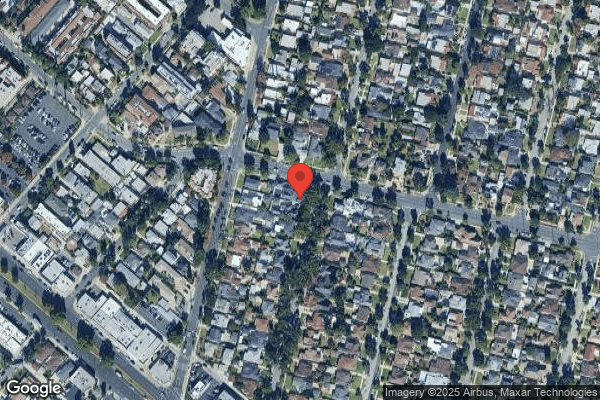
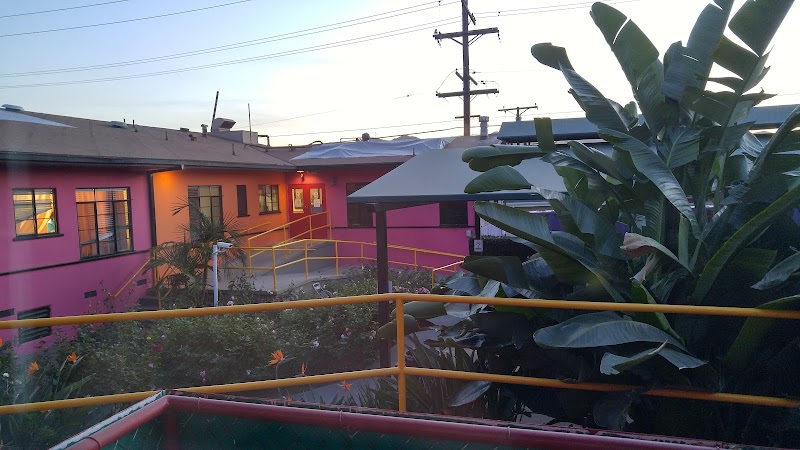
1400 WEST GLENOAKS BLVD, GLENDALE, CA 91201 (818) 242-1183
For profit - Corporation 52 Beds Independent Data: November 2025 2 Immediate Jeopardy citations
Trust Grade
6/100
#1014 of 1155 in CA
Last Inspection: June 2025

Inspected within the last 6 months. Data reflects current conditions.

Overview

Dreier's Nursing Care Center has received a Trust Grade of F, indicating poor quality and significant concerns about care. It ranks #1014 out of 1155 nursing homes in California, placing it in the bottom half of facilities statewide, and #295 out of 369 in Los Angeles County, meaning there are better options nearby. Although the facility is showing some improvement from 25 issues in 2024 to 24 in 2025, it still reported 61 total issues, including two critical incidents where staff failed to properly notify physicians of significant changes in a resident's condition. Staffing is a relative strength with a rating of 4 out of 5 stars and good RN coverage, but the facility has a concerning $48,700 in fines, which is higher than 90% of California nursing homes. Specific incidents included a failure to monitor a resident for stroke symptoms and inadequate communication about hazards related to another resident's daily care, suggesting serious lapses in patient safety.

Trust Score
F
6/100
In California
#1014/1155
Bottom 13%
Safety Record
High Risk
Review needed
Inspections
Getting Better
25 → 24 violations
Staff Stability
○ Average
42% turnover. Near California's 48% average. Typical for the industry.
Penalties
⚠ Watch
$48,700 in fines. Higher than 93% of California facilities. Major compliance failures.
Skilled Nurses
✓ Good
Each resident gets 90 minutes of Registered Nurse (RN) attention daily — more than 97% of California nursing homes. RNs are the most trained staff who catch health problems before they become serious.
Violations
⚠ Watch
61 deficiencies on record. Higher than average. Multiple issues found across inspections.
★☆☆☆☆
1.0
Overall Rating
★★★★☆
4.0
Staff Levels
★★★☆☆
3.0
Care Quality
★☆☆☆☆
1.0
Inspection Score
Stable
2024: 25 issues
2025: 24 issues

The Good

  • 4-Star Staffing Rating · Above-average nurse staffing levels
  • Full Sprinkler Coverage · Fire safety systems throughout facility
  • No fines on record
  • Staff turnover below average (42%)

    6 points below California average of 48%

Facility shows strength in staffing levels, fire safety.

The Bad

1-Star Overall Rating

Below California average (3.1)

Significant quality concerns identified by CMS

Staff Turnover: 42%

Near California avg (46%)

Typical for the industry

Federal Fines: $48,700

Above median ($33,413)

Moderate penalties - review what triggered them

The Ugly 61 deficiencies on record

2 life-threatening 1 actual harm
Aug 2025 1 deficiency
CONCERN (D) 📢 Someone Reported This

A family member, employee, or ombudsman was alarmed enough to file a formal complaint

Potential for Harm - no one hurt, but risky conditions existed

Deficiency F0557 (Tag F0557)

Could have caused harm · This affected 1 resident

**NOTE- TERMS IN BRACKETS HAVE BEEN EDITED TO PROTECT CONFIDENTIALITY** Based on interview and record review, the facility failed to treat one of three sampled residents (Resident 1) with respect and ...

Read full inspector narrative →
**NOTE- TERMS IN BRACKETS HAVE BEEN EDITED TO PROTECT CONFIDENTIALITY** Based on interview and record review, the facility failed to treat one of three sampled residents (Resident 1) with respect and dignity by failing to get permission prior to entering Resident 1's room on 8/12/2025, in accordance with the facility's policy & procedure (P&P) on Dignity, and the resident's care plan that indicated facility staff is to knock and request permission before entering a residents' room. Furthermore, the facility failed to assist Resident 1 in maintaining dignity, well-being, manage emotional needs and monitor for further emotional distress, due to the anxiety and stress brought about by a facility staff (Housekeeper [HK] 1) when HK 1 entered Resident 1's room without permission on 8/12/2025, while the resident was dressing up, opened the privacy curtain and looked at Resident 1 while she was naked. HK 1 was again assigned to clean Resident 1's room on 8/13/2025 and 8/14/2025, after Resident 1 complained and requested HK 1 not to be assigned around her room anymore. This deficient practice had the potential to negatively affect the residents' psychosocial and psychological well-being. As a result, Resident 1 was very upset, yelling out, crying, and verbalized feeling isolated, mistreated, and discriminated against on 8/12/2025 and 8/13/2025. During a review of Resident 1's admission Record (AR), the AR indicated that Resident 1 was admitted to the facility on [DATE] with diagnoses including Diabetes Mellitus ( high blood sugar), major depressive disorder (a mental illness constant feeling of sadness), and acute respiratory disorder (a sudden, life-threatening condition where the lungs cannot adequately exchange oxygen and carbon dioxide, leading to dangerously low oxygen levels in the blood or excessive carbon dioxide buildup, require medical intervention). During a review of Resident 1's care plan, initiated on 3/18/2025, the care plan indicated that Resident 1 prefers to keep the curtain closed at all times. The care plan included a goal that Resident 1's preferences will be honored, and her privacy and comfort will be respected. The environment will be conducive to her emotional and physical well-being. The care plan intervention indicated that if the room needs to be entered for emergency purposes, the resident should be informed, and any necessary adjustments to the environment should be made easily. During a review of Resident 1's History and Physical (H&P) dated 5/14/2025, the H& P indicated Resident 1 had the capacity to make medical decisions. During a review of Resident 1's Minimum Data Set (MDS), a resident assessment tool, dated 7/3/2025, the MDS indicated that Resident 1's Brief Interview for Mental Status (BIMS)-a brief screener used to detect cognitive impairment-had a score of 15 [A score between 13 and 15 indicates that cognitive skills for daily decision-making are intact]. During a review of Resident 1's progress note dated 8/12/2025 at 10:03 AM, the note indicated the following information:The SSD was made aware by Certified Nurse Assistant (CNA) 1 that the resident was very upset and yelling out. The SSD went to the resident's room and asked to speak with her, and the resident agreed. Upon entering the room, the resident was sitting at the edge of the bed, staring out the window-not yelling or appearing in distress. The SSD explained that she had been informed the resident was upset and wanted to follow up and offer assistance. At that moment, [Resident 1] turned and began yelling, ‘I'm so fu***ng tired of this! I'm done! I need to be respected!' The note indicated [Resident 1] explained that she had just showered and was about to dress when she heard a knock on the door. [Resident 1] stated that she said out loud, ‘I'm changing,' but then heard the housekeeper enter the room. [Resident 1] noted that her curtain was fully drawn, covering her. The note indicated [Resident 1] said, ‘Why do they need to come into the room when they see the curtain drawn? I'm fed up. I can't take this anymore.' The note indicated [Resident 1] continued to express her frustration by yelling, repeating herself multiple times, and not responding to redirection attempts. The SSD encouraged the resident to verbalize her feelings and provided emotional support but was unsuccessful in calming her down. The SSD apologized for the incident, assured the resident that her concerns would be followed up on, and asked if she was okay at that moment. The resident, still visibly upset, did not respond to SSD. Instead, she called someone on her phone and began yelling again, repeating the same complaint. When asked again, the resident stated she was ‘fine' and continued yelling on the phone. The SSD exited the room to give her privacy and indicated follow-up is pending. During a review of Resident 1's Progress Note dated 8/12/2025, at 11:16 AM, the note indicated: Resident is still on a phone call, yelling and stating, ‘I'm f**ing tired.'* The note further indicated that the SSD provided the resident with space and privacy to continue her phone call and would continue to follow up. During a review of Resident 1's Progress Note dated 8/12/2025, at 3:34 PM, the Progress Note indicated that the SSD attempted to discuss the earlier incident and provide a follow up, but [Resident 1] declined at the moment and stated she was upset about missing a doctor's appointment. The Note indicated SSD to follow up. During a review of Resident 1's grievance dated 8/12/2025 (time not specified), the grievance form indicated that Resident 1 had a complaint regarding housekeeping [HK 1]. [Resident 1] explained that she was in her room after showering when she heard a knock on the door. [Resident 1] stated that she said aloud, I am changing, but still heard [HK 1] enter her room. The grievance form indicated that the DON, Social Services Director (SSD), and Housekeeping Supervisor were the department heads designated to take action on the concern. The grievance form indicated under Action Taken: The Housekeeping Supervisor was made aware of the incident and a one-on-one in-service training was requested. During a review of Resident 1's Progress Note dated 8/13/2025, at 1:13 PM, the note indicated the following information: [The] SSD met with the resident in her room and inquired about the earlier incident. The resident verbalized, feeling upset with the housekeeper [HK 1] that day. She [Resident 1] stated that she went out for a walk with [RNA 1] and, upon returning, asked for the floor to be dried before entering. She [Resident 1] reported that CNA 4 dried the floor for her and expressed frustration that the housekeeper [HK 1] did not do it instead. The SSD encouraged [Resident 1] to express her feelings and provided emotional support. The SSD explained that the concerns had been reported to the Housekeeping Supervisor and [HK 1] would receive one-on-one training on resident rights and customer service. Additionally, since [Resident 1] had verbalized that she does not want to see him [HK 1], [HK 1] would be reassigned and would no longer be present around [Resident 1's] room or area. [Resident 1] verbalized understanding and agreed with the plan, although she remained visibly upset and angry. When asked if there was anything else that could be done to assist her or make her feel better, the resident did not respond directly but stated, I'm just done with all this shit! I don't know who he thinks he is. I'm done with this place. The SSD encouraged [Resident 1] to continue expressing her feelings and suggested breathing exercises to help her calm down. The SSD also discussed available options and resources for returning to the community. The SSD noted that one-on-one visits would be provided as needed to support Resident 1's emotional and psychosocial well-being. During an interview on 8/14/2025, at 1:52 PM, Resident 1 stated that on 8/12/2025, around 10 AM, Resident 1 had just gotten out of the shower. While she was changing and the curtains were closed, Resident 1 heard a knock on the door. Resident 1 stated she called out loudly, I am changing, do not enter. A few minutes later, a housekeeper (HK 1) entered the room, opened the curtain, and looked at her while she was naked. Resident 1 stated that she yelled at him (HK 1) to leave. Resident 1 further stated that a few minutes later (approximately five minutes), [HK 1] returned to the room, pretending he needed to retrieve an extension cord from the wall next to her bed. Resident 1 stated that again, [HK1] opened the curtain and looked at her while she was naked. Resident 1 reported that she informed the facility's social worker [SSD] of the incident within a few minutes and filed a grievance. During the same interview, on 8/14/2025, at 1:52 PM, Resident 1 stated that the next day, on 8/13/2025, when she returned to her room after walking with RNA 1, Resident 1 saw HK 1 mopping the floor inside her room. Resident 1 stated she did not enter the room because HK 1's presence made her uncomfortable. Resident 1 expressed feeling violated, humiliated, and ignored. Resident 1 stated that after reporting the incident, her concerns were dismissed, and she was told she would be transferred to another facility. Resident 1 stated she felt isolated, mistreated, and discriminated against in how her complaint was handled. During the interview, Resident 1 became emotional and began crying. During an interview on 8/14/2025, at 2:14 PM, the Social Services Director (SSD) stated that on 8/12/2025, around 10 AM, she went to Resident 1's room. The SSD reported that Resident 1 was angry because a housekeeper (HK 1) had entered her room on 8/12/2025 without permission while she was changing. The SSD stated that Resident 1 was angry and yelling. The SSD stated she attempted to provide emotional support but was not successful. The SSD stated that she reported the incident the same day to the Director of Nursing (DON) and the Housekeeping Supervisor. The SSD stated that Resident 1 remained angry and upset throughout the day, so she decided to give her space and not disturb her further. The SSD emphasized that staff should not enter any resident's room without permission, in order to respect their rights and dignity. During an interview on 8/14/2025, at 3 PM, RNA 1 stated that on 8/12/2025, at around 10 AM, she heard Resident 1 yelling and expressing anger. Resident 1 reported to her that a housekeeper (HK 1) had entered her room without permission while she was changing. RNA 1 stated that Resident 1 remained upset and angry throughout the day during her shift, from 10:00 AM to 3:00 PM. RNA 1 mentioned that she did not intervene because she saw the SSD and LVN 1 already present in Resident 1's room. RNA 1 further stated that on 8/13/2025, in front of Resident 1's room, Resident 1 observed HK 1 mopping the floor of Resident 1's room. Resident 1 asked HK 1 to dry the floor before she entered the room because the floor was wet. RNA 1 stated HK 1 did not respond and remained standing there, so CNA 4 dried the floor to allow Resident 1 to enter the room. RNA 1 stated that Resident 1 became very angry and upset upon seeing HK 1. During an interview on 8/15/2025, at 3:49 PM, with HK 1, HK 1 stated that he does not understand or speak English. When asked if he understood the phrase I am changing, do not enter the room, he responded that he did not understand. HK 1 stated that on 8/12/2025, at around 9 AM, he noticed that Resident 1 was lying in bed. Around 10:00 AM, he knocked on Resident 1's door. The curtains were closed, and he did not hear a response, so he entered the room. While mopping the floor, the dust pad hit Resident 1's bed. At that point, HK 1 stated he heard Resident 1 yelling. HK 1 stated that he did not understand what Resident 1 was saying, so he left the room. HK 1 further stated that he was not aware of the facility's policy regarding what to do if a resident does not respond after a knock on the door. During the same interview on 8/15/2025, at 3:49 PM, HK 1 stated that on 8/13/2025, while mopping the floor in Resident 1's room, Resident 1 was ambulating with RNA 1. HK 1 stated Resident 1 asked him to do something, but he did not understand. HK 1 stated, CNA 4 then dried the floor so Resident 1 could enter the room. HK 1 stated that on 8/13/2025, he received an in-service training instructing staff not to enter any resident's room without permission. HK 1 also stated that, as of the time of the interview, his assignment had not changed and he was still assigned to clean Resident 1's room. During an interview on 8/14/2025, at 4:38 PM, the DON stated that on 8/12/2025, around 10 AM, she heard Resident 1 yelling and appearing angry. The DON reported that the SSD informed her that Resident 1 had reported a housekeeper entered her room without permission while she was changing. The DON stated that she did not enter Resident 1's room or inquire further about the incident. She mentioned that throughout the day, she heard multiple instances of Resident 1 being angry. However, she did not speak with Resident 1 about the incident, as she was waiting for her (Resident 1) to calm down before initiating a conversation. The DON acknowledged that Resident 1's yelling and anger represented a change in condition, but staff did not initiate a care plan, complete an SBAR, or monitor Resident 1 for emotional distress. She also confirmed that no psychiatric evaluation was scheduled for the 8/12/2025 incident, and the physician was not notified. The DON stated that no in-service training was provided to housekeeping staff on 8/12/2025 because the training was conducted the following day by the Housekeeping Supervisor. The DON stated she was unsure whether the Housekeeping Supervisor had changed the housekeeper's assignment. The DON emphasized that staff should not enter any resident's room without permission, as it is essential to respect the resident's dignity and rights. The DON stated that she should have initiated a care plan, completed an SBAR, monitored Resident 1 for emotional distress, and provided emotional support on 8/12/ 2025. During an interview on 8/15/2025, at 10:03 AM, LVN 1 stated that she was assigned to Resident 1 on 8/12/2025. LVN 1 stated that sometime between 10 AM and 12 PM, she heard that Resident 1 was very angry and upset. LVN 1 stated that she was informed by the DON that HK 1 had entered Resident 1's room without permission while she was changing. During her shift from 10 AM to 3 PM, LVN 1 stated she observed that Resident 1 appeared upset. However, she did not ask about the reason and did not initiate a care plan or Change of Condition (COC) documentation, as she was under the impression that the DON had already completed the COC and addressed Resident 1's concerns. LVN 1 stated that there is no psychiatric evaluation scheduled for Resident 1 at this time. She added that if a resident is experiencing outbursts of anger or emotional distress, the facility should create a change in condition assessment, develop a care plan, and monitor the resident for emotional distress for 72 hours. LVN 1 stated that no care plan or COC was initiated for Resident 1 on 8/12/2025. During an interview on 8/15/2025, at 11:05 AM, the Housekeeping Supervisor stated that he was informed about the incident by the Social Services Director (SSD) on 8/12/2025. He was told that HK 1 had entered Resident 1's room without permission while she was changing. He stated that he provided in-service training to HK 1 on 8/13/2025. Despite this, HK 1 was assigned again to Resident 1's room on both 8/13/2025 and the afternoon of 8/14/2025. During an interview on 8/15/2025, at 12:28 PM, CNA 2 stated that she was assigned to Resident 1 on 8/12/2025, from 7 AM to 3 PM. Around 9:30 AM to 10 AM, she assisted Resident 1 with a shower and helped her return to her room. Later, between 10 AM and 10:30 AM, CNA 2 stated she heard Resident 1 yelling and noticed that she appeared upset. CNA 2 stated that Resident 1 reported to her that housekeeping had entered the room without permission while she was changing. CNA 2 added that Resident 1 remained very upset and angry for the rest of the day, from 10 AM to 3 PM on 8/12/2025. During a review of the facility's Policy and Procedure titled Dignity, revised February 2021, the P&P indicated that: Each resident shall be cared for in a manner that promotes and enhances their sense of well-being, satisfaction with life, and feelings of self-worth and self-esteem. Residents are to be treated with dignity and respect at all times. Staff are expected to knock and request permission before entering a resident's room. During a review of the facility's Policy and Procedure titled Quality of Life - Accommodation of Needs, revised November 2010, the P&P indicated that the facility's environment and staff behaviors are directed toward assisting residents in maintaining and/or achieving independent functioning, dignity, and well-being. The P & P indicated to accommodate individual needs and preferences, staff attitudes and behaviors must support residents in maintaining independence, dignity, and well-being to the extent possible and in accordance with the residents' wishes. Staff shall interact with residents in a manner that accommodates their physical or sensory limitations, promotes communication, and preserves their dignity. During a review of the facility's Policy and Procedure titled Resident Rights, revised February 2021, it was indicated that:Employees shall treat all residents with kindness, respect, and dignity.Federal and state laws guarantee certain basic rights to all residents of this facility. These rights include the resident's right to:Be treated with respect, kindness, and dignity.Be free from abuse, neglect, misappropriation of property, and exploitation.Privacy and confidentiality.Voice grievances to the facility or to another agency that hears grievances, without discrimination, reprisal, or fear of retaliation.Have the facility respond to his or her grievances. During a review of the facility's document titled Job Description - Social Services, dated 2023, the P&P indicated that the duties and responsibilities of Social Services include:Assisting residents and their families with emotional problems, including anxieties and stress caused by illness and admission to the facility, difficulties coping with residual physical disabilities, fears related to helplessness and death, and the need for institutional and specialized care.Interpreting the social, psychological, and emotional needs of the resident and/or family to the medical staff, attending physician, and other members of the resident care team.Assisting in obtaining resources from community social, health, and welfare agencies to meet the needs of the resident.Providing consultation to staff members, community agencies, and others in efforts to address the needs and problems of residents through the development of social service programs.Demonstrating the ability to seek out new methods and principles and a willingness to incorporate them into existing social services. During a review of the facility's Policy and Procedure titled Care Plan, revised in March 2022, the P&P indicated that: A comprehensive, person-centered care plan that includes measurable objectives and timetables to meet the resident's physical, psychosocial, and functional needs is developed and implemented for each resident. The interdisciplinary team (IDT), in conjunction with the resident and his/her family or legal representative, develops and implements this care plan. The comprehensive, person-centered care plan:Includes measurable objectives and timeframes.Describes the services to be furnished in order to attain or maintain the resident's highest practicable physical, mental, and psychosocial well-being.Includes the resident's stated goals upon admission and desired outcomes.Builds on the resident's strengths.Reflects currently recognized standards of practice for identified problem areas and conditions.Services provided or arranged by the facility and outlined in the care plan must be delivered by qualified personnel. Care plan interventions are selected only after thorough data gathering, proper sequencing of events, careful consideration of the relationship between the resident's problem areas and their causes, and relevant clinical decision-making.Whenever possible, interventions should address the underlying source(s) of the problem areas, not just the symptoms or triggers. Resident assessments are ongoing, and care plans are revised as new information becomes available or as the resident's condition changes.The interdisciplinary team reviews and updates the care plan:When there has been a significant change in the resident's condition.When the desired outcome is not met.
Jun 2025 12 deficiencies
CONCERN (D)

Potential for Harm - no one hurt, but risky conditions existed

Deficiency F0552 (Tag F0552)

Could have caused harm · This affected 1 resident

**NOTE- TERMS IN BRACKETS HAVE BEEN EDITED TO PROTECT CONFIDENTIALITY** Based on interview and record review the facility failed to ensure the resident and/or responsible party (RP) were informed in a...

Read full inspector narrative →
**NOTE- TERMS IN BRACKETS HAVE BEEN EDITED TO PROTECT CONFIDENTIALITY** Based on interview and record review the facility failed to ensure the resident and/or responsible party (RP) were informed in advance, of the risks and benefits of hypnotic medications (a type of drug specifically designed to help you fall asleep and stay asleep) and an informed consent was reviewed and completed for psychotropic medications (medication that affects mood and behavior) for one of six sampled residents (Resident 44). This deficient practice violated the resident's right to make an informed decision and consent to receive hypnotic medications. Findings: During a review of Resident 44's admission Record (AR), indicated the resident was admitted to the facility on [DATE] and readmitted to the facility on [DATE], with diagnoses that included acute respiratory failure with hypoxia (a sudden and life-threatening condition where the respiratory system cannot adequately exchange gases, resulting in insufficient oxygen or excessive carbon dioxide in the blood), end stage renal disease (ESRD, the final, irreversible stage of chronic kidney disease [CKD, kidneys were so damaged and could not filter blood as well as they should have]), and heart failure (a condition where the heart was unable to pump enough blood to meet the body ' s needs). During a review of Resident 44's History and Physical (H&P) dated 1/17/2025, the H&P indicated the resident had capacity to understand and make decisions. During a review of Resident 44's Facility Verification of Informed Consent to Physical Restraint, Psychotherapeutic Drugs, or Prolonged Use of a Device form dated 3/31/2025, the consent form did not include Resident 44 ' s signature. During a review of Resident 44's Minimum Data Set (MDS, a federally mandated resident assessment tool) dated 4/7/2025, indicated the resident ' s cognition was intact (sufficient judgment and self-control to manage the normal demands of the environment). The MDS indicated the resident was receiving a hypnotic medication. During a review of Resident 44's Physician ' s Order (PO) dated 4/15/2025, the PO indicated Zolpidem Tartrate (also known as Ambien, a sedative-hypnotic medication used to treat insomnia, or trouble sleeping) tablet, 10 milligrams (mg, unit of measurement), give one tablet by mouth at bedtime for insomnia (a sleep disorder characterized by difficulty falling asleep, staying asleep, or waking up too early, despite having adequate opportunity to sleep) manifested by inability to sleep. During a review of Resident 44's Ambien Care Plan revised 6/15/2025, the Care Plan indicated a goal for the resident to be free of any discomfort or adverse side effects of hypnotic use and limited episodes of inability to sleep at bedtime. The Care Plan interventions included administering the medication as ordered and to monitor, document, and report for the following adverse effects: daytime drowsiness, confusion, loss of appetite in the morning, increased risk of falls and fractures, and dizziness. During a concurrent interview and record review with Licensed Vocational Nurse (LVN) 4 of Resident 44 ' s Informed Consent for Ambien on 6/17/2025 at 4:33 PM, LVN 4 stated the Informed Consent was not signed but should have been. LVN 4 stated if the Informed Consent was not signed, there would be a gray area if the resident was okay with receiving a medication that could cause respiratory suppression. LVN 4 stated the resident would need to be informed of all the potential risks of this medication before the resident could receive the medication otherwise if Resident 44 experienced any adverse effects, the resident would not know why. During a concurrent interview and record review with the Director of Nursing (DON) of Resident 44 ' s Informed Consent for Ambien on 6/18/2025 at 10:20 AM, the DON stated the Informed Consent was not signed but should have been. The DON stated the resident had been on the medication for a long time and I think it was missed. The DON stated if the Informed Consent was not signed the resident might not be aware of the risks/benefits/adverse effects of the medication. During a concurrent interview and record review with the DON on 6/18/2025 at 1:27 PM of the facility ' s policy and procedure (P&P) titled, Informed Consents dated July 2021, the P&P indicated The facility shall ensure the resident ' s rights are maintained and a copy of these rights and pertinent policies are made available to the resident and/or resident representative. Among these rights under this section are the right to: receive in advance all information that is material to a decision to accept or refuse treatment, consent to or to refuse any treatment or procedure or participation in experimental research and participate in care planning. The P&P indicated The facility staff shall verify the resident or resident representative has given informed consent to the proposed treatment or procedure prior to the initiation of psychotherapeutic drugs, antipsychotic drugs, physical restraints, bedrail(s) use, or the prolonged use of device that may lead to the inability to regain use of normal bodily function, or prior to the installation of bedrails.
CONCERN (D)

Potential for Harm - no one hurt, but risky conditions existed

Deficiency F0578 (Tag F0578)

Could have caused harm · This affected 1 resident

**NOTE- TERMS IN BRACKETS HAVE BEEN EDITED TO PROTECT CONFIDENTIALITY** Based on interview and record review the facility failed to provide one of six sampled residents (Resident 12) with information ...

Read full inspector narrative →
**NOTE- TERMS IN BRACKETS HAVE BEEN EDITED TO PROTECT CONFIDENTIALITY** Based on interview and record review the facility failed to provide one of six sampled residents (Resident 12) with information regarding the right to formulate an Advance Directive (AD, a written instruction, such as a living will or durable power of attorney for health care, recognized under State law relating to the provision of health care when the individual was incapacitated). This deficient practice had the potential for the facility to not honor Resident 12 ' s wishes and for the resident to receive inaccurate or unnecessary care and/or treatment services regarding life-sustaining treatment. Findings: During a review of Resident 12's AD Acknowledgement Form (confirmed that you understand your right to make decisions about your future medical care and have either documented those wishes or appointed someone to make those decisions for you if you were unable to do so) dated 2/16/2024, the AD Acknowledgement Form indicated the resident had executed an AD. During a review of Resident 12's admission Record (AR), indicated the resident was admitted to the facility on [DATE], with diagnoses that included congestive heart failure (CHF, a heart disorder which caused the heart to not pump the blood efficiently, sometimes resulting in leg swelling), Type 2 Diabetes (a condition where the body did not use insulin [a hormone produced by the pancreas that helped regulate blood sugar levels] properly, meaning the body could not get enough sugar from the blood into cells for energy) and vascular dementia (a type of dementia caused by reduced blood flow to the brain, resulting in damage to brain tissue and impaired cognitive function). During a review of Resident 12 s History and Physical (H&P) dated 7/25/2024, indicated the resident had capacity to understand and make decisions. During a review of Resident 12's Interdisciplinary Team Conference Record (IDT Conference Record) dated 7/26/2024, the IDT Conference Record indicated the resident ' s POLST indicated the Resident 12 had an Advance Healthcare Directive, but the facility did not have a copy on file. The IDT Conference Record indicated when the facility asked the resident about the Advance Healthcare Directive, Resident 12 stated she was not aware. During a review of Resident 12' s Physician Orders for Life-Sustaining Treatment (POLST, a document that translated a seriously ill or frail person ' s wishes for medical care during a medical emergency into actionable medical orders) dated 10/23/2024, the POLST indicated the resident did not have an AD. During a review of Resident 12 ' s Minimum Data Set (MDS, a federally mandated resident assessment tool) dated 5/16/2025, indicated the resident ' s cognition was intact (sufficient judgement and self-control to manage the normal demands of the environment). The MDS indicated Resident 12 required substantial/maximal assistance (helper did more than half the effort) from facility staff for toileting/personal hygiene, upper/lower body dressing, and transfers. The MDS indicated Resident 12 required supervision or touching assistance (helper provided verbal cues and/or contact guard assistance) from facility staff for eating and oral hygiene. During a review of Resident 12 ' s IDT Conference Record dated 5/19/2025, the IDT Conference Record indicated the resident and the resident ' s responsible agent attended the conference. The IDT Conference Record indicated the POLST was reviewed with no changes made. During a concurrent interview and record review of Resident 12 ' s POLST and AD Acknowledgement Form on 6/17/2025 at 10:36 AM, the Director of Nursing (DON) stated the two documents should have had matching information. The DON stated the information should have been clarified amongst the IDT because the facility worked together as a team. The DON stated if the two documents were not clarified, there was potential for the resident ' s wishes not being met and could affect Resident 12 emotionally. During a concurrent interview and record review of Resident 12 ' s POLST and AD Acknowledgement Form on 6/17/2025 at 3:44 PM, the Social Worker (SW) stated the two documents had conflicting information and should not have been that way. The SW stated if the two documents were not clarified there could be confusion as to whether the resident had an AD and create conflict if the information from the AD and POLST information were not matching. The SW stated there was no documentation found indicating the resident was provided information regarding Advance Directives. During an interview on 6/18/2025 at 12:22 PM, Resident 12 stated she did not have an AD and did not remember if the facility provided information regarding an AD. During a concurrent interview and record review with the DON on 6/18/2025 at 3:52 PM of the facility ' s policy and procedure (P&P) titled, ADs dated September 2022, the P&P indicated Prior to or upon admission of a resident, the social services director or designees inquires of the resident, his/her family members and/or his or her legal representative, about the existence of any written ADs. The resident or representative is provided with written information concerning the right to refuse or accept medical or surgical treatment and to formulate an AD if he or she chooses to do so. Written information about the right to accept or refuse medical or surgical treatment, and the right to formulate an AD is provided in a manner that I easily understood by the resident or representative. The DON stated the facility was not following the P&P but should have been. The DON stated if the facility was not following the P&P, Resident 12 ' s wishes would not be met and that could affect the resident emotionally.
CONCERN (D)

Potential for Harm - no one hurt, but risky conditions existed

Deficiency F0688 (Tag F0688)

Could have caused harm · This affected 1 resident

**NOTE- TERMS IN BRACKETS HAVE BEEN EDITED TO PROTECT CONFIDENTIALITY** Based on observation, interview, and record review, the facility failed to ensure one of three sampled residents (Resident 17) r...

Read full inspector narrative →
**NOTE- TERMS IN BRACKETS HAVE BEEN EDITED TO PROTECT CONFIDENTIALITY** Based on observation, interview, and record review, the facility failed to ensure one of three sampled residents (Resident 17) received Restorative Nursing Services (RNA, an exercise program to maintain or prevent decline in the resident's joint mobility) as indicated in the care plan and the facility ' s policy and procedure to prevent decrease in range of motion (ROM- how far you can move or stretch a part of your body). This deficient practice had the potential to place Resident 17 at increased risk for ROM decline and development of contractures (a condition of shortening and hardening of muscles, tendons, or other tissue, often leading to deformity and rigidity of joints). Findings: During a review of Resident 17 ' s admission Record (AR), the AR indicated that Resident 17 was originally admitted to the facility on [DATE] and readmitted on [DATE], with diagnoses including metabolic encephalopathy (a change in how a person ' s brain dysfunctions due to an underlying condition), generalized muscle weakness, and epilepsy (is a brain condition that causes recurring seizures). During a review of Resident 17 ' s Joint Mobility Assessment (JMA) dated 12/15/2024, the JMA indicated the following: 1. Resident 17 had moderate limitation (50%-> 75%) on both sides of upper extremities [BUE (bilateral upper extremities)- shoulder, elbow, wrist, hand] 2. Resident 17 had full ROM (0%) / variance up to 25% due to normal aging process on both hips. 3. Resident 17 had minimal limitation (25%-> 50%) on both knees. 4. Resident 17 had severe limitation (75%-> 100%) on both ankles. During a review of Resident 17 ' s Care Plan dated 4/23/2024, the Care Plan indicated that Resident 17 needed RNA Program due to the resident ' s limitation in ROM. During a review of Resident 17 ' s Physician Orders, dated 2/11/2025, indicated the physician order for RNA exercises for BUE and BLE were discontinued on 2/10/2025 due to readmission. During a review of Resident 17 ' s Quarterly Assessment for JMA, dated 3/15/2025, the JMA indicated to provide RNA for PROM exercises (passive range of motion exercises, to move a joint through its full range of motion by an external force, such as a therapist or caregiver, without the individual actively using their muscles) to prevent further decrease in ROM. During a review of Resident 17 ' s Minimal Data Sheet (MDS- a federally mandated resident assessment tool) dated 3/24/2025, the MDS indicated that Resident 17 was severely cognitively impaired (never/rarely made decisions.) The MDS indicated that Resident 17 had impaired range of motion on both sides of upper extremities and lower extremities (hip, knee, ankle, foot.) The MDS also indicated that Resident 17 was dependent (helper does all of the effort) on oral hygiene, toilet hygiene, shower/bathe self, upper and lower body dressing, personal hygiene, rolling left and right, sitting to lying, lying to sitting on side of bed, sit to stand, and chair/bed-to-chair transfer. During a concurrent observation and interview on 6/17/2025 at 10:20 AM with the Certified Nurse Assistant (CNA) 2, Resident 17 was observed with limited ROM on BUE, and ankles. CNA 2 stated she did not see any therapy or RNA assisted exercises done at bedside for Resident 17 for the past three months. During a concurrent record review and interview on 6/17/2025 at 10:30 AM with the Licensed Vocational Nurse (LVN) 1, Resident 17 ' s Physician Orders were reviewed. LVN 1 stated she can ' t find RNA program in the resident ' s active orders. LVN 1 also stated she couldn ' t recall the last time she saw Resident 17 received RNA program, but the resident had limited ROM and should be on RNA Program. During a concurrent record review and interview on 6/17/2025 at 11:20 AM with the Registered Nurse Supervisor (RNS) 1, Resident 17 ' s active Physician Orders were reviewed. RNS 1 stated Resident 17 was on RNA program before the facility transferred her to GACH (general acute care hospital) and returned on 2/10/2025. RNS 1 stated the RNA order was discontinued when the resident was transferred and a new physician order had to be placed when the resident returned to the facility. RNS 1 stated Resident 17 had limited ROM and RNA program should have been resumed. RNS 1 also stated by not providing RNA services, the resident could become more immobile, skin issues and contracture could occur. During a phone interview on 6/18/2025 at 3:15 PM with the Director of Rehabilitation (DOR, a leader of a team that helps clients recover and regain their independence after an injury, illness, or surgery), DOR stated that she recalled Resident 17 had been discharged from rehab therapy last year and was referred to RNA program. DOR stated she performed joint mobility assessment quarterly and referred Resident 17 to RNA services. DOR stated she was not aware that Resident 17 returned to the facility and did not have active RNA program order since 2/10/2025. DOR also stated Resident 17 needed RNA for PROM exercises to prevent further decline in ROM. During a concurrent record review and interview on 6/18/2025 at 3:35 PM with the Director of Nursing (DON), Resident 17 ' s active physician orders and care plan were reviewed. DON stated that she could not answer why RNA program was not ordered or provided when Resident 17 was readmitted on [DATE]. DON stated RNA program should have been continued for Resident 17 to promote the individual ' s safety and independence, maintain the resident ' s dignity, and/or to prevent further decrease of ROM. During a review of the facility ' s Policy and Procedure (P&P) titled Restorative Nursing Services revised in 7/2017, the P&P indicated that residents would receive restorative nursing care as needed to help promote optimal safety and independence. Residents may be started on a restorative nursing program upon admission, during the course of stay or when discharged from rehabilitative care. During a review of the facility ' s P&P titled Resident Mobility and Range of Motion revised in 7/2017, the P&P indicated that residents with limited range of motion will receive treatment and services to increase and/or to prevent a decrease in ROM. The P&P also indicated that (care plan) interventions may include therapies, the provision of necessary equipment, and/or exercises and will be based on professional standards of practice and be consistent with state laws and practice acts.
CONCERN (D)

Potential for Harm - no one hurt, but risky conditions existed

Deficiency F0692 (Tag F0692)

Could have caused harm · This affected 1 resident

**NOTE- TERMS IN BRACKETS HAVE BEEN EDITED TO PROTECT CONFIDENTIALITY** Based on observation, interview and record review, the facility failed to ensure one of eight sampled residents (Resident 47) wi...

Read full inspector narrative →
**NOTE- TERMS IN BRACKETS HAVE BEEN EDITED TO PROTECT CONFIDENTIALITY** Based on observation, interview and record review, the facility failed to ensure one of eight sampled residents (Resident 47) with weight loss received a comprehensive nutritional assessment and provided the resident ' s food preferences. This deficient practice had the potential to result in unmet nutritional need, poor meal acceptance, and increased risk for further weight loss. Findings: During a review of resident 47's admission Record indicated the resident was admitted on [DATE] with a diagnosis of Chronic pulmonary edema (fluid accumulation in the tissue or spaces of the lungs) and acute respiratory failure (a condition where you don ' t have enough oxygen in the tissues in your body). During a review of Resident 47's History and physical (H&P), dated 5/18/2025, indicated the resident has the capacity to understand and make decisions. During a review of Resident 47's Minimum Data Set (MDS - a federally mandated resident assessment tool), dated 5/12/2025, indicated the resident ' s cognition was intact (ability to reason and think normally). During an interview on 6/17/2025 at 12:04PM with Resident 47, Resident 47 stated No one has ever asked what food I like. Resident 47 stated not liking the food at the facility, stating it was not cooked right. Resident 47 stated he would like to eat more meat, fresh vegestables and not over cooked or not salty. During a concurrent interview and record review on 6/17/2025 at 12:13 PM with the DON, Resident 47 ' s Nutritional Screening on admission dated 5/13/2025 and reevaluation dated 6/4/24 was reviewed. The DON stated the Registered Dietitian (RD) did not include Resident 47 ' s food preferences. During a food test tray on 6/17/25 at 12:48 PM. the following were observed: -Vegetables were salty and mushy -Chicken was salty -Rice wasclumpy During a concurrent interview and record review on 6/17/2025 at 12:59 PM with Dietary Supervisor (DS), the following records were reviewed: -Resident 47's Nutritional screening dated 5/13/2025, Description admission did not include to indicate resident's food preferences. -Resident 47 ' s Weight and vitals summary indicated from 5/8/2025 to 6/11/2025 Resident 47 had a 75.4 lb weight loss -Resident 47 ' s Intake of meals indicated from 5/19/2025 to 6/17/2025 Resident 47 ate on average 25 - 50 % of all meals. -Resident 47 Nutritional screening dated 6/1/2025 description comprehensive did not include to indicate resident food preferences In a concurrent interview on 6/17/2025 at 12:59PM with the DS, the DS stated he did not assess Resident 47 ' s food preferences and did not develop a care plan to indicate measures to determine the resident ' s preferred food to eat to prevent further weight loss. During a review of the facility ' policy and procedure (P&P) Titled, Nutritional Assessment, dated 2002, the P&P indicated, as part of the comprehensive assessment, a nutritional assessment, including current nutritional status and risk factors for impaired nutrition, shall be conducted for each resident. The nutritional assessment shall identify food preferences and dislikes including flavors, textures and forms.
CONCERN (D)

Potential for Harm - no one hurt, but risky conditions existed

Respiratory Care (Tag F0695)

Could have caused harm · This affected 1 resident

**NOTE- TERMS IN BRACKETS HAVE BEEN EDITED TO PROTECT CONFIDENTIALITY** Based on observation, interview, and record review the facility failed to provide necessary respiratory care services for two of...

Read full inspector narrative →
**NOTE- TERMS IN BRACKETS HAVE BEEN EDITED TO PROTECT CONFIDENTIALITY** Based on observation, interview, and record review the facility failed to provide necessary respiratory care services for two of six sampled residents (Resident 44 and Resident 41) reviewed receiving oxygen therapy by failing to: 1. Ensure Resident 44 received three liters (L, unit of volume used to measure how much oxygen gas was being delivered) of oxygen routinely according to physician ' s orders, and displayed a No Smoking/Oxygen in Use sign for Resident 44. 2. Follow the facility' s P&P for displaying a No Smoking/Oxygen in Use sign for Resident 41. This deficient practice had the potential to cause complications associated with oxygen therapy and result in respiratory distress and place residents at risk of injury due to a fire hazard. Findings: 1. During a review of Resident 44 ' s admission Record (AR), indicated the resident was admitted to the facility on [DATE] and readmitted to the facility on [DATE], with diagnoses that included acute respiratory failure with hypoxia (a sudden and life-threatening condition where the respiratory system cannot adequately exchange gases, resulting in insufficient oxygen or excessive carbon dioxide in the blood), end stage renal disease (ESRD, the final, irreversible stage of chronic kidney disease [CKD, kidneys were so damaged and could not filter blood as well as they should have]), and heart failure (a condition where the heart was unable to pump enough blood to meet the body ' s needs). During a review of Resident 44 ' s History and Physical (H&P) dated 1/17/2025, the H&P indicated the resident had capacity to understand and make decisions. During a review of Resident 44 ' s Minimum Data Set (MDS, a federally mandated resident assessment tool) dated 4/7/2025, indicated the resident ' s cognition was intact (sufficient judgment and self-control to manage the normal demands of the environment). The MDS indicated the resident ' s health conditions included shortness of breath (SOB) or trouble breathing with exertion (e.g., walking, bathing, and transferring), when sitting at rest, and when lying flat. The MDS did not indicate the resident was receiving oxygen therapy. During a review of Resident 44 ' s Physician ' s Order (PO) dated 6/4/2025 at 1:28 PM, the PO indicated oxygen (O2) therapy (routine): May administer O2 at 3 L per minute (L/min) via nasal cannula. Goal saturation (the percentage of hemoglobin [protein found in red blood cells] in your blood that was carrying oxygen) greater than 92%. During a review of Resident 44 ' s O2 Saturation Summary for June 2025, the O2 Saturation Summary indicated the resident used oxygen 12 times from 6/2/2025 to 6/15/2025 and was not on routine oxygen therapy. During an observation on 6/16/2025 at 10:56 AM, Resident 44 ' s room did not display signage indicating there was oxygen in use. During a concurrent interview and record review of Resident 44 ' s Physician ' s Order on 6/17/2025 at 3:57 PM, the Licensed Vocational Nurse (LVN) 4 stated the resident ' s oxygen order was inappropriate and should have been clarified with the physician to include the resident ' s diagnosis. During an interview on 6/17/2025 at 4:18 PM, LVN 4 stated residents on oxygen should have a sign posted outside of the door with red lettering stating oxygen was in use and no smoking was allowed. LVN 4 stated signs should have been posted so other people would be aware, otherwise that was a safety hazard. During a concurrent interview and record review of Resident 44 ' s Physician ' s Order on 6/18/2025 at 9:18 AM, the Director of Nursing (DON) stated the resident ' s oxygen order was incomplete and did not state Resident 44 ' s actual diagnosis of why the resident needed oxygen. The DON stated the facility staff was not following Physician ' s Orders because the resident was not on routine oxygen and should have been. The DON stated if the facility staff were not following Physician ' s Orders there could be a risk for respiratory issues for Resident 44 such as developing low oxygen saturation or SOB. During an observation and interview of Resident 44 ' s room on 6/18/2025 at 9:35 AM, the DON stated there should have been a sign posted outside of the resident ' s room indicating No smoking or Oxygen use for the safety of the resident, staff, and the building. The DON stated without the appropriate signs posted there was potential for hazard including a fire which could cause injury. 2. During a review of Resident 41 ' s AR, the AR indicated the resident was admitted to the facility on [DATE], with diagnoses that included chronic obstructive pulmonary disease (COPD, a chronic lung disease causing difficulty in breathing), dependence on supplemental oxygen, and atherosclerosis (a condition where fatty deposits [plaque] build up in the inner lining of the arteries). During a review of Resident 41 ' s H&P dated 11/1/2024, the H&P indicated the resident had capacity to understand and make decisions. During a review of Resident 41 ' s MDS dated [DATE], the MDS indicated the resident ' s cognition was intact. The MDS indicated the resident ' s health conditions included shortness of breath (SOB) or trouble breathing with exertion, when sitting at rest, and when lying flat. The MDS indicated the was receiving oxygen therapy. During a review of Resident 41 ' s PO dated 5/30/2025, the PO indicated oxygen therapy (routine): May administer O2 at 2 L/min via nasal cannula every shift for SOB or hypoxia. May titrate to achieve O2 saturation above 92%. During an observation on 6/16/2025 at 10:56 AM, Resident 41 ' s room did not display signage indicating there was oxygen in use. During an interview on 6/17/2025 at 4:18 PM, LVN 4 stated residents on oxygen should have a sign posted outside of the door with red lettering stating oxygen was in use and no smoking was allowed. LVN 4 stated signs should have been posted so other people would be aware, otherwise that was a safety hazard. During an observation and interview of Resident 41 ' s room on 6/18/2025 at 9:35 AM, the DON stated there should have been a sign posted outside of the resident ' s room indicating No smoking or Oxygen use for the safety of the resident, staff, and the building. The DON stated without the appropriate signs posted there was potential for hazard including a fire which could cause injury. During a review of the facility ' s P&P titled, Oxygen Administration dated October 2010, the P&P indicated The following equipment and supplies will be necessary when performing this procedure – No Smoking/Oxygen in Use signs. During a review of the facility ' s P&P titled, Verbal Orders dated February 2014, the P&P indicated, The individual receiving the verbal order will: read the order back to the practitioner to ensure that the information is clearly understood and correctly transcribed.
CONCERN (D)

Potential for Harm - no one hurt, but risky conditions existed

Deficiency F0726 (Tag F0726)

Could have caused harm · This affected 1 resident

**NOTE- TERMS IN BRACKETS HAVE BEEN EDITED TO PROTECT CONFIDENTIALITY** Based on observation, interview, and record review, the facility failed to ensure Licensed Vocational Nurse (LVN) 3 had sufficie...

Read full inspector narrative →
**NOTE- TERMS IN BRACKETS HAVE BEEN EDITED TO PROTECT CONFIDENTIALITY** Based on observation, interview, and record review, the facility failed to ensure Licensed Vocational Nurse (LVN) 3 had sufficient skills sets and competency to accurately aspirate (removal of fluid from the body part) and check the gastric residual volume (GRV, the amount of fluid remaining in the stomach at a specific time) of one out of one sampled resident (Resident 15) who had a gastrostomy tube (G-tube, a feeding tube inserted through the abdominal wall directly into the stomach) when: 1. LVN 3 was observed only aspirating 20 mL (milliliters, unit of measurement) of gastric contents from Resident 15 ' s G-tube. 2. LVN 3 verbally stated he only aspirates up to 20 mL of gastric contents when measuring the resident ' s GRV. This deficient practice had the potential for Resident 15 to be at risk of aspiration pneumonia (food or liquid inhaled into the lungs when the fluid from stomach backs up from the stomach due to vomiting) and abdominal distension (bloating or swelling of the stomach) or discomfort. Findings: During a review of Resident 15 ' s admission Record indicated the resident was originally admitted to the facility on [DATE], and readmitted on [DATE], with diagnoses that included dysphagia (difficulty swallowing), muscle weakness, and gastrostomy tube placement. During a review of Resident 15 ' s History and Physical (H&P), dated 10/20/2022, indicated the resident does not have the capacity to understand and make decisions. The H&P indicated for the resident to receive all medications via G-tube. The H&P indicated a plan regarding Resident 15 ' s G-tube to continue monitoring the resident ' s GRV. During a review of Resident 15 ' s Minimum Data Set (MDS, a resident assessment tool), dated 4/1/2025, the MDS indicated Resident 15 had severely impaired cognition (ability to process thoughts). The MDS also indicated that the resident has a feeding tube (G-tube). During a review of Resident 15 ' s physician orders, for June 2025, included orders to check the resident ' s GRV every shift and to hold tube feeding if the GRV is more than 100 mL (milliliters, unit of measuring liquid volume). During a review of Resident 15 ' s care plan for nutritional status on g-tube feeding, initiated 10/6/2021, revised on 11/23/2024, indicated that the resident will not have an episode of choking until the next review date, 9/13/2025. During a concurrent medication pass observation and interview with LVN 3 on 6/17/2025 at 9:04 AM, LVN 3 was observed checking Resident 15 ' s GRV prior to the start of the medication administration. LVN 3 aspirated 20 mL from Resident 15 ' s G-tube and stated that he usually take[s] out 15 to 20 mL when he checked Resident 15 ' s GRV. LVN 3 stated he does not aspirate more than 20 mL when checking the GRV and he does not know if he has to aspirate more than 20 mL. During an interview on 6/17/2025 at 9:22 AM with LVN 5, LVN 5 stated when checking the resident ' s GRV, the nurse must aspirate as much liquid as possible from the resident ' s G-tube and should not stop aspirating just 20 mL. LVN 5 stated checking the GRV accurately is important to prevent the resident from choking. LVN 5 added the facility ' s P&P indicates if the residual volume is above 500 mL, the nurse must not continue with the medications administration. During a review of a concurrent observation and interview with LVN 3 on 6/17/2025 at 9:22 AM, LVN 3 resumed to check Resident 15 ' s GRV. LVN 3 stated the correct GRV of Resident 15 was 110 mL and was actually significantly more than his initial assessment. LVN 3 added that only aspirating 20 mL was a mistake and did not provide the actual GRV of the resident. During a concurrent interview and record review on 6/18/2025 at 11:40 AM with the Director of Staffing Development (DSD), LVN 3 ' s employee records were reviewed. The DSD stated LVN 3 was trained on how to check for a resident ' s GRV. DSD stated LVN 3 was observed on 2/12/2025 and demonstrated the correct procedure, as indicated in the Med pass Observation competency checklist in LVN 3 ' s files. During an interview on 6/18/2025 at 1:31 PM with the Director of Nursing (DON), the DON stated it is important for the nurses to accurately check the residents ' GRV to prevent residents from potentially aspirating or choking from feedings or when medication is administered. DON stated the correct procedure for checking the GRV is that the nurse would connect a syringe (a tube with a nozzle and a plunger that is used for sucking in and ejecting liquid) into the resident ' s G-tube and the nurse would aspirate as much gastric contents as possible until the nurse is no longer able to or meets resistance. During a concurrent interview and record review on 6/18/2025 at 1:31 PM with the DON, the facility ' s P&P titled, Checking Gastric Residual Volume (GRV), revised 11/2018, was reviewed. DON stated the P&P does not indicate for the nurse to only aspirate 20 mL of gastric contents. DON stated the P&P indicated for instructions if the GRV is more than 250 mL, therefore, the nurse must continue to aspirate until there are no more gastric contents. During a review of the facility ' s P&P titled, Checking Gastric Residual Volume (GRV), revised 11/2018 indicated for the facility staff to aspirate stomach contents (GRV) and: a. if GRV is between 250-500 mL, take measures to reduce the risk of aspiration. b. if the GRV is greater than 500 mL, notify the physician. Assess resident for feeding intolerance. During a review of the facility's P&P titled, Enteral Feedings- Safety Precautions, revised 11/2018, indicated, under the section preventing aspiration, for the facility staff to check the GRV as ordered. During a review of the facility's P&P titled, Staffing, Sufficient, and Competent Nursing, revised 8/2022, indicated staff must demonstrate the skills and techniques necessary to care for resident needs including medication management.
CONCERN (D)

Potential for Harm - no one hurt, but risky conditions existed

Deficiency F0729 (Tag F0729)

Could have caused harm · This affected 1 resident

**NOTE- TERMS IN BRACKETS HAVE BEEN EDITED TO PROTECT CONFIDENTIALITY** Based on observation, interview, and record review the facility failed to ensure one of three Certified Nursing Assistant (CNA) ...

Read full inspector narrative →
**NOTE- TERMS IN BRACKETS HAVE BEEN EDITED TO PROTECT CONFIDENTIALITY** Based on observation, interview, and record review the facility failed to ensure one of three Certified Nursing Assistant (CNA) 3 ' s certificate was not expired and not permitted to perform resident care when CNA 3 ' s CNA certification expired on [DATE]. As a result of this deficient practice, the residents were at risk to receive substandard quality of care from CNA 3 with incompetent nursing skills. Findings: During a concurrent interview and record review on [DATE] at 10:34 AM with the Director of Staffing Development (DSD), CNA 3 ' s employee files were reviewed. CNA 3 ' s employee files indicated the CNA ' s certification expiration date was [DATE]. The DSD confirmed that CNA 3 ' s certification was expired and has not been renewed. The DSD stated CNA 3 was currently working and providing resident care. The DSD added that since CNA 3 ' s certification was expired, the CNA must be sent home until the certification has been renewed. During an interview on [DATE] at 10:49 AM with CNA 3, CNA 3 stated she is currently working with the residents and providing direct resident care. CNA 3 stated she has worked the days when she was scheduled to work since her certification expired. CNA 3 stated she is aware that her certification expired on [DATE] and has submitted the application to renew her certification on [DATE] but has not received her renewal yet. During a concurrent interview and record review on [DATE] at 10:49 AM with CNA 3, the monthly schedule for CNAs was reviewed with CNA 3. CNA 3 stated she worked the following days indicated in the schedule: a. [DATE] to [DATE] (3 days) b. [DATE] to [DATE] (5 days) c. [DATE] to [DATE] (5 days) During an interview on [DATE] at 11:01 AM with the DSD, the DSD stated it was his responsibility to ensure the CNAs ' certifications are not expired. The DSD further stated he reviewed the employee files of the CNAs and follows up with them if they have their certification was about to expire. The DSD stated he informed CNA 3 that her certification needed to be renewed prior to [DATE], but the DSD added he did not follow up with CNA 3. The DSD stated it is the CNA ' s responsibility to renew their certification. The DSD stated it is important that the facility only allow CNAs with non-expired certification to provide resident care because CNAs with expired certifications could be incompetent or could have other reasons as to why their certification cannot be renewed such as they could be under abuse investigations. During an interview on [DATE] at 1:31 PM with the Director of Nursing (DON), the DON stated that the facility only allows nursing staff who have current and non-expired licenses or certifications to provide resident care. The DON added it is important to ensure nursing staff have their licenses current because it proves that they are legally able to perform their duties in their field. During a review of the facility ' s job description (JD) for a CNA, dated 2003, indicated the CNA must be a licensed Certified Nursing Assistant in accordance with laws of the state. During a review of the facility ' s policy and procedures (P&P) titled, Credentialing of Nursing Service Personnel, revised 5/2019, indicated nursing personnel who require a certification to perform resident care must present verification of such certification prior to or upon employment.
CONCERN (D)

Potential for Harm - no one hurt, but risky conditions existed

Unnecessary Medications (Tag F0759)

Could have caused harm · This affected 1 resident

**NOTE- TERMS IN BRACKETS HAVE BEEN EDITED TO PROTECT CONFIDENTIALITY** Based on observation, interview, and record review, the facility failed to maintain a medication error rate of five percent or (...

Read full inspector narrative →
**NOTE- TERMS IN BRACKETS HAVE BEEN EDITED TO PROTECT CONFIDENTIALITY** Based on observation, interview, and record review, the facility failed to maintain a medication error rate of five percent or (5%) or less during medication pass in accordance with the professional standard of practice and facility ' s policy and procedure on medication administration for two of four observed residents (Residents 17 and 31) in which three (3) medication errors were identified out of 29 opportunities which yielded a cumulative error rate of 10.3 %. The facility failed to ensure: 1. Licensed Vocational Nurse (LVN) 1 did not flush Resident 17 ' s gastrostomy tube (G-tube, a feeding tube inserted through the abdominal wall directly into the stomach) after administering the medication methimazole (medication to treat hyperthyroidism, a condition where the thyroid gland produces too much thyroid hormone). 2. LVN 3 administered Resident 31's ophthalmic medication including Brimonidine and Brinzolamide (medications specifically formulated to decrease the pressure in the eyes) and did not apply pressure to Resident 31's inner eyes. Findings: 1. During a review of Resident 17 ' s admission Record (AR), indicated the resident was originally admitted on [DATE], and readmitted on [DATE], with diagnoses that included diabetes mellitus (DM-a disorder characterized by difficulty in blood sugar control and poor wound healing), muscle weakness and hyperthyroidism (also known as overactive thyroid, is a condition where the thyroid gland produces too much thyroid hormone). During a review of Resident 17 ' s History and Physical (H&P), dated 1/16/2024, indicated the resident does not have the capacity to understand and make decisions. The H&P also indicated that the resident was to receive medications via G-tube. During a review of Resident 17 ' s Minimum Data Set (MDS- a Federally mandated resident assessment tool), dated 3/24/2025, indicated the resident had severely impaired cognition (the ability to process thoughts). The MDS also indicated the resident had a feeding tube. During a review of Resident 17 ' s physician orders, for June 2025, included the following orders: Crush all crushable [medications] or give liquid medications via feeding tube, use a slow push to facilitate consumption. Flush G-tube with 30-50 [ml] (ml, milliliters, a unit of measuring liquid) of [water] with 15 ml of warm purified water (or prescribed amount) [before] and [after] medication administration. Every shift. Methimazole Tablet 5 mg (milligram, a unit of measuring weight) Give 1 tablet via G-tube one time a day for hyperthyroidism). During a review of Resident 17 ' s care plan for hyperthyroidism, initiated on 4/12/2025, included interventions for facility staff to administer medications as ordered by the physician. During a medication pass observation and concurrent interview with LVN 1 on 6/17/2025 at 8:17 AM, LVN 1 was observed administering medications to Resident 17 through the resident ' s G-tube. After LVN 1 administered Resident 17 ' s Methimazole into the GT, LVN 1 did not flush the G-tube after the administration. LVN 1 walked away from the resident and stated the medication administration of Resident 17 was finished. During an interview on 6/17/2025 at 8:19 AM with LVN 1, LVN 1 stated she forgot to flush Resident 17 ' s G-tube after the Methimazole was administered. LVN 1 stated the G-tube must be flushed after administering medications to ensure that the resident received the medication. LVN 1 added the medication stays in the G-tube if the G-tube is not flushed. During an interview at 6/18/2025 at 1:31 PM with the Director of Nursing (DON), the DON stated the G-tube must be flushed with the prescribed amount of water after the administration of medications. The DON stated failure to flush the G-tube is a medication error because the resident might not receive the correct dose and amount of medication because some medication may get stuck in the G-tube. DON added some medications would still be inside of the G-tube, and not in the resident ' s stomach. During a review of the facility ' s policy and procedures (P&P) titled, Administering Medications through an Enteral Tube, dated 2001, indicated to use warm, purified water for diluting medications and for flushing. The P&P also indicated when the last of the medication begins to drain from the tubing, flush the tubing with 15 ml of warm purified water (or prescribed amount). 2. During a review of Resident 31 ' s AR, indicated the resident was originally admitted on [DATE], readmitted on [DATE], with diagnoses that included glaucoma (eye disease that can cause vision loss and blindness) and diabetes mellitus. During a review of Resident 31 ' s H&P, dated 7/19/2024, indicated the resident has fluctuating capacity to understand and make medical decisions. During a review of Resident 31 ' s MDS, dated [DATE], indicated the resident has intact cognition. The MDS also indicated the resident has moderately impaired vision (limited vision; not able to see newspaper headlines but can identify objects). During a review of Resident 31 ' s physician orders, for June 2025, included the following orders: a. Brimonidine Tartrate Solution 0.2% Instill 1 drop in both eyes two times a day for Glaucoma wait 5 min between ophthalmic medications. b. Brinzolamide Ophthalmic Suspension 1% Instill 1 drop in both eyes two times a day for Glaucoma wait 5 minutes between ophthalmic medications. During a review of Resident 31 ' s care plan for impaired visual function related to glaucoma, initiated on 3/22/2023, indicated for staff to explain all procedures done to the resident and responsible party. During a medication pass observation and concurrent interview with LVN 3 on 6/17/2025 at 9:55 AM, LVN 3 was observed administering Brimonidine and Brinzolamide to Resident 31 without applying pressure to Resident 31 ' s inner eyes. During an interview on 6/17/2025 at 10:08 AM with LVN 3, LVN 3 stated he forgot to apply pressure to Resident 31 ' s inner eyes after administering Brimonidine and Brinzolamide. LVN 3 stated applying pressure over the inner eyes ensures the proper deliver of the resident ' s ophthalmic medication. During an interview on 6/18/2025 at 1:31 PM with the DON, the DON stated it is important for the medication to stay on the eyes because ophthalmic medications, such as Brimonidine and Brinzolamide, treat conditions of the eyes. The DON stated after the administration of ophthalmic medications, the nurse must apply pressure over the resident ' s inner eye ensure the medication stays on the resident ' s eye. During a review of the manufacturer's package leaflet and recommendations for the application of Brimonidine and Brinzolamide, revised 6/2023, indicated after applying the medication to the eyes to press a finger to the corner of your eye, by the nose for at least 1 minute. This helps to stop [medication] getting into the rest of the body.
CONCERN (E)

Potential for Harm - no one hurt, but risky conditions existed

Comprehensive Care Plan (Tag F0656)

Could have caused harm · This affected multiple residents

**NOTE- TERMS IN BRACKETS HAVE BEEN EDITED TO PROTECT CONFIDENTIALITY** Based on interview and record review the facility failed to develop a person-centered care plan (a treatment plan that focused o...

Read full inspector narrative →
**NOTE- TERMS IN BRACKETS HAVE BEEN EDITED TO PROTECT CONFIDENTIALITY** Based on interview and record review the facility failed to develop a person-centered care plan (a treatment plan that focused on the needs and preferences of a resident or individual) for five of 14 sampled residents (Resident 47, Resident 44, Resident 56, Resident 41, and Resident 14) by failing to: 1. Develop a resident specific care plan for Resident 47 ' s specific food preferences and dietary needs. 2. Develop a resident specific care plan for Resident 44, 56, and 41 oxygen therapy. 3. Develop a resident specific care plan for Resident 14's epilepsy medications: Lacosamide (medication used to control certain types of seizures in people with epilepsy), Keppra (medication used to treat seizures caused by epilepsy), and Lamictal (medication primarily used as an anticonvulsant, often prescribed for epilepsy). These deficient practices had the potential for a lack of individualized care and to affect the quality of services provided to Resident 44, Resident 56, Resident 41, and Resident 14, and negatively impact Resident 47's nutritional status and place the resident at risk for weight loss. Findings: 1. During a review of resident 47's admission Record (AR), indicated the resident was admitted on [DATE] with a diagnosis of chronic pulmonary edema (fluid accumulation in the tissue or spaces of the lungs) and acute respiratory failure (a condition where you don ' t have enough oxygen in the tissues in your body). During a review of Resident 47's History and physical (H&P), dated 5/18/2025, indicated the resident has the capacity to understand and make decisions. During a review of Resident 47's Minimum Data Set (MDS - a federally mandated resident assessment tool), dated 5/12/2025, indicated the resident ' s cognition (ability to reason and think normally) was intact. During a review of Resident 47's Weight and Vitals Summary report indicated from 5/8/2025 to 6/11/2025 Resident 47 had a 75.4 lbs. weight loss. During a review of Resident 47' Intake of meals indicated from 5/19/2025 to 6/17/2025 Resident 47 ate an average 25 - 50 % of all meals. During a review of Resident 47's Nutritional Screening record on admission dated 5/13/2025, did not include to indicate resident ' s food preferences. During a review of Resident 47's Comprehensive Nutritional Screening record, dated 6/1/2025, the record did not indicate the resident ' s food preferences. During an interview on 6/17/2025 at 12:04 PM with Resident 47, the resident stated, No one has ever asked what food I like Resident 47 explained he does not like the food at the facility because it was not cooked right. During a concurrent interview and record review on 6/17/2025 at 12:13PM with the Director of Nursing (DON), Resident 47 ' s care plans (CP) dated 5/13/2025, titled Nutritional Status were reviewed. The DON stated no CP for food preferences was created for Resident 47. The DON stated Resident 47 ' s CP did not include interventions specific to the resident ' s food preferences or detail how staff should accommodate or monitor the resident ' s food preferences and acceptance of meals. During a concurrent interview and record review on 6/17/2025 at 12:13 with the DON, Resident 47 ' s Nutritional Screening on admission dated 5/13/2025 and reevaluation dated 6/4/24 was reviewed. The DON stated the Registered Dietitian (RD) did not include Resident 47 ' s food preferences in the CP. During an interview with on 6/17/2025 at 12:59PM with the Dietary Supervisor (DS), the DS stated he was responsible for creating nutritional CP, but he did not create a CP for Resident 47 ' s food preferences. During a review of the facility ' s policy and procedure ( P&P) titled, Care plans, Comprehensive person- Centered, dated 2025, the P&P indicated, A comprehensive, person-centered care plan that includes measurable objectives and timetables to meet the resident ' s physical, psychosocial and functional needs is developed and implemented for each resident. 2a. During a review of Resident 44 ' s AR, indicated the resident was admitted to the facility on [DATE] and readmitted to the facility on [DATE], with diagnoses that included acute respiratory failure with hypoxia (a sudden and life-threatening condition where the respiratory system cannot adequately exchange gases, resulting in insufficient oxygen or excessive carbon dioxide in the blood), end stage renal disease (ESRD, the final, irreversible stage of chronic kidney disease [CKD, kidneys were so damaged and could not filter blood as well as they should have]), and heart failure (a condition where the heart was unable to pump enough blood to meet the body ' s needs). During a review of Resident 44's H&P, dated 1/17/2025, the H&P indicated the resident had capacity to understand and make decisions. During a review of Resident 44's MDS, dated [DATE], indicated the resident ' s cognition was intact (sufficient judgment and self-control to manage the normal demands of the environment). The MDS indicated the resident ' s health conditions included shortness of breath (SOB) or trouble breathing with exertion (e.g., walking, bathing, and transferring), when sitting at rest, and when lying flat. During a review of Resident 44's Physician ' s Order (PO) dated 6/4/2025 at 1:28 PM, the PO indicated oxygen (O2) therapy (routine): May administer O2 at 3 liters per minute (L/min) via nasal cannula. Goal saturation (the percentage of hemoglobin [protein found in red blood cells] in your blood that was carrying oxygen) greater than 92%. During a review of Resident 44 ' s Comprehensive (Complete) Care Plan (CP) for 6/4/2025, the CP indicated there was no oxygen care plan initiated after Resident 44 ' s oxygen order was placed. During an interview on 6/17/2025 at 4:18 PM, Licensed Vocational Nurse (LVN) 4 stated Resident 44 did not have a care plan for oxygen but there should have been one. LVN 4 stated if there was no care plan for oxygen, there could be a delay in care and the resident would be at risk for hypoxemia (when your body or parts of your body were not getting enough oxygen) and lead to several things like distress and cause cardiac dysrhythmias (a condition where the heart ' s rhythm was irregular, either too fast, too slow, or with an uneven pattern). During a concurrent interview and record review of Resident 44 ' s Comprehensive CP on 6/18/2025 at 9:26 AM, the DON stated there should have been an oxygen CP for Resident 44. The DON stated without a CP the facility staff would not know the resident ' s whole oxygen therapy and not know the specific plan of care, interventions, and what the goals were for the resident which could lead to respiratory issues like low oxygen saturation or shortness of breath. 2b. During a review of Resident 56 ' s AR, the AR indicated the resident was admitted to the facility on [DATE], with diagnoses that included dementia (a progressive state of decline in mental abilities), type 2 diabetes (a condition where the body did not use insulin properly, meaning the body could not get enough sugar from the blood into cells for energy), and hypothyroidism (a condition where the thyroid gland did not produce enough thyroid hormones). During a review of Resident 56 ' s H&P dated 5/9/2025, the H&P indicated the resident did not have the capacity to understand and make decisions. During a review of Resident 56 ' s MDS dated [DATE], the MDS indicated the resident had severe cognitive impairment (problems with a person ' s ability to think, learn, remember, use judgement, and make decisions). The MDS indicated the resident required substantial/maximal assistance (helper did more than half the effort) from facility staff for oral/toileting hygiene, rolling from the left and right side and was dependent (helper did all of the effort) from facility staff for showering and personal hygiene. During a review of Resident 56 ' s PO dated 5/30/2025 at 6:08 PM, the PO indicated oxygen therapy, as needed (PRN): May administer O2 at 2 L/min via nasal cannula as needed for SOB or O2 saturation lower than 92%. May titrate to achieve O2 saturation above 92%. During a review of Resident 56 ' s Comprehensive CP for 5/30/2025, the CP indicated there was no oxygen care plan initiated after Resident 56 ' s oxygen order was placed. During a concurrent interview and record review of Resident 56 ' s Comprehensive CP on 6/18/2025 at 1 PM, the DON stated Resident 56 did not have an oxygen CP but should have had one. The DON stated if the resident did not have a CP, Resident 56 might not receive the full regimen for oxygen therapy and could develop respiratory issues like low oxygen saturation or SOB. 2c. During a review of Resident 41 ' s AR, the AR indicated the resident was admitted to the facility on [DATE], with diagnoses that included chronic obstructive pulmonary disease (COPD, a chronic lung disease causing difficulty in breathing), dependence on supplemental oxygen, and atherosclerosis (a condition where fatty deposits [plaque] build up in the inner lining of the arteries). During a review of Resident 41 ' s H&P dated 11/1/2024, the H&P indicated the resident had capacity to understand and make decisions. During a review of Resident 41 ' s MDS dated [DATE], the MDS indicated the resident ' s cognition was intact. The MDS indicated the resident ' s health conditions included shortness of breath (SOB) or trouble breathing with exertion, when sitting at rest, and when lying flat. The MDS indicated the was receiving oxygen therapy. During a review of Resident 41 ' s PO dated 5/30/2025, the PO indicated oxygen therapy (routine): May administer O2 at 2 L/min via nasal cannula every shift for SOB or hypoxia. May titrate to achieve O2 saturation above 92%. During a review of Resident 41 ' s Comprehensive CP for 5/30/2025, the CP indicated there was no oxygen care plan initiated after Resident 41 ' s oxygen order was placed. During a concurrent interview and record review of Resident 41 ' s Comprehensive CP on 6/18/2025 at 1:05 PM, the DON stated Resident 41 did not have an oxygen CP but should have had one. The DON stated if the resident did not have a care plan, Resident 41 might not receive the full regimen for oxygen therapy and could develop respiratory issues like low oxygen saturation or SOB. 3. During a review of Resident 14 ' s AR, the AR indicated the resident was admitted to the facility on [DATE], with diagnoses that included chronic COPD, epilepsy (a brain disorder characterized by recurrent, unprovoked seizures [a sudden uncontrolled surge of electrical activity in the brain that could cause a range of symptoms from brief lapses in awareness to convulsions]), and gastro-esophageal reflux disease (GERD, a condition where stomach acid frequently flows back into the esophagus, causing irritation and discomfort). During a review of Resident 14 ' s H&P dated 2/8/2025, the H&P indicated the resident had capacity to understand and make decisions. During a review of Resident 14 ' s PO dated 3/11/2025 at 5:11 AM, the PO indicated Lacosamide oral tablet 200 milligrams (mg, unit of measurement), give one tablet by mouth every 12 hours for seizure. During a review of Resident 14 ' s Comprehensive Care Plan for 3/11/2025, the Care Plan indicated there was no care plan for Lacosamide initiated after Resident 14 ' s Lacosamide order was placed. During a review of Resident 14 ' s PO dated 3/27/2025 at 10 AM, the PO indicated Keppra oral tablet 500 mg, give one tablet by mouth two times a day for seizure, do not crush. During a review of Resident 14 ' s Comprehensive CP for 3/27/2025, the CP indicated there was no CP for Keppra initiated after Resident 14 ' s Keppra order was placed. During a review of Resident 14 ' s MDS dated [DATE], the MDS indicated the resident ' s cognition was intact. The MDS indicated the resident required supervision or touching assistance (helper provided verbal cues and/or contact guard assistance) from facility staff for toileting hygiene, showering, and transfers. The MDS indicated the resident was independent with eating, oral/personal hygiene, and upper body dressing. During a review of Resident 14 ' s PO dated 6/4/2025 at 10:16 PM, the PO indicated Lamictal oral tablet 25 mg give three tablets by mouth two times a day for seizures. During a review of Resident 14 ' s Comprehensive CP for 6/4/2025, the CP indicated there was no care plan for Lamictal initiated after Resident 14 ' s Lamictal order was placed. During a concurrent interview and record review of Resident 14 ' s Comprehensive CP on 6/18/2025 at 12:30 PM, the DON stated Resident 14 did not have a care plan for Lacosamide, Keppra, and Lamictal but should have had one to know what side effects to monitor for. The DON stated if the resident did not have a care plan there was risk for Resident 14 to experience adverse side effects or reactions and develop a change of condition related to the medications. During a review of the facility ' s policy and procedure (P&P) titled, Oxygen Administration dated February 2014, the P&P indicated in preparation of oxygen administration, the facility must Review the resident ' s care plan to assess for any special needs of the resident. The P&P indicated to Verify that there is a physician ' s order for this procedure. Review the physician ' s orders or facility protocol for oxygen administration. During a concurrent interview and record review with the DON on 6/18/2025 at 1:27 PM of the facility ' s P&P titled, Care Plans, Comprehensive Person-Centered dated March 2022 , the P&P indicated The comprehensive, person-centered care plan: includes measurable objectives and timeframes; describes the services that are to be furnished to attain or maintain the resident ' s highest practicable physical, mental, and psychosocial well-being; and includes the resident ' s stated goals upon admission and desired outcomes. The P&P indicated Assessment of resident are ongoing, and care plans are revised as information about the residents and the resident ' s conditions change. The interdisciplinary team reviews and updates the care plan: when there has been a significant change in the resident ' s condition, when the desired outcome is not met, when the resident has been readmitted to the facility from a hospital stay, and at least quarterly. The DON stated the facility was not following the facility ' s P&P but should have been. The DON stated otherwise there would be potential gaps on the resident ' s care and the resident may potentially not receive the care that was specific to their diagnosis or medication.
CONCERN (E)

Potential for Harm - no one hurt, but risky conditions existed

Deficiency F0761 (Tag F0761)

Could have caused harm · This affected multiple residents

**NOTE- TERMS IN BRACKETS HAVE BEEN EDITED TO PROTECT CONFIDENTIALITY** Based on observation, interview and record review the facility failed to safely store, discard drugs and biologicals in accordan...

Read full inspector narrative →
**NOTE- TERMS IN BRACKETS HAVE BEEN EDITED TO PROTECT CONFIDENTIALITY** Based on observation, interview and record review the facility failed to safely store, discard drugs and biologicals in accordance with the professional standard of practice and facility ' s policy and procedure for two of two sampled residents (Resident 2 and 25) by failing to: 1. Medication Cart (MC) 1 was found to have one insulin pen (a device used to inject insulin, a medication that is used to control the blood sugar), belonging to Resident 25, that was not labeled with the opened date. 2. MC 2 was found to have 2 bottles of over-the-counter medications, Naproxen Sodium (an over-the-counter pain medication) 220 mg (unit of measuring weight) and Vitamin B1 (a supplement) 100 mg, that were not labeled with the opened dates. These deficient practices had the potential for staff to administer potentially expired medications to residents and the insulin pens, which may have less efficacy, could lead to the mismanagement of the blood sugar of Resident 25. Findings: 1. During a review of Resident 25 ' s admission Record, indicated the resident was admitted on [DATE] with diagnoses that included diabetes mellitus (DM-a disorder characterized by difficulty in blood sugar control, or high blood sugar and result in poor wound healing) and pressure ulcer (localized, pressure-related damage to the skin and/or underlying tissue usually over a bony prominence). During a review of Resident 25 ' s History and Physical (H&P), dated 5/30/2025, indicated the resident does have the capacity to understand and make decisions. During a review of Resident 25 ' s Minimum Data Set (MDS- a federally mandated resident assessment tool), dated 6/4/2025, indicated the resident has moderately impaired cognition (ability to process thoughts). The MDS also indicated that the residents receive medications that lower the blood sugar, such as insulin. During a review of Resident 25 ' s physician orders for June 2025, included insulin Regular Human Injection Solution, inject as per sliding scale, administer subcutaneously (a method of administering medication into the fatty tissue layer just beneath the skin, but not into the muscle) before meals and at bedtime for DM. During a concurrent observation of MC 1 and interview on 6/17/2025 at 1:40 PM with Licensed Vocational Nurse (LVN) 5, one opened Insulin pen labeled with Resident 25 ' s name was without a label for the date it was first opened or when the Insulin will be discarded. LVN 5 stated she was not aware who opened the medication first because all medications, including insulin, must be labeled with the opened date. LVN 5 stated insulin must be discarded 28 days after the insulin was opened because insulin loses efficacy over time. 2. During a concurrent observation of MC 2 and interview on 6/17/2025 at 1:24 PM with LVN 5, the facility ' s MC 2 was inspected and one bottle of Naproxen Sodium 220 mg and Vitamin B1 100 mg was observed opened, without label indicating the date the medications were opened. LVN 5 stated the bottles of medications must be labeled with opened date because some medications need to be discarded earlier than the manufacturer-printed expiration date once they have been opened. During an interview on 6/18/2025 at 1:31 PM with the Director of Nursing (DON), the DON stated multi-dose medications (medication container that holds enough medication for more than one use or patient) must be labeled with the date they were opened. The DON stated insulin must be discarded 28 days after the initial opened date because insulin loses efficacy over time. The DON added if insulin with decreased efficacy is administered, it could lead to the mismanagement of the resident ' s blood sugar. During a review of the facility ' s P&P titled, Medication Labeling and Storage, revised 2/2023, indicated nursing staff is responsible for maintaining medication storage and preparation areas in a clean, safe, and sanitary manner. The P&P also indicated labeling of medications and biologicals dispensed by the pharmacy is consistent with applicable federal and state requirements and currently accepted pharmaceutical practices. The P&P also indicated multi-dose vials that have been opened or accessed are dated and discarded within 28 days unless. During a review of the facility ' s P&P titled, Administering Medications, revised 4/2019, indicated the expiration date on the medication label is checked prior to the administration of medications. The P&P also indicated when opening a multi-dose container, the date opened is recorded on the container.
CONCERN (E)

Potential for Harm - no one hurt, but risky conditions existed

Food Safety (Tag F0812)

Could have caused harm · This affected multiple residents

Based on observation, interview, and record review, the facility failed to store food in accordance with professional standards of practice for food service safety by failing to: 1. Monitor and docum...

Read full inspector narrative →
Based on observation, interview, and record review, the facility failed to store food in accordance with professional standards of practice for food service safety by failing to: 1. Monitor and document in the temperature log the refrigerator and dry storage room temperatures to ensure temperatures were within the federal guidelines. 2. Ensure that refrigerated prune juice in the jar was discarded after five days after opening in accordance with the facility ' s policy and procedure titled, Dry Goods Storage Guidelines. These deficient practices placed the facility ' s residents at risk for foodborne illness (an illness that comes from eating contaminated food) by serving expired fruit juice and due to inconsistent refrigerator temperature monitoring and documentation. Findings: During an initial kitchen tour on 6/16/2025 at 8:10 AM, the walk-in refrigerator, one regular refrigerator, and one regular freezer were observed in the kitchen were observed with one thermometer inside. Two Refrigerator/ Freezer Temperature Log, Kitchen dated June 2025 were observed hanging on the door of the regular refrigerator and freezer, and the temperature logs were filled through 6/15/2025 and no temperature was logged for 6/26/2025. During the same observation on 6/16/2025 at 8:11 AM, a plastic jar with liquids labeled prune dated 6/3/25 was observed in the regular refrigerator. During the same observation on 6/16/2025 at 8:12 AM, a plastic container with food labeled apple sauce and dated 6/12/25 was observed in the regular refrigerator. During an interview with the Dietary Supervisor (DS) on 6/16/2025 at 8:15 AM, the DS stated the [NAME] who worked in the morning (Cook 1) was assigned to check all the temperature in the refrigerators and freezers and document in the temperature log every morning. The DS stated he was not sure if [NAME] 1 checked the refrigerator and freezer, but he should have not missed daily inspection and logging the temperature. The DS stated he was not sure whether the dates labeled for the prune juice and apple sauce were the date opened or the use-by date. The DS stated every staff should label and write appropriately, clearly open or use-by date. The DS stated the prune juice should have been discarded after five days. The DS also stated he was responsible for checking the logs, overseeing the food storage, and supervising the staffs for keep the log to ensure all the temperature in the refrigerators and freezers being monitored, and food is stored following the food code for safe food storage. During an interview on 6/17/2025 at 8:29 AM with [NAME] 1, [NAME] 1 stated meal preparation activity started at 5 AM. [NAME] 1 stated it ' s her responsibility to monitor and log the temperature when she starts her shift. The [NAME] 1 also stated she checked the temperatures including dry storage room, the refrigerators, and freezer but she forgot to log some of the temperatures yesterday (6/16/2025) and today (6/17/2025). During an interview with the Dietary Supervisor (DS) on 6/17/2025 at 8:35 AM, the DS stated that daily inspection before meal preparation activity like checking temperatures and logging should never be missed. The DS also stated it was necessary to ensure all food were stored at appropriate temperature to prevent foodborne illnesses on the residents. During a review of the facility ' s Policy and Procedure (P&P) titled, Dry Goods Storage Guidelines dated 2018, the guideline indicated that This storage length is to be followed unless you have manufacturers recommendation showing it can be kept longer. This guideline also indicated that opened fruit juices may be stored refrigerated up to five days. During a review of the facility's P&P titled, Food Receiving and Storage, revised in 11/2022, the P&P indicated the following: Unused portions of canned fruits and vegetables must be transferred to clean, approved storage containers. Do not store in open cans. Remove any serving utensils and cover tightly. Label and date container. Functioning of the refrigeration and food temperatures are monitored daily and at designated intervals throughout the day by the food and nutrition services manager or designee and documented according to state-specific requirements.
CONCERN (E)

Potential for Harm - no one hurt, but risky conditions existed

Infection Control (Tag F0880)

Could have caused harm · This affected multiple residents

**NOTE- TERMS IN BRACKETS HAVE BEEN EDITED TO PROTECT CONFIDENTIALITY** Based on observation, interview and record review, the facility failed to maintain appropriate infection prevention and control ...

Read full inspector narrative →
**NOTE- TERMS IN BRACKETS HAVE BEEN EDITED TO PROTECT CONFIDENTIALITY** Based on observation, interview and record review, the facility failed to maintain appropriate infection prevention and control practices for two of six sampled residents (Resident 35 and 109) by failing to: 1. Ensure Resident 35 who was on contact precautions for a multidrug – resistant organism (MDRO) had alcohol- based hand sanitizer that was readily available and accessible at the point of care. 2. Ensure Resident 109 ' s peripheral IV (Intravenous- a tube inserted into a needle used to infuse medication into the vein) line port that inserted into the IV was uncapped (not covered) after the administration of intravenous antibiotics (medication used to treat infection) and was touching the bedside curtain. 3. Ensure the port of Resident 22 ' s enteral nutrition administration set [known as gastrostomy tube (GT) feeding, a tube surgically inserted into the stomach to allow access for food fluids and medications] was covered and exposed when not in use while hanging on the IV (intravenous, administered within or into a vein) pole. These deficient practices had the potential for cross- contamination (spread of infection from one area to another) and increased the risk for the residents to acquire infection that could be spread into the bloodstream. Findings: 1. During a review of resident 35 ' s admission Record (AR) indicated the resident was admitted to the facility on [DATE] with diagnosis that included acute osteomyelitis (inflammation or swelling of bone tissue), left ankle and foot. During a review of resident 35 ' s History and Physical (H&P), dated 1/20/2025 indicated the resident has the capacity to understand and make decisions. During a review of resident 35 ' s Minimum Data Set (MDS – a standardized assessment and screening tool), indicated the resident is cognitively intact (ability to think normally). During a review of Resident 35 ' s Order Summary Report (OSR), dated 6/5/2025, indicated the resident was placed on contact isolation for extended spectrum beta – lactamase ESBL - (producing bacteria that can ' t be killed by many of the antibiotics that doctors use to treat infections) of foot wound. During an observation on 6/16/2025 at 10:22 AM of Resident 35 ' s room, a signage indicated Contact Isolation Precaution (infection control measure used by healthcare setting to prevent spread of germs that could be contacted by direct or indirect contact) for MDRO was posted outside of Resident 35 ' s room. The observation revealed that inside the Resident 35 ' s room, the alcohol-based hand sanitizer was not functional. Additionally, the pump lever fell off when trying to use the hand sanitizer dispenser. During an interview on 6/16/2025 at 10:35 AM with Licensed Vocational nurse (LVN) 2. LVN 2 stated the importance of having a functional hand sanitizer is to protect the staff and residents and prevent the spread of infection. During an interview on 6/16/2025 at 10:38 AM with Registered Nurse (RN) 1, RN1 stated that the hand sanitizer should be working in the resident ' s room. RN 1 also stated it is important for infection control and to prevent spread of germs. During an interview on 6/17/2025 at 08:52AM with the Activity Director (AD), the AD stated in a Contact Isolation room, we take off our personal protection by removing our gloves, gown and mask and then use the hand sanitizer in room prior to exiting. During a review of the Facility ' s policy and procedure (P&P) titled, Hand washing/ Hand Hygiene, dated 2023, indicated this facility considers hand hygiene the primary means to prevent the spread of healthcare -associated infections and to promote hand hygiene the hand hygiene products and supplies such as alcohol-based hand rub will be readily accessible and convenient for staff use to encourage compliance with hand hygiene policies. Dispensers are placed in areas of high visibility and consistent with workflow throw-out the facility. 2. During a review of Resident 109 ' s AR, the AR indicated resident 109 was admitted on [DATE] with a diagnosis including Acute osteomyelitis (infection of the bone) or the right and left ankle and foot. During a review of Resident 109 ' s H&P, dated 5/30/2025, indicated Resident 109 has the capacity to understand and make his own decisions. During a review of Resident 109 ' s MDS, dated [DATE] indicated, Resident 109 ' s cognition was intact (no mental impairment). During a review of Resident 109 ' s OSR, dated 5/29/2025, indicated resident 109 was contact Isolation due Methicillin Resistant Staphylococcus aureus MRSA (a type of bacteria resistant to medications that used to treat infection) of the left leg. During a review of Resident 109 ' s OSR, dated 6/6/2025, indicated IV tubing will be changed every 24 hours. During a review of Resident 109 ' s OSR, dated 5/29/2025, indicated Linezolid (a medication to treat infection) IV solution 600 mg to be administered intravenously every 12 hours for left foot wound ESBL. During a review of Resident 109 ' s Care plan titled The resident is on antibiotic therapy dated 5/29/2025, with a goal the resident will be free of any discomfort or adverse side effects (undesired effect) of antibiotic therapy through the review date of 7/5/2025. During an observation on 6/16/2025 at 10:47 AM, Resident 109 ' s IV tubing was uncapped and hanging from IV pole without protective cover on the distal end that was touching the beside curtains. During a concurrent observation and interview on 6/16/2025 at 11:03 AM with Registered Nurse 1 (RN) 1, RN1 stated there was no cap on tip of Intravenous line. RN1 stated there should be a cap on the end of line for infection control and stated the resident could be infected by the contaminated IV. RN1 stated the reason she did not place a cap on the line was because she could not find one. During a review of Facility ' s policy and procedure, undated, indicated all administration set connections will be secured with tape, a Luer locking system (typically used with male connectors on syringes and female connectors on needles or other medical devices. These connectors can be twisted together, creating a secure and leak-proof connection), or a line- connection securing device. 3. During a review of Resident 22 ' s AR, the AR indicated that Resident 22 was originally admitted to the facility on [DATE] and readmitted on [DATE] with diagnoses including chronic obstructive pulmonary disease (COPD-a chronic lung disease causing difficulty in breathing) with acute exacerbation (a sudden worsening of symptoms), dysphagia (difficulty swallowing), and gastrostomy status (a surgical opening fitted with a device to allow feedings to be administered directly to the stomach common for people with swallowing problems). During a review of Resident 22 ' s Physician Orders dated 5/6/2025, the Physician Orders indicated to continue GT feeding of Jevity 1.5 Formula (a product containing calorically-dense, high-protein, fibre-fortified liquid formula) at 60cc/hr [cubic centimeter (unit of volume) per hour (unit of time)] x (for) 20 hours to provide 1200cc 1800 Kcal (kilocalories, unit of energy) in 24 hours via enteral feeding pump. During a review of Resident 22 ' s MDS, dated [DATE] indicated that Resident 22 was severely cognitively impaired (a condition that makes it very difficult for a person to think, learn, and remember). The MDS also indicated Resident 22 required substantial/maximal assistance (helper does more than half the effort) on personal hygiene, rolling left and right, sitting to lying, and lying to sitting on side of bed. During a review of Resident 22 ' s Care Plan dated 4/27/2025, the care plan indicated Resident 22 was placed on Enhanced Barrier Precautions with a feeding tube, and the interventions included to adhere to facility guidelines on infection control protocol. During an observation on 6/17/2025 at 11:01 AM in Resident 22 ' s room, Resident 22 ' s GT administration set, labeled with the resident's name and dated 6/17/2025, was connected to a GT feeding pump that was turned off. Resident 22 ' s GT administration set was not connected to the resident ' s GT site and was hanging on an IV pole while the GT administration tube port was uncapped/uncovered. During the same concurrent observation and interview on 6/17/2025 at 11:10 AM with the Licensed Vocational Nurse (LVN) 2 in Resident 22 ' s room, LVN 2 stated the uncapped/uncovered GT administration tube port would be reconnected to Resident 22 when feeding was to be resumed at 12:30 PM as ordered. LVN 2 stated she did not cap or cover GT port to ensure it was not exposed to prevent contamination and infection as she was responsible to. During an interview on 6/18/2025 at 11:55 AM with the Director of Nursing (DON), the DON stated that all licensed nurses need to follow the facility ' s infection prevention and control protocol included proper and safe handling of Resident 22's feeding tube and feeding bag, such as the GT administration tube port should be properly covered/capped when not in use. The DON stated any likely contaminated equipment should never be used on residents due to concerns of infections. During a review of the facility ' s Policy and Procedure (P&P) titled Enteral Tube Feeding via Continuous Pump revised in 11/2018. The P&P indicated to use aseptic technique when preparing or administering enteral feedings.
May 2025 1 deficiency
CONCERN (D) 📢 Someone Reported This

A family member, employee, or ombudsman was alarmed enough to file a formal complaint

Potential for Harm - no one hurt, but risky conditions existed

Respiratory Care (Tag F0695)

Could have caused harm · This affected 1 resident

**NOTE- TERMS IN BRACKETS HAVE BEEN EDITED TO PROTECT CONFIDENTIALITY** Based on observations, interviews, and records reviews, the facility failed to ensure one of three sampled residents (Resident 1...

Read full inspector narrative →
**NOTE- TERMS IN BRACKETS HAVE BEEN EDITED TO PROTECT CONFIDENTIALITY** Based on observations, interviews, and records reviews, the facility failed to ensure one of three sampled residents (Resident 1), who had a diagnoses of shortness of breath (SOB), was administered oxygen (O2) via nasal cannula (device used to deliver supplemental oxygen), as ordered by the physician when Resident 1 initially verbalized feeling unwell and having SOB with wheezing (a high-pitched, whistling sound heard during breathing, often indicating a narrowing or obstruction in the airways heard) on 5/06/25 at approximately 8 AM. This deficient practice resulted in Resident 1 not receiving O2 from 8 AM to 4:30 PM, a total of 8.5 hours, and Resident 1 stating she was panicking and struggling to breath, and leading to Resident 1 being transferred to the general acute care hospital (GACH) for respiratory distress. Findings: A review of Resident 1 ' s admission Record indicated the resident was originally admitted on [DATE] with diagnoses that included, hypertensive heart disease with heart failure (a condition where the heart is damaged due to prolonged high blood pressure [(hypertension]), SOB and history of Pulmonary embolism(a blood clot stuck in one of the blood vessels in the lungs). A review of Resident 1 ' s Minimum Data Set (MDS- a resident assessment tool) dated 05/20/2025 indicated the resident was alert and oriented, could make decisions, understood information, and communicated clearly. The MDS indicated Resident 1 required maximal assistance, meaning helper must lift or hold limbs and trunk and provide more than half the effort for showering, dressing and toileting. A Review of Resident 1 ' s active Physician ' s orders, ordered on 12/29/2024, indicated to administer oxygen therapy as needed (PRN) at 2 liters (L- a unit of measurement) a minute for shortness of breath and wheezing and may titrate to 3-4 L per minute. A review of Resident 1 ' s Care Plan for Risk for Cardiac Distress manifested by SOB, revised 2/6/25, indicated interventions to monitor for headache and shortness of breath and to notify the medical doctor (MD) promptly. A review of Resident 1 ' s Vitals Summary dated 05/06/2025, indicated the following vital signs at: a. 1:06 AM – heart rate (HR): 77 beats per minute (bpm) , blood pressure (BP): 121/65, respiration rate (RR): 18, temperature (T): temp 98 Fahrenheit (F, a scale for temperature), and O2 sat (the normal O2 sat should be between 96% to 99%): 96% on room air (RA) b. 10:42 AM – HR: 104, BP 141/89, RR: 22, T: 98.1 F, and O2 sat: 91% on RA. c. 10:54AM – HR: 97, BP: 134/82, RR: 20, T: 98.1F, O2 sat: 95% on RA. d. 16:30 PM – HR: 118 BP: 132/87, RR: 24, T:102 F, O2 sat: 97% Via nasal Cannula A Review of Resident 1 ' s Situation, Background, Action, Response (SBAR) Communication Form dated 05/06/2025 at 10 AM, indicated Resident 1 was complaining SOB and a headache. The SBAR indicated to refer Resident 1 to psychiatric Medical Doctor (MD) for possible anxiety and to transfer via 911 for any emergent changes. A Review of Resident 1 ' s Situation, Background, Action, Response (SBAR) Communication Form dated 05/06/2025, indicated Resident 1 was complaining of SOB and a headache. The SBAR indicated to refer Resident 1 to psychiatric Medical Doctor (MD) for possible anxiety and to transfer via 911 for any emergent changes. The SBAR indicated that Resident 1 ' s O2 sat was 88% on room air and that 15 L of oxygen was administered via non-rebreather mask (a medical device used to deliver a high concentration of oxygen to a patient in emergency situations) and Resident 1 ' s O2 went up to 97%. The SBAR indicated the MD was notified at 4:30 PM. A review of Resident 1 ' s Physician ' s Order, dated 5/6/25 at 5:46 PM indicated to transfer Resident 1 to the GACH for shortness of breath via 911. A review of Resident 1 ' s Nursing Progress Notes dated 05/06/2025 at 11:41 AM, indicated Resident 1 complained of shortness of breath and a headache. The Note indicated when Registered Nurse (RN) 1 assessed Resident 1, Resident 1 was alert and oriented without shortness of breath and no wheezing present. The Note indicated the physician was informed. A review of Resident 1 ' s Nursing Progress Notes dated 5/06/25 at 3:42 PM indicated Resident 1 was alert and that after Resident 1 showered, Resident 1 of SOB and a headache. The Note indicated the MD was notified and new orders were pending. A review of Resident 1 ' s Nursing Progress Notes dated 05/06/2025 at 4:35 PM, indicated Resident 1 was still complaining of shortness of breath again, breathing was labored with bilateral wheezing upon lung auscultation (listening to the internal sounds of the body, usually using a stethoscope [a medical instrument for detecting sounds produced in the body that are conveyed to the ears of the listener through rubber tubing connected with a piece placed upon the area to be examined]). The Note indicated Resident 1 verbalized, I ' m short of breath, and the documented O2 sat (indicated a range from 88% - 90% and temperature of 102 F. The Note indicated that oxygen was administered, but Resident continued to experience SOB and was observed using accessory muscles (the contraction of muscles other than the diaphragm during inspiration) to breath. The Note indicated MD was notified, and 911 was called for emergency. A review of Resident 1 ' s Nursing progress notes dated 05/06/2025 at 4:40 PM, indicated 911 came to the facility to transport resident to the GACH. A Review of Resident 1 ' s GeneralAcute Care Hospital (GACH)Records dated 5/12/2025, indicated Resident 1 was admitted to the GACH on 5/6/25 with a chief complaint of SOB. Resident 1 ' s oxygen saturation (O2 sat, a measurement of the percentage of hemoglobin in the blood that is carrying oxygen) was 95 % on three (3) liters (L- a unit of measurement) via nasal cannula (NC- a device that gives you additional oxygen [supplemental oxygen or oxygen therapy] through your nose). The Records indicated Resident 1 ' s chest x ray (a medical imaging technique that uses a small amount of ionizing radiation to create images of the body's internal structures) results indicated Resident 1 had edema (swelling) and infection. During an interview on 5/28/2025 at 3:45PM, with Resident 1, Resident 1 stated not feeling well on 5/6/25and was experiencing shortness of breath. Resident 1 stated RN 1 did not administer oxygen even after Resident 1 verbalized having SOB. Resident 1 stated around 3 PM on 5/6/25, Resident 1 began to panic because she was struggling to breath. Resident 1 stated certified nurse assistant (CNA)1 brought in LVN 1 to Resident 1 ' s room and administered oxygen to Resident 1, and 911 was called. During an interview on 5/30/2025 at 7:45 AM, with family member (FM) 1, FM 1 stated that Resident 1 verbalized difficulties breathing on 5/6/25 around 10 AM to FM 1. FM 1 stated Resident 1 stated having trouble breathing and that facility staff were not administering O2 to Resident 1. FM 1 stated Resident 1 called FM 1 again around 3 PM that same day, and Resident 1 stated she was still in distress, and O2 was still not administered to Resident 1. FM 1 stated that during the call, FM 1 was placed on speakerphone and stated for someone to help Resident 1. FM 1 stated it was not long after that FM 1 received a call from the facility that Resident 1 was transferred to the GACH. During an interview on 05/30/2025 at 10:13 AM with CNA 1, CNA 1 stated being assigned to care for Resident 1 on 5/6/25 during the day shift (7 AM to 3 PM). CNA 1 stated on the morning of 5/6/25, Resident 1 stated not feeling well. CNA 1 stated LVN 1 was notified and assessed Resident 1. CNA 1 stated Resident 1 verbalized not feeling well and being SOB throughout CNA 1 ' s shift. During an interview on 5/30/25 at 12:10 PM with the Director of Nursing (DON), the DON stated on 5/6/25 around 4:40 PM, Resident 1 was transferred to the GACH due to respiratory distress. The DON stated on 5/5/25, Resident 1 ' s vital signs were monitored and appeared stable, and that Resident 1 did not require interventions, such as O2 administration or transfer to the GACH. The DON stated Resident 1 ' s O2 sat at 10:42 AM was 91% and O2 was not administered, and at 10:54 AM, when LVN 1 rechecked Resident 1 ' s O2 sat, it was 95%. The DON stated it was not until approximately 4:35 PM that Resident 1 complained of SOB and 911 was called. The DON stated Resident 1 had PRN order for O2 via NC, however, licensed nurses (LN) had not been administered the O2 to Resident 1 upon her initial complaints on 5/06/25 at 8 AM of having SOB and a headache. During an interview on 05/30/2025 at 12:46 PM with LVN 1, LVN 1 stated on 5/6/25 at around 8 AM or 9 AM, CNA 1 notified LVN 1 that Resident 1 was experiencing SOB. LVN 1 reported that he went to assess the resident and obtained Resident 1 ' s O2 sat. LVN 1 stated Resident 1 ' s O2 sat was low and LVN 1 reported to RN 1 immediately. LVN 1 statedRN 1 came and assessed Resident 1 and confirmed that her oxygen saturation was low, and that wheezing was heard in one of the resident ' s lungs. LVN 1 stated no O2 was administered to Resident 1. LVN 1 stated Resident 1 complained about SOB through the shift, and that LVN 1 should have administered Resident 1 ' s O2 via NC as needed. During an interview on 5/30/2025 at 1:44 PM with RN 1, RN 1 stated LVN 1 reported to RN 1 that Resident 1 had SOB after a shower on 5/05/2025 and that Resident 1 was anxious, and wheezing could be heard. RN 1 stated the MD was notified and orders for a psychologist consult was ordered. RN 1 stated not being informed of Resident 1 continuing to have SOB. RN 1 stated no O2 via NC was administered to Resident 1 upon RN 1 ' s initial assessment since Resident 1 was stable. During an interview on 5/30/2025 at 3 PM with RN 2, RN 2 stated Resident 1 experienced SOB on 5/6/25 and that the MD had been notified. RN 2 stated upon further assessment, Resident 1 continued to complain of SOB and wheezing was heard. RN2 stated that the resident also had a fever at that time. RN 2 stated O2 was administered using a non-rebreather mask and 911 was called at around 4 PM. A review of the facility ' s policy and procedures (P&P) titled, Oxygen Administration, dated 2010, indicated the purpose of the policy is to provide guidelines for the safe administration of oxygen. Indicating staff should assess the resident for clinical indications, including signs and symptoms of hypoxia. These may include rapid breathing, increased pulse rate, restlessness, and confusion. The policy further states that a physician ' s order must be verified prior to initiating oxygen therapy and care plan should be in place to identify and monitor the resident s needs related to oxygen administration.
Feb 2025 3 deficiencies
CONCERN (D) 📢 Someone Reported This

A family member, employee, or ombudsman was alarmed enough to file a formal complaint

Potential for Harm - no one hurt, but risky conditions existed

Deficiency F0583 (Tag F0583)

Could have caused harm · This affected 1 resident

**NOTE- TERMS IN BRACKETS HAVE BEEN EDITED TO PROTECT CONFIDENTIALITY** Based on interview and record review the facility failed to ensure one of three sampled residents (Resident 2) had appropriate m...

Read full inspector narrative →
**NOTE- TERMS IN BRACKETS HAVE BEEN EDITED TO PROTECT CONFIDENTIALITY** Based on interview and record review the facility failed to ensure one of three sampled residents (Resident 2) had appropriate measures taken to ensure the privacy and confidentiality of medical records by mistakenly sending Resident 2 ' s medical records to a general acute care hospital (GACH) with Resident 1, in accordance with the facility ' s policy and procedure titled Confidentiality of information. This failure violated Resident 2 ' s rights to personal privacy and confidentiality of personal and medical records. Findings: During a review of Resident 1 ' s admission Record (AR), the AR indicated the resident was initially admitted to the facility on [DATE] with diagnoses that included, but not limited to, influenza (contagious respiratory illness caused by influenza viruses) and dementia (a group of symptoms that affect memory, thinking, behavior, and the ability to perform everyday activities). During a review of Resident 1 ' s History and Physical (H&P) Progress Note dated 1/27/2025, the H&P indicated Resident 1 lacks capacity to make medical decisions (unable to understand, evaluate, or make informed decisions about their healthcare due to a mental or cognitive impairment) and has memory loss. During a review of Resident 2 ' s admission Record with an initial admission date of 10/14/2014, indicated Resident 2 had diagnoses that included, but not limited to chronic obstructive pulmonary disease (a lung condition that makes it hard to breath) and pleural effusion (extra fluid that builds up between the layers of tissue surrounding the lungs making hard to breath). During a review of Resident 2 ' s Physician orders for life – Sustaining Treatment (POLST - a form that helps people with serious illnesses make decisions about medical treatment they want if they become very sick or unable to speak for themselves) dated 12/11/2024, indicated HIPAA permits disclosure of POLST to other health care providers as necessary. The POLST indicated the resident wishes are not to attempt resuscitation (helping a person to start breathing including actions to restart the heart) and to allow natural death to occur with selective treatment such as comfort – focused treatment, use of medical treatment, IV antibiotics, and iv fluids as indicated. During a review of Resident 2 ' s History and Physical (H&P) dated 12/12/2024, the H&P indicated the resident had mental capacity (refers to ability to make decisions for themselves) based on the POLST. During a review of medical records sent with Resident 1 on 2/16/2025, the records included Resident 2 ' s records and not Resident 1. The records included Resident 2 ' s Face Sheet (the basic document containing important identification and contact information for the resident), MD Orders (doctors instructions or medical orders regarding the care and treatment the resident should receive), POLST, and H&P. During a review of the facility ' s census for 2/16/2025 indicated Resident 1 and 2 were roommates. During an interview on 2/18/2025 at 8 PM with emergency room (ER) Case Manager (CM), ER CM stated incorrect medical records from a different resident (Resident 2) had been sent by the facility on 2/16/2025 and stated the records did not match the resident ' s (Resident 1) current condition. The ER CM stated the resident ' s records that were sent with Resident 1 at the GACH was from a person who was very sick and had a Do Not Resuscitate (DNR – it is a medical order that tells doctors and nurses not to perform life – saving measures) order, and there was concern from the GACH staff that this information may have been for the wrong resident. During an interview on 2/20/2025 at 10:15 AM with the facility ' s Director of Nursing (DON), the DON stated when transferring a resident to another facility like the GACH, the RN supervisor was responsible for ensuring the correct medical records and documentation of transfer was completed and sent with the resident. The DON stated the incident that happened on 2/16/2025, when the RN supervisor (RN 1) who was working at the facility from a Nursing Registry sent Resident ' 2s medical records to the GACH instead of Resident 1, who was the resident with change of condition. The DON stated the incident was a violation of HIPPA regulations. During an interview on 2/18/2025 at 11 AM with Registered Nurse (RN1), RN 1 stated that Resident 1 ' s change in condition on 2/16/2025 was an emergency situation, because Resident 1 was altered (meaning their condition had changed or was unstable). RN 1 stated she printed out the necessary records for the resident and sent the printed records with the paramedics. RN 1 stated the records included in the records sent out with the paramedics were the Face Sheet (basic identification and contact information), MD orders, and POLST. RN 1 stated that it was the permanent Licensed Vocational Nurse (unknown) on duty, who noticed that the wrong documents had been sent with Resident 1. RN 1 was asked how does the licensed staff know they are sending out the right resident or the correct medical records out of the facility? RN 1 stated that registry nurses would go to the nurse that are permanent staff at the facility so they can identify the resident if the resident cannot identify self. RN 1 stated she was tasked to be the RN supervisor for the shift on 2/16/2025 and stated the LVN charge nurse was the responsible person to ensure the correct medical records were sent out. However, RN 1 stated during that shift, the LVN was also from a Nursing Registry. RN 1 stated the entire staff of the facility seemed to come from Nursing Registry and unsure of the resources to go to for guidance. During a review of the Facility ' s policy and procedure titled, Confidentiality of information with a revision date of March 2014, indicated the facility shall treat all resident information confidentially and shall access protected health information only as necessary. Further indicating the facility will safeguard all resident records, whether medical, financial, or social in nature, to protect the confidentiality of the information.
CONCERN (D) 📢 Someone Reported This

A family member, employee, or ombudsman was alarmed enough to file a formal complaint

Potential for Harm - no one hurt, but risky conditions existed

Transfer Requirements (Tag F0622)

Could have caused harm · This affected 1 resident

**NOTE- TERMS IN BRACKETS HAVE BEEN EDITED TO PROTECT CONFIDENTIALITY** Based on interview and record review, the facility failed to ensure that appropriate information and documentation is communicat...

Read full inspector narrative →
**NOTE- TERMS IN BRACKETS HAVE BEEN EDITED TO PROTECT CONFIDENTIALITY** Based on interview and record review, the facility failed to ensure that appropriate information and documentation is communicated to the receiving health care institution for one of four sampled residents (Resident 1), who was transferred to the General Acute Care Hospital (GACH) emergency room (ER) due to a change in condition (COC) on 2/16/2025. The facility transferred Resident 1 to the GACH for a COC, with the incorrect resident ' s records meant for another resident (Resident 2), that included another resident ' s Advance Directive (a legal document that provides guidance on a person ' s preferences for medical treatment), history and physical [H&P], medication orders, and laboratory results. This deficient practice had the potential to result in a delay in treatment, inappropriate medical interventions, or the GACH not being able to follow Resident 1 ' s wishes with regard to life sustaining treatments. This failure also had the potential to impede a safe and effective transition of care. Findings: During a review of Resident 1 ' s admission Record (AR), the AR indicated the resident was initially admitted to the facility on [DATE] with diagnoses that included, but not limited to, influenza (contagious respiratory illness caused by influenza viruses) and dementia (a group of symptoms that affect memory, thinking, behavior, and the ability to perform everyday activities). During a review of Resident 1 ' s History and Physical (H&P) Progress Note dated 1/27/2025, the H&P indicated Resident 1 lacks capacity to make medical decisions (unable to understand, evaluate, or make informed decisions about their healthcare due to a mental or cognitive impairment) and has memory loss. During a review of Resident 1 ' s Minimum Data Set (MDS – a federally mandated resident assessment tool), dated 2/8/2025, the MDS indicated Resident 1 had severe cognitive impairment (has significant difficulty with memory, orientation, and judgment with inability to communicate effectively). The MDS also indicated Resident 1 needed substantial/maximal assistance (requiring more than half the effort) for toileting, showering, dressing and all personal hygiene. During a review of Resident 1 ' s Change of Condition (COC) Evaluation, dated 2/16/2025 timed at 4:59 PM, the COC evaluation indicated Resident 1 had a change of condition on 2/16/2025. The COC Evaluation indicated Resident 1 ' s pertinent diagnosis was checked as having dementia (a group of symptoms that affect memory, thinking, behavior, and the ability to perform everyday activities) and was transferred via 911 emergency services, with a blood pressure of 84/61 and an abnormal heart rate of 130. The COC Evaluation further indicated Resident 1 had a decreased level of consciousness (sleepy, lethargic) prior to the transfer to the GACH. During a review of Resident 1 ' s Nursing Progress Notes, dated 2/16/2025, the Progress Notes indicated Resident 1 was transferred to the GACH for a septic work up (a series of tests and procedures performed to evaluate and diagnose sepsis, determine its source, and guide treatment). The Progress Notes indicated, Resident 1 ' s attending physician was made aware, and that Resident 1 was self-responsible with no family on record. During a review of Resident 1 ' s Prescriber Phone Orders, dated 2/16/2025, the Order indicated to transfer Resident 1 to the GACH ED via 911 for evaluation and management of tachycardia (elevated heart rate). During a review of Resident 1 ' s Discharge summary dated [DATE], the Discharge Summary indicated Resident 1 ' s transfer to the GACH indicated Resident 1 ' s condition required further evaluation at the GACH. During a review of Resident 1 ' s Transfer Form dated 2/16/2025 timed at 5:34 PM, the Transfer Form indicated Resident 1 was transferred to the GACH for tachycardia (heart rate over 100 beats per minute), lethargy (extreme tiredness, fatigue or lack of energy) and hypotension (low blood pressure). During a record review of the facility ' s Staffing Assignments for the date of 2/16/2025, the Staffing Assignment indicated RN 1 was scheduled to work during the 3 PM to 11 PM shift on 2/16/2025 and was assigned to Resident 1 and Resident 2. During a review of the facility ' s census for 2/16/2025 indicated Resident 1 and 2 were roommates. During an interview on 2/18/2025 at 8 PM with the GACH ER Case Manager (CM), the ER CM stated when she arrived at the GACH in the evening of 2/16/2025, the GACH staff were attempting to obtain the correct medical records for Resident 1 from the facility. The ER CM stated It had become obvious that the resident (Resident 1) who was transferred to the GACH on 2/16/2025, did not match the records sent with Resident 1 from the facility. The ER CM stated when she called the facility to request the correct records for Resident 1, the ER CM was initially told by Registered Nurse 1 (RN1) to transfer Resident 1 back to the facility and the facility would transfer Resident 1 again with the correct records. The ER CM stated, RN 1 refused to provide the GACH her name or to fax the correct medical records to the GACH ER. The ER CM stated eventually RN 1 agreed to fax over the correct medical records for Resident 1. The ER CM stated when she asked RN 1 how the facility identifies residents in the facility, RN 1 stated the facility staff identify the residents by room numbers and bed numbers. The ER CM stated Resident 1 was not interviewable and arrived at the GACH without out an identification wrist band or any form of identification. During an interview on 2/20/2025 at 10:15 AM with the facility ' s Director of Nursing (DON), the DON stated when transferring a resident to another facility like the GACH, the RN supervisor was responsible for ensuring the correct medical records and documentation of transfer was completed and sent with the resident. The DON further stated, Resident 1 was still in the GACH as of this time. The DON stated the incident that happened on 2/16/2025, when the RN supervisor (RN 1) who was working at the facility from a Nursing Registry sent Resident ' 2s medical records to the GACH instead of Resident 1, who was the resident with change of condition. During an interview on 2/18/2025 at 11 AM with Registered Nurse (RN1), RN 1 stated that Resident 1 ' s change in condition on 2/16/2025 was an emergency situation because Resident 1 was altered (meaning their condition had changed or was unstable). RN 1 stated she printed out the necessary records for the resident and sent the printed records with the paramedics. RN 1 stated the records included in the records sent out with the paramedics were the Face Sheet (basic identification and contact information), MD orders, and POLST. RN 1 stated that it was the permanent Licensed Vocational Nurse (unknown) on duty, who noticed that the wrong resident documents had been sent with Resident 1. During a review of the facility ' s policy and procedure (P&P) tiled Record Content/Transfer Record dated 11/2017, indicated A transfer record that is complete and accurate with resident information in sufficient detail to provide for continuity of care shall be transferred with the resident at the time of the transfer to another health care facility. Further indicating transfer to another health care facility shall include the following records, resident identifying information, resident representative, physician name and telephone number, diagnosis at time of transfer, reason for transfer, admission face sheet, physician ' s orders, History and physical, laboratory results, Advance Directive, Medication and treatment records. * Note: it is critical to ensure the current Medication and treatment records are complete if these are copied and sent in the transfer packet to the acute hospital. During a review of the facility ' s P&P titled Transfer or Discharge, Facility – Initiated dated October 2022, indicated that for facility – initiated transfers and discharges, when necessary, must meet specific criteria and require resident/representative notification and orientation, and documentation as specified in this policy.
CONCERN (D) 📢 Someone Reported This

A family member, employee, or ombudsman was alarmed enough to file a formal complaint

Potential for Harm - no one hurt, but risky conditions existed

Deficiency F0624 (Tag F0624)

Could have caused harm · This affected 1 resident

**NOTE- TERMS IN BRACKETS HAVE BEEN EDITED TO PROTECT CONFIDENTIALITY** Based on interview and record review the facility failed to ensure one of three sampled residents (Resident 1) was transferred i...

Read full inspector narrative →
**NOTE- TERMS IN BRACKETS HAVE BEEN EDITED TO PROTECT CONFIDENTIALITY** Based on interview and record review the facility failed to ensure one of three sampled residents (Resident 1) was transferred in the General Acute Care Hospital for a change in codition, in a safe and orderly manner on 2/16/2025. The Facility failed to ensure proper transfer procedures and preparation necessary were carried out, such as providing the resident ' s correct medical history and medication to ensure the resident ' s medical status and condition was clearly communicated to the receiving facility (GACH). Furthermore, Resident 1 did not have any form of identification with him such as an identification wrist band for proper identification after being sent out to a GACH on 2/16/2025. This failure had the potential for delays in treatment and or worsening the Resident 1 ' s condition due to the possibility of the receiving facility rendering the wrong treatment or procedures due to the incorrect medical records provided. Findings: During a review of Resident 1 ' s admission Record (AR), the AR indicated the resident was initially admitted to the facility on [DATE] with diagnoses that included, but not limited to, influenza (contagious respiratory illness caused by influenza viruses) and dementia (a group of symptoms that affect memory, thinking, behavior, and the ability to perform everyday activities). During a review of Resident 1 ' s History and Physical (H&P) Progress Note dated 1/27/2025, the H&P indicated Resident 1 lacks capacity to make medical decisions (unable to understand, evaluate, or make informed decisions about their healthcare due to a mental or cognitive impairment) and has memory loss. During a review of Resident 1 ' s Minimum Data Set (MDS – a federally mandated resident assessment tool), dated 2/8/2025, the MDS indicated Resident 1 had severe cognitive impairment (has significant difficulty with memory, orientation, and judgment with inability to communicate effectively). The MDS also indicated Resident 1 needed substantial/maximal assistance (requiring more than half the effort) for toileting, showering, dressing and all personal hygiene. During a review of Resident 1 ' s Change of Condition (COC) Evaluation, dated 2/16/2025 timed at 4:59 PM, the COC evaluation indicated Resident 1 had a change of condition on 2/16/2025. The COC Evaluation indicated Resident 1 ' s pertinent diagnosis was checked as having dementia (a group of symptoms that affect memory, thinking, behavior, and the ability to perform everyday activities) and was transferred via 911 emergency services, with a blood pressure of 84/61 and an abnormal heart rate of 130. The COC Evaluation further indicated Resident 1 had a decreased level of consciousness (sleepy, lethargic) prior to the transfer to the GACH. During a review of Resident 1 ' s Nursing Progress Notes, dated 2/16/2025, the Progress Notes indicated Resident 1 was transferred to the GACH for a septic work up (a series of tests and procedures performed to evaluate and diagnose sepsis, determine its source, and guide treatment). The Progress Notes indicated, Resident 1 ' s attending physician was made aware, and that Resident 1 was self-responsible with no family on record. During a review of Resident 1 ' s Prescriber Phone Orders, dated 2/16/2025, the Order indicated to transfer Resident 1 to the GACH ED via 911 for evaluation and management of tachycardia (elevated heart rate). During a review of Resident 1 ' s Discharge summary dated [DATE], the Discharge Summary indicated Resident 1 ' s transfer to the GACH indicated Resident 1 ' s condition required further evaluation at the GACH. During a review of Resident 1 ' s Transfer Form dated 2/16/2025 timed at 5:34 PM, the Transfer Form indicated Resident 1 was transferred to the GACH for tachycardia (heart rate over 100 beats per minute), lethargy (extreme tiredness, fatigue or lack of energy) and hypotension (low blood pressure). During a review of a Fax Transmission Verification Report dated 2/16/2025 timed at 8:50 PM, the Fax Report indicated the correct admission Record for Resident 1 was sent to the GACH by Registered Nurse (RN) 1, after more than three hours upon Resident 1 ' s arrival at the GACH. During a review of medical records sent with Resident 1 on 2/16/2025, the records included Resident 2 ' s records and not Resident 1. The records included Resident 2 ' s Face Sheet (the basic document containing important identification and contact information for the resident), MD Orders (doctors instructions or medical orders regarding the care and treatment the resident should receive), POLST, and H&P. During a review of the facility ' s census for 2/16/2025 indicated Resident 1 and 2 were roommates. During a review of the facility ' s investigation titled Investigation of Accident/Incident indicated Resident 1 was transferred to the GACH and the nurse in charge provided the wrong paperwork to the paramedics on 2/16/2025. The investigation indicated RN 1 from a Nursing Registry would not be allowed back to the facility. During an interview on 2/18/2025 at 8 PM with the GACH ER Case Manager (CM), the ER CM stated when she arrived at the GACH in the evening of 2/16/2025, the GACH staff were attempting to obtain the correct medical records for Resident 1 from the facility. The ER CM stated It had become obvious that the resident (Resident 1) who was transferred to the GACH on 2/16/2025, did not match the records sent with Resident 1 from the facility. The ER CM stated incorrect medical records from a different resident (Resident 2) had been sent by the facility on 2/16/2025 and stated the records did not match the resident ' s (Resident 1) current condition. The ER CM stated the resident ' s records that were sent with Resident 1 at the GACH was from a person who was very sick and had a Do Not Resuscitate (DNR – it is a medical order that tells doctors and nurses not to perform life – saving measures) order, and there was concern from the GACH staff that this information may have been for the wrong resident. During the same interview, the ER CM stated when she called the facility to request the correct records for Resident 1, the ER CM was initially told by Registered Nurse 1 (RN1) to transfer Resident 1 back to the facility and the facility would transfer Resident 1 again with the correct records. The ER CM stated, RN 1 refused to provide the GACH her name or to fax the correct medical records to the GACH ER. The ER CM stated eventually RN 1 agreed to fax over the correct medical records for Resident 1. The ER CM stated when she asked RN 1 how the facility identifies residents in the facility, RN 1 stated the facility staff identify the residents by room numbers and bed numbers. The ER CM stated Resident 1 was not interviewable and arrived at the GACH without out an identification wrist band or any form of identification. During an interview on 2/20/2025 at 10:15 AM with the facility ' s Director of Nursing (DON), the DON stated when transferring a resident to another facility like the GACH, the RN supervisor was responsible for ensuring the correct medical records and documentation of transfer was completed and sent with the resident. The DON further stated, Resident 1 was still in the GACH as of this time. The DON stated the incident that happened on 2/16/2025, when the RN supervisor (RN 1) who was working at the facility from a Nursing Registry sent Resident ' 2s medical records to the GACH instead of Resident 1, who was the resident with change of condition. The DON stated Resident 1 was sent to the GACh on 2/16/2025 due to hypotension and tachycardia. The DON stated RN 1 called the DON on Sunday (2/16/25), the day of Resident 1 ' s transfer to the GACH and informed her that RN 1 transferred Resident 1 to the GACH but sent the roommate ' s (Resident 2) medical records with Resident 1 to the GACH. The DON stated RN 1 realized sending the wrong medical records as she was doing her documentation. The DON stated the incident that happened on 2/16/2025, when RN 1 sent Resident ' 2s medical records with Resident 1 to the GACH, had the potential to delay Resident 1 ' s immediate acute treatment. During an interview on 2/18/2025 at 11 AM with Registered Nurse (RN1), RN 1 stated that Resident 1 ' s change in condition on 2/16/2025 was an emergency situation because Resident 1 was altered (meaning their condition had changed or was unstable). RN 1 stated she printed out the necessary records for the resident and sent the printed records with the paramedics. RN 1 stated the records included in the records sent out with the paramedics were the Face Sheet (basic identification and contact information), MD orders, and POLST. RN 1 stated that it was the permanent Licensed Vocational Nurse (unknown) on duty, who noticed that the wrong resident documents had been sent with Resident 1. RN 1 was asked how does the licensed staff know they are sending out the right resident or the correct medical records out of the facility? RN 1 stated that registry nurses would go to the nurse that are permanent staff at the facility so they can identify the resident if the resident cannot identify self. RN 1 stated she was tasked to be the RN supervisor for the shift on 2/16/2025 and stated the LVN charge nurse was the responsible person to ensure the correct medical records were sent out. However, RN 1 stated during that shift, the LVN was also from a Nursing Registry. RN 1 stated the entire staff of the facility seemed to come from Nursing Registry and RN 1 stated they are unsure of the resources to go to for guidance. During the same interview on 2/18/2025 at 11 AM, RN 1 stated Resident 1 was residing in a two bedroom, but when you walk in this rooms, the first bed was Bed B, and the last bed, was Bed A. RN 1 stated It is flipped. So that is the concern. During another interview on 2/20/2025 at 11:38 AM, the DON stated all the residents must wear an identification wrist band for proper identification. The DON stated the facility only have two residents in the facility who refused to wear a wrist band and Resident 1 was not one of them. The DON stated it is important to check that all residents wear an ID band when sent out to GACH. The DON stated the RN Supervisor is the responsible staff for the shift and not the LVN on duty. The DON stated the nurses that comes from Nursing Registry works with the Director of Staff Development (DSD) and they have their own competency training complete prior to hiring to ensure the registry nurses have had all necessary trainings to provide care. During a review of the facility ' s P&P titled Transfer or Discharge, Facility – Initiated dated October 2022, indicated that for facility – initiated transfers and discharges, when necessary, must meet specific criteria and require resident/representative notification and orientation, and documentation as specified in this policy. The P&P indicating nursing notes will include documentation of the appropriate orientation and preparation of the resident prior to transfer or discharge.
Feb 2025 2 deficiencies
CONCERN (E) 📢 Someone Reported This

A family member, employee, or ombudsman was alarmed enough to file a formal complaint

Potential for Harm - no one hurt, but risky conditions existed

Deficiency F0675 (Tag F0675)

Could have caused harm · This affected multiple residents

**NOTE- TERMS IN BRACKETS HAVE BEEN EDITED TO PROTECT CONFIDENTIALITY** The facility failed to provide a safe environment from rain damage to resident ' s rooms for three of five sampled residents (Re...

Read full inspector narrative →
**NOTE- TERMS IN BRACKETS HAVE BEEN EDITED TO PROTECT CONFIDENTIALITY** The facility failed to provide a safe environment from rain damage to resident ' s rooms for three of five sampled residents (Resident 1, Resident 2 and Resident 3). This deficient practice had caused Resident 1, 2, and 3 to experience anxiety that resulted in the residents ' psychosocial well-being not to feel safe at the facility. Findings: During a review of Resident 1 ' s admission Record [AR], the AR indicated Resident 1 was admitted to the facility on [DATE], with diagnoses that included schizoaffective disorder (mental illness can combines disorganized thinking and inappropriate behavior) and anxiety disorder (persistent worry or fear). During a review of Resident 1 ' s History and Physical Examination (HPE, a comprehensive physician ' s note regarding the assessment of the Patient ' s health status) dated 11/1/2024 signed by the attending physician indicated Resident 1 has the capacity to make decisions. During a review of Resident 1 ' s Minimum Data Set (MDS, a comprehensive standardized assessment and screening tool) dated 12/18/2024, the MDS indicated the Resident 1 has an intact cognition (thought process). During a review of Resident 2 ' s AR, the AR indicated Resident 2 was admitted to the facility on [DATE], with diagnoses that included hypertension (elevated blood pressure) and depression (loss of interest and pleasure from activities). During a review of Resident 2 ' s HPE dated on 10/8/2024, indicated Resident 2 has the capacity to make decisions. During a review of Resident 2 ' s MDS dated [DATE], the MDS indicated the Resident 2 has an intact cognition. During a review of Resident 3 ' s AR, the AR indicated Resident 3 was admitted to the facility on [DATE], with diagnoses that included cerebral infarction (blood flow to the brain is blocked) and hemiplegia (partial paralysis (loss of ability to move part of the body) to one side of the body) to left side. During a review of Resident 3 ' s HPE dated 7/19/2024 indicated Resident 3 has the capacity to make decisions. During a review of Resident 3 ' s MDS dated [DATE], the MDS indicated the Resident 3 has intact cognition. During a resident room observation and interview on 2/14/2025 at 1:50PM, the room was observed with paint bubbling on the ceiling in multiple areas around bed C in Resident 1 ' s room. Resident 1 stated on Thursday 2/13/2025 at around 10AM there was water leaking from the ceiling onto her roommate's bed and the floor. Resident 1 stated her roommate was not in her room for several hours because water was leaking on top of her bed. Resident 1 stated the staff removed all the soaked linens then placed a big plastic bag over her roommate ' s bed and then placed a bucket below the ceiling to collect the water. Resident 1 stated that her roommate returned to the room at 8:30pm when the ceiling stopped leaking water. Resident 1 stated she was in her room in bed the entire day and that the rain did not affect her bed area, but it did cause her anxiety because the amount of water leaking was so much made her worried about her own safety. During an observation in Resident 2 ' s room on 2/14/2025 at 2PM, the room was observed with paint bubbling around the ceiling light above bed B with light green discoloration around the ceiling light fixture. During an observation in the activity room on 2/14/2025 at 2:10PM, the room was observed above the entrance to the administrative office on the ceiling with paint bubbling around an electrical outlet. During an interview on 2/14/2025 at 2:15PM, Resident 2 stated that on 2/13/2025, water started leaking late morning around 11AM and water was leaking at the foot of bed B. Resident 2 stated the leak was a steady and constant drip of water. Resident 2 stated the staff soaked up the big puddle of water with bed linens and towels. Resident 2 stated when she walked back to her room around 12pm, she saw another leak over bed B. Resident 2 stated while in the activity at around 2PM the activity room was leaking water in 4 areas. There was one area water leak on the ceiling into a bucket by the entrance to the administration office and the 3 other areas located in the back end of the activity room by the window facing the street. Resident 2 stated there was water leaking from the window above the exit sign and the water was pooling onto the floor. Resident 2 stated the staff placed a lot of towels on the floor to soak up all the pooling water. Resident 2 stated water was entering in between the windows above the ceiling and there was water leaking from two light fixtures into a bucket at a constant rate. Resident 2 stated the dripping made her anxious and was worried the ceiling would collapse in the activity room and in her room. Resident 2 stated that her and her roommate returned to the room at around 8PM when the water leaking stopped. Resident 2 stated she still felt anxious because she was afraid the ceiling would collapse from the all the rain damage. During an interview on 2/14/2025 at 2:55PM, the Activity Assistant (AA) stated on 2/13/2025 at around 2PM there was water entering from the window above the exit sign and water pooling onto the floor. The AA stated he placed a lot of towels on the floor to soak up the water. The AA stated the water was entering in between the windows and above were two light fixtures. Just below the light fixtures were leaking water into a bucket. The AA stated that the ceiling by the entrance to the administration office water was leaking into a bucket and that there was a leak around an unused electrical outlet. The AA stated the paint on the ceiling around the electrical outlet had a large bubble area where the paint was bulging from the water leak. During an interview on 2/14/2025 at 3:20PM, Resident 3 stated she was scared when the rain started at the foot of her bed and that the water started pooling on 2/13/2025 at around 12PM causing her to feel anxious. Resident 3 stated the staff placed linens and towels to soak up the water. Resident 3 stated the staff had to change the linens and towels 3 to 4 times because the water kept leaking. Resident 3 stated her bed had a plastic tarp and bucket that was placed on top of the bed to collect the water that was constantly leaking, and the bucket was emptied several times. Resident 3 stated she in the hallway waiting for the rain to stop. Resident 3 stated she returned to her room late at night around 8PM but was worried the ceiling would leak over her bed. During an interview on 2/14/2025 at 3:30PM, the Maintenance Supervisor (MS) stated when he came in to work on 2/14/2025 he started putting a plastic tarp on the entire roof of the facility. The MS stated he did not have time to look in the resident rooms because the kitchen ceiling had a lot of damage. The MS stated he saw the water damage in the activity room above the entrance to the administration office. The MS stated the water damage was around and electrical outlet in an inactive ceiling light which did pose as a potential hazard for residents. During a review of the facility ' s P&P titled Safety and Supervision of Residents revised 7/2017, indicated the facility strives to make the environment as free from accident hazards as possible and resident safety and supervision and assistance to prevent accidents are facility-wide priorities. The policy indicated resident supervision is a core component of the systems approach to safety. The type and frequency of resident supervision is determined by the individual resident's assessed needs and identified hazards in the environment. The policy indicated due to their complexity and scope, certain resident risk factors and environmental hazards are addressed in dedicated policies and procedures, these risk factors and environmental hazards include the following: bed safety and electrical safety.
CONCERN (F) 📢 Someone Reported This

A family member, employee, or ombudsman was alarmed enough to file a formal complaint

Potential for Harm - no one hurt, but risky conditions existed

Safe Environment (Tag F0921)

Could have caused harm · This affected most or all residents

Based on observation, interview, and record review, the facility failed to maintain a safe environment in two of two resident ' s rooms (Residents 1 and 2), residents ' shared bathroom, facility kitch...

Read full inspector narrative →
Based on observation, interview, and record review, the facility failed to maintain a safe environment in two of two resident ' s rooms (Residents 1 and 2), residents ' shared bathroom, facility kitchen, and resident ' s activity room. This had the potential for residents to be placed at risk for injury. Findings: During an observation on 2/14/2025 at 10:43 AM in facility parking lot, plastic tarp cover was observed in various parts of the roof of the facility. During an interview on 2/14/2025 at 10:49 AM with the director of nursing (DON), the DON stated she does not know if there is a water leak in the facility. During an observation on 2/14/2025 at 10:51 AM in Resident 2 room bed B, the room was observed with paint bubbling around ceiling above bed B with discoloration. During an interview on 2/14/2025 at 10:55 AM with Resident 2, Resident 2 stated on 2/13/2025 around 11 AM, water started leaking at the foot of bed B. Resident 2 stated the leak was a steady constant drip of water. Resident 2stated the staff soaked up the big puddle of water with bed linens and towels. Resident 2 stated when she walked back to her room around 12pm, she observed another water leak was over bed B. Resident 2 stated she returned back to activity room. Resident 2 stated while in the activity at around 2 PM the activity room, there was water leaking from the ceiling by the entrance to the administration office. Resident 2 stated there was also water leaking from the ceiling of the resident shared bathroom. During an observation on 2/14/2025 at 11:12 AM in the facility kitchen, the kitchen was observed with paint bubbling and cracking around the ceiling. The damaged ceiling is directly over the mechanical washing area (Dish machine area and three compartment sink for pots and pans washing). During an interview on 2/14/2025 at 11:14 AM the kitchen, the Dietary Supervisor (DS) stated the roof started leaking yesterday on 2/13/2025 around 10 AM and stated the leak was a steady constant drip of water. The staff placed a bucket underneath the area where it was leaking. The kitchen staff informed the maintenance supervisor (MS) and the Administrator (ADM) on 2/13/2025 between 10:30 AM 11:00 AM. The DS stated kitchen was in operation and prepared and served food yesterday and today. The DS further stated there is damaged to the kitchen wall and ceiling in the kitchen and should not have used the kitchen for cooking since it is not a safe environment and potential for infection control. During an observation on 12/14/2025 at 11:21 AM in activity room, the activity room was observed with paint bubbling around an electrical outlet above the entrance to the administrative office on the ceiling. During an interview on 2/14/2025 at 11:23 AM, with Activity Director (AD), the AD stated the roof started leaking yesterday 2/13/2025 around 11 AM, and staff placed a bucket underneath the area that was leaking. During an observation on 12/14/2025 at 11:27 AM in the residents shared bathroom, the bathroom was observed with paint bubbling and cracks around the above the toilet area. During an observation on 12/14/2025 at 11:32 AM in Resident 1 room bed C area, the room was observed with paint bubbling on the ceiling in multiple areas around bed C. During a review of the facility document titled maintenance logbook for repair, dated 2/13/2025 indicated, there was a leak in Resident 2 ' s room bed B. During an interview on 2/14/2025 at 11: 52AM, the MS stated he checked the maintenance log yesterday 2/13/2025 around 10 AM and saw a report that there was a leak in Resident 2 ' s room bed B area. The MS stated he placed a plastic tarp outside on the roof. During an interview on 2/14/2025 at 11: 55AM, the MS stated he noticed there was a leak in the kitchen from the ceiling yesterday 2/13/2025 before noon. The MS stated the kitchen ceiling was leaking, and the drywall of the ceiling was damaged from the leak. The MS stated the dry wall was ballooned and swollen and placed a plastic tarp on the roof area. He further stated he did not do anything inside the kitchen since it was the kitchen area was wet. During an interview on 2/14/2025 at 12:01 PM, the MS stated he noticed yesterday on 2/13/2025 sometime around noon that there was a paint bubble and crack in the resident ' s shared bathroom. The MS further stated he placed a plastic tarp on the roof outside. During an interview on 2/14/2025 at 12:04 PM, the MS stated he noticed yesterday 2/13/2025 sometime between 10 AM and 11 AM that there was a paint bubble and crack in Resident 1 ' s room above her bed, Bed C. During an interview on 2/14/2025 at 12:09 PM, the MS stated he noticed yesterday around 10:30 AM there was water leak from the ceiling paint bubbling around an electrical outlet in the activity room and placed a bucket underneath the area. The MS stated he informed administrator about all the leaks at the facility yesterday. The MS stated he did not contact any outside contractor for come to check the roof. During an interview on 2/14/2025 at 12:27 PM with LVN 1, LVN 1 stated yesterday 2/13/2025 around 10 AM LVN 1 noticed the celling in Resident 2 room bed B was leaking in and around the foot of the bed. LVN 1 stated placing some pads on the bed, and documented the information in maintenance log and informed MS. During an interview on 2/14/2025 at 1:28 PM with the DON, the DON stated she was not aware about the leak at facility. The DON stated she was informed this morning around 10 AM that the kitchen was preparing and serving food yesterday and today. During an interview on 2/14/2025 at 2:20 PM with ADM, the ADM stated he was informed about the leak at facility and asked the MS to place plastic tarp on the celling. The ADM stated he did not contact any contractor to evaluate the roof at this time. During an interview on 2/14/2025 at 4:52 PM with ADM, the ADM stated he did not inform the State Agency regarding the leaks at the facility. During a review of the facility ' s P&P titled Safety and Supervision of Residents revised 7/2017, indicated the facility strives to make the environment as free from accident hazards as possible and resident safety and supervision and assistance to prevent accidents are facility-wide priorities. The policy indicated resident supervision is a core component of the systems approach to safety. The type and frequency of resident supervision is determined by the individual resident's assessed needs and identified hazards in the environment. The policy indicated due to their complexity and scope, certain resident risk factors and environmental hazards are addressed in dedicated policies and procedures, these risk factors and environmental hazards include the following: bed safety and electrical safety.
Feb 2025 1 deficiency
CONCERN (D) 📢 Someone Reported This

A family member, employee, or ombudsman was alarmed enough to file a formal complaint

Potential for Harm - no one hurt, but risky conditions existed

Comprehensive Care Plan (Tag F0656)

Could have caused harm · This affected 1 resident

**NOTE- TERMS IN BRACKETS HAVE BEEN EDITED TO PROTECT CONFIDENTIALITY** Based on interview and record review, the facility failed to develop and implement a comprehensive care plan to address Resident...

Read full inspector narrative →
**NOTE- TERMS IN BRACKETS HAVE BEEN EDITED TO PROTECT CONFIDENTIALITY** Based on interview and record review, the facility failed to develop and implement a comprehensive care plan to address Resident 1's use of the knee immobilizer and/or abduction pillow ordered by the physician on 1/15/2025 s/p right hip reduction (a procedure that involves physically moving a dislocated hip back into place) surgery for one of three sampled residents (Resident 1). This deficient practice had the potential to result in post-surgical complications for Resident 1's recent right hip reduction surgery that included but not limited to increased pain, delayed recovery, and recurrent hip dislocation. Findings: During a review of Resident 1's Face Sheet (admission record), the Face Sheet indicated the facility initially admitted the resident on 12/27/2024 , and readmitted on [DATE] with diagnoses including fracture(a break in a bone that can be partial or complete) of unspecified part oof neck of right femur (the bone of the thigh), dysphagia(difficulty swallowing), and unspecified dementia(a progressive state of decline in mental abilities ) with psychotic (a loss of touch with reality)features. During a review of Resident 1's History and Physical (H&P - a formal assessment of a patient and their medical condition performed by a healthcare provider, usually during an initial visit) dated 1/10/2025, the H&P indicated Resident 1 did not have the capacity to understand and make decisions. During a review of Resident 1's Minimum Data Set (MDS, a resident assessment tool) dated 12/31/2024, the MDS indicated the resident ' s cognition (thought process) was severely impaired [a condition that significantly limits the individual's physical or mental abilities, so that he or she is unable to perform basic work activities]. The MDS indicated Resident 1 was dependent (helper does all the effort and resident does none of the effort to complete the activity, requiring assistance of two or more helper is required for the resident to complete the activity) lower body dressing, putting on /taking off footwear, roll left and right , sit to lying, lying to sitting on side of the bed, sit to stand, chair/bed-to-chair transfer, and toilet transfers (the ability to get on and off the toilet). During a review of Resident 1 ' s Nursing Progress Notes dated 1/14/2025 at 11:08 AM, the Notes indicated, Review summary of the Events: on 1/13/25, rehab staff reported that upon rehab assessment on 1/11/2025; resident was only able to stand up ; restless, trying to get out of bed unassisted. Resident is not following commands due to dementia and is very restless, doing what he wants like crossing his legs. The Notes indicated that Rehab staff reported this incident to the nursing staff (no indicated name) regarding resident walking and noted with pain during therapy. Xray order of the right hip and right femur done. During a review of Resident 1 ' s Radiology Interpretation record titled, Significant Findings, dated 1/14/2025 and timed 1: 31AM indicated, Right femur Acute posterior dislocation of femoral head prosthesis (an artificial body part) with inward rotation of femur. During a review of Resident 1 ' s Nursing Progress Notes Dated 1/14/2025 at 5:03 PM indicated Received orders from MD to transfer resident to GACH due to recent x-ray results of displaced femoral head. Ortho MD aware, awaiting resident at hospital. Resident left at 4:58PM in stable condition via gurney by Ambulance to GACH. During a review of Resident 1 ' s Nursing Progress Notes Dated 1/15/2025 and timed 9:26 AM indicated Resident was sent back to facility from hospital. During a review of Resident 1 ' s Nursing Progress Notes Dated 1/15/2025 and timed 11:41 AM, indicated Call Surgeon ' s office with rehab director to clarify orders and what was done when Resident was sent out last night. Per Surgeon close hip reduction was done (prosthetic hardware was put back in the socket). Surgeon also added that Resident 1 is Full Weight bearing (FWB) , continue right knee immobilizer (a medical device that limits movement of the knee) and start using abduction pillow (a device that helps keep the hips in place and prevents dislocation) when available. During a review of Resident 1 ' s hand written physician order dated 1/15/2025, the order indicated FWB Right lower extremities (RLE) . Per ortho order abduction pillow Right knee immobilizer on all times until abduction pillow gets available. During a review of Resident 1 ' s Order Recap Report, dates 12/27/2024 to 1/28/2025, the Recap Report indicated the following information: -Order date: On 1/18/2025, FWB RLE per ortho, Order abduction pillow, Right knee immobilizer on at all times, until abduction Pillow is available . -Order Date: On 1/21/2025, Per Ortho, order abduction pillow, have abduction pillow on at all times except during shower. During an interview on 2/12/2025 at 1:35 PM, LVN (Licensed Vocational Nurse)1 stated she was assigned to Resident 1 and was familiar with him. LVN 1 stated after hip replacement surgery, Resident 1 was confused, combative during care, and non-compliant with the post surgical treatment plan. LVN 1 stated Resident 1 liked to cross his legs all the time. LVN 1 stated Resident 1 had an order to use a knee immobilizer at all times but LVN 1 could not confirm if Resident 1 had been using the knee immobilizer all the time or not. During an interview on 2/13/2025 at 8:55 AM, Resident 1 responsible party stated He visited Resident 1 at facility few times a week since admission until transfer to hospital on 1/28/2025. Stated he did not see Resident 1 to have knee immobilizer or abduction pillow. During an interview on 2/13/2025 at 11:48 AM, the Director of Rehab (DOR) stated Resident 1 required extensive care, confused, and had hard time to follow directions. DOR stated that on 1/15/2025, she called the Orthopedic Surgeon to clarify Resident 1's post operative instructions, after Resident 1 came back from surgery. The DOR stated that the Orthopedic Surgeon ordered a hip abduction pillow for support of the right hip joint and a knee immobilizer until the hip abduction pillow becomes available. The DOR stated Resident 1 kept crossing his legs and flexing knee toward his chest (fetal position). The DOR stated flexing the knee has a potential for hip dislocation. The DOR stated the knee immobilizer was ordered to prevent Resident 1 from flexing (bending) his knees. The DOR stated Resident 1 was removing everything that was attached to him including the knee immobilizer. During an interview on 2/13/2025 at 12:16 PM, the Director of Nursing (DON) stated Resident 1 was confused and had hard time following instructions. The DON stated Resident 1 was readmitted after right hip dislocation on 1/13/2025 and there was an order for Resident 1 to wear the knee immobilizer all the time, except during shower. until the abduction pillow becomes available. The DON stated Resident 1 was bending his knee and turning and tossing in bed. The DON stated that in order to prevent the resident from bending his knee, the knee immobilizer was ordered, in addition to the abduction pillow. The DON stated Resident 1 was high risk for hip dislocation again. The DON sated she could not confirm if Resident 1 was wearing the knee immobilizer or not all the time. The DON stated she could not confirm if the abduction pillow was used by Resideent 1 all the time, as ordered. The DON stated she was not able to provide any documentation that the knee immobilizer was used as ordered by physician all the time. The DON stated she noticed at times when Resident 1 was wearing the knee immobilizer, Resident 1 would get agitated would try to take it off, kick, and scream. During an interview and record review of Resident 1's active care plans from 12/27/2024 to 1/28/2025, on 2/13/2025 at 12:36 PM, the DON stated could not find any documentation that a care plan was developed for Resident 1's use of the knee immobilizer or any care plans that Resident 1 was refusing to wear it. The DON stated a care plan is necessary and can provide specific guidelines to staff to care for each resident. The DON stated that care plan interventions should be added and implemented when Resident 1 refuses to wear the knee immobilizer. During an interview on 2/13/2025 at 1:22 PM, Certified Nursing Assistant (CNA) 1 stated he was assigned only to Resident 1 for a few shifts including 1/18/2025 and 1/20/2025, for the 7 pm to 7 am shifts. CNA 1 stated Resident 1 was combative, agitated, and would try to get out of bed. CNA 1 stated Resident 1 did not have and was not wearing the knee immobilizer during the days that he was assigned with Resident 1. CNA 1 stated he did not see a abduction pillow was used by Resident 1 as well. CNA 1 stated anything that would be placed next to Resident 1 including pillow or sheets, Resident 1 would throw on the floor. During a review of the facility ' s policy and procedure (P&P) titled Care Planning - Interdisciplinary Team, revised on March 2022, indicated The interdisciplinary team is responsible for the development of resident care plans. Resident care plans are developed according to the timeframes and criteria established by §483 .21.Comprehensive, person-centered earn plans are based on resident assessments and developed by an interdisciplinary team (IDT). During a review of the facility ' s policy and procedure (P&P) titled Care Plans, Comprehensive Person-Centered, revised March 2022, indicated A comprehensive. person-centered care plan that includes measurable objectives and timetables to meet the resident ·s physical, psychosocial and functional needs is developed and implemented for each resident. The intradisciplinary team in conjunction with Resident and his/her family or legal representative, develops and implements a comprehensive, person-centered care plan for each resident. The care plan interventions are derived from a thorough analysis of the information gathered as part of the comprehensive assessment. The comprehensive, person-centered care plan: a. includes measurable objectives and timeframes; describes the services that are to be furnished to attain or maintain the resident ' s highest practicable physical, mental, and psychosocial well-being, including: services that would otherwise be provided for the above, but are not provided due to the resident exercising his or her rights, including the right to refuse treatment. Care plan interventions are chosen only after data gathering, proper sequencing of events, careful consideration of the relationship between the resident's problem areas and their causes, and relevant clinical decision making. When possible, interventions address the underlying source(s) of the problem area(s) not just symptoms or triggers. Assessments of residents are ongoing, and care plans are revised as information about the residents and the residents' conditions change. During a review of the facility ' s P&P titled Surgery-Related (Pre-and Postoperative) Management-Clinical Protocol, revised October 2010, indicated After readmission to the facility postoperatively, the physician and staff will maintain appropriate communication with the referring surgeon to ensure that the resident receives adequate postoperative care and that the staff and Attending Physician receive relevant medical information. The staff and physician will review the continuing relevance of the preoperative medications and treatments, along with those added postoperatively, and adjust them accordingly. The staff and physician will monitor for, and address, postoperative risks and complications such as infection, deep vein thrombosis, cardiac arrhythmia, bleeding, failure of surgical wounds to heal, urosepsis from indwelling catheters inserted in the hospital, delirium, depression, etc. During a review of the facility ' s P&P titled Dementia - Clinical Protocol, revised March 2015, indicated The IDT will review the past and current physical, functional, and psychosocial status of each individual with dementia to formulate an accurate overall picture of the individual's condition, related complications, and functional impairments. For the individual with confirmed dementia, the IDT will identify a resident-centered care plan to maximize remaining function and quality of life. The IDT will adjust interventions and the overall plan depending on the individual's responses to those interventions, progression of dementia, development of new acute medical conditions or complications, changes in resident or family wishes, etc.
Feb 2025 1 deficiency
CONCERN (D) 📢 Someone Reported This

A family member, employee, or ombudsman was alarmed enough to file a formal complaint

Potential for Harm - no one hurt, but risky conditions existed

Deficiency F0557 (Tag F0557)

Could have caused harm · This affected 1 resident

**NOTE- TERMS IN BRACKETS HAVE BEEN EDITED TO PROTECT CONFIDENTIALITY** Based on observation, interview, and record review, the facility failed to ensure one of five sampled residents (Resident 2) was...

Read full inspector narrative →
**NOTE- TERMS IN BRACKETS HAVE BEEN EDITED TO PROTECT CONFIDENTIALITY** Based on observation, interview, and record review, the facility failed to ensure one of five sampled residents (Resident 2) was treated with dignity and respect during a routine diaper change by failing to: 1. Ensure Resident 2 was treated with kindness, respect, and dignity as indicated in the Facility Policy titled Dignity dated February 2021. 2. Ensure the facility's staff spoke respectfully, without the use of demeaning practices and standards of care that compromised dignity as indicated in the Facility Policy titled Dignity dated February 2021. These deficient practices had the potential to negatively impact the resident, leading to decreased self-worth, fear, vulnerability and depression. Findings: A review of Resident 2's admission record indicated Resident 2 was admitted on [DATE] with a diagnosis that included cerebral infarction (or stroke, occurs when blood flow to the brain is blocked, damaging brain cells) and hemiplegia (weakness of one side of body) and hemiparesis (inability to move on one side of the body) related to cerebral infarction (stroke). A review of Resident 2's Care plan dated 3/22/2023, titled Urinary incontinence indicated Resident 2 was to be kept clean, dry, and odor free. The listed interventions included to conduct a bladder assessment, check incontinence every two hours, encourage fluid intake and offer fluids, and provide Perineal care (cleaning and hygiene of washing the genital and anal area of the body) as needed. A review of Resident 2's Minimum Data Set (MDS), a comprehensive assessment used as a care- planning tool dated 12/13/2024, indicated Resident 2's cognition was intact (the ability for one to think, learn and understand with the ability to use sufficient judgment in planning, organization, self-control, and the persistence needed to manage the normal demands of the participant's environment). The MDS Further indicated Resident 2 required moderate assistance (helper does more than half the effort, lifting or holding trunk or limbs) with toileting hygiene. During an interview with Certified Nursing Assistant 2 (CNA2) on 2/7/2025 at 12:42PM, CNA2 stated having knowledge of an abusive CNA who has been mistreating residents. CNA 2 stated Resident 2, who has a boyfriend, told her CNA 3 and CNA 4 had been teasing her and making inappropriate comments such as whether she is too old to have a boyfriend and asking her if she plans to have sex with him. CNA2 further stated she had recommended that she report this to her Social Worker. CNA2 stated after speaking to Resident 2 she reported the incident to the Social Worker. During an interview with Resident 2 on 2/7/2025 at 1:10PM, Resident 2 stated there was a pair of CNAs, CNA3 and CNA4 who repeatedly teased her. Resident 2 further stated the CNA's would ask her if she would have sex with her boyfriend, stating they would laugh at her and thought it was amusing to ask her these things while they were changing her diaper. Resident 2 went on to say how vulnerable she felt and further stated feeling helpless to say anything, fearing it would only make the situation or her treatment worse. Resident 2 stated this type of behavior went on for a while until she reported the incident to her social worker (SW) and the Director of Staff Development (DSD). Resident 2 stated after she had reported the incidents the CNAs were not assigned to her again. During an interview with Director of Staff Development (DSD) on 2/7/2025 at 2:26 PM, stated Resident 2 had spoken with him stating Resident 2 did not wish to be assigned to CNA3 or CNA4. The DSD stated at the time Resident 2 did not wish to specify why she no longer wished to be assigned to CNA3 and CNA4, only stating that she did not want anyone to get into trouble. The DSD stated he did not investigate further, nor did he provide documentation of the incident. The DSD further stated he had not spoken to either CNA 3 or CNA 4 regarding the incident only that they were not to be assigned to Resident 2 in the future. The DSD stated it was the responsibility of the Social Worker and the Director of Staff Development to further investigate ensuring the safety and wellbeing of the resident. During a concurrent interview and record review on 2/7/2025 at 2:07PM with the Director of Staff Development (DSD), employee records for CNA3 and CNA 4 were reviewed. The Employee records indicated there were no past corrections that had been issued for CNA 3 or 4, nor have there been any in-services conducted related to conduct concerning the dignity of residents. During a concurrent interview and record review on 2/7/2025 at 2:30PM with the Director of Staff Development (DSD) the 2023 and 2024 grievance logs were reviewed and indicated there were no grievance filed for this incident. A review of the facilities policy with a revised date of February 2021 titled Dignity indicated each resident shall be cared for in a manner that promotes and enhances his or her sense of well- being, level of satisfaction with life, feeling of self-worth and self- esteem. The policy indicated residents are to be treated with dignity and respect and spoken to with respect at all times. The policy further indicated the use of demeaning practices and standards of care are prohibited.
Jan 2025 2 deficiencies
CONCERN (D) 📢 Someone Reported This

A family member, employee, or ombudsman was alarmed enough to file a formal complaint

Potential for Harm - no one hurt, but risky conditions existed

Transfer Requirements (Tag F0622)

Could have caused harm · This affected 1 resident

**NOTE- TERMS IN BRACKETS HAVE BEEN EDITED TO PROTECT CONFIDENTIALITY** Based on observation, interview and record review, the facility (Skilled Nursing Facility [SNF] 1) failed to allow one of two sa...

Read full inspector narrative →
**NOTE- TERMS IN BRACKETS HAVE BEEN EDITED TO PROTECT CONFIDENTIALITY** Based on observation, interview and record review, the facility (Skilled Nursing Facility [SNF] 1) failed to allow one of two sampled residents (Resident 1) to remain in the facility and does not initiate a facility-initiated discharge (a discharge which the resident objects to or did not originate through a resident ' s verbal or written request, and/or is not in alignment with the resident ' s stated goals for care and preferences) to another facility (SNF 2) based on SNF 1 ' s inability to meet the resident ' s need for supervision due to wandering (residents who aimlessly move about within the building or grounds unaware of their personal safety) and risk for elopement (a resident who is incapable of adequately protecting himself, and who departs a health care facility unsupervised and undetected). Furthermore, SNF 1 failed to ensure SNF 1 and Resident 1 ' s physician (Physician 1) documented the information about the basis for Resident 1 ' s discharge to SNF 2, that included the specific resident needs the facility could not meet, the facility ' s efforts to meet those needs, and the specific services SNF 2 would provide to meet the needs of Resident 1 which could not be met at the current facility (SNF 1), in accordance with the facility ' s policy and procedures (P&P) on Transfer or Discharge, Facility-Initiated. Consequently, SNF 1 discharged Resident 1 to SNF 2 on 1/29/2025 timed at 12 PM, without Resident 1 and Resident 1 ' s responsible party ' s (RP 1 and RP 2) knowledge and approval. As a result of these deficient practices, on 1/29/2025, upon Resident 1 ' s arrival to SNF 2, Resident 1 refused to go inside SNF 2. Resident 1 verbalized feeling scared being discharged at a new facility (SNF 2) without RP 1 ' s knowledge. Resident 1 was screaming and under distress, refused any type of care, including medications and food at SNF 2. Resident 1 verbalized wanting to go back to his home at SNF 1. On 1/29/2025, at 6:30 PM, after 6.5 hours of being out of SNF 1, SNF 2 returned Resident 1 back to SNF 1 due to Resident 1 refusing to stay and receive care and services at SNF 2. Findings: During a review of Resident 1 ' s admission Record (AR), the AR indicated Resident 1 was admitted to the facility with diagnoses that included dementia [the loss of cognitive functioning (thinking, remembering, and reasoning) to such an extent that it interferes with a person's daily life and activities], altered mental status (a change in how well the brain is working, which can cause a variety of behavioral changes), difficulty walking, and abnormalities of gait and mobility. During a review of Resident 1 ' s Wandering Assessment, dated 11/11/2024, the Assessment indicated Resident 1 was at risk for wandering. The Assessment indicated Resident 1 could communicate and follow instructions, could move without assistance while in wheelchair, had no history of wandering, diagnosed with dementia/cognitive impairment and diagnosis impacting gait/mobility or strength. The Assessment indicated Resident 1 had wandering episodes in the previous month. During a review of Resident 1 ' s Minimal Data Set (MDS-a federally mandated resident assessment), dated 11/21/2024, the MDS indicated Resident 1 ' s cognition (ability to think, remember, and reason with no difficulty) was severely impaired and walking was not attempted due to medical condition or safety concern. During a review of Resident 1 ' s Nurses Progress Notes, dated 1/13/2025, the Progress Notes indicated after Resident 1 was found walking down the ramp in front of the facility by SNF 1 lobby on 1/11/2025, SNF 1 recommended Resident 1 to be transferred to a Memory Care Facility (a type of facility that provides specialized residential care for people living with other forms of dementia and need for around the clock supervision). The Progress Notes indicated the recommendation was made because Resident 1 was at high risk for wandering/elopement. During a review of Resident 1 ' s admission Summary Progress Notes, dated 1/27/2025, the Notes indicated Admissions Coordinator (ADC) 1 sent a referral (the act of directing someone to a different place or person) to SNF 2 and was approved with a bed available. During a review of Resident 1 ' s Order Summary Report, the Summary Report indicated a physician order dated 1/28/2025, for a Lateral transfer to SNF 2. During a review of Resident 1 ' s Notice of Transfer/Discharge, dated 1/28/2025, the Notice indicated a notification date of 1/28/2025 with an effective date of 1/31/2025, for Resident 1 to discharge to SNF 2. The Notice indicated that The transfer/discharge was necessary for the resident ' s welfare and that the resident ' s needs could not be met in the facility. The Notice indicated the resident had the right to appeal the transfer/discharge and could file an appeal within ten calendar days of being notified. The Notice indicated The facility may not transfer or discharge the resident while the appeal is pending, unless the failure to discharge or transfer would endanger the health or safety of the resident or other individuals in the facility. During a review of Resident 1 ' s admission Summary Progress Notes, dated 1/28/2025, one day prior to Resident 1 ' s discharge to SNF 2, the Progress Notes indicated at 2:47 PM, ADC 1 spoke to RP 1 over the phone to notify her of Resident 1's discharge plan that would take place on 1/31/2025. The Notes indicated Lateral SNF placement was recommended to attend to patient's (Resident 1) medical necessity - Memory Care/Secure Unit Transfer order made necessary for the patient's (Resident 1) welfare and safety, and these cannot be met at the current SNF (SNF 1). During a review of Resident 1 ' s Nurses Progress Notes, documented by RN 1, dated 1/28/2025 timed at 6:30 PM, the Progress Notes indicated that on 1/28/2025, a transportation arrived at SNF 1 to pick up Resident 1 to be discharged to SNF 2. The Notes indicated RP 1 was at bedside and verbalized how RP 1 was not notified and unaware of Resident 1 ' s discharge plan to SNF 2 on 1/28/2025. The Progress Notes indicated the DON spoke to RP 1 on the phone on 1/28/2025 and the discharge was cancelled on that same day (1/28/2025). The Progress Notes indicated RP 1 requested to further discuss the situation with the DON and Administrator but was informed to call back SNF 1, the next day (1/29/2025) after 9 AM. During a review of Resident 1 ' s Nurses Progress Notes, dated 1/28/2025, indicated on 1/28/2025 documented by RN 1 at 10:14 PM, the Progress NOtes indicated that during the evening shift (time not mentioned) RP 2 and the Ombudsman Representative (OMB 1- a patient advocate who assists individuals and groups in the resolution of conflicts or concern) arrived at SNF 1 asking for an explanation why Resident 1 was getting discharged to SNF 2 and requested to speak to the Administrator and the DON. The Notes indicated RN 1 informed RP 2 and OMB 1 that they would be able to speak to the Administrator and DON during normal office hours. During a review of Resident 1 ' s Discharge (DC) Summary/Comprehensive Assessment, dated 1/29/2025, documented by Registered Nurse (RN) 1, the DC Summary indicated the section to confirm if the DC assessment was given to Resident 1 or Resident 1 ' s RP was left blank. During a review of Resident 1 ' s Nurses Progress Notes, dated 1/29/2025, the Notes indicated Resident 1 left SNF 1 at 12 PM for a lateral transfer to SNF 2. During a review of Resident 1 ' s Case Management Notes, dated 1/29/2025, the Case Management Notes indicated Case Coordinator (CC) 1 called RP 1 to inform her of Resident 1 ' s discharge because it was Medically necessary (memory care/secure unit) for resident's welfare and safety. During an interview on 1/29/2025 at 10:40 AM with OMB 1, OMB 1 stated that on 1/28/2025, OMB 1 received a call that Resident 1 was being discharged against his will and his family ' s approval, so she went to SNF 1 to intervene on 1/28/2025 at around 7:30 PM. OMB 1 stated, she requested to speak with the DON but the DON refused to speak to her. OMB 1 stated, she reviewed Resident 1 ' s medical records and confirmed there was no written Notice of Resident 1 ' s transfer/discharge to SNF 2 for 1/28/2025. During an interview on 1/29/2025 at 10:50 AM with RP 1, RP 1 stated, on 1/27/2025, RP 1 received a call from SNF 2 ' s Business Development (BD) 1, BD 1 informed RP 1 that SNF 1 ' s ADC 1 asked SNF 2 ' s BD 1 to ask RP 1 for her authorization to transfer Resident 1 to SNF 2. RP 1 stated, she had not heard from SNF 1 and was unaware of this transfer, so she told SNF 2 ' s BD 1 that she needed to speak with SNF 1 ' s Social Worker (SSW) 1 first before giving discharge authorization for Resident 1. RP 1 stated, she called ADC 1 on 1/27/2025 and left a message for ADC 1 to call her back. RP 1 stated, on 1/28/2025, ADC 1 called her back stating that Resident 1 would be discharged on 1/31/2025. RP 1 stated, she had been working with SNF 1 ' s SSW 1 regarding Resident 1 ' s discharge plans and was not informed about the discharge plan to SNF 2. RP 1 stated, ADC 1 informed her that SSW 1 was no longer employed for SNF 1, and ADC 1 took over SSW 1 ' s SNF 1 responsibility. RP 1 stated, she informed ADC 1 that she did not agree to Resident 1 ' s planned discharge to SNF 2 and came to visit Resident 1 in the afternoon of 1/28/2025. RP 1 stated, while she was at SNF 1 on 1/28/2025, a person came and asked Resident 1 to get ready for the discharge to go to another facility (SNF 2). RP 1 stated, being in disbelief that SNF 1 still pursed the plan to discharge Resident 1 to SNF 2 despite RP 1 not authorizing ADC 1 to discharge Resident 1 to SNF 2 on 1/28/2025. RP 1 stated, she told RN 1 that she was not aware and did not approve Resident 1 to be discharges to SNF 2 on 1/28/2025. RP 1 stated, due to the incident, Resident 1 verbalized on 1/28/2025 to RP 1 that he was surprised, scared, and anxious and asked RP 1 why somebody would want to take him (Resident 1) out of his home. RP 1 also stated, she did not receive any written notification of transfer/discharge and was not given any list or resources or options of any SNFs to choose from prior to Resident 1 being picked up by a transportation to another SNF on 1/28/2025. During an interview on 1/29/2025 at 12:07 PM with RP 1, RP 1 stated that CC 1 just called RP 1 saying (Resident 1) is being discharged now, then hung up the phone. RP 1 stated, she did not receive any explanation or family meeting since the night before (1/28/2025) when the facility tried to discharge Resident 1 to SNF 2 for the first time without her approval. RP 1 stated, she was terrified how the facility treated Resident 1 given that SNF 1 already tried to discharge Resident 1 the first time on 1/28/2025 and again today (1/29/2025) without her authorization/approval as Resident 1 ' s RP. RP 1 stated, she was worried that Resident 1 would be under emotional distress because he was already scared and anxious from the first attempt to discharge out of SNF 1, the night before (1/28/2025). During an interview on 1/29/2025 at 12:20 PM with CC 1, CC 1 stated, ADC 1 had been in contact with RP 1. CC 1 stated, she just got involved in the case this morning (1/29/2025) to discharge Resident 1 to SNF 2. CC 1 stated, she called RP 1 after the driver took Resident 1 to SNF 2. CC 1 stated, RP 1 was upset, stating that she did not sign any paperwork or agreeing to the transfer and wanted to hold off the discharge. CC 1 stated, CC 1 told RP 1 that the facility had to transfer Resident 1 for his safety. During an interview on 1/29/2025 at 12:30 PM with ADC 1, ADC 1 stated, SSW 1 had been in contact with RP 1 but no longer working in the facility. ADC 1 stated, she took over Resident 1 ' s discharge planning on 1/27/2025. ADC 1 stated, SNF 2 approved SNF 1 ' s referral on 1/28/2025 so ADC 1 attempted to discharge Resident 1 on the same day (1/28/2025) because SNF 2 had a bed available. ADC 1 stated, ADC 1 did not receive any endorsements from SSW 1 when ADC 1 took over. ADC 1 stated, she based her decisions to discharge Resident 1 on SSW1 ' s progress notes and did not confirm if SSW 1 already provided RP 1 a list of SNF options for Resident 1 to transfer to. ADC 1 stated, she did not give RP 1 the resources for the plan to transfer/discharge to another facility. ADC 1 stated, she did not have any documented evidence that she gave SNF 2 ' s information to RP 1 prior to the attempt to discharge Resident 1 to SNF 2 on 1/28/2025 and again the actual discharge on [DATE] (at 12 PM). ADC 1 stated, the discharge plan had been going on and planned since he was found outside SNF 1 unsupervised for the second time on 1/11/2025 as indicated in Resident 1 ' s progress notes. During a concurrent record review and interview on 1/29/2025 at 12:45 PM with ADC 1, Resident 1 ' s Notice of Transfer/Discharge, dated 1/28/2025, was reviewed. The Notice indicated ADC 1 informed RP 1 about the transfer on 1/28/2025 over the phone with the effective date of transfer was 1/31/2025. ADC 1 stated, she transferred Resident 1 on the same day because a bed was available at SNF 2. ADC 1 stated, she did not provide RP 1 a copy of the written Notice because she only notified RP 1 over the phone. During an interview on 1/29/2025 at 1 PM with the DON, the DON stated, the facility did not have a wander guard system (bracelets that residents wear, sensors that monitor doors and a technology platform that sends safety alerts in real time), so facility staff only supervise the residents. The DON stated, if a resident attempted to leave the facility, the facility staff would redirect the resident, contact the physician to check for any infection and monitor the resident ' s behavior. The DON stated, they could not meet Resident 1 ' s needs for safety measures due to Resident 1 ' s dementia and two occasions that Resident 1 was found just outside the facility unattended some time in November 2024 and on 1/11/2025. The DON stated, they conducted an IDT meeting on 1/13/2025 regarding the incident and explained to RP 1 that transferring Resident 1 to a Memory Care Facility would be better for Resident 1 ' s safety. During an interview on 1/29/2025 at 1:30 PM with RP 1, RP 1 stated, there was no IDT and Family meeting for Resident 1 ' s discharge planning. RP 1 stated, the facility did not discuss with her for any care plan or interventions that they would do regarding his dementia and confusion. RP 1 stated, the facility did not inform her the interventions the facility attempted to address for Resident 1 ' s behavior of wandering. RP 1 stated, she was just informed that the discharge to another facility was for Resident 1 ' s safety. RP 1 stated, ADC 1 did not provide her with any resources or offer her any facility choices that would meet Resident 1 ' s needs. During a telephone interview on 1/29/2025 at 3:15 PM with Resident 1, Resident 1 stated, he was sitting in a front office of a building (SNF 2) that he does not know. Resident 1 stated, he was so scared and felt so lost. Resident 1 stated, he did not eat or drink anything. Resident 1 stated to help bring him home (SNF 1). During an interview on 1/29/2025 at 3:55 PM with Licensed Vocational Nurse (LVN) 1, LVN 1 stated, Resident 1 was able to walk with his wheelchair around the facility. LVN 1 stated, she did not witness Resident 1 trying to elope or leave the facility. LVN 1 stated, she saw Resident 1 getting close to the door maybe once a month. LVN 1 stated, Resident 1 had dementia and could get confused. LVN 1 stated, she did not think the Resident 1 intentionally tried to elope the facility. LVN 1 stated, she had not seen Resident 1 attempted to endanger to himself or other residents in the facility. LVN 1 stated, she was not aware of the discharge process going on for Resident 1. LVN 1 stated, she would not know about the discharge until the day a resident is supposed to be discharged . During a concurrent record review and interview on 1/29/2025 at 4 PM with RN 3, Resident 1 ' s care plan and assessment were reviewed. RN 3 stated, there was no care plan for discharge planning in Resident 1 ' s records. RN 3 stated, the SSW and CC team were responsible for the resident ' s transfer/discharge. RN 3 stated, he was familiar with Resident 1 and had seen Resident 1 walking around and got close to the door sometimes, like once or twice a month. RN 3 stated, he had not seen Resident 1 endanger himself or other residents in the facility. During an interview on 1/29/2025 at 4:10 PM with Certified Nurse Assistant (CNA) 1, CNA 1 stated, Resident 1 could walk with his wheelchair around the facility. CNA 1 stated, Resident 1 was usually confused. CNA 1 stated, he did not think Resident 1 intentionally seeking to elope the facility or tried to endanger himself or others. During an interview on 1/29/2025 at 4:20 PM with SNF 2 ' s BD 1, BD 1 stated, she spoke to RP 1 on 1/27/2025 and RP 1 stated RP 1 was not aware of the transfer/discharge of Resident 1 scheduled on 1/28/2025. BD 1 stated RP 1 refused Resident 1 ' s discharge to SNF 2 on 1/28/2025. BD 1 stated, she informed ADC 1 about the family ' s refusal and ADC 1 told her that she would conduct a meeting with RP 1. BD 1 stated, the day after, on 1/28/2025, she received a text message from ADC 1 that Resident 1 was good to go. BD 1 stated, she sent a driver to SNF 1 to pick up Resident 1 on 1/28/2025 and was informed by the driver that Resident 1 and his family was refusing the transfer/discharge to SNF 2. During the same interview, BD 1 stated, the next morning of 1/29/2025, ADC 1 let BD 1 know that SNF 1 was sending Resident 1 over to SNF 2. BD 1 stated, when Resident 1 arrived to SNF 2 around 12:30 to 1 PM, he was throwing a fist. BD 1 stated, Resident 1 was screaming and refused to go inside SNF 2. BD 1 stated, the SNF 2 staff had to calm Resident 1 down to walk him inside the facility (SNF 2). BD 1 stated, Resident 1 refused all care and food offered a SNF 2. BD 1 stated, Resident 1 repeatedly stated he wanted to go back to his home. BD 1 stated, due to Resident 1 ' s distress and refusal, they could not admit Resident 1 to the facility. During the same interview with BD 1, BD 1 stated, SNF 1 did not inform or discuss with her (BD 1) what interventions SNF 1 tried that did not work and did not meet Resident 1 ' s needs. BD 1 stated, SNF 2 was not a locked facility and not a Memory Care Facility. BD 1 stated, she approved Resident 1 because ADC 1 informed her that Resident 1 needed a more secured facility, and SNF 2 just have a Wander guard system. BD 1 stated that SNF 2 is also a Skilled Nursing facility, the same as SNF 1. During an interview on 1/29/2025 at 5:50 PM with RN 1, RN 1 stated, she worked the afternoon shift (3-11PM) on 1/28/2025. RN 1 stated, she was informed at the beginning of her shift on 1/28/2025, that Resident 1 was ready to be discharged to SNF 2. RN 1 stated, when she prepared Resident 1 for discharge, Resident 1 was calm and did not say anything. RN 1 stated, when the transporter came in, Resident 1 became anxious and agitated. RN 1 stated, she believed Resident 1 was agitated because he was confused with the discharge situation. During the same interview with RN 1, RN 1 stated, she completed Resident 1 ' s discharge package including Notice of Transfer/Discharge, Post Discharge Plan of Care, and Discharge Summary/Comprehensive Assessment on 1/28/2025 when she was preparing Resident 1 for discharge to SNF 2. RN 1 stated, she did not provide Resident 1 or Resident 1 ' s RP 1 a copy of the Notice of Transfer/Discharge, Post Discharge Plan of Care, and Discharge Summary/Comprehensive Assessment and did not ask Resident 1 or Resident 1 ' s RP 1 to sign the abovementioned forms because RP 1 refused the discharge on [DATE]. During an interview on 1/29/2025 at 6:10 PM with the DON, the DON stated, Resident 1 ' s transfer was planned to be a lateral transfer, which meant another nursing facility, not a higher level of care facility. The DON stated, there was no Resident 1 ' s physician or psychiatrist progress notes that recommended and documented Resident 1 ' s urgent transfer to SNF 2 on 1/29/2025. During a concurrent observation and interview on 1/29/2025 at 6:25 PM with Resident 1, Resident 1 was observed readmitted back to SNF 1 from SNF 2. Resident 1 was sitting on his bed and appeared in distraught with facial grimaces. When asked what happened and where he had been to, Resident 1 stated, he could not recall the facility he was at prior to his transfer back to SNF 1. Resident 1 stated, he only remembered that he was so scared with unfamiliar faces because he did not know what (SNF 2) wanted to do to him. Resident 1 stated, he thought he was arrested. Resident 1 stated, he was shivering and kept praying for somebody to come and rescue him. Resident 1 stated, as soon as he arrived back to SNF 1 and see familiar faces, he started to feel safe. During an interview on 1/29/2025 at 6:40 PM with the DON, the DON stated, CC 1 was supposed to let RP 1 or RP 2 aware of the discharge prior to discharging Resident 1 to SNF 2. The DON stated, there was no IDT meeting for Resident 1 ' s discharge planning to SNF 2. The DON stated, they only had IDT meeting for the two incidents that Resident 1 was found outside of the facility. The DON stated, Resident 1 ' s discharge to SNF 2 was not considered an emergency situation because Resident 1 had not endangered himself yet. The DON stated, there was no reason why he had to transferred or discharged urgently on the same day of his Notice of transfer/discharge. The DON stated, due to the transfer/discharge, Resident 1 already missed his afternoon Gabapentin medication. During a review of the facility ' s Policy and Procedure (P&P) titled, Discharge Summary and Plan, revised October 2022, indicated the following: -Every resident is evaluated for his or her discharge needs and has an individualized post-discharge plan. -The post-discharge plan is developed by the care planning/interdisciplinary team with the assistance of the resident and his or her family and includes: where the individual plans to reside, and how the IDT will support the resident or RP in the transition to post-discharge care, -The resident/RP is involved in the post-discharge planning process and informed of the final post-discharge plan. -Residents transferring to another skilled nursing facility .are assisted in selecting a post-acute care provider that is relevant and applicable to the resident ' s goals of care and treatment preferences. Data used in helping the resident select an appropriate facility include the receiving facility ' s: standardized patient assessment data; quality measure data; and data on resource use. -A member of the IDT reviews the final post-discharge plan with the resident and family at least twenty-four (24) hours before the discharge is to take place. During a review of the facility ' s P&P titled, Transfer or Discharge, Facility-Initiated, dated October 2022, indicated the following: -Notice of Transfer or Discharge (Planned): a.The resident and his or her RP are given a thirty (30)-day advance written notice of an impending transfer or discharge from the facility. b.The resident and RP are notified in writing of the following information: the specific reason for the transfer or discharge, the effective date of the transfer or discharge, the specific location (such as the name of the new provider or description and/or address if the location is a residence) to which the resident is being transferred or discharged . c.A copy of the notice is sent to the Office of the State Long-Term Care Ombudsman at the same time the notice of transfer or discharge is provided to the resident and RP.
CONCERN (D) 📢 Someone Reported This

A family member, employee, or ombudsman was alarmed enough to file a formal complaint

Potential for Harm - no one hurt, but risky conditions existed

Transfer Notice (Tag F0623)

Could have caused harm · This affected 1 resident

Based on interview and record review the facility (SNF 1) failed to follow its Policies and Procedures (P&P) titled, Transfer or Discharge, Facility-Initiated, dated October 2022, to provide the resid...

Read full inspector narrative →
Based on interview and record review the facility (SNF 1) failed to follow its Policies and Procedures (P&P) titled, Transfer or Discharge, Facility-Initiated, dated October 2022, to provide the resident (Resident 1), who has a diagnosis of dementia and wandering behavior and Resident 1 ' s responsible party (RP 1) a written notice and send a copy of the notice to the Ombudsman prior to discharging Resident 1 to another Skilled Nursing Facility (SNF 2). This deficient practice had the potential to result in an unsafe discharge and or denying the resident of the right to appeal the discharge. Findings: During a review of Resident 1 ' s admission Record, (AR) the AR indicated Resident 1 was admitted to the facility with diagnosis that included dementia [the loss of cognitive functioning (thinking, remembering, and reasoning) to such an extent that it interferes with a person's daily life and activities], altered mental status (a change in how well the brain is working, which can cause a variety of behavioral changes), difficulty walking, and abnormalities of gait and mobility. During a review of Resident 1 ' s Minimal Data Set (MDS-a federally mandated resident assessment), dated 11/21/2024, the MDS indicated Resident 1 ' s cognition (ability to think, remember, and reason with no difficulty) was severely impaired and walking 50 feet was not attempted due to medical condition or safety concern. During a review of Resident 1 ' s Order Summary Report, indicated on 1/28/2025, Resident 1 received a physician order for a lateral transfer to SNF 2. During a review of Resident 1 ' s Notice of Transfer/Discharge, dated 1/28/2025, indicated the notification date was 1/28/2025 with the effective date of 1/31/2025 for Resident 1 to transfer to SNF 2. The notice indicated the resident had the right to appeal the transfer/discharge and could file an appeal within ten calendar days of being notified. The notice indicated the facility may not transfer or discharge the resident while the appeal is pending, unless the failure to discharge or transfer would endanger the health or safety of the resident or other individuals in the facility. During a review of Resident 1 ' s Nurses Progress Notes, dated 1/29/2025, indicated Resident 1 left SNF 1 at 12 PM for a Lateral transfer to (SNF 2). During a review of Resident 1 ' s Case Management Notes, dated 1/29/2025, indicated CC 1 called Resident 1 ' s RP 1 to inform her of Resident 1 ' s discharging since it was Medically necessary (memory care/secure unit) for resident' welfare and safety. During an interview on 1/29/2025 at 10:40 AM with OMB 1, OMB 1 stated that on 1/28/2025, OMB 1 received a call that Resident 1 was being discharged against his will and his family ' s approval, so she went to SNF 1 to intervene on 1/28/2025 at around 7:30 PM. OMB 1 stated, she requested to speak with the DON but the DON refused to speak to her. OMB 1 stated, she reviewed Resident 1 ' s medical records and confirmed there was no written Notice of Resident 1 ' s transfer/discharge to SNF 2 for 1/28/2025. During an interview on 1/29/2025 at 10:50 AM with RP 1, RP 1 stated, on 1/28/2025, ADC 1 informed RP 1 that Resident 1 would be discharged on 1/31/2025. RP 1 stated, she had been working with SSW 1 and nobody informed her about the transfer to SNF 2. RP 1 stated, she did not receive any written notice of transfer/discharge from SNF 1. During a concurrent record review and interview on 1/29/2025 at 12:45 PM with ADC 1, Resident 1 ' s Notice of Transfer/Discharge, dated 1/28/2025, was reviewed. The notice indicated ADC 1 informed RP 1 about the transfer on 1/28/2025 over the phone with the effective date of transfer was 1/31/2025. ADC 1 stated, she transferred Resident 1 on the same day because a bed was available at SNF 2. ADC 1 stated, she did not provide RP 1 a written notice because she notified RP 1 over the phone. During an interview on 1/29/2025 at 6:10 PM with the DON, the DON stated, Resident 1 ' s transfer was planned to be a lateral transfer, which meant another nursing facility, not a higher level of care facility. The DON stated, there was no Resident 1 ' s physician or psychiatrist progress notes that recommended Resident 1 ' s urgent transfer to SNF 2. During an interview on 1/29/2025 at 6:40 PM with the DON, the DON stated, CC 1 was supposed to let RP 1 or RP 2 aware of the discharge prior to discharging Resident 1 to SNF 2. The DON stated, there was no IDT meeting for Resident 1 ' s discharge planning to SNF 2. The DON stated, they only had IDT meeting for the two incidents that Resident 1 was found outside of the facility. The DON stated, Resident 1 ' s discharge to SNF 2 was not considered an emergency situation because Resident 1 had not endangered himself yet. The DON stated, there was no reason why he had to transferred or discharged urgently on the same day of his Notice of transfer/discharge. The DON stated, due to the transfer/discharge, Resident 1 already missed his afternoon Gabapentin medication. During a review of the facility ' s P&P titled, Transfer or Discharge, Facility-Initiated, dated October 2022, indicated the following: -Notice of Transfer or Discharge (Planned): a.The resident and his or her RP are given a thirty (30)-day advance written notice of an impending transfer or discharge from the facility. b.The resident and RP are notified in writing of the following information: the specific reason for the transfer or discharge, the effective date of the transfer or discharge, the specific location (such as the name of the new provider or description and/or address if the location is a residence) to which the resident is being transferred or discharged . c.A copy of the notice is sent to the Office of the State Long-Term Care Ombudsman at the same time the notice of transfer or discharge is provided to the resident and RP. -Notice of Transfer or Discharge (Emergent or Therapeutic Leave): a.When resident who are sent emergently to an acute care setting, these scenarios are considered facility-initiated transfers, because the resident ' s return is generally expected. b.The notice is given as soon as it is practicable but before the transfer or discharge, the health and/or safety of individuals in the facility would be endangered due to the clinical or behavioral status of the resident. -Appealing transfer: If a resident exercise his or her right to appeal a transfer or discharge notice, he or she will not be transferred or discharged while the appeal is pending.
Jan 2025 1 deficiency
CONCERN (D) 📢 Someone Reported This

A family member, employee, or ombudsman was alarmed enough to file a formal complaint

Potential for Harm - no one hurt, but risky conditions existed

Comprehensive Care Plan (Tag F0656)

Could have caused harm · This affected 1 resident

**NOTE- TERMS IN BRACKETS HAVE BEEN EDITED TO PROTECT CONFIDENTIALITY** Based on observation, interview, and record review, the facility failed to develop a personal centered comprehensive care plan (...

Read full inspector narrative →
**NOTE- TERMS IN BRACKETS HAVE BEEN EDITED TO PROTECT CONFIDENTIALITY** Based on observation, interview, and record review, the facility failed to develop a personal centered comprehensive care plan (a detailed plan for an individual's healthcare that is entirely focused on their unique needs, preferences, and goals) to address the care of Resident 2 ' s left eye after he was hit by Resident 1. This deficient practice led to Resident 2 ' s left eye not appropriately cared for by facility staff which had the potential for complications. Findings: A review of Resident 1 ' s admission Record indicated the resident was originally admitted to the facility on [DATE] and readmitted on [DATE] with diagnoses that included psychosis (a severe mental condition in which thought, and emotions are so affected that contact is lost with reality), altered mental status, and dementia (a progressive state of decline in mental abilities). A review of Resident 1 ' s History and Physical (H&P), dated 1/10/2025, indicated the resident does not have the capacity to understand and make decisions. A review of Resident 1 ' s Minimum Data Set (MDS - a federally mandated resident assessment tool), dated 12/13/2024, indicated the resident has severely impaired cognition (ability to reason and thought process). The MDS also indicated the resident requires supervision (helper provides verbal cues and/or touching/steadying as resident completes activity) to eat. The MDS also indicated the resident requires substantial assistance (helper does more than half the effort) on activities including toileting, bathing, and dressing. A review of Resident 2 ' s admission Record indicated the resident was originally admitted to the facility on [DATE] and readmitted on [DATE] with diagnoses that included diabetes mellitus (a disorder characterized by difficulty in blood sugar control and poor wound healing), hypertension (high blood pressure), and weakness. A review of Resident 2 ' s H&P, dated 11/13/2024, indicated the resident has the capacity to understand and make decisions. A review of Resident 2 ' s MDS, dated [DATE], indicated the resident has intact cognition. The MDS also indicated the resident does not have impairment in upper extremity movement. A review of the Resident 2 ' s SBAR Communication Form, dated 1/3/2025, timed at 8:15 PM, indicated the resident had a change in condition when Resident 2 had an altercation with another resident. A review of Resident 2 ' s Progress Notes for the month of 1/2025, included an entry on 1/3/2025, timed at 8:15 PM, that indicated another resident hit [Resident 2] in his face. Another entry on 1/6/2025, timed at 6:45 PM, indicated Resident 2 was hit by another resident on the left eye. A review of Resident 2 ' s care plans did not have documented evidence that the facility developed a care plan that addressed Resident 2 getting hit in the left eye. During an interview on 1/14/2025 at 1:07 PM with Resident 2, Resident 2 stated he had an altercation with Resident 1. Resident 2 stated Resident 1 punched him with a closed fist on his left eye. During an interview on 1/14/2025 at 2:15 PM, Certified Nursing Assistant (CNA) 1 was interviewed. CNA 1 stated she witnessed Resident 1 hit Resident 2 in the left eye with a closed fist. During a concurrent interview and record review on 1/15/2025 at 1:10 PM with Registered Nurse (RN) 1, Resident 2 ' s entire care plans were reviewed. RN 1 stated Resident 2 ' s care plans does not have a care plan that addresses Resident 2 getting hit in the left eye. RN 1 stated a care plan for Resident 2 ' s left eye should have been developed. During an interview on 1/15/2025 at 1:22 PM with Director of Nursing (DON), the DON stated care plans address the current and potential issues of a resident. The DON stated care plans are in place to help nurses provide the appropriate care needed by the resident. The DON stated because Resident 2 ' s care plan did not have a care plan for the left eye that was hit during the altercation, Resident 2 could have suffered from left eye pain, discomfort, discoloration, or other neurological (relating to disorders of the nervous system) issues. A review of the facility ' s policy and procedure (P&P) titled, Care Plans, Comprehensive Person-Centered, revised 3/2022, indicated the care plan describes services that are to be furnished to attain or maintain the resident ' s highest practicable physical, mental, and psychosocial well-being. The P&P also indicated assessments of residents are ongoing and care plans are revised as information about the residents and the residents ' conditions change.
Nov 2024 3 deficiencies
CONCERN (D) 📢 Someone Reported This

A family member, employee, or ombudsman was alarmed enough to file a formal complaint

Potential for Harm - no one hurt, but risky conditions existed

Notification of Changes (Tag F0580)

Could have caused harm · This affected 1 resident

Based on interview and record review, the facility failed to notify the physician of one of three sampled residents (Resident 1) with the significant change in condition when the resident ' s blood su...

Read full inspector narrative →
Based on interview and record review, the facility failed to notify the physician of one of three sampled residents (Resident 1) with the significant change in condition when the resident ' s blood sugar level (the amount of glucose in the blood) was consistently elevated from 12/12/2023 - 12/14/2023. This deficient practice can cause the resident to be in a state of hyperglycemia (a condition where there is too much glucose in the blood) that could result to a serious health problem requiring emergency care, including a diabetic coma (a life-threatening medical emergency that occurs when a person with diabetes has dangerously high or low blood sugar levels) that could lead to death. Findings: A review of Resident 1 ' s admission Record indicated that the facility admitted the resident on 11/29/2023 with diagnoses that included type 2 diabetes mellitus. A review of Resident 1 ' s Minimum Data Set (MDS - a standardized assessment and screening tool), dated 12/05/2023, indicated that the resident ' s cognition (mental action or process of acquiring knowledge and understanding through thought, experience, and senses) was severely impaired and the resident had an active diagnosis of diabetes mellitus. A review of Resident 1 ' s Weights and Vitals signs ( measurement of the blood pressure, heart rate, respiratory rate and body temperature) Summary Report indicated that the resident ' s blood sugar level from 12/12/2023 - 12/14/23 were as follows: On 12/12/2023 6:29 AM - 372 milligrams per deciliter (mg/dL, unit of measure to determine the concentration of glucose in the blood), normal rnage 80 to 120 mg/dL. 12:03 PM - 300 mg/dL 8:19 PM - 321 mg/dL 10:04 PM - 243 mg/dL 12/13/2023 12:57 AM - 284 mg/dL 6:20 AM - 344 mg/dL 11:45 AM - 212 mg/dL 5:00 PM - 343 mg/dL 9:54 PM - 390 mg/dL 12/14/2023 1:00 AM - 399 mg/dL 6:29 AM - 226 mg/dL 6:30 AM - 495 mg/dL 6:34 AM - 226 mg/dL A review of Resident 1 ' s Progress Notes did not indicate that the facility notified the resident ' s physician about the resident ' s elevated blood sugar level on 12/12/2023 and 12/13/2023. A review of Resident 1 ' s Change of Condition Evaluation, dated 12/13/2023 indicated the licensed nurse notified the physician on 12/13/2023 at 6:36 PM about observing the resident with labored breathing and shortness of breath, but did not report the resident ' s elevated blood sugar levels since 12/12/2023. A review of Resident 1 ' s physician ' s orders indicated that the facility only obtained a one-time telephone order to inject six (6) units of Insulin Lispro (a fast-acting insulin that starts to work about 15 minutes after injection to treat hyperglycemia) and a sliding scale (an insulin prescription that adjusts the amount of insulin a person receives based on their blood sugar level) for Insulin Lispro on 12/13/2023 at 11:40 PM and on 12/14/2023 at 12:12 AM respectively, a day after the resident ' s blood sugar was consistently elevated. During an interview with the Director of Nursing (DON) on 11/15/2024 at 9:02 AM, she stated that a change of condition is the presence of symptoms that the resident has outside of his baseline that could indicate a potential disease or infection. She stated that the licensed nurse should notify the physician as soon as possible after confirming the change of condition. During an interview with Licensed Vocational Nurse (LVN) 1 on 11/15/2024 at 10 AM, she stated that she worked on 12/13/2023 during the 3-11 PM shift. During a concurrent review of Resident 1 ' s Weights and Vitals Summary with LVN 1, that showed the blood sugar levels over 200 mg/dL on 12/12, 12/13, and 12/14/2023, she stated that she notified the nurse practitioner on 12/13/2023 at 6:36 PM about Resident 1 ' s labored breathing but did not report the resident ' s blood sugar level of 343 mg/dL at 05:00 PM, since she already had given the resident ' s prescribed routine medications for diabetes and the physician did not specify a parameter when to report an elevated blood sugar level. She stated she also did not report the resident ' s blood sugar levels that were over 200 mg/dL on 12/12/2023 and 12/13/2023 because of the same reason that there was no parameter when to call the doctor and the resident had been receiving his routine blood sugar medications. She stated that she would notify the physician, as a standard of practice, if the blood sugar level reached 400 mg/dL. LVN 1 stated that she created Resident 1 ' s Change of Condition Evaluation on 12/13/2023 during a concurrent review of the record. During an interview with the DON on 11/15/2024 at 10:56 AM, she stated that if the blood sugar level is not within normal values (80-130 mg/dL), the licensed nurse should immediately notify the physician because the resident could lead to hyperglycemia or hypoglycemia (when the blood sugar level drops too low) that could result to an altered level of consciousness, affect the kidneys, or diabetic ketoacidosis (a life-threatening complication of diabetes that occurs when the body doesn't have enough insulin to use blood sugar for energy). During a telephone interview with the physician (Physician 1) of Resident 1 on 11/15/2024 at 2:33 PM, he stated that the facility should notify him if the blood sugar level of the resident is over 200 mg/dL, since the resident could lead to a state of diabetic coma because of diabetic ketoacidosis due to hyperglycemia. A review of the facility ' s policy titled, Change in a Resident ' s Condition or Status, version 2.1, revised in 11/2015, indicated that the facility shall promptly notify the attending physician of changes in the resident ' s medical condition or status.
CONCERN (D) 📢 Someone Reported This

A family member, employee, or ombudsman was alarmed enough to file a formal complaint

Potential for Harm - no one hurt, but risky conditions existed

Quality of Care (Tag F0684)

Could have caused harm · This affected 1 resident

Based on interview and record review, the facility failed to implement its policy and procedure for the care of a resident with urinary catheter (a thin, flexible tube that drains urine from the bladd...

Read full inspector narrative →
Based on interview and record review, the facility failed to implement its policy and procedure for the care of a resident with urinary catheter (a thin, flexible tube that drains urine from the bladder into a collection bag outside the body) for one of three sampled residents (Resident 1) by failing to maintain an accurate record of the resident ' s daily urine output to prevent a urinary catheter-associated urinary tract infection (UTI-infection of the urinary tract, the bladder, ureters, urethra and the kidney). This deficient practice resulted Resident 1 to be hospitalized in an acute care hospital (GACH), transfered via 911 (an emergency service) due to a UTI, sepsis (severe infection in the blood) and a sudden decline in health condition. Findings: A review of Resident 1 ' s admission Record indicated that the facility admitted the resident on 11/29/2023 with diagnoses that included severe sepsis (a life-threatening condition that occurs when the body's immune system has an extreme response to an infection or injury) and pneumonia (an infection/inflammation in the lungs). A review of Resident 1 ' s Minimum Data Set (MDS – a resident assessment tool), dated 12/05/2023, indicated that the resident ' s cognition (mental action or process of acquiring knowledge and understanding through thought, experience, and senses) was severely impaired and that the resident used an indwelling urinary catheter (a hollow tube inserted into the bladder to drain or collect urine). A review of Resident 1 ' s Progress Notes, dated 11/29/2023, indicated that the facility admitted the resident with a indwelling (inserted in the bladder) urinary catheter. A review of Resident 1 ' s Order and Summary Report indicated that the physician made an order on 11/29/2023, to administer Furosemide oral tablet (also known as water pills, given to help treat fluid retention) 20 milligrams (mg, a unit of measure for mass) by mouth in the morning for heart failure. A review of Resident 1 ' s Care Plan, dated 11/30/2023, indicated that the resident used a urinary catheter in a closed system drainage for neurogenic bladder (a condition that occurs when the nerves and muscles of the bladder don't communicate properly with the brain, resulting in a loss of bladder control). The care plan indicated to monitor and document the fluid intake and output of the resident per facility policy in order to prevent the resident from having a urinary tract infection. A review of Resident 1 ' s Paramedic Report, dated 07/14/2023 indicated that the paramedics the resident had sepsis and an altered level of consciousness upon their arrival at the facility at 8:57 AM. During an interview with the Director of Nursing (DON) on 11/14/2024 at 3:20 PM, she stated that it is the policy of the facility to monitor the I&O (fluid intake and urine output monitoring) of the resident if the resident has an indwelling urinary catheter. During a concurrent review of Resident 1 ' s medical record with the DON, she stated that she could not find any record that would show that the facility monitored the I&O of the resident while she had an indwelling urinary catheter during her stay in the facility. During an interview with the DON on 11/15/2024 at 10:56 AM, she stated that the I&O monitors the fluid intake and the urine output of the resident who uses a urinary catheter to determine if the resident is retaining urine in the bladder. She stated that it can also detect potential complications like dehydration (fluid deficit in the body) and urinary tract infections (UTIs). During a concurrent review of Resident 1 ' s medical record with the DON, she confirmed that the resident had a care plan for the use of a urinary catheter and one of the interventions in the care plan was to monitor and document the I&O according to the policy of the facility. During a telephone interview with the primary physician (PHY 1) of Resident 1 on 11/15/2024 at 2:33 PM, he stated that the facility should monitor the fluid intake and output of a resident who uses an indwelling urinary catheter because if the output is significantly lower than the input, there could be an obstruction in the urinary system or the catheter that should be addressed promptly in order to prevent pain and infection. A review of the facility ' s undated policy titled, Catheter Care, Urinary version 1.1, revised in 9/2014 indicated that the purpose of the policy is to prevent catheter-associated urinary tract infections by maintaining an accurate record of the resident ' s daily output per facility policy and procedure.
CONCERN (D) 📢 Someone Reported This

A family member, employee, or ombudsman was alarmed enough to file a formal complaint

Potential for Harm - no one hurt, but risky conditions existed

Respiratory Care (Tag F0695)

Could have caused harm · This affected 1 resident

Based on interview and record review, the facility failed to implement its own policy and procedure by failing to provide necessary respiratory care to one of three sampled residents (Resident 1) by f...

Read full inspector narrative →
Based on interview and record review, the facility failed to implement its own policy and procedure by failing to provide necessary respiratory care to one of three sampled residents (Resident 1) by failing to: 1. Assess the respiratory status and report to the physician immediately when Resident 1 ' s oxygen saturation decreased to 92% (a measurement of how much oxygen the blood is carrying as a percentage, normal range 90-100%). 2. Obtain a physician ' s order to safely administer oxygen. 3. Reassess the effectiveness of the oxygen intervention. This deficient practice had the potential to expose Resident 1 to oxygen toxicity (a condition when the lungs and the central nervous system are damaged due to an excessive amount of oxygen breathed in) or respiratory depression (a condition when a buildup of carbon dioxide is in the blood due to slow or shallow breathing) due to an inappropriate amount of oxygen delivered and oxygen monitoring. Findings: A review of Resident 1 ' s admission Record indicated that the facility admitted the resident on 11/29/2023 with diagnoses that included pneumonia (an infection/inflammation in the lungs) and respiratory failure (a serious condition that occurs when the lungs can't get enough oxygen into the blood that causes shortness of breath). A review of Resident 1 ' s Minimum Data Set (MDS – a resident assessment tool), dated 12/05/2023, indicated that the resident ' s cognition (mental action or process of acquiring knowledge and understanding through thought, experience, and senses) was severely impaired and that the resident had an active diagnosis of pneumonia. A review of Resident 1 ' s Change in Condition Evaluation, dated 12/13/2023 indicated that the licensed vocational nurse notified the physician on 12/13/2023 at 6:36 PM about observing Resident 1 with labored breathing, shortness of breath, with an oxygen saturation of 92% on room air and the facility administered oxygen therapy running at two (2) liters per minute via nasal cannula (a small plastic tube, which fits into the person ' s nostrils for providing supplemental oxygen) per physician ' s order. A review of Resident 1 ' s clinical record indicated no physician order to administer oxygen therapy on 12/12/2023 at 6:36 PM. Resident 1 ' s clinical record did not indicate the resident was assessed for the possible cause of decreased oxygenation from 12/13 to 12/14/2023. A review of Resident 1 ' s Weights and Vitals Summary indicated that the resident ' s O2 saturation on the following dates and time were as follows: 1. On 12/13/2023 at 8:26 PM, oxygen saturation was 97% in room air. 2. On 12/14/2023 at 1:15 AM, oxygen saturation was 95 % with oxygen via nasal cannula. 3. On 12/14/2023 at 8:45 AM oxygen saturation was 91% with oxygen via nasal cannula. A review of Resident 1 ' s clinical record did not indicate if the resident ' s respiratory status and oxygen saturation was reassessed to determine if the oxygen delivered was effective to increase the resident ' s oxygen saturation after 8:45 AM on 12/14/2023. A review of Resident 1 ' s Progress Notes with the DON on 11/15/2024 at 10:56 AM, dated 12/14/2023 at 9:09 AM, indicated that the Registered Nurse (RN) assessed the resident and noted the resident to have sternal retractions (a sign of respiratory distress that occurs when a person is having difficulty breathing) with breathing, variable respiratory rates with apnea (when breathing temporarily stops or becomes very shallow) episodes, and obtained an order from the physician to send the resident via 911 (an emergency call number) to the hospital. The RN placed the resident on oxygen at 15 liters per minute with a non-rebreather mask (NRB, an oxygen mask that delivers high concentrations of oxygen for emergency situations when a person needs oxygen quickly) and stood beside the resident until the paramedics (an emergency personnel) arrived. There was no documented evidence in the progress notes that the RN rechecked the O2 sat of the resident after she administered 15 liters of oxygen via NRB to see if the intervention was effective or not. During an interview and a record review of Resident 1 ' s medical records with the Director of Nursing (DON) on 11/15/24 at 10:56 AM, she stated that the licensed nurse notified the physician on 12/13/2023 at 6:36 PM that the resident had shortness of breath and obtained an order to deliver oxygen at 2 liters per minute via nasal cannula. The DON stated that the registered nurse administered 15 liters of oxygen via NRB to the resident on 12/14/2023 when the resident ' s O2 sat dropped to 91% with oxygen at 2 L/min while waiting for the paramedics to arrive, but did not recheck the resident ' s O2 sat to see if the intervention was effective or not. During an interview and a record review of Resident 1 ' s medical records with the DON on 11/15/2024 at 1:39 PM, indicated no documented evidence that the physician ordered to administer 2 liters of oxygen via nasal cannula on 12/13/2023 at approximately 6:36 PM and 15 liters of oxygen via NRB to the resident on 12/14/2023 at approximately 08:45 AM respectively. During a telephone interview with the physician (Physician 1) of Resident 1 on 11/15/2023 at 2:33 PM, he stated that the facility did right by administering 15 liters of oxygen via NRB mask to the resident who had an O2 sat of 91% but the facility should reassess the O2 sat promptly to see if the intervention was effective or not. A review of the facility ' s policy titled, Oxygen Administration, version 1.1, revised in 10/2020, indicated that the facility should verify that the physician made an order to deliver oxygen to a resident, review the physician ' s order or facility protocol for oxygen administration, and assess the oxygen saturation of the resident before and while providing the oxygen therapy.
Sept 2024 2 deficiencies
CONCERN (D) 📢 Someone Reported This

A family member, employee, or ombudsman was alarmed enough to file a formal complaint

Potential for Harm - no one hurt, but risky conditions existed

Report Alleged Abuse (Tag F0609)

Could have caused harm · This affected 1 resident

Based on interview and record review, the facility failed to implement its abuse prevention policy for one of five sample residents (Resident 1) by failing to report allegation of abuse to law enforce...

Read full inspector narrative →
Based on interview and record review, the facility failed to implement its abuse prevention policy for one of five sample residents (Resident 1) by failing to report allegation of abuse to law enforcement according to the facility's policy titled Abuse, Neglect, Exploitation or Misappropriation -Reporting and Investigating. This deficient practice had the potential to result in unidentified abuse in the facility and failure to protect residents from abuse. Findings: During a review of Resident 1's Face Sheet (admission record), the Face Sheet indicated the facility admitted the resident on 7/31/2024 with diagnoses including Diabetes Type II (high blood pressure), dysphagia (difficulty swallowing), and cirrhosis of liver (a condition where scar tissue replaces healthy liver tissue , preventing the liver from functioning properly). During a review of Resident 1's History and Physical (H&P - a formal assessment of a patient and their medical condition performed by a healthcare provider, usually during an initial visit) dated 7/31/2024, indicated Resident 1 has the capacity to understand and make decisions. During a review of Resident 1's Minimum Data Set (MDS, a standardized resident assessment and care screening tool) dated 8/06/2024, the MDS indicated the resident ' s cognition (thought process) was severely impaired [a condition that significantly limits the individual's physical or mental abilities, so that he or she is unable to perform basic work activities]. The MDS indicated Resident 1 was dependent (helper does all the effort. and resident does none of the effort to complete the activity, requiring assistance of two or more helper is required for the resident to complete the activity) lower body dressing, sit to lying, lying to sitting on side of the bed, sit to stand, chair/bed-to-chair transfer, and toilet transfers (the ability to get on and off the toilet). During a review of Resident 1 ' s facility records titled, Report for alleged inappropriate contact involving 1 and Unknown Male, indicated ,on 8/31/2024 at around 7 AM, CNA (Certified Nursing Assistant) 1 saw that Resident 1 was crying. CNA 1 approached Resident 1 and asked Resident1 what was wrong. Resident 1 reported to CNA 1 that she was hit last night. CNA 1 alerted RN (Registered Nurse ) 1 about the event and the RN Supervisor went to Resident 1's room to speak to Resident 1 regarding the event, Resident 1 stated that He threatened to hit me last night. When asked to describe the person and identify him, the resident could not provide any information. The resident did not know if she was hit and denied that anyone had hit her. The RN Supervisor completed a thorough body assessment and noted no injuries. The RN Supervisor notified the DON, and the DON notified the Administrator. The record indicated the DON initiated an investigation into the allegation. During a review of Resident 1 ' s Progress Notes dated 8/31/2024 and timed at 2:24 PM, documented by RN, indicated CNA 1 requested supervisory assistance regarding Resident 1 reported to her at 7 AM she was hit, and Resident 1 was crying. RN 1 went into Resident 1 room to assess patient, awake no crying noted. Asked Resident did someone hit her, Resident 1 answered, I don ' t know. RN 1 asked if someone hurt her, resident stated, No. Resident asked what happen, resident stated, He threatened to hit me. RN 1 asked who? Resident unable to answer question, RN 1 asked specific questions ethnicity? Height? Hair Color? and Body Statue of male? Unable to answer question. RN asked when this occurred, resident stated last night. Complete body assessment done, no visible markings or trauma noted. During an interview on 9/10/2024 at 10:38 AM, LVN (Licensed Vocational Nurse) 1 stated he did not know if he should report allegation of abuse to Law enforcement or not. LVN 1 stated he had to verify with the (DON) Director of Nursing the reporting process to law enforcement. During an interview on 9/10/2024 at 10:47 AM, RN 2 stated she does not know which agencies she should report the allegation of abuse. RN 2 stated she would report to the DON. During an interview on 9/10/2024 at 11:14 AM, the Director of Staff Development (DSD) stated the allegation of abuse should be reported to California department of Public Health, Law Enforcement, and Ombudsman. During an interview on 9/10/2024 at 12:13 PM, RN 1 stated on 8/31/2024 at around 7 AM, CNA 1 reported to her that Resident 1 was crying and told her someone hit her. RN 1 stated went into Resident 1 room. Resident 1 in her room, in bed not crying, calm and stated no one hit her, then ask more questions and later she said he threaten to hit me ask the name and she said did not know, ask if he was tall short, etc RN 1 stated Resident 1 was unable to answer. RN 1 stated she assessed the resident head to toe, no injury noted. RN 1 stated she informed Resident 1's Physician, responsible party, and the DON. RN 1 stated she did not report the allegation of abuse to law enforcement, nor the Ombudsman. During an interview on 9/10/2024 at 12:34 PM, the DON stated administrator is the abuse coordinator but she was assigned to investigate the allegation of abuse and she was fully responsible for the investigation and reporting. The DON stated she reported the allegation of abuse for Resident 1 to CDPH and the ombudsman. The DON stated she was not aware that she had to report the allegation of abuse to law enforcement. The DON stated she has no evidence that allegation of abuse was reported to law enforcement. During a review of the facility ' s policy and procedure (P&P) titled Abuse, Neglect, Exploitation or Misappropriation -Reporting and Investigating, revised September 2022, indicated If resident abuse, neglect, exploitation, misappropriation of resident property or injury of unknown source is suspected, the suspicion must be reported immediately to the administrator and to other officials according to state law. The administrator or the individual making the allegation immediately reports his or her suspicion to the following persons or agencies: a. The state licensing/certification agency responsible for surveying/licensing the facility; b. The local/state ombudsman; c. The resident's representative: d. Adult protective services (where state law provides jurisdiction in long-term care); e. Law enforcement officials. Immediately is defined as: a. within two hours of an allegation involving abuse or result in serious bodily injury; or b. within 24 hours of an allegation that does not involve abuse or result in serious bodily injury. Verbal/written notices to agencies are submitted via special carrier, fax, e-mail, or by telephone.
CONCERN (D) 📢 Someone Reported This

A family member, employee, or ombudsman was alarmed enough to file a formal complaint

Potential for Harm - no one hurt, but risky conditions existed

Comprehensive Care Plan (Tag F0656)

Could have caused harm · This affected 1 resident

Based on interview and record review, the facility failed to develop a resident-centered care plan and monitor Resident 1 after the allegation of abuse for one of five sampled Residents (Resident 1). ...

Read full inspector narrative →
Based on interview and record review, the facility failed to develop a resident-centered care plan and monitor Resident 1 after the allegation of abuse for one of five sampled Residents (Resident 1). Resident 1 did not have a care plan developed for allegation of abuse. This deficient practice had the potential to negatively affect Resident 1 psychosocial wellbeing. Findings: During a review of Resident 1's Face Sheet (admission record), the Face Sheet indicated the facility admitted the resident on 7/31/2024 with diagnoses including Diabetes Type II (high blood pressure), dysphagia(difficulty swallowing), and Cirrhosis of liver (a condition where scar tissue replaces healthy liver tissue , preventing the liver from functioning properly) During a review of Resident 1's History and Physical (H&P - a formal assessment of a patient and their medical condition performed by a healthcare provider, usually during an initial visit) dated 7/31/2024, indicated Resident 1 has the capacity to understand and make decisions. During a review of Resident 1's Minimum Data Set (MDS, a standardized resident assessment and care screening tool) dated 8/06/2024, the MDS indicated the resident ' s cognition (thought process) was severely impaired [a condition that significantly limits the individual's physical or mental abilities, so that he or she is unable to perform basic work activities]. The MDS indicated Resident 1 was dependent (helper does all the effort. and resident does none of the effort to complete the activity, requiring assistance of two or more helper is required for the resident to complete the activity) lower body dressing, sit to lying, lying to sitting on side of the bed, sit to stand, chair/bed-to-chair transfer, and toilet transfers (the ability to get on and off the toilet). During a review of Resident 1 ' s facility records titled, Report for alleged inappropriate contact involving 1 and Unknown Male, indicated, on 8/31/2024 at around 7 AM, CNA (Certified Nursing Assistant) 1 saw that Resident 1 was crying. CNA 1 approached Resident 1 and asked the resident what was wrong. Resident 1 reported to CNA 1 that she was hit last night. CNA 1 alerted RN (Registered Nurse )1 about the event and the RN Supervisor went to the room to speak to Resident 1 regarding the event , Resident 1 stated that He threatened to hit me last night. When asked to describe the man or identify him, the resident could not provide any information. The resident did not know if she was hit and denied that anyone had hit her. The RN Supervisor completed a thorough body assessment and noted no injuries. The RN Supervisor notified the DON, and the DON notified the Administrator. The DON initiated an investigation into the allegation. During a review of Resident 1 ' s Progress Notes dated 8/31/2024 and timed at 2:24 PM, documented by RN, indicated, CNA 1 requested supervisory assistance regarding Resident 1 reported to her at 7 AM she was hit, and patient was crying. RN 1 went into Resident 1 room to assess patient, awake no crying noted. Asked Resident did someone hit her, Resident 1 answered, I don ' t know. RN 1 asked if someone hurt her, resident stated, No. Resident asked what happen, resident stated, He threatened to hit me. RN 1 asked who? Resident unable to answer question, RN 1 asked specific questions ethnicity? Height? Hair Color? and Body Statue of male? Unable to answer question. RN asked when this occurred, resident stated last night. Complete body assessment done, no visible markings or trauma noted. During an interview on 9/10/2024 at 10:38 AM, LVN (Licensed Vocational Nurse)1 stated any allegation of abuse care plan should be initiated so staff know what intervention to take such as monitoring Resident for emotional distress. During an interview and record review of Resident 1 active care plan 8/31/2024 to 9/2/2024 on 9/10/2024 at 11:16 AM, Director of Staff Development (DSD) stated there is no care plan initiated for Resident 1 after allegation of abuse. DSD stated care plan is necessary so staff aware about what intervention to take after allegation of abuse such as monitoring Resident 1 for any emotional distress. During an interview and record review of Resident 1 nurses note from 8/31/2024 to 9/2/2024 on 9/10/2024 at 11:18 AM, Director of Staff Development (DSD) stated the document about monitoring Resident for emotional distress be documented in nurses progress note, DSD stated there is no record that staff monitor Resident 1 for emotional distress. During an interview on 9/10/2024 at 12:15 PM, RN 1 stated on 8/31/2024 around 7 AM CNA 1 reported to her that Resident 1 was crying and told her someone hit her. RN 1 stated went into Resident 1 room. Resident 1 in her room, in bed not crying, calm and stated no one hit her, then ask more questions and later she said he threaten to hit me ask the name and she said did not know, ask if he was tall short , etc RN 1 stated Resident 1 was unable to answer. RN 1 stated she assessed head to toe, no injury noted. Informed Resident 1 Physician, responsible party, and DON. RN 1 stated she did not develop a care plan for Resident 1's allegation of abuse. During an interview on 9/10/2024 at 12:15 PM, Social Worker 1 stated after any allegation of abuse she visit the resident and provide emotional support. Social Worker 1 stated she was informed on 9/2/2024 about Resident 1's allegation of abuse and Resident 1 was already transferred to the hospital. Social Worker 1 stated she was not working on 8/31/2024 and 9/1/2024. Social Worker 1 stated if she is not available nurses should monitor Resident 1 for any emotional distress. During an interview and record review of Resident 1 active care plans and nurses notes from 8/31/2024 to 9/2/2024, on 9/10/2024 at 12:46 PM, the DON stated any allegation of abuse, the licensed nurses should develop a care plan and monitor the resident for emotional distress. The DON stated she was not able to provide any documentation that the licensed nurses developed a care plan and monitor Resident 1 for emotional distress every shift. During an interview on 9/11/2024 at 11:34 AM, CNA 1 stated on 8/31/2024 around 7 AM, notice Resident 1 crying and in distress. CNA 1 stated Resident 1 told her He hit me and right away had ask RN 1 to come to the room. When RN 1 interviewed Resident 1, Resident 1 stated he threatens to hit me. During a review of the facility ' s policy and procedure (P&P) titled Care Plans, Comprehensive Person-Centered, revised March 2022, indicated A comprehensive. person-centered care plan that includes measurable objectives and timetables to meet the resident ·s physical, psychosocial and functional needs is developed and implemented for each resident. The intradisciplinary team in conjunction with Resident and his/her family or legal representative, develops and implements a comprehensive, person-centered care plan for each resident. The care plan interventions are derived from a thorough analysis of the information gathered as part of the comprehensive assessment. The comprehensive, person-centered care plan: a. includes measurable objectives and timeframes; describes the services that are to be furnished to attain or maintain the resident ' s highest practicable physical, mental, and psychosocial well-being, including: services that would otherwise be provided for the above, but are not provided due to the resident exercising his or her rights, including the right to refuse treatment. Care plan interventions are chosen only after data gathering, proper sequencing of events, careful consideration of the relationship between the resident's problem areas and their causes, and relevant clinical decision making. When possible, interventions address the underlying source(s) of the problem area(s) not just symptoms or triggers. Assessments of residents are ongoing and care plans are revised as information about the residents and the residents' conditions change.
Aug 2024 3 deficiencies
CONCERN (D) 📢 Someone Reported This

A family member, employee, or ombudsman was alarmed enough to file a formal complaint

Potential for Harm - no one hurt, but risky conditions existed

Comprehensive Care Plan (Tag F0656)

Could have caused harm · This affected 1 resident

**NOTE- TERMS IN BRACKETS HAVE BEEN EDITED TO PROTECT CONFIDENTIALITY** Based on observation, interview, and record review, the facility failed to implement the care plan to place a low mattress post ...

Read full inspector narrative →
**NOTE- TERMS IN BRACKETS HAVE BEEN EDITED TO PROTECT CONFIDENTIALITY** Based on observation, interview, and record review, the facility failed to implement the care plan to place a low mattress post fall for one of one sampled resident (Resident 4) who was a high risk for fall and had an actual fall from bed with injury on 8/11/24 during a seizure (a sudden, uncontrolled burst of electrical activity in the brain, it can cause changes in behavior, movements, feelings, and levels of consciousness). This deficient practice had the potential for the resident to sustain a severe injury or death from a fall. Findings: A review of Resident 4 ' s admission record indicated the resident was originally admitted to the facility on [DATE] and readmitted on [DATE] with diagnoses that included epilepsy (abnormal electrical activity in the brain that causes loss of consciousness), chronic obstructive pulmonary disease (COPD) (lung and airway diseases that restrict your breathing), and cirrhosis of the liver (liver damage where healthy cells are replaced by scar tissue). A review of Minimum Data Set (MDS, a standardized assessment and care screening tool), date 5/13/2024, indicated Resident 4 ' s cognitive skills (ability to make daily decisions) was intact. The MDS indicated Resident 4 required setup or clean-up assistance (helper sets up or cleans up; resident completes activity) with eating, supervision or touching assistance (helper provides verbal cues and/or touching/steadying and or contact guar assistance as resident completes activity) with toileting, shower, and personal hygiene, and independent with sit to lying. During a concurrent observation and interview on 8/21/2024 at 8:50 AM with Resident 4, In Resident 4 ' s room. Resident 4 was lying in bed, noted with a small laceration above the right eye. Resident 4 stated, on 8/11/2024 while getting out of bed and he had a seizure and fell on the floor and sustained a small cut above the right eye. A review of Resident 4 ' s document titled Change of Condition Evaluation (COC), dated 8/11/2024, the COC indicated Resident 4 was sitting at the edge of the bed and started to have a seizure and fell on the floor. A review of Resident 4 ' s document titled MORSE Fall Scale, dated 8/11/2024, indicated Resident 4 was high risk for fall. A review of Resident 4 ' s care plan (CP) for an actual fall with laceration above the right eyebrow on 8/11/2024, dated 8/11/2024, the CP intervention included the use of a low bed for safety. During a concurrent observation and interview on 8/22/2024 at 9:20 AM with Director of Staff Development (DSD), in Resident 4 ' s room. Resident 4 was in bed asleep. DSD stated, Resident 4 ' s was not using a low bed, and he should be on a low bed according to the plan of care for safety and to prevent the potential for injury from fall. During a concurrent observation and interview on 8/22/2024 at 9:40 AM with Licensed Vocational Nurse (LVN) 1, in Resident 4 ' s room. LVN 1 stated, Resident 4 was not on a low bed. LVN 1 stated, Resident 4 should be using a low bed due to history of fall and to prevent injury from fall. During an interview on 8/22/2024 at 10:20 AM with, Registered Nurse (RN) 2 (RN supervisor of the fall incident on 8/11/2024) stated, Resident 4 had a fall while getting up from his bed, he injured his right eyelid, he had a seizure. During an interview on 8/22/2024 at 10:25 AM with, Certified Nurse Assistant (CNA) 4 (CNA of the fall incident on 8/11/2024) stated, she saw Resident 4 tried to get up from his bed and started shaking and fell on the floor. During an interview on 8/22/2024 at 12:30 PM with , the Director of Nurses (DON), stated, the plan of care for Resident 4, for a low bed should have been implemented after the fall from his bed on 8/11/2024. DON stated, not having the low bed had the potential for resident to sustain injury from a fall. A review of the facility ' s policy and procedure (P&P) titled Care Plans, Comprehensive Person Centered, dated 2001, indicated; a) a comprehensive and person-centered care plan that includes measurable objectives, and timetables to meet the residents physical, psychosocial, and functional needs is developed and implemented for each resident, b) a care plan interventions are derived from a thorough analysis of the information gathered as part of the comprehensive assessment, and c) the comprehensive, person-centered care plan includes measurable objectives and time frame. A review of the facility ' s policy and procedure (P&P) titled Fall and Fall Risk, Managing, dated 2001, indicated; a) based on previous evaluations and current data, staff will identify interventions related to the residents ' specific risks and causes to try to prevent the resident from falling and to try to minimize complications from falling, b) fall risk factors includes incorrect bed height, and c) the staff with the input of the attending physician will implement a resident-centered fall prevention plan to reduce the specific risk factors of falls for each resident at risk or with history of falls.
CONCERN (E) 📢 Someone Reported This

A family member, employee, or ombudsman was alarmed enough to file a formal complaint

Potential for Harm - no one hurt, but risky conditions existed

Deficiency F0557 (Tag F0557)

Could have caused harm · This affected multiple residents

**NOTE- TERMS IN BRACKETS HAVE BEEN EDITED TO PROTECT CONFIDENTIALITY** Based on observation, interview, and record review, the facility failed to ensure to protect resident rights for privacy and dig...

Read full inspector narrative →
**NOTE- TERMS IN BRACKETS HAVE BEEN EDITED TO PROTECT CONFIDENTIALITY** Based on observation, interview, and record review, the facility failed to ensure to protect resident rights for privacy and dignity for eight of eight sampled residents (Resident 1,2,3,5,6,7,8, and 9) by failing to: 1) Ensure other male residents does not shower in Resident 1 and 2 ' s shower room (SR12) located in room [ROOM NUMBER] (RM 12). 2) Ensure Resident 3 does not shower in RM12/SR12 without privacy. 3) Ensure other female residents does not shower in shower room (SR2) located inside the residents (Resident ' s 5, 8 and 9) room, room [ROOM NUMBER] (R2) without privacy. 4) Ensure Resident 6 does not shower in RM2/SR2 without privacy. 5) Ensure Resident 7 does not shower in RM2/SR2 without privacy. These deficient practices violated resident rights for privacy and dignity for Resident ' s 1,2,3,5,6,7,8, and 9 that could affet the pdychosocial being of the residents. Findings: A review of Resident 1 ' s admission record indicated Resident 1 was admitted to the facility on [DATE] with diagnoses that included cerebral infarction (an interruption in the flow of blood to cells in the brain) affecting right dominant side, chronic obstructive pulmonary disease (COPD- a lung disorder that prevents airflow to the lungs, causing breathing problems), cirrhosis of the liver (severe scarring of the liver), and abnormality of gait and mobility (unable to walk in a typical way). A review of Resident 1 ' s History and Physical Examination, dated 7/25/2024, indicated Resident 1 was alert and oriented x 3 (being alert and oriented to person, place, and time), with right sided weakness and decreased motor strength. A review of Resident 1 ' s Minimum Data Set (MDS, a standardized assessment and care screening tool), date 7/28/2024, indicated Resident 1 required setup or clean-up assistance (helper sets up or cleans up; resident completes activity) with eating, partial/moderate assistance (helper does less than half the effort) with toileting, personal hygiene, and dressing, and substantial/maximal assist (helper does more than half the effort) with bathing. A review of Resident 2 ' s admission record indicated Resident 2 was initially admitted on [DATE] and readmitted to the facility on [DATE] with diagnoses that included left foot and ankle osteomyelitis (an inflammation or swelling of bone tissue that is usually the result of an infection), diabetes (lifelong condition that causes a person's blood sugar level to become too high), and hypertension (elevated blood pressure). A review of Resident 1 ' s History and Physical Examination, dated 5/26/2024, indicated Resident 2 has the capacity to make medical decisions. A review of Resident 2 ' s MDS, dated [DATE], indicated Resident 2 ' s cognitive status was intact. The MDS indicated Resident 2 was independent with dressing and sit to stand, required setup or clean-up assistance (helper sets up or cleans up; resident completes activity) with toileting hygiene, and required substantial/maximal assist (helper does more than half the effort) with shower. A review of Resident 3 ' s admission record indicated Resident 3 was initially admitted to the facility on [DATE] and readmitted on [DATE] with diagnoses that included acute embolism and thrombosis (a blood clot forms in blood vessels and partially or completely blocks blood flow and an acute embolism occurs when a blood clot or a foreign body enters the bloodstream and obstructs blood flow) of bilateral deep veins of lower extremity, cervical spinal stenosis (condition in which the spinal canal is too small for the spinal cord and nerve roots), and muscle weakness. A review of Resident 3 ' s History and Physical Examination, dated 7/4/2024, indicated Resident 3 had the capacity to understand and make decisions. A review of Resident 3 ' s MDS, dated [DATE], indicated Resident 3 ' s cognitive status was intact. The MDS indicated Resident 3 required setup or clean-up assistance with eating, required partial/moderate assistance with toileting, shower dressing and personal hygiene. A review of facility census dated 8/21/2024, the facility census indicated Residents 1 and 2 were roommates and roomed at RM12/SR12. During an observation on 8/21/2024 at 8:55 AM in RM12/SR12, Resident 1 was sleeping in his bed, Resident 2 was sitting at the edge of his bed with privacy curtain drawn open. During an observation on 8/21/2024 at 9:10 AM in RM12/SR12, Resident 3 came out of the shower room with certified nurse assistant (CNA) 1, draped with linen and towel and was wheeled to Resident 3 ' s room to be dressed. During a concurrent observation and interview on 8/21/2024 at 9:30 AM with Resident 2 in RM12/SR12, sitting at the edge of his bed with privacy curtains drawn open. Resident 2 stated, he had always seen other residents from other rooms take a shower in his shower room. During a concurrent observation and interview on 8/21/2024 at 9:35 AM with Resident 1 in RM12/SR12, Resident 1 was lying in bed, Resident 1 stated I have seen other residents use our shower room and it sucks, it affects my privacy and dignity. Resident 1 stated, he gets upset when other residents from other rooms makes so much noise when waiting to be showered. During an observation on 8/21/2024 at 9:10 AM in RM12/SR12, Resident 3 came out of the shower room with Certified Nurse Assistant (CNA) 1, Resident 3 was draped with linen and towel and was wheeled to Resident 3 ' s room to be dressed. During an interview on 8/21/2024 at 9:20 AM with CNA 1, CNA 1 stated, the facility only has one male shared shower room, and it is in RM12/SR12, and the room was occupied by the residents. CNA 1 stated, she knows there was issue with privacy and dignity of the residents in the room and the residents who are getting a shower, but that was the only shower room to be used. During a concurrent observation and interview on 8/21/2024 at 9:25 PM with Resident 3 in the room, Resident 3 was sitting on his wheelchair appropriately dressed, just finished with shower, and still had wet hair. Resident 3 stated he always showered in RM12/SR12. Resident 3 stated, he was concern about his privacy and dignity because there were other residents residing in the room. Resident 3 stated, sometimes on weekends in RM12/SR12 was packed with residents including himself, in line to be showered and on a shower, chair waiting to be showered, which makes him feel embarrassed. During an interview on 8/21/2024 at 9:40 AM with Licensed Vocational Nurse (LVN) 1, LVN 1 stated, RM12/SR12 was the only male shared shower room in the facility. LVN 1 stated, there was a privacy and dignity issue, the facility should have a designated shower room for the residents. A review of Resident 5 ' s admission record indicated the resident was initially admitted to the facility on [DATE] and readmitted on [DATE] with diagnoses that included congestive heart failure (a condition that develops when your heart doesn't pump enough blood for your body's needs), respiratory failure (a condition in which the lungs have a hard time loading the blood with oxygen or removing carbon dioxide) and Dementia (a group of related symptoms associated with an ongoing decline of the brain and its abilities). A review of Resident 5 ' s History and Physical Examination, dated 7/25/2024, indicated Resident 5 had the capacity to understand and make decisions. A review of Resident 5 ' s MDS, dated [DATE], indicated Resident 5 ' s cognitive status was intact. The MDS indicated Resident 5 required supervision with substantial/maximal assist with toileting, dressing, and roll left and right. A review of Resident 8 ' s admission record indicated the resident was initially admitted to the facility on [DATE] and readmitted on [DATE] with diagnoses that included encephalopathy (an alteration in consciousness caused due to brain dysfunction), pulmonary edema (a condition caused by too much fluid in the lungs), and diabetes. A review of Resident 8 ' s History and Physical Examination, dated 6/19/2024, indicated Resident 8 does not have the capacity to understand and make decisions. A review of Resident 8 ' s Minimum Data Set, dated [DATE], indicated Resident 8 ' s cognitive status was severely impaired. The MDS indicated Resident 8 was dependent (helper does all the effort) with oral hygiene, toileting, dressing, shower, and roll left and right. A review of Resident 9 ' s admission record indicated Resident was initially admitted to the facility on [DATE] and readmitted on [DATE] with diagnoses that included diabetes, schizophrenia (a serious mental illness that affects how a person thinks, feels, and behaves), and heart failure (occurs when the heart muscle doesn't pump blood as well as it should). A review of Resident 9 ' s MDS, dated [DATE], indicated Resident 9 ' s cognitive status was severely impaired. The MDS indicated Resident 9 was dependent (helper does all the effort) with toileting, shower, dressing, roll left and right, lying to sitting, and sit to stand. During an interview on 8/21/2024 at 9:50 AM, CNA 2 stated, female residents from other rooms were showered in room RM2/SR2 even though Residents 5, 8 and 9 resides in RM [ROOM NUMBER]. A review of facility census, dated 8/21/2024, indicated Residents 5, 8 and 9 were roommates and resides in RM2/SR2. A concurrent observation and interview on 8/21/2024 at 9:55 AM with Resident 5 in RM2/SR2. Resident 5 was in bed with head of bed elevated receiving oxygen via nasal cannula (a small tube inserted into the nose used to deliver oxygen). Resident 5 stated, she had seen residents from other rooms take a shower in their bathroom. During an interview on 8/21/2024 at 10:30 AM with Licensed Vocational Nurse (LVN) 2, LVN 2 stated, female residents from other rooms were showered in room RM2/SR2. LVN 2 stated, I see the privacy and dignity issue for residents in room RM2/SR2, and for the other female residents from other rooms who gets showered in the room. A review of Resident 6 ' s admission record indicated the resident was admitted to the facility on [DATE] with diagnoses that included right ankle and foot acute osteomyelitis (an inflammation or swelling of bone tissue that is usually the result of an infection), diabetes, and hypothyroidism (happens when your thyroid gland doesn't make enough thyroid hormones to meet your body's needs). A review of Resident 6 ' s History and Physical Examination, dated 5/16/2024, indicated Resident 6 had the capacity to understand and make decisions. A review of Resident 6 ' s MDS, dated [DATE], indicated Resident 6 ' s cognitive status was intact. The MDS indicated Resident 6 was independent with showering, personal hygiene, dressing, sit to stand and walking. During a concurrent observation and interview on 8/21/2024 at 1:20 PM with Resident 6 in Resident 6 ' s room, Resident 6 was awake alert sitting at the edge of the bed. Resident 6 stated, she has taken a shower in RM2/SR2, and it was not comfortable because there were other residents in that room, which was a privacy issue. Resident 6 stated, she feels sorry to other residents who goes into the room RM2/SR2 wrapped in linen and towel in the hallway and everyone could see them, and it was also a dignity issue. A review of Resident 7 ' s admission record indicated the resident was admitted to the facility on [DATE] and readmitted on [DATE] with diagnoses that included cerebral infarction (a stroke, a brain attack, is an interruption in the flow of blood to cells in the brain), pneumonia (swelling of the tissue in one or both lungs, usually caused by a bacterial infection), and diabetes. A review of Resident 7 ' s History and Physical Examination, dated 7/19/2024, indicated Resident 7 had fluctuating capacity to make medical decisions. A review of Resident 7 ' s Minimum Data Set, dated [DATE], indicated Resident 7 ' s cognitive status was intact. The MDS indicated Resident 7 required partial/moderate assistance with dressing, roll left and right, and substantial/maximal assist with showering. During an interview on 8/21/2024 at 11:15 AM with maintenance supervisor (MS), MS stated, he had work for the facility since 1995 and RM12/SR12 which is the current room of Residents 1 and 2 had always been used by all male residents to shower, and RM2/SR2 which is the current room of Resident ' s 5,8, and 9 had always been used by all female residents to shower. During an interview on 8/21/2024 at 12:15 PM with the Director of Nurses (DON) stated, RM12/SR12 was always used for the male residents to shower, and RM2/SR2 was always used for the female residents to shower. DON stated, she knows it was a privacy and dignity issue, but she thought the facility had a waiver (exemption). During a concurrent observation and interview on 8/21/2024 at 1:30 PM, Resident 7 was sitting on a wheelchair. In an interview Resident 7 stated, she goes to room RM2/SR2 for shower on a shower chair wrapped with a linen and towels. Resident 7 stated she feels weird going to room RM2/SR2 because of the privacy and dignity issue. A review of updated facility map dated 8/22/24, reviewed with the Director of Staff Developer (DSD), on 8/22/24 at 12PM, indicated the female residents takes a shower in SR2 in RM2 room that was shared by roommates Resident 5, 8, and 9. The facility map also indicated the male residents takes a shower RM12/SR12 located in the room of roommates Resident 1 and 2. During an interview on 8/22/2024 at 12:30 PM with the Director of Nurses (DON) stated, she acknowledged the privacy and dignity of the residents as a concern due to the shared shower rooms in room R2/SR2 and RM12/SR12 and she will discuss the concern with the administrator. During a review of the facility ' s policy and procedure (P&P) titled Resident Rights, (undated), indicated; a) residents has the right to a dignified existence, self-determination, and must protect and promote the rights of each residents ,b) the resident has the right to personal privacy and personal privacy includes accommodations, personal care, and c) the facility must promote care for residents in a manner and in an environment that maintain or enhances each residents dignity and respect and full recognition his or her individuality. During a review of the facility ' s policy and procedure (P&P) titled Dignity, dated 2/2021 indicated; a) each resident shall be cared for in a manner that promotes and enhances his or her sense of well-being, level of satisfaction with life, and feeling of self-worth and self-esteem, b) resident are treated with dignity and respect at all times, and c) resident ' s private space and property are respected at all times.
CONCERN (E) 📢 Someone Reported This

A family member, employee, or ombudsman was alarmed enough to file a formal complaint

Potential for Harm - no one hurt, but risky conditions existed

Deficiency F0558 (Tag F0558)

Could have caused harm · This affected multiple residents

**NOTE- TERMS IN BRACKETS HAVE BEEN EDITED TO PROTECT CONFIDENTIALITY** Based on observation, interview, and record review, the facility failed to provide a reasonable accommodation of needs for two o...

Read full inspector narrative →
**NOTE- TERMS IN BRACKETS HAVE BEEN EDITED TO PROTECT CONFIDENTIALITY** Based on observation, interview, and record review, the facility failed to provide a reasonable accommodation of needs for two of three sampled resident (Resident 1 and 3) who preferred to take a shower in a shower room with privacy by failing to: 1) Accommodate Resident 1 ' s preference to not have other residents use his bathroom to shower. 2. Accommodate Resident 3 ' s preference not to shower in Resident 1 ' s bathroom. This deficient practice had negatively affected Resident 1 and 3 rights for privacy and dignity and feeling embarrassed which affects the resident ' s psychosocial well being. Findings: 1. A review of Resident 1 ' s admission record indicated Resident was admitted to the facility on [DATE] with diagnoses that included cerebral infarction (an interruption in the flow of blood to cells in the brain. ) affecting right dominant side, chronic obstructive pulmonary disease (COPD) (prevents airflow to the lungs, causing breathing problems), cirrhosis of the liver (severe scarring of the liver), and abnormality of gait and mobility (unable to walk in a typical way). A review of Resident 1 ' s History and Physical Examination, dated 7/25/2024, indicated Resident 1 was alert and oriented x 3 (being alert and oriented to person, place, and time), with right sided weakness and decreased motor strength. A review of Resident 1 ' sMinimum Data Set (MDS, a standardized assessment and care screening tool), date 7/28/2024, indicated Resident 1 Required setup or clean-up assistance (helper sets up or cleans up; resident completes activity) with eating, partial/moderate assistance (helper does less than half the effort) with toileting, personal hygiene, and dressing, and substantial/maximal assist (helper does more than half the effort) with bathing. 2. A review of Resident 3 ' s admission record indicated Resident was initially admitted to the facility on [DATE] and readmitted on [DATE] with diagnoses acute embolism and thrombosis ( Acute thrombosis occurs when a blood clot forms in blood vessels and partially or completely blocks blood flow and an acute embolism occurs when a blood clot or a foreign body enters the bloodstream and obstructs blood flow) of bilateral deep veins of lower extremity, cervical spinal stenosis (condition in which the spinal canal is too small for the spinal cord and nerve roots), and muscle weakness. A review of Resident 3 ' s History and Physical Examination, dated 7/4/2024, indicated Resident 3 had the capacity to understand and make decisions. A review of Resident 3 ' s Minimum Data Set (MDS, a standardized assessment and care screening tool), date 7/17/2024, indicated Resident 3 ' s cognitive status was intact. The MDS indicated Resident 3 required setup or clean-up assistance with eating, required partial/moderate assistance with toileting, shower dressing and personal hygiene. During an observation on 8/21/2024 at 8:55 AM in Resident 1 ' s room, Resident 1 was asleep in bed, while a resident was taking a shower in Resident 1 ' s bathroom. During an observation on 8/21/2024 at 9:10 AM, Resident 3 came out of Resident 1 ' s bathroom after showering and assisted by Certified Nurse Assistant CNA 1. Resident 3 was draped with linen and towel and was assisted back to his room. During an interview on 8/21/2024 at 9:20 AM with (CNA) 1, CNA 1 stated, the facility has only one male showering that was in Resident 1 ' s room. During an interview on 8/21/2024 at 9:30 AM with Resident 3, Resident 3 stated, he had lived in the facility for 21 months and he had always taken a shower in Resident 1 ' s bathroom. Resident 3 stated, he preferred to shower in a room with privacy.Resident 3 stated, sometimes during the weekends the shower chairs were lined up with residents in Resident 1 ' s room to shower and it was embarrassing. During a concurrent observation and interview on 8/21/20204 at 9:35 AM with Resident 1 in Resident 1 stated, I have seen other residents use our shower room and it sucks, it affects my privacy and dignity. Resident 1 stated, he preferred for others to shower in another room since he gets upset when other residents make so much noise while waiting to be showered. During an interview on 8/21/2024 at 9:40 AM with Licensed Vocational Nurse (LVN)1, LVN 1 stated, the facility has one shower room for the male residents, and it was in Resident 1 ' s room. LVN 1 stated, because of the privacy and dignity issue, the facility should have a designated shower room for the residents. During an interview on 8/21/2024 at 11:15 AM with maintenance supervisor (MS), MS stated, he had work for the facility since 1995 and Resident 1 ' s current bedroom with a shower had always been used by all male residents to shower. During an interview on 8/21/2024 at 12:15 PM with the Director of Nurses (DON) stated, RM12/SR12 was always used for the male residents to shower, DON stated, she knows it was a privacy and dignity issue, but she thought the facility had a waiver (exemption). A review of updated facility map dated 8/22/24, conducted with the Director of Staff Developer (DSD), indicated the male residents takes a shower RM12/SR12 occupied by roommates Resident 1 and 2. During a review of the facility ' s policy and procedure (P&P) titled Resident Rights, (undated), indicated; a) residents has the right to a dignified existence, self-determination, and communication with and access to persons and services inside and outside the facility, and must protect and promote the rights of each resident ,b) the resident has the right to personal privacy and, personal privacy includes accommodations, personal care, c) the facility must promote care for residents in a manner and in an environment that maintain or enhances each residents dignity and respect and full recognition his or her individuality. During a review of the facility ' s policy and procedure (P&P) titled Dignity, dated 2/2021 indicated; a) each resident shall be cared for in a manner that promotes and enhances his or her sense of well-being, level of satisfaction with life, and feeling of self-worth and self-esteem, b) resident are treated with dignity and respect at all times, and c) resident ' s private space and property are respected at all times.
Aug 2024 1 deficiency 1 Harm
SERIOUS (G) 📢 Someone Reported This

A family member, employee, or ombudsman was alarmed enough to file a formal complaint

Actual Harm - a resident was hurt due to facility failures

Accident Prevention (Tag F0689)

A resident was harmed · This affected 1 resident

Based on interviews and record reviews, the facility failed to ensure one of four sampled residents (Resident 1), who had severely impaired cognition (thought process), severe contractures (a permanen...

Read full inspector narrative →
Based on interviews and record reviews, the facility failed to ensure one of four sampled residents (Resident 1), who had severely impaired cognition (thought process), severe contractures (a permanent tightening of the muscle, tendon, skin, and nearby tissues that cause the joints to shorten and become very stiff) to the upper and lower extremities, was free from accidents and hazards by failing to: 1. Ensure Licensed Vocational Nurse [LVN] 1 and Registered Nurse (RN) 1 provided report and informed Certified Nurse Assistant (CNA) 1 on potential accident hazards concerning Resident 1's activities of daily living [ADL- fundamental skills that people need to do every day to care for themselves independently], including transfers from bed to chair and bathing, in accordance with the facility's policies and procedures [P&P] titled, Activity of Daily Living. 2. Ensure a care plan was developed to address Resident 1's specific needs for ADL assistance to monitor interventions and mitigate [make less severe] accident hazards identified is developed for Resident 1's bathing and transfer needs, in accordance with the facility's P&P Safety and Supervision of Residents, and Care Plans, Comprehensive Person-Centered. 3. Ensure CNA 1 identify and report to LVN 1 and RN 1 potential accident hazards to prevent avoidable accidents on 7/17/2024, after observing Resident 1 had severe contractures to both upper and lower extremities and stiffness [tightness or pain in the muscles, which can make it difficult to move] between the legs, prior to showering the resident on 7/17/2024. On 7/17/2024, CNA 1 placed Resident 1 from the bed to the shower chair (movable chairs designed to be used for bathing and placed inside the shower stall) alone and washed between the resident's legs by stretching the resident's lower extremities. As a result, Resident 1 complained of severe pain on 7/17/2024 after the shower. The facility transferred Resident 1 to the General Acute Care Hospital (GACH) 2 via 911 emergency services and was treated in GACH 2 Intensive Care Unit (ICU - specialized unit and treatment given to individuals who are acutely unwell and require critical medical care). Resident 1 sustained injuries to the lower extremities which included closed displaced fracture [a type of bone fracture where the bone breaks completely and moves out of alignment, creating a gap, but the skin does not break] of left acetabulum (socket of the hipbone [large bone between the waist and your legs], into which the head of the femur [thigh bone] fits), multiple pelvic fractures (break or crack open in one or more of the bones that make up the pelvis [(basin-shaped complex of the bones between the hips that connects the trunk and the leg]), marked widening of the pubic symphysis [a joint that connects the left and right pelvic bones], and hematoma [a pool of mostly clotted blood that forms in an organ, tissue, or body space caused by a broken blood vessel damaged by an injury] to the abdomen. Findings: During a review of Resident 1's Face Sheet (admission record), the Face Sheet indicated the facility admitted the resident on 1/15/2024 with diagnoses including contractures, and inactivity. During a review of Resident 1's History and Physical (H&P - a formal assessment of a patient and their medical condition performed by a healthcare provider, usually during an initial visit) dated 7/15/2024, indicated Resident 1 did not have the capacity to understand and make decisions. During a review of Resident 1's General Acute Care Hospital (GACH) 1 H&P dated 1/9/2024, indicated that prior to admission to the facility, Resident 1 was bed to wheelchair bound with pre-existing contractures to all joints. The GACH 1 H&P indicated Resident 1 had Decrease mobility due to severe bilateral [both] upper and lower extremities contractures and wound, severe disability [significantly limits your ability to perform basic work activities], bedridden [confined to bed], incontinent (having no or insufficient control over urination or defecation), and required constant nursing care and attention . During a review of Resident 1's Minimum Data Set (MDS, a standardized resident assessment and care screening tool) dated 7/12/2024, the MDS indicated the resident's cognition (thought process) was severely impaired [a condition that significantly limits the individual's physical or mental abilities, so that he or she is unable to perform basic work activities]. The MDS indicated Resident 1 had unclear speech (slurred or mumble words). Resident 1 has rarely/never has ability to express ideas and wants and ability to understanding others. The MDS indicated Resident 1's functional limitation in range of motion (ROM- capacity for movement at a given joint) was impaired to both sides for upper and lower extremity. The MDS indicated Resident 1 was dependent (helper does all the effort. and resident does none of the effort to complete the activity, requiring assistance of two or more helper is required for the resident to complete the activity) to facility staff for shower/bathing (including washing, rinsing ,and drying self), upper body dressing, lower body dressing, personal hygiene, rolling to the left and right, sit to lying, lying to sitting on side of the bed, sit to stand, chair/bed-to-chair transfer, and toilet transfers (the ability to get on and off the toilet). The MDS further indicated for tub/shower transfers (the ability to get in and out of a tub/shower), Resident 1's assist level was Not applicable (not attempted and the resident did not perform the activity prior to the current illness). During a review of Resident 1's Physical Therapy (PT) record, titled Joint Mobility Assessment dated 1/17/2024 signed by Physical Therapist (PT) 1 indicated Resident 1's joint mobility limitations. The facility's Joint Mobility Assessment indicated the appropriate percentage (%) description for each resident's joint mobility limitation indicating Moderate limitation (50% to 75%), and severe (75% to 100%) limitation. Resident 1's Joint Mobility Assessment indicated Resident 1's left, and right shoulder had moderate joint mobility limitation, left and right elbow had moderate joint mobility limitation, left and right hip had severe joint mobility limitation, left and right knee had severe joint mobility limitation. During a review of Resident 1's facility records titled, Physical Therapy Discharge Summary dated 3/26/2024 indicated Resident 1 had contracted muscle to the right and left lower leg, required maximum assistance for wheelchair mobility, bed to wheelchair transfers, sit to stand, but stand to sitting position was Not applicable. During a review of a facility document titled Nursing Service Assignment dated 7/17/2024, indicated Certified Nursing Assistant (CNA) 1 was assigned to Resident 1 on 7/17/2024 (7 AM to 3 PM). During a review of a facility document titled Nursing Care Shower Schedule indicated Resident 1's shower days were scheduled for Wednesdays and Saturdays. During a review of Resident 1's Activities of Daily Living [ADL] worksheet under the Task Shower/Bathe Self indicated a check mark for 7/3/2024, 7/5/2024, 7/6/2024, 7/10/2024, 7/12/2024, 7/13/2024, and 7/17/2024. The ADL worksheet indicated Resident 1 was totally dependent (helper does all the effort. Resident does none of the effort to complete the activity requiring assistance of two or more helper for the resident to complete activity) with staff during showering/bathing. The ADL worksheet did not indicate the type of shower or bath provided to Resident 1. During a review of Resident 1's Progress Notes dated 7/17/2024 and timed at 1:40 PM, documented by License Vocational Nurse (LVN) 1, indicated CNA [1] gave Resident 1 a shower (no time indicated). The Progress Notes indicated at 12:55 PM, Resident 1 was observed sweating and pale . The Progress Notes indicated a vital signs [V/S- clinical measurements of a person's essential body functions] 90/62 [blood pressure-BP], 97 beats/minute [heart rate -HR], 95.6 degrees Fahrenheit [temperature], and oxygen saturation [amount of oxygen in the blood] of 90 to 91 % [normal levels between 95 to 100%] on room air [the normal air we breathe in everyday environment]. The Progress Notes indicated Resident 1 stated I have chest pain when asked for pain or discomfort and was moving his head and up and down [nodding]. The Progress Notes indicated at 1 :02 PM, Registered Nurse (RN) 1 called 911 emergency services and Resident 1 was transferred to the general acute care hospital (GACH 2) on 7/17/2024. During a review of Resident 1's Situation, Background, Assessment, and Recommendation (SBAR, a technique used to facilitate prompt and appropriate communication) form dated 7/17/2024 and timed at 12:04 PM, indicated that LVN 1, who was the charge nurse for Resident 1 on 7/17/2024 wrote that at around 12: 55 PM, Resident 1 was noted sweating and pale . The SBAR form indicated LVN 1 asked Resident 1 if he has pain or chest pain in the resident's native language to move his head up and down. The SBAR form indicated Resident 1 responded by moving his head up and down . During a review of the facility's typewritten investigation report dated 7/22/2024, authored by the Director of Nursing (DON), the investigation report indicated Resident 1 was alert and oriented to self and able to understand simple phrases and follow simple instructions. The investigation report indicated LVN 1 was alerted by the CNA to Resident 1's room around 12:55 PM on 7/17/2024, because Resident 1 was pale and the scrotum (a part of the male reproductive system. It is a sac-like structure located behind the penis and contains the testicles) was swollen. The investigation report indicated the physician ordered the resident be transferred to GACH 2 for further evaluation via 911 emergency services. The investigation report indicated that facility staff was later notified by GACH 2 staff that Resident 1's x-ray (XR- a type of electromagnetic radiation used for imaging the inside of objects, including the human body) result indicated a fracture of the pelvis. During a review of the facility's undated handwritten investigation by the DON, indicated a telephone interview was conducted with CNA 1 on 7/18/2024. The handwritten investigation indicated that on 7/17/2024, LVN 1 informed CNA 1 that Wednesdays (7/17/2024) was Resident 1's shower day. The handwritten investigation indicated CNA 1 reported having Another CNA (CNA 2) assist him. The handwritten investigation indicated CNA 1 Attempted to wash between the Resident 1 legs with towel and there was resistance, so he did not try any harder. The handwritten investigation indicated that Resident [1] started to clench (close tightly) his legs/thighs, then put a diaper on the resident. The handwritten investigation further indicated He (CNA 1) needed assistance when putting diaper on Resident 1. The handwritten investigation indicated that at Approximately 12:55 PM, he (CNA 1) called LVN 1 because Resident [1] was pale, holding on his chest and sweating . The handwritten investigation indicated Later that evening [GACH 2 staff] notified [the] charge nurse that Resident [1] had sustained a pelvic fracture. During a review of Resident 1's GACH 2 records titled, Reason for Visit dated 7/17/2024, indicated the resident sustained a Closed displaced fracture [a type of bone fracture where the bone breaks completely and moves out of alignment, creating a gap, but the skin does not break] of left acetabulum (socket of the hipbone, into which the head of the femur [thigh bone] fits), contracture of joint of multiple sites, multiple pelvic fractures, nonverbal, severe dementia [the loss of cognitive (relating to the mental processes of perception, memory, judgment, and reasoning) functioning - thinking, remembering, and reasoning]. During a review of Resident 1's GACH 2 records titled, Physical Exam dated 7/17/2024, indicated [Resident 1] Appears in pain. In fetal position [the body lies curled up on one side with the arms and legs drawn up and the head bowed forward]. Initial concern for sepsis [a serious condition in which the body responds improperly to an infection (invasion and growth of germs in the body)], suspect likely intraabdominal [within the belly] source given abdominal pain. During a review of Resident 1's GACH 2 records and titled ED [Emergency Department] management dated 7/17/2024, indicated No history reported from [facility] of fall .Patient's (Resident 1) primary issue is open book pelvic [a type of fracture when the front of the pelvis breaks and separates into two or more pieces, often caused by trauma such as in an elderly fall] fracture. The orthopedic surgeons [doctors who specialize in surgery of bones, joints, and muscles], unable to treat these fractures here, recommend transfer to trauma center. During a review of Resident 1's GACH 2 records dated 7/17/2024 and titled, XR [x-ray] Hip Left 2 to 3 View, indicated, Reidentification of fractures of the left acetabulum and left pubis with marked widening of the pubic symphysis. During a review of Resident 1's GACH 2 records dated 7/17/2024 and titled, CT abdomen with Pelvis w Contrast indicated, there is anterior pelvic inflammatory stranding and presumed hematoma. During an interview on 8/1/2024 at 12:05 PM, CNA 1 stated he was assigned to care for Resident 1 on 7/17/2024, during the 7 AM to 3 PM shift. CNA 1 stated he was from a Nursing Registry [a business or agency that provides nursing staff to hospitals], and it was his first-time taking care of Resident 1. CNA 1 stated that on 7/17/2024, at around 7 AM, LVN 1 informed him it is Resident 1's shower day. CNA 1 stated he was not informed by facility staff if Resident 1 required one person or two people assistance. CNA 1 further stated he was not informed by LVN 1 if Resident 1 should be bathed using the shower chair or a shower gurney (a mobile, waterproof stretcher used for safely bathing patients who cannot stand or sit up. It features an adjustable frame and secure straps) or be provided with a bed bath (a technique for washing a bedridden patient using a damp washcloth or sponge and water while lying in bed) in his room. CNA 1 stated he observed Resident 1 to have contractures. CNA 1 stated around 10 AM, on 7/17/2024, he started to prepare Resident 1 for a shower. CNA 1 stated that since Resident 1 was contracted in both upper and lower body, CNA 1 called CNA 2 for help to transfer Resident 1 in the shower chair. CNA 1 stated he held Resident 1's armpits and CNA 2 held Resident 1's legs and transferred (moved) the resident to the shower chair. CNA 2 stated he wheeled Resident 1 on the shower chair to the Shower Room and showered Resident 1 while sitting up on the shower chair. CNA 1 stated, while giving Resident 1 a shower, Resident 1 was squeezing both thighs together as CNA 1 tried to clean between his legs. CNA 1 stated Resident 1 did not open his legs, so he did not try to open resident's legs any harder. CNA 1 stated Resident 1 was not able to bear weight in both upper and lower extremities. After giving Resident 1 a shower, CNA 1 wheeled Resident 1 back to the resident's room. During the same interview, on 8/1/2024 at 12:05 PM, CNA 1 stated he brought Resident 1 back to the resident's room and called CNA 2 to help him transfer Resident 1 from the shower chair back to the resident's bed. CNA 1 stated that if he received a report that Resident 1 was supposed to receive only bed baths while in bed and to not transfer or move the resident onto the shower chair to bathe in the Shower Room, he would not have transferred Resident 1 in the shower chair. CNA 1 stated he would have provided Resident 1 with bed bath only. CNA 1 stated no one had informed him about Resident 1's routine or care plan for bathing. CNA 1 stated he was not aware if Resident 1 was able to sit on a regular wheelchair or shower chair. During an interview on 8/1/2024 at 12:54 PM, LVN 1 stated she was assigned to care Resident 1 on 7/17/2024, during the 7 AM to 3 PM shift. LVN 1 stated she was familiar with Resident 1 and was aware the resident is dependent [a person who depends on or needs someone or something for aid, support] on all ADLs. LVN 1 stated the facility staff started to give Resident 1 bed baths one month ago because of the resident having severe contractures. The reason for giving the resident bed baths was to ensure resident's safety to prevent the resident from falling and sustaining an injury or fracture. LVN 1 stated she could not find documented evidence of a care plan developed for Resident 1 to be provided with bed baths only due to the severity of his contractures. LVN 1 stated she informed CNA 1 of Resident 1's shower day on 7/17/2024 but did not give a detailed instruction that Resident 1 should be given a bed bath. LVN 1 stated during the beginning of the 7 AM to 3 PM shift, Resident 1 was doing well and without distress [unusual or exaggerated emotional responses]. LVN 1 stated another CNA (CNA 3), called LVN 1 on 7/17/2024 at around 12:55 PM to report that Resident 1 was pale and in pain . During an interview on 8/1/2024 at 1:28 PM, CNA 3 stated she was familiar with Resident 1 and had been assigned to care for Resident 1 in the past. CNA 3 stated Resident 1 required total assistance [staff performs the entire activity of daily living without participation by the resident] with ADLs. CNA 3 stated she had not given a shower to Resident 1 in the Shower Room for more than 3 weeks, instead she provided Resident 1 bed baths in his room. CNA 3 stated Resident 1's body slides down when sitting on the shower chair, that is why the facility's CNAs do not use the shower chair and provide Resident 1 with bed baths. CNA 3 stated that Resident 1 would not be able to sit still on a shower chair. During an interview with RN 1 and record review of Resident 1's care plans from 1/15/2024 to 7/17/2024, on 8/1/2024 at 1:40 PM, RN 1 stated there was no care plan developed for Resident 1 to specifically address how the resident would be provided with shower or bathing. RN 1 stated the facility staff had been providing Resident 1 with a bed bath due to severe contractures. RN 1 stated she was the RN Supervisor on 7/17/2024, during the morning shift and recalled informing CNA 1 on 7/17/2024, to give Resident 1 a bed bath in the room and not to transfer or move Resident 1 to the shower chair. During an interview on 8/2/2024 at 10:54 AM, Physical Therapist [PT] 1 stated Resident 1 should not use a shower chair because Resident 1 required a type of wheelchair with a high back and adjustable back rest due to severe contractures. PT 1 stated that the regular shower chair [low back] with wheels was similar to a regular wheelchair that can be unstable when used for a resident with severe contractures. PT 1 stated each facility staff should be instructed about Resident 1's limitations to ensure proper care. During an interview on 8/2/2024 at 11:12 AM, the Director of staff Developer (DSD) stated when Registry Staff [staff personnel provided by a placement service on a temporary or on a day-to-day basis, in a facility] works at the facility, there should be a shift huddle [a brief meeting that takes place at the beginning or end of a shift to share information] to get report for each residents' status and limitations. The DSD stated he could not find documented evidence in the resident's records that indicated Resident 1's bathing needs to be done in bed and not in a shower chair. The DSD stated he was not aware that facility staff had been providing bed baths to Resident 1. The DSD stated there was no specific care plan developed that indicated how Resident 1 should be showered or bathe given the resident's severe contractures. During an interview on 8/6/2024 at 2:25 PM, CNA 2 stated she worked at the facility on 7/17/2024, during the 7 AM to 3 PM shift. CNA 2 stated on 7/17/2024, between 11 to 11:30 AM, CNA 1 asked for her help to transfer Resident 1 from the shower chair to the bed. CNA 2 stated when she assisted CNA 1, CNA 1 already gave Resident 1 a shower. CNA 2 stated she did not help CNA 1 transfer Resident 1 from the bed to the shower chair prior to the shower and did not assist CNA 1 during Resident 1's shower. CNA 2 stated she helped CNA 1 transfer Resident 1 from the shower chair to the bed while holding on to Resident 1's legs. CNA 2 stated that during the transfer, Resident 1 was holding on to the shower chair very hard. During an interview on 8/2/2024 at 12:09 PM, the DON stated Resident 1 was bed bound (are not able to move around safely or comfortably). The DON stated the facility only had a shower chair and does not have a shower bed for Resident 1 to use in the Shower Room. The DON stated the facility did not have a list of residents for facility staff to know who gets a bed bath or shower in the Shower Room. The DON stated he could not find documented evidence that a care plan was developed by the licensed nurses of Interdisciplinary Team (IDT) for Resident 1's shower/bathing activities for safety and comfort, due to contractures and being bedbound. The DON stated CNA 1 informed her that he attempted to wash Resident 1 between the legs with a towel and there was resistance (a force, such as friction, that operates opposite the direction of motion of a body), so CNA 1 did not try to wash between the legs any harder. The DON stated CNA 2 assisted CNA 1 in transferring Resident 1 back to bed on 7/17/2024. During a review of the facility's policy and procedure (P&P) titled Safety and Supervision of Residents, revised Year 2017, indicated Resident safety and supervision and assistance to prevent accidents are facility-wide priorities. The P&P stated that the facility-oriented approach to safety addresses risks for groups of residents. Safety risks and environmental hazards are identified on an ongoing basis through a combination of employee training, employee monitoring, and reporting processes . Employees shall be trained on potential accident hazards and demonstrate competency on how to identify and report accident hazards and try to prevent avoidable accidents .Staff shall monitor interventions to mitigate [make less severe] accident hazards in the facility and modify as necessary . The P&P further indicated that certain resident risk factors and environmental hazards included bed safety, safe lifting and movement of residents and falls. During a review of the facility's P&P titled, Activity of Daily Living, revised Year 2018, indicated, Residents will be provided with care, treatment and services as appropriate to maintain or improve their ability to carry out activities of daily living (ADLs). Residents who are unable to carry out activities of daily living independently will receive the appropriate services necessary with the consent of the resident and in accordance with the plan of care, including appropriate support and assistance with hygiene (bathing, dressing, grooming, and oral care), mobility [transfer and ambulation (walking), including walking], elimination [toileting] . The P&P further indicated that If residents with cognitive impairment or dementia resist care, staff will attempt to identify the underlying cause of the problem and not just assume the resident is refusing care . During a review of the facility's P&P titled, Care Plans, Comprehensive Person-Centered, revised Year 2022, indicated, A comprehensive, person-centered care plan that includes measurable objectives and timetables to meet the resident's physical, psychosocial and functional needs is developed and implemented for each resident. The interdisciplinary team, in conjunction with the resident and his/her family or legal representative, develops and implements a comprehensive, person-centered care plan for each resident . Assessments of residents are ongoing, and care plans are revised as information about the residents and the residents' conditions change. The interdisciplinary team reviews and updates the care plan: when there has been a significant change in the resident's condition, when the desired outcome is not met .
Jun 2024 13 deficiencies 2 IJ
CRITICAL (J)

Immediate Jeopardy (IJ) - the most serious Medicare violation

Notification of Changes (Tag F0580)

Someone could have died · This affected 1 resident

**NOTE- TERMS IN BRACKETS HAVE BEEN EDITED TO PROTECT CONFIDENTIALITY** Based on interview and record review, the facility failed to implement the facility's policy and procedure titled Change in a Re...

Read full inspector narrative →
**NOTE- TERMS IN BRACKETS HAVE BEEN EDITED TO PROTECT CONFIDENTIALITY** Based on interview and record review, the facility failed to implement the facility's policy and procedure titled Change in a Resident's Condition or Status, and Pain Assessment and Management, by ensuring the physician was immediately notified for one of three sampled residents (Resident 53), who had a significant change of condition when noted with decreased blood pressure (BP) from baseline, increased heart rate (HR), new pain, moaning, fidgeting and agitated by failing to: 1. Ensure Licensed Vocational Nurse (LVN) 1 notified Registered Nurse (RN) 1 and Physician 1 for a significant change from baseline of Resident 53's blood pressure (pressure of circulating blood against the walls of blood vessels) of 90/46 (reference range 120/80) and heart rate (HR) of 106 beats per minute ([bpm] reference range 60-100 bpm) from baseline BP 128/62 and a HR of 82 beats per minute.?on [DATE] at 5:47 PM. 2. Ensure LVN 1 notified Physician 1 and Registered Nurse 1 regarding Resident 53's was observed fidgeting, agitated and with pain assessed at level of 7 out of 10 (on a pain scale from 0 to 10, where 0 is no pain and 10 is the worse pain possible) on [DATE] at 9:03 PM. 3. Ensure LVN 1 notified Physician 1 of Resident 54's pain level of 7 to determine if other assessment and interventions are needed to determine the source of pain and to relieve the pain. 4. Ensure LVN 2 did not wait 13 minutes before calling LVN 3 for assistance and call the paramedics ( a personal that responds to medical emergency) when Resident 53 was found without BP and unreponsive and respiratory rate of 8 per minute. 5. Ensure LVN 2 immediately notified Physician 1 when Resident 53's was noted unresponsive to tactile and verbal stimuli, blood pressure could not be read and obtained, respiration was diminished with respirations rate (RR) of 8 breaths per minute. As a result of these deficient practices Resident 53 did not receive the immediate care and emergency interventions to ensure the residents vital signs (measurement of the blood pressure, heart rate, respirations and body temperature) returns to baseline status, thereby increasing the blood supply to the resident's body. Resident 53's vital signs and mental status continued to decline which was no rechecked and was pronounced dead by the paramedics on [DATE] at 12:43 AM. On [DATE] at 8:35 PM, during the facility's Annual Recertification Survey, an Immediate Jeopardy (IJ, a situation in which the facility's noncompliance with one or more requirement of participation have caused, or is likely to cause, serious injury, harm, impairment, or death to a resident) was identified regarding the facility's failure to notify Physician 1 regarding significant changes in Resident 53's vital signs (measurement of the blood pressure, heart rate and body temperature), in accordance with the facility's policy on Change of Condition Notification and assessment for a change of condition. The IJ was called in the presence of the Director of Nursing (DON) and the Director of Staff Development (DSD). On [DATE] at 8:31 PM, while onsite, the survey team removed the IJ after the surveyors verified and confirmed the facility implemented the IJ Removal Plan (a detailed plan to address the IJ findingsby observation, interview, and record review. The IJ was removed in the presence of the Administrator (ADM), DSD, and Compliance Consultant (CC). The acceptable IJ Removal Plan included the following: 1. Current licensed nurses were re-in serviced in person on [DATE] regarding identifying abnormal vital signs and documentation for a change of condition, including changes in pain level, respiratory status, oxygen saturation rate, and out of range blood pressure. The DSD/Designee will in-service licensed staff in person by [DATE] to complete 100% in-service to licensed staff. 2. Current licensed nurses were re-in serviced in person on [DATE] on timely notification of a RN or the Director of Nursing (DON) regarding a change of condition, including changes in vital signs. The DSD/Designee will in-service license staff in person by [DATE] to complete 100% in-service licensed staff. 3. A follow up in-service will be conducted on [DATE] to determine knowledge retention for timely notification of a RN and physician regarding a change of condition. 4. Licensed nurses will be assessed for documentation competency, including notification of RN and physician for a change in condition, using the Documentation Competency Checklist, beginning [DATE]. Competencies for all licensed staff will be completed within 30 days from initiation of Documentation Competency Checklist, 90 days after first licensed staff evaluation, and then annually thereafter. 5. Licensed nurses will be in-serviced in person by DON/DSD/Designee regarding new Documentation Competency Checklist beginning on [DATE]. DON/DSD/Designee will in-service license staff in person by [DATE] to complete a 100% in-service to license staff. 6. Competency Checklist will be added to all new hire LVN/RN orientation. 7. Policy and Procedure will be updated to reflect new audit tool, including elements to be incorporated into the audit such a documentation of changes in condition notification of RN and physician, and completion of appropriate assessments. 8. Policy and Procedure will be updated to reflect procedure for documentation of change in condition, including parameters for notifying RN or physician. 9. DSD/Designee will complete random audits to test knowledge of in-service regarding notification of changes to RN and physician. Results will be logged on the spot check tool. Audits will be complete 3 times per week for 4 weeks, then weekly for 4 weeks, then monthly for 4 months. 10. LVN 1 will be provided an additional 1:1 in-service on proper notification of a physician and the RN for any changes in condition. 11. LVN 1 will meet with the DON/Designee on a regular basis to review any changes in condition during the scheduled shift for the next 30 scheduled workdays. 1:1 in-service will be provided as needed. 12. Certified Nursing Assistants (CNAs) were re-in-serviced on [DATE] regarding reporting of changes in condition to the supervisor or charge nurse. 13. A follow up in-service will be conducted on [DATE] to determine knowledge retention for reporting of changes in condition. 14. Residents with any changes in condition will be reviewed in morning meeting by the IDT. Any findings on the audit tool (Exhibit 1.1) will be addressed, 1:1 in-service will be provided as needed. 15. Review of documentation of changes in condition, including notification of RN and physician, will be completed at various times weekly by DON/Designee for the next 30 days then semi-monthly for 1 month then monthly for 1 month. Issues noted will be resolved. 1:1 in-service will be provided as needed. Information for which charts to review will be based on the audit tool (Exhibit 1.1). 16, Consultant will review a random sampling of resident charts, based on audit tool (Exhibit 1.1) on a regular basis for 30 days or CDPH revisit, whichever is longer, to verify that documentation has been completed for patients with any changes in condition, including notification to RN and physician. Issues noted will be resolved and additional in-services will be provided as needed. Cross Reference to F684 Findings: A review of Resident 53 's admission Record indicated resident was originally admitted to the facility on [DATE], and readmitted on [DATE] with diagnoses that included aftercare following surgery on the digestive system, insertion of gastrostomy ([G-tube] a soft tube surgically placed into the stomach for the introduction of nutrition and medication), and dysphagia (difficulty swallowing) following cerebral infarction. A review of Resident 53's History and Physical Examination dated [DATE] indicated resident did not have the capacity to understand and make decisions. A review of the Minimum Data Set (MDS) dated [DATE], Resident 53 had severe cognitive (ability to process information) impairment and required set up and clean up help with eating and maximum assistance with personal hygiene. A review of Resident 53's Portable Orders for Life Sustaining Treatment (POLST - a portable medical order form that records patients' treatment wishes so that emergency personnel know what treatments the patient wants in the event of a medical emergency) signed by the responsible party for Resident 53 on [DATE] and signed by Physician 1 but not dated, indicated the medical interventions to be performed if the resident was found with no pulse and not breathing. The POLST indicated to do not attempt cardiopulmonary resuscitation (CPR - an emergency procedure used to restart a person's heartbeat and breathing after one or both have stopped), instead selected to receive care for comfort to relieve pain and suffering with medication, use oxygen, suction, and manual treatment of airway obstruction. A review of the General Acute Care Hospital (GACH) Discharge summary, dated [DATE] indicated, Resident 53 was admitted to the GACH on [DATE] for evaluation of the resident's altered mental status after a fall at the facility. The GACH record indicated at baseline Resident 53 was able to answer yes or no but at the time of the assessment in the GACH Resident 53 was nonverbal (unable to talk) and unable to provide medical history. The GACH record indicated Resident 53 had acute to subacute small infarct in the brain likely due to atrial fibrillation, myocardial infraction (MI-) which most likely due to hypotension (low blood pressure) causing the fall. A review of Resident 53's care plans dated from [DATE] to [DATE] indicated no documented evidence that a care plan was developed to address interventions related for CVA (stroke also called ischemic stroke, occurs when the blood supply to part of the brain is blocked or reduced), Atrial fibrillation and hypotension. A review of Resident' 53's Order Summary Report from [DATE] to [DATE] indicated the following: 1. On [DATE] at 5:22 PM a physician order for Tylenol (Acetaminophen) 325 mg 2 tablets via G-tube every 4 hours as needed for mild pain (1-3) not to exceed 3 grams ([gm] unit of measure) every 24 hours of Acetaminophen. 2. On [DATE] at 6:13 PM a physician order for Ativan (Lorazepam) one?tablet by mouth every 4 hours as needed for anxiety for 60 days manifested by physical aggression towards staff. A review of Resident 53's Weight and Vitals Summary Report from [DATE] to [DATE] indicated Resident 53 had a blood pressure and heart rate as follows: 1. On [DATE] at 4:55 AM Resident 53 BP was 128/62 and a HR of 82 beats per minute (BPM) 2. On [DATE] at 6:27 AM Resident 53's BP was 124/65 and a HR of 61 BPM. 3. On [DATE] at 7:24 AM Resident 53's BP decreased to 115/68 and HR increased to 101 BPM. 4. On [DATE] at 5:47 PM, the BP decreased to 90/46 and HR increased to 106 BPM. No documented evidence in Resident 53;s clinical record that Physician 1 was notified of the resident's significant change in the BP and HR. 5. On [DATE] at 4:11 AM, Resident 53 was unresponsive to tactile stimuli and no BP when checked and RR was 8 breaths per minute. After 13 minutes on [DATE] Resident 53 had no pulse and not breathing. 6. On [DATE] at 7:09 AM, Resident 53 was pronounced dead by the paramedic and taken to the morgue. 7. On [DATE] timed at 7:09 AM, LVN 2 wrote Physician 1 was notified of Resident 53's death. A review of Resident 53's Medication Administration Record (MAR) for 5/2024, indicated on [DATE] at 9:03 PM, Resident 53 was given Tylenol 325 mg for a pain level of 7 out of 10. A review of Resident 53's Progress notes indicated the following: On [DATE] timed at 3:51 AM LVN 2 wrote Resident 53 will try to interfere with staff when attending to G-Tube, seen putting hands out trying to keep staff from accessing G-tube. Vital Signs obtained and within normal limits, needs met and anticipated. Will reach out to Medical Doctor for stronger pain medication. Will continue to monitor. On [DATE] timed at 11:56 PM, LVN 2 wrote Resident 53 received in bed, eyes open, appearing weak, no moaning during initial rounds. Per LVN 1, Resident 53 had been moaning earlier in her shift. On [DATE] timed at 4:11 AM, LVN 2 wrote at 12:30 AM LVN 2 assessed Resident 53's vital signs and noted Resident 53 had diminished respirations at 8 breaths per minute with an oxygen saturation level of 95% in room air. Resident 53's eyes were closed, and resident was not responding to tactile stimuli or verbal commands. The note indicated LVN 2 was not able to obtain Resident 53's blood pressure and so raised the foot of the bed and re-checked Resident 53's blood pressure several times and provided oxygen therapy 2 liters (L, unit of measure) via nasal cannula. The note indicated after about 13 minutes, LVN 2 noted Resident 53's respirations ceased and resident did not have a pulse. The note indicated LVN 2 sent immediately for crash cart, applied CPR board to Resident 53's back, and began CPR (due to POLST not being signed by Physician 1, Resident 53 was still considered a full code despite it having been marked as do not resuscitate (DNR), at LVN 3 called 911. The note indicated LVN 2 continued to perform CPR until paramedics pronounced Resident 53 expired at 12:43 AM. The note did not indicate Physician 1 was notified of Resident 53 change in condition. On [DATE] timed at 7:09 AM, LVN 2 wrote Physician 1 was notified of Resident 53's death. A review of the Death Certificate indicated Resident 53 expired on [DATE] at 00:43 AM, with the primary cause of death of cerebrovascular disease, atrial fibrillation and hypertension. During a telephone interview on [DATE] at 1:46 PM, LVN 2 stated on [DATE] at around midnight she checked Resident 53 in her room to give the resident her medications. LVN 2 stated she took Resident 53's blood pressure and the blood pressure did not register a BP reading on the pressure gauge (the part of the blood pressure device that show the measurement of the BP reading). LVN 2 stated Resident 53 was staring at the ceiling and was not responsive when spoken to or touched, and the resident's breathing was diminished. LVN 2 stated when she could not obtain Resident 53's blood pressure, she elevated Resident 53's legs. LVN 2 stated she called LVN 3 to help, and then she placed a pulse oximeter (a non-invasive medical device to measure the amount of oxygen in the blood) on Resident 53's finger which read oxygen saturation level read of 100%, and the heart rate was 70 bpm, but resident's breathing continued at less than 12 breaths per min. LVN 2 stated she used an electrical and manual BP checking device to check Resident 53's blood pressure and she could not get a BP reading. LVN 2 stated she gave Resident 53 an oxygen therapy via nasal cannula because it was one of our (the facility's) protocols. LVN 2 stated the biggest thing was how I could not get her blood pressure and after 13 minutes, Resident 53's respirations ceased and went full on cardiac arrest. LVN 2 stated she did not immediately notify Physician 1 of Resident 53's change in condition because I was doing my nursing interventions. During an interview on [DATE] at 3:32 PM, LVN 1 stated during the 3 PM to 11 PM shift on the night of [DATE], Resident 53's family member (Family) 1 requested for LVN 1 to administer pain medication to Resident 53 because, Resident 53 was crying a lot, moaning, and fidgeting with her hands. LVN 1 stated she asked Resident 53 about her pain level, but the resident moaned and moved her arms around. LVN 1 stated she took Resident 53's vital signs (VS), but she did not document the VS and she could not recall what they were. LVN 1 stated she did not notify Physician 1 when she observed Resident 53 moaning. LVN 1 stated she gave Resident 53 a pain medication Tylenol and the resident stopped moaning. LVN 1 stated she did not document Resident 53's behavior of moaning, but she should have. During a concurrent interview and record review of the VS records on [DATE] at 4:37 PM with LVN 1, LVN 1 stated Resident 53's last blood pressure was at 90/46 on [DATE] at 5:47 PM. LVN 1 stated she did not notify Physician 1 or monitored and rechecked the BP when Resident 53's BP was trending down and lower from baseline BP, which could have been the cause of the significant change in the resident's condition. LVN 1 stated on [DATE] at around 9 PM, she assessed Resident 53 and Resident 53 was having pain at a evel of 7 out of 10. LVN 1 stated she administered Tylenol to Resident 53, which was ordered by the physician for the resident's pain level of 1-3. LVN 1 stated she did not notify Physician 1 about Resident 53 having the pain level of 7 out of 10 even when Resident 53 did not have any physician order for pain medication stronger than Tylenol at the time. LVN 1 also stated Family 1 was content with the Tylenol and the results of the Tylenol. LVN 1 stated she could not recall why she did not notify Physician 1. During a telephone interview with Physician 1 on [DATE] at 9:20 AM, Physician 1 stated if a resident's blood pressure continues to decrease, he would expect to be notified by the facility's staff. Physician 1 stated the staff should have monitored Resident 53's blood pressure. Physician 1 stated he could not recall if he was informed that Resident 53's pain level went above a 3 on the pain scale. The Physician 1 stated if Resident 53's pain was not controlled, he would expect to be notified by the facility staffs. Physician 1 stated if there were other things happening while Resident 53 was observed with pain like if resident's heart was going up from 60 bpm to 100 bpm, Physician 1 stated he would expect to be notified. During a telephone interview on [DATE] at 2:07 PM, RN 1 stated if she was notified by LVN 1 of Resident 53's pain level of 7 out of 10, she would check Resident 53's orders to see what medication covered the pain level of 7. RN 1 also stated when the physician did not prescribe a pain medication to Resident 53 to control the pain level of 7, she could let Physician 1 know. RN 1 stated if she was notified of Resident 53's significant change in condition, she would have done a full head to toe assessment and reassessed and monitored the VS of Resident 53 herself. During an interview with the Director of Nursing (DON) on [DATE] at 5:48 PM, the DON stated a significant change of condition was anything that was not normal or not at the resident's baseline condition. The DON stated if there was a significant change of condition on the resident's baseline status, the nurses need to assess and do a full head to toe assessment on the resident, notify the physician, document a change of condition, and initiate a care plan. The DON stated LVN 1 should have checked Resident 53's stomach and checked for bowel sounds since resident had a new G-tube. The DON stated if Resident 53 was already restless, sometimes you need to think further, why is resident doing this? She was probably in pain and required further assessment. The DON stated the physician should be informed of the results of the assessment and document the assessment that was conducted. During an interview with the DON and concurrent record review [DATE] at 6:01 PM, Resident 53's vital signs and pain levels, the DON stated for Resident 53's blood pressure of 90/46 and heart rate of 106 bpm on [DATE] at 5:47 PM, the vital signs should have been rechecked. The DON stated if the vital signs remained the same, the nurse should have called Physician 1 because the pulse was high and the diastolic (measures the pressure the blood is pushing against the artery [blood vessel that distributes oxygen-rich blood to the entire body] walls while the heart muscle rests between beats) was low and that Resident 53 was in distress. The DON stated LVN 1 should have called RN 1, to perform a full body assessment. The DON stated when Resident 53's pain level was assessed at a 7 out of 10, it was considered moderate to severe pain, and the licensed nurse should have notified Physician 1 because there was no medication ordered for the pain level of 7 and that the resident was moaning and in distress. During a concurrent interview and record review of Resident 53's Progress Note written by LVN 2 dated [DATE] timed at 4:11 AM with the DON on [DATE] at 6:08 PM, the DON stated LVN 2 did not notify Physician 1 as soon as possible. The DON stated LVN 2 needed to notify the Physician 1 and RN 1 so RN 1 could assess Resident 53. The DON stated LVN 2 should have had LVN 3 call Physician 1 to get an order for further care. The DON stated she could not find documented evidence in Resident 53's progress notes from [DATE] to [DATE] for a change of condition. During a concurrent interview and record review of Resident 53's Assessments with the DON on [DATE] at 6:12 PM, the DON stated she could not find documented evidence of a change of condition assessment from [DATE] to [DATE] for Resident 53. A review of the facility's policy and procedure (P&P) titled, Pain Assessment and Management, dated 3/2015 indicated pain management is a multidisciplinary care process that includes the following: assessing the potential for pain; identifying and using specific strategies for different levels and sources of pain; monitoring for the effectiveness of interventions; and modifying approaches as necessary. The P&P indicated to conduct a comprehensive pain assessment upon admission to the facility, at the quarterly review, whenever there is a significant change in condition, and when there is onset of new pain or worsening of existing pain. The P&P indicated to assess the resident's pain and consequences of pain at least each shift for acute pain or significant changes in levels of chronic pain and at least weekly in stable chronic pain. The P&P indicated to monitor the resident by performing a basic assessment with enough detail and as needed, with standardized assessment tools and relevant criteria for measuring pain management. The P&P indicated if pain has not been adequately controlled, the multidisciplinary team, including the physician, shall reconsider approaches and make adjustments as indicated. The P&P indicated to report the following information to the physician or practitioner: significant changes in the level of the resident's pain. A review of the facility's policy and procedure (P&P) titled, Change in a Resident's Condition or Status, dated 5/2017 indicated the facility shall promptly notify the resident, his or her Attending Physician, and representative (sponsor) of changes in the resident's medical/mental condition and/or status. The P&P indicated the nurse will notify the resident's Attending Physician or physician on call when there has been a(an): accident or incident involving the resident; significant change in the resident's physical/emotional/mental condition; and need to alter the resident's medical treatment significantly. The P&P indicated the nurse will record in the resident's medical record information relative to changes in the resident's medical/mental condition or status.
CRITICAL (J)

Immediate Jeopardy (IJ) - the most serious Medicare violation

Quality of Care (Tag F0684)

Someone could have died · This affected 1 resident

**NOTE- TERMS IN BRACKETS HAVE BEEN EDITED TO PROTECT CONFIDENTIALITY** Based on interview and record review, the facility failed to reassess, monitor for the signs and symptoms of Cerebral Vascular A...

Read full inspector narrative →
**NOTE- TERMS IN BRACKETS HAVE BEEN EDITED TO PROTECT CONFIDENTIALITY** Based on interview and record review, the facility failed to reassess, monitor for the signs and symptoms of Cerebral Vascular Accident (CVA or stroke also called ischemic stroke, occurs when the blood supply to part of the brain is blocked or reduced) and Transient Ischemic Attack ([TIA] a short period of symptoms similar to those of a stroke, caused by a brief blockage of blood flow to the brain),) and exhibited new pain for one of three sampled residents (Resident 53) who was recently hospitalized for change in mental status and was diagnosed with TIA and CVA, in accordance to the facility's policy and procedures, and professional standard of practice the facility failed to: 1. Ensure Licensed Vocational Nurse 1 (LVN 1) and LVN 2 assessed and monitored Resident 53 for signs and symptoms of TIA and Stroke such as change in mental status, baseline BP, HR, RR and mental status such 2. Ensure Licensed Vocational Nurse (LVN) 1 and LVN 2 assessed and monitored Resident 53 for lower than baseline Blood Pressure) (BP) and increased Heart Rate (HR), change in mental status and decreased respiratory rate (RR) from baseline. 3. Ensure LVN 1 assessed and notify the Physician 1 and Registered Nurse (RN1) when Resident 53 was observed, decreased BP from 128/62 mm Hg (millimeter mercury) and HR of 82 beats per (BPM) minute to 115/68 mm Hg and HR increased to 101 BPM and to 90/46 mm Hg and HR increased to 106 BPM to provide necessary interventions for the significant change in VS (measurement of the BP, HR, RR and body temperature). 4. Ensure LVN 1 assessed Resident 53's the source of pain resident when the resident exhibited a pain at level of 7 out of 10 (on a pain scale from 0 to 10, where 0 is no pain and 10 is the worse pain possible). 5. Enusre LVN 2 did not wait 13 minutes before calling LVN 3 and the paramedics ( medical personnel who responds to medical emergencies) after Resident 53 was found unresponssive and no BP reading could not be obtained. 6. Ensure LVN 2 immediately notified Physician 1 on [DATE] at 12:30 AM, when Resident 53 was found unresponsive to tactile (touch) and verbal stimuli, with no BP reading and diminished respirations of eight (8) breaths per minute. 7. Ensure to develop a plan of care for Resident 53 to address how the resident will be monitored and assessed for TIA and Stroke and A-Fib. On [DATE] at 8:35 PM, during the facility's Recertification Survey, an Immediate Jeopardy (IJ, a situation in which the facility's noncompliance with one or more requirement of participation have caused, or is likely to cause, serious injury, harm, impairment, or death to a resident) was identified regarding significant changes in Resident 53's vital signs, in accordance with the facility's policy on Change of Condition Notification and assessment for a change of condition. On [DATE] at 8:31 PM, the IJ was removed after the surveyors verified and confirmed the facility's IJ Removal Plan (a detailed plan to address the IJ findings) while onsite by observation, interview, and record review. The IJ was removed in the presence of the Administrator (ADM), Director of Staff Development (DSD), and Compliance Consultant (CC). The acceptable IJ Removal Plan included the following: Current licensed nurses will be re-in serviced in person on [DATE] regarding assessment, monitoring, evaluation for a history of TIA and stroke. DSD/Designee will in-service licensed staff in person by [DATE] to complete a 100% in-service to licensed staff. DSD/Designee will complete random audits to test knowledge of in-service regarding assessment, monitoring, and evaluation for a history of transient ischemic attack and stroke. Results will be logged on the spot check tool. Audits will be completed 3 times per week for 4 weeks, then weekly for 4 weeks, then monthly for 4 months. LVN 1, LVN 2, and RN 1 will be provided an additional 1:1 in-service on assessment, monitoring, and evaluation for a history of TIA and stroke, including documentation for any changes. Residents with any changes in condition, including those with TIA and stroke will be reviewed in morning meeting by the Interdisciplinary Team (IDT-a team of staff that works in team to develop the plan of care for the residents). Any findings on the audit tool will be addressed, 1:1 in-service will be provided as needed. Review of documentation, including assessment, monitoring, and evaluation for a history of TIA and stroke associated with a change in condition, will be completed at various times weekly by DON/Designee for the next 30 days then semimonthly for 1 month then monthly for 1 month. 1:1 in-service will be provided as needed. Consultant will review a random sampling of resident charts, based on a list provided by the facility, on a regular basis for 30 days or California Department of Public Health (CDPH) revisit, whichever is longer, to verify that appropriate assessment, monitoring, and evaluation for a history of transient ischemic attack and stroke associated with a change in condition has been documented. Issues noted will be resolved and additional in-services will be provided as needed. As a result of these deficient practices Resident 53 did not receive the immediate care and emergency interventions to ensure the residents vital signs (measurement of the blood pressure, heart rate, respirations and body temperature) returns to baseline status, thereby increasing the blood supply to the resident's body. Resident 53's vital signs and mental status continued to decline which was no rechecked and was pronounced dead by the paramedics on [DATE] at 12:43 AM. Cross Reference to F580 Findings: A review of Resident 53 's admission Record indicated resident was originally admitted to the facility on [DATE], and readmitted on [DATE] with diagnoses that included aftercare following surgery on the digestive system, insertion of gastrostomy ([G-tube] a soft tube surgically placed into the stomach for the introduction of nutrition and medication), and dysphagia (difficulty swallowing) following cerebral infarction. A review of Resident 53's History and Physical Examination dated [DATE] indicated resident did not have the capacity to understand and make decisions. A review of the Minimum Data Set (MDS) dated [DATE], Resident 53 had severe cognitive (ability to process information) impairment and required set up and clean up help with eating and maximum assistance with personal hygiene. A review of Resident 53's Portable Orders for Life Sustaining Treatment (POLST - a portable medical order form that records patients' treatment wishes so that emergency personnel know what treatments the patient wants in the event of a medical emergency) signed by the responsible party for Resident 53 on [DATE] and signed by Physician 1 but not dated, indicated the medical interventions to be performed if the resident was found with no pulse and not breathing. The POLST indicated to do not attempt cardiopulmonary resuscitation (CPR - an emergency procedure used to restart a person's heartbeat and breathing after one or both have stopped), instead selected to receive care for comfort to relieve pain and suffering with medication, use oxygen, suction, and manual treatment of airway obstruction. A review of the General Acute Care Hospital (GACH) Discharge summary, dated [DATE] indicated, Resident 53 was admitted to the GACH on [DATE] for evaluation of the resident's altered mental status after a fall at the facility. The GACH record indicated at baseline Resident 53 was able to answer yes or no but at the time of the assessment in the GACH Resident 53 was nonverbal (unable to talk) and unable to provide medical history. The GACH record indicated Resident 53 had acute to subacute small infarct in the brain likely due to atrial fibrillation, myocardial infraction (MI-) which most likely due to hypotension (low blood pressure) causing the fall. A review of Resident 53's Care Plans from [DATE] to [DATE] indicated no documented evidence that a care plan was developed to address interventions related for TIA, MI, CVA, Atrial fibrillation and hypotension. A review of Resident' 53's Order Summary Report dated [DATE], indicated the following: a. On [DATE] at 5:22 PM a physician order for Tylenol (Acetaminophen) 325 mg 2 tablets via G-tube every 4 hours as needed for mild pain (1-3) not to exceed 3 grams ([gm] unit of measure) every 24 hours of Acetaminophen from all sources. b. On [DATE] at 6:13 PM a physician order for Ativan (Lorazepam-a medication used to treat anxiety [the condition of being afraid of the unknow])) one?tablet by mouth every 4 hours as needed for anxiety for 60 days manifested by physical aggression towards staff. c. The order summary report did not include a physician order to monitor Resident 53 for change in conditions related to MI, CVA and TIA. A review of Resident 53's Weight and Vitals Summary Report, dated [DATE] to [DATE], indicated Resident 53 had a blood pressure and heart rate range as follows: a.On [DATE] at 4:55 AM Resident 53 BP was 128/62 and a HR of 82 beats per minute. b.On [DATE] at 6:27 AM Resident 53's BP was 124/65 and a HR of 61 BPM. c.On [DATE] at 7:24 AM Resident 53's BP decreased to 115/68 and HR increased to 101 BPM. d.On [DATE] at 5:47 PM, the BP decreased to 90/46 and HR increased to 106 BPM. There was no documented evidence the Physician 1 was not notified of the resident's significant change in the BP and HR from [DATE] to [DATE]. a. On [DATE] at 4:11 AM, Resident 53 was unresponsive to tactile stimuli and no BP when checked and RR was 8 breaths per minute. After 13 minutes on [DATE] Resident 53 had no pulse and not breathing. b.On [DATE] at 7:09 AM, Resident 53 was pronounced dead by the paramedic and taken to the morgue. c. On [DATE] timed at 7:09 AM, LVN 2 wrote Physician 1 was notified of Resident 53's death. A review of Resident 53's Medication Administration Record (MAR) indicated on [DATE] at 9:03 PM, Resident 53 was given Tylenol 325 mg for a pain level of 7 out of 10. A review of Resident 53's Progress notes, dated [DATE] to [DATE], indicated the following: On [DATE] timed at 3:51 AM LVN 2 wrote Resident 53 observed with frowned face, facial grimacing with intermittent crying like sounds unable to respond to LVN 2. Resident 53 will try to interfere with staff when attending to G-Tube, seen putting hands out trying to keep staff from accessing G-tube. Vital Signs obtained and within normal limits, needs met and anticipated. Will reach out to Medical Doctor for stronger pain medication. Will continue to monitor. On [DATE] timed at 11:56 PM, LVN 2 wrote Resident 53 received in bed, eyes open, appearing weak, no moaning during initial rounds. Per LVN 1, Resident 53 had been moaning earlier in her shift. On [DATE] timed at 4:11 AM, LVN 2 wrote at 12:30 AM LVN 2 assessed Resident 53's vital signs and noted Resident 53 had diminished respirations at 8 breaths per minute with an oxygen saturation level of 95% in room air. Resident 53's eyes were closed, and resident was not responding to tactile stimuli or verbal commands. The note indicated LVN 2 was not able to obtain Resident 53's blood pressure and so raised the foot of the bed and re-checked Resident 53's blood pressure several times and provided oxygen therapy 2 liters (L, unit of measure) via nasal cannula. The note indicated after about 13 minutes, LVN 2 noted Resident 53's respirations ceased and resident did not have a pulse. The note indicated LVN 2 sent immediately for crash cart, applied CPR board to Resident 53's back, and began CPR (due to POLST not being signed by Physician 1, Resident 53 was still considered a full code despite it having been marked as do not resuscitate (DNR), at LVN 3 called 911. The note indicated LVN 2 continued to perform CPR until paramedics pronounced Resident 53 expired at 12:43 AM. The note did not indicate Physician 1 was notified of Resident 53 change in condition. On [DATE] timed at 7:09 AM, LVN 2 wrote Physician 1 was notified of Resident 53's death. A review of the Death Certificate, dated [DATE], indicated Resident 53 expired on [DATE] at 00:43 AM, with the primary cause of death of cerebrovascular disease and atrial fibrillation. During a telephone interview on [DATE] at 1:46 PM, LVN 2 stated on [DATE] at around midnight she checked Resident 53 in her room to give the resident her medications. LVN 2 stated took Resident 53's blood pressure and the blood pressure did not register a BP reading on the pressure gauge (the part of the blood pressure device that show the measurement of the BP reading). LVN 2 stated Resident 53 was staring at the ceiling and was not responsive when spoken to and touched and, the resident's breathing was diminished. LVN 2 stated when she could not obtain Resident 53's blood pressure she elevated Resident 53's legs. LVN 2 stated she called LVN 3's help, and then she placed a pulse oximeter (a non-invasive medical device to measure the amount of oxygen in the blood) on Resident 53's finger and resident's oxygen saturation level read at 100%, and the heart rate was 70 bpm, but resident's breathing continued at less than 12 breaths per min. LVN 2 stated she used an electrical and manual BP checking device to check Resident 53's blood pressure and she could not get a BP reading. LVN 2 stated she gave Resident 53 an oxygen therapy via nasal cannula because it was one of our (the facility's) protocols. LVN 2 stated the biggest thing was how I could not get her blood pressure and after 13 minutes, Resident 53's respirations ceased and went full on cardiac arrest. LVN 2 stated she did not notify Physician 1 of Resident 53's change in condition because I was doing my nursing interventions. During an interview on [DATE] at 3:32 PM, LVN 1 stated during the 3 PM to 11 PM shift on the night of [DATE], Resident 53's family member (Family) 1 requested for LVN 1 to administer pain medication to Resident 53 because, Resident 53 was crying a lot, moaning, and fidgeting with her hands. LVN 1 stated she asked Resident 53 about her pain level, but the resident moaned and moved her arms around. LVN 1 stated she took Resident 53's vital signs, but she did not document the VS and she could not recall what they were. LVN 1 stated she did not notify Physician 1 when she observed Resident 53 moaning. LVN 1 stated she gave Resident 53 a pain medication Tylenol and the resident stopped moaning. LVN 1 stated she did not document Resident 53's behavior of moaning, but she should have. During a concurrent interview and record review of the Vital Signs (VS) records on [DATE] at 4:37 PM with LVN 1, LVN 1 stated Resident 53's last blood pressure was 90/46 was on [DATE] at 5:47 PM. LVN 1 stated she did not notify Physician 1 and monitored and rechecked the BP when Resident 53's BP was trending down lower from baseline BP and when the HR increased which could have been the cause of the significant change in the resident's condition. LVN 1 stated on [DATE] at around 9 PM, she assessed Resident 53 as having a pain level of 7 out of 10. LVN 1 stated she administered Tylenol to Resident 53, which was ordered by the physician for the resident's pain level of 1-3. LVN 1 stated she did not notify Physician 1 about Resident 53 having the pain level of 7 out of 10 because, Resident 53 did not have any physician order for pain stronger than Tylenol at the time. LVN 1 also stated Family 1 was content with the Tylenol and the results of the Tylenol. LVN 1 stated she could not recall why she did not notify Physician 1. During a telephone interview with Physician 1 on [DATE] at 9:20 AM, Physician 1 stated if a resident's blood pressure continues to decrease, he would expect to be notified by the facility's staff. Physician 1 stated the staff should have monitored Resident 53's blood pressure. Physician 1 stated he could not recall if he was informed that Resident 53's pain level went above a 3 on the pain scale. The Physician 1 stated if Resident 53's pain was not controlled, he would expect to be notified by the facility staffs. Physician 1 stated if there were other things happening while Resident 53 was observed with pain like if resident's heart was going up from 60 bpm to 100 bpm, Physician 1 stated he would expect to be notified. During a telephone interview on [DATE] at 2:07 PM, RN 1 stated if she was notified by LVN 1of Resident 53's pain level of 7 out of 10, she would check Resident 53's orders to see what medication covered the pain level of 7. RN 1 also stated if the physician did not prescribe a pain medication to Resident 53 to control the pain level of 7, she would let Physician 1 know. RN 1 stated if she was notified of Resident 53's significant change in condition, she would have done a full head to toe assessment and reassessed and monitored the VS of Resident 53 herself. During an interview with the Director of Nursing (DON) on [DATE] at 5:48 PM, the DON stated a significant change of condition was anything that was not normal or at the resident's baseline condition. The DON stated when there is a significant change of condition on the resident's baseline status, the nurses need to assess and do a full head to toe assessment on the resident, notify the physician, document a change of condition and initiate a care plan. At 5:51 PM, the DON stated LVN 1should have checked Resident 53's stomach and checked for bowel sounds since resident had a new G-tube. The DON stated if Resident 53 was already restless, sometimes you need to think further, why is resident doing this? She was probably in pain and required further assessment. During the same interview and concurrent record review [DATE] at 6:01 PM of Resident 53's vital signs and pain levels, the DON stated for Resident 53's blood pressure of 90/46 and heart rate of 106 bpm on [DATE] at 5:47 PM, the vital signs should have been rechecked. The DON stated if the vital signs remained the same, the nurse should have called Physician 1 because the pulse was high and the diastolic (measures the pressure the blood is pushing against the artery [blood vessel that distributes oxygen-rich blood to the entire body] walls while the heart muscle rests between beats) was low and that Resident 53 was in distress. The DON stated LVN 1 should have called RN 1, to perform a full assessment. The DON stated when Resident 53's pain level was assessed at a 7 out of 10, it was considered moderate to severe pain, and the licensed nurse should have notified Physician 1 because there was no medication ordered for the pain level of 7 and that the resident was moaning and in distress. During a concurrent interview and record review with the DON on [DATE] at 6:08 PM, the DON stated there was no documented evidence in LVN 2's documentation in the Resident 53's Progress Note that on [DATE] timed at 4:11 AM that LVN 2 notified Physician 1 of Resident 53's change in condition. The DON stated LVN 2 should have notified Physician 1 and RN 1 to assess Resident 53's change of condition. The DON stated LVN 2 should have had LVN 3 call Physician 1 to get an order for further care. The DON stated she could not find documented evidence in Resident 53's progress notes from [DATE] to [DATE] that Resident 53 had a change of condition. During a concurrent interview and record review of Resident 53's clinical records, such the progress notes, change of condition report, care plans and pain assessment with the DON on [DATE] at 6:12 PM, the DON stated she could not find documented evidence that Resident 53 's change of condition was reassessed for the significant change in the VS, pain, agitated behavior and moaning to determine the probable cause of increased heart rate and decreased BP and immediately call the Physician1 to determine appropriate interventions. The DON stated a care plan should had been developed for resident with history of hypotension, MI, CVA, TIA and A-fib. A review of the facility's policy and procedure (P&P) titled Pain Assessment and Management, dated 3/2015 indicated pain management is a multidisciplinary care process that includes the following: assessing the potential for pain; identifying and using specific strategies for different levels and sources of pain; monitoring for the effectiveness of interventions; and modifying approaches as necessary. The P&P indicated to conduct a comprehensive pain assessment upon admission to the facility, at the quarterly review, whenever there is a significant change in condition, and when there is onset of new pain or worsening of existing pain. The P&P indicated to assess the resident's pain and consequences of pain at least each shift for acute pain or significant changes in levels of chronic pain and at least weekly in stable chronic pain. The P&P indicated to monitor the resident by performing a basic assessment with enough detail and, as needed, with standardized assessment tools and relevant criteria for measuring pain management. The P&P indicated if pain has not been adequately controlled, the multidisciplinary team, including the physician, shall reconsider approaches and make adjustments as indicated. The P&P indicated to report the following information to the physician or practitioner: significant changes in the level of the resident's pain. A review of the facility's policy and procedure (P&P) titled Change in a Resident's Condition or Status, dated 5/2017 indicated the facility shall promptly notify the resident, his or her Attending Physician, and representative (sponsor) of changes in the resident's medical/mental condition and/or status. The P&P indicated the nurse will notify the resident's Attending Physician or physician on call when there has been a(an): accident or incident involving the resident; significant change in the resident's physical/emotional/mental condition; and need to alter the resident's medical treatment significantly. The P&P indicated the nurse will record in the resident's medical record information relative to changes in the resident's medical/mental condition or status. According to the National Library of Medicine, dated [DATE], a transient ischemic attack (TIA) is a stroke that lasts only a few minutes. It happens when the blood supply to part of the brain is briefly blocked. Symptoms of a TIA are like other stroke symptoms, but do not last as long. They happen suddenly, and include: Numbness or weakness, especially on one side of the body Confusion or trouble speaking or understanding speech Trouble seeing in one or both eyes Difficulty walking Dizziness Loss of balance or coordination Most symptoms of a TIA disappear within an hour, although they may last for up to 24 hours. Because you cannot tell if these symptoms are from a TIA or a stroke, you should go to the hospital right away. https://medlineplus.gov/transientischemicattack.html A review of the Centers for Disease Control and Prevention (CDC) website titled Signs and Symptoms of Stroke, dated [DATE] indicated the signs of stroke in men and women include: numbness or weakness in the face, arm, or leg, especially on one side of the body; confusion or trouble speaking or understanding speech; trouble seeing in one or both eyes; trouble walking, dizziness, or problems with balance; and severe headache with no known cause. The website indicated if any of the following signs appear suddenly, to call 9-1-1 right away. [https://www.cdc.gov/stroke/signs-symptoms/index.htm
CONCERN (D)

Potential for Harm - no one hurt, but risky conditions existed

Grievances (Tag F0585)

Could have caused harm · This affected 1 resident

**NOTE- TERMS IN BRACKETS HAVE BEEN EDITED TO PROTECT CONFIDENTIALITY** Based on interview and record review and observation the facility failed to ensure prompt efforts were made to resolve grievance...

Read full inspector narrative →
**NOTE- TERMS IN BRACKETS HAVE BEEN EDITED TO PROTECT CONFIDENTIALITY** Based on interview and record review and observation the facility failed to ensure prompt efforts were made to resolve grievances verbalized by Resident 32 one of two sampled residents and keep Resident 32 apprised of progress towards resolution This deficient practice increased the risk for negative psychosocial impact on Resident 32's quality of life. Findings: A review of Resident 32 ' s admission Record indicated the facility had initially admitted Resident 32 on 3/06/202 and then readmitted on [DATE] with diagnoses that included acute embolism and thrombosis of unspecified deep veins (is a blood clot that forms within the deep veins) of lower extremity bilateral (both sides) ,essential hypertension (is high blood pressure that doesn't have a known secondary cause). A review of Resident 32 ' s History and Physical dated 5/24/2023 indicated Resident 32 had the capacity to understand and make decisions. A review of Resident 32 ' s Minimum Data Set (MDS, an assessment and screening tool) dated 4/28/2024, indicated Resident 32 was cognitively intact. During an interview on 6/09/2024 at 11:45 AM with Resident 32, Resident 32 stated someone from the facility had removed his personal extension cord from his room while he was out of the facility on 6/7/2024. Resident 32 stated upon his return he addressed his grievance to Social Service Director (SSD) who told him Maintenace supervisor had removed the extension cord but would follow up on location of extension cord. Resident 32 stated he informed SSD that if he was not allowed to have extension cord in facility and wanted it back as it was his personal property and would have his family take it home. Resident 32 stated that was 3 days ago and up to this date, the facility had not returned his extension cord or was there follow up notification to the location of his extension cord. During an interview and concurrent record review of the facilities Grievance or Recommendation Form logs with SSD, on 6/9/2024 at 1:05 PM, the SSD stated she could not find documented evidence that a grievance was logged for Resident 32 ' s concern of missing personal belongings reported on 6/7/2024. The SSD stated when the facility practice was that when a resident or family member complains about an issue in the facility a grievance should be initiated and follow through to completion of the problem. The SSD stated she forgot to file a written grievance because she had verbally spoken to Resident 32 on 6/72024. SSD stated she had forgotten to follow up with maintenance and Resident 32. The SSD stated the Social Service Department is responsible for filling out the grievance document. A review of facility policy and procedure titled Grievances/Complaints-Staff Responsibility with a revision date of October 2027 indicated 1. Should a staff member overhear or be the recipient of a complaint voiced by a resident, a resident ' s representative (sponsor), or another interested family member of a resident concerning the resident ' s medical care, treatment, food, clothing, or behavior of other residents etc, the staff member is encouraged to guide the resident , or person acting on the resident ' s behalf, as to how to file a written complaint with the facility.
CONCERN (D)

Potential for Harm - no one hurt, but risky conditions existed

Comprehensive Care Plan (Tag F0656)

Could have caused harm · This affected 1 resident

**NOTE- TERMS IN BRACKETS HAVE BEEN EDITED TO PROTECT CONFIDENTIALITY** Based on interview and record review, the facility failed to develop a comprehensive and resident-centered care plans for three ...

Read full inspector narrative →
**NOTE- TERMS IN BRACKETS HAVE BEEN EDITED TO PROTECT CONFIDENTIALITY** Based on interview and record review, the facility failed to develop a comprehensive and resident-centered care plans for three of three sampled residents (Residents 1, 44 and 48) by failing to: 1. Ensure to develop a comprehensive resident centered care plan for Resident 48 that included what side effects to monitor for the use of Lexapro (a medication used to treat depression (a constant feeling of sadness and loss interest, which affects your daily normal activities). 2. Ensure to develop a comprehensive resident centered care plan for Resident 48 ' s use of Vistaril (a medication used to treat anxiety) that included what side effects and specific behaviors to monitor. 3. Ensure to develop a comprehensive resident centered care plan for Resident 1 that included specific interventions for the use of Apixaban, Olanzapine and Divalproex. 4. Ensure to develop a comprehensive resident centered care plan for Resident 44 that included the use of Risperdal (medication used to treat certain mental/mood disorders) for schizophrenia (mental health condition that affects how people think, feel, and behave) and specific behaviors associated with auditory hallucinations (seeing things or hearing voices that are not observed by others). 5. Ensure to develop a comprehensive resident centered care plan for Resident 44 for the use of Eliquis (apixaban, an anticoagulant medication used to treat and prevent blood clots) for Atrial Fibrillation (an irregular and often very rapid heart rhythm that can lead to blood clots in the heart) that included monitoring of side effects or adverse reactions associated with the use of the medication. This deficient practice had a potential for the psychotropic and anticoagulation medication side effects not being identified and addressed. Findings: 1. A review of Resident 48's admission Record indicated the facility was last readmitted to the facility on [DATE], with diagnoses that included depression and Type 2 diabetes mellitus (a condition that happens when your blood sugar is too high). A review of Resident 48's History and Physical assessment dated [DATE], indicated Resident 48 had the capacity to understand and make decisions. A review of Resident 48's Order Summary Report dated 4/12/2024, indicated the following physician orders: Lexapro 5mg (mg, unit of measure) oral tablet by mouth one time a day for depression manifested by feeling like crawling out of her skin and sadness. Vistaril oral capsule 25mg, give one capsule by mouth every 6 hours as needed for anxiety for 30 days (start date 4/12/2024). During a concurrent interview and record review of Resident 48's care plans on 6/11/2023 at 1:56 PM, the Director of Staff Development (DSD) stated he could not find documented evidence of a care plan that indicated how Resident 48 was monitored for the use of Lexapro and Vistaril. The DSD stated he was unable to locate a care plan for Resident 48 in the electronic records. The DSD stated its important to have a care plan to monitor Resident 48 ' s Lexapro & Vistaril for monitoring any side effects or any behavioral changes and having interventions to resolve any side effects. 2. A review of Resident 1's admission Record indicated the facility originally admitted the resident on 9/23/2020, and was readmitted on [DATE], with diagnoses that included chronic obstructive pulmonary disease (a chronic inflammatory lung disease that causes obstructed airflow from the lungs), schizoaffective disorder, bipolar type(features bouts of mania and sometimes depression), unspecified dementia (loss of memory, language, problem- solving and other thinking abilities). A review of Resident 1's History and Physical (H&P) dated 3/7/2024, indicated Resident 1 does not have the capacity to understand and make decisions. A review of Resident 1's Minimum Data Set (MDS, a comprehensive standardized assessment and screening tool) with assessment reference date of 4/7/2024, indicated the resident had severe cognitive (thought process) impairment. The MDS indicated Resident 1 required partial/moderate assistance (helper does more than half the effort) on task such as oral hygiene. A review of Resident 1's Order Summary Report with active orders, dated June 2024, indicated the following physician orders: a. Apixaban Oral tablet 5 milligrams (a unit of measure) give 1 tablet by mouth two times a day for Pulmonary Thromboembolism (a condition in which one or more arteries in the lungs become blocked by a blood clot) with an order start date of 4/01/2024. b. Divalproex Sodium Capsule Delayed Release Sprinkle 125 milligram, give 4 capsules by mouth every 12 hours for mood disorder manifested by aggressive behavior with an order start date of 4/02/2024. c. Olanzepine oral tablet 10 milligram, give 1 tablet by mouth at bedtime for Schizophrenia manifested by auditory hallucinations with an order start date of 4/01/2024. A review of all Resident 1's care plans, did not include a care plan with interventions for Residents use of Apixaban tablet 5 milligrams, Divalproex Sodium Capsule 125 milligrams or Olanzapine 10 milligrams that included management and monitoring of Resident 1. During an interview and concurrent record review of Resident 1 ' s care plans on 6/11/2024 at 1:55 PM with the Director of Staff Development (DSD), the DSD stated Resident 1 ' s care plan should have been developed when the resident was initially prescribed Apixaban Tablet 5 milligrams, Divalproex Sodium Capsule 125 milligrams or Olanzapine 10 milligrams. DSD stated it was important for the staff to know specific goals and interventions for Resident 1 s medication. 3. A review of Resident 44's admission Record indicated a readmission to the facility on 5/11/2024, with diagnoses that included unspecified dementia (loss of memory, language, problem-solving and other thinking abilities that are severe enough to interfere with daily life), atrial fibrillation, and Schizophrenia. A review of Resident 44's History and Physical assessment dated [DATE] indicated Resident 44 did not have the capacity to understand and make decisions. A review of Resident 44's Order Summary Report for May 2024, indicated the following physician orders: Administer Eliquis Oral Tablet 5 milligrams (mg, unit of measure) give 1 tablet via gastrostomy (g-tube, a surgical operation for making an opening in the stomach) dated 5/11/2024. Administer Risperdal Oral Solution 1 mg per milliliter (ml, unit of measure) give 0.5 ml via g-tube at bedtime for schizophrenia manifested by auditory hallucinations, may mix with food, dated 5/11/2024. During a concurrent interview and record review of Resident 44's care plans on 6/11/2023 at 2:22 PM, the Director of Staff Development (DSD) stated he could not find documented evidence of a care plan that indicated how Resident 44 was monitored for the use of Eliquis that included monitoring for adverse reactions. At 2:24 PM, the DSD stated he could not find documented evidence of a care plan that indicated how Resident 44 was monitored for the use of Risperdal that indicated the specific behaviors manifested by the resident. The DSD stated there should be a care plan that was specific and included side effects and what to monitor for the resident. A review of the facility's policy titled, Care Plans, Comprehensive Person Centered with a revision date of December 2016, indicated A comprehensive person-centered care plan that includes measurable objectives and timetables to meet the resident ' s physical, psychosocial and functional needs is developed and implemented for each resident.
CONCERN (D)

Potential for Harm - no one hurt, but risky conditions existed

Respiratory Care (Tag F0695)

Could have caused harm · This affected 1 resident

**NOTE- TERMS IN BRACKETS HAVE BEEN EDITED TO PROTECT CONFIDENTIALITY** Based on observation, interview, and record review, the facility failed to promote resident safety in administering oxygen in ac...

Read full inspector narrative →
**NOTE- TERMS IN BRACKETS HAVE BEEN EDITED TO PROTECT CONFIDENTIALITY** Based on observation, interview, and record review, the facility failed to promote resident safety in administering oxygen in accordance with the facility ' s policy and procedure for one (1) of 1 sampled residents (Resident 44) who was receiving oxygen therapy, by failing to ensure the oxygen tubing (flexible plastic tubing used to deliver oxygen through nostrils and the tubing is fitted over the patient ' s ears) was not touching the floor. This deficient practice had the potential for Resident 44 to contract infection when receiving oxygen therapy which could increase the risk of the spread of infection to the residents, staff, and other visitors in the facility. Findings: A review of Resident 44 ' s admission Record indicated a readmission to the facility on 5/11/2024 with diagnoses that included unspecified dementia (loss of memory, language, problem-solving and other thinking abilities that are severe enough to interfere with daily life), atrial fibrillation (an irregular and often very rapid heart rhythm that can lead to blood clots in the heart), and wheezing (high-pitched whistling sound when the airway is blocked). A review of Resident 44 ' s History and Physical assessment dated [DATE] indicated Resident 44 did not have the capacity to understand and make decisions. A review of Resident 44 ' s Order Summary Report dated 5/11/2024, indicated a physician order for oxygen therapy at 2 liters (L, unit of measure) per minute via nasal cannula as needed for shortness of breath and/or wheezing. During an observation in Resident 44 ' s room on 6/7/2024 at 10:23 AM, Resident 44 was observed receiving oxygen therapy via nasal cannula. Resident 44 ' s oxygen tubing was touching the floor. During a concurrent observation and interview with licensed vocational nurse (LVN) 3 on 6/7/2024 at 10:35 AM, LVN 3 confirmed Resident 44 ' s oxygen tubing was touching the floor. LVN 3 stated Resident 44 ' s oxygen tubing should not be touching the floor, and she would go change it because the floor is dirty and infection control. During an interview with the Director of Staff Development on 6/11/2024 at 2:38 PM, the DSD stated oxygen tubing should not touch the floor for infection control purposes. A review of the facility ' s policy and procedure titled Oxygen Administration dated 10/2010 indicated the facility will promote resident safety in administering oxygen.
CONCERN (D)

Potential for Harm - no one hurt, but risky conditions existed

Deficiency F0726 (Tag F0726)

Could have caused harm · This affected 1 resident

**NOTE- TERMS IN BRACKETS HAVE BEEN EDITED TO PROTECT CONFIDENTIALITY** Based on interview and record review, the facility failed to ensure two of two (Licensed Vocational Nurse (LVN 1 and LVN 2) had ...

Read full inspector narrative →
**NOTE- TERMS IN BRACKETS HAVE BEEN EDITED TO PROTECT CONFIDENTIALITY** Based on interview and record review, the facility failed to ensure two of two (Licensed Vocational Nurse (LVN 1 and LVN 2) had the specific competency and skill sets necessary to assess, monitor, intervene and notify the physician of a change Resident 53 ' s vital signs (measurement of the blood pressure, heart rate, respiration and body temperature). As a result of these deficient practices, Resident 53 was not monitored and assessed for increased heart rate (HR), declining blood pressure (BP), respiratory rate and unresponsiveness to tactile stimuli with diagnosis of transient ischemic attack ([TIA] a short period of symptoms similar to those of a stroke, caused by a brief blockage of blood flow to the brain) and cerebral vascular accident (CVA) and atrial fibrillation (an irregular, often rapid heartbeat that can cause irregular heart rhythm and can lead to blood clots in the heart which increases ones risk of stroke, myocardia infarction (MI or heart attack a disruption of blood flow to the heart ) and hypotension (low blood pressure). This deficient practice also had the potential for other residents not to receive necessary care and services that could lead to a decline in their wellbeing. Cross reference to F684 and F580 Findings: A review of Resident 53's admission Record indicated resident was readmitted to the facility on [DATE], with diagnoses that included aftercare following surgery on the digestive system, insertion of gastrostomy ([G-tube] a soft tube surgically placed into the stomach for the introduction of nutrition and medication), and dysphagia (difficulty swallowing) following cerebral infarction. A review of the Minimum Data Set (MDS) dated [DATE], Resident 53 had severe cognitive (ability to process information) impairment and required set up and clean up help with eating and maximum assistance with personal hygiene. During the survey investigation the facility determined the following for Resident 53 the facility failed to: Ensure Licensed Vocational Nurse (LVN) 1 notified Registered Nurse (RN) 1 and Physician 1 for a significant change in Resident 53 ' s baseline blood pressure of 90/46 (reference range 120/80) and heart rate of 106 beats per minute Resident 53 ' s ([bpm] reference range 60-100 bpm) from baseline on 5/2/2024 at 5:47 PM. Ensure LVN 1 notified Physician 1 and Registered Nurse 1 about Resident 53 ' s was observed fidgeting, agitated and with pain assessed at level of 7 out of 10 (on a pain scale from 0 to 10, where 0 is no pain and 10 is the worse pain possible). Ensure LVN 1 notified Physician 1 of Resident 53 ' s pain level of 7 to determine if other assessment and interventions are needed to determine the source of pain and to relieve the pain. Ensure LVN 2 immediately notified Physician 1 when Resident 53 ' s was noted unresponsive to tactile and verbal stimuli, blood pressure could not be read and obtained, respiration was diminished respirations of 8 breaths per minute and stopped breathing after 13 minutes. Ensure LVN 1 and LVN 2 reported to RN 1 to request Resident 53 to be reassessed, monitored by rechecking the BP, HR and respiratory rate (RR) and documented in Resident 53 ' s clinical record the resident ' s repeat pain level assessment, heart rate, BP and respiratory status including the oxygen saturation (amount of oxygen circulating in the blood) rate when Resident 53 ' s BP decreased, and HR increased from resident ' s baseline. Ensure to develop a plan of care for Resident 53 to address the interventions for the management of CVA, A-fib, MI and hypotension. During a concurrent interview and record review of the LVN Competency Checklist on 6/8/24 at 6PM, the Director of Nursing (DON) stated that under skills of the Competency Checklist, LVN was responsible for reporting observed changes of condition (COC) including vital signs: temperature and blood pressure. DON stated the competency checklist did not indicate to perform respiratory assessment such as lung auscultation and abnormal breathing patterns DON stated while reviewing Resident 53 ' s Medication Administration Record dated May 2024 LVN 1 assessed and documented the Resident 53 pain level 7 out of 10 then gave Tylenol for pain on 5/2/2024 at 9:03PM, the blood pressure was 90/46, LVN 1 did not notify Physician 1 regarding the high pain level, increased HR and the low the BP. DON stated that LVN 1 should have contacted Physician 1 immediately for the high pain level, increased HR and low BP. The DON stated, LVN 2 ' s Progress Note dated 5/2/2024 at 3:51AM, indicated Resident 53 ' s behavior did not indicate the resident was aggressive towards staff, but Resident 53 was guarding the GT site and abdomen, Ativan (medication used to treat anxiety [the feeling of fear of the unknown])should have not been given, rather Physician 1 should have been notified. The DON stated that LVN 2 progress note did not indicate the Physican 1 was notified. The DON stated that LVN 1 and LVN 2 did not have the competency skills to care for Resident 53 ' s with a COC, including not notifying the MD. During a review of the facility ' s policy and procedure titled, Staffing, Sufficient and Competency Nursing, revised 8/2022, indicated the facility provides sufficient number of nursing staff with the appropriate skills and competency necessary to provide nursing and related care and services for all residents in accordance with resident care plans and facility assessment. The policy indicated licensed nurses and nursing assistants are trained and must demonstrate competency in identifying, documenting and reporting resident changes of condition consistent with their scope of practice and responsibilities.
CONCERN (D)

Potential for Harm - no one hurt, but risky conditions existed

Staffing Information (Tag F0732)

Could have caused harm · This affected 1 resident

Based on observation, interview and record review, the facility failed to ensure staffing information was posted and updated on a daily basis. As a result, the total number of staff and the actual ho...

Read full inspector narrative →
Based on observation, interview and record review, the facility failed to ensure staffing information was posted and updated on a daily basis. As a result, the total number of staff and the actual hours worked by the staff was not readily accessible to residents and visitors. Findings: During an observation on 6/8/2024 at 10:39AM, the staffing information posted by Nursing Station 1, indicated the date of 6/7/2024. During an interview on 6/8/2024 at 10:50AM with Director of Staff Development (DSD) stated the nurse staffing data needs to be posted on a daily basis before the beginning of each shift. The DSD stated the nurse staffing posted for 6/8/2024 was incorrect that he forgot to post the correct one, it had yesterday ' s date of 6/7/2024. During a review of the facility ' s policy and procedure titled, Posted Direct Care Daily Staffing Numbers, revised 8/2006, indicated the facility will post on a daily basis for each shift, the number of nursing personnel responsible for providing direct care to resident. The policy indicated within two hours of the beginning of each shift the number of Licensed Nurses (RNs, LPNs and LVNs) and the number of Certified Nursing Assistants (CNA) directly responsible for resident care will be posted in a prominent location and in a clear and readable format.
CONCERN (D)

Potential for Harm - no one hurt, but risky conditions existed

Pharmacy Services (Tag F0755)

Could have caused harm · This affected 1 resident

**NOTE- TERMS IN BRACKETS HAVE BEEN EDITED TO PROTECT CONFIDENTIALITY** Based on interview and record review, the facility failed to ensure one of two sampled residents` (Resident 53) medications were...

Read full inspector narrative →
**NOTE- TERMS IN BRACKETS HAVE BEEN EDITED TO PROTECT CONFIDENTIALITY** Based on interview and record review, the facility failed to ensure one of two sampled residents` (Resident 53) medications were received and transcribed correctly by failing to: Ensure Resident 53 ' s Ativan tablet orders was transcribed correctly to indicate via g-tube instead of by mouth. These deficient practices increased the risk that Residents 1 and 53 and other residents could experience serious medical complications resulting in fall with injury, coma, or death. Findings: A review of Resident 53 's admission Record indicated the resident was readmitted to the facility on [DATE], with diagnoses that included encounter for surgical aftercare following surgery on the digestive system aftercare following surgery on the digestive system, encounter for attention to gastrostomy ([G-tube] a soft tube surgically placed into the stomach for the introduction of nutrition and medication), and dysphagia (difficulty swallowing) following cerebral infarction. A review of Resident 53's History and Physical Examination dated 3/8/2024, indicated the resident did not have the capacity to understand and make decisions. A review of Resident 53 s Order Summary Report for May 2024, indicated the following physician orders for: Enteral order to crush all crushable medications or give liquid medications via feeding tube, use a slow push to facilitate consumption dated 5/1/2024. Administer Ativan (Lorazepam) Oral Tablet 0.5 milligrams (mg, unit of measure) give one tablet by mouth every 4 hours as needed for anxiety for 60 days manifested by physical aggression towards staff dated 5/1/2024. A review of Resident 53 ' s Progress notes indicated on 5/2/24 timed at 3:51 AM, LVN 2 wrote Resident 53 will try to interfere with staff when attending to G-Tube, seen putting hands out trying to keep staff from accessing G-tube. Vital Signs obtained and within normal limits, needs met and anticipated. Will reach out to Medical Doctor for stronger pain medication. Will continue to monitor. A review of Resident 53 ' s Medication Administration Record (MAR) indicated on 5/2/2024 timed at 4 AM, Licensed Vocational Nurse (LVN) 2 administered Ativan 0.5 mg by mouth to Resident 53. During a concurrent interview and record review of Resident 53 ' s MAR with the Director of Nursing (DON) on 6/8/2024 at 6:16 PM, the DON stated the licensed nurse should have clarified with Physician 1 about Resident 53 ' s order for Ativan 0.5 mg by mouth. The DON stated it would be considered a medication error because the Ativan tablet 0.5 mg was given to Resident 53 via the incorrect route. During a concurrent interview and record review of Resident 53 ' s MAR with the Director of Staff Development (DSD) on 6/9/2024 at 9:47 AM, the DSD stated the MAR order for Ativan 0.5 mg by mouth for Resident 53 was incorrect and Physician 1 should have been notified. The DSD stated the medication route should have been changed to G-tube. The DSD stated the medication order for Ativan 0.5 mg one tablet by mouth, should have been clarified with Physician 1. During a concurrent telephone interview and record review of Resident 53 ' s MAR with LVN 2 and the DSD on 6/9/2024 at 9:50 AM, LVN 2 stated she gave Resident 53, Ativan 0.5 mg via G-tube on 5/2/2024 at 4 AM. LVN 2 stated she did not notice that the medication order transcribed for Ativan 0.5 mg was by mouth. LVN 2 stated if she noticed that the order for Ativan 0.5 mg had the incorrect route, she would have contacted Physician 1 to revise the order to the correct route. A review of the facility ' s policy and procedure (P&P) titled Administering medications through an Enteral Tube dated 3/2015 indicated to provide guidelines for the safe administration of medications through an enteral tube. The P&P indicated to verify that there is a physician ' s medication order for the procedure. A review of the facility ' s P&P titled Administering Medications, dated 4/2019 indicated medications are administered in a safe and timely manner, and as prescribed. The P&P indicated the individual administering the medication checks the label three (3) times to verify the right resident, right medication, right dosage, right time and right method (route) of administration before giving the medication.
CONCERN (E)

Potential for Harm - no one hurt, but risky conditions existed

Deficiency F0583 (Tag F0583)

Could have caused harm · This affected multiple residents

Based on observation, interview and record review, the facility failed to protect the privacy for one of 12 sampled residents (Resident 35), by ensuring the resident's personal information was dispose...

Read full inspector narrative →
Based on observation, interview and record review, the facility failed to protect the privacy for one of 12 sampled residents (Resident 35), by ensuring the resident's personal information was disposed in a secure manner in accordance with the facility's policy and procedure titled HIPPA (Health Insurance Portability Act- a law that protects the residents privacy) Privacy- Basic Do's and Dont's to Remember, This deficient practice caused Resident 35's personal information readily observable by others not authorized to view information and could be a risk for identify theft (a form of fraud in which the person's personal information is used without the person's permission) Findings: A review of Resident 35's admission Record indicated a readmission to the facility on 5/31/2024 with diagnoses that included metabolic encephalopathy (disease of the brain that alters brain function or structure), unspecified severe protein-calorie malnutrition (lack of proper nutrition), and hemorrhage (loss of blood from a damage blood vessel) of anus and rectum. A review of Resident 35's latest comprehensive Minimum Data Set (MDS, a standardized assessment and care planning tool) dated 6/5/2024 indicated Resident 35 had moderately impaired cognition. During the initial kitchen tour on 6/7/2024 at 9:44 AM, a piece of paper that included Resident 35 ' s name, room number and medical record number was observed inside a trash can near the dishwashing area with food and papers of other residents' information. During a concurrent observation and interview with the Dietary Supervisor (DS) on 6/7/2024 at 9:46 AM, DS stated residents name card are always thrown in the trash because they are soiled with food after a meal. DS stated there was no other place to dispose of resident's name card. During a concurrent observation and interview with the Director of Staff Development (DS) on 6/10/2024 at 2:08 PM, the DSD verified residen's information was exposed in the kitchen trash can. The DSD stated resident's information should be disposed somewhere where it would be shredded because the resident name card exposes patient information. The DSD stated he would buy a shredder for the kitchen. A review of the facility's policy and procedure titled HIPPA Privacy- Basic Do's and Don'ts to Remember, dated 11/2017 indicated to shred any papers with any patient health information prior to discard or place in a locked bin (for proper destruction and disposal later per policy). The policy indicated do not discard any papers with any patient health information in the trash in readable form.
CONCERN (E)

Potential for Harm - no one hurt, but risky conditions existed

MDS Data Transmission (Tag F0640)

Could have caused harm · This affected multiple residents

**NOTE- TERMS IN BRACKETS HAVE BEEN EDITED TO PROTECT CONFIDENTIALITY** Based on interview and record review, the facility failed to ensure the Minimum Data Set (MDS-a resident assessment and care-scr...

Read full inspector narrative →
**NOTE- TERMS IN BRACKETS HAVE BEEN EDITED TO PROTECT CONFIDENTIALITY** Based on interview and record review, the facility failed to ensure the Minimum Data Set (MDS-a resident assessment and care-screening tool) was transmitted timely to the Centers for Medicare and Medicaid Services (CMS) system for three of three sampled residents (Resident 41, 45 and 26). This deficient practice had the potential to result in confusion regarding the care and services provided to Resident 41,45,26 and other potentially affected residents. In addition, the deficient practice could affect the quality-of-care monitoring system to ensure safe, efficient, resident centered care in a timely manner. Findings: 1.A review of Resident 41's admission Record indicated the facility admitted Resident 41 on 1/05/2024 and readmitted to the facility on [DATE], with diagnoses that included Type 2 Diabetes Mellitus (a condition in which the body blood sugar) facility. A review of Resident 41 ' s MDS, dated [DATE], indicated the resident ' s last submitted MDS assessment was a MDS admission Assessment. A review of the facility ' s last CMS Submission Report (undated) indicated Resident 41 ' s MDS admission assessment was last completed on 3/09/2024 by the facility ' s Director of Nursing. During a concurrent interview and record review on 6/10/2024 at 7:18 PM, with the Director of Staff Development (DSD), the DSD indicated Resident 41 was admitted to the facility on [DATE] and then readmitted back on 1/10/2024. The DSD stated that only an admission MDS assessment was created on 1/17/2024 for Resident 41 but was not completed or submitted to CMS until 3/09/2024 (43 days late). The DSD stated it was the MDS coordinator responsibility to complete the MDS admission Assessment, change of condition or discharge MDS ' s for the residents. The DSD stated the facility currently does not have an MDS coordinator due to the previous MDS coordinator (MDS Coordinator 1) resigned from the facility on 6/9/2024. Furthermore, the DSD stated that prior to hiring MDS Coordinator 1, the facility did not have a fulltime or permanent MDS coordinator from January 2024 to about March 2024. During a follow up interview with the DSD on 6/10/2024 at 7:20 PM, the DSD stated Resident 41 ' s admission MDS should have been completed and transmitted to CMS 14 days after Resident 41 ' s admission to the facility on 1/10/2024. 2. A review of Resident 45 ' s admission Record indicated an admission to the facility on [DATE], with diagnoses that included sepsis (life-threatening complication of an infection), bacteremia (the presence of viable bacteria in the circulating blood), and extended spectrum beta lactamase (ESBL, enzymes [proteins that help speed up metabolism , or chemical reactions in the body] produced by some bacteria that may make them resistant to some antibiotics [medication used to treat infections]) resistance. A review of Resident 45 ' s latest comprehensive MDS dated [DATE], indicated the resident ' s last submitted MDS assessment was a 5-day MDS assessment. Resident 45 ' s 5-day MDS assessment was not signed by the Registered Nurse (RN) assessment coordinator to certify that it was completed until 1/10/2024 (20 days). During a concurrent interview and record review of Resident 45 ' s MDS transmissions in the facility ' s electronic records, on 6/11/2024 at 2:50 PM, the DSD stated Resident 45 was discharged to home on 2/6/2024. The DSD stated he could not find documented evidence of a comprehensive MDS assessment and discharge MDS assessment was submitted to CMS for Resident 45. 3. A review of Resident 26 ' s admission Record indicated an admission to the facility on [DATE] with diagnoses that included osteomyelitis, type 2 diabetes mellitus with foot ulcer, and hypertension (high blood pressure). A review of Resident 26 ' s latest comprehensive MDS dated [DATE], indicated the resident ' s last submitted MDS assessment was a Quarterly MDS Assessment. Resident 26 ' s Quarterly MDS Assessment was not signed by the RN Assessment Coordinator to certify that the MDS assessment was complete until 3/6/2024 (51 days). During a concurrent interview and record review of Resident 26's MDS transmissions on 6/11/2024 at 2:53 PM, the DSD stated Resident 26 was discharged home on 2/14/2024. The DSD stated he could not find documented evidence of a discharge MDS for Resident 26. The DSD stated it was important to ensure the facility transmits the correct information to CMS and that nothing fraudulent was being relayed. The DSD stated the purpose of transmitting a complete MDS was to ensure the facility was assessing the residents. A review of facility's policy and procedures (P&P) titled Electronic Transmission of the MDS, with revision date of November 2019, indicated All MDS assessments (e.g., admission, annual, significant change , quarterly review , etc. ) and discharge and reentry records are completed and electronically encoded into our facility ' s MDS information system and transmitted to CMS ' QUIES Assessment Submission and Processing (ASAP) system in accordance with current OBRA regulations governing the transmission of MDS data. A review of CMS's RAI Version 3.0 Manual dated October 2023, indicated 5.2 Timeliness Criteria- For the admission assessment, the MDS Completion Date (Z0500B) must be no later than 13 days after the Entry Date (A1600).
CONCERN (E)

Potential for Harm - no one hurt, but risky conditions existed

Medication Errors (Tag F0758)

Could have caused harm · This affected multiple residents

**NOTE- TERMS IN BRACKETS HAVE BEEN EDITED TO PROTECT CONFIDENTIALITY** Based on observation, interview and record review, the facility failed to ensure that two of three sampled residents (Residents ...

Read full inspector narrative →
**NOTE- TERMS IN BRACKETS HAVE BEEN EDITED TO PROTECT CONFIDENTIALITY** Based on observation, interview and record review, the facility failed to ensure that two of three sampled residents (Residents 1 and 44) were not receiving any medications without an indication for use, in excessive dose or duration, and with inadequate monitoring by failing to: 1. Ensure that Resident 1 ' s behavior monitoring for auditory hallucinations was specific to the resident ' s behavioral issues for the use of Olanzepine oral tablets (antipsychotic medication). 2. Ensure that Resident 1 ' s behavior monitoring was specific to the resident ' s behavioral issues for the use of Divalproex Sodium Capsule Delayed Release Sprinkle (anticonvulsant medication). 3. Ensure that Resident 44 ' s behavior monitoring was specific to the resident ' s behavioral issues for the use of Risperdal (psychotropic medication). These deficient practices increased the risk of Residents 1 and 44 to receive unnecessary medications and experience adverse effects of psychotropic medication therapy leading to an overall negative impact to their physical, mental and psychosocial well being. Findings: 1. A review of Resident 1 ' s admission Record indicated the facility originally admitted the resident on 9/23/2020, and was readmitted on [DATE], with diagnoses that included chronic obstructive pulmonary disease (a chronic inflammatory lung disease that causes obstructed airflow from the lungs), schizoaffective disorder, bipolar type(features bouts of mania and sometimes depression), unspecified dementia (loss of memory, language, problem- solving and other thinking abilities) A review of Resident 1 ' s History and Physical (H&P) dated 3/7/2024, indicated Resident 1 did not have the capacity to understand and make decisions. A review of Resident 1 ' s Minimum Data Set (MDS, a comprehensive standardized assessment and screening tool) with assessment reference date of 4/7/2024, indicated the resident had severe cognitive (thought process) impairment. The MDS indicated Resident 1 ' s Behavioral symptoms were 0. The MDS also indicated Resident 1 ' s Non Applicable for Resident 1 ' s change in behavior or other symptoms. The MDS indicated Resident 1 required partial/moderate assistance (helper does more than half the effort) on task such as oral hygiene. The MDS indicated Resident 1 requires substantial assistance (helper does more than half the effort) with Toileting, showers, upper and lower body dressing and personal hygiene A review of Resident 1 ' s Order Summary Report with active orders, dated June 2024, indicated the following physician orders: a. Divalproex Sodium Capsule Delayed Release Sprinkle 125 milligram, give 4 capsules by mouth every 12 hours for mood disorder manifested by aggressive behavior with an order start date of 4/02/2024. b. Olanzepine (antipsychotic medication) oral tablet 10 milligrams (Olanzapine) Give 1 tablet by mouth at bedtime for Schizophrenia manifested by auditory hallucinations with an order start date of 4/01/2024. A review of Resident 1 ' s June 2024 MAR, did not include an order to monitor the resident ' s behaviors indicated for Resident 1 ' s use of Divalproex Sodium Capsule 125 milligram or Olanzapine tablet0 milligrams. A review of the facility ' s Medication Regimen Review for the month of May and June 2024 did not include the facility ' s Pharmacist Consultant review for the lack of Resident 1 ' s monitoring of behaviors related to Resident 1 ' s psychotropic medications (Divalproex Sodium Capsule and Olanzepine). During an interview and concurrent record review with Director of Staff Development (DSD) on 6/11/2024 at 2:18 PM, the DSD stated he could not find documented evidence of an order to monitor Resident 1 ' s behaviors or a care plan that indicated how Resident 1 was being monitored for the use of Divalproex or Olanzepine. The DSD stated there should be a care plan that was specific that also included side effects and what to monitor for the resident and a physician order indicating to monitor and keep track of Resident 1 ' s behaviors in the resident ' s records. During an interview on 6/10/2024 at 6:51 PM with Licensed Vocational Nurse (LVN) 4, LVN 4 stated Resident 1 was verbal and would occasionally be seen talking to himself as in responding to a conversation when he is alone. LVN 4 stated Resident 1 ' s talking to himself was present from admission. 2. A review of Resident 44 ' s admission Record indicated a readmission to the facility on 5/11/2024, with diagnoses that included unspecified dementia (loss of memory, language, problem-solving and other thinking abilities that are severe enough to interfere with daily life), atrial fibrillation (an irregular and often very rapid heart rhythm that can lead to blood clots in the heart), and schizophrenia (mental health condition that affects how people think, feel, and behave). A review of Resident 44 ' s History and Physical assessment dated [DATE], indicated Resident 44 did not have the capacity to understand and make decisions. A review of Resident 44 ' s Order Summary Report indicated a physician order dated 5/11/2024, for Risperdal Oral Solution 1 mg per milliliter (ml, unit of measure) give 0.5 ml via g-tube at bedtime for schizophrenia manifested by auditory hallucinations (seeing things or hearing voices that are not observed by others), may mix with food. During an interview with Registered Nurse (RN) 1 on 6/10/2024 at 6:47 PM, RN 1 stated Resident 44 was very verbal before and staff would hear him talking to himself and looking up at the ceiling. RN 1 stated Resident 44 does not speak much anymore, and RN 1 has never seen Resident 44 talking to himself. During an interview with certified nursing assistant (CNA) 1 on 6/10/2024 at 7:44 PM, CNA 1 stated Resident 44 would talk to himself when resident was first admitted to the facility, but not anymore. During an interview with the Director of Staff Development (DSD) on 6/11/2024 at 2:05 PM, the DSD stated psychotropic medications should have specific manifestation or behavior, so the licensed nurses know what to monitor for the resident and to make sure the medication is effective. During a concurrent interview and record review of Resident 44 ' s care plans on 6/11/2024 at 2:24 PM, the DSD stated he could not find documented evidence of a care plan that indicated the specific concerns and how Resident 44 was being monitored for auditory hallucinations as indicated for the use of Risperdal. The DSD stated there should be a care plan that was specific and included side effects and what to monitor for the resident. A review of the facility ' s policy and procedure (P&P) titled Psychotropic Medication Use, dated 7/2022 indicated consideration of the use of any psychotropic medication is based on comprehensive review of the resident, this includes evaluation of the resident ' s signs and symptoms in order to identify underlying causes. The P&P indicated psychotropic medication management includes adequate monitoring for efficacy and adverse consequences and preventing, identifying, and responding to adverse consequences.
CONCERN (E)

Potential for Harm - no one hurt, but risky conditions existed

QAPI Program (Tag F0867)

Could have caused harm · This affected multiple residents

**NOTE- TERMS IN BRACKETS HAVE BEEN EDITED TO PROTECT CONFIDENTIALITY** Based on observation, interview and record review the facility failed to develop a system to systemically identify adverse event...

Read full inspector narrative →
**NOTE- TERMS IN BRACKETS HAVE BEEN EDITED TO PROTECT CONFIDENTIALITY** Based on observation, interview and record review the facility failed to develop a system to systemically identify adverse events (a harmful and negative outcome that happens due to improper medical care), monitor, investigate, analyze root cause, implement and evaluate its Quality Assurance and Performance Improvement Program (QAPI, a program that is focused on action plan to correct identified quality deficiencies [a deviation in performance resulting in an actual or potential undesirable outcome, or an opportunity for improvement]) to 46 of 46 sampled residents including Resident 53. Resident 53 ' s change of condition that lead to resident ' s death was not investigated, analyzed of the root cause, to determine if the resident ' s death was a result of the facility ' s staff to call the physician and the registered nurse health care failure to implement interventions when Resident 53 ' s blood pressure initially declined, heart rate increased from baseline and later became unresponsive and stopped breathing. As a result of this deficient practice, the residents had resulted and a potential to result in other residents to received substandard quality of care and result in an adverse event and a decline in resident ' s wellbeing. Cross reference to F684 and F580 Findings: A review of facilities Performance improvement Project with a start date of [DATE] indicated the facility did not have a written system in place to identify adverse events that included monitoring investigating, analyzing root cause, implement and evaluate its Quality Assurance and Performance Improvement Program, such in the case of Resident 53 ' s death. A review if the facility's QAPI program indicated the facility did not perform an investigation to what lead to Resident 53 ' s death on [DATE]. Resident 53 had a significant change of condition to prevent recurrence of the deficient practice that impact quality of care, quality of life, and resident safety. A review of Resident 53 's admission Record indicated resident was readmitted to the facility on [DATE], with diagnoses that included aftercare following surgery on the digestive system, insertion of gastrostomy ([G-tube] a soft tube surgically placed into the stomach for the introduction of nutrition and medication), and dysphagia (difficulty swallowing) following cerebral infarction. A review of the Minimum Data Set (MDS) dated [DATE], Resident 53 had severe cognitive (ability to process information) impairment and required set up and clean up help with eating and maximum assistance with personal hygiene. For Resident 53 the facility failed to: Ensure Licensed Vocational Nurse (LVN) 1 notified Registered Nurse (RN) 1 and Physician 1 for a significant change from baseline of Resident 53 ' s blood pressure of 90/46 (reference range 120/80) and heart rate of 106 beats per minute ([bpm] reference range 60-100 bpm) from baseline on [DATE] at 5:47 PM. Ensure LVN 1 notified Physician 1 and Registered Nurse 1 about Resident 53 ' s was observed fidgeting, agitated and with pain assessed at level of 7 out of 10 (on a pain scale from 0 to 10, where 0 is no pain and 10 is the worse pain possible). Ensure LVN 1 notified Physician 1 of Resident 53 ' s pain level of 7 to determine if other assessment and interventions are needed to determine the source of pain and to relieve the pain. Ensure LVN 2 immediately notified Physician 1 when Resident 53 ' s was noted unresponsive to tactile and verbal stimuli, blood pressure could not be read and obtained, respiration was diminished respirations of 8 breaths per minute and stopped breathing after 13 minutes. Ensure LVN 1 and/or LVN 2 reassessed, monitored by rechecking the BP, HR and respiratory rate (RR) and documented in Resident 53 ' s clinical record the resident ' s repeat pain level assessment, heart rate, BP and respiratory status including the oxygen saturation (amount of oxygen circulating in the blood) rate when Resident 53 ' s BP decreased, and HR increased from resident ' s baseline. Ensure to develop a plan of care for Resident 53 to address the interventions for the management of CVA, A-fib, MI and hypotension. During a concurrent interview and record review on [DATE] at 3:36 PM of the facilities QUAPI/QAA (/Quality Assurance and Performance Improvement- data driven and proactive approach to quality improvement/Quality Assessment and Assurance - A Committee is responsible for identifying and responding to quality deficiencies that are identified in the facility) plan with Administrator (ADM) and Director of Staff Development (DSD). The DSD stated the facility had not identified or implemented any adverse event into facility ' s QAPI Program. The DSD stated the cause of death of Resident 53 was not investigated to determine if there were quality deficiencies and measures to address in the QAPI. The DSD confirmed current facility ' s QAPI was only for Fall reduction. The DSD stated the facility only relied on the [NAME] 3 (Minimum Data Set 3.0 Quality Measure Reports) report to identify issues to implement into their QUAPI/QAA plan and the only issue they had identified was related to falls. The ADM stated he had not been involved the facilities QAPI/QAA program oversight since last year. The ADM stated it had been the facilities Director of Nursing who had been in charge of the oversight, and he was unaware the facility failed to have a system other than relying on [NAME] 3 to identify and address and analyze adverse events. The ADM stated the DON resigned on [DATE] and he is currently hiring a replacement. A review of the facility ' s policy and procedure titled Quality Assurance and Performance Improvement (QAPI) Plan with a revision date of [DATE] indicated The QAPI program overseen by the QAPI committee is designated to identify and address quality deficiencies though analysis of the underlying cause and actions targeted at correcting systems at a comprehensive level.
CONCERN (F)

Potential for Harm - no one hurt, but risky conditions existed

Deficiency F0841 (Tag F0841)

Could have caused harm · This affected most or all residents

**NOTE- TERMS IN BRACKETS HAVE BEEN EDITED TO PROTECT CONFIDENTIALITY** Based on observation, interview, and record review the facility failed to designate a physician to serve as the medical director...

Read full inspector narrative →
**NOTE- TERMS IN BRACKETS HAVE BEEN EDITED TO PROTECT CONFIDENTIALITY** Based on observation, interview, and record review the facility failed to designate a physician to serve as the medical director responsible for implementation of resident care policies and coordinating medical care, help to implement and evaluate resident care policies or overall goals, directives, and governing statements that direct the delivery of care and services to residents consistent with current professional standards of practice. The facility did not have a designated medical director since June 2023 a total of 6 months to serve the 46 residents of 46 residents in the facility that included Resident 53. The facility failed to: 1. Ensure Resident 53 ' s death was thoroughly evaluated to ensure the resident received healthcare services according to the facility ' s policy and procedure and standard of practice. 2. Ensure the facility ' s residents health care policy and procedures (refers to the facility's overall goals, directives, and governing statements that direct the delivery of care and services to residents consistent with current professional standards of practice) were reviewed and approved by the medical director. This deficient practice also had the potential to result in the substandard care delivery in the facility and/or could result in the residents not to receive necessary care and services to achieve their highest potential. Findings: 1. A revie of Resident 53 ' s admission record indicated Resident 53 was readmitted to the facility on [DATE] with diagnoses that included aftercare following surgery on the digestive system, insertion of gastrostomy ([G-tube] a soft tube surgically placed into the stomach for the introduction of nutrition and medication), and dysphagia (difficulty swallowing) following cerebral infarction. A review of Resident 53 ' s most recent Minimum Data Set (MDS) dated [DATE], indicated Resident 53 had severe cognitive (ability to process information) impairment and required set up and clean up help with eating and maximum assistance with personal hygiene. A review of Resident 53 ' s clinical record indicated no evidence that the resident ' s change of condition that lead to resident ' s death was not thoroughly investigated by the medical director and the clinical staffs to analyzed the root cause and determine if the resident ' s death was a result of the facility ' s failure to provide a health care interventions within the professional standard of practice when Resident 53 ' s blood pressure initially declined, heart rate increased from baseline and later became unresponsive and stopped breathing. 2. A review of the following policies and procedure indicated the policies were outdated and not recently reviewed and approved by the medical designated medical director to ensure it meets the current professional standard of practice: a. Change in a Resident ' s Condition or Status, dated 5/2017 b. Pain Assessment and Management, dated 3/2015 c. Pain Assessment and Management, dated 3/2015 A review of Facility letter re: Termination of Medical Director and UR (Utilization Review) Physician agreements dated June 22,2023, indicated Dear Medical Director -For the reasons set forth in our recent telephone conversation, the subject agreements are to be considered terminated and signed by Facility Administrator. A review of facility ' s Quarterly meeting attendance sheets dated 7/14/2023, 8/11/2023, 9/8/2023, 10/13/2023, 11/10/2023, 10/8/2023, 1/12/2024 and 4/2/2024, signature in area designated for Medical Director was observed blank. During an interview and concurrent record review on 6/10/2024 at 5:39 PM with Director of Staff Development (DSD) and Administrator (ADM) of facility ' s Policies and procedure titled Change in a Resident ' s Condition or Status, dated 5/2017 and Pain Assessment and Management, dated 3/2015. The DSD stated these were the facility ' s current policies as the facility had purchased them from a third party vendor online in the past. DSD stated the facility did not have a sign in sheet to provide indicating the last annual review of facilities policies by Quality Assurance Committee or facilities Medical Director. Administrator stated his plan was to reach out to an outside hired facility consultant to work on updating facility policies to reflect updated current regulations and standards of practice. During an interview and record review on 6/11/2024 at 3:38 PM with DSD and ADM stated the facility had not had a Medical Director since June of 2023 when the previous Medical Directors contract had been terminated, Administrator stated he was currently in the process of hiring a Medical Director but had not finalized a decision or contract with any candidate as of this time. A review of the facility ' s policy and procedure titled Medical Director Roles and Functions dated with a revision date of April 2023 indicated 1. The facility shall retain a qualified physician to serve as the medical director, 2. The Medical Director shall coordinate care in the facility, 3. The Medical Director shall help identify, create, implement and review/ patient care policies.
Feb 2024 1 deficiency
CONCERN (D) 📢 Someone Reported This

A family member, employee, or ombudsman was alarmed enough to file a formal complaint

Potential for Harm - no one hurt, but risky conditions existed

Deficiency F0742 (Tag F0742)

Could have caused harm · This affected 1 resident

**NOTE- TERMS IN BRACKETS HAVE BEEN EDITED TO PROTECT CONFIDENTIALITY** Based on interviews and record reviews, the facility failed to assess and monitor continued angry outbursts for one of two sampl...

Read full inspector narrative →
**NOTE- TERMS IN BRACKETS HAVE BEEN EDITED TO PROTECT CONFIDENTIALITY** Based on interviews and record reviews, the facility failed to assess and monitor continued angry outbursts for one of two sampled residents (Resident 1 and Resident 2): 1. The facility did not initiate a care plan for Resident 1 ' s initial aggression and outburst on 11/3/2023. 2. The facility did not conduct an Interdisciplinary Team (IDT) meeting addressing Resident 1 ' s continued behaviors and aggression. 3. The facility did not monitor Resident 1 ' s aggression after continued incidence of angry outburst. These failures resulted in Resident 1 ' s increased aggression, resulting in Resident 1 physically assaulting certified nurse assistant (CNA) 2, and Resident 1 being arrested at the facility on 2/14/2024. Findings: A review of Resident 1 ' s admission Record indicated Resident 1 was admitted on [DATE] with type 2 diabetes mellitus (a disease that occurs when your blood glucose, also called blood sugar, is too high) and hypertension (abnormally high blood pressure). A review of Resident 1 ' s Minimum Data Set (MDS, a standardized assessment and care screening tool), dated 10/15/2023, indicated Resident 1 ' s cognition (ability to make daily decisions) was intact. A review of Resident 1 ' s History and Physical (a shorthand for the formal document that physicians produce through interview with the resident, physical examination and the summary of testing either obtained or pending) dated 10/2023, indicated Resident 1 had the capacity to understand and make decisions. A review of Resident 2 ' s admission Records indicated Resident 2 was admitted on [DATE] with spinal stenosis (the spaces in the spine narrow and create pressure on the spinal cord) and quadriplegia (permanent loss of the ability to move or feel the arms and legs). A review of Resident 2 ' s MDS dated [DATE], indicated Resident 2 ' s cognition was intact. A review of Resident 2 ' s History and Physical dated 5/24/2023, indicated Resident 2 had the capacity to understand and make decisions. A review of Resident 1 ' s Psychiatric Initial Evaluation dated 10/16/2023, indicated Resident 1 denied having delusions (something a person believes or wants to be true, when it is actually not true) or hallucinations (experiencing of seeing, hearing, feeling something that does not exist). A review of Resident 1 ' s Physician ' s Progress Note dated 10/19/2023, indicated Resident 1 had been observed with mild uneasiness (feelings of anxiety or discomfort) and non-pharmacologic (any type of healthcare intervention which is not primarily based on medication) approach had been introduced and was effective. A review of Resident 1 ' s Interdisciplinary Team (a team of different healthcare professionals working together to share expertise and knowledge) Conference Record indicated an undated, blank form. A review of Resident 1 ' s Nursing Progress Note dated 11/3/2023 at 7:13PM, indicated Resident 1 was in his room yelling and cursing because Resident 1 stated that he heard residents talking about him. The Note indicated Resident 1 made verbal threats of physical harm to the other residents. The Note indicated the charge nurse attempted to redirect Resident 1 but was unsuccessful. The note indicated notification to the Medical Doctor (MD) who ordered Seroquel (a medication used to help calm and decrease psychotic thoughts) 25 mg (a unit of measure for weight). A review of Resident 1 ' s Nursing Progress Note dated 11/3/2023 at 9:23PM, indicated Resident 1 refused to sign the consent form for Seroquel. A review of Resident 1 ' s Nursing Progress Note dated 12/3/2023 at 2:21PM, indicated Resident 1 was in his room. Resident 1 became upset when he heard two residents in the hallway by Resident 1 ' s room. The Note indicated Resident 1 then stated to the two residents What are you looking at, stop looking at me. A review of Resident 1 ' s Nursing Progress Note dated 1/6/2024 at 5:19PM, indicated Resident 1 was very combative and aggressive towards nursing staff and refused to take his medications. A review of Resident 1 ' s Nursing Progress Note dated 1/19/2024 at 1:19AM, indicated Resident 1 was in his room and began shouting and cursing at the staff to be quiet because it was too loud, and that Resident 1 would report them to the department of public health. A review of Resident 1 ' s Care Plan dated 1/19/2024, indicated in the focus section that Resident 1 was verbally aggressive towards nursing staff related to poor impulse control. The care plan further indicates, Resident 1 was cursing at staff and shouting Shut the fuck up as they gather linens carts at the beginning of shift. A review of Resident 1 ' s Nursing Progress Note dated 1/26/2024 at 11:31PM, indicated Resident 1 became extremely aggressive towards nursing staff accusing the staff of giving Resident 1 the middle finger and trying to fight Resident 1. The Note further indicated nursing staff left Resident 1 alone so he could calm down. A review of Resident 1 ' s Nursing Progress Note dated 1/30/2024 at 2:14PM, indicated Resident 1 was having paranoid thoughts and that the psychiatrist was made aware. The note indicated Resident 1 had refused psychiatric (focused on the diagnosis, treatment and prevention of mental, emotional and behavioral disorders) medication. The Note indicated nursing would continue to monitor behavior. A review of Resident 1 ' s Situation Background Assessment Response (SBAR – a communication tool used by healthcare professionals) dated 1/30/2024 at 2:33PM, indicated Resident 1 was observed having paranoid thoughts accusing residents talking about him and reporting him. The SBAR further indicated that Psychiatric Nurse Practitioner (PNP) was notified. A review of Resident 1 ' s Nursing Progress Note dated 1/31/2024 at 4:00AM, indicated Resident 1 was having increased paranoid thoughts and the MD and PNP were notified. A review of Resident 1 ' s Nursing Progress Note dated 2/7/2024 at 9:07PM, indicated Resident 1 was became agitated at 5:45PM and had aggressive behaviors, yelling and posturing towards Certified Nursing Assistant 2 (CNA 2). Resident 1 stated, I will fuck you up and knock your head off. The Note further indicated Resident 1 postured toward CNA 1 and Licensed Vocation Nurse 3 (LVN 3). The Note further indicated DON spoke with Resident 1 and the MD and PNP were notified and an order for Ativan (medication used to treat anxiety) 1mg was ordered. The Note indicated Resident 1 refused Ativan. The Note further indicated Director of Staff Development (DSD) was notified of Resident 1 ' s behaviors and the Psychiatric Emergency Team (PET – a team of mental health professionals that provide care for mentally ill, violent or high-risk individuals) was called at 6:29PM and 8:55PM. Resident 1 was calm and denied hearing voices or doing harm to self or others. A review of the facility provided statement from CNA 4 dated 2/12/2024, indicated on 2/9/2024 that CNA 4 and other nursing staff felt that they were at dangerous risk of being physically hurt by Resident 1. The statement indicated that CNA 2 and LVN 3 at around 5:00PM were talking and laughing down the hallway away from room Resident 1 ' s room. The statement indicated Resident 1 exited his room in outrage and told CNA2 and LVN3 to stop laughing at Resident 1. The statement indicated Resident 1 was yelling and made verbal threats towards LVN 3 and CNA 2. A review of Resident 1 ' s Social Service Designee (SSD) Progress Note dated 2/14/24 at 12:38PM, indicated Resident 1 was heard yelling at the nursing station. The Note indicated that the SSD spoke to Resident 1 privately and Resident 1 stated that CNA 2 was talking about him and was turning everyone against Resident 1, and that Resident 1 was unhappy at the facility and was becoming frustrated. The note further indicated Resident 1 refused treatment from PNP and refused to take psychotropic medications (used to treat mental health disorders). The note further indicated Resident 1 was encouraged to file a grievance but Resident 1 refused and requested to speak to the Ombudsman. A review of Resident 1 ' s Nursing Progress Notes dated 2/14/2024 at 3:43PM, indicated Resident 1 approached family member (FM 1) and stated, What are you looking at. The Note further indicated Resident 1 continued to refuse psychiatric care and psychotropic medications A review of Resident 1 ' s SBAR dated 2/14/2024 at 3:15PM, indicated Resident had aggressive behavior towards staff and visitors, and was having paranoid thoughts that residents were talking about Resident 1. The SBAR indicated the MD was notified at 11 AM. A review of Resident 1 ' s Nursing Progress Note dated 2/15/2024 at 1:19AM, indicated that on 2/14/2024 at 10:30PM, Resident 1 was following CNA 1 and yelling What the fuck did you do to me The Note further indicated Resident 1 continued to be verbally aggressive towards CNA 1. The Note indicated LVN 3 intervened and told CNA 1 to go into the doctor's office at the facility and close the door. Resident 1 got close to LVN 3 ' s face and told LVN3 I'm going to fuck you up. The Note indicated that LVN 3 told Resident 1 to get out of the way and calm down. Resident 1 entered the doctor ' s office, preventing CNA1 from closing the door. The Note further indicated staff came to assist with Resident 1, but Resident 1 noticed CNA 2 was coming, so Resident 1 lounged at CNA 2 and wrapped his hands around CNA 2 ' s neck and began choking CNA2. Resident 1 stated he was going to kill CNA2. The Note indicated that Resident 1 released his hands from CNA 2 ' s neck and 911 was called. The Note further indicated while waiting for the police to arrive that Resident 1 attempted to attack CNA 2 again. When the police arrived Resident 1 was handcuffed while the police investigated. A review of a facility provided statement by FM 2) dated 2/15/2024, indicated that Resident 1 was pacing up and down the hallway and aggressively screaming and shouting at another resident in a wheelchair. The statement indicated that Resident 1 appeared to be looking to initiate a fight, and then approached FM 1 and stated loudly Why are you looking at me. During an interview on 2/15/2024 at 9:25AM, LVN 1 stated that on 2/14/2024 at 10:30PM, Resident 1 was arrested by the police for physically assaulting CNA 1 and CNA 2. LVN 1 further stated that Resident 1 had previous behavioral issues such as, speaking to himself possible hallucinations, and paranoia one month after Resident 1 ' s admission to the facility. LVN1 stated Resident 1 ' s behavior ' s escalated, but there was nothing done to treat Resident 1 ' s behaviors. LVN1 stated registered nurse supervisors were aware for Resident 1 ' s escalating behaviors. LVN 1 further stated if Resident 1 ' s behaviors were monitored effectively, the facility could have transferred Resident 1 to a higher level of care, which could have prevented the physical assault from Resident 1 to CNA2, leading to the arrest of Resident 1. During an interview on 2/15/2024 at 9:50 AM, the Director of Nursing (DON) stated she was not informed regarding Resident 1 ' s behavioral issues. The DON stated she did not why there were no behavior monitoring's initiated, no care plan to address the behavioral issues, and no IDT meetings conducted addressing Resident 1 ' s behavioral issues. During a phone interview on 2/15/2024 at 10:16 AM, PNP stated it was only in late January that PNP was notified of Resident 1 ' s behavioral issues of paranoia, hallucinations and verbal aggression towards the facility's nursing staff. The PNP stated he was not notified of Resident ' s 1 behaviors and incidents prior to January 2024. PNP stated had he been notified earlier of Residents 1's behavior, it could have prevented the occurence of Resident 1's increasing aggression towards facility staff, if adequate monitoring was done. During an interview on 2/15/2024 at 11:20AM, CNA 3 stated after Resident 1 was admitted to the facility, Resident 1 thought people were talking about him and would frequently run out of the room screaming and yelling for the people to stop talking about him. CNA 3 stated that Resident 1 ' s behavior was reported to the RN supervisors, but nothing was being done to help Resident 1 calm down and nursing staff was in constant fear of being attacked by Resident 1. CNA 3 stated currently Resident 1 previously had a roommate whom Resident 1 had a verbal altercation with. CNA3 stated Resident 1 was then moved to a private room. During this same interview. CNA 3 stated that on 2/14/2024 Resident 1 was yelling at LVN1, and then Resident 1 saw CNA 1 go into the doctor ' s office. CNA3 stated Resident 1 pinned CNA 1 against the wall and the door, and Resident 1 lounged at CNA2 and choked CNA2, and then facility staff were able to restrain Resident, the police were called, and Resident 1 was arrested. During an interview on 2/15/2024 at 12:00PM, Resident 2 stated that he got along with Resident 1, but in the afternoon Resident 1 would get agitated and start yelling and screaming at CNA 2 saying stop looking at me and do you want to fight. Resident 2 stated about a week ago, Resident 1 started to scream and yell at Resident 2, to stop looking at him. Resident 2 was scared and feared getting hurt. Resident 2 stated he felt better when the staff moved Resident 1 to another room. During an interview and concurrent record review on 2/15/2024 at 1:43PM, Social Service Designee (SSD) stated Resident 1 had episodes of paranoia and hallucinations. The SSD stated there were no IDT ' s conducted addressing Resident 1 ' s behaviors, and that if an IDT was conducted, facility staff would be aware and could have prevented Resident 1 from attacking CNA2. During an interview on 2/15/2024 at 2:14PM, Ombudsman (OMB) stated she spoke with Resident 1 at the facility on 2/14/2024, Resident 1 appeared to be in an agitated state and told her that CNA 2 had been taunting him by making remarks and loud noises that triggered Resident 1. OMB stated that on 2/12/2024, Resident 1 reported CNA 2 to the DON and nothing was done. During an interview and record review on 2/15/2024 at 2:33PM, Director of Staff Development (DSD) stated that the RN supervisor during the 3PM to 11PM were usually registry nurses (contract nurses). The DSD stated that staff gave written statements regarding Resident 1's behavior and that the statements were given to the DON. The DSD stated that he could not find any type of behavioral monitoring for Resident 1 nor a CarePlan to address Resident 1 ' s behavioral issues. The DSD stated since there were not specific interventions addressing Resident 1 ' s behavioral issues, there were clear reports to the psychiatrist and MD. During an interview on 2/15/2024 at 3:00PM, LVN 3 stated on 2/14/2024 LVN3 told CNA 1 not speak or make eye contact with Resident 1 since Resident 1 was agitated. LVN3 told CNA1 to go into the Dr. office for safety. LVN 3 stated that Resident 1 followed CNA 1 and pushed CNA1 against the wall inside the room with the door. LVN 3 stated she told Resident 1 to stop then Resident 1 got close to LVN3 ' s face and threatened LVN3. Resident 1 saw CNA 2 approaching then Resident 1 lounged at CNA 2 and grabbed CNA 2 ' s neck with both hands and started choking CNA 2. LVN 3 stated they were able to subdue Resident 1 and CNA 2 sustained an injury to his neck. LVN 3 stated 911 was called to the facility. LVN3 stated the police arrived and arrested Resident 1 and was taken by the police. During an interview on 2/16/2024 at 2:15PM, Police Detective stated he received the police report from the reporting officers with statements provided by CNA 1, CNA 2 and LVN 3, Resident 1 was arrested on 2/14/2024 charged with battery and then released on 2/15/2024. A review of the facility ' s policy and procedure titled Behavioral Assessment, Intervention, and Monitoring revised on 3/2015 indicated behavioral symptoms will be identified using facility approved behavioral screening tool. The policy indicated behavioral symptoms will be managed appropriately and residents will have minimal complications associated with the management of altered or impaired behavior. The policy indicated the nursing staff will identify, document, and inform the physician about specific details regarding the changes in an individual ' s mental status, behavior and cognition. The policy further indicated the IDT will thoroughly evaluate new or changing behavioral symptoms in order to identify underlying causes and address any modifiable factors that may have contributed to the resident ' s change in condition.
Jan 2024 1 deficiency
CONCERN (E) 📢 Someone Reported This

A family member, employee, or ombudsman was alarmed enough to file a formal complaint

Potential for Harm - no one hurt, but risky conditions existed

Infection Control (Tag F0880)

Could have caused harm · This affected multiple residents

**NOTE- TERMS IN BRACKETS HAVE BEEN EDITED TO PROTECT CONFIDENTIALITY** Based on observation, interview and record review the facility failed to maintain infection control (methods used to prevent, co...

Read full inspector narrative →
**NOTE- TERMS IN BRACKETS HAVE BEEN EDITED TO PROTECT CONFIDENTIALITY** Based on observation, interview and record review the facility failed to maintain infection control (methods used to prevent, control, or stop the spread of infections) precautions by having expired alcohol hand sanitizer available and used throughout the facility. This failure had the potential to result in the spread of bacteria, viruses, and pathogens (harmful microorganisms) to residents, visitors and staff while increasing the risk of infections. Findings: During an observation, on [DATE] at 10:51 am at the Nurses Station, two bottles of hand sanitizer found with expiration dates on the label of [DATE]. During an observation on [DATE] at 10:54 am, Licensed Vocational Nurse (LVN) 1 was observed using a bottled hand sanitizer found on Medication Cart B (MC- a movable piece of equipment used to store, transport, and dispense medications) with an expiration date of [DATE], for hand hygiene (a way of cleaning one's hands that substantially reduces potential bacteria, viruses and pathogens on the hand) upon exiting Room A. During an observation on [DATE] at 10:58 am in front of Room B, one bottle of hand sanitizer with an expiration date of [DATE] was found on top of the isolation cart (equipment used to store personal protective equipment outside of patient's rooms that are an increased infection spread risk). During a concurrent observation and interview on [DATE] at 11:41am, in the Dining Room, 10 residents (Residents 4, 5, 6, 7, 8, 9, 10, 11, 12, 13) were observed performing hand hygiene with a bottled hand sanitizer that had an expiration date of [DATE]. The Activities Director (AD) stated the residents used the bottled hand sanitizer before lunch because they have difficulties washing their hands at the sink located in the Dining Room. During an observation on [DATE] at 12:14 pm, in the facility hallway, LVN 2 was observed using a bottled hand sanitizer on Medication Cart A with an expiration date of [DATE]. During an interview on [DATE] at 12:35 pm, with LVN 1, LVN 1 stated she used the (expired) hand sanitizer on the Medication Cart after exiting each resident ' s room. During a concurrent observation and interview on [DATE] at 1:05 pm with the Infection Preventionist (IP), the following expired bottled hand sanitizers were found throughout facility: a. On isolation cart of Room B, expiration date of 6/2022 b. Medication Cart B, expiration date of 8/2022 c. Nursing Station, expiration date of 8/2022 d. Front lobby, expiration date of 9/2023 e. Medication Cart A, expiration date of 8/2022 f. Activity Dining Room, expiration dates of 8/2022 and 8/2022 During the same interview, on [DATE] at 1:05 pm, the IP stated the hand sanitizers should not be used because they are past the expiration dates and may not successfully sanitize. The IP also stated there is no way to know if there are changes with the effectiveness since the sanitizers were expired. During a concurrent observation and interview on [DATE] at 1:36 pm with the Maintenance Supervisor (MS) in the facility basement, four cases (containing 24 bottles each) of hand sanitizers with expiration dates of [DATE], [DATE], [DATE] and [DATE] were found. The MS stated he did not order more sanitizer for the facility after noticing they were expired, and this is the facility ' s only supply of bottled hand sanitizers. During a concurrent observation and interview on [DATE] at 1:05pm with the MS, the following expired hand sanitizers refills (used for wall and floor-standing sanitizer dispensers) were found throughout facility: a. room [ROOM NUMBER], expiration date of 11/2022 b. Room B restroom, expiration date of 3/2019 c. Room C, expiration date of 3/2019 d. Lobby of Business office, expiration date of 9/2023 e. Room D, expiration dates of 7/2022 and 7/2022 f. Room E, expiration date of 3/2019 g. Room F, expiration date of 7/2022 h. Room G, expiration date of 3/2019 i. Hallway by IP office, expiration date of 7/2022 j. Room I, expiration date of 3/2019 k. Room J, expiration date of 3/2022 l. Room K, expiration date of 3/2019 m. Room L, expiration date of 10/2022 n. Room M, expiration dates of The MS stated he did not check the expiration dates of the sanitizer refills and only replaces them throughout the facility as they run out. The MS stated he should have checked the expiration dates and replace when they expired. During an interview on [DATE] at 4:07 pm with the IP, the IP stated using expired hand sanitizer creates a risk for the spread of infections like COVID or the Flu. During a review of the facility ' s policy and procedure titled, Handwashing/Hand Hygiene, revised on 8/2015, the policy and procedure indicated hand hygiene as the primary means to prevent the spread of infections and following the policy helps prevent the spread of infections to residents, visitors and staff. During a review of the facility ' s policy and procedure titled, COVID-19, (undated), the Policy indicated it was developed to prevent infection and manage a COVID-19 outbreak. The policy also indicated alcohol hand sanitizer is to be readily accessible in all patient care areas, to be replaced as needed and to be used before and after all patient encounters.
Jan 2024 1 deficiency
CONCERN (D) 📢 Someone Reported This

A family member, employee, or ombudsman was alarmed enough to file a formal complaint

Potential for Harm - no one hurt, but risky conditions existed

Accident Prevention (Tag F0689)

Could have caused harm · This affected 1 resident

**NOTE- TERMS IN BRACKETS HAVE BEEN EDITED TO PROTECT CONFIDENTIALITY** Based on interview and record review, the facility failed to decrease the risk of preventable falls for two of three sampled by ...

Read full inspector narrative →
**NOTE- TERMS IN BRACKETS HAVE BEEN EDITED TO PROTECT CONFIDENTIALITY** Based on interview and record review, the facility failed to decrease the risk of preventable falls for two of three sampled by failing to: 1. Complete the post fall monitoring for Residents 1 and 2, every shift for 72 hours per the facility protocol. 2. Ensure facility staff are aware of Resident 1's fall history, fall status, fall prevention interventions and injury from a previous fall during assigned shift. These failures placed Residents 1 and 2 at an increased risk for preventable falls with possible injury. Findings: 1. During a review of Resident 1's admission Record, the record indicated Resident 1 was admitted to the facility on [DATE] with diagnoses of generalized muscle weakness (decreased muscle strength of the muscles), muscle spasm (involuntary contractions of a muscle), fibromyalgia (a disorder characterized by widespread musculoskeletal pain accompanied by fatigue, sleep, memory and mood issues), epilepsy (a disorder of the nervous system in which abnormal electrical activity in the brain causing seizures) and morbid obesity (a disorder involving excessive body fat that increases the risk of health problems). During a review of Resident 1's Minimum Data Set (MDS - a standardized resident assessment care screening tool) dated 10/31/2023, indicates the resident was assessed as being moderately impaired with cognitive skills for daily decision making. The MDS indicated Resident 1 was unable to walk. During a review of Resident 1's Morse Fall Scale (a tool of assessing a patient's likelihood of falling), dated 1/3/2023 indicated Resident 1 with a score of 95 making her high risk for falls (a score of 45 or more) for falls. The fall scale also indicated Resident 1 had an impaired gait (walking) and either overestimates or forgets ability to walk safely. During a review of Resident 1's Falls Care Plan, initiated on 11/29/2023, indicated Resident 1 as a high risk for falls and injury due to poor trunk control (upper body) and weakness, unsteady gait and need for assistance with transfers and ambulation (the act of walking). During a review of the facility's Monthly Fall Logs, dated December 2023 and January 2024, the fall logs indicated Resident 1 had falls on 12/21/2023, 1/3/2024 and 1/22/2024. During a review of Resident 1's Witnessed Fall Care Plan, initiated 12/21/2023, the care plan indicated an added intervention on 1/3/2024 for staff to monitor and document for 72 hours any changes in mental status, pain, bruising and new onset of confusion, agitation, sleepiness, or inability to maintain posture. During an interview on 1/22/2024 at 1:55PM with Certified Nurse Assistant (CNA), CNA 1 stated he was assigned to Resident 1 to care for the resident on the morning shift and received report prior to starting his assignment. CNA 1 stated he did not receive any report regarding Resident 1's fall risks, current fracture (a break in the bone) and had no knowledge related to Resident 1's past falls, current fall risks or specific fall prevention interventions. During a concurrent interview and record review on 1/22/2024 at 3:43PM with Licensed Vocational Nurse (LVN) 1, Resident 1's Progress Notes (via electronic chart) for the month of 01/2023 were reviewed. The notes indicated no fall monitoring documented by licensed staff on 1/3/24 and 1/6/2024 during the 3-11pm (evening) shift. LVN 1 stated there should be documentation for the evening shifts on 1/3/24 and 1/6/2024 because monitoring is done for three days and every shift. LVN 1 also stated the importance of completing the 72-hour monitoring after a fall is to ensure there are no additional clinical changes with the resident, to prevent further falls and evaluate if further teaching is necessary. 2. During a review of Resident 2's admission Record, the record indicated Resident 2 was admitted to the facility on [DATE] with diagnoses of Parkinson's disease (a progressive disorder that affects the nervous system and the parts of the body controlled by the nerves) with dyskinesia (uncontrolled, involuntary muscle movements ranging from shakes, tics and tremors to full-body movements), history of falling, muscle spasms (involuntary contractions of a muscle) and unsteadiness on feet. During a review of Resident 2's Minimum Data Set (MDS - a standardized resident assessment care screening tool) dated 10/28/2023, indicates the resident's cognitive skills for daily decision making is intact. The MDS indicated Resident 1 required set up assistance with toilet transfer, but independent with walking 10 to 150 feet. During a review of Resident 2's Morse Fall Scale, dated 11/3/2023 indicated Resident 2 with a score of 90 resulting at a high risk for falls. The scale also indicated Resident 2 had an impaired gait and either overestimates or forgets ability to walk safely. During a review of Resident 2 's Falls Care Plan, initiated on 07/31/2023, the care plan indicated Resident 2 as a high risk for falls and injury due to Parkinson's disease, poor trunk control and weakness, unsteady gait, need of assistance for transfers and ambulation, unsteadiness on feet and history of falls. During a review of the facility's Monthly Fall Logs, dated January 2024, the fall logs indicated Resident 2 fell 1/1/2024. During a review of Resident 2's Actual Fall Care Plan, initiated 1/13/2024, the care plan indicated staff to monitor and document for 72 hours any changes in mental status, pain, bruising and new onset of confusion, agitation, sleepiness, or inability to maintain posture. During a concurrent interview and record review on 1/23/24 at 10:34AM with Registered Nurse Supervisor (RNS), the facility's Fall Documentation Guidelines, (undated), was reviewed. The guideline indicated licensed staff to document nurse's notes for 72 hours. RNS stated the documentation indicated is for licensed staff of each shift for 72 hours. During a concurrent interview and record review on 1/23/2024 at 10:46AM with LVN 2, Resident 2's Progress Notes (via electronic chart) for the month of 01/2023 were reviewed. The notes indicated no fall monitoring documented by licensed staff on 1/15/24 during the 3-11pm (evening) shift. LVN 2 stated there is no documentation, and the facility policy is to document for 72 hours, every nurse, every shift and once per shift. LVN 2 stated the importance of monitoring the residents for the 72 hours is because they can develop symptoms like dizziness, confusion and for resident's safety to ensure they are getting assistance. LVN 2 stated residents are at risk for falling again and possible injury (if not already injured) when 72-hour monitoring is not done per protocol. During a concurrent interview and review on 1/23/2024 at 11:19AM with RNS, the facility's policy and procedure (P&P) titled, Falls and Fall Risk, Managing, revised date of 12/2007 was reviewed. The P&P indicated staff will monitor and document each resident's response to interventions intended to reduce the risk or actual falling of residents. RNS stated that documentation indicated on policy refers to staff documenting for 72 hours, each shift after a resident as a fall. During a review of the facility's policy and procedure (P&P) titled, Charting and Documentation, revised date of 7/2017, indicated all services provided to resident and any changes in the resident's medical, physical, or functional condition shall be documented in the medical record. The P&P also indicated the documentation will be complete and accurate. During an interview on 1/23/24 at 12:49PM with LVN 3, LVN 3 stated the facility does not have a system to identify residents at risk for falls or with a history of falls and that verbal report is the only way registry staff would know which residents are at risk. During an interview on 1/23/24 at 2:52PM with Director of Nursing, DON stated facility has no policy for endorsing resident information between shifts, staff or to registry staff. DON stated resident information is passed verbally during huddle reports. During a review of the facility's policy and procedure (P&P) titled, Falls and Fall Risk, Managing, revised date of 12/2007, indicated staff will identify interventions related to the resident's specific risks and causes to try and prevent residents from falling and minimize complications from falling. During a review of the facility's CNA Job Duties, dated 2003, the duties indicated CNAs are to provide each of their assigned residents with nursing care and services in with the Resident's assessment and care plan.
Aug 2023 1 deficiency
CONCERN (D) 📢 Someone Reported This

A family member, employee, or ombudsman was alarmed enough to file a formal complaint

Potential for Harm - no one hurt, but risky conditions existed

Deficiency F0602 (Tag F0602)

Could have caused harm · This affected 1 resident

Based on interview and record review, the facility failed to prevent misappropriation of properties (the deliberate misplacement, exploitation, or wrongful, temporary, or permanent use of a resident's...

Read full inspector narrative →
Based on interview and record review, the facility failed to prevent misappropriation of properties (the deliberate misplacement, exploitation, or wrongful, temporary, or permanent use of a resident's belongings or money) by failing to complete an inventory form of the resident ' s personal belongings and signing the Resident ' s Clothing and Possession, (form used that list the personal belongings that was brought in by the residents in the facility) by two staffs or the resident ' s representative upon admission and discharge from the facility, in accordance with the facility ' s policy and procedure on Inventory of Personal Belongings for one of four sampled residents (Resident 3). These deficient practices had the potential to result in Resident 3 ' s failure to exercise the resident's rights to be free from theft, loss of property, misuse of personal funds, including the loss of a silver necklace. Findings: A review of Resident 3's admission Record indicated the facility admitted the resident on 12/14/2022 with diagnoses that included dysphagia (difficulty swallowing foods or liquids), dementia (a group of thinking and social symptoms that interferes with daily functioning), and encephalopathy (declining ability to reason and concentrate, memory loss, personality change). A review of Resident 3 ' s physician ' s orders dated 5/5/2023 indicated that the resident was transferred to the hospital via 911 at 11:07 am. A review of Resident 3 ' s physician ' s orders dated 5/9/2023 indicated that the resident was readmitted to the nursing home at 2:45 pm. A review of Resident 3's Minimum Data Set (MDS, a standardized resident assessment and care screening tool), dated 6/5/2023, indicated Resident 3 had poor decision-making skills and required cues and supervision for daily decision making. The MDS indicated, Resident 3 was unable to walk and was totally dependent on facility staff for completion of all activities of daily living (ADL ' s- dressing, grooming, toileting). During an interview on 8/9/2023 at 11 am, the Director of Nurses (DON) stated, the Certified Nursing Assistant (CNA) was assigned to do the admission inventory form and when a resident is discharged , the inventory form is filled out and signed again by both parties. During an interview on 8/9/2023 at 11:30 am, Social Services Designee (SSD), stated when an item is missing the facility would complete a grievance form for lost or missing items, and if the missing item could not be found, the facility reimburses the resident for the lost item. The SSD stated, there was no grievance made related to the missing necklace by the staff, the resident, or the responsible party. The SSD stated she was not aware of Resident 3 ' s missing necklace. On 8/3/2023 at 12:45 pm, during a record review of Resident 3 ' s medical record titled, Resident ' s Clothing and Possession, form dated 12/14/2022 indicated, Resident 3 was admitted to the facility with the following items: a silver necklace, black watch, wheelchair, shirt, shoes and silver necklace. The form was signed by one staff only. In a concurrent interview and record review, the DON explained on 5/5/2023 when Resident 3 was transferred to the GACH, the Resident ' s Clothing and Possession form dated 5/5/23, indicated Resident 3 was discharged to the GACH. In a concurrent record review and interview the DON stated, the inventory list did not include the silver necklace that was included in Resident 3 ' s Resident ' s Clothing and Possession dated 12/14/13, and the second signature line for representative/responsible party, remained blank. The DON explained the Resident ' s Clothing and Possession, forms should have had a second signature from another staff or the representative/responsible party to verify Resident 3 ' s belongings on admission, when transferred to the GACH, and when Resident 3 returned from the GACH. On 8/3/2023 at 1:10 pm, a record review of Resident 3 ' s medical record titled, Resident ' s Clothing and Possession, form, dated 5/5/2023, indicated Resident 3 was discharged to the GACH with the following items: burgundy pants, blue pants, brown shoes and three shirts. In a concurrent record review and interview, the DON stated, the Resident ' s Clothing and Possession, did not include a silver necklace. A review of Resident 3 ' s medical record titled, Resident ' s Clothing and Possessions form, dated 5/9/2023 indicated no documented evidence Resident 3 was readmitted with the silver necklace and other items that the resident was discharged with on 5/5/23. During an interview on 8/3/2023 at 1:25 PM, Certified Nursing Assistant (CNA) 1 stated, she had seen Resident 3 wearing the silver necklace but when Resident 3 returned from the GACH on 5/9/2023, Resident 3 did not have the silver necklace. During an interview on 8/3/2023 at 1:45 PM, Resident 3 ' s Representative (Rep 1) stated, Resident 3 was admitted to the facility wearing a silver necklace when the resident was first admitted to the facility in December 2022. Rep 1 stated she was not aware at what point Resident 3 ' s silver necklace went missing. During an interview on 8/3/2023 at 2:10 PM, the DON stated by not following the facility ' s policy and procedure on having two staffs sign the Resident ' s Clothing and Possessions form, it was hard to accurately monitor residents ' belongings or to verify or keep track of the resident ' s personal items. A review of the facility's policy and procedure, titled, Inventory of Personal Belongings, dated 11/2017, indicated, An inventory list of the resident's valuables shall be made at the time of admission and discharge. The resident/resident representative and a facility representative shall sign the list. The policy further indicated that, When a resident cannot sign and a representative is not available, the reason shall be documented, and a witness shall sign with the facility representative. The facility shall place the resident ' s belongings in safekeeping after the resident ' s discharged until the resident ' s representative is able to collect the resident ' s possession. The disposition of the resident ' s belongings shall be documented.
Nov 2022 1 deficiency
CONCERN (D) 📢 Someone Reported This

A family member, employee, or ombudsman was alarmed enough to file a formal complaint

Potential for Harm - no one hurt, but risky conditions existed

Comprehensive Care Plan (Tag F0656)

Could have caused harm · This affected 1 resident

**NOTE- TERMS IN BRACKETS HAVE BEEN EDITED TO PROTECT CONFIDENTIALITY** Based on interview and record review, the facility failed to implement the resident's care plan for pain and consistently assess...

Read full inspector narrative →
**NOTE- TERMS IN BRACKETS HAVE BEEN EDITED TO PROTECT CONFIDENTIALITY** Based on interview and record review, the facility failed to implement the resident's care plan for pain and consistently assess/monitor residents pain level within one hour of pain interventions, and during/after a painful situation such as therapy or wound care as indicated in the resident's care plans and facility policy for two of out of three sampled residents (Resident 1 and Resident 3). This deficient practice had the potential for ineffective pain management that may result to a decline in the resident's physical and psychosocial well-being. Findings: 1. A review of Resident 1's Face Sheet (admission record) indicated the facility admitted the resident on 3/23/2022 and readmitted on [DATE], with diagnoses of Stage IV pressure ulcer (a tissue damage reaching into the muscle, bone, causing extensive damage to a specific body part, pressure injury staging system) of the sacral region (the portion of your spine between your lower back and tailbone), and Type II Diabetes Mellitus (a chronic condition that affects the way the body processes blood sugar). A review of Resident1's undated History and Physical, indicated Resident1 had the capacity to understand and make decisions. A review of Resident 1's Minimum Data Set (MDS, a standardized resident assessment and care screening tool), dated 7/5/2022, indicated Resident 1 had intact cognitive status. The MDS indicated Resident 1 had clear speech, able to express ideas and wants (understood), and able to understand others. Resident 1 required extensive assistance (resident involved in activity, staff provide weight bearing support) with bed mobility. The MDS indicated Resident 1 was totally dependent (full staff performance every time during entire seven-day period) for dressing, eating, toilet use, and personal hygiene. A review of Resident 1's care plan for pain indicated the resident's risk for pain related to sacral pressure injury Stage IV, initiated on 4/5/2022. The care plan indicated the goal to be free from pain within one hour of intervention daily through the next review. The care plan indicated interventions to medicate Resident 1 according to physician's order, monitor effectiveness of medication, notify the physician if current pain medication is not effective, attempt non-pharmacological interventions prior to pain medications. A review of Resident 1's physician orders active as of 8/1/2022 indicated the following physician orders: a. An order dated 3/24/2022, to monitor (assess) Resident 1's pain level prior, during and after treatment care, every-day shift. b. An order dated 3/23/2022, to monitor Resident 1's pain level (a verbal form of expressing pain on a scale of 0 out 10 to 10 out 10, 0 being no pain and 10 being extremely severe pain) prior, during and after treatment care, every dayshift. c. An order dated 4/16/2022, give Tramadol HCl Table 50 MG, 1 tablet via gastrotomy tube (G-tube, a surgically placed device used to give direct access to the stomach for supplemental feeding and medication) every dayshift for pain one hour prior to wound dressing change. A review of Resident 1's physician orders active as of 9/1/2022 indicated the following physician orders: a. Order dated 8/23/2022, to monitor (assess) Resident 1's pain level prior, during and after treatment care, every-day shift. b. An order dated 8/22/2022, to monitor Resident 1's pain level (a verbal form of expressing pain on a scale of 0 out 10 to 10 out 10, 0 being no pain and 10 being extremely severe pain) prior, during and after treatment care, every dayshift. c. An order dated 8/22/2022, give Tramadol HCl Table 50 MG, 1 tablet via gastrotomy tube (G-tube, a surgically placed device used to give direct access to the stomach for supplemental feeding and medication) every dayshift for pain one hour prior to wound dressing change. A review of Resident 1's Medication Administration Record (MAR) for August 2022, indicated: a. To monitor (assess) Resident 1's pain level prior, during and after treatment care, every-day shift. b. To monitor Resident 1's pain level (a verbal form of expressing pain on a scale of 0 out 10 to 10 out 10, 0 being no pain and 10 being extremely severe pain) prior, during and after treatment care, every dayshift. During a review of Resident 1's Nursing Progress Note on 8/23/2022 at 8:59AM, indicated Tramadol was given for pain, one hour prior to wound dressing change. The Progress Notes indicated that the facility's licensed nurses monitored/assess Resident 1's pain during or after Wound Physician 1's wound care/treatment to the resident, around 1:40 PM (5 hours after the 8/23/22, 8:59 AM dose). A review of Resident 1's Nursing Progress Notes on 8/23/2022 at 1:40PM, indicated wound care was provided by Wound MD 1. A review of Resident 1's MAR for August 2022, indicated on 8/23/2022 Tramadol (a narcotic pain medication used to treat moderate to severe pain) 50 milligrams (Mg, a unit of measurement used in medication dosing), give 1 table via G-tube every dayshift for pain one hour prior to wound dressing change, was given prior to wound care for pain score 7 out 10 (severe). A review of Resident 1's MAR for August 2022 indicated no documented evidence that licensed nurses performed an assessment of Resident 1's pain prior, during or after wound care/treatment indicated on 8/23/2022. A review of Resident 1's MAR for September 2022, indicated on 9/12/2022, Tylenol (a common pain medication used to treat mild pain scored as 1 out 10 to 3 out 10) was administered at 6:48 PM. The MAR did not have any documentation for Resident 1's pain assessment (an assessment that includes the intensity, location, duration, description of pain and the pain's impact on activity) and pain score prior to the administration of Tylenol for pain. A review of Resident 1's Nursing Progress Note dated 9/12/2022 at 10:03 PM, indicated pain reassessment was performed and pain score noted 6 out of 10 (moderate). During a telephone interview on 10/6/2022 at 3:27 PM, family Representative (FR) 1 stated Resident 1 would tell the staff that they were hurting her (Resident 1), and staff could not understand English. FR 1 stated that during phone calls and visits, Resident 1 stated to FR 1 she had pain during all her care when turning, changing, cleaning and during wound care. FR 1 indicated Resident 1's pain was bad and had pain every time facility staff would change/remove the wound dressing. During a telephone interview with LVN 2 on 10/14/2022 at 12:31 PM, LVN 2 stated Resident 1 did not complained of pain during wound care (treatment for the pressure ulcer or injury), but during turning (repositioning of a resident to avoid prolonged pressure to one area of the body). LVN 2 stated they could hear Resident 1 would say, Ow, Ow, Ow, when the Certified Nurse Assistants (CNAs) were in the room with the resident. LVN 2 stated she did not check on Resident 1 when that happened because the CNAs were in the room with the resident. During a concurrent telephone interview and record review of Resident 1's MAR and Nursing Progress Notes for August 2022, on 10/20/2022 at 11:45AM with the Director of Nursing (DON), the DON stated that on 8/6/2022, Resident 1 received Norco (a narcotic pain medication used to treat moderate to severe pain) at 4:15 PM for headache. The DON stated the pain reassessment for the headache was not documented until 10:35 PM (approximately six hours after). The DON stated, There should have been documentation no later than 5:15 PM within one hour after administering medication. On 10/20/2022 at 11:45 AM, during a concurrent telephone interview and record review of Resident 1's MAR and Nursing Progress Notes for September 2022, the DON stated on 9/8/2022, Resident 1 received Tylenol at 6:17 PM for unspecified pain (the MAR did not indicate location of pain). The DON stated reassessment for pain was performed at 11:38 PM. The DON stated, I don't have an answer because pain was not being reassessed in a timely manner. That's just something that needs to be improved. On 10/20/2022 at 1:03 PM, during a concurrent telephone interview and record review of the MAR and Nursing Progress Notes for August 2022, LVN 2 stated that on 8/12/2022 timed at 3:25 PM, Resident 1 received Norco for pain, but pain was not reassessed and documented in the Nursing Progress notes for 10/20/2022 within one hour of Resident 1 receiving the pain medication. LVN 2 stated, We reassess pain between 45 minutes to one hour after pain medication administration. I don't remember why I did not reassess the resident's pain. When asked LVN 2 how to assess the effectiveness of pain medication after administration, LVN2 stated Resident 1 would grimace, or will verbalize pain to LVN 1. LVN2 stated she would not know the effectiveness of pain medication if they do not document it. LVN2 added, she should reassess and document the effectiveness of pain medication within one hour of resident receiving pain medication, otherwise without reassessing and documenting the effectiveness of the pain medication she would not know that the pain medication is effective. On 10/20/2022 at 1:03 PM, during a concurrent telephone interview and record review of the MAR and Nursing Progress Notes for August 2022, LVN 2 stated that on 8/23/2022, Resident 1's pain was not assessed and documented prior, during, or after wound care s indicated in the MAR. LVN 2 stated, on 8/23/2022 wound care was provided by Wound MD 1. LVN 2 indicated on 8/23/2022 she was with Resident 1 during wound care, she is sure that she assessed Resident 1's pain prior during and after wound care, but it was not documented in MAR. LVN 2 stated, I know if it's not documented it didn't happen. LVN 2 added when they don't assess pain prior, during and after wound care, the resident might still be in pain. LVN 2 stated it was important to reassess pain in a timely manner. LVN 2 stated it was important to follow the resident's care plan because the goals are set for the residents. During a telephone interview on 10/25/2022 at 3:21 PM, LVN 3 stated resident's pain needs to be reassessed within one hour of administration of pain medication. LVN3 stated initially she did not know that pain needs to be reassessed within one hour of administration of pain medication. LVN 3 stated she was notified a couple of days prior to telephone interview that she was reassessing pain wrong. LVN 3 stated she does not know if the pain medication is effective if pain is not reassessed within one hour of medication administration. LVN 3 also stated, not reassessing pain can be detrimental for the Resident's health. 2. A review of Resident 3's Face Sheet indicated the resident was admitted on [DATE] with a diagnosis unspecified fracture (a break in the bone) of lower end of left femur (thigh bone), subsequent encounter for closed fracture with routine healing, unspecified fracture of upper end of left tibia (shin bone), subsequent encounter for closed fracture with routine healing unspecified fracture of left patella (knee bone or cap), subsequent encounter for routine healing, Chronic Pain Syndrome (a syndrome where pain can last weeks to years caused by swelling in the body or problems with nerves). A review of Resident 3's History and Physical dated 9/21/2022, indicated Resident 3 is alert and oriented times three (an assessment to assess a person's orientation such as, to person, place, and time) and had no memory loss. A review of Resident 3's MDS, dated [DATE], indicated Resident 3 had intact cognitive status. Resident 3 had clear speech, able to express ideas and wants (understood), and able to understand others A review of Resident 3's MDS, dated [DATE], indicated Resident 3 required extensive assistance with two-person physical assist for bed mobility, personal hygiene, toilet use, and transfers. A review of Resident 3's care plan for Pain initiated on 8/30/2022, indicated Resident 3 was at risk for pain related to fracture, chronic pain syndrome, polyneuropathy. The care plan goal indicated Resident 3 would be free from pain within one hour of intervention daily through the next review. The care plan interventions included to medicate Resident 3 prior to painful situations (therapy and/or wound care), medicate per physician's order, monitor effectiveness of medication, and notify the physician if current pain medication is not effective. A review of Resident 3's Order Summary Report active as of 8/26/2022, indicated the following physician orders: a. Dated 8/25/2022, indicated to monitor pain every shift daily, if pain rating is more than zero, document the pain site, frequency, non-pharmacological intervention provided, relief after medication, ability to converse and level of arousal in the progress notes every shift. b. Dated 8/25/2022, indicated Norco oral tablet 5-325 mg (Hydrocodone-Acetaminophen), give one tablet mouth every eight hours as needed for moderate to severe pain. A review of Resident 3's Order Summary Report active as of 9/1//2022, indicated the following physician orders: a. Dated 8/26/2022, indicated Tylenol 325 mg, give two tablets by mouth every four hours as needed for mild pain (1-3). A review of Resident 3's MAR for August 2022, indicated that Tylenol 325 Mg, two tablets were administered on 8/28/2022 timed at 2:08 PM. A review of Resident 3's Nursing Progress Note dated 8/28/2022 and timed at 5:40 PM (three hours and 40 minutes later) indicated, that pain reassessment was performed, and pain score was noted 8 out of 10. The Progress Note did not indicate Resident 3's location of pain. A review of Resident 3's MAR for August 2022, indicated that on 8/30/2022, Resident 3 received 5/325 mg of Norco at 1:21 PM for unspecified pain. The MAR indicated Resident 3's pain score was 10 out of 10 (severe). A review of Resident 3's Nursing Progress Notes dated 8/30/2022 and timed at 2:25 PM, indicated a reassessment pain score of 8 out of 10. The Nursing Progress Note indicated that Resident 3 stated, It did not help, and that PRN administration was ineffective. A review of Resident 3's Nursing Progress Note 8/30/2022 at 5:20 PM, indicated Resident 3 received another Norco dose (Pain was reassessed two hours and 55 minutes after the reassessment of pain post Norco 5/325 mg at 2:25PM) for left leg pain for 7 out of 10 (severe) pain (moderate). A review of Resident 3's MAR for August 2022, indicated that Resident 3 received Norco 5/325 mg on 8/31/2022 timed at 5:01 PM, for left leg pain 7 out of 10 (severe) pain. A review of Resident 3's Nursing Progress Notes dated 8/31/2022 at 7:16 PM (two hours after administration of pain medication), indicated a reassessment pain score of 7 out of 10 (severe). A review of Resident 3's MAR for August 2022, indicated on 8/31/2022 timed at 8:58 PM, Norco was given for pain noted 7 out of 10 (severe). A review of Resident 3's Nursing Progress Notes dated 9/1/2022 timed at 12:40 AM, indicated that the resident's reassessment of pain was not performed within one hour after pain medication administration. A review of Resident 3's MAR for September 2022, indicated that Resident 3 received 5/325 mg Norco on 9/4/2022 timed at 8:36 AM for unspecified pain. The documentation in the MAR for 8:36AM indicated a pain score of 0 out of 10 (no pain). A review of Resident 3's Nursing Progress Notes dated 9/4/2022 timed at 1:23 PM, indicated the resident's pain was reassessed with pain score 6 out of 10 (moderate), five hours after Norco 5/325 mg was administered at 8:36 AM. The Progress Notes did not indicate Resident 3 was reassessed one hour after the Norco was administered in the morning of 9/4/22 timed at 8:36 AM. On 10/21/2022 at 1:27 PM, during a concurrent telephone interview and record review of the facility's policy and procedures titled Pain- Clinical Protocol revised June 2012 and Pain Assessment and Management, revised March 2015, with the DON, the DON stated the facility's policy should provide a statement that the nurse must perform a pain reassessment on a resident after administering pain medication. DON stated in the resident's care plan for the reassessment of pain medication and effectiveness of pain medication within one hour, it is not in the facility's policy, and they reference to the standard of practice. When asked how licensed nurses would reassess a resident's pain timely when it is not in the policy, the DON stated pain should be reassessed within one hour of administration of pain medication to make sure the intervention is effective. A review of the facility's policy for Care Plans, Comprehensive Person-Centered, revised in December 2016, it indicated the purpose of a comprehensive, person-centered care plan that includes measurable objective and timetables to meet the residents' physical, psychosocial and functional needs is developed and implement for each resident. The policy indicated the following: - Care plan interventions are derived from a thorough analysis of the information gathered as part of the comprehensive assessment. - Describe the services that are to be furnished to attain or maintain the resident's highest practicable physical, mental, and psychosocial well-being - Aid in preventing or reducing decline in the resident's functional status and/or functional levels - Enhance the optimal functioning of the resident by focusing on the rehabilitative program - Reflect currently recognized standards of practice for problem areas and conditions - Identifying problem areas and their causes and developing interventions that are targeted and meaningful to the resident, are the endpoint of the interdisciplinary process. No single discipline can manage an approach in isolation. The resident's physician (or primary healthcare provider is integral to this process). A review of the facility's policy for Pain Assessment and Management revised in March 2015, it indicated the purpose of this procedure is to help the staff identify pain in the resident, develop interventions that are consistent with resident's goals and needs, and that addresses the underlying causes of pain. The policy indicated the follow: - The pain management program is based on facility-wide commitment to resident comfort - Pain management is defined as the process of alleviating the resident's pain to a level that is acceptable to the resident and is based on his or her clinical condition and established treatment goals. - Pain management is a multidisciplinary care process that includes assessing the potential for pain, effectively recognizing the presence of pain, identifying the characteristics of pain, addressing the underlying causes of pain, developing, and implementing approaches to pain management, identifying and using specific strategies for different levels and sources of pain, monitoring for the effectiveness of interventions and to modify approaches as necessary. - Assessment of includes gathering information on the five characteristics of pain listed as: intensity of pain (measured on the pain scale), descriptors of pain, pattern of pain (e.g. constant or intermittent), location and radiation of pain and frequency, timing and duration of pain. Pain must also be assessed for impact of pain on quality of life. - Assess the resident's pain and consequences of pain at least each shift for acute pain or significant in levels of chronic pain and at least weekly in stable chronic pain. - Documentation section indicated to document the resident's reported level of pain with adequate details (i.e enough information to gauge the status of pain and the effectiveness of interventions for pain) as necessary and in accordance with the pain management program. - Upon completion of the pain assessment, the person conducting the assessment shall record the information obtained in the assessment in the resident's medical record A review of the facility's policy for Pain- Clinical Protocol revised in March 2013 indicated the following: - The physician and staff will identify individuals who have pain or who are risk for having pain. This includes a review of each person's known diagnoses and conditions that commonly cause or predispose to pain and review of the treatment that resident is currently receiving for pain, including complimentary (non-pharmacological) treatments. - The staff and physician will identify the nature (characteristics such as location, intensity, frequency, pattern, etc) and severity of pain. Staff will assess pain using a consistent approach and standardized pain assessment instrument appropriate to the resident's cognitive level. The staff will observe the resident (during rest or movement) for evidence of pain; for example, grimacing while being repositioned or having a wound dressing changed. - The policy's Monitoring section indicated the staff will reassess the individual's pain and related consequences at regular intervals; at least shift for acute pain or significant change in levels of chronic pain and at least weekly in stable chronic pain. - The staff and physician will discuss significant changes in levels of comfort with the attending physician who will consider adjusting interventions accordingly. The physician will adjust or discontinue medications accordingly, based on effectiveness and side effects of the medications.
Apr 2022 10 deficiencies
CONCERN (D)

Potential for Harm - no one hurt, but risky conditions existed

Deficiency F0559 (Tag F0559)

Could have caused harm · This affected 1 resident

Based on observation, interview, and record review, the facility staff failed to provide one out of 14 sampled residents (Resident 18) a written notice of room change. This deficient practice had the ...

Read full inspector narrative →
Based on observation, interview, and record review, the facility staff failed to provide one out of 14 sampled residents (Resident 18) a written notice of room change. This deficient practice had the potential to cause confusion and psychosocial harm to the resident. Findings: A review of Resident 18's admission Record indicated the facility admitted the resident on 1/9/2022, with diagnoses including type 2 diabetes (is an impairment in the way the body regulates and uses sugar (glucose) as a fuel), essential hypertension (occurs when you have abnormally high blood pressure that's not the result of a medical condition), and gastro-esophageal reflux disease (occurs when stomach acid frequently flows back into the tube connecting your mouth and stomach). A review of Resident 18's Minimum Data Set (MDS - a standardized assessment and care planning tool), dated 1/25/2022, indicated Resident 18's cognitive skills (learning and understanding, and making sound decisions) for daily decision making were moderately impaired. Resident 18 required extensive assistance from staff with bed mobility, transfer, dressing, toilet use, and personal hygiene. During an observation and interview with Resident 18 on 04/12/2022, at 2:43 PM, Resident 18 was observed lying in bed. Resident 18 stated the facility moved him to 5 places and was appeared confused about moving to different rooms in the facility. During an interview with the Social Worker (SW) on 04/14/2022 at 12:29 PM, SW stated Resident 18 was informed of the room changes, but SW was only able to locate one consent for room change dated 1/21/2022. SW stated there are no documentation of room change notifications for 1/19/2022, 1/23/2022 and 1/27/2022 in Resident 18's medical records. SW stated Resident 18 moved to different rooms because Resident 18 was exposed to person under investigation (PUI- are subjects with symptoms suspicious for COVID-19), and the room changes were medically necessary. A record review of Resident 18's medical records indicated resident changed rooms on 1/19/2022, 1/21/2022, 1/23/2022, and 1/27/2022. The facility failed to provide additional policy and procedure titled, Room Change Notification (CP1810), in which the facility stated they do not have full access to the policy. The indicated form CP1810 documents the resident's consent to a room change. A review of the Centers for Medicare & Medicaid Services (CMS) Quality, Safety & Oversight (QSO) 21-17-NH dated 5/10/2021, indicated the blanket waiver related to notification of resident room changes was ending and facilities were required to provide residents written notice of room changes. https://www.cms.gov/files/document/qso-21-17-nh.pdf
CONCERN (D)

Potential for Harm - no one hurt, but risky conditions existed

Deficiency F0578 (Tag F0578)

Could have caused harm · This affected 1 resident

**NOTE- TERMS IN BRACKETS HAVE BEEN EDITED TO PROTECT CONFIDENTIALITY** Based on interview and record review, the facility failed to provide one of three sampled residents (Resident 54) with treatment...

Read full inspector narrative →
**NOTE- TERMS IN BRACKETS HAVE BEEN EDITED TO PROTECT CONFIDENTIALITY** Based on interview and record review, the facility failed to provide one of three sampled residents (Resident 54) with treatment and care in accordance with resident's choice. The facility staff initiated cardiopulmonary resuscitation (CPR, a medical procedure involving repeated compression of a patient's chest, performed in an attempt to restore blood circulation) against resident's wishes. This deficient practice had the potential to place the resident in a situation or quality of life they did not desire. Findings: A review of Resident 54's admission Record indicated the facility admitted Resident 54 on [DATE] with diagnoses including metabolic encephalopathy (chemical imbalance in the blood causing problems in the brain), essential hypertension (occurs when you have abnormally high blood pressure that's not the result of a medical condition), and gastro-esophageal reflux disease (occurs when stomach acid frequently flows back into the tube connecting your mouth and stomach). A review of Resident 54's Physician Orders for Life-Sustaining Treatment (POLST, a written medical order from a physician, nurse practitioner or physician assistant that helps give people with serious illness more control over their own care by specifying the types of medical treatment they want to receive during serious illness) was marked Do Not Attempt Resuscitation (DNR/Allow Natural Death) dated [DATE]. A review of Resident 54's Minimum Data Set (MDS - a standardized assessment and care planning tool), dated [DATE], indicated Resident 54's had the ability to express ideas and wants. Resident 54 required extensive assistance from staff with bed mobility and transfer. A record review of Resident 54 progress notes dated [DATE] indicated, chest compressions started and stopped upon reading patient's POLST of a DNR. During an interview with Director of Nursing (DON) on [DATE], the DON stated Resident 54 expired on [DATE]. The DON stated the immediate thought is to perform CPR when a resident was found nonresponsive, but staff needs to double check the POLST prior to performing CPR. The DON stated based on Resident 54 records, staff started CPR and stopped when they realized Resident 54 was a DNR. During a phone interview with Licensed Vocational Nurse 6 (LVN 6) on [DATE] at 12:47 PM, LVN 6 stated a certified nursing assistant (CNA) found Resident 54 unresponsive in her room. LVN 6 stated on the day Resident 54 expired, she did her rounds and Resident 54 was fine and breathing. LVN 6 stated around 5 AM, a CNA told her something was wrong with Resident 54, so LVN 6 went to check on the resident and determined she had no pulse or respirations. LVN 6 stated she initiated CPR for about two minutes, until a charge nurse checked Resident 54's POLST which indicated DNR. LVN 6 stated, we would start CPR if a resident was found unresponsive until and another staff would check the resident's POLST status to determine if CPR should be continued. A review of the facility's policy and procedure titled, Do Not Resuscitate Order, revised [DATE], indicated our facility will not use cardiopulmonary resuscitation and related emergency measures to maintain life functions on a resident when there is a Do Not Resuscitate Order in effect.
CONCERN (D)

Potential for Harm - no one hurt, but risky conditions existed

Staffing Information (Tag F0732)

Could have caused harm · This affected 1 resident

Based on observation, interview and record review, the facility failed to ensure staffing information was posted and updated on a daily basis. This deficient practice resulted in the total number of s...

Read full inspector narrative →
Based on observation, interview and record review, the facility failed to ensure staffing information was posted and updated on a daily basis. This deficient practice resulted in the total number of staff and the actual hours worked by the staff was not readily accessible to residents and visitors. Findings: During an observation on 04/15/2022 at 12:11 PM, the staffing information posted in Nurses' Station, indicated the date of 04/14/2022. The staffing information posted in Nurses' Station, was not updated or changed. During an observation and interview on 04/15/2022 at 12:11 PM, the Director of Staff Development (DSD) stated, the facility staffing information posted in Nurses' Station was still not updated or changed. The DSD stated he was the one updating and posting the staffing information. The DSD stated, he posted the projected staffing information every day in the morning. The DSD stated the staffing information was not the actual staff and hours for 04/15/2022. DSD further stated he overlooked updating the information with the actual staff and hours and will update the information now. The policy and procedure for posting actual staffing hours was requested and not provided by the facility.
CONCERN (D)

Potential for Harm - no one hurt, but risky conditions existed

Deficiency F0744 (Tag F0744)

Could have caused harm · This affected 1 resident

**NOTE- TERMS IN BRACKETS HAVE BEEN EDITED TO PROTECT CONFIDENTIALITY** Based on observation, interview, and record review, the facility failed to provide the appropriate treatment for one of one samp...

Read full inspector narrative →
**NOTE- TERMS IN BRACKETS HAVE BEEN EDITED TO PROTECT CONFIDENTIALITY** Based on observation, interview, and record review, the facility failed to provide the appropriate treatment for one of one sampled resident (Resident 12) diagnosis for resident with dementia (a disorder of mental processes caused by brain disease or injury and marked by memory disorder, personality changes, and impaired reasoning). Resident 12 was prescribed two medications for schizophrenia (a disorder that affects a person's ability to think, feel and behave clearly) without having the diagnosis. This deficient practice had the potential to implement the incorrect interventions of the care plan for the active diagnosis of Dementia with behavioral disturbance. Findings: A review of Resident 12's admission Record indicated Resident 12 was admitted to the facility on [DATE] and re-admitted on [DATE] with diagnoses that included dementia without behavioral disturbance (psychological symptoms and behavioral abnormalities), and anxiety disorder (a mental health disorder characterized by feeling of worry, anxiety, or fear that are strong enough to interfere with one's daily activities). A review of Resident 12's Minimum Data Set (MDS- a standardized assessment and screening tool), quarterly review dated 3/24/22, indicated resident was cognitively impaired, required extensive assistance for bed mobility, transfer, dressing, eating, and personal hygiene. No hallucinations, no delusions, behavioral symptoms not exhibited. MDS also indicated resident had active neurological diagnoses of dementia and epilepsy, and active psychiatric/mood disorders of anxiety and depression. MDS assessment did not indicate a diagnosis of schizophrenia. A review of Resident 12's Psychiatric Evaluation, dated 1/14/22, indicated Resident 12 had a history of depression, anxiety and dementia, on Risperdal 0.5 milligrams (mg) at bedtime (HS) and Lexapro 20 mg at 9 a.m. Resident was well groomed, restricted, calm, mute, flat affect (no showed signs of emotion like smiling, frowning, or raising the voice), no response. The physician indicated Resident 12 had the diagnosis of Dementia with Behavior Disturbance and not indicate a diagnosis of schizophrenia. A review of Resident 12's Psychiatric Evaluation, dated 2/11/22, indicated Resident 12 was stable, well-groomed, calm, mute, euthymic (a normal, tranquil mental state or mood), flat affect, no answer. Resident will continue with the same treatment. A review of Resident 12's Care Plan, dated 2/5/2021, indicated Resident 12 used psychotropic medications: Risperidone 0.5 mg for Schizophrenia manifested by auditory hallucinations. A review of Resident 12's Psychiatric Evaluation, dated 3/11/22, indicated Resident 12 was on her baseline, well-groom, calm, mute, euthymic-restricted, flat affect, no answer. Resident will continue with the same treatment. A review of Resident 12's Active Order Summary Report as of 4/1/22, indicated the following medications: 1. Risperidone monitor schizophrenia manifested by (m/b) auditory hallucinations, since 1/3/22. 2. Lexapro Tablet 20 mg give 1 tablet for depression m/b verbalizations of sadness, since 1/4/2022. During an observation and interview with Resident 12 on 4/12/22 at 8:34 AM, Resident 12 was non- verbal, calm, lying in bed, bed in low position, air mattress, alternating. During an interview with certified nursing attendent 5 (CNA 5) on 4/14/22 at 8:34 a.m., CNA 5 stated Resident 12 speaks a little, only verbalize yes or no. CNA 5 stated Resident 12 does not have auditory hallucinations and has never heard anything strange or bad from the resident. During an observation of Resident 12 during care on 4/14/22 at 1:44 p.m., Resident 12 was alert, calm, and answered only yes and no. Surveyor asked Resident 12 if she felt sad, resident answered no. When asked if she hears voices talking to her and Resident 12 responded no. Resident 12 smiled and remembered her daughter's last visit. During an observation and interview with the Minimum Data Set (MDS) nurse on 4/14/22 at 1:57 p.m., MDS stated Resident 12 speaks Spanish only, alert, oriented x 2, and on antipsychotic and antidepressant medication. When asked the indication for the antipsychotic med, MDS reviewed the active orders and responded Resident 12 has a diagnosis of schizophrenia. When requested to show where on the medical record indicates the diagnosis for schizophrenia, MDS reviewed medical records and stated that resident does not have a diagnosis for schizophrenia. During an observation and interview with Registered Nurse 1 (RN 1), on 4/14/22 at 2:32 p.m., RN 1 stated she admitted Resident 12 to the facility. RN 1 further stated she called the physician to verify the orders from the hospital. For the psychotropic medication, psychiatrist was contacted to inform of a new resident in the facility. RN 1 reviewed Resident 12 psychiatric evaluations and agreed that Resident 12 did not have a diagnosis of schizophrenia. RN 1 stated that the orders needed to be update for the diagnosis, to dementia with behavior disturbance. A review of the Clinical Protocol for Dementia, revised March 2015, indicated if a psychiatric consult is called to help manage behavioral issues in the individual with dementia, the Interdisciplinary Team (IDT-a coordinated group of experts from several different fields who work together) will retain an active role by reviewing and implementing the consultant's recommendations, addressing issues that affect mood, cognition, and function, monitoring for complications related to treatment and evaluating progress.
CONCERN (D)

Potential for Harm - no one hurt, but risky conditions existed

Pharmacy Services (Tag F0755)

Could have caused harm · This affected 1 resident

Based on interview and record review, the facility failed to implement a consistent process of drug reconciliation for one of two medication carts by ensuring incoming and outgoing licensed nurses wer...

Read full inspector narrative →
Based on interview and record review, the facility failed to implement a consistent process of drug reconciliation for one of two medication carts by ensuring incoming and outgoing licensed nurses were consistently reconciling the controlled medication by signing the Narcotic Medications Sign-Off Sheet. The deficient practice had the potential to delay the identification of medication discrepancy and possible inappropriate use of the controlled medication. Findings: During a concurrent record review and interview with Licensed Vocational Nurse 1 (LVN 1) on 4/15/2022, at 9:03 AM, LVN 1 verified missing signatures on the Narcotic Medications Sign-Off Sheet between charge nurses for controlled medication counts dated 1/1/2022-1/5/2022 between the 3 pm-11 pm shift, 1/8/2022-1/12/2022 between the 3 pm-11 pm shift, 1/9/2022 between the 11 pm-7 am shift, 1/15/2022-1/16/2022 between the 3 pm-11 pm shift, 1/28/2022-1/29/2022 between the 11 pm-7 am shift, 1/29/2022-1/30/2022 between the 3 pm-11 pm, 2/1/2022-2/2/2022 between the 3 pm-11 pm shift, 2/10/2022, 2/12/2022, 2/19/2022, 2/20/2022 and 2/26/2022 between the 3 pm-11 pm shift, 3/3/2022 between the 3 pm-11 pm shift, 3/10/2022 between the 7 am-3 pm shift, 3/12/2022-3/13/2022 between the 3 pm-11 pm shift, 3/22/2022 between the 11 pm-7 am shift, 4/2/2022 between the 3 pm-11 pm shift, 4/8/2022 between the 11 pm-7 am shift, and 4/9/2022 between the 3 pm-11 pm shift. LVN 1 stated it was important to reconcile the narcotic medications to prevent diversion. The facility failed to provide Policy and Procedure for Controlled Medication.
CONCERN (D)

Potential for Harm - no one hurt, but risky conditions existed

Unnecessary Medications (Tag F0759)

Could have caused harm · This affected 1 resident

**NOTE- TERMS IN BRACKETS HAVE BEEN EDITED TO PROTECT CONFIDENTIALITY** Based on observations, interview and record reviews, the facility failed to ensure the medication error rate of less than five (...

Read full inspector narrative →
**NOTE- TERMS IN BRACKETS HAVE BEEN EDITED TO PROTECT CONFIDENTIALITY** Based on observations, interview and record reviews, the facility failed to ensure the medication error rate of less than five (5) percent, due to improper medication administration for two (2) medications out of thirty-five medication opportunities for errors. This yield a medication administration error rate of 5.17 percent (%), that exceeded the five (5) percent threshold. This deficient practice placed the resident at risk for decrease absorption of the medication. Findings: A review of the admission Record indicated Resident 24 was admitted to the facility on [DATE] and readmitted [DATE]. Resident 24's diagnoses included multiple sclerosis (a potentially disabling disease of the brain and spinal cord causing many different symptoms, including vision loss, pain, fatigue, and impaired coordination), essential hypertension (occurs when you have abnormally high blood pressure that's not the result of a medical condition), and anemia (a condition lacking enough healthy red blood cells to carry adequate oxygen to your body's tissues). A review of Resident 24's Minimum Data Set (MDS - a standardized assessment and care planning tool), dated 2/4/2022, indicated Resident 24's cognitive skills (learning and understanding, and making sound decisions) for daily decision making were cognitively intact. Resident 24 required extensive assistance from staff with bed mobility, transfer, dressing, toilet use, and personal hygiene. A review of Resident 24's physician orders, dated 4/14/2022 indicated the following: 1. Bethanechol chloride tablet 25 milligrams (mg), give 1 tablet by mouth one time a day for urinary retention, take one hour before breakfast. 2. Metoprolol tartrate tablet 75 mg, give 1 tablet by mouth with meals for hypertension with breakfast & dinner-hold for systolic blood pressure (SBP-the pressure exerted when the heart beats and blood is ejected into the arteries) less than 110 or heart rate (HR) less than 60. During medication pass observation on 4/14/2022, at 8:14 AM, Licensed Vocational Nurse 1 (LVN 1) prepared and administered Resident 24 metoprolol tartrate 75 mg and bethanechol 25 mg tablet. Metoprolol tartrate 75 mg bubble pack contained a label that indicated administered with or immediately after food. Bethanechol 25 mg tablet bubble pack contained a label that indicated administered on an empty stomach or one hour before, or two to three hours after a meal. During a concurrent bubble pack review and interview on 4/14/2022, at 10:20 AM with LVN 1, LVN 1 verified Resident 24's physician orders for metoprolol tartrate 75 mg tablet indicated to take with or immediately after food and bethanechol 25 mg tablet indicated to take on an empty stomach one hour before, or two to three hours after a meal. LVN 1 stated breakfast was at 7:00 AM and metoprolol was administered with food. A review of the facility's Policy and Procedure titled, Medication Administration-General Guidelines, indicated medications are administered as prescribed in accordance with good nursing principles and practices and only by persons legally authorized to do so.
CONCERN (D)

Potential for Harm - no one hurt, but risky conditions existed

Deficiency F0813 (Tag F0813)

Could have caused harm · This affected 1 resident

Based on observation, interview, and record review, the facility failed to respect resident's food choices for one of 14 sampled residents (Resident 23) by not offering preferred foods and not allowin...

Read full inspector narrative →
Based on observation, interview, and record review, the facility failed to respect resident's food choices for one of 14 sampled residents (Resident 23) by not offering preferred foods and not allowing any outside food per facility policy. This deficient practice had the potential to result in Resident 23 not eating most of the meals provided by the facility and causing Resident 23 with weight loss as a result. Findings: A review of Resident 23's weights indicated the following: 1. on 10/28/2020 Resident's 23 weight was 132 lbs. 2. on 4/04/2022 Resident's 23 weight was 117.2 lbs. Resident 23 had a weight loss of 14.8 lbs. During an interview with Dietary Supervisor on 4/13/2022 at 1:14 PM, she stated, per Policy and Procedures residents aren't allowed to receive outside food from visitors or family. She stated no new policy in place and still following policy dated 4/04/2020. During an interview with the Director of Nurses (DON) on 04/14/2022, at 2:01 PM, he stated no outside food items are allowed for residents at this time and that the Policy & Procedure regarding Outside Food Items dated 4/04/2020 stayed in place because facility did not want residents to deviate from their therapeutic diets and therefore won't allow any outside food. During observation and interview on 4/15/2022 at 8:28 AM with Resident 23, noted resident in bed, lights off but awake, bedside table with water pitcher and empty cup at bedside. When asked if he had breakfast already Resident 23 stated, No good, food no good. When asked what kind of food he wanted or preferred to eat, Resident 23 stated, Ramen! Ramen good. A review of Resident 23's Nutritional Screening and Data Collection dated 4/10/2022, under Ethnic, Religious, Cultural Preferences indicated Resident 23 likes Korean food and Ramen. A review of the Policy and Procedure titled, Outside Food Items, dated 4/04/2020, indicated that as part of the facilities infection control efforts the facility must conduct surveillance and control what enters the facility. Effective immediately, as pertaining to residents, NO outside food or drinks of any kind will be permitted in the facility. Any outside food items will be immediately confiscated and destroyed.
CONCERN (D)

Potential for Harm - no one hurt, but risky conditions existed

Infection Control (Tag F0880)

Could have caused harm · This affected 1 resident

Based on observation, interview, and record review, the facility failed to maintain its infection prevention control program for one of six contact isolation precautions room (require medical staff an...

Read full inspector narrative →
Based on observation, interview, and record review, the facility failed to maintain its infection prevention control program for one of six contact isolation precautions room (require medical staff and visitors to wear gowns and gloves when entering the patient's room) when facility staff entered without proper personal protective equipment (PPE). The deficient practice had the potential to result in the spread of diseases and infection. Findings: A review of Resident 42's admission Record indicated the facility admitted Resident 42 on 8/28/2020 and readmitted resident on 2/11/2022 with diagnoses including essential hypertension (occurs when you have abnormally high blood pressure that's not the result of a medical condition), gastro-esophageal reflux disease (occurs when stomach acid frequently flows back into the tube connecting your mouth and stomach), and chronic kidney disease (involves a gradual loss of kidney function). A review of Resident 42's Minimum Data Set (MDS - a standardized assessment and care planning tool), dated 3/4/2022, indicated Resident 42's cognitive skills (learning and understanding, and making sound decisions) for daily decision making were moderately impaired. Resident 42 required extensive assistance from staff with bed mobility, transfer, dressing, toilet use, and personal hygiene. A record review of Resident 42's Order Summary Report order dated 4/6/2022 indicated contact isolation precautions due to extended spectrum beta-lactamase (ESBL- producing bacteria can't be killed by many of the antibiotics) of the urine. A record review of Resident 42's Care Plan initiated on 4/7/2022 indicated resident is on intravenous (occurring within or entering by way of a vein) ertapenem sodium solution for diagnosis of urinary tract infection (UTI-an infection in any part of your urinary system). During an observation and interview with the Infection Preventionist Nurse (IPN) on 4/12/2022, at 1:00 PM, IPN stated Resident 42 is on contact isolation precautions and identified that certified nurse assistance 4 (CNA 4) entered Resident 42's room without wearing proper PPE. During an interview with CNA 4 on 4/12/22 at 1:04 PM, CNA 4 stated she entered Resident 42's room and forgot to put on the proper PPE. CNA 4 stated she entered Resident 42's room to help the resident and forgot Resident 42 had an infection which required contact isolation precautions. A review of the facility's Policy and Procedure titled, Isolation-Categories of Transmission-Based Precautions, states Contact Precautions may be implemented for resident for known or suspected to be infected with microorganisms that can be transmitted by direct contact with the resident or indirect contact with environmental surfaces or resident-care items in the resident's environment. Staff and visitors will wear gloves (clean, non-sterile) when entering the room. Staff and visitors will wear a disposable gown upon entering the room and remove before leaving the room and avoid touching potentially contaminated surfaces with clothing after gown is removed.
CONCERN (E)

Potential for Harm - no one hurt, but risky conditions existed

Food Safety (Tag F0812)

Could have caused harm · This affected multiple residents

Based on observation, interview, and record review, the facility failed to ensure food had labels with open and expiration dates. This deficient practice placed the store food at risk for growth of mi...

Read full inspector narrative →
Based on observation, interview, and record review, the facility failed to ensure food had labels with open and expiration dates. This deficient practice placed the store food at risk for growth of microorganisms that could cause food borne illness (food poisoning: any illness resulting from the food spoilage of contaminated food, pathogenic bacteria, viruses, or parasites that contaminate food, as well as toxins). Findings: During an initial kitchen tour on 04/12/2022, at 7:30 AM, there were several open items in the freezer and dry storage area without label and no open/expiration date. Those items were: -Kaklava with date of 2/18/22, date not indicated if open or expired -Delicje Biscuit opened and placed inside ziplocked bag no date. -Tray with small salad dressing container covered with plastic, small fruit container covered with plastic, small salad covered with plastic dated 4/10/22, no indication if open or expired -plastic bag full of green vegetables no date -cookie dough container dated 4/8/22, no indication if open or expired - Snicker Doodle dated 4/10/22, no indication if open or expired -Tray with bacon dated 4/7/22, no indication if open or expired -Ham tray dated 4/10/22 not specific if being thawed since that day or expired on that day -Fish bags dated 4/9/22, no indication if open or expired -Roast beef for Wed Lunch defrosting on 2nd shelf from bottom, no date -1st shelf chicken labeled For Wednesday Dinner 4/10/22 -Chicken for Tuesday Lunch 4/9/22 -Pork thawing dated 4/11/22 on middle shelf -Sliced Yellow cheese with a date of 4/13/22 not specified if opened on this date or expired on this date - Bin filled with mixed vegetables and fruits, such as unbagged red and green bell peppers and unbagged onions and cantaloupes, two undated bags of cilantro and an undated bag of green onions. Dry Storage -Peanut Butter 1 out of 5 jars expired 11/12/21 During an interview on 4/12/22 at 7:40 AM, Surveyor asked Kitchen aid how did he know when the yellow slices of cheese expired if there was no date on product, Kitchen Aid stated, he didn't know, but that the cheese at the facility hardly ever went bad since the residents liked the cheese and the kitchen used it a lot in the meals. When asked how he knew if the cheese was expired or no longer good for consumption he stated, when there's obvious mold or green forming on the cheese. During an observation on 4/12/22 at 7:40 AM, chart posted titled Refrigerator/Freezer Storage Chart dated March 2018 failed to indicate cheese expiration information. During an interview with dietary supervisor (DS) on 4/12/22 at 8:05 AM, she was asked about expired items in the refrigerator and dry storage area. When asked about expired food DS stated, she tries to keep track of everything but has been so busy and backed up, sometimes it's not possible. During an observation of the walk-in freezer on 4/13/22 at 06:30 AM, meat was still thawing on bottom shelf with date of 4/09/22 chicken for lunch labeled. During an observation of the walk-in freezer on 4/13/22 at 8:00 AM, chicken was noted thawing on lower shelf, dated 4/09/22 for today's dinner on interview the DS was asked how long does meat stay defrosting, per DS that was a mistake, it's supposed to read for today's lunch it was just taken out 2 days ago to thaw on 4/09/22, today is 4/13/22, we open and it still frozen normally it takes 2 days for it to thaw. DS stated it has been 3 days and will not use it today. DS then proceeded to throw out meat in trash, DS also disposed of bacon that was in container. A review of facility Policy titled Thawing of Meats dated 2018, stated Allow 2-3 days to defrost, depending on quantity and total weight of meat. Label defrosting meat with pull and use by date. During observation of dry storage area on 4/13/22 at 8:11 AM, expired Peanut Butter jar still noted in with other jars. Per LDS best used date was 9/22 but it's not really expired yet, it should be used up to a year after expiration date, but it's not good to use because of bacteria, peanut butter container disposed of by DS. A review of facility Dry Goods Storage Guidelines dated 2018, stated, Peanut Butter unopened on shelf 6 months at the bottom of the document, it states, Do check expiration dates on boxes of food to be sure the length of time is correct.
MINOR (B)

Minor Issue - procedural, no safety impact

Deficiency F0911 (Tag F0911)

Minor procedural issue · This affected multiple residents

**NOTE- TERMS IN BRACKETS HAVE BEEN EDITED TO PROTECT CONFIDENTIALITY** Based in observation, interview and record review, the facility failed to ensure that 4 of 23 resident rooms (Rooms 2, 16, 18 an...

Read full inspector narrative →
**NOTE- TERMS IN BRACKETS HAVE BEEN EDITED TO PROTECT CONFIDENTIALITY** Based in observation, interview and record review, the facility failed to ensure that 4 of 23 resident rooms (Rooms 2, 16, 18 and 50) accommodate no more than four resident per room. Failure to meet the requirements could decrease resident freedom of mobility and could compromise provision of care. Findings: On [DATE] at 11:40 a.m., during survey no concerns were found with Rooms 2, 16, 18 and 50. It was observed that the residents had ample space to move about freely and the nursing staff had enough space to provide care to these residents. It was also observed that there was space for the beds, side tables, dressers, and resident care equipment. A room waiver was requested by administrator. During a record review of Temporary Permission for Program Flexibility and for Emergencies request for space conversion, dated [DATE], indicated the end date was [DATE], for room [ROOM NUMBER]. The request had expired. During an interview with DON at [DATE] at 11:42 a.m. for room [ROOM NUMBER]. DON stated the facility applied to CDPH online, they did not receive a response yet. A review of the client accommodations analysis (a form which shows the room measurements, floor area [square footage] and bed capacity for each room) and the facility's room waiver, dated [DATE], indicated an acknowledgement that the aforementioned rooms had more than 4 residents in a room, room [ROOM NUMBER], 16, 18 and 50. The facility requested a waiver for these rooms and indicated that room variance will not adversely affect the residents' health and safety and that the waiver was in accordance with the special needs of the patients. The waiver submitted by the facility showed the following: Room # # of Beds Sq. Ft. 2 6 624 16 5 399 18 6 456 50 8 720 The minimum accommodation for a room is 4 residents. These 4 resident rooms were above the minimum requirement.
Understanding Severity Codes (click to expand)
Life-Threatening (Immediate Jeopardy)
J - Isolated K - Pattern L - Widespread
Actual Harm
G - Isolated H - Pattern I - Widespread
Potential for Harm
D - Isolated E - Pattern F - Widespread
No Harm (Minor)
A - Isolated B - Pattern C - Widespread

Questions to Ask on Your Visit

  • "What changes have you made since the serious inspection findings?"
  • "Can I speak with families of current residents?"
  • "What's your RN coverage like on weekends and overnight?"

Our Honest Assessment

Strengths
  • • 42% turnover. Below California's 48% average. Good staff retention means consistent care.
Concerns
  • • Multiple safety concerns identified: 2 life-threatening violation(s), 1 harm violation(s), $48,700 in fines, Payment denial on record. Review inspection reports carefully.
  • • 61 deficiencies on record, including 2 critical (life-threatening) violations. These warrant careful review before choosing this facility.
  • • $48,700 in fines. Higher than 94% of California facilities, suggesting repeated compliance issues.
  • • Grade F (6/100). Below average facility with significant concerns.
Bottom line: Trust Score of 6/100 indicates significant concerns. Thoroughly evaluate alternatives.

About This Facility

What is Dreier'S Nursing's CMS Rating?

CMS assigns DREIER'S NURSING CARE CENTER an overall rating of 1 out of 5 stars, which is considered much below average nationally. Within California, this rating places the facility higher than 0% of the state's 100 nursing homes. A rating at this level reflects concerns identified through health inspections, staffing assessments, or quality measures that families should carefully consider.
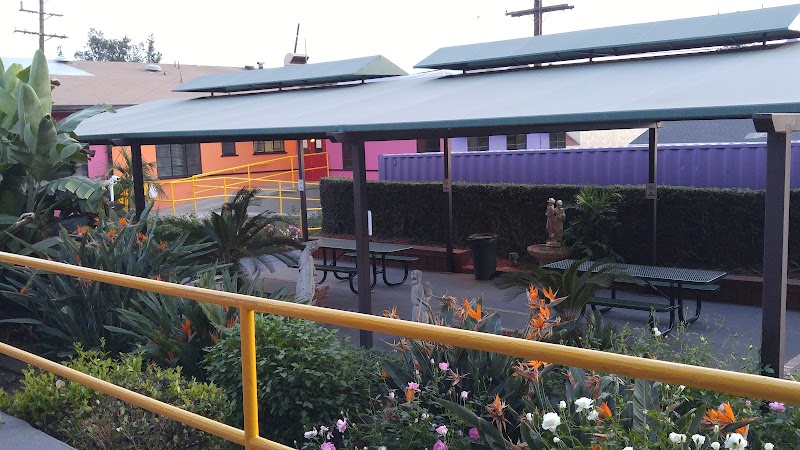
How is Dreier'S Nursing Staffed?

CMS rates DREIER'S NURSING CARE CENTER's staffing level at 4 out of 5 stars, which is above average compared to other nursing homes. Staff turnover is 42%, compared to the California average of 46%. This relatively stable workforce can support continuity of care.

What Have Inspectors Found at Dreier'S Nursing?

State health inspectors documented 61 deficiencies at DREIER'S NURSING CARE CENTER during 2022 to 2025. These included: 2 Immediate Jeopardy (the most serious level, indicating potential for serious harm or death), 1 that caused actual resident harm, 57 with potential for harm, and 1 minor or isolated issues. Immediate Jeopardy findings are rare and represent the most serious regulatory concerns. They require immediate corrective action.
Who Owns and Operates Dreier'S Nursing?

DREIER'S NURSING CARE CENTER is owned by a for-profit company. For-profit facilities operate as businesses with obligations to shareholders or private owners. The facility operates independently rather than as part of a larger chain. With 52 certified beds and approximately 56 residents (about 108% occupancy), it is a smaller facility located in GLENDALE, California.
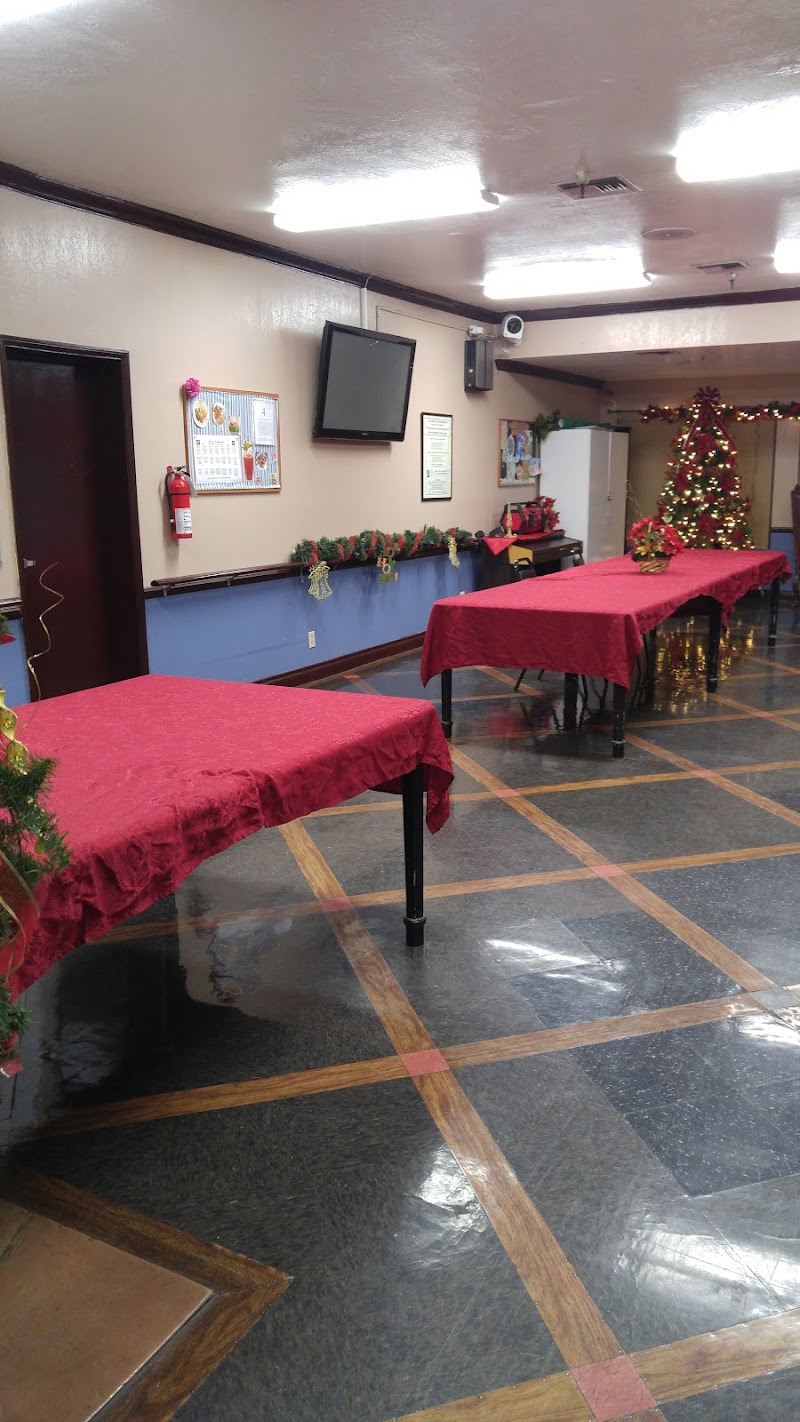
How Does Dreier'S Nursing Compare to Other California Nursing Homes?

Compared to the 100 nursing homes in California, DREIER'S NURSING CARE CENTER's overall rating (1 stars) is below the state average of 3.1, staff turnover (42%) is near the state average of 46%, and health inspection rating (1 stars) is much below the national benchmark.

What Should Families Ask When Visiting Dreier'S Nursing?

Based on this facility's data, families visiting should ask: "What changes have been made since the serious inspection findings, and how are you preventing similar issues?" "Can I visit during a mealtime to observe dining assistance and food quality?" "How do you handle medical emergencies, and what is your hospital transfer rate?" "Can I speak with family members of current residents about their experience?" These questions are particularly relevant given the facility's Immediate Jeopardy citations.

Is Dreier'S Nursing Safe?

Based on CMS inspection data, DREIER'S NURSING CARE CENTER has documented safety concerns. Inspectors have issued 2 Immediate Jeopardy citations (the most serious violation level indicating risk of serious injury or death). The facility has a 1-star overall rating and ranks #100 of 100 nursing homes in California. Families considering this facility should ask detailed questions about what corrective actions have been taken since these incidents.

Do Nurses at Dreier'S Nursing Stick Around?

DREIER'S NURSING CARE CENTER has a staff turnover rate of 42%, which is about average for California nursing homes (state average: 46%). Moderate turnover is common in nursing homes, but families should still ask about staff tenure and how the facility maintains care continuity when employees leave.

Was Dreier'S Nursing Ever Fined?

DREIER'S NURSING CARE CENTER has been fined $48,700 across 2 penalty actions. The California average is $33,566. While any fine indicates a compliance issue, fines under $50,000 are relatively common and typically reflect isolated problems that were subsequently corrected. Families should ask what specific issues led to these fines and confirm they've been resolved.

Is Dreier'S Nursing on Any Federal Watch List?

DREIER'S NURSING CARE CENTER is not on any federal watch list. The most significant is the Special Focus Facility (SFF) program, which identifies the bottom 1% of nursing homes nationally based on persistent, serious quality problems. Not being on this list means the facility has avoided the pattern of deficiencies that triggers enhanced federal oversight. This is a positive indicator, though families should still review the facility's inspection history directly.