GLENDALE ADVENTIST MEDICAL CENTER DP/SNF
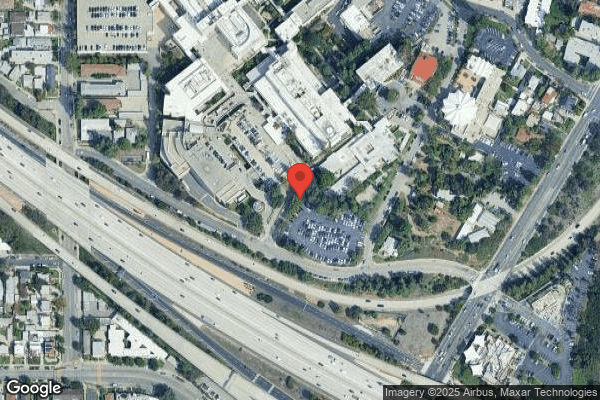

1509 WILSON TER, GLENDALE, CA 91206 (818) 409-8000
For profit - Partnership 40 Beds ADVENTIST HEALTH Data: November 2025
Trust Grade
85/100
#80 of 1155 in CA
Last Inspection: August 2025

Inspected within the last 6 months. Data reflects current conditions.

Overview

Glendale Adventist Medical Center DP/SNF has a Trust Grade of B+, which means it is above average and recommended for families seeking care. It ranks #80 out of 1,155 facilities in California, placing it in the top half of nursing homes in the state, and #16 of 369 in Los Angeles County, indicating that only 15 local facilities are better. The facility is improving, having reduced its issues from 4 in 2024 to 3 in 2025. Staffing is a notable strength, with a perfect rating of 5 stars and a turnover rate of 30%, which is lower than the state average, indicating stable and experienced staff. There have been no fines on record, which is a positive sign, and the facility boasts more RN coverage than 98% of California facilities. However, there are some concerns regarding food safety practices. The inspection revealed that food was not properly labeled or dated, which could lead to foodborne illnesses. Additionally, there were issues with staff members' understanding of proper feeding techniques for residents with special dietary needs, highlighting potential gaps in training. While the facility has many strengths, families should be aware of these weaknesses when considering care options.

Trust Score
B+
85/100
In California
#80/1155
Top 6%
Safety Record
Low Risk
No red flags
Inspections
Getting Better
4 → 3 violations
Staff Stability
○ Average
30% turnover. Near California's 48% average. Typical for the industry.
Penalties
✓ Good
No fines on record. Clean compliance history, better than most California facilities.
Skilled Nurses
✓ Good
Each resident gets 161 minutes of Registered Nurse (RN) attention daily — more than 97% of California nursing homes. RNs are the most trained staff who catch health problems before they become serious.
Violations
⚠ Watch
14 deficiencies on record. Higher than average. Multiple issues found across inspections.
★★★★★
5.0
Overall Rating
★★★★★
5.0
Staff Levels
★★★★☆
4.0
Care Quality
★★★★★
5.0
Inspection Score
Stable
2024: 4 issues
2025: 3 issues

The Good

  • 5-Star Staffing Rating · Excellent nurse staffing levels
  • 4-Star Quality Measures · Strong clinical quality outcomes
  • Full Sprinkler Coverage · Fire safety systems throughout facility
  • No fines on record
  • Staff turnover below average (30%)

    18 points below California average of 48%

Facility shows strength in staffing levels, quality measures, fire safety.

The Bad

Staff Turnover: 30%

16pts below California avg (46%)

Typical for the industry

Chain: ADVENTIST HEALTH

Part of a multi-facility chain

Ask about local staffing decisions and management

The Ugly 14 deficiencies on record

Aug 2025 3 deficiencies
CONCERN (D)

Potential for Harm - no one hurt, but risky conditions existed

Incontinence Care (Tag F0690)

Could have caused harm · This affected 1 resident

**NOTE- TERMS IN BRACKETS HAVE BEEN EDITED TO PROTECT CONFIDENTIALITY** Based on observation, interview, and record review, the facility failed to ensure two of two sampled residents (Resident 6 and 4...

Read full inspector narrative →
**NOTE- TERMS IN BRACKETS HAVE BEEN EDITED TO PROTECT CONFIDENTIALITY** Based on observation, interview, and record review, the facility failed to ensure two of two sampled residents (Resident 6 and 45) received appropriate treatment and services to prevent urinary tract infections (UTI a infection of the urinary tract that includes urethra, ureters, bladder and kidneys resulting when microorganism gets into the urine and travels to the urinary tract) by failing to ensure: 1. Resident 6's suction tubing that connects to Resident 6's Pure Wick System (PWS- an external female catheter use for urine collection for residents that are incontinent [no control] of bladder when urinating) was covered and placed in a plastic bag when disconnected from Resident 6 was not left on top of Resident 6's pillow and the urine collection cannister connected to the tubing was labeled or dated of the last time it was changed. 2. Resident 45's tubing that connects to Resident 45's [NAME] Fit (PF-external male catheter for urine collection for residents that are incontinent of bladder when urinating) tubing was observed disconnected with uncovered opening end set on top of Resident 45's chair, and the urine collection cannister connected to the tubing was not labeled or dated of the last time it was changed. These deficient practices had the potential for Resident 6's and Resident 45's to develop UTI and negatively affect their quality of life. Findings: A review of the facility's policy and procedures indicated to minimize the risk for residents from urinary tract infection by hygiene and precaution, the facility will use aseptic technique (hand washing, use single use equipment and avoid contamination etc.) when disconnecting, reconnecting and storing bedside drainage tubing. 1. During a review of Resident 6's, Physician Face Sheet (PFS), indicated Resident 6 was admitted to the unit on 7/30/2025. During a review of Resident 6's History and Physical Examination (H&P), dated 7/31/2025, indicated diagnoses includes hypertension (elevated blood pressure), encephalopathy (a disease or condition that affects the brain's structure or function, causing it to not work properly), and acute kidney injury/failure (the rapid loss of kidneys' ability to remove waste and help balance fluids and electrolytes in the body. The H&P indicated Resident 6 was alert and oriented x 3 (awake and oriented to person, place, and time). During a review of Resident 6's Minimum Data Set (MDS-a resident assessment tool) dated 8/3/2025, the MDS indicated Resident 6's needs some help (Resident need partial assistance from another person to complete any activities) with bathing, dressing, using the toilet or eating, indoor mobility, and planning regular task. The MDS indicated Resident 6 was always incontinent (no control) of bladder. During a concurrent observation and interview on 8/13/2025 at 10AM with Licensed Vocational Nurse (LVN) 1 in Resident 6's room, Resident 6's PWS suction tubing was on top of Resident 6's bed without a cover and not in a plastic bag, also the suction cannister had slight yellow liquid and was without a label or date. LVN 1 stated, Resident 6 was probably picked up by rehabilitation staff (helps with walking, balance, and regaining strength and mobility in the arms and legs). LVN stated, Resident 6 uses PWS that connects to the suction tubing and the cannister collects urine. LVN 1 stated, suction tubing should be in a plastic bag when disconnected from Resident 6, and the cannister should have a label of the date it was changed. LVN 1 stated, it could cause bacterial growth to the tubing and the cannister that could potentially cause UTI to Resident 6 and spread infection in the unit. During an interview on 8/14/2025 at 8:20 AM with Registered Nurse (RN) 1, RN 1 stated, the suction tubing that connects to the external catheter part of the PWS and PF should be in a placed in a plastic bag, and the cannister should be labeled and dated with the day it was changed because to prevent the bacteria to harbor and could cause UTI to the Resident who are using it and potentially spread infection in the unit. During a concurrent interview and record review, on 8/14/2025 at 9:00 AM, with the DON (Director of Nurses), Resident 6's physical chart and Electronic Health Record (EHR) dated from admission date 7/30/2025 until present on 8/14/2025 was reviewed. Resident 6's EHR indicated no physician order for the use of the use of PWS and a plan of care was not developed for Resident 6's use of PWS.DON stated, a care plan should had been developed and implemented that address potential concern such as prevention of UTI and widespread infection. 2. During a review of Resident 45's, Physician Face Sheet (PFS), indicated Resident 45 was admitted to the unit on 8/12/2025. During a review of Resident 45's History and Physical Examination (H&P), dated 8/13/2025, indicated the resident was alert and oriented with diagnoses that included hypertension, abdominal aortic aneurysm (a swelling of the aorta [the largest artery in the human body]), peripheral artery disease(a narrowing of the inside of the peripheral arteries that carry blood away from the heart to other parts of the body) and dyspnea on exertion (shortness of breath that occurs during physical activity). During a review of Resident 45's MDS dated [DATE], the MDS indicated Resident 45 required partial/moderate assistance (helper does less than half the effort) with personal hygiene, and substantial/maximal assistance (helper does more than half the effort) with bathing, toileting and dressing. During a concurrent observation and interview on 8/13/2025 at 10:05 AM with LVN 1 in Resident 45's room, Resident 45's PF external catheter connected to the suction tubing, with the cannister that had yellow fluid contents did not have a label or a date the last time it was changed. LVN 1 stated, the fluid in Resident 45's cannister connected to PF external catheter was urine. LVN 1 stated, the suction cannister should have a label and a date the last time it was last changed to ensure it is not old which could potentially cause bacterial growth and UTI. During a concurrent observation and interview on 8/13/2025 at 3:30 PM with Infection Preventionist Nurse (IPN) in Resident 45's room, Resident 45 was not in the room, and his PF external tubing was not in a bag, it was on top of the chair that was not placed in a bag. IPN stated, the PF external tubing should be placed in a bag and not exposed on top of the chair, it could cause bacterial growth that could potentially cause UTI to Resident 45 and potentially cause widespread infection in the unit. During an interview on 8/14/2025 at 8:20 AM with RN 1, RN 1 stated, the suction tubing that connects to the external catheter such as PWS and PF should be placed in a plastic bag, and the cannister should be labeled and dated of the day it last changed because it could harbor bacteria and could cause UTI to Residents 6 and 45 and potentially spread infection in the unit. During a concurrent interview and record review, on 8/14/2025 at 9AM, with the DON, Resident 45's physical chart and electronic health record (EHR) dated from admission 8/12/2025 until present 8/14/2025 was reviewed. The health records of Resident 45's health did not have a physician order and a plan of care of PF external catheter. DON stated, We are using it the same as a diaper, that's why we do not have an order. DON stated, they will get an order and add a plan of care to address potential concern such as prevention of UTI and spread of infection. During an interview on 8/14/2025 at 10 AM with the DON, DON stated, Resident 6's PWS external suction tubing should be placed in a bag when not connected to the resident, and the suction cannister should be dated with the date of when it was last changed. DON stated, Resident 45's PF suction tubing should be in a bag when not connected to the suction cannister and dated with the date the last time it was changed it was changed, to ensure aseptic technique was practiced to prevent UTI to Residents 6 and 45, and widespread infection in the unit. A review of the facility's policy and procedure (P&P) titled, External Male and Female Catheters Guidelines and Disposal of Suction tubing and Cannister, dated 8/2024, the P&P indicated: 1. To ensure safe, effective, and hygienic use of external urine collection devices for both male and female residents, while maintaining infection control standards during changing and disposal of suction tubing and canisters. 2. To changed suction tubing if visibly soiled/contaminated, and c) change cannister when 2/3 full or every 24 hours. A review of the facility's undated policy and procedure (P&P) titled, Urinary Tract Infection, (undated), indicated: 1. Urinary Tract Infections (UTIs) are the leading healthcare associated infection in long term care facilities; they are often associated with immobility and incontinence. 2. The risk for residents from urinary tract infection in minimized in the facility by hygiene and precaution. 3. To use aseptic technique (a set of procedures used to prevent the introduction of microorganisms and maintain a sterile or clean environment, thereby reducing the risk of infection and contamination during medical procedures or wound care. a procedure hand washing, use single use equipment and avoid contamination etc.) when disconnecting, reconnecting and storing bedside drainage. A review of the facility's policy and procedure (P&P) titled, Infection Control Program, (undated), indicated important facets of infection prevention included: 1. Identifying possible infections or potential complications of existing infections. 2. Instituting measures to avoid complications or disseminations and educating staff and ensuring that they adhere to proper techniques and procedures.
CONCERN (D)

Potential for Harm - no one hurt, but risky conditions existed

Infection Control (Tag F0880)

Could have caused harm · This affected 1 resident

**NOTE- TERMS IN BRACKETS HAVE BEEN EDITED TO PROTECT CONFIDENTIALITY** Based on observation, interview, and record review, the facility failed to implement facility's policy and procedure to prevent ...

Read full inspector narrative →
**NOTE- TERMS IN BRACKETS HAVE BEEN EDITED TO PROTECT CONFIDENTIALITY** Based on observation, interview, and record review, the facility failed to implement facility's policy and procedure to prevent spread of infection for two of two sampled residents at risk or with infection by failing to: 1.Resident 34's nasal cannula (NC-a flexible tube with two prongs that rest in the nostrils to deliver supplemental oxygen) was observed in her room without a plastic bag and a label or date of the last time it was changed. The facility's policy indicated to changed NC every 7 days. 2.Biomedical Technician (BT) did not perform hand hygiene and don (put on) PPE (Protective equipment and clothing such as gown and gloves used to prevent the spread of infectious organisms) before and after entering Resident 44's, who was placed on contact isolation (precautions taken in healthcare settings to prevent the spread of infections). These deficient practices had the potential to transmit infection (spread form one person to person or from contaminated surface or object) and result in widespread of infection (a process when a microorganism, such as bacteria, fungi, or a virus, enters a person's body and causes harm) in the unit. Findings: 1. During a review of Resident 34's, Physician Face Sheet (PFS), indicated Resident 34 was admitted to the unit on 7/28/2025. During a review of Resident 34's History and Physical Examination (H&P), dated 7/29/2025, indicated Resident 34 was alert and oriented with the diagnoses that included hypertension (having high blood pressure), history of atrial fibrillation (irregular heart rhythm), and diabetes a condition of having high blood sugar). During a review of Resident 34's Minimum Data Set (MDS-a federally mandated resident assessment tool) dated 8/1/2025, the MDS indicated Resident 34's needs partial assistance from another person to complete any activities with using the toilet or eating and was always incontinent of bladder. During a concurrent observation and interview on 8/13/2025 at 10:30 AM with Registered Nurse (RN)2 in Resident 34's room, Resident 34's NC was observed hanging above her bed, without a plastic bag and label or date of the last time it was changed. RN 2 stated, Resident 34 uses the oxygen as needed, it should be in a clear plastic bag and a label or date the last time it was changed to identify if the NC was new or old and not changed after 7 days. RN 2 stated, Resident 34's NC should be changed every 7-days as per facility's policy. RN 2 stated, if the NC was old, it had the potential to harbor virus and/or bacteria that could cause infection or sickness to Resident 34 and spread the infection to other residents in the unit. During an interview on 8/14/2025 at 10AM with the Director of Nurses (DON), DON stated, Resident 34's NC in her room should be in a bag and with a label and date the last time it was changed as per policy. DON stated, since Resident 34's NC did not have a date, there was no way to identify if the NC was new or old. DON stated, an old NC tubing had the potential to harbor bacteria and viruses, that can cause infection to Resident 34 and spread to other residents in the unit. 2. A review of Resident 44's admission Record [AR] indicated Resident 44 was admitted to the facility on [DATE], with diagnoses that included sepsis (severe infection of the blood) and nausea (a feeling of sickness and stomach upset). A review of Resident 44's History and Physical Examination (HPE, a comprehensive physician's note regarding the assessment of the Patient's health status) signed by the attending physician on 8/8/2025, the HPE indicated Resident 44 had the capacity to understand and make decisions. A review of Resident 44's Minimum Data Set (MDS, a federally mandated resident assessment tool) dated 8/11/2025, the MDS indicated that Resident 44 had an intact cognition (thought process). A review of Resident 44's Care Plan titled Infectious Disease dated 8/7/2025, indicated that Resident 44 was placed on contact isolation for Methicillin-Resistant Staphylococcus Aureus (MRSA -a type of bacteria that is resistant to the antibiotic methicillin and other antibiotics) wound to her left foot. During an observation on 8/13/2025 at 10:17 AM, Biomed Technician (BT) entered Resident 44 room, a designated contact isolation room, without donning (putting on) the required personal protective equipment PPE or performed hand hygiene. The BT touched the wall-mounted suction device, exited the room without performing hand hygiene, and then returned to the room a second time without donning PPE or performing hand hygiene. The BT again exited the room without performing hand hygiene and proceeded to use the portable workstation. During an interview on 8/13/2025 at 10:25 AM, the BT stated he was aware of the contact isolation signage on the doorway of Resident 44 but failed to follow the required isolation signage instructions at the doorway. BT stated he should have donned a gown, gloves, and mask prior to entering the room and performed hand hygiene before entering and after exiting the resident's room. BT stated by not following the isolation signage he had the potential to transmit and spread infections to other residents. During an interview on 8/13/2025 at 3:15 PM, the Infection Prevention Nurse (IPN) stated Resident 44's was placed on contact isolation due to left foot wound infection positive for MRSA. The IPN stated that facility policy required all staff to don PPE and perform hand hygiene prior to entering and after exiting contact isolation rooms. The IPN stated the technician's actions posed a risk of potential infection transmission. During an interview on 8/13/2025 at 4 PM the DON stated Resident 44 was placed on contact isolation with appropriate signage posted at the doorway and the BT failed to comply with the contact isolation instructions. The DON acknowledged the failure and created the potential for infection transmission. A review of the facility's undated policy and procedure (P&P) titled, Care and Handling of Respiratory Equipment, indicated: a. Care should be exercised in handling respiratory equipment to prevent contamination. b. Change every seven days cannula/oxygen tubing. c. Consider all disposable equipment as single use resident item. A review of the facility's undated policy and procedure (P&P) titled, Infection Control Program, indicated important facets of infection prevention included: a. Identifying possible infections or potential complications of existing infections. b. Instituting measures to avoid complications or disseminations and educating staff and ensuring that they adhere to proper techniques and procedures.
CONCERN (E)

Potential for Harm - no one hurt, but risky conditions existed

Food Safety (Tag F0812)

Could have caused harm · This affected multiple residents

Based on observations, interview and record review, the facility failed to store, prepare, distribute and serve food in accordance with professional standards and the facility's policy and procedures ...

Read full inspector narrative →
Based on observations, interview and record review, the facility failed to store, prepare, distribute and serve food in accordance with professional standards and the facility's policy and procedures titled Food Storage for food service safety by ensuring the hospital food was properly labeled and dated with the product name, date product was opened or prepared and use by date by: An open box of Dark Chocolate Cocoa Mix with individually wrapped packets had no open date. 2. An open plastic container with lentils had no label to identify its contents or indicate the use-by date. 3. A multi-rack with metal trays that had food items without label or use-by-dated. 4. A bag of carrots with a large tear on the package had no label and use-by-date. These deficient practices placed the residents at the risk of widespread foodborne illness (infections caused by consuming contaminated food, beverages, or water containing harmful microbes, pathogens, or toxins). Findings: During an initial kitchen observation conducted with the Dietary Director (DD) on 8/13/2025 at 9:18 AM included the following: 1. The dry storage area had an open box of Nestle Dark Chocolate Hot Cocoa Mix with individually wrapped packets, in active used to serve the residents in active use, were not labeled and when to use-by-date. 2. A plastic container containing lentils, with partially opened red lid had no label and no used by date. In a concurrent interview on 8/13/2025 at 9:18 AM, the DD stated the hot cocoa mix in the dry storage area that had been opened and an opened plastic container containing lentils should had been labeled to identify the contents and and the use by date. DD stated by not properly labeling and dating food items increases the risk of product misidentification, and use of expired items. During a concurrent observation and interview on 8/13/2025 at 9:30 AM with the DM, the walk-in refrigerator had multi-rack, stainless steel holding cabinet containing several metal trays, some of which are covered with plastic wrap. The top tray contained food item that was covered with a plastic wrap with a label and date use by date. The second tray/or middle tray holds what looks like a mixture of nuts, dried fruit, and beans without visible label indicating the contents, preparation date, or a use by date. In addition, there was a bag of carrots that was found with a large tear at the top that was not sealed, labeled and use-by-date. In a concurrent interview the DD stated he observed that he observed the metal trays with food items that were not labeled and dated. The DD stated the bag of carrots with a large tear should had been sealed, labeled and dated. The DD stated thatby not sealing, labeling and dating this food items had the potential to compromise food safety and quality. During review of the facility's policy and procedure titled Food Storage, indicated that all stored food must be properly labeled and dated with: Product name, date product was opened or prepared date, use by date.
Aug 2024 4 deficiencies
CONCERN (D)

Potential for Harm - no one hurt, but risky conditions existed

Quality of Care (Tag F0684)

Could have caused harm · This affected 1 resident

**NOTE- TERMS IN BRACKETS HAVE BEEN EDITED TO PROTECT CONFIDENTIALITY** Based on observation, interview and record review, the facility failed to provide necessary care and services for one of eight s...

Read full inspector narrative →
**NOTE- TERMS IN BRACKETS HAVE BEEN EDITED TO PROTECT CONFIDENTIALITY** Based on observation, interview and record review, the facility failed to provide necessary care and services for one of eight sampled residents (Resident 149) who was at risk for developing blood clot by failing to apply sequential compression device (SCD- a device use on the legs to promote blood circulation and prevent blood clot to develop) as ordered by the physician. This deficient practice had the potential to cause a deep vein thrombosis (DVT; blood clot that forms in a deep vein, often in the legs, from lack of blood circulation and potentially cause pulmonary embolism (PE is when a blood clot breaks off from inside a vein and travels to the lungs and causes respiratory distress), heart attach (heart stop functioning) and stroke (interruption of blood flow to the brain) Findings: During a review of Resident 149's admission Record indicated the resident was admitted to the facility on [DATE] with diagnoses that included type 2 Diabetes (a disease that results in blood sugar being too high), morbid obesity (when a person 's weight is more than 80 to 100 pounds above their ideal body weight), and closed fracture (broken bone) of the right hip. During a review of Resident 149's Physician's Orders, dated 8/13/24 indicated, the physician ordered Resident 1 to have SCD to be applied now. During a concurrent observation and interview on 8/16/24 at 11:25 AM with Registered Nurse (RN) 1, Resident 149's SCD were observed on the floor. RN 1 stated, this resident should have had leg squeezers on to prevent DVT. The leg squeezers are not placed on the residents' legs. During an interview on 8/16/24 at 11:25 AM with Family Member (FM) 1. FM 1 stated, she (Resident 149) has not used the leg squeezers on for two days. I've been here two days and they have not been placed on her. During a concurrent interview and record review on 8/17/24 at 4:08 PM with the Director of Nursing (DON), Resident 149's Physician's Orders, dated 8/13/24, were reviewed. The Physician Order indicated Resident 149 was ordered by the physician to have SCDs. DON stated, There is an active doctor's order for SCDs for this resident and SCDs are for DVT prophylaxis (prevention). The DON stated the purpose of SCD was to ensure that blood is circulating well in in the resident legs who are bedbound (stay in bed for prolong period of time) and if resident's blood is not circulating well, it can cause a DVT. During an interview on 8/18/24 at 8:48 AM with RN 2, RN 2 stated, SCDs are important because they help prevent blood clots. If a blood clot forms it can travel to the heart or brain and cause a heart attack or stroke. During an interview on 8/18/24 at 10:21 AM with DON, the DON stated, DVT can travel to the lungs and cause pulmonary embolism which can be life threatening. During a review of the facility's undated policy and procedure (P&P) titled, SCD, indicated, The purpose of SCDs is to improve circulation to the feet and to prevent complications associated with DVTs and PEs. SCDs prevent blood clots. Verify that there is an MD order for SCD.
CONCERN (D)

Potential for Harm - no one hurt, but risky conditions existed

Infection Control (Tag F0880)

Could have caused harm · This affected 1 resident

**NOTE- TERMS IN BRACKETS HAVE BEEN EDITED TO PROTECT CONFIDENTIALITY** Based on observation, interview, and record review, the facility failed to provide safe, sanitary and comfortable environment to...

Read full inspector narrative →
**NOTE- TERMS IN BRACKETS HAVE BEEN EDITED TO PROTECT CONFIDENTIALITY** Based on observation, interview, and record review, the facility failed to provide safe, sanitary and comfortable environment to help prevent the development and transmission of communicable diseases (one that is spread from one person to another through contact with blood and bodily fluids, or breathing in an airborne virus) for one of one sampled residents (Resident 8) by failing to label Resident 8's peripheral intravenous line (IV, a thin flexible tube was inserted through the skin into a small vein in the periphery to deliver fluid and medications) to indicate the date the IV was inserted. As a result of this deficient practice had the potential for the IV not to be changed timely and could result in phlebitis (inflammation/swelling of the vein) or develop infection in the peripheral IV site that could enter the blood stream and result in severe infection. Findings: 1. A review of Resident 8's admission Record indicated the resident was admitted to the facility on [DATE] with diagnoses that included obesity (caused by caloric intake greater than caloric expenditures), aortic stenosis (occurs when the aortic valve narrows and blood cannot flow normally), and left bundle branch block (condition in which there is a delay or blockage along the pathway that electrical impulses travel to make the heart beat). A review of Resident 8's Minimum Data Set (MDS, an assessment and screen tool) dated 8/8/24, indicated the resident had intact cognition (mental action or process of acquiring knowledge and understanding through thought, experience and the senses). A review of Resident 8's Physician Orders, dated 8/4/24 indicated, to assess Resident 8 peripheral IV-line every 8 hours and to change line/cap and dressing if soiled or as needed every 7 days. During a concurrent observation and interview in Resident 8's room on 8/16/24 at 1:23 PM, Resident 8's peripheral IV was observed on resident's right hand without a label to indicate the date IV was inserted. Resident 8 stated the staff inserted the IV line this morning (8/16/24). During a concurrent observation and interview with Registered Nurse (RN) 3 on 8/16/24 at 1:27 PM, RN 3 confirmed Resident 8's peripheral IV was not labeled with date. RN 3 stated she was told by the previous shift nurse that Resident 8's IV was inserted during the night shift. RN 3 stated it was important to label the IV with the date so that staff are aware when it was inserted and when to change the IV line. RN 3 stated the IV line should be changed every 72 hours. During an interview with the Director of Nursing (DON) on 8/18/24 at 10:20 AM, the DON stated it was important to label the peripheral IV line with the date to verify when staff will change the IV line. The DON stated if it was not labeled or labeled incorrectly, the IV will not be changed timely and it could cause phlebitis or other skin infections. A review of the facility ' s policy and procedure (P&P) titled Dressing Change for Vascular Access Devices, dated 8/2021 indicated part of the procedure for a short peripheral catheter dressing change was to apply label on dressing with date and nurse's initials.
CONCERN (E)

Potential for Harm - no one hurt, but risky conditions existed

Resident Rights (Tag F0550)

Could have caused harm · This affected multiple residents

**NOTE- TERMS IN BRACKETS HAVE BEEN EDITED TO PROTECT CONFIDENTIALITY** 2. A review of Resident 153's admission Record indicated the resident was admitted to the facility on [DATE] with diagnoses that...

Read full inspector narrative →
**NOTE- TERMS IN BRACKETS HAVE BEEN EDITED TO PROTECT CONFIDENTIALITY** 2. A review of Resident 153's admission Record indicated the resident was admitted to the facility on [DATE] with diagnoses that included dementia (loss of memory, language, problem-solving and other thinking abilities that are severe enough to interfere with daily life) and sepsis (a life-threatening medical emergency that occurs when the body's immune system has an extreme response to an infection). A review of Resident 153's Orders dated 8/14/24, Orders indicated Resident 153 was ordered a Dysphagia Diet (a diet for people who have difficulty swallowing). During a concurrent observation and interview on 8/17/24 at 8:48 AM with Licensed Vocational Nurse (LVN) 1, LVN 1 was observed standing while assisting Resident 153 to eat. LVN 1 stated, I'm not sure if we have to be sitting at the same level of the resident when we are helping to feed residents. If the nursing assistants are busy assisting residents with feeding and another resident that requires assistance with feeding, we help them feed the resident. During an interview with the Director of Nursing on 8/18/24 at 10:21 AM, the DON stated the resident should be comfortable while eating. The DON stated staff assisting to feed resident should be at eye level or sitting with the resident so that the resident would not feel intimidate. The DON stated it was important to feed residents at eye level to provide them dignity and respect. A review of the facility's undated policy and procedure (P&P) titled Quality of Life- Dignity, indicated each resident shall be cared for in a manner that promotes and enhances his or her sense of well-being, level of satisfaction with life, feeling or self-worth and self-esteem. Based on observation, interview, and record review, the facility failed to promote dignity and respect while dining when staff was observed standing over two of two sampled residents (Resident 102 and Resident 153) while assisting them to eat. This deficient practice had the potential to cause a decline in the resident's individuality, self-esteem, and self-worth. Findings: 1. A review of Resident 102's admission Record indicated the resident was admitted to the facility on [DATE] with diagnoses that included generalized weakness, hypertension (high blood pressure), and dyspepsia (indigestion, upper abdominal discomfort, described as burning sensation, bloating or gassiness, nausea or feeling fool too quickly after starting to eat). A review of Resident 102's Minimum Data Set (MDS, an assessment and screen tool) dated 8/17/24, indicated the resident had moderately impaired cognitive skills for daily decision making. A review of Resident 102's Physician Orders dated 8/12/24 indicated Resident 102 was ordered a Pureed Diet (pudding-like texture, smooth, blended, pureed diet needed for people who have trouble chewing or swallowing). During a dining observation with Licensed Vocational Nurse (LVN) 1 on 8/17/24 at 8:44 AM, LVN 1 was observed standing beside Resident 102 while assisting the resident in eating breakfast. Resident 102's bed was below LVN 1's waist and LVN 1 was not at eye level with the resident. During an interview with LVN 1 on 8/17/24 at 11:18 PM, LVN 1 stated she was looking for a certified nursing assistant and was helping to feed Resident 102. LVN 1 could not recall why she did not feed Resident 102 at eve level. LVN 1 stated it was important to feed resident at eye level so that the resident can see the feeder and so that the feeder can see how the resident is while eating. 2. A review of Resident 153's admission Record indicated the resident was admitted to the facility on [DATE] with diagnoses that included dementia (loss of memory, language, problem-solving and other thinking abilities that are severe enough to interfere with daily life) and sepsis (a life-threatening medical emergency that occurs when the body's immune system has an extreme response to an infection). A review of Resident 153's Orders dated 8/14/24, Orders indicated Resident 153 was ordered a Dysphagia Diet (a diet for people who have difficulty swallowing). During a concurrent observation and interview on 8/17/24 at 8:48 AM with Licensed Vocational Nurse (LVN) 1, LVN 1 was observed assiting Resident 153 to eat while standing. LVN 1 stated, I'm not sure if we have to be sitting at the same level of the resident when we are helping to feed residents. If the nursing assistants are busy assisting residents with feeding and another resident that requires assistance with feeding, we help them feed the resident. During an interview with the Director of Nursing on 8/18/24 at 10:21 AM, the DON stated the resident should be comfortable while eating. The DON stated staff assisting to feed resident should be at eye level or sitting with the resident so that the resident would not feel intimidate. The DON stated it was important to feed residents at eye level to provide them dignity and respect. A review of the facility's undated policy and procedure (P&P) titled Quality of Life- Dignity, indicated each resident shall be cared for in a manner that promotes and enhances his or her sense of well-being, level of satisfaction with life, feeling or self-worth and self-esteem.
CONCERN (E)

Potential for Harm - no one hurt, but risky conditions existed

Food Safety (Tag F0812)

Could have caused harm · This affected multiple residents

**NOTE- TERMS IN BRACKETS HAVE BEEN EDITED TO PROTECT CONFIDENTIALITY** Based on observation, interview and record review, the facility failed to store, prepare, distribute and serve food in accordanc...

Read full inspector narrative →
**NOTE- TERMS IN BRACKETS HAVE BEEN EDITED TO PROTECT CONFIDENTIALITY** Based on observation, interview and record review, the facility failed to store, prepare, distribute and serve food in accordance with professional standards and the facility ' s policy and procedure for food service safety by ensuring the hospital food were properly labeled and dated with the product name, date product was opened or prepared and use by date. The facility failed to: 1. Label and put an expiration date on a tub of cookies in the freezer. 2. [NAME] the jar of slaw with open date or use by date. 3. Label food in cart trays 4. Dispose of expired veggies in cart 5. Dispose of dirty cans of soda in the refrigerator 6. Dispose of bag of cabbage that had two expiration date labels. 7. Label and date meat package 8. Store ice machine scoop not on the ice. As a result of these deficient practices the residents had the potential to result in a widespread food-borne illnesses (an infection caused by consuming contaminated food, beverages and water than can happen during food processing, production, or handling, caused by many different disease-causing microbes or pathogens such as bacteria, viruses, parasites, toxins, and chemicals) in the facility. Findings: During a concurrent observation and interview on 8/16/24 at 12:07 PM with the Interim Dietary Director (IDD) a tub of cookies was observed without an expiration date or label. IDD stated, there is no label on it or expiration date on the tub of cookies which residents can get sick if they eat expired food. During a concurrent observation and interview on 8/16/24 at 12:16 PM with IDD, an opened bottle of slaw was observed in the refrigerator without a date of when the bottle was opened. IDD stated, I don't know what will happen to residents if they eat this. During an observation on 8/16/24 at 12:22 PM, one cart labeled veggies was observed with an expiration date of 8/15/24. Three carts with unlabeled foods were also observed. During a concurrent observation and interview on 8/16/24 at 12:25 PM with IDD, dirty soda cans were observed in a black bin next to regular sodas. IDD stated, It shouldn't be here. a pt can get sick if they drink from the dirty soda can. During a concurrent observation and interview on 8/16/24 at 12:29 PM with IDD, a bag of cabbage with two expiration date stickers (one dated 8/14/24 and another dated 8/19/24) was observed in the refrigerator. IDD stated, it causes confusion to have two stickers on a bag and it can be potentially expired. A resident can get sick if they eat expired food. During a concurrent observation and interview on 8/16/24 at 12:32 PM with IDD, a package of meat was observed without a label or date in the refrigerator. IDD stated, it should have been labeled because it can cause illness if it's not labeled, and it is expired. During a concurrent observation and interview on 8/16/24 at 12:34 PM with IDD, an ice scoop was observed on top of the ice machine. IDD stated, the ice scoop should not be on top of the machine because it can be dirty and cause illness to residents. During a review of the facility's policy and procedure (P&P) titled, Food Storage dated 10/25/18, indicated, Policy is to ensure the hospital stores food using proper sanitation. Food shall be protected at all times from contamination by storing the food where it is protected from dust. All food must be properly labeled and dated with the product name, date product was opened or prepared and use by date.
Aug 2023 6 deficiencies
CONCERN (D)

Potential for Harm - no one hurt, but risky conditions existed

Deficiency F0558 (Tag F0558)

Could have caused harm · This affected 1 resident

Based on observation, interview and record review, the facility failed to provide reasonable accommodation of need by ensuring the call light was within reach as indicated on the facility's policy and...

Read full inspector narrative →
Based on observation, interview and record review, the facility failed to provide reasonable accommodation of need by ensuring the call light was within reach as indicated on the facility's policy and procedure, titled Answering of Call Lights and resident's Care Plan for one of one sampled resident (Resident 135) who was at risk for fall. This deficient practice had the potential for the resident not to receive or received delayed care to meet the necessary care and services that could result in fall and accident. Findings: During a review of Resident 135's admission Record indicated, the facility admitted Resident 135 on 7/29/2023. During a review of Resident 135's History and Physical (H&P), dated 7/30/2023, the record indicated, Resident 135's was alert, awake and oriented with diagnoses that included hypertension (high blood pressure), Cerebrovascular Accident (CVA, death of some brain cells due to lack of oxygen when the blood flow to the brain is impaired) and congestive heart failure (CHF, heart disease that affects pumping action of the heart muscle) and left upper extremity (arm) weakness. During a review of Resident 135's Fall Risk Assessment (method of assessing a patient's likelihood of falling), dated 7/29/2023, indicated Resident 135 was assessed as at high risk for fall. During a review of Resident 135's Care Plan titled, Falls Care Plan, initiated on 7/29/2023, the care plan indicated Resident 135 was high risk for fall. The interventions indicated the nursing staff will provide safety device such as keeping the call light within reach. During a review of Resident 135's Nurses Progress Notes, dated 8/4/2023, indicated, Resident 135 was able to make her needs known. During a concurrent observation and interview on 8/4/2023 at 2:40 p.m. with Registered Nurse (RN) 1, Resident 135 observed lying in bed with the call light located on the upper left side of the resident, hiding between the side rails and mattress that resident could not reach. RN 1 stated, Resident 135's call light should be within reach so that the staff could attend to the resident's needs in a timely manner. During an interview on 8/6/2023 at 12:15 p.m. with Director of Nursing (DON), DON stated, The call light should be in reach to maintain residents' safety at all times. During a record review of the facility's policy and procedure (P&P) titled, Answering of Call Lights, revised on February 2023, the P&P indicated, the facility will ensure the resident's call light is placed within the resident's reach.
CONCERN (D)

Potential for Harm - no one hurt, but risky conditions existed

Comprehensive Care Plan (Tag F0656)

Could have caused harm · This affected 1 resident

**NOTE- TERMS IN BRACKETS HAVE BEEN EDITED TO PROTECT CONFIDENTIALITY** Based on observation, interview and record review the facility failed to develop and implement a resident specific plan of care ...

Read full inspector narrative →
**NOTE- TERMS IN BRACKETS HAVE BEEN EDITED TO PROTECT CONFIDENTIALITY** Based on observation, interview and record review the facility failed to develop and implement a resident specific plan of care to prevent development and/or worsening Stage 2 pressure ulcer (a skin injury or ulcer resulting in partial-thickness skin loss with exposed open skin due to prolonged pressure or being in one position for prolong period) in accordance with the facility's policy and procedure for one of two sampled residents (Resident 89). Resident 89's plan of care did not indicate interventions on how often the resident will be repositioned and turned while in bed, how to keep resident clean and dry. This deficient practice resulted in Resident 89 not to receive the necessary care and services to prevent the worsening of pressure ulcer that could result in pain, discomfort, and wound infection. Cross reference to F686. Findings: A review of Resident 89's admission Record, indicated the facility admitted the resident on 6/29/2023. During a review of Resident 89's of H&P assessment, dated 6/26/2023, indicated the resident had diagnoses that included diabetes (high blood sugar), colon cancer (an abnormal cell growth). During a review Resident 89 MDS, dated [DATE], indicated the resident had moderate cognitive impairment. The MDS indicated Resident 89 was totally dependent with transfers, toilet use and personal hygiene and required extensive (resident involved in activity; staff provide weight-bearing support) with one- person physical assistance in bed mobility. During a review of Resident 89's care plan, dated 7/18/23, for non-compliance with turning and repositioning and refusing care indicated, the facility staffs will explain to resident and responsible party the information regarding risk and complications resulting from non-compliance, and the resident will be monitored for untoward manifestations due to non-compliance. During a review of Resident 89's clinical records for July 2023 to August 2023 and the plan of care had no documented evidence for the reason of refusal of care was assessed or specific interventions and/or alternative measures were offered to the resident for refusing to turn and reposition. During a concurrent review of Resident 89's care plan, titled Pressure Ulcer Care Plan, dated 7/27/2023, and an interview with the Minimum Date Set Nurse 1 (MDSN 1) on 8/6/2023 at 5:15 pm, the MDSN 1 stated, Resident 89 had Stage 2 pressure ulcer on the sacrum (the lower back of the body), the plan of care included to reposition Resident 89 as indicated. The MDSN 1 stated, the care plan did not specify how often Resident 89 should be turned or repositioned in bed. During a review of Resident 89's Clinical Notes from 7/22/2023 to 8/6/2023 indicated the resident was compliant with care, turning and repositioning. The clinical record did not indicate how often Resident 89 was turned and repositioned. A review of the facility's Policy and Procedure titled Pressure Ulcer & Skin Care Management dated 2/8/2023, indicated the skin care team observes care delivery to determine if the interventions identified in the care plan have been implemented in accordance with professional standards of practice, such as incontinence care with frequency to keep the resident clean and the skin dry, repositioning and evaluation, and nutritional interventions. A review of the facility's undated Policy and Procedure (P&P) titled Comprehensive Care Plan dated 2/8/2023, indicated the facility will develop goals and approaches for each problem and/or condition that are realistic, specific, measurable, and include interventions/approaches that relate to each stated long or short-term goal. The P&P indicated the facility will ensure that interventions specify the frequency of service provided.
CONCERN (D)

Potential for Harm - no one hurt, but risky conditions existed

Pressure Ulcer Prevention (Tag F0686)

Could have caused harm · This affected 1 resident

**NOTE- TERMS IN BRACKETS HAVE BEEN EDITED TO PROTECT CONFIDENTIALITY** Based on observation, interview, and record review, the facility failed to provide care and services consistent with facility's ...

Read full inspector narrative →
**NOTE- TERMS IN BRACKETS HAVE BEEN EDITED TO PROTECT CONFIDENTIALITY** Based on observation, interview, and record review, the facility failed to provide care and services consistent with facility's policy and procedure to prevent the development or worsening of pressure ulcer/injury (a skin injury due to friction or shear and for prolonged pressure by being in one position of a long period of time) for two of four residents (Resident 86 and 89) by failing to: 1. Ensure Resident 86 who was using a Low Air Loss Mattress (LAL - mattress composed of multiple inflatable air tubes that alternately inflate and deflate designed to prevent and treat pressure ulcers) was set in a correct setting based on the manufacturer's recommendation. 2. Ensure Resident 89 who had a Stage 2 pressure ulcer (Partial-thickness loss of skin with exposed dermis, presenting as a shallow open ulcer.) was turned and repositioned, not left in supine (lying in on the back) for a long period while in bed. This deficient practice had the potential for Resident 86 to develop pressure ulcers, and for Resident 89 to have a worsened pressure ulcer that developed at the facility (28 days after admission) and could result in pain, discomfort, and wound infection. Findings: a. A review of an admission Record indicated the facility admitted Resident 86 on 7/26/2023. A review of Resident 86's History & Physical (H&P) assessment, dated 7/28/2023, indicated the resident's diagnoses included obstructive hydronephrosis (swelling of the kidney from urine build up due to blockage or obstruction) with a nephrostomy tube placement (a tube is inserted through the skin into the kidney to drain urine from the body). A review of Resident 86's Minimum Data Set (MDS - a standardized assessment and care planning tool) dated 7/30/2023, indicated the resident was cognitively (thought process or ability to think and reason) intact. The MDS indicated Resident 86 required supervision with all activities of daily living. The MDS indicated Resident 86's weight 104 pound on admission to the facility. During a concurrent observation and interview with Licensed Vocational Nurse 1 (LVN 1) on 8/4/2023 at 3:40 pm, Resident 86 was asleep and positioned on the right side lying on a LAL mattress set at number 4 with corresponding labeled 170 pounds (lbs.). LVN 1 stated Resident 86 weight approximately 100 lbs., the LAL mattress should be set at number 2 and not at number 4. LVN 1 explained the LAL mattress setting was based on the resident's weight, and the setting of number 4 would make the mattress too firm. LVN 1 explained, if the mattress was too firm, Resident 86 would not benefit from the LAL mattress and would not serve its purpose in preventing the development of pressure ulcer. A review of the facility's Policy and Procedure, dated 2/8/2023, titled Low Air-Loss Therapy Bed indicated, the low air loss therapy inflates to specific pressures based on the height and weight of the resident. The segmented air cushions, covered by a low-friction fabric inflate and rest on a bed frame, reducing pressure on skin surfaces and diminishing shearing forces when repositioning the resident. The pressure redistribution devices are helpful for preventing and managing pressure ulcer, they shouldn't replace repositioning protocols. A review of the facility's Low Air Loss Mattress Manufacturer's Guide, indicated to press the ADJUST SETTINGS up/down arrows to adjust the mattress pressure levels. The number selected 1 to 9 will be shown in the window. Use the weight settings guide as a reference/starting point. The quick reference guide indicated Number 2 setting for 105 pounds (lb.) weight and Number 4 setting for 170 lb. b. A review of Resident 89's admission Record, indicated the facility admitted the resident on 6/29/2023. During a review of Resident 89's of H&P assessment, dated 6/26/2023, indicated the resident had diagnoses that included diabetes (high blood sugar), colon cancer (an abnormal cell growth in the colon). During a review of an MDS, dated [DATE], indicated Resident 89's had moderate cognitive impairment. The MDS indicated Resident 89 was totally dependent with one-person physical assistance for transfers, toilet use and personal hygiene and required extensive (resident involved in activity; staff provide weight-bearing support) with bed mobility. During multiple observations on 8/5/2023, at 9:15 am, 12:30 pm, 3:11 pm, 4:41 pm, 5:45 pm, and 8:24 pm, Resident 89 was lying supine, in the same position in bed, and was not observed being assisted to turn or reposition to relieve pressure from the bony areas of the body. During an observation on 8/5/23 at 3:23 pm, Certified Nursing Assistant 2 (CNA 2) went inside Resident 89's room to check Resident 89's blood pressure (BP - a measurement of the pressure of blood inside your arteries). CNA 2 did not reposition Resident 89 before or after the BP was checked. During an observation on 8/5/23 at 3:23 pm, at 5:49 pm, Licensed Vocational Nurse 2 (LVN 2) went inside Resident 89's room to administer a medication. LVN 2 did not offer Resident 89 to be turned or repositioned the resident. During a review of the Certified Nursing Assistant documentation, dated 8/5/2023, indicated Resident 89 was repositioned and turned to supine position on 8/5/23 at 12:27 am, and at 10:06 pm, (two times in a period 24 hours on 8/5/23). During a review of Resident 89's care plan, dated 7/18/23, for non-compliance with turning and repositioning and refusing care indicated, the facility staffs will explain to resident and responsible party the information regarding risk and complications resulting from non-compliance, and the resident will be monitored for untoward manifestations due to non-compliance. During a concurrent review of Resident 89's care plan, titled Pressure Ulcer Care Plan, dated 7/27/2023, and an interview with the Minimum Date Set Nurse 1 (MDSN 1), MDSN 1 stated, Resident 89 had Stage 2 pressure ulcer on the sacrum (the lower back of the body). The interventions of the plan of care included to reposition Resident 89 as indicated. The MDSN 1 stated, the care plan did not specify how often Resident 89 should be turned or repositioned in bed. During a concurrent review of Resident 89's care plan, titled Pressure Ulcer Care Plan, dated 7/27/2023, indicated Resident 89 had Stage 2 pressure ulcer. The care plan did not have an intervention on how to keep Resident 89 clean and dry in accordance with the facility's policy and procedure for residents with pressure ulcer. During an interview with Resident 89's Family 2 (FAM 2) on 8/6/2023 at 10:57 am at resident's bedside, using a phone interpreter. FAM 2 stated the facility should do whatever they need to take care of Resident 89 to prevent the development of pressure ulcer. During a review of Resident 89's Physician Progress Notes on the following dates indicated, Resident 89 was cooperative and had no refusal of care during the physician's assessment on 7/1/2023, 7/31/2023 and 8/3/2023. During a wound care observation with Treatment Nurse 2 (TXN 2) on 8/6/2023 at 3:18 pm, Resident 89 cooperated with the treatment during pressure ulcer wound care and did not refuse to be turned to the side with assistance. During a concurrent record review and interview on 8/6/2023 at 3:44 pm, TXN 2 stated, Resident 89 had no pressure ulcer when admitted to the facility on [DATE]. TXN 2 explained Resident 89 was first discovered with the Stage 2 pressure ulcer at the facility on 7/27/2023. During an interview with Certified Nursing Assistant 3 (CNA 3) on 8/6/2023 at 4:19 pm, CNA 3 stated he was assigned to Resident 89 when she was just admitted to the facility. CNA 3 stated at that time Resident 89 would refuse to be changed because of the pain on her leg. During a review of Resident 89's clinical notes from 7/26/2023 to 8/6/2023 indicated the resident was compliant with care, turning and repositioning was documented, but did not indicate how often Resident 89 was turned and repositioned, or if the resident refused to turn or reposition due to pain. A review of the facility's Policy and Procedure titled Pressure Ulcer & Skin Care Management dated 2/8/2023, indicated a resident having pressure ulcer will receive necessary treatment and services to promote healing, prevent infection and reduce the risk for new pressure ulcers development. The policy indicated the Skin Care Team will observe care delivery to determine if the interventions identified in the care plan have been implemented in accordance with professional standards of practice, such as incontinence care with frequency to keep the resident clean and the skin dry, repositioning and evaluation, and nutritional interventions. A review of the facility's Policy and Procedure titled Comprehensive Care Plan dated 2/8/2023, indicated to ensure that interventions specify the frequency of service provided.
CONCERN (D)

Potential for Harm - no one hurt, but risky conditions existed

Incontinence Care (Tag F0690)

Could have caused harm · This affected 1 resident

Based on observation, interview and record review, the facility failed to assess and monitor the presence of white sediments (visible particles in the urine that may contain red or white blood cells, ...

Read full inspector narrative →
Based on observation, interview and record review, the facility failed to assess and monitor the presence of white sediments (visible particles in the urine that may contain red or white blood cells, casts, bacteria, fungi, parasites in the urine that could indicate infection or dehydration [fluid deficit]) in the urine for one of 2 sampled residents (Resident 21) with indwelling catheter (a tube inserted in the bladder to drain urine into a drainage bag), as indicated in the facility's policy and procedure, titled Care of Indwelling Catheter and the resident's Care Plan. This deficient practice had the potential for Resident 21 to receive no care or delayed care and treatment for urinary tract infection (UTI, condition in which bacteria invade and grow in any part the urinary system which includes the kidneys, bladder, ureters [tube that carries urine from the kidney to the urinary bladder], and/or dehydration (condition that occurs when the loss of body fluids, mostly water, exceeds the amount that is taken in). Findings: During a review of Resident 21's admission Record indicated, the facility admitted Resident 21 on 7/18/2023. During a review of Resident 21's History and Physical (H&P) assessment, dated July 2023, indicated Resident 21 was alert and oriented to name, place and time, and admitted with diagnoses that included hypertension (high blood pressure), diabetes (a condition of having high blood sugar) and cholecystitis (inflammation of the gallbladder). During a review of Resident 21's Care Plan titled, Indwelling Catheter Care Plan, initiated on 7/19/2023, indicated Resident 21 had acute urinary retention (inability to urinate and retains urine in the bladder). The plan of care indicated, to prevent UTI the nursing staff will observe for signs and symptoms of infection such as foul odor, blood in the urine, sediments. The plan of care indicated if the signs and symptom of UTI are present the resident will be referred to doctor accordingly. During a review of Resident 21's Minimum Data Set (MDS, a standardized assessment and care planning tool), dated 7/24/2023, Resident 21 had severely impaired cognition (thought process or ability to think and reason), and required extensive assistance (resident involved in activity while staff provide weight bearing support) with one-person physical assistance for dressing and toilet use. During a review of Resident 21's Physicians Order Notes, dated 8/3/2023, indicated to insert foley catheter to Resident 21 for acute urinary retention. During a concurrent observation and interview on 8/5/2023 at 9:43 a.m. with Registered Nurse (RN) 3, Resident 21's indwelling catheter tubing contained white sediments. In an interview, RN 3 stated there should be no sediments in the catheter tubing. RN 3 also stated foley catheter should be monitored by nurses. RN 3 stated, sediments in the catheter tubing or in the urine can cause infection to the residents. During an interview on 8/5/2023 at 4:18 p.m. with Director of Nursing (DON), the DON stated, The nurses are monitoring the foley catheter daily to check for patency, drainage, and characteristics of the urine for presence of blood or sediments, cloudiness and signs and symptoms of UTI. The DON stated, there was no other clinical documentation in Resident 21's clinical records that indicated the resident's urine was monitored for presence of sediments. The DON stated, indwelling catheter should be monitored for signs and symptoms of UTI such as the sediments because it can cause infection to the resident. During a concurrent interview and record review on 8/5/2023 at 4:45 p.m. with the Treatment Nurse (TXN) 1, Resident 21's Treatment Administration Record (TAR), TXN 1 stated Resident 21's TAR did not have a documented evidence that Resident 21's urine was monitored on the following dates: 1. 8/2/2023 2. 8/3/2023 During a review of the facility's policy and procedure (P&P) titled, Care of Indwelling Catheter, revised February 2023, the P&P indicated, routine catheter care helps prevent infections and other complications and is usually performed daily. During a review of the facility's policy and procedure (P&P) titled, Urinary Catheters, revised on February 2023, the P&P indicated, preventive measures for controlling common infections are a critical component of the overall plan of care for residents with a urinary catheter.
CONCERN (E)

Potential for Harm - no one hurt, but risky conditions existed

Medication Errors (Tag F0758)

Could have caused harm · This affected multiple residents

**NOTE- TERMS IN BRACKETS HAVE BEEN EDITED TO PROTECT CONFIDENTIALITY** 4. A review of Resident 235's admission Record indicated the facility admitted the resident on 8/1/2023. During a review of Res...

Read full inspector narrative →
**NOTE- TERMS IN BRACKETS HAVE BEEN EDITED TO PROTECT CONFIDENTIALITY** 4. A review of Resident 235's admission Record indicated the facility admitted the resident on 8/1/2023. During a review of Resident 235's H&P, dated 8/2/2023, indicated the resident was confused and bedridden (confined to bed by sickness or old age), with diagnosis that included dementia and depression. During a concurrent observation and interview on 8/5/2023 at 1:47 pm, Resident 235 was lying in bed. Resident 235's Family 1 (FAM 1) stated, Resident 235 did not want to eat and would get angry when assisted to be fed. FAM 1 stated Resident 235 would usually eat homemade soup but refused to eat now. During a concurrent record review of Resident 235's Physician Orders and interview with MDSN 1 on 8/6/2023 at 10:17 am indicated, the physician ordered Resident 235 to receive Sertraline. The physician order for Resident 235 did not specify the indication for use, and the behavior and/or side effects to be monitored for the use of Sertraline. In an interview the MDSN 1 stated, there was no documented evidence Resident 235's behavior was monitored for depression while receiving Sertraline. During a review of the facility's policy and procedure (P&P) titled, Psychotropic Medication Assessment and Monitoring, revised on February 2023, the P&P indicated, the facility will monitor the residents for behavior and the side effect of psychotropic medications. Based on interview and record review, the facility failed to prevent the unnecessary use of psychotropic medications (any medication capable of affecting the mind, emotions, and behavior) by failing to specify the indication for use, and monitor the behavior and/or side effects (undesired effect) of the medications in accordance with the facility's policy and procedure and the resident's care plan for four of five sampled residents (Residents 136, 9, 5 and 235). 1. Resident 136 was receiving Buspirone (an antianxiety medication use to treat anxiety [emotion characterized by feelings of tension, worried thoughts and physical changes]) and Lorazepam (antianxiety). 2. Resident 9 was receiving Quetiapine (a psychotropic medication use to treat serious mental disorder in which people interpret reality abnormally]), Sertraline (a medication used to treat depression [a mood disorder that causes a persistent feeling of sadness and loss of interest and can interfere with your daily functioning]) and Lorazepam. 3. Resident 5 was receiving Sertralin. 4. Resident 235 was receiving Sertraline. These deficient practices had the potential to result in the resident's unnecessary use of medication and/or develop undesired harmful effects to the medications, that could lead to psychosocial (the emotions, thoughts, attitudes, motivation, behavior, and the way a person relates to and interacts with their environment) and physical decline. Findings: 1. A review of Resident 136's admission Record indicated Resident 136 was admitted to the facility on [DATE]. During a review of Resident 136's History and Physical (H&P), dated 7/30/2023, indicated, Resident 136's was alert, awake and oriented, with diagnosis that included hypertension (high blood pressure), Cerebrovascular Accident (CVA, death of some brain cells due to lack of oxygen when the blood flow to the brain is impaired) and congestive heart failure (CHF, heart disease that affects pumping action of the heart muscle). During a review of Resident 136's Care Plan titled, Psychotropic Antianxiety Care Plan, initiated on 8/3/2023, indicated, Resident 136 had a diagnosis of anxiety disorder. The Care Plan Indicated Resident 136 had emotional deficit due to anxiety disorder. The Care Plan interventions included, the nursing staff will monitor the resident's frequency of relentlessness. During a review of Resident 136's Physicians Order, dated 8/4/2023, it indicated to administer Buspirone tablet 5 milligrams (mg) one tablet via gastrostomy tube (GT, a tube inserted into the stomach to deliver nutritional formula, fluids and medications) two times a day and Lorazepam 1 mg via GT every eight hours as needed to Resident 136. The physician order did not specifically specify the indication for use and the behavior or side effects to be monitored for the use of Buspirone. During a concurrent interview and record review of Resident 136's clinical record on 8/5/2023 at 12:18 p.m. with the Director of Nurses (DON), the Behavior Monitoring Form, dated August 2023, did not specifically specify the indication for use, the behavior and the side effects that were monitored when Resident 136 was administered Buspirone and Lorazepam. The DON stated, he failed to check if the nurses monitored the proper indication for use and the behavior of Resident 136's when receiving psychotropic medications. The DON explained, it was important to monitor the behavior of residents while receiving psychotropic medications to determine if the dosage needed to be increased, tapered (to reduce) or if the medication was necessary to be used. 2. A review of Resident 9's admission Record, indicated, the facility admitted Resident 9 on 7/14/2023. During a review of Resident 9's H&P, dated July 2023, indicated Resident 9's was alert and oriented to name, place and time, and with diagnoses that included hypertension (high blood pressure), and anemia (lack of red blood cells to carry adequate oxygen to the body's tissues). During a review of Resident 9's care plan titled, Psychotropic Antipsychotic Care Plan, initiated on 7/17/2023 indicated, Resident 9 had manifestation of delusion (the fixed, false belief that one is being harmed or mistreated by a particular person or group of people). The care plan indicated Resident 9 will be monitored by the nursing staff for frequency of unacceptable behavior. The care plan did not specify what are unacceptable behavior to be monitored. During a review of Resident 9's care plan titled, Psychotropic Antidepressant Care Plan, initiated on 7/17/2023, the care plan indicated, Resident 9 had a diagnosis of depression manifested by expression of sadness. The care plan indicated the nursing staff will monitor Resident 9 for any decline in activities of daily living function and will inform physician and responsible party. During a review of Resident 9's Care Plan titled, Psychotropic Antianxiety Care Plan, initiated on 7/17/2023, indicated, Resident 9 had anxiety disorder. The care plan indicated the nursing staff will monitor Resident 9 for frequency of nervousness. During a review of Resident 9's Physician's Progress notes, dated 7/25/2023, indicated, Resident 9 was to receive Quetiapine 25 milligrams (mg) one tablet by mouth two times a day and Sertraline 100 mg one tablet by mouth at bedtime and Lorazepam 0.5mg one tablet by mouth every 6 hours as needed. The physician orders did not indicate the indication for use of the medications Quetiapine, Sertraline and Lorazepam and the behavior or side effects to be monitored while receiving the psychotropic medications. During a concurrent interview and record review on 8/5/2023 at 12:18 p.m. with the DON), of Resident 9's Behavior Monitoring Form, dated August 2023, indicated Resident 9 was not monitored for behavior for expression of sadness, anxiety when Resident 9 was administered Quetiapine, Sertraline and Lorazepam use. DON also stated, he failed to check if the nurses were monitoring Resident 9's behavior. DON stated it was important to monitor the behavior of residents while receiving psychotropic medications to determine if medication dosage needed to be increased or tapered. 3. A review of Resident 5's admission Order indicated the facility admitted the resident on 7/10/2023. During a review of Resident 5's H&P, dated 7/8/2023, indicated Resident 5 was admitted to the facility with a diagnoses that included, Parkinson's disease (an age-related degenerative brain condition that causes part of the brain to deteriorate causing slowed movements, tremors, balance problems and more) and dementia (impaired ability to remember, think, or make decisions that interferes with doing everyday activities). During a concurrent record review and interview with the Minimum Data Set Nurse 1 (MDSN 1) on 8/5/2023 at 5:15 pm, the Physician Order, dated 7/11/2023, indicated to administer Sertraline 25 milligrams (mg) daily to Resident 5. The physician order for Resident 5 did not specify the indication for use and the behavior and/or side effects to be monitored for the use of Sertraline. During an interview with the Minimum Data Set Nurse 1 (MDSN 1) on 8/5/2023 at 5:19 pm, the MDSN 1 stated Resident 5's behavior was not monitored while receiving Sertaline. The MDSN 1 stated monitoring Resident 5's behavior was important to determine if Resident 5 need to have an increase or decrease dosage of the psychotropic medication, or if the resident need the physician to visit due to worsening depression (mood disorder that causes a persistent feeling of sadness and loss of interest and can interfere with your daily life).
CONCERN (E)

Potential for Harm - no one hurt, but risky conditions existed

Infection Control (Tag F0880)

Could have caused harm · This affected multiple residents

**NOTE- TERMS IN BRACKETS HAVE BEEN EDITED TO PROTECT CONFIDENTIALITY** Based on observation, interview, and record review, the facility failed to provide safe, sanitary and comfortable environment to...

Read full inspector narrative →
**NOTE- TERMS IN BRACKETS HAVE BEEN EDITED TO PROTECT CONFIDENTIALITY** Based on observation, interview, and record review, the facility failed to provide safe, sanitary and comfortable environment to help prevent the development and transmission of communicable diseases (one that is spread from one person to another through contact with blood and bodily fluids, or breathing in an airborne virus) for five of 5 sampled residents ( Residents 136, 17, 21, 5 and 85) by failing to: 1. For Resident 136, there was no posting of a Contact Isolation (precautions to prevent transmission of infectious agents, which are spread by direct contact with the patient or the patient's environment) sign outside of resident room to remind staff and visitors to wear proper PPE (Personal Protective Equipment used to protective clothing, helmets, gloves, face shields, goggles, face masks and/or respirators or other equipment designed to protect the wearer from injury or the spread of infection or illness) before entering the resident's room. 2. For Resident # 17, the peripheral IV line (a thin, flexible tube was inserted though the skin into a small vein in the periphery to deliver fluid and medications ) were not labeled to indicate date the tube was first used. This deficient practice had the potential to develop infection in the peripheral IV site that could enter the blood stream and result in severe infection. 3. For Resident 21, the foley catheter bag (a tube inserted into the bladder and drains urine into a drainage bag from the bladder) was observed touching the floor. This deficient practice had the potential to lead to (UTI, condition in which bacteria invade and grow in any part the urinary system which includes the kidneys, bladder, ureters). 4. For Resident 5, who was placed in Modified Droplet and Contact Precautions (precautions to prevent transmission of infectious agents through direct contact with the patient or the patient's environment or contact with respiratory secretions) due to Vancomycin Resistant Enterococcus (VRE -Vancomycin - resistant enterococcus are bacterial strains that are resistant to antibiotics) had two visitors in the resident's room that were not wearing appropriate PPE. These deficient practices had the potential to transmit infectious microorganisms and increase the risk of infection for the residents and the staffs that could result in a widespread infection in the facility. 5. For Resident #85 the peripheral IV site were not labeled to indicate date of insertion. This deficient practice had the potential to develop infection in the peripheral IV site that could enter the blood stream and result in severe infection. Findings: 1. A review of Resident 136's admission record indicated the facility admitted Resident 136 on 8/3/2023. During a review of Resident 136's Doctor's Progress Notes, dated 8/2/2023, indicated, Resident 136 was alert and awake with diagnoses that included hypertension (high blood pressure) and pneumonia (severe lung infection.) During a review of a Physicians Order, dated 8/4/2023, it indicated Resident 136's was to remain on Contact Isolation for Extended Spectrum Beta-Lactamase (ESBL a bacteria that is not easily killed by antibiotics) from sputum (a mixture of saliva and mucus coughed up from the respiratory tract) culture (laboratory test that looks for germs that cause infection) until the Contact Isolation was discontinued. During a review of Resident 136's Care Plan titled, Infection Care Plan initiated on 8/4/2023, indicated Resident 136 was placed on Contact Isolation for ESBL. The care plan interventions included the nursing staff will practice isolation precautions as per protocol. During a concurrent observation and interview on 8/4/2023 at 3:35 p.m. the Registered Nurse (RN) 1, RN 1 stated, Resident 136's entrance door or near the doorway did not have a Contact Isolation sign posted to alert staffs and visitors to wear appropriated PPE, and wash or sanitize their hands before entering the room due before and after contact with the resident. RN 1 also stated, the sign also cautions visitors to check with the licensed nurses before entering due to a highly infectious disease contained in the room. RN 1 stated, Resident 136 was not on any isolation and entered Resident 136 room without wearing any PPE. During concurrent observation and interview on 8/6/2023 at 9:04 a.m. with the Infection Prevention Nurse (IPN), the IPN confirmed there was no Contact Isolation sign posted upon Resident 136's entrance door or near the entry doorway. IPN stated, Resident 136 was placed on Contact Isolation by the physician on 8/3/2023, but the Contact Isolation sign was not posted on Resident 136's entrance door until on 8/7/2023. The IPN explained, the Contact Isolation sign should be posted immediately upon Resident 136's admission. The IPN stated, it was important to post the Contact Isolation sign at the entrance door of Resident 136's room to notify the employees and visitors what proper PPE to wear before entering the residents room. During a review of the facility's policy and procedure (P&P) titled, Initiating Isolation, revised on February 2023, indicated, the facility will post an isolation notice sign on the room entrance door instructing staff and visitors to report to the nursing station before entering the room. 2. A review of Resident 17's admission record indicated, the facility admitted Resident 17 on 7/21/2023. During a review of Resident 17's History and Physical (H&P), dated 7/22/2023, indicated Resident 17 was alert and oriented with diagnoses that included, Chronic obstructive pulmonary disease (COPD - group of diseases that cause airflow blockage and breathing-related problem During a review of Resident 17's Care Plan titled, IV Therapy Care Plan, initiated on 7/21/2023 indicated, Resident 17 was on IV therapy for pneumonia. The plan of care indicated the nursing staff to change the peripheral site. During a review of Resident 17's Physicians Order, dated 7/21/2023, indicated to change Resident 17's change IV line every seven days. During a review of Resident 17's Minimum Data Set (MDS, a standardized assessment and care planning tool), dated 7/25/2023, indicated Resident 17' had no cognitive impairment (thought process or ability to think and reason). The MDS indicated, Resident 17 required supervision with one-person physical assistance for bed mobility transfer dressing, eating, toilet use and personal hygiene. During a concurrent observation and interview on 8/4/2023 at 2:46 p.m. with Registered Nurse (RN) 1, RN 1 confirmed and stated Resident 17's peripheral IV line was not labeled with date, time and initial of the nurse who inserted the IV line. During a concurrent interview and record review on 8/5/2023 at 12:18 p.m. with the Director of Nurses (DON), the DON stated Resident 17's peripheral IV line should be labeled with the date and initial of the nurse who inserted the IV line. DON stated, infection can set in on the site if it was not dated. During a review of the facility's P&P titled, Inserting a Short Peripheral IV Catheter, revised on February 2023, indicated, the facility will secure the resident's IV catheter with the sterile tape and apply dressing that is labeled with date, time and initials. 3. A review of Resident 21's admission record indicated the facility admitted Resident 21 on 7/18/2023. During a review of Resident 21's H&P, dated 7/5/2023, indicated Resident 21 was alert and oriented with diagnoses that included, hypertension and cholecystitis (inflammation of the gallbladder). During a review of Resident 21's MDS, dated [DATE], indicated, Resident 21's had severely impaired cognition, and required extensive assistance with one-person physical assistance for bed mobility, transfer and personal hygiene. The MDS indicated, Resident 2 was dependent with one-person physical assistance for dressing and toilet use. During a concurrent observation and interview on 8/4/2023 at 4:23 p.m. with Registered Nurse (RN) 1, Resident 21's indwelling catheter tubing was observed touching the floor. RN 3 stated the foley catheter should not be touching the floor because the floor was dirty and can cause infection to the resident. During an interview on 8/6/2023 at 3:08 p.m. with Director of Nursing (DON), the DON stated, the foley catheter bag should not be touching the floor because this could spread the infection through cross-contamination (passing of bacteria, or other harmful substances indirectly from one patient to another) and could lead to urinary tract infection UTI. During a review of the facility's P&P titled, Urinary Catheters, revised on February 2023, the P&P indicated, Do not allow the catheter tubing, bag to touch the floor. 4. During a review of Resident 5's admission record indicated the facility admitted Resident 5 on 7/10/2023. During a review of Resident 5's History and Physical assessment, dated 7/7/2023, indicated the resident had a history of urinary tract infection, diabetes (high blood sugar). During a review of Resident 5's MDS dated [DATE], indicated the resident had severe cognitive impairment. The MDS indicated Resident 5 was totally dependent with bed mobility, transfers, dressing, toilet use and personal hygiene and required extensive assistance with eating. During an observation on 8/4/2023 at 7:38 pm, there was a sign outside Resident 5's room indicating Modified Droplet/Contact Precautions, the two visitors inside Resident 5's room were not wearing PPE while interacting with the Resident 5. In a concurrent interview LVN 4 stated, Resident 5 was on Modified Droplet/Contact Precautions due to Vancomycin Resistant Enterococcus in the urine as of 7/29/2023. LVN 4 stated, the visitors needed to wear an isolation gown and gloves when they're inside Resident 5's room to prevent spread of infection. During a review of Resident 5's Infection Care Plan dated 7/29/2023, indicated Resident 5 was infected with Vancomycin Resistant Enterococcus in the urine, and was placed on contact isolation. The care plan interventions indicated the facility staffs will inform residents and responsible party the infectious process, management and isolation precautions to practice as per protocol. A review of the facility's undated Policy and Procedure titled Transmission Precautions-Contact indicated to wear a clean, non-sterile gown upon entering to the resident's room on Modified Droplet/Contact Precautions if you anticipate substantial contact between your clothing and the resident, environmental surfaces, or items in the room, the staffs or visitors were indicated to wear clean, non-sterile gloves when entering the room. 5. During a review of Resident 85's admission record indicated Resident 85 the facility admitted Resident 85 on 7/26/2023. During a review of Resident 85's Physician's Progress Notes, dated 7/31/2023 with diagnoses that included osteomyelitis (bone infection), urinary tract infection (infection of the urinary tract which includes the bladder and kidneys). During a review of Resident 85's Nursing Clinical Note, dated 7/26/2023, indicated the resident was alert, awake, oriented to person, place, and time. During a concurrent observation and interview on 8/4/2023 at 3:19 pm, inside Resident 85's room, Resident 85 had a peripheral IV access on the left forearm, dated 7/25/2023, on the IV site (the date prior to Resident 85's admission to the DP/SNF (Distinct Part/Skilled Nursing Facility). In an interview Licensed Vocational Nurse 1 (LVN 1) stated we need to change the IV access every three (3) days. We planned to insert a midline, but the resident refused. LVN 1 stated the peripheral IV access are supposed to be changed every three days to prevent infections of the IV site. During an interview with Resident 85 on 8/4/2023 at 3:25 pm, Resident 85 stated he did not refuse to have the IV access changed by the facility staffs. During a record review of the Nursing Clinical Notes, dated 7/26/2023 to 8/4/2023, there was no documented evidence indicating Resident 85 refused for the IV access to be changed, or an attempt was made to change the IV site that is more than three days since insertion. A review of the facility's Policy and Procedure titled Peripheral Line Maintenance dated 2/8/2023, indicated to maintain the peripheral IV site and system to reduce the risk of complications, such as thrombophlebitis (blood clot in the vein causes pain and inflammation) and infection. Routine maintenance of IV sites and systems regular assessment and rotation of site and periodic changes of dressing, tubing, and solution to prevent complications. The policy indicated the site rotation will be performed every 48 to 72 hours.
Jan 2023 1 deficiency
CONCERN (D) 📢 Someone Reported This

A family member, employee, or ombudsman was alarmed enough to file a formal complaint

Potential for Harm - no one hurt, but risky conditions existed

Deficiency F0655 (Tag F0655)

Could have caused harm · This affected 1 resident

**NOTE- TERMS IN BRACKETS HAVE BEEN EDITED TO PROTECT CONFIDENTIALITY** During an observation, on 1/10/2023, at 2:24 p.m., the Transitional Care Unit (TCU) was located on the second floor of the hospi...

Read full inspector narrative →
**NOTE- TERMS IN BRACKETS HAVE BEEN EDITED TO PROTECT CONFIDENTIALITY** During an observation, on 1/10/2023, at 2:24 p.m., the Transitional Care Unit (TCU) was located on the second floor of the hospital. The Main Entrance to TCU had double doors, one door was open, and the other door was closed. Both doors were unlocked. A screener (Screener) was located at the Main Entrance, screening visitors for signs and symptoms of Covid-19 (coronavirus, a contagious respiratory disease). During a concurrent interview, the Screener stated, visiting hours were from 11 a.m. until 6 p.m. The Screener stated the doors to the main entrance close at 7:30 p.m. and remain unlocked. The Screener stated there would be no screener at the main entrance after 7:30 p.m. During an Interview, on 1/10/2023, at 2:30 p.m., with the Director of Nursing (DON) and the Administrator (ADM), They (DON and ADM) stated Resident 1 was admitted [DATE] and eloped on 12/23/2022 between 1 a.m. and 1:30 a.m. DON stated Resident 1 was told she (Resident 1) would be going home by the physician, who later retracted this discharge because Resident 1 needed to complete IV (intravenous fluids [in the vein] fluids with potassium (K+) additive. The physician canceled the discharge. Resident 1 became sad, and stated she (Resident 1) wanted to go home. Resident 1 was alert and able to ambulate independently. During the night of 12/22/2022 into 12/23/2022, nursing staff responded to a rapid response (a team of providers are summoned to the bed to immediately assess and treat a patient who is deteriorating), after the rapid response, the nursing staff checked on Resident 1 and discovered Resident 1 was gone. The facility started a search and called a code green (hospital is activating an emergency operations plan). The DON also stated he (DON) was notified of the incident and he (DON) informed the ADM. The DON stated he (DON) and the ADM drove their cars around the parking lot for Resident 1 ' s car. The car was not found. The DON and the ADM stated, We (DON and ADM) went to Resident 1 ' s door, knocked, but there was no answer. We drove to Resident 1 ' s mother ' s (Family Member-FM) house and instructed the FM to notify the facility if Resident 1 shows up at her (FM) house. The DON stated he (DON) checked the vicinity of the hospital until 4:30 a.m. and did not find Resident 1. The DON stated the registered nurse (RN 1) who was assigned to Resident 1 called the police twice to report the incident. At 7:30 a.m., RN 1 went to the Resident 1 ' s apartment complex and found Resident 1 standing outside the apartment and looking confused. RN 1 called 911 and the police came and took Resident 1 to the emergency department (ED) between 8 – 8:30 a.m. Resident 1 was then admitted to the Psychiatric [NAME] and was place on a hold (72-hour hold). During a concurrent interview and record review with the DON, on 1/10/2022 at 2:58 p.m., the DON stated the following: Resident 1 was admitted on [DATE] at 2:49 p.m. for status post cardiac work up, complaints of weakness and had a history of Depression (a mood disorder that causes periods of sadness). Elopement risk was assessed upon admission or with change of condition. If residents were assessed to be at risk for elopement, they (residents) should be watched closely (frequent visits with resident). The DON stated Resident 1 was at risk for elopement. The DON reviewed the care plans and verified there were no care plans in place to address Resident 1 ' s risk of elopement. During an interview, on 1/10/2023, at 4 p.m., RN 1 stated the following: She (RN 1) was assigned to care for Resident 1 on the night of 12/22/2022 into 12/23/2022. Resident 1 verbalized she (Resident 1) wanted to go home and asked when she (Resident 1) would be discharged . Resident 1 was at risk for elopement and should be monitored closely. Resident 1 did not have a sitter (a person who stays with the resident), however she (RN 1) instructed the certified nursing assistant (CNA 1) to sit in front of Resident 1 ' s room to monitor Resident 1. During the night, CNA 1 assisted during a rapid response of a neighboring resident. After the rapid response, RN 1 checked on Resident 1 and only found her (Resident 1) gown. Resident 1 and her (Resident 1) belongings were gone. RN 1 stated she (RN 1) did not know how Resident 1 escaped. RN 1 said that the facility was so busy that night and no one noticed when she (Resident 1) left. RN 1 and CNA 1 immediately checked the perimeter of the hospital and outside the hospital looking for Resident 1. RN 1 further said, she (RN 1) called the police department (PD) and reported Resident 1 missing at 1:30 a.m. on 12/23/2022. Resident 1 ' s FM was also notified. Then RN 1 and CNA 2 drove around to check the parking lot to look for Resident 1 ' s car. Then they (RN 1 and CNA 1) drove in the apartment complex and did not find Resident 1. At 2:30 a.m., RN 1 called police again for an update, there was no update, so RN 1 informed the PD that Resident 1 was confused and may be wandering around in the streets. RN 1 got word, at 3 a.m., that the PD went to the apartment complex and knocked on Resident 1 ' s door, but no answer. The PD stated they could not force entry. The PD reported they heard movement inside the apartment but could not do anything. After the shift, at 7:30 a.m., RN 1 drove to Resident 1 ' s apartment complex and found Resident 1 outside the complex. Resident 1 was trying to input the code to enter the complex. Resident 1 was confused and stated, I am a witch now, we are cursed. RN 1 called the police, and they took Resident 1 to the ED. That night, Resident 1 was awake, ambulatory, had been crying saying her (Resident 1) mother attempted suicide in front of her (Resident 1). Resident 1 was confused, she (Resident 1) was oriented to name, did not know which hospital she (Resident 1) was in, nor the date. RN 1 stated Resident 1 was at risk for elopement based on the elopement risk assessment. RN 1 verified there was no care plan in place to address the risk of elopement. RN 1 stated a care plan should have been developed to address how the resident would be managed and how to prevent elopement. A review of Resident 1 ' s Face Sheet indicated Resident 1 was admitted to the facility on [DATE]. A review of Resident 1 ' s History and Physical (H&P) Examination, dated 12/21/2022 at 8:42 a.m., indicated Resident 1 was transferred to the TCU (Transitional Care Unit) after a cardiac workup and complaints of weakness. A review of Resident 1 ' s minimum data set (MDS, a resident screening and assessment tool) dated 12/23/2022, indicated Resident 1 was interviewable and required limited assistance with activities of daily living (ADLs). Resident 1 required supervision (oversight, encouragement or cueing) with walking in the room or in the corridor. A review of document titled, Elopement Risk Review, dated 12/22/2022 at 10 a.m., indicated Resident 1 was ambulatory and wanting to go home, or to work, or somewhere else. The document did not indicate whether or not Resident 1 was at risk for elopement. A review of Resident 1 ' s Elopement Risk Assessment, with observation date of 12/22/2022, at 12 p.m., indicated Resident 1 was ambulatory. Resident 1 was exhibiting behaviors of wanting to go home and exit seeking behaviors. Resident 1 was at risk for elopement. A review of a Clinical Nursing Note, dated 12/22/2022, indicated Resident 1 had episode of talking to herself and agitation wanting to go home. A review of a Clinical Nursing Note, dated 12/23/2022, at 4:36 a.m., indicated the following: At 11 p.m., (12/22/2022) RN 1 received Resident 1. Resident 1 awake, in bed, no apparent distress .CNA assigned to Resident 1 was outside Resident 1 ' s door to ensure safety. At 12:50 a.m., (12/23/2022, Rapid response team came, while they are assessing Resident next door, checked on Resident 1 again with CNA and Resident 1 is unable to find inside the room. Checked all bathroom, showers, and rooms, but Resident 1 is unable to be found .Code green was called while nurses are still looking for the resident. At 1:30 a.m. and 2:45 a.m., the police department was called. A review of a Clinical Note Nursing, dated 12/23/2022, at 11:49 a.m., indicated at 7:54 a.m., RN 1 informed the DON that Resident 1 had been found in front of her (Resident 1) apartment and seems confused and was not responding verbally to her (Resident 1). The police was called and they (police) brought Resident 1 to the hospital ' s emergency room. A review of an emergency department note titled, ED Physician Notes, dated 12/23/2022 at 11:57 a.m., indicated Resident 1 was brought in by emergency medical services (EMS) from street. Per EMS, Resident 1 eloped from hospital last night. Resident 1 was found wondering on the street and an off-duty nurse recognized her and contacted police .Resident 1 was oriented to name and birthdate .Resident 1 placed under a 5150 (72-hour) hold due to danger to self. Resident 1 is medically cleared for psychiatric admission. A review of the facility ' s policy and procedure (P&P) titled, Interim (Initial) Plan of Care, dated 11/15/2001, indicated each resident will have an interim (initial) plan of care developed within 24 hours of admission to the facility that addresses identified risk areas and resident ' s initial individual needs. Within 24 hours of admission to the facility, the nurse will use the initial physical and mental information gathered to initiate an individualized, Interim (initial) Plan of Care for the resident. The nurse will consider the following areas when developing the individualized care plan for the resident; including Risk Factors: falls, pressure sores, elopement, and nutrition. A review of the facility ' s policy and procedure titled, Resident Elopement, dated 8/15/2002, indicated the facility will provide a safe environment and preventive measures for elopement.
Understanding Severity Codes (click to expand)
Life-Threatening (Immediate Jeopardy)
J - Isolated K - Pattern L - Widespread
Actual Harm
G - Isolated H - Pattern I - Widespread
Potential for Harm
D - Isolated E - Pattern F - Widespread
No Harm (Minor)
A - Isolated B - Pattern C - Widespread

Questions to Ask on Your Visit

  • "Can I speak with families of current residents?"
  • "What's your RN coverage like on weekends and overnight?"

Our Honest Assessment

Strengths
  • • Grade B+ (85/100). Above average facility, better than most options in California.
  • • No major safety red flags. No abuse findings, life-threatening violations, or SFF status.
  • • No fines on record. Clean compliance history, better than most California facilities.
  • • 30% turnover. Below California's 48% average. Good staff retention means consistent care.
Concerns
  • • 14 deficiencies on record. Higher than average. Multiple issues found across inspections.
Bottom line: Generally positive indicators. Standard due diligence and a personal visit recommended.

About This Facility

What is Glendale Adventist Medical Center Dp/Snf's CMS Rating?

CMS assigns GLENDALE ADVENTIST MEDICAL CENTER DP/SNF an overall rating of 5 out of 5 stars, which is considered much above average nationally. Within California, this rating places the facility higher than 99% of the state's 100 nursing homes. This rating reflects solid performance across the metrics CMS uses to evaluate nursing home quality.
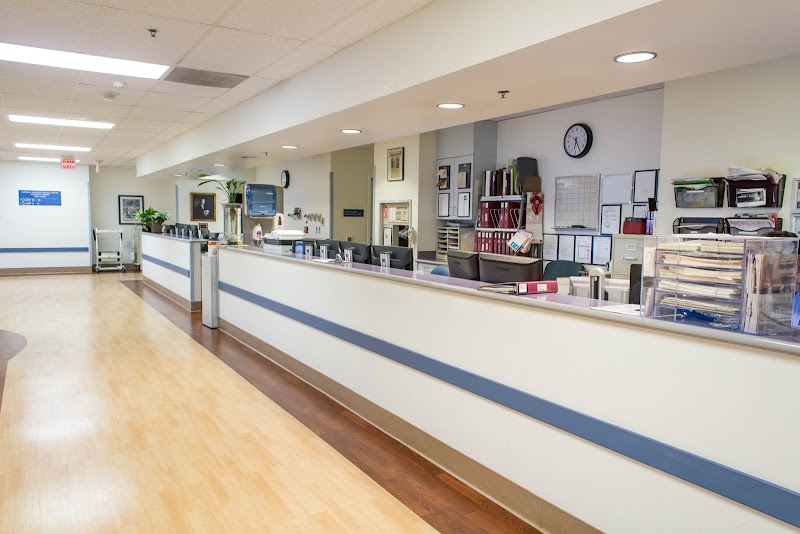
How is Glendale Adventist Medical Center Dp/Snf Staffed?

CMS rates GLENDALE ADVENTIST MEDICAL CENTER DP/SNF's staffing level at 5 out of 5 stars, which is much above average compared to other nursing homes. Staff turnover is 30%, compared to the California average of 46%. This relatively stable workforce can support continuity of care.

What Have Inspectors Found at Glendale Adventist Medical Center Dp/Snf?

State health inspectors documented 14 deficiencies at GLENDALE ADVENTIST MEDICAL CENTER DP/SNF during 2023 to 2025. These included: 14 with potential for harm.
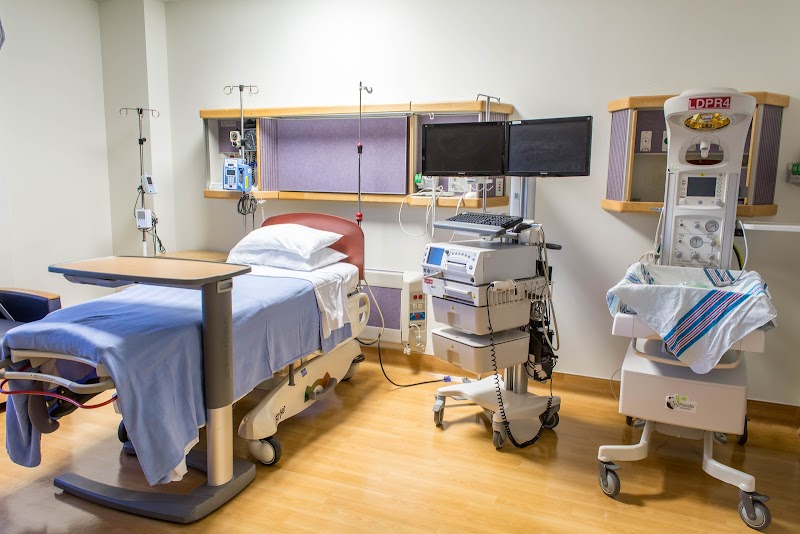
Who Owns and Operates Glendale Adventist Medical Center Dp/Snf?

GLENDALE ADVENTIST MEDICAL CENTER DP/SNF is owned by a for-profit company. For-profit facilities operate as businesses with obligations to shareholders or private owners. The facility is operated by ADVENTIST HEALTH, a chain that manages multiple nursing homes. With 40 certified beds and approximately 34 residents (about 85% occupancy), it is a smaller facility located in GLENDALE, California.
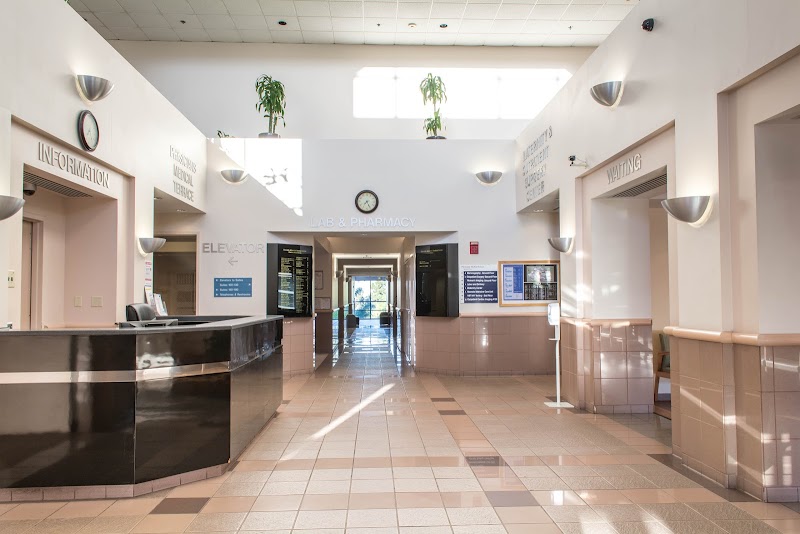
How Does Glendale Adventist Medical Center Dp/Snf Compare to Other California Nursing Homes?

Compared to the 100 nursing homes in California, GLENDALE ADVENTIST MEDICAL CENTER DP/SNF's overall rating (5 stars) is above the state average of 3.2, staff turnover (30%) is significantly lower than the state average of 46%, and health inspection rating (5 stars) is much above the national benchmark.

What Should Families Ask When Visiting Glendale Adventist Medical Center Dp/Snf?

Based on this facility's data, families visiting should ask: "Can I visit during a mealtime to observe dining assistance and food quality?" "How do you handle medical emergencies, and what is your hospital transfer rate?" "Can I speak with family members of current residents about their experience?"

Is Glendale Adventist Medical Center Dp/Snf Safe?

Based on CMS inspection data, GLENDALE ADVENTIST MEDICAL CENTER DP/SNF has a clean safety record: no substantiated abuse findings (meaning no confirmed cases of resident harm), no Immediate Jeopardy citations (the most serious violation level indicating risk of serious injury or death), and is not on the Special Focus Facility watch list (a federal program monitoring the lowest-performing 1% of nursing homes). The facility has a 5-star overall rating and ranks #1 of 100 nursing homes in California. While no facility is perfect, families should still ask about staff-to-resident ratios and recent inspection results during their visit.

Do Nurses at Glendale Adventist Medical Center Dp/Snf Stick Around?

GLENDALE ADVENTIST MEDICAL CENTER DP/SNF has a staff turnover rate of 30%, which is about average for California nursing homes (state average: 46%). Moderate turnover is common in nursing homes, but families should still ask about staff tenure and how the facility maintains care continuity when employees leave.

Was Glendale Adventist Medical Center Dp/Snf Ever Fined?

GLENDALE ADVENTIST MEDICAL CENTER DP/SNF has no federal fines on record. CMS issues fines when nursing homes fail to meet care standards or don't correct problems found during inspections. The absence of fines suggests the facility has either maintained compliance or corrected any issues before penalties were assessed. This is a positive indicator, though families should still review recent inspection reports for the full picture.

Is Glendale Adventist Medical Center Dp/Snf on Any Federal Watch List?

GLENDALE ADVENTIST MEDICAL CENTER DP/SNF is not on any federal watch list. The most significant is the Special Focus Facility (SFF) program, which identifies the bottom 1% of nursing homes nationally based on persistent, serious quality problems. Not being on this list means the facility has avoided the pattern of deficiencies that triggers enhanced federal oversight. This is a positive indicator, though families should still review the facility's inspection history directly.