GLENDALE HEALTHCARE CENTER

1208 S. CENTRAL AVE, GLENDALE, CA 91204 (818) 246-5516
For profit - Individual 48 Beds CAMBRIDGE HEALTHCARE SERVICES Data: November 2025
Trust Grade
83/100
#81 of 1155 in CA
Last Inspection: January 2025

Within standard 12-15 month inspection cycle. Federal law requires annual inspections.

Overview

Glendale Healthcare Center has a Trust Grade of B+, indicating it is recommended and above average compared to other facilities. It ranks #81 out of 1,155 in California, placing it in the top half, and #17 out of 369 in Los Angeles County, which means there are only 16 local options better than this one. The facility is improving, with issues decreasing from 10 in 2024 to 8 in 2025. Staffing is average, with a turnover rate of 29%, which is better than the California state average of 38%. Notably, Glendale Healthcare Center has not incurred any fines, which is a positive sign of compliance. However, there are some concerns. Recent inspections revealed that care plans were not followed for two residents, which could lead to serious health risks. For instance, one resident's self-inflicted wound was not properly assessed, while another's frequent vomiting was not documented or addressed, raising the risk of dehydration. Additionally, an outdoor waste container was found without a secure lid, potentially attracting pests and creating health risks for residents. While the care quality is generally good, families should be aware of these specific issues when considering this facility for their loved ones.

Trust Score
B+
83/100
In California
#81/1155
Top 7%
Safety Record
Low Risk
No red flags
Inspections
Getting Better
10 → 8 violations
Staff Stability
✓ Good
29% annual turnover. Excellent stability, 19 points below California's 48% average. Staff who stay learn residents' needs.
Penalties
✓ Good
No fines on record. Clean compliance history, better than most California facilities.
Skilled Nurses
⚠ Watch
Each resident gets only 21 minutes of Registered Nurse (RN) attention daily — below average for California. Fewer RN minutes means fewer trained eyes watching for problems.
Violations
⚠ Watch
29 deficiencies on record. Higher than average. Multiple issues found across inspections.
★★★★★
5.0
Overall Rating
★★★☆☆
3.0
Staff Levels
★★★★★
5.0
Care Quality
★★★★☆
4.0
Inspection Score
Stable
2024: 10 issues
2025: 8 issues

The Good

  • 5-Star Quality Measures · Strong clinical quality outcomes
  • Low Staff Turnover (29%) · Staff stability means consistent care
  • Full Sprinkler Coverage · Fire safety systems throughout facility
  • No fines on record
  • Staff turnover is low (29%)

    19 points below California average of 48%

Facility shows strength in quality measures, staff retention, fire safety.

The Bad

Chain: CAMBRIDGE HEALTHCARE SERVICES

Part of a multi-facility chain

Ask about local staffing decisions and management

The Ugly 29 deficiencies on record

Sept 2025 1 deficiency
CONCERN (D) 📢 Someone Reported This

A family member, employee, or ombudsman was alarmed enough to file a formal complaint

Potential for Harm - no one hurt, but risky conditions existed

Comprehensive Care Plan (Tag F0656)

Could have caused harm · This affected 1 resident

**NOTE- TERMS IN BRACKETS HAVE BEEN EDITED TO PROTECT CONFIDENTIALITY** Based on interview and record review the facility failed to develop a person-centered care plan (a treatment plan that focused o...

Read full inspector narrative →
**NOTE- TERMS IN BRACKETS HAVE BEEN EDITED TO PROTECT CONFIDENTIALITY** Based on interview and record review the facility failed to develop a person-centered care plan (a treatment plan that focused on the needs and preferences of a resident or individual) for one of two sampled residents (Resident 1) reviewed for anticoagulant (a medicine that prevented blood clots from forming in the bloodstream) and antiplatelet (a type of medicine that prevented platelets [a type of blood cell] from sticking together and forming a blood clot) medication by failing to implement a care plan for apixaban (also known as Eliquis, a type of medicine known as a blood thinner) and clopidogrel bisulfate (also known as Plavix, a medicine that prevented blood clots by making your blood cells [platelets] less sticky). These deficient practices had the potential for a lack of individualized care and to affect the quality of services provided to Resident 1.During a review of Resident 1's admission Record (AR), the AR indicated the resident was admitted to the facility on [DATE], with diagnoses that included Parkinson's disease (a progressive disease of the nervous system marked by tremor, muscular rigidity, and slow, imprecise movements), atherosclerotic heart disease of native coronary artery (when plaque [a waxy buildup of fat, cholesterol, and other substances] forms in the arteries that supply the heart muscle with blood) and other specified disorders of veins (medical conditions that impair the normal function of the body's veins, leading to symptoms like swelling, pain, discoloration, and potentially serious complications like blood clots). During a review of Resident 1's Order Summary Report dated 9/3/2025, the Order Summary Report indicated apixaban oral tablet 2.5 milligram (mg, unit of weight), one tablet to be administered by mouth two times a day for cerebrovascular accident (CVA [also known as a stroke], when blood supply to a part of the brain was suddenly cut off, causing brain cells to die) prophylaxis (PPX, prevention or protective treatment). During a review of Resident 1's Order Summary Report dated 9/3/2025, the Order Summary Report indicated clopidogrel bisulfate oral tablet 75 mg, one tablet to be administered by mouth one time a day for coronary artery disease (CAD, a condition where the heart's arteries become hardened and narrowed). During a review of Resident 1's Skin assessment dated [DATE], the Skin Assessment indicated the resident had skin discoloration on the inner right upper arm and the top of the resident's left hand. The Skin Assessment indicated the resident had skin discoloration to the right and left lower extremities. During a review of Resident 1's Comprehensive (complete) Care Plan dated 9/3/2025, there was no Care Plan initiated to indicate Resident 1 was on the medication apixaban. During a review of Resident 1's Comprehensive Care Plan dated 9/3/2025, there was no Care Plan initiated to indicate Resident 1 was on the medication clopidogrel bisulfate. During a review of Resident 1's History and Physical (H&P) dated 9/4/2025, the H&P indicated the resident had the capacity to understand and make decisions. During a review of Resident 1's Minimum Data Set (MDS, a resident assessment tool) dated 9/8/2025, the MDS indicated the resident had moderate cognitive impairment (a person was experiencing noticeable and significant difficulties with thinking, learning, remembering, and other cognitive skills that impact their daily life). The MDS indicated Resident 1 was receiving an anticoagulant and an antiplatelet medication. During a concurrent interview and record review on 9/16/2025 at 4:46 PM, with licensed vocational nurse (LVN) 1, LVN 1 stated Resident 1 did not have a resident specific care plan initiated for the use of apixaban. LVN 1 stated without a care plan, there would not be a goal or specific interventions regarding the use of the specific medication, and the facility could not provide specific care required for Resident 1. LVN 1 stated Resident 1 could potentially bleed out and die. During a concurrent interview and record review on 9/16/2025 at 4:48 PM with LVN 1, LVN 1 stated Resident 1 did not have a resident specific care plan initiated for the use of clopidogrel bisulfate. LVN 1 stated without a care plan, there would not be a goal or specific interventions regarding the use of the specific medication and the facility would be lacking care since care was not resident specific. LVN 1 stated Resident 1 could potentially bleed out and die. During a concurrent interview and record review on 9/16/2025 at 5:14 PM, the Director of Nursing (DON) stated Resident 1 did not have a resident specific care plan for apixaban. The DON stated the resident should have had an apixaban care plan because Resident 1 was receiving that medication and the resident was at risk for bruising and discoloration. During a concurrent interview and record review on 9/16/2025 at 5:17 PM, the Director of Nursing (DON) stated Resident 1 did not have a resident specific care plan for clopidogrel bisulfate. The DON stated the resident should have had a clopidogrel bisulfate care plan because Resident 1 was receiving that medication and the resident was at risk for bruising and discoloration. During a review of the facilities policy and procedure (P&P) titled Care Plans, Comprehensive Person-Centered dated 3/2022, the P&P indicated The interdisciplinary team (IDT), in conjunction with the resident and his/her family or legal representative, develops and implements a comprehensive, person-centered care plan for each resident. The P&P indicated The comprehensive, person-centered care plan: includes measurable objectives and timeframes; describes the services that are to be furnished to attain or maintain the resident's highest practicable physical, mental, and psychosocial well-being, includes the resident's stated goals upon admission and desired outcomes; and reflects currently recognized standards of practice for problem areas and conditions. The P&P indicated Care plan interventions are chosen only after data gathering, proper sequencing of events, careful consideration of the relationship between the resident's problem areas and their causes, and relevant clinical decision making. When possible, interventions address the underlying source(s) of the problem area(s), not just symptoms or triggers. Assessments of residents are ongoing and care plans are revised as information about the residents and the resident's conditions change.
Jan 2025 7 deficiencies
CONCERN (D)

Potential for Harm - no one hurt, but risky conditions existed

Deficiency F0552 (Tag F0552)

Could have caused harm · This affected 1 resident

**NOTE- TERMS IN BRACKETS HAVE BEEN EDITED TO PROTECT CONFIDENTIALITY** Based on interview and record review, the facility failed to ensure one of five sampled residents (Resident 19) had an informed ...

Read full inspector narrative →
**NOTE- TERMS IN BRACKETS HAVE BEEN EDITED TO PROTECT CONFIDENTIALITY** Based on interview and record review, the facility failed to ensure one of five sampled residents (Resident 19) had an informed consent (the voluntary agreement of a resident or a resident's representative to accept a treatment or procedure after receiving information regarding risks and benefits of the treatment) prior to treatment of Amitriptyline (a medication used to treat depression [severe feeling of sadness and hopelessness] and neuropathic [damaged nerves] pain in adults). This failure violated the residents rights of Resident 19 or representative to make an informed decision about the treatments of Amitriptyline and its side effects such as increased agitation, irritability and worsened depression of the medication and any alternative treatments available. Findings: During a review of Resident 19's admission Record (Face Sheet), dated 1/23/2025, the face sheet indicated the resident was admitted to the facility on [DATE] and readmitted on [DATE] with diagnoses including polyneuropathy (damage to many nerves throughout the body at the same time, causing symptoms like numbness, tingling, burning pain, and weakness) and pyogenic arthritis (a painful infection of a joint caused by bacteria). The face sheet indicated Resident 19 was self-responsible. During a review of Resident 19's Minimum Data Set (MDS - a resident assessment tool), dated 12/28/2024, the MDS indicated the cognitive (the ability to think and process information) skills for daily decision making were moderately impaired. The MDS indicated the resident was taking a high-risk drug classified as an antidepressant (a type of medicine used to treat clinical depression [a mood disorder that causes a persistent feeling of sadness and loss of interest.]). During a review of Resident 19's Order Summary Report, with an order date of 5/24/2024, the Order Summary Report indicated Resident 19 was ordered Amitriptyline oral (given by mouth) tablet 10 mg (milligrams-unit of measurement) 2 tablets by mouth at bedtime for neuropathic (nerve) pain. During a review of Resident 19's Medication Administration Record (MAR- a daily documentation record used by a licensed nurse to document medications and treatments given to a resident), dated January 2025, the MAR indicated the resident had received Amitriptyline each evening from 1/1/2025-1/22/2025. During a review of Resident 19's Care Plan titled, The Resident ' s Overall Condition Requires Long-Term Care, with a revision date of 12/6/2024, the care plan indicated an intervention of resident will be encouraged to make decisions regarding life in facility. During a review of Resident 19's care plan titled, The Resident Uses Antidepressant Medication Amitriptyline Oral Tablet for Neuropathic Pain, with a revision date of 1/10/2025, the care plan indicated the resident/family/caregivers would be educated regarding the benefits, side effects, and toxic symptoms of the anti-depressant drug being given. During a concurrent interview and record review on 1/23/2025 at 1:38 PM, Resident 19 ' s clinical record from 5/24/2024 to 1/23/2025 was reviewed with Licensed Vocational Nurse (LVN) 2, the clinical record indicated there was no documentation that Resident 19 or any responsible party received education regarding the risks and benefits of Amitriptyline prior to its initiation on 5/24/2024. There was no indication that the resident or responsible party consented to the use of amitriptyline. LVN 2 stated Resident 19 did not have an informed consent for amitriptyline prior to the start of administering amitriptyline. LVN 2 provided a document titled Facility Verification of Informed Consent dated 1/23/2025, the document stated that it was for the use of amitriptyline and that informed consent was obtained from Resident 19 on 1/23/2025. During an interview and record review on 1/24/25 9:24 AM, the facility ' s policy and procedure (P&P) titled, Resident Rights, dated February 2021 was reviewed with Registered Nurse (RN) 1. The P&P indicated, Federal and state laws guarantee certain basic rights to all residents of this facility. These rights include the resident ' s right to self-determination and to be informed of and participate in his or her care planning and treatment. RN 1 stated that it was important to provide the resident with informed consent for psychotropic medication because it was a federal and state regulation and because the psychotropic medication can adversely affect the resident including behaviors and thoughts. RN 1 stated the facility should respect the patient ' s rights and inform them of their care. During a review of the facility ' s P&P titled, Psychotropic Medication Use, dated July 2022, the P& P indicated, When determining whether to initiate, modify, or discontinue medication therapy .The evaluation will attempt to clarify whether: the actual or intended benefit of the medication is understood by the resident/representative. The P&P also indicated, Residents (and/or representatives) have the right to decline treatment with psychotropic medications. The staff and physician will review with the resident/representative the risks related to not taking the medication as well as appropriate alternatives.
CONCERN (D)

Potential for Harm - no one hurt, but risky conditions existed

Deficiency F0558 (Tag F0558)

Could have caused harm · This affected 1 resident

**NOTE- TERMS IN BRACKETS HAVE BEEN EDITED TO PROTECT CONFIDENTIALITY** Based on observation, interview, and record review, the facility failed to ensure two of eight sampled residents (Residents 15 a...

Read full inspector narrative →
**NOTE- TERMS IN BRACKETS HAVE BEEN EDITED TO PROTECT CONFIDENTIALITY** Based on observation, interview, and record review, the facility failed to ensure two of eight sampled residents (Residents 15 and 195) had a call light device (a device used to call for assistance) within reach. This failure had the potential to result in Residents 15 and 195 being unable to call for assistance when needed and not receive immediate care in the an emergency that could lead to falls, accidents and injury. Findings: a. During a review of Resident 15 ' s admission Record (Face Sheet) dated 1/23/2025 , the face sheet indicated the facility admitted Resident 15 on 11/20/2019 with diagnoses including rheumatoid arthritis (a chronic progressive disease-causing inflammation in the joints and resulting in painful deformity and immobility), contracture (a stiffening/shortening at any joint, that reduces the joint's range of motion) of left knee, and tear of meniscus (crescent shaped bands of thick, rubbery cartilage attached to the shinbone that act as shock absorbers and stabilize the knee) of the left knee. During a review of Resident 15's Minimum Data Set (MDS - a resident assessment tool) dated 11/26/2024, the MDS indicated the cognitive (the ability to think and process information) skills for daily decision making were severely impaired, and the resident required substantial/maximal assistance (helper does more than half the effort) with toileting, oral hygiene, showering, personal hygiene, and lower body dressing. The MDS indicated the Resident was always incontinent (the involuntary loss of bladder or bowel control) and at risk for falls. During an observation on 1/21/2025 at 10:03 AM in Resident 15's room, the resident was observed sitting up in bed. The call light for Resident 15 was observed on the floor beneath the bed. During an interview on 1/21/2025 at 10:05 AM with Certified Nurse Assistant (CNA) 1 in Resident 15's room, CNA 1 stated the call light for Resident 15 was out of reach of the resident and should be within reach of the resident so the resident could call for help if needed. CNA 1 stated the resident could possibly fall out of bed and hurt themselves if the call light was out of reach. During a review of Resident 15's Care Plan titled Alteration in Musculoskeletal Status Related to Contracture of Left Knee, with an initiation date of 5/17/2021, the care plan indicated an intervention of Anticipate and meet needs. Be sure call light is within reach and respond promptly to all requests for assistance. b. During a review of Resident 195's Face Sheet dated 1/23/2025, the face sheet indicated the facility admitted Resident 195 on 6/26/2023 with a readmission date of 12/20/2024 with diagnoses including a history of falling, muscle weakness, dementia (a progressive state of decline in mental abilities), and rheumatoid arthritis (a chronic progressive disease-causing inflammation in the joints resulting in painful deformity and immobility). During a review of Resident 195's MDS dated [DATE], the MDS indicated the cognitive skills for daily decision making were severely impaired, and the resident required partial/moderate assistance (Helper does less than half the effort) with toileting and oral hygiene. The MDS indicated Resident 195 was at risk for falls. During an observation on 1/21/2025 at 10:19 AM in Resident 195's room, the resident was observed lying in bed with eyes closed. The call light for Resident 195 was observed on the floor beside the left side of the resident ' s bed. During an interview on 1/21/2025 at 10:25 AM with CNA 2 in Resident 195's room, CNA 2 stated the call light was out of reach for Resident 195 and the Resident could be injured if trying to get out of bed on their own. During a review of Resident 195's Care Plan titled May Put Bed in a Lower Position due to High Risk for Falls, with an initiation date of 12/20/2024, the care plan indicated an intervention of Attend to needs promptly. During an interview on 1/23/2025 at 10:10 AM with Licensed Vocational Nurse (LVN) 1, LVN 1 stated it was important for residents to have the call light within reach so the resident can call for help when needed and to prevent the resident from falling and being injured. During a concurrent interview and record review on 1/23/2025 at 9:04 AM with the Registered Nurse (RN) 1, the facility ' s policy and procedure (P&P) titled, Call Light Policy, dated January 2024 was reviewed. RN 1 stated the P&P indicated, the call light should be within reach of the resident and answered in a timely manner. RN 1 stated that when the call light is out of reach and the residents need assistance we won ' t know and be able to attend to them right away, a resident might fall and injure themselves if trying to get out of bed on their own.
CONCERN (D)

Potential for Harm - no one hurt, but risky conditions existed

Notification of Changes (Tag F0580)

Could have caused harm · This affected 1 resident

Based on interview and record review, the facility failed to notify the primary physician of the signitficant change of condition for 1 of 3 sampled residents (Resident 31) who had daily episodes of v...

Read full inspector narrative →
Based on interview and record review, the facility failed to notify the primary physician of the signitficant change of condition for 1 of 3 sampled residents (Resident 31) who had daily episodes of vomiting for unknown period of time. This deficient practice resulted in the resident's delay in treatment and monitoring to prevent fluid loss, discomfort and weight loss. Findings: A review of Resident 31's admission Record indicated the facility admitted the resident on 8/27/2021, with diagnoses that included Gastro- esophageal reflux disease (Acid reflux, a condition where stomach acid flows back up into the esophagus), intervertebral disc degeneration (spine loses ability to cushion the vertebrae) and kidney disease. A review of Resident 31's Minimum Data Set (MDS- A comprehensive assessment and screening tool) Dated 12/1/2024, indicated Resident 31 had severely impaired cognition (a mental process that take place in in the brain, including thinking, attention, language, learning, memory, and perception) and required maximal assistance with activities of daily living. During a concurrent interview and record review on 1/23/25 at 1:34 PM with Registered Nurse 2 (RN2), Resident 31's Progress notes dated from 12/23/24 - 1/20/25 was reviewed and indicated no documentation had been done for Resident 31's daily regurgitation (vomiting). Additionally, RN 2 stated there was no documentation in progress notes regarding daily vomiting or how long the resident had been having episodes of vomiting. RN 2 also stated there was no documented evidence that the primary physician was notified of Resident 31's episodes of vomiting. During a concurrent observation and interview on 1/21/2025 at 11:22AM with Licensed Vocational Nurse (LVN) 3, in Resident 31's room, Resident 31 had bucket on ground next to bed. LVN 3 stated, she (Resident 31) has daily episodes of vomiting and uses the bucket when vomiting. During an interview on 1/23/25 at 1:34 PM, with Registered Nurse (RN)1, RN1 stated the staff should be documenting how often and how many times Resident 31 was vomiting or regurgitating her food or liquids and the primary physician should be notified if the resident was vomiting. A review of the facility ' s policy and procedure titled Change in a resident ' s condition or Status, Revised on 02/2021, indicated our facility promptly notifies the resident, his or her attending physician, and the resident representative of changes in the resident ' s medical/ mental condition and /or status (changes in level of care).
CONCERN (D)

Potential for Harm - no one hurt, but risky conditions existed

Comprehensive Care Plan (Tag F0656)

Could have caused harm · This affected 1 resident

**NOTE- TERMS IN BRACKETS HAVE BEEN EDITED TO PROTECT CONFIDENTIALITY** Based on interview and record review, the facility failed to develop a resident specific comprehensive care plan that reflected ...

Read full inspector narrative →
**NOTE- TERMS IN BRACKETS HAVE BEEN EDITED TO PROTECT CONFIDENTIALITY** Based on interview and record review, the facility failed to develop a resident specific comprehensive care plan that reflected the resident's current needs and health status for two out of eight sampled residents (Residents 6 and 39) by failing to ensure: 1. Resident 6's care plan for her weight loss had no measurable objectives and time frames such as the target weights for the resident. 2. Resident 39 did not have a care plan to address the care and monitoring of the resident ' s intravenous (IV- a thin, flexible tube that is inserted into a vein) insertion site. This deficient practice placed Resident 6 at risk for further weight loss. For Resident 39, the resident had the potential to be at risk of complications associated with IV insertion such as bleeding, infiltration (leakage of fluid from the vein to the surrounding tissue causing pain and swollenness) and infection. Findings: 1. A review of Resident 6's admission Record indicated the resident was admitted to the facility on [DATE] with diagnoses that included neck fracture (broken bone in the neck), history of falling, and malnutrition (lack of proper nutrition). A review of Resident 6 ' s History and Physical (H&P), dated 9/10/2024, indicated the resident has the capacity to make her needs known, but does not have the capacity to make medical decisions. The H&P also indicated the resident has poor appetite. A review of Resident 6's Minimum Data Set (MDS - a federally mandated resident assessment tool), dated 12/20/2024, indicated the resident has severely impaired cognition (ability to reason and thought process). The MDS also indicated the resident requires setup or clean-up assistance (helper sets up or cleans up) with eating. A record review of the Resident 6 ' s care plans included an entry for Resident 6 ' s weight loss, initiated on 10/16/2025, and revised on 1/22/2025. indicated Resident 6' s weight will return to baseline range between [blank] and [blank] lbs (pounds, a unit of measuring weight) by review date. The care plan did not provide documented evidence of Resident 6's baseline weight. During a concurrent interview and record review on 1/24/2025 at 9:31 AM with Registered Nurse (RN) 1, Resident 6 ' s care plan for weight loss was reviewed. RN 1 stated Resident 6 ' s care plan was incomplete because the goal of the care plan does not specify the target weight and had no measurable objectives and time frames such as weights. During a concurrent interview and record review on 1/25/2025 at 9:32 AM with RN 1, the facility ' s policy and procedure (P&P) titled, Care Plans, Comprehensive Person-Centered, revised 3/2022, was reviewed. RN 1 stated the P&P indicated the care plan must include measurable objectives and time frames, such as weights. 2. A review of Resident 39's admission Record indicated the resident was originally admitted on [DATE], and readmitted on [DATE], with diagnoses that included surgical amputation (surgical removal of a body part), diabetes mellitus (a disorder characterized by difficulty in blood sugar control and poor wound healing), and osteomyelitis (inflammation of bone or bone marrow, usually due to infection). A review of Resident 39's H&P, dated 12/29/2024, indicated the resident has the capacity to understand and make decisions. A review of Resident 39's MDS, dated [DATE], indicated the resident has intact cognition. A review of Resident 39's Order Summary Report, dated 1/24/2025, included an order for the following: Meropenem [an antibiotic, a medication that treats infections] to administer via Intravenous Solution Reconstituted [medication in powder form mixed with a liquid solution] 1GM [GM, gram, a unit of measuring weight] Use 1 gram intravenously every 12 hours, ordered on 12/28/2024. A review of Resident 39's care plans did not have documented evidence for a care plan to address the monitoring and care for Resident 39 ' s IV catheter. During a concurrent observation and interview on 1/21/2025 at 9:22 AM, Resident 39 was observed lying in bed with an IV catheter (a small plastic tube inserted into the vein) on the right hand. Resident 39 stated the nurses use the IV catheter to administer medications. During a concurrent observation and interview on 1/21/2025 at 9:43 AM inside Resident 39 ' s room, RN 1 stated Resident 39 has an IV catheter on the right hand. During a concurrent interview and record review on 1/24/2025 at 9:29 AM with RN 1, Resident 39 ' s care plans were reviewed. RN 1 stated there was no care plan for Resident 39 ' s to address the care and monitoring for the IV catheter insertion site. RN 1 stated there should be a care plan for the IV catheter insertion site, because without it, staff would not know how to take care of the resident ' s IV catheter. During an interview and concurrent interview on 1/24/2025 at 9:32 AM with RN 1, the facility ' s policy and procedure (P&P) titled, Care Plans, Comprehensive Person-Centered, revised 3/2022, was reviewed. RN 1 stated the P&P indicated care plans must have measurable goals, such as a resident ' s weight. RN 1 also stated the P&P must reflect the resident ' s current condition, such as having a care plan for a resident ' s IV catheter. During a review of the facility ' s P&P titled, Care Plans, Comprehensive Person-Centered, revised 3/2022, the P&P indicated the comprehensive, person-centered care plan includes measurable objectives and timeframes. The P&P indicated the care plan includes the resident ' s goals and desired outcomes. The P&P also indicated care plans are revised as information about the residents and the residents ' conditions change.
CONCERN (D)

Potential for Harm - no one hurt, but risky conditions existed

ADL Care (Tag F0677)

Could have caused harm · This affected 1 resident

Based on observations, interviews, and record reviews, the facility failed to ensure 1 of 3 sampled residents (Resident 28) was provided care and services to maintain good grooming and personal hygien...

Read full inspector narrative →
Based on observations, interviews, and record reviews, the facility failed to ensure 1 of 3 sampled residents (Resident 28) was provided care and services to maintain good grooming and personal hygiene by ensuring the resident's nail was free of dirt. This deficient practice had potential to lead to skin infection and poor body image from having dirt underneath nails. Findings: A review of Resident 28's admission record indicated the facility admitted the resident on 9/8/2020, with diagnosis that included malignant neoplasm of brain (fast growing Brain Tumor), acute respiratory failure (sudden condition that makes it difficult to breathe on your own), paralysis of vocal cords and larynx (unable to speak, swallow, or breath on own). A review of Resident 28's History and Physical (H&P), undated, indicated the resident was alert and oriented to person, place, time. A review of Resident 28's Minimum Data Sheet ( MDS, a standard assessment tool that measures health status), dated 12/14/2024, indicated the resident ' s cognition ( a mental process related to thinking, attention, language, learning, memory, and perception) was intact ( able to understand information, remember it, use it to make decisions, and effectively communicate those decisions). The MDS indicated Resident 28 needed partial /moderate assistance for upper body dressing and requires Substantial/ maximal assistance for personal hygiene tasks. A review of Resident 28's Care Plan Resident prefers to have long nails initiated on 7/14/2021 with a revision date of 1/10/2025, the Care Plan indicated, Activities Department will observe that nails are maintained and cleaned at least 1x a week. During a concurrent observation and interview on 1/21/2025 at 11:52AM with Licensed Vocational Nurse (LVN3) in Resident 28 ' s room. LVN 3 stated Resident 28 has dirt under nails. During a review of the facility's policy and procedure (P&P) titled, Fingernails/ Toenails, Care of, with a revised date of February 2018, the P&P indicated nail care includes daily cleaning and regular trimming. Further stating proper nail care can aid in the prevention of skin problems. Indicating dirt under nails should be wiped away and removed from each nail to prevent infections.
CONCERN (D)

Potential for Harm - no one hurt, but risky conditions existed

Deficiency F0694 (Tag F0694)

Could have caused harm · This affected 1 resident

**NOTE- TERMS IN BRACKETS HAVE BEEN EDITED TO PROTECT CONFIDENTIALITY** Based on observation, interview, and record review, the facility failed to ensure the intravenous (IV- a thin, flexible tube tha...

Read full inspector narrative →
**NOTE- TERMS IN BRACKETS HAVE BEEN EDITED TO PROTECT CONFIDENTIALITY** Based on observation, interview, and record review, the facility failed to ensure the intravenous (IV- a thin, flexible tube that is inserted into a vein) catheter dressing was labeled with the date and time on when the IV dressing was changed, and the name or initial of the staff who changed the dressing. This deficient practice placed Resident 39 at risk of complications associated with IV insertion such as infection that can travel to the blood and result in sepsis (a severe life-threatening infection in the blood). Findings: A review of Resident 39 ' s admission Record indicated the resident was originally admitted on [DATE], and readmitted on [DATE], with diagnoses that included surgical amputation (surgical removal of a body part), diabetes mellitus (a disorder characterized by difficulty in blood sugar control and poor wound healing), and osteomyelitis (inflammation of bone or bone marrow, usually due to infection). A review of Resident 39 ' s History and Physical (H&P), dated 12/29/2024, indicated the resident has the capacity to understand and make decisions. A review of Resident 39 ' s Minimum Data Set (MDS - a federally mandated resident assessment tool), dated 1/2/2025, the resident has intact cognition. A review of Resident 39 ' s Order Summary Report, dated 1/24/2025, included an order for the following: Meropenem [an antibiotic, a medication that treats infections] Intravenous Solution Reconstituted [medication in powder form mixed with a liquid solution] 1GM [GM, gram, a unit of measuring weight] Use 1 gram intravenously every 12 hours, ordered on 12/28/2024. During a concurrent observation and interview on 1/21/2025 at 9:22 AM inside Resident 39 ' s room, Resident 39 was observed lying in bed with an IV catheter (a small plastic tube inserted into the vein) on the right hand that was covered by a white gauze dressing. The dressing did not have any labels that indicated the date and time for when it was applied, nor the name or initial of the nurse that applied the dressing. Resident 39 stated he does not remember when the IV dressing was changed. During a concurrent interview and record review on 1/24/2025 at 9:29 AM with RN 1, Resident 39 ' s entire medical records were reviewed. RN 1 stated there was no documented evidence that Resident 39 ' s IV catheter dressing was changed in the past 3 days. RN 1 stated the facility policy was to change the gauze dressings every 48 hours or when it gets soiled. During a concurrent observation and interview on 1/21/2025 at 9:43 AM inside Resident 39 ' s room, RN 1 stated Resident 39 ' s IV catheter dressing did not have any labels that would indicate the date, time, or the person that applied the dressing. RN 1 stated it is the facility ' s policy that IV catheter dressings should be labeled with the date and time for when it was applied, and the initials of the nurse that applied the dressing. During an interview and concurrent interview on 1/24/2025 at 9:34 AM with RN 1, the facility ' s policy and procedure (P&P) titled, Peripheral Catheter Dressing Change, dated 3/2023, was reviewed. RN 1 stated the P&P indicated that IV catheter dressing must be labeled with the date, time, and the nurse ' s initials. RN 1 stated not labeling the dressing could put the resident at risk for infections at the site because staff would not know if the dressing needed to be changed. During a review of the facility ' s P&P titled, Peripheral Catheter Dressing Change, dated 3/2023, the P&P indicated gauze dressing changes are changed every 48 hours or if the integrity of the dressing is compromised. The P&P also indicated the nurse must label dressing with date, time, and nurse ' s initials.
CONCERN (E)

Potential for Harm - no one hurt, but risky conditions existed

Quality of Care (Tag F0684)

Could have caused harm · This affected multiple residents

Based on observation, interview, and record review, the facility failed to assess, monitor, intervene and evaluate care of two out of three sampled residents (Residents 28 and 31) by failing to: 1.En...

Read full inspector narrative →
Based on observation, interview, and record review, the facility failed to assess, monitor, intervene and evaluate care of two out of three sampled residents (Residents 28 and 31) by failing to: 1.Ensure Resident 28's wound on the left eye was identified and assessed by facility to ensure resident received timely and appropriate care for behavior of self -inflicted wound and scratching under the left eye. 2. Ensure Resident 31's daily episodes of emesis (vomit) where documented, assessed for the root cause, monitored and reported to the primary physician. As a result of these deficient practices, Resident 28 could develop worsened skin and wound infection and severe pain. For Resident 31 frequent vomiting could result in dehydration (significant fluid loss in the body) and electrolytes (essential minerals in the body for the cells to function) loss that leads to and organ failures. Findings: 1. A review of Resident 31's admission Record indicated the facility admitted the resident on 8/27/2021, with diagnoses that included gastro- esophageal reflux disease (Acid reflux, a condition where stomach acid flows back up into the esophagus), intervertebral disc degeneration (spine loses ability to cushion the vertebrae) and kidney disease. A review of Resident 31 ' s Minimum Data Set (MDS- A comprehensive assessment and screening tool) Dated 12/1/2024, indicated Resident 31 had severely impaired cognition (a mental process that take place in in the brain, including thinking, attention, language, learning, memory, and perception) and required maximal assistance, helper does more than half the effort. Helper lifts or holds trunk or limbs and provides more than half the effort with activities of daily living. A review of Resident 28's admission Record indicated the facility admitted the resident on 9/08/202, with diagnoses that included obstructive pulmonary disease (damage to the lungs that limits airflow into and out of the lungs) and malignant neoplasm of brain (cancerous brain tumor). A review of Resident 28's History and physical, undated, indicated the resident is alert and oriented to person, place, time. A review of Resident 28's Order Summary Report, and clinical records indicated no evidence that the resident was monitored for mood/ behavior for self-infliction or scratching of the left eye. A review of Resident 28's care plan, dated 11/19/ 2024, indicated Resident 28 ' s had an actual unavoidable non healing impairment to skin integrity related to new left lower periorbital area self - inflicted scratch with Goal the resident will be free from complications new left lower periorbital area self - inflicted scratch. Interventions of Medication and/ or treatment as order by the physician, to monitor for side effects of the prescription and OTC (over the counter) drugs which could exacerbate the skin condition, and to report continued worsening of site, Signs and symptoms of infection and other signification issues to physician. T A review of Resident 28's care plan dated 11/19/ 2024 did not indicate the root cause of the resident's behavior of left lower periorbital area self - inflicted scratch and interventions to address the resident's behavior to prevent self - inflicted scratching. A review of Resident 28's Medication Administration Record indicated no monitoring for anxiety mood / behavior of self-infliction. During an observation on 1/21/2025 at 11:42 AM, Resident 28 had a left lower eye redness, with active bleeding and open tear visible. In a concurrent interview Resident 28 stated the wound/tear under her eye had been there for 4 days and no treatment had been provided. During an interview on 1/21/2025 at 11:52AM, with Licensed Vocational Nurse (LVN) 3, LVN 3 stated there was no change in condition report documented and no treatment being provided that was ordered by the physician regarding Resident 28 ' s under the eye wound. LVN 3 stated the physician was not notified of Resident 28 ' s behavior of self -inflicted wound due to scratching on the left eye. During an interview on 1/21/2025 at 12:17 PM, with Licensed Vocational nurse (LVN) 3, stated she was unsure when Resident 28 developed current wound under the left eye. A review of the facility's policy and procedure titled Skin Tears - Abrasions (scrape) and minor breaks, Care of revised on 9/2013, indicated to notify physician of any abnormalities such as excessive bleeding, localized swelling, redness, drainage or tenderness or skin tears. 2. A review of Resident 31's admission Record indicated the facility admitted the resident on 8/27/2021, with diagnoses that included gastro- esophageal reflux disease and intervertebral disc degeneration. A review of Resident 31's Minimum Data Set (MDS- A comprehensive assessment and screening tool) Dated 12/1/2024, indicated Resident 31 had severely impaired cognition and required maximal assistance with activities of daily living. A review of Resident 31's Care plan for gastroesophageal reflux disease initiated on 8/28/2021, indicated to monitor for poor appetite/ intake, as well as to observe for contributing factors of fluid volume depletion such as vomiting copious (large amount) secretions and notify MD (Medical Doctor) as needed. A review of Resident 31's Progress notes dated from 12/23/24 - 1/20/25, indicated no documentation of the root cause of Resident 31's daily regurgitation (vomiting). In addition, there was no documented evidence that the MD was informed or any change of condition (COC). During an observation on 1/21/25 at 11:14AM, observed Resident 31 motioning with hand to her mouth, and large bucket was next to her bed. During an interview on 1/21/25 at 11:14 AM, with Marketing Director, Marketing Director stated Resident31 has a bucket next to her bed to be used when throwing up in which he had witnessed Resident 31 vomiting frequently. During an interview on 1/21/25 at 11:22 AM, with Licensed Vocational nurse 3 (LVN)3, LVN 3 stated Resident 31 has frequent episodes of vomiting but is unsure if she has lost weight. During an interview on 1/23/2025 at 11:26 AM, LVN 3 stated Resident 31 vomits most days she works at facility, but she does not document in the resident ' s progress notes the frequency or duration of Resident 31's vomiting. LVN 3 further stated Resident 31's electrolytes were not being monitored. During an interview on 1/23/25 at 1:34PM, with Registered Nurse (RN)1, RN1 stated Nursing staff should be documenting how often and how many times Resident 31 was vomiting or regurgitating her food or liquids. RN 1 stated the MD should be notified if the Resident 31 was vomiting. During a concurrent interview and record review on 1/23/25 at 1:34 PM with Registered Nurse 2 (RN2), Resident 31 ' s Progress notes dated from 12/23/24 - 1/20/25 was reviewed and indicated no documentation had been done for Resident 31 ' s daily regurgitation (vomiting). Additionally, RN 2 stated there was no documentation in progress notes regarding daily vomiting or how long the resident had been having episodes of vomiting. RN 2 also stated there was no documented evidence that the primary physician was notified of Resident 31 ' s episodes of vomiting. A review of the facility ' s policy and procedure titled Change in a resident ' s condition or Status, Revised on 02/2021, indicated our facility promptly notifies the resident, his or her attending physician, and the resident representative of changes in the resident ' s medical/ mental condition and /or status (changes in level of care).
Sept 2024 1 deficiency
CONCERN (D) 📢 Someone Reported This

A family member, employee, or ombudsman was alarmed enough to file a formal complaint

Potential for Harm - no one hurt, but risky conditions existed

Medical Records (Tag F0842)

Could have caused harm · This affected 1 resident

**NOTE- TERMS IN BRACKETS HAVE BEEN EDITED TO PROTECT CONFIDENTIALITY** Based on interview, and record review, the facility did not ensure medical records are accurately documented for one of three sa...

Read full inspector narrative →
**NOTE- TERMS IN BRACKETS HAVE BEEN EDITED TO PROTECT CONFIDENTIALITY** Based on interview, and record review, the facility did not ensure medical records are accurately documented for one of three sampled residents (Resident 1), the time of incident and vital signs recorded on Resident 1 ' s progress note (a type of documentation that is used to track and document patient's progress throughout treatment) and vital signs sheet (reflect essential body functions, including your heartbeat, breathing rate, temperature, and blood pressure) were not accurately documented per facility ' s policy. This deficient practice had the potential in miscommunication, provided inaccurate information affect to delivery of care and possible leading to the cause of death. Findings: A review of Resident 1 ' s admission record indicated the resident was originally admitted to the facility on [DATE] and readmitted on [DATE] with diagnoses that included but not limited to respiratory failure (a condition in which the lungs have a hard time loading the blood with oxygen and result in difficulty breathing), heart failure (condition in which the heart is unable to pump enough blood to meet the body's needs), sepsis (a life-threatening condition that occurs when the body's immune system overreacts to an infection, damaging the body's own tissues and organs.) gastrostomy ( a surgical procedure used to insert a tube, often referred to as a G-tube, through the abdomen and into the stomach), dementia ( the loss of cognitive functioning — thinking, remembering, and reasoning — to such an extent that it interferes with a person's daily life and activities.) and epilepsy (a common condition that affects the brain and causes frequent seizures). A review of Resident 1 ' s History and Physical Examination, dated 8/12/2024, indicated Resident 1 does not have the capacity to understand and make decisions. A review of Minimum Data Set (MDS, a standardized assessment and care screening tool), dated 8/30/2024, indicated Resident 1 was dependent (helper does all the effort) with oral hygiene, bathing, toileting, personal hygiene, rolling left and right and lying to sitting. A review of Resident 1 ' s facility document titled Progress Notes, dated 8/30/2024 timed at 3:51 AM indicated at 1:00 AM RN 1 noted Resident 1 was having grunting sound, difficulty breathing, and oxygen saturation (the amount of oxygen you have circulating in your blood) was low at 85 percent with 2L of oxygen supplied via nasal cannula. The progress notes indicated, 911 emergency paramedics was called, evaluated Resident 1, and took Resident to GACH 1 for further evaluation. A review of Resident 1 ' s paramedic run report (means the response of an ambulance vehicle and personnel to an emergency or nonemergency for the purpose of rendering medical care or transportation) dated 8/30/2024, indicated paramedic dispatch was called at 12:25 AM, paramedic arrived at the facility at 12:29 AM, at 12:43 am Resident 1 ' s vitals were blood pressure 172/90, heart rate 137, respiratory rate 22 and oxygen saturation at 92% with 15 L of oxygen mask. At 12:48 am Resident 1 ' s blood pressure was 170/88. Heart rate 136, respiratory rate 22 and O2 saturation with 15 L O2 mask was 92 and paramedic left the facility at 12:50 AM to acute hospital. A review of Resident 1 ' s facility document titled Weights and Vitals Summary, dated range from 8/1/2024 to 8/31/2024. On 8/30/2024 at 3:42 AM, indicated Resident 1 ' s vital signs was blood pressure 186/124, heart rate 118, temperature 99.7 degrees, respiratory rate 20, and oxygen saturation 85 percent. A review of Resident 1 ' s GACH 1 document titled Emergency Document- MD, dated 8/30/2024, the document indicated Resident 1 arrived at GACH 1 emergency department at 12:55 AM. A review of Resident 1 ' s GACH 1 document titled Notification of Death, dated 8/30/2024, indicated, Resident 1 ' s date and time of death was 8/30/2024 at 2:05 AM and family was notified on 8/30/2024 at 2:10 AM. During an interview on 9/9/2024 at 1:30 PM with the Director of Nurses (DON) , The DON stated, timing of the Resident 1 ' s documentation was not accurate. A review of the facility ' s policy and procedure (P&P) titled Charting and Documentation revised 7/2017 , indicated; a) all services provided to the resident or any changes in resident ' s medical and physical condition shall be documented in the residents ' medical records, b)information document in the resident medical records includes changes in residents condition, and c) Documentation in the medical record will be objective (not opinionated or speculative), complete, and accura
Jan 2024 9 deficiencies
CONCERN (D)

Potential for Harm - no one hurt, but risky conditions existed

Deficiency F0558 (Tag F0558)

Could have caused harm · This affected 1 resident

Based on observation, interview, and record review, the facility failed to ensure a resident's call light device (an alerting device for nurses or other nursing personnel to assist a patient when in n...

Read full inspector narrative →
Based on observation, interview, and record review, the facility failed to ensure a resident's call light device (an alerting device for nurses or other nursing personnel to assist a patient when in need) was maintained within easy reach for one of one sampled resident (Resident 344), in accordance with the resident's care plan. This failure resulted in Resident 344 not being able to ask for staff assistance on 1/22/2024. A potential for further decline in the resident's activities for daily living, self-esteem, and self-worth. Findings: A review of Resident 344's admission Record indicated Resident 344 was admitted to the facility on 1/10/ 2024, with diagnoses that included history of fall, fracture of sacrum (occurs when a bone called the sacrum breaks), anxiety disorder (persistent and excessive worry that interferes with daily activities), and Parkinson's Disease (a progressive disorder that affects the nervous system and the parts of the body controlled by the nerves) During a review of Resident 344's Minimum Data Set (MDS- a comprehensive assessment and screening tool) dated 9/22/2023, the MDS indicated Resident 344 was able to follow commands, and required limited assistance with the toilet, personal hygiene, change of position and transfer. A review of Resident 344's care plan titled Alteration in musculoskeletal status r/t sacral fracture, indicated Resident 344 had a potential for further injury related to fall risk, dated 1/11/24, indicated Resident 344 required assistance with transfer, mobility PRN (as needed) and required monitoring of fall. The care plan interventions indicated the Certified Nursing Assistant (CNA) will assist resident with transfer and mobility PRN, the CNA will anticipate and meet needs Resident 344, and the CNA will make sure Resident 344's call light was within reach and will respond to call lights promptly. During an observation on 1/22/2024 at 8:42 a.m., in the resident's room, Resident 344 was observed sitting at the right-side end of his bed asking for help, there was no CNA present to assist the resident. During an observation, Resident 344's call light device was placed on the floor near the left side of the headboard that the resident could not reach. During an interview on 1/22/2024 at 08:43 a.m., with Resident 344, Resident 344 stated he was not able to find his call light device. Resident 344 stated he needs help to look for his nail clipper. During an interview on 1/22/2024 at 8:48 a.m. with CNA 1, who was assigned to Resident 344 on 1/22/2024 during the 7 a.m. to 3 p.m., stated the call light should have been placed closed to Resident 344's bed for easy reach, so that the resident was able to get services in a timely manner. CNA 1 also stated this way, Resident 344 can be prevented from repeat falls. During a review of the facility's policy and procedure titled Call system, Residents dated September 2022, indicated each resident is provided with a means to call staff directly for assistance from his/her bed. The purpose of the call system is to provide a mechanism for residents to promptly communicate with nursing staff.
CONCERN (D)

Potential for Harm - no one hurt, but risky conditions existed

Deficiency F0578 (Tag F0578)

Could have caused harm · This affected 1 resident

Based on observation, interview and record review, the facility failed to ensure one of three sampled resident (Resident 28) or his/her representative was assisted to formulate an Advance Healthcare D...

Read full inspector narrative →
Based on observation, interview and record review, the facility failed to ensure one of three sampled resident (Resident 28) or his/her representative was assisted to formulate an Advance Healthcare Directives (AD-a written statement of a person's wishes regarding medical treatment made to ensure those wishes are carried out should the person be unable to communicate them to a doctor) upon admission to the facility, and the AD was maintained in the resident's clinical records at all times. This deficient practice had the potential to cause conflict with Resident 28's wishes regarding health care treatment especially in an event of emergency. Findings: During a review of Resident 28's admission Record indicated the facility admitted Resident 28 on 8/27/21 with diagnoses that included dementia (a general term for the impaired ability to remember, think, or make decisions that interferes with doing everyday activities) and hypertension (high blood pressure). During a review of Resident 28's Minimum Data Set (MDS, a standardized assessment and care planning tool), dated 12/2/23, indicated Resident 28 had severely impaired memory and cognitive (ability to think and reasonably) impairment. The MDS indicated Resident 28 required supervision or touching assistance with eating, and partial/moderate assistance with oral hygiene, toilet hygiene, and chair/bed-to-chair transfer, and substantial/maximal assistance with lower body dressing and personal hygiene. During an observation and record review on 1/22/24 at 11:51 AM, Resident 28's Advanced Healthcare Directive Acknowledgement Form (AHDAF) was flagged in Resident 28's in the paper clinical chart that was on the desk of the nursing station. Resident 28's AHDAF was observed blank without the physician's and resident's /representative's signature. During a concurrent interview and record review on 1/23/24 at 8:54 AM, with the Social Services Director (SSD). Resident 28's blank Advanced Healthcare Directive Acknowledgement Form (AHDAF) was reviewed. The SSD stated she had not completed Resident 28's AHDAF and she was going to call her responsible party (RP) today to follow up. The SSD stated the facility admitted Resident 28 on 8/27/21 and her AHDAF should be offered, completed, and followed up upon the resident's admission to the facility. The SSD stated it was important to inform the resident and his or her RP about their rights to formulate an Advance Healthcare Directive, so the facility would know If the resident had an advance directive or not upon admission and provide treatments as the resident's wishes. During a review of the facility's policy and procedure (P&P) titled, Advance Directive, dated 9/22, the P&P indicated, the resident has the right to formulate an advance directive, including the right to accept or refuse medical or surgical treatment and prior to or upon admission of a resident, the social service director, or designee inquires of the resident, his/her family members and/or his or her legal representative, about the existence of any written advance directives. During a review of the facility's policy and procedure (P&P) titled, Advance Directive, dated 2022, the P&P indicated, information about whether or not the resident has executed an advance directive is displayed prominently in the medical record in a section of the record that is retrievable by any staff.
CONCERN (D)

Potential for Harm - no one hurt, but risky conditions existed

ADL Care (Tag F0677)

Could have caused harm · This affected 1 resident

**NOTE- TERMS IN BRACKETS HAVE BEEN EDITED TO PROTECT CONFIDENTIALITY** Based on observation, interview, and record review, the facility failed to provide necessary services in activities of daily liv...

Read full inspector narrative →
**NOTE- TERMS IN BRACKETS HAVE BEEN EDITED TO PROTECT CONFIDENTIALITY** Based on observation, interview, and record review, the facility failed to provide necessary services in activities of daily living (ADL) to maintain good personal hygiene by ensuring the toenails were not thick and discolored and the fingernails were trimmed for one of two sampled residents (Resident 21) who had long untrimmed fingernails and toenails. This deficient practice had the potential for Resident 21 not to receive necessary services to maintain and achieve their highest potential and wellbeing. Findings: 1. A review of Resident 21's admission record indicated the resident was originally admitted to the facility on [DATE] and readmitted on [DATE] with diagnoses frailty (the condition of being weak and delicate), diabetes mellitus (high blood sugar) and chronic obstructive pulmonary disease (COPD-an inflammatory lung disease that causes obstructed airflow from the lungs and difficulty breathing). A review of Minimum Data Set (MDS, a standardized assessment and care screening tool), date 10/23/2023, indicated Resident 21's cognitive skills (ability to tik, reason and make daily decisions) was severely impaired. The MDS indicated Resident 21 was dependent (helper does all the effort) on staff with maximal assistance (require helper assist more than half of effort) for lower body dressing, putting on/taking off footwear, moderate assistance (require helper assist less than half of effort) for toilet use hygiene, shower personal hygiene. During concurrent observation and interview on 1/22/24 at 10:20 AM, all of Resident 21's fingernails were long, about 4-5mm (millimeter- a unit of measurement) long, with long discolored thick toenails on left and right big toes, 4th toes of both feet had toenails measuring 8 to 9 mm long that curved to 3rd toe. In an interview, Resident 21 stated his nails had not been trimmed for a long time. A review of Resident 21s Care Plan (CP) initiated on 11/10/21, indicated Resident 21 had alteration in physical functioning due to medical conditions and required extensive assist with bed mobility, dressing, locomotion, personal hygiene. The CP goal included Resident 21 will be kept comfortable and ADL needs will be met daily x 3 months and the resident will be participate/assist with ADLs to the highest degree possible within physical and medical current level of function by next review. The CP was revised on 8/29/23 with the target date 2/1/24. During a concurrent observation and interview on 1/24/24 at 8:46 AM with Director of Nursing (DON) in Resident 21's room, with Resident 21's permission, the DON assessed Resident 21's fingernails which were long and measuring about 4-5 mm long from the tip of finger. The DON immediately called one Certified Nursing Assistant to trim Resident 21's fingernails. In an interview the DON stated she will ask podiatrist (physician and surgeon who treats the foot, ankle, and related structures of the leg) to come to see Resident 21 as soon as possible for his long, discolored, and thick toenails. During a review of the facility's policy and procedure (P&P) titled, Activities of Daily Living , supporting, dated 03/2018, the P&P Resident who are unable to carry out activities of daily living independently will receive the services necessary to maintain good nutrition, grooming and personal and oral hygiene.
CONCERN (D)

Potential for Harm - no one hurt, but risky conditions existed

Quality of Care (Tag F0684)

Could have caused harm · This affected 1 resident

**NOTE- TERMS IN BRACKETS HAVE BEEN EDITED TO PROTECT CONFIDENTIALITY** Based on observation, interview, and record review, the facility failed to coordinate and communicate the care services of one o...

Read full inspector narrative →
**NOTE- TERMS IN BRACKETS HAVE BEEN EDITED TO PROTECT CONFIDENTIALITY** Based on observation, interview, and record review, the facility failed to coordinate and communicate the care services of one of two sampled residents (Resident 6) with the hospice (an end-of-life care with focus on the resident's quality of life) staff as indicated in the facility's policy and procedure for hospice care titled, Hospice and Nursing Facility Services Agreement, This deficient practice had the potential to negatively affect the resident's psychosocial and physical well-being and/or delay the delivery of hospice care services to Resident 6. Findings: During a review of Resident 6's admission record indicated, Resident 6 was initially admitted to the facility on [DATE], and admitted to the hospice care and services on 8/15/2023, with diagnoses that included hemiplegia (a severe or complete loss of strength or paralysis on one side of the body) and hemiparesis (a mild loss of strength in a leg, arm, or face) following unspecified cerebrovascular disease (a group of conditions that affect blood flow and the blood vessels in the brain) affecting left non-dominant side, atherosclerosis heart disease (a buildup of cholesterol plaque in the walls of arteries causing obstruction of blood flow from the heart to the brain) and adult failure to thrive (weight loss, decreased appetite and poor nutrition, and inactivity). During a review of the Minimum Data Set (MDS- a comprehensive assessment and screening tool) dated 10/27/2023, the MDS indicated the resident has impaired cognitive patterns (a person has trouble remembering, learning new things, concentrating, or making decisions that affect their everyday life), needed assistance from staff members for locomotion in and out of the bed, and was always incontinent of bowel and bladder. A review of Resident 6's POLST (a written medical order from a physician, that helps give people with serious illnesses more control over their own care by specifying the types of medical treatment they want to receive during serious illness.) dated 8/15/2023 indicated Resident 6 was on selective treatment and was on no artificial means (treating medical conditions while avoiding burdensome measures, prefer to forgo the use of medically provided fluids and nutrition) of nutrition. A review of Resident 6's Physician's order, dated 8/15/2023 indicated Resident 6 began hospice with the current hospice service agency on 8/15/2023. During a concurrent interview and record review on 1/22/2024 at 2:01 p.m. with License Vocational Nurse (LVN)1, Resident 6's hospice binder did not include any hospice nurses' visiting notes, no care plans, no IDTs. (interdisciplinary team conference). LVN1 stated there were no hospice nurses' visiting notes, no care plans, no IDT in Resident 6's hospice binder. LVN1 stated nurses and staff will not be able to get an immediate update about Resident 6's latest conditions and care as there were no visiting notes in Resident 6's hospice binder. During a concurrent interview and record review on 1/22/2024 at 3:06 p.m. with the Director of Nursing (DON), Resident 6's hospice binder was reviewed with DON. The DON stated, Resident 6's hospice binder did not include any hospice nurses notes when they visited the residents, and no care plans, or IDTs in the hospice binder, which could result in the nurses and staff not able receive immediate update about Resident 6's latest conditions and needed care or services, as there were no records to indicate the agency staffs communicated with the facility staffs Resident 6's hospice binder. During an interview with Social Services Designee (SSD) on 1/25/2024 at 8:46 a.m., SSD stated she did not know there was no hospice nurses' visiting notes and care plans in Resident 6's hospice binder. SSD also stated the facility has no access to hospice's Hospice MD (HMD, hospice documentation system) from the facility. Hospice nurses have no access to the Point Click Care (PCC, facility documentation system). SSD stated that there is no way to get updated care information for Resident 6 due to absent of hospice nurse visiting notes, update care plan and updated IDTs. SSD stated there is no way to know if the hospice nurse had visited the resident on the scheduled dates. The facility's policy and procedure (P&P) titled, Hospice and Nursing Facility Services Agreement, dated 11/11/2022, indicated both parties shall maintain appropriated documentation of services provided under this agreement in accordance with applicable state and federal law and regulations and Accreditation Standards. Patients' medical records and documentation maintained by each Party shall be available for review and inspection by the other Party as necessary for the proper evaluation, screening, and provision of services to patients under this agreement.
CONCERN (D)

Potential for Harm - no one hurt, but risky conditions existed

Tube Feeding (Tag F0693)

Could have caused harm · This affected 1 resident

**NOTE- TERMS IN BRACKETS HAVE BEEN EDITED TO PROTECT CONFIDENTIALITY** Based on observation, interview and record review, the facility failed to ensure one of three sampled residents (Resident 24) re...

Read full inspector narrative →
**NOTE- TERMS IN BRACKETS HAVE BEEN EDITED TO PROTECT CONFIDENTIALITY** Based on observation, interview and record review, the facility failed to ensure one of three sampled residents (Resident 24) receiving gastrostomy tube feeding (nutrition through gastrostomy tube feeding tube [GT-a flexible tube surgical inserted through abdomen into the stomach for feeding, fluid, and medication administration] was being fed continuously in accordance with the resident's physician's orders. This deficient practice had the potential to result in altered nutritional status resulting from inconsistent caloric intake and loss of weight to the resident. Findings: A review of Resident 24's face sheet (admission Record) indication the resident was admitted to the facility on [DATE], with diagnoses that included but not limited to dysphagia (difficulty swallowing), oropharyngeal phase (swallowing problems occurring in the mouth and/or the throat). A review of Resident 24's Minimum Data Set (MDS - an assessment and care screening tool) dated November 16, 2023, indicated the resident's cognitive ability is severely impaired and can not make decisions by own self. During an observation January 22, 2024, at 10:40 a.m. Resident 24's feeding tube pump was observed in the off position. A review of the physician order, dated 8/30/2023, indicated provide enteral feeding: Diabeticsource AC (a nutritional formula) via G-tube at 70 cc (cubic centimeter-a unit of measurement/hour x 20 hours (144 cc volume, 1680 kcal, 84 g protein) and 1142 cc free water every day shift. During a concurrent interview and record review on January 23, 2023, at 10:15 a.m. with Licensed Vocational Nurse (LVN) 2, Resident 24's enteral feed order, dated August 30, 2023, was reviewed. The enteral feed order did not include start and stop time for enteral g-tube feeding. LVN 2 stated MD orders should have start and stop time for enteral g-tube feeding. During an interview on January 23, 2023, at 10:26 a.m. the Director of Nursing stated it is the facilities practice starting GT feeding at 2:00 p.m. and stop at 10:00 a.m. as recommended by the facility's Registered Dietitian (RD). During a review of Resident 24's Dietary progress note, dated January 8,2024, the progress note did not indicate a time for start / stop of GT feeding. During a review of Resident 24's Physician's orders, dated 8/30/23, did not include timing of nutrition. During a review of Resident 24's care plan, dated 8/30/24, titled, enteral feeding dated February 11, 2022, indicated to administer Diabetisource AC via G-tube at 70 cc/hr x 20 hrs, and administer 1142 cc free water. The plan of care did not indicate the time when the feeding should be started and stopped to ensure the resident received the GT feeding accurately and completely as ordered by the physician. During a review of the Facility's policy and procedure titled, Enteral Feeding, indicated the nurse confirms that orders for enteral nutrition are complete. The nurse confirms that orders for enteral nutrition are complete. Complete orders include: a. The enteral nutrition product: b. delivery site ( tip placement); c. the specific enteral access device ( nasogastric, gastric, jejunostomy tube, etc.; d. administration method ( continuous, bolus, intermittent); e. volume and rate of administration; f. the volume/rate goals and recommendations for advancement toward these; and g. instructions for flushing ( solution, volume, frequency, timing and 24- hour volume).
CONCERN (D)

Potential for Harm - no one hurt, but risky conditions existed

Deficiency F0745 (Tag F0745)

Could have caused harm · This affected 1 resident

**NOTE- TERMS IN BRACKETS HAVE BEEN EDITED TO PROTECT CONFIDENTIALITY** Based on observation, interview, and record review, the facility failed to provide medically related social services to one of 2...

Read full inspector narrative →
**NOTE- TERMS IN BRACKETS HAVE BEEN EDITED TO PROTECT CONFIDENTIALITY** Based on observation, interview, and record review, the facility failed to provide medically related social services to one of 2 sampled residents (Resident 21) by failing to follow the physician's order to provide podiatrist service (a physician specialized in foot care and foot diseases) for the foot care with long, thick discolored nails to Resident 21. This deficient practice resulted for Resident 21 not to have the toenails trimmed to prevent accidental injury and infection. Findings: A review of Resident 21's admission record indicated the resident was originally admitted to the facility on [DATE] and readmitted on [DATE] with diagnoses frailty (weak and delicate), diabetes mellitus (high blood sugar) and chronic obstructive pulmonary disease (COPD-an inflammatory lung disease that causes obstructed airflow from the lungs and difficulty breathing). A review of Minimum Data Set (MDS, a standardized assessment and care screening tool), date 10/23/2023, indicated Resident 21's cognitive skills (ability to tik, reason and make daily decisions) was severely impaired. The MDS indicated Resident 21 was dependent (helper does all the effort) on staff with maximal assistance (require helper assist more than half of effort) for lower body dressing, putting on/taking off footwear, moderate assistance (require helper assist less than half of effort) for toilet use hygiene, shower personal hygiene. During concurrent observation and interview in room [ROOM NUMBER] on 1/22/24 at 10:20 AM, observed resident 21's all toenails are long and with fungal on left and right sides big toes, 4th toes of both side toenails are long with 8 to 9 mm long that curved to 3rd toes. Resident stated his toenails were not trimmed for a long time and it has to be done by a foot specialist. A review of Resident 21's physician order, dated 11/8/23, indicated the physician ordered Resident 21 to be provided a nail care by the podiatry consultant. During an interview with Director of Nursing (DON) interview on 1/24/24 at 8:21 AM in DON office. The DON verified that there was an active physician's order for the resident to be seen by a podiatrist for nail care on 11/8/23. The DON states she could not find in Resident 21's medical record that a podiatrist rendered service to the resident as ordered by the physician. On 11/8/23. During a concurrent observation and interview on 1/24/24 at 8:46 AM with the DON in Resident 21's room, with resident 21's permission, DON assessed resident toenails. Resident 21's toenails were all long, thick and discolored and with fungal infection (infection due to fungus) on both the left and right-side big toes, the 4th toes of both feet had long toenails measuring about 8 to 9 mm (millimeter- a unit of measurement) long from the nail bed. The 3rd toenail was curved. The DON stated that she will ask podiatrist to come to see Resident 21 as soon as possible to trim the toenails condition. During an interview with Social Service Director (SSD) on 1/25/24 at 10:54 AM in SSD's office. The SSD stated that facility have in house podiatrist that comes see the residents every 3 months. The SSD stated the last time Resident 21 was visited by the podiatrist was on 12/9/23. The SSD stated she was not sure why Resident 21 was missed during the podiatrist's last visit, which could be when the resident was most likely out to the dialysis center (a place where residents receive dialysis [a medical procedure with the use of machine to remove toxins and excess fluids from the blood and body). During a review of the facility's policy and procedure (P&P) titled, Activities of Daily Living, Supporting dated 3/2018, the P&P indicated the Resident who are unable to carry out activities of daily living independently will receive the services necessary to maintain good nutrition, grooming and personal and oral hygiene. A review of the facility's revised policy and procedure titled, Referrals, Social Services,, dated 8/2008, indicated that social services shall coordinate most resident referrals. Referrals for medical services must be based on physician evaluation of resident need and a related physician order. Social services will collaborate with the nursing staff or other pertinent disciplines to arrange for services that have been ordered by the physician.
CONCERN (D)

Potential for Harm - no one hurt, but risky conditions existed

Pharmacy Services (Tag F0755)

Could have caused harm · This affected 1 resident

**NOTE- TERMS IN BRACKETS HAVE BEEN EDITED TO PROTECT CONFIDENTIALITY** Based on observation, interview, and record review, the facility failed to provide pharmaceutical services (including procedures...

Read full inspector narrative →
**NOTE- TERMS IN BRACKETS HAVE BEEN EDITED TO PROTECT CONFIDENTIALITY** Based on observation, interview, and record review, the facility failed to provide pharmaceutical services (including procedures that assure the accurate dispensing, and administering of all drugs and biologicals) to meet the needs of each resident by failing to destroy expired Lorazepam ( a medication used to treat anxiety [the fear of the unknown]) for one of one sampled resident (Resident 6). The deficient practice had the potential for medication diversion (illegal distribution or abuse of prescription drugs or their use for purposes not intended by the prescriber) and unauthorized release of residents' personal information. Findings: During a review of Resident 6's admission record, it indicated Resident 6 was initially admitted on [DATE], she then admitted to the hospice on 8/15/2023 with diagnoses of, but not limited to, hemiplegia (a severe or complete loss of strength or paralysis on one side of the body) and hemiparesis (a mild loss of strength in a leg, arm, or face) following unspecified cerebrovascular disease (a group of conditions that affect blood flow and the blood vessels in the brain) affecting left non-dominant side, atherosclerosis heart disease (a buildup of cholesterol plaque in the walls of arteries causing obstruction of blood flow from the heart to the brain) and adult failure to thrive (weight loss, decreased appetite and poor nutrition, and inactivity). During a review of the Minimum Data Set (MDS- a comprehensive assessment and screening tool) dated 10/27/2023, the MDS indicated the resident has impaired cognitive patterns (a person has trouble remembering, learning new things, concentrating, or making decisions that affect their everyday life), needed assistance from staff members for locomotion in and out of the bed, and was always incontinent of bowel and bladder. During a review of Resident 6's Physicians order, dated 08/17/2023, the physicians order indicated continue Lorazepam Intensol Oral Concentrate two milligrams (mg) per milliliters (ml) until further notice per the hospice agency . During a medication pass observation on 1/23/24 at 10:34 a.m. with License Vocational Nurse (LVN) 1, one expired bottle Lorazepam Intensol Oral Concentrate two milligrams (mg) per milliliters (ml), opened box, dated 8/18/23, was inside the locked drawer of the Medication Cart 2. In a concurrent interview, LVN1 stated the expired Lorazepam should have been discarded and destroyed right away according to the facility's policy. LVN 1 stated the Lorazepam was not supposed to be stored in the medication cart to prevent misuse. LVN 1 stated disposing of expired controlled medication in a timely manner can prevent harm to resident's health and this may prevent release of residents' personal information. During an interview on 1/24/24 at 9:04 a.m. with LVN 2, LVN 2 stated expired controlled medications need to be discarded right away according to the facility's policy. LVN 2 stated expired controlled medications are not supposed to be stored in any medication cart or in the medication storage area to prevent misuse and causing harm to the residents. During an interview on 1/24/24 at 9:24 a.m. with Director of Staff Development (DSD). DSD stated all the expired medications will need to discard according to facility's policy right away and the expired medications are not supposed to be stored in the medication carts or in the medications storage room. The facility's policy and procedure (P&P) titled, Discarding and Destroying Medications revised in November/2022, indicated disposal of controlled substances must take place immediately (no longer than three days) after discontinuation of use by the resident.
CONCERN (E)

Potential for Harm - no one hurt, but risky conditions existed

Garbage Disposal (Tag F0814)

Could have caused harm · This affected multiple residents

Based on observation, interview, and record review, the facility failed to ensure one of one outdoor refuse container (a waste container that a person controls that includes dumpsters, trash cans, gar...

Read full inspector narrative →
Based on observation, interview, and record review, the facility failed to ensure one of one outdoor refuse container (a waste container that a person controls that includes dumpsters, trash cans, garbage pails, and plastic trash bags) was closed with a tight-fitting lid and kept covered in accordance with the facility's policy and procedure titled, Food Related Garbage and Refuse Disposal. This failure had the potential to attract insects and harborage of pests in the refuse area that can cause a wide spread of diseases and affect the residents, staff, and visitors. Findings: During an observation on January 23, 2024, at 9:00 a.m., in the presence of the Dietary Supervisor (DS) at the facilities parking lot, the outdoor refuse container was observed with no tight fitting/secured lid. During an interview on January 23, 2024, at 9:20 a.m. with the DS, she stated the dumpster container is supposed to be covered. During a review of the facility's policy and procedure titled, Food- Related Garbage and Refuse Disposal dated 2021 (revised October 2017), indicated, all garbage and refuse containers are provided with tight- fitting lids or covers and must be kept covered. Garbage and refuse containing food wastes will be stored in a manner that is inaccessible to pests.
CONCERN (E)

Potential for Harm - no one hurt, but risky conditions existed

Infection Control (Tag F0880)

Could have caused harm · This affected multiple residents

**NOTE- TERMS IN BRACKETS HAVE BEEN EDITED TO PROTECT CONFIDENTIALITY** 2. A review of Resident 34's admission Record indicated Resident 34 was originally admitted on [DATE] and re-admitted to the fac...

Read full inspector narrative →
**NOTE- TERMS IN BRACKETS HAVE BEEN EDITED TO PROTECT CONFIDENTIALITY** 2. A review of Resident 34's admission Record indicated Resident 34 was originally admitted on [DATE] and re-admitted to the facility on [DATE], with diagnoses of, but not limited to, hemiplegia (a severe or complete loss of strength or paralysis on one side of the body) and hemiparesis (hemiparesis is a slight weakness in leg, arm, or face) following other cerebrovascular disease (a group of conditions that affect blood flow and the blood vessels in the brain) affecting left side of his body and sepsis (the body's extreme response to an infection) and elevated white blood cell count (immune system issue). During a review of Resident 34's Minimum Data Set (MDS- a comprehensive assessment and screening tool) dated 10/25/23, the MDS indicated Resident 34 was able to follow simple commands, and required maximum assistance with the toilet, personal hygiene, change of position and transfer. During an observation on 1/22/24 at 9:09 a.m., in front of Resident 34's room, housekeeper (HK) was inside the room mopping the floor next to Resident 34's bed without wearing an isolation gown for the contact isolation precaution. There was a red Stop sign on the wall below resident's name tag indicating all who enter the contact isolation room should wear PPE, and wash their hands with soap and water before and after. The sign also cautioned visitors to check with the registered nurse before entering, due to a highly infectious disease contained in the room. There is also an isolation cart in front of Resident 34's room for PPE supplies for staffs and visitors. During an interview on 1/22/24 at 9:15 a.m., with HK, HK stated it is not right to clean the isolation room without wearing a gown. HK stated by not wearing a gown to clean inside the room, the person could spread germs and bacteria to other residents and staff. Hand washing is very important to stop the spread of infections. During an observation on 1/22/24 at 9:26 a.m., in front of Resident 34's room, Restorative Nurse Assistant (RNA) was observed delivering an IV (a way of giving a drug or other substance through a needle or tube inserted into a vein) pole to Resident 34's bed side without wearing any PPE for contact isolation precaution. RNA did not perform hand hygiene before leaving Resident 34's room. During an interview on 1/22/24 at 9:28 a.m. with RNA, RNA stated he did not see the red contact isolation signage in front of Resident 34's room. RNA stated he needed to wear PPE before entering the room and he was supposed to wash his hands before leaving the room. RNA stated wearing gowns, gloves and hand washing are very important to help to stop the spread of infection. During an interview on 1/22/24 at 10:33 a.m. with LVN1, LVN1 stated Resident 34 is in transmission-based precautions for vancomycin-resistant enterococci (VRE, resistant to some powerful antibiotics) urine for this re-admission on 1/10 /24. LVN1 stated everyone in the facility should follow transmission-based precautions (the type of precautions used to depend on the mode of transmission of a specific disease) for patients who may be infected or colonized with certain infectious agents for which additional precautions are needed to prevent infection. A review of the revised policy and procedure dated September 2022, titled Isolation-Categories of Transmission- Based Precautions indicated staff and visitors wear a disposable gown upon entering the room and remove before leaving the room and avoid touching potentially contaminated surfaces with clothing after gown is removed. Staff and visitors wear gloves (clean, non-sterile) when entering the room. Gloves are removed and hand hygiene performed before leaving the room. The policy also indicated when a resident is placed on transmission-based precautions, appropriate notification is placed on the room entrance door and on the front of the chart so that personnel and visitors are aware of the need for and the type of precaution. The signage informs the staff of the type of Centers for Disease Control and Prevention (CDC) precaution(s), instructions for use of PPE, and/or instructions to see a nurse before entering the room. Based on interview, and record review, the facility failed implement the facility's policy and procedure on infection control to prevent spread of infection by failing to: 1. Ensure the facility monitors the water system for Legionella (bacteria most found in water, including groundwater, fresh and [NAME] surface waters that causes severe pneumonia [severe infection in the lungs]. Legionella is transmitted through breathing in Legionella-contaminated, aerosolized [the form of a fine spray] water and is also possible from breathing in Legionella contaminated soil or while drinking water) as evidenced by not conducting water testing for Legionella. 2. Ensure the staff was wearing the correct personal protective equipment (PPE- gown, mask and gloves) before entering a contact isolation (diseases spread by direct or indirect contact) precaution room for one of one sampled resident (Resident 34). This deficient practice had the potential to result in the infection (a process when a microorganism, such as bacteria, fungi, or a virus, enters a person's body and causes harm) and a widespread infection in the facility to the residents, staffs, and visitors. Findings: 1. During an interview and record review on 1/23/24 at 2:55 PM, with the Maintenance Supervisor (MS), the facility's policy and procedure (P&P) titled, Legionella Water Management Program, revised on 7/2017, was reviewed. The MS stated the facility did not conduct water testing for the presence of legionella. The MS stated he provided regular maintenance to the identified areas in the water system that could grow Legionella as indicated in the P&P, such as cleaning the shower heads every six months, assessing leaking pipes, cleaning the heating tank and checking the room water temperature every day. The MS stated he was following the P&P to ensure the water system in the facility would not grow Legionella, therefore, the facility did not need to test the water for Legionella. During an interview on 1/23/24 at 3:30 PM, with the Infection Preventionist (IP), the IP stated the facility had never had a Legionella case, so the facility did not do water testing for Legionella. The IP stated the staff followed the facility P&P's prevention measures for legionella, such as cleaning the heating tanks every day and cleaning and running the shower heads. The IP stated they monitored and made sure the staff do everything that was in the P&P, and by doing so, the water system in the facility should not be at risk for Legionella. The IP stated when the facility sees if there was a risk for Legionella, such as an incident of Legionella in the facility, then the facility will escalate to do the water testing. The IP stated the Centers for Disease Control and Prevention (CDC) did not require water testing for Legionella. During an interview on 1/23/24 at 3:35 PM, with the Administrator (ADM), the ADM stated she worked in this field (facility management) for over 40 years, and she had never heard of the requirement to test water for Legionella in the facility. The ADM stated the facility had never tested water for Legionella because there was no legionella incident in the past and they were doing everything on the facility's protocol to prevent Legionella, such as monitoring the water temperature, cleaning the heating water tank, checking the pipes, cleaning shower heads with vinegar. The ADM stated the facility was monitoring the staff were doing all the measures to prevent Legionella contamination. During a review of the facility's policy and procedure (P&P) titled, Legionella Water Management Program, revised on 7/17, indicated the water management program included A system to monitor control limits and the effectiveness of control measures.
Mar 2023 1 deficiency
CONCERN (D) 📢 Someone Reported This

A family member, employee, or ombudsman was alarmed enough to file a formal complaint

Potential for Harm - no one hurt, but risky conditions existed

Deficiency F0688 (Tag F0688)

Could have caused harm · This affected 1 resident

**NOTE- TERMS IN BRACKETS HAVE BEEN EDITED TO PROTECT CONFIDENTIALITY** Based on interview, and record review, the facility failed to ensure one of three sampled residents (Resident 1), received resto...

Read full inspector narrative →
**NOTE- TERMS IN BRACKETS HAVE BEEN EDITED TO PROTECT CONFIDENTIALITY** Based on interview, and record review, the facility failed to ensure one of three sampled residents (Resident 1), received restorative nursing (a program available in nursing homes that helps residents maintain any progress they've made during therapy treatments, enabling them to function at a high capacity) care five times a week as indicated in the physician order and in accordance with the resident ' s care plan. This deficient practice had the potential to place Resident 1 at risk for further decline in range of motion (ROM), a term used to describe how far an individual can move a muscle or joint in various directions, and contracture (a condition of shortening and hardening of muscles, tendons, or other tissue, often leading to deformity and rigidity of joints). Findings: A review of Resident 1's admission record indicated the resident was admitted to the facility on [DATE] and readmitted [DATE], with diagnoses that included hemiplegia (severe or complete loss of strength) and hemiparesis (Muscle weakness or partial paralysis on one side of the body that can affect the arms, legs, and facial muscles) following cerebral infarction (lack of oxygen supply to brain) affected right dominant side, contracture left hand (a condition of hardening of muscles, tendons , or other tissue, often leading to rigidity of joints), dysphagia (difficulty swallowing). A review of Resident 1's Minimum Data Set (MDS - a comprehensive assessment and care-screening tool) dated 2/17/2023, indicated Resident 1 ' s cognition (mental processes) was severely impaired. The MDS indicated Resident 1 was assessed needing extensive assistance for bed mobility, transfer, walk in corridor, locomotion on unit, dressing, toilet use, and personal hygiene. A review of Resident 1's History and Physical, dated 07/19/2022, indicated the resident was assessed having diminished range of motion of right-side extremities and contracture of 4th finger left hand tendons of palm. A review of Resident 1 ' s Order Summary Report, active orders as of 03/20/2023, indicated an order dated 12/26/22 to start the following treatment orders on 12/27/2022: 1. Restorative Nursing Aide (RNA) program every day 5 times a week for active every assisted Lower Extremity omnicycle, a motorized therapeutic system, as tolerated every day 5 times a week every Monday, Tuesday, Wednesday, Thursday, and Friday 2. RNA program every day 5 times a week for ambulation activities using platform walker as tolerated every day 5 times a week every Monday, Tuesday, Wednesday, Thursday, and Friday. 3. RNA to engage patient in passive range of motion both upper extremities every day 5 times a week for 15 minute or at every day shift every Monday, Tuesday, Wednesday, Thursday, and Friday. A review of the care plan dated 01/23/2023, indicated Resident 1 is at risk for decline in ambulation status. The care plan goal indicated Resident 1 will maintain current ambulation status for three months. The care plan interventions indicated RNA program five times a week for active assisted lower extremity omnicycle as tolerated. RNA program five times a week for ambulation activities using platform walker, as tolerated. A review of Resident 1 ' s Restorative Nursing Flow Sheet, indicated the following dates in the treatment plan for range of motion were left blank: 01/06/2023, 01/20/2023, 02/13/2023, 02/14/2023, 02/15/2023, 02/16/2023, 02/17/2023, 02/22/2023, 02/23/2023, and 03/10/2023. During an interview and record review of Resident 1 ' s Restorative Nursing Flow Sheet with RNA on 3/20/2023 at 9:20AM, the RNA validated dates were left blank. The RNA verified there was no documented evidence that Resident 1 received RNA services during those days and evidence that the resident refused RNA services. RNA stated any refused services made by the resident shouldhave been documented the back of the page titled Nurses Medication Notes. The RNA stated a potential outcome of Resident 1 not receiving RNA services is decline in functional status. The RNA validated the physician ' s order was not followed for RNA services and treatment. During an interview, and record review of Resident 1 ' s Restorative Nursing Flow Sheet, LVN 1 validated there is no documented evidence that Resident 1 received RNA services during those days. A review of the facility ' s undated policy and procedure, titled, Restorative Nursing Services, revised July 2017 indicated Residents will receive restorative nursing care as needed to help promote optimal safety and independence. Restorative goals and objectives are individualized and resident-centered and are outlined in the resident ' s plan of care. The resident or representative wi11 be included in detem1ining goals and the plan of care. Restorative goals may include but are not limited to supporting and assisting the resident in adjusting or adapting to changing abilities; b. developing, maintaining or strengthening his/her physiological and psychological resources; c. maintaining his/her dignity, independence and self-esteem; and d. participating in the development and implementation of his/her plan of care. A review of the facility ' s undated policy and procedure, titled, Charting and Documentation, revised July 2017 indicated All services provided to the resident, progress toward the care plan goals, or any changes in the resident's medical, physical, functional or psychosocial condition, shall be documented in the resident's medical record. The medical record should facilitate communication between the interdisciplinary team regarding the resident's condition and response to care. The following information is to be documented in the resident medical record: a. Objective observations: b. Medications administered; c. Treatments or services performed; d. Changes in the resident's condition; e. Events, incidents or accidents involving the resident; and f. Progress toward or changes in the care plan goals and objectives. Documentation of procedures and treatments will include care-specific details, including: a. the date and time the procedure/treatment was provided; b. the name and title of the individual(s) who provided the care; c. the assessment data and/or any unusual findings obtained during the procedure/treatment; d. how the resident tolerated the procedure/treatment; e. whether the resident refused the procedure/treatment; f. notification of family, physician or other staff, if indicated; and g. the signature and title of the individual documenting .
Jan 2023 10 deficiencies
CONCERN (D)

Potential for Harm - no one hurt, but risky conditions existed

Deficiency F0578 (Tag F0578)

Could have caused harm · This affected 1 resident

**NOTE- TERMS IN BRACKETS HAVE BEEN EDITED TO PROTECT CONFIDENTIALITY** Based on interview and record review the facility failed to ensure 2 of 3 sampled residents (Resident 30 and Resident 35) had co...

Read full inspector narrative →
**NOTE- TERMS IN BRACKETS HAVE BEEN EDITED TO PROTECT CONFIDENTIALITY** Based on interview and record review the facility failed to ensure 2 of 3 sampled residents (Resident 30 and Resident 35) had completed the advanced directive acknowledgement form (a form indicating to the resident or responsible party the right to give written directions about future treatment before becoming seriously ill or unable to make healthcare decisions) that indicated information about whether or not the resident had executed an advance directive, in accordance with the facility's policy. This deficient practice had the potential to result in misinformation of medical care and treatment and not honoring resident's wishes in cases where the resident and or/responsible party was unable to participate in making healthcare decisions. Findings: A review of Resident 30's admission Record indicated an initial admission to the facility on [DATE] with medical diagnoses of sepsis (a life-threatening complication of an infection), metabolic encephalopathy (Metabolic encephalopathy is a problem in the brain caused by a chemical imbalance in the blood), and respiratory failure (a serious condition that makes it difficult to breathe on your own). A review of Resident 30's History and Physical dated 11/28/2022, indicated Resident 30 is alert and oriented to person, place, and time. A review of Resident 35's admission Record indicated an initial admission to the facility on 7/01/2021, with medical diagnoses of type 2 diabetes (a chronic condition that affects the way the body processes blood sugar), hypotension, (low blood pressure), cirrhosis of liver (scarring of the liver caused by long-term liver damage. A review of Resident 35's History and Physical dated 10/22/2021 indicated Resident 35 is alert oriented to person. During an interview on 1/24/2023 at 9:29 AM, Director of Nursing (DON) stated if the resident sign the Physician Order for Life-Sustaining Treatment (POLST) and marked No Advance Directive that is all facility has, there is no separate advance directive acknowledgement form. During an interview and record review of Resident 30's physical chart on 1/24/2023 at 10:04 AM, the DON stated there is no advance directive acknowledgment form in Resident 30's physical chart. During an interview on 1/24/2023 at 10:13 AM, Social Service Designee (SSD) stated advanced directive acknowledgment form was required for all residents of the facility and needed to be filled out. The SSD states she is responsible for obtaining advanced directive acknowledgment form from all residents. The purpose of advance directive acknowledgment form is if resident unable to make decision, the form would indicate who ill make decision for them. The SSD stated the advance directive acknowledgment form should be in each residents' physical chart. The SSD stated that if the advance directive acknowledgment form were not in the resident's records, it would delay the care of residents and cause confusion for the nurses. During an interview and record review of Resident 30 and Resident 35's physical charts on 1/24/2023 at 10:34 AM, the SSD stated Resident 30 and Resident 35 did not complete the advanced directive acknowledgment form and she was not able to find the form in their physical charts. During an interview and record review of Resident 30 and Resident 35's physical charts on 1/24/2023 at 10:50 AM, the medical record staff 1 stated she could not find the completed advanced directive acknowledgment form of Resident 30 and Resident 35. A review of the facility's undated Policy and Procedure, titled, Advanced Directive revised December 2016 indicated, Advance directives will be presented in accordance with state law and facility policy, 1.Upon admission, the resident will be provided with written information concerning the right to refuse or accept medical or surgical treatment and to formulate an advance directive if he or she chooses to do so. 2.Written information will include a description of the facility's policies to implement advance directives and applicable state law. 6.Prior to or upon admission of a resident, the social services director or designee will inquire of the resident, his/her family members and/or his or her legal representative, about the existence of any written advance directives. 7. Information about whether or not the resident has executed an advance directive shall be displayed prominently in the medical record. 8.If the resident indicates that he or she has not established advance directives, the facility staff will offer assistance in establishing advance directives. a. The resident will be given the option to accept or decline the assistance, and care will not be contingent on either decision. b. Nursing staff will document in the medical record the offer lo assist and the resident's decision to accept or decline assistance.
CONCERN (D)

Potential for Harm - no one hurt, but risky conditions existed

Comprehensive Care Plan (Tag F0656)

Could have caused harm · This affected 1 resident

**NOTE- TERMS IN BRACKETS HAVE BEEN EDITED TO PROTECT CONFIDENTIALITY** A review of Resident 37's admission record indicated the resident was admitted to the facility on [DATE], with diagnoses that in...

Read full inspector narrative →
**NOTE- TERMS IN BRACKETS HAVE BEEN EDITED TO PROTECT CONFIDENTIALITY** A review of Resident 37's admission record indicated the resident was admitted to the facility on [DATE], with diagnoses that included cerebral vascular accident (a loss of blood flow to part of the brain, which damages brain tissue). A review of Resident 37's Minimum Data Set (MDS - a comprehensive assessment and care-screening tool) dated 12/22/2022, indicated Resident 37 was cognition (mental processes) was severely impaired. A review of Resident 37's Order Summary Report dated 1/2023 indicated an order for Resident 37 to receive heparin (a medication that slows the formation of blood clots) 5000 units/ml (is a measurement of quantity) subcutaneously (beneath or under the layers of skins) two times a day. A review of Resident 37's care plan for potential bleeding/bruising due to anticoagulant (medication to prevent blood clots) therapy dated 12/8/2022 indicated to monitor for signs and symptoms of bleeding or bruising. During a concurrent observation, interview, and record review with the Licensed Vocation Nurse (LVN 2) on 1/25/2023 at 2:21 PM the LVN 2 entered Resident 37 room and observed the resident's abdomen having greenish/purplish discoloration to all quadrants of the abdomen. LVN 2 stated the discoloration is from the heparin injections and that the DON was informed and the resident's physician was aware but no documentation was provided. LVN 2 was unable to locate any documentation on medication administration record (MAR) or nursing notes that monitoring for bleeding/bruising was done. LVN 2 stated it is important to monitor signs of bleeding/bruising while residents are taking anticoagulant medication. LVN 2 stated that she will do a change of condition (COC) immediately. During a concurrent interview and record review with the Director of Nursing (DON) on 1/25/2023 at 3:12 PM the DON was not able to locate any documentation on the MAR or nursing notes that bleeding/bruising was being monitored for Resident 37 while receiving heparin injections. The DON further stated its important to monitor bleeding/bruising for this resident and to document the progress to report to the MD. The DON stated that LVN 2 had informed her about the skin discoloration and the MD was aware but no documentation was presented. A review of the facility's policy and procedure titled, Charting and Documentation indicated all services provided to the resident, progress towards the care plan goals, or any changes in the resident's medical, physical, functional, or psychosocial condition, shall be documented in the resident's medical record. A review of the facility's undated policy and procedure, titled, Care Plans, Comprehensive Person-Centered, revised March 2022 indicated A comprehensive, person-centered care plan that includes measurable objectives and timetables to meet the resident's physical, psychosocial and functional needs is developed and implemented for each resident. The representative, interdisciplinary develops team and (IDT), implements in a conjunction comprehensive, with the person-centered resident and care plan his/her for each family resident. Assessments of residents arc ongoing and care plans are revised as information about the residents and the residents' conditions change. The comprehensive, person-centered care plan includes describes the measurable services that objectives are to and be furnished timeframes; includes the resident's stated goals upon admission and desired outcomes; builds on the resident's strengths; and reflects currently recognized standards of practice for problem areas and conditions. Based on interview and record review, the facility failed to develop and implement a comprehensive care plan for two of four sampled residents (Resident 12 and Resident 37) by failing to: 1. Monitor for signs and symptoms of adverse reaction of heparin 2. Specify Resident 12's specific behavior to monitor for the diagnosis of depression manifested by facial sadness. This deficient practice had the potential to result in internal bleeding for heparin use and unnecessary use of antidepressant medication for inappropriate behavior monitoring for Resident 12's diagnosis of depression and had the potential to result in further skin injuries for Resident 37 such as skin discoloration and internal bleeding. Findings: A review of Resident 12's admission record indicated the resident was admitted to the facility on [DATE], with diagnoses that included hemiplegia (Muscle weakness or partial paralysis on one side of the body that can affect the arms, legs, and facial muscles), encephalopathy (a disease in which the functioning of the brain is affected by infection), major depressive disorder (persistent feeling of sadness, hopelessness, loss of interest). A review of Resident 12's Minimum Data Set (MDS - a comprehensive assessment and care-screening tool) dated 12/22/2022, indicated Resident 12's cognition (mental processes) was severely impaired. A review of Resident 12's Order Summary Report dated 11/17/2022 indicated an order to receive heparin (a medication that slows the formation of blood clots) 5000 units/ml (is a measurement of quantity) subcutaneously (beneath or under the layers of skins) one time every 12 hours. A review of Resident 12's Medication Administration Record (MAR) dated 1/1/2023 to 1/31/2023 indicated Resident 12 received heparin 5000 units/ml subcutaneously one time every 12 hours, from 1/01/2023 to 1/24/2023, 9AM and 9PM. A review of Resident 12's Order Summary Report dated 1/2023 indicated an order for Resident 12 to receive Escitalopram Oxalate (a medication for depression) tablet 10 mg give 1 tablet via G-tube one time a day for Major Depressive Disorder manifested by facial sadness. A review of Resident 12's care plan initiation date 10/26/2020 and revision date 2/16/2022 indicated The Resident used antidepressant Escitalopram for depression manifested by inconsolable crying leading to exhaustion. A review of Resident 12's Medication Administration Record (MAR) dated 1/1/2023 to 1/31/2023 indicated Resident 12 received Escitalopram Oxalate (a medication for depression) tablet 10 mg give 1 tablet via G-tube one time a day from 1/01/2023 to 1/24/2023, at 9AM. A review of Resident 12's Medication Administration Record (MAR) dated 1/1/2023 to 1/31/2023 indicated Monitor for facial sadness Q-shift every shift order date 1/17/2022. The MAR did not indicate that Resident 12 was monitored by licensed nurses every shift for depression manifested by inconsolable crying leading to exhaustion. During an interview, and record review of Resident 12's MAR dated 1/1/2023 to 1/31/2023 with the MDS nurse on 1/25/2023 at 2:50 PM, the MDS nurse stated Resident 12 was receiving antidepressant Escitalopram Oxalate tablet 10 mg 1 tablet order date 1/17/2022 for Major Depressive Disorder manifested by facial sadness. The MDS nurse stated that licensed nurses monitor for facial sadness and document in the MAR. The MDS nurse stated she did not know how licensed nurses monitor for facial sadness because facial sadness is a personal judgment. The MDS nurse stated facial sadness can be one thing for someone and for others something else. The MDS nurse stated that licensed nurses should monitor the behavior for sadness such as monitor resident's withdrawal from activity, crying, or number of crying episodes. During an interview on 1/25/2023 at 3:05 PM, License Vocational Nurse (LVN)2 stated Resident 12 was receiving antidepressant Escitalopram Oxalate tablet 10 mg 1 tablet order date 1/17/2022 for Major Depressive Disorder. LVN 2 stated she monitored Resident 12's facial sadness and mark it by x or 0, in Resident 12's MAR. LVN 2 stated facility does not have a standard monitoring tool for facial sadness. LVN 2 stated if she notices tears in Resident 12's eyes she would consider that as sadness or when Resident 12 does not talk to her and stare at the celling, she will consider that as facial sadness. During an interview on 1/25/2023 at 3:53 PM with the Director of Nursing (DON) stated Resident 12 was always calling out and crying. The DON stated that is Resident 12's behavior, and it changes in time. During an interview, and record review of Resident 12's MAR dated 1/1/2023 to 1/31/2023 with the DON on 1/25/2023 at 4:05 PM, the DON stated there is no standard tool that facility use to monitor facial sadness. The DON stated that the licensed nurses should monitor the behavior of crying or calling out. The DON stated the purpose of the care plan is to know the appropriate intervention for the resident and it must be resident specific and measurable. The DON stated the care plan should be revised as needed and updated to what is currently occurring. The DON stated that the licensed nurses should inform the Psychiatrist and Physician if there is an increase with Resident 12's episode of crying or non-stop crying. During an interview and record review with the Director of Nursing (DON) on 1/25/2023 at 4:21 PM the DON stated Resident 12 received heparin 5000 units/ml subcutaneously one time every 12 hours since order date 11/17/2022. The DON stated she was not able to locate any plan of care for administering Heparin for Resident 12. The DON stated it is important to have a care plan since care plan provide guidance for the facility staff. The DON further stated its important to monitor bleeding/bruising for residents who are receiving anticoagulant.
CONCERN (D)

Potential for Harm - no one hurt, but risky conditions existed

Deficiency F0657 (Tag F0657)

Could have caused harm · This affected 1 resident

**NOTE- TERMS IN BRACKETS HAVE BEEN EDITED TO PROTECT CONFIDENTIALITY** Based on observation, interview, and record review the facility failed to ensure one of three sampled residents (Resident 30) ca...

Read full inspector narrative →
**NOTE- TERMS IN BRACKETS HAVE BEEN EDITED TO PROTECT CONFIDENTIALITY** Based on observation, interview, and record review the facility failed to ensure one of three sampled residents (Resident 30) care plan was revised based on the resident's current condition. This deficient practice had the potential to result in Resident 30 to not receive services and treatment to restore or improve normal bladder function to the extent possible, after the removal of the indwelling catheter and to achieve or maintain as much normal bladder function as possible Findings: A review of Resident 30's admission Record indicated an initial admission to the facility on [DATE], and readmission date of 12/05/2022 with medical diagnoses of sepsis (a life-threatening complication of an infection), metabolic encephalopathy (metabolic encephalopathy is a problem in the brain caused by a chemical imbalance in the blood), and respiratory failure (a serious condition that makes it difficult to breathe on your own). A review of Resident 30's History and Physical dated 11/28/2022 indicated Resident 30 is alert oriented to person, place, and time. A review of Resident 37's Minimum Data Set (MDS - a comprehensive assessment and care-screening tool) dated 12/12/2022, indicated Resident 30 was cognition (mental processes) was severely impaired. The MDS indicated Resident 30 needs extensive assistance for bed mobility, dressing, eating, toilet use, and personal hygiene. The MDS indicated Resident 30 was totally dependent, requiring two- person physical assist for transfers. A review of Resident 30's care plan for indwelling urinary catheter (latex, polyurethane, or silicone tube inserted into the bladder through the urethra to allow urine to drain from the bladder into collection bag) use dated 12/09/2022 and revision date of 12/16/2022, indicated the resident's use of urinary catheter. The care plan did not indicate a discontinue date for Resident 30's urinary catheter. During an observation on 1/26/2023 at 9:07 AM, observe Resident 30 was lying in bed. During the observation, the resident did not have an indwelling urinary catheter. During an interview with Registered Nurse (RN) 2 on 1/26/2023 at 9:10 AM, RN 2 stated Resident 30 does not have a urinary catheter because it was removed per physician order on 12/28/2022. During an interview and record review of Resident 30's care plan for urinary catheter with Registered Nurse (RN) 2 on 1/26/2023 at 9:20 AM, RN 2 stated Resident 30's care plan for urinary catheter had not been revised since 12/16/2022. RN 2 stated that Resident 30's care plan should have been revised on 12/28/2022 after nurse removed the urinary catheter. RN 2 stated that care plan plans must be reevaluated for effectiveness as needed and with any change in condition and must indicate a reassessment date which indicated specific interventions were being monitored and evaluated. During an interview on 1/26/2023 at 11:25 AM, the Director of Nursing (DON) stated resident care plans must be updated quarterly or as needed with any change in condition of the resident. The DON stated care plan revision must reflect revision dates on the goal and interventions since it was a reassessment of the resident's condition. The DON stated care plan revision is important since it shows if intervention is appropriate or not. A review of the facility's undated policy and procedure titled, Care Plans, Comprehensive Person-Centered, revised March, 2022 indicated A comprehensive, person-centered care plan that includes measurable objectives and timetables to meet the resident's physical, psychosocial and functional needs is developed and implemented for each resident. Assessments of residents arc ongoing and care plans are revised as information about the residents and the residents' conditions change.
CONCERN (D)

Potential for Harm - no one hurt, but risky conditions existed

Deficiency F0676 (Tag F0676)

Could have caused harm · This affected 1 resident

**NOTE- TERMS IN BRACKETS HAVE BEEN EDITED TO PROTECT CONFIDENTIALITY** Based on observation, interview, and record review, the facility failed to provide a communication board for one of twelve sampl...

Read full inspector narrative →
**NOTE- TERMS IN BRACKETS HAVE BEEN EDITED TO PROTECT CONFIDENTIALITY** Based on observation, interview, and record review, the facility failed to provide a communication board for one of twelve sampled residents (Resident 248) as indicated in the resident's care plan. This deficient practice had the potential for unmet resident's needs, which can result to a decline in physical and emotional well-being. Findings: A review of the admission Record indicated Resident 248 was admitted to the facility on [DATE]. Resident 248's diagnoses included dysphagia (is the medical term for swallowing difficulties) following cerebral infarction (also known as a stroke, refers to damage to tissues in the brain due to a loss of oxygen to the area), diabetes mellitus (chronic high blood sugar) and congestive heart failure (heart muscle is weakened and cannot pump enough blood to meet the body's needs for blood and oxygen). A review of Resident 248's Minimum Data Set (MDS - a standardized assessment and screening tool) dated 1/16/2023, indicated Resident 248 cognition was intact. The MDS indicated Resident 248 was assessed needing extensive assistance of one person for bed mobility (ability to move easily) and walk in room. Resident 248 was assessed needing limited assistance of one person for transfer, locomotion, dressing, toilet use and personal hygiene. A review of Resident 8's Care Plan (CP) indicated: 1. On 1/17/2023, indicated Resident 248 is alert, oriented and able to make needs known. Indicated in the interventions, Resident 248 will sit near other Armenian speaking residents, so she is able to socialize with other Armenian speaking people. 2. On 1/24/2023, indicated Resident 248 has a communication problem r/t language barrier. Indicated in the interventions, use communication techniques which enhance interaction: Use alternative communication tools as needed, such as communication book/board, writing pad, gestures, signs, and pictures. During an observation in Resident 248's room and interview with Resident 248 on 1/23/2023 at 10:41 AM, Resident 248 was sitting on her bed and was talking in a foreign language other than the common language in the facility. There was no communication board on the bedside. Resident 248 called Responsible Party 1 (RP1) over the phone. RP 1 stated, Resident 248 calls me when there is no staff who can translate for her. During an observation in Resident 248's room on 1/24/2023 at 8:54 AM, Resident 248 was waving her hand inside her room while laying down on her bed and yelling in her native foreign language and pointing at her left side (which is the glass door). LVN 1 came into the resident's room and asked Resident 248 what she needed. Resident 248 responded in her native foreign language and pointed at the glass door. LVN 1 asked Resident 248 if she wants her to close the door. Resident 248 pointed on the glass door and just nodded her head. There was no communication board noted on the bedside table or the overbed table . During an observation in Resident 248's room on 1/24/2023 at 2:32 PM, Resident 248 was lying in bed. There was no communication board observed at bedside. Resident 248 responds by gestures, smiling and doing a thumbs up when asked if she was okay. During an interview with Certified Nurse Assistant 1 (CNA 1) on 1/24/2023 at 2:34 PM, CNA 1 stated, I never saw a communication board in Resident 248's room or at her bedside. CNA 1 stated it was important to have communication board for the non- English-speaking resident, so if they need something and they cannot say it in English they can point on the pictures, and we can understand them. During an interview with CNA 2 on 1/24/2023 at 2:38 PM, CNA 2 stated, Resident 248 does not speak English. Resident 248 communicates by calling RP 1 and RP 1 would translate. CNA 2 stated Resident 248 points to the bathroom or water bottle to communicate with staff. If we need help with her therapy, we call RP 1 or we will look for translators. CNA 2 stated Resident 248 would point on basic things, she can say juice, pain, bathroom. CNA 2 stated, there was no communication board with Resident 248 ever since she was admitted in the facility and it was important for non-English residents to have a communication board because it would be easier for Resident 248 to communicate her needs with the staff. During an interview with Occupational Therapy 1 (OT 1) 1/24/2023 at 3 PM, OT 1 stated, she usually come and help translate for Resident 248. OT 1 stated that it was only OT 1 and the Dietary Supervisor were the only staff that speaks Resident 248's language in the facility for the morning shift. I help the staff with the translation when I am working. It is important to have a communication board when a resident is non-English speaking, so they can use it as alternative form of communication. OT 1 stated the communication board helps the resident communicate their needs to the staff and for the staff to communicate ensure with the residents if they were able to meet their needs. During an interview with Director of Nursing (DON) on 1/24/2023 at 3:37 PM, the DON stated, that Resident 248 speaks a different language other than English but can understand simple English. Resident 248 does gestures and non-verbal cues when communicating with the staff. During an interview with the DON on 1/24/2023 at 3:40 PM, the DON stated, It is important to have a communication board, so the resident can communicate their needs to the staff. During an interview with the Social Worker (SW) on 1/24/2023 at 3:44 PM, the SW stated, she is the one in charge of the communication board. The SW stated, she was only able to put a communication board at Resident 248's bedside this morning (1/24/2023). A review of the facility's policy and procedure titled, Social Services, revised September 2021, indicated the social worker /social services staff are responsible for assisting with or arranging for a resident's communication needs through the resident's preferred method of communication and/or in a language that the resident understands.
CONCERN (D)

Potential for Harm - no one hurt, but risky conditions existed

Respiratory Care (Tag F0695)

Could have caused harm · This affected 1 resident

**NOTE- TERMS IN BRACKETS HAVE BEEN EDITED TO PROTECT CONFIDENTIALITY** Based on observation, interview and record review, the facility failed to ensure a resident received the volume of oxygen ordere...

Read full inspector narrative →
**NOTE- TERMS IN BRACKETS HAVE BEEN EDITED TO PROTECT CONFIDENTIALITY** Based on observation, interview and record review, the facility failed to ensure a resident received the volume of oxygen ordered by the physician for one (1) out of the 12 sampled residents (Resident 8). This deficient practice resulted in Resident 8 receiving incorrect oxygen concentration and had the potential to negatively impact the resident's health and well-being. Findings: A review of Resident 8's admission Record indicated the resident was admitted to the facility on [DATE] with diagnoses of, but not limited to, cerebral vascular accident (CVA, or a stroke, is an interruption in the flow of blood to cells in the brain) with left side hemiplegia (a paralysis that affects one side of the body) , and chronic obstructive pulmonary disease (COPD, is a disease that damages the lungs in ways that make it hard to breathe) A review of Resident 8's Minimum Data Set (MDS - a standardized assessment and screening tool) dated 10/27/2022, indicated Resident 8 had severely impaired cognition. The MDS indicated Resident 1 was assessed needing extensive assistance of one person for bed mobility (ability to move easily), dressing, eating, locomotion and personal hygiene (practices conducive to maintaining health and preventing disease, especially through cleanliness). A review of Resident 8's Care Plan (CP) indicated: 1. On 1/5/2015 and revised on 2/9/2022, indicated Resident 8 has ineffective breathing pattern/impaired respiratory function related to COPD. 2. On 8/18/2015, indicated in the interventions, administer oxygen as ordered and needed. During an observation in Resident 8's room on 01/23/2023 at 11:25 AM, Resident 8 was observed sleeping and laying down on a low air loss mattress (a mattress designed to prevent and treat pressure wounds). Resident 8 has a nasal cannula (a small, flexible tube that contains two open prongs intended to sit just inside your nostrils) on both nostrils and the end of nasal cannula tubing connected to the oxygen concentrator (a medical device that concentrates oxygen from environmental air and delivers it to the resident in need of supplemental oxygen) was set at 5 liters per minute (lpm, unit of measurement) During an observation in Resident 8's room on 01/24/2023 at 9 AM, Resident 8 was observed sleeping and laying down on a low air loss mattress. Resident 8 with nasal cannula and connected to oxygen concentrator set at 5 lpm. During a concurrent interview with Licensed Vocational Nurse 1 (LVN 1) on 01/24/2023 at 09:01 AM and a record review of the Physician's order dated 4/4/2022 at 4:28 PM, indicated Oxygen at 2 lpm via nasal cannula PRN (pro re nata, meaning as needed), diagnosis: shortness of breath. During concurrent observation in Resident 8's rooms and interview with LVN 1 on 1/24/2023 at 09:02 AM, LVN 1 came inside the room and checked Resident # 8's oxygen concentrator and it was set on 5 lpm. LVN 1 stated the current oxygen rate was incorrect. LVN 1 reset the oxygen concentrator rate to 2 lpm as ordered. During an interview with LVN 1 on 01/24/23 at 09:06 AM, LVN 1 stated, It is important to put the Oxygen Concentrator level on the correct level because that is the Doctor's order. A review of Resident 8's Medication Administration Record (MAR) for 1/1/2023-1/31/2023, indicated Oxygen at 2 liters per minute via nasal cannula PRN. A review of the facility's undated policies and procedures titled, Oxygen Administration, revised October 2010, indicated on the purpose is to provide guidelines for safe oxygen administration. Preparation indicated verify that there is a physician's order for the procedure and to review the physician's orders or facility protocol for oxygen administration. Adjust the oxygen delivery device so that it is comfortable for the resident and the proper flow of oxygen is being administered. Observe the resident upon set-up and periodically thereafter to be sure oxygen is being tolerated. After completing the oxygen set up or adjustment, the following information should be recorded in the resident's medical record, the rate of oxygen flow, route, and rationale. All assessment data obtained before, during, and after the procedure.
CONCERN (D)

Potential for Harm - no one hurt, but risky conditions existed

Pharmacy Services (Tag F0755)

Could have caused harm · This affected 1 resident

**NOTE- TERMS IN BRACKETS HAVE BEEN EDITED TO PROTECT CONFIDENTIALITY** A review of Resident 33's Face Sheet (admission Record) indicated the resident was admitted to the facility on [DATE] and readmi...

Read full inspector narrative →
**NOTE- TERMS IN BRACKETS HAVE BEEN EDITED TO PROTECT CONFIDENTIALITY** A review of Resident 33's Face Sheet (admission Record) indicated the resident was admitted to the facility on [DATE] and readmitted on [DATE], with diagnoses of type 2 diabetes mellitus (DM, a chronic, metabolic disease characterized by elevated levels of blood sugar), end stage renal disease (ESRD, occurs when the kidneys are no longer able to work at a level needed for day-to-day life), dependence of renal dialysis ( hemodialysis, a treatment for kidney failure that rids your body of unwanted toxins, waste products and excess fluids by filtering your blood) and right eye glaucoma (a group of eye diseases that can cause vision loss and blindness by damaging a nerve in the back of your eye called the optic nerve). A review of Resident 33's Minimum Data Set (MDS - a standardized assessment and screening tool) dated 12/9/2022, indicated the resident's cognition was intact. The MDS indicated Resident 33 was assessed needing supervision of one person for bed mobility (ability to move easily), transfer, locomotion, and personal hygiene (practices conducive to maintaining health and preventing disease, especially through cleanliness). A review of Resident 33's Physician Order indicated as follows: 1. On 12/3/2022, Dialysis Schedule: Tuesdays and Thursdays , at Dialysis Center 1 (DC 1). 2. On 12/3/2022, Sevelamer Carbonate Tablet 800 mg sevelamer carbonate give 3 tablets by mouth with meals related to chronic kidney disease, stage 3. 3. On 12/3/2022, Novolog Flex pen solution Pen-Injector 100unit/ml. Inject as per sliding scale: If 0-150 = 0 ; 151-200 = 4; 201-250 = 6 ; 251-300 = 8 ; 301-350= 10 ; 351-400 = 12, BS<70 or >400 call MD, subcutaneously before meals and at bedtime related to type 2 DM. 4. On 12/22/2022, Pantoprazole Sodium (a common medication used to help relieve heartburn) tablet delayed release 20 mg, give 1 tablet by mouth in the morning for gastroesophageal reflux disease (GERD, occurs when stomach acid repeatedly flows back into the tube connecting your mouth and stomach [esophagus). 5. On 1/11/2023, Brimonidine Tartrate ophthalmic solution 1.2% (a generic prescription eye drops medicine that reduces pressure in the eye) instill 1 drop in right eye every 8 hours, give eye drops 5 mins apart related to absolute glaucoma, right eye. A concurrent record review of Resident 33's Medication Administration Record (MAR) for the month of January 2023 and Nurses' Progress notes dated from 1/5/2023 to 1/26/2023: 1. On 1/5/2023, 1/10/2023, 1/12/2023, 1/17/2023, 1/19/2023 and 1/24/2023, at 6 AM, the MAR indicated sevelamer carbonate Licensed Vocational Nurse 4 (LVN) entered follow up code, 5 = hold med (dialysis). The MAR indicated the sevelamer carbonate was not given to Resident 33. The Nurse's Progress notes dated 1/5/2023, 1/10/2023, 1/12/2023, 1/17/2023, 1/19/2023 and 1/24/2023, did not indicate resident's attending physician was notified of the medication being held. 2. On 1/17/2023, 1/19/2023, 1/24/2023, 1/26/2023 at 6:30 AM, the MAR indicated LVN 4 entered NA and follow up code 5, under Resident 33's blood sugar and/ or administer insulin lispro per sliding scale. The nurse's progress notes did not indicate resident's attending physician being notified of the medication being held or blood sugar not being checked on 1/17/2023, 1/19/2023, 1/24/2023, 1/26/2023. 3. On 1/10/2023, 1/12/2023, 1/17/2023, 1/19/2023, 1/24/2023 and 1/26/2023, at 6:30 AM, the MAR indicated LVN 4 entered follow up code, 5 = hold med (dialysis) under pantoprazole sodium , the medication was not given to Resident 33. The Nurse's Progress notes dated 1/10/2023, 1/12/2023, 1/17/2023, 1/19/2023, 1/24/2023 and 1/26/2023 did not indicate resident's attending physician was notified of the medication being held. 4. On 1/19/2023, at 6 AM, the MAR indicated LVN 4 entered follow up code, 5 = hold med (dialysis) under Brimonidine Tartrate ophthalmic solution 1.2%. the medication was not administered to Resident 33. The nurse's progress notes dated 1/19/2023 did not indicate LVN 4 had any documentation of informing the resident's attending physician oof the medications being held. During an interview with LVN 2 on 1/26/2023 at 01:34 PM and record review of Resident 33's MAR for the month of January 2023, LVN 2 stated, sevelamer carbonate has a follow up code of 5, means hold med (dialysis) at 6 AM, for 6 times (1/5/2023, 1/10/2023, 1/12/2023, 1/17/2023, 1/19/2023 and 1/24/2023) entered by LVN 4. LVN 2 stated, it meant the medication was not given to the resident. During an interview with LVN 2 on 1/26/2023 at 01:38 PM and record review of Resident 33's MAR for the month of January 2023, LVN 2 stated, Novolog 100 unit/ml has a follow up code of 5, means hold med (dialysis) at 6:30 AM, for 4 times (1/17/2023, 1/19/2023, 1/24/2023 and 1/26/2023). LVN 2 stated, it meant the insulin sliding scale was not provided to the resident. During an interview with LVN 2 on 1/26/2023 at 1:40 PM and review of Resident 33's medical records dated from 1/5/2023 to 1/26/2023, LVN 2 stated there were no documentation indicating that Resident 33's attending physician was notified about Novolog at 6:30 AM on 1/17/2023, 1/19/2023, 1/24/2023 and 1/26/2023 and sevelamer carbonate at 6 AM on 1/5/2023, 1/10/2023, 1/12/2023, 1/17/2023, 1/19/2023 and 1/24/2023 was not given to the resident. A review of Resident 249's Face Sheet (admission Record) indicated the resident was admitted to the facility on [DATE], with diagnoses of type 2 DM, ESRD, dependence of renal dialysis (and hypertension (blood pressure that is higher than normal) A review of Resident 249's MDS dated [DATE], indicated Resident 249 has a BIMS score of 10 (8 - 12: Moderate impairment).The MDS indicated Resident 249 was assessed needing extensive assistance of two person for bed mobility, transfer, and toilet use. Resident 249 was assessed needing extensive assistance of one person for locomotion dressing and personal hygiene (practices conducive to maintaining health and preventing disease, especially through cleanliness). R A review of Resident 249's Physician Order indicated as follows: 1. On 1/4/2023, Dialysis Schedule: Mondays, Wednesdays and Fridays and as needed at DC 1 2. On 1/4/2023, sevelamer carbonate 800 mg, give 2 tablets by mouth with meals for ESRD for 30 days. 3. On 1/4/2023, amlodipine besylate (used to treat high blood pressure) tablet 5 mg. Give 1 tablet by mouth one time a day for HTN. Give 5 mg one tablet by mouth daily. 4. On 1/4/2023, insulin lispro solution. Inject as per sliding scale: If 71-150 = 0 ; 151-200 = 1 unit ; 201-250 =2 units ; 251-300 = 3 units; 301-350= 4 units ; 351-400 = 6 units, 401+= 8 units. 5. On 1/4/2023, metoprolol tartrate (used to treat high blood pressure) tablet 25 mg. Give 1 tablet by mouth two times a day (BID) for HTN. 6. On 1/4/2023, isosorbide dinitrate (used to prevent chest pain) ER Tablet Extended Release. Give 60 mg by mouth in the morning for chest pain. Give 60 mg one tab by mouth every morning (QAM). 7. On 1/4/2023, lisinopril (used to treat high blood pressure) tablet 20 mg. give 1 tablet by mouth one time a day for HTN 8. On 1/4/2023, escitalopram oxalate tablet 5 mg. give 1 tablet by mouth one time a day. During a concurrent interview with LVN 2 on 1/26/2023 at 09:56 AM, and review of Resident 249's medical records dated from 1/5/2023 to 1/23/2023, LVN 2 stated there was no documentation that Resident 249 has a physician's orders to hold the resident's medications on the day of the resident's dialysis. LVN 2 stated, we should have physician's order to hold medications. LVN 2 stated, aside from informing the resident's physician or obtaining the order to hold the medication before resident's dialysis, the licensed nurse should have gotten an order from the attending physician to give the medications after the resident comes back from dialysis. During a concurrent interview with Registered Nurse 1 (RN 1) on 1/26/2023 at 10 AM and record review of Resident 249's MAR, RN 1 stated, when you hold the medication, it gives you the option of choosing number 5 as the follow up code that means the medication was on hold because the resident was on dialysis. RN 2 confirmed there is no physician's order to hold the medication while resident was on dialysis. During a concurrent interview with LVN 2 on 1/26/2023 at 11:35 AM , and record review of Resident 249 physician's order summary, LVN 2 stated, the assigned nurse should have called the attending physician to get an order to resume or give Resident 249's medications when resident comes back to the facility from the dialysis. LVN 2 stated it was important for the residents to take medications to avoid stroke, stabilize mood and give energy to the residents. LVN 2 stated there was no physician's order to hold medication indicated in the order summary. During an interview with the Director of Nursing (DON) on 01/26/23 at 11:39 AM, DON stated, the licensed nurses supposed to notify the attending physician that medications were held when residents were on dialysis. The DON stated nurses has to document in the progress notes. The outcome when medications were held depends on what meds they have. For Resident 249, the noon medications were held. If the resident comes back from dialysis, the nurses should have called the attending physician and get an order to resume the medications. A concurrent interview with RN2 on 1/26/2023 at 1:51 PM, and record review of Resident 249's MAR for the month of January 2023and Nurses' Progress notes dated from 1/5/2023 to 1/23/2023: 1. On 1/5/2023, 1/6/2023, 1/9/2023, 1/11/2023, 1/12/2023, 1/14/2023, and 1/23/2023 at 12 PM, indicated sevelamer carbonate were not given. LVN 3 entered follow up code, 5 = hold med (dialysis). RN 2 stated Resident 249 did not get his medication because Resident 249 was on dialysis. RN 2 stated, the nurse's progress notes from 1/5/2023 to 1/23/2023 did not indicate physician was notified of Resident 249's medications not given on 1/5/2023, 1/6/2023, 1/9/2023, 1/11/2023, 1/12/2023, 1/14/2023, and 1/23/2023 at 12 PM. 2. On 1/5/2023 at 9 AM, amlodipine, escitalopram oxalate and lisinopril LVN 3 entered follow up code, 5 = hold med (dialysis), RN 2 stated Resident 249 did not get his medication. RN 2 stated the nurse's progress notes from 1/5/2023 to 1/23/2023 did not indicate physician was notified of Resident 249's medications not given on 1/5/2023 at 9 AM. 3. On 1/5/2023, 1/6/2023, 1/16/2023 at 12 pm, LVN 3 entered NA and follow up code 5= hold med (dialysis) meaning LVN 3 did not administer insulin lispro per sliding scale. RN 2 stated Resident 249 did not get his medication. RN 2 stated, the nurse's progress notes did not indicate physician being notified of the medications being held or blood sugar not being checked on 1/5/2023, 1/6/2023, 1/16/2023 at 12 pm. 4. On 1/13/2023 at 7 am, isosorbide dinitrate and metoprolol tartrate and on 1/13/2023 at 9 am, amlodipine and lisinopril, LVN 3 entered follow up code, 5 = hold med (dialysis). RN 2 stated Resident 249 did not get her medications because Resident 249 was on dialysis. RN 2 stated the nurse's progress notes did not indicate physician being notified of the medications being held. A review of the facility's policy and procedure titled Medication Holds, revised April 2007, indicated temporary medication holds may be ordered by the resident's attending physician. A hold order for a medication must be accompanied by a restart date or time. Hold orders without a restart date or time will be considered discontinued. The attending physician must provide an explicit order as to when to restart a medication that has been held, either at the time the order is given to hold the medication or subsequently. If the medication was discontinued, a new order must be given. A review of the facility's policy and procedure titled Administering Medications, revised April 2019, indicated medications are administered in a safe and timely manner, and as prescribed. Medications are administered in accordance with prescriber orders, including any required time frame. A review of the facility's policy and procedure titled, Pharmacy Services Overview dated 4/2019 indicated the facility shall accurately and safely provide or obtain pharmaceutical services, including the provision of routine and emergency medication and biologicals, and the services of a licensed consultant pharmacist Based on observation, interview and record review, the facility nursing staff failed to provide pharmaceutical services for three out of twelve sampled residents (Residents 2, 33, Resident 249) in accordance with their policies and procedure by: 1. Failing to administer Residents 2, 33, and 249s routine medication on dialysis days. 2. Failing to get an order to hold Residents 2, 33, and 249s routine medication on hemodialysis days and to resume medications after resident comes back from the hemodialysis. 3. Failing to inform Resident 2, 33, and 249s attending physician that medications were not given on dialysis days. These deficient practices had the potential to result in the delay of necessary care and treatment and can lead to adverse health outcome for the three dialysis residents. Findings: A review of Resident 2's admission record indicated the resident was admitted to the facility on [DATE], with diagnoses that included epilepsy (a brain disorder that causes recurring, unprovoked seizures). A review of Resident 2's Minimum Data Set (MDS - a comprehensive assessment and care-screening tool) dated 1/29/2023, indicated Resident 2's cognition (mental processes) was intact. A review of Resident 2's History and Physical dated 1/20/2023 indicated that Resident 2 had the capacity to understand and make decision. A review of Resident 2's physician order dated 12/31/2023 for Resident 1's dialysis schedule: Tuesday, Thursday & Saturday, chair time (dialysis start time) at 8:20 AM. This order was discontinued on 1/15/2023. A review of Resident 2's physician order dated 1/17/2023 for Resident 1's dialysis schedule: Tuesday, Thursday & Saturday, chair time (dialysis start time) at 8:20 AM. This order was discontinued on 1/23/2023. A review of Resident 2's physician order dated 1/23/2023 for Resident 1's dialysis schedule: Tuesday, Thursday & Saturday, chair time (dialysis start time) at 8:55 AM. A review of Resident 2's Order Summary Report for January 2023 indicated the following physician orders: 1. Order dated 1/17/2023 to administer Lacosamide (antiseizure medication) 200 milligram (mg - is a unit of measurement) one tablet by mouth two times a day. 2. Order dated 1/17/2023 to administer Keppra (antiseizure medication) 750mg one tablet by mouth two times a day. 3. Order dated 1/17/2023 to administer Apixaban (anticoagulant medication) 2.5mg one tablet by mouth two times a day. 4. Order dated 1/17/2023 to administer Calcium Acetate (medication to lower phosphate blood levels) 667mg two capsules by mouth two times a day. 5. Order dated 1/17/2023 to administer Gabapentin (antiseizure medication) 300 mg one capsule by mouth daily. 6. Order dated 1/17/2023 to administer Midodrine (blood pressure medication) 10 mg one tablet by mouth daily. 7. Order dated 1/17/2023 to administer Polyethylene Glycol (constipation medication) 3350 powder packet give one packet by mouth daily. 8. Order dated 1/17/2023 to administer [NAME]-Vite (multivitamin medication) tablet give one by mouth daily. 9. Order dated 1/23/2023 to administer Arginaid (Nutritional supplement medication) packet give one packet by mouth two times a day. 10. Order dated 1/17/2023 to administer Ascorbic Acid (Vitamin supplement) 250 mg one tablet by mouth daily. A review of Resident 2's Medication Administration Record (MAR) from 1/1/2023 to 1/31/2023, indicated the following information for the Lacosamide 200 mg tablet one by mouth two times a day (scheduled at 9 AM and 5 PM): 1. On 1/5/2023 timed at 9 AM, indicated the MAR code 5 (hold med [dialysis]). 2. On 1/7/2023 timed at 9 AM, indicated the MAR code 5 (hold med [dialysis]). 3. On 1/10/2023 timed at 9 AM, indicated the MAR code 5 (hold med [dialysis]). 4. On 1/12/2023 timed at 9 AM, indicated the MAR code 5 (hold med [dialysis]). 5. On 1/14/2023 timed at 9 AM, indicated the MAR code 5 (hold med [dialysis]). 6. On 1/19/2023 timed at 9 AM, indicated the MAR code 5 (hold med [dialysis]). 7. On 1/21/2023 timed at 9 AM, indicated the MAR code 5 (hold med [dialysis]). 8. On 1/26/2023 timed at 9 AM, indicated the MAR code 5 (hold med [dialysis]). A review of Resident 2's MAR from 1/1/2023 to 1/31/2023, indicated the following information for the Keppra 750 mg tablet one by mouth two times a day (scheduled at 9 AM and 5 PM): 1. On 1/5/2023 timed at 9 AM, indicated the MAR code 5 (Hold med [dialysis]). 2. On 1/7/2023 timed at 9 AM, indicated the MAR code 5 (Hold med [dialysis]). 3. On 1/10/2023 timed at 9 AM, indicated the MAR code 4 (Hold med [see progress note]). 4. On 1/12/2023 timed at 9 AM, indicated the MAR code 5 (Hold med [dialysis]). 5. On 1/14/2023 timed at 9 AM, indicated the MAR code 5 (Hold med [dialysis]). 6. On 1/19/2023 timed at 9 AM, indicated the MAR code 10 (Other [specify]). 7. On 1/21/2023 timed at 9 AM, indicated the MAR code 10 (Other [specify]). 8. On 1/26/2023 timed at 9 AM, indicated the MAR code 10 (Other [specify]). A review of Resident 2's MAR from 1/1/2023 to 1/31/2023, indicated the following information for the Apixaban 2.5mg tablet one by mouth two times a day (scheduled at 9 AM and 5 PM): 1. On 1/5/2023 timed at 9 AM, indicated the MAR code 5 (hold med [dialysis]). 2. On 1/7/2023 timed at 9 AM, indicated the MAR code 5 (hold med [dialysis]). 3. On 1/10/2023 timed at 9 AM, indicated the MAR code 5 (hold med [dialysis]). 4. On 1/12/2023 timed at 9 AM, indicated the MAR code 5 (hold med [dialysis]). 5. On 1/14/2023 timed at 9 AM, indicated the MAR code 5 (hold med [dialysis]). 6. On 1/19/2023 timed at 9 AM, indicated the MAR code 10 (Other [specify]). 7. On 1/21/2023 timed at 9 AM, indicated the MAR code 10 (Other [specify]). 8. On 1/26/2023 timed at 9 AM, indicated the MAR code 10 (Other [specify]). A review of Resident 2's MAR from 1/1/2023 to 1/31/2023, indicated the following information for the Calcium Acetate 667mg capsule two by mouth two times a day (scheduled at 9 AM and 5 PM): 1. On 1/19/2023 timed at 9 AM, indicated the MAR code 10 (Other [specify]). 2. On 1/21/2023 timed at 9 AM, indicated the MAR code 10 (Other [specify]). 3. On 1/26/2023 timed at 9 AM, indicated the MAR code 10 (Other [specify]). A review of Resident 2's MAR from 1/1/2023 to 1/31/2023, indicated the following information for the Gabapentin 300mg capsule one by mouth one time a day (scheduled at 9 AM): 1. On 1/19/2023 timed at 9 AM, indicated the MAR code 10 (Other [specify]). 2. On 1/21/2023 timed at 9 AM, indicated the MAR code 10 (Other [specify]). 3. On 1/26/2023 timed at 9 AM, indicated the MAR code 10 (Other [specify]). A review of Resident 2's MAR from 1/1/2023 to 1/31/2023, indicated the following information for the Midodrine 10mg one tablet by mouth one time a day (scheduled at 9 AM): 1. On 1/19/2023 timed at 9 AM, indicated the MAR code 10 (Other [specify]). 2. On 1/26/2023 timed at 9 AM, indicated the MAR code 10 (Other [specify]). A review of Resident 2's MAR from 1/1/2023 to 1/31/2023, indicated the following information for the Polyethylene Glycol 3350 powder packet one packet by mouth one time a day (scheduled at 9 AM): 1. On 1/5/2023 timed at 9 AM, indicated the MAR code 5 (hold med [dialysis]). 2. On 1/7/2023 timed at 9 AM, indicated the MAR code 5 (hold med [dialysis]). 3. On 1/10/2023 timed at 9 AM, indicated the MAR code 4 (hold med see progress note). 4. On 1/12/2023 timed at 9 AM, indicated the MAR code 5 (hold med [dialysis]). 5. On 1/14/2023 timed at 9 AM, indicated the MAR code 5 (hold med [dialysis]). 6. On 1/19/2023 timed at 9 AM, indicated the MAR code 10 (Other [specify]). 7. On 1/21/2023 timed at 9 AM, indicated the MAR code 10 (Other [specify]). 8. On 1/26/2023 timed at 9 AM, indicated the MAR code 10 (Other [specify]). A review of Resident 2's MAR from 1/1/2023 to 1/31/2023, indicated the following information for [NAME]-Vite one tablet by mouth one time a day (scheduled at 9 AM): 1. On 1/19/2023 timed at 9 AM, indicated the MAR code 10 (Other [specify]). 2. On 1/21/2023 timed at 9 AM, indicated the MAR code 10 (Other [specify]). 3. On 1/26/2023 timed at 9 AM, indicated the MAR code 10 (Other [specify]). A review of Resident 2's MAR from 1/1/2023 to 1/31/2023, indicated the following information for the Arginaid packet one by mouth twice a day (scheduled at 9 AM and 5 PM): 1. On 1/12/2023 timed at 9 AM, indicated the MAR code 5 (hold med [dialysis]). 2. On 1/14/2023 timed at 9 AM, indicated the MAR code 5 (hold med [dialysis]). 3. On 1/26/2023 timed at 9 AM, indicated the MAR code 10 (Other [specify]). A review of Resident 2's MAR from 1/1/2023 to 1/31/2023, indicated the following information for the Ascorbic Acid 250 tablet one by mouth one time a day (scheduled at 9 AM): 1. On 1/12/2023 timed at 9 AM, indicated the MAR code 5 (hold med [dialysis]). 2. On 1/14/2023 timed at 9 AM, indicated the MAR code 5 (hold med [dialysis]). 3. On 1/26/2023 timed at 9 AM, indicated the MAR code 10 (Other [specify]). During a concurrent interview and record review with Registered Nurse (RN) 1 on 1/26/2023 at 11:15 AM, RN 1 stated that Resident 2's 9 AM medications were on hold because Resident 2 went to dialysis during those times. RN 1 stated there were no physician orders to hold Resident 2's medications on dialysis days. RN 1 stated there were no physician orders to resume Resident 2's medications after dialysis. During an interview with the Director of Nursing (DON) on 1/26/2023 at 2:43 PM, the DON stated Resident 2 was not receiving all her morning medications during dialysis days. The DON stated Resident 2 only received her PM medications upon returning from dialysis. The DON further stated there was no physician orders to hold or resume medications after dialysis.
CONCERN (D)

Potential for Harm - no one hurt, but risky conditions existed

Deficiency F0757 (Tag F0757)

Could have caused harm · This affected 1 resident

**NOTE- TERMS IN BRACKETS HAVE BEEN EDITED TO PROTECT CONFIDENTIALITY** Based on observation, interview and record review, the facility failed to ensure a resident was free from unnecessary drugs for ...

Read full inspector narrative →
**NOTE- TERMS IN BRACKETS HAVE BEEN EDITED TO PROTECT CONFIDENTIALITY** Based on observation, interview and record review, the facility failed to ensure a resident was free from unnecessary drugs for one of 1 sampled residents (Resident 37) by failing to adequately monitor for the adverse effects of heparin (medication used to prevent blood from clotting in the heart or blood vessels). This deficient practice resulted in adverse reactions that included skin discoloration/bruising to Resident 37's abdominal area. Findings: A review of Resident 37's admission record indicated the resident was admitted to the facility on [DATE], with diagnoses that included cerebral vascular accident (a loss of blood flow to part of the brain, which damages brain tissue). A review of Resident 37's Minimum Data Set (MDS - a comprehensive assessment and care-screening tool) dated 12/22/2022, indicated Resident 37 was cognition (mental processes) was severely impaired. A review of Resident 37's Order Summary Report for 1/2023 indicated an order dated 10/5/2022 for Resident 37 to receive heparin (a medication that slows the formation of blood clots) 5000 units/ml (is a measurement of quantity) subcutaneously (beneath or under the layers of skins) two times a day. A review of Resident 37's care plan for potential bleeding/bruising due to anticoagulant (medication to prevent blood clots) therapy dated 12/8/2022 indicated to monitor for signs and symptoms of bleeding or bruising. During a concurrent observation and interview with Licensed Vocational Nurse (LVN 2) on 1/25/2023 at 2:21 PM, LVN 2 entered Resident 37's room and observed the resident's abdomen having greenish/purplish discoloration to all quadrants of the abdomen. LVN 2 stated the discoloration was from the heparin injections and the DON was informed on 1/20/2023 and the resident's physician was notified but was unable to recall what date and time, no documentation was provided as to when the MD was informed. During a concurrent interview and record review with the Director of Nursing (DON) on 1/25/2023 at 3:12 PM, the DON was not able to locate any documentation on the resident's Medication Administration Records (MAR) or nursing notes that bleeding/bruising was monitored by the licensed nurses while Resident 37 was receiving heparin injections. A review of the facility's policy and procedure titled, Adverse Consequences and Medication Errors dated on 4/2014 indicated residents receiving any medication that has a potential for an adverse consequence will be monitored to ensure that any such consequences are promptly identified and reported.
CONCERN (E)

Potential for Harm - no one hurt, but risky conditions existed

Deficiency F0726 (Tag F0726)

Could have caused harm · This affected multiple residents

Based on interview and record review, the facility failed to ensure an annual competency (applied skills and knowledge that enable people to successfully perform at their profession) evaluation requir...

Read full inspector narrative →
Based on interview and record review, the facility failed to ensure an annual competency (applied skills and knowledge that enable people to successfully perform at their profession) evaluation requirements for one of two Certified Nurse Assistants (CNAs) and one of two Licensed Vocational Nurse (LVNs). 1. CNA 5 last competency was on 5/5/2013 with no documented evidence of a completed annual competency from 2013 through 2023. 2. LVN 5 was hired on 6/14/2021 with no documented evidence of completed annual competency from 2022 through 2023. The deficit practice has the potential to result in residents not receiving the quality care needed to prevent physical or psychosocial harm. Findings: 1. During an interview on January 25, 2023, timed at 10:49 AM, CNA 5 stated he does not remember the last time he had any annual competency. During an interview on January 25, 2022, at 2:30 PM, the Director of Staff Development (DSD) stated she has been the DSD since July 2022 and one of her responsibilities is to make sure that the CNAs and LVNs are up to date with their annual competency training and education. DSD stated Annual competency was not up to date for CNAs and LVNs. DSD stated the focus was more on new hire. DSD stated she does not keep track of how many CNAs and LVNs were due or overdue for their annual competency. DSD stated have not done any annual competency skill for previous staff. DSD stated based on facility policy, it was required for staff to complete annual competency skill, so staff know how to provide quality of care for residents. DSD stated negative outcome would be poor quality of care for residents. DSD stated Annual competency skill included activities of daily living (ADL) care, catheter care, feeding, medication administration, and infection control. During an interview on January 25, 2022, at 2:46 PM, DSD stated CNA 5's last competency was on 5/5/2013 with no documented evidence of a completed annual competency from 2013 through 2023. The DSD stated CNA 5's annual competency should have been updated every year since 2013. 2. During an interview with on January 25, 2022, at 2:50 PM, DSD stated LVN 5 was hired on 6/14/2021 with no documented evidence of completed annual competency from 2022 through 2023. The DSD stated LVN 5's annual competency should have been updated on 6/14/2022. A review of the Facility Assessment provided by facility on 1/23/2023 indicated DON conducts Licensed Nursing Skills Checks and competencies annually; DSD conducts C.N.A. Skills Checks and competencies annually at the time of Performance Evaluations and/or annually at minimum, Annual performance Evaluations are be provided for ancillary departments. A review of the facility's Policy and Procedure titled, Competency of Nursing Staff, revised October 2017, indicated All nursing staff must meet the specific competency requirements of their respective licensure and certification requirements defined by state law. In addition, licensed nurses and nursing assistants employed (or contracted) by the facility will participate in a facility-specific, competency-based staff development and training program; and demonstrate specific competencies and skill sets deemed necessary to care for the needs of residents, as identified through resident assessments and described in the plans of care. Facility and resident-specific competency evaluations will be conducted upon hire, annually and as deemed necessary based on the facility assessment.
CONCERN (E)

Potential for Harm - no one hurt, but risky conditions existed

Deficiency F0760 (Tag F0760)

Could have caused harm · This affected multiple residents

**NOTE- TERMS IN BRACKETS HAVE BEEN EDITED TO PROTECT CONFIDENTIALITY** A review of Resident 33's Face Sheet (admission Record) indicated the resident was admitted to the facility on [DATE] and readmi...

Read full inspector narrative →
**NOTE- TERMS IN BRACKETS HAVE BEEN EDITED TO PROTECT CONFIDENTIALITY** A review of Resident 33's Face Sheet (admission Record) indicated the resident was admitted to the facility on [DATE] and readmitted on [DATE], with diagnoses of type 2 diabetes mellitus (DM, a chronic, metabolic disease characterized by elevated levels of blood sugar), end stage renal disease (ESRD, occurs when the kidneys are no longer able to work at a level needed for day-to-day life), dependence of renal dialysis ( hemodialysis, a treatment for kidney failure that rids your body of unwanted toxins, waste products and excess fluids by filtering your blood) and right eye glaucoma (a group of eye diseases that can cause vision loss and blindness by damaging a nerve in the back of your eye called the optic nerve) A review of Resident 33's Minimum Data Set (MDS - a standardized assessment and screening tool) dated 12/9/2022, indicated the resident's cognition was intact. The MDS indicated Resident 33 was assessed needing supervision of one person for bed mobility (ability to move easily), transfer, locomotion, and personal hygiene (practices conducive to maintaining health and preventing disease, especially through cleanliness). A review of Resident 33's Physician Order indicated as follows: 1. On 12/3/2022, Sevelamer Carbonate Tablet 800 mg sevelamer carbonate give 3 tablets by mouth with meals related to chronic kidney disease, stage 2. On 12/3/2022, Novolog Flex pen solution Pen-Injector 100unit/ml. Inject as per sliding scale: If 0-150 = 0 ; 151-200 = 4; 201-250 = 6 ; 251-300 = 8 ; 301-350= 10 ; 351-400 = 12, BS<70 or >400 call MD, subcutaneously before meals and at bedtime related to type 2 DM. A concurrent record review of Resident 33's Medication Administration Record (MAR) for the month of January 2023 and Nurses' Progress notes dated from 1/5/2023 to 1/26/2023: 1. On 1/5/2023, 1/10/2023, 1/12/2023, 1/17/2023, 1/19/2023 and 1/24/2023, at 6 AM, the MAR indicated sevelamer carbonate Licensed Vocational Nurse 4 (LVN) entered follow up code, 5 = hold med (dialysis). The MAR indicated the sevelamer carbonate was not given to Resident 33. The Nurse's Progress notes dated 1/5/2023, 1/10/2023, 1/12/2023, 1/17/2023, 1/19/2023 and 1/24/2023, did not indicate resident's attending physician was notified of the medication being held. 2. On 1/17/2023, 1/19/2023, 1/24/2023, 1/26/2023 at 6:30 AM, the MAR indicated LVN 4 entered NA and follow up code 5, under Resident 33's blood sugar and/ or administer insulin lispro per sliding scale. The nurse's progress notes did not indicate resident's attending physician being notified of the medication being held or blood sugar not being checked on 1/17/2023, 1/19/2023, 1/24/2023, 1/26/2023. During an interview with LVN 2 on 1/26/2023 at 01:34 PM and record review of Resident 33's MAR for the month of January 2023, LVN 2 stated, sevelamer carbonate has a follow up code of 5, means hold med (dialysis) at 6 AM, for 6 times (1/5/2023, 1/10/2023, 1/12/2023, 1/17/2023, 1/19/2023 and 1/24/2023) entered by LVN 4. LVN 2 stated, it meant the medication was not given to the resident. During an interview with LVN 2 on 1/26/2023 at 01:38 PM and record review of Resident 33's MAR for the month of January 2023, LVN 2 stated, Novolog 100 unit/ml has a follow up code of 5, means hold med (dialysis) at 6:30 AM, for 4 times (1/17/2023, 1/19/2023, 1/24/2023 and 1/26/2023). LVN 2 stated, it meant the insulin sliding scale was not provided to the resident. During an interview with LVN 2 on 1/26/2023 at 1:40 PM and review of Resident 33's medical records dated from 1/5/2023 to 1/26/2023, LVN 2 stated there were no documentation indicating that Resident 33's attending physician was notified about Novolog at 6:30 AM on 1/17/2023, 1/19/2023, 1/24/2023 and 1/26/2023 and sevelamer carbonate at 6 AM on 1/5/2023, 1/10/2023, 1/12/2023, 1/17/2023, 1/19/2023 and 1/24/2023 was not given to the resident. A review of Resident 249's Face Sheet (admission Record) indicated the resident was admitted to the facility on [DATE], with diagnoses of type 2 DM, ESRD, dependence of renal dialysis (and hypertension (blood pressure that is higher than normal). A review of Resident 249's MDS dated [DATE], indicated Resident 249 has a BIMS score of 10 (8 - 12: Moderate impairment).The MDS indicated Resident 249 was assessed needing extensive assistance of two person for bed mobility, transfer, and toilet use. Resident 249 was assessed needing extensive assistance of one person for locomotion dressing and personal hygiene (practices conducive to maintaining health and preventing disease, especially through cleanliness). A review of Resident 249's Physician Order indicated as follows: 1. On 1/4/2023, sevelamer carbonate 800 mg, give 2 tablets by mouth with meals for ESRD for 30 days. 2. On 1/4/2023, amlodipine besylate (used to treat high blood pressure) tablet 5 mg. Give 1 tablet by mouth one time a day for HTN. Give 5 mg one tablet by mouth daily. 3. On 1/4/2023, insulin lispro solution. Inject as per sliding scale: If 71-150 = 0 ; 151-200 = 1 unit ; 201-250 =2 units ; 251-300 = 3 units; 301-350= 4 units ; 351-400 = 6 units, 401+= 8 units. 4. On 1/4/2023, metoprolol tartrate (used to treat high blood pressure) tablet 25 mg. Give 1 tablet by mouth two times a day (BID) for HTN. 5. On 1/4/2023, isosorbide dinitrate (used to prevent chest pain) ER Tablet Extended Release. Give 60 mg by mouth in the morning for chest pain. Give 60 mg one tab by mouth every morning (QAM). 6. On 1/4/2023, lisinopril (used to treat high blood pressure) tablet 20 mg. give 1 tablet by mouth one time a day for HTN 7. On 1/4/2023, escitalopram oxalate tablet 5 mg. give 1 tablet by mouth one time a day. During a concurrent interview with LVN 2 on 1/26/2023 at 09:56 AM, and review of Resident 249's medical records dated from 1/5/2023 to 1/23/2023, LVN 2 stated there was no documentation that Resident 249 has a physician's orders to hold the resident's medications on the day of the resident's dialysis. LVN 2 stated, we should have physician's order to hold medications. LVN 2 stated, aside from informing the resident's physician or obtaining the order to hold the medication before resident's dialysis, the licensed nurse should have gotten an order from the attending physician to give the medications after the resident comes back from dialysis. During a concurrent interview with LVN 2 on 1/26/2023 at 11:35 AM , and record review of Resident 249 physician's order summary, LVN 2 stated, the assigned nurse should have called the attending physician to get an order to resume or give Resident 249's medications when resident comes back to the facility from the dialysis. LVN 2 stated it was important for the residents to take medications to avoid stroke, stabilize mood and give energy to the residents. LVN 2 stated there was no physician's order to hold medication indicated in the order summary. During an interview with the Director of Nursing (DON) on 01/26/23 at 11:39 AM, DON stated, the licensed nurses supposed to notify the attending physician that medications were held when residents were on dialysis. The DON stated nurses has to document in the progress notes. The outcome when medications were held depends on what meds they have. For Resident 249, the noon medications were held. If the resident comes back from dialysis, the nurses should have called the attending physician and get an order to resume the medications. A concurrent interview with RN2 on 1/26/2023 at 1:51 PM, and record review of Resident 249's MAR for the month of January 2023and Nurses' Progress notes dated from 1/5/2023 to 1/23/2023: 1. On 1/5/2023, 1/6/2023, 1/9/2023, 1/11/2023, 1/12/2023, 1/14/2023, and 1/23/2023 at 12 PM, indicated sevelamer carbonate were not given. LVN 3 entered follow up code, 5 = hold med (dialysis). RN 2 stated Resident 249 did not get his medication because Resident 249 was on dialysis. RN 2 stated, the nurse's progress notes from 1/5/2023 to 1/23/2023 did not indicate physician was notified of Resident 249's medications not given on 1/5/2023, 1/6/2023, 1/9/2023, 1/11/2023, 1/12/2023, 1/14/2023, and 1/23/2023 at 12 PM. 2. On 1/5/2023 at 9 AM, amlodipine, escitalopram oxalate and lisinopril LVN 3 entered follow up code, 5 = hold med (dialysis), RN 2 stated Resident 249 did not get his medication. RN 2 stated the nurse's progress notes from 1/5/2023 to 1/23/2023 did not indicate physician was notified of Resident 249's medications not given on 1/5/2023 at 9 AM. 3. On 1/5/2023, 1/6/2023, 1/16/2023 at 12 pm, LVN 3 entered NA and follow up code 5= hold med (dialysis) meaning LVN 3 did not administer insulin lispro per sliding scale. RN 2 stated Resident 249 did not get his medication. RN 2 stated, the nurse's progress notes did not indicate physician being notified of the medications being held or blood sugar not being checked on 1/5/2023, 1/6/2023, 1/16/2023 at 12 pm. 4. On 1/13/2023 at 7 am, isosorbide dinitrate and metoprolol tartrate and on 1/13/2023 at 9 am, amlodipine and lisinopril, LVN 3 entered follow up code, 5 = hold med (dialysis). RN 2 stated Resident 249 did not get her medications because Resident 249 was on dialysis. RN 2 stated the nurse's progress notes did not indicate physician being notified of the medications being held. A review of the facility's policy and procedure titled Medication Holds, revised April 2007, indicated temporary medication holds may be ordered by the resident's attending physician. A hold order for a medication must be accompanied by a restart date or time. Hold orders without a restart date or time will be considered discontinued. The attending physician must provide an explicit order as to when to restart a medication that has been held, either at the time the order is given to hold the medication or subsequently. If the medication was discontinued, a new order must be given. A review of the facility's policy and procedure titled Administering Medications, revised April 2019, indicated medications are administered in a safe and timely manner, and as prescribed. Medications are administered in accordance with prescriber orders, including any required time frame. Based on observation, interview and record review, the facility failed to ensure three out of twelve sampled residents (Residents 2, 33 and 249) were free from significant medication errors (means one which causes the resident discomfort or jeopardizes his or her health and safety) in accordance with their policies and procedure by: 1. Failing to administer Resident 33 and Resident 249's routine significant medications on dialysis days. 2. Failing to administer anticoagulant and anti-seizure medications for Resident 2 This deficient practice had the potential to result in a delay of necessary care and treatment and can lead to adverse health outcome for the three residents (Residents 2 33, and 249). Findings: A review of Resident 2's admission record indicated the facility initially admitted the resident on 12/3/2022 and readmitted on [DATE], with diagnoses that included epilepsy (a brain disorder that causes recurring, unprovoked seizures). A review of Resident 2's Minimum Data Set (MDS - a comprehensive assessment and care-screening tool) dated, indicated Resident 2's cognition (mental processes) was intact. A review of Resident 2's History and Physical dated 1/20/2023, indicated that Resident 2 had the capacity to understand and make decisions. A review of Resident 2's Order Summary Report for December 2022 and January 2023 indicated the following physician orders: 1. Dated 12/31/2022 to administer Apixaban tablet (anticoagulant) 2.5 mg two times a day and discontinued on 1/15/2023. 2. Dated 1/17/2023 to administer Apixaban tablet 2.5 mg two times a day. 3. Dated 1/17/2023 to administer Lacosamide 200 milligram (mg - is a unit of measurement) tablet by mouth two times a day. 4. Dated 1/17/2023 Keppra 750 mg by mouth two times a day. A review of Resident 2's Medication Administration Record (MAR) from 1/1/2023 to 1/31/2023, indicated the following information for the Apixaban 2.5 mg two times a day (scheduled at 9 AM and 5 PM): 1. On 1/5/2023 timed at 9 AM, indicated the MAR code 5 (hold med [dialysis). 2. On 1/7/2023 timed at 9 AM, indicated the MAR code 5 (hold med [dialysis). 3. On 1/10/2023 timed at 9 AM, indicated the MAR code 5 (hold med [dialysis). 4. On 1/12/2023 timed at 9 AM, indicated the MAR code 5 (hold med [dialysis). 5. On 1/14/2023 timed at 9 AM, indicated the MAR code 5 (hold med [dialysis). 6. On 1/19/2023 timed at 9 AM, indicated the MAR code 10 (Other [specify). 7. On 1/21/2023 timed at 9 AM, indicated the MAR code 10 (Other [specify). 8. On 1/26/2023 timed at 9 AM, indicated the MAR code 10 (Other [specify). A review of Resident 2's Medication Administration Record (MAR) from 1/1/2023 to 1/31/2023, indicated the following information for the Lacosamide 200 mg tablet by mouth twice a day (scheduled at 9 AM and 5 PM): 1. On 1/5/2023 timed at 9 AM, indicated the MAR code 5 (hold med [dialysis). 2. On 1/7/2023 timed at 9 AM, indicated the MAR code 5 (hold med [dialysis). 3. On 1/10/2023 timed at 9 AM, indicated the MAR code 5 (hold med [dialysis). 4. On 1/12/2023 timed at 9 AM, indicated the MAR code 5 (hold med [dialysis). 5. On 1/14/2023 timed at 9 AM, indicated the MAR code 5 (hold med [dialysis). 6. On 1/19/2023 timed at 9 AM, indicated the MAR code 5 (hold med [dialysis). 7. On 1/21/2023 timed at 9 AM, indicated the MAR code 5 (hold med [dialysis). 9. On 1/26/2023 timed at 9 AM, indicated the MAR code 5 (hold med [dialysis). A review of Resident 2's MAR from 1/1/2023 to 1/31/2023, indicated the following information for the Keppra 750mg tablet by mouth twice a day (scheduled at 9 AM and 5 PM): 1. On 1/5/2023 timed at 9 AM, indicated the MAR code 5 (Hold med [dialysis). 2. On 1/7/2023 timed at 9 AM, indicated the MAR code 5 (Hold med [dialysis). 3. On 1/10/2023 timed at 9 AM, indicated the MAR code 4 (Hold med [see progress note). 4. On 1/12/2023 timed at 9 AM, indicated the MAR code 5 (Hold med [dialysis). 5. On 1/14/2023 timed at 9 AM, indicated the MAR code 5 (Hold med [dialysis). 6. On 1/19/2023 timed at 9 AM, indicated the MAR code 10 (Other [specify). 7. On 1/21/2023 timed at 9 AM, indicated the MAR code 10 (Other [specify). 8. On 1/26/2023 timed at 9 AM, indicated the MAR code 10 (Other [specify). A review of Resident 2's care plan for Seizure Disorder dated 1/18/2023 indicated to give seizure medication as ordered by the physician. A review of Resident 2's physician order dated 12/31/2023 for Resident 1's dialysis schedule: Tuesday, Thursday & Saturday, chair time (dialysis start time) at 8:20 AM. This order was discontinued on 1/15/2023. A review of Resident 2's physician order dated 1/17/2023 for Resident 1's dialysis schedule: Tuesday, Thursday & Saturday, chair time (dialysis start time) at 8:20 AM. This order was discontinued on 1/23/2023. A review of Resident 2's physician order dated 1/23/2023 for Resident 1's dialysis schedule: Tuesday, Thursday & Saturday, chair time (dialysis start time) at 8:55 AM. During a concurrent interview and record review with Registered Nurse (RN) 1 on 1/26/2023 at 11:15 AM, RN 1 stated that Resident 2's 9 AM medications (that included the antiseizure medications) were on hold because Resident 2 went to dialysis during those times. RN 1 stated there were no physician orders to hold Resident 2's medications on dialysis days. RN 1 stated there were no physician orders to resume Resident 2's medications after dialysis either. RN 1 stated that Resident 2 received inconsistent doses of Lacosamide and Keppra which could cause a seizure. During an interview with the Director of Nursing (DON) on 1/26/2023 at 2:43 PM, the DON stated Resident 2 was not receiving all her morning medications during dialysis days because the resident was getting dialysis. The DON stated Resident 2 only received her PM medications when upon returning from dialysis. The DON further stated there was no physician orders to hold or resume medications after dialysis. The DON stated that Resident 2 had not had a seizure while in the facility, but the inconsistent doses of Lacosamide and Keppra could potentially cause a seizure. The DON stated she will in-service the nurses on antiseizure medication consistency and following physician orders.
CONCERN (E)

Potential for Harm - no one hurt, but risky conditions existed

Food Safety (Tag F0812)

Could have caused harm · This affected multiple residents

Based on observation, interviews, record reviews the facility failed to follow proper food handling practices including proper storage to prevent food borne illnesses (are the illnesses contracted fro...

Read full inspector narrative →
Based on observation, interviews, record reviews the facility failed to follow proper food handling practices including proper storage to prevent food borne illnesses (are the illnesses contracted from eating contaminated food or beverages) by: 1) Failing to ensure no personal belonging was found on top of the box of thickened water in the dry storage area 2) Used whipped topping dated 1/20/2023-1/23/2023 was found inside Freezer 2 with manufacturer's instruction never to refreeze 3) Failing to ensure to dispose Unopened loaf of Thick Sliced Bread with best by date on 1/16/2023 was found inside Refrigerator 2. These deficient practices have the potential to result in food borne illness in a population of 45 residents who consumes the food prepared by the facility every day. Findings: During a concurrent observation and interview with Dietary Supervisor (DTS) on 1/23/2023, at 8:32 AM, a gray hooded jacket was found on top of the box of the thickened water located on the bottom shelf in the dry food storage area. DTS grabbed the jacket and put it on top of the snack cart and later DTS hanged the gray hooded jacket on a coat hook attached on the door located inside the dry storage pantry. DTS stated, facility staff should not put their belongings anywhere inside the kitchen. During a concurrent observation and interview with DTS on 1/23/2023, at 8:33 AM, there were 2 boxes of mask (regular surgical mask and N95 mask, an air-purifying negative pressure respirator equipped with an N95 filter.]) found on the second shelf next to the canned black beans in the dry storage area. DTS stated, the 2 boxes of mask should not be stored next to the canned of black beans. DTS stated there was s designated storage for regular surgical mask and N95 mask away from any food to ensure to avoid infections and food were kept safe During an interview with [NAME] 1 on 1/23/2023, at 08:34 AM, [NAME] 1 stated the gray hooded jacket found on top of the box of thickened water was not hers and she did not know who owns it. During a concurrent observation of Freezer 2 and interview with DTS on 1/25/2023, at 9:54 AM, a frozen used On top whipped topping cream was found on the top shelf inside Freezer 2, dated 1/20/2023-1/23/2023. DTS stated, the whipped topping was still good until the date 1/20/2023 indicated the date opened and first used. During an observation of Freezer 2 or a record review of the whipped topping cream label at the back of the packaging and interview with [NAME] 1 on 1/25/2023 at 9:58 AM, [NAME] 1 read and verified the whipped topping cream thawing instructions labeled at the back of the packaging. [NAME] 1 stated, the label indicated to never refreeze after thawing. [NAME] 1 stated, she never read the manufacturer's instructions. During an interview with DTS on 1/25/2023 at 10:02 AM, DTS stated, I am following the refrigerated reference guide and not the manufacturer's guide. Manufacturer's instruction was important to ensure safety of food product before use to prepare food for the residents and avoid food borne illnesses. During an observation of Refrigerator 2 and interview with [NAME] 1 on 1/25/2023 at 10:07 AM, [NAME] 1 stated there was one unopened package of bread in Refrigerator 2 and was dated 1/16/23. [NAME] 1 stated, nine (9) days has passed by the best before date. During an interview with DTS on 1/25/2023 at 10:10 AM, DTS stated, the package of loaf of thick sliced bread , in Refrigerator 2 was a best before date of 9 days already meaning it should not be used and served anymore. DTS stated, it should have been thrown away to ensure it won't be served to the residents. DTS stated it was Important to follow proper food storage so no resident will get sick of food borne illness. During an interview with DTS on 1/25/2023, at 10:26 AM, DTS stated the personal belonging we found in the pantry was owned by one of the kitchen staff 1 (KS1) and was left there on mm/dd/2023 (# days ago). DTS stated, KKS 1 forgot the personal belonging in the pantry and KS 1 just came back to work yesterday. A review of the facility's Refrigerated Storage Quick Reference Guide, revised on 11/29/2017, indicated Whipped Topping-prepared from mix, opened, should be kept for three days, and keep covered. Whipped Topping-frozen carton (thawed), opened, should be kept for two weeks, and keep covered. Bread- unopened should be kept 4-5 days. Bread-opened should be kept for one day. A review of the facility's policies and procedures titled, Preventing Foodborne Illness- Employee Hygiene and Sanitary Practice, revised December 2021, indicated food and nutrition services employees will follow appropriate hygiene and sanitary procedures to prevent the spread of foodborne illness. No employee food or belongings should be in the kitchen unless a designated area, away from food preparation.
Understanding Severity Codes (click to expand)
Life-Threatening (Immediate Jeopardy)
J - Isolated K - Pattern L - Widespread
Actual Harm
G - Isolated H - Pattern I - Widespread
Potential for Harm
D - Isolated E - Pattern F - Widespread
No Harm (Minor)
A - Isolated B - Pattern C - Widespread

Questions to Ask on Your Visit

  • "Can I speak with families of current residents?"
  • "What's your RN coverage like on weekends and overnight?"

Our Honest Assessment

Strengths
  • • Grade B+ (83/100). Above average facility, better than most options in California.
  • • No major safety red flags. No abuse findings, life-threatening violations, or SFF status.
  • • No fines on record. Clean compliance history, better than most California facilities.
  • • 29% annual turnover. Excellent stability, 19 points below California's 48% average. Staff who stay learn residents' needs.
Concerns
  • • 29 deficiencies on record. Higher than average. Multiple issues found across inspections.
Bottom line: Generally positive indicators. Standard due diligence and a personal visit recommended.

About This Facility

What is Glendale Healthcare Center's CMS Rating?

CMS assigns GLENDALE HEALTHCARE CENTER an overall rating of 5 out of 5 stars, which is considered much above average nationally. Within California, this rating places the facility higher than 99% of the state's 100 nursing homes. This rating reflects solid performance across the metrics CMS uses to evaluate nursing home quality.
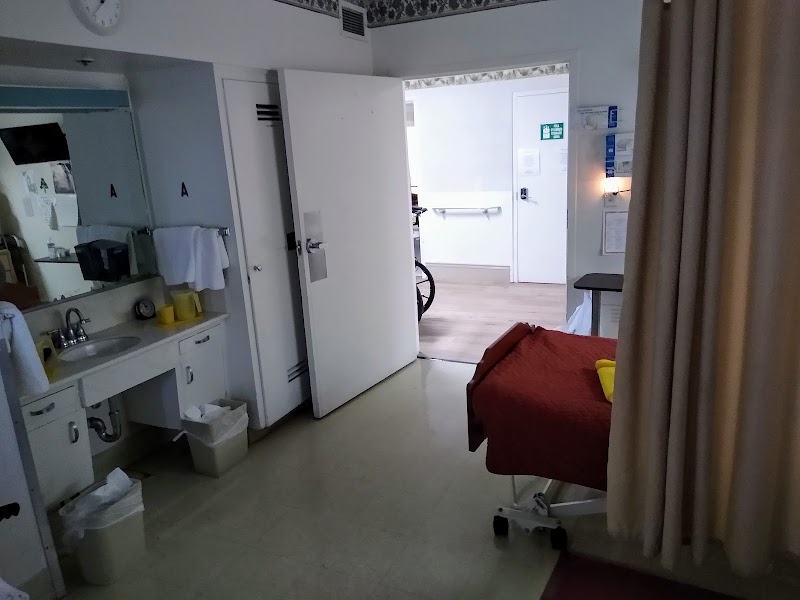
How is Glendale Healthcare Center Staffed?

CMS rates GLENDALE HEALTHCARE CENTER's staffing level at 3 out of 5 stars, which is average compared to other nursing homes. Staff turnover is 29%, compared to the California average of 46%. This relatively stable workforce can support continuity of care.

What Have Inspectors Found at Glendale Healthcare Center?

State health inspectors documented 29 deficiencies at GLENDALE HEALTHCARE CENTER during 2023 to 2025. These included: 29 with potential for harm.
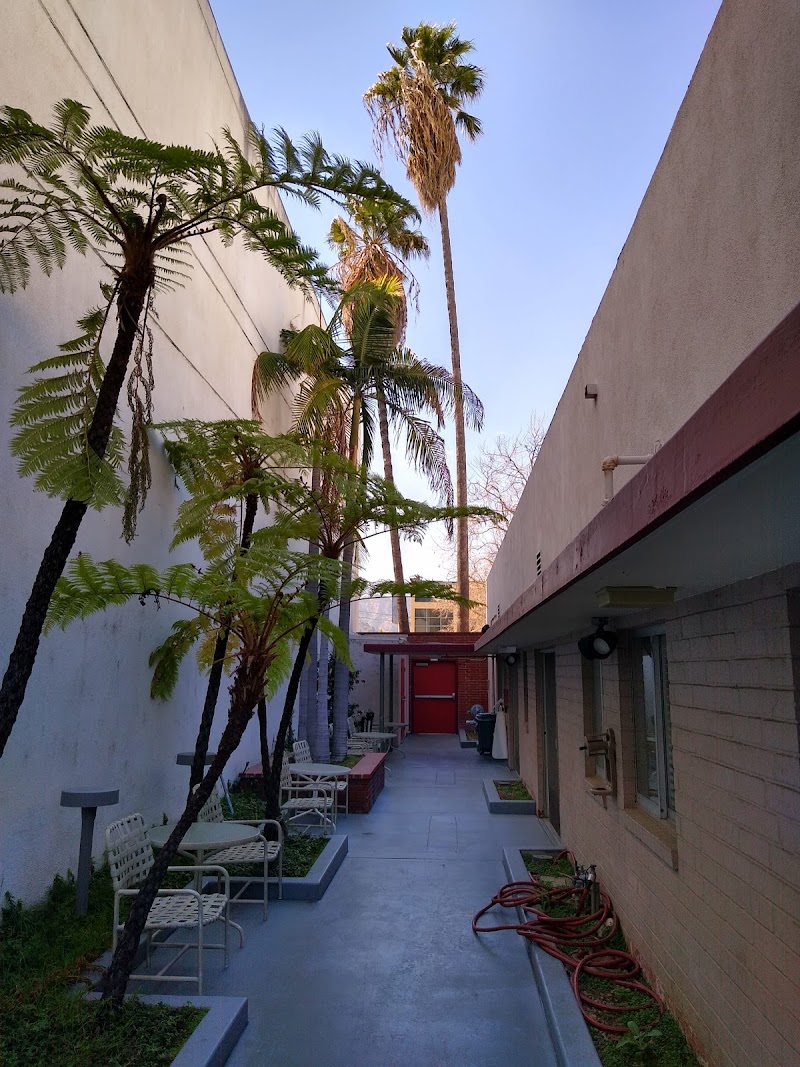
Who Owns and Operates Glendale Healthcare Center?

GLENDALE HEALTHCARE CENTER is owned by a for-profit company. For-profit facilities operate as businesses with obligations to shareholders or private owners. The facility is operated by CAMBRIDGE HEALTHCARE SERVICES, a chain that manages multiple nursing homes. With 48 certified beds and approximately 42 residents (about 88% occupancy), it is a smaller facility located in GLENDALE, California.
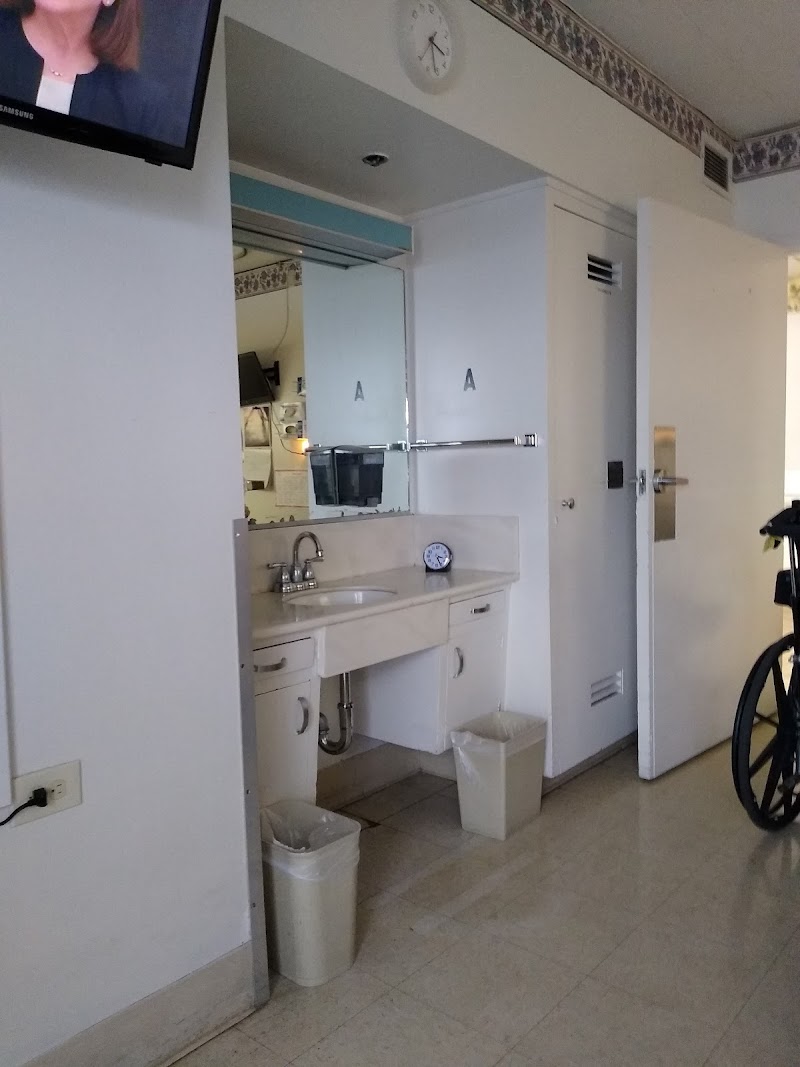
How Does Glendale Healthcare Center Compare to Other California Nursing Homes?

Compared to the 100 nursing homes in California, GLENDALE HEALTHCARE CENTER's overall rating (5 stars) is above the state average of 3.2, staff turnover (29%) is significantly lower than the state average of 46%, and health inspection rating (4 stars) is above the national benchmark.

What Should Families Ask When Visiting Glendale Healthcare Center?

Based on this facility's data, families visiting should ask: "Can I visit during a mealtime to observe dining assistance and food quality?" "How do you handle medical emergencies, and what is your hospital transfer rate?" "Can I speak with family members of current residents about their experience?"

Is Glendale Healthcare Center Safe?

Based on CMS inspection data, GLENDALE HEALTHCARE CENTER has a clean safety record: no substantiated abuse findings (meaning no confirmed cases of resident harm), no Immediate Jeopardy citations (the most serious violation level indicating risk of serious injury or death), and is not on the Special Focus Facility watch list (a federal program monitoring the lowest-performing 1% of nursing homes). The facility has a 5-star overall rating and ranks #1 of 100 nursing homes in California. While no facility is perfect, families should still ask about staff-to-resident ratios and recent inspection results during their visit.

Do Nurses at Glendale Healthcare Center Stick Around?

Staff at GLENDALE HEALTHCARE CENTER tend to stick around. With a turnover rate of 29%, the facility is 17 percentage points below the California average of 46%. Low turnover is a positive sign. It means caregivers have time to learn each resident's needs, medications, and personal preferences. Consistent staff also notice subtle changes in a resident's condition more quickly.

Was Glendale Healthcare Center Ever Fined?

GLENDALE HEALTHCARE CENTER has no federal fines on record. CMS issues fines when nursing homes fail to meet care standards or don't correct problems found during inspections. The absence of fines suggests the facility has either maintained compliance or corrected any issues before penalties were assessed. This is a positive indicator, though families should still review recent inspection reports for the full picture.

Is Glendale Healthcare Center on Any Federal Watch List?

GLENDALE HEALTHCARE CENTER is not on any federal watch list. The most significant is the Special Focus Facility (SFF) program, which identifies the bottom 1% of nursing homes nationally based on persistent, serious quality problems. Not being on this list means the facility has avoided the pattern of deficiencies that triggers enhanced federal oversight. This is a positive indicator, though families should still review the facility's inspection history directly.