GLENHAVEN HEALTHCARE
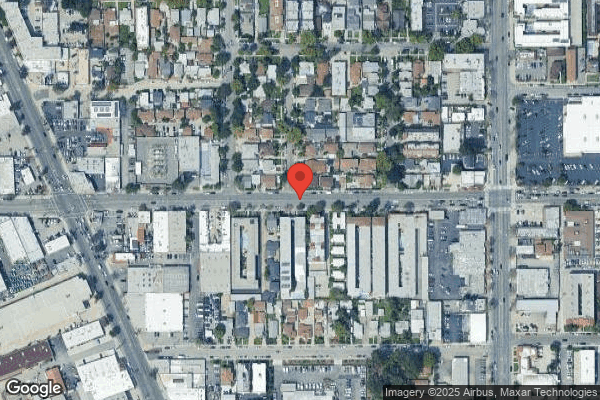
212 WEST CHEVY CHASE DRIVE, GLENDALE, CA 91204 (818) 240-6720
For profit - Limited Liability company 52 Beds Independent Data: November 2025 2 Immediate Jeopardy citations
Trust Grade
24/100
#804 of 1155 in CA
Last Inspection: November 2024

Within standard 12-15 month inspection cycle. Federal law requires annual inspections.

Overview

Glenhaven Healthcare has received a Trust Grade of F, indicating significant concerns about the facility's overall quality and care. It ranks #804 out of 1155 nursing homes in California, placing it in the bottom half of facilities in the state, and #185 out of 369 in Los Angeles County, meaning only a few options nearby are better. Although the facility is showing signs of improvement, with the number of issues decreasing from 13 in 2024 to 3 in 2025, there are still serious concerns, including high staffing turnover at 50%, which is above the California average. The nursing home has incurred $18,070 in fines, higher than 76% of facilities in the state, suggesting ongoing compliance problems. Specific incidents include a resident with dementia being physically restrained unnecessarily and another resident being confined against their will, leading to emotional distress. While there is average RN coverage, the facility has multiple critical and serious deficiencies that potential residents and their families should carefully consider.

Trust Score
F
24/100
In California
#804/1155
Bottom 31%
Safety Record
High Risk
Review needed
Inspections
Getting Better
13 → 3 violations
Staff Stability
⚠ Watch
50% turnover. Above average. Higher turnover means staff may not know residents' routines.
Penalties
⚠ Watch
$18,070 in fines. Higher than 82% of California facilities, suggesting repeated compliance issues.
Skilled Nurses
⚠ Watch
Each resident gets only 25 minutes of Registered Nurse (RN) attention daily — below average for California. Fewer RN minutes means fewer trained eyes watching for problems.
Violations
⚠ Watch
44 deficiencies on record. Higher than average. Multiple issues found across inspections.
★★☆☆☆
2.0
Overall Rating
★★☆☆☆
2.0
Staff Levels
★★★☆☆
3.0
Care Quality
★★☆☆☆
2.0
Inspection Score
Stable
2024: 13 issues
2025: 3 issues

The Good

  • Full Sprinkler Coverage · Fire safety systems throughout facility
  • No fines on record

Facility shows strength in fire safety.

The Bad

2-Star Overall Rating

Below California average (3.1)

Below average - review inspection findings carefully

Staff Turnover: 50%

Near California avg (46%)

Higher turnover may affect care consistency

Federal Fines: $18,070

Below median ($33,413)

Minor penalties assessed

The Ugly 44 deficiencies on record

2 life-threatening
Jun 2025 1 deficiency
CONCERN (D) 📢 Someone Reported This

A family member, employee, or ombudsman was alarmed enough to file a formal complaint

Potential for Harm - no one hurt, but risky conditions existed

Report Alleged Abuse (Tag F0609)

Could have caused harm · This affected 1 resident

**NOTE- TERMS IN BRACKETS HAVE BEEN EDITED TO PROTECT CONFIDENTIALITY** Based on interview and record review, the facility failed to prevent and immediately report and/or no later than two hours the a...

Read full inspector narrative →
**NOTE- TERMS IN BRACKETS HAVE BEEN EDITED TO PROTECT CONFIDENTIALITY** Based on interview and record review, the facility failed to prevent and immediately report and/or no later than two hours the alleged allegation of abuse (an action that intetionally cause harm to another person) that involves verbal and physical abuse altercation of two of two sampled residents (Resident 2 and Resident 3) on 6/5/2025 before 10 AM when Resident 2 kicked Resident 3 ' s wheelchair and both residents had a verbal altercation. Resident 2 with history of abusive behavior hit License Vocational Nurse (LVN) 1 on the cheek on 6/2/2025 around 9 PM (prior medication pass) and was not supervised and monitored for his abusive behavior to prevent recurrent abuse as indicated in the facility's policy and procedure. This deficient practice resulted in Resident 2 hitting Resident 1 on the cheek while in the activity room on 6/5/2025 around 2:30 PM (four and a half hours after the first alleged abuse incident) during an altercation. Findings: A review of Resident 1 ' s admission record indicated the resident was admitted to the facility on [DATE] with diagnoses that included depressive episodes (persistent feeling of sadness and loss of interest), dementia (a decline in mental ability, severe enough to interfere with daily life), mood disturbance (a mental health condition that primarily affects your emotional state), and anxiety (a feeling of fear, dread, and uneasiness). A review of Resident 1 ' s History and Physical Examination (HPE), dated 2/15/2025, indicated Resident 1 has the capacity to understand and make decisions. A review of Resident 1 ' s Minimum Data Set (MDS - a resident assessment screening tool), dated 5/21/2025, indicated the Resident 1 ' s cognitively status (ability to think, remember, and reason) moderately impaired. The MDS indicated Resident 1 was independent (resident completes the activity by themselves with no assistance with helper) with eating, toileting, dressing, personal hygeine, and required Setup and clean-up assistance (helper sets up and cleans up; resident completes activity) with bathing. A review of Resident 2 ' s admission record indicated the resident was originally admitted to the facility on [DATE] and readmitted on [DATE] with diagnoses that included schizoaffective disorder (a mental health condition that is marked by a mix of schizophrenia symptoms, such as hallucinations (sensory experiences that appear real but are not, meaning someone might see, hear, feel, smell, or taste something that isn't actually there) and delusions (a false belief or judgment about external reality) and mood disorder symptoms, such as depression, mania), bipolar disorder (a mental health condition that causes extreme mood swings), and anxiety disorder. A review of Resident 2 ' s HPE, dated 3/6/2025, indicated Resident 2 does not have the capacity to understand and make decisions. A review of Resident 2 ' s MDS, dated [DATE], indicated the Resident 2 ' s cognitively status was moderately impaired. The MDS indicated Resident 2 required Setup and clean-up assistance with eating, personal hygeine, bathing, dressing and required supervision or touching assistance (Helper provides verbal cues and or touching steadying) with toileting. A review of Resident 3 ' s admission record indicated the resident was originally admitted to the facility on [DATE] and readmitted on [DATE] with diagnoses that included dementia, psychotic disturbance (a condition where a person experiences a significant loss of contact with reality), and anxiety. A review of Resident 3 ' s HPE, dated 1/23/2025, indicated Resident 3 was cooperative, appropriate affect, and normal judgment. A review of Resident 3 ' s MDS, dated [DATE], indicated the Resident 3 ' s cognitively status was moderately impaired. The MDS indicated Resident 3 required supervision or touching assistance with eating, personal hygeine, required partial/moderate assistance (helper does less than half the effort) with toileting and dressing, and substantial/maximal assistance (helper does more than half the effort) with bathing. A review of an SBAR (Situation, Background, Assessment, and Recommendation, a communication framework used to structure conversations, especially in healthcare, to ensure clear and concise information exchange, particularly in urgent situations) Communication Form and progress note dated 6/2/2025 timed at 9:25 PM, indicated Resident 2 punched LVN 1 on her right jaw in Resident 2 ' s room prior to medication administration. A review of SBAR Communication Form and progress note dated 6/5/2025 timed at 10AM, indicated Resident 2 had a physical and verbal aggressiveness towards a Resident (Resident 3) and was noted to have kicked Resident 3 ' s (while in his wheelchair) wheelchair in the hallway. A review of Resident 2 ' s facility document titled, SBAR Communication Form and progress note dated 6/5/2025 timed at 2:50 PM, indicated while playing BINGO in the activity room Resident 2 punched the other Resident (Resident 1) on the right side of the face. A review of Resident 2 ' s care plan (CP) for diagnosis of schizophrenia manifested by outburst of anger, revised on 6/5/2025, indicated Resident 2 had episode physical aggression towards staff on 6/2/2025, kicking wheelchair of another resident on 6/5/2025, and hitting another resident unprovoked on 6/5/2025. The CP did not have any intervention how resiudent will be supervised and monitored for aggressive behavior. During an interview on 6/16/2025 at 9:45 AM with Activity Staff (AS) (Witness of Resident-to-Resident abuse between Resident 1and Resident 2). AS stated, on 6/5/2025 in the afternoon, while in the activity room during a game of BINGO, Resident 1 was reaching for Resident 2 ' s chips (small disc use as currency), Resident 2 then hit Resident 1 on the chin. During an interview on 6/16/2025 at 9:50 AM with Activity Director (AD), AD stated the altercation between Resident 1 and Resident 2 happened on 6/5/2025 around 2 PM. AD stated, AS reported to her that Resident 2 hit Resident 1 on the chin during a BINGO game, and she reported it immediately to the DON (Director of Nurses). AD stated, Resident 2 was not on 1 to 1 monitoring ( one staff monitoring one resident) or on frequent monitoring prior to the incident. During an interview on 6/16/2025 at 10:00 AM with the DON, DON stated the incident between Resident 1 and Resident 2 happened on 6/5/2025 around 2 PM, both residents were separated, and Resident 2 was transferred to General Acute Care Hospital (GACH) 1 for evaluation. DON stated, Resident 2 was not placed on frequent monitoring, or 1 to 1 sitter prior to the abuse incident with Resident 1. During an interview on 6/16/2025 at 10:50 AM with the LVN 1 (LVN whom Resident 2 hit on the chin on 6/2/2025), LVN 1 stated, the incident happened on 6/2/2025 around 9 PM. LVN 1 stated, Resident 2 approached her for his medication while she was passing medications for another resident, she then told Resident 2 she could go to his room to give his medication. LVN 1 stated, when she went to Resident 2's room and about to turn on the overhead light to give him his medication, Resident 2 turned around and punched her on her right jaw. During a concurrent interview and record review on 6/16/2025 at 10:55 AM with the DON, facility document titled SBAR Communication Form and progress note (PN), dated 6/5/2025 timed at 10:00 AM was reviewed. The document indicated, Resident 2 was noted to have kicked a Residents wheelchair in the hallway. DON stated, the incident happened on 6/5/2025 before 10:00 AM, Resident 2 kicked Resident 3 ' s wheelchair and had a verbal altercation as they passed by each other in the hallway. During an interview on 6/16/2025 at 11 AM with the Director of Rehab (DOR), and MDS Nurse (MDSN) (Witnesses of alleged physical and verbal altercation between Resident 2 and Resident 3 on 6/5/2025 before 10 AM). DOR stated, the incident happened on 6/5/2025 before 10 AM. DOR stated, she was taking Resident 2 to the rehab room, Resident 2 was ahead of her in the hallway, when she turned around because MDSN called her, she heard a loud sound and observed Resident 2 and Resident 3 was having a loud verbal altercation. DOR stated, Resident 2 told her he kicked Resident 3 ' s wheelchair. MDSN stated, he with DOR intervened to prevent further altercation. DOR and MDSN both stated, they both reported the incident to the DON and ADM right away. DOR and MDSN both stated, the policy for alleged abuse was no report the incident immediately within 2 hours to the Ombudsman, Police, and California Department of Public Health (CDPH), MDSN stated, they should have followed up with the DON and the ADM, if it was reported to the proper agencies because they mandated reporter. During an interview on 6/16/2025 at 11:23 AM with LVN 2, LVN 2 stated she was the primary nurse for Resident 2 on 6/5/2025. LVN 2 stated, she learned about the incident between Resident 2 and Resident 3 ' s physical and verbal altercation from the DON, DOR and MDSN in the morning. LVN 2 stated, she was not aware that the incident was not reported timely within 2 hours to the proper agencies. LVN 2 stated, incident of alleged abuse allegation needs to be reported immediately to have an intervention and to prevent reoccurrence of aggression, its policy. During an interview on 6/16/2025 at 12:10 PM with the DON, DON stated, the physical and verbal altercation between Resident 2 and Resident 3 that happened on 6/5/2025 before 10 AM was reported to him. DON stated, there was no physical injury, that ' s why he did not report the incident to the appropriate agencies. DON stated, looking back he should have reported the incident to the proper agencies within two hours, to protect other residents and staff in the facility by more frequent monitoring of Resident 2 ' s behavior. DON stated, not reporting the physical and verbal altercation between Resident 2 and Resident 3 timely within 2 hours had the potential for reoccurrence of Resident 2 abusive behavior that could affect other residents ' and staff safety and potentially could have prevented the resident-to-resident abuse between Resident 2 and Resident 1. A review of the facility ' s policy and procedure (P&P) titled, Abuse and Neglect Prohibition Policy, dated 06/2022, the P&P indicated: a)the facillity policy prohibit abuse, mistreatment through; prevention of occurrence, identification of possible incidents or allegations, reporting of incidents and protection of residents, b) the facility staff are doing that is within their control to prevent occurrence of abuse and mistreatment, and c) under reporting of incidents; upon receiving information concerning a report of suspected or alleged abuse and mistreatment the administrator or designee will report all alleged violations -immediately but no later than 2 hours if alleged violation involves abuse.
Jan 2025 2 deficiencies
CONCERN (D) 📢 Someone Reported This

A family member, employee, or ombudsman was alarmed enough to file a formal complaint

Potential for Harm - no one hurt, but risky conditions existed

Pressure Ulcer Prevention (Tag F0686)

Could have caused harm · This affected 1 resident

**NOTE- TERMS IN BRACKETS HAVE BEEN EDITED TO PROTECT CONFIDENTIALITY** Based on observation, interview, and record review, the facility failed to provide the necessary care and interventions to preve...

Read full inspector narrative →
**NOTE- TERMS IN BRACKETS HAVE BEEN EDITED TO PROTECT CONFIDENTIALITY** Based on observation, interview, and record review, the facility failed to provide the necessary care and interventions to prevent pressure injury (PI-damage to an area of the skin caused by constant pressure on the area for a long time) for one (1) of three (3) sampled residents (Resident 1) by failing to turn, reposition and to off-offload (release pressure) from an area of the body every two hours while in bed, keep clean and dry after a bowel movement or wetness from urine due to incontinence (unwanted passage of urine or stool that you can ' t control). These deficient practices resulted in: 1. Resident 1 developed a facility-acquired Stage 2 (partial-thickness loss of skin, presenting as a shallow open sore or wound) PI on sacrococcyx (tailbone) area on 10/15/24, and proceeded to Stage 3 (Full-thickness loss of skin. Dead and black tissue may be visible) with drainage on 10/22/24. 2. A sacrococcyx PI reopened on 12/18/24 after MASD (Moisture Associated Skin Damage) developed on 12/8/24, and on 12/26/24 Sacrococcyx PI proceeded to Stage 4 (Full-thickness skin and tissue loss with exposed muscle, tendon, ligament, cartilage, or bone). Findings: During a review of Resident 1 ' s admission Record, the admission Record indicated Resident 1 was initially admitted to the facility on [DATE] with diagnoses that included Parkinson ' s Disease (a progressive disease of the nervous system marked by tremor, muscular rigidity, and slow, imprecise movements), spondylosis (degeneration of the bones and disks), dementia (a progressive state of decline in mental abilities). During a review of Resident 1 ' s Minimum Data Sheet (MDS- a Federal mandated resident assessment tool) dated 9/19/24, indicated Resident 1 ' s was assessed to be dependent and required helper does all of the effort in Activities of Daily Living (ADL- activities such as bathing, dressing and toileting a person performs daily) which included bed mobility, roll to left and right, transfer, dressing, and personal hygiene. toilet hygiene with two or more helper to perform activity. During a record review and concurrent interview with the Treatment Nurse (TN) on 1/29/25 at 10:15 am of Resident 1 ' s clinical record indicated the following: - Resident 1 ' s Braden Score Assessment (a tool to evaluate a patient's risk for developing pressure injuries) dated 9/19/24, indicated Resident 1 was at high risk for developing PI due to skin often moist, very limited mobility, makes occasional slight changes in body or extremity position and requires moderate to maximum assistance in moving. - Resident 1 ' s admission skin assessment dated [DATE] indicated Resident 1 was admitted with the following skin breakdown: Left heel with suspected Deep Tissue Injury (DTI -a purple or maroon localized area of discolored intact skin or blood-filled blister due to damage of underlying soft tissue from pressure and/or shear) measured 0.5 (centimeter) cm Left buttock Pressure injury measured 4 cm x 4 cm Right buttock pressure injury measured 5 cm x 5 cm -Resident 1 ' s care plan initiated on 9/28/24 indicated Resident 1 had a left heel pressure injury and potential for pressure ulcer development related to fragile skin, immobility, disease process; dementia, diabetes mellitus (condition of having high blood sugar). The interventions included offloading and repositioning the resident every 2 hours. - Resident 1 ' s Licensed Nurses Notes, dated 10/1/24, indicated resident was seen by the wound consultant (medical professional specialized in wound care) and ordered to discontinue current treatments to the left buttock pressure injury, due to site resolved and to continue current treatment to right buttock and left heel DTI by offloading and repositioning the resident. - The SBAR (Situation, Background, Assessment, and Recommendation- a structured method of communication that helps teams share information about a patient's condition) dated 10/15/2024 timed at 10 am, indicated during the wound consultant, Resident 1 was noted with new sacrococcyx pressure injury Stage 2 measuring 3.5 cm x1.0 cm x 0.1 cm, and with upper mid back Stage 1 (intact skin with a localized area of redness and/or changes in sensation, temperature, or firmness) measuring 2.0 cm x 2.0 cm x 0.1cm, with new treatment to continue to offload and reposition the resident and provide a Low Air Loss mattress (LAL-an air mattress with tiny holes designed to let out air very slowly to keep the skin dry and redistribute pressure). - Resident 1 ' s Weekly Skin assessment dated [DATE] indicated the wound consultant documented Resident 1 had Stage 3 PI on sacrococcyx area, measuring 4.0 cm x 2.0 cm x 0.2 cm, with serosanguinous drainage (fluid from a wound that appears thin, slightly yellow with a light pink tinge moderate amount) 20% slough(dead tissue that is usually yellow, tan, gray, or green in color, usually moist and stringy in texture, that may be found in wounds), 70% granulation (red, bumpy tissue in the wound bed) 10% epiletheal (superficial pink/ white tissue that migrates across the wound from the wound margin). - Licensed Nurses Notes, dated 10/23/24, indicated Resident 1 was seen and examined by wound consultant, change treatment order to left heel and sacrococcyx pressure injury and to continue off load and reposition. - Resident 1 ' s care plan, dated 10/30/24 indicated the resident was at risks for clinical/exacerbation (worsened) of skin condition due to non-compliance, non-adherence, or refusal of turning, repositioning. The interventions included to provide Low air loss mattress for skin management, respect resident ' s wishes, turn and reposition as needed, provide education regarding benefits of compliance and risks associated with non-compliance. -Resident 1 ' s care plan, dated 11/13/24 and resolved on 12/9/24 indicated potential/actual impairment to skin integrity. The intervention included to provide treatment wash with soap and water pat dry, apply barrier cream for skin maintenance every on maintenance after pressure injury resolved on 12/9/24. -- Resident 1 ' s Licensed Nurses Notes on 12/17/24 at 3 pm, indicated the resident was seen and examined by wound consultant and ordered to continue treatment to the left heel and continue to offload and reposition. Resident 1 ' s SBAR dated 12/18/24 indicated Resident 1 was observed a MASD was identified on sacrococcyx area, there was no documentation describing the color, drainage and extent of the skin area with breakdown related to MASD. - Resident 1 ' s Weekly Skin assessment dated [DATE], indicated a sacrococcyx PI was identified, measuring 4.0 cm x 3.0 cm x 0 cm, with scant (small amount) serous drainage. - Licensed Nurses Notes, dated 12/18/24 timed at 1pm, indicated Resident 1 ' s sacrococcyx MASD was reclassified to Stage 2 pressure ulcer, and the intervention included to change brief as needed, keep clean and dry. Continue turning and repositioning and the LAL mattress keep in place. Resident 1 ' s care plan, dated 12/18/24 indicated the resident had a potential/actual impairment to skin integrity of the sacrococcyx MASD. The interventions included provide treatment as ordered by the physician, wash with soap and water pat dry, apply barrier cream every shift for 21 days and provide LAL mattress. - Licensed Nurses Notes on 12/22/2024 timed at 12:23 pm indicated Resident 1 refused all medications and Resident 1 ' s sacrococcyx pressure injury Stage 2, was reclassified to unstageable pressure injury (pressure injury with wound bed covered by a thick layer of dead tissue [eschar] and slough [yellow, gray, or green debris]) due to 100% slough. - Licensed Nurses Notes on 12/26/24 at 11:36 pm, indicated Resident 1 was seen by the wound consultant and ordered to administer antibiotic (medication used to treat infection) therapy prophylaxis (preventive care) for the sacrococcyx PI after, debridement (removal of dead tissue of the wound). The wound consultant reclassified sacrococcyx wound from unstageable PI to Stage 4 PI measuring 9.1cm x 6,5 cm x 2.5 cm with moderate exudate, new treatment ordered. The note indicated Resident 1 was at risk for delayed wound healing and deterioration secondary to incontinent of bowel and bladder, old age, skin thin and fragile, needs extensive assist in bed mobility and transfer. - Licensed Nurses Notes, dated 1/17/25, indicated Resident 1 was transferred to the General Acute Care hospital on 1/17/25 due to tachycardia (abnormally fast heart rate), diaphoresis (excessive sweating due to an underlying health condition). During an interview on 1/29/25 at 10:15 am, TN stated Resident 1 was high risk for skin integrity impairment, and the care plan included providing Low Air Loss Mattress, frequent incontinent brief change, and monitor any change in skin condition. TN stated she relied on staffs reporting to her. TN stated she did not follow up with staffs or keep track on a daily basis if Resident 1 was kept clean and dry or repositioned every 2 hours. During an interview with Director of Staff Development (DSD) on 1/29/25 at 11:55 am, DSD stated he aware that Resident 1 developed PI at the facility. DSD stated he was responsible for training and supervising CNAs. DSD stated he has no daily logs about supervising staffs, no rounding logs or in-service provided to the CNA ' s specifically after Resident 1 developed PI in the facility. During an interview with Director of Nursing (DON) on 1/29/25 at 2:40 pm, DON stated a system of tracking to ensure residents were repositioned around the clock and incontinence management should had been established for Resident 1 to receive quality of care and prevention of facility acquired PI. DON also stated, Resident 1 with the PI reopened on 12/18 was not evaluated by wound consultant until 12/26/24 (8 days after the PI reopened) due to last wound consultant routine visit to the facility was scheduled on 12/17/24. The DON stated there was no documented evidence the wound consultant was notified that the wound reopened on 12/18/2025. During a record revies and interview with treatment nurse (TN) on 1/29/25 at 11:35 am, TN stated Resident 1 was incontinent for bowel and bladder, and was bedfast, TN stated nursing care intervention for incontinence was to provide frequent gentle cleansing and frequent diaper change, and staffs to report to TN for any skin condition change. TN stated the # sign indicating number of changes on bowel and bladder on CNA Flowsheet was to be documented per every eight-hour shift. TN stated she relies on CNAs to inform her about resident ' s skin issues, overseeing but not tracking resident ' s skin moisture or diaper change. During an interview with Director of Staff Development (DSD) 1/29/25 at 12 pm, DSD stated he didn ' t keep a log of surveillance on daily rounding to ensure the CNA repositioned, offloaded and changed Resident 1 ' s incontinent brief timely. During an interview with Director of Nursing (DON) on 1/29/25 at 1:50 pm, the DON stated Resident 1 was incontinent for bowel and bladder and the care plan for incontinence was to provide frequent incontinent brief change. DON stated he was not sure if CNA provided frequent incontinence care and incontinent brief change. During a review of the facility ' s Policy and procedure, title Skin Breakdown, Prevention and Management dated 12/2017, indicated the following: -When a resident is identified to have a pressure ulcer, the licensed nurse will contact the attending independent licensed practitioner. -When a resident is identified to have a pressure ulcer, the licensed nurse will contact the attending independent licensed practitioner. The licensed nurse will notify the independent licensed practitioner for any sites or area that requires any form of treatment. -The Staff Developer will conduct and provide educational training upon hire and yearly thereafter and/or as needed to the staff. Risk reduction strategies included: Skin Inspections: All residents should be inspected at least daily. This can be done with dressing, toileting, bathing, peri-care, etc. Pay particular attention to bony prominences. Minimize exposure to low humidity. Moisture dry skin. Ensure weekly skin checks are completed. Turning and Repositioning: Keep bony prominences from direct contact using systematic turning and repositioning, and positioning devices such as pillows or foam wedges. Avoid positioning directly on the trochanter. Determine tissue tolerance. Manage Incontinence: Initiate incontinent care every two hours, incontinent barriers, briefs, absorbent under pads (made with materials that absorb moisture& present a quick drying surface to the skin). Avoid hot water and use a mild cleansing agent that minimizes irritation and dryness. Written plan of care: Each resident ' s care plan should be unique, including specific turning and repositioning plans. Identify and address each factor noted in the risk assessment. Staff Education: Target prevention at all levels of health care, from providers to residents and families. Identify the role each plays in pressure ulcer prevention. Implement a comprehensive pressure ulcer prevention program.
CONCERN (E) 📢 Someone Reported This

A family member, employee, or ombudsman was alarmed enough to file a formal complaint

Potential for Harm - no one hurt, but risky conditions existed

Infection Control (Tag F0880)

Could have caused harm · This affected multiple residents

**NOTE- TERMS IN BRACKETS HAVE BEEN EDITED TO PROTECT CONFIDENTIALITY** Based on observation, interview, and record review, the facility failed to ensure bedside curtains for one (1) of two sampled re...

Read full inspector narrative →
**NOTE- TERMS IN BRACKETS HAVE BEEN EDITED TO PROTECT CONFIDENTIALITY** Based on observation, interview, and record review, the facility failed to ensure bedside curtains for one (1) of two sampled residents (Resident 2) was fully closed, when Resident 2 tested positive for influenza (a severe lung infection) and required to be on droplet precaution (a set of infection control measures used to prevent the spread of respiratory infections from a patient to others) in accordance to public health guidelines on influenza outbreak taking place in the facility. This deficient practice had the potential to result in wide spread influenza infectiion spreading to other residents and staffs in the facility. Findings: During an observation on 1/28/25 at 2:15pm in Room A, the curtain for Resident 2 was partially open, two other beds were occupied with other residents, a certified Nurse Assistant (CNA 3) was observed wearing simple face mask in the room. During a review of Resident 2's admission Record, Resident 2 was admitted on [DATE] with medical diagnoses that included Diabetes Mellitus (DM-a disorder characterized by difficulty in blood sugar control and poor wound healing), and Chronic Kidney Disease (CKD-moderate to severe loss of kidney function). During a review of Resident 2's Minimum Data Sheet (MDS- a Federal mandated resident assessment tool) dated 10/24/24, indicated that Resident 2 was cognitively intact (able to think, learn, and remember clearly). During a review of Resident 2's Nursing Progress note dated 1/28/25 at 8:15 am, indicated that Resident 2's tested positive for Influenza, physician was notified, and Tamiflu (prescription medicine used to treat the flu) 30mg BID (twice daily) for five (5) days was prescribed. During a concurrent observation and interview on 1/28/25 at 2:15pm with CNA 3 at room [ROOM NUMBER], CNA 3 stated she ' s aware that Resident 2 has Influenza, CNA 3 stated bedside curtain got stuck sometimes and released easily sometimes, she did not notice how long since the curtain for Resident 2 got stuck, CNA 3 verified curtain was not fully closed today. During a concurrent interview and record review on 1/28/25 at 2:40pm with Infection Preventionist (IP), document titled General Control Recommendations for outbreak emailed by Public Health Nurse, IP stated the recommendation indicated that Place ill residents in a private room. If a private room is not available, place ill residents with one room. If symptomatic residents are cohorted, maintain a spatial separation of at least 6 feet between residents and a curtain between resident beds. IP stated per guidelines the curtain for Resident 2 should have been always closed for droplet precaution. During an interview on 1/28/25 at 3:20 pm with Director of Nursing (DON) stated no single room available for Resident 2 at this time, there ' s droplet precaution and PPE supplies for the room but curtain should have been fully closed for resident that has tested influenza positive. Staffs and the other residents in the same room would be at higher risk for getting flu if the curtain can't be fully closed.
Nov 2024 10 deficiencies
CONCERN (D)

Potential for Harm - no one hurt, but risky conditions existed

Resident Rights (Tag F0550)

Could have caused harm · This affected 1 resident

Based on observation, interview, and record review, the facility failed to ensure certified nurse assistant (CNA) 3 was seated when assisting one of eight sampled Residents (Resident 2) during mealtim...

Read full inspector narrative →
Based on observation, interview, and record review, the facility failed to ensure certified nurse assistant (CNA) 3 was seated when assisting one of eight sampled Residents (Resident 2) during mealtime. This deficient practice had the potential to result in feelings of decreased self-esteem and self-worth for Residents 2. Findings: During a review of Resident 2's admission Record indicated the facility originally admitted Resident 2 on 5/18/2016 and readmitted her on 9/10/2024 with diagnoses that included dementia (a general term for the impaired ability to remember, think, or make decisions that interferes with doing everyday activities) and hemiplegia (a condition that causes partial or complete paralysis on one side of the body). During a review of Resident 2's Initial History and Physical, dated 9/13/2024, indicated Resident 2 does not have the capacity to understand and make decisions. During a review of Resident 2's Minimum Data Set (MDS, a resident assessment tool), dated 9/14/2024, indicated Resident 2 was dependent with eating, oral hygiene, shower/bathe self, toilet hygiene, and chair/bed-to-chair transfer. During an observation on 11/18/24 at 12:43 PM, Resident 2 was observed seated on her bed in her room. CNA 3 was standing next to the head of the bed and facing the foot of the bed, on Resident 2 ' s right side. CNA 3 placed Resident 2 ' s meal tray onto the bedside table, located to the right of CNA 3. CNA 3 was observed standing and looking down at Resident 2 while feeding Resident 2. During an interview on 11/18/2024 at 12:44 PM, with CNA 3, CNA 3 stated standing over and feeding Resident 2. CNA 3 stated she should have obtained a chair and sat down next to Resident 2 so she could be at eye level with Resident 2 while providing feeding assistance. During an interview on 11/21/2024 at 1:06 PM, with the Director of Nursing (DON), the DON stated that staff should not stand over the resident while providing feeding assistance to preserve the resident's dignity. During a review of the facility's policy and procedure titled, Assistance with Meals, dated 4/2018, indicated Residents who cannot feed themselves will be fed with attention to safety, comfort and dignity, for example: a. not standing over residents while assisting them with meals.
CONCERN (D)

Potential for Harm - no one hurt, but risky conditions existed

Deficiency F0578 (Tag F0578)

Could have caused harm · This affected 1 resident

**NOTE- TERMS IN BRACKETS HAVE BEEN EDITED TO PROTECT CONFIDENTIALITY** Based on interview and record review, the facility failed to ensure an advance directive (written statement of a person's wishes...

Read full inspector narrative →
**NOTE- TERMS IN BRACKETS HAVE BEEN EDITED TO PROTECT CONFIDENTIALITY** Based on interview and record review, the facility failed to ensure an advance directive (written statement of a person's wishes regarding medical treatment made to ensure those wishes are carried out should the person be unable to communicate them to a doctor) and Physician Orders for Life Sustaining Treatment (POLST, a medical order form that tell medical staff what to do if you have a medical emergency and are unable to speak for yourself) was accessible in residents medical records (physical paper chart) for one of eight sampled residents (Resident 41). Resident 41's paper chart did not have a copy of the Advance Directive Acknowledgement and the original POLST. This deficient practice had the potential for Resident 41's medical treatment, provisions, to be delayed and/or not be carried out, according to the Resident 41's and/or Responsible Party's request during an emergency, which can negatively affect Resident 41's quality of care. Findings: During a review of Resident 41 ' s admission Record indicated the resident was originally admitted to the facility on [DATE] and readmitted on [DATE] with diagnoses that included Dementia (a group of related symptoms associated with an ongoing decline of the brain and its abilities), seizures (a sudden burst of abnormal electrical activity in the brain that can cause temporary changes in a person's behavior, movements, feelings, and level of consciousness) , and urinary tract infections (UTIs) are common infections that affect the bladder, the kidneys and the tubes connected to them. During a review of Resident 41's History and Physical Examination (H&P), dated 7/19/2024, indicated Resident 41 does not have the capacity to understand and make decisions. The H&P indicated prognosis is from fair to serious. During a review Minimum Data Set (MDS, a resident assessment tool), dated 9/6/2024, indicated Resident 41's cognitive skills (ability to make daily decisions) was severely impaired. The MDS indicated Resident 41 required supervision or touching assistance (helper provides verbal cues and/or touching/steadying and or contact guar assistance as resident completes activity) with eating and required substantial/maximal assist (helper does more than half the effort) with personal hygiene, dressing, toileting, and bathing/showering. During a concurrent interview and record review, on 11/18/2024, at 12:01 PM, with Licensed Vocational Nurse (LVN) 4, Resident 41 ' s medical paper chart (Resident 41's medical records), (undated) was reviewed, the chart did not have a copy of Resident 41's advance directive and POLST. LVN 4 stated, it was the practice of the facility to ensure the advance directive and the POLST were in the physical paper chart, he did not know why it was not in Resident 41's chart. LVN 4 stated, it was important to have it in the chart so the nurses would know the care needed to provide in case of emergency, otherwise, it had the potential to delay the care. During a concurrent interview and record review, on 11/18/2024, at 12:10 PM, with Registered Nurse (RN) 2, Resident 41's medical paper chart (Resident 41's medical records), (undated) was reviewed, the chart did not have a copy of Resident 41's advance directive and POLST. RN 2 stated, Resident 41's advance directive and the POLST should be in Resident 41's physical paper chart, it was the facility's protocol (rules or guidelines that everyone needs to follow to communicate or interact effectively). RN 2 stated, it was important that the advance directive and the POLST were in the physical paper chart so nurses can adhere to what care Resident 41 and/or the responsible party wanted in case of emergency, it was the first thing nurses checked during an emergency. RN 2 stated, not having the advance directive and the POLST in the physical paper chart can delay the process and/or affect Resident 41's quality of care. During an interview on 11/19/2024 at 8:05 AM with the Director of Nursing (DON), the DON stated, he expected resident's advance directive and POLST be in the resident's physical paper chart, it was the first item the nurses checked in case of emergency. DON stated, not having residents advance directive and POLST in the resident's physical paper chart had the potential to delay and/or negatively affect the resident ' s quality of care. During a review of the facility's policy and procedure (P&P) titled, Advance Directive, dated 2/2017, indicated; a) the facility ' s copy of the advance directive must be filed in the resident ' s clinical record, b) the facility must document in a prominent part of the resident ' s clinical record whether the resident has issued an advance directive, and c) the facility will document provision of information for advance directive and will be maintained in the clinical record. During a review of the facility's P&P titled, Physician Orders for Life Sustaining Treatment (POLST), dated 12/2016, indicated; a) a completed, fully executed POLST is a legal physician order, and is immediately actionable, b) once reviewed, the POLST should be copied, and the current original form placed in the front of the resident ' s chart, along with the resident ' s advance directive if he/she has one.
CONCERN (D)

Potential for Harm - no one hurt, but risky conditions existed

Accident Prevention (Tag F0689)

Could have caused harm · This affected 1 resident

**NOTE- TERMS IN BRACKETS HAVE BEEN EDITED TO PROTECT CONFIDENTIALITY** Based on observation, interview, and record review, the facility failed to provide adequate supervision for two of two sampled r...

Read full inspector narrative →
**NOTE- TERMS IN BRACKETS HAVE BEEN EDITED TO PROTECT CONFIDENTIALITY** Based on observation, interview, and record review, the facility failed to provide adequate supervision for two of two sampled residents (Residents 4 and 23) when: 1. Resident 4, who was a high risk for fall, was observed in bed reaching for his drinks by the bedside table, without a floor mat as per plan of care to prevent injury from fall. 2. Resident 23, who was a high risk for fall, and had a fall incident on 11/18/2024 in Room B (RB-not Resident 23's room) witnessed by a Resident in Room B (RRB), was not frequently monitored, or supervised as per plan of care. These deficient practices had the potential for to cause major injury from a fall and negatively affect Residents 4's and 23's quality of life. Findings: 1. During a review of Resident 4 ' s admission record indicated the resident was originally admitted to the facility on [DATE] and readmitted on [DATE] with diagnoses that included psychosis (symptoms that cause a person to lose touch with reality, or have a break in their thoughts and perceptions), anxiety disorder (a condition that causes excessive feelings of fear, dread, and worry that can interfere with daily life), and history of fall. During a review of Resident 4 ' s History and Physical, dated 7/30/2024, indicated Resident 4 does not have the capacity to understand and make decisions. During a review of Minimum Data Set (MDS, a resident assessment tool), dated 10/18/2024, indicated Resident 4 ' s cognitive skills (ability to make daily decisions) was severely impaired. The MDS indicated Resident 4 required partial/moderate assistance (helper does less than half the effort) with eating, substantial/maximal assist (helper does more than half the effort) personal hygiene and toileting, and dependent (helper does all the effort) with dressing and bathing. During a review of Resident 4 ' s facility document titled Fall Risk Assessment, dated 4/25/2024, 7/19/2024, and 10/21/2024, indicated Resident 4 was a high risk for fall. During a review of Resident 4 ' s care plan (CP) for risk for falls, injuries from falls related to history of falls, impaired safety awareness, revised 10/24/2024, the CP indicated Resident 4 had falls on 6/28/2023, 1/8/2024, and 3/11/2024, intervention included the use of left floor mat. During a concurrent observation and interview on 10/19/2024 at 10:20 AM with Licensed Vocational Nurse (LVN) 1 in Resident 4 ' s room, Resident 4 was lying in bed moving and reaching for his drinks on a bedside table left side of the bed, there was no floor mat next to the bed as per plan of care. LVN 1 stated, she was not aware Resident 4 was a fall risk and needed to have a floor mat next to the bed. LVN 1 stated, it was important to have a floor mat next to Resident 4 ' s bed in case of a fall it can minimize the potential for a major injury. During an interview on 11/19/2024 at 10:45 AM with Director of Nursing (DON), the DON stated, the facility did not implement the plan of care for Resident 4 to ensure there was a floor mat next to the bed. The DON stated, not having a floor mat next to the bed, for a high risk for fall resident, had the potential to cause major injury from a fall. 2. During a review of Resident 23 ' s admission record indicated the resident was originally admitted to the facility on [DATE] with diagnoses that included psychotic disorder, anxiety disorder, abnormalities of gait and mobility (having problems with the way you walk or move around) and muscle weakness. During a review of Resident 23 ' s History and Physical, dated 10/4/2024, indicated Resident 4 does not have the capacity to understand and make decisions. During a review of the MDS, dated [DATE], indicated Resident 23 ' s cognitive skills was severely impaired. The MDS indicated Resident 23 required supervision or touching assistance (helper provides verbal cues and/or touching/steadying and or contact guard assistance as resident completes activity) with eating, partial/moderate assistance (helper does less than half the effort) personal hygiene, substantial/maximal assistance with dressing and toileting and dependent with showering/bathing. During a review of Resident 23 ' s CP for actual falls related to balance deficit, cognitive impairment, poor safety awareness, initiated 10/6/2024 and revised on 11/18/2024, indicated Resident 23 had a fall incident on 10/6/2024 in his room, 10/17/2024 in his room, and 11/18/2024 in Room B (RB) not his room. The CP indicated intervention initiated 10/6/2024 was frequent visual monitoring. During a review of Resident 23 ' s facility document titled SBAR Communication Form and Progress Note, dated 11/18/2024 timed at 6:45 PM, the document indicated Resident 23 had an unwitnessed fall in Room B at 5:40 PM out of his wheelchair and sustained a skin tear 1.5 cm x 1.5 cm on the right elbow and 1 cm x 0.8 cm on the right parietal area. During a review of Resident 23 ' s facility document titled Fall Risk Assessment, dated 10/6/2024, 10/17/2024, and 11/18/2024, indicated Resident 23 was a high risk for fall. During an observation on 11/19/2024 at 3:05 PM in front of the nurse ' s station by Resident 23 ' s room, Resident 23 on his wheelchair observed a small superficial skin tear on the forehead and the right elbow, Resident 23 was non-interview-able. During an interview on 11/19/2024 at 3:10 PM with Treatment Nurse (TN) 1, TN 1 stated, she was working the day of the fall incident on 11/18/2024, she was called to room B by the DON to do the skin treatment on Resident 23 ' s forehead and elbow, Resident 23 was already back on his wheelchair. TN 1 stated, she does not know who was monitoring Resident 23 and why Resident 23 was in another room. During an interview on 11/19/2024 at 3:20 PM with Registered Nurse (RN) 1, RN 1 stated, she was working the day of the fall incident on 11/18/2024, she was called to room B by the DON to help with the assessment, Resident 23 was already up on the chair. RN 1 stated, she does not know who was monitoring Resident 23 and why Resident 23 was in another room. During an interview on 11/19/2024 at 3:30 PM with Certified Nurse Assistant (CNA) 1, CNA 1 stated, he was working the day of the fall incident on 11/18/2024, he was called to room B by the DON, Resident 23 was already on the floor. CNA stated, the DON and himself assisted Resident 23 back in his wheelchair. CNA 1 stated, he does not know who was monitoring Resident 23, and added he was busy passing trays. CNA 1 stated, he does not know why Resident 23 was in room B, it is not his room. During an interview on 11/19/2024 at 3:40 PM with the DON, the DON stated, a family member in room B called that Resident 23 fell. DON stated, when he got there Resident 23 was on the floor lying on his right side and noted a skin tear on the forehead and the right elbow, he was the first nurse in the room. The DON stated, he does not know who was supposed to monitor Resident 23 and why Resident 23 was in room B. During a concurrent interview and record review, on 11/19/2024, at 3:50 PM, with the DON, Resident 23 ' s Electronic Health Records for the month of October and November was reviewed. The records did not indicate any type of documentation for frequent visual monitoring due to Resident 23 being high risk for fall. The DON stated, he cannot find any type of documentation of frequent visual monitoring for Resident 23, but he will initiate every hour monitoring and start a log. DON stated, no one seemed to be monitoring Resident 23 when had the fall, since a visitor was the one who saw him. During an interview on 11/20/2024 at 11:05 AM with Resident in Room B (RRB), RRB stated, she remembered Resident 23 ' s fall incident on 11/18/2024, a man in a wheelchair came in the room and tried to reach something on the floor and fell. RRB stated, there was no nurses/staff in the room. During an interview on 11/21/2024 at 8:15 AM with the DON, the DON stated, the facility does not have a policy for supervision, but residents should be supervised at least every hour especially for high fall risk residents to make sure they were safe and comfortable. The DON stated, not supervising high fall risk Residents had the potential to cause major injury from a fall. During a review of the facility ' s policy and procedure (P&P) titled, Comprehensive Care Plan, dated 12/2016, indicated; a) comprehensive plan of care will include interventions to attempt to manage risk factors., b) comprehensive plan of care will address the Resident ' s individual needs, and c) develop goals and approaches for each problem and /or condition that are realistic, specific, measurable, and include interventions/approaches that relate to each stated long and short term goal. During a review of the facility ' s P&P titled, Fall Prevention Program, dated 12/2016, indicated; a) the facility will identify interventions related to the resident ' s specific risk and causes to try to prevent the resident from falling and to try to minimize complications from falling, b) if a resident is at risk for falls, it will be identified on the care plan, all precautions will be implemented to protect the resident according to the fall prevention and reduction program, and c) the care plan should include close observation and increased supervision.
CONCERN (D)

Potential for Harm - no one hurt, but risky conditions existed

Deficiency F0700 (Tag F0700)

Could have caused harm · This affected 1 resident

Based on observation, interview, and record review, the facility failed to attempt to use appropriate alternative interventions before the installation of bilateral ¼ siderails (quarter bars th...

Read full inspector narrative →
Based on observation, interview, and record review, the facility failed to attempt to use appropriate alternative interventions before the installation of bilateral ¼ siderails (quarter bars that are attached to the side of the bed to help with safety and comfort) for one of four sampled residents (Resident 31). This failure had the potential for Resident 31 to be at risk for entrapment (when a resident can get caught by the head, neck, chest, or other body parts in tight spaces around the siderail) and physical injury. Findings: During a review of Resident 31 ' s admission Record, the facility admitted Resident 31 on 6/22/2023 and readmitted Resident 31 on 12/28/2023 with diagnoses that included hypertensive heart (heart problems that occur because of high blood pressure over time) and chronic kidney disease (kidney damage over time) with heart failure (heart cannot pump enough blood to meet the body ' s needs) and muscle weakness (the muscle does not have enough strength to move normally). During a review of Resident 31 ' s History and Physical (H&P, a comprehensive physician ' s note regarding the assessment of a resident ' s health status), dated 7/3/2024, Resident 31 does not have the capacity to understand and make decisions. During a review of Resident 31 ' s Minimal Data Set (MDS, a resident assessment tool), dated 9/27/2024, Resident 31 ' s cognition (a person ' s mental process of thinking, learning, remembering, and using judgement) was moderately impaired, was dependent (helper does all the effort and required two or more helpers for the resident to complete the activity) for transferring from bed to chair or toilet transfers, required moderate assistance (helper does more than half the effort) when moving from lying to sitting, and required moderate assistance (helper does less than half the effort) when rolling from side to side in bed. The MDS indicated that the bed rail was not in use. During a review of Resident ' s Order Summary Report (instructions that communicated the medical care that the resident received while in the facility), with an order start date of 07/02/2024, bilateral ¼ siderails were placed for bed mobility and to assist Resident 31 in getting in and out of bed. During a review of Resident 31 ' s Side Rail/ Restraint/ Device Assessment, dated 10/02/2024, the assessment indicated Resident 31 had side rails for mobility aid to improve functional ability when in bed. The assessment indicated the alternates initiated included frequent monitoring, reminders to use call lights (a small button used to communicate with the nurses that a resident needed assistance), and restorative care (a program that focused on maximizing a resident ' s optimal level of function). During a review of Resident 31 ' s care plan, revised on 10/19/2024, the care plan indicated Resident 31 used bilateral side rails when in bed for bed mobility. The care plan ' s interventions included re-assessing Resident 31 every three months or as needed for the use of side rails. During a review of Resident 31 ' s Consent for bilateral ¼ siderails, dated 10/25/2024, the document indicated that Resident 31 had a fear of falling and the bilateral ¼ side rails were placed with expected benefits including improved functional ability, reduced harmful behaviors, and increase mobility. During an observation on 11/18/2024 at 9:48AM in Resident 31 ' s room, Resident 31 was sleeping in bed with the bilateral ¼ siderails up. During a concurrent observation and interview on 11/20/2024 at 8AM in Resident 31 ' s room, Resident 31 was lying in bed with the head of bed elevated and bilateral ¼ side rails were up. Resident 31 stated, the side rails were up for my safety so nothing happens to me. During an interview on 11/20/2024 at 8:15AM with the Director of Nursing (DON), the DON stated that side rails may be used for residents who need assistance for mobility. The DON stated that residents would ask for side rails to assist with moving around in bed. The DON stated, if the side rails were used for mobility, and nursing staff were required to obtain a consent for the use of side rails. The DON stated, nursing would assess the resident to ensure resident safety while using side rails. During a concurrent observation and interview on 11/20/2024 at 3:30PM with the DON in Resident 31 ' s room, the DON stated Resident 31 ' s side rails were up. The DON stated that side rails could be a form of entrapment and can be a form of restraints (a device that limits a person ' s movement or actions). During a concurrent interview and record review on 11/20/2024 at 3:35PM with the DON, Resident 31 ' s Side rail/ Restraint/ Device Assessment, dated 10/2/2024, was reviewed. The Side rail/ Restraint/Device Assessment indicated the alternatives initiated prior to the use of side rails included frequent monitoring, reminders to use call light, and use of restorative care. The DON stated, no additional alternative interventions were implemented, prior to use of Resident 31 ' s side rails. The DON stated, Resident 31 ' s head, neck, and chest were not measured. The DON stated, the MDS nurse documented and completed the side rail/ restraint/ device assessment. The DON stated, the risk of not implementing appropriate interventions prior to installing side rails was that the immediate use of side rails could cause entrapment. During a review of the facility ' s policies and procedures (P&P) titled Bedside Rail Assessment and Management, revised on 2/2017, the P&P indicated the facility was to assess residents prior to implementation and use of bed/side rails to ensure appropriate protocols have been followed such as: the use of alternate methods have been attempts, the least restrictive measures were utilized, and ensure that the bed ' s dimensions were appropriate for the resident ' s size and weight. The P&P indicated, the DON was responsible for implementing the bedside rail entrapment risk assessment.
CONCERN (D)

Potential for Harm - no one hurt, but risky conditions existed

Medical Records (Tag F0842)

Could have caused harm · This affected 1 resident

**NOTE- TERMS IN BRACKETS HAVE BEEN EDITED TO PROTECT CONFIDENTIALITY** 2. During a review of Resident 50's Discharge summary, dated [DATE], the discharge summary indicated the Resident 50 was dischar...

Read full inspector narrative →
**NOTE- TERMS IN BRACKETS HAVE BEEN EDITED TO PROTECT CONFIDENTIALITY** 2. During a review of Resident 50's Discharge summary, dated [DATE], the discharge summary indicated the Resident 50 was discharged to an assisted living facility. During a concurrent interview and record review on 11/21/2024 at 1:11 PM with Minimum Data Set Nurse (MDSN), Resident 50's Minimum Data Set (MDS-a resident assessment tool), dated 9/10/2024 was reviewed. The MDS indicated Resident 50 was discharged to a hospital. The MDSN stated, he made an error documenting the resident ' s discharge disposition and should have documented Resident 50 was discharged to an assisted living facility. During a review of the Facility's policy and procedure (P&P) titled, Documentation Guidelines dated 11/2021, the P&P indicated to record resident events accurately. Based on interview and record review, the facility failed to maintain a complete and accurate medical records in accordance with the facility ' s policy and procedure (P&P) titled, Documentation Guidelines, for two of four sampled residents (Resident 14 and Resident 50) by failing to: 1. Ensure the Infection Preventionist document wound care treatment as provided to Resident 14 on 9/5/24. The IP stated she was covering for the treatment nurse and forgot to document it in the Treatment Administration Record (TAR). 2. Document Resident 50 ' s discharge disposition (the location to which the resident was transferred to) in the resident ' s discharge record. These deficient practices had the potential to negatively impact the delivery of services to Resident 14 and had resulted in Resident 50 ' s discharge record to be inaccurate. Findings: 1.During a review of Resident 14 ' s admission record indicated the facility originally admitted Resident 14 on 12/22/2021 and readmitted on [DATE], with diagnoses that included hemiplegia (a condition that causes partial or complete paralysis on one side of the body) and hypertension (high blood pressure). During a review of Resident 14 ' s History and Physical Examination (H&P), dated 4/8/2024, indicated Resident 14 does not have the capacity to understand and make decisions. During a review of Resident 14's Minimum Data Set (MDS, a standardized assessment and care planning tool), dated 10/8/2024, indicated Resident 14 required setup or clean-up assistance with eating, and was dependent with oral hygiene, toileting hygiene, shower/bathe self, and personal hygiene. The MDS indicated Resident 14 had an unhealed stage four pressure ulcer (the most severe stage of a wound, where the damage extends through all layers of skin, reaching the underlying muscle, tendon, or bone). During a review of Resident 14 ' s Skin Weekly Assessment, dated 8/27/2024, indicated Resident 14 had a stage four pressure injury at right hip, measured 1.7-centimeter (cm, a unit of measurement) x 1.8 cm x 0.5 cm. During a review of Resident 14 ' s Physician Order, dated 9/3/2024, indicated the physician ordered treatment for the resident ' s right hip, started on 9/3/2024, as to cleanse with normal saline (a sterile solution of water and salt), pat dry, apply collagen (a substance that promote wound healing) then calcium alginate (a substance absorbs wound drainage and promote wound healing, covered with foam dressing every day shift for 21 days. During a concurrent interview and record review on 11/20/2024 at 10:21 AM, with Treatment Nurse (TN) 1, Resident 14 ' s TAR dated 9/1/2024 to 9/30/2024, and the Progress Notes, dated 9/3/2024 to 9/17/2024, were reviewed. TN 1 stated the treatment for Resident 14 ' s right hip pressure injury on 9/5/2024 was not documented in the TAR and the Progress Notes. TN 1 stated she was off on 9/5/2024 and the licensed nurse who performed the treatment for Resident 14 should have documented on TAR. TN 1 stated it was important to document treatment on the TAR, so the other staff would know what and when the resident received the treatment. During an interview on 11/20/2024 at 10:40 AM, with the Infection Preventionist (IP) stated, the IP stated she was covering for TN 1, and she provided the wound treatment for Resident 14 on 9/5/2024, but she forgot to document it on the TAR and the Progress Notes. The IP stated it was important to document on the TAR after providing a wound treatment, so that the next shift nurse and other staff could know what treatment and when the treatment was provided to ensure consistency of the residents ' care. During an interview 11/21/2024 at 1:05 PM, with the Director of Nursing (DON), the DON stated the licensed nurses must document on the TAR after a wound treatment was provided to a resident because no documentation means it was not done. The DON stated it was important to document the administration of wound care treatment correctly to avoid confusion in the resident ' s care and to ensure consistency and continuation of care. During a review of the facility ' s P&P titled, Documentation Guidelines, dated 11/2021, indicated the facility staff should document the name, dosage, and time of administration of all treatments. The P&P indicated when the administration of treatment was not recorded, it will be presumed that the treatment has not been provided.
CONCERN (E)

Potential for Harm - no one hurt, but risky conditions existed

Deficiency F0558 (Tag F0558)

Could have caused harm · This affected multiple residents

**NOTE- TERMS IN BRACKETS HAVE BEEN EDITED TO PROTECT CONFIDENTIALITY** 3. During a review of Resident 1's admission Record indicated the facility originally admitted Resident 1 on 3/24/2023 and readm...

Read full inspector narrative →
**NOTE- TERMS IN BRACKETS HAVE BEEN EDITED TO PROTECT CONFIDENTIALITY** 3. During a review of Resident 1's admission Record indicated the facility originally admitted Resident 1 on 3/24/2023 and readmitted on [DATE] with diagnoses that included Chronic Obstructive Pulmonary Disease (COPD - lung diseases that make it hard to breathe), anxiety disorder (a mental health condition that involves excessive and persistent feelings of fear, dread, and uneasiness), and generalized muscle weakness. During a review of Resident 1's MDS, dated [DATE], indicated Resident 1 required supervision or touching assistance (helper provides verbal cues and/or touching/steadying and or contact guard assistance as resident completes activity) with eating, partial/moderate assistance (helper does less than half the effort) with personal hygiene, dressing, and roll left and right, and dependent (helper does all the effort) with bathing and toileting. A review of Resident 1's Care Plan for risk for fall due to poor balance, weakness and poor safety awareness dated 3/27/2023, the care plan interventions included to keep the resident's call light within reach and answered promptly. A review of Resident 1's facility document titled Fall Risk Assessment, dated, 7/3/2024, and 9/27/2024, the document indicated Resident 1 was a high risk for fall. During a concurrent observation and interview on 11/18/2024 at 9:26 AM with Licensed Vocational Nurse (LVN) 3 in Resident 1's room, Resident 1 was in bed laying facing the left side of the bed with the resident ' s call light hanging on the right side of the bed the button pointing towards the floor, unreachable to Resident 1. LVN 3 stated, Resident 1 is able to use a call light, however, the call light needed to be reachable and not placed behind the resident. LVN 3 stated, as per policy, the call light should be within reach to call for assistance, especially for any type of emergency. During an interview on 11/19/2024 at 8:05 AM with the DON, the DON stated, residents call light should always be within reach as per policy. The DON stated, it is important for the call light to be within reach in order for residents to call for assistance and for any type of emergency such as a fall. During review of the facility's policy and procedure (P&P) titled, Answering Call Lights, dated 8/2017, indicated the call light will be placed within easy reach of the resident. During a review of the facility's P&P titled, Answering Call Lights, dated 8/2017, the P&P indicated; a) the purpose is to respond to the residents requests and needs when call lights are used, b) ensure when resident is in bed the call light will be placed within easy reach of the resident, and residents call light will be answered as soon as possible. Based on observation, interview and record review, the facility failed to accommodate the needs of three of three sampled residents (Resident 1, 9, and 45) by failing to ensure residents call light (a device used by residents to signal his or her needs for assistance) was within reach. These deficient practices had the potential for Resident 1, 9, and 45 not able to call the facility staff to ask for help or assistance. Findings: 1. During a review of Resident 9's admission Record indicated the facility admitted Resident 9 on 1/23/2024 with diagnoses that included dementia (a general term for the impaired ability to remember, think, or make decisions that interferes with doing everyday activities) and blindness of left eye. During a review of Resident 9's Minimum Data Set (MDS, a standardized assessment and care planning tool), dated 8/9/2024, indicated Resident 9 had severely impaired memory and cognition (ability to think and reason). The MDS indicated Resident 9 was dependent with oral hygiene, shower/bathe self, toilet hygiene, personal hygiene, and chair/bed-to-chair transfer. During a concurrent observation and interview on 11/18/2024 at 10:18 AM, with Certified Nursing Assistant (CNA) 4, observed Resident 9 lying in bed. The resident's touch pad call light (a touch pad call light enables individuals with limited movement to call for help) was observed tucked between the mattress and bed rail. CNA 4 stated Resident 9 was blind on the left eye and weak on both hands. CNA 4 stated Resident 9 would not be able to locate the call light and use the call light to call for assistance from facility staff. 2. During a review of Resident 45's admission Record indicated the facility admitted Resident 45 on 9/19/2024 with diagnoses that included dementia (a general term for the impaired ability to remember, think, or make decisions that interferes with doing everyday activities) and Parkinson ' s disease (a chronic brain disorder that affects movement, balance, and coordination). During a review of Resident 45's Initial History and Physical, dated 9/21/2024, indicated Resident 45 has the capacity to understand and make decisions. During a review of Resident 45's MDS, dated [DATE], indicated Resident 45 required substantial/maximal assistance with eating, oral hygiene, and personal hygiene, and was dependent with shower/bathe self, toilet hygiene, and chair/bed-to-chair transfer. During a review of Resident 45's Care Plan, dated 10/1/2024, indicated the Care Plan addressed assistance with activities of daily living and its intervention including placing call light always thing reach. During a concurrent observation and interview on 11/18/2024 at 10:25 AM, with Resident 45, the resident was observed lying in bed with the touch pad call light placed at the top of the bed over the pillow. Resident 45 was observed with tremors (involuntary movement of one or more parts of the body) with his hands, and the resident was unable to lift arms over his head. Resident 45 stated he did not know where his call light button was. During a concurrent observation and interview on 11/18/2024 at 10:26 AM, the CNA 4, CNA 4 stated Resident 45's call light button was on top of the bed over his pillow and Resident 45 could not reach the call light button. CNA 4 stated call light should be within residents' reach so they could use it and asked for help for their needs and safety. During an interview on 11/21/2024 at 1:07 PM, with the Director of Nursing (DON), the DON stated the staff should put call light within residents' reach at all times to meet their needs and ensure their safety, especially emergent situation.
CONCERN (E)

Potential for Harm - no one hurt, but risky conditions existed

Food Safety (Tag F0812)

Could have caused harm · This affected multiple residents

Based on observation and interview and record review the facility did not follow policy and procedure for Food Storage Principle, on food storage, and in accordance with professional standards for foo...

Read full inspector narrative →
Based on observation and interview and record review the facility did not follow policy and procedure for Food Storage Principle, on food storage, and in accordance with professional standards for food service safety by failing to: 1. Discard 15 ham sandwiches in a steel pan in the refrigerator with an expired used by date of 11/14/2024. 2. Label and date an open plastic bag with two hotdog buns in the refrigerator. 3. Discard six breaded fish in an open plastic bag in the freezer with an expired used by date of 11/10/2024. 4. Label and date a pitcher of prune juice in the refrigerator. These deficient practices had the potential to result in food contamination, growth of microorganisms (disease causing organism) that could cause foodborne illness (food poisoning or food illness due to pathogens (harmful organism that cause illness such as bacteria, viruses, or parasites) and toxins that contaminate food and negatively affect the health of the residents who consumed it. Findings: During a concurrent observation and interview on 11/18/2024 at 8:30 AM with the Dietary Service Supervisor (DSS) during an initial kitchen tour, observed: a) 15 ham sandwiches in a steel pan in the refrigerator with an expired used by date of 11/14/2024. b) Two hotdog buns in a clear plastic bag in the refrigerator without a label and use by date. c) Six breaded fish in an open plastic bag in the freezer with an expired used by date of 11/10/2024. d) A pitcher of prune juice in the refrigerator without a label and use by date. During the same interview, the DSS stated, foods in the kitchen should be labeled and with a use by date, also expired use by date food should be discarded immediately, not having label on the food and/or having an expired used by date foods, had the potential for foods to be old and/or contaminated and can negatively affect residents ' health who consumed it. During an interview on 11/19/2024 at 8:05 AM with the Director of Nurses (DON), the DON stated, food in the kitchen should be labeled and with a current used by date as per policy, it was important so the kitchen staff would know when to get rid of it and not to be serve to the residents. The DON stated, it was important to follow these practices because, if not, it can cause food contamination, and cause food borne illnesses that can affect residents ' health. During a review of the facility ' s policy and procedure (P&P) titled, Food Storage Principle, dated 4/2020, indicated; a) purpose is to preserve food quality before and after food is prepared, b)label each package, box, can etc. with the expiration date, date of receipt, or when the item was stored after preparation, c) discard foods that have exceeded their expiration date, and d) discard leftover foods that have not been used within 48 hours of preparation. During a review of the Food Code 2022, indicated 3-501.17 Ready-to-Eat, Time/Temperature Control for Safety Food, Date Marking. Indicated READY-TO-EAT, TIME/TEMPERATURE CONTROL FOR SAFETY FOOD prepared and held in a FOOD ESTABLISHMENT for more than 24 hours shall be clearly marked to indicate the date or day by which the FOOD shall be consumed on the PREMISES, sold, or discarded when held at a temperature of 5ºC (41ºF) or less for a maximum of 7 days. The day of preparation shall be counted as Day 1. READY-TO-EAT TIME/TEMPERATURE CONTROL FOR SAFETY FOOD prepared and PACKAGED by a FOOD PROCESSING PLANT shall be clearly marked, at the time the original container is opened in a FOOD ESTABLISHMENT and if the FOOD is held for more than 24 hours, to indicate the date or day by which the FOOD shall be consumed on the PREMISES.
CONCERN (E)

Potential for Harm - no one hurt, but risky conditions existed

Infection Control (Tag F0880)

Could have caused harm · This affected multiple residents

**NOTE- TERMS IN BRACKETS HAVE BEEN EDITED TO PROTECT CONFIDENTIALITY** Based on observation, interview, and record review, the facility failed to implement the facility 's policy and procedure on inf...

Read full inspector narrative →
**NOTE- TERMS IN BRACKETS HAVE BEEN EDITED TO PROTECT CONFIDENTIALITY** Based on observation, interview, and record review, the facility failed to implement the facility 's policy and procedure on infection control to prevent the spread of infection for 3 of 6 sampled residents (Resident 101, Resident 5, and Resident 39) by failing ensure Certified Nurse Assistant (CNA) 6 practice proper hand hygiene and wear gloves or gowns in Resident 5's contact precaution (a set of measures to prevent the spread of infectious agents through direct or indirect contact with individuals or an environment) room. These deficient practices had the potential to result in the spread of infection (a process when a microorganism, such as bacteria, fungi, or a virus, enters a person's body and causes harm). Findings: During a review of Resident 5's admission Record, the facility admitted Resident 5 on 3/5/2021 and readmitted her on 10/4/2024 with diagnoses that included Chronic Obstructive Pulmonary Disease (COPD, a chronic lung disease causing difficulty in breathing), muscle weakness, and metabolic encephalopathy (a chemical imbalance in the blood that affects the brain). During a review of Resident 5's Minimal Data Set (MDS, a resident assessment tool), dated 8/6/2024, the MDS indicated Resident 5's cognition (a person ' s mental process of thinking, learning, remembering, and using judgement) was moderately impaired and required maximal assistance (helper does more than half of the effort) or dependent (the helper does all of the effort) for activities of daily living (ADLs, activities such as bathing, dressing, and toileting a person performs daily) such as toileting hygiene, personal hygiene, dressing, and transferring from lying to sitting or from the bed to the chair. During a review of Resident 5's History and Physical (H&P, a comprehensive physician's note regarding the assessment of a resident ' s health status), dated 10/4/2024, the H&P indicated Resident 5 does not have the capacity to understand and make decisions. During a review of Resident 5's care plan, revised on 11/14/2024, the care plan indicated Resident 5 required contact precaution related to multi-drug-resistant organism (MDRO, a microorganism that was resistant to one or more classes of antibiotic or antifungal medications) infection. The care plan ' s interventions included providing education to Resident 5 that the providers and staff must follow contact precautions that included washing hands before and after entering and leaving the room, wearing gloves and gown during care activities. During a review of Resident 42's admission Record, the facility admitted Resident 42 on 1/31/2024 and readmitted him on 10/14/2024 with diagnoses that included metabolic encephalopathy and an artificial opening of the urinary tract. During a review of Resident 42's MDS, dated [DATE], the MDS indicated Resident 42 ' s cognition was moderately impaired. During a review of Resident 42's Order Summary Report, order start date on 10/25/2024, the report indicated Resident 42 had enhanced barrier precautions where the providers and staff must clean their hands, including before entering and when leaving the room. During an observation on 11/18/2024 at 11:03AM in front of Resident 5's room, there was a contact precaution sign posted by the doorway. During an observation on 11/18/2024 at 12:54PM in Resident 5's room, CNA 6 was inside Resident 5's room setting up her food tray and water cups without wearing a gown or gloves. CNA 6 was observed walking out of Resident 5's room without using alcohol-based hand rub or washing hands with soap and water and entered Resident 42 ' s room without using alcohol-based hand rub or washing her hands. During an interview on 11/18/2024 at 1:03 PM with CNA 6, CNA 6 stated, she walked into Resident ' s 5 room to deliver her lunch tray. CNA 6 stated, she did not recall seeing the contact precaution sign outside the door. CNA 6 stated, she did not use alcohol-based hand rub or was her hands with soap and water, and she did not wear a gown or gloves when walking into Resident 5 ' s room. CNA 6 stated, she did not recall practicing hand hygiene when she left Resident 5 ' s room to walk into Resident 42 ' s room. CNA 6 stated she should have worn gloves and gown before walking into Resident 16 ' s room and to practice hand hygiene before and after leaving a resident ' s room for patient safety as to not spread infections to other residents. During a review of the facility ' s policies and procedures (P&P) titled, Transmission Based Standard, dated 6/2022, indicated the facility staff place signage that included instructions for the specific use of personal protective equipment (PPE, protective equipment that consists of gown, gloves, and masks to protect an individual from hazardous material) in a visible area outside the resident ' s room. The P&P indicated the staff wears the appropriate PPE before entry into a resident ' s room placed on transmission-based precautions. The P&P indicated for residents placed on contact precautions, staff should wear a gown and gloves for all interactions that may involve contact with the resident and the resident ' s environment. During a review of the facility ' s P&P titled, Hand Hygiene, dated 8/2017, the P&P indicated all employees who have direct resident contact will sanitize their hands between contacts with residents.
CONCERN (F)

Potential for Harm - no one hurt, but risky conditions existed

Garbage Disposal (Tag F0814)

Could have caused harm · This affected most or all residents

Based on observation, interview, and record review, the facility failed to dispose garbage and refuse (food waste, scraps) properly by not covering one of one metal dumpsters (large trash container de...

Read full inspector narrative →
Based on observation, interview, and record review, the facility failed to dispose garbage and refuse (food waste, scraps) properly by not covering one of one metal dumpsters (large trash container designed to be emptied into a truck) due to overflowing trash bags filled with garbage, and leaving additional trash bags, boxes, and an old mattress on the ground by the garbage area. This deficient practice had a potential to attract birds, flies, insects, pest, rodents, and possibly spread infection to residents and staffs in the facility. Findings: During a concurrent observation and interview on 11/18/2024 at 10:55 AM with the Maintenance Supervisor (MS) in the facility's garbage area, one metal dumpster was observed with the lid open due to overflowing trash bags filled with garbage, and additional trash bags, boxes, and an old mattress on the ground by the garbage area next to the bin. The MS stated, the housekeeping supervisor was responsible of making sure the trash bin was empty, and the garbage area was clean. The MS stated, we were also responsible in making sure this area was clean, because these could lead to infestation of rodents, insects, and other pest that can negatively affect everyone in the facility. During an interview on 11/18/2024 at 10:58 AM with Dietary Service Supervisor (DSS), the DSS stated, the kitchen uses the same trash bin as the rest of the facility, it should be kept clean to prevent infestation of pest and rodents that could possibly get in the facility premises and negatively affect the health of the residents and staff. During an interview on 11/18/2024 at 11:00 AM with the Administrator (ADM), the ADM stated, the housekeeper was responsible to making sure the garbage area was clean, and she was not aware of the overflowing trash bin, with surrounding garbage and boxes. The ADM stated, she will address the trash in the garbage area immediately because it was a potential for pest and other insects ' infestation and can affect the residents and staff ' s health. During an interview on 11/18/2024 at 1:06 PM with the housekeeping supervisor (HS), the HS stated, she was responsible in making sure the garbage area was clean. The HS stated, she will request for an additional pickup date, and in-service all the staff to notify her and the administrator to request for a pickup when the trash bin is half full. The HS stated it was an infection control issue that could affect the health of everyone in the facility. During an interview on 11/19/2024 at 8:10 AM with the Director of Nursing (DON), the DON stated, it was not good to have an overflowing trash bin and garbage on the ground because it could attract pest, insects, and rodents, that could get inside the facility and cause infection to residents and staff. During a review of the facility ' s policies and procedures (P&P) titled Dispose of Garbage and Refuse, dated 8/2017, indicated: a)all garbage and refuse will be collected and disposed of in a safe and efficient manner, b)ensure that the area surrounding the exterior dumpster area is maintained in a manner free of rubbish or other debris.
MINOR (B)

Minor Issue - procedural, no safety impact

Deficiency F0912 (Tag F0912)

Minor procedural issue · This affected multiple residents

**NOTE- TERMS IN BRACKETS HAVE BEEN EDITED TO PROTECT CONFIDENTIALITY** Based on observation, interview, and record review, the facility failed to ensure resident ' s bedrooms measured at least 80 squ...

Read full inspector narrative →
**NOTE- TERMS IN BRACKETS HAVE BEEN EDITED TO PROTECT CONFIDENTIALITY** Based on observation, interview, and record review, the facility failed to ensure resident ' s bedrooms measured at least 80 square feet (sq ft, a unit of measurement) per resident in multiple bedrooms for 12 of 16 rooms. Resident Rooms 2, 3, 4, 5, 7, 8, 9, 10, 11, 12, 14, and 15 measured less than 80 sq. ft per resident. This deficient practice had the potential to impact the ability to provide safe nursing care and privacy to the residents. Findings: During a review of the facility ' s Client Accommodation Analysis (CAA, a form used to identify the room sizes and number of beds in a room) form, dated 11/21/2024, the CAA form indicated 12 resident ' s bedrooms did not measure 80 sq. ft per resident as listed below: Rooms Required Square Footage Square Footage Number of Beds Number of Residents 2 160 155.68 2 2 3 320 292 4 4 4 160 155.68 2 2 5 320 292 4 4 7 320 292 4 4 8 320 286.1 4 4 9 320 292 4 4 10 320 289.5 4 4 11 320 292 4 4 12 320 289.5 4 4 14 320 286.1 4 4 15 320 292 4 4 During an interview on 11/21/2024 at 9:50 AM with Resident 15 in Resident 15 ' s room, Resident 15 stated, the facility staff had enough room to care for him, and he had no issues with his room. During a concurrent observation and interview on 11/21/2024 at 9:50 AM of rooms [ROOM NUMBER] with the Maintenance Supervisor (MS), the MS measured room [ROOM NUMBER], 7, and 11. The MS stated, room [ROOM NUMBER] was 155 sq. ft for two beds, room [ROOM NUMBER] was 292 sq. ft for four beds, and room [ROOM NUMBER] was 292 sq. ft for four beds. During an interview on 11/21/2024 at 9:50 AM with Licensed Vocational Nurse (LVN) 1, LVN 1 stated, she did not have any difficulty providing care for the residents for the abovementioned rooms. LVN 1 stated, the rooms had adequate room to move the resident with the wheelchair and to care for all four residents. During an interview on 11/21/2024 at 9:50AM with Certified Nurse Assistant (CNA) 5, CNA 5 stated, she did not have any issues caring for residents in the above mentioned rooms even those residents with the wheelchairs. During an interview on 11/21/2024 at 9:50 AM with Resident 41 in Resident 41 ' s room, Resident 41 stated, she did not have any issues with the space of her room. During the re-certification survey between 11/18/2024 and 11/21/2024, the above listed rooms had sufficient space for the residents ' freedom of movement. Each resident in the rooms listed above had individual bedside tables and over the bed tables. The rooms had adequate space to provide nursing care, privacy during care, and the ability to maneuver resident care equipment with the room. The room size did not present any adverse effect on the residents ' personal space, nursing care, and comfort. During a review of the facility ' s Room Waiver Request, dated 11/18/2024, the request indicated the Administrator (ADM) and the Director of Nursing (DON) will screen admissions and complete room rounds to ensure only the allowed capacity of residents were allowed in the rooms listed above. The Room Waiver Request indicated, the MS and the ADM inspected the rooms listed above to ensure that required medical equipment such as wheelchairs, guest chairs, and the Hoyer lift (a mechanical device used to lift and/or transfer a person) did not impact the delivery of care in the residents residing in the listed rooms.
Sept 2024 2 deficiencies
CONCERN (D) 📢 Someone Reported This

A family member, employee, or ombudsman was alarmed enough to file a formal complaint

Potential for Harm - no one hurt, but risky conditions existed

Quality of Care (Tag F0684)

Could have caused harm · This affected 1 resident

Based on interview and record review, the facility failed to ensure residents received treatment care and services, in accordance with professional standards of practice, for one of three sampled resi...

Read full inspector narrative →
Based on interview and record review, the facility failed to ensure residents received treatment care and services, in accordance with professional standards of practice, for one of three sampled residents (Resident 1) by: 1. Failing to honor Resident 1 ' s request to transfer to the acute hospital on 9/6/26 due to a change in condition for more than 4 hours. 2. Failing to assess, recognize, intervene, after Resident 1 had a change of condition on 9/6/24. 3. Failing to document Resident 1 ' s condition in the facility forms titled SBAR (Situation, Background, Action, Respond). These deficient practices had the potential to delay in the delivery of necessary care and services for Resident 1 and negatively affect Resident 1 ' s psychosocial wellbeing. Findings: During a review of Resident 1's Face Sheet (admission record), the Face Sheet indicated the facility admitted the resident on 8/30/2024 with diagnoses including chronic obstructive pulmonary disease(lung disease causing restricted airflow and breathing problems), respiratory failure (a serious condition that makes it difficult to breathe on your own which develops when the lungs can't get enough oxygen into the blood), and generalized anxiety disorder( a mental disorder that causes people to experience excessive, uncontrollable, and irrational worry that interfered with their daily living). During a review of Resident 1's History and Physical from the GACH (Generalized Acute Care Hospital) 1 H&P dated 8/29/2024, indicated Resident 1 is alert, cooperative, no distress. During a review of Resident 1's Minimum Data Set (MDS, a standardized resident assessment and care screening tool) dated 9/03/2024, the MDS indicated the resident ' s cognition (thought process) was intact. The MDS indicated Resident 1 is able to express idea and wants and make self-understood, able to understand others. Resident 1 does not have inattention and disorganized thinking. The MDS indicated Resident 1 does not hallucinate and does not have delusions. During a review of Police Report dated 9/06/2024 and timed at 1:28 AM, indicated Responsible Party is the medical power of attorney of Resident 1 who is requesting to go to hospital. During a review of the Police Report dated 9/06/2024 and timed at 2:29 AM, documented Resident 1 short of breath and chest pain. Paramedics arrived and will transport. During a review of Resident 1's GACH 2 records dated 9/6/2024 and timed at 2:33 AM, indicated Resident 1 presented to the GACH 2 emergency room with chest pain. Began 4 hours prior to arrival. Presents from nursing facility. Vitals signs are reviewed and are notable for the following: Tachycardia (fast heart rate more than 100), respiratory rate 24 (normal 12 to 20 breaths per minute), elevated D-dimer (a blood test that can indicate that a person has a blood clotting condition which can lead to serious health conditions, including stroke (a medical condition that occurs when there is a disruption to blood flow in the brain, causing brain cells to die). Resident 1 alert and oriented x4, moving all extremities, no drift, no neurological deficit. During a review of Resident 1 ' s Progress Notes dated 9/06/2024 and timed at 3:00 AM, documented by LVN (Licensed Vocational Nurse) 1, indicated, at around 12:30 AM Resident 1 ' s Emergency Contact [EC 1] walked through the facility ' s front door and stated that he wanted to drive Resident 1 to GACH 1. The Progress Notes indicated EC 1 was informed by LVN 1 that there was a process to follow to release resident. The Progress Note indicated that Resident 1 was not in any distress at that time. The Progress Notes indicated that EC 1 stated he was going to call the police, police called and arrived quickly. The Progress Notes indicated the police heard what was happening and said they could not do anything and asked EC 1 and Resident 1 if they could it wait until the morning staff arrived . The Progress Notes indicated EC 1 said no, so LVN 1 called the DON (Director of Nursing) and the Administrator, but was unreachable. The Progress Notes indicated LVN 1 placed a call to Resident 1 ' s Physician and was instructed to call the DON. The Progress Notes indicated that EC 1 and Resident 1 was provided with the Against Medical Advice [AMA] paper to sign, but Resident 1 refused to sign. The Progress Notes further indicated that EC 1 was on phone screaming and screamed Resident 1 ' s chest hurt, asked resident did her chest hurt and she said yes, 911 called immediately. During a review of Resident 1 ' s Care Plan dated 9/06/2024 indicated Accommodation of Needs Plan and as intervention indicated provide information as to how preferences and accommodation will be incorporated in care, incorporate preferences in daily care and schedule of resident while in the facility, involve family and significant others as needed to determine preferences, periodically interview resident to determine if there are changes in preferences, provide assistance with daily care to meet accommodation requests and needs and as goal indicated staff will accommodate the needs and preferences. During an interview on 9/12/2024 at 10:55 AM, EC 1 stated on 9/5/2024 between 10 PM to 10:30 PM he visited Resident 1 at the facility and observed Resident 1 in distress, crying, reporting chest pain and begging staff to transfer her to hospital. EC 1 stated he asked LVN 1 to transfer Resident 1 to the acute hospital or let EC 1 take Resident 1 to the acute hospital, but LVN 1 did not take any action and told him Resident 1 cannot be transferred to the acute hospital. EC 1 stated he called 911 emergency services and police came however they were not able to assist. EC 1 stated LVN 1 was unaware how to handle the situation. EC 1 stated that LVN 1 told him, she was new to the facility and already contacted the DON and ADM but did not receive any response. EC 1 stated they offered him the AMA papers to sign but he did not sign. EC 1 stated eventually around 2:30 AM Resident 1 was transferred to GACH 1. During an interview on 9/12/2024 at 11:32 AM, Resident 1 stated on 9/5/2024 starting 10:30 PM, she was having chest pain, hard time breathing, and crying and asked LVN 1 to transfer her to the acute hospital but LVN 1 told her she had to stay, and they cannot transfer her. During an interview on 9/12/2024 at 11:53 AM, LVN 1 stated she was assigned to care for Resident 1 on 9/5/2024, during the 11 PM to 9/6/2024 at 7 AM shift. LVN 1 stated she was from a Nursing Registry, and it was her first-time taking care of Resident 1. LVN 1 stated she was the only Licensed Nurse at the facility during the shift. LVN 1 stated that on 9/6/2024, at around 12 AM, EC 1 wanted to take Resident 1 to the acute hospital. LVN 1 stated Resident 1 also requested to go with him. LVN 1 stated based on her assessment Resident 1 was not on any distress that time. LVN 1 stated she was not aware of the protocol of the facility, and she was not aware how to handle the situation, so she texted the DON and ADM to get instructions. LVN 1 stated she could not recall the exact time but stated sometime before 1 AM 9/6/2024. LVN 1 stated she did not receive any response. LVN 1 stated she also contacted Resident 1 ' s Physician but was instructed to consult with the DON. LVN 1 stated she asked Resident 1 to sign the AMA form, but EC 1 did not sign. LVN 1 stated on 9/6/2024 around 2:30 AM, Resident 1 reported chest pain and that is the time she called 911 and transferred Resident 1 to the acute hospital. LVN 1 stated she received a text message around 5 AM from the DON after Resident 1 was transferred to the acute hospital. LVN 1 stated she did not create an SBAR and only documented under the progress notes. During an interview on 9/12/2024 at 12:08 PM, LVN 2 stated if a resident reports chest pain, discomfort after assessing Resident will call 911 and transfer Resident to the hospital. LVN 2 stated the licensed nurse should document findings in the SBAR and create a care plan. During an interview on 9/12/2024 at 1:02 PM, the DON stated on 9/6/2024 at around 1:30 AM, the DON received a text message from LVN 1, who was from a Nursing Registry, and it was her first shift at the facility. The DON stated that EC 1 wanted to transfer Resident 1 to the acute hospital. The DON stated that she received another text message on 9/6/2024 at 2:36 AM that indicated Resident 1 reported chest pain and was transferred to the acute hospital. The DON stated he replied to the text message on 9/6/2024 at 5:14 AM. The DON stated if a resident requests to be transferred to the acute hospital, the licensed nurse needs to contact the physician, if there was no answer the licesed nurse needs to contact the medical director and if no answer, the licensed nurse should have the resident sign AMA and if refused to sign AMA, have 2 nurses sign the AMA form and call 911. The DON stated based on his job description the DON must be available 24 hours 7 days a week. During an interview and record review of Resident 1 medical records on 9/12/2024 at 1:07 PM, the DON stated LVN 1 did not create an SBAR form which is a standard of practice for the facility. During a review of the facility ' s policy and procedure (P&P) titled Protection of Resident, dated December 2017, indicated The facility will provide a safe resident environment from abuse that will protect and monitor residents. To monitor effects of abuse and ensure protection of residents and ensure that all staff are trained and are knowledgeable in how to react and respond appropriately to resident behavior. Identified facility characteristics hat could increase the risk of abuse include but are not limited to: Lack of administrative oversight, staff burnout, and stressful working conditions; poor or inadequate preparation or training for care giving responsibilities. Neglect, means the failure of the facility, its employees or service providers to provide goods and services to a resident that are necessary to avoid physical harm, pain, mental anguish or emotional distress. During a review of the facility ' s policy and procedure (P&P) titled Exercise of Resident Rights, dated November 2017, indicated The facility protects and promotes the rights of each resident. It is the facility's policy to ensure that the resident can exercise his or her rights without interference, coercion, discrimination, or reprisal from the facility. The facility must not hamper, compel, treat differentially, or retaliate against a resident for exercising his/her rights. Facility behaviors designed to support and encourage resident participation in meeting care planning goals as documented in the resident assessment and care plan are not interference or coercion. During a review of the facility ' s policy and procedure (P&P) titled Discharge Against Medical Advice (AMA, dated December 2016, indicated The signed AMA form releases the facility from legal responsibility for any medical problems the resident may experience after leaving the facility against the advice of their physician problems the resident may experience after leaving the facility against the advice of their physician. When a resident or family member demands discharge against medical advice, notify the physician immediately. If the resident or family member refuses to sign the AMA form, do not detain the resident. Document their refusal to sign on the AMA form and enter your signature with date. 1.Obtain signatures on the AMA release form. 2. Complete the Post Discharge Plan of Care. 3. Document the incident in the Interdisciplinary Progress Notes. Record in the resident's medical record: date, time and reason for leaving-resident's physical and mental condition-the mode of departure-method of transportation-the reason, if any, for refusing to sign the AMA form. Complete the Interdisciplinary Discharge Summary and obtain a Physician Discharge Summary. Record transfer on the 24-Hour Report. Complete an In House Communicator to notify other departments of the discharge. During a review of the facility ' s policy and procedure (P&P) titled Director of Nursing dated May 2017, indicated The Director of Nursing has 24-hour accountability and is responsible for the delivery of high-quality and cost-effective health care while achieving positive clinical outcomes, and patient family and employee satisfaction. He/she is responsible for the overall operations, integration, coordination and direction of nursing and patient care within the Facility. Additionally, he/she ensures that care delivery is consistent with the mission, vision, values and policies of facility and in accordance with accepted standards of practice, state and federal regulations and licensing requirements. During a review of the facility ' s policy and procedure (P&P) titled Change of Condition, dated August 2017, indicated It is the facility's policy that it shall promptly notify the resident, his or her Attending Physician, and representative (sponsor) of changes in the resident's medical/mental condition and/or status (e.g., changes in level of care, billing/payments, resident rights, etc.). The purpose of this policy is to establish and explain change of condition documentation guidelines when it occurs from admission to discharge in long term care. The Director of Nurses (DON) and/or its designee shall be responsible for implementation and enforcement of this policy. Using the Interact Tool SBAR - notify physician for all signs and symptoms manifested by the patient. The form will be used to initiate change of condition documentation for any decline or improvement. The Staff Developer will conduct and provide educational training upon hire and yearly thereafter and/or as needed. A consultant may be utilized to provide training to the staff.
CONCERN (D) 📢 Someone Reported This

A family member, employee, or ombudsman was alarmed enough to file a formal complaint

Potential for Harm - no one hurt, but risky conditions existed

Deficiency F0726 (Tag F0726)

Could have caused harm · This affected 1 resident

Based on the interview and record review, the facility failed to ensure that LVN (Licensed Vocational Nurse)1 who was from a Nursing Registry [a business or agency that provides nursing staff to hospi...

Read full inspector narrative →
Based on the interview and record review, the facility failed to ensure that LVN (Licensed Vocational Nurse)1 who was from a Nursing Registry [a business or agency that provides nursing staff to hospitals], demonstrated the necessary competency to provide adequate care for one of three sampled residents, (Resident 1). This deficiency had the potential to negatively impact Resident 1's psychosocial well-being and delay the delivery of critical care. Findings: During a review of Resident 1's Face Sheet (admission record), the Face Sheet indicated the facility admitted the resident on 8/30/2024 with diagnoses including chronic obstructive pulmonary disease(lung disease causing restricted airflow and breathing problems), respiratory failure (a serious condition that makes it difficult to breathe on your own which develops when the lungs can't get enough oxygen into the blood), and generalized anxiety disorder( a mental disorder that causes people to experience excessive, uncontrollable, and irrational worry that interfered with their daily living). During a review of Resident 1's History and Physical from the GACH (Generalized Acute Care Hospital) 1 H&P dated 8/29/2024, indicated Resident 1 is alert, cooperative, no distress. During a review of Resident 1's Minimum Data Set (MDS, a standardized resident assessment and care screening tool) dated 9/03/2024, the MDS indicated the resident ' s cognition (thought process) was intact. The MDS indicated Resident 1 is able to express idea and wants and make self-understood, able to understand others. Resident 1 does not have inattention and disorganized thinking. The MDS indicated Resident 1 does not hallucinate and does not have delusions. During a review of Police Report dated 9/06/2024 and timed at 1:28 AM, indicated Responsible Party is the medical power of attorney of Resident 1 who is requesting to go to hospital. During a review of Police Report dated 9/06/2024 and timed at 2:29 AM, documented Resident 1 short of breath and chest pain. Paramedics arrived and will transport. During a review of Resident 1's GACH 2 records dated 9/6/2024 and timed at 2:33 AM, indicated Resident 1 presented to the GACH 2 emergency room with chest pain. Began 4 hours prior to arrival. Presents from nursing facility. Vitals signs are reviewed and are notable for the following: Tachycardia (fast heart rate more than 100), respiratory rate 24 (normal 12 to 20 breaths per minute), elevated D-dimer (a blood test that can indicate that a person has a blood clotting condition which can lead to serious health conditions, including stroke (a medical condition that occurs when there is a disruption to blood flow in the brain, causing brain cells to die). Resident 1 alert and oriented x4, moving all extremities, no drift, no neurological deficit.` During a review of Resident 1 ' s Progress Notes dated 9/06/2024 and timed at 3:00 AM, documented by LVN (Licensed Vocational Nurse) 1, indicated, at around 12:30 AM Resident 1 ' s Emergency Contact [EC 1] walked through the facility ' s front door and stated that he wanted to drive Resident 1 to GACH 1. The Progress Notes indicated EC 1 was informed by LVN 1 that there was a process to follow to release resident. The Progress Note indicated that Resident 1 was not in any distress at that time. The Progress Notes indicated that EC 1 stated he was going to call the police, police called and arrived quickly. The Progress Notes indicated the police heard what was happening and said they could not do anything and asked EC 1 and Resident 1 if they could it wait until the morning staff arrived . The Progress Notes indicated EC 1 said no, so LVN 1 called the DON (Director of Nursing) and the Administrator, but was unreachable. The Progress Notes indicated LVN 1 placed a call to Resident 1 ' s Physician and was instructed to call the DON. The Progress Notes indicated that EC 1 and Resident 1 was provided with the Against Medical Advice [AMA] paper to sign, but Resident 1 refused to sign. The Progress Notes further indicated that EC 1 was on phone screaming and screamed Resident 1 ' s chest hurt, asked resident did her chest hurt and she said yes, 911 called immediately. During an interview on 9/12/2024 at 10:55 AM, EC 1 stated on 9/5/2024 between 10 PM to 10:30 PM he visited Resident 1 at the facility and observed Resident 1 in distress, crying, reporting chest pain and begging staff to transfer her to hospital. EC 1 stated he asked LVN 1 to transfer Resident 1 to the acute hospital or let EC 1 take Resident 1 to the acute hospital, but LVN 1 did not take any action and told him Resident 1 cannot be transferred to the acute hospital. EC 1 stated he called 911 emergency services and police came however they were not able to assist. EC 1 stated LVN 1 was unaware how to handle the situation. EC 1 stated that LVN 1 told him, she was new to the facility and already contacted the DON and ADM but did not receive any response. EC 1 stated they offered him the AMA papers to sign but he did not sign. EC 1 stated eventually around 2:30 AM Resident 1 was transferred to GACH 1. During an interview on 9/12/2024 at 11:32 AM, Resident 1 stated on 9/5/2024 starting 10:30 PM, she was having chest pain, hard time breathing, and crying and asked LVN 1 to transfer her to the acute hospital but LVN 1 told her she had to stay, and they cannot transfer her. During an interview on 9/12/2024 at 11:53 AM, LVN 1 stated she was assigned to care for Resident 1 on 9/5/2024, during the 11 PM to 9/6/2024 at 7 AM shift. LVN 1 stated she was from a Nursing Registry, and it was her first-time taking care of Resident 1. LVN 1 stated she was the only Licensed Nurse at the facility during the shift. LVN 1 stated that on 9/6/2024, at around 12 AM, EC 1 wanted to take Resident 1 to the acute hospital. LVN 1 stated Resident 1 also requested to go with him. LVN 1 stated based on her assessment Resident 1 was not on any distress that time. LVN 1 stated she was not aware of the protocol of the facility, and she was not aware how to handle the situation, so she texted the DON and ADM to get instructions. LVN 1 stated she could not recall the exact time but stated sometime before 1 AM 9/6/2024. LVN 1 stated she did not receive any response. LVN 1 stated she also contacted Resident 1 ' s Physician but was instructed to consult with the DON. LVN 1 stated she asked Resident 1 to sign the AMA form, but EC 1 did not sign. LVN 1 stated on 9/6/2024 around 2:30 AM, Resident 1 reported chest pain and that is the time she called 911 and transferred Resident 1 to the acute hospital. LVN 1 stated she received a text message around 5 AM from the DON after Resident 1 was transferred to the acute hospital. LVN 1 stated she did not create an SBAR and only documented under the progress notes. During an interview on 9/12/2024 at 12:08 PM, LVN 2 stated if a resident reports chest pain, discomfort after assessing Resident will call 911 and transfer Resident to the hospital. LVN 2 stated the licensed nurse should document findings in the SBAR and create a care plan. During an interview on 9/12/2024 at 12:42 PM, the Director of Staff Development (DSD) stated if a resident ' s condition was an emergency, the LVN should assess the resident, inform the physician and the family to call 911 and transfer the resident to the acute hospital. The DSD stated the LVN should document the assessment and findings in the SBAR form. The DSD stated if the resident requests to leave the facility and is not under distress, the LVN will have the resident sign the AMA form, and if refused to sign the AMA form, the LVN will explain the risks and benefits of staying and leaving AMA. The DSD stated that two nurses would sign the AMA form before the resident can leave the facility. The DSD stated the DON is the one who is in charge of license staff to make sure staff are competent. During an interview on 9/12/2024 at 1:02 PM, DON stated on 9/6/2024 at 1:30AM, the DON stated he does not have any documentation that LVN 1 who was from a Nursing Registry had completed the facility ' s nursing competency checklist prior to working at the facility. The DON stated the facility provides annual competency for each licensed staff each year to make sure staff have enough knowledge to take care of the residents. There was no policy and procedure as well, for Staffing Competency. During an interview and record review of Resident 1 medical records on 9/12/2024 at 1:07 PM, the DON stated LVN 1 did not create an SBAR, which is a standard of practice for the facility.
Aug 2024 1 deficiency 1 IJ
CRITICAL (J) 📢 Someone Reported This

A family member, employee, or ombudsman was alarmed enough to file a formal complaint

Immediate Jeopardy (IJ) - the most serious Medicare violation

Deficiency F0604 (Tag F0604)

Someone could have died · This affected 1 resident

Based on observation, interview and record review, the facility failed to ensure one of three sampled residents (Resident 1), who had a diagnosis of dementia (the loss of cognitive process) with comba...

Read full inspector narrative →
Based on observation, interview and record review, the facility failed to ensure one of three sampled residents (Resident 1), who had a diagnosis of dementia (the loss of cognitive process) with combative behavior (aggressiveness/eagerness to fight) was free from physical restraints (any manual method, physical or mechanical device/equipment or material that limits a resident's freedom of movement and cannot be removed by the resident) for purposes of discipline or convenience, by failing to: 1. Protect Resident 1 from physical injury on 8/20/2024, when Licensed Vocational Nurse (LVN) 1 restrained Resident 1's right and left arms by crossing Resident 1's arms across the chest and above the head and pull/drag the resident from the resident's room to the Nursing Station when Resident 1 exhibited episodes of mood swings [a sudden or intense change in a person's emotional state]. 2. Implement Resident 1's care plan interventions on Dementia, and Communication Problem related to Language Barrier [a difficulty for people communicating because they speak different languages] by establishing rapport and eye contact with the resident, use appropriate words and gestures, listen carefully and attend to verbal/nonverbal expressions when LVN 1 physically restrained Resident 1's left and right arms with both of her hands, while the resident was exhibiting episodes of mood swings, anxiety and agitation on 8/20/2024. 3. Ensure the facility's Interdisciplinary Team (IDT - a group of health care professionals with various areas of expertise who work together toward the goals for residents) develop a comprehensive care plan when Resident 1 exhibited (showed) new behaviors manifested by combativeness, punching, scratching, and kicking, chasing staff, including touching the roommate (Resident 2) on 6/9/2024, 7/7/2024, and 8/18/2024, in accordance with the facility's policy and procedure [P&P] titled Person Centered Plan of Care. 4. Develop care plan interventions on 8/22/2024, to address Resident 1's combative behavior and agitation and identify the root cause (the fundamental reason for the occurrence of a problem) of the resident's behavior symptoms (combativeness and agitation) to prevent further injury to Resident 1. 5. Prohibit the use of physical restraints, in accordance with the facility's policy and procedure titled Physical Restraint Management, when LVN 1 held Resident 1 down with both hands to prevent LVN 1 from being hit, kicked and spit on by Resident 1 and restrained Resident 1's right and left arms by crossing Resident 1's arms across the chest and above the head and pull/drag the resident from the resident's room to the Nursing Station, on 8/20/2024. As a result, LVN 1 restrained Resident 1's freedom of movement and the resident sustained (continued over time) redness/bruising to the back of the left hand and verbalized pain to both hands and shoulders on 8/20/2024. On the same day, on 8/20/2024 timed at 7:48 PM, during a telemedicine (the use of electronic information and communications technologies to provide and support) visit with Psychiatrist 1, Resident 1 verbalized being scared. Resident 1 was unable to verbalize the reason for being scared. These deficient practices placed other residents with behavioral issues (acting in a way that causes harm) residing at the facility [24 residents], at risk for staff abuse and restraints and cause psychosocial (covers a person's mental, emotional, social, and spiritual health) decline, physical (relating to the body) injuries, hospitalization, and death. On 8/26/2024 at 6:22 PM, while onsite at the facility, the California Department of Public Health (CDPH) identified an Immediate Jeopardy situation (IJ, a situation in which the provider's noncompliance [not following rules] with one or more requirements of participation has caused or is likely to cause serious injury, harm, impairment, or death of a resident) regarding the facility's failure of unnecessary physical restraint for a resident (Resident 1) who had behavioral issues which included combativeness. The survey team notified the Administrator (ADM) and the Director of Nursing (DON) of the IJ situation on 8/26/2024 at 6:22 PM, due to the facility's unnecessary use of physical restraint for Resident 1, while in an agitated state. On 8/28/2024 at 1:46 PM, the ADM provided an acceptable IJ Removal Plan (a detailed plan to address the IJ findings). On 8/28/2024 at 5:15 PM, while onsite and after the surveyor verified/confirmed the facility's full implementation of the IJ Removal Plan through observation, interview, and record review, and determined the IJ situation was no longer present, the IJ was removed onsite, in the presence of the ADM and the DON. The IJ Removal Plan dated 8/28/2024, included the following: o The facility interviewed 30 interviewable residents on 08/26/2024 and screened for any incidents of being physically restrained during care by the Social Services Designee (SSD) and 12 non-interviewable residents received body check (examine the body) on 08/26/2024, to determine any unexplained bruising (blood pooling under the skin) or redness by licensed nurses and the DON. o The facility started Training and Education on 8/26/24 headed by the Nurse Consultant Director of Staff Education and the DON, regarding abuse (the act of causing harm) and physical restraints. The training on Managing Behavior and Care plan will be completed by 08/28/2024. o The facility started ln-service (continuous) training for staff nurses on 8/26/24, regarding updating comprehensive care plans for residents that exhibit combative behaviors to be completed and to include on the care plan not to use any type of restraints. o The facility started an In-service training for staff and nurses on 8/26/24, on managing residents that exhibit combative behaviors. Staff from nursing department (Registered Nurse (RN), LVN, Certified Nurse Assistants [CNA], Restorative Nurse Assistants [RNA]) Dietary Department, Housekeeping, Maintenance and Department Managers (Social Service, Medical Records staff, Rehabilitation Department, Minimum Data Set (MDS), DON, DSD, IPN, Business Office Manager [BOM]), have been trained and will continue training until all staff have attended. o The facility conducted an In-service training for staff (RN, LVN, CNA, RNA, Housekeeping, Dietary Department, Maintenance and Department Managers) on 8/26/24, on what constitutes a physical restraint and its definition. o The nurse consultant conducted an In-service to all RNs, LVNs, CNAs, and RNAs, Housekeeping, Maintenance staff, Dietary staff, and Department Managers on 08/28/2024, regarding Behavior Management, Abuse and Physical Restraints. o The SSD, DON and Activity Director (AD) will conduct interviews of alert residents to determine if they have been physically restrained during care at least daily for the next 3 days and weekly for two weeks and monthly thereafter. o CNAs will continue to conduct body checks for all residents to identify any unexplained redness or bruising during showers and will be reported to the Charge nurse/Treatment nurse (TN) 1 and/or to DON for further intervention and reporting. Findings: During a review of Resident 1's admission Record [AR], the AR indicated the facility admitted the resident on 6/6/2024, with diagnoses that included dementia and encephalopathy (damage or disease that affects the brain). During a review of Resident 1's History and Physical Examination (HPE, a comprehensive physician's note regarding the assessment of the resident's health status) signed by the attending physician (Physician 1) on 6/7/2024, the HPE indicated Resident 1 had fluctuating (changing frequently) capacity to understand and make decisions. During a review of Resident 1's Post COC [Change in Condition]/SBAR [Situation, Background, Assessment, Recommendation] notes dated 6/9/2024 timed at 1:20 PM, the Post COC indicated Resident 1 became combative towards the end of the shift and was brought back to bed several times. During a review of Resident 1's Minimum Data Set (MDS, a comprehensive standardized assessment and screening tool) dated 6/12/2024, the MDS indicated the resident had moderately impaired cognition (thought process). During a review of Resident 1's Interdisciplinary Team [IDT] Conference Record dated 6/12/2024, indicated that Resident 1 did not present with any behavioral issues, needs encouragement to join activities of choice and enjoys music. The IDT Record indicated the facility did not use physical restraints and restraints were not recommended at this time for Resident 1. During a review of Resident 1's care plans initiated in June 2024, the care plans indicated the following information: -On 6/12/2024, the facility developed a care plan titled [Resident 1] has a communication problem related to language barrier. The care plan interventions included allowing adequate time to respond, face the resident when speaking, making eye contact and reducing environmental noise, and monitoring for physical/nonverbal indicators of discomfort or distress. -On 6/12/2024, the facility developed a care plan titled [Resident 1] has diagnosis of dementia, at risk for decline in communication and activity participation . The care plan interventions included establishing rapport and eye contact with the resident, use appropriate words and gestures, listen carefully and attend to verbal/nonverbal expressions, reducing environmental noise, and maintaining a calm, unhurried manner. During a review of Resident 1's SBAR (Situation, Background, Assessment, Recommendation) Communication Form and Progress Note dated 7/7/2024 timed at 12:47 PM, indicated that on 7/7/2024 at about 8 AM, Resident 1 began to swing fist (refers strictly to the action of throwing one's fist) at the CNA when Resident 1 was reoriented by the CNA not to pull on her roommates' (Resident 2) gown. The SBAR indicated Physician 1 ordered Ativan (medication for anxiety) 0.5 milligrams [mg- unit of measurement) by mouth every 12 hours as needed for agitation for 14 days on 7/7/2024. During a review of Resident 1's care plans, for July 2024, the care plan did not indicate documented evidence that a care plan for Resident 1's agitation was developed on 7/7/2024, to specify the goals and care plan interventions the facility staff needed to implement to manage the resident's agitation. During a review of Resident 1's Telephone Order (TO) dated 8/5/2024, indicated a physician's telephone order to administer Depakote (medication to treat episodes of mania [extreme changes in mood]) oral tablet to 125 mg, one tablet by mouth one time a day for mood swings manifested by outbursts (uncontrolled feelings) of anger. During a review of Resident 1's SBAR Communication Form and Progress Note dated 8/18/2024, timed at 3:22 PM, authored by LVN 3, the SBAR Form indicated Resident 1 attempted to touch Resident 2 and when Resident 1 was redirected, the resident shook her head in denial and punched LVN 3. The SBAR form indicated Resident 1 began to chase facility staff down the facility hallway attempting to punch and kick staff. The SBAR Form indicated Resident 1 was combative, punching, scratching, and kicking staff. The SBAR Form indicated that LVN 3 called 911 emergency services, and a police officer spoke to Resident 1 in her primary/native language and the police officer was able to redirect the resident to calm down and go back to her room. During a review of Resident 1's Progress Notes New dated 8/19/2024, timed at 5:52 PM, the Progress Notes indicated the physician ordered to increase the resident's medication [Depakote] 120 mg from once a day to two times a day as a result of the behavior manifested by the resident on 8/18/2024. During a review of Resident 1's TO dated 8/19/2024, the TO indicated to administer Ativan oral tablet 0.5 mg, one tablet by mouth, every 12 hours to the resident as needed for 14 days manifested by verbalization of nervousness. During a review of Resident 1's Medication Administration Record [MAR], the MAR indicated to give the resident one tablet of Ativan 0.5 mg starting 8/19/2024, by mouth every 12 hours for 14 days, as needed for anxiety manifested by verbalization of nervousness. The MAR did not indicate Ativan was administered as needed for anxiety, from 8/19/2024 or 8/20/2024. The MAR indicated an order to monitor behavior for anti-anxiety manifested by verbalization of nervousness and tally by hashmarks (a way to count and record count numerically), starting on 8/19/2024. The MAR did not indicate Resident 1's anxiety manifested by verbalization of nervousness was monitored and counted by the licensed nurses from 8/19/2024 through 8/27/2024. During a review of Resident 1's TO dated 8/19/2024, indicated Depakote oral tablets dosage was increased from the original dose that was ordered on 8/5/2024 from 125 mg, one tablet once a day to 125 mg, one tablet two times a day, for mood swings manifested by outbursts (uncontrolled feelings) of anger. During a review of Resident 1's MAR in August 2024, the MAR indicated for the Depakote medication, Resident 1's behavior issues of outbursts of anger was monitored and documented 16 days after the original order of the Depakote oral tablets was ordered on 8/5/2024 starting 8/21/2024. During a review of a Short Message Service [SMS - a text messaging service that allows users to send short text messages between mobile devices] sent via text message [TM] from LVN 1 to the Director of Nursing (DON) dated 8/20/2024 timed at 6:48 AM, the TM indicated Resident 1 keeps hitting other residents and LVN 1 was unable to physically control the resident. The TM indicated Resident 1 was very aggressive and LVN 1 had to hold Resident 1 to prevent Resident 1 from going back to Resident 1 and 2's room and from hitting and kicking LVN 1. The TM indicated the DON asking LVN 1 What prompted crossing her arms? Or dragging her [Resident 1] to the station with both arms/hands held? LVN 1's response indicated She [Resident 1] did not want to stop. Where else should she go if not the station. Holding her hands so she [Resident 1] doesn't hit me. The TM indicated the DON stating that Resident 2 denied being hit by Resident 1 and Resident 1 sustained injuries/bruising to both the right and left hand. During a review of Resident 1's SBAR Communication Form and Progress Note dated 8/20/2024 timed at 12:27 PM, the SBAR indicated Resident 1 was allegedly hitting the roommate, Resident 2 on 8/20/2024. The SBAR indicated the charge nurse, LVN 1, reported that Resident 1 hit Resident 2. The SBAR indicated that upon interview of Resident 1, Resident 1 denied hitting Resident 2. The SBAR indicated Physician 1 was made aware of the allegation that Resident 1 hit Resident 2, but no new orders were given by Physician 1, as a result of the allegation. During a review of Resident 2's SBAR Communication Form and Progress Note dated 8/20/2024, indicated Resident 2 was allegedly hit by the roommate (Resident 1). The SBAR Form indicated Resident 2 was interviewed and Resident 2 stated she was not hit by Resident 1. The SBAR Form indicated Resident 2 did not have any injuries or bruising upon body assessment of the licensed nurse. During a review of Resident 2's Progress Notes, dated 8/20/2024 and timed at 9:32 AM, the Progress Notes indicated Resident 2 was discharged back to home on 8/20/2024. During a review of Resident 1's Skin Observation Tool dated 8/20/2024, timed at 1:48 PM, the tool indicated that 2 centimeters (cm- unit of measurement) by 2 cm bluish discoloration was observed on the back of Resident 1's left hand. During a review of Resident 1's IDT Conference Record dated 8/20/2024, the IDT Record indicated the IDT team met with Resident 1 with the aid of translator services and asked Resident 1 if her injury (bruising to the left hand) caused by LVN 1 was hurting, Resident 1 did not respond. The IDT record further indicated that Resident 1 denied hitting Resident 2. During a review of Resident 1's care plan, titled [Resident 1] was involved with an alleged abuse, initiated on 8/20/2024, indicated a goal that Resident 1 would not display any further behavior (no specific behavior indicated) for one month. The care plan interventions developed on 8/20/2024, included visual monitoring hourly and a STAT (immediately) X-ray of Resident 1's bilateral (both) hands and shoulders due to pain. During a review of Resident 1's care plan titled [Resident 1] has a new behavior of punching, kicking, and scratching staff, attempting to touch and grab other residents indicated the care plan was initiated on 8/18/2024 and revised on 8/22/2024. The care plan interventions dated 8/18/2024, indicated to notify attending physician of significant changes in behavior, notify responsible party, and provide psychosocial support. The care plan did not indicate the care plan interventions added, when the facility revised the care plan on 8/22/2024. The revised care plan dated 8/22/2024, did not include resident specific interventions to address Resident 1's behavior symptoms of combativeness with staff, agitation, and outbursts of anger. During a review of Resident 1's Psychology [the scientific study of the human mind and its functions, especially those affecting behavior] Note, dated 8/20/2024, the Psychology Note indicated Resident 1 verbalized being scared. The Psychology Note indicated that when Resident 1 was asked why or what happened, Resident 1 was unable to reply. During a review of CNA 2's handwritten Investigation Statement dated 8/19/2024 (corrected by DON as 8/20/2024), indicated CNA 2 heard LVN 1 calling to get Resident 1 out of the room because Resident 1 was hitting Resident 2. CNA 2 wrote witnessing Resident 1 walking out of the room heading by the facility hallway towards the Nurses Station, at around 6 AM, CNA 2 wrote that before Resident 1 reached the Nurses Station, LVN 1 stopped Resident 1 and spoke with the resident through the translator services using the phone, however Resident 1 got mad when LVN 1 confronted her and was about to kick and spit on LVN 1. CNA 2 further wrote that to avoid the assault, [LVN 1] restrained Resident 1 by holding the [resident's] hands while [the resident] was still trying to kick and spit on LVN 1. CNA 2 wrote that Resident 1 was screaming and kept talking in her language while LVN 1 tried to sit the resident on a wheelchair. CNA 2 wrote that LVN 1 held Resident 1's hand hard that it left a red mark at the back of Resident 1's hand. During a review of CNA 4's Investigation Statement dated 8/20/2024, indicated CNA 4 (night shift CNA) stated she witnessed Resident 1, inside her room, tapped Resident 2's foot with an open hand trying to wake her (Resident 2) up, on 8/20/2024 at around 6:20 AM. The Investigation Statement indicated CNA 4 told Resident 1 to stop tapping Resident 2's foot and Resident 1 started talking in her primary/native language as Resident 2 woke up . During a review of CNA 3's (night shift CNA) Investigation Statement dated 8/20/2024, indicated CNA 3 heard yelling coming from Resident 1's room and when she entered the room, CNA 3 observed Resident 1 yelling and standing by Resident 2's bed. The Investigation Statement indicated CNA 3 left the room and reported Resident 1 to LVN 1. The Investigation Statement indicated CNA 3 stated that LVN 1 was trying to calm down Resident 1 in the facility hallway and held Resident 1's hands to prevent LVN 1 from getting hit. The Investigation Statement indicated CNA 3 got a wheelchair and sat Resident 1 down while another CNA (CNA 1) arrived from the morning shift and started to talk to Resident 1 to calm her down. During an interview on 8/26/2024 at 10:34 AM with Housekeeper (HK) 1, HK 1 stated that on 8/20/2024 at around 6:40 AM, he heard arguing by the hallway, across the Nurses Station. HK 1 stated witnessing Resident 1 standing by the Nursing Station while LVN 1 was behind Resident 1 restraining Resident 1's left and right arms with both of her hands. HK 1 stated that Resident 1 right and left arms and hands were crossed and restrained for about 5 minutes. HK 1 stated while LVN 1 was restraining the resident, Resident 1 was screaming, yelling, and kicking. HK 1 stated LVN 1 was calling for someone to get a wheelchair, while LVN 1 was physically restraining Resident 1. HK 1 stated that CNA 1 from the 7 AM to 3 PM shift, came to help calm down Resident 1. HK 1 stated Resident 1 had calmed down when CNA 1 had spoken to her. HK 1 stated that Resident 1 was pointing and complaining of left-hand pain to CNA 1. HK 1 stated that CNA 1 applied an ice pack to Resident 1's left hand. During an interview on 8/26/2024 at 10:47 AM, CNA 1 stated she arrived at the facility at around 6:45 AM. CNA 1 stated that she witnessed Resident 1 screaming in front of the Nurses Station, sitting on the wheelchair while LVN 1 physically restrained Resident 1 by holding Resident 1's left and right hand and Resident 1's arms were crossed above her head. CNA 1 stated she was able to calm down Resident 1, so LVN 1 had stopped restraining Resident 1. CNA 1 stated she noticed Resident 1 had redness on the back of the left hand. CNA 1 stated after she applied an icepack on Resident 1's left hand, CNA 1 took Resident 1 back to her room. During an observation and interview on 8/26/2024 at 11:06 AM, in Resident 1's room, in the presence of another employee [Translator 1] translating for Resident 1, Translator 1 stated that according to Resident 1, it was hard to remember what happened on 8/20/2024, during the early morning, because it happened a while back. Resident 1 stated she did not have any pain anymore. Resident 1 had pointed to the back of her left hand with yellowish discoloration. During an interview on 8/26/2024 at 11:21 AM, the Treatment Nurse (TN 1) stated that Registered Nurse (RN) 2 reported to her that Resident 1 needed treatment on her left dorsal hand bruising, on 8/20/24. TN 1 stated that Resident 1 was pointing to her left hand when she went to assess the resident. TN 1 stated that Resident 1 had a 2 cm by 2 cm bluish discoloration to the resident's left dorsal (back of the hand) hand, with no swelling, on 8/20/2024. TN 1 stated that Resident 1's bruising to the left hand had now changed to yellowish discoloration with no pain or swelling. During an interview on 8/26/2024 at 11:36 AM, the ADM stated when she arrived at the facility on 8/20/2024 at 7:30 AM, HK 1 reported that he observed LVN 1 had physically restrained Resident 1 on 8/202024 at around 6:40 AM, at the Nurses Station. The ADM stated she had immediately started the abuse investigation. The ADM stated during the course of her investigation, LVN 1 physically restrained Resident 1 by holding Resident 1's left and right hands while inside her room and was forcefully pulled by holding both of her hands in a strong manner towards the Nurses Station. The ADM stated Resident 1 sustained bruising to the back of her left hand. The ADM stated CNA 4 reported to LVN 1 that Resident 1 had allegedly abused her roommate [Resident 2] by tapping her foot on 8/20/24 at around 6:20 AM, when CNA 4 was walking by Resident 1's room. The ADM stated that LVN 1 had communicated with the DON via TM regarding the incident with Resident 1. The ADM stated that LVN 1 texted to the DON the reason why she physically restrained Resident 1 was because she assumed that Resident 1 would hit Resident 2 while in the resident's room. The ADM stated LVN 1 restrained Resident 1's hands because she did not want to get hit by the resident. The ADM stated LVN 1 forcefully pulled Resident 1's left and right hand out of the room and pulled the resident to the Nursing Station. The ADM stated the DON requested LVN 1 to submit a written statement, but LVN 1 did not submit and respond to any further communication with the ADM or the DON. The ADM stated LVN 1 was suspended on 8/20/2024 and was later terminated on 8/23/2024. During an interview, on 8/26/2024 at 12:08 PM, the DON stated LVN 1 stopped communicating via text messages and LVN 1 did not call back or respond to her for a written statement of what occurred on 8/20/2024. The DON further stated that LVN 1 forcefully pulled Resident 1's right and left hand on 8/20/2024 towards the Nursing Station. The DON stated LVN 1 did not follow the facility policy on Restraint Management and did not use good nursing judgement to deescalate [to decrease difficulty of a situation] Resident 1's agitated state. The DON stated the physical force used by LVN 1 caused injury (bruising) to Resident 1's left and right hand and may have caused psychosocial distress (unpleasant emotions which negatively impacts quality of life) by making Resident 1 feel helpless. The DON stated LVN 1 should have talked to Resident 1 in a calm voice or walked away, and just monitor Resident 1 until she calmed down. During an interview on 8/26/2024 at 2:05 PM with LVN 2, LVN 2 stated she arrived at the facility around 6:50 AM, on 8/20/2024, and observed LVN 1 restrained Resident 1's left and right hands and crossed the resident's arms across the resident's abdomen/chest area with LVN 1's right hand. LVN 1 used her left hand to hold her cell phone while trying to call the translator services to communicate with Resident 1. LVN 2 stated Resident 1 had been restrained for about two minutes. During the same observation, on 8/26/2024 at 2:05 PM, LVN 2 stated Resident 1 was not agitated or combative. LVN 2 stated CNA 1 came to Resident 1 and started to speak with her to comfort her. LVN 2 stated after CNA 1 talked to Resident 1, LVN 1 released her hand from Resident 1. LVN 2 stated CNA 1 took Resident 1 back to her room and reported to LVN 1 about Resident 1's injury (bruising) to the left hand and CNA 1 placed an ice pack to Resident 1 left and right hand. LVN 2 stated that LVN 1 should have not physically restrained Resident 1. LVN 2 stated LVN 1 caused physical and psychological harm to Resident 1 because LVN 1 used force which led to Resident 1 getting injured physically. During a telephone interview on 8/26/2024 at 2:29 PM, Resident 2 was interviewed and stated that Resident 1 would wake up at night and just walk up and down the hallway. Resident 2 stated that Resident 1 never hit her and did not bother her. During a concurrent interview and record reviews on 8/26/2024 at 3:10 PM, Resident 1's Nursing Progress Notes titled Post [COC] dated 6/9/2024 timed at 1:20 PM and SBAR Communication Form and Progress Note dated 7/7/2024 timed at 12:47 PM were reviewed with the DON. During the concurrent interview, the DON stated he was unaware of Resident 1's Post COC on 6/9/2024 that indicated Resident 1's combative behavior. The DON further stated that he was unaware of Resident 1's combative behavior exhibited on 7/7/2024, as indicated in the SBAR Form. The DON stated there was no resident specific care plan developed for Resident 1's combative behaviors prior to 8/18/2024, because there was no IDT conference conducted to address Resident 1's aggressive behavior since the resident's behavior symptoms were not reported to him [DON]. The DON stated the SBAR Form dated 7/7/2024, indicated the physician ordered Ativan 0.5 mg every 12 hours as needed for agitation. The DON stated Resident 1's aggressive behavior and the physician order for the use of Ativan should have been communicated and addressed to identify and manage Resident 1's behavioral issues to avoid abuse or physical restraints. During a concurrent interview on 8/26/2024 at 3:34 PM and record review of Resident 1's care plan titled [Resident 1] has a new behavior of punching, kicking, and scratching staff, attempting to touch and grab other residents, dated 8/18/2024 and revised on 8/22/2024 with the DON, the DON stated that Resident 1's care plan interventions for Resident 1's new behavior of punching, kicking and scratching staff were not specific to the Resident 1's behavioral needs. The DON stated the licensed nurses only developed three care plan interventions which included to notify the physician, notify Resident 1's family, and provide psychosocial support. The DON stated the care plan did not indicate how the staff would provide psychosocial support such as to talk to the resident so she could voice any concerns. The DON stated the care plan did not address triggers or root cause that may have been causing Resident 1 to touch other residents especially Resident 2, including punching, kicking, and scratching staff. The DON stated because the care plan on 8/18/2024 did indicate addressing the root cause of Resident 1's aggressive behavior, LVN 1 led to escalating Resident 1's aggressive behavior by physically restraining Resident 1 on 8/20/2024. The DON stated restraining Resident 1 was not the appropriate action to protect the resident and calm her down. The DON stated LVN 1 used physical force (on 8/20/2024) and led to Resident 1's increase in aggression. During the same interview, on 8/26/2024 at 3:34 PM, the DON stated the facility's IDT conference should have been conducted the next day, on 8/19/2024, when resident 1 had an episode of combativeness on 8/18/2024. The DON stated the IDT conference was not conducted the next day, 8/19/2024, because it was a weekend (Sunday). The DON stated the next incident happened on 8/20/2024, early morning, and should had been prevented if Resident 1's combative behaviors was addressed by the IDT on 8/19/2024. During a phone interview on 8/26/2024 at 4:40 PM, LVN 3 stated he worked on 8/17/2024 from 11 PM to 7 AM shift. LVN 3 stated he had cared for Resident 1 in the past and Resident 1 previously had behaviors of agitation when Resident 1 would get startled. LVN 3 stated after Resident 1 had been redirected back to her room, Resident 1 became aggressive and began making threatening gestures with her fist. LVN 3 stated Resident 1 slapped him across the face while trying to calm her down. LVN 3 stated after several attempts to redirect Resident 1, the resident began chasing staff in the hallway. LVN 3 stated when Resident 1 began chasing staff, he called 911 emergency services. LVN 3 stated police officers arrived in the early morning of 8/18/2024 at around 1 AM. LVN 3 stated there was an officer who speaks Resident 1's native language and was able to calm her down. LVN 3 stated Resident 1 went back to her room and told the police officer she was tired. During an interview on 8/27/2024 at 4:18 PM, with RN 1 stated she worked on 8/17/2024 from 3 PM to 11 PM shift and she did not see Resident 1 in an agitated state and was not chasing, yelling, and kicking staff but noticed the resident with episodes of anxiously pacing up and down the hallway. RN 1 stated Resident 1 would pace up and down the hallway but return to her room. RN 1 stated she did not know if Resident 1's behaviors (verbalization of nervousness and outburst of anger) was being monitored or counted in the resident's records. During a review of the facility's P&P titled Physical Restraint Management dated 3/2017, the P&P indicated physical restraints are not used for purposes of discipline or convenience, but only as required to treat the resident's medical symptoms. The P&P indicated physical restraints are defined as any manual method, physical or mechanical device, material or equipment attached or adjacent to the resident's body that the individual cannot remove easily, which restricts freedom of movement or normal access to one's body. The P&P indicated physical restraints include, but are not limited to, leg restraints, arm restraints, hand mitts, soft ties, or vests, lap cushions, and lap trays the resident cannot move easily. During a review of the facility's P&P titled Person Centered Plan of Care dated 12/20[TRUNCATED]
Nov 2023 11 deficiencies
CONCERN (D)

Potential for Harm - no one hurt, but risky conditions existed

Resident Rights (Tag F0550)

Could have caused harm · This affected 1 resident

Based on observation, interview, and record review, the facility failed to ensure privacy and dignity to 1 of 4 sampled residents (Resident 25) when Certified Nurse Assistant (CNA 6) did not cover the...

Read full inspector narrative →
Based on observation, interview, and record review, the facility failed to ensure privacy and dignity to 1 of 4 sampled residents (Resident 25) when Certified Nurse Assistant (CNA 6) did not cover the Resident 25's naked body and did not close door while transporting Resident 25 from bedside commode to bed. This deficient practice had the potential for others to see Resident 25's naked body which may cause psychosocial harm to the resident. Findings: During an observation on 11/27/2023, observed CNA 6, use a mechanical lift to transport Resident 25 from the bedside commode to Resident 25's bed. Resident 25's naked body was exposed resulting in the potential for visitors to see Resident 25's naked body. The bathroom and bed are in Resident 25's room. The door was open to the hallway where persons were walking during the transfer. During an interview on 11/30/23 at 9:10 AM, with CNA 6, CNA 6 stated, I do not close the door to the room because I am inside the room. During an interview on 11/30/23 at 9:23 AM, with Charge Nurse (16-another identifier?) stated, When a resident is moved from bathroom or commode inside a room and is nude I would cover the resident and close the door. During an interview on 11/30/23 at 9:36 AM, with Director of Nursing (DON), DON stated, When transferring a resident from the bathroom to bed a resident is to be covered; if the resident is uncovered the door is to be closed to the room. A review of Resident 25's Physician Progress Note, dated September 26, 2023, the Progress Note indicated, Resident 25 does not have the mental capacity to request for Resident 25's naked body to be covered or the door to Resident's 25 room to be closed due to Resident 25 a medical history of advanced Alzheimer's dementia (define) with aphasia (difficulty speaking). And Resident 25 is nonverbal and has poor memory. A review of the facility's policy and procedure (P&P) titled, Resident Dignity & Personal Privacy, dated December 2016, states indicated, Examine and treat residents in a manner that maintains their privacy. Use a closed door, drawn curtain, or both, to shield the resident during all personal care and treatment procedures.
CONCERN (D)

Potential for Harm - no one hurt, but risky conditions existed

Deficiency F0552 (Tag F0552)

Could have caused harm · This affected 1 resident

Based on observation, interview, and record review, the facility failed to obtain an informed consent from the responsible party for one of two sampled residents (Resident 28) who was prescribed Loraz...

Read full inspector narrative →
Based on observation, interview, and record review, the facility failed to obtain an informed consent from the responsible party for one of two sampled residents (Resident 28) who was prescribed Lorazepam (medication used to treat anxiety [a mental disorder that result in having the fear of the unknown]); Zyprexa (a medication used to treat psychotic conditions such as schizophrenia [a serious mental illness that affects how a person thinks, feels, and behave] and bipolar disorder [mental illness that causes unusual shifts in a person's mood, energy, activity levels, and concentration], Depakene (medication used to treat seizure disorders [burst of uncontrolled electrical activity between brain cells that causes temporary abnormalities in muscle tone or movements] that stabilizes mood, and Clozapine (a medication to treat medication for treatment-resistant schizophrenia). This failure violated Resident 28's rights to be informed about the side effects (undesired effect of medication) and when choosing the type of care or treatment to be received, make decisions on alternative measures the resident or responsible party preferred. Findings: A review of Resident 28's face sheet (an admission record) indicated the facility readmitted the resident on 8/23/2023 with diagnosis of that included schizophrenia (a serious mental illness that affects how a person thinks, feels, and behave), Alzheimer's disease (a progressive disease beginning with mild memory loss and possibly leading to loss of the ability to carry on a conversation and respond to the environment), anxiety (having severe feeling of the unknown), and Parkinson's disease (unintended or uncontrollable movements, such as shaking, stiffness, and difficulty with balance and coordination). A review of a Minimum Data Set (MDS, an assessment and care screening tool), dated 10/9/2023, indicated Resident 28 had severe cognitive skills (ability to think, understand, and reason) impairment. The MDS also indicated Resident 28 was dependent (Resident does none of the effort to complete the activity and the assistance of 2 or more helpers is required for the resident to complete the activity) for eating, oral hygiene, toileting hygiene, shower/bathe self, dressing and personal hygiene care. A review of Resident 28's Physician Orders for the month of 11/2023, indicated to administer the following psychotropic drugs (medications that affects mood and behavior): 1. Lorazepam 0.5 milligrams (mg, unit of measurement) tablet, give 1 tablet by gastro-tube (G-Tube) every 6 hours as needed for recurrent outburst of anger related to anxiety disorder. 2. Zyprexa 5 mg tablet, give 1 tablet via G-Tube ( atube inserted into the stoamch used to deliver liquids and medications) at bedtime for yelling and screaming during care for no apparent reason related to schizophrenia. 3. Clozapine 25 mg tablet, give 1 tablet via G-Tube at bedtime for schizophrenia m/b auditory hallucinations (hearing voices that aren't present). 4. Depakene Solution 250 mg/5 milliliter (ml), give 5 ml via G-Tube three times a day for mood disorder 5 ml= 250 mg, poor impulse control. During a concurrent record review and interview with Director of Nursing (DON) on 11/28/23 at 12:16 PM, the DON stated there was no documented evidence in Resident 28's clinical that indicated the physician obtained a consent signed by the resident's representative and the physician prior to receiving administer Lorazepam 0.5 mg tablet, Zyprexa 5 mg tablet, Clozapine 25 mg tablet, and Depakene Solution. The DON stated, a signed consent should had been obtained from Resident 28's representative before the administration of antipsychotic medications and ensure to keep the consent in Resident 28's clinical records. A review of the facility's policy and procedure, titled Psychoactive Medication Informed Consent dated July 2017, indicated it was the policy of the facility to ensure that an informed consent was obtained for each residents who receives psychoactive medication that was authorized in writing by a physician for specified time period, and when necessary to protect the resident from self-injury or injury to other. The purpose of the policy is to ensure that informed consent has been obtained and verified prior to initiation of psychotropic medication use.
CONCERN (D)

Potential for Harm - no one hurt, but risky conditions existed

Assessment Accuracy (Tag F0641)

Could have caused harm · This affected 1 resident

**NOTE- TERMS IN BRACKETS HAVE BEEN EDITED TO PROTECT CONFIDENTIALITY** Based on interview and record review, the facility failed to accurately assess, reflective of the resident's status at the time ...

Read full inspector narrative →
**NOTE- TERMS IN BRACKETS HAVE BEEN EDITED TO PROTECT CONFIDENTIALITY** Based on interview and record review, the facility failed to accurately assess, reflective of the resident's status at the time of the assessment for one of four residents (Resident 41). The Social Service Designee (SSD) did not assess Resident 41's communication needs due to the resident being asleep during the assessment and documented Resident 41 was not interview able. As a result of this deficient practice, Resident 41 did not receive the communication tools needed to communicate needs which had the potential for the resident not to receive the care and services needed to maintain the highest well-being. Findings: A review of Resident 41's admission Record indicated the resident was admitted to the facility on [DATE] with diagnoses of, but not limited to, dysphagia (difficulty swallowing), urinary tract infection (An infection in any part of the urinary system, the kidneys, bladder, or urethra) and chronic heart failure (A chronic condition in which the heart doesn't pump blood as well as it should). A review of Resident 41's comprehensive admission Minimum Data Set (MDS - a standardized assessment and screening tool) dated 11/13/2023, indicated the resident had severely impaired cognitive (mental action or process of acquiring knowledge and understanding) skills for daily decision-making. The MDS indicated that resident was rarely/never understood. The MDS indicated the resident was totally dependent on staff for activities of daily living (ADLs - term used in healthcare to refer to daily self-care activities). A review of Resident 41's History and Physical, dated 11/2/2023, indicated that the resident was alert and had fluctuating (changing) capacity to make decisions. A review of Resident 41's Care plan initiated on 11/6/2023, indicated that the resident has a communication problem r/t language barrier. The record also indicated an intervention included to provide translator as necessary to communicate Resident 41 who preferred to communicate in a foreign language. During an interview on 11/29/2023 at 10:02 AM, the Activities Director (AD) stated she interviewed Resident 41 when the resident's daughter (FAM1) was present to help with the language barrier. The AD stated she learned that Resident 41's preferences for music and to have her phone close and charged for communication with her family. The AD stated Resident needs a foreign language speaker that she understands for more than basic things. During an interview on 11/29/2023 at 11:03 AM, Director of Nursing (DON) stated that Resident 41 had intermittent confusion but was able to communicate. The DON stated Resident 41's primary language was a foreign language. The DON stated that she speaks the foreign language that Resident 41 spoke but was never asked by the staff to help interpret during the MDS assessment for Resident 41. During an interview on 11/29/2023 at 11:18 AM, the MDS Nurse stated the Social Services Designee (SSD) was responsible for section C (what is sections C means?) of the MDS. During an interview on 11/29/2023 at 11:25 AM, the SSD stated Resident 41 was able to communicate but that she spoke another language. The SSD stated that during the MDS assessment Resident 41 was asleep and she did not wake up Resident 41 to interview and complete the MDS assessment. The SSD stated she does not remember the guidance on how to do the cognitive assessment. The SSD stated normally she would interview a resident to complete the MDS assessment. During an interview on 11/29/2023 at 12:37 PM, The MDS Nurse stated when completing the cognitive assessment section C of the MDS, sleeping does not qualify as the resident was not interview able. A review of Centers for Medicare and Medicaid Services (CMS) document titled, CMS RAI version 3.0 Manual, dated 2019 indicated that, assessment of a resident's mental state provides a direct understanding of resident function that may enhance future communications and assistance, direct nursing interventions to facilitate greater independence, as well as indicate at residents cognitive status which can bring awareness of possible impairment and may be important for maintain a safe environment and providing safe discharge planning. https://downloads.cms.gov/files/mds-3.0-rai-manual-v1.17.1_october_2019.pdf A review of Centers for Medicare and Medicaid Services (CMS) document titled, CMS RAI version 3.0 Manual, dated 2019 indicated that when completing the cognitive assessment section, attempt to conduct the interview with ALL residents, and to interact with the resident using his or her preferred language. https://downloads.cms.gov/files/mds-3.0-rai-manual-v1.17.1_october_2019.pdf
CONCERN (D)

Potential for Harm - no one hurt, but risky conditions existed

Deficiency F0645 (Tag F0645)

Could have caused harm · This affected 1 resident

**NOTE- TERMS IN BRACKETS HAVE BEEN EDITED TO PROTECT CONFIDENTIALITY** Based on observation, interview and record review, the facility failed to obtain a Preadmission Screening and Resident Review (P...

Read full inspector narrative →
**NOTE- TERMS IN BRACKETS HAVE BEEN EDITED TO PROTECT CONFIDENTIALITY** Based on observation, interview and record review, the facility failed to obtain a Preadmission Screening and Resident Review (PASARR - a federally required screening for mental health; PASARR Level I identifies suspected mental illness, intellectual/developmental disability, or related condition; Level II screening determines if the individual would benefit from specialized mental health services) Level II evaluation for two of two sampled residents (Resident 22 and 3). This failure had the potential to result in Resident 22 and Resident 3 not to receive necessary mental health services which can negatively affect their quality of life. Findings: 1. A review of Resident 22s facesheet indicated the resident was initially admitted to the facility on [DATE], and readmitted on [DATE] with diagnoses of schizophrenia (a serious mental illness that affects how a person thinks, feels, and behaves), chronic kidney disease (a condition in which the kidneys are damaged and cannot filter blood as well as they should ) and major depressive disorder (a mental health disorder characterized by persistently depressed mood or loss of interest in activities, causing significant impairment in daily life). A review of Resident 22s History and Physical Examination, dated 12/8/2022, indicated Resident 22 had fluctuating (changing) capacity to understand and make decisions. A review of Resident 22s Minimum Data Set (MDS - a standardized resident assessment care screening tool), dated 11/19/2023, indicated Resident 22s had moderately impaired cognitive status (ability to think, remember, and reason) that required set up or clean-up assistance (the helper sets up or clean up resident; resident completes activity. The helper assists only prior to or following the activity) with eating, oral hygiene, personal hygiene, and dependent (helper does all the effort) with toileting, bathing, dressing, and chair/bed-to-chair transfer. A review of the Resident 22s letter from Department of Health Care Services (DHCS) - PASARR Section, dated 12/17/2021, indicated, Resident 22 had positive PASRR Level 1 screening and required a PASARR Level II mental health evaluation. A review of Resident 22s Order Summary Report (OSR), dated 11/29/2023, to indicated to give Lexapro (medication used to treat depression and anxiety) 5 mg (a unit of mass measurement) by mouth for depressive disorder. The OSR indicated to give Zyprexa (an antipsychotic medication that affects chemicals in the brain) 5 mg for schizophrenia. During a concurrent observation and interview on 11/28/2023 at 8:20 AM, Resident 22 was observed in the room watching television by herself, with a sad looking facial expression. Resident 22 stated, I am fine, I prefer to eat here in the room. During an interview on 11/29/2023 at 8:09 AM, the DON stated, she was responsible to complete the PASARR when the residents were admitted to the facility and sends the information to DHCS (Department of Health Care Services) and waits for the call on when the DHCS will show up for the assessment. The DON stated, she did not keep a log or documentation to indicate that the facility followed up with DHCS or DHCS showed up to evaluate Resident 22 (the requirement for PASRR Level II was dated 12/17/2021). During a concurrent interview and record review, on 11/29/2023, at 8:52 AM, with the DON, Resident did not have documented evidence that the facility notified DHCS for the PASARR level II requirement. There were also no logs that the facility followed up about the PASARR level II requirement. 2. A review of Resident 3's face sheet (an admission record) indicated the facility initially admitted Resident 3 on 2/3/21 with diagnoses that included schizophrenia (a serious mental illness that affects how a person thinks, feels, and behave), dementia (a progressive disease resulting in loss of intellectual functioning, impairment of memory, thinking, with personality changes) and anxiety (severe feeling nervousness and fear of the unknown), and was readmitted on [DATE] with the same diagnoses. A review of a Minimum Data Set (MDS, an assessment and care screening tool), dated 11/11/2023, indicated Resident 3 had severe impairment in cognitive skills (ability to think, understand, and reason). The MDS also indicated Resident 3 was dependent (helper does all the effort. Resident does none of the effort to complete the activity. Or the assistance of 2 or more helpers is required for the resident to complete the activity) for eating, oral hygiene, toileting hygiene, shower/bathe self, dressing and personal hygiene care. A review of the Resident 3's letter PASARR Level 1 Screening from Department of Health Care Services (DHCS), dated 7/21/23, indicated Resident 3 was screened with a Positive for PASARR Level I with serious mental illness and required a PASSAR Level II Mental Health Evaluation. A review of Resident 3's History and Physical Examination, dated 7/24/2023, indicated Resident 3 can does not have the capacity to understand and make medical decisions. During a concurrent interview and record review on 11/29/2023 at 9:35 AM, the Medical Record Director (MRD) stated there was no documented evidence that Resident 3 was evaluated to PASSAR level II. A review of the facility's policy and procedure titled, Pre-admission Screening and Resident Review (PASSR), release date 12/2017, indicated: a) If the Level I screening results indicate that the applicant should receive the Level II screening, the Facility shall contact the appropriate state agency for additional screening. b) The state agency will arrange for Level II screening and determine whether the individual should be admitted to the Facility, and if so, what services the individual will need. The Level II screening must be completed prior to admission. c) The state is responsible for providing specialized services to residents with MD/ID residing in Medicaid-certified facilities. d) Recommendations from the Level II screening will be incorporated into the residents' care plan.
CONCERN (D)

Potential for Harm - no one hurt, but risky conditions existed

Comprehensive Care Plan (Tag F0656)

Could have caused harm · This affected 1 resident

**NOTE- TERMS IN BRACKETS HAVE BEEN EDITED TO PROTECT CONFIDENTIALITY** Based on interview and record review, the facility failed to develop a person- centered care plan addressing resident specific i...

Read full inspector narrative →
**NOTE- TERMS IN BRACKETS HAVE BEEN EDITED TO PROTECT CONFIDENTIALITY** Based on interview and record review, the facility failed to develop a person- centered care plan addressing resident specific interventions for one of four sampled residents (Resident 16). This deficient practice had the potential to negatively affect the delivery of care and services related to the residents' health conditions and needs. Findings: A review of Resident 16's admission Record indicated the resident was admitted to the facility on [DATE] and readmitted on [DATE] with diagnoses of, but not limited to, hemiplegia (paralysis that affects one side of the body), dysphagia (difficulty swallowing), and epilepsy (A disorder in which nerve cell activity in the brain is disturbed, causing seizures). A review of Resident 16's comprehensive admission Minimum Data Set (MDS - a standardized assessment and screening tool) dated 10/7/2023, indicated the resident had severely impaired cognitive (mental action or process of acquiring knowledge and understanding) skills for daily decision-making. The MDS indicated the resident was substantially dependent (helper does more than half the effort) on staff for oral hygiene, showering/bathing, dressing, and personal hygiene. The MDS also indicated that Resident 16 required supervision or touching assistance for eating. A review of Resident 16's History and Physical dated 1/3/2023 indicated that the resident did not have the capacity to understand or make decisions. A record review of Resident 16's care plan dated 5/23/2023 indicated that the resident was at risk for nutritional problem related to hemiplegia. The care plan stated that the facility was to monitor/document/report any signs of dysphagia such as choking, coughing, or drooling. During a concurrent observation and interview on 11/29/2023 at 7:36 AM with certified nurse assistant 2 (CNA2), CNA2 was observed setting up breakfast for Resident 16. CNA2 stated that Resident 16 required assistant for meal set up (take off lids, uncover food, mix food or drinks) but that Resident 16 was independent with feeding. CNA2 stated that he check on Resident 16 from time to time. During a concurrent interview and concurrent record review on 11/29/23 at 9:03 AM with the Director of Nursing (DON), Resident 16's care plan was reviewed. The DON stated Resident 16 required supervision during mealtimes for choking but was able to feed himself. The DON stated Resident 16's care plan did not indicate interventions including meal set up and meal supervision. During a concurrent interview and record review on 11/29/23 at 9:05 am with the DON, Resident 16's CNA flow sheet (a task sheet where certified nursing assistants chart on their assigned tasks for residents) for November 2023 was reviewed. The DON stated that CNAs charted 9 frequently for Resident eating. The DON stated that 9 indicated, not applicable according to the key on the CNA flow sheet. The DON stated that '6' indicated independent with eating. The flow sheet indicated '6' 31 times on the CNA flowsheet for Resident 16. and The DON stated Resident 16 was likely not supervised or meals were not set up during mealtime on days indicated by '9' on the flowsheet. During an interview on 11/29/23 at 9:22 AM, the DON daily huddles were conducted to discuss the needs of the residents which included residents requiring feeding assistance and residents who were at risk for choking. The DON stated that the interventions for Resident 16 were not written on his care plan and that the care plan was important since the care plan ensures staff were implementing the specific needs of all residents. A review of the facility's policy titled, Person Centered Plan of Care dated 12/2016, indicated that, the policy of the facility is to provide each resident with a person-centered plan of care developed that includes goals, measurable objectives, and timetables to meet their medical, nursing, needs identified during the comprehensive assessment. It also indicated that the purpose of the care plan is to, attain or maintain the resident's highest practicable physical, mental and psychosocial wellbeing.
CONCERN (D)

Potential for Harm - no one hurt, but risky conditions existed

Deficiency F0657 (Tag F0657)

Could have caused harm · This affected 1 resident

**NOTE- TERMS IN BRACKETS HAVE BEEN EDITED TO PROTECT CONFIDENTIALITY** Based on interview and record review, the facility failed to revise the care plan for one of four sampled residents (Resident 29...

Read full inspector narrative →
**NOTE- TERMS IN BRACKETS HAVE BEEN EDITED TO PROTECT CONFIDENTIALITY** Based on interview and record review, the facility failed to revise the care plan for one of four sampled residents (Resident 29) to indicate diet modifications. These deficient practices had the potential to result in Resident 29 not receiving the proper diet. Findings: A review of Resident 29's admission Record indicated the resident was admitted to the facility on [DATE] and readmitted on [DATE] with diagnoses of, but not limited to, dysphagia (difficulty swallowing), encephalopathy (A broad term for any brain disease that alters brain function or structure), and diabetes (A group of diseases that result in too much sugar in the blood). A review of Resident 29's comprehensive admission Minimum Data Set (MDS - a standardized assessment and screening tool) dated 9/1/2023, indicated the resident had severely impaired cognitive (mental action or process of acquiring knowledge and understanding) skills for daily decision-making. The MDS indicated the resident was totally dependent on staff for activities of daily living (ADLs - term used in healthcare to refer to daily self-care activities), including eating, dressing, personal hygiene, and bed mobility. A review of Resident 29's History and Physical dated 5/29/2023 indicated Resident 29 had fluctuating capacity to make decisions. A review of Resident 29's care plan dated 5/31/2023, indicated that Resident 29 required tube feeding related to dysphagia. The plan of care did not indicate a diet change to solid foods by mouth During an interview on 11/29/2023 at 7:39 AM, certified nurse assistant (CNA2) stated that Resident 29 attempts to independently feed himself, but Resident 29 requires assistance since Resident 29 was at risk for choking. During an interview on 11/29/2023 at 9:22 AM, the DON stated that Resident 29's diet was changed to solid food by mouth. The DON stated Resident 29's care plan was not revised since the care plan did not indicate diet change to solid food for Resident 29. The DON stated the care plan should be revised to indicate Resident 29 current, specific needs. A review of the facility's policy titled, Person Centered Care Plan,' dated 12/2016, indicated that the facility would, re-evaluate and modify care plans as necessary to reflect changes in care, service and treatment, quarterly and with change in status assessment. A review of the facility's policy titled, Person Centered Care Plan,' dated 12/2016, also indicated that the facility would provide each resident with a person-centered plan of care in order to, meet their (the residents) medical, nursing, mental needs identified during comprehensive assessment.
CONCERN (D)

Potential for Harm - no one hurt, but risky conditions existed

ADL Care (Tag F0677)

Could have caused harm · This affected 1 resident

**NOTE- TERMS IN BRACKETS HAVE BEEN EDITED TO PROTECT CONFIDENTIALITY** Based on observation, interview and record review the facility failed to maintain good personal hygiene and activities of daily ...

Read full inspector narrative →
**NOTE- TERMS IN BRACKETS HAVE BEEN EDITED TO PROTECT CONFIDENTIALITY** Based on observation, interview and record review the facility failed to maintain good personal hygiene and activities of daily living (ADL) by ensuring the call light (an alerting device for nurses or other nursing personnel to assist a patient when in need) was within reach for 2 of 2 sampled residents (Resident 38 and Resident 18) who needed assistance with ADLs as indicated in the facility's policy and procedure, titled Answering the Call Light and the resident's care plan. This deficient practice had the potential for Resident 38 and 18 not to receive needed assistance to achieve their highest potential and wellbeing. Findings: 1. A review of Resident 38s admission record indicated the resident was originally admitted to the facility on [DATE] and readmitted on [DATE] with diagnoses that included generalized muscle weakness, generalized anxiety disorder (persistent and excessive worry that interferes with daily activities), abnormalities of gait and mobility (weakness of the hip and lower extremity muscles), and chronic obstructive pulmonary disease (COPD-an inflammatory lung disease that causes obstructed airflow from the lungs and difficulty breathing). A review of Minimum Data Set (MDS, a standardized assessment and care screening tool), date 10/23/2023, indicated Resident 38s cognitive skills (ability to make daily decisions) was intact. The MDS indicated Resident 38 required supervision or touching assistance (helper provides verbal cues and/or touching/steadying and or contact guar assistance as resident completes activity) with eating, required partial/moderate assistance (the ability to use suitable items to clean teeth) with oral hygiene, and dependent (helper does all the effort) with toileting, dressing, roll left and right, sit to lying, lying to sitting on side of bed, sit to stand, chair/bed-to-chair transfer. A review of the Progress Notes (PN) dated 11/8/2023, timed at 4:14 AM, indicated Resident 38 was witnessed by a staff deliberately slid of the bed on the floor mat on the side of his bed and stated 'I want to go Kaka (bowel movement). A review of Resident 38s Care Plan (CP) initiated on 11/8/23, indicated Resident 38 had an actual fall and slid off the bed. The CP indicated goal included reduce risk of falls and/or injury thru appropriate interventions daily. The interventions included to attach the call light to the bed within access of resident. During a concurrent observation and interview on 11/27/2023 at 2:40 PM with Licensed Vocational Nurse (LVN) 2 in Resident 38s room, Resident 38 was calling for help and pointing at his call light. In an observation Resident 38s call light was on the floor, not within reach of Resident 38. In a concurrent interview LVN 2 stated, Resident 38s call light should had been within reach so he can call for help. LVN 2 stated, Resident 38 was at risk for fall and should have access to the call light all the time. 2. A review of an admission record indicated Resident 18 was admitted to the facility on [DATE] with diagnoses that included generalized muscle weakness, congestive heart failure (a long-term condition in which your heart can't pump blood well enough to meet your body's needs), chronic kidney disease (a condition in which the kidneys are damaged and cannot filter blood as well as they should), and dementia (a syndrome [a group of related symptoms] associated with an ongoing decline of the brain and its abilities). A review of Minimum Data Set (MDS, a standardized assessment and care screening tool), date 10/27/2023, indicated the Resident18s cognitive skills was severely impaired. The MDS indicated Resident 18 required partial/moderate assistance (helper does less than half the effort) with eating, dressing, and required substantial/maximal assistance (helper does more than half the effort) with oral hygiene, toileting, and personal hygiene. A review of Resident 18s care plan, initiated on 10/17/2023 indicated, Resident 18 had alteration in cognitive function related to short-term and long-term memory problem. The CP interventions included to keep Resident 18's call light within reach. During a concurrent observation and concurrent interview on 11/27/2023 at 2:40 PM with Certified Nurse Assistant (CNA) 1 in Resident 18s room, Resident 18 was sitting in bed with food and drinks on the side table. Resident 18's call light was on the floor and was not within reach of Resident 18. CNA1 stated, Resident 18s call light should be with reach. CNA 1 stated, Resident 18 knows how to use the call light to get help. During an interview on 11/29/2023 at 10:30 AM the Director of Staff Development (DSD) stated, he had provided in-serviced to the staff on 11/8/23 and 11/27/23 and reminded the staffs about keeping the call light within the residents reach. The DSD stated, the call light needs to be answered immediately because residents may need help, especially residents who are high risk for fall and injury. During an interview on 11/29/2023 at 11:09 AM, the Director of Nurses (DON), DON stated, the call light should be within residents reach, and should be answered immediately. The DON stated the call light was used by residents to get help, and if call light was not answered it could affect residents 'quality of care or resident might try to get up and possibly injure themselves. During a review of the facility's policy and procedure (P&P) titled, Standards of Care Activities of Daily Living, dated 02/2017, the P&P indicated guidelines, dependence on others for ADL assistance can lead to feelings of helplessness, isolation, diminished self-worth, and loss of control over ones 'destiny. The P&P indicated, a) assist resident to keep clean, neat, and well-groomed including nail care and shaving. During a review of the facility's policy and procedure (P&P) titled, Answering Call Lights, dated 8/2017, the P&P indicated, the facility will respond to the resident's request and needs, and the steps will be taken to ensure resident's need and request was considered when request were made and when call lights were used to respond to needs at the time of use. The P&P indicated; the facility will ensure the call light was always plugged and when resident was in bed and confined to a chair, the call light will be placed within easy reach of the resident. The P&P indicated; resident's call lights will be answered as soon as possible.
CONCERN (D)

Potential for Harm - no one hurt, but risky conditions existed

Accident Prevention (Tag F0689)

Could have caused harm · This affected 1 resident

**NOTE- TERMS IN BRACKETS HAVE BEEN EDITED TO PROTECT CONFIDENTIALITY** Based on observation, interview and record review the facility failed to provide an assistive device, such as a call light (an a...

Read full inspector narrative →
**NOTE- TERMS IN BRACKETS HAVE BEEN EDITED TO PROTECT CONFIDENTIALITY** Based on observation, interview and record review the facility failed to provide an assistive device, such as a call light (an alerting device for nurses or other nursing personnel to assist a resident when in need) within reach for two of two sampled residents (Resident 38 and Resident 18) who were at high risk for fall. This deficient practice had the potential for Resident 38 and 18 not to be assisted when needed assistance with activities of daily living (ADL) or in an event of emergency and result in accidents and injury. Findings: 1. A review of Resident 38s admission record indicated the resident was originally admitted to the facility on [DATE] and readmitted on [DATE] with diagnoses that included generalized muscle weakness, generalized anxiety disorder (persistent and excessive worry that interferes with daily activities), abnormalities of gait and mobility (weakness of the hip and lower extremity muscles), and chronic obstructive pulmonary disease (COPD-an inflammatory lung disease that causes obstructed airflow from the lungs and difficulty breathing). A review of Minimum Data Set (MDS, a standardized assessment and care screening tool), date 10/23/2023, indicated Resident 38s cognitive skills (ability to make daily decisions) was intact. The MDS indicated Resident 38 required supervision or touching assistance (helper provides verbal cues and/or touching/steadying and or contact guar assistance as resident completes activity) with eating, required partial/moderate assistance (the ability to use suitable items to clean teeth) with oral hygiene, and dependent (helper does all the effort) with toileting, dressing, roll left and right, sit to lying, lying to sitting on side of bed, sit to stand, chair/bed-to-chair transfer. A review of the Progress Notes (PN) dated 11/8/2023, timed at 4:14 AM, indicated Resident 38 deliberately slid of the bed on the floor mat on the side of his bed. The PN indicated no injury was noted. The PN indicated Resident want to go Kaka. The PN indicated it was witnessed by staff. A review of Resident 38s Fall Risk Assessment, dated 11/08/2023 at 7:44 AM, indicated Resident 38 was a high risk for fall. A review of Resident 38s Care Plan (CP) initiated on 11/8/23, indicated Resident 38 had an actual fall and slid off the bed. The CP indicated goal included reduce risk of falls and/or injury thru appropriate interventions daily. The interventions included to attach the call light to the bed within access of resident. During a concurrent observation and interview on 11/27/2023 at 2:40 PM with Licensed Vocational Nurse (LVN) 2 in Resident 38s room, Resident 38 was calling for help and pointing at his call light. In an observation Resident 38s oxygen tube or nasal cannula was on the other side of the bed and the call light was on the floor, not within reach of Resident 38. In a concurrent interview LVN 2 stated, Resident 38s call light should had been within reach so he can call for help. LVN 2 stated, Resident 38 was at risk for fall and should have access to the call light all the time. 2. A review of an admission record indicated Resident 18 was admitted to the facility on [DATE] with diagnoses that included generalized muscle weakness, congestive heart failure (a long-term condition in which your heart can't pump blood well enough to meet your body's needs), chronic kidney disease (a condition in which the kidneys are damaged and cannot filter blood as well as they should), and dementia (a syndrome [a group of related symptoms] associated with an ongoing decline of the brain and its abilities). A review of Resident 18s History and Physical Examination, dated 10/17/2023, indicated Resident 18 does not have the capacity to understand and make decisions. A review of Minimum Data Set (MDS, a standardized assessment and care screening tool), date 10/27/2023, indicated the Resident18s cognitive skills was severely impaired. The MDS indicated Resident 18 required partial/moderate assistance (helper does less than half the effort) with eating, dressing, and required substantial/maximal assistance (helper does more than half the effort) with oral hygiene, toileting, and personal hygiene. A review of Resident 18s care plan, initiated on 10/17/2023 (CP) indicated Resident 18 had alteration in cognitive function related to short-term and long-term memory problem. The CP interventions included to keep Resident 18's call light within reach. A review of Resident 18s Fall Risk Assessment, dated 10/17/2023, timed at 2:58 PM, the FRA indicated Resident 18 was at high risk for fall. During a concurrent observation and concurrent interview on 11/27/2023 at 2:40 PM with Certified Nurse Assistant (CNA) 1 in Resident 18s room, Resident 18 was sitting in bed with food and drinks on the side table. Resident 18's call light was on the floor and was not within reach of Resident 18. CNA1 stated, Resident 18s call light should be with reach. CNA 1 stated, Resident 18 knows how to use the call light to get help. During an interview on 11/29/2023 at 10:30 AM the Director of Staff Development (DSD) stated, he had provided in-serviced to the staff on 11/8/23 and 11/27/23 and reminded the staffs about keeping the call light within the residents reach. The DSD stated, the call light needs to be answered immediately because residents may need help, especially residents who are high risk for fall and injury. During an interview on 11/29/2023 at 11:09 AM, the Director of Nurses (DON), DON stated, the call light should be within residents reach, and should be answered immediately. The DON stated the call light was used by residents to get help, and if call light was not answered it could affect residents 'quality of care or resident might try to get up and possibly injure themselves. During a review of the facility's policy and procedure (P&P) titled, Answering Call Lights, dated 8/2017, the P&P indicated, the facility will respond to the resident's request and needs, and the steps will be taken to ensure resident's need and request was considered when request were made and when call lights were used to respond to needs at the time of use. The P&P indicated; the facility will ensure the call light was always plugged and when resident was in bed and confined to a chair, the call light will be placed within easy reach of the resident. The P&P indicated; resident's call lights will be answered as soon as possible.
CONCERN (D)

Potential for Harm - no one hurt, but risky conditions existed

Deficiency F0745 (Tag F0745)

Could have caused harm · This affected 1 resident

**NOTE- TERMS IN BRACKETS HAVE BEEN EDITED TO PROTECT CONFIDENTIALITY** Based on interview and record review, the facility failed to provide medically related social services to one of four residents ...

Read full inspector narrative →
**NOTE- TERMS IN BRACKETS HAVE BEEN EDITED TO PROTECT CONFIDENTIALITY** Based on interview and record review, the facility failed to provide medically related social services to one of four residents sampled (Resident 41). The Social Service Designee (SSD) failed to accurately assess and arrange Resident 41's communication needs through the resident's primary method of communication or in a language that the resident understood. As a result of this deficient practice, Resident 41 had the potential not to receive the care and services especially during an emergency needed to maintain or achieve the highest practicable mental and psychosocial well-being. Findings: A review of Resident 41's admission Record indicated the resident was admitted to the facility on [DATE] with diagnoses of, but not limited to, dysphagia (difficulty swallowing), urinary tract infection (An infection in any part of the urinary system, the kidneys, bladder, or urethra) and chronic heart failure (A chronic condition in which the heart doesn't pump blood as well as it should). A review of Resident 41's comprehensive admission Minimum Data Set (MDS - a standardized assessment and screening tool) dated 11/13/2023, indicated the resident had severely impaired cognitive (mental action or process of acquiring knowledge and understanding) skills for daily decision-making. The MDS indicated that resident was rarely/never understood. The MDS indicated the resident was totally dependent on staff for activities of daily living (ADLs - term used in healthcare to refer to daily self-care activities). A review of Resident 41's History and Physical, dated 11/2/2023, indicated that the resident was alert, had fluctuating (changing) capacity to make decisions. A review of Resident 41's Care plan initiated on 11/6/2023, indicated that the resident has a communication problem r/t language barrier. The record also indicated an intervention included to provide translator as necessary to communicate Resident 41 who preferred to communicate in a foreign language. During an interview on 11/29/2023 at 10:02 AM, the Activities Director (AD) stated she interviewed Resident 41 when Family 1 (FAM1) was present to help with the language barrier. The AD stated she learned that Resident 41's preferences for music and to have her phone close and charged for communication with her family. The AD stated Resident needs a foreign language speaker that she understands for more than basic things. AD stated the some of the options to communicate with Resident 41 included a language binder that was at bedside, a translation phone line that was always available, or family members, which were not provided to Resident 41. During an interview on 11/29/2023 at 11:03 AM, Director of Nursing (DON) stated that Resident 41 had intermittent confusion but was able to communicate. The DON stated Resident 41's primary language was a foreign language. The DON stated that she speaks a foreign language that Resident 41 speaks, but she had never been asked to interpret during the MDS assessment for Resident 41. During an interview on 11/29/2023 at 11:18 AM, the MDS Nurse stated the Social Services Designee (SSD) was responsible for section C (refers to the communication assessment of the resident) of the MDS. During an interview on 11/29/2023 at 11:25 AM, the SSD stated Resident 41 was able to communicate but that she spoke another language. The SSD stated that during the MDS assessment Resident 41 was asleep and she did not wake up Resident 41 to interview and complete the MDS assessment. The SSD stated she does not remember the guidance on how to do the cognitive assessment. The SSD stated normally she would interview a resident to complete the MDS assessment. During an interview on 11/29/2023 at 12:37 PM, the MDS Nurse stated when completing the cognitive assessment section C of the MDS, sleeping does not qualify as a resident is not interview able. The MDS Nurse stated that not interview able means that a resident is nonverbal or unable to communicate all. A review of the facility's undated policy titled, Job Description, Director of Social Services, indicated that the Social Services Designee will, keep abreast of current federal and state regulations, as well as professional standards. A review of Centers for Medicare and Medicaid Services (CMS) document titled, CMS RAI version 3.0 Manual, dated 2019 indicated that, assessment of a resident's mental state provides a direct understanding of resident function that may enhance future communications and assistance, direct nursing interventions to facilitate greater independence, as well as indicate at residents cognitive status which can bring awareness of possible impairment and may be important for maintain a safe environment and providing safe discharge planning. A review of Centers for Medicare and Medicaid Services (CMS) document titled, CMS RAI version 3.0 Manual, dated 2019 indicated that when completing the cognitive assessment section, attempt to conduct the interview with ALL residents, and to interact with the resident using his or her preferred language.
CONCERN (E)

Potential for Harm - no one hurt, but risky conditions existed

Food Safety (Tag F0812)

Could have caused harm · This affected multiple residents

Based on observation, interview, and record review, the facility failed to ensure safe and sanitary food preparation practices in the kitchen when one of two dietary staff, Dietary Staff (DS) did not ...

Read full inspector narrative →
Based on observation, interview, and record review, the facility failed to ensure safe and sanitary food preparation practices in the kitchen when one of two dietary staff, Dietary Staff (DS) did not perform hand hygiene (a way of cleaning the hands, which can prevent the spread of germs) and/or change gloves in between preparing sandwiches for 40 residents, and also touching the coffee machine, and the menu, sheet during tray line (a system of food preparation, used in hospitals, in which trays move along an assembly line) observation for lunch. This deficient practice had the potential to result in a harmful bacteria cross contamination (transfer of harmful bacteria from one person, object, or place to another) that could lead to foodborne illness (caused by consuming contaminated foods or beverages) that could negatively affect residents who received food from the kitchen. Findings: During a food preparation observation in the kitchen on 11/28/2023 at 11:50 PM, the DS touched the surface of the coffee machine and then touched the lunch menu sheet without performing hand hygiene or changed gloves while preparing sandwiches for the residents. In a concurrent interview the DS stated, she was nervous, and she should have performed hand hygiene and changed gloves in between task to prevent cross contamination. During an interview on 11/28/2023 at 12:00 PM with Dietary Service Supervisor (DSS), the DSS stated, the DS should have performed hand hygiene and changed gloves in between preparing the sandwiches for the residents and touching other surfaces in the kitchen. The DSS stated, not changing gloves in between task could cause cross contamination that can negatively affect the residents. During an interview on 11/29/2023 at 9:54 AM with Infection Preventionist (IP), the IP stated, as a food preparer the DS should perform hand hygiene and change gloves in between task during food preparation, because bacteria from the surfaces had the potential to be transferred to the food of the residents.' During an interview on 11/29/2023 at 11:09 AM with Director of Nurses (DON), DON stated, during food preparation, hand hygiene and changing of gloves should be done when touching other surfaces in the kitchen, because it could cause cross contamination and spread bacteria that could cause food borne illnesses to the residents.' A review of the facility's policy and procedure (P&P) titled, Food: Preparation, revised 09/2017, indicated, all foods are prepared in accordance with the FDA food code. The P&P indicated, procedures included a) all staff will practice hand washing techniques and glove use, b) dinning service staff will be responsible for food preparation procedures that avoid contamination by potentially harmful physical, biological, and chemical contamination. A review of the Food Code 2022, indicated 2-301.12 Cleaning Procedure - Handwashing is a critical factor in reducing fecal-oral pathogens that can be transmitted from hands to RTE (Ready to Eat) food as well as other pathogens that can be transmitted from environmental sources. 2-301.14 When to Wash. The hands may become contaminated when the food employee engages in specific activities. The increased risk of contamination requires handwashing immediately before, during, or after the activities. 2-301.15 Where to Wash - effective handwashing is essential for minimizing the likelihood of the hands becoming a vehicle of cross contamination.
MINOR (B)

Minor Issue - procedural, no safety impact

Deficiency F0912 (Tag F0912)

Minor procedural issue · This affected multiple residents

Based on observation and interview, and record review, the facility failed to ensure 12 of 16 residents' bedrooms (Rooms 2, 3, 4, 5, 7, 8, 9, 10, 11, 12, 14 and 15) met the required 80 square feet (sq...

Read full inspector narrative →
Based on observation and interview, and record review, the facility failed to ensure 12 of 16 residents' bedrooms (Rooms 2, 3, 4, 5, 7, 8, 9, 10, 11, 12, 14 and 15) met the required 80 square feet (sq. ft. a unit of measurement) per resident area as indicated in the federal regulation or the CMS (Centers for Medicare and Medicaid Services). The rooms were occupied by residents and consisted of six resident beds in each room, a total of 38 residents occupied the 12 rooms. This deficient practice had the potential to affect the health and safety of the residents in the room due to inadequate space for resident care, mobility, and privacy of the resident. Findings: During an observation from 11/30/23 09:31 AM , the residents residing in the Rooms 2, 3, 4, 5, 7, 8, 9, 10, 11, 12, 14 and 15 were observed with sufficient space for the residents to move freely inside the rooms during the care delivery and daily activities. During an observation on 11/30/23 at 10:09 PM, of Rooms 2, 3, 4, 5, 7, 8, 9, 10, 11, 12, 14 and 15, each room was occupied by the residents and had resident beds, side tables with drawers. There were adequate room for the operation and use of wheelchairs, walkers, or canes etc. A record review of client accommodation analysis with room size measurement, indicated Rooms 2, 3, 4, 5, 7, 8, 9, 10, 11, 12, 14 and 15, that did not meet the CMS requirement to ensure the residents had 80 sq. ft per resident areas. During an observation the room sizes did not affect the care and services provided to the residents when facility staff were providing care. During an interview with Resident 14 on 11/30/23 at 11:12 AM, Resident 14 stated, she had been staying in the same room for four and a half months. Resident 14 stated she likes her room and being in the facility because it was quiet, clean, the staffs were nice and the room had enough space for walking, going to bathroom and when going in and out to participate in activities. During an interview with Licensed Vocational Nurse (LVN2) on 11/30/23 at 9:44 AM, LVN 2 stated the rooms that had two beds, or 4 beds were big and have enough space for going inside and outside with the wheelchair, walker, shower chair. LVN 2 stated there had been no resident complaint about the room being small or having not enough space. During an interview on 11/30/23 at 9:31 AM and review of the facility's application letter for Room Waiver (room waivers exempt facilities from of penalties for certain federal regulations) the ADM stated, she submitted the application for a Room Waiver for the 12 rooms (2, 3, 4, 5, 7, 8, 9, 10, 11, 12, 14, 15, 16 and 17). The room variance letter indicated these rooms (2, 3, 4, 5, 7, 8, 9, 10, 11, 12, 14, 15, 16 and 17) did not meet the 80 square feet per resident care area requirement per Long Term Care (LTC) CMS requirement as each were roomed with two or four residents. The letter indicated the facility will review room assignments during the resident's admission process and will check frequently for appropriateness of room assignments. The Room Waiver request indicated the following: Room # Room Size 2 155.68 (sq ft) 3 292 4 155.68 5 292 7 292 8 285 9 292 10 288.99 11 291.99 12 288.99 14 291.99 15 291.99
Nov 2022 1 deficiency
CONCERN (D) 📢 Someone Reported This

A family member, employee, or ombudsman was alarmed enough to file a formal complaint

Potential for Harm - no one hurt, but risky conditions existed

Resident Rights (Tag F0550)

Could have caused harm · This affected 1 resident

**NOTE- TERMS IN BRACKETS HAVE BEEN EDITED TO PROTECT CONFIDENTIALITY** Based on observation, interview and record review, the facility failed to treat Resident 1 with respect and dignity for one (Res...

Read full inspector narrative →
**NOTE- TERMS IN BRACKETS HAVE BEEN EDITED TO PROTECT CONFIDENTIALITY** Based on observation, interview and record review, the facility failed to treat Resident 1 with respect and dignity for one (Resident 1) of three sampled residents by making inappropriate comment during care. This deficient practice resulted Resident 1 feeling scared and had the potential to negatively impact the residents' psychosocial well-being. Findings: A review of Resident 1's Face Sheet (admission record) indicated the resident was admitted to the facility on [DATE], and readmitted on [DATE] with diagnoses of sepsis (a bodies extreme response to an infection), malignant neoplasm of the prostate (a disease or a cancer in a man ' s prostate [a small walnut-sized gland that produces seminal fluid]) marked by an uncontrolled growth of cells in the prostate gland), muscle weakness, epilepsy (a brain disorder causing recurring, unprovoked seizures [a sudden, uncontrolled electrical disturbance in the brain]), and attention-deficit hyperactivity disorder (a chronic condition including attention difficulty, hyperactivity, and impulsiveness). A review of Resident 1 ' s History and Physical form dated 10/8/2022 indicated Resident 1 had fluctuating capacity to understand and make decisions. A review of Resident 1's Minimum Data Set (MDS, a standardized resident assessment and care screening tool), dated 9/27/2022, indicated the resident required extensive assistance with bed mobility, dressing, and personal hygiene. Resident 1 ' s MDS indicated resident is totally dependent (full staff performance every time during entire seven-day period) on staff with transfers, locomotion on and off unit, and toilet use. A review of Resident 1 ' s care plan titled Alleged Abuse by CNA an Inappropriate Joke care plan initiated on 10/8/2022, indicated a goal that Resident 1 will not have ill effect secondary to alleged abuse. A review of CNA1 ' s statement report dated 10/8/2022, indicated that on 10/8/2022 at 1:30 pm he was doing second round to Resident 1 and Resident 1 stated that he can ' t pee. CNA1 ' s statement report indicated that CNA1 removed Resident 1 ' s diaper so resident can pee but resident kept saying I can ' t pee. CNA1 ' s statement report indicated that CNA1 told Resident 1 if you cannot pee, I will bite your penis in the funny voice, resident did not know that I was making joke of him. He thought I was serious, but I was not. A review of Resident 1 ' s Interdisciplinary (IDT) Post Event Review dated 10/10/2022, indicated on 10/8/2022 charge nurse reported to the Registered Nurse Supervisor (RNS) about a report made by Resident 1 on 10/10/2022. The IDT Review indicated that Resident 1 reported that his Certified Nursing Assistant (CNA 1) during the morning shift made a comment/joke about him by stating if resident urinates a lot, he will bite his private part. The IDT Review form indicated that Resident 1 did not appreciate that comment/joke from CNA1. The IDT Review indicated that Resident 1 verbalized that there was no physical contact between him and CNA1. The Interdisciplinary Outcome of the Event section indicated new evidenced of behavior observed anger (old), anxiety (old), refuse to attend activities, and combative behavior. A review of a facility document titled Follow up Investigation Report dated 10/11/2022, the Brief Description of Incident section indicated that on 10/8/2022 Resident 1 reported to the charge nurse that he did not like the comment made by CNA1 on 10/8/2022 during the morning shift. The report indicated that according to Resident 1, CNA1 told him to urinate in his brief and not in bed. The report indicated when Resident 1 told CNA1 that he could not, Resident 1 alleged that CNA1 jokingly told him I am going to bite you on the penis if you don ' t urinate. The report indicated no witness present, and no physical injury or physical harm reported. The report indicated Resident 1 had not shown any signs or symptoms of psychosocial distress, or emotional distress because of the incident. The report indicated that during interview with CNA1, CNA1 admitted making such a statement but repeatedly insisted it was a joke. The report also indicated that CNA1 thought Resident 1 understood that he was not serious and was only joking and that he had no intention of harming or offending Resident 1. During an interview on 10/19/2022 at 1:09 pm, Administrator stated that when she interviewed CNA 1 over the phone, CNA1 stated that during that shift Resident 1 was urinating and he did the diaper change, but Resident 1 intentionally was not going in the diaper despite CNA1 was directing him to pee in the diaper. Per Administrator, CNA1 stated he would come back again and if the pee is not in a diaper, CNA1 made a joke in the second round by stating if you don ' t go in a diaper, I will bite your private part. Administrator stated that per CNA1, Resident 1 did not express any other concerns and no witness was present at that time. During an interview on 10/19/2022 at 12:40 pm, Director of Nursing (DON) indicated that CNA1 stated that Resident 1 had difficulty of urinating and after CNA1 cleaned him, he joked and said, If you pee again, I will bite your penis. The DON stated there were no witnesses and Resident 1 reported to the charge nurse and the charge nurse reported to the DON. The DON indicated that per CNA1 he joked and Resident 1 indicated that he did not appreciate the comment. During an interview on 10/19/2022 at 1:25 pm, Resident 1 stated that he wore diapers and one morning CNA1 came in to change him and told him Don ' t pee again or I will bite your penis. Resident 1 stated, That is a criminal threat, nobody ever said it was a joke, what he said it was not cool. Resident 1 stated it made me scared and he felt he was talking about biting my penis. Resident 1 stated that was the first incident and no witnesses were present in the room. Resident 1 stated it was totally inappropriate and CNA1 did not say it was a joke and did not act like it was a joke. Resident 1 stated it was so deliberate, it was shocking to me, it was a real threat, he turned around and I was not sure if I am supposed to pee in the diaper and CNA1 said it was ok. Resident 1 demonstrated that CNA1 clinched his jaw and teeth and made like biting sound. Resident 1 stated, If it ' s a joke, you have to know somebody well enough. During an interview on 10/19/2022 at 3:53 pm, the Administrator stated CNA1 ' s statement was not appropriate, it was code of conduct. The Administrator stated joking was not an issue it was the content, even CNA1 realized that and that he was extremely apologetic because his joke went too far. The Administrator stated it was more of boundaries of professionalism and there are some boundaries we can ' t cross, and we conveyed the message. A review of the facility's policy, entitled Resident Dignity and Personal Privacy released December 2016, indicated the facility provides care for residents in a manner that respects and enhance each resident ' s dignity, individually, and right to personal privacy. The policy indicated: - Dignity means that when interacting with the residents, staff carries out activities that assist the resident in maintaining and enhancing his or her self-esteem and self-worth. - Each resident has the right to be treated with dignity and respect. - All activities and interactions with residents by the staff, temporary agency staff or volunteers must focus on assisting the resident in maintaining and enhancing his or her self-esteem and self-worth and incorporating resident ' s goals, preferences, and choices. - When providing care and services, staff must respect each resident ' s individuality, as well as honor and values their input. The policy indicated that the care for residents should be in a manner that maintains dignity and individually.
Nov 2022 2 deficiencies 1 IJ
CRITICAL (J) 📢 Someone Reported This

A family member, employee, or ombudsman was alarmed enough to file a formal complaint

Immediate Jeopardy (IJ) - the most serious Medicare violation

Deficiency F0603 (Tag F0603)

Someone could have died · This affected 1 resident

**NOTE- TERMS IN BRACKETS HAVE BEEN EDITED TO PROTECT CONFIDENTIALITY** Based on observation, interview. and record review, the facility failed to ensure residents were free from involuntary seclusion...

Read full inspector narrative →
**NOTE- TERMS IN BRACKETS HAVE BEEN EDITED TO PROTECT CONFIDENTIALITY** Based on observation, interview. and record review, the facility failed to ensure residents were free from involuntary seclusion (separation of a resident from other residents) for two of 4 sampled residents by failing to: 1. On [DATE], Licensed Vocational Nurse (LVN) 1 and Certified Nurse Assistant (CNA) 1 confined (keep someone in a closed space by force) a resident (Resident 1) who had a history of major depressive disorder (mental health disorder characterized by persistently depressed mood or loss of interest in activities, causing significant impairment in daily life) and required extensive assistance with transferring from bed to chair, inside the bathroom by placing a bed against the bathroom door to prevent Resident 1 from getting out, for approximately 40 minutes. This deficient practice resulted in Resident 1 being secluded (hidden or isolated) against her will and resulting in psychosocial harm to Resident 1. Resident 1 verbalized crying, yelling, and calling out for help, scared when doors were closed or being in dark/closed spaces, unable to sleep at night, and feeling terrified. 2. Resident 2, (Resident 1's roommate) who required total dependence on staff with transferring from bed to chair, witnessed Resident 1's involuntary seclusion while inside the same room, on [DATE]. This deficient practice resulted in Resident 2 verbalizing how the incident that happened to Resident 1 made her feel uncomfortable and anxious and thought that it could happen to her too, especially that she is bed bound and could not walk. On [DATE] at 3:26 PM, during the investigation of a complaint, the Department of Public Health (DPH) called an Immediate Jeopardy (IJ-a situation in which the facility's noncompliance with one or more requirements of participation has caused, or is likely to cause, serious injury, harm, impairment, or death to a resident) in the presence of the Administrator (ADM) and Director of Nursing (DON), in regard to one (1) resident in the facility (Resident 1) that was involuntarily secluded in the bathroom by LVN 1 and CNA 1. On [DATE] at 7:21 PM, the Department of Public Health removed the IJ while onsite after the surveyor verified the facility implemented the facility's IJ Removal Plan (a detailed plan to address the IJ findings) given by the ADM which included: 1. The assigned licensed nurse conducted a change of condition assessment for Resident 1 on [DATE] related to the possible emotional trauma or post-traumatic stress (a mental health condition that develops following a traumatic event characterized by intrusive thoughts about the incident) related to the involuntary seclusion. 2. The physician was notified on [DATE] . The Social Service Designee re-interviewed Resident 1 on [DATE] to allow resident to express her feelings and concerns to further identify triggers and develop a comprehensive plan of care to minimize any emotional distress. 3. The IDT will conduct a meeting on [DATE] to update Resident 1's plan of care to address the resident's potential emotional trauma related to the involuntary seclusion. Resident 1's behavior will be observed, and the Social Service Designee will complete a new trauma informed assessment by [DATE] to determine event triggers. The evening shift Licensed Nurses and Certified Nursing Assistants will be responsible to provide emotional support to the resident and on the night shift. Resident 1 currently has a hard time sleeping at night, so the nursing staff will comfort her with a bedtime routine (such as soft music, room lighting), and offer medication as ordered by the physician. 4. The assigned licensed nurse conducted a change of condition assessment for Resident 2 on [DATE] related to the possible emotional trauma or post-traumatic stress related to witnessing the involuntary seclusion that occurred with her roommate on [DATE]. The physician was notified on [DATE], and no new orders given. Social Service Designee re-interviewed resident on [DATE] to allow resident to express her feelings and concerns to further identify triggers and develop a comprehensive plan of care to minimize any emotional distress. 5. The DON, Social Services Designee (SSD), Director of Staff Development (DSD), and ADM will conduct an Interdisciplinary Team (IDT) meeting on [DATE] to update Resident 1's plan of care to address the resident's potential emotional trauma related to the involuntary seclusion. The facility's Medical Director and the Responsible Party will be invited to attend via phone as well. Resident 2's behavior will be observed, and a new trauma informed assessment will be completed by the SSD as of [DATE] to determine event triggers. 4. Based on resident interviews, the facility will update Resident 1's care plan to eliminate triggers by providing more lighting in the room, leaving doors open in the room, and providing an alternative for privacy in the room (such as shower poncho, privacy screens). The interventions to be initiated as of [DATE]. 5. The facility will initiate in-services for all staff providing direct patient care as of [DATE] regarding the revised care plan for Resident 1. The care plan information will also be disseminated to staff during each shift huddle, and department managers during stand-up meeting . 6. A trauma informed assessment will be initiated as of [DATE] for Resident 1 and Resident 2 . by social service designee. 7. As of [DATE], the SSD and/or Activity Director to conduct room visits to Resident 1 and Resident 2. The goal will be to allow to verbally vent feelings, provide activity of choice, verbally ensure they are feeling comfortable, and provide verbal reassurance to make them feel safe. These visits will occur daily at minimum of 1 a day for the next 90 days. The facility will implement a log to track the daily visits for the next 90 days as well. 8. Resident 1 was seen by the psychologist (a person who specializes in the study of mind and behavior or in the treatment of mental, emotional, and behavioral disorders) on [DATE] after returning from the acute hospital. On [DATE], the SSD and ADM requested the psychologist to make a visit for Resident 1 and Resident 2. The facility scheduled the psychology visit for both residents to be seen on [DATE] by the psychologist for additional emotional support. The plan is to see Resident 1 two times a week in person and/or via facetime, and for Resident 2, once a week. The DON and/or will ensure a follow-up call is made to the psychologist to ensure the scheduled visits resume. 9. Inservice training of staff will be conducted on the following topics: -Abuse Prevention Policy - [DATE], [DATE], to be completed by [DATE] -Managing Residents with Difficult Behaviors - Initiated [DATE] and will be completed by [DATE] by Psychology Group/DSD (Director of Staff Development) -Involuntary Seclusion - Initiated on [DATE] and will be completed by [DATE] -Signs and Symptoms of Mental Abuse - Initiated [DATE] and on-going -Care Planning - Initiated [DATE] and will be completed by [DATE] -Plan of Care for Resident 1 and Resident 2 - Initiated [DATE] and will be completed by [DATE] -Trauma Informed Care - to be initiated on [DATE] and completed by [DATE]. -Diversity Training / Cultural Competency to be initiated [DATE] and completed by [DATE] 10. All interviewable residents potentially affected by the deficient practice of CNA 1, CNA 2 and LVN 1's action of involuntary seclusion was interviewed on [DATE], and not affected by this deficient practice. 11. All non-interviewable residents' representatives were interviewed on [DATE], and no other resident were affected by the deficient practice. 12. Yearly all staff will be provided training on trauma, involuntary seclusion and abuse prevention and will be completed beginning [DATE]. Cross referenced to F742 Findings: 1. A review of Resident 1's admission record indicated the resident was admitted to the facility on [DATE] and readmitted on [DATE] with diagnoses including chronic obstructive pulmonary disease (COPD-disease that is characterized by persistent respiratory symptoms like progressive breathlessness and cough), major depressive disorder (mental health disorder characterized by persistently depressed mood or loss of interest in activities, causing significant impairment in daily life), and dementia (impaired ability to remember, think, or make decisions that interferes with doing everyday activities). A review of Resident 1's History and Physical (H&P) dated [DATE], indicated Resident 1 did not have the capacity to understand and make decisions. A review of Resident 1's Minimum Data Assessment (MDS; a care assessment tool) dated [DATE], indicated Resident 1's cognition (thought process) was intact. The MDS indicated Resident 1 required extensive (means when a resident requires weight bearing support while performing part of an activity), one person assistance during transfers, toilet use, dressing, locomotion in the unit, and personal hygiene. A review of Resident 1's telephone physician orders dated [DATE] timed at 5:19 PM, indicated to transfer to acute hospital for evaluation due to severe feeling of sadness secondary to death of a family member. A review of Resident 1's late entry Psychosocial Note dated [DATE] timed at 9:00 AM, indicated the social worker received a call from Resident 1's responsible party about Resident 1's family member's death. The Note indicated the funeral service would be on [DATE] at 2 PM. The Note indicated Resident 1 expressed sadness and episodes of crying. The Note indicated Resident 1 would be referred to a follow up psychology consult. A review of Resident 1's Licensed Nurses Notes indicated the following information: a. On [DATE] at 8:03 PM- indicated Physician 1 ordered for Resident 1 to be transferred to the acute hospital for evaluation due to sadness. The Progress Notes indicated Resident 1 would be transferred to the acute hospital the next day ([DATE]). b. On [DATE] at 8:20 PM- indicated Resident 1 came back at 4:30 PM from attending the family member's funeral. The note indicated Resident 1 looked sad. A review of the facility's Final Investigation Report Conclusion, dated [DATE], indicated the following information: On 10-28-2022, at approximately 7:07 am, Resident 1 reported to the Director of Staff Development (DSD) she was locked (confined) in her closet last night by a staff member. The DSD inquired to clarify the incident, then immediately reported the allegation to both the ADM and Director of Nursing. He (DSD) reported Resident 1 alleged her charge nurse, LVN 1 locked her in the closet last night. She (Resident 1) stated she was locked in a dark room and was not able to get out. Per LVN 1 and CNA 1, the resident had been very restless, and agitated throughout the 11 pm to 7 am shift. Further stated she (Resident 1) did not sleep at night and was wandering throughout the facility the entire shift (11 pm to 7 am). At one point, the resident attempted to elope out (walk out without notice) of the facility, and it was at that point LVN 1 and CNA 1 took her (Resident 1) to her room. Resident 1, because she would not stay in her room, she (Resident 1) alleged LVN 1 locked her inside a closet. Several interviews were conducted with Resident 1, and her story remained consistent. Resident 1, she stated she was locked in the closet and was unable to get out. Resident 1 stated she (Resident 1) tried to get out for a while, but she was not able to. Resident 1 stated I know it was LVN 1 who did this to me, that bastard. Resident 1 was not able to tell how she eventually got out of the closet, nor the approximate time this alleged incident occurred. The same review of the Final Investigation Report Conclusion dated [DATE] above, further indicated, Resident 2 (Resident 1's roommate) stated Resident 1 was locked in the bathroom. She (Resident 2) stated she witnessed staff place the bed up against the bathroom door, and she (Resident 2) believes the resident (Resident 1) was in there. She (Resident 2) stated she heard noises coming from the bathroom as if someone was trying to get out. Resident 2 showed me (Administrator) where she claimed two (facility) staff members placed a bed against the bathroom door. She (Resident 2) stated the resident (Resident 1) had disappeared while the bed was against the door. CNA 2 stated she entered the room and witnessed LVN 1 and CNA 1, placing the bed against the bathroom door with the resident (Resident 1) already in the bathroom. She (CNA 2) stated they told her to turn her head and act like she did not see anything. A review of Resident 1's acute hospital's records indicated Resident 1 was admitted to the acute psychiatric hospital on [DATE] timed at 2:49 PM, with chief complaints of psychosis (used to describe conditions that affect the mind, where there has been some loss of contact with reality), acute (sudden onset) anxiety (the mind and body's reaction to stressful, dangerous, or unfamiliar situations), depression, and agitation (a state of excitement, disturbance, or worry). The acute hospital record's Psychiatric Evaluation dated [DATE], indicated Resident 1 was placed on 5150 (temporary, involuntary psychiatric commitment of individuals who present a danger to themselves or others due to signs of mental illness) for DTO (danger to others) and transferred to the acute hospital for inpatient psychiatric treatment. The evaluation stated Resident 1 was irritable and guarded. On [DATE] at 9:25 AM, during an interview with the Director of Nursing (DON), the DON stated during the interviews with CNA 2 and Resident 2, both stated that LVN 1 and CNA 1 locked (confined) Resident 1 in the bathroom on [DATE], by pushing the bed in front of the bathroom door. The DON stated that the incident was witnessed by CNA 2 and Resident 1's roommate, Resident 2. The DON stated involuntary seclusion is not right because it is a form of abuse and can cause emotional stress, trauma, and the incident can occur in the victim's mind, time and again. The DON stated if staff were unable to redirect residents from leaving the facility, the appropriate intervention for staff to do is to place the resident on one-to-one supervision (closely monitor), provide as needed medications such as Ativan (anti-anxiety medication) as ordered by the physician, inform the attending physician (Physician 1), and the resident's responsible party, complete an SBAR (Situation, Background, Assessment and Recommendation. The DON stated if any of the implemented interventions did not work, the facility staff should call 9-1-1 emergency services. An Observation of the facility's surveillance video on [DATE] at 10:20 AM, in the presence of the ADM indicated the following information dated [DATE]: a. Timestamped at 5: 21 AM: Resident 1 attempted to exit the facility's front door (wheeling herself). b. Timestamped at 5:23 AM: LVN 1, accompanied by CNA 1 was seen wheeling Resident 1 in her wheelchair back to her room. c. Timestamped at 5:24 AM: CNA 2 was seen walking towards Resident 1's room and went inside the room. d. Timestamped at 5:26 AM: LVN 1, CNA 1, and CNA 2 was seen going out of Resident 1's room. e. Timestamped at 6 AM: CNA 1 and CNA 2 was seen walking back towards Resident 1's room and went back inside Resident 1's room. f. Timestamped at 6:02 AM: LVN 1 was seen walking towards Resident 1's room and entered Resident 1's room. g. Timestamped at 6:03 AM: LVN 1, CNA 1, and CNA 2 was seen exiting Resident 1's room together (40 minutes from 5:23 AM when LVN 1 and CNA 1 was seen wheeling Resident 1 to her room). h. Timestamped at 6:10 AM: Resident 1 was seen wheeling herself out of the room. On [DATE] at 10:35 AM, during the observation of the facility's surveillance video and concurrent interview of the ADM, the ADM stated that the incident of Resident 1 being confined in the bathroom inside Resident 1's room happened on [DATE] between the hours of 5:23 AM and 6:03 AM. On [DATE] at 11:05 AM, during an interview with Resident 1, Resident 1 stated one of her family members died and she was going to a funeral on that day ([DATE]). Resident 1 stated before going to her family member's funeral, during the early morning of [DATE], LVN 1 locked her in the bathroom, inside her room. Resident 1 stated, It was dark, very dark. Resident 1 stated she was inside the bathroom for a long time. Resident 1 stated she was scared while inside the bathroom and was banging on the door several times. Resident 1 stated she was crying while she was yelling and calling for help to get out, inside the bathroom. Resident 1 stated she could not remember who opened the door and when the door opened Resident 1 stated she was scared. Resident 1 stated ever since LVN 1 locked her in the bathroom, she did not like to see any doors being closed and did not like to be inside dark places. Resident 1 stated she could not sleep at night because it was very dark, It's terrifying. 2. A review of Resident 2's Face Sheet (admission record) indicated the resident was admitted to the facility on [DATE] and readmitted on [DATE] with diagnoses including COPD and paraplegia (a type of paralysis that affects a person's ability to move the lower half of the body). A review of Resident 2's MDS indicated dated [DATE], indicated Resident 2 had intact cognition and memory recall. The MDS indicated Resident 2 required extensive assistance for bed mobility, totally dependent on staff for locomotion on and off units and could not walk. On [DATE] at 11:25 AM, during an interview with Resident 2, Resident 2 stated she remembered approximately two weeks ago, during the early morning (unable to recall exact date) she woke up to the noise of two people (LVN 1 and CNA 1) inside her room. Resident 2 stated she saw LVN 1 and CNA 1 pushed the bed (pointed to Resident 1's bed) in front of the bathroom door and blocked the bathroom door with the bed. Resident 2 stated that Resident 1 was not in her bed during that time. Resident 2 stated she recalled hearing a noise coming from the inside of the bathroom and Resident 2 thought she heard that someone was banging on the door, yelling, and crying. Resident 2 stated the yelling, crying and the banging on the door would stop for a while, and then continue again. Resident 2 stated that she was still awake when in about an hour, the two CNAs (CNA 1 and CNA 2) came back inside the room and pushed the bed back towards the wall. Resident 2 stated after that, she saw Resident 1 coming out of the bathroom in her wheelchair and wheeled herself to bed. Resident 2 stated the incident that happened to Resident 1 made her feel uncomfortable and anxious and thought that it could happen to her too, especially that she is bed bound and could not walk. On [DATE] at 12:13 PM, during an interview with the Social Services Director (SSD), the SSD stated prior to the incident, she informed Resident 1 that the resident's family member passed away and that she would accompany the resident to the funeral that was scheduled to be held on [DATE] in the afternoon. The SSD stated she came to the facility early that morning ([DATE]) to get Resident 1 ready for the family member's funeral when Resident 1 informed her that LVN 1 and CNA 1 locked her in the bathroom earlier that same day ([DATE]). The SSD stated she informed the DSD and the police. During the same interview with the SSD and concurrent interview of the SSD's psychosocial notes, on [DATE] at 12:13 PM, indicated no documented evidence addressing the resident's fears from being confined and secluded in the bathroom by facility staff. The SSD stated she did not ask questions or talked to Resident 1 about the incident that happened on [DATE] or offered additional psychosocial support because the resident was more focused on the death of the family member. The SSD stated that after the resident's family member's death, the Psychologist she had referred Resident 1 to was not able to come and visit. The SSD stated that Physician 1 had ordered for Resident 1 to be transferred to the acute psychiatric hospital for further evaluation due to sadness. The SSD stated Resident 1 was transferred on [DATE] to the acute psychiatric hospital. On [DATE] at 12:58 PM, during an interview with the DSD, the DSD stated Resident 1 is alert and oriented to person, time, and place. The DSD stated that sometimes Resident 1 would go to other residents' room, but Resident 1 can be easily redirected back to her room. The DSD stated that on [DATE], at 7:09 AM, Resident 1 informed him that LVN 1 confined her in a dark room for a long time and Resident 1 stated she was trying and trying to get out, but she could not get out. On [DATE] at 1:35 PM, during another interview with the SSD, the SSD stated that confining Resident 1 in the bathroom was not acceptable because it is a form of abuse. The SSD stated it can negatively affect and cause trauma to Resident 1. The SSD stated Resident 1 was having some anxiety issues. The SSD stated that she had noticed since Resident 1 was readmitted back to the facility (on [DATE]), Resident 1 had showed fear of closed doors and the lights in her room being off or dark. On [DATE] at 2 PM, during an interview with LVN 2, LVN 2 stated Resident 1 tends to go to other residents' room but can be easily redirected back to her room. LVN 2 stated that confining Resident 1 in bathroom is a type of abuse that could lead to serious mental and physical injuries, even dying. LVN 2 stated that involuntary seclusion can lead to PTSD (post-traumatic stress disorder- a mental health condition that develops following a traumatic event characterized by intrusive thoughts about the incident, recurrent distress/anxiety, flashback, and avoidance of similar situations). On [DATE] at 2:14 PM, during an interview with CNA 3, CNA 3 stated that she was assigned to Resident 1 on [DATE], during the morning shift (7 AM to 3 PM shift). CNA 3 stated that on [DATE], during the morning shift, she assisted Resident 1 in getting ready for the family member's funeral. CNA 3 stated Resident 1 attempts to go to other resident's rooms but can easily be redirected back to her room. CNA 3 stated she had observed Resident 1 sad and crying that day ([DATE]). On [DATE] at 2:43 PM, during an interview with ADM, the ADM stated involuntary seclusion is against residents' rights, and it is a form of abuse. The ADM stated it can result in fear and can be viewed as a form of punishment physically and mentally. On [DATE] at 1:30 PM, during an observation in the resident's room, CNA 3 was assisting Resident 1 during toileting inside the bathroom with the door wide open. During a subsequent interview with CNA 3, CNA 3 stated Resident 1 told her a week ago that she did not want the bathroom door to be closed because it makes her anxious. CNA 3 stated she respected the request of Resident 1 to keep the bathroom door open during toileting. On [DATE] at 2:38 PM, during an interview with Registered Nurse (RN) 1, RN 1 stated involuntary seclusion is a form of abuse that can cause mental, physical harm, and stress to the resident. On [DATE] at 11:02 AM, during a telephone interview with CNA 1, CNA 1 stated she was familiar with Resident 1, and most of the time Resident 1 was assigned to her during the night shift (11 PM to 7 AM). CNA 1 stated she was assigned to Resident 1 on [DATE], during the 11 PM to 7 AM shift. CNA 1 stated Resident 1 was wheeling around the facility more than usual on [DATE] from 11 PM to 5AM ([DATE]). CNA 1 stated Resident 1 was restless and going to other residents' rooms. CNA 1 stated she did not know about Resident 1's family member's recent death. CNA 1 stated Resident 1 told CNA 1 she was going to miss the family member's funeral. CNA 1 stated she did not call Resident 1's responsible party and did not offer any activities to redirect Resident 1. CNA 1 declined to comment regarding the alleged incident of confining Resident 1 in the bathroom the morning of [DATE]. On [DATE] at 12:28 PM, during a telephone interview with CNA 2, CNA 2 stated that on [DATE] at around 5:20 AM, when she walked into Resident 1's room, she observed LVN 1 and CNA 1 pushing Resident 1's bed against the bathroom door. Resident 1 was unable to come out of the bathroom. CNA 2 stated she heard Resident 1's wheelchair hitting the door and Resident 1 screaming and banging on the door. CNA 2 stated that LVN 1 and CNA 1 told CNA 2 that she (CNA 2) did not see anything, as they walk out of the resident's room. CNA 2 stated she could hear Resident 1 screaming for help. CNA 2 stated that around 6:10 AM, she and CNA 1 went back to Resident 1's room. CNA 1 stated she saw Resident 2's (Resident 1's roommate) bed on a high fowler's (seated upright with their spine in straight position), wide awake with eyes wide and with shocked look on her face. CNA 2 stated that Resident 2 was looking at CNA 1 and CNA 2. CNA 2 stated she and CNA 1 moved the bed back towards the wall. CNA 2 stated when CNA 1 opened the bathroom door, Resident 1 was still sitting on her wheelchair, and that it was very dark in the bathroom because the light was off in the bathroom. CNA 2 stated she saw Resident 1's face was red, very angry, and at the same time very upset. CNA 2 stated Resident 1's hands were on the wheelchair as she wheeled herself out of the bathroom. CNA 2 stated CNA 1 told Resident 1 to lie down in bed. CNA 2 stated that she should have intervened and not let LVN 1 and CNA 1 confine Resident 1 in the bathroom and call 9-1-1. On [DATE] at 1:15 PM, during a telephone interview with Resident 1's responsible party (RP1), RP 1 stated Resident 1 informed her that LVN 1 confined her in the bathroom. Resident 1 told RP1 that after the incident, Resident 1 was terrified being in the dark and did not want the bathroom door to be closed. RP 1 stated that their family member passed away on [DATE] and Resident 1 was informed about it and the funeral was scheduled on [DATE] in the afternoon. On [DATE] at 5:02 PM, during a telephone interview with LVN 1, LVN 1 stated he was assigned to Resident 1 on [DATE] during the 11 PM to 7 AM shift. LVN 1 stated Resident 1 told him she wants to go to the family member's funeral. LVN 1 stated Resident 1 was restless during the whole night shift, wheeling around the facility and going to other resident's rooms. LVN 1 stated that around 5 AM, they found Resident 1 outside of the facility. LVN 1 stated he wheeled Resident 1 back to her room with CNA 1 and left Resident 1 sitting on the wheelchair. LVN 1 denied all allegations of confining Resident 1 in the bathroom in the early morning of [DATE]. A review of the facility's policy and procedure titled Abuse and Neglect Prohibition Policy updated in [DATE], indicated It is the facility's policy to prohibit abuse, mistreatment, neglect, involuntary seclusion, and misappropriation of property for all residents . The policy indicated The purpose of the policy is to ensure that facility staff are doing all that is within their control to prevent occurrences of abuse, mistreatment, neglect, involuntary seclusion, injuries of unknown origin, and misappropriation of property for all residents . Abuse is defined as the willful infliction of physical pain, injury, or mental anguish, or the willful deprivation by a caretaker of services which are necessary to maintain physical or mental health including the following: Involuntary seclusion is defined as separation of a resident from other residents or from her/his room or confinement to her/his room (with or without roommates) against the resident's will, or the will of the resident's legal representative.
CONCERN (D) 📢 Someone Reported This

A family member, employee, or ombudsman was alarmed enough to file a formal complaint

Potential for Harm - no one hurt, but risky conditions existed

Deficiency F0742 (Tag F0742)

Could have caused harm · This affected 1 resident

**NOTE- TERMS IN BRACKETS HAVE BEEN EDITED TO PROTECT CONFIDENTIALITY** Based on observation, interview, and record review, the facility failed to provide appropriate and person-centered treatment and...

Read full inspector narrative →
**NOTE- TERMS IN BRACKETS HAVE BEEN EDITED TO PROTECT CONFIDENTIALITY** Based on observation, interview, and record review, the facility failed to provide appropriate and person-centered treatment and services to correct assessed problems for two of two sampled residents (Residents 1 and 2) who verbalized and showed emotional and psychosocial needs. 1. (Resident 1) who had a history of major depressive disorder (mental health disorder characterized by persistently depressed mood or loss of interest in activities, causing significant impairment in daily life) and had showed increased restlessness due to a recent death in a family member, was confined inside the bathroom by LVN 1 and CNA 1 by placing a bed against the bathroom door to prevent Resident 1 from getting out, for approximately 40 minutes, when Resident 1 attempted to leave the facility wanting to go to her family member ' s funeral, on [DATE]. The facility failed to: a. Provide ongoing assessment and individualized care approaches of Resident 1 ' s emotional and psychosocial needs due to a recent family member ' s death that started on [DATE]. b. Address Resident 1 ' s fears from being confined and secluded in the bathroom by LVN 1 and CNA 1 on [DATE] and after readmission back to the facility on [DATE]. c. Develop an individualized care plan that addressed the assessed emotional and psychosocial needs of Resident 1 due to being confined in the bathroom by LVN 1 and CNA 1. As a result, Resident 1 verbalized crying, yelling, and calling out for help, continued to be scared when doors were closed or being in dark/closed spaces, unable to sleep at night, and feeling terrified. 2. Resident 2, (Resident 1 ' s roommate) who required total dependence on staff with transferring from bed to chair, witnessed Resident 1 being confined in the bathroom by LVN 1 and CNA 1 while inside the same room, on [DATE]. The facility failed to: a. Address Resident 2 ' s fears from witnessing Resident 1 screaming and banging on the door when LVN 1 and CNA 1 confined Resident 1 in the bathroom. b. Develop an individualized care plan that addressed the assessed emotional and psychosocial needs of Resident 2. As a result, Resident 2 verbalized how the involuntary seclusion that happened to Resident 1, on [DATE], made her feel uncomfortable and anxious, thinking that it could happen to her too. This had the potential to result in a decline in Resident 2 ' s self-esteem that may lead to depression, anxiety, poor appetite, weight loss, and psychosocial adjustment difficulties. Findings: 1. A review of Resident 1 ' s admission record indicated the resident was admitted to the facility on [DATE] and readmitted on [DATE] with diagnoses including chronic obstructive pulmonary disease (COPD-disease that is characterized by persistent respiratory symptoms like progressive breathlessness and cough), major depressive disorder (mental health disorder characterized by persistently depressed mood or loss of interest in activities, causing significant impairment in daily life), and dementia (impaired ability to remember, think, or make decisions that interferes with doing everyday activities). A review of Resident 1 ' s History and Physical (H&P) dated [DATE] indicated Resident 1 did not have the capacity to understand and make decisions. A review of Resident 1 ' s Minimum Data Assessment (MDS; a care assessment tool) dated [DATE], indicated Resident 1 ' s cognition (thought process) was intact. The MDS indicated Resident 1 required extensive (means when a resident requires weight bearing support while performing part of an activity), one person assistance during transfers, toilet use, dressing, locomotion in the unit, and personal hygiene. A review of Resident 1 ' s undated late entry Psychosocial Note dated [DATE] timed at 9:00 AM, indicated the social worker received a call from Resident 1 ' s responsible party about Resident 1 ' s family member ' s death. The Note indicated the funeral service would be on [DATE] at 2 PM. The Note indicated Resident 1 expressed sadness and episodes of crying. The Note indicated Resident 1 would be referred to a follow up psychology consult. A review of Resident 1 ' s care plan dated [DATE] indicated Resident 1 allegedly reported that she was isolated in the room. The goal of the care plan indicated Resident 1 will not have ill effect related to the alleged incident of being isolated in the room. The care plan interventions included 72 hours monitoring for emotional distress regarding the allegation that she was isolated to the room, head toe to assessment for presence of swelling, bruises and redness; psychologist and psychiatrist consult; social worker visits for 72 hours to check any emotional distress. The care plan did not indicate an individualized interdisciplinary approach of Resident 1 ' s behaviors and fears after being confined by LVN 1 and CNA 1 inside the bathroom. A review of Resident 1 ' s telephone physician orders dated [DATE] timed at 5:19 PM, indicated to transfer to acute hospital for evaluation due to severe feeling of sadness secondary to death of a family member. A review of Resident 1 ' s Licensed Nurses Notes indicated the following information: a. On [DATE] at 8:03 PM- indicated Physician 1 ordered for Resident 1 to be transferred to the acute hospital for evaluation due to sadness secondary to Resident 1 ' s family member ' s death. The Progress Notes indicated Resident 1 would be transferred to the acute hospital the next day ([DATE]). b. On [DATE] at 8:20 PM- indicated Resident 2 came back at 4:30 PM from attending the family member ' s funeral. The note indicated Resident 2 looked sad and said she will miss her family member. A review of the facility ' s Final Investigation Report Conclusion, dated [DATE], indicated the following information: On 10-28-2022, at approximately 7:07 am, Resident 1 reported to the Director of Staff Development (DSD) she was locked in her closet last night by a staff member. The DSD inquired to clarify the incident, then immediately reported the allegation to both the ADM and Director of Nursing. He (DSD) reported Resident 1 alleged her charge nurse, LVN 1 locked her in the closet last night. She (Resident 1) stated she was locked in a dark room and was not able to get out. Per LVN 1 and CNA 1, the resident had been very restless, and agitated throughout the 11 pm to 7 am shift. Further stated she (Resident 1) did not sleep at night and was wandering throughout the facility the entire shift (11 pm to 7 am). At one point, the resident attempted to elope out (walk out without notice) of the facility, and it was at that point LVN 1 and CNA 1 took her (Resident 1) to her room. Resident 1, because she would not stay in her room, she (Resident 1) alleged LVN 1 locked her inside a closet. Several interviews were conducted with Resident 1, and her story remained consistent. Resident 1, she stated she was locked in the closet and was unable to get out. Resident 1 stated she (Resident 1) tried to get out for a while, but she was not able to. Resident 1 stated I know it was LVN 1 who did this to me, that bastard. Resident 1 was not able to tell how she eventually got out of the closet, nor the approximate time this alleged incident occurred. During an observation, on [DATE] at 11 AM, inside Resident 1 ' s room, Resident 1 did not have a nightstand next to her bed. Resident 1 ' s bathroom does not have a window. During a concurrent interview with Resident 1, during an interview with Resident 1, Resident 1 stated one of her family members died and she was going to a funeral on that day ([DATE]). Resident 1 stated before going to her family member ' s funeral, during the early morning of [DATE], LVN 1 locked her in the bathroom, inside her room. Resident 1 stated, It was dark, very dark. Resident 1 stated she was inside the bathroom for a long time. Resident 1 stated she was scared while inside the bathroom and was banging on the door several times. Resident 1 stated she was crying while she was yelling and calling for help to get out, inside the bathroom. Resident 1 stated she could not remember who opened the door and when the door opened Resident 1 stated she was scared. Resident 1 stated ever since LVN 1 locked her in the bathroom, she did not like to see any doors being closed and did not like to be inside dark places. Resident 1 stated she could not sleep at night because it was very dark, It ' s terrifying. On [DATE] at 12:13 PM, during an interview with the Social Services Director (SSD), the SSD stated prior to the incident, she informed Resident 1 that the resident ' s family member passed away and that she would accompany the resident to the funeral that was scheduled to be held on [DATE] in the afternoon. The SSD stated she came to the facility early that morning ([DATE]) to get Resident 1 ready for the family member ' s funeral when Resident 1 informed her that LVN 1 and CNA 1 locked her in the bathroom earlier that same day ([DATE]). The SSD stated she informed the DSD and the police. During the same interview and concurrent review of the SSD ' s psychosocial notes, on [DATE] at 12:13 PM, the SSD ' s psychosocial notes did not indicate documented evidence addressing the resident ' s fears from being locked up by LVN 1 and CNA 1 and secluded in the bathroom by facility staff. The SSD stated she did not ask questions or talked to Resident 1 about the incident that happened on [DATE] or offered additional psychosocial support because the resident was more focused on the death of the family member. The SSD stated that after the resident ' s family member ' s death, the Psychologist she had referred Resident 1 to was not able to come and visit. The SSD stated that after Resident 1 ' s family member ' s funeral, Physician 1 had ordered for Resident 1 to be transferred to the acute psychiatric hospital for further evaluation due to sadness secondary to family member ' s passing. The SSD stated Resident 1 was transferred on [DATE] to the acute psychiatric hospital. During another interview with the SSD, on [DATE] at 1:35 PM, the SSD stated Resident 1 was attempting to go out of the facility early morning of [DATE], most likely because the resident knew there was a funeral she needed to go to that morning. The SSD stated that the facility staff should have talked to Resident 1 to give her company, offer activities, administer medication, and if still not able to redirect, the facility staff should call the physician. The SSD stated that the night shift facility staff was informed about the family death of Resident 1 because it was discussed during the facility ' s daily meetings. On [DATE] at 2:34 PM, during an interview and record review of Resident 1 ' s care plan regarding the incident of being isolated in the bathroom, dated [DATE] with LVN 3, LVN 3 stated Resident 1 ' s care plan interventions are not complete. LVN 3 stated the care plan did not include providing emotional support and offering activities to Resident 1. On [DATE] at 2:48 PM, during an interview and record review of Resident 1 ' s care plan of being isolated in the bathroom dated [DATE] with RN 1, RN 1 stated Resident 1 ' s care plan interventions did not indicate how facility staff would provide emotional support to Resident 1, including offering activities, and removing possible triggers such as closed spaces. On [DATE] at 1:30 PM, during an observation Resident 1 ' s room, CNA 3 was assisting Resident 1 during toileting inside the bathroom with the door wide open. During a subsequent interview with CNA 3, CNA 3 stated Resident 1 told her a week ago that she did not want the bathroom door to be closed because it makes her anxious. CNA 3 stated she respected the request of Resident 1 to keep the bathroom door open during toileting. On [DATE] at 2:38 PM, during an interview with Registered Nurse (RN) 1, RN 1 stated involuntary seclusion is a form of abuse that can cause mental, physical harm, and stress to the resident. On [DATE] at 11:02 AM, during a telephone interview with CNA 1, CNA 1 stated she was familiar with Resident 1, and most of the time Resident 1 was assigned to her during the night shift (11 PM to 7 AM). CNA 1 stated she was assigned to Resident 1 on [DATE], during the 11 PM to 7 AM shift. CNA 1 stated Resident 1 was wheeling around the facility more than usual on [DATE] from 11 PM to 5AM ([DATE]). CNA 1 stated Resident 1 was restless and going to other residents ' rooms. CNA 1 stated Resident 1 told CNA 1 she was going to miss the family member ' s funeral. CNA 1 stated she did not know about Resident 1 ' s family member ' s recent death. CNA 1 stated she did not call Resident 1 ' s responsible party and did not offer any activities to redirect Resident 1. CNA 1 stated that Resident 1 and Resident 2 were both alert, however CNA 1 stated she did know Resident 2 ' s orientation because night shift CNAs do not talk to their residents. On [DATE] at 12:28 PM, during a telephone interview with CNA 2, CNA 2 stated that on [DATE] at around 5:20 AM, when she walked into Resident 1 ' s room, she observed LVN 1 and CNA 1 pushing Resident 1 ' s bed against the bathroom door. Resident 1 was unable to come out of the bathroom. CNA 2 stated she heard Resident 1 ' s wheelchair hitting the door and Resident 1 screaming and banging on the door . CNA 2 stated she could hear Resident 1 screaming for help. During the same interview, CNA 2 stated that around 6:10 AM, she and CNA 1 went back to Resident 1 ' s room. CNA 1 stated she saw Resident 2 ' s (Resident 1 ' s roommate) bed on a high [NAME] ' s (seated upright with their spine in straight position), wide awake with eyes wide and with shocked look on her face. CNA 2 stated that Resident 2 was looking at CNA 1 and CNA 2. CNA 2 stated she and CNA 1 moved the bed back towards the wall. CNA 2 stated when CNA 1 opened the bathroom door, Resident 1 was still sitting on her wheelchair, and that it was very dark in the bathroom because the light was off in the bathroom. CNA 2 stated she saw Resident 1 ' s face was red, very angry, and at the same time very upset. CNA 2 stated Resident 1 ' s hands were on the wheelchair as she wheeled herself out of the bathroom. CNA 2 stated CNA 1 told Resident 1 to lie down in bed. CNA 2 stated that she should have intervened and not let LVN 1 and CNA 1 confine Resident 1 in the bathroom and call 9-1-1. On [DATE] at 1:15 PM, during a telephone interview with Resident 1 ' s responsible party (RP1), RP 1 stated Resident 1 informed her that LVN 1 confined her in the bathroom. Resident 1 told RP1 that after the incident, Resident 1 was terrified being in the dark and did not want the bathroom door to be closed. RP 1 stated that their family member passed away on [DATE] and Resident 1 was informed about it and the funeral was scheduled on [DATE] in the afternoon. On [DATE] at 5:02 PM, during a telephone interview with LVN 1, LVN 1 stated he was assigned to Resident 1 on [DATE] during the 11 PM to 7 AM shift. LVN 1 stated Resident 1 told him she wants to go to the family member ' s funeral. LVN 1 stated Resident 1 was restless during the whole night shift, wheeling around the facility and going to other resident ' s rooms. LVN 1 stated that around 5 AM, they found Resident 1 outside of the facility. LVN 1 stated he did not notify Resident 1 ' s physician. LVN 1 stated he should have notified Resident 1 ' s physician or administer a PRN (as needed) medication. LVN 1 stated he wheeled Resident 1 back to her room with CNA 1 and left Resident 1 sitting on the wheelchair. 2. A review of Resident 2 ' s Face Sheet (admission record) indicated the resident was admitted to the facility on [DATE] and readmitted on [DATE] with diagnoses including COPD and paraplegia (a type of paralysis that affects a person ' s ability to move the lower half of the body). A review of Resident 2 ' s MDS indicated dated [DATE], indicated Resident 2 had intact cognition and memory recall. The MDS indicated Resident 2 required extensive assistance for bed mobility, totally dependent on staff for locomotion on and off units and could not walk. A review of Resident 2 ' s Physician orders indicated a standing to order dated [DATE] that Resident 2 may have Psychology Consult and follow up treatment as necessary. On [DATE] at 11:25 AM, during an interview with Resident 2, Resident 2 stated she remembered approximately two weeks ago, during the early morning (unable to recall exact date) she woke up to the noise of two people (LVN 1 and CNA 1) inside her room. Resident 2 stated she saw LVN 1 and CNA 1 pushed the bed (pointed to Resident 1 ' s bed) in front of the bathroom door and blocked the bathroom door with the bed. Resident 2 stated that Resident 1 was not in her bed during that time. Resident 2 stated she recalled hearing a noise coming from the inside of the bathroom and Resident 2 thought she heard that someone was banging on the door, yelling, and crying. Resident 2 stated the yelling, crying and the banging on the door would stop for a while, and then continue again. Resident 2 stated that she was still awake when in about an hour, the two CNAs (CNA 1 and CNA 2) came back inside the room and pushed the bed back towards the wall. Resident 2 stated after that, she saw Resident 1 coming out of the bathroom in her wheelchair and wheeled herself to bed. Resident 2 stated the incident that happened to Resident 1 made her feel uncomfortable and anxious and thought that it could happen to her too, especially that she is bed bound and could not walk. A review of Resident 2 ' s care plans did not indicate a care plan developed after informing the facility of witnessing Resident 1 being confined in the bathroom by LVN 1 and CNA 1 on [DATE]. A care plan developed dated [DATE], (after 19 days) indicating a focus on actual emotional distress related to witnessing her roommate ' s involuntary seclusion. The interventions included not to close the curtain all the way, to see roommate when she is screaming or shouting so she can call for help for the roommate. During an interview with the SSD, on [DATE] at 1:35 PM, the SSD stated Resident 2 had not been seen by a psychologist or behavior monitoring for possible emotional distress. A review of facility ' s policy and procedure titled Socia1 Worker release date in [DATE], indicated POSITION SUMMARY: To assist in meeting the psychosocial needs of residents/families, to assist them in coping with problems related to illness and disability, and to enable residents/families to utilize medical and support services available in order to achieve their optimal level of functioning. Ability to make clear assessment and develop appropriate treatment plans; to organize and carry out workload based upon needs and priorities; skills in problem solving to remedy adjustment concerns or conflicts; displays sound knowledge base in clinical interventions with individuals and groups. Provides direct social work services and counseling to residents, families and/or groups to enhance psychosocial functioning, spiritual, cultural, emotional, financial and physical wellbeing. Develops a plan of intervention, based upon assessment, which addresses the resident's physical and psychological problems, and in coordination with the recommendations of other health care disciplines involved in the resident's plan of care. A review of facility ' s policy and procedure titled Comprehensive Plan of Care updated in [DATE], indicated It is the policy of this facility to provide each resident with a comprehensive plan of care developed that includes goals, measurable objectives and timetables to meet their medical, nursing, mental, psychosocial needs identified during comprehensive assessment. The comprehensive care plan must describe services that are provided to the resident to attain or maintain the resident's highest practicable physical, mental, and psychosocial well-being. The comprehensive plan of care will include: Address the resident's individual needs, strengths, and preferences; Reflect current standards of professional practice; Include treatment goals with measurable objectives; Reflect interventions to meet both short and long-term resident goals; Include interventions to prevent avoidable decline in function or functional level; Reflect the facility's efforts to provide alternative methods when a resident wishes to refuse certain treatments or services; Include interventions to attempt to manage risk factors; Reflect the resident's goals and wishes for treatment; Be developed by an interdisciplinary team that includes the attending physician, a registered nurse, and other appropriate staff as determined by the resident's needs; A review of facility ' s policy and procedure titled Abuse and Neglect Prohibition Policy updated in [DATE], indicated This include analysis of: The assessment, care planning, and monitoring of residents with needs and behaviors which might lead to conflict or neglect, such as residents with a history of aggressive behaviors, residents who have behaviors such as entering other residents' rooms, residents with self- injurious behaviors, residents with communication disorders, those that require heavy nursing care and/or are totally dependent on staff. Provide the resident with a safe environment by identifying persons with whom he/she feels safe and conditions that would feel safe. Assign a representative from Social Services or a designee to monitor the resident's feelings concerning the incident, as well as the resident's involvement in the investigation. Update the resident ' s plan of care to identify potential injury and effect of incident.
Feb 2022 14 deficiencies
CONCERN (D)

Potential for Harm - no one hurt, but risky conditions existed

Deficiency F0552 (Tag F0552)

Could have caused harm · This affected 1 resident

**NOTE- TERMS IN BRACKETS HAVE BEEN EDITED TO PROTECT CONFIDENTIALITY** Based on interview and record review, the facility failed to inform the resident's responsible party (RP) of the renewing order ...

Read full inspector narrative →
**NOTE- TERMS IN BRACKETS HAVE BEEN EDITED TO PROTECT CONFIDENTIALITY** Based on interview and record review, the facility failed to inform the resident's responsible party (RP) of the renewing order for Ativan (medication used to help relieve the symptoms of anxiety such as feeling restless, wound-up or on the-edge) and specify the dosage for the use of Lexapro on the Informed Consent for one of 12 sampled residents (Resident 7). For Resident 7, the resident's RP did not consent for the renewal of Ativan on 01/01/2022 and the informed consent for Lexapro dated 12/03/2021 failed to indicate the specific dose use by the resident. These deficient practices violated Resident 7's and the resident RP rights and placed the resident at risks for side effects from the use of Ativan and Lexapro. Findings: A review of Resident 7's admission Records indicated an admission to the facility on [DATE]. The resident's diagnoses included anxiety (is a feeling of fear, dread, and uneasiness) and major depression (negatively affects how you feel, the way you think and how you act) disorder. A review of Resident 7's Physician and Telephone Orders, dated 12/04/2021 at 02:28 PM, indicated to give Ativan tablet 1 milligrams (mg) (Lorazepam) by mouth every 12 hours as needed for anxiety manifested by (m/b) agitation calling the family multiple times, for a period of 14 days. A review of Resident 7's Facility Verification of Informed Consent to Psychotherapeutic Drugs form, dated 12/04/2021, indicated the physician obtained informed consent from Resident 7 or surrogate decision maker for the use of Ativan, 1 mg by mouth every 12 hours as needed for anxiety m/b agitation. A review of Resident 7's Minimum Data Set (MDS, a standardized assessment and care screening tool), dated 12/09/2021, indicated the resident was cognitively intact. A subsequent review of Resident 7's Physician and Telephone Orders included an order, dated 01/01/2022 at 01:11 PM, for Ativan to give 1 mg by mouth every 12 hours as needed for anxiety m/b agitation calling the family multiple times, for a period of 30 days. During an interview and concurrent record review on 02/10/22 at 9:30 AM, Registered Nurse 1 (RN1) stated Resident 7's had a physician ordered for Ativan 1 mg on 01/01/2022. RN1 stated there was no evidence in Resident 7's medical records that the resident and the RP were informed of the new order of Ativan 1 mg on 01/01/2022. RN1 stated the physician did not obtain a consent from Resident 7's before ordering Ativan 1 mg. RN1 stated consent needed to be done every time the medication was order. A review of Resident 7's Informed Consent for Lexapro on 02/10/2022 at 9:33 AM, the consent was missing the dosage used by Resident 7. RN1 stated the consent should have the complete information such as medication names and dosage specific to resident. A review of the facility's policy and procedure titled Psychoactive Medication Informed Consent dated July 2017, indicated Prior to administration of any psychoactive medication .an informed consent for the specific medication will be obtained by the physician and verified by the nurse.
CONCERN (D)

Potential for Harm - no one hurt, but risky conditions existed

Notification of Changes (Tag F0580)

Could have caused harm · This affected 1 resident

**NOTE- TERMS IN BRACKETS HAVE BEEN EDITED TO PROTECT CONFIDENTIALITY** Based on observation, interviews and record reviews, the facility failed to correctly assess, document the bowel consistency and...

Read full inspector narrative →
**NOTE- TERMS IN BRACKETS HAVE BEEN EDITED TO PROTECT CONFIDENTIALITY** Based on observation, interviews and record reviews, the facility failed to correctly assess, document the bowel consistency and notify the physician of the diarrhea episodes for one of 12 sampled residents (Resident 30). This deficient practice had the potential for the unnecessary used of Colace, which could lead to more diarrhea episodes and subsequently fluid and electrolyte loss. Findings: A review of Resident 30's admission Record, indicated Resident 30 was initially admitted to the facility on [DATE] and readmitted on [DATE] with hypokalemia (low potassium, an essential mineral that is needed by all tissues in the body), colostomy (plastic bag that collects fecal matter from the digestive tract through an opening in the abdominal wall) status, and personal history of other malignant neoplasm (a cancerous tumor) of large intestine. A review of Resident 30's Care Plan dated 07/27/2021, indicated to monitor and record Resident 30's bowel movement for frequency, amount, and consistency every shift. A review of Resident 30's Minimum Data Set (MDS, a resident assessment and care screening tool) dated 01/27/2022, indicated Resident 30 cognition was intact. During an observation on 02/08/2022, at 1:48 PM, Resident 30's colostomy bag was with small amounts of loose brown stools. Resident 30 stated the bag had been emptied by the staff, but that she had 13 days of diarrhea. Resident 30 further stated since she completed the antibiotics on 02/04/2022, her stools have been loose and gassy. During an interview with Certified Nursing Assistant 1 (CNA 1) on 02/09/2022, at 9:03 AM, CNA 1 stated Resident 30's stools are sometimes soft but had turned watery after antibiotics. CNA 1 stated Resident 30's stools get watery whenever her stomach does not agree with the food she eats. During an interview with Licensed Vocational Nurse 1 (LVN1) on 02/09/2022, at 9:09 AM, LVN 1 was the medication nurse for Resident 30 and stated Colace was not given on 02/07/2022 and 02/08/2022 because Resident 30 refused to take them. A review of Resident 30's Medication Administration Record (MAR) for the month of February, indicated Colace was not given on 02/07/2022 and 02/08/2022. The MAR further indicated Resident 30 had refused the medication due to lose stools and the gastrointestinal (GI) symptoms assessment indicated Resident 30 did not have diarrhea on 02/07/2022 and 02/08/2022. A review of Resident 30's Certified Nursing Assistant (CNA) notes for bowel habits included the following choices: O for no bowel movement, C for continent and number of times, and I for incontinent and number of times. On 02/07/2022, the CNAs documented S and L and on 02/08/2022- M, L, and O was recorded. No stool consistency was documentation on the CNA notes. During an interview on 02/09/2022, at 09:38 AM, Registered Nurse 2 (RN 2), stated LVNs are to inform the physician when Colace were held because of diarrhea. RN 2 verified Resident 30's episodes of diarrhea were not addressed as a change of condition or on the nurses progress notes. A review of the facility's Policy and Procedure (P&P) titled Change in Condition dated August 2017, indicated to promptly notify the resident, his or her Attending Physician, and representative (sponsor) of changes in the resident's medical/mental condition and/or status (e.g., changes in level of care, billing/payments, resident's rights, etc.).
CONCERN (D)

Potential for Harm - no one hurt, but risky conditions existed

Safe Transfer (Tag F0626)

Could have caused harm · This affected 1 resident

**NOTE- TERMS IN BRACKETS HAVE BEEN EDITED TO PROTECT CONFIDENTIALITY** Based on interview and record review the facility failed to notify the responsible party of the resident's bed hold for one of t...

Read full inspector narrative →
**NOTE- TERMS IN BRACKETS HAVE BEEN EDITED TO PROTECT CONFIDENTIALITY** Based on interview and record review the facility failed to notify the responsible party of the resident's bed hold for one of three sampled residents (Resident 8). This failure resulted in the responsible party not being aware of seven-day bed hold. Findings: A review of Resident 8 admission Record, indicated Resident 8 was admitted to the facility on [DATE] and readmitted on [DATE] with diagnosis of Chronic Kidney Disease (long lasting disease of the kidneys leading to renal failure), Chronic Obstructive Pulmonary Disease ( A group of lung diseases that block airflow and make it difficult to breath). A review of Resident 8's undated Bed Hold Notification Form, the areas to indicate the information for the acute hospital, the date, and no signatures were blank. A review of the nurse's progress notes dated 2/3/2022 at 2:15 pm, indicated Resident 8 had labored breathing with low saturation and was transferred to the general acute care hospital (GACH) via 911 (emergency transport services) and responsible party was notified. During an interview on 2/10/2022, at 10:00 am, Registered Nurse 3 (RN3), stated I am the one who transferred the resident to the hospital, called the doctor, notified the responsible party, and notified my supervisor. I did not inform the responsible party of the seven-day bed hold; I forgot, I only told her that the resident was transferring to hospital. A review of facility policy and procedure (P&P) titled BED-HOLD, December 2016, page 2, indicate upon admission, and at time a resident is transferred to a hospital or goes on a therapeutic leave, a facility designee will provide the resident and an immediate family member, surrogate, or representative written information concerning the option to exercise the bed-hold policy. A copy of the bed-hold notice must be sent with the resident at the time of transfer. In case of emergency transfer, written notice to family, surrogate, or representative is provided within 24 hours of the transfer.
CONCERN (D)

Potential for Harm - no one hurt, but risky conditions existed

Quality of Care (Tag F0684)

Could have caused harm · This affected 1 resident

**NOTE- TERMS IN BRACKETS HAVE BEEN EDITED TO PROTECT CONFIDENTIALITY** Based on interview and record review, the facility failed to administer a medication, Insulin Lispro Solution (medication used t...

Read full inspector narrative →
**NOTE- TERMS IN BRACKETS HAVE BEEN EDITED TO PROTECT CONFIDENTIALITY** Based on interview and record review, the facility failed to administer a medication, Insulin Lispro Solution (medication used to regulate blood sugar) to one of one sampled resident (Resident 27) as ordered by the physician. This deficient practice had a potential to placed Resident 27 at risk for hyperglycemia (too much sugar in the blood) which can cause serious health problems. Findings: A review of Resident 27's admission Record, indicated Resident 27 was readmitted to the facility on [DATE] with diagnosis of Type 2 Diabetes Mellitus with Hyperglycemia (a chronic condition that affects the way the body processes blood sugar) and, Alzheimer's Disease (a progressive disease that destroys memory and other important mental functions). During a review of Resident 27's Medication Administration Record (MAR) dated 02/08/2022 at 5:15 PM, indicated Resident 27 had a blood sugar level of 197 with no coverage (no insulin administered). A review of the Physician Order Summary Report, a physician's order dated 07/16/2022 indicated Resident 27 should receive Insulin Lispro Solution (a medication used to regulate blood sugar) as per sliding scale: if blood sugar (BS) 50 - 149 = 0 units; 150 - 199 = 2 units; 200 - 249 = 4 units; 250 - 299 = 6 units; 300 - 349 = 8 units; 350 - 399 = 10 units; 400+ = 12 units notify the physician if BS was > 400 or < 70 and to check the BS subcutaneously four times a day related to TYPE 2 DIABETES MELLITUS WITH HYPERGLYCEMIA with meals and at bedtime. The order further indicated to hold the medication when resident refuses to eat. A concurrent interview and record review, on 2/10/2022, at 11:45 AM with Registered Nurse 3 (RN 3), RN 3 stated there was 0 (zero) units of Insulin Lispro Solution administered to Resident 27 for a blood sugar level of 197 on 02/08/2022. RN 3 further stated the physician's sliding scale order was not followed to administer two units for blood sugar of 197. RN 3 stated attending physician was not notified that medication was not administered.
CONCERN (D)

Potential for Harm - no one hurt, but risky conditions existed

Accident Prevention (Tag F0689)

Could have caused harm · This affected 1 resident

**NOTE- TERMS IN BRACKETS HAVE BEEN EDITED TO PROTECT CONFIDENTIALITY** Based on observation, interview, and record review, the facility failed to ensure hot water temperature safety for 2 of 2 reside...

Read full inspector narrative →
**NOTE- TERMS IN BRACKETS HAVE BEEN EDITED TO PROTECT CONFIDENTIALITY** Based on observation, interview, and record review, the facility failed to ensure hot water temperature safety for 2 of 2 resident rooms (room [ROOM NUMBER] and 15). rooms [ROOM NUMBERS] had resident's with dementia (loss of thinking, remembering, and reasoning). This failure had the potential to caused injuries to the residents. Findings: During an observation on 02/08/2022 at 9:42 AM, with the Maintenance Supervisor (MS), the hot water temperature for room [ROOM NUMBER]'s bathroom was 131.4 degrees. The MS stated he would go check the boiler and notify nursing staff for resident safety. During an observation on 02/08/2022 at 9:52 AM, the MS stated the resident rooms water heater was checked last week and there was no concerns. The water heater temperature was registering at about 122, the gauge was between 120 and 130. The thermostat had no cover with gauges expose. There was a thermometer above the water heater with thermometer indicating 130 degrees. The MS stated the hot water temperature for resident rooms should be less than 120 degrees per facility policy. A review of the water heater logs on 02/08/2022 at 9:57 AM with the MS, he stated he checks the hot water temperature in resident rooms on Thursdays. He last checked on 02/03/2022. When the logs were reviewed the last documented check was on 1/6/22 and indicated the hot water temperature was 105 degrees. During an observation on 02/08/2022 at 10:19 AM with the MS, the hot water temperature in the resident's bathroom was 130.0 degrees. During an interview on 02/08/2022 at 10:48 AM with the Administrator, she stated MS had notified her of the hot water temperature and notified staff not to use water in room and showers. A technician was called to adjust the water temperature.
CONCERN (D)

Potential for Harm - no one hurt, but risky conditions existed

Deficiency F0692 (Tag F0692)

Could have caused harm · This affected 1 resident

**NOTE- TERMS IN BRACKETS HAVE BEEN EDITED TO PROTECT CONFIDENTIALITY** Based on observations, interviews, and record reviews, the facility failed to address one of three sampled residents (Resident 3...

Read full inspector narrative →
**NOTE- TERMS IN BRACKETS HAVE BEEN EDITED TO PROTECT CONFIDENTIALITY** Based on observations, interviews, and record reviews, the facility failed to address one of three sampled residents (Resident 39) for dining observation. For Resident 39, there was a nine pounds weight loss (severe weight loss) within a period of three months and there was no follow up by the registered dietitian. This deficient practice had the potential to result in impaired nutrition status leading to an increased risk for skin breakdown and increased difficulties with performing activities of daily living. Findings: A review of Resident 39's admission Record, indicated Resident 39 was initially admitted to the facility on [DATE] and readmitted on [DATE], with diagnosis of dysphagia (problems swallowing), and fall from slipping, tripping, and stumbling without subsequent striking against object with a fracture (broken bones). A review of Resident 39's Minimum Data Set (MDS, a resident assessment and care screening tool) dated 01/20/2022, indicated Resident 39 had severe cognitive impairment and required meals set up with assistance. Under Section K- Swallowing/Nutrition status, indicated Resident 39 did not have weight loss with a nutritional approach of a mechanically altered diet (a diet that requires a change in texture of food or liquids, such as pureed food, thickened liquids). A review of Physician's Progress notes dated 01/14/2022, indicated Resident 39 lacks the capacity to make decisions. During an observation on 02/08/2022, at 1:00 PM of Resident 39 in her room, Resident 39 was sleeping with the food tray left untouched, half of a sandwich on the side and an empty container of milk. Resident 39 consumed approximately 15 percent of the food served. During an interview with Resident 39 on 02/09/2022, at 10:55 AM, Resident 39 stated she does not have teeth and does not like dentures. Resident 39 stated she had been eating without dentures for years. A review of Resident 39's Monthly Record of Vital Signs and Weights for November 8 through January 14, indicated Resident 39 had a weight loss of nine pounds. Resident 39 weighed 118 pounds on 10/16/2021 and 109 pounds on 01/14/2022. A weight loss of 9 pounds in 3 months which is equivalent to 7.63 percent and categorized as severe weight loss. The records indicated the Physician was aware of the weight loss. A review of the physician's progress notes dated 01/14/2022, failed to indicate any weight loss concern for Resident 39. A review of Resident 39's Malnutrition Risk assessment dated [DATE], indicated a total score of 17, meaning Resident 39 was at risk for malnutrition. During an interview on 02/09/2022, at 3:17 PM, with Registered Nurse 2 (RN 2), RN 2 stated the facility's reporting of weight loss consisted of notifying the Interdisciplinary Team (IDT) and Registered Dietician (RD) and in return the registered dietitian (RD) recommendations are notified to the physician. RN 2 further stated any weight loss over five percent loss per month will be considered reportable. RN 2 stated Resident 39 initially wanted Armenian food and the family would bring the food before Covid restrictions. RN 2 stated the facility was unable to provide Armenian food preference and had discussed the gradual weight loss with Resident 39's family due to low appetite and few food preferences. During an interview on 02/09/2022 at 3:13 PM with the MDS Coordinator, the MDS Coordinator verified the weight loss for Resident 39 over the three-month period was not reported to the Registered Dietitian to address the weight loss. A review of Resident 39's IDT conference record dated 01/19/2022, indicated a weight change of nine pounds weight loss for 3 months and a recommendation of a RD/Dietary consult was indicated. Additional comments indicated IDT discussed gradual weight loss with family secondary to loss of appetite and having few food preferences. A review of Resident 39's Nutritional Status Care Plan dated 10/21/2021 and re-evaluated on 01/19/2022, indicated that the facility will adhere to Resident 39's food preferences, offer substitute for any meal refused or poor intakes, report significant weight loss to the physician, and monitor weight with RD follow up as indicated. A review of Resident 39's Diet Therapy Progress Notes, indicated the last documentation by the RD was dated 12/07/2021. No further documentation of Resident 39's nutrition status and weight loss concern were noted. During an observation on 02/10/2022, at 9:00 AM, Resident 39's breakfast tray was observed untouched. When asked, Resident 38 signaled she doesn't like the food. A review of the facility's Policy and Procedure (P&P) titled Unplanned Weight Loss, dated April 2018, indicated that the Physician and staff will closely monitor residents who have been identified as having impaired nutrition or has risk factors for developing impaired nutrition. Such monitoring may include evaluating the care plan to determine if the interventions are being implemented and whether they are effective in attaining the established nutritional and weight goals.
CONCERN (D)

Potential for Harm - no one hurt, but risky conditions existed

Deficiency F0726 (Tag F0726)

Could have caused harm · This affected 1 resident

Based on interview and record review, the facility failed to ensure two Certified Nursing Assistants (CNA 5, 6) out of five CNA employee files reviewed demonstrated competency skills for perineal care...

Read full inspector narrative →
Based on interview and record review, the facility failed to ensure two Certified Nursing Assistants (CNA 5, 6) out of five CNA employee files reviewed demonstrated competency skills for perineal care, hygiene, and room services annually to care for residents. This deficient practice placed the residents at risk for not receiving appropriate services, treatments, and risk for infection from daily care. Findings: A review of CNA 5's employee file records, indicated the facility hired CNA 5 on 7/10/2017. CNA 5's employee records titled Competency Evaluation Worksheet indicated the recent skills check competency was completed on 12/07/2020. A review of CNA's 6 employee file records indicated the facility hired CNA 6 on 01/24/2022. During an interview and record review with the Director of Staff Development (DSD) on 02/10/2022 at 3:00 PM, the DSD stated that all CNA staff should complete the facility's competency skills check upon hire and then annually. The DSD stated CNA 5, and 6's annual skills competency were not completed because he had a hard time trying to schedule CNA 5 and overlooked the fact that CNA 6 did not complete the skills check prior to starting to work on the floor providing resident care. The DSD stated it was important to have annual skills competencies check completed to know if nurses are competent to care for the residents. A review of facility policy and procedure titled, Certified Nurse Assistant Competency indicated The Director of Staff Development will review the performance of each CNA at least every 12 months and provide in service education based on the outcome of theses reviews. Competency in basic nursing skills will be determined during orientation and will be evaluated on an on-going basis to ensure the CNA retains competency in maintaining and/or improving the resident's independent functioning
CONCERN (D)

Potential for Harm - no one hurt, but risky conditions existed

Drug Regimen Review (Tag F0756)

Could have caused harm · This affected 1 resident

**NOTE- TERMS IN BRACKETS HAVE BEEN EDITED TO PROTECT CONFIDENTIALITY** Based on interview and record reviews, the facility failed to ensure that the Medication Regimen Review (MRR) was clarified and ...

Read full inspector narrative →
**NOTE- TERMS IN BRACKETS HAVE BEEN EDITED TO PROTECT CONFIDENTIALITY** Based on interview and record reviews, the facility failed to ensure that the Medication Regimen Review (MRR) was clarified and acted upon by the physician for one of five (Resident 39) sampled residents. This deficient practice had the potential to result in Resident 39 not receiving adequate pain management medication according to the pain scale. Findings: A review of Resident 39's admission Record, indicated Resident 39 was initially admitted to the facility on [DATE] and readmitted on [DATE], with fracture (broken bone) of unspecified part of neck of left femur, subsequent encounter for closed fracture with routine healing. A review of Resident 39's Minimum Data Set (MDS, a resident assessment and care screening tool) dated 01/20/2022, indicated Resident 39 had severe cognitive impairment and required limited to extensive assistance for activities of daily living. A review of the facility's Medication Regimen Review (MRR), dated 11/07/2021, indicated that a pharmacist recommended to clarify the order for Resident 39's as needed (PRN) Vicodin (pain medication) 5-300 mg for moderate to severe pain. The MRR indicated that the PRN moderate and severe orders required to be two separate orders. A review of the facility's MRR, dated 01/08/2022, indicated that the pharmacist recommended to clarify the order for Resident 39's PRN Vicodin 5-300 mg for moderate to severe pain. The MRR indicated the PRN moderate and severe orders need to be two separate orders. A review of the physicians' progress notes for 11/08/2021, did not indicate that the physician documented about the irregularities identified by the pharmacist and if any actions were taken. Nurses progress notes for 11/08/2021 and 01/07/2022 failed to indicate the physician was notified of the pharmacy recommendations to clarify and separate Vicodin PRN order for moderate and severe pain. A review of Resident 39's Order Summary Report dated February 2022 indicated an order date of 11/25/2021 for Vicodin Tablet 5-300 MG (Hydrocodone-Acetaminophen) with instructions to give 1 tablet by mouth as needed for moderate to severe pain (4-7/10 pain scale) twice a day as needed. During an interview on 02/10/2022, at 8:06 AM, with Registered Nurse 1 (RN1), RN 1 stated the pharmacy recommendations on MRR was not followed up to reflect the changes on the pain medication. A review of the facility's Policy and Procedure (P&P) titled Medication Regimen Review dated April 2008, indicated: Findings and recommendations are reported to the director of nursing and the attending physician, and if appropriate, the medical director and/or the administrator. Findings are phoned, faxed, or e-mailed to the director of nursing or designee and documented and stored with the other consultant pharmacist recommendations. Recommendations are acted upon and documented by the facility staff and or the prescriber.
CONCERN (D)

Potential for Harm - no one hurt, but risky conditions existed

Infection Control (Tag F0880)

Could have caused harm · This affected 1 resident

**NOTE- TERMS IN BRACKETS HAVE BEEN EDITED TO PROTECT CONFIDENTIALITY** Based on interview and record review, the facility failed to maintain an infection control program designed to prevent the devel...

Read full inspector narrative →
**NOTE- TERMS IN BRACKETS HAVE BEEN EDITED TO PROTECT CONFIDENTIALITY** Based on interview and record review, the facility failed to maintain an infection control program designed to prevent the development and transmission of disease and infection, by failing to: 1. Facility staff donned (to put on) and doff (to take off) the appropriate Personal Protective Equipment (PPE/ wearable gear that minimizes one's exposure to sources of illness and helps inhibit the spread of infection to others) when working between residents with contact precautions (intended to prevent transmission of infectious agents which are spread by direct or indirect contact with the patient or the patient's environment). 2. Maintain and document a monthly tracking surveillance log to help identify patterns, rates and possible outbreaks in the facility. These deficient practices had the potential to result in the transmission of disease and infection. Findings: a. During an observation on 02/08/2022 at 12:45 p.m., Certified Nursing Assistant 2 (CNA 2) was wearing full PPE in room [ROOM NUMBER] feeding resident in bed B, when she then moved to resident in bed C to feed the resident without doffing gloves and performing hand hygiene. During an interview on 02/08/2022 at 12:27 p.m., CNA 2 stated she should sanitize her hands and don new PPEs - gown, mask, goggle and gloves when providing care to another resident. She further stated she failed to change her gloves between residents, placing the residents at risk of cross contamination. b. On 02/10/2022, at 11:17 a.m., during an interview and concurrent record review, with the Director of Staff Development (DSD)/Infection Preventionist (IP), he stated the monthly tracking logs maintained by the facility were used to track residents on antibiotics. The DSD/IP further verified the current list maintained by the facility failed to include residents with signs and symptoms of possible infections that may lead to outbreaks. The facility's current practice was to document 72 hours monitoring and were able to identify outbreaks because documentation in resident's medical record, not in a centalized area such as a list or log. The DSD/IP further stated, logs are important to prevent the spread of infection to other residents and identify outbreaks. A review of the Centers of Disease Control and Prevention (CDC) recommendations, dated 6/19/17, indicated long-term care (LTC) facilities should track infections. Tracking infections help eliminate infections, many of which are preventable, improve care and decrease costs. When facilities track infections, they can identify problems and track progress toward stopping infections. https://www.cdc.gov/nhsn/ltc/index.html
CONCERN (D)

Potential for Harm - no one hurt, but risky conditions existed

Antibiotic Stewardship (Tag F0881)

Could have caused harm · This affected 1 resident

**NOTE- TERMS IN BRACKETS HAVE BEEN EDITED TO PROTECT CONFIDENTIALITY** Based on interview and record review, the facility failed to document a clinical justification for the use of antibiotic for one...

Read full inspector narrative →
**NOTE- TERMS IN BRACKETS HAVE BEEN EDITED TO PROTECT CONFIDENTIALITY** Based on interview and record review, the facility failed to document a clinical justification for the use of antibiotic for one of one resident (Resident 291) reviewed for the facility's Antibiotic Stewardship Program. For Resident 291, the physician ordered Cefdinir and Flagyl (medication used to treat a respiratory infection) with no indication (based on residents assessment for any infection using standardized tools and criteria) for the use of the antibiotic. This deficient practice had the potential for the development of resistance due to the lack of screening and implementation of the facility's policy and procedure for antibiotic time-out. Findings: A review of Resident 291's admission Record, indicated an admission on [DATE], with diagnoses including, dementia and blindness. A review of Resident 291's Definition of Infection in Long Term Care Facilities-Respiratory dated 02/07/2022, indicated Resident 291 was admitted to the facility with Cefdinir 500 milligrams (mg) and Flagyl 500 mg for 7 days. The form included a section to screen the resident for respiratory infection for the use of antibiotics. The form indicated three criteria were required to be present for the use of the antibiotic. Resident 291's form had one of the three criteria documented for the use of the antibiotic. During an interview on 2/10/2022 at 11:35 a.m. with the Director of Staff Development (DSD)/Infection Preventionist (IP), he stated the treatment for Resident 291 was started without a complete screening using the criteria for the use of antibiotics. He further stated there was no documentation from the physician for the justification for the use for the treatment. The DSD/IP stated Resident 291 did not meet criteria for the use of the antibiotic. According to the Centers for Disease Control and Prevention (CDC), there are identified core elements/actions a nursing home should ensure to prevent antibiotic resistance. The nursing home should: 1. Educate their providers on the potential harm of antibiotics 2. Document the meet criteria for the use of the antibiotic and making this information accessible (e.g., verifying indication and planned duration is documented on transfer paperwork) helps ensure that antibiotics can be modified as needed based on additional laboratory and clinical data and/or discontinued in a timely manner (time-out) to reduce unnecessary antibiotic exposure and improve resident outcomes. http://www.cdc.gov/longtermcare/pdfs/core-elements-antibiotic-stewardship-appendix-a.pdf
CONCERN (E)

Potential for Harm - no one hurt, but risky conditions existed

Comprehensive Care Plan (Tag F0656)

Could have caused harm · This affected multiple residents

**NOTE- TERMS IN BRACKETS HAVE BEEN EDITED TO PROTECT CONFIDENTIALITY** 3. A review of Resident 7's admission Records indicated an admission to the facility on [DATE]. The resident's diagnoses include...

Read full inspector narrative →
**NOTE- TERMS IN BRACKETS HAVE BEEN EDITED TO PROTECT CONFIDENTIALITY** 3. A review of Resident 7's admission Records indicated an admission to the facility on [DATE]. The resident's diagnoses included anxiety (is a feeling of fear, dread, and uneasiness) and major depression (negatively affects how you feel, the way you think and how you act) disorder. A review of Resident 7's latest comprehensive MDS dated [DATE], indicated she had the ability to make decision for herself and understand others. A review of Resident 7's Physician Order dated 12/03/2021, indicated to administer Lexapro tablet 10 milligram (mg, a unit of measurement of mass in a metric system equal to a thousandth of gram) by mouth one time a day related to major depressive disorder. A review of Resident 7's Physician Order dated 12/03/2021 indicated to administer Ativan 1 mg, by mouth every 12 hours a needed for anxiety manifested by agitation calling family multiple times for 14 days. A review of Resident 7's Physician Order dated 01/01/2022, indicated to administer Ativan 1 mg, by mouth every 12 hours a needed for anxiety manifested by agitation calling family multiple times for 30 days. A review of Resident 7's care plan last revised 12/09/2021 for Anxiety, indicated to monitor Resident 7 for reactions/side effects for Ativan, the care plan failed to indicate how many mg of the medications were ordered for Resident 7's treatment plan. A review of Resident 7's care plan last revised 12/09/2021 for Depression, indicated to monitor Resident 7 for reactions/side effects for Lexapro, the care plan failed to indicate how many mg of the medications were ordered for Resident 7's treatment plan. During an interview and concurrent record review on 02/09/2022 at 10:30 AM with RN 1. RN1 stated she did not see the prescribed dosage for Ativan and Lexapro written on the care plan. RN 1 stated care plans should be specific to each resident and should indicate dosage of current medication that is being monitored. A review of the facility's policy and procedure titled Care Planning dated 04/19/2017, indicated This facility will develop and implement comprehensive person-centered care plan for each resident that includes measurable objectives and timetables to meet a resident's medical, nursing, and mental and psychosocial needs that are identified in the comprehensive assessment Based on interview and record review, the facility failed to develop and implement resident specific care plans for 3 of 3 sampled residents (Resident 4, 7and Resident 9). 1. For Resident 4, the care plan for the use of a foot cradle was not implemented. 2. For Resident 9, the care plan for the use and monitoring specific behaviors for Zyprexa Zydis (is an antipsychotic medication that is used to treat psychotic conditions such as schizophrenia and bipolar disorder) Lexapro (is an antidepressant medication used to treat depression and anxiety) and Wellbutrin [Bupropion, an antidepressant (medication that treats depression, a persistent feeling of sadness and loss of interest)] did not indicate the prescribed dosage of the medication. 3. For Resident 7, the care plan for the use and monitor of specific behaviors for Ativan (is an antipsychotic medication that is used to treat anxiety such as a feeling of worry, nervousness or unease) and Lexapro (is an antidepressant medication that treats depression, a persistent feeling of sadness and loss of interest) did not indicate the prescribed dosage of medication. These deficient practices had the potential to result in the use of unnecessary medication, injury, and further decline to the residents without appropriate intervention or preventive measures. Findings: 1. A review of Resident 4's admission Record indicated an initial admission to the facility on [DATE] and readmission on [DATE], with diagnoses of Epilepsy, unspecified, intractable, with status epilepticus (disorder in which brain activity becomes abnormal, causing seizures or periods of unusual behavior, sensations and sometimes loss of awareness), abnormal posture (a central nervous system (neurological) disorder in which brain activity becomes abnormal, causing seizures), unspecified Dementia without behavioral disturbances (a general term for loss of memory, language, problem-solving and other thinking abilities that are severe enough to interfere with daily life.) A review of Resident 4's latest comprehensive Minimum Data Set (MDS, a standardized assessment and care planning tool), dated 11/13/2021, indicated Resident 4 was totally dependent on staff for bed mobility, transfer, dressing, eating, toilet use and personal hygiene. A review of Resident 4's History and Physical dated 11/16/2021, indicated Resident 4 was nonverbal, and was not competent to understand her medical condition. A review of Resident 4's Interdisciplinary Wound Management Care Plan dated 01/20/2022, indicated Resident 4 had an acquired pressure ulcer in the left heel measuring 3.0 centimeters (cm) in length by 3.5 cm in width by zero centimeters in depth. A review of Resident 4's Interdisciplinary Wound Management Care Plan initiated on 01/20/2022 and updated 02/08/2021, indicated Resident 4 has an acquired pressure ulcer in the right heel, measuring 4.0 cm x 6.0 cm x 0 cm. A review of Resident 4's care plan Alteration in Skin Integrity Chronic-Pressure ulcer dated 01/20/2022 indicated an approach plan was for the facility to provide foot cradle for Resident 4. During an observation and concurrent interview on 02/09/2022 at 3:30 PM, Resident 4 was observed laying in bed on her back wearing padded heel protectors with covers directly on her feet . Registered Nurse 3 (RN 3) stated Resident 4 had a facility acquired pressure ulcers and required a foot cradle that was missing. 2. A review of Resident 9's admission Record indicated an initial admission to the facility on [DATE] and readmission on [DATE], with a diagnosis of Type 2 Diabetes Mellitus (a condition that affects the way the body processes blood sugar.), Schizophrenia (a mental health disorder which reality is interpreted abnormally), major depressive disorder (a mood disorder that causes a persistent feeling of sadness and loss of interest and can interfere with your daily functioning). A review of Resident 9's latest comprehensive MDS, dated [DATE], indicated he had the ability to make self be understood, and understands others. A review of Resident 9's care plan last revised 1/17/2022 for Schizophrenia, indicated to monitor Resident 9 for reactions/side effects for Zyprexa Zydis. The care plan failed to indicate how many milligrams (mg) of the medication were ordered for Resident 9's treatment plan. A review of Resident 9's care plan last revised 1/17/2022 for Depression, indicated to monitor for reactions/side effects for Lexapro and Wellbutrin SR. The care plan failed to indicate how many mg of the medications were ordered for Resident 9's treatment plan. A review of Resident 9's Physician Order Summary for 02/2022, indicated to administer Lexapro tablet 5 milligram (mg, a unit of measurement of mass in the metric system equal to a thousandth of a gram) (Escitalopram Oxalate) 1 tablet by mouth one time a day for screaming and shouting without apparent reason related to major depressive disorder. A review of Resident 9's Physician Order Summary for 02/2022, indicated to administer Wellbutrin SR extended Release 12 hour 100 mg (bupropion HCL ER (SR) 1 tablet by mouth every 12 hours for lack of interest in the activity related to major depressive disorder. A review of Resident 9's Physician Order Summary for 02/2022, indicated to administer Zyprexa Zydis tablet disintegrating 5 mg (Olanzapine) to give 2.5 mg by mouth at bedtime for Schizophrenia manifested by hallucination: seeing people from the past. During an interview and concurrent record review on 02/10/2022 at 9:23 AM, with Registered Nurse 1 (RN 1). RN1 stated she did not see the prescribed dosage for Zyprexa, Lexapro or Wellbutrin written on the care plan. RN 1 stated care plans should be specific to each resident and should indicate dosage of current medication that is being monitored.
CONCERN (E)

Potential for Harm - no one hurt, but risky conditions existed

Pressure Ulcer Prevention (Tag F0686)

Could have caused harm · This affected multiple residents

**NOTE- TERMS IN BRACKETS HAVE BEEN EDITED TO PROTECT CONFIDENTIALITY** Based on observation, interview, and record review, the facility failed to ensure interventions for skin breakdown and/or pressu...

Read full inspector narrative →
**NOTE- TERMS IN BRACKETS HAVE BEEN EDITED TO PROTECT CONFIDENTIALITY** Based on observation, interview, and record review, the facility failed to ensure interventions for skin breakdown and/or pressure ulcer (injury to skin and underlying tissue resulting from prolonged pressure on the skin) for one of 3 sampled residents (Resident 4) was maintained per the plan of care. Resident 4 had positioning pillows for offloading for prevention of skin breakdown that was not done. This deficient practice had the potential for the resident to acquire new pressure ulcers and/or worsen current pressure ulcers. Findings: A review of Resident 4's admission Record indicated an initial admission to the facility on [DATE] and readmission on [DATE], with diagnoses of Epilepsy, unspecified, intractable, with status epilepticus (disorder in which brain activity becomes abnormal, causing seizures or periods of unusual behavior, sensations and sometimes loss of awareness), abnormal posture (a central nervous system (neurological) disorder in which brain activity becomes abnormal, causing seizures), unspecified Dementia without behavioral disturbances (a general term for loss of memory, language, problem-solving and other thinking abilities that are severe enough to interfere with daily life.) A review of Resident 4's latest comprehensive Minimum Data Set (MDS, a standardized assessment and care planning tool), dated 11/13/2021, indicated Resident 4 was totally dependent on staff for bed mobility, transfer, dressing, eating, toilet use and personal hygiene. A review of Resident 4's History and Physical dated 11/16/2021, indicated Resident 4 was nonverbal, and was not competent to understand her medical condition. A review of Resident 4's Interdisciplinary Wound Management Care Plan dated 01/20/2022, indicated Resident 4 had an acquired pressure ulcer in the left heel measuring 3.0 centimeters (cm) in length by 3.5 cm in width by zero centimeters in depth. An approach was to provide positioning pillows for offloading of the heels. A review of Resident 4's Interdisciplinary Wound Management Care Plan initiated on 01/20/2022 and updated 02/08/2021, indicated Resident 4 has an acquired pressure ulcer in the right heel, measuring 4.0 cm x 6.0 cm x 0 cm. An approach was to provide positioning pillows for offloading of the heels. A review of Resident 4's care plan Alteration in Skin Integrity Chronic-Pressure ulcer dated 01/20/2022 indicated an approach plan was for the facility to provide pressure relieving for Resident 4. During an observation and concurrent interview on 02/09/2022 at 3:30 PM, Resident 4 was observed laying in bed on her back wearing padded heel protectors. Registered Nurse 3 (RN 3) stated the foot protectors were directly placed on the mattress and the position was incorrect because there should be a pillow under the resident's knee area to offload the pressure.
CONCERN (E)

Potential for Harm - no one hurt, but risky conditions existed

Food Safety (Tag F0812)

Could have caused harm · This affected multiple residents

Based on observation, interview and record review, the facility failed to store, prepare, distribute and serve food in accordance with professional standards for food service safety when: 1. One pack...

Read full inspector narrative →
Based on observation, interview and record review, the facility failed to store, prepare, distribute and serve food in accordance with professional standards for food service safety when: 1. One package of bacon was labeled used by 2/3/22 and was in the refrigerator on 2/8/22 2. One package of egg rolls, breaded chicken, two pork rolls and a spinach package was in the reach-in freezer with no label or date to identify the product. 3. One bottle of corn oil was not labeled with open date. 4. Thicken water with open date 12/29/21 was not used per manufacturer's instruction to use within one month after open. 5. Three dented cans of beans, tomato and cheese were in the dry storage area ready for use. 6. Ice machine drain pipe was connected to sewage. 7. Two piles one with four and the other with three boxes with first box placed directly on floor. 8. Dishwasher electrical switch behind dishwasher door had water built-up. 9. Resident's refrigerator had no temperature log and thermometer. These failures had the potential to result in food-borne illnesses to the residents who consume the facility's food and who receive nutrition supplements at the facility. Findings: During a concurrent interview and observation in the kitchen on 02/08/2022 at 8:24 a.m., the following was identified: 1. One package of bacon was labeled used by 02/03/2022 and was in the refrigerator on 02/08/2022 2. One package of egg rolls, breaded chicken, two pork rolls and a spinach package was in the reach-in freezer with no label or date to identify the product. 3. One bottle of corn oil was not labeled with open date. 4. Thicken water with open date 12/29/21 was not used per manufacturer's instruction to use within one month after open. 5. Three dented cans of beans, tomato and cheese were in the dry storage area ready for use. 6. Boxes in dry storage room were placed on floor and piled The Dietary [NAME] (DC) stated once food items were removed from the original packaging, it needs to be dated and labeled to identify the item and best-by date. During an interview on 02/08/2022 at 8:45 a.m., the DC stated the thickened water was open on 12/31/2021 and was not used per manufacture's guidelines to discarded after one month. During an observation in the dry storage room on 02/08/2022 at 8:49 a.m., there were the following: 1. Three dented cans of beans, tomato and cheese were in the dry storage area ready for use. 2. Two piles one with four and the other with three boxes with first box placed directly on floor During an subsequent visit to the kitchen on 02/09/2022 at 10:59 a.m. with the Dietary Consultant, verified the dishwasher electrical switch had buildup due to being close to the dishwasher door. During an inspection of the resident's refrigerator on 02/09/2022 at 1:33 p.m., the resident's refrigerator was in a utility room and Registered Nurse 2 (RN 2) verified the refrigerator had no temperature log and no thermometer. A review of the 2017 U.S. Food and Drug Administration Food Code indicated, ready-to-eat, Time/Temperature control for safety food should be marked by date or day or preparation, with a procedure to discard the food on or before the last date or day by which the food must be consumed, sold or discarded. It further stated Time/Temperature control for safety refrigerated food must be consumed, sold or discarded by the expiration date. A review of Better Beverages Inc indicated, one the bag in box drink has been connected the product was best if used within one month. A review of facility's policy and procedure titled Food: Safe Handling for Foods from Visitors dated 09/2017, indicated the refrigerator for storage of foods brought in by visitors will be equipped with a thermometer.
MINOR (B)

Minor Issue - procedural, no safety impact

Deficiency F0912 (Tag F0912)

Minor procedural issue · This affected multiple residents

**NOTE- TERMS IN BRACKETS HAVE BEEN EDITED TO PROTECT CONFIDENTIALITY** Based on observation, interview and record review, the facility failed to provide a minimum of 80 square feet per resident for 1...

Read full inspector narrative →
**NOTE- TERMS IN BRACKETS HAVE BEEN EDITED TO PROTECT CONFIDENTIALITY** Based on observation, interview and record review, the facility failed to provide a minimum of 80 square feet per resident for 12 out of 16 resident rooms (Rooms 2,3,4,5,7,8,9,10,11,12,14,15). The 12 resident rooms consisted of 2 -two bedrooms and 10 - four bedrooms. This deficient practice had the potential to impact the ability to provide safe nursing care and privacy to the residents. Findings: During an interview with the Administrator on 02/08/2022 at 11:30 AM, she stated multiple rooms in the facility did not have the required 80 square feet of space per resident, but the facility has a waiver in place and will request an additional waiver for this year. The Administrator stated the room size had no impact on care of the residents. A review of the Facility's Client Accommodations Analysis form date 02/08/2022, indicated the facility had 12 rooms that measured less than the required 80 square footages per resident in multiple bedrooms. A review of the facility's request for additional room waiver dated 02/08/2022 indicated the granting of the variance will not compromise the health, welfare, and safety of the residents. The following resident bedrooms were: Room # # of beds # of residents Sq. Ft Sq. Ft. per resident room [ROOM NUMBER] (2 beds) 0 residents 155.68 sq. ft. 77.84 sq. ft. room [ROOM NUMBER] (4 beds) 2 residents 292 sq. ft. 73 sq. ft. room [ROOM NUMBER] (2 beds) 2 resident 155.68 sq. ft. 77.84 sq. ft. room [ROOM NUMBER] (4 beds) 3 residents 292 sq. ft. 73 sq. ft. room [ROOM NUMBER] (4 beds) 4 residents 292 sq. ft. 73 sq. ft. room [ROOM NUMBER] (4 beds) 4 residents 286.1 sq. ft. 71.5 sq. ft. room [ROOM NUMBER] (4 beds) 4 residents 292 sq. ft. 73 sq. ft. room [ROOM NUMBER] (4 beds) 4 residents 289.5 sq. ft. 72.2 sq. ft. room [ROOM NUMBER] (4 beds) 4 residents 292 sq. ft. 73 sq. ft. room [ROOM NUMBER] (4 beds) 2 residents 289.5 sq. ft. 72.2 sq. ft. room [ROOM NUMBER] (4 beds) 1 resident 286 sq. ft. 71.5 sq. ft. room [ROOM NUMBER] (4 beds) 4 residents 292 sq. ft. 73 sq. ft. During an interview with the administrator on 2/8/2022 at 2:30 PM, , she provided the Client Accommodation Analysis, with current census the administrator and confirmed there are two residents in rooms 4, four residents in rooms 7, 8, 9, 10, 11, and 15. During the recertification survey, from 02/08/2022 to 02/10/2022, there were no observed adverse effects as to the adequacy of space, nursing care, comfort, and privacy to the residents. The residents residing in the affected rooms with an application for variance were observed to have enough space to move freely inside the rooms. Each resident inside the affected rooms had beds and side tables. There is an adequate room for the operation and use of the wheelchairs, walkers, or canes. The room variance did not affect the care and services provided to the residents when nursing staff were observed providing care to the residents. The facility indicated on the Room Waiver Request the rooms have enough space to provide for each resident's care, dignity, and privacy. The rooms are in accordance with the special needs of the residents and do not have any adverse effect on the residents' health and safety or impede the ability of any residents in the above listed room to attain his/her highest practicable wellbeing.
Understanding Severity Codes (click to expand)
Life-Threatening (Immediate Jeopardy)
J - Isolated K - Pattern L - Widespread
Actual Harm
G - Isolated H - Pattern I - Widespread
Potential for Harm
D - Isolated E - Pattern F - Widespread
No Harm (Minor)
A - Isolated B - Pattern C - Widespread

Questions to Ask on Your Visit

  • "What changes have you made since the serious inspection findings?"
  • "Can I speak with families of current residents?"
  • "What's your RN coverage like on weekends and overnight?"

Our Honest Assessment

Strengths
  • • Licensed and certified facility. Meets minimum state requirements.
Concerns
  • • Multiple safety concerns identified: 2 life-threatening violation(s). Review inspection reports carefully.
  • • 44 deficiencies on record, including 2 critical (life-threatening) violations. These warrant careful review before choosing this facility.
  • • $18,070 in fines. Above average for California. Some compliance problems on record.
  • • Grade F (24/100). Below average facility with significant concerns.
Bottom line: Trust Score of 24/100 indicates significant concerns. Thoroughly evaluate alternatives.

About This Facility

What is Glenhaven Healthcare's CMS Rating?

CMS assigns GLENHAVEN HEALTHCARE an overall rating of 2 out of 5 stars, which is considered below average nationally. Within California, this rating places the facility higher than 0% of the state's 100 nursing homes. A rating at this level reflects concerns identified through health inspections, staffing assessments, or quality measures that families should carefully consider.
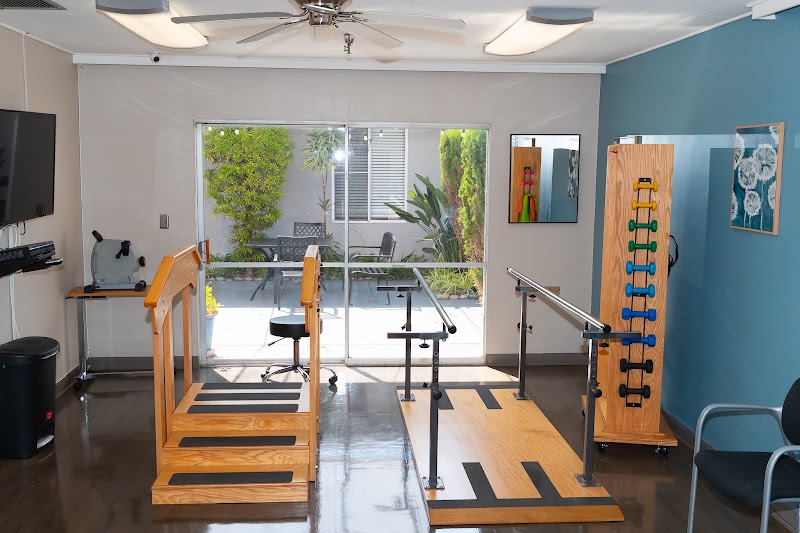
How is Glenhaven Healthcare Staffed?

CMS rates GLENHAVEN HEALTHCARE's staffing level at 2 out of 5 stars, which is below average compared to other nursing homes. Staff turnover is 50%, compared to the California average of 46%. RN turnover specifically is 78%, which is notably high. RNs provide skilled clinical oversight, so turnover in this role can affect medical care quality.

What Have Inspectors Found at Glenhaven Healthcare?

State health inspectors documented 44 deficiencies at GLENHAVEN HEALTHCARE during 2022 to 2025. These included: 2 Immediate Jeopardy (the most serious level, indicating potential for serious harm or death), 39 with potential for harm, and 3 minor or isolated issues. Immediate Jeopardy findings are rare and represent the most serious regulatory concerns. They require immediate corrective action.
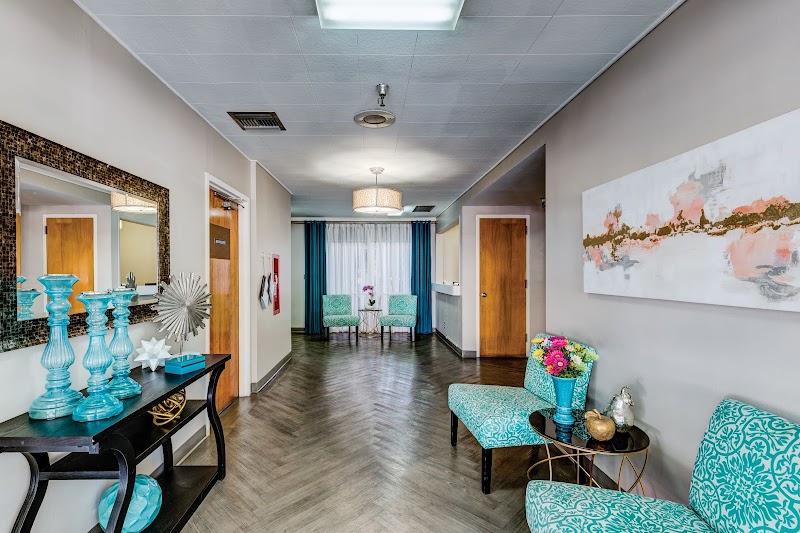
Who Owns and Operates Glenhaven Healthcare?

GLENHAVEN HEALTHCARE is owned by a for-profit company. For-profit facilities operate as businesses with obligations to shareholders or private owners. The facility operates independently rather than as part of a larger chain. With 52 certified beds and approximately 45 residents (about 87% occupancy), it is a smaller facility located in GLENDALE, California.
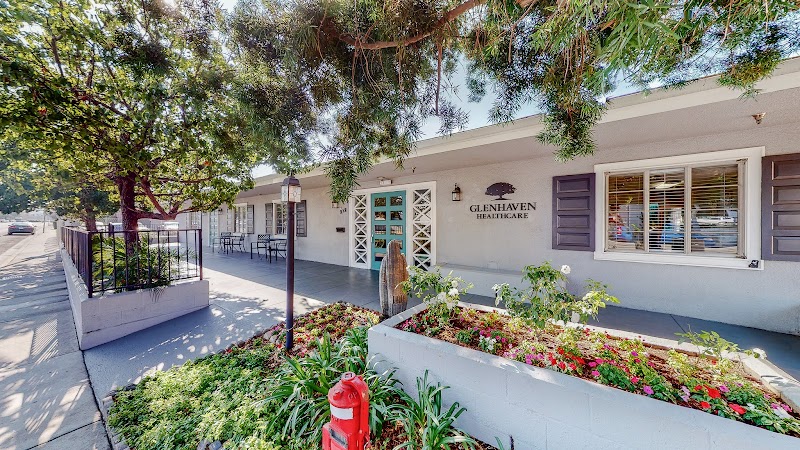
How Does Glenhaven Healthcare Compare to Other California Nursing Homes?

Compared to the 100 nursing homes in California, GLENHAVEN HEALTHCARE's overall rating (2 stars) is below the state average of 3.1, staff turnover (50%) is near the state average of 46%, and health inspection rating (2 stars) is below the national benchmark.

What Should Families Ask When Visiting Glenhaven Healthcare?

Based on this facility's data, families visiting should ask: "What changes have been made since the serious inspection findings, and how are you preventing similar issues?" "Can you walk me through typical staffing levels on day, evening, and night shifts?" "Can I visit during a mealtime to observe dining assistance and food quality?" "How do you handle medical emergencies, and what is your hospital transfer rate?" These questions are particularly relevant given the facility's Immediate Jeopardy citations and the below-average staffing rating.

Is Glenhaven Healthcare Safe?

Based on CMS inspection data, GLENHAVEN HEALTHCARE has documented safety concerns. Inspectors have issued 2 Immediate Jeopardy citations (the most serious violation level indicating risk of serious injury or death). The facility has a 2-star overall rating and ranks #100 of 100 nursing homes in California. Families considering this facility should ask detailed questions about what corrective actions have been taken since these incidents.

Do Nurses at Glenhaven Healthcare Stick Around?

GLENHAVEN HEALTHCARE has a staff turnover rate of 50%, which is about average for California nursing homes (state average: 46%). Moderate turnover is common in nursing homes, but families should still ask about staff tenure and how the facility maintains care continuity when employees leave.

Was Glenhaven Healthcare Ever Fined?

GLENHAVEN HEALTHCARE has been fined $18,070 across 1 penalty action. This is below the California average of $33,260. While any fine indicates a compliance issue, fines under $50,000 are relatively common and typically reflect isolated problems that were subsequently corrected. Families should ask what specific issues led to these fines and confirm they've been resolved.

Is Glenhaven Healthcare on Any Federal Watch List?

GLENHAVEN HEALTHCARE is not on any federal watch list. The most significant is the Special Focus Facility (SFF) program, which identifies the bottom 1% of nursing homes nationally based on persistent, serious quality problems. Not being on this list means the facility has avoided the pattern of deficiencies that triggers enhanced federal oversight. This is a positive indicator, though families should still review the facility's inspection history directly.